window.__IS_SSR__=true
window.__INITIAL_STATE__={
"attachmentsReducer": {
"audio_0": {
"type": "attachments",
"id": "audio_0",
"imgSizes": {
"kqedFullSize": {
"file": "https://ww2.kqed.org/news/wp-content/themes/KQED-unified/img/audio_bgs/background0.jpg"
}
}
},
"audio_1": {
"type": "attachments",
"id": "audio_1",
"imgSizes": {
"kqedFullSize": {
"file": "https://ww2.kqed.org/news/wp-content/themes/KQED-unified/img/audio_bgs/background1.jpg"
}
}
},
"audio_2": {
"type": "attachments",
"id": "audio_2",
"imgSizes": {
"kqedFullSize": {
"file": "https://ww2.kqed.org/news/wp-content/themes/KQED-unified/img/audio_bgs/background2.jpg"
}
}
},
"audio_3": {
"type": "attachments",
"id": "audio_3",
"imgSizes": {
"kqedFullSize": {
"file": "https://ww2.kqed.org/news/wp-content/themes/KQED-unified/img/audio_bgs/background3.jpg"
}
}
},
"audio_4": {
"type": "attachments",
"id": "audio_4",
"imgSizes": {
"kqedFullSize": {
"file": "https://ww2.kqed.org/news/wp-content/themes/KQED-unified/img/audio_bgs/background4.jpg"
}
}
},
"placeholder": {
"type": "attachments",
"id": "placeholder",
"imgSizes": {
"thumbnail": {
"file": "https://cdn.kqed.org/wp-content/uploads/2024/12/KQED-Default-Image-816638274-2000x1333-1-160x107.jpg",
"width": 160,
"height": 107,
"mimeType": "image/jpeg"
},
"medium": {
"file": "https://cdn.kqed.org/wp-content/uploads/2024/12/KQED-Default-Image-816638274-2000x1333-1-800x533.jpg",
"width": 800,
"height": 533,
"mimeType": "image/jpeg"
},
"medium_large": {
"file": "https://cdn.kqed.org/wp-content/uploads/2024/12/KQED-Default-Image-816638274-2000x1333-1-768x512.jpg",
"width": 768,
"height": 512,
"mimeType": "image/jpeg"
},
"large": {
"file": "https://cdn.kqed.org/wp-content/uploads/2024/12/KQED-Default-Image-816638274-2000x1333-1-1020x680.jpg",
"width": 1020,
"height": 680,
"mimeType": "image/jpeg"
},
"1536x1536": {
"file": "https://cdn.kqed.org/wp-content/uploads/2024/12/KQED-Default-Image-816638274-2000x1333-1-1536x1024.jpg",
"width": 1536,
"height": 1024,
"mimeType": "image/jpeg"
},
"fd-lrg": {
"file": "https://cdn.kqed.org/wp-content/uploads/2024/12/KQED-Default-Image-816638274-2000x1333-1-1536x1024.jpg",
"width": 1536,
"height": 1024,
"mimeType": "image/jpeg"
},
"fd-med": {
"file": "https://cdn.kqed.org/wp-content/uploads/2024/12/KQED-Default-Image-816638274-2000x1333-1-1020x680.jpg",
"width": 1020,
"height": 680,
"mimeType": "image/jpeg"
},
"fd-sm": {
"file": "https://cdn.kqed.org/wp-content/uploads/2024/12/KQED-Default-Image-816638274-2000x1333-1-800x533.jpg",
"width": 800,
"height": 533,
"mimeType": "image/jpeg"
},
"post-thumbnail": {
"file": "https://cdn.kqed.org/wp-content/uploads/2024/12/KQED-Default-Image-816638274-2000x1333-1-672x372.jpg",
"width": 672,
"height": 372,
"mimeType": "image/jpeg"
},
"twentyfourteen-full-width": {
"file": "https://cdn.kqed.org/wp-content/uploads/2024/12/KQED-Default-Image-816638274-2000x1333-1-1038x576.jpg",
"width": 1038,
"height": 576,
"mimeType": "image/jpeg"
},
"xxsmall": {
"file": "https://cdn.kqed.org/wp-content/uploads/2024/12/KQED-Default-Image-816638274-2000x1333-1-160x107.jpg",
"width": 160,
"height": 107,
"mimeType": "image/jpeg"
},
"xsmall": {
"file": "https://cdn.kqed.org/wp-content/uploads/2024/12/KQED-Default-Image-816638274-2000x1333-1-672x372.jpg",
"width": 672,
"height": 372,
"mimeType": "image/jpeg"
},
"small": {
"file": "https://cdn.kqed.org/wp-content/uploads/2024/12/KQED-Default-Image-816638274-2000x1333-1-672x372.jpg",
"width": 672,
"height": 372,
"mimeType": "image/jpeg"
},
"xlarge": {
"file": "https://cdn.kqed.org/wp-content/uploads/2024/12/KQED-Default-Image-816638274-2000x1333-1-1020x680.jpg",
"width": 1020,
"height": 680,
"mimeType": "image/jpeg"
},
"full-width": {
"file": "https://cdn.kqed.org/wp-content/uploads/2024/12/KQED-Default-Image-816638274-2000x1333-1-1920x1280.jpg",
"width": 1920,
"height": 1280,
"mimeType": "image/jpeg"
},
"guest-author-32": {
"file": "https://cdn.kqed.org/wp-content/uploads/2025/01/KQED-Default-Image-816638274-1333x1333-1-160x160.jpg",
"width": 32,
"height": 32,
"mimeType": "image/jpeg"
},
"guest-author-50": {
"file": "https://cdn.kqed.org/wp-content/uploads/2025/01/KQED-Default-Image-816638274-1333x1333-1-160x160.jpg",
"width": 50,
"height": 50,
"mimeType": "image/jpeg"
},
"guest-author-64": {
"file": "https://cdn.kqed.org/wp-content/uploads/2025/01/KQED-Default-Image-816638274-1333x1333-1-160x160.jpg",
"width": 64,
"height": 64,
"mimeType": "image/jpeg"
},
"guest-author-96": {
"file": "https://cdn.kqed.org/wp-content/uploads/2025/01/KQED-Default-Image-816638274-1333x1333-1-160x160.jpg",
"width": 96,
"height": 96,
"mimeType": "image/jpeg"
},
"guest-author-128": {
"file": "https://cdn.kqed.org/wp-content/uploads/2025/01/KQED-Default-Image-816638274-1333x1333-1-160x160.jpg",
"width": 128,
"height": 128,
"mimeType": "image/jpeg"
},
"detail": {
"file": "https://cdn.kqed.org/wp-content/uploads/2025/01/KQED-Default-Image-816638274-1333x1333-1-160x160.jpg",
"width": 160,
"height": 160,
"mimeType": "image/jpeg"
},
"kqedFullSize": {
"file": "https://cdn.kqed.org/wp-content/uploads/2024/12/KQED-Default-Image-816638274-2000x1333-1.jpg",
"width": 2000,
"height": 1333
}
}
},
"news_11615216": {
"type": "attachments",
"id": "news_11615216",
"meta": {
"index": "attachments_1716263798",
"site": "news",
"id": "11615216",
"found": true
},
"parent": 11615215,
"imgSizes": {
"small": {
"file": "https://ww2.kqed.org/app/uploads/sites/10/2017/09/gettyimages-841022614_custom-fac4f55e7f5108d6dbe42ba0e0fd6d8efd044903-520x336.jpg",
"width": 520,
"mimeType": "image/jpeg",
"height": 336
},
"twentyfourteen-full-width": {
"file": "https://ww2.kqed.org/app/uploads/sites/10/2017/09/gettyimages-841022614_custom-fac4f55e7f5108d6dbe42ba0e0fd6d8efd044903-1038x576.jpg",
"width": 1038,
"mimeType": "image/jpeg",
"height": 576
},
"thumbnail": {
"file": "https://ww2.kqed.org/app/uploads/sites/10/2017/09/gettyimages-841022614_custom-fac4f55e7f5108d6dbe42ba0e0fd6d8efd044903-160x103.jpg",
"width": 160,
"mimeType": "image/jpeg",
"height": 103
},
"fd-sm": {
"file": "https://ww2.kqed.org/app/uploads/sites/10/2017/09/gettyimages-841022614_custom-fac4f55e7f5108d6dbe42ba0e0fd6d8efd044903-960x621.jpg",
"width": 960,
"mimeType": "image/jpeg",
"height": 621
},
"post-thumbnail": {
"file": "https://ww2.kqed.org/app/uploads/sites/10/2017/09/gettyimages-841022614_custom-fac4f55e7f5108d6dbe42ba0e0fd6d8efd044903-672x372.jpg",
"width": 672,
"mimeType": "image/jpeg",
"height": 372
},
"xsmall": {
"file": "https://ww2.kqed.org/app/uploads/sites/10/2017/09/gettyimages-841022614_custom-fac4f55e7f5108d6dbe42ba0e0fd6d8efd044903-375x243.jpg",
"width": 375,
"mimeType": "image/jpeg",
"height": 243
},
"kqedFullSize": {
"file": "https://ww2.kqed.org/app/uploads/sites/10/2017/09/gettyimages-841022614_custom-fac4f55e7f5108d6dbe42ba0e0fd6d8efd044903-e1504291714613.jpg",
"width": 1920,
"height": 1242
},
"large": {
"file": "https://ww2.kqed.org/app/uploads/sites/10/2017/09/gettyimages-841022614_custom-fac4f55e7f5108d6dbe42ba0e0fd6d8efd044903-1020x660.jpg",
"width": 1020,
"mimeType": "image/jpeg",
"height": 660
},
"xlarge": {
"file": "https://ww2.kqed.org/app/uploads/sites/10/2017/09/gettyimages-841022614_custom-fac4f55e7f5108d6dbe42ba0e0fd6d8efd044903-1180x763.jpg",
"width": 1180,
"mimeType": "image/jpeg",
"height": 763
},
"guest-author-50": {
"file": "https://ww2.kqed.org/app/uploads/sites/10/2017/09/gettyimages-841022614_custom-fac4f55e7f5108d6dbe42ba0e0fd6d8efd044903-50x50.jpg",
"width": 50,
"mimeType": "image/jpeg",
"height": 50
},
"guest-author-96": {
"file": "https://ww2.kqed.org/app/uploads/sites/10/2017/09/gettyimages-841022614_custom-fac4f55e7f5108d6dbe42ba0e0fd6d8efd044903-96x96.jpg",
"width": 96,
"mimeType": "image/jpeg",
"height": 96
},
"medium": {
"file": "https://ww2.kqed.org/app/uploads/sites/10/2017/09/gettyimages-841022614_custom-fac4f55e7f5108d6dbe42ba0e0fd6d8efd044903-800x517.jpg",
"width": 800,
"mimeType": "image/jpeg",
"height": 517
},
"guest-author-64": {
"file": "https://ww2.kqed.org/app/uploads/sites/10/2017/09/gettyimages-841022614_custom-fac4f55e7f5108d6dbe42ba0e0fd6d8efd044903-64x64.jpg",
"width": 64,
"mimeType": "image/jpeg",
"height": 64
},
"guest-author-32": {
"file": "https://ww2.kqed.org/app/uploads/sites/10/2017/09/gettyimages-841022614_custom-fac4f55e7f5108d6dbe42ba0e0fd6d8efd044903-32x32.jpg",
"width": 32,
"mimeType": "image/jpeg",
"height": 32
},
"fd-lrg": {
"file": "https://ww2.kqed.org/app/uploads/sites/10/2017/09/gettyimages-841022614_custom-fac4f55e7f5108d6dbe42ba0e0fd6d8efd044903-1920x1242.jpg",
"width": 1920,
"mimeType": "image/jpeg",
"height": 1242
},
"fd-med": {
"file": "https://ww2.kqed.org/app/uploads/sites/10/2017/09/gettyimages-841022614_custom-fac4f55e7f5108d6dbe42ba0e0fd6d8efd044903-1180x763.jpg",
"width": 1180,
"mimeType": "image/jpeg",
"height": 763
},
"full-width": {
"file": "https://ww2.kqed.org/app/uploads/sites/10/2017/09/gettyimages-841022614_custom-fac4f55e7f5108d6dbe42ba0e0fd6d8efd044903-1920x1242.jpg",
"width": 1920,
"mimeType": "image/jpeg",
"height": 1242
},
"detail": {
"file": "https://ww2.kqed.org/app/uploads/sites/10/2017/09/gettyimages-841022614_custom-fac4f55e7f5108d6dbe42ba0e0fd6d8efd044903-150x150.jpg",
"width": 150,
"mimeType": "image/jpeg",
"height": 150
},
"guest-author-128": {
"file": "https://ww2.kqed.org/app/uploads/sites/10/2017/09/gettyimages-841022614_custom-fac4f55e7f5108d6dbe42ba0e0fd6d8efd044903-128x128.jpg",
"width": 128,
"mimeType": "image/jpeg",
"height": 128
},
"xxsmall": {
"file": "https://ww2.kqed.org/app/uploads/sites/10/2017/09/gettyimages-841022614_custom-fac4f55e7f5108d6dbe42ba0e0fd6d8efd044903-240x155.jpg",
"width": 240,
"mimeType": "image/jpeg",
"height": 155
}
},
"publishDate": 1504291630,
"modified": 1504306092,
"caption": "Hundreds of immigration advocates and supporters attend a rally and march to Trump Tower in support of the Deferred Action for Childhood Arrivals program, also known as DACA, on Aug. 30 in New York City.",
"description": "Hundreds of immigration advocates and supporters attend a rally and march to Trump Tower in support of the Deferred Action for Childhood Arrivals program, also known as DACA, on Wednesday in New York City.",
"title": "Hundreds of immigration advocates and supporters attend a rally and march to Trump Tower in support of the Deferred Action for Childhood Arrivals program, also known as DACA, on Wednesday in New York City.",
"credit": "Spencer Platt/Getty Images",
"status": "inherit",
"isLoading": false,
"fetchFailed": false
},
"news_11614541": {
"type": "attachments",
"id": "news_11614541",
"meta": {
"index": "attachments_1716263798",
"site": "news",
"id": "11614541",
"found": true
},
"parent": 11614534,
"imgSizes": {
"small": {
"file": "https://ww2.kqed.org/app/uploads/sites/10/2017/08/Barajas-520x338.jpg",
"width": 520,
"mimeType": "image/jpeg",
"height": 338
},
"twentyfourteen-full-width": {
"file": "https://ww2.kqed.org/app/uploads/sites/10/2017/08/Barajas-1038x576.jpg",
"width": 1038,
"mimeType": "image/jpeg",
"height": 576
},
"thumbnail": {
"file": "https://ww2.kqed.org/app/uploads/sites/10/2017/08/Barajas-160x104.jpg",
"width": 160,
"mimeType": "image/jpeg",
"height": 104
},
"fd-sm": {
"file": "https://ww2.kqed.org/app/uploads/sites/10/2017/08/Barajas-960x624.jpg",
"width": 960,
"mimeType": "image/jpeg",
"height": 624
},
"post-thumbnail": {
"file": "https://ww2.kqed.org/app/uploads/sites/10/2017/08/Barajas-672x372.jpg",
"width": 672,
"mimeType": "image/jpeg",
"height": 372
},
"xsmall": {
"file": "https://ww2.kqed.org/app/uploads/sites/10/2017/08/Barajas-375x244.jpg",
"width": 375,
"mimeType": "image/jpeg",
"height": 244
},
"kqedFullSize": {
"file": "https://ww2.kqed.org/app/uploads/sites/10/2017/08/Barajas.jpg",
"width": 1920,
"height": 1247
},
"large": {
"file": "https://ww2.kqed.org/app/uploads/sites/10/2017/08/Barajas-1020x662.jpg",
"width": 1020,
"mimeType": "image/jpeg",
"height": 662
},
"xlarge": {
"file": "https://ww2.kqed.org/app/uploads/sites/10/2017/08/Barajas-1180x766.jpg",
"width": 1180,
"mimeType": "image/jpeg",
"height": 766
},
"guest-author-50": {
"file": "https://ww2.kqed.org/app/uploads/sites/10/2017/08/Barajas-50x50.jpg",
"width": 50,
"mimeType": "image/jpeg",
"height": 50
},
"guest-author-96": {
"file": "https://ww2.kqed.org/app/uploads/sites/10/2017/08/Barajas-96x96.jpg",
"width": 96,
"mimeType": "image/jpeg",
"height": 96
},
"medium": {
"file": "https://ww2.kqed.org/app/uploads/sites/10/2017/08/Barajas-800x520.jpg",
"width": 800,
"mimeType": "image/jpeg",
"height": 520
},
"guest-author-64": {
"file": "https://ww2.kqed.org/app/uploads/sites/10/2017/08/Barajas-64x64.jpg",
"width": 64,
"mimeType": "image/jpeg",
"height": 64
},
"guest-author-32": {
"file": "https://ww2.kqed.org/app/uploads/sites/10/2017/08/Barajas-32x32.jpg",
"width": 32,
"mimeType": "image/jpeg",
"height": 32
},
"fd-lrg": {
"file": "https://ww2.kqed.org/app/uploads/sites/10/2017/08/Barajas-1920x1247.jpg",
"width": 1920,
"mimeType": "image/jpeg",
"height": 1247
},
"fd-med": {
"file": "https://ww2.kqed.org/app/uploads/sites/10/2017/08/Barajas-1180x766.jpg",
"width": 1180,
"mimeType": "image/jpeg",
"height": 766
},
"full-width": {
"file": "https://ww2.kqed.org/app/uploads/sites/10/2017/08/Barajas-1920x1247.jpg",
"width": 1920,
"mimeType": "image/jpeg",
"height": 1247
},
"detail": {
"file": "https://ww2.kqed.org/app/uploads/sites/10/2017/08/Barajas-150x150.jpg",
"width": 150,
"mimeType": "image/jpeg",
"height": 150
},
"guest-author-128": {
"file": "https://ww2.kqed.org/app/uploads/sites/10/2017/08/Barajas-128x128.jpg",
"width": 128,
"mimeType": "image/jpeg",
"height": 128
},
"xxsmall": {
"file": "https://ww2.kqed.org/app/uploads/sites/10/2017/08/Barajas-240x156.jpg",
"width": 240,
"mimeType": "image/jpeg",
"height": 156
}
},
"publishDate": 1504032748,
"modified": 1504032813,
"caption": "Saira Barajas, 25, volunteers at a phone bank at the offices of the Coalition for Humane Immigrant Rights of Los Angeles on Aug. 28, 2017. Phone bank volunteers called voters and offered to connect them with elected leaders so they could ask them to save the program known as Deferred Action for Childhood Arrivals (DACA). Barajas is among the DACA participants.",
"description": "Saira Barajas, 25, volunteers at a phone bank at the offices of the Coalition for Humane Immigrant Rights of Los Angeles on Aug. 28, 2017. Phone bank volunteers called voters and offered to connect them with elected leaders so they could ask them to save the program known as Deferred Action for Childhood Arrivals (DACA). Barajas is among the DACA participants.",
"title": "Barajas",
"credit": "Leslie Berestein Rojas/KPCC",
"status": "inherit",
"isLoading": false,
"fetchFailed": false
},
"news_11612165": {
"type": "attachments",
"id": "news_11612165",
"meta": {
"index": "attachments_1716263798",
"site": "news",
"id": "11612165",
"found": true
},
"parent": 11611998,
"imgSizes": {
"small": {
"file": "https://ww2.kqed.org/app/uploads/sites/10/2017/08/RS26227_IMG_0297-qut-520x390.jpg",
"width": 520,
"mimeType": "image/jpeg",
"height": 390
},
"twentyfourteen-full-width": {
"file": "https://ww2.kqed.org/app/uploads/sites/10/2017/08/RS26227_IMG_0297-qut-1038x576.jpg",
"width": 1038,
"mimeType": "image/jpeg",
"height": 576
},
"thumbnail": {
"file": "https://ww2.kqed.org/app/uploads/sites/10/2017/08/RS26227_IMG_0297-qut-160x120.jpg",
"width": 160,
"mimeType": "image/jpeg",
"height": 120
},
"fd-sm": {
"file": "https://ww2.kqed.org/app/uploads/sites/10/2017/08/RS26227_IMG_0297-qut-960x720.jpg",
"width": 960,
"mimeType": "image/jpeg",
"height": 720
},
"post-thumbnail": {
"file": "https://ww2.kqed.org/app/uploads/sites/10/2017/08/RS26227_IMG_0297-qut-672x372.jpg",
"width": 672,
"mimeType": "image/jpeg",
"height": 372
},
"xsmall": {
"file": "https://ww2.kqed.org/app/uploads/sites/10/2017/08/RS26227_IMG_0297-qut-375x281.jpg",
"width": 375,
"mimeType": "image/jpeg",
"height": 281
},
"kqedFullSize": {
"file": "https://ww2.kqed.org/app/uploads/sites/10/2017/08/RS26227_IMG_0297-qut.jpg",
"width": 1920,
"height": 1440
},
"large": {
"file": "https://ww2.kqed.org/app/uploads/sites/10/2017/08/RS26227_IMG_0297-qut-1020x765.jpg",
"width": 1020,
"mimeType": "image/jpeg",
"height": 765
},
"xlarge": {
"file": "https://ww2.kqed.org/app/uploads/sites/10/2017/08/RS26227_IMG_0297-qut-1180x885.jpg",
"width": 1180,
"mimeType": "image/jpeg",
"height": 885
},
"guest-author-50": {
"file": "https://ww2.kqed.org/app/uploads/sites/10/2017/08/RS26227_IMG_0297-qut-50x50.jpg",
"width": 50,
"mimeType": "image/jpeg",
"height": 50
},
"guest-author-96": {
"file": "https://ww2.kqed.org/app/uploads/sites/10/2017/08/RS26227_IMG_0297-qut-96x96.jpg",
"width": 96,
"mimeType": "image/jpeg",
"height": 96
},
"medium": {
"file": "https://ww2.kqed.org/app/uploads/sites/10/2017/08/RS26227_IMG_0297-qut-800x600.jpg",
"width": 800,
"mimeType": "image/jpeg",
"height": 600
},
"guest-author-64": {
"file": "https://ww2.kqed.org/app/uploads/sites/10/2017/08/RS26227_IMG_0297-qut-64x64.jpg",
"width": 64,
"mimeType": "image/jpeg",
"height": 64
},
"guest-author-32": {
"file": "https://ww2.kqed.org/app/uploads/sites/10/2017/08/RS26227_IMG_0297-qut-32x32.jpg",
"width": 32,
"mimeType": "image/jpeg",
"height": 32
},
"fd-lrg": {
"file": "https://ww2.kqed.org/app/uploads/sites/10/2017/08/RS26227_IMG_0297-qut-1920x1440.jpg",
"width": 1920,
"mimeType": "image/jpeg",
"height": 1440
},
"fd-med": {
"file": "https://ww2.kqed.org/app/uploads/sites/10/2017/08/RS26227_IMG_0297-qut-1180x885.jpg",
"width": 1180,
"mimeType": "image/jpeg",
"height": 885
},
"full-width": {
"file": "https://ww2.kqed.org/app/uploads/sites/10/2017/08/RS26227_IMG_0297-qut-1920x1440.jpg",
"width": 1920,
"mimeType": "image/jpeg",
"height": 1440
},
"detail": {
"file": "https://ww2.kqed.org/app/uploads/sites/10/2017/08/RS26227_IMG_0297-qut-150x150.jpg",
"width": 150,
"mimeType": "image/jpeg",
"height": 150
},
"guest-author-128": {
"file": "https://ww2.kqed.org/app/uploads/sites/10/2017/08/RS26227_IMG_0297-qut-128x128.jpg",
"width": 128,
"mimeType": "image/jpeg",
"height": 128
},
"xxsmall": {
"file": "https://ww2.kqed.org/app/uploads/sites/10/2017/08/RS26227_IMG_0297-qut-240x180.jpg",
"width": 240,
"mimeType": "image/jpeg",
"height": 180
}
},
"publishDate": 1502836981,
"modified": 1502931184,
"caption": "Jasmine Mongue, Kim Wilson and Caitlin Lang (L-R) hold signs at a pro-DACA rally in San Francisco's Financial District on Tuesday, Aug. 15, 2017. It was the fifth anniversary of the program, which provides work permits and protection from deportation for children brought to the country illegally.",
"description": "Jasmine Mongue, Kim Wilson and Caitlin Lang (L-R) hold signs at a pro-DACA rally in San Francisco's Financial District on Tuesday, August 15, 2017. It was the fifth anniversary of the program which provides work permits and protection from deportation for children brought to the country illegally.",
"title": "RS26227_IMG_0297-qut",
"credit": "Ryan Levi/KQED",
"status": "inherit",
"isLoading": false,
"fetchFailed": false
},
"news_11579604": {
"type": "attachments",
"id": "news_11579604",
"meta": {
"index": "attachments_1716263798",
"site": "news",
"id": "11579604",
"found": true
},
"parent": 11579535,
"imgSizes": {
"small": {
"file": "https://ww2.kqed.org/app/uploads/sites/10/2018/07/RS25113_20170501_MayDay_credit_BertJohnson-2-qut-520x347.jpg",
"width": 520,
"mimeType": "image/jpeg",
"height": 347
},
"twentyfourteen-full-width": {
"file": "https://ww2.kqed.org/app/uploads/sites/10/2018/07/RS25113_20170501_MayDay_credit_BertJohnson-2-qut-1038x576.jpg",
"width": 1038,
"mimeType": "image/jpeg",
"height": 576
},
"thumbnail": {
"file": "https://ww2.kqed.org/app/uploads/sites/10/2018/07/RS25113_20170501_MayDay_credit_BertJohnson-2-qut-160x107.jpg",
"width": 160,
"mimeType": "image/jpeg",
"height": 107
},
"fd-sm": {
"file": "https://ww2.kqed.org/app/uploads/sites/10/2018/07/RS25113_20170501_MayDay_credit_BertJohnson-2-qut-960x640.jpg",
"width": 960,
"mimeType": "image/jpeg",
"height": 640
},
"post-thumbnail": {
"file": "https://ww2.kqed.org/app/uploads/sites/10/2018/07/RS25113_20170501_MayDay_credit_BertJohnson-2-qut-672x372.jpg",
"width": 672,
"mimeType": "image/jpeg",
"height": 372
},
"xsmall": {
"file": "https://ww2.kqed.org/app/uploads/sites/10/2018/07/RS25113_20170501_MayDay_credit_BertJohnson-2-qut-375x250.jpg",
"width": 375,
"mimeType": "image/jpeg",
"height": 250
},
"kqedFullSize": {
"file": "https://ww2.kqed.org/app/uploads/sites/10/2018/07/RS25113_20170501_MayDay_credit_BertJohnson-2-qut.jpg",
"width": 1920,
"height": 1280
},
"large": {
"file": "https://ww2.kqed.org/app/uploads/sites/10/2018/07/RS25113_20170501_MayDay_credit_BertJohnson-2-qut-1020x680.jpg",
"width": 1020,
"mimeType": "image/jpeg",
"height": 680
},
"xlarge": {
"file": "https://ww2.kqed.org/app/uploads/sites/10/2018/07/RS25113_20170501_MayDay_credit_BertJohnson-2-qut-1180x787.jpg",
"width": 1180,
"mimeType": "image/jpeg",
"height": 787
},
"guest-author-50": {
"file": "https://ww2.kqed.org/app/uploads/sites/10/2018/07/RS25113_20170501_MayDay_credit_BertJohnson-2-qut-50x50.jpg",
"width": 50,
"mimeType": "image/jpeg",
"height": 50
},
"guest-author-96": {
"file": "https://ww2.kqed.org/app/uploads/sites/10/2018/07/RS25113_20170501_MayDay_credit_BertJohnson-2-qut-96x96.jpg",
"width": 96,
"mimeType": "image/jpeg",
"height": 96
},
"medium": {
"file": "https://ww2.kqed.org/app/uploads/sites/10/2018/07/RS25113_20170501_MayDay_credit_BertJohnson-2-qut-800x533.jpg",
"width": 800,
"mimeType": "image/jpeg",
"height": 533
},
"guest-author-64": {
"file": "https://ww2.kqed.org/app/uploads/sites/10/2018/07/RS25113_20170501_MayDay_credit_BertJohnson-2-qut-64x64.jpg",
"width": 64,
"mimeType": "image/jpeg",
"height": 64
},
"guest-author-32": {
"file": "https://ww2.kqed.org/app/uploads/sites/10/2018/07/RS25113_20170501_MayDay_credit_BertJohnson-2-qut-32x32.jpg",
"width": 32,
"mimeType": "image/jpeg",
"height": 32
},
"fd-lrg": {
"file": "https://ww2.kqed.org/app/uploads/sites/10/2018/07/RS25113_20170501_MayDay_credit_BertJohnson-2-qut-1920x1280.jpg",
"width": 1920,
"mimeType": "image/jpeg",
"height": 1280
},
"fd-med": {
"file": "https://ww2.kqed.org/app/uploads/sites/10/2018/07/RS25113_20170501_MayDay_credit_BertJohnson-2-qut-1180x787.jpg",
"width": 1180,
"mimeType": "image/jpeg",
"height": 787
},
"full-width": {
"file": "https://ww2.kqed.org/app/uploads/sites/10/2018/07/RS25113_20170501_MayDay_credit_BertJohnson-2-qut-1920x1280.jpg",
"width": 1920,
"mimeType": "image/jpeg",
"height": 1280
},
"detail": {
"file": "https://ww2.kqed.org/app/uploads/sites/10/2018/07/RS25113_20170501_MayDay_credit_BertJohnson-2-qut-150x150.jpg",
"width": 150,
"mimeType": "image/jpeg",
"height": 150
},
"guest-author-128": {
"file": "https://ww2.kqed.org/app/uploads/sites/10/2018/07/RS25113_20170501_MayDay_credit_BertJohnson-2-qut-128x128.jpg",
"width": 128,
"mimeType": "image/jpeg",
"height": 128
},
"xxsmall": {
"file": "https://ww2.kqed.org/app/uploads/sites/10/2018/07/RS25113_20170501_MayDay_credit_BertJohnson-2-qut-240x160.jpg",
"width": 240,
"mimeType": "image/jpeg",
"height": 160
}
},
"publishDate": 1500667297,
"modified": 1500667387,
"caption": "Activists with the Bay Resistance coalition blocked the entrance to a parking lot behind the San Francisco ICE building during May Day protests on May 1, 2017. The day's events were called \"A Day Without Immigrants\" to highlight the pressures immigrant workers say they face under a Trump administration.",
"description": "Activists with the Bay Resistance coalition blocked the entrance to a parking lot behind the San Francisco ICE building during May Day protests on May 1, 2017. The day's events were called \"A Day Without Immigrants\" to highlight the pressures immigrant workers say they face under a Trump administration.",
"title": "RS25113_20170501_MayDay_credit_BertJohnson-2-qut",
"credit": "Bert Johnson/KQED",
"status": "inherit",
"isLoading": false,
"fetchFailed": false
},
"news_11520429": {
"type": "attachments",
"id": "news_11520429",
"meta": {
"index": "attachments_1716263798",
"site": "news",
"id": "11520429",
"found": true
},
"parent": 11520428,
"imgSizes": {
"small": {
"file": "https://ww2.kqed.org/app/uploads/sites/10/2017/06/gettyimages-150311588_wide-2ceabbfc444c86af1b83ea9eaca999d9567e5fe5-520x292.jpg",
"width": 520,
"mimeType": "image/jpeg",
"height": 292
},
"twentyfourteen-full-width": {
"file": "https://ww2.kqed.org/app/uploads/sites/10/2017/06/gettyimages-150311588_wide-2ceabbfc444c86af1b83ea9eaca999d9567e5fe5-1038x576.jpg",
"width": 1038,
"mimeType": "image/jpeg",
"height": 576
},
"thumbnail": {
"file": "https://ww2.kqed.org/app/uploads/sites/10/2017/06/gettyimages-150311588_wide-2ceabbfc444c86af1b83ea9eaca999d9567e5fe5-160x90.jpg",
"width": 160,
"mimeType": "image/jpeg",
"height": 90
},
"fd-sm": {
"file": "https://ww2.kqed.org/app/uploads/sites/10/2017/06/gettyimages-150311588_wide-2ceabbfc444c86af1b83ea9eaca999d9567e5fe5-960x540.jpg",
"width": 960,
"mimeType": "image/jpeg",
"height": 540
},
"post-thumbnail": {
"file": "https://ww2.kqed.org/app/uploads/sites/10/2017/06/gettyimages-150311588_wide-2ceabbfc444c86af1b83ea9eaca999d9567e5fe5-672x372.jpg",
"width": 672,
"mimeType": "image/jpeg",
"height": 372
},
"xsmall": {
"file": "https://ww2.kqed.org/app/uploads/sites/10/2017/06/gettyimages-150311588_wide-2ceabbfc444c86af1b83ea9eaca999d9567e5fe5-375x211.jpg",
"width": 375,
"mimeType": "image/jpeg",
"height": 211
},
"kqedFullSize": {
"file": "https://ww2.kqed.org/app/uploads/sites/10/2017/06/gettyimages-150311588_wide-2ceabbfc444c86af1b83ea9eaca999d9567e5fe5-e1497900148506.jpg",
"width": 1920,
"height": 1080
},
"large": {
"file": "https://ww2.kqed.org/app/uploads/sites/10/2017/06/gettyimages-150311588_wide-2ceabbfc444c86af1b83ea9eaca999d9567e5fe5-1020x574.jpg",
"width": 1020,
"mimeType": "image/jpeg",
"height": 574
},
"xlarge": {
"file": "https://ww2.kqed.org/app/uploads/sites/10/2017/06/gettyimages-150311588_wide-2ceabbfc444c86af1b83ea9eaca999d9567e5fe5-1180x664.jpg",
"width": 1180,
"mimeType": "image/jpeg",
"height": 664
},
"guest-author-50": {
"file": "https://ww2.kqed.org/app/uploads/sites/10/2017/06/gettyimages-150311588_wide-2ceabbfc444c86af1b83ea9eaca999d9567e5fe5-50x50.jpg",
"width": 50,
"mimeType": "image/jpeg",
"height": 50
},
"guest-author-96": {
"file": "https://ww2.kqed.org/app/uploads/sites/10/2017/06/gettyimages-150311588_wide-2ceabbfc444c86af1b83ea9eaca999d9567e5fe5-96x96.jpg",
"width": 96,
"mimeType": "image/jpeg",
"height": 96
},
"medium": {
"file": "https://ww2.kqed.org/app/uploads/sites/10/2017/06/gettyimages-150311588_wide-2ceabbfc444c86af1b83ea9eaca999d9567e5fe5-800x450.jpg",
"width": 800,
"mimeType": "image/jpeg",
"height": 450
},
"guest-author-64": {
"file": "https://ww2.kqed.org/app/uploads/sites/10/2017/06/gettyimages-150311588_wide-2ceabbfc444c86af1b83ea9eaca999d9567e5fe5-64x64.jpg",
"width": 64,
"mimeType": "image/jpeg",
"height": 64
},
"guest-author-32": {
"file": "https://ww2.kqed.org/app/uploads/sites/10/2017/06/gettyimages-150311588_wide-2ceabbfc444c86af1b83ea9eaca999d9567e5fe5-32x32.jpg",
"width": 32,
"mimeType": "image/jpeg",
"height": 32
},
"fd-lrg": {
"file": "https://ww2.kqed.org/app/uploads/sites/10/2017/06/gettyimages-150311588_wide-2ceabbfc444c86af1b83ea9eaca999d9567e5fe5-1920x1080.jpg",
"width": 1920,
"mimeType": "image/jpeg",
"height": 1080
},
"fd-med": {
"file": "https://ww2.kqed.org/app/uploads/sites/10/2017/06/gettyimages-150311588_wide-2ceabbfc444c86af1b83ea9eaca999d9567e5fe5-1180x664.jpg",
"width": 1180,
"mimeType": "image/jpeg",
"height": 664
},
"full-width": {
"file": "https://ww2.kqed.org/app/uploads/sites/10/2017/06/gettyimages-150311588_wide-2ceabbfc444c86af1b83ea9eaca999d9567e5fe5-1920x1080.jpg",
"width": 1920,
"mimeType": "image/jpeg",
"height": 1080
},
"detail": {
"file": "https://ww2.kqed.org/app/uploads/sites/10/2017/06/gettyimages-150311588_wide-2ceabbfc444c86af1b83ea9eaca999d9567e5fe5-150x150.jpg",
"width": 150,
"mimeType": "image/jpeg",
"height": 150
},
"guest-author-128": {
"file": "https://ww2.kqed.org/app/uploads/sites/10/2017/06/gettyimages-150311588_wide-2ceabbfc444c86af1b83ea9eaca999d9567e5fe5-128x128.jpg",
"width": 128,
"mimeType": "image/jpeg",
"height": 128
},
"xxsmall": {
"file": "https://ww2.kqed.org/app/uploads/sites/10/2017/06/gettyimages-150311588_wide-2ceabbfc444c86af1b83ea9eaca999d9567e5fe5-240x135.jpg",
"width": 240,
"mimeType": "image/jpeg",
"height": 135
}
},
"publishDate": 1497900097,
"modified": 1497900271,
"caption": "Immigrants who were brought to the U.S. illegally as children, known as \"Dreamers,\" listen to the kick off of the Obama administration's Deferred Action for Childhood Arrivals program in 2012.",
"description": "Immigrants who were brought to the U.S. illegally as children, known as \"Dreamers,\" listen to the kick off of the Obama administration's Deferred Action for Childhood Arrivals program in 2012.",
"title": "Immigrants who were brought to the U.S. illegally as children, known as \"Dreamers,\" listen to the kick off of the Obama administration's Deferred Action for Childhood Arrivals program in 2012.",
"credit": "Kevork Djansezian/Getty Images",
"status": "inherit",
"isLoading": false,
"fetchFailed": false
},
"news_11479550": {
"type": "attachments",
"id": "news_11479550",
"meta": {
"index": "attachments_1716263798",
"site": "news",
"id": "11479550",
"found": true
},
"parent": 11478931,
"imgSizes": {
"small": {
"file": "https://ww2.kqed.org/app/uploads/sites/10/2017/05/AlvinCar-520x323.jpg",
"width": 520,
"mimeType": "image/jpeg",
"height": 323
},
"twentyfourteen-full-width": {
"file": "https://ww2.kqed.org/app/uploads/sites/10/2017/05/AlvinCar-1038x576.jpg",
"width": 1038,
"mimeType": "image/jpeg",
"height": 576
},
"thumbnail": {
"file": "https://ww2.kqed.org/app/uploads/sites/10/2017/05/AlvinCar-160x99.jpg",
"width": 160,
"mimeType": "image/jpeg",
"height": 99
},
"fd-sm": {
"file": "https://ww2.kqed.org/app/uploads/sites/10/2017/05/AlvinCar-960x596.jpg",
"width": 960,
"mimeType": "image/jpeg",
"height": 596
},
"post-thumbnail": {
"file": "https://ww2.kqed.org/app/uploads/sites/10/2017/05/AlvinCar-672x372.jpg",
"width": 672,
"mimeType": "image/jpeg",
"height": 372
},
"xsmall": {
"file": "https://ww2.kqed.org/app/uploads/sites/10/2017/05/AlvinCar-375x233.jpg",
"width": 375,
"mimeType": "image/jpeg",
"height": 233
},
"kqedFullSize": {
"file": "https://ww2.kqed.org/app/uploads/sites/10/2017/05/AlvinCar.jpg",
"width": 1920,
"height": 1191
},
"large": {
"file": "https://ww2.kqed.org/app/uploads/sites/10/2017/05/AlvinCar-1020x633.jpg",
"width": 1020,
"mimeType": "image/jpeg",
"height": 633
},
"xlarge": {
"file": "https://ww2.kqed.org/app/uploads/sites/10/2017/05/AlvinCar-1180x732.jpg",
"width": 1180,
"mimeType": "image/jpeg",
"height": 732
},
"guest-author-50": {
"file": "https://ww2.kqed.org/app/uploads/sites/10/2017/05/AlvinCar-50x50.jpg",
"width": 50,
"mimeType": "image/jpeg",
"height": 50
},
"guest-author-96": {
"file": "https://ww2.kqed.org/app/uploads/sites/10/2017/05/AlvinCar-96x96.jpg",
"width": 96,
"mimeType": "image/jpeg",
"height": 96
},
"medium": {
"file": "https://ww2.kqed.org/app/uploads/sites/10/2017/05/AlvinCar-800x496.jpg",
"width": 800,
"mimeType": "image/jpeg",
"height": 496
},
"guest-author-64": {
"file": "https://ww2.kqed.org/app/uploads/sites/10/2017/05/AlvinCar-64x64.jpg",
"width": 64,
"mimeType": "image/jpeg",
"height": 64
},
"guest-author-32": {
"file": "https://ww2.kqed.org/app/uploads/sites/10/2017/05/AlvinCar-32x32.jpg",
"width": 32,
"mimeType": "image/jpeg",
"height": 32
},
"fd-lrg": {
"file": "https://ww2.kqed.org/app/uploads/sites/10/2017/05/AlvinCar-1920x1191.jpg",
"width": 1920,
"mimeType": "image/jpeg",
"height": 1191
},
"fd-med": {
"file": "https://ww2.kqed.org/app/uploads/sites/10/2017/05/AlvinCar-1180x732.jpg",
"width": 1180,
"mimeType": "image/jpeg",
"height": 732
},
"full-width": {
"file": "https://ww2.kqed.org/app/uploads/sites/10/2017/05/AlvinCar-1920x1191.jpg",
"width": 1920,
"mimeType": "image/jpeg",
"height": 1191
},
"detail": {
"file": "https://ww2.kqed.org/app/uploads/sites/10/2017/05/AlvinCar-150x150.jpg",
"width": 150,
"mimeType": "image/jpeg",
"height": 150
},
"guest-author-128": {
"file": "https://ww2.kqed.org/app/uploads/sites/10/2017/05/AlvinCar-128x128.jpg",
"width": 128,
"mimeType": "image/jpeg",
"height": 128
},
"xxsmall": {
"file": "https://ww2.kqed.org/app/uploads/sites/10/2017/05/AlvinCar-240x149.jpg",
"width": 240,
"mimeType": "image/jpeg",
"height": 149
}
},
"publishDate": 1495841775,
"modified": 1495841805,
"caption": "Alvin sits inside his Nissan 240SX. He says being Asian and undocumented has been one of the most alienating experiences of his life. ",
"description": "Alvin sits inside his Nissan 240SX. He says being Asian and undocumented has been one of the most alienating experiences of his life. ",
"title": "AlvinCar",
"credit": "Stefanie De Leon Tzic/KQED",
"status": "inherit",
"isLoading": false,
"fetchFailed": false
},
"news_11452331": {
"type": "attachments",
"id": "news_11452331",
"meta": {
"index": "attachments_1716263798",
"site": "news",
"id": "11452331",
"found": true
},
"parent": 11450613,
"imgSizes": {
"small": {
"file": "https://ww2.kqed.org/app/uploads/sites/10/2017/05/MCCarthy-1-520x363.jpg",
"width": 520,
"mimeType": "image/jpeg",
"height": 363
},
"twentyfourteen-full-width": {
"file": "https://ww2.kqed.org/app/uploads/sites/10/2017/05/MCCarthy-1-1038x576.jpg",
"width": 1038,
"mimeType": "image/jpeg",
"height": 576
},
"thumbnail": {
"file": "https://ww2.kqed.org/app/uploads/sites/10/2017/05/MCCarthy-1-160x112.jpg",
"width": 160,
"mimeType": "image/jpeg",
"height": 112
},
"fd-sm": {
"file": "https://ww2.kqed.org/app/uploads/sites/10/2017/05/MCCarthy-1-960x670.jpg",
"width": 960,
"mimeType": "image/jpeg",
"height": 670
},
"post-thumbnail": {
"file": "https://ww2.kqed.org/app/uploads/sites/10/2017/05/MCCarthy-1-672x372.jpg",
"width": 672,
"mimeType": "image/jpeg",
"height": 372
},
"xsmall": {
"file": "https://ww2.kqed.org/app/uploads/sites/10/2017/05/MCCarthy-1-375x262.jpg",
"width": 375,
"mimeType": "image/jpeg",
"height": 262
},
"kqedFullSize": {
"file": "https://ww2.kqed.org/app/uploads/sites/10/2017/05/MCCarthy-1.jpg",
"width": 1920,
"height": 1340
},
"large": {
"file": "https://ww2.kqed.org/app/uploads/sites/10/2017/05/MCCarthy-1-1020x712.jpg",
"width": 1020,
"mimeType": "image/jpeg",
"height": 712
},
"xlarge": {
"file": "https://ww2.kqed.org/app/uploads/sites/10/2017/05/MCCarthy-1-1180x824.jpg",
"width": 1180,
"mimeType": "image/jpeg",
"height": 824
},
"guest-author-50": {
"file": "https://ww2.kqed.org/app/uploads/sites/10/2017/05/MCCarthy-1-50x50.jpg",
"width": 50,
"mimeType": "image/jpeg",
"height": 50
},
"guest-author-96": {
"file": "https://ww2.kqed.org/app/uploads/sites/10/2017/05/MCCarthy-1-96x96.jpg",
"width": 96,
"mimeType": "image/jpeg",
"height": 96
},
"medium": {
"file": "https://ww2.kqed.org/app/uploads/sites/10/2017/05/MCCarthy-1-800x558.jpg",
"width": 800,
"mimeType": "image/jpeg",
"height": 558
},
"guest-author-64": {
"file": "https://ww2.kqed.org/app/uploads/sites/10/2017/05/MCCarthy-1-64x64.jpg",
"width": 64,
"mimeType": "image/jpeg",
"height": 64
},
"guest-author-32": {
"file": "https://ww2.kqed.org/app/uploads/sites/10/2017/05/MCCarthy-1-32x32.jpg",
"width": 32,
"mimeType": "image/jpeg",
"height": 32
},
"fd-lrg": {
"file": "https://ww2.kqed.org/app/uploads/sites/10/2017/05/MCCarthy-1-1920x1340.jpg",
"width": 1920,
"mimeType": "image/jpeg",
"height": 1340
},
"fd-med": {
"file": "https://ww2.kqed.org/app/uploads/sites/10/2017/05/MCCarthy-1-1180x824.jpg",
"width": 1180,
"mimeType": "image/jpeg",
"height": 824
},
"full-width": {
"file": "https://ww2.kqed.org/app/uploads/sites/10/2017/05/MCCarthy-1-1920x1340.jpg",
"width": 1920,
"mimeType": "image/jpeg",
"height": 1340
},
"detail": {
"file": "https://ww2.kqed.org/app/uploads/sites/10/2017/05/MCCarthy-1-150x150.jpg",
"width": 150,
"mimeType": "image/jpeg",
"height": 150
},
"guest-author-128": {
"file": "https://ww2.kqed.org/app/uploads/sites/10/2017/05/MCCarthy-1-128x128.jpg",
"width": 128,
"mimeType": "image/jpeg",
"height": 128
},
"xxsmall": {
"file": "https://ww2.kqed.org/app/uploads/sites/10/2017/05/MCCarthy-1-240x168.jpg",
"width": 240,
"mimeType": "image/jpeg",
"height": 168
}
},
"publishDate": 1494525274,
"modified": 1494525304,
"caption": "Majority House Leader Kevin McCarthy on Trump firing FBI Director Comey, \"If you lose trust, it's got to change.\"",
"description": "Majority House Leader Kevin McCarthy on Trump firing FBI Director Comey, \"If you lose trust, it's got to change.\"",
"title": "MCCarthy",
"credit": "Mariana Urban/KQED",
"status": "inherit",
"isLoading": false,
"fetchFailed": false
},
"news_11379345": {
"type": "attachments",
"id": "news_11379345",
"meta": {
"index": "attachments_1716263798",
"site": "news",
"id": "11379345",
"found": true
},
"parent": 11295516,
"imgSizes": {
"small": {
"file": "https://ww2.kqed.org/app/uploads/sites/10/2017/03/ImmigrantStories_banner_new-3-520x293.jpg",
"width": 520,
"mimeType": "image/jpeg",
"height": 293
},
"twentyfourteen-full-width": {
"file": "https://ww2.kqed.org/app/uploads/sites/10/2017/03/ImmigrantStories_banner_new-3-1038x576.jpg",
"width": 1038,
"mimeType": "image/jpeg",
"height": 576
},
"thumbnail": {
"file": "https://ww2.kqed.org/app/uploads/sites/10/2017/03/ImmigrantStories_banner_new-3-160x90.jpg",
"width": 160,
"mimeType": "image/jpeg",
"height": 90
},
"fd-sm": {
"file": "https://ww2.kqed.org/app/uploads/sites/10/2017/03/ImmigrantStories_banner_new-3-960x540.jpg",
"width": 960,
"mimeType": "image/jpeg",
"height": 540
},
"post-thumbnail": {
"file": "https://ww2.kqed.org/app/uploads/sites/10/2017/03/ImmigrantStories_banner_new-3-672x372.jpg",
"width": 672,
"mimeType": "image/jpeg",
"height": 372
},
"xsmall": {
"file": "https://ww2.kqed.org/app/uploads/sites/10/2017/03/ImmigrantStories_banner_new-3-375x211.jpg",
"width": 375,
"mimeType": "image/jpeg",
"height": 211
},
"kqedFullSize": {
"file": "https://ww2.kqed.org/app/uploads/sites/10/2017/03/ImmigrantStories_banner_new-3.jpg",
"width": 1920,
"height": 1080
},
"large": {
"file": "https://ww2.kqed.org/app/uploads/sites/10/2017/03/ImmigrantStories_banner_new-3-1020x574.jpg",
"width": 1020,
"mimeType": "image/jpeg",
"height": 574
},
"xlarge": {
"file": "https://ww2.kqed.org/app/uploads/sites/10/2017/03/ImmigrantStories_banner_new-3-1180x664.jpg",
"width": 1180,
"mimeType": "image/jpeg",
"height": 664
},
"guest-author-50": {
"file": "https://ww2.kqed.org/app/uploads/sites/10/2017/03/ImmigrantStories_banner_new-3-50x50.jpg",
"width": 50,
"mimeType": "image/jpeg",
"height": 50
},
"guest-author-96": {
"file": "https://ww2.kqed.org/app/uploads/sites/10/2017/03/ImmigrantStories_banner_new-3-96x96.jpg",
"width": 96,
"mimeType": "image/jpeg",
"height": 96
},
"medium": {
"file": "https://ww2.kqed.org/app/uploads/sites/10/2017/03/ImmigrantStories_banner_new-3-800x450.jpg",
"width": 800,
"mimeType": "image/jpeg",
"height": 450
},
"guest-author-64": {
"file": "https://ww2.kqed.org/app/uploads/sites/10/2017/03/ImmigrantStories_banner_new-3-64x64.jpg",
"width": 64,
"mimeType": "image/jpeg",
"height": 64
},
"guest-author-32": {
"file": "https://ww2.kqed.org/app/uploads/sites/10/2017/03/ImmigrantStories_banner_new-3-32x32.jpg",
"width": 32,
"mimeType": "image/jpeg",
"height": 32
},
"fd-lrg": {
"file": "https://ww2.kqed.org/app/uploads/sites/10/2017/03/ImmigrantStories_banner_new-3-1920x1080.jpg",
"width": 1920,
"mimeType": "image/jpeg",
"height": 1080
},
"fd-med": {
"file": "https://ww2.kqed.org/app/uploads/sites/10/2017/03/ImmigrantStories_banner_new-3-1180x664.jpg",
"width": 1180,
"mimeType": "image/jpeg",
"height": 664
},
"full-width": {
"file": "https://ww2.kqed.org/app/uploads/sites/10/2017/03/ImmigrantStories_banner_new-3-1920x1080.jpg",
"width": 1920,
"mimeType": "image/jpeg",
"height": 1080
},
"detail": {
"file": "https://ww2.kqed.org/app/uploads/sites/10/2017/03/ImmigrantStories_banner_new-3-150x150.jpg",
"width": 150,
"mimeType": "image/jpeg",
"height": 150
},
"guest-author-128": {
"file": "https://ww2.kqed.org/app/uploads/sites/10/2017/03/ImmigrantStories_banner_new-3-128x128.jpg",
"width": 128,
"mimeType": "image/jpeg",
"height": 128
},
"xxsmall": {
"file": "https://ww2.kqed.org/app/uploads/sites/10/2017/03/ImmigrantStories_banner_new-3-240x135.jpg",
"width": 240,
"mimeType": "image/jpeg",
"height": 135
}
},
"publishDate": 1490674622,
"modified": 1492809045,
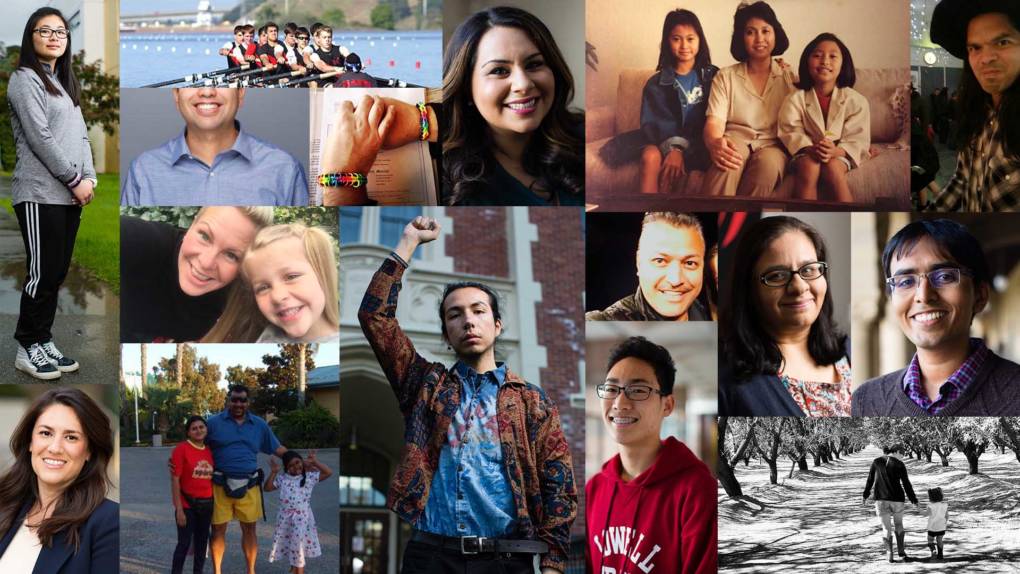
"caption": "We asked for your immigration stories — and you shared them.",
"description": null,
"title": "ImmigrantStories_banner_new (3)",
"credit": "Bert Johnson/KQED",
"status": "inherit",
"isLoading": false,
"fetchFailed": false
},
"news_11415632": {
"type": "attachments",
"id": "news_11415632",
"meta": {
"index": "attachments_1716263798",
"site": "news",
"id": "11415632",
"found": true
},
"parent": 11415553,
"imgSizes": {
"small": {
"file": "https://ww2.kqed.org/app/uploads/sites/10/2017/04/DREAMERDeported-520x342.jpg",
"width": 520,
"mimeType": "image/jpeg",
"height": 342
},
"twentyfourteen-full-width": {
"file": "https://ww2.kqed.org/app/uploads/sites/10/2017/04/DREAMERDeported-1038x576.jpg",
"width": 1038,
"mimeType": "image/jpeg",
"height": 576
},
"thumbnail": {
"file": "https://ww2.kqed.org/app/uploads/sites/10/2017/04/DREAMERDeported-160x105.jpg",
"width": 160,
"mimeType": "image/jpeg",
"height": 105
},
"fd-sm": {
"file": "https://ww2.kqed.org/app/uploads/sites/10/2017/04/DREAMERDeported-960x631.jpg",
"width": 960,
"mimeType": "image/jpeg",
"height": 631
},
"post-thumbnail": {
"file": "https://ww2.kqed.org/app/uploads/sites/10/2017/04/DREAMERDeported-672x372.jpg",
"width": 672,
"mimeType": "image/jpeg",
"height": 372
},
"xsmall": {
"file": "https://ww2.kqed.org/app/uploads/sites/10/2017/04/DREAMERDeported-375x246.jpg",
"width": 375,
"mimeType": "image/jpeg",
"height": 246
},
"kqedFullSize": {
"file": "https://ww2.kqed.org/app/uploads/sites/10/2017/04/DREAMERDeported.jpg",
"width": 1920,
"height": 1262
},
"large": {
"file": "https://ww2.kqed.org/app/uploads/sites/10/2017/04/DREAMERDeported-1020x670.jpg",
"width": 1020,
"mimeType": "image/jpeg",
"height": 670
},
"xlarge": {
"file": "https://ww2.kqed.org/app/uploads/sites/10/2017/04/DREAMERDeported-1180x776.jpg",
"width": 1180,
"mimeType": "image/jpeg",
"height": 776
},
"guest-author-50": {
"file": "https://ww2.kqed.org/app/uploads/sites/10/2017/04/DREAMERDeported-50x50.jpg",
"width": 50,
"mimeType": "image/jpeg",
"height": 50
},
"guest-author-96": {
"file": "https://ww2.kqed.org/app/uploads/sites/10/2017/04/DREAMERDeported-96x96.jpg",
"width": 96,
"mimeType": "image/jpeg",
"height": 96
},
"medium": {
"file": "https://ww2.kqed.org/app/uploads/sites/10/2017/04/DREAMERDeported-800x526.jpg",
"width": 800,
"mimeType": "image/jpeg",
"height": 526
},
"guest-author-64": {
"file": "https://ww2.kqed.org/app/uploads/sites/10/2017/04/DREAMERDeported-64x64.jpg",
"width": 64,
"mimeType": "image/jpeg",
"height": 64
},
"guest-author-32": {
"file": "https://ww2.kqed.org/app/uploads/sites/10/2017/04/DREAMERDeported-32x32.jpg",
"width": 32,
"mimeType": "image/jpeg",
"height": 32
},
"fd-lrg": {
"file": "https://ww2.kqed.org/app/uploads/sites/10/2017/04/DREAMERDeported-1920x1262.jpg",
"width": 1920,
"mimeType": "image/jpeg",
"height": 1262
},
"fd-med": {
"file": "https://ww2.kqed.org/app/uploads/sites/10/2017/04/DREAMERDeported-1180x776.jpg",
"width": 1180,
"mimeType": "image/jpeg",
"height": 776
},
"full-width": {
"file": "https://ww2.kqed.org/app/uploads/sites/10/2017/04/DREAMERDeported-1920x1262.jpg",
"width": 1920,
"mimeType": "image/jpeg",
"height": 1262
},
"detail": {
"file": "https://ww2.kqed.org/app/uploads/sites/10/2017/04/DREAMERDeported-150x150.jpg",
"width": 150,
"mimeType": "image/jpeg",
"height": 150
},
"guest-author-128": {
"file": "https://ww2.kqed.org/app/uploads/sites/10/2017/04/DREAMERDeported-128x128.jpg",
"width": 128,
"mimeType": "image/jpeg",
"height": 128
},
"xxsmall": {
"file": "https://ww2.kqed.org/app/uploads/sites/10/2017/04/DREAMERDeported-240x158.jpg",
"width": 240,
"mimeType": "image/jpeg",
"height": 158
}
},
"publishDate": 1492565430,
"modified": 1492565481,
"caption": "Juan Manuel Montes was deported despite having protection under the Deferred Action for Childhood Arrivals (DACA) program.",
"description": "Juan Manuel Montes was deported despite having protection under the Deferred Action for Childhood Arrivals (DACA) program.",
"title": "DREAMERDeported",
"credit": "Juan Gastelum/National Immigration Law Center",
"status": "inherit",
"isLoading": false,
"fetchFailed": false
},
"news_11408714": {
"type": "attachments",
"id": "news_11408714",
"meta": {
"index": "attachments_1716263798",
"site": "news",
"id": "11408714",
"found": true
},
"parent": 11405917,
"imgSizes": {
"small": {
"file": "https://ww2.kqed.org/app/uploads/sites/10/2017/04/Yahaira-520x340.jpg",
"width": 520,
"mimeType": "image/jpeg",
"height": 340
},
"twentyfourteen-full-width": {
"file": "https://ww2.kqed.org/app/uploads/sites/10/2017/04/Yahaira-1038x576.jpg",
"width": 1038,
"mimeType": "image/jpeg",
"height": 576
},
"thumbnail": {
"file": "https://ww2.kqed.org/app/uploads/sites/10/2017/04/Yahaira-160x105.jpg",
"width": 160,
"mimeType": "image/jpeg",
"height": 105
},
"fd-sm": {
"file": "https://ww2.kqed.org/app/uploads/sites/10/2017/04/Yahaira-960x627.jpg",
"width": 960,
"mimeType": "image/jpeg",
"height": 627
},
"post-thumbnail": {
"file": "https://ww2.kqed.org/app/uploads/sites/10/2017/04/Yahaira-672x372.jpg",
"width": 672,
"mimeType": "image/jpeg",
"height": 372
},
"xsmall": {
"file": "https://ww2.kqed.org/app/uploads/sites/10/2017/04/Yahaira-375x245.jpg",
"width": 375,
"mimeType": "image/jpeg",
"height": 245
},
"kqedFullSize": {
"file": "https://ww2.kqed.org/app/uploads/sites/10/2017/04/Yahaira.jpg",
"width": 1920,
"height": 1254
},
"large": {
"file": "https://ww2.kqed.org/app/uploads/sites/10/2017/04/Yahaira-1020x666.jpg",
"width": 1020,
"mimeType": "image/jpeg",
"height": 666
},
"xlarge": {
"file": "https://ww2.kqed.org/app/uploads/sites/10/2017/04/Yahaira-1180x771.jpg",
"width": 1180,
"mimeType": "image/jpeg",
"height": 771
},
"guest-author-50": {
"file": "https://ww2.kqed.org/app/uploads/sites/10/2017/04/Yahaira-50x50.jpg",
"width": 50,
"mimeType": "image/jpeg",
"height": 50
},
"guest-author-96": {
"file": "https://ww2.kqed.org/app/uploads/sites/10/2017/04/Yahaira-96x96.jpg",
"width": 96,
"mimeType": "image/jpeg",
"height": 96
},
"medium": {
"file": "https://ww2.kqed.org/app/uploads/sites/10/2017/04/Yahaira-800x523.jpg",
"width": 800,
"mimeType": "image/jpeg",
"height": 523
},
"guest-author-64": {
"file": "https://ww2.kqed.org/app/uploads/sites/10/2017/04/Yahaira-64x64.jpg",
"width": 64,
"mimeType": "image/jpeg",
"height": 64
},
"guest-author-32": {
"file": "https://ww2.kqed.org/app/uploads/sites/10/2017/04/Yahaira-32x32.jpg",
"width": 32,
"mimeType": "image/jpeg",
"height": 32
},
"fd-lrg": {
"file": "https://ww2.kqed.org/app/uploads/sites/10/2017/04/Yahaira-1920x1254.jpg",
"width": 1920,
"mimeType": "image/jpeg",
"height": 1254
},
"fd-med": {
"file": "https://ww2.kqed.org/app/uploads/sites/10/2017/04/Yahaira-1180x771.jpg",
"width": 1180,
"mimeType": "image/jpeg",
"height": 771
},
"full-width": {
"file": "https://ww2.kqed.org/app/uploads/sites/10/2017/04/Yahaira-1920x1254.jpg",
"width": 1920,
"mimeType": "image/jpeg",
"height": 1254
},
"detail": {
"file": "https://ww2.kqed.org/app/uploads/sites/10/2017/04/Yahaira-150x150.jpg",
"width": 150,
"mimeType": "image/jpeg",
"height": 150
},
"guest-author-128": {
"file": "https://ww2.kqed.org/app/uploads/sites/10/2017/04/Yahaira-128x128.jpg",
"width": 128,
"mimeType": "image/jpeg",
"height": 128
},
"xxsmall": {
"file": "https://ww2.kqed.org/app/uploads/sites/10/2017/04/Yahaira-240x157.jpg",
"width": 240,
"mimeType": "image/jpeg",
"height": 157
}
},
"publishDate": 1492203787,
"modified": 1492203895,
"caption": "'At the end of the day, both coming out as queer and coming out as undocumented, it’s about living life on your own terms,' Yahaira Carrillo says.",
"description": "'At the end of the day, both coming out as queer and coming out as undocumented, it’s about living life on your own terms,' Yahaira Carrillo says.",
"title": "Yahaira",
"credit": "Bert Johnson/KQED",
"status": "inherit",
"isLoading": false,
"fetchFailed": false
},
"news_11396794": {
"type": "attachments",
"id": "news_11396794",
"meta": {
"index": "attachments_1716263798",
"site": "news",
"id": "11396794",
"found": true
},
"parent": 11395244,
"imgSizes": {
"small": {
"file": "https://ww2.kqed.org/app/uploads/sites/10/2017/04/Over-the-Shoulder-520x345.jpg",
"width": 520,
"mimeType": "image/jpeg",
"height": 345
},
"twentyfourteen-full-width": {
"file": "https://ww2.kqed.org/app/uploads/sites/10/2017/04/Over-the-Shoulder-1038x576.jpg",
"width": 1038,
"mimeType": "image/jpeg",
"height": 576
},
"thumbnail": {
"file": "https://ww2.kqed.org/app/uploads/sites/10/2017/04/Over-the-Shoulder-160x106.jpg",
"width": 160,
"mimeType": "image/jpeg",
"height": 106
},
"fd-sm": {
"file": "https://ww2.kqed.org/app/uploads/sites/10/2017/04/Over-the-Shoulder-960x636.jpg",
"width": 960,
"mimeType": "image/jpeg",
"height": 636
},
"post-thumbnail": {
"file": "https://ww2.kqed.org/app/uploads/sites/10/2017/04/Over-the-Shoulder-672x372.jpg",
"width": 672,
"mimeType": "image/jpeg",
"height": 372
},
"xsmall": {
"file": "https://ww2.kqed.org/app/uploads/sites/10/2017/04/Over-the-Shoulder-375x248.jpg",
"width": 375,
"mimeType": "image/jpeg",
"height": 248
},
"kqedFullSize": {
"file": "https://ww2.kqed.org/app/uploads/sites/10/2017/04/Over-the-Shoulder.jpg",
"width": 1920,
"height": 1272
},
"large": {
"file": "https://ww2.kqed.org/app/uploads/sites/10/2017/04/Over-the-Shoulder-1020x676.jpg",
"width": 1020,
"mimeType": "image/jpeg",
"height": 676
},
"xlarge": {
"file": "https://ww2.kqed.org/app/uploads/sites/10/2017/04/Over-the-Shoulder-1180x782.jpg",
"width": 1180,
"mimeType": "image/jpeg",
"height": 782
},
"guest-author-50": {
"file": "https://ww2.kqed.org/app/uploads/sites/10/2017/04/Over-the-Shoulder-50x50.jpg",
"width": 50,
"mimeType": "image/jpeg",
"height": 50
},
"guest-author-96": {
"file": "https://ww2.kqed.org/app/uploads/sites/10/2017/04/Over-the-Shoulder-96x96.jpg",
"width": 96,
"mimeType": "image/jpeg",
"height": 96
},
"medium": {
"file": "https://ww2.kqed.org/app/uploads/sites/10/2017/04/Over-the-Shoulder-800x530.jpg",
"width": 800,
"mimeType": "image/jpeg",
"height": 530
},
"guest-author-64": {
"file": "https://ww2.kqed.org/app/uploads/sites/10/2017/04/Over-the-Shoulder-64x64.jpg",
"width": 64,
"mimeType": "image/jpeg",
"height": 64
},
"guest-author-32": {
"file": "https://ww2.kqed.org/app/uploads/sites/10/2017/04/Over-the-Shoulder-32x32.jpg",
"width": 32,
"mimeType": "image/jpeg",
"height": 32
},
"fd-lrg": {
"file": "https://ww2.kqed.org/app/uploads/sites/10/2017/04/Over-the-Shoulder-1920x1272.jpg",
"width": 1920,
"mimeType": "image/jpeg",
"height": 1272
},
"fd-med": {
"file": "https://ww2.kqed.org/app/uploads/sites/10/2017/04/Over-the-Shoulder-1180x782.jpg",
"width": 1180,
"mimeType": "image/jpeg",
"height": 782
},
"full-width": {
"file": "https://ww2.kqed.org/app/uploads/sites/10/2017/04/Over-the-Shoulder-1920x1272.jpg",
"width": 1920,
"mimeType": "image/jpeg",
"height": 1272
},
"detail": {
"file": "https://ww2.kqed.org/app/uploads/sites/10/2017/04/Over-the-Shoulder-150x150.jpg",
"width": 150,
"mimeType": "image/jpeg",
"height": 150
},
"guest-author-128": {
"file": "https://ww2.kqed.org/app/uploads/sites/10/2017/04/Over-the-Shoulder-128x128.jpg",
"width": 128,
"mimeType": "image/jpeg",
"height": 128
},
"xxsmall": {
"file": "https://ww2.kqed.org/app/uploads/sites/10/2017/04/Over-the-Shoulder-240x159.jpg",
"width": 240,
"mimeType": "image/jpeg",
"height": 159
}
},
"publishDate": 1491582202,
"modified": 1491582299,
"caption": "Jacob and Olivia watch a silly dog video at their home in San Francisco. This is one of the ways they de-stress and get away from the uncertainty surrounding Olivia's undocumented status.",
"description": null,
"title": "Over the Shoulder",
"credit": "Ryan Levi/KQED",
"status": "inherit",
"isLoading": false,
"fetchFailed": false
},
"news_11385241": {
"type": "attachments",
"id": "news_11385241",
"meta": {
"index": "attachments_1716263798",
"site": "news",
"id": "11385241",
"found": true
},
"parent": 11385084,
"imgSizes": {
"small": {
"file": "https://ww2.kqed.org/app/uploads/sites/10/2017/03/Mario-and-Iliana-STC-520x390.jpg",
"width": 520,
"mimeType": "image/jpeg",
"height": 390
},
"twentyfourteen-full-width": {
"file": "https://ww2.kqed.org/app/uploads/sites/10/2017/03/Mario-and-Iliana-STC-1038x576.jpg",
"width": 1038,
"mimeType": "image/jpeg",
"height": 576
},
"thumbnail": {
"file": "https://ww2.kqed.org/app/uploads/sites/10/2017/03/Mario-and-Iliana-STC-160x120.jpg",
"width": 160,
"mimeType": "image/jpeg",
"height": 120
},
"fd-sm": {
"file": "https://ww2.kqed.org/app/uploads/sites/10/2017/03/Mario-and-Iliana-STC-960x720.jpg",
"width": 960,
"mimeType": "image/jpeg",
"height": 720
},
"post-thumbnail": {
"file": "https://ww2.kqed.org/app/uploads/sites/10/2017/03/Mario-and-Iliana-STC-672x372.jpg",
"width": 672,
"mimeType": "image/jpeg",
"height": 372
},
"xsmall": {
"file": "https://ww2.kqed.org/app/uploads/sites/10/2017/03/Mario-and-Iliana-STC-375x281.jpg",
"width": 375,
"mimeType": "image/jpeg",
"height": 281
},
"kqedFullSize": {
"file": "https://ww2.kqed.org/app/uploads/sites/10/2017/03/Mario-and-Iliana-STC.jpg",
"width": 1920,
"height": 1440
},
"large": {
"file": "https://ww2.kqed.org/app/uploads/sites/10/2017/03/Mario-and-Iliana-STC-1020x765.jpg",
"width": 1020,
"mimeType": "image/jpeg",
"height": 765
},
"xlarge": {
"file": "https://ww2.kqed.org/app/uploads/sites/10/2017/03/Mario-and-Iliana-STC-1180x885.jpg",
"width": 1180,
"mimeType": "image/jpeg",
"height": 885
},
"guest-author-50": {
"file": "https://ww2.kqed.org/app/uploads/sites/10/2017/03/Mario-and-Iliana-STC-50x50.jpg",
"width": 50,
"mimeType": "image/jpeg",
"height": 50
},
"guest-author-96": {
"file": "https://ww2.kqed.org/app/uploads/sites/10/2017/03/Mario-and-Iliana-STC-96x96.jpg",
"width": 96,
"mimeType": "image/jpeg",
"height": 96
},
"medium": {
"file": "https://ww2.kqed.org/app/uploads/sites/10/2017/03/Mario-and-Iliana-STC-800x600.jpg",
"width": 800,
"mimeType": "image/jpeg",
"height": 600
},
"guest-author-64": {
"file": "https://ww2.kqed.org/app/uploads/sites/10/2017/03/Mario-and-Iliana-STC-64x64.jpg",
"width": 64,
"mimeType": "image/jpeg",
"height": 64
},
"guest-author-32": {
"file": "https://ww2.kqed.org/app/uploads/sites/10/2017/03/Mario-and-Iliana-STC-32x32.jpg",
"width": 32,
"mimeType": "image/jpeg",
"height": 32
},
"fd-lrg": {
"file": "https://ww2.kqed.org/app/uploads/sites/10/2017/03/Mario-and-Iliana-STC-1920x1440.jpg",
"width": 1920,
"mimeType": "image/jpeg",
"height": 1440
},
"fd-med": {
"file": "https://ww2.kqed.org/app/uploads/sites/10/2017/03/Mario-and-Iliana-STC-1180x885.jpg",
"width": 1180,
"mimeType": "image/jpeg",
"height": 885
},
"full-width": {
"file": "https://ww2.kqed.org/app/uploads/sites/10/2017/03/Mario-and-Iliana-STC-1920x1440.jpg",
"width": 1920,
"mimeType": "image/jpeg",
"height": 1440
},
"detail": {
"file": "https://ww2.kqed.org/app/uploads/sites/10/2017/03/Mario-and-Iliana-STC-150x150.jpg",
"width": 150,
"mimeType": "image/jpeg",
"height": 150
},
"guest-author-128": {
"file": "https://ww2.kqed.org/app/uploads/sites/10/2017/03/Mario-and-Iliana-STC-128x128.jpg",
"width": 128,
"mimeType": "image/jpeg",
"height": 128
},
"xxsmall": {
"file": "https://ww2.kqed.org/app/uploads/sites/10/2017/03/Mario-and-Iliana-STC-240x180.jpg",
"width": 240,
"mimeType": "image/jpeg",
"height": 180
}
},
"publishDate": 1490986869,
"modified": 1490986990,
"caption": "Mario Herrera (right) and Iliana Perez (left) pose together in Murrieta, California, after sitting down for a candid conversation on immigration. Herrera is heavily involved in Republican politics, and Perez is an undocumented immigrant.",
"description": null,
"title": "Mario and Iliana",
"credit": "Tena Rubio/KQED",
"status": "inherit",
"isLoading": false,
"fetchFailed": false
}
},
"audioPlayerReducer": {
"postId": "stream_live",
"isPaused": true,
"isPlaying": false,
"pfsActive": false,
"pledgeModalIsOpen": true,
"playerDrawerIsOpen": false,
"liveAudioPlayStartedAt": 0,
"liveAudioPlayContext": ""
},
"authorsReducer": {
"byline_news_11615215": {
"type": "authors",
"id": "byline_news_11615215",
"meta": {
"override": true
},
"slug": "byline_news_11615215",
"name": "Geoff Bennett",
"isLoading": false
},
"byline_news_11614534": {
"type": "authors",
"id": "byline_news_11614534",
"meta": {
"override": true
},
"slug": "byline_news_11614534",
"name": "\u003cstrong>\u003ca href=\"http://www.scpr.org/about/people/staff/leslie-berestein-rojas\">Leslie Berestein Rojas\u003c/a>\u003c/strong>",
"isLoading": false
},
"byline_news_11579535": {
"type": "authors",
"id": "byline_news_11579535",
"meta": {
"override": true
},
"slug": "byline_news_11579535",
"name": "\u003cstrong>Bill Chappell\u003c/strong>",
"isLoading": false
},
"byline_news_11520428": {
"type": "authors",
"id": "byline_news_11520428",
"meta": {
"override": true
},
"slug": "byline_news_11520428",
"name": "Joel Rose",
"isLoading": false
},
"byline_news_11478931": {
"type": "authors",
"id": "byline_news_11478931",
"meta": {
"override": true
},
"slug": "byline_news_11478931",
"name": "Stefanie De Leon Tzic",
"isLoading": false
},
"kqednewsstaffandwires": {
"type": "authors",
"id": "237",
"meta": {
"index": "authors_1716337520",
"id": "237",
"found": true
},
"name": "KQED News Staff and Wires",
"firstName": "KQED News Staff and Wires",
"lastName": null,
"slug": "kqednewsstaffandwires",
"email": "onlinenewsstaff@kqed.org",
"display_author_email": false,
"staff_mastheads": [],
"title": null,
"bio": null,
"avatar": "https://secure.gravatar.com/avatar/72295af8ebbfbd19a4948f5271285664?s=600&d=blank&r=g",
"twitter": null,
"facebook": null,
"instagram": null,
"linkedin": null,
"sites": [
{
"site": "arts",
"roles": [
"contributor"
]
},
{
"site": "news",
"roles": [
"contributor"
]
},
{
"site": "lowdown",
"roles": [
"author"
]
},
{
"site": "stateofhealth",
"roles": [
"contributor"
]
},
{
"site": "food",
"roles": [
"author"
]
}
],
"headData": {
"title": "KQED News Staff and Wires | KQED",
"description": null,
"ogImgSrc": "https://secure.gravatar.com/avatar/72295af8ebbfbd19a4948f5271285664?s=600&d=blank&r=g",
"twImgSrc": "https://secure.gravatar.com/avatar/72295af8ebbfbd19a4948f5271285664?s=600&d=blank&r=g"
},
"isLoading": false,
"link": "/author/kqednewsstaffandwires"
},
"scottshafer": {
"type": "authors",
"id": "255",
"meta": {
"index": "authors_1716337520",
"id": "255",
"found": true
},
"name": "Scott Shafer",
"firstName": "Scott",
"lastName": "Shafer",
"slug": "scottshafer",
"email": "sshafer@kqed.org",
"display_author_email": false,
"staff_mastheads": [
"news"
],
"title": "KQED Contributor",
"bio": "Scott Shafer is a senior editor with the KQED Politics and Government desk. He is co-host of Political Breakdown, the award-winning radio show and podcast with a personal take on the world of politics. Scott came to KQED in 1998 to host the statewide\u003cem> California Report\u003c/em>. Prior to that he had extended stints in politics and government\u003cem>.\u003c/em> He uses that inside experience at KQED in his, reporting, hosting and analysis for the politics desk. Scott collaborated \u003cem>Political Breakdown a\u003c/em>nd on \u003cem>The Political Mind of Jerry Brown, \u003c/em>an eight-part series about the life and extraordinary political career of the former governor. For fun, he plays water polo with the San Francisco Tsunami.",
"avatar": "https://secure.gravatar.com/avatar/a62ebae45b79d7aed1a39a0e3bf68104?s=600&d=blank&r=g",
"twitter": "scottshafer",
"bluesky": null,
"facebook": null,
"instagram": null,
"linkedin": null,
"sites": [
{
"site": "news",
"roles": [
"editor"
]
},
{
"site": "stateofhealth",
"roles": [
"author"
]
},
{
"site": "science",
"roles": [
"author"
]
},
{
"site": "forum",
"roles": [
"subscriber"
]
},
{
"site": "liveblog",
"roles": [
"author"
]
}
],
"headData": {
"title": "Scott Shafer | KQED",
"description": "KQED Contributor",
"ogImgSrc": "https://secure.gravatar.com/avatar/a62ebae45b79d7aed1a39a0e3bf68104?s=600&d=blank&r=g",
"twImgSrc": "https://secure.gravatar.com/avatar/a62ebae45b79d7aed1a39a0e3bf68104?s=600&d=blank&r=g"
},
"isLoading": false,
"link": "/author/scottshafer"
},
"scuevas": {
"type": "authors",
"id": "2600",
"meta": {
"index": "authors_1716337520",
"id": "2600",
"found": true
},
"name": "Steven Cuevas",
"firstName": "Steven",
"lastName": "Cuevas",
"slug": "scuevas",
"email": "scuevas@kqed.org",
"display_author_email": false,
"staff_mastheads": [],
"title": "KQED Contributor",
"bio": "Steven is a former Los Angeles bureau chief for The California Report.\r\n\r\nHe reports on an array of issues across the Southland, from immigration and regional politics to religion, the performing arts and pop culture.\r\n\r\nPrior to joining KQED in 2012, Steven covered Inland southern California for KPCC in Pasadena. He also helped establish the first newsroom at \u003ca href=\"http://kut.org/\">KUT\u003c/a> in Austin, Texas where he was a general assignment reporter.\r\n\r\nSteven has received numerous awards for his reporting including an RTNDA Edward R. Murrow Award for investigative reporting in addition to awards from the LA Press Club, the Associated Press and the Society for Professional Journalists.\r\n\r\nSteven grew up in and around San Francisco and now lives in Pasadena just a short jog from the foot of the San Gabriel Mountains.",
"avatar": "https://secure.gravatar.com/avatar/2d253580794f8e026100fae05cfabbbd4889b4fe15146146cacb82a01974c538?s=600&d=blank&r=g",
"twitter": null,
"bluesky": null,
"facebook": null,
"instagram": null,
"linkedin": null,
"sites": [
{
"site": "news",
"roles": [
"subscriber"
]
}
],
"headData": {
"title": "Steven Cuevas | KQED",
"description": "KQED Contributor",
"ogImgSrc": "https://secure.gravatar.com/avatar/2d253580794f8e026100fae05cfabbbd4889b4fe15146146cacb82a01974c538?s=600&d=blank&r=g",
"twImgSrc": "https://secure.gravatar.com/avatar/2d253580794f8e026100fae05cfabbbd4889b4fe15146146cacb82a01974c538?s=600&d=blank&r=g"
},
"isLoading": false,
"link": "/author/scuevas"
},
"zstavely": {
"type": "authors",
"id": "3225",
"meta": {
"index": "authors_1716337520",
"id": "3225",
"found": true
},
"name": "Zaidee Stavely",
"firstName": "Zaidee",
"lastName": "Stavely",
"slug": "zstavely",
"email": "zstavely@gmail.com",
"display_author_email": false,
"staff_mastheads": [],
"title": "KQED Contributor",
"bio": "Zaidee Stavely is an award-winning reporter who writes about race, equity, immigration, and education.",
"avatar": "https://secure.gravatar.com/avatar/5154b3ee56a721c916ca429372ae629c?s=600&d=blank&r=g",
"twitter": null,
"facebook": null,
"instagram": null,
"linkedin": null,
"sites": [
{
"site": "news",
"roles": [
"subscriber"
]
},
{
"site": "mindshift",
"roles": [
"contributor"
]
}
],
"headData": {
"title": "Zaidee Stavely | KQED",
"description": "KQED Contributor",
"ogImgSrc": "https://secure.gravatar.com/avatar/5154b3ee56a721c916ca429372ae629c?s=600&d=blank&r=g",
"twImgSrc": "https://secure.gravatar.com/avatar/5154b3ee56a721c916ca429372ae629c?s=600&d=blank&r=g"
},
"isLoading": false,
"link": "/author/zstavely"
},
"rlevi": {
"type": "authors",
"id": "11260",
"meta": {
"index": "authors_1716337520",
"id": "11260",
"found": true
},
"name": "Ryan Levi",
"firstName": "Ryan",
"lastName": "Levi",
"slug": "rlevi",
"email": "rlevi@KQED.org",
"display_author_email": false,
"staff_mastheads": [],
"title": "KQED Contributor",
"bio": "Ryan Levi was a reporter and podcast producer at KQED News from 2016-2019. He worked on \u003ca href=\"https://www.kqed.org/news/series/baycurious\">Bay Curious\u003c/a>, \u003ca href=\"https://www.kqed.org/news/tag/the-bay/\">The Bay, \u003c/a>and \u003ca href=\"https://podcasts.apple.com/us/podcast/the-california-report-magazine/id1314750545\">The California Report Magazine\u003c/a>, as well as hosting and producing the weekly \u003ca href=\"https://www.kqed.org/news/program/qedup/\">Q'ed Up podcast. \u003c/a>He also helped inaugurate KQED's weekend news coverage in 2017 as one of two original digital producers. Ryan holds degrees in multimedia journalism and Spanish from the University of Missouri.",
"avatar": "https://secure.gravatar.com/avatar/4cb2ddd028ac8807d1adf09609c5555d?s=600&d=blank&r=g",
"twitter": "ryan_levi",
"facebook": null,
"instagram": null,
"linkedin": null,
"sites": [
{
"site": "arts",
"roles": [
"editor"
]
},
{
"site": "news",
"roles": [
"subscriber"
]
},
{
"site": "stateofhealth",
"roles": [
"editor"
]
},
{
"site": "science",
"roles": [
"editor"
]
},
{
"site": "forum",
"roles": [
"administrator"
]
},
{
"site": "perspectives",
"roles": [
"administrator"
]
}
],
"headData": {
"title": "Ryan Levi | KQED",
"description": "KQED Contributor",
"ogImgSrc": "https://secure.gravatar.com/avatar/4cb2ddd028ac8807d1adf09609c5555d?s=600&d=blank&r=g",
"twImgSrc": "https://secure.gravatar.com/avatar/4cb2ddd028ac8807d1adf09609c5555d?s=600&d=blank&r=g"
},
"isLoading": false,
"link": "/author/rlevi"
},
"mleitsinger": {
"type": "authors",
"id": "11310",
"meta": {
"index": "authors_1716337520",
"id": "11310",
"found": true
},
"name": "Miranda Leitsinger",
"firstName": "Miranda",
"lastName": "Leitsinger",
"slug": "mleitsinger",
"email": "mleitsinger@KQED.org",
"display_author_email": false,
"staff_mastheads": [
"news"
],
"title": "KQED Contributor",
"bio": "Miranda Leitsinger has worked in journalism as a reporter and editor since 2000, including seven years at The Associated Press in locales such as Cambodia and Puerto Rico, four years at NBC News Digital in New York and 2.5 years at CNN.com International in Hong Kong. Major stories she has covered included sexual abuse in the yoga community, the rise of women in local politics post-2016 election, the struggle over LGBTQ inclusion in the Boy Scouts, aftermath of the 2004 and 2011 tsunamis, the Aurora movie theater attack, the Newtown school shooting, Superstorm Sandy and the Boston Marathon bombing.",
"avatar": "https://secure.gravatar.com/avatar/cdd00de7be92aab3b7fd3d915e02033d?s=600&d=blank&r=g",
"twitter": "mimileitsinger",
"facebook": null,
"instagram": null,
"linkedin": null,
"sites": [
{
"site": "arts",
"roles": [
"author"
]
},
{
"site": "news",
"roles": [
"subscriber"
]
},
{
"site": "futureofyou",
"roles": [
"editor"
]
},
{
"site": "stateofhealth",
"roles": [
"editor"
]
}
],
"headData": {
"title": "Miranda Leitsinger | KQED",
"description": "KQED Contributor",
"ogImgSrc": "https://secure.gravatar.com/avatar/cdd00de7be92aab3b7fd3d915e02033d?s=600&d=blank&r=g",
"twImgSrc": "https://secure.gravatar.com/avatar/cdd00de7be92aab3b7fd3d915e02033d?s=600&d=blank&r=g"
},
"isLoading": false,
"link": "/author/mleitsinger"
},
"bjohnson": {
"type": "authors",
"id": "11328",
"meta": {
"index": "authors_1716337520",
"id": "11328",
"found": true
},
"name": "Bert Johnson",
"firstName": "Bert",
"lastName": "Johnson",
"slug": "bjohnson",
"email": "bjohnson@KQED.org",
"display_author_email": false,
"staff_mastheads": [],
"title": "KQED Contributor",
"bio": "Bert Johnson is a multimedia journalist and KQED contributor. His work has also been published in the \u003cem>Sacramento News & Review\u003c/em> and he was previously the Multimedia Editor at the \u003cem>East Bay Express. \u003c/em>He covers social movements, the justice system and extremism. Email: bjohnson@kqed.org Twitter: @bertjohnsonfoto Instagram: @bertjohnsonfoto",
"avatar": "https://secure.gravatar.com/avatar/68b1d4bfae2eff83ac1d5c2ca0d0a936?s=600&d=blank&r=g",
"twitter": null,
"facebook": null,
"instagram": null,
"linkedin": null,
"sites": [
{
"site": "news",
"roles": [
"edit_others_posts",
"subscriber"
]
}
],
"headData": {
"title": "Bert Johnson | KQED",
"description": "KQED Contributor",
"ogImgSrc": "https://secure.gravatar.com/avatar/68b1d4bfae2eff83ac1d5c2ca0d0a936?s=600&d=blank&r=g",
"twImgSrc": "https://secure.gravatar.com/avatar/68b1d4bfae2eff83ac1d5c2ca0d0a936?s=600&d=blank&r=g"
},
"isLoading": false,
"link": "/author/bjohnson"
}
},
"pagesReducer": {
"news_tag_daca": {
"type": "terms",
"id": "news_20226",
"meta": {
"index": "terms_1716263798",
"site": "news",
"id": "20226",
"score": 8.795411
},
"featImg": null,
"name": "DACA",
"description": null,
"taxonomy": "tag",
"headData": {
"twImgId": null,
"twTitle": null,
"ogTitle": null,
"ogImgId": null,
"twDescription": null,
"description": null,
"title": "DACA Archives | KQED News",
"ogDescription": null
},
"ttid": 20243,
"slug": "daca",
"isLoading": false,
"title": "DACA",
"pageMeta": {
"site": "news",
"WpPageTemplate": "page-topic-editorial",
"currentPage": 12
},
"blocks": [
{
"blockName": "kqed/post-list",
"attrs": {
"layout": "cardArticle2",
"query": "posts/news?tag=daca",
"seeMore": false,
"paginated": true,
"page": 12
}
},
{
"blockName": "kqed/ad"
}
]
}
},
"pfsSessionReducer": {},
"postsReducer": {
"stream_live": {
"type": "live",
"id": "stream_live",
"audioUrl": "https://streams.kqed.org/kqedradio",
"title": "Live Stream",
"excerpt": "Live Stream information currently unavailable.",
"link": "/radio",
"featImg": "",
"label": {
"name": "KQED Live",
"link": "/"
}
},
"stream_kqedNewscast": {
"type": "posts",
"id": "stream_kqedNewscast",
"audioUrl": "https://www.kqed.org/.stream/anon/radio/RDnews/newscast.mp3?_=1",
"title": "KQED Newscast",
"featImg": "",
"label": {
"name": "88.5 FM",
"link": "/"
}
},
"news_11615215": {
"type": "posts",
"id": "news_11615215",
"meta": {
"index": "posts_1716263798",
"site": "news",
"id": "11615215",
"score": null,
"sort": [
1504293229000
]
},
"parent": 0,
"labelTerm": {},
"blocks": [],
"publishDate": 1504293229,
"format": "image",
"disqusTitle": "White House Weighs DACA's Fate, Leaving Advocates and Immigrants in Limbo",
"title": "White House Weighs DACA's Fate, Leaving Advocates and Immigrants in Limbo",
"headTitle": "The California Report | KQED News",
"content": "\u003cp>\u003cstrong>Updated at 3:45 p.m. ET\u003c/strong>\u003c/p>\n\u003cp>The White House will announce its decision about DACA, an Obama-era immigration policy, on Tuesday, Press Secretary Sarah Huckabee Sanders said. President Trump had earlier said the announcement could come at some point over the weekend.\u003c/p>\n\u003cp>As a presidential candidate, Trump pledged to \"immediately terminate\" DACA, the program that former President Barack Obama began five years ago to protect immigrants brought to the U.S. illegally as children.\u003c/p>\n\u003cp>But once in the White House, Trump took a softer stance.\u003c/p>\n\u003cp>\"The DACA situation is a very, very — it's a very difficult thing for me,\" he said during \u003ca href=\"http://www.npr.org/2017/02/16/515608127/transcript-and-analysis-trump-press-conference-on-labor-secretary-russia\">a February 2017 news conference\u003c/a>. He added, \"You have some absolutely incredible kids — I would say mostly — they were brought here in such a way. It's a very — it's a very, very tough subject. We're going to deal with DACA with heart.\"\u003c/p>\n\u003cp>[ad fullwidth]\u003c/p>\n\u003cp>Three months later, Trump told the Associated Press, \"The Dreamers should rest easy.\" The term Dreamers is often used to refer to DACA participants.\u003c/p>\n\u003cp>On Friday, when asked if Dreamers should be worried, Trump replied, \"\"We love the Dreamers. We love everybody.\"\u003c/p>\n\u003cp>But the Deferred Action for Childhood Arrivals program is under threat with the administration facing a potential legal challenge over its future. Supporters fear the policy that has shielded hundreds of thousands of young immigrants from deportation could soon be phased out.\u003c/p>\n\u003cp>\u003cem>\"\u003c/em>We hear that the president is conflicted about it, and we hope that is because there is a clear understanding that rescinding DACA is morally bankrupt because it would destroy the lives of youth who know no other country but this one as their own,\" said Clarissa Martínez De Castro, deputy vice president of the Latino advocacy group UnidosUS.\u003c/p>\n\u003cp>\u003c!-- iframe plugin v.4.3 wordpress.org/plugins/iframe/ -->\u003cbr>\n\u003ciframe src=\"https://www.npr.org/player/embed/547853006/547853221\" width=\"100%\" height=\"290\" frameborder=\"0\" scrolling=\"no\" title=\"NPR embedded audio player\" class=\"iframe-class\">\u003c/iframe>\u003c/p>\n\u003cp>\u003cstrong>DACA Deadline Looming\u003c/strong>\u003c/p>\n\u003cp>Now a deadline is looming: Sept. 5. That is the date attorneys general from Texas and nine other Republican-led states are giving the Trump administration to answer an ultimatum: End the DACA program or face a legal challenge.\u003c/p>\n\u003cp>\"Because it's temporary, because it was based on an executive action taken by President Obama, it's very vulnerable to a change,\" said Frank Sharry, executive director of the immigration advocacy group America's Voice.\u003c/p>\n\u003cp>DACA critics argue the policy represents executive overreach and, as a result, is unconstitutional.\u003c/p>\n\u003cp>\u003cstrong>Supporter: DACA 'Helps Advance the Rule of Law'\u003c/strong>\u003c/p>\n\u003cp>\"This is actually a program that helps advance the rule of law by having people come forward and be on the books and working just like everybody else,\" said De Castro.\u003c/p>\n\u003cp>DACA allows some undocumented immigrants who arrived in the country as children to get renewable two-year deferrals from deportation and work legally, so long as they are enrolled in or graduated from high school or college and pass a background check, among other things.\u003c/p>\n\u003cp>[contextly_sidebar id=\"aWW04UuQz8W0IaRgLXFQXpPYGLeffDsq\"]\u003c/p>\n\u003cp>Luis Angel Aguilar, 29, applied for DACA protections in 2013. Aguilar was born in Mexico.\u003c/p>\n\u003cp>\"My family crossed the border when I was about 10 or 11 years old in Arizona,\" he said. \"I crossed with my mom and my siblings.\" Aguilar's father had previously immigrated illegally and was deported roughly four years later.\u003c/p>\n\u003cp>Aguilar says that without the DACA policy, he fears he would be an immediate target for deportation because he doesn't qualify for family-sponsored immigration or the program for high-skilled foreign workers.\u003c/p>\n\u003cp>\"I think that's one misconception that often gets told — that I can just apply for citizenship,\" he said. \"There's no line, per se, for me to be able to get behind.\"\u003c/p>\n\u003cp>Aguilar now lives in Virginia and works for an immigrant rights group.\u003c/p>\n\u003cp>\u003cstrong>Considering the Options\u003c/strong>\u003c/p>\n\u003cp>Trump staffers have been weighing the options available to the president, but it's not clear what Trump will do.\u003c/p>\n\u003cp>He could revoke the DACA participants' work permits outright or gradually phase out the program by refusing new applicants and letting the current permits expire.\u003c/p>\n\u003cp>He could also choose to do nothing and refuse to defend the program in court.\u003c/p>\n\u003cp>[contextly_sidebar id=\"106Sa4DoIIs9pkgbQ5e7T0Do5R0ubNxJ\"]\u003c/p>\n\u003cp>Some White House officials have encouraged the president to pursue another path: Strike a deal with Congress to enshrine DACA in law in exchange for funding for his long-promised southern border wall.\u003c/p>\n\u003cp>But Democrats and immigration advocates say that option seems less viable.\u003c/p>\n\u003cp>\"Nobody wants to protect Dreamers at the expense of other groups of immigrants,\" said Sharry. \"Honestly, I think the real call is for President Trump to maintain DACA as is until Congress can act and enact a permanent solution.\"\u003c/p>\n\u003cp>In an interview with Wisconsin talk radio WCLO on Friday, House Speaker Paul Ryan, R-Wis., says that he opposes the Trump administration ending DACA and that it is up to Congress to find a legislative fix to the question of what to do with the children brought to the United States illegally by their parents. The speaker said that Obama was wrong to act without Congress and that Trump should defer to Congress to fix the issue.\u003c/p>\n\u003cp>\"Having said all of that, there are people who are in limbo. These are kids who know no other country, who were brought here by their parents and don't know another home,\" Ryan said. \"And so I really do believe there needs to be a legislative solution, that's one that we're working on, and I think we want to give people peace of mind.\"\u003c/p>\n\u003cp>White House press secretary Sanders on Thursday told reporters that the Trump administration is still reviewing DACA.\u003c/p>\n\u003cp>\"It has not been finalized, and when it is, we will certainly let you know,\" she said.\u003c/p>\n\u003cp>In the meantime, supporters of the DACA policy say they're bracing for what comes next.\u003c/p>\n\u003cp>\u003c/p>\n\u003cp>\u003cem>NPR's Susan Davis contributed to this report.\u003c/em>\u003c/p>\n\u003cdiv class=\"fullattribution\">Copyright 2017 NPR. To see more, visit http://www.npr.org/.\u003cimg src=\"https://www.google-analytics.com/__utm.gif?utmac=UA-5828686-4&utmdt=White+House+Weighs+DACA%27s+Fate%2C+Leaving+Advocates+And+Immigrants+In+Limbo&utme=8(APIKey)9(MDAxOTAwOTE4MDEyMTkxMDAzNjczZDljZA004)\">\u003c/div>\n\n",
"disqusIdentifier": "11615215 https://ww2.kqed.org/news/?p=11615215",
"disqusUrl": "https://ww2.kqed.org/news/2017/09/01/white-house-weighs-dacas-fate-leaving-advocates-and-immigrants-in-limbo/",
"stats": {
"hasVideo": false,
"hasChartOrMap": false,
"hasAudio": false,
"hasPolis": false,
"wordCount": 978,
"hasGoogleForm": false,
"hasGallery": false,
"hasHearkenModule": false,
"iframeSrcs": [],
"paragraphCount": 39
},
"modified": 1504306315,
"excerpt": "President Trump has told immigrants who were brought to the U.S. illegally as children to \"rest easy,\" but now supporters of the Obama-era program fear it could soon be phased out.",
"headData": {
"twImgId": "",
"twTitle": "",
"ogTitle": "",
"ogImgId": "",
"twDescription": "",
"description": "President Trump has told immigrants who were brought to the U.S. illegally as children to "rest easy," but now supporters of the Obama-era program fear it could soon be phased out.",
"title": "White House Weighs DACA's Fate, Leaving Advocates and Immigrants in Limbo | KQED",
"ogDescription": "",
"schema": {
"@context": "https://schema.org",
"@type": "NewsArticle",
"headline": "White House Weighs DACA's Fate, Leaving Advocates and Immigrants in Limbo",
"datePublished": "2017-09-01T12:13:49-07:00",
"dateModified": "2017-09-01T15:51:55-07:00",
"image": "https://cdn.kqed.org/wp-content/uploads/2020/02/KQED-OG-Image@1x.png",
"isAccessibleForFree": "True",
"publisher": {
"@type": "NewsMediaOrganization",
"@id": "https://www.kqed.org/#organization",
"name": "KQED",
"logo": "https://cdn.kqed.org/wp-content/uploads/2020/02/KQED-OG-Image@1x.png",
"url": "https://www.kqed.org",
"sameAs": [
"https://www.facebook.com/KQED",
"https://twitter.com/KQED",
"https://www.instagram.com/kqed/",
"https://www.tiktok.com/@kqedofficial",
"https://www.linkedin.com/company/kqed",
"https://www.youtube.com/channel/UCeC0IOo7i1P_61zVUWbJ4nw"
]
}
}
},
"guestAuthors": [],
"slug": "white-house-weighs-dacas-fate-leaving-advocates-and-immigrants-in-limbo",
"status": "publish",
"nprApiLink": "http://api.npr.org/query?id=547853006&apiKey=MDAxOTAwOTE4MDEyMTkxMDAzNjczZDljZA004",
"nprStoryDate": "Fri, 01 Sep 2017 12:13:49 -0400",
"nprLastModifiedDate": "Fri, 01 Sep 2017 15:45:52 -0400",
"nprHtmlLink": "http://www.npr.org/2017/09/01/547853006/white-house-weighs-daca-s-fate-leaving-advocates-and-immigrants-in-limbo?ft=nprml&f=547853006",
"nprAudio": "https://ondemand.npr.org/anon.npr-mp3/npr/atc/2017/08/20170831_atc_trump_plans_to_announce_decision_on_future_of_daca_program.mp3?orgId=1&topicId=1014&d=236&story=547853006&ft=nprml&f=547853006",
"nprImageAgency": "Getty Images",
"source": "NPR",
"nprAudioM3u": "http://api.npr.org/m3u/1547853221-d198a4.m3u?orgId=1&topicId=1014&d=236&story=547853006&ft=nprml&f=547853006",
"nprStoryId": "547853006",
"sourceUrl": "http://www.npr.org/",
"nprByline": "Geoff Bennett",
"nprImageCredit": "Spencer Platt",
"nprRetrievedStory": "1",
"nprPubDate": "Fri, 01 Sep 2017 15:45:00 -0400",
"path": "/news/11615215/white-house-weighs-dacas-fate-leaving-advocates-and-immigrants-in-limbo",
"audioUrl": "https://ondemand.npr.org/anon.npr-mp3/npr/atc/2017/08/20170831_atc_trump_plans_to_announce_decision_on_future_of_daca_program.mp3?orgId=1&topicId=1014&d=236&story=547853006&ft=nprml&f=547853006",
"audioTrackLength": null,
"parsedContent": [
{
"type": "contentString",
"content": "\u003cdiv class=\"post-body\">\u003cp>\u003cp>\u003cstrong>Updated at 3:45 p.m. ET\u003c/strong>\u003c/p>\n\u003cp>The White House will announce its decision about DACA, an Obama-era immigration policy, on Tuesday, Press Secretary Sarah Huckabee Sanders said. President Trump had earlier said the announcement could come at some point over the weekend.\u003c/p>\n\u003cp>As a presidential candidate, Trump pledged to \"immediately terminate\" DACA, the program that former President Barack Obama began five years ago to protect immigrants brought to the U.S. illegally as children.\u003c/p>\n\u003cp>But once in the White House, Trump took a softer stance.\u003c/p>\n\u003cp>\"The DACA situation is a very, very — it's a very difficult thing for me,\" he said during \u003ca href=\"http://www.npr.org/2017/02/16/515608127/transcript-and-analysis-trump-press-conference-on-labor-secretary-russia\">a February 2017 news conference\u003c/a>. He added, \"You have some absolutely incredible kids — I would say mostly — they were brought here in such a way. It's a very — it's a very, very tough subject. We're going to deal with DACA with heart.\"\u003c/p>\n\u003cp>\u003c/p>\u003c/div>",
"attributes": {
"named": {},
"numeric": []
}
},
{
"type": "component",
"content": "",
"name": "ad",
"attributes": {
"named": {
"label": "fullwidth"
},
"numeric": [
"fullwidth"
]
}
},
{
"type": "contentString",
"content": "\u003cdiv class=\"post-body\">\u003cp>\u003c/p>\n\u003cp>Three months later, Trump told the Associated Press, \"The Dreamers should rest easy.\" The term Dreamers is often used to refer to DACA participants.\u003c/p>\n\u003cp>On Friday, when asked if Dreamers should be worried, Trump replied, \"\"We love the Dreamers. We love everybody.\"\u003c/p>\n\u003cp>But the Deferred Action for Childhood Arrivals program is under threat with the administration facing a potential legal challenge over its future. Supporters fear the policy that has shielded hundreds of thousands of young immigrants from deportation could soon be phased out.\u003c/p>\n\u003cp>\u003cem>\"\u003c/em>We hear that the president is conflicted about it, and we hope that is because there is a clear understanding that rescinding DACA is morally bankrupt because it would destroy the lives of youth who know no other country but this one as their own,\" said Clarissa Martínez De Castro, deputy vice president of the Latino advocacy group UnidosUS.\u003c/p>\n\u003cp>\u003c!-- iframe plugin v.4.3 wordpress.org/plugins/iframe/ -->\u003cbr>\n\u003ciframe src=\"https://www.npr.org/player/embed/547853006/547853221\" width=\"100%\" height=\"290\" frameborder=\"0\" scrolling=\"no\" title=\"NPR embedded audio player\" class=\"iframe-class\">\u003c/iframe>\u003c/p>\n\u003cp>\u003cstrong>DACA Deadline Looming\u003c/strong>\u003c/p>\n\u003cp>Now a deadline is looming: Sept. 5. That is the date attorneys general from Texas and nine other Republican-led states are giving the Trump administration to answer an ultimatum: End the DACA program or face a legal challenge.\u003c/p>\n\u003cp>\"Because it's temporary, because it was based on an executive action taken by President Obama, it's very vulnerable to a change,\" said Frank Sharry, executive director of the immigration advocacy group America's Voice.\u003c/p>\n\u003cp>DACA critics argue the policy represents executive overreach and, as a result, is unconstitutional.\u003c/p>\n\u003cp>\u003cstrong>Supporter: DACA 'Helps Advance the Rule of Law'\u003c/strong>\u003c/p>\n\u003cp>\"This is actually a program that helps advance the rule of law by having people come forward and be on the books and working just like everybody else,\" said De Castro.\u003c/p>\n\u003cp>DACA allows some undocumented immigrants who arrived in the country as children to get renewable two-year deferrals from deportation and work legally, so long as they are enrolled in or graduated from high school or college and pass a background check, among other things.\u003c/p>\n\u003cp>\u003c/p>\u003cp>\u003c/p>\u003cp>\u003c/p>\n\u003cp>Luis Angel Aguilar, 29, applied for DACA protections in 2013. Aguilar was born in Mexico.\u003c/p>\n\u003cp>\"My family crossed the border when I was about 10 or 11 years old in Arizona,\" he said. \"I crossed with my mom and my siblings.\" Aguilar's father had previously immigrated illegally and was deported roughly four years later.\u003c/p>\n\u003cp>Aguilar says that without the DACA policy, he fears he would be an immediate target for deportation because he doesn't qualify for family-sponsored immigration or the program for high-skilled foreign workers.\u003c/p>\n\u003cp>\"I think that's one misconception that often gets told — that I can just apply for citizenship,\" he said. \"There's no line, per se, for me to be able to get behind.\"\u003c/p>\n\u003cp>Aguilar now lives in Virginia and works for an immigrant rights group.\u003c/p>\n\u003cp>\u003cstrong>Considering the Options\u003c/strong>\u003c/p>\n\u003cp>Trump staffers have been weighing the options available to the president, but it's not clear what Trump will do.\u003c/p>\n\u003cp>He could revoke the DACA participants' work permits outright or gradually phase out the program by refusing new applicants and letting the current permits expire.\u003c/p>\n\u003cp>He could also choose to do nothing and refuse to defend the program in court.\u003c/p>\n\u003cp>\u003c/p>\u003cp>\u003c/p>\u003cp>\u003c/p>\n\u003cp>Some White House officials have encouraged the president to pursue another path: Strike a deal with Congress to enshrine DACA in law in exchange for funding for his long-promised southern border wall.\u003c/p>\n\u003cp>But Democrats and immigration advocates say that option seems less viable.\u003c/p>\n\u003cp>\"Nobody wants to protect Dreamers at the expense of other groups of immigrants,\" said Sharry. \"Honestly, I think the real call is for President Trump to maintain DACA as is until Congress can act and enact a permanent solution.\"\u003c/p>\n\u003cp>In an interview with Wisconsin talk radio WCLO on Friday, House Speaker Paul Ryan, R-Wis., says that he opposes the Trump administration ending DACA and that it is up to Congress to find a legislative fix to the question of what to do with the children brought to the United States illegally by their parents. The speaker said that Obama was wrong to act without Congress and that Trump should defer to Congress to fix the issue.\u003c/p>\n\u003cp>\"Having said all of that, there are people who are in limbo. These are kids who know no other country, who were brought here by their parents and don't know another home,\" Ryan said. \"And so I really do believe there needs to be a legislative solution, that's one that we're working on, and I think we want to give people peace of mind.\"\u003c/p>\n\u003cp>White House press secretary Sanders on Thursday told reporters that the Trump administration is still reviewing DACA.\u003c/p>\n\u003cp>\"It has not been finalized, and when it is, we will certainly let you know,\" she said.\u003c/p>\n\u003cp>In the meantime, supporters of the DACA policy say they're bracing for what comes next.\u003c/p>\n\u003cp>\u003c/p>\n\u003cp>\u003cem>NPR's Susan Davis contributed to this report.\u003c/em>\u003c/p>\n\u003cdiv class=\"fullattribution\">Copyright 2017 NPR. To see more, visit http://www.npr.org/.\u003cimg src=\"https://www.google-analytics.com/__utm.gif?utmac=UA-5828686-4&utmdt=White+House+Weighs+DACA%27s+Fate%2C+Leaving+Advocates+And+Immigrants+In+Limbo&utme=8(APIKey)9(MDAxOTAwOTE4MDEyMTkxMDAzNjczZDljZA004)\">\u003c/div>\n\n\u003c/div>\u003c/p>",
"attributes": {
"named": {},
"numeric": []
}
}
],
"link": "/news/11615215/white-house-weighs-dacas-fate-leaving-advocates-and-immigrants-in-limbo",
"authors": [
"byline_news_11615215"
],
"programs": [
"news_6944",
"news_72"
],
"categories": [
"news_1169",
"news_8",
"news_13"
],
"tags": [
"news_20226",
"news_1323",
"news_17286",
"news_17041"
],
"affiliates": [
"news_253"
],
"featImg": "news_11615216",
"label": "source_news_11615215"
},
"news_11614534": {
"type": "posts",
"id": "news_11614534",
"meta": {
"index": "posts_1716263798",
"site": "news",
"id": "11614534",
"score": null,
"sort": [
1504035309000
]
},
"parent": 0,
"labelTerm": {},
"blocks": [],
"publishDate": 1504035309,
"format": "standard",
"disqusTitle": "Anxiety Grows as Uncertainty Clouds the Future of DACA",
"title": "Anxiety Grows as Uncertainty Clouds the Future of DACA",
"headTitle": "The California Report | KQED News",
"content": "\u003cp>Signs that the Trump administration may act to end the program that allows young unauthorized immigrants to temporarily work and live in the country legally are increasing the anxiety of some among the roughly 200,000 participants in California.\u003c/p>\n\u003cp>GOP officials in several states want the Deferred Action for Childhood Arrivals (DACA) program rescinded, and have threatened to sue the federal government unless the administration acts by Sept. 5 to undo the program itself.\u003c/p>\n\u003cp>The latest developments have moved immigrant advocates to mobilize to save DACA, which was created during President Obama's administration.\u003c/p>\n\u003cp>[contextly_sidebar id=\"hiVaJsKPtWPoDWKqhunHshtNfWhVp86M\"]\u003c/p>\n\u003cp>Twenty-five-year-old Saira Barajas and about 10 other young volunteers dialed up voters Monday at the offices of the Coalition for Humane Immigrant Rights of Los Angeles. They offered to connect voters with elected leaders so they could ask them to save DACA.\u003c/p>\n\u003cp>[ad fullwidth]\u003c/p>\n\u003cp>Barajas has a personal stake: Since 2012, DACA has allowed her and roughly 800,000 other young immigrants in the U.S. who arrived as children to work and gain protection from deportation, a status they can renew every two years. It’s even allowed her to travel to Mexico, the country she left with her family when she was 8.\u003c/p>\n\u003cp>[audio src=\"http://www.kqed.org/.stream/anon/radio/tcr/2017/08/170829btcr.mp3\" Image=\"https://ww2.kqed.org/news/wp-content/uploads/sites/10/2017/06/gettyimages-150311588_wide-2ceabbfc444c86af1b83ea9eaca999d9567e5fe5-800x450.jpg\" Title=\"Anxiety Grows as Uncertainty Clouds the Future of DACA\" program=\"The California Report\"]\u003c/p>\n\u003cp>If DACA ends, Barajas and hundreds of thousands of others would become subject to deportation again, as they were before DACA's creation.\u003c/p>\n\u003cp>“I don’t want to leave,\" Barajas said. \"I would go back to a country where, yeah, I’m from there, I was born there, but I don’t know anything about it.”\u003c/p>\n\u003cp>Barajas recalled her visit to Mexico a couple of years back. She said she could speak the language, but otherwise it felt utterly foreign. \"I tried to familiarize myself, and I couldn't,\" she said.\u003c/p>\n\u003cp>Barajas said she used to work as a receptionist under an independent contractor arrangement, which paid little. After she obtained her DACA work permit, she worked for an insurance company earning three times as much, she said.\u003c/p>\n\u003caside class=\"pullquote alignright\">'These folks will be driven underground, and the underground economy will expand, because folks are afraid.'\u003ccite>Bill Hing, University of San Francisco\u003c/cite>\u003c/aside>\n\u003cp>Barajas said the last time she renewed her DACA status, a backlog led to a delay in receiving her work permit, causing her to lose her last job.\u003c/p>\n\u003cp>Now she has her permit again and is looking for new employment. She said she doesn't know what she'll do if she loses her permit for good.\u003c/p>\n\u003cp>\"Every day I ask myself that, what will I do the day they cancel it, or take it away? I don't know,\" she said.\u003c/p>\n\u003cp>According to \u003ca href=\"https://www.uscis.gov/sites/default/files/USCIS/Resources/Reports%20and%20Studies/Immigration%20Forms%20Data/All%20Form%20Types/DACA/daca_performancedata_fy2017_qtr2.pdf\">federal data\u003c/a>, close to 223,000 young people have been approved for DACA in California in the program's five-year history. If DACA recipients lose their work eligibility, there will be ripple effects, said Bill Hing, who teaches immigration law at the University of San Francisco.\u003c/p>\n\u003cp>\"These folks will be driven underground, and the underground economy will expand, because folks are afraid,\" Hing said. \"They are going to be working under the table. We will lose overnight the economic contributions of 200-plus thousand folks in California, and that is going to hurt our economy.\"\u003c/p>\n\u003cp>Hing said some with special skills or training might be able to work legally as independent contractors or earn self-employment income. But it's likely many would have to leave behind a relatively stable life to go back to the shadows where \"they won’t know what to anticipate,” he said.\u003c/p>\n\u003cp>He said he doubts that many who have grown up in the U.S. would voluntarily go back to the countries where they were born.\u003c/p>\n\u003cp>[contextly_sidebar id=\"KURwjogfd61iGWGrmtHO20rEFw0a1maa\"]\u003c/p>\n\u003cp>Hing and other immigration experts say a few things could happen with DACA: The Trump administration could choose to end the program immediately, or let it run its course thus ending the two-year renewals of DACA permits and protection. Those with DACA status would keep them for now, but that would expire in time.\u003c/p>\n\u003cp>The administration could also leave it to the courts to decide the legality of DACA. That's what John Miano with the Center for Immigration Studies, a Washington, D.C., think tank that favors tighter immigration rules, thinks will happen.\u003c/p>\n\u003cp>\"It’s the path of least resistance because if they stand up and end it, then it will create lots of problems with certain Republicans,\" Miano said.\u003c/p>\n\u003cp>Miano said, then again, President Trump may not feel a need to appease GOP leaders who have been critical of his administration, and could move to end DACA sooner.\u003c/p>\n\u003cp>Trump had promised to roll back DACA during the presidential campaign, but after the election had told DACA participants, known as Dreamers, to \"rest easy.\"\u003c/p>\n\u003cp>\u003c/p>\n\u003cp>Given the president's unpredictability, DACA supporters have not felt reassured.\u003c/p>\n\n",
"disqusIdentifier": "11614534 https://ww2.kqed.org/news/?p=11614534",
"disqusUrl": "https://ww2.kqed.org/news/2017/08/29/anxiety-grows-as-uncertainty-clouds-the-future-of-daca/",
"stats": {
"hasVideo": false,
"hasChartOrMap": false,
"hasAudio": true,
"hasPolis": false,
"wordCount": 860,
"hasGoogleForm": false,
"hasGallery": false,
"hasHearkenModule": false,
"iframeSrcs": [],
"paragraphCount": 26
},
"modified": 1504042262,
"excerpt": "GOP officials in several states want DACA rescinded, and have threatened to sue the federal government unless the Trump administration acts by Sept. 5 to undo the program.",
"headData": {
"twImgId": "",
"twTitle": "",
"ogTitle": "",
"ogImgId": "",
"twDescription": "",
"description": "GOP officials in several states want DACA rescinded, and have threatened to sue the federal government unless the Trump administration acts by Sept. 5 to undo the program.",
"title": "Anxiety Grows as Uncertainty Clouds the Future of DACA | KQED",
"ogDescription": "",
"schema": {
"@context": "https://schema.org",
"@type": "NewsArticle",
"headline": "Anxiety Grows as Uncertainty Clouds the Future of DACA",
"datePublished": "2017-08-29T12:35:09-07:00",
"dateModified": "2017-08-29T14:31:02-07:00",
"image": "https://cdn.kqed.org/wp-content/uploads/2020/02/KQED-OG-Image@1x.png",
"isAccessibleForFree": "True",
"publisher": {
"@type": "NewsMediaOrganization",
"@id": "https://www.kqed.org/#organization",
"name": "KQED",
"logo": "https://cdn.kqed.org/wp-content/uploads/2020/02/KQED-OG-Image@1x.png",
"url": "https://www.kqed.org",
"sameAs": [
"https://www.facebook.com/KQED",
"https://twitter.com/KQED",
"https://www.instagram.com/kqed/",
"https://www.tiktok.com/@kqedofficial",
"https://www.linkedin.com/company/kqed",
"https://www.youtube.com/channel/UCeC0IOo7i1P_61zVUWbJ4nw"
]
}
}
},
"guestAuthors": [],
"slug": "anxiety-grows-as-uncertainty-clouds-the-future-of-daca",
"status": "publish",
"sourceUrl": "http://www.scpr.org/",
"nprByline": "\u003cstrong>\u003ca href=\"http://www.scpr.org/about/people/staff/leslie-berestein-rojas\">Leslie Berestein Rojas\u003c/a>\u003c/strong>",
"source": "KPCC",
"path": "/news/11614534/anxiety-grows-as-uncertainty-clouds-the-future-of-daca",
"audioTrackLength": null,
"parsedContent": [
{
"type": "contentString",
"content": "\u003cdiv class=\"post-body\">\u003cp>\u003cp>Signs that the Trump administration may act to end the program that allows young unauthorized immigrants to temporarily work and live in the country legally are increasing the anxiety of some among the roughly 200,000 participants in California.\u003c/p>\n\u003cp>GOP officials in several states want the Deferred Action for Childhood Arrivals (DACA) program rescinded, and have threatened to sue the federal government unless the administration acts by Sept. 5 to undo the program itself.\u003c/p>\n\u003cp>The latest developments have moved immigrant advocates to mobilize to save DACA, which was created during President Obama's administration.\u003c/p>\n\u003cp>\u003c/p>\u003cp>\u003c/p>\u003cp>\u003c/p>\n\u003cp>Twenty-five-year-old Saira Barajas and about 10 other young volunteers dialed up voters Monday at the offices of the Coalition for Humane Immigrant Rights of Los Angeles. They offered to connect voters with elected leaders so they could ask them to save DACA.\u003c/p>\n\u003cp>\u003c/p>\u003c/div>",
"attributes": {
"named": {},
"numeric": []
}
},
{
"type": "component",
"content": "",
"name": "ad",
"attributes": {
"named": {
"label": "fullwidth"
},
"numeric": [
"fullwidth"
]
}
},
{
"type": "contentString",
"content": "\u003cdiv class=\"post-body\">\u003cp>\u003c/p>\n\u003cp>Barajas has a personal stake: Since 2012, DACA has allowed her and roughly 800,000 other young immigrants in the U.S. who arrived as children to work and gain protection from deportation, a status they can renew every two years. It’s even allowed her to travel to Mexico, the country she left with her family when she was 8.\u003c/p>\n\u003cp>\u003c/p>\u003c/div>",
"attributes": {
"named": {},
"numeric": []
}
},
{
"type": "component",
"content": "",
"name": "audio",
"attributes": {
"named": {
"src": "http://www.kqed.org/.stream/anon/radio/tcr/2017/08/170829btcr.mp3",
"image": "https://ww2.kqed.org/news/wp-content/uploads/sites/10/2017/06/gettyimages-150311588_wide-2ceabbfc444c86af1b83ea9eaca999d9567e5fe5-800x450.jpg",
"title": "Anxiety Grows as Uncertainty Clouds the Future of DACA",
"program": "The California Report",
"label": ""
},
"numeric": []
}
},
{
"type": "contentString",
"content": "\u003cdiv class=\"post-body\">\u003cp>\u003c/p>\n\u003cp>If DACA ends, Barajas and hundreds of thousands of others would become subject to deportation again, as they were before DACA's creation.\u003c/p>\n\u003cp>“I don’t want to leave,\" Barajas said. \"I would go back to a country where, yeah, I’m from there, I was born there, but I don’t know anything about it.”\u003c/p>\n\u003cp>Barajas recalled her visit to Mexico a couple of years back. She said she could speak the language, but otherwise it felt utterly foreign. \"I tried to familiarize myself, and I couldn't,\" she said.\u003c/p>\n\u003cp>Barajas said she used to work as a receptionist under an independent contractor arrangement, which paid little. After she obtained her DACA work permit, she worked for an insurance company earning three times as much, she said.\u003c/p>\n\u003caside class=\"pullquote alignright\">'These folks will be driven underground, and the underground economy will expand, because folks are afraid.'\u003ccite>Bill Hing, University of San Francisco\u003c/cite>\u003c/aside>\n\u003cp>Barajas said the last time she renewed her DACA status, a backlog led to a delay in receiving her work permit, causing her to lose her last job.\u003c/p>\n\u003cp>Now she has her permit again and is looking for new employment. She said she doesn't know what she'll do if she loses her permit for good.\u003c/p>\n\u003cp>\"Every day I ask myself that, what will I do the day they cancel it, or take it away? I don't know,\" she said.\u003c/p>\n\u003cp>According to \u003ca href=\"https://www.uscis.gov/sites/default/files/USCIS/Resources/Reports%20and%20Studies/Immigration%20Forms%20Data/All%20Form%20Types/DACA/daca_performancedata_fy2017_qtr2.pdf\">federal data\u003c/a>, close to 223,000 young people have been approved for DACA in California in the program's five-year history. If DACA recipients lose their work eligibility, there will be ripple effects, said Bill Hing, who teaches immigration law at the University of San Francisco.\u003c/p>\n\u003cp>\"These folks will be driven underground, and the underground economy will expand, because folks are afraid,\" Hing said. \"They are going to be working under the table. We will lose overnight the economic contributions of 200-plus thousand folks in California, and that is going to hurt our economy.\"\u003c/p>\n\u003cp>Hing said some with special skills or training might be able to work legally as independent contractors or earn self-employment income. But it's likely many would have to leave behind a relatively stable life to go back to the shadows where \"they won’t know what to anticipate,” he said.\u003c/p>\n\u003cp>He said he doubts that many who have grown up in the U.S. would voluntarily go back to the countries where they were born.\u003c/p>\n\u003cp>\u003c/p>\u003cp>\u003c/p>\u003cp>\u003c/p>\n\u003cp>Hing and other immigration experts say a few things could happen with DACA: The Trump administration could choose to end the program immediately, or let it run its course thus ending the two-year renewals of DACA permits and protection. Those with DACA status would keep them for now, but that would expire in time.\u003c/p>\n\u003cp>The administration could also leave it to the courts to decide the legality of DACA. That's what John Miano with the Center for Immigration Studies, a Washington, D.C., think tank that favors tighter immigration rules, thinks will happen.\u003c/p>\n\u003cp>\"It’s the path of least resistance because if they stand up and end it, then it will create lots of problems with certain Republicans,\" Miano said.\u003c/p>\n\u003cp>Miano said, then again, President Trump may not feel a need to appease GOP leaders who have been critical of his administration, and could move to end DACA sooner.\u003c/p>\n\u003cp>Trump had promised to roll back DACA during the presidential campaign, but after the election had told DACA participants, known as Dreamers, to \"rest easy.\"\u003c/p>\n\u003cp>\u003c/p>\n\u003cp>Given the president's unpredictability, DACA supporters have not felt reassured.\u003c/p>\n\n\u003c/div>\u003c/p>",
"attributes": {
"named": {},
"numeric": []
}
}
],
"link": "/news/11614534/anxiety-grows-as-uncertainty-clouds-the-future-of-daca",
"authors": [
"byline_news_11614534"
],
"programs": [
"news_6944",
"news_72"
],
"categories": [
"news_1169",
"news_6188",
"news_8",
"news_13"
],
"tags": [
"news_20226",
"news_17286",
"news_244"
],
"affiliates": [
"news_7055"
],
"featImg": "news_11614541",
"label": "source_news_11614534"
},
"news_11611998": {
"type": "posts",
"id": "news_11611998",
"meta": {
"index": "posts_1716263798",
"site": "news",
"id": "11611998",
"score": null,
"sort": [
1502843163000
]
},
"parent": 0,
"labelTerm": {
"site": "news",
"term": 72
},
"blocks": [],
"publishDate": 1502843163,
"format": "audio",
"disqusTitle": "Advocates Rally, Opponents Threaten Lawsuit After 5 Years of DACA",
"title": "Advocates Rally, Opponents Threaten Lawsuit After 5 Years of DACA",
"headTitle": "The California Report | KQED News",
"content": "\u003cp>Supporters of undocumented immigrants in San Francisco and Los Angeles rallied Tuesday on the fifth anniversary of the Obama-era program offering protection from deportation and work permits for some 750,000 people who were brought to the United States as children.\u003c/p>\n\u003cp>More than 50 people converged on McKesson Plaza in San Francisco's Financial District and dozens joined together at Vista Hermosa Natural Park in downtown Los Angeles to voice their support for Deferred Action for Childhood Arrivals — or DACA — which has allowed more than 200,000 Californians to avoid deportation in the past five years.\u003c/p>\n\u003cp>But the program has been a consistent target for Republican lawmakers, including — at times — President Trump.\u003c/p>\n\u003cp>Most recently, the attorneys general of 10 states and the governor of Idaho \u003ca href=\"https://www.texasattorneygeneral.gov/files/epress/DACA_letter_6_29_2017.pdf?cachebuster:5\" target=\"_blank\" rel=\"noopener noreferrer\">sent a letter\u003c/a> on June 29 to U.S. Attorney General Jeff Sessions urging the Trump administration to phase out DACA by Sept. 5 and threatening to sue the federal government if the program remains in place.\u003c/p>\n\u003cfigure id=\"attachment_11612173\" class=\"wp-caption aligncenter\" style=\"max-width: 800px\">\u003cimg class=\"size-medium wp-image-11612173\" src=\"https://ww2.kqed.org/news/wp-content/uploads/sites/10/2017/08/RS26228_IMG_0299-qut-800x600.jpg\" alt=\"Scores of people gathered at McKesson Plaza in San Francisco's Financial District on Tuesday, August 15, 2017, to mark the fifth anniversary of the implementation of Deferred Action for Childhood Arrivals or DACA.\" width=\"800\" height=\"600\" srcset=\"https://ww2.kqed.org/app/uploads/sites/10/2017/08/RS26228_IMG_0299-qut-800x600.jpg 800w, https://ww2.kqed.org/app/uploads/sites/10/2017/08/RS26228_IMG_0299-qut-160x120.jpg 160w, https://ww2.kqed.org/app/uploads/sites/10/2017/08/RS26228_IMG_0299-qut-1020x765.jpg 1020w, https://ww2.kqed.org/app/uploads/sites/10/2017/08/RS26228_IMG_0299-qut.jpg 1920w, https://ww2.kqed.org/app/uploads/sites/10/2017/08/RS26228_IMG_0299-qut-1180x885.jpg 1180w, https://ww2.kqed.org/app/uploads/sites/10/2017/08/RS26228_IMG_0299-qut-960x720.jpg 960w, https://ww2.kqed.org/app/uploads/sites/10/2017/08/RS26228_IMG_0299-qut-240x180.jpg 240w, https://ww2.kqed.org/app/uploads/sites/10/2017/08/RS26228_IMG_0299-qut-375x281.jpg 375w, https://ww2.kqed.org/app/uploads/sites/10/2017/08/RS26228_IMG_0299-qut-520x390.jpg 520w\" sizes=\"(max-width: 800px) 100vw, 800px\">\u003cfigcaption class=\"wp-caption-text\">Scores of people gathered at McKesson Plaza in San Francisco's Financial District on Tuesday, Aug. 15, 2017, to mark the fifth anniversary of the implementation of Deferred Action for Childhood Arrivals, or DACA. \u003ccite>(Ryan Levi/KQED)\u003c/cite>\u003c/figcaption>\u003c/figure>\n\u003cp>\"I think President Obama made a promise on behalf of our government and that we need to respect that promise,\" said Cherie Newell, a member of Indivisible Berkeley who attended the rally in San Francisco. \"I think it's despicable that the young folks who came out and trusted the government now have to live in fear every day.\"\u003c/p>\n\u003cp>[ad fullwidth]\u003c/p>\n\u003cp>Rally-goers in San Francisco took turns addressing the crowd with strong denunciations of the Trump administration and calls to support all undocumented immigrants, including those not covered by DACA. The group broke into song multiple times, including a rendition of \"You've Got to Be Carefully Taught\" from the 1949 Broadway musical \"South Pacific.\"\u003c/p>\n\u003cp>https://twitter.com/ryan_levi/status/897543595493806080\u003c/p>\n\u003cp>During the presidential campaign, Trump promised to end DACA, but soon after taking office he said that DACA recipients \"shouldn't be very worried.\" In June, the Department of Homeland Security said it would not be making any changes to DACA, explicitly stating that \u003ca href=\"http://www.npr.org/2017/06/16/533255575/trump-allows-dreamers-to-stay-removes-protections-for-parents\" target=\"_blank\" rel=\"noopener noreferrer\">no changes would be made\u003c/a> to eligibility requirements and no work permits would be terminated. But stories of Dreamers being picked up in immigration sweeps and \u003ca href=\"http://www.npr.org/sections/thetwo-way/2017/04/18/524610150/first-dreamer-protected-by-deferred-action-program-is-deported\" target=\"_blank\" rel=\"noopener noreferrer\">even deported\u003c/a> have raised concerns in the undocumented community.\u003c/p>\n\u003cp>\"I'm still in fear,\" said Cintia Davila, a DACA recipient who spoke through tears at the San Francisco rally. \"I don't know if my permit will be revoked by whatever is going to happen.\"\u003c/p>\n\u003cp>Davila recently had her DACA renewed for another two years and moved to the Bay Area from Chicago for a job as a software engineer with Google. She said the uncertainty of DACA under the Trump administration has forced her to think about what would happen if she were deported to Mexico.\u003c/p>\n\u003cp>She hasn't lived there for 19 years.\u003c/p>\n\u003cp>\"Am I OK living in my home country? Would I be able to find a job in my home country? What is it like to be in my home country?\" Davila said.\u003c/p>\n\u003cp>https://twitter.com/KQED_Cuevas/status/897503353399201792\u003c/p>\n\u003cp>Manny Jimenez said he was a sophomore in high school when he qualified for DACA four years ago.\u003c/p>\n\u003cp>“Previous to that, going to college was more of a far-fetched dream,” Jimenez said at the rally in Los Angeles. \"Post-DACA, that dream became more of a reality.\"\u003c/p>\n\u003cp>DACA enabled Jimenez to enroll in college, where he's currently a biology major with plans of going to medical school and becoming a neurosurgeon.\u003c/p>\n\u003cfigure id=\"attachment_11612052\" class=\"wp-caption aligncenter\" style=\"max-width: 800px\">\u003cimg class=\"size-medium wp-image-11612052\" src=\"https://ww2.kqed.org/news/wp-content/uploads/sites/10/2017/08/DACA-anniv-1-800x600.jpg\" alt=\"Dozens of young people, parents and politicians rallied in downtown Los Angeles on Tuesday, August 15, 2017, in support of the Obama administration’s Deferred Action for Childhood Arrivals program.\" width=\"800\" height=\"600\" srcset=\"https://ww2.kqed.org/app/uploads/sites/10/2017/08/DACA-anniv-1-800x600.jpg 800w, https://ww2.kqed.org/app/uploads/sites/10/2017/08/DACA-anniv-1-160x120.jpg 160w, https://ww2.kqed.org/app/uploads/sites/10/2017/08/DACA-anniv-1-1020x765.jpg 1020w, https://ww2.kqed.org/app/uploads/sites/10/2017/08/DACA-anniv-1.jpg 1920w, https://ww2.kqed.org/app/uploads/sites/10/2017/08/DACA-anniv-1-1180x885.jpg 1180w, https://ww2.kqed.org/app/uploads/sites/10/2017/08/DACA-anniv-1-960x720.jpg 960w, https://ww2.kqed.org/app/uploads/sites/10/2017/08/DACA-anniv-1-240x180.jpg 240w, https://ww2.kqed.org/app/uploads/sites/10/2017/08/DACA-anniv-1-375x281.jpg 375w, https://ww2.kqed.org/app/uploads/sites/10/2017/08/DACA-anniv-1-520x390.jpg 520w\" sizes=\"(max-width: 800px) 100vw, 800px\">\u003cfigcaption class=\"wp-caption-text\">Dozens of young people, parents and politicians rallied in downtown Los Angeles on Tuesday, Aug. 15, 2017, in support of the Obama administration’s Deferred Action for Childhood Arrivals program. \u003ccite>(Steven Cuevas/KQED)\u003c/cite>\u003c/figcaption>\u003c/figure>\n\u003cp>Jimenez and Davila are among the nearly 750,000 people who have already taken advantage of DACA. But the current uncertainty makes things harder for people considering applying for the first time.\u003c/p>\n\u003cp>“It’s a real challenge to weigh the risks and benefits,\" said Jayashri Srikantiah, the director of the Immigration Rights' Clinic at Stanford Law School. \"It’s a real gamble to apply and make yourself known to the authorities.”\u003c/p>\n\u003cp>Srikantiah said a potential lawsuit by states challenging DACA could be a tough sell since the program has been operating for five years, but that doesn't mean a judge couldn't temporarily freeze DACA if a suit was filed, which she said \"would deal a significant blow\" to the program.\u003c/p>\n\u003cp>[contextly_sidebar id=\"phP0puohI4bP7egiQeJ4HoKpLrcl7u6N\"]\u003c/p>\n\u003cp>\"We cannot allow our immigrant communities to be trampled upon,\" said U.S. Rep. Judy Chu at the Los Angeles rally.\u003c/p>\n\u003cp>More than 100 mayors and county officials from across the country -- including the mayors of Los Angeles, San Francisco, San Jose, Oakland and 16 other California elected officials -- signed a letter addressed to Trump on Tuesday urging the president to support DACA and work with Congress on \u003ca href=\"https://www.washingtonpost.com/local/immigration/durbin-graham-file-dream-act-hoping-to-ward-off-legal-challenge-to-daca/2017/07/20/19ade326-6cd4-11e7-b9e2-2056e768a7e5_story.html?utm_term=.1a02d8e8bb24\" target=\"_blank\" rel=\"noopener noreferrer\">bipartisan legislation\u003c/a> introduced in July that would provide a path to legal status for people who were brought to the country illegally as children.\u003c/p>\n\u003cp>\"Allowing these young people to remain in the country with DACA or permanently through a legislative solution -- a position supported by the vast majority of American voters across the political spectrum -- would only further reveal the vast potential of these young people,\" the letter says.\u003c/p>\n\u003cp>In July, California Attorney General Xavier Becerra led 19 other states in \u003ca href=\"https://ww2.kqed.org/news/2017/07/21/california-urges-trump-to-affirm-american-values-keep-daca/\" target=\"_blank\" rel=\"noopener noreferrer\">penning a letter\u003c/a> to Trump urging him to ignore those threatening to sue over DACA and \"affirm America’s values and tradition as a nation of immigrants and make clear that you will not only continue DACA, but that you will defend it.\"\u003c/p>\n\u003cp>Becerra said Tuesday on a conference call with reporters that DACA has been an overwhelming success for California and stands on solid legal ground.\u003c/p>\n\u003cp>\"[DACA recipients] have earned a chance to grow, contribute and build our economy and enrich our communities,\" Becerra said.\u003c/p>\n\u003cp>\u003cem>Read the Tuesday letter from 108 mayors and municipal leaders belonging to the coalition Cities for Action, a group pushing immigration reform, below.\u003c/em>\u003c/p>\n\u003cp>[documentcloud url=\"https://www.documentcloud.org/documents/3933265-C4A-DACA-Letter-17-08-15\" notes=\"true\" text=\"true\" search=\"true\" sidebar=\"true\" pdf=\"true\" responsive=\"true\" page=\"1\"]\u003c/p>\n\u003cp>[ad floatright]\u003c/p>\n\u003cp>\u003cem>KQED's Peter Jon Shuler contributed reporting to this story.\u003c/em>\u003c/p>\n\n",
"disqusIdentifier": "11611998 https://ww2.kqed.org/news/?p=11611998",
"disqusUrl": "https://ww2.kqed.org/news/2017/08/15/advocates-rally-opponents-threaten-lawsuit-after-five-years-of-daca/",
"stats": {
"hasVideo": false,
"hasChartOrMap": false,
"hasAudio": false,
"hasPolis": false,
"wordCount": 1081,
"hasGoogleForm": false,
"hasGallery": false,
"hasHearkenModule": false,
"iframeSrcs": [],
"paragraphCount": 29
},
"modified": 1618878318,
"excerpt": "Supporters of the Obama-era program offering protection from deportation to some 750,000 people are preparing for a Sept. 5 deadline and looming challenge to DACA's legality.",
"headData": {
"twImgId": "",
"twTitle": "",
"ogTitle": "",
"ogImgId": "",
"twDescription": "",
"description": "Supporters of the Obama-era program offering protection from deportation to some 750,000 people are preparing for a Sept. 5 deadline and looming challenge to DACA's legality.",
"title": "Advocates Rally, Opponents Threaten Lawsuit After 5 Years of DACA | KQED",
"ogDescription": "",
"schema": {
"@context": "https://schema.org",
"@type": "NewsArticle",
"headline": "Advocates Rally, Opponents Threaten Lawsuit After 5 Years of DACA",
"datePublished": "2017-08-15T17:26:03-07:00",
"dateModified": "2021-04-19T17:25:18-07:00",
"image": "https://cdn.kqed.org/wp-content/uploads/2020/02/KQED-OG-Image@1x.png",
"isAccessibleForFree": "True",
"publisher": {
"@type": "NewsMediaOrganization",
"@id": "https://www.kqed.org/#organization",
"name": "KQED",
"logo": "https://cdn.kqed.org/wp-content/uploads/2020/02/KQED-OG-Image@1x.png",
"url": "https://www.kqed.org",
"sameAs": [
"https://www.facebook.com/KQED",
"https://twitter.com/KQED",
"https://www.instagram.com/kqed/",
"https://www.tiktok.com/@kqedofficial",
"https://www.linkedin.com/company/kqed",
"https://www.youtube.com/channel/UCeC0IOo7i1P_61zVUWbJ4nw"
]
}
}
},
"guestAuthors": [],
"slug": "advocates-rally-opponents-threaten-lawsuit-after-five-years-of-daca",
"status": "publish",
"templateType": "standard",
"audioUrl": "http://www.kqed.org/.stream/anon/radio/tcr/2017/08/170816ctcr.mp3",
"featuredImageType": "standard",
"path": "/news/11611998/advocates-rally-opponents-threaten-lawsuit-after-five-years-of-daca",
"audioTrackLength": null,
"parsedContent": [
{
"type": "contentString",
"content": "\u003cdiv class=\"post-body\">\u003cp>\u003cp>Supporters of undocumented immigrants in San Francisco and Los Angeles rallied Tuesday on the fifth anniversary of the Obama-era program offering protection from deportation and work permits for some 750,000 people who were brought to the United States as children.\u003c/p>\n\u003cp>More than 50 people converged on McKesson Plaza in San Francisco's Financial District and dozens joined together at Vista Hermosa Natural Park in downtown Los Angeles to voice their support for Deferred Action for Childhood Arrivals — or DACA — which has allowed more than 200,000 Californians to avoid deportation in the past five years.\u003c/p>\n\u003cp>But the program has been a consistent target for Republican lawmakers, including — at times — President Trump.\u003c/p>\n\u003cp>Most recently, the attorneys general of 10 states and the governor of Idaho \u003ca href=\"https://www.texasattorneygeneral.gov/files/epress/DACA_letter_6_29_2017.pdf?cachebuster:5\" target=\"_blank\" rel=\"noopener noreferrer\">sent a letter\u003c/a> on June 29 to U.S. Attorney General Jeff Sessions urging the Trump administration to phase out DACA by Sept. 5 and threatening to sue the federal government if the program remains in place.\u003c/p>\n\u003cfigure id=\"attachment_11612173\" class=\"wp-caption aligncenter\" style=\"max-width: 800px\">\u003cimg class=\"size-medium wp-image-11612173\" src=\"https://ww2.kqed.org/news/wp-content/uploads/sites/10/2017/08/RS26228_IMG_0299-qut-800x600.jpg\" alt=\"Scores of people gathered at McKesson Plaza in San Francisco's Financial District on Tuesday, August 15, 2017, to mark the fifth anniversary of the implementation of Deferred Action for Childhood Arrivals or DACA.\" width=\"800\" height=\"600\" srcset=\"https://ww2.kqed.org/app/uploads/sites/10/2017/08/RS26228_IMG_0299-qut-800x600.jpg 800w, https://ww2.kqed.org/app/uploads/sites/10/2017/08/RS26228_IMG_0299-qut-160x120.jpg 160w, https://ww2.kqed.org/app/uploads/sites/10/2017/08/RS26228_IMG_0299-qut-1020x765.jpg 1020w, https://ww2.kqed.org/app/uploads/sites/10/2017/08/RS26228_IMG_0299-qut.jpg 1920w, https://ww2.kqed.org/app/uploads/sites/10/2017/08/RS26228_IMG_0299-qut-1180x885.jpg 1180w, https://ww2.kqed.org/app/uploads/sites/10/2017/08/RS26228_IMG_0299-qut-960x720.jpg 960w, https://ww2.kqed.org/app/uploads/sites/10/2017/08/RS26228_IMG_0299-qut-240x180.jpg 240w, https://ww2.kqed.org/app/uploads/sites/10/2017/08/RS26228_IMG_0299-qut-375x281.jpg 375w, https://ww2.kqed.org/app/uploads/sites/10/2017/08/RS26228_IMG_0299-qut-520x390.jpg 520w\" sizes=\"(max-width: 800px) 100vw, 800px\">\u003cfigcaption class=\"wp-caption-text\">Scores of people gathered at McKesson Plaza in San Francisco's Financial District on Tuesday, Aug. 15, 2017, to mark the fifth anniversary of the implementation of Deferred Action for Childhood Arrivals, or DACA. \u003ccite>(Ryan Levi/KQED)\u003c/cite>\u003c/figcaption>\u003c/figure>\n\u003cp>\"I think President Obama made a promise on behalf of our government and that we need to respect that promise,\" said Cherie Newell, a member of Indivisible Berkeley who attended the rally in San Francisco. \"I think it's despicable that the young folks who came out and trusted the government now have to live in fear every day.\"\u003c/p>\n\u003cp>\u003c/p>\u003c/div>",
"attributes": {
"named": {},
"numeric": []
}
},
{
"type": "component",
"content": "",
"name": "ad",
"attributes": {
"named": {
"label": "fullwidth"
},
"numeric": [
"fullwidth"
]
}
},
{
"type": "contentString",
"content": "\u003cdiv class=\"post-body\">\u003cp>\u003c/p>\n\u003cp>Rally-goers in San Francisco took turns addressing the crowd with strong denunciations of the Trump administration and calls to support all undocumented immigrants, including those not covered by DACA. The group broke into song multiple times, including a rendition of \"You've Got to Be Carefully Taught\" from the 1949 Broadway musical \"South Pacific.\"\u003c/p>\u003c/p>\u003c/div>",
"attributes": {
"named": {},
"numeric": []
}
},
{
"type": "component",
"content": "",
"name": "singleTwitterStatus",
"attributes": {
"named": {
"id": "897543595493806080"
},
"numeric": []
}
},
{
"type": "contentString",
"content": "\u003cdiv class=\"post-body\">\u003cp>\n\u003cp>During the presidential campaign, Trump promised to end DACA, but soon after taking office he said that DACA recipients \"shouldn't be very worried.\" In June, the Department of Homeland Security said it would not be making any changes to DACA, explicitly stating that \u003ca href=\"http://www.npr.org/2017/06/16/533255575/trump-allows-dreamers-to-stay-removes-protections-for-parents\" target=\"_blank\" rel=\"noopener noreferrer\">no changes would be made\u003c/a> to eligibility requirements and no work permits would be terminated. But stories of Dreamers being picked up in immigration sweeps and \u003ca href=\"http://www.npr.org/sections/thetwo-way/2017/04/18/524610150/first-dreamer-protected-by-deferred-action-program-is-deported\" target=\"_blank\" rel=\"noopener noreferrer\">even deported\u003c/a> have raised concerns in the undocumented community.\u003c/p>\n\u003cp>\"I'm still in fear,\" said Cintia Davila, a DACA recipient who spoke through tears at the San Francisco rally. \"I don't know if my permit will be revoked by whatever is going to happen.\"\u003c/p>\n\u003cp>Davila recently had her DACA renewed for another two years and moved to the Bay Area from Chicago for a job as a software engineer with Google. She said the uncertainty of DACA under the Trump administration has forced her to think about what would happen if she were deported to Mexico.\u003c/p>\n\u003cp>She hasn't lived there for 19 years.\u003c/p>\n\u003cp>\"Am I OK living in my home country? Would I be able to find a job in my home country? What is it like to be in my home country?\" Davila said.\u003c/p>\u003c/p>\u003c/div>",
"attributes": {
"named": {},
"numeric": []
}
},
{
"type": "component",
"content": "",
"name": "singleTwitterStatus",
"attributes": {
"named": {
"id": "897503353399201792"
},
"numeric": []
}
},
{
"type": "contentString",
"content": "\u003cdiv class=\"post-body\">\u003cp>\n\u003cp>Manny Jimenez said he was a sophomore in high school when he qualified for DACA four years ago.\u003c/p>\n\u003cp>“Previous to that, going to college was more of a far-fetched dream,” Jimenez said at the rally in Los Angeles. \"Post-DACA, that dream became more of a reality.\"\u003c/p>\n\u003cp>DACA enabled Jimenez to enroll in college, where he's currently a biology major with plans of going to medical school and becoming a neurosurgeon.\u003c/p>\n\u003cfigure id=\"attachment_11612052\" class=\"wp-caption aligncenter\" style=\"max-width: 800px\">\u003cimg class=\"size-medium wp-image-11612052\" src=\"https://ww2.kqed.org/news/wp-content/uploads/sites/10/2017/08/DACA-anniv-1-800x600.jpg\" alt=\"Dozens of young people, parents and politicians rallied in downtown Los Angeles on Tuesday, August 15, 2017, in support of the Obama administration’s Deferred Action for Childhood Arrivals program.\" width=\"800\" height=\"600\" srcset=\"https://ww2.kqed.org/app/uploads/sites/10/2017/08/DACA-anniv-1-800x600.jpg 800w, https://ww2.kqed.org/app/uploads/sites/10/2017/08/DACA-anniv-1-160x120.jpg 160w, https://ww2.kqed.org/app/uploads/sites/10/2017/08/DACA-anniv-1-1020x765.jpg 1020w, https://ww2.kqed.org/app/uploads/sites/10/2017/08/DACA-anniv-1.jpg 1920w, https://ww2.kqed.org/app/uploads/sites/10/2017/08/DACA-anniv-1-1180x885.jpg 1180w, https://ww2.kqed.org/app/uploads/sites/10/2017/08/DACA-anniv-1-960x720.jpg 960w, https://ww2.kqed.org/app/uploads/sites/10/2017/08/DACA-anniv-1-240x180.jpg 240w, https://ww2.kqed.org/app/uploads/sites/10/2017/08/DACA-anniv-1-375x281.jpg 375w, https://ww2.kqed.org/app/uploads/sites/10/2017/08/DACA-anniv-1-520x390.jpg 520w\" sizes=\"(max-width: 800px) 100vw, 800px\">\u003cfigcaption class=\"wp-caption-text\">Dozens of young people, parents and politicians rallied in downtown Los Angeles on Tuesday, Aug. 15, 2017, in support of the Obama administration’s Deferred Action for Childhood Arrivals program. \u003ccite>(Steven Cuevas/KQED)\u003c/cite>\u003c/figcaption>\u003c/figure>\n\u003cp>Jimenez and Davila are among the nearly 750,000 people who have already taken advantage of DACA. But the current uncertainty makes things harder for people considering applying for the first time.\u003c/p>\n\u003cp>“It’s a real challenge to weigh the risks and benefits,\" said Jayashri Srikantiah, the director of the Immigration Rights' Clinic at Stanford Law School. \"It’s a real gamble to apply and make yourself known to the authorities.”\u003c/p>\n\u003cp>Srikantiah said a potential lawsuit by states challenging DACA could be a tough sell since the program has been operating for five years, but that doesn't mean a judge couldn't temporarily freeze DACA if a suit was filed, which she said \"would deal a significant blow\" to the program.\u003c/p>\n\u003cp>\u003c/p>\u003cp>\u003c/p>\u003cp>\u003c/p>\n\u003cp>\"We cannot allow our immigrant communities to be trampled upon,\" said U.S. Rep. Judy Chu at the Los Angeles rally.\u003c/p>\n\u003cp>More than 100 mayors and county officials from across the country -- including the mayors of Los Angeles, San Francisco, San Jose, Oakland and 16 other California elected officials -- signed a letter addressed to Trump on Tuesday urging the president to support DACA and work with Congress on \u003ca href=\"https://www.washingtonpost.com/local/immigration/durbin-graham-file-dream-act-hoping-to-ward-off-legal-challenge-to-daca/2017/07/20/19ade326-6cd4-11e7-b9e2-2056e768a7e5_story.html?utm_term=.1a02d8e8bb24\" target=\"_blank\" rel=\"noopener noreferrer\">bipartisan legislation\u003c/a> introduced in July that would provide a path to legal status for people who were brought to the country illegally as children.\u003c/p>\n\u003cp>\"Allowing these young people to remain in the country with DACA or permanently through a legislative solution -- a position supported by the vast majority of American voters across the political spectrum -- would only further reveal the vast potential of these young people,\" the letter says.\u003c/p>\n\u003cp>In July, California Attorney General Xavier Becerra led 19 other states in \u003ca href=\"https://ww2.kqed.org/news/2017/07/21/california-urges-trump-to-affirm-american-values-keep-daca/\" target=\"_blank\" rel=\"noopener noreferrer\">penning a letter\u003c/a> to Trump urging him to ignore those threatening to sue over DACA and \"affirm America’s values and tradition as a nation of immigrants and make clear that you will not only continue DACA, but that you will defend it.\"\u003c/p>\n\u003cp>Becerra said Tuesday on a conference call with reporters that DACA has been an overwhelming success for California and stands on solid legal ground.\u003c/p>\n\u003cp>\"[DACA recipients] have earned a chance to grow, contribute and build our economy and enrich our communities,\" Becerra said.\u003c/p>\n\u003cp>\u003cem>Read the Tuesday letter from 108 mayors and municipal leaders belonging to the coalition Cities for Action, a group pushing immigration reform, below.\u003c/em>\u003c/p>\n\u003cp>\u003c/p>\u003c/div>",
"attributes": {
"named": {},
"numeric": []
}
},
{
"type": "component",
"content": "",
"name": "documentcloud",
"attributes": {
"named": {
"url": "https://www.documentcloud.org/documents/3933265-C4A-DACA-Letter-17-08-15",
"notes": "true",
"text": "true",
"search": "true",
"sidebar": "true",
"pdf": "true",
"responsive": "true",
"page": "1",
"label": ""
},
"numeric": []
}
},
{
"type": "contentString",
"content": "\u003cdiv class=\"post-body\">\u003cp>\u003c/p>\n\u003cp>\u003c/p>\u003c/div>",
"attributes": {
"named": {},
"numeric": []
}
},
{
"type": "component",
"content": "",
"name": "ad",
"attributes": {
"named": {
"label": "floatright"
},
"numeric": [
"floatright"
]
}
},
{
"type": "contentString",
"content": "\u003cdiv class=\"post-body\">\u003cp>\u003c/p>\n\u003cp>\u003cem>KQED's Peter Jon Shuler contributed reporting to this story.\u003c/em>\u003c/p>\n\n\u003c/div>\u003c/p>",
"attributes": {
"named": {},
"numeric": []
}
}
],
"link": "/news/11611998/advocates-rally-opponents-threaten-lawsuit-after-five-years-of-daca",
"authors": [
"11260",
"2600"
],
"programs": [
"news_6944",
"news_72"
],
"categories": [
"news_1169",
"news_6188",
"news_8",
"news_13"
],
"tags": [
"news_20226",
"news_21021",
"news_17286"
],
"featImg": "news_11612165",
"label": "news_72"
},
"news_11579535": {
"type": "posts",
"id": "news_11579535",
"meta": {
"index": "posts_1716263798",
"site": "news",
"id": "11579535",
"score": null,
"sort": [
1500665344000
]
},
"guestAuthors": [],
"slug": "california-urges-trump-to-affirm-american-values-keep-daca",
"title": "California Urges Trump To 'Affirm American Values,' Keep DACA",
"publishDate": 1500665344,
"format": "standard",
"headTitle": "California Urges Trump To ‘Affirm American Values,’ Keep DACA | KQED",
"labelTerm": {},
"content": "\u003cp>Citing concern for the nearly 800,000 young immigrants who have been granted protections under the Deferred Action for Childhood Arrivals program, California Attorney General Xavier Becerra and 19 of his colleagues are asking President Trump to keep the program running.\u003c/p>\n\u003cp>In \u003ca href=\"https://oag.ca.gov/system/files/attachments/press_releases/7-21-17%20%20Letter%20from%20State%20AGs%20to%20President%20Trump%20re%20DACA.final_.pdf\">a letter to the president\u003c/a>, Becerra and the other attorneys general are urging Trump to refuse a request from Texas and nine other states that wrote to Attorney General Jeff Sessions, asking the Trump administration to rescind DACA, which was established by President Barack Obama in a June 15, 2012, memorandum.\u003c/p>\n\u003cp>Instead, the state officials say, the president should defend the program that benefits “Dreamers” — people brought to the U.S. illegally as children — by providing a legal framework for them to live and work in the country. More than 200,000 DACA grantees live in California.\u003c/p>\n\u003cp>Becerra wrote to Trump:\u003c/p>\n\u003cblockquote>\u003cp>“You have repeatedly expressed your support for Dreamers. Today, we join together to urge you not to capitulate to the demands Texas and nine other states set forth in their June 29, 2017, letter to Attorney General Jeff Sessions. That letter demands, under threat of litigation, that your Administration end the DACA initiative. The arguments set forth in that letter are wrong as a matter of law and policy.”\u003c/p>\u003c/blockquote>\n\u003cp>In that \u003ca href=\"https://www.texasattorneygeneral.gov/files/epress/DACA_letter_6_29_2017.pdf?cachebuster:5\">June 29 letter\u003c/a>, Texas Attorney General Ken Paxton said the DACA program is unlawful, writing that it “covers over one million otherwise unlawfully present aliens.”\u003c/p>\n\u003cp>[ad fullwidth]\u003c/p>\n\u003cp>Paxton and his allies from Tennessee, Louisiana and other states sent the letter after Trump made headlines by \u003ca href=\"http://www.npr.org/2017/06/16/533255575/trump-allows-dreamers-to-stay-removes-protections-for-parents\">reversing himself on a campaign promise\u003c/a> to dismantle DACA. In June, the Department of Homeland Security revoked DAPA — the similar Obama-era program that protected the parents of U.S. citizens and legal residents — but the agency left DACA intact.\u003c/p>\n\u003cp>“We’re going to take care of everybody,” Trump told ABC at the time. “But I will tell you, we’re looking at this, the whole immigration situation, we’re looking at it with great heart.”\u003c/p>\n\u003cp>In the letter Becerra sent to the White House on Friday, he wrote:\u003c/p>\n\u003cblockquote>\u003cp>“Mr. President, now is the time to affirm the commitment you made, both to the ‘incredible kids’ who benefit from DACA and to their families and our communities, to handle this issue ‘with heart.’ You said Dreamers should ‘rest easy.’ We urge you to affirm America’s values and tradition as a nation of immigrants and make clear that you will not only continue DACA, but that you will defend it.”\u003c/p>\u003c/blockquote>\n\u003cp>Becerra was joined by attorneys general from Connecticut, Delaware, Hawaii, Illinois, Iowa, Maine, Maryland, Massachusetts, Minnesota, New Mexico, New York, North Carolina, Oregon, Pennsylvania, Rhode Island, Virginia, Vermont, Washington and Washington, D.C.\u003c/p>\n\u003cfigure id=\"attachment_11579539\" class=\"wp-caption alignright\" style=\"max-width: 800px\">\u003cimg loading=\"lazy\" decoding=\"async\" class=\"size-medium wp-image-11579539\" src=\"https://ww2.kqed.org/news/wp-content/uploads/sites/10/2017/07/RS25430_20170515_StateCapitol_AG_XavierBecerra_credit_BertJohnson-3-qut-800x533.jpg\" alt=\"California Attorney General Xavier Becerra spoke to journalists in Sacramento on May 15, 2017.\" width=\"800\" height=\"533\" srcset=\"https://cdn.kqed.org/wp-content/uploads/sites/10/2017/07/RS25430_20170515_StateCapitol_AG_XavierBecerra_credit_BertJohnson-3-qut-800x533.jpg 800w, https://cdn.kqed.org/wp-content/uploads/sites/10/2017/07/RS25430_20170515_StateCapitol_AG_XavierBecerra_credit_BertJohnson-3-qut-160x107.jpg 160w, https://cdn.kqed.org/wp-content/uploads/sites/10/2017/07/RS25430_20170515_StateCapitol_AG_XavierBecerra_credit_BertJohnson-3-qut-1020x680.jpg 1020w, https://cdn.kqed.org/wp-content/uploads/sites/10/2017/07/RS25430_20170515_StateCapitol_AG_XavierBecerra_credit_BertJohnson-3-qut.jpg 1920w, https://cdn.kqed.org/wp-content/uploads/sites/10/2017/07/RS25430_20170515_StateCapitol_AG_XavierBecerra_credit_BertJohnson-3-qut-1180x787.jpg 1180w, https://cdn.kqed.org/wp-content/uploads/sites/10/2017/07/RS25430_20170515_StateCapitol_AG_XavierBecerra_credit_BertJohnson-3-qut-960x640.jpg 960w, https://cdn.kqed.org/wp-content/uploads/sites/10/2017/07/RS25430_20170515_StateCapitol_AG_XavierBecerra_credit_BertJohnson-3-qut-240x160.jpg 240w, https://cdn.kqed.org/wp-content/uploads/sites/10/2017/07/RS25430_20170515_StateCapitol_AG_XavierBecerra_credit_BertJohnson-3-qut-375x250.jpg 375w, https://cdn.kqed.org/wp-content/uploads/sites/10/2017/07/RS25430_20170515_StateCapitol_AG_XavierBecerra_credit_BertJohnson-3-qut-520x347.jpg 520w\" sizes=\"auto, (max-width: 800px) 100vw, 800px\">\u003cfigcaption class=\"wp-caption-text\">California Attorney General Xavier Becerra spoke to journalists in Sacramento on May 15, 2017. \u003ccite>(Bert Johnson/KQED)\u003c/cite>\u003c/figcaption>\u003c/figure>\n\u003cp>The issue is also the subject of new legislation on Capitol Hill. On Thursday, the bipartisan “Dream Act” was \u003ca href=\"https://www.washingtonpost.com/local/immigration/durbin-graham-file-dream-act-hoping-to-ward-off-legal-challenge-to-daca/2017/07/20/19ade326-6cd4-11e7-b9e2-2056e768a7e5_story.html?utm_term=.7e0eab467776\">introduced in the Senate\u003c/a> by Sen. Richard Durbin, D-Ill., and Sen. Lindsey Graham, R-S.C., who want to offer a path to permanent legal status to people who arrived in the U.S. as children, can pass a background check, and otherwise fit the DACA criteria.\u003c/p>\n\u003cp>Graham also said he’s unsure how a federal court might rule on the legal challenge to the president’s power to grant legal residency to hundreds of thousands of immigrants. But, he said, “These DACA kids have come out of the shadows at the invitation of their government.”\u003c/p>\n\u003cp>\u003c/p>\n\u003cp>Saying those young people deserve to be treated fairly, Graham added, “If you told them to go back home, they would go to where they were raised. They’re no more connected with a foreign country than I am.”\u003c/p>\n\n",
"blocks": [],
"excerpt": "\"You have repeatedly expressed your support for Dreamers. Today, we join together to urge you not to capitulate,\" California AG Xavier Becerra tells President Trump.",
"status": "publish",
"parent": 0,
"modified": 1738180342,
"stats": {
"hasAudio": false,
"hasVideo": false,
"hasChartOrMap": false,
"iframeSrcs": [],
"hasGoogleForm": false,
"hasGallery": false,
"hasHearkenModule": false,
"hasPolis": false,
"paragraphCount": 16,
"wordCount": 659
},
"headData": {
"title": "California Urges Trump To 'Affirm American Values,' Keep DACA | KQED",
"description": ""You have repeatedly expressed your support for Dreamers. Today, we join together to urge you not to capitulate," California AG Xavier Becerra tells President Trump.",
"ogTitle": "",
"ogDescription": "",
"ogImgId": "",
"twTitle": "",
"twDescription": "",
"twImgId": "",
"schema": {
"@context": "https://schema.org",
"@type": "NewsArticle",
"headline": "California Urges Trump To 'Affirm American Values,' Keep DACA",
"datePublished": "2017-07-21T12:29:04-07:00",
"dateModified": "2025-01-29T11:52:22-08:00",
"image": "https://cdn.kqed.org/wp-content/uploads/2020/02/KQED-OG-Image@1x.png",
"isAccessibleForFree": "True",
"publisher": {
"@type": "NewsMediaOrganization",
"@id": "https://www.kqed.org/#organization",
"name": "KQED",
"logo": "https://cdn.kqed.org/wp-content/uploads/2020/02/KQED-OG-Image@1x.png",
"url": "https://www.kqed.org",
"sameAs": [
"https://www.facebook.com/KQED",
"https://twitter.com/KQED",
"https://www.instagram.com/kqed/",
"https://www.tiktok.com/@kqedofficial",
"https://www.linkedin.com/company/kqed",
"https://www.youtube.com/channel/UCeC0IOo7i1P_61zVUWbJ4nw"
]
}
}
},
"source": "NPR",
"sourceUrl": "http://www.npr.org",
"sticky": false,
"nprByline": "\u003cstrong>Bill Chappell\u003c/strong>",
"nprStoryId": "538583044",
"nprApiLink": "http://api.npr.org/query?id=538583044&apiKey=MDAxOTAwOTE4MDEyMTkxMDAzNjczZDljZA004",
"nprHtmlLink": "http://www.npr.org/sections/thetwo-way/2017/07/21/538583044/20-attorneys-general-write-to-trump-urging-him-to-keep-daca?ft=nprml&f=538583044",
"nprRetrievedStory": "1",
"nprPubDate": "Fri, 21 Jul 2017 15:13:00 -0400",
"nprStoryDate": "Fri, 21 Jul 2017 14:27:00 -0400",
"nprLastModifiedDate": "Fri, 21 Jul 2017 15:13:58 -0400",
"path": "/news/11579535/california-urges-trump-to-affirm-american-values-keep-daca",
"audioTrackLength": null,
"parsedContent": [
{
"type": "contentString",
"content": "\u003cdiv class=\"post-body\">\u003cp>\u003cp>Citing concern for the nearly 800,000 young immigrants who have been granted protections under the Deferred Action for Childhood Arrivals program, California Attorney General Xavier Becerra and 19 of his colleagues are asking President Trump to keep the program running.\u003c/p>\n\u003cp>In \u003ca href=\"https://oag.ca.gov/system/files/attachments/press_releases/7-21-17%20%20Letter%20from%20State%20AGs%20to%20President%20Trump%20re%20DACA.final_.pdf\">a letter to the president\u003c/a>, Becerra and the other attorneys general are urging Trump to refuse a request from Texas and nine other states that wrote to Attorney General Jeff Sessions, asking the Trump administration to rescind DACA, which was established by President Barack Obama in a June 15, 2012, memorandum.\u003c/p>\n\u003cp>Instead, the state officials say, the president should defend the program that benefits “Dreamers” — people brought to the U.S. illegally as children — by providing a legal framework for them to live and work in the country. More than 200,000 DACA grantees live in California.\u003c/p>\n\u003cp>Becerra wrote to Trump:\u003c/p>\n\u003cblockquote>\u003cp>“You have repeatedly expressed your support for Dreamers. Today, we join together to urge you not to capitulate to the demands Texas and nine other states set forth in their June 29, 2017, letter to Attorney General Jeff Sessions. That letter demands, under threat of litigation, that your Administration end the DACA initiative. The arguments set forth in that letter are wrong as a matter of law and policy.”\u003c/p>\u003c/blockquote>\n\u003cp>In that \u003ca href=\"https://www.texasattorneygeneral.gov/files/epress/DACA_letter_6_29_2017.pdf?cachebuster:5\">June 29 letter\u003c/a>, Texas Attorney General Ken Paxton said the DACA program is unlawful, writing that it “covers over one million otherwise unlawfully present aliens.”\u003c/p>\n\u003cp>\u003c/p>\u003c/div>",
"attributes": {
"named": {},
"numeric": []
}
},
{
"type": "component",
"content": "",
"name": "ad",
"attributes": {
"named": {
"label": "fullwidth"
},
"numeric": [
"fullwidth"
]
}
},
{
"type": "contentString",
"content": "\u003cdiv class=\"post-body\">\u003cp>\u003c/p>\n\u003cp>Paxton and his allies from Tennessee, Louisiana and other states sent the letter after Trump made headlines by \u003ca href=\"http://www.npr.org/2017/06/16/533255575/trump-allows-dreamers-to-stay-removes-protections-for-parents\">reversing himself on a campaign promise\u003c/a> to dismantle DACA. In June, the Department of Homeland Security revoked DAPA — the similar Obama-era program that protected the parents of U.S. citizens and legal residents — but the agency left DACA intact.\u003c/p>\n\u003cp>“We’re going to take care of everybody,” Trump told ABC at the time. “But I will tell you, we’re looking at this, the whole immigration situation, we’re looking at it with great heart.”\u003c/p>\n\u003cp>In the letter Becerra sent to the White House on Friday, he wrote:\u003c/p>\n\u003cblockquote>\u003cp>“Mr. President, now is the time to affirm the commitment you made, both to the ‘incredible kids’ who benefit from DACA and to their families and our communities, to handle this issue ‘with heart.’ You said Dreamers should ‘rest easy.’ We urge you to affirm America’s values and tradition as a nation of immigrants and make clear that you will not only continue DACA, but that you will defend it.”\u003c/p>\u003c/blockquote>\n\u003cp>Becerra was joined by attorneys general from Connecticut, Delaware, Hawaii, Illinois, Iowa, Maine, Maryland, Massachusetts, Minnesota, New Mexico, New York, North Carolina, Oregon, Pennsylvania, Rhode Island, Virginia, Vermont, Washington and Washington, D.C.\u003c/p>\n\u003cfigure id=\"attachment_11579539\" class=\"wp-caption alignright\" style=\"max-width: 800px\">\u003cimg loading=\"lazy\" decoding=\"async\" class=\"size-medium wp-image-11579539\" src=\"https://ww2.kqed.org/news/wp-content/uploads/sites/10/2017/07/RS25430_20170515_StateCapitol_AG_XavierBecerra_credit_BertJohnson-3-qut-800x533.jpg\" alt=\"California Attorney General Xavier Becerra spoke to journalists in Sacramento on May 15, 2017.\" width=\"800\" height=\"533\" srcset=\"https://cdn.kqed.org/wp-content/uploads/sites/10/2017/07/RS25430_20170515_StateCapitol_AG_XavierBecerra_credit_BertJohnson-3-qut-800x533.jpg 800w, https://cdn.kqed.org/wp-content/uploads/sites/10/2017/07/RS25430_20170515_StateCapitol_AG_XavierBecerra_credit_BertJohnson-3-qut-160x107.jpg 160w, https://cdn.kqed.org/wp-content/uploads/sites/10/2017/07/RS25430_20170515_StateCapitol_AG_XavierBecerra_credit_BertJohnson-3-qut-1020x680.jpg 1020w, https://cdn.kqed.org/wp-content/uploads/sites/10/2017/07/RS25430_20170515_StateCapitol_AG_XavierBecerra_credit_BertJohnson-3-qut.jpg 1920w, https://cdn.kqed.org/wp-content/uploads/sites/10/2017/07/RS25430_20170515_StateCapitol_AG_XavierBecerra_credit_BertJohnson-3-qut-1180x787.jpg 1180w, https://cdn.kqed.org/wp-content/uploads/sites/10/2017/07/RS25430_20170515_StateCapitol_AG_XavierBecerra_credit_BertJohnson-3-qut-960x640.jpg 960w, https://cdn.kqed.org/wp-content/uploads/sites/10/2017/07/RS25430_20170515_StateCapitol_AG_XavierBecerra_credit_BertJohnson-3-qut-240x160.jpg 240w, https://cdn.kqed.org/wp-content/uploads/sites/10/2017/07/RS25430_20170515_StateCapitol_AG_XavierBecerra_credit_BertJohnson-3-qut-375x250.jpg 375w, https://cdn.kqed.org/wp-content/uploads/sites/10/2017/07/RS25430_20170515_StateCapitol_AG_XavierBecerra_credit_BertJohnson-3-qut-520x347.jpg 520w\" sizes=\"auto, (max-width: 800px) 100vw, 800px\">\u003cfigcaption class=\"wp-caption-text\">California Attorney General Xavier Becerra spoke to journalists in Sacramento on May 15, 2017. \u003ccite>(Bert Johnson/KQED)\u003c/cite>\u003c/figcaption>\u003c/figure>\n\u003cp>The issue is also the subject of new legislation on Capitol Hill. On Thursday, the bipartisan “Dream Act” was \u003ca href=\"https://www.washingtonpost.com/local/immigration/durbin-graham-file-dream-act-hoping-to-ward-off-legal-challenge-to-daca/2017/07/20/19ade326-6cd4-11e7-b9e2-2056e768a7e5_story.html?utm_term=.7e0eab467776\">introduced in the Senate\u003c/a> by Sen. Richard Durbin, D-Ill., and Sen. Lindsey Graham, R-S.C., who want to offer a path to permanent legal status to people who arrived in the U.S. as children, can pass a background check, and otherwise fit the DACA criteria.\u003c/p>\n\u003cp>Graham also said he’s unsure how a federal court might rule on the legal challenge to the president’s power to grant legal residency to hundreds of thousands of immigrants. But, he said, “These DACA kids have come out of the shadows at the invitation of their government.”\u003c/p>\n\u003cp>\u003c/p>\n\u003cp>Saying those young people deserve to be treated fairly, Graham added, “If you told them to go back home, they would go to where they were raised. They’re no more connected with a foreign country than I am.”\u003c/p>\n\n\u003c/div>\u003c/p>",
"attributes": {
"named": {},
"numeric": []
}
}
],
"link": "/news/11579535/california-urges-trump-to-affirm-american-values-keep-daca",
"authors": [
"byline_news_11579535"
],
"programs": [
"news_6944",
"news_72"
],
"categories": [
"news_1169",
"news_6188",
"news_8",
"news_33520",
"news_13"
],
"tags": [
"news_20226",
"news_1323",
"news_278",
"news_20202",
"news_17968",
"news_17286",
"news_20378"
],
"featImg": "news_11579604",
"label": "source_news_11579535"
},
"news_11520428": {
"type": "posts",
"id": "news_11520428",
"meta": {
"index": "posts_1716263798",
"site": "news",
"id": "11520428",
"score": null,
"sort": [
1497900952000
]
},
"parent": 0,
"labelTerm": {},
"blocks": [],
"publishDate": 1497900952,
"format": "standard",
"disqusTitle": "6 Things to Know About Trump's Reversal on 'Dreamers'",
"title": "6 Things to Know About Trump's Reversal on 'Dreamers'",
"headTitle": "News Fix | KQED News",
"content": "\u003cp>President Trump has reversed himself on one key campaign promise on immigration — and kept another.\u003c/p>\n\u003cp>The Department of Homeland Security says it will preserve, for now, an Obama administration program known as Deferred Action for Childhood Arrivals, or DACA. It's the most explicit statement yet that the Trump administration will not seek to deport the so-called \"Dreamers\" who were brought to the U.S. illegally as children.\u003c/p>\n\u003cp>At the same time, Homeland Security Secretary John Kelly officially revoked another program that might have protected some of their parents from deportation.\u003c/p>\n\u003cp>Then-candidate Trump promised to get rid of both programs during last year's campaign, saying \"we will immediately terminate President Obama's two illegal executive amnesties\" during a major immigration speech in August 2016.\u003c/p>\n\u003cp>But his position on so-called \"Dreamers\" has been shifting since the election. Here's where it stands now and what that could mean for \"Dreamers\" and their parents.\u003c/p>\n\u003cp>[ad fullwidth]\u003c/p>\n\u003cp>\u003cstrong>1. What did the Trump administration just do?\u003c/strong>\u003c/p>\n\u003cp>In a \u003ca href=\"https://www.dhs.gov/news/2017/06/15/frequently-asked-questions-rescission-memorandum-providing-deferred-action-parents\">FAQ posted on its web site\u003c/a> Thursday night, the Department of Homeland Security says current DACA recipients \"will continue to be eligible for renewal,\" and that DHS will continue to abide by \"the terms of the original DACA program\" as outlined by the Obama administration on June 15, 2012.[contextly_sidebar id=\"l8kUN3qt1OQ3qCMVVRcWGHdupdWSTpoV\"]\u003c/p>\n\u003cp>\u003ca href=\"https://www.dhs.gov/xlibrary/assets/s1-exercising-prosecutorial-discretion-individuals-who-came-to-us-as-children.pdf\">The Obama-era memo\u003c/a>, issued five years ago this week, lays out who is eligible for DACA. It's also what protects people who signed up for the program from deportation, and allows them to apply for work permits.\u003c/p>\n\u003cp>\u003cstrong>2. Does this go beyond what President Trump had said before?\u003c/strong>\u003c/p>\n\u003cp>Shortly after his inauguration, President Trump told ABC that DACA recipients \"shouldn't be very worried.\"\u003c/p>\n\u003cp>\"I do have a big heart. We're going to take care of everybody,\" he told ABC. \"But I will tell you, we're looking at this, the whole immigration situation, we're looking at it with great heart.\" Trump suggested that a new DACA policy would be forthcoming, but did not clarify what it was.\u003c/p>\n\u003cp>\u003cstrong>3. Is this a victory for immigrant rights activists?\u003c/strong>\u003c/p>\n\u003cp>Not exactly. It's clearly a relief for some of the roughly 800,000 people who've signed up for DACA. As the fifth anniversary of the program approached, there were fears that the Trump administration might abolish it altogether.\u003c/p>\n\u003cp>\"It is an important win for those 800,000 individuals,\" says Muzna Ansari, immigration policy manager at the New York Immigration Coalition. \"But in the grand scheme of things, there are 11 million undocumented immigrants living in this country, who have really been living in fear\" under the Trump administration.[contextly_sidebar id=\"RpBL3zqXw2CpR2vtSnpGI1RJHn1hj9kk\"]\u003c/p>\n\u003cp>\u003cstrong>4. How do President Trump's supporters feel about it?\u003c/strong>\u003c/p>\n\u003cp>Some are deeply disappointed. Others are willing to give the president the benefit of the doubt because his administration has been aggressively cracking down on illegal immigration across the board.\u003c/p>\n\u003cp>\"He broke the DACA promise,\" says Dan Stein, president of Federation for American Immigration Reform, which advocates for lower immigration levels. \"Are we happy about it? No,\" Stein said. \"We think they should have allowed the work authorizations to expire. End of story, full stop.\"\u003c/p>\n\u003cp>But Stein is taking the long view. He says the White House may want to use the DACA program as a bargaining chip in negotiations with Congressional Democrats on a broader immigration reform package.\u003c/p>\n\u003cp>\u003cstrong>5. What is DAPA, and how does it fit in?\u003c/strong>\u003c/p>\n\u003cp>DAPA is shorthand for Deferred Action for Parents of Americans and Lawful Permanent Residents. It's another Obama-era program that would have extended protection from deportation even further. It was designed for the parents of U.S. citizens and legal residents who were themselves living in the U.S. illegally.\u003c/p>\n\u003cp>But it was quickly blocked by the courts, and never implemented.[contextly_sidebar id=\"JxtyEpnP7laTO50PrQCMYtEKcxdF49JG\"]\u003c/p>\n\u003cp>DHS officially revoked DAPA on Thursday. But that was not a big surprise, since no one expected the Trump administration to defend the program in court, as the Obama administration had.\u003c/p>\n\u003cp>\u003cstrong>6. Is this a final decision on the future DACA?\u003c/strong>\u003c/p>\n\u003cp>In a word, no.\u003c/p>\n\u003cp>The White House and the Department of Homeland Security have been emphasizing that this is not a permanent decision, and that president could still change his mind and revoke that program, too.\u003c/p>\n\u003cp>\u003c/p>\n\u003cp>But for now, the administration continues to accept new DACA applications. And DHS says that \"no work permits will be terminated prior to their current expiration dates.\"\u003c/p>\n\u003cdiv class=\"fullattribution\">Copyright 2017 NPR. To see more, visit http://www.npr.org/.\u003cimg src=\"https://www.google-analytics.com/__utm.gif?utmac=UA-5828686-4&utmdt=6+Things+To+Know+About+Trump%27s+Reversal+On+%27Dreamers%27&utme=8(APIKey)9(MDAxOTAwOTE4MDEyMTkxMDAzNjczZDljZA004)\">\u003c/div>\n\n",
"disqusIdentifier": "11520428 https://ww2.kqed.org/news/?p=11520428",
"disqusUrl": "https://ww2.kqed.org/news/2017/06/19/6-things-to-know-about-trumps-reversal-on-dreamers/",
"stats": {
"hasVideo": false,
"hasChartOrMap": false,
"hasAudio": false,
"hasPolis": false,
"wordCount": 754,
"hasGoogleForm": false,
"hasGallery": false,
"hasHearkenModule": false,
"iframeSrcs": [],
"paragraphCount": 28
},
"modified": 1497900952,
"excerpt": "The Trump administration said it would not immediately remove protections from so-called \"Dreamers\" who were brought to the country illegally as children.",
"headData": {
"twImgId": "",
"twTitle": "",
"ogTitle": "",
"ogImgId": "",
"twDescription": "",
"description": "The Trump administration said it would not immediately remove protections from so-called "Dreamers" who were brought to the country illegally as children.",
"title": "6 Things to Know About Trump's Reversal on 'Dreamers' | KQED",
"ogDescription": "",
"schema": {
"@context": "https://schema.org",
"@type": "NewsArticle",
"headline": "6 Things to Know About Trump's Reversal on 'Dreamers'",
"datePublished": "2017-06-19T12:35:52-07:00",
"dateModified": "2017-06-19T12:35:52-07:00",
"image": "https://cdn.kqed.org/wp-content/uploads/2020/02/KQED-OG-Image@1x.png",
"isAccessibleForFree": "True",
"publisher": {
"@type": "NewsMediaOrganization",
"@id": "https://www.kqed.org/#organization",
"name": "KQED",
"logo": "https://cdn.kqed.org/wp-content/uploads/2020/02/KQED-OG-Image@1x.png",
"url": "https://www.kqed.org",
"sameAs": [
"https://www.facebook.com/KQED",
"https://twitter.com/KQED",
"https://www.instagram.com/kqed/",
"https://www.tiktok.com/@kqedofficial",
"https://www.linkedin.com/company/kqed",
"https://www.youtube.com/channel/UCeC0IOo7i1P_61zVUWbJ4nw"
]
}
}
},
"guestAuthors": [],
"slug": "6-things-to-know-about-trumps-reversal-on-dreamers",
"status": "publish",
"nprApiLink": "http://api.npr.org/query?id=533255575&apiKey=MDAxOTAwOTE4MDEyMTkxMDAzNjczZDljZA004",
"nprStoryDate": "Fri, 16 Jun 2017 16:38:00 -0400",
"nprLastModifiedDate": "Sun, 18 Jun 2017 20:20:08 -0400",
"nprHtmlLink": "http://www.npr.org/2017/06/16/533255575/trump-allows-dreamers-to-stay-removes-protections-for-parents?ft=nprml&f=533255575",
"nprAudio": "https://ondemand.npr.org/anon.npr-mp3/npr/atc/2017/06/20170616_atc_trump_allows_dreamers_to_stay_removes_protections_for_parents.mp3?orgId=1&topicId=1014&d=190&p=2&story=533255575&t=progseg&e=533177018&seg=9&ft=nprml&f=533255575",
"nprImageAgency": "Getty Images",
"source": "NPR",
"nprAudioM3u": "http://api.npr.org/m3u/1533255584-d5e899.m3u?orgId=1&topicId=1014&d=190&p=2&story=533255575&t=progseg&e=533177018&seg=9&ft=nprml&f=533255575",
"nprStoryId": "533255575",
"nprByline": "Joel Rose",
"nprImageCredit": "Kevork Djansezian",
"nprRetrievedStory": "1",
"nprPubDate": "Sat, 17 Jun 2017 04:45:00 -0400",
"path": "/news/11520428/6-things-to-know-about-trumps-reversal-on-dreamers",
"audioUrl": "https://ondemand.npr.org/anon.npr-mp3/npr/atc/2017/06/20170616_atc_trump_allows_dreamers_to_stay_removes_protections_for_parents.mp3?orgId=1&topicId=1014&d=190&p=2&story=533255575&t=progseg&e=533177018&seg=9&ft=nprml&f=533255575",
"audioTrackLength": null,
"parsedContent": [
{
"type": "contentString",
"content": "\u003cdiv class=\"post-body\">\u003cp>\u003cp>President Trump has reversed himself on one key campaign promise on immigration — and kept another.\u003c/p>\n\u003cp>The Department of Homeland Security says it will preserve, for now, an Obama administration program known as Deferred Action for Childhood Arrivals, or DACA. It's the most explicit statement yet that the Trump administration will not seek to deport the so-called \"Dreamers\" who were brought to the U.S. illegally as children.\u003c/p>\n\u003cp>At the same time, Homeland Security Secretary John Kelly officially revoked another program that might have protected some of their parents from deportation.\u003c/p>\n\u003cp>Then-candidate Trump promised to get rid of both programs during last year's campaign, saying \"we will immediately terminate President Obama's two illegal executive amnesties\" during a major immigration speech in August 2016.\u003c/p>\n\u003cp>But his position on so-called \"Dreamers\" has been shifting since the election. Here's where it stands now and what that could mean for \"Dreamers\" and their parents.\u003c/p>\n\u003cp>\u003c/p>\u003c/div>",
"attributes": {
"named": {},
"numeric": []
}
},
{
"type": "component",
"content": "",
"name": "ad",
"attributes": {
"named": {
"label": "fullwidth"
},
"numeric": [
"fullwidth"
]
}
},
{
"type": "contentString",
"content": "\u003cdiv class=\"post-body\">\u003cp>\u003c/p>\n\u003cp>\u003cstrong>1. What did the Trump administration just do?\u003c/strong>\u003c/p>\n\u003cp>In a \u003ca href=\"https://www.dhs.gov/news/2017/06/15/frequently-asked-questions-rescission-memorandum-providing-deferred-action-parents\">FAQ posted on its web site\u003c/a> Thursday night, the Department of Homeland Security says current DACA recipients \"will continue to be eligible for renewal,\" and that DHS will continue to abide by \"the terms of the original DACA program\" as outlined by the Obama administration on June 15, 2012.\u003c/p>\u003cp>\u003c/p>\u003cp>\u003c/p>\n\u003cp>\u003ca href=\"https://www.dhs.gov/xlibrary/assets/s1-exercising-prosecutorial-discretion-individuals-who-came-to-us-as-children.pdf\">The Obama-era memo\u003c/a>, issued five years ago this week, lays out who is eligible for DACA. It's also what protects people who signed up for the program from deportation, and allows them to apply for work permits.\u003c/p>\n\u003cp>\u003cstrong>2. Does this go beyond what President Trump had said before?\u003c/strong>\u003c/p>\n\u003cp>Shortly after his inauguration, President Trump told ABC that DACA recipients \"shouldn't be very worried.\"\u003c/p>\n\u003cp>\"I do have a big heart. We're going to take care of everybody,\" he told ABC. \"But I will tell you, we're looking at this, the whole immigration situation, we're looking at it with great heart.\" Trump suggested that a new DACA policy would be forthcoming, but did not clarify what it was.\u003c/p>\n\u003cp>\u003cstrong>3. Is this a victory for immigrant rights activists?\u003c/strong>\u003c/p>\n\u003cp>Not exactly. It's clearly a relief for some of the roughly 800,000 people who've signed up for DACA. As the fifth anniversary of the program approached, there were fears that the Trump administration might abolish it altogether.\u003c/p>\n\u003cp>\"It is an important win for those 800,000 individuals,\" says Muzna Ansari, immigration policy manager at the New York Immigration Coalition. \"But in the grand scheme of things, there are 11 million undocumented immigrants living in this country, who have really been living in fear\" under the Trump administration.\u003c/p>\u003cp>\u003c/p>\u003cp>\u003c/p>\n\u003cp>\u003cstrong>4. How do President Trump's supporters feel about it?\u003c/strong>\u003c/p>\n\u003cp>Some are deeply disappointed. Others are willing to give the president the benefit of the doubt because his administration has been aggressively cracking down on illegal immigration across the board.\u003c/p>\n\u003cp>\"He broke the DACA promise,\" says Dan Stein, president of Federation for American Immigration Reform, which advocates for lower immigration levels. \"Are we happy about it? No,\" Stein said. \"We think they should have allowed the work authorizations to expire. End of story, full stop.\"\u003c/p>\n\u003cp>But Stein is taking the long view. He says the White House may want to use the DACA program as a bargaining chip in negotiations with Congressional Democrats on a broader immigration reform package.\u003c/p>\n\u003cp>\u003cstrong>5. What is DAPA, and how does it fit in?\u003c/strong>\u003c/p>\n\u003cp>DAPA is shorthand for Deferred Action for Parents of Americans and Lawful Permanent Residents. It's another Obama-era program that would have extended protection from deportation even further. It was designed for the parents of U.S. citizens and legal residents who were themselves living in the U.S. illegally.\u003c/p>\n\u003cp>But it was quickly blocked by the courts, and never implemented.\u003c/p>\u003cp>\u003c/p>\u003cp>\u003c/p>\n\u003cp>DHS officially revoked DAPA on Thursday. But that was not a big surprise, since no one expected the Trump administration to defend the program in court, as the Obama administration had.\u003c/p>\n\u003cp>\u003cstrong>6. Is this a final decision on the future DACA?\u003c/strong>\u003c/p>\n\u003cp>In a word, no.\u003c/p>\n\u003cp>The White House and the Department of Homeland Security have been emphasizing that this is not a permanent decision, and that president could still change his mind and revoke that program, too.\u003c/p>\n\u003cp>\u003c/p>\n\u003cp>But for now, the administration continues to accept new DACA applications. And DHS says that \"no work permits will be terminated prior to their current expiration dates.\"\u003c/p>\n\u003cdiv class=\"fullattribution\">Copyright 2017 NPR. To see more, visit http://www.npr.org/.\u003cimg src=\"https://www.google-analytics.com/__utm.gif?utmac=UA-5828686-4&utmdt=6+Things+To+Know+About+Trump%27s+Reversal+On+%27Dreamers%27&utme=8(APIKey)9(MDAxOTAwOTE4MDEyMTkxMDAzNjczZDljZA004)\">\u003c/div>\n\n\u003c/div>\u003c/p>",
"attributes": {
"named": {},
"numeric": []
}
}
],
"link": "/news/11520428/6-things-to-know-about-trumps-reversal-on-dreamers",
"authors": [
"byline_news_11520428"
],
"programs": [
"news_6944"
],
"categories": [
"news_1169",
"news_6188",
"news_8",
"news_13"
],
"tags": [
"news_20226",
"news_3716",
"news_1323"
],
"featImg": "news_11520429",
"label": "source_news_11520428"
},
"news_11478931": {
"type": "posts",
"id": "news_11478931",
"meta": {
"index": "posts_1716263798",
"site": "news",
"id": "11478931",
"score": null,
"sort": [
1495956631000
]
},
"parent": 0,
"labelTerm": {
"site": "news",
"term": 72
},
"blocks": [],
"publishDate": 1495956631,
"format": "audio",
"disqusTitle": "'When You're Undocumented and Asian, You're Invisible'",
"title": "'When You're Undocumented and Asian, You're Invisible'",
"headTitle": "USC | The California Report | KQED News",
"content": "\u003cp>\u003cem>This story is part of \u003ca href=\"http://annenberg.usc.edu/news/students/usc-annenberg-student-journalists-kqeds-california-report-publish-joint-investigation\">“At Risk in the Trump Era,\u003c/a>” a four-month investigation by USC Annenberg advanced radio students, exploring how vulnerable communities across Southern California react to the first months of Donald Trump’s presidency. The series profiles individuals burdened by new worries — looking for work, signing up for school, or even deciding whether to publicly express their sexual orientation or religious affiliation.\u003c/em>\u003c/p>\n\u003cp>\u003cem>Stefanie De Leon Tzic brings us a story about Alvin, a young Indonesian Dreamer. He says being Asian and undocumented has been one of the most isolating experiences of his life. He asked us to use only his first name to avoid putting his parents at risk.\u003c/em>\u003c/p>\n\u003cp>Colorful Hot Wheels collector cars, some in their original packaging, are scattered around Alvin's room. On his desk, a matchbox display case with his favorites -- hot rods, coups and convertibles. But none compare to his most valuable possession, the Nissan 240SX -- his real car.\u003c/p>\n\u003cp>Alvin has always loved cars.\u003c/p>\n\u003cp>“When I was a kid, I didn’t even play with, like, action figures or anything. The only toys I touched were toys that had wheels with them,” he says.\u003c/p>\n\u003cp>[ad fullwidth]\u003c/p>\n\u003cp>[contextly_sidebar id=\"sv5tHx4dvStSKXnxcydCX7FQZIA22zIo\"]\u003c/p>\n\u003cp>Five years ago, he couldn’t drive his car without the constant fear of getting pulled over, getting his car taken away, or even getting deported. That’s because Alvin is an undocumented Dreamer. He has temporary protection from deportation under President Obama’s \u003ca href=\"https://www.uscis.gov/humanitarian/consideration-deferred-action-childhood-arrivals-daca\" target=\"_blank\" rel=\"noopener noreferrer\">Deferred Action for Childhood Arrivals, or DACA\u003c/a>.\u003c/p>\n\u003cp>But President Trump has \u003ca href=\"https://ww2.kqed.org/news/2017/04/12/dreamer-sees-path-to-escape-immigration-limbo/\">sent mixed signals\u003c/a> about Dreamers, and Alvin worries his protection could be taken away.\u003c/p>\n\u003cp>“Not having Deferred Action is like a roadblock for me to even want to drive a car because I don’t want to get in trouble with the cops,” says Alvin.\u003c/p>\n\u003cfigure id=\"attachment_11478935\" class=\"wp-caption aligncenter\" style=\"max-width: 800px\">\u003cimg class=\"size-medium wp-image-11478935\" src=\"https://ww2.kqed.org/news/wp-content/uploads/sites/10/2017/05/Collector-Cars-800x515.jpg\" alt=\"\" width=\"800\" height=\"515\" srcset=\"https://ww2.kqed.org/app/uploads/sites/10/2017/05/Collector-Cars-800x515.jpg 800w, https://ww2.kqed.org/app/uploads/sites/10/2017/05/Collector-Cars-160x103.jpg 160w, https://ww2.kqed.org/app/uploads/sites/10/2017/05/Collector-Cars-1020x656.jpg 1020w, https://ww2.kqed.org/app/uploads/sites/10/2017/05/Collector-Cars.jpg 1920w, https://ww2.kqed.org/app/uploads/sites/10/2017/05/Collector-Cars-1180x759.jpg 1180w, https://ww2.kqed.org/app/uploads/sites/10/2017/05/Collector-Cars-960x618.jpg 960w, https://ww2.kqed.org/app/uploads/sites/10/2017/05/Collector-Cars-240x154.jpg 240w, https://ww2.kqed.org/app/uploads/sites/10/2017/05/Collector-Cars-375x241.jpg 375w, https://ww2.kqed.org/app/uploads/sites/10/2017/05/Collector-Cars-520x334.jpg 520w\" sizes=\"(max-width: 800px) 100vw, 800px\">\u003cfigcaption class=\"wp-caption-text\">A display of Hot Wheels toy cars from Alvin's collection. He says that from a young age, his only toys were ones that had wheels. \u003ccite>(Stefanie De Leon Tzic)\u003c/cite>\u003c/figcaption>\u003c/figure>\n\u003cp>His parents brought him to the U.S. from Indonesia when he was 2. The family overstayed their tourist visas.\u003c/p>\n\u003cp>They wanted to escape the poverty that surrounded them back home. Alvin’s dad also wanted to leave the toxic environment he grew up in. He was physically abused by his parents for most of his life. Alvin says his dad sometimes has flashbacks.\u003c/p>\n\u003cp>When his parents first arrived, they didn’t know anyone. Just a faraway “friend of a friend” who owned a restaurant in Los Angeles and was also Indonesian.\u003c/p>\n\u003cp>“We actually lived at the restaurant for about three months. My parents worked at the restaurant during business hours and at night we would go up to the attic and sleep,” recalls Alvin.\u003c/p>\n\u003cp>For decades, the family lived in the shadows. His parents kept their heads down and worked to put Alvin through school.\u003c/p>\n\u003cfigure id=\"attachment_11479005\" class=\"wp-caption aligncenter\" style=\"max-width: 800px\">\u003cimg class=\"size-medium wp-image-11479005\" src=\"https://ww2.kqed.org/news/wp-content/uploads/sites/10/2017/05/Alvin-Outside-Car-Blur-800x533.jpg\" alt=\"\" width=\"800\" height=\"533\" srcset=\"https://ww2.kqed.org/app/uploads/sites/10/2017/05/Alvin-Outside-Car-Blur-800x533.jpg 800w, https://ww2.kqed.org/app/uploads/sites/10/2017/05/Alvin-Outside-Car-Blur-160x107.jpg 160w, https://ww2.kqed.org/app/uploads/sites/10/2017/05/Alvin-Outside-Car-Blur-1020x680.jpg 1020w, https://ww2.kqed.org/app/uploads/sites/10/2017/05/Alvin-Outside-Car-Blur.jpg 1920w, https://ww2.kqed.org/app/uploads/sites/10/2017/05/Alvin-Outside-Car-Blur-1180x787.jpg 1180w, https://ww2.kqed.org/app/uploads/sites/10/2017/05/Alvin-Outside-Car-Blur-960x640.jpg 960w, https://ww2.kqed.org/app/uploads/sites/10/2017/05/Alvin-Outside-Car-Blur-240x160.jpg 240w, https://ww2.kqed.org/app/uploads/sites/10/2017/05/Alvin-Outside-Car-Blur-375x250.jpg 375w, https://ww2.kqed.org/app/uploads/sites/10/2017/05/Alvin-Outside-Car-Blur-520x347.jpg 520w\" sizes=\"(max-width: 800px) 100vw, 800px\">\u003cfigcaption class=\"wp-caption-text\">Alvin poses in front of his car, a Nissan 240SX. He's dreamed about owning one ever since he was a child. DACA allows him drive his car without the fear of getting pulled over and getting deported. \u003ccite>(Stefanie De Leon Tzic)\u003c/cite>\u003c/figcaption>\u003c/figure>\n\u003cp>When Alvin was in high school, he began looking for legal help so the family could try to adjust their immigration status. He says it was hard to find resources for undocumented immigrants who weren’t Latino.\u003c/p>\n\u003cp>“You go to lawyers and they’re all like, ‘Oh yeah, we have this support system for you and especially we can cater to you if you speak Spanish.’ What about us?”\u003c/p>\n\u003cp>The attorneys told him there was nothing his family could do. They didn’t have any family members that could petition for their residency. Even if they did, waiting for a visa could take decades. Just like for immigrants from Mexico. But Alvin didn't feel like he could connect with the Latino community.\u003c/p>\n\u003cp>“It sucked especially because, like, you go through all these struggles, and you can’t really feel like you identify with other folks who also go through that struggle, so you just kind of, like, stay in your own pocket of [the] world,” he says. “It’s like you’re a double minority.\"\u003c/p>\n\u003cfigure id=\"attachment_11478940\" class=\"wp-caption aligncenter\" style=\"max-width: 800px\">\u003cimg class=\"size-medium wp-image-11478940\" src=\"https://ww2.kqed.org/news/wp-content/uploads/sites/10/2017/05/Hot-Wheels-Car-800x475.jpg\" alt=\"One of many Hot Wheels toy cars from Alvin’s collection sits on his desk at work.\" width=\"800\" height=\"475\" srcset=\"https://ww2.kqed.org/app/uploads/sites/10/2017/05/Hot-Wheels-Car-800x475.jpg 800w, https://ww2.kqed.org/app/uploads/sites/10/2017/05/Hot-Wheels-Car-160x95.jpg 160w, https://ww2.kqed.org/app/uploads/sites/10/2017/05/Hot-Wheels-Car-1020x606.jpg 1020w, https://ww2.kqed.org/app/uploads/sites/10/2017/05/Hot-Wheels-Car-1180x701.jpg 1180w, https://ww2.kqed.org/app/uploads/sites/10/2017/05/Hot-Wheels-Car-960x571.jpg 960w, https://ww2.kqed.org/app/uploads/sites/10/2017/05/Hot-Wheels-Car-240x143.jpg 240w, https://ww2.kqed.org/app/uploads/sites/10/2017/05/Hot-Wheels-Car-375x223.jpg 375w, https://ww2.kqed.org/app/uploads/sites/10/2017/05/Hot-Wheels-Car-520x309.jpg 520w, https://ww2.kqed.org/app/uploads/sites/10/2017/05/Hot-Wheels-Car.jpg 1770w\" sizes=\"(max-width: 800px) 100vw, 800px\">\u003cfigcaption class=\"wp-caption-text\">One of many Hot Wheels toy cars from Alvin’s collection sits on his desk at work. \u003ccite>(Courtesy of Alvin)\u003c/cite>\u003c/figcaption>\u003c/figure>\n\u003cp>But DACA changed his life.\u003c/p>\n\u003cp>“To be real, it probably has been the biggest life-changer for me,\" says Alvin. \"It's not just a work permit. It's literally the freedom of being able to go out there and do [things] without being scared to get caught.”\u003c/p>\n\u003cp>[contextly_sidebar id=\"cWuVQTPHAusjFnxQVhsm70J3GMA9bJBC\"]\u003c/p>\n\u003cp>Now in his late 20s, Alvin works as an accountant for a car company and is the sole provider for his family. He says his aging parents have a hard time doing manual labor in restaurants anymore. But he also doesn’t want them to risk a workplace immigration raid now that Trump is in office. DACA protects only him from deportation. Not his parents.\u003c/p>\n\u003cp>After Trump’s inauguration, he took his parents to a “\u003ca href=\"https://ww2.kqed.org/news/2017/02/27/know-your-rights-immigrants-prepare-for-increased-enforcement/\">Know Your Rights\u003c/a>\" forum to prepare for what to do in case ICE agents show up at their house.\u003c/p>\n\u003cp>It’s hard for Alvin to imagine what would happen if he and his parents were to get deported. He doesn’t feel like Indonesia is home, and he doesn’t want his dad to go back to the environment where he experienced such trauma.\u003c/p>\n\u003cp>In the meantime, he finds comfort in car culture.\u003c/p>\n\u003cp>\u003c/p>\n\u003cp>He hangs out at an auto body shop, tinkering with his car. Most of his buddies there are African-American. When he's around them, he can forget about his immigration woes. Even if it’s just for a moment. Because being undocumented is just one part of who he is.\u003c/p>\n\n",
"disqusIdentifier": "11478931 https://ww2.kqed.org/news/?p=11478931",
"disqusUrl": "https://ww2.kqed.org/news/2017/05/28/when-youre-undocumented-and-asian-youre-invisible/",
"stats": {
"hasVideo": false,
"hasChartOrMap": false,
"hasAudio": false,
"hasPolis": false,
"wordCount": 1017,
"hasGoogleForm": false,
"hasGallery": false,
"hasHearkenModule": false,
"iframeSrcs": [],
"paragraphCount": 28
},
"modified": 1497985771,
"excerpt": "DACA changed Alvin's life five years ago. But with Trump in office, it makes him fear deportation again. ",
"headData": {
"twImgId": "",
"twTitle": "",
"ogTitle": "",
"ogImgId": "",
"twDescription": "",
"description": "DACA changed Alvin's life five years ago. But with Trump in office, it makes him fear deportation again. ",
"title": "'When You're Undocumented and Asian, You're Invisible' | KQED",
"ogDescription": "",
"schema": {
"@context": "https://schema.org",
"@type": "NewsArticle",
"headline": "'When You're Undocumented and Asian, You're Invisible'",
"datePublished": "2017-05-28T00:30:31-07:00",
"dateModified": "2017-06-20T12:09:31-07:00",
"image": "https://cdn.kqed.org/wp-content/uploads/2020/02/KQED-OG-Image@1x.png",
"isAccessibleForFree": "True",
"publisher": {
"@type": "NewsMediaOrganization",
"@id": "https://www.kqed.org/#organization",
"name": "KQED",
"logo": "https://cdn.kqed.org/wp-content/uploads/2020/02/KQED-OG-Image@1x.png",
"url": "https://www.kqed.org",
"sameAs": [
"https://www.facebook.com/KQED",
"https://twitter.com/KQED",
"https://www.instagram.com/kqed/",
"https://www.tiktok.com/@kqedofficial",
"https://www.linkedin.com/company/kqed",
"https://www.youtube.com/channel/UCeC0IOo7i1P_61zVUWbJ4nw"
]
}
}
},
"guestAuthors": [],
"slug": "when-youre-undocumented-and-asian-youre-invisible",
"status": "publish",
"audioUrl": "http://www.kqed.org/.stream/anon/radio/tcrmag/2017/05/2017-05-26d-tcrmag.mp3",
"nprByline": "Stefanie De Leon Tzic",
"guestFields": "0",
"path": "/news/11478931/when-youre-undocumented-and-asian-youre-invisible",
"audioTrackLength": null,
"parsedContent": [
{
"type": "contentString",
"content": "\u003cdiv class=\"post-body\">\u003cp>\u003cp>\u003cem>This story is part of \u003ca href=\"http://annenberg.usc.edu/news/students/usc-annenberg-student-journalists-kqeds-california-report-publish-joint-investigation\">“At Risk in the Trump Era,\u003c/a>” a four-month investigation by USC Annenberg advanced radio students, exploring how vulnerable communities across Southern California react to the first months of Donald Trump’s presidency. The series profiles individuals burdened by new worries — looking for work, signing up for school, or even deciding whether to publicly express their sexual orientation or religious affiliation.\u003c/em>\u003c/p>\n\u003cp>\u003cem>Stefanie De Leon Tzic brings us a story about Alvin, a young Indonesian Dreamer. He says being Asian and undocumented has been one of the most isolating experiences of his life. He asked us to use only his first name to avoid putting his parents at risk.\u003c/em>\u003c/p>\n\u003cp>Colorful Hot Wheels collector cars, some in their original packaging, are scattered around Alvin's room. On his desk, a matchbox display case with his favorites -- hot rods, coups and convertibles. But none compare to his most valuable possession, the Nissan 240SX -- his real car.\u003c/p>\n\u003cp>Alvin has always loved cars.\u003c/p>\n\u003cp>“When I was a kid, I didn’t even play with, like, action figures or anything. The only toys I touched were toys that had wheels with them,” he says.\u003c/p>\n\u003cp>\u003c/p>\u003c/div>",
"attributes": {
"named": {},
"numeric": []
}
},
{
"type": "component",
"content": "",
"name": "ad",
"attributes": {
"named": {
"label": "fullwidth"
},
"numeric": [
"fullwidth"
]
}
},
{
"type": "contentString",
"content": "\u003cdiv class=\"post-body\">\u003cp>\u003c/p>\n\u003cp>\u003c/p>\u003cp>\u003c/p>\u003cp>\u003c/p>\n\u003cp>Five years ago, he couldn’t drive his car without the constant fear of getting pulled over, getting his car taken away, or even getting deported. That’s because Alvin is an undocumented Dreamer. He has temporary protection from deportation under President Obama’s \u003ca href=\"https://www.uscis.gov/humanitarian/consideration-deferred-action-childhood-arrivals-daca\" target=\"_blank\" rel=\"noopener noreferrer\">Deferred Action for Childhood Arrivals, or DACA\u003c/a>.\u003c/p>\n\u003cp>But President Trump has \u003ca href=\"https://ww2.kqed.org/news/2017/04/12/dreamer-sees-path-to-escape-immigration-limbo/\">sent mixed signals\u003c/a> about Dreamers, and Alvin worries his protection could be taken away.\u003c/p>\n\u003cp>“Not having Deferred Action is like a roadblock for me to even want to drive a car because I don’t want to get in trouble with the cops,” says Alvin.\u003c/p>\n\u003cfigure id=\"attachment_11478935\" class=\"wp-caption aligncenter\" style=\"max-width: 800px\">\u003cimg class=\"size-medium wp-image-11478935\" src=\"https://ww2.kqed.org/news/wp-content/uploads/sites/10/2017/05/Collector-Cars-800x515.jpg\" alt=\"\" width=\"800\" height=\"515\" srcset=\"https://ww2.kqed.org/app/uploads/sites/10/2017/05/Collector-Cars-800x515.jpg 800w, https://ww2.kqed.org/app/uploads/sites/10/2017/05/Collector-Cars-160x103.jpg 160w, https://ww2.kqed.org/app/uploads/sites/10/2017/05/Collector-Cars-1020x656.jpg 1020w, https://ww2.kqed.org/app/uploads/sites/10/2017/05/Collector-Cars.jpg 1920w, https://ww2.kqed.org/app/uploads/sites/10/2017/05/Collector-Cars-1180x759.jpg 1180w, https://ww2.kqed.org/app/uploads/sites/10/2017/05/Collector-Cars-960x618.jpg 960w, https://ww2.kqed.org/app/uploads/sites/10/2017/05/Collector-Cars-240x154.jpg 240w, https://ww2.kqed.org/app/uploads/sites/10/2017/05/Collector-Cars-375x241.jpg 375w, https://ww2.kqed.org/app/uploads/sites/10/2017/05/Collector-Cars-520x334.jpg 520w\" sizes=\"(max-width: 800px) 100vw, 800px\">\u003cfigcaption class=\"wp-caption-text\">A display of Hot Wheels toy cars from Alvin's collection. He says that from a young age, his only toys were ones that had wheels. \u003ccite>(Stefanie De Leon Tzic)\u003c/cite>\u003c/figcaption>\u003c/figure>\n\u003cp>His parents brought him to the U.S. from Indonesia when he was 2. The family overstayed their tourist visas.\u003c/p>\n\u003cp>They wanted to escape the poverty that surrounded them back home. Alvin’s dad also wanted to leave the toxic environment he grew up in. He was physically abused by his parents for most of his life. Alvin says his dad sometimes has flashbacks.\u003c/p>\n\u003cp>When his parents first arrived, they didn’t know anyone. Just a faraway “friend of a friend” who owned a restaurant in Los Angeles and was also Indonesian.\u003c/p>\n\u003cp>“We actually lived at the restaurant for about three months. My parents worked at the restaurant during business hours and at night we would go up to the attic and sleep,” recalls Alvin.\u003c/p>\n\u003cp>For decades, the family lived in the shadows. His parents kept their heads down and worked to put Alvin through school.\u003c/p>\n\u003cfigure id=\"attachment_11479005\" class=\"wp-caption aligncenter\" style=\"max-width: 800px\">\u003cimg class=\"size-medium wp-image-11479005\" src=\"https://ww2.kqed.org/news/wp-content/uploads/sites/10/2017/05/Alvin-Outside-Car-Blur-800x533.jpg\" alt=\"\" width=\"800\" height=\"533\" srcset=\"https://ww2.kqed.org/app/uploads/sites/10/2017/05/Alvin-Outside-Car-Blur-800x533.jpg 800w, https://ww2.kqed.org/app/uploads/sites/10/2017/05/Alvin-Outside-Car-Blur-160x107.jpg 160w, https://ww2.kqed.org/app/uploads/sites/10/2017/05/Alvin-Outside-Car-Blur-1020x680.jpg 1020w, https://ww2.kqed.org/app/uploads/sites/10/2017/05/Alvin-Outside-Car-Blur.jpg 1920w, https://ww2.kqed.org/app/uploads/sites/10/2017/05/Alvin-Outside-Car-Blur-1180x787.jpg 1180w, https://ww2.kqed.org/app/uploads/sites/10/2017/05/Alvin-Outside-Car-Blur-960x640.jpg 960w, https://ww2.kqed.org/app/uploads/sites/10/2017/05/Alvin-Outside-Car-Blur-240x160.jpg 240w, https://ww2.kqed.org/app/uploads/sites/10/2017/05/Alvin-Outside-Car-Blur-375x250.jpg 375w, https://ww2.kqed.org/app/uploads/sites/10/2017/05/Alvin-Outside-Car-Blur-520x347.jpg 520w\" sizes=\"(max-width: 800px) 100vw, 800px\">\u003cfigcaption class=\"wp-caption-text\">Alvin poses in front of his car, a Nissan 240SX. He's dreamed about owning one ever since he was a child. DACA allows him drive his car without the fear of getting pulled over and getting deported. \u003ccite>(Stefanie De Leon Tzic)\u003c/cite>\u003c/figcaption>\u003c/figure>\n\u003cp>When Alvin was in high school, he began looking for legal help so the family could try to adjust their immigration status. He says it was hard to find resources for undocumented immigrants who weren’t Latino.\u003c/p>\n\u003cp>“You go to lawyers and they’re all like, ‘Oh yeah, we have this support system for you and especially we can cater to you if you speak Spanish.’ What about us?”\u003c/p>\n\u003cp>The attorneys told him there was nothing his family could do. They didn’t have any family members that could petition for their residency. Even if they did, waiting for a visa could take decades. Just like for immigrants from Mexico. But Alvin didn't feel like he could connect with the Latino community.\u003c/p>\n\u003cp>“It sucked especially because, like, you go through all these struggles, and you can’t really feel like you identify with other folks who also go through that struggle, so you just kind of, like, stay in your own pocket of [the] world,” he says. “It’s like you’re a double minority.\"\u003c/p>\n\u003cfigure id=\"attachment_11478940\" class=\"wp-caption aligncenter\" style=\"max-width: 800px\">\u003cimg class=\"size-medium wp-image-11478940\" src=\"https://ww2.kqed.org/news/wp-content/uploads/sites/10/2017/05/Hot-Wheels-Car-800x475.jpg\" alt=\"One of many Hot Wheels toy cars from Alvin’s collection sits on his desk at work.\" width=\"800\" height=\"475\" srcset=\"https://ww2.kqed.org/app/uploads/sites/10/2017/05/Hot-Wheels-Car-800x475.jpg 800w, https://ww2.kqed.org/app/uploads/sites/10/2017/05/Hot-Wheels-Car-160x95.jpg 160w, https://ww2.kqed.org/app/uploads/sites/10/2017/05/Hot-Wheels-Car-1020x606.jpg 1020w, https://ww2.kqed.org/app/uploads/sites/10/2017/05/Hot-Wheels-Car-1180x701.jpg 1180w, https://ww2.kqed.org/app/uploads/sites/10/2017/05/Hot-Wheels-Car-960x571.jpg 960w, https://ww2.kqed.org/app/uploads/sites/10/2017/05/Hot-Wheels-Car-240x143.jpg 240w, https://ww2.kqed.org/app/uploads/sites/10/2017/05/Hot-Wheels-Car-375x223.jpg 375w, https://ww2.kqed.org/app/uploads/sites/10/2017/05/Hot-Wheels-Car-520x309.jpg 520w, https://ww2.kqed.org/app/uploads/sites/10/2017/05/Hot-Wheels-Car.jpg 1770w\" sizes=\"(max-width: 800px) 100vw, 800px\">\u003cfigcaption class=\"wp-caption-text\">One of many Hot Wheels toy cars from Alvin’s collection sits on his desk at work. \u003ccite>(Courtesy of Alvin)\u003c/cite>\u003c/figcaption>\u003c/figure>\n\u003cp>But DACA changed his life.\u003c/p>\n\u003cp>“To be real, it probably has been the biggest life-changer for me,\" says Alvin. \"It's not just a work permit. It's literally the freedom of being able to go out there and do [things] without being scared to get caught.”\u003c/p>\n\u003cp>\u003c/p>\u003cp>\u003c/p>\u003cp>\u003c/p>\n\u003cp>Now in his late 20s, Alvin works as an accountant for a car company and is the sole provider for his family. He says his aging parents have a hard time doing manual labor in restaurants anymore. But he also doesn’t want them to risk a workplace immigration raid now that Trump is in office. DACA protects only him from deportation. Not his parents.\u003c/p>\n\u003cp>After Trump’s inauguration, he took his parents to a “\u003ca href=\"https://ww2.kqed.org/news/2017/02/27/know-your-rights-immigrants-prepare-for-increased-enforcement/\">Know Your Rights\u003c/a>\" forum to prepare for what to do in case ICE agents show up at their house.\u003c/p>\n\u003cp>It’s hard for Alvin to imagine what would happen if he and his parents were to get deported. He doesn’t feel like Indonesia is home, and he doesn’t want his dad to go back to the environment where he experienced such trauma.\u003c/p>\n\u003cp>In the meantime, he finds comfort in car culture.\u003c/p>\n\u003cp>\u003c/p>\n\u003cp>He hangs out at an auto body shop, tinkering with his car. Most of his buddies there are African-American. When he's around them, he can forget about his immigration woes. Even if it’s just for a moment. Because being undocumented is just one part of who he is.\u003c/p>\n\n\u003c/div>\u003c/p>",
"attributes": {
"named": {},
"numeric": []
}
}
],
"link": "/news/11478931/when-youre-undocumented-and-asian-youre-invisible",
"authors": [
"byline_news_11478931"
],
"programs": [
"news_72"
],
"series": [
"news_20860"
],
"categories": [
"news_1169",
"news_8"
],
"tags": [
"news_20226",
"news_17286",
"news_17041",
"news_20529",
"news_244"
],
"featImg": "news_11479550",
"label": "news_72"
},
"news_11450613": {
"type": "posts",
"id": "news_11450613",
"meta": {
"index": "posts_1716263798",
"site": "news",
"id": "11450613",
"score": null,
"sort": [
1494474858000
]
},
"guestAuthors": [],
"slug": "gop-leader-mccarthy-says-trump-is-not-a-right-winger",
"title": "'Comey Made the FBI Political': GOP Leader McCarthy",
"publishDate": 1494474858,
"format": "audio",
"headTitle": "‘Comey Made the FBI Political’: GOP Leader McCarthy | KQED",
"labelTerm": {
"term": 72,
"site": "news"
},
"content": "\u003cp>Speaking Wednesday evening at the San Francisco headquarters of the ride hailing company Lyft, House Majority Leader \u003ca href=\"https://kevinmccarthy.house.gov/\" target=\"_blank\" rel=\"noopener noreferrer\">Kevin McCarthy \u003c/a>broke the ice with a question.\u003c/p>\n\u003cp>“I voted for Trump,” McCarthy said, stating the obvious. “Anybody in here vote for him besides me?”\u003c/p>\n\u003cp>Not a single hand went up, but McCarthy didn’t skip a beat.\u003c/p>\n\u003cp>“So I’m going to take it you might have a different philosophical place than I am.”\u003c/p>\n\u003cp>Dressed casually in blue jeans with no tie, McCarthy (R-Bakersfield) gamely suggested that the crowd of mostly young tech workers should embrace Trump.\u003c/p>\n\u003cp>[ad fullwidth]\u003c/p>\n\u003cp>“He is not philosophically bent to the far right,” McCarthy said of Trump. “He is a disrupter. All of you work for businesses that are disrupters.”\u003c/p>\n\u003cp>Disrupters like Airbnb, which co-sponsored the event with the online publication Politico.\u003c/p>\n\u003cp>[contextly_sidebar id=”ttmkXUYfiOu6i9HDLUJxjupMetN4YzPW”]\u003c/p>\n\u003cp>McCarthy said that Trump “wasn’t my first, second or third choice to be president,” but he said the 45th president was “misknown (sic) as being rigid, but he’s open-minded.”\u003c/p>\n\u003cp>McCarthy also defended Trump’s controversial \u003ca href=\"https://ww2.kqed.org/news/2017/05/10/comey-sought-more-resources-for-russia-investigation-before-firing/\" target=\"_blank\" rel=\"noopener noreferrer\">firing\u003c/a> of FBI Director James Comey, saying Democrats and Republicans had lost faith in the agency.\u003c/p>\n\u003cp>“When the FBI director thinks he becomes also the attorney general and the prosecutor, he’s probably overstepped,” McCarthy said. “I would argue that Comey made the FBI political, and that’s probably not the place to be.”\u003c/p>\n\u003cp>Of course McCarthy is nothing if not political. When House Speaker John Boehner announced he was retiring in 2015, McCarthy seemed first in line to replace him. Then he went on TV and said (correctly) that the House investigation of Hillary Clinton’s role in the killing of the U.S. Ambassador to Libya at the embassy in Benghazi was focused not on getting the truth but at taking her down.\u003c/p>\n\u003cp>“Everybody thought Hillary Clinton was unbeatable, right,? ” McCarthy told Sean Hannity of Fox News. “But we put together a Benghazi special committee, a select committee. What are her numbers today? Her numbers are dropping. Why? Because she’s untrustable. But no one would have known any of that had happened, had we not fought.”\u003c/p>\n\u003cp>McCarthy soon announced he would not seek the speakership.\u003c/p>\n\u003cp>\u003c!-- iframe plugin v.4.3 wordpress.org/plugins/iframe/ -->\u003cbr>\n\u003ciframe loading=\"lazy\" src=\"https://www.facebook.com/plugins/video.php?href=https%3A%2F%2Fwww.facebook.com%2FKQEDnews%2Fvideos%2F1449451891795870%2F&show_text=0&width=560\" width=\"800\" height=\"420\" style=\"border:none;overflow:hidden\" scrolling=\"no\" frameborder=\"0\" allowtransparency=\"true\" allowfullscreen=\"true\" class=\"iframe-class\">\u003c/iframe>\u003c/p>\n\u003cp>At the Wednesday event in San Francisco, McCarthy answered mostly friendly questions from Politico’s Anna Palmer, who promised to focus mostly on issues of interest to the tech industry.\u003c/p>\n\u003cp>“I love Silicon Valley,” Trump said, adding that government needed to take a page from the tech industry’s innovative thinking.\u003c/p>\n\u003cp>But he also took a little shot at the mostly young, white members of the audience. “My \u003ca href=\"https://en.wikipedia.org/wiki/California%27s_23rd_congressional_district\" target=\"_blank\" rel=\"noopener noreferrer\">district\u003c/a> is diverse,” he said, adding “a lot more diverse than this room.”\u003c/p>\n\u003cp>A week after Republicans in the House passed the \u003ca href=\"https://www.govtrack.us/congress/bills/115/hr1628\" target=\"_blank\" rel=\"noopener noreferrer\">American Health Care Act \u003c/a>to replace Obamacare, McCarthy said he was confident a similar bill would get support in the Senate.\u003c/p>\n\u003cp>“I believe the Senate will pass this,” McCarthy said.\u003c/p>\n\u003cp>Regarding the Republican plan to remove strict Obamacare guidelines for minimum coverage, McCarthy said “you go into the marketplace and now we don’t dictate what health care plans you have to provide so you have all different options.”\u003c/p>\n\u003cp>Democrats and health care advocates say the Republican plan will lead to higher premiums and deductibles, especially for older Americans.\u003c/p>\n\u003cp>When asked about immigration reform, McCarthy said he thought it would happen sooner rather than later. And he signaled that people brought here illegally as kids — the so-called dreamers — will be protected.\u003c/p>\n\u003cp>“So if you were if you came here over the age of 18, I think you have a path to go forward.” McCarthy said. “If you came here over the age of 18 and you broke some major felony, I think you need to depart.”\u003c/p>\n\u003cp>Democratic congressman Eric Swalwell also attended the event and said afterwards he’d like to take up McCarthy’s offer to help protect immigrant families.\u003c/p>\n\u003cp>“Actions speak louder than words,” Swalwell said. “And if the Majority Leader is sympathetic, and I’ll take him at his word that he is, we should put into law some of the protections that he’d like to see.\u003c/p>\n\u003cp>“If they’re serious about immigration reform, they’ll find Democrats, including me, that would like to work with them,” he added.\u003c/p>\n\u003cp>When KQED later asked McCarthy about the seven Republican members of Congress from California targeted for defeat by Democrats, McCarthy said he wasn’t too worried it.\u003c/p>\n\u003cp>“Those are the same that they said in the last campaign and they won,” he said. “Those are the same ones who carried their districts but the presidential race went different. The Democrats focus on it every time. But these members represent their districts.”\u003c/p>\n\u003cp>\u003c/p>\n\u003cp>It’s unlikely McCarthy converted many in the crowd to his cause but some seemed to appreciate that he showed up to make his case.\u003c/p>\n\n",
"blocks": [],
"excerpt": "House Majority Leader Kevin McCarthy seemed unfazed when not a single person in the San Francisco audience acknowledged voting for Donald Trump.",
"status": "publish",
"parent": 0,
"modified": 1721110267,
"stats": {
"hasAudio": false,
"hasVideo": false,
"hasChartOrMap": false,
"iframeSrcs": [],
"hasGoogleForm": false,
"hasGallery": false,
"hasHearkenModule": false,
"hasPolis": false,
"paragraphCount": 32,
"wordCount": 884
},
"headData": {
"title": "'Comey Made the FBI Political': GOP Leader McCarthy | KQED",
"description": "House Majority Leader Kevin McCarthy seemed unfazed when not a single person in the San Francisco audience acknowledged voting for Donald Trump.",
"ogTitle": "",
"ogDescription": "",
"ogImgId": "",
"twTitle": "",
"twDescription": "",
"twImgId": "",
"schema": {
"@context": "https://schema.org",
"@type": "NewsArticle",
"headline": "'Comey Made the FBI Political': GOP Leader McCarthy",
"datePublished": "2017-05-10T20:54:18-07:00",
"dateModified": "2024-07-15T23:11:07-07:00",
"image": "https://cdn.kqed.org/wp-content/uploads/2020/02/KQED-OG-Image@1x.png",
"isAccessibleForFree": "True",
"publisher": {
"@type": "NewsMediaOrganization",
"@id": "https://www.kqed.org/#organization",
"name": "KQED",
"logo": "https://cdn.kqed.org/wp-content/uploads/2020/02/KQED-OG-Image@1x.png",
"url": "https://www.kqed.org",
"sameAs": [
"https://www.facebook.com/KQED",
"https://twitter.com/KQED",
"https://www.instagram.com/kqed/",
"https://www.tiktok.com/@kqedofficial",
"https://www.linkedin.com/company/kqed",
"https://www.youtube.com/channel/UCeC0IOo7i1P_61zVUWbJ4nw"
]
}
}
},
"audioUrl": "http://www.kqed.org/.stream/anon/radio/tcr/2017/05/2017-05-11a-tcr.mp3",
"guestFields": "0",
"sticky": false,
"path": "/news/11450613/gop-leader-mccarthy-says-trump-is-not-a-right-winger",
"audioTrackLength": null,
"parsedContent": [
{
"type": "contentString",
"content": "\u003cdiv class=\"post-body\">\u003cp>\u003cp>Speaking Wednesday evening at the San Francisco headquarters of the ride hailing company Lyft, House Majority Leader \u003ca href=\"https://kevinmccarthy.house.gov/\" target=\"_blank\" rel=\"noopener noreferrer\">Kevin McCarthy \u003c/a>broke the ice with a question.\u003c/p>\n\u003cp>“I voted for Trump,” McCarthy said, stating the obvious. “Anybody in here vote for him besides me?”\u003c/p>\n\u003cp>Not a single hand went up, but McCarthy didn’t skip a beat.\u003c/p>\n\u003cp>“So I’m going to take it you might have a different philosophical place than I am.”\u003c/p>\n\u003cp>Dressed casually in blue jeans with no tie, McCarthy (R-Bakersfield) gamely suggested that the crowd of mostly young tech workers should embrace Trump.\u003c/p>\n\u003cp>\u003c/p>\u003c/div>",
"attributes": {
"named": {},
"numeric": []
}
},
{
"type": "component",
"content": "",
"name": "ad",
"attributes": {
"named": {
"label": "fullwidth"
},
"numeric": [
"fullwidth"
]
}
},
{
"type": "contentString",
"content": "\u003cdiv class=\"post-body\">\u003cp>\u003c/p>\n\u003cp>“He is not philosophically bent to the far right,” McCarthy said of Trump. “He is a disrupter. All of you work for businesses that are disrupters.”\u003c/p>\n\u003cp>Disrupters like Airbnb, which co-sponsored the event with the online publication Politico.\u003c/p>\n\u003cp>\u003c/p>\u003cp>\u003c/p>\u003cp>\u003c/p>\n\u003cp>McCarthy said that Trump “wasn’t my first, second or third choice to be president,” but he said the 45th president was “misknown (sic) as being rigid, but he’s open-minded.”\u003c/p>\n\u003cp>McCarthy also defended Trump’s controversial \u003ca href=\"https://ww2.kqed.org/news/2017/05/10/comey-sought-more-resources-for-russia-investigation-before-firing/\" target=\"_blank\" rel=\"noopener noreferrer\">firing\u003c/a> of FBI Director James Comey, saying Democrats and Republicans had lost faith in the agency.\u003c/p>\n\u003cp>“When the FBI director thinks he becomes also the attorney general and the prosecutor, he’s probably overstepped,” McCarthy said. “I would argue that Comey made the FBI political, and that’s probably not the place to be.”\u003c/p>\n\u003cp>Of course McCarthy is nothing if not political. When House Speaker John Boehner announced he was retiring in 2015, McCarthy seemed first in line to replace him. Then he went on TV and said (correctly) that the House investigation of Hillary Clinton’s role in the killing of the U.S. Ambassador to Libya at the embassy in Benghazi was focused not on getting the truth but at taking her down.\u003c/p>\n\u003cp>“Everybody thought Hillary Clinton was unbeatable, right,? ” McCarthy told Sean Hannity of Fox News. “But we put together a Benghazi special committee, a select committee. What are her numbers today? Her numbers are dropping. Why? Because she’s untrustable. But no one would have known any of that had happened, had we not fought.”\u003c/p>\n\u003cp>McCarthy soon announced he would not seek the speakership.\u003c/p>\n\u003cp>\u003c!-- iframe plugin v.4.3 wordpress.org/plugins/iframe/ -->\u003cbr>\n\u003ciframe loading=\"lazy\" src=\"https://www.facebook.com/plugins/video.php?href=https%3A%2F%2Fwww.facebook.com%2FKQEDnews%2Fvideos%2F1449451891795870%2F&show_text=0&width=560\" width=\"800\" height=\"420\" style=\"border:none;overflow:hidden\" scrolling=\"no\" frameborder=\"0\" allowtransparency=\"true\" allowfullscreen=\"true\" class=\"iframe-class\">\u003c/iframe>\u003c/p>\n\u003cp>At the Wednesday event in San Francisco, McCarthy answered mostly friendly questions from Politico’s Anna Palmer, who promised to focus mostly on issues of interest to the tech industry.\u003c/p>\n\u003cp>“I love Silicon Valley,” Trump said, adding that government needed to take a page from the tech industry’s innovative thinking.\u003c/p>\n\u003cp>But he also took a little shot at the mostly young, white members of the audience. “My \u003ca href=\"https://en.wikipedia.org/wiki/California%27s_23rd_congressional_district\" target=\"_blank\" rel=\"noopener noreferrer\">district\u003c/a> is diverse,” he said, adding “a lot more diverse than this room.”\u003c/p>\n\u003cp>A week after Republicans in the House passed the \u003ca href=\"https://www.govtrack.us/congress/bills/115/hr1628\" target=\"_blank\" rel=\"noopener noreferrer\">American Health Care Act \u003c/a>to replace Obamacare, McCarthy said he was confident a similar bill would get support in the Senate.\u003c/p>\n\u003cp>“I believe the Senate will pass this,” McCarthy said.\u003c/p>\n\u003cp>Regarding the Republican plan to remove strict Obamacare guidelines for minimum coverage, McCarthy said “you go into the marketplace and now we don’t dictate what health care plans you have to provide so you have all different options.”\u003c/p>\n\u003cp>Democrats and health care advocates say the Republican plan will lead to higher premiums and deductibles, especially for older Americans.\u003c/p>\n\u003cp>When asked about immigration reform, McCarthy said he thought it would happen sooner rather than later. And he signaled that people brought here illegally as kids — the so-called dreamers — will be protected.\u003c/p>\n\u003cp>“So if you were if you came here over the age of 18, I think you have a path to go forward.” McCarthy said. “If you came here over the age of 18 and you broke some major felony, I think you need to depart.”\u003c/p>\n\u003cp>Democratic congressman Eric Swalwell also attended the event and said afterwards he’d like to take up McCarthy’s offer to help protect immigrant families.\u003c/p>\n\u003cp>“Actions speak louder than words,” Swalwell said. “And if the Majority Leader is sympathetic, and I’ll take him at his word that he is, we should put into law some of the protections that he’d like to see.\u003c/p>\n\u003cp>“If they’re serious about immigration reform, they’ll find Democrats, including me, that would like to work with them,” he added.\u003c/p>\n\u003cp>When KQED later asked McCarthy about the seven Republican members of Congress from California targeted for defeat by Democrats, McCarthy said he wasn’t too worried it.\u003c/p>\n\u003cp>“Those are the same that they said in the last campaign and they won,” he said. “Those are the same ones who carried their districts but the presidential race went different. The Democrats focus on it every time. But these members represent their districts.”\u003c/p>\n\u003cp>\u003c/p>\n\u003cp>It’s unlikely McCarthy converted many in the crowd to his cause but some seemed to appreciate that he showed up to make his case.\u003c/p>\n\n\u003c/div>\u003c/p>",
"attributes": {
"named": {},
"numeric": []
}
}
],
"link": "/news/11450613/gop-leader-mccarthy-says-trump-is-not-a-right-winger",
"authors": [
"255"
],
"programs": [
"news_6944",
"news_72"
],
"categories": [
"news_8",
"news_13",
"news_248"
],
"tags": [
"news_20578",
"news_20890",
"news_20226",
"news_1323",
"news_20415",
"news_20910",
"news_425",
"news_20383",
"news_1891",
"news_3890",
"news_17041"
],
"featImg": "news_11452331",
"label": "news_72"
},
"news_11295516": {
"type": "posts",
"id": "news_11295516",
"meta": {
"index": "posts_1716263798",
"site": "news",
"id": "11295516",
"score": null,
"sort": [
1492818746000
]
},
"parent": 0,
"labelTerm": {
"site": "news",
"term": 72
},
"blocks": [],
"publishDate": 1492818746,
"format": "image",
"disqusTitle": "PHOTOS: The Faces of California's Immigrant Story",
"title": "PHOTOS: The Faces of California's Immigrant Story",
"headTitle": "The California Report | KQED News",
"content": "\u003cp>When President Trump's first immigration order temporarily went into effect on Jan. 27, and we began to see its impact at airports and hear stories about how it was touching many people's lives nationwide, we decided to try to capture some of those tales.\u003c/p>\n\u003cp>We created a \u003ca href=\"https://ww2.kqed.org/news/2017/01/25/kqed-wants-your-immigration-stories/\">form\u003c/a>, asking people to share their immigration stories, and people did — 56 of them. They mostly weren't stories about the impact of the travel ban. Rather, they were stories that reflect the rich diversity California is known for. They were stories of people whose families had immigrated a generation prior from the Philippines, South Korea, Pakistan, Mexico, India and more. They were tales of people whose parents settled in the U.S. because of conflict in their home country, such as in Iran and El Salvador. They were stories of undocumented youth, known as Dreamers, who had signed up for former President Obama's DACA (or Deferred Action for Childhood Arrivals) program — and in one case, a young man who didn't, because he didn't want to be a \"sitting duck\" if Obama's successor didn't keep the program. And there were people who came on work visas, such as the H-1B often used in Silicon Valley, and for love, such as a gay British man who married his American boyfriend.\u003c/p>\n\u003caside class=\"alignright noborder\">#CaliforniaImmigrant stories, one by one (click to read)\n\u003ctable>\n\u003ctbody>\n\u003ctr>\n\u003ctd>\u003ca href=\"#Undocumented\">\u003cimg class=\"aligncenter size-full wp-image-11420594\" src=\"https://ww2.kqed.org/news/wp-content/uploads/sites/10/2017/04/50_Undocumented.png\" alt=\"50_Undocumented\" width=\"50\" height=\"50\" srcset=\"https://ww2.kqed.org/app/uploads/sites/10/2017/04/50_Undocumented.png 50w, https://ww2.kqed.org/app/uploads/sites/10/2017/04/50_Undocumented-32x32.png 32w\" sizes=\"(max-width: 50px) 100vw, 50px\">\u003c/a>\u003c/td>\n\u003ctd>\u003ca href=\"#Gokul\">\u003cimg class=\"aligncenter size-full wp-image-11420582\" src=\"https://ww2.kqed.org/news/wp-content/uploads/sites/10/2017/04/50_Gokul.png\" alt=\"50_Gokul\" width=\"50\" height=\"50\" srcset=\"https://ww2.kqed.org/app/uploads/sites/10/2017/04/50_Gokul.png 50w, https://ww2.kqed.org/app/uploads/sites/10/2017/04/50_Gokul-32x32.png 32w\" sizes=\"(max-width: 50px) 100vw, 50px\">\u003c/a>\u003c/td>\n\u003ctd>\u003ca href=\"#Yibi\">\u003cimg class=\"aligncenter size-full wp-image-11420595\" src=\"https://ww2.kqed.org/news/wp-content/uploads/sites/10/2017/04/50_Yibi.png\" alt=\"50_Yibi\" width=\"50\" height=\"50\" srcset=\"https://ww2.kqed.org/app/uploads/sites/10/2017/04/50_Yibi.png 50w, https://ww2.kqed.org/app/uploads/sites/10/2017/04/50_Yibi-32x32.png 32w\" sizes=\"(max-width: 50px) 100vw, 50px\">\u003c/a>\u003c/td>\n\u003ctd>\u003ca href=\"#Saber\">\u003cimg class=\"aligncenter size-full wp-image-11420590\" src=\"https://ww2.kqed.org/news/wp-content/uploads/sites/10/2017/04/50_Saber.png\" alt=\"50_Saber\" width=\"50\" height=\"50\" srcset=\"https://ww2.kqed.org/app/uploads/sites/10/2017/04/50_Saber.png 50w, https://ww2.kqed.org/app/uploads/sites/10/2017/04/50_Saber-32x32.png 32w\" sizes=\"(max-width: 50px) 100vw, 50px\">\u003c/a>\u003c/td>\n\u003ctd>\u003ca href=\"#Roya\">\u003cimg class=\"aligncenter size-full wp-image-11420589\" src=\"https://ww2.kqed.org/news/wp-content/uploads/sites/10/2017/04/50_Roya.png\" alt=\"50_Roya\" width=\"50\" height=\"50\" srcset=\"https://ww2.kqed.org/app/uploads/sites/10/2017/04/50_Roya.png 50w, https://ww2.kqed.org/app/uploads/sites/10/2017/04/50_Roya-32x32.png 32w\" sizes=\"(max-width: 50px) 100vw, 50px\">\u003c/a>\u003c/td>\n\u003c/tr>\n\u003ctr>\n\u003ctd>\u003ca href=\"#Daniel\">\u003cimg class=\"aligncenter size-full wp-image-11420577\" src=\"https://ww2.kqed.org/news/wp-content/uploads/sites/10/2017/04/50_Daniel.png\" alt=\"50_Daniel\" width=\"50\" height=\"50\" srcset=\"https://ww2.kqed.org/app/uploads/sites/10/2017/04/50_Daniel.png 50w, https://ww2.kqed.org/app/uploads/sites/10/2017/04/50_Daniel-32x32.png 32w\" sizes=\"(max-width: 50px) 100vw, 50px\">\u003c/a>\u003c/td>\n\u003ctd>\u003ca href=\"#Anonymous\">\u003cimg class=\"aligncenter size-full wp-image-11420576\" src=\"https://ww2.kqed.org/news/wp-content/uploads/sites/10/2017/04/50_Anonymous.png\" alt=\"50_Anonymous\" width=\"50\" height=\"50\" srcset=\"https://ww2.kqed.org/app/uploads/sites/10/2017/04/50_Anonymous.png 50w, https://ww2.kqed.org/app/uploads/sites/10/2017/04/50_Anonymous-32x32.png 32w\" sizes=\"(max-width: 50px) 100vw, 50px\">\u003c/a>\u003c/td>\n\u003ctd>\u003ca href=\"#Nicole\">\u003cimg class=\"aligncenter size-full wp-image-11420586\" src=\"https://ww2.kqed.org/news/wp-content/uploads/sites/10/2017/04/50_Nicole.png\" alt=\"50_Nicole\" width=\"50\" height=\"50\" srcset=\"https://ww2.kqed.org/app/uploads/sites/10/2017/04/50_Nicole.png 50w, https://ww2.kqed.org/app/uploads/sites/10/2017/04/50_Nicole-32x32.png 32w\" sizes=\"(max-width: 50px) 100vw, 50px\">\u003c/a>\u003c/td>\n\u003ctd>\u003ca href=\"#Enrique\">\u003cimg class=\"aligncenter size-full wp-image-11420579\" src=\"https://ww2.kqed.org/news/wp-content/uploads/sites/10/2017/04/50_Enrique.png\" alt=\"50_Enrique\" width=\"50\" height=\"50\" srcset=\"https://ww2.kqed.org/app/uploads/sites/10/2017/04/50_Enrique.png 50w, https://ww2.kqed.org/app/uploads/sites/10/2017/04/50_Enrique-32x32.png 32w\" sizes=\"(max-width: 50px) 100vw, 50px\">\u003c/a>\u003c/td>\n\u003ctd>\u003ca href=\"#Janet\">\u003cimg class=\"aligncenter size-full wp-image-11420583\" src=\"https://ww2.kqed.org/news/wp-content/uploads/sites/10/2017/04/50_Janet.png\" alt=\"50_Janet\" width=\"50\" height=\"50\" srcset=\"https://ww2.kqed.org/app/uploads/sites/10/2017/04/50_Janet.png 50w, https://ww2.kqed.org/app/uploads/sites/10/2017/04/50_Janet-32x32.png 32w\" sizes=\"(max-width: 50px) 100vw, 50px\">\u003c/a>\u003c/td>\n\u003c/tr>\n\u003ctr>\n\u003ctd>\u003ca href=\"#Olivia\">\u003cimg class=\"aligncenter size-full wp-image-11420587\" src=\"https://ww2.kqed.org/news/wp-content/uploads/sites/10/2017/04/50_Olivia.png\" alt=\"50_Olivia\" width=\"50\" height=\"50\" srcset=\"https://ww2.kqed.org/app/uploads/sites/10/2017/04/50_Olivia.png 50w, https://ww2.kqed.org/app/uploads/sites/10/2017/04/50_Olivia-32x32.png 32w\" sizes=\"(max-width: 50px) 100vw, 50px\">\u003c/a>\u003c/td>\n\u003ctd>\u003ca href=\"#Erika\">\u003cimg class=\"aligncenter size-full wp-image-11420581\" src=\"https://ww2.kqed.org/news/wp-content/uploads/sites/10/2017/04/50_Erika.png\" alt=\"50_Erika\" width=\"50\" height=\"50\" srcset=\"https://ww2.kqed.org/app/uploads/sites/10/2017/04/50_Erika.png 50w, https://ww2.kqed.org/app/uploads/sites/10/2017/04/50_Erika-32x32.png 32w\" sizes=\"(max-width: 50px) 100vw, 50px\">\u003c/a>\u003c/td>\n\u003ctd>\u003ca href=\"#Judy\">\u003cimg class=\"aligncenter size-full wp-image-11420584\" src=\"https://ww2.kqed.org/news/wp-content/uploads/sites/10/2017/04/50_Judy.png\" alt=\"50_Judy\" width=\"50\" height=\"50\" srcset=\"https://ww2.kqed.org/app/uploads/sites/10/2017/04/50_Judy.png 50w, https://ww2.kqed.org/app/uploads/sites/10/2017/04/50_Judy-32x32.png 32w\" sizes=\"(max-width: 50px) 100vw, 50px\">\u003c/a>\u003c/td>\n\u003ctd>\u003ca href=\"#Sara\">\u003cimg class=\"aligncenter size-full wp-image-11420591\" src=\"https://ww2.kqed.org/news/wp-content/uploads/sites/10/2017/04/50_Sara.png\" alt=\"50_Sara\" width=\"50\" height=\"50\" srcset=\"https://ww2.kqed.org/app/uploads/sites/10/2017/04/50_Sara.png 50w, https://ww2.kqed.org/app/uploads/sites/10/2017/04/50_Sara-32x32.png 32w\" sizes=\"(max-width: 50px) 100vw, 50px\">\u003c/a>\u003c/td>\n\u003ctd>\u003ca href=\"#Saradha\">\u003cimg class=\"aligncenter size-full wp-image-11420592\" src=\"https://ww2.kqed.org/news/wp-content/uploads/sites/10/2017/04/50_Saradha.png\" alt=\"50_Saradha\" width=\"50\" height=\"50\" srcset=\"https://ww2.kqed.org/app/uploads/sites/10/2017/04/50_Saradha.png 50w, https://ww2.kqed.org/app/uploads/sites/10/2017/04/50_Saradha-32x32.png 32w\" sizes=\"(max-width: 50px) 100vw, 50px\">\u003c/a>\u003c/td>\n\u003c/tr>\n\u003ctr>\n\u003ctd>\u003ca href=\"#Sergio\">\u003cimg class=\"aligncenter size-full wp-image-11420593\" src=\"https://ww2.kqed.org/news/wp-content/uploads/sites/10/2017/04/50_Sergio.png\" alt=\"50_Sergio\" width=\"50\" height=\"50\" srcset=\"https://ww2.kqed.org/app/uploads/sites/10/2017/04/50_Sergio.png 50w, https://ww2.kqed.org/app/uploads/sites/10/2017/04/50_Sergio-32x32.png 32w\" sizes=\"(max-width: 50px) 100vw, 50px\">\u003c/a>\u003c/td>\n\u003ctd>\u003ca href=\"#Max\">\u003cimg class=\"aligncenter size-full wp-image-11420585\" src=\"https://ww2.kqed.org/news/wp-content/uploads/sites/10/2017/04/50_Max.png\" alt=\"50_Max\" width=\"50\" height=\"50\" srcset=\"https://ww2.kqed.org/app/uploads/sites/10/2017/04/50_Max.png 50w, https://ww2.kqed.org/app/uploads/sites/10/2017/04/50_Max-32x32.png 32w\" sizes=\"(max-width: 50px) 100vw, 50px\">\u003c/a>\u003c/td>\n\u003ctd>\u003ca href=\"#Roberto\">\u003cimg class=\"aligncenter size-full wp-image-11420588\" src=\"https://ww2.kqed.org/news/wp-content/uploads/sites/10/2017/04/50_Roberto.png\" alt=\"50_Roberto\" width=\"50\" height=\"50\" srcset=\"https://ww2.kqed.org/app/uploads/sites/10/2017/04/50_Roberto.png 50w, https://ww2.kqed.org/app/uploads/sites/10/2017/04/50_Roberto-32x32.png 32w\" sizes=\"(max-width: 50px) 100vw, 50px\">\u003c/a>\u003c/td>\n\u003ctd>\u003ca href=\"#Enriqued\">\u003cimg class=\"aligncenter size-full wp-image-11420580\" src=\"https://ww2.kqed.org/news/wp-content/uploads/sites/10/2017/04/50_Enriqued.png\" alt=\"50_Enriqued\" width=\"50\" height=\"50\" srcset=\"https://ww2.kqed.org/app/uploads/sites/10/2017/04/50_Enriqued.png 50w, https://ww2.kqed.org/app/uploads/sites/10/2017/04/50_Enriqued-32x32.png 32w\" sizes=\"(max-width: 50px) 100vw, 50px\">\u003c/a>\u003c/td>\n\u003ctd>\u003ca href=\"#Elizabeth\">\u003cimg class=\"aligncenter size-full wp-image-11420578\" src=\"https://ww2.kqed.org/news/wp-content/uploads/sites/10/2017/04/50_Elizabeth.png\" alt=\"50_Elizabeth\" width=\"50\" height=\"50\" srcset=\"https://ww2.kqed.org/app/uploads/sites/10/2017/04/50_Elizabeth.png 50w, https://ww2.kqed.org/app/uploads/sites/10/2017/04/50_Elizabeth-32x32.png 32w\" sizes=\"(max-width: 50px) 100vw, 50px\">\u003c/a>\u003c/td>\n\u003c/tr>\n\u003c/tbody>\n\u003c/table>\n\u003c/aside>\n\u003cp>We reached out to as many of the people who'd completed the form as we could (some asked not to be contacted, some did not reply and some stories were so similar that we decided not to duplicate them), and took portraits of some of those who could meet up with us.\u003c/p>\n\u003cp>A fun note to share: A human geography teacher at Lowell High School in San Francisco offered extra credit to his students who completed our form (and 24 of them did). We did this project in collaboration with \u003cem>The California Report Magazine,\u003c/em> which reported on the stories of four California immigrants (one who completed our form) whose lives are in limbo. You can read their stories here.\u003c/p>\n\u003cp>We hope you enjoy these stories because — though they may differ from your family's experience — they are all part of the California story.\u003c/p>\n\u003cfigure id=\"attachment_11380922\" class=\"wp-caption aligncenter\" style=\"max-width: 400px\">\u003cimg class=\"wp-image-11380922 size-full\" src=\"https://ww2.kqed.org/news/wp-content/uploads/sites/10/2017/03/menow-qut2.jpg\" alt=\"An undocumented immigrant from LA County says the Trump administration's actions justifies his fear of "not obtaining my DACA status all these years, I do not want to be a sitting duck."\" width=\"400\" height=\"249\" srcset=\"https://ww2.kqed.org/app/uploads/sites/10/2017/03/menow-qut2.jpg 400w, https://ww2.kqed.org/app/uploads/sites/10/2017/03/menow-qut2-160x100.jpg 160w, https://ww2.kqed.org/app/uploads/sites/10/2017/03/menow-qut2-240x149.jpg 240w, https://ww2.kqed.org/app/uploads/sites/10/2017/03/menow-qut2-375x233.jpg 375w\" sizes=\"(max-width: 400px) 100vw, 400px\">\u003cfigcaption class=\"wp-caption-text\">An undocumented immigrant from L.A. County says the Trump administration's actions justify his fear of \"not obtaining my DACA status all these years. I do not want to be a sitting duck.\" \u003ccite>(Courtesy of anonymous)\u003c/cite>\u003c/figcaption>\u003c/figure>\n\u003cp>\u003cstrong> \u003ca id=\"Undocumented\">\u003c/a>Anonymous, undocumented, Los Angeles County\u003c/strong>\u003cbr>\nMy father came here without a visa or work permit, undocumented, and left all family back in Mexico. My mother, my two siblings and I were left back in Mexico City. He sent money for us and worked hard to save up enough to get all of us visas to enter the USA the safest way possible, with a B-1/B-2 or legally.\u003c/p>\n\u003cp>[ad fullwidth]\u003c/p>\n\u003cp>The Trump administration justifies my fear for not obtaining my DACA status all these years; I do not want to be a sitting duck.\u003c/p>\n\u003cp>I came to the Bay Area when I was 10 years old and started the fifth grade without knowing the language. I hold a bachelor of science which I paid for out of pocket.\u003c/p>\n\u003cp>My field grants me access to sensitive data of a business or enterprise and I've always been afraid of leaving my workplace in fear of having to be e-verified if I’m rehired elsewhere that may be a government subcontractor.\u003c/p>\n\u003cp>Unfortunately for me, I was stupid to gamble with moving forward and working at a Google-like perks and pay tech job — I was hired and let go after two weeks.\u003c/p>\n\u003caside class=\"pullquote alignright\">'The Trump administration justifies my fear for not obtaining my DACA status all these years; I do not want to be a sitting duck.'\u003ccite>Anonymous, undocumented, Los Angeles County\u003c/cite>\u003c/aside>\n\u003cp>The laws now enforcing extreme vetting are very much in full effect. If this continues and tougher laws are enforced, such as verifying I-9 employment eligibility verification with e-verify through USCIS (U.S. Citizenship and Immigration Services), not only members of my family and myself but a whole lot of illegals who are hired by a lot of businesses will be out of work.\u003c/p>\n\u003cp>This is sad because most are low-level/low-wage jobs or small businesses that rarely follow such procedures and only do the minimum, which is to file away a copy of an ID and social security card in case of an audit.\u003c/p>\n\u003cp>Having stayed under the radar for so long while doing my due diligence will no longer work out for me and plenty of others.\u003c/p>\n\u003cp>Instead, the system has taken advantage to our detriment and used us for cheap labor. Now, they intend to further degrade us and keep us living in fear or simply toss us out for being \"Bad Hombres.\"\u003c/p>\n\u003cfigure id=\"attachment_11379346\" class=\"wp-caption aligncenter\" style=\"max-width: 800px\">\u003cimg class=\"size-medium wp-image-11379346\" src=\"https://ww2.kqed.org/news/wp-content/uploads/sites/10/2017/03/Gokul3-800x533.jpg\" alt=\"Gokul Gunasekaran was photographed on the campus of Stanford University, his alma mater, on March 6, 2017. He entered the U.S. on a student visa and was able to stay by securing a work visa.\" width=\"800\" height=\"533\" srcset=\"https://ww2.kqed.org/app/uploads/sites/10/2017/03/Gokul3-800x533.jpg 800w, https://ww2.kqed.org/app/uploads/sites/10/2017/03/Gokul3-160x107.jpg 160w, https://ww2.kqed.org/app/uploads/sites/10/2017/03/Gokul3-1020x680.jpg 1020w, https://ww2.kqed.org/app/uploads/sites/10/2017/03/Gokul3.jpg 1920w, https://ww2.kqed.org/app/uploads/sites/10/2017/03/Gokul3-1180x787.jpg 1180w, https://ww2.kqed.org/app/uploads/sites/10/2017/03/Gokul3-960x640.jpg 960w, https://ww2.kqed.org/app/uploads/sites/10/2017/03/Gokul3-240x160.jpg 240w, https://ww2.kqed.org/app/uploads/sites/10/2017/03/Gokul3-375x250.jpg 375w, https://ww2.kqed.org/app/uploads/sites/10/2017/03/Gokul3-520x347.jpg 520w\" sizes=\"(max-width: 800px) 100vw, 800px\">\u003cfigcaption class=\"wp-caption-text\">Gokul Gunasekaran was photographed on the campus of Stanford University, his alma mater, on March 6, 2017. He entered the U.S. on a student visa and was able to stay by securing a work visa. \u003ccite>(Bert Johnson/KQED)\u003c/cite>\u003c/figcaption>\u003c/figure>\n\u003cp>\u003cstrong>\u003ca id=\"Gokul\">\u003c/a>Gokul Gunasekaran, H-1B visa holder, Sunnyvale\u003c/strong>\u003cbr>\nI came to Stanford to pursue my graduate studies in electrical engineering. I graduated in 2011 and since then I've been working as a software engineer. I started my career at a bigger company. I worked there for three years. Since then, I've been working at a smaller startup in Palo Alto for close to three years.\u003c/p>\n\u003cp>Initially, as one could imagine, getting admitted to Stanford, with all the tuition taken care of, was a dream come true. I experienced no issues getting my student visa as well. It was great. Up till then, my immigration story was very smooth.\u003c/p>\n\u003cp>Only after I graduated from Stanford did I realize the problems associated with working on a work visa in the United States. The system is definitely not encouraging folks to be independent, free, and to move from companies. It's not very straightforward at all. The laws are very complex. For the first few years, it was OK because I was just starting to work for the first time in my life. Immigration was not my primary concern.\u003c/p>\n\u003cp>Once I wanted to switch jobs, that's when I realized how painful it was going to be to even just move from one company to another, let alone starting my own business — which is almost impossible to do. It's been downhill since then.\u003c/p>\n\u003cp>Now, I've come to a point where I've spent close to eight years in this country and I'm starting to doubt whether I should still pursue this arduous journey here or should I give up and go back to my home country or another country like Canada or Australia, where they are welcoming to a lot more highly skilled immigrants.\u003c/p>\n\u003cp>The issue is primarily with the green card process. They give out 140,000 green cards* per year; no more than 7 percent can go to one specific country. For people who are born in India, we are looking at a wait time of more than 50 years. I'll probably be 70 or maybe even dead by the time I'm actually eligible to get my green card. That is the biggest issue.\u003c/p>\n\u003cp>The second thing is also the mobility on the H-1B visa. For example, let's say I want to switch to another company. The company sponsors me, but then I have to go back and start the process all over again (that's generally what happens and in any case, it doesn't change the fact that I'll have to wait so many years).\u003c/p>\n\u003cp>The last problem is, for example, let's say I have been here 10 or 15 years, and my company is not doing well. If they lay me off, I have to leave the country within 10 days. I'm basically being penalized because I was born in India. That is the root cause of the problem.\u003c/p>\n\u003caside class=\"pullquote alignright\">'I've come to a point where I've spent close to eight years in this country and I'm starting to doubt whether I should still pursue this arduous journey here or should I give up and go back to my home country or another country ... where they are welcoming to a lot more highly skilled immigrants.'\u003ccite>Gokul Gunasekaran, H-1B visa holder, Sunnyvale\u003c/cite>\u003c/aside>\n\u003cp>As far as the executive orders are concerned, I'm kind of scared right now to go back to visit my parents because I'm worried … whether the consulate will actually give me a stamp to come back to the country.\u003c/p>\n\u003cp>Overall, the uncertainties toward travel, whether we will get our visa stamping, whether our work visas will be renewed -- these are all adding quite a bit of anxiety to the high-skilled immigrant community. That's it in a nutshell.\u003c/p>\n\u003cp>Every time I go back home or when I talk to my parents, they ask me if I’m close to getting my green card or do I have any permanency and I tell them, “No. It's not happening.” They ask me, “What's the point of all this? Just come back home and stay with us and stay close with family.” That is a decision that's been moving up on my things to do and I'm seriously considering that, unfortunately.\u003c/p>\n\u003cp>The system here is totally broken. I think my American Dream has been pretty much shattered to pieces and I feel like I could have done a lot more with my career back home.\u003c/p>\n\u003cp>\u003cem>Hear more from Gunasekaran and others about \u003ca href=\"https://ww2.kqed.org/forum/2017/04/18/president-trump-signs-executive-order-targeting-h1-b-visas/\">the debate over H-1B visas\u003c/a>.\u003c/em>\u003c/p>\n\u003cfigure id=\"attachment_11418752\" class=\"wp-caption aligncenter\" style=\"max-width: 800px\">\u003cimg class=\"size-medium wp-image-11418752\" src=\"https://ww2.kqed.org/news/wp-content/uploads/sites/10/2017/04/Yibi_ICE_4-qut-800x450.jpg\" alt=\"Yibi's husband, Maguiber, was detained by ICE on February 9. \" width=\"800\" height=\"450\" srcset=\"https://ww2.kqed.org/app/uploads/sites/10/2017/04/Yibi_ICE_4-qut-800x450.jpg 800w, https://ww2.kqed.org/app/uploads/sites/10/2017/04/Yibi_ICE_4-qut-160x90.jpg 160w, https://ww2.kqed.org/app/uploads/sites/10/2017/04/Yibi_ICE_4-qut-1020x574.jpg 1020w, https://ww2.kqed.org/app/uploads/sites/10/2017/04/Yibi_ICE_4-qut.jpg 1920w, https://ww2.kqed.org/app/uploads/sites/10/2017/04/Yibi_ICE_4-qut-1180x664.jpg 1180w, https://ww2.kqed.org/app/uploads/sites/10/2017/04/Yibi_ICE_4-qut-960x540.jpg 960w, https://ww2.kqed.org/app/uploads/sites/10/2017/04/Yibi_ICE_4-qut-240x135.jpg 240w, https://ww2.kqed.org/app/uploads/sites/10/2017/04/Yibi_ICE_4-qut-375x211.jpg 375w, https://ww2.kqed.org/app/uploads/sites/10/2017/04/Yibi_ICE_4-qut-520x293.jpg 520w\" sizes=\"(max-width: 800px) 100vw, 800px\">\u003cfigcaption class=\"wp-caption-text\">Heras' husband, Maguiber, was detained by ICE on Feb. 9. \u003ccite>(Erasmo Martinez/KQED)\u003c/cite>\u003c/figcaption>\u003c/figure>\n\u003cp>\u003cb>\u003c/b>\u003cstrong>\u003ca id=\"Yibi\">\u003c/a>Yibi Heras, wife of Guatemalan immigrant detained by ICE, Oakland\u003c/strong>\u003cbr>\n\u003cspan style=\"font-weight: 400\">I have been in Oakland for four years and I've been in the United States for 10 years. I met my husband, Maguiber,* at work and that's where everything started. We have three children.\u003c/span>\u003c/p>\n\u003cp>\u003ci>\u003cspan style=\"font-weight: 400\">(Immigration and Customs Enforcement agents arrested her husband at their Oakland home shortly after 5 a.m. in February.)\u003c/span>\u003c/i>\u003c/p>\n\u003cp>\u003cspan style=\"font-weight: 400\">I was washing dishes and I saw some people outside and I didn't know who they were. I thought maybe they were robbers. And so I went to go get my husband. And then they were already knocking on the window.\u003c/span>\u003c/p>\n\u003cp>\u003cspan style=\"font-weight: 400\">They said they were \"police\" investigating a case of hit-and-run. They asked Maguiber, \"Can you show us your registration papers that you have for your car?\"\u003c/span>\u003c/p>\n\u003caside class=\"pullquote alignright\">'Like all of us, he's made mistakes, but he's not dangerous. You can't say someone’s dangerous based on immigration status or nationality. There are a lot of dangerous people who are born here in the U.S.'\u003ccite>Yibi Heras, wife of Guatemalan immigrant detained by ICE, Oakland\u003c/cite>\u003c/aside>\n\u003cp>So my husband went out. He opened the car up. He got the papers out and then a man came up behind him and I saw that he showed my husband a paper. And that's when he (my husband) said, \"Yibi, it's immigration.\"\u003c/p>\n\u003cp>\u003cspan style=\"font-weight: 400\">They started asking him questions. \"Do you have children? Are you married?\" He said, \"Yes, I have three\" kids. And when I saw that he was going to keep responding to the questions I told him, \"Keep your mouth shut! You don't need to answer anything. It's going to be worse for you if you keep answering them.\"\u003c/span>\u003c/p>\n\u003cp>\u003cspan style=\"font-weight: 400\">And that's when the person that had been asking him questions turned to me asking, \"Do you have children? Are you married?\" And I asked him, \"Do you have a warrant?\" And then he said, \"No, it's OK. We only came for him.\"\u003c/span>\u003c/p>\n\u003cp>\u003cspan style=\"font-weight: 400\">They basically lied to him to get him to come outside. And that seems unfair, that seems wrong. So that's why I want to speak out. I would like to warn people who maybe they don’t have to respond to questions.\u003c/span>\u003c/p>\n\u003cp>\u003ci>\u003cspan style=\"font-weight: 400\">(*Maguiber’s attorney asked that we use only his first name while his case is pending. She believes a recent arrest for reckless driving put him on ICE’s radar\u003c/span>\u003c/i>\u003cspan style=\"font-weight: 400\">. \u003c/span>\u003ci>\u003cspan style=\"font-weight: 400\">Maguiber first came to the U.S. a decade ago. He was soon deported to Guatemala but returned after a notorious gang there attacked him and threatened his life.)\u003c/span>\u003c/i>\u003c/p>\n\u003cp>\u003cspan style=\"font-weight: 400\">Like all of us, he's made mistakes, but he's not dangerous. You can't say someone’s dangerous based on immigration status or nationality. There are a lot of dangerous people who are born here in the U.S. It depends on the way that you're brought up — not where you're from.\u003c/span>\u003c/p>\n\u003cp>\u003cspan style=\"font-weight: 400\">When this happened, I was afraid to come back home. But I can't live with fear. I have three children. The oldest has a disability. I stopped working because he had an operation and it didn't make sense to pay somebody to take care of him. But now I have to look for other funds to keep surviving.\u003c/span>\u003c/p>\n\u003cp>\u003ci>\u003cspan style=\"font-weight: 400\">(An immigration judge will hold a hearing in June on whether to allow Maguiber to stay in the U.S. \u003ca href=\"https://ww2.kqed.org/news/2017/03/08/how-trump-could-detain-more-immigrants-in-california/\">Read more\u003c/a> about the family's story)\u003c/span>\u003c/i>\u003c/p>\n\u003cp>\u003cspan style=\"font-weight: 400\">We’re optimistic that everything turns out well, but we know that the judge has the last word.\u003c/span>\u003c/p>\n\u003cp>\u003cem>Listen to the full The California Report immigration special:\u003c/em>\u003c/p>\n\u003cp>[audio src=\"http://www.kqed.org/.stream/anon/radio/tcrmag/2017/04/2017-04-21-tcrmag.mp3\" Image=\"https://ww2.kqed.org/news/wp-content/uploads/sites/10/2017/04/RS24993_TCR-Mag-Immigration-Banner-qut-1920x628.jpg\" Title=\"Living in Limbo: California Immigrant Stories in Trump's America\" program=\"The California Report\"]\u003c/p>\n\u003cfigure id=\"attachment_11418783\" class=\"wp-caption aligncenter\" style=\"max-width: 800px\">\u003cimg class=\"size-medium wp-image-11418783\" src=\"https://ww2.kqed.org/news/wp-content/uploads/sites/10/2017/04/Moe-qut-800x533.jpg\" alt=\"Saber Askar stands outside his apartment in East Porterville. A U.S. citizen, he is struggling to bring his family to the U.S. from Yemen.\" width=\"800\" height=\"533\" srcset=\"https://ww2.kqed.org/app/uploads/sites/10/2017/04/Moe-qut.jpg 800w, https://ww2.kqed.org/app/uploads/sites/10/2017/04/Moe-qut-160x107.jpg 160w, https://ww2.kqed.org/app/uploads/sites/10/2017/04/Moe-qut-240x160.jpg 240w, https://ww2.kqed.org/app/uploads/sites/10/2017/04/Moe-qut-375x250.jpg 375w, https://ww2.kqed.org/app/uploads/sites/10/2017/04/Moe-qut-520x346.jpg 520w\" sizes=\"(max-width: 800px) 100vw, 800px\">\u003cfigcaption class=\"wp-caption-text\">Saber Askar stands outside his apartment in East Porterville. A U.S. citizen, he is struggling to bring his family to the U.S. from Yemen. \u003ccite>(Vanessa Rancano/KQED)\u003c/cite>\u003c/figcaption>\u003c/figure>\n\u003cp>\u003cstrong>\u003ca id=\"Saber\">\u003c/a>Saber \"Moe\" Askar, naturalized U.S. citizen, East Porterville (Tulare County)\u003c/strong>\u003cbr>\n\u003cspan style=\"font-weight: 400\">My dad was a U.S. citizen, and when I was 15 he told me to come here (from Yemen). I came to Michigan. It was a hard time. I only had summer clothes; I was freezing. I worked in factories, and I applied for my citizenship. \u003c/span>\u003c/p>\n\u003cp>\u003cspan style=\"font-weight: 400\">There are a couple of things that are the best times in my life — one of them was becoming an American citizen. It’s the best thing I have. \u003c/span>\u003c/p>\n\u003cp>\u003cspan style=\"font-weight: 400\">About eight years ago, my cousin said, “Please, can you help me with my store?” So I moved to California, and I love it here. \u003c/span>\u003cspan style=\"font-weight: 400\">But it doesn’t matter what I’m doing, there’s nothing to make me happy because my family is not with me.\u003c/span>\u003c/p>\n\u003cp>\u003cem>(Moe would go back to visit Yemen for extended stays over the years. During one such stay, he married. He’d return home for long trips.)\u003c/em>\u003c/p>\n\u003caside class=\"pullquote alignright\">'I try to explain to them, 'Just give me a little time and then you guys are going to be here, then you guys are going to be OK.' They make me bleed inside when I talk to them. I don’t know what to do. Every time I call I’m afraid they won’t answer anymore.'\u003ccite>Saber Askar, naturalized U.S. citizen, East Porterville\u003c/cite>\u003c/aside>\n\u003cp>\u003cspan style=\"font-weight: 400\">I’ve always wanted them to come here, but I was waiting for the right time. I wanted to find a good job and get a house. Then the war started. I want them out; I want to save them. \u003c/span>\u003c/p>\n\u003cp>\u003cspan style=\"font-weight: 400\">It’s been two years now, and nobody stops killing. There is no gas, no electricity; they don’t have enough food to eat. My middle daughter, I think she’s about to lose her mind. She’s very skinny. She cannot eat. She’s scared because she hears the bombing. \u003c/span>\u003c/p>\n\u003cp>\u003cspan style=\"font-weight: 400\">I try to explain to them, “Just give me a little time and then you guys are going to be here, then you guys are going to be OK.” They make me bleed inside when I talk to them. I don’t know what to do. Every time I call I’m afraid they won’t answer anymore. \u003c/span>\u003c/p>\n\u003cp>\u003cspan style=\"font-weight: 400\">I want to die in this country because I love this country, but what’s happening with the new president here, it shocked me bad. \u003c/span>\u003c/p>\n\u003cp>\u003cspan style=\"font-weight: 400\">I was thinking my kids were going to come here and have a safe life, a normal life, and go to school and have a future. But they’re not welcome here. There’s no place for my kids — not in Yemen, not here. So where can we go? I really feel insulted. Even if you’re an American citizen, you’re nothing. Nothing.\u003c/span>\u003c/p>\n\u003cp>\u003cem>Learn more about Askar’s story on \u003ca href=\"https://ww2.kqed.org/news/2017/04/21/for-a-longtime-citizen-the-trump-age-brings-uncertainty/\">The California Report\u003c/a>\u003c/em>\u003cem>.\u003c/em>\u003c/p>\n\u003cfigure id=\"attachment_11379342\" class=\"wp-caption aligncenter\" style=\"max-width: 800px\">\u003cimg class=\"size-medium wp-image-11379342\" src=\"https://ww2.kqed.org/news/wp-content/uploads/sites/10/2017/03/RoyaSoleimani-800x533.jpg\" alt=\"Roya Soleimani was photographed in her home in San Francisco on March 1, 2017. Her parents came to the U.S. from Iran in the 1970s to earn their doctorate degrees at the University of the Pacific and weren't able to return because of the Iranian Revolution.\" width=\"800\" height=\"533\" srcset=\"https://ww2.kqed.org/app/uploads/sites/10/2017/03/RoyaSoleimani-800x533.jpg 800w, https://ww2.kqed.org/app/uploads/sites/10/2017/03/RoyaSoleimani-160x107.jpg 160w, https://ww2.kqed.org/app/uploads/sites/10/2017/03/RoyaSoleimani-1020x680.jpg 1020w, https://ww2.kqed.org/app/uploads/sites/10/2017/03/RoyaSoleimani.jpg 1920w, https://ww2.kqed.org/app/uploads/sites/10/2017/03/RoyaSoleimani-1180x787.jpg 1180w, https://ww2.kqed.org/app/uploads/sites/10/2017/03/RoyaSoleimani-960x640.jpg 960w, https://ww2.kqed.org/app/uploads/sites/10/2017/03/RoyaSoleimani-240x160.jpg 240w, https://ww2.kqed.org/app/uploads/sites/10/2017/03/RoyaSoleimani-375x250.jpg 375w, https://ww2.kqed.org/app/uploads/sites/10/2017/03/RoyaSoleimani-520x347.jpg 520w\" sizes=\"(max-width: 800px) 100vw, 800px\">\u003cfigcaption class=\"wp-caption-text\">Roya Soleimani was photographed in her home in San Francisco on March 1, 2017. Her parents came to the U.S. from Iran in the 1970s to earn their doctorate degrees at the University of the Pacific and weren't able to return home because of the Iranian Revolution. \u003ccite>(Bert Johnson/KQED)\u003c/cite>\u003c/figcaption>\u003c/figure>\n\u003cp>\u003cstrong>\u003ca id=\"Roya\">\u003c/a>Roya Soleimani, child of immigrants, San Francisco\u003c/strong>\u003cbr>\nMy parents' immigration story is part of the vibrant mosaic and fabric of the United States. They came from Iran on student visas to attend the University of the Pacific in Stockton for their doctoral education in sociology and psychology. They finished in 1979, and with the revolution chaotically unfolding in Iran, they weren't able to return.\u003c/p>\n\u003cp>They have called Stockton home since 1973, and have now spent more of their lives here. With their Ph.D.s in hand, and no option to return to Iran, they made the most of their situation. They could not find work in their respective fields because of the hostage crisis in Iran and the perception people have about them for being Iranian.\u003c/p>\n\u003cp>My dad turned his talent of sewing into a business and has owned a tailor shop since 1982. My mom turned her education and passion for children into her life's work, and transformed a humble home daycare into a preschool, kindergarten and child-care center, with nearly 50 kids.\u003c/p>\n\u003cp>They have been proud citizens since the '90s and have voted in every election since they could vote. They are active in their community, members of Rotary, and raised my sister and I with pride for our hyphenated Iranian-American identity.\u003c/p>\n\u003cp>I was born and raised in Stockton, and have held both sides of my cultural identity with so much pride. I speak Persian fluently, and happily balanced the rich culture, food, music and traditions of my parents’ homeland with my civic service, activism and patriotic nature of my American identity.\u003c/p>\n\u003cfigure id=\"attachment_11418551\" class=\"wp-caption aligncenter\" style=\"max-width: 800px\">\u003cimg class=\"wp-image-11418551 size-medium\" src=\"https://ww2.kqed.org/news/wp-content/uploads/sites/10/2017/04/DanielMaher_Credit_BertJohnson-4-qut-800x533.jpg\" alt=\"Daniel Maher was photographed at the Ecology Center in Berkeley on April 20, 2017. He supervises the center's fleet of trucks and trains at risk youth in green collar jobs.\" width=\"800\" height=\"533\" srcset=\"https://ww2.kqed.org/app/uploads/sites/10/2017/04/DanielMaher_Credit_BertJohnson-4-qut-800x533.jpg 800w, https://ww2.kqed.org/app/uploads/sites/10/2017/04/DanielMaher_Credit_BertJohnson-4-qut-160x107.jpg 160w, https://ww2.kqed.org/app/uploads/sites/10/2017/04/DanielMaher_Credit_BertJohnson-4-qut-1020x680.jpg 1020w, https://ww2.kqed.org/app/uploads/sites/10/2017/04/DanielMaher_Credit_BertJohnson-4-qut.jpg 1920w, https://ww2.kqed.org/app/uploads/sites/10/2017/04/DanielMaher_Credit_BertJohnson-4-qut-1180x787.jpg 1180w, https://ww2.kqed.org/app/uploads/sites/10/2017/04/DanielMaher_Credit_BertJohnson-4-qut-960x640.jpg 960w, https://ww2.kqed.org/app/uploads/sites/10/2017/04/DanielMaher_Credit_BertJohnson-4-qut-240x160.jpg 240w, https://ww2.kqed.org/app/uploads/sites/10/2017/04/DanielMaher_Credit_BertJohnson-4-qut-375x250.jpg 375w, https://ww2.kqed.org/app/uploads/sites/10/2017/04/DanielMaher_Credit_BertJohnson-4-qut-520x347.jpg 520w\" sizes=\"(max-width: 800px) 100vw, 800px\">\u003cfigcaption class=\"wp-caption-text\">Daniel Maher was photographed at the Ecology Center in Berkeley on April 20, 2017. He supervises the center's fleet of trucks and trains at-risk youth in green-collar jobs. \u003ccite>(Bert Johnson/KQED)\u003c/cite>\u003c/figcaption>\u003c/figure>\n\u003cp>\u003cstrong>\u003ca id=\"Daniel\">\u003c/a>Daniel Maher, former green-card holder, Hayward\u003c/strong>\u003cbr>\n\u003cspan style=\"font-weight: 400\">When I was 3 years old, my family emigrated from Macau (a former Portuguese colony that’s now a Chinese autonomous region) to the United States. We were in Union City for a brief period. My grandparents operated a flower-growing business there, and we would stay with them, help with the family business, and \u003c/span>then,\u003cspan style=\"font-weight: 400\"> the family business kind of picked up and left and moved to San Jose.\u003c/span>\u003c/p>\n\u003cp>\u003cspan style=\"font-weight: 400\">I usually associated with certain individuals that really were misfits, I don't know why. Probably because I kept moving a lot in a short period of time. It was hard to make friends right away. Misfits are there for one reason or another. Maybe they were looked at as nerds as well. A lot of my friends were in gifted education, so we would bounce ideas all the time, good or bad, I’m not going to say.\u003c/span>\u003c/p>\n\u003caside class=\"pullquote alignright\">'The chance of being deported is on my mind all the time. I have all these plans, a lot of things that I want to get done. Is it going to be interrupted?'\u003ccite>Daniel Maher, former green-card holder, Hayward\u003c/cite>\u003c/aside>\n\u003cp>I’d just about turned 21 and I still had the same friends but they were off doing something else. I knew what they were doing. They had planned to rob drug dealers, and they had somebody else who was supposed to go with them. That person was unable to make it, so rather than scrap their plans they asked me.\u003c/p>\n\u003cp>\u003cem>(Daniel was arrested and served five years for felony armed robbery and attempted kidnapping; his green card was revoked and his future in the U.S. is uncertain because \u003c/em>\u003ci>\u003cspan style=\"font-weight: 400\">\u003cem>Trump has vowed to deport violent\u003c/em> felons.)\u003c/span>\u003c/i>\u003c/p>\n\u003cp>I understand the underlying reasoning behind deporting violent felons, and I'm really not opposed to it. I've had a very short period of my life where I was actually that person who was convicted.\u003c/p>\n\u003cp>Since then I've been a completely different person. So does one moment in time justify changing a person's life for the long term or can we change it for the better? Can we give that person a second chance because he's shown that he's changed? I'm all for that second chance, but I would certainly understand if they wouldn't allow it.\u003c/p>\n\u003cp>The chance of being deported is on my mind all the time. I have all these plans, a lot of things that I want to get done. Is it going to be interrupted?\u003c/p>\n\u003cp>\u003cem>Learn more about Maher’s story on \u003ca href=\"https://ww2.kqed.org/news/2017/04/20/should-a-mistake-made-long-ago-doom-this-immigrants-future\">The California Report\u003c/a>\u003c/em>\u003cem>.\u003c/em>\u003c/p>\n\u003cfigure id=\"attachment_11380557\" class=\"wp-caption aligncenter\" style=\"max-width: 800px\">\u003cimg class=\"size-medium wp-image-11380557\" src=\"https://ww2.kqed.org/news/wp-content/uploads/sites/10/2017/03/Ssm_Wedding-bands-800x800.jpg\" alt=\"A British man married his Mexican-American partner after a drawn-out process in which he briefly became undocumented.\" width=\"800\" height=\"800\" srcset=\"https://ww2.kqed.org/app/uploads/sites/10/2017/03/Ssm_Wedding-bands-800x800.jpg 800w, https://ww2.kqed.org/app/uploads/sites/10/2017/03/Ssm_Wedding-bands-160x160.jpg 160w, https://ww2.kqed.org/app/uploads/sites/10/2017/03/Ssm_Wedding-bands.jpg 960w, https://ww2.kqed.org/app/uploads/sites/10/2017/03/Ssm_Wedding-bands-240x240.jpg 240w, https://ww2.kqed.org/app/uploads/sites/10/2017/03/Ssm_Wedding-bands-375x375.jpg 375w, https://ww2.kqed.org/app/uploads/sites/10/2017/03/Ssm_Wedding-bands-520x520.jpg 520w, https://ww2.kqed.org/app/uploads/sites/10/2017/03/Ssm_Wedding-bands-32x32.jpg 32w, https://ww2.kqed.org/app/uploads/sites/10/2017/03/Ssm_Wedding-bands-50x50.jpg 50w, https://ww2.kqed.org/app/uploads/sites/10/2017/03/Ssm_Wedding-bands-64x64.jpg 64w, https://ww2.kqed.org/app/uploads/sites/10/2017/03/Ssm_Wedding-bands-96x96.jpg 96w, https://ww2.kqed.org/app/uploads/sites/10/2017/03/Ssm_Wedding-bands-128x128.jpg 128w, https://ww2.kqed.org/app/uploads/sites/10/2017/03/Ssm_Wedding-bands-150x150.jpg 150w\" sizes=\"(max-width: 800px) 100vw, 800px\">\u003cfigcaption class=\"wp-caption-text\">A British man married his Mexican-American partner after a drawn-out process in which he briefly became undocumented. \u003ccite>(Courtesy of anonymous)\u003c/cite>\u003c/figcaption>\u003c/figure>\n\u003cp>\u003cstrong>\u003ca id=\"Anonymous\">\u003c/a>Anonymous, permanent resident, San Francisco Bay Area\u003c/strong>\u003cbr>\nI entered on a tourist visa and have since married my Mexican-American partner and gained permanent residency after a very stressful, drawn-out, expensive application starting in NYC and now ending in the Bay Area.\u003c/p>\n\u003cp>I became undocumented as I \"overstayed\" my 90-day tourist visa while awaiting paperwork (from the UK) that I was told I'd need by the Office of the City Clerk in NYC, delaying our wedding. The irony being that the paperwork wasn't needed after all. But because we followed the rules we were told by a government official, I then became classed as undocumented (\"illegal\").\u003c/p>\n\u003cp>\u003cstrong>How do you think Trump's new executive actions/orders could impact your family?\u003c/strong>\u003cbr>\nMy same-sex marriage could be reneged by the new administration and/or I could get deported due to being undocumented briefly before marrying, and my husband would then face the same sorts of issues trying to immigrate to the UK with me.\u003c/p>\n\u003cfigure id=\"attachment_11379343\" class=\"wp-caption aligncenter\" style=\"max-width: 800px\">\u003cimg class=\"size-medium wp-image-11379343\" src=\"https://ww2.kqed.org/news/wp-content/uploads/sites/10/2017/03/NFernandez-800x533.jpg\" alt=\"Nicole Fernandez was photographed at home in San Mateo on Feb. 28, 2017. Her parents and grandparents immigrated to the U.S. from Pakistan in the 1980s.\" width=\"800\" height=\"533\" srcset=\"https://ww2.kqed.org/app/uploads/sites/10/2017/03/NFernandez-800x533.jpg 800w, https://ww2.kqed.org/app/uploads/sites/10/2017/03/NFernandez-160x107.jpg 160w, https://ww2.kqed.org/app/uploads/sites/10/2017/03/NFernandez-1020x680.jpg 1020w, https://ww2.kqed.org/app/uploads/sites/10/2017/03/NFernandez.jpg 1920w, https://ww2.kqed.org/app/uploads/sites/10/2017/03/NFernandez-1180x787.jpg 1180w, https://ww2.kqed.org/app/uploads/sites/10/2017/03/NFernandez-960x640.jpg 960w, https://ww2.kqed.org/app/uploads/sites/10/2017/03/NFernandez-240x160.jpg 240w, https://ww2.kqed.org/app/uploads/sites/10/2017/03/NFernandez-375x250.jpg 375w, https://ww2.kqed.org/app/uploads/sites/10/2017/03/NFernandez-520x347.jpg 520w\" sizes=\"(max-width: 800px) 100vw, 800px\">\u003cfigcaption class=\"wp-caption-text\">Nicole Fernandez was photographed at home in San Mateo on Feb. 28, 2017. Her parents and grandparents immigrated to the U.S. from Pakistan in the 1980s. \u003ccite>(Bert Johnson/KQED)\u003c/cite>\u003c/figcaption>\u003c/figure>\n\u003cp>\u003cstrong>\u003ca id=\"Nicole\">\u003c/a>Nicole Fernandez, child of immigrants, San Mateo\u003c/strong>\u003cbr>\nMy parents immigrated from Karachi, Pakistan, with visas the year before I was born in 1982.\u003c/p>\n\u003cp>I really feel like being the child of immigrants shaped who I became. My parents and grandparents are literally the American Dream. They came over with nothing, minimal support from family. Until I was 30, I lived in a multigenerational home with my parents and grandparents.\u003c/p>\n\u003cp>My parents worked really hard. My dad's a welder. He works with his hands. My mom's in the medical industry. Medical care. She works for Sutter. I'm just so proud of what they've been able to achieve considering their very humble roots.\u003c/p>\n\u003cp>My grandparents are in their 80s. They live in Palo Alto and you won't meet anyone who loves this country more than my parents and grandparents. They haven't had it easy. They taught us a lot about hard work and giving back to our nation.\u003cbr>\n\u003cstrong>\u003cbr>\n\u003c/strong>Immigration still affects my family. I have many family members, cousins, second cousins who immigrated illegally. They now are all citizens and they are raising their children in this country.\u003c/p>\n\u003cp>Where we are nationally, I fear that more people are going to be going underground and as a society, we're not going to be benefiting from the beautiful diversity that immigration brings because so many people are going to be afraid to leave their homes or will self-deport back to their country of origin.\u003c/p>\n\u003cfigure id=\"attachment_11379347\" class=\"wp-caption aligncenter\" style=\"max-width: 800px\">\u003cimg class=\"size-medium wp-image-11379347\" src=\"https://ww2.kqed.org/news/wp-content/uploads/sites/10/2017/03/EYarce3-800x533.jpg\" alt=\"Enrique Yarce was photographed on March 1, 2017, at Santa Rosa Junior College, where he is a student and activist. His parents brought him to the U.S. from Mexico when he was 3 years old.\" width=\"800\" height=\"533\" srcset=\"https://ww2.kqed.org/app/uploads/sites/10/2017/03/EYarce3-800x533.jpg 800w, https://ww2.kqed.org/app/uploads/sites/10/2017/03/EYarce3-160x107.jpg 160w, https://ww2.kqed.org/app/uploads/sites/10/2017/03/EYarce3-1020x680.jpg 1020w, https://ww2.kqed.org/app/uploads/sites/10/2017/03/EYarce3.jpg 1920w, https://ww2.kqed.org/app/uploads/sites/10/2017/03/EYarce3-1180x787.jpg 1180w, https://ww2.kqed.org/app/uploads/sites/10/2017/03/EYarce3-960x640.jpg 960w, https://ww2.kqed.org/app/uploads/sites/10/2017/03/EYarce3-240x160.jpg 240w, https://ww2.kqed.org/app/uploads/sites/10/2017/03/EYarce3-375x250.jpg 375w, https://ww2.kqed.org/app/uploads/sites/10/2017/03/EYarce3-520x347.jpg 520w\" sizes=\"(max-width: 800px) 100vw, 800px\">\u003cfigcaption class=\"wp-caption-text\">Enrique Yarce Martinez was photographed on March 1, 2017, at Santa Rosa Junior College, where he is a student and activist. His parents brought him to the U.S. from Mexico when he was 3 years old. \u003ccite>(Bert Johnson/KQED)\u003c/cite>\u003c/figcaption>\u003c/figure>\n\u003cp>\u003cstrong>\u003ca id=\"Enrique\">\u003c/a>Enrique Yarce Martinez, DACA recipient, Santa Rosa\u003c/strong>\u003cbr>\nWe came through border checks (from Mexico). I was in the trunk, for part of the journey, and then the back, covered with a blanket. My parents say it's a miracle that the patroller didn't see me.\u003c/p>\n\u003cp>I am DACA, so, slightly less illegal, I've heard. I saw a really good play in Santa Rosa, and they were talking about that, and they put it really well, because DACA isn't really a path to citizenship, like a lot of people think. It's like $500 every two years for it.\u003c/p>\n\u003cp>We're at risk for being deported. I've lived here 19 years of my life in this country. I'm an American. If I were to be deported, it'd be such a culture shock. I love Mexico. From what I hear, obviously the government has a lot of issues, but the country's beautiful, but still, I wouldn't feel the same. This is my home, it always has been.\u003c/p>\n\u003cp>I always internalized this part of my identity for a very long time, because it's scary to think about. It's scary because it's very real. I remember one time my dad was trying to tell us, my mom and I, to say we're Chilean or something, because Mexico's having a lot of attention, with all the immigration and stuff.\u003c/p>\n\u003caside class=\"pullquote alignright\">'... with a child and everything, they were doing crime scene cleanups, and cleaning offices, and just anything they could do to get money. You can get two tacos for $1 at Jack in the Box, and we would just eat that, a lot. I still like it.'\u003ccite>Enrique Yarce Martinez, DACA recipient, Santa Rosa\u003c/cite>\u003c/aside>\n\u003cp>My mom was like, \"No, I'm proud of being a Mexican. I'm not going to hide from that.\" Yeah, I didn't really know yet, but I felt that way. Later, as I got older, I think about that a lot, and that was really important to me — how my mom stood up like that.\u003c/p>\n\u003cp>I'm proud of who I am, and my identity is complicated, but it's still who I am, and it's made me into the person I am.\u003c/p>\n\u003cp>\u003cstrong>How do you think Trump's new executive actions/orders could impact your family?\u003c/strong>\u003cbr>\nIt's very uncertain. I know it's taken me awhile to finally feel like I can go to school and continue my education. I want to be a social worker, my major is sociology.\u003c/p>\n\u003cp>I was always interested in activism, community organizing. I do that stuff, I love it — it's my life. I want to continue to do that, I want to continue to help people, so it just feels ... I feel really paralyzed a lot of the times, because I don't know if all my work will just go down the drain, you know?\u003c/p>\n\u003cp>Same with my parents, we were homeless when we first moved here, and that was rough, but they still managed to get out of that, I don't even know how.\u003c/p>\n\u003cp>That's incredible, with a child and everything, they were doing crime scene cleanups, and cleaning offices, and just anything they could do to get money. You can get two tacos for $1 at Jack in the Box, and we would just eat that, a lot. I still like it.\u003c/p>\n\u003cp>I'm worried about my parents. I've talked to my mom about it, what it's like for her to not really have an identity in this country. She doesn't have any sort of identification. She's always felt, kind of, trapped. They live in Lake County, and there's not a lot of people of color at all, especially where we live.\u003c/p>\n\u003cp>We're just here, trying to live our lives. We're human like everyone else.\u003c/p>\n\u003cp>I remember this one time, I was watching a video about some lawyers on United Way and this woman at the end was like, \"I know things are hard right now. I know that it seems really bleak, but, we can do this. We can win. We can improve our lives. …\"\u003c/p>\n\u003cp>I cried so much, I didn't even know ... I needed to hear that, but I really did because that stuff was really getting to me. Just the internalization.\u003c/p>\n\u003cp>I've gotten messages because I comment on things, and I'm like, \"You're wrong, you know, I'm not a demon.\" Then people will message me, and threaten to call ICE (Immigration and Customs Enforcement) or whatever, and I'm just like, \"OK.\"\u003c/p>\n\u003cp>There's a lot of hate, and that's really scary to me — that people would hate me just because I was brought here.\u003c/p>\n\u003cfigure id=\"attachment_11380709\" class=\"wp-caption aligncenter\" style=\"max-width: 800px\">\u003cimg class=\"size-medium wp-image-11380709\" src=\"https://ww2.kqed.org/news/wp-content/uploads/sites/10/2017/03/Janet-del-Mundo-1987-SF-800x600.jpg\" alt=\"Janet del Mundo, far right, with her mom and sister in 1987. Del Mundo's grandfather fought for the U.S. in WW2, earning him U.S. citizenship. He was able to petition for his children, including del Mundo's mom.\" width=\"800\" height=\"600\" srcset=\"https://ww2.kqed.org/app/uploads/sites/10/2017/03/Janet-del-Mundo-1987-SF-800x600.jpg 800w, https://ww2.kqed.org/app/uploads/sites/10/2017/03/Janet-del-Mundo-1987-SF-160x120.jpg 160w, https://ww2.kqed.org/app/uploads/sites/10/2017/03/Janet-del-Mundo-1987-SF-1020x765.jpg 1020w, https://ww2.kqed.org/app/uploads/sites/10/2017/03/Janet-del-Mundo-1987-SF-1920x1439.jpg 1920w, https://ww2.kqed.org/app/uploads/sites/10/2017/03/Janet-del-Mundo-1987-SF-1180x885.jpg 1180w, https://ww2.kqed.org/app/uploads/sites/10/2017/03/Janet-del-Mundo-1987-SF-960x720.jpg 960w, https://ww2.kqed.org/app/uploads/sites/10/2017/03/Janet-del-Mundo-1987-SF-240x180.jpg 240w, https://ww2.kqed.org/app/uploads/sites/10/2017/03/Janet-del-Mundo-1987-SF-375x281.jpg 375w, https://ww2.kqed.org/app/uploads/sites/10/2017/03/Janet-del-Mundo-1987-SF-520x390.jpg 520w\" sizes=\"(max-width: 800px) 100vw, 800px\">\u003cfigcaption class=\"wp-caption-text\">Janet del Mundo, far right, with her mom and sister in 1987. Del Mundo's grandfather fought for the U.S. in World War II, earning him U.S. citizenship. \u003ccite>(Courtesy of Janet del Mundo)\u003c/cite>\u003c/figcaption>\u003c/figure>\n\u003cp>\u003cstrong>\u003ca id=\"Janet\">\u003c/a>Janet del Mundo, naturalized U.S. citizen, San Francisco\u003c/strong>\u003cbr>\nMy grandfather was in the Philippine Navy during WWII and fought on the side of the Americans. Because of this, he was granted U.S. citizenship and was able to petition for his children, including my mother.\u003cbr>\n\u003cstrong>\u003cbr>\nHow do you think Trump's new executive actions/orders could impact your family?\u003c/strong>\u003cbr>\nI am fortunate enough to have naturalized legally through a family petition. However, I have many friends and family members who don't have the same opportunities. It's unfair and it dishonors the history of this country, which was, in fact, built by immigrants. Trump's policies will divide families and make us weaker as a nation.\u003c/p>\n\u003cp>\u003cstrong>What does growing up in an immigrant family in the U.S. mean to you?\u003cbr>\n\u003c/strong>For me, growing up in an immigrant family in the U.S. means courage, hard work and sacrifice. My mom left behind her home and built up a life from scratch, at one point working two jobs, all to give her children a better life. It's kind of a cliche to say \"the American Dream,\" but that's really what this country is built on.\u003c/p>\n\u003cfigure id=\"attachment_11418771\" class=\"wp-caption aligncenter\" style=\"max-width: 800px\">\u003cimg class=\"size-medium wp-image-11418771\" src=\"https://ww2.kqed.org/news/wp-content/uploads/sites/10/2017/04/Olivia_Wedding-2-qut-800x938.jpg\" alt=\"Olivia and her husband walk together after their civil ceremony at the Palace of Fine Arts in San Francisco, December 2016. They wanted to get married and start Olivia's application for legal status before President Trump took office.\" width=\"800\" height=\"938\" srcset=\"https://ww2.kqed.org/app/uploads/sites/10/2017/04/Olivia_Wedding-2-qut-800x938.jpg 800w, https://ww2.kqed.org/app/uploads/sites/10/2017/04/Olivia_Wedding-2-qut-160x188.jpg 160w, https://ww2.kqed.org/app/uploads/sites/10/2017/04/Olivia_Wedding-2-qut-1020x1196.jpg 1020w, https://ww2.kqed.org/app/uploads/sites/10/2017/04/Olivia_Wedding-2-qut.jpg 1920w, https://ww2.kqed.org/app/uploads/sites/10/2017/04/Olivia_Wedding-2-qut-1180x1383.jpg 1180w, https://ww2.kqed.org/app/uploads/sites/10/2017/04/Olivia_Wedding-2-qut-960x1126.jpg 960w, https://ww2.kqed.org/app/uploads/sites/10/2017/04/Olivia_Wedding-2-qut-240x281.jpg 240w, https://ww2.kqed.org/app/uploads/sites/10/2017/04/Olivia_Wedding-2-qut-375x440.jpg 375w, https://ww2.kqed.org/app/uploads/sites/10/2017/04/Olivia_Wedding-2-qut-520x610.jpg 520w\" sizes=\"(max-width: 800px) 100vw, 800px\">\u003cfigcaption class=\"wp-caption-text\">Olivia and her husband walk together after their civil ceremony at the Palace of Fine Arts in San Francisco, December 2016. They wanted to get married and start Olivia's application for legal status before President Trump took office. \u003ccite>(Courtesy of Olivia)\u003c/cite>\u003c/figcaption>\u003c/figure>\n\u003cp>\u003cstrong>Olivia*, DACA recipient, San Francisco Bay Area\u003c/strong>\u003cbr>\nI'm originally from Mexico. The whole entire family came here in 1999 and we settled down in San Jose. I started fifth grade I believe when we just arrived. And we have been in San Jose ever since. We call it our home. I live in San Francisco now; we've always been in the Bay Area.\u003c/p>\n\u003cp>I was finally going to have the wedding that I had always envisioned (in fall 2017), but then Nov. 8 (Trump’s election) happened and I panicked because I didn't know what was going to be my fate and that of my brother in this country.\u003c/p>\n\u003cp>My birthday is Nov. 17, so that was probably the worst birthday I've ever had. I was pretty depressed. My boyfriend tried cheering me up, but I was just bummed. I didn't know what was going to happen.\u003c/p>\n\u003cp>It's just one thing after the other. It's just unbelievable. There's so much uncertainty and it makes you feel so helpless.\u003c/p>\n\u003cp>You have to sit back and wait and watch and see what happens. It's not a nice way to live, to have to turn on the TV or have to open up social media or have to follow a newspaper and read that these things are happening. There is no more -- there isn't protection for people with DACA. There just isn't.\u003c/p>\n\u003cp>I never pressured him to marry because I didn't need it. You know I was OK. I don't need to travel outside of the States. I have my immediate family here so I don't have anything kind of holding me back in Mexico. This is my life. I was OK with staying here being like in a cage.\u003c/p>\n\u003cp>\u003cem>*Olivia isn’t her real name; she asked to remain anonymous out of fear of deportation. Learn more about Olivia’s story on \u003ca href=\"https://ww2.kqed.org/news/2017/04/12/dreamer-sees-path-to-escape-immigration-limbo/\">The California Report\u003c/a>\u003c/em>\u003cem>.\u003c/em>\u003cstrong>\u003cbr>\n\u003c/strong>\u003c/p>\n\u003cfigure id=\"attachment_11379348\" class=\"wp-caption aligncenter\" style=\"max-width: 800px\">\u003cimg class=\"size-medium wp-image-11379348\" src=\"https://ww2.kqed.org/news/wp-content/uploads/sites/10/2017/03/ErikaLee-800x533.jpg\" alt=\"Erika Lee was photographed at Lowell High School in San Francisco, where she is a student, on March 6, 2017. Her parents and grandparents immigrated from South Korea in 1991.\" width=\"800\" height=\"533\" srcset=\"https://ww2.kqed.org/app/uploads/sites/10/2017/03/ErikaLee-800x533.jpg 800w, https://ww2.kqed.org/app/uploads/sites/10/2017/03/ErikaLee-160x107.jpg 160w, https://ww2.kqed.org/app/uploads/sites/10/2017/03/ErikaLee-1020x680.jpg 1020w, https://ww2.kqed.org/app/uploads/sites/10/2017/03/ErikaLee.jpg 1920w, https://ww2.kqed.org/app/uploads/sites/10/2017/03/ErikaLee-1180x787.jpg 1180w, https://ww2.kqed.org/app/uploads/sites/10/2017/03/ErikaLee-960x640.jpg 960w, https://ww2.kqed.org/app/uploads/sites/10/2017/03/ErikaLee-240x160.jpg 240w, https://ww2.kqed.org/app/uploads/sites/10/2017/03/ErikaLee-375x250.jpg 375w, https://ww2.kqed.org/app/uploads/sites/10/2017/03/ErikaLee-520x347.jpg 520w\" sizes=\"(max-width: 800px) 100vw, 800px\">\u003cfigcaption class=\"wp-caption-text\">Erika Lee was photographed at Lowell High School in San Francisco, where she is a student, on March 6, 2017. Her parents and grandparents emigrated from South Korea in 1991. \u003ccite>(Bert Johnson/KQED)\u003c/cite>\u003c/figcaption>\u003c/figure>\n\u003cp>\u003cstrong>\u003ca id=\"Erika\">\u003c/a>Erika Lee, child of immigrants, San Francisco\u003c/strong>\u003cbr>\nOn my dad’s side, my grandpa, his wife and three kids decided to emigrate out of South Korea in 1991 so that they could have a better future. My dad came with his older and younger sisters, and a few months later, my grandparents came and they bought a house. We still live in the same house today.\u003c/p>\n\u003cp>My mom’s side is from North Korea. My great-grandparents were civilians affected by the Korean War in 1950. They had to keep moving south, which was safer for the family. So they went to a city in South Korea.\u003c/p>\n\u003cp>They didn’t have enough money so they decided to move to the United States in 1982, as one big family, for a better life and to get a better education. They migrated to Bay Farm Island (in Alameda), where all the kids went to school and graduated.\u003c/p>\n\u003cp>But as time went by, my grandpa wanted to move to a place near his job so the whole family moved to San Leandro, where my mom and dad met and married. They lived there for about three years with me, and then my family moved to my dad’s parents’ house in S.F. (that's because of a Korean tradition in which the eldest son and his family live with their parents).\u003c/p>\n\u003cp>That is how my family migrated to America. My family was part of the migration stream: Lots of people were moving to the United States because of the opportunities to have better lives and wealth.\u003c/p>\n\u003cfigure id=\"attachment_11380844\" class=\"wp-caption aligncenter\" style=\"max-width: 800px\">\u003cimg class=\"size-medium wp-image-11380844\" src=\"https://ww2.kqed.org/news/wp-content/uploads/sites/10/2017/03/JudyC-e1490753809449-800x600.jpg\" alt=\"Judy Christopher emigrated from Canada to the U.S. decades ago. She got citizenship last year. Here she is with her daughter.\" width=\"800\" height=\"600\" srcset=\"https://ww2.kqed.org/app/uploads/sites/10/2017/03/JudyC-e1490753809449-800x600.jpg 800w, https://ww2.kqed.org/app/uploads/sites/10/2017/03/JudyC-e1490753809449-160x120.jpg 160w, https://ww2.kqed.org/app/uploads/sites/10/2017/03/JudyC-e1490753809449-1020x765.jpg 1020w, https://ww2.kqed.org/app/uploads/sites/10/2017/03/JudyC-e1490753809449-1180x885.jpg 1180w, https://ww2.kqed.org/app/uploads/sites/10/2017/03/JudyC-e1490753809449-960x720.jpg 960w, https://ww2.kqed.org/app/uploads/sites/10/2017/03/JudyC-e1490753809449-240x180.jpg 240w, https://ww2.kqed.org/app/uploads/sites/10/2017/03/JudyC-e1490753809449-375x281.jpg 375w, https://ww2.kqed.org/app/uploads/sites/10/2017/03/JudyC-e1490753809449-520x390.jpg 520w, https://ww2.kqed.org/app/uploads/sites/10/2017/03/JudyC-e1490753809449.jpg 1280w\" sizes=\"(max-width: 800px) 100vw, 800px\">\u003cfigcaption class=\"wp-caption-text\">Judy Christopher emigrated from Canada to the U.S. She got citizenship last year. She is pictured here with her daughter, Loha. \u003ccite>(Courtesy of Judy Christopher)\u003c/cite>\u003c/figcaption>\u003c/figure>\n\u003cp>\u003cstrong>\u003ca id=\"Judy\">\u003c/a>Judy Christopher, naturalized U.S. citizen, Oakland\u003c/strong>\u003cbr>\nI came on a tourist visa from Canada. Clearly moving. Two suitcases filled with personal belongings, important papers, photo albums, and with my cat and dog, on a one-way flight from Toronto to San Francisco.\u003c/p>\n\u003cp>Overstayed my visa. Applied for permanent resident status after marrying an American. Was waved through at customs after secondary screening with a \"looks like you are moving — don't let us catch you working\" warning. White privilege!\u003c/p>\n\u003caside class=\"pullquote alignright\">'Overstayed my visa. Applied for permanent resident status after marrying an American. Was waved through at customs after secondary screening with a 'looks like you are moving — don't let us catch you working' warning. White privilege!'\u003ccite>Judy Christopher, naturalized U.S. citizen, Oakland\u003c/cite>\u003c/aside>\n\u003cp>I worked for cash cleaning houses. I used the medical system to have my son without cost to me. And everyone kept saying, \"Oh, it's different with you.\" The only difference was my skin color.\u003c/p>\n\u003cp>\u003cstrong>How do you think Trump's new executive actions/orders could impact your family?\u003c/strong>\u003cbr>\nI got my citizenship a month before the election so I could vote against Trump. While I'm not worried about anyone in my family being deported (my three kids were born here), I am worried about other families.\u003c/p>\n\u003cp>Trump's \"victory\" will impact my family in that we will become more resolved resisters and more active in civil society.\u003c/p>\n\u003cfigure id=\"attachment_11380713\" class=\"wp-caption aligncenter\" style=\"max-width: 604px\">\u003cimg class=\"size-full wp-image-11380713\" src=\"https://ww2.kqed.org/news/wp-content/uploads/sites/10/2017/03/SMostavi-qut.jpg\" alt=\"Sara Mostafavi, an Iranian-American immigration lawyer, on a visit to Morocco.\" width=\"604\" height=\"453\" srcset=\"https://ww2.kqed.org/app/uploads/sites/10/2017/03/SMostavi-qut.jpg 604w, https://ww2.kqed.org/app/uploads/sites/10/2017/03/SMostavi-qut-160x120.jpg 160w, https://ww2.kqed.org/app/uploads/sites/10/2017/03/SMostavi-qut-240x180.jpg 240w, https://ww2.kqed.org/app/uploads/sites/10/2017/03/SMostavi-qut-375x281.jpg 375w, https://ww2.kqed.org/app/uploads/sites/10/2017/03/SMostavi-qut-520x390.jpg 520w\" sizes=\"(max-width: 604px) 100vw, 604px\">\u003cfigcaption class=\"wp-caption-text\">Sara Mostafavi, an Iranian-American immigration lawyer, on a visit to Morocco. \u003ccite>(Courtesy of Sara Mostafavi)\u003c/cite>\u003c/figcaption>\u003c/figure>\n\u003cp>\u003cstrong>\u003ca id=\"Sara\">\u003c/a>Sara Mostafavi, dual Iranian-U.S. citizen, Danville\u003c/strong>\u003cbr>\nI am an Iranian-American dual national by virtue of having been born here and having parents that are Iranian citizens. I am also an immigration attorney who represents many clients from Iran.\u003c/p>\n\u003cp>The new executive order has the effect of freezing travel between Iran and the U.S. for anyone who is not a U.S. citizen \u003cem>(Editor’s note: The ban is currently being challenged in court and has been stayed)\u003c/em>.\u003c/p>\n\u003cp>My clients are scared, worried, anxious, and are separated from loved ones. They have PTSD from the post-9/11 immigration horror stories and they are reliving those moments again.\u003c/p>\n\u003cp>I have been playing part-attorney, part-therapist and part-fortune teller (without the benefit of a functioning crystal ball) when speaking to family, friends, community members and clients about the reverberations of this (Trump’s) executive order.\u003c/p>\n\u003cfigure id=\"attachment_11380779\" class=\"wp-caption aligncenter\" style=\"max-width: 800px\">\u003cimg class=\"size-medium wp-image-11380779\" src=\"https://ww2.kqed.org/news/wp-content/uploads/sites/10/2017/03/SRao_diptych-800x361.png\" alt=\"Sarah Rao with her parents at SeaWorld San Diego. Today, Rao, an 18-year-old high school senior, reflects on her dual identities.\" width=\"800\" height=\"361\" srcset=\"https://ww2.kqed.org/app/uploads/sites/10/2017/03/SRao_diptych-800x361.png 800w, https://ww2.kqed.org/app/uploads/sites/10/2017/03/SRao_diptych-160x72.png 160w, https://ww2.kqed.org/app/uploads/sites/10/2017/03/SRao_diptych-1020x461.png 1020w, https://ww2.kqed.org/app/uploads/sites/10/2017/03/SRao_diptych-1180x533.png 1180w, https://ww2.kqed.org/app/uploads/sites/10/2017/03/SRao_diptych-960x434.png 960w, https://ww2.kqed.org/app/uploads/sites/10/2017/03/SRao_diptych-240x108.png 240w, https://ww2.kqed.org/app/uploads/sites/10/2017/03/SRao_diptych-375x169.png 375w, https://ww2.kqed.org/app/uploads/sites/10/2017/03/SRao_diptych-520x235.png 520w, https://ww2.kqed.org/app/uploads/sites/10/2017/03/SRao_diptych.png 1590w\" sizes=\"(max-width: 800px) 100vw, 800px\">\u003cfigcaption class=\"wp-caption-text\">Sarah Rao an 18-year-old high school senior, reflects on her dual identities. Right, with her parents at SeaWorld San Diego as a kid. \u003ccite>(Courtesy of Sarah Rao)\u003c/cite>\u003c/figcaption>\u003c/figure>\n\u003cp>\u003cstrong>\u003ca id=\"Saradha\">\u003c/a>Saradha (Sarah) Rao, child of immigrants, San Francisco\u003c/strong>\u003cbr>\nMy parents (from India) married in their 20s and moved here once my father was awarded an H-1B visa. I was born a year later. My father continued his work for the next 10 years working by contract with companies that would endorse the extensions for his stay.\u003c/p>\n\u003cp>Around 2012, my mother became a U.S. citizen and my father, later the next year.\u003c/p>\n\u003cp>\u003cstrong>How do you think Trump's new executive actions/orders could impact your family?\u003cbr>\n\u003c/strong>My family is currently low income and dependent on welfare. I am also a student who is about to enter college, so we are extremely vulnerable to any of his actions, financially.\u003c/p>\n\u003cp>\u003cstrong>What does growing up in an immigrant family in the U.S. mean to you?\u003c/strong>\u003cbr>\nGrowing up in an immigrant family is definitely complicated. It's comparable to a balancing act. You have such direct roots to your parents' culture but also feel so much pressure to assimilate. To me it's been a lot about self-discovery. As a young child I equally expressed both halves of me, Indian and American, without shame or discrimination.\u003c/p>\n\u003caside class=\"pullquote alignright\">'So growing up in an immigrant family means self-discovery and place-finding for me. No, being an immigrant or a first-generation citizen should not be defining. But it does mean something in who you are and what you bring to the table.'\u003ccite>Saradha (Sarah) Rao, child of immigrants, San Francisco\u003c/cite>\u003c/aside>\n\u003cp>As I grew older and I became more self-conscious and experienced bits of racism and xenophobia, I started to try to suppress my heritage. If I showed any interest, it was only at home around my parents. Outside of the house, I'd be utterly embarrassed at any association with India unless it was from another's praise.\u003c/p>\n\u003cp>I am a senior in high school and am just about to graduate. In high school, I was lucky to have found an environment that is accepting, and peers who have embraced me, and diversity in general.\u003c/p>\n\u003cp>Over the last four years, I've truly come to love and appreciate the complex relationship between my identity and my heritage. I constantly research online and ask my parents questions. In this time, I have also developed a nationalistic pride equal to that I feel for America, although I recognize that both have a long way to go before either are perfect.\u003c/p>\n\u003cp>So growing up in an immigrant family means self-discovery and place-finding for me. No, being an immigrant or a first-generation citizen should not be defining. But it does mean something in who you are and what you bring to the table.\u003c/p>\n\u003cp>It can be a struggle to balance the societal pressures and views of your family's origin and your cultural ties, but sooner or later you figure out that you don't have to compromise.\u003c/p>\n\u003cfigure id=\"attachment_11419141\" class=\"wp-caption aligncenter\" style=\"max-width: 800px\">\u003cimg class=\"size-medium wp-image-11419141\" src=\"https://ww2.kqed.org/news/wp-content/uploads/sites/10/2017/04/SHerrera_mosaic-qut-800x475.jpg\" alt=\"Sergio Herrera's parents came from El Salvador and Mexico. Herrera, a high school student in San Francisco, is pictured center in each photo with his mom, Maria, dad, Sergio, and brother, Joshua.\" width=\"800\" height=\"475\" srcset=\"https://ww2.kqed.org/app/uploads/sites/10/2017/04/SHerrera_mosaic-qut-800x475.jpg 800w, https://ww2.kqed.org/app/uploads/sites/10/2017/04/SHerrera_mosaic-qut-160x95.jpg 160w, https://ww2.kqed.org/app/uploads/sites/10/2017/04/SHerrera_mosaic-qut-1020x605.jpg 1020w, https://ww2.kqed.org/app/uploads/sites/10/2017/04/SHerrera_mosaic-qut.jpg 1920w, https://ww2.kqed.org/app/uploads/sites/10/2017/04/SHerrera_mosaic-qut-1180x700.jpg 1180w, https://ww2.kqed.org/app/uploads/sites/10/2017/04/SHerrera_mosaic-qut-960x570.jpg 960w, https://ww2.kqed.org/app/uploads/sites/10/2017/04/SHerrera_mosaic-qut-240x142.jpg 240w, https://ww2.kqed.org/app/uploads/sites/10/2017/04/SHerrera_mosaic-qut-375x222.jpg 375w, https://ww2.kqed.org/app/uploads/sites/10/2017/04/SHerrera_mosaic-qut-520x308.jpg 520w\" sizes=\"(max-width: 800px) 100vw, 800px\">\u003cfigcaption class=\"wp-caption-text\">Sergio Herrera's parents came from El Salvador and Mexico. Herrera, a high school student in San Francisco, is pictured center in each photo with his mom, Maria, dad, Sergio, and brother, Joshua. \u003ccite>(Courtesy of Sergio Herrera)\u003c/cite>\u003c/figcaption>\u003c/figure>\n\u003cp>\u003cstrong>Sergio Herrera, child of immigrants, San Francisco\u003c/strong>\u003cbr>\nMy family's migration starts from two Latin American countries, Mexico and El Salvador.\u003c/p>\n\u003cp>My dad was born in Mexico and migrated to America at 18 to find a way to support his poor family back in Mexico, who were living in a hut. He knew he wouldn't be able to support them in Mexico where jobs are really low-paying, so he decided to take a risk that millions of people have taken: jump the border in order to have a better life and higher-paying jobs.\u003c/p>\n\u003cp>Obviously, he had to face major obstacles since he entered the country illegally. He had to survive a two-week trip from his hometown to the border fence. He would then have to take another 24 hours to get through the border.\u003c/p>\n\u003cp>His goal was San Francisco since he had friends there, and after a long trip he made it. Eventually, he was able to get his green card and his citizenship, and save enough money for his family back home to build a house.\u003c/p>\n\u003cp>My mother was born in El Salvador and immigrated legally by plane at age 25. Her parents were able to apply for a green card before she traveled to the United States and her green card was granted.\u003c/p>\n\u003cp>The main reason for her migration was the fact that there was a civil war going on in El Salvador. She knew no one and basically had to start from scratch. Luckily, after about two years, her sister arrived in San Francisco and they were able to help each other out.\u003c/p>\n\u003cp>Growing up in an immigrant family makes me feel fortunate that I had the opportunities to experience different cultures. It also meant that my family was different in a sense that we ate different meals than most of my friends: While they were eating peanut butter and jelly sandwiches for lunch, me and my brother were eating tortillas with beans.\u003c/p>\n\u003cp>It also made me want to work harder knowing that my parents went through a hard time coming to the United States for them and their kids to have a better future. They did their part, so now it’s my turn to do my part.\u003c/p>\n\u003cfigure id=\"attachment_11379344\" class=\"wp-caption aligncenter\" style=\"max-width: 800px\">\u003cimg class=\"size-medium wp-image-11379344\" src=\"https://ww2.kqed.org/news/wp-content/uploads/sites/10/2017/03/MTiao-800x533.jpg\" alt=\"Maximilian Tiao, photographed at Lowell High School in San Francisco on March 6, 2017. He is a member of Lowell's track and field team; his parents immigrated from South Korea.\" width=\"800\" height=\"533\" srcset=\"https://ww2.kqed.org/app/uploads/sites/10/2017/03/MTiao-800x533.jpg 800w, https://ww2.kqed.org/app/uploads/sites/10/2017/03/MTiao-160x107.jpg 160w, https://ww2.kqed.org/app/uploads/sites/10/2017/03/MTiao-1020x680.jpg 1020w, https://ww2.kqed.org/app/uploads/sites/10/2017/03/MTiao.jpg 1920w, https://ww2.kqed.org/app/uploads/sites/10/2017/03/MTiao-1180x787.jpg 1180w, https://ww2.kqed.org/app/uploads/sites/10/2017/03/MTiao-960x640.jpg 960w, https://ww2.kqed.org/app/uploads/sites/10/2017/03/MTiao-240x160.jpg 240w, https://ww2.kqed.org/app/uploads/sites/10/2017/03/MTiao-375x250.jpg 375w, https://ww2.kqed.org/app/uploads/sites/10/2017/03/MTiao-520x347.jpg 520w\" sizes=\"(max-width: 800px) 100vw, 800px\">\u003cfigcaption class=\"wp-caption-text\">Maximilian Tiao, photographed at Lowell High School in San Francisco on March 6, 2017. He is a member of Lowell's track and field team. His parents emigrated from South Korea. \u003ccite>(Bert Johnson/KQED)\u003c/cite>\u003c/figcaption>\u003c/figure>\n\u003cp>\u003cstrong>\u003ca id=\"Max\">\u003c/a>Maximilian Tiao, child of immigrants, San Francisco\u003c/strong>\u003cbr>\nMy parents immigrated by plane from South Korea.\u003c/p>\n\u003cp>Both my grandparents (who are originally from China) and my parents didn't receive such a high education. They didn't have such a high income so, when my parents came to the United States, they really emphasized the fact. They're like: \"Oh, our next generation has to take care of themselves and be able to establish an education — for even their next generation as well.\"\u003c/p>\n\u003cp>They came to San Francisco particularly because they knew that, besides being close to South Korea, this place has innovation. This new place gave them an awesome opportunity to be able to do jobs.\u003c/p>\n\u003cp>I believe that Trump's new executive actions will probably not affect my family since they’re all naturalized as U.S. citizens.\u003c/p>\n\u003cp>But anything can happen, especially with one of Trump's executive orders halting funding of sanctuary cities like San Francisco \u003cem>(Editor’s note: San Francisco and Santa Clara counties have filed lawsuits challenging any possible reductions in funding)\u003c/em>. I don't believe that this will affect my family specifically, but it can affect those around — especially my friends at Lowell.\u003c/p>\n\u003cfigure id=\"attachment_11380842\" class=\"wp-caption alignleft\" style=\"max-width: 384px\">\u003cimg class=\"wp-image-11380842 size-full\" src=\"https://ww2.kqed.org/news/wp-content/uploads/sites/10/2017/03/RobertoBurgos-qut.jpg\" alt=\"Roberto Burgos' family emigrated from Panama.\" width=\"384\" height=\"512\" srcset=\"https://ww2.kqed.org/app/uploads/sites/10/2017/03/RobertoBurgos-qut.jpg 384w, https://ww2.kqed.org/app/uploads/sites/10/2017/03/RobertoBurgos-qut-160x213.jpg 160w, https://ww2.kqed.org/app/uploads/sites/10/2017/03/RobertoBurgos-qut-240x320.jpg 240w, https://ww2.kqed.org/app/uploads/sites/10/2017/03/RobertoBurgos-qut-375x500.jpg 375w\" sizes=\"(max-width: 384px) 100vw, 384px\">\u003cfigcaption class=\"wp-caption-text\">Roberto Burgos' family emigrated from Panama. \u003ccite>(Courtesy of Roberto Burgos)\u003c/cite>\u003c/figcaption>\u003c/figure>\n\u003cp>\u003cstrong>\u003ca id=\"Roberto\">\u003c/a>Roberto Burgos, naturalized U.S. citizen, Oakland\u003c/strong>\u003cbr>\nMy mother was one of many Panamanians working for USAID in Panama. During the height of Manual Noriega's dictatorship, the U.S. granted visas to some Panamanian employees, my mother being one. She already had a sister living in San Francisco, so, after much preparations, and as the country's safety deteriorated, we flew in on December 1988.\u003c/p>\n\u003cp>\u003cstrong>How do you think Trump's new executive actions/orders could impact your family?\u003c/strong>\u003cbr>\nI don't know, and that is a problem. I feel that me and my family are pretty much established in the U.S., and that, as of today, the actions Trump has taken will not affect us directly, I feel uncertain about actions he may take in the future that could. I have a nagging feeling that it is very possible.\u003c/p>\n\u003cfigure id=\"attachment_11380848\" class=\"wp-caption alignleft\" style=\"max-width: 160px\">\u003cimg class=\"wp-image-11380848 size-thumbnail\" src=\"https://ww2.kqed.org/news/wp-content/uploads/sites/10/2017/03/EnriqueDiaz-qut-160x290.jpg\" alt=\"Enrique Diaz, Gilroy.\" width=\"160\" height=\"290\" srcset=\"https://ww2.kqed.org/app/uploads/sites/10/2017/03/EnriqueDiaz-qut-160x290.jpg 160w, https://ww2.kqed.org/app/uploads/sites/10/2017/03/EnriqueDiaz-qut-240x436.jpg 240w, https://ww2.kqed.org/app/uploads/sites/10/2017/03/EnriqueDiaz-qut-375x681.jpg 375w, https://ww2.kqed.org/app/uploads/sites/10/2017/03/EnriqueDiaz-qut-520x944.jpg 520w, https://ww2.kqed.org/app/uploads/sites/10/2017/03/EnriqueDiaz-qut.jpg 705w\" sizes=\"(max-width: 160px) 100vw, 160px\">\u003cfigcaption class=\"wp-caption-text\">Enrique Diaz, Gilroy. \u003ccite>(Courtesy of Enrique Diaz)\u003c/cite>\u003c/figcaption>\u003c/figure>\n\u003cp>\u003cstrong>\u003ca id=\"Enriqued\">\u003c/a>Enrique Diaz, naturalized U.S. citizen, Gilroy\u003c/strong>\u003cbr>\n\u003cstrong>How did your family enter the U.S.?\u003cbr>\n\u003c/strong>Illegally initially -> green card -> citizenship -> 4 siblings with 4 year university degrees!\u003c/p>\n\u003cp>\u003cstrong>How do you think Trump's new executive actions/orders could impact your family?\u003cbr>\n\u003c/strong>Fear/anxiety/uncertainty among those undocumented and not appreciated for those that are now documented. \u003cstrong>\u003cbr>\n\u003c/strong>\u003c/p>\n\u003cp> \u003c/p>\n\u003cfigure id=\"attachment_11380917\" class=\"wp-caption alignleft\" style=\"max-width: 160px\">\u003cimg class=\"wp-image-11380917 size-thumbnail\" src=\"https://ww2.kqed.org/news/wp-content/uploads/sites/10/2017/03/ElizabethParrott-qut-160x240.jpg\" alt=\"Elizabeth Parrott, Lafayette.\" width=\"160\" height=\"240\" srcset=\"https://ww2.kqed.org/app/uploads/sites/10/2017/03/ElizabethParrott-qut-160x240.jpg 160w, https://ww2.kqed.org/app/uploads/sites/10/2017/03/ElizabethParrott-qut-800x1200.jpg 800w, https://ww2.kqed.org/app/uploads/sites/10/2017/03/ElizabethParrott-qut-1020x1530.jpg 1020w, https://ww2.kqed.org/app/uploads/sites/10/2017/03/ElizabethParrott-qut.jpg 1920w, https://ww2.kqed.org/app/uploads/sites/10/2017/03/ElizabethParrott-qut-1180x1770.jpg 1180w, https://ww2.kqed.org/app/uploads/sites/10/2017/03/ElizabethParrott-qut-960x1440.jpg 960w, https://ww2.kqed.org/app/uploads/sites/10/2017/03/ElizabethParrott-qut-240x360.jpg 240w, https://ww2.kqed.org/app/uploads/sites/10/2017/03/ElizabethParrott-qut-375x563.jpg 375w, https://ww2.kqed.org/app/uploads/sites/10/2017/03/ElizabethParrott-qut-520x780.jpg 520w\" sizes=\"(max-width: 160px) 100vw, 160px\">\u003cfigcaption class=\"wp-caption-text\">Elizabeth Parrott, Lafayette. \u003ccite>(Courtesy of Elizabeth Parrott)\u003c/cite>\u003c/figcaption>\u003c/figure>\n\u003cp>\u003cstrong>\u003ca id=\"Elizabeth\">\u003c/a>Elizabeth Parrott, child of immigrants, Lafayette\u003c/strong>\u003cbr>\n\u003cstrong>How did your family enter the U.S.?\u003cbr>\n\u003c/strong>My mother was an au pair for a family in Southern California, and my dad just came over on a work visa.\u003cbr>\n\u003cstrong>How do you think Trump's new executive actions/orders could impact your family?\u003cbr>\n\u003c/strong>While my parents have become citizens, and my sisters and I were all born here, I believe the executive actions will lead to profiling (similar to what occurred in Arizona), of all Latinos and people who simply look Mexican. I believe that this type of profiling is a fundamental violation of my rights as a citizen.\u003c/p>\n\u003cfigure id=\"attachment_11380852\" class=\"wp-caption aligncenter\" style=\"max-width: 800px\">\u003cimg class=\"size-medium wp-image-11380852\" src=\"https://ww2.kqed.org/news/wp-content/uploads/sites/10/2017/03/AngelicaSalcida-qut-800x800.jpg\" alt=\"Angelica Salceda, Firebaugh\" width=\"800\" height=\"800\" srcset=\"https://ww2.kqed.org/app/uploads/sites/10/2017/03/AngelicaSalcida-qut-800x800.jpg 800w, https://ww2.kqed.org/app/uploads/sites/10/2017/03/AngelicaSalcida-qut-160x160.jpg 160w, https://ww2.kqed.org/app/uploads/sites/10/2017/03/AngelicaSalcida-qut-1020x1020.jpg 1020w, https://ww2.kqed.org/app/uploads/sites/10/2017/03/AngelicaSalcida-qut-1180x1180.jpg 1180w, https://ww2.kqed.org/app/uploads/sites/10/2017/03/AngelicaSalcida-qut-960x960.jpg 960w, https://ww2.kqed.org/app/uploads/sites/10/2017/03/AngelicaSalcida-qut-240x240.jpg 240w, https://ww2.kqed.org/app/uploads/sites/10/2017/03/AngelicaSalcida-qut-375x375.jpg 375w, https://ww2.kqed.org/app/uploads/sites/10/2017/03/AngelicaSalcida-qut-520x520.jpg 520w, https://ww2.kqed.org/app/uploads/sites/10/2017/03/AngelicaSalcida-qut-32x32.jpg 32w, https://ww2.kqed.org/app/uploads/sites/10/2017/03/AngelicaSalcida-qut-50x50.jpg 50w, https://ww2.kqed.org/app/uploads/sites/10/2017/03/AngelicaSalcida-qut-64x64.jpg 64w, https://ww2.kqed.org/app/uploads/sites/10/2017/03/AngelicaSalcida-qut-96x96.jpg 96w, https://ww2.kqed.org/app/uploads/sites/10/2017/03/AngelicaSalcida-qut-128x128.jpg 128w, https://ww2.kqed.org/app/uploads/sites/10/2017/03/AngelicaSalcida-qut-150x150.jpg 150w, https://ww2.kqed.org/app/uploads/sites/10/2017/03/AngelicaSalcida-qut.jpg 1836w\" sizes=\"(max-width: 800px) 100vw, 800px\">\u003cfigcaption class=\"wp-caption-text\">Angelica Salceda with her niece, Sophia Marie Salceda, in Chowchilla. \u003ccite>(Courtesy of Angelica Salceda)\u003c/cite>\u003c/figcaption>\u003c/figure>\n\u003cp>\u003cstrong>\u003ca id=\"Angelica\">\u003c/a>Angelica Salceda, child of immigrants, Firebaugh (Fresno County)\u003c/strong>\u003cbr>\nMy mom came on a travel visa in the 1980s and extended her stay. She later become a LPR (lawful permanent resident). But many other family members came here undocumented and continue to lack status.\u003c/p>\n\u003cp>\u003cstrong>How do you think Trump's new executive actions/orders could impact your family?\u003cbr>\n\u003c/strong>For undocumented and LPR family members, I fear that any encounter with law enforcement may result in grave immigration consequences.\u003c/p>\n\u003cp>\u003cem>The interviews were edited for clarity and length.\u003c/em> \u003cem>Sasha Khokha, Ryan Levi, Vanessa Rancano and Julie Small contributed to this report.\u003c/em>\u003c/p>\n\u003cp>\u003cem>*This story has been corrected to reflect the number of green cards is 140,000, not 150,000 as previously reported.\u003c/em>\u003cstrong>\u003cem>\u003cbr>\n\u003c/em>\u003c/strong>\u003cbr>\n\u003cstrong>\u003cem>Want to share your immigration story? Complete our form:\u003c/em>\u003c/strong>\u003c/p>\n\u003cp>[ad floatright]\u003c/p>\n\u003cp>[ImmigrationForm]\u003c/p>\n\n",
"disqusIdentifier": "11295516 https://ww2.kqed.org/news/?p=11295516",
"disqusUrl": "https://ww2.kqed.org/news/2017/04/21/photos-the-faces-of-californias-immigrant-story/",
"stats": {
"hasVideo": false,
"hasChartOrMap": false,
"hasAudio": true,
"hasPolis": false,
"wordCount": 7968,
"hasGoogleForm": false,
"hasGallery": false,
"hasHearkenModule": false,
"iframeSrcs": [],
"paragraphCount": 145
},
"modified": 1493403164,
"excerpt": "A storekeeper from Yemen. A software engineer from India. A DACA recipient from Mexico. It's a rich mix of odysseys spanning the globe.",
"headData": {
"twImgId": "",
"twTitle": "",
"ogTitle": "",
"ogImgId": "",
"twDescription": "",
"description": "A storekeeper from Yemen. A software engineer from India. A DACA recipient from Mexico. It's a rich mix of odysseys spanning the globe.",
"title": "PHOTOS: The Faces of California's Immigrant Story | KQED",
"ogDescription": "",
"schema": {
"@context": "https://schema.org",
"@type": "NewsArticle",
"headline": "PHOTOS: The Faces of California's Immigrant Story",
"datePublished": "2017-04-21T16:52:26-07:00",
"dateModified": "2017-04-28T11:12:44-07:00",
"image": "https://cdn.kqed.org/wp-content/uploads/2020/02/KQED-OG-Image@1x.png",
"isAccessibleForFree": "True",
"publisher": {
"@type": "NewsMediaOrganization",
"@id": "https://www.kqed.org/#organization",
"name": "KQED",
"logo": "https://cdn.kqed.org/wp-content/uploads/2020/02/KQED-OG-Image@1x.png",
"url": "https://www.kqed.org",
"sameAs": [
"https://www.facebook.com/KQED",
"https://twitter.com/KQED",
"https://www.instagram.com/kqed/",
"https://www.tiktok.com/@kqedofficial",
"https://www.linkedin.com/company/kqed",
"https://www.youtube.com/channel/UCeC0IOo7i1P_61zVUWbJ4nw"
]
}
}
},
"guestAuthors": [],
"slug": "photos-the-faces-of-californias-immigrant-story",
"status": "publish",
"path": "/news/11295516/photos-the-faces-of-californias-immigrant-story",
"audioTrackLength": null,
"parsedContent": [
{
"type": "contentString",
"content": "\u003cdiv class=\"post-body\">\u003cp>\u003cp>When President Trump's first immigration order temporarily went into effect on Jan. 27, and we began to see its impact at airports and hear stories about how it was touching many people's lives nationwide, we decided to try to capture some of those tales.\u003c/p>\n\u003cp>We created a \u003ca href=\"https://ww2.kqed.org/news/2017/01/25/kqed-wants-your-immigration-stories/\">form\u003c/a>, asking people to share their immigration stories, and people did — 56 of them. They mostly weren't stories about the impact of the travel ban. Rather, they were stories that reflect the rich diversity California is known for. They were stories of people whose families had immigrated a generation prior from the Philippines, South Korea, Pakistan, Mexico, India and more. They were tales of people whose parents settled in the U.S. because of conflict in their home country, such as in Iran and El Salvador. They were stories of undocumented youth, known as Dreamers, who had signed up for former President Obama's DACA (or Deferred Action for Childhood Arrivals) program — and in one case, a young man who didn't, because he didn't want to be a \"sitting duck\" if Obama's successor didn't keep the program. And there were people who came on work visas, such as the H-1B often used in Silicon Valley, and for love, such as a gay British man who married his American boyfriend.\u003c/p>\n\u003caside class=\"alignright noborder\">#CaliforniaImmigrant stories, one by one (click to read)\n\u003ctable>\n\u003ctbody>\n\u003ctr>\n\u003ctd>\u003ca href=\"#Undocumented\">\u003cimg class=\"aligncenter size-full wp-image-11420594\" src=\"https://ww2.kqed.org/news/wp-content/uploads/sites/10/2017/04/50_Undocumented.png\" alt=\"50_Undocumented\" width=\"50\" height=\"50\" srcset=\"https://ww2.kqed.org/app/uploads/sites/10/2017/04/50_Undocumented.png 50w, https://ww2.kqed.org/app/uploads/sites/10/2017/04/50_Undocumented-32x32.png 32w\" sizes=\"(max-width: 50px) 100vw, 50px\">\u003c/a>\u003c/td>\n\u003ctd>\u003ca href=\"#Gokul\">\u003cimg class=\"aligncenter size-full wp-image-11420582\" src=\"https://ww2.kqed.org/news/wp-content/uploads/sites/10/2017/04/50_Gokul.png\" alt=\"50_Gokul\" width=\"50\" height=\"50\" srcset=\"https://ww2.kqed.org/app/uploads/sites/10/2017/04/50_Gokul.png 50w, https://ww2.kqed.org/app/uploads/sites/10/2017/04/50_Gokul-32x32.png 32w\" sizes=\"(max-width: 50px) 100vw, 50px\">\u003c/a>\u003c/td>\n\u003ctd>\u003ca href=\"#Yibi\">\u003cimg class=\"aligncenter size-full wp-image-11420595\" src=\"https://ww2.kqed.org/news/wp-content/uploads/sites/10/2017/04/50_Yibi.png\" alt=\"50_Yibi\" width=\"50\" height=\"50\" srcset=\"https://ww2.kqed.org/app/uploads/sites/10/2017/04/50_Yibi.png 50w, https://ww2.kqed.org/app/uploads/sites/10/2017/04/50_Yibi-32x32.png 32w\" sizes=\"(max-width: 50px) 100vw, 50px\">\u003c/a>\u003c/td>\n\u003ctd>\u003ca href=\"#Saber\">\u003cimg class=\"aligncenter size-full wp-image-11420590\" src=\"https://ww2.kqed.org/news/wp-content/uploads/sites/10/2017/04/50_Saber.png\" alt=\"50_Saber\" width=\"50\" height=\"50\" srcset=\"https://ww2.kqed.org/app/uploads/sites/10/2017/04/50_Saber.png 50w, https://ww2.kqed.org/app/uploads/sites/10/2017/04/50_Saber-32x32.png 32w\" sizes=\"(max-width: 50px) 100vw, 50px\">\u003c/a>\u003c/td>\n\u003ctd>\u003ca href=\"#Roya\">\u003cimg class=\"aligncenter size-full wp-image-11420589\" src=\"https://ww2.kqed.org/news/wp-content/uploads/sites/10/2017/04/50_Roya.png\" alt=\"50_Roya\" width=\"50\" height=\"50\" srcset=\"https://ww2.kqed.org/app/uploads/sites/10/2017/04/50_Roya.png 50w, https://ww2.kqed.org/app/uploads/sites/10/2017/04/50_Roya-32x32.png 32w\" sizes=\"(max-width: 50px) 100vw, 50px\">\u003c/a>\u003c/td>\n\u003c/tr>\n\u003ctr>\n\u003ctd>\u003ca href=\"#Daniel\">\u003cimg class=\"aligncenter size-full wp-image-11420577\" src=\"https://ww2.kqed.org/news/wp-content/uploads/sites/10/2017/04/50_Daniel.png\" alt=\"50_Daniel\" width=\"50\" height=\"50\" srcset=\"https://ww2.kqed.org/app/uploads/sites/10/2017/04/50_Daniel.png 50w, https://ww2.kqed.org/app/uploads/sites/10/2017/04/50_Daniel-32x32.png 32w\" sizes=\"(max-width: 50px) 100vw, 50px\">\u003c/a>\u003c/td>\n\u003ctd>\u003ca href=\"#Anonymous\">\u003cimg class=\"aligncenter size-full wp-image-11420576\" src=\"https://ww2.kqed.org/news/wp-content/uploads/sites/10/2017/04/50_Anonymous.png\" alt=\"50_Anonymous\" width=\"50\" height=\"50\" srcset=\"https://ww2.kqed.org/app/uploads/sites/10/2017/04/50_Anonymous.png 50w, https://ww2.kqed.org/app/uploads/sites/10/2017/04/50_Anonymous-32x32.png 32w\" sizes=\"(max-width: 50px) 100vw, 50px\">\u003c/a>\u003c/td>\n\u003ctd>\u003ca href=\"#Nicole\">\u003cimg class=\"aligncenter size-full wp-image-11420586\" src=\"https://ww2.kqed.org/news/wp-content/uploads/sites/10/2017/04/50_Nicole.png\" alt=\"50_Nicole\" width=\"50\" height=\"50\" srcset=\"https://ww2.kqed.org/app/uploads/sites/10/2017/04/50_Nicole.png 50w, https://ww2.kqed.org/app/uploads/sites/10/2017/04/50_Nicole-32x32.png 32w\" sizes=\"(max-width: 50px) 100vw, 50px\">\u003c/a>\u003c/td>\n\u003ctd>\u003ca href=\"#Enrique\">\u003cimg class=\"aligncenter size-full wp-image-11420579\" src=\"https://ww2.kqed.org/news/wp-content/uploads/sites/10/2017/04/50_Enrique.png\" alt=\"50_Enrique\" width=\"50\" height=\"50\" srcset=\"https://ww2.kqed.org/app/uploads/sites/10/2017/04/50_Enrique.png 50w, https://ww2.kqed.org/app/uploads/sites/10/2017/04/50_Enrique-32x32.png 32w\" sizes=\"(max-width: 50px) 100vw, 50px\">\u003c/a>\u003c/td>\n\u003ctd>\u003ca href=\"#Janet\">\u003cimg class=\"aligncenter size-full wp-image-11420583\" src=\"https://ww2.kqed.org/news/wp-content/uploads/sites/10/2017/04/50_Janet.png\" alt=\"50_Janet\" width=\"50\" height=\"50\" srcset=\"https://ww2.kqed.org/app/uploads/sites/10/2017/04/50_Janet.png 50w, https://ww2.kqed.org/app/uploads/sites/10/2017/04/50_Janet-32x32.png 32w\" sizes=\"(max-width: 50px) 100vw, 50px\">\u003c/a>\u003c/td>\n\u003c/tr>\n\u003ctr>\n\u003ctd>\u003ca href=\"#Olivia\">\u003cimg class=\"aligncenter size-full wp-image-11420587\" src=\"https://ww2.kqed.org/news/wp-content/uploads/sites/10/2017/04/50_Olivia.png\" alt=\"50_Olivia\" width=\"50\" height=\"50\" srcset=\"https://ww2.kqed.org/app/uploads/sites/10/2017/04/50_Olivia.png 50w, https://ww2.kqed.org/app/uploads/sites/10/2017/04/50_Olivia-32x32.png 32w\" sizes=\"(max-width: 50px) 100vw, 50px\">\u003c/a>\u003c/td>\n\u003ctd>\u003ca href=\"#Erika\">\u003cimg class=\"aligncenter size-full wp-image-11420581\" src=\"https://ww2.kqed.org/news/wp-content/uploads/sites/10/2017/04/50_Erika.png\" alt=\"50_Erika\" width=\"50\" height=\"50\" srcset=\"https://ww2.kqed.org/app/uploads/sites/10/2017/04/50_Erika.png 50w, https://ww2.kqed.org/app/uploads/sites/10/2017/04/50_Erika-32x32.png 32w\" sizes=\"(max-width: 50px) 100vw, 50px\">\u003c/a>\u003c/td>\n\u003ctd>\u003ca href=\"#Judy\">\u003cimg class=\"aligncenter size-full wp-image-11420584\" src=\"https://ww2.kqed.org/news/wp-content/uploads/sites/10/2017/04/50_Judy.png\" alt=\"50_Judy\" width=\"50\" height=\"50\" srcset=\"https://ww2.kqed.org/app/uploads/sites/10/2017/04/50_Judy.png 50w, https://ww2.kqed.org/app/uploads/sites/10/2017/04/50_Judy-32x32.png 32w\" sizes=\"(max-width: 50px) 100vw, 50px\">\u003c/a>\u003c/td>\n\u003ctd>\u003ca href=\"#Sara\">\u003cimg class=\"aligncenter size-full wp-image-11420591\" src=\"https://ww2.kqed.org/news/wp-content/uploads/sites/10/2017/04/50_Sara.png\" alt=\"50_Sara\" width=\"50\" height=\"50\" srcset=\"https://ww2.kqed.org/app/uploads/sites/10/2017/04/50_Sara.png 50w, https://ww2.kqed.org/app/uploads/sites/10/2017/04/50_Sara-32x32.png 32w\" sizes=\"(max-width: 50px) 100vw, 50px\">\u003c/a>\u003c/td>\n\u003ctd>\u003ca href=\"#Saradha\">\u003cimg class=\"aligncenter size-full wp-image-11420592\" src=\"https://ww2.kqed.org/news/wp-content/uploads/sites/10/2017/04/50_Saradha.png\" alt=\"50_Saradha\" width=\"50\" height=\"50\" srcset=\"https://ww2.kqed.org/app/uploads/sites/10/2017/04/50_Saradha.png 50w, https://ww2.kqed.org/app/uploads/sites/10/2017/04/50_Saradha-32x32.png 32w\" sizes=\"(max-width: 50px) 100vw, 50px\">\u003c/a>\u003c/td>\n\u003c/tr>\n\u003ctr>\n\u003ctd>\u003ca href=\"#Sergio\">\u003cimg class=\"aligncenter size-full wp-image-11420593\" src=\"https://ww2.kqed.org/news/wp-content/uploads/sites/10/2017/04/50_Sergio.png\" alt=\"50_Sergio\" width=\"50\" height=\"50\" srcset=\"https://ww2.kqed.org/app/uploads/sites/10/2017/04/50_Sergio.png 50w, https://ww2.kqed.org/app/uploads/sites/10/2017/04/50_Sergio-32x32.png 32w\" sizes=\"(max-width: 50px) 100vw, 50px\">\u003c/a>\u003c/td>\n\u003ctd>\u003ca href=\"#Max\">\u003cimg class=\"aligncenter size-full wp-image-11420585\" src=\"https://ww2.kqed.org/news/wp-content/uploads/sites/10/2017/04/50_Max.png\" alt=\"50_Max\" width=\"50\" height=\"50\" srcset=\"https://ww2.kqed.org/app/uploads/sites/10/2017/04/50_Max.png 50w, https://ww2.kqed.org/app/uploads/sites/10/2017/04/50_Max-32x32.png 32w\" sizes=\"(max-width: 50px) 100vw, 50px\">\u003c/a>\u003c/td>\n\u003ctd>\u003ca href=\"#Roberto\">\u003cimg class=\"aligncenter size-full wp-image-11420588\" src=\"https://ww2.kqed.org/news/wp-content/uploads/sites/10/2017/04/50_Roberto.png\" alt=\"50_Roberto\" width=\"50\" height=\"50\" srcset=\"https://ww2.kqed.org/app/uploads/sites/10/2017/04/50_Roberto.png 50w, https://ww2.kqed.org/app/uploads/sites/10/2017/04/50_Roberto-32x32.png 32w\" sizes=\"(max-width: 50px) 100vw, 50px\">\u003c/a>\u003c/td>\n\u003ctd>\u003ca href=\"#Enriqued\">\u003cimg class=\"aligncenter size-full wp-image-11420580\" src=\"https://ww2.kqed.org/news/wp-content/uploads/sites/10/2017/04/50_Enriqued.png\" alt=\"50_Enriqued\" width=\"50\" height=\"50\" srcset=\"https://ww2.kqed.org/app/uploads/sites/10/2017/04/50_Enriqued.png 50w, https://ww2.kqed.org/app/uploads/sites/10/2017/04/50_Enriqued-32x32.png 32w\" sizes=\"(max-width: 50px) 100vw, 50px\">\u003c/a>\u003c/td>\n\u003ctd>\u003ca href=\"#Elizabeth\">\u003cimg class=\"aligncenter size-full wp-image-11420578\" src=\"https://ww2.kqed.org/news/wp-content/uploads/sites/10/2017/04/50_Elizabeth.png\" alt=\"50_Elizabeth\" width=\"50\" height=\"50\" srcset=\"https://ww2.kqed.org/app/uploads/sites/10/2017/04/50_Elizabeth.png 50w, https://ww2.kqed.org/app/uploads/sites/10/2017/04/50_Elizabeth-32x32.png 32w\" sizes=\"(max-width: 50px) 100vw, 50px\">\u003c/a>\u003c/td>\n\u003c/tr>\n\u003c/tbody>\n\u003c/table>\n\u003c/aside>\n\u003cp>We reached out to as many of the people who'd completed the form as we could (some asked not to be contacted, some did not reply and some stories were so similar that we decided not to duplicate them), and took portraits of some of those who could meet up with us.\u003c/p>\n\u003cp>A fun note to share: A human geography teacher at Lowell High School in San Francisco offered extra credit to his students who completed our form (and 24 of them did). We did this project in collaboration with \u003cem>The California Report Magazine,\u003c/em> which reported on the stories of four California immigrants (one who completed our form) whose lives are in limbo. You can read their stories here.\u003c/p>\n\u003cp>We hope you enjoy these stories because — though they may differ from your family's experience — they are all part of the California story.\u003c/p>\n\u003cfigure id=\"attachment_11380922\" class=\"wp-caption aligncenter\" style=\"max-width: 400px\">\u003cimg class=\"wp-image-11380922 size-full\" src=\"https://ww2.kqed.org/news/wp-content/uploads/sites/10/2017/03/menow-qut2.jpg\" alt=\"An undocumented immigrant from LA County says the Trump administration's actions justifies his fear of "not obtaining my DACA status all these years, I do not want to be a sitting duck."\" width=\"400\" height=\"249\" srcset=\"https://ww2.kqed.org/app/uploads/sites/10/2017/03/menow-qut2.jpg 400w, https://ww2.kqed.org/app/uploads/sites/10/2017/03/menow-qut2-160x100.jpg 160w, https://ww2.kqed.org/app/uploads/sites/10/2017/03/menow-qut2-240x149.jpg 240w, https://ww2.kqed.org/app/uploads/sites/10/2017/03/menow-qut2-375x233.jpg 375w\" sizes=\"(max-width: 400px) 100vw, 400px\">\u003cfigcaption class=\"wp-caption-text\">An undocumented immigrant from L.A. County says the Trump administration's actions justify his fear of \"not obtaining my DACA status all these years. I do not want to be a sitting duck.\" \u003ccite>(Courtesy of anonymous)\u003c/cite>\u003c/figcaption>\u003c/figure>\n\u003cp>\u003cstrong> \u003ca id=\"Undocumented\">\u003c/a>Anonymous, undocumented, Los Angeles County\u003c/strong>\u003cbr>\nMy father came here without a visa or work permit, undocumented, and left all family back in Mexico. My mother, my two siblings and I were left back in Mexico City. He sent money for us and worked hard to save up enough to get all of us visas to enter the USA the safest way possible, with a B-1/B-2 or legally.\u003c/p>\n\u003cp>\u003c/p>\u003c/div>",
"attributes": {
"named": {},
"numeric": []
}
},
{
"type": "component",
"content": "",
"name": "ad",
"attributes": {
"named": {
"label": "fullwidth"
},
"numeric": [
"fullwidth"
]
}
},
{
"type": "contentString",
"content": "\u003cdiv class=\"post-body\">\u003cp>\u003c/p>\n\u003cp>The Trump administration justifies my fear for not obtaining my DACA status all these years; I do not want to be a sitting duck.\u003c/p>\n\u003cp>I came to the Bay Area when I was 10 years old and started the fifth grade without knowing the language. I hold a bachelor of science which I paid for out of pocket.\u003c/p>\n\u003cp>My field grants me access to sensitive data of a business or enterprise and I've always been afraid of leaving my workplace in fear of having to be e-verified if I’m rehired elsewhere that may be a government subcontractor.\u003c/p>\n\u003cp>Unfortunately for me, I was stupid to gamble with moving forward and working at a Google-like perks and pay tech job — I was hired and let go after two weeks.\u003c/p>\n\u003caside class=\"pullquote alignright\">'The Trump administration justifies my fear for not obtaining my DACA status all these years; I do not want to be a sitting duck.'\u003ccite>Anonymous, undocumented, Los Angeles County\u003c/cite>\u003c/aside>\n\u003cp>The laws now enforcing extreme vetting are very much in full effect. If this continues and tougher laws are enforced, such as verifying I-9 employment eligibility verification with e-verify through USCIS (U.S. Citizenship and Immigration Services), not only members of my family and myself but a whole lot of illegals who are hired by a lot of businesses will be out of work.\u003c/p>\n\u003cp>This is sad because most are low-level/low-wage jobs or small businesses that rarely follow such procedures and only do the minimum, which is to file away a copy of an ID and social security card in case of an audit.\u003c/p>\n\u003cp>Having stayed under the radar for so long while doing my due diligence will no longer work out for me and plenty of others.\u003c/p>\n\u003cp>Instead, the system has taken advantage to our detriment and used us for cheap labor. Now, they intend to further degrade us and keep us living in fear or simply toss us out for being \"Bad Hombres.\"\u003c/p>\n\u003cfigure id=\"attachment_11379346\" class=\"wp-caption aligncenter\" style=\"max-width: 800px\">\u003cimg class=\"size-medium wp-image-11379346\" src=\"https://ww2.kqed.org/news/wp-content/uploads/sites/10/2017/03/Gokul3-800x533.jpg\" alt=\"Gokul Gunasekaran was photographed on the campus of Stanford University, his alma mater, on March 6, 2017. He entered the U.S. on a student visa and was able to stay by securing a work visa.\" width=\"800\" height=\"533\" srcset=\"https://ww2.kqed.org/app/uploads/sites/10/2017/03/Gokul3-800x533.jpg 800w, https://ww2.kqed.org/app/uploads/sites/10/2017/03/Gokul3-160x107.jpg 160w, https://ww2.kqed.org/app/uploads/sites/10/2017/03/Gokul3-1020x680.jpg 1020w, https://ww2.kqed.org/app/uploads/sites/10/2017/03/Gokul3.jpg 1920w, https://ww2.kqed.org/app/uploads/sites/10/2017/03/Gokul3-1180x787.jpg 1180w, https://ww2.kqed.org/app/uploads/sites/10/2017/03/Gokul3-960x640.jpg 960w, https://ww2.kqed.org/app/uploads/sites/10/2017/03/Gokul3-240x160.jpg 240w, https://ww2.kqed.org/app/uploads/sites/10/2017/03/Gokul3-375x250.jpg 375w, https://ww2.kqed.org/app/uploads/sites/10/2017/03/Gokul3-520x347.jpg 520w\" sizes=\"(max-width: 800px) 100vw, 800px\">\u003cfigcaption class=\"wp-caption-text\">Gokul Gunasekaran was photographed on the campus of Stanford University, his alma mater, on March 6, 2017. He entered the U.S. on a student visa and was able to stay by securing a work visa. \u003ccite>(Bert Johnson/KQED)\u003c/cite>\u003c/figcaption>\u003c/figure>\n\u003cp>\u003cstrong>\u003ca id=\"Gokul\">\u003c/a>Gokul Gunasekaran, H-1B visa holder, Sunnyvale\u003c/strong>\u003cbr>\nI came to Stanford to pursue my graduate studies in electrical engineering. I graduated in 2011 and since then I've been working as a software engineer. I started my career at a bigger company. I worked there for three years. Since then, I've been working at a smaller startup in Palo Alto for close to three years.\u003c/p>\n\u003cp>Initially, as one could imagine, getting admitted to Stanford, with all the tuition taken care of, was a dream come true. I experienced no issues getting my student visa as well. It was great. Up till then, my immigration story was very smooth.\u003c/p>\n\u003cp>Only after I graduated from Stanford did I realize the problems associated with working on a work visa in the United States. The system is definitely not encouraging folks to be independent, free, and to move from companies. It's not very straightforward at all. The laws are very complex. For the first few years, it was OK because I was just starting to work for the first time in my life. Immigration was not my primary concern.\u003c/p>\n\u003cp>Once I wanted to switch jobs, that's when I realized how painful it was going to be to even just move from one company to another, let alone starting my own business — which is almost impossible to do. It's been downhill since then.\u003c/p>\n\u003cp>Now, I've come to a point where I've spent close to eight years in this country and I'm starting to doubt whether I should still pursue this arduous journey here or should I give up and go back to my home country or another country like Canada or Australia, where they are welcoming to a lot more highly skilled immigrants.\u003c/p>\n\u003cp>The issue is primarily with the green card process. They give out 140,000 green cards* per year; no more than 7 percent can go to one specific country. For people who are born in India, we are looking at a wait time of more than 50 years. I'll probably be 70 or maybe even dead by the time I'm actually eligible to get my green card. That is the biggest issue.\u003c/p>\n\u003cp>The second thing is also the mobility on the H-1B visa. For example, let's say I want to switch to another company. The company sponsors me, but then I have to go back and start the process all over again (that's generally what happens and in any case, it doesn't change the fact that I'll have to wait so many years).\u003c/p>\n\u003cp>The last problem is, for example, let's say I have been here 10 or 15 years, and my company is not doing well. If they lay me off, I have to leave the country within 10 days. I'm basically being penalized because I was born in India. That is the root cause of the problem.\u003c/p>\n\u003caside class=\"pullquote alignright\">'I've come to a point where I've spent close to eight years in this country and I'm starting to doubt whether I should still pursue this arduous journey here or should I give up and go back to my home country or another country ... where they are welcoming to a lot more highly skilled immigrants.'\u003ccite>Gokul Gunasekaran, H-1B visa holder, Sunnyvale\u003c/cite>\u003c/aside>\n\u003cp>As far as the executive orders are concerned, I'm kind of scared right now to go back to visit my parents because I'm worried … whether the consulate will actually give me a stamp to come back to the country.\u003c/p>\n\u003cp>Overall, the uncertainties toward travel, whether we will get our visa stamping, whether our work visas will be renewed -- these are all adding quite a bit of anxiety to the high-skilled immigrant community. That's it in a nutshell.\u003c/p>\n\u003cp>Every time I go back home or when I talk to my parents, they ask me if I’m close to getting my green card or do I have any permanency and I tell them, “No. It's not happening.” They ask me, “What's the point of all this? Just come back home and stay with us and stay close with family.” That is a decision that's been moving up on my things to do and I'm seriously considering that, unfortunately.\u003c/p>\n\u003cp>The system here is totally broken. I think my American Dream has been pretty much shattered to pieces and I feel like I could have done a lot more with my career back home.\u003c/p>\n\u003cp>\u003cem>Hear more from Gunasekaran and others about \u003ca href=\"https://ww2.kqed.org/forum/2017/04/18/president-trump-signs-executive-order-targeting-h1-b-visas/\">the debate over H-1B visas\u003c/a>.\u003c/em>\u003c/p>\n\u003cfigure id=\"attachment_11418752\" class=\"wp-caption aligncenter\" style=\"max-width: 800px\">\u003cimg class=\"size-medium wp-image-11418752\" src=\"https://ww2.kqed.org/news/wp-content/uploads/sites/10/2017/04/Yibi_ICE_4-qut-800x450.jpg\" alt=\"Yibi's husband, Maguiber, was detained by ICE on February 9. \" width=\"800\" height=\"450\" srcset=\"https://ww2.kqed.org/app/uploads/sites/10/2017/04/Yibi_ICE_4-qut-800x450.jpg 800w, https://ww2.kqed.org/app/uploads/sites/10/2017/04/Yibi_ICE_4-qut-160x90.jpg 160w, https://ww2.kqed.org/app/uploads/sites/10/2017/04/Yibi_ICE_4-qut-1020x574.jpg 1020w, https://ww2.kqed.org/app/uploads/sites/10/2017/04/Yibi_ICE_4-qut.jpg 1920w, https://ww2.kqed.org/app/uploads/sites/10/2017/04/Yibi_ICE_4-qut-1180x664.jpg 1180w, https://ww2.kqed.org/app/uploads/sites/10/2017/04/Yibi_ICE_4-qut-960x540.jpg 960w, https://ww2.kqed.org/app/uploads/sites/10/2017/04/Yibi_ICE_4-qut-240x135.jpg 240w, https://ww2.kqed.org/app/uploads/sites/10/2017/04/Yibi_ICE_4-qut-375x211.jpg 375w, https://ww2.kqed.org/app/uploads/sites/10/2017/04/Yibi_ICE_4-qut-520x293.jpg 520w\" sizes=\"(max-width: 800px) 100vw, 800px\">\u003cfigcaption class=\"wp-caption-text\">Heras' husband, Maguiber, was detained by ICE on Feb. 9. \u003ccite>(Erasmo Martinez/KQED)\u003c/cite>\u003c/figcaption>\u003c/figure>\n\u003cp>\u003cb>\u003c/b>\u003cstrong>\u003ca id=\"Yibi\">\u003c/a>Yibi Heras, wife of Guatemalan immigrant detained by ICE, Oakland\u003c/strong>\u003cbr>\n\u003cspan style=\"font-weight: 400\">I have been in Oakland for four years and I've been in the United States for 10 years. I met my husband, Maguiber,* at work and that's where everything started. We have three children.\u003c/span>\u003c/p>\n\u003cp>\u003ci>\u003cspan style=\"font-weight: 400\">(Immigration and Customs Enforcement agents arrested her husband at their Oakland home shortly after 5 a.m. in February.)\u003c/span>\u003c/i>\u003c/p>\n\u003cp>\u003cspan style=\"font-weight: 400\">I was washing dishes and I saw some people outside and I didn't know who they were. I thought maybe they were robbers. And so I went to go get my husband. And then they were already knocking on the window.\u003c/span>\u003c/p>\n\u003cp>\u003cspan style=\"font-weight: 400\">They said they were \"police\" investigating a case of hit-and-run. They asked Maguiber, \"Can you show us your registration papers that you have for your car?\"\u003c/span>\u003c/p>\n\u003caside class=\"pullquote alignright\">'Like all of us, he's made mistakes, but he's not dangerous. You can't say someone’s dangerous based on immigration status or nationality. There are a lot of dangerous people who are born here in the U.S.'\u003ccite>Yibi Heras, wife of Guatemalan immigrant detained by ICE, Oakland\u003c/cite>\u003c/aside>\n\u003cp>So my husband went out. He opened the car up. He got the papers out and then a man came up behind him and I saw that he showed my husband a paper. And that's when he (my husband) said, \"Yibi, it's immigration.\"\u003c/p>\n\u003cp>\u003cspan style=\"font-weight: 400\">They started asking him questions. \"Do you have children? Are you married?\" He said, \"Yes, I have three\" kids. And when I saw that he was going to keep responding to the questions I told him, \"Keep your mouth shut! You don't need to answer anything. It's going to be worse for you if you keep answering them.\"\u003c/span>\u003c/p>\n\u003cp>\u003cspan style=\"font-weight: 400\">And that's when the person that had been asking him questions turned to me asking, \"Do you have children? Are you married?\" And I asked him, \"Do you have a warrant?\" And then he said, \"No, it's OK. We only came for him.\"\u003c/span>\u003c/p>\n\u003cp>\u003cspan style=\"font-weight: 400\">They basically lied to him to get him to come outside. And that seems unfair, that seems wrong. So that's why I want to speak out. I would like to warn people who maybe they don’t have to respond to questions.\u003c/span>\u003c/p>\n\u003cp>\u003ci>\u003cspan style=\"font-weight: 400\">(*Maguiber’s attorney asked that we use only his first name while his case is pending. She believes a recent arrest for reckless driving put him on ICE’s radar\u003c/span>\u003c/i>\u003cspan style=\"font-weight: 400\">. \u003c/span>\u003ci>\u003cspan style=\"font-weight: 400\">Maguiber first came to the U.S. a decade ago. He was soon deported to Guatemala but returned after a notorious gang there attacked him and threatened his life.)\u003c/span>\u003c/i>\u003c/p>\n\u003cp>\u003cspan style=\"font-weight: 400\">Like all of us, he's made mistakes, but he's not dangerous. You can't say someone’s dangerous based on immigration status or nationality. There are a lot of dangerous people who are born here in the U.S. It depends on the way that you're brought up — not where you're from.\u003c/span>\u003c/p>\n\u003cp>\u003cspan style=\"font-weight: 400\">When this happened, I was afraid to come back home. But I can't live with fear. I have three children. The oldest has a disability. I stopped working because he had an operation and it didn't make sense to pay somebody to take care of him. But now I have to look for other funds to keep surviving.\u003c/span>\u003c/p>\n\u003cp>\u003ci>\u003cspan style=\"font-weight: 400\">(An immigration judge will hold a hearing in June on whether to allow Maguiber to stay in the U.S. \u003ca href=\"https://ww2.kqed.org/news/2017/03/08/how-trump-could-detain-more-immigrants-in-california/\">Read more\u003c/a> about the family's story)\u003c/span>\u003c/i>\u003c/p>\n\u003cp>\u003cspan style=\"font-weight: 400\">We’re optimistic that everything turns out well, but we know that the judge has the last word.\u003c/span>\u003c/p>\n\u003cp>\u003cem>Listen to the full The California Report immigration special:\u003c/em>\u003c/p>\n\u003cp>\u003c/p>\u003c/div>",
"attributes": {
"named": {},
"numeric": []
}
},
{
"type": "component",
"content": "",
"name": "audio",
"attributes": {
"named": {
"src": "http://www.kqed.org/.stream/anon/radio/tcrmag/2017/04/2017-04-21-tcrmag.mp3",
"image": "https://ww2.kqed.org/news/wp-content/uploads/sites/10/2017/04/RS24993_TCR-Mag-Immigration-Banner-qut-1920x628.jpg",
"title": "Living in Limbo: California Immigrant Stories in Trump's America",
"program": "The California Report",
"label": ""
},
"numeric": []
}
},
{
"type": "contentString",
"content": "\u003cdiv class=\"post-body\">\u003cp>\u003c/p>\n\u003cfigure id=\"attachment_11418783\" class=\"wp-caption aligncenter\" style=\"max-width: 800px\">\u003cimg class=\"size-medium wp-image-11418783\" src=\"https://ww2.kqed.org/news/wp-content/uploads/sites/10/2017/04/Moe-qut-800x533.jpg\" alt=\"Saber Askar stands outside his apartment in East Porterville. A U.S. citizen, he is struggling to bring his family to the U.S. from Yemen.\" width=\"800\" height=\"533\" srcset=\"https://ww2.kqed.org/app/uploads/sites/10/2017/04/Moe-qut.jpg 800w, https://ww2.kqed.org/app/uploads/sites/10/2017/04/Moe-qut-160x107.jpg 160w, https://ww2.kqed.org/app/uploads/sites/10/2017/04/Moe-qut-240x160.jpg 240w, https://ww2.kqed.org/app/uploads/sites/10/2017/04/Moe-qut-375x250.jpg 375w, https://ww2.kqed.org/app/uploads/sites/10/2017/04/Moe-qut-520x346.jpg 520w\" sizes=\"(max-width: 800px) 100vw, 800px\">\u003cfigcaption class=\"wp-caption-text\">Saber Askar stands outside his apartment in East Porterville. A U.S. citizen, he is struggling to bring his family to the U.S. from Yemen. \u003ccite>(Vanessa Rancano/KQED)\u003c/cite>\u003c/figcaption>\u003c/figure>\n\u003cp>\u003cstrong>\u003ca id=\"Saber\">\u003c/a>Saber \"Moe\" Askar, naturalized U.S. citizen, East Porterville (Tulare County)\u003c/strong>\u003cbr>\n\u003cspan style=\"font-weight: 400\">My dad was a U.S. citizen, and when I was 15 he told me to come here (from Yemen). I came to Michigan. It was a hard time. I only had summer clothes; I was freezing. I worked in factories, and I applied for my citizenship. \u003c/span>\u003c/p>\n\u003cp>\u003cspan style=\"font-weight: 400\">There are a couple of things that are the best times in my life — one of them was becoming an American citizen. It’s the best thing I have. \u003c/span>\u003c/p>\n\u003cp>\u003cspan style=\"font-weight: 400\">About eight years ago, my cousin said, “Please, can you help me with my store?” So I moved to California, and I love it here. \u003c/span>\u003cspan style=\"font-weight: 400\">But it doesn’t matter what I’m doing, there’s nothing to make me happy because my family is not with me.\u003c/span>\u003c/p>\n\u003cp>\u003cem>(Moe would go back to visit Yemen for extended stays over the years. During one such stay, he married. He’d return home for long trips.)\u003c/em>\u003c/p>\n\u003caside class=\"pullquote alignright\">'I try to explain to them, 'Just give me a little time and then you guys are going to be here, then you guys are going to be OK.' They make me bleed inside when I talk to them. I don’t know what to do. Every time I call I’m afraid they won’t answer anymore.'\u003ccite>Saber Askar, naturalized U.S. citizen, East Porterville\u003c/cite>\u003c/aside>\n\u003cp>\u003cspan style=\"font-weight: 400\">I’ve always wanted them to come here, but I was waiting for the right time. I wanted to find a good job and get a house. Then the war started. I want them out; I want to save them. \u003c/span>\u003c/p>\n\u003cp>\u003cspan style=\"font-weight: 400\">It’s been two years now, and nobody stops killing. There is no gas, no electricity; they don’t have enough food to eat. My middle daughter, I think she’s about to lose her mind. She’s very skinny. She cannot eat. She’s scared because she hears the bombing. \u003c/span>\u003c/p>\n\u003cp>\u003cspan style=\"font-weight: 400\">I try to explain to them, “Just give me a little time and then you guys are going to be here, then you guys are going to be OK.” They make me bleed inside when I talk to them. I don’t know what to do. Every time I call I’m afraid they won’t answer anymore. \u003c/span>\u003c/p>\n\u003cp>\u003cspan style=\"font-weight: 400\">I want to die in this country because I love this country, but what’s happening with the new president here, it shocked me bad. \u003c/span>\u003c/p>\n\u003cp>\u003cspan style=\"font-weight: 400\">I was thinking my kids were going to come here and have a safe life, a normal life, and go to school and have a future. But they’re not welcome here. There’s no place for my kids — not in Yemen, not here. So where can we go? I really feel insulted. Even if you’re an American citizen, you’re nothing. Nothing.\u003c/span>\u003c/p>\n\u003cp>\u003cem>Learn more about Askar’s story on \u003ca href=\"https://ww2.kqed.org/news/2017/04/21/for-a-longtime-citizen-the-trump-age-brings-uncertainty/\">The California Report\u003c/a>\u003c/em>\u003cem>.\u003c/em>\u003c/p>\n\u003cfigure id=\"attachment_11379342\" class=\"wp-caption aligncenter\" style=\"max-width: 800px\">\u003cimg class=\"size-medium wp-image-11379342\" src=\"https://ww2.kqed.org/news/wp-content/uploads/sites/10/2017/03/RoyaSoleimani-800x533.jpg\" alt=\"Roya Soleimani was photographed in her home in San Francisco on March 1, 2017. Her parents came to the U.S. from Iran in the 1970s to earn their doctorate degrees at the University of the Pacific and weren't able to return because of the Iranian Revolution.\" width=\"800\" height=\"533\" srcset=\"https://ww2.kqed.org/app/uploads/sites/10/2017/03/RoyaSoleimani-800x533.jpg 800w, https://ww2.kqed.org/app/uploads/sites/10/2017/03/RoyaSoleimani-160x107.jpg 160w, https://ww2.kqed.org/app/uploads/sites/10/2017/03/RoyaSoleimani-1020x680.jpg 1020w, https://ww2.kqed.org/app/uploads/sites/10/2017/03/RoyaSoleimani.jpg 1920w, https://ww2.kqed.org/app/uploads/sites/10/2017/03/RoyaSoleimani-1180x787.jpg 1180w, https://ww2.kqed.org/app/uploads/sites/10/2017/03/RoyaSoleimani-960x640.jpg 960w, https://ww2.kqed.org/app/uploads/sites/10/2017/03/RoyaSoleimani-240x160.jpg 240w, https://ww2.kqed.org/app/uploads/sites/10/2017/03/RoyaSoleimani-375x250.jpg 375w, https://ww2.kqed.org/app/uploads/sites/10/2017/03/RoyaSoleimani-520x347.jpg 520w\" sizes=\"(max-width: 800px) 100vw, 800px\">\u003cfigcaption class=\"wp-caption-text\">Roya Soleimani was photographed in her home in San Francisco on March 1, 2017. Her parents came to the U.S. from Iran in the 1970s to earn their doctorate degrees at the University of the Pacific and weren't able to return home because of the Iranian Revolution. \u003ccite>(Bert Johnson/KQED)\u003c/cite>\u003c/figcaption>\u003c/figure>\n\u003cp>\u003cstrong>\u003ca id=\"Roya\">\u003c/a>Roya Soleimani, child of immigrants, San Francisco\u003c/strong>\u003cbr>\nMy parents' immigration story is part of the vibrant mosaic and fabric of the United States. They came from Iran on student visas to attend the University of the Pacific in Stockton for their doctoral education in sociology and psychology. They finished in 1979, and with the revolution chaotically unfolding in Iran, they weren't able to return.\u003c/p>\n\u003cp>They have called Stockton home since 1973, and have now spent more of their lives here. With their Ph.D.s in hand, and no option to return to Iran, they made the most of their situation. They could not find work in their respective fields because of the hostage crisis in Iran and the perception people have about them for being Iranian.\u003c/p>\n\u003cp>My dad turned his talent of sewing into a business and has owned a tailor shop since 1982. My mom turned her education and passion for children into her life's work, and transformed a humble home daycare into a preschool, kindergarten and child-care center, with nearly 50 kids.\u003c/p>\n\u003cp>They have been proud citizens since the '90s and have voted in every election since they could vote. They are active in their community, members of Rotary, and raised my sister and I with pride for our hyphenated Iranian-American identity.\u003c/p>\n\u003cp>I was born and raised in Stockton, and have held both sides of my cultural identity with so much pride. I speak Persian fluently, and happily balanced the rich culture, food, music and traditions of my parents’ homeland with my civic service, activism and patriotic nature of my American identity.\u003c/p>\n\u003cfigure id=\"attachment_11418551\" class=\"wp-caption aligncenter\" style=\"max-width: 800px\">\u003cimg class=\"wp-image-11418551 size-medium\" src=\"https://ww2.kqed.org/news/wp-content/uploads/sites/10/2017/04/DanielMaher_Credit_BertJohnson-4-qut-800x533.jpg\" alt=\"Daniel Maher was photographed at the Ecology Center in Berkeley on April 20, 2017. He supervises the center's fleet of trucks and trains at risk youth in green collar jobs.\" width=\"800\" height=\"533\" srcset=\"https://ww2.kqed.org/app/uploads/sites/10/2017/04/DanielMaher_Credit_BertJohnson-4-qut-800x533.jpg 800w, https://ww2.kqed.org/app/uploads/sites/10/2017/04/DanielMaher_Credit_BertJohnson-4-qut-160x107.jpg 160w, https://ww2.kqed.org/app/uploads/sites/10/2017/04/DanielMaher_Credit_BertJohnson-4-qut-1020x680.jpg 1020w, https://ww2.kqed.org/app/uploads/sites/10/2017/04/DanielMaher_Credit_BertJohnson-4-qut.jpg 1920w, https://ww2.kqed.org/app/uploads/sites/10/2017/04/DanielMaher_Credit_BertJohnson-4-qut-1180x787.jpg 1180w, https://ww2.kqed.org/app/uploads/sites/10/2017/04/DanielMaher_Credit_BertJohnson-4-qut-960x640.jpg 960w, https://ww2.kqed.org/app/uploads/sites/10/2017/04/DanielMaher_Credit_BertJohnson-4-qut-240x160.jpg 240w, https://ww2.kqed.org/app/uploads/sites/10/2017/04/DanielMaher_Credit_BertJohnson-4-qut-375x250.jpg 375w, https://ww2.kqed.org/app/uploads/sites/10/2017/04/DanielMaher_Credit_BertJohnson-4-qut-520x347.jpg 520w\" sizes=\"(max-width: 800px) 100vw, 800px\">\u003cfigcaption class=\"wp-caption-text\">Daniel Maher was photographed at the Ecology Center in Berkeley on April 20, 2017. He supervises the center's fleet of trucks and trains at-risk youth in green-collar jobs. \u003ccite>(Bert Johnson/KQED)\u003c/cite>\u003c/figcaption>\u003c/figure>\n\u003cp>\u003cstrong>\u003ca id=\"Daniel\">\u003c/a>Daniel Maher, former green-card holder, Hayward\u003c/strong>\u003cbr>\n\u003cspan style=\"font-weight: 400\">When I was 3 years old, my family emigrated from Macau (a former Portuguese colony that’s now a Chinese autonomous region) to the United States. We were in Union City for a brief period. My grandparents operated a flower-growing business there, and we would stay with them, help with the family business, and \u003c/span>then,\u003cspan style=\"font-weight: 400\"> the family business kind of picked up and left and moved to San Jose.\u003c/span>\u003c/p>\n\u003cp>\u003cspan style=\"font-weight: 400\">I usually associated with certain individuals that really were misfits, I don't know why. Probably because I kept moving a lot in a short period of time. It was hard to make friends right away. Misfits are there for one reason or another. Maybe they were looked at as nerds as well. A lot of my friends were in gifted education, so we would bounce ideas all the time, good or bad, I’m not going to say.\u003c/span>\u003c/p>\n\u003caside class=\"pullquote alignright\">'The chance of being deported is on my mind all the time. I have all these plans, a lot of things that I want to get done. Is it going to be interrupted?'\u003ccite>Daniel Maher, former green-card holder, Hayward\u003c/cite>\u003c/aside>\n\u003cp>I’d just about turned 21 and I still had the same friends but they were off doing something else. I knew what they were doing. They had planned to rob drug dealers, and they had somebody else who was supposed to go with them. That person was unable to make it, so rather than scrap their plans they asked me.\u003c/p>\n\u003cp>\u003cem>(Daniel was arrested and served five years for felony armed robbery and attempted kidnapping; his green card was revoked and his future in the U.S. is uncertain because \u003c/em>\u003ci>\u003cspan style=\"font-weight: 400\">\u003cem>Trump has vowed to deport violent\u003c/em> felons.)\u003c/span>\u003c/i>\u003c/p>\n\u003cp>I understand the underlying reasoning behind deporting violent felons, and I'm really not opposed to it. I've had a very short period of my life where I was actually that person who was convicted.\u003c/p>\n\u003cp>Since then I've been a completely different person. So does one moment in time justify changing a person's life for the long term or can we change it for the better? Can we give that person a second chance because he's shown that he's changed? I'm all for that second chance, but I would certainly understand if they wouldn't allow it.\u003c/p>\n\u003cp>The chance of being deported is on my mind all the time. I have all these plans, a lot of things that I want to get done. Is it going to be interrupted?\u003c/p>\n\u003cp>\u003cem>Learn more about Maher’s story on \u003ca href=\"https://ww2.kqed.org/news/2017/04/20/should-a-mistake-made-long-ago-doom-this-immigrants-future\">The California Report\u003c/a>\u003c/em>\u003cem>.\u003c/em>\u003c/p>\n\u003cfigure id=\"attachment_11380557\" class=\"wp-caption aligncenter\" style=\"max-width: 800px\">\u003cimg class=\"size-medium wp-image-11380557\" src=\"https://ww2.kqed.org/news/wp-content/uploads/sites/10/2017/03/Ssm_Wedding-bands-800x800.jpg\" alt=\"A British man married his Mexican-American partner after a drawn-out process in which he briefly became undocumented.\" width=\"800\" height=\"800\" srcset=\"https://ww2.kqed.org/app/uploads/sites/10/2017/03/Ssm_Wedding-bands-800x800.jpg 800w, https://ww2.kqed.org/app/uploads/sites/10/2017/03/Ssm_Wedding-bands-160x160.jpg 160w, https://ww2.kqed.org/app/uploads/sites/10/2017/03/Ssm_Wedding-bands.jpg 960w, https://ww2.kqed.org/app/uploads/sites/10/2017/03/Ssm_Wedding-bands-240x240.jpg 240w, https://ww2.kqed.org/app/uploads/sites/10/2017/03/Ssm_Wedding-bands-375x375.jpg 375w, https://ww2.kqed.org/app/uploads/sites/10/2017/03/Ssm_Wedding-bands-520x520.jpg 520w, https://ww2.kqed.org/app/uploads/sites/10/2017/03/Ssm_Wedding-bands-32x32.jpg 32w, https://ww2.kqed.org/app/uploads/sites/10/2017/03/Ssm_Wedding-bands-50x50.jpg 50w, https://ww2.kqed.org/app/uploads/sites/10/2017/03/Ssm_Wedding-bands-64x64.jpg 64w, https://ww2.kqed.org/app/uploads/sites/10/2017/03/Ssm_Wedding-bands-96x96.jpg 96w, https://ww2.kqed.org/app/uploads/sites/10/2017/03/Ssm_Wedding-bands-128x128.jpg 128w, https://ww2.kqed.org/app/uploads/sites/10/2017/03/Ssm_Wedding-bands-150x150.jpg 150w\" sizes=\"(max-width: 800px) 100vw, 800px\">\u003cfigcaption class=\"wp-caption-text\">A British man married his Mexican-American partner after a drawn-out process in which he briefly became undocumented. \u003ccite>(Courtesy of anonymous)\u003c/cite>\u003c/figcaption>\u003c/figure>\n\u003cp>\u003cstrong>\u003ca id=\"Anonymous\">\u003c/a>Anonymous, permanent resident, San Francisco Bay Area\u003c/strong>\u003cbr>\nI entered on a tourist visa and have since married my Mexican-American partner and gained permanent residency after a very stressful, drawn-out, expensive application starting in NYC and now ending in the Bay Area.\u003c/p>\n\u003cp>I became undocumented as I \"overstayed\" my 90-day tourist visa while awaiting paperwork (from the UK) that I was told I'd need by the Office of the City Clerk in NYC, delaying our wedding. The irony being that the paperwork wasn't needed after all. But because we followed the rules we were told by a government official, I then became classed as undocumented (\"illegal\").\u003c/p>\n\u003cp>\u003cstrong>How do you think Trump's new executive actions/orders could impact your family?\u003c/strong>\u003cbr>\nMy same-sex marriage could be reneged by the new administration and/or I could get deported due to being undocumented briefly before marrying, and my husband would then face the same sorts of issues trying to immigrate to the UK with me.\u003c/p>\n\u003cfigure id=\"attachment_11379343\" class=\"wp-caption aligncenter\" style=\"max-width: 800px\">\u003cimg class=\"size-medium wp-image-11379343\" src=\"https://ww2.kqed.org/news/wp-content/uploads/sites/10/2017/03/NFernandez-800x533.jpg\" alt=\"Nicole Fernandez was photographed at home in San Mateo on Feb. 28, 2017. Her parents and grandparents immigrated to the U.S. from Pakistan in the 1980s.\" width=\"800\" height=\"533\" srcset=\"https://ww2.kqed.org/app/uploads/sites/10/2017/03/NFernandez-800x533.jpg 800w, https://ww2.kqed.org/app/uploads/sites/10/2017/03/NFernandez-160x107.jpg 160w, https://ww2.kqed.org/app/uploads/sites/10/2017/03/NFernandez-1020x680.jpg 1020w, https://ww2.kqed.org/app/uploads/sites/10/2017/03/NFernandez.jpg 1920w, https://ww2.kqed.org/app/uploads/sites/10/2017/03/NFernandez-1180x787.jpg 1180w, https://ww2.kqed.org/app/uploads/sites/10/2017/03/NFernandez-960x640.jpg 960w, https://ww2.kqed.org/app/uploads/sites/10/2017/03/NFernandez-240x160.jpg 240w, https://ww2.kqed.org/app/uploads/sites/10/2017/03/NFernandez-375x250.jpg 375w, https://ww2.kqed.org/app/uploads/sites/10/2017/03/NFernandez-520x347.jpg 520w\" sizes=\"(max-width: 800px) 100vw, 800px\">\u003cfigcaption class=\"wp-caption-text\">Nicole Fernandez was photographed at home in San Mateo on Feb. 28, 2017. Her parents and grandparents immigrated to the U.S. from Pakistan in the 1980s. \u003ccite>(Bert Johnson/KQED)\u003c/cite>\u003c/figcaption>\u003c/figure>\n\u003cp>\u003cstrong>\u003ca id=\"Nicole\">\u003c/a>Nicole Fernandez, child of immigrants, San Mateo\u003c/strong>\u003cbr>\nMy parents immigrated from Karachi, Pakistan, with visas the year before I was born in 1982.\u003c/p>\n\u003cp>I really feel like being the child of immigrants shaped who I became. My parents and grandparents are literally the American Dream. They came over with nothing, minimal support from family. Until I was 30, I lived in a multigenerational home with my parents and grandparents.\u003c/p>\n\u003cp>My parents worked really hard. My dad's a welder. He works with his hands. My mom's in the medical industry. Medical care. She works for Sutter. I'm just so proud of what they've been able to achieve considering their very humble roots.\u003c/p>\n\u003cp>My grandparents are in their 80s. They live in Palo Alto and you won't meet anyone who loves this country more than my parents and grandparents. They haven't had it easy. They taught us a lot about hard work and giving back to our nation.\u003cbr>\n\u003cstrong>\u003cbr>\n\u003c/strong>Immigration still affects my family. I have many family members, cousins, second cousins who immigrated illegally. They now are all citizens and they are raising their children in this country.\u003c/p>\n\u003cp>Where we are nationally, I fear that more people are going to be going underground and as a society, we're not going to be benefiting from the beautiful diversity that immigration brings because so many people are going to be afraid to leave their homes or will self-deport back to their country of origin.\u003c/p>\n\u003cfigure id=\"attachment_11379347\" class=\"wp-caption aligncenter\" style=\"max-width: 800px\">\u003cimg class=\"size-medium wp-image-11379347\" src=\"https://ww2.kqed.org/news/wp-content/uploads/sites/10/2017/03/EYarce3-800x533.jpg\" alt=\"Enrique Yarce was photographed on March 1, 2017, at Santa Rosa Junior College, where he is a student and activist. His parents brought him to the U.S. from Mexico when he was 3 years old.\" width=\"800\" height=\"533\" srcset=\"https://ww2.kqed.org/app/uploads/sites/10/2017/03/EYarce3-800x533.jpg 800w, https://ww2.kqed.org/app/uploads/sites/10/2017/03/EYarce3-160x107.jpg 160w, https://ww2.kqed.org/app/uploads/sites/10/2017/03/EYarce3-1020x680.jpg 1020w, https://ww2.kqed.org/app/uploads/sites/10/2017/03/EYarce3.jpg 1920w, https://ww2.kqed.org/app/uploads/sites/10/2017/03/EYarce3-1180x787.jpg 1180w, https://ww2.kqed.org/app/uploads/sites/10/2017/03/EYarce3-960x640.jpg 960w, https://ww2.kqed.org/app/uploads/sites/10/2017/03/EYarce3-240x160.jpg 240w, https://ww2.kqed.org/app/uploads/sites/10/2017/03/EYarce3-375x250.jpg 375w, https://ww2.kqed.org/app/uploads/sites/10/2017/03/EYarce3-520x347.jpg 520w\" sizes=\"(max-width: 800px) 100vw, 800px\">\u003cfigcaption class=\"wp-caption-text\">Enrique Yarce Martinez was photographed on March 1, 2017, at Santa Rosa Junior College, where he is a student and activist. His parents brought him to the U.S. from Mexico when he was 3 years old. \u003ccite>(Bert Johnson/KQED)\u003c/cite>\u003c/figcaption>\u003c/figure>\n\u003cp>\u003cstrong>\u003ca id=\"Enrique\">\u003c/a>Enrique Yarce Martinez, DACA recipient, Santa Rosa\u003c/strong>\u003cbr>\nWe came through border checks (from Mexico). I was in the trunk, for part of the journey, and then the back, covered with a blanket. My parents say it's a miracle that the patroller didn't see me.\u003c/p>\n\u003cp>I am DACA, so, slightly less illegal, I've heard. I saw a really good play in Santa Rosa, and they were talking about that, and they put it really well, because DACA isn't really a path to citizenship, like a lot of people think. It's like $500 every two years for it.\u003c/p>\n\u003cp>We're at risk for being deported. I've lived here 19 years of my life in this country. I'm an American. If I were to be deported, it'd be such a culture shock. I love Mexico. From what I hear, obviously the government has a lot of issues, but the country's beautiful, but still, I wouldn't feel the same. This is my home, it always has been.\u003c/p>\n\u003cp>I always internalized this part of my identity for a very long time, because it's scary to think about. It's scary because it's very real. I remember one time my dad was trying to tell us, my mom and I, to say we're Chilean or something, because Mexico's having a lot of attention, with all the immigration and stuff.\u003c/p>\n\u003caside class=\"pullquote alignright\">'... with a child and everything, they were doing crime scene cleanups, and cleaning offices, and just anything they could do to get money. You can get two tacos for $1 at Jack in the Box, and we would just eat that, a lot. I still like it.'\u003ccite>Enrique Yarce Martinez, DACA recipient, Santa Rosa\u003c/cite>\u003c/aside>\n\u003cp>My mom was like, \"No, I'm proud of being a Mexican. I'm not going to hide from that.\" Yeah, I didn't really know yet, but I felt that way. Later, as I got older, I think about that a lot, and that was really important to me — how my mom stood up like that.\u003c/p>\n\u003cp>I'm proud of who I am, and my identity is complicated, but it's still who I am, and it's made me into the person I am.\u003c/p>\n\u003cp>\u003cstrong>How do you think Trump's new executive actions/orders could impact your family?\u003c/strong>\u003cbr>\nIt's very uncertain. I know it's taken me awhile to finally feel like I can go to school and continue my education. I want to be a social worker, my major is sociology.\u003c/p>\n\u003cp>I was always interested in activism, community organizing. I do that stuff, I love it — it's my life. I want to continue to do that, I want to continue to help people, so it just feels ... I feel really paralyzed a lot of the times, because I don't know if all my work will just go down the drain, you know?\u003c/p>\n\u003cp>Same with my parents, we were homeless when we first moved here, and that was rough, but they still managed to get out of that, I don't even know how.\u003c/p>\n\u003cp>That's incredible, with a child and everything, they were doing crime scene cleanups, and cleaning offices, and just anything they could do to get money. You can get two tacos for $1 at Jack in the Box, and we would just eat that, a lot. I still like it.\u003c/p>\n\u003cp>I'm worried about my parents. I've talked to my mom about it, what it's like for her to not really have an identity in this country. She doesn't have any sort of identification. She's always felt, kind of, trapped. They live in Lake County, and there's not a lot of people of color at all, especially where we live.\u003c/p>\n\u003cp>We're just here, trying to live our lives. We're human like everyone else.\u003c/p>\n\u003cp>I remember this one time, I was watching a video about some lawyers on United Way and this woman at the end was like, \"I know things are hard right now. I know that it seems really bleak, but, we can do this. We can win. We can improve our lives. …\"\u003c/p>\n\u003cp>I cried so much, I didn't even know ... I needed to hear that, but I really did because that stuff was really getting to me. Just the internalization.\u003c/p>\n\u003cp>I've gotten messages because I comment on things, and I'm like, \"You're wrong, you know, I'm not a demon.\" Then people will message me, and threaten to call ICE (Immigration and Customs Enforcement) or whatever, and I'm just like, \"OK.\"\u003c/p>\n\u003cp>There's a lot of hate, and that's really scary to me — that people would hate me just because I was brought here.\u003c/p>\n\u003cfigure id=\"attachment_11380709\" class=\"wp-caption aligncenter\" style=\"max-width: 800px\">\u003cimg class=\"size-medium wp-image-11380709\" src=\"https://ww2.kqed.org/news/wp-content/uploads/sites/10/2017/03/Janet-del-Mundo-1987-SF-800x600.jpg\" alt=\"Janet del Mundo, far right, with her mom and sister in 1987. Del Mundo's grandfather fought for the U.S. in WW2, earning him U.S. citizenship. He was able to petition for his children, including del Mundo's mom.\" width=\"800\" height=\"600\" srcset=\"https://ww2.kqed.org/app/uploads/sites/10/2017/03/Janet-del-Mundo-1987-SF-800x600.jpg 800w, https://ww2.kqed.org/app/uploads/sites/10/2017/03/Janet-del-Mundo-1987-SF-160x120.jpg 160w, https://ww2.kqed.org/app/uploads/sites/10/2017/03/Janet-del-Mundo-1987-SF-1020x765.jpg 1020w, https://ww2.kqed.org/app/uploads/sites/10/2017/03/Janet-del-Mundo-1987-SF-1920x1439.jpg 1920w, https://ww2.kqed.org/app/uploads/sites/10/2017/03/Janet-del-Mundo-1987-SF-1180x885.jpg 1180w, https://ww2.kqed.org/app/uploads/sites/10/2017/03/Janet-del-Mundo-1987-SF-960x720.jpg 960w, https://ww2.kqed.org/app/uploads/sites/10/2017/03/Janet-del-Mundo-1987-SF-240x180.jpg 240w, https://ww2.kqed.org/app/uploads/sites/10/2017/03/Janet-del-Mundo-1987-SF-375x281.jpg 375w, https://ww2.kqed.org/app/uploads/sites/10/2017/03/Janet-del-Mundo-1987-SF-520x390.jpg 520w\" sizes=\"(max-width: 800px) 100vw, 800px\">\u003cfigcaption class=\"wp-caption-text\">Janet del Mundo, far right, with her mom and sister in 1987. Del Mundo's grandfather fought for the U.S. in World War II, earning him U.S. citizenship. \u003ccite>(Courtesy of Janet del Mundo)\u003c/cite>\u003c/figcaption>\u003c/figure>\n\u003cp>\u003cstrong>\u003ca id=\"Janet\">\u003c/a>Janet del Mundo, naturalized U.S. citizen, San Francisco\u003c/strong>\u003cbr>\nMy grandfather was in the Philippine Navy during WWII and fought on the side of the Americans. Because of this, he was granted U.S. citizenship and was able to petition for his children, including my mother.\u003cbr>\n\u003cstrong>\u003cbr>\nHow do you think Trump's new executive actions/orders could impact your family?\u003c/strong>\u003cbr>\nI am fortunate enough to have naturalized legally through a family petition. However, I have many friends and family members who don't have the same opportunities. It's unfair and it dishonors the history of this country, which was, in fact, built by immigrants. Trump's policies will divide families and make us weaker as a nation.\u003c/p>\n\u003cp>\u003cstrong>What does growing up in an immigrant family in the U.S. mean to you?\u003cbr>\n\u003c/strong>For me, growing up in an immigrant family in the U.S. means courage, hard work and sacrifice. My mom left behind her home and built up a life from scratch, at one point working two jobs, all to give her children a better life. It's kind of a cliche to say \"the American Dream,\" but that's really what this country is built on.\u003c/p>\n\u003cfigure id=\"attachment_11418771\" class=\"wp-caption aligncenter\" style=\"max-width: 800px\">\u003cimg class=\"size-medium wp-image-11418771\" src=\"https://ww2.kqed.org/news/wp-content/uploads/sites/10/2017/04/Olivia_Wedding-2-qut-800x938.jpg\" alt=\"Olivia and her husband walk together after their civil ceremony at the Palace of Fine Arts in San Francisco, December 2016. They wanted to get married and start Olivia's application for legal status before President Trump took office.\" width=\"800\" height=\"938\" srcset=\"https://ww2.kqed.org/app/uploads/sites/10/2017/04/Olivia_Wedding-2-qut-800x938.jpg 800w, https://ww2.kqed.org/app/uploads/sites/10/2017/04/Olivia_Wedding-2-qut-160x188.jpg 160w, https://ww2.kqed.org/app/uploads/sites/10/2017/04/Olivia_Wedding-2-qut-1020x1196.jpg 1020w, https://ww2.kqed.org/app/uploads/sites/10/2017/04/Olivia_Wedding-2-qut.jpg 1920w, https://ww2.kqed.org/app/uploads/sites/10/2017/04/Olivia_Wedding-2-qut-1180x1383.jpg 1180w, https://ww2.kqed.org/app/uploads/sites/10/2017/04/Olivia_Wedding-2-qut-960x1126.jpg 960w, https://ww2.kqed.org/app/uploads/sites/10/2017/04/Olivia_Wedding-2-qut-240x281.jpg 240w, https://ww2.kqed.org/app/uploads/sites/10/2017/04/Olivia_Wedding-2-qut-375x440.jpg 375w, https://ww2.kqed.org/app/uploads/sites/10/2017/04/Olivia_Wedding-2-qut-520x610.jpg 520w\" sizes=\"(max-width: 800px) 100vw, 800px\">\u003cfigcaption class=\"wp-caption-text\">Olivia and her husband walk together after their civil ceremony at the Palace of Fine Arts in San Francisco, December 2016. They wanted to get married and start Olivia's application for legal status before President Trump took office. \u003ccite>(Courtesy of Olivia)\u003c/cite>\u003c/figcaption>\u003c/figure>\n\u003cp>\u003cstrong>Olivia*, DACA recipient, San Francisco Bay Area\u003c/strong>\u003cbr>\nI'm originally from Mexico. The whole entire family came here in 1999 and we settled down in San Jose. I started fifth grade I believe when we just arrived. And we have been in San Jose ever since. We call it our home. I live in San Francisco now; we've always been in the Bay Area.\u003c/p>\n\u003cp>I was finally going to have the wedding that I had always envisioned (in fall 2017), but then Nov. 8 (Trump’s election) happened and I panicked because I didn't know what was going to be my fate and that of my brother in this country.\u003c/p>\n\u003cp>My birthday is Nov. 17, so that was probably the worst birthday I've ever had. I was pretty depressed. My boyfriend tried cheering me up, but I was just bummed. I didn't know what was going to happen.\u003c/p>\n\u003cp>It's just one thing after the other. It's just unbelievable. There's so much uncertainty and it makes you feel so helpless.\u003c/p>\n\u003cp>You have to sit back and wait and watch and see what happens. It's not a nice way to live, to have to turn on the TV or have to open up social media or have to follow a newspaper and read that these things are happening. There is no more -- there isn't protection for people with DACA. There just isn't.\u003c/p>\n\u003cp>I never pressured him to marry because I didn't need it. You know I was OK. I don't need to travel outside of the States. I have my immediate family here so I don't have anything kind of holding me back in Mexico. This is my life. I was OK with staying here being like in a cage.\u003c/p>\n\u003cp>\u003cem>*Olivia isn’t her real name; she asked to remain anonymous out of fear of deportation. Learn more about Olivia’s story on \u003ca href=\"https://ww2.kqed.org/news/2017/04/12/dreamer-sees-path-to-escape-immigration-limbo/\">The California Report\u003c/a>\u003c/em>\u003cem>.\u003c/em>\u003cstrong>\u003cbr>\n\u003c/strong>\u003c/p>\n\u003cfigure id=\"attachment_11379348\" class=\"wp-caption aligncenter\" style=\"max-width: 800px\">\u003cimg class=\"size-medium wp-image-11379348\" src=\"https://ww2.kqed.org/news/wp-content/uploads/sites/10/2017/03/ErikaLee-800x533.jpg\" alt=\"Erika Lee was photographed at Lowell High School in San Francisco, where she is a student, on March 6, 2017. Her parents and grandparents immigrated from South Korea in 1991.\" width=\"800\" height=\"533\" srcset=\"https://ww2.kqed.org/app/uploads/sites/10/2017/03/ErikaLee-800x533.jpg 800w, https://ww2.kqed.org/app/uploads/sites/10/2017/03/ErikaLee-160x107.jpg 160w, https://ww2.kqed.org/app/uploads/sites/10/2017/03/ErikaLee-1020x680.jpg 1020w, https://ww2.kqed.org/app/uploads/sites/10/2017/03/ErikaLee.jpg 1920w, https://ww2.kqed.org/app/uploads/sites/10/2017/03/ErikaLee-1180x787.jpg 1180w, https://ww2.kqed.org/app/uploads/sites/10/2017/03/ErikaLee-960x640.jpg 960w, https://ww2.kqed.org/app/uploads/sites/10/2017/03/ErikaLee-240x160.jpg 240w, https://ww2.kqed.org/app/uploads/sites/10/2017/03/ErikaLee-375x250.jpg 375w, https://ww2.kqed.org/app/uploads/sites/10/2017/03/ErikaLee-520x347.jpg 520w\" sizes=\"(max-width: 800px) 100vw, 800px\">\u003cfigcaption class=\"wp-caption-text\">Erika Lee was photographed at Lowell High School in San Francisco, where she is a student, on March 6, 2017. Her parents and grandparents emigrated from South Korea in 1991. \u003ccite>(Bert Johnson/KQED)\u003c/cite>\u003c/figcaption>\u003c/figure>\n\u003cp>\u003cstrong>\u003ca id=\"Erika\">\u003c/a>Erika Lee, child of immigrants, San Francisco\u003c/strong>\u003cbr>\nOn my dad’s side, my grandpa, his wife and three kids decided to emigrate out of South Korea in 1991 so that they could have a better future. My dad came with his older and younger sisters, and a few months later, my grandparents came and they bought a house. We still live in the same house today.\u003c/p>\n\u003cp>My mom’s side is from North Korea. My great-grandparents were civilians affected by the Korean War in 1950. They had to keep moving south, which was safer for the family. So they went to a city in South Korea.\u003c/p>\n\u003cp>They didn’t have enough money so they decided to move to the United States in 1982, as one big family, for a better life and to get a better education. They migrated to Bay Farm Island (in Alameda), where all the kids went to school and graduated.\u003c/p>\n\u003cp>But as time went by, my grandpa wanted to move to a place near his job so the whole family moved to San Leandro, where my mom and dad met and married. They lived there for about three years with me, and then my family moved to my dad’s parents’ house in S.F. (that's because of a Korean tradition in which the eldest son and his family live with their parents).\u003c/p>\n\u003cp>That is how my family migrated to America. My family was part of the migration stream: Lots of people were moving to the United States because of the opportunities to have better lives and wealth.\u003c/p>\n\u003cfigure id=\"attachment_11380844\" class=\"wp-caption aligncenter\" style=\"max-width: 800px\">\u003cimg class=\"size-medium wp-image-11380844\" src=\"https://ww2.kqed.org/news/wp-content/uploads/sites/10/2017/03/JudyC-e1490753809449-800x600.jpg\" alt=\"Judy Christopher emigrated from Canada to the U.S. decades ago. She got citizenship last year. Here she is with her daughter.\" width=\"800\" height=\"600\" srcset=\"https://ww2.kqed.org/app/uploads/sites/10/2017/03/JudyC-e1490753809449-800x600.jpg 800w, https://ww2.kqed.org/app/uploads/sites/10/2017/03/JudyC-e1490753809449-160x120.jpg 160w, https://ww2.kqed.org/app/uploads/sites/10/2017/03/JudyC-e1490753809449-1020x765.jpg 1020w, https://ww2.kqed.org/app/uploads/sites/10/2017/03/JudyC-e1490753809449-1180x885.jpg 1180w, https://ww2.kqed.org/app/uploads/sites/10/2017/03/JudyC-e1490753809449-960x720.jpg 960w, https://ww2.kqed.org/app/uploads/sites/10/2017/03/JudyC-e1490753809449-240x180.jpg 240w, https://ww2.kqed.org/app/uploads/sites/10/2017/03/JudyC-e1490753809449-375x281.jpg 375w, https://ww2.kqed.org/app/uploads/sites/10/2017/03/JudyC-e1490753809449-520x390.jpg 520w, https://ww2.kqed.org/app/uploads/sites/10/2017/03/JudyC-e1490753809449.jpg 1280w\" sizes=\"(max-width: 800px) 100vw, 800px\">\u003cfigcaption class=\"wp-caption-text\">Judy Christopher emigrated from Canada to the U.S. She got citizenship last year. She is pictured here with her daughter, Loha. \u003ccite>(Courtesy of Judy Christopher)\u003c/cite>\u003c/figcaption>\u003c/figure>\n\u003cp>\u003cstrong>\u003ca id=\"Judy\">\u003c/a>Judy Christopher, naturalized U.S. citizen, Oakland\u003c/strong>\u003cbr>\nI came on a tourist visa from Canada. Clearly moving. Two suitcases filled with personal belongings, important papers, photo albums, and with my cat and dog, on a one-way flight from Toronto to San Francisco.\u003c/p>\n\u003cp>Overstayed my visa. Applied for permanent resident status after marrying an American. Was waved through at customs after secondary screening with a \"looks like you are moving — don't let us catch you working\" warning. White privilege!\u003c/p>\n\u003caside class=\"pullquote alignright\">'Overstayed my visa. Applied for permanent resident status after marrying an American. Was waved through at customs after secondary screening with a 'looks like you are moving — don't let us catch you working' warning. White privilege!'\u003ccite>Judy Christopher, naturalized U.S. citizen, Oakland\u003c/cite>\u003c/aside>\n\u003cp>I worked for cash cleaning houses. I used the medical system to have my son without cost to me. And everyone kept saying, \"Oh, it's different with you.\" The only difference was my skin color.\u003c/p>\n\u003cp>\u003cstrong>How do you think Trump's new executive actions/orders could impact your family?\u003c/strong>\u003cbr>\nI got my citizenship a month before the election so I could vote against Trump. While I'm not worried about anyone in my family being deported (my three kids were born here), I am worried about other families.\u003c/p>\n\u003cp>Trump's \"victory\" will impact my family in that we will become more resolved resisters and more active in civil society.\u003c/p>\n\u003cfigure id=\"attachment_11380713\" class=\"wp-caption aligncenter\" style=\"max-width: 604px\">\u003cimg class=\"size-full wp-image-11380713\" src=\"https://ww2.kqed.org/news/wp-content/uploads/sites/10/2017/03/SMostavi-qut.jpg\" alt=\"Sara Mostafavi, an Iranian-American immigration lawyer, on a visit to Morocco.\" width=\"604\" height=\"453\" srcset=\"https://ww2.kqed.org/app/uploads/sites/10/2017/03/SMostavi-qut.jpg 604w, https://ww2.kqed.org/app/uploads/sites/10/2017/03/SMostavi-qut-160x120.jpg 160w, https://ww2.kqed.org/app/uploads/sites/10/2017/03/SMostavi-qut-240x180.jpg 240w, https://ww2.kqed.org/app/uploads/sites/10/2017/03/SMostavi-qut-375x281.jpg 375w, https://ww2.kqed.org/app/uploads/sites/10/2017/03/SMostavi-qut-520x390.jpg 520w\" sizes=\"(max-width: 604px) 100vw, 604px\">\u003cfigcaption class=\"wp-caption-text\">Sara Mostafavi, an Iranian-American immigration lawyer, on a visit to Morocco. \u003ccite>(Courtesy of Sara Mostafavi)\u003c/cite>\u003c/figcaption>\u003c/figure>\n\u003cp>\u003cstrong>\u003ca id=\"Sara\">\u003c/a>Sara Mostafavi, dual Iranian-U.S. citizen, Danville\u003c/strong>\u003cbr>\nI am an Iranian-American dual national by virtue of having been born here and having parents that are Iranian citizens. I am also an immigration attorney who represents many clients from Iran.\u003c/p>\n\u003cp>The new executive order has the effect of freezing travel between Iran and the U.S. for anyone who is not a U.S. citizen \u003cem>(Editor’s note: The ban is currently being challenged in court and has been stayed)\u003c/em>.\u003c/p>\n\u003cp>My clients are scared, worried, anxious, and are separated from loved ones. They have PTSD from the post-9/11 immigration horror stories and they are reliving those moments again.\u003c/p>\n\u003cp>I have been playing part-attorney, part-therapist and part-fortune teller (without the benefit of a functioning crystal ball) when speaking to family, friends, community members and clients about the reverberations of this (Trump’s) executive order.\u003c/p>\n\u003cfigure id=\"attachment_11380779\" class=\"wp-caption aligncenter\" style=\"max-width: 800px\">\u003cimg class=\"size-medium wp-image-11380779\" src=\"https://ww2.kqed.org/news/wp-content/uploads/sites/10/2017/03/SRao_diptych-800x361.png\" alt=\"Sarah Rao with her parents at SeaWorld San Diego. Today, Rao, an 18-year-old high school senior, reflects on her dual identities.\" width=\"800\" height=\"361\" srcset=\"https://ww2.kqed.org/app/uploads/sites/10/2017/03/SRao_diptych-800x361.png 800w, https://ww2.kqed.org/app/uploads/sites/10/2017/03/SRao_diptych-160x72.png 160w, https://ww2.kqed.org/app/uploads/sites/10/2017/03/SRao_diptych-1020x461.png 1020w, https://ww2.kqed.org/app/uploads/sites/10/2017/03/SRao_diptych-1180x533.png 1180w, https://ww2.kqed.org/app/uploads/sites/10/2017/03/SRao_diptych-960x434.png 960w, https://ww2.kqed.org/app/uploads/sites/10/2017/03/SRao_diptych-240x108.png 240w, https://ww2.kqed.org/app/uploads/sites/10/2017/03/SRao_diptych-375x169.png 375w, https://ww2.kqed.org/app/uploads/sites/10/2017/03/SRao_diptych-520x235.png 520w, https://ww2.kqed.org/app/uploads/sites/10/2017/03/SRao_diptych.png 1590w\" sizes=\"(max-width: 800px) 100vw, 800px\">\u003cfigcaption class=\"wp-caption-text\">Sarah Rao an 18-year-old high school senior, reflects on her dual identities. Right, with her parents at SeaWorld San Diego as a kid. \u003ccite>(Courtesy of Sarah Rao)\u003c/cite>\u003c/figcaption>\u003c/figure>\n\u003cp>\u003cstrong>\u003ca id=\"Saradha\">\u003c/a>Saradha (Sarah) Rao, child of immigrants, San Francisco\u003c/strong>\u003cbr>\nMy parents (from India) married in their 20s and moved here once my father was awarded an H-1B visa. I was born a year later. My father continued his work for the next 10 years working by contract with companies that would endorse the extensions for his stay.\u003c/p>\n\u003cp>Around 2012, my mother became a U.S. citizen and my father, later the next year.\u003c/p>\n\u003cp>\u003cstrong>How do you think Trump's new executive actions/orders could impact your family?\u003cbr>\n\u003c/strong>My family is currently low income and dependent on welfare. I am also a student who is about to enter college, so we are extremely vulnerable to any of his actions, financially.\u003c/p>\n\u003cp>\u003cstrong>What does growing up in an immigrant family in the U.S. mean to you?\u003c/strong>\u003cbr>\nGrowing up in an immigrant family is definitely complicated. It's comparable to a balancing act. You have such direct roots to your parents' culture but also feel so much pressure to assimilate. To me it's been a lot about self-discovery. As a young child I equally expressed both halves of me, Indian and American, without shame or discrimination.\u003c/p>\n\u003caside class=\"pullquote alignright\">'So growing up in an immigrant family means self-discovery and place-finding for me. No, being an immigrant or a first-generation citizen should not be defining. But it does mean something in who you are and what you bring to the table.'\u003ccite>Saradha (Sarah) Rao, child of immigrants, San Francisco\u003c/cite>\u003c/aside>\n\u003cp>As I grew older and I became more self-conscious and experienced bits of racism and xenophobia, I started to try to suppress my heritage. If I showed any interest, it was only at home around my parents. Outside of the house, I'd be utterly embarrassed at any association with India unless it was from another's praise.\u003c/p>\n\u003cp>I am a senior in high school and am just about to graduate. In high school, I was lucky to have found an environment that is accepting, and peers who have embraced me, and diversity in general.\u003c/p>\n\u003cp>Over the last four years, I've truly come to love and appreciate the complex relationship between my identity and my heritage. I constantly research online and ask my parents questions. In this time, I have also developed a nationalistic pride equal to that I feel for America, although I recognize that both have a long way to go before either are perfect.\u003c/p>\n\u003cp>So growing up in an immigrant family means self-discovery and place-finding for me. No, being an immigrant or a first-generation citizen should not be defining. But it does mean something in who you are and what you bring to the table.\u003c/p>\n\u003cp>It can be a struggle to balance the societal pressures and views of your family's origin and your cultural ties, but sooner or later you figure out that you don't have to compromise.\u003c/p>\n\u003cfigure id=\"attachment_11419141\" class=\"wp-caption aligncenter\" style=\"max-width: 800px\">\u003cimg class=\"size-medium wp-image-11419141\" src=\"https://ww2.kqed.org/news/wp-content/uploads/sites/10/2017/04/SHerrera_mosaic-qut-800x475.jpg\" alt=\"Sergio Herrera's parents came from El Salvador and Mexico. Herrera, a high school student in San Francisco, is pictured center in each photo with his mom, Maria, dad, Sergio, and brother, Joshua.\" width=\"800\" height=\"475\" srcset=\"https://ww2.kqed.org/app/uploads/sites/10/2017/04/SHerrera_mosaic-qut-800x475.jpg 800w, https://ww2.kqed.org/app/uploads/sites/10/2017/04/SHerrera_mosaic-qut-160x95.jpg 160w, https://ww2.kqed.org/app/uploads/sites/10/2017/04/SHerrera_mosaic-qut-1020x605.jpg 1020w, https://ww2.kqed.org/app/uploads/sites/10/2017/04/SHerrera_mosaic-qut.jpg 1920w, https://ww2.kqed.org/app/uploads/sites/10/2017/04/SHerrera_mosaic-qut-1180x700.jpg 1180w, https://ww2.kqed.org/app/uploads/sites/10/2017/04/SHerrera_mosaic-qut-960x570.jpg 960w, https://ww2.kqed.org/app/uploads/sites/10/2017/04/SHerrera_mosaic-qut-240x142.jpg 240w, https://ww2.kqed.org/app/uploads/sites/10/2017/04/SHerrera_mosaic-qut-375x222.jpg 375w, https://ww2.kqed.org/app/uploads/sites/10/2017/04/SHerrera_mosaic-qut-520x308.jpg 520w\" sizes=\"(max-width: 800px) 100vw, 800px\">\u003cfigcaption class=\"wp-caption-text\">Sergio Herrera's parents came from El Salvador and Mexico. Herrera, a high school student in San Francisco, is pictured center in each photo with his mom, Maria, dad, Sergio, and brother, Joshua. \u003ccite>(Courtesy of Sergio Herrera)\u003c/cite>\u003c/figcaption>\u003c/figure>\n\u003cp>\u003cstrong>Sergio Herrera, child of immigrants, San Francisco\u003c/strong>\u003cbr>\nMy family's migration starts from two Latin American countries, Mexico and El Salvador.\u003c/p>\n\u003cp>My dad was born in Mexico and migrated to America at 18 to find a way to support his poor family back in Mexico, who were living in a hut. He knew he wouldn't be able to support them in Mexico where jobs are really low-paying, so he decided to take a risk that millions of people have taken: jump the border in order to have a better life and higher-paying jobs.\u003c/p>\n\u003cp>Obviously, he had to face major obstacles since he entered the country illegally. He had to survive a two-week trip from his hometown to the border fence. He would then have to take another 24 hours to get through the border.\u003c/p>\n\u003cp>His goal was San Francisco since he had friends there, and after a long trip he made it. Eventually, he was able to get his green card and his citizenship, and save enough money for his family back home to build a house.\u003c/p>\n\u003cp>My mother was born in El Salvador and immigrated legally by plane at age 25. Her parents were able to apply for a green card before she traveled to the United States and her green card was granted.\u003c/p>\n\u003cp>The main reason for her migration was the fact that there was a civil war going on in El Salvador. She knew no one and basically had to start from scratch. Luckily, after about two years, her sister arrived in San Francisco and they were able to help each other out.\u003c/p>\n\u003cp>Growing up in an immigrant family makes me feel fortunate that I had the opportunities to experience different cultures. It also meant that my family was different in a sense that we ate different meals than most of my friends: While they were eating peanut butter and jelly sandwiches for lunch, me and my brother were eating tortillas with beans.\u003c/p>\n\u003cp>It also made me want to work harder knowing that my parents went through a hard time coming to the United States for them and their kids to have a better future. They did their part, so now it’s my turn to do my part.\u003c/p>\n\u003cfigure id=\"attachment_11379344\" class=\"wp-caption aligncenter\" style=\"max-width: 800px\">\u003cimg class=\"size-medium wp-image-11379344\" src=\"https://ww2.kqed.org/news/wp-content/uploads/sites/10/2017/03/MTiao-800x533.jpg\" alt=\"Maximilian Tiao, photographed at Lowell High School in San Francisco on March 6, 2017. He is a member of Lowell's track and field team; his parents immigrated from South Korea.\" width=\"800\" height=\"533\" srcset=\"https://ww2.kqed.org/app/uploads/sites/10/2017/03/MTiao-800x533.jpg 800w, https://ww2.kqed.org/app/uploads/sites/10/2017/03/MTiao-160x107.jpg 160w, https://ww2.kqed.org/app/uploads/sites/10/2017/03/MTiao-1020x680.jpg 1020w, https://ww2.kqed.org/app/uploads/sites/10/2017/03/MTiao.jpg 1920w, https://ww2.kqed.org/app/uploads/sites/10/2017/03/MTiao-1180x787.jpg 1180w, https://ww2.kqed.org/app/uploads/sites/10/2017/03/MTiao-960x640.jpg 960w, https://ww2.kqed.org/app/uploads/sites/10/2017/03/MTiao-240x160.jpg 240w, https://ww2.kqed.org/app/uploads/sites/10/2017/03/MTiao-375x250.jpg 375w, https://ww2.kqed.org/app/uploads/sites/10/2017/03/MTiao-520x347.jpg 520w\" sizes=\"(max-width: 800px) 100vw, 800px\">\u003cfigcaption class=\"wp-caption-text\">Maximilian Tiao, photographed at Lowell High School in San Francisco on March 6, 2017. He is a member of Lowell's track and field team. His parents emigrated from South Korea. \u003ccite>(Bert Johnson/KQED)\u003c/cite>\u003c/figcaption>\u003c/figure>\n\u003cp>\u003cstrong>\u003ca id=\"Max\">\u003c/a>Maximilian Tiao, child of immigrants, San Francisco\u003c/strong>\u003cbr>\nMy parents immigrated by plane from South Korea.\u003c/p>\n\u003cp>Both my grandparents (who are originally from China) and my parents didn't receive such a high education. They didn't have such a high income so, when my parents came to the United States, they really emphasized the fact. They're like: \"Oh, our next generation has to take care of themselves and be able to establish an education — for even their next generation as well.\"\u003c/p>\n\u003cp>They came to San Francisco particularly because they knew that, besides being close to South Korea, this place has innovation. This new place gave them an awesome opportunity to be able to do jobs.\u003c/p>\n\u003cp>I believe that Trump's new executive actions will probably not affect my family since they’re all naturalized as U.S. citizens.\u003c/p>\n\u003cp>But anything can happen, especially with one of Trump's executive orders halting funding of sanctuary cities like San Francisco \u003cem>(Editor’s note: San Francisco and Santa Clara counties have filed lawsuits challenging any possible reductions in funding)\u003c/em>. I don't believe that this will affect my family specifically, but it can affect those around — especially my friends at Lowell.\u003c/p>\n\u003cfigure id=\"attachment_11380842\" class=\"wp-caption alignleft\" style=\"max-width: 384px\">\u003cimg class=\"wp-image-11380842 size-full\" src=\"https://ww2.kqed.org/news/wp-content/uploads/sites/10/2017/03/RobertoBurgos-qut.jpg\" alt=\"Roberto Burgos' family emigrated from Panama.\" width=\"384\" height=\"512\" srcset=\"https://ww2.kqed.org/app/uploads/sites/10/2017/03/RobertoBurgos-qut.jpg 384w, https://ww2.kqed.org/app/uploads/sites/10/2017/03/RobertoBurgos-qut-160x213.jpg 160w, https://ww2.kqed.org/app/uploads/sites/10/2017/03/RobertoBurgos-qut-240x320.jpg 240w, https://ww2.kqed.org/app/uploads/sites/10/2017/03/RobertoBurgos-qut-375x500.jpg 375w\" sizes=\"(max-width: 384px) 100vw, 384px\">\u003cfigcaption class=\"wp-caption-text\">Roberto Burgos' family emigrated from Panama. \u003ccite>(Courtesy of Roberto Burgos)\u003c/cite>\u003c/figcaption>\u003c/figure>\n\u003cp>\u003cstrong>\u003ca id=\"Roberto\">\u003c/a>Roberto Burgos, naturalized U.S. citizen, Oakland\u003c/strong>\u003cbr>\nMy mother was one of many Panamanians working for USAID in Panama. During the height of Manual Noriega's dictatorship, the U.S. granted visas to some Panamanian employees, my mother being one. She already had a sister living in San Francisco, so, after much preparations, and as the country's safety deteriorated, we flew in on December 1988.\u003c/p>\n\u003cp>\u003cstrong>How do you think Trump's new executive actions/orders could impact your family?\u003c/strong>\u003cbr>\nI don't know, and that is a problem. I feel that me and my family are pretty much established in the U.S., and that, as of today, the actions Trump has taken will not affect us directly, I feel uncertain about actions he may take in the future that could. I have a nagging feeling that it is very possible.\u003c/p>\n\u003cfigure id=\"attachment_11380848\" class=\"wp-caption alignleft\" style=\"max-width: 160px\">\u003cimg class=\"wp-image-11380848 size-thumbnail\" src=\"https://ww2.kqed.org/news/wp-content/uploads/sites/10/2017/03/EnriqueDiaz-qut-160x290.jpg\" alt=\"Enrique Diaz, Gilroy.\" width=\"160\" height=\"290\" srcset=\"https://ww2.kqed.org/app/uploads/sites/10/2017/03/EnriqueDiaz-qut-160x290.jpg 160w, https://ww2.kqed.org/app/uploads/sites/10/2017/03/EnriqueDiaz-qut-240x436.jpg 240w, https://ww2.kqed.org/app/uploads/sites/10/2017/03/EnriqueDiaz-qut-375x681.jpg 375w, https://ww2.kqed.org/app/uploads/sites/10/2017/03/EnriqueDiaz-qut-520x944.jpg 520w, https://ww2.kqed.org/app/uploads/sites/10/2017/03/EnriqueDiaz-qut.jpg 705w\" sizes=\"(max-width: 160px) 100vw, 160px\">\u003cfigcaption class=\"wp-caption-text\">Enrique Diaz, Gilroy. \u003ccite>(Courtesy of Enrique Diaz)\u003c/cite>\u003c/figcaption>\u003c/figure>\n\u003cp>\u003cstrong>\u003ca id=\"Enriqued\">\u003c/a>Enrique Diaz, naturalized U.S. citizen, Gilroy\u003c/strong>\u003cbr>\n\u003cstrong>How did your family enter the U.S.?\u003cbr>\n\u003c/strong>Illegally initially -> green card -> citizenship -> 4 siblings with 4 year university degrees!\u003c/p>\n\u003cp>\u003cstrong>How do you think Trump's new executive actions/orders could impact your family?\u003cbr>\n\u003c/strong>Fear/anxiety/uncertainty among those undocumented and not appreciated for those that are now documented. \u003cstrong>\u003cbr>\n\u003c/strong>\u003c/p>\n\u003cp> \u003c/p>\n\u003cfigure id=\"attachment_11380917\" class=\"wp-caption alignleft\" style=\"max-width: 160px\">\u003cimg class=\"wp-image-11380917 size-thumbnail\" src=\"https://ww2.kqed.org/news/wp-content/uploads/sites/10/2017/03/ElizabethParrott-qut-160x240.jpg\" alt=\"Elizabeth Parrott, Lafayette.\" width=\"160\" height=\"240\" srcset=\"https://ww2.kqed.org/app/uploads/sites/10/2017/03/ElizabethParrott-qut-160x240.jpg 160w, https://ww2.kqed.org/app/uploads/sites/10/2017/03/ElizabethParrott-qut-800x1200.jpg 800w, https://ww2.kqed.org/app/uploads/sites/10/2017/03/ElizabethParrott-qut-1020x1530.jpg 1020w, https://ww2.kqed.org/app/uploads/sites/10/2017/03/ElizabethParrott-qut.jpg 1920w, https://ww2.kqed.org/app/uploads/sites/10/2017/03/ElizabethParrott-qut-1180x1770.jpg 1180w, https://ww2.kqed.org/app/uploads/sites/10/2017/03/ElizabethParrott-qut-960x1440.jpg 960w, https://ww2.kqed.org/app/uploads/sites/10/2017/03/ElizabethParrott-qut-240x360.jpg 240w, https://ww2.kqed.org/app/uploads/sites/10/2017/03/ElizabethParrott-qut-375x563.jpg 375w, https://ww2.kqed.org/app/uploads/sites/10/2017/03/ElizabethParrott-qut-520x780.jpg 520w\" sizes=\"(max-width: 160px) 100vw, 160px\">\u003cfigcaption class=\"wp-caption-text\">Elizabeth Parrott, Lafayette. \u003ccite>(Courtesy of Elizabeth Parrott)\u003c/cite>\u003c/figcaption>\u003c/figure>\n\u003cp>\u003cstrong>\u003ca id=\"Elizabeth\">\u003c/a>Elizabeth Parrott, child of immigrants, Lafayette\u003c/strong>\u003cbr>\n\u003cstrong>How did your family enter the U.S.?\u003cbr>\n\u003c/strong>My mother was an au pair for a family in Southern California, and my dad just came over on a work visa.\u003cbr>\n\u003cstrong>How do you think Trump's new executive actions/orders could impact your family?\u003cbr>\n\u003c/strong>While my parents have become citizens, and my sisters and I were all born here, I believe the executive actions will lead to profiling (similar to what occurred in Arizona), of all Latinos and people who simply look Mexican. I believe that this type of profiling is a fundamental violation of my rights as a citizen.\u003c/p>\n\u003cfigure id=\"attachment_11380852\" class=\"wp-caption aligncenter\" style=\"max-width: 800px\">\u003cimg class=\"size-medium wp-image-11380852\" src=\"https://ww2.kqed.org/news/wp-content/uploads/sites/10/2017/03/AngelicaSalcida-qut-800x800.jpg\" alt=\"Angelica Salceda, Firebaugh\" width=\"800\" height=\"800\" srcset=\"https://ww2.kqed.org/app/uploads/sites/10/2017/03/AngelicaSalcida-qut-800x800.jpg 800w, https://ww2.kqed.org/app/uploads/sites/10/2017/03/AngelicaSalcida-qut-160x160.jpg 160w, https://ww2.kqed.org/app/uploads/sites/10/2017/03/AngelicaSalcida-qut-1020x1020.jpg 1020w, https://ww2.kqed.org/app/uploads/sites/10/2017/03/AngelicaSalcida-qut-1180x1180.jpg 1180w, https://ww2.kqed.org/app/uploads/sites/10/2017/03/AngelicaSalcida-qut-960x960.jpg 960w, https://ww2.kqed.org/app/uploads/sites/10/2017/03/AngelicaSalcida-qut-240x240.jpg 240w, https://ww2.kqed.org/app/uploads/sites/10/2017/03/AngelicaSalcida-qut-375x375.jpg 375w, https://ww2.kqed.org/app/uploads/sites/10/2017/03/AngelicaSalcida-qut-520x520.jpg 520w, https://ww2.kqed.org/app/uploads/sites/10/2017/03/AngelicaSalcida-qut-32x32.jpg 32w, https://ww2.kqed.org/app/uploads/sites/10/2017/03/AngelicaSalcida-qut-50x50.jpg 50w, https://ww2.kqed.org/app/uploads/sites/10/2017/03/AngelicaSalcida-qut-64x64.jpg 64w, https://ww2.kqed.org/app/uploads/sites/10/2017/03/AngelicaSalcida-qut-96x96.jpg 96w, https://ww2.kqed.org/app/uploads/sites/10/2017/03/AngelicaSalcida-qut-128x128.jpg 128w, https://ww2.kqed.org/app/uploads/sites/10/2017/03/AngelicaSalcida-qut-150x150.jpg 150w, https://ww2.kqed.org/app/uploads/sites/10/2017/03/AngelicaSalcida-qut.jpg 1836w\" sizes=\"(max-width: 800px) 100vw, 800px\">\u003cfigcaption class=\"wp-caption-text\">Angelica Salceda with her niece, Sophia Marie Salceda, in Chowchilla. \u003ccite>(Courtesy of Angelica Salceda)\u003c/cite>\u003c/figcaption>\u003c/figure>\n\u003cp>\u003cstrong>\u003ca id=\"Angelica\">\u003c/a>Angelica Salceda, child of immigrants, Firebaugh (Fresno County)\u003c/strong>\u003cbr>\nMy mom came on a travel visa in the 1980s and extended her stay. She later become a LPR (lawful permanent resident). But many other family members came here undocumented and continue to lack status.\u003c/p>\n\u003cp>\u003cstrong>How do you think Trump's new executive actions/orders could impact your family?\u003cbr>\n\u003c/strong>For undocumented and LPR family members, I fear that any encounter with law enforcement may result in grave immigration consequences.\u003c/p>\n\u003cp>\u003cem>The interviews were edited for clarity and length.\u003c/em> \u003cem>Sasha Khokha, Ryan Levi, Vanessa Rancano and Julie Small contributed to this report.\u003c/em>\u003c/p>\n\u003cp>\u003cem>*This story has been corrected to reflect the number of green cards is 140,000, not 150,000 as previously reported.\u003c/em>\u003cstrong>\u003cem>\u003cbr>\n\u003c/em>\u003c/strong>\u003cbr>\n\u003cstrong>\u003cem>Want to share your immigration story? Complete our form:\u003c/em>\u003c/strong>\u003c/p>\n\u003cp>\u003c/p>\u003c/div>",
"attributes": {
"named": {},
"numeric": []
}
},
{
"type": "component",
"content": "",
"name": "ad",
"attributes": {
"named": {
"label": "floatright"
},
"numeric": [
"floatright"
]
}
},
{
"type": "contentString",
"content": "\u003cdiv class=\"post-body\">\u003cp>\u003c/p>\n\u003cp>[ImmigrationForm]\u003c/p>\n\n\u003c/div>\u003c/p>",
"attributes": {
"named": {},
"numeric": []
}
}
],
"link": "/news/11295516/photos-the-faces-of-californias-immigrant-story",
"authors": [
"11310",
"11328"
],
"programs": [
"news_6944",
"news_72"
],
"categories": [
"news_1169",
"news_8",
"news_13"
],
"tags": [
"news_20226",
"news_1323",
"news_20415",
"news_20526",
"news_17708",
"news_18775",
"news_17041",
"news_20467",
"news_20529",
"news_244"
],
"featImg": "news_11379345",
"label": "news_72"
},
"news_11415553": {
"type": "posts",
"id": "news_11415553",
"meta": {
"index": "posts_1716263798",
"site": "news",
"id": "11415553",
"score": null,
"sort": [
1492565759000
]
},
"parent": 0,
"labelTerm": {
"site": "news",
"term": 72
},
"blocks": [],
"publishDate": 1492565759,
"format": "audio",
"disqusTitle": "First Known DREAMer Deported Under President Trump",
"title": "First Known DREAMer Deported Under President Trump",
"headTitle": "The California Report | KQED News",
"content": "\u003cp>SAN DIEGO -- A man has been sent to Mexico in what an advocacy group says is the first known deportation of someone who was part of a program to shield people who came to the U.S. as young children.\u003c/p>\n\u003cp>The National Immigration Law Center sued the federal government Tuesday in San Diego to obtain records on Juan Manuel Montes, who was detained by the Border Patrol in February in the border town of Calexico.\u003c/p>\n\u003cp>The group says the 23-year-old Montes had permission to work and live in the United States under the Deferred Action for Childhood Arrivals (DACA) program introduced in 2012 under President Obama.\u003c/p>\n\u003cp>“I was forced out because I was nervous and didn’t know what to do or say, but my home is there,” said Montes in a statement released by his lawyers. \"I miss my job. I miss school. And I want to continue to work toward better opportunities. But most of all, I miss my family, and I have hope that I will be able to go back so I can be with them again.\"\u003c/p>\n\u003cp>\u003ca href=\"http://www.pbs.org/newshour/rundown/first-protected-dreamer-deported-president-trump/\" target=\"_blank\">According to the PBS NewsHour\u003c/a>, one day before Montes was detained by the Border Patrol, President Trump told reporters that his administration would address the issue with “great heart,” when asked by the NewsHour’s Lisa Desjardins whether he planned to cut the DACA program.\u003c/p>\n\u003cp>[ad fullwidth]\u003c/p>\n\u003cp>“But the DACA situation is a very, very -- it’s a very difficult thing for me, because, you know, I love these kids,” he told reporters.\u003c/p>\n\u003cp>https://www.youtube.com/watch?v=-aLKecRUviA\u003c/p>\n\u003cp>U.S. Customs and Border Protection said it doesn't comment on pending litigation.\u003c/p>\n\u003cp>\u003c/p>\n\u003cp>U.S. Citizenship and Immigration Services didn't immediately respond to a request for comment.\u003c/p>\n\n",
"disqusIdentifier": "11415553 https://ww2.kqed.org/news/?p=11415553",
"disqusUrl": "https://ww2.kqed.org/news/2017/04/18/first-known-dreamer-deported-under-president-trump/",
"stats": {
"hasVideo": true,
"hasChartOrMap": false,
"hasAudio": false,
"hasPolis": false,
"wordCount": 301,
"hasGoogleForm": false,
"hasGallery": false,
"hasHearkenModule": false,
"iframeSrcs": [],
"paragraphCount": 10
},
"modified": 1492641834,
"excerpt": "A man has been sent to Mexico in what an advocacy group says is the first-known deportation of someone protected under the DACA program.",
"headData": {
"twImgId": "",
"twTitle": "",
"ogTitle": "",
"ogImgId": "",
"twDescription": "",
"description": "A man has been sent to Mexico in what an advocacy group says is the first-known deportation of someone protected under the DACA program.",
"title": "First Known DREAMer Deported Under President Trump | KQED",
"ogDescription": "",
"schema": {
"@context": "https://schema.org",
"@type": "NewsArticle",
"headline": "First Known DREAMer Deported Under President Trump",
"datePublished": "2017-04-18T18:35:59-07:00",
"dateModified": "2017-04-19T15:43:54-07:00",
"image": "https://cdn.kqed.org/wp-content/uploads/2020/02/KQED-OG-Image@1x.png",
"isAccessibleForFree": "True",
"publisher": {
"@type": "NewsMediaOrganization",
"@id": "https://www.kqed.org/#organization",
"name": "KQED",
"logo": "https://cdn.kqed.org/wp-content/uploads/2020/02/KQED-OG-Image@1x.png",
"url": "https://www.kqed.org",
"sameAs": [
"https://www.facebook.com/KQED",
"https://twitter.com/KQED",
"https://www.instagram.com/kqed/",
"https://www.tiktok.com/@kqedofficial",
"https://www.linkedin.com/company/kqed",
"https://www.youtube.com/channel/UCeC0IOo7i1P_61zVUWbJ4nw"
]
}
}
},
"guestAuthors": [],
"slug": "first-known-dreamer-deported-under-president-trump",
"status": "publish",
"audioUrl": "http://www.kqed.org/.stream/anon/radio/tcr/2017/04/2017-04-19e-tcr.mp3",
"guestFields": "0",
"path": "/news/11415553/first-known-dreamer-deported-under-president-trump",
"audioTrackLength": null,
"parsedContent": [
{
"type": "contentString",
"content": "\u003cdiv class=\"post-body\">\u003cp>\u003cp>SAN DIEGO -- A man has been sent to Mexico in what an advocacy group says is the first known deportation of someone who was part of a program to shield people who came to the U.S. as young children.\u003c/p>\n\u003cp>The National Immigration Law Center sued the federal government Tuesday in San Diego to obtain records on Juan Manuel Montes, who was detained by the Border Patrol in February in the border town of Calexico.\u003c/p>\n\u003cp>The group says the 23-year-old Montes had permission to work and live in the United States under the Deferred Action for Childhood Arrivals (DACA) program introduced in 2012 under President Obama.\u003c/p>\n\u003cp>“I was forced out because I was nervous and didn’t know what to do or say, but my home is there,” said Montes in a statement released by his lawyers. \"I miss my job. I miss school. And I want to continue to work toward better opportunities. But most of all, I miss my family, and I have hope that I will be able to go back so I can be with them again.\"\u003c/p>\n\u003cp>\u003ca href=\"http://www.pbs.org/newshour/rundown/first-protected-dreamer-deported-president-trump/\" target=\"_blank\">According to the PBS NewsHour\u003c/a>, one day before Montes was detained by the Border Patrol, President Trump told reporters that his administration would address the issue with “great heart,” when asked by the NewsHour’s Lisa Desjardins whether he planned to cut the DACA program.\u003c/p>\n\u003cp>\u003c/p>\u003c/div>",
"attributes": {
"named": {},
"numeric": []
}
},
{
"type": "component",
"content": "",
"name": "ad",
"attributes": {
"named": {
"label": "fullwidth"
},
"numeric": [
"fullwidth"
]
}
},
{
"type": "contentString",
"content": "\u003cdiv class=\"post-body\">\u003cp>\u003c/p>\n\u003cp>“But the DACA situation is a very, very -- it’s a very difficult thing for me, because, you know, I love these kids,” he told reporters.\u003c/p>\u003c/p>\u003cp>\u003cspan class='utils-parseShortcode-shortcodes-__youtubeShortcode__embedYoutube'>\n \u003cspan class='utils-parseShortcode-shortcodes-__youtubeShortcode__embedYoutubeInside'>\n \u003ciframe\n loading='lazy'\n class='utils-parseShortcode-shortcodes-__youtubeShortcode__youtubePlayer'\n type='text/html'\n src='//www.youtube.com/embed/-aLKecRUviA'\n title='//www.youtube.com/embed/-aLKecRUviA'\n allowfullscreen='true'\n style='border:0;'>\u003c/iframe>\n \u003c/span>\n \u003c/span>\u003c/p>\u003cp>\u003cp>U.S. Customs and Border Protection said it doesn't comment on pending litigation.\u003c/p>\n\u003cp>\u003c/p>\n\u003cp>U.S. Citizenship and Immigration Services didn't immediately respond to a request for comment.\u003c/p>\n\n\u003c/div>\u003c/p>",
"attributes": {
"named": {},
"numeric": []
}
}
],
"link": "/news/11415553/first-known-dreamer-deported-under-president-trump",
"authors": [
"237"
],
"programs": [
"news_72"
],
"categories": [
"news_1169",
"news_6188",
"news_8",
"news_13"
],
"tags": [
"news_20226",
"news_17286",
"news_244"
],
"featImg": "news_11415632",
"label": "news_72"
},
"news_11405917": {
"type": "posts",
"id": "news_11405917",
"meta": {
"index": "posts_1716263798",
"site": "news",
"id": "11405917",
"score": null,
"sort": [
1492413325000
]
},
"parent": 0,
"labelTerm": {
"site": "news",
"term": 72
},
"blocks": [],
"publishDate": 1492413325,
"format": "standard",
"disqusTitle": "Queer and Undocumented: A Powerful Force in the Dreamer Movement",
"title": "Queer and Undocumented: A Powerful Force in the Dreamer Movement",
"headTitle": "The California Report | KQED News",
"content": "\u003cp>At her kitchen table in Oakland, Yahaira Carrillo leafs through an old photo album with faded pictures of a little curly-haired girl. The album is precious to her: She saw her baby pictures for the first time only a few years ago, when her aunt brought the album from Mexico. That's because when Carrillo crossed the border as a 7-year-old with her mom, they left almost everything behind.\u003c/p>\n\u003cp>Growing up undocumented, first in California, then in Missouri, Carrillo, now 32, was taught to always be on her best behavior.\u003c/p>\n\u003cp>\"Any sort of wrong moves could result in my parents getting deported or my getting deported, or ending up in foster care,\" Carrillo said. \"[My mom] was like, 'Always be good. We have to be model citizens, model behavior. We have to be as normal, as American, as possible, instead of raising any red flags.'\"\u003c/p>\n\u003cp>It can be a big risk for undocumented immigrants to admit they don’t have papers, especially now, when President Trump is targeting immigrants and vowing to deport them in record numbers. And yet, in the past decade, more and more young people who were brought to the U.S. as children have been doing just that -- especially those who are LGBTQ.\u003c/p>\n\u003cp>[audio src=\"http://www.kqed.org/.stream/anon/radio/tcrmag/2017/04/2017-04-14b-tcrmag.mp3\" Image=\"https://u.s.kqed.net/2017/04/14/BertProtestImg.jpg\" Title=\"Queer and Undocumented: A Powerful Force in the Dreamer Movement\" program=\"The California Report\"]\u003c/p>\n\u003cp>As Carrillo grew up, she ran into obstacles because of her immigration status. When she went to college, she didn’t qualify for financial aid, so she had to work full time to pay tuition, and it took her nine years to graduate. The \u003ca href=\"https://www.congress.gov/bill/107th-congress/senate-bill/1291\" target=\"_blank\">DREAM Act\u003c/a> (an acronym for Development, Relief, and Education for Alien Minors) would have given undocumented young people like her a path to a green card. But years after it was first introduced in 2001, the bill still hadn’t passed. So Carrillo decided to start lobbying.\u003c/p>\n\u003cp>[ad fullwidth]\u003c/p>\n\u003cp>\"We had reached a point where we had to tell our own stories, we had to speak for ourselves,\" Carrillo said, \"because it was suffocating, you know, living in this place of fear.\"\u003c/p>\n\u003cp>Suffocating — like when you're gay and in the closet. Carrillo also knew what that felt like. She came out as bisexual when she was 23.\u003c/p>\n\u003cp>\"At the end of the day, both coming out as queer and coming out as undocumented, it’s about living life on your own terms,\" Carrillo said. \"[It's about] you calling the shots about how you move about the world, and facing society head on, in your full truth, in both of those areas. And there's power in that.\"\u003c/p>\n\u003cp>[contextly_sidebar id=\"EFIDkoJ1DqthjlKMkv2c098EdOOjUzY8\"]\u003c/p>\n\u003cp>Many of the most outspoken, undocumented young activists who organized across the country for the DREAM Act are lesbian, gay, bisexual, transgender or queer. After the bill failed in Congress in 2007, they began taking a page from the in-your-face civil disobedience of AIDS and gay rights groups like \u003ca href=\"http://www.actupny.org/\" target=\"_blank\">Act Up!\u003c/a> and adopting the practice — advocated by Harvey Milk and other LGBTQ activists — of “coming out” publicly.\u003c/p>\n\u003cp>\"People need to know that queer people exist, and people need to know that undocumented people exist, and that we live next door, and that we brush our teeth, and that we floss, or don’t floss, just like everybody else,\" Carrillo said.\u003c/p>\n\u003cp>In 2010, as four \"Dreamers\" (young immigrants who were brought to the U.S. without papers as children) walked from Florida to Washington, D.C., to push for the DREAM Act, a group of undocumented youth in Chicago declared \"\u003ca href=\"http://www.iyjl.org/national-coming-out-of-the-shadows-day/\" target=\"_blank\">National Coming Out of the Shadows\u003c/a>\" month.\u003c/p>\n\u003cp>In May 2010, Carrillo and four other young people decided to put their bodies on the line, in the place they felt was most dangerous for undocumented immigrants: Arizona. Just weeks before, the state had passed \u003ca href=\"https://www.azleg.gov/legtext/49leg/2r/bills/sb1070s.pdf\" target=\"_blank\">SB 1070\u003c/a>, which made it a crime to be undocumented in the state and required police to check the immigration status of anyone arrested or detained, if police suspected they did not have government permission to be here.\u003c/p>\n\u003cfigure id=\"attachment_11408716\" class=\"wp-caption aligncenter\" style=\"max-width: 800px\">\u003cimg class=\"size-medium wp-image-11408716\" src=\"https://ww2.kqed.org/news/wp-content/uploads/sites/10/2017/04/McCainSitIn-800x1008.jpg\" alt=\"Four undocumented youth, Tania Unzueta, Lizbeth Mateo, Yahaira Carrillo, and Mohammad Abdollahi, accompanied by Raúl Alcaraz, held a sit-in in John McCain’s office in Arizona in 2010. \" width=\"800\" height=\"1008\" srcset=\"https://ww2.kqed.org/app/uploads/sites/10/2017/04/McCainSitIn.jpg 800w, https://ww2.kqed.org/app/uploads/sites/10/2017/04/McCainSitIn-160x202.jpg 160w, https://ww2.kqed.org/app/uploads/sites/10/2017/04/McCainSitIn-240x302.jpg 240w, https://ww2.kqed.org/app/uploads/sites/10/2017/04/McCainSitIn-375x473.jpg 375w, https://ww2.kqed.org/app/uploads/sites/10/2017/04/McCainSitIn-520x655.jpg 520w\" sizes=\"(max-width: 800px) 100vw, 800px\">\u003cfigcaption class=\"wp-caption-text\">Four undocumented youth, Tania Unzueta, Lizbeth Mateo, Yahaira Carrillo and Mohammad Abdollahi, accompanied by Raúl Alcaraz, held a sit-in in John McCain’s office in Arizona in 2010. \u003ccite>(Courtesy of Yahaira Carrillo)\u003c/cite>\u003c/figcaption>\u003c/figure>\n\u003cp>Carrillo and the others walked into Sen. John McCain’s office, wearing blue graduation caps and gowns. They sat on the floor, and said they would not leave until the senator agreed to co-sponsor the DREAM Act. Carrillo remembers a police officer tried to talk them out of it. He said he had a son, too, and asked them to think of their future: How would they get a job if they were arrested?\u003c/p>\n\u003cp>\"And I remember one of us saying, 'But you don’t understand. That’s the problem: that we can’t. We can't get a job,' \" Carrillo recalled.\u003c/p>\n\u003cp>They were risking everything. Four of the young people were arrested that day. Carrillo and two others were turned over to immigration authorities. They were later released but faced possible deportation.\u003c/p>\n\u003cp>At the same time, more protests were happening around the country. A queer immigrant organizer named Prerna Lal, one of the founders of a group called \u003ca href=\"http://dreamactivist.org/\" target=\"_blank\">DreamActivist\u003c/a>, helped shut down Wilshire Boulevard outside Sen. Dianne Feinstein’s office in Los Angeles.\u003c/p>\n\u003cp>\"I did what I did because I didn’t feel like there was an alternative for me, or for my friends,\" said Lal, 32. \"For far too long, we had been cast aside, marginalized. Our stories were not seen as important, our lives not important. And I was tired of living that way and I couldn’t live that way. I felt like coming out and organizing was better. If it meant being deported, so be it.\"\u003c/p>\n\u003caside class=\"pullquote alignright\">'Both coming out as queer and coming out as undocumented, it's about living life on your own terms.'\u003ccite>Yahaira Carrillo\u003c/cite>\u003c/aside>\n\u003cp>Lal and her parents came from Fiji and overstayed their visas. By the time her parents got green cards, she was over 21 and couldn't legalize her status with them. Friends suggested she could get a green card another way.\u003c/p>\n\u003cp>\"I was told many times, 'Get married! Just find a boy!' And I was like, 'Well that’s not me, that’s not who I am,\" Lal said.\u003c/p>\n\u003cp>Same-sex marriage wasn't legal at the time, but Lal says many mainstream immigrant rights organizations didn't want to address that obstacle as part of the fight for immigration reform.\u003c/p>\n\u003cp>\"We felt like we were being told, 'While your immigrant stories are great, we don’t want to hear about your sexual orientation, that’s something you do in private,' \" said Lal. \"It's kind of funny talking about that now because we have come so far.\"\u003c/p>\n\u003cp>The DREAM Act didn't pass, but the Dreamers started something. After the arrest in McCain's office, more and more people began declaring themselves \"Undocumented, unafraid and unapologetic!\" a refrain that has echoes of the chant \"We're here, we're queer, get used to it!\" of radical gay rights organizations. That summer, 21 young undocumented people were arrested while holding sit-ins on Capitol Hill. Almost half of them also identified as queer.\u003c/p>\n\u003cp>Lal says the Dreamers risking arrest and deportation caught the attention of the country … and the president. In 2012, President Barack Obama issued temporary protection from deportation for undocumented youth, or \u003ca href=\"https://www.uscis.gov/humanitarian/consideration-deferred-action-childhood-arrivals-daca\" target=\"_blank\">Deferred Action for Childhood Arrivals\u003c/a>, known by its initials as DACA.\u003c/p>\n\u003cp>\"DACA’s only in place because people fought for it to be in place,\" Lal said. \"Obama didn’t wake up one day and just decide to do it on his own.\"\u003c/p>\n\u003cp>[contextly_sidebar id=\"ZLCyTWBblPnSPt0oCqQ2sTyoQroBFeCw\"]\u003c/p>\n\u003cp>In fact, in the months before Obama's announcement, undocumented youth held sit-ins in his campaign offices, calling for an executive order to stop deportations.\u003c/p>\n\u003cp>Felicia Escobar worked in the White House as special assistant to President Obama on immigration policy, and she helped craft DACA. She says the administration had been working on the directive for months before its announcement, and was not directly affected by the sit-ins that summer. She acknowledges, however, that the president and others in his administration had been meeting with undocumented youth from the beginning of his first term in office.\u003c/p>\n\u003cp>\"The fact that Dreamers have been, you know, unafraid to come out and share their story has had a tremendous impact on the entire immigrant rights movement,\" said Escobar. \"They’re able to humanize the issue, they’re articulate, you see them, you hear them. They moved the ball forward in a really impactful way.\"\u003c/p>\n\u003cp>More than 750,000 DACA applications have been approved since the policy began in 2012. During his campaign, Donald Trump vowed to end DACA. But as president, he has backed off somewhat, saying he would deal with people who have DACA with \"great heart,\" and leave it in place, at least for now. At the same time, he's promised to increase deportations.\u003c/p>\n\u003cp>\"As of now it seems like DACA youth are safe,\" said Escobar, \"but they don’t live in a vacuum. They’re worried about their parents. They're worried about their siblings, who may not have qualified for DACA.\"\u003c/p>\n\u003cp>[contextly_sidebar id=\"daScyNAOZZnxuNvGVawHaO8vPl1IyjGA\"]\u003c/p>\n\u003cp>Lal and Carrillo now see that fear and uncertainty every day at the East Bay Community Law Center where they both work. Lal is an attorney serving undocumented students at UC Berkeley. After Trump's inauguration, Lal says the number of students seeking legal help went up by 50 percent. She says she has even had clients who have refused needed medical care because they are worried that if their family members come to see them in the hospital, they could be deported.\u003c/p>\n\u003cp>\"One of my greatest fears when Trump was elected was not that he would take DACA away, but that he would keep it and use it as a bargaining chip. And that's precisely what I see is happening,\" said Lal. \"A bargaining chip, saying, 'We'll deport everyone else, except for these young, amazing, quote-unquote children.' \"\u003c/p>\n\u003cp>Lal fought her own deportation all the way to the Supreme Court and lost, but that same court ended up granting her a path to permanent residency when it ruled that same-sex marriage is legal. That allowed her to obtain a green card through her marriage to her U.S. citizen wife. Carrillo has a visa to live and work here now, too. Both of them say they know some people wonder if, under Trump, “coming out” as undocumented is too great a risk.\u003c/p>\n\u003cp>\"And that’s real,\" said Carrillo. \"But at the end of the day we don’t want to go back to the same place we were before. Because that’s basically the same thing we were told in 2010: 'We do this for your safety. We speak for you so you can be safe.' I have no desire to go back to that. I also have no desire to tell people they’re going to be safe. If you are not undocumented, it’s not your place to tell people. It’s just like coming out as queer. You choose when you come out.\"\u003c/p>\n\u003cfigure id=\"attachment_11407603\" class=\"wp-caption aligncenter\" style=\"max-width: 800px\">\u003cimg class=\"wp-image-11407603 size-medium\" src=\"https://ww2.kqed.org/news/wp-content/uploads/sites/10/2017/04/RS24937_IMG_3682-qut-800x600.jpg\" alt='Blanca Vazquez invites undocumented immigrants to \"come out of the shadows\" at a rally in Oakland in April 2017.' width=\"800\" height=\"600\" srcset=\"https://ww2.kqed.org/app/uploads/sites/10/2017/04/RS24937_IMG_3682-qut-800x600.jpg 800w, https://ww2.kqed.org/app/uploads/sites/10/2017/04/RS24937_IMG_3682-qut-160x120.jpg 160w, https://ww2.kqed.org/app/uploads/sites/10/2017/04/RS24937_IMG_3682-qut-1020x765.jpg 1020w, https://ww2.kqed.org/app/uploads/sites/10/2017/04/RS24937_IMG_3682-qut.jpg 1920w, https://ww2.kqed.org/app/uploads/sites/10/2017/04/RS24937_IMG_3682-qut-1180x885.jpg 1180w, https://ww2.kqed.org/app/uploads/sites/10/2017/04/RS24937_IMG_3682-qut-960x720.jpg 960w, https://ww2.kqed.org/app/uploads/sites/10/2017/04/RS24937_IMG_3682-qut-240x180.jpg 240w, https://ww2.kqed.org/app/uploads/sites/10/2017/04/RS24937_IMG_3682-qut-375x281.jpg 375w, https://ww2.kqed.org/app/uploads/sites/10/2017/04/RS24937_IMG_3682-qut-520x390.jpg 520w\" sizes=\"(max-width: 800px) 100vw, 800px\">\u003cfigcaption class=\"wp-caption-text\">Blanca Vazquez, of the East Bay Immigrant Youth Coalition, invites undocumented immigrants to 'come out of the shadows' at a rally in Oakland in April 2017. \u003ccite>(Zaidee Stavely/KQED)\u003c/cite>\u003c/figcaption>\u003c/figure>\n\u003cp>Some undocumented youth and adults are still choosing to come out, and they're still using the chant \"Undocumented! Unafraid!\" at rallies and protests. Sometimes they end by shouting \"Queer, Trans, and Unashamed!\" At a recent rally outside the Alameda County Sheriff's Office in Oakland, people lined up for a turn at a microphone to \"come out of the shadows.\"\u003c/p>\n\u003cp>Blanca Vazquez, 28, helped organize the event. She said she arrived in the U.S. when she was 6 months old and applied for DACA last year, but she's still waiting for approval. Even with all the uncertainty under the Trump administration, she says she'll keep speaking out about her status. She still remembers the first time she saw someone share publicly that they were undocumented. After being told her entire life not to share her immigration status, she was shocked and remembers thinking, \"Does he know what he’s about to do? You just don’t do that. You don’t talk about this kind of thing with strangers!\"\u003c/p>\n\u003cp>[ad floatright]\u003c/p>\n\u003cp>Then, she burst into tears. In that moment, Vazquez says she also learned something: \"That my silence isolated me, and isolated everyone who was undocumented, and our isolation was not protecting us.\"\u003c/p>\n\n",
"disqusIdentifier": "11405917 https://ww2.kqed.org/news/?p=11405917",
"disqusUrl": "https://ww2.kqed.org/news/2017/04/17/queer-and-undocumented-a-powerful-force-in-the-dreamer-movement/",
"stats": {
"hasVideo": false,
"hasChartOrMap": false,
"hasAudio": true,
"hasPolis": false,
"wordCount": 2218,
"hasGoogleForm": false,
"hasGallery": false,
"hasHearkenModule": false,
"iframeSrcs": [],
"paragraphCount": 41
},
"modified": 1492219826,
"excerpt": "They took on the in-your-face civil disobedience of gay rights groups and the practice of 'coming out.'",
"headData": {
"twImgId": "",
"twTitle": "",
"ogTitle": "",
"ogImgId": "",
"twDescription": "",
"description": "They took on the in-your-face civil disobedience of gay rights groups and the practice of 'coming out.'",
"title": "Queer and Undocumented: A Powerful Force in the Dreamer Movement | KQED",
"ogDescription": "",
"schema": {
"@context": "https://schema.org",
"@type": "NewsArticle",
"headline": "Queer and Undocumented: A Powerful Force in the Dreamer Movement",
"datePublished": "2017-04-17T00:15:25-07:00",
"dateModified": "2017-04-14T18:30:26-07:00",
"image": "https://cdn.kqed.org/wp-content/uploads/2020/02/KQED-OG-Image@1x.png",
"isAccessibleForFree": "True",
"publisher": {
"@type": "NewsMediaOrganization",
"@id": "https://www.kqed.org/#organization",
"name": "KQED",
"logo": "https://cdn.kqed.org/wp-content/uploads/2020/02/KQED-OG-Image@1x.png",
"url": "https://www.kqed.org",
"sameAs": [
"https://www.facebook.com/KQED",
"https://twitter.com/KQED",
"https://www.instagram.com/kqed/",
"https://www.tiktok.com/@kqedofficial",
"https://www.linkedin.com/company/kqed",
"https://www.youtube.com/channel/UCeC0IOo7i1P_61zVUWbJ4nw"
]
}
}
},
"guestAuthors": [],
"slug": "queer-and-undocumented-a-powerful-force-in-the-dreamer-movement",
"status": "publish",
"path": "/news/11405917/queer-and-undocumented-a-powerful-force-in-the-dreamer-movement",
"audioTrackLength": null,
"parsedContent": [
{
"type": "contentString",
"content": "\u003cdiv class=\"post-body\">\u003cp>\u003cp>At her kitchen table in Oakland, Yahaira Carrillo leafs through an old photo album with faded pictures of a little curly-haired girl. The album is precious to her: She saw her baby pictures for the first time only a few years ago, when her aunt brought the album from Mexico. That's because when Carrillo crossed the border as a 7-year-old with her mom, they left almost everything behind.\u003c/p>\n\u003cp>Growing up undocumented, first in California, then in Missouri, Carrillo, now 32, was taught to always be on her best behavior.\u003c/p>\n\u003cp>\"Any sort of wrong moves could result in my parents getting deported or my getting deported, or ending up in foster care,\" Carrillo said. \"[My mom] was like, 'Always be good. We have to be model citizens, model behavior. We have to be as normal, as American, as possible, instead of raising any red flags.'\"\u003c/p>\n\u003cp>It can be a big risk for undocumented immigrants to admit they don’t have papers, especially now, when President Trump is targeting immigrants and vowing to deport them in record numbers. And yet, in the past decade, more and more young people who were brought to the U.S. as children have been doing just that -- especially those who are LGBTQ.\u003c/p>\n\u003cp>\u003c/p>\u003c/div>",
"attributes": {
"named": {},
"numeric": []
}
},
{
"type": "component",
"content": "",
"name": "audio",
"attributes": {
"named": {
"src": "http://www.kqed.org/.stream/anon/radio/tcrmag/2017/04/2017-04-14b-tcrmag.mp3",
"image": "https://u.s.kqed.net/2017/04/14/BertProtestImg.jpg",
"title": "Queer and Undocumented: A Powerful Force in the Dreamer Movement",
"program": "The California Report",
"label": ""
},
"numeric": []
}
},
{
"type": "contentString",
"content": "\u003cdiv class=\"post-body\">\u003cp>\u003c/p>\n\u003cp>As Carrillo grew up, she ran into obstacles because of her immigration status. When she went to college, she didn’t qualify for financial aid, so she had to work full time to pay tuition, and it took her nine years to graduate. The \u003ca href=\"https://www.congress.gov/bill/107th-congress/senate-bill/1291\" target=\"_blank\">DREAM Act\u003c/a> (an acronym for Development, Relief, and Education for Alien Minors) would have given undocumented young people like her a path to a green card. But years after it was first introduced in 2001, the bill still hadn’t passed. So Carrillo decided to start lobbying.\u003c/p>\n\u003cp>\u003c/p>\u003c/div>",
"attributes": {
"named": {},
"numeric": []
}
},
{
"type": "component",
"content": "",
"name": "ad",
"attributes": {
"named": {
"label": "fullwidth"
},
"numeric": [
"fullwidth"
]
}
},
{
"type": "contentString",
"content": "\u003cdiv class=\"post-body\">\u003cp>\u003c/p>\n\u003cp>\"We had reached a point where we had to tell our own stories, we had to speak for ourselves,\" Carrillo said, \"because it was suffocating, you know, living in this place of fear.\"\u003c/p>\n\u003cp>Suffocating — like when you're gay and in the closet. Carrillo also knew what that felt like. She came out as bisexual when she was 23.\u003c/p>\n\u003cp>\"At the end of the day, both coming out as queer and coming out as undocumented, it’s about living life on your own terms,\" Carrillo said. \"[It's about] you calling the shots about how you move about the world, and facing society head on, in your full truth, in both of those areas. And there's power in that.\"\u003c/p>\n\u003cp>\u003c/p>\u003cp>\u003c/p>\u003cp>\u003c/p>\n\u003cp>Many of the most outspoken, undocumented young activists who organized across the country for the DREAM Act are lesbian, gay, bisexual, transgender or queer. After the bill failed in Congress in 2007, they began taking a page from the in-your-face civil disobedience of AIDS and gay rights groups like \u003ca href=\"http://www.actupny.org/\" target=\"_blank\">Act Up!\u003c/a> and adopting the practice — advocated by Harvey Milk and other LGBTQ activists — of “coming out” publicly.\u003c/p>\n\u003cp>\"People need to know that queer people exist, and people need to know that undocumented people exist, and that we live next door, and that we brush our teeth, and that we floss, or don’t floss, just like everybody else,\" Carrillo said.\u003c/p>\n\u003cp>In 2010, as four \"Dreamers\" (young immigrants who were brought to the U.S. without papers as children) walked from Florida to Washington, D.C., to push for the DREAM Act, a group of undocumented youth in Chicago declared \"\u003ca href=\"http://www.iyjl.org/national-coming-out-of-the-shadows-day/\" target=\"_blank\">National Coming Out of the Shadows\u003c/a>\" month.\u003c/p>\n\u003cp>In May 2010, Carrillo and four other young people decided to put their bodies on the line, in the place they felt was most dangerous for undocumented immigrants: Arizona. Just weeks before, the state had passed \u003ca href=\"https://www.azleg.gov/legtext/49leg/2r/bills/sb1070s.pdf\" target=\"_blank\">SB 1070\u003c/a>, which made it a crime to be undocumented in the state and required police to check the immigration status of anyone arrested or detained, if police suspected they did not have government permission to be here.\u003c/p>\n\u003cfigure id=\"attachment_11408716\" class=\"wp-caption aligncenter\" style=\"max-width: 800px\">\u003cimg class=\"size-medium wp-image-11408716\" src=\"https://ww2.kqed.org/news/wp-content/uploads/sites/10/2017/04/McCainSitIn-800x1008.jpg\" alt=\"Four undocumented youth, Tania Unzueta, Lizbeth Mateo, Yahaira Carrillo, and Mohammad Abdollahi, accompanied by Raúl Alcaraz, held a sit-in in John McCain’s office in Arizona in 2010. \" width=\"800\" height=\"1008\" srcset=\"https://ww2.kqed.org/app/uploads/sites/10/2017/04/McCainSitIn.jpg 800w, https://ww2.kqed.org/app/uploads/sites/10/2017/04/McCainSitIn-160x202.jpg 160w, https://ww2.kqed.org/app/uploads/sites/10/2017/04/McCainSitIn-240x302.jpg 240w, https://ww2.kqed.org/app/uploads/sites/10/2017/04/McCainSitIn-375x473.jpg 375w, https://ww2.kqed.org/app/uploads/sites/10/2017/04/McCainSitIn-520x655.jpg 520w\" sizes=\"(max-width: 800px) 100vw, 800px\">\u003cfigcaption class=\"wp-caption-text\">Four undocumented youth, Tania Unzueta, Lizbeth Mateo, Yahaira Carrillo and Mohammad Abdollahi, accompanied by Raúl Alcaraz, held a sit-in in John McCain’s office in Arizona in 2010. \u003ccite>(Courtesy of Yahaira Carrillo)\u003c/cite>\u003c/figcaption>\u003c/figure>\n\u003cp>Carrillo and the others walked into Sen. John McCain’s office, wearing blue graduation caps and gowns. They sat on the floor, and said they would not leave until the senator agreed to co-sponsor the DREAM Act. Carrillo remembers a police officer tried to talk them out of it. He said he had a son, too, and asked them to think of their future: How would they get a job if they were arrested?\u003c/p>\n\u003cp>\"And I remember one of us saying, 'But you don’t understand. That’s the problem: that we can’t. We can't get a job,' \" Carrillo recalled.\u003c/p>\n\u003cp>They were risking everything. Four of the young people were arrested that day. Carrillo and two others were turned over to immigration authorities. They were later released but faced possible deportation.\u003c/p>\n\u003cp>At the same time, more protests were happening around the country. A queer immigrant organizer named Prerna Lal, one of the founders of a group called \u003ca href=\"http://dreamactivist.org/\" target=\"_blank\">DreamActivist\u003c/a>, helped shut down Wilshire Boulevard outside Sen. Dianne Feinstein’s office in Los Angeles.\u003c/p>\n\u003cp>\"I did what I did because I didn’t feel like there was an alternative for me, or for my friends,\" said Lal, 32. \"For far too long, we had been cast aside, marginalized. Our stories were not seen as important, our lives not important. And I was tired of living that way and I couldn’t live that way. I felt like coming out and organizing was better. If it meant being deported, so be it.\"\u003c/p>\n\u003caside class=\"pullquote alignright\">'Both coming out as queer and coming out as undocumented, it's about living life on your own terms.'\u003ccite>Yahaira Carrillo\u003c/cite>\u003c/aside>\n\u003cp>Lal and her parents came from Fiji and overstayed their visas. By the time her parents got green cards, she was over 21 and couldn't legalize her status with them. Friends suggested she could get a green card another way.\u003c/p>\n\u003cp>\"I was told many times, 'Get married! Just find a boy!' And I was like, 'Well that’s not me, that’s not who I am,\" Lal said.\u003c/p>\n\u003cp>Same-sex marriage wasn't legal at the time, but Lal says many mainstream immigrant rights organizations didn't want to address that obstacle as part of the fight for immigration reform.\u003c/p>\n\u003cp>\"We felt like we were being told, 'While your immigrant stories are great, we don’t want to hear about your sexual orientation, that’s something you do in private,' \" said Lal. \"It's kind of funny talking about that now because we have come so far.\"\u003c/p>\n\u003cp>The DREAM Act didn't pass, but the Dreamers started something. After the arrest in McCain's office, more and more people began declaring themselves \"Undocumented, unafraid and unapologetic!\" a refrain that has echoes of the chant \"We're here, we're queer, get used to it!\" of radical gay rights organizations. That summer, 21 young undocumented people were arrested while holding sit-ins on Capitol Hill. Almost half of them also identified as queer.\u003c/p>\n\u003cp>Lal says the Dreamers risking arrest and deportation caught the attention of the country … and the president. In 2012, President Barack Obama issued temporary protection from deportation for undocumented youth, or \u003ca href=\"https://www.uscis.gov/humanitarian/consideration-deferred-action-childhood-arrivals-daca\" target=\"_blank\">Deferred Action for Childhood Arrivals\u003c/a>, known by its initials as DACA.\u003c/p>\n\u003cp>\"DACA’s only in place because people fought for it to be in place,\" Lal said. \"Obama didn’t wake up one day and just decide to do it on his own.\"\u003c/p>\n\u003cp>\u003c/p>\u003cp>\u003c/p>\u003cp>\u003c/p>\n\u003cp>In fact, in the months before Obama's announcement, undocumented youth held sit-ins in his campaign offices, calling for an executive order to stop deportations.\u003c/p>\n\u003cp>Felicia Escobar worked in the White House as special assistant to President Obama on immigration policy, and she helped craft DACA. She says the administration had been working on the directive for months before its announcement, and was not directly affected by the sit-ins that summer. She acknowledges, however, that the president and others in his administration had been meeting with undocumented youth from the beginning of his first term in office.\u003c/p>\n\u003cp>\"The fact that Dreamers have been, you know, unafraid to come out and share their story has had a tremendous impact on the entire immigrant rights movement,\" said Escobar. \"They’re able to humanize the issue, they’re articulate, you see them, you hear them. They moved the ball forward in a really impactful way.\"\u003c/p>\n\u003cp>More than 750,000 DACA applications have been approved since the policy began in 2012. During his campaign, Donald Trump vowed to end DACA. But as president, he has backed off somewhat, saying he would deal with people who have DACA with \"great heart,\" and leave it in place, at least for now. At the same time, he's promised to increase deportations.\u003c/p>\n\u003cp>\"As of now it seems like DACA youth are safe,\" said Escobar, \"but they don’t live in a vacuum. They’re worried about their parents. They're worried about their siblings, who may not have qualified for DACA.\"\u003c/p>\n\u003cp>\u003c/p>\u003cp>\u003c/p>\u003cp>\u003c/p>\n\u003cp>Lal and Carrillo now see that fear and uncertainty every day at the East Bay Community Law Center where they both work. Lal is an attorney serving undocumented students at UC Berkeley. After Trump's inauguration, Lal says the number of students seeking legal help went up by 50 percent. She says she has even had clients who have refused needed medical care because they are worried that if their family members come to see them in the hospital, they could be deported.\u003c/p>\n\u003cp>\"One of my greatest fears when Trump was elected was not that he would take DACA away, but that he would keep it and use it as a bargaining chip. And that's precisely what I see is happening,\" said Lal. \"A bargaining chip, saying, 'We'll deport everyone else, except for these young, amazing, quote-unquote children.' \"\u003c/p>\n\u003cp>Lal fought her own deportation all the way to the Supreme Court and lost, but that same court ended up granting her a path to permanent residency when it ruled that same-sex marriage is legal. That allowed her to obtain a green card through her marriage to her U.S. citizen wife. Carrillo has a visa to live and work here now, too. Both of them say they know some people wonder if, under Trump, “coming out” as undocumented is too great a risk.\u003c/p>\n\u003cp>\"And that’s real,\" said Carrillo. \"But at the end of the day we don’t want to go back to the same place we were before. Because that’s basically the same thing we were told in 2010: 'We do this for your safety. We speak for you so you can be safe.' I have no desire to go back to that. I also have no desire to tell people they’re going to be safe. If you are not undocumented, it’s not your place to tell people. It’s just like coming out as queer. You choose when you come out.\"\u003c/p>\n\u003cfigure id=\"attachment_11407603\" class=\"wp-caption aligncenter\" style=\"max-width: 800px\">\u003cimg class=\"wp-image-11407603 size-medium\" src=\"https://ww2.kqed.org/news/wp-content/uploads/sites/10/2017/04/RS24937_IMG_3682-qut-800x600.jpg\" alt='Blanca Vazquez invites undocumented immigrants to \"come out of the shadows\" at a rally in Oakland in April 2017.' width=\"800\" height=\"600\" srcset=\"https://ww2.kqed.org/app/uploads/sites/10/2017/04/RS24937_IMG_3682-qut-800x600.jpg 800w, https://ww2.kqed.org/app/uploads/sites/10/2017/04/RS24937_IMG_3682-qut-160x120.jpg 160w, https://ww2.kqed.org/app/uploads/sites/10/2017/04/RS24937_IMG_3682-qut-1020x765.jpg 1020w, https://ww2.kqed.org/app/uploads/sites/10/2017/04/RS24937_IMG_3682-qut.jpg 1920w, https://ww2.kqed.org/app/uploads/sites/10/2017/04/RS24937_IMG_3682-qut-1180x885.jpg 1180w, https://ww2.kqed.org/app/uploads/sites/10/2017/04/RS24937_IMG_3682-qut-960x720.jpg 960w, https://ww2.kqed.org/app/uploads/sites/10/2017/04/RS24937_IMG_3682-qut-240x180.jpg 240w, https://ww2.kqed.org/app/uploads/sites/10/2017/04/RS24937_IMG_3682-qut-375x281.jpg 375w, https://ww2.kqed.org/app/uploads/sites/10/2017/04/RS24937_IMG_3682-qut-520x390.jpg 520w\" sizes=\"(max-width: 800px) 100vw, 800px\">\u003cfigcaption class=\"wp-caption-text\">Blanca Vazquez, of the East Bay Immigrant Youth Coalition, invites undocumented immigrants to 'come out of the shadows' at a rally in Oakland in April 2017. \u003ccite>(Zaidee Stavely/KQED)\u003c/cite>\u003c/figcaption>\u003c/figure>\n\u003cp>Some undocumented youth and adults are still choosing to come out, and they're still using the chant \"Undocumented! Unafraid!\" at rallies and protests. Sometimes they end by shouting \"Queer, Trans, and Unashamed!\" At a recent rally outside the Alameda County Sheriff's Office in Oakland, people lined up for a turn at a microphone to \"come out of the shadows.\"\u003c/p>\n\u003cp>Blanca Vazquez, 28, helped organize the event. She said she arrived in the U.S. when she was 6 months old and applied for DACA last year, but she's still waiting for approval. Even with all the uncertainty under the Trump administration, she says she'll keep speaking out about her status. She still remembers the first time she saw someone share publicly that they were undocumented. After being told her entire life not to share her immigration status, she was shocked and remembers thinking, \"Does he know what he’s about to do? You just don’t do that. You don’t talk about this kind of thing with strangers!\"\u003c/p>\n\u003cp>\u003c/p>\u003c/div>",
"attributes": {
"named": {},
"numeric": []
}
},
{
"type": "component",
"content": "",
"name": "ad",
"attributes": {
"named": {
"label": "floatright"
},
"numeric": [
"floatright"
]
}
},
{
"type": "contentString",
"content": "\u003cdiv class=\"post-body\">\u003cp>\u003c/p>\n\u003cp>Then, she burst into tears. In that moment, Vazquez says she also learned something: \"That my silence isolated me, and isolated everyone who was undocumented, and our isolation was not protecting us.\"\u003c/p>\n\n\u003c/div>\u003c/p>",
"attributes": {
"named": {},
"numeric": []
}
}
],
"link": "/news/11405917/queer-and-undocumented-a-powerful-force-in-the-dreamer-movement",
"authors": [
"3225"
],
"programs": [
"news_6944",
"news_72"
],
"categories": [
"news_1169",
"news_8",
"news_13"
],
"tags": [
"news_20226",
"news_1323",
"news_19542",
"news_20004",
"news_17286",
"news_17041",
"news_244"
],
"featImg": "news_11408714",
"label": "news_72"
},
"news_11395244": {
"type": "posts",
"id": "news_11395244",
"meta": {
"index": "posts_1716263798",
"site": "news",
"id": "11395244",
"score": null,
"sort": [
1492009214000
]
},
"parent": 0,
"labelTerm": {
"site": "news",
"term": 72
},
"blocks": [],
"publishDate": 1492009214,
"format": "audio",
"disqusTitle": "Dreamer Sees Path to Escape Immigration Limbo",
"title": "Dreamer Sees Path to Escape Immigration Limbo",
"headTitle": "The California Report | KQED News",
"content": "\u003cp>It’s a week into Donald Trump’s presidency, and Olivia is scared -- so scared that she doesn’t want to use her real name or her husband's in this story.\u003c/p>\n\u003cp>The 28-year-old grew up as an undocumented immigrant in San Jose and is one of \u003ca href=\"http://www.pewresearch.org/fact-tank/2017/01/05/unauthorized-immigrants-covered-by-daca-face-uncertain-future/\" target=\"_blank\">hundreds of thousands protected\u003c/a> under Deferred Action for Childhood Arrivals (DACA). That protection and her welcoming community used to make her feel safe.\u003c/p>\n\u003cp>Then Trump, who had promised to \u003ca href=\"http://www.huffingtonpost.com/entry/donald-trump-and-daca-a-confusing-history_us_58b9960be4b0fa65b844b24a\" target=\"_blank\">end DACA\u003c/a>, was elected president.\u003c/p>\n\u003cp>“I come home, and she's just not there,” says her husband, Jacob, about arriving home the day after the election. “It just looked like she was just physically here, but her mind was just kind of gone. Like she doesn't know what to actually think or do.”\u003c/p>\n\u003cp>Olivia’s first concern was not for herself, but for her younger brother, also a DACA recipient.\u003c/p>\n\u003cp>[ad fullwidth]\u003c/p>\n\u003cp>“I've always been kind of my brother's second mom, so when this all happened I just thought, ‘What is going to happen to [him]?’ ” she says. “I have an option that he doesn't.”\u003c/p>\n\u003cp>\u003cstrong>Olivia’s option\u003c/strong>\u003c/p>\n\u003cp>Jacob is a U.S. citizen, and through their marriage, Olivia can apply for a green card and legal status.\u003c/p>\n\u003cp>“I never pressured him to marry because I didn't need it,” Olivia says of their four-year courtship. DACA gave her a way to work and protection from deportation, so she felt OK. “If we were going to get married, it was going to come from him.”\u003c/p>\n\u003cp>Jacob proposed to Olivia last July, and the two started planning a wedding for fall 2017. They booked the Dutch Windmill in San Francisco's Golden Gate Park.\u003c/p>\n\u003cp>“I was finally going to have the wedding that I had always envisioned,” Olivia says, “but then Nov. 8 happened, and I panicked.”\u003c/p>\n\u003cfigure id=\"attachment_11397349\" class=\"wp-caption alignright\" style=\"max-width: 800px\">\u003cimg class=\"size-medium wp-image-11397349\" src=\"https://ww2.kqed.org/news/wp-content/uploads/sites/10/2017/04/RS24895_Wedding-1-qut-800x1067.jpg\" alt=\"Olivia and Jacob share a moment after their civil ceremony at the Palace of Fine Arts in December 2016. They wanted to get married and start Olivia's application for legal status before President Trump took office.\" width=\"800\" height=\"1067\" srcset=\"https://ww2.kqed.org/app/uploads/sites/10/2017/04/RS24895_Wedding-1-qut-800x1067.jpg 800w, https://ww2.kqed.org/app/uploads/sites/10/2017/04/RS24895_Wedding-1-qut-160x213.jpg 160w, https://ww2.kqed.org/app/uploads/sites/10/2017/04/RS24895_Wedding-1-qut-1020x1360.jpg 1020w, https://ww2.kqed.org/app/uploads/sites/10/2017/04/RS24895_Wedding-1-qut.jpg 1920w, https://ww2.kqed.org/app/uploads/sites/10/2017/04/RS24895_Wedding-1-qut-1180x1573.jpg 1180w, https://ww2.kqed.org/app/uploads/sites/10/2017/04/RS24895_Wedding-1-qut-960x1280.jpg 960w, https://ww2.kqed.org/app/uploads/sites/10/2017/04/RS24895_Wedding-1-qut-240x320.jpg 240w, https://ww2.kqed.org/app/uploads/sites/10/2017/04/RS24895_Wedding-1-qut-375x500.jpg 375w, https://ww2.kqed.org/app/uploads/sites/10/2017/04/RS24895_Wedding-1-qut-520x693.jpg 520w\" sizes=\"(max-width: 800px) 100vw, 800px\">\u003cfigcaption class=\"wp-caption-text\">Olivia and Jacob share a moment after their civil ceremony at the Palace of Fine Arts in December 2016. They wanted to get married and start Olivia's application for legal status before President Trump took office. \u003ccite>(Photo courtesy of Olivia)\u003c/cite>\u003c/figcaption>\u003c/figure>\n\u003cp>The dream wedding went out the window, and the two eloped in a small ceremony at the Palace of Fine Arts in December. They wanted to have their marriage finalized and her legalization application submitted before Trump took office.\u003c/p>\n\u003cp>The rushed wedding had an added level of tension: Jacob’s family didn’t know about Olivia’s undocumented status.\u003c/p>\n\u003cp>“The wedding wasn't what it should have been because there was so much tension because people didn't know why they were there at the time,” Olivia says.\u003c/p>\n\u003cp>They didn’t tell his family until recently.\u003c/p>\n\u003cp>“They were very understanding and supportive,” she says. “I didn’t want them thinking that I'm only with him for that, that I'm taking advantage of the situation. They reassured me that they would never think that.”\u003c/p>\n\u003cp>\u003cstrong>Coming to the United States\u003c/strong>\u003c/p>\n\u003cp>Olivia remembers the day 20 years ago when her dad left their family home in Tepic, Mexico, to cross the border.\u003c/p>\n\u003cp>“He grabbed the suitcase, and I didn’t understand the magnitude of what was happening,” she says. “He walked out, and my mom started crying.”\u003c/p>\n\u003cp>While her dad worked in the Central Valley picking grapes and peaches, the rest of the family -- Olivia, her mom and her younger brother -- struggled to make ends meet in Mexico. Olivia remembers nights when her mom had only enough money left for the bus home from work, leaving nothing for extra food.\u003c/p>\n\u003cp>“It was going from bad to worse,” she says of that time.\u003c/p>\n\u003cp>[contextly_sidebar id=\"XVIOJI3oXfrzXXAqM3eQcDQW1NIDK2QK\"]\u003c/p>\n\u003cp>After two years, her dad saved enough money to bring the rest of the family to the states. Olivia, then 10, and her 7-year-old brother crossed first -- without their mom -- and made it. But when their mom later made the attempt, she collapsed in the desert and was picked up by the Border Patrol.\u003c/p>\n\u003cp>Olivia says her mom was ready to stay in Mexico and wanted the kids to come back. But her dad convinced Olivia's mom to try again, and this time, she made it.\u003c/p>\n\u003cfigure id=\"attachment_11397353\" class=\"wp-caption alignleft\" style=\"max-width: 800px\">\u003cimg class=\"size-medium wp-image-11397353\" src=\"https://ww2.kqed.org/news/wp-content/uploads/sites/10/2017/04/Wedding-2-800x938.jpg\" alt=\"Olivia and Jacob walk together after their civil ceremony at the Palace of Fine Arts in December 2016.\" width=\"800\" height=\"938\" srcset=\"https://ww2.kqed.org/app/uploads/sites/10/2017/04/Wedding-2-800x938.jpg 800w, https://ww2.kqed.org/app/uploads/sites/10/2017/04/Wedding-2-160x188.jpg 160w, https://ww2.kqed.org/app/uploads/sites/10/2017/04/Wedding-2-1020x1196.jpg 1020w, https://ww2.kqed.org/app/uploads/sites/10/2017/04/Wedding-2.jpg 1920w, https://ww2.kqed.org/app/uploads/sites/10/2017/04/Wedding-2-1180x1383.jpg 1180w, https://ww2.kqed.org/app/uploads/sites/10/2017/04/Wedding-2-960x1126.jpg 960w, https://ww2.kqed.org/app/uploads/sites/10/2017/04/Wedding-2-240x281.jpg 240w, https://ww2.kqed.org/app/uploads/sites/10/2017/04/Wedding-2-375x440.jpg 375w, https://ww2.kqed.org/app/uploads/sites/10/2017/04/Wedding-2-520x610.jpg 520w\" sizes=\"(max-width: 800px) 100vw, 800px\">\u003cfigcaption class=\"wp-caption-text\">Olivia and Jacob walk together after their civil ceremony at the Palace of Fine Arts in December 2016. \u003ccite>(Photo courtesy of Olivia)\u003c/cite>\u003c/figcaption>\u003c/figure>\n\u003cp>“I remember seeing my mom, and it was probably the best feeling,” Olivia says. “It’s been hard, but we’re together, and that’s all that matters.”\u003c/p>\n\u003cp>Most people in her situation -- \"Dreamers\" trying to become legal through marriage -- would have to leave the country for years while trying to adjust their status, but Olivia is lucky. When her father first crossed into the U.S. from Mexico 20 years ago, his sister put Olivia and her family on a waiting list to get a green card under a \u003ca href=\"https://www.uscis.gov/sites/default/files/files/pressrelease/Section245ProvisionLIFEAct_032301.pdf\" target=\"_blank\">now-expired program\u003c/a>.\u003c/p>\n\u003cp>Olivia is grandfathered into that program, meaning she can pay a $1,000 fine and process her paperwork here in the U.S.\u003c/p>\n\u003cp>\u003cstrong>‘There’s so much uncertainty'\u003c/strong>\u003c/p>\n\u003cp>Since the election, Olivia has tried to avoid the news because of the uncertainty and fear around Trump’s immigration policy. She and her husband don’t watch the news, and she does her best to stay off Facebook. She’s thrown herself into her work as a high school Spanish teacher and started working as an assistant coach for the girls' soccer team.\u003c/p>\n\u003cfigure id=\"attachment_11396793\" class=\"wp-caption aligncenter\" style=\"max-width: 800px\">\u003cimg class=\"size-medium wp-image-11396793\" src=\"https://ww2.kqed.org/news/wp-content/uploads/sites/10/2017/04/Olivia-Hands-800x530.jpg\" alt=\"Olivia looks at pictures of dogs on Instagram to help her de-stress and keep her mind off of the news surrounding immigration policy.\" width=\"800\" height=\"530\" srcset=\"https://ww2.kqed.org/app/uploads/sites/10/2017/04/Olivia-Hands-800x530.jpg 800w, https://ww2.kqed.org/app/uploads/sites/10/2017/04/Olivia-Hands-160x106.jpg 160w, https://ww2.kqed.org/app/uploads/sites/10/2017/04/Olivia-Hands-1020x676.jpg 1020w, https://ww2.kqed.org/app/uploads/sites/10/2017/04/Olivia-Hands.jpg 1920w, https://ww2.kqed.org/app/uploads/sites/10/2017/04/Olivia-Hands-1180x782.jpg 1180w, https://ww2.kqed.org/app/uploads/sites/10/2017/04/Olivia-Hands-960x636.jpg 960w, https://ww2.kqed.org/app/uploads/sites/10/2017/04/Olivia-Hands-240x159.jpg 240w, https://ww2.kqed.org/app/uploads/sites/10/2017/04/Olivia-Hands-375x248.jpg 375w, https://ww2.kqed.org/app/uploads/sites/10/2017/04/Olivia-Hands-520x345.jpg 520w\" sizes=\"(max-width: 800px) 100vw, 800px\">\u003cfigcaption class=\"wp-caption-text\">Olivia looks at pictures of dogs on Instagram to help her destress and keep her mind off the news surrounding immigration policy. \u003ccite>(Ryan Levi/KQED)\u003c/cite>\u003c/figcaption>\u003c/figure>\n\u003cp>Most of her players are also her students, and she peppers soccer practice with bits of Spanish. Calls of “Profe!” -- the term Spanish students use to refer to their teachers -- ring out across the field. She smiles and laughs with the girls, clearly enjoying the respite from the world.\u003c/p>\n\u003cp>But she can never truly get away. After practice, she expresses fear after hearing about a \u003ca href=\"http://www.latimes.com/nation/la-na-georgia-dreamer-immigration-20170301-story.html\" target=\"_blank\">Dreamer in Mississippi\u003c/a> who was detained by Immigration and Customs Enforcement (ICE) for speaking out about her status.\u003c/p>\n\u003cp>“There's so much uncertainty, and it just makes you feel so helpless that you just have to sit back and wait. It's not a nice way to live,” she says. “There isn't protection for people with DACA. There just isn't.”\u003c/p>\n\u003cp>\u003cstrong>Looking forward\u003c/strong>\u003c/p>\n\u003cp>As part of her application process, in March, immigration officials fingerprinted and vetted Olivia through a system of over a hundred security checks. If everything checks out, she should get a work permit in the next several months, giving Olivia a way to work legally in the U.S. even if the administration ends DACA.\u003c/p>\n\u003cp>The final step is an interview in which Jacob and Olivia will be grilled on the details of their relationship to prove their marriage is legitimate.\u003c/p>\n\u003cp>“We have to know pretty common things or things that we would know if we lived together,” Olivia says, \"but Jacob forgets things easily.”\u003c/p>\n\u003cp>Jacob doesn't like the idea that he has to prove his love for Olivia to someone else.\u003c/p>\n\u003cp>“We shouldn't have to do this,” he says. “We love each other. We take care of each other. We've been there for each other since the beginning.”\u003c/p>\n\u003cp>The couple's lawyer is confident Olivia's undocumented status won’t be a stumbling block.\u003c/p>\n\u003cp>[ad floatright]\u003c/p>\n\u003cp>“But that's right now,” Olivia says. “We may get our appointment for interview end of October or November. That's a long time from now.\"\u003c/p>\n\n",
"disqusIdentifier": "11395244 https://ww2.kqed.org/news/?p=11395244",
"disqusUrl": "https://ww2.kqed.org/news/2017/04/12/dreamer-sees-path-to-escape-immigration-limbo/",
"stats": {
"hasVideo": false,
"hasChartOrMap": false,
"hasAudio": false,
"hasPolis": false,
"wordCount": 1334,
"hasGoogleForm": false,
"hasGallery": false,
"hasHearkenModule": false,
"iframeSrcs": [],
"paragraphCount": 42
},
"modified": 1492969392,
"excerpt": "Undocumented teacher must prove to immigration officials that her marriage to U.S. citizen is legitimate.",
"headData": {
"twImgId": "",
"twTitle": "",
"ogTitle": "",
"ogImgId": "",
"twDescription": "",
"description": "Undocumented teacher must prove to immigration officials that her marriage to U.S. citizen is legitimate.",
"title": "Dreamer Sees Path to Escape Immigration Limbo | KQED",
"ogDescription": "",
"schema": {
"@context": "https://schema.org",
"@type": "NewsArticle",
"headline": "Dreamer Sees Path to Escape Immigration Limbo",
"datePublished": "2017-04-12T08:00:14-07:00",
"dateModified": "2017-04-23T10:43:12-07:00",
"image": "https://cdn.kqed.org/wp-content/uploads/2020/02/KQED-OG-Image@1x.png",
"isAccessibleForFree": "True",
"publisher": {
"@type": "NewsMediaOrganization",
"@id": "https://www.kqed.org/#organization",
"name": "KQED",
"logo": "https://cdn.kqed.org/wp-content/uploads/2020/02/KQED-OG-Image@1x.png",
"url": "https://www.kqed.org",
"sameAs": [
"https://www.facebook.com/KQED",
"https://twitter.com/KQED",
"https://www.instagram.com/kqed/",
"https://www.tiktok.com/@kqedofficial",
"https://www.linkedin.com/company/kqed",
"https://www.youtube.com/channel/UCeC0IOo7i1P_61zVUWbJ4nw"
]
}
}
},
"guestAuthors": [],
"slug": "dreamer-sees-path-to-escape-immigration-limbo",
"status": "publish",
"audioUrl": "http://www.kqed.org/.stream/anon/radio/RDnews/2017/04/SFDREAMerStory.mp3",
"guestFields": "0",
"path": "/news/11395244/dreamer-sees-path-to-escape-immigration-limbo",
"audioTrackLength": null,
"parsedContent": [
{
"type": "contentString",
"content": "\u003cdiv class=\"post-body\">\u003cp>\u003cp>It’s a week into Donald Trump’s presidency, and Olivia is scared -- so scared that she doesn’t want to use her real name or her husband's in this story.\u003c/p>\n\u003cp>The 28-year-old grew up as an undocumented immigrant in San Jose and is one of \u003ca href=\"http://www.pewresearch.org/fact-tank/2017/01/05/unauthorized-immigrants-covered-by-daca-face-uncertain-future/\" target=\"_blank\">hundreds of thousands protected\u003c/a> under Deferred Action for Childhood Arrivals (DACA). That protection and her welcoming community used to make her feel safe.\u003c/p>\n\u003cp>Then Trump, who had promised to \u003ca href=\"http://www.huffingtonpost.com/entry/donald-trump-and-daca-a-confusing-history_us_58b9960be4b0fa65b844b24a\" target=\"_blank\">end DACA\u003c/a>, was elected president.\u003c/p>\n\u003cp>“I come home, and she's just not there,” says her husband, Jacob, about arriving home the day after the election. “It just looked like she was just physically here, but her mind was just kind of gone. Like she doesn't know what to actually think or do.”\u003c/p>\n\u003cp>Olivia’s first concern was not for herself, but for her younger brother, also a DACA recipient.\u003c/p>\n\u003cp>\u003c/p>\u003c/div>",
"attributes": {
"named": {},
"numeric": []
}
},
{
"type": "component",
"content": "",
"name": "ad",
"attributes": {
"named": {
"label": "fullwidth"
},
"numeric": [
"fullwidth"
]
}
},
{
"type": "contentString",
"content": "\u003cdiv class=\"post-body\">\u003cp>\u003c/p>\n\u003cp>“I've always been kind of my brother's second mom, so when this all happened I just thought, ‘What is going to happen to [him]?’ ” she says. “I have an option that he doesn't.”\u003c/p>\n\u003cp>\u003cstrong>Olivia’s option\u003c/strong>\u003c/p>\n\u003cp>Jacob is a U.S. citizen, and through their marriage, Olivia can apply for a green card and legal status.\u003c/p>\n\u003cp>“I never pressured him to marry because I didn't need it,” Olivia says of their four-year courtship. DACA gave her a way to work and protection from deportation, so she felt OK. “If we were going to get married, it was going to come from him.”\u003c/p>\n\u003cp>Jacob proposed to Olivia last July, and the two started planning a wedding for fall 2017. They booked the Dutch Windmill in San Francisco's Golden Gate Park.\u003c/p>\n\u003cp>“I was finally going to have the wedding that I had always envisioned,” Olivia says, “but then Nov. 8 happened, and I panicked.”\u003c/p>\n\u003cfigure id=\"attachment_11397349\" class=\"wp-caption alignright\" style=\"max-width: 800px\">\u003cimg class=\"size-medium wp-image-11397349\" src=\"https://ww2.kqed.org/news/wp-content/uploads/sites/10/2017/04/RS24895_Wedding-1-qut-800x1067.jpg\" alt=\"Olivia and Jacob share a moment after their civil ceremony at the Palace of Fine Arts in December 2016. They wanted to get married and start Olivia's application for legal status before President Trump took office.\" width=\"800\" height=\"1067\" srcset=\"https://ww2.kqed.org/app/uploads/sites/10/2017/04/RS24895_Wedding-1-qut-800x1067.jpg 800w, https://ww2.kqed.org/app/uploads/sites/10/2017/04/RS24895_Wedding-1-qut-160x213.jpg 160w, https://ww2.kqed.org/app/uploads/sites/10/2017/04/RS24895_Wedding-1-qut-1020x1360.jpg 1020w, https://ww2.kqed.org/app/uploads/sites/10/2017/04/RS24895_Wedding-1-qut.jpg 1920w, https://ww2.kqed.org/app/uploads/sites/10/2017/04/RS24895_Wedding-1-qut-1180x1573.jpg 1180w, https://ww2.kqed.org/app/uploads/sites/10/2017/04/RS24895_Wedding-1-qut-960x1280.jpg 960w, https://ww2.kqed.org/app/uploads/sites/10/2017/04/RS24895_Wedding-1-qut-240x320.jpg 240w, https://ww2.kqed.org/app/uploads/sites/10/2017/04/RS24895_Wedding-1-qut-375x500.jpg 375w, https://ww2.kqed.org/app/uploads/sites/10/2017/04/RS24895_Wedding-1-qut-520x693.jpg 520w\" sizes=\"(max-width: 800px) 100vw, 800px\">\u003cfigcaption class=\"wp-caption-text\">Olivia and Jacob share a moment after their civil ceremony at the Palace of Fine Arts in December 2016. They wanted to get married and start Olivia's application for legal status before President Trump took office. \u003ccite>(Photo courtesy of Olivia)\u003c/cite>\u003c/figcaption>\u003c/figure>\n\u003cp>The dream wedding went out the window, and the two eloped in a small ceremony at the Palace of Fine Arts in December. They wanted to have their marriage finalized and her legalization application submitted before Trump took office.\u003c/p>\n\u003cp>The rushed wedding had an added level of tension: Jacob’s family didn’t know about Olivia’s undocumented status.\u003c/p>\n\u003cp>“The wedding wasn't what it should have been because there was so much tension because people didn't know why they were there at the time,” Olivia says.\u003c/p>\n\u003cp>They didn’t tell his family until recently.\u003c/p>\n\u003cp>“They were very understanding and supportive,” she says. “I didn’t want them thinking that I'm only with him for that, that I'm taking advantage of the situation. They reassured me that they would never think that.”\u003c/p>\n\u003cp>\u003cstrong>Coming to the United States\u003c/strong>\u003c/p>\n\u003cp>Olivia remembers the day 20 years ago when her dad left their family home in Tepic, Mexico, to cross the border.\u003c/p>\n\u003cp>“He grabbed the suitcase, and I didn’t understand the magnitude of what was happening,” she says. “He walked out, and my mom started crying.”\u003c/p>\n\u003cp>While her dad worked in the Central Valley picking grapes and peaches, the rest of the family -- Olivia, her mom and her younger brother -- struggled to make ends meet in Mexico. Olivia remembers nights when her mom had only enough money left for the bus home from work, leaving nothing for extra food.\u003c/p>\n\u003cp>“It was going from bad to worse,” she says of that time.\u003c/p>\n\u003cp>\u003c/p>\u003cp>\u003c/p>\u003cp>\u003c/p>\n\u003cp>After two years, her dad saved enough money to bring the rest of the family to the states. Olivia, then 10, and her 7-year-old brother crossed first -- without their mom -- and made it. But when their mom later made the attempt, she collapsed in the desert and was picked up by the Border Patrol.\u003c/p>\n\u003cp>Olivia says her mom was ready to stay in Mexico and wanted the kids to come back. But her dad convinced Olivia's mom to try again, and this time, she made it.\u003c/p>\n\u003cfigure id=\"attachment_11397353\" class=\"wp-caption alignleft\" style=\"max-width: 800px\">\u003cimg class=\"size-medium wp-image-11397353\" src=\"https://ww2.kqed.org/news/wp-content/uploads/sites/10/2017/04/Wedding-2-800x938.jpg\" alt=\"Olivia and Jacob walk together after their civil ceremony at the Palace of Fine Arts in December 2016.\" width=\"800\" height=\"938\" srcset=\"https://ww2.kqed.org/app/uploads/sites/10/2017/04/Wedding-2-800x938.jpg 800w, https://ww2.kqed.org/app/uploads/sites/10/2017/04/Wedding-2-160x188.jpg 160w, https://ww2.kqed.org/app/uploads/sites/10/2017/04/Wedding-2-1020x1196.jpg 1020w, https://ww2.kqed.org/app/uploads/sites/10/2017/04/Wedding-2.jpg 1920w, https://ww2.kqed.org/app/uploads/sites/10/2017/04/Wedding-2-1180x1383.jpg 1180w, https://ww2.kqed.org/app/uploads/sites/10/2017/04/Wedding-2-960x1126.jpg 960w, https://ww2.kqed.org/app/uploads/sites/10/2017/04/Wedding-2-240x281.jpg 240w, https://ww2.kqed.org/app/uploads/sites/10/2017/04/Wedding-2-375x440.jpg 375w, https://ww2.kqed.org/app/uploads/sites/10/2017/04/Wedding-2-520x610.jpg 520w\" sizes=\"(max-width: 800px) 100vw, 800px\">\u003cfigcaption class=\"wp-caption-text\">Olivia and Jacob walk together after their civil ceremony at the Palace of Fine Arts in December 2016. \u003ccite>(Photo courtesy of Olivia)\u003c/cite>\u003c/figcaption>\u003c/figure>\n\u003cp>“I remember seeing my mom, and it was probably the best feeling,” Olivia says. “It’s been hard, but we’re together, and that’s all that matters.”\u003c/p>\n\u003cp>Most people in her situation -- \"Dreamers\" trying to become legal through marriage -- would have to leave the country for years while trying to adjust their status, but Olivia is lucky. When her father first crossed into the U.S. from Mexico 20 years ago, his sister put Olivia and her family on a waiting list to get a green card under a \u003ca href=\"https://www.uscis.gov/sites/default/files/files/pressrelease/Section245ProvisionLIFEAct_032301.pdf\" target=\"_blank\">now-expired program\u003c/a>.\u003c/p>\n\u003cp>Olivia is grandfathered into that program, meaning she can pay a $1,000 fine and process her paperwork here in the U.S.\u003c/p>\n\u003cp>\u003cstrong>‘There’s so much uncertainty'\u003c/strong>\u003c/p>\n\u003cp>Since the election, Olivia has tried to avoid the news because of the uncertainty and fear around Trump’s immigration policy. She and her husband don’t watch the news, and she does her best to stay off Facebook. She’s thrown herself into her work as a high school Spanish teacher and started working as an assistant coach for the girls' soccer team.\u003c/p>\n\u003cfigure id=\"attachment_11396793\" class=\"wp-caption aligncenter\" style=\"max-width: 800px\">\u003cimg class=\"size-medium wp-image-11396793\" src=\"https://ww2.kqed.org/news/wp-content/uploads/sites/10/2017/04/Olivia-Hands-800x530.jpg\" alt=\"Olivia looks at pictures of dogs on Instagram to help her de-stress and keep her mind off of the news surrounding immigration policy.\" width=\"800\" height=\"530\" srcset=\"https://ww2.kqed.org/app/uploads/sites/10/2017/04/Olivia-Hands-800x530.jpg 800w, https://ww2.kqed.org/app/uploads/sites/10/2017/04/Olivia-Hands-160x106.jpg 160w, https://ww2.kqed.org/app/uploads/sites/10/2017/04/Olivia-Hands-1020x676.jpg 1020w, https://ww2.kqed.org/app/uploads/sites/10/2017/04/Olivia-Hands.jpg 1920w, https://ww2.kqed.org/app/uploads/sites/10/2017/04/Olivia-Hands-1180x782.jpg 1180w, https://ww2.kqed.org/app/uploads/sites/10/2017/04/Olivia-Hands-960x636.jpg 960w, https://ww2.kqed.org/app/uploads/sites/10/2017/04/Olivia-Hands-240x159.jpg 240w, https://ww2.kqed.org/app/uploads/sites/10/2017/04/Olivia-Hands-375x248.jpg 375w, https://ww2.kqed.org/app/uploads/sites/10/2017/04/Olivia-Hands-520x345.jpg 520w\" sizes=\"(max-width: 800px) 100vw, 800px\">\u003cfigcaption class=\"wp-caption-text\">Olivia looks at pictures of dogs on Instagram to help her destress and keep her mind off the news surrounding immigration policy. \u003ccite>(Ryan Levi/KQED)\u003c/cite>\u003c/figcaption>\u003c/figure>\n\u003cp>Most of her players are also her students, and she peppers soccer practice with bits of Spanish. Calls of “Profe!” -- the term Spanish students use to refer to their teachers -- ring out across the field. She smiles and laughs with the girls, clearly enjoying the respite from the world.\u003c/p>\n\u003cp>But she can never truly get away. After practice, she expresses fear after hearing about a \u003ca href=\"http://www.latimes.com/nation/la-na-georgia-dreamer-immigration-20170301-story.html\" target=\"_blank\">Dreamer in Mississippi\u003c/a> who was detained by Immigration and Customs Enforcement (ICE) for speaking out about her status.\u003c/p>\n\u003cp>“There's so much uncertainty, and it just makes you feel so helpless that you just have to sit back and wait. It's not a nice way to live,” she says. “There isn't protection for people with DACA. There just isn't.”\u003c/p>\n\u003cp>\u003cstrong>Looking forward\u003c/strong>\u003c/p>\n\u003cp>As part of her application process, in March, immigration officials fingerprinted and vetted Olivia through a system of over a hundred security checks. If everything checks out, she should get a work permit in the next several months, giving Olivia a way to work legally in the U.S. even if the administration ends DACA.\u003c/p>\n\u003cp>The final step is an interview in which Jacob and Olivia will be grilled on the details of their relationship to prove their marriage is legitimate.\u003c/p>\n\u003cp>“We have to know pretty common things or things that we would know if we lived together,” Olivia says, \"but Jacob forgets things easily.”\u003c/p>\n\u003cp>Jacob doesn't like the idea that he has to prove his love for Olivia to someone else.\u003c/p>\n\u003cp>“We shouldn't have to do this,” he says. “We love each other. We take care of each other. We've been there for each other since the beginning.”\u003c/p>\n\u003cp>The couple's lawyer is confident Olivia's undocumented status won’t be a stumbling block.\u003c/p>\n\u003cp>\u003c/p>\u003c/div>",
"attributes": {
"named": {},
"numeric": []
}
},
{
"type": "component",
"content": "",
"name": "ad",
"attributes": {
"named": {
"label": "floatright"
},
"numeric": [
"floatright"
]
}
},
{
"type": "contentString",
"content": "\u003cdiv class=\"post-body\">\u003cp>\u003c/p>\n\u003cp>“But that's right now,” Olivia says. “We may get our appointment for interview end of October or November. That's a long time from now.\"\u003c/p>\n\n\u003c/div>\u003c/p>",
"attributes": {
"named": {},
"numeric": []
}
}
],
"link": "/news/11395244/dreamer-sees-path-to-escape-immigration-limbo",
"authors": [
"11260"
],
"programs": [
"news_6944",
"news_72"
],
"categories": [
"news_1169",
"news_8",
"news_13"
],
"tags": [
"news_20226",
"news_17041",
"news_244"
],
"featImg": "news_11396794",
"label": "news_72"
},
"news_11385084": {
"type": "posts",
"id": "news_11385084",
"meta": {
"index": "posts_1716263798",
"site": "news",
"id": "11385084",
"score": null,
"sort": [
1491138057000
]
},
"parent": 0,
"labelTerm": {
"site": "news",
"term": 72
},
"blocks": [],
"publishDate": 1491138057,
"format": "standard",
"disqusTitle": "Two Immigrant Stories, Two Vastly Different Views on Immigration",
"title": "Two Immigrant Stories, Two Vastly Different Views on Immigration",
"headTitle": "Start the Conversation | The California Report | KQED News",
"content": "\u003cp>\u003cem>For a new series we’re calling \u003cem>\u003ca href=\"https://ww2.kqed.org/news/series/start-the-conversation/\" target=\"_blank\">Start the Conversation\u003c/a>\u003c/em>, we listen in on pairs of Californians who have very different opinions on issues, but who also want to find common ground.\u003c/em>\u003c/p>\n\u003cp>\u003cem>They’re civil dialogues, not debates — and we hope they’re a way to try to bridge some of the big divides between us in this politically charged time.\u003c/em>\u003c/p>\n\u003cp>Iliana Perez and Mario Herrera both have firsthand experience with the U.S. immigration system.\u003c/p>\n\u003cp>Perez was born in Hidalgo, Mexico, about 50 miles north of Mexico City. She came to the United States with her parents and younger brother in 1995 when she was eight years old.\u003c/p>\n\u003cp>[contextly_sidebar id=\"9YEUGLkYrg43CGPSW444M4hmGeoTsSpG\"]\u003c/p>\n\u003cp>They came on tourist visas, but when the visa expired, Perez and her family stayed, joining the ranks of undocumented immigrants.\u003c/p>\n\u003cp>[ad fullwidth]\u003c/p>\n\u003cp>Since then she has become a Dreamer -- one of the hundreds of thousands of people who were brought to this country illegally as children and are now protected under Deferred Action for Childhood Arrivals (DACA).\u003c/p>\n\u003cp>She's used that protection to its fullest -- she has a master's in economics, is working on a PhD in education policy and does immigration and advocacy work.\u003c/p>\n\u003cp>\"My entire life has been all about finding ways to earn a living and to get access to higher education within the confinements of being undocumented,\" Perez says.\u003c/p>\n\u003cp>[audio src=\"http://www.kqed.org/.stream/anon/radio/tcrmag/2017/03/2017-03-31c-tcrmag.mp3\" Image=\"https://ww2.kqed.org/news/wp-content/uploads/sites/10/2017/03/Mario-and-Iliana-STC-800x600.jpg\" Title=\"Two Immigrant Stories, Two Views on Immigration\" program=\"The California Report\"]\u003c/p>\n\u003cp>Herrera was born in Corona, California, not long after his mother immigrated legally from Mexico. He says she spent 15 years trying to become a citizen.\u003c/p>\n\u003cp>\"I got to see my mom spend thousands of dollars on immigration lawyers that don't really do anything other than set out the paperwork and take your money,\" Herrera says. \"It's a broken system.\"\u003c/p>\n\u003cp>He spent six years in the Marine Corps before going to school in Riverside. He then found his way into local Republican politics as an elected member of the Republican Party Central Committee and consulting with various Republican legislators.\u003c/p>\n\u003cp>After initially backing Marco Rubio for the Republican presidential nomination, he became a staunch Trump supporter, serving as delegate to the Republican National Convention and attending the inauguration.\u003c/p>\n\u003cp>Herrera and Perez have very different views on U.S. immigration policy, but they agreed to sit down and talk with each other about their thoughts as part of our \"Start the Conversation\" series.\u003c/p>\n\u003cp>Here are some highlights from that conversation:\u003c/p>\n\u003cp>\u003cstrong>On how to solve the immigration issue:\u003c/strong>\u003c/p>\n\u003cblockquote>\u003cp>Herrera: I would like to see more border security implemented, I would like to see a vetting process take place, and I would like to see somewhat of a merit system be put in place -- a system that expedites the current immigration system because the reason that people are coming in the shadows is because we have such a messed up immigration process where people would rather come in the shadows rather than fill out the paperwork. So I do think that we need to reform our entire immigration system to make it easier to become a citizen.\u003c/p>\n\u003cp>Perez: I try to think of a more global perspective in terms of immigration where we need to be able to work with different countries in terms of also helping with economic development. ... Even a vetting process or anything like that will not work because immigration will just continue to occur whether it's undocumented or documented individuals. It's a global perspective that we all need to be thinking about\u003c/p>\u003c/blockquote>\n\u003cp>\u003cstrong>On the perception of undocumented immigrants:\u003c/strong>\u003c/p>\n\u003cblockquote>\u003cp>Perez: I think it's this idea that we're stealing a job. I've heard this even from my own family members. My brother and I are the only undocumented individuals in the family, and we're the only ones that ended up going to college where all my other cousins who were born here and who had the financial resources to go to college didn't. They always thought that I took a space from them.\u003c/p>\n\u003cp>Herrera: I have members of my family that are undocumented. In my opinion, just because I'm related to them doesn't make their situation any better. I still think they should have gone through a specific process. ... I really do think Iliana is by far the biggest exception I've ever seen. You're very articulate, you're very intelligent. You are definitely an exception. I'm confident that if anybody had a perception of illegal immigrants if they were to meet you that you would not be the person they would think [of].\u003c/p>\u003c/blockquote>\n\u003cp>\u003c/p>\n\u003cp>\u003cstrong>On President Trump:\u003c/strong>\u003c/p>\n\u003cblockquote>\u003cp>Herrera: I don't think it's a secret here that I'm a staunch Trump supporter. I went to the inauguration. I was a delegate for the RNC. I guess you could say I drank the Kool-Aid. ... In his speeches, he talks about the criminal aspect of illegal immigration, but then afterwards he starts going onto 'We need to make it easier to become a citizen so people don't come into the shadows.' You never hear that in the media, and I think that's kind of what's helped create this polarizing climate that we have.\u003c/p>\n\u003cp>Perez: One of the most infuriating things regardless of political parties is the fact that Trump continues to create this idea of illegal immigrants just being these horrible individuals. I think that the media also contributes to disseminating the stereotypes about individuals, and it divides societies. That's how we get to a point where human rights just are not considered.\u003c/p>\u003c/blockquote>\n\n",
"disqusIdentifier": "11385084 https://ww2.kqed.org/news/?p=11385084",
"disqusUrl": "https://ww2.kqed.org/news/2017/04/02/two-immigrant-stories-two-vastly-different-views-on-immigration/",
"stats": {
"hasVideo": false,
"hasChartOrMap": false,
"hasAudio": true,
"hasPolis": false,
"wordCount": 981,
"hasGoogleForm": false,
"hasGallery": false,
"hasHearkenModule": false,
"iframeSrcs": [],
"paragraphCount": 26
},
"modified": 1494364540,
"excerpt": "Mario Herrera is a Trump supporter. Iliana Perez is an undocumented immigrant. They have hugely divergent views on immigration, but they sat down for a civil conversation.",
"headData": {
"twImgId": "",
"twTitle": "",
"ogTitle": "",
"ogImgId": "",
"twDescription": "",
"description": "Mario Herrera is a Trump supporter. Iliana Perez is an undocumented immigrant. They have hugely divergent views on immigration, but they sat down for a civil conversation.",
"title": "Two Immigrant Stories, Two Vastly Different Views on Immigration | KQED",
"ogDescription": "",
"schema": {
"@context": "https://schema.org",
"@type": "NewsArticle",
"headline": "Two Immigrant Stories, Two Vastly Different Views on Immigration",
"datePublished": "2017-04-02T06:00:57-07:00",
"dateModified": "2017-05-09T14:15:40-07:00",
"image": "https://cdn.kqed.org/wp-content/uploads/2020/02/KQED-OG-Image@1x.png",
"isAccessibleForFree": "True",
"publisher": {
"@type": "NewsMediaOrganization",
"@id": "https://www.kqed.org/#organization",
"name": "KQED",
"logo": "https://cdn.kqed.org/wp-content/uploads/2020/02/KQED-OG-Image@1x.png",
"url": "https://www.kqed.org",
"sameAs": [
"https://www.facebook.com/KQED",
"https://twitter.com/KQED",
"https://www.instagram.com/kqed/",
"https://www.tiktok.com/@kqedofficial",
"https://www.linkedin.com/company/kqed",
"https://www.youtube.com/channel/UCeC0IOo7i1P_61zVUWbJ4nw"
]
}
}
},
"guestAuthors": [],
"slug": "two-immigrant-stories-two-vastly-different-views-on-immigration",
"status": "publish",
"path": "/news/11385084/two-immigrant-stories-two-vastly-different-views-on-immigration",
"audioTrackLength": null,
"parsedContent": [
{
"type": "contentString",
"content": "\u003cdiv class=\"post-body\">\u003cp>\u003cp>\u003cem>For a new series we’re calling \u003cem>\u003ca href=\"https://ww2.kqed.org/news/series/start-the-conversation/\" target=\"_blank\">Start the Conversation\u003c/a>\u003c/em>, we listen in on pairs of Californians who have very different opinions on issues, but who also want to find common ground.\u003c/em>\u003c/p>\n\u003cp>\u003cem>They’re civil dialogues, not debates — and we hope they’re a way to try to bridge some of the big divides between us in this politically charged time.\u003c/em>\u003c/p>\n\u003cp>Iliana Perez and Mario Herrera both have firsthand experience with the U.S. immigration system.\u003c/p>\n\u003cp>Perez was born in Hidalgo, Mexico, about 50 miles north of Mexico City. She came to the United States with her parents and younger brother in 1995 when she was eight years old.\u003c/p>\n\u003cp>\u003c/p>\u003cp>\u003c/p>\u003cp>\u003c/p>\n\u003cp>They came on tourist visas, but when the visa expired, Perez and her family stayed, joining the ranks of undocumented immigrants.\u003c/p>\n\u003cp>\u003c/p>\u003c/div>",
"attributes": {
"named": {},
"numeric": []
}
},
{
"type": "component",
"content": "",
"name": "ad",
"attributes": {
"named": {
"label": "fullwidth"
},
"numeric": [
"fullwidth"
]
}
},
{
"type": "contentString",
"content": "\u003cdiv class=\"post-body\">\u003cp>\u003c/p>\n\u003cp>Since then she has become a Dreamer -- one of the hundreds of thousands of people who were brought to this country illegally as children and are now protected under Deferred Action for Childhood Arrivals (DACA).\u003c/p>\n\u003cp>She's used that protection to its fullest -- she has a master's in economics, is working on a PhD in education policy and does immigration and advocacy work.\u003c/p>\n\u003cp>\"My entire life has been all about finding ways to earn a living and to get access to higher education within the confinements of being undocumented,\" Perez says.\u003c/p>\n\u003cp>\u003c/p>\u003c/div>",
"attributes": {
"named": {},
"numeric": []
}
},
{
"type": "component",
"content": "",
"name": "audio",
"attributes": {
"named": {
"src": "http://www.kqed.org/.stream/anon/radio/tcrmag/2017/03/2017-03-31c-tcrmag.mp3",
"image": "https://ww2.kqed.org/news/wp-content/uploads/sites/10/2017/03/Mario-and-Iliana-STC-800x600.jpg",
"title": "Two Immigrant Stories, Two Views on Immigration",
"program": "The California Report",
"label": ""
},
"numeric": []
}
},
{
"type": "contentString",
"content": "\u003cdiv class=\"post-body\">\u003cp>\u003c/p>\n\u003cp>Herrera was born in Corona, California, not long after his mother immigrated legally from Mexico. He says she spent 15 years trying to become a citizen.\u003c/p>\n\u003cp>\"I got to see my mom spend thousands of dollars on immigration lawyers that don't really do anything other than set out the paperwork and take your money,\" Herrera says. \"It's a broken system.\"\u003c/p>\n\u003cp>He spent six years in the Marine Corps before going to school in Riverside. He then found his way into local Republican politics as an elected member of the Republican Party Central Committee and consulting with various Republican legislators.\u003c/p>\n\u003cp>After initially backing Marco Rubio for the Republican presidential nomination, he became a staunch Trump supporter, serving as delegate to the Republican National Convention and attending the inauguration.\u003c/p>\n\u003cp>Herrera and Perez have very different views on U.S. immigration policy, but they agreed to sit down and talk with each other about their thoughts as part of our \"Start the Conversation\" series.\u003c/p>\n\u003cp>Here are some highlights from that conversation:\u003c/p>\n\u003cp>\u003cstrong>On how to solve the immigration issue:\u003c/strong>\u003c/p>\n\u003cblockquote>\u003cp>Herrera: I would like to see more border security implemented, I would like to see a vetting process take place, and I would like to see somewhat of a merit system be put in place -- a system that expedites the current immigration system because the reason that people are coming in the shadows is because we have such a messed up immigration process where people would rather come in the shadows rather than fill out the paperwork. So I do think that we need to reform our entire immigration system to make it easier to become a citizen.\u003c/p>\n\u003cp>Perez: I try to think of a more global perspective in terms of immigration where we need to be able to work with different countries in terms of also helping with economic development. ... Even a vetting process or anything like that will not work because immigration will just continue to occur whether it's undocumented or documented individuals. It's a global perspective that we all need to be thinking about\u003c/p>\u003c/blockquote>\n\u003cp>\u003cstrong>On the perception of undocumented immigrants:\u003c/strong>\u003c/p>\n\u003cblockquote>\u003cp>Perez: I think it's this idea that we're stealing a job. I've heard this even from my own family members. My brother and I are the only undocumented individuals in the family, and we're the only ones that ended up going to college where all my other cousins who were born here and who had the financial resources to go to college didn't. They always thought that I took a space from them.\u003c/p>\n\u003cp>Herrera: I have members of my family that are undocumented. In my opinion, just because I'm related to them doesn't make their situation any better. I still think they should have gone through a specific process. ... I really do think Iliana is by far the biggest exception I've ever seen. You're very articulate, you're very intelligent. You are definitely an exception. I'm confident that if anybody had a perception of illegal immigrants if they were to meet you that you would not be the person they would think [of].\u003c/p>\u003c/blockquote>\n\u003cp>\u003c/p>\n\u003cp>\u003cstrong>On President Trump:\u003c/strong>\u003c/p>\n\u003cblockquote>\u003cp>Herrera: I don't think it's a secret here that I'm a staunch Trump supporter. I went to the inauguration. I was a delegate for the RNC. I guess you could say I drank the Kool-Aid. ... In his speeches, he talks about the criminal aspect of illegal immigration, but then afterwards he starts going onto 'We need to make it easier to become a citizen so people don't come into the shadows.' You never hear that in the media, and I think that's kind of what's helped create this polarizing climate that we have.\u003c/p>\n\u003cp>Perez: One of the most infuriating things regardless of political parties is the fact that Trump continues to create this idea of illegal immigrants just being these horrible individuals. I think that the media also contributes to disseminating the stereotypes about individuals, and it divides societies. That's how we get to a point where human rights just are not considered.\u003c/p>\u003c/blockquote>\n\n\u003c/div>\u003c/p>",
"attributes": {
"named": {},
"numeric": []
}
}
],
"link": "/news/11385084/two-immigrant-stories-two-vastly-different-views-on-immigration",
"authors": [
"11260"
],
"programs": [
"news_72"
],
"series": [
"news_20558"
],
"categories": [
"news_18540",
"news_1169",
"news_8",
"news_13"
],
"tags": [
"news_20226",
"news_19542",
"news_17286",
"news_17041",
"news_244"
],
"featImg": "news_11385241",
"label": "news_72"
}
},
"podcastsReducer": {
"isFetching": false,
"fetchFailed": false,
"hasFetched": false,
"podcasts": {}
},
"radioProgramsReducer": {
"isFetching": false,
"fetchFailed": false,
"hasFetched": false,
"radioPrograms": {}
},
"radioSearchSegmentsReducer": {},
"programsReducer": {
"all-things-considered": {
"id": "all-things-considered",
"title": "All Things Considered",
"info": "Every weekday, \u003cem>All Things Considered\u003c/em> hosts Robert Siegel, Audie Cornish, Ari Shapiro, and Kelly McEvers present the program's trademark mix of news, interviews, commentaries, reviews, and offbeat features. Michel Martin hosts on the weekends.",
"airtime": "MON-FRI 1pm-2pm, 4:30pm-6:30pm\u003cbr />SAT-SUN 5pm-6pm",
"imageSrc": "https://cdn.kqed.org/wp-content/uploads/2024/04/All-Things-Considered-Podcast-Tile-360x360-1.jpg",
"officialWebsiteLink": "https://www.npr.org/programs/all-things-considered/",
"meta": {
"site": "news",
"source": "npr"
},
"link": "/radio/program/all-things-considered"
},
"american-suburb-podcast": {
"id": "american-suburb-podcast",
"title": "American Suburb: The Podcast",
"tagline": "The flip side of gentrification, told through one town",
"info": "Gentrification is changing cities across America, forcing people from neighborhoods they have long called home. Call them the displaced. Now those priced out of the Bay Area are looking for a better life in an unlikely place. American Suburb follows this migration to one California town along the Delta, 45 miles from San Francisco. But is this once sleepy suburb ready for them?",
"imageSrc": "https://cdn.kqed.org/wp-content/uploads/2024/04/American-Suburb-Podcast-Tile-703x703-1.jpg",
"officialWebsiteLink": "/news/series/american-suburb-podcast",
"meta": {
"site": "news",
"source": "kqed",
"order": 19
},
"link": "/news/series/american-suburb-podcast/",
"subscribe": {
"npr": "https://rpb3r.app.goo.gl/RBrW",
"apple": "https://itunes.apple.com/WebObjects/MZStore.woa/wa/viewPodcast?mt=2&id=1287748328",
"tuneIn": "https://tunein.com/radio/American-Suburb-p1086805/",
"rss": "https://ww2.kqed.org/news/series/american-suburb-podcast/feed/podcast",
"google": "https://podcasts.google.com/feed/aHR0cHM6Ly9mZWVkcy5tZWdhcGhvbmUuZm0vS1FJTkMzMDExODgxNjA5"
}
},
"baycurious": {
"id": "baycurious",
"title": "Bay Curious",
"tagline": "Exploring the Bay Area, one question at a time",
"info": "KQED’s new podcast, Bay Curious, gets to the bottom of the mysteries — both profound and peculiar — that give the Bay Area its unique identity. And we’ll do it with your help! You ask the questions. You decide what Bay Curious investigates. And you join us on the journey to find the answers.",
"imageSrc": "https://cdn.kqed.org/wp-content/uploads/2024/04/Bay-Curious-Podcast-Tile-703x703-1.jpg",
"imageAlt": "KQED Bay Curious",
"officialWebsiteLink": "/news/series/baycurious",
"meta": {
"site": "news",
"source": "kqed",
"order": 3
},
"link": "/podcasts/baycurious",
"subscribe": {
"apple": "https://podcasts.apple.com/us/podcast/bay-curious/id1172473406",
"npr": "https://www.npr.org/podcasts/500557090/bay-curious",
"rss": "https://ww2.kqed.org/news/category/bay-curious-podcast/feed/podcast",
"amazon": "https://music.amazon.com/podcasts/9a90d476-aa04-455d-9a4c-0871ed6216d4/bay-curious",
"stitcher": "https://www.stitcher.com/podcast/kqed/bay-curious",
"spotify": "https://open.spotify.com/show/6O76IdmhixfijmhTZLIJ8k"
}
},
"bbc-world-service": {
"id": "bbc-world-service",
"title": "BBC World Service",
"info": "The day's top stories from BBC News compiled twice daily in the week, once at weekends.",
"airtime": "MON-FRI 9pm-10pm, TUE-FRI 1am-2am",
"imageSrc": "https://cdn.kqed.org/wp-content/uploads/2024/04/BBC-World-Service-Podcast-Tile-360x360-1.jpg",
"officialWebsiteLink": "https://www.bbc.co.uk/sounds/play/live:bbc_world_service",
"meta": {
"site": "news",
"source": "BBC World Service"
},
"link": "/radio/program/bbc-world-service",
"subscribe": {
"apple": "https://itunes.apple.com/us/podcast/global-news-podcast/id135067274?mt=2",
"tuneIn": "https://tunein.com/radio/BBC-World-Service-p455581/",
"rss": "https://podcasts.files.bbci.co.uk/p02nq0gn.rss"
}
},
"californiareport": {
"id": "californiareport",
"title": "The California Report",
"tagline": "California, day by day",
"info": "KQED’s statewide radio news program providing daily coverage of issues, trends and public policy decisions.",
"imageSrc": "https://cdn.kqed.org/wp-content/uploads/2024/04/The-California-Report-Podcast-Tile-703x703-1.jpg",
"imageAlt": "KQED The California Report",
"officialWebsiteLink": "/californiareport",
"meta": {
"site": "news",
"source": "kqed",
"order": 8
},
"link": "/californiareport",
"subscribe": {
"apple": "https://podcasts.apple.com/us/podcast/kqeds-the-california-report/id79681292",
"amazon": "https://music.amazon.com/podcasts/26099305-72af-4542-9dde-ac1807fe36d5/kqed-s-the-california-report",
"npr": "https://www.npr.org/podcasts/432285393/the-california-report",
"stitcher": "https://www.stitcher.com/podcast/kqedfm-kqeds-the-california-report-podcast-8838",
"rss": "https://ww2.kqed.org/news/tag/tcram/feed/podcast"
}
},
"californiareportmagazine": {
"id": "californiareportmagazine",
"title": "The California Report Magazine",
"tagline": "Your state, your stories",
"info": "Every week, The California Report Magazine takes you on a road trip for the ears: to visit the places and meet the people who make California unique. The in-depth storytelling podcast from the California Report.",
"airtime": "FRI 4:30pm-5pm, 6:30pm-7pm, 11pm-11:30pm",
"imageSrc": "https://cdn.kqed.org/wp-content/uploads/2024/04/The-California-Report-Magazine-Podcast-Tile-703x703-1.jpg",
"imageAlt": "KQED The California Report Magazine",
"officialWebsiteLink": "/californiareportmagazine",
"meta": {
"site": "news",
"source": "kqed",
"order": 10
},
"link": "/californiareportmagazine",
"subscribe": {
"apple": "https://podcasts.apple.com/us/podcast/the-california-report-magazine/id1314750545",
"google": "https://podcasts.google.com/feed/aHR0cHM6Ly9mZWVkcy5tZWdhcGhvbmUuZm0vS1FJTkM3NjkwNjk1OTAz",
"npr": "https://www.npr.org/podcasts/564733126/the-california-report-magazine",
"stitcher": "https://www.stitcher.com/podcast/kqed/the-california-report-magazine",
"rss": "https://ww2.kqed.org/news/tag/tcrmag/feed/podcast"
}
},
"city-arts": {
"id": "city-arts",
"title": "City Arts & Lectures",
"info": "A one-hour radio program to hear celebrated writers, artists and thinkers address contemporary ideas and values, often discussing the creative process. Please note: tapes or transcripts are not available",
"imageSrc": "https://ww2.kqed.org/radio/wp-content/uploads/sites/50/2018/05/cityartsandlecture-300x300.jpg",
"officialWebsiteLink": "https://www.cityarts.net/",
"airtime": "SUN 1pm-2pm, TUE 10pm, WED 1am",
"meta": {
"site": "news",
"source": "City Arts & Lectures"
},
"link": "https://www.cityarts.net",
"subscribe": {
"tuneIn": "https://tunein.com/radio/City-Arts-and-Lectures-p692/",
"rss": "https://www.cityarts.net/feed/"
}
},
"closealltabs": {
"id": "closealltabs",
"title": "Close All Tabs",
"tagline": "Your irreverent guide to the trends redefining our world",
"info": "Close All Tabs breaks down how digital culture shapes our world through thoughtful insights and irreverent humor.",
"imageSrc": "https://cdn.kqed.org/wp-content/uploads/2025/02/CAT_2_Tile-scaled.jpg",
"imageAlt": "KQED Close All Tabs",
"officialWebsiteLink": "/podcasts/closealltabs",
"meta": {
"site": "news",
"source": "kqed",
"order": 1
},
"link": "/podcasts/closealltabs",
"subscribe": {
"apple": "https://podcasts.apple.com/us/podcast/close-all-tabs/id214663465",
"rss": "https://feeds.megaphone.fm/KQINC6993880386",
"amazon": "https://music.amazon.com/podcasts/92d9d4ac-67a3-4eed-b10a-fb45d45b1ef2/close-all-tabs",
"spotify": "https://open.spotify.com/show/6LAJFHnGK1pYXYzv6SIol6?si=deb0cae19813417c"
}
},
"code-switch-life-kit": {
"id": "code-switch-life-kit",
"title": "Code Switch / Life Kit",
"info": "\u003cem>Code Switch\u003c/em>, which listeners will hear in the first part of the hour, has fearless and much-needed conversations about race. Hosted by journalists of color, the show tackles the subject of race head-on, exploring how it impacts every part of society — from politics and pop culture to history, sports and more.\u003cbr />\u003cbr />\u003cem>Life Kit\u003c/em>, which will be in the second part of the hour, guides you through spaces and feelings no one prepares you for — from finances to mental health, from workplace microaggressions to imposter syndrome, from relationships to parenting. The show features experts with real world experience and shares their knowledge. Because everyone needs a little help being human.\u003cbr />\u003cbr />\u003ca href=\"https://www.npr.org/podcasts/510312/codeswitch\">\u003cem>Code Switch\u003c/em> offical site and podcast\u003c/a>\u003cbr />\u003ca href=\"https://www.npr.org/lifekit\">\u003cem>Life Kit\u003c/em> offical site and podcast\u003c/a>\u003cbr />",
"airtime": "SUN 9pm-10pm",
"imageSrc": "https://cdn.kqed.org/wp-content/uploads/2024/04/Code-Switch-Life-Kit-Podcast-Tile-360x360-1.jpg",
"meta": {
"site": "radio",
"source": "npr"
},
"link": "/radio/program/code-switch-life-kit",
"subscribe": {
"apple": "https://podcasts.apple.com/podcast/1112190608?mt=2&at=11l79Y&ct=nprdirectory",
"google": "https://podcasts.google.com/feed/aHR0cHM6Ly93d3cubnByLm9yZy9yc3MvcG9kY2FzdC5waHA_aWQ9NTEwMzEy",
"spotify": "https://open.spotify.com/show/3bExJ9JQpkwNhoHvaIIuyV",
"rss": "https://feeds.npr.org/510312/podcast.xml"
}
},
"commonwealth-club": {
"id": "commonwealth-club",
"title": "Commonwealth Club of California Podcast",
"info": "The Commonwealth Club of California is the nation's oldest and largest public affairs forum. As a non-partisan forum, The Club brings to the public airwaves diverse viewpoints on important topics. The Club's weekly radio broadcast - the oldest in the U.S., dating back to 1924 - is carried across the nation on public radio stations and is now podcasting. Our website archive features audio of our recent programs, as well as selected speeches from our long and distinguished history. This podcast feed is usually updated twice a week and is always un-edited.",
"airtime": "THU 10pm, FRI 1am",
"imageSrc": "https://cdn.kqed.org/wp-content/uploads/2024/04/Commonwealth-Club-Podcast-Tile-360x360-1.jpg",
"officialWebsiteLink": "https://www.commonwealthclub.org/podcasts",
"meta": {
"site": "news",
"source": "Commonwealth Club of California"
},
"link": "/radio/program/commonwealth-club",
"subscribe": {
"apple": "https://itunes.apple.com/us/podcast/commonwealth-club-of-california-podcast/id976334034?mt=2",
"google": "https://podcasts.google.com/feed/aHR0cDovL3d3dy5jb21tb253ZWFsdGhjbHViLm9yZy9hdWRpby9wb2RjYXN0L3dlZWtseS54bWw",
"tuneIn": "https://tunein.com/radio/Commonwealth-Club-of-California-p1060/"
}
},
"forum": {
"id": "forum",
"title": "Forum",
"tagline": "The conversation starts here",
"info": "KQED’s live call-in program discussing local, state, national and international issues, as well as in-depth interviews.",
"airtime": "MON-FRI 9am-11am, 10pm-11pm",
"imageSrc": "https://cdn.kqed.org/wp-content/uploads/2024/04/Forum-Podcast-Tile-703x703-1.jpg",
"imageAlt": "KQED Forum with Mina Kim and Alexis Madrigal",
"officialWebsiteLink": "/forum",
"meta": {
"site": "news",
"source": "kqed",
"order": 9
},
"link": "/forum",
"subscribe": {
"apple": "https://podcasts.apple.com/us/podcast/kqeds-forum/id73329719",
"google": "https://podcasts.google.com/feed/aHR0cHM6Ly9mZWVkcy5tZWdhcGhvbmUuZm0vS1FJTkM5NTU3MzgxNjMz",
"npr": "https://www.npr.org/podcasts/432307980/forum",
"stitcher": "https://www.stitcher.com/podcast/kqedfm-kqeds-forum-podcast",
"rss": "https://feeds.megaphone.fm/KQINC9557381633"
}
},
"freakonomics-radio": {
"id": "freakonomics-radio",
"title": "Freakonomics Radio",
"info": "Freakonomics Radio is a one-hour award-winning podcast and public-radio project hosted by Stephen Dubner, with co-author Steve Levitt as a regular guest. It is produced in partnership with WNYC.",
"imageSrc": "https://ww2.kqed.org/news/wp-content/uploads/sites/10/2018/05/freakonomicsRadio.png",
"officialWebsiteLink": "http://freakonomics.com/",
"airtime": "SUN 1am-2am, SAT 3pm-4pm",
"meta": {
"site": "radio",
"source": "WNYC"
},
"link": "/radio/program/freakonomics-radio",
"subscribe": {
"npr": "https://rpb3r.app.goo.gl/4s8b",
"apple": "https://itunes.apple.com/us/podcast/freakonomics-radio/id354668519",
"tuneIn": "https://tunein.com/podcasts/WNYC-Podcasts/Freakonomics-Radio-p272293/",
"rss": "https://feeds.feedburner.com/freakonomicsradio"
}
},
"fresh-air": {
"id": "fresh-air",
"title": "Fresh Air",
"info": "Hosted by Terry Gross, \u003cem>Fresh Air from WHYY\u003c/em> is the Peabody Award-winning weekday magazine of contemporary arts and issues. One of public radio's most popular programs, Fresh Air features intimate conversations with today's biggest luminaries.",
"airtime": "MON-FRI 7pm-8pm",
"imageSrc": "https://cdn.kqed.org/wp-content/uploads/2024/04/Fresh-Air-Podcast-Tile-360x360-1.jpg",
"officialWebsiteLink": "https://www.npr.org/programs/fresh-air/",
"meta": {
"site": "radio",
"source": "npr"
},
"link": "/radio/program/fresh-air",
"subscribe": {
"npr": "https://rpb3r.app.goo.gl/4s8b",
"apple": "https://itunes.apple.com/WebObjects/MZStore.woa/wa/viewPodcast?s=143441&mt=2&id=214089682&at=11l79Y&ct=nprdirectory",
"tuneIn": "https://tunein.com/radio/Fresh-Air-p17/",
"rss": "https://feeds.npr.org/381444908/podcast.xml"
}
},
"here-and-now": {
"id": "here-and-now",
"title": "Here & Now",
"info": "A live production of NPR and WBUR Boston, in collaboration with stations across the country, Here & Now reflects the fluid world of news as it's happening in the middle of the day, with timely, in-depth news, interviews and conversation. Hosted by Robin Young, Jeremy Hobson and Tonya Mosley.",
"airtime": "MON-THU 11am-12pm",
"imageSrc": "https://cdn.kqed.org/wp-content/uploads/2024/04/Here-And-Now-Podcast-Tile-360x360-1.jpg",
"officialWebsiteLink": "http://www.wbur.org/hereandnow",
"meta": {
"site": "news",
"source": "npr"
},
"link": "/radio/program/here-and-now",
"subsdcribe": {
"apple": "https://itunes.apple.com/WebObjects/MZStore.woa/wa/viewPodcast?mt=2&id=426698661",
"tuneIn": "https://tunein.com/radio/Here--Now-p211/",
"rss": "https://feeds.npr.org/510051/podcast.xml"
}
},
"hidden-brain": {
"id": "hidden-brain",
"title": "Hidden Brain",
"info": "Shankar Vedantam uses science and storytelling to reveal the unconscious patterns that drive human behavior, shape our choices and direct our relationships.",
"imageSrc": "https://ww2.kqed.org/radio/wp-content/uploads/sites/50/2018/05/hiddenbrain.jpg",
"officialWebsiteLink": "https://www.npr.org/series/423302056/hidden-brain",
"airtime": "SUN 7pm-8pm",
"meta": {
"site": "news",
"source": "NPR"
},
"link": "/radio/program/hidden-brain",
"subscribe": {
"apple": "https://itunes.apple.com/us/podcast/hidden-brain/id1028908750?mt=2",
"tuneIn": "https://tunein.com/podcasts/Science-Podcasts/Hidden-Brain-p787503/",
"rss": "https://feeds.npr.org/510308/podcast.xml"
}
},
"how-i-built-this": {
"id": "how-i-built-this",
"title": "How I Built This with Guy Raz",
"info": "Guy Raz dives into the stories behind some of the world's best known companies. How I Built This weaves a narrative journey about innovators, entrepreneurs and idealists—and the movements they built.",
"imageSrc": "https://ww2.kqed.org/news/wp-content/uploads/sites/10/2018/05/howIBuiltThis.png",
"officialWebsiteLink": "https://www.npr.org/podcasts/510313/how-i-built-this",
"airtime": "SUN 7:30pm-8pm",
"meta": {
"site": "news",
"source": "npr"
},
"link": "/radio/program/how-i-built-this",
"subscribe": {
"npr": "https://rpb3r.app.goo.gl/3zxy",
"apple": "https://itunes.apple.com/us/podcast/how-i-built-this-with-guy-raz/id1150510297?mt=2",
"tuneIn": "https://tunein.com/podcasts/Arts--Culture-Podcasts/How-I-Built-This-p910896/",
"rss": "https://feeds.npr.org/510313/podcast.xml"
}
},
"hyphenacion": {
"id": "hyphenacion",
"title": "Hyphenación",
"tagline": "Where conversation and cultura meet",
"info": "What kind of no sabo word is Hyphenación? For us, it’s about living within a hyphenation. Like being a third-gen Mexican-American from the Texas border now living that Bay Area Chicano life. Like Xorje! Each week we bring together a couple of hyphenated Latinos to talk all about personal life choices: family, careers, relationships, belonging … everything is on the table. ",
"imageSrc": "https://cdn.kqed.org/wp-content/uploads/2025/03/Hyphenacion_FinalAssets_PodcastTile.png",
"imageAlt": "KQED Hyphenación",
"officialWebsiteLink": "/podcasts/hyphenacion",
"meta": {
"site": "news",
"source": "kqed",
"order": 15
},
"link": "/podcasts/hyphenacion",
"subscribe": {
"apple": "https://podcasts.apple.com/us/podcast/hyphenaci%C3%B3n/id1191591838",
"spotify": "https://open.spotify.com/show/2p3Fifq96nw9BPcmFdIq0o?si=39209f7b25774f38",
"youtube": "https://www.youtube.com/c/kqedarts",
"amazon": "https://music.amazon.com/podcasts/6c3dd23c-93fb-4aab-97ba-1725fa6315f1/hyphenaci%C3%B3n",
"rss": "https://feeds.megaphone.fm/KQINC2275451163"
}
},
"jerrybrown": {
"id": "jerrybrown",
"title": "The Political Mind of Jerry Brown",
"tagline": "Lessons from a lifetime in politics",
"info": "The Political Mind of Jerry Brown brings listeners the wisdom of the former Governor, Mayor, and presidential candidate. Scott Shafer interviewed Brown for more than 40 hours, covering the former governor's life and half-century in the political game – and Brown has some lessons he'd like to share. ",
"imageSrc": "https://cdn.kqed.org/wp-content/uploads/2024/04/The-Political-Mind-of-Jerry-Brown-Podcast-Tile-703x703-1.jpg",
"imageAlt": "KQED The Political Mind of Jerry Brown",
"officialWebsiteLink": "/podcasts/jerrybrown",
"meta": {
"site": "news",
"source": "kqed",
"order": 18
},
"link": "/podcasts/jerrybrown",
"subscribe": {
"npr": "https://www.npr.org/podcasts/790253322/the-political-mind-of-jerry-brown",
"apple": "https://itunes.apple.com/us/podcast/id1492194549",
"rss": "https://ww2.kqed.org/news/series/jerrybrown/feed/podcast/",
"tuneIn": "http://tun.in/pjGcK",
"stitcher": "https://www.stitcher.com/podcast/kqed/the-political-mind-of-jerry-brown",
"spotify": "https://open.spotify.com/show/54C1dmuyFyKMFttY6X2j6r?si=K8SgRCoISNK6ZbjpXrX5-w",
"amazon": "https://music.amazon.com/podcasts/44420f75-3b0e-4301-ab3b-16da6b09e543/the-political-mind-of-jerry-brown"
}
},
"latino-usa": {
"id": "latino-usa",
"title": "Latino USA",
"airtime": "MON 1am-2am, SUN 6pm-7pm",
"info": "Latino USA, the radio journal of news and culture, is the only national, English-language radio program produced from a Latino perspective.",
"imageSrc": "https://ww2.kqed.org/radio/wp-content/uploads/sites/50/2018/04/latinoUsa.jpg",
"officialWebsiteLink": "http://latinousa.org/",
"meta": {
"site": "news",
"source": "npr"
},
"link": "/radio/program/latino-usa",
"subscribe": {
"npr": "https://rpb3r.app.goo.gl/xtTd",
"apple": "https://itunes.apple.com/WebObjects/MZStore.woa/wa/viewPodcast?s=143441&mt=2&id=79681317&at=11l79Y&ct=nprdirectory",
"tuneIn": "https://tunein.com/radio/Latino-USA-p621/",
"rss": "https://feeds.npr.org/510016/podcast.xml"
}
},
"marketplace": {
"id": "marketplace",
"title": "Marketplace",
"info": "Our flagship program, helmed by Kai Ryssdal, examines what the day in money delivered, through stories, conversations, newsworthy numbers and more. Updated Monday through Friday at about 3:30 p.m. PT.",
"airtime": "MON-FRI 4pm-4:30pm, MON-WED 6:30pm-7pm",
"imageSrc": "https://cdn.kqed.org/wp-content/uploads/2024/04/Marketplace-Podcast-Tile-360x360-1.jpg",
"officialWebsiteLink": "https://www.marketplace.org/",
"meta": {
"site": "news",
"source": "American Public Media"
},
"link": "/radio/program/marketplace",
"subscribe": {
"apple": "https://itunes.apple.com/WebObjects/MZStore.woa/wa/viewPodcast?s=143441&mt=2&id=201853034&at=11l79Y&ct=nprdirectory",
"tuneIn": "https://tunein.com/radio/APM-Marketplace-p88/",
"rss": "https://feeds.publicradio.org/public_feeds/marketplace-pm/rss/rss"
}
},
"masters-of-scale": {
"id": "masters-of-scale",
"title": "Masters of Scale",
"info": "Masters of Scale is an original podcast in which LinkedIn co-founder and Greylock Partner Reid Hoffman sets out to describe and prove theories that explain how great entrepreneurs take their companies from zero to a gazillion in ingenious fashion.",
"airtime": "Every other Wednesday June 12 through October 16 at 8pm (repeats Thursdays at 2am)",
"imageSrc": "https://cdn.kqed.org/wp-content/uploads/2024/04/Masters-of-Scale-Podcast-Tile-360x360-1.jpg",
"officialWebsiteLink": "https://mastersofscale.com/",
"meta": {
"site": "radio",
"source": "WaitWhat"
},
"link": "/radio/program/masters-of-scale",
"subscribe": {
"apple": "http://mastersofscale.app.link/",
"rss": "https://rss.art19.com/masters-of-scale"
}
},
"mindshift": {
"id": "mindshift",
"title": "MindShift",
"tagline": "A podcast about the future of learning and how we raise our kids",
"info": "The MindShift podcast explores the innovations in education that are shaping how kids learn. Hosts Ki Sung and Katrina Schwartz introduce listeners to educators, researchers, parents and students who are developing effective ways to improve how kids learn. We cover topics like how fed-up administrators are developing surprising tactics to deal with classroom disruptions; how listening to podcasts are helping kids develop reading skills; the consequences of overparenting; and why interdisciplinary learning can engage students on all ends of the traditional achievement spectrum. This podcast is part of the MindShift education site, a division of KQED News. KQED is an NPR/PBS member station based in San Francisco. You can also visit the MindShift website for episodes and supplemental blog posts or tweet us \u003ca href=\"https://twitter.com/MindShiftKQED\">@MindShiftKQED\u003c/a> or visit us at \u003ca href=\"/mindshift\">MindShift.KQED.org\u003c/a>",
"imageSrc": "https://cdn.kqed.org/wp-content/uploads/2024/04/Mindshift-Podcast-Tile-703x703-1.jpg",
"imageAlt": "KQED MindShift: How We Will Learn",
"officialWebsiteLink": "/mindshift/",
"meta": {
"site": "news",
"source": "kqed",
"order": 12
},
"link": "/podcasts/mindshift",
"subscribe": {
"apple": "https://podcasts.apple.com/us/podcast/mindshift-podcast/id1078765985",
"google": "https://podcasts.google.com/feed/aHR0cHM6Ly9mZWVkcy5tZWdhcGhvbmUuZm0vS1FJTkM1NzY0NjAwNDI5",
"npr": "https://www.npr.org/podcasts/464615685/mind-shift-podcast",
"stitcher": "https://www.stitcher.com/podcast/kqed/stories-teachers-share",
"spotify": "https://open.spotify.com/show/0MxSpNYZKNprFLCl7eEtyx"
}
},
"morning-edition": {
"id": "morning-edition",
"title": "Morning Edition",
"info": "\u003cem>Morning Edition\u003c/em> takes listeners around the country and the world with multi-faceted stories and commentaries every weekday. Hosts Steve Inskeep, David Greene and Rachel Martin bring you the latest breaking news and features to prepare you for the day.",
"airtime": "MON-FRI 3am-9am",
"imageSrc": "https://cdn.kqed.org/wp-content/uploads/2024/04/Morning-Edition-Podcast-Tile-360x360-1.jpg",
"officialWebsiteLink": "https://www.npr.org/programs/morning-edition/",
"meta": {
"site": "news",
"source": "npr"
},
"link": "/radio/program/morning-edition"
},
"onourwatch": {
"id": "onourwatch",
"title": "On Our Watch",
"tagline": "Deeply-reported investigative journalism",
"info": "For decades, the process for how police police themselves has been inconsistent – if not opaque. In some states, like California, these proceedings were completely hidden. After a new police transparency law unsealed scores of internal affairs files, our reporters set out to examine these cases and the shadow world of police discipline. On Our Watch brings listeners into the rooms where officers are questioned and witnesses are interrogated to find out who this system is really protecting. Is it the officers, or the public they've sworn to serve?",
"imageSrc": "https://cdn.kqed.org/wp-content/uploads/2024/04/On-Our-Watch-Podcast-Tile-703x703-1.jpg",
"imageAlt": "On Our Watch from NPR and KQED",
"officialWebsiteLink": "/podcasts/onourwatch",
"meta": {
"site": "news",
"source": "kqed",
"order": 11
},
"link": "/podcasts/onourwatch",
"subscribe": {
"apple": "https://podcasts.apple.com/podcast/id1567098962",
"google": "https://podcasts.google.com/feed/aHR0cHM6Ly9mZWVkcy5ucHIub3JnLzUxMDM2MC9wb2RjYXN0LnhtbD9zYz1nb29nbGVwb2RjYXN0cw",
"npr": "https://rpb3r.app.goo.gl/onourwatch",
"spotify": "https://open.spotify.com/show/0OLWoyizopu6tY1XiuX70x",
"tuneIn": "https://tunein.com/radio/On-Our-Watch-p1436229/",
"stitcher": "https://www.stitcher.com/show/on-our-watch",
"rss": "https://feeds.npr.org/510360/podcast.xml"
}
},
"on-the-media": {
"id": "on-the-media",
"title": "On The Media",
"info": "Our weekly podcast explores how the media 'sausage' is made, casts an incisive eye on fluctuations in the marketplace of ideas, and examines threats to the freedom of information and expression in America and abroad. For one hour a week, the show tries to lift the veil from the process of \"making media,\" especially news media, because it's through that lens that we see the world and the world sees us",
"airtime": "SUN 2pm-3pm, MON 12am-1am",
"imageSrc": "https://ww2.kqed.org/radio/wp-content/uploads/sites/50/2018/04/onTheMedia.png",
"officialWebsiteLink": "https://www.wnycstudios.org/shows/otm",
"meta": {
"site": "news",
"source": "wnyc"
},
"link": "/radio/program/on-the-media",
"subscribe": {
"apple": "https://itunes.apple.com/us/podcast/on-the-media/id73330715?mt=2",
"tuneIn": "https://tunein.com/radio/On-the-Media-p69/",
"rss": "http://feeds.wnyc.org/onthemedia"
}
},
"pbs-newshour": {
"id": "pbs-newshour",
"title": "PBS NewsHour",
"info": "Analysis, background reports and updates from the PBS NewsHour putting today's news in context.",
"airtime": "MON-FRI 3pm-4pm",
"imageSrc": "https://cdn.kqed.org/wp-content/uploads/2024/04/PBS-News-Hour-Podcast-Tile-360x360-1.jpg",
"officialWebsiteLink": "https://www.pbs.org/newshour/",
"meta": {
"site": "news",
"source": "pbs"
},
"link": "/radio/program/pbs-newshour",
"subscribe": {
"apple": "https://itunes.apple.com/us/podcast/pbs-newshour-full-show/id394432287?mt=2",
"tuneIn": "https://tunein.com/radio/PBS-NewsHour---Full-Show-p425698/",
"rss": "https://www.pbs.org/newshour/feeds/rss/podcasts/show"
}
},
"perspectives": {
"id": "perspectives",
"title": "Perspectives",
"tagline": "KQED's series of daily listener commentaries since 1991",
"info": "KQED's series of daily listener commentaries since 1991.",
"imageSrc": "https://cdn.kqed.org/wp-content/uploads/2025/01/Perspectives_Tile_Final.jpg",
"imageAlt": "KQED Perspectives",
"officialWebsiteLink": "/perspectives/",
"meta": {
"site": "radio",
"source": "kqed",
"order": 14
},
"link": "/perspectives",
"subscribe": {
"apple": "https://podcasts.apple.com/us/podcast/id73801135",
"npr": "https://www.npr.org/podcasts/432309616/perspectives",
"rss": "https://ww2.kqed.org/perspectives/category/perspectives/feed/",
"google": "https://podcasts.google.com/feed/aHR0cHM6Ly93dzIua3FlZC5vcmcvcGVyc3BlY3RpdmVzL2NhdGVnb3J5L3BlcnNwZWN0aXZlcy9mZWVkLw"
}
},
"planet-money": {
"id": "planet-money",
"title": "Planet Money",
"info": "The economy explained. Imagine you could call up a friend and say, Meet me at the bar and tell me what's going on with the economy. Now imagine that's actually a fun evening.",
"airtime": "SUN 3pm-4pm",
"imageSrc": "https://ww2.kqed.org/radio/wp-content/uploads/sites/50/2018/04/planetmoney.jpg",
"officialWebsiteLink": "https://www.npr.org/sections/money/",
"meta": {
"site": "news",
"source": "npr"
},
"link": "/radio/program/planet-money",
"subscribe": {
"npr": "https://rpb3r.app.goo.gl/M4f5",
"apple": "https://itunes.apple.com/us/podcast/planet-money/id290783428?mt=2",
"tuneIn": "https://tunein.com/podcasts/Business--Economics-Podcasts/Planet-Money-p164680/",
"rss": "https://feeds.npr.org/510289/podcast.xml"
}
},
"politicalbreakdown": {
"id": "politicalbreakdown",
"title": "Political Breakdown",
"tagline": "Politics from a personal perspective",
"info": "Political Breakdown is a new series that explores the political intersection of California and the nation. Each week hosts Scott Shafer and Marisa Lagos are joined with a new special guest to unpack politics -- with personality — and offer an insider’s glimpse at how politics happens.",
"airtime": "THU 6:30pm-7pm",
"imageSrc": "https://cdn.kqed.org/wp-content/uploads/2024/04/Political-Breakdown-2024-Podcast-Tile-703x703-1.jpg",
"imageAlt": "KQED Political Breakdown",
"officialWebsiteLink": "/podcasts/politicalbreakdown",
"meta": {
"site": "radio",
"source": "kqed",
"order": 5
},
"link": "/podcasts/politicalbreakdown",
"subscribe": {
"apple": "https://podcasts.apple.com/us/podcast/political-breakdown/id1327641087",
"amazon": "https://music.amazon.com/podcasts/e0c2d153-ad36-4c8d-901d-f1da6a724824/political-breakdown",
"npr": "https://www.npr.org/podcasts/572155894/political-breakdown",
"stitcher": "https://www.stitcher.com/podcast/kqed/political-breakdown",
"spotify": "https://open.spotify.com/show/07RVyIjIdk2WDuVehvBMoN",
"rss": "https://ww2.kqed.org/news/tag/political-breakdown/feed/podcast"
}
},
"possible": {
"id": "possible",
"title": "Possible",
"info": "Possible is hosted by entrepreneur Reid Hoffman and writer Aria Finger. Together in Possible, Hoffman and Finger lead enlightening discussions about building a brighter collective future. The show features interviews with visionary guests like Trevor Noah, Sam Altman and Janette Sadik-Khan. Possible paints an optimistic portrait of the world we can create through science, policy, business, art and our shared humanity. It asks: What if everything goes right for once? How can we get there? Each episode also includes a short fiction story generated by advanced AI GPT-4, serving as a thought-provoking springboard to speculate how humanity could leverage technology for good.",
"airtime": "SUN 2pm",
"imageSrc": "https://cdn.kqed.org/wp-content/uploads/2024/04/Possible-Podcast-Tile-360x360-1.jpg",
"officialWebsiteLink": "https://www.possible.fm/",
"meta": {
"site": "news",
"source": "Possible"
},
"link": "/radio/program/possible",
"subscribe": {
"apple": "https://podcasts.apple.com/us/podcast/possible/id1677184070",
"spotify": "https://open.spotify.com/show/730YpdUSNlMyPQwNnyjp4k"
}
},
"pri-the-world": {
"id": "pri-the-world",
"title": "PRI's The World: Latest Edition",
"info": "Each weekday, host Marco Werman and his team of producers bring you the world's most interesting stories in an hour of radio that reminds us just how small our planet really is.",
"airtime": "MON-FRI 2pm-3pm",
"imageSrc": "https://cdn.kqed.org/wp-content/uploads/2024/04/The-World-Podcast-Tile-360x360-1.jpg",
"officialWebsiteLink": "https://www.pri.org/programs/the-world",
"meta": {
"site": "news",
"source": "PRI"
},
"link": "/radio/program/pri-the-world",
"subscribe": {
"apple": "https://itunes.apple.com/us/podcast/pris-the-world-latest-edition/id278196007?mt=2",
"tuneIn": "https://tunein.com/podcasts/News--Politics-Podcasts/PRIs-The-World-p24/",
"rss": "http://feeds.feedburner.com/pri/theworld"
}
},
"radiolab": {
"id": "radiolab",
"title": "Radiolab",
"info": "A two-time Peabody Award-winner, Radiolab is an investigation told through sounds and stories, and centered around one big idea. In the Radiolab world, information sounds like music and science and culture collide. Hosted by Jad Abumrad and Robert Krulwich, the show is designed for listeners who demand skepticism, but appreciate wonder. WNYC Studios is the producer of other leading podcasts including Freakonomics Radio, Death, Sex & Money, On the Media and many more.",
"airtime": "SUN 12am-1am, SAT 2pm-3pm",
"imageSrc": "https://ww2.kqed.org/radio/wp-content/uploads/sites/50/2018/04/radiolab1400.png",
"officialWebsiteLink": "https://www.wnycstudios.org/shows/radiolab/",
"meta": {
"site": "science",
"source": "WNYC"
},
"link": "/radio/program/radiolab",
"subscribe": {
"apple": "https://itunes.apple.com/us/podcast/radiolab/id152249110?mt=2",
"tuneIn": "https://tunein.com/radio/RadioLab-p68032/",
"rss": "https://feeds.wnyc.org/radiolab"
}
},
"reveal": {
"id": "reveal",
"title": "Reveal",
"info": "Created by The Center for Investigative Reporting and PRX, Reveal is public radios first one-hour weekly radio show and podcast dedicated to investigative reporting. Credible, fact based and without a partisan agenda, Reveal combines the power and artistry of driveway moment storytelling with data-rich reporting on critically important issues. The result is stories that inform and inspire, arming our listeners with information to right injustices, hold the powerful accountable and improve lives.Reveal is hosted by Al Letson and showcases the award-winning work of CIR and newsrooms large and small across the nation. In a radio and podcast market crowded with choices, Reveal focuses on important and often surprising stories that illuminate the world for our listeners.",
"airtime": "SAT 4pm-5pm",
"imageSrc": "https://ww2.kqed.org/radio/wp-content/uploads/sites/50/2018/04/reveal300px.png",
"officialWebsiteLink": "https://www.revealnews.org/episodes/",
"meta": {
"site": "news",
"source": "npr"
},
"link": "/radio/program/reveal",
"subscribe": {
"apple": "https://itunes.apple.com/us/podcast/reveal/id886009669",
"tuneIn": "https://tunein.com/radio/Reveal-p679597/",
"rss": "http://feeds.revealradio.org/revealpodcast"
}
},
"rightnowish": {
"id": "rightnowish",
"title": "Rightnowish",
"tagline": "Art is where you find it",
"info": "Rightnowish digs into life in the Bay Area right now… ish. Journalist Pendarvis Harshaw takes us to galleries painted on the sides of liquor stores in West Oakland. We'll dance in warehouses in the Bayview, make smoothies with kids in South Berkeley, and listen to classical music in a 1984 Cutlass Supreme in Richmond. Every week, Pen talks to movers and shakers about how the Bay Area shapes what they create, and how they shape the place we call home.",
"imageSrc": "https://cdn.kqed.org/wp-content/uploads/2024/04/Rightnowish-Podcast-Tile-500x500-1.jpg",
"imageAlt": "KQED Rightnowish with Pendarvis Harshaw",
"officialWebsiteLink": "/podcasts/rightnowish",
"meta": {
"site": "arts",
"source": "kqed",
"order": 16
},
"link": "/podcasts/rightnowish",
"subscribe": {
"npr": "https://www.npr.org/podcasts/721590300/rightnowish",
"rss": "https://ww2.kqed.org/arts/programs/rightnowish/feed/podcast",
"apple": "https://podcasts.apple.com/us/podcast/rightnowish/id1482187648",
"stitcher": "https://www.stitcher.com/podcast/kqed/rightnowish",
"google": "https://podcasts.google.com/feed/aHR0cHM6Ly9mZWVkcy5tZWdhcGhvbmUuZm0vS1FJTkMxMjU5MTY3NDc4",
"spotify": "https://open.spotify.com/show/7kEJuafTzTVan7B78ttz1I"
}
},
"science-friday": {
"id": "science-friday",
"title": "Science Friday",
"info": "Science Friday is a weekly science talk show, broadcast live over public radio stations nationwide. Each week, the show focuses on science topics that are in the news and tries to bring an educated, balanced discussion to bear on the scientific issues at hand. Panels of expert guests join host Ira Flatow, a veteran science journalist, to discuss science and to take questions from listeners during the call-in portion of the program.",
"airtime": "FRI 11am-1pm",
"imageSrc": "https://cdn.kqed.org/wp-content/uploads/2024/04/Science-Friday-Podcast-Tile-360x360-1.jpg",
"officialWebsiteLink": "https://www.wnycstudios.org/shows/science-friday",
"meta": {
"site": "news",
"source": "npr"
},
"link": "/radio/program/science-friday",
"subscribe": {
"apple": "https://itunes.apple.com/WebObjects/MZStore.woa/wa/viewPodcast?s=143441&mt=2&id=73329284&at=11l79Y&ct=nprdirectory",
"tuneIn": "https://tunein.com/radio/Science-Friday-p394/",
"rss": "http://feeds.wnyc.org/science-friday"
}
},
"snap-judgment": {
"id": "snap-judgment",
"title": "Snap Judgment",
"tagline": "Real stories with killer beats",
"info": "The Snap Judgment radio show and podcast mixes real stories with killer beats to produce cinematic, dramatic radio. Snap's musical brand of storytelling dares listeners to see the world through the eyes of another. This is storytelling... with a BEAT!! Snap first aired on public radio stations nationwide in July 2010. Today, Snap Judgment airs on over 450 public radio stations and is brought to the airwaves by KQED & PRX.",
"airtime": "SAT 1pm-2pm, 9pm-10pm",
"imageSrc": "https://cdn.kqed.org/wp-content/uploads/2024/05/Snap-Judgment-Podcast-Tile-703x703-1.jpg",
"imageAlt": "KQED Snap Judgment",
"officialWebsiteLink": "https://snapjudgment.org",
"meta": {
"site": "arts",
"source": "kqed",
"order": 4
},
"link": "https://snapjudgment.org",
"subscribe": {
"apple": "https://podcasts.apple.com/us/podcast/snap-judgment/id283657561",
"npr": "https://www.npr.org/podcasts/449018144/snap-judgment",
"stitcher": "https://www.pandora.com/podcast/snap-judgment/PC:241?source=stitcher-sunset",
"spotify": "https://open.spotify.com/show/3Cct7ZWmxHNAtLgBTqjC5v",
"rss": "https://snap.feed.snapjudgment.org/"
}
},
"soldout": {
"id": "soldout",
"title": "SOLD OUT: Rethinking Housing in America",
"tagline": "A new future for housing",
"info": "Sold Out: Rethinking Housing in America",
"imageSrc": "https://cdn.kqed.org/wp-content/uploads/2024/04/Sold-Out-Podcast-Tile-703x703-1.jpg",
"imageAlt": "KQED Sold Out: Rethinking Housing in America",
"officialWebsiteLink": "/podcasts/soldout",
"meta": {
"site": "news",
"source": "kqed",
"order": 13
},
"link": "/podcasts/soldout",
"subscribe": {
"npr": "https://www.npr.org/podcasts/911586047/s-o-l-d-o-u-t-a-new-future-for-housing",
"apple": "https://podcasts.apple.com/us/podcast/introducing-sold-out-rethinking-housing-in-america/id1531354937",
"rss": "https://feeds.megaphone.fm/soldout",
"spotify": "https://open.spotify.com/show/38dTBSk2ISFoPiyYNoKn1X",
"stitcher": "https://www.stitcher.com/podcast/kqed/sold-out-rethinking-housing-in-america",
"tunein": "https://tunein.com/radio/SOLD-OUT-Rethinking-Housing-in-America-p1365871/"
}
},
"spooked": {
"id": "spooked",
"title": "Spooked",
"tagline": "True-life supernatural stories",
"info": "",
"imageSrc": "https://cdn.kqed.org/wp-content/uploads/2024/10/Spooked-Podcast-Tile-703x703-1.jpg",
"imageAlt": "KQED Spooked",
"officialWebsiteLink": "https://spookedpodcast.org/",
"meta": {
"site": "news",
"source": "kqed",
"order": 7
},
"link": "https://spookedpodcast.org/",
"subscribe": {
"apple": "https://podcasts.apple.com/us/podcast/spooked/id1279361017",
"npr": "https://www.npr.org/podcasts/549547848/snap-judgment-presents-spooked",
"spotify": "https://open.spotify.com/show/76571Rfl3m7PLJQZKQIGCT",
"rss": "https://feeds.simplecast.com/TBotaapn"
}
},
"tech-nation": {
"id": "tech-nation",
"title": "Tech Nation Radio Podcast",
"info": "Tech Nation is a weekly public radio program, hosted by Dr. Moira Gunn. Founded in 1993, it has grown from a simple interview show to a multi-faceted production, featuring conversations with noted technology and science leaders, and a weekly science and technology-related commentary.",
"airtime": "FRI 10pm",
"imageSrc": "https://cdn.kqed.org/wp-content/uploads/2024/04/Tech-Nation-Radio-Podcast-Tile-360x360-1.jpg",
"officialWebsiteLink": "http://technation.podomatic.com/",
"meta": {
"site": "science",
"source": "Tech Nation Media"
},
"link": "/radio/program/tech-nation",
"subscribe": {
"rss": "https://technation.podomatic.com/rss2.xml"
}
},
"ted-radio-hour": {
"id": "ted-radio-hour",
"title": "TED Radio Hour",
"info": "The TED Radio Hour is a journey through fascinating ideas, astonishing inventions, fresh approaches to old problems, and new ways to think and create.",
"airtime": "SUN 3pm-4pm, SAT 10pm-11pm",
"imageSrc": "https://ww2.kqed.org/radio/wp-content/uploads/sites/50/2018/04/tedRadioHour.jpg",
"officialWebsiteLink": "https://www.npr.org/programs/ted-radio-hour/?showDate=2018-06-22",
"meta": {
"site": "news",
"source": "npr"
},
"link": "/radio/program/ted-radio-hour",
"subscribe": {
"npr": "https://rpb3r.app.goo.gl/8vsS",
"apple": "https://itunes.apple.com/WebObjects/MZStore.woa/wa/viewPodcast?s=143441&mt=2&id=523121474&at=11l79Y&ct=nprdirectory",
"tuneIn": "https://tunein.com/radio/TED-Radio-Hour-p418021/",
"rss": "https://feeds.npr.org/510298/podcast.xml"
}
},
"thebay": {
"id": "thebay",
"title": "The Bay",
"tagline": "Local news to keep you rooted",
"info": "Host Devin Katayama walks you through the biggest story of the day with reporters and newsmakers.",
"imageSrc": "https://cdn.kqed.org/wp-content/uploads/2024/04/The-Bay-Podcast-Tile-703x703-1.jpg",
"imageAlt": "KQED The Bay",
"officialWebsiteLink": "/podcasts/thebay",
"meta": {
"site": "radio",
"source": "kqed",
"order": 2
},
"link": "/podcasts/thebay",
"subscribe": {
"apple": "https://podcasts.apple.com/us/podcast/the-bay/id1350043452",
"amazon": "https://music.amazon.com/podcasts/d800ea4c-7a2c-42f2-b861-edaf78a5db0b/the-bay",
"npr": "https://www.npr.org/podcasts/586725995/the-bay",
"stitcher": "https://www.stitcher.com/podcast/kqed/the-bay",
"spotify": "https://open.spotify.com/show/4BIKBKIujizLHlIlBNaAqQ",
"rss": "https://feeds.megaphone.fm/KQINC8259786327"
}
},
"thelatest": {
"id": "thelatest",
"title": "The Latest",
"tagline": "Trusted local news in real time",
"info": "",
"imageSrc": "https://cdn.kqed.org/wp-content/uploads/2025/05/The-Latest-2025-Podcast-Tile-703x703-1.jpg",
"imageAlt": "KQED The Latest",
"officialWebsiteLink": "/thelatest",
"meta": {
"site": "news",
"source": "kqed",
"order": 6
},
"link": "/thelatest",
"subscribe": {
"apple": "https://podcasts.apple.com/us/podcast/the-latest-from-kqed/id1197721799",
"npr": "https://www.npr.org/podcasts/1257949365/the-latest-from-k-q-e-d",
"spotify": "https://open.spotify.com/show/5KIIXMgM9GTi5AepwOYvIZ?si=bd3053fec7244dba",
"rss": "https://feeds.megaphone.fm/KQINC9137121918"
}
},
"theleap": {
"id": "theleap",
"title": "The Leap",
"tagline": "What if you closed your eyes, and jumped?",
"info": "Stories about people making dramatic, risky changes, told by award-winning public radio reporter Judy Campbell.",
"imageSrc": "https://cdn.kqed.org/wp-content/uploads/2024/04/The-Leap-Podcast-Tile-703x703-1.jpg",
"imageAlt": "KQED The Leap",
"officialWebsiteLink": "/podcasts/theleap",
"meta": {
"site": "news",
"source": "kqed",
"order": 17
},
"link": "/podcasts/theleap",
"subscribe": {
"apple": "https://podcasts.apple.com/us/podcast/the-leap/id1046668171",
"npr": "https://www.npr.org/podcasts/447248267/the-leap",
"stitcher": "https://www.stitcher.com/podcast/kqed/the-leap",
"spotify": "https://open.spotify.com/show/3sSlVHHzU0ytLwuGs1SD1U",
"rss": "https://ww2.kqed.org/news/programs/the-leap/feed/podcast"
}
},
"the-moth-radio-hour": {
"id": "the-moth-radio-hour",
"title": "The Moth Radio Hour",
"info": "Since its launch in 1997, The Moth has presented thousands of true stories, told live and without notes, to standing-room-only crowds worldwide. Moth storytellers stand alone, under a spotlight, with only a microphone and a roomful of strangers. The storyteller and the audience embark on a high-wire act of shared experience which is both terrifying and exhilarating. Since 2008, The Moth podcast has featured many of our favorite stories told live on Moth stages around the country. For information on all of our programs and live events, visit themoth.org.",
"airtime": "SAT 8pm-9pm and SUN 11am-12pm",
"imageSrc": "https://ww2.kqed.org/radio/wp-content/uploads/sites/50/2018/04/theMoth.jpg",
"officialWebsiteLink": "https://themoth.org/",
"meta": {
"site": "arts",
"source": "prx"
},
"link": "/radio/program/the-moth-radio-hour",
"subscribe": {
"apple": "https://itunes.apple.com/us/podcast/the-moth-podcast/id275699983?mt=2",
"tuneIn": "https://tunein.com/radio/The-Moth-p273888/",
"rss": "http://feeds.themoth.org/themothpodcast"
}
},
"the-new-yorker-radio-hour": {
"id": "the-new-yorker-radio-hour",
"title": "The New Yorker Radio Hour",
"info": "The New Yorker Radio Hour is a weekly program presented by the magazine's editor, David Remnick, and produced by WNYC Studios and The New Yorker. Each episode features a diverse mix of interviews, profiles, storytelling, and an occasional burst of humor inspired by the magazine, and shaped by its writers, artists, and editors. This isn't a radio version of a magazine, but something all its own, reflecting the rich possibilities of audio storytelling and conversation. Theme music for the show was composed and performed by Merrill Garbus of tUnE-YArDs.",
"airtime": "SAT 10am-11am",
"imageSrc": "https://cdn.kqed.org/wp-content/uploads/2024/04/The-New-Yorker-Podcast-Tile-360x360-1.jpg",
"officialWebsiteLink": "https://www.wnycstudios.org/shows/tnyradiohour",
"meta": {
"site": "arts",
"source": "WNYC"
},
"link": "/radio/program/the-new-yorker-radio-hour",
"subscribe": {
"apple": "https://itunes.apple.com/us/podcast/id1050430296",
"tuneIn": "https://tunein.com/podcasts/WNYC-Podcasts/New-Yorker-Radio-Hour-p803804/",
"rss": "https://feeds.feedburner.com/newyorkerradiohour"
}
},
"the-sam-sanders-show": {
"id": "the-sam-sanders-show",
"title": "The Sam Sanders Show",
"info": "One of public radio's most dynamic voices, Sam Sanders helped launch The NPR Politics Podcast and hosted NPR's hit show It's Been A Minute. Now, the award-winning host returns with something brand new, The Sam Sanders Show. Every week, Sam Sanders and friends dig into the culture that shapes our lives: what's driving the biggest trends, how artists really think, and even the memes you can't stop scrolling past. Sam is beloved for his way of unpacking the world and bringing you up close to fresh currents and engaging conversations. The Sam Sanders Show is smart, funny and always a good time.",
"airtime": "FRI 12-1pm AND SAT 11am-12pm",
"imageSrc": "https://cdn.kqed.org/wp-content/uploads/2025/11/The-Sam-Sanders-Show-Podcast-Tile-400x400-1.jpg",
"officialWebsiteLink": "https://www.kcrw.com/shows/the-sam-sanders-show/latest",
"meta": {
"site": "arts",
"source": "KCRW"
},
"link": "https://www.kcrw.com/shows/the-sam-sanders-show/latest",
"subscribe": {
"rss": "https://feed.cdnstream1.com/zjb/feed/download/ac/28/59/ac28594c-e1d0-4231-8728-61865cdc80e8.xml"
}
},
"the-splendid-table": {
"id": "the-splendid-table",
"title": "The Splendid Table",
"info": "\u003cem>The Splendid Table\u003c/em> hosts our nation's conversations about cooking, sustainability and food culture.",
"imageSrc": "https://cdn.kqed.org/wp-content/uploads/2024/04/The-Splendid-Table-Podcast-Tile-360x360-1.jpg",
"officialWebsiteLink": "https://www.splendidtable.org/",
"airtime": "SUN 10-11 pm",
"meta": {
"site": "radio",
"source": "npr"
},
"link": "/radio/program/the-splendid-table"
},
"this-american-life": {
"id": "this-american-life",
"title": "This American Life",
"info": "This American Life is a weekly public radio show, heard by 2.2 million people on more than 500 stations. Another 2.5 million people download the weekly podcast. It is hosted by Ira Glass, produced in collaboration with Chicago Public Media, delivered to stations by PRX The Public Radio Exchange, and has won all of the major broadcasting awards.",
"airtime": "SAT 12pm-1pm, 7pm-8pm",
"imageSrc": "https://ww2.kqed.org/radio/wp-content/uploads/sites/50/2018/04/thisAmericanLife.png",
"officialWebsiteLink": "https://www.thisamericanlife.org/",
"meta": {
"site": "news",
"source": "wbez"
},
"link": "/radio/program/this-american-life",
"subscribe": {
"apple": "https://itunes.apple.com/WebObjects/MZStore.woa/wa/viewPodcast?s=143441&mt=2&id=201671138&at=11l79Y&ct=nprdirectory",
"rss": "https://www.thisamericanlife.org/podcast/rss.xml"
}
},
"tinydeskradio": {
"id": "tinydeskradio",
"title": "Tiny Desk Radio",
"info": "We're bringing the best of Tiny Desk to the airwaves, only on public radio.",
"airtime": "SUN 8pm and SAT 9pm",
"imageSrc": "https://cdn.kqed.org/wp-content/uploads/2025/04/300x300-For-Member-Station-Logo-Tiny-Desk-Radio-@2x.png",
"officialWebsiteLink": "https://www.npr.org/series/g-s1-52030/tiny-desk-radio",
"meta": {
"site": "news",
"source": "npr"
},
"link": "/radio/program/tinydeskradio",
"subscribe": {
"rss": "https://feeds.npr.org/g-s1-52030/rss.xml"
}
},
"wait-wait-dont-tell-me": {
"id": "wait-wait-dont-tell-me",
"title": "Wait Wait... Don't Tell Me!",
"info": "Peter Sagal and Bill Kurtis host the weekly NPR News quiz show alongside some of the best and brightest news and entertainment personalities.",
"airtime": "SUN 10am-11am, SAT 11am-12pm, SAT 6pm-7pm",
"imageSrc": "https://cdn.kqed.org/wp-content/uploads/2024/04/Wait-Wait-Podcast-Tile-300x300-1.jpg",
"officialWebsiteLink": "https://www.npr.org/programs/wait-wait-dont-tell-me/",
"meta": {
"site": "news",
"source": "npr"
},
"link": "/radio/program/wait-wait-dont-tell-me",
"subscribe": {
"npr": "https://rpb3r.app.goo.gl/Xogv",
"apple": "https://itunes.apple.com/WebObjects/MZStore.woa/wa/viewPodcast?s=143441&mt=2&id=121493804&at=11l79Y&ct=nprdirectory",
"tuneIn": "https://tunein.com/radio/Wait-Wait-Dont-Tell-Me-p46/",
"rss": "https://feeds.npr.org/344098539/podcast.xml"
}
},
"weekend-edition-saturday": {
"id": "weekend-edition-saturday",
"title": "Weekend Edition Saturday",
"info": "Weekend Edition Saturday wraps up the week's news and offers a mix of analysis and features on a wide range of topics, including arts, sports, entertainment, and human interest stories. The two-hour program is hosted by NPR's Peabody Award-winning Scott Simon.",
"airtime": "SAT 5am-10am",
"imageSrc": "https://cdn.kqed.org/wp-content/uploads/2024/04/Weekend-Edition-Podcast-Tile-360x360-1.jpg",
"officialWebsiteLink": "https://www.npr.org/programs/weekend-edition-saturday/",
"meta": {
"site": "news",
"source": "npr"
},
"link": "/radio/program/weekend-edition-saturday"
},
"weekend-edition-sunday": {
"id": "weekend-edition-sunday",
"title": "Weekend Edition Sunday",
"info": "Weekend Edition Sunday features interviews with newsmakers, artists, scientists, politicians, musicians, writers, theologians and historians. The program has covered news events from Nelson Mandela's 1990 release from a South African prison to the capture of Saddam Hussein.",
"airtime": "SUN 5am-10am",
"imageSrc": "https://cdn.kqed.org/wp-content/uploads/2024/04/Weekend-Edition-Podcast-Tile-360x360-1.jpg",
"officialWebsiteLink": "https://www.npr.org/programs/weekend-edition-sunday/",
"meta": {
"site": "news",
"source": "npr"
},
"link": "/radio/program/weekend-edition-sunday"
}
},
"racesReducer": {},
"racesGenElectionReducer": {},
"racesGenElection2026Reducer": {},
"racesGenElection2026PresidentialReducer": {},
"radioSchedulesReducer": {},
"listsReducer": {
"posts/news?tag=daca": {
"isFetching": false,
"latestQuery": {
"from": 132,
"size": 12
},
"vitalsOnly": false,
"totalRequested": 12,
"isLoading": false,
"isLoadingMore": true,
"total": {
"value": 152,
"relation": "eq"
},
"items": [
"news_11615215",
"news_11614534",
"news_11611998",
"news_11579535",
"news_11520428",
"news_11478931",
"news_11450613",
"news_11295516",
"news_11415553",
"news_11405917",
"news_11395244",
"news_11385084"
],
"complete": true
}
},
"recallGuideReducer": {
"intros": {},
"policy": {},
"candidates": {}
},
"savedArticleReducer": {
"articles": [],
"status": {}
},
"newslettersReducer": {
"isFetching": false,
"fetchFailed": false,
"hasFetched": false,
"newsletters": {},
"isSubscribing": false,
"isUnsubscribing": false,
"subscribedNewsletters": {}
},
"termsReducer": {
"about": {
"name": "About",
"type": "terms",
"id": "about",
"slug": "about",
"link": "/about",
"taxonomy": "site"
},
"arts": {
"name": "Arts & Culture",
"grouping": [
"arts",
"pop",
"trulyca"
],
"description": "KQED Arts provides daily in-depth coverage of the Bay Area's music, art, film, performing arts, literature and arts news, as well as cultural commentary and criticism.",
"type": "terms",
"id": "arts",
"slug": "arts",
"link": "/arts",
"taxonomy": "site"
},
"artschool": {
"name": "Art School",
"parent": "arts",
"type": "terms",
"id": "artschool",
"slug": "artschool",
"link": "/artschool",
"taxonomy": "site"
},
"bayareabites": {
"name": "KQED food",
"grouping": [
"food",
"bayareabites",
"checkplease"
],
"parent": "food",
"type": "terms",
"id": "bayareabites",
"slug": "bayareabites",
"link": "/food",
"taxonomy": "site"
},
"bayareahiphop": {
"name": "Bay Area Hiphop",
"type": "terms",
"id": "bayareahiphop",
"slug": "bayareahiphop",
"link": "/bayareahiphop",
"taxonomy": "site"
},
"campaign21": {
"name": "Campaign 21",
"type": "terms",
"id": "campaign21",
"slug": "campaign21",
"link": "/campaign21",
"taxonomy": "site"
},
"careers": {
"name": "Careers",
"type": "terms",
"id": "careers",
"slug": "careers",
"link": "/careers",
"taxonomy": "site"
},
"checkplease": {
"name": "KQED food",
"grouping": [
"food",
"bayareabites",
"checkplease"
],
"parent": "food",
"type": "terms",
"id": "checkplease",
"slug": "checkplease",
"link": "/food",
"taxonomy": "site"
},
"education": {
"name": "Education",
"grouping": [
"education"
],
"type": "terms",
"id": "education",
"slug": "education",
"link": "/education",
"taxonomy": "site"
},
"elections": {
"name": "Elections",
"type": "terms",
"id": "elections",
"slug": "elections",
"link": "/elections",
"taxonomy": "site"
},
"events": {
"name": "Events",
"type": "terms",
"id": "events",
"slug": "events",
"link": "/events",
"taxonomy": "site"
},
"event": {
"name": "Event",
"alias": "events",
"type": "terms",
"id": "event",
"slug": "event",
"link": "/event",
"taxonomy": "site"
},
"filmschoolshorts": {
"name": "Film School Shorts",
"type": "terms",
"id": "filmschoolshorts",
"slug": "filmschoolshorts",
"link": "/filmschoolshorts",
"taxonomy": "site"
},
"food": {
"name": "KQED food",
"grouping": [
"food",
"bayareabites",
"checkplease"
],
"type": "terms",
"id": "food",
"slug": "food",
"link": "/food",
"taxonomy": "site"
},
"forum": {
"name": "Forum",
"relatedContentQuery": "posts/forum?",
"parent": "news",
"type": "terms",
"id": "forum",
"slug": "forum",
"link": "/forum",
"taxonomy": "site"
},
"futureofyou": {
"name": "Future of You",
"grouping": [
"science",
"futureofyou"
],
"parent": "science",
"type": "terms",
"id": "futureofyou",
"slug": "futureofyou",
"link": "/futureofyou",
"taxonomy": "site"
},
"jpepinheart": {
"name": "KQED food",
"relatedContentQuery": "posts/food,bayareabites,checkplease",
"parent": "food",
"type": "terms",
"id": "jpepinheart",
"slug": "jpepinheart",
"link": "/food",
"taxonomy": "site"
},
"liveblog": {
"name": "Live Blog",
"type": "terms",
"id": "liveblog",
"slug": "liveblog",
"link": "/liveblog",
"taxonomy": "site"
},
"livetv": {
"name": "Live TV",
"parent": "tv",
"type": "terms",
"id": "livetv",
"slug": "livetv",
"link": "/livetv",
"taxonomy": "site"
},
"lowdown": {
"name": "The Lowdown",
"relatedContentQuery": "posts/lowdown?",
"parent": "news",
"type": "terms",
"id": "lowdown",
"slug": "lowdown",
"link": "/lowdown",
"taxonomy": "site"
},
"mindshift": {
"name": "Mindshift",
"parent": "news",
"description": "MindShift explores the future of education by highlighting the innovative – and sometimes counterintuitive – ways educators and parents are helping all children succeed.",
"type": "terms",
"id": "mindshift",
"slug": "mindshift",
"link": "/mindshift",
"taxonomy": "site"
},
"news": {
"name": "News",
"grouping": [
"news",
"forum"
],
"type": "terms",
"id": "news",
"slug": "news",
"link": "/news",
"taxonomy": "site"
},
"newsletters": {
"name": "newsletters",
"type": "terms",
"id": "newsletters",
"slug": "newsletters",
"link": "/newsletters",
"taxonomy": "site"
},
"perspectives": {
"name": "Perspectives",
"parent": "radio",
"type": "terms",
"id": "perspectives",
"slug": "perspectives",
"link": "/perspectives",
"taxonomy": "site"
},
"podcasts": {
"name": "Podcasts",
"type": "terms",
"id": "podcasts",
"slug": "podcasts",
"link": "/podcasts",
"taxonomy": "site"
},
"pop": {
"name": "Pop",
"parent": "arts",
"type": "terms",
"id": "pop",
"slug": "pop",
"link": "/pop",
"taxonomy": "site"
},
"pressroom": {
"name": "Pressroom",
"type": "terms",
"id": "pressroom",
"slug": "pressroom",
"link": "/pressroom",
"taxonomy": "site"
},
"quest": {
"name": "Quest",
"parent": "science",
"type": "terms",
"id": "quest",
"slug": "quest",
"link": "/quest",
"taxonomy": "site"
},
"radio": {
"name": "Radio",
"grouping": [
"forum",
"perspectives"
],
"description": "Listen to KQED Public Radio – home of Forum and The California Report – on 88.5 FM in San Francisco, 89.3 FM in Sacramento, 88.3 FM in Santa Rosa and 88.1 FM in Martinez.",
"type": "terms",
"id": "radio",
"slug": "radio",
"link": "/radio",
"taxonomy": "site"
},
"root": {
"name": "KQED",
"image": "https://ww2.kqed.org/app/uploads/2020/02/KQED-OG-Image@1x.png",
"imageWidth": 1200,
"imageHeight": 630,
"headData": {
"title": "KQED | News, Radio, Podcasts, TV | Public Media for Northern California",
"description": "KQED provides public radio, television, and independent reporting on issues that matter to the Bay Area. We’re the NPR and PBS member station for Northern California."
},
"type": "terms",
"id": "root",
"slug": "root",
"link": "/root",
"taxonomy": "site"
},
"science": {
"name": "Science",
"grouping": [
"science",
"futureofyou"
],
"description": "KQED Science brings you award-winning science and environment coverage from the Bay Area and beyond.",
"type": "terms",
"id": "science",
"slug": "science",
"link": "/science",
"taxonomy": "site"
},
"stateofhealth": {
"name": "State of Health",
"parent": "science",
"type": "terms",
"id": "stateofhealth",
"slug": "stateofhealth",
"link": "/stateofhealth",
"taxonomy": "site"
},
"support": {
"name": "Support",
"type": "terms",
"id": "support",
"slug": "support",
"link": "/support",
"taxonomy": "site"
},
"thedolist": {
"name": "The Do List",
"parent": "arts",
"type": "terms",
"id": "thedolist",
"slug": "thedolist",
"link": "/thedolist",
"taxonomy": "site"
},
"trulyca": {
"name": "Truly CA",
"grouping": [
"arts",
"pop",
"trulyca"
],
"parent": "arts",
"type": "terms",
"id": "trulyca",
"slug": "trulyca",
"link": "/trulyca",
"taxonomy": "site"
},
"tv": {
"name": "TV",
"type": "terms",
"id": "tv",
"slug": "tv",
"link": "/tv",
"taxonomy": "site"
},
"voterguide": {
"name": "Voter Guide",
"parent": "elections",
"alias": "elections",
"type": "terms",
"id": "voterguide",
"slug": "voterguide",
"link": "/voterguide",
"taxonomy": "site"
},
"guiaelectoral": {
"name": "Guia Electoral",
"parent": "elections",
"alias": "elections",
"type": "terms",
"id": "guiaelectoral",
"slug": "guiaelectoral",
"link": "/guiaelectoral",
"taxonomy": "site"
},
"news_tag_daca": {
"isLoading": true
},
"news_20226": {
"type": "terms",
"id": "news_20226",
"meta": {
"index": "terms_1716263798",
"site": "news",
"id": "20226",
"found": true
},
"relationships": {},
"featImg": null,
"name": "DACA",
"description": null,
"taxonomy": "tag",
"headData": {
"twImgId": null,
"twTitle": null,
"ogTitle": null,
"ogImgId": null,
"twDescription": null,
"description": null,
"title": "DACA Archives | KQED News",
"ogDescription": null
},
"ttid": 20243,
"slug": "daca",
"isLoading": false,
"link": "/news/tag/daca"
},
"source_news_11615215": {
"type": "terms",
"id": "source_news_11615215",
"meta": {
"override": true
},
"name": "NPR",
"link": "http://www.npr.org/",
"isLoading": false
},
"source_news_11614534": {
"type": "terms",
"id": "source_news_11614534",
"meta": {
"override": true
},
"name": "KPCC",
"link": "http://www.scpr.org/",
"isLoading": false
},
"source_news_11579535": {
"type": "terms",
"id": "source_news_11579535",
"meta": {
"override": true
},
"name": "NPR",
"link": "http://www.npr.org",
"isLoading": false
},
"source_news_11520428": {
"type": "terms",
"id": "source_news_11520428",
"meta": {
"override": true
},
"name": "NPR",
"isLoading": false
},
"news_6944": {
"type": "terms",
"id": "news_6944",
"meta": {
"index": "terms_1716263798",
"site": "news",
"id": "6944",
"found": true
},
"relationships": {},
"featImg": "https://ww2.kqed.org/app/uploads/sites/10/2014/10/News-Fix-Logo-Web-Banners-04.png",
"name": "News Fix",
"description": null,
"taxonomy": "program",
"headData": {
"twImgId": null,
"twTitle": null,
"ogTitle": null,
"ogImgId": null,
"twDescription": null,
"description": "The News Fix is a daily news podcast from KQED that breaks down the latest headlines and provides in-depth analysis of the stories that matter to the Bay Area.",
"title": "News Fix - Daily Dose of Bay Area News | KQED",
"ogDescription": null
},
"ttid": 6968,
"slug": "news-fix",
"isLoading": false,
"link": "/news/program/news-fix"
},
"news_72": {
"type": "terms",
"id": "news_72",
"meta": {
"index": "terms_1716263798",
"site": "news",
"id": "72",
"found": true
},
"relationships": {},
"featImg": "https://ww2.kqed.org/app/uploads/sites/10/2014/10/TCR-2-Logo-Web-Banners-03.png",
"name": "The California Report",
"description": null,
"taxonomy": "program",
"headData": {
"twImgId": null,
"twTitle": null,
"ogTitle": null,
"ogImgId": null,
"twDescription": null,
"description": null,
"title": "The California Report Archives | KQED News",
"ogDescription": null
},
"ttid": 6969,
"slug": "the-california-report",
"isLoading": false,
"link": "/news/program/the-california-report"
},
"news_1169": {
"type": "terms",
"id": "news_1169",
"meta": {
"index": "terms_1716263798",
"site": "news",
"id": "1169",
"found": true
},
"relationships": {},
"featImg": null,
"name": "Immigration",
"description": null,
"taxonomy": "category",
"headData": {
"twImgId": null,
"twTitle": null,
"ogTitle": null,
"ogImgId": null,
"twDescription": null,
"description": null,
"title": "Immigration Archives | KQED News",
"ogDescription": null
},
"ttid": 1180,
"slug": "immigration",
"isLoading": false,
"link": "/news/category/immigration"
},
"news_8": {
"type": "terms",
"id": "news_8",
"meta": {
"index": "terms_1716263798",
"site": "news",
"id": "8",
"found": true
},
"relationships": {},
"featImg": null,
"name": "News",
"description": null,
"taxonomy": "category",
"headData": {
"twImgId": null,
"twTitle": null,
"ogTitle": null,
"ogImgId": null,
"twDescription": null,
"description": null,
"title": "News Archives | KQED News",
"ogDescription": null
},
"ttid": 8,
"slug": "news",
"isLoading": false,
"link": "/news/category/news"
},
"news_13": {
"type": "terms",
"id": "news_13",
"meta": {
"index": "terms_1716263798",
"site": "news",
"id": "13",
"found": true
},
"relationships": {},
"name": "Politics",
"slug": "politics",
"taxonomy": "category",
"description": null,
"featImg": null,
"headData": {
"title": "Politics | KQED News",
"description": null,
"ogTitle": null,
"ogDescription": null,
"ogImgId": null,
"twTitle": null,
"twDescription": null,
"twImgId": null
},
"ttid": 13,
"isLoading": false,
"link": "/news/category/politics"
},
"news_1323": {
"type": "terms",
"id": "news_1323",
"meta": {
"index": "terms_1716263798",
"site": "news",
"id": "1323",
"found": true
},
"relationships": {},
"featImg": null,
"name": "Donald Trump",
"description": null,
"taxonomy": "tag",
"headData": {
"twImgId": null,
"twTitle": null,
"ogTitle": null,
"ogImgId": null,
"twDescription": null,
"description": null,
"title": "Donald Trump Archives | KQED News",
"ogDescription": null
},
"ttid": 1335,
"slug": "donald-trump",
"isLoading": false,
"link": "/news/tag/donald-trump"
},
"news_17286": {
"type": "terms",
"id": "news_17286",
"meta": {
"index": "terms_1716263798",
"site": "news",
"id": "17286",
"found": true
},
"relationships": {},
"featImg": null,
"name": "tcr",
"description": null,
"taxonomy": "tag",
"headData": {
"twImgId": null,
"twTitle": null,
"ogTitle": null,
"ogImgId": null,
"twDescription": null,
"description": null,
"title": "tcr Archives | KQED News",
"ogDescription": null
},
"ttid": 17318,
"slug": "tcr",
"isLoading": false,
"link": "/news/tag/tcr"
},
"news_17041": {
"type": "terms",
"id": "news_17041",
"meta": {
"index": "terms_1716263798",
"site": "news",
"id": "17041",
"found": true
},
"relationships": {},
"featImg": null,
"name": "the-california-report-featured",
"description": null,
"taxonomy": "tag",
"headData": {
"twImgId": null,
"twTitle": null,
"ogTitle": null,
"ogImgId": null,
"twDescription": null,
"description": null,
"title": "the-california-report-featured Archives | KQED News",
"ogDescription": null
},
"ttid": 17067,
"slug": "the-california-report-featured",
"isLoading": false,
"link": "/news/tag/the-california-report-featured"
},
"news_253": {
"type": "terms",
"id": "news_253",
"meta": {
"index": "terms_1716263798",
"site": "news",
"id": "253",
"found": true
},
"relationships": {},
"featImg": null,
"name": "NPR",
"description": null,
"taxonomy": "affiliate",
"headData": {
"twImgId": null,
"twTitle": null,
"ogTitle": null,
"ogImgId": null,
"twDescription": null,
"description": "KQED is the NPR station for the Bay Area, providing award-winning news, programming, and community engagement.",
"title": "NPR Archives - Get the Latest News and Reports from California | KQED",
"ogDescription": null
},
"ttid": 7083,
"slug": "npr",
"isLoading": false,
"link": "/news/affiliate/npr"
},
"news_6188": {
"type": "terms",
"id": "news_6188",
"meta": {
"index": "terms_1716263798",
"site": "news",
"id": "6188",
"found": true
},
"relationships": {},
"featImg": null,
"name": "Law and Justice",
"description": null,
"taxonomy": "category",
"headData": {
"twImgId": null,
"twTitle": null,
"ogTitle": null,
"ogImgId": null,
"twDescription": null,
"description": null,
"title": "Law and Justice Archives | KQED News",
"ogDescription": null
},
"ttid": 6212,
"slug": "law-and-justice",
"isLoading": false,
"link": "/news/category/law-and-justice"
},
"news_244": {
"type": "terms",
"id": "news_244",
"meta": {
"index": "terms_1716263798",
"site": "news",
"id": "244",
"found": true
},
"relationships": {},
"featImg": null,
"name": "undocumented immigrants",
"description": null,
"taxonomy": "tag",
"headData": {
"twImgId": null,
"twTitle": null,
"ogTitle": null,
"ogImgId": null,
"twDescription": null,
"description": null,
"title": "undocumented immigrants Archives | KQED News",
"ogDescription": null
},
"ttid": 252,
"slug": "undocumented-immigrants",
"isLoading": false,
"link": "/news/tag/undocumented-immigrants"
},
"news_7055": {
"type": "terms",
"id": "news_7055",
"meta": {
"index": "terms_1716263798",
"site": "news",
"id": "7055",
"found": true
},
"relationships": {},
"featImg": null,
"name": "KPCC",
"description": null,
"taxonomy": "affiliate",
"headData": {
"twImgId": null,
"twTitle": null,
"ogTitle": null,
"ogImgId": null,
"twDescription": null,
"description": null,
"title": "KPCC Archives | KQED Arts",
"ogDescription": null
},
"ttid": 7082,
"slug": "kpcc",
"isLoading": false,
"link": "/news/affiliate/kpcc"
},
"news_21021": {
"type": "terms",
"id": "news_21021",
"meta": {
"index": "terms_1716263798",
"site": "news",
"id": "21021",
"found": true
},
"relationships": {},
"featImg": null,
"name": "Deferred Action for Childhood Arrivals",
"description": null,
"taxonomy": "tag",
"headData": {
"twImgId": null,
"twTitle": null,
"ogTitle": null,
"ogImgId": null,
"twDescription": null,
"description": null,
"title": "Deferred Action for Childhood Arrivals Archives | KQED News",
"ogDescription": null
},
"ttid": 21038,
"slug": "deferred-action-for-childhood-arrivals",
"isLoading": false,
"link": "/news/tag/deferred-action-for-childhood-arrivals"
},
"news_33520": {
"type": "terms",
"id": "news_33520",
"meta": {
"index": "terms_1716263798",
"site": "news",
"id": "33520",
"found": true
},
"relationships": {},
"featImg": null,
"name": "Podcast",
"description": null,
"taxonomy": "category",
"headData": {
"twImgId": null,
"twTitle": null,
"ogTitle": null,
"ogImgId": null,
"twDescription": null,
"description": null,
"title": "Podcast Archives | KQED News",
"ogDescription": null
},
"ttid": 33537,
"slug": "podcast",
"isLoading": false,
"link": "/news/category/podcast"
},
"news_278": {
"type": "terms",
"id": "news_278",
"meta": {
"index": "terms_1716263798",
"site": "news",
"id": "278",
"found": true
},
"relationships": {},
"featImg": null,
"name": "DREAM Act",
"description": null,
"taxonomy": "tag",
"headData": {
"twImgId": null,
"twTitle": null,
"ogTitle": null,
"ogImgId": null,
"twDescription": null,
"description": null,
"title": "DREAM Act Archives | KQED News",
"ogDescription": null
},
"ttid": 286,
"slug": "dream-act",
"isLoading": false,
"link": "/news/tag/dream-act"
},
"news_20202": {
"type": "terms",
"id": "news_20202",
"meta": {
"index": "terms_1716263798",
"site": "news",
"id": "20202",
"found": true
},
"relationships": {},
"featImg": null,
"name": "immigration",
"description": null,
"taxonomy": "tag",
"headData": {
"twImgId": null,
"twTitle": null,
"ogTitle": null,
"ogImgId": null,
"twDescription": null,
"description": null,
"title": "immigration Archives | KQED News",
"ogDescription": null
},
"ttid": 20219,
"slug": "immigration",
"isLoading": false,
"link": "/news/tag/immigration"
},
"news_17968": {
"type": "terms",
"id": "news_17968",
"meta": {
"index": "terms_1716263798",
"site": "news",
"id": "17968",
"found": true
},
"relationships": {},
"name": "Politics",
"slug": "politics",
"taxonomy": "tag",
"description": null,
"featImg": null,
"headData": {
"title": "Politics | KQED News",
"description": null,
"ogTitle": null,
"ogDescription": null,
"ogImgId": null,
"twTitle": null,
"twDescription": null,
"twImgId": null
},
"ttid": 18002,
"isLoading": false,
"link": "/news/tag/politics"
},
"news_20378": {
"type": "terms",
"id": "news_20378",
"meta": {
"index": "terms_1716263798",
"site": "news",
"id": "20378",
"found": true
},
"relationships": {},
"featImg": null,
"name": "Xavier Becerra",
"description": null,
"taxonomy": "tag",
"headData": {
"twImgId": null,
"twTitle": null,
"ogTitle": null,
"ogImgId": null,
"twDescription": null,
"description": null,
"title": "Xavier Becerra Archives | KQED News",
"ogDescription": null
},
"ttid": 20395,
"slug": "xavier-becerra",
"isLoading": false,
"link": "/news/tag/xavier-becerra"
},
"news_3716": {
"type": "terms",
"id": "news_3716",
"meta": {
"index": "terms_1716263798",
"site": "news",
"id": "3716",
"found": true
},
"relationships": {},
"featImg": null,
"name": "Department of Homeland Security",
"description": null,
"taxonomy": "tag",
"headData": {
"twImgId": null,
"twTitle": null,
"ogTitle": null,
"ogImgId": null,
"twDescription": null,
"description": null,
"title": "Department of Homeland Security Archives | KQED News",
"ogDescription": null
},
"ttid": 3734,
"slug": "department-of-homeland-security",
"isLoading": false,
"link": "/news/tag/department-of-homeland-security"
},
"news_20860": {
"type": "terms",
"id": "news_20860",
"meta": {
"index": "terms_1716263798",
"site": "news",
"id": "20860",
"found": true
},
"relationships": {},
"featImg": null,
"name": "USC",
"description": null,
"taxonomy": "series",
"headData": {
"twImgId": null,
"twTitle": null,
"ogTitle": null,
"ogImgId": null,
"twDescription": null,
"description": null,
"title": "USC Archives | KQED News",
"ogDescription": null
},
"ttid": 20877,
"slug": "usc",
"isLoading": false,
"link": "/news/series/usc"
},
"news_20529": {
"type": "terms",
"id": "news_20529",
"meta": {
"index": "terms_1716263798",
"site": "news",
"id": "20529",
"found": true
},
"relationships": {},
"featImg": null,
"name": "U.S. Immigration and Customs Enforcement",
"description": null,
"taxonomy": "tag",
"headData": {
"twImgId": null,
"twTitle": null,
"ogTitle": null,
"ogImgId": null,
"twDescription": null,
"description": null,
"title": "U.S. Immigration and Customs Enforcement Archives | KQED News",
"ogDescription": null
},
"ttid": 20546,
"slug": "u-s-immigration-and-customs-enforcement",
"isLoading": false,
"link": "/news/tag/u-s-immigration-and-customs-enforcement"
},
"news_248": {
"type": "terms",
"id": "news_248",
"meta": {
"index": "terms_1716263798",
"site": "news",
"id": "248",
"found": true
},
"relationships": {},
"featImg": null,
"name": "Technology",
"description": null,
"taxonomy": "category",
"headData": {
"twImgId": null,
"twTitle": null,
"ogTitle": null,
"ogImgId": null,
"twDescription": null,
"description": null,
"title": "Technology Archives | KQED News",
"ogDescription": null
},
"ttid": 256,
"slug": "technology",
"isLoading": false,
"link": "/news/category/technology"
},
"news_20578": {
"type": "terms",
"id": "news_20578",
"meta": {
"index": "terms_1716263798",
"site": "news",
"id": "20578",
"found": true
},
"relationships": {},
"featImg": null,
"name": "ACA",
"description": null,
"taxonomy": "tag",
"headData": {
"twImgId": null,
"twTitle": null,
"ogTitle": null,
"ogImgId": null,
"twDescription": null,
"description": null,
"title": "ACA Archives | KQED News",
"ogDescription": null
},
"ttid": 20595,
"slug": "aca",
"isLoading": false,
"link": "/news/tag/aca"
},
"news_20890": {
"type": "terms",
"id": "news_20890",
"meta": {
"index": "terms_1716263798",
"site": "news",
"id": "20890",
"found": true
},
"relationships": {},
"name": "ahca",
"slug": "ahca",
"taxonomy": "tag",
"description": null,
"featImg": null,
"headData": {
"title": "ahca | KQED News",
"description": null,
"ogTitle": null,
"ogDescription": null,
"ogImgId": null,
"twTitle": null,
"twDescription": null,
"twImgId": null,
"metaRobotsNoIndex": "noindex"
},
"ttid": 20907,
"isLoading": false,
"link": "/news/tag/ahca"
},
"news_20415": {
"type": "terms",
"id": "news_20415",
"meta": {
"index": "terms_1716263798",
"site": "news",
"id": "20415",
"found": true
},
"relationships": {},
"featImg": null,
"name": "dreamers",
"description": null,
"taxonomy": "tag",
"headData": {
"twImgId": null,
"twTitle": null,
"ogTitle": null,
"ogImgId": null,
"twDescription": null,
"description": null,
"title": "dreamers Archives | KQED News",
"ogDescription": null
},
"ttid": 20432,
"slug": "dreamers",
"isLoading": false,
"link": "/news/tag/dreamers"
},
"news_20910": {
"type": "terms",
"id": "news_20910",
"meta": {
"index": "terms_1716263798",
"site": "news",
"id": "20910",
"found": true
},
"relationships": {},
"featImg": null,
"name": "Eric Swalwell",
"description": null,
"taxonomy": "tag",
"headData": {
"twImgId": null,
"twTitle": null,
"ogTitle": null,
"ogImgId": null,
"twDescription": null,
"description": null,
"title": "Eric Swalwell Archives | KQED News",
"ogDescription": null
},
"ttid": 20927,
"slug": "eric-swalwell",
"isLoading": false,
"link": "/news/tag/eric-swalwell"
},
"news_425": {
"type": "terms",
"id": "news_425",
"meta": {
"index": "terms_1716263798",
"site": "news",
"id": "425",
"found": true
},
"relationships": {},
"featImg": null,
"name": "FBI",
"description": null,
"taxonomy": "tag",
"headData": {
"twImgId": null,
"twTitle": null,
"ogTitle": null,
"ogImgId": null,
"twDescription": null,
"description": null,
"title": "FBI Archives | KQED News",
"ogDescription": null
},
"ttid": 434,
"slug": "fbi",
"isLoading": false,
"link": "/news/tag/fbi"
},
"news_20383": {
"type": "terms",
"id": "news_20383",
"meta": {
"index": "terms_1716263798",
"site": "news",
"id": "20383",
"found": true
},
"relationships": {},
"featImg": null,
"name": "James Comey",
"description": null,
"taxonomy": "tag",
"headData": {
"twImgId": null,
"twTitle": null,
"ogTitle": null,
"ogImgId": null,
"twDescription": null,
"description": null,
"title": "James Comey Archives | KQED News",
"ogDescription": null
},
"ttid": 20400,
"slug": "james-comey",
"isLoading": false,
"link": "/news/tag/james-comey"
},
"news_1891": {
"type": "terms",
"id": "news_1891",
"meta": {
"index": "terms_1716263798",
"site": "news",
"id": "1891",
"found": true
},
"relationships": {},
"featImg": null,
"name": "Kevin McCarthy",
"description": null,
"taxonomy": "tag",
"headData": {
"twImgId": null,
"twTitle": null,
"ogTitle": null,
"ogImgId": null,
"twDescription": null,
"description": null,
"title": "Kevin McCarthy Archives | KQED News",
"ogDescription": null
},
"ttid": 1906,
"slug": "kevin-mccarthy",
"isLoading": false,
"link": "/news/tag/kevin-mccarthy"
},
"news_3890": {
"type": "terms",
"id": "news_3890",
"meta": {
"index": "terms_1716263798",
"site": "news",
"id": "3890",
"found": true
},
"relationships": {},
"featImg": null,
"name": "Obamacare",
"description": null,
"taxonomy": "tag",
"headData": {
"twImgId": null,
"twTitle": null,
"ogTitle": null,
"ogImgId": null,
"twDescription": null,
"description": null,
"title": "Obamacare Archives | KQED News",
"ogDescription": null
},
"ttid": 3909,
"slug": "obamacare",
"isLoading": false,
"link": "/news/tag/obamacare"
},
"news_20526": {
"type": "terms",
"id": "news_20526",
"meta": {
"index": "terms_1716263798",
"site": "news",
"id": "20526",
"found": true
},
"relationships": {},
"featImg": null,
"name": "H-1B visas",
"description": null,
"taxonomy": "tag",
"headData": {
"twImgId": null,
"twTitle": null,
"ogTitle": null,
"ogImgId": null,
"twDescription": null,
"description": null,
"title": "H-1B visas Archives | KQED News",
"ogDescription": null
},
"ttid": 20543,
"slug": "h-1b-visas",
"isLoading": false,
"link": "/news/tag/h-1b-visas"
},
"news_17708": {
"type": "terms",
"id": "news_17708",
"meta": {
"index": "terms_1716263798",
"site": "news",
"id": "17708",
"found": true
},
"relationships": {},
"featImg": null,
"name": "immigrants",
"description": null,
"taxonomy": "tag",
"headData": {
"twImgId": null,
"twTitle": null,
"ogTitle": null,
"ogImgId": null,
"twDescription": null,
"description": null,
"title": "immigrants Archives | KQED News",
"ogDescription": null
},
"ttid": 17742,
"slug": "immigrants",
"isLoading": false,
"link": "/news/tag/immigrants"
},
"news_18775": {
"type": "terms",
"id": "news_18775",
"meta": {
"index": "terms_1716263798",
"site": "news",
"id": "18775",
"found": true
},
"relationships": {},
"featImg": null,
"name": "sanctuary city",
"description": null,
"taxonomy": "tag",
"headData": {
"twImgId": null,
"twTitle": null,
"ogTitle": null,
"ogImgId": null,
"twDescription": null,
"description": null,
"title": "sanctuary city Archives | KQED News",
"ogDescription": null
},
"ttid": 18792,
"slug": "sanctuary-city",
"isLoading": false,
"link": "/news/tag/sanctuary-city"
},
"news_20467": {
"type": "terms",
"id": "news_20467",
"meta": {
"index": "terms_1716263798",
"site": "news",
"id": "20467",
"found": true
},
"relationships": {},
"featImg": null,
"name": "Travel Ban",
"description": null,
"taxonomy": "tag",
"headData": {
"twImgId": null,
"twTitle": null,
"ogTitle": null,
"ogImgId": null,
"twDescription": null,
"description": null,
"title": "Travel Ban Archives | KQED News",
"ogDescription": null
},
"ttid": 20484,
"slug": "travel-ban",
"isLoading": false,
"link": "/news/tag/travel-ban"
},
"news_19542": {
"type": "terms",
"id": "news_19542",
"meta": {
"index": "terms_1716263798",
"site": "news",
"id": "19542",
"found": true
},
"relationships": {},
"featImg": null,
"name": "featured",
"description": null,
"taxonomy": "tag",
"headData": {
"twImgId": null,
"twTitle": null,
"ogTitle": null,
"ogImgId": null,
"twDescription": null,
"description": null,
"title": "featured Archives | KQED News",
"ogDescription": null
},
"ttid": 19559,
"slug": "featured",
"isLoading": false,
"link": "/news/tag/featured"
},
"news_20004": {
"type": "terms",
"id": "news_20004",
"meta": {
"index": "terms_1716263798",
"site": "news",
"id": "20004",
"found": true
},
"relationships": {},
"featImg": null,
"name": "LGBTQ",
"description": null,
"taxonomy": "tag",
"headData": {
"twImgId": null,
"twTitle": null,
"ogTitle": null,
"ogImgId": null,
"twDescription": null,
"description": null,
"title": "LGBTQ Archives | KQED News",
"ogDescription": null
},
"ttid": 20021,
"slug": "lgbtq",
"isLoading": false,
"link": "/news/tag/lgbtq"
},
"news_20558": {
"type": "terms",
"id": "news_20558",
"meta": {
"index": "terms_1716263798",
"site": "news",
"id": "20558",
"found": true
},
"relationships": {},
"featImg": null,
"name": "Start the Conversation",
"description": null,
"taxonomy": "series",
"headData": {
"twImgId": null,
"twTitle": null,
"ogTitle": null,
"ogImgId": null,
"twDescription": null,
"description": null,
"title": "Start the Conversation Archives | KQED News",
"ogDescription": null
},
"ttid": 20575,
"slug": "start-the-conversation",
"isLoading": false,
"link": "/news/series/start-the-conversation"
},
"news_18540": {
"type": "terms",
"id": "news_18540",
"meta": {
"index": "terms_1716263798",
"site": "news",
"id": "18540",
"found": true
},
"relationships": {},
"featImg": null,
"name": "Education",
"description": null,
"taxonomy": "category",
"headData": {
"twImgId": null,
"twTitle": null,
"ogTitle": null,
"ogImgId": null,
"twDescription": null,
"description": null,
"title": "Education Archives | KQED News",
"ogDescription": null
},
"ttid": 2595,
"slug": "education",
"isLoading": false,
"link": "/news/category/education"
}
},
"userPermissionsReducer": {
"wpLoggedIn": false
},
"eventsReducer": {},
"fssReducer": {},
"tvDailyScheduleReducer": {},
"tvWeeklyScheduleReducer": {},
"tvPrimetimeScheduleReducer": {},
"tvMonthlyScheduleReducer": {},
"userAccountReducer": {
"user": {
"email": null,
"emailStatus": "EMAIL_UNVALIDATED",
"loggedStatus": "LOGGED_OUT",
"loggingChecked": false,
"articles": [],
"firstName": null,
"lastName": null,
"phoneNumber": null,
"fetchingMembership": false,
"membershipError": false,
"memberships": [
{
"id": null,
"startDate": null,
"firstName": null,
"lastName": null,
"familyNumber": null,
"memberNumber": null,
"memberSince": null,
"expirationDate": null,
"pfsEligible": false,
"isSustaining": false,
"membershipLevel": "Prospect",
"membershipStatus": "Non Member",
"lastGiftDate": null,
"renewalDate": null,
"lastDonationAmount": null
}
]
},
"authModal": {
"isOpen": false,
"view": "LANDING_VIEW"
},
"error": null
},
"youthMediaReducer": {},
"checkPleaseReducer": {
"filterData": {
"region": {
"key": "Restaurant Region",
"filters": [
"Any Region"
]
},
"cuisine": {
"key": "Restaurant Cuisine",
"filters": [
"Any Cuisine"
]
}
},
"restaurantDataById": {},
"restaurantIdsSorted": [],
"error": null
},
"userAgentReducer": {
"userAgent": "Mozilla/5.0 AppleWebKit/537.36 (KHTML, like Gecko; compatible; ClaudeBot/1.0; +claudebot@anthropic.com)",
"isBot": true
},
"requestOutcomesReducer": {
"notFound": []
}
}