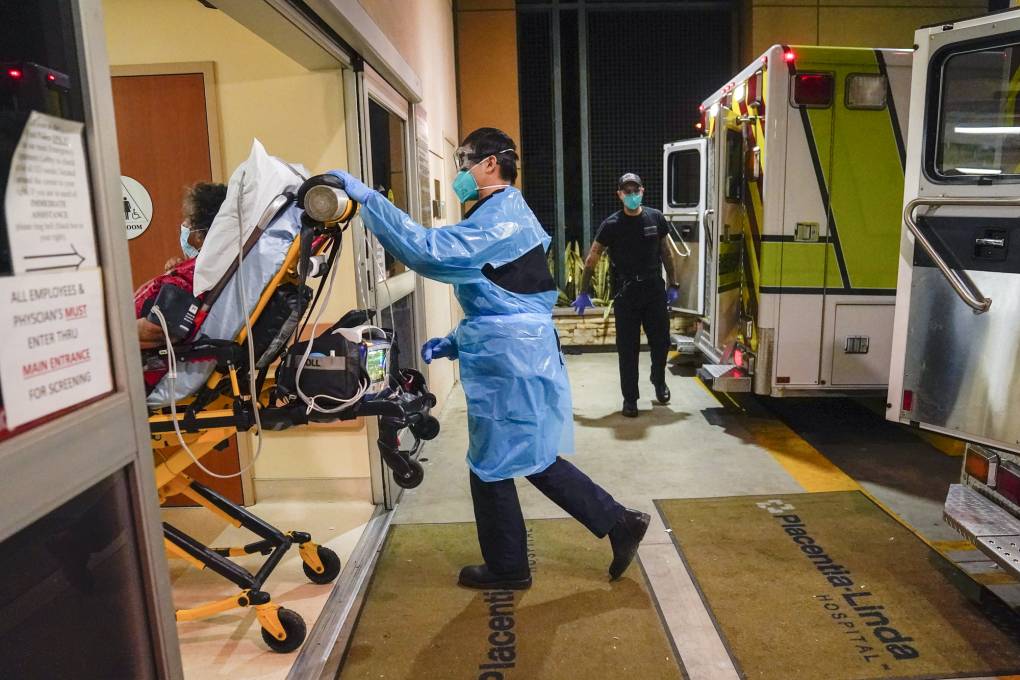
window.__IS_SSR__=true
window.__INITIAL_STATE__={
"attachmentsReducer": {
"audio_0": {
"type": "attachments",
"id": "audio_0",
"imgSizes": {
"kqedFullSize": {
"file": "https://ww2.kqed.org/news/wp-content/themes/KQED-unified/img/audio_bgs/background0.jpg"
}
}
},
"audio_1": {
"type": "attachments",
"id": "audio_1",
"imgSizes": {
"kqedFullSize": {
"file": "https://ww2.kqed.org/news/wp-content/themes/KQED-unified/img/audio_bgs/background1.jpg"
}
}
},
"audio_2": {
"type": "attachments",
"id": "audio_2",
"imgSizes": {
"kqedFullSize": {
"file": "https://ww2.kqed.org/news/wp-content/themes/KQED-unified/img/audio_bgs/background2.jpg"
}
}
},
"audio_3": {
"type": "attachments",
"id": "audio_3",
"imgSizes": {
"kqedFullSize": {
"file": "https://ww2.kqed.org/news/wp-content/themes/KQED-unified/img/audio_bgs/background3.jpg"
}
}
},
"audio_4": {
"type": "attachments",
"id": "audio_4",
"imgSizes": {
"kqedFullSize": {
"file": "https://ww2.kqed.org/news/wp-content/themes/KQED-unified/img/audio_bgs/background4.jpg"
}
}
},
"placeholder": {
"type": "attachments",
"id": "placeholder",
"imgSizes": {
"thumbnail": {
"file": "https://cdn.kqed.org/wp-content/uploads/2024/12/KQED-Default-Image-816638274-2000x1333-1-160x107.jpg",
"width": 160,
"height": 107,
"mimeType": "image/jpeg"
},
"medium": {
"file": "https://cdn.kqed.org/wp-content/uploads/2024/12/KQED-Default-Image-816638274-2000x1333-1-800x533.jpg",
"width": 800,
"height": 533,
"mimeType": "image/jpeg"
},
"medium_large": {
"file": "https://cdn.kqed.org/wp-content/uploads/2024/12/KQED-Default-Image-816638274-2000x1333-1-768x512.jpg",
"width": 768,
"height": 512,
"mimeType": "image/jpeg"
},
"large": {
"file": "https://cdn.kqed.org/wp-content/uploads/2024/12/KQED-Default-Image-816638274-2000x1333-1-1020x680.jpg",
"width": 1020,
"height": 680,
"mimeType": "image/jpeg"
},
"1536x1536": {
"file": "https://cdn.kqed.org/wp-content/uploads/2024/12/KQED-Default-Image-816638274-2000x1333-1-1536x1024.jpg",
"width": 1536,
"height": 1024,
"mimeType": "image/jpeg"
},
"fd-lrg": {
"file": "https://cdn.kqed.org/wp-content/uploads/2024/12/KQED-Default-Image-816638274-2000x1333-1-1536x1024.jpg",
"width": 1536,
"height": 1024,
"mimeType": "image/jpeg"
},
"fd-med": {
"file": "https://cdn.kqed.org/wp-content/uploads/2024/12/KQED-Default-Image-816638274-2000x1333-1-1020x680.jpg",
"width": 1020,
"height": 680,
"mimeType": "image/jpeg"
},
"fd-sm": {
"file": "https://cdn.kqed.org/wp-content/uploads/2024/12/KQED-Default-Image-816638274-2000x1333-1-800x533.jpg",
"width": 800,
"height": 533,
"mimeType": "image/jpeg"
},
"post-thumbnail": {
"file": "https://cdn.kqed.org/wp-content/uploads/2024/12/KQED-Default-Image-816638274-2000x1333-1-672x372.jpg",
"width": 672,
"height": 372,
"mimeType": "image/jpeg"
},
"twentyfourteen-full-width": {
"file": "https://cdn.kqed.org/wp-content/uploads/2024/12/KQED-Default-Image-816638274-2000x1333-1-1038x576.jpg",
"width": 1038,
"height": 576,
"mimeType": "image/jpeg"
},
"xxsmall": {
"file": "https://cdn.kqed.org/wp-content/uploads/2024/12/KQED-Default-Image-816638274-2000x1333-1-160x107.jpg",
"width": 160,
"height": 107,
"mimeType": "image/jpeg"
},
"xsmall": {
"file": "https://cdn.kqed.org/wp-content/uploads/2024/12/KQED-Default-Image-816638274-2000x1333-1-672x372.jpg",
"width": 672,
"height": 372,
"mimeType": "image/jpeg"
},
"small": {
"file": "https://cdn.kqed.org/wp-content/uploads/2024/12/KQED-Default-Image-816638274-2000x1333-1-672x372.jpg",
"width": 672,
"height": 372,
"mimeType": "image/jpeg"
},
"xlarge": {
"file": "https://cdn.kqed.org/wp-content/uploads/2024/12/KQED-Default-Image-816638274-2000x1333-1-1020x680.jpg",
"width": 1020,
"height": 680,
"mimeType": "image/jpeg"
},
"full-width": {
"file": "https://cdn.kqed.org/wp-content/uploads/2024/12/KQED-Default-Image-816638274-2000x1333-1-1920x1280.jpg",
"width": 1920,
"height": 1280,
"mimeType": "image/jpeg"
},
"guest-author-32": {
"file": "https://cdn.kqed.org/wp-content/uploads/2025/01/KQED-Default-Image-816638274-1333x1333-1-160x160.jpg",
"width": 32,
"height": 32,
"mimeType": "image/jpeg"
},
"guest-author-50": {
"file": "https://cdn.kqed.org/wp-content/uploads/2025/01/KQED-Default-Image-816638274-1333x1333-1-160x160.jpg",
"width": 50,
"height": 50,
"mimeType": "image/jpeg"
},
"guest-author-64": {
"file": "https://cdn.kqed.org/wp-content/uploads/2025/01/KQED-Default-Image-816638274-1333x1333-1-160x160.jpg",
"width": 64,
"height": 64,
"mimeType": "image/jpeg"
},
"guest-author-96": {
"file": "https://cdn.kqed.org/wp-content/uploads/2025/01/KQED-Default-Image-816638274-1333x1333-1-160x160.jpg",
"width": 96,
"height": 96,
"mimeType": "image/jpeg"
},
"guest-author-128": {
"file": "https://cdn.kqed.org/wp-content/uploads/2025/01/KQED-Default-Image-816638274-1333x1333-1-160x160.jpg",
"width": 128,
"height": 128,
"mimeType": "image/jpeg"
},
"detail": {
"file": "https://cdn.kqed.org/wp-content/uploads/2025/01/KQED-Default-Image-816638274-1333x1333-1-160x160.jpg",
"width": 160,
"height": 160,
"mimeType": "image/jpeg"
},
"kqedFullSize": {
"file": "https://cdn.kqed.org/wp-content/uploads/2024/12/KQED-Default-Image-816638274-2000x1333-1.jpg",
"width": 2000,
"height": 1333
}
}
},
"news_11997303": {
"type": "attachments",
"id": "news_11997303",
"meta": {
"index": "attachments_1716263798",
"site": "news",
"id": "11997303",
"found": true
},
"title": "230810-FeltonInstituteRally-24-BL_qed",
"publishDate": 1721864538,
"status": "inherit",
"parent": 11997210,
"modified": 1721868167,
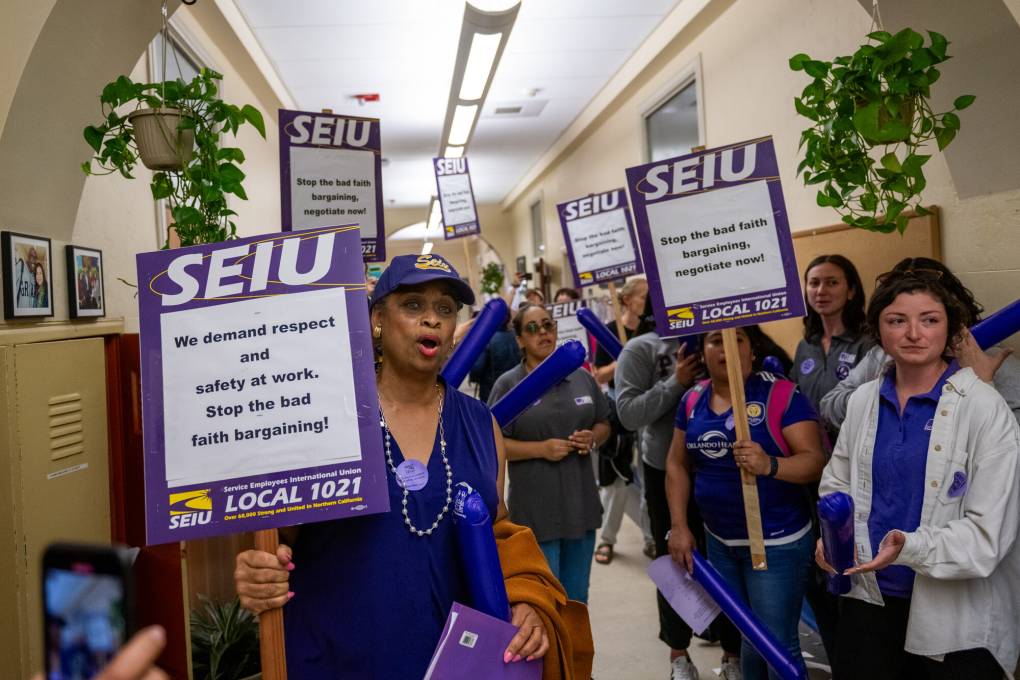
"caption": "Felton Institute employees and union members cheer after delivering their health and safety demands to management during a rally on Aug. 10, 2023, to bring attention to a gas leak employees say went unaddressed for more than a year at Felton's Sunshine Community Center in San Francisco's Mission District. ",
"credit": "Beth LaBerge/KQED",
"altTag": null,
"description": null,
"imgSizes": {
"medium": {
"file": "https://cdn.kqed.org/wp-content/uploads/sites/10/2024/07/230810-FeltonInstituteRally-24-BL_qed-800x533.jpg",
"width": 800,
"height": 533,
"mimeType": "image/jpeg"
},
"large": {
"file": "https://cdn.kqed.org/wp-content/uploads/sites/10/2024/07/230810-FeltonInstituteRally-24-BL_qed-1020x680.jpg",
"width": 1020,
"height": 680,
"mimeType": "image/jpeg"
},
"thumbnail": {
"file": "https://cdn.kqed.org/wp-content/uploads/sites/10/2024/07/230810-FeltonInstituteRally-24-BL_qed-160x107.jpg",
"width": 160,
"height": 107,
"mimeType": "image/jpeg"
},
"1536x1536": {
"file": "https://cdn.kqed.org/wp-content/uploads/sites/10/2024/07/230810-FeltonInstituteRally-24-BL_qed-1536x1024.jpg",
"width": 1536,
"height": 1024,
"mimeType": "image/jpeg"
},
"post-thumbnail": {
"file": "https://cdn.kqed.org/wp-content/uploads/sites/10/2024/07/230810-FeltonInstituteRally-24-BL_qed-672x372.jpg",
"width": 672,
"height": 372,
"mimeType": "image/jpeg"
},
"twentyfourteen-full-width": {
"file": "https://cdn.kqed.org/wp-content/uploads/sites/10/2024/07/230810-FeltonInstituteRally-24-BL_qed-1038x576.jpg",
"width": 1038,
"height": 576,
"mimeType": "image/jpeg"
},
"full-width": {
"file": "https://cdn.kqed.org/wp-content/uploads/sites/10/2024/07/230810-FeltonInstituteRally-24-BL_qed-1920x1280.jpg",
"width": 1920,
"height": 1280,
"mimeType": "image/jpeg"
},
"kqedFullSize": {
"file": "https://cdn.kqed.org/wp-content/uploads/sites/10/2024/07/230810-FeltonInstituteRally-24-BL_qed.jpg",
"width": 2000,
"height": 1333
}
},
"isLoading": false,
"fetchFailed": false
},
"news_11957230": {
"type": "attachments",
"id": "news_11957230",
"meta": {
"index": "attachments_1716263798",
"site": "news",
"id": "11957230",
"found": true
},
"parent": 0,
"imgSizes": {
"twentyfourteen-full-width": {
"file": "https://ww2.kqed.org/app/uploads/sites/10/2023/08/RS67599_230802-CableCarAnniversary-13-BL-KQED-1038x576.jpg",
"width": 1038,
"mimeType": "image/jpeg",
"height": 576
},
"thumbnail": {
"file": "https://ww2.kqed.org/app/uploads/sites/10/2023/08/RS67599_230802-CableCarAnniversary-13-BL-KQED-160x107.jpg",
"width": 160,
"mimeType": "image/jpeg",
"height": 107
},
"post-thumbnail": {
"file": "https://ww2.kqed.org/app/uploads/sites/10/2023/08/RS67599_230802-CableCarAnniversary-13-BL-KQED-672x372.jpg",
"width": 672,
"mimeType": "image/jpeg",
"height": 372
},
"kqedFullSize": {
"file": "https://ww2.kqed.org/app/uploads/sites/10/2023/08/RS67599_230802-CableCarAnniversary-13-BL-KQED.jpg",
"width": 2000,
"height": 1333
},
"large": {
"file": "https://ww2.kqed.org/app/uploads/sites/10/2023/08/RS67599_230802-CableCarAnniversary-13-BL-KQED-1020x680.jpg",
"width": 1020,
"mimeType": "image/jpeg",
"height": 680
},
"1536x1536": {
"file": "https://ww2.kqed.org/app/uploads/sites/10/2023/08/RS67599_230802-CableCarAnniversary-13-BL-KQED-1536x1024.jpg",
"width": 1536,
"mimeType": "image/jpeg",
"height": 1024
},
"full-width": {
"file": "https://ww2.kqed.org/app/uploads/sites/10/2023/08/RS67599_230802-CableCarAnniversary-13-BL-KQED-1920x1280.jpg",
"width": 1920,
"mimeType": "image/jpeg",
"height": 1280
},
"medium": {
"file": "https://ww2.kqed.org/app/uploads/sites/10/2023/08/RS67599_230802-CableCarAnniversary-13-BL-KQED-800x533.jpg",
"width": 800,
"mimeType": "image/jpeg",
"height": 533
}
},
"publishDate": 1691011031,
"modified": 1691011535,
"caption": "Rep. Nancy Pelosi speaks during the 150th anniversary celebration of the cable car in San Francisco on Aug. 2, 2023, at the cable car turnaround at Powell and Market Streets.",
"description": null,
"title": "RS67599_230802-CableCarAnniversary-13-BL-KQED",
"credit": "Beth LaBerge/KQED",
"status": "inherit",
"altTag": "Rep. Nancy Pelosi speaks into microphones as others watch.",
"isLoading": false,
"fetchFailed": false
},
"news_11997150": {
"type": "attachments",
"id": "news_11997150",
"meta": {
"index": "attachments_1716263798",
"site": "news",
"id": "11997150",
"found": true
},
"title": "US Israel Netanyahu",
"publishDate": 1721846980,
"status": "inherit",
"parent": 11997141,
"modified": 1721847009,
"caption": "Israeli Prime Minister Benjamin Netanyahu speaks to a joint meeting of Congress at the Capitol in Washington, Wednesday, July 24, 2024.",
"credit": "Julia Nikhinson/AP Photo",
"altTag": null,
"description": null,
"imgSizes": {
"medium": {
"file": "https://cdn.kqed.org/wp-content/uploads/sites/10/2024/07/BenjaminNetanyahuAP-800x533.jpg",
"width": 800,
"height": 533,
"mimeType": "image/jpeg"
},
"large": {
"file": "https://cdn.kqed.org/wp-content/uploads/sites/10/2024/07/BenjaminNetanyahuAP-1020x680.jpg",
"width": 1020,
"height": 680,
"mimeType": "image/jpeg"
},
"thumbnail": {
"file": "https://cdn.kqed.org/wp-content/uploads/sites/10/2024/07/BenjaminNetanyahuAP-160x107.jpg",
"width": 160,
"height": 107,
"mimeType": "image/jpeg"
},
"1536x1536": {
"file": "https://cdn.kqed.org/wp-content/uploads/sites/10/2024/07/BenjaminNetanyahuAP-1536x1024.jpg",
"width": 1536,
"height": 1024,
"mimeType": "image/jpeg"
},
"post-thumbnail": {
"file": "https://cdn.kqed.org/wp-content/uploads/sites/10/2024/07/BenjaminNetanyahuAP-672x372.jpg",
"width": 672,
"height": 372,
"mimeType": "image/jpeg"
},
"twentyfourteen-full-width": {
"file": "https://cdn.kqed.org/wp-content/uploads/sites/10/2024/07/BenjaminNetanyahuAP-1038x576.jpg",
"width": 1038,
"height": 576,
"mimeType": "image/jpeg"
},
"full-width": {
"file": "https://cdn.kqed.org/wp-content/uploads/sites/10/2024/07/BenjaminNetanyahuAP-1920x1280.jpg",
"width": 1920,
"height": 1280,
"mimeType": "image/jpeg"
},
"kqedFullSize": {
"file": "https://cdn.kqed.org/wp-content/uploads/sites/10/2024/07/BenjaminNetanyahuAP.jpg",
"width": 2000,
"height": 1333
}
},
"isLoading": false,
"fetchFailed": false
},
"news_11997036": {
"type": "attachments",
"id": "news_11997036",
"meta": {
"index": "attachments_1716263798",
"site": "news",
"id": "11997036",
"found": true
},
"title": "240722-SFKamalaHarrisRally-63-BL_qed",
"publishDate": 1721776343,
"status": "inherit",
"parent": 11996787,
"modified": 1721776550,
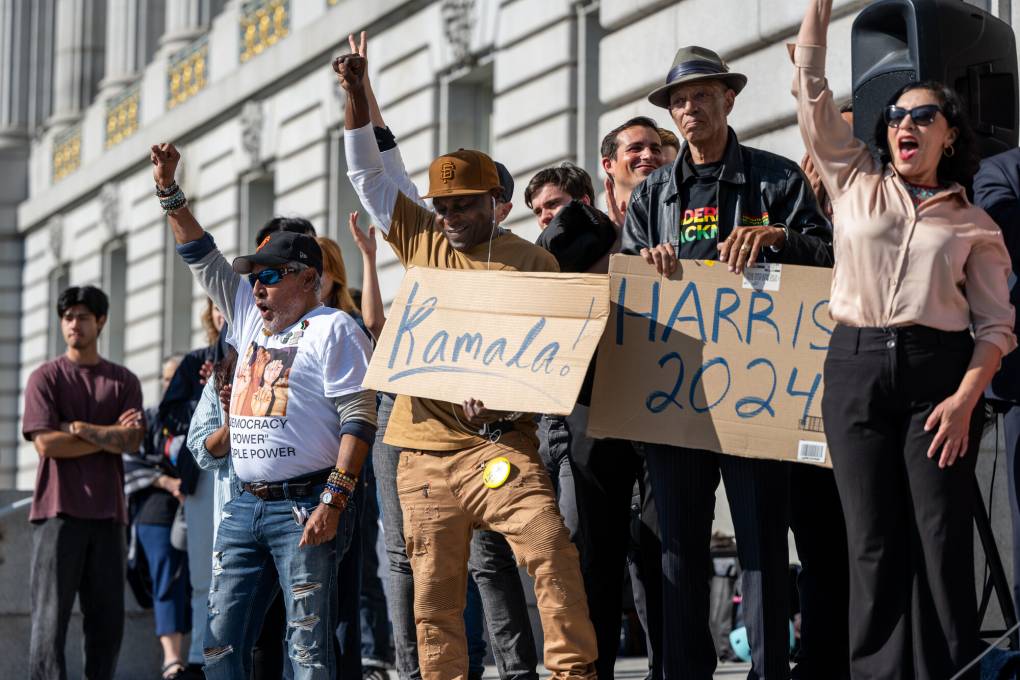
"caption": "San Francisco Democratic Party Chair Nancy Tung, alongside Mayor London Breed and other Democratic party members, speaks during a rally in support of the presidential nomination of Vice President Kamala Harris at City Hall in San Francisco on July 22, 2024.",
"credit": "Beth LaBerge/KQED",
"altTag": null,
"description": null,
"imgSizes": {
"medium": {
"file": "https://cdn.kqed.org/wp-content/uploads/sites/10/2024/07/240722-SFKamalaHarrisRally-63-BL_qed-800x533.jpg",
"width": 800,
"height": 533,
"mimeType": "image/jpeg"
},
"large": {
"file": "https://cdn.kqed.org/wp-content/uploads/sites/10/2024/07/240722-SFKamalaHarrisRally-63-BL_qed-1020x680.jpg",
"width": 1020,
"height": 680,
"mimeType": "image/jpeg"
},
"thumbnail": {
"file": "https://cdn.kqed.org/wp-content/uploads/sites/10/2024/07/240722-SFKamalaHarrisRally-63-BL_qed-160x107.jpg",
"width": 160,
"height": 107,
"mimeType": "image/jpeg"
},
"1536x1536": {
"file": "https://cdn.kqed.org/wp-content/uploads/sites/10/2024/07/240722-SFKamalaHarrisRally-63-BL_qed-1536x1024.jpg",
"width": 1536,
"height": 1024,
"mimeType": "image/jpeg"
},
"post-thumbnail": {
"file": "https://cdn.kqed.org/wp-content/uploads/sites/10/2024/07/240722-SFKamalaHarrisRally-63-BL_qed-672x372.jpg",
"width": 672,
"height": 372,
"mimeType": "image/jpeg"
},
"twentyfourteen-full-width": {
"file": "https://cdn.kqed.org/wp-content/uploads/sites/10/2024/07/240722-SFKamalaHarrisRally-63-BL_qed-1038x576.jpg",
"width": 1038,
"height": 576,
"mimeType": "image/jpeg"
},
"full-width": {
"file": "https://cdn.kqed.org/wp-content/uploads/sites/10/2024/07/240722-SFKamalaHarrisRally-63-BL_qed-1920x1280.jpg",
"width": 1920,
"height": 1280,
"mimeType": "image/jpeg"
},
"kqedFullSize": {
"file": "https://cdn.kqed.org/wp-content/uploads/sites/10/2024/07/240722-SFKamalaHarrisRally-63-BL_qed.jpg",
"width": 2000,
"height": 1333
}
},
"isLoading": false,
"fetchFailed": false
},
"news_11996712": {
"type": "attachments",
"id": "news_11996712",
"meta": {
"index": "attachments_1716263798",
"site": "news",
"id": "11996712",
"found": true
},
"title": "240722-SFKamalaHarrisRally-19-BL_qed",
"publishDate": 1721671348,
"status": "inherit",
"parent": 0,
"modified": 1721682753,
"caption": "A crowd cheers at a rally supporting the presidential nomination of Vice President Kamala Harris at City Hall in San Francisco on July 22, 2024.",
"credit": "Beth LaBerge/KQED",
"altTag": null,
"description": null,
"imgSizes": {
"medium": {
"file": "https://cdn.kqed.org/wp-content/uploads/sites/10/2024/07/240722-SFKamalaHarrisRally-19-BL_qed-800x533.jpg",
"width": 800,
"height": 533,
"mimeType": "image/jpeg"
},
"large": {
"file": "https://cdn.kqed.org/wp-content/uploads/sites/10/2024/07/240722-SFKamalaHarrisRally-19-BL_qed-1020x680.jpg",
"width": 1020,
"height": 680,
"mimeType": "image/jpeg"
},
"thumbnail": {
"file": "https://cdn.kqed.org/wp-content/uploads/sites/10/2024/07/240722-SFKamalaHarrisRally-19-BL_qed-160x107.jpg",
"width": 160,
"height": 107,
"mimeType": "image/jpeg"
},
"1536x1536": {
"file": "https://cdn.kqed.org/wp-content/uploads/sites/10/2024/07/240722-SFKamalaHarrisRally-19-BL_qed-1536x1024.jpg",
"width": 1536,
"height": 1024,
"mimeType": "image/jpeg"
},
"post-thumbnail": {
"file": "https://cdn.kqed.org/wp-content/uploads/sites/10/2024/07/240722-SFKamalaHarrisRally-19-BL_qed-672x372.jpg",
"width": 672,
"height": 372,
"mimeType": "image/jpeg"
},
"twentyfourteen-full-width": {
"file": "https://cdn.kqed.org/wp-content/uploads/sites/10/2024/07/240722-SFKamalaHarrisRally-19-BL_qed-1038x576.jpg",
"width": 1038,
"height": 576,
"mimeType": "image/jpeg"
},
"full-width": {
"file": "https://cdn.kqed.org/wp-content/uploads/sites/10/2024/07/240722-SFKamalaHarrisRally-19-BL_qed-1920x1280.jpg",
"width": 1920,
"height": 1280,
"mimeType": "image/jpeg"
},
"kqedFullSize": {
"file": "https://cdn.kqed.org/wp-content/uploads/sites/10/2024/07/240722-SFKamalaHarrisRally-19-BL_qed.jpg",
"width": 2000,
"height": 1333
}
},
"isLoading": false,
"fetchFailed": false
},
"news_11996761": {
"type": "attachments",
"id": "news_11996761",
"meta": {
"index": "attachments_1716263798",
"site": "news",
"id": "11996761",
"found": true
},
"title": "DNC-GettyImages-1943254865",
"publishDate": 1721678874,
"status": "inherit",
"parent": 11996738,
"modified": 1721684576,
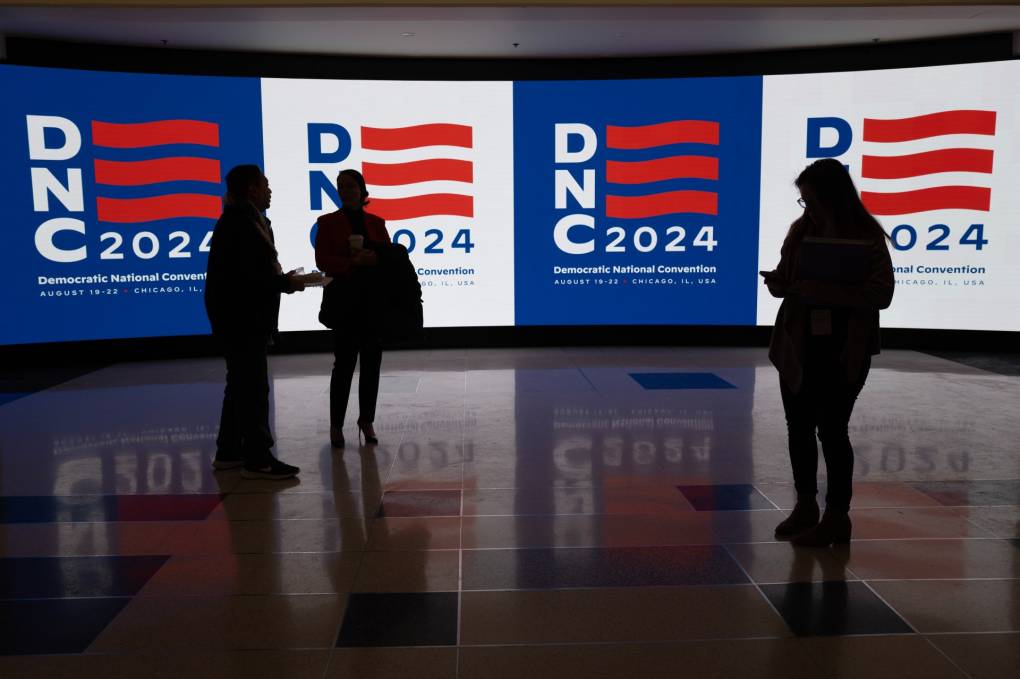
"caption": "The logo for the Democratic National Convention is displayed at the United Center during a media walkthrough on Jan. 18, 2024, in Chicago, Illinois. The convention is scheduled to be held in Chicago from Aug. 19–22, 2024.",
"credit": "Scott Olson/Getty Images",
"altTag": null,
"description": null,
"imgSizes": {
"medium": {
"file": "https://cdn.kqed.org/wp-content/uploads/sites/10/2024/07/DNC-GettyImages-1943254865-800x533.jpg",
"width": 800,
"height": 533,
"mimeType": "image/jpeg"
},
"large": {
"file": "https://cdn.kqed.org/wp-content/uploads/sites/10/2024/07/DNC-GettyImages-1943254865-1020x679.jpg",
"width": 1020,
"height": 679,
"mimeType": "image/jpeg"
},
"thumbnail": {
"file": "https://cdn.kqed.org/wp-content/uploads/sites/10/2024/07/DNC-GettyImages-1943254865-160x107.jpg",
"width": 160,
"height": 107,
"mimeType": "image/jpeg"
},
"1536x1536": {
"file": "https://cdn.kqed.org/wp-content/uploads/sites/10/2024/07/DNC-GettyImages-1943254865-1536x1022.jpg",
"width": 1536,
"height": 1022,
"mimeType": "image/jpeg"
},
"post-thumbnail": {
"file": "https://cdn.kqed.org/wp-content/uploads/sites/10/2024/07/DNC-GettyImages-1943254865-672x372.jpg",
"width": 672,
"height": 372,
"mimeType": "image/jpeg"
},
"twentyfourteen-full-width": {
"file": "https://cdn.kqed.org/wp-content/uploads/sites/10/2024/07/DNC-GettyImages-1943254865-1038x576.jpg",
"width": 1038,
"height": 576,
"mimeType": "image/jpeg"
},
"kqedFullSize": {
"file": "https://cdn.kqed.org/wp-content/uploads/sites/10/2024/07/DNC-GettyImages-1943254865.jpg",
"width": 1920,
"height": 1278
}
},
"isLoading": false,
"fetchFailed": false
},
"news_11995815": {
"type": "attachments",
"id": "news_11995815",
"meta": {
"index": "attachments_1716263798",
"site": "news",
"id": "11995815",
"found": true
},
"title": "kamala-harris-vp-joe-biden",
"publishDate": 1721154134,
"status": "inherit",
"parent": 11995538,
"modified": 1721421883,
"caption": "Vice President Kamala Harris speaks to a crowd during a campaign event at James B. Dudley High School on July 11, 2024, in Greensboro, North Carolina. ",
"credit": "Sean Rayford/Getty Images",
"altTag": "A woman smiles from a podium with several people in the background.",
"description": null,
"imgSizes": {
"medium": {
"file": "https://cdn.kqed.org/wp-content/uploads/sites/10/2024/07/GettyImages-2160991119-800x527.jpg",
"width": 800,
"height": 527,
"mimeType": "image/jpeg"
},
"large": {
"file": "https://cdn.kqed.org/wp-content/uploads/sites/10/2024/07/GettyImages-2160991119-1020x671.jpg",
"width": 1020,
"height": 671,
"mimeType": "image/jpeg"
},
"thumbnail": {
"file": "https://cdn.kqed.org/wp-content/uploads/sites/10/2024/07/GettyImages-2160991119-160x105.jpg",
"width": 160,
"height": 105,
"mimeType": "image/jpeg"
},
"post-thumbnail": {
"file": "https://cdn.kqed.org/wp-content/uploads/sites/10/2024/07/GettyImages-2160991119-672x372.jpg",
"width": 672,
"height": 372,
"mimeType": "image/jpeg"
},
"twentyfourteen-full-width": {
"file": "https://cdn.kqed.org/wp-content/uploads/sites/10/2024/07/GettyImages-2160991119-1024x576.jpg",
"width": 1024,
"height": 576,
"mimeType": "image/jpeg"
},
"kqedFullSize": {
"file": "https://cdn.kqed.org/wp-content/uploads/sites/10/2024/07/GettyImages-2160991119.jpg",
"width": 1024,
"height": 674
}
},
"isLoading": false,
"fetchFailed": false
},
"news_11993887": {
"type": "attachments",
"id": "news_11993887",
"meta": {
"index": "attachments_1716263798",
"site": "news",
"id": "11993887",
"found": true
},
"title": "240129-KAMALA HARRIS SAN JOSE-MD-09-KQED-1",
"publishDate": 1720823488,
"status": "inherit",
"parent": 11993844,
"modified": 1720823502,
"caption": "Vice President Kamala Harris speaks at Mexican Heritage Plaza in San José during the 'Fight for Reproductive Freedoms' tour on Jan. 29, 2024.",
"credit": "Martin do Nascimento/KQED",
"altTag": null,
"description": null,
"imgSizes": {
"medium": {
"file": "https://cdn.kqed.org/wp-content/uploads/sites/10/2024/07/240129-KAMALA-HARRIS-SAN-JOSE-MD-09-KQED-1-800x533.jpg",
"width": 800,
"height": 533,
"mimeType": "image/jpeg"
},
"large": {
"file": "https://cdn.kqed.org/wp-content/uploads/sites/10/2024/07/240129-KAMALA-HARRIS-SAN-JOSE-MD-09-KQED-1-1020x680.jpg",
"width": 1020,
"height": 680,
"mimeType": "image/jpeg"
},
"thumbnail": {
"file": "https://cdn.kqed.org/wp-content/uploads/sites/10/2024/07/240129-KAMALA-HARRIS-SAN-JOSE-MD-09-KQED-1-160x107.jpg",
"width": 160,
"height": 107,
"mimeType": "image/jpeg"
},
"1536x1536": {
"file": "https://cdn.kqed.org/wp-content/uploads/sites/10/2024/07/240129-KAMALA-HARRIS-SAN-JOSE-MD-09-KQED-1-1536x1024.jpg",
"width": 1536,
"height": 1024,
"mimeType": "image/jpeg"
},
"post-thumbnail": {
"file": "https://cdn.kqed.org/wp-content/uploads/sites/10/2024/07/240129-KAMALA-HARRIS-SAN-JOSE-MD-09-KQED-1-672x372.jpg",
"width": 672,
"height": 372,
"mimeType": "image/jpeg"
},
"twentyfourteen-full-width": {
"file": "https://cdn.kqed.org/wp-content/uploads/sites/10/2024/07/240129-KAMALA-HARRIS-SAN-JOSE-MD-09-KQED-1-1038x576.jpg",
"width": 1038,
"height": 576,
"mimeType": "image/jpeg"
},
"full-width": {
"file": "https://cdn.kqed.org/wp-content/uploads/sites/10/2024/07/240129-KAMALA-HARRIS-SAN-JOSE-MD-09-KQED-1-1920x1280.jpg",
"width": 1920,
"height": 1280,
"mimeType": "image/jpeg"
},
"kqedFullSize": {
"file": "https://cdn.kqed.org/wp-content/uploads/sites/10/2024/07/240129-KAMALA-HARRIS-SAN-JOSE-MD-09-KQED-1.jpg",
"width": 2000,
"height": 1333
}
},
"isLoading": false,
"fetchFailed": false
},
"news_11992793": {
"type": "attachments",
"id": "news_11992793",
"meta": {
"index": "attachments_1716263798",
"site": "news",
"id": "11992793",
"found": true
},
"title": "Donald Trump Gives Speech On Presidential Election In New York",
"publishDate": 1719941295,
"status": "inherit",
"parent": 11992777,
"modified": 1719941598,
"caption": "California Democrats criticized the Supreme Court's decision granting presidents presumptive immunity from prosecution for official acts after leaving office, aligning with dissenting liberal justices who argued it places presidents above the law — a ruling seen as a significant victory for former President Trump in his federal criminal case.",
"credit": "Drew Angerer/Getty Images",
"altTag": null,
"description": null,
"imgSizes": {
"medium": {
"file": "https://cdn.kqed.org/wp-content/uploads/sites/10/2024/07/GettyImages-542134774_qed-800x533.jpg",
"width": 800,
"height": 533,
"mimeType": "image/jpeg"
},
"large": {
"file": "https://cdn.kqed.org/wp-content/uploads/sites/10/2024/07/GettyImages-542134774_qed-1020x680.jpg",
"width": 1020,
"height": 680,
"mimeType": "image/jpeg"
},
"thumbnail": {
"file": "https://cdn.kqed.org/wp-content/uploads/sites/10/2024/07/GettyImages-542134774_qed-160x107.jpg",
"width": 160,
"height": 107,
"mimeType": "image/jpeg"
},
"1536x1536": {
"file": "https://cdn.kqed.org/wp-content/uploads/sites/10/2024/07/GettyImages-542134774_qed-1536x1024.jpg",
"width": 1536,
"height": 1024,
"mimeType": "image/jpeg"
},
"post-thumbnail": {
"file": "https://cdn.kqed.org/wp-content/uploads/sites/10/2024/07/GettyImages-542134774_qed-672x372.jpg",
"width": 672,
"height": 372,
"mimeType": "image/jpeg"
},
"twentyfourteen-full-width": {
"file": "https://cdn.kqed.org/wp-content/uploads/sites/10/2024/07/GettyImages-542134774_qed-1038x576.jpg",
"width": 1038,
"height": 576,
"mimeType": "image/jpeg"
},
"full-width": {
"file": "https://cdn.kqed.org/wp-content/uploads/sites/10/2024/07/GettyImages-542134774_qed-1920x1280.jpg",
"width": 1920,
"height": 1280,
"mimeType": "image/jpeg"
},
"kqedFullSize": {
"file": "https://cdn.kqed.org/wp-content/uploads/sites/10/2024/07/GettyImages-542134774_qed.jpg",
"width": 2000,
"height": 1333
}
},
"isLoading": false,
"fetchFailed": false
},
"news_11991885": {
"type": "attachments",
"id": "news_11991885",
"meta": {
"index": "attachments_1716263798",
"site": "news",
"id": "11991885",
"found": true
},
"title": "US-ECONOMY-MILKEN",
"publishDate": 1719344984,
"status": "inherit",
"parent": 11991846,
"modified": 1719345056,
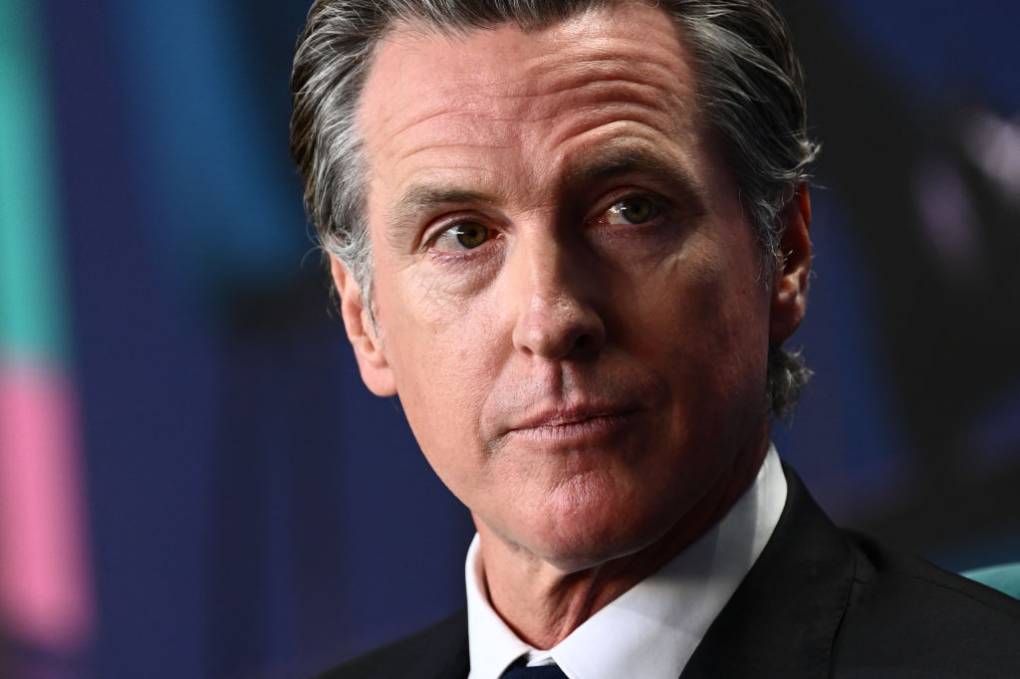
"caption": "California Gov. Gavin Newsom speaks during the Milken Institute Global Conference in Beverly Hills, Los Angeles County, on May 2, 2023.",
"credit": "Patrick T. Fallon/AFP via Getty Images",
"altTag": null,
"description": null,
"imgSizes": {
"medium": {
"file": "https://cdn.kqed.org/wp-content/uploads/sites/10/2024/06/GettyImages-1252545130-800x533.jpg",
"width": 800,
"height": 533,
"mimeType": "image/jpeg"
},
"large": {
"file": "https://cdn.kqed.org/wp-content/uploads/sites/10/2024/06/GettyImages-1252545130-1020x679.jpg",
"width": 1020,
"height": 679,
"mimeType": "image/jpeg"
},
"thumbnail": {
"file": "https://cdn.kqed.org/wp-content/uploads/sites/10/2024/06/GettyImages-1252545130-160x107.jpg",
"width": 160,
"height": 107,
"mimeType": "image/jpeg"
},
"post-thumbnail": {
"file": "https://cdn.kqed.org/wp-content/uploads/sites/10/2024/06/GettyImages-1252545130-672x372.jpg",
"width": 672,
"height": 372,
"mimeType": "image/jpeg"
},
"twentyfourteen-full-width": {
"file": "https://cdn.kqed.org/wp-content/uploads/sites/10/2024/06/GettyImages-1252545130-1024x576.jpg",
"width": 1024,
"height": 576,
"mimeType": "image/jpeg"
},
"kqedFullSize": {
"file": "https://cdn.kqed.org/wp-content/uploads/sites/10/2024/06/GettyImages-1252545130.jpg",
"width": 1024,
"height": 682
}
},
"isLoading": false,
"fetchFailed": false
},
"news_11990470": {
"type": "attachments",
"id": "news_11990470",
"meta": {
"index": "attachments_1716263798",
"site": "news",
"id": "11990470",
"found": true
},
"title": "061124-Budget-Rally-RL-CM-17 copy",
"publishDate": 1718395463,
"status": "inherit",
"parent": 11990465,
"modified": 1718395484,
"caption": "SEIU union members and supporters protest proposed budget cuts at the state Capitol in Sacramento on June 11, 2024.\n",
"credit": "Renee Lopez for CalMatters",
"altTag": null,
"description": null,
"imgSizes": {
"medium": {
"file": "https://cdn.kqed.org/wp-content/uploads/sites/10/2024/06/061124-Budget-Rally-RL-CM-17-copy-800x533.jpg",
"width": 800,
"height": 533,
"mimeType": "image/jpeg"
},
"large": {
"file": "https://cdn.kqed.org/wp-content/uploads/sites/10/2024/06/061124-Budget-Rally-RL-CM-17-copy-1020x680.jpg",
"width": 1020,
"height": 680,
"mimeType": "image/jpeg"
},
"thumbnail": {
"file": "https://cdn.kqed.org/wp-content/uploads/sites/10/2024/06/061124-Budget-Rally-RL-CM-17-copy-160x107.jpg",
"width": 160,
"height": 107,
"mimeType": "image/jpeg"
},
"1536x1536": {
"file": "https://cdn.kqed.org/wp-content/uploads/sites/10/2024/06/061124-Budget-Rally-RL-CM-17-copy-1536x1024.jpg",
"width": 1536,
"height": 1024,
"mimeType": "image/jpeg"
},
"post-thumbnail": {
"file": "https://cdn.kqed.org/wp-content/uploads/sites/10/2024/06/061124-Budget-Rally-RL-CM-17-copy-672x372.jpg",
"width": 672,
"height": 372,
"mimeType": "image/jpeg"
},
"twentyfourteen-full-width": {
"file": "https://cdn.kqed.org/wp-content/uploads/sites/10/2024/06/061124-Budget-Rally-RL-CM-17-copy-1038x576.jpg",
"width": 1038,
"height": 576,
"mimeType": "image/jpeg"
},
"full-width": {
"file": "https://cdn.kqed.org/wp-content/uploads/sites/10/2024/06/061124-Budget-Rally-RL-CM-17-copy-1920x1280.jpg",
"width": 1920,
"height": 1280,
"mimeType": "image/jpeg"
},
"kqedFullSize": {
"file": "https://cdn.kqed.org/wp-content/uploads/sites/10/2024/06/061124-Budget-Rally-RL-CM-17-copy.jpg",
"width": 2000,
"height": 1333
}
},
"isLoading": false,
"fetchFailed": false
},
"news_11989244": {
"type": "attachments",
"id": "news_11989244",
"meta": {
"index": "attachments_1716263798",
"site": "news",
"id": "11989244",
"found": true
},
"title": "Virus Outbreak California",
"publishDate": 1717694868,
"status": "inherit",
"parent": 11989238,
"modified": 1717694891,
"caption": "Emergency medical technician Thomas Hoang, 29, of Emergency Ambulance Service, pushes a gurney into an emergency room to drop off a COVID-19 patient in Placentia on Friday, Jan. 8, 2021.",
"credit": "Jae C. Hong/AP Photo",
"altTag": null,
"description": null,
"imgSizes": {
"medium": {
"file": "https://cdn.kqed.org/wp-content/uploads/sites/10/2024/06/CMERWorkers01-800x533.jpg",
"width": 800,
"height": 533,
"mimeType": "image/jpeg"
},
"large": {
"file": "https://cdn.kqed.org/wp-content/uploads/sites/10/2024/06/CMERWorkers01-1020x680.jpg",
"width": 1020,
"height": 680,
"mimeType": "image/jpeg"
},
"thumbnail": {
"file": "https://cdn.kqed.org/wp-content/uploads/sites/10/2024/06/CMERWorkers01-160x107.jpg",
"width": 160,
"height": 107,
"mimeType": "image/jpeg"
},
"1536x1536": {
"file": "https://cdn.kqed.org/wp-content/uploads/sites/10/2024/06/CMERWorkers01-1536x1024.jpg",
"width": 1536,
"height": 1024,
"mimeType": "image/jpeg"
},
"post-thumbnail": {
"file": "https://cdn.kqed.org/wp-content/uploads/sites/10/2024/06/CMERWorkers01-672x372.jpg",
"width": 672,
"height": 372,
"mimeType": "image/jpeg"
},
"twentyfourteen-full-width": {
"file": "https://cdn.kqed.org/wp-content/uploads/sites/10/2024/06/CMERWorkers01-1038x576.jpg",
"width": 1038,
"height": 576,
"mimeType": "image/jpeg"
},
"full-width": {
"file": "https://cdn.kqed.org/wp-content/uploads/sites/10/2024/06/CMERWorkers01-1920x1280.jpg",
"width": 1920,
"height": 1280,
"mimeType": "image/jpeg"
},
"kqedFullSize": {
"file": "https://cdn.kqed.org/wp-content/uploads/sites/10/2024/06/CMERWorkers01.jpg",
"width": 2000,
"height": 1333
}
},
"isLoading": false,
"fetchFailed": false
}
},
"audioPlayerReducer": {
"postId": "stream_live",
"isPaused": true,
"isPlaying": false,
"pfsActive": false,
"pledgeModalIsOpen": true,
"playerDrawerIsOpen": false,
"liveAudioPlayStartedAt": 0,
"liveAudioPlayContext": ""
},
"authorsReducer": {
"byline_news_11996738": {
"type": "authors",
"id": "byline_news_11996738",
"meta": {
"override": true
},
"slug": "byline_news_11996738",
"name": "Alexei Koseff and Jeanne Kuang, CalMatters",
"isLoading": false
},
"byline_news_11995538": {
"type": "authors",
"id": "byline_news_11995538",
"meta": {
"override": true
},
"slug": "byline_news_11995538",
"name": "\u003ca href=\"https://calmatters.org/author/ben-christopher/\">Ben Christopher\u003c/a>, CalMatters ",
"isLoading": false
},
"byline_news_11991846": {
"type": "authors",
"id": "byline_news_11991846",
"meta": {
"override": true
},
"slug": "byline_news_11991846",
"name": "Adam Beam, Associated Press",
"isLoading": false
},
"byline_news_11990465": {
"type": "authors",
"id": "byline_news_11990465",
"meta": {
"override": true
},
"slug": "byline_news_11990465",
"name": "\u003ca href=\"https://calmatters.org/author/alexei-koseff/\">Alexei Koseff\u003c/a>, CalMatters",
"isLoading": false
},
"byline_news_11989238": {
"type": "authors",
"id": "byline_news_11989238",
"meta": {
"override": true
},
"slug": "byline_news_11989238",
"name": "Ryan Sabalow, CalMatters",
"isLoading": false
},
"kqed": {
"type": "authors",
"id": "236",
"meta": {
"index": "authors_1716337520",
"id": "236",
"found": true
},
"name": "KQED News Staff",
"firstName": "KQED News Staff",
"lastName": null,
"slug": "kqed",
"email": "faq@kqed.org",
"display_author_email": false,
"staff_mastheads": [],
"title": null,
"bio": null,
"avatar": "https://secure.gravatar.com/avatar/ef0e801a68c4c54afa9180db14084167?s=600&d=blank&r=g",
"twitter": null,
"facebook": null,
"instagram": null,
"linkedin": null,
"sites": [
{
"site": "arts",
"roles": [
"contributor"
]
},
{
"site": "news",
"roles": [
"editor"
]
},
{
"site": "futureofyou",
"roles": [
"author"
]
}
],
"headData": {
"title": "KQED News Staff | KQED",
"description": null,
"ogImgSrc": "https://secure.gravatar.com/avatar/ef0e801a68c4c54afa9180db14084167?s=600&d=blank&r=g",
"twImgSrc": "https://secure.gravatar.com/avatar/ef0e801a68c4c54afa9180db14084167?s=600&d=blank&r=g"
},
"isLoading": false,
"link": "/author/kqed"
},
"shossaini": {
"type": "authors",
"id": "3214",
"meta": {
"index": "authors_1716337520",
"id": "3214",
"found": true
},
"name": "Sara Hossaini",
"firstName": "Sara",
"lastName": "Hossaini",
"slug": "shossaini",
"email": "shossaini@kqed.org",
"display_author_email": true,
"staff_mastheads": [
"news"
],
"title": "KQED Reporter",
"bio": "Sara Hossaini came to general assignment reporting at KQED in 2013 after two winters reporting at Wyoming Public Radio. She holds a bachelor's degree in broadcast journalism from the University of Nebraska-Lincoln. Her radio romance began after a bitter breakup with documentary film (Ok, maybe it's still complicated). Her first simultaneous jobs in San Francisco were as Associate Producer on a PBS film series through the Center for Asian American Media and as a butler. She likes to trot, plot and make things with her hands.",
"avatar": "https://secure.gravatar.com/avatar/060e9f56b9554e17942e89f413242774?s=600&d=blank&r=g",
"twitter": "mshossaini",
"facebook": null,
"instagram": null,
"linkedin": null,
"sites": [
{
"site": "news",
"roles": [
"author"
]
},
{
"site": "stateofhealth",
"roles": [
"author"
]
}
],
"headData": {
"title": "Sara Hossaini | KQED",
"description": "KQED Reporter",
"ogImgSrc": "https://secure.gravatar.com/avatar/060e9f56b9554e17942e89f413242774?s=600&d=blank&r=g",
"twImgSrc": "https://secure.gravatar.com/avatar/060e9f56b9554e17942e89f413242774?s=600&d=blank&r=g"
},
"isLoading": false,
"link": "/author/shossaini"
},
"fjhabvala": {
"type": "authors",
"id": "8659",
"meta": {
"index": "authors_1716337520",
"id": "8659",
"found": true
},
"name": "Farida Jhabvala Romero",
"firstName": "Farida",
"lastName": "Jhabvala Romero",
"slug": "fjhabvala",
"email": "fjhabvala@kqed.org",
"display_author_email": true,
"staff_mastheads": [
"news"
],
"title": "KQED Contributor",
"bio": "Farida Jhabvala Romero is a Labor Correspondent for KQED. She previously covered immigration. Farida was \u003ca href=\"https://www.ccnma.org/2022-most-influential-latina-journalists\">named\u003c/a> one of the 10 Most Influential Latina Journalists in California in 2022 by the California Chicano News Media Association. Her work has won awards from the Society of Professional Journalists (Northern California), as well as a national and regional Edward M. Murrow Award for the collaborative reporting projects “Dangerous Air” and “Graying California.” Before joining KQED, Farida worked as a producer at Radio Bilingüe, a national public radio network. Farida earned her master’s degree in journalism from Stanford University.",
"avatar": "https://secure.gravatar.com/avatar/f9f022d4e2609741874222a1e9d41f48fea74011aa7c615eef91d9a50c944ebe?s=600&d=blank&r=g",
"twitter": "FaridaJhabvala",
"bluesky": null,
"facebook": null,
"instagram": null,
"linkedin": "https://www.linkedin.com/in/faridajhabvala/",
"sites": [
{
"site": "news",
"roles": [
"editor"
]
},
{
"site": "stateofhealth",
"roles": [
"author"
]
},
{
"site": "liveblog",
"roles": [
"author"
]
}
],
"headData": {
"title": "Farida Jhabvala Romero | KQED",
"description": "KQED Contributor",
"ogImgSrc": "https://secure.gravatar.com/avatar/f9f022d4e2609741874222a1e9d41f48fea74011aa7c615eef91d9a50c944ebe?s=600&d=blank&r=g",
"twImgSrc": "https://secure.gravatar.com/avatar/f9f022d4e2609741874222a1e9d41f48fea74011aa7c615eef91d9a50c944ebe?s=600&d=blank&r=g"
},
"isLoading": false,
"link": "/author/fjhabvala"
},
"dcronin": {
"type": "authors",
"id": "11362",
"meta": {
"index": "authors_1716337520",
"id": "11362",
"found": true
},
"name": "Dana Cronin",
"firstName": "Dana",
"lastName": "Cronin",
"slug": "dcronin",
"email": "dcronin@KQED.org",
"display_author_email": true,
"staff_mastheads": [],
"title": "KQED Contributor",
"bio": "Dana Cronin is a reporter for KQED News. She loves writing stories about climate change, environmental issues, food and agriculture. She's reported across the country, from Colorado to Washington D.C. to Illinois, and has won numerous awards for her coverage. Her work is regularly featured on national broadcasts, including NPR’s Morning Edition, All Things Considered, PBS Newshour and Science Friday. She lives in Oakland and has an avocado tree in her back yard.",
"avatar": "https://secure.gravatar.com/avatar/bcf89e3455ff7235f96ab6fa7258dd95?s=600&d=blank&r=g",
"twitter": "DanaHCronin",
"facebook": null,
"instagram": null,
"linkedin": null,
"sites": [
{
"site": "arts",
"roles": [
"author"
]
},
{
"site": "news",
"roles": [
"editor"
]
},
{
"site": "science",
"roles": [
"author"
]
},
{
"site": "liveblog",
"roles": [
"author"
]
}
],
"headData": {
"title": "Dana Cronin | KQED",
"description": "KQED Contributor",
"ogImgSrc": "https://secure.gravatar.com/avatar/bcf89e3455ff7235f96ab6fa7258dd95?s=600&d=blank&r=g",
"twImgSrc": "https://secure.gravatar.com/avatar/bcf89e3455ff7235f96ab6fa7258dd95?s=600&d=blank&r=g"
},
"isLoading": false,
"link": "/author/dcronin"
},
"sjohnson": {
"type": "authors",
"id": "11840",
"meta": {
"index": "authors_1716337520",
"id": "11840",
"found": true
},
"name": "Sydney Johnson",
"firstName": "Sydney",
"lastName": "Johnson",
"slug": "sjohnson",
"email": "sjohnson@kqed.org",
"display_author_email": false,
"staff_mastheads": [
"news"
],
"title": "KQED Reporter",
"bio": "Sydney Johnson is a general assignment reporter at KQED. She previously reported on public health and city government at the San Francisco Examiner, and before that, she covered statewide education policy for EdSource. Her reporting has won multiple local, state and national awards. Sydney is a graduate of the University of California, Berkeley and lives in San Francisco.",
"avatar": "https://secure.gravatar.com/avatar/97855f2719b72ad6190b7c535fe642c8?s=600&d=blank&r=g",
"twitter": "sydneyfjohnson",
"facebook": null,
"instagram": null,
"linkedin": null,
"sites": [
{
"site": "news",
"roles": [
"editor"
]
}
],
"headData": {
"title": "Sydney Johnson | KQED",
"description": "KQED Reporter",
"ogImgSrc": "https://secure.gravatar.com/avatar/97855f2719b72ad6190b7c535fe642c8?s=600&d=blank&r=g",
"twImgSrc": "https://secure.gravatar.com/avatar/97855f2719b72ad6190b7c535fe642c8?s=600&d=blank&r=g"
},
"isLoading": false,
"link": "/author/sjohnson"
}
},
"pagesReducer": {
"news_tag_california-democrats": {
"type": "terms",
"id": "news_20251",
"meta": {
"index": "terms_1716263798",
"site": "news",
"id": "20251",
"score": 10.404526
},
"featImg": null,
"name": "California Democrats",
"description": null,
"taxonomy": "tag",
"headData": {
"twImgId": null,
"twTitle": null,
"ogTitle": null,
"ogImgId": null,
"twDescription": null,
"description": null,
"title": "California Democrats Archives | KQED News",
"ogDescription": null
},
"ttid": 20268,
"slug": "california-democrats",
"isLoading": false,
"title": "California Democrats",
"pageMeta": {
"site": "news",
"WpPageTemplate": "page-topic-editorial",
"currentPage": 6
},
"blocks": [
{
"blockName": "kqed/post-list",
"attrs": {
"layout": "cardArticle2",
"query": "posts/news?tag=california-democrats",
"seeMore": false,
"paginated": true,
"page": 6
}
},
{
"blockName": "kqed/ad"
}
]
}
},
"pfsSessionReducer": {},
"postsReducer": {
"stream_live": {
"type": "live",
"id": "stream_live",
"audioUrl": "https://streams.kqed.org/kqedradio",
"title": "Live Stream",
"excerpt": "Live Stream information currently unavailable.",
"link": "/radio",
"featImg": "",
"label": {
"name": "KQED Live",
"link": "/"
}
},
"stream_kqedNewscast": {
"type": "posts",
"id": "stream_kqedNewscast",
"audioUrl": "https://www.kqed.org/.stream/anon/radio/RDnews/newscast.mp3?_=1",
"title": "KQED Newscast",
"featImg": "",
"label": {
"name": "88.5 FM",
"link": "/"
}
},
"news_11997210": {
"type": "posts",
"id": "news_11997210",
"meta": {
"index": "posts_1716263798",
"site": "news",
"id": "11997210",
"score": null,
"sort": [
1721865380000
]
},
"guestAuthors": [],
"slug": "what-does-a-likely-harris-trump-matchup-mean-for-labor",
"title": "What Does a Likely Harris-Trump Matchup Mean for Labor?",
"publishDate": 1721865380,
"format": "standard",
"headTitle": "What Does a Likely Harris-Trump Matchup Mean for Labor? | KQED",
"labelTerm": {
"site": "news"
},
"content": "\u003cp>The likely matchup between Vice President \u003ca href=\"https://www.kqed.org/news/tag/kamala-harris\">Kamala Harris\u003c/a> and former President Donald Trump for the White House presents a stark difference for voters on labor issues, especially on workers’ push for higher wages and safer workplaces.\u003c/p>\n\u003cp>A surging wave of organized labor is backing Harris, second in command to a president often dubbed as the “most pro-union” in history, at a time when Americans’ \u003ca href=\"https://news.gallup.com/poll/510281/unions-strengthening.aspx\">support for unions\u003c/a> has been the highest in decades. She has been endorsed by major unions, including the \u003ca href=\"https://www.seiu.org/2024/07/seius-verrett-seiu-is-all-in-for-kamala-harris-a-leader-who-will-fight-for-workers-and-beat-donald-trump\">Service Employees International Union\u003c/a>, the \u003ca href=\"https://cwa-union.org/news/releases/communications-workers-america-endorses-kamala-harris-president\">Communications Workers of America\u003c/a> and the \u003ca href=\"https://ufw.org/harrisendorsement7212024/\">United Farm Workers\u003c/a>.\u003c/p>\n\u003cp>On the other hand, Trump has garnered no major endorsements from organized labor despite his campaign to appeal to working-class voters with populist messaging. Teamsters President Sean O’Brien spoke at the Republican National Convention last week, but neither he nor the union endorsed Trump — and the speech drew criticism from other labor leaders.\u003c/p>\n\u003cp>[ad fullwidth]\u003c/p>\n\u003ch2>Why does this matter?\u003c/h2>\n\u003cp>Unions’ support may be able to help Harris win over workers in battleground states who are disenchanted with Democrats after foreign trade agreements decimated their lives, said Bill Gould, a former chairman of the National Labor Relations Board who teaches labor and employment law at Stanford University.\u003c/p>\n\u003cfigure id=\"attachment_11996876\" class=\"wp-caption aligncenter\" style=\"max-width: 2560px\">\u003cimg loading=\"lazy\" decoding=\"async\" class=\"size-full wp-image-11996876\" src=\"https://cdn.kqed.org/wp-content/uploads/sites/10/2024/07/ap24204575794832-scaled.jpeg\" alt=\"A woman wearing a business suit stands at a podium and gestures with her right hand with several people in the background.\" width=\"2560\" height=\"1707\" srcset=\"https://cdn.kqed.org/wp-content/uploads/sites/10/2024/07/ap24204575794832-scaled.jpeg 2560w, https://cdn.kqed.org/wp-content/uploads/sites/10/2024/07/ap24204575794832-800x533.jpeg 800w, https://cdn.kqed.org/wp-content/uploads/sites/10/2024/07/ap24204575794832-1020x680.jpeg 1020w, https://cdn.kqed.org/wp-content/uploads/sites/10/2024/07/ap24204575794832-160x107.jpeg 160w, https://cdn.kqed.org/wp-content/uploads/sites/10/2024/07/ap24204575794832-1536x1024.jpeg 1536w, https://cdn.kqed.org/wp-content/uploads/sites/10/2024/07/ap24204575794832-2048x1365.jpeg 2048w, https://cdn.kqed.org/wp-content/uploads/sites/10/2024/07/ap24204575794832-1920x1280.jpeg 1920w\" sizes=\"(max-width: 2560px) 100vw, 2560px\">\u003cfigcaption class=\"wp-caption-text\">Vice President Kamala Harris speaks from the South Lawn of the White House in Washington, D.C., on Monday, July 22, 2024, during an event with NCAA college athletes.\u003c/figcaption>\u003c/figure>\n\u003cp>He noted it will be important for her to tout efforts launched by the Biden administration, including investments to create jobs and uplift manufacturing, such as through the CHIPS and Science Act and the Inflation Reduction Act.\u003c/p>\n\u003cp>Recent polling has shown voters more likely to see Trump and Republicans as stronger options to reduce \u003ca href=\"https://www.newsweek.com/kamala-harris-losing-trump-economy-inflation-poll-1928909\">inflation\u003c/a>, a key economic anxiety weighing on the campaign. With that in mind, unions’ money, organizing prowess and political advocacy could play a key role in the election.\u003c/p>\n\u003ch2>Why have some big unions endorsed Harris?\u003c/h2>\n\u003cp>Those in organized labor who publicly support Harris see her as likely to advance Biden’s agenda.\u003c/p>\n\u003cp>The Biden-Harris administration also tapped outspoken pro-worker former officials from California to lead the U.S. Department of Labor and the Occupational Safety and Health Administration, tasked with protecting workers.[aside postID=news_11996902 hero='https://cdn.kqed.org/wp-content/uploads/sites/10/2020/04/RS42922_003_KQED_SanFrancisco_MarriottMarquis_04262020-qut-1020x680.jpg']Trump’s record during his first presidency points to a more “hostile” approach towards unions and aversion to efforts to address sexual harassment and discrimination in the workplace, Gould said.\u003c/p>\n\u003cp>Trump was “implacably opposed” to legislation raising the federal minimum wage to $7.25, which was last increased \u003ca href=\"https://www.dol.gov/agencies/whd/minimum-wage#:~:text=The%20federal%20minimum%20wage%20provisions,fringe%20benefits)%20may%20be%20filed.&text=YouthRules!\">15 years ago to the day\u003c/a>, Gould noted. He expects Harris to be more receptive to supporting the raise.\u003c/p>\n\u003cp>“Everything we know about the vice president and her involvement in the Biden administration indicates that she would give workers a chance to move forward,” Gould said. “And everything we know about the Trump administration tells us the exact opposite, that they would restrain worker [organizing] and enhance inequality between those who have and those who have not.”\u003c/p>\n\u003ch2>What have unions said?\u003c/h2>\n\u003cp>In statements endorsing Harris, leaders at various unions praised her record in elected office.\u003c/p>\n\u003cp>AFL-CIO President Liz Shuler, whose organization represents dozens of unions and 12.5 million workers nationwide, said Harris had been a “true partner.”\u003c/p>\n\u003cfigure id=\"attachment_11980299\" class=\"wp-caption aligncenter\" style=\"max-width: 2048px\">\u003cimg loading=\"lazy\" decoding=\"async\" class=\"size-full wp-image-11980299\" src=\"https://cdn.kqed.org/wp-content/uploads/sites/10/2024/03/20240320-DSCF5166.jpg\" alt=\"A group of people in purple shirts hold signs while standing in front of a building. One woman speaks into a microphone.\" width=\"2048\" height=\"1365\" srcset=\"https://cdn.kqed.org/wp-content/uploads/sites/10/2024/03/20240320-DSCF5166.jpg 2048w, https://cdn.kqed.org/wp-content/uploads/sites/10/2024/03/20240320-DSCF5166-800x533.jpg 800w, https://cdn.kqed.org/wp-content/uploads/sites/10/2024/03/20240320-DSCF5166-1020x680.jpg 1020w, https://cdn.kqed.org/wp-content/uploads/sites/10/2024/03/20240320-DSCF5166-160x107.jpg 160w, https://cdn.kqed.org/wp-content/uploads/sites/10/2024/03/20240320-DSCF5166-1536x1024.jpg 1536w, https://cdn.kqed.org/wp-content/uploads/sites/10/2024/03/20240320-DSCF5166-1920x1280.jpg 1920w\" sizes=\"(max-width: 2048px) 100vw, 2048px\">\u003cfigcaption class=\"wp-caption-text\">San Francisco Human Services Agency workers, who are members of SEIU Local 1021, rally outside their office in downtown San Francisco on March 20, 2024, to protest a voter-approved measure that may task their short-staffed workforce with additional responsibilities. \u003ccite>(Nik Altenberg/KQED)\u003c/cite>\u003c/figcaption>\u003c/figure>\n\u003cp>“From taking on Wall Street and corporate greed to leading efforts to expand affordable child care and support vulnerable workers, she’s shown time and again that she’s on our side,” Shuler \u003ca href=\"https://aflcio.org/press/releases/afl-cio-unanimously-endorses-kamala-harris-president\">said in a statement\u003c/a>. “At every step in her distinguished career in public office, she’s proven herself a principled and tenacious fighter for working people and a visionary leader we can count on.”\u003c/p>\n\u003cp>SEIU, whose 2 million members include many women of color working in healthcare, government and other industries, said they were “ALL IN” for Harris in a press release.\u003c/p>\n\u003cp>“She has taken action to make homecare and childcare more accessible and affordable, championed new staffing standards for nursing homes, and has always prioritized all service and care workers and the essential work that they do,” SEIU President April Verrett said in the release. “We cannot risk a MAGA future in which corporations and the wealthy are lavishly rewarded with tax breaks and fewer regulations while working people struggle.\u003c/p>\n\u003cp>Hours after Biden dropped out of the presidential race and endorsed Harris on July 21, United Farm Workers President Teresa Romero said that Harris is “the best leader to defeat Donald Trump and to continue the transformative work of the Biden-Harris administration.”\u003c/p>\n\u003cp>“Since the very beginning of her career in California — the nation’s largest agricultural producer — Kamala Harris has proven herself a loyal friend of all working people,” Romero said in a statement. “The United Farm Workers could not be prouder to endorse her for President of the United States. Together, we continue the work of building an America that works for all of its working people.”\u003c/p>\n\u003cp>\u003c/p>\n",
"blocks": [],
"excerpt": "The potential White House matchup between Vice President Kamala Harris and former President Donald Trump highlights stark differences in workers' demands for higher wages and safer workplaces.",
"status": "publish",
"parent": 0,
"modified": 1725490545,
"stats": {
"hasAudio": false,
"hasVideo": false,
"hasChartOrMap": false,
"iframeSrcs": [],
"hasGoogleForm": false,
"hasGallery": false,
"hasHearkenModule": false,
"hasPolis": false,
"paragraphCount": 19,
"wordCount": 917
},
"headData": {
"title": "What Does a Likely Harris-Trump Matchup Mean for Labor? | KQED",
"description": "The potential White House matchup between Vice President Kamala Harris and former President Donald Trump highlights stark differences in workers' demands for higher wages and safer workplaces.",
"ogTitle": "",
"ogDescription": "",
"ogImgId": "",
"twTitle": "",
"twDescription": "",
"twImgId": "",
"schema": {
"@context": "https://schema.org",
"@type": "NewsArticle",
"headline": "What Does a Likely Harris-Trump Matchup Mean for Labor?",
"datePublished": "2024-07-24T16:56:20-07:00",
"dateModified": "2024-09-04T15:55:45-07:00",
"image": "https://cdn.kqed.org/wp-content/uploads/2020/02/KQED-OG-Image@1x.png",
"isAccessibleForFree": "True",
"publisher": {
"@type": "NewsMediaOrganization",
"@id": "https://www.kqed.org/#organization",
"name": "KQED",
"logo": "https://cdn.kqed.org/wp-content/uploads/2020/02/KQED-OG-Image@1x.png",
"url": "https://www.kqed.org",
"sameAs": [
"https://www.facebook.com/KQED",
"https://twitter.com/KQED",
"https://www.instagram.com/kqed/",
"https://www.tiktok.com/@kqedofficial",
"https://www.linkedin.com/company/kqed",
"https://www.youtube.com/channel/UCeC0IOo7i1P_61zVUWbJ4nw"
]
}
}
},
"sticky": false,
"nprStoryId": "kqed-11997210",
"excludeFromSiteSearch": "Include",
"articleAge": "0",
"path": "/news/11997210/what-does-a-likely-harris-trump-matchup-mean-for-labor",
"audioTrackLength": null,
"parsedContent": [
{
"type": "contentString",
"content": "\u003cdiv class=\"post-body\">\u003cp>\u003cp>The likely matchup between Vice President \u003ca href=\"https://www.kqed.org/news/tag/kamala-harris\">Kamala Harris\u003c/a> and former President Donald Trump for the White House presents a stark difference for voters on labor issues, especially on workers’ push for higher wages and safer workplaces.\u003c/p>\n\u003cp>A surging wave of organized labor is backing Harris, second in command to a president often dubbed as the “most pro-union” in history, at a time when Americans’ \u003ca href=\"https://news.gallup.com/poll/510281/unions-strengthening.aspx\">support for unions\u003c/a> has been the highest in decades. She has been endorsed by major unions, including the \u003ca href=\"https://www.seiu.org/2024/07/seius-verrett-seiu-is-all-in-for-kamala-harris-a-leader-who-will-fight-for-workers-and-beat-donald-trump\">Service Employees International Union\u003c/a>, the \u003ca href=\"https://cwa-union.org/news/releases/communications-workers-america-endorses-kamala-harris-president\">Communications Workers of America\u003c/a> and the \u003ca href=\"https://ufw.org/harrisendorsement7212024/\">United Farm Workers\u003c/a>.\u003c/p>\n\u003cp>On the other hand, Trump has garnered no major endorsements from organized labor despite his campaign to appeal to working-class voters with populist messaging. Teamsters President Sean O’Brien spoke at the Republican National Convention last week, but neither he nor the union endorsed Trump — and the speech drew criticism from other labor leaders.\u003c/p>\n\u003cp>\u003c/p>\u003c/div>",
"attributes": {
"named": {},
"numeric": []
}
},
{
"type": "component",
"content": "",
"name": "ad",
"attributes": {
"named": {
"label": "fullwidth"
},
"numeric": [
"fullwidth"
]
}
},
{
"type": "contentString",
"content": "\u003cdiv class=\"post-body\">\u003cp>\u003c/p>\n\u003ch2>Why does this matter?\u003c/h2>\n\u003cp>Unions’ support may be able to help Harris win over workers in battleground states who are disenchanted with Democrats after foreign trade agreements decimated their lives, said Bill Gould, a former chairman of the National Labor Relations Board who teaches labor and employment law at Stanford University.\u003c/p>\n\u003cfigure id=\"attachment_11996876\" class=\"wp-caption aligncenter\" style=\"max-width: 2560px\">\u003cimg loading=\"lazy\" decoding=\"async\" class=\"size-full wp-image-11996876\" src=\"https://cdn.kqed.org/wp-content/uploads/sites/10/2024/07/ap24204575794832-scaled.jpeg\" alt=\"A woman wearing a business suit stands at a podium and gestures with her right hand with several people in the background.\" width=\"2560\" height=\"1707\" srcset=\"https://cdn.kqed.org/wp-content/uploads/sites/10/2024/07/ap24204575794832-scaled.jpeg 2560w, https://cdn.kqed.org/wp-content/uploads/sites/10/2024/07/ap24204575794832-800x533.jpeg 800w, https://cdn.kqed.org/wp-content/uploads/sites/10/2024/07/ap24204575794832-1020x680.jpeg 1020w, https://cdn.kqed.org/wp-content/uploads/sites/10/2024/07/ap24204575794832-160x107.jpeg 160w, https://cdn.kqed.org/wp-content/uploads/sites/10/2024/07/ap24204575794832-1536x1024.jpeg 1536w, https://cdn.kqed.org/wp-content/uploads/sites/10/2024/07/ap24204575794832-2048x1365.jpeg 2048w, https://cdn.kqed.org/wp-content/uploads/sites/10/2024/07/ap24204575794832-1920x1280.jpeg 1920w\" sizes=\"(max-width: 2560px) 100vw, 2560px\">\u003cfigcaption class=\"wp-caption-text\">Vice President Kamala Harris speaks from the South Lawn of the White House in Washington, D.C., on Monday, July 22, 2024, during an event with NCAA college athletes.\u003c/figcaption>\u003c/figure>\n\u003cp>He noted it will be important for her to tout efforts launched by the Biden administration, including investments to create jobs and uplift manufacturing, such as through the CHIPS and Science Act and the Inflation Reduction Act.\u003c/p>\n\u003cp>Recent polling has shown voters more likely to see Trump and Republicans as stronger options to reduce \u003ca href=\"https://www.newsweek.com/kamala-harris-losing-trump-economy-inflation-poll-1928909\">inflation\u003c/a>, a key economic anxiety weighing on the campaign. With that in mind, unions’ money, organizing prowess and political advocacy could play a key role in the election.\u003c/p>\n\u003ch2>Why have some big unions endorsed Harris?\u003c/h2>\n\u003cp>Those in organized labor who publicly support Harris see her as likely to advance Biden’s agenda.\u003c/p>\n\u003cp>The Biden-Harris administration also tapped outspoken pro-worker former officials from California to lead the U.S. Department of Labor and the Occupational Safety and Health Administration, tasked with protecting workers.\u003c/p>\u003c/div>",
"attributes": {
"named": {},
"numeric": []
}
},
{
"type": "component",
"content": "",
"name": "aside",
"attributes": {
"named": {
"postid": "news_11996902",
"hero": "https://cdn.kqed.org/wp-content/uploads/sites/10/2020/04/RS42922_003_KQED_SanFrancisco_MarriottMarquis_04262020-qut-1020x680.jpg",
"label": ""
},
"numeric": []
}
},
{
"type": "contentString",
"content": "\u003cdiv class=\"post-body\">\u003cp>Trump’s record during his first presidency points to a more “hostile” approach towards unions and aversion to efforts to address sexual harassment and discrimination in the workplace, Gould said.\u003c/p>\n\u003cp>Trump was “implacably opposed” to legislation raising the federal minimum wage to $7.25, which was last increased \u003ca href=\"https://www.dol.gov/agencies/whd/minimum-wage#:~:text=The%20federal%20minimum%20wage%20provisions,fringe%20benefits)%20may%20be%20filed.&text=YouthRules!\">15 years ago to the day\u003c/a>, Gould noted. He expects Harris to be more receptive to supporting the raise.\u003c/p>\n\u003cp>“Everything we know about the vice president and her involvement in the Biden administration indicates that she would give workers a chance to move forward,” Gould said. “And everything we know about the Trump administration tells us the exact opposite, that they would restrain worker [organizing] and enhance inequality between those who have and those who have not.”\u003c/p>\n\u003ch2>What have unions said?\u003c/h2>\n\u003cp>In statements endorsing Harris, leaders at various unions praised her record in elected office.\u003c/p>\n\u003cp>AFL-CIO President Liz Shuler, whose organization represents dozens of unions and 12.5 million workers nationwide, said Harris had been a “true partner.”\u003c/p>\n\u003cfigure id=\"attachment_11980299\" class=\"wp-caption aligncenter\" style=\"max-width: 2048px\">\u003cimg loading=\"lazy\" decoding=\"async\" class=\"size-full wp-image-11980299\" src=\"https://cdn.kqed.org/wp-content/uploads/sites/10/2024/03/20240320-DSCF5166.jpg\" alt=\"A group of people in purple shirts hold signs while standing in front of a building. One woman speaks into a microphone.\" width=\"2048\" height=\"1365\" srcset=\"https://cdn.kqed.org/wp-content/uploads/sites/10/2024/03/20240320-DSCF5166.jpg 2048w, https://cdn.kqed.org/wp-content/uploads/sites/10/2024/03/20240320-DSCF5166-800x533.jpg 800w, https://cdn.kqed.org/wp-content/uploads/sites/10/2024/03/20240320-DSCF5166-1020x680.jpg 1020w, https://cdn.kqed.org/wp-content/uploads/sites/10/2024/03/20240320-DSCF5166-160x107.jpg 160w, https://cdn.kqed.org/wp-content/uploads/sites/10/2024/03/20240320-DSCF5166-1536x1024.jpg 1536w, https://cdn.kqed.org/wp-content/uploads/sites/10/2024/03/20240320-DSCF5166-1920x1280.jpg 1920w\" sizes=\"(max-width: 2048px) 100vw, 2048px\">\u003cfigcaption class=\"wp-caption-text\">San Francisco Human Services Agency workers, who are members of SEIU Local 1021, rally outside their office in downtown San Francisco on March 20, 2024, to protest a voter-approved measure that may task their short-staffed workforce with additional responsibilities. \u003ccite>(Nik Altenberg/KQED)\u003c/cite>\u003c/figcaption>\u003c/figure>\n\u003cp>“From taking on Wall Street and corporate greed to leading efforts to expand affordable child care and support vulnerable workers, she’s shown time and again that she’s on our side,” Shuler \u003ca href=\"https://aflcio.org/press/releases/afl-cio-unanimously-endorses-kamala-harris-president\">said in a statement\u003c/a>. “At every step in her distinguished career in public office, she’s proven herself a principled and tenacious fighter for working people and a visionary leader we can count on.”\u003c/p>\n\u003cp>SEIU, whose 2 million members include many women of color working in healthcare, government and other industries, said they were “ALL IN” for Harris in a press release.\u003c/p>\n\u003cp>“She has taken action to make homecare and childcare more accessible and affordable, championed new staffing standards for nursing homes, and has always prioritized all service and care workers and the essential work that they do,” SEIU President April Verrett said in the release. “We cannot risk a MAGA future in which corporations and the wealthy are lavishly rewarded with tax breaks and fewer regulations while working people struggle.\u003c/p>\n\u003cp>Hours after Biden dropped out of the presidential race and endorsed Harris on July 21, United Farm Workers President Teresa Romero said that Harris is “the best leader to defeat Donald Trump and to continue the transformative work of the Biden-Harris administration.”\u003c/p>\n\u003cp>“Since the very beginning of her career in California — the nation’s largest agricultural producer — Kamala Harris has proven herself a loyal friend of all working people,” Romero said in a statement. “The United Farm Workers could not be prouder to endorse her for President of the United States. Together, we continue the work of building an America that works for all of its working people.”\u003c/p>\n\u003cp>\u003c/p>\n\u003c/div>\u003c/p>",
"attributes": {
"named": {},
"numeric": []
}
}
],
"link": "/news/11997210/what-does-a-likely-harris-trump-matchup-mean-for-labor",
"authors": [
"8659"
],
"categories": [
"news_8"
],
"tags": [
"news_20251",
"news_1323",
"news_61",
"news_19904",
"news_17968"
],
"featImg": "news_11997303",
"label": "news"
},
"news_11997233": {
"type": "posts",
"id": "news_11997233",
"meta": {
"index": "posts_1716263798",
"site": "news",
"id": "11997233",
"score": null,
"sort": [
1721861808000
]
},
"guestAuthors": [],
"slug": "nancy-pelosi-endorses-democratic-socialist-dean-preston-for-san-francisco-d5-supervisor",
"title": "Nancy Pelosi Endorses Democratic Socialist Dean Preston for San Francisco Supervisor",
"publishDate": 1721861808,
"format": "standard",
"headTitle": "Nancy Pelosi Endorses Democratic Socialist Dean Preston for San Francisco Supervisor | KQED",
"labelTerm": {
"site": "news"
},
"content": "\u003cp>\u003cem>\u003cstrong>Editor’s note:\u003c/strong> This story was updated at 2 p.m. July 28 to add context around a January social media post by Garry Tan.\u003c/em>\u003c/p>\n\u003cp>Speaker Emerita \u003ca href=\"https://www.kqed.org/news/11996704/former-speaker-nancy-pelosi-endorses-kamala-harris-for-president\">Nancy Pelosi\u003c/a> endorsed Dean Preston, the progressive incumbent, for District 5 supervisor on Wednesday, KQED confirmed.\u003c/p>\n\u003cp>The endorsement from one of the country’s most powerful Democrats came as a major boost in an already heated election for Preston, whose jurisdiction includes the Tenderloin, Haight Ashbury, Fillmore, Japantown and Hayes Valley. \u003cspan style=\"margin: 0px;padding: 0px\">\u003cem>Politico\u003c/em> first \u003ca href=\"https://www.politico.com/news/2024/07/24/pelosi-endorses-progressive-san-francisco-00170980\" target=\"_blank\" rel=\"noopener\">reported\u003c/a> the endorsement\u003c/span>.\u003c/p>\n\u003cp>“This is a powerful endorsement from one of San Francisco’s most important leaders, and I look forward to working with Speaker Emerita Pelosi in our united effort to defeat Donald Trump and address the challenges facing our city,” Preston said in a statement. “In our district, Speaker Emerita Pelosi has championed crucial federal investments in our neighborhoods. I’m very grateful for her support in this race.”\u003c/p>\n\u003cp>[ad fullwidth]\u003c/p>\n\u003cp>Preston, a democratic socialist, has become a fixation for critics of progressive politicians. Last year, Elon Musk posted on X, formerly known as Twitter, that the supervisor should be imprisoned.[aside postID=news_11992055 hero='https://cdn.kqed.org/wp-content/uploads/sites/10/2024/06/028_KQED_TenderloinHousingClinicStrike_07272022-1020x678.jpg']In January, Garry Tan, CEO of the tech incubator Y Combinator, attacked seven San Francisco Supervisors on X, writing “Die slow motherf—ers.” Tan, who is a major donor to San Francisco’s Democratic Party, which elected a new moderate majority leadership this year, apologized for the remarks.\u003c/p>\n\u003cp>In a subsequent post on X, Tan wrote that “die slow” was from “Hit ‘Em Up,” a popular diss track by the rapper Tupac Shakur. The week after Tan’s attack, five supervisors received mailers to their homes that wished “a slow and painful death for you and your loved ones.” The San Francisco Police Department opened an investigation into Tan’s post and the mailers received by supervisors.\u003c/p>\n\u003cp>Meanwhile, the billionaire-backed moderate political organizing group GrowSF has made \u003ca href=\"https://growsf.org/dumpdean/\">ousting Preston\u003c/a> a key part of their platform.\u003c/p>\n\u003cp>Pelosi isn’t exactly throwing her support behind the Democratic Socialist movement, and she is supporting other incumbents in her hometown. On Wednesday, Pelosi also endorsed Supervisors Connie Chan and Myrna Melgar for reelection in their respective districts.\u003c/p>\n\u003cp>\u003cem>KQED’s \u003ca href=\"https://www.kqed.org/author/jlara\">Juan Carlos Lara\u003c/a> contributed to this report.\u003c/em>\u003c/p>\n\u003cp>\u003c/p>\n",
"blocks": [],
"excerpt": "The speaker emerita endorsed three San Francisco incumbents running for supervisor on Wednesday. ",
"status": "publish",
"parent": 0,
"modified": 1728425345,
"stats": {
"hasAudio": false,
"hasVideo": false,
"hasChartOrMap": false,
"iframeSrcs": [],
"hasGoogleForm": false,
"hasGallery": false,
"hasHearkenModule": false,
"hasPolis": false,
"paragraphCount": 11,
"wordCount": 411
},
"headData": {
"title": "Nancy Pelosi Endorses Democratic Socialist Dean Preston for San Francisco Supervisor | KQED",
"description": "The speaker emerita endorsed three San Francisco incumbents running for supervisor on Wednesday. ",
"ogTitle": "",
"ogDescription": "",
"ogImgId": "",
"twTitle": "",
"twDescription": "",
"twImgId": "",
"schema": {
"@context": "https://schema.org",
"@type": "NewsArticle",
"headline": "Nancy Pelosi Endorses Democratic Socialist Dean Preston for San Francisco Supervisor",
"datePublished": "2024-07-24T15:56:48-07:00",
"dateModified": "2024-10-08T15:09:05-07:00",
"image": "https://cdn.kqed.org/wp-content/uploads/2020/02/KQED-OG-Image@1x.png",
"isAccessibleForFree": "True",
"publisher": {
"@type": "NewsMediaOrganization",
"@id": "https://www.kqed.org/#organization",
"name": "KQED",
"logo": "https://cdn.kqed.org/wp-content/uploads/2020/02/KQED-OG-Image@1x.png",
"url": "https://www.kqed.org",
"sameAs": [
"https://www.facebook.com/KQED",
"https://twitter.com/KQED",
"https://www.instagram.com/kqed/",
"https://www.tiktok.com/@kqedofficial",
"https://www.linkedin.com/company/kqed",
"https://www.youtube.com/channel/UCeC0IOo7i1P_61zVUWbJ4nw"
]
}
}
},
"sticky": false,
"nprStoryId": "kqed-11997233",
"excludeFromSiteSearch": "Include",
"articleAge": "0",
"path": "/news/11997233/nancy-pelosi-endorses-democratic-socialist-dean-preston-for-san-francisco-d5-supervisor",
"audioTrackLength": null,
"parsedContent": [
{
"type": "contentString",
"content": "\u003cdiv class=\"post-body\">\u003cp>\u003cp>\u003cem>\u003cstrong>Editor’s note:\u003c/strong> This story was updated at 2 p.m. July 28 to add context around a January social media post by Garry Tan.\u003c/em>\u003c/p>\n\u003cp>Speaker Emerita \u003ca href=\"https://www.kqed.org/news/11996704/former-speaker-nancy-pelosi-endorses-kamala-harris-for-president\">Nancy Pelosi\u003c/a> endorsed Dean Preston, the progressive incumbent, for District 5 supervisor on Wednesday, KQED confirmed.\u003c/p>\n\u003cp>The endorsement from one of the country’s most powerful Democrats came as a major boost in an already heated election for Preston, whose jurisdiction includes the Tenderloin, Haight Ashbury, Fillmore, Japantown and Hayes Valley. \u003cspan style=\"margin: 0px;padding: 0px\">\u003cem>Politico\u003c/em> first \u003ca href=\"https://www.politico.com/news/2024/07/24/pelosi-endorses-progressive-san-francisco-00170980\" target=\"_blank\" rel=\"noopener\">reported\u003c/a> the endorsement\u003c/span>.\u003c/p>\n\u003cp>“This is a powerful endorsement from one of San Francisco’s most important leaders, and I look forward to working with Speaker Emerita Pelosi in our united effort to defeat Donald Trump and address the challenges facing our city,” Preston said in a statement. “In our district, Speaker Emerita Pelosi has championed crucial federal investments in our neighborhoods. I’m very grateful for her support in this race.”\u003c/p>\n\u003cp>\u003c/p>\u003c/div>",
"attributes": {
"named": {},
"numeric": []
}
},
{
"type": "component",
"content": "",
"name": "ad",
"attributes": {
"named": {
"label": "fullwidth"
},
"numeric": [
"fullwidth"
]
}
},
{
"type": "contentString",
"content": "\u003cdiv class=\"post-body\">\u003cp>\u003c/p>\n\u003cp>Preston, a democratic socialist, has become a fixation for critics of progressive politicians. Last year, Elon Musk posted on X, formerly known as Twitter, that the supervisor should be imprisoned.\u003c/p>\u003c/div>",
"attributes": {
"named": {},
"numeric": []
}
},
{
"type": "component",
"content": "",
"name": "aside",
"attributes": {
"named": {
"postid": "news_11992055",
"hero": "https://cdn.kqed.org/wp-content/uploads/sites/10/2024/06/028_KQED_TenderloinHousingClinicStrike_07272022-1020x678.jpg",
"label": ""
},
"numeric": []
}
},
{
"type": "contentString",
"content": "\u003cdiv class=\"post-body\">\u003cp>In January, Garry Tan, CEO of the tech incubator Y Combinator, attacked seven San Francisco Supervisors on X, writing “Die slow motherf—ers.” Tan, who is a major donor to San Francisco’s Democratic Party, which elected a new moderate majority leadership this year, apologized for the remarks.\u003c/p>\n\u003cp>In a subsequent post on X, Tan wrote that “die slow” was from “Hit ‘Em Up,” a popular diss track by the rapper Tupac Shakur. The week after Tan’s attack, five supervisors received mailers to their homes that wished “a slow and painful death for you and your loved ones.” The San Francisco Police Department opened an investigation into Tan’s post and the mailers received by supervisors.\u003c/p>\n\u003cp>Meanwhile, the billionaire-backed moderate political organizing group GrowSF has made \u003ca href=\"https://growsf.org/dumpdean/\">ousting Preston\u003c/a> a key part of their platform.\u003c/p>\n\u003cp>Pelosi isn’t exactly throwing her support behind the Democratic Socialist movement, and she is supporting other incumbents in her hometown. On Wednesday, Pelosi also endorsed Supervisors Connie Chan and Myrna Melgar for reelection in their respective districts.\u003c/p>\n\u003cp>\u003cem>KQED’s \u003ca href=\"https://www.kqed.org/author/jlara\">Juan Carlos Lara\u003c/a> contributed to this report.\u003c/em>\u003c/p>\n\u003cp>\u003c/p>\n\u003c/div>\u003c/p>",
"attributes": {
"named": {},
"numeric": []
}
}
],
"link": "/news/11997233/nancy-pelosi-endorses-democratic-socialist-dean-preston-for-san-francisco-d5-supervisor",
"authors": [
"11840"
],
"categories": [
"news_8"
],
"tags": [
"news_20156",
"news_20251",
"news_27045",
"news_27626",
"news_177",
"news_17968",
"news_38",
"news_168"
],
"featImg": "news_11957230",
"label": "news"
},
"news_11997141": {
"type": "posts",
"id": "news_11997141",
"meta": {
"index": "posts_1716263798",
"site": "news",
"id": "11997141",
"score": null,
"sort": [
1721847298000
]
},
"guestAuthors": [],
"slug": "as-netanyahu-speaks-to-congress-several-bay-area-lawmakers-are-skipping-out",
"title": "As Netanyahu Addresses Congress, Pelosi and Other Bay Area Lawmakers Skip Out",
"publishDate": 1721847298,
"format": "standard",
"headTitle": "As Netanyahu Addresses Congress, Pelosi and Other Bay Area Lawmakers Skip Out | KQED",
"labelTerm": {
"site": "news"
},
"content": "\u003cp>Israeli Prime Minister Benjamin Netanyahu is speaking to a joint session of Congress on Thursday for the first time since Israel launched its war in the Gaza Strip as he seeks to shore up support from his country’s closest ally amid mounting political criticism at home and abroad.\u003c/p>\n\u003cp>But absent from the crowd are dozens of Congress members — including at least six from the Bay Area — many of whom blame him for obstructing the path to peace.\u003c/p>\n\u003cp>[ad fullwidth]\u003c/p>\n\u003ch2>What’s happening:\u003c/h2>\n\u003cp>Netanyahu’s joint session address will be his fourth, more than any other foreign leader (surpassing Winston Churchill). Absent from that address will be Bay Area Reps. Barbara Lee, Jared Huffman, Ro Khanna, Mark DeSaulnier and Mike Thompson, as well as former House Speaker Nancy Pelosi.\u003c/p>\n\u003cp>\u003ca href=\"https://www.kqed.org/news/11996920/young-voters-seek-more-from-harris-on-climate-action-and-a-cease-fire-in-israel\">Vice President Kamala Harris\u003c/a>, who serves as president of the Senate and traditionally would sit behind whatever dignitary is speaking, says a long-scheduled trip will keep her away Wednesday. And the next Democrat in line, Sen. Patty Murray of Washington, is declining to attend.\u003c/p>\n\u003ch2>What they’re saying:\u003c/h2>\n\u003cp>In a statement on Wednesday morning, Pelosi said she will instead meet with Israeli citizens whose families have suffered in the wake of the Oct. 7 Hamas terror attack.[aside postID=news_11996920 hero='https://cdn.kqed.org/wp-content/uploads/sites/10/2024/07/KamalaHarrisAP2-1020x680.jpg']Lee said in a statement that Netanyahu’s appearance was “a thinly veiled GOP political event disguised as a joint address.”\u003c/p>\n\u003cp>“The humanitarian catastrophe in Gaza has taken countless lives, including the lives of women and children, and destroyed Palestinian homes and communities,” Lee said. “Prime Minister Netanyahu’s deeply divisive policies put the peace and security of both Israelis and Palestinians at risk. I will not condone this by being present at the address.”\u003c/p>\n\u003cp>Thompson “did not attend Prime Minister Netanyahu’s last address to Congress in 2015, and he has no plans to attend the Prime Minister’s address today,” a spokesperson wrote.\u003c/p>\n\u003ch2>Why this matters:\u003c/h2>\n\u003cp>The stakes are high. Since the Hamas attack against Israel on Oct. 7 — which left some 1,200 people dead and 250 kidnapped — Israel’s campaign has killed nearly 40,000 people in Gaza and wounded nearly 90,000, according to local health officials. Malnutrition and disease among survivors have become rampant.\u003c/p>\n\u003cp>Netanyahu faces complaints in Israel that he is \u003ca href=\"https://apnews.com/video/israel-hamas-war-benjamin-netanyahu-protests-and-demonstrations-hostage-situations-israel-government-68215f0f241f42a7b51fbb9a74d30b5a\">avoiding closing a cease-fire and hostage-release deal\u003c/a> to stay in power, a charge repeated Monday by a relative of one hostage. His visit also comes during a week when deaths among Hamas captives were reported.\u003c/p>\n\u003cp>But for the White House, Netanyahu’s meetings with administration officials carry hopes for progress in U.S.-led efforts to mediate an end to the nine-month Israel-Hamas war. National security adviser Jake Sullivan said at a security conference in Colorado last week that Biden planned to focus on working out what it will take for the United States, Israel and others to get a hostage-release and cease-fire deal done in the coming weeks.\u003c/p>\n\u003cp>\u003cem>This post includes reporting from The Associated Press.\u003c/em>\u003c/p>\n\u003cp>\u003c/p>\n",
"blocks": [],
"excerpt": "Israeli Prime Minister Benjamin Netanyahu is speaking at a joint session in Congress. At least six Bay Area members have said they won’t attend.",
"status": "publish",
"parent": 0,
"modified": 1725490577,
"stats": {
"hasAudio": false,
"hasVideo": false,
"hasChartOrMap": false,
"iframeSrcs": [],
"hasGoogleForm": false,
"hasGallery": false,
"hasHearkenModule": false,
"hasPolis": false,
"paragraphCount": 13,
"wordCount": 538
},
"headData": {
"title": "As Netanyahu Addresses Congress, Pelosi and Other Bay Area Lawmakers Skip Out | KQED",
"description": "Israeli Prime Minister Benjamin Netanyahu is speaking at a joint session in Congress. At least six Bay Area members have said they won’t attend.",
"ogTitle": "",
"ogDescription": "",
"ogImgId": "",
"twTitle": "",
"twDescription": "",
"twImgId": "",
"schema": {
"@context": "https://schema.org",
"@type": "NewsArticle",
"headline": "As Netanyahu Addresses Congress, Pelosi and Other Bay Area Lawmakers Skip Out",
"datePublished": "2024-07-24T11:54:58-07:00",
"dateModified": "2024-09-04T15:56:17-07:00",
"image": "https://cdn.kqed.org/wp-content/uploads/2020/02/KQED-OG-Image@1x.png",
"isAccessibleForFree": "True",
"publisher": {
"@type": "NewsMediaOrganization",
"@id": "https://www.kqed.org/#organization",
"name": "KQED",
"logo": "https://cdn.kqed.org/wp-content/uploads/2020/02/KQED-OG-Image@1x.png",
"url": "https://www.kqed.org",
"sameAs": [
"https://www.facebook.com/KQED",
"https://twitter.com/KQED",
"https://www.instagram.com/kqed/",
"https://www.tiktok.com/@kqedofficial",
"https://www.linkedin.com/company/kqed",
"https://www.youtube.com/channel/UCeC0IOo7i1P_61zVUWbJ4nw"
]
}
}
},
"sticky": false,
"nprStoryId": "kqed-11997141",
"excludeFromSiteSearch": "Include",
"articleAge": "0",
"path": "/news/11997141/as-netanyahu-speaks-to-congress-several-bay-area-lawmakers-are-skipping-out",
"audioTrackLength": null,
"parsedContent": [
{
"type": "contentString",
"content": "\u003cdiv class=\"post-body\">\u003cp>\u003cp>Israeli Prime Minister Benjamin Netanyahu is speaking to a joint session of Congress on Thursday for the first time since Israel launched its war in the Gaza Strip as he seeks to shore up support from his country’s closest ally amid mounting political criticism at home and abroad.\u003c/p>\n\u003cp>But absent from the crowd are dozens of Congress members — including at least six from the Bay Area — many of whom blame him for obstructing the path to peace.\u003c/p>\n\u003cp>\u003c/p>\u003c/div>",
"attributes": {
"named": {},
"numeric": []
}
},
{
"type": "component",
"content": "",
"name": "ad",
"attributes": {
"named": {
"label": "fullwidth"
},
"numeric": [
"fullwidth"
]
}
},
{
"type": "contentString",
"content": "\u003cdiv class=\"post-body\">\u003cp>\u003c/p>\n\u003ch2>What’s happening:\u003c/h2>\n\u003cp>Netanyahu’s joint session address will be his fourth, more than any other foreign leader (surpassing Winston Churchill). Absent from that address will be Bay Area Reps. Barbara Lee, Jared Huffman, Ro Khanna, Mark DeSaulnier and Mike Thompson, as well as former House Speaker Nancy Pelosi.\u003c/p>\n\u003cp>\u003ca href=\"https://www.kqed.org/news/11996920/young-voters-seek-more-from-harris-on-climate-action-and-a-cease-fire-in-israel\">Vice President Kamala Harris\u003c/a>, who serves as president of the Senate and traditionally would sit behind whatever dignitary is speaking, says a long-scheduled trip will keep her away Wednesday. And the next Democrat in line, Sen. Patty Murray of Washington, is declining to attend.\u003c/p>\n\u003ch2>What they’re saying:\u003c/h2>\n\u003cp>In a statement on Wednesday morning, Pelosi said she will instead meet with Israeli citizens whose families have suffered in the wake of the Oct. 7 Hamas terror attack.\u003c/p>\u003c/div>",
"attributes": {
"named": {},
"numeric": []
}
},
{
"type": "component",
"content": "",
"name": "aside",
"attributes": {
"named": {
"postid": "news_11996920",
"hero": "https://cdn.kqed.org/wp-content/uploads/sites/10/2024/07/KamalaHarrisAP2-1020x680.jpg",
"label": ""
},
"numeric": []
}
},
{
"type": "contentString",
"content": "\u003cdiv class=\"post-body\">\u003cp>Lee said in a statement that Netanyahu’s appearance was “a thinly veiled GOP political event disguised as a joint address.”\u003c/p>\n\u003cp>“The humanitarian catastrophe in Gaza has taken countless lives, including the lives of women and children, and destroyed Palestinian homes and communities,” Lee said. “Prime Minister Netanyahu’s deeply divisive policies put the peace and security of both Israelis and Palestinians at risk. I will not condone this by being present at the address.”\u003c/p>\n\u003cp>Thompson “did not attend Prime Minister Netanyahu’s last address to Congress in 2015, and he has no plans to attend the Prime Minister’s address today,” a spokesperson wrote.\u003c/p>\n\u003ch2>Why this matters:\u003c/h2>\n\u003cp>The stakes are high. Since the Hamas attack against Israel on Oct. 7 — which left some 1,200 people dead and 250 kidnapped — Israel’s campaign has killed nearly 40,000 people in Gaza and wounded nearly 90,000, according to local health officials. Malnutrition and disease among survivors have become rampant.\u003c/p>\n\u003cp>Netanyahu faces complaints in Israel that he is \u003ca href=\"https://apnews.com/video/israel-hamas-war-benjamin-netanyahu-protests-and-demonstrations-hostage-situations-israel-government-68215f0f241f42a7b51fbb9a74d30b5a\">avoiding closing a cease-fire and hostage-release deal\u003c/a> to stay in power, a charge repeated Monday by a relative of one hostage. His visit also comes during a week when deaths among Hamas captives were reported.\u003c/p>\n\u003cp>But for the White House, Netanyahu’s meetings with administration officials carry hopes for progress in U.S.-led efforts to mediate an end to the nine-month Israel-Hamas war. National security adviser Jake Sullivan said at a security conference in Colorado last week that Biden planned to focus on working out what it will take for the United States, Israel and others to get a hostage-release and cease-fire deal done in the coming weeks.\u003c/p>\n\u003cp>\u003cem>This post includes reporting from The Associated Press.\u003c/em>\u003c/p>\n\u003cp>\u003c/p>\n\u003c/div>\u003c/p>",
"attributes": {
"named": {},
"numeric": []
}
}
],
"link": "/news/11997141/as-netanyahu-speaks-to-congress-several-bay-area-lawmakers-are-skipping-out",
"authors": [
"3214"
],
"categories": [
"news_8"
],
"tags": [
"news_22185",
"news_1386",
"news_20251",
"news_27626",
"news_6631",
"news_1741",
"news_33333",
"news_2563",
"news_21729",
"news_24484",
"news_177",
"news_17968",
"news_6238",
"news_38"
],
"featImg": "news_11997150",
"label": "news"
},
"news_11996787": {
"type": "posts",
"id": "news_11996787",
"meta": {
"index": "posts_1716263798",
"site": "news",
"id": "11996787",
"score": null,
"sort": [
1721826027000
]
},
"guestAuthors": [],
"slug": "reckoning-on-sexual-assault-roils-sf-democrats-as-mayoral-endorsement-looms",
"title": "Reckoning on Sexual Assault Roils SF Democrats as Mayoral Endorsement Looms",
"publishDate": 1721826027,
"format": "standard",
"headTitle": "Reckoning on Sexual Assault Roils SF Democrats as Mayoral Endorsement Looms | KQED",
"labelTerm": {
"site": "news"
},
"content": "\u003cp>As San Francisco’s top Democratic organizers weigh their endorsement in what could be a pivotal mayoral election, a series of \u003ca href=\"https://www.kqed.org/news/11986169/the-rising-s-f-political-star-accused-of-rape-and-abuse\">high-profile sexual misconduct accusations\u003c/a> by and against party members could force candidates to reckon with mounting internal turmoil.\u003c/p>\n\u003cp>The local Democratic Party’s primary political organizing body is inching closer to rolling out a \u003ca href=\"https://docs.google.com/document/d/1mH81MuMPgEbGE9tQa2aElBv_U_mp2QWYrPrttMwsqj0/edit\">set of policies\u003c/a> to address sexual harassment, but some advocates for survivors of sexual misconduct told KQED the process has fallen short.\u003c/p>\n\u003cp>“Conversations of addressing sexual violence in politics is not a new thing. And it does affect the mayoral race, especially if people want to champion change,” said Alondra Esquivel Garcia, president of the San Francisco Women’s Political Committee, a nonpartisan group advocating for women in local politics. “It’s so hard to do that when things are so embedded in the infrastructure.”\u003c/p>\n\u003cp>A special panel of the San Francisco Democratic County Central Committee plans to \u003ca href=\"https://www.sfdemocrats.org/meetings/2024/july-24-2024-sf-democratic-party\">present a status report on Wednesday night\u003c/a> on its work to create the group’s first code of conduct around reporting, investigating and handling allegations of sexual misconduct within chartered political clubs. At the same meeting, the DCCC is set to vote for and announce its endorsement for mayor.\u003c/p>\n\u003cp>[ad fullwidth]\u003c/p>\n\u003cp>The special committee on sexual misconduct was formed in April after multiple women came forward with \u003ca href=\"https://www.kqed.org/news/11985525/failures-of-sf-office-on-sexual-assault-complaints-draw-scrutiny\">allegations against local Democratic club leaders\u003c/a>, including Jon Jacobo and later Kevin Ortiz, two political organizers in the Mission District. Both have denied the allegations.\u003c/p>\n\u003cp>Meanwhile, accusations that Jay Cheng, who leads the powerful moderate political group Neighbors for a Better San Francisco, attempted to assault a former girlfriend in college resurfaced on social media, drawing renewed attention and reporting on the 2011 incident.\u003c/p>\n\u003cp>Cheng, who went by Jesse then, resigned from his post as a student regent at the University of California following the accusations. Irvine police and the Orange County District Attorney’s Office did not bring charges against Cheng, and he denies the allegations.[aside postID=news_11987959 hero='https://cdn.kqed.org/wp-content/uploads/sites/10/2024/05/BreedLeeStefani_qut-1020x676.jpg']“I have always believed that when these types of accusations are made, that they should be taken seriously and fully investigated. I took the incident very seriously, including never revealing the identity of my accuser because she wanted to stay anonymous, and I have respected her wishes,” Cheng wrote in a \u003ca href=\"https://www.documentcloud.org/documents/24946487-email-from-jay-cheng-to-nancy-tung\">letter to DCCC Chair Nancy Tung\u003c/a> in April, where he expressed his support for the special committee on sexual misconduct in the political community.\u003c/p>\n\u003cp>As the allegations and Democratic leaders’ response to them come under increased scrutiny, the DCCC’s special committee aims “to change the culture of harassment and abuse,” said Lily Ho, who chairs the special panel.\u003c/p>\n\u003cp>“That’s a tall order,” Ho said. “How that happens is to empower survivors to speak up and change an environment and space so everyone feels welcomed.”\u003c/p>\n\u003cp>In practice, that change is hard to make. Multiple survivors and advocates told KQED they had concerns with the group’s approach so far.\u003c/p>\n\u003cp>“Some Democratic club leaders are looking at ‘innocent until proven guilty’ rhetoric, which often is not seen as survivor-centered,” said Esquivel Garcia, whose group closely follows the committee’s work.\u003c/p>\n\u003cp>Democratic leaders acknowledged the challenge they face but said survivors and outside experts have informed the process, and it is still a work in progress.\u003c/p>\n\u003cp>“We recognize this is new territory for all of us,” Ho said. “There isn’t any document or best practices that we can carbon copy; that just doesn’t exist.”\u003c/p>\n\u003ch2>Candidates commit to improving sexual harassment protocol\u003c/h2>\n\u003cp>While the process is underway, mayoral candidates vying for the Democratic endorsement were asked how they would support survivors of sexual assault. Tung didn’t comment specifically on how their responses may weigh into the decision-making process.\u003c/p>\n\u003cp>“The candidates will rise and fall on their own merits,” Tung said.\u003c/p>\n\u003cp>Advocates hope the candidates’ proposals to be more responsive to survivors will be an important factor in the DCCC’s endorsement.\u003c/p>\n\u003cp>“We knew that sexual violence in politics is not good and not the culture we want future leaders to be brought into,” Esquivel Garcia said. “And endorsements are a big thing. If someone endorses you, they truly believe in every mission and goal you’re putting forward.”\u003c/p>\n\u003cp>Incumbent Mayor London Breed pointed to her administration’s work, which included creating a right to counsel for domestic violence survivors. She wrote: “Sexual harassment and assault is unacceptable in all forms. Survivors who come forward to report sexual assault or harassment must be treated with respect and have their cases investigated.”\u003c/p>\n\u003cfigure id=\"attachment_11990166\" class=\"wp-caption aligncenter\" style=\"max-width: 1920px\">\u003cimg loading=\"lazy\" decoding=\"async\" class=\"size-full wp-image-11990166\" src=\"https://cdn.kqed.org/wp-content/uploads/sites/10/2024/06/240612-SFMayoralDebate-73-BL.jpg\" alt=\"\" width=\"1920\" height=\"1280\" srcset=\"https://cdn.kqed.org/wp-content/uploads/sites/10/2024/06/240612-SFMayoralDebate-73-BL.jpg 1920w, https://cdn.kqed.org/wp-content/uploads/sites/10/2024/06/240612-SFMayoralDebate-73-BL-800x533.jpg 800w, https://cdn.kqed.org/wp-content/uploads/sites/10/2024/06/240612-SFMayoralDebate-73-BL-1020x680.jpg 1020w, https://cdn.kqed.org/wp-content/uploads/sites/10/2024/06/240612-SFMayoralDebate-73-BL-160x107.jpg 160w, https://cdn.kqed.org/wp-content/uploads/sites/10/2024/06/240612-SFMayoralDebate-73-BL-1536x1024.jpg 1536w\" sizes=\"(max-width: 1920px) 100vw, 1920px\">\u003cfigcaption class=\"wp-caption-text\">Former Mayor Mark Farrell speaks during a San Francisco mayoral debate with candidates Ahsha Safaí, Daniel Lurie, Mayor London Breed and Aaron Peskin at the Sydney Goldstein Theater on June 12, 2024. \u003ccite>(Beth LaBerge/KQED)\u003c/cite>\u003c/figcaption>\u003c/figure>\n\u003cp>Mark Farrell wrote that he has always “stood with survivors and worked to make sure that our service providers and law enforcement agencies have the resources they need to support those who come forward, investigate cases fully, and pursue justice.”\u003c/p>\n\u003cp>“As Mayor,” he wrote, “public safety will be my top priority, and that includes supporting survivors in every way I can.”\u003c/p>\n\u003cp>Another candidate, Board of Supervisors President Aaron Peskin, said he would work to preserve the Commission on the Status of Women, which a ballot measure proposed by the moderate group TogetherSF Action could slash in an \u003ca href=\"https://www.kqed.org/news/11992466/san-francisco-sees-competing-proposals-to-reform-byzantine-city-commissions\">overhaul of the city’s commission system\u003c/a>.\u003c/p>\n\u003cp>“I have put a [competing] ballot measure on the November ballot to ensure the Commission is not removed in a backroom deal with shady politics to blame,” Peskin wrote. “We need to elevate survivors’ voices and double down on our commitment to supporting survivors.”\u003c/p>\n\u003ch2>Mayoral hopefuls grapple with sexual misconduct affiliations\u003c/h2>\n\u003cp>“Personal relationships are hard to navigate in political spaces as well. People have personal relationships with Jay Cheng, and people who are great friends with Kevin Ortiz or Jon Jacobo want to contribute to this process,” Esquivel Garcia said. “It’s hard to navigate those relationships when people have hurt other people.”\u003c/p>\n\u003cp>Some mayoral campaigns are also contending with ties to a strategist and former aide to Gov. Gavin Newsom, who was convicted of abuse. Nathan Ballard, who was \u003ca href=\"https://www.kqed.org/news/11885782/this-is-who-he-is-mara-reinhardt-reveals-extent-of-alleged-family-abuse-by-prominent-sf-politico-nate-ballard\">accused of beating his wife and child\u003c/a> on a trip to Napa in 2020, took a no-contest plea deal that allowed him to avoid jail.[aside postID=news_11996731 hero='https://cdn.kqed.org/wp-content/uploads/sites/10/2024/07/240722-SFKamalaHarrisRally-19-BL_qed-1020x680.jpg']In early 2021, Farrell was among 45 people who \u003ca href=\"https://www.documentcloud.org/documents/21048384-nathan-ballard-mitigation-letters-march-1-redacted?responsive=1&title=1\">filed a mitigation letter\u003c/a> to the court in support of Ballard’s character. Farrell declined to comment on the letter of support.\u003c/p>\n\u003cp>He isn’t the only mayoral candidate with affiliations with Ballard, who previously worked with the police union and Newsom during his time as San Francisco mayor and as a spokesperson for initiatives that philanthropist and Levi Strauss heir Daniel Lurie led before his bid for mayor.\u003c/p>\n\u003cp>Former supervisor Michela Alioto-Pier was initially on the DCCC’s new committee on sexual misconduct but \u003ca href=\"https://sfstandard.com/2024/04/30/san-francisco-democrat-sexual-assault-michela-alioto-pier/\">stepped down\u003c/a> after posts on social media resurfaced showing she, too, defended Ballard. Breed’s spokesperson, Joe Arellano, also wrote in support of Ballard after the Napa incident.\u003c/p>\n\u003cp>“Nate served as a mentor, friend, and office mate to me for 14 years before his personal issues. I wrote a letter on his behalf based on those years of friendship and mentorship,” Arellano said. “I feel terrible for everyone involved, but especially for the children, who have had to experience this ordeal and will forever have their lives changed.”\u003c/p>\n\u003ch2>Crafting codes of conduct\u003c/h2>\n\u003cp>So far, the special committee has held three workshops with participation from 15 chartered Democratic clubs. The policies are expected to be ready between August and October, DCCC Chair Tung told KQED.\u003c/p>\n\u003cp>Committee members are considering resources like a third-party ombudsman that reports could go through and remain anonymous, among other options for survivors.\u003c/p>\n\u003cp>According to the draft, a club would have to inform the ombudsman of a report within five days of it being filed online, and an investigator would be appointed to gather evidence of whether the code of conduct was violated. Survivors could appeal an outcome, and consequences for the accused would depend on what the survivor pursues, including private or public admonishment or prohibition from attending Democratic club events.\u003c/p>\n\u003cp>The draft policy also suggests that beginning in January 2025, candidates seeking endorsement must complete and pass sexual harassment training. Club leaders would also have mandatory training on handling complaints, investigations and corrective steps.\u003c/p>\n\u003cp>Esquivel Garcia acknowledged that the process is difficult but necessary for any change.\u003c/p>\n\u003cp>“Each survivor is different, and I don’t think you can make everyone happy,” Esquivel Garcia said. “But the candidates need to truly take this advocacy into consideration when they are proposing policies or talking about their goals.”\u003c/p>\n\u003cp>[ad floatright]\u003c/p>\n",
"blocks": [],
"excerpt": "The San Francisco Democratic Party’s main organizing body is considering new policies to address sexual misconduct after a series of high-profile allegations. ",
"status": "publish",
"parent": 0,
"modified": 1725490589,
"stats": {
"hasAudio": false,
"hasVideo": false,
"hasChartOrMap": false,
"iframeSrcs": [],
"hasGoogleForm": false,
"hasGallery": false,
"hasHearkenModule": false,
"hasPolis": false,
"paragraphCount": 35,
"wordCount": 1561
},
"headData": {
"title": "Reckoning on Sexual Assault Roils SF Democrats as Mayoral Endorsement Looms | KQED",
"description": "The San Francisco Democratic Party’s main organizing body is considering new policies to address sexual misconduct after a series of high-profile allegations. ",
"ogTitle": "",
"ogDescription": "",
"ogImgId": "",
"twTitle": "",
"twDescription": "",
"twImgId": "",
"schema": {
"@context": "https://schema.org",
"@type": "NewsArticle",
"headline": "Reckoning on Sexual Assault Roils SF Democrats as Mayoral Endorsement Looms",
"datePublished": "2024-07-24T06:00:27-07:00",
"dateModified": "2024-09-04T15:56:29-07:00",
"image": "https://cdn.kqed.org/wp-content/uploads/2020/02/KQED-OG-Image@1x.png",
"isAccessibleForFree": "True",
"publisher": {
"@type": "NewsMediaOrganization",
"@id": "https://www.kqed.org/#organization",
"name": "KQED",
"logo": "https://cdn.kqed.org/wp-content/uploads/2020/02/KQED-OG-Image@1x.png",
"url": "https://www.kqed.org",
"sameAs": [
"https://www.facebook.com/KQED",
"https://twitter.com/KQED",
"https://www.instagram.com/kqed/",
"https://www.tiktok.com/@kqedofficial",
"https://www.linkedin.com/company/kqed",
"https://www.youtube.com/channel/UCeC0IOo7i1P_61zVUWbJ4nw"
]
}
}
},
"sticky": false,
"nprStoryId": "kqed-11996787",
"excludeFromSiteSearch": "Include",
"articleAge": "0",
"path": "/news/11996787/reckoning-on-sexual-assault-roils-sf-democrats-as-mayoral-endorsement-looms",
"audioTrackLength": null,
"parsedContent": [
{
"type": "contentString",
"content": "\u003cdiv class=\"post-body\">\u003cp>\u003cp>As San Francisco’s top Democratic organizers weigh their endorsement in what could be a pivotal mayoral election, a series of \u003ca href=\"https://www.kqed.org/news/11986169/the-rising-s-f-political-star-accused-of-rape-and-abuse\">high-profile sexual misconduct accusations\u003c/a> by and against party members could force candidates to reckon with mounting internal turmoil.\u003c/p>\n\u003cp>The local Democratic Party’s primary political organizing body is inching closer to rolling out a \u003ca href=\"https://docs.google.com/document/d/1mH81MuMPgEbGE9tQa2aElBv_U_mp2QWYrPrttMwsqj0/edit\">set of policies\u003c/a> to address sexual harassment, but some advocates for survivors of sexual misconduct told KQED the process has fallen short.\u003c/p>\n\u003cp>“Conversations of addressing sexual violence in politics is not a new thing. And it does affect the mayoral race, especially if people want to champion change,” said Alondra Esquivel Garcia, president of the San Francisco Women’s Political Committee, a nonpartisan group advocating for women in local politics. “It’s so hard to do that when things are so embedded in the infrastructure.”\u003c/p>\n\u003cp>A special panel of the San Francisco Democratic County Central Committee plans to \u003ca href=\"https://www.sfdemocrats.org/meetings/2024/july-24-2024-sf-democratic-party\">present a status report on Wednesday night\u003c/a> on its work to create the group’s first code of conduct around reporting, investigating and handling allegations of sexual misconduct within chartered political clubs. At the same meeting, the DCCC is set to vote for and announce its endorsement for mayor.\u003c/p>\n\u003cp>\u003c/p>\u003c/div>",
"attributes": {
"named": {},
"numeric": []
}
},
{
"type": "component",
"content": "",
"name": "ad",
"attributes": {
"named": {
"label": "fullwidth"
},
"numeric": [
"fullwidth"
]
}
},
{
"type": "contentString",
"content": "\u003cdiv class=\"post-body\">\u003cp>\u003c/p>\n\u003cp>The special committee on sexual misconduct was formed in April after multiple women came forward with \u003ca href=\"https://www.kqed.org/news/11985525/failures-of-sf-office-on-sexual-assault-complaints-draw-scrutiny\">allegations against local Democratic club leaders\u003c/a>, including Jon Jacobo and later Kevin Ortiz, two political organizers in the Mission District. Both have denied the allegations.\u003c/p>\n\u003cp>Meanwhile, accusations that Jay Cheng, who leads the powerful moderate political group Neighbors for a Better San Francisco, attempted to assault a former girlfriend in college resurfaced on social media, drawing renewed attention and reporting on the 2011 incident.\u003c/p>\n\u003cp>Cheng, who went by Jesse then, resigned from his post as a student regent at the University of California following the accusations. Irvine police and the Orange County District Attorney’s Office did not bring charges against Cheng, and he denies the allegations.\u003c/p>\u003c/div>",
"attributes": {
"named": {},
"numeric": []
}
},
{
"type": "component",
"content": "",
"name": "aside",
"attributes": {
"named": {
"postid": "news_11987959",
"hero": "https://cdn.kqed.org/wp-content/uploads/sites/10/2024/05/BreedLeeStefani_qut-1020x676.jpg",
"label": ""
},
"numeric": []
}
},
{
"type": "contentString",
"content": "\u003cdiv class=\"post-body\">\u003cp>“I have always believed that when these types of accusations are made, that they should be taken seriously and fully investigated. I took the incident very seriously, including never revealing the identity of my accuser because she wanted to stay anonymous, and I have respected her wishes,” Cheng wrote in a \u003ca href=\"https://www.documentcloud.org/documents/24946487-email-from-jay-cheng-to-nancy-tung\">letter to DCCC Chair Nancy Tung\u003c/a> in April, where he expressed his support for the special committee on sexual misconduct in the political community.\u003c/p>\n\u003cp>As the allegations and Democratic leaders’ response to them come under increased scrutiny, the DCCC’s special committee aims “to change the culture of harassment and abuse,” said Lily Ho, who chairs the special panel.\u003c/p>\n\u003cp>“That’s a tall order,” Ho said. “How that happens is to empower survivors to speak up and change an environment and space so everyone feels welcomed.”\u003c/p>\n\u003cp>In practice, that change is hard to make. Multiple survivors and advocates told KQED they had concerns with the group’s approach so far.\u003c/p>\n\u003cp>“Some Democratic club leaders are looking at ‘innocent until proven guilty’ rhetoric, which often is not seen as survivor-centered,” said Esquivel Garcia, whose group closely follows the committee’s work.\u003c/p>\n\u003cp>Democratic leaders acknowledged the challenge they face but said survivors and outside experts have informed the process, and it is still a work in progress.\u003c/p>\n\u003cp>“We recognize this is new territory for all of us,” Ho said. “There isn’t any document or best practices that we can carbon copy; that just doesn’t exist.”\u003c/p>\n\u003ch2>Candidates commit to improving sexual harassment protocol\u003c/h2>\n\u003cp>While the process is underway, mayoral candidates vying for the Democratic endorsement were asked how they would support survivors of sexual assault. Tung didn’t comment specifically on how their responses may weigh into the decision-making process.\u003c/p>\n\u003cp>“The candidates will rise and fall on their own merits,” Tung said.\u003c/p>\n\u003cp>Advocates hope the candidates’ proposals to be more responsive to survivors will be an important factor in the DCCC’s endorsement.\u003c/p>\n\u003cp>“We knew that sexual violence in politics is not good and not the culture we want future leaders to be brought into,” Esquivel Garcia said. “And endorsements are a big thing. If someone endorses you, they truly believe in every mission and goal you’re putting forward.”\u003c/p>\n\u003cp>Incumbent Mayor London Breed pointed to her administration’s work, which included creating a right to counsel for domestic violence survivors. She wrote: “Sexual harassment and assault is unacceptable in all forms. Survivors who come forward to report sexual assault or harassment must be treated with respect and have their cases investigated.”\u003c/p>\n\u003cfigure id=\"attachment_11990166\" class=\"wp-caption aligncenter\" style=\"max-width: 1920px\">\u003cimg loading=\"lazy\" decoding=\"async\" class=\"size-full wp-image-11990166\" src=\"https://cdn.kqed.org/wp-content/uploads/sites/10/2024/06/240612-SFMayoralDebate-73-BL.jpg\" alt=\"\" width=\"1920\" height=\"1280\" srcset=\"https://cdn.kqed.org/wp-content/uploads/sites/10/2024/06/240612-SFMayoralDebate-73-BL.jpg 1920w, https://cdn.kqed.org/wp-content/uploads/sites/10/2024/06/240612-SFMayoralDebate-73-BL-800x533.jpg 800w, https://cdn.kqed.org/wp-content/uploads/sites/10/2024/06/240612-SFMayoralDebate-73-BL-1020x680.jpg 1020w, https://cdn.kqed.org/wp-content/uploads/sites/10/2024/06/240612-SFMayoralDebate-73-BL-160x107.jpg 160w, https://cdn.kqed.org/wp-content/uploads/sites/10/2024/06/240612-SFMayoralDebate-73-BL-1536x1024.jpg 1536w\" sizes=\"(max-width: 1920px) 100vw, 1920px\">\u003cfigcaption class=\"wp-caption-text\">Former Mayor Mark Farrell speaks during a San Francisco mayoral debate with candidates Ahsha Safaí, Daniel Lurie, Mayor London Breed and Aaron Peskin at the Sydney Goldstein Theater on June 12, 2024. \u003ccite>(Beth LaBerge/KQED)\u003c/cite>\u003c/figcaption>\u003c/figure>\n\u003cp>Mark Farrell wrote that he has always “stood with survivors and worked to make sure that our service providers and law enforcement agencies have the resources they need to support those who come forward, investigate cases fully, and pursue justice.”\u003c/p>\n\u003cp>“As Mayor,” he wrote, “public safety will be my top priority, and that includes supporting survivors in every way I can.”\u003c/p>\n\u003cp>Another candidate, Board of Supervisors President Aaron Peskin, said he would work to preserve the Commission on the Status of Women, which a ballot measure proposed by the moderate group TogetherSF Action could slash in an \u003ca href=\"https://www.kqed.org/news/11992466/san-francisco-sees-competing-proposals-to-reform-byzantine-city-commissions\">overhaul of the city’s commission system\u003c/a>.\u003c/p>\n\u003cp>“I have put a [competing] ballot measure on the November ballot to ensure the Commission is not removed in a backroom deal with shady politics to blame,” Peskin wrote. “We need to elevate survivors’ voices and double down on our commitment to supporting survivors.”\u003c/p>\n\u003ch2>Mayoral hopefuls grapple with sexual misconduct affiliations\u003c/h2>\n\u003cp>“Personal relationships are hard to navigate in political spaces as well. People have personal relationships with Jay Cheng, and people who are great friends with Kevin Ortiz or Jon Jacobo want to contribute to this process,” Esquivel Garcia said. “It’s hard to navigate those relationships when people have hurt other people.”\u003c/p>\n\u003cp>Some mayoral campaigns are also contending with ties to a strategist and former aide to Gov. Gavin Newsom, who was convicted of abuse. Nathan Ballard, who was \u003ca href=\"https://www.kqed.org/news/11885782/this-is-who-he-is-mara-reinhardt-reveals-extent-of-alleged-family-abuse-by-prominent-sf-politico-nate-ballard\">accused of beating his wife and child\u003c/a> on a trip to Napa in 2020, took a no-contest plea deal that allowed him to avoid jail.\u003c/p>\u003c/div>",
"attributes": {
"named": {},
"numeric": []
}
},
{
"type": "component",
"content": "",
"name": "aside",
"attributes": {
"named": {
"postid": "news_11996731",
"hero": "https://cdn.kqed.org/wp-content/uploads/sites/10/2024/07/240722-SFKamalaHarrisRally-19-BL_qed-1020x680.jpg",
"label": ""
},
"numeric": []
}
},
{
"type": "contentString",
"content": "\u003cdiv class=\"post-body\">\u003cp>In early 2021, Farrell was among 45 people who \u003ca href=\"https://www.documentcloud.org/documents/21048384-nathan-ballard-mitigation-letters-march-1-redacted?responsive=1&title=1\">filed a mitigation letter\u003c/a> to the court in support of Ballard’s character. Farrell declined to comment on the letter of support.\u003c/p>\n\u003cp>He isn’t the only mayoral candidate with affiliations with Ballard, who previously worked with the police union and Newsom during his time as San Francisco mayor and as a spokesperson for initiatives that philanthropist and Levi Strauss heir Daniel Lurie led before his bid for mayor.\u003c/p>\n\u003cp>Former supervisor Michela Alioto-Pier was initially on the DCCC’s new committee on sexual misconduct but \u003ca href=\"https://sfstandard.com/2024/04/30/san-francisco-democrat-sexual-assault-michela-alioto-pier/\">stepped down\u003c/a> after posts on social media resurfaced showing she, too, defended Ballard. Breed’s spokesperson, Joe Arellano, also wrote in support of Ballard after the Napa incident.\u003c/p>\n\u003cp>“Nate served as a mentor, friend, and office mate to me for 14 years before his personal issues. I wrote a letter on his behalf based on those years of friendship and mentorship,” Arellano said. “I feel terrible for everyone involved, but especially for the children, who have had to experience this ordeal and will forever have their lives changed.”\u003c/p>\n\u003ch2>Crafting codes of conduct\u003c/h2>\n\u003cp>So far, the special committee has held three workshops with participation from 15 chartered Democratic clubs. The policies are expected to be ready between August and October, DCCC Chair Tung told KQED.\u003c/p>\n\u003cp>Committee members are considering resources like a third-party ombudsman that reports could go through and remain anonymous, among other options for survivors.\u003c/p>\n\u003cp>According to the draft, a club would have to inform the ombudsman of a report within five days of it being filed online, and an investigator would be appointed to gather evidence of whether the code of conduct was violated. Survivors could appeal an outcome, and consequences for the accused would depend on what the survivor pursues, including private or public admonishment or prohibition from attending Democratic club events.\u003c/p>\n\u003cp>The draft policy also suggests that beginning in January 2025, candidates seeking endorsement must complete and pass sexual harassment training. Club leaders would also have mandatory training on handling complaints, investigations and corrective steps.\u003c/p>\n\u003cp>Esquivel Garcia acknowledged that the process is difficult but necessary for any change.\u003c/p>\n\u003cp>“Each survivor is different, and I don’t think you can make everyone happy,” Esquivel Garcia said. “But the candidates need to truly take this advocacy into consideration when they are proposing policies or talking about their goals.”\u003c/p>\n\u003cp>\u003c/p>\u003c/div>",
"attributes": {
"named": {},
"numeric": []
}
},
{
"type": "component",
"content": "",
"name": "ad",
"attributes": {
"named": {
"label": "floatright"
},
"numeric": [
"floatright"
]
}
},
{
"type": "contentString",
"content": "\u003cdiv class=\"post-body\">\u003cp>\u003c/p>\n\u003c/div>\u003c/p>",
"attributes": {
"named": {},
"numeric": []
}
}
],
"link": "/news/11996787/reckoning-on-sexual-assault-roils-sf-democrats-as-mayoral-endorsement-looms",
"authors": [
"11840"
],
"categories": [
"news_8"
],
"tags": [
"news_20156",
"news_20251",
"news_27626",
"news_26778",
"news_17968",
"news_38",
"news_1527",
"news_20614"
],
"featImg": "news_11997036",
"label": "news"
},
"news_11996731": {
"type": "posts",
"id": "news_11996731",
"meta": {
"index": "posts_1716263798",
"site": "news",
"id": "11996731",
"score": null,
"sort": [
1721682086000
]
},
"guestAuthors": [],
"slug": "top-san-francisco-democrats-throw-their-support-behind-kamala-harris",
"title": "Top San Francisco Democrats Throw Their Support Behind Kamala Harris",
"publishDate": 1721682086,
"format": "standard",
"headTitle": "Top San Francisco Democrats Throw Their Support Behind Kamala Harris | KQED",
"labelTerm": {
"site": "news"
},
"content": "\u003cp>On the steps of San Francisco City Hall, local Democratic leaders on Monday morning joined a rapidly swelling tide of support \u003ca href=\"https://www.kqed.org/news/11996641/time-to-save-the-presidency-california-democrats-re-energized-for-race-against-trump\">for Vice President Kamala Harris\u003c/a> as the party’s presidential nominee.\u003c/p>\n\u003cp>“Today was a remarkable show of unity from all facets of the San Francisco Democratic Party,” said Trevor Chandler, member of the San Francisco Democratic County Central Committee. “Every shade of blue, no matter our disagreements, came together with one voice to say that we support our local candidate, Kamala Harris, for president.”\u003c/p>\n\u003cp>Harris has a long history in San Francisco, where she was the first woman to serve as district attorney from 2004 to 2010. She was also the first African American and South Asian American woman in California to hold that office. She went on to become the state’s 32nd attorney general, serving in that role for six years.\u003c/p>\n\u003cp>Democratic leaders are pointing to that experience in supporting her presidential bid, and a nomination Harris is looking \u003ca href=\"https://www.kqed.org/news/11996675/kamala-harris-potential-rivals-line-up-to-endorse-her-for-president\">increasingly likely to lock up\u003c/a> by next month’s Democratic National Convention.\u003c/p>\n\u003cp>[ad fullwidth]\u003c/p>\n\u003cp>“If anybody knows about unprecedented, it is Kamala Harris,” Chandler said. “She has won [election as] an unprecedented district attorney, an unprecedented attorney general and unprecedented vice president.”\u003c/p>\n\u003cp>Specifically, Chandler said that Harris’ record as attorney general and district attorney could help with Democrats’ messaging on crime and public safety.\u003c/p>\n\u003cp>“That includes making sure those who commit crimes are held accountable,” he said.[aside postID=news_11996702 hero='https://cdn.kqed.org/wp-content/uploads/sites/10/2024/07/AP24204589420813-1020x680.jpg']Rally attendees also said Harris is the most viable candidate to defeat former President Donald Trump.\u003c/p>\n\u003cp>“It’s so important that we overwhelmingly defeat Donald Trump during this election,” said Alan Wong, president of the City College of San Francisco board of trustees. “We all need to unite behind Kamala Harris.”\u003c/p>\n\u003cp>On Sunday, San Francisco Mayor London Breed called on city leaders to unify around Harris, saying civil rights for LGBTQ people, women and people of color are in peril if Democrats lose the White House.\u003c/p>\n\u003cp>“We cannot mess around with this opportunity; there is so much at stake,” she said. “I wish I could travel to battleground states and just go across the country and help elect Kamala Harris and whoever the vice presidential nominee will be so that we can continue to move our country, and especially our city here locally, in the right direction.”\u003c/p>\n\u003cp>A notable absence from Monday’s rally was \u003ca href=\"https://www.kqed.org/news/11996704/former-speaker-nancy-pelosi-endorses-kamala-harris-for-president\">former House Speaker Nancy Pelosi\u003c/a>, who endorsed Harris in a statement \u003ca href=\"https://x.com/TeamPelosi/status/1815439126512234707\">released Monday on social media platform X\u003c/a>, noting their personal and political connection.\u003c/p>\n\u003cfigure id=\"attachment_11996711\" class=\"wp-caption aligncenter\" style=\"max-width: 2000px\">\u003cimg loading=\"lazy\" decoding=\"async\" class=\"size-full wp-image-11996711\" src=\"https://cdn.kqed.org/wp-content/uploads/sites/10/2024/07/240722-SFKamalaHarrisRally-05-BL_qed.jpg\" alt=\"\" width=\"2000\" height=\"1333\" srcset=\"https://cdn.kqed.org/wp-content/uploads/sites/10/2024/07/240722-SFKamalaHarrisRally-05-BL_qed.jpg 2000w, https://cdn.kqed.org/wp-content/uploads/sites/10/2024/07/240722-SFKamalaHarrisRally-05-BL_qed-800x533.jpg 800w, https://cdn.kqed.org/wp-content/uploads/sites/10/2024/07/240722-SFKamalaHarrisRally-05-BL_qed-1020x680.jpg 1020w, https://cdn.kqed.org/wp-content/uploads/sites/10/2024/07/240722-SFKamalaHarrisRally-05-BL_qed-160x107.jpg 160w, https://cdn.kqed.org/wp-content/uploads/sites/10/2024/07/240722-SFKamalaHarrisRally-05-BL_qed-1536x1024.jpg 1536w, https://cdn.kqed.org/wp-content/uploads/sites/10/2024/07/240722-SFKamalaHarrisRally-05-BL_qed-1920x1280.jpg 1920w\" sizes=\"(max-width: 2000px) 100vw, 2000px\">\u003cfigcaption class=\"wp-caption-text\">San Francisco Mayor London Breed speaks during a rally in support of the presidential nomination of Vice President Kamala Harris at City Hall in San Francisco on July 22, 2024. \u003ccite>(Beth LaBerge/KQED)\u003c/cite>\u003c/figcaption>\u003c/figure>\n\u003cp>“Personally, I have known Kamala Harris for decades as rooted in strong values, faith and a commitment to public service,” she wrote. “Politically, make no mistake: Kamala Harris as a woman in politics is brilliantly astute — and I have full confidence that she will lead us to victory in November.”\u003c/p>\n\u003cp>The endorsement from the San Francisco congresswoman, who remains one of the party’s most influential leaders and has a relationship with Harris dating back decades, ended some speculation about Pelosi’s stance in the hours since President Biden announced his intention to \u003ca href=\"https://www.kqed.org/news/11996483/if-joe-biden-drops-out-kamala-harris-gavin-newsom-democratic-convention\">end his reelection campaign\u003c/a>.\u003c/p>\n\u003cp>Biden’s decision drew admiration and gratitude from the San Francisco leaders at the rally.\u003c/p>\n\u003cp>“He so clearly prioritized his country over his own personal self-interest in a very respectable and honorable move, the kind of move that proves that he’s the leader that we deserved over the last four years and that Donald Trump never was and never will be,” said John Jersin, a lifelong Democrat and candidate for the San Francisco school board.\u003c/p>\n\u003cp>Local Democratic leaders said they’re hopeful that legacy will continue in Harris.\u003c/p>\n\u003cp>“This election is so important,” Wong said. “Whoever sits in the role of president, our fate will depend on that.”\u003c/p>\n\u003cp>\u003ci data-stringify-type=\"italic\">KQED’s Samantha Lim contributed to this report.\u003c/i>\u003c/p>\n\u003cp>\u003c/p>\n",
"blocks": [],
"excerpt": "Local Democratic leaders rallied on the steps of City Hall as Vice President Kamala Harris continued to consolidate support for the party’s presidential nomination.",
"status": "publish",
"parent": 0,
"modified": 1725490598,
"stats": {
"hasAudio": false,
"hasVideo": false,
"hasChartOrMap": false,
"iframeSrcs": [],
"hasGoogleForm": false,
"hasGallery": false,
"hasHearkenModule": false,
"hasPolis": false,
"paragraphCount": 20,
"wordCount": 726
},
"headData": {
"title": "Top San Francisco Democrats Throw Their Support Behind Kamala Harris | KQED",
"description": "Local Democratic leaders rallied on the steps of City Hall as Vice President Kamala Harris continued to consolidate support for the party’s presidential nomination.",
"ogTitle": "",
"ogDescription": "",
"ogImgId": "",
"twTitle": "",
"twDescription": "",
"twImgId": "",
"schema": {
"@context": "https://schema.org",
"@type": "NewsArticle",
"headline": "Top San Francisco Democrats Throw Their Support Behind Kamala Harris",
"datePublished": "2024-07-22T14:01:26-07:00",
"dateModified": "2024-09-04T15:56:38-07:00",
"image": "https://cdn.kqed.org/wp-content/uploads/2020/02/KQED-OG-Image@1x.png",
"isAccessibleForFree": "True",
"publisher": {
"@type": "NewsMediaOrganization",
"@id": "https://www.kqed.org/#organization",
"name": "KQED",
"logo": "https://cdn.kqed.org/wp-content/uploads/2020/02/KQED-OG-Image@1x.png",
"url": "https://www.kqed.org",
"sameAs": [
"https://www.facebook.com/KQED",
"https://twitter.com/KQED",
"https://www.instagram.com/kqed/",
"https://www.tiktok.com/@kqedofficial",
"https://www.linkedin.com/company/kqed",
"https://www.youtube.com/channel/UCeC0IOo7i1P_61zVUWbJ4nw"
]
}
}
},
"sticky": false,
"nprStoryId": "kqed-11996731",
"excludeFromSiteSearch": "Include",
"articleAge": "0",
"path": "/news/11996731/top-san-francisco-democrats-throw-their-support-behind-kamala-harris",
"audioTrackLength": null,
"parsedContent": [
{
"type": "contentString",
"content": "\u003cdiv class=\"post-body\">\u003cp>\u003cp>On the steps of San Francisco City Hall, local Democratic leaders on Monday morning joined a rapidly swelling tide of support \u003ca href=\"https://www.kqed.org/news/11996641/time-to-save-the-presidency-california-democrats-re-energized-for-race-against-trump\">for Vice President Kamala Harris\u003c/a> as the party’s presidential nominee.\u003c/p>\n\u003cp>“Today was a remarkable show of unity from all facets of the San Francisco Democratic Party,” said Trevor Chandler, member of the San Francisco Democratic County Central Committee. “Every shade of blue, no matter our disagreements, came together with one voice to say that we support our local candidate, Kamala Harris, for president.”\u003c/p>\n\u003cp>Harris has a long history in San Francisco, where she was the first woman to serve as district attorney from 2004 to 2010. She was also the first African American and South Asian American woman in California to hold that office. She went on to become the state’s 32nd attorney general, serving in that role for six years.\u003c/p>\n\u003cp>Democratic leaders are pointing to that experience in supporting her presidential bid, and a nomination Harris is looking \u003ca href=\"https://www.kqed.org/news/11996675/kamala-harris-potential-rivals-line-up-to-endorse-her-for-president\">increasingly likely to lock up\u003c/a> by next month’s Democratic National Convention.\u003c/p>\n\u003cp>\u003c/p>\u003c/div>",
"attributes": {
"named": {},
"numeric": []
}
},
{
"type": "component",
"content": "",
"name": "ad",
"attributes": {
"named": {
"label": "fullwidth"
},
"numeric": [
"fullwidth"
]
}
},
{
"type": "contentString",
"content": "\u003cdiv class=\"post-body\">\u003cp>\u003c/p>\n\u003cp>“If anybody knows about unprecedented, it is Kamala Harris,” Chandler said. “She has won [election as] an unprecedented district attorney, an unprecedented attorney general and unprecedented vice president.”\u003c/p>\n\u003cp>Specifically, Chandler said that Harris’ record as attorney general and district attorney could help with Democrats’ messaging on crime and public safety.\u003c/p>\n\u003cp>“That includes making sure those who commit crimes are held accountable,” he said.\u003c/p>\u003c/div>",
"attributes": {
"named": {},
"numeric": []
}
},
{
"type": "component",
"content": "",
"name": "aside",
"attributes": {
"named": {
"postid": "news_11996702",
"hero": "https://cdn.kqed.org/wp-content/uploads/sites/10/2024/07/AP24204589420813-1020x680.jpg",
"label": ""
},
"numeric": []
}
},
{
"type": "contentString",
"content": "\u003cdiv class=\"post-body\">\u003cp>Rally attendees also said Harris is the most viable candidate to defeat former President Donald Trump.\u003c/p>\n\u003cp>“It’s so important that we overwhelmingly defeat Donald Trump during this election,” said Alan Wong, president of the City College of San Francisco board of trustees. “We all need to unite behind Kamala Harris.”\u003c/p>\n\u003cp>On Sunday, San Francisco Mayor London Breed called on city leaders to unify around Harris, saying civil rights for LGBTQ people, women and people of color are in peril if Democrats lose the White House.\u003c/p>\n\u003cp>“We cannot mess around with this opportunity; there is so much at stake,” she said. “I wish I could travel to battleground states and just go across the country and help elect Kamala Harris and whoever the vice presidential nominee will be so that we can continue to move our country, and especially our city here locally, in the right direction.”\u003c/p>\n\u003cp>A notable absence from Monday’s rally was \u003ca href=\"https://www.kqed.org/news/11996704/former-speaker-nancy-pelosi-endorses-kamala-harris-for-president\">former House Speaker Nancy Pelosi\u003c/a>, who endorsed Harris in a statement \u003ca href=\"https://x.com/TeamPelosi/status/1815439126512234707\">released Monday on social media platform X\u003c/a>, noting their personal and political connection.\u003c/p>\n\u003cfigure id=\"attachment_11996711\" class=\"wp-caption aligncenter\" style=\"max-width: 2000px\">\u003cimg loading=\"lazy\" decoding=\"async\" class=\"size-full wp-image-11996711\" src=\"https://cdn.kqed.org/wp-content/uploads/sites/10/2024/07/240722-SFKamalaHarrisRally-05-BL_qed.jpg\" alt=\"\" width=\"2000\" height=\"1333\" srcset=\"https://cdn.kqed.org/wp-content/uploads/sites/10/2024/07/240722-SFKamalaHarrisRally-05-BL_qed.jpg 2000w, https://cdn.kqed.org/wp-content/uploads/sites/10/2024/07/240722-SFKamalaHarrisRally-05-BL_qed-800x533.jpg 800w, https://cdn.kqed.org/wp-content/uploads/sites/10/2024/07/240722-SFKamalaHarrisRally-05-BL_qed-1020x680.jpg 1020w, https://cdn.kqed.org/wp-content/uploads/sites/10/2024/07/240722-SFKamalaHarrisRally-05-BL_qed-160x107.jpg 160w, https://cdn.kqed.org/wp-content/uploads/sites/10/2024/07/240722-SFKamalaHarrisRally-05-BL_qed-1536x1024.jpg 1536w, https://cdn.kqed.org/wp-content/uploads/sites/10/2024/07/240722-SFKamalaHarrisRally-05-BL_qed-1920x1280.jpg 1920w\" sizes=\"(max-width: 2000px) 100vw, 2000px\">\u003cfigcaption class=\"wp-caption-text\">San Francisco Mayor London Breed speaks during a rally in support of the presidential nomination of Vice President Kamala Harris at City Hall in San Francisco on July 22, 2024. \u003ccite>(Beth LaBerge/KQED)\u003c/cite>\u003c/figcaption>\u003c/figure>\n\u003cp>“Personally, I have known Kamala Harris for decades as rooted in strong values, faith and a commitment to public service,” she wrote. “Politically, make no mistake: Kamala Harris as a woman in politics is brilliantly astute — and I have full confidence that she will lead us to victory in November.”\u003c/p>\n\u003cp>The endorsement from the San Francisco congresswoman, who remains one of the party’s most influential leaders and has a relationship with Harris dating back decades, ended some speculation about Pelosi’s stance in the hours since President Biden announced his intention to \u003ca href=\"https://www.kqed.org/news/11996483/if-joe-biden-drops-out-kamala-harris-gavin-newsom-democratic-convention\">end his reelection campaign\u003c/a>.\u003c/p>\n\u003cp>Biden’s decision drew admiration and gratitude from the San Francisco leaders at the rally.\u003c/p>\n\u003cp>“He so clearly prioritized his country over his own personal self-interest in a very respectable and honorable move, the kind of move that proves that he’s the leader that we deserved over the last four years and that Donald Trump never was and never will be,” said John Jersin, a lifelong Democrat and candidate for the San Francisco school board.\u003c/p>\n\u003cp>Local Democratic leaders said they’re hopeful that legacy will continue in Harris.\u003c/p>\n\u003cp>“This election is so important,” Wong said. “Whoever sits in the role of president, our fate will depend on that.”\u003c/p>\n\u003cp>\u003ci data-stringify-type=\"italic\">KQED’s Samantha Lim contributed to this report.\u003c/i>\u003c/p>\n\u003cp>\u003c/p>\n\u003c/div>\u003c/p>",
"attributes": {
"named": {},
"numeric": []
}
}
],
"link": "/news/11996731/top-san-francisco-democrats-throw-their-support-behind-kamala-harris",
"authors": [
"11362"
],
"categories": [
"news_8"
],
"tags": [
"news_20251",
"news_27626",
"news_61",
"news_17968",
"news_29111",
"news_38"
],
"featImg": "news_11996712",
"label": "news"
},
"news_11996738": {
"type": "posts",
"id": "news_11996738",
"meta": {
"index": "posts_1716263798",
"site": "news",
"id": "11996738",
"score": null,
"sort": [
1721682040000
]
},
"guestAuthors": [],
"slug": "california-democratic-delegates-with-more-sway-in-wild-election-rally-behind-harris",
"title": "'Get This Show on the Road': California Democratic Delegates Rally Behind Kamala Harris",
"publishDate": 1721682040,
"format": "standard",
"headTitle": "‘Get This Show on the Road’: California Democratic Delegates Rally Behind Kamala Harris | KQED",
"labelTerm": {},
"content": "\u003cp>California’s nearly 500 delegates to the Democratic National Convention next month will play a key role in choosing a replacement nominee now that President Joe Biden has ended his reelection campaign.\u003c/p>\n\u003cp>As they processed the thunderbolt announcement on Sunday, some of them quickly fell in line with his wishes: End the drama and close ranks behind Vice President \u003ca href=\"https://calmatters.org/tag/kamala-harris/\">Kamala Harris\u003c/a>.\u003c/p>\n\u003cp>“I feel this huge sense of relief because it means the fighting is going to stop,” said Mike Thaller, chairperson of the California Democratic Party senior caucus, who was watching PBS’ “This Old House” when a friend called him with the news.\u003c/p>\n\u003cp>Following weeks of concerns about his cognitive health and public pressure to drop out, fueled by a disastrous televised debate performance in late June, Biden \u003ca href=\"https://x.com/JoeBiden/status/1815080881981190320\">published a letter\u003c/a> in which he acknowledged, “I believe it is in the best interest of my party and the country for me to stand down and focus solely on fulfilling my duties as President for the remainder of my term.”\u003c/p>\n\u003cp>Like millions of Americans, the Californians who are set to travel to Chicago in mid-August to select the Democratic Party’s nominee for president were in shock in the immediate aftermath of the revelation. But they told CalMatters that they are also excited about participating in a historic moment and hopeful that, after weeks of turmoil, Biden’s momentous decision — which included endorsing Harris as his replacement — could turn around Democratic prospects of stopping another term for former President Donald Trump.\u003c/p>\n\u003cp>[ad fullwidth]\u003c/p>\n\u003cp>“I don’t think it’s time to mess around,” said Brian Calderón Tabatabai, the mayor of West Covina who is also running for a state Assembly seat, recovering quickly from being “in a haze” after hearing the news on his way to brunch. “Right now is the time to show we, as the Democratic Party, have our things together, and this isn’t the chaos a lot of folks are making it seem.”\u003c/p>\n\u003cp>Sasha Renée Pérez, the mayor of Alhambra who is running for state Senate, said she hoped that Harris would help motivate voters who hadn’t been paying attention to the election before now, boosting fundraising and turnout in swing districts as Democrats also fight to regain control of the House in November.\u003c/p>\n\u003cp>“She comes from our home state. She’s a Black woman, an Indian woman. We’ve just never had anyone like her be our candidate,” Pérez said. “We have to get this show on the road and get her elected.”\u003c/p>\n\u003cp>Taking Biden’s signal, Democrats across the country — leaders of key caucuses in Congress, party activists, even former \u003ca href=\"https://x.com/BillClinton/status/1815102085198958657\">President Bill Clinton and 2016 nominee Hillary Clinton\u003c/a> — quickly closed ranks behind Harris, dampening the prospects of an open convention in which delegates might choose from among a field of candidates after a flash primary.\u003c/p>\n\u003cp>California’s Gov. Gavin Newsom, who has been \u003ca href=\"https://calmatters.org/politics/2024/07/gavin-newsom-biden-democrats/\">widely mentioned as a potential future presidential prospect\u003c/a>, was slower to fall in line. Newsom \u003ca href=\"https://x.com/GavinNewsom/status/1815085381081281005\">released a statement\u003c/a> praising Biden as an “extraordinary, history-making president” but did not immediately endorse Harris, whom he had said in recent weeks that \u003ca href=\"https://www.latimes.com/california/story/2024-07-10/newsom-biden-challenge-harris-president-election\">he would not run against\u003c/a>. His spokespeople did not respond for hours to questions about how he would like to see the party select a replacement nominee, though this afternoon, he eventually \u003ca href=\"https://x.com/GavinNewsom/status/1815168477562646858\">posted online\u003c/a> that “no one is better to prosecute the case against Donald Trump’s dark vision and guide our country in a healthier direction” than Harris.\u003c/p>\n\u003cp>Also \u003ca href=\"https://x.com/SpeakerPelosi/status/1815102711823548552\">notably absent among the voices\u003c/a> initially endorsing Harris was former House Speaker Nancy Pelosi, who reportedly played an outsized role in \u003ca href=\"https://calmatters.org/politics/2024/07/nancy-pelosi-role-biden-out/\">persuading Biden to drop out\u003c/a> and told fellow California Democrats that \u003ca href=\"https://www.politico.com/news/2024/07/19/pelosi-support-open-nomination-biden-drop-out-00169893\">there should be an open process\u003c/a> to select a replacement. On Monday, Pelosi \u003ca href=\"https://www.axios.com/2024/07/22/nancy-pelosi-kamala-harris-democratic-nominee-endorsement\">threw her support behind Harris\u003c/a> in a statement, calling her “brilliantly astute – and <a href=”https://www.kqed.org/news/11996704/former-speaker-nancy-pelosi-endorses-kamala-harris-for-president”>I have full confidence that she will lead us to victory in November.</a>”\u003c/p>\n\u003cp>None of the delegates who spoke with CalMatters said they had alternative candidates in mind, pointing toward a more likely competition to be Harris’ vice presidential pick.\u003c/p>\n\u003cp>“I’ll be surprised if anyone else gets into it,” said Sal Rosselli, president emeritus of the National Union of Healthcare Workers, calling Harris the “obvious choice to replace him.”\u003c/p>\n\u003cp>Harris drew criticism from left-wing critics during the 2020 primaries over her record as a prosecutor and California’s attorney general. Progressive activists and criminal justice reformers have criticized her \u003ca href=\"https://www.washingtonpost.com/politics/2019/01/30/why-did-kamala-harris-withhold-support-special-investigations-police-shootings/\">handling of police shootings\u003c/a> and called her \u003ca href=\"https://calmatters.org/politics/2024/07/kamala-harris-california-background/\">record on the death penalty mixed\u003c/a>.\u003c/p>\n\u003cp>But it wasn’t enough to dissuade progressive delegate Calderón Tabatabai. He called Harris “highly, highly ready to take over” for Biden and praised both for pushing a progressive domestic policy agenda, including efforts to expand workers’ rights.\u003c/p>\n\u003cp>“Those are issues,” he said of Harris’ record on criminal justice. “Are those issues something that would get me to say, ‘No, I’d like to see someone different at this point?’ Not now. Not when I understand what Project 2025 is,”\u003cstrong> \u003c/strong>he said, referring to the \u003ca href=\"https://www.nytimes.com/article/project-2025.html\">conservative policy wish list for a second Trump term\u003c/a>.\u003c/p>\n\u003cp>Igor Tregub, a city council member in Berkeley who supported the progressive U.S. Sen. Bernie Sanders in the 2020 presidential primaries, said he was won over by how much the Biden-Harris administration accomplished during the past four years.\u003c/p>\n\u003cp>“I have seen how hard she works every single day on so many issues that I, as a Democrat, care about,” Tregub said. “I am ready to work at 200% to support her and whoever she picks as her vice presidential candidate.”\u003c/p>\n\u003cp>Most delegates who spoke with CalMatters emphasized how the party should avoid the drama and contention of an open convention, especially in light of \u003ca href=\"https://x.com/JoeBiden/status/1815087772216303933\">Biden’s endorsement\u003c/a>.\u003c/p>\n\u003cp>“Democrats need to focus on what we’re bringing to the table for working families and Americans, and [the convention] not being a circular firing squad,” political strategist Bill Wong said. “I don’t care who the nominee is at this point, as long as we have a plan to hold the White House in November.”\u003c/p>\n\u003cp>In addition, there would be particularly challenging optics of passing on Harris, a mixed-race Black and Indian American woman, who was selected as Biden’s vice president partly as an acknowledgment of the crucial role Black women voters play in the Democratic coalition.\u003c/p>\n\u003cp>“Obviously, we want to respect and support the people who helped get us here in 2020, and that’s Black women. We shouldn’t forget them,” said Dan Kalmick, a city council member in Huntington Beach.\u003c/p>\n\u003cp>Some delegates were more optimistic about the state of the race with Harris’ apparently easy path toward the nomination, citing her forceful statements supporting reproductive rights as a way to win women voters in swing states and the fact that she’s significantly younger than former President Donald Trump.\u003c/p>\n\u003cp>“Republicans have spent months telling voters the Democrats had an old guy running, and that boomerang just hit them,” longtime Democratic strategist Bob Mulholland said. “Harris should challenge the old man Trump to a 100-meter race to settle this.”\u003c/p>\n\u003cp>No delegates that CalMatters spoke to disagreed with Biden’s decision, and several praised him for eventually deciding to do what he believed was best for the country and not just himself.\u003c/p>\n\u003cp>[ad floatright]\u003c/p>\n\u003cp>“I know this decision cements his legacy,” Tregub said. “History will judge him kindly for his long and meaningful history of in so many ways advancing not just the best of what the Democratic agenda has to offer but the best of America.”\u003c/p>\n\n",
"blocks": [],
"excerpt": "With President Joe Biden announcing Sunday that he won’t seek reelection and endorsing Vice President Kamala Harris, some California Democratic delegates quickly went along. Gov. Gavin Newsom also endorsed Harris.",
"status": "publish",
"parent": 0,
"modified": 1721686162,
"stats": {
"hasAudio": false,
"hasVideo": false,
"hasChartOrMap": false,
"iframeSrcs": [],
"hasGoogleForm": false,
"hasGallery": false,
"hasHearkenModule": false,
"hasPolis": false,
"paragraphCount": 28,
"wordCount": 1399
},
"headData": {
"title": "'Get This Show on the Road': California Democratic Delegates Rally Behind Kamala Harris | KQED",
"description": "With President Joe Biden announcing Sunday that he won’t seek reelection and endorsing Vice President Kamala Harris, some California Democratic delegates quickly went along. Gov. Gavin Newsom also endorsed Harris.",
"ogTitle": "",
"ogDescription": "",
"ogImgId": "",
"twTitle": "",
"twDescription": "",
"twImgId": "",
"schema": {
"@context": "https://schema.org",
"@type": "NewsArticle",
"headline": "'Get This Show on the Road': California Democratic Delegates Rally Behind Kamala Harris",
"datePublished": "2024-07-22T14:00:40-07:00",
"dateModified": "2024-07-22T15:09:22-07:00",
"image": "https://cdn.kqed.org/wp-content/uploads/2020/02/KQED-OG-Image@1x.png",
"isAccessibleForFree": "True",
"publisher": {
"@type": "NewsMediaOrganization",
"@id": "https://www.kqed.org/#organization",
"name": "KQED",
"logo": "https://cdn.kqed.org/wp-content/uploads/2020/02/KQED-OG-Image@1x.png",
"url": "https://www.kqed.org",
"sameAs": [
"https://www.facebook.com/KQED",
"https://twitter.com/KQED",
"https://www.instagram.com/kqed/",
"https://www.tiktok.com/@kqedofficial",
"https://www.linkedin.com/company/kqed",
"https://www.youtube.com/channel/UCeC0IOo7i1P_61zVUWbJ4nw"
]
}
}
},
"source": "CalMatters",
"sourceUrl": "https://calmatters.org/politics/elections/2024/07/biden-drops-out-california-delegates/",
"sticky": false,
"nprByline": "Alexei Koseff and Jeanne Kuang, CalMatters",
"nprStoryId": "kqed-11996738",
"excludeFromSiteSearch": "Include",
"showOnAuthorArchivePages": "No",
"articleAge": "0",
"path": "/news/11996738/california-democratic-delegates-with-more-sway-in-wild-election-rally-behind-harris",
"audioTrackLength": null,
"parsedContent": [
{
"type": "contentString",
"content": "\u003cdiv class=\"post-body\">\u003cp>\u003cp>California’s nearly 500 delegates to the Democratic National Convention next month will play a key role in choosing a replacement nominee now that President Joe Biden has ended his reelection campaign.\u003c/p>\n\u003cp>As they processed the thunderbolt announcement on Sunday, some of them quickly fell in line with his wishes: End the drama and close ranks behind Vice President \u003ca href=\"https://calmatters.org/tag/kamala-harris/\">Kamala Harris\u003c/a>.\u003c/p>\n\u003cp>“I feel this huge sense of relief because it means the fighting is going to stop,” said Mike Thaller, chairperson of the California Democratic Party senior caucus, who was watching PBS’ “This Old House” when a friend called him with the news.\u003c/p>\n\u003cp>Following weeks of concerns about his cognitive health and public pressure to drop out, fueled by a disastrous televised debate performance in late June, Biden \u003ca href=\"https://x.com/JoeBiden/status/1815080881981190320\">published a letter\u003c/a> in which he acknowledged, “I believe it is in the best interest of my party and the country for me to stand down and focus solely on fulfilling my duties as President for the remainder of my term.”\u003c/p>\n\u003cp>Like millions of Americans, the Californians who are set to travel to Chicago in mid-August to select the Democratic Party’s nominee for president were in shock in the immediate aftermath of the revelation. But they told CalMatters that they are also excited about participating in a historic moment and hopeful that, after weeks of turmoil, Biden’s momentous decision — which included endorsing Harris as his replacement — could turn around Democratic prospects of stopping another term for former President Donald Trump.\u003c/p>\n\u003cp>\u003c/p>\u003c/div>",
"attributes": {
"named": {},
"numeric": []
}
},
{
"type": "component",
"content": "",
"name": "ad",
"attributes": {
"named": {
"label": "fullwidth"
},
"numeric": [
"fullwidth"
]
}
},
{
"type": "contentString",
"content": "\u003cdiv class=\"post-body\">\u003cp>\u003c/p>\n\u003cp>“I don’t think it’s time to mess around,” said Brian Calderón Tabatabai, the mayor of West Covina who is also running for a state Assembly seat, recovering quickly from being “in a haze” after hearing the news on his way to brunch. “Right now is the time to show we, as the Democratic Party, have our things together, and this isn’t the chaos a lot of folks are making it seem.”\u003c/p>\n\u003cp>Sasha Renée Pérez, the mayor of Alhambra who is running for state Senate, said she hoped that Harris would help motivate voters who hadn’t been paying attention to the election before now, boosting fundraising and turnout in swing districts as Democrats also fight to regain control of the House in November.\u003c/p>\n\u003cp>“She comes from our home state. She’s a Black woman, an Indian woman. We’ve just never had anyone like her be our candidate,” Pérez said. “We have to get this show on the road and get her elected.”\u003c/p>\n\u003cp>Taking Biden’s signal, Democrats across the country — leaders of key caucuses in Congress, party activists, even former \u003ca href=\"https://x.com/BillClinton/status/1815102085198958657\">President Bill Clinton and 2016 nominee Hillary Clinton\u003c/a> — quickly closed ranks behind Harris, dampening the prospects of an open convention in which delegates might choose from among a field of candidates after a flash primary.\u003c/p>\n\u003cp>California’s Gov. Gavin Newsom, who has been \u003ca href=\"https://calmatters.org/politics/2024/07/gavin-newsom-biden-democrats/\">widely mentioned as a potential future presidential prospect\u003c/a>, was slower to fall in line. Newsom \u003ca href=\"https://x.com/GavinNewsom/status/1815085381081281005\">released a statement\u003c/a> praising Biden as an “extraordinary, history-making president” but did not immediately endorse Harris, whom he had said in recent weeks that \u003ca href=\"https://www.latimes.com/california/story/2024-07-10/newsom-biden-challenge-harris-president-election\">he would not run against\u003c/a>. His spokespeople did not respond for hours to questions about how he would like to see the party select a replacement nominee, though this afternoon, he eventually \u003ca href=\"https://x.com/GavinNewsom/status/1815168477562646858\">posted online\u003c/a> that “no one is better to prosecute the case against Donald Trump’s dark vision and guide our country in a healthier direction” than Harris.\u003c/p>\n\u003cp>Also \u003ca href=\"https://x.com/SpeakerPelosi/status/1815102711823548552\">notably absent among the voices\u003c/a> initially endorsing Harris was former House Speaker Nancy Pelosi, who reportedly played an outsized role in \u003ca href=\"https://calmatters.org/politics/2024/07/nancy-pelosi-role-biden-out/\">persuading Biden to drop out\u003c/a> and told fellow California Democrats that \u003ca href=\"https://www.politico.com/news/2024/07/19/pelosi-support-open-nomination-biden-drop-out-00169893\">there should be an open process\u003c/a> to select a replacement. On Monday, Pelosi \u003ca href=\"https://www.axios.com/2024/07/22/nancy-pelosi-kamala-harris-democratic-nominee-endorsement\">threw her support behind Harris\u003c/a> in a statement, calling her “brilliantly astute – and <a href=”https://www.kqed.org/news/11996704/former-speaker-nancy-pelosi-endorses-kamala-harris-for-president”>I have full confidence that she will lead us to victory in November.</a>”\u003c/p>\n\u003cp>None of the delegates who spoke with CalMatters said they had alternative candidates in mind, pointing toward a more likely competition to be Harris’ vice presidential pick.\u003c/p>\n\u003cp>“I’ll be surprised if anyone else gets into it,” said Sal Rosselli, president emeritus of the National Union of Healthcare Workers, calling Harris the “obvious choice to replace him.”\u003c/p>\n\u003cp>Harris drew criticism from left-wing critics during the 2020 primaries over her record as a prosecutor and California’s attorney general. Progressive activists and criminal justice reformers have criticized her \u003ca href=\"https://www.washingtonpost.com/politics/2019/01/30/why-did-kamala-harris-withhold-support-special-investigations-police-shootings/\">handling of police shootings\u003c/a> and called her \u003ca href=\"https://calmatters.org/politics/2024/07/kamala-harris-california-background/\">record on the death penalty mixed\u003c/a>.\u003c/p>\n\u003cp>But it wasn’t enough to dissuade progressive delegate Calderón Tabatabai. He called Harris “highly, highly ready to take over” for Biden and praised both for pushing a progressive domestic policy agenda, including efforts to expand workers’ rights.\u003c/p>\n\u003cp>“Those are issues,” he said of Harris’ record on criminal justice. “Are those issues something that would get me to say, ‘No, I’d like to see someone different at this point?’ Not now. Not when I understand what Project 2025 is,”\u003cstrong> \u003c/strong>he said, referring to the \u003ca href=\"https://www.nytimes.com/article/project-2025.html\">conservative policy wish list for a second Trump term\u003c/a>.\u003c/p>\n\u003cp>Igor Tregub, a city council member in Berkeley who supported the progressive U.S. Sen. Bernie Sanders in the 2020 presidential primaries, said he was won over by how much the Biden-Harris administration accomplished during the past four years.\u003c/p>\n\u003cp>“I have seen how hard she works every single day on so many issues that I, as a Democrat, care about,” Tregub said. “I am ready to work at 200% to support her and whoever she picks as her vice presidential candidate.”\u003c/p>\n\u003cp>Most delegates who spoke with CalMatters emphasized how the party should avoid the drama and contention of an open convention, especially in light of \u003ca href=\"https://x.com/JoeBiden/status/1815087772216303933\">Biden’s endorsement\u003c/a>.\u003c/p>\n\u003cp>“Democrats need to focus on what we’re bringing to the table for working families and Americans, and [the convention] not being a circular firing squad,” political strategist Bill Wong said. “I don’t care who the nominee is at this point, as long as we have a plan to hold the White House in November.”\u003c/p>\n\u003cp>In addition, there would be particularly challenging optics of passing on Harris, a mixed-race Black and Indian American woman, who was selected as Biden’s vice president partly as an acknowledgment of the crucial role Black women voters play in the Democratic coalition.\u003c/p>\n\u003cp>“Obviously, we want to respect and support the people who helped get us here in 2020, and that’s Black women. We shouldn’t forget them,” said Dan Kalmick, a city council member in Huntington Beach.\u003c/p>\n\u003cp>Some delegates were more optimistic about the state of the race with Harris’ apparently easy path toward the nomination, citing her forceful statements supporting reproductive rights as a way to win women voters in swing states and the fact that she’s significantly younger than former President Donald Trump.\u003c/p>\n\u003cp>“Republicans have spent months telling voters the Democrats had an old guy running, and that boomerang just hit them,” longtime Democratic strategist Bob Mulholland said. “Harris should challenge the old man Trump to a 100-meter race to settle this.”\u003c/p>\n\u003cp>No delegates that CalMatters spoke to disagreed with Biden’s decision, and several praised him for eventually deciding to do what he believed was best for the country and not just himself.\u003c/p>\n\u003cp>\u003c/p>\u003c/div>",
"attributes": {
"named": {},
"numeric": []
}
},
{
"type": "component",
"content": "",
"name": "ad",
"attributes": {
"named": {
"label": "floatright"
},
"numeric": [
"floatright"
]
}
},
{
"type": "contentString",
"content": "\u003cdiv class=\"post-body\">\u003cp>\u003c/p>\n\u003cp>“I know this decision cements his legacy,” Tregub said. “History will judge him kindly for his long and meaningful history of in so many ways advancing not just the best of what the Democratic agenda has to offer but the best of America.”\u003c/p>\n\n\u003c/div>\u003c/p>",
"attributes": {
"named": {},
"numeric": []
}
}
],
"link": "/news/11996738/california-democratic-delegates-with-more-sway-in-wild-election-rally-behind-harris",
"authors": [
"byline_news_11996738"
],
"categories": [
"news_8",
"news_13"
],
"tags": [
"news_20156",
"news_20251",
"news_717",
"news_61"
],
"featImg": "news_11996761",
"label": "source_news_11996738"
},
"news_11995538": {
"type": "posts",
"id": "news_11995538",
"meta": {
"index": "posts_1716263798",
"site": "news",
"id": "11995538",
"score": null,
"sort": [
1721156458000
]
},
"guestAuthors": [],
"slug": "a-california-story-kamala-harris-road-to-the-white-house",
"title": "A California Story: Kamala Harris' Road to the White House",
"publishDate": 1721156458,
"format": "standard",
"headTitle": "A California Story: Kamala Harris’ Road to the White House | KQED",
"labelTerm": {
"term": 18481,
"site": "news"
},
"content": "\u003cp>Whether President Joe Biden bows to the growing chorus of \u003ca href=\"https://www.nbcnews.com/politics/joe-biden/more-democrats-call-biden-step-down-2024-race-press-conference-rcna161486\">elected Democrats\u003c/a> and \u003ca href=\"https://www.washingtonpost.com/politics/2024/07/11/poll-biden-drop-out-election/\">Democratic voters\u003c/a> calling for him to exit the 2024 race or continues to seek a second term as a visibly frail 81-year-old, suddenly everyone is taking another good hard look at \u003ca href=\"https://calmatters.org/tag/kamala-harris/\">Kamala Harris\u003c/a>.\u003c/p>\n\u003cp>Vice presidents rarely get much attention. What attention Harris has gotten on the job hasn’t been particularly positive. Counter to the reputation she cultivated early on in the campaign trail as a pragmatic politician and sharp-minded prosecutor, public opinion on Harris soured in the \u003ca href=\"https://www.latimes.com/projects/kamala-harris-approval-rating-polls-vs-biden-other-vps/#:~:text=A%20California%20native%2C%20Harris%20is,according%20to%20a%20Times%20average.\">summer of 2021\u003c/a> and has mostly stayed sour.\u003c/p>\n\u003cp>That was partly thanks to the White House saddling her with a series of \u003ca href=\"https://slate.com/news-and-politics/2021/06/harris-biden-immigration-voting-rights.html\">unenviable and intractable tasks\u003c/a>. Beyond that, her role, like that of most vice presidents, has been high on profile but low on actual responsibility. It’s a job perhaps best described by fictional \u003ca href=\"https://www.nationalreview.com/corner/veep-final-episode-review/\">Veep Selina Meyer\u003c/a> as the political equivalent of being “declawed, defanged, neutered, ball-gagged, and sealed in an abandoned coal mine.”\u003c/p>\n\u003cp>Nor was Harris faring much better with voters in her home state. Last year, 59% of California voters in a Berkeley Institute of Governmental Studies poll said they would not welcome her at the top of the ticket.\u003c/p>\n\u003cp>But now that Harris is being considered as the most likely substitute for Biden, more voters seem to be warming to her. A fresh Washington Post poll found that the vast majority of \u003ca href=\"https://www.washingtonpost.com/politics/2024/07/11/poll-biden-drop-out-election/\">Democratic voters nationwide would be “satisfied”\u003c/a> with Harris at the top of the ticket. The same poll found her narrowly beating Trump in a head-to-head election among registered voters.\u003c/p>\n\u003cp>[ad fullwidth]\u003c/p>\n\u003cp>And so the nation is catching itself back up to speed on all things Harris — and that means catching up on a life of accomplishment and controversy here. More than any other vice president in generations, Kamala Harris’ biography is singularly Californian.\u003c/p>\n\u003cp>Born in Oakland, bussed to school in Berkeley, tested by San Francisco’s cutthroat municipal politics and propelled onto the national stage as the state’s top law enforcement officer and then its first female senator of color, Harris’ approach to politics and policymaking were honed here.\u003c/p>\n\u003cp>Now that voters are reconsidering whether Harris has what it takes to be president of the United States — and as \u003ca href=\"https://calmatters.org/tag/donald-trump/\">Donald Trump\u003c/a> and \u003ca href=\"https://apnews.com/article/trump-vice-president-vance-rubio-burgum-rnc-6cc438a8370a21b2631f5a53b06b71d0\">JD Vance\u003c/a> train their \u003ca href=\"https://abcnews.go.com/US/wireStory/republicans-turn-focus-harris-talk-replacing-biden-democratic-111705713\">oppo-machine \u003c/a>upon her — we’re resurrecting this look at her California years and career. Here are nine ways that California shaped Kamala Harris and that Harris shaped California.\u003c/p>\n\u003ch2>1. A child of Berkeley\u003c/h2>\n\u003cp>In a state full of transplants, Harris is a lifelong Californian.\u003c/p>\n\u003cp>She was born in 1964 in Oakland — the hospital a little over a mile from the city hall where, more than half a century later, she would announce her short-lived 2020 bid for the presidency. She spent her childhood in Berkeley during the Free Speech Movement, born to immigrant parents who met while getting their PhDs and protesting for civil rights at UC Berkeley. Harris’ father, Donald Harris, is from Jamaica, and her mother, Shyamala Gopalan, is from India. The couple split when Harris was 7, and Harris and her sister Maya were raised mostly by her mother, who died in 2009.\u003c/p>\n\u003cp>In the first Democratic presidential debate in 2019, Harris \u003ca href=\"https://abcnews.go.com/Politics/girl-senator-harris-vice-president-biden-spar-desegregation/story?id=64007842\">famously skewered Joe Biden\u003c/a> — then her campaign rival — for his past opposition to federally mandated busing to desegregate public schools. For Harris, she said, the issue was “personal.”\u003c/p>\n\u003cp>Specifically, Harris \u003ca href=\"https://www.washingtonpost.com/lifestyle/2019/07/23/who-is-real-kamala-harris-her-sister-maya-knows-answer/?utm_term=.375222da13c3\">rode the “red rooster”\u003c/a> from Berkeley’s working-class flatlands to Thousand Oaks Elementary School at the base of the affluent north Berkeley hills. This was 1969, just one year after Berkeley Unified \u003ca href=\"https://www.berkeleyside.com/2018/10/16/a-radical-decision-an-unfinished-legacy\">introduced\u003c/a> its “two-way” busing program across its elementary schools. Berkeley being Berkeley, unlike local integration plans across the country, the city had undertaken this one on its own accord.\u003c/p>\n\u003cfigure id=\"attachment_11901143\" class=\"wp-caption aligncenter\" style=\"max-width: 2560px\">\u003ca href=\"https://cdn.kqed.org/wp-content/uploads/sites/10/2022/01/Art.16-scaled.jpg\">\u003cimg loading=\"lazy\" decoding=\"async\" class=\"size-full wp-image-11901143\" src=\"https://cdn.kqed.org/wp-content/uploads/sites/10/2022/01/Art.16-scaled.jpg\" alt=\"Kamala Harris as a young girl.\" width=\"2560\" height=\"1753\" srcset=\"https://cdn.kqed.org/wp-content/uploads/sites/10/2022/01/Art.16-scaled.jpg 2560w, https://cdn.kqed.org/wp-content/uploads/sites/10/2022/01/Art.16-800x548.jpg 800w, https://cdn.kqed.org/wp-content/uploads/sites/10/2022/01/Art.16-1020x698.jpg 1020w, https://cdn.kqed.org/wp-content/uploads/sites/10/2022/01/Art.16-160x110.jpg 160w, https://cdn.kqed.org/wp-content/uploads/sites/10/2022/01/Art.16-1536x1052.jpg 1536w, https://cdn.kqed.org/wp-content/uploads/sites/10/2022/01/Art.16-2048x1402.jpg 2048w, https://cdn.kqed.org/wp-content/uploads/sites/10/2022/01/Art.16-1920x1315.jpg 1920w\" sizes=\"(max-width: 2560px) 100vw, 2560px\">\u003c/a>\u003cfigcaption class=\"wp-caption-text\">Kamala Harris, at age 7, in Berkeley. In her memoir, Harris recalls attending events as a young girl at The Rainbow Sign, including a Nina Simone concert. \u003ccite>(Courtesy Kamala Harris/Penguin Random House)\u003c/cite>\u003c/figcaption>\u003c/figure>\n\u003cp>After the debate dust-up, Harris clarified that she \u003ca href=\"https://www.pbs.org/newshour/politics/harris-says-busing-should-be-considered-by-school-districts-not-federally-mandated\">does not support federally mandated busing\u003c/a>, a policy stance not so dissimilar from the one she needled Biden over.\u003c/p>\n\u003cp>Traversing back and forth between different strata of society — black, white and Asian; well-off and working-class — is a familiar trope in Harris’ biography.\u003c/p>\n\u003cp>“It wasn’t a homogenous life,” said Debbie Mesloh, a friend who has also worked for Harris as a communication director and a consultant. “She’s a very resourceful person in that she can move in between these worlds.”\u003c/p>\n\u003cp>Harris spent her teenage years in Montreal, moving there with her sister and mother when Gopalan accepted a university research position there. She earned a political science and economics degree at Howard University in Washington D.C. but returned to California to get her law degree in 1989 at the University of California, Hastings in San Francisco.\u003c/p>\n\u003cp>Until her most recent move to Washington, she called California home.\u003c/p>\n\u003cp>Fresh out of law school, she joined the Alameda County district attorney’s office in 1990, serving there for eight years before crossing the bay to San Francisco. In 2003, she unexpectedly won the election as San Francisco district attorney, where she served two terms before her narrow election as state attorney general in 2010. She was elected to the U.S. Senate in 2016.\u003c/p>\n\u003ch2>2. The influence of king/queen-maker Willie Brown\u003c/h2>\n\u003cp>Former state Assembly Speaker and San Francisco Mayor Willie Brown has helped accelerate many a successful political career in California (including that of Gov. \u003ca href=\"https://calmatters.org/tag/gavin-newsom/\">Gavin Newsom\u003c/a>). Harris got a boost from Brown, too.\u003c/p>\n\u003cp>In March 1994, San Francisco Chronicle’s legendary columnist Herb Caen described the scene at Brown’s surprise 60th birthday party. Clint Eastwood was there, wrote Caen, and he “spilled champagne on the Speaker’s new steady, Kamala Harris.” Brown had a reputation for dating much younger women. In his column, Caen described Harris, then a deputy district attorney of Alameda County, as “something new in Willie’s love life. She’s a woman, not a girl.”\u003c/p>\n\u003cp>The relationship ended after two years, but her connection to Brown, three decades her senior, did have an outsized effect on her career.\u003c/p>\n\u003cfigure id=\"attachment_11995841\" class=\"wp-caption aligncenter\" style=\"max-width: 1554px\">\u003ca href=\"https://cdn.kqed.org/wp-content/uploads/sites/10/2024/07/Screenshot-2024-07-16-at-10.18.42%E2%80%AFAM.png\">\u003cimg loading=\"lazy\" decoding=\"async\" class=\"size-full wp-image-11995841\" src=\"https://cdn.kqed.org/wp-content/uploads/sites/10/2024/07/Screenshot-2024-07-16-at-10.18.42%E2%80%AFAM.png\" alt=\"A vintage image of a Black man in a tuxedo and a woman in a black dress.\" width=\"1554\" height=\"870\" srcset=\"https://cdn.kqed.org/wp-content/uploads/sites/10/2024/07/Screenshot-2024-07-16-at-10.18.42 AM.png 1554w, https://cdn.kqed.org/wp-content/uploads/sites/10/2024/07/Screenshot-2024-07-16-at-10.18.42 AM-800x448.png 800w, https://cdn.kqed.org/wp-content/uploads/sites/10/2024/07/Screenshot-2024-07-16-at-10.18.42 AM-1020x571.png 1020w, https://cdn.kqed.org/wp-content/uploads/sites/10/2024/07/Screenshot-2024-07-16-at-10.18.42 AM-160x90.png 160w, https://cdn.kqed.org/wp-content/uploads/sites/10/2024/07/Screenshot-2024-07-16-at-10.18.42 AM-1536x860.png 1536w\" sizes=\"(max-width: 1554px) 100vw, 1554px\">\u003c/a>\u003cfigcaption class=\"wp-caption-text\">Willie Brown and Kamala Harris in 1994. \u003ccite>(Courtesy of CalMatters)\u003c/cite>\u003c/figcaption>\u003c/figure>\n\u003cp>“I would think it’s fair to say that most of the people in San Francisco met her through Willie,” John Burton, who used to be president pro tem of the state Senate, former chair of the California Democratic Party and a San Francisco political powerhouse in his own right, told \u003ca href=\"https://www.politico.com/magazine/story/2019/08/09/kamala-harris-2020-president-profile-san-francisco-elite-227611\">Politico\u003c/a>.\u003c/p>\n\u003cp>The speaker gave Harris a couple of plum positions on two state regulatory boards — the Unemployment Insurance Appeals Board and the California Medical Assistance Commission. “If you were asked to be on a board that regulated medical care, would you say no?” Harris told \u003ca href=\"http://www.sfweekly.com/news/kamalas-karma/\">SFWeekly\u003c/a> a few years later.\u003c/p>\n\u003cp>Harris’ connection to Brown also helped her connect with San Francisco’s high society and California’s political elite. In 1996, a year after Brown became mayor and Harris broke off the relationship, she joined the board of trustees at the San Francisco Museum of Modern Art.\u003c/p>\n\u003cp>When Harris ran for San Francisco district attorney nearly a decade later, \u003ca href=\"https://public.netfile.com/Pub2/AllFilingsByFiler.aspx?id=6679828\">her first contribution \u003c/a>came from Elaine McKeon, \u003ca href=\"https://www.sfgate.com/bayarea/article/Elaine-McKeon-key-figure-in-SFMOMA-s-growth-dies-2502350.php\">chair of the museum’s board\u003c/a>. More — much more — poured in from donors with last names like Fisher, Getty, Buell, Haas and other noble houses of the Bay Area.\u003c/p>\n\u003cp>But from the beginning of her political career, Harris has seen her connection with Brown as a liability — a cudgel that opponents \u003ca href=\"http://www.sfweekly.com/news/kamalas-karma/\">can use against her\u003c/a> and, at worst, a tired, sexist trope used to \u003ca href=\"https://www.washingtonpost.com/arts-entertainment/2019/08/01/tomi-lahren-apologizes-after-saying-kamala-harris-slept-her-way-top/?noredirect=on\">question the legitimacy\u003c/a> of her ascendant career. In the first run to be San Francisco’s district attorney, Harris deliberately hired a campaign consultant known for working with clients outside the Brown political machine. During that same campaign, she described her past relationship with the former speaker and mayor as “an albatross hanging around my neck.”\u003c/p>\n\u003cp>As for Brown, he recently told a reporter, regretfully, that he and Harris are \u003ca href=\"https://calmatters.org/commentary/2024/03/california-willie-brown-reflects-career/\">no longer in touch\u003c/a>.\u003c/p>\n\u003ch2>3. A lack of clarity\u003c/h2>\n\u003cp>You saw it in the presidential race. You’ve seen it in her \u003ca href=\"https://www.cnn.com/2021/06/14/politics/kamala-harris-border-answer-fallout/index.html\">as vice president\u003c/a>. As the New York Times once\u003ca href=\"https://www.nytimes.com/2019/07/27/us/politics/kamala-harris-2020-election.html?searchResultPosition=6\"> put it\u003c/a>: “The content of her message remains a work in progress.” We saw it before in California.\u003c/p>\n\u003cp>While running the California Department of Justice, Harris was often loath to wade into the political battles taking place just a few blocks away in the state Legislature.\u003c/p>\n\u003cp>There was a bill that would have required her office to investigate police shootings. She did not take a formal position (though she did \u003ca href=\"https://www.sfgate.com/news/article/Kamala-Harris-sees-safeguards-in-D-A-s-5972586.php\">tell a reporter\u003c/a> it would be bad policy). The bill died.\u003c/p>\n\u003cp>There was the proposal to force police departments to gather data on the ethnicity and race of the civilians they stop. Harris also \u003ca href=\"https://www.latimes.com/politics/story/2019-08-05/kamala-harris-police-shootings-black-lives-matter\">declined\u003c/a> to take a position. It passed anyway.\u003c/p>\n\u003cp>And on the biggest criminal justice overhaul in California in a generation, Harris also kept mum.\u003c/p>\n\u003cp>Prompted by a judicial decree that the state had to dramatically cut the population of its overcrowded prison system, “realignment” was a package of state policies passed in 2011 that shifted tens of thousands of inmates out of state custody and into county jails or onto the rolls of local probation systems.\u003c/p>\n\u003cp>Despite in many ways reflecting the lessons described in her book “Smart on Crime,” which argued that non-violent criminals can be redirected into less punitive systems without jeopardizing public safety, Harris, the state’s top law enforcement officer, was silent on the policy.\u003c/p>\n\u003cp>That earned a rebuke from the Los Angeles Times Editorial Board, which \u003ca href=\"https://www.latimes.com/opinion/editorials/la-ed-senate-endorsement-20161006-snap-story.html\">wrote\u003c/a> in its endorsement of her 2016 Senate candidacy that Harris “has been too cautious and unwilling to stake out a position on controversial issues, even when her voice would have been valuable to the debate.”\u003c/p>\n\u003cp>What some critics call prevarication or flip-floppery, her supporters call pragmatism. Those are just two ways of describing the same quality, said Corey Cook, a political scientist and provost at St. Mary’s College and a longtime observer of San Francisco politics.\u003c/p>\n\u003cp>“She’s not an ideologue,” he said, meaning rather than stake out the boldest, ideologically coherent agenda, she tends to focus on individual fixes to specific problems. Hence, the “\u003ca href=\"http://v/\">3am agenda\u003c/a>” of her presidential campaign, a collection of policy changes designed to address the problems that keep the average voter up at night.\u003c/p>\n\u003cp>“The idea that she would have consistent positions on issues informed by ideology isn’t who she is,” Cook said. Harris may appear to pick her battles, he said, because for her, “the only lasting solutions are going to be the ones that are able to sustain a majority coalition of support.”\u003c/p>\n\u003ch2>4. Making a mark: sex crimes, domestic violence, child abuse\u003c/h2>\n\u003cp>Harris has never shied away from the “tough on crime” label when it comes to a certain class of criminals: domestic violence perpetrators, child abusers and sex traffickers.\u003c/p>\n\u003cp>After nearly a decade in Alameda County and a short stint as a deputy district attorney in San Francisco (she left, calling the leadership there “\u003ca href=\"https://www.sfgate.com/news/article/Top-S-F-Prosecutor-Quits-D-A-s-Office-2710499.php\">dysfunctional\u003c/a>”), in 2000, Harris joined the San Francisco city attorney’s office under Louise Renne.\u003c/p>\n\u003cp>Renne said she was looking for someone to head the office’s Child and Family Service unit, which investigates child abuse cases. This was not considered a prestigious post. Prosecutors inside the unit had taken to calling it “kiddie law.”\u003c/p>\n\u003cp>Renne thought Harris, who had focused on child abuse and sexual exploitation cases in Alameda County, would be a good fit.\u003c/p>\n\u003cp>That instinct was confirmed on Harris’ first day on the job, Renne said, when a number of children who had been separated from their parents were formally adopted into new families.\u003c/p>\n\u003cp>“She comes into my office and says, ‘Come on, Louise, we’ve got to go over to court. There are going to be adoptions today,’ and she had all these teddy bears,” Renne recalled. “She knew the occasion. She knew it was an important one, and it should be celebrated.”\u003c/p>\n\u003cp>Harris’ focus on the victims of abuse and exploitation continued after she was elected as San Francisco’s District Attorney.\u003c/p>\n\u003cp>“I don’t know what the term ‘teenage prostitute’ means. I have never met a ‘teenage prostitute.’ I have met exploited kids,” Mesloh, then Harris’ communications director, recalls her boss saying at her first all-staff meeting. Harris then ordered her prosecutors not to use the term in court. A year later, Harris sponsored a bill putting the crime of human trafficking into the state criminal code.\u003c/p>\n\u003cp>Some Democrats say Harris’ prior life as a prosecutor with a focus on sex crimes would be a \u003ca href=\"https://www.thedailybeast.com/why-kamala-harris-is-the-prosecutor-this-nation-needs\">key advantage\u003c/a> in a potential general election contest against Trump, who has been found \u003ca href=\"https://www.washingtonpost.com/nation/2023/05/09/e-jean-carroll-trump-trial-verdict/\">liable in a civil case for sexual assault\u003c/a> and recently became the first former president to be convicted of a felony. In that case, the 34 counts were related to the falsifying of business records in connection to an alleged sexual encounter with a pornographic film actress.\u003c/p>\n\u003cp>But using the full force of the law to penalize pimps, traffickers and other abusers has earned Harris some criticism from \u003ca href=\"https://www.politico.com/magazine/story/2018/07/29/first-amendment-limits-backpage-escort-ads-219034\">civil libertarians\u003c/a> and from \u003ca href=\"https://www.lamag.com/citythinkblog/kamala-harris-sex-workers/\">advocates for sex workers\u003c/a>.\u003c/p>\n\u003cp>In one of her final acts as California’s attorney general, Harris had the CEO of Backpage.com, Carl Ferrer, arrested on pimping charges. Backpage was an online classifieds site known for its “adult services” section, which prosecutors had long warned served as a marketplace for sex traffickers.\u003c/p>\n\u003cp>The arrest was based on a contentious legal argument that pitted anti-trafficking fervor against the First Amendment. Since Backpage was merely a platform for ads, its lawyers argued that it was protected by the same law that protects Google from being held liable for illicit websites listed in its search results. A superior court judge \u003ca href=\"https://www.courthousenews.com/wp-content/uploads/2016/12/Backpage-Order.pdf\">agreed\u003c/a> and threw out the case, though an amended charge, pursued by Harris’ successor, then-Attorney General Xavier Becerra, led Ferrer to \u003ca href=\"https://www.washingtonpost.com/news/true-crime/wp/2018/04/13/backpage-ceo-carl-ferrer-pleads-guilty-in-three-states-agrees-to-testify-against-other-website-officials/\">plead guilty\u003c/a> to money laundering and conspiracy to facilitate prostitution and to the shuttering of the site.\u003c/p>\n\u003ch2>5. The Harris mantra: ‘Smart on Crime’\u003c/h2>\n\u003cp>One of the reasons Harris became known as a rising star District Attorney was her focus on prevention, which she explained in her book, \u003cem>Smart on Crime\u003c/em>, written in 2009, the year before she ran for attorney general.\u003c/p>\n\u003cp>“Public health practitioners know that the most beneficial use of resources is to prevent an outbreak, not to treat it,” Harris wrote. “Instead of just reacting to a crime every time it is committed, we have to step back and figure out how to disrupt the routes of infection.”\u003c/p>\n\u003cfigure id=\"attachment_11995813\" class=\"wp-caption aligncenter\" style=\"max-width: 1024px\">\u003ca href=\"https://cdn.kqed.org/wp-content/uploads/sites/10/2024/07/GettyImages-1206642641.jpg\">\u003cimg loading=\"lazy\" decoding=\"async\" class=\"size-full wp-image-11995813\" src=\"https://cdn.kqed.org/wp-content/uploads/sites/10/2024/07/GettyImages-1206642641.jpg\" alt=\"A woman wearing a business suit with two flags in the background. \" width=\"1024\" height=\"704\" srcset=\"https://cdn.kqed.org/wp-content/uploads/sites/10/2024/07/GettyImages-1206642641.jpg 1024w, https://cdn.kqed.org/wp-content/uploads/sites/10/2024/07/GettyImages-1206642641-800x550.jpg 800w, https://cdn.kqed.org/wp-content/uploads/sites/10/2024/07/GettyImages-1206642641-1020x701.jpg 1020w, https://cdn.kqed.org/wp-content/uploads/sites/10/2024/07/GettyImages-1206642641-160x110.jpg 160w\" sizes=\"(max-width: 1024px) 100vw, 1024px\">\u003c/a>\u003cfigcaption class=\"wp-caption-text\">Kamala Harris, the district attorney for San Francisco, stands for a portrait in her Hall of Justice office on Tuesday, April 28, 2009, in San Francisco. \u003ccite>(Mike Kepka/San Francisco Chronicle via Getty Images))\u003c/cite>\u003c/figcaption>\u003c/figure>\n\u003cp>Harris’ “Back on Track” program, considered the most successful implementation of this idea, redirected first-time, non-violent drug offenders into supervised education, job training courses, therapy sessions and life skills classes. It was a modest program but a novel one compared to what most other big city law enforcement officers were doing in 2005.\u003c/p>\n\u003cp>“In that time period, I think that she was a radical,” Mesloh said. Cities around the country have since emulated the program. When Harris became attorney general, she launched a similar pilot program for Los Angeles County.\u003c/p>\n\u003cp>Harris’ focus on prevention produced some of her key accomplishments as district attorney. However, in the context of the 2020 presidential primary, some of those same accomplishments struck many critics on the left as overly punitive.\u003c/p>\n\u003cp>The year after launching Back on Track, Harris introduced an anti-truancy initiative. Based on a statistical correlation that chronic class skippers are more likely to be both perpetrators and victims of homicide, Harris’ office began threatening the parents of persistently absent students with prosecution.\u003c/p>\n\u003cp>Harris has been quick to point out that the “stick” in this carrot-and-stick approach only came out after a series of escalating interventions, including mandatory meetings with school staff and social workers. No one went to jail under the program, though a handful of parents were fined. Within a few years, city truancy rates fell by a \u003ca href=\"https://sfdistrictattorney.org/sfs-anti-truancy-initiative-goes-statewide\">third\u003c/a> and Harris took credit.\u003c/p>\n\u003cp>In 2010, her office \u003ca href=\"http://leginfo.legislature.ca.gov/faces/billNavClient.xhtml?bill_id=200920100SB1317\">sponsored a bill\u003c/a> to take the program statewide. In the hands of other district attorneys, the statute was used in at least a \u003ca href=\"https://losangeles.cbslocal.com/2011/05/11/truancy-crackdown-lands-oc-parents-in-jail/\">handful\u003c/a> \u003ca href=\"https://hanfordsentinel.com/news/local/truancy-case-not-a-first-for-lemoore-mom/article_53291246-075a-11e1-bc7c-001cc4c002e0.html\">of\u003c/a> \u003ca href=\"https://kmph.com/archive/mom-jailed-for-kids-truancy-hanford-mother-sentenced-to-180-days\">cases\u003c/a> to put parents behind bars. Critics have said that the policy has been disproportionately \u003ca href=\"https://www.huffpost.com/entry/kamala-harris-truancy-arrests-2020-progressive-prosecutor_n_5c995789e4b0f7bfa1b57d2e\">wielded against poor parents of color\u003c/a>.\u003c/p>\n\u003cp>In a 2019 \u003ca href=\"https://crooked.com/podcast/2020-kamala-harris-on-american-identity-and-secret-recipes/\">interview\u003c/a>, Harris said she regretted any “unintended consequences” of the state law.\u003c/p>\n\u003ch2>6. Harris has (almost) always opposed capital punishment\u003c/h2>\n\u003cp>Her opposition to the death penalty has been one of the most controversial stands in her career, but it’s also an example for those who criticize her lack of consistency.\u003c/p>\n\u003cp>On April 10, 2004, three months after her inauguration as San Francisco’s new district attorney, 29-year-old police officer Isaac Espinoza was gunned down by a 21-year-old with an AK-47. Three days later, Harris made good on a campaign promise and vowed not to seek the death penalty for the shooter. David Hill was later convicted of second-degree murder and sentenced to life without the possibility of parole.\u003c/p>\n\u003cp>The decision engendered a predictably fierce backlash from the police union and rebukes from politicians. “This is not only the definition of tragedy,” Sen. Dianne Feinstein said at Espinoza’s funeral, “it’s the special circumstance called for by the death penalty law.” The assembled officers cheered while Harris remained seated.\u003c/p>\n\u003cp>Some of Harris’ critics say she has wavered in tougher political circumstances.\u003c/p>\n\u003cp>In 2014, when a \u003ca href=\"https://www.latimes.com/local/lanow/la-me-ln-death-penalty-appeal-20140821-story.html\">federal court judge ruled\u003c/a> that California’s administration of the death penalty was unconstitutional, Harris appealed the decision as state attorney general, arguing that it was “not supported by the law.”\u003c/p>\n\u003cp>Harris later \u003ca href=\"https://www.sacbee.com/news/politics-government/capitol-alert/article74792387.html\">said\u003c/a> that she was obligated to defend capital punishment as the legal representative of the state. Many have pointed out that she was happy not to defend a constitutional ban on same-sex marriage that voters passed in Proposition 8 when it was challenged a year earlier. Harris’ response: She was merely reflecting the position of her client, Gov. Jerry Brown’s administration.\u003c/p>\n\u003cp>She also \u003ca href=\"https://www.sfchronicle.com/opinion/diaz/article/Harris-and-the-death-penalty-years-of-13693075.php?psid=e8d2h\">explained\u003c/a> that the judge’s ruling, which held that the long delays between sentencing and execution in California amounted to “cruel and unusual punishment,” could be used to justify speeding up the state’s system of capital punishment.\u003c/p>\n\u003ch2>7. Prosecutorial overreach controversies\u003c/h2>\n\u003cp>Both as district attorney and as state attorney general, Harris led offices that criminal justice advocates say were overly aggressive in pursuing convictions and lacked transparency in a way that belies Harris’ brand as a “\u003ca href=\"https://www.usatoday.com/story/opinion/voices/2020/08/10/kamala-harris-progressive-pioneer-san-francisco-da-column/3334668001/\">progressive prosecutor\u003c/a>.”\u003c/p>\n\u003cp>In March 2010, just as Harris was campaigning to become California’s attorney general, San Francisco authorities shut down a police department crime lab in the city’s Hunters Point naval yard. A technician named Deborah Madden was accused of skimming drugs, raising broader questions about the lab’s ability to appropriately handle evidence in criminal cases. (Madden later pleaded guilty).\u003c/p>\n\u003cp>Harris immediately dismissed 20 drug cases, but the number eventually grew to \u003ca href=\"https://www.sfgate.com/crime/article/Prosecutor-SFPD-ignored-tech-s-unreliability-3267300.php\">over 1,500 \u003c/a>after documents showed that prosecutors within Harris’ office had known about Madden’s potential unreliability months before the lab was closed but had neglected to tell defense attorneys.\u003c/p>\n\u003cp>A superior court judge later \u003ca href=\"https://legalpad.typepad.com/files/massulloorder.pdf\">excoriated\u003c/a> Harris’ office, writing that the violations infringed on the defendants’ constitutional rights.\u003c/p>\n\u003cp>Afterward, Harris formed a unit to handle the sharing of evidence with criminal defense attorneys. She has also said that she \u003ca href=\"https://www.washingtonpost.com/politics/crime-lab-scandal-rocked-kamala-harriss-term-as-san-francisco-district-attorney/2019/03/06/825df094-392b-11e9-a06c-3ec8ed509d15_story.html\">did not know\u003c/a> about the problems at the crime lab until after the scandal blew up.\u003c/p>\n\u003cp>But that hasn’t done much to assuage the concerns of critics who say Harris \u003ca href=\"https://www.nytimes.com/2019/01/17/opinion/kamala-harris-criminal-justice.html\">tended prosecutorial overreach\u003c/a>, which continued once Harris became the state’s attorney general.\u003c/p>\n\u003cfigure id=\"attachment_11836111\" class=\"wp-caption aligncenter\" style=\"max-width: 2560px\">\u003ca href=\"https://cdn.kqed.org/wp-content/uploads/sites/10/2020/08/GettyImages-168960200-scaled.jpg\">\u003cimg loading=\"lazy\" decoding=\"async\" class=\"size-full wp-image-11836111\" src=\"https://cdn.kqed.org/wp-content/uploads/sites/10/2020/08/GettyImages-168960200-scaled.jpg\" alt=\"A woman wearing a business suit gestures with her hands while standing at a podium. Two men are behind her.\" width=\"2560\" height=\"1836\" srcset=\"https://cdn.kqed.org/wp-content/uploads/sites/10/2020/08/GettyImages-168960200-scaled.jpg 2560w, https://cdn.kqed.org/wp-content/uploads/sites/10/2020/08/GettyImages-168960200-800x574.jpg 800w, https://cdn.kqed.org/wp-content/uploads/sites/10/2020/08/GettyImages-168960200-1020x732.jpg 1020w, https://cdn.kqed.org/wp-content/uploads/sites/10/2020/08/GettyImages-168960200-160x115.jpg 160w, https://cdn.kqed.org/wp-content/uploads/sites/10/2020/08/GettyImages-168960200-1536x1102.jpg 1536w, https://cdn.kqed.org/wp-content/uploads/sites/10/2020/08/GettyImages-168960200-2048x1469.jpg 2048w, https://cdn.kqed.org/wp-content/uploads/sites/10/2020/08/GettyImages-168960200-1920x1377.jpg 1920w\" sizes=\"(max-width: 2560px) 100vw, 2560px\">\u003c/a>\u003cfigcaption class=\"wp-caption-text\">Then-California Attorney General Kamala Harris speaks at a news conference on May 17, 2013, in Los Angeles. \u003ccite>(Kevork Djansezian/Getty Images)\u003c/cite>\u003c/figcaption>\u003c/figure>\n\u003cp>In 2015, for example, lawyers for an inmate convicted of murder attempted to have the case thrown out after new evidence suggested that Riverside County prosecutors lied on the stand during the initial trial. Harris’ office, representing the state prison system, resisted, only backing down after footage of one of her \u003ca href=\"https://youtu.be/2sCUrhgXjH4?t=962\">deputies being eviscerated\u003c/a> by three federal judges went viral.\u003c/p>\n\u003cp>A spokesperson for her since-abandoned presidential campaign said Harris ordered her office to drop the challenge as soon as “she became aware” of the case.\u003c/p>\n\u003cp>Critics point to other examples. There was her office’s decision to \u003ca href=\"https://observer.com/2015/03/california-prosecutor-falsifies-transcript-of-confession/\">defend\u003c/a> a molestation conviction that local prosecutors had secured with a false confession.\u003c/p>\n\u003cp>Asked about that case, the spokesperson said that it was “long-standing practice” for prosecutors within the Californian Department of Justice to file legal motions without the express approval of the Attorney General, implying that, again, Harris was not aware that her office was making the argument. But in this case, the spokesperson added, state prosecutors believed “the original case…was valid and that the victim in the case deserved justice.”\u003c/p>\n\u003cp>Another example: her office’s \u003ca href=\"https://www.nytimes.com/2019/02/11/us/kamala-harris-progressive-prosecutor.html\">refusal\u003c/a> to take over a 2011 Seal Beach mass shooting case after a judge recused the entire Orange County District Attorney’s office for widespread prosecutorial misconduct. Harris \u003ca href=\"https://www.nytimes.com/2019/02/11/us/kamala-harris-progressive-prosecutor.html\">defended\u003c/a> her decision: “It was being handled at the local level.”\u003c/p>\n\u003cp>Such a track record is to be expected of any prosecutor, said Sally Lieber, who worked with Harris on human trafficking legislation while representing Mountain View in the state Assembly.\u003c/p>\n\u003cp>“It is an adversarial system, and so she was filling a particular role, but I think that she was able to do it in a very sophisticated, smart and responsive way,” she said.\u003c/p>\n\u003ch2>8. As California’s AG: Playing hardball\u003c/h2>\n\u003cp>Harris’ biggest accomplishment as California’s attorney general was securing a financial settlement with some of the country’s largest banks accused of illegally foreclosing on homeowners.\u003c/p>\n\u003cp>In September 2011, Harris pulled out of ongoing negotiations between attorneys general from nearly every U.S. state and the five banks, \u003ca href=\"https://www.youtube.com/watch?v=1JhiSDgCc-g&feature=youtu.be&t=558\">calling\u003c/a> the proposed deal of $2 billion to $4 billion “crumbs on the table.”\u003c/p>\n\u003cfigure id=\"attachment_10405137\" class=\"wp-caption aligncenter\" style=\"max-width: 1920px\">\u003ca href=\"https://cdn.kqed.org/wp-content/uploads/sites/10/2015/01/RS4476_148166024-e1431097814175.jpg\">\u003cimg loading=\"lazy\" decoding=\"async\" class=\"size-full wp-image-10405137\" src=\"https://cdn.kqed.org/wp-content/uploads/sites/10/2015/01/RS4476_148166024-e1431097814175.jpg\" alt=\"A closeup of a woman with her hand raised.\" width=\"1920\" height=\"1335\">\u003c/a>\u003cfigcaption class=\"wp-caption-text\">Attorney General Kamala Harris has won an extension of the state’s deadline to process an initiative that would impose the death penalty for gay sex. \u003ccite>(Justin Sullivan/Getty Images)\u003c/cite>\u003c/figcaption>\u003c/figure>\n\u003cp>Harris was not the first attorney general to walk away, but the departure of the country’s largest state seemed to have its intended effect.\u003c/p>\n\u003cp>A few months later, with California back in the mix, a new deal was struck. This time, California got $20.2 billion in debt reductions and direct financial assistance.\u003c/p>\n\u003cp>Still, some consumer groups and outside experts were critical of the deal, arguing that the banks would have been forced to write off much of that bad debt eventually. “\u003ca href=\"https://www.creditslips.org/creditslips/2012/02/the-servicing-settlement-banks-1-public-0.html\">All sizzle, no steak\u003c/a>,” is how Georgetown law professor Adam Levitin put it.\u003c/p>\n\u003cp>But Harris’ willingness to play hardball did result in a bigger settlement, said Rob McKenna, former Washington attorney general who was part of the negotiations.\u003c/p>\n\u003cp>“It’s possible for states to overstate the impact they had on the final settlement. The former New York Attorney General (Eric Schneiderman) would sometimes make claims about the settlement and improvements he had obtained,” he said. “But it’s fair to say that Attorney General Harris negotiated and obtained some improvement in the settlement for California.”\u003c/p>\n\u003ch2>9. Kamala, the campaigner\u003c/h2>\n\u003cp>Harris launched her 2020 presidential campaign high on fanfare and hype, only to \u003ca href=\"https://www.politico.com/states/california/story/2019/12/03/kamala-harris-drops-out-of-presidential-race-1230369\">flame out less than a year later\u003c/a> before even making it to Iowa. It was a historically stark underperformance from a candidate that many Democratic insiders believed would be a formidable contender.\u003c/p>\n\u003cp>In California, Harris’ electoral track record has been mixed.\u003c/p>\n\u003cp>Her first spin on the campaign trail was a superlative success. In her 2003 race for San Francisco District Attorney, she pushed out a two-term incumbent and won more votes than any other candidate running for a city-wide office that year.\u003c/p>\n\u003cp>Harris’ first run for statewide office didn’t go quite smoothly. Her race for Attorney General against Republican Steve Cooley wasn’t called until \u003ca href=\"https://www.latimes.com/archives/la-xpm-2010-nov-25-la-me-cooley-20101125-story.html\">weeks after Election Day\u003c/a>. Yes, Harris won. But she did so by less than a percentage point.\u003c/p>\n\u003cp>Now, after 18 years in which not a single Republican has won statewide office in California, it’s easy to look back at that nail-biter of an election and see an early sign of Harris’ weakness as a candidate. But at the time, the calculus was a little different. Cooley, a relative moderate, was considered the favorite to win against Harris, a San Francisco liberal. This was 2010, which proved to be a historic landslide election for the GOP. The fact that Harris eked it out despite those headwinds, and as the first woman and person of color to hold that office no less, \u003ca href=\"https://www.politico.com/story/2010/12/kamala-harris-democrats-anti-palin-046783\">cemented her status as a rising star\u003c/a> in the Democratic Party.\u003c/p>\n\u003cfigure id=\"attachment_11995814\" class=\"wp-caption aligncenter\" style=\"max-width: 1024px\">\u003ca href=\"https://cdn.kqed.org/wp-content/uploads/sites/10/2024/07/GettyImages-1272701490.jpg\">\u003cimg loading=\"lazy\" decoding=\"async\" class=\"size-full wp-image-11995814\" src=\"https://cdn.kqed.org/wp-content/uploads/sites/10/2024/07/GettyImages-1272701490.jpg\" alt=\"A man and woman wearing face masks walk outside.\" width=\"1024\" height=\"929\" srcset=\"https://cdn.kqed.org/wp-content/uploads/sites/10/2024/07/GettyImages-1272701490.jpg 1024w, https://cdn.kqed.org/wp-content/uploads/sites/10/2024/07/GettyImages-1272701490-800x726.jpg 800w, https://cdn.kqed.org/wp-content/uploads/sites/10/2024/07/GettyImages-1272701490-1020x925.jpg 1020w, https://cdn.kqed.org/wp-content/uploads/sites/10/2024/07/GettyImages-1272701490-160x145.jpg 160w\" sizes=\"(max-width: 1024px) 100vw, 1024px\">\u003c/a>\u003cfigcaption class=\"wp-caption-text\">Sen. Kamala Harris, the Democratic vice presidential nominee, met with Gov. Gavin Newsom and CalFire officials to review the devastation of the Creek fire in Pineridge on Tuesday, Sept. 15, 2020. \u003ccite>(Carlos Avila Gonzalez/The San Francisco Chronicle via Getty Images)\u003c/cite>\u003c/figcaption>\u003c/figure>\n\u003cp>Also rising was Gavin Newsom. The two were San Francisco friends who ran in the same social circles even before their political careers ignited. They share the same political consultants. And when the two most prestigious California elective offices opened up — for governor and U.S. senator — they sidestepped a ballot rivalry when she successfully ran for the Senate, as did he for governor.\u003c/p>\n\u003cp>Newsom has \u003ca href=\"https://www.nbcnews.com/meet-the-press/video/full-newsom-i-m-not-convinced-we-ve-learned-the-lessons-from-covid-192566853729\">said\u003c/a> — and recently \u003ca href=\"https://www.latimes.com/california/story/2024-07-12/as-kamala-harris-rises-gavin-newsoms-short-term-presidential-prospects-fall\">reiterated\u003c/a> — that he would not challenge Harris for the Democratic presidential nomination should Biden withdraw. Although \u003ca href=\"https://calmatters.org/politics/elections/2024/07/gavin-newsom-for-president-assets-liabilities/\">Newsom’s name frequently appears\u003c/a> on lists of hypothetical Biden replacements, she is already on the ticket and is seen by many as the heir-apparent.\u003c/p>\n\u003cp>Regardless, both are publicly saying now, again and again, that they are backing Biden.\u003c/p>\n\u003cp>[ad floatright]\u003c/p>\n\u003cp>\u003cem>This story incorporates prior reporting and interviews from CalMatters’ 2020 election coverage.\u003c/em>\u003c/p>\n\n",
"blocks": [],
"excerpt": "Is she on track to be the first Democratic president from California? Here are nine ways that California shaped Kamala Harris and that Harris has shaped California.",
"status": "publish",
"parent": 0,
"modified": 1721421898,
"stats": {
"hasAudio": false,
"hasVideo": false,
"hasChartOrMap": false,
"iframeSrcs": [],
"hasGoogleForm": false,
"hasGallery": false,
"hasHearkenModule": false,
"hasPolis": false,
"paragraphCount": 97,
"wordCount": 4564
},
"headData": {
"title": "A California Story: Kamala Harris' Road to the White House | KQED",
"description": "Is she on track to be the first Democratic president from California? Here are nine ways that California shaped Kamala Harris and that Harris has shaped California.",
"ogTitle": "",
"ogDescription": "",
"ogImgId": "",
"twTitle": "",
"twDescription": "",
"twImgId": "",
"schema": {
"@context": "https://schema.org",
"@type": "NewsArticle",
"headline": "A California Story: Kamala Harris' Road to the White House",
"datePublished": "2024-07-16T12:00:58-07:00",
"dateModified": "2024-07-19T13:44:58-07:00",
"image": "https://cdn.kqed.org/wp-content/uploads/2020/02/KQED-OG-Image@1x.png",
"isAccessibleForFree": "True",
"publisher": {
"@type": "NewsMediaOrganization",
"@id": "https://www.kqed.org/#organization",
"name": "KQED",
"logo": "https://cdn.kqed.org/wp-content/uploads/2020/02/KQED-OG-Image@1x.png",
"url": "https://www.kqed.org",
"sameAs": [
"https://www.facebook.com/KQED",
"https://twitter.com/KQED",
"https://www.instagram.com/kqed/",
"https://www.tiktok.com/@kqedofficial",
"https://www.linkedin.com/company/kqed",
"https://www.youtube.com/channel/UCeC0IOo7i1P_61zVUWbJ4nw"
]
}
}
},
"sticky": false,
"WpOldSlug": "a-california-story-kamala-harris-and-her-road-to-the-white-house",
"nprByline": "\u003ca href=\"https://calmatters.org/author/ben-christopher/\">Ben Christopher\u003c/a>, CalMatters ",
"nprStoryId": "kqed-11995538",
"excludeFromSiteSearch": "Include",
"showOnAuthorArchivePages": "No",
"articleAge": "0",
"path": "/news/11995538/a-california-story-kamala-harris-road-to-the-white-house",
"audioTrackLength": null,
"parsedContent": [
{
"type": "contentString",
"content": "\u003cdiv class=\"post-body\">\u003cp>\u003cp>Whether President Joe Biden bows to the growing chorus of \u003ca href=\"https://www.nbcnews.com/politics/joe-biden/more-democrats-call-biden-step-down-2024-race-press-conference-rcna161486\">elected Democrats\u003c/a> and \u003ca href=\"https://www.washingtonpost.com/politics/2024/07/11/poll-biden-drop-out-election/\">Democratic voters\u003c/a> calling for him to exit the 2024 race or continues to seek a second term as a visibly frail 81-year-old, suddenly everyone is taking another good hard look at \u003ca href=\"https://calmatters.org/tag/kamala-harris/\">Kamala Harris\u003c/a>.\u003c/p>\n\u003cp>Vice presidents rarely get much attention. What attention Harris has gotten on the job hasn’t been particularly positive. Counter to the reputation she cultivated early on in the campaign trail as a pragmatic politician and sharp-minded prosecutor, public opinion on Harris soured in the \u003ca href=\"https://www.latimes.com/projects/kamala-harris-approval-rating-polls-vs-biden-other-vps/#:~:text=A%20California%20native%2C%20Harris%20is,according%20to%20a%20Times%20average.\">summer of 2021\u003c/a> and has mostly stayed sour.\u003c/p>\n\u003cp>That was partly thanks to the White House saddling her with a series of \u003ca href=\"https://slate.com/news-and-politics/2021/06/harris-biden-immigration-voting-rights.html\">unenviable and intractable tasks\u003c/a>. Beyond that, her role, like that of most vice presidents, has been high on profile but low on actual responsibility. It’s a job perhaps best described by fictional \u003ca href=\"https://www.nationalreview.com/corner/veep-final-episode-review/\">Veep Selina Meyer\u003c/a> as the political equivalent of being “declawed, defanged, neutered, ball-gagged, and sealed in an abandoned coal mine.”\u003c/p>\n\u003cp>Nor was Harris faring much better with voters in her home state. Last year, 59% of California voters in a Berkeley Institute of Governmental Studies poll said they would not welcome her at the top of the ticket.\u003c/p>\n\u003cp>But now that Harris is being considered as the most likely substitute for Biden, more voters seem to be warming to her. A fresh Washington Post poll found that the vast majority of \u003ca href=\"https://www.washingtonpost.com/politics/2024/07/11/poll-biden-drop-out-election/\">Democratic voters nationwide would be “satisfied”\u003c/a> with Harris at the top of the ticket. The same poll found her narrowly beating Trump in a head-to-head election among registered voters.\u003c/p>\n\u003cp>\u003c/p>\u003c/div>",
"attributes": {
"named": {},
"numeric": []
}
},
{
"type": "component",
"content": "",
"name": "ad",
"attributes": {
"named": {
"label": "fullwidth"
},
"numeric": [
"fullwidth"
]
}
},
{
"type": "contentString",
"content": "\u003cdiv class=\"post-body\">\u003cp>\u003c/p>\n\u003cp>And so the nation is catching itself back up to speed on all things Harris — and that means catching up on a life of accomplishment and controversy here. More than any other vice president in generations, Kamala Harris’ biography is singularly Californian.\u003c/p>\n\u003cp>Born in Oakland, bussed to school in Berkeley, tested by San Francisco’s cutthroat municipal politics and propelled onto the national stage as the state’s top law enforcement officer and then its first female senator of color, Harris’ approach to politics and policymaking were honed here.\u003c/p>\n\u003cp>Now that voters are reconsidering whether Harris has what it takes to be president of the United States — and as \u003ca href=\"https://calmatters.org/tag/donald-trump/\">Donald Trump\u003c/a> and \u003ca href=\"https://apnews.com/article/trump-vice-president-vance-rubio-burgum-rnc-6cc438a8370a21b2631f5a53b06b71d0\">JD Vance\u003c/a> train their \u003ca href=\"https://abcnews.go.com/US/wireStory/republicans-turn-focus-harris-talk-replacing-biden-democratic-111705713\">oppo-machine \u003c/a>upon her — we’re resurrecting this look at her California years and career. Here are nine ways that California shaped Kamala Harris and that Harris shaped California.\u003c/p>\n\u003ch2>1. A child of Berkeley\u003c/h2>\n\u003cp>In a state full of transplants, Harris is a lifelong Californian.\u003c/p>\n\u003cp>She was born in 1964 in Oakland — the hospital a little over a mile from the city hall where, more than half a century later, she would announce her short-lived 2020 bid for the presidency. She spent her childhood in Berkeley during the Free Speech Movement, born to immigrant parents who met while getting their PhDs and protesting for civil rights at UC Berkeley. Harris’ father, Donald Harris, is from Jamaica, and her mother, Shyamala Gopalan, is from India. The couple split when Harris was 7, and Harris and her sister Maya were raised mostly by her mother, who died in 2009.\u003c/p>\n\u003cp>In the first Democratic presidential debate in 2019, Harris \u003ca href=\"https://abcnews.go.com/Politics/girl-senator-harris-vice-president-biden-spar-desegregation/story?id=64007842\">famously skewered Joe Biden\u003c/a> — then her campaign rival — for his past opposition to federally mandated busing to desegregate public schools. For Harris, she said, the issue was “personal.”\u003c/p>\n\u003cp>Specifically, Harris \u003ca href=\"https://www.washingtonpost.com/lifestyle/2019/07/23/who-is-real-kamala-harris-her-sister-maya-knows-answer/?utm_term=.375222da13c3\">rode the “red rooster”\u003c/a> from Berkeley’s working-class flatlands to Thousand Oaks Elementary School at the base of the affluent north Berkeley hills. This was 1969, just one year after Berkeley Unified \u003ca href=\"https://www.berkeleyside.com/2018/10/16/a-radical-decision-an-unfinished-legacy\">introduced\u003c/a> its “two-way” busing program across its elementary schools. Berkeley being Berkeley, unlike local integration plans across the country, the city had undertaken this one on its own accord.\u003c/p>\n\u003cfigure id=\"attachment_11901143\" class=\"wp-caption aligncenter\" style=\"max-width: 2560px\">\u003ca href=\"https://cdn.kqed.org/wp-content/uploads/sites/10/2022/01/Art.16-scaled.jpg\">\u003cimg loading=\"lazy\" decoding=\"async\" class=\"size-full wp-image-11901143\" src=\"https://cdn.kqed.org/wp-content/uploads/sites/10/2022/01/Art.16-scaled.jpg\" alt=\"Kamala Harris as a young girl.\" width=\"2560\" height=\"1753\" srcset=\"https://cdn.kqed.org/wp-content/uploads/sites/10/2022/01/Art.16-scaled.jpg 2560w, https://cdn.kqed.org/wp-content/uploads/sites/10/2022/01/Art.16-800x548.jpg 800w, https://cdn.kqed.org/wp-content/uploads/sites/10/2022/01/Art.16-1020x698.jpg 1020w, https://cdn.kqed.org/wp-content/uploads/sites/10/2022/01/Art.16-160x110.jpg 160w, https://cdn.kqed.org/wp-content/uploads/sites/10/2022/01/Art.16-1536x1052.jpg 1536w, https://cdn.kqed.org/wp-content/uploads/sites/10/2022/01/Art.16-2048x1402.jpg 2048w, https://cdn.kqed.org/wp-content/uploads/sites/10/2022/01/Art.16-1920x1315.jpg 1920w\" sizes=\"(max-width: 2560px) 100vw, 2560px\">\u003c/a>\u003cfigcaption class=\"wp-caption-text\">Kamala Harris, at age 7, in Berkeley. In her memoir, Harris recalls attending events as a young girl at The Rainbow Sign, including a Nina Simone concert. \u003ccite>(Courtesy Kamala Harris/Penguin Random House)\u003c/cite>\u003c/figcaption>\u003c/figure>\n\u003cp>After the debate dust-up, Harris clarified that she \u003ca href=\"https://www.pbs.org/newshour/politics/harris-says-busing-should-be-considered-by-school-districts-not-federally-mandated\">does not support federally mandated busing\u003c/a>, a policy stance not so dissimilar from the one she needled Biden over.\u003c/p>\n\u003cp>Traversing back and forth between different strata of society — black, white and Asian; well-off and working-class — is a familiar trope in Harris’ biography.\u003c/p>\n\u003cp>“It wasn’t a homogenous life,” said Debbie Mesloh, a friend who has also worked for Harris as a communication director and a consultant. “She’s a very resourceful person in that she can move in between these worlds.”\u003c/p>\n\u003cp>Harris spent her teenage years in Montreal, moving there with her sister and mother when Gopalan accepted a university research position there. She earned a political science and economics degree at Howard University in Washington D.C. but returned to California to get her law degree in 1989 at the University of California, Hastings in San Francisco.\u003c/p>\n\u003cp>Until her most recent move to Washington, she called California home.\u003c/p>\n\u003cp>Fresh out of law school, she joined the Alameda County district attorney’s office in 1990, serving there for eight years before crossing the bay to San Francisco. In 2003, she unexpectedly won the election as San Francisco district attorney, where she served two terms before her narrow election as state attorney general in 2010. She was elected to the U.S. Senate in 2016.\u003c/p>\n\u003ch2>2. The influence of king/queen-maker Willie Brown\u003c/h2>\n\u003cp>Former state Assembly Speaker and San Francisco Mayor Willie Brown has helped accelerate many a successful political career in California (including that of Gov. \u003ca href=\"https://calmatters.org/tag/gavin-newsom/\">Gavin Newsom\u003c/a>). Harris got a boost from Brown, too.\u003c/p>\n\u003cp>In March 1994, San Francisco Chronicle’s legendary columnist Herb Caen described the scene at Brown’s surprise 60th birthday party. Clint Eastwood was there, wrote Caen, and he “spilled champagne on the Speaker’s new steady, Kamala Harris.” Brown had a reputation for dating much younger women. In his column, Caen described Harris, then a deputy district attorney of Alameda County, as “something new in Willie’s love life. She’s a woman, not a girl.”\u003c/p>\n\u003cp>The relationship ended after two years, but her connection to Brown, three decades her senior, did have an outsized effect on her career.\u003c/p>\n\u003cfigure id=\"attachment_11995841\" class=\"wp-caption aligncenter\" style=\"max-width: 1554px\">\u003ca href=\"https://cdn.kqed.org/wp-content/uploads/sites/10/2024/07/Screenshot-2024-07-16-at-10.18.42%E2%80%AFAM.png\">\u003cimg loading=\"lazy\" decoding=\"async\" class=\"size-full wp-image-11995841\" src=\"https://cdn.kqed.org/wp-content/uploads/sites/10/2024/07/Screenshot-2024-07-16-at-10.18.42%E2%80%AFAM.png\" alt=\"A vintage image of a Black man in a tuxedo and a woman in a black dress.\" width=\"1554\" height=\"870\" srcset=\"https://cdn.kqed.org/wp-content/uploads/sites/10/2024/07/Screenshot-2024-07-16-at-10.18.42 AM.png 1554w, https://cdn.kqed.org/wp-content/uploads/sites/10/2024/07/Screenshot-2024-07-16-at-10.18.42 AM-800x448.png 800w, https://cdn.kqed.org/wp-content/uploads/sites/10/2024/07/Screenshot-2024-07-16-at-10.18.42 AM-1020x571.png 1020w, https://cdn.kqed.org/wp-content/uploads/sites/10/2024/07/Screenshot-2024-07-16-at-10.18.42 AM-160x90.png 160w, https://cdn.kqed.org/wp-content/uploads/sites/10/2024/07/Screenshot-2024-07-16-at-10.18.42 AM-1536x860.png 1536w\" sizes=\"(max-width: 1554px) 100vw, 1554px\">\u003c/a>\u003cfigcaption class=\"wp-caption-text\">Willie Brown and Kamala Harris in 1994. \u003ccite>(Courtesy of CalMatters)\u003c/cite>\u003c/figcaption>\u003c/figure>\n\u003cp>“I would think it’s fair to say that most of the people in San Francisco met her through Willie,” John Burton, who used to be president pro tem of the state Senate, former chair of the California Democratic Party and a San Francisco political powerhouse in his own right, told \u003ca href=\"https://www.politico.com/magazine/story/2019/08/09/kamala-harris-2020-president-profile-san-francisco-elite-227611\">Politico\u003c/a>.\u003c/p>\n\u003cp>The speaker gave Harris a couple of plum positions on two state regulatory boards — the Unemployment Insurance Appeals Board and the California Medical Assistance Commission. “If you were asked to be on a board that regulated medical care, would you say no?” Harris told \u003ca href=\"http://www.sfweekly.com/news/kamalas-karma/\">SFWeekly\u003c/a> a few years later.\u003c/p>\n\u003cp>Harris’ connection to Brown also helped her connect with San Francisco’s high society and California’s political elite. In 1996, a year after Brown became mayor and Harris broke off the relationship, she joined the board of trustees at the San Francisco Museum of Modern Art.\u003c/p>\n\u003cp>When Harris ran for San Francisco district attorney nearly a decade later, \u003ca href=\"https://public.netfile.com/Pub2/AllFilingsByFiler.aspx?id=6679828\">her first contribution \u003c/a>came from Elaine McKeon, \u003ca href=\"https://www.sfgate.com/bayarea/article/Elaine-McKeon-key-figure-in-SFMOMA-s-growth-dies-2502350.php\">chair of the museum’s board\u003c/a>. More — much more — poured in from donors with last names like Fisher, Getty, Buell, Haas and other noble houses of the Bay Area.\u003c/p>\n\u003cp>But from the beginning of her political career, Harris has seen her connection with Brown as a liability — a cudgel that opponents \u003ca href=\"http://www.sfweekly.com/news/kamalas-karma/\">can use against her\u003c/a> and, at worst, a tired, sexist trope used to \u003ca href=\"https://www.washingtonpost.com/arts-entertainment/2019/08/01/tomi-lahren-apologizes-after-saying-kamala-harris-slept-her-way-top/?noredirect=on\">question the legitimacy\u003c/a> of her ascendant career. In the first run to be San Francisco’s district attorney, Harris deliberately hired a campaign consultant known for working with clients outside the Brown political machine. During that same campaign, she described her past relationship with the former speaker and mayor as “an albatross hanging around my neck.”\u003c/p>\n\u003cp>As for Brown, he recently told a reporter, regretfully, that he and Harris are \u003ca href=\"https://calmatters.org/commentary/2024/03/california-willie-brown-reflects-career/\">no longer in touch\u003c/a>.\u003c/p>\n\u003ch2>3. A lack of clarity\u003c/h2>\n\u003cp>You saw it in the presidential race. You’ve seen it in her \u003ca href=\"https://www.cnn.com/2021/06/14/politics/kamala-harris-border-answer-fallout/index.html\">as vice president\u003c/a>. As the New York Times once\u003ca href=\"https://www.nytimes.com/2019/07/27/us/politics/kamala-harris-2020-election.html?searchResultPosition=6\"> put it\u003c/a>: “The content of her message remains a work in progress.” We saw it before in California.\u003c/p>\n\u003cp>While running the California Department of Justice, Harris was often loath to wade into the political battles taking place just a few blocks away in the state Legislature.\u003c/p>\n\u003cp>There was a bill that would have required her office to investigate police shootings. She did not take a formal position (though she did \u003ca href=\"https://www.sfgate.com/news/article/Kamala-Harris-sees-safeguards-in-D-A-s-5972586.php\">tell a reporter\u003c/a> it would be bad policy). The bill died.\u003c/p>\n\u003cp>There was the proposal to force police departments to gather data on the ethnicity and race of the civilians they stop. Harris also \u003ca href=\"https://www.latimes.com/politics/story/2019-08-05/kamala-harris-police-shootings-black-lives-matter\">declined\u003c/a> to take a position. It passed anyway.\u003c/p>\n\u003cp>And on the biggest criminal justice overhaul in California in a generation, Harris also kept mum.\u003c/p>\n\u003cp>Prompted by a judicial decree that the state had to dramatically cut the population of its overcrowded prison system, “realignment” was a package of state policies passed in 2011 that shifted tens of thousands of inmates out of state custody and into county jails or onto the rolls of local probation systems.\u003c/p>\n\u003cp>Despite in many ways reflecting the lessons described in her book “Smart on Crime,” which argued that non-violent criminals can be redirected into less punitive systems without jeopardizing public safety, Harris, the state’s top law enforcement officer, was silent on the policy.\u003c/p>\n\u003cp>That earned a rebuke from the Los Angeles Times Editorial Board, which \u003ca href=\"https://www.latimes.com/opinion/editorials/la-ed-senate-endorsement-20161006-snap-story.html\">wrote\u003c/a> in its endorsement of her 2016 Senate candidacy that Harris “has been too cautious and unwilling to stake out a position on controversial issues, even when her voice would have been valuable to the debate.”\u003c/p>\n\u003cp>What some critics call prevarication or flip-floppery, her supporters call pragmatism. Those are just two ways of describing the same quality, said Corey Cook, a political scientist and provost at St. Mary’s College and a longtime observer of San Francisco politics.\u003c/p>\n\u003cp>“She’s not an ideologue,” he said, meaning rather than stake out the boldest, ideologically coherent agenda, she tends to focus on individual fixes to specific problems. Hence, the “\u003ca href=\"http://v/\">3am agenda\u003c/a>” of her presidential campaign, a collection of policy changes designed to address the problems that keep the average voter up at night.\u003c/p>\n\u003cp>“The idea that she would have consistent positions on issues informed by ideology isn’t who she is,” Cook said. Harris may appear to pick her battles, he said, because for her, “the only lasting solutions are going to be the ones that are able to sustain a majority coalition of support.”\u003c/p>\n\u003ch2>4. Making a mark: sex crimes, domestic violence, child abuse\u003c/h2>\n\u003cp>Harris has never shied away from the “tough on crime” label when it comes to a certain class of criminals: domestic violence perpetrators, child abusers and sex traffickers.\u003c/p>\n\u003cp>After nearly a decade in Alameda County and a short stint as a deputy district attorney in San Francisco (she left, calling the leadership there “\u003ca href=\"https://www.sfgate.com/news/article/Top-S-F-Prosecutor-Quits-D-A-s-Office-2710499.php\">dysfunctional\u003c/a>”), in 2000, Harris joined the San Francisco city attorney’s office under Louise Renne.\u003c/p>\n\u003cp>Renne said she was looking for someone to head the office’s Child and Family Service unit, which investigates child abuse cases. This was not considered a prestigious post. Prosecutors inside the unit had taken to calling it “kiddie law.”\u003c/p>\n\u003cp>Renne thought Harris, who had focused on child abuse and sexual exploitation cases in Alameda County, would be a good fit.\u003c/p>\n\u003cp>That instinct was confirmed on Harris’ first day on the job, Renne said, when a number of children who had been separated from their parents were formally adopted into new families.\u003c/p>\n\u003cp>“She comes into my office and says, ‘Come on, Louise, we’ve got to go over to court. There are going to be adoptions today,’ and she had all these teddy bears,” Renne recalled. “She knew the occasion. She knew it was an important one, and it should be celebrated.”\u003c/p>\n\u003cp>Harris’ focus on the victims of abuse and exploitation continued after she was elected as San Francisco’s District Attorney.\u003c/p>\n\u003cp>“I don’t know what the term ‘teenage prostitute’ means. I have never met a ‘teenage prostitute.’ I have met exploited kids,” Mesloh, then Harris’ communications director, recalls her boss saying at her first all-staff meeting. Harris then ordered her prosecutors not to use the term in court. A year later, Harris sponsored a bill putting the crime of human trafficking into the state criminal code.\u003c/p>\n\u003cp>Some Democrats say Harris’ prior life as a prosecutor with a focus on sex crimes would be a \u003ca href=\"https://www.thedailybeast.com/why-kamala-harris-is-the-prosecutor-this-nation-needs\">key advantage\u003c/a> in a potential general election contest against Trump, who has been found \u003ca href=\"https://www.washingtonpost.com/nation/2023/05/09/e-jean-carroll-trump-trial-verdict/\">liable in a civil case for sexual assault\u003c/a> and recently became the first former president to be convicted of a felony. In that case, the 34 counts were related to the falsifying of business records in connection to an alleged sexual encounter with a pornographic film actress.\u003c/p>\n\u003cp>But using the full force of the law to penalize pimps, traffickers and other abusers has earned Harris some criticism from \u003ca href=\"https://www.politico.com/magazine/story/2018/07/29/first-amendment-limits-backpage-escort-ads-219034\">civil libertarians\u003c/a> and from \u003ca href=\"https://www.lamag.com/citythinkblog/kamala-harris-sex-workers/\">advocates for sex workers\u003c/a>.\u003c/p>\n\u003cp>In one of her final acts as California’s attorney general, Harris had the CEO of Backpage.com, Carl Ferrer, arrested on pimping charges. Backpage was an online classifieds site known for its “adult services” section, which prosecutors had long warned served as a marketplace for sex traffickers.\u003c/p>\n\u003cp>The arrest was based on a contentious legal argument that pitted anti-trafficking fervor against the First Amendment. Since Backpage was merely a platform for ads, its lawyers argued that it was protected by the same law that protects Google from being held liable for illicit websites listed in its search results. A superior court judge \u003ca href=\"https://www.courthousenews.com/wp-content/uploads/2016/12/Backpage-Order.pdf\">agreed\u003c/a> and threw out the case, though an amended charge, pursued by Harris’ successor, then-Attorney General Xavier Becerra, led Ferrer to \u003ca href=\"https://www.washingtonpost.com/news/true-crime/wp/2018/04/13/backpage-ceo-carl-ferrer-pleads-guilty-in-three-states-agrees-to-testify-against-other-website-officials/\">plead guilty\u003c/a> to money laundering and conspiracy to facilitate prostitution and to the shuttering of the site.\u003c/p>\n\u003ch2>5. The Harris mantra: ‘Smart on Crime’\u003c/h2>\n\u003cp>One of the reasons Harris became known as a rising star District Attorney was her focus on prevention, which she explained in her book, \u003cem>Smart on Crime\u003c/em>, written in 2009, the year before she ran for attorney general.\u003c/p>\n\u003cp>“Public health practitioners know that the most beneficial use of resources is to prevent an outbreak, not to treat it,” Harris wrote. “Instead of just reacting to a crime every time it is committed, we have to step back and figure out how to disrupt the routes of infection.”\u003c/p>\n\u003cfigure id=\"attachment_11995813\" class=\"wp-caption aligncenter\" style=\"max-width: 1024px\">\u003ca href=\"https://cdn.kqed.org/wp-content/uploads/sites/10/2024/07/GettyImages-1206642641.jpg\">\u003cimg loading=\"lazy\" decoding=\"async\" class=\"size-full wp-image-11995813\" src=\"https://cdn.kqed.org/wp-content/uploads/sites/10/2024/07/GettyImages-1206642641.jpg\" alt=\"A woman wearing a business suit with two flags in the background. \" width=\"1024\" height=\"704\" srcset=\"https://cdn.kqed.org/wp-content/uploads/sites/10/2024/07/GettyImages-1206642641.jpg 1024w, https://cdn.kqed.org/wp-content/uploads/sites/10/2024/07/GettyImages-1206642641-800x550.jpg 800w, https://cdn.kqed.org/wp-content/uploads/sites/10/2024/07/GettyImages-1206642641-1020x701.jpg 1020w, https://cdn.kqed.org/wp-content/uploads/sites/10/2024/07/GettyImages-1206642641-160x110.jpg 160w\" sizes=\"(max-width: 1024px) 100vw, 1024px\">\u003c/a>\u003cfigcaption class=\"wp-caption-text\">Kamala Harris, the district attorney for San Francisco, stands for a portrait in her Hall of Justice office on Tuesday, April 28, 2009, in San Francisco. \u003ccite>(Mike Kepka/San Francisco Chronicle via Getty Images))\u003c/cite>\u003c/figcaption>\u003c/figure>\n\u003cp>Harris’ “Back on Track” program, considered the most successful implementation of this idea, redirected first-time, non-violent drug offenders into supervised education, job training courses, therapy sessions and life skills classes. It was a modest program but a novel one compared to what most other big city law enforcement officers were doing in 2005.\u003c/p>\n\u003cp>“In that time period, I think that she was a radical,” Mesloh said. Cities around the country have since emulated the program. When Harris became attorney general, she launched a similar pilot program for Los Angeles County.\u003c/p>\n\u003cp>Harris’ focus on prevention produced some of her key accomplishments as district attorney. However, in the context of the 2020 presidential primary, some of those same accomplishments struck many critics on the left as overly punitive.\u003c/p>\n\u003cp>The year after launching Back on Track, Harris introduced an anti-truancy initiative. Based on a statistical correlation that chronic class skippers are more likely to be both perpetrators and victims of homicide, Harris’ office began threatening the parents of persistently absent students with prosecution.\u003c/p>\n\u003cp>Harris has been quick to point out that the “stick” in this carrot-and-stick approach only came out after a series of escalating interventions, including mandatory meetings with school staff and social workers. No one went to jail under the program, though a handful of parents were fined. Within a few years, city truancy rates fell by a \u003ca href=\"https://sfdistrictattorney.org/sfs-anti-truancy-initiative-goes-statewide\">third\u003c/a> and Harris took credit.\u003c/p>\n\u003cp>In 2010, her office \u003ca href=\"http://leginfo.legislature.ca.gov/faces/billNavClient.xhtml?bill_id=200920100SB1317\">sponsored a bill\u003c/a> to take the program statewide. In the hands of other district attorneys, the statute was used in at least a \u003ca href=\"https://losangeles.cbslocal.com/2011/05/11/truancy-crackdown-lands-oc-parents-in-jail/\">handful\u003c/a> \u003ca href=\"https://hanfordsentinel.com/news/local/truancy-case-not-a-first-for-lemoore-mom/article_53291246-075a-11e1-bc7c-001cc4c002e0.html\">of\u003c/a> \u003ca href=\"https://kmph.com/archive/mom-jailed-for-kids-truancy-hanford-mother-sentenced-to-180-days\">cases\u003c/a> to put parents behind bars. Critics have said that the policy has been disproportionately \u003ca href=\"https://www.huffpost.com/entry/kamala-harris-truancy-arrests-2020-progressive-prosecutor_n_5c995789e4b0f7bfa1b57d2e\">wielded against poor parents of color\u003c/a>.\u003c/p>\n\u003cp>In a 2019 \u003ca href=\"https://crooked.com/podcast/2020-kamala-harris-on-american-identity-and-secret-recipes/\">interview\u003c/a>, Harris said she regretted any “unintended consequences” of the state law.\u003c/p>\n\u003ch2>6. Harris has (almost) always opposed capital punishment\u003c/h2>\n\u003cp>Her opposition to the death penalty has been one of the most controversial stands in her career, but it’s also an example for those who criticize her lack of consistency.\u003c/p>\n\u003cp>On April 10, 2004, three months after her inauguration as San Francisco’s new district attorney, 29-year-old police officer Isaac Espinoza was gunned down by a 21-year-old with an AK-47. Three days later, Harris made good on a campaign promise and vowed not to seek the death penalty for the shooter. David Hill was later convicted of second-degree murder and sentenced to life without the possibility of parole.\u003c/p>\n\u003cp>The decision engendered a predictably fierce backlash from the police union and rebukes from politicians. “This is not only the definition of tragedy,” Sen. Dianne Feinstein said at Espinoza’s funeral, “it’s the special circumstance called for by the death penalty law.” The assembled officers cheered while Harris remained seated.\u003c/p>\n\u003cp>Some of Harris’ critics say she has wavered in tougher political circumstances.\u003c/p>\n\u003cp>In 2014, when a \u003ca href=\"https://www.latimes.com/local/lanow/la-me-ln-death-penalty-appeal-20140821-story.html\">federal court judge ruled\u003c/a> that California’s administration of the death penalty was unconstitutional, Harris appealed the decision as state attorney general, arguing that it was “not supported by the law.”\u003c/p>\n\u003cp>Harris later \u003ca href=\"https://www.sacbee.com/news/politics-government/capitol-alert/article74792387.html\">said\u003c/a> that she was obligated to defend capital punishment as the legal representative of the state. Many have pointed out that she was happy not to defend a constitutional ban on same-sex marriage that voters passed in Proposition 8 when it was challenged a year earlier. Harris’ response: She was merely reflecting the position of her client, Gov. Jerry Brown’s administration.\u003c/p>\n\u003cp>She also \u003ca href=\"https://www.sfchronicle.com/opinion/diaz/article/Harris-and-the-death-penalty-years-of-13693075.php?psid=e8d2h\">explained\u003c/a> that the judge’s ruling, which held that the long delays between sentencing and execution in California amounted to “cruel and unusual punishment,” could be used to justify speeding up the state’s system of capital punishment.\u003c/p>\n\u003ch2>7. Prosecutorial overreach controversies\u003c/h2>\n\u003cp>Both as district attorney and as state attorney general, Harris led offices that criminal justice advocates say were overly aggressive in pursuing convictions and lacked transparency in a way that belies Harris’ brand as a “\u003ca href=\"https://www.usatoday.com/story/opinion/voices/2020/08/10/kamala-harris-progressive-pioneer-san-francisco-da-column/3334668001/\">progressive prosecutor\u003c/a>.”\u003c/p>\n\u003cp>In March 2010, just as Harris was campaigning to become California’s attorney general, San Francisco authorities shut down a police department crime lab in the city’s Hunters Point naval yard. A technician named Deborah Madden was accused of skimming drugs, raising broader questions about the lab’s ability to appropriately handle evidence in criminal cases. (Madden later pleaded guilty).\u003c/p>\n\u003cp>Harris immediately dismissed 20 drug cases, but the number eventually grew to \u003ca href=\"https://www.sfgate.com/crime/article/Prosecutor-SFPD-ignored-tech-s-unreliability-3267300.php\">over 1,500 \u003c/a>after documents showed that prosecutors within Harris’ office had known about Madden’s potential unreliability months before the lab was closed but had neglected to tell defense attorneys.\u003c/p>\n\u003cp>A superior court judge later \u003ca href=\"https://legalpad.typepad.com/files/massulloorder.pdf\">excoriated\u003c/a> Harris’ office, writing that the violations infringed on the defendants’ constitutional rights.\u003c/p>\n\u003cp>Afterward, Harris formed a unit to handle the sharing of evidence with criminal defense attorneys. She has also said that she \u003ca href=\"https://www.washingtonpost.com/politics/crime-lab-scandal-rocked-kamala-harriss-term-as-san-francisco-district-attorney/2019/03/06/825df094-392b-11e9-a06c-3ec8ed509d15_story.html\">did not know\u003c/a> about the problems at the crime lab until after the scandal blew up.\u003c/p>\n\u003cp>But that hasn’t done much to assuage the concerns of critics who say Harris \u003ca href=\"https://www.nytimes.com/2019/01/17/opinion/kamala-harris-criminal-justice.html\">tended prosecutorial overreach\u003c/a>, which continued once Harris became the state’s attorney general.\u003c/p>\n\u003cfigure id=\"attachment_11836111\" class=\"wp-caption aligncenter\" style=\"max-width: 2560px\">\u003ca href=\"https://cdn.kqed.org/wp-content/uploads/sites/10/2020/08/GettyImages-168960200-scaled.jpg\">\u003cimg loading=\"lazy\" decoding=\"async\" class=\"size-full wp-image-11836111\" src=\"https://cdn.kqed.org/wp-content/uploads/sites/10/2020/08/GettyImages-168960200-scaled.jpg\" alt=\"A woman wearing a business suit gestures with her hands while standing at a podium. Two men are behind her.\" width=\"2560\" height=\"1836\" srcset=\"https://cdn.kqed.org/wp-content/uploads/sites/10/2020/08/GettyImages-168960200-scaled.jpg 2560w, https://cdn.kqed.org/wp-content/uploads/sites/10/2020/08/GettyImages-168960200-800x574.jpg 800w, https://cdn.kqed.org/wp-content/uploads/sites/10/2020/08/GettyImages-168960200-1020x732.jpg 1020w, https://cdn.kqed.org/wp-content/uploads/sites/10/2020/08/GettyImages-168960200-160x115.jpg 160w, https://cdn.kqed.org/wp-content/uploads/sites/10/2020/08/GettyImages-168960200-1536x1102.jpg 1536w, https://cdn.kqed.org/wp-content/uploads/sites/10/2020/08/GettyImages-168960200-2048x1469.jpg 2048w, https://cdn.kqed.org/wp-content/uploads/sites/10/2020/08/GettyImages-168960200-1920x1377.jpg 1920w\" sizes=\"(max-width: 2560px) 100vw, 2560px\">\u003c/a>\u003cfigcaption class=\"wp-caption-text\">Then-California Attorney General Kamala Harris speaks at a news conference on May 17, 2013, in Los Angeles. \u003ccite>(Kevork Djansezian/Getty Images)\u003c/cite>\u003c/figcaption>\u003c/figure>\n\u003cp>In 2015, for example, lawyers for an inmate convicted of murder attempted to have the case thrown out after new evidence suggested that Riverside County prosecutors lied on the stand during the initial trial. Harris’ office, representing the state prison system, resisted, only backing down after footage of one of her \u003ca href=\"https://youtu.be/2sCUrhgXjH4?t=962\">deputies being eviscerated\u003c/a> by three federal judges went viral.\u003c/p>\n\u003cp>A spokesperson for her since-abandoned presidential campaign said Harris ordered her office to drop the challenge as soon as “she became aware” of the case.\u003c/p>\n\u003cp>Critics point to other examples. There was her office’s decision to \u003ca href=\"https://observer.com/2015/03/california-prosecutor-falsifies-transcript-of-confession/\">defend\u003c/a> a molestation conviction that local prosecutors had secured with a false confession.\u003c/p>\n\u003cp>Asked about that case, the spokesperson said that it was “long-standing practice” for prosecutors within the Californian Department of Justice to file legal motions without the express approval of the Attorney General, implying that, again, Harris was not aware that her office was making the argument. But in this case, the spokesperson added, state prosecutors believed “the original case…was valid and that the victim in the case deserved justice.”\u003c/p>\n\u003cp>Another example: her office’s \u003ca href=\"https://www.nytimes.com/2019/02/11/us/kamala-harris-progressive-prosecutor.html\">refusal\u003c/a> to take over a 2011 Seal Beach mass shooting case after a judge recused the entire Orange County District Attorney’s office for widespread prosecutorial misconduct. Harris \u003ca href=\"https://www.nytimes.com/2019/02/11/us/kamala-harris-progressive-prosecutor.html\">defended\u003c/a> her decision: “It was being handled at the local level.”\u003c/p>\n\u003cp>Such a track record is to be expected of any prosecutor, said Sally Lieber, who worked with Harris on human trafficking legislation while representing Mountain View in the state Assembly.\u003c/p>\n\u003cp>“It is an adversarial system, and so she was filling a particular role, but I think that she was able to do it in a very sophisticated, smart and responsive way,” she said.\u003c/p>\n\u003ch2>8. As California’s AG: Playing hardball\u003c/h2>\n\u003cp>Harris’ biggest accomplishment as California’s attorney general was securing a financial settlement with some of the country’s largest banks accused of illegally foreclosing on homeowners.\u003c/p>\n\u003cp>In September 2011, Harris pulled out of ongoing negotiations between attorneys general from nearly every U.S. state and the five banks, \u003ca href=\"https://www.youtube.com/watch?v=1JhiSDgCc-g&feature=youtu.be&t=558\">calling\u003c/a> the proposed deal of $2 billion to $4 billion “crumbs on the table.”\u003c/p>\n\u003cfigure id=\"attachment_10405137\" class=\"wp-caption aligncenter\" style=\"max-width: 1920px\">\u003ca href=\"https://cdn.kqed.org/wp-content/uploads/sites/10/2015/01/RS4476_148166024-e1431097814175.jpg\">\u003cimg loading=\"lazy\" decoding=\"async\" class=\"size-full wp-image-10405137\" src=\"https://cdn.kqed.org/wp-content/uploads/sites/10/2015/01/RS4476_148166024-e1431097814175.jpg\" alt=\"A closeup of a woman with her hand raised.\" width=\"1920\" height=\"1335\">\u003c/a>\u003cfigcaption class=\"wp-caption-text\">Attorney General Kamala Harris has won an extension of the state’s deadline to process an initiative that would impose the death penalty for gay sex. \u003ccite>(Justin Sullivan/Getty Images)\u003c/cite>\u003c/figcaption>\u003c/figure>\n\u003cp>Harris was not the first attorney general to walk away, but the departure of the country’s largest state seemed to have its intended effect.\u003c/p>\n\u003cp>A few months later, with California back in the mix, a new deal was struck. This time, California got $20.2 billion in debt reductions and direct financial assistance.\u003c/p>\n\u003cp>Still, some consumer groups and outside experts were critical of the deal, arguing that the banks would have been forced to write off much of that bad debt eventually. “\u003ca href=\"https://www.creditslips.org/creditslips/2012/02/the-servicing-settlement-banks-1-public-0.html\">All sizzle, no steak\u003c/a>,” is how Georgetown law professor Adam Levitin put it.\u003c/p>\n\u003cp>But Harris’ willingness to play hardball did result in a bigger settlement, said Rob McKenna, former Washington attorney general who was part of the negotiations.\u003c/p>\n\u003cp>“It’s possible for states to overstate the impact they had on the final settlement. The former New York Attorney General (Eric Schneiderman) would sometimes make claims about the settlement and improvements he had obtained,” he said. “But it’s fair to say that Attorney General Harris negotiated and obtained some improvement in the settlement for California.”\u003c/p>\n\u003ch2>9. Kamala, the campaigner\u003c/h2>\n\u003cp>Harris launched her 2020 presidential campaign high on fanfare and hype, only to \u003ca href=\"https://www.politico.com/states/california/story/2019/12/03/kamala-harris-drops-out-of-presidential-race-1230369\">flame out less than a year later\u003c/a> before even making it to Iowa. It was a historically stark underperformance from a candidate that many Democratic insiders believed would be a formidable contender.\u003c/p>\n\u003cp>In California, Harris’ electoral track record has been mixed.\u003c/p>\n\u003cp>Her first spin on the campaign trail was a superlative success. In her 2003 race for San Francisco District Attorney, she pushed out a two-term incumbent and won more votes than any other candidate running for a city-wide office that year.\u003c/p>\n\u003cp>Harris’ first run for statewide office didn’t go quite smoothly. Her race for Attorney General against Republican Steve Cooley wasn’t called until \u003ca href=\"https://www.latimes.com/archives/la-xpm-2010-nov-25-la-me-cooley-20101125-story.html\">weeks after Election Day\u003c/a>. Yes, Harris won. But she did so by less than a percentage point.\u003c/p>\n\u003cp>Now, after 18 years in which not a single Republican has won statewide office in California, it’s easy to look back at that nail-biter of an election and see an early sign of Harris’ weakness as a candidate. But at the time, the calculus was a little different. Cooley, a relative moderate, was considered the favorite to win against Harris, a San Francisco liberal. This was 2010, which proved to be a historic landslide election for the GOP. The fact that Harris eked it out despite those headwinds, and as the first woman and person of color to hold that office no less, \u003ca href=\"https://www.politico.com/story/2010/12/kamala-harris-democrats-anti-palin-046783\">cemented her status as a rising star\u003c/a> in the Democratic Party.\u003c/p>\n\u003cfigure id=\"attachment_11995814\" class=\"wp-caption aligncenter\" style=\"max-width: 1024px\">\u003ca href=\"https://cdn.kqed.org/wp-content/uploads/sites/10/2024/07/GettyImages-1272701490.jpg\">\u003cimg loading=\"lazy\" decoding=\"async\" class=\"size-full wp-image-11995814\" src=\"https://cdn.kqed.org/wp-content/uploads/sites/10/2024/07/GettyImages-1272701490.jpg\" alt=\"A man and woman wearing face masks walk outside.\" width=\"1024\" height=\"929\" srcset=\"https://cdn.kqed.org/wp-content/uploads/sites/10/2024/07/GettyImages-1272701490.jpg 1024w, https://cdn.kqed.org/wp-content/uploads/sites/10/2024/07/GettyImages-1272701490-800x726.jpg 800w, https://cdn.kqed.org/wp-content/uploads/sites/10/2024/07/GettyImages-1272701490-1020x925.jpg 1020w, https://cdn.kqed.org/wp-content/uploads/sites/10/2024/07/GettyImages-1272701490-160x145.jpg 160w\" sizes=\"(max-width: 1024px) 100vw, 1024px\">\u003c/a>\u003cfigcaption class=\"wp-caption-text\">Sen. Kamala Harris, the Democratic vice presidential nominee, met with Gov. Gavin Newsom and CalFire officials to review the devastation of the Creek fire in Pineridge on Tuesday, Sept. 15, 2020. \u003ccite>(Carlos Avila Gonzalez/The San Francisco Chronicle via Getty Images)\u003c/cite>\u003c/figcaption>\u003c/figure>\n\u003cp>Also rising was Gavin Newsom. The two were San Francisco friends who ran in the same social circles even before their political careers ignited. They share the same political consultants. And when the two most prestigious California elective offices opened up — for governor and U.S. senator — they sidestepped a ballot rivalry when she successfully ran for the Senate, as did he for governor.\u003c/p>\n\u003cp>Newsom has \u003ca href=\"https://www.nbcnews.com/meet-the-press/video/full-newsom-i-m-not-convinced-we-ve-learned-the-lessons-from-covid-192566853729\">said\u003c/a> — and recently \u003ca href=\"https://www.latimes.com/california/story/2024-07-12/as-kamala-harris-rises-gavin-newsoms-short-term-presidential-prospects-fall\">reiterated\u003c/a> — that he would not challenge Harris for the Democratic presidential nomination should Biden withdraw. Although \u003ca href=\"https://calmatters.org/politics/elections/2024/07/gavin-newsom-for-president-assets-liabilities/\">Newsom’s name frequently appears\u003c/a> on lists of hypothetical Biden replacements, she is already on the ticket and is seen by many as the heir-apparent.\u003c/p>\n\u003cp>Regardless, both are publicly saying now, again and again, that they are backing Biden.\u003c/p>\n\u003cp>\u003c/p>\u003c/div>",
"attributes": {
"named": {},
"numeric": []
}
},
{
"type": "component",
"content": "",
"name": "ad",
"attributes": {
"named": {
"label": "floatright"
},
"numeric": [
"floatright"
]
}
},
{
"type": "contentString",
"content": "\u003cdiv class=\"post-body\">\u003cp>\u003c/p>\n\u003cp>\u003cem>This story incorporates prior reporting and interviews from CalMatters’ 2020 election coverage.\u003c/em>\u003c/p>\n\n\u003c/div>\u003c/p>",
"attributes": {
"named": {},
"numeric": []
}
}
],
"link": "/news/11995538/a-california-story-kamala-harris-road-to-the-white-house",
"authors": [
"byline_news_11995538"
],
"categories": [
"news_8",
"news_13"
],
"tags": [
"news_129",
"news_20251",
"news_61",
"news_559",
"news_28194"
],
"affiliates": [
"news_18481"
],
"featImg": "news_11995815",
"label": "news_18481"
},
"news_11993844": {
"type": "posts",
"id": "news_11993844",
"meta": {
"index": "posts_1716263798",
"site": "news",
"id": "11993844",
"score": null,
"sort": [
1720816760000
]
},
"guestAuthors": [],
"slug": "sf-democratic-party-throws-support-behind-kamala-harris-if-president-biden-steps-down",
"title": "SF Democratic Party Throws Support Behind Kamala Harris if President Biden Steps Down",
"publishDate": 1720816760,
"format": "standard",
"headTitle": "SF Democratic Party Throws Support Behind Kamala Harris if President Biden Steps Down | KQED",
"labelTerm": {
"site": "news"
},
"content": "\u003cp>\u003cem>Updated 3:20 p.m. Friday\u003c/em>\u003c/p>\n\u003cp>Seven San Francisco Democratic Party leaders signed an \u003ca href=\"https://www.documentcloud.org/documents/24805382-kamala-letter\">open letter (DOC)\u003c/a> to the Democratic National Committee on Friday, urging them to support Vice President Kamala Harris as the nominee should President Joe Biden step aside.\u003c/p>\n\u003cp>The announcement comes just a day after Biden’s news conference following this week’s NATO summit, where he reaffirmed his \u003ca href=\"https://www.kqed.org/forum/2010101906268/pressure-grows-on-president-biden-to-step-aside\">plans to stay in the race\u003c/a> despite concern from some fellow Democrats about his ability to defeat former President Trump in November.\u003c/p>\n\u003cp>After Biden stumbled his way through last month’s debate against Trump, Thursday’s news conference was closely scrutinized as calls for him to pass the torch have escalated. Although the letter from San Francisco Democratic County Central Committee leaders did not explicitly urge Biden to exit the race, a couple of members joined those calls individually.\u003c/p>\n\u003cp>[ad fullwidth]\u003c/p>\n\u003cp>“She’s polling better in swing states which is where this race will come down to nationally,” said DCCC member Bilal Mahmood, who called Harris “the only option to defeat Trump” in a \u003ca href=\"https://x.com/bilalmahmood/status/1811810736047538633\">social media post\u003c/a> on Friday. “\u003c/p>\n\u003cp>“I believe, on the individual level, he should step down. It’s a risk to down-ballot races as well,” Mahmood told KQED, noting that Harris choosing a new running mate could further energize the party’s base of voters. “Just a few months ago the House was in winning territory for Democrats, and now we are not.”\u003c/p>\n\u003cp>The DCCC members who signed on to the letter were Mahmood, San Francisco Supervisor Matt Dorsey, Lanier Coles, Parag Gupta, Joe Sangirardi, Cedric Akbar and Jade Tu. Together they make up just under a third of the 24-member committee.\u003c/p>\n\u003cp>“Our party has fought to undo the work of the first Trump administration,” Dorsey said in a statement. “If Donald Trump is re-elected President, he will take our country into a dark age.”\u003c/p>\n\u003cp>Venture capitalist Ron Conway, a Democratic megadonor and a top sponsor for the DCCC gala on Thursday, has taken his concerns with Biden’s campaign performances directly to former House Speaker Nancy Pelosi, \u003ca href=\"https://www.cnbc.com/2024/07/12/biden-ally-ron-conway-spoke-to-nancy-pelosi-about-concerns.html\">CNBC\u003c/a> reported Friday. Pelosi made waves when she said Wednesday on MSNBC that \u003ca href=\"https://www.kqed.org/news/11993449/pelosi-suggests-time-is-running-short-for-biden-to-reconsider-campaign\">“time is running short”\u003c/a> for Biden to decide whether he’ll stay in the race — a decision he has said repeatedly he’s already made.\u003c/p>\n\u003cp>Meanwhile, Mayor London Breed joined other Democratic mayors on Tuesday in a virtual meeting with President Biden. In an interview with \u003ca href=\"https://www.ktvu.com/video/1483285\">KTVU \u003c/a>this week, Breed told reporters she supports him staying in the race.\u003c/p>\n\u003cp>A spokesperson for Breed’s office declined to comment on the presidential ticket Friday.\u003c/p>\n\u003cp>One recent \u003ca href=\"https://www.documentcloud.org/documents/24805344-national-voter-study-on-the-2024-us-presidential-election\">national poll (DOC)\u003c/a> conducted by Bendixen & Amandi found Biden trailing Trump with 42% of respondents saying they would vote for the current president and 43% prefer Trump. The same poll found Harris leading Trump 43% to 42%.\u003c/p>\n\u003cp>Harris has deep roots with San Francisco’s Democratic Party. She grew up in Berkeley and graduated from UC Law San Francisco before becoming San Francisco’s first female district attorney from 2004 to 2010 and later California’s attorney general.\u003c/p>\n\u003cp>“This election is a fight for our democracy,” the letter from the DCCC members reads. “And Harris is the candidate with the most viable path to victory.”\u003c/p>\n\u003cp>\u003c/p>\n",
"blocks": [],
"excerpt": "The political group has not collectively called for Biden to step down, but individual members are joining in on calls for him to exit the race.",
"status": "publish",
"parent": 0,
"modified": 1725490715,
"stats": {
"hasAudio": false,
"hasVideo": false,
"hasChartOrMap": false,
"iframeSrcs": [],
"hasGoogleForm": false,
"hasGallery": false,
"hasHearkenModule": false,
"hasPolis": false,
"paragraphCount": 16,
"wordCount": 574
},
"headData": {
"title": "SF Democratic Party Throws Support Behind Kamala Harris if President Biden Steps Down | KQED",
"description": "The political group has not collectively called for Biden to step down, but individual members are joining in on calls for him to exit the race.",
"ogTitle": "",
"ogDescription": "",
"ogImgId": "",
"twTitle": "",
"twDescription": "",
"twImgId": "",
"schema": {
"@context": "https://schema.org",
"@type": "NewsArticle",
"headline": "SF Democratic Party Throws Support Behind Kamala Harris if President Biden Steps Down",
"datePublished": "2024-07-12T13:39:20-07:00",
"dateModified": "2024-09-04T15:58:35-07:00",
"image": "https://cdn.kqed.org/wp-content/uploads/2020/02/KQED-OG-Image@1x.png",
"isAccessibleForFree": "True",
"publisher": {
"@type": "NewsMediaOrganization",
"@id": "https://www.kqed.org/#organization",
"name": "KQED",
"logo": "https://cdn.kqed.org/wp-content/uploads/2020/02/KQED-OG-Image@1x.png",
"url": "https://www.kqed.org",
"sameAs": [
"https://www.facebook.com/KQED",
"https://twitter.com/KQED",
"https://www.instagram.com/kqed/",
"https://www.tiktok.com/@kqedofficial",
"https://www.linkedin.com/company/kqed",
"https://www.youtube.com/channel/UCeC0IOo7i1P_61zVUWbJ4nw"
]
}
}
},
"sticky": false,
"nprStoryId": "kqed-11993844",
"excludeFromSiteSearch": "Include",
"articleAge": "0",
"path": "/news/11993844/sf-democratic-party-throws-support-behind-kamala-harris-if-president-biden-steps-down",
"audioTrackLength": null,
"parsedContent": [
{
"type": "contentString",
"content": "\u003cdiv class=\"post-body\">\u003cp>\u003cp>\u003cem>Updated 3:20 p.m. Friday\u003c/em>\u003c/p>\n\u003cp>Seven San Francisco Democratic Party leaders signed an \u003ca href=\"https://www.documentcloud.org/documents/24805382-kamala-letter\">open letter (DOC)\u003c/a> to the Democratic National Committee on Friday, urging them to support Vice President Kamala Harris as the nominee should President Joe Biden step aside.\u003c/p>\n\u003cp>The announcement comes just a day after Biden’s news conference following this week’s NATO summit, where he reaffirmed his \u003ca href=\"https://www.kqed.org/forum/2010101906268/pressure-grows-on-president-biden-to-step-aside\">plans to stay in the race\u003c/a> despite concern from some fellow Democrats about his ability to defeat former President Trump in November.\u003c/p>\n\u003cp>After Biden stumbled his way through last month’s debate against Trump, Thursday’s news conference was closely scrutinized as calls for him to pass the torch have escalated. Although the letter from San Francisco Democratic County Central Committee leaders did not explicitly urge Biden to exit the race, a couple of members joined those calls individually.\u003c/p>\n\u003cp>\u003c/p>\u003c/div>",
"attributes": {
"named": {},
"numeric": []
}
},
{
"type": "component",
"content": "",
"name": "ad",
"attributes": {
"named": {
"label": "fullwidth"
},
"numeric": [
"fullwidth"
]
}
},
{
"type": "contentString",
"content": "\u003cdiv class=\"post-body\">\u003cp>\u003c/p>\n\u003cp>“She’s polling better in swing states which is where this race will come down to nationally,” said DCCC member Bilal Mahmood, who called Harris “the only option to defeat Trump” in a \u003ca href=\"https://x.com/bilalmahmood/status/1811810736047538633\">social media post\u003c/a> on Friday. “\u003c/p>\n\u003cp>“I believe, on the individual level, he should step down. It’s a risk to down-ballot races as well,” Mahmood told KQED, noting that Harris choosing a new running mate could further energize the party’s base of voters. “Just a few months ago the House was in winning territory for Democrats, and now we are not.”\u003c/p>\n\u003cp>The DCCC members who signed on to the letter were Mahmood, San Francisco Supervisor Matt Dorsey, Lanier Coles, Parag Gupta, Joe Sangirardi, Cedric Akbar and Jade Tu. Together they make up just under a third of the 24-member committee.\u003c/p>\n\u003cp>“Our party has fought to undo the work of the first Trump administration,” Dorsey said in a statement. “If Donald Trump is re-elected President, he will take our country into a dark age.”\u003c/p>\n\u003cp>Venture capitalist Ron Conway, a Democratic megadonor and a top sponsor for the DCCC gala on Thursday, has taken his concerns with Biden’s campaign performances directly to former House Speaker Nancy Pelosi, \u003ca href=\"https://www.cnbc.com/2024/07/12/biden-ally-ron-conway-spoke-to-nancy-pelosi-about-concerns.html\">CNBC\u003c/a> reported Friday. Pelosi made waves when she said Wednesday on MSNBC that \u003ca href=\"https://www.kqed.org/news/11993449/pelosi-suggests-time-is-running-short-for-biden-to-reconsider-campaign\">“time is running short”\u003c/a> for Biden to decide whether he’ll stay in the race — a decision he has said repeatedly he’s already made.\u003c/p>\n\u003cp>Meanwhile, Mayor London Breed joined other Democratic mayors on Tuesday in a virtual meeting with President Biden. In an interview with \u003ca href=\"https://www.ktvu.com/video/1483285\">KTVU \u003c/a>this week, Breed told reporters she supports him staying in the race.\u003c/p>\n\u003cp>A spokesperson for Breed’s office declined to comment on the presidential ticket Friday.\u003c/p>\n\u003cp>One recent \u003ca href=\"https://www.documentcloud.org/documents/24805344-national-voter-study-on-the-2024-us-presidential-election\">national poll (DOC)\u003c/a> conducted by Bendixen & Amandi found Biden trailing Trump with 42% of respondents saying they would vote for the current president and 43% prefer Trump. The same poll found Harris leading Trump 43% to 42%.\u003c/p>\n\u003cp>Harris has deep roots with San Francisco’s Democratic Party. She grew up in Berkeley and graduated from UC Law San Francisco before becoming San Francisco’s first female district attorney from 2004 to 2010 and later California’s attorney general.\u003c/p>\n\u003cp>“This election is a fight for our democracy,” the letter from the DCCC members reads. “And Harris is the candidate with the most viable path to victory.”\u003c/p>\n\u003cp>\u003c/p>\n\u003c/div>\u003c/p>",
"attributes": {
"named": {},
"numeric": []
}
}
],
"link": "/news/11993844/sf-democratic-party-throws-support-behind-kamala-harris-if-president-biden-steps-down",
"authors": [
"11840"
],
"categories": [
"news_8",
"news_13"
],
"tags": [
"news_20251",
"news_27626",
"news_61",
"news_17968",
"news_29111",
"news_38",
"news_28194"
],
"featImg": "news_11993887",
"label": "news"
},
"news_11992777": {
"type": "posts",
"id": "news_11992777",
"meta": {
"index": "posts_1716263798",
"site": "news",
"id": "11992777",
"score": null,
"sort": [
1719941741000
]
},
"guestAuthors": [],
"slug": "extreme-court-puts-trump-above-the-law-in-immunity-ruling-california-democrats-say",
"title": "‘Extreme Court’ Puts Trump Above the Law In Immunity Ruling, California Democrats Say",
"publishDate": 1719941741,
"format": "standard",
"headTitle": "‘Extreme Court’ Puts Trump Above the Law In Immunity Ruling, California Democrats Say | KQED",
"labelTerm": {
"site": "news"
},
"content": "\u003cp>The \u003ca href=\"https://www.kqed.org/news/tag/supreme-court\">Supreme Court\u003c/a>’s decision on Monday that presidents have presumptive immunity from prosecution for official acts after leaving office drew sharp words from elected Democrats in the Bay Area and California.\u003c/p>\n\u003cp>Many agreed with the dissenting liberal justices who said the decision places presidents above the law. It was seen as \u003ca href=\"https://www.kqed.org/news/11992718/supreme-court-hands-trump-a-major-win-does-it-undermine-democracy\">a major win for former President Trump\u003c/a> in the federal criminal case over his efforts to overturn the results of the 2020 presidential election.\u003c/p>\n\u003cp>Rep. Nancy Pelosi, speaker of the House during the second half of Trump’s presidency, said the Supreme Court had given Trump a “political gift” and had “gone rogue with its decision, violating the foundational American principle that no one is above the law.”\u003c/p>\n\u003cp>[ad fullwidth]\u003c/p>\n\u003cp>“The former president’s claim of total presidential immunity is an insult to the vision of our founders, who declared independence from a King,” Pelosi said \u003ca href=\"https://pelosi.house.gov/news/press-releases/pelosi-statement-supreme-court-decision-violating-foundational-american\">in a statement\u003c/a>.\u003c/p>\n\u003cp>California Reps. Zoe Lofgren and Adam Schiff, who both served on the House Jan. 6 committee, sharply condemned the decision. Schiff said the decision was “far worse than anything I imagined.”\u003c/p>\n\u003cp>“It would be difficult to overstate how much this opinion shifts the balance of power away from Congress and towards the presidency and how unshackled a corrupt president will now be,” Schiff said \u003ca href=\"https://schiff.house.gov/news/press-releases/statement-rep-schiff-slams-scotus-ruling-on-trumps-claims-of-presidential-immunity\">in a statement\u003c/a>. “The Court gives the president absolute power, and it will corrupt him, absolutely.”\u003c/p>\n\u003cp>In a Monday appearance on MSNBC, Lofgren noted that in last week’s \u003ca href=\"https://www.kqed.org/news/11992512/the-aftermath-of-the-trump-biden-debate\">debate with President Biden\u003c/a>, Trump “would not commit to accepting the election results this November unless he won.”\u003c/p>\n\u003cp>“So we’ve got a problem here if he cannot be accountable if any president cannot be held accountable under the laws that exist,” she said. “That’s a complete departure from our history.”\u003c/p>\n\u003cp>Sen. Alex Padilla said \u003ca href=\"https://www.padilla.senate.gov/newsroom/press-releases/padilla-statement-on-supreme-court-decision-granting-trump-partial-immunity-from-criminal-prosecution/\">in a statement\u003c/a> that the court “afforded future presidents carte blanche to abuse the powers of their office for political and personal gain and laid the foundation for Donald Trump to have absolute authority in a potential second term.”\u003c/p>\n\u003cp>He cast the blame on Trump’s “handpicked justices,” a sentiment echoed by Rep. Anna Eshoo.\u003c/p>\n\u003cp>“We don’t have an activist court; we have an extreme court,” Eshoo told KQED. “To read Justice Sotomayor’s dissent was enough to make any decent American weep. This Fourth of July will, I think, be the saddest of my life.”\u003c/p>\n\u003cp>Notably, Rep. Eric Swalwell said special counsel Jack Smith will make the argument in the election interference case that Trump’s conduct on Jan. 6 didn’t represent “official acts.”\u003c/p>\n\u003cp>“This is not a Trump victory,” he \u003ca href=\"https://x.com/RepSwalwell/status/1807808244263579789\">posted on X\u003c/a>.\u003c/p>\n\u003cp>On this, he seemingly stands alone from his colleagues.\u003c/p>\n\u003cp>\u003cem>KQED’s \u003ca href=\"https://www.kqed.org/author/csmith\">Caroline Smith\u003c/a> contributed to this report.\u003c/em>\u003c/p>\n\u003cp>\u003c/p>\n",
"blocks": [],
"excerpt": "The Supreme Court’s decision that former President Trump has immunity from prosecution for ‘official acts’ drew sharp words from elected Democrats in the Bay Area and California.",
"status": "publish",
"parent": 0,
"modified": 1738096090,
"stats": {
"hasAudio": false,
"hasVideo": false,
"hasChartOrMap": false,
"iframeSrcs": [],
"hasGoogleForm": false,
"hasGallery": false,
"hasHearkenModule": false,
"hasPolis": false,
"paragraphCount": 17,
"wordCount": 496
},
"headData": {
"title": "‘Extreme Court’ Puts Trump Above the Law In Immunity Ruling, California Democrats Say | KQED",
"description": "The Supreme Court’s decision that former President Trump has immunity from prosecution for ‘official acts’ drew sharp words from elected Democrats in the Bay Area and California.",
"ogTitle": "",
"ogDescription": "",
"ogImgId": "",
"twTitle": "",
"twDescription": "",
"twImgId": "",
"schema": {
"@context": "https://schema.org",
"@type": "NewsArticle",
"headline": "‘Extreme Court’ Puts Trump Above the Law In Immunity Ruling, California Democrats Say",
"datePublished": "2024-07-02T10:35:41-07:00",
"dateModified": "2025-01-28T12:28:10-08:00",
"image": "https://cdn.kqed.org/wp-content/uploads/2020/02/KQED-OG-Image@1x.png",
"isAccessibleForFree": "True",
"publisher": {
"@type": "NewsMediaOrganization",
"@id": "https://www.kqed.org/#organization",
"name": "KQED",
"logo": "https://cdn.kqed.org/wp-content/uploads/2020/02/KQED-OG-Image@1x.png",
"url": "https://www.kqed.org",
"sameAs": [
"https://www.facebook.com/KQED",
"https://twitter.com/KQED",
"https://www.instagram.com/kqed/",
"https://www.tiktok.com/@kqedofficial",
"https://www.linkedin.com/company/kqed",
"https://www.youtube.com/channel/UCeC0IOo7i1P_61zVUWbJ4nw"
]
}
}
},
"sticky": false,
"nprStoryId": "kqed-11992777",
"excludeFromSiteSearch": "Include",
"articleAge": "0",
"path": "/news/11992777/extreme-court-puts-trump-above-the-law-in-immunity-ruling-california-democrats-say",
"audioTrackLength": null,
"parsedContent": [
{
"type": "contentString",
"content": "\u003cdiv class=\"post-body\">\u003cp>\u003cp>The \u003ca href=\"https://www.kqed.org/news/tag/supreme-court\">Supreme Court\u003c/a>’s decision on Monday that presidents have presumptive immunity from prosecution for official acts after leaving office drew sharp words from elected Democrats in the Bay Area and California.\u003c/p>\n\u003cp>Many agreed with the dissenting liberal justices who said the decision places presidents above the law. It was seen as \u003ca href=\"https://www.kqed.org/news/11992718/supreme-court-hands-trump-a-major-win-does-it-undermine-democracy\">a major win for former President Trump\u003c/a> in the federal criminal case over his efforts to overturn the results of the 2020 presidential election.\u003c/p>\n\u003cp>Rep. Nancy Pelosi, speaker of the House during the second half of Trump’s presidency, said the Supreme Court had given Trump a “political gift” and had “gone rogue with its decision, violating the foundational American principle that no one is above the law.”\u003c/p>\n\u003cp>\u003c/p>\u003c/div>",
"attributes": {
"named": {},
"numeric": []
}
},
{
"type": "component",
"content": "",
"name": "ad",
"attributes": {
"named": {
"label": "fullwidth"
},
"numeric": [
"fullwidth"
]
}
},
{
"type": "contentString",
"content": "\u003cdiv class=\"post-body\">\u003cp>\u003c/p>\n\u003cp>“The former president’s claim of total presidential immunity is an insult to the vision of our founders, who declared independence from a King,” Pelosi said \u003ca href=\"https://pelosi.house.gov/news/press-releases/pelosi-statement-supreme-court-decision-violating-foundational-american\">in a statement\u003c/a>.\u003c/p>\n\u003cp>California Reps. Zoe Lofgren and Adam Schiff, who both served on the House Jan. 6 committee, sharply condemned the decision. Schiff said the decision was “far worse than anything I imagined.”\u003c/p>\n\u003cp>“It would be difficult to overstate how much this opinion shifts the balance of power away from Congress and towards the presidency and how unshackled a corrupt president will now be,” Schiff said \u003ca href=\"https://schiff.house.gov/news/press-releases/statement-rep-schiff-slams-scotus-ruling-on-trumps-claims-of-presidential-immunity\">in a statement\u003c/a>. “The Court gives the president absolute power, and it will corrupt him, absolutely.”\u003c/p>\n\u003cp>In a Monday appearance on MSNBC, Lofgren noted that in last week’s \u003ca href=\"https://www.kqed.org/news/11992512/the-aftermath-of-the-trump-biden-debate\">debate with President Biden\u003c/a>, Trump “would not commit to accepting the election results this November unless he won.”\u003c/p>\n\u003cp>“So we’ve got a problem here if he cannot be accountable if any president cannot be held accountable under the laws that exist,” she said. “That’s a complete departure from our history.”\u003c/p>\n\u003cp>Sen. Alex Padilla said \u003ca href=\"https://www.padilla.senate.gov/newsroom/press-releases/padilla-statement-on-supreme-court-decision-granting-trump-partial-immunity-from-criminal-prosecution/\">in a statement\u003c/a> that the court “afforded future presidents carte blanche to abuse the powers of their office for political and personal gain and laid the foundation for Donald Trump to have absolute authority in a potential second term.”\u003c/p>\n\u003cp>He cast the blame on Trump’s “handpicked justices,” a sentiment echoed by Rep. Anna Eshoo.\u003c/p>\n\u003cp>“We don’t have an activist court; we have an extreme court,” Eshoo told KQED. “To read Justice Sotomayor’s dissent was enough to make any decent American weep. This Fourth of July will, I think, be the saddest of my life.”\u003c/p>\n\u003cp>Notably, Rep. Eric Swalwell said special counsel Jack Smith will make the argument in the election interference case that Trump’s conduct on Jan. 6 didn’t represent “official acts.”\u003c/p>\n\u003cp>“This is not a Trump victory,” he \u003ca href=\"https://x.com/RepSwalwell/status/1807808244263579789\">posted on X\u003c/a>.\u003c/p>\n\u003cp>On this, he seemingly stands alone from his colleagues.\u003c/p>\n\u003cp>\u003cem>KQED’s \u003ca href=\"https://www.kqed.org/author/csmith\">Caroline Smith\u003c/a> contributed to this report.\u003c/em>\u003c/p>\n\u003cp>\u003c/p>\n\u003c/div>\u003c/p>",
"attributes": {
"named": {},
"numeric": []
}
}
],
"link": "/news/11992777/extreme-court-puts-trump-above-the-law-in-immunity-ruling-california-democrats-say",
"authors": [
"236"
],
"categories": [
"news_8",
"news_13"
],
"tags": [
"news_1386",
"news_18538",
"news_20251",
"news_1323",
"news_717",
"news_17968",
"news_29111",
"news_932",
"news_18037"
],
"featImg": "news_11992793",
"label": "news"
},
"news_11991846": {
"type": "posts",
"id": "news_11991846",
"meta": {
"index": "posts_1716263798",
"site": "news",
"id": "11991846",
"score": null,
"sort": [
1719349232000
]
},
"guestAuthors": [],
"slug": "newsom-offers-progressive-values-as-antidote-to-poisonous-populism-in-state-of-the-state-address",
"title": "Newsom Offers Progressive Values as 'Antidote' to 'Poisonous Populism of the Right' in State of the State Address",
"publishDate": 1719349232,
"format": "standard",
"headTitle": "Newsom Offers Progressive Values as ‘Antidote’ to ‘Poisonous Populism of the Right’ in State of the State Address | KQED",
"labelTerm": {
"site": "news"
},
"content": "\u003cp>Gov. Gavin Newsom used his State of the State address on Tuesday to boost President Joe Biden ahead of Thursday’s \u003ca href=\"https://apnews.com/article/debate-trump-biden-what-to-watch-366ccaf83068a3c64e262bcca945d6ae\">pivotal presidential debate\u003c/a>, comparing Donald Trump’s version of the Republican Party to the rise of fascism prior to World War II and offering Democrats’ ideals as “an antidote to the poisonous populism of the right.”\u003c/p>\n\u003cp>Nowhere in Newsom’s speech — which was prerecorded and \u003ca href=\"https://www.youtube.com/watch?v=0xN-kDXdnno\">posted online\u003c/a> to his social media channels in a departure from decades of tradition — did he mention Trump or Biden by name. But he used some of Trump’s most incendiary statements to offer a dark contrast of the choice facing Americans in November, comparing it to the eve of World War II when “fascism spread its hate and destruction throughout Europe.”\u003c/p>\n\u003cp>“When they speak of immigrants poisoning American blood and of mass deportations and detention camps, this is the language of destruction — of 1939,” Newsom said.\u003c/p>\n\u003cp>[ad fullwidth]\u003c/p>\n\u003cp>Trump made those comments about immigrants “poisoning the blood of our country” during a campaign rally in Iowa last year, later \u003ca href=\"https://apnews.com/article/trump-hitler-poison-blood-history-f8c3ff512edd120252596a4743324352\">saying he did not know\u003c/a> that Adolf Hitler had once said something similar. Still, the comments have become a key talking point for the left as they paint Trump’s candidacy as a warning for a dark future.\u003c/p>\n\u003cp>The political tone of Newsom’s speech was not surprising given his role as one of the Biden campaign’s top surrogates, which has made him a target of Republicans who have repeatedly held up California as an example of Democrats’ mismanagement. They have pointed to the state’s $46.8 billion budget deficit, high tax rates, large homeless population and the proliferation of property crimes in its largest cities — acts which have been captured in viral social media clips.\u003c/p>\n\u003cp>Much of Newsom’s speech was devoted to pushing back against that narrative, referring to “delusional California bashers” whose “success depends on our failure.” He noted California’s violent crime rate is about half of what it was at its peak in 1992. He said property crime in San Francisco has fallen, as has the overall crime rate across the bay in Oakland — where Newsom recently deployed 120 California Highway Patrol officers.\u003c/p>\n\u003cp>“That’s because, in California, we take public safety seriously — a problem to solve, not just to flog on cable news,” he said.\u003c/p>\n\u003cp>On homelessness, Newsom pointed to the more active role the state has taken under his administration, including spending billions of dollars to create programs that provided 15,300 units of housing and provided shelter for more than 71,000 people. However, a \u003ca href=\"https://apnews.com/article/california-homeless-audit-spending-8c8c8ce6cd9fc6840e180a99fccff588\">state audit\u003c/a> released earlier this year chided his administration for not tracking how effective the state’s homelessness spending — more than $24 billion over five years — has been.\u003c/p>\n\u003cp>Newsom defended his decision to sign a law \u003ca href=\"https://apnews.com/article/california-homeless-audit-spending-8c8c8ce6cd9fc6840e180a99fccff588\">raising the minimum wage\u003c/a> for fast food workers to $20 an hour, a raise businesses have blamed for increasing customer costs. He also boasted about California’s economy, which, were it an independent country, would rank as the fifth largest in the world—saying California has added 63,000 new millionaires since 2019.\u003c/p>\n\u003cp>“Here is a simple question for Republicans: If California is a failed state, why are four of the seven most valuable companies in the world based here?” he said, referring to Apple, \u003ca href=\"https://apnews.com/article/nvidia-chip-ai-apple-microsoft-51cc2b56e5871111907de6ad9cab59ae\">Nvidia\u003c/a>, and the parent companies of Google and Facebook. “The best minds in the world call California home because they’re liberated from the constraints of conformity and tradition. This is true freedom — to invent and make the world a better place.”\u003c/p>\n\u003cp>[aside label=\"Related Stories\" postID=\"forum_2010101906125,news_11983845,news_11989427\"]Newsom chose to deliver a speech for the smartphone era, opting to upload a prerecorded video across his social media channels instead of giving a formal speech before a packed house of state lawmakers.\u003c/p>\n\u003cp>The Democratic governor, now in his second term, has never been a big fan of formal speeches, given the \u003ca href=\"https://apnews.com/article/entertainment-health-business-gavin-newsom-childrens-books-9756e47fc0a193a7fed729753be41ca6\">difficulty his dyslexia\u003c/a> gives him while reading from a teleprompter in live time. Last year, Newsom \u003ca href=\"https://apnews.com/article/california-governor-newsom-state-of-state-17c6461bf8b241e75b85fcd2966adb1d\">skipped the speech entirely\u003c/a>, instead embarking on a statewide tour to announce a series of major policy proposals in a more informal setting that allowed for questions from reporters.\u003c/p>\n\u003cp>“While this prerecorded speech fulfills the governor’s legal mandate, it does not in any real way fulfill his responsibility to Californians who deserve a safe, affordable and opportunity-filled future,” California Republican state Sen. Kelly Seyarto said. “California remains the country’s homeless capital, businesses are closing their doors, and crime continues to rise. The state of this state is simply not good under Newsom’s leadership and any claims to the contrary he makes in his speech will be patently false.”\u003c/p>\n\u003cp>California’s Constitution requires the governor to update the Legislature every year “on the condition of the state.” Prior to World War II, California governors would do this by sending a letter to the Legislature. That changed with Gov. Earl Warren — the future chief justice of the U.S. Supreme Court — who decided to give a formal speech to the Legislature.\u003c/p>\n\u003cp>\u003c/p>\n",
"blocks": [],
"excerpt": "Gov. Gavin Newsom has used his State of the State address to defend California's progressive values ahead of a pivotal presidential debate, comparing the November elections to the eve of World War II in Europe.",
"status": "publish",
"parent": 0,
"modified": 1738096093,
"stats": {
"hasAudio": false,
"hasVideo": false,
"hasChartOrMap": false,
"iframeSrcs": [],
"hasGoogleForm": false,
"hasGallery": false,
"hasHearkenModule": false,
"hasPolis": false,
"paragraphCount": 16,
"wordCount": 910
},
"headData": {
"title": "Newsom Offers Progressive Values as 'Antidote' to 'Poisonous Populism of the Right' in State of the State Address | KQED",
"description": "Gov. Gavin Newsom has used his State of the State address to defend California's progressive values ahead of a pivotal presidential debate, comparing the November elections to the eve of World War II in Europe.",
"ogTitle": "",
"ogDescription": "",
"ogImgId": "",
"twTitle": "",
"twDescription": "",
"twImgId": "",
"schema": {
"@context": "https://schema.org",
"@type": "NewsArticle",
"headline": "Newsom Offers Progressive Values as 'Antidote' to 'Poisonous Populism of the Right' in State of the State Address",
"datePublished": "2024-06-25T14:00:32-07:00",
"dateModified": "2025-01-28T12:28:13-08:00",
"image": "https://cdn.kqed.org/wp-content/uploads/2020/02/KQED-OG-Image@1x.png",
"isAccessibleForFree": "True",
"publisher": {
"@type": "NewsMediaOrganization",
"@id": "https://www.kqed.org/#organization",
"name": "KQED",
"logo": "https://cdn.kqed.org/wp-content/uploads/2020/02/KQED-OG-Image@1x.png",
"url": "https://www.kqed.org",
"sameAs": [
"https://www.facebook.com/KQED",
"https://twitter.com/KQED",
"https://www.instagram.com/kqed/",
"https://www.tiktok.com/@kqedofficial",
"https://www.linkedin.com/company/kqed",
"https://www.youtube.com/channel/UCeC0IOo7i1P_61zVUWbJ4nw"
]
}
}
},
"sticky": false,
"nprByline": "Adam Beam, Associated Press",
"nprStoryId": "kqed-11991846",
"excludeFromSiteSearch": "Include",
"showOnAuthorArchivePages": "No",
"articleAge": "0",
"path": "/news/11991846/newsom-offers-progressive-values-as-antidote-to-poisonous-populism-in-state-of-the-state-address",
"audioTrackLength": null,
"parsedContent": [
{
"type": "contentString",
"content": "\u003cdiv class=\"post-body\">\u003cp>\u003cp>Gov. Gavin Newsom used his State of the State address on Tuesday to boost President Joe Biden ahead of Thursday’s \u003ca href=\"https://apnews.com/article/debate-trump-biden-what-to-watch-366ccaf83068a3c64e262bcca945d6ae\">pivotal presidential debate\u003c/a>, comparing Donald Trump’s version of the Republican Party to the rise of fascism prior to World War II and offering Democrats’ ideals as “an antidote to the poisonous populism of the right.”\u003c/p>\n\u003cp>Nowhere in Newsom’s speech — which was prerecorded and \u003ca href=\"https://www.youtube.com/watch?v=0xN-kDXdnno\">posted online\u003c/a> to his social media channels in a departure from decades of tradition — did he mention Trump or Biden by name. But he used some of Trump’s most incendiary statements to offer a dark contrast of the choice facing Americans in November, comparing it to the eve of World War II when “fascism spread its hate and destruction throughout Europe.”\u003c/p>\n\u003cp>“When they speak of immigrants poisoning American blood and of mass deportations and detention camps, this is the language of destruction — of 1939,” Newsom said.\u003c/p>\n\u003cp>\u003c/p>\u003c/div>",
"attributes": {
"named": {},
"numeric": []
}
},
{
"type": "component",
"content": "",
"name": "ad",
"attributes": {
"named": {
"label": "fullwidth"
},
"numeric": [
"fullwidth"
]
}
},
{
"type": "contentString",
"content": "\u003cdiv class=\"post-body\">\u003cp>\u003c/p>\n\u003cp>Trump made those comments about immigrants “poisoning the blood of our country” during a campaign rally in Iowa last year, later \u003ca href=\"https://apnews.com/article/trump-hitler-poison-blood-history-f8c3ff512edd120252596a4743324352\">saying he did not know\u003c/a> that Adolf Hitler had once said something similar. Still, the comments have become a key talking point for the left as they paint Trump’s candidacy as a warning for a dark future.\u003c/p>\n\u003cp>The political tone of Newsom’s speech was not surprising given his role as one of the Biden campaign’s top surrogates, which has made him a target of Republicans who have repeatedly held up California as an example of Democrats’ mismanagement. They have pointed to the state’s $46.8 billion budget deficit, high tax rates, large homeless population and the proliferation of property crimes in its largest cities — acts which have been captured in viral social media clips.\u003c/p>\n\u003cp>Much of Newsom’s speech was devoted to pushing back against that narrative, referring to “delusional California bashers” whose “success depends on our failure.” He noted California’s violent crime rate is about half of what it was at its peak in 1992. He said property crime in San Francisco has fallen, as has the overall crime rate across the bay in Oakland — where Newsom recently deployed 120 California Highway Patrol officers.\u003c/p>\n\u003cp>“That’s because, in California, we take public safety seriously — a problem to solve, not just to flog on cable news,” he said.\u003c/p>\n\u003cp>On homelessness, Newsom pointed to the more active role the state has taken under his administration, including spending billions of dollars to create programs that provided 15,300 units of housing and provided shelter for more than 71,000 people. However, a \u003ca href=\"https://apnews.com/article/california-homeless-audit-spending-8c8c8ce6cd9fc6840e180a99fccff588\">state audit\u003c/a> released earlier this year chided his administration for not tracking how effective the state’s homelessness spending — more than $24 billion over five years — has been.\u003c/p>\n\u003cp>Newsom defended his decision to sign a law \u003ca href=\"https://apnews.com/article/california-homeless-audit-spending-8c8c8ce6cd9fc6840e180a99fccff588\">raising the minimum wage\u003c/a> for fast food workers to $20 an hour, a raise businesses have blamed for increasing customer costs. He also boasted about California’s economy, which, were it an independent country, would rank as the fifth largest in the world—saying California has added 63,000 new millionaires since 2019.\u003c/p>\n\u003cp>“Here is a simple question for Republicans: If California is a failed state, why are four of the seven most valuable companies in the world based here?” he said, referring to Apple, \u003ca href=\"https://apnews.com/article/nvidia-chip-ai-apple-microsoft-51cc2b56e5871111907de6ad9cab59ae\">Nvidia\u003c/a>, and the parent companies of Google and Facebook. “The best minds in the world call California home because they’re liberated from the constraints of conformity and tradition. This is true freedom — to invent and make the world a better place.”\u003c/p>\n\u003cp>\u003c/p>\u003c/div>",
"attributes": {
"named": {},
"numeric": []
}
},
{
"type": "component",
"content": "",
"name": "aside",
"attributes": {
"named": {
"label": "Related Stories ",
"postid": "forum_2010101906125,news_11983845,news_11989427"
},
"numeric": []
}
},
{
"type": "contentString",
"content": "\u003cdiv class=\"post-body\">\u003cp>Newsom chose to deliver a speech for the smartphone era, opting to upload a prerecorded video across his social media channels instead of giving a formal speech before a packed house of state lawmakers.\u003c/p>\n\u003cp>The Democratic governor, now in his second term, has never been a big fan of formal speeches, given the \u003ca href=\"https://apnews.com/article/entertainment-health-business-gavin-newsom-childrens-books-9756e47fc0a193a7fed729753be41ca6\">difficulty his dyslexia\u003c/a> gives him while reading from a teleprompter in live time. Last year, Newsom \u003ca href=\"https://apnews.com/article/california-governor-newsom-state-of-state-17c6461bf8b241e75b85fcd2966adb1d\">skipped the speech entirely\u003c/a>, instead embarking on a statewide tour to announce a series of major policy proposals in a more informal setting that allowed for questions from reporters.\u003c/p>\n\u003cp>“While this prerecorded speech fulfills the governor’s legal mandate, it does not in any real way fulfill his responsibility to Californians who deserve a safe, affordable and opportunity-filled future,” California Republican state Sen. Kelly Seyarto said. “California remains the country’s homeless capital, businesses are closing their doors, and crime continues to rise. The state of this state is simply not good under Newsom’s leadership and any claims to the contrary he makes in his speech will be patently false.”\u003c/p>\n\u003cp>California’s Constitution requires the governor to update the Legislature every year “on the condition of the state.” Prior to World War II, California governors would do this by sending a letter to the Legislature. That changed with Gov. Earl Warren — the future chief justice of the U.S. Supreme Court — who decided to give a formal speech to the Legislature.\u003c/p>\n\u003cp>\u003c/p>\n\u003c/div>\u003c/p>",
"attributes": {
"named": {},
"numeric": []
}
}
],
"link": "/news/11991846/newsom-offers-progressive-values-as-antidote-to-poisonous-populism-in-state-of-the-state-address",
"authors": [
"byline_news_11991846"
],
"categories": [
"news_31795",
"news_8",
"news_13"
],
"tags": [
"news_20251",
"news_1323",
"news_16",
"news_717",
"news_29111"
],
"featImg": "news_11991885",
"label": "news"
},
"news_11990465": {
"type": "posts",
"id": "news_11990465",
"meta": {
"index": "posts_1716263798",
"site": "news",
"id": "11990465",
"score": null,
"sort": [
1718456450000
]
},
"guestAuthors": [],
"slug": "gavin-newsom-and-top-democrats-are-deciding-californias-budget-behind-closed-doors",
"title": "Gov. Gavin Newsom and Top Democrats Are Deciding California's Budget Behind Closed Doors",
"publishDate": 1718456450,
"format": "standard",
"headTitle": "Gov. Gavin Newsom and Top Democrats Are Deciding California’s Budget Behind Closed Doors | KQED",
"labelTerm": {
"term": 18481,
"site": "news"
},
"content": "\u003cp>After legislative leaders failed to reach an agreement with Gov. Gavin Newsom about how to close California’s projected multibillion-dollar deficit, the Legislature passed a placeholder state budget on Thursday, just ahead of a mandatory deadline.\u003c/p>\n\u003cp>With only a few weeks left until the start of the new fiscal year on July 1, both sides refuse to publicly discuss what specific issues are holding up a deal.\u003c/p>\n\u003cp>Newsom’s office and his Department of Finance declined to answer questions about the remaining differences with the Legislature that still need to be worked out. Representatives for Senate President Pro Tem \u003ca href=\"https://digitaldemocracy.calmatters.org/legislators/mike-mcguire-93\">Mike McGuire\u003c/a> and Assembly Speaker \u003ca href=\"https://digitaldemocracy.calmatters.org/legislators/robert-rivas-165041\">Robert Rivas\u003c/a>, who are in charge of negotiating with the governor, would not make them available to the media on Thursday after their members approved a spending plan that almost certainly will not be the actual budget.\u003c/p>\n\u003cp>[ad fullwidth]\u003c/p>\n\u003cp>“There’s a shared set of priorities,” Assemblymember \u003ca href=\"https://digitaldemocracy.calmatters.org/legislators/jesse-gabriel-160858\">Jesse Gabriel\u003c/a>, an Encino Democrat who leads the Assembly budget committee, told reporters following the vote. “It’s more about what are the most effective solutions, what are the programs and services that we think are the best way to go forward versus others.”\u003c/p>\n\u003cp>His counterpart on the Senate budget committee — Sen. \u003ca href=\"https://digitaldemocracy.calmatters.org/legislators/scott-wiener-100936\">Scott Wiener\u003c/a>, a San Francisco Democrat — did not respond to an interview request.\u003c/p>\n\u003cp>Newsom \u003ca href=\"https://calmatters.org/politics/2024/05/california-budget-deficit-newsom-may-proposal/\">presented a plan last month\u003c/a> to address what his administration estimates is a remaining funding shortfall of $56 billion over the next two years, including dipping into reserve accounts, deferring school funding, eliminating government jobs and cutting or delaying money for infrastructure, health and climate programs.\u003c/p>\n\u003cfigure id=\"attachment_11990469\" class=\"wp-caption alignnone\" style=\"max-width: 1568px\">\u003cimg loading=\"lazy\" decoding=\"async\" class=\"size-full wp-image-11990469\" src=\"https://cdn.kqed.org/wp-content/uploads/sites/10/2024/06/041124-Rivas-Budget-AP-CM-01-copy.jpg\" alt=\"\" width=\"1568\" height=\"1045\" srcset=\"https://cdn.kqed.org/wp-content/uploads/sites/10/2024/06/041124-Rivas-Budget-AP-CM-01-copy.jpg 1568w, https://cdn.kqed.org/wp-content/uploads/sites/10/2024/06/041124-Rivas-Budget-AP-CM-01-copy-800x533.jpg 800w, https://cdn.kqed.org/wp-content/uploads/sites/10/2024/06/041124-Rivas-Budget-AP-CM-01-copy-1020x680.jpg 1020w, https://cdn.kqed.org/wp-content/uploads/sites/10/2024/06/041124-Rivas-Budget-AP-CM-01-copy-160x107.jpg 160w, https://cdn.kqed.org/wp-content/uploads/sites/10/2024/06/041124-Rivas-Budget-AP-CM-01-copy-1536x1024.jpg 1536w\" sizes=\"(max-width: 1568px) 100vw, 1568px\">\u003cfigcaption class=\"wp-caption-text\">Assembly Speaker Robert Rivas talks to reporters at the Capitol in Sacramento on April 11, 2024, after the Assembly approved a measure to reduce the state budget deficit. \u003ccite>(Rich Pedroncelli/AP Photo)\u003c/cite>\u003c/figcaption>\u003c/figure>\n\u003cp>Democratic leaders in the Legislature, where the party holds supermajorities in both houses, \u003ca href=\"https://calmatters.org/politics/capitol/2024/05/california-budget-deficit-legislature-democrats/\">released a counterproposal a few weeks later\u003c/a>. Among the major discrepancies is a push for more substantial \u003ca href=\"https://calmatters.org/justice/2024/05/californa-prison-closures-deficit/\">reductions to prison funding\u003c/a> to reverse some of Newsom’s proposed cuts to \u003ca href=\"https://calmatters.org/education/higher-education/2024/05/california-financial-aid-2/\">college scholarships for middle-income students\u003c/a>, public health programs, subsidized child care slots and \u003ca href=\"https://calmatters.org/housing/2024/05/may-revise-2024-homeless-housing/\">housing development\u003c/a>.\u003c/p>\n\u003cp>The governor and the Legislature must also decide whether to repurpose billions of dollars that were \u003ca href=\"https://calmatters.org/health/2024/05/medi-cal-health-care-budget/\">earmarked to increase payments\u003c/a> for health care providers who treat lower-income patients, as Newsom has suggested, and whether to further delay \u003ca href=\"https://calmatters.org/health/2024/05/minimum-wage-health-care-deadline/\">minimum wage increases for health care workers\u003c/a>, which could potentially save the state billions of dollars but faces strong opposition from unions.\u003c/p>\n\u003cp>Gabriel defended the process as “exceptionally transparent,” pointing to dozens of legislative budget hearings in which he said “there’s been a very public vetting of these issues” and “opportunities for Californians to weigh in.” He said he did not think any of the final solutions would come as a surprise.\u003c/p>\n\u003cp>[aside label=\"Related Stories\" postID=\"news_11985798,news_11986893,news_11989857\"]“I think Californians have a good understanding of what the major issues are that are at stake in this process,” he said.\u003c/p>\n\u003cp>Despite ongoing negotiations over undisclosed provisions, Democratic lawmakers voted on Thursday to adopt their version of the spending plan because they must pass a balanced budget by midnight on Saturday in order to get paid. The bill passed by a vote of 29–8 in the Senate and 59–14 in the Assembly, along largely partisan lines.\u003c/p>\n\u003cp>Republicans criticized the proposal as out of touch with Californians’ needs. They raised objections to provisions pausing some tax deductions for businesses to raise additional revenue and reversing previous commitments on expanded health care spending. Several members called out the inclusion of billions of dollars for the \u003ca href=\"https://calmatters.org/economy/2023/03/california-high-speed-rail/\">state’s troubled high-speed rail project\u003c/a> and to expand \u003ca href=\"https://calmatters.org/health/2023/12/undocumented-health-insurance-new-california-laws-2024/\">health care access for undocumented immigrants\u003c/a> while other programs are cut.\u003c/p>\n\u003cp>“This is a shameful budget,” Assemblymember \u003ca href=\"https://digitaldemocracy.calmatters.org/legislators/kate-sanchez-165419\">Kate Sanchez\u003c/a>, a Rancho Santa Margarita Republican, said during floor debate. “This budget is heartless, it’s divisive and it’s completely detached from the reality and the struggles that Californians are actually facing.”\u003c/p>\n\u003cp>\u003c/p>\n",
"blocks": [],
"excerpt": "The Legislature passes a placeholder state budget, but must still negotiate with Gov. Newsom on the final deal. How the state spends taxpayer money is largely being decided out of public view.",
"status": "publish",
"parent": 0,
"modified": 1718470849,
"stats": {
"hasAudio": false,
"hasVideo": false,
"hasChartOrMap": false,
"iframeSrcs": [],
"hasGoogleForm": false,
"hasGallery": false,
"hasHearkenModule": false,
"hasPolis": false,
"paragraphCount": 15,
"wordCount": 708
},
"headData": {
"title": "Gov. Gavin Newsom and Top Democrats Are Deciding California's Budget Behind Closed Doors | KQED",
"description": "The Legislature passes a placeholder state budget, but must still negotiate with Gov. Newsom on the final deal. How the state spends taxpayer money is largely being decided out of public view.",
"ogTitle": "",
"ogDescription": "",
"ogImgId": "",
"twTitle": "",
"twDescription": "",
"twImgId": "",
"schema": {
"@context": "https://schema.org",
"@type": "NewsArticle",
"headline": "Gov. Gavin Newsom and Top Democrats Are Deciding California's Budget Behind Closed Doors",
"datePublished": "2024-06-15T06:00:50-07:00",
"dateModified": "2024-06-15T10:00:49-07:00",
"image": "https://cdn.kqed.org/wp-content/uploads/2020/02/KQED-OG-Image@1x.png",
"isAccessibleForFree": "True",
"publisher": {
"@type": "NewsMediaOrganization",
"@id": "https://www.kqed.org/#organization",
"name": "KQED",
"logo": "https://cdn.kqed.org/wp-content/uploads/2020/02/KQED-OG-Image@1x.png",
"url": "https://www.kqed.org",
"sameAs": [
"https://www.facebook.com/KQED",
"https://twitter.com/KQED",
"https://www.instagram.com/kqed/",
"https://www.tiktok.com/@kqedofficial",
"https://www.linkedin.com/company/kqed",
"https://www.youtube.com/channel/UCeC0IOo7i1P_61zVUWbJ4nw"
]
}
}
},
"sticky": false,
"nprByline": "\u003ca href=\"https://calmatters.org/author/alexei-koseff/\">Alexei Koseff\u003c/a>, CalMatters",
"nprStoryId": "kqed-11990465",
"excludeFromSiteSearch": "Include",
"showOnAuthorArchivePages": "No",
"articleAge": "0",
"path": "/news/11990465/gavin-newsom-and-top-democrats-are-deciding-californias-budget-behind-closed-doors",
"audioTrackLength": null,
"parsedContent": [
{
"type": "contentString",
"content": "\u003cdiv class=\"post-body\">\u003cp>\u003cp>After legislative leaders failed to reach an agreement with Gov. Gavin Newsom about how to close California’s projected multibillion-dollar deficit, the Legislature passed a placeholder state budget on Thursday, just ahead of a mandatory deadline.\u003c/p>\n\u003cp>With only a few weeks left until the start of the new fiscal year on July 1, both sides refuse to publicly discuss what specific issues are holding up a deal.\u003c/p>\n\u003cp>Newsom’s office and his Department of Finance declined to answer questions about the remaining differences with the Legislature that still need to be worked out. Representatives for Senate President Pro Tem \u003ca href=\"https://digitaldemocracy.calmatters.org/legislators/mike-mcguire-93\">Mike McGuire\u003c/a> and Assembly Speaker \u003ca href=\"https://digitaldemocracy.calmatters.org/legislators/robert-rivas-165041\">Robert Rivas\u003c/a>, who are in charge of negotiating with the governor, would not make them available to the media on Thursday after their members approved a spending plan that almost certainly will not be the actual budget.\u003c/p>\n\u003cp>\u003c/p>\u003c/div>",
"attributes": {
"named": {},
"numeric": []
}
},
{
"type": "component",
"content": "",
"name": "ad",
"attributes": {
"named": {
"label": "fullwidth"
},
"numeric": [
"fullwidth"
]
}
},
{
"type": "contentString",
"content": "\u003cdiv class=\"post-body\">\u003cp>\u003c/p>\n\u003cp>“There’s a shared set of priorities,” Assemblymember \u003ca href=\"https://digitaldemocracy.calmatters.org/legislators/jesse-gabriel-160858\">Jesse Gabriel\u003c/a>, an Encino Democrat who leads the Assembly budget committee, told reporters following the vote. “It’s more about what are the most effective solutions, what are the programs and services that we think are the best way to go forward versus others.”\u003c/p>\n\u003cp>His counterpart on the Senate budget committee — Sen. \u003ca href=\"https://digitaldemocracy.calmatters.org/legislators/scott-wiener-100936\">Scott Wiener\u003c/a>, a San Francisco Democrat — did not respond to an interview request.\u003c/p>\n\u003cp>Newsom \u003ca href=\"https://calmatters.org/politics/2024/05/california-budget-deficit-newsom-may-proposal/\">presented a plan last month\u003c/a> to address what his administration estimates is a remaining funding shortfall of $56 billion over the next two years, including dipping into reserve accounts, deferring school funding, eliminating government jobs and cutting or delaying money for infrastructure, health and climate programs.\u003c/p>\n\u003cfigure id=\"attachment_11990469\" class=\"wp-caption alignnone\" style=\"max-width: 1568px\">\u003cimg loading=\"lazy\" decoding=\"async\" class=\"size-full wp-image-11990469\" src=\"https://cdn.kqed.org/wp-content/uploads/sites/10/2024/06/041124-Rivas-Budget-AP-CM-01-copy.jpg\" alt=\"\" width=\"1568\" height=\"1045\" srcset=\"https://cdn.kqed.org/wp-content/uploads/sites/10/2024/06/041124-Rivas-Budget-AP-CM-01-copy.jpg 1568w, https://cdn.kqed.org/wp-content/uploads/sites/10/2024/06/041124-Rivas-Budget-AP-CM-01-copy-800x533.jpg 800w, https://cdn.kqed.org/wp-content/uploads/sites/10/2024/06/041124-Rivas-Budget-AP-CM-01-copy-1020x680.jpg 1020w, https://cdn.kqed.org/wp-content/uploads/sites/10/2024/06/041124-Rivas-Budget-AP-CM-01-copy-160x107.jpg 160w, https://cdn.kqed.org/wp-content/uploads/sites/10/2024/06/041124-Rivas-Budget-AP-CM-01-copy-1536x1024.jpg 1536w\" sizes=\"(max-width: 1568px) 100vw, 1568px\">\u003cfigcaption class=\"wp-caption-text\">Assembly Speaker Robert Rivas talks to reporters at the Capitol in Sacramento on April 11, 2024, after the Assembly approved a measure to reduce the state budget deficit. \u003ccite>(Rich Pedroncelli/AP Photo)\u003c/cite>\u003c/figcaption>\u003c/figure>\n\u003cp>Democratic leaders in the Legislature, where the party holds supermajorities in both houses, \u003ca href=\"https://calmatters.org/politics/capitol/2024/05/california-budget-deficit-legislature-democrats/\">released a counterproposal a few weeks later\u003c/a>. Among the major discrepancies is a push for more substantial \u003ca href=\"https://calmatters.org/justice/2024/05/californa-prison-closures-deficit/\">reductions to prison funding\u003c/a> to reverse some of Newsom’s proposed cuts to \u003ca href=\"https://calmatters.org/education/higher-education/2024/05/california-financial-aid-2/\">college scholarships for middle-income students\u003c/a>, public health programs, subsidized child care slots and \u003ca href=\"https://calmatters.org/housing/2024/05/may-revise-2024-homeless-housing/\">housing development\u003c/a>.\u003c/p>\n\u003cp>The governor and the Legislature must also decide whether to repurpose billions of dollars that were \u003ca href=\"https://calmatters.org/health/2024/05/medi-cal-health-care-budget/\">earmarked to increase payments\u003c/a> for health care providers who treat lower-income patients, as Newsom has suggested, and whether to further delay \u003ca href=\"https://calmatters.org/health/2024/05/minimum-wage-health-care-deadline/\">minimum wage increases for health care workers\u003c/a>, which could potentially save the state billions of dollars but faces strong opposition from unions.\u003c/p>\n\u003cp>Gabriel defended the process as “exceptionally transparent,” pointing to dozens of legislative budget hearings in which he said “there’s been a very public vetting of these issues” and “opportunities for Californians to weigh in.” He said he did not think any of the final solutions would come as a surprise.\u003c/p>\n\u003cp>\u003c/p>\u003c/div>",
"attributes": {
"named": {},
"numeric": []
}
},
{
"type": "component",
"content": "",
"name": "aside",
"attributes": {
"named": {
"label": "Related Stories ",
"postid": "news_11985798,news_11986893,news_11989857"
},
"numeric": []
}
},
{
"type": "contentString",
"content": "\u003cdiv class=\"post-body\">\u003cp>“I think Californians have a good understanding of what the major issues are that are at stake in this process,” he said.\u003c/p>\n\u003cp>Despite ongoing negotiations over undisclosed provisions, Democratic lawmakers voted on Thursday to adopt their version of the spending plan because they must pass a balanced budget by midnight on Saturday in order to get paid. The bill passed by a vote of 29–8 in the Senate and 59–14 in the Assembly, along largely partisan lines.\u003c/p>\n\u003cp>Republicans criticized the proposal as out of touch with Californians’ needs. They raised objections to provisions pausing some tax deductions for businesses to raise additional revenue and reversing previous commitments on expanded health care spending. Several members called out the inclusion of billions of dollars for the \u003ca href=\"https://calmatters.org/economy/2023/03/california-high-speed-rail/\">state’s troubled high-speed rail project\u003c/a> and to expand \u003ca href=\"https://calmatters.org/health/2023/12/undocumented-health-insurance-new-california-laws-2024/\">health care access for undocumented immigrants\u003c/a> while other programs are cut.\u003c/p>\n\u003cp>“This is a shameful budget,” Assemblymember \u003ca href=\"https://digitaldemocracy.calmatters.org/legislators/kate-sanchez-165419\">Kate Sanchez\u003c/a>, a Rancho Santa Margarita Republican, said during floor debate. “This budget is heartless, it’s divisive and it’s completely detached from the reality and the struggles that Californians are actually facing.”\u003c/p>\n\u003cp>\u003c/p>\n\u003c/div>\u003c/p>",
"attributes": {
"named": {},
"numeric": []
}
}
],
"link": "/news/11990465/gavin-newsom-and-top-democrats-are-deciding-californias-budget-behind-closed-doors",
"authors": [
"byline_news_11990465"
],
"categories": [
"news_8"
],
"tags": [
"news_402",
"news_20251",
"news_16"
],
"affiliates": [
"news_18481"
],
"featImg": "news_11990470",
"label": "news_18481"
},
"news_11989238": {
"type": "posts",
"id": "news_11989238",
"meta": {
"index": "posts_1716263798",
"site": "news",
"id": "11989238",
"score": null,
"sort": [
1717700430000
]
},
"guestAuthors": [],
"slug": "california-democrats-divided-over-increasing-penalties-for-assaulting-er-workers",
"title": "California Democrats Divided Over Increasing Penalties for Assaulting ER Workers",
"publishDate": 1717700430,
"format": "standard",
"headTitle": "California Democrats Divided Over Increasing Penalties for Assaulting ER Workers | KQED",
"labelTerm": {},
"content": "\u003cp>Before becoming a member of the California Assembly, \u003ca href=\"https://digitaldemocracy.calmatters.org/legislators/freddie-rodriguez-69\">Freddie Rodriguez\u003c/a> spent 30 years as an emergency medical technician in the San Gabriel Valley. He’s wheeled untold numbers of patients on gurneys into hospital emergency departments.\u003c/p>\n\u003cp>And he’s seen all too often what happens when one of them tries to hurt caregivers. In fact, it recently happened to his daughter, Desirae, a respiratory technician. He told the Senate Public Safety Committee on Tuesday that she was recently assaulted on the job.\u003c/p>\n\u003cp>“This violence is unacceptable,” Rodriguez testified. “But for many of the health care heroes, they view workplace violence as just part of the job.”\u003c/p>\n\u003cp>The issue prompted Rodriguez to introduce \u003ca href=\"https://digitaldemocracy.calmatters.org/bills/ca_202320240ab977\">Assembly Bill 977\u003c/a>, which would increase penalties to a year in jail for those convicted of assaulting California’s hospital emergency room doctors, nurses and other workers.\u003c/p>\n\u003cp>[ad fullwidth]\u003c/p>\n\u003cp>But the bill has an uncertain future due to resistance from progressive Democrats who, for the past decade, have sought to shrink the number of inmates in the state’s crowded jails and prisons. Indeed, former Gov. Jerry Brown, who faced a U.S. Supreme Court order to shrink the state’s prison population, vetoed an identical bill from Rodriguez \u003ca href=\"http://www.leginfo.ca.gov/pub/15-16/bill/asm/ab_0151-0200/ab_172_vt_20151010.html\">in 2015\u003c/a>.\u003c/p>\n\u003cp>Those tensions were displayed when the bill narrowly passed the Senate Public Safety Committee earlier this week.[aside postID=news_11987204 hero='https://cdn.kqed.org/wp-content/uploads/sites/10/2024/05/240521-SFGeneral-01-BL-1020x680.jpg']The safety committee’s liberal Democratic senators from the San Francisco Bay Area, \u003ca href=\"https://digitaldemocracy.calmatters.org/legislators/scott-wiener-100936\">Scott Wiener\u003c/a> and \u003ca href=\"https://digitaldemocracy.calmatters.org/legislators/nancy-skinner-34364\">Nancy Skinner\u003c/a>, opposed the legislation. They sided with the \u003ca href=\"https://digitaldemocracy.calmatters.org/organizations/-2775\">California Public Defenders Association\u003c/a> and prison reform advocates who argue that increasing criminal penalties doesn’t deter crime and who say laws on the books already prohibit assault.\u003c/p>\n\u003cp>“If there were evidence that an additional six months in county jail … would enhance the safety of these workers or serve as a deterrent, I would sign this bill,” Brown wrote. “I doubt that it would do either.”\u003c/p>\n\u003cp>At this week’s hearing, the bill’s opponents also argued that many of the attacks in emergency departments are from patients having mental health crises.\u003c/p>\n\u003cp>“We realize now that because of the lack of mental-health resources …ERs are where people who are having a crisis of mental health are brought,” Skinner said. “And punishments like this are not deterrents for people who can use no judgment.”\u003c/p>\n\u003cp>Skinner, however, didn’t vote on the bill, which counts the same as voting “no.” When Rodriguez’s bill passed the Assembly earlier this year, 12 members — most of them progressive Democrats who’ve been leery of increasing criminal penalties — didn’t vote. \u003ca href=\"https://calmatters.org/politics/2024/05/california-shoplifting-bill-democrats-vote/\">As CalMatters has reported, \u003c/a>lawmakers regularly avoid voting on controversial bills to avoid angering colleagues or eliminating a record of their opposition on sensitive matters. There is no distinction for legislators who abstain or are absent.\u003c/p>\n\u003cfigure id=\"attachment_11989246\" class=\"wp-caption aligncenter\" style=\"max-width: 2000px\">\u003cimg loading=\"lazy\" decoding=\"async\" class=\"size-full wp-image-11989246\" src=\"https://cdn.kqed.org/wp-content/uploads/sites/10/2024/06/CMERWorkers02.jpg\" alt=\"\" width=\"2000\" height=\"1333\" srcset=\"https://cdn.kqed.org/wp-content/uploads/sites/10/2024/06/CMERWorkers02.jpg 2000w, https://cdn.kqed.org/wp-content/uploads/sites/10/2024/06/CMERWorkers02-800x533.jpg 800w, https://cdn.kqed.org/wp-content/uploads/sites/10/2024/06/CMERWorkers02-1020x680.jpg 1020w, https://cdn.kqed.org/wp-content/uploads/sites/10/2024/06/CMERWorkers02-160x107.jpg 160w, https://cdn.kqed.org/wp-content/uploads/sites/10/2024/06/CMERWorkers02-1536x1024.jpg 1536w, https://cdn.kqed.org/wp-content/uploads/sites/10/2024/06/CMERWorkers02-1920x1280.jpg 1920w\" sizes=\"(max-width: 2000px) 100vw, 2000px\">\u003cfigcaption class=\"wp-caption-text\">Assemblymember Freddie Rodriguez addresses other lawmakers during a floor session at the state Capitol in Sacramento on April 4, 2024. \u003ccite>(Fred Greaves/CalMatters)\u003c/cite>\u003c/figcaption>\u003c/figure>\n\u003cp>Wiener cast the lone “no” vote in the five-member committee. The influential \u003ca href=\"https://digitaldemocracy.calmatters.org/organizations/-19\">California Medical Association\u003c/a>, representing the state’s physicians, supported the bill. The opposition from Skinner and Wiener represented a significant break from the association’s positions on legislation. Skinner has historically sided with the doctors’ group 80% of the time; Wiener 86%, according to an analysis from \u003ca href=\"https://digitaldemocracy.calmatters.org/\">CalMatters Digital Democracy database\u003c/a>.\u003c/p>\n\u003cp>Murrieta Republican Sen. \u003ca href=\"https://digitaldemocracy.calmatters.org/legislators/kelly-seyarto-165446\">Kelly Seyarto\u003c/a>, who has historically aligned with the California Medical Association only 45% of the time, was firmly on the doctors’ side this time around.\u003cbr>\nHe’s a former battalion chief with the Los Angeles County Fire Department, who has seen his share of violent medical calls.\u003c/p>\n\u003cp>He told his committee colleagues that the legislation is “long overdue.”\u003c/p>\n\u003cp>“I know personally a nurse that was disabled [after] she was attacked and thrown to the ground,” Seyarto said. “She had a head injury, and she could never go back to work. She could never go back to work. And the person that did that, there was nothing mentally wrong with them. He was just mad.”\u003c/p>\n\u003cp>\u003c/p>\n",
"blocks": [],
"excerpt": "A bill that would increase penalties for those who assault hospital emergency department workers is facing the same pushback that other recent tough-on-crime legislation has from progressive Democrats leery of growing incarceration rates.",
"status": "publish",
"parent": 0,
"modified": 1717699337,
"stats": {
"hasAudio": false,
"hasVideo": false,
"hasChartOrMap": false,
"iframeSrcs": [],
"hasGoogleForm": false,
"hasGallery": false,
"hasHearkenModule": false,
"hasPolis": false,
"paragraphCount": 16,
"wordCount": 736
},
"headData": {
"title": "California Democrats Divided Over Increasing Penalties for Assaulting ER Workers | KQED",
"description": "A bill that would increase penalties for those who assault hospital emergency department workers is facing the same pushback that other recent tough-on-crime legislation has from progressive Democrats leery of growing incarceration rates.",
"ogTitle": "",
"ogDescription": "",
"ogImgId": "",
"twTitle": "",
"twDescription": "",
"twImgId": "",
"schema": {
"@context": "https://schema.org",
"@type": "NewsArticle",
"headline": "California Democrats Divided Over Increasing Penalties for Assaulting ER Workers",
"datePublished": "2024-06-06T12:00:30-07:00",
"dateModified": "2024-06-06T11:42:17-07:00",
"image": "https://cdn.kqed.org/wp-content/uploads/2020/02/KQED-OG-Image@1x.png",
"isAccessibleForFree": "True",
"publisher": {
"@type": "NewsMediaOrganization",
"@id": "https://www.kqed.org/#organization",
"name": "KQED",
"logo": "https://cdn.kqed.org/wp-content/uploads/2020/02/KQED-OG-Image@1x.png",
"url": "https://www.kqed.org",
"sameAs": [
"https://www.facebook.com/KQED",
"https://twitter.com/KQED",
"https://www.instagram.com/kqed/",
"https://www.tiktok.com/@kqedofficial",
"https://www.linkedin.com/company/kqed",
"https://www.youtube.com/channel/UCeC0IOo7i1P_61zVUWbJ4nw"
]
}
}
},
"source": "CalMatters",
"sourceUrl": "https://calmatters.org/",
"sticky": false,
"nprByline": "Ryan Sabalow, CalMatters",
"excludeFromSiteSearch": "Include",
"showOnAuthorArchivePages": "No",
"articleAge": "0",
"path": "/news/11989238/california-democrats-divided-over-increasing-penalties-for-assaulting-er-workers",
"audioTrackLength": null,
"parsedContent": [
{
"type": "contentString",
"content": "\u003cdiv class=\"post-body\">\u003cp>\u003cp>Before becoming a member of the California Assembly, \u003ca href=\"https://digitaldemocracy.calmatters.org/legislators/freddie-rodriguez-69\">Freddie Rodriguez\u003c/a> spent 30 years as an emergency medical technician in the San Gabriel Valley. He’s wheeled untold numbers of patients on gurneys into hospital emergency departments.\u003c/p>\n\u003cp>And he’s seen all too often what happens when one of them tries to hurt caregivers. In fact, it recently happened to his daughter, Desirae, a respiratory technician. He told the Senate Public Safety Committee on Tuesday that she was recently assaulted on the job.\u003c/p>\n\u003cp>“This violence is unacceptable,” Rodriguez testified. “But for many of the health care heroes, they view workplace violence as just part of the job.”\u003c/p>\n\u003cp>The issue prompted Rodriguez to introduce \u003ca href=\"https://digitaldemocracy.calmatters.org/bills/ca_202320240ab977\">Assembly Bill 977\u003c/a>, which would increase penalties to a year in jail for those convicted of assaulting California’s hospital emergency room doctors, nurses and other workers.\u003c/p>\n\u003cp>\u003c/p>\u003c/div>",
"attributes": {
"named": {},
"numeric": []
}
},
{
"type": "component",
"content": "",
"name": "ad",
"attributes": {
"named": {
"label": "fullwidth"
},
"numeric": [
"fullwidth"
]
}
},
{
"type": "contentString",
"content": "\u003cdiv class=\"post-body\">\u003cp>\u003c/p>\n\u003cp>But the bill has an uncertain future due to resistance from progressive Democrats who, for the past decade, have sought to shrink the number of inmates in the state’s crowded jails and prisons. Indeed, former Gov. Jerry Brown, who faced a U.S. Supreme Court order to shrink the state’s prison population, vetoed an identical bill from Rodriguez \u003ca href=\"http://www.leginfo.ca.gov/pub/15-16/bill/asm/ab_0151-0200/ab_172_vt_20151010.html\">in 2015\u003c/a>.\u003c/p>\n\u003cp>Those tensions were displayed when the bill narrowly passed the Senate Public Safety Committee earlier this week.\u003c/p>\u003c/div>",
"attributes": {
"named": {},
"numeric": []
}
},
{
"type": "component",
"content": "",
"name": "aside",
"attributes": {
"named": {
"postid": "news_11987204",
"hero": "https://cdn.kqed.org/wp-content/uploads/sites/10/2024/05/240521-SFGeneral-01-BL-1020x680.jpg",
"label": ""
},
"numeric": []
}
},
{
"type": "contentString",
"content": "\u003cdiv class=\"post-body\">\u003cp>The safety committee’s liberal Democratic senators from the San Francisco Bay Area, \u003ca href=\"https://digitaldemocracy.calmatters.org/legislators/scott-wiener-100936\">Scott Wiener\u003c/a> and \u003ca href=\"https://digitaldemocracy.calmatters.org/legislators/nancy-skinner-34364\">Nancy Skinner\u003c/a>, opposed the legislation. They sided with the \u003ca href=\"https://digitaldemocracy.calmatters.org/organizations/-2775\">California Public Defenders Association\u003c/a> and prison reform advocates who argue that increasing criminal penalties doesn’t deter crime and who say laws on the books already prohibit assault.\u003c/p>\n\u003cp>“If there were evidence that an additional six months in county jail … would enhance the safety of these workers or serve as a deterrent, I would sign this bill,” Brown wrote. “I doubt that it would do either.”\u003c/p>\n\u003cp>At this week’s hearing, the bill’s opponents also argued that many of the attacks in emergency departments are from patients having mental health crises.\u003c/p>\n\u003cp>“We realize now that because of the lack of mental-health resources …ERs are where people who are having a crisis of mental health are brought,” Skinner said. “And punishments like this are not deterrents for people who can use no judgment.”\u003c/p>\n\u003cp>Skinner, however, didn’t vote on the bill, which counts the same as voting “no.” When Rodriguez’s bill passed the Assembly earlier this year, 12 members — most of them progressive Democrats who’ve been leery of increasing criminal penalties — didn’t vote. \u003ca href=\"https://calmatters.org/politics/2024/05/california-shoplifting-bill-democrats-vote/\">As CalMatters has reported, \u003c/a>lawmakers regularly avoid voting on controversial bills to avoid angering colleagues or eliminating a record of their opposition on sensitive matters. There is no distinction for legislators who abstain or are absent.\u003c/p>\n\u003cfigure id=\"attachment_11989246\" class=\"wp-caption aligncenter\" style=\"max-width: 2000px\">\u003cimg loading=\"lazy\" decoding=\"async\" class=\"size-full wp-image-11989246\" src=\"https://cdn.kqed.org/wp-content/uploads/sites/10/2024/06/CMERWorkers02.jpg\" alt=\"\" width=\"2000\" height=\"1333\" srcset=\"https://cdn.kqed.org/wp-content/uploads/sites/10/2024/06/CMERWorkers02.jpg 2000w, https://cdn.kqed.org/wp-content/uploads/sites/10/2024/06/CMERWorkers02-800x533.jpg 800w, https://cdn.kqed.org/wp-content/uploads/sites/10/2024/06/CMERWorkers02-1020x680.jpg 1020w, https://cdn.kqed.org/wp-content/uploads/sites/10/2024/06/CMERWorkers02-160x107.jpg 160w, https://cdn.kqed.org/wp-content/uploads/sites/10/2024/06/CMERWorkers02-1536x1024.jpg 1536w, https://cdn.kqed.org/wp-content/uploads/sites/10/2024/06/CMERWorkers02-1920x1280.jpg 1920w\" sizes=\"(max-width: 2000px) 100vw, 2000px\">\u003cfigcaption class=\"wp-caption-text\">Assemblymember Freddie Rodriguez addresses other lawmakers during a floor session at the state Capitol in Sacramento on April 4, 2024. \u003ccite>(Fred Greaves/CalMatters)\u003c/cite>\u003c/figcaption>\u003c/figure>\n\u003cp>Wiener cast the lone “no” vote in the five-member committee. The influential \u003ca href=\"https://digitaldemocracy.calmatters.org/organizations/-19\">California Medical Association\u003c/a>, representing the state’s physicians, supported the bill. The opposition from Skinner and Wiener represented a significant break from the association’s positions on legislation. Skinner has historically sided with the doctors’ group 80% of the time; Wiener 86%, according to an analysis from \u003ca href=\"https://digitaldemocracy.calmatters.org/\">CalMatters Digital Democracy database\u003c/a>.\u003c/p>\n\u003cp>Murrieta Republican Sen. \u003ca href=\"https://digitaldemocracy.calmatters.org/legislators/kelly-seyarto-165446\">Kelly Seyarto\u003c/a>, who has historically aligned with the California Medical Association only 45% of the time, was firmly on the doctors’ side this time around.\u003cbr>\nHe’s a former battalion chief with the Los Angeles County Fire Department, who has seen his share of violent medical calls.\u003c/p>\n\u003cp>He told his committee colleagues that the legislation is “long overdue.”\u003c/p>\n\u003cp>“I know personally a nurse that was disabled [after] she was attacked and thrown to the ground,” Seyarto said. “She had a head injury, and she could never go back to work. She could never go back to work. And the person that did that, there was nothing mentally wrong with them. He was just mad.”\u003c/p>\n\u003cp>\u003c/p>\n\u003c/div>\u003c/p>",
"attributes": {
"named": {},
"numeric": []
}
}
],
"link": "/news/11989238/california-democrats-divided-over-increasing-penalties-for-assaulting-er-workers",
"authors": [
"byline_news_11989238"
],
"categories": [
"news_457",
"news_8"
],
"tags": [
"news_18538",
"news_20251",
"news_18543",
"news_24939"
],
"affiliates": [
"news_18481"
],
"featImg": "news_11989244",
"label": "source_news_11989238"
}
},
"podcastsReducer": {
"isFetching": false,
"fetchFailed": false,
"hasFetched": false,
"podcasts": {}
},
"radioProgramsReducer": {
"isFetching": false,
"fetchFailed": false,
"hasFetched": false,
"radioPrograms": {}
},
"radioSearchSegmentsReducer": {},
"programsReducer": {
"all-things-considered": {
"id": "all-things-considered",
"title": "All Things Considered",
"info": "Every weekday, \u003cem>All Things Considered\u003c/em> hosts Robert Siegel, Audie Cornish, Ari Shapiro, and Kelly McEvers present the program's trademark mix of news, interviews, commentaries, reviews, and offbeat features. Michel Martin hosts on the weekends.",
"airtime": "MON-FRI 1pm-2pm, 4:30pm-6:30pm\u003cbr />SAT-SUN 5pm-6pm",
"imageSrc": "https://cdn.kqed.org/wp-content/uploads/2024/04/All-Things-Considered-Podcast-Tile-360x360-1.jpg",
"officialWebsiteLink": "https://www.npr.org/programs/all-things-considered/",
"meta": {
"site": "news",
"source": "npr"
},
"link": "/radio/program/all-things-considered"
},
"american-suburb-podcast": {
"id": "american-suburb-podcast",
"title": "American Suburb: The Podcast",
"tagline": "The flip side of gentrification, told through one town",
"info": "Gentrification is changing cities across America, forcing people from neighborhoods they have long called home. Call them the displaced. Now those priced out of the Bay Area are looking for a better life in an unlikely place. American Suburb follows this migration to one California town along the Delta, 45 miles from San Francisco. But is this once sleepy suburb ready for them?",
"imageSrc": "https://cdn.kqed.org/wp-content/uploads/2024/04/American-Suburb-Podcast-Tile-703x703-1.jpg",
"officialWebsiteLink": "/news/series/american-suburb-podcast",
"meta": {
"site": "news",
"source": "kqed",
"order": 19
},
"link": "/news/series/american-suburb-podcast/",
"subscribe": {
"npr": "https://rpb3r.app.goo.gl/RBrW",
"apple": "https://itunes.apple.com/WebObjects/MZStore.woa/wa/viewPodcast?mt=2&id=1287748328",
"tuneIn": "https://tunein.com/radio/American-Suburb-p1086805/",
"rss": "https://ww2.kqed.org/news/series/american-suburb-podcast/feed/podcast",
"google": "https://podcasts.google.com/feed/aHR0cHM6Ly9mZWVkcy5tZWdhcGhvbmUuZm0vS1FJTkMzMDExODgxNjA5"
}
},
"baycurious": {
"id": "baycurious",
"title": "Bay Curious",
"tagline": "Exploring the Bay Area, one question at a time",
"info": "KQED’s new podcast, Bay Curious, gets to the bottom of the mysteries — both profound and peculiar — that give the Bay Area its unique identity. And we’ll do it with your help! You ask the questions. You decide what Bay Curious investigates. And you join us on the journey to find the answers.",
"imageSrc": "https://cdn.kqed.org/wp-content/uploads/2024/04/Bay-Curious-Podcast-Tile-703x703-1.jpg",
"imageAlt": "KQED Bay Curious",
"officialWebsiteLink": "/news/series/baycurious",
"meta": {
"site": "news",
"source": "kqed",
"order": 3
},
"link": "/podcasts/baycurious",
"subscribe": {
"apple": "https://podcasts.apple.com/us/podcast/bay-curious/id1172473406",
"npr": "https://www.npr.org/podcasts/500557090/bay-curious",
"rss": "https://ww2.kqed.org/news/category/bay-curious-podcast/feed/podcast",
"amazon": "https://music.amazon.com/podcasts/9a90d476-aa04-455d-9a4c-0871ed6216d4/bay-curious",
"stitcher": "https://www.stitcher.com/podcast/kqed/bay-curious",
"spotify": "https://open.spotify.com/show/6O76IdmhixfijmhTZLIJ8k"
}
},
"bbc-world-service": {
"id": "bbc-world-service",
"title": "BBC World Service",
"info": "The day's top stories from BBC News compiled twice daily in the week, once at weekends.",
"airtime": "MON-FRI 9pm-10pm, TUE-FRI 1am-2am",
"imageSrc": "https://cdn.kqed.org/wp-content/uploads/2024/04/BBC-World-Service-Podcast-Tile-360x360-1.jpg",
"officialWebsiteLink": "https://www.bbc.co.uk/sounds/play/live:bbc_world_service",
"meta": {
"site": "news",
"source": "BBC World Service"
},
"link": "/radio/program/bbc-world-service",
"subscribe": {
"apple": "https://itunes.apple.com/us/podcast/global-news-podcast/id135067274?mt=2",
"tuneIn": "https://tunein.com/radio/BBC-World-Service-p455581/",
"rss": "https://podcasts.files.bbci.co.uk/p02nq0gn.rss"
}
},
"californiareport": {
"id": "californiareport",
"title": "The California Report",
"tagline": "California, day by day",
"info": "KQED’s statewide radio news program providing daily coverage of issues, trends and public policy decisions.",
"imageSrc": "https://cdn.kqed.org/wp-content/uploads/2024/04/The-California-Report-Podcast-Tile-703x703-1.jpg",
"imageAlt": "KQED The California Report",
"officialWebsiteLink": "/californiareport",
"meta": {
"site": "news",
"source": "kqed",
"order": 8
},
"link": "/californiareport",
"subscribe": {
"apple": "https://podcasts.apple.com/us/podcast/kqeds-the-california-report/id79681292",
"amazon": "https://music.amazon.com/podcasts/26099305-72af-4542-9dde-ac1807fe36d5/kqed-s-the-california-report",
"npr": "https://www.npr.org/podcasts/432285393/the-california-report",
"stitcher": "https://www.stitcher.com/podcast/kqedfm-kqeds-the-california-report-podcast-8838",
"rss": "https://ww2.kqed.org/news/tag/tcram/feed/podcast"
}
},
"californiareportmagazine": {
"id": "californiareportmagazine",
"title": "The California Report Magazine",
"tagline": "Your state, your stories",
"info": "Every week, The California Report Magazine takes you on a road trip for the ears: to visit the places and meet the people who make California unique. The in-depth storytelling podcast from the California Report.",
"airtime": "FRI 4:30pm-5pm, 6:30pm-7pm, 11pm-11:30pm",
"imageSrc": "https://cdn.kqed.org/wp-content/uploads/2024/04/The-California-Report-Magazine-Podcast-Tile-703x703-1.jpg",
"imageAlt": "KQED The California Report Magazine",
"officialWebsiteLink": "/californiareportmagazine",
"meta": {
"site": "news",
"source": "kqed",
"order": 10
},
"link": "/californiareportmagazine",
"subscribe": {
"apple": "https://podcasts.apple.com/us/podcast/the-california-report-magazine/id1314750545",
"google": "https://podcasts.google.com/feed/aHR0cHM6Ly9mZWVkcy5tZWdhcGhvbmUuZm0vS1FJTkM3NjkwNjk1OTAz",
"npr": "https://www.npr.org/podcasts/564733126/the-california-report-magazine",
"stitcher": "https://www.stitcher.com/podcast/kqed/the-california-report-magazine",
"rss": "https://ww2.kqed.org/news/tag/tcrmag/feed/podcast"
}
},
"city-arts": {
"id": "city-arts",
"title": "City Arts & Lectures",
"info": "A one-hour radio program to hear celebrated writers, artists and thinkers address contemporary ideas and values, often discussing the creative process. Please note: tapes or transcripts are not available",
"imageSrc": "https://ww2.kqed.org/radio/wp-content/uploads/sites/50/2018/05/cityartsandlecture-300x300.jpg",
"officialWebsiteLink": "https://www.cityarts.net/",
"airtime": "SUN 1pm-2pm, TUE 10pm, WED 1am",
"meta": {
"site": "news",
"source": "City Arts & Lectures"
},
"link": "https://www.cityarts.net",
"subscribe": {
"tuneIn": "https://tunein.com/radio/City-Arts-and-Lectures-p692/",
"rss": "https://www.cityarts.net/feed/"
}
},
"closealltabs": {
"id": "closealltabs",
"title": "Close All Tabs",
"tagline": "Your irreverent guide to the trends redefining our world",
"info": "Close All Tabs breaks down how digital culture shapes our world through thoughtful insights and irreverent humor.",
"imageSrc": "https://cdn.kqed.org/wp-content/uploads/2025/02/CAT_2_Tile-scaled.jpg",
"imageAlt": "KQED Close All Tabs",
"officialWebsiteLink": "/podcasts/closealltabs",
"meta": {
"site": "news",
"source": "kqed",
"order": 1
},
"link": "/podcasts/closealltabs",
"subscribe": {
"apple": "https://podcasts.apple.com/us/podcast/close-all-tabs/id214663465",
"rss": "https://feeds.megaphone.fm/KQINC6993880386",
"amazon": "https://music.amazon.com/podcasts/92d9d4ac-67a3-4eed-b10a-fb45d45b1ef2/close-all-tabs",
"spotify": "https://open.spotify.com/show/6LAJFHnGK1pYXYzv6SIol6?si=deb0cae19813417c"
}
},
"code-switch-life-kit": {
"id": "code-switch-life-kit",
"title": "Code Switch / Life Kit",
"info": "\u003cem>Code Switch\u003c/em>, which listeners will hear in the first part of the hour, has fearless and much-needed conversations about race. Hosted by journalists of color, the show tackles the subject of race head-on, exploring how it impacts every part of society — from politics and pop culture to history, sports and more.\u003cbr />\u003cbr />\u003cem>Life Kit\u003c/em>, which will be in the second part of the hour, guides you through spaces and feelings no one prepares you for — from finances to mental health, from workplace microaggressions to imposter syndrome, from relationships to parenting. The show features experts with real world experience and shares their knowledge. Because everyone needs a little help being human.\u003cbr />\u003cbr />\u003ca href=\"https://www.npr.org/podcasts/510312/codeswitch\">\u003cem>Code Switch\u003c/em> offical site and podcast\u003c/a>\u003cbr />\u003ca href=\"https://www.npr.org/lifekit\">\u003cem>Life Kit\u003c/em> offical site and podcast\u003c/a>\u003cbr />",
"airtime": "SUN 9pm-10pm",
"imageSrc": "https://cdn.kqed.org/wp-content/uploads/2024/04/Code-Switch-Life-Kit-Podcast-Tile-360x360-1.jpg",
"meta": {
"site": "radio",
"source": "npr"
},
"link": "/radio/program/code-switch-life-kit",
"subscribe": {
"apple": "https://podcasts.apple.com/podcast/1112190608?mt=2&at=11l79Y&ct=nprdirectory",
"google": "https://podcasts.google.com/feed/aHR0cHM6Ly93d3cubnByLm9yZy9yc3MvcG9kY2FzdC5waHA_aWQ9NTEwMzEy",
"spotify": "https://open.spotify.com/show/3bExJ9JQpkwNhoHvaIIuyV",
"rss": "https://feeds.npr.org/510312/podcast.xml"
}
},
"commonwealth-club": {
"id": "commonwealth-club",
"title": "Commonwealth Club of California Podcast",
"info": "The Commonwealth Club of California is the nation's oldest and largest public affairs forum. As a non-partisan forum, The Club brings to the public airwaves diverse viewpoints on important topics. The Club's weekly radio broadcast - the oldest in the U.S., dating back to 1924 - is carried across the nation on public radio stations and is now podcasting. Our website archive features audio of our recent programs, as well as selected speeches from our long and distinguished history. This podcast feed is usually updated twice a week and is always un-edited.",
"airtime": "THU 10pm, FRI 1am",
"imageSrc": "https://cdn.kqed.org/wp-content/uploads/2024/04/Commonwealth-Club-Podcast-Tile-360x360-1.jpg",
"officialWebsiteLink": "https://www.commonwealthclub.org/podcasts",
"meta": {
"site": "news",
"source": "Commonwealth Club of California"
},
"link": "/radio/program/commonwealth-club",
"subscribe": {
"apple": "https://itunes.apple.com/us/podcast/commonwealth-club-of-california-podcast/id976334034?mt=2",
"google": "https://podcasts.google.com/feed/aHR0cDovL3d3dy5jb21tb253ZWFsdGhjbHViLm9yZy9hdWRpby9wb2RjYXN0L3dlZWtseS54bWw",
"tuneIn": "https://tunein.com/radio/Commonwealth-Club-of-California-p1060/"
}
},
"forum": {
"id": "forum",
"title": "Forum",
"tagline": "The conversation starts here",
"info": "KQED’s live call-in program discussing local, state, national and international issues, as well as in-depth interviews.",
"airtime": "MON-FRI 9am-11am, 10pm-11pm",
"imageSrc": "https://cdn.kqed.org/wp-content/uploads/2024/04/Forum-Podcast-Tile-703x703-1.jpg",
"imageAlt": "KQED Forum with Mina Kim and Alexis Madrigal",
"officialWebsiteLink": "/forum",
"meta": {
"site": "news",
"source": "kqed",
"order": 9
},
"link": "/forum",
"subscribe": {
"apple": "https://podcasts.apple.com/us/podcast/kqeds-forum/id73329719",
"google": "https://podcasts.google.com/feed/aHR0cHM6Ly9mZWVkcy5tZWdhcGhvbmUuZm0vS1FJTkM5NTU3MzgxNjMz",
"npr": "https://www.npr.org/podcasts/432307980/forum",
"stitcher": "https://www.stitcher.com/podcast/kqedfm-kqeds-forum-podcast",
"rss": "https://feeds.megaphone.fm/KQINC9557381633"
}
},
"freakonomics-radio": {
"id": "freakonomics-radio",
"title": "Freakonomics Radio",
"info": "Freakonomics Radio is a one-hour award-winning podcast and public-radio project hosted by Stephen Dubner, with co-author Steve Levitt as a regular guest. It is produced in partnership with WNYC.",
"imageSrc": "https://ww2.kqed.org/news/wp-content/uploads/sites/10/2018/05/freakonomicsRadio.png",
"officialWebsiteLink": "http://freakonomics.com/",
"airtime": "SUN 1am-2am, SAT 3pm-4pm",
"meta": {
"site": "radio",
"source": "WNYC"
},
"link": "/radio/program/freakonomics-radio",
"subscribe": {
"npr": "https://rpb3r.app.goo.gl/4s8b",
"apple": "https://itunes.apple.com/us/podcast/freakonomics-radio/id354668519",
"tuneIn": "https://tunein.com/podcasts/WNYC-Podcasts/Freakonomics-Radio-p272293/",
"rss": "https://feeds.feedburner.com/freakonomicsradio"
}
},
"fresh-air": {
"id": "fresh-air",
"title": "Fresh Air",
"info": "Hosted by Terry Gross, \u003cem>Fresh Air from WHYY\u003c/em> is the Peabody Award-winning weekday magazine of contemporary arts and issues. One of public radio's most popular programs, Fresh Air features intimate conversations with today's biggest luminaries.",
"airtime": "MON-FRI 7pm-8pm",
"imageSrc": "https://cdn.kqed.org/wp-content/uploads/2024/04/Fresh-Air-Podcast-Tile-360x360-1.jpg",
"officialWebsiteLink": "https://www.npr.org/programs/fresh-air/",
"meta": {
"site": "radio",
"source": "npr"
},
"link": "/radio/program/fresh-air",
"subscribe": {
"npr": "https://rpb3r.app.goo.gl/4s8b",
"apple": "https://itunes.apple.com/WebObjects/MZStore.woa/wa/viewPodcast?s=143441&mt=2&id=214089682&at=11l79Y&ct=nprdirectory",
"tuneIn": "https://tunein.com/radio/Fresh-Air-p17/",
"rss": "https://feeds.npr.org/381444908/podcast.xml"
}
},
"here-and-now": {
"id": "here-and-now",
"title": "Here & Now",
"info": "A live production of NPR and WBUR Boston, in collaboration with stations across the country, Here & Now reflects the fluid world of news as it's happening in the middle of the day, with timely, in-depth news, interviews and conversation. Hosted by Robin Young, Jeremy Hobson and Tonya Mosley.",
"airtime": "MON-THU 11am-12pm",
"imageSrc": "https://cdn.kqed.org/wp-content/uploads/2024/04/Here-And-Now-Podcast-Tile-360x360-1.jpg",
"officialWebsiteLink": "http://www.wbur.org/hereandnow",
"meta": {
"site": "news",
"source": "npr"
},
"link": "/radio/program/here-and-now",
"subsdcribe": {
"apple": "https://itunes.apple.com/WebObjects/MZStore.woa/wa/viewPodcast?mt=2&id=426698661",
"tuneIn": "https://tunein.com/radio/Here--Now-p211/",
"rss": "https://feeds.npr.org/510051/podcast.xml"
}
},
"hidden-brain": {
"id": "hidden-brain",
"title": "Hidden Brain",
"info": "Shankar Vedantam uses science and storytelling to reveal the unconscious patterns that drive human behavior, shape our choices and direct our relationships.",
"imageSrc": "https://ww2.kqed.org/radio/wp-content/uploads/sites/50/2018/05/hiddenbrain.jpg",
"officialWebsiteLink": "https://www.npr.org/series/423302056/hidden-brain",
"airtime": "SUN 7pm-8pm",
"meta": {
"site": "news",
"source": "NPR"
},
"link": "/radio/program/hidden-brain",
"subscribe": {
"apple": "https://itunes.apple.com/us/podcast/hidden-brain/id1028908750?mt=2",
"tuneIn": "https://tunein.com/podcasts/Science-Podcasts/Hidden-Brain-p787503/",
"rss": "https://feeds.npr.org/510308/podcast.xml"
}
},
"how-i-built-this": {
"id": "how-i-built-this",
"title": "How I Built This with Guy Raz",
"info": "Guy Raz dives into the stories behind some of the world's best known companies. How I Built This weaves a narrative journey about innovators, entrepreneurs and idealists—and the movements they built.",
"imageSrc": "https://ww2.kqed.org/news/wp-content/uploads/sites/10/2018/05/howIBuiltThis.png",
"officialWebsiteLink": "https://www.npr.org/podcasts/510313/how-i-built-this",
"airtime": "SUN 7:30pm-8pm",
"meta": {
"site": "news",
"source": "npr"
},
"link": "/radio/program/how-i-built-this",
"subscribe": {
"npr": "https://rpb3r.app.goo.gl/3zxy",
"apple": "https://itunes.apple.com/us/podcast/how-i-built-this-with-guy-raz/id1150510297?mt=2",
"tuneIn": "https://tunein.com/podcasts/Arts--Culture-Podcasts/How-I-Built-This-p910896/",
"rss": "https://feeds.npr.org/510313/podcast.xml"
}
},
"hyphenacion": {
"id": "hyphenacion",
"title": "Hyphenación",
"tagline": "Where conversation and cultura meet",
"info": "What kind of no sabo word is Hyphenación? For us, it’s about living within a hyphenation. Like being a third-gen Mexican-American from the Texas border now living that Bay Area Chicano life. Like Xorje! Each week we bring together a couple of hyphenated Latinos to talk all about personal life choices: family, careers, relationships, belonging … everything is on the table. ",
"imageSrc": "https://cdn.kqed.org/wp-content/uploads/2025/03/Hyphenacion_FinalAssets_PodcastTile.png",
"imageAlt": "KQED Hyphenación",
"officialWebsiteLink": "/podcasts/hyphenacion",
"meta": {
"site": "news",
"source": "kqed",
"order": 15
},
"link": "/podcasts/hyphenacion",
"subscribe": {
"apple": "https://podcasts.apple.com/us/podcast/hyphenaci%C3%B3n/id1191591838",
"spotify": "https://open.spotify.com/show/2p3Fifq96nw9BPcmFdIq0o?si=39209f7b25774f38",
"youtube": "https://www.youtube.com/c/kqedarts",
"amazon": "https://music.amazon.com/podcasts/6c3dd23c-93fb-4aab-97ba-1725fa6315f1/hyphenaci%C3%B3n",
"rss": "https://feeds.megaphone.fm/KQINC2275451163"
}
},
"jerrybrown": {
"id": "jerrybrown",
"title": "The Political Mind of Jerry Brown",
"tagline": "Lessons from a lifetime in politics",
"info": "The Political Mind of Jerry Brown brings listeners the wisdom of the former Governor, Mayor, and presidential candidate. Scott Shafer interviewed Brown for more than 40 hours, covering the former governor's life and half-century in the political game – and Brown has some lessons he'd like to share. ",
"imageSrc": "https://cdn.kqed.org/wp-content/uploads/2024/04/The-Political-Mind-of-Jerry-Brown-Podcast-Tile-703x703-1.jpg",
"imageAlt": "KQED The Political Mind of Jerry Brown",
"officialWebsiteLink": "/podcasts/jerrybrown",
"meta": {
"site": "news",
"source": "kqed",
"order": 18
},
"link": "/podcasts/jerrybrown",
"subscribe": {
"npr": "https://www.npr.org/podcasts/790253322/the-political-mind-of-jerry-brown",
"apple": "https://itunes.apple.com/us/podcast/id1492194549",
"rss": "https://ww2.kqed.org/news/series/jerrybrown/feed/podcast/",
"tuneIn": "http://tun.in/pjGcK",
"stitcher": "https://www.stitcher.com/podcast/kqed/the-political-mind-of-jerry-brown",
"spotify": "https://open.spotify.com/show/54C1dmuyFyKMFttY6X2j6r?si=K8SgRCoISNK6ZbjpXrX5-w",
"amazon": "https://music.amazon.com/podcasts/44420f75-3b0e-4301-ab3b-16da6b09e543/the-political-mind-of-jerry-brown"
}
},
"latino-usa": {
"id": "latino-usa",
"title": "Latino USA",
"airtime": "MON 1am-2am, SUN 6pm-7pm",
"info": "Latino USA, the radio journal of news and culture, is the only national, English-language radio program produced from a Latino perspective.",
"imageSrc": "https://ww2.kqed.org/radio/wp-content/uploads/sites/50/2018/04/latinoUsa.jpg",
"officialWebsiteLink": "http://latinousa.org/",
"meta": {
"site": "news",
"source": "npr"
},
"link": "/radio/program/latino-usa",
"subscribe": {
"npr": "https://rpb3r.app.goo.gl/xtTd",
"apple": "https://itunes.apple.com/WebObjects/MZStore.woa/wa/viewPodcast?s=143441&mt=2&id=79681317&at=11l79Y&ct=nprdirectory",
"tuneIn": "https://tunein.com/radio/Latino-USA-p621/",
"rss": "https://feeds.npr.org/510016/podcast.xml"
}
},
"marketplace": {
"id": "marketplace",
"title": "Marketplace",
"info": "Our flagship program, helmed by Kai Ryssdal, examines what the day in money delivered, through stories, conversations, newsworthy numbers and more. Updated Monday through Friday at about 3:30 p.m. PT.",
"airtime": "MON-FRI 4pm-4:30pm, MON-WED 6:30pm-7pm",
"imageSrc": "https://cdn.kqed.org/wp-content/uploads/2024/04/Marketplace-Podcast-Tile-360x360-1.jpg",
"officialWebsiteLink": "https://www.marketplace.org/",
"meta": {
"site": "news",
"source": "American Public Media"
},
"link": "/radio/program/marketplace",
"subscribe": {
"apple": "https://itunes.apple.com/WebObjects/MZStore.woa/wa/viewPodcast?s=143441&mt=2&id=201853034&at=11l79Y&ct=nprdirectory",
"tuneIn": "https://tunein.com/radio/APM-Marketplace-p88/",
"rss": "https://feeds.publicradio.org/public_feeds/marketplace-pm/rss/rss"
}
},
"masters-of-scale": {
"id": "masters-of-scale",
"title": "Masters of Scale",
"info": "Masters of Scale is an original podcast in which LinkedIn co-founder and Greylock Partner Reid Hoffman sets out to describe and prove theories that explain how great entrepreneurs take their companies from zero to a gazillion in ingenious fashion.",
"airtime": "Every other Wednesday June 12 through October 16 at 8pm (repeats Thursdays at 2am)",
"imageSrc": "https://cdn.kqed.org/wp-content/uploads/2024/04/Masters-of-Scale-Podcast-Tile-360x360-1.jpg",
"officialWebsiteLink": "https://mastersofscale.com/",
"meta": {
"site": "radio",
"source": "WaitWhat"
},
"link": "/radio/program/masters-of-scale",
"subscribe": {
"apple": "http://mastersofscale.app.link/",
"rss": "https://rss.art19.com/masters-of-scale"
}
},
"mindshift": {
"id": "mindshift",
"title": "MindShift",
"tagline": "A podcast about the future of learning and how we raise our kids",
"info": "The MindShift podcast explores the innovations in education that are shaping how kids learn. Hosts Ki Sung and Katrina Schwartz introduce listeners to educators, researchers, parents and students who are developing effective ways to improve how kids learn. We cover topics like how fed-up administrators are developing surprising tactics to deal with classroom disruptions; how listening to podcasts are helping kids develop reading skills; the consequences of overparenting; and why interdisciplinary learning can engage students on all ends of the traditional achievement spectrum. This podcast is part of the MindShift education site, a division of KQED News. KQED is an NPR/PBS member station based in San Francisco. You can also visit the MindShift website for episodes and supplemental blog posts or tweet us \u003ca href=\"https://twitter.com/MindShiftKQED\">@MindShiftKQED\u003c/a> or visit us at \u003ca href=\"/mindshift\">MindShift.KQED.org\u003c/a>",
"imageSrc": "https://cdn.kqed.org/wp-content/uploads/2024/04/Mindshift-Podcast-Tile-703x703-1.jpg",
"imageAlt": "KQED MindShift: How We Will Learn",
"officialWebsiteLink": "/mindshift/",
"meta": {
"site": "news",
"source": "kqed",
"order": 12
},
"link": "/podcasts/mindshift",
"subscribe": {
"apple": "https://podcasts.apple.com/us/podcast/mindshift-podcast/id1078765985",
"google": "https://podcasts.google.com/feed/aHR0cHM6Ly9mZWVkcy5tZWdhcGhvbmUuZm0vS1FJTkM1NzY0NjAwNDI5",
"npr": "https://www.npr.org/podcasts/464615685/mind-shift-podcast",
"stitcher": "https://www.stitcher.com/podcast/kqed/stories-teachers-share",
"spotify": "https://open.spotify.com/show/0MxSpNYZKNprFLCl7eEtyx"
}
},
"morning-edition": {
"id": "morning-edition",
"title": "Morning Edition",
"info": "\u003cem>Morning Edition\u003c/em> takes listeners around the country and the world with multi-faceted stories and commentaries every weekday. Hosts Steve Inskeep, David Greene and Rachel Martin bring you the latest breaking news and features to prepare you for the day.",
"airtime": "MON-FRI 3am-9am",
"imageSrc": "https://cdn.kqed.org/wp-content/uploads/2024/04/Morning-Edition-Podcast-Tile-360x360-1.jpg",
"officialWebsiteLink": "https://www.npr.org/programs/morning-edition/",
"meta": {
"site": "news",
"source": "npr"
},
"link": "/radio/program/morning-edition"
},
"onourwatch": {
"id": "onourwatch",
"title": "On Our Watch",
"tagline": "Deeply-reported investigative journalism",
"info": "For decades, the process for how police police themselves has been inconsistent – if not opaque. In some states, like California, these proceedings were completely hidden. After a new police transparency law unsealed scores of internal affairs files, our reporters set out to examine these cases and the shadow world of police discipline. On Our Watch brings listeners into the rooms where officers are questioned and witnesses are interrogated to find out who this system is really protecting. Is it the officers, or the public they've sworn to serve?",
"imageSrc": "https://cdn.kqed.org/wp-content/uploads/2024/04/On-Our-Watch-Podcast-Tile-703x703-1.jpg",
"imageAlt": "On Our Watch from NPR and KQED",
"officialWebsiteLink": "/podcasts/onourwatch",
"meta": {
"site": "news",
"source": "kqed",
"order": 11
},
"link": "/podcasts/onourwatch",
"subscribe": {
"apple": "https://podcasts.apple.com/podcast/id1567098962",
"google": "https://podcasts.google.com/feed/aHR0cHM6Ly9mZWVkcy5ucHIub3JnLzUxMDM2MC9wb2RjYXN0LnhtbD9zYz1nb29nbGVwb2RjYXN0cw",
"npr": "https://rpb3r.app.goo.gl/onourwatch",
"spotify": "https://open.spotify.com/show/0OLWoyizopu6tY1XiuX70x",
"tuneIn": "https://tunein.com/radio/On-Our-Watch-p1436229/",
"stitcher": "https://www.stitcher.com/show/on-our-watch",
"rss": "https://feeds.npr.org/510360/podcast.xml"
}
},
"on-the-media": {
"id": "on-the-media",
"title": "On The Media",
"info": "Our weekly podcast explores how the media 'sausage' is made, casts an incisive eye on fluctuations in the marketplace of ideas, and examines threats to the freedom of information and expression in America and abroad. For one hour a week, the show tries to lift the veil from the process of \"making media,\" especially news media, because it's through that lens that we see the world and the world sees us",
"airtime": "SUN 2pm-3pm, MON 12am-1am",
"imageSrc": "https://ww2.kqed.org/radio/wp-content/uploads/sites/50/2018/04/onTheMedia.png",
"officialWebsiteLink": "https://www.wnycstudios.org/shows/otm",
"meta": {
"site": "news",
"source": "wnyc"
},
"link": "/radio/program/on-the-media",
"subscribe": {
"apple": "https://itunes.apple.com/us/podcast/on-the-media/id73330715?mt=2",
"tuneIn": "https://tunein.com/radio/On-the-Media-p69/",
"rss": "http://feeds.wnyc.org/onthemedia"
}
},
"pbs-newshour": {
"id": "pbs-newshour",
"title": "PBS NewsHour",
"info": "Analysis, background reports and updates from the PBS NewsHour putting today's news in context.",
"airtime": "MON-FRI 3pm-4pm",
"imageSrc": "https://cdn.kqed.org/wp-content/uploads/2024/04/PBS-News-Hour-Podcast-Tile-360x360-1.jpg",
"officialWebsiteLink": "https://www.pbs.org/newshour/",
"meta": {
"site": "news",
"source": "pbs"
},
"link": "/radio/program/pbs-newshour",
"subscribe": {
"apple": "https://itunes.apple.com/us/podcast/pbs-newshour-full-show/id394432287?mt=2",
"tuneIn": "https://tunein.com/radio/PBS-NewsHour---Full-Show-p425698/",
"rss": "https://www.pbs.org/newshour/feeds/rss/podcasts/show"
}
},
"perspectives": {
"id": "perspectives",
"title": "Perspectives",
"tagline": "KQED's series of daily listener commentaries since 1991",
"info": "KQED's series of daily listener commentaries since 1991.",
"imageSrc": "https://cdn.kqed.org/wp-content/uploads/2025/01/Perspectives_Tile_Final.jpg",
"imageAlt": "KQED Perspectives",
"officialWebsiteLink": "/perspectives/",
"meta": {
"site": "radio",
"source": "kqed",
"order": 14
},
"link": "/perspectives",
"subscribe": {
"apple": "https://podcasts.apple.com/us/podcast/id73801135",
"npr": "https://www.npr.org/podcasts/432309616/perspectives",
"rss": "https://ww2.kqed.org/perspectives/category/perspectives/feed/",
"google": "https://podcasts.google.com/feed/aHR0cHM6Ly93dzIua3FlZC5vcmcvcGVyc3BlY3RpdmVzL2NhdGVnb3J5L3BlcnNwZWN0aXZlcy9mZWVkLw"
}
},
"planet-money": {
"id": "planet-money",
"title": "Planet Money",
"info": "The economy explained. Imagine you could call up a friend and say, Meet me at the bar and tell me what's going on with the economy. Now imagine that's actually a fun evening.",
"airtime": "SUN 3pm-4pm",
"imageSrc": "https://ww2.kqed.org/radio/wp-content/uploads/sites/50/2018/04/planetmoney.jpg",
"officialWebsiteLink": "https://www.npr.org/sections/money/",
"meta": {
"site": "news",
"source": "npr"
},
"link": "/radio/program/planet-money",
"subscribe": {
"npr": "https://rpb3r.app.goo.gl/M4f5",
"apple": "https://itunes.apple.com/us/podcast/planet-money/id290783428?mt=2",
"tuneIn": "https://tunein.com/podcasts/Business--Economics-Podcasts/Planet-Money-p164680/",
"rss": "https://feeds.npr.org/510289/podcast.xml"
}
},
"politicalbreakdown": {
"id": "politicalbreakdown",
"title": "Political Breakdown",
"tagline": "Politics from a personal perspective",
"info": "Political Breakdown is a new series that explores the political intersection of California and the nation. Each week hosts Scott Shafer and Marisa Lagos are joined with a new special guest to unpack politics -- with personality — and offer an insider’s glimpse at how politics happens.",
"airtime": "THU 6:30pm-7pm",
"imageSrc": "https://cdn.kqed.org/wp-content/uploads/2024/04/Political-Breakdown-2024-Podcast-Tile-703x703-1.jpg",
"imageAlt": "KQED Political Breakdown",
"officialWebsiteLink": "/podcasts/politicalbreakdown",
"meta": {
"site": "radio",
"source": "kqed",
"order": 5
},
"link": "/podcasts/politicalbreakdown",
"subscribe": {
"apple": "https://podcasts.apple.com/us/podcast/political-breakdown/id1327641087",
"amazon": "https://music.amazon.com/podcasts/e0c2d153-ad36-4c8d-901d-f1da6a724824/political-breakdown",
"npr": "https://www.npr.org/podcasts/572155894/political-breakdown",
"stitcher": "https://www.stitcher.com/podcast/kqed/political-breakdown",
"spotify": "https://open.spotify.com/show/07RVyIjIdk2WDuVehvBMoN",
"rss": "https://ww2.kqed.org/news/tag/political-breakdown/feed/podcast"
}
},
"possible": {
"id": "possible",
"title": "Possible",
"info": "Possible is hosted by entrepreneur Reid Hoffman and writer Aria Finger. Together in Possible, Hoffman and Finger lead enlightening discussions about building a brighter collective future. The show features interviews with visionary guests like Trevor Noah, Sam Altman and Janette Sadik-Khan. Possible paints an optimistic portrait of the world we can create through science, policy, business, art and our shared humanity. It asks: What if everything goes right for once? How can we get there? Each episode also includes a short fiction story generated by advanced AI GPT-4, serving as a thought-provoking springboard to speculate how humanity could leverage technology for good.",
"airtime": "SUN 2pm",
"imageSrc": "https://cdn.kqed.org/wp-content/uploads/2024/04/Possible-Podcast-Tile-360x360-1.jpg",
"officialWebsiteLink": "https://www.possible.fm/",
"meta": {
"site": "news",
"source": "Possible"
},
"link": "/radio/program/possible",
"subscribe": {
"apple": "https://podcasts.apple.com/us/podcast/possible/id1677184070",
"spotify": "https://open.spotify.com/show/730YpdUSNlMyPQwNnyjp4k"
}
},
"pri-the-world": {
"id": "pri-the-world",
"title": "PRI's The World: Latest Edition",
"info": "Each weekday, host Marco Werman and his team of producers bring you the world's most interesting stories in an hour of radio that reminds us just how small our planet really is.",
"airtime": "MON-FRI 2pm-3pm",
"imageSrc": "https://cdn.kqed.org/wp-content/uploads/2024/04/The-World-Podcast-Tile-360x360-1.jpg",
"officialWebsiteLink": "https://www.pri.org/programs/the-world",
"meta": {
"site": "news",
"source": "PRI"
},
"link": "/radio/program/pri-the-world",
"subscribe": {
"apple": "https://itunes.apple.com/us/podcast/pris-the-world-latest-edition/id278196007?mt=2",
"tuneIn": "https://tunein.com/podcasts/News--Politics-Podcasts/PRIs-The-World-p24/",
"rss": "http://feeds.feedburner.com/pri/theworld"
}
},
"radiolab": {
"id": "radiolab",
"title": "Radiolab",
"info": "A two-time Peabody Award-winner, Radiolab is an investigation told through sounds and stories, and centered around one big idea. In the Radiolab world, information sounds like music and science and culture collide. Hosted by Jad Abumrad and Robert Krulwich, the show is designed for listeners who demand skepticism, but appreciate wonder. WNYC Studios is the producer of other leading podcasts including Freakonomics Radio, Death, Sex & Money, On the Media and many more.",
"airtime": "SUN 12am-1am, SAT 2pm-3pm",
"imageSrc": "https://ww2.kqed.org/radio/wp-content/uploads/sites/50/2018/04/radiolab1400.png",
"officialWebsiteLink": "https://www.wnycstudios.org/shows/radiolab/",
"meta": {
"site": "science",
"source": "WNYC"
},
"link": "/radio/program/radiolab",
"subscribe": {
"apple": "https://itunes.apple.com/us/podcast/radiolab/id152249110?mt=2",
"tuneIn": "https://tunein.com/radio/RadioLab-p68032/",
"rss": "https://feeds.wnyc.org/radiolab"
}
},
"reveal": {
"id": "reveal",
"title": "Reveal",
"info": "Created by The Center for Investigative Reporting and PRX, Reveal is public radios first one-hour weekly radio show and podcast dedicated to investigative reporting. Credible, fact based and without a partisan agenda, Reveal combines the power and artistry of driveway moment storytelling with data-rich reporting on critically important issues. The result is stories that inform and inspire, arming our listeners with information to right injustices, hold the powerful accountable and improve lives.Reveal is hosted by Al Letson and showcases the award-winning work of CIR and newsrooms large and small across the nation. In a radio and podcast market crowded with choices, Reveal focuses on important and often surprising stories that illuminate the world for our listeners.",
"airtime": "SAT 4pm-5pm",
"imageSrc": "https://ww2.kqed.org/radio/wp-content/uploads/sites/50/2018/04/reveal300px.png",
"officialWebsiteLink": "https://www.revealnews.org/episodes/",
"meta": {
"site": "news",
"source": "npr"
},
"link": "/radio/program/reveal",
"subscribe": {
"apple": "https://itunes.apple.com/us/podcast/reveal/id886009669",
"tuneIn": "https://tunein.com/radio/Reveal-p679597/",
"rss": "http://feeds.revealradio.org/revealpodcast"
}
},
"rightnowish": {
"id": "rightnowish",
"title": "Rightnowish",
"tagline": "Art is where you find it",
"info": "Rightnowish digs into life in the Bay Area right now… ish. Journalist Pendarvis Harshaw takes us to galleries painted on the sides of liquor stores in West Oakland. We'll dance in warehouses in the Bayview, make smoothies with kids in South Berkeley, and listen to classical music in a 1984 Cutlass Supreme in Richmond. Every week, Pen talks to movers and shakers about how the Bay Area shapes what they create, and how they shape the place we call home.",
"imageSrc": "https://cdn.kqed.org/wp-content/uploads/2024/04/Rightnowish-Podcast-Tile-500x500-1.jpg",
"imageAlt": "KQED Rightnowish with Pendarvis Harshaw",
"officialWebsiteLink": "/podcasts/rightnowish",
"meta": {
"site": "arts",
"source": "kqed",
"order": 16
},
"link": "/podcasts/rightnowish",
"subscribe": {
"npr": "https://www.npr.org/podcasts/721590300/rightnowish",
"rss": "https://ww2.kqed.org/arts/programs/rightnowish/feed/podcast",
"apple": "https://podcasts.apple.com/us/podcast/rightnowish/id1482187648",
"stitcher": "https://www.stitcher.com/podcast/kqed/rightnowish",
"google": "https://podcasts.google.com/feed/aHR0cHM6Ly9mZWVkcy5tZWdhcGhvbmUuZm0vS1FJTkMxMjU5MTY3NDc4",
"spotify": "https://open.spotify.com/show/7kEJuafTzTVan7B78ttz1I"
}
},
"science-friday": {
"id": "science-friday",
"title": "Science Friday",
"info": "Science Friday is a weekly science talk show, broadcast live over public radio stations nationwide. Each week, the show focuses on science topics that are in the news and tries to bring an educated, balanced discussion to bear on the scientific issues at hand. Panels of expert guests join host Ira Flatow, a veteran science journalist, to discuss science and to take questions from listeners during the call-in portion of the program.",
"airtime": "FRI 11am-1pm",
"imageSrc": "https://cdn.kqed.org/wp-content/uploads/2024/04/Science-Friday-Podcast-Tile-360x360-1.jpg",
"officialWebsiteLink": "https://www.wnycstudios.org/shows/science-friday",
"meta": {
"site": "news",
"source": "npr"
},
"link": "/radio/program/science-friday",
"subscribe": {
"apple": "https://itunes.apple.com/WebObjects/MZStore.woa/wa/viewPodcast?s=143441&mt=2&id=73329284&at=11l79Y&ct=nprdirectory",
"tuneIn": "https://tunein.com/radio/Science-Friday-p394/",
"rss": "http://feeds.wnyc.org/science-friday"
}
},
"snap-judgment": {
"id": "snap-judgment",
"title": "Snap Judgment",
"tagline": "Real stories with killer beats",
"info": "The Snap Judgment radio show and podcast mixes real stories with killer beats to produce cinematic, dramatic radio. Snap's musical brand of storytelling dares listeners to see the world through the eyes of another. This is storytelling... with a BEAT!! Snap first aired on public radio stations nationwide in July 2010. Today, Snap Judgment airs on over 450 public radio stations and is brought to the airwaves by KQED & PRX.",
"airtime": "SAT 1pm-2pm, 9pm-10pm",
"imageSrc": "https://cdn.kqed.org/wp-content/uploads/2024/05/Snap-Judgment-Podcast-Tile-703x703-1.jpg",
"imageAlt": "KQED Snap Judgment",
"officialWebsiteLink": "https://snapjudgment.org",
"meta": {
"site": "arts",
"source": "kqed",
"order": 4
},
"link": "https://snapjudgment.org",
"subscribe": {
"apple": "https://podcasts.apple.com/us/podcast/snap-judgment/id283657561",
"npr": "https://www.npr.org/podcasts/449018144/snap-judgment",
"stitcher": "https://www.pandora.com/podcast/snap-judgment/PC:241?source=stitcher-sunset",
"spotify": "https://open.spotify.com/show/3Cct7ZWmxHNAtLgBTqjC5v",
"rss": "https://snap.feed.snapjudgment.org/"
}
},
"soldout": {
"id": "soldout",
"title": "SOLD OUT: Rethinking Housing in America",
"tagline": "A new future for housing",
"info": "Sold Out: Rethinking Housing in America",
"imageSrc": "https://cdn.kqed.org/wp-content/uploads/2024/04/Sold-Out-Podcast-Tile-703x703-1.jpg",
"imageAlt": "KQED Sold Out: Rethinking Housing in America",
"officialWebsiteLink": "/podcasts/soldout",
"meta": {
"site": "news",
"source": "kqed",
"order": 13
},
"link": "/podcasts/soldout",
"subscribe": {
"npr": "https://www.npr.org/podcasts/911586047/s-o-l-d-o-u-t-a-new-future-for-housing",
"apple": "https://podcasts.apple.com/us/podcast/introducing-sold-out-rethinking-housing-in-america/id1531354937",
"rss": "https://feeds.megaphone.fm/soldout",
"spotify": "https://open.spotify.com/show/38dTBSk2ISFoPiyYNoKn1X",
"stitcher": "https://www.stitcher.com/podcast/kqed/sold-out-rethinking-housing-in-america",
"tunein": "https://tunein.com/radio/SOLD-OUT-Rethinking-Housing-in-America-p1365871/"
}
},
"spooked": {
"id": "spooked",
"title": "Spooked",
"tagline": "True-life supernatural stories",
"info": "",
"imageSrc": "https://cdn.kqed.org/wp-content/uploads/2024/10/Spooked-Podcast-Tile-703x703-1.jpg",
"imageAlt": "KQED Spooked",
"officialWebsiteLink": "https://spookedpodcast.org/",
"meta": {
"site": "news",
"source": "kqed",
"order": 7
},
"link": "https://spookedpodcast.org/",
"subscribe": {
"apple": "https://podcasts.apple.com/us/podcast/spooked/id1279361017",
"npr": "https://www.npr.org/podcasts/549547848/snap-judgment-presents-spooked",
"spotify": "https://open.spotify.com/show/76571Rfl3m7PLJQZKQIGCT",
"rss": "https://feeds.simplecast.com/TBotaapn"
}
},
"tech-nation": {
"id": "tech-nation",
"title": "Tech Nation Radio Podcast",
"info": "Tech Nation is a weekly public radio program, hosted by Dr. Moira Gunn. Founded in 1993, it has grown from a simple interview show to a multi-faceted production, featuring conversations with noted technology and science leaders, and a weekly science and technology-related commentary.",
"airtime": "FRI 10pm",
"imageSrc": "https://cdn.kqed.org/wp-content/uploads/2024/04/Tech-Nation-Radio-Podcast-Tile-360x360-1.jpg",
"officialWebsiteLink": "http://technation.podomatic.com/",
"meta": {
"site": "science",
"source": "Tech Nation Media"
},
"link": "/radio/program/tech-nation",
"subscribe": {
"rss": "https://technation.podomatic.com/rss2.xml"
}
},
"ted-radio-hour": {
"id": "ted-radio-hour",
"title": "TED Radio Hour",
"info": "The TED Radio Hour is a journey through fascinating ideas, astonishing inventions, fresh approaches to old problems, and new ways to think and create.",
"airtime": "SUN 3pm-4pm, SAT 10pm-11pm",
"imageSrc": "https://ww2.kqed.org/radio/wp-content/uploads/sites/50/2018/04/tedRadioHour.jpg",
"officialWebsiteLink": "https://www.npr.org/programs/ted-radio-hour/?showDate=2018-06-22",
"meta": {
"site": "news",
"source": "npr"
},
"link": "/radio/program/ted-radio-hour",
"subscribe": {
"npr": "https://rpb3r.app.goo.gl/8vsS",
"apple": "https://itunes.apple.com/WebObjects/MZStore.woa/wa/viewPodcast?s=143441&mt=2&id=523121474&at=11l79Y&ct=nprdirectory",
"tuneIn": "https://tunein.com/radio/TED-Radio-Hour-p418021/",
"rss": "https://feeds.npr.org/510298/podcast.xml"
}
},
"thebay": {
"id": "thebay",
"title": "The Bay",
"tagline": "Local news to keep you rooted",
"info": "Host Devin Katayama walks you through the biggest story of the day with reporters and newsmakers.",
"imageSrc": "https://cdn.kqed.org/wp-content/uploads/2024/04/The-Bay-Podcast-Tile-703x703-1.jpg",
"imageAlt": "KQED The Bay",
"officialWebsiteLink": "/podcasts/thebay",
"meta": {
"site": "radio",
"source": "kqed",
"order": 2
},
"link": "/podcasts/thebay",
"subscribe": {
"apple": "https://podcasts.apple.com/us/podcast/the-bay/id1350043452",
"amazon": "https://music.amazon.com/podcasts/d800ea4c-7a2c-42f2-b861-edaf78a5db0b/the-bay",
"npr": "https://www.npr.org/podcasts/586725995/the-bay",
"stitcher": "https://www.stitcher.com/podcast/kqed/the-bay",
"spotify": "https://open.spotify.com/show/4BIKBKIujizLHlIlBNaAqQ",
"rss": "https://feeds.megaphone.fm/KQINC8259786327"
}
},
"thelatest": {
"id": "thelatest",
"title": "The Latest",
"tagline": "Trusted local news in real time",
"info": "",
"imageSrc": "https://cdn.kqed.org/wp-content/uploads/2025/05/The-Latest-2025-Podcast-Tile-703x703-1.jpg",
"imageAlt": "KQED The Latest",
"officialWebsiteLink": "/thelatest",
"meta": {
"site": "news",
"source": "kqed",
"order": 6
},
"link": "/thelatest",
"subscribe": {
"apple": "https://podcasts.apple.com/us/podcast/the-latest-from-kqed/id1197721799",
"npr": "https://www.npr.org/podcasts/1257949365/the-latest-from-k-q-e-d",
"spotify": "https://open.spotify.com/show/5KIIXMgM9GTi5AepwOYvIZ?si=bd3053fec7244dba",
"rss": "https://feeds.megaphone.fm/KQINC9137121918"
}
},
"theleap": {
"id": "theleap",
"title": "The Leap",
"tagline": "What if you closed your eyes, and jumped?",
"info": "Stories about people making dramatic, risky changes, told by award-winning public radio reporter Judy Campbell.",
"imageSrc": "https://cdn.kqed.org/wp-content/uploads/2024/04/The-Leap-Podcast-Tile-703x703-1.jpg",
"imageAlt": "KQED The Leap",
"officialWebsiteLink": "/podcasts/theleap",
"meta": {
"site": "news",
"source": "kqed",
"order": 17
},
"link": "/podcasts/theleap",
"subscribe": {
"apple": "https://podcasts.apple.com/us/podcast/the-leap/id1046668171",
"npr": "https://www.npr.org/podcasts/447248267/the-leap",
"stitcher": "https://www.stitcher.com/podcast/kqed/the-leap",
"spotify": "https://open.spotify.com/show/3sSlVHHzU0ytLwuGs1SD1U",
"rss": "https://ww2.kqed.org/news/programs/the-leap/feed/podcast"
}
},
"the-moth-radio-hour": {
"id": "the-moth-radio-hour",
"title": "The Moth Radio Hour",
"info": "Since its launch in 1997, The Moth has presented thousands of true stories, told live and without notes, to standing-room-only crowds worldwide. Moth storytellers stand alone, under a spotlight, with only a microphone and a roomful of strangers. The storyteller and the audience embark on a high-wire act of shared experience which is both terrifying and exhilarating. Since 2008, The Moth podcast has featured many of our favorite stories told live on Moth stages around the country. For information on all of our programs and live events, visit themoth.org.",
"airtime": "SAT 8pm-9pm and SUN 11am-12pm",
"imageSrc": "https://ww2.kqed.org/radio/wp-content/uploads/sites/50/2018/04/theMoth.jpg",
"officialWebsiteLink": "https://themoth.org/",
"meta": {
"site": "arts",
"source": "prx"
},
"link": "/radio/program/the-moth-radio-hour",
"subscribe": {
"apple": "https://itunes.apple.com/us/podcast/the-moth-podcast/id275699983?mt=2",
"tuneIn": "https://tunein.com/radio/The-Moth-p273888/",
"rss": "http://feeds.themoth.org/themothpodcast"
}
},
"the-new-yorker-radio-hour": {
"id": "the-new-yorker-radio-hour",
"title": "The New Yorker Radio Hour",
"info": "The New Yorker Radio Hour is a weekly program presented by the magazine's editor, David Remnick, and produced by WNYC Studios and The New Yorker. Each episode features a diverse mix of interviews, profiles, storytelling, and an occasional burst of humor inspired by the magazine, and shaped by its writers, artists, and editors. This isn't a radio version of a magazine, but something all its own, reflecting the rich possibilities of audio storytelling and conversation. Theme music for the show was composed and performed by Merrill Garbus of tUnE-YArDs.",
"airtime": "SAT 10am-11am",
"imageSrc": "https://cdn.kqed.org/wp-content/uploads/2024/04/The-New-Yorker-Podcast-Tile-360x360-1.jpg",
"officialWebsiteLink": "https://www.wnycstudios.org/shows/tnyradiohour",
"meta": {
"site": "arts",
"source": "WNYC"
},
"link": "/radio/program/the-new-yorker-radio-hour",
"subscribe": {
"apple": "https://itunes.apple.com/us/podcast/id1050430296",
"tuneIn": "https://tunein.com/podcasts/WNYC-Podcasts/New-Yorker-Radio-Hour-p803804/",
"rss": "https://feeds.feedburner.com/newyorkerradiohour"
}
},
"the-sam-sanders-show": {
"id": "the-sam-sanders-show",
"title": "The Sam Sanders Show",
"info": "One of public radio's most dynamic voices, Sam Sanders helped launch The NPR Politics Podcast and hosted NPR's hit show It's Been A Minute. Now, the award-winning host returns with something brand new, The Sam Sanders Show. Every week, Sam Sanders and friends dig into the culture that shapes our lives: what's driving the biggest trends, how artists really think, and even the memes you can't stop scrolling past. Sam is beloved for his way of unpacking the world and bringing you up close to fresh currents and engaging conversations. The Sam Sanders Show is smart, funny and always a good time.",
"airtime": "FRI 12-1pm AND SAT 11am-12pm",
"imageSrc": "https://cdn.kqed.org/wp-content/uploads/2025/11/The-Sam-Sanders-Show-Podcast-Tile-400x400-1.jpg",
"officialWebsiteLink": "https://www.kcrw.com/shows/the-sam-sanders-show/latest",
"meta": {
"site": "arts",
"source": "KCRW"
},
"link": "https://www.kcrw.com/shows/the-sam-sanders-show/latest",
"subscribe": {
"rss": "https://feed.cdnstream1.com/zjb/feed/download/ac/28/59/ac28594c-e1d0-4231-8728-61865cdc80e8.xml"
}
},
"the-splendid-table": {
"id": "the-splendid-table",
"title": "The Splendid Table",
"info": "\u003cem>The Splendid Table\u003c/em> hosts our nation's conversations about cooking, sustainability and food culture.",
"imageSrc": "https://cdn.kqed.org/wp-content/uploads/2024/04/The-Splendid-Table-Podcast-Tile-360x360-1.jpg",
"officialWebsiteLink": "https://www.splendidtable.org/",
"airtime": "SUN 10-11 pm",
"meta": {
"site": "radio",
"source": "npr"
},
"link": "/radio/program/the-splendid-table"
},
"this-american-life": {
"id": "this-american-life",
"title": "This American Life",
"info": "This American Life is a weekly public radio show, heard by 2.2 million people on more than 500 stations. Another 2.5 million people download the weekly podcast. It is hosted by Ira Glass, produced in collaboration with Chicago Public Media, delivered to stations by PRX The Public Radio Exchange, and has won all of the major broadcasting awards.",
"airtime": "SAT 12pm-1pm, 7pm-8pm",
"imageSrc": "https://ww2.kqed.org/radio/wp-content/uploads/sites/50/2018/04/thisAmericanLife.png",
"officialWebsiteLink": "https://www.thisamericanlife.org/",
"meta": {
"site": "news",
"source": "wbez"
},
"link": "/radio/program/this-american-life",
"subscribe": {
"apple": "https://itunes.apple.com/WebObjects/MZStore.woa/wa/viewPodcast?s=143441&mt=2&id=201671138&at=11l79Y&ct=nprdirectory",
"rss": "https://www.thisamericanlife.org/podcast/rss.xml"
}
},
"tinydeskradio": {
"id": "tinydeskradio",
"title": "Tiny Desk Radio",
"info": "We're bringing the best of Tiny Desk to the airwaves, only on public radio.",
"airtime": "SUN 8pm and SAT 9pm",
"imageSrc": "https://cdn.kqed.org/wp-content/uploads/2025/04/300x300-For-Member-Station-Logo-Tiny-Desk-Radio-@2x.png",
"officialWebsiteLink": "https://www.npr.org/series/g-s1-52030/tiny-desk-radio",
"meta": {
"site": "news",
"source": "npr"
},
"link": "/radio/program/tinydeskradio",
"subscribe": {
"rss": "https://feeds.npr.org/g-s1-52030/rss.xml"
}
},
"wait-wait-dont-tell-me": {
"id": "wait-wait-dont-tell-me",
"title": "Wait Wait... Don't Tell Me!",
"info": "Peter Sagal and Bill Kurtis host the weekly NPR News quiz show alongside some of the best and brightest news and entertainment personalities.",
"airtime": "SUN 10am-11am, SAT 11am-12pm, SAT 6pm-7pm",
"imageSrc": "https://cdn.kqed.org/wp-content/uploads/2024/04/Wait-Wait-Podcast-Tile-300x300-1.jpg",
"officialWebsiteLink": "https://www.npr.org/programs/wait-wait-dont-tell-me/",
"meta": {
"site": "news",
"source": "npr"
},
"link": "/radio/program/wait-wait-dont-tell-me",
"subscribe": {
"npr": "https://rpb3r.app.goo.gl/Xogv",
"apple": "https://itunes.apple.com/WebObjects/MZStore.woa/wa/viewPodcast?s=143441&mt=2&id=121493804&at=11l79Y&ct=nprdirectory",
"tuneIn": "https://tunein.com/radio/Wait-Wait-Dont-Tell-Me-p46/",
"rss": "https://feeds.npr.org/344098539/podcast.xml"
}
},
"weekend-edition-saturday": {
"id": "weekend-edition-saturday",
"title": "Weekend Edition Saturday",
"info": "Weekend Edition Saturday wraps up the week's news and offers a mix of analysis and features on a wide range of topics, including arts, sports, entertainment, and human interest stories. The two-hour program is hosted by NPR's Peabody Award-winning Scott Simon.",
"airtime": "SAT 5am-10am",
"imageSrc": "https://cdn.kqed.org/wp-content/uploads/2024/04/Weekend-Edition-Podcast-Tile-360x360-1.jpg",
"officialWebsiteLink": "https://www.npr.org/programs/weekend-edition-saturday/",
"meta": {
"site": "news",
"source": "npr"
},
"link": "/radio/program/weekend-edition-saturday"
},
"weekend-edition-sunday": {
"id": "weekend-edition-sunday",
"title": "Weekend Edition Sunday",
"info": "Weekend Edition Sunday features interviews with newsmakers, artists, scientists, politicians, musicians, writers, theologians and historians. The program has covered news events from Nelson Mandela's 1990 release from a South African prison to the capture of Saddam Hussein.",
"airtime": "SUN 5am-10am",
"imageSrc": "https://cdn.kqed.org/wp-content/uploads/2024/04/Weekend-Edition-Podcast-Tile-360x360-1.jpg",
"officialWebsiteLink": "https://www.npr.org/programs/weekend-edition-sunday/",
"meta": {
"site": "news",
"source": "npr"
},
"link": "/radio/program/weekend-edition-sunday"
}
},
"racesReducer": {},
"racesGenElectionReducer": {},
"racesGenElection2026Reducer": {},
"racesGenElection2026PresidentialReducer": {},
"radioSchedulesReducer": {},
"listsReducer": {
"posts/news?tag=california-democrats": {
"isFetching": false,
"latestQuery": {
"from": 60,
"size": 12
},
"vitalsOnly": false,
"totalRequested": 12,
"isLoading": false,
"isLoadingMore": true,
"total": {
"value": 82,
"relation": "eq"
},
"items": [
"news_11997210",
"news_11997233",
"news_11997141",
"news_11996787",
"news_11996731",
"news_11996738",
"news_11995538",
"news_11993844",
"news_11992777",
"news_11991846",
"news_11990465",
"news_11989238"
],
"complete": true
}
},
"recallGuideReducer": {
"intros": {},
"policy": {},
"candidates": {}
},
"savedArticleReducer": {
"articles": [],
"status": {}
},
"newslettersReducer": {
"isFetching": false,
"fetchFailed": false,
"hasFetched": false,
"newsletters": {},
"isSubscribing": false,
"isUnsubscribing": false,
"subscribedNewsletters": {}
},
"termsReducer": {
"about": {
"name": "About",
"type": "terms",
"id": "about",
"slug": "about",
"link": "/about",
"taxonomy": "site"
},
"arts": {
"name": "Arts & Culture",
"grouping": [
"arts",
"pop",
"trulyca"
],
"description": "KQED Arts provides daily in-depth coverage of the Bay Area's music, art, film, performing arts, literature and arts news, as well as cultural commentary and criticism.",
"type": "terms",
"id": "arts",
"slug": "arts",
"link": "/arts",
"taxonomy": "site"
},
"artschool": {
"name": "Art School",
"parent": "arts",
"type": "terms",
"id": "artschool",
"slug": "artschool",
"link": "/artschool",
"taxonomy": "site"
},
"bayareabites": {
"name": "KQED food",
"grouping": [
"food",
"bayareabites",
"checkplease"
],
"parent": "food",
"type": "terms",
"id": "bayareabites",
"slug": "bayareabites",
"link": "/food",
"taxonomy": "site"
},
"bayareahiphop": {
"name": "Bay Area Hiphop",
"type": "terms",
"id": "bayareahiphop",
"slug": "bayareahiphop",
"link": "/bayareahiphop",
"taxonomy": "site"
},
"campaign21": {
"name": "Campaign 21",
"type": "terms",
"id": "campaign21",
"slug": "campaign21",
"link": "/campaign21",
"taxonomy": "site"
},
"careers": {
"name": "Careers",
"type": "terms",
"id": "careers",
"slug": "careers",
"link": "/careers",
"taxonomy": "site"
},
"checkplease": {
"name": "KQED food",
"grouping": [
"food",
"bayareabites",
"checkplease"
],
"parent": "food",
"type": "terms",
"id": "checkplease",
"slug": "checkplease",
"link": "/food",
"taxonomy": "site"
},
"education": {
"name": "Education",
"grouping": [
"education"
],
"type": "terms",
"id": "education",
"slug": "education",
"link": "/education",
"taxonomy": "site"
},
"elections": {
"name": "Elections",
"type": "terms",
"id": "elections",
"slug": "elections",
"link": "/elections",
"taxonomy": "site"
},
"events": {
"name": "Events",
"type": "terms",
"id": "events",
"slug": "events",
"link": "/events",
"taxonomy": "site"
},
"event": {
"name": "Event",
"alias": "events",
"type": "terms",
"id": "event",
"slug": "event",
"link": "/event",
"taxonomy": "site"
},
"filmschoolshorts": {
"name": "Film School Shorts",
"type": "terms",
"id": "filmschoolshorts",
"slug": "filmschoolshorts",
"link": "/filmschoolshorts",
"taxonomy": "site"
},
"food": {
"name": "KQED food",
"grouping": [
"food",
"bayareabites",
"checkplease"
],
"type": "terms",
"id": "food",
"slug": "food",
"link": "/food",
"taxonomy": "site"
},
"forum": {
"name": "Forum",
"relatedContentQuery": "posts/forum?",
"parent": "news",
"type": "terms",
"id": "forum",
"slug": "forum",
"link": "/forum",
"taxonomy": "site"
},
"futureofyou": {
"name": "Future of You",
"grouping": [
"science",
"futureofyou"
],
"parent": "science",
"type": "terms",
"id": "futureofyou",
"slug": "futureofyou",
"link": "/futureofyou",
"taxonomy": "site"
},
"jpepinheart": {
"name": "KQED food",
"relatedContentQuery": "posts/food,bayareabites,checkplease",
"parent": "food",
"type": "terms",
"id": "jpepinheart",
"slug": "jpepinheart",
"link": "/food",
"taxonomy": "site"
},
"liveblog": {
"name": "Live Blog",
"type": "terms",
"id": "liveblog",
"slug": "liveblog",
"link": "/liveblog",
"taxonomy": "site"
},
"livetv": {
"name": "Live TV",
"parent": "tv",
"type": "terms",
"id": "livetv",
"slug": "livetv",
"link": "/livetv",
"taxonomy": "site"
},
"lowdown": {
"name": "The Lowdown",
"relatedContentQuery": "posts/lowdown?",
"parent": "news",
"type": "terms",
"id": "lowdown",
"slug": "lowdown",
"link": "/lowdown",
"taxonomy": "site"
},
"mindshift": {
"name": "Mindshift",
"parent": "news",
"description": "MindShift explores the future of education by highlighting the innovative – and sometimes counterintuitive – ways educators and parents are helping all children succeed.",
"type": "terms",
"id": "mindshift",
"slug": "mindshift",
"link": "/mindshift",
"taxonomy": "site"
},
"news": {
"name": "News",
"grouping": [
"news",
"forum"
],
"type": "terms",
"id": "news",
"slug": "news",
"link": "/news",
"taxonomy": "site"
},
"newsletters": {
"name": "newsletters",
"type": "terms",
"id": "newsletters",
"slug": "newsletters",
"link": "/newsletters",
"taxonomy": "site"
},
"perspectives": {
"name": "Perspectives",
"parent": "radio",
"type": "terms",
"id": "perspectives",
"slug": "perspectives",
"link": "/perspectives",
"taxonomy": "site"
},
"podcasts": {
"name": "Podcasts",
"type": "terms",
"id": "podcasts",
"slug": "podcasts",
"link": "/podcasts",
"taxonomy": "site"
},
"pop": {
"name": "Pop",
"parent": "arts",
"type": "terms",
"id": "pop",
"slug": "pop",
"link": "/pop",
"taxonomy": "site"
},
"pressroom": {
"name": "Pressroom",
"type": "terms",
"id": "pressroom",
"slug": "pressroom",
"link": "/pressroom",
"taxonomy": "site"
},
"quest": {
"name": "Quest",
"parent": "science",
"type": "terms",
"id": "quest",
"slug": "quest",
"link": "/quest",
"taxonomy": "site"
},
"radio": {
"name": "Radio",
"grouping": [
"forum",
"perspectives"
],
"description": "Listen to KQED Public Radio – home of Forum and The California Report – on 88.5 FM in San Francisco, 89.3 FM in Sacramento, 88.3 FM in Santa Rosa and 88.1 FM in Martinez.",
"type": "terms",
"id": "radio",
"slug": "radio",
"link": "/radio",
"taxonomy": "site"
},
"root": {
"name": "KQED",
"image": "https://ww2.kqed.org/app/uploads/2020/02/KQED-OG-Image@1x.png",
"imageWidth": 1200,
"imageHeight": 630,
"headData": {
"title": "KQED | News, Radio, Podcasts, TV | Public Media for Northern California",
"description": "KQED provides public radio, television, and independent reporting on issues that matter to the Bay Area. We’re the NPR and PBS member station for Northern California."
},
"type": "terms",
"id": "root",
"slug": "root",
"link": "/root",
"taxonomy": "site"
},
"science": {
"name": "Science",
"grouping": [
"science",
"futureofyou"
],
"description": "KQED Science brings you award-winning science and environment coverage from the Bay Area and beyond.",
"type": "terms",
"id": "science",
"slug": "science",
"link": "/science",
"taxonomy": "site"
},
"stateofhealth": {
"name": "State of Health",
"parent": "science",
"type": "terms",
"id": "stateofhealth",
"slug": "stateofhealth",
"link": "/stateofhealth",
"taxonomy": "site"
},
"support": {
"name": "Support",
"type": "terms",
"id": "support",
"slug": "support",
"link": "/support",
"taxonomy": "site"
},
"thedolist": {
"name": "The Do List",
"parent": "arts",
"type": "terms",
"id": "thedolist",
"slug": "thedolist",
"link": "/thedolist",
"taxonomy": "site"
},
"trulyca": {
"name": "Truly CA",
"grouping": [
"arts",
"pop",
"trulyca"
],
"parent": "arts",
"type": "terms",
"id": "trulyca",
"slug": "trulyca",
"link": "/trulyca",
"taxonomy": "site"
},
"tv": {
"name": "TV",
"type": "terms",
"id": "tv",
"slug": "tv",
"link": "/tv",
"taxonomy": "site"
},
"voterguide": {
"name": "Voter Guide",
"parent": "elections",
"alias": "elections",
"type": "terms",
"id": "voterguide",
"slug": "voterguide",
"link": "/voterguide",
"taxonomy": "site"
},
"guiaelectoral": {
"name": "Guia Electoral",
"parent": "elections",
"alias": "elections",
"type": "terms",
"id": "guiaelectoral",
"slug": "guiaelectoral",
"link": "/guiaelectoral",
"taxonomy": "site"
},
"news_tag_california-democrats": {
"isLoading": true
},
"news_20251": {
"type": "terms",
"id": "news_20251",
"meta": {
"index": "terms_1716263798",
"site": "news",
"id": "20251",
"found": true
},
"relationships": {},
"featImg": null,
"name": "California Democrats",
"description": null,
"taxonomy": "tag",
"headData": {
"twImgId": null,
"twTitle": null,
"ogTitle": null,
"ogImgId": null,
"twDescription": null,
"description": null,
"title": "California Democrats Archives | KQED News",
"ogDescription": null
},
"ttid": 20268,
"slug": "california-democrats",
"isLoading": false,
"link": "/news/tag/california-democrats"
},
"source_news_11996738": {
"type": "terms",
"id": "source_news_11996738",
"meta": {
"override": true
},
"name": "CalMatters",
"link": "https://calmatters.org/politics/elections/2024/07/biden-drops-out-california-delegates/",
"isLoading": false
},
"source_news_11989238": {
"type": "terms",
"id": "source_news_11989238",
"meta": {
"override": true
},
"name": "CalMatters",
"link": "https://calmatters.org/",
"isLoading": false
},
"news_8": {
"type": "terms",
"id": "news_8",
"meta": {
"index": "terms_1716263798",
"site": "news",
"id": "8",
"found": true
},
"relationships": {},
"featImg": null,
"name": "News",
"description": null,
"taxonomy": "category",
"headData": {
"twImgId": null,
"twTitle": null,
"ogTitle": null,
"ogImgId": null,
"twDescription": null,
"description": null,
"title": "News Archives | KQED News",
"ogDescription": null
},
"ttid": 8,
"slug": "news",
"isLoading": false,
"link": "/news/category/news"
},
"news_1323": {
"type": "terms",
"id": "news_1323",
"meta": {
"index": "terms_1716263798",
"site": "news",
"id": "1323",
"found": true
},
"relationships": {},
"featImg": null,
"name": "Donald Trump",
"description": null,
"taxonomy": "tag",
"headData": {
"twImgId": null,
"twTitle": null,
"ogTitle": null,
"ogImgId": null,
"twDescription": null,
"description": null,
"title": "Donald Trump Archives | KQED News",
"ogDescription": null
},
"ttid": 1335,
"slug": "donald-trump",
"isLoading": false,
"link": "/news/tag/donald-trump"
},
"news_61": {
"type": "terms",
"id": "news_61",
"meta": {
"index": "terms_1716263798",
"site": "news",
"id": "61",
"found": true
},
"relationships": {},
"name": "Kamala Harris",
"slug": "kamala-harris",
"taxonomy": "tag",
"description": "Browse all our stories on Vice President Kamala Harris, including archive coverage of her accomplishments — and controversies — during her time in Bay Area and California politics before 2020.\r\n\r\nThe Oakland-born, Berkeley-raised Harris was San Francisco district attorney from 2004–10, California attorney general from 2011–17 and United States senator for California from 2017–21. In 2020, she became the first woman, the first Black woman and the first South Asian woman to be elected to vice president.",
"featImg": null,
"headData": {
"title": "Kamala Harris Archives | KQED News",
"description": "Browse all our stories on Vice President Kamala Harris, including archive coverage of her accomplishments — and controversies — during her time in Bay Area and California politics before 2020. The Oakland-born, Berkeley-raised Harris was San Francisco district attorney from 2004–10, California attorney general from 2011–17 and United States senator for California from 2017–21. In 2020, she became the first woman, the first Black woman and the first South Asian woman to be elected to vice president.",
"ogTitle": null,
"ogDescription": null,
"ogImgId": null,
"twTitle": null,
"twDescription": null,
"twImgId": null
},
"ttid": 62,
"isLoading": false,
"link": "/news/tag/kamala-harris"
},
"news_19904": {
"type": "terms",
"id": "news_19904",
"meta": {
"index": "terms_1716263798",
"site": "news",
"id": "19904",
"found": true
},
"relationships": {},
"name": "Labor",
"slug": "labor",
"taxonomy": "tag",
"description": null,
"featImg": null,
"headData": {
"title": "Labor | KQED News",
"description": null,
"ogTitle": null,
"ogDescription": null,
"ogImgId": null,
"twTitle": null,
"twDescription": null,
"twImgId": null
},
"ttid": 19921,
"isLoading": false,
"link": "/news/tag/labor"
},
"news_17968": {
"type": "terms",
"id": "news_17968",
"meta": {
"index": "terms_1716263798",
"site": "news",
"id": "17968",
"found": true
},
"relationships": {},
"name": "Politics",
"slug": "politics",
"taxonomy": "tag",
"description": null,
"featImg": null,
"headData": {
"title": "Politics | KQED News",
"description": null,
"ogTitle": null,
"ogDescription": null,
"ogImgId": null,
"twTitle": null,
"twDescription": null,
"twImgId": null
},
"ttid": 18002,
"isLoading": false,
"link": "/news/tag/politics"
},
"news_33738": {
"type": "terms",
"id": "news_33738",
"meta": {
"index": "terms_1716263798",
"site": "news",
"id": "33738",
"found": true
},
"relationships": {},
"featImg": null,
"name": "California",
"description": null,
"taxonomy": "interest",
"headData": {
"twImgId": null,
"twTitle": null,
"ogTitle": null,
"ogImgId": null,
"twDescription": null,
"description": null,
"title": "California Archives | KQED News",
"ogDescription": null
},
"ttid": 33755,
"slug": "california",
"isLoading": false,
"link": "/news/interest/california"
},
"news_33734": {
"type": "terms",
"id": "news_33734",
"meta": {
"index": "terms_1716263798",
"site": "news",
"id": "33734",
"found": true
},
"relationships": {},
"featImg": null,
"name": "Local Politics",
"description": null,
"taxonomy": "interest",
"headData": {
"twImgId": null,
"twTitle": null,
"ogTitle": null,
"ogImgId": null,
"twDescription": null,
"description": null,
"title": "Local Politics Archives | KQED News",
"ogDescription": null
},
"ttid": 33751,
"slug": "local-politics",
"isLoading": false,
"link": "/news/interest/local-politics"
},
"news_33733": {
"type": "terms",
"id": "news_33733",
"meta": {
"index": "terms_1716263798",
"site": "news",
"id": "33733",
"found": true
},
"relationships": {},
"featImg": null,
"name": "News",
"description": null,
"taxonomy": "interest",
"headData": {
"twImgId": null,
"twTitle": null,
"ogTitle": null,
"ogImgId": null,
"twDescription": null,
"description": null,
"title": "News Archives | KQED News",
"ogDescription": null
},
"ttid": 33750,
"slug": "news",
"isLoading": false,
"link": "/news/interest/news"
},
"news_20156": {
"type": "terms",
"id": "news_20156",
"meta": {
"index": "terms_1716263798",
"site": "news",
"id": "20156",
"found": true
},
"relationships": {},
"featImg": null,
"name": "California Democratic Party",
"description": null,
"taxonomy": "tag",
"headData": {
"twImgId": null,
"twTitle": null,
"ogTitle": null,
"ogImgId": null,
"twDescription": null,
"description": null,
"title": "California Democratic Party Archives | KQED News",
"ogDescription": null
},
"ttid": 20173,
"slug": "california-democratic-party",
"isLoading": false,
"link": "/news/tag/california-democratic-party"
},
"news_27045": {
"type": "terms",
"id": "news_27045",
"meta": {
"index": "terms_1716263798",
"site": "news",
"id": "27045",
"found": true
},
"relationships": {},
"featImg": null,
"name": "Dean Preston",
"description": null,
"taxonomy": "tag",
"headData": {
"twImgId": null,
"twTitle": null,
"ogTitle": null,
"ogImgId": null,
"twDescription": null,
"description": null,
"title": "Dean Preston Archives | KQED News",
"ogDescription": null
},
"ttid": 27062,
"slug": "dean-preston",
"isLoading": false,
"link": "/news/tag/dean-preston"
},
"news_27626": {
"type": "terms",
"id": "news_27626",
"meta": {
"index": "terms_1716263798",
"site": "news",
"id": "27626",
"found": true
},
"relationships": {},
"featImg": null,
"name": "featured-news",
"description": null,
"taxonomy": "tag",
"headData": {
"twImgId": null,
"twTitle": null,
"ogTitle": null,
"ogImgId": null,
"twDescription": null,
"description": null,
"title": "featured-news Archives | KQED News",
"ogDescription": null
},
"ttid": 27643,
"slug": "featured-news",
"isLoading": false,
"link": "/news/tag/featured-news"
},
"news_177": {
"type": "terms",
"id": "news_177",
"meta": {
"index": "terms_1716263798",
"site": "news",
"id": "177",
"found": true
},
"relationships": {},
"featImg": null,
"name": "Nancy Pelosi",
"description": null,
"taxonomy": "tag",
"headData": {
"twImgId": null,
"twTitle": null,
"ogTitle": null,
"ogImgId": null,
"twDescription": null,
"description": null,
"title": "Nancy Pelosi Archives | KQED News",
"ogDescription": null
},
"ttid": 184,
"slug": "nancy-pelosi",
"isLoading": false,
"link": "/news/tag/nancy-pelosi"
},
"news_38": {
"type": "terms",
"id": "news_38",
"meta": {
"index": "terms_1716263798",
"site": "news",
"id": "38",
"found": true
},
"relationships": {},
"featImg": null,
"name": "San Francisco",
"description": null,
"taxonomy": "tag",
"headData": {
"twImgId": null,
"twTitle": null,
"ogTitle": null,
"ogImgId": null,
"twDescription": null,
"description": null,
"title": "San Francisco Archives | KQED News",
"ogDescription": null
},
"ttid": 58,
"slug": "san-francisco",
"isLoading": false,
"link": "/news/tag/san-francisco"
},
"news_168": {
"type": "terms",
"id": "news_168",
"meta": {
"index": "terms_1716263798",
"site": "news",
"id": "168",
"found": true
},
"relationships": {},
"featImg": null,
"name": "San Francisco Supervisors",
"description": null,
"taxonomy": "tag",
"headData": {
"twImgId": null,
"twTitle": null,
"ogTitle": null,
"ogImgId": null,
"twDescription": null,
"description": null,
"title": "San Francisco Supervisors Archives | KQED News",
"ogDescription": null
},
"ttid": 175,
"slug": "san-francisco-supervisors",
"isLoading": false,
"link": "/news/tag/san-francisco-supervisors"
},
"news_33729": {
"type": "terms",
"id": "news_33729",
"meta": {
"index": "terms_1716263798",
"site": "news",
"id": "33729",
"found": true
},
"relationships": {},
"featImg": null,
"name": "San Francisco",
"description": null,
"taxonomy": "interest",
"headData": {
"twImgId": null,
"twTitle": null,
"ogTitle": null,
"ogImgId": null,
"twDescription": null,
"description": null,
"title": "San Francisco Archives | KQED News",
"ogDescription": null
},
"ttid": 33746,
"slug": "san-francisco",
"isLoading": false,
"link": "/news/interest/san-francisco"
},
"news_22185": {
"type": "terms",
"id": "news_22185",
"meta": {
"index": "terms_1716263798",
"site": "news",
"id": "22185",
"found": true
},
"relationships": {},
"featImg": null,
"name": "Barbara Lee",
"description": null,
"taxonomy": "tag",
"headData": {
"twImgId": null,
"twTitle": null,
"ogTitle": null,
"ogImgId": null,
"twDescription": null,
"description": null,
"title": "Barbara Lee Archives | KQED News",
"ogDescription": null
},
"ttid": 22202,
"slug": "barbara-lee",
"isLoading": false,
"link": "/news/tag/barbara-lee"
},
"news_1386": {
"type": "terms",
"id": "news_1386",
"meta": {
"index": "terms_1716263798",
"site": "news",
"id": "1386",
"found": true
},
"relationships": {},
"featImg": null,
"name": "Bay Area",
"description": null,
"taxonomy": "tag",
"headData": {
"twImgId": null,
"twTitle": null,
"ogTitle": null,
"ogImgId": null,
"twDescription": null,
"description": null,
"title": "Bay Area Archives | KQED News",
"ogDescription": null
},
"ttid": 1398,
"slug": "bay-area",
"isLoading": false,
"link": "/news/tag/bay-area"
},
"news_6631": {
"type": "terms",
"id": "news_6631",
"meta": {
"index": "terms_1716263798",
"site": "news",
"id": "6631",
"found": true
},
"relationships": {},
"featImg": null,
"name": "Gaza",
"description": null,
"taxonomy": "tag",
"headData": {
"twImgId": null,
"twTitle": null,
"ogTitle": null,
"ogImgId": null,
"twDescription": null,
"description": null,
"title": "Gaza Archives | KQED News",
"ogDescription": null
},
"ttid": 6655,
"slug": "gaza",
"isLoading": false,
"link": "/news/tag/gaza"
},
"news_1741": {
"type": "terms",
"id": "news_1741",
"meta": {
"index": "terms_1716263798",
"site": "news",
"id": "1741",
"found": true
},
"relationships": {},
"featImg": null,
"name": "Israel",
"description": null,
"taxonomy": "tag",
"headData": {
"twImgId": null,
"twTitle": null,
"ogTitle": null,
"ogImgId": null,
"twDescription": null,
"description": null,
"title": "Israel Archives | KQED News",
"ogDescription": null
},
"ttid": 1753,
"slug": "israel",
"isLoading": false,
"link": "/news/tag/israel"
},
"news_33333": {
"type": "terms",
"id": "news_33333",
"meta": {
"index": "terms_1716263798",
"site": "news",
"id": "33333",
"found": true
},
"relationships": {},
"featImg": null,
"name": "Israel-Hamas War",
"description": null,
"taxonomy": "tag",
"headData": {
"twImgId": null,
"twTitle": null,
"ogTitle": null,
"ogImgId": null,
"twDescription": null,
"description": null,
"title": "Israel-Hamas War Archives | KQED News",
"ogDescription": null
},
"ttid": 33350,
"slug": "israel-hamas-war",
"isLoading": false,
"link": "/news/tag/israel-hamas-war"
},
"news_2563": {
"type": "terms",
"id": "news_2563",
"meta": {
"index": "terms_1716263798",
"site": "news",
"id": "2563",
"found": true
},
"relationships": {},
"featImg": null,
"name": "Jared Huffman",
"description": null,
"taxonomy": "tag",
"headData": {
"twImgId": null,
"twTitle": null,
"ogTitle": null,
"ogImgId": null,
"twDescription": null,
"description": null,
"title": "Jared Huffman Archives | KQED News",
"ogDescription": null
},
"ttid": 2578,
"slug": "jared-huffman",
"isLoading": false,
"link": "/news/tag/jared-huffman"
},
"news_21729": {
"type": "terms",
"id": "news_21729",
"meta": {
"index": "terms_1716263798",
"site": "news",
"id": "21729",
"found": true
},
"relationships": {},
"featImg": null,
"name": "Mark DeSaulnier",
"description": null,
"taxonomy": "tag",
"headData": {
"twImgId": null,
"twTitle": null,
"ogTitle": null,
"ogImgId": null,
"twDescription": null,
"description": null,
"title": "Mark DeSaulnier Archives | KQED News",
"ogDescription": null
},
"ttid": 21746,
"slug": "mark-desaulnier",
"isLoading": false,
"link": "/news/tag/mark-desaulnier"
},
"news_24484": {
"type": "terms",
"id": "news_24484",
"meta": {
"index": "terms_1716263798",
"site": "news",
"id": "24484",
"found": true
},
"relationships": {},
"featImg": null,
"name": "mike thompson",
"description": null,
"taxonomy": "tag",
"headData": {
"twImgId": null,
"twTitle": null,
"ogTitle": null,
"ogImgId": null,
"twDescription": null,
"description": null,
"title": "mike thompson Archives | KQED News",
"ogDescription": null
},
"ttid": 24501,
"slug": "mike-thompson",
"isLoading": false,
"link": "/news/tag/mike-thompson"
},
"news_6238": {
"type": "terms",
"id": "news_6238",
"meta": {
"index": "terms_1716263798",
"site": "news",
"id": "6238",
"found": true
},
"relationships": {},
"featImg": null,
"name": "Ro Khanna",
"description": null,
"taxonomy": "tag",
"headData": {
"twImgId": null,
"twTitle": null,
"ogTitle": null,
"ogImgId": null,
"twDescription": null,
"description": null,
"title": "Ro Khanna Archives | KQED News",
"ogDescription": null
},
"ttid": 6262,
"slug": "ro-khanna",
"isLoading": false,
"link": "/news/tag/ro-khanna"
},
"news_26778": {
"type": "terms",
"id": "news_26778",
"meta": {
"index": "terms_1716263798",
"site": "news",
"id": "26778",
"found": true
},
"relationships": {},
"featImg": null,
"name": "nancy tung",
"description": null,
"taxonomy": "tag",
"headData": {
"twImgId": null,
"twTitle": null,
"ogTitle": null,
"ogImgId": null,
"twDescription": null,
"description": null,
"title": "nancy tung Archives | KQED News",
"ogDescription": null
},
"ttid": 26795,
"slug": "nancy-tung",
"isLoading": false,
"link": "/news/tag/nancy-tung"
},
"news_1527": {
"type": "terms",
"id": "news_1527",
"meta": {
"index": "terms_1716263798",
"site": "news",
"id": "1527",
"found": true
},
"relationships": {},
"featImg": null,
"name": "sexual assault",
"description": null,
"taxonomy": "tag",
"headData": {
"twImgId": null,
"twTitle": null,
"ogTitle": null,
"ogImgId": null,
"twDescription": null,
"description": null,
"title": "sexual assault Archives | KQED News",
"ogDescription": null
},
"ttid": 1539,
"slug": "sexual-assault",
"isLoading": false,
"link": "/news/tag/sexual-assault"
},
"news_20614": {
"type": "terms",
"id": "news_20614",
"meta": {
"index": "terms_1716263798",
"site": "news",
"id": "20614",
"found": true
},
"relationships": {},
"featImg": null,
"name": "sexual harrassment",
"description": null,
"taxonomy": "tag",
"headData": {
"twImgId": null,
"twTitle": null,
"ogTitle": null,
"ogImgId": null,
"twDescription": null,
"description": null,
"title": "sexual harrassment Archives | KQED News",
"ogDescription": null
},
"ttid": 20631,
"slug": "sexual-harrassment",
"isLoading": false,
"link": "/news/tag/sexual-harrassment"
},
"news_29111": {
"type": "terms",
"id": "news_29111",
"meta": {
"index": "terms_1716263798",
"site": "news",
"id": "29111",
"found": true
},
"relationships": {},
"name": "Presidential Election",
"slug": "presidential-election",
"taxonomy": "tag",
"description": null,
"featImg": null,
"headData": {
"title": "Presidential Election Archives | KQED News",
"description": null,
"ogTitle": null,
"ogDescription": null,
"ogImgId": null,
"twTitle": null,
"twDescription": null,
"twImgId": null
},
"ttid": 29128,
"isLoading": false,
"link": "/news/tag/presidential-election"
},
"news_13": {
"type": "terms",
"id": "news_13",
"meta": {
"index": "terms_1716263798",
"site": "news",
"id": "13",
"found": true
},
"relationships": {},
"name": "Politics",
"slug": "politics",
"taxonomy": "category",
"description": null,
"featImg": null,
"headData": {
"title": "Politics | KQED News",
"description": null,
"ogTitle": null,
"ogDescription": null,
"ogImgId": null,
"twTitle": null,
"twDescription": null,
"twImgId": null
},
"ttid": 13,
"isLoading": false,
"link": "/news/category/politics"
},
"news_717": {
"type": "terms",
"id": "news_717",
"meta": {
"index": "terms_1716263798",
"site": "news",
"id": "717",
"found": true
},
"relationships": {},
"featImg": null,
"name": "Joe Biden",
"description": null,
"taxonomy": "tag",
"headData": {
"twImgId": null,
"twTitle": null,
"ogTitle": null,
"ogImgId": null,
"twDescription": null,
"description": null,
"title": "Joe Biden Archives | KQED News",
"ogDescription": null
},
"ttid": 726,
"slug": "joe-biden",
"isLoading": false,
"link": "/news/tag/joe-biden"
},
"news_129": {
"type": "terms",
"id": "news_129",
"meta": {
"index": "terms_1716263798",
"site": "news",
"id": "129",
"found": true
},
"relationships": {},
"featImg": null,
"name": "Berkeley",
"description": null,
"taxonomy": "tag",
"headData": {
"twImgId": null,
"twTitle": null,
"ogTitle": null,
"ogImgId": null,
"twDescription": null,
"description": null,
"title": "Berkeley Archives | KQED News",
"ogDescription": null
},
"ttid": 133,
"slug": "berkeley",
"isLoading": false,
"link": "/news/tag/berkeley"
},
"news_559": {
"type": "terms",
"id": "news_559",
"meta": {
"index": "terms_1716263798",
"site": "news",
"id": "559",
"found": true
},
"relationships": {},
"featImg": null,
"name": "San Francisco District Attorney",
"description": null,
"taxonomy": "tag",
"headData": {
"twImgId": null,
"twTitle": null,
"ogTitle": null,
"ogImgId": null,
"twDescription": null,
"description": null,
"title": "San Francisco District Attorney Archives | KQED News",
"ogDescription": null
},
"ttid": 568,
"slug": "san-francisco-district-attorney",
"isLoading": false,
"link": "/news/tag/san-francisco-district-attorney"
},
"news_28194": {
"type": "terms",
"id": "news_28194",
"meta": {
"index": "terms_1716263798",
"site": "news",
"id": "28194",
"found": true
},
"relationships": {},
"featImg": null,
"name": "Vice President",
"description": null,
"taxonomy": "tag",
"headData": {
"twImgId": null,
"twTitle": null,
"ogTitle": null,
"ogImgId": null,
"twDescription": null,
"description": null,
"title": "Vice President Archives | KQED News",
"ogDescription": null
},
"ttid": 28211,
"slug": "vice-president",
"isLoading": false,
"link": "/news/tag/vice-president"
},
"news_18481": {
"type": "terms",
"id": "news_18481",
"meta": {
"index": "terms_1716263798",
"site": "news",
"id": "18481",
"found": true
},
"relationships": {},
"featImg": null,
"name": "CALmatters",
"description": null,
"taxonomy": "affiliate",
"headData": {
"twImgId": null,
"twTitle": null,
"ogTitle": null,
"ogImgId": null,
"twDescription": null,
"description": null,
"title": "CALmatters Archives | KQED Arts",
"ogDescription": null
},
"ttid": 18515,
"slug": "calmatters",
"isLoading": false,
"link": "/news/affiliate/calmatters"
},
"news_18538": {
"type": "terms",
"id": "news_18538",
"meta": {
"index": "terms_1716263798",
"site": "news",
"id": "18538",
"found": true
},
"relationships": {},
"featImg": null,
"name": "California",
"description": null,
"taxonomy": "tag",
"headData": {
"twImgId": null,
"twTitle": null,
"ogTitle": null,
"ogImgId": null,
"twDescription": null,
"description": null,
"title": "California Archives | KQED News",
"ogDescription": null
},
"ttid": 31,
"slug": "california",
"isLoading": false,
"link": "/news/tag/california"
},
"news_932": {
"type": "terms",
"id": "news_932",
"meta": {
"index": "terms_1716263798",
"site": "news",
"id": "932",
"found": true
},
"relationships": {},
"featImg": null,
"name": "supreme court",
"description": null,
"taxonomy": "tag",
"headData": {
"twImgId": null,
"twTitle": null,
"ogTitle": null,
"ogImgId": null,
"twDescription": null,
"description": null,
"title": "supreme court Archives | KQED News",
"ogDescription": null
},
"ttid": 942,
"slug": "supreme-court",
"isLoading": false,
"link": "/news/tag/supreme-court"
},
"news_18037": {
"type": "terms",
"id": "news_18037",
"meta": {
"index": "terms_1716263798",
"site": "news",
"id": "18037",
"found": true
},
"relationships": {},
"featImg": null,
"name": "Supreme Court of the United States",
"description": null,
"taxonomy": "tag",
"headData": {
"twImgId": null,
"twTitle": null,
"ogTitle": null,
"ogImgId": null,
"twDescription": null,
"description": null,
"title": "Supreme Court of the United States Archives | KQED News",
"ogDescription": null
},
"ttid": 18071,
"slug": "supreme-court-of-the-united-states",
"isLoading": false,
"link": "/news/tag/supreme-court-of-the-united-states"
},
"news_31795": {
"type": "terms",
"id": "news_31795",
"meta": {
"index": "terms_1716263798",
"site": "news",
"id": "31795",
"found": true
},
"relationships": {},
"featImg": null,
"name": "California",
"description": null,
"taxonomy": "category",
"headData": {
"twImgId": null,
"twTitle": null,
"ogTitle": null,
"ogImgId": null,
"twDescription": null,
"description": null,
"title": "California Archives | KQED News",
"ogDescription": null
},
"ttid": 31812,
"slug": "california",
"isLoading": false,
"link": "/news/category/california"
},
"news_16": {
"type": "terms",
"id": "news_16",
"meta": {
"index": "terms_1716263798",
"site": "news",
"id": "16",
"found": true
},
"relationships": {},
"featImg": null,
"name": "Gavin Newsom",
"description": null,
"taxonomy": "tag",
"headData": {
"twImgId": null,
"twTitle": null,
"ogTitle": null,
"ogImgId": null,
"twDescription": null,
"description": null,
"title": "Gavin Newsom Archives | KQED News",
"ogDescription": null
},
"ttid": 16,
"slug": "gavin-newsom",
"isLoading": false,
"link": "/news/tag/gavin-newsom"
},
"news_402": {
"type": "terms",
"id": "news_402",
"meta": {
"index": "terms_1716263798",
"site": "news",
"id": "402",
"found": true
},
"relationships": {},
"featImg": null,
"name": "California budget",
"description": null,
"taxonomy": "tag",
"headData": {
"twImgId": null,
"twTitle": null,
"ogTitle": null,
"ogImgId": null,
"twDescription": null,
"description": null,
"title": "California budget Archives | KQED News",
"ogDescription": null
},
"ttid": 410,
"slug": "california-budget",
"isLoading": false,
"link": "/news/tag/california-budget"
},
"news_457": {
"type": "terms",
"id": "news_457",
"meta": {
"index": "terms_1716263798",
"site": "news",
"id": "457",
"found": true
},
"relationships": {},
"featImg": null,
"name": "Health",
"description": null,
"taxonomy": "category",
"headData": {
"twImgId": null,
"twTitle": null,
"ogTitle": null,
"ogImgId": null,
"twDescription": null,
"description": null,
"title": "Health Archives | KQED News",
"ogDescription": null
},
"ttid": 16998,
"slug": "health",
"isLoading": false,
"link": "/news/category/health"
},
"news_18543": {
"type": "terms",
"id": "news_18543",
"meta": {
"index": "terms_1716263798",
"site": "news",
"id": "18543",
"found": true
},
"relationships": {},
"featImg": null,
"name": "Health",
"description": null,
"taxonomy": "tag",
"headData": {
"twImgId": null,
"twTitle": null,
"ogTitle": null,
"ogImgId": null,
"twDescription": null,
"description": null,
"title": "Health Archives | KQED News",
"ogDescription": null
},
"ttid": 466,
"slug": "health",
"isLoading": false,
"link": "/news/tag/health"
},
"news_24939": {
"type": "terms",
"id": "news_24939",
"meta": {
"index": "terms_1716263798",
"site": "news",
"id": "24939",
"found": true
},
"relationships": {},
"featImg": null,
"name": "health care workers",
"description": null,
"taxonomy": "tag",
"headData": {
"twImgId": null,
"twTitle": null,
"ogTitle": null,
"ogImgId": null,
"twDescription": null,
"description": null,
"title": "health care workers Archives | KQED News",
"ogDescription": null
},
"ttid": 24956,
"slug": "health-care-workers",
"isLoading": false,
"link": "/news/tag/health-care-workers"
},
"news_33747": {
"type": "terms",
"id": "news_33747",
"meta": {
"index": "terms_1716263798",
"site": "news",
"id": "33747",
"found": true
},
"relationships": {},
"featImg": null,
"name": "Health",
"description": null,
"taxonomy": "interest",
"headData": {
"twImgId": null,
"twTitle": null,
"ogTitle": null,
"ogImgId": null,
"twDescription": null,
"description": null,
"title": "Health Archives | KQED News",
"ogDescription": null
},
"ttid": 33764,
"slug": "health",
"isLoading": false,
"link": "/news/interest/health"
}
},
"userPermissionsReducer": {
"wpLoggedIn": false
},
"eventsReducer": {},
"fssReducer": {},
"tvDailyScheduleReducer": {},
"tvWeeklyScheduleReducer": {},
"tvPrimetimeScheduleReducer": {},
"tvMonthlyScheduleReducer": {},
"userAccountReducer": {
"user": {
"email": null,
"emailStatus": "EMAIL_UNVALIDATED",
"loggedStatus": "LOGGED_OUT",
"loggingChecked": false,
"articles": [],
"firstName": null,
"lastName": null,
"phoneNumber": null,
"fetchingMembership": false,
"membershipError": false,
"memberships": [
{
"id": null,
"startDate": null,
"firstName": null,
"lastName": null,
"familyNumber": null,
"memberNumber": null,
"memberSince": null,
"expirationDate": null,
"pfsEligible": false,
"isSustaining": false,
"membershipLevel": "Prospect",
"membershipStatus": "Non Member",
"lastGiftDate": null,
"renewalDate": null,
"lastDonationAmount": null
}
]
},
"authModal": {
"isOpen": false,
"view": "LANDING_VIEW"
},
"error": null
},
"youthMediaReducer": {},
"checkPleaseReducer": {
"filterData": {
"region": {
"key": "Restaurant Region",
"filters": [
"Any Region"
]
},
"cuisine": {
"key": "Restaurant Cuisine",
"filters": [
"Any Cuisine"
]
}
},
"restaurantDataById": {},
"restaurantIdsSorted": [],
"error": null
},
"userAgentReducer": {
"userAgent": "Mozilla/5.0 AppleWebKit/537.36 (KHTML, like Gecko; compatible; ClaudeBot/1.0; +claudebot@anthropic.com)",
"isBot": true
},
"requestOutcomesReducer": {
"notFound": []
}
}