window.__IS_SSR__=true
window.__INITIAL_STATE__={
"attachmentsReducer": {
"audio_0": {
"type": "attachments",
"id": "audio_0",
"imgSizes": {
"kqedFullSize": {
"file": "https://ww2.kqed.org/news/wp-content/themes/KQED-unified/img/audio_bgs/background0.jpg"
}
}
},
"audio_1": {
"type": "attachments",
"id": "audio_1",
"imgSizes": {
"kqedFullSize": {
"file": "https://ww2.kqed.org/news/wp-content/themes/KQED-unified/img/audio_bgs/background1.jpg"
}
}
},
"audio_2": {
"type": "attachments",
"id": "audio_2",
"imgSizes": {
"kqedFullSize": {
"file": "https://ww2.kqed.org/news/wp-content/themes/KQED-unified/img/audio_bgs/background2.jpg"
}
}
},
"audio_3": {
"type": "attachments",
"id": "audio_3",
"imgSizes": {
"kqedFullSize": {
"file": "https://ww2.kqed.org/news/wp-content/themes/KQED-unified/img/audio_bgs/background3.jpg"
}
}
},
"audio_4": {
"type": "attachments",
"id": "audio_4",
"imgSizes": {
"kqedFullSize": {
"file": "https://ww2.kqed.org/news/wp-content/themes/KQED-unified/img/audio_bgs/background4.jpg"
}
}
},
"placeholder": {
"type": "attachments",
"id": "placeholder",
"imgSizes": {
"thumbnail": {
"file": "https://cdn.kqed.org/wp-content/uploads/2024/12/KQED-Default-Image-816638274-2000x1333-1-160x107.jpg",
"width": 160,
"height": 107,
"mimeType": "image/jpeg"
},
"medium": {
"file": "https://cdn.kqed.org/wp-content/uploads/2024/12/KQED-Default-Image-816638274-2000x1333-1-800x533.jpg",
"width": 800,
"height": 533,
"mimeType": "image/jpeg"
},
"medium_large": {
"file": "https://cdn.kqed.org/wp-content/uploads/2024/12/KQED-Default-Image-816638274-2000x1333-1-768x512.jpg",
"width": 768,
"height": 512,
"mimeType": "image/jpeg"
},
"large": {
"file": "https://cdn.kqed.org/wp-content/uploads/2024/12/KQED-Default-Image-816638274-2000x1333-1-1020x680.jpg",
"width": 1020,
"height": 680,
"mimeType": "image/jpeg"
},
"1536x1536": {
"file": "https://cdn.kqed.org/wp-content/uploads/2024/12/KQED-Default-Image-816638274-2000x1333-1-1536x1024.jpg",
"width": 1536,
"height": 1024,
"mimeType": "image/jpeg"
},
"fd-lrg": {
"file": "https://cdn.kqed.org/wp-content/uploads/2024/12/KQED-Default-Image-816638274-2000x1333-1-1536x1024.jpg",
"width": 1536,
"height": 1024,
"mimeType": "image/jpeg"
},
"fd-med": {
"file": "https://cdn.kqed.org/wp-content/uploads/2024/12/KQED-Default-Image-816638274-2000x1333-1-1020x680.jpg",
"width": 1020,
"height": 680,
"mimeType": "image/jpeg"
},
"fd-sm": {
"file": "https://cdn.kqed.org/wp-content/uploads/2024/12/KQED-Default-Image-816638274-2000x1333-1-800x533.jpg",
"width": 800,
"height": 533,
"mimeType": "image/jpeg"
},
"post-thumbnail": {
"file": "https://cdn.kqed.org/wp-content/uploads/2024/12/KQED-Default-Image-816638274-2000x1333-1-672x372.jpg",
"width": 672,
"height": 372,
"mimeType": "image/jpeg"
},
"twentyfourteen-full-width": {
"file": "https://cdn.kqed.org/wp-content/uploads/2024/12/KQED-Default-Image-816638274-2000x1333-1-1038x576.jpg",
"width": 1038,
"height": 576,
"mimeType": "image/jpeg"
},
"xxsmall": {
"file": "https://cdn.kqed.org/wp-content/uploads/2024/12/KQED-Default-Image-816638274-2000x1333-1-160x107.jpg",
"width": 160,
"height": 107,
"mimeType": "image/jpeg"
},
"xsmall": {
"file": "https://cdn.kqed.org/wp-content/uploads/2024/12/KQED-Default-Image-816638274-2000x1333-1-672x372.jpg",
"width": 672,
"height": 372,
"mimeType": "image/jpeg"
},
"small": {
"file": "https://cdn.kqed.org/wp-content/uploads/2024/12/KQED-Default-Image-816638274-2000x1333-1-672x372.jpg",
"width": 672,
"height": 372,
"mimeType": "image/jpeg"
},
"xlarge": {
"file": "https://cdn.kqed.org/wp-content/uploads/2024/12/KQED-Default-Image-816638274-2000x1333-1-1020x680.jpg",
"width": 1020,
"height": 680,
"mimeType": "image/jpeg"
},
"full-width": {
"file": "https://cdn.kqed.org/wp-content/uploads/2024/12/KQED-Default-Image-816638274-2000x1333-1-1920x1280.jpg",
"width": 1920,
"height": 1280,
"mimeType": "image/jpeg"
},
"guest-author-32": {
"file": "https://cdn.kqed.org/wp-content/uploads/2025/01/KQED-Default-Image-816638274-1333x1333-1-160x160.jpg",
"width": 32,
"height": 32,
"mimeType": "image/jpeg"
},
"guest-author-50": {
"file": "https://cdn.kqed.org/wp-content/uploads/2025/01/KQED-Default-Image-816638274-1333x1333-1-160x160.jpg",
"width": 50,
"height": 50,
"mimeType": "image/jpeg"
},
"guest-author-64": {
"file": "https://cdn.kqed.org/wp-content/uploads/2025/01/KQED-Default-Image-816638274-1333x1333-1-160x160.jpg",
"width": 64,
"height": 64,
"mimeType": "image/jpeg"
},
"guest-author-96": {
"file": "https://cdn.kqed.org/wp-content/uploads/2025/01/KQED-Default-Image-816638274-1333x1333-1-160x160.jpg",
"width": 96,
"height": 96,
"mimeType": "image/jpeg"
},
"guest-author-128": {
"file": "https://cdn.kqed.org/wp-content/uploads/2025/01/KQED-Default-Image-816638274-1333x1333-1-160x160.jpg",
"width": 128,
"height": 128,
"mimeType": "image/jpeg"
},
"detail": {
"file": "https://cdn.kqed.org/wp-content/uploads/2025/01/KQED-Default-Image-816638274-1333x1333-1-160x160.jpg",
"width": 160,
"height": 160,
"mimeType": "image/jpeg"
},
"kqedFullSize": {
"file": "https://cdn.kqed.org/wp-content/uploads/2024/12/KQED-Default-Image-816638274-2000x1333-1.jpg",
"width": 2000,
"height": 1333
}
}
},
"news_11650626": {
"type": "attachments",
"id": "news_11650626",
"meta": {
"index": "attachments_1716263798",
"site": "news",
"id": "11650626",
"found": true
},
"parent": 11650625,
"imgSizes": {
"small": {
"file": "https://ww2.kqed.org/app/uploads/sites/10/2018/02/NR517_SHOW-MARQUEE_blue-520x293.jpg",
"width": 520,
"mimeType": "image/jpeg",
"height": 293
},
"twentyfourteen-full-width": {
"file": "https://ww2.kqed.org/app/uploads/sites/10/2018/02/NR517_SHOW-MARQUEE_blue-1038x576.jpg",
"width": 1038,
"mimeType": "image/jpeg",
"height": 576
},
"thumbnail": {
"file": "https://ww2.kqed.org/app/uploads/sites/10/2018/02/NR517_SHOW-MARQUEE_blue-160x90.jpg",
"width": 160,
"mimeType": "image/jpeg",
"height": 90
},
"fd-sm": {
"file": "https://ww2.kqed.org/app/uploads/sites/10/2018/02/NR517_SHOW-MARQUEE_blue-960x540.jpg",
"width": 960,
"mimeType": "image/jpeg",
"height": 540
},
"post-thumbnail": {
"file": "https://ww2.kqed.org/app/uploads/sites/10/2018/02/NR517_SHOW-MARQUEE_blue-672x372.jpg",
"width": 672,
"mimeType": "image/jpeg",
"height": 372
},
"xsmall": {
"file": "https://ww2.kqed.org/app/uploads/sites/10/2018/02/NR517_SHOW-MARQUEE_blue-375x211.jpg",
"width": 375,
"mimeType": "image/jpeg",
"height": 211
},
"kqedFullSize": {
"file": "https://ww2.kqed.org/app/uploads/sites/10/2018/02/NR517_SHOW-MARQUEE_blue.jpg",
"width": 1280,
"height": 720
},
"large": {
"file": "https://ww2.kqed.org/app/uploads/sites/10/2018/02/NR517_SHOW-MARQUEE_blue-1020x574.jpg",
"width": 1020,
"mimeType": "image/jpeg",
"height": 574
},
"xlarge": {
"file": "https://ww2.kqed.org/app/uploads/sites/10/2018/02/NR517_SHOW-MARQUEE_blue-1180x664.jpg",
"width": 1180,
"mimeType": "image/jpeg",
"height": 664
},
"guest-author-50": {
"file": "https://ww2.kqed.org/app/uploads/sites/10/2018/02/NR517_SHOW-MARQUEE_blue-50x50.jpg",
"width": 50,
"mimeType": "image/jpeg",
"height": 50
},
"guest-author-96": {
"file": "https://ww2.kqed.org/app/uploads/sites/10/2018/02/NR517_SHOW-MARQUEE_blue-96x96.jpg",
"width": 96,
"mimeType": "image/jpeg",
"height": 96
},
"medium": {
"file": "https://ww2.kqed.org/app/uploads/sites/10/2018/02/NR517_SHOW-MARQUEE_blue-800x450.jpg",
"width": 800,
"mimeType": "image/jpeg",
"height": 450
},
"guest-author-64": {
"file": "https://ww2.kqed.org/app/uploads/sites/10/2018/02/NR517_SHOW-MARQUEE_blue-64x64.jpg",
"width": 64,
"mimeType": "image/jpeg",
"height": 64
},
"guest-author-32": {
"file": "https://ww2.kqed.org/app/uploads/sites/10/2018/02/NR517_SHOW-MARQUEE_blue-32x32.jpg",
"width": 32,
"mimeType": "image/jpeg",
"height": 32
},
"fd-med": {
"file": "https://ww2.kqed.org/app/uploads/sites/10/2018/02/NR517_SHOW-MARQUEE_blue-1180x664.jpg",
"width": 1180,
"mimeType": "image/jpeg",
"height": 664
},
"detail": {
"file": "https://ww2.kqed.org/app/uploads/sites/10/2018/02/NR517_SHOW-MARQUEE_blue-150x150.jpg",
"width": 150,
"mimeType": "image/jpeg",
"height": 150
},
"guest-author-128": {
"file": "https://ww2.kqed.org/app/uploads/sites/10/2018/02/NR517_SHOW-MARQUEE_blue-128x128.jpg",
"width": 128,
"mimeType": "image/jpeg",
"height": 128
},
"xxsmall": {
"file": "https://ww2.kqed.org/app/uploads/sites/10/2018/02/NR517_SHOW-MARQUEE_blue-240x135.jpg",
"width": 240,
"mimeType": "image/jpeg",
"height": 135
}
},
"publishDate": 1518824775,
"modified": 1518824775,
"caption": null,
"description": null,
"title": "NR517_SHOW MARQUEE_blue",
"credit": null,
"status": "inherit",
"isLoading": false,
"fetchFailed": false
},
"news_11649650": {
"type": "attachments",
"id": "news_11649650",
"meta": {
"index": "attachments_1716263798",
"site": "news",
"id": "11649650",
"found": true
},
"parent": 11649507,
"imgSizes": {
"small": {
"file": "https://ww2.kqed.org/app/uploads/sites/10/2018/02/AssemblyCandidates-520x319.jpg",
"width": 520,
"mimeType": "image/jpeg",
"height": 319
},
"twentyfourteen-full-width": {
"file": "https://ww2.kqed.org/app/uploads/sites/10/2018/02/AssemblyCandidates-1038x576.jpg",
"width": 1038,
"mimeType": "image/jpeg",
"height": 576
},
"thumbnail": {
"file": "https://ww2.kqed.org/app/uploads/sites/10/2018/02/AssemblyCandidates-160x98.jpg",
"width": 160,
"mimeType": "image/jpeg",
"height": 98
},
"fd-sm": {
"file": "https://ww2.kqed.org/app/uploads/sites/10/2018/02/AssemblyCandidates-960x590.jpg",
"width": 960,
"mimeType": "image/jpeg",
"height": 590
},
"post-thumbnail": {
"file": "https://ww2.kqed.org/app/uploads/sites/10/2018/02/AssemblyCandidates-672x372.jpg",
"width": 672,
"mimeType": "image/jpeg",
"height": 372
},
"xsmall": {
"file": "https://ww2.kqed.org/app/uploads/sites/10/2018/02/AssemblyCandidates-375x230.jpg",
"width": 375,
"mimeType": "image/jpeg",
"height": 230
},
"kqedFullSize": {
"file": "https://ww2.kqed.org/app/uploads/sites/10/2018/02/AssemblyCandidates.jpg",
"width": 1920,
"height": 1179
},
"large": {
"file": "https://ww2.kqed.org/app/uploads/sites/10/2018/02/AssemblyCandidates-1020x626.jpg",
"width": 1020,
"mimeType": "image/jpeg",
"height": 626
},
"xlarge": {
"file": "https://ww2.kqed.org/app/uploads/sites/10/2018/02/AssemblyCandidates-1180x725.jpg",
"width": 1180,
"mimeType": "image/jpeg",
"height": 725
},
"guest-author-50": {
"file": "https://ww2.kqed.org/app/uploads/sites/10/2018/02/AssemblyCandidates-50x50.jpg",
"width": 50,
"mimeType": "image/jpeg",
"height": 50
},
"guest-author-96": {
"file": "https://ww2.kqed.org/app/uploads/sites/10/2018/02/AssemblyCandidates-96x96.jpg",
"width": 96,
"mimeType": "image/jpeg",
"height": 96
},
"medium": {
"file": "https://ww2.kqed.org/app/uploads/sites/10/2018/02/AssemblyCandidates-800x491.jpg",
"width": 800,
"mimeType": "image/jpeg",
"height": 491
},
"guest-author-64": {
"file": "https://ww2.kqed.org/app/uploads/sites/10/2018/02/AssemblyCandidates-64x64.jpg",
"width": 64,
"mimeType": "image/jpeg",
"height": 64
},
"guest-author-32": {
"file": "https://ww2.kqed.org/app/uploads/sites/10/2018/02/AssemblyCandidates-32x32.jpg",
"width": 32,
"mimeType": "image/jpeg",
"height": 32
},
"fd-lrg": {
"file": "https://ww2.kqed.org/app/uploads/sites/10/2018/02/AssemblyCandidates-1920x1179.jpg",
"width": 1920,
"mimeType": "image/jpeg",
"height": 1179
},
"fd-med": {
"file": "https://ww2.kqed.org/app/uploads/sites/10/2018/02/AssemblyCandidates-1180x725.jpg",
"width": 1180,
"mimeType": "image/jpeg",
"height": 725
},
"full-width": {
"file": "https://ww2.kqed.org/app/uploads/sites/10/2018/02/AssemblyCandidates-1920x1179.jpg",
"width": 1920,
"mimeType": "image/jpeg",
"height": 1179
},
"detail": {
"file": "https://ww2.kqed.org/app/uploads/sites/10/2018/02/AssemblyCandidates-150x150.jpg",
"width": 150,
"mimeType": "image/jpeg",
"height": 150
},
"guest-author-128": {
"file": "https://ww2.kqed.org/app/uploads/sites/10/2018/02/AssemblyCandidates-128x128.jpg",
"width": 128,
"mimeType": "image/jpeg",
"height": 128
},
"xxsmall": {
"file": "https://ww2.kqed.org/app/uploads/sites/10/2018/02/AssemblyCandidates-240x147.jpg",
"width": 240,
"mimeType": "image/jpeg",
"height": 147
}
},
"publishDate": 1518482239,
"modified": 1518484377,
"caption": "Candidates running for the 15th Assembly District appear at a forum in Berkeley on Feb. 11, 2018.",
"description": "Candidates running for the 15th Assembly District appear at a forum in Berkeley on February 11, 2018.",
"title": "AssemblyCandidates",
"credit": "Guy Marzorati/KQED",
"status": "inherit",
"isLoading": false,
"fetchFailed": false
},
"news_11647918": {
"type": "attachments",
"id": "news_11647918",
"meta": {
"index": "attachments_1716263798",
"site": "news",
"id": "11647918",
"found": true
},
"parent": 11647904,
"imgSizes": {
"small": {
"file": "https://ww2.kqed.org/app/uploads/sites/10/2018/02/RS14262_458390094-qut-520x329.jpg",
"width": 520,
"mimeType": "image/jpeg",
"height": 329
},
"twentyfourteen-full-width": {
"file": "https://ww2.kqed.org/app/uploads/sites/10/2018/02/RS14262_458390094-qut-1038x576.jpg",
"width": 1038,
"mimeType": "image/jpeg",
"height": 576
},
"thumbnail": {
"file": "https://ww2.kqed.org/app/uploads/sites/10/2018/02/RS14262_458390094-qut-160x101.jpg",
"width": 160,
"mimeType": "image/jpeg",
"height": 101
},
"fd-sm": {
"file": "https://ww2.kqed.org/app/uploads/sites/10/2018/02/RS14262_458390094-qut-960x607.jpg",
"width": 960,
"mimeType": "image/jpeg",
"height": 607
},
"post-thumbnail": {
"file": "https://ww2.kqed.org/app/uploads/sites/10/2018/02/RS14262_458390094-qut-672x372.jpg",
"width": 672,
"mimeType": "image/jpeg",
"height": 372
},
"xsmall": {
"file": "https://ww2.kqed.org/app/uploads/sites/10/2018/02/RS14262_458390094-qut-375x237.jpg",
"width": 375,
"mimeType": "image/jpeg",
"height": 237
},
"kqedFullSize": {
"file": "https://ww2.kqed.org/app/uploads/sites/10/2018/02/RS14262_458390094-qut.jpg",
"width": 1440,
"height": 910
},
"large": {
"file": "https://ww2.kqed.org/app/uploads/sites/10/2018/02/RS14262_458390094-qut-1020x645.jpg",
"width": 1020,
"mimeType": "image/jpeg",
"height": 645
},
"xlarge": {
"file": "https://ww2.kqed.org/app/uploads/sites/10/2018/02/RS14262_458390094-qut-1180x746.jpg",
"width": 1180,
"mimeType": "image/jpeg",
"height": 746
},
"guest-author-50": {
"file": "https://ww2.kqed.org/app/uploads/sites/10/2018/02/RS14262_458390094-qut-50x50.jpg",
"width": 50,
"mimeType": "image/jpeg",
"height": 50
},
"guest-author-96": {
"file": "https://ww2.kqed.org/app/uploads/sites/10/2018/02/RS14262_458390094-qut-96x96.jpg",
"width": 96,
"mimeType": "image/jpeg",
"height": 96
},
"medium": {
"file": "https://ww2.kqed.org/app/uploads/sites/10/2018/02/RS14262_458390094-qut-800x506.jpg",
"width": 800,
"mimeType": "image/jpeg",
"height": 506
},
"guest-author-64": {
"file": "https://ww2.kqed.org/app/uploads/sites/10/2018/02/RS14262_458390094-qut-64x64.jpg",
"width": 64,
"mimeType": "image/jpeg",
"height": 64
},
"guest-author-32": {
"file": "https://ww2.kqed.org/app/uploads/sites/10/2018/02/RS14262_458390094-qut-32x32.jpg",
"width": 32,
"mimeType": "image/jpeg",
"height": 32
},
"fd-med": {
"file": "https://ww2.kqed.org/app/uploads/sites/10/2018/02/RS14262_458390094-qut-1180x746.jpg",
"width": 1180,
"mimeType": "image/jpeg",
"height": 746
},
"detail": {
"file": "https://ww2.kqed.org/app/uploads/sites/10/2018/02/RS14262_458390094-qut-150x150.jpg",
"width": 150,
"mimeType": "image/jpeg",
"height": 150
},
"guest-author-128": {
"file": "https://ww2.kqed.org/app/uploads/sites/10/2018/02/RS14262_458390094-qut-128x128.jpg",
"width": 128,
"mimeType": "image/jpeg",
"height": 128
},
"xxsmall": {
"file": "https://ww2.kqed.org/app/uploads/sites/10/2018/02/RS14262_458390094-qut-240x152.jpg",
"width": 240,
"mimeType": "image/jpeg",
"height": 152
}
},
"publishDate": 1517704325,
"modified": 1517704626,
"caption": "Candidates in one state Assembly race in the East Bay raised more than $1.2 million in 2017.",
"description": "Candidates in one state Assembly race in the East Bay raised more than $1.2 million in 2017.",
"title": "RS14262_458390094-qut",
"credit": "FREDERIC J. BROWN/AFP/Getty Images",
"status": "inherit",
"isLoading": false,
"fetchFailed": false
},
"news_11644754": {
"type": "attachments",
"id": "news_11644754",
"meta": {
"index": "attachments_1716263798",
"site": "news",
"id": "11644754",
"found": true
},
"parent": 11638999,
"imgSizes": {
"small": {
"file": "https://ww2.kqed.org/app/uploads/sites/10/2018/01/AftelArchiveMain-520x361.jpg",
"width": 520,
"mimeType": "image/jpeg",
"height": 361
},
"twentyfourteen-full-width": {
"file": "https://ww2.kqed.org/app/uploads/sites/10/2018/01/AftelArchiveMain-1038x576.jpg",
"width": 1038,
"mimeType": "image/jpeg",
"height": 576
},
"thumbnail": {
"file": "https://ww2.kqed.org/app/uploads/sites/10/2018/01/AftelArchiveMain-160x111.jpg",
"width": 160,
"mimeType": "image/jpeg",
"height": 111
},
"fd-sm": {
"file": "https://ww2.kqed.org/app/uploads/sites/10/2018/01/AftelArchiveMain-960x667.jpg",
"width": 960,
"mimeType": "image/jpeg",
"height": 667
},
"post-thumbnail": {
"file": "https://ww2.kqed.org/app/uploads/sites/10/2018/01/AftelArchiveMain-672x372.jpg",
"width": 672,
"mimeType": "image/jpeg",
"height": 372
},
"xsmall": {
"file": "https://ww2.kqed.org/app/uploads/sites/10/2018/01/AftelArchiveMain-375x260.jpg",
"width": 375,
"mimeType": "image/jpeg",
"height": 260
},
"kqedFullSize": {
"file": "https://ww2.kqed.org/app/uploads/sites/10/2018/01/AftelArchiveMain.jpg",
"width": 1920,
"height": 1333
},
"large": {
"file": "https://ww2.kqed.org/app/uploads/sites/10/2018/01/AftelArchiveMain-1020x708.jpg",
"width": 1020,
"mimeType": "image/jpeg",
"height": 708
},
"xlarge": {
"file": "https://ww2.kqed.org/app/uploads/sites/10/2018/01/AftelArchiveMain-1180x819.jpg",
"width": 1180,
"mimeType": "image/jpeg",
"height": 819
},
"guest-author-50": {
"file": "https://ww2.kqed.org/app/uploads/sites/10/2018/01/AftelArchiveMain-50x50.jpg",
"width": 50,
"mimeType": "image/jpeg",
"height": 50
},
"guest-author-96": {
"file": "https://ww2.kqed.org/app/uploads/sites/10/2018/01/AftelArchiveMain-96x96.jpg",
"width": 96,
"mimeType": "image/jpeg",
"height": 96
},
"medium": {
"file": "https://ww2.kqed.org/app/uploads/sites/10/2018/01/AftelArchiveMain-800x555.jpg",
"width": 800,
"mimeType": "image/jpeg",
"height": 555
},
"guest-author-64": {
"file": "https://ww2.kqed.org/app/uploads/sites/10/2018/01/AftelArchiveMain-64x64.jpg",
"width": 64,
"mimeType": "image/jpeg",
"height": 64
},
"guest-author-32": {
"file": "https://ww2.kqed.org/app/uploads/sites/10/2018/01/AftelArchiveMain-32x32.jpg",
"width": 32,
"mimeType": "image/jpeg",
"height": 32
},
"fd-lrg": {
"file": "https://ww2.kqed.org/app/uploads/sites/10/2018/01/AftelArchiveMain-1920x1333.jpg",
"width": 1920,
"mimeType": "image/jpeg",
"height": 1333
},
"fd-med": {
"file": "https://ww2.kqed.org/app/uploads/sites/10/2018/01/AftelArchiveMain-1180x819.jpg",
"width": 1180,
"mimeType": "image/jpeg",
"height": 819
},
"full-width": {
"file": "https://ww2.kqed.org/app/uploads/sites/10/2018/01/AftelArchiveMain-1920x1333.jpg",
"width": 1920,
"mimeType": "image/jpeg",
"height": 1333
},
"detail": {
"file": "https://ww2.kqed.org/app/uploads/sites/10/2018/01/AftelArchiveMain-150x150.jpg",
"width": 150,
"mimeType": "image/jpeg",
"height": 150
},
"guest-author-128": {
"file": "https://ww2.kqed.org/app/uploads/sites/10/2018/01/AftelArchiveMain-128x128.jpg",
"width": 128,
"mimeType": "image/jpeg",
"height": 128
},
"xxsmall": {
"file": "https://ww2.kqed.org/app/uploads/sites/10/2018/01/AftelArchiveMain-240x167.jpg",
"width": 240,
"mimeType": "image/jpeg",
"height": 167
}
},
"publishDate": 1517022056,
"modified": 1517022074,
"caption": "The Aftel Archive of Curious Scents is a museum in Berkeley dedicated to natural perfumes.",
"description": "The Aftel Archive of Curious Scents is a museum in Berkeley dedicated to natural perfumes.",
"title": "AftelArchiveMain",
"credit": "Bianca Taylor/KQED",
"status": "inherit",
"isLoading": false,
"fetchFailed": false
},
"news_11643488": {
"type": "attachments",
"id": "news_11643488",
"meta": {
"index": "attachments_1716263798",
"site": "news",
"id": "11643488",
"found": true
},
"parent": 11643487,
"imgSizes": {
"small": {
"file": "https://ww2.kqed.org/app/uploads/sites/10/2018/01/RS28850_Image-uploaded-from-iOS-29-qut-520x390.jpg",
"width": 520,
"mimeType": "image/jpeg",
"height": 390
},
"twentyfourteen-full-width": {
"file": "https://ww2.kqed.org/app/uploads/sites/10/2018/01/RS28850_Image-uploaded-from-iOS-29-qut-1038x576.jpg",
"width": 1038,
"mimeType": "image/jpeg",
"height": 576
},
"thumbnail": {
"file": "https://ww2.kqed.org/app/uploads/sites/10/2018/01/RS28850_Image-uploaded-from-iOS-29-qut-160x120.jpg",
"width": 160,
"mimeType": "image/jpeg",
"height": 120
},
"fd-sm": {
"file": "https://ww2.kqed.org/app/uploads/sites/10/2018/01/RS28850_Image-uploaded-from-iOS-29-qut-960x720.jpg",
"width": 960,
"mimeType": "image/jpeg",
"height": 720
},
"post-thumbnail": {
"file": "https://ww2.kqed.org/app/uploads/sites/10/2018/01/RS28850_Image-uploaded-from-iOS-29-qut-672x372.jpg",
"width": 672,
"mimeType": "image/jpeg",
"height": 372
},
"xsmall": {
"file": "https://ww2.kqed.org/app/uploads/sites/10/2018/01/RS28850_Image-uploaded-from-iOS-29-qut-375x281.jpg",
"width": 375,
"mimeType": "image/jpeg",
"height": 281
},
"kqedFullSize": {
"file": "https://ww2.kqed.org/app/uploads/sites/10/2018/01/RS28850_Image-uploaded-from-iOS-29-qut.jpg",
"width": 1920,
"height": 1440
},
"large": {
"file": "https://ww2.kqed.org/app/uploads/sites/10/2018/01/RS28850_Image-uploaded-from-iOS-29-qut-1020x765.jpg",
"width": 1020,
"mimeType": "image/jpeg",
"height": 765
},
"xlarge": {
"file": "https://ww2.kqed.org/app/uploads/sites/10/2018/01/RS28850_Image-uploaded-from-iOS-29-qut-1180x885.jpg",
"width": 1180,
"mimeType": "image/jpeg",
"height": 885
},
"guest-author-50": {
"file": "https://ww2.kqed.org/app/uploads/sites/10/2018/01/RS28850_Image-uploaded-from-iOS-29-qut-50x50.jpg",
"width": 50,
"mimeType": "image/jpeg",
"height": 50
},
"guest-author-96": {
"file": "https://ww2.kqed.org/app/uploads/sites/10/2018/01/RS28850_Image-uploaded-from-iOS-29-qut-96x96.jpg",
"width": 96,
"mimeType": "image/jpeg",
"height": 96
},
"medium": {
"file": "https://ww2.kqed.org/app/uploads/sites/10/2018/01/RS28850_Image-uploaded-from-iOS-29-qut-800x600.jpg",
"width": 800,
"mimeType": "image/jpeg",
"height": 600
},
"guest-author-64": {
"file": "https://ww2.kqed.org/app/uploads/sites/10/2018/01/RS28850_Image-uploaded-from-iOS-29-qut-64x64.jpg",
"width": 64,
"mimeType": "image/jpeg",
"height": 64
},
"guest-author-32": {
"file": "https://ww2.kqed.org/app/uploads/sites/10/2018/01/RS28850_Image-uploaded-from-iOS-29-qut-32x32.jpg",
"width": 32,
"mimeType": "image/jpeg",
"height": 32
},
"fd-lrg": {
"file": "https://ww2.kqed.org/app/uploads/sites/10/2018/01/RS28850_Image-uploaded-from-iOS-29-qut-1920x1440.jpg",
"width": 1920,
"mimeType": "image/jpeg",
"height": 1440
},
"fd-med": {
"file": "https://ww2.kqed.org/app/uploads/sites/10/2018/01/RS28850_Image-uploaded-from-iOS-29-qut-1180x885.jpg",
"width": 1180,
"mimeType": "image/jpeg",
"height": 885
},
"full-width": {
"file": "https://ww2.kqed.org/app/uploads/sites/10/2018/01/RS28850_Image-uploaded-from-iOS-29-qut-1920x1440.jpg",
"width": 1920,
"mimeType": "image/jpeg",
"height": 1440
},
"detail": {
"file": "https://ww2.kqed.org/app/uploads/sites/10/2018/01/RS28850_Image-uploaded-from-iOS-29-qut-150x150.jpg",
"width": 150,
"mimeType": "image/jpeg",
"height": 150
},
"guest-author-128": {
"file": "https://ww2.kqed.org/app/uploads/sites/10/2018/01/RS28850_Image-uploaded-from-iOS-29-qut-128x128.jpg",
"width": 128,
"mimeType": "image/jpeg",
"height": 128
},
"xxsmall": {
"file": "https://ww2.kqed.org/app/uploads/sites/10/2018/01/RS28850_Image-uploaded-from-iOS-29-qut-240x180.jpg",
"width": 240,
"mimeType": "image/jpeg",
"height": 180
}
},
"publishDate": 1516574735,
"modified": 1516574758,
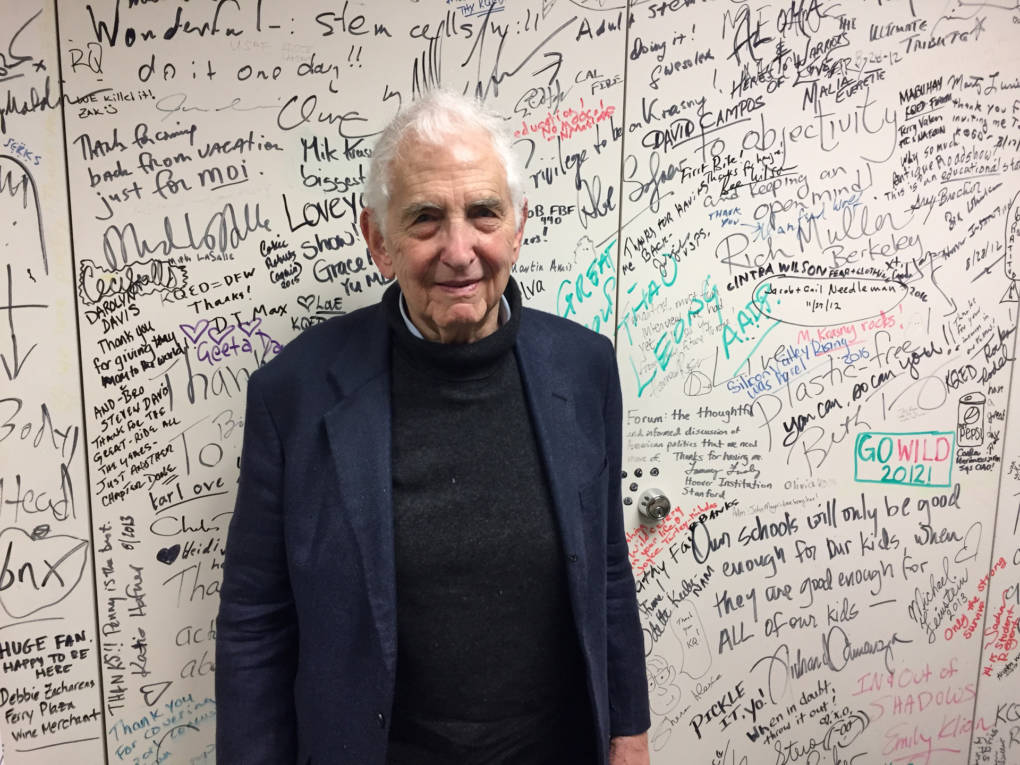
"caption": "Daniel Ellsberg is the author of \"The Doomsday Machine: Confessions of a Nuclear War Planner.\"",
"description": "Daniel Ellsberg is the author of \"The Doomsday Machine: Confessions of a Nuclear War Planner.\"",
"title": "RS28850_Image uploaded from iOS (29)-qut",
"credit": "Ryan Levi/KQED",
"status": "inherit",
"isLoading": false,
"fetchFailed": false
},
"news_11636122": {
"type": "attachments",
"id": "news_11636122",
"meta": {
"index": "attachments_1716263798",
"site": "news",
"id": "11636122",
"found": true
},
"parent": 11636121,
"imgSizes": {
"small": {
"file": "https://ww2.kqed.org/app/uploads/sites/10/2017/12/Calonico-520x390.jpg",
"width": 520,
"mimeType": "image/jpeg",
"height": 390
},
"twentyfourteen-full-width": {
"file": "https://ww2.kqed.org/app/uploads/sites/10/2017/12/Calonico-1038x576.jpg",
"width": 1038,
"mimeType": "image/jpeg",
"height": 576
},
"thumbnail": {
"file": "https://ww2.kqed.org/app/uploads/sites/10/2017/12/Calonico-160x120.jpg",
"width": 160,
"mimeType": "image/jpeg",
"height": 120
},
"fd-sm": {
"file": "https://ww2.kqed.org/app/uploads/sites/10/2017/12/Calonico-960x720.jpg",
"width": 960,
"mimeType": "image/jpeg",
"height": 720
},
"post-thumbnail": {
"file": "https://ww2.kqed.org/app/uploads/sites/10/2017/12/Calonico-672x372.jpg",
"width": 672,
"mimeType": "image/jpeg",
"height": 372
},
"xsmall": {
"file": "https://ww2.kqed.org/app/uploads/sites/10/2017/12/Calonico-375x281.jpg",
"width": 375,
"mimeType": "image/jpeg",
"height": 281
},
"kqedFullSize": {
"file": "https://ww2.kqed.org/app/uploads/sites/10/2017/12/Calonico.jpg",
"width": 2048,
"height": 1536
},
"large": {
"file": "https://ww2.kqed.org/app/uploads/sites/10/2017/12/Calonico-1020x765.jpg",
"width": 1020,
"mimeType": "image/jpeg",
"height": 765
},
"xlarge": {
"file": "https://ww2.kqed.org/app/uploads/sites/10/2017/12/Calonico-1180x885.jpg",
"width": 1180,
"mimeType": "image/jpeg",
"height": 885
},
"guest-author-50": {
"file": "https://ww2.kqed.org/app/uploads/sites/10/2017/12/Calonico-50x50.jpg",
"width": 50,
"mimeType": "image/jpeg",
"height": 50
},
"guest-author-96": {
"file": "https://ww2.kqed.org/app/uploads/sites/10/2017/12/Calonico-96x96.jpg",
"width": 96,
"mimeType": "image/jpeg",
"height": 96
},
"medium": {
"file": "https://ww2.kqed.org/app/uploads/sites/10/2017/12/Calonico-800x600.jpg",
"width": 800,
"mimeType": "image/jpeg",
"height": 600
},
"guest-author-64": {
"file": "https://ww2.kqed.org/app/uploads/sites/10/2017/12/Calonico-64x64.jpg",
"width": 64,
"mimeType": "image/jpeg",
"height": 64
},
"guest-author-32": {
"file": "https://ww2.kqed.org/app/uploads/sites/10/2017/12/Calonico-32x32.jpg",
"width": 32,
"mimeType": "image/jpeg",
"height": 32
},
"fd-lrg": {
"file": "https://ww2.kqed.org/app/uploads/sites/10/2017/12/Calonico-1920x1440.jpg",
"width": 1920,
"mimeType": "image/jpeg",
"height": 1440
},
"fd-med": {
"file": "https://ww2.kqed.org/app/uploads/sites/10/2017/12/Calonico-1180x885.jpg",
"width": 1180,
"mimeType": "image/jpeg",
"height": 885
},
"full-width": {
"file": "https://ww2.kqed.org/app/uploads/sites/10/2017/12/Calonico-1920x1440.jpg",
"width": 1920,
"mimeType": "image/jpeg",
"height": 1440
},
"detail": {
"file": "https://ww2.kqed.org/app/uploads/sites/10/2017/12/Calonico-150x150.jpg",
"width": 150,
"mimeType": "image/jpeg",
"height": 150
},
"guest-author-128": {
"file": "https://ww2.kqed.org/app/uploads/sites/10/2017/12/Calonico-128x128.jpg",
"width": 128,
"mimeType": "image/jpeg",
"height": 128
},
"xxsmall": {
"file": "https://ww2.kqed.org/app/uploads/sites/10/2017/12/Calonico-240x180.jpg",
"width": 240,
"mimeType": "image/jpeg",
"height": 180
}
},
"publishDate": 1512871214,
"modified": 1513034285,
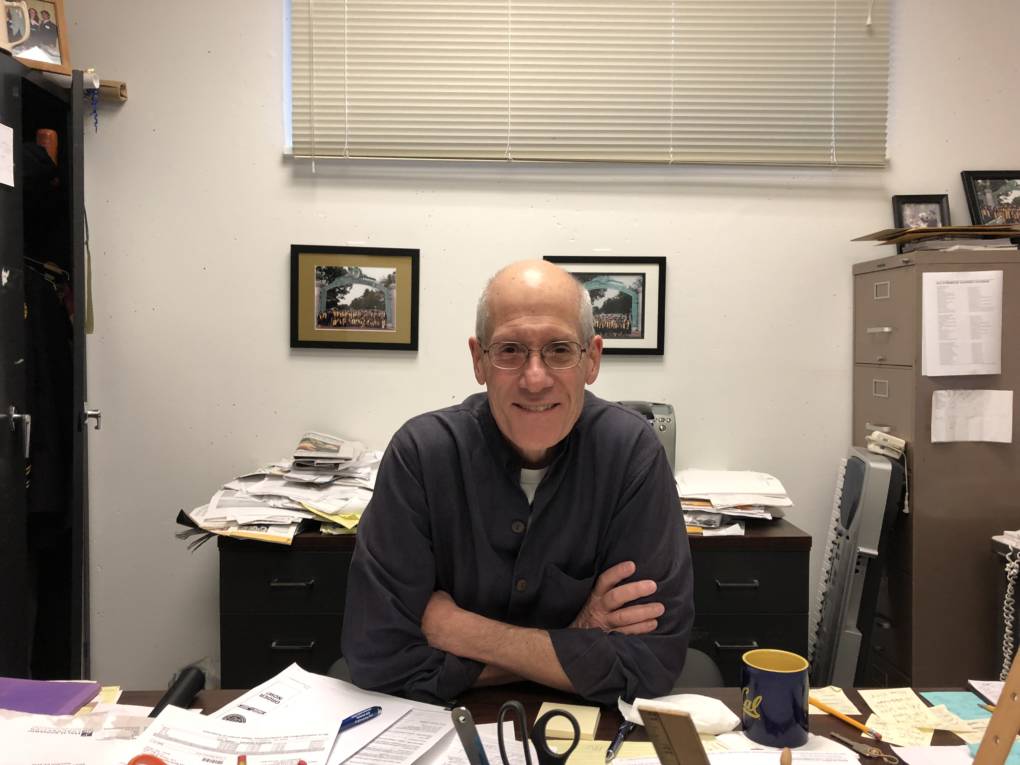
"caption": "Dr. Robert Calonico sits in his UC Berkeley office on Friday, Dec. 8, 2017.",
"description": null,
"title": "Calonico",
"credit": "Jeremy Siegel/KQED",
"status": "inherit",
"isLoading": false,
"fetchFailed": false
},
"news_11632899": {
"type": "attachments",
"id": "news_11632899",
"meta": {
"index": "attachments_1716263798",
"site": "news",
"id": "11632899",
"found": true
},
"parent": 11632896,
"imgSizes": {
"small": {
"file": "https://ww2.kqed.org/app/uploads/sites/10/2017/11/balcony-2-520x347.jpg",
"width": 520,
"mimeType": "image/jpeg",
"height": 347
},
"thumbnail": {
"file": "https://ww2.kqed.org/app/uploads/sites/10/2017/11/balcony-2-160x107.jpg",
"width": 160,
"mimeType": "image/jpeg",
"height": 107
},
"post-thumbnail": {
"file": "https://ww2.kqed.org/app/uploads/sites/10/2017/11/balcony-2-672x372.jpg",
"width": 672,
"mimeType": "image/jpeg",
"height": 372
},
"xsmall": {
"file": "https://ww2.kqed.org/app/uploads/sites/10/2017/11/balcony-2-375x250.jpg",
"width": 375,
"mimeType": "image/jpeg",
"height": 250
},
"kqedFullSize": {
"file": "https://ww2.kqed.org/app/uploads/sites/10/2017/11/balcony-2.jpg",
"width": 720,
"height": 480
},
"guest-author-50": {
"file": "https://ww2.kqed.org/app/uploads/sites/10/2017/11/balcony-2-50x50.jpg",
"width": 50,
"mimeType": "image/jpeg",
"height": 50
},
"guest-author-96": {
"file": "https://ww2.kqed.org/app/uploads/sites/10/2017/11/balcony-2-96x96.jpg",
"width": 96,
"mimeType": "image/jpeg",
"height": 96
},
"guest-author-64": {
"file": "https://ww2.kqed.org/app/uploads/sites/10/2017/11/balcony-2-64x64.jpg",
"width": 64,
"mimeType": "image/jpeg",
"height": 64
},
"detail": {
"file": "https://ww2.kqed.org/app/uploads/sites/10/2017/11/balcony-2-150x150.jpg",
"width": 150,
"mimeType": "image/jpeg",
"height": 150
},
"guest-author-32": {
"file": "https://ww2.kqed.org/app/uploads/sites/10/2017/11/balcony-2-32x32.jpg",
"width": 32,
"mimeType": "image/jpeg",
"height": 32
},
"guest-author-128": {
"file": "https://ww2.kqed.org/app/uploads/sites/10/2017/11/balcony-2-128x128.jpg",
"width": 128,
"mimeType": "image/jpeg",
"height": 128
},
"xxsmall": {
"file": "https://ww2.kqed.org/app/uploads/sites/10/2017/11/balcony-2-240x160.jpg",
"width": 240,
"mimeType": "image/jpeg",
"height": 160
}
},
"publishDate": 1511319132,
"modified": 1511319159,
"caption": "The balcony at 2020 Kittredge St. that collapsed on June 15, 2016, killing six and injuring seven. ",
"description": "The balcony at 2020 Kittredge St. that collapsed on June 15, 2016, killing six and injuring seven. ",
"title": "balcony 2",
"credit": "Emily Dugdale",
"status": "inherit",
"isLoading": false,
"fetchFailed": false
},
"news_11632252": {
"type": "attachments",
"id": "news_11632252",
"meta": {
"index": "attachments_1716263798",
"site": "news",
"id": "11632252",
"found": true
},
"parent": 11631625,
"imgSizes": {
"small": {
"file": "https://ww2.kqed.org/app/uploads/sites/10/2017/11/Typewriter-520x347.jpg",
"width": 520,
"mimeType": "image/jpeg",
"height": 347
},
"twentyfourteen-full-width": {
"file": "https://ww2.kqed.org/app/uploads/sites/10/2017/11/Typewriter-1038x576.jpg",
"width": 1038,
"mimeType": "image/jpeg",
"height": 576
},
"thumbnail": {
"file": "https://ww2.kqed.org/app/uploads/sites/10/2017/11/Typewriter-160x107.jpg",
"width": 160,
"mimeType": "image/jpeg",
"height": 107
},
"fd-sm": {
"file": "https://ww2.kqed.org/app/uploads/sites/10/2017/11/Typewriter-960x640.jpg",
"width": 960,
"mimeType": "image/jpeg",
"height": 640
},
"post-thumbnail": {
"file": "https://ww2.kqed.org/app/uploads/sites/10/2017/11/Typewriter-672x372.jpg",
"width": 672,
"mimeType": "image/jpeg",
"height": 372
},
"xsmall": {
"file": "https://ww2.kqed.org/app/uploads/sites/10/2017/11/Typewriter-375x250.jpg",
"width": 375,
"mimeType": "image/jpeg",
"height": 250
},
"kqedFullSize": {
"file": "https://ww2.kqed.org/app/uploads/sites/10/2017/11/Typewriter.jpg",
"width": 1920,
"height": 1280
},
"large": {
"file": "https://ww2.kqed.org/app/uploads/sites/10/2017/11/Typewriter-1020x680.jpg",
"width": 1020,
"mimeType": "image/jpeg",
"height": 680
},
"xlarge": {
"file": "https://ww2.kqed.org/app/uploads/sites/10/2017/11/Typewriter-1180x787.jpg",
"width": 1180,
"mimeType": "image/jpeg",
"height": 787
},
"guest-author-50": {
"file": "https://ww2.kqed.org/app/uploads/sites/10/2017/11/Typewriter-50x50.jpg",
"width": 50,
"mimeType": "image/jpeg",
"height": 50
},
"guest-author-96": {
"file": "https://ww2.kqed.org/app/uploads/sites/10/2017/11/Typewriter-96x96.jpg",
"width": 96,
"mimeType": "image/jpeg",
"height": 96
},
"medium": {
"file": "https://ww2.kqed.org/app/uploads/sites/10/2017/11/Typewriter-800x533.jpg",
"width": 800,
"mimeType": "image/jpeg",
"height": 533
},
"guest-author-64": {
"file": "https://ww2.kqed.org/app/uploads/sites/10/2017/11/Typewriter-64x64.jpg",
"width": 64,
"mimeType": "image/jpeg",
"height": 64
},
"guest-author-32": {
"file": "https://ww2.kqed.org/app/uploads/sites/10/2017/11/Typewriter-32x32.jpg",
"width": 32,
"mimeType": "image/jpeg",
"height": 32
},
"fd-lrg": {
"file": "https://ww2.kqed.org/app/uploads/sites/10/2017/11/Typewriter-1920x1280.jpg",
"width": 1920,
"mimeType": "image/jpeg",
"height": 1280
},
"fd-med": {
"file": "https://ww2.kqed.org/app/uploads/sites/10/2017/11/Typewriter-1180x787.jpg",
"width": 1180,
"mimeType": "image/jpeg",
"height": 787
},
"full-width": {
"file": "https://ww2.kqed.org/app/uploads/sites/10/2017/11/Typewriter-1920x1280.jpg",
"width": 1920,
"mimeType": "image/jpeg",
"height": 1280
},
"detail": {
"file": "https://ww2.kqed.org/app/uploads/sites/10/2017/11/Typewriter-150x150.jpg",
"width": 150,
"mimeType": "image/jpeg",
"height": 150
},
"guest-author-128": {
"file": "https://ww2.kqed.org/app/uploads/sites/10/2017/11/Typewriter-128x128.jpg",
"width": 128,
"mimeType": "image/jpeg",
"height": 128
},
"xxsmall": {
"file": "https://ww2.kqed.org/app/uploads/sites/10/2017/11/Typewriter-240x160.jpg",
"width": 240,
"mimeType": "image/jpeg",
"height": 160
}
},
"publishDate": 1511137119,
"modified": 1511218076,
"caption": "Dave Nichol's film \"California Typewriter\" is a celebration of typewriters and the people who love them.",
"description": "Dave Nichol's film \"California Typewriter\" is a celebration of typewriters and the people who love them.",
"title": "Typewriter",
"credit": "Still from 'California Typewriter,' Courtesy Doug Nichol",
"status": "inherit",
"isLoading": false,
"fetchFailed": false
},
"news_11626275": {
"type": "attachments",
"id": "news_11626275",
"meta": {
"index": "attachments_1716263798",
"site": "news",
"id": "11626275",
"found": true
},
"parent": 11626245,
"imgSizes": {
"small": {
"file": "https://ww2.kqed.org/app/uploads/sites/10/2017/10/RS27726_Hale_ProdStill_H_3-qut-520x371.jpg",
"width": 520,
"mimeType": "image/jpeg",
"height": 371
},
"twentyfourteen-full-width": {
"file": "https://ww2.kqed.org/app/uploads/sites/10/2017/10/RS27726_Hale_ProdStill_H_3-qut-1038x576.jpg",
"width": 1038,
"mimeType": "image/jpeg",
"height": 576
},
"thumbnail": {
"file": "https://ww2.kqed.org/app/uploads/sites/10/2017/10/RS27726_Hale_ProdStill_H_3-qut-160x114.jpg",
"width": 160,
"mimeType": "image/jpeg",
"height": 114
},
"fd-sm": {
"file": "https://ww2.kqed.org/app/uploads/sites/10/2017/10/RS27726_Hale_ProdStill_H_3-qut-960x686.jpg",
"width": 960,
"mimeType": "image/jpeg",
"height": 686
},
"post-thumbnail": {
"file": "https://ww2.kqed.org/app/uploads/sites/10/2017/10/RS27726_Hale_ProdStill_H_3-qut-672x372.jpg",
"width": 672,
"mimeType": "image/jpeg",
"height": 372
},
"xsmall": {
"file": "https://ww2.kqed.org/app/uploads/sites/10/2017/10/RS27726_Hale_ProdStill_H_3-qut-375x268.jpg",
"width": 375,
"mimeType": "image/jpeg",
"height": 268
},
"kqedFullSize": {
"file": "https://ww2.kqed.org/app/uploads/sites/10/2017/10/RS27726_Hale_ProdStill_H_3-qut.jpg",
"width": 1920,
"height": 1371
},
"large": {
"file": "https://ww2.kqed.org/app/uploads/sites/10/2017/10/RS27726_Hale_ProdStill_H_3-qut-1020x728.jpg",
"width": 1020,
"mimeType": "image/jpeg",
"height": 728
},
"xlarge": {
"file": "https://ww2.kqed.org/app/uploads/sites/10/2017/10/RS27726_Hale_ProdStill_H_3-qut-1180x843.jpg",
"width": 1180,
"mimeType": "image/jpeg",
"height": 843
},
"guest-author-50": {
"file": "https://ww2.kqed.org/app/uploads/sites/10/2017/10/RS27726_Hale_ProdStill_H_3-qut-50x50.jpg",
"width": 50,
"mimeType": "image/jpeg",
"height": 50
},
"guest-author-96": {
"file": "https://ww2.kqed.org/app/uploads/sites/10/2017/10/RS27726_Hale_ProdStill_H_3-qut-96x96.jpg",
"width": 96,
"mimeType": "image/jpeg",
"height": 96
},
"medium": {
"file": "https://ww2.kqed.org/app/uploads/sites/10/2017/10/RS27726_Hale_ProdStill_H_3-qut-800x571.jpg",
"width": 800,
"mimeType": "image/jpeg",
"height": 571
},
"guest-author-64": {
"file": "https://ww2.kqed.org/app/uploads/sites/10/2017/10/RS27726_Hale_ProdStill_H_3-qut-64x64.jpg",
"width": 64,
"mimeType": "image/jpeg",
"height": 64
},
"guest-author-32": {
"file": "https://ww2.kqed.org/app/uploads/sites/10/2017/10/RS27726_Hale_ProdStill_H_3-qut-32x32.jpg",
"width": 32,
"mimeType": "image/jpeg",
"height": 32
},
"fd-lrg": {
"file": "https://ww2.kqed.org/app/uploads/sites/10/2017/10/RS27726_Hale_ProdStill_H_3-qut-1920x1371.jpg",
"width": 1920,
"mimeType": "image/jpeg",
"height": 1371
},
"fd-med": {
"file": "https://ww2.kqed.org/app/uploads/sites/10/2017/10/RS27726_Hale_ProdStill_H_3-qut-1180x843.jpg",
"width": 1180,
"mimeType": "image/jpeg",
"height": 843
},
"full-width": {
"file": "https://ww2.kqed.org/app/uploads/sites/10/2017/10/RS27726_Hale_ProdStill_H_3-qut-1920x1371.jpg",
"width": 1920,
"mimeType": "image/jpeg",
"height": 1371
},
"detail": {
"file": "https://ww2.kqed.org/app/uploads/sites/10/2017/10/RS27726_Hale_ProdStill_H_3-qut-150x150.jpg",
"width": 150,
"mimeType": "image/jpeg",
"height": 150
},
"guest-author-128": {
"file": "https://ww2.kqed.org/app/uploads/sites/10/2017/10/RS27726_Hale_ProdStill_H_3-qut-128x128.jpg",
"width": 128,
"mimeType": "image/jpeg",
"height": 128
},
"xxsmall": {
"file": "https://ww2.kqed.org/app/uploads/sites/10/2017/10/RS27726_Hale_ProdStill_H_3-qut-240x171.jpg",
"width": 240,
"mimeType": "image/jpeg",
"height": 171
}
},
"publishDate": 1509051437,
"modified": 1509146869,
"caption": "Hale Zukas was a founder of the disability rights movement at UC Berkeley, and was involved in building a national civil rights movement for people with disabilities. ",
"description": "A lot of UC Berkeley students may have noticed Hale Zukas in his wheelchair, but they may not realize he's one of the country's early disability rights activists.",
"title": "RS27726_Hale_ProdStill_H_3-qut",
"credit": "Photo Courtesy of Brad Bailey",
"status": "inherit",
"isLoading": false,
"fetchFailed": false
},
"news_11625989": {
"type": "attachments",
"id": "news_11625989",
"meta": {
"index": "attachments_1716263798",
"site": "news",
"id": "11625989",
"found": true
},
"title": "IMG_2943",
"publishDate": 1508967483,
"status": "inherit",
"parent": 11625944,
"modified": 1509056856,
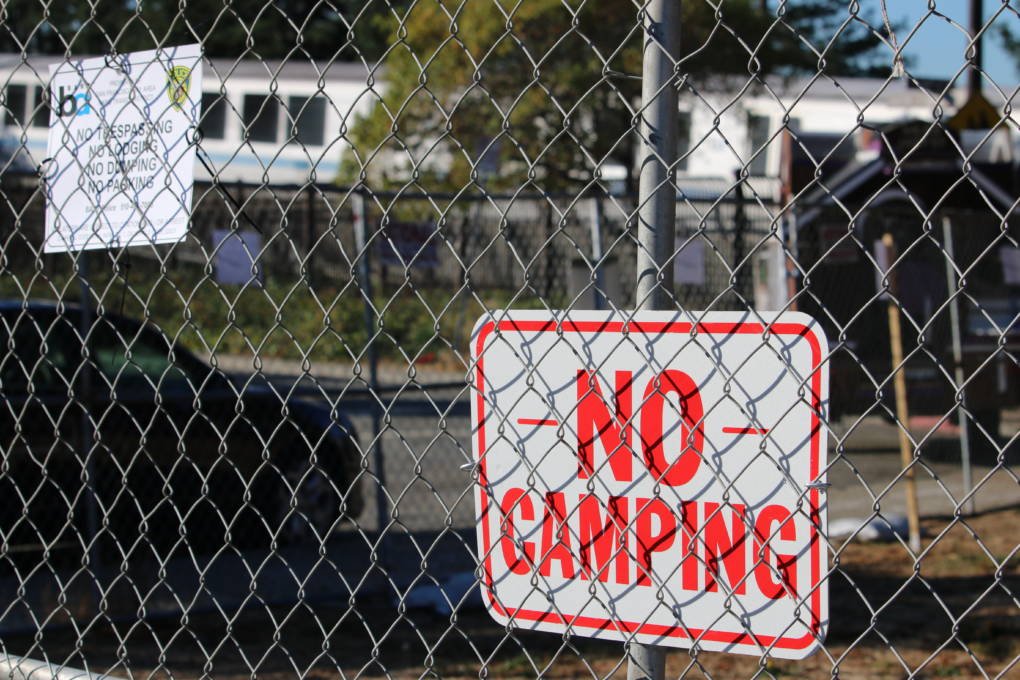
"caption": "BART cleared a homeless encampment and fenced off property in South Berkeley on Oct. 25, 2017.",
"credit": "Devin Katayama/KQED",
"altTag": null,
"description": null,
"imgSizes": {
"thumbnail": {
"file": "https://cdn.kqed.org/wp-content/uploads/sites/10/2017/10/IMG_2943-160x107.jpg",
"width": 160,
"height": 107,
"mimeType": "image/jpeg"
},
"medium": {
"file": "https://cdn.kqed.org/wp-content/uploads/sites/10/2017/10/IMG_2943-800x533.jpg",
"width": 800,
"height": 533,
"mimeType": "image/jpeg"
},
"large": {
"file": "https://cdn.kqed.org/wp-content/uploads/sites/10/2017/10/IMG_2943-1020x680.jpg",
"width": 1020,
"height": 680,
"mimeType": "image/jpeg"
},
"fd-lrg": {
"file": "https://cdn.kqed.org/wp-content/uploads/sites/10/2017/10/IMG_2943-1920x1280.jpg",
"width": 1920,
"height": 1280,
"mimeType": "image/jpeg"
},
"fd-med": {
"file": "https://cdn.kqed.org/wp-content/uploads/sites/10/2017/10/IMG_2943-1180x787.jpg",
"width": 1180,
"height": 787,
"mimeType": "image/jpeg"
},
"fd-sm": {
"file": "https://cdn.kqed.org/wp-content/uploads/sites/10/2017/10/IMG_2943-960x640.jpg",
"width": 960,
"height": 640,
"mimeType": "image/jpeg"
},
"post-thumbnail": {
"file": "https://cdn.kqed.org/wp-content/uploads/sites/10/2017/10/IMG_2943-672x372.jpg",
"width": 672,
"height": 372,
"mimeType": "image/jpeg"
},
"twentyfourteen-full-width": {
"file": "https://cdn.kqed.org/wp-content/uploads/sites/10/2017/10/IMG_2943-1038x576.jpg",
"width": 1038,
"height": 576,
"mimeType": "image/jpeg"
},
"xxsmall": {
"file": "https://cdn.kqed.org/wp-content/uploads/sites/10/2017/10/IMG_2943-240x160.jpg",
"width": 240,
"height": 160,
"mimeType": "image/jpeg"
},
"xsmall": {
"file": "https://cdn.kqed.org/wp-content/uploads/sites/10/2017/10/IMG_2943-375x250.jpg",
"width": 375,
"height": 250,
"mimeType": "image/jpeg"
},
"small": {
"file": "https://cdn.kqed.org/wp-content/uploads/sites/10/2017/10/IMG_2943-520x347.jpg",
"width": 520,
"height": 347,
"mimeType": "image/jpeg"
},
"xlarge": {
"file": "https://cdn.kqed.org/wp-content/uploads/sites/10/2017/10/IMG_2943-1180x787.jpg",
"width": 1180,
"height": 787,
"mimeType": "image/jpeg"
},
"full-width": {
"file": "https://cdn.kqed.org/wp-content/uploads/sites/10/2017/10/IMG_2943-1920x1280.jpg",
"width": 1920,
"height": 1280,
"mimeType": "image/jpeg"
},
"guest-author-32": {
"file": "https://cdn.kqed.org/wp-content/uploads/sites/10/2017/10/IMG_2943-32x32.jpg",
"width": 32,
"height": 32,
"mimeType": "image/jpeg"
},
"guest-author-50": {
"file": "https://cdn.kqed.org/wp-content/uploads/sites/10/2017/10/IMG_2943-50x50.jpg",
"width": 50,
"height": 50,
"mimeType": "image/jpeg"
},
"guest-author-64": {
"file": "https://cdn.kqed.org/wp-content/uploads/sites/10/2017/10/IMG_2943-64x64.jpg",
"width": 64,
"height": 64,
"mimeType": "image/jpeg"
},
"guest-author-96": {
"file": "https://cdn.kqed.org/wp-content/uploads/sites/10/2017/10/IMG_2943-96x96.jpg",
"width": 96,
"height": 96,
"mimeType": "image/jpeg"
},
"guest-author-128": {
"file": "https://cdn.kqed.org/wp-content/uploads/sites/10/2017/10/IMG_2943-128x128.jpg",
"width": 128,
"height": 128,
"mimeType": "image/jpeg"
},
"detail": {
"file": "https://cdn.kqed.org/wp-content/uploads/sites/10/2017/10/IMG_2943-150x150.jpg",
"width": 150,
"height": 150,
"mimeType": "image/jpeg"
},
"kqedFullSize": {
"file": "https://cdn.kqed.org/wp-content/uploads/sites/10/2017/10/IMG_2943-e1731527667984.jpg",
"width": 2000,
"height": 1333
}
},
"isLoading": false,
"fetchFailed": false
},
"news_11621765": {
"type": "attachments",
"id": "news_11621765",
"meta": {
"index": "attachments_1716263798",
"site": "news",
"id": "11621765",
"found": true
},
"parent": 11621763,
"imgSizes": {
"small": {
"file": "https://ww2.kqed.org/app/uploads/sites/10/2017/10/RS27211_IDP-2-qut-520x403.jpg",
"width": 520,
"mimeType": "image/jpeg",
"height": 403
},
"twentyfourteen-full-width": {
"file": "https://ww2.kqed.org/app/uploads/sites/10/2017/10/RS27211_IDP-2-qut-1038x576.jpg",
"width": 1038,
"mimeType": "image/jpeg",
"height": 576
},
"thumbnail": {
"file": "https://ww2.kqed.org/app/uploads/sites/10/2017/10/RS27211_IDP-2-qut-160x124.jpg",
"width": 160,
"mimeType": "image/jpeg",
"height": 124
},
"fd-sm": {
"file": "https://ww2.kqed.org/app/uploads/sites/10/2017/10/RS27211_IDP-2-qut-960x743.jpg",
"width": 960,
"mimeType": "image/jpeg",
"height": 743
},
"post-thumbnail": {
"file": "https://ww2.kqed.org/app/uploads/sites/10/2017/10/RS27211_IDP-2-qut-672x372.jpg",
"width": 672,
"mimeType": "image/jpeg",
"height": 372
},
"xsmall": {
"file": "https://ww2.kqed.org/app/uploads/sites/10/2017/10/RS27211_IDP-2-qut-375x290.jpg",
"width": 375,
"mimeType": "image/jpeg",
"height": 290
},
"kqedFullSize": {
"file": "https://ww2.kqed.org/app/uploads/sites/10/2017/10/RS27211_IDP-2-qut.jpg",
"width": 1152,
"height": 892
},
"large": {
"file": "https://ww2.kqed.org/app/uploads/sites/10/2017/10/RS27211_IDP-2-qut-1020x790.jpg",
"width": 1020,
"mimeType": "image/jpeg",
"height": 790
},
"guest-author-50": {
"file": "https://ww2.kqed.org/app/uploads/sites/10/2017/10/RS27211_IDP-2-qut-50x50.jpg",
"width": 50,
"mimeType": "image/jpeg",
"height": 50
},
"guest-author-96": {
"file": "https://ww2.kqed.org/app/uploads/sites/10/2017/10/RS27211_IDP-2-qut-96x96.jpg",
"width": 96,
"mimeType": "image/jpeg",
"height": 96
},
"medium": {
"file": "https://ww2.kqed.org/app/uploads/sites/10/2017/10/RS27211_IDP-2-qut-800x619.jpg",
"width": 800,
"mimeType": "image/jpeg",
"height": 619
},
"guest-author-64": {
"file": "https://ww2.kqed.org/app/uploads/sites/10/2017/10/RS27211_IDP-2-qut-64x64.jpg",
"width": 64,
"mimeType": "image/jpeg",
"height": 64
},
"guest-author-32": {
"file": "https://ww2.kqed.org/app/uploads/sites/10/2017/10/RS27211_IDP-2-qut-32x32.jpg",
"width": 32,
"mimeType": "image/jpeg",
"height": 32
},
"detail": {
"file": "https://ww2.kqed.org/app/uploads/sites/10/2017/10/RS27211_IDP-2-qut-150x150.jpg",
"width": 150,
"mimeType": "image/jpeg",
"height": 150
},
"guest-author-128": {
"file": "https://ww2.kqed.org/app/uploads/sites/10/2017/10/RS27211_IDP-2-qut-128x128.jpg",
"width": 128,
"mimeType": "image/jpeg",
"height": 128
},
"xxsmall": {
"file": "https://ww2.kqed.org/app/uploads/sites/10/2017/10/RS27211_IDP-2-qut-240x186.jpg",
"width": 240,
"mimeType": "image/jpeg",
"height": 186
}
},
"publishDate": 1507505148,
"modified": 1602273172,
"caption": "Festivities at Berkeley's Indigenous Peoples Day Pow Wow include traditional dancing.",
"description": null,
"title": "RS27211_IDP 2-qut",
"credit": "Christopher Burquez",
"status": "inherit",
"isLoading": false,
"fetchFailed": false
},
"news_11620121": {
"type": "attachments",
"id": "news_11620121",
"meta": {
"index": "attachments_1716263798",
"site": "news",
"id": "11620121",
"found": true
},
"parent": 11620061,
"imgSizes": {
"small": {
"file": "https://ww2.kqed.org/app/uploads/sites/10/2017/09/GettyImages-681991968-520x353.jpg",
"width": 520,
"mimeType": "image/jpeg",
"height": 353
},
"twentyfourteen-full-width": {
"file": "https://ww2.kqed.org/app/uploads/sites/10/2017/09/GettyImages-681991968-1038x576.jpg",
"width": 1038,
"mimeType": "image/jpeg",
"height": 576
},
"thumbnail": {
"file": "https://ww2.kqed.org/app/uploads/sites/10/2017/09/GettyImages-681991968-160x109.jpg",
"width": 160,
"mimeType": "image/jpeg",
"height": 109
},
"fd-sm": {
"file": "https://ww2.kqed.org/app/uploads/sites/10/2017/09/GettyImages-681991968-960x652.jpg",
"width": 960,
"mimeType": "image/jpeg",
"height": 652
},
"post-thumbnail": {
"file": "https://ww2.kqed.org/app/uploads/sites/10/2017/09/GettyImages-681991968-672x372.jpg",
"width": 672,
"mimeType": "image/jpeg",
"height": 372
},
"xsmall": {
"file": "https://ww2.kqed.org/app/uploads/sites/10/2017/09/GettyImages-681991968-375x255.jpg",
"width": 375,
"mimeType": "image/jpeg",
"height": 255
},
"kqedFullSize": {
"file": "https://ww2.kqed.org/app/uploads/sites/10/2017/09/GettyImages-681991968-e1520869635133.jpg",
"width": 1920,
"height": 1303
},
"large": {
"file": "https://ww2.kqed.org/app/uploads/sites/10/2017/09/GettyImages-681991968-1020x692.jpg",
"width": 1020,
"mimeType": "image/jpeg",
"height": 692
},
"xlarge": {
"file": "https://ww2.kqed.org/app/uploads/sites/10/2017/09/GettyImages-681991968-1180x801.jpg",
"width": 1180,
"mimeType": "image/jpeg",
"height": 801
},
"guest-author-50": {
"file": "https://ww2.kqed.org/app/uploads/sites/10/2017/09/GettyImages-681991968-50x50.jpg",
"width": 50,
"mimeType": "image/jpeg",
"height": 50
},
"guest-author-96": {
"file": "https://ww2.kqed.org/app/uploads/sites/10/2017/09/GettyImages-681991968-96x96.jpg",
"width": 96,
"mimeType": "image/jpeg",
"height": 96
},
"medium": {
"file": "https://ww2.kqed.org/app/uploads/sites/10/2017/09/GettyImages-681991968-800x543.jpg",
"width": 800,
"mimeType": "image/jpeg",
"height": 543
},
"guest-author-64": {
"file": "https://ww2.kqed.org/app/uploads/sites/10/2017/09/GettyImages-681991968-64x64.jpg",
"width": 64,
"mimeType": "image/jpeg",
"height": 64
},
"guest-author-32": {
"file": "https://ww2.kqed.org/app/uploads/sites/10/2017/09/GettyImages-681991968-32x32.jpg",
"width": 32,
"mimeType": "image/jpeg",
"height": 32
},
"fd-lrg": {
"file": "https://ww2.kqed.org/app/uploads/sites/10/2017/09/GettyImages-681991968-1920x1303.jpg",
"width": 1920,
"mimeType": "image/jpeg",
"height": 1303
},
"fd-med": {
"file": "https://ww2.kqed.org/app/uploads/sites/10/2017/09/GettyImages-681991968-1180x801.jpg",
"width": 1180,
"mimeType": "image/jpeg",
"height": 801
},
"full-width": {
"file": "https://ww2.kqed.org/app/uploads/sites/10/2017/09/GettyImages-681991968-1920x1303.jpg",
"width": 1920,
"mimeType": "image/jpeg",
"height": 1303
},
"detail": {
"file": "https://ww2.kqed.org/app/uploads/sites/10/2017/09/GettyImages-681991968-150x150.jpg",
"width": 150,
"mimeType": "image/jpeg",
"height": 150
},
"guest-author-128": {
"file": "https://ww2.kqed.org/app/uploads/sites/10/2017/09/GettyImages-681991968-128x128.jpg",
"width": 128,
"mimeType": "image/jpeg",
"height": 128
},
"xxsmall": {
"file": "https://ww2.kqed.org/app/uploads/sites/10/2017/09/GettyImages-681991968-240x163.jpg",
"width": 240,
"mimeType": "image/jpeg",
"height": 163
}
},
"publishDate": 1506726034,
"modified": 1520889728,
"caption": "California Gov. Jerry Brown speaks to reporters during a news conference where he revealed his revised California state budget on May 11, 2017, in Sacramento.",
"description": null,
"title": "Gov. Jerry Brown Reveals Revised California State Budget",
"credit": "Justin Sullivan/Getty Images",
"status": "inherit",
"isLoading": false,
"fetchFailed": false
}
},
"audioPlayerReducer": {
"postId": "stream_live",
"isPaused": true,
"isPlaying": false,
"pfsActive": false,
"pledgeModalIsOpen": true,
"playerDrawerIsOpen": false,
"liveAudioPlayStartedAt": 0,
"liveAudioPlayContext": ""
},
"authorsReducer": {
"byline_news_11632896": {
"type": "authors",
"id": "byline_news_11632896",
"meta": {
"override": true
},
"slug": "byline_news_11632896",
"name": "\u003cstrong/>Frances Dinkelspiel\u003c/strong>",
"isLoading": false
},
"byline_news_11620061": {
"type": "authors",
"id": "byline_news_11620061",
"meta": {
"override": true
},
"slug": "byline_news_11620061",
"name": "\u003cstrong>\u003ca href=\"https://calmatters.org/articles/author/ben-christopher/\">Ben Christopher\u003c/a>\u003c/strong>",
"isLoading": false
},
"gmarzorati": {
"type": "authors",
"id": "227",
"meta": {
"index": "authors_1716337520",
"id": "227",
"found": true
},
"name": "Guy Marzorati",
"firstName": "Guy",
"lastName": "Marzorati",
"slug": "gmarzorati",
"email": "gmarzorati@KQED.org",
"display_author_email": true,
"staff_mastheads": [
"news"
],
"title": "Correspondent",
"bio": "Guy Marzorati is a correspondent on KQED's California Politics and Government Desk, based in San Jose. A graduate of Santa Clara University, Guy joined KQED in 2013. He reports on state and local politics and produces KQED's digital voter guide.",
"avatar": "https://secure.gravatar.com/avatar/e7038b8dbfd55b104369b76b1cd0b9de?s=600&d=blank&r=g",
"twitter": "guymarzorati",
"facebook": null,
"instagram": null,
"linkedin": null,
"sites": [
{
"site": "",
"roles": [
"editor"
]
},
{
"site": "news",
"roles": [
"editor"
]
},
{
"site": "science",
"roles": [
"editor"
]
},
{
"site": "forum",
"roles": [
"editor"
]
},
{
"site": "elections",
"roles": [
"editor"
]
},
{
"site": "liveblog",
"roles": [
"editor"
]
}
],
"headData": {
"title": "Guy Marzorati | KQED",
"description": "Correspondent",
"ogImgSrc": "https://secure.gravatar.com/avatar/e7038b8dbfd55b104369b76b1cd0b9de?s=600&d=blank&r=g",
"twImgSrc": "https://secure.gravatar.com/avatar/e7038b8dbfd55b104369b76b1cd0b9de?s=600&d=blank&r=g"
},
"isLoading": false,
"link": "/author/gmarzorati"
},
"kqed": {
"type": "authors",
"id": "236",
"meta": {
"index": "authors_1716337520",
"id": "236",
"found": true
},
"name": "KQED News Staff",
"firstName": "KQED News Staff",
"lastName": null,
"slug": "kqed",
"email": "faq@kqed.org",
"display_author_email": false,
"staff_mastheads": [],
"title": null,
"bio": null,
"avatar": "https://secure.gravatar.com/avatar/ef0e801a68c4c54afa9180db14084167?s=600&d=blank&r=g",
"twitter": null,
"facebook": null,
"instagram": null,
"linkedin": null,
"sites": [
{
"site": "arts",
"roles": [
"contributor"
]
},
{
"site": "news",
"roles": [
"editor"
]
},
{
"site": "futureofyou",
"roles": [
"author"
]
}
],
"headData": {
"title": "KQED News Staff | KQED",
"description": null,
"ogImgSrc": "https://secure.gravatar.com/avatar/ef0e801a68c4c54afa9180db14084167?s=600&d=blank&r=g",
"twImgSrc": "https://secure.gravatar.com/avatar/ef0e801a68c4c54afa9180db14084167?s=600&d=blank&r=g"
},
"isLoading": false,
"link": "/author/kqed"
},
"sasha-khokha": {
"type": "authors",
"id": "254",
"meta": {
"index": "authors_1716337520",
"id": "254",
"found": true
},
"name": "Sasha Khokha",
"firstName": "Sasha",
"lastName": "Khokha",
"slug": "sasha-khokha",
"email": "skhokha@kqed.org",
"display_author_email": true,
"staff_mastheads": [
"news"
],
"title": "Host, The California Report Magazine",
"bio": "Sasha Khokha is the host of \u003cem>The California Report's \u003c/em> weekly magazine program, which takes listeners on sound-rich excursions to meet the people that make the Golden State unique -- through audio documentaries and long-form stories. As \u003cem>The California Report's\u003c/em> Central Valley Bureau Chief based in Fresno for nearly a dozen years, Sasha brought the lives and concerns of rural Californians to listeners around the state. Her reporting helped expose the hidden price immigrant women janitors and farmworkers may pay to keep their jobs: sexual assault at work. It inspired two new California laws to protect them from sexual harassment. She was a key member of the reporting team for the Frontline film \u003cem>Rape on the Night Shift, \u003c/em>which was nominated for two national Emmys. Sasha has also won a national Edward R. Murrow and a national PRNDI award for investigative reporting, as well as multiple prizes from the Society for Professional Journalists. Sasha is a proud alum of the UC Berkeley Graduate School of Journalism and Brown University and a member of the South Asian Journalists Association.",
"avatar": "https://secure.gravatar.com/avatar/e4b5e1541aaeea2aa356aa1fb2a68950?s=600&d=blank&r=g",
"twitter": "KQEDSashaKhokha",
"facebook": null,
"instagram": null,
"linkedin": null,
"sites": [
{
"site": "news",
"roles": [
"editor"
]
},
{
"site": "stateofhealth",
"roles": [
"author"
]
},
{
"site": "science",
"roles": [
"author"
]
},
{
"site": "quest",
"roles": [
"subscriber"
]
}
],
"headData": {
"title": "Sasha Khokha | KQED",
"description": "Host, The California Report Magazine",
"ogImgSrc": "https://secure.gravatar.com/avatar/e4b5e1541aaeea2aa356aa1fb2a68950?s=600&d=blank&r=g",
"twImgSrc": "https://secure.gravatar.com/avatar/e4b5e1541aaeea2aa356aa1fb2a68950?s=600&d=blank&r=g"
},
"isLoading": false,
"link": "/author/sasha-khokha"
},
"tcamhi": {
"type": "authors",
"id": "3251",
"meta": {
"index": "authors_1716337520",
"id": "3251",
"found": true
},
"name": "Tiffany Camhi",
"firstName": "Tiffany",
"lastName": "Camhi",
"slug": "tcamhi",
"email": "tiffanycamhi@gmail.com",
"display_author_email": false,
"staff_mastheads": [],
"title": "KQED Contributor",
"bio": null,
"avatar": "https://secure.gravatar.com/avatar/f8204ce351139205d3b3dc1581016a5e30d7d8b38cb2c139348c151ec14b792e?s=600&d=blank&r=g",
"twitter": null,
"bluesky": null,
"facebook": null,
"instagram": null,
"linkedin": null,
"sites": [
{
"site": "arts",
"roles": [
"subscriber"
]
},
{
"site": "news",
"roles": [
"subscriber"
]
}
],
"headData": {
"title": "Tiffany Camhi | KQED",
"description": "KQED Contributor",
"ogImgSrc": "https://secure.gravatar.com/avatar/f8204ce351139205d3b3dc1581016a5e30d7d8b38cb2c139348c151ec14b792e?s=600&d=blank&r=g",
"twImgSrc": "https://secure.gravatar.com/avatar/f8204ce351139205d3b3dc1581016a5e30d7d8b38cb2c139348c151ec14b792e?s=600&d=blank&r=g"
},
"isLoading": false,
"link": "/author/tcamhi"
},
"dkatayama": {
"type": "authors",
"id": "7240",
"meta": {
"index": "authors_1716337520",
"id": "7240",
"found": true
},
"name": "Devin Katayama",
"firstName": "Devin",
"lastName": "Katayama",
"slug": "dkatayama",
"email": "dkatayama@kqed.org",
"display_author_email": true,
"staff_mastheads": [
"news"
],
"title": "Editor of Talent and Development",
"bio": "Devin Katayama is former Editor of Talent and Development for KQED. He supported our internship program and on-call staff by looking for equitable opportunities to improve the newsroom.\r\n\r\nHe previously hosted The Bay and American Suburb podcasts from KQED News. Prior to returning to the Bay Area in 2015, Devin was the education reporter for WFPL in Louisville and worked as a producer with radio stations in Chicago and Portland, OR. His work has appeared on NPR’s \u003cem>Morning Edition, All Things Considered, The Takeaway\u003c/em> and \u003cem>Here and Now.\u003c/em>\r\n\r\nDevin earned his MA in Journalism from Columbia College Chicago, where he was a Follett Fellow and the recipient of the 2011 Studs Terkel Community Media Workshop Scholarship for his story on Chicago's homeless youth. He won WBUR's 2014 Daniel Schorr award and a regional RTNDA Edward R. Murrow Award for his documentary \"At Risk\" that looked at issues facing some of Louisville's students. Devin has also received numerous local awards from the Associated Press and the Society of Professional Journalists.",
"avatar": "https://secure.gravatar.com/avatar/d0d2978a31002fb2de107921a8e18405?s=600&d=blank&r=g",
"twitter": "RadioDevin",
"facebook": null,
"instagram": null,
"linkedin": null,
"sites": [
{
"site": "arts",
"roles": []
},
{
"site": "news",
"roles": [
"author"
]
},
{
"site": "stateofhealth",
"roles": [
"author"
]
},
{
"site": "forum",
"roles": [
"editor"
]
},
{
"site": "perspectives",
"roles": [
"editor"
]
}
],
"headData": {
"title": "Devin Katayama | KQED",
"description": "Editor of Talent and Development",
"ogImgSrc": "https://secure.gravatar.com/avatar/d0d2978a31002fb2de107921a8e18405?s=600&d=blank&r=g",
"twImgSrc": "https://secure.gravatar.com/avatar/d0d2978a31002fb2de107921a8e18405?s=600&d=blank&r=g"
},
"isLoading": false,
"link": "/author/dkatayama"
},
"jeremysiegel": {
"type": "authors",
"id": "11258",
"meta": {
"index": "authors_1716337520",
"id": "11258",
"found": true
},
"name": "Jeremy Siegel",
"firstName": "Jeremy",
"lastName": "Siegel",
"slug": "jeremysiegel",
"email": "jsiegel@kqed.org",
"display_author_email": false,
"staff_mastheads": [],
"title": "KQED Contributor",
"bio": "Jeremy Siegel is is the weekend afternoon news anchor for KQED. His reporting can be heard on KQED News, Morning Edition, All Things Considered and The California Report. Jeremy's coverage of the Camp Fire in Butte County won the 2019 Society of Professional Journalists, Northern California Chapter, Excellence in Journalism Award for Breaking News. Jeremy grew up in Cincinnati, Ohio, and graduated from UC Berkeley.",
"avatar": "https://secure.gravatar.com/avatar/3921a64ceb9ed5d0ba47d9ae9782f1ab?s=600&d=blank&r=g",
"twitter": "jersiegel",
"facebook": null,
"instagram": null,
"linkedin": null,
"sites": [
{
"site": "arts",
"roles": []
},
{
"site": "news",
"roles": [
"subscriber"
]
},
{
"site": "science",
"roles": []
}
],
"headData": {
"title": "Jeremy Siegel | KQED",
"description": "KQED Contributor",
"ogImgSrc": "https://secure.gravatar.com/avatar/3921a64ceb9ed5d0ba47d9ae9782f1ab?s=600&d=blank&r=g",
"twImgSrc": "https://secure.gravatar.com/avatar/3921a64ceb9ed5d0ba47d9ae9782f1ab?s=600&d=blank&r=g"
},
"isLoading": false,
"link": "/author/jeremysiegel"
},
"rlevi": {
"type": "authors",
"id": "11260",
"meta": {
"index": "authors_1716337520",
"id": "11260",
"found": true
},
"name": "Ryan Levi",
"firstName": "Ryan",
"lastName": "Levi",
"slug": "rlevi",
"email": "rlevi@KQED.org",
"display_author_email": false,
"staff_mastheads": [],
"title": "KQED Contributor",
"bio": "Ryan Levi was a reporter and podcast producer at KQED News from 2016-2019. He worked on \u003ca href=\"https://www.kqed.org/news/series/baycurious\">Bay Curious\u003c/a>, \u003ca href=\"https://www.kqed.org/news/tag/the-bay/\">The Bay, \u003c/a>and \u003ca href=\"https://podcasts.apple.com/us/podcast/the-california-report-magazine/id1314750545\">The California Report Magazine\u003c/a>, as well as hosting and producing the weekly \u003ca href=\"https://www.kqed.org/news/program/qedup/\">Q'ed Up podcast. \u003c/a>He also helped inaugurate KQED's weekend news coverage in 2017 as one of two original digital producers. Ryan holds degrees in multimedia journalism and Spanish from the University of Missouri.",
"avatar": "https://secure.gravatar.com/avatar/4cb2ddd028ac8807d1adf09609c5555d?s=600&d=blank&r=g",
"twitter": "ryan_levi",
"facebook": null,
"instagram": null,
"linkedin": null,
"sites": [
{
"site": "arts",
"roles": [
"editor"
]
},
{
"site": "news",
"roles": [
"subscriber"
]
},
{
"site": "stateofhealth",
"roles": [
"editor"
]
},
{
"site": "science",
"roles": [
"editor"
]
},
{
"site": "forum",
"roles": [
"administrator"
]
},
{
"site": "perspectives",
"roles": [
"administrator"
]
}
],
"headData": {
"title": "Ryan Levi | KQED",
"description": "KQED Contributor",
"ogImgSrc": "https://secure.gravatar.com/avatar/4cb2ddd028ac8807d1adf09609c5555d?s=600&d=blank&r=g",
"twImgSrc": "https://secure.gravatar.com/avatar/4cb2ddd028ac8807d1adf09609c5555d?s=600&d=blank&r=g"
},
"isLoading": false,
"link": "/author/rlevi"
},
"btaylor": {
"type": "authors",
"id": "11365",
"meta": {
"index": "authors_1716337520",
"id": "11365",
"found": true
},
"name": "Bianca Taylor",
"firstName": "Bianca",
"lastName": "Taylor",
"slug": "btaylor",
"email": "btaylor@KQED.org",
"display_author_email": false,
"staff_mastheads": [
"news"
],
"title": "Host and Producer ",
"bio": "Bianca Taylor is a news producer and host of KQED's The Latest podcast.\r\n\r\nHer work with KQED has been honored by the Society of Professional Journalists NorCal, the Webby's, the Regional Murrow Awards, and ONA. She has also worked with NPR, the BBC World Service, and the Washington Post Creative Group.\r\n\r\nBianca is represented by SAG-AFTRA.",
"avatar": "https://secure.gravatar.com/avatar/6b9d3f6552dd10470c5d1c2e58cfe717?s=600&d=blank&r=g",
"twitter": "SoundsLkeBianca",
"facebook": null,
"instagram": null,
"linkedin": null,
"sites": [
{
"site": "arts",
"roles": [
"editor"
]
},
{
"site": "news",
"roles": [
"edit_others_posts",
"editor"
]
},
{
"site": "pop",
"roles": [
"editor"
]
},
{
"site": "bayareabites",
"roles": [
"author"
]
},
{
"site": "science",
"roles": [
"editor"
]
},
{
"site": "forum",
"roles": [
"editor"
]
},
{
"site": "radio",
"roles": [
"editor"
]
},
{
"site": "podcasts",
"roles": [
"editor"
]
}
],
"headData": {
"title": "Bianca Taylor | KQED",
"description": "Host and Producer ",
"ogImgSrc": "https://secure.gravatar.com/avatar/6b9d3f6552dd10470c5d1c2e58cfe717?s=600&d=blank&r=g",
"twImgSrc": "https://secure.gravatar.com/avatar/6b9d3f6552dd10470c5d1c2e58cfe717?s=600&d=blank&r=g"
},
"isLoading": false,
"link": "/author/btaylor"
}
},
"pagesReducer": {
"news_tag_berkeley": {
"type": "terms",
"id": "news_129",
"meta": {
"index": "terms_1716263798",
"site": "news",
"id": "129",
"score": 6.9285283
},
"featImg": null,
"name": "Berkeley",
"description": null,
"taxonomy": "tag",
"headData": {
"twImgId": null,
"twTitle": null,
"ogTitle": null,
"ogImgId": null,
"twDescription": null,
"description": null,
"title": "Berkeley Archives | KQED News",
"ogDescription": null
},
"ttid": 133,
"slug": "berkeley",
"isLoading": false,
"title": "Berkeley",
"pageMeta": {
"site": "news",
"WpPageTemplate": "page-topic-editorial",
"currentPage": 18
},
"blocks": [
{
"blockName": "kqed/post-list",
"attrs": {
"layout": "cardArticle2",
"query": "posts/news?tag=berkeley",
"seeMore": false,
"paginated": true,
"page": 18
}
},
{
"blockName": "kqed/ad"
}
]
}
},
"pfsSessionReducer": {},
"postsReducer": {
"stream_live": {
"type": "live",
"id": "stream_live",
"audioUrl": "https://streams.kqed.org/kqedradio",
"title": "Live Stream",
"excerpt": "Live Stream information currently unavailable.",
"link": "/radio",
"featImg": "",
"label": {
"name": "KQED Live",
"link": "/"
}
},
"stream_kqedNewscast": {
"type": "posts",
"id": "stream_kqedNewscast",
"audioUrl": "https://www.kqed.org/.stream/anon/radio/RDnews/newscast.mp3?_=1",
"title": "KQED Newscast",
"featImg": "",
"label": {
"name": "88.5 FM",
"link": "/"
}
},
"news_11650625": {
"type": "posts",
"id": "news_11650625",
"meta": {
"index": "posts_1716263798",
"site": "news",
"id": "11650625",
"score": null,
"sort": [
1518832522000
]
},
"parent": 0,
"labelTerm": {
"site": "news",
"term": 7052
},
"blocks": [],
"publishDate": 1518832522,
"format": "video",
"disqusTitle": "School Safety, Cannabis Sanctuary, Mayor Tom Butt, Betty Reid Soskin",
"title": "School Safety, Cannabis Sanctuary, Mayor Tom Butt, Betty Reid Soskin",
"headTitle": "KQED Newsroom | KQED News",
"content": "\u003cp>\u003cb>School Safety \u003c/b>\u003cbr>\n\u003cspan style=\"font-weight: 400\">The horrific school shooting in Parkland, Florida, earlier this week is reverberating throughout the nation. While Congress remains unable to restrict high-powered assault rifles that have been used in recent mass shootings, the tragedy in Florida is prompting educators in California to examine how best to keep students safe. \u003c/span>\u003c/p>\n\u003cp>\u003cspan style=\"font-weight: 400\">Guest: Jill Tucker, Education Writer, \u003c/span>\u003ci>\u003cspan style=\"font-weight: 400\">San Francisco Chronicle\u003c/span>\u003c/i>\u003c/p>\n\u003cp>\u003cb>A Sanctuary City for Cannabis \u003c/b>\u003cbr>\n\u003cspan style=\"font-weight: 400\">On Tuesday, the Berkeley City Council voted unanimously to designate itself \u003ca href=\"https://www.jessearreguin.com/press-releases/2018/2/14/city-of-berkeley-becomes-first-in-the-us-to-grant-sanctuary-to-cannabis-users-businesses-and-landlords\" target=\"_blank\" rel=\"noopener\">a sanctuary city for recreational cannabis\u003c/a>. Mayor Jesse Arreguin said the move was in response to threats of a crackdown by Attorney General Jeff Sessions against states that have legalized marijuana. Across the bay, San Francisco is hoping a new equity permit program will help redress the impact of the war on drugs against communities of color by easing their entry into the lucrative cannabis industry.\u003c/span>\u003c/p>\n\u003cp>\u003cspan style=\"font-weight: 400\">Guest: David Downs, Cannabis Editor, \u003c/span>\u003ci>\u003cspan style=\"font-weight: 400\">San Francisco Chronicle\u003c/span>\u003c/i>\u003c/p>\n\u003cp>\u003cb>Richmond Mayor Tom Butt\u003c/b>\u003cbr>\n\u003cspan style=\"font-weight: 400\">Tom Butt has been mayor of Richmond since 2014. The East Bay city boasts 32 miles of waterfront along San Francisco Bay and is home to a Chevron refinery employing 1,200 people. Last month, Richmond joined other California cities and counties in suing oil producers, including Chevron, for actions they allege harm the environment and public health. Mayor Butt, who is running for re-election this year, is also trying to combat homicides in the city and attract economic investment to Richmond. \u003c/span>\u003c/p>\n\u003cp>[ad fullwidth]\u003c/p>\n\u003cp>\u003cspan style=\"font-weight: 400\">Guest: Mayor Tom Butt, City of Richmond\u003c/span>\u003c/p>\n\u003cp>\u003cb>Betty Reid Soskin on “Sign My Name to Freedom” \u003c/b>\u003cbr>\n\u003cspan style=\"font-weight: 400\">Betty Reid Soskin has seen a lot in her 96 years. During World War II, Soskin worked as a file clerk helping African-American workers. She was active in the civil rights struggle and founded a record store in Berkeley that still stands today. Currently she’s the oldest full-time national park ranger and works at the Rosie the Riveter World War II Home Front National Historical Park in Richmond, where she helps visitors understand the contributions of women and African-Americans to the war effort. Her new book, \u003c/span>\u003ci>\u003cspan style=\"font-weight: 400\">\u003ca href=\"https://www.hayhouse.com/sign-my-name-to-freedom-ebook\" target=\"_blank\" rel=\"noopener\">Sign My Name to Freedom\u003c/a>,\u003c/span>\u003c/i>\u003cspan style=\"font-weight: 400\"> chronicles her remarkable life. \u003c/span>\u003c/p>\n\u003cp>\u003c/p>\n\u003cp>\u003cspan style=\"font-weight: 400\">Guest: Betty Reid Soskin, Author, \u003c/span>\u003ci>\u003cspan style=\"font-weight: 400\">Sign My Name to Freedom \u003c/span>\u003c/i>\u003c/p>\n\n",
"disqusIdentifier": "11650625 https://ww2.kqed.org/news/?p=11650625",
"disqusUrl": "https://ww2.kqed.org/news/2018/02/16/school-safety-cannabis-sanctuary-mayor-tom-butt-betty-reid-soskin/",
"stats": {
"hasVideo": false,
"hasChartOrMap": false,
"hasAudio": false,
"hasPolis": false,
"wordCount": 367,
"hasGoogleForm": false,
"hasGallery": false,
"hasHearkenModule": false,
"iframeSrcs": [],
"paragraphCount": 10
},
"modified": 1518832672,
"excerpt": "Keeping students safe, Berkeley becomes a sanctuary city for pot, Richmond Mayor Tom Butt and a 96-year-old park ranger's remarkable life.\r\n",
"headData": {
"twImgId": "",
"twTitle": "",
"ogTitle": "",
"ogImgId": "",
"twDescription": "",
"description": "Keeping students safe, Berkeley becomes a sanctuary city for pot, Richmond Mayor Tom Butt and a 96-year-old park ranger's remarkable life.\r\n",
"title": "School Safety, Cannabis Sanctuary, Mayor Tom Butt, Betty Reid Soskin | KQED",
"ogDescription": "",
"schema": {
"@context": "https://schema.org",
"@type": "NewsArticle",
"headline": "School Safety, Cannabis Sanctuary, Mayor Tom Butt, Betty Reid Soskin",
"datePublished": "2018-02-16T17:55:22-08:00",
"dateModified": "2018-02-16T17:57:52-08:00",
"image": "https://cdn.kqed.org/wp-content/uploads/2020/02/KQED-OG-Image@1x.png",
"isAccessibleForFree": "True",
"publisher": {
"@type": "NewsMediaOrganization",
"@id": "https://www.kqed.org/#organization",
"name": "KQED",
"logo": "https://cdn.kqed.org/wp-content/uploads/2020/02/KQED-OG-Image@1x.png",
"url": "https://www.kqed.org",
"sameAs": [
"https://www.facebook.com/KQED",
"https://twitter.com/KQED",
"https://www.instagram.com/kqed/",
"https://www.tiktok.com/@kqedofficial",
"https://www.linkedin.com/company/kqed",
"https://www.youtube.com/channel/UCeC0IOo7i1P_61zVUWbJ4nw"
]
}
}
},
"guestAuthors": [],
"slug": "school-safety-cannabis-sanctuary-mayor-tom-butt-betty-reid-soskin",
"status": "publish",
"videoEmbed": "https://youtu.be/gGrk6_ZPmvU",
"path": "/news/11650625/school-safety-cannabis-sanctuary-mayor-tom-butt-betty-reid-soskin",
"audioTrackLength": null,
"parsedContent": [
{
"type": "contentString",
"content": "\u003cdiv class=\"post-body\">\u003cp>\u003cp>\u003cb>School Safety \u003c/b>\u003cbr>\n\u003cspan style=\"font-weight: 400\">The horrific school shooting in Parkland, Florida, earlier this week is reverberating throughout the nation. While Congress remains unable to restrict high-powered assault rifles that have been used in recent mass shootings, the tragedy in Florida is prompting educators in California to examine how best to keep students safe. \u003c/span>\u003c/p>\n\u003cp>\u003cspan style=\"font-weight: 400\">Guest: Jill Tucker, Education Writer, \u003c/span>\u003ci>\u003cspan style=\"font-weight: 400\">San Francisco Chronicle\u003c/span>\u003c/i>\u003c/p>\n\u003cp>\u003cb>A Sanctuary City for Cannabis \u003c/b>\u003cbr>\n\u003cspan style=\"font-weight: 400\">On Tuesday, the Berkeley City Council voted unanimously to designate itself \u003ca href=\"https://www.jessearreguin.com/press-releases/2018/2/14/city-of-berkeley-becomes-first-in-the-us-to-grant-sanctuary-to-cannabis-users-businesses-and-landlords\" target=\"_blank\" rel=\"noopener\">a sanctuary city for recreational cannabis\u003c/a>. Mayor Jesse Arreguin said the move was in response to threats of a crackdown by Attorney General Jeff Sessions against states that have legalized marijuana. Across the bay, San Francisco is hoping a new equity permit program will help redress the impact of the war on drugs against communities of color by easing their entry into the lucrative cannabis industry.\u003c/span>\u003c/p>\n\u003cp>\u003cspan style=\"font-weight: 400\">Guest: David Downs, Cannabis Editor, \u003c/span>\u003ci>\u003cspan style=\"font-weight: 400\">San Francisco Chronicle\u003c/span>\u003c/i>\u003c/p>\n\u003cp>\u003cb>Richmond Mayor Tom Butt\u003c/b>\u003cbr>\n\u003cspan style=\"font-weight: 400\">Tom Butt has been mayor of Richmond since 2014. The East Bay city boasts 32 miles of waterfront along San Francisco Bay and is home to a Chevron refinery employing 1,200 people. Last month, Richmond joined other California cities and counties in suing oil producers, including Chevron, for actions they allege harm the environment and public health. Mayor Butt, who is running for re-election this year, is also trying to combat homicides in the city and attract economic investment to Richmond. \u003c/span>\u003c/p>\n\u003cp>\u003c/p>\u003c/div>",
"attributes": {
"named": {},
"numeric": []
}
},
{
"type": "component",
"content": "",
"name": "ad",
"attributes": {
"named": {
"label": "fullwidth"
},
"numeric": [
"fullwidth"
]
}
},
{
"type": "contentString",
"content": "\u003cdiv class=\"post-body\">\u003cp>\u003c/p>\n\u003cp>\u003cspan style=\"font-weight: 400\">Guest: Mayor Tom Butt, City of Richmond\u003c/span>\u003c/p>\n\u003cp>\u003cb>Betty Reid Soskin on “Sign My Name to Freedom” \u003c/b>\u003cbr>\n\u003cspan style=\"font-weight: 400\">Betty Reid Soskin has seen a lot in her 96 years. During World War II, Soskin worked as a file clerk helping African-American workers. She was active in the civil rights struggle and founded a record store in Berkeley that still stands today. Currently she’s the oldest full-time national park ranger and works at the Rosie the Riveter World War II Home Front National Historical Park in Richmond, where she helps visitors understand the contributions of women and African-Americans to the war effort. Her new book, \u003c/span>\u003ci>\u003cspan style=\"font-weight: 400\">\u003ca href=\"https://www.hayhouse.com/sign-my-name-to-freedom-ebook\" target=\"_blank\" rel=\"noopener\">Sign My Name to Freedom\u003c/a>,\u003c/span>\u003c/i>\u003cspan style=\"font-weight: 400\"> chronicles her remarkable life. \u003c/span>\u003c/p>\n\u003cp>\u003c/p>\n\u003cp>\u003cspan style=\"font-weight: 400\">Guest: Betty Reid Soskin, Author, \u003c/span>\u003ci>\u003cspan style=\"font-weight: 400\">Sign My Name to Freedom \u003c/span>\u003c/i>\u003c/p>\n\n\u003c/div>\u003c/p>",
"attributes": {
"named": {},
"numeric": []
}
}
],
"link": "/news/11650625/school-safety-cannabis-sanctuary-mayor-tom-butt-betty-reid-soskin",
"authors": [
"236"
],
"programs": [
"news_7052"
],
"categories": [
"news_18540",
"news_8",
"news_13"
],
"tags": [
"news_129",
"news_22600",
"news_19963",
"news_4593",
"news_19177",
"news_579",
"news_18775",
"news_22602",
"news_1102"
],
"featImg": "news_11650626",
"label": "news_7052"
},
"news_11649507": {
"type": "posts",
"id": "news_11649507",
"meta": {
"index": "posts_1716263798",
"site": "news",
"id": "11649507",
"score": null,
"sort": [
1518482999000
]
},
"parent": 0,
"labelTerm": {},
"blocks": [],
"publishDate": 1518482999,
"format": "standard",
"disqusTitle": "Candidates Vie to Separate Themselves in Crowded East Bay Assembly Race",
"title": "Candidates Vie to Separate Themselves in Crowded East Bay Assembly Race",
"headTitle": "The California Report | KQED News",
"content": "\u003cp>A crowded field of candidates running in one of the most competitive legislative races in the Bay Area are hoping to distinguish themselves with voters before the June primary.\u003c/p>\n\u003cp>It's a challenge, considering that most of the Democrats running in the 15th Assembly District (which includes North Oakland, Berkeley and Richmond) are in lock-step on issues like housing, health care and education.\u003c/p>\n\u003cp>At a candidate forum held in Berkeley on Sunday, the only daylight that emerged was between the eight candidates on stage and one who wasn't -- Buffy Wicks, a former Obama and Clinton campaign strategist who was unable to attend because of a family emergency.\u003c/p>\n\u003cp>Wicks raised a whopping $520,124 last year, \u003ca href=\"https://ww2.kqed.org/news/2018/02/03/east-bay-assembly-race-shaping-up-as-one-of-states-costliest/\" target=\"_blank\" rel=\"noopener\">far ahead of the field\u003c/a>. Sunday's forum, sponsored by Berkeley Citizens Action, the Berkeley Progressive Alliance and the Berkeley Tenants Union, was the first gathering of candidates after the filing of 2017 campaign finance reports.\u003c/p>\n\u003cp>Berkeley School Board member Judy Appel accused Wicks of raising money from big corporations and donors outside the district.\u003c/p>\n\u003cp>[ad fullwidth]\u003c/p>\n\u003cp>[contextly_sidebar id=\"zRzVQxqvuzB5aUehc9ZGAW6oCLWCohf3\"]\u003c/p>\n\u003cp>\"I really believe that you should not be able to buy a seat in the Assembly,\" Appel said.\u003c/p>\n\u003cp>Wicks' fundraising report from 2017 shows no donations from corporations, while Appel received $2,500 from Verizon Wireless.\u003c/p>\n\u003cp>The line of attack regarding out-of-district donors seems to carry more weight. Less than 10 percent of Wicks' donations and cash come from ZIP codes within the 15th District.\u003c/p>\n\u003cp>In a statement, Wicks said she was \"shocked to learn that one of my opponents had taken the opportunity to lie about my candidacy and campaign.\"\u003c/p>\n\u003cp>She added that \"the voters of AD-15 deserve constructive debates over policy and how we're going to address housing, homelessness, educational inequities, and more.\"\u003c/p>\n\u003cp>While the candidates appearing at Sunday's forum did little to differentiate their policy positions, Wicks has taken stances on housing and education that stand apart from the field.\u003c/p>\n\u003cp>In a questionnaire provided by event organizers that asked about positions on education, Wicks said \"we should meet students where they are ... through traditional public schools, public charter schools, community colleges, as well as our CSUs and UCs.\"\u003c/p>\n\u003cp>But when candidates at Sunday's forum were asked whether they support charter schools, no one raised their hand.\u003c/p>\n\u003cp>Richmond Vice Mayor Jovanka Beckles said she would propose a statewide moratorium on charter schools, a position supported by other candidates on the panel.\u003c/p>\n\u003cp>\"Charter schools are what is sucking the life blood out of our public school system,\" said Beckles, who received the endorsement of the groups sponsoring the event.\u003c/p>\n\u003cp>Wicks has also said that she favors reforming, not repealing, the Costa-Hawkins Rental Housing Act, which limits the ability of cities to implement rent control.\u003c/p>\n\u003cp>A bill to repeal Costa-Hawkins \u003ca href=\"http://www.latimes.com/politics/la-pol-ca-rent-control-expansion-bill-dies-20180111-story.html\" target=\"_blank\" rel=\"noopener\">failed\u003c/a> in a state legislative committee earlier this year.\u003c/p>\n\u003cp>\"If I could have been sitting on that committee, maybe things would have been different,\" said El Cerrito Mayor Pro Tem Rochelle Pardue-Okimoto. \"I think we definitely need to repeal it.\"\u003c/p>\n\u003cp>All other candidates on stage favored repeal, including Berkeley City Councilman Ben Bartlett, compliance officer Cheryl Sudduth, EBMUD Director Andy Katz, writer Owen Poindexter and Oakland City Councilman Dan Kalb.\u003c/p>\n\u003cp>Republican candidate Pranav Jandhyala was not at the forum.\u003c/p>\n\u003cp>The two candidates with the most votes in the June primary will advance to the general election in November.\u003c/p>\n\u003cp>\u003c/p>\n\u003cp>The district's current assemblyman, Tony Thurmond, is running for state schools superintendent.\u003c/p>\n\n",
"disqusIdentifier": "11649507 https://ww2.kqed.org/news/?p=11649507",
"disqusUrl": "https://ww2.kqed.org/news/2018/02/12/candidates-vie-to-separate-themselves-in-crowded-east-bay-assembly-race/",
"stats": {
"hasVideo": false,
"hasChartOrMap": false,
"hasAudio": false,
"hasPolis": false,
"wordCount": 581,
"hasGoogleForm": false,
"hasGallery": false,
"hasHearkenModule": false,
"iframeSrcs": [],
"paragraphCount": 25
},
"modified": 1526161230,
"excerpt": "Candidates running for the 15th Assembly District discussed policy and fundraising at a forum in Berkeley. ",
"headData": {
"twImgId": "",
"twTitle": "",
"ogTitle": "",
"ogImgId": "",
"twDescription": "",
"description": "Candidates running for the 15th Assembly District discussed policy and fundraising at a forum in Berkeley. ",
"title": "Candidates Vie to Separate Themselves in Crowded East Bay Assembly Race | KQED",
"ogDescription": "",
"schema": {
"@context": "https://schema.org",
"@type": "NewsArticle",
"headline": "Candidates Vie to Separate Themselves in Crowded East Bay Assembly Race",
"datePublished": "2018-02-12T16:49:59-08:00",
"dateModified": "2018-05-12T14:40:30-07:00",
"image": "https://cdn.kqed.org/wp-content/uploads/2020/02/KQED-OG-Image@1x.png",
"isAccessibleForFree": "True",
"publisher": {
"@type": "NewsMediaOrganization",
"@id": "https://www.kqed.org/#organization",
"name": "KQED",
"logo": "https://cdn.kqed.org/wp-content/uploads/2020/02/KQED-OG-Image@1x.png",
"url": "https://www.kqed.org",
"sameAs": [
"https://www.facebook.com/KQED",
"https://twitter.com/KQED",
"https://www.instagram.com/kqed/",
"https://www.tiktok.com/@kqedofficial",
"https://www.linkedin.com/company/kqed",
"https://www.youtube.com/channel/UCeC0IOo7i1P_61zVUWbJ4nw"
]
}
}
},
"guestAuthors": [],
"slug": "candidates-vie-to-separate-themselves-in-crowded-east-bay-assembly-race",
"status": "publish",
"sourceUrl": "https://www.kqed.org/news/tag/ad15",
"source": "The Race for the 15th",
"path": "/news/11649507/candidates-vie-to-separate-themselves-in-crowded-east-bay-assembly-race",
"audioTrackLength": null,
"parsedContent": [
{
"type": "contentString",
"content": "\u003cdiv class=\"post-body\">\u003cp>\u003cp>A crowded field of candidates running in one of the most competitive legislative races in the Bay Area are hoping to distinguish themselves with voters before the June primary.\u003c/p>\n\u003cp>It's a challenge, considering that most of the Democrats running in the 15th Assembly District (which includes North Oakland, Berkeley and Richmond) are in lock-step on issues like housing, health care and education.\u003c/p>\n\u003cp>At a candidate forum held in Berkeley on Sunday, the only daylight that emerged was between the eight candidates on stage and one who wasn't -- Buffy Wicks, a former Obama and Clinton campaign strategist who was unable to attend because of a family emergency.\u003c/p>\n\u003cp>Wicks raised a whopping $520,124 last year, \u003ca href=\"https://ww2.kqed.org/news/2018/02/03/east-bay-assembly-race-shaping-up-as-one-of-states-costliest/\" target=\"_blank\" rel=\"noopener\">far ahead of the field\u003c/a>. Sunday's forum, sponsored by Berkeley Citizens Action, the Berkeley Progressive Alliance and the Berkeley Tenants Union, was the first gathering of candidates after the filing of 2017 campaign finance reports.\u003c/p>\n\u003cp>Berkeley School Board member Judy Appel accused Wicks of raising money from big corporations and donors outside the district.\u003c/p>\n\u003cp>\u003c/p>\u003c/div>",
"attributes": {
"named": {},
"numeric": []
}
},
{
"type": "component",
"content": "",
"name": "ad",
"attributes": {
"named": {
"label": "fullwidth"
},
"numeric": [
"fullwidth"
]
}
},
{
"type": "contentString",
"content": "\u003cdiv class=\"post-body\">\u003cp>\u003c/p>\n\u003cp>\u003c/p>\u003cp>\u003c/p>\u003cp>\u003c/p>\n\u003cp>\"I really believe that you should not be able to buy a seat in the Assembly,\" Appel said.\u003c/p>\n\u003cp>Wicks' fundraising report from 2017 shows no donations from corporations, while Appel received $2,500 from Verizon Wireless.\u003c/p>\n\u003cp>The line of attack regarding out-of-district donors seems to carry more weight. Less than 10 percent of Wicks' donations and cash come from ZIP codes within the 15th District.\u003c/p>\n\u003cp>In a statement, Wicks said she was \"shocked to learn that one of my opponents had taken the opportunity to lie about my candidacy and campaign.\"\u003c/p>\n\u003cp>She added that \"the voters of AD-15 deserve constructive debates over policy and how we're going to address housing, homelessness, educational inequities, and more.\"\u003c/p>\n\u003cp>While the candidates appearing at Sunday's forum did little to differentiate their policy positions, Wicks has taken stances on housing and education that stand apart from the field.\u003c/p>\n\u003cp>In a questionnaire provided by event organizers that asked about positions on education, Wicks said \"we should meet students where they are ... through traditional public schools, public charter schools, community colleges, as well as our CSUs and UCs.\"\u003c/p>\n\u003cp>But when candidates at Sunday's forum were asked whether they support charter schools, no one raised their hand.\u003c/p>\n\u003cp>Richmond Vice Mayor Jovanka Beckles said she would propose a statewide moratorium on charter schools, a position supported by other candidates on the panel.\u003c/p>\n\u003cp>\"Charter schools are what is sucking the life blood out of our public school system,\" said Beckles, who received the endorsement of the groups sponsoring the event.\u003c/p>\n\u003cp>Wicks has also said that she favors reforming, not repealing, the Costa-Hawkins Rental Housing Act, which limits the ability of cities to implement rent control.\u003c/p>\n\u003cp>A bill to repeal Costa-Hawkins \u003ca href=\"http://www.latimes.com/politics/la-pol-ca-rent-control-expansion-bill-dies-20180111-story.html\" target=\"_blank\" rel=\"noopener\">failed\u003c/a> in a state legislative committee earlier this year.\u003c/p>\n\u003cp>\"If I could have been sitting on that committee, maybe things would have been different,\" said El Cerrito Mayor Pro Tem Rochelle Pardue-Okimoto. \"I think we definitely need to repeal it.\"\u003c/p>\n\u003cp>All other candidates on stage favored repeal, including Berkeley City Councilman Ben Bartlett, compliance officer Cheryl Sudduth, EBMUD Director Andy Katz, writer Owen Poindexter and Oakland City Councilman Dan Kalb.\u003c/p>\n\u003cp>Republican candidate Pranav Jandhyala was not at the forum.\u003c/p>\n\u003cp>The two candidates with the most votes in the June primary will advance to the general election in November.\u003c/p>\n\u003cp>\u003c/p>\n\u003cp>The district's current assemblyman, Tony Thurmond, is running for state schools superintendent.\u003c/p>\n\n\u003c/div>\u003c/p>",
"attributes": {
"named": {},
"numeric": []
}
}
],
"link": "/news/11649507/candidates-vie-to-separate-themselves-in-crowded-east-bay-assembly-race",
"authors": [
"227"
],
"programs": [
"news_72"
],
"categories": [
"news_8",
"news_13"
],
"tags": [
"news_22561",
"news_129",
"news_913",
"news_20191",
"news_23214",
"news_18",
"news_579",
"news_17286"
],
"featImg": "news_11649650",
"label": "source_news_11649507"
},
"news_11647904": {
"type": "posts",
"id": "news_11647904",
"meta": {
"index": "posts_1716263798",
"site": "news",
"id": "11647904",
"score": null,
"sort": [
1517704785000
]
},
"parent": 0,
"labelTerm": {},
"blocks": [],
"publishDate": 1517704785,
"format": "audio",
"disqusTitle": "East Bay Assembly Race Shaping Up as One of State's Costliest",
"title": "East Bay Assembly Race Shaping Up as One of State's Costliest",
"headTitle": "The California Report | KQED News",
"content": "\u003cp>A race to fill an open state Assembly seat in the East Bay is shaping up to be one of the costliest local elections in California.\u003c/p>\n\u003cp>\u003ca href=\"http://cal-access.sos.ca.gov/Campaign/Candidates/list.aspx?view=name&letter=N\" target=\"_blank\" rel=\"noopener\">Campaign finance reports\u003c/a> filed ahead of this week's deadline show seven Democrats running in the 15th Assembly District raised more than $1.2 million in 2017, more than any Assembly race in the state.\u003c/p>\n\u003cp>When Assemblyman Tony Thurmond announced a run for State Superintendent of Public Instruction, it opened up a chance to represent one of the state's most liberal districts, which stretches north from Oakland to Hercules, and includes the cities of Berkeley and Richmond.\u003c/p>\n\u003cp>\"It's a plum district for Democrats,\" said Larry Tramutola, a political strategist based in the district. \"History has shown us that if you can get elected to this Assembly seat, you’re probably there until your term limits expire or you desire to go to higher office.\"\u003c/p>\n\u003cp>[contextly_sidebar id=\"8JtFdZ4rN8aXZSrSTsqZaPqLvhRnJfLO\"]\u003c/p>\n\u003cp>The opportunity to hold the seat for up to 12 years in the Assembly has drawn a handful of local elected officials into the race, including Richmond vice mayor Jovanka Beckles, Oakland councilman Dan Kalb, El Cerrito councilwoman Rochelle Pardue-Okimoto, Berkeley councilman Ben Bartlett, East Bay MUD Director Andy Katz and Berkeley Unified School District board member Judy Appel.\u003c/p>\n\u003cp>[ad fullwidth]\u003c/p>\n\u003cp>But the lion's share of fundraising has come from Buffy Wicks, a \u003ca href=\"https://ww2.kqed.org/news/2016/11/06/clinton-california-campaign-director-expecting-victory-and-a-baby/\" target=\"_blank\" rel=\"noopener\">former campaign strategist\u003c/a> for Barack Obama and Hillary Clinton.\u003c/p>\n\u003cp>Wicks raised a daunting $520,124 since announcing her candidacy in 2017, a haul typically seen from legislative incumbents as opposed to a newcomer like Wicks.\u003c/p>\n\u003cp>\"It is an extraordinary amount of money,\" Tramutola said. \"I think that her challenge is she’s not well known. She will have to spend a lot to get her name known.\"\u003c/p>\n\u003cp>\u003c/p>\n\u003cp>Two of the nine Democrats currently running for the seat will advance to general election after the June 5 primary.\u003c/p>\n\n",
"disqusIdentifier": "11647904 https://ww2.kqed.org/news/?p=11647904",
"disqusUrl": "https://ww2.kqed.org/news/2018/02/03/east-bay-assembly-race-shaping-up-as-one-of-states-costliest/",
"stats": {
"hasVideo": false,
"hasChartOrMap": false,
"hasAudio": false,
"hasPolis": false,
"wordCount": 320,
"hasGoogleForm": false,
"hasGallery": false,
"hasHearkenModule": false,
"iframeSrcs": [],
"paragraphCount": 12
},
"modified": 1526161082,
"excerpt": "2017 campaign finance filings show the Assembly District 15 candidates raised more than $1.2 million, more than in any other Assembly race in the state. ",
"headData": {
"twImgId": "",
"twTitle": "",
"ogTitle": "",
"ogImgId": "",
"twDescription": "",
"description": "2017 campaign finance filings show the Assembly District 15 candidates raised more than $1.2 million, more than in any other Assembly race in the state. ",
"title": "East Bay Assembly Race Shaping Up as One of State's Costliest | KQED",
"ogDescription": "",
"schema": {
"@context": "https://schema.org",
"@type": "NewsArticle",
"headline": "East Bay Assembly Race Shaping Up as One of State's Costliest",
"datePublished": "2018-02-03T16:39:45-08:00",
"dateModified": "2018-05-12T14:38:02-07:00",
"image": "https://cdn.kqed.org/wp-content/uploads/2020/02/KQED-OG-Image@1x.png",
"isAccessibleForFree": "True",
"publisher": {
"@type": "NewsMediaOrganization",
"@id": "https://www.kqed.org/#organization",
"name": "KQED",
"logo": "https://cdn.kqed.org/wp-content/uploads/2020/02/KQED-OG-Image@1x.png",
"url": "https://www.kqed.org",
"sameAs": [
"https://www.facebook.com/KQED",
"https://twitter.com/KQED",
"https://www.instagram.com/kqed/",
"https://www.tiktok.com/@kqedofficial",
"https://www.linkedin.com/company/kqed",
"https://www.youtube.com/channel/UCeC0IOo7i1P_61zVUWbJ4nw"
]
}
}
},
"guestAuthors": [],
"slug": "east-bay-assembly-race-shaping-up-as-one-of-states-costliest",
"status": "publish",
"sourceUrl": "https://www.kqed.org/news/tag/ad15",
"audioUrl": "https://www.kqed.org/.stream/anon/radio/RDnews/2018/02/EastBayRace.mp3",
"source": "The Race for the 15th",
"path": "/news/11647904/east-bay-assembly-race-shaping-up-as-one-of-states-costliest",
"audioTrackLength": null,
"parsedContent": [
{
"type": "contentString",
"content": "\u003cdiv class=\"post-body\">\u003cp>\u003cp>A race to fill an open state Assembly seat in the East Bay is shaping up to be one of the costliest local elections in California.\u003c/p>\n\u003cp>\u003ca href=\"http://cal-access.sos.ca.gov/Campaign/Candidates/list.aspx?view=name&letter=N\" target=\"_blank\" rel=\"noopener\">Campaign finance reports\u003c/a> filed ahead of this week's deadline show seven Democrats running in the 15th Assembly District raised more than $1.2 million in 2017, more than any Assembly race in the state.\u003c/p>\n\u003cp>When Assemblyman Tony Thurmond announced a run for State Superintendent of Public Instruction, it opened up a chance to represent one of the state's most liberal districts, which stretches north from Oakland to Hercules, and includes the cities of Berkeley and Richmond.\u003c/p>\n\u003cp>\"It's a plum district for Democrats,\" said Larry Tramutola, a political strategist based in the district. \"History has shown us that if you can get elected to this Assembly seat, you’re probably there until your term limits expire or you desire to go to higher office.\"\u003c/p>\n\u003cp>\u003c/p>\u003cp>\u003c/p>\u003cp>\u003c/p>\n\u003cp>The opportunity to hold the seat for up to 12 years in the Assembly has drawn a handful of local elected officials into the race, including Richmond vice mayor Jovanka Beckles, Oakland councilman Dan Kalb, El Cerrito councilwoman Rochelle Pardue-Okimoto, Berkeley councilman Ben Bartlett, East Bay MUD Director Andy Katz and Berkeley Unified School District board member Judy Appel.\u003c/p>\n\u003cp>\u003c/p>\u003c/div>",
"attributes": {
"named": {},
"numeric": []
}
},
{
"type": "component",
"content": "",
"name": "ad",
"attributes": {
"named": {
"label": "fullwidth"
},
"numeric": [
"fullwidth"
]
}
},
{
"type": "contentString",
"content": "\u003cdiv class=\"post-body\">\u003cp>\u003c/p>\n\u003cp>But the lion's share of fundraising has come from Buffy Wicks, a \u003ca href=\"https://ww2.kqed.org/news/2016/11/06/clinton-california-campaign-director-expecting-victory-and-a-baby/\" target=\"_blank\" rel=\"noopener\">former campaign strategist\u003c/a> for Barack Obama and Hillary Clinton.\u003c/p>\n\u003cp>Wicks raised a daunting $520,124 since announcing her candidacy in 2017, a haul typically seen from legislative incumbents as opposed to a newcomer like Wicks.\u003c/p>\n\u003cp>\"It is an extraordinary amount of money,\" Tramutola said. \"I think that her challenge is she’s not well known. She will have to spend a lot to get her name known.\"\u003c/p>\n\u003cp>\u003c/p>\n\u003cp>Two of the nine Democrats currently running for the seat will advance to general election after the June 5 primary.\u003c/p>\n\n\u003c/div>\u003c/p>",
"attributes": {
"named": {},
"numeric": []
}
}
],
"link": "/news/11647904/east-bay-assembly-race-shaping-up-as-one-of-states-costliest",
"authors": [
"227"
],
"programs": [
"news_72"
],
"categories": [
"news_8",
"news_13"
],
"tags": [
"news_22561",
"news_129",
"news_20191",
"news_23214",
"news_18",
"news_579"
],
"featImg": "news_11647918",
"label": "source_news_11647904"
},
"news_11638999": {
"type": "posts",
"id": "news_11638999",
"meta": {
"index": "posts_1716263798",
"site": "news",
"id": "11638999",
"score": null,
"sort": [
1517022932000
]
},
"parent": 0,
"labelTerm": {
"site": "news",
"term": 72
},
"blocks": [],
"publishDate": 1517022932,
"format": "audio",
"disqusTitle": "New Museum in Berkeley Worships the Art of Smell",
"title": "New Museum in Berkeley Worships the Art of Smell",
"headTitle": "The California Report | KQED News",
"content": "\u003cp>The first thing I notice about the \u003ca href=\"https://www.aftelier.com/Articles.asp?ID=256\" target=\"_blank\" rel=\"noopener\">Aftel Archive of Curious Scents\u003c/a> is that it doesn't smell.\u003c/p>\n\u003cp>Mandy Aftel, the museum's founder and the author of \"Essence & Alchemy: A Natural History of Perfume,\" says this is not an accident.\u003c/p>\n\u003cp>\"I think people are worried that it will be very smelly like a department store,\" she says.\u003c/p>\n\u003cp>Aftel tells me that the natural oils in her perfumes are not as pungent and long-lasting as the synthetic oils that you'd find at a makeup counter.\u003c/p>\n\u003cp>The Aftel Archive of Curious Scents was founded as a way to share her love of natural fragrance with the world. The small museum is in a garage behind her house in Berkeley, just over the fence from \u003ca href=\"http://www.chezpanisse.com/intro.php\" target=\"_blank\" rel=\"noopener\">Chez Panisse\u003c/a>.\u003c/p>\n\u003cfigure id=\"attachment_11639006\" class=\"wp-caption aligncenter\" style=\"max-width: 800px\">\u003cimg class=\"size-medium wp-image-11639006\" src=\"https://ww2.kqed.org/news/wp-content/uploads/sites/10/2017/12/RS28291_IMG_2846-qut-1-800x533.jpg\" alt=\"\" width=\"800\" height=\"533\" srcset=\"https://ww2.kqed.org/app/uploads/sites/10/2017/12/RS28291_IMG_2846-qut-1-800x533.jpg 800w, https://ww2.kqed.org/app/uploads/sites/10/2017/12/RS28291_IMG_2846-qut-1-160x107.jpg 160w, https://ww2.kqed.org/app/uploads/sites/10/2017/12/RS28291_IMG_2846-qut-1-1020x680.jpg 1020w, https://ww2.kqed.org/app/uploads/sites/10/2017/12/RS28291_IMG_2846-qut-1.jpg 1920w, https://ww2.kqed.org/app/uploads/sites/10/2017/12/RS28291_IMG_2846-qut-1-1180x787.jpg 1180w, https://ww2.kqed.org/app/uploads/sites/10/2017/12/RS28291_IMG_2846-qut-1-960x640.jpg 960w, https://ww2.kqed.org/app/uploads/sites/10/2017/12/RS28291_IMG_2846-qut-1-240x160.jpg 240w, https://ww2.kqed.org/app/uploads/sites/10/2017/12/RS28291_IMG_2846-qut-1-375x250.jpg 375w, https://ww2.kqed.org/app/uploads/sites/10/2017/12/RS28291_IMG_2846-qut-1-520x347.jpg 520w\" sizes=\"(max-width: 800px) 100vw, 800px\">\u003cfigcaption class=\"wp-caption-text\">Mandy Aftel stands in front of the museum. It's housed in a garage behind her house. \u003ccite>(Bianca Taylor/KQED)\u003c/cite>\u003c/figcaption>\u003c/figure>\n\u003cp>She’s practically vibrating with energy as she shows me around. Her all-black outfit is punctuated by her over-sized purple glasses and cherry-red hair.\u003c/p>\n\u003cp>[ad fullwidth]\u003c/p>\n\u003cp>Aftel says perfume is more than just Chanel. Scented materials have been used in spiritual traditions from Buddhism to Catholicism, and Native American rituals. She has created nearly all of the 300 scents in the museum.\u003c/p>\n\u003cp>\"Perfume has a very tangled history,\" she explains. \"There is no civilization that didn't revere and want scented materials.\"\u003c/p>\n\u003cp>It turns out a lot of civilizations wanted one smell in particular, and she has it at the museum. It’s in a tiny bottle labeled “Smell Me,” underneath a huge wooden carving of a whale. I take a whiff and ask Aftel to describe what she thinks it smells like.\u003c/p>\n\u003cfigure id=\"attachment_11639082\" class=\"wp-caption aligncenter\" style=\"max-width: 800px\">\u003cimg class=\"size-medium wp-image-11639082\" src=\"https://ww2.kqed.org/news/wp-content/uploads/sites/10/2017/12/RS28293_IMG_2841-qut-800x533.jpg\" alt=\"\" width=\"800\" height=\"533\" srcset=\"https://ww2.kqed.org/app/uploads/sites/10/2017/12/RS28293_IMG_2841-qut-800x533.jpg 800w, https://ww2.kqed.org/app/uploads/sites/10/2017/12/RS28293_IMG_2841-qut-160x107.jpg 160w, https://ww2.kqed.org/app/uploads/sites/10/2017/12/RS28293_IMG_2841-qut-1020x680.jpg 1020w, https://ww2.kqed.org/app/uploads/sites/10/2017/12/RS28293_IMG_2841-qut.jpg 1920w, https://ww2.kqed.org/app/uploads/sites/10/2017/12/RS28293_IMG_2841-qut-1180x787.jpg 1180w, https://ww2.kqed.org/app/uploads/sites/10/2017/12/RS28293_IMG_2841-qut-960x640.jpg 960w, https://ww2.kqed.org/app/uploads/sites/10/2017/12/RS28293_IMG_2841-qut-240x160.jpg 240w, https://ww2.kqed.org/app/uploads/sites/10/2017/12/RS28293_IMG_2841-qut-375x250.jpg 375w, https://ww2.kqed.org/app/uploads/sites/10/2017/12/RS28293_IMG_2841-qut-520x347.jpg 520w\" sizes=\"(max-width: 800px) 100vw, 800px\">\u003cfigcaption class=\"wp-caption-text\">Mandy Aftel holds a bottle of ambergris (sperm whale poop). \u003ccite>(Bianca Taylor/KQED)\u003c/cite>\u003c/figcaption>\u003c/figure>\n\u003cp>She holds the bottle close to her nose. \"It's got a kind of like a sparkly quality to the smell, if that makes any sense,\" she says. \"And it's soft and deep but also light, and kind of feels like it reflects light. It's a kind of wonder.\"\u003c/p>\n\u003cp>This kind of flowery language sounds like how someone would describe a fine wine, or gourmet chocolate. To me, the thing we’re smelling right now reminds me of a wet beach towel. It’s \u003ca href=\"http://press.uchicago.edu/books/excerpt/2012/kemp_floating.html\" target=\"_blank\" rel=\"noopener\">ambergris\u003c/a>, which is essentially sperm whale poop that has been used in perfumes for centuries.\u003c/p>\n\u003cp>Aftel says this museum is all about touching, looking and smelling: \"It just brings you a lot closer to nature and how incredible nature is with smells.\"\u003c/p>\n\u003cp>And there is nature here. A taxidermed beaver sits in one corner, next to a small replica of a musk deer. Aftel says perfume has been made from the oils of these animals.\u003c/p>\n\u003cfigure id=\"attachment_11639087\" class=\"wp-caption aligncenter\" style=\"max-width: 800px\">\u003cimg class=\"size-medium wp-image-11639087\" src=\"https://ww2.kqed.org/news/wp-content/uploads/sites/10/2017/12/RS28285_alt_667-800x492.jpg\" alt=\"\" width=\"800\" height=\"492\" srcset=\"https://ww2.kqed.org/app/uploads/sites/10/2017/12/RS28285_alt_667-800x492.jpg 800w, https://ww2.kqed.org/app/uploads/sites/10/2017/12/RS28285_alt_667-160x98.jpg 160w, https://ww2.kqed.org/app/uploads/sites/10/2017/12/RS28285_alt_667-1020x627.jpg 1020w, https://ww2.kqed.org/app/uploads/sites/10/2017/12/RS28285_alt_667-1920x1181.jpg 1920w, https://ww2.kqed.org/app/uploads/sites/10/2017/12/RS28285_alt_667-1180x726.jpg 1180w, https://ww2.kqed.org/app/uploads/sites/10/2017/12/RS28285_alt_667-960x591.jpg 960w, https://ww2.kqed.org/app/uploads/sites/10/2017/12/RS28285_alt_667-240x148.jpg 240w, https://ww2.kqed.org/app/uploads/sites/10/2017/12/RS28285_alt_667-375x231.jpg 375w, https://ww2.kqed.org/app/uploads/sites/10/2017/12/RS28285_alt_667-520x320.jpg 520w\" sizes=\"(max-width: 800px) 100vw, 800px\">\u003cfigcaption class=\"wp-caption-text\">Castoreum is a commonly used fragrance that comes from beavers. \u003ccite>(Bianca Taylor/KQED)\u003c/cite>\u003c/figcaption>\u003c/figure>\n\u003cp>One of my favorite discoveries is a wooden chest of drawers filled with some of the raw materials that go into making perfume, like vetiver grass, juniper berries, cedar wood and sea shells.\u003c/p>\n\u003cfigure id=\"attachment_11639100\" class=\"wp-caption aligncenter\" style=\"max-width: 800px\">\u003cimg class=\"size-medium wp-image-11639100\" src=\"https://ww2.kqed.org/news/wp-content/uploads/sites/10/2017/12/RS28284_IMG_2862-qut-800x533.jpg\" alt=\"\" width=\"800\" height=\"533\" srcset=\"https://ww2.kqed.org/app/uploads/sites/10/2017/12/RS28284_IMG_2862-qut-800x533.jpg 800w, https://ww2.kqed.org/app/uploads/sites/10/2017/12/RS28284_IMG_2862-qut-160x107.jpg 160w, https://ww2.kqed.org/app/uploads/sites/10/2017/12/RS28284_IMG_2862-qut-1020x680.jpg 1020w, https://ww2.kqed.org/app/uploads/sites/10/2017/12/RS28284_IMG_2862-qut.jpg 1920w, https://ww2.kqed.org/app/uploads/sites/10/2017/12/RS28284_IMG_2862-qut-1180x787.jpg 1180w, https://ww2.kqed.org/app/uploads/sites/10/2017/12/RS28284_IMG_2862-qut-960x640.jpg 960w, https://ww2.kqed.org/app/uploads/sites/10/2017/12/RS28284_IMG_2862-qut-240x160.jpg 240w, https://ww2.kqed.org/app/uploads/sites/10/2017/12/RS28284_IMG_2862-qut-375x250.jpg 375w, https://ww2.kqed.org/app/uploads/sites/10/2017/12/RS28284_IMG_2862-qut-520x347.jpg 520w\" sizes=\"(max-width: 800px) 100vw, 800px\">\u003cfigcaption class=\"wp-caption-text\">A wooden drawer contains a collection of raw fragrance materials you can touch and smell. \u003ccite>(Bianca Taylor/KQED)\u003c/cite>\u003c/figcaption>\u003c/figure>\n\u003cp>But the museum’s main attraction is the perfume organ. It looks like a pipe organ but it’s not a musical instrument. It’s like a giant spice rack, with three long rows holding hundreds of tiny glass bottles filled with colored oil.\u003c/p>\n\u003cfigure id=\"attachment_11639102\" class=\"wp-caption aligncenter\" style=\"max-width: 800px\">\u003cimg class=\"size-medium wp-image-11639102\" src=\"https://ww2.kqed.org/news/wp-content/uploads/sites/10/2017/12/RS28287_alt_656-800x538.jpg\" alt=\"\" width=\"800\" height=\"538\" srcset=\"https://ww2.kqed.org/app/uploads/sites/10/2017/12/RS28287_alt_656-800x538.jpg 800w, https://ww2.kqed.org/app/uploads/sites/10/2017/12/RS28287_alt_656-160x108.jpg 160w, https://ww2.kqed.org/app/uploads/sites/10/2017/12/RS28287_alt_656-1020x687.jpg 1020w, https://ww2.kqed.org/app/uploads/sites/10/2017/12/RS28287_alt_656-1920x1292.jpg 1920w, https://ww2.kqed.org/app/uploads/sites/10/2017/12/RS28287_alt_656-1180x794.jpg 1180w, https://ww2.kqed.org/app/uploads/sites/10/2017/12/RS28287_alt_656-960x646.jpg 960w, https://ww2.kqed.org/app/uploads/sites/10/2017/12/RS28287_alt_656-240x162.jpg 240w, https://ww2.kqed.org/app/uploads/sites/10/2017/12/RS28287_alt_656-375x252.jpg 375w, https://ww2.kqed.org/app/uploads/sites/10/2017/12/RS28287_alt_656-520x350.jpg 520w\" sizes=\"(max-width: 800px) 100vw, 800px\">\u003cfigcaption class=\"wp-caption-text\">The perfume organ holds hundreds of natural perfume oils. \u003ccite>(Bianca Taylor/KQED)\u003c/cite>\u003c/figcaption>\u003c/figure>\n\u003cp>Every visitor to the museum gets three strips of heavy paper to dip into these bottles. I test out a bottle of poplar buds, which look like egg yolk and smell like ... apricots and baby poop. Not for me, but I do like the cardamom and jasmine oils.\u003c/p>\n\u003cfigure id=\"attachment_11639112\" class=\"wp-caption aligncenter\" style=\"max-width: 800px\">\u003cimg class=\"size-medium wp-image-11639112\" src=\"https://ww2.kqed.org/news/wp-content/uploads/sites/10/2017/12/RS28414_shells-qut-800x533.jpg\" alt=\"\" width=\"800\" height=\"533\" srcset=\"https://ww2.kqed.org/app/uploads/sites/10/2017/12/RS28414_shells-qut-800x533.jpg 800w, https://ww2.kqed.org/app/uploads/sites/10/2017/12/RS28414_shells-qut-160x107.jpg 160w, https://ww2.kqed.org/app/uploads/sites/10/2017/12/RS28414_shells-qut-1020x680.jpg 1020w, https://ww2.kqed.org/app/uploads/sites/10/2017/12/RS28414_shells-qut.jpg 1920w, https://ww2.kqed.org/app/uploads/sites/10/2017/12/RS28414_shells-qut-1180x787.jpg 1180w, https://ww2.kqed.org/app/uploads/sites/10/2017/12/RS28414_shells-qut-960x640.jpg 960w, https://ww2.kqed.org/app/uploads/sites/10/2017/12/RS28414_shells-qut-240x160.jpg 240w, https://ww2.kqed.org/app/uploads/sites/10/2017/12/RS28414_shells-qut-375x250.jpg 375w, https://ww2.kqed.org/app/uploads/sites/10/2017/12/RS28414_shells-qut-520x347.jpg 520w\" sizes=\"(max-width: 800px) 100vw, 800px\">\u003cfigcaption class=\"wp-caption-text\">Onycha shells are seashells used to make perfume. \u003ccite>(Bianca Taylor/KQED)\u003c/cite>\u003c/figcaption>\u003c/figure>\n\u003cp>Before she turned to the world of perfume, Aftel worked as a therapist. She thinks the connection between smell and memory is so strong that visitors can be transported to another place after smelling something at the perfume organ.\u003c/p>\n\u003cp>\"It takes them back right away, like people have a smell and they have a memory and it just fuses together right then, kind of like music does for people,\" Aftel says.\u003c/p>\n\u003cp>\u003c/p>\n\u003cp>Even though the museum is open only one day a week, on Saturdays, she says she's had visitors from all over the world. But talking with Aftel, I get the feeling she would have been happy to have created this museum even if no one showed up.\u003c/p>\n\n",
"disqusIdentifier": "11638999 https://ww2.kqed.org/news/?p=11638999",
"disqusUrl": "https://ww2.kqed.org/news/2018/01/26/new-museum-in-berkeley-worships-the-art-of-smell/",
"stats": {
"hasVideo": false,
"hasChartOrMap": false,
"hasAudio": false,
"hasPolis": false,
"wordCount": 770,
"hasGoogleForm": false,
"hasGallery": false,
"hasHearkenModule": false,
"iframeSrcs": [],
"paragraphCount": 21
},
"modified": 1517270786,
"excerpt": "At the Aftel Archive of Curious Scents, Mandy Aftel curates 300 scents and their raw materials.",
"headData": {
"twImgId": "",
"twTitle": "",
"ogTitle": "",
"ogImgId": "",
"twDescription": "",
"description": "At the Aftel Archive of Curious Scents, Mandy Aftel curates 300 scents and their raw materials.",
"title": "New Museum in Berkeley Worships the Art of Smell | KQED",
"ogDescription": "",
"schema": {
"@context": "https://schema.org",
"@type": "NewsArticle",
"headline": "New Museum in Berkeley Worships the Art of Smell",
"datePublished": "2018-01-26T19:15:32-08:00",
"dateModified": "2018-01-29T16:06:26-08:00",
"image": "https://cdn.kqed.org/wp-content/uploads/2020/02/KQED-OG-Image@1x.png",
"isAccessibleForFree": "True",
"publisher": {
"@type": "NewsMediaOrganization",
"@id": "https://www.kqed.org/#organization",
"name": "KQED",
"logo": "https://cdn.kqed.org/wp-content/uploads/2020/02/KQED-OG-Image@1x.png",
"url": "https://www.kqed.org",
"sameAs": [
"https://www.facebook.com/KQED",
"https://twitter.com/KQED",
"https://www.instagram.com/kqed/",
"https://www.tiktok.com/@kqedofficial",
"https://www.linkedin.com/company/kqed",
"https://www.youtube.com/channel/UCeC0IOo7i1P_61zVUWbJ4nw"
]
}
}
},
"guestAuthors": [],
"slug": "new-museum-in-berkeley-worships-the-art-of-smell",
"status": "publish",
"audioUrl": "https://www.kqed.org/.stream/anon/radio/tcrmag/2018/01/TaylorArtOfSmell.mp3",
"path": "/news/11638999/new-museum-in-berkeley-worships-the-art-of-smell",
"audioDuration": 348000,
"audioTrackLength": null,
"parsedContent": [
{
"type": "contentString",
"content": "\u003cdiv class=\"post-body\">\u003cp>\u003cp>The first thing I notice about the \u003ca href=\"https://www.aftelier.com/Articles.asp?ID=256\" target=\"_blank\" rel=\"noopener\">Aftel Archive of Curious Scents\u003c/a> is that it doesn't smell.\u003c/p>\n\u003cp>Mandy Aftel, the museum's founder and the author of \"Essence & Alchemy: A Natural History of Perfume,\" says this is not an accident.\u003c/p>\n\u003cp>\"I think people are worried that it will be very smelly like a department store,\" she says.\u003c/p>\n\u003cp>Aftel tells me that the natural oils in her perfumes are not as pungent and long-lasting as the synthetic oils that you'd find at a makeup counter.\u003c/p>\n\u003cp>The Aftel Archive of Curious Scents was founded as a way to share her love of natural fragrance with the world. The small museum is in a garage behind her house in Berkeley, just over the fence from \u003ca href=\"http://www.chezpanisse.com/intro.php\" target=\"_blank\" rel=\"noopener\">Chez Panisse\u003c/a>.\u003c/p>\n\u003cfigure id=\"attachment_11639006\" class=\"wp-caption aligncenter\" style=\"max-width: 800px\">\u003cimg class=\"size-medium wp-image-11639006\" src=\"https://ww2.kqed.org/news/wp-content/uploads/sites/10/2017/12/RS28291_IMG_2846-qut-1-800x533.jpg\" alt=\"\" width=\"800\" height=\"533\" srcset=\"https://ww2.kqed.org/app/uploads/sites/10/2017/12/RS28291_IMG_2846-qut-1-800x533.jpg 800w, https://ww2.kqed.org/app/uploads/sites/10/2017/12/RS28291_IMG_2846-qut-1-160x107.jpg 160w, https://ww2.kqed.org/app/uploads/sites/10/2017/12/RS28291_IMG_2846-qut-1-1020x680.jpg 1020w, https://ww2.kqed.org/app/uploads/sites/10/2017/12/RS28291_IMG_2846-qut-1.jpg 1920w, https://ww2.kqed.org/app/uploads/sites/10/2017/12/RS28291_IMG_2846-qut-1-1180x787.jpg 1180w, https://ww2.kqed.org/app/uploads/sites/10/2017/12/RS28291_IMG_2846-qut-1-960x640.jpg 960w, https://ww2.kqed.org/app/uploads/sites/10/2017/12/RS28291_IMG_2846-qut-1-240x160.jpg 240w, https://ww2.kqed.org/app/uploads/sites/10/2017/12/RS28291_IMG_2846-qut-1-375x250.jpg 375w, https://ww2.kqed.org/app/uploads/sites/10/2017/12/RS28291_IMG_2846-qut-1-520x347.jpg 520w\" sizes=\"(max-width: 800px) 100vw, 800px\">\u003cfigcaption class=\"wp-caption-text\">Mandy Aftel stands in front of the museum. It's housed in a garage behind her house. \u003ccite>(Bianca Taylor/KQED)\u003c/cite>\u003c/figcaption>\u003c/figure>\n\u003cp>She’s practically vibrating with energy as she shows me around. Her all-black outfit is punctuated by her over-sized purple glasses and cherry-red hair.\u003c/p>\n\u003cp>\u003c/p>\u003c/div>",
"attributes": {
"named": {},
"numeric": []
}
},
{
"type": "component",
"content": "",
"name": "ad",
"attributes": {
"named": {
"label": "fullwidth"
},
"numeric": [
"fullwidth"
]
}
},
{
"type": "contentString",
"content": "\u003cdiv class=\"post-body\">\u003cp>\u003c/p>\n\u003cp>Aftel says perfume is more than just Chanel. Scented materials have been used in spiritual traditions from Buddhism to Catholicism, and Native American rituals. She has created nearly all of the 300 scents in the museum.\u003c/p>\n\u003cp>\"Perfume has a very tangled history,\" she explains. \"There is no civilization that didn't revere and want scented materials.\"\u003c/p>\n\u003cp>It turns out a lot of civilizations wanted one smell in particular, and she has it at the museum. It’s in a tiny bottle labeled “Smell Me,” underneath a huge wooden carving of a whale. I take a whiff and ask Aftel to describe what she thinks it smells like.\u003c/p>\n\u003cfigure id=\"attachment_11639082\" class=\"wp-caption aligncenter\" style=\"max-width: 800px\">\u003cimg class=\"size-medium wp-image-11639082\" src=\"https://ww2.kqed.org/news/wp-content/uploads/sites/10/2017/12/RS28293_IMG_2841-qut-800x533.jpg\" alt=\"\" width=\"800\" height=\"533\" srcset=\"https://ww2.kqed.org/app/uploads/sites/10/2017/12/RS28293_IMG_2841-qut-800x533.jpg 800w, https://ww2.kqed.org/app/uploads/sites/10/2017/12/RS28293_IMG_2841-qut-160x107.jpg 160w, https://ww2.kqed.org/app/uploads/sites/10/2017/12/RS28293_IMG_2841-qut-1020x680.jpg 1020w, https://ww2.kqed.org/app/uploads/sites/10/2017/12/RS28293_IMG_2841-qut.jpg 1920w, https://ww2.kqed.org/app/uploads/sites/10/2017/12/RS28293_IMG_2841-qut-1180x787.jpg 1180w, https://ww2.kqed.org/app/uploads/sites/10/2017/12/RS28293_IMG_2841-qut-960x640.jpg 960w, https://ww2.kqed.org/app/uploads/sites/10/2017/12/RS28293_IMG_2841-qut-240x160.jpg 240w, https://ww2.kqed.org/app/uploads/sites/10/2017/12/RS28293_IMG_2841-qut-375x250.jpg 375w, https://ww2.kqed.org/app/uploads/sites/10/2017/12/RS28293_IMG_2841-qut-520x347.jpg 520w\" sizes=\"(max-width: 800px) 100vw, 800px\">\u003cfigcaption class=\"wp-caption-text\">Mandy Aftel holds a bottle of ambergris (sperm whale poop). \u003ccite>(Bianca Taylor/KQED)\u003c/cite>\u003c/figcaption>\u003c/figure>\n\u003cp>She holds the bottle close to her nose. \"It's got a kind of like a sparkly quality to the smell, if that makes any sense,\" she says. \"And it's soft and deep but also light, and kind of feels like it reflects light. It's a kind of wonder.\"\u003c/p>\n\u003cp>This kind of flowery language sounds like how someone would describe a fine wine, or gourmet chocolate. To me, the thing we’re smelling right now reminds me of a wet beach towel. It’s \u003ca href=\"http://press.uchicago.edu/books/excerpt/2012/kemp_floating.html\" target=\"_blank\" rel=\"noopener\">ambergris\u003c/a>, which is essentially sperm whale poop that has been used in perfumes for centuries.\u003c/p>\n\u003cp>Aftel says this museum is all about touching, looking and smelling: \"It just brings you a lot closer to nature and how incredible nature is with smells.\"\u003c/p>\n\u003cp>And there is nature here. A taxidermed beaver sits in one corner, next to a small replica of a musk deer. Aftel says perfume has been made from the oils of these animals.\u003c/p>\n\u003cfigure id=\"attachment_11639087\" class=\"wp-caption aligncenter\" style=\"max-width: 800px\">\u003cimg class=\"size-medium wp-image-11639087\" src=\"https://ww2.kqed.org/news/wp-content/uploads/sites/10/2017/12/RS28285_alt_667-800x492.jpg\" alt=\"\" width=\"800\" height=\"492\" srcset=\"https://ww2.kqed.org/app/uploads/sites/10/2017/12/RS28285_alt_667-800x492.jpg 800w, https://ww2.kqed.org/app/uploads/sites/10/2017/12/RS28285_alt_667-160x98.jpg 160w, https://ww2.kqed.org/app/uploads/sites/10/2017/12/RS28285_alt_667-1020x627.jpg 1020w, https://ww2.kqed.org/app/uploads/sites/10/2017/12/RS28285_alt_667-1920x1181.jpg 1920w, https://ww2.kqed.org/app/uploads/sites/10/2017/12/RS28285_alt_667-1180x726.jpg 1180w, https://ww2.kqed.org/app/uploads/sites/10/2017/12/RS28285_alt_667-960x591.jpg 960w, https://ww2.kqed.org/app/uploads/sites/10/2017/12/RS28285_alt_667-240x148.jpg 240w, https://ww2.kqed.org/app/uploads/sites/10/2017/12/RS28285_alt_667-375x231.jpg 375w, https://ww2.kqed.org/app/uploads/sites/10/2017/12/RS28285_alt_667-520x320.jpg 520w\" sizes=\"(max-width: 800px) 100vw, 800px\">\u003cfigcaption class=\"wp-caption-text\">Castoreum is a commonly used fragrance that comes from beavers. \u003ccite>(Bianca Taylor/KQED)\u003c/cite>\u003c/figcaption>\u003c/figure>\n\u003cp>One of my favorite discoveries is a wooden chest of drawers filled with some of the raw materials that go into making perfume, like vetiver grass, juniper berries, cedar wood and sea shells.\u003c/p>\n\u003cfigure id=\"attachment_11639100\" class=\"wp-caption aligncenter\" style=\"max-width: 800px\">\u003cimg class=\"size-medium wp-image-11639100\" src=\"https://ww2.kqed.org/news/wp-content/uploads/sites/10/2017/12/RS28284_IMG_2862-qut-800x533.jpg\" alt=\"\" width=\"800\" height=\"533\" srcset=\"https://ww2.kqed.org/app/uploads/sites/10/2017/12/RS28284_IMG_2862-qut-800x533.jpg 800w, https://ww2.kqed.org/app/uploads/sites/10/2017/12/RS28284_IMG_2862-qut-160x107.jpg 160w, https://ww2.kqed.org/app/uploads/sites/10/2017/12/RS28284_IMG_2862-qut-1020x680.jpg 1020w, https://ww2.kqed.org/app/uploads/sites/10/2017/12/RS28284_IMG_2862-qut.jpg 1920w, https://ww2.kqed.org/app/uploads/sites/10/2017/12/RS28284_IMG_2862-qut-1180x787.jpg 1180w, https://ww2.kqed.org/app/uploads/sites/10/2017/12/RS28284_IMG_2862-qut-960x640.jpg 960w, https://ww2.kqed.org/app/uploads/sites/10/2017/12/RS28284_IMG_2862-qut-240x160.jpg 240w, https://ww2.kqed.org/app/uploads/sites/10/2017/12/RS28284_IMG_2862-qut-375x250.jpg 375w, https://ww2.kqed.org/app/uploads/sites/10/2017/12/RS28284_IMG_2862-qut-520x347.jpg 520w\" sizes=\"(max-width: 800px) 100vw, 800px\">\u003cfigcaption class=\"wp-caption-text\">A wooden drawer contains a collection of raw fragrance materials you can touch and smell. \u003ccite>(Bianca Taylor/KQED)\u003c/cite>\u003c/figcaption>\u003c/figure>\n\u003cp>But the museum’s main attraction is the perfume organ. It looks like a pipe organ but it’s not a musical instrument. It’s like a giant spice rack, with three long rows holding hundreds of tiny glass bottles filled with colored oil.\u003c/p>\n\u003cfigure id=\"attachment_11639102\" class=\"wp-caption aligncenter\" style=\"max-width: 800px\">\u003cimg class=\"size-medium wp-image-11639102\" src=\"https://ww2.kqed.org/news/wp-content/uploads/sites/10/2017/12/RS28287_alt_656-800x538.jpg\" alt=\"\" width=\"800\" height=\"538\" srcset=\"https://ww2.kqed.org/app/uploads/sites/10/2017/12/RS28287_alt_656-800x538.jpg 800w, https://ww2.kqed.org/app/uploads/sites/10/2017/12/RS28287_alt_656-160x108.jpg 160w, https://ww2.kqed.org/app/uploads/sites/10/2017/12/RS28287_alt_656-1020x687.jpg 1020w, https://ww2.kqed.org/app/uploads/sites/10/2017/12/RS28287_alt_656-1920x1292.jpg 1920w, https://ww2.kqed.org/app/uploads/sites/10/2017/12/RS28287_alt_656-1180x794.jpg 1180w, https://ww2.kqed.org/app/uploads/sites/10/2017/12/RS28287_alt_656-960x646.jpg 960w, https://ww2.kqed.org/app/uploads/sites/10/2017/12/RS28287_alt_656-240x162.jpg 240w, https://ww2.kqed.org/app/uploads/sites/10/2017/12/RS28287_alt_656-375x252.jpg 375w, https://ww2.kqed.org/app/uploads/sites/10/2017/12/RS28287_alt_656-520x350.jpg 520w\" sizes=\"(max-width: 800px) 100vw, 800px\">\u003cfigcaption class=\"wp-caption-text\">The perfume organ holds hundreds of natural perfume oils. \u003ccite>(Bianca Taylor/KQED)\u003c/cite>\u003c/figcaption>\u003c/figure>\n\u003cp>Every visitor to the museum gets three strips of heavy paper to dip into these bottles. I test out a bottle of poplar buds, which look like egg yolk and smell like ... apricots and baby poop. Not for me, but I do like the cardamom and jasmine oils.\u003c/p>\n\u003cfigure id=\"attachment_11639112\" class=\"wp-caption aligncenter\" style=\"max-width: 800px\">\u003cimg class=\"size-medium wp-image-11639112\" src=\"https://ww2.kqed.org/news/wp-content/uploads/sites/10/2017/12/RS28414_shells-qut-800x533.jpg\" alt=\"\" width=\"800\" height=\"533\" srcset=\"https://ww2.kqed.org/app/uploads/sites/10/2017/12/RS28414_shells-qut-800x533.jpg 800w, https://ww2.kqed.org/app/uploads/sites/10/2017/12/RS28414_shells-qut-160x107.jpg 160w, https://ww2.kqed.org/app/uploads/sites/10/2017/12/RS28414_shells-qut-1020x680.jpg 1020w, https://ww2.kqed.org/app/uploads/sites/10/2017/12/RS28414_shells-qut.jpg 1920w, https://ww2.kqed.org/app/uploads/sites/10/2017/12/RS28414_shells-qut-1180x787.jpg 1180w, https://ww2.kqed.org/app/uploads/sites/10/2017/12/RS28414_shells-qut-960x640.jpg 960w, https://ww2.kqed.org/app/uploads/sites/10/2017/12/RS28414_shells-qut-240x160.jpg 240w, https://ww2.kqed.org/app/uploads/sites/10/2017/12/RS28414_shells-qut-375x250.jpg 375w, https://ww2.kqed.org/app/uploads/sites/10/2017/12/RS28414_shells-qut-520x347.jpg 520w\" sizes=\"(max-width: 800px) 100vw, 800px\">\u003cfigcaption class=\"wp-caption-text\">Onycha shells are seashells used to make perfume. \u003ccite>(Bianca Taylor/KQED)\u003c/cite>\u003c/figcaption>\u003c/figure>\n\u003cp>Before she turned to the world of perfume, Aftel worked as a therapist. She thinks the connection between smell and memory is so strong that visitors can be transported to another place after smelling something at the perfume organ.\u003c/p>\n\u003cp>\"It takes them back right away, like people have a smell and they have a memory and it just fuses together right then, kind of like music does for people,\" Aftel says.\u003c/p>\n\u003cp>\u003c/p>\n\u003cp>Even though the museum is open only one day a week, on Saturdays, she says she's had visitors from all over the world. But talking with Aftel, I get the feeling she would have been happy to have created this museum even if no one showed up.\u003c/p>\n\n\u003c/div>\u003c/p>",
"attributes": {
"named": {},
"numeric": []
}
}
],
"link": "/news/11638999/new-museum-in-berkeley-worships-the-art-of-smell",
"authors": [
"11365"
],
"programs": [
"news_6944",
"news_72"
],
"categories": [
"news_223"
],
"tags": [
"news_129",
"news_17286"
],
"featImg": "news_11644754",
"label": "news_72"
},
"news_11643487": {
"type": "posts",
"id": "news_11643487",
"meta": {
"index": "posts_1716263798",
"site": "news",
"id": "11643487",
"score": null,
"sort": [
1516577781000
]
},
"parent": 0,
"labelTerm": {
"site": "news",
"term": 6944
},
"blocks": [],
"publishDate": 1516577781,
"format": "audio",
"disqusTitle": "It's Hard for Daniel Ellsberg to Talk About Anything But Nuclear War",
"title": "It's Hard for Daniel Ellsberg to Talk About Anything But Nuclear War",
"headTitle": "News Fix | KQED News",
"content": "\u003cp>Daniel Ellsberg is perhaps best known for leaking the Pentagon Papers, which showed the government's mismanagement and lies about the Vietnam War and helped turn public support against the war.\u003c/p>\n\u003cp>But these days, the 86-year-old Kensington resident is more concerned about a war that he worries could be coming soon: nuclear war. His new memoir, \"\u003ca href=\"https://www.goodreads.com/book/show/25663779-the-doomsday-machine?ac=1&from_search=true\" target=\"_blank\" rel=\"noopener\">Doomsday Machine: Confessions of a Nuclear War Planner\u003c/a>,\" focuses on his time as a nuclear policy analyst and his fears over the current state of nuclear armament.\u003c/p>\n\u003cp>While it can be tough for Ellsberg to discuss anything other than his worries over a potential nuclear war, we were also able to talk about his favorite movies and hanging out at Stinson Beach.\u003c/p>\n\u003cp>[contextly_sidebar id=\"BKhpVJKJzD0pCYB0V6cZOjweQQvEzguG\"]\u003c/p>\n\u003ch3>What is your personal doomsday scenario?\u003c/h3>\n\u003cp>There really are the two existential dangers to our species on a large scale. The climate we're at least aware of, not that we're acting effectively or appropriately on that at all. But people have come to believe that the nuclear danger disappeared with the Cold War. Unfortunately, it didn't. Eighty percent of the weapons were dismantled. The thousands that remain are far more than enough to cause near-extinction.\u003c/p>\n\u003ch3>Which is the greater nuclear threat: North Korea or the United States and Russia?\u003c/h3>\n\u003cp>I think that right now Donald Trump's threats against North Korea are posing a very great threat in that it could cause North Korea madly to lash out preemptively, to try to get retaliation in before they're hit, as almost happened with Russia on more than one occasion.\u003c/p>\n\u003cp>[ad fullwidth]\u003c/p>\n\u003cp>There is a major danger right now of nuclear war with North Korea because Donald Trump is making threats against a nuclear weapons state for the first time in over half a century, the first time since the Cuban missile crisis 55 years ago. He is making threats of attacking a state that can retaliate with nuclear weapons.\u003c/p>\n\u003ch3>What would you say to President Trump if you had the chance?\u003c/h3>\n\u003cp>I can't imagine being in his presence. I think the highest hope I would have would be that the message of this book would be somehow conveyed on \"Fox and Friends\" and might get through to him that the nuclear forces he's in charge of cannot be used without the likelihood of mass annihilation.\u003c/p>\n\u003ch3>What do you like to do on the weekends?\u003c/h3>\n\u003cp>I'm a big moviegoer, and I also like to go body surfing at Stinson Beach.\u003c/p>\n\u003ch3>What are the best movies you've seen recently?\u003c/h3>\n\u003cp>I did see \"\u003ca href=\"https://www.npr.org/2017/11/22/564871284/darkest-hour-in-a-world-at-war-a-war-of-words\" target=\"_blank\" rel=\"noopener\">Darkest Hour\u003c/a>\" about Churchill. Unfortunately,. I don't think the timing was wonderful because it kind of portrayed Churchill the way Donald Trump would like to think of himself right now confronting North Korea. I don't think, in fact, that North Korea does pose the danger that Hitler did pose to England at that time. So I'm not anxious for Trump to see \"Darkest Hour\" this month and to be Churchill-like going to war.\u003c/p>\n\u003cp>But I would love him to see \"\u003ca href=\"https://www.npr.org/2017/12/21/572612119/the-post-pentagon-papers-put-the-press-under-pressure\" target=\"_blank\" rel=\"noopener\">The Post\u003c/a>.\" He might get the message about the role and necessity for a free press and the fact that in a challenge between him and a strong woman like \u003ca href=\"https://en.wikipedia.org/wiki/Katharine_Graham\" target=\"_blank\" rel=\"noopener\">Kay Graham\u003c/a> of \"The Post\" or Meryl Streep, he may not win. The women now are speaking up for themselves in a new way that I think can confront male supremacy in a way that we haven't seen in my lifetime.\u003c/p>\n\u003ch3>What are your favorite spots in the Bay Area?\u003c/h3>\n\u003cp>I happen to live very close to \u003ca href=\"http://blakegarden.ced.berkeley.edu/\" target=\"_blank\" rel=\"noopener\">Blake Garden\u003c/a>, which is owned by the University of California. It's a marvelous garden. When my father was in his 90s, I would take him there and he said, 'This is heaven.' That's a particularly nice place.\u003c/p>\n\u003cp>I have a favorite restaurant that I go to, \u003ca href=\"http://www.innkensington.com/\" target=\"_blank\" rel=\"noopener\">in Kensington\u003c/a>, that I eat at practically every day. The best omelettes in the area. And driving out to Stinson Beach in my Miata with the top down through the redwood trees is always an awesome experience.\u003c/p>\n\u003cp>\u003c/p>\n\u003cp>\u003cem>This interview has been edited for length and clarity.\u003c/em>\u003c/p>\n\n",
"disqusIdentifier": "11643487 https://ww2.kqed.org/news/?p=11643487",
"disqusUrl": "https://ww2.kqed.org/news/2018/01/21/its-hard-for-daniel-ellsberg-to-talk-about-anything-but-nuclear-war/",
"stats": {
"hasVideo": false,
"hasChartOrMap": false,
"hasAudio": false,
"hasPolis": false,
"wordCount": 697,
"hasGoogleForm": false,
"hasGallery": false,
"hasHearkenModule": false,
"iframeSrcs": [],
"paragraphCount": 16
},
"modified": 1517018236,
"excerpt": "When he's not worried about nuclear-fueled extinction, the man best known for leaking the Pentagon Papers likes watching movies and body surfing at Stinson Beach.",
"headData": {
"twImgId": "",
"twTitle": "",
"ogTitle": "",
"ogImgId": "",
"twDescription": "",
"description": "When he's not worried about nuclear-fueled extinction, the man best known for leaking the Pentagon Papers likes watching movies and body surfing at Stinson Beach.",
"title": "It's Hard for Daniel Ellsberg to Talk About Anything But Nuclear War | KQED",
"ogDescription": "",
"schema": {
"@context": "https://schema.org",
"@type": "NewsArticle",
"headline": "It's Hard for Daniel Ellsberg to Talk About Anything But Nuclear War",
"datePublished": "2018-01-21T15:36:21-08:00",
"dateModified": "2018-01-26T17:57:16-08:00",
"image": "https://cdn.kqed.org/wp-content/uploads/2020/02/KQED-OG-Image@1x.png",
"isAccessibleForFree": "True",
"publisher": {
"@type": "NewsMediaOrganization",
"@id": "https://www.kqed.org/#organization",
"name": "KQED",
"logo": "https://cdn.kqed.org/wp-content/uploads/2020/02/KQED-OG-Image@1x.png",
"url": "https://www.kqed.org",
"sameAs": [
"https://www.facebook.com/KQED",
"https://twitter.com/KQED",
"https://www.instagram.com/kqed/",
"https://www.tiktok.com/@kqedofficial",
"https://www.linkedin.com/company/kqed",
"https://www.youtube.com/channel/UCeC0IOo7i1P_61zVUWbJ4nw"
]
}
}
},
"guestAuthors": [],
"slug": "its-hard-for-daniel-ellsberg-to-talk-about-anything-but-nuclear-war",
"status": "publish",
"audioUrl": "https://www.kqed.org/.stream/anon/radio/RDnews/2018/01/DanielEllsberg.mp3",
"path": "/news/11643487/its-hard-for-daniel-ellsberg-to-talk-about-anything-but-nuclear-war",
"audioTrackLength": null,
"parsedContent": [
{
"type": "contentString",
"content": "\u003cdiv class=\"post-body\">\u003cp>\u003cp>Daniel Ellsberg is perhaps best known for leaking the Pentagon Papers, which showed the government's mismanagement and lies about the Vietnam War and helped turn public support against the war.\u003c/p>\n\u003cp>But these days, the 86-year-old Kensington resident is more concerned about a war that he worries could be coming soon: nuclear war. His new memoir, \"\u003ca href=\"https://www.goodreads.com/book/show/25663779-the-doomsday-machine?ac=1&from_search=true\" target=\"_blank\" rel=\"noopener\">Doomsday Machine: Confessions of a Nuclear War Planner\u003c/a>,\" focuses on his time as a nuclear policy analyst and his fears over the current state of nuclear armament.\u003c/p>\n\u003cp>While it can be tough for Ellsberg to discuss anything other than his worries over a potential nuclear war, we were also able to talk about his favorite movies and hanging out at Stinson Beach.\u003c/p>\n\u003cp>\u003c/p>\u003cp>\u003c/p>\u003cp>\u003c/p>\n\u003ch3>What is your personal doomsday scenario?\u003c/h3>\n\u003cp>There really are the two existential dangers to our species on a large scale. The climate we're at least aware of, not that we're acting effectively or appropriately on that at all. But people have come to believe that the nuclear danger disappeared with the Cold War. Unfortunately, it didn't. Eighty percent of the weapons were dismantled. The thousands that remain are far more than enough to cause near-extinction.\u003c/p>\n\u003ch3>Which is the greater nuclear threat: North Korea or the United States and Russia?\u003c/h3>\n\u003cp>I think that right now Donald Trump's threats against North Korea are posing a very great threat in that it could cause North Korea madly to lash out preemptively, to try to get retaliation in before they're hit, as almost happened with Russia on more than one occasion.\u003c/p>\n\u003cp>\u003c/p>\u003c/div>",
"attributes": {
"named": {},
"numeric": []
}
},
{
"type": "component",
"content": "",
"name": "ad",
"attributes": {
"named": {
"label": "fullwidth"
},
"numeric": [
"fullwidth"
]
}
},
{
"type": "contentString",
"content": "\u003cdiv class=\"post-body\">\u003cp>\u003c/p>\n\u003cp>There is a major danger right now of nuclear war with North Korea because Donald Trump is making threats against a nuclear weapons state for the first time in over half a century, the first time since the Cuban missile crisis 55 years ago. He is making threats of attacking a state that can retaliate with nuclear weapons.\u003c/p>\n\u003ch3>What would you say to President Trump if you had the chance?\u003c/h3>\n\u003cp>I can't imagine being in his presence. I think the highest hope I would have would be that the message of this book would be somehow conveyed on \"Fox and Friends\" and might get through to him that the nuclear forces he's in charge of cannot be used without the likelihood of mass annihilation.\u003c/p>\n\u003ch3>What do you like to do on the weekends?\u003c/h3>\n\u003cp>I'm a big moviegoer, and I also like to go body surfing at Stinson Beach.\u003c/p>\n\u003ch3>What are the best movies you've seen recently?\u003c/h3>\n\u003cp>I did see \"\u003ca href=\"https://www.npr.org/2017/11/22/564871284/darkest-hour-in-a-world-at-war-a-war-of-words\" target=\"_blank\" rel=\"noopener\">Darkest Hour\u003c/a>\" about Churchill. Unfortunately,. I don't think the timing was wonderful because it kind of portrayed Churchill the way Donald Trump would like to think of himself right now confronting North Korea. I don't think, in fact, that North Korea does pose the danger that Hitler did pose to England at that time. So I'm not anxious for Trump to see \"Darkest Hour\" this month and to be Churchill-like going to war.\u003c/p>\n\u003cp>But I would love him to see \"\u003ca href=\"https://www.npr.org/2017/12/21/572612119/the-post-pentagon-papers-put-the-press-under-pressure\" target=\"_blank\" rel=\"noopener\">The Post\u003c/a>.\" He might get the message about the role and necessity for a free press and the fact that in a challenge between him and a strong woman like \u003ca href=\"https://en.wikipedia.org/wiki/Katharine_Graham\" target=\"_blank\" rel=\"noopener\">Kay Graham\u003c/a> of \"The Post\" or Meryl Streep, he may not win. The women now are speaking up for themselves in a new way that I think can confront male supremacy in a way that we haven't seen in my lifetime.\u003c/p>\n\u003ch3>What are your favorite spots in the Bay Area?\u003c/h3>\n\u003cp>I happen to live very close to \u003ca href=\"http://blakegarden.ced.berkeley.edu/\" target=\"_blank\" rel=\"noopener\">Blake Garden\u003c/a>, which is owned by the University of California. It's a marvelous garden. When my father was in his 90s, I would take him there and he said, 'This is heaven.' That's a particularly nice place.\u003c/p>\n\u003cp>I have a favorite restaurant that I go to, \u003ca href=\"http://www.innkensington.com/\" target=\"_blank\" rel=\"noopener\">in Kensington\u003c/a>, that I eat at practically every day. The best omelettes in the area. And driving out to Stinson Beach in my Miata with the top down through the redwood trees is always an awesome experience.\u003c/p>\n\u003cp>\u003c/p>\n\u003cp>\u003cem>This interview has been edited for length and clarity.\u003c/em>\u003c/p>\n\n\u003c/div>\u003c/p>",
"attributes": {
"named": {},
"numeric": []
}
}
],
"link": "/news/11643487/its-hard-for-daniel-ellsberg-to-talk-about-anything-but-nuclear-war",
"authors": [
"11260"
],
"programs": [
"news_6944"
],
"categories": [
"news_223",
"news_8"
],
"tags": [
"news_129",
"news_656",
"news_21079"
],
"featImg": "news_11643488",
"label": "news_6944"
},
"news_11636121": {
"type": "posts",
"id": "news_11636121",
"meta": {
"index": "posts_1716263798",
"site": "news",
"id": "11636121",
"score": null,
"sort": [
1512892878000
]
},
"parent": 0,
"labelTerm": {
"site": "news",
"term": 72
},
"blocks": [],
"publishDate": 1512892878,
"format": "audio",
"disqusTitle": "From Berkeley to the Great Wall: Cal Band Director to Retire After 28 Years",
"title": "From Berkeley to the Great Wall: Cal Band Director to Retire After 28 Years",
"headTitle": "The California Report | KQED News",
"content": "\u003cp>Robert Calonico bleeds Berkeley blue and gold.\u003c/p>\n\u003cp>He grew up on UC Berkeley's campus, went to college there and has served as director of the school's marching band for 28 years.\u003c/p>\n\u003cp>During his tenure as the school's director of bands -- a position that includes leading the 225-piece \"Pride of California\" marching band and the 60-piece University Wind Ensemble -- Calonico has traveled around the globe with student musicians as they performed at countless school sporting events, all while gaining the respect and admiration of students and faculty from across Berkeley's campus.\u003c/p>\n\u003cp>On Wednesday, Calonico announced that he plans to \u003ca href=\"http://www.eastbaytimes.com/2017/12/06/beloved-cal-band-director-to-retire-on-high-note/\" target=\"_blank\" rel=\"noopener\">step down\u003c/a> from his position in June. I sat down with him in his office to talk about his time at Berkeley.\u003c/p>\n\u003cp>\u003cb>After 28 years of leading Cal’s bands, what’s your favorite memory?\u003c/b>\u003c/p>\n\u003cp>[ad fullwidth]\u003c/p>\n\u003cp>“I’d have to say, with the marching band, performing at the Great Wall of China in 2016.”\u003c/p>\n\u003cp>https://www.youtube.com/watch?v=seuwsrF3hzI\u003c/p>\n\u003cp>\u003cb>I’ve heard that you grew up in Berkeley. So you essentially bleed blue and gold, don’t you?\u003c/b>\u003c/p>\n\u003cp>“You know, a lot of students say, ‘Bob, the first three letters of your last name kind of say it all.’ C-A-L, so there it is. My dad did grad school here, and my mom was an undergrad. That’s where they met. Back in the day, they would tell us, ‘You can apply anywhere you want, but you’re going to Cal.’ ”\u003c/p>\n\u003cp>\u003cb>Can you tell me a little bit about your first time playing with the Cal band?\u003c/b>\u003c/p>\n\u003cp>“My brother was a sophomore here at the time. It was my first year, in 1972. There’s an explosion that goes off at pregame, and my brother didn’t say a word about it. And I marched right over that spot right before the bomb went off, and I must have jumped 6 feet in the air. He never told me until it actually happened. I found him on the sideline and go, ‘You didn’t tell me!’ He goes, ‘Well, of course I didn’t!’ ”\u003c/p>\n\u003cp>\u003cb>Can you tell me a little bit about your experience with students here at Berkeley?\u003c/b>\u003c/p>\n\u003cp>“They are incredible on every level -- just as people, and then as musicians and students. They’re just a joy to be around. With the marching band, it’s student leadership. There are five students who run the band and every aspect of it. And I’m maybe institutional memory -- a guider, if you will, a mentor at times. They chart the course of the band.”\u003c/p>\n\u003cp>\u003cb>I was a student at Berkeley not too long ago. I’ve seen firsthand the sense of community in Cal’s band. When you watch them perform, you see that they love every second of it. Can you tell me about the culture and how it’s evolved over the years?\u003c/b>\u003c/p>\n\u003cp>“That is one of the things I talk to potential students about. Find your community, whatever it is. If it’s gonna be working on the newspaper, or if it’s gonna be a fraternity or sorority -- whatever it is, it makes a place like this a lot smaller. It’s just so strange that I’ve been here all these years, and I can walk across campus, and there isn’t one time where I’ve not seen a student that I teach -- either in the band or in the wind ensemble or something. It’s just uncanny. It does make a community within a very large one.”\u003c/p>\n\u003cp>\u003cb>You’ve been all over the world with these bands. Is there one specific instance you can point to as the moment you were most proud to be director of Cal’s bands?\u003c/b>\u003c/p>\n\u003cp>\u003c/p>\n\u003cp>“Being asked to be in Super Bowl 50. During a recording session with Will Champion, the drummer of Coldplay, he was as kind as can be to my students. And I mean that whole experience. And there was also a memorandum -- we had to not tell anyone that we were selected. So this all occurred in late December, and the performance wasn’t until the second week of February. So for six weeks, my students didn’t say a word. And they were warned: ‘If you do, they may pull you from the show,’ so I think the whole picture -- that whole Super Bowl experience in 2016 -- is probably way up there.”\u003c/p>\n\n",
"disqusIdentifier": "11636121 https://ww2.kqed.org/news/?p=11636121",
"disqusUrl": "https://ww2.kqed.org/news/2017/12/10/beloved-cal-band-director-to-retire-after-28-years/",
"stats": {
"hasVideo": true,
"hasChartOrMap": false,
"hasAudio": false,
"hasPolis": false,
"wordCount": 789,
"hasGoogleForm": false,
"hasGallery": false,
"hasHearkenModule": false,
"iframeSrcs": [],
"paragraphCount": 18
},
"modified": 1513034416,
"excerpt": "Berkeley-bred Robert Calonico reflects on his 28-year career leading bands at Cal. ",
"headData": {
"twImgId": "",
"twTitle": "",
"ogTitle": "",
"ogImgId": "",
"twDescription": "",
"description": "Berkeley-bred Robert Calonico reflects on his 28-year career leading bands at Cal. ",
"title": "From Berkeley to the Great Wall: Cal Band Director to Retire After 28 Years | KQED",
"ogDescription": "",
"schema": {
"@context": "https://schema.org",
"@type": "NewsArticle",
"headline": "From Berkeley to the Great Wall: Cal Band Director to Retire After 28 Years",
"datePublished": "2017-12-10T00:01:18-08:00",
"dateModified": "2017-12-11T15:20:16-08:00",
"image": "https://cdn.kqed.org/wp-content/uploads/2020/02/KQED-OG-Image@1x.png",
"isAccessibleForFree": "True",
"publisher": {
"@type": "NewsMediaOrganization",
"@id": "https://www.kqed.org/#organization",
"name": "KQED",
"logo": "https://cdn.kqed.org/wp-content/uploads/2020/02/KQED-OG-Image@1x.png",
"url": "https://www.kqed.org",
"sameAs": [
"https://www.facebook.com/KQED",
"https://twitter.com/KQED",
"https://www.instagram.com/kqed/",
"https://www.tiktok.com/@kqedofficial",
"https://www.linkedin.com/company/kqed",
"https://www.youtube.com/channel/UCeC0IOo7i1P_61zVUWbJ4nw"
]
}
}
},
"guestAuthors": [],
"slug": "beloved-cal-band-director-to-retire-after-28-years",
"status": "publish",
"audioUrl": "https://www.kqed.org/.stream/anon/radio/RDnews/2017/12/CalBandextendedversion.mp3",
"path": "/news/11636121/beloved-cal-band-director-to-retire-after-28-years",
"audioDuration": 264000,
"audioTrackLength": null,
"parsedContent": [
{
"type": "contentString",
"content": "\u003cdiv class=\"post-body\">\u003cp>\u003cp>Robert Calonico bleeds Berkeley blue and gold.\u003c/p>\n\u003cp>He grew up on UC Berkeley's campus, went to college there and has served as director of the school's marching band for 28 years.\u003c/p>\n\u003cp>During his tenure as the school's director of bands -- a position that includes leading the 225-piece \"Pride of California\" marching band and the 60-piece University Wind Ensemble -- Calonico has traveled around the globe with student musicians as they performed at countless school sporting events, all while gaining the respect and admiration of students and faculty from across Berkeley's campus.\u003c/p>\n\u003cp>On Wednesday, Calonico announced that he plans to \u003ca href=\"http://www.eastbaytimes.com/2017/12/06/beloved-cal-band-director-to-retire-on-high-note/\" target=\"_blank\" rel=\"noopener\">step down\u003c/a> from his position in June. I sat down with him in his office to talk about his time at Berkeley.\u003c/p>\n\u003cp>\u003cb>After 28 years of leading Cal’s bands, what’s your favorite memory?\u003c/b>\u003c/p>\n\u003cp>\u003c/p>\u003c/div>",
"attributes": {
"named": {},
"numeric": []
}
},
{
"type": "component",
"content": "",
"name": "ad",
"attributes": {
"named": {
"label": "fullwidth"
},
"numeric": [
"fullwidth"
]
}
},
{
"type": "contentString",
"content": "\u003cdiv class=\"post-body\">\u003cp>\u003c/p>\n\u003cp>“I’d have to say, with the marching band, performing at the Great Wall of China in 2016.”\u003c/p>\u003c/p>\u003cp>\u003cspan class='utils-parseShortcode-shortcodes-__youtubeShortcode__embedYoutube'>\n \u003cspan class='utils-parseShortcode-shortcodes-__youtubeShortcode__embedYoutubeInside'>\n \u003ciframe\n loading='lazy'\n class='utils-parseShortcode-shortcodes-__youtubeShortcode__youtubePlayer'\n type='text/html'\n src='//www.youtube.com/embed/seuwsrF3hzI'\n title='//www.youtube.com/embed/seuwsrF3hzI'\n allowfullscreen='true'\n style='border:0;'>\u003c/iframe>\n \u003c/span>\n \u003c/span>\u003c/p>\u003cp>\u003cp>\u003cb>I’ve heard that you grew up in Berkeley. So you essentially bleed blue and gold, don’t you?\u003c/b>\u003c/p>\n\u003cp>“You know, a lot of students say, ‘Bob, the first three letters of your last name kind of say it all.’ C-A-L, so there it is. My dad did grad school here, and my mom was an undergrad. That’s where they met. Back in the day, they would tell us, ‘You can apply anywhere you want, but you’re going to Cal.’ ”\u003c/p>\n\u003cp>\u003cb>Can you tell me a little bit about your first time playing with the Cal band?\u003c/b>\u003c/p>\n\u003cp>“My brother was a sophomore here at the time. It was my first year, in 1972. There’s an explosion that goes off at pregame, and my brother didn’t say a word about it. And I marched right over that spot right before the bomb went off, and I must have jumped 6 feet in the air. He never told me until it actually happened. I found him on the sideline and go, ‘You didn’t tell me!’ He goes, ‘Well, of course I didn’t!’ ”\u003c/p>\n\u003cp>\u003cb>Can you tell me a little bit about your experience with students here at Berkeley?\u003c/b>\u003c/p>\n\u003cp>“They are incredible on every level -- just as people, and then as musicians and students. They’re just a joy to be around. With the marching band, it’s student leadership. There are five students who run the band and every aspect of it. And I’m maybe institutional memory -- a guider, if you will, a mentor at times. They chart the course of the band.”\u003c/p>\n\u003cp>\u003cb>I was a student at Berkeley not too long ago. I’ve seen firsthand the sense of community in Cal’s band. When you watch them perform, you see that they love every second of it. Can you tell me about the culture and how it’s evolved over the years?\u003c/b>\u003c/p>\n\u003cp>“That is one of the things I talk to potential students about. Find your community, whatever it is. If it’s gonna be working on the newspaper, or if it’s gonna be a fraternity or sorority -- whatever it is, it makes a place like this a lot smaller. It’s just so strange that I’ve been here all these years, and I can walk across campus, and there isn’t one time where I’ve not seen a student that I teach -- either in the band or in the wind ensemble or something. It’s just uncanny. It does make a community within a very large one.”\u003c/p>\n\u003cp>\u003cb>You’ve been all over the world with these bands. Is there one specific instance you can point to as the moment you were most proud to be director of Cal’s bands?\u003c/b>\u003c/p>\n\u003cp>\u003c/p>\n\u003cp>“Being asked to be in Super Bowl 50. During a recording session with Will Champion, the drummer of Coldplay, he was as kind as can be to my students. And I mean that whole experience. And there was also a memorandum -- we had to not tell anyone that we were selected. So this all occurred in late December, and the performance wasn’t until the second week of February. So for six weeks, my students didn’t say a word. And they were warned: ‘If you do, they may pull you from the show,’ so I think the whole picture -- that whole Super Bowl experience in 2016 -- is probably way up there.”\u003c/p>\n\n\u003c/div>\u003c/p>",
"attributes": {
"named": {},
"numeric": []
}
}
],
"link": "/news/11636121/beloved-cal-band-director-to-retire-after-28-years",
"authors": [
"11258"
],
"programs": [
"news_6944",
"news_72"
],
"categories": [
"news_223",
"news_18540",
"news_8"
],
"tags": [
"news_129",
"news_316",
"news_1425"
],
"featImg": "news_11636122",
"label": "news_72"
},
"news_11632896": {
"type": "posts",
"id": "news_11632896",
"meta": {
"index": "posts_1716263798",
"site": "news",
"id": "11632896",
"score": null,
"sort": [
1511319396000
]
},
"parent": 0,
"labelTerm": {},
"blocks": [],
"publishDate": 1511319396,
"format": "standard",
"disqusTitle": "Deadly Berkeley Balcony Collapse Lawsuit Settled",
"title": "Deadly Berkeley Balcony Collapse Lawsuit Settled",
"headTitle": "KQED News",
"content": "\u003cp>The families of the six people killed and seven people injured when a balcony sheared off the Library Gardens apartment complex on June 16, 2015, have settled legal actions with the building’s owner and property manager.\u003c/p>\n\u003cp>BlackRock, one of the biggest investment firms in the world, and the owner of 2020 Kittredge St., and Greystone, which managed the building, reached an agreement with those affected by the tragedy. Most of those affected were from Ireland, according to a statement from the law firm handling the cases.\u003c/p>\n\u003cp>The terms of the agreement were not announced, \u003ca href=\"https://www.irishtimes.com/news/ireland/irish-news/berkeley-balcony-collapse-relatives-settle-cases-against-firms-1.3299054\" target=\"_blank\" rel=\"noopener\">but the Irish Times reported\u003c/a>, “the figure is said to total a substantial multimillion-dollar sum.”\u003c/p>\n\u003cp>There just remains one legal claim outstanding with Insul-Flow Inc., a concrete company that operated in California and Nevada, \u003ca href=\"https://patch.com/california/berkeley/partial-settlement-reached-berkeley-balcony-collapse-lawsuit\" target=\"_blank\" rel=\"noopener\">according to Bay City News Service.\u003c/a> In May, the families \u003ca href=\"http://www.berkeleyside.com/2017/05/05/lawsuits-connected-2015-deadly-berkeley-balcony-collapse-settled/\" target=\"_blank\" rel=\"noopener\">settled with many of the defendants \u003c/a>that were sued in connection with the catastrophe. They got as much as $20 million, according to the Irish Times.\u003c/p>\n\u003cp>The lawsuits filed in November 2015 had alleged that the main contractor, Segue Construction, used inferior composite wood rather than pressure-treated wood to construct the balcony that collapsed. The company, which employed subcontractors, also allowed the balcony to be saturated by rain before enclosing it. All of those missteps meant the balcony had an underlying weakness that caused its collapse when 13 people at a birthday party stood on it at the same time, according to the lawsuits.\u003c/p>\n\u003cp>[ad fullwidth]\u003c/p>\n\u003cp>At one point, mushrooms began to grow on the outside of the fifth-floor balcony, as well as a balcony on the fourth floor, according to the lawsuits. Despite those red flags, neither Greystone nor BlackRock took steps to examine the balcony’s structure and determine if it was safe, according to the lawsuits. Instead, they allowed apartment #405 to be rented out regularly until the collapse.\u003c/p>\n\u003cp>The state of California concurred that inferior materials were used with that assessment in\u003ca href=\"http://www.berkeleyside.com/2017/06/02/water-absorbent-material-caused-fatal-balcony-collapse-state-says/\" target=\"_blank\" rel=\"noopener\"> a 145-page report released earlier this year\u003c/a>. It revoked\u003ca href=\"http://www.berkeleyside.com/2017/04/25/state-revokes-license-firm-built-library-gardens-site-fatal-balcony-collapse/\" target=\"_blank\" rel=\"noopener\"> Segue’s license\u003c/a> in April and the Pleasanton-based company has since shut its doors. The city of Berkeley had reached a similar conclusion after its investigation of the balcony collapse.\u003c/p>\n\u003cp>While the terms of the most recent settlement are confidential, it apparently includes an agreement by BlackRock and Greystone to “change their procedures so the balconies on their properties are inspected on a regular basis,”\u003cstrong> \u003c/strong>\u003ca href=\"https://www.irishtimes.com/opinion/editorial/berkeley-settlement-calculating-the-incalculable-1.3299737\" target=\"_blank\" rel=\"noopener\">according to the\u003c/a>\u003ca href=\"https://www.irishtimes.com/opinion/editorial/berkeley-settlement-calculating-the-incalculable-1.3299737\"> Irish\u003c/a>\u003ca href=\"https://www.irishtimes.com/opinion/editorial/berkeley-settlement-calculating-the-incalculable-1.3299737\" target=\"_blank\" rel=\"noopener\"> Times.\u003c/a>\u003c/p>\n\u003cp>The settlement also allows the families to continue speaking out about what led to the balcony collapse and what should be done to prevent future tragedies like it.\u003c/p>\n\u003cp>“The Donohoe family was insistent that there could be no ‘Secret Settlement’ designed to prevent the parties from discussing the facts of the case and what they believe to be the cause of this tragedy,” their attorney, Eustace de Saint Phalle of Rains Lucia Stern St. Phalle & Silver, said in a statement.\u003c/p>\n\u003cp>“The most important factor of this settlement for the Donohoe family is that they will be allowed to continue their efforts in the legislature to avoid a tragedy like this from happening again,\" said de Saint Phalle.\u003c/p>\n\u003cp>“Nothing will stop us from continuing our fight to have changes made to the California building codes and regulations to require regular inspections by qualified people, proper design and use of proper construction materials, and a ban on ‘Secret Settlements’ that allow contractors to hide defective construction work from the contractors licensing board and the public,” the family of Ashley Donohoe, who was 22 and was from Rohnert Park, said in the statement.\u003c/p>\n\u003cfigure id=\"attachment_196590\" class=\"wp-caption alignnone\">\n\u003cfigure id=\"attachment_11632897\" class=\"wp-caption alignnone\" style=\"max-width: 720px\">\u003cimg class=\"size-full wp-image-11632897\" src=\"https://ww2.kqed.org/news/wp-content/uploads/sites/10/2017/11/balcony.jpg\" alt=\"\" width=\"720\" height=\"480\" srcset=\"https://ww2.kqed.org/app/uploads/sites/10/2017/11/balcony.jpg 720w, https://ww2.kqed.org/app/uploads/sites/10/2017/11/balcony-160x107.jpg 160w, https://ww2.kqed.org/app/uploads/sites/10/2017/11/balcony-240x160.jpg 240w, https://ww2.kqed.org/app/uploads/sites/10/2017/11/balcony-375x250.jpg 375w, https://ww2.kqed.org/app/uploads/sites/10/2017/11/balcony-520x347.jpg 520w\" sizes=\"(max-width: 720px) 100vw, 720px\">\u003cfigcaption class=\"wp-caption-text\">Flowers, candles, and other mementos fill a memorial on Kittredge Street and Harold Way for the victims of the balcony collapse at Library Gardens Apartments, in Berkeley, on Thursday, June 18, 2015. Six people died and seven were seriously injured in the early Tuesday morning accident. \u003ccite>(David Yee)\u003c/cite>\u003c/figcaption>\u003c/figure>\n\u003c/figure>\n\u003cp>After the tragedy, Berkeley took steps, through local amendments to state building and housing codes, to reduce the risk of dry rot or other moisture-related damage. Among other things, the measures require ventilation of concealed framing within balconies, stairs, decks and other exterior, elevated building elements; only moisture-resistant materials be used in the building of these structures; and \u003ca href=\"http://www.berkeleyside.com/2016/02/10/402-berkeley-buildings-found-to-need-fixes-after-launch-of-inspection-program-spurred-by-balcony-collapse/\" target=\"_blank\" rel=\"noopener\">mandatory inspections\u003c/a> of all existing balconies, stairs, decks and other exterior, elevated building elements in buildings with more than two units.\u003c/p>\n\u003cp>In addition to Donahue, the others who died as a result of the balcony collapse were Olivia Burke, Eimear Walsh, Eoghan Culligan, Nick Schuster and Lorcán Miller, all 21 years old and from Ireland.\u003c/p>\n\u003cp>\u003c/p>\n\u003cp>\u003cstrong>\u003cem>Follow Berkeleyside on \u003ca href=\"https://twitter.com/berkeleyside\" target=\"_blank\" rel=\"noopener\">Twitter\u003c/a> and \u003ca href=\"https://www.facebook.com/berkeleyside\" target=\"_blank\" rel=\"noopener\">Facebook\u003c/a> or get the latest news in your inbox with \u003ca href=\"http://www.berkeleyside.com/e-news-signup/\" target=\"_blank\" rel=\"noopener\">Berkeleyside’s Daily Briefing\u003c/a>. Email us at tips@berkeleyside.com. Keep Berkeleyside running and support independent local journalism by \u003ca href=\"http://www.berkeleyside.com/support-us-by-becoming-a-member/\" target=\"_blank\" rel=\"noopener\">becoming a member\u003c/a>.\u003c/em>\u003c/strong>\u003c/p>\n\n",
"disqusIdentifier": "11632896 https://ww2.kqed.org/news/?p=11632896",
"disqusUrl": "https://ww2.kqed.org/news/2017/11/21/deadly-berkeley-balcony-collapse-lawsuit-settled/",
"stats": {
"hasVideo": false,
"hasChartOrMap": false,
"hasAudio": false,
"hasPolis": false,
"wordCount": 841,
"hasGoogleForm": false,
"hasGallery": false,
"hasHearkenModule": false,
"iframeSrcs": [],
"paragraphCount": 17
},
"modified": 1511319674,
"excerpt": "The families of the six people killed and seven injured have settled legal actions with the building’s owner and property manager.",
"headData": {
"twImgId": "",
"twTitle": "",
"ogTitle": "",
"ogImgId": "",
"twDescription": "",
"description": "The families of the six people killed and seven injured have settled legal actions with the building’s owner and property manager.",
"title": "Deadly Berkeley Balcony Collapse Lawsuit Settled | KQED",
"ogDescription": "",
"schema": {
"@context": "https://schema.org",
"@type": "NewsArticle",
"headline": "Deadly Berkeley Balcony Collapse Lawsuit Settled",
"datePublished": "2017-11-21T18:56:36-08:00",
"dateModified": "2017-11-21T19:01:14-08:00",
"image": "https://cdn.kqed.org/wp-content/uploads/2020/02/KQED-OG-Image@1x.png",
"isAccessibleForFree": "True",
"publisher": {
"@type": "NewsMediaOrganization",
"@id": "https://www.kqed.org/#organization",
"name": "KQED",
"logo": "https://cdn.kqed.org/wp-content/uploads/2020/02/KQED-OG-Image@1x.png",
"url": "https://www.kqed.org",
"sameAs": [
"https://www.facebook.com/KQED",
"https://twitter.com/KQED",
"https://www.instagram.com/kqed/",
"https://www.tiktok.com/@kqedofficial",
"https://www.linkedin.com/company/kqed",
"https://www.youtube.com/channel/UCeC0IOo7i1P_61zVUWbJ4nw"
]
}
}
},
"guestAuthors": [],
"slug": "deadly-berkeley-balcony-collapse-lawsuit-settled",
"status": "publish",
"sourceUrl": "http://www.berkeleyside.com/",
"nprByline": "\u003cstrong/>Frances Dinkelspiel\u003c/strong>",
"source": "Berkeleyside",
"path": "/news/11632896/deadly-berkeley-balcony-collapse-lawsuit-settled",
"audioTrackLength": null,
"parsedContent": [
{
"type": "contentString",
"content": "\u003cdiv class=\"post-body\">\u003cp>\u003cp>The families of the six people killed and seven people injured when a balcony sheared off the Library Gardens apartment complex on June 16, 2015, have settled legal actions with the building’s owner and property manager.\u003c/p>\n\u003cp>BlackRock, one of the biggest investment firms in the world, and the owner of 2020 Kittredge St., and Greystone, which managed the building, reached an agreement with those affected by the tragedy. Most of those affected were from Ireland, according to a statement from the law firm handling the cases.\u003c/p>\n\u003cp>The terms of the agreement were not announced, \u003ca href=\"https://www.irishtimes.com/news/ireland/irish-news/berkeley-balcony-collapse-relatives-settle-cases-against-firms-1.3299054\" target=\"_blank\" rel=\"noopener\">but the Irish Times reported\u003c/a>, “the figure is said to total a substantial multimillion-dollar sum.”\u003c/p>\n\u003cp>There just remains one legal claim outstanding with Insul-Flow Inc., a concrete company that operated in California and Nevada, \u003ca href=\"https://patch.com/california/berkeley/partial-settlement-reached-berkeley-balcony-collapse-lawsuit\" target=\"_blank\" rel=\"noopener\">according to Bay City News Service.\u003c/a> In May, the families \u003ca href=\"http://www.berkeleyside.com/2017/05/05/lawsuits-connected-2015-deadly-berkeley-balcony-collapse-settled/\" target=\"_blank\" rel=\"noopener\">settled with many of the defendants \u003c/a>that were sued in connection with the catastrophe. They got as much as $20 million, according to the Irish Times.\u003c/p>\n\u003cp>The lawsuits filed in November 2015 had alleged that the main contractor, Segue Construction, used inferior composite wood rather than pressure-treated wood to construct the balcony that collapsed. The company, which employed subcontractors, also allowed the balcony to be saturated by rain before enclosing it. All of those missteps meant the balcony had an underlying weakness that caused its collapse when 13 people at a birthday party stood on it at the same time, according to the lawsuits.\u003c/p>\n\u003cp>\u003c/p>\u003c/div>",
"attributes": {
"named": {},
"numeric": []
}
},
{
"type": "component",
"content": "",
"name": "ad",
"attributes": {
"named": {
"label": "fullwidth"
},
"numeric": [
"fullwidth"
]
}
},
{
"type": "contentString",
"content": "\u003cdiv class=\"post-body\">\u003cp>\u003c/p>\n\u003cp>At one point, mushrooms began to grow on the outside of the fifth-floor balcony, as well as a balcony on the fourth floor, according to the lawsuits. Despite those red flags, neither Greystone nor BlackRock took steps to examine the balcony’s structure and determine if it was safe, according to the lawsuits. Instead, they allowed apartment #405 to be rented out regularly until the collapse.\u003c/p>\n\u003cp>The state of California concurred that inferior materials were used with that assessment in\u003ca href=\"http://www.berkeleyside.com/2017/06/02/water-absorbent-material-caused-fatal-balcony-collapse-state-says/\" target=\"_blank\" rel=\"noopener\"> a 145-page report released earlier this year\u003c/a>. It revoked\u003ca href=\"http://www.berkeleyside.com/2017/04/25/state-revokes-license-firm-built-library-gardens-site-fatal-balcony-collapse/\" target=\"_blank\" rel=\"noopener\"> Segue’s license\u003c/a> in April and the Pleasanton-based company has since shut its doors. The city of Berkeley had reached a similar conclusion after its investigation of the balcony collapse.\u003c/p>\n\u003cp>While the terms of the most recent settlement are confidential, it apparently includes an agreement by BlackRock and Greystone to “change their procedures so the balconies on their properties are inspected on a regular basis,”\u003cstrong> \u003c/strong>\u003ca href=\"https://www.irishtimes.com/opinion/editorial/berkeley-settlement-calculating-the-incalculable-1.3299737\" target=\"_blank\" rel=\"noopener\">according to the\u003c/a>\u003ca href=\"https://www.irishtimes.com/opinion/editorial/berkeley-settlement-calculating-the-incalculable-1.3299737\"> Irish\u003c/a>\u003ca href=\"https://www.irishtimes.com/opinion/editorial/berkeley-settlement-calculating-the-incalculable-1.3299737\" target=\"_blank\" rel=\"noopener\"> Times.\u003c/a>\u003c/p>\n\u003cp>The settlement also allows the families to continue speaking out about what led to the balcony collapse and what should be done to prevent future tragedies like it.\u003c/p>\n\u003cp>“The Donohoe family was insistent that there could be no ‘Secret Settlement’ designed to prevent the parties from discussing the facts of the case and what they believe to be the cause of this tragedy,” their attorney, Eustace de Saint Phalle of Rains Lucia Stern St. Phalle & Silver, said in a statement.\u003c/p>\n\u003cp>“The most important factor of this settlement for the Donohoe family is that they will be allowed to continue their efforts in the legislature to avoid a tragedy like this from happening again,\" said de Saint Phalle.\u003c/p>\n\u003cp>“Nothing will stop us from continuing our fight to have changes made to the California building codes and regulations to require regular inspections by qualified people, proper design and use of proper construction materials, and a ban on ‘Secret Settlements’ that allow contractors to hide defective construction work from the contractors licensing board and the public,” the family of Ashley Donohoe, who was 22 and was from Rohnert Park, said in the statement.\u003c/p>\n\u003cfigure id=\"attachment_196590\" class=\"wp-caption alignnone\">\n\u003cfigure id=\"attachment_11632897\" class=\"wp-caption alignnone\" style=\"max-width: 720px\">\u003cimg class=\"size-full wp-image-11632897\" src=\"https://ww2.kqed.org/news/wp-content/uploads/sites/10/2017/11/balcony.jpg\" alt=\"\" width=\"720\" height=\"480\" srcset=\"https://ww2.kqed.org/app/uploads/sites/10/2017/11/balcony.jpg 720w, https://ww2.kqed.org/app/uploads/sites/10/2017/11/balcony-160x107.jpg 160w, https://ww2.kqed.org/app/uploads/sites/10/2017/11/balcony-240x160.jpg 240w, https://ww2.kqed.org/app/uploads/sites/10/2017/11/balcony-375x250.jpg 375w, https://ww2.kqed.org/app/uploads/sites/10/2017/11/balcony-520x347.jpg 520w\" sizes=\"(max-width: 720px) 100vw, 720px\">\u003cfigcaption class=\"wp-caption-text\">Flowers, candles, and other mementos fill a memorial on Kittredge Street and Harold Way for the victims of the balcony collapse at Library Gardens Apartments, in Berkeley, on Thursday, June 18, 2015. Six people died and seven were seriously injured in the early Tuesday morning accident. \u003ccite>(David Yee)\u003c/cite>\u003c/figcaption>\u003c/figure>\n\u003c/figure>\n\u003cp>After the tragedy, Berkeley took steps, through local amendments to state building and housing codes, to reduce the risk of dry rot or other moisture-related damage. Among other things, the measures require ventilation of concealed framing within balconies, stairs, decks and other exterior, elevated building elements; only moisture-resistant materials be used in the building of these structures; and \u003ca href=\"http://www.berkeleyside.com/2016/02/10/402-berkeley-buildings-found-to-need-fixes-after-launch-of-inspection-program-spurred-by-balcony-collapse/\" target=\"_blank\" rel=\"noopener\">mandatory inspections\u003c/a> of all existing balconies, stairs, decks and other exterior, elevated building elements in buildings with more than two units.\u003c/p>\n\u003cp>In addition to Donahue, the others who died as a result of the balcony collapse were Olivia Burke, Eimear Walsh, Eoghan Culligan, Nick Schuster and Lorcán Miller, all 21 years old and from Ireland.\u003c/p>\n\u003cp>\u003c/p>\n\u003cp>\u003cstrong>\u003cem>Follow Berkeleyside on \u003ca href=\"https://twitter.com/berkeleyside\" target=\"_blank\" rel=\"noopener\">Twitter\u003c/a> and \u003ca href=\"https://www.facebook.com/berkeleyside\" target=\"_blank\" rel=\"noopener\">Facebook\u003c/a> or get the latest news in your inbox with \u003ca href=\"http://www.berkeleyside.com/e-news-signup/\" target=\"_blank\" rel=\"noopener\">Berkeleyside’s Daily Briefing\u003c/a>. Email us at tips@berkeleyside.com. Keep Berkeleyside running and support independent local journalism by \u003ca href=\"http://www.berkeleyside.com/support-us-by-becoming-a-member/\" target=\"_blank\" rel=\"noopener\">becoming a member\u003c/a>.\u003c/em>\u003c/strong>\u003c/p>\n\n\u003c/div>\u003c/p>",
"attributes": {
"named": {},
"numeric": []
}
}
],
"link": "/news/11632896/deadly-berkeley-balcony-collapse-lawsuit-settled",
"authors": [
"byline_news_11632896"
],
"categories": [
"news_6266",
"news_6188"
],
"tags": [
"news_18261",
"news_129",
"news_20199"
],
"featImg": "news_11632899",
"label": "source_news_11632896"
},
"news_11631625": {
"type": "posts",
"id": "news_11631625",
"meta": {
"index": "posts_1716263798",
"site": "news",
"id": "11631625",
"score": null,
"sort": [
1511214278000
]
},
"guestAuthors": [],
"slug": "california-typewriter-an-ode-to-analog",
"title": "'California Typewriter': An Ode to Analog",
"publishDate": 1511214278,
"format": "audio",
"headTitle": "‘California Typewriter’: An Ode to Analog | KQED",
"labelTerm": {
"term": 72,
"site": "news"
},
"content": "\u003cp>\u003cem>\u003ca href=\"http://californiatypewritermovie.com\">“California Typewriter”\u003c/a> is a new documentary film by Doug Nichol. It’s an ode to analog, a visual poem dedicated to the typewriter. It’s named for a \u003ca href=\"https://www.californiatypewriter.com/\">Berkeley repair shop \u003c/a>struggling to stay afloat in the digital age.\u003c/em>\u003c/p>\n\u003cp>Filmmaker Doug Nichol told Sasha Khokha, host of The California Report Magazine, about a few of the typewriter-obsessed people who appear in the film:\u003c/p>\n\u003cp>\u003cstrong>Ken Alexander, typewriter repair technician at California Typewriter in Berkeley\u003c/strong>\u003c/p>\n\u003cfigure id=\"attachment_11631631\" class=\"wp-caption alignright\" style=\"max-width: 411px\">\u003cimg loading=\"lazy\" decoding=\"async\" class=\" wp-image-11631631\" src=\"https://ww2.kqed.org/news/wp-content/uploads/sites/10/2017/11/RS27988_KenTypeWagon-qut-800x1123.jpg\" alt=\"\" width=\"411\" height=\"577\" srcset=\"https://cdn.kqed.org/wp-content/uploads/sites/10/2017/11/RS27988_KenTypeWagon-qut-800x1123.jpg 800w, https://cdn.kqed.org/wp-content/uploads/sites/10/2017/11/RS27988_KenTypeWagon-qut-160x225.jpg 160w, https://cdn.kqed.org/wp-content/uploads/sites/10/2017/11/RS27988_KenTypeWagon-qut-1020x1432.jpg 1020w, https://cdn.kqed.org/wp-content/uploads/sites/10/2017/11/RS27988_KenTypeWagon-qut.jpg 1920w, https://cdn.kqed.org/wp-content/uploads/sites/10/2017/11/RS27988_KenTypeWagon-qut-1180x1656.jpg 1180w, https://cdn.kqed.org/wp-content/uploads/sites/10/2017/11/RS27988_KenTypeWagon-qut-960x1348.jpg 960w, https://cdn.kqed.org/wp-content/uploads/sites/10/2017/11/RS27988_KenTypeWagon-qut-240x337.jpg 240w, https://cdn.kqed.org/wp-content/uploads/sites/10/2017/11/RS27988_KenTypeWagon-qut-375x526.jpg 375w, https://cdn.kqed.org/wp-content/uploads/sites/10/2017/11/RS27988_KenTypeWagon-qut-520x730.jpg 520w\" sizes=\"(max-width: 411px) 100vw, 411px\">\u003cfigcaption class=\"wp-caption-text\">California Typewriter repair expert Ken Alexander, wheeling typewriters to a Berkeley car wash to hose them down before repairing them. \u003ccite>(Still from California Typewriter, courtesy Doug Nichol)\u003c/cite>\u003c/figcaption>\u003c/figure>\n\u003cp>\u003cem>“I feel something for these machines. I’ll look at ’em and my mind just goes, ‘Where has this machine been at?’ If they could talk, they could tell some stories. You never know where these typewriters come from. One could have come from some famous person’s library across the world, and it made it to this shop in Berkeley.”\u003c/em>\u003cem> – Ken Alexander\u003c/em>\u003c/p>\n\u003cp>Doug Nichol: Ken Alexander loves repairing typewriters. But Ken’s job is really the first casualty of the digital revolution. We didn’t need typewriters anymore once computers came around. So you didn’t need a typewriter repairman. But he’s been working for the last 30 years trying to keep it going for the few people who love typewriters. At the shop, most of the new customers are all kids. They’re bringing in their parents, telling them they want a typewriter. They’ve grown up touching glass, touching iPhones and iPads, and I think they find it interesting to see how you push a letter and it forms a letter on the page.\u003c/p>\n\u003cp>[ad fullwidth]\u003c/p>\n\u003cp>\u003cstrong>Silvi Alcivar, poet\u003c/strong>\u003c/p>\n\u003cfigure id=\"attachment_11631830\" class=\"wp-caption aligncenter\" style=\"max-width: 800px\">\u003cimg loading=\"lazy\" decoding=\"async\" class=\"size-medium wp-image-11631830\" src=\"https://ww2.kqed.org/news/wp-content/uploads/sites/10/2017/11/RS28004_SilviAlcivar-qut-800x450.jpg\" alt=\"\" width=\"800\" height=\"450\" srcset=\"https://cdn.kqed.org/wp-content/uploads/sites/10/2017/11/RS28004_SilviAlcivar-qut-800x450.jpg 800w, https://cdn.kqed.org/wp-content/uploads/sites/10/2017/11/RS28004_SilviAlcivar-qut-160x90.jpg 160w, https://cdn.kqed.org/wp-content/uploads/sites/10/2017/11/RS28004_SilviAlcivar-qut-1020x574.jpg 1020w, https://cdn.kqed.org/wp-content/uploads/sites/10/2017/11/RS28004_SilviAlcivar-qut.jpg 1920w, https://cdn.kqed.org/wp-content/uploads/sites/10/2017/11/RS28004_SilviAlcivar-qut-1180x664.jpg 1180w, https://cdn.kqed.org/wp-content/uploads/sites/10/2017/11/RS28004_SilviAlcivar-qut-960x540.jpg 960w, https://cdn.kqed.org/wp-content/uploads/sites/10/2017/11/RS28004_SilviAlcivar-qut-240x135.jpg 240w, https://cdn.kqed.org/wp-content/uploads/sites/10/2017/11/RS28004_SilviAlcivar-qut-375x211.jpg 375w, https://cdn.kqed.org/wp-content/uploads/sites/10/2017/11/RS28004_SilviAlcivar-qut-520x293.jpg 520w\" sizes=\"(max-width: 800px) 100vw, 800px\">\u003cfigcaption class=\"wp-caption-text\">Silvi Alcivar is a San Francisco-based “poet on demand,” who hand-types original poems for customers at her mobile store. \u003ccite>(Still from California Typewriter, courtesy Doug Nichol)\u003c/cite>\u003c/figcaption>\u003c/figure>\n\u003cp>\u003cem>“If you were to ask me to speak a poem, I couldn’t do it. If you were to put me in front of a typewriter, it happens. My typewriter is the truest love of my life. There’s something about it that’s built well, and if you care for it, it’s just going to keep working. I do worry that someday there might not be somebody who knows how to fix it.\u003c/em>\u003c/p>\n\u003cp>“I often think about what I do as counseling. People come to me with some big stuff. I write a lot of poems about death. I wrote a poem for a man who had lost his wife three months ago, and they had been married for 43 years. When he made his request, he could barely talk. Somebody’s desire for words sometimes is a desire for something more.” – \u003ca href=\"http://thepoetrystore.net/\">Silvi Alcivar,\u003c/a> poet\u003c/p>\n\u003cp>\u003cstrong>Tom Hanks, actor\u003c/strong>\u003c/p>\n\u003cfigure id=\"attachment_11631637\" class=\"wp-caption aligncenter\" style=\"max-width: 800px\">\u003cimg loading=\"lazy\" decoding=\"async\" class=\"size-medium wp-image-11631637\" src=\"https://ww2.kqed.org/news/wp-content/uploads/sites/10/2017/11/RS27986_TomHanks-qut-800x453.jpg\" alt=\"\" width=\"800\" height=\"453\" srcset=\"https://cdn.kqed.org/wp-content/uploads/sites/10/2017/11/RS27986_TomHanks-qut-800x453.jpg 800w, https://cdn.kqed.org/wp-content/uploads/sites/10/2017/11/RS27986_TomHanks-qut-160x91.jpg 160w, https://cdn.kqed.org/wp-content/uploads/sites/10/2017/11/RS27986_TomHanks-qut-1020x577.jpg 1020w, https://cdn.kqed.org/wp-content/uploads/sites/10/2017/11/RS27986_TomHanks-qut-1180x668.jpg 1180w, https://cdn.kqed.org/wp-content/uploads/sites/10/2017/11/RS27986_TomHanks-qut-960x543.jpg 960w, https://cdn.kqed.org/wp-content/uploads/sites/10/2017/11/RS27986_TomHanks-qut-240x136.jpg 240w, https://cdn.kqed.org/wp-content/uploads/sites/10/2017/11/RS27986_TomHanks-qut-375x212.jpg 375w, https://cdn.kqed.org/wp-content/uploads/sites/10/2017/11/RS27986_TomHanks-qut-520x294.jpg 520w, https://cdn.kqed.org/wp-content/uploads/sites/10/2017/11/RS27986_TomHanks-qut.jpg 1909w\" sizes=\"(max-width: 800px) 100vw, 800px\">\u003cfigcaption class=\"wp-caption-text\">Tom Hanks has a collection of more than 250 typewriters. \u003ccite>(Still from California Typewriter, courtesy Doug Nichol)\u003c/cite>\u003c/figcaption>\u003c/figure>\n\u003cp>\u003cem>“There is a wonderful way to spend time typing. You get to think about it. You get to romantically sit back and ponder what your next words are going to be. And that is a pleasant, tactile action. It actually turns writing or composing into a very specific, physical process that has a soundtrack to it.” – Tom Hanks\u003c/em>\u003c/p>\n\u003cp>Nichol: When we filmed Tom Hanks, he had 270 typewriters. He loves the sound of typewriters, the difference between a Smith-Corona and Olympia. Every one of them have their own sound. They’re like snowflakes in a way. Every one of them is unique, from their sound to the letters that they make. Every font is slightly different. They’re totally original.\u003c/p>\n\u003cp>\u003cstrong>Jeremy Mayer, West Oakland artist\u003c/strong>\u003c/p>\n\u003cfigure id=\"attachment_11631653\" class=\"wp-caption aligncenter\" style=\"max-width: 800px\">\u003cimg loading=\"lazy\" decoding=\"async\" class=\"size-medium wp-image-11631653\" src=\"https://ww2.kqed.org/news/wp-content/uploads/sites/10/2017/11/RS27989_JeremyTheiaHead-qut-800x450.jpg\" alt=\"\" width=\"800\" height=\"450\" srcset=\"https://cdn.kqed.org/wp-content/uploads/sites/10/2017/11/RS27989_JeremyTheiaHead-qut-800x450.jpg 800w, https://cdn.kqed.org/wp-content/uploads/sites/10/2017/11/RS27989_JeremyTheiaHead-qut-160x90.jpg 160w, https://cdn.kqed.org/wp-content/uploads/sites/10/2017/11/RS27989_JeremyTheiaHead-qut-1020x574.jpg 1020w, https://cdn.kqed.org/wp-content/uploads/sites/10/2017/11/RS27989_JeremyTheiaHead-qut.jpg 1920w, https://cdn.kqed.org/wp-content/uploads/sites/10/2017/11/RS27989_JeremyTheiaHead-qut-1180x664.jpg 1180w, https://cdn.kqed.org/wp-content/uploads/sites/10/2017/11/RS27989_JeremyTheiaHead-qut-960x540.jpg 960w, https://cdn.kqed.org/wp-content/uploads/sites/10/2017/11/RS27989_JeremyTheiaHead-qut-240x135.jpg 240w, https://cdn.kqed.org/wp-content/uploads/sites/10/2017/11/RS27989_JeremyTheiaHead-qut-375x211.jpg 375w, https://cdn.kqed.org/wp-content/uploads/sites/10/2017/11/RS27989_JeremyTheiaHead-qut-520x293.jpg 520w\" sizes=\"(max-width: 800px) 100vw, 800px\">\u003cfigcaption class=\"wp-caption-text\">Oakland sculptor Jeremy Mayer makes new, futuristic creations out of old typewriters. \u003ccite>(Still from California Typewriter, Courtesy Doug Nichol)\u003c/cite>\u003c/figcaption>\u003c/figure>\n\u003cp>\u003cem>“This is how I choose to appreciate the typewriter. By dissecting it and bringing out the little bits and pieces that are us in them. Some of my favorite things to do are the human figures, because I find every curve on the human body in here in one of these typewriters.” – Jeremy Mayer\u003c/em>\u003c/p>\n\u003cp>Nichol: \u003ca href=\"http://jeremymayer.com/Artist.asp?ArtistID=18688&Akey=23SVCF6T\">Jeremy Mayer\u003c/a> was one of the first people I met at California Typewriter. He loves the typewriters, but he loves what’s in them. He sees the typewriter as a kind of erector set, where he can take them all apart, the pieces, and put them back together. One of his sculptures is in Mark Zuckerberg’s office, and his work has taken off. The tech folks understand the role the typewriter played. They appreciate that tactile quality that’s disappearing as we touch glass and are removed from more tangible things.\u003c/p>\n\u003cp>\u003cstrong>David McCullough, historian and writer\u003c/strong>\u003c/p>\n\u003cfigure id=\"attachment_11631655\" class=\"wp-caption aligncenter\" style=\"max-width: 800px\">\u003cimg loading=\"lazy\" decoding=\"async\" class=\"wp-image-11631655 size-medium\" src=\"https://ww2.kqed.org/news/wp-content/uploads/sites/10/2017/11/RS27985_DavidMcCullough-qut-800x450.jpg\" alt=\"\" width=\"800\" height=\"450\" srcset=\"https://cdn.kqed.org/wp-content/uploads/sites/10/2017/11/RS27985_DavidMcCullough-qut-800x450.jpg 800w, https://cdn.kqed.org/wp-content/uploads/sites/10/2017/11/RS27985_DavidMcCullough-qut-160x90.jpg 160w, https://cdn.kqed.org/wp-content/uploads/sites/10/2017/11/RS27985_DavidMcCullough-qut-1020x574.jpg 1020w, https://cdn.kqed.org/wp-content/uploads/sites/10/2017/11/RS27985_DavidMcCullough-qut.jpg 1920w, https://cdn.kqed.org/wp-content/uploads/sites/10/2017/11/RS27985_DavidMcCullough-qut-1180x664.jpg 1180w, https://cdn.kqed.org/wp-content/uploads/sites/10/2017/11/RS27985_DavidMcCullough-qut-960x540.jpg 960w, https://cdn.kqed.org/wp-content/uploads/sites/10/2017/11/RS27985_DavidMcCullough-qut-240x135.jpg 240w, https://cdn.kqed.org/wp-content/uploads/sites/10/2017/11/RS27985_DavidMcCullough-qut-375x211.jpg 375w, https://cdn.kqed.org/wp-content/uploads/sites/10/2017/11/RS27985_DavidMcCullough-qut-520x293.jpg 520w\" sizes=\"(max-width: 800px) 100vw, 800px\">\u003cfigcaption class=\"wp-caption-text\">Historian and author David McCullough has written every one of his books on the same typewriter, including his Pulitzer Prize-winning books “Truman” and “John Adams.” \u003ccite>(Still from California Typewriter, Courtesy Doug Nichol )\u003c/cite>\u003c/figcaption>\u003c/figure>\n\u003cp>\u003cem>“People tell me I could do much better, I could go faster and have less to contend with if I were to use a computer. But I don’t want to go faster. If anything, I prefer to go slower. To me, it’s understandable. I press the key and another key comes up and prints a letter on a piece of paper, and you can pull it out and it’s a piece of paper on which you have printed something. You have made that. It’s tangible. It’s real.” – David McCullough\u003c/em>\u003c/p>\n\u003cp>\u003c/p>\n\u003cp>Nichol: David McCullough has written every one of his books on that same typewriter. He believes it’s a tool. When you write on a typewriter you have to think about what you’re going to write before you commit it to paper.\u003c/p>\n\n",
"blocks": [],
"excerpt": "The documentary film \"California Typewriter\" celebrates the old-fashioned way of getting words on the page. ",
"status": "publish",
"parent": 0,
"modified": 1721153154,
"stats": {
"hasAudio": false,
"hasVideo": false,
"hasChartOrMap": false,
"iframeSrcs": [],
"hasGoogleForm": false,
"hasGallery": false,
"hasHearkenModule": false,
"hasPolis": false,
"paragraphCount": 19,
"wordCount": 1004
},
"headData": {
"title": "'California Typewriter': An Ode to Analog | KQED",
"description": "The documentary film "California Typewriter" celebrates the old-fashioned way of getting words on the page. ",
"ogTitle": "",
"ogDescription": "",
"ogImgId": "",
"twTitle": "",
"twDescription": "",
"twImgId": "",
"schema": {
"@context": "https://schema.org",
"@type": "NewsArticle",
"headline": "'California Typewriter': An Ode to Analog",
"datePublished": "2017-11-20T13:44:38-08:00",
"dateModified": "2024-07-16T11:05:54-07:00",
"image": "https://cdn.kqed.org/wp-content/uploads/2020/02/KQED-OG-Image@1x.png",
"isAccessibleForFree": "True",
"publisher": {
"@type": "NewsMediaOrganization",
"@id": "https://www.kqed.org/#organization",
"name": "KQED",
"logo": "https://cdn.kqed.org/wp-content/uploads/2020/02/KQED-OG-Image@1x.png",
"url": "https://www.kqed.org",
"sameAs": [
"https://www.facebook.com/KQED",
"https://twitter.com/KQED",
"https://www.instagram.com/kqed/",
"https://www.tiktok.com/@kqedofficial",
"https://www.linkedin.com/company/kqed",
"https://www.youtube.com/channel/UCeC0IOo7i1P_61zVUWbJ4nw"
]
}
}
},
"audioUrl": "https://www.kqed.org/.stream/anon/radio/tcrmag/2017/11/TCRMagCaliforniaTypewriter4.mp3",
"sticky": false,
"path": "/news/11631625/california-typewriter-an-ode-to-analog",
"audioDuration": 419000,
"audioTrackLength": null,
"parsedContent": [
{
"type": "contentString",
"content": "\u003cdiv class=\"post-body\">\u003cp>\u003cp>\u003cem>\u003ca href=\"http://californiatypewritermovie.com\">“California Typewriter”\u003c/a> is a new documentary film by Doug Nichol. It’s an ode to analog, a visual poem dedicated to the typewriter. It’s named for a \u003ca href=\"https://www.californiatypewriter.com/\">Berkeley repair shop \u003c/a>struggling to stay afloat in the digital age.\u003c/em>\u003c/p>\n\u003cp>Filmmaker Doug Nichol told Sasha Khokha, host of The California Report Magazine, about a few of the typewriter-obsessed people who appear in the film:\u003c/p>\n\u003cp>\u003cstrong>Ken Alexander, typewriter repair technician at California Typewriter in Berkeley\u003c/strong>\u003c/p>\n\u003cfigure id=\"attachment_11631631\" class=\"wp-caption alignright\" style=\"max-width: 411px\">\u003cimg loading=\"lazy\" decoding=\"async\" class=\" wp-image-11631631\" src=\"https://ww2.kqed.org/news/wp-content/uploads/sites/10/2017/11/RS27988_KenTypeWagon-qut-800x1123.jpg\" alt=\"\" width=\"411\" height=\"577\" srcset=\"https://cdn.kqed.org/wp-content/uploads/sites/10/2017/11/RS27988_KenTypeWagon-qut-800x1123.jpg 800w, https://cdn.kqed.org/wp-content/uploads/sites/10/2017/11/RS27988_KenTypeWagon-qut-160x225.jpg 160w, https://cdn.kqed.org/wp-content/uploads/sites/10/2017/11/RS27988_KenTypeWagon-qut-1020x1432.jpg 1020w, https://cdn.kqed.org/wp-content/uploads/sites/10/2017/11/RS27988_KenTypeWagon-qut.jpg 1920w, https://cdn.kqed.org/wp-content/uploads/sites/10/2017/11/RS27988_KenTypeWagon-qut-1180x1656.jpg 1180w, https://cdn.kqed.org/wp-content/uploads/sites/10/2017/11/RS27988_KenTypeWagon-qut-960x1348.jpg 960w, https://cdn.kqed.org/wp-content/uploads/sites/10/2017/11/RS27988_KenTypeWagon-qut-240x337.jpg 240w, https://cdn.kqed.org/wp-content/uploads/sites/10/2017/11/RS27988_KenTypeWagon-qut-375x526.jpg 375w, https://cdn.kqed.org/wp-content/uploads/sites/10/2017/11/RS27988_KenTypeWagon-qut-520x730.jpg 520w\" sizes=\"(max-width: 411px) 100vw, 411px\">\u003cfigcaption class=\"wp-caption-text\">California Typewriter repair expert Ken Alexander, wheeling typewriters to a Berkeley car wash to hose them down before repairing them. \u003ccite>(Still from California Typewriter, courtesy Doug Nichol)\u003c/cite>\u003c/figcaption>\u003c/figure>\n\u003cp>\u003cem>“I feel something for these machines. I’ll look at ’em and my mind just goes, ‘Where has this machine been at?’ If they could talk, they could tell some stories. You never know where these typewriters come from. One could have come from some famous person’s library across the world, and it made it to this shop in Berkeley.”\u003c/em>\u003cem> – Ken Alexander\u003c/em>\u003c/p>\n\u003cp>Doug Nichol: Ken Alexander loves repairing typewriters. But Ken’s job is really the first casualty of the digital revolution. We didn’t need typewriters anymore once computers came around. So you didn’t need a typewriter repairman. But he’s been working for the last 30 years trying to keep it going for the few people who love typewriters. At the shop, most of the new customers are all kids. They’re bringing in their parents, telling them they want a typewriter. They’ve grown up touching glass, touching iPhones and iPads, and I think they find it interesting to see how you push a letter and it forms a letter on the page.\u003c/p>\n\u003cp>\u003c/p>\u003c/div>",
"attributes": {
"named": {},
"numeric": []
}
},
{
"type": "component",
"content": "",
"name": "ad",
"attributes": {
"named": {
"label": "fullwidth"
},
"numeric": [
"fullwidth"
]
}
},
{
"type": "contentString",
"content": "\u003cdiv class=\"post-body\">\u003cp>\u003c/p>\n\u003cp>\u003cstrong>Silvi Alcivar, poet\u003c/strong>\u003c/p>\n\u003cfigure id=\"attachment_11631830\" class=\"wp-caption aligncenter\" style=\"max-width: 800px\">\u003cimg loading=\"lazy\" decoding=\"async\" class=\"size-medium wp-image-11631830\" src=\"https://ww2.kqed.org/news/wp-content/uploads/sites/10/2017/11/RS28004_SilviAlcivar-qut-800x450.jpg\" alt=\"\" width=\"800\" height=\"450\" srcset=\"https://cdn.kqed.org/wp-content/uploads/sites/10/2017/11/RS28004_SilviAlcivar-qut-800x450.jpg 800w, https://cdn.kqed.org/wp-content/uploads/sites/10/2017/11/RS28004_SilviAlcivar-qut-160x90.jpg 160w, https://cdn.kqed.org/wp-content/uploads/sites/10/2017/11/RS28004_SilviAlcivar-qut-1020x574.jpg 1020w, https://cdn.kqed.org/wp-content/uploads/sites/10/2017/11/RS28004_SilviAlcivar-qut.jpg 1920w, https://cdn.kqed.org/wp-content/uploads/sites/10/2017/11/RS28004_SilviAlcivar-qut-1180x664.jpg 1180w, https://cdn.kqed.org/wp-content/uploads/sites/10/2017/11/RS28004_SilviAlcivar-qut-960x540.jpg 960w, https://cdn.kqed.org/wp-content/uploads/sites/10/2017/11/RS28004_SilviAlcivar-qut-240x135.jpg 240w, https://cdn.kqed.org/wp-content/uploads/sites/10/2017/11/RS28004_SilviAlcivar-qut-375x211.jpg 375w, https://cdn.kqed.org/wp-content/uploads/sites/10/2017/11/RS28004_SilviAlcivar-qut-520x293.jpg 520w\" sizes=\"(max-width: 800px) 100vw, 800px\">\u003cfigcaption class=\"wp-caption-text\">Silvi Alcivar is a San Francisco-based “poet on demand,” who hand-types original poems for customers at her mobile store. \u003ccite>(Still from California Typewriter, courtesy Doug Nichol)\u003c/cite>\u003c/figcaption>\u003c/figure>\n\u003cp>\u003cem>“If you were to ask me to speak a poem, I couldn’t do it. If you were to put me in front of a typewriter, it happens. My typewriter is the truest love of my life. There’s something about it that’s built well, and if you care for it, it’s just going to keep working. I do worry that someday there might not be somebody who knows how to fix it.\u003c/em>\u003c/p>\n\u003cp>“I often think about what I do as counseling. People come to me with some big stuff. I write a lot of poems about death. I wrote a poem for a man who had lost his wife three months ago, and they had been married for 43 years. When he made his request, he could barely talk. Somebody’s desire for words sometimes is a desire for something more.” – \u003ca href=\"http://thepoetrystore.net/\">Silvi Alcivar,\u003c/a> poet\u003c/p>\n\u003cp>\u003cstrong>Tom Hanks, actor\u003c/strong>\u003c/p>\n\u003cfigure id=\"attachment_11631637\" class=\"wp-caption aligncenter\" style=\"max-width: 800px\">\u003cimg loading=\"lazy\" decoding=\"async\" class=\"size-medium wp-image-11631637\" src=\"https://ww2.kqed.org/news/wp-content/uploads/sites/10/2017/11/RS27986_TomHanks-qut-800x453.jpg\" alt=\"\" width=\"800\" height=\"453\" srcset=\"https://cdn.kqed.org/wp-content/uploads/sites/10/2017/11/RS27986_TomHanks-qut-800x453.jpg 800w, https://cdn.kqed.org/wp-content/uploads/sites/10/2017/11/RS27986_TomHanks-qut-160x91.jpg 160w, https://cdn.kqed.org/wp-content/uploads/sites/10/2017/11/RS27986_TomHanks-qut-1020x577.jpg 1020w, https://cdn.kqed.org/wp-content/uploads/sites/10/2017/11/RS27986_TomHanks-qut-1180x668.jpg 1180w, https://cdn.kqed.org/wp-content/uploads/sites/10/2017/11/RS27986_TomHanks-qut-960x543.jpg 960w, https://cdn.kqed.org/wp-content/uploads/sites/10/2017/11/RS27986_TomHanks-qut-240x136.jpg 240w, https://cdn.kqed.org/wp-content/uploads/sites/10/2017/11/RS27986_TomHanks-qut-375x212.jpg 375w, https://cdn.kqed.org/wp-content/uploads/sites/10/2017/11/RS27986_TomHanks-qut-520x294.jpg 520w, https://cdn.kqed.org/wp-content/uploads/sites/10/2017/11/RS27986_TomHanks-qut.jpg 1909w\" sizes=\"(max-width: 800px) 100vw, 800px\">\u003cfigcaption class=\"wp-caption-text\">Tom Hanks has a collection of more than 250 typewriters. \u003ccite>(Still from California Typewriter, courtesy Doug Nichol)\u003c/cite>\u003c/figcaption>\u003c/figure>\n\u003cp>\u003cem>“There is a wonderful way to spend time typing. You get to think about it. You get to romantically sit back and ponder what your next words are going to be. And that is a pleasant, tactile action. It actually turns writing or composing into a very specific, physical process that has a soundtrack to it.” – Tom Hanks\u003c/em>\u003c/p>\n\u003cp>Nichol: When we filmed Tom Hanks, he had 270 typewriters. He loves the sound of typewriters, the difference between a Smith-Corona and Olympia. Every one of them have their own sound. They’re like snowflakes in a way. Every one of them is unique, from their sound to the letters that they make. Every font is slightly different. They’re totally original.\u003c/p>\n\u003cp>\u003cstrong>Jeremy Mayer, West Oakland artist\u003c/strong>\u003c/p>\n\u003cfigure id=\"attachment_11631653\" class=\"wp-caption aligncenter\" style=\"max-width: 800px\">\u003cimg loading=\"lazy\" decoding=\"async\" class=\"size-medium wp-image-11631653\" src=\"https://ww2.kqed.org/news/wp-content/uploads/sites/10/2017/11/RS27989_JeremyTheiaHead-qut-800x450.jpg\" alt=\"\" width=\"800\" height=\"450\" srcset=\"https://cdn.kqed.org/wp-content/uploads/sites/10/2017/11/RS27989_JeremyTheiaHead-qut-800x450.jpg 800w, https://cdn.kqed.org/wp-content/uploads/sites/10/2017/11/RS27989_JeremyTheiaHead-qut-160x90.jpg 160w, https://cdn.kqed.org/wp-content/uploads/sites/10/2017/11/RS27989_JeremyTheiaHead-qut-1020x574.jpg 1020w, https://cdn.kqed.org/wp-content/uploads/sites/10/2017/11/RS27989_JeremyTheiaHead-qut.jpg 1920w, https://cdn.kqed.org/wp-content/uploads/sites/10/2017/11/RS27989_JeremyTheiaHead-qut-1180x664.jpg 1180w, https://cdn.kqed.org/wp-content/uploads/sites/10/2017/11/RS27989_JeremyTheiaHead-qut-960x540.jpg 960w, https://cdn.kqed.org/wp-content/uploads/sites/10/2017/11/RS27989_JeremyTheiaHead-qut-240x135.jpg 240w, https://cdn.kqed.org/wp-content/uploads/sites/10/2017/11/RS27989_JeremyTheiaHead-qut-375x211.jpg 375w, https://cdn.kqed.org/wp-content/uploads/sites/10/2017/11/RS27989_JeremyTheiaHead-qut-520x293.jpg 520w\" sizes=\"(max-width: 800px) 100vw, 800px\">\u003cfigcaption class=\"wp-caption-text\">Oakland sculptor Jeremy Mayer makes new, futuristic creations out of old typewriters. \u003ccite>(Still from California Typewriter, Courtesy Doug Nichol)\u003c/cite>\u003c/figcaption>\u003c/figure>\n\u003cp>\u003cem>“This is how I choose to appreciate the typewriter. By dissecting it and bringing out the little bits and pieces that are us in them. Some of my favorite things to do are the human figures, because I find every curve on the human body in here in one of these typewriters.” – Jeremy Mayer\u003c/em>\u003c/p>\n\u003cp>Nichol: \u003ca href=\"http://jeremymayer.com/Artist.asp?ArtistID=18688&Akey=23SVCF6T\">Jeremy Mayer\u003c/a> was one of the first people I met at California Typewriter. He loves the typewriters, but he loves what’s in them. He sees the typewriter as a kind of erector set, where he can take them all apart, the pieces, and put them back together. One of his sculptures is in Mark Zuckerberg’s office, and his work has taken off. The tech folks understand the role the typewriter played. They appreciate that tactile quality that’s disappearing as we touch glass and are removed from more tangible things.\u003c/p>\n\u003cp>\u003cstrong>David McCullough, historian and writer\u003c/strong>\u003c/p>\n\u003cfigure id=\"attachment_11631655\" class=\"wp-caption aligncenter\" style=\"max-width: 800px\">\u003cimg loading=\"lazy\" decoding=\"async\" class=\"wp-image-11631655 size-medium\" src=\"https://ww2.kqed.org/news/wp-content/uploads/sites/10/2017/11/RS27985_DavidMcCullough-qut-800x450.jpg\" alt=\"\" width=\"800\" height=\"450\" srcset=\"https://cdn.kqed.org/wp-content/uploads/sites/10/2017/11/RS27985_DavidMcCullough-qut-800x450.jpg 800w, https://cdn.kqed.org/wp-content/uploads/sites/10/2017/11/RS27985_DavidMcCullough-qut-160x90.jpg 160w, https://cdn.kqed.org/wp-content/uploads/sites/10/2017/11/RS27985_DavidMcCullough-qut-1020x574.jpg 1020w, https://cdn.kqed.org/wp-content/uploads/sites/10/2017/11/RS27985_DavidMcCullough-qut.jpg 1920w, https://cdn.kqed.org/wp-content/uploads/sites/10/2017/11/RS27985_DavidMcCullough-qut-1180x664.jpg 1180w, https://cdn.kqed.org/wp-content/uploads/sites/10/2017/11/RS27985_DavidMcCullough-qut-960x540.jpg 960w, https://cdn.kqed.org/wp-content/uploads/sites/10/2017/11/RS27985_DavidMcCullough-qut-240x135.jpg 240w, https://cdn.kqed.org/wp-content/uploads/sites/10/2017/11/RS27985_DavidMcCullough-qut-375x211.jpg 375w, https://cdn.kqed.org/wp-content/uploads/sites/10/2017/11/RS27985_DavidMcCullough-qut-520x293.jpg 520w\" sizes=\"(max-width: 800px) 100vw, 800px\">\u003cfigcaption class=\"wp-caption-text\">Historian and author David McCullough has written every one of his books on the same typewriter, including his Pulitzer Prize-winning books “Truman” and “John Adams.” \u003ccite>(Still from California Typewriter, Courtesy Doug Nichol )\u003c/cite>\u003c/figcaption>\u003c/figure>\n\u003cp>\u003cem>“People tell me I could do much better, I could go faster and have less to contend with if I were to use a computer. But I don’t want to go faster. If anything, I prefer to go slower. To me, it’s understandable. I press the key and another key comes up and prints a letter on a piece of paper, and you can pull it out and it’s a piece of paper on which you have printed something. You have made that. It’s tangible. It’s real.” – David McCullough\u003c/em>\u003c/p>\n\u003cp>\u003c/p>\n\u003cp>Nichol: David McCullough has written every one of his books on that same typewriter. He believes it’s a tool. When you write on a typewriter you have to think about what you’re going to write before you commit it to paper.\u003c/p>\n\n\u003c/div>\u003c/p>",
"attributes": {
"named": {},
"numeric": []
}
}
],
"link": "/news/11631625/california-typewriter-an-ode-to-analog",
"authors": [
"254"
],
"programs": [
"news_6944",
"news_72"
],
"categories": [
"news_223",
"news_8"
],
"tags": [
"news_129",
"news_17286",
"news_21490"
],
"featImg": "news_11632252",
"label": "news_72"
},
"news_11626245": {
"type": "posts",
"id": "news_11626245",
"meta": {
"index": "posts_1716263798",
"site": "news",
"id": "11626245",
"score": null,
"sort": [
1509219275000
]
},
"parent": 0,
"labelTerm": {
"site": "news",
"term": 72
},
"blocks": [],
"publishDate": 1509219275,
"format": "standard",
"disqusTitle": "Meet the Berkeley Man Who Helped Lead the Disability Rights Movement",
"title": "Meet the Berkeley Man Who Helped Lead the Disability Rights Movement",
"headTitle": "The California Report | KQED News",
"content": "\u003cp>\u003ci>“Hale” is a new short documentary film about \u003ca href=\"http://bancroft.berkeley.edu/collections/drilm/collection/items/zukas.html\">Hale Zukas\u003c/a>, who helped make Berkeley the birthplace of the disability rights movement. He was diagnosed with cerebral palsy as a child. He went on to study Russian and math at UC Berkeley in the 1970s and he helped found Berkeley’s groundbreaking \u003ca href=\"http://www.thecil.org/\">Center for Independent Living\u003c/a>, which has become a nationwide model.\u003c/i>\u003c/p>\n\u003cp>\u003ci>Filmmaker Brad Bailey made the documentary as his thesis project at UC Berkeley’s Graduate School of Journalism. He just picked up a Student Academy Award for the project, joining some big names like Spike Lee and Robert Zemeckis. He spoke with Sasha Khokha, host of The California Report Magazine. What follows are some excerpts from their radio interview. \u003c/i>\u003c/p>\n\u003cp>[audio src=\"https://www.kqed.org/.stream/anon/radio/tcrmag/2017/10/Hale2Way.mp3\" Image=\"https://ww2.kqed.org/news/wp-content/uploads/sites/10/2017/10/Hale-Crop.jpg\" Title=\"Meet the Berkeley Man Who Helped Lead the Disability Rights Movement\" program=\"The California Report\"]\u003c/p>\n\u003cp>\u003cb>On choosing to tell the story of Hale Zukas: \u003c/b>\u003c/p>\n\u003cp>I was heading to school to return some equipment one day, and I saw this interesting man in a wheelchair in the courtyard of the journalism school. When I saw him, I could tell that he had overcome a lot of obstacles, despite whatever perceived limitations people may think he has. There was something very witty and very intelligent about him. He’s got a wicked sense of humor, that came out immediately. And then I found out later that he was one of the country’s premier disability rights activists.\u003c/p>\n\u003cp>[ad fullwidth]\u003c/p>\n\u003cp>\u003cb>How disability touched Bailey's own life, and influenced his decision to make the film:\u003c/b>\u003c/p>\n\u003cp>When I was 15, my dad had an accident. He got hit by a Mack Truck driving down the expressway. That changed my childhood forever. When that happened, disability affected me and my family firsthand. Disability touches everybody. Nobody is immune from that. No matter your race, your gender, your sexuality, disability is universal. It affects everyone. Hale’s work affected everything from ramp to curb cuts, to the way we build buildings today.\u003c/p>\n\u003cfigure id=\"attachment_11626613\" class=\"wp-caption aligncenter\" style=\"max-width: 800px\">\u003ca href=\"https://ww2.kqed.org/news/wp-content/uploads/sites/10/2017/10/RS27724_HALE_prod_BB_H_5x7_300dpi-qut-1.jpg\">\u003cimg class=\"size-medium wp-image-11626613\" src=\"https://ww2.kqed.org/news/wp-content/uploads/sites/10/2017/10/RS27724_HALE_prod_BB_H_5x7_300dpi-qut-1-800x571.jpg\" alt='Hale Zukas (left) speaks with director Brad Bailey for his award-winning documentary \"Hale.\"' width=\"800\" height=\"571\" srcset=\"https://ww2.kqed.org/app/uploads/sites/10/2017/10/RS27724_HALE_prod_BB_H_5x7_300dpi-qut-1-800x571.jpg 800w, https://ww2.kqed.org/app/uploads/sites/10/2017/10/RS27724_HALE_prod_BB_H_5x7_300dpi-qut-1-160x114.jpg 160w, https://ww2.kqed.org/app/uploads/sites/10/2017/10/RS27724_HALE_prod_BB_H_5x7_300dpi-qut-1-1020x728.jpg 1020w, https://ww2.kqed.org/app/uploads/sites/10/2017/10/RS27724_HALE_prod_BB_H_5x7_300dpi-qut-1.jpg 1920w, https://ww2.kqed.org/app/uploads/sites/10/2017/10/RS27724_HALE_prod_BB_H_5x7_300dpi-qut-1-1180x843.jpg 1180w, https://ww2.kqed.org/app/uploads/sites/10/2017/10/RS27724_HALE_prod_BB_H_5x7_300dpi-qut-1-960x686.jpg 960w, https://ww2.kqed.org/app/uploads/sites/10/2017/10/RS27724_HALE_prod_BB_H_5x7_300dpi-qut-1-240x171.jpg 240w, https://ww2.kqed.org/app/uploads/sites/10/2017/10/RS27724_HALE_prod_BB_H_5x7_300dpi-qut-1-375x268.jpg 375w, https://ww2.kqed.org/app/uploads/sites/10/2017/10/RS27724_HALE_prod_BB_H_5x7_300dpi-qut-1-520x371.jpg 520w\" sizes=\"(max-width: 800px) 100vw, 800px\">\u003c/a>\u003cfigcaption class=\"wp-caption-text\">Hale Zukas (left) speaks with director Brad Bailey for his award-winning documentary \"Hale.\" \u003ccite>(Photo courtesy of Brad Bailey)\u003c/cite>\u003c/figcaption>\u003c/figure>\n\u003cp>\u003cb>On the challenges of making this film when the main subject can’t speak, but uses a pointer, attached to a helmet, to indicate words on a board: \u003c/b>\u003c/p>\n\u003cp>That was our particular challenge with this film. How do you communicate the brilliance, and wittiness, and insight of a man who can’t verbally communicate? I had to go through my own transformation through my filming with Hale. I learned patience. I learned to sit down and to be able to listen to every single letter he was pointing to and understand what he was communicating to me. I wanted to show in a 20-minute film what I went through in six months. I wanted to obliterate whatever preconceptions people have about people with disabilities. If you get up in the morning and you have life in you, you can achieve whatever challenge that you face.\u003c/p>\n\u003cfigure id=\"attachment_11626614\" class=\"wp-caption aligncenter\" style=\"max-width: 800px\">\u003cimg class=\"size-medium wp-image-11626614\" src=\"https://ww2.kqed.org/news/wp-content/uploads/sites/10/2017/10/RS27727_Hale_ProdStill_H_2-qut-1-800x571.jpg\" alt=\"Filmmaker Brad Bailey affixed a camera to Hale Zukas’ wheelchair, to show his perspective as he zooms around the Bay Area.\" width=\"800\" height=\"571\" srcset=\"https://ww2.kqed.org/app/uploads/sites/10/2017/10/RS27727_Hale_ProdStill_H_2-qut-1-800x571.jpg 800w, https://ww2.kqed.org/app/uploads/sites/10/2017/10/RS27727_Hale_ProdStill_H_2-qut-1-160x114.jpg 160w, https://ww2.kqed.org/app/uploads/sites/10/2017/10/RS27727_Hale_ProdStill_H_2-qut-1-1020x728.jpg 1020w, https://ww2.kqed.org/app/uploads/sites/10/2017/10/RS27727_Hale_ProdStill_H_2-qut-1.jpg 1920w, https://ww2.kqed.org/app/uploads/sites/10/2017/10/RS27727_Hale_ProdStill_H_2-qut-1-1180x843.jpg 1180w, https://ww2.kqed.org/app/uploads/sites/10/2017/10/RS27727_Hale_ProdStill_H_2-qut-1-960x686.jpg 960w, https://ww2.kqed.org/app/uploads/sites/10/2017/10/RS27727_Hale_ProdStill_H_2-qut-1-240x171.jpg 240w, https://ww2.kqed.org/app/uploads/sites/10/2017/10/RS27727_Hale_ProdStill_H_2-qut-1-375x268.jpg 375w, https://ww2.kqed.org/app/uploads/sites/10/2017/10/RS27727_Hale_ProdStill_H_2-qut-1-520x371.jpg 520w\" sizes=\"(max-width: 800px) 100vw, 800px\">\u003cfigcaption class=\"wp-caption-text\">Filmmaker Brad Bailey affixed a camera to Hale Zukas’ wheelchair, to show his perspective as he zooms around the Bay Area. \u003ccite>(Photo courtesy of Brad Bailey)\u003c/cite>\u003c/figcaption>\u003c/figure>\n\u003cp>\u003cstrong>On why Hale agreed to affix a camera to his wheelchair and have a filmmaker follow him through his day:\u003c/strong>\u003c/p>\n\u003cp>Hale is brilliant, and he can also read people. He knew I was going through my own challenge with my own family with disabilities. He recognized there was something I was trying to understand, and understand in him. Hale is a civil rights hero, but his story hasn’t really been out there. His goal was to build an infrastructure where he could move around independently. And now he’s benefiting from the fruits of that labor. I think he allowed me to do this story because he knows it would continue that advocacy and continue to show what people with disabilities are capable of doing.\u003c/p>\n\u003cp>\u003cb>On California and the Bay Area’s pivotal role in the disability rights movement:\u003c/b>\u003c/p>\n\u003cp>Hale was always there, every single day. He dealt with the nuts and bolts of advocacy and policy. If you look through the extensive oral history archive at UC Berkeley’s Bancroft Library about the disability rights movement, you see that people like Judy Heumann and Ed Roberts were the mouthpieces, but Hale was the workhorse. He started writing \u003ca href=\"http://oac.cdlib.org/findaid/ark:/13030/tf796nb2t9/\">advocacy and policy papers \u003c/a>from the early 1970s. He was instrumental in the first bill which allowed people to hire and fire their own attendants.\u003c/p>\n\u003cfigure id=\"attachment_11626615\" class=\"wp-caption aligncenter\" style=\"max-width: 800px\">\u003cimg class=\"size-medium wp-image-11626615\" src=\"https://ww2.kqed.org/news/wp-content/uploads/sites/10/2017/10/RS27722_Hale_4shot_archival_5x7_300dpi-qut-1-800x571.jpg\" alt=\"Disability rights activists in the Bay Area in the 1970s, lobbying for federal protections. Hale Zekas is on the left.\" width=\"800\" height=\"571\" srcset=\"https://ww2.kqed.org/app/uploads/sites/10/2017/10/RS27722_Hale_4shot_archival_5x7_300dpi-qut-1-800x571.jpg 800w, https://ww2.kqed.org/app/uploads/sites/10/2017/10/RS27722_Hale_4shot_archival_5x7_300dpi-qut-1-160x114.jpg 160w, https://ww2.kqed.org/app/uploads/sites/10/2017/10/RS27722_Hale_4shot_archival_5x7_300dpi-qut-1-1020x728.jpg 1020w, https://ww2.kqed.org/app/uploads/sites/10/2017/10/RS27722_Hale_4shot_archival_5x7_300dpi-qut-1.jpg 1920w, https://ww2.kqed.org/app/uploads/sites/10/2017/10/RS27722_Hale_4shot_archival_5x7_300dpi-qut-1-1180x843.jpg 1180w, https://ww2.kqed.org/app/uploads/sites/10/2017/10/RS27722_Hale_4shot_archival_5x7_300dpi-qut-1-960x686.jpg 960w, https://ww2.kqed.org/app/uploads/sites/10/2017/10/RS27722_Hale_4shot_archival_5x7_300dpi-qut-1-240x171.jpg 240w, https://ww2.kqed.org/app/uploads/sites/10/2017/10/RS27722_Hale_4shot_archival_5x7_300dpi-qut-1-375x268.jpg 375w, https://ww2.kqed.org/app/uploads/sites/10/2017/10/RS27722_Hale_4shot_archival_5x7_300dpi-qut-1-520x371.jpg 520w\" sizes=\"(max-width: 800px) 100vw, 800px\">\u003cfigcaption class=\"wp-caption-text\">Disability rights activists in the Bay Area in the 1970s, lobbying for federal protections. Hale Zukas is on the left. \u003ccite>(Film still courtesy of Brad Bailey.)\u003c/cite>\u003c/figcaption>\u003c/figure>\n\u003cp>If you look at the San Francisco BART system, for example, Hale was the one they consulted with to design things to be accessible. The buttons on all the elevators were really designed by Hale. He had direct input into things like the height, the location of the button. The Bay Area was used as a model worldwide for transit accessibility.\u003c/p>\n\u003cp>\u003cb>On a scene in the film when the BART elevator is out, and Hale has to get back on a train to go to a station with a working elevator. \u003c/b>\u003c/p>\n\u003cp>\u003c/p>\n\u003cp>It’s important to show this happens every single day, all over the country. When an elevator is out for you and me that can walk and go up the stairs, it's no big deal. But for other people, it is. Hale was 40 minutes late to the transit accessibility board meeting on that day when the elevator went out. He was able to relate that experience specifically to the people that make those decisions. He was able to go straight to their ear to effect change.\u003c/p>\n\n",
"disqusIdentifier": "11626245 https://ww2.kqed.org/news/?p=11626245",
"disqusUrl": "https://ww2.kqed.org/news/2017/10/28/meet-the-berkeley-man-who-helped-lead-the-disability-rights-movement/",
"stats": {
"hasVideo": false,
"hasChartOrMap": false,
"hasAudio": true,
"hasPolis": false,
"wordCount": 998,
"hasGoogleForm": false,
"hasGallery": false,
"hasHearkenModule": false,
"iframeSrcs": [],
"paragraphCount": 17
},
"modified": 1509664303,
"excerpt": "For decades, Hale Zukas has been a silent hero in California's disability rights movement.",
"headData": {
"twImgId": "",
"twTitle": "",
"ogTitle": "",
"ogImgId": "",
"twDescription": "",
"description": "For decades, Hale Zukas has been a silent hero in California's disability rights movement.",
"title": "Meet the Berkeley Man Who Helped Lead the Disability Rights Movement | KQED",
"ogDescription": "",
"schema": {
"@context": "https://schema.org",
"@type": "NewsArticle",
"headline": "Meet the Berkeley Man Who Helped Lead the Disability Rights Movement",
"datePublished": "2017-10-28T12:34:35-07:00",
"dateModified": "2017-11-02T16:11:43-07:00",
"image": "https://cdn.kqed.org/wp-content/uploads/2020/02/KQED-OG-Image@1x.png",
"isAccessibleForFree": "True",
"publisher": {
"@type": "NewsMediaOrganization",
"@id": "https://www.kqed.org/#organization",
"name": "KQED",
"logo": "https://cdn.kqed.org/wp-content/uploads/2020/02/KQED-OG-Image@1x.png",
"url": "https://www.kqed.org",
"sameAs": [
"https://www.facebook.com/KQED",
"https://twitter.com/KQED",
"https://www.instagram.com/kqed/",
"https://www.tiktok.com/@kqedofficial",
"https://www.linkedin.com/company/kqed",
"https://www.youtube.com/channel/UCeC0IOo7i1P_61zVUWbJ4nw"
]
}
}
},
"guestAuthors": [],
"slug": "meet-the-berkeley-man-who-helped-lead-the-disability-rights-movement",
"status": "publish",
"path": "/news/11626245/meet-the-berkeley-man-who-helped-lead-the-disability-rights-movement",
"audioTrackLength": null,
"parsedContent": [
{
"type": "contentString",
"content": "\u003cdiv class=\"post-body\">\u003cp>\u003cp>\u003ci>“Hale” is a new short documentary film about \u003ca href=\"http://bancroft.berkeley.edu/collections/drilm/collection/items/zukas.html\">Hale Zukas\u003c/a>, who helped make Berkeley the birthplace of the disability rights movement. He was diagnosed with cerebral palsy as a child. He went on to study Russian and math at UC Berkeley in the 1970s and he helped found Berkeley’s groundbreaking \u003ca href=\"http://www.thecil.org/\">Center for Independent Living\u003c/a>, which has become a nationwide model.\u003c/i>\u003c/p>\n\u003cp>\u003ci>Filmmaker Brad Bailey made the documentary as his thesis project at UC Berkeley’s Graduate School of Journalism. He just picked up a Student Academy Award for the project, joining some big names like Spike Lee and Robert Zemeckis. He spoke with Sasha Khokha, host of The California Report Magazine. What follows are some excerpts from their radio interview. \u003c/i>\u003c/p>\n\u003cp>\u003c/p>\u003c/div>",
"attributes": {
"named": {},
"numeric": []
}
},
{
"type": "component",
"content": "",
"name": "audio",
"attributes": {
"named": {
"src": "https://www.kqed.org/.stream/anon/radio/tcrmag/2017/10/Hale2Way.mp3",
"image": "https://ww2.kqed.org/news/wp-content/uploads/sites/10/2017/10/Hale-Crop.jpg",
"title": "Meet the Berkeley Man Who Helped Lead the Disability Rights Movement",
"program": "The California Report",
"label": ""
},
"numeric": []
}
},
{
"type": "contentString",
"content": "\u003cdiv class=\"post-body\">\u003cp>\u003c/p>\n\u003cp>\u003cb>On choosing to tell the story of Hale Zukas: \u003c/b>\u003c/p>\n\u003cp>I was heading to school to return some equipment one day, and I saw this interesting man in a wheelchair in the courtyard of the journalism school. When I saw him, I could tell that he had overcome a lot of obstacles, despite whatever perceived limitations people may think he has. There was something very witty and very intelligent about him. He’s got a wicked sense of humor, that came out immediately. And then I found out later that he was one of the country’s premier disability rights activists.\u003c/p>\n\u003cp>\u003c/p>\u003c/div>",
"attributes": {
"named": {},
"numeric": []
}
},
{
"type": "component",
"content": "",
"name": "ad",
"attributes": {
"named": {
"label": "fullwidth"
},
"numeric": [
"fullwidth"
]
}
},
{
"type": "contentString",
"content": "\u003cdiv class=\"post-body\">\u003cp>\u003c/p>\n\u003cp>\u003cb>How disability touched Bailey's own life, and influenced his decision to make the film:\u003c/b>\u003c/p>\n\u003cp>When I was 15, my dad had an accident. He got hit by a Mack Truck driving down the expressway. That changed my childhood forever. When that happened, disability affected me and my family firsthand. Disability touches everybody. Nobody is immune from that. No matter your race, your gender, your sexuality, disability is universal. It affects everyone. Hale’s work affected everything from ramp to curb cuts, to the way we build buildings today.\u003c/p>\n\u003cfigure id=\"attachment_11626613\" class=\"wp-caption aligncenter\" style=\"max-width: 800px\">\u003ca href=\"https://ww2.kqed.org/news/wp-content/uploads/sites/10/2017/10/RS27724_HALE_prod_BB_H_5x7_300dpi-qut-1.jpg\">\u003cimg class=\"size-medium wp-image-11626613\" src=\"https://ww2.kqed.org/news/wp-content/uploads/sites/10/2017/10/RS27724_HALE_prod_BB_H_5x7_300dpi-qut-1-800x571.jpg\" alt='Hale Zukas (left) speaks with director Brad Bailey for his award-winning documentary \"Hale.\"' width=\"800\" height=\"571\" srcset=\"https://ww2.kqed.org/app/uploads/sites/10/2017/10/RS27724_HALE_prod_BB_H_5x7_300dpi-qut-1-800x571.jpg 800w, https://ww2.kqed.org/app/uploads/sites/10/2017/10/RS27724_HALE_prod_BB_H_5x7_300dpi-qut-1-160x114.jpg 160w, https://ww2.kqed.org/app/uploads/sites/10/2017/10/RS27724_HALE_prod_BB_H_5x7_300dpi-qut-1-1020x728.jpg 1020w, https://ww2.kqed.org/app/uploads/sites/10/2017/10/RS27724_HALE_prod_BB_H_5x7_300dpi-qut-1.jpg 1920w, https://ww2.kqed.org/app/uploads/sites/10/2017/10/RS27724_HALE_prod_BB_H_5x7_300dpi-qut-1-1180x843.jpg 1180w, https://ww2.kqed.org/app/uploads/sites/10/2017/10/RS27724_HALE_prod_BB_H_5x7_300dpi-qut-1-960x686.jpg 960w, https://ww2.kqed.org/app/uploads/sites/10/2017/10/RS27724_HALE_prod_BB_H_5x7_300dpi-qut-1-240x171.jpg 240w, https://ww2.kqed.org/app/uploads/sites/10/2017/10/RS27724_HALE_prod_BB_H_5x7_300dpi-qut-1-375x268.jpg 375w, https://ww2.kqed.org/app/uploads/sites/10/2017/10/RS27724_HALE_prod_BB_H_5x7_300dpi-qut-1-520x371.jpg 520w\" sizes=\"(max-width: 800px) 100vw, 800px\">\u003c/a>\u003cfigcaption class=\"wp-caption-text\">Hale Zukas (left) speaks with director Brad Bailey for his award-winning documentary \"Hale.\" \u003ccite>(Photo courtesy of Brad Bailey)\u003c/cite>\u003c/figcaption>\u003c/figure>\n\u003cp>\u003cb>On the challenges of making this film when the main subject can’t speak, but uses a pointer, attached to a helmet, to indicate words on a board: \u003c/b>\u003c/p>\n\u003cp>That was our particular challenge with this film. How do you communicate the brilliance, and wittiness, and insight of a man who can’t verbally communicate? I had to go through my own transformation through my filming with Hale. I learned patience. I learned to sit down and to be able to listen to every single letter he was pointing to and understand what he was communicating to me. I wanted to show in a 20-minute film what I went through in six months. I wanted to obliterate whatever preconceptions people have about people with disabilities. If you get up in the morning and you have life in you, you can achieve whatever challenge that you face.\u003c/p>\n\u003cfigure id=\"attachment_11626614\" class=\"wp-caption aligncenter\" style=\"max-width: 800px\">\u003cimg class=\"size-medium wp-image-11626614\" src=\"https://ww2.kqed.org/news/wp-content/uploads/sites/10/2017/10/RS27727_Hale_ProdStill_H_2-qut-1-800x571.jpg\" alt=\"Filmmaker Brad Bailey affixed a camera to Hale Zukas’ wheelchair, to show his perspective as he zooms around the Bay Area.\" width=\"800\" height=\"571\" srcset=\"https://ww2.kqed.org/app/uploads/sites/10/2017/10/RS27727_Hale_ProdStill_H_2-qut-1-800x571.jpg 800w, https://ww2.kqed.org/app/uploads/sites/10/2017/10/RS27727_Hale_ProdStill_H_2-qut-1-160x114.jpg 160w, https://ww2.kqed.org/app/uploads/sites/10/2017/10/RS27727_Hale_ProdStill_H_2-qut-1-1020x728.jpg 1020w, https://ww2.kqed.org/app/uploads/sites/10/2017/10/RS27727_Hale_ProdStill_H_2-qut-1.jpg 1920w, https://ww2.kqed.org/app/uploads/sites/10/2017/10/RS27727_Hale_ProdStill_H_2-qut-1-1180x843.jpg 1180w, https://ww2.kqed.org/app/uploads/sites/10/2017/10/RS27727_Hale_ProdStill_H_2-qut-1-960x686.jpg 960w, https://ww2.kqed.org/app/uploads/sites/10/2017/10/RS27727_Hale_ProdStill_H_2-qut-1-240x171.jpg 240w, https://ww2.kqed.org/app/uploads/sites/10/2017/10/RS27727_Hale_ProdStill_H_2-qut-1-375x268.jpg 375w, https://ww2.kqed.org/app/uploads/sites/10/2017/10/RS27727_Hale_ProdStill_H_2-qut-1-520x371.jpg 520w\" sizes=\"(max-width: 800px) 100vw, 800px\">\u003cfigcaption class=\"wp-caption-text\">Filmmaker Brad Bailey affixed a camera to Hale Zukas’ wheelchair, to show his perspective as he zooms around the Bay Area. \u003ccite>(Photo courtesy of Brad Bailey)\u003c/cite>\u003c/figcaption>\u003c/figure>\n\u003cp>\u003cstrong>On why Hale agreed to affix a camera to his wheelchair and have a filmmaker follow him through his day:\u003c/strong>\u003c/p>\n\u003cp>Hale is brilliant, and he can also read people. He knew I was going through my own challenge with my own family with disabilities. He recognized there was something I was trying to understand, and understand in him. Hale is a civil rights hero, but his story hasn’t really been out there. His goal was to build an infrastructure where he could move around independently. And now he’s benefiting from the fruits of that labor. I think he allowed me to do this story because he knows it would continue that advocacy and continue to show what people with disabilities are capable of doing.\u003c/p>\n\u003cp>\u003cb>On California and the Bay Area’s pivotal role in the disability rights movement:\u003c/b>\u003c/p>\n\u003cp>Hale was always there, every single day. He dealt with the nuts and bolts of advocacy and policy. If you look through the extensive oral history archive at UC Berkeley’s Bancroft Library about the disability rights movement, you see that people like Judy Heumann and Ed Roberts were the mouthpieces, but Hale was the workhorse. He started writing \u003ca href=\"http://oac.cdlib.org/findaid/ark:/13030/tf796nb2t9/\">advocacy and policy papers \u003c/a>from the early 1970s. He was instrumental in the first bill which allowed people to hire and fire their own attendants.\u003c/p>\n\u003cfigure id=\"attachment_11626615\" class=\"wp-caption aligncenter\" style=\"max-width: 800px\">\u003cimg class=\"size-medium wp-image-11626615\" src=\"https://ww2.kqed.org/news/wp-content/uploads/sites/10/2017/10/RS27722_Hale_4shot_archival_5x7_300dpi-qut-1-800x571.jpg\" alt=\"Disability rights activists in the Bay Area in the 1970s, lobbying for federal protections. Hale Zekas is on the left.\" width=\"800\" height=\"571\" srcset=\"https://ww2.kqed.org/app/uploads/sites/10/2017/10/RS27722_Hale_4shot_archival_5x7_300dpi-qut-1-800x571.jpg 800w, https://ww2.kqed.org/app/uploads/sites/10/2017/10/RS27722_Hale_4shot_archival_5x7_300dpi-qut-1-160x114.jpg 160w, https://ww2.kqed.org/app/uploads/sites/10/2017/10/RS27722_Hale_4shot_archival_5x7_300dpi-qut-1-1020x728.jpg 1020w, https://ww2.kqed.org/app/uploads/sites/10/2017/10/RS27722_Hale_4shot_archival_5x7_300dpi-qut-1.jpg 1920w, https://ww2.kqed.org/app/uploads/sites/10/2017/10/RS27722_Hale_4shot_archival_5x7_300dpi-qut-1-1180x843.jpg 1180w, https://ww2.kqed.org/app/uploads/sites/10/2017/10/RS27722_Hale_4shot_archival_5x7_300dpi-qut-1-960x686.jpg 960w, https://ww2.kqed.org/app/uploads/sites/10/2017/10/RS27722_Hale_4shot_archival_5x7_300dpi-qut-1-240x171.jpg 240w, https://ww2.kqed.org/app/uploads/sites/10/2017/10/RS27722_Hale_4shot_archival_5x7_300dpi-qut-1-375x268.jpg 375w, https://ww2.kqed.org/app/uploads/sites/10/2017/10/RS27722_Hale_4shot_archival_5x7_300dpi-qut-1-520x371.jpg 520w\" sizes=\"(max-width: 800px) 100vw, 800px\">\u003cfigcaption class=\"wp-caption-text\">Disability rights activists in the Bay Area in the 1970s, lobbying for federal protections. Hale Zukas is on the left. \u003ccite>(Film still courtesy of Brad Bailey.)\u003c/cite>\u003c/figcaption>\u003c/figure>\n\u003cp>If you look at the San Francisco BART system, for example, Hale was the one they consulted with to design things to be accessible. The buttons on all the elevators were really designed by Hale. He had direct input into things like the height, the location of the button. The Bay Area was used as a model worldwide for transit accessibility.\u003c/p>\n\u003cp>\u003cb>On a scene in the film when the BART elevator is out, and Hale has to get back on a train to go to a station with a working elevator. \u003c/b>\u003c/p>\n\u003cp>\u003c/p>\n\u003cp>It’s important to show this happens every single day, all over the country. When an elevator is out for you and me that can walk and go up the stairs, it's no big deal. But for other people, it is. Hale was 40 minutes late to the transit accessibility board meeting on that day when the elevator went out. He was able to relate that experience specifically to the people that make those decisions. He was able to go straight to their ear to effect change.\u003c/p>\n\n\u003c/div>\u003c/p>",
"attributes": {
"named": {},
"numeric": []
}
}
],
"link": "/news/11626245/meet-the-berkeley-man-who-helped-lead-the-disability-rights-movement",
"authors": [
"254"
],
"programs": [
"news_6944",
"news_72"
],
"categories": [
"news_223",
"news_8"
],
"tags": [
"news_21077",
"news_129",
"news_21845",
"news_17286"
],
"featImg": "news_11626275",
"label": "news_72"
},
"news_11625944": {
"type": "posts",
"id": "news_11625944",
"meta": {
"index": "posts_1716263798",
"site": "news",
"id": "11625944",
"score": null,
"sort": [
1508980110000
]
},
"guestAuthors": [],
"slug": "bart-removes-a-homeless-camp-in-berkeley-another-fights-to-stay",
"title": "BART Removes a Homeless Camp in Berkeley; Another Fights to Stay",
"publishDate": 1508980110,
"format": "standard",
"headTitle": "BART Removes a Homeless Camp in Berkeley; Another Fights to Stay | KQED",
"labelTerm": {
"term": 6944,
"site": "news"
},
"content": "\u003cp>A plot of dry grass is now fenced on one side of the BART tracks between Alcatraz Avenue and 63rd Street in South Berkeley. “No Camping” signs have been posted around the fence by transit agency police.\u003c/p>\n\u003cp>On the other side of the tracks, alongside Adeline Street, a separate encampment featuring a couple of dozen tents is still bustling. People sit in chairs around a communal table where watermelons and other food is available. Residents will tell you the encampment is safe and drug-free and that decisions are communal. It’s a model encampment, they say.\u003c/p>\n\u003cp>“It’s very forward-thinking, very structured,” said Trevor “T-Rex” Sullivan, who has lived at the encampment for about a month. “We show love and support to everyone.”\u003c/p>\n\u003cp>After posting notices to vacate both camps over the weekend, BART cleared the one east of the tracks Wednesday morning. But a federal judge \u003ca href=\"http://www.berkeleyside.com/2017/10/24/south-berkeley-homeless-camp-earns-temporary-reprieve-bart-eviction/\" target=\"_blank\" rel=\"noopener\">granted a temporary restraining order\u003c/a> on Tuesday blocking the transit agency from removing the encampment on the west side, named “Here There” after an art installation at the site. The camp’s residents will get a chance to argue their case next week.\u003c/p>\n\u003cfigure id=\"attachment_11626056\" class=\"wp-caption aligncenter\" style=\"max-width: 800px\">\u003cimg loading=\"lazy\" decoding=\"async\" class=\"size-medium wp-image-11626056\" src=\"https://ww2.kqed.org/news/wp-content/uploads/sites/10/2017/10/IMG_2948-800x533.jpg\" alt=\"\" width=\"800\" height=\"533\" srcset=\"https://cdn.kqed.org/wp-content/uploads/sites/10/2017/10/IMG_2948-800x533.jpg 800w, https://cdn.kqed.org/wp-content/uploads/sites/10/2017/10/IMG_2948-160x107.jpg 160w, https://cdn.kqed.org/wp-content/uploads/sites/10/2017/10/IMG_2948-1020x680.jpg 1020w, https://cdn.kqed.org/wp-content/uploads/sites/10/2017/10/IMG_2948-1920x1280.jpg 1920w, https://cdn.kqed.org/wp-content/uploads/sites/10/2017/10/IMG_2948-1180x787.jpg 1180w, https://cdn.kqed.org/wp-content/uploads/sites/10/2017/10/IMG_2948-960x640.jpg 960w, https://cdn.kqed.org/wp-content/uploads/sites/10/2017/10/IMG_2948-240x160.jpg 240w, https://cdn.kqed.org/wp-content/uploads/sites/10/2017/10/IMG_2948-375x250.jpg 375w, https://cdn.kqed.org/wp-content/uploads/sites/10/2017/10/IMG_2948-520x347.jpg 520w\" sizes=\"auto, (max-width: 800px) 100vw, 800px\">\u003cfigcaption class=\"wp-caption-text\">The “Here There” encampment has been established in South Berkeley since early 2017. \u003ccite>(Devin Katayama/KQED)\u003c/cite>\u003c/figcaption>\u003c/figure>\n\u003cp>Residents are part of a group called \u003ca href=\"https://www.facebook.com/firsttheycameforthehomeless/\">First They Came For The Homeless\u003c/a>, which has protested against criminalizing homelessness in Berkeley the last couple of years. The “Here There” camp was established in December, according to a complaint that was filed.\u003c/p>\n\u003cp>[ad fullwidth]\u003c/p>\n\u003cp>Camp residents are asked to attend a meeting and go through a two-week probation period, said Sullivan. The site has solar panels for electricity and a neighborhood group has helped get a portable bathroom installed.\u003c/p>\n\u003cp>A city spokesman told \u003ca href=\"http://www.berkeleyside.com/2017/06/28/berkeleys-homeless-protest-camp-puts-roots/\">Berkeleyside\u003c/a> in June the encampment was allowed to stay because there hadn’t been complaints.\u003c/p>\n\u003cp>It was a different story with the camp on the other side of the tracks, which adjoined a residential neighborhood. Among the reported problems was a fatal drug overdose and an assault with a deadly weapon, BART says.\u003c/p>\n\u003cp>This week, Berkeley Mayor Jesse Arreguin said in a \u003ca href=\"https://www.jessearreguin.com/blog-1/2017/10/23/no-easy-answers-when-it-comes-to-solving-homeless-crisis\">statement on his website\u003c/a>:\u003c/p>\n\u003cp>“For most of the year, it has been my position that the encampment at HERE THERE, should be allowed to remain. For most of its existence, it was a well-run intentional community, supported by local residents and businesses. But there have also been problems and complaints.”\u003c/p>\n\u003cp>BART says there have been “over 50 complaints about unsafe and dangerous activity from nearby neighbors and school parents,” but it’s unclear how many of those incidents are attributed to the “Here There” site.\u003c/p>\n\u003cp>“Here There” residents are quick to say their encampment is different from others nearby.\u003c/p>\n\u003cp>“When I first showed up here, it was a savior,” said Sam Clune, who says he was staying in a Shattuck Avenue doorway. He said the first night he stayed at “Here There,” he cried.\u003c/p>\n\u003cp>“It was such a relief,” said Clune.\u003c/p>\n\u003cfigure id=\"attachment_11626050\" class=\"wp-caption aligncenter\" style=\"max-width: 800px\">\u003cimg loading=\"lazy\" decoding=\"async\" class=\"size-medium wp-image-11626050\" src=\"https://ww2.kqed.org/news/wp-content/uploads/sites/10/2017/10/IMG_2963-800x533.jpg\" alt=\"\" width=\"800\" height=\"533\" srcset=\"https://cdn.kqed.org/wp-content/uploads/sites/10/2017/10/IMG_2963-800x533.jpg 800w, https://cdn.kqed.org/wp-content/uploads/sites/10/2017/10/IMG_2963-160x107.jpg 160w, https://cdn.kqed.org/wp-content/uploads/sites/10/2017/10/IMG_2963-1020x680.jpg 1020w, https://cdn.kqed.org/wp-content/uploads/sites/10/2017/10/IMG_2963-1920x1280.jpg 1920w, https://cdn.kqed.org/wp-content/uploads/sites/10/2017/10/IMG_2963-1180x787.jpg 1180w, https://cdn.kqed.org/wp-content/uploads/sites/10/2017/10/IMG_2963-960x640.jpg 960w, https://cdn.kqed.org/wp-content/uploads/sites/10/2017/10/IMG_2963-240x160.jpg 240w, https://cdn.kqed.org/wp-content/uploads/sites/10/2017/10/IMG_2963-375x250.jpg 375w, https://cdn.kqed.org/wp-content/uploads/sites/10/2017/10/IMG_2963-520x347.jpg 520w\" sizes=\"auto, (max-width: 800px) 100vw, 800px\">\u003cfigcaption class=\"wp-caption-text\">Sam Clune lives at the Here There encampment with his dog Trouble. \u003ccite>(Devin Katayama/KQED)\u003c/cite>\u003c/figcaption>\u003c/figure>\n\u003cp>The residents’ case, which argues that evicting them will violate their civil rights, will be heard next Tuesday. The law firm Siegel, Yee & Brunner, which represents encampment residents, will file an amended complaint on Thursday to flesh out some of the resident’s basic arguments, said attorney EmilyRose Johns.\u003c/p>\n\u003cp>Knowing the encampment will be arguing for its right to stay in the next week makes some residents, like Adam Bredenberg, anxious.\u003c/p>\n\u003cp>\u003c/p>\n\u003cp>“We’re still under a lot of stress and fear,” said Bredenberg. “The case is very much up in the air. We don’t know how it will turn out.”\u003c/p>\n\n",
"blocks": [],
"excerpt": "Residents in a Berkeley encampment will argue in federal court that they should be allowed to continue living on BART property.",
"status": "publish",
"parent": 0,
"modified": 1740517739,
"stats": {
"hasAudio": false,
"hasVideo": false,
"hasChartOrMap": false,
"iframeSrcs": [],
"hasGoogleForm": false,
"hasGallery": false,
"hasHearkenModule": false,
"hasPolis": false,
"paragraphCount": 19,
"wordCount": 664
},
"headData": {
"title": "BART Removes a Homeless Camp in Berkeley; Another Fights to Stay | KQED",
"description": "Residents in a Berkeley encampment will argue in federal court that they should be allowed to continue living on BART property.",
"ogTitle": "",
"ogDescription": "",
"ogImgId": "",
"twTitle": "",
"twDescription": "",
"twImgId": "",
"schema": {
"@context": "https://schema.org",
"@type": "NewsArticle",
"headline": "BART Removes a Homeless Camp in Berkeley; Another Fights to Stay",
"datePublished": "2017-10-25T18:08:30-07:00",
"dateModified": "2025-02-25T13:08:59-08:00",
"image": "https://cdn.kqed.org/wp-content/uploads/2020/02/KQED-OG-Image@1x.png",
"isAccessibleForFree": "True",
"publisher": {
"@type": "NewsMediaOrganization",
"@id": "https://www.kqed.org/#organization",
"name": "KQED",
"logo": "https://cdn.kqed.org/wp-content/uploads/2020/02/KQED-OG-Image@1x.png",
"url": "https://www.kqed.org",
"sameAs": [
"https://www.facebook.com/KQED",
"https://twitter.com/KQED",
"https://www.instagram.com/kqed/",
"https://www.tiktok.com/@kqedofficial",
"https://www.linkedin.com/company/kqed",
"https://www.youtube.com/channel/UCeC0IOo7i1P_61zVUWbJ4nw"
]
}
}
},
"sticky": false,
"path": "/news/11625944/bart-removes-a-homeless-camp-in-berkeley-another-fights-to-stay",
"audioTrackLength": null,
"parsedContent": [
{
"type": "contentString",
"content": "\u003cdiv class=\"post-body\">\u003cp>\u003cp>A plot of dry grass is now fenced on one side of the BART tracks between Alcatraz Avenue and 63rd Street in South Berkeley. “No Camping” signs have been posted around the fence by transit agency police.\u003c/p>\n\u003cp>On the other side of the tracks, alongside Adeline Street, a separate encampment featuring a couple of dozen tents is still bustling. People sit in chairs around a communal table where watermelons and other food is available. Residents will tell you the encampment is safe and drug-free and that decisions are communal. It’s a model encampment, they say.\u003c/p>\n\u003cp>“It’s very forward-thinking, very structured,” said Trevor “T-Rex” Sullivan, who has lived at the encampment for about a month. “We show love and support to everyone.”\u003c/p>\n\u003cp>After posting notices to vacate both camps over the weekend, BART cleared the one east of the tracks Wednesday morning. But a federal judge \u003ca href=\"http://www.berkeleyside.com/2017/10/24/south-berkeley-homeless-camp-earns-temporary-reprieve-bart-eviction/\" target=\"_blank\" rel=\"noopener\">granted a temporary restraining order\u003c/a> on Tuesday blocking the transit agency from removing the encampment on the west side, named “Here There” after an art installation at the site. The camp’s residents will get a chance to argue their case next week.\u003c/p>\n\u003cfigure id=\"attachment_11626056\" class=\"wp-caption aligncenter\" style=\"max-width: 800px\">\u003cimg loading=\"lazy\" decoding=\"async\" class=\"size-medium wp-image-11626056\" src=\"https://ww2.kqed.org/news/wp-content/uploads/sites/10/2017/10/IMG_2948-800x533.jpg\" alt=\"\" width=\"800\" height=\"533\" srcset=\"https://cdn.kqed.org/wp-content/uploads/sites/10/2017/10/IMG_2948-800x533.jpg 800w, https://cdn.kqed.org/wp-content/uploads/sites/10/2017/10/IMG_2948-160x107.jpg 160w, https://cdn.kqed.org/wp-content/uploads/sites/10/2017/10/IMG_2948-1020x680.jpg 1020w, https://cdn.kqed.org/wp-content/uploads/sites/10/2017/10/IMG_2948-1920x1280.jpg 1920w, https://cdn.kqed.org/wp-content/uploads/sites/10/2017/10/IMG_2948-1180x787.jpg 1180w, https://cdn.kqed.org/wp-content/uploads/sites/10/2017/10/IMG_2948-960x640.jpg 960w, https://cdn.kqed.org/wp-content/uploads/sites/10/2017/10/IMG_2948-240x160.jpg 240w, https://cdn.kqed.org/wp-content/uploads/sites/10/2017/10/IMG_2948-375x250.jpg 375w, https://cdn.kqed.org/wp-content/uploads/sites/10/2017/10/IMG_2948-520x347.jpg 520w\" sizes=\"auto, (max-width: 800px) 100vw, 800px\">\u003cfigcaption class=\"wp-caption-text\">The “Here There” encampment has been established in South Berkeley since early 2017. \u003ccite>(Devin Katayama/KQED)\u003c/cite>\u003c/figcaption>\u003c/figure>\n\u003cp>Residents are part of a group called \u003ca href=\"https://www.facebook.com/firsttheycameforthehomeless/\">First They Came For The Homeless\u003c/a>, which has protested against criminalizing homelessness in Berkeley the last couple of years. The “Here There” camp was established in December, according to a complaint that was filed.\u003c/p>\n\u003cp>\u003c/p>\u003c/div>",
"attributes": {
"named": {},
"numeric": []
}
},
{
"type": "component",
"content": "",
"name": "ad",
"attributes": {
"named": {
"label": "fullwidth"
},
"numeric": [
"fullwidth"
]
}
},
{
"type": "contentString",
"content": "\u003cdiv class=\"post-body\">\u003cp>\u003c/p>\n\u003cp>Camp residents are asked to attend a meeting and go through a two-week probation period, said Sullivan. The site has solar panels for electricity and a neighborhood group has helped get a portable bathroom installed.\u003c/p>\n\u003cp>A city spokesman told \u003ca href=\"http://www.berkeleyside.com/2017/06/28/berkeleys-homeless-protest-camp-puts-roots/\">Berkeleyside\u003c/a> in June the encampment was allowed to stay because there hadn’t been complaints.\u003c/p>\n\u003cp>It was a different story with the camp on the other side of the tracks, which adjoined a residential neighborhood. Among the reported problems was a fatal drug overdose and an assault with a deadly weapon, BART says.\u003c/p>\n\u003cp>This week, Berkeley Mayor Jesse Arreguin said in a \u003ca href=\"https://www.jessearreguin.com/blog-1/2017/10/23/no-easy-answers-when-it-comes-to-solving-homeless-crisis\">statement on his website\u003c/a>:\u003c/p>\n\u003cp>“For most of the year, it has been my position that the encampment at HERE THERE, should be allowed to remain. For most of its existence, it was a well-run intentional community, supported by local residents and businesses. But there have also been problems and complaints.”\u003c/p>\n\u003cp>BART says there have been “over 50 complaints about unsafe and dangerous activity from nearby neighbors and school parents,” but it’s unclear how many of those incidents are attributed to the “Here There” site.\u003c/p>\n\u003cp>“Here There” residents are quick to say their encampment is different from others nearby.\u003c/p>\n\u003cp>“When I first showed up here, it was a savior,” said Sam Clune, who says he was staying in a Shattuck Avenue doorway. He said the first night he stayed at “Here There,” he cried.\u003c/p>\n\u003cp>“It was such a relief,” said Clune.\u003c/p>\n\u003cfigure id=\"attachment_11626050\" class=\"wp-caption aligncenter\" style=\"max-width: 800px\">\u003cimg loading=\"lazy\" decoding=\"async\" class=\"size-medium wp-image-11626050\" src=\"https://ww2.kqed.org/news/wp-content/uploads/sites/10/2017/10/IMG_2963-800x533.jpg\" alt=\"\" width=\"800\" height=\"533\" srcset=\"https://cdn.kqed.org/wp-content/uploads/sites/10/2017/10/IMG_2963-800x533.jpg 800w, https://cdn.kqed.org/wp-content/uploads/sites/10/2017/10/IMG_2963-160x107.jpg 160w, https://cdn.kqed.org/wp-content/uploads/sites/10/2017/10/IMG_2963-1020x680.jpg 1020w, https://cdn.kqed.org/wp-content/uploads/sites/10/2017/10/IMG_2963-1920x1280.jpg 1920w, https://cdn.kqed.org/wp-content/uploads/sites/10/2017/10/IMG_2963-1180x787.jpg 1180w, https://cdn.kqed.org/wp-content/uploads/sites/10/2017/10/IMG_2963-960x640.jpg 960w, https://cdn.kqed.org/wp-content/uploads/sites/10/2017/10/IMG_2963-240x160.jpg 240w, https://cdn.kqed.org/wp-content/uploads/sites/10/2017/10/IMG_2963-375x250.jpg 375w, https://cdn.kqed.org/wp-content/uploads/sites/10/2017/10/IMG_2963-520x347.jpg 520w\" sizes=\"auto, (max-width: 800px) 100vw, 800px\">\u003cfigcaption class=\"wp-caption-text\">Sam Clune lives at the Here There encampment with his dog Trouble. \u003ccite>(Devin Katayama/KQED)\u003c/cite>\u003c/figcaption>\u003c/figure>\n\u003cp>The residents’ case, which argues that evicting them will violate their civil rights, will be heard next Tuesday. The law firm Siegel, Yee & Brunner, which represents encampment residents, will file an amended complaint on Thursday to flesh out some of the resident’s basic arguments, said attorney EmilyRose Johns.\u003c/p>\n\u003cp>Knowing the encampment will be arguing for its right to stay in the next week makes some residents, like Adam Bredenberg, anxious.\u003c/p>\n\u003cp>\u003c/p>\n\u003cp>“We’re still under a lot of stress and fear,” said Bredenberg. “The case is very much up in the air. We don’t know how it will turn out.”\u003c/p>\n\n\u003c/div>\u003c/p>",
"attributes": {
"named": {},
"numeric": []
}
}
],
"link": "/news/11625944/bart-removes-a-homeless-camp-in-berkeley-another-fights-to-stay",
"authors": [
"7240"
],
"programs": [
"news_6944"
],
"categories": [
"news_8"
],
"tags": [
"news_269",
"news_129",
"news_4020"
],
"featImg": "news_11625989",
"label": "news_6944"
},
"news_11621763": {
"type": "posts",
"id": "news_11621763",
"meta": {
"index": "posts_1716263798",
"site": "news",
"id": "11621763",
"score": null,
"sort": [
1507554023000
]
},
"parent": 0,
"labelTerm": {
"site": "news"
},
"blocks": [],
"publishDate": 1507554023,
"format": "standard",
"disqusTitle": "How Berkeley Became the First City to Ditch Columbus Day for Indigenous Peoples Day",
"title": "How Berkeley Became the First City to Ditch Columbus Day for Indigenous Peoples Day",
"headTitle": "KQED News",
"content": "\u003cp>\u003cem>Updated Monday, Oct. 14, 2019\u003c/em>\u003c/p>\n\u003cp>Indigenous Peoples Day, the holiday that celebrates Native American culture and its people, celebrated its 27th anniversary in Berkeley on Saturday. It's also the holiday that began as a Bay Area counterprotest to Columbus Day.\u003c/p>\n\u003cp>Here’s how it happened: In the 1980s, then-U.S. President Ronald Reagan created the Christopher Columbus Quincentenary Jubilee Commission. Its job was to come up with a grand celebration to commemorate the 500th anniversary of the arrival of Columbus in the Americas.\u003c/p>\n\u003cp>The plan was for replicas of Columbus’ three ships to sail along the East Coast and then over to California.\u003c/p>\n\u003cp>“They were going to go into the Panama Canal, and sail into the San Francisco Bay as part of this national hoopla,” says John Curl, Berkeley resident and one of the organizers of the first Indigenous Peoples Day.\u003c/p>\n\u003cp>[ad fullwidth]\u003c/p>\n\u003cp>https://twitter.com/Native_NewsNet/status/1183550447015092225\u003c/p>\n\u003cp>Curl says this idea of having the Bay Area as the centerpiece of Columbus Day celebrations did not sit well with him and a lot of native people. So they formed a group to counterprotest the jubilee. They called themselves Resistance 500.\u003c/p>\n\u003cp>“The Bay Area is a pretty progressive place and we did not want to be the center of a national celebration of imperialism and colonialism and genocide,” Curl says. “We tried to turn it into something different, something positive.”\u003c/p>\n\u003cp>https://twitter.com/berkeleyside/status/1176668726197796864\u003c/p>\n\u003cp>That's exactly what they did. In 1992, just weeks before the 500th anniversary of Columbus’ arrival, Curl and other native leaders convinced Berkeley's City Council to get rid of Columbus Day and instead celebrate Indigenous Peoples Day.\u003c/p>\n\u003cp>When the group asked the city to change Columbus Day to Indigenous Peoples' Day in 1992, then-Mayor Loni Hancock said it was the first time she understood the negative impact of this holiday on Indigenous people.\u003c/p>\n\u003cp>\"We had to think about what is this holiday about and who discovered America and how really profoundly disrespectful it was to say that a European explorer who never actually set foot on the continent did that,\" Hancock \u003ca href=\"https://www.kcrw.com/news/shows/morning-edition/npr-story/769083847\" target=\"_blank\" rel=\"noopener\">recently\u003c/a> told NPR's Morning Edition. \"Discounting the Indigenous people who had lived here for centuries with very sophisticated cultures and pretty much in harmony with the earth.\"\u003c/p>\n\u003cp>https://twitter.com/csmlibrarian/status/1183822292050173952\u003c/p>\n\u003cp>\"Certainly the hundreds and thousands of Italian immigrants who came over in steerage class on the boats at the turn of the 19th century endured a lot of hardships to get here,\" she added. \"But the discovery of America is something where you want to get your history right.\u003c/p>\n\u003cp>On Oct. 12, 1992, Berkeley became the first official city in the U.S. to celebrate the holiday.\u003c/p>\n\u003cp>Now, 25 years later, several other cities have followed suit, including Seattle, Austin and Los Angeles.\u003c/p>\n\u003cp>“All we did was plant the seeds for this, and we’ve just tended to it for over 20 years,” Curl says.\u003c/p>\n\u003cp>And if you’re wondering what happened to the grand Columbus Day celebration that was planned to end in San Francisco Bay, that ship never sailed.\u003c/p>\n\u003cp>\u003c/p>\n\u003cp>Berkeley celebrated its 27th annual \u003ca href=\"https://www.ipdpowwow.org/\">Indigenous Peoples Day Pow Wow\u003c/a> on Saturday, Oct. 12.\u003c/p>\n\n",
"disqusIdentifier": "11621763 https://ww2.kqed.org/news/?p=11621763",
"disqusUrl": "https://ww2.kqed.org/news/2017/10/09/how-berkeley-became-the-first-city-to-ditch-columbus-day-for-indigenous-peoples-day/",
"stats": {
"hasVideo": false,
"hasChartOrMap": false,
"hasAudio": false,
"hasPolis": false,
"wordCount": 544,
"hasGoogleForm": false,
"hasGallery": false,
"hasHearkenModule": false,
"iframeSrcs": [],
"paragraphCount": 18
},
"modified": 1571081427,
"excerpt": "More cities are celebrating Indigenous Peoples Day instead of Columbus Day. The City of Berkeley was first.",
"headData": {
"twImgId": "",
"twTitle": "",
"ogTitle": "",
"ogImgId": "",
"twDescription": "",
"description": "More cities are celebrating Indigenous Peoples Day instead of Columbus Day. The City of Berkeley was first.",
"title": "How Berkeley Became the First City to Ditch Columbus Day for Indigenous Peoples Day | KQED",
"ogDescription": "",
"schema": {
"@context": "https://schema.org",
"@type": "NewsArticle",
"headline": "How Berkeley Became the First City to Ditch Columbus Day for Indigenous Peoples Day",
"datePublished": "2017-10-09T06:00:23-07:00",
"dateModified": "2019-10-14T12:30:27-07:00",
"image": "https://cdn.kqed.org/wp-content/uploads/2020/02/KQED-OG-Image@1x.png",
"isAccessibleForFree": "True",
"publisher": {
"@type": "NewsMediaOrganization",
"@id": "https://www.kqed.org/#organization",
"name": "KQED",
"logo": "https://cdn.kqed.org/wp-content/uploads/2020/02/KQED-OG-Image@1x.png",
"url": "https://www.kqed.org",
"sameAs": [
"https://www.facebook.com/KQED",
"https://twitter.com/KQED",
"https://www.instagram.com/kqed/",
"https://www.tiktok.com/@kqedofficial",
"https://www.linkedin.com/company/kqed",
"https://www.youtube.com/channel/UCeC0IOo7i1P_61zVUWbJ4nw"
]
}
}
},
"guestAuthors": [],
"slug": "how-berkeley-became-the-first-city-to-ditch-columbus-day-for-indigenous-peoples-day",
"status": "publish",
"path": "/news/11621763/how-berkeley-became-the-first-city-to-ditch-columbus-day-for-indigenous-peoples-day",
"audioTrackLength": null,
"parsedContent": [
{
"type": "contentString",
"content": "\u003cdiv class=\"post-body\">\u003cp>\u003cp>\u003cem>Updated Monday, Oct. 14, 2019\u003c/em>\u003c/p>\n\u003cp>Indigenous Peoples Day, the holiday that celebrates Native American culture and its people, celebrated its 27th anniversary in Berkeley on Saturday. It's also the holiday that began as a Bay Area counterprotest to Columbus Day.\u003c/p>\n\u003cp>Here’s how it happened: In the 1980s, then-U.S. President Ronald Reagan created the Christopher Columbus Quincentenary Jubilee Commission. Its job was to come up with a grand celebration to commemorate the 500th anniversary of the arrival of Columbus in the Americas.\u003c/p>\n\u003cp>The plan was for replicas of Columbus’ three ships to sail along the East Coast and then over to California.\u003c/p>\n\u003cp>“They were going to go into the Panama Canal, and sail into the San Francisco Bay as part of this national hoopla,” says John Curl, Berkeley resident and one of the organizers of the first Indigenous Peoples Day.\u003c/p>\n\u003cp>\u003c/p>\u003c/div>",
"attributes": {
"named": {},
"numeric": []
}
},
{
"type": "component",
"content": "",
"name": "ad",
"attributes": {
"named": {
"label": "fullwidth"
},
"numeric": [
"fullwidth"
]
}
},
{
"type": "contentString",
"content": "\u003cdiv class=\"post-body\">\u003cp>\u003c/p>\u003c/p>\u003c/div>",
"attributes": {
"named": {},
"numeric": []
}
},
{
"type": "component",
"content": "",
"name": "singleTwitterStatus",
"attributes": {
"named": {
"id": "1183550447015092225"
},
"numeric": []
}
},
{
"type": "contentString",
"content": "\u003cdiv class=\"post-body\">\u003cp>\n\u003cp>Curl says this idea of having the Bay Area as the centerpiece of Columbus Day celebrations did not sit well with him and a lot of native people. So they formed a group to counterprotest the jubilee. They called themselves Resistance 500.\u003c/p>\n\u003cp>“The Bay Area is a pretty progressive place and we did not want to be the center of a national celebration of imperialism and colonialism and genocide,” Curl says. “We tried to turn it into something different, something positive.”\u003c/p>\u003c/p>\u003c/div>",
"attributes": {
"named": {},
"numeric": []
}
},
{
"type": "component",
"content": "",
"name": "singleTwitterStatus",
"attributes": {
"named": {
"id": "1176668726197796864"
},
"numeric": []
}
},
{
"type": "contentString",
"content": "\u003cdiv class=\"post-body\">\u003cp>\n\u003cp>That's exactly what they did. In 1992, just weeks before the 500th anniversary of Columbus’ arrival, Curl and other native leaders convinced Berkeley's City Council to get rid of Columbus Day and instead celebrate Indigenous Peoples Day.\u003c/p>\n\u003cp>When the group asked the city to change Columbus Day to Indigenous Peoples' Day in 1992, then-Mayor Loni Hancock said it was the first time she understood the negative impact of this holiday on Indigenous people.\u003c/p>\n\u003cp>\"We had to think about what is this holiday about and who discovered America and how really profoundly disrespectful it was to say that a European explorer who never actually set foot on the continent did that,\" Hancock \u003ca href=\"https://www.kcrw.com/news/shows/morning-edition/npr-story/769083847\" target=\"_blank\" rel=\"noopener\">recently\u003c/a> told NPR's Morning Edition. \"Discounting the Indigenous people who had lived here for centuries with very sophisticated cultures and pretty much in harmony with the earth.\"\u003c/p>\u003c/p>\u003c/div>",
"attributes": {
"named": {},
"numeric": []
}
},
{
"type": "component",
"content": "",
"name": "singleTwitterStatus",
"attributes": {
"named": {
"id": "1183822292050173952"
},
"numeric": []
}
},
{
"type": "contentString",
"content": "\u003cdiv class=\"post-body\">\u003cp>\n\u003cp>\"Certainly the hundreds and thousands of Italian immigrants who came over in steerage class on the boats at the turn of the 19th century endured a lot of hardships to get here,\" she added. \"But the discovery of America is something where you want to get your history right.\u003c/p>\n\u003cp>On Oct. 12, 1992, Berkeley became the first official city in the U.S. to celebrate the holiday.\u003c/p>\n\u003cp>Now, 25 years later, several other cities have followed suit, including Seattle, Austin and Los Angeles.\u003c/p>\n\u003cp>“All we did was plant the seeds for this, and we’ve just tended to it for over 20 years,” Curl says.\u003c/p>\n\u003cp>And if you’re wondering what happened to the grand Columbus Day celebration that was planned to end in San Francisco Bay, that ship never sailed.\u003c/p>\n\u003cp>\u003c/p>\n\u003cp>Berkeley celebrated its 27th annual \u003ca href=\"https://www.ipdpowwow.org/\">Indigenous Peoples Day Pow Wow\u003c/a> on Saturday, Oct. 12.\u003c/p>\n\n\u003c/div>\u003c/p>",
"attributes": {
"named": {},
"numeric": []
}
}
],
"link": "/news/11621763/how-berkeley-became-the-first-city-to-ditch-columbus-day-for-indigenous-peoples-day",
"authors": [
"3251"
],
"categories": [
"news_223",
"news_8",
"news_13"
],
"tags": [
"news_129"
],
"featImg": "news_11621765",
"label": "news"
},
"news_11620061": {
"type": "posts",
"id": "news_11620061",
"meta": {
"index": "posts_1716263798",
"site": "news",
"id": "11620061",
"score": null,
"sort": [
1506728453000
]
},
"parent": 0,
"labelTerm": {},
"blocks": [],
"publishDate": 1506728453,
"format": "standard",
"disqusTitle": "As Gov. Brown Signs New Housing Laws, Cities Get Ready -- On Their Own Terms",
"title": "As Gov. Brown Signs New Housing Laws, Cities Get Ready -- On Their Own Terms",
"headTitle": "The California Report | KQED News",
"content": "\u003cp>Gov. Jerry Brown has signed into law more than a dozen bills to address California’s \u003ca href=\"https://calmatters.org/articles/housing-costs-high-california/\" rel=\"noopener\" target=\"_blank\">housing crisis\u003c/a>. Now it's up to cities and counties to begin faithfully (or maybe not so faithfully) enacting the state’s new housing agenda. \u003c/p>\n\u003cp>That process has already begun.\u003c/p>\n\u003cp>“The idea is that we have to comply with these laws of the state of California now,” said Berkeley Mayor Jesse Arreguín, whose city has been defined for years by fights between pro- and slow-development forces. “And so how can we comply ... but also preserve some degree of local control?” \u003c/p>\n\u003cp>The tension between cities’ traditional prerogative over local land use and the state’s broader interest in more housing for dwelling-strapped California framed much of the housing debate in Sacramento this year. Now officials in San Jose, San Luis Obispo, Redondo Beach and other locales are exploring how to work within the new rules -- on their own terms.\u003c/p>\n\u003cp>Arreguín applauds state lawmakers for finally taking action on an issue that cities have been fighting alone for years. New funding is particularly welcome. A pair of new laws offer the promise of fresh dollars for affordable housing construction via a new \u003ca href=\"https://leginfo.legislature.ca.gov/faces/billNavClient.xhtml?bill_id=201720180SB2\" rel=\"noopener\" target=\"_blank\">fee\u003c/a> on real estate documents and a 2018 \u003ca href=\"https://leginfo.legislature.ca.gov/faces/billNavClient.xhtml?bill_id=201720180SB3\" rel=\"noopener\" target=\"_blank\">bond measure\u003c/a>. Those proposals earned the plaudits of local elected leaders and governance groups across the state, including the League of California Cities. \u003c/p>\n\u003cfigure id=\"attachment_11620065\" class=\"wp-caption alignright\" style=\"max-width: 350px\">\u003cimg src=\"https://ww2.kqed.org/news/wp-content/uploads/sites/10/2017/09/JesseArreguin.jpg\" alt=\"Berkeley Mayor Jesse Arreguín\" width=\"350\" height=\"233\" class=\"size-full wp-image-11620065\" srcset=\"https://ww2.kqed.org/app/uploads/sites/10/2017/09/JesseArreguin.jpg 350w, https://ww2.kqed.org/app/uploads/sites/10/2017/09/JesseArreguin-160x107.jpg 160w, https://ww2.kqed.org/app/uploads/sites/10/2017/09/JesseArreguin-240x160.jpg 240w\" sizes=\"(max-width: 350px) 100vw, 350px\">\u003cfigcaption class=\"wp-caption-text\">Berkeley Mayor Jesse Arreguín \u003ccite>(City of Berkeley)\u003c/cite>\u003c/figcaption>\u003c/figure>\n\u003cp>But like most local leaders, Arreguín also has his share of reservations, especially about measures that could make it more difficult to deny new projects they disapprove of. \u003c/p>\n\u003cp>[ad fullwidth]\u003c/p>\n\u003cp>One will \u003ca href=\"https://leginfo.legislature.ca.gov/faces/billNavClient.xhtml?bill_id=201720180SB35\" rel=\"noopener\" target=\"_blank\">require\u003c/a> cities that aren’t meeting their state-determined targets for housing production to offer developers an alternative, “streamlined” approval process. To qualify for fast-track treatment, new multifamily housing developments will have to meet current zoning standards, set aside a certain share of below-market units and pay their workers union wages. \u003c/p>\n\u003cp>How many developers will be willing to tick those boxes is unclear, but proponents call streamlining a necessary measure to bypass NIMBY obstructionism. Many cities call it a usurpation of local authority.\u003c/p>\n\u003cp>Another \u003ca href=\"https://leginfo.legislature.ca.gov/faces/billNavClient.xhtml?bill_id=201720180SB167\" rel=\"noopener\" target=\"_blank\">measure\u003c/a> will make it harder for cities to deny new housing projects if they otherwise comply with local rules, and will raise the penalty for municipalities that wrongly do so.\u003c/p>\n\u003cp>The city of Berkeley did not officially adopt a position on either bill while lawmakers were considering them. But a local response is now in the works.\u003c/p>\n\u003cp>Arreguín said he is developing a Berkeley-specific streamlining process that would be available to developers in addition to the new state process. His alternative is still in its early stages, but the mayor hopes it will steer developers toward low- and moderate-income projects and those providing additional community benefits that are still undefined.\u003c/p>\n\u003cp>The city’s planning commission is also working on tighter zoning laws that would feature new density requirements and design standards while staying in tune with state law. \u003c/p>\n\u003cp>“If we set local requirements that still give the city some flexibility in shaping -- not denying -- but shaping projects, we can ensure compliance with [new laws] and still maintain some degree of control,” Arreguín said. \u003c/p>\n\u003cp>A similar conversation is taking place across San Francisco Bay in Corte Madera, a small town in Marin County.\u003c/p>\n\u003cp>Ever since the town approved a 180-unit apartment complex along Highway 101 over the vociferous objections of some community members, Vice Mayor Carla Condon said the town is looking for less obtrusive ways to expand the housing stock. \u003c/p>\n\u003cfigure id=\"attachment_11620075\" class=\"wp-caption aligncenter\" style=\"max-width: 800px\">\u003cimg src=\"https://ww2.kqed.org/news/wp-content/uploads/sites/10/2017/09/CorteMadera-800x534.jpg\" alt=\"Corte Madera is one city trying to thread the needle between new state mandates and local interests.\" width=\"800\" height=\"534\" class=\"size-medium wp-image-11620075\" srcset=\"https://ww2.kqed.org/app/uploads/sites/10/2017/09/CorteMadera-800x534.jpg 800w, https://ww2.kqed.org/app/uploads/sites/10/2017/09/CorteMadera-160x107.jpg 160w, https://ww2.kqed.org/app/uploads/sites/10/2017/09/CorteMadera-1020x681.jpg 1020w, https://ww2.kqed.org/app/uploads/sites/10/2017/09/CorteMadera.jpg 1920w, https://ww2.kqed.org/app/uploads/sites/10/2017/09/CorteMadera-1180x787.jpg 1180w, https://ww2.kqed.org/app/uploads/sites/10/2017/09/CorteMadera-960x641.jpg 960w, https://ww2.kqed.org/app/uploads/sites/10/2017/09/CorteMadera-240x160.jpg 240w, https://ww2.kqed.org/app/uploads/sites/10/2017/09/CorteMadera-375x250.jpg 375w, https://ww2.kqed.org/app/uploads/sites/10/2017/09/CorteMadera-520x347.jpg 520w\" sizes=\"(max-width: 800px) 100vw, 800px\">\u003cfigcaption class=\"wp-caption-text\">Corte Madera is one city trying to thread the needle between new state mandates and local interests. \u003ccite>(Wikimedia Commons)\u003c/cite>\u003c/figcaption>\u003c/figure>\n\u003cp>One option the town is considering is to waive fees and loosen regulations on secondary dwellings, those fashioned within or near a main home. This might make it easier to convert a basement into an apartment or build a tiny house in a backyard.\u003c/p>\n\u003cp>“We’re doing our best to be compliant but also to try to maintain the small-town character that everybody really cherishes in this community,” Condon said. \u003c/p>\n\u003cp>It’s not clear that secondary units will accommodate the town’s housing needs indefinitely. But for now, Condon says, Corte Madera is producing more housing than the state requires.\u003c/p>\n\u003cp>While Berkeley and Corte Madera try to thread the needle between new state mandates and local interests, other cities are considering blunter instruments. \u003c/p>\n\u003cp>Last week, Redondo Beach placed a 10-and-a-half month-long moratorium on new mixed-use development projects. \u003c/p>\n\u003cp>According to Nils Nehrenheim, a city council member and local slow-growth activist, the ban has been in the works for years but now comes in the nick of time. \u003c/p>\n\u003cp>“Thankfully, we’re starting this this month,” he said. \u003c/p>\n\u003cp>The city attorney’s office and the Department of Community Development are looking into how the various housing bills would affect planning decisions. The goal, Nehrenheim said, is “to learn if we can mitigate some of these issues.”\u003c/p>\n\u003cp>City leaders have also discussed pushing back against the state’s housing-production targets, though it isn’t yet clear how.\u003c/p>\n\u003cp>“We’re going to have to start having more conversations with state legislators” about adjusting those targets, said Nehrenheim. “We’re all very concerned about the loss of local control -- no matter what side of the issue you stand on in terms of development.”\u003c/p>\n\u003cp>Local lawmakers often face tremendous pressure to block, stall or renegotiate unpopular projects. Soon they won’t have as much power to respond to that pressure -- but that isn’t necessarily a bad thing, said Aaron Gomez, who sits on the City Council in San Luis Obispo. \u003c/p>\n\u003cp>Decisions about land use inevitably leave some constituents unhappy. Mandatory streamlining may allow local lawmakers to blame the state if faced with angry voters. \u003c/p>\n\u003cp>“I do like the political cover of that,” Gomez said. “It just limits that conversation.” \u003c/p>\n\u003cp>Others have quietly stomached any threat to their authority over planning as the price of the help they need. \u003c/p>\n\u003cp>“Philosophically, we don’t want the state to necessarily be encroaching on this part of the work that we do as a city,” said Jacky Morales-Ferrand, director of housing for the city of San Jose. But, she said, the city “wanted to create a path forward for some of those signature housing bills that we’ve been waiting on for a long time.”\u003c/p>\n\u003cp>Chief among them is \u003ca href=\"https://leginfo.legislature.ca.gov/faces/billNavClient.xhtml?bill_id=201720180AB1505\" rel=\"noopener\" target=\"_blank\">one\u003c/a> that will effectively reverse a 2009 California court \u003ca href=\"http://caselaw.findlaw.com/ca-court-of-appeal/1077003.html\" rel=\"noopener\" target=\"_blank\">decision\u003c/a> that barred cities from forcing rental-property developers to offer a certain number of new units at below-market rates. Cities across the Bay Area, in Los Angeles and even in rural communities such as Tuolumne County are all now dusting off and re-examining their old inclusionary-housing ordinances.\u003c/p>\n\u003cp>Morales-Ferrand said she hopes the city will “turn on” the policy as soon as Jan. 1.\u003c/p>\n\u003cp>[ad floatright]\u003c/p>\n\u003cp>\u003cem>CALmatters.org is a nonprofit, nonpartisan media venture explaining California policies and politics.\u003c/em>\u003c/p>\n\n",
"disqusIdentifier": "11620061 https://ww2.kqed.org/news/?p=11620061",
"disqusUrl": "https://ww2.kqed.org/news/2017/09/29/as-gov-brown-signs-new-housing-laws-cities-get-ready-on-their-own-terms/",
"stats": {
"hasVideo": false,
"hasChartOrMap": false,
"hasAudio": false,
"hasPolis": false,
"wordCount": 1215,
"hasGoogleForm": false,
"hasGallery": false,
"hasHearkenModule": false,
"iframeSrcs": [],
"paragraphCount": 35
},
"modified": 1506728453,
"excerpt": "The tension between cities' traditional prerogative over local land use and the state's broader interest in alleviating California's housing crisis has framed much of the housing debate in Sacramento.",
"headData": {
"twImgId": "",
"twTitle": "",
"ogTitle": "",
"ogImgId": "",
"twDescription": "",
"description": "The tension between cities' traditional prerogative over local land use and the state's broader interest in alleviating California's housing crisis has framed much of the housing debate in Sacramento.",
"title": "As Gov. Brown Signs New Housing Laws, Cities Get Ready -- On Their Own Terms | KQED",
"ogDescription": "",
"schema": {
"@context": "https://schema.org",
"@type": "NewsArticle",
"headline": "As Gov. Brown Signs New Housing Laws, Cities Get Ready -- On Their Own Terms",
"datePublished": "2017-09-29T16:40:53-07:00",
"dateModified": "2017-09-29T16:40:53-07:00",
"image": "https://cdn.kqed.org/wp-content/uploads/2020/02/KQED-OG-Image@1x.png",
"isAccessibleForFree": "True",
"publisher": {
"@type": "NewsMediaOrganization",
"@id": "https://www.kqed.org/#organization",
"name": "KQED",
"logo": "https://cdn.kqed.org/wp-content/uploads/2020/02/KQED-OG-Image@1x.png",
"url": "https://www.kqed.org",
"sameAs": [
"https://www.facebook.com/KQED",
"https://twitter.com/KQED",
"https://www.instagram.com/kqed/",
"https://www.tiktok.com/@kqedofficial",
"https://www.linkedin.com/company/kqed",
"https://www.youtube.com/channel/UCeC0IOo7i1P_61zVUWbJ4nw"
]
}
}
},
"guestAuthors": [],
"slug": "as-gov-brown-signs-new-housing-laws-cities-get-ready-on-their-own-terms",
"status": "publish",
"sourceUrl": "https://calmatters.org/",
"nprByline": "\u003cstrong>\u003ca href=\"https://calmatters.org/articles/author/ben-christopher/\">Ben Christopher\u003c/a>\u003c/strong>",
"source": "CALmatters",
"path": "/news/11620061/as-gov-brown-signs-new-housing-laws-cities-get-ready-on-their-own-terms",
"audioTrackLength": null,
"parsedContent": [
{
"type": "contentString",
"content": "\u003cdiv class=\"post-body\">\u003cp>\u003cp>Gov. Jerry Brown has signed into law more than a dozen bills to address California’s \u003ca href=\"https://calmatters.org/articles/housing-costs-high-california/\" rel=\"noopener\" target=\"_blank\">housing crisis\u003c/a>. Now it's up to cities and counties to begin faithfully (or maybe not so faithfully) enacting the state’s new housing agenda. \u003c/p>\n\u003cp>That process has already begun.\u003c/p>\n\u003cp>“The idea is that we have to comply with these laws of the state of California now,” said Berkeley Mayor Jesse Arreguín, whose city has been defined for years by fights between pro- and slow-development forces. “And so how can we comply ... but also preserve some degree of local control?” \u003c/p>\n\u003cp>The tension between cities’ traditional prerogative over local land use and the state’s broader interest in more housing for dwelling-strapped California framed much of the housing debate in Sacramento this year. Now officials in San Jose, San Luis Obispo, Redondo Beach and other locales are exploring how to work within the new rules -- on their own terms.\u003c/p>\n\u003cp>Arreguín applauds state lawmakers for finally taking action on an issue that cities have been fighting alone for years. New funding is particularly welcome. A pair of new laws offer the promise of fresh dollars for affordable housing construction via a new \u003ca href=\"https://leginfo.legislature.ca.gov/faces/billNavClient.xhtml?bill_id=201720180SB2\" rel=\"noopener\" target=\"_blank\">fee\u003c/a> on real estate documents and a 2018 \u003ca href=\"https://leginfo.legislature.ca.gov/faces/billNavClient.xhtml?bill_id=201720180SB3\" rel=\"noopener\" target=\"_blank\">bond measure\u003c/a>. Those proposals earned the plaudits of local elected leaders and governance groups across the state, including the League of California Cities. \u003c/p>\n\u003cfigure id=\"attachment_11620065\" class=\"wp-caption alignright\" style=\"max-width: 350px\">\u003cimg src=\"https://ww2.kqed.org/news/wp-content/uploads/sites/10/2017/09/JesseArreguin.jpg\" alt=\"Berkeley Mayor Jesse Arreguín\" width=\"350\" height=\"233\" class=\"size-full wp-image-11620065\" srcset=\"https://ww2.kqed.org/app/uploads/sites/10/2017/09/JesseArreguin.jpg 350w, https://ww2.kqed.org/app/uploads/sites/10/2017/09/JesseArreguin-160x107.jpg 160w, https://ww2.kqed.org/app/uploads/sites/10/2017/09/JesseArreguin-240x160.jpg 240w\" sizes=\"(max-width: 350px) 100vw, 350px\">\u003cfigcaption class=\"wp-caption-text\">Berkeley Mayor Jesse Arreguín \u003ccite>(City of Berkeley)\u003c/cite>\u003c/figcaption>\u003c/figure>\n\u003cp>But like most local leaders, Arreguín also has his share of reservations, especially about measures that could make it more difficult to deny new projects they disapprove of. \u003c/p>\n\u003cp>\u003c/p>\u003c/div>",
"attributes": {
"named": {},
"numeric": []
}
},
{
"type": "component",
"content": "",
"name": "ad",
"attributes": {
"named": {
"label": "fullwidth"
},
"numeric": [
"fullwidth"
]
}
},
{
"type": "contentString",
"content": "\u003cdiv class=\"post-body\">\u003cp>\u003c/p>\n\u003cp>One will \u003ca href=\"https://leginfo.legislature.ca.gov/faces/billNavClient.xhtml?bill_id=201720180SB35\" rel=\"noopener\" target=\"_blank\">require\u003c/a> cities that aren’t meeting their state-determined targets for housing production to offer developers an alternative, “streamlined” approval process. To qualify for fast-track treatment, new multifamily housing developments will have to meet current zoning standards, set aside a certain share of below-market units and pay their workers union wages. \u003c/p>\n\u003cp>How many developers will be willing to tick those boxes is unclear, but proponents call streamlining a necessary measure to bypass NIMBY obstructionism. Many cities call it a usurpation of local authority.\u003c/p>\n\u003cp>Another \u003ca href=\"https://leginfo.legislature.ca.gov/faces/billNavClient.xhtml?bill_id=201720180SB167\" rel=\"noopener\" target=\"_blank\">measure\u003c/a> will make it harder for cities to deny new housing projects if they otherwise comply with local rules, and will raise the penalty for municipalities that wrongly do so.\u003c/p>\n\u003cp>The city of Berkeley did not officially adopt a position on either bill while lawmakers were considering them. But a local response is now in the works.\u003c/p>\n\u003cp>Arreguín said he is developing a Berkeley-specific streamlining process that would be available to developers in addition to the new state process. His alternative is still in its early stages, but the mayor hopes it will steer developers toward low- and moderate-income projects and those providing additional community benefits that are still undefined.\u003c/p>\n\u003cp>The city’s planning commission is also working on tighter zoning laws that would feature new density requirements and design standards while staying in tune with state law. \u003c/p>\n\u003cp>“If we set local requirements that still give the city some flexibility in shaping -- not denying -- but shaping projects, we can ensure compliance with [new laws] and still maintain some degree of control,” Arreguín said. \u003c/p>\n\u003cp>A similar conversation is taking place across San Francisco Bay in Corte Madera, a small town in Marin County.\u003c/p>\n\u003cp>Ever since the town approved a 180-unit apartment complex along Highway 101 over the vociferous objections of some community members, Vice Mayor Carla Condon said the town is looking for less obtrusive ways to expand the housing stock. \u003c/p>\n\u003cfigure id=\"attachment_11620075\" class=\"wp-caption aligncenter\" style=\"max-width: 800px\">\u003cimg src=\"https://ww2.kqed.org/news/wp-content/uploads/sites/10/2017/09/CorteMadera-800x534.jpg\" alt=\"Corte Madera is one city trying to thread the needle between new state mandates and local interests.\" width=\"800\" height=\"534\" class=\"size-medium wp-image-11620075\" srcset=\"https://ww2.kqed.org/app/uploads/sites/10/2017/09/CorteMadera-800x534.jpg 800w, https://ww2.kqed.org/app/uploads/sites/10/2017/09/CorteMadera-160x107.jpg 160w, https://ww2.kqed.org/app/uploads/sites/10/2017/09/CorteMadera-1020x681.jpg 1020w, https://ww2.kqed.org/app/uploads/sites/10/2017/09/CorteMadera.jpg 1920w, https://ww2.kqed.org/app/uploads/sites/10/2017/09/CorteMadera-1180x787.jpg 1180w, https://ww2.kqed.org/app/uploads/sites/10/2017/09/CorteMadera-960x641.jpg 960w, https://ww2.kqed.org/app/uploads/sites/10/2017/09/CorteMadera-240x160.jpg 240w, https://ww2.kqed.org/app/uploads/sites/10/2017/09/CorteMadera-375x250.jpg 375w, https://ww2.kqed.org/app/uploads/sites/10/2017/09/CorteMadera-520x347.jpg 520w\" sizes=\"(max-width: 800px) 100vw, 800px\">\u003cfigcaption class=\"wp-caption-text\">Corte Madera is one city trying to thread the needle between new state mandates and local interests. \u003ccite>(Wikimedia Commons)\u003c/cite>\u003c/figcaption>\u003c/figure>\n\u003cp>One option the town is considering is to waive fees and loosen regulations on secondary dwellings, those fashioned within or near a main home. This might make it easier to convert a basement into an apartment or build a tiny house in a backyard.\u003c/p>\n\u003cp>“We’re doing our best to be compliant but also to try to maintain the small-town character that everybody really cherishes in this community,” Condon said. \u003c/p>\n\u003cp>It’s not clear that secondary units will accommodate the town’s housing needs indefinitely. But for now, Condon says, Corte Madera is producing more housing than the state requires.\u003c/p>\n\u003cp>While Berkeley and Corte Madera try to thread the needle between new state mandates and local interests, other cities are considering blunter instruments. \u003c/p>\n\u003cp>Last week, Redondo Beach placed a 10-and-a-half month-long moratorium on new mixed-use development projects. \u003c/p>\n\u003cp>According to Nils Nehrenheim, a city council member and local slow-growth activist, the ban has been in the works for years but now comes in the nick of time. \u003c/p>\n\u003cp>“Thankfully, we’re starting this this month,” he said. \u003c/p>\n\u003cp>The city attorney’s office and the Department of Community Development are looking into how the various housing bills would affect planning decisions. The goal, Nehrenheim said, is “to learn if we can mitigate some of these issues.”\u003c/p>\n\u003cp>City leaders have also discussed pushing back against the state’s housing-production targets, though it isn’t yet clear how.\u003c/p>\n\u003cp>“We’re going to have to start having more conversations with state legislators” about adjusting those targets, said Nehrenheim. “We’re all very concerned about the loss of local control -- no matter what side of the issue you stand on in terms of development.”\u003c/p>\n\u003cp>Local lawmakers often face tremendous pressure to block, stall or renegotiate unpopular projects. Soon they won’t have as much power to respond to that pressure -- but that isn’t necessarily a bad thing, said Aaron Gomez, who sits on the City Council in San Luis Obispo. \u003c/p>\n\u003cp>Decisions about land use inevitably leave some constituents unhappy. Mandatory streamlining may allow local lawmakers to blame the state if faced with angry voters. \u003c/p>\n\u003cp>“I do like the political cover of that,” Gomez said. “It just limits that conversation.” \u003c/p>\n\u003cp>Others have quietly stomached any threat to their authority over planning as the price of the help they need. \u003c/p>\n\u003cp>“Philosophically, we don’t want the state to necessarily be encroaching on this part of the work that we do as a city,” said Jacky Morales-Ferrand, director of housing for the city of San Jose. But, she said, the city “wanted to create a path forward for some of those signature housing bills that we’ve been waiting on for a long time.”\u003c/p>\n\u003cp>Chief among them is \u003ca href=\"https://leginfo.legislature.ca.gov/faces/billNavClient.xhtml?bill_id=201720180AB1505\" rel=\"noopener\" target=\"_blank\">one\u003c/a> that will effectively reverse a 2009 California court \u003ca href=\"http://caselaw.findlaw.com/ca-court-of-appeal/1077003.html\" rel=\"noopener\" target=\"_blank\">decision\u003c/a> that barred cities from forcing rental-property developers to offer a certain number of new units at below-market rates. Cities across the Bay Area, in Los Angeles and even in rural communities such as Tuolumne County are all now dusting off and re-examining their old inclusionary-housing ordinances.\u003c/p>\n\u003cp>Morales-Ferrand said she hopes the city will “turn on” the policy as soon as Jan. 1.\u003c/p>\n\u003cp>\u003c/p>\u003c/div>",
"attributes": {
"named": {},
"numeric": []
}
},
{
"type": "component",
"content": "",
"name": "ad",
"attributes": {
"named": {
"label": "floatright"
},
"numeric": [
"floatright"
]
}
},
{
"type": "contentString",
"content": "\u003cdiv class=\"post-body\">\u003cp>\u003c/p>\n\u003cp>\u003cem>CALmatters.org is a nonprofit, nonpartisan media venture explaining California policies and politics.\u003c/em>\u003c/p>\n\n\u003c/div>\u003c/p>",
"attributes": {
"named": {},
"numeric": []
}
}
],
"link": "/news/11620061/as-gov-brown-signs-new-housing-laws-cities-get-ready-on-their-own-terms",
"authors": [
"byline_news_11620061"
],
"programs": [
"news_6944",
"news_72"
],
"categories": [
"news_1758",
"news_6266",
"news_8",
"news_13"
],
"tags": [
"news_3921",
"news_129",
"news_17286"
],
"affiliates": [
"news_18481"
],
"featImg": "news_11620121",
"label": "source_news_11620061"
}
},
"podcastsReducer": {
"isFetching": false,
"fetchFailed": false,
"hasFetched": false,
"podcasts": {}
},
"radioProgramsReducer": {
"isFetching": false,
"fetchFailed": false,
"hasFetched": false,
"radioPrograms": {}
},
"radioSearchSegmentsReducer": {},
"programsReducer": {
"all-things-considered": {
"id": "all-things-considered",
"title": "All Things Considered",
"info": "Every weekday, \u003cem>All Things Considered\u003c/em> hosts Robert Siegel, Audie Cornish, Ari Shapiro, and Kelly McEvers present the program's trademark mix of news, interviews, commentaries, reviews, and offbeat features. Michel Martin hosts on the weekends.",
"airtime": "MON-FRI 1pm-2pm, 4:30pm-6:30pm\u003cbr />SAT-SUN 5pm-6pm",
"imageSrc": "https://cdn.kqed.org/wp-content/uploads/2024/04/All-Things-Considered-Podcast-Tile-360x360-1.jpg",
"officialWebsiteLink": "https://www.npr.org/programs/all-things-considered/",
"meta": {
"site": "news",
"source": "npr"
},
"link": "/radio/program/all-things-considered"
},
"american-suburb-podcast": {
"id": "american-suburb-podcast",
"title": "American Suburb: The Podcast",
"tagline": "The flip side of gentrification, told through one town",
"info": "Gentrification is changing cities across America, forcing people from neighborhoods they have long called home. Call them the displaced. Now those priced out of the Bay Area are looking for a better life in an unlikely place. American Suburb follows this migration to one California town along the Delta, 45 miles from San Francisco. But is this once sleepy suburb ready for them?",
"imageSrc": "https://cdn.kqed.org/wp-content/uploads/2024/04/American-Suburb-Podcast-Tile-703x703-1.jpg",
"officialWebsiteLink": "/news/series/american-suburb-podcast",
"meta": {
"site": "news",
"source": "kqed",
"order": 19
},
"link": "/news/series/american-suburb-podcast/",
"subscribe": {
"npr": "https://rpb3r.app.goo.gl/RBrW",
"apple": "https://itunes.apple.com/WebObjects/MZStore.woa/wa/viewPodcast?mt=2&id=1287748328",
"tuneIn": "https://tunein.com/radio/American-Suburb-p1086805/",
"rss": "https://ww2.kqed.org/news/series/american-suburb-podcast/feed/podcast",
"google": "https://podcasts.google.com/feed/aHR0cHM6Ly9mZWVkcy5tZWdhcGhvbmUuZm0vS1FJTkMzMDExODgxNjA5"
}
},
"baycurious": {
"id": "baycurious",
"title": "Bay Curious",
"tagline": "Exploring the Bay Area, one question at a time",
"info": "KQED’s new podcast, Bay Curious, gets to the bottom of the mysteries — both profound and peculiar — that give the Bay Area its unique identity. And we’ll do it with your help! You ask the questions. You decide what Bay Curious investigates. And you join us on the journey to find the answers.",
"imageSrc": "https://cdn.kqed.org/wp-content/uploads/2024/04/Bay-Curious-Podcast-Tile-703x703-1.jpg",
"imageAlt": "KQED Bay Curious",
"officialWebsiteLink": "/news/series/baycurious",
"meta": {
"site": "news",
"source": "kqed",
"order": 3
},
"link": "/podcasts/baycurious",
"subscribe": {
"apple": "https://podcasts.apple.com/us/podcast/bay-curious/id1172473406",
"npr": "https://www.npr.org/podcasts/500557090/bay-curious",
"rss": "https://ww2.kqed.org/news/category/bay-curious-podcast/feed/podcast",
"amazon": "https://music.amazon.com/podcasts/9a90d476-aa04-455d-9a4c-0871ed6216d4/bay-curious",
"stitcher": "https://www.stitcher.com/podcast/kqed/bay-curious",
"spotify": "https://open.spotify.com/show/6O76IdmhixfijmhTZLIJ8k"
}
},
"bbc-world-service": {
"id": "bbc-world-service",
"title": "BBC World Service",
"info": "The day's top stories from BBC News compiled twice daily in the week, once at weekends.",
"airtime": "MON-FRI 9pm-10pm, TUE-FRI 1am-2am",
"imageSrc": "https://cdn.kqed.org/wp-content/uploads/2024/04/BBC-World-Service-Podcast-Tile-360x360-1.jpg",
"officialWebsiteLink": "https://www.bbc.co.uk/sounds/play/live:bbc_world_service",
"meta": {
"site": "news",
"source": "BBC World Service"
},
"link": "/radio/program/bbc-world-service",
"subscribe": {
"apple": "https://itunes.apple.com/us/podcast/global-news-podcast/id135067274?mt=2",
"tuneIn": "https://tunein.com/radio/BBC-World-Service-p455581/",
"rss": "https://podcasts.files.bbci.co.uk/p02nq0gn.rss"
}
},
"californiareport": {
"id": "californiareport",
"title": "The California Report",
"tagline": "California, day by day",
"info": "KQED’s statewide radio news program providing daily coverage of issues, trends and public policy decisions.",
"imageSrc": "https://cdn.kqed.org/wp-content/uploads/2024/04/The-California-Report-Podcast-Tile-703x703-1.jpg",
"imageAlt": "KQED The California Report",
"officialWebsiteLink": "/californiareport",
"meta": {
"site": "news",
"source": "kqed",
"order": 8
},
"link": "/californiareport",
"subscribe": {
"apple": "https://podcasts.apple.com/us/podcast/kqeds-the-california-report/id79681292",
"amazon": "https://music.amazon.com/podcasts/26099305-72af-4542-9dde-ac1807fe36d5/kqed-s-the-california-report",
"npr": "https://www.npr.org/podcasts/432285393/the-california-report",
"stitcher": "https://www.stitcher.com/podcast/kqedfm-kqeds-the-california-report-podcast-8838",
"rss": "https://ww2.kqed.org/news/tag/tcram/feed/podcast"
}
},
"californiareportmagazine": {
"id": "californiareportmagazine",
"title": "The California Report Magazine",
"tagline": "Your state, your stories",
"info": "Every week, The California Report Magazine takes you on a road trip for the ears: to visit the places and meet the people who make California unique. The in-depth storytelling podcast from the California Report.",
"airtime": "FRI 4:30pm-5pm, 6:30pm-7pm, 11pm-11:30pm",
"imageSrc": "https://cdn.kqed.org/wp-content/uploads/2024/04/The-California-Report-Magazine-Podcast-Tile-703x703-1.jpg",
"imageAlt": "KQED The California Report Magazine",
"officialWebsiteLink": "/californiareportmagazine",
"meta": {
"site": "news",
"source": "kqed",
"order": 10
},
"link": "/californiareportmagazine",
"subscribe": {
"apple": "https://podcasts.apple.com/us/podcast/the-california-report-magazine/id1314750545",
"google": "https://podcasts.google.com/feed/aHR0cHM6Ly9mZWVkcy5tZWdhcGhvbmUuZm0vS1FJTkM3NjkwNjk1OTAz",
"npr": "https://www.npr.org/podcasts/564733126/the-california-report-magazine",
"stitcher": "https://www.stitcher.com/podcast/kqed/the-california-report-magazine",
"rss": "https://ww2.kqed.org/news/tag/tcrmag/feed/podcast"
}
},
"city-arts": {
"id": "city-arts",
"title": "City Arts & Lectures",
"info": "A one-hour radio program to hear celebrated writers, artists and thinkers address contemporary ideas and values, often discussing the creative process. Please note: tapes or transcripts are not available",
"imageSrc": "https://ww2.kqed.org/radio/wp-content/uploads/sites/50/2018/05/cityartsandlecture-300x300.jpg",
"officialWebsiteLink": "https://www.cityarts.net/",
"airtime": "SUN 1pm-2pm, TUE 10pm, WED 1am",
"meta": {
"site": "news",
"source": "City Arts & Lectures"
},
"link": "https://www.cityarts.net",
"subscribe": {
"tuneIn": "https://tunein.com/radio/City-Arts-and-Lectures-p692/",
"rss": "https://www.cityarts.net/feed/"
}
},
"closealltabs": {
"id": "closealltabs",
"title": "Close All Tabs",
"tagline": "Your irreverent guide to the trends redefining our world",
"info": "Close All Tabs breaks down how digital culture shapes our world through thoughtful insights and irreverent humor.",
"imageSrc": "https://cdn.kqed.org/wp-content/uploads/2025/02/CAT_2_Tile-scaled.jpg",
"imageAlt": "KQED Close All Tabs",
"officialWebsiteLink": "/podcasts/closealltabs",
"meta": {
"site": "news",
"source": "kqed",
"order": 1
},
"link": "/podcasts/closealltabs",
"subscribe": {
"apple": "https://podcasts.apple.com/us/podcast/close-all-tabs/id214663465",
"rss": "https://feeds.megaphone.fm/KQINC6993880386",
"amazon": "https://music.amazon.com/podcasts/92d9d4ac-67a3-4eed-b10a-fb45d45b1ef2/close-all-tabs",
"spotify": "https://open.spotify.com/show/6LAJFHnGK1pYXYzv6SIol6?si=deb0cae19813417c"
}
},
"code-switch-life-kit": {
"id": "code-switch-life-kit",
"title": "Code Switch / Life Kit",
"info": "\u003cem>Code Switch\u003c/em>, which listeners will hear in the first part of the hour, has fearless and much-needed conversations about race. Hosted by journalists of color, the show tackles the subject of race head-on, exploring how it impacts every part of society — from politics and pop culture to history, sports and more.\u003cbr />\u003cbr />\u003cem>Life Kit\u003c/em>, which will be in the second part of the hour, guides you through spaces and feelings no one prepares you for — from finances to mental health, from workplace microaggressions to imposter syndrome, from relationships to parenting. The show features experts with real world experience and shares their knowledge. Because everyone needs a little help being human.\u003cbr />\u003cbr />\u003ca href=\"https://www.npr.org/podcasts/510312/codeswitch\">\u003cem>Code Switch\u003c/em> offical site and podcast\u003c/a>\u003cbr />\u003ca href=\"https://www.npr.org/lifekit\">\u003cem>Life Kit\u003c/em> offical site and podcast\u003c/a>\u003cbr />",
"airtime": "SUN 9pm-10pm",
"imageSrc": "https://cdn.kqed.org/wp-content/uploads/2024/04/Code-Switch-Life-Kit-Podcast-Tile-360x360-1.jpg",
"meta": {
"site": "radio",
"source": "npr"
},
"link": "/radio/program/code-switch-life-kit",
"subscribe": {
"apple": "https://podcasts.apple.com/podcast/1112190608?mt=2&at=11l79Y&ct=nprdirectory",
"google": "https://podcasts.google.com/feed/aHR0cHM6Ly93d3cubnByLm9yZy9yc3MvcG9kY2FzdC5waHA_aWQ9NTEwMzEy",
"spotify": "https://open.spotify.com/show/3bExJ9JQpkwNhoHvaIIuyV",
"rss": "https://feeds.npr.org/510312/podcast.xml"
}
},
"commonwealth-club": {
"id": "commonwealth-club",
"title": "Commonwealth Club of California Podcast",
"info": "The Commonwealth Club of California is the nation's oldest and largest public affairs forum. As a non-partisan forum, The Club brings to the public airwaves diverse viewpoints on important topics. The Club's weekly radio broadcast - the oldest in the U.S., dating back to 1924 - is carried across the nation on public radio stations and is now podcasting. Our website archive features audio of our recent programs, as well as selected speeches from our long and distinguished history. This podcast feed is usually updated twice a week and is always un-edited.",
"airtime": "THU 10pm, FRI 1am",
"imageSrc": "https://cdn.kqed.org/wp-content/uploads/2024/04/Commonwealth-Club-Podcast-Tile-360x360-1.jpg",
"officialWebsiteLink": "https://www.commonwealthclub.org/podcasts",
"meta": {
"site": "news",
"source": "Commonwealth Club of California"
},
"link": "/radio/program/commonwealth-club",
"subscribe": {
"apple": "https://itunes.apple.com/us/podcast/commonwealth-club-of-california-podcast/id976334034?mt=2",
"google": "https://podcasts.google.com/feed/aHR0cDovL3d3dy5jb21tb253ZWFsdGhjbHViLm9yZy9hdWRpby9wb2RjYXN0L3dlZWtseS54bWw",
"tuneIn": "https://tunein.com/radio/Commonwealth-Club-of-California-p1060/"
}
},
"forum": {
"id": "forum",
"title": "Forum",
"tagline": "The conversation starts here",
"info": "KQED’s live call-in program discussing local, state, national and international issues, as well as in-depth interviews.",
"airtime": "MON-FRI 9am-11am, 10pm-11pm",
"imageSrc": "https://cdn.kqed.org/wp-content/uploads/2024/04/Forum-Podcast-Tile-703x703-1.jpg",
"imageAlt": "KQED Forum with Mina Kim and Alexis Madrigal",
"officialWebsiteLink": "/forum",
"meta": {
"site": "news",
"source": "kqed",
"order": 9
},
"link": "/forum",
"subscribe": {
"apple": "https://podcasts.apple.com/us/podcast/kqeds-forum/id73329719",
"google": "https://podcasts.google.com/feed/aHR0cHM6Ly9mZWVkcy5tZWdhcGhvbmUuZm0vS1FJTkM5NTU3MzgxNjMz",
"npr": "https://www.npr.org/podcasts/432307980/forum",
"stitcher": "https://www.stitcher.com/podcast/kqedfm-kqeds-forum-podcast",
"rss": "https://feeds.megaphone.fm/KQINC9557381633"
}
},
"freakonomics-radio": {
"id": "freakonomics-radio",
"title": "Freakonomics Radio",
"info": "Freakonomics Radio is a one-hour award-winning podcast and public-radio project hosted by Stephen Dubner, with co-author Steve Levitt as a regular guest. It is produced in partnership with WNYC.",
"imageSrc": "https://ww2.kqed.org/news/wp-content/uploads/sites/10/2018/05/freakonomicsRadio.png",
"officialWebsiteLink": "http://freakonomics.com/",
"airtime": "SUN 1am-2am, SAT 3pm-4pm",
"meta": {
"site": "radio",
"source": "WNYC"
},
"link": "/radio/program/freakonomics-radio",
"subscribe": {
"npr": "https://rpb3r.app.goo.gl/4s8b",
"apple": "https://itunes.apple.com/us/podcast/freakonomics-radio/id354668519",
"tuneIn": "https://tunein.com/podcasts/WNYC-Podcasts/Freakonomics-Radio-p272293/",
"rss": "https://feeds.feedburner.com/freakonomicsradio"
}
},
"fresh-air": {
"id": "fresh-air",
"title": "Fresh Air",
"info": "Hosted by Terry Gross, \u003cem>Fresh Air from WHYY\u003c/em> is the Peabody Award-winning weekday magazine of contemporary arts and issues. One of public radio's most popular programs, Fresh Air features intimate conversations with today's biggest luminaries.",
"airtime": "MON-FRI 7pm-8pm",
"imageSrc": "https://cdn.kqed.org/wp-content/uploads/2024/04/Fresh-Air-Podcast-Tile-360x360-1.jpg",
"officialWebsiteLink": "https://www.npr.org/programs/fresh-air/",
"meta": {
"site": "radio",
"source": "npr"
},
"link": "/radio/program/fresh-air",
"subscribe": {
"npr": "https://rpb3r.app.goo.gl/4s8b",
"apple": "https://itunes.apple.com/WebObjects/MZStore.woa/wa/viewPodcast?s=143441&mt=2&id=214089682&at=11l79Y&ct=nprdirectory",
"tuneIn": "https://tunein.com/radio/Fresh-Air-p17/",
"rss": "https://feeds.npr.org/381444908/podcast.xml"
}
},
"here-and-now": {
"id": "here-and-now",
"title": "Here & Now",
"info": "A live production of NPR and WBUR Boston, in collaboration with stations across the country, Here & Now reflects the fluid world of news as it's happening in the middle of the day, with timely, in-depth news, interviews and conversation. Hosted by Robin Young, Jeremy Hobson and Tonya Mosley.",
"airtime": "MON-THU 11am-12pm",
"imageSrc": "https://cdn.kqed.org/wp-content/uploads/2024/04/Here-And-Now-Podcast-Tile-360x360-1.jpg",
"officialWebsiteLink": "http://www.wbur.org/hereandnow",
"meta": {
"site": "news",
"source": "npr"
},
"link": "/radio/program/here-and-now",
"subsdcribe": {
"apple": "https://itunes.apple.com/WebObjects/MZStore.woa/wa/viewPodcast?mt=2&id=426698661",
"tuneIn": "https://tunein.com/radio/Here--Now-p211/",
"rss": "https://feeds.npr.org/510051/podcast.xml"
}
},
"hidden-brain": {
"id": "hidden-brain",
"title": "Hidden Brain",
"info": "Shankar Vedantam uses science and storytelling to reveal the unconscious patterns that drive human behavior, shape our choices and direct our relationships.",
"imageSrc": "https://ww2.kqed.org/radio/wp-content/uploads/sites/50/2018/05/hiddenbrain.jpg",
"officialWebsiteLink": "https://www.npr.org/series/423302056/hidden-brain",
"airtime": "SUN 7pm-8pm",
"meta": {
"site": "news",
"source": "NPR"
},
"link": "/radio/program/hidden-brain",
"subscribe": {
"apple": "https://itunes.apple.com/us/podcast/hidden-brain/id1028908750?mt=2",
"tuneIn": "https://tunein.com/podcasts/Science-Podcasts/Hidden-Brain-p787503/",
"rss": "https://feeds.npr.org/510308/podcast.xml"
}
},
"how-i-built-this": {
"id": "how-i-built-this",
"title": "How I Built This with Guy Raz",
"info": "Guy Raz dives into the stories behind some of the world's best known companies. How I Built This weaves a narrative journey about innovators, entrepreneurs and idealists—and the movements they built.",
"imageSrc": "https://ww2.kqed.org/news/wp-content/uploads/sites/10/2018/05/howIBuiltThis.png",
"officialWebsiteLink": "https://www.npr.org/podcasts/510313/how-i-built-this",
"airtime": "SUN 7:30pm-8pm",
"meta": {
"site": "news",
"source": "npr"
},
"link": "/radio/program/how-i-built-this",
"subscribe": {
"npr": "https://rpb3r.app.goo.gl/3zxy",
"apple": "https://itunes.apple.com/us/podcast/how-i-built-this-with-guy-raz/id1150510297?mt=2",
"tuneIn": "https://tunein.com/podcasts/Arts--Culture-Podcasts/How-I-Built-This-p910896/",
"rss": "https://feeds.npr.org/510313/podcast.xml"
}
},
"hyphenacion": {
"id": "hyphenacion",
"title": "Hyphenación",
"tagline": "Where conversation and cultura meet",
"info": "What kind of no sabo word is Hyphenación? For us, it’s about living within a hyphenation. Like being a third-gen Mexican-American from the Texas border now living that Bay Area Chicano life. Like Xorje! Each week we bring together a couple of hyphenated Latinos to talk all about personal life choices: family, careers, relationships, belonging … everything is on the table. ",
"imageSrc": "https://cdn.kqed.org/wp-content/uploads/2025/03/Hyphenacion_FinalAssets_PodcastTile.png",
"imageAlt": "KQED Hyphenación",
"officialWebsiteLink": "/podcasts/hyphenacion",
"meta": {
"site": "news",
"source": "kqed",
"order": 15
},
"link": "/podcasts/hyphenacion",
"subscribe": {
"apple": "https://podcasts.apple.com/us/podcast/hyphenaci%C3%B3n/id1191591838",
"spotify": "https://open.spotify.com/show/2p3Fifq96nw9BPcmFdIq0o?si=39209f7b25774f38",
"youtube": "https://www.youtube.com/c/kqedarts",
"amazon": "https://music.amazon.com/podcasts/6c3dd23c-93fb-4aab-97ba-1725fa6315f1/hyphenaci%C3%B3n",
"rss": "https://feeds.megaphone.fm/KQINC2275451163"
}
},
"jerrybrown": {
"id": "jerrybrown",
"title": "The Political Mind of Jerry Brown",
"tagline": "Lessons from a lifetime in politics",
"info": "The Political Mind of Jerry Brown brings listeners the wisdom of the former Governor, Mayor, and presidential candidate. Scott Shafer interviewed Brown for more than 40 hours, covering the former governor's life and half-century in the political game – and Brown has some lessons he'd like to share. ",
"imageSrc": "https://cdn.kqed.org/wp-content/uploads/2024/04/The-Political-Mind-of-Jerry-Brown-Podcast-Tile-703x703-1.jpg",
"imageAlt": "KQED The Political Mind of Jerry Brown",
"officialWebsiteLink": "/podcasts/jerrybrown",
"meta": {
"site": "news",
"source": "kqed",
"order": 18
},
"link": "/podcasts/jerrybrown",
"subscribe": {
"npr": "https://www.npr.org/podcasts/790253322/the-political-mind-of-jerry-brown",
"apple": "https://itunes.apple.com/us/podcast/id1492194549",
"rss": "https://ww2.kqed.org/news/series/jerrybrown/feed/podcast/",
"tuneIn": "http://tun.in/pjGcK",
"stitcher": "https://www.stitcher.com/podcast/kqed/the-political-mind-of-jerry-brown",
"spotify": "https://open.spotify.com/show/54C1dmuyFyKMFttY6X2j6r?si=K8SgRCoISNK6ZbjpXrX5-w",
"amazon": "https://music.amazon.com/podcasts/44420f75-3b0e-4301-ab3b-16da6b09e543/the-political-mind-of-jerry-brown"
}
},
"latino-usa": {
"id": "latino-usa",
"title": "Latino USA",
"airtime": "MON 1am-2am, SUN 6pm-7pm",
"info": "Latino USA, the radio journal of news and culture, is the only national, English-language radio program produced from a Latino perspective.",
"imageSrc": "https://ww2.kqed.org/radio/wp-content/uploads/sites/50/2018/04/latinoUsa.jpg",
"officialWebsiteLink": "http://latinousa.org/",
"meta": {
"site": "news",
"source": "npr"
},
"link": "/radio/program/latino-usa",
"subscribe": {
"npr": "https://rpb3r.app.goo.gl/xtTd",
"apple": "https://itunes.apple.com/WebObjects/MZStore.woa/wa/viewPodcast?s=143441&mt=2&id=79681317&at=11l79Y&ct=nprdirectory",
"tuneIn": "https://tunein.com/radio/Latino-USA-p621/",
"rss": "https://feeds.npr.org/510016/podcast.xml"
}
},
"marketplace": {
"id": "marketplace",
"title": "Marketplace",
"info": "Our flagship program, helmed by Kai Ryssdal, examines what the day in money delivered, through stories, conversations, newsworthy numbers and more. Updated Monday through Friday at about 3:30 p.m. PT.",
"airtime": "MON-FRI 4pm-4:30pm, MON-WED 6:30pm-7pm",
"imageSrc": "https://cdn.kqed.org/wp-content/uploads/2024/04/Marketplace-Podcast-Tile-360x360-1.jpg",
"officialWebsiteLink": "https://www.marketplace.org/",
"meta": {
"site": "news",
"source": "American Public Media"
},
"link": "/radio/program/marketplace",
"subscribe": {
"apple": "https://itunes.apple.com/WebObjects/MZStore.woa/wa/viewPodcast?s=143441&mt=2&id=201853034&at=11l79Y&ct=nprdirectory",
"tuneIn": "https://tunein.com/radio/APM-Marketplace-p88/",
"rss": "https://feeds.publicradio.org/public_feeds/marketplace-pm/rss/rss"
}
},
"masters-of-scale": {
"id": "masters-of-scale",
"title": "Masters of Scale",
"info": "Masters of Scale is an original podcast in which LinkedIn co-founder and Greylock Partner Reid Hoffman sets out to describe and prove theories that explain how great entrepreneurs take their companies from zero to a gazillion in ingenious fashion.",
"airtime": "Every other Wednesday June 12 through October 16 at 8pm (repeats Thursdays at 2am)",
"imageSrc": "https://cdn.kqed.org/wp-content/uploads/2024/04/Masters-of-Scale-Podcast-Tile-360x360-1.jpg",
"officialWebsiteLink": "https://mastersofscale.com/",
"meta": {
"site": "radio",
"source": "WaitWhat"
},
"link": "/radio/program/masters-of-scale",
"subscribe": {
"apple": "http://mastersofscale.app.link/",
"rss": "https://rss.art19.com/masters-of-scale"
}
},
"mindshift": {
"id": "mindshift",
"title": "MindShift",
"tagline": "A podcast about the future of learning and how we raise our kids",
"info": "The MindShift podcast explores the innovations in education that are shaping how kids learn. Hosts Ki Sung and Katrina Schwartz introduce listeners to educators, researchers, parents and students who are developing effective ways to improve how kids learn. We cover topics like how fed-up administrators are developing surprising tactics to deal with classroom disruptions; how listening to podcasts are helping kids develop reading skills; the consequences of overparenting; and why interdisciplinary learning can engage students on all ends of the traditional achievement spectrum. This podcast is part of the MindShift education site, a division of KQED News. KQED is an NPR/PBS member station based in San Francisco. You can also visit the MindShift website for episodes and supplemental blog posts or tweet us \u003ca href=\"https://twitter.com/MindShiftKQED\">@MindShiftKQED\u003c/a> or visit us at \u003ca href=\"/mindshift\">MindShift.KQED.org\u003c/a>",
"imageSrc": "https://cdn.kqed.org/wp-content/uploads/2024/04/Mindshift-Podcast-Tile-703x703-1.jpg",
"imageAlt": "KQED MindShift: How We Will Learn",
"officialWebsiteLink": "/mindshift/",
"meta": {
"site": "news",
"source": "kqed",
"order": 12
},
"link": "/podcasts/mindshift",
"subscribe": {
"apple": "https://podcasts.apple.com/us/podcast/mindshift-podcast/id1078765985",
"google": "https://podcasts.google.com/feed/aHR0cHM6Ly9mZWVkcy5tZWdhcGhvbmUuZm0vS1FJTkM1NzY0NjAwNDI5",
"npr": "https://www.npr.org/podcasts/464615685/mind-shift-podcast",
"stitcher": "https://www.stitcher.com/podcast/kqed/stories-teachers-share",
"spotify": "https://open.spotify.com/show/0MxSpNYZKNprFLCl7eEtyx"
}
},
"morning-edition": {
"id": "morning-edition",
"title": "Morning Edition",
"info": "\u003cem>Morning Edition\u003c/em> takes listeners around the country and the world with multi-faceted stories and commentaries every weekday. Hosts Steve Inskeep, David Greene and Rachel Martin bring you the latest breaking news and features to prepare you for the day.",
"airtime": "MON-FRI 3am-9am",
"imageSrc": "https://cdn.kqed.org/wp-content/uploads/2024/04/Morning-Edition-Podcast-Tile-360x360-1.jpg",
"officialWebsiteLink": "https://www.npr.org/programs/morning-edition/",
"meta": {
"site": "news",
"source": "npr"
},
"link": "/radio/program/morning-edition"
},
"onourwatch": {
"id": "onourwatch",
"title": "On Our Watch",
"tagline": "Deeply-reported investigative journalism",
"info": "For decades, the process for how police police themselves has been inconsistent – if not opaque. In some states, like California, these proceedings were completely hidden. After a new police transparency law unsealed scores of internal affairs files, our reporters set out to examine these cases and the shadow world of police discipline. On Our Watch brings listeners into the rooms where officers are questioned and witnesses are interrogated to find out who this system is really protecting. Is it the officers, or the public they've sworn to serve?",
"imageSrc": "https://cdn.kqed.org/wp-content/uploads/2024/04/On-Our-Watch-Podcast-Tile-703x703-1.jpg",
"imageAlt": "On Our Watch from NPR and KQED",
"officialWebsiteLink": "/podcasts/onourwatch",
"meta": {
"site": "news",
"source": "kqed",
"order": 11
},
"link": "/podcasts/onourwatch",
"subscribe": {
"apple": "https://podcasts.apple.com/podcast/id1567098962",
"google": "https://podcasts.google.com/feed/aHR0cHM6Ly9mZWVkcy5ucHIub3JnLzUxMDM2MC9wb2RjYXN0LnhtbD9zYz1nb29nbGVwb2RjYXN0cw",
"npr": "https://rpb3r.app.goo.gl/onourwatch",
"spotify": "https://open.spotify.com/show/0OLWoyizopu6tY1XiuX70x",
"tuneIn": "https://tunein.com/radio/On-Our-Watch-p1436229/",
"stitcher": "https://www.stitcher.com/show/on-our-watch",
"rss": "https://feeds.npr.org/510360/podcast.xml"
}
},
"on-the-media": {
"id": "on-the-media",
"title": "On The Media",
"info": "Our weekly podcast explores how the media 'sausage' is made, casts an incisive eye on fluctuations in the marketplace of ideas, and examines threats to the freedom of information and expression in America and abroad. For one hour a week, the show tries to lift the veil from the process of \"making media,\" especially news media, because it's through that lens that we see the world and the world sees us",
"airtime": "SUN 2pm-3pm, MON 12am-1am",
"imageSrc": "https://ww2.kqed.org/radio/wp-content/uploads/sites/50/2018/04/onTheMedia.png",
"officialWebsiteLink": "https://www.wnycstudios.org/shows/otm",
"meta": {
"site": "news",
"source": "wnyc"
},
"link": "/radio/program/on-the-media",
"subscribe": {
"apple": "https://itunes.apple.com/us/podcast/on-the-media/id73330715?mt=2",
"tuneIn": "https://tunein.com/radio/On-the-Media-p69/",
"rss": "http://feeds.wnyc.org/onthemedia"
}
},
"pbs-newshour": {
"id": "pbs-newshour",
"title": "PBS NewsHour",
"info": "Analysis, background reports and updates from the PBS NewsHour putting today's news in context.",
"airtime": "MON-FRI 3pm-4pm",
"imageSrc": "https://cdn.kqed.org/wp-content/uploads/2024/04/PBS-News-Hour-Podcast-Tile-360x360-1.jpg",
"officialWebsiteLink": "https://www.pbs.org/newshour/",
"meta": {
"site": "news",
"source": "pbs"
},
"link": "/radio/program/pbs-newshour",
"subscribe": {
"apple": "https://itunes.apple.com/us/podcast/pbs-newshour-full-show/id394432287?mt=2",
"tuneIn": "https://tunein.com/radio/PBS-NewsHour---Full-Show-p425698/",
"rss": "https://www.pbs.org/newshour/feeds/rss/podcasts/show"
}
},
"perspectives": {
"id": "perspectives",
"title": "Perspectives",
"tagline": "KQED's series of daily listener commentaries since 1991",
"info": "KQED's series of daily listener commentaries since 1991.",
"imageSrc": "https://cdn.kqed.org/wp-content/uploads/2025/01/Perspectives_Tile_Final.jpg",
"imageAlt": "KQED Perspectives",
"officialWebsiteLink": "/perspectives/",
"meta": {
"site": "radio",
"source": "kqed",
"order": 14
},
"link": "/perspectives",
"subscribe": {
"apple": "https://podcasts.apple.com/us/podcast/id73801135",
"npr": "https://www.npr.org/podcasts/432309616/perspectives",
"rss": "https://ww2.kqed.org/perspectives/category/perspectives/feed/",
"google": "https://podcasts.google.com/feed/aHR0cHM6Ly93dzIua3FlZC5vcmcvcGVyc3BlY3RpdmVzL2NhdGVnb3J5L3BlcnNwZWN0aXZlcy9mZWVkLw"
}
},
"planet-money": {
"id": "planet-money",
"title": "Planet Money",
"info": "The economy explained. Imagine you could call up a friend and say, Meet me at the bar and tell me what's going on with the economy. Now imagine that's actually a fun evening.",
"airtime": "SUN 3pm-4pm",
"imageSrc": "https://ww2.kqed.org/radio/wp-content/uploads/sites/50/2018/04/planetmoney.jpg",
"officialWebsiteLink": "https://www.npr.org/sections/money/",
"meta": {
"site": "news",
"source": "npr"
},
"link": "/radio/program/planet-money",
"subscribe": {
"npr": "https://rpb3r.app.goo.gl/M4f5",
"apple": "https://itunes.apple.com/us/podcast/planet-money/id290783428?mt=2",
"tuneIn": "https://tunein.com/podcasts/Business--Economics-Podcasts/Planet-Money-p164680/",
"rss": "https://feeds.npr.org/510289/podcast.xml"
}
},
"politicalbreakdown": {
"id": "politicalbreakdown",
"title": "Political Breakdown",
"tagline": "Politics from a personal perspective",
"info": "Political Breakdown is a new series that explores the political intersection of California and the nation. Each week hosts Scott Shafer and Marisa Lagos are joined with a new special guest to unpack politics -- with personality — and offer an insider’s glimpse at how politics happens.",
"airtime": "THU 6:30pm-7pm",
"imageSrc": "https://cdn.kqed.org/wp-content/uploads/2024/04/Political-Breakdown-2024-Podcast-Tile-703x703-1.jpg",
"imageAlt": "KQED Political Breakdown",
"officialWebsiteLink": "/podcasts/politicalbreakdown",
"meta": {
"site": "radio",
"source": "kqed",
"order": 5
},
"link": "/podcasts/politicalbreakdown",
"subscribe": {
"apple": "https://podcasts.apple.com/us/podcast/political-breakdown/id1327641087",
"amazon": "https://music.amazon.com/podcasts/e0c2d153-ad36-4c8d-901d-f1da6a724824/political-breakdown",
"npr": "https://www.npr.org/podcasts/572155894/political-breakdown",
"stitcher": "https://www.stitcher.com/podcast/kqed/political-breakdown",
"spotify": "https://open.spotify.com/show/07RVyIjIdk2WDuVehvBMoN",
"rss": "https://ww2.kqed.org/news/tag/political-breakdown/feed/podcast"
}
},
"possible": {
"id": "possible",
"title": "Possible",
"info": "Possible is hosted by entrepreneur Reid Hoffman and writer Aria Finger. Together in Possible, Hoffman and Finger lead enlightening discussions about building a brighter collective future. The show features interviews with visionary guests like Trevor Noah, Sam Altman and Janette Sadik-Khan. Possible paints an optimistic portrait of the world we can create through science, policy, business, art and our shared humanity. It asks: What if everything goes right for once? How can we get there? Each episode also includes a short fiction story generated by advanced AI GPT-4, serving as a thought-provoking springboard to speculate how humanity could leverage technology for good.",
"airtime": "SUN 2pm",
"imageSrc": "https://cdn.kqed.org/wp-content/uploads/2024/04/Possible-Podcast-Tile-360x360-1.jpg",
"officialWebsiteLink": "https://www.possible.fm/",
"meta": {
"site": "news",
"source": "Possible"
},
"link": "/radio/program/possible",
"subscribe": {
"apple": "https://podcasts.apple.com/us/podcast/possible/id1677184070",
"spotify": "https://open.spotify.com/show/730YpdUSNlMyPQwNnyjp4k"
}
},
"pri-the-world": {
"id": "pri-the-world",
"title": "PRI's The World: Latest Edition",
"info": "Each weekday, host Marco Werman and his team of producers bring you the world's most interesting stories in an hour of radio that reminds us just how small our planet really is.",
"airtime": "MON-FRI 2pm-3pm",
"imageSrc": "https://cdn.kqed.org/wp-content/uploads/2024/04/The-World-Podcast-Tile-360x360-1.jpg",
"officialWebsiteLink": "https://www.pri.org/programs/the-world",
"meta": {
"site": "news",
"source": "PRI"
},
"link": "/radio/program/pri-the-world",
"subscribe": {
"apple": "https://itunes.apple.com/us/podcast/pris-the-world-latest-edition/id278196007?mt=2",
"tuneIn": "https://tunein.com/podcasts/News--Politics-Podcasts/PRIs-The-World-p24/",
"rss": "http://feeds.feedburner.com/pri/theworld"
}
},
"radiolab": {
"id": "radiolab",
"title": "Radiolab",
"info": "A two-time Peabody Award-winner, Radiolab is an investigation told through sounds and stories, and centered around one big idea. In the Radiolab world, information sounds like music and science and culture collide. Hosted by Jad Abumrad and Robert Krulwich, the show is designed for listeners who demand skepticism, but appreciate wonder. WNYC Studios is the producer of other leading podcasts including Freakonomics Radio, Death, Sex & Money, On the Media and many more.",
"airtime": "SUN 12am-1am, SAT 2pm-3pm",
"imageSrc": "https://ww2.kqed.org/radio/wp-content/uploads/sites/50/2018/04/radiolab1400.png",
"officialWebsiteLink": "https://www.wnycstudios.org/shows/radiolab/",
"meta": {
"site": "science",
"source": "WNYC"
},
"link": "/radio/program/radiolab",
"subscribe": {
"apple": "https://itunes.apple.com/us/podcast/radiolab/id152249110?mt=2",
"tuneIn": "https://tunein.com/radio/RadioLab-p68032/",
"rss": "https://feeds.wnyc.org/radiolab"
}
},
"reveal": {
"id": "reveal",
"title": "Reveal",
"info": "Created by The Center for Investigative Reporting and PRX, Reveal is public radios first one-hour weekly radio show and podcast dedicated to investigative reporting. Credible, fact based and without a partisan agenda, Reveal combines the power and artistry of driveway moment storytelling with data-rich reporting on critically important issues. The result is stories that inform and inspire, arming our listeners with information to right injustices, hold the powerful accountable and improve lives.Reveal is hosted by Al Letson and showcases the award-winning work of CIR and newsrooms large and small across the nation. In a radio and podcast market crowded with choices, Reveal focuses on important and often surprising stories that illuminate the world for our listeners.",
"airtime": "SAT 4pm-5pm",
"imageSrc": "https://ww2.kqed.org/radio/wp-content/uploads/sites/50/2018/04/reveal300px.png",
"officialWebsiteLink": "https://www.revealnews.org/episodes/",
"meta": {
"site": "news",
"source": "npr"
},
"link": "/radio/program/reveal",
"subscribe": {
"apple": "https://itunes.apple.com/us/podcast/reveal/id886009669",
"tuneIn": "https://tunein.com/radio/Reveal-p679597/",
"rss": "http://feeds.revealradio.org/revealpodcast"
}
},
"rightnowish": {
"id": "rightnowish",
"title": "Rightnowish",
"tagline": "Art is where you find it",
"info": "Rightnowish digs into life in the Bay Area right now… ish. Journalist Pendarvis Harshaw takes us to galleries painted on the sides of liquor stores in West Oakland. We'll dance in warehouses in the Bayview, make smoothies with kids in South Berkeley, and listen to classical music in a 1984 Cutlass Supreme in Richmond. Every week, Pen talks to movers and shakers about how the Bay Area shapes what they create, and how they shape the place we call home.",
"imageSrc": "https://cdn.kqed.org/wp-content/uploads/2024/04/Rightnowish-Podcast-Tile-500x500-1.jpg",
"imageAlt": "KQED Rightnowish with Pendarvis Harshaw",
"officialWebsiteLink": "/podcasts/rightnowish",
"meta": {
"site": "arts",
"source": "kqed",
"order": 16
},
"link": "/podcasts/rightnowish",
"subscribe": {
"npr": "https://www.npr.org/podcasts/721590300/rightnowish",
"rss": "https://ww2.kqed.org/arts/programs/rightnowish/feed/podcast",
"apple": "https://podcasts.apple.com/us/podcast/rightnowish/id1482187648",
"stitcher": "https://www.stitcher.com/podcast/kqed/rightnowish",
"google": "https://podcasts.google.com/feed/aHR0cHM6Ly9mZWVkcy5tZWdhcGhvbmUuZm0vS1FJTkMxMjU5MTY3NDc4",
"spotify": "https://open.spotify.com/show/7kEJuafTzTVan7B78ttz1I"
}
},
"science-friday": {
"id": "science-friday",
"title": "Science Friday",
"info": "Science Friday is a weekly science talk show, broadcast live over public radio stations nationwide. Each week, the show focuses on science topics that are in the news and tries to bring an educated, balanced discussion to bear on the scientific issues at hand. Panels of expert guests join host Ira Flatow, a veteran science journalist, to discuss science and to take questions from listeners during the call-in portion of the program.",
"airtime": "FRI 11am-1pm",
"imageSrc": "https://cdn.kqed.org/wp-content/uploads/2024/04/Science-Friday-Podcast-Tile-360x360-1.jpg",
"officialWebsiteLink": "https://www.wnycstudios.org/shows/science-friday",
"meta": {
"site": "news",
"source": "npr"
},
"link": "/radio/program/science-friday",
"subscribe": {
"apple": "https://itunes.apple.com/WebObjects/MZStore.woa/wa/viewPodcast?s=143441&mt=2&id=73329284&at=11l79Y&ct=nprdirectory",
"tuneIn": "https://tunein.com/radio/Science-Friday-p394/",
"rss": "http://feeds.wnyc.org/science-friday"
}
},
"snap-judgment": {
"id": "snap-judgment",
"title": "Snap Judgment",
"tagline": "Real stories with killer beats",
"info": "The Snap Judgment radio show and podcast mixes real stories with killer beats to produce cinematic, dramatic radio. Snap's musical brand of storytelling dares listeners to see the world through the eyes of another. This is storytelling... with a BEAT!! Snap first aired on public radio stations nationwide in July 2010. Today, Snap Judgment airs on over 450 public radio stations and is brought to the airwaves by KQED & PRX.",
"airtime": "SAT 1pm-2pm, 9pm-10pm",
"imageSrc": "https://cdn.kqed.org/wp-content/uploads/2024/05/Snap-Judgment-Podcast-Tile-703x703-1.jpg",
"imageAlt": "KQED Snap Judgment",
"officialWebsiteLink": "https://snapjudgment.org",
"meta": {
"site": "arts",
"source": "kqed",
"order": 4
},
"link": "https://snapjudgment.org",
"subscribe": {
"apple": "https://podcasts.apple.com/us/podcast/snap-judgment/id283657561",
"npr": "https://www.npr.org/podcasts/449018144/snap-judgment",
"stitcher": "https://www.pandora.com/podcast/snap-judgment/PC:241?source=stitcher-sunset",
"spotify": "https://open.spotify.com/show/3Cct7ZWmxHNAtLgBTqjC5v",
"rss": "https://snap.feed.snapjudgment.org/"
}
},
"soldout": {
"id": "soldout",
"title": "SOLD OUT: Rethinking Housing in America",
"tagline": "A new future for housing",
"info": "Sold Out: Rethinking Housing in America",
"imageSrc": "https://cdn.kqed.org/wp-content/uploads/2024/04/Sold-Out-Podcast-Tile-703x703-1.jpg",
"imageAlt": "KQED Sold Out: Rethinking Housing in America",
"officialWebsiteLink": "/podcasts/soldout",
"meta": {
"site": "news",
"source": "kqed",
"order": 13
},
"link": "/podcasts/soldout",
"subscribe": {
"npr": "https://www.npr.org/podcasts/911586047/s-o-l-d-o-u-t-a-new-future-for-housing",
"apple": "https://podcasts.apple.com/us/podcast/introducing-sold-out-rethinking-housing-in-america/id1531354937",
"rss": "https://feeds.megaphone.fm/soldout",
"spotify": "https://open.spotify.com/show/38dTBSk2ISFoPiyYNoKn1X",
"stitcher": "https://www.stitcher.com/podcast/kqed/sold-out-rethinking-housing-in-america",
"tunein": "https://tunein.com/radio/SOLD-OUT-Rethinking-Housing-in-America-p1365871/"
}
},
"spooked": {
"id": "spooked",
"title": "Spooked",
"tagline": "True-life supernatural stories",
"info": "",
"imageSrc": "https://cdn.kqed.org/wp-content/uploads/2024/10/Spooked-Podcast-Tile-703x703-1.jpg",
"imageAlt": "KQED Spooked",
"officialWebsiteLink": "https://spookedpodcast.org/",
"meta": {
"site": "news",
"source": "kqed",
"order": 7
},
"link": "https://spookedpodcast.org/",
"subscribe": {
"apple": "https://podcasts.apple.com/us/podcast/spooked/id1279361017",
"npr": "https://www.npr.org/podcasts/549547848/snap-judgment-presents-spooked",
"spotify": "https://open.spotify.com/show/76571Rfl3m7PLJQZKQIGCT",
"rss": "https://feeds.simplecast.com/TBotaapn"
}
},
"tech-nation": {
"id": "tech-nation",
"title": "Tech Nation Radio Podcast",
"info": "Tech Nation is a weekly public radio program, hosted by Dr. Moira Gunn. Founded in 1993, it has grown from a simple interview show to a multi-faceted production, featuring conversations with noted technology and science leaders, and a weekly science and technology-related commentary.",
"airtime": "FRI 10pm",
"imageSrc": "https://cdn.kqed.org/wp-content/uploads/2024/04/Tech-Nation-Radio-Podcast-Tile-360x360-1.jpg",
"officialWebsiteLink": "http://technation.podomatic.com/",
"meta": {
"site": "science",
"source": "Tech Nation Media"
},
"link": "/radio/program/tech-nation",
"subscribe": {
"rss": "https://technation.podomatic.com/rss2.xml"
}
},
"ted-radio-hour": {
"id": "ted-radio-hour",
"title": "TED Radio Hour",
"info": "The TED Radio Hour is a journey through fascinating ideas, astonishing inventions, fresh approaches to old problems, and new ways to think and create.",
"airtime": "SUN 3pm-4pm, SAT 10pm-11pm",
"imageSrc": "https://ww2.kqed.org/radio/wp-content/uploads/sites/50/2018/04/tedRadioHour.jpg",
"officialWebsiteLink": "https://www.npr.org/programs/ted-radio-hour/?showDate=2018-06-22",
"meta": {
"site": "news",
"source": "npr"
},
"link": "/radio/program/ted-radio-hour",
"subscribe": {
"npr": "https://rpb3r.app.goo.gl/8vsS",
"apple": "https://itunes.apple.com/WebObjects/MZStore.woa/wa/viewPodcast?s=143441&mt=2&id=523121474&at=11l79Y&ct=nprdirectory",
"tuneIn": "https://tunein.com/radio/TED-Radio-Hour-p418021/",
"rss": "https://feeds.npr.org/510298/podcast.xml"
}
},
"thebay": {
"id": "thebay",
"title": "The Bay",
"tagline": "Local news to keep you rooted",
"info": "Host Devin Katayama walks you through the biggest story of the day with reporters and newsmakers.",
"imageSrc": "https://cdn.kqed.org/wp-content/uploads/2024/04/The-Bay-Podcast-Tile-703x703-1.jpg",
"imageAlt": "KQED The Bay",
"officialWebsiteLink": "/podcasts/thebay",
"meta": {
"site": "radio",
"source": "kqed",
"order": 2
},
"link": "/podcasts/thebay",
"subscribe": {
"apple": "https://podcasts.apple.com/us/podcast/the-bay/id1350043452",
"amazon": "https://music.amazon.com/podcasts/d800ea4c-7a2c-42f2-b861-edaf78a5db0b/the-bay",
"npr": "https://www.npr.org/podcasts/586725995/the-bay",
"stitcher": "https://www.stitcher.com/podcast/kqed/the-bay",
"spotify": "https://open.spotify.com/show/4BIKBKIujizLHlIlBNaAqQ",
"rss": "https://feeds.megaphone.fm/KQINC8259786327"
}
},
"thelatest": {
"id": "thelatest",
"title": "The Latest",
"tagline": "Trusted local news in real time",
"info": "",
"imageSrc": "https://cdn.kqed.org/wp-content/uploads/2025/05/The-Latest-2025-Podcast-Tile-703x703-1.jpg",
"imageAlt": "KQED The Latest",
"officialWebsiteLink": "/thelatest",
"meta": {
"site": "news",
"source": "kqed",
"order": 6
},
"link": "/thelatest",
"subscribe": {
"apple": "https://podcasts.apple.com/us/podcast/the-latest-from-kqed/id1197721799",
"npr": "https://www.npr.org/podcasts/1257949365/the-latest-from-k-q-e-d",
"spotify": "https://open.spotify.com/show/5KIIXMgM9GTi5AepwOYvIZ?si=bd3053fec7244dba",
"rss": "https://feeds.megaphone.fm/KQINC9137121918"
}
},
"theleap": {
"id": "theleap",
"title": "The Leap",
"tagline": "What if you closed your eyes, and jumped?",
"info": "Stories about people making dramatic, risky changes, told by award-winning public radio reporter Judy Campbell.",
"imageSrc": "https://cdn.kqed.org/wp-content/uploads/2024/04/The-Leap-Podcast-Tile-703x703-1.jpg",
"imageAlt": "KQED The Leap",
"officialWebsiteLink": "/podcasts/theleap",
"meta": {
"site": "news",
"source": "kqed",
"order": 17
},
"link": "/podcasts/theleap",
"subscribe": {
"apple": "https://podcasts.apple.com/us/podcast/the-leap/id1046668171",
"npr": "https://www.npr.org/podcasts/447248267/the-leap",
"stitcher": "https://www.stitcher.com/podcast/kqed/the-leap",
"spotify": "https://open.spotify.com/show/3sSlVHHzU0ytLwuGs1SD1U",
"rss": "https://ww2.kqed.org/news/programs/the-leap/feed/podcast"
}
},
"the-moth-radio-hour": {
"id": "the-moth-radio-hour",
"title": "The Moth Radio Hour",
"info": "Since its launch in 1997, The Moth has presented thousands of true stories, told live and without notes, to standing-room-only crowds worldwide. Moth storytellers stand alone, under a spotlight, with only a microphone and a roomful of strangers. The storyteller and the audience embark on a high-wire act of shared experience which is both terrifying and exhilarating. Since 2008, The Moth podcast has featured many of our favorite stories told live on Moth stages around the country. For information on all of our programs and live events, visit themoth.org.",
"airtime": "SAT 8pm-9pm and SUN 11am-12pm",
"imageSrc": "https://ww2.kqed.org/radio/wp-content/uploads/sites/50/2018/04/theMoth.jpg",
"officialWebsiteLink": "https://themoth.org/",
"meta": {
"site": "arts",
"source": "prx"
},
"link": "/radio/program/the-moth-radio-hour",
"subscribe": {
"apple": "https://itunes.apple.com/us/podcast/the-moth-podcast/id275699983?mt=2",
"tuneIn": "https://tunein.com/radio/The-Moth-p273888/",
"rss": "http://feeds.themoth.org/themothpodcast"
}
},
"the-new-yorker-radio-hour": {
"id": "the-new-yorker-radio-hour",
"title": "The New Yorker Radio Hour",
"info": "The New Yorker Radio Hour is a weekly program presented by the magazine's editor, David Remnick, and produced by WNYC Studios and The New Yorker. Each episode features a diverse mix of interviews, profiles, storytelling, and an occasional burst of humor inspired by the magazine, and shaped by its writers, artists, and editors. This isn't a radio version of a magazine, but something all its own, reflecting the rich possibilities of audio storytelling and conversation. Theme music for the show was composed and performed by Merrill Garbus of tUnE-YArDs.",
"airtime": "SAT 10am-11am",
"imageSrc": "https://cdn.kqed.org/wp-content/uploads/2024/04/The-New-Yorker-Podcast-Tile-360x360-1.jpg",
"officialWebsiteLink": "https://www.wnycstudios.org/shows/tnyradiohour",
"meta": {
"site": "arts",
"source": "WNYC"
},
"link": "/radio/program/the-new-yorker-radio-hour",
"subscribe": {
"apple": "https://itunes.apple.com/us/podcast/id1050430296",
"tuneIn": "https://tunein.com/podcasts/WNYC-Podcasts/New-Yorker-Radio-Hour-p803804/",
"rss": "https://feeds.feedburner.com/newyorkerradiohour"
}
},
"the-sam-sanders-show": {
"id": "the-sam-sanders-show",
"title": "The Sam Sanders Show",
"info": "One of public radio's most dynamic voices, Sam Sanders helped launch The NPR Politics Podcast and hosted NPR's hit show It's Been A Minute. Now, the award-winning host returns with something brand new, The Sam Sanders Show. Every week, Sam Sanders and friends dig into the culture that shapes our lives: what's driving the biggest trends, how artists really think, and even the memes you can't stop scrolling past. Sam is beloved for his way of unpacking the world and bringing you up close to fresh currents and engaging conversations. The Sam Sanders Show is smart, funny and always a good time.",
"airtime": "FRI 12-1pm AND SAT 11am-12pm",
"imageSrc": "https://cdn.kqed.org/wp-content/uploads/2025/11/The-Sam-Sanders-Show-Podcast-Tile-400x400-1.jpg",
"officialWebsiteLink": "https://www.kcrw.com/shows/the-sam-sanders-show/latest",
"meta": {
"site": "arts",
"source": "KCRW"
},
"link": "https://www.kcrw.com/shows/the-sam-sanders-show/latest",
"subscribe": {
"rss": "https://feed.cdnstream1.com/zjb/feed/download/ac/28/59/ac28594c-e1d0-4231-8728-61865cdc80e8.xml"
}
},
"the-splendid-table": {
"id": "the-splendid-table",
"title": "The Splendid Table",
"info": "\u003cem>The Splendid Table\u003c/em> hosts our nation's conversations about cooking, sustainability and food culture.",
"imageSrc": "https://cdn.kqed.org/wp-content/uploads/2024/04/The-Splendid-Table-Podcast-Tile-360x360-1.jpg",
"officialWebsiteLink": "https://www.splendidtable.org/",
"airtime": "SUN 10-11 pm",
"meta": {
"site": "radio",
"source": "npr"
},
"link": "/radio/program/the-splendid-table"
},
"this-american-life": {
"id": "this-american-life",
"title": "This American Life",
"info": "This American Life is a weekly public radio show, heard by 2.2 million people on more than 500 stations. Another 2.5 million people download the weekly podcast. It is hosted by Ira Glass, produced in collaboration with Chicago Public Media, delivered to stations by PRX The Public Radio Exchange, and has won all of the major broadcasting awards.",
"airtime": "SAT 12pm-1pm, 7pm-8pm",
"imageSrc": "https://ww2.kqed.org/radio/wp-content/uploads/sites/50/2018/04/thisAmericanLife.png",
"officialWebsiteLink": "https://www.thisamericanlife.org/",
"meta": {
"site": "news",
"source": "wbez"
},
"link": "/radio/program/this-american-life",
"subscribe": {
"apple": "https://itunes.apple.com/WebObjects/MZStore.woa/wa/viewPodcast?s=143441&mt=2&id=201671138&at=11l79Y&ct=nprdirectory",
"rss": "https://www.thisamericanlife.org/podcast/rss.xml"
}
},
"tinydeskradio": {
"id": "tinydeskradio",
"title": "Tiny Desk Radio",
"info": "We're bringing the best of Tiny Desk to the airwaves, only on public radio.",
"airtime": "SUN 8pm and SAT 9pm",
"imageSrc": "https://cdn.kqed.org/wp-content/uploads/2025/04/300x300-For-Member-Station-Logo-Tiny-Desk-Radio-@2x.png",
"officialWebsiteLink": "https://www.npr.org/series/g-s1-52030/tiny-desk-radio",
"meta": {
"site": "news",
"source": "npr"
},
"link": "/radio/program/tinydeskradio",
"subscribe": {
"rss": "https://feeds.npr.org/g-s1-52030/rss.xml"
}
},
"wait-wait-dont-tell-me": {
"id": "wait-wait-dont-tell-me",
"title": "Wait Wait... Don't Tell Me!",
"info": "Peter Sagal and Bill Kurtis host the weekly NPR News quiz show alongside some of the best and brightest news and entertainment personalities.",
"airtime": "SUN 10am-11am, SAT 11am-12pm, SAT 6pm-7pm",
"imageSrc": "https://cdn.kqed.org/wp-content/uploads/2024/04/Wait-Wait-Podcast-Tile-300x300-1.jpg",
"officialWebsiteLink": "https://www.npr.org/programs/wait-wait-dont-tell-me/",
"meta": {
"site": "news",
"source": "npr"
},
"link": "/radio/program/wait-wait-dont-tell-me",
"subscribe": {
"npr": "https://rpb3r.app.goo.gl/Xogv",
"apple": "https://itunes.apple.com/WebObjects/MZStore.woa/wa/viewPodcast?s=143441&mt=2&id=121493804&at=11l79Y&ct=nprdirectory",
"tuneIn": "https://tunein.com/radio/Wait-Wait-Dont-Tell-Me-p46/",
"rss": "https://feeds.npr.org/344098539/podcast.xml"
}
},
"weekend-edition-saturday": {
"id": "weekend-edition-saturday",
"title": "Weekend Edition Saturday",
"info": "Weekend Edition Saturday wraps up the week's news and offers a mix of analysis and features on a wide range of topics, including arts, sports, entertainment, and human interest stories. The two-hour program is hosted by NPR's Peabody Award-winning Scott Simon.",
"airtime": "SAT 5am-10am",
"imageSrc": "https://cdn.kqed.org/wp-content/uploads/2024/04/Weekend-Edition-Podcast-Tile-360x360-1.jpg",
"officialWebsiteLink": "https://www.npr.org/programs/weekend-edition-saturday/",
"meta": {
"site": "news",
"source": "npr"
},
"link": "/radio/program/weekend-edition-saturday"
},
"weekend-edition-sunday": {
"id": "weekend-edition-sunday",
"title": "Weekend Edition Sunday",
"info": "Weekend Edition Sunday features interviews with newsmakers, artists, scientists, politicians, musicians, writers, theologians and historians. The program has covered news events from Nelson Mandela's 1990 release from a South African prison to the capture of Saddam Hussein.",
"airtime": "SUN 5am-10am",
"imageSrc": "https://cdn.kqed.org/wp-content/uploads/2024/04/Weekend-Edition-Podcast-Tile-360x360-1.jpg",
"officialWebsiteLink": "https://www.npr.org/programs/weekend-edition-sunday/",
"meta": {
"site": "news",
"source": "npr"
},
"link": "/radio/program/weekend-edition-sunday"
}
},
"racesReducer": {},
"racesGenElectionReducer": {},
"racesGenElection2026Reducer": {},
"racesGenElection2026PresidentialReducer": {},
"radioSchedulesReducer": {},
"listsReducer": {
"posts/news?tag=berkeley": {
"isFetching": false,
"latestQuery": {
"from": 204,
"size": 12
},
"vitalsOnly": false,
"totalRequested": 12,
"isLoading": false,
"isLoadingMore": true,
"total": {
"value": 411,
"relation": "eq"
},
"items": [
"news_11650625",
"news_11649507",
"news_11647904",
"news_11638999",
"news_11643487",
"news_11636121",
"news_11632896",
"news_11631625",
"news_11626245",
"news_11625944",
"news_11621763",
"news_11620061"
],
"complete": true
}
},
"recallGuideReducer": {
"intros": {},
"policy": {},
"candidates": {}
},
"savedArticleReducer": {
"articles": [],
"status": {}
},
"newslettersReducer": {
"isFetching": false,
"fetchFailed": false,
"hasFetched": false,
"newsletters": {},
"isSubscribing": false,
"isUnsubscribing": false,
"subscribedNewsletters": {}
},
"termsReducer": {
"about": {
"name": "About",
"type": "terms",
"id": "about",
"slug": "about",
"link": "/about",
"taxonomy": "site"
},
"arts": {
"name": "Arts & Culture",
"grouping": [
"arts",
"pop",
"trulyca"
],
"description": "KQED Arts provides daily in-depth coverage of the Bay Area's music, art, film, performing arts, literature and arts news, as well as cultural commentary and criticism.",
"type": "terms",
"id": "arts",
"slug": "arts",
"link": "/arts",
"taxonomy": "site"
},
"artschool": {
"name": "Art School",
"parent": "arts",
"type": "terms",
"id": "artschool",
"slug": "artschool",
"link": "/artschool",
"taxonomy": "site"
},
"bayareabites": {
"name": "KQED food",
"grouping": [
"food",
"bayareabites",
"checkplease"
],
"parent": "food",
"type": "terms",
"id": "bayareabites",
"slug": "bayareabites",
"link": "/food",
"taxonomy": "site"
},
"bayareahiphop": {
"name": "Bay Area Hiphop",
"type": "terms",
"id": "bayareahiphop",
"slug": "bayareahiphop",
"link": "/bayareahiphop",
"taxonomy": "site"
},
"campaign21": {
"name": "Campaign 21",
"type": "terms",
"id": "campaign21",
"slug": "campaign21",
"link": "/campaign21",
"taxonomy": "site"
},
"careers": {
"name": "Careers",
"type": "terms",
"id": "careers",
"slug": "careers",
"link": "/careers",
"taxonomy": "site"
},
"checkplease": {
"name": "KQED food",
"grouping": [
"food",
"bayareabites",
"checkplease"
],
"parent": "food",
"type": "terms",
"id": "checkplease",
"slug": "checkplease",
"link": "/food",
"taxonomy": "site"
},
"education": {
"name": "Education",
"grouping": [
"education"
],
"type": "terms",
"id": "education",
"slug": "education",
"link": "/education",
"taxonomy": "site"
},
"elections": {
"name": "Elections",
"type": "terms",
"id": "elections",
"slug": "elections",
"link": "/elections",
"taxonomy": "site"
},
"events": {
"name": "Events",
"type": "terms",
"id": "events",
"slug": "events",
"link": "/events",
"taxonomy": "site"
},
"event": {
"name": "Event",
"alias": "events",
"type": "terms",
"id": "event",
"slug": "event",
"link": "/event",
"taxonomy": "site"
},
"filmschoolshorts": {
"name": "Film School Shorts",
"type": "terms",
"id": "filmschoolshorts",
"slug": "filmschoolshorts",
"link": "/filmschoolshorts",
"taxonomy": "site"
},
"food": {
"name": "KQED food",
"grouping": [
"food",
"bayareabites",
"checkplease"
],
"type": "terms",
"id": "food",
"slug": "food",
"link": "/food",
"taxonomy": "site"
},
"forum": {
"name": "Forum",
"relatedContentQuery": "posts/forum?",
"parent": "news",
"type": "terms",
"id": "forum",
"slug": "forum",
"link": "/forum",
"taxonomy": "site"
},
"futureofyou": {
"name": "Future of You",
"grouping": [
"science",
"futureofyou"
],
"parent": "science",
"type": "terms",
"id": "futureofyou",
"slug": "futureofyou",
"link": "/futureofyou",
"taxonomy": "site"
},
"jpepinheart": {
"name": "KQED food",
"relatedContentQuery": "posts/food,bayareabites,checkplease",
"parent": "food",
"type": "terms",
"id": "jpepinheart",
"slug": "jpepinheart",
"link": "/food",
"taxonomy": "site"
},
"liveblog": {
"name": "Live Blog",
"type": "terms",
"id": "liveblog",
"slug": "liveblog",
"link": "/liveblog",
"taxonomy": "site"
},
"livetv": {
"name": "Live TV",
"parent": "tv",
"type": "terms",
"id": "livetv",
"slug": "livetv",
"link": "/livetv",
"taxonomy": "site"
},
"lowdown": {
"name": "The Lowdown",
"relatedContentQuery": "posts/lowdown?",
"parent": "news",
"type": "terms",
"id": "lowdown",
"slug": "lowdown",
"link": "/lowdown",
"taxonomy": "site"
},
"mindshift": {
"name": "Mindshift",
"parent": "news",
"description": "MindShift explores the future of education by highlighting the innovative – and sometimes counterintuitive – ways educators and parents are helping all children succeed.",
"type": "terms",
"id": "mindshift",
"slug": "mindshift",
"link": "/mindshift",
"taxonomy": "site"
},
"news": {
"name": "News",
"grouping": [
"news",
"forum"
],
"type": "terms",
"id": "news",
"slug": "news",
"link": "/news",
"taxonomy": "site"
},
"newsletters": {
"name": "newsletters",
"type": "terms",
"id": "newsletters",
"slug": "newsletters",
"link": "/newsletters",
"taxonomy": "site"
},
"perspectives": {
"name": "Perspectives",
"parent": "radio",
"type": "terms",
"id": "perspectives",
"slug": "perspectives",
"link": "/perspectives",
"taxonomy": "site"
},
"podcasts": {
"name": "Podcasts",
"type": "terms",
"id": "podcasts",
"slug": "podcasts",
"link": "/podcasts",
"taxonomy": "site"
},
"pop": {
"name": "Pop",
"parent": "arts",
"type": "terms",
"id": "pop",
"slug": "pop",
"link": "/pop",
"taxonomy": "site"
},
"pressroom": {
"name": "Pressroom",
"type": "terms",
"id": "pressroom",
"slug": "pressroom",
"link": "/pressroom",
"taxonomy": "site"
},
"quest": {
"name": "Quest",
"parent": "science",
"type": "terms",
"id": "quest",
"slug": "quest",
"link": "/quest",
"taxonomy": "site"
},
"radio": {
"name": "Radio",
"grouping": [
"forum",
"perspectives"
],
"description": "Listen to KQED Public Radio – home of Forum and The California Report – on 88.5 FM in San Francisco, 89.3 FM in Sacramento, 88.3 FM in Santa Rosa and 88.1 FM in Martinez.",
"type": "terms",
"id": "radio",
"slug": "radio",
"link": "/radio",
"taxonomy": "site"
},
"root": {
"name": "KQED",
"image": "https://ww2.kqed.org/app/uploads/2020/02/KQED-OG-Image@1x.png",
"imageWidth": 1200,
"imageHeight": 630,
"headData": {
"title": "KQED | News, Radio, Podcasts, TV | Public Media for Northern California",
"description": "KQED provides public radio, television, and independent reporting on issues that matter to the Bay Area. We’re the NPR and PBS member station for Northern California."
},
"type": "terms",
"id": "root",
"slug": "root",
"link": "/root",
"taxonomy": "site"
},
"science": {
"name": "Science",
"grouping": [
"science",
"futureofyou"
],
"description": "KQED Science brings you award-winning science and environment coverage from the Bay Area and beyond.",
"type": "terms",
"id": "science",
"slug": "science",
"link": "/science",
"taxonomy": "site"
},
"stateofhealth": {
"name": "State of Health",
"parent": "science",
"type": "terms",
"id": "stateofhealth",
"slug": "stateofhealth",
"link": "/stateofhealth",
"taxonomy": "site"
},
"support": {
"name": "Support",
"type": "terms",
"id": "support",
"slug": "support",
"link": "/support",
"taxonomy": "site"
},
"thedolist": {
"name": "The Do List",
"parent": "arts",
"type": "terms",
"id": "thedolist",
"slug": "thedolist",
"link": "/thedolist",
"taxonomy": "site"
},
"trulyca": {
"name": "Truly CA",
"grouping": [
"arts",
"pop",
"trulyca"
],
"parent": "arts",
"type": "terms",
"id": "trulyca",
"slug": "trulyca",
"link": "/trulyca",
"taxonomy": "site"
},
"tv": {
"name": "TV",
"type": "terms",
"id": "tv",
"slug": "tv",
"link": "/tv",
"taxonomy": "site"
},
"voterguide": {
"name": "Voter Guide",
"parent": "elections",
"alias": "elections",
"type": "terms",
"id": "voterguide",
"slug": "voterguide",
"link": "/voterguide",
"taxonomy": "site"
},
"guiaelectoral": {
"name": "Guia Electoral",
"parent": "elections",
"alias": "elections",
"type": "terms",
"id": "guiaelectoral",
"slug": "guiaelectoral",
"link": "/guiaelectoral",
"taxonomy": "site"
},
"news_tag_berkeley": {
"isLoading": true
},
"news_129": {
"type": "terms",
"id": "news_129",
"meta": {
"index": "terms_1716263798",
"site": "news",
"id": "129",
"found": true
},
"relationships": {},
"featImg": null,
"name": "Berkeley",
"description": null,
"taxonomy": "tag",
"headData": {
"twImgId": null,
"twTitle": null,
"ogTitle": null,
"ogImgId": null,
"twDescription": null,
"description": null,
"title": "Berkeley Archives | KQED News",
"ogDescription": null
},
"ttid": 133,
"slug": "berkeley",
"isLoading": false,
"link": "/news/tag/berkeley"
},
"source_news_11649507": {
"type": "terms",
"id": "source_news_11649507",
"meta": {
"override": true
},
"name": "The Race for the 15th",
"link": "https://www.kqed.org/news/tag/ad15",
"isLoading": false
},
"source_news_11647904": {
"type": "terms",
"id": "source_news_11647904",
"meta": {
"override": true
},
"name": "The Race for the 15th",
"link": "https://www.kqed.org/news/tag/ad15",
"isLoading": false
},
"source_news_11632896": {
"type": "terms",
"id": "source_news_11632896",
"meta": {
"override": true
},
"name": "Berkeleyside",
"link": "http://www.berkeleyside.com/",
"isLoading": false
},
"source_news_11620061": {
"type": "terms",
"id": "source_news_11620061",
"meta": {
"override": true
},
"name": "CALmatters",
"link": "https://calmatters.org/",
"isLoading": false
},
"news_7052": {
"type": "terms",
"id": "news_7052",
"meta": {
"index": "terms_1716263798",
"site": "news",
"id": "7052",
"found": true
},
"relationships": {
"ogImgId": {
"data": {
"type": "attachments",
"id": "news_117396"
}
}
},
"featImg": "https://ww2.kqed.org/app/uploads/sites/10/2014/10/KQED-Newsroom-Logo-Web-Banners-051.png",
"name": "KQED Newsroom",
"description": null,
"taxonomy": "program",
"headData": {
"twImgId": null,
"twTitle": null,
"ogTitle": "KQED Newsroom",
"ogImgId": "news_117396",
"twDescription": null,
"description": "KQED Newsroom airs every Friday on KQED-9",
"title": "KQED Newsroom | KQED Arts",
"ogDescription": "KQED Newsroom is our weekly show highlighting the issues that matter most to the people of Northern California."
},
"ttid": 7078,
"slug": "kqed-newsroom",
"isLoading": false,
"link": "/news/program/kqed-newsroom"
},
"news_18540": {
"type": "terms",
"id": "news_18540",
"meta": {
"index": "terms_1716263798",
"site": "news",
"id": "18540",
"found": true
},
"relationships": {},
"featImg": null,
"name": "Education",
"description": null,
"taxonomy": "category",
"headData": {
"twImgId": null,
"twTitle": null,
"ogTitle": null,
"ogImgId": null,
"twDescription": null,
"description": null,
"title": "Education Archives | KQED News",
"ogDescription": null
},
"ttid": 2595,
"slug": "education",
"isLoading": false,
"link": "/news/category/education"
},
"news_8": {
"type": "terms",
"id": "news_8",
"meta": {
"index": "terms_1716263798",
"site": "news",
"id": "8",
"found": true
},
"relationships": {},
"featImg": null,
"name": "News",
"description": null,
"taxonomy": "category",
"headData": {
"twImgId": null,
"twTitle": null,
"ogTitle": null,
"ogImgId": null,
"twDescription": null,
"description": null,
"title": "News Archives | KQED News",
"ogDescription": null
},
"ttid": 8,
"slug": "news",
"isLoading": false,
"link": "/news/category/news"
},
"news_13": {
"type": "terms",
"id": "news_13",
"meta": {
"index": "terms_1716263798",
"site": "news",
"id": "13",
"found": true
},
"relationships": {},
"name": "Politics",
"slug": "politics",
"taxonomy": "category",
"description": null,
"featImg": null,
"headData": {
"title": "Politics | KQED News",
"description": null,
"ogTitle": null,
"ogDescription": null,
"ogImgId": null,
"twTitle": null,
"twDescription": null,
"twImgId": null
},
"ttid": 13,
"isLoading": false,
"link": "/news/category/politics"
},
"news_22600": {
"type": "terms",
"id": "news_22600",
"meta": {
"index": "terms_1716263798",
"site": "news",
"id": "22600",
"found": true
},
"relationships": {},
"featImg": null,
"name": "Betty Reid Soskin",
"description": null,
"taxonomy": "tag",
"headData": {
"twImgId": null,
"twTitle": null,
"ogTitle": null,
"ogImgId": null,
"twDescription": null,
"description": null,
"title": "Betty Reid Soskin Archives | KQED News",
"ogDescription": null
},
"ttid": 22617,
"slug": "betty-reid-soskin",
"isLoading": false,
"link": "/news/tag/betty-reid-soskin"
},
"news_19963": {
"type": "terms",
"id": "news_19963",
"meta": {
"index": "terms_1716263798",
"site": "news",
"id": "19963",
"found": true
},
"relationships": {},
"featImg": null,
"name": "Cannabis",
"description": null,
"taxonomy": "tag",
"headData": {
"twImgId": null,
"twTitle": null,
"ogTitle": null,
"ogImgId": null,
"twDescription": null,
"description": null,
"title": "Cannabis Archives | KQED News",
"ogDescription": null
},
"ttid": 19980,
"slug": "cannabis",
"isLoading": false,
"link": "/news/tag/cannabis"
},
"news_4593": {
"type": "terms",
"id": "news_4593",
"meta": {
"index": "terms_1716263798",
"site": "news",
"id": "4593",
"found": true
},
"relationships": {},
"featImg": null,
"name": "KQED newsroom",
"description": null,
"taxonomy": "tag",
"headData": {
"twImgId": null,
"twTitle": null,
"ogTitle": null,
"ogImgId": null,
"twDescription": null,
"description": null,
"title": "KQED newsroom Archives | KQED News",
"ogDescription": null
},
"ttid": 4612,
"slug": "newsroom-kqed",
"isLoading": false,
"link": "/news/tag/newsroom-kqed"
},
"news_19177": {
"type": "terms",
"id": "news_19177",
"meta": {
"index": "terms_1716263798",
"site": "news",
"id": "19177",
"found": true
},
"relationships": {},
"featImg": null,
"name": "kqed-newsroom-featured",
"description": null,
"taxonomy": "tag",
"headData": {
"twImgId": null,
"twTitle": null,
"ogTitle": null,
"ogImgId": null,
"twDescription": null,
"description": null,
"title": "kqed-newsroom-featured Archives | KQED News",
"ogDescription": null
},
"ttid": 19194,
"slug": "kqed-newsroom-featured",
"isLoading": false,
"link": "/news/tag/kqed-newsroom-featured"
},
"news_579": {
"type": "terms",
"id": "news_579",
"meta": {
"index": "terms_1716263798",
"site": "news",
"id": "579",
"found": true
},
"relationships": {},
"featImg": null,
"name": "Richmond",
"description": null,
"taxonomy": "tag",
"headData": {
"twImgId": null,
"twTitle": null,
"ogTitle": null,
"ogImgId": null,
"twDescription": null,
"description": null,
"title": "Richmond Archives | KQED News",
"ogDescription": null
},
"ttid": 2717,
"slug": "richmond",
"isLoading": false,
"link": "/news/tag/richmond"
},
"news_18775": {
"type": "terms",
"id": "news_18775",
"meta": {
"index": "terms_1716263798",
"site": "news",
"id": "18775",
"found": true
},
"relationships": {},
"featImg": null,
"name": "sanctuary city",
"description": null,
"taxonomy": "tag",
"headData": {
"twImgId": null,
"twTitle": null,
"ogTitle": null,
"ogImgId": null,
"twDescription": null,
"description": null,
"title": "sanctuary city Archives | KQED News",
"ogDescription": null
},
"ttid": 18792,
"slug": "sanctuary-city",
"isLoading": false,
"link": "/news/tag/sanctuary-city"
},
"news_22602": {
"type": "terms",
"id": "news_22602",
"meta": {
"index": "terms_1716263798",
"site": "news",
"id": "22602",
"found": true
},
"relationships": {},
"featImg": null,
"name": "school",
"description": null,
"taxonomy": "tag",
"headData": {
"twImgId": null,
"twTitle": null,
"ogTitle": null,
"ogImgId": null,
"twDescription": null,
"description": null,
"title": "school Archives | KQED News",
"ogDescription": null
},
"ttid": 22619,
"slug": "school",
"isLoading": false,
"link": "/news/tag/school"
},
"news_1102": {
"type": "terms",
"id": "news_1102",
"meta": {
"index": "terms_1716263798",
"site": "news",
"id": "1102",
"found": true
},
"relationships": {},
"featImg": null,
"name": "shooting",
"description": null,
"taxonomy": "tag",
"headData": {
"twImgId": null,
"twTitle": null,
"ogTitle": null,
"ogImgId": null,
"twDescription": null,
"description": null,
"title": "shooting Archives | KQED News",
"ogDescription": null
},
"ttid": 1113,
"slug": "shooting",
"isLoading": false,
"link": "/news/tag/shooting"
},
"news_72": {
"type": "terms",
"id": "news_72",
"meta": {
"index": "terms_1716263798",
"site": "news",
"id": "72",
"found": true
},
"relationships": {},
"featImg": "https://ww2.kqed.org/app/uploads/sites/10/2014/10/TCR-2-Logo-Web-Banners-03.png",
"name": "The California Report",
"description": null,
"taxonomy": "program",
"headData": {
"twImgId": null,
"twTitle": null,
"ogTitle": null,
"ogImgId": null,
"twDescription": null,
"description": null,
"title": "The California Report Archives | KQED News",
"ogDescription": null
},
"ttid": 6969,
"slug": "the-california-report",
"isLoading": false,
"link": "/news/program/the-california-report"
},
"news_22561": {
"type": "terms",
"id": "news_22561",
"meta": {
"index": "terms_1716263798",
"site": "news",
"id": "22561",
"found": true
},
"relationships": {},
"featImg": null,
"name": "ad15",
"description": null,
"taxonomy": "tag",
"headData": {
"twImgId": null,
"twTitle": null,
"ogTitle": null,
"ogImgId": null,
"twDescription": null,
"description": null,
"title": "ad15 Archives | KQED News",
"ogDescription": null
},
"ttid": 22578,
"slug": "ad15",
"isLoading": false,
"link": "/news/tag/ad15"
},
"news_913": {
"type": "terms",
"id": "news_913",
"meta": {
"index": "terms_1716263798",
"site": "news",
"id": "913",
"found": true
},
"relationships": {},
"featImg": null,
"name": "California Assembly",
"description": null,
"taxonomy": "tag",
"headData": {
"twImgId": null,
"twTitle": null,
"ogTitle": null,
"ogImgId": null,
"twDescription": null,
"description": null,
"title": "California Assembly Archives | KQED News",
"ogDescription": null
},
"ttid": 923,
"slug": "california-assembly",
"isLoading": false,
"link": "/news/tag/california-assembly"
},
"news_20191": {
"type": "terms",
"id": "news_20191",
"meta": {
"index": "terms_1716263798",
"site": "news",
"id": "20191",
"found": true
},
"relationships": {},
"featImg": null,
"name": "election 2018",
"description": null,
"taxonomy": "tag",
"headData": {
"twImgId": null,
"twTitle": null,
"ogTitle": null,
"ogImgId": null,
"twDescription": null,
"description": null,
"title": "election 2018 Archives | KQED News",
"ogDescription": null
},
"ttid": 20208,
"slug": "election-2018",
"isLoading": false,
"link": "/news/tag/election-2018"
},
"news_23214": {
"type": "terms",
"id": "news_23214",
"meta": {
"index": "terms_1716263798",
"site": "news",
"id": "23214",
"found": true
},
"relationships": {},
"featImg": null,
"name": "Legislature 2018",
"description": null,
"taxonomy": "tag",
"headData": {
"twImgId": null,
"twTitle": null,
"ogTitle": null,
"ogImgId": null,
"twDescription": null,
"description": null,
"title": "Legislature 2018 Archives | KQED News",
"ogDescription": null
},
"ttid": 23231,
"slug": "legislature-2018",
"isLoading": false,
"link": "/news/tag/legislature-2018"
},
"news_17286": {
"type": "terms",
"id": "news_17286",
"meta": {
"index": "terms_1716263798",
"site": "news",
"id": "17286",
"found": true
},
"relationships": {},
"featImg": null,
"name": "tcr",
"description": null,
"taxonomy": "tag",
"headData": {
"twImgId": null,
"twTitle": null,
"ogTitle": null,
"ogImgId": null,
"twDescription": null,
"description": null,
"title": "tcr Archives | KQED News",
"ogDescription": null
},
"ttid": 17318,
"slug": "tcr",
"isLoading": false,
"link": "/news/tag/tcr"
},
"news_6944": {
"type": "terms",
"id": "news_6944",
"meta": {
"index": "terms_1716263798",
"site": "news",
"id": "6944",
"found": true
},
"relationships": {},
"featImg": "https://ww2.kqed.org/app/uploads/sites/10/2014/10/News-Fix-Logo-Web-Banners-04.png",
"name": "News Fix",
"description": null,
"taxonomy": "program",
"headData": {
"twImgId": null,
"twTitle": null,
"ogTitle": null,
"ogImgId": null,
"twDescription": null,
"description": "The News Fix is a daily news podcast from KQED that breaks down the latest headlines and provides in-depth analysis of the stories that matter to the Bay Area.",
"title": "News Fix - Daily Dose of Bay Area News | KQED",
"ogDescription": null
},
"ttid": 6968,
"slug": "news-fix",
"isLoading": false,
"link": "/news/program/news-fix"
},
"news_223": {
"type": "terms",
"id": "news_223",
"meta": {
"index": "terms_1716263798",
"site": "news",
"id": "223",
"found": true
},
"relationships": {},
"featImg": null,
"name": "Arts and Culture",
"description": null,
"taxonomy": "category",
"headData": {
"twImgId": null,
"twTitle": null,
"ogTitle": null,
"ogImgId": null,
"twDescription": null,
"description": null,
"title": "Arts and Culture Archives | KQED News",
"ogDescription": null
},
"ttid": 231,
"slug": "arts-and-culture",
"isLoading": false,
"link": "/news/category/arts-and-culture"
},
"news_656": {
"type": "terms",
"id": "news_656",
"meta": {
"index": "terms_1716263798",
"site": "news",
"id": "656",
"found": true
},
"relationships": {},
"featImg": null,
"name": "Daniel Ellsberg",
"description": null,
"taxonomy": "tag",
"headData": {
"twImgId": null,
"twTitle": null,
"ogTitle": null,
"ogImgId": null,
"twDescription": null,
"description": null,
"title": "Daniel Ellsberg Archives | KQED News",
"ogDescription": null
},
"ttid": 665,
"slug": "daniel-ellsberg",
"isLoading": false,
"link": "/news/tag/daniel-ellsberg"
},
"news_21079": {
"type": "terms",
"id": "news_21079",
"meta": {
"index": "terms_1716263798",
"site": "news",
"id": "21079",
"found": true
},
"relationships": {},
"featImg": null,
"name": "nuclear warfare",
"description": null,
"taxonomy": "tag",
"headData": {
"twImgId": null,
"twTitle": null,
"ogTitle": null,
"ogImgId": null,
"twDescription": null,
"description": null,
"title": "nuclear warfare Archives | KQED News",
"ogDescription": null
},
"ttid": 21096,
"slug": "nuclear-warfare",
"isLoading": false,
"link": "/news/tag/nuclear-warfare"
},
"news_316": {
"type": "terms",
"id": "news_316",
"meta": {
"index": "terms_1716263798",
"site": "news",
"id": "316",
"found": true
},
"relationships": {},
"featImg": null,
"name": "Cal",
"description": null,
"taxonomy": "tag",
"headData": {
"twImgId": null,
"twTitle": null,
"ogTitle": null,
"ogImgId": null,
"twDescription": null,
"description": null,
"title": "Cal Archives | KQED News",
"ogDescription": null
},
"ttid": 324,
"slug": "cal",
"isLoading": false,
"link": "/news/tag/cal"
},
"news_1425": {
"type": "terms",
"id": "news_1425",
"meta": {
"index": "terms_1716263798",
"site": "news",
"id": "1425",
"found": true
},
"relationships": {},
"featImg": null,
"name": "music",
"description": null,
"taxonomy": "tag",
"headData": {
"twImgId": null,
"twTitle": null,
"ogTitle": null,
"ogImgId": null,
"twDescription": null,
"description": null,
"title": "music Archives | KQED News",
"ogDescription": null
},
"ttid": 1437,
"slug": "music",
"isLoading": false,
"link": "/news/tag/music"
},
"news_6266": {
"type": "terms",
"id": "news_6266",
"meta": {
"index": "terms_1716263798",
"site": "news",
"id": "6266",
"found": true
},
"relationships": {},
"featImg": null,
"name": "Housing",
"description": null,
"taxonomy": "category",
"headData": {
"twImgId": null,
"twTitle": null,
"ogTitle": null,
"ogImgId": null,
"twDescription": null,
"description": null,
"title": "Housing Archives | KQED News",
"ogDescription": null
},
"ttid": 6290,
"slug": "housing",
"isLoading": false,
"link": "/news/category/housing"
},
"news_6188": {
"type": "terms",
"id": "news_6188",
"meta": {
"index": "terms_1716263798",
"site": "news",
"id": "6188",
"found": true
},
"relationships": {},
"featImg": null,
"name": "Law and Justice",
"description": null,
"taxonomy": "category",
"headData": {
"twImgId": null,
"twTitle": null,
"ogTitle": null,
"ogImgId": null,
"twDescription": null,
"description": null,
"title": "Law and Justice Archives | KQED News",
"ogDescription": null
},
"ttid": 6212,
"slug": "law-and-justice",
"isLoading": false,
"link": "/news/category/law-and-justice"
},
"news_18261": {
"type": "terms",
"id": "news_18261",
"meta": {
"index": "terms_1716263798",
"site": "news",
"id": "18261",
"found": true
},
"relationships": {},
"featImg": null,
"name": "balcony collapse",
"description": null,
"taxonomy": "tag",
"headData": {
"twImgId": null,
"twTitle": null,
"ogTitle": null,
"ogImgId": null,
"twDescription": null,
"description": null,
"title": "balcony collapse Archives | KQED News",
"ogDescription": null
},
"ttid": 18295,
"slug": "balcony-collapse",
"isLoading": false,
"link": "/news/tag/balcony-collapse"
},
"news_20199": {
"type": "terms",
"id": "news_20199",
"meta": {
"index": "terms_1716263798",
"site": "news",
"id": "20199",
"found": true
},
"relationships": {},
"featImg": null,
"name": "lawsuit",
"description": null,
"taxonomy": "tag",
"headData": {
"twImgId": null,
"twTitle": null,
"ogTitle": null,
"ogImgId": null,
"twDescription": null,
"description": null,
"title": "lawsuit Archives | KQED News",
"ogDescription": null
},
"ttid": 20216,
"slug": "lawsuit",
"isLoading": false,
"link": "/news/tag/lawsuit"
},
"news_21490": {
"type": "terms",
"id": "news_21490",
"meta": {
"index": "terms_1716263798",
"site": "news",
"id": "21490",
"found": true
},
"relationships": {},
"name": "Tom Hanks",
"slug": "tom-hanks",
"taxonomy": "tag",
"description": null,
"featImg": null,
"headData": {
"title": "Tom Hanks | KQED News",
"description": null,
"ogTitle": null,
"ogDescription": null,
"ogImgId": null,
"twTitle": null,
"twDescription": null,
"twImgId": null,
"metaRobotsNoIndex": "noindex"
},
"ttid": 21507,
"isLoading": false,
"link": "/news/tag/tom-hanks"
},
"news_21077": {
"type": "terms",
"id": "news_21077",
"meta": {
"index": "terms_1716263798",
"site": "news",
"id": "21077",
"found": true
},
"relationships": {},
"featImg": null,
"name": "activism",
"description": null,
"taxonomy": "tag",
"headData": {
"twImgId": null,
"twTitle": null,
"ogTitle": null,
"ogImgId": null,
"twDescription": null,
"description": null,
"title": "activism Archives | KQED News",
"ogDescription": null
},
"ttid": 21094,
"slug": "activism",
"isLoading": false,
"link": "/news/tag/activism"
},
"news_21845": {
"type": "terms",
"id": "news_21845",
"meta": {
"index": "terms_1716263798",
"site": "news",
"id": "21845",
"found": true
},
"relationships": {},
"featImg": null,
"name": "disability",
"description": null,
"taxonomy": "tag",
"headData": {
"twImgId": null,
"twTitle": null,
"ogTitle": null,
"ogImgId": null,
"twDescription": null,
"description": null,
"title": "disability Archives | KQED News",
"ogDescription": null
},
"ttid": 21862,
"slug": "disability",
"isLoading": false,
"link": "/news/tag/disability"
},
"news_269": {
"type": "terms",
"id": "news_269",
"meta": {
"index": "terms_1716263798",
"site": "news",
"id": "269",
"found": true
},
"relationships": {},
"featImg": null,
"name": "BART",
"description": null,
"taxonomy": "tag",
"headData": {
"twImgId": null,
"twTitle": null,
"ogTitle": null,
"ogImgId": null,
"twDescription": null,
"description": null,
"title": "BART Archives | KQED News",
"ogDescription": null
},
"ttid": 277,
"slug": "bart",
"isLoading": false,
"link": "/news/tag/bart"
},
"news_4020": {
"type": "terms",
"id": "news_4020",
"meta": {
"index": "terms_1716263798",
"site": "news",
"id": "4020",
"found": true
},
"relationships": {},
"name": "Homelessness",
"slug": "homelessness",
"taxonomy": "tag",
"description": null,
"featImg": null,
"headData": {
"title": "Homelessness | KQED News",
"description": null,
"ogTitle": null,
"ogDescription": null,
"ogImgId": null,
"twTitle": null,
"twDescription": null,
"twImgId": null,
"metaRobotsNoIndex": "index"
},
"ttid": 4039,
"isLoading": false,
"link": "/news/tag/homelessness"
},
"news_1758": {
"type": "terms",
"id": "news_1758",
"meta": {
"index": "terms_1716263798",
"site": "news",
"id": "1758",
"found": true
},
"relationships": {},
"featImg": null,
"name": "Economy",
"description": null,
"taxonomy": "category",
"headData": {
"twImgId": null,
"twTitle": null,
"ogTitle": null,
"ogImgId": null,
"twDescription": null,
"description": "Full coverage of the economy",
"title": "Economy Archives | KQED News",
"ogDescription": null
},
"ttid": 2648,
"slug": "economy",
"isLoading": false,
"link": "/news/category/economy"
},
"news_3921": {
"type": "terms",
"id": "news_3921",
"meta": {
"index": "terms_1716263798",
"site": "news",
"id": "3921",
"found": true
},
"relationships": {},
"featImg": null,
"name": "affordable housing",
"description": null,
"taxonomy": "tag",
"headData": {
"twImgId": null,
"twTitle": null,
"ogTitle": null,
"ogImgId": null,
"twDescription": null,
"description": null,
"title": "affordable housing Archives | KQED News",
"ogDescription": null
},
"ttid": 3940,
"slug": "affordable-housing",
"isLoading": false,
"link": "/news/tag/affordable-housing"
},
"news_18481": {
"type": "terms",
"id": "news_18481",
"meta": {
"index": "terms_1716263798",
"site": "news",
"id": "18481",
"found": true
},
"relationships": {},
"featImg": null,
"name": "CALmatters",
"description": null,
"taxonomy": "affiliate",
"headData": {
"twImgId": null,
"twTitle": null,
"ogTitle": null,
"ogImgId": null,
"twDescription": null,
"description": null,
"title": "CALmatters Archives | KQED Arts",
"ogDescription": null
},
"ttid": 18515,
"slug": "calmatters",
"isLoading": false,
"link": "/news/affiliate/calmatters"
}
},
"userPermissionsReducer": {
"wpLoggedIn": false
},
"eventsReducer": {},
"fssReducer": {},
"tvDailyScheduleReducer": {},
"tvWeeklyScheduleReducer": {},
"tvPrimetimeScheduleReducer": {},
"tvMonthlyScheduleReducer": {},
"userAccountReducer": {
"user": {
"email": null,
"emailStatus": "EMAIL_UNVALIDATED",
"loggedStatus": "LOGGED_OUT",
"loggingChecked": false,
"articles": [],
"firstName": null,
"lastName": null,
"phoneNumber": null,
"fetchingMembership": false,
"membershipError": false,
"memberships": [
{
"id": null,
"startDate": null,
"firstName": null,
"lastName": null,
"familyNumber": null,
"memberNumber": null,
"memberSince": null,
"expirationDate": null,
"pfsEligible": false,
"isSustaining": false,
"membershipLevel": "Prospect",
"membershipStatus": "Non Member",
"lastGiftDate": null,
"renewalDate": null,
"lastDonationAmount": null
}
]
},
"authModal": {
"isOpen": false,
"view": "LANDING_VIEW"
},
"error": null
},
"youthMediaReducer": {},
"checkPleaseReducer": {
"filterData": {
"region": {
"key": "Restaurant Region",
"filters": [
"Any Region"
]
},
"cuisine": {
"key": "Restaurant Cuisine",
"filters": [
"Any Cuisine"
]
}
},
"restaurantDataById": {},
"restaurantIdsSorted": [],
"error": null
},
"userAgentReducer": {
"userAgent": "Mozilla/5.0 AppleWebKit/537.36 (KHTML, like Gecko; compatible; ClaudeBot/1.0; +claudebot@anthropic.com)",
"isBot": true
},
"requestOutcomesReducer": {
"notFound": []
}
}