window.__IS_SSR__=true
window.__INITIAL_STATE__={
"attachmentsReducer": {
"audio_0": {
"type": "attachments",
"id": "audio_0",
"imgSizes": {
"kqedFullSize": {
"file": "https://ww2.kqed.org/news/wp-content/themes/KQED-unified/img/audio_bgs/background0.jpg"
}
}
},
"audio_1": {
"type": "attachments",
"id": "audio_1",
"imgSizes": {
"kqedFullSize": {
"file": "https://ww2.kqed.org/news/wp-content/themes/KQED-unified/img/audio_bgs/background1.jpg"
}
}
},
"audio_2": {
"type": "attachments",
"id": "audio_2",
"imgSizes": {
"kqedFullSize": {
"file": "https://ww2.kqed.org/news/wp-content/themes/KQED-unified/img/audio_bgs/background2.jpg"
}
}
},
"audio_3": {
"type": "attachments",
"id": "audio_3",
"imgSizes": {
"kqedFullSize": {
"file": "https://ww2.kqed.org/news/wp-content/themes/KQED-unified/img/audio_bgs/background3.jpg"
}
}
},
"audio_4": {
"type": "attachments",
"id": "audio_4",
"imgSizes": {
"kqedFullSize": {
"file": "https://ww2.kqed.org/news/wp-content/themes/KQED-unified/img/audio_bgs/background4.jpg"
}
}
},
"placeholder": {
"type": "attachments",
"id": "placeholder",
"imgSizes": {
"thumbnail": {
"file": "https://cdn.kqed.org/wp-content/uploads/2024/12/KQED-Default-Image-816638274-2000x1333-1-160x107.jpg",
"width": 160,
"height": 107,
"mimeType": "image/jpeg"
},
"medium": {
"file": "https://cdn.kqed.org/wp-content/uploads/2024/12/KQED-Default-Image-816638274-2000x1333-1-800x533.jpg",
"width": 800,
"height": 533,
"mimeType": "image/jpeg"
},
"medium_large": {
"file": "https://cdn.kqed.org/wp-content/uploads/2024/12/KQED-Default-Image-816638274-2000x1333-1-768x512.jpg",
"width": 768,
"height": 512,
"mimeType": "image/jpeg"
},
"large": {
"file": "https://cdn.kqed.org/wp-content/uploads/2024/12/KQED-Default-Image-816638274-2000x1333-1-1020x680.jpg",
"width": 1020,
"height": 680,
"mimeType": "image/jpeg"
},
"1536x1536": {
"file": "https://cdn.kqed.org/wp-content/uploads/2024/12/KQED-Default-Image-816638274-2000x1333-1-1536x1024.jpg",
"width": 1536,
"height": 1024,
"mimeType": "image/jpeg"
},
"fd-lrg": {
"file": "https://cdn.kqed.org/wp-content/uploads/2024/12/KQED-Default-Image-816638274-2000x1333-1-1536x1024.jpg",
"width": 1536,
"height": 1024,
"mimeType": "image/jpeg"
},
"fd-med": {
"file": "https://cdn.kqed.org/wp-content/uploads/2024/12/KQED-Default-Image-816638274-2000x1333-1-1020x680.jpg",
"width": 1020,
"height": 680,
"mimeType": "image/jpeg"
},
"fd-sm": {
"file": "https://cdn.kqed.org/wp-content/uploads/2024/12/KQED-Default-Image-816638274-2000x1333-1-800x533.jpg",
"width": 800,
"height": 533,
"mimeType": "image/jpeg"
},
"post-thumbnail": {
"file": "https://cdn.kqed.org/wp-content/uploads/2024/12/KQED-Default-Image-816638274-2000x1333-1-672x372.jpg",
"width": 672,
"height": 372,
"mimeType": "image/jpeg"
},
"twentyfourteen-full-width": {
"file": "https://cdn.kqed.org/wp-content/uploads/2024/12/KQED-Default-Image-816638274-2000x1333-1-1038x576.jpg",
"width": 1038,
"height": 576,
"mimeType": "image/jpeg"
},
"xxsmall": {
"file": "https://cdn.kqed.org/wp-content/uploads/2024/12/KQED-Default-Image-816638274-2000x1333-1-160x107.jpg",
"width": 160,
"height": 107,
"mimeType": "image/jpeg"
},
"xsmall": {
"file": "https://cdn.kqed.org/wp-content/uploads/2024/12/KQED-Default-Image-816638274-2000x1333-1-672x372.jpg",
"width": 672,
"height": 372,
"mimeType": "image/jpeg"
},
"small": {
"file": "https://cdn.kqed.org/wp-content/uploads/2024/12/KQED-Default-Image-816638274-2000x1333-1-672x372.jpg",
"width": 672,
"height": 372,
"mimeType": "image/jpeg"
},
"xlarge": {
"file": "https://cdn.kqed.org/wp-content/uploads/2024/12/KQED-Default-Image-816638274-2000x1333-1-1020x680.jpg",
"width": 1020,
"height": 680,
"mimeType": "image/jpeg"
},
"full-width": {
"file": "https://cdn.kqed.org/wp-content/uploads/2024/12/KQED-Default-Image-816638274-2000x1333-1-1920x1280.jpg",
"width": 1920,
"height": 1280,
"mimeType": "image/jpeg"
},
"guest-author-32": {
"file": "https://cdn.kqed.org/wp-content/uploads/2025/01/KQED-Default-Image-816638274-1333x1333-1-160x160.jpg",
"width": 32,
"height": 32,
"mimeType": "image/jpeg"
},
"guest-author-50": {
"file": "https://cdn.kqed.org/wp-content/uploads/2025/01/KQED-Default-Image-816638274-1333x1333-1-160x160.jpg",
"width": 50,
"height": 50,
"mimeType": "image/jpeg"
},
"guest-author-64": {
"file": "https://cdn.kqed.org/wp-content/uploads/2025/01/KQED-Default-Image-816638274-1333x1333-1-160x160.jpg",
"width": 64,
"height": 64,
"mimeType": "image/jpeg"
},
"guest-author-96": {
"file": "https://cdn.kqed.org/wp-content/uploads/2025/01/KQED-Default-Image-816638274-1333x1333-1-160x160.jpg",
"width": 96,
"height": 96,
"mimeType": "image/jpeg"
},
"guest-author-128": {
"file": "https://cdn.kqed.org/wp-content/uploads/2025/01/KQED-Default-Image-816638274-1333x1333-1-160x160.jpg",
"width": 128,
"height": 128,
"mimeType": "image/jpeg"
},
"detail": {
"file": "https://cdn.kqed.org/wp-content/uploads/2025/01/KQED-Default-Image-816638274-1333x1333-1-160x160.jpg",
"width": 160,
"height": 160,
"mimeType": "image/jpeg"
},
"kqedFullSize": {
"file": "https://cdn.kqed.org/wp-content/uploads/2024/12/KQED-Default-Image-816638274-2000x1333-1.jpg",
"width": 2000,
"height": 1333
}
}
},
"news_11624541": {
"type": "attachments",
"id": "news_11624541",
"meta": {
"index": "attachments_1716263798",
"site": "news",
"id": "11624541",
"found": true
},
"parent": 11624540,
"imgSizes": {
"small": {
"file": "https://ww2.kqed.org/app/uploads/sites/10/2017/10/05-border-wall-prototype-a5d2d790e55ea7eec38a2cf685d76658c5cb1e7a-520x390.jpg",
"width": 520,
"mimeType": "image/jpeg",
"height": 390
},
"twentyfourteen-full-width": {
"file": "https://ww2.kqed.org/app/uploads/sites/10/2017/10/05-border-wall-prototype-a5d2d790e55ea7eec38a2cf685d76658c5cb1e7a-1038x576.jpg",
"width": 1038,
"mimeType": "image/jpeg",
"height": 576
},
"thumbnail": {
"file": "https://ww2.kqed.org/app/uploads/sites/10/2017/10/05-border-wall-prototype-a5d2d790e55ea7eec38a2cf685d76658c5cb1e7a-160x120.jpg",
"width": 160,
"mimeType": "image/jpeg",
"height": 120
},
"fd-sm": {
"file": "https://ww2.kqed.org/app/uploads/sites/10/2017/10/05-border-wall-prototype-a5d2d790e55ea7eec38a2cf685d76658c5cb1e7a-960x719.jpg",
"width": 960,
"mimeType": "image/jpeg",
"height": 719
},
"post-thumbnail": {
"file": "https://ww2.kqed.org/app/uploads/sites/10/2017/10/05-border-wall-prototype-a5d2d790e55ea7eec38a2cf685d76658c5cb1e7a-672x372.jpg",
"width": 672,
"mimeType": "image/jpeg",
"height": 372
},
"xsmall": {
"file": "https://ww2.kqed.org/app/uploads/sites/10/2017/10/05-border-wall-prototype-a5d2d790e55ea7eec38a2cf685d76658c5cb1e7a-375x281.jpg",
"width": 375,
"mimeType": "image/jpeg",
"height": 281
},
"kqedFullSize": {
"file": "https://ww2.kqed.org/app/uploads/sites/10/2017/10/05-border-wall-prototype-a5d2d790e55ea7eec38a2cf685d76658c5cb1e7a-e1508427765264.jpg",
"width": 1920,
"height": 1438
},
"large": {
"file": "https://ww2.kqed.org/app/uploads/sites/10/2017/10/05-border-wall-prototype-a5d2d790e55ea7eec38a2cf685d76658c5cb1e7a-1020x764.jpg",
"width": 1020,
"mimeType": "image/jpeg",
"height": 764
},
"xlarge": {
"file": "https://ww2.kqed.org/app/uploads/sites/10/2017/10/05-border-wall-prototype-a5d2d790e55ea7eec38a2cf685d76658c5cb1e7a-1180x884.jpg",
"width": 1180,
"mimeType": "image/jpeg",
"height": 884
},
"guest-author-50": {
"file": "https://ww2.kqed.org/app/uploads/sites/10/2017/10/05-border-wall-prototype-a5d2d790e55ea7eec38a2cf685d76658c5cb1e7a-50x50.jpg",
"width": 50,
"mimeType": "image/jpeg",
"height": 50
},
"guest-author-96": {
"file": "https://ww2.kqed.org/app/uploads/sites/10/2017/10/05-border-wall-prototype-a5d2d790e55ea7eec38a2cf685d76658c5cb1e7a-96x96.jpg",
"width": 96,
"mimeType": "image/jpeg",
"height": 96
},
"medium": {
"file": "https://ww2.kqed.org/app/uploads/sites/10/2017/10/05-border-wall-prototype-a5d2d790e55ea7eec38a2cf685d76658c5cb1e7a-800x599.jpg",
"width": 800,
"mimeType": "image/jpeg",
"height": 599
},
"guest-author-64": {
"file": "https://ww2.kqed.org/app/uploads/sites/10/2017/10/05-border-wall-prototype-a5d2d790e55ea7eec38a2cf685d76658c5cb1e7a-64x64.jpg",
"width": 64,
"mimeType": "image/jpeg",
"height": 64
},
"guest-author-32": {
"file": "https://ww2.kqed.org/app/uploads/sites/10/2017/10/05-border-wall-prototype-a5d2d790e55ea7eec38a2cf685d76658c5cb1e7a-32x32.jpg",
"width": 32,
"mimeType": "image/jpeg",
"height": 32
},
"fd-lrg": {
"file": "https://ww2.kqed.org/app/uploads/sites/10/2017/10/05-border-wall-prototype-a5d2d790e55ea7eec38a2cf685d76658c5cb1e7a-1920x1438.jpg",
"width": 1920,
"mimeType": "image/jpeg",
"height": 1438
},
"fd-med": {
"file": "https://ww2.kqed.org/app/uploads/sites/10/2017/10/05-border-wall-prototype-a5d2d790e55ea7eec38a2cf685d76658c5cb1e7a-1180x884.jpg",
"width": 1180,
"mimeType": "image/jpeg",
"height": 884
},
"full-width": {
"file": "https://ww2.kqed.org/app/uploads/sites/10/2017/10/05-border-wall-prototype-a5d2d790e55ea7eec38a2cf685d76658c5cb1e7a-1920x1438.jpg",
"width": 1920,
"mimeType": "image/jpeg",
"height": 1438
},
"detail": {
"file": "https://ww2.kqed.org/app/uploads/sites/10/2017/10/05-border-wall-prototype-a5d2d790e55ea7eec38a2cf685d76658c5cb1e7a-150x150.jpg",
"width": 150,
"mimeType": "image/jpeg",
"height": 150
},
"guest-author-128": {
"file": "https://ww2.kqed.org/app/uploads/sites/10/2017/10/05-border-wall-prototype-a5d2d790e55ea7eec38a2cf685d76658c5cb1e7a-128x128.jpg",
"width": 128,
"mimeType": "image/jpeg",
"height": 128
},
"xxsmall": {
"file": "https://ww2.kqed.org/app/uploads/sites/10/2017/10/05-border-wall-prototype-a5d2d790e55ea7eec38a2cf685d76658c5cb1e7a-240x180.jpg",
"width": 240,
"mimeType": "image/jpeg",
"height": 180
}
},
"publishDate": 1508427556,
"modified": 1508427758,
"caption": "Competitors who are hoping to gain approval to build the border wall have until the end of the month to complete their work.",
"description": null,
"title": "Competitors who are hoping to gain approval to build the border wall have until the first of next month to complete their work.",
"credit": "Bill Wechter for NPR ",
"status": "inherit",
"isLoading": false,
"fetchFailed": false
},
"news_11624499": {
"type": "attachments",
"id": "news_11624499",
"meta": {
"index": "attachments_1716263798",
"site": "news",
"id": "11624499",
"found": true
},
"parent": 11624387,
"imgSizes": {
"small": {
"file": "https://ww2.kqed.org/app/uploads/sites/10/2017/10/SteinleMain-520x358.jpg",
"width": 520,
"mimeType": "image/jpeg",
"height": 358
},
"twentyfourteen-full-width": {
"file": "https://ww2.kqed.org/app/uploads/sites/10/2017/10/SteinleMain-1038x576.jpg",
"width": 1038,
"mimeType": "image/jpeg",
"height": 576
},
"thumbnail": {
"file": "https://ww2.kqed.org/app/uploads/sites/10/2017/10/SteinleMain-160x110.jpg",
"width": 160,
"mimeType": "image/jpeg",
"height": 110
},
"fd-sm": {
"file": "https://ww2.kqed.org/app/uploads/sites/10/2017/10/SteinleMain-960x661.jpg",
"width": 960,
"mimeType": "image/jpeg",
"height": 661
},
"post-thumbnail": {
"file": "https://ww2.kqed.org/app/uploads/sites/10/2017/10/SteinleMain-672x372.jpg",
"width": 672,
"mimeType": "image/jpeg",
"height": 372
},
"xsmall": {
"file": "https://ww2.kqed.org/app/uploads/sites/10/2017/10/SteinleMain-375x258.jpg",
"width": 375,
"mimeType": "image/jpeg",
"height": 258
},
"kqedFullSize": {
"file": "https://ww2.kqed.org/app/uploads/sites/10/2017/10/SteinleMain.jpg",
"width": 1920,
"height": 1322
},
"large": {
"file": "https://ww2.kqed.org/app/uploads/sites/10/2017/10/SteinleMain-1020x702.jpg",
"width": 1020,
"mimeType": "image/jpeg",
"height": 702
},
"xlarge": {
"file": "https://ww2.kqed.org/app/uploads/sites/10/2017/10/SteinleMain-1180x812.jpg",
"width": 1180,
"mimeType": "image/jpeg",
"height": 812
},
"guest-author-50": {
"file": "https://ww2.kqed.org/app/uploads/sites/10/2017/10/SteinleMain-50x50.jpg",
"width": 50,
"mimeType": "image/jpeg",
"height": 50
},
"guest-author-96": {
"file": "https://ww2.kqed.org/app/uploads/sites/10/2017/10/SteinleMain-96x96.jpg",
"width": 96,
"mimeType": "image/jpeg",
"height": 96
},
"medium": {
"file": "https://ww2.kqed.org/app/uploads/sites/10/2017/10/SteinleMain-800x551.jpg",
"width": 800,
"mimeType": "image/jpeg",
"height": 551
},
"guest-author-64": {
"file": "https://ww2.kqed.org/app/uploads/sites/10/2017/10/SteinleMain-64x64.jpg",
"width": 64,
"mimeType": "image/jpeg",
"height": 64
},
"guest-author-32": {
"file": "https://ww2.kqed.org/app/uploads/sites/10/2017/10/SteinleMain-32x32.jpg",
"width": 32,
"mimeType": "image/jpeg",
"height": 32
},
"fd-lrg": {
"file": "https://ww2.kqed.org/app/uploads/sites/10/2017/10/SteinleMain-1920x1322.jpg",
"width": 1920,
"mimeType": "image/jpeg",
"height": 1322
},
"fd-med": {
"file": "https://ww2.kqed.org/app/uploads/sites/10/2017/10/SteinleMain-1180x812.jpg",
"width": 1180,
"mimeType": "image/jpeg",
"height": 812
},
"full-width": {
"file": "https://ww2.kqed.org/app/uploads/sites/10/2017/10/SteinleMain-1920x1322.jpg",
"width": 1920,
"mimeType": "image/jpeg",
"height": 1322
},
"detail": {
"file": "https://ww2.kqed.org/app/uploads/sites/10/2017/10/SteinleMain-150x150.jpg",
"width": 150,
"mimeType": "image/jpeg",
"height": 150
},
"guest-author-128": {
"file": "https://ww2.kqed.org/app/uploads/sites/10/2017/10/SteinleMain-128x128.jpg",
"width": 128,
"mimeType": "image/jpeg",
"height": 128
},
"xxsmall": {
"file": "https://ww2.kqed.org/app/uploads/sites/10/2017/10/SteinleMain-240x165.jpg",
"width": 240,
"mimeType": "image/jpeg",
"height": 165
}
},
"publishDate": 1508375551,
"modified": 1508375596,
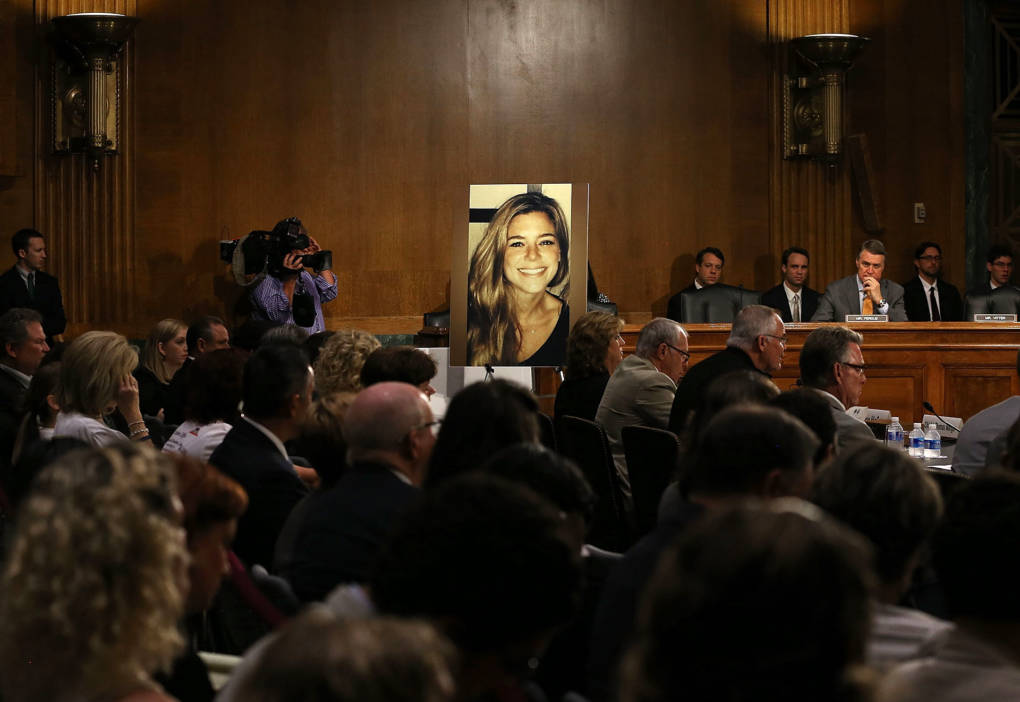
"caption": "A large photo of Kathryn Steinle is shown while her dad, James Steinle, testifies during a Senate Judiciary Committee hearing on Capitol Hill, July 21, 2015, in Washington, D.C. The committee heard testimony from family members who have had loved ones killed by undocumented immigrants.",
"description": "A large photo of Kathryn Steinle is shown while her dad, James Steinle, testifies during a Senate Judiciary Committee hearing on Capitol Hill, July 21, 2015, in Washington, D.C. The committee heard testimony from family members who have had loved ones killed by undocumented immigrants.",
"title": "SteinleMain",
"credit": "Mark Wilson/Getty Images",
"status": "inherit",
"isLoading": false,
"fetchFailed": false
},
"news_11139508": {
"type": "attachments",
"id": "news_11139508",
"meta": {
"index": "attachments_1716263798",
"site": "news",
"id": "11139508",
"found": true
},
"parent": 11139448,
"imgSizes": {
"small": {
"file": "https://ww2.kqed.org/app/uploads/sites/10/2016/10/TUNNEL-CANYON-1991-FIRE-520x347.jpg",
"width": 520,
"mimeType": "image/jpeg",
"height": 347
},
"twentyfourteen-full-width": {
"file": "https://ww2.kqed.org/app/uploads/sites/10/2016/10/TUNNEL-CANYON-1991-FIRE-1038x576.jpg",
"width": 1038,
"mimeType": "image/jpeg",
"height": 576
},
"thumbnail": {
"file": "https://ww2.kqed.org/app/uploads/sites/10/2016/10/TUNNEL-CANYON-1991-FIRE-160x107.jpg",
"width": 160,
"mimeType": "image/jpeg",
"height": 107
},
"fd-sm": {
"file": "https://ww2.kqed.org/app/uploads/sites/10/2016/10/TUNNEL-CANYON-1991-FIRE-960x640.jpg",
"width": 960,
"mimeType": "image/jpeg",
"height": 640
},
"post-thumbnail": {
"file": "https://ww2.kqed.org/app/uploads/sites/10/2016/10/TUNNEL-CANYON-1991-FIRE-672x372.jpg",
"width": 672,
"mimeType": "image/jpeg",
"height": 372
},
"xsmall": {
"file": "https://ww2.kqed.org/app/uploads/sites/10/2016/10/TUNNEL-CANYON-1991-FIRE-375x250.jpg",
"width": 375,
"mimeType": "image/jpeg",
"height": 250
},
"kqedFullSize": {
"file": "https://ww2.kqed.org/app/uploads/sites/10/2016/10/TUNNEL-CANYON-1991-FIRE.jpg",
"width": 1560,
"height": 1040
},
"large": {
"file": "https://ww2.kqed.org/app/uploads/sites/10/2016/10/TUNNEL-CANYON-1991-FIRE-1020x680.jpg",
"width": 1020,
"mimeType": "image/jpeg",
"height": 680
},
"xlarge": {
"file": "https://ww2.kqed.org/app/uploads/sites/10/2016/10/TUNNEL-CANYON-1991-FIRE-1180x787.jpg",
"width": 1180,
"mimeType": "image/jpeg",
"height": 787
},
"guest-author-50": {
"file": "https://ww2.kqed.org/app/uploads/sites/10/2016/10/TUNNEL-CANYON-1991-FIRE-50x50.jpg",
"width": 50,
"mimeType": "image/jpeg",
"height": 50
},
"guest-author-96": {
"file": "https://ww2.kqed.org/app/uploads/sites/10/2016/10/TUNNEL-CANYON-1991-FIRE-96x96.jpg",
"width": 96,
"mimeType": "image/jpeg",
"height": 96
},
"medium": {
"file": "https://ww2.kqed.org/app/uploads/sites/10/2016/10/TUNNEL-CANYON-1991-FIRE-800x533.jpg",
"width": 800,
"mimeType": "image/jpeg",
"height": 533
},
"guest-author-64": {
"file": "https://ww2.kqed.org/app/uploads/sites/10/2016/10/TUNNEL-CANYON-1991-FIRE-64x64.jpg",
"width": 64,
"mimeType": "image/jpeg",
"height": 64
},
"guest-author-32": {
"file": "https://ww2.kqed.org/app/uploads/sites/10/2016/10/TUNNEL-CANYON-1991-FIRE-32x32.jpg",
"width": 32,
"mimeType": "image/jpeg",
"height": 32
},
"jmtc-small-thumb": {
"file": "https://ww2.kqed.org/app/uploads/sites/10/2016/10/TUNNEL-CANYON-1991-FIRE-280x150.jpg",
"width": 280,
"mimeType": "image/jpeg",
"height": 150
},
"fd-med": {
"file": "https://ww2.kqed.org/app/uploads/sites/10/2016/10/TUNNEL-CANYON-1991-FIRE-1180x787.jpg",
"width": 1180,
"mimeType": "image/jpeg",
"height": 787
},
"detail": {
"file": "https://ww2.kqed.org/app/uploads/sites/10/2016/10/TUNNEL-CANYON-1991-FIRE-150x150.jpg",
"width": 150,
"mimeType": "image/jpeg",
"height": 150
},
"guest-author-128": {
"file": "https://ww2.kqed.org/app/uploads/sites/10/2016/10/TUNNEL-CANYON-1991-FIRE-128x128.jpg",
"width": 128,
"mimeType": "image/jpeg",
"height": 128
},
"xxsmall": {
"file": "https://ww2.kqed.org/app/uploads/sites/10/2016/10/TUNNEL-CANYON-1991-FIRE-240x160.jpg",
"width": 240,
"mimeType": "image/jpeg",
"height": 160
}
},
"publishDate": 1477059838,
"modified": 1477059909,
"caption": "The devastating East Bay Hills Fire of 1991 swept down Temescal Canyon, quickly destroying nearly everything in its path. The area now is largely rebuilt with homes that are bigger than ever.",
"description": "The devastating East Bay Hills Fire of 1991 swept down Temescal Canyon, quickly destroying nearly everything in its path. The area now is largely rebuilt with homes that are bigger than ever.",
"title": "Aftermath of the East Bay Hills Fire",
"credit": "Carroll Williams",
"status": "inherit",
"isLoading": false,
"fetchFailed": false
},
"news_11624354": {
"type": "attachments",
"id": "news_11624354",
"meta": {
"index": "attachments_1716263798",
"site": "news",
"id": "11624354",
"found": true
},
"parent": 11624325,
"imgSizes": {
"small": {
"file": "https://ww2.kqed.org/app/uploads/sites/10/2017/10/Mr.-Foster-3-520x520.jpg",
"width": 520,
"mimeType": "image/jpeg",
"height": 520
},
"twentyfourteen-full-width": {
"file": "https://ww2.kqed.org/app/uploads/sites/10/2017/10/Mr.-Foster-3-1038x576.jpg",
"width": 1038,
"mimeType": "image/jpeg",
"height": 576
},
"thumbnail": {
"file": "https://ww2.kqed.org/app/uploads/sites/10/2017/10/Mr.-Foster-3-160x160.jpg",
"width": 160,
"mimeType": "image/jpeg",
"height": 160
},
"fd-sm": {
"file": "https://ww2.kqed.org/app/uploads/sites/10/2017/10/Mr.-Foster-3-960x960.jpg",
"width": 960,
"mimeType": "image/jpeg",
"height": 960
},
"post-thumbnail": {
"file": "https://ww2.kqed.org/app/uploads/sites/10/2017/10/Mr.-Foster-3-672x372.jpg",
"width": 672,
"mimeType": "image/jpeg",
"height": 372
},
"xsmall": {
"file": "https://ww2.kqed.org/app/uploads/sites/10/2017/10/Mr.-Foster-3-375x375.jpg",
"width": 375,
"mimeType": "image/jpeg",
"height": 375
},
"kqedFullSize": {
"file": "https://ww2.kqed.org/app/uploads/sites/10/2017/10/Mr.-Foster-3-e1508363398937.jpg",
"width": 1920,
"height": 1920
},
"large": {
"file": "https://ww2.kqed.org/app/uploads/sites/10/2017/10/Mr.-Foster-3-1020x1020.jpg",
"width": 1020,
"mimeType": "image/jpeg",
"height": 1020
},
"xlarge": {
"file": "https://ww2.kqed.org/app/uploads/sites/10/2017/10/Mr.-Foster-3-1180x1180.jpg",
"width": 1180,
"mimeType": "image/jpeg",
"height": 1180
},
"guest-author-50": {
"file": "https://ww2.kqed.org/app/uploads/sites/10/2017/10/Mr.-Foster-3-50x50.jpg",
"width": 50,
"mimeType": "image/jpeg",
"height": 50
},
"guest-author-96": {
"file": "https://ww2.kqed.org/app/uploads/sites/10/2017/10/Mr.-Foster-3-96x96.jpg",
"width": 96,
"mimeType": "image/jpeg",
"height": 96
},
"medium": {
"file": "https://ww2.kqed.org/app/uploads/sites/10/2017/10/Mr.-Foster-3-800x800.jpg",
"width": 800,
"mimeType": "image/jpeg",
"height": 800
},
"guest-author-64": {
"file": "https://ww2.kqed.org/app/uploads/sites/10/2017/10/Mr.-Foster-3-64x64.jpg",
"width": 64,
"mimeType": "image/jpeg",
"height": 64
},
"guest-author-32": {
"file": "https://ww2.kqed.org/app/uploads/sites/10/2017/10/Mr.-Foster-3-32x32.jpg",
"width": 32,
"mimeType": "image/jpeg",
"height": 32
},
"fd-lrg": {
"file": "https://ww2.kqed.org/app/uploads/sites/10/2017/10/Mr.-Foster-3-1920x1920.jpg",
"width": 1920,
"mimeType": "image/jpeg",
"height": 1920
},
"fd-med": {
"file": "https://ww2.kqed.org/app/uploads/sites/10/2017/10/Mr.-Foster-3-1180x1180.jpg",
"width": 1180,
"mimeType": "image/jpeg",
"height": 1180
},
"full-width": {
"file": "https://ww2.kqed.org/app/uploads/sites/10/2017/10/Mr.-Foster-3-1920x1920.jpg",
"width": 1920,
"mimeType": "image/jpeg",
"height": 1920
},
"detail": {
"file": "https://ww2.kqed.org/app/uploads/sites/10/2017/10/Mr.-Foster-3-150x150.jpg",
"width": 150,
"mimeType": "image/jpeg",
"height": 150
},
"guest-author-128": {
"file": "https://ww2.kqed.org/app/uploads/sites/10/2017/10/Mr.-Foster-3-128x128.jpg",
"width": 128,
"mimeType": "image/jpeg",
"height": 128
},
"xxsmall": {
"file": "https://ww2.kqed.org/app/uploads/sites/10/2017/10/Mr.-Foster-3-240x240.jpg",
"width": 240,
"mimeType": "image/jpeg",
"height": 240
}
},
"publishDate": 1508363199,
"modified": 1508368118,
"caption": "Mr. Foster was among the adoptable animals brought to the San Francisco SPCA from a shelter in the North Bay after massive fires broke out last week. He's currently being treated for a medical issue, but he should be available soon, the S.F. SPCA says.",
"description": null,
"title": "Mr. Foster-3",
"credit": "Courtesy San Francisco SPCA",
"status": "inherit",
"isLoading": false,
"fetchFailed": false
},
"news_11624368": {
"type": "attachments",
"id": "news_11624368",
"meta": {
"index": "attachments_1716263798",
"site": "news",
"id": "11624368",
"found": true
},
"parent": 11624344,
"imgSizes": {
"small": {
"file": "https://ww2.kqed.org/app/uploads/sites/10/2017/10/IMG_7589-e1508364393997-520x399.jpg",
"width": 520,
"mimeType": "image/jpeg",
"height": 399
},
"twentyfourteen-full-width": {
"file": "https://ww2.kqed.org/app/uploads/sites/10/2017/10/IMG_7589-e1508364393997-1038x576.jpg",
"width": 1038,
"mimeType": "image/jpeg",
"height": 576
},
"thumbnail": {
"file": "https://ww2.kqed.org/app/uploads/sites/10/2017/10/IMG_7589-e1508364393997-160x123.jpg",
"width": 160,
"mimeType": "image/jpeg",
"height": 123
},
"fd-sm": {
"file": "https://ww2.kqed.org/app/uploads/sites/10/2017/10/IMG_7589-e1508364393997-960x736.jpg",
"width": 960,
"mimeType": "image/jpeg",
"height": 736
},
"post-thumbnail": {
"file": "https://ww2.kqed.org/app/uploads/sites/10/2017/10/IMG_7589-e1508364393997-672x372.jpg",
"width": 672,
"mimeType": "image/jpeg",
"height": 372
},
"xsmall": {
"file": "https://ww2.kqed.org/app/uploads/sites/10/2017/10/IMG_7589-e1508364393997-375x287.jpg",
"width": 375,
"mimeType": "image/jpeg",
"height": 287
},
"kqedFullSize": {
"file": "https://ww2.kqed.org/app/uploads/sites/10/2017/10/IMG_7589-e1508364393997.jpg",
"width": 1747,
"height": 1339
},
"large": {
"file": "https://ww2.kqed.org/app/uploads/sites/10/2017/10/IMG_7589-e1508364393997-1020x782.jpg",
"width": 1020,
"mimeType": "image/jpeg",
"height": 782
},
"xlarge": {
"file": "https://ww2.kqed.org/app/uploads/sites/10/2017/10/IMG_7589-e1508364393997-1180x904.jpg",
"width": 1180,
"mimeType": "image/jpeg",
"height": 904
},
"guest-author-50": {
"file": "https://ww2.kqed.org/app/uploads/sites/10/2017/10/IMG_7589-e1508364393997-50x50.jpg",
"width": 50,
"mimeType": "image/jpeg",
"height": 50
},
"guest-author-96": {
"file": "https://ww2.kqed.org/app/uploads/sites/10/2017/10/IMG_7589-e1508364393997-96x96.jpg",
"width": 96,
"mimeType": "image/jpeg",
"height": 96
},
"medium": {
"file": "https://ww2.kqed.org/app/uploads/sites/10/2017/10/IMG_7589-e1508364393997-800x613.jpg",
"width": 800,
"mimeType": "image/jpeg",
"height": 613
},
"guest-author-64": {
"file": "https://ww2.kqed.org/app/uploads/sites/10/2017/10/IMG_7589-e1508364393997-64x64.jpg",
"width": 64,
"mimeType": "image/jpeg",
"height": 64
},
"guest-author-32": {
"file": "https://ww2.kqed.org/app/uploads/sites/10/2017/10/IMG_7589-e1508364393997-32x32.jpg",
"width": 32,
"mimeType": "image/jpeg",
"height": 32
},
"fd-lrg": {
"file": "https://ww2.kqed.org/app/uploads/sites/10/2017/10/IMG_7589-1920x1440.jpg",
"width": 1920,
"mimeType": "image/jpeg",
"height": 1440
},
"fd-med": {
"file": "https://ww2.kqed.org/app/uploads/sites/10/2017/10/IMG_7589-e1508364393997-1180x904.jpg",
"width": 1180,
"mimeType": "image/jpeg",
"height": 904
},
"full-width": {
"file": "https://ww2.kqed.org/app/uploads/sites/10/2017/10/IMG_7589-1920x1440.jpg",
"width": 1920,
"mimeType": "image/jpeg",
"height": 1440
},
"detail": {
"file": "https://ww2.kqed.org/app/uploads/sites/10/2017/10/IMG_7589-e1508364393997-150x150.jpg",
"width": 150,
"mimeType": "image/jpeg",
"height": 150
},
"guest-author-128": {
"file": "https://ww2.kqed.org/app/uploads/sites/10/2017/10/IMG_7589-e1508364393997-128x128.jpg",
"width": 128,
"mimeType": "image/jpeg",
"height": 128
},
"xxsmall": {
"file": "https://ww2.kqed.org/app/uploads/sites/10/2017/10/IMG_7589-e1508364393997-240x184.jpg",
"width": 240,
"mimeType": "image/jpeg",
"height": 184
}
},
"publishDate": 1508363914,
"modified": 1508364839,
"caption": "Jennifer and Wayne Harvell in San Francisco on Wednesday. The Harvells are suing PG&E, alleging that the utility was negligent in maintaining power lines. Fire investigators are looking into whether PG&E equipment was responsible for starting last week's catastrophic North Bay fires. ",
"description": null,
"title": "Harvells-Fire Lawsuit",
"credit": "Peter Jon Shuler/KQED",
"status": "inherit",
"isLoading": false,
"fetchFailed": false
},
"news_11622172": {
"type": "attachments",
"id": "news_11622172",
"meta": {
"index": "attachments_1716263798",
"site": "news",
"id": "11622172",
"found": true
},
"parent": 11622136,
"imgSizes": {
"small": {
"file": "https://ww2.kqed.org/app/uploads/sites/10/2017/10/RS27371_Image-uploaded-from-iOS-qut-520x390.jpg",
"width": 520,
"mimeType": "image/jpeg",
"height": 390
},
"twentyfourteen-full-width": {
"file": "https://ww2.kqed.org/app/uploads/sites/10/2017/10/RS27371_Image-uploaded-from-iOS-qut-1038x576.jpg",
"width": 1038,
"mimeType": "image/jpeg",
"height": 576
},
"thumbnail": {
"file": "https://ww2.kqed.org/app/uploads/sites/10/2017/10/RS27371_Image-uploaded-from-iOS-qut-160x120.jpg",
"width": 160,
"mimeType": "image/jpeg",
"height": 120
},
"fd-sm": {
"file": "https://ww2.kqed.org/app/uploads/sites/10/2017/10/RS27371_Image-uploaded-from-iOS-qut-960x720.jpg",
"width": 960,
"mimeType": "image/jpeg",
"height": 720
},
"post-thumbnail": {
"file": "https://ww2.kqed.org/app/uploads/sites/10/2017/10/RS27371_Image-uploaded-from-iOS-qut-672x372.jpg",
"width": 672,
"mimeType": "image/jpeg",
"height": 372
},
"xsmall": {
"file": "https://ww2.kqed.org/app/uploads/sites/10/2017/10/RS27371_Image-uploaded-from-iOS-qut-375x281.jpg",
"width": 375,
"mimeType": "image/jpeg",
"height": 281
},
"kqedFullSize": {
"file": "https://ww2.kqed.org/app/uploads/sites/10/2017/10/RS27371_Image-uploaded-from-iOS-qut.jpg",
"width": 1920,
"height": 1440
},
"large": {
"file": "https://ww2.kqed.org/app/uploads/sites/10/2017/10/RS27371_Image-uploaded-from-iOS-qut-1020x765.jpg",
"width": 1020,
"mimeType": "image/jpeg",
"height": 765
},
"xlarge": {
"file": "https://ww2.kqed.org/app/uploads/sites/10/2017/10/RS27371_Image-uploaded-from-iOS-qut-1180x885.jpg",
"width": 1180,
"mimeType": "image/jpeg",
"height": 885
},
"guest-author-50": {
"file": "https://ww2.kqed.org/app/uploads/sites/10/2017/10/RS27371_Image-uploaded-from-iOS-qut-50x50.jpg",
"width": 50,
"mimeType": "image/jpeg",
"height": 50
},
"guest-author-96": {
"file": "https://ww2.kqed.org/app/uploads/sites/10/2017/10/RS27371_Image-uploaded-from-iOS-qut-96x96.jpg",
"width": 96,
"mimeType": "image/jpeg",
"height": 96
},
"medium": {
"file": "https://ww2.kqed.org/app/uploads/sites/10/2017/10/RS27371_Image-uploaded-from-iOS-qut-800x600.jpg",
"width": 800,
"mimeType": "image/jpeg",
"height": 600
},
"guest-author-64": {
"file": "https://ww2.kqed.org/app/uploads/sites/10/2017/10/RS27371_Image-uploaded-from-iOS-qut-64x64.jpg",
"width": 64,
"mimeType": "image/jpeg",
"height": 64
},
"guest-author-32": {
"file": "https://ww2.kqed.org/app/uploads/sites/10/2017/10/RS27371_Image-uploaded-from-iOS-qut-32x32.jpg",
"width": 32,
"mimeType": "image/jpeg",
"height": 32
},
"fd-lrg": {
"file": "https://ww2.kqed.org/app/uploads/sites/10/2017/10/RS27371_Image-uploaded-from-iOS-qut-1920x1440.jpg",
"width": 1920,
"mimeType": "image/jpeg",
"height": 1440
},
"fd-med": {
"file": "https://ww2.kqed.org/app/uploads/sites/10/2017/10/RS27371_Image-uploaded-from-iOS-qut-1180x885.jpg",
"width": 1180,
"mimeType": "image/jpeg",
"height": 885
},
"full-width": {
"file": "https://ww2.kqed.org/app/uploads/sites/10/2017/10/RS27371_Image-uploaded-from-iOS-qut-1920x1440.jpg",
"width": 1920,
"mimeType": "image/jpeg",
"height": 1440
},
"detail": {
"file": "https://ww2.kqed.org/app/uploads/sites/10/2017/10/RS27371_Image-uploaded-from-iOS-qut-150x150.jpg",
"width": 150,
"mimeType": "image/jpeg",
"height": 150
},
"guest-author-128": {
"file": "https://ww2.kqed.org/app/uploads/sites/10/2017/10/RS27371_Image-uploaded-from-iOS-qut-128x128.jpg",
"width": 128,
"mimeType": "image/jpeg",
"height": 128
},
"xxsmall": {
"file": "https://ww2.kqed.org/app/uploads/sites/10/2017/10/RS27371_Image-uploaded-from-iOS-qut-240x180.jpg",
"width": 240,
"mimeType": "image/jpeg",
"height": 180
}
},
"publishDate": 1507664197,
"modified": 1507664537,
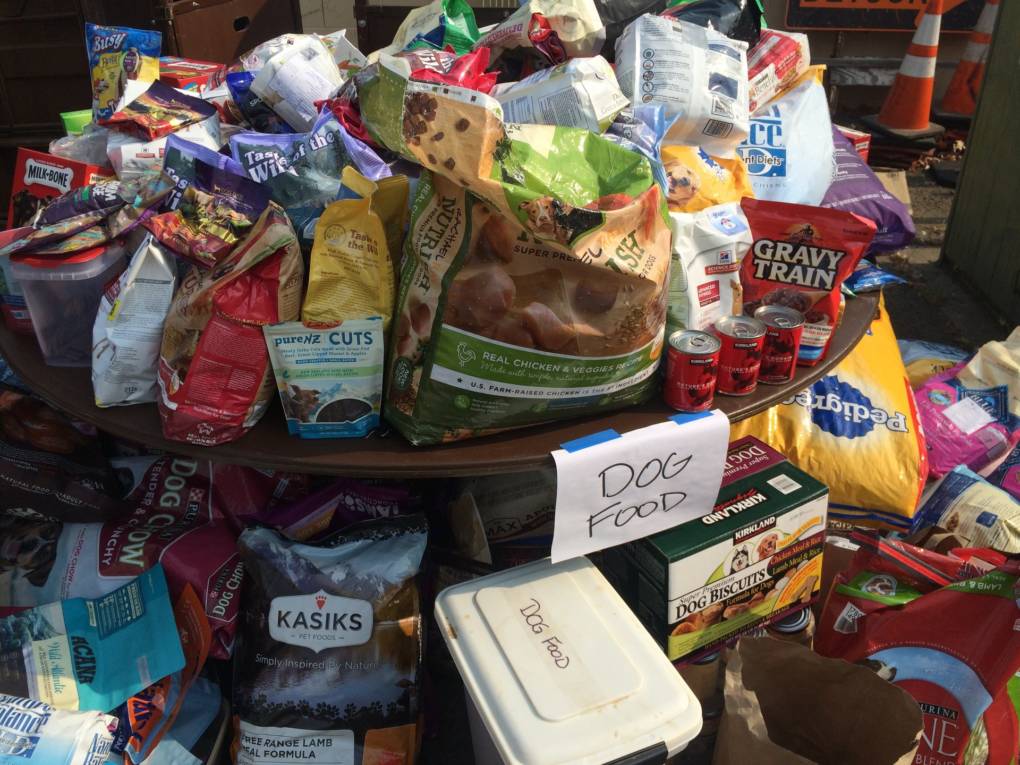
"caption": "Donations for evacuated pets at Marin Center.",
"description": null,
"title": "RS27371_Image-uploaded-from-iOS-qut",
"credit": "Tiffany Camhi/KQED",
"status": "inherit",
"isLoading": false,
"fetchFailed": false
},
"news_11624271": {
"type": "attachments",
"id": "news_11624271",
"meta": {
"index": "attachments_1716263798",
"site": "news",
"id": "11624271",
"found": true
},
"parent": 11624260,
"imgSizes": {
"small": {
"file": "https://ww2.kqed.org/app/uploads/sites/10/2017/10/KALW_PAMELA_TWITTER-520x303.jpg",
"width": 520,
"mimeType": "image/jpeg",
"height": 303
},
"thumbnail": {
"file": "https://ww2.kqed.org/app/uploads/sites/10/2017/10/KALW_PAMELA_TWITTER-160x93.jpg",
"width": 160,
"mimeType": "image/jpeg",
"height": 93
},
"post-thumbnail": {
"file": "https://ww2.kqed.org/app/uploads/sites/10/2017/10/KALW_PAMELA_TWITTER-672x372.jpg",
"width": 672,
"mimeType": "image/jpeg",
"height": 372
},
"xsmall": {
"file": "https://ww2.kqed.org/app/uploads/sites/10/2017/10/KALW_PAMELA_TWITTER-375x219.jpg",
"width": 375,
"mimeType": "image/jpeg",
"height": 219
},
"kqedFullSize": {
"file": "https://ww2.kqed.org/app/uploads/sites/10/2017/10/KALW_PAMELA_TWITTER.jpg",
"width": 798,
"height": 465
},
"guest-author-50": {
"file": "https://ww2.kqed.org/app/uploads/sites/10/2017/10/KALW_PAMELA_TWITTER-50x50.jpg",
"width": 50,
"mimeType": "image/jpeg",
"height": 50
},
"guest-author-96": {
"file": "https://ww2.kqed.org/app/uploads/sites/10/2017/10/KALW_PAMELA_TWITTER-96x96.jpg",
"width": 96,
"mimeType": "image/jpeg",
"height": 96
},
"guest-author-64": {
"file": "https://ww2.kqed.org/app/uploads/sites/10/2017/10/KALW_PAMELA_TWITTER-64x64.jpg",
"width": 64,
"mimeType": "image/jpeg",
"height": 64
},
"detail": {
"file": "https://ww2.kqed.org/app/uploads/sites/10/2017/10/KALW_PAMELA_TWITTER-150x150.jpg",
"width": 150,
"mimeType": "image/jpeg",
"height": 150
},
"guest-author-32": {
"file": "https://ww2.kqed.org/app/uploads/sites/10/2017/10/KALW_PAMELA_TWITTER-32x32.jpg",
"width": 32,
"mimeType": "image/jpeg",
"height": 32
},
"guest-author-128": {
"file": "https://ww2.kqed.org/app/uploads/sites/10/2017/10/KALW_PAMELA_TWITTER-128x128.jpg",
"width": 128,
"mimeType": "image/jpeg",
"height": 128
},
"xxsmall": {
"file": "https://ww2.kqed.org/app/uploads/sites/10/2017/10/KALW_PAMELA_TWITTER-240x140.jpg",
"width": 240,
"mimeType": "image/jpeg",
"height": 140
}
},
"publishDate": 1508352622,
"modified": 1508361270,
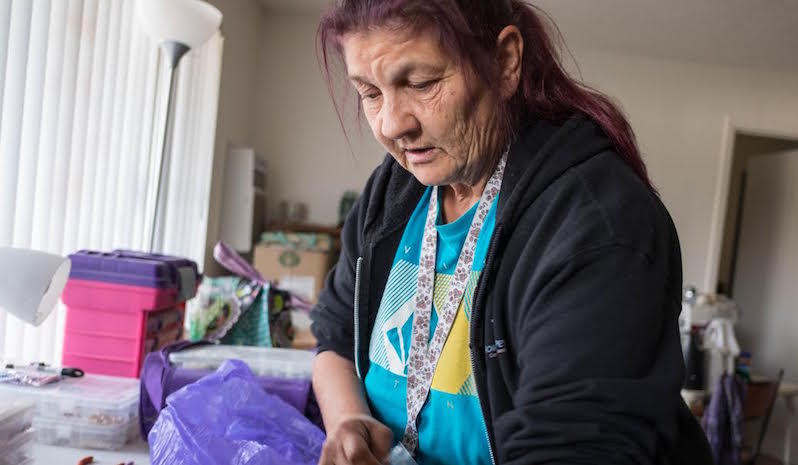
"caption": "Pamela Voyles shows some of the jewelry that she's made.",
"description": null,
"title": "KALW_PAMELA_TWITTER",
"credit": "Ninna Gaensler-Debs/KQED",
"status": "inherit",
"isLoading": false,
"fetchFailed": false
},
"news_11624301": {
"type": "attachments",
"id": "news_11624301",
"meta": {
"index": "attachments_1716263798",
"site": "news",
"id": "11624301",
"found": true
},
"parent": 11624298,
"imgSizes": {
"small": {
"file": "https://ww2.kqed.org/app/uploads/sites/10/2017/10/CoupleEmbraceSantaRosa-520x346.jpg",
"width": 520,
"mimeType": "image/jpeg",
"height": 346
},
"twentyfourteen-full-width": {
"file": "https://ww2.kqed.org/app/uploads/sites/10/2017/10/CoupleEmbraceSantaRosa-1038x576.jpg",
"width": 1038,
"mimeType": "image/jpeg",
"height": 576
},
"thumbnail": {
"file": "https://ww2.kqed.org/app/uploads/sites/10/2017/10/CoupleEmbraceSantaRosa-160x107.jpg",
"width": 160,
"mimeType": "image/jpeg",
"height": 107
},
"fd-sm": {
"file": "https://ww2.kqed.org/app/uploads/sites/10/2017/10/CoupleEmbraceSantaRosa-960x639.jpg",
"width": 960,
"mimeType": "image/jpeg",
"height": 639
},
"post-thumbnail": {
"file": "https://ww2.kqed.org/app/uploads/sites/10/2017/10/CoupleEmbraceSantaRosa-672x372.jpg",
"width": 672,
"mimeType": "image/jpeg",
"height": 372
},
"xsmall": {
"file": "https://ww2.kqed.org/app/uploads/sites/10/2017/10/CoupleEmbraceSantaRosa-375x250.jpg",
"width": 375,
"mimeType": "image/jpeg",
"height": 250
},
"kqedFullSize": {
"file": "https://ww2.kqed.org/app/uploads/sites/10/2017/10/CoupleEmbraceSantaRosa.jpg",
"width": 1920,
"height": 1278
},
"large": {
"file": "https://ww2.kqed.org/app/uploads/sites/10/2017/10/CoupleEmbraceSantaRosa-1020x679.jpg",
"width": 1020,
"mimeType": "image/jpeg",
"height": 679
},
"xlarge": {
"file": "https://ww2.kqed.org/app/uploads/sites/10/2017/10/CoupleEmbraceSantaRosa-1180x785.jpg",
"width": 1180,
"mimeType": "image/jpeg",
"height": 785
},
"guest-author-50": {
"file": "https://ww2.kqed.org/app/uploads/sites/10/2017/10/CoupleEmbraceSantaRosa-50x50.jpg",
"width": 50,
"mimeType": "image/jpeg",
"height": 50
},
"guest-author-96": {
"file": "https://ww2.kqed.org/app/uploads/sites/10/2017/10/CoupleEmbraceSantaRosa-96x96.jpg",
"width": 96,
"mimeType": "image/jpeg",
"height": 96
},
"medium": {
"file": "https://ww2.kqed.org/app/uploads/sites/10/2017/10/CoupleEmbraceSantaRosa-800x533.jpg",
"width": 800,
"mimeType": "image/jpeg",
"height": 533
},
"guest-author-64": {
"file": "https://ww2.kqed.org/app/uploads/sites/10/2017/10/CoupleEmbraceSantaRosa-64x64.jpg",
"width": 64,
"mimeType": "image/jpeg",
"height": 64
},
"guest-author-32": {
"file": "https://ww2.kqed.org/app/uploads/sites/10/2017/10/CoupleEmbraceSantaRosa-32x32.jpg",
"width": 32,
"mimeType": "image/jpeg",
"height": 32
},
"fd-lrg": {
"file": "https://ww2.kqed.org/app/uploads/sites/10/2017/10/CoupleEmbraceSantaRosa-1920x1278.jpg",
"width": 1920,
"mimeType": "image/jpeg",
"height": 1278
},
"fd-med": {
"file": "https://ww2.kqed.org/app/uploads/sites/10/2017/10/CoupleEmbraceSantaRosa-1180x785.jpg",
"width": 1180,
"mimeType": "image/jpeg",
"height": 785
},
"full-width": {
"file": "https://ww2.kqed.org/app/uploads/sites/10/2017/10/CoupleEmbraceSantaRosa-1920x1278.jpg",
"width": 1920,
"mimeType": "image/jpeg",
"height": 1278
},
"detail": {
"file": "https://ww2.kqed.org/app/uploads/sites/10/2017/10/CoupleEmbraceSantaRosa-150x150.jpg",
"width": 150,
"mimeType": "image/jpeg",
"height": 150
},
"guest-author-128": {
"file": "https://ww2.kqed.org/app/uploads/sites/10/2017/10/CoupleEmbraceSantaRosa-128x128.jpg",
"width": 128,
"mimeType": "image/jpeg",
"height": 128
},
"xxsmall": {
"file": "https://ww2.kqed.org/app/uploads/sites/10/2017/10/CoupleEmbraceSantaRosa-240x160.jpg",
"width": 240,
"mimeType": "image/jpeg",
"height": 160
}
},
"publishDate": 1508354815,
"modified": 1508354859,
"caption": "Charlie and Kate Higgins embrace in front of their burned home in Santa Rosa on Oct. 12, 2017.",
"description": "Charlie and Kate Higgins embrace in front of their burned home in Santa Rosa on Oct. 12, 2017.",
"title": "CoupleEmbraceSantaRosa",
"credit": "JOSH EDELSON/AFP/Getty Images",
"status": "inherit",
"isLoading": false,
"fetchFailed": false
},
"news_11624281": {
"type": "attachments",
"id": "news_11624281",
"meta": {
"index": "attachments_1716263798",
"site": "news",
"id": "11624281",
"found": true
},
"parent": 11624273,
"imgSizes": {
"small": {
"file": "https://ww2.kqed.org/app/uploads/sites/10/2017/10/DonaldTrump-520x410.jpg",
"width": 520,
"mimeType": "image/jpeg",
"height": 410
},
"twentyfourteen-full-width": {
"file": "https://ww2.kqed.org/app/uploads/sites/10/2017/10/DonaldTrump-1038x576.jpg",
"width": 1038,
"mimeType": "image/jpeg",
"height": 576
},
"thumbnail": {
"file": "https://ww2.kqed.org/app/uploads/sites/10/2017/10/DonaldTrump-160x126.jpg",
"width": 160,
"mimeType": "image/jpeg",
"height": 126
},
"fd-sm": {
"file": "https://ww2.kqed.org/app/uploads/sites/10/2017/10/DonaldTrump-960x758.jpg",
"width": 960,
"mimeType": "image/jpeg",
"height": 758
},
"post-thumbnail": {
"file": "https://ww2.kqed.org/app/uploads/sites/10/2017/10/DonaldTrump-672x372.jpg",
"width": 672,
"mimeType": "image/jpeg",
"height": 372
},
"xsmall": {
"file": "https://ww2.kqed.org/app/uploads/sites/10/2017/10/DonaldTrump-375x296.jpg",
"width": 375,
"mimeType": "image/jpeg",
"height": 296
},
"kqedFullSize": {
"file": "https://ww2.kqed.org/app/uploads/sites/10/2017/10/DonaldTrump.jpg",
"width": 1920,
"height": 1515
},
"large": {
"file": "https://ww2.kqed.org/app/uploads/sites/10/2017/10/DonaldTrump-1020x805.jpg",
"width": 1020,
"mimeType": "image/jpeg",
"height": 805
},
"xlarge": {
"file": "https://ww2.kqed.org/app/uploads/sites/10/2017/10/DonaldTrump-1180x931.jpg",
"width": 1180,
"mimeType": "image/jpeg",
"height": 931
},
"guest-author-50": {
"file": "https://ww2.kqed.org/app/uploads/sites/10/2017/10/DonaldTrump-50x50.jpg",
"width": 50,
"mimeType": "image/jpeg",
"height": 50
},
"guest-author-96": {
"file": "https://ww2.kqed.org/app/uploads/sites/10/2017/10/DonaldTrump-96x96.jpg",
"width": 96,
"mimeType": "image/jpeg",
"height": 96
},
"medium": {
"file": "https://ww2.kqed.org/app/uploads/sites/10/2017/10/DonaldTrump-800x631.jpg",
"width": 800,
"mimeType": "image/jpeg",
"height": 631
},
"guest-author-64": {
"file": "https://ww2.kqed.org/app/uploads/sites/10/2017/10/DonaldTrump-64x64.jpg",
"width": 64,
"mimeType": "image/jpeg",
"height": 64
},
"guest-author-32": {
"file": "https://ww2.kqed.org/app/uploads/sites/10/2017/10/DonaldTrump-32x32.jpg",
"width": 32,
"mimeType": "image/jpeg",
"height": 32
},
"fd-lrg": {
"file": "https://ww2.kqed.org/app/uploads/sites/10/2017/10/DonaldTrump-1920x1515.jpg",
"width": 1920,
"mimeType": "image/jpeg",
"height": 1515
},
"fd-med": {
"file": "https://ww2.kqed.org/app/uploads/sites/10/2017/10/DonaldTrump-1180x931.jpg",
"width": 1180,
"mimeType": "image/jpeg",
"height": 931
},
"full-width": {
"file": "https://ww2.kqed.org/app/uploads/sites/10/2017/10/DonaldTrump-1920x1515.jpg",
"width": 1920,
"mimeType": "image/jpeg",
"height": 1515
},
"detail": {
"file": "https://ww2.kqed.org/app/uploads/sites/10/2017/10/DonaldTrump-150x150.jpg",
"width": 150,
"mimeType": "image/jpeg",
"height": 150
},
"guest-author-128": {
"file": "https://ww2.kqed.org/app/uploads/sites/10/2017/10/DonaldTrump-128x128.jpg",
"width": 128,
"mimeType": "image/jpeg",
"height": 128
},
"xxsmall": {
"file": "https://ww2.kqed.org/app/uploads/sites/10/2017/10/DonaldTrump-240x189.jpg",
"width": 240,
"mimeType": "image/jpeg",
"height": 189
}
},
"publishDate": 1508353017,
"modified": 1508353192,
"caption": "In his ruling, the judge wrote that President Trump's own tweets helped convince him that the latest policy is an \"inextricable re-animation of the twice-enjoined Muslim ban\" that Trump called for on the campaign trail, and is therefore likely to be found unconstitutional.",
"description": "In his ruling, the judge wrote that President Trump's own tweets helped convince him that the latest policy is an \"inextricable re-animation of the twice-enjoined Muslim ban\" that Trump called for on the campaign trail, and is therefore likely to be found unconstitutional.",
"title": "DonaldTrump",
"credit": "Chris Kleponis-Pool/Getty Images",
"status": "inherit",
"isLoading": false,
"fetchFailed": false
},
"news_11624217": {
"type": "attachments",
"id": "news_11624217",
"meta": {
"index": "attachments_1716263798",
"site": "news",
"id": "11624217",
"found": true
},
"parent": 11623746,
"imgSizes": {
"small": {
"file": "https://ww2.kqed.org/app/uploads/sites/10/2017/10/BackFire-520x347.jpg",
"width": 520,
"mimeType": "image/jpeg",
"height": 347
},
"twentyfourteen-full-width": {
"file": "https://ww2.kqed.org/app/uploads/sites/10/2017/10/BackFire-1038x576.jpg",
"width": 1038,
"mimeType": "image/jpeg",
"height": 576
},
"thumbnail": {
"file": "https://ww2.kqed.org/app/uploads/sites/10/2017/10/BackFire-160x107.jpg",
"width": 160,
"mimeType": "image/jpeg",
"height": 107
},
"fd-sm": {
"file": "https://ww2.kqed.org/app/uploads/sites/10/2017/10/BackFire-960x640.jpg",
"width": 960,
"mimeType": "image/jpeg",
"height": 640
},
"post-thumbnail": {
"file": "https://ww2.kqed.org/app/uploads/sites/10/2017/10/BackFire-672x372.jpg",
"width": 672,
"mimeType": "image/jpeg",
"height": 372
},
"xsmall": {
"file": "https://ww2.kqed.org/app/uploads/sites/10/2017/10/BackFire-375x250.jpg",
"width": 375,
"mimeType": "image/jpeg",
"height": 250
},
"kqedFullSize": {
"file": "https://ww2.kqed.org/app/uploads/sites/10/2017/10/BackFire.jpg",
"width": 1920,
"height": 1280
},
"large": {
"file": "https://ww2.kqed.org/app/uploads/sites/10/2017/10/BackFire-1020x680.jpg",
"width": 1020,
"mimeType": "image/jpeg",
"height": 680
},
"xlarge": {
"file": "https://ww2.kqed.org/app/uploads/sites/10/2017/10/BackFire-1180x787.jpg",
"width": 1180,
"mimeType": "image/jpeg",
"height": 787
},
"guest-author-50": {
"file": "https://ww2.kqed.org/app/uploads/sites/10/2017/10/BackFire-50x50.jpg",
"width": 50,
"mimeType": "image/jpeg",
"height": 50
},
"guest-author-96": {
"file": "https://ww2.kqed.org/app/uploads/sites/10/2017/10/BackFire-96x96.jpg",
"width": 96,
"mimeType": "image/jpeg",
"height": 96
},
"medium": {
"file": "https://ww2.kqed.org/app/uploads/sites/10/2017/10/BackFire-800x533.jpg",
"width": 800,
"mimeType": "image/jpeg",
"height": 533
},
"guest-author-64": {
"file": "https://ww2.kqed.org/app/uploads/sites/10/2017/10/BackFire-64x64.jpg",
"width": 64,
"mimeType": "image/jpeg",
"height": 64
},
"guest-author-32": {
"file": "https://ww2.kqed.org/app/uploads/sites/10/2017/10/BackFire-32x32.jpg",
"width": 32,
"mimeType": "image/jpeg",
"height": 32
},
"fd-lrg": {
"file": "https://ww2.kqed.org/app/uploads/sites/10/2017/10/BackFire-1920x1280.jpg",
"width": 1920,
"mimeType": "image/jpeg",
"height": 1280
},
"fd-med": {
"file": "https://ww2.kqed.org/app/uploads/sites/10/2017/10/BackFire-1180x787.jpg",
"width": 1180,
"mimeType": "image/jpeg",
"height": 787
},
"full-width": {
"file": "https://ww2.kqed.org/app/uploads/sites/10/2017/10/BackFire-1920x1280.jpg",
"width": 1920,
"mimeType": "image/jpeg",
"height": 1280
},
"detail": {
"file": "https://ww2.kqed.org/app/uploads/sites/10/2017/10/BackFire-150x150.jpg",
"width": 150,
"mimeType": "image/jpeg",
"height": 150
},
"guest-author-128": {
"file": "https://ww2.kqed.org/app/uploads/sites/10/2017/10/BackFire-128x128.jpg",
"width": 128,
"mimeType": "image/jpeg",
"height": 128
},
"xxsmall": {
"file": "https://ww2.kqed.org/app/uploads/sites/10/2017/10/BackFire-240x160.jpg",
"width": 240,
"mimeType": "image/jpeg",
"height": 160
}
},
"publishDate": 1508289387,
"modified": 1508289434,
"caption": "A firefighter uses a drip torch to set a backfire to protect houses in Adobe Canyon during the Nuns Fire on October 15, 2017 near Santa Rosa.",
"description": "A firefighter uses a drip torch to set a backfire to protect houses in Adobe Canyon during the Nuns Fire on October 15, 2017 near Santa Rosa.",
"title": "BackFire",
"credit": "David McNew/Getty Images",
"status": "inherit",
"isLoading": false,
"fetchFailed": false
},
"news_61207": {
"type": "attachments",
"id": "news_61207",
"meta": {
"index": "attachments_1716263798",
"site": "news",
"id": "61207",
"found": true
},
"parent": 61200,
"imgSizes": {
"kqedFullSize": {
"file": "https://ww2.kqed.org/app/uploads/sites/10/2012/04/80474821.jpg",
"width": 3000,
"height": 1879
}
},
"publishDate": 1333504019,
"modified": 1508456362,
"caption": "An Oakland A's fan cheers before the start of the Opening Day game of the Oakland Athletics and the Boston Red Sox at the McAfee Coliseum April 1, 2008, in Oakland.",
"description": null,
"title": "Boston Red Sox v Oakland Athletics",
"credit": "Justin Sullivan/Getty Images",
"status": "inherit",
"isLoading": false,
"fetchFailed": false
},
"news_11624220": {
"type": "attachments",
"id": "news_11624220",
"meta": {
"index": "attachments_1716263798",
"site": "news",
"id": "11624220",
"found": true
},
"parent": 11624205,
"imgSizes": {
"small": {
"file": "https://ww2.kqed.org/app/uploads/sites/10/2017/10/DogAndGoats-520x390.jpg",
"width": 520,
"mimeType": "image/jpeg",
"height": 390
},
"twentyfourteen-full-width": {
"file": "https://ww2.kqed.org/app/uploads/sites/10/2017/10/DogAndGoats-1038x576.jpg",
"width": 1038,
"mimeType": "image/jpeg",
"height": 576
},
"thumbnail": {
"file": "https://ww2.kqed.org/app/uploads/sites/10/2017/10/DogAndGoats-160x120.jpg",
"width": 160,
"mimeType": "image/jpeg",
"height": 120
},
"fd-sm": {
"file": "https://ww2.kqed.org/app/uploads/sites/10/2017/10/DogAndGoats-960x720.jpg",
"width": 960,
"mimeType": "image/jpeg",
"height": 720
},
"post-thumbnail": {
"file": "https://ww2.kqed.org/app/uploads/sites/10/2017/10/DogAndGoats-672x372.jpg",
"width": 672,
"mimeType": "image/jpeg",
"height": 372
},
"xsmall": {
"file": "https://ww2.kqed.org/app/uploads/sites/10/2017/10/DogAndGoats-375x281.jpg",
"width": 375,
"mimeType": "image/jpeg",
"height": 281
},
"kqedFullSize": {
"file": "https://ww2.kqed.org/app/uploads/sites/10/2017/10/DogAndGoats.jpg",
"width": 1920,
"height": 1439
},
"large": {
"file": "https://ww2.kqed.org/app/uploads/sites/10/2017/10/DogAndGoats-1020x764.jpg",
"width": 1020,
"mimeType": "image/jpeg",
"height": 764
},
"xlarge": {
"file": "https://ww2.kqed.org/app/uploads/sites/10/2017/10/DogAndGoats-1180x884.jpg",
"width": 1180,
"mimeType": "image/jpeg",
"height": 884
},
"guest-author-50": {
"file": "https://ww2.kqed.org/app/uploads/sites/10/2017/10/DogAndGoats-50x50.jpg",
"width": 50,
"mimeType": "image/jpeg",
"height": 50
},
"guest-author-96": {
"file": "https://ww2.kqed.org/app/uploads/sites/10/2017/10/DogAndGoats-96x96.jpg",
"width": 96,
"mimeType": "image/jpeg",
"height": 96
},
"medium": {
"file": "https://ww2.kqed.org/app/uploads/sites/10/2017/10/DogAndGoats-800x600.jpg",
"width": 800,
"mimeType": "image/jpeg",
"height": 600
},
"guest-author-64": {
"file": "https://ww2.kqed.org/app/uploads/sites/10/2017/10/DogAndGoats-64x64.jpg",
"width": 64,
"mimeType": "image/jpeg",
"height": 64
},
"guest-author-32": {
"file": "https://ww2.kqed.org/app/uploads/sites/10/2017/10/DogAndGoats-32x32.jpg",
"width": 32,
"mimeType": "image/jpeg",
"height": 32
},
"fd-lrg": {
"file": "https://ww2.kqed.org/app/uploads/sites/10/2017/10/DogAndGoats-1920x1439.jpg",
"width": 1920,
"mimeType": "image/jpeg",
"height": 1439
},
"fd-med": {
"file": "https://ww2.kqed.org/app/uploads/sites/10/2017/10/DogAndGoats-1180x884.jpg",
"width": 1180,
"mimeType": "image/jpeg",
"height": 884
},
"full-width": {
"file": "https://ww2.kqed.org/app/uploads/sites/10/2017/10/DogAndGoats-1920x1439.jpg",
"width": 1920,
"mimeType": "image/jpeg",
"height": 1439
},
"detail": {
"file": "https://ww2.kqed.org/app/uploads/sites/10/2017/10/DogAndGoats-150x150.jpg",
"width": 150,
"mimeType": "image/jpeg",
"height": 150
},
"guest-author-128": {
"file": "https://ww2.kqed.org/app/uploads/sites/10/2017/10/DogAndGoats-128x128.jpg",
"width": 128,
"mimeType": "image/jpeg",
"height": 128
},
"xxsmall": {
"file": "https://ww2.kqed.org/app/uploads/sites/10/2017/10/DogAndGoats-240x180.jpg",
"width": 240,
"mimeType": "image/jpeg",
"height": 180
}
},
"publishDate": 1508289784,
"modified": 1508289815,
"caption": "Odin, Roland Hendel's dog, protected his goats during the wildfire that destroyed Hendel's home.",
"description": "Odin, Roland Hendel's dog, protected his goats during the wildfire that destroyed Hendel's home.",
"title": "DogAndGoats",
"credit": "Courtesy of Roland Hendel",
"status": "inherit",
"isLoading": false,
"fetchFailed": false
}
},
"audioPlayerReducer": {
"postId": "stream_live",
"isPaused": true,
"isPlaying": false,
"pfsActive": false,
"pledgeModalIsOpen": true,
"playerDrawerIsOpen": false,
"liveAudioPlayStartedAt": 0,
"liveAudioPlayContext": ""
},
"authorsReducer": {
"byline_news_11624540": {
"type": "authors",
"id": "byline_news_11624540",
"meta": {
"override": true
},
"slug": "byline_news_11624540",
"name": "\u003cstrong>John Burnett\u003cbr />NPR\u003c/strong>",
"isLoading": false
},
"byline_news_11624344": {
"type": "authors",
"id": "byline_news_11624344",
"meta": {
"override": true
},
"slug": "byline_news_11624344",
"name": "\u003cstrong>KQED News Staff and Wires\u003c/strong>",
"isLoading": false
},
"byline_news_11624260": {
"type": "authors",
"id": "byline_news_11624260",
"meta": {
"override": true
},
"slug": "byline_news_11624260",
"name": "\u003cstrong>\u003ca href=\"http://kalw.org/people/ninna-gaensler-debs\">Ninna Gaensler-Debs\u003c/a>\u003c/strong>",
"isLoading": false
},
"byline_news_11624298": {
"type": "authors",
"id": "byline_news_11624298",
"meta": {
"override": true
},
"slug": "byline_news_11624298",
"name": "Sudhin Thanawala and Terence Chea \u003cbr> Associated Press",
"isLoading": false
},
"byline_news_11624273": {
"type": "authors",
"id": "byline_news_11624273",
"meta": {
"override": true
},
"slug": "byline_news_11624273",
"name": "Bill Chappell",
"isLoading": false
},
"byline_news_11623746": {
"type": "authors",
"id": "byline_news_11623746",
"meta": {
"override": true
},
"slug": "byline_news_11623746",
"name": "Sudhin Thanawala and Brian Melly \u003cbr> Associated Press",
"isLoading": false
},
"byline_news_11624233": {
"type": "authors",
"id": "byline_news_11624233",
"meta": {
"override": true
},
"slug": "byline_news_11624233",
"name": "Merrit Kennedy",
"isLoading": false
},
"byline_news_11624205": {
"type": "authors",
"id": "byline_news_11624205",
"meta": {
"override": true
},
"slug": "byline_news_11624205",
"name": "Jennifer Schmidt",
"isLoading": false
},
"aemslie": {
"type": "authors",
"id": "3206",
"meta": {
"index": "authors_1716337520",
"id": "3206",
"found": true
},
"name": "Alex Emslie",
"firstName": "Alex",
"lastName": "Emslie",
"slug": "aemslie",
"email": "aemslie@kqed.org",
"display_author_email": true,
"staff_mastheads": [
"news"
],
"title": "KQED Senior Editor",
"bio": "Alex Emslie is senior editor of talent and development at KQED, where he manages dozens of early career journalists and oversees news department internships.\r\n\r\nHe is a former carpenter and proud graduate of City College of San Francisco and San Francisco State University, where he studied journalism and criminal justice before joining KQED in 2013.\r\n\r\nAlex produced investigative journalism focused on \u003ca href=\"https://www.kqed.org/news/11667594/the-trials-of-marvin-mutch-video\">criminal justice\u003c/a> and policing for most of a decade. He has broken major stories about \u003ca href=\"https://www.kqed.org/news/135682/amid-a-series-of-vallejo-police-shootings-one-officers-name-stands-out\">police use of deadly force\u003c/a>, \u003ca href=\"https://www.kqed.org/news/10454955/racist-texts-prompt-sfpd-internal-investigation\">officer misconduct\u003c/a> and \u003ca href=\"https://www.kqed.org/news/11712239/terrorist-or-troll-judge-to-weigh-whether-oakland-man-really-intended-to-attack-bay-area\">other\u003c/a> \u003ca href=\"https://www.kqed.org/news/11221414/hayward-paid-159000-to-husband-of-retired-police-chief-documents-show\">high\u003c/a>-\u003ca href=\"https://www.kqed.org/news/10622762/the-forgotten-tracking-two-homicides-in-san-francisco-public-housing\">profile\u003c/a> \u003ca href=\"https://www.kqed.org/news/11624516/federal-agency-promoted-ranger-just-months-after-his-gun-was-stolen-and-used-in-steinle-killing\">cases\u003c/a>. He co-founded the \u003ca href=\"https://projects.scpr.org/california-reporting-project/\">California Reporting Project\u003c/a> in 2019 to obtain and report on previously confidential police internal investigations. The effort produced well over 100 original stories and changed the course of multiple criminal cases.\r\n\r\nHis work has been recognized with numerous journalism awards, including a national Edward R. Murrow award for several years of \u003ca href=\"https://www.kqed.org/news/11688481/sfpd-officers-in-mario-woods-case-recount-shooting-in-newly-filed-depositions\">reporting\u003c/a> on the San Francisco Police shooting of Mario Woods. His \u003ca href=\"https://www.kqed.org/news/147854/half-of-those-killed-by-san-francisco-police-are-mentally-ill\">reporting\u003c/a> on police killings of people in psychiatric crisis was cited in amicus briefs before the U.S. Supreme Court.\r\n\r\nAlex now enjoys mentoring the next generation of journalists at KQED.",
"avatar": "https://secure.gravatar.com/avatar/e691e65209f20e9da202bd730ead5663?s=600&d=blank&r=g",
"twitter": "SFNewsReporter",
"facebook": null,
"instagram": null,
"linkedin": null,
"sites": [
{
"site": "arts",
"roles": [
"editor"
]
},
{
"site": "news",
"roles": [
"editor"
]
},
{
"site": "mindshift",
"roles": [
"editor"
]
},
{
"site": "stateofhealth",
"roles": [
"editor"
]
},
{
"site": "science",
"roles": [
"administrator"
]
}
],
"headData": {
"title": "Alex Emslie | KQED",
"description": "KQED Senior Editor",
"ogImgSrc": "https://secure.gravatar.com/avatar/e691e65209f20e9da202bd730ead5663?s=600&d=blank&r=g",
"twImgSrc": "https://secure.gravatar.com/avatar/e691e65209f20e9da202bd730ead5663?s=600&d=blank&r=g"
},
"isLoading": false,
"link": "/author/aemslie"
},
"mlagos": {
"type": "authors",
"id": "3239",
"meta": {
"index": "authors_1716337520",
"id": "3239",
"found": true
},
"name": "Marisa Lagos",
"firstName": "Marisa",
"lastName": "Lagos",
"slug": "mlagos",
"email": "mlagos@kqed.org",
"display_author_email": false,
"staff_mastheads": [
"news"
],
"title": "KQED Contributor",
"bio": "Marisa Lagos is a correspondent for KQED’s California Politics and Government Desk and co-hosts the award-winning show and podcast, Political Breakdown. At KQED, Lagos also conducts reporting, analysis and investigations into state, local and national politics for radio, TV, online and onstage. In 2022, she and co-host, Scott Shafer, moderated the only gubernatorial debate in California. In 2020, the \u003ci>Washington Post\u003c/i> named her one of the top political journalists in California; she was nominated for a Peabody and won several other awards for her work investigating the 2017 California wildfires. She has worked at the \u003ci>San Francisco Chronicle\u003c/i>, \u003ci>San Francisco Examiner\u003c/i> and \u003ci>Los Angeles Times\u003c/i>. A UC Santa Barbara graduate, she lives in San Francisco with her two sons and husband.",
"avatar": "https://secure.gravatar.com/avatar/a261a0d3696fc066871ef96b85b5e7d2?s=600&d=blank&r=g",
"twitter": "@mlagos",
"facebook": null,
"instagram": null,
"linkedin": null,
"sites": [
{
"site": "arts",
"roles": [
"author"
]
},
{
"site": "news",
"roles": [
"editor"
]
},
{
"site": "science",
"roles": [
"editor"
]
},
{
"site": "forum",
"roles": [
"author"
]
},
{
"site": "liveblog",
"roles": [
"author"
]
}
],
"headData": {
"title": "Marisa Lagos | KQED",
"description": "KQED Contributor",
"ogImgSrc": "https://secure.gravatar.com/avatar/a261a0d3696fc066871ef96b85b5e7d2?s=600&d=blank&r=g",
"twImgSrc": "https://secure.gravatar.com/avatar/a261a0d3696fc066871ef96b85b5e7d2?s=600&d=blank&r=g"
},
"isLoading": false,
"link": "/author/mlagos"
},
"dventon": {
"type": "authors",
"id": "11088",
"meta": {
"index": "authors_1716337520",
"id": "11088",
"found": true
},
"name": "Danielle Venton",
"firstName": "Danielle",
"lastName": "Venton",
"slug": "dventon",
"email": "dventon@kqed.org",
"display_author_email": true,
"staff_mastheads": [
"science"
],
"title": "Science reporter",
"bio": "Danielle Venton is a reporter for KQED Science. She covers wildfires, space and oceans (though she is prone to sea sickness).\r\n\r\nBefore joining KQED in 2015, Danielle was a staff reporter at KRCB in Sonoma County and a freelancer. She studied science communication at UC Santa Cruz and formerly worked at CERN in Geneva, Switzerland where she wrote about computing. She lives in Sonoma County and enjoys backpacking.",
"avatar": "https://secure.gravatar.com/avatar/37b292b5c40c8d93959c4f48d73b5286f41b7abd8588277e941905a3ed4c801c?s=600&d=blank&r=g",
"twitter": "DanielleVenton",
"bluesky": null,
"facebook": null,
"instagram": null,
"linkedin": null,
"sites": [
{
"site": "arts",
"roles": [
"contributor"
]
},
{
"site": "news",
"roles": [
"editor"
]
},
{
"site": "futureofyou",
"roles": [
"editor"
]
},
{
"site": "science",
"roles": [
"editor"
]
},
{
"site": "liveblog",
"roles": [
"contributor"
]
}
],
"headData": {
"title": "Danielle Venton | KQED",
"description": "Science reporter",
"ogImgSrc": "https://secure.gravatar.com/avatar/37b292b5c40c8d93959c4f48d73b5286f41b7abd8588277e941905a3ed4c801c?s=600&d=blank&r=g",
"twImgSrc": "https://secure.gravatar.com/avatar/37b292b5c40c8d93959c4f48d73b5286f41b7abd8588277e941905a3ed4c801c?s=600&d=blank&r=g"
},
"isLoading": false,
"link": "/author/dventon"
},
"bjohnson": {
"type": "authors",
"id": "11328",
"meta": {
"index": "authors_1716337520",
"id": "11328",
"found": true
},
"name": "Bert Johnson",
"firstName": "Bert",
"lastName": "Johnson",
"slug": "bjohnson",
"email": "bjohnson@KQED.org",
"display_author_email": false,
"staff_mastheads": [],
"title": "KQED Contributor",
"bio": "Bert Johnson is a multimedia journalist and KQED contributor. His work has also been published in the \u003cem>Sacramento News & Review\u003c/em> and he was previously the Multimedia Editor at the \u003cem>East Bay Express. \u003c/em>He covers social movements, the justice system and extremism. Email: bjohnson@kqed.org Twitter: @bertjohnsonfoto Instagram: @bertjohnsonfoto",
"avatar": "https://secure.gravatar.com/avatar/68b1d4bfae2eff83ac1d5c2ca0d0a936?s=600&d=blank&r=g",
"twitter": null,
"facebook": null,
"instagram": null,
"linkedin": null,
"sites": [
{
"site": "news",
"roles": [
"edit_others_posts",
"subscriber"
]
}
],
"headData": {
"title": "Bert Johnson | KQED",
"description": "KQED Contributor",
"ogImgSrc": "https://secure.gravatar.com/avatar/68b1d4bfae2eff83ac1d5c2ca0d0a936?s=600&d=blank&r=g",
"twImgSrc": "https://secure.gravatar.com/avatar/68b1d4bfae2eff83ac1d5c2ca0d0a936?s=600&d=blank&r=g"
},
"isLoading": false,
"link": "/author/bjohnson"
},
"mcheng": {
"type": "authors",
"id": "11392",
"meta": {
"index": "authors_1716337520",
"id": "11392",
"found": true
},
"name": "Michelle Cheng",
"firstName": "Michelle",
"lastName": "Cheng",
"slug": "mcheng",
"email": "michellebrittany15@gmail.com",
"display_author_email": false,
"staff_mastheads": [],
"title": "KQED Contributor",
"bio": "Michelle Cheng is an on-call interactive producer at KQED. She has written for FiveThirtyEight, Forbes, and MIT Technology Review. She received her undergraduate degree at Boston University -- but doesn't miss the cold. Prior to becoming a journalist, she was a competitive dancer. Reach her at mcheng@kqed.org or on Twitter @mbcheng15.",
"avatar": "https://secure.gravatar.com/avatar/14ee002b5eca4a81008be56ade91b3e326b80fbd81023881c7df7a7d2ed1499c?s=600&d=blank&r=g",
"twitter": null,
"bluesky": null,
"facebook": null,
"instagram": null,
"linkedin": null,
"sites": [
{
"site": "news",
"roles": [
"subscriber"
]
}
],
"headData": {
"title": "Michelle Cheng | KQED",
"description": "KQED Contributor",
"ogImgSrc": "https://secure.gravatar.com/avatar/14ee002b5eca4a81008be56ade91b3e326b80fbd81023881c7df7a7d2ed1499c?s=600&d=blank&r=g",
"twImgSrc": "https://secure.gravatar.com/avatar/14ee002b5eca4a81008be56ade91b3e326b80fbd81023881c7df7a7d2ed1499c?s=600&d=blank&r=g"
},
"isLoading": false,
"link": "/author/mcheng"
}
},
"pagesReducer": {
"news_program_news-fix": {
"type": "terms",
"id": "news_6944",
"meta": {
"index": "terms_1716263798",
"site": "news",
"id": "6944",
"score": 16.377554
},
"featImg": "https://ww2.kqed.org/app/uploads/sites/10/2014/10/News-Fix-Logo-Web-Banners-04.png",
"name": "News Fix",
"description": null,
"taxonomy": "program",
"headData": {
"twImgId": null,
"twTitle": null,
"ogTitle": null,
"ogImgId": null,
"twDescription": null,
"description": "The News Fix is a daily news podcast from KQED that breaks down the latest headlines and provides in-depth analysis of the stories that matter to the Bay Area.",
"title": "News Fix - Daily Dose of Bay Area News | KQED",
"ogDescription": null
},
"ttid": 6968,
"slug": "news-fix",
"isLoading": false,
"title": "News Fix",
"pageMeta": {
"site": "news",
"WpPageTemplate": "page-topic-editorial",
"currentPage": 84
},
"blocks": [
{
"blockName": "kqed/post-list",
"attrs": {
"layout": "cardArticle2",
"query": "posts/news?program=news-fix",
"seeMore": false,
"paginated": true,
"page": 84
}
},
{
"blockName": "kqed/ad"
}
]
}
},
"pfsSessionReducer": {},
"postsReducer": {
"stream_live": {
"type": "live",
"id": "stream_live",
"audioUrl": "https://streams.kqed.org/kqedradio",
"title": "Live Stream",
"excerpt": "Live Stream information currently unavailable.",
"link": "/radio",
"featImg": "",
"label": {
"name": "KQED Live",
"link": "/"
}
},
"stream_kqedNewscast": {
"type": "posts",
"id": "stream_kqedNewscast",
"audioUrl": "https://www.kqed.org/.stream/anon/radio/RDnews/newscast.mp3?_=1",
"title": "KQED Newscast",
"featImg": "",
"label": {
"name": "88.5 FM",
"link": "/"
}
},
"news_11624540": {
"type": "posts",
"id": "news_11624540",
"meta": {
"index": "posts_1716263798",
"site": "news",
"id": "11624540",
"score": null,
"sort": [
1508429096000
]
},
"parent": 0,
"labelTerm": {},
"blocks": [],
"publishDate": 1508429096,
"format": "standard",
"disqusTitle": "30-Foot Border Wall Prototypes Erected in San Diego Borderlands",
"title": "30-Foot Border Wall Prototypes Erected in San Diego Borderlands",
"headTitle": "The California Report | KQED News",
"content": "\u003cp>Construction crews are erecting eight looming prototypes of President Trump's border wall in a remote section of the San Diego borderlands. Four are solid concrete; four are made of steel and concrete; one is topped with spikes. They all approach 30 feet in height. Customs and Border Protection is paying $20 million to six construction companies from Mississippi, Maryland, Alabama, Texas and Arizona. Crews in white hardhats operating cranes and forklifts are expected to complete the models by the end of the month.\u003c/p>\n\u003cp>Once the sections of wall are finished, CBP -- parent agency of the Border Patrol -- will evaluate them for three criteria.\u003c/p>\n\u003cp>\"We want a better barrier. One that is hard to scale, hard to penetrate and hard to tunnel under,\" says Roy Villareal, chief of the San Diego Border Patrol sector.\u003c/p>\n\u003cp>\"We're hoping innovation from private industry combined with our experience generates the next evolution of border security infrastructure,\" he continues.\u003c/p>\n\u003cfigure id=\"attachment_11624548\" class=\"wp-caption aligncenter\" style=\"max-width: 800px\">\u003cimg src=\"https://ww2.kqed.org/news/wp-content/uploads/sites/10/2017/10/02-border-wall-prototype-d4636f6fec94d0d8a4dda76f07471e26a9be3e06-s800-c85-800x599.jpg\" alt=\"\" width=\"800\" height=\"599\" class=\"size-medium wp-image-11624548\" srcset=\"https://ww2.kqed.org/app/uploads/sites/10/2017/10/02-border-wall-prototype-d4636f6fec94d0d8a4dda76f07471e26a9be3e06-s800-c85.jpg 800w, https://ww2.kqed.org/app/uploads/sites/10/2017/10/02-border-wall-prototype-d4636f6fec94d0d8a4dda76f07471e26a9be3e06-s800-c85-160x120.jpg 160w, https://ww2.kqed.org/app/uploads/sites/10/2017/10/02-border-wall-prototype-d4636f6fec94d0d8a4dda76f07471e26a9be3e06-s800-c85-240x180.jpg 240w, https://ww2.kqed.org/app/uploads/sites/10/2017/10/02-border-wall-prototype-d4636f6fec94d0d8a4dda76f07471e26a9be3e06-s800-c85-375x281.jpg 375w, https://ww2.kqed.org/app/uploads/sites/10/2017/10/02-border-wall-prototype-d4636f6fec94d0d8a4dda76f07471e26a9be3e06-s800-c85-520x389.jpg 520w\" sizes=\"(max-width: 800px) 100vw, 800px\">\u003cfigcaption class=\"wp-caption-text\">Aurelia Rodriguez and her daughter Melanie stand in a structure in Tijuana, Mexico, with a view of border wall prototypes under construction. \u003ccite>(Sandy Huffaker for NPR)\u003c/cite>\u003c/figcaption>\u003c/figure>\n\u003cp>About a half-dozen undocumented immigrants have been apprehended in the middle of the construction since the concrete slabs started going up. Most of them hopped over the 10-foot, Vietnam-era landing mats that currently serve as the primary border fence. The Border Patrol says, typically, it picks up about 70 illegal crossers in the entire San Diego sector every day.\u003c/p>\n\u003cp>[ad fullwidth]\u003c/p>\n\u003cp>While the mockups are massive, it's anybody's guess whether they'll ever get built. Trump's border wall is opposed by congressional Democrats, as well as most of California's and San Diego's leadership. But they're certainly getting lots of press. Every day, border agents in crisp green uniforms shuttle in news crews from as far away as the Czech Republic and the Netherlands to shoot video of the busy construction site just east of the Otay Mesa port of entry. The backdrops: south of the prototypes is a dusty Tijuana industrial zone; to the north are the rugged Otay Mountains.\u003c/p>\n\u003cfigure id=\"attachment_11624544\" class=\"wp-caption aligncenter\" style=\"max-width: 800px\">\u003cimg src=\"https://ww2.kqed.org/news/wp-content/uploads/sites/10/2017/10/05-border-wall-prototype-a5d2d790e55ea7eec38a2cf685d76658c5cb1e7a-1-800x599.jpg\" alt=\"\" width=\"800\" height=\"599\" class=\"size-medium wp-image-11624544\">\u003cfigcaption class=\"wp-caption-text\">Competitors who are hoping to gain approval to build the border wall have until the end of the month to complete their work. \u003ccite>(Bill Wechter for NPR )\u003c/cite>\u003c/figcaption>\u003c/figure>\n\u003cp>\"The real issue with building a border wall is what the Congress does, not what the contractors do ... The price tag on this is enormous,\" says\u003cstrong> \u003c/strong>Doris Meissner, a former immigration commissioner and now a senior fellow at the nonpartisan Migration Policy Institute.\u003c/p>\n\u003cfigure id=\"attachment_11624545\" class=\"wp-caption alignright\" style=\"max-width: 160px\">\u003cimg src=\"https://ww2.kqed.org/news/wp-content/uploads/sites/10/2017/10/04-border-wall-prototype-3e59cf9d84cc491f299e78a4ac6da118926b2b6d-160x120.jpg\" alt=\"\" width=\"160\" height=\"120\" class=\"size-thumbnail wp-image-11624545\">\u003cfigcaption class=\"wp-caption-text\">\"We want a better barrier. One that is hard to scale, hard to penetrate and hard to tunnel under,\" says Roy Villareal, chief of the San Diego Border Patrol sector. \u003ccite>(NPR)\u003c/cite>\u003c/figcaption>\u003c/figure>\n\u003cp>CBP expected the prototypes to spark big protests similar to the crowds that massed at the Standing Rock Sioux reservation in North Dakota last year decrying the pipeline. Officials even set aside a \"free speech zone\" and planned contingencies if trouble broke out. But since construction began three weeks ago, there have been no demonstrators.\u003c/p>\n\u003cp>\"We knew this was political theater (from the Trump administration) and we're not going to respond,\" says Christian Ramirez, director of the Southern Border Communities Coalition in San Diego. \"This is much ado about nothing.\" He says the much photographed prototypes represent \"a guise that a border wall is being built\" to please Trump supporters who chanted \"Build the wall!\" during the campaign.\u003c/p>\n\u003cp>\u003cimg src=\"https://ww2.kqed.org/news/wp-content/uploads/sites/10/2017/10/03-border-wall-prototype.-68850c310ddac2102bda10fd8cb34965a46037a9-800x600.jpg\" alt=\"\" width=\"800\" height=\"600\" class=\"aligncenter size-medium wp-image-11624546\" srcset=\"https://ww2.kqed.org/app/uploads/sites/10/2017/10/03-border-wall-prototype.-68850c310ddac2102bda10fd8cb34965a46037a9-800x600.jpg 800w, https://ww2.kqed.org/app/uploads/sites/10/2017/10/03-border-wall-prototype.-68850c310ddac2102bda10fd8cb34965a46037a9-160x120.jpg 160w, https://ww2.kqed.org/app/uploads/sites/10/2017/10/03-border-wall-prototype.-68850c310ddac2102bda10fd8cb34965a46037a9-1020x765.jpg 1020w, https://ww2.kqed.org/app/uploads/sites/10/2017/10/03-border-wall-prototype.-68850c310ddac2102bda10fd8cb34965a46037a9-1920x1440.jpg 1920w, https://ww2.kqed.org/app/uploads/sites/10/2017/10/03-border-wall-prototype.-68850c310ddac2102bda10fd8cb34965a46037a9-1180x885.jpg 1180w, https://ww2.kqed.org/app/uploads/sites/10/2017/10/03-border-wall-prototype.-68850c310ddac2102bda10fd8cb34965a46037a9-960x720.jpg 960w, https://ww2.kqed.org/app/uploads/sites/10/2017/10/03-border-wall-prototype.-68850c310ddac2102bda10fd8cb34965a46037a9-240x180.jpg 240w, https://ww2.kqed.org/app/uploads/sites/10/2017/10/03-border-wall-prototype.-68850c310ddac2102bda10fd8cb34965a46037a9-375x281.jpg 375w, https://ww2.kqed.org/app/uploads/sites/10/2017/10/03-border-wall-prototype.-68850c310ddac2102bda10fd8cb34965a46037a9-520x390.jpg 520w\" sizes=\"(max-width: 800px) 100vw, 800px\">\u003c/p>\n\u003cp>On Tuesday, the president tweeted, \"BORDER WALL prototypes underway!\" above pictures of the massive sand-colored barriers. Sector Chief Roy Villareal declines to predict the future of the prototypes, or say whether they are, in fact, a model for a wall to be ultimately constructed somewhere along the southern frontier. \u003c/p>\n\u003cp>\"Part of the intent of the prototypes is to influence the ultimate design of new border fencing,\" he says. \"[The final design] may well not be what you witnessed this morning.\" \u003c/p>\n\u003cp>The administration has asked Congress for $1.6 billion for 74 miles of new border wall -- most of it in south Texas. The request is pending as Congress considers larger border security and immigration legislation. \u003c/p>\n\u003cp>\u003c/p>\n\u003cp>Copyright 2017 NPR. To see more, visit http://www.npr.org/.\u003c/p>\n\n",
"disqusIdentifier": "11624540 https://ww2.kqed.org/news/?p=11624540",
"disqusUrl": "https://ww2.kqed.org/news/2017/10/19/30-foot-border-wall-prototypes-erected-in-san-diego-borderlands/",
"stats": {
"hasVideo": false,
"hasChartOrMap": false,
"hasAudio": false,
"hasPolis": false,
"wordCount": 697,
"hasGoogleForm": false,
"hasGallery": false,
"hasHearkenModule": false,
"iframeSrcs": [],
"paragraphCount": 16
},
"modified": 1508437407,
"excerpt": "While the mockups are massive, it's anybody's guess whether they'll ever get built.",
"headData": {
"twImgId": "",
"twTitle": "",
"ogTitle": "",
"ogImgId": "",
"twDescription": "",
"description": "While the mockups are massive, it's anybody's guess whether they'll ever get built.",
"title": "30-Foot Border Wall Prototypes Erected in San Diego Borderlands | KQED",
"ogDescription": "",
"schema": {
"@context": "https://schema.org",
"@type": "NewsArticle",
"headline": "30-Foot Border Wall Prototypes Erected in San Diego Borderlands",
"datePublished": "2017-10-19T09:04:56-07:00",
"dateModified": "2017-10-19T11:23:27-07:00",
"image": "https://cdn.kqed.org/wp-content/uploads/2020/02/KQED-OG-Image@1x.png",
"isAccessibleForFree": "True",
"publisher": {
"@type": "NewsMediaOrganization",
"@id": "https://www.kqed.org/#organization",
"name": "KQED",
"logo": "https://cdn.kqed.org/wp-content/uploads/2020/02/KQED-OG-Image@1x.png",
"url": "https://www.kqed.org",
"sameAs": [
"https://www.facebook.com/KQED",
"https://twitter.com/KQED",
"https://www.instagram.com/kqed/",
"https://www.tiktok.com/@kqedofficial",
"https://www.linkedin.com/company/kqed",
"https://www.youtube.com/channel/UCeC0IOo7i1P_61zVUWbJ4nw"
]
}
}
},
"guestAuthors": [],
"slug": "30-foot-border-wall-prototypes-erected-in-san-diego-borderlands",
"status": "publish",
"sourceUrl": "http://www.npr.org/",
"nprApiLink": "http://api.npr.org/query?id=558730292&apiKey=MDAxOTAwOTE4MDEyMTkxMDAzNjczZDljZA004",
"nprByline": "\u003cstrong>John Burnett\u003cbr />NPR\u003c/strong>",
"nprStoryDate": "Thu, 19 Oct 2017 08:33:00 -0400",
"nprLastModifiedDate": "Thu, 19 Oct 2017 11:20:57 -0400",
"nprHtmlLink": "http://www.npr.org/2017/10/19/558730292/30-foot-border-wall-prototypes-erected-in-san-diego-borderlands?ft=nprml&f=558730292",
"nprImageAgency": "Bill Wechter for NPR",
"source": "NPR",
"nprStoryId": "558730292",
"nprRetrievedStory": "1",
"nprPubDate": "Thu, 19 Oct 2017 11:20:00 -0400",
"path": "/news/11624540/30-foot-border-wall-prototypes-erected-in-san-diego-borderlands",
"audioTrackLength": null,
"parsedContent": [
{
"type": "contentString",
"content": "\u003cdiv class=\"post-body\">\u003cp>\u003cp>Construction crews are erecting eight looming prototypes of President Trump's border wall in a remote section of the San Diego borderlands. Four are solid concrete; four are made of steel and concrete; one is topped with spikes. They all approach 30 feet in height. Customs and Border Protection is paying $20 million to six construction companies from Mississippi, Maryland, Alabama, Texas and Arizona. Crews in white hardhats operating cranes and forklifts are expected to complete the models by the end of the month.\u003c/p>\n\u003cp>Once the sections of wall are finished, CBP -- parent agency of the Border Patrol -- will evaluate them for three criteria.\u003c/p>\n\u003cp>\"We want a better barrier. One that is hard to scale, hard to penetrate and hard to tunnel under,\" says Roy Villareal, chief of the San Diego Border Patrol sector.\u003c/p>\n\u003cp>\"We're hoping innovation from private industry combined with our experience generates the next evolution of border security infrastructure,\" he continues.\u003c/p>\n\u003cfigure id=\"attachment_11624548\" class=\"wp-caption aligncenter\" style=\"max-width: 800px\">\u003cimg src=\"https://ww2.kqed.org/news/wp-content/uploads/sites/10/2017/10/02-border-wall-prototype-d4636f6fec94d0d8a4dda76f07471e26a9be3e06-s800-c85-800x599.jpg\" alt=\"\" width=\"800\" height=\"599\" class=\"size-medium wp-image-11624548\" srcset=\"https://ww2.kqed.org/app/uploads/sites/10/2017/10/02-border-wall-prototype-d4636f6fec94d0d8a4dda76f07471e26a9be3e06-s800-c85.jpg 800w, https://ww2.kqed.org/app/uploads/sites/10/2017/10/02-border-wall-prototype-d4636f6fec94d0d8a4dda76f07471e26a9be3e06-s800-c85-160x120.jpg 160w, https://ww2.kqed.org/app/uploads/sites/10/2017/10/02-border-wall-prototype-d4636f6fec94d0d8a4dda76f07471e26a9be3e06-s800-c85-240x180.jpg 240w, https://ww2.kqed.org/app/uploads/sites/10/2017/10/02-border-wall-prototype-d4636f6fec94d0d8a4dda76f07471e26a9be3e06-s800-c85-375x281.jpg 375w, https://ww2.kqed.org/app/uploads/sites/10/2017/10/02-border-wall-prototype-d4636f6fec94d0d8a4dda76f07471e26a9be3e06-s800-c85-520x389.jpg 520w\" sizes=\"(max-width: 800px) 100vw, 800px\">\u003cfigcaption class=\"wp-caption-text\">Aurelia Rodriguez and her daughter Melanie stand in a structure in Tijuana, Mexico, with a view of border wall prototypes under construction. \u003ccite>(Sandy Huffaker for NPR)\u003c/cite>\u003c/figcaption>\u003c/figure>\n\u003cp>About a half-dozen undocumented immigrants have been apprehended in the middle of the construction since the concrete slabs started going up. Most of them hopped over the 10-foot, Vietnam-era landing mats that currently serve as the primary border fence. The Border Patrol says, typically, it picks up about 70 illegal crossers in the entire San Diego sector every day.\u003c/p>\n\u003cp>\u003c/p>\u003c/div>",
"attributes": {
"named": {},
"numeric": []
}
},
{
"type": "component",
"content": "",
"name": "ad",
"attributes": {
"named": {
"label": "fullwidth"
},
"numeric": [
"fullwidth"
]
}
},
{
"type": "contentString",
"content": "\u003cdiv class=\"post-body\">\u003cp>\u003c/p>\n\u003cp>While the mockups are massive, it's anybody's guess whether they'll ever get built. Trump's border wall is opposed by congressional Democrats, as well as most of California's and San Diego's leadership. But they're certainly getting lots of press. Every day, border agents in crisp green uniforms shuttle in news crews from as far away as the Czech Republic and the Netherlands to shoot video of the busy construction site just east of the Otay Mesa port of entry. The backdrops: south of the prototypes is a dusty Tijuana industrial zone; to the north are the rugged Otay Mountains.\u003c/p>\n\u003cfigure id=\"attachment_11624544\" class=\"wp-caption aligncenter\" style=\"max-width: 800px\">\u003cimg src=\"https://ww2.kqed.org/news/wp-content/uploads/sites/10/2017/10/05-border-wall-prototype-a5d2d790e55ea7eec38a2cf685d76658c5cb1e7a-1-800x599.jpg\" alt=\"\" width=\"800\" height=\"599\" class=\"size-medium wp-image-11624544\">\u003cfigcaption class=\"wp-caption-text\">Competitors who are hoping to gain approval to build the border wall have until the end of the month to complete their work. \u003ccite>(Bill Wechter for NPR )\u003c/cite>\u003c/figcaption>\u003c/figure>\n\u003cp>\"The real issue with building a border wall is what the Congress does, not what the contractors do ... The price tag on this is enormous,\" says\u003cstrong> \u003c/strong>Doris Meissner, a former immigration commissioner and now a senior fellow at the nonpartisan Migration Policy Institute.\u003c/p>\n\u003cfigure id=\"attachment_11624545\" class=\"wp-caption alignright\" style=\"max-width: 160px\">\u003cimg src=\"https://ww2.kqed.org/news/wp-content/uploads/sites/10/2017/10/04-border-wall-prototype-3e59cf9d84cc491f299e78a4ac6da118926b2b6d-160x120.jpg\" alt=\"\" width=\"160\" height=\"120\" class=\"size-thumbnail wp-image-11624545\">\u003cfigcaption class=\"wp-caption-text\">\"We want a better barrier. One that is hard to scale, hard to penetrate and hard to tunnel under,\" says Roy Villareal, chief of the San Diego Border Patrol sector. \u003ccite>(NPR)\u003c/cite>\u003c/figcaption>\u003c/figure>\n\u003cp>CBP expected the prototypes to spark big protests similar to the crowds that massed at the Standing Rock Sioux reservation in North Dakota last year decrying the pipeline. Officials even set aside a \"free speech zone\" and planned contingencies if trouble broke out. But since construction began three weeks ago, there have been no demonstrators.\u003c/p>\n\u003cp>\"We knew this was political theater (from the Trump administration) and we're not going to respond,\" says Christian Ramirez, director of the Southern Border Communities Coalition in San Diego. \"This is much ado about nothing.\" He says the much photographed prototypes represent \"a guise that a border wall is being built\" to please Trump supporters who chanted \"Build the wall!\" during the campaign.\u003c/p>\n\u003cp>\u003cimg src=\"https://ww2.kqed.org/news/wp-content/uploads/sites/10/2017/10/03-border-wall-prototype.-68850c310ddac2102bda10fd8cb34965a46037a9-800x600.jpg\" alt=\"\" width=\"800\" height=\"600\" class=\"aligncenter size-medium wp-image-11624546\" srcset=\"https://ww2.kqed.org/app/uploads/sites/10/2017/10/03-border-wall-prototype.-68850c310ddac2102bda10fd8cb34965a46037a9-800x600.jpg 800w, https://ww2.kqed.org/app/uploads/sites/10/2017/10/03-border-wall-prototype.-68850c310ddac2102bda10fd8cb34965a46037a9-160x120.jpg 160w, https://ww2.kqed.org/app/uploads/sites/10/2017/10/03-border-wall-prototype.-68850c310ddac2102bda10fd8cb34965a46037a9-1020x765.jpg 1020w, https://ww2.kqed.org/app/uploads/sites/10/2017/10/03-border-wall-prototype.-68850c310ddac2102bda10fd8cb34965a46037a9-1920x1440.jpg 1920w, https://ww2.kqed.org/app/uploads/sites/10/2017/10/03-border-wall-prototype.-68850c310ddac2102bda10fd8cb34965a46037a9-1180x885.jpg 1180w, https://ww2.kqed.org/app/uploads/sites/10/2017/10/03-border-wall-prototype.-68850c310ddac2102bda10fd8cb34965a46037a9-960x720.jpg 960w, https://ww2.kqed.org/app/uploads/sites/10/2017/10/03-border-wall-prototype.-68850c310ddac2102bda10fd8cb34965a46037a9-240x180.jpg 240w, https://ww2.kqed.org/app/uploads/sites/10/2017/10/03-border-wall-prototype.-68850c310ddac2102bda10fd8cb34965a46037a9-375x281.jpg 375w, https://ww2.kqed.org/app/uploads/sites/10/2017/10/03-border-wall-prototype.-68850c310ddac2102bda10fd8cb34965a46037a9-520x390.jpg 520w\" sizes=\"(max-width: 800px) 100vw, 800px\">\u003c/p>\n\u003cp>On Tuesday, the president tweeted, \"BORDER WALL prototypes underway!\" above pictures of the massive sand-colored barriers. Sector Chief Roy Villareal declines to predict the future of the prototypes, or say whether they are, in fact, a model for a wall to be ultimately constructed somewhere along the southern frontier. \u003c/p>\n\u003cp>\"Part of the intent of the prototypes is to influence the ultimate design of new border fencing,\" he says. \"[The final design] may well not be what you witnessed this morning.\" \u003c/p>\n\u003cp>The administration has asked Congress for $1.6 billion for 74 miles of new border wall -- most of it in south Texas. The request is pending as Congress considers larger border security and immigration legislation. \u003c/p>\n\u003cp>\u003c/p>\n\u003cp>Copyright 2017 NPR. To see more, visit http://www.npr.org/.\u003c/p>\n\n\u003c/div>\u003c/p>",
"attributes": {
"named": {},
"numeric": []
}
}
],
"link": "/news/11624540/30-foot-border-wall-prototypes-erected-in-san-diego-borderlands",
"authors": [
"byline_news_11624540"
],
"programs": [
"news_6944",
"news_72"
],
"categories": [
"news_1169",
"news_8",
"news_13"
],
"tags": [
"news_20446",
"news_1323",
"news_4486"
],
"featImg": "news_11624541",
"label": "source_news_11624540"
},
"news_11624387": {
"type": "posts",
"id": "news_11624387",
"meta": {
"index": "posts_1716263798",
"site": "news",
"id": "11624387",
"score": null,
"sort": [
1508418085000
]
},
"guestAuthors": [],
"slug": "how-a-san-francisco-killing-became-part-of-the-u-s-immigration-debate",
"title": "How S.F. Killing Became Part of the U.S. Immigration Debate",
"publishDate": 1508418085,
"format": "image",
"headTitle": "How S.F. Killing Became Part of the U.S. Immigration Debate | KQED",
"labelTerm": {
"term": 72,
"site": "news"
},
"content": "\u003cp>[dropcap]O[/dropcap]n July 1, 2015, a 32-year-old white woman was fatally shot while walking with her father along San Francisco’s waterfront.\u003c/p>\n\u003cp>Within hours, police arrested a Mexican national in connection with her slaying — and suddenly, Kathryn Steinle’s tragic death morphed from a local murder into a national controversy.\u003c/p>\n\u003cp>Next week, that man, Jose Ines Garcia Zarate, will stand trial in Courtroom 13 at the San Francisco Hall of Justice. For the judge, attorneys and jurors, it’s a straightforward murder case — but for the country at large, it’s become part of a larger debate about crime, immigration policies and sanctuary cities.\u003c/p>\n\u003cp>[audio src=\"https://www.kqed.org/.stream/anon/radio/RDnews/2017/10/SteinleTrialEmslieLagos.mp3\" Image=\"https://ww2.kqed.org/news/wp-content/uploads/sites/10/2017/10/SteinleMain-1920x1322.jpg\" Title=\"How a San Francisco Killing Became Part of the U.S. Immigration Debate\" program=\"The California Report\"]\u003c/p>\n\u003cp>Garcia Zarate wasn’t just any immigrant — he was an undocumented immigrant with a felony record who had repeatedly been caught sneaking into the U.S. And he was released from San Francisco Jail just two months before Steinle’s death.\u003c/p>\n\u003cp>[ad fullwidth]\u003c/p>\n\u003cp>Steinle’s murder exposed a long-simmering disagreement between leaders of liberal cities with sanctuary policies, such as San Francisco, and Republicans who favor a more hard-line approach to immigration.\u003c/p>\n\u003cp>President Trump helped stir national outrage as he campaigned for president last year, repeatedly invoking Steinle’s death.\u003c/p>\n\u003cp>“Countless innocent American lives have been stolen because our politicians have failed in their duty to secure our borders and enforce our laws like they have to be enforced,” he told a cheering crowd in Phoenix, Arizona, last August. “(One) victim is Kate Steinle. Gunned down in the sanctuary city of San Francisco, by an illegal immigrant, deported five previous times. And they knew he was no good.”\u003c/p>\n\u003cfigure id=\"attachment_11624403\" class=\"wp-caption aligncenter\" style=\"max-width: 800px\">\u003cimg loading=\"lazy\" decoding=\"async\" class=\"size-medium wp-image-11624403\" src=\"https://ww2.kqed.org/news/wp-content/uploads/sites/10/2017/10/GettyImages-479823652-800x1016.jpg\" alt=\"\" width=\"800\" height=\"1016\">\u003cfigcaption class=\"wp-caption-text\">Jose Ines Garcia Zarate will stand trial for Kathryn Steinle’s murder. \u003ccite>(Michael Macor/Getty Images)\u003c/cite>\u003c/figcaption>\u003c/figure>\n\u003cp>In the months after his arrest, Garcia Zarate — who was identified at that time as Juan Francisco Lopez Sanchez — was painted as a violent felon, a dangerous person who never should have been on the streets of the United States and who shot Kathryn Steinle point-blank. The speaker of the House of Representatives, Paul Ryan, \u003ca href=\"https://www.speaker.gov/general/law-kate\">accused him of stealing the gun used to kill Steinle\u003c/a>. Blame for her death was placed squarely on Democratic leaders in San Francisco, who refuse to cooperate with immigration enforcement.\u003c/p>\n\u003cp>But much of what’s been said, and repeated — about Garcia Zarate, and about the circumstances that led to Steinle’s death — isn’t true.\u003c/p>\n\u003cp>Here are the facts: He didn’t have a violent criminal past. The bullet ricocheted before hitting Steinle. There’s no evidence he stole the gun. And federal officials missed their own chance to deport Garcia Zarate before they sent him to San Francisco.\u003c/p>\n\u003caside class=\"pullquote alignright\">‘The only reason he ended up in San Francisco is that the federal government decided to send him to San Francisco.’\u003c/aside>\n\u003cp>David Bier, an immigration expert at the libertarian Cato Institute, said nothing proposed since the July 2015 shooting would have saved Kathryn Steinle — including a bill named for her, Kate’s Law, that supporters argue would close loopholes in border security and immigration law that led to her shooting.\u003c/p>\n\u003cp>“The entire narrative based on this case has been: ‘We need to crack down on illegal immigration, we need more border security’ … (but) he had not crossed the border illegally without being caught since the 1990s,” Bier said. “The other common refrain is, ‘This individual was a felon, he’d racked up multiple convictions for felonies in U.S.’ — and that is true, but none of them were violent crimes.”\u003c/p>\n\u003cp>Bier said after studying the case at length, his takeaway “is that insufficient border enforcement played no role in Kate Steinle’s death.”\u003c/p>\n\u003cp>Bier believes the actions of federal authorities did.\u003c/p>\n\u003cp>“The only reason he ended up in San Francisco is that the federal government decided to send him to San Francisco,” he said.\u003c/p>\n\u003cp>How that happened is part of a longer story that does get to the heart of a fight playing out between Democrats and Republicans over how to treat people in the country illegally. But in the courtroom, that’s not going to come up.\u003c/p>\n\u003ch2>The Murder Trial\u003c/h2>\n\u003cp>Lawyers on both sides of Garcia Zarate’s murder trial do not plan on making the case about any larger immigration debate.\u003c/p>\n\u003cp>San Francisco District Attorney’s Office spokesman Alex Bastian said prosecutors simply want justice for the Steinle family.\u003c/p>\n\u003cp>“A loved one is no longer here, and she’s murdered. So we’re going to do everything we can within the court process to bring the family justice,” he said. “When we look at a case, there really are only two things that we have to look at: the facts and the law … to see if we have sufficient evidence to prosecute a case. We’ve charged this case as murder.”\u003c/p>\n\u003cfigure id=\"attachment_11624510\" class=\"wp-caption aligncenter\" style=\"max-width: 800px\">\u003cimg loading=\"lazy\" decoding=\"async\" class=\"size-medium wp-image-11624510\" src=\"https://ww2.kqed.org/news/wp-content/uploads/sites/10/2017/10/SteinleFlowers-800x558.jpg\" alt=\"A well-wisher drops off flowers at the site where 32-year-old Kathryn Steinle was killed on Pier 14 in San Francisco.\" width=\"800\" height=\"558\" srcset=\"https://cdn.kqed.org/wp-content/uploads/sites/10/2017/10/SteinleFlowers-800x558.jpg 800w, https://cdn.kqed.org/wp-content/uploads/sites/10/2017/10/SteinleFlowers-160x112.jpg 160w, https://cdn.kqed.org/wp-content/uploads/sites/10/2017/10/SteinleFlowers-1020x711.jpg 1020w, https://cdn.kqed.org/wp-content/uploads/sites/10/2017/10/SteinleFlowers.jpg 1920w, https://cdn.kqed.org/wp-content/uploads/sites/10/2017/10/SteinleFlowers-1180x822.jpg 1180w, https://cdn.kqed.org/wp-content/uploads/sites/10/2017/10/SteinleFlowers-960x669.jpg 960w, https://cdn.kqed.org/wp-content/uploads/sites/10/2017/10/SteinleFlowers-240x167.jpg 240w, https://cdn.kqed.org/wp-content/uploads/sites/10/2017/10/SteinleFlowers-375x261.jpg 375w, https://cdn.kqed.org/wp-content/uploads/sites/10/2017/10/SteinleFlowers-520x362.jpg 520w\" sizes=\"(max-width: 800px) 100vw, 800px\">\u003cfigcaption class=\"wp-caption-text\">A well-wisher drops off flowers at the site where 32-year-old Kathryn Steinle was killed on Pier 14 in San Francisco. \u003ccite>(Justin Sullivan/Getty Images)\u003c/cite>\u003c/figcaption>\u003c/figure>\n\u003cp>The prosecution plans to argue that firing a gun in a crowded place is likely to cause someone’s death — even if Garcia Zarate wasn’t targeting Steinle specifically.\u003c/p>\n\u003cp>His public defenders, Matt Gonzalez and Francisco Ugarte, believe the shooting was an accident. They will tell the jury that Garcia Zarate found a gun wrapped in a T-shirt on Pier 14, and that it went off as he was unwrapping it. But Ugarte acknowledged that outside the Hall of Justice, the case has become “an immigration story.”\u003c/p>\n\u003cp>“That’s in the narrative, but I think the reason it is, is that Donald Trump put it there, and focused on Mr. Garcia Zarate’s immigration status, as somehow a reason, as a motivating factor, for Ms. Steinle’s death, and keeps repeating that narrative, over and over again,” he said. “But the problem with using this case is that it’s based on a false narrative.”\u003c/p>\n\u003cp>Gonzalez said there is one way the politicization of Steinle’s death has seeped into the murder case.\u003c/p>\n\u003cp>“If he was not a Mexican immigrant with prior felony convictions, he would not be charged with this crime,” Gonzalez said. “This is a guy with crackers in his pocket, and you don’t become a killer because you find a gun somewhere.”\u003c/p>\n\u003ch2>‘Sanctuary’ Controversy\u003c/h2>\n\u003cp>In the weeks following Steinle’s death, critics pounced on the fact that Garcia Zarate had been released from San Francisco Jail two months before the shooting. Republicans like South Carolina congressman Trey Gowdy fumed, blaming the city’s sanctuary law, which bars local officials from communicating in most cases with Immigration and Customs Enforcement, or ICE.\u003c/p>\n\u003cp>“With this horrific criminal history — they released him. So he would be free to walk around, and shoot someone’s daughter, which is exactly what he did,” Gowdy said on the floor of Congress weeks after Steinle’s death.\u003c/p>\n\u003cp>[contextly_sidebar id=”ni10b85PuIYtOKZrioKQdjn1fzq5LS2I”]\u003c/p>\n\u003cp>But Garcia Zarate’s path to that pier where Steinle was shot didn’t start in San Francisco Jail.\u003c/p>\n\u003cp>Not much is known about his life, but his lawyers describe him as a perpetual migrant, repeatedly coming to the U.S. in search of a way to feed himself, which he couldn’t find in Mexico.\u003c/p>\n\u003cp>Garcia Zarate never lasted long in the U.S. He kept getting caught. And deported. Then caught again. Garcia Zarate served three prison terms for illegal re-entry between 1998 and his release to San Francisco in 2015.\u003c/p>\n\u003cp>Defense lawyer Gonzalez said he asked Garcia Zarate why he kept coming back, even after serving prison time.\u003c/p>\n\u003cp>“And he said literally, that he was living — he was on a ranch, and there wasn’t enough food for everybody, and he was literally asked to leave because there wasn’t enough food to feed everybody,” Gonzalez said.\u003c/p>\n\u003cp>Before Garcia Zarate’s string of deportations, he also racked up a handful of felony drug charges — including one in San Francisco.\u003c/p>\n\u003cp>But it was the border crossings that landed him in prison.\u003c/p>\n\u003cfigure id=\"attachment_11624519\" class=\"wp-caption aligncenter\" style=\"max-width: 800px\">\u003cimg loading=\"lazy\" decoding=\"async\" class=\"size-medium wp-image-11624519\" src=\"https://ww2.kqed.org/news/wp-content/uploads/sites/10/2017/10/ICE1920-800x533.jpg\" alt=\"A U.S. Immigration and Customs Enforcement (ICE) agent.\" width=\"800\" height=\"533\" srcset=\"https://cdn.kqed.org/wp-content/uploads/sites/10/2017/10/ICE1920-800x533.jpg 800w, https://cdn.kqed.org/wp-content/uploads/sites/10/2017/10/ICE1920-160x107.jpg 160w, https://cdn.kqed.org/wp-content/uploads/sites/10/2017/10/ICE1920-1020x680.jpg 1020w, https://cdn.kqed.org/wp-content/uploads/sites/10/2017/10/ICE1920.jpg 1920w, https://cdn.kqed.org/wp-content/uploads/sites/10/2017/10/ICE1920-1180x787.jpg 1180w, https://cdn.kqed.org/wp-content/uploads/sites/10/2017/10/ICE1920-960x640.jpg 960w, https://cdn.kqed.org/wp-content/uploads/sites/10/2017/10/ICE1920-240x160.jpg 240w, https://cdn.kqed.org/wp-content/uploads/sites/10/2017/10/ICE1920-375x250.jpg 375w, https://cdn.kqed.org/wp-content/uploads/sites/10/2017/10/ICE1920-520x347.jpg 520w\" sizes=\"(max-width: 800px) 100vw, 800px\">\u003cfigcaption class=\"wp-caption-text\">A U.S. Immigration and Customs Enforcement (ICE) agent. \u003ccite>(John Moore/Getty Images)\u003c/cite>\u003c/figcaption>\u003c/figure>\n\u003cp>After two of those prison stints, federal prison officials handed him directly to immigration enforcement agents, who deported him.\u003c/p>\n\u003cp>But in 2015, they did something different: Instead of calling immigration officials, federal prison authorities called San Francisco about a 20-year-old marijuana charge against Garcia Zarate still on the books.\u003c/p>\n\u003cp>Bier of the Cato Institute said that has never made sense.\u003c/p>\n\u003cp>“It’s really mystifying, and there has not been a good answer, for why they chose this time to send him to San Francisco when in every other instance he was simply deported,” he said.\u003c/p>\n\u003cp>Bier noted that after Steinle’s death, federal officials \u003ca href=\"https://www.cnsnews.com/news/article/melanie-hunter/lynch-federal-prisons-must-now-hand-over-illegals-deportation-orders-ice\">changed their policy\u003c/a> so that ICE requests take priority over local county warrants. But at the time, the federal Bureau of Prisons sent Garcia Zarate to San Francisco.\u003c/p>\n\u003cp>The next day, his 20-year-old marijuana charge was dismissed — San Francisco authorities said the evidence was destroyed years ago.\u003c/p>\n\u003cp>So the deputies reporting to then-Sheriff Ross Mirkarimi were left to figure out what to do with him. For more than two weeks, Garcia Zarate stayed in San Francisco jail as deputies went back and forth with federal prison authorities, making sure he’d served his full federal sentence. He had — so San Francisco released him, even though immigration agents had asked San Francisco to hold Garcia Zarate for deportation.\u003c/p>\n\u003cp>It’s a routine request from ICE. But San Francisco doesn’t honor those detention requests, because of its sanctuary laws. Many other cities also ignore such detention requests, because they’re simply that: requests. And federal courts have found that if jails do hold people past their criminal release date, it’s a violation of the inmates’ Fourth Amendment rights — and the sheriff can be sued.\u003c/p>\n\u003cp>[contextly_sidebar id=”fS407KniM7kYisCxasJlixFL2r6ARqUU”]\u003c/p>\n\u003cp>Mirkarimi, who was unpopular in San Francisco, was criticized for Garcia Zarate’s release by both Republicans and Democrats — including San Francisco Mayor Ed Lee.\u003c/p>\n\u003cp>At the time, Mirkarimi said the critics who disagreed with his decision to release Garcia Zarate were asking him to ignore the law.\u003c/p>\n\u003cp>“Really, is that really how cavalier we’re supposed to operate?” Mirkarimi told reporters in 2015. “Just like on a whim or wink or nod, that we just call ICE and say, ‘Hey we’ve got this guy?’ No, we follow the law.”\u003c/p>\n\u003cp>But Eileen Hirst, a spokeswoman for the current sheriff, said if someone like Garcia Zarate were in jail today, he would still be released under San Francisco law. What’s different is that since the shooting, the city has changed its policies so that prosecutors, courts and the sheriff purge old warrants like Garcia Zarate’s from the system if they no longer plan to prosecute them.\u003c/p>\n\u003cp>Since Trump’s election, San Francisco officials have been unified in their support of the sanctuary law. But broader fault lines among Democrats that emerged because of Steinle’s death remain: For one, the case prompted some Democrats to jump on board when Republicans proposed a law named for Kathryn Steinle.\u003c/p>\n\u003cfigure id=\"attachment_11624522\" class=\"wp-caption aligncenter\" style=\"max-width: 800px\">\u003cimg loading=\"lazy\" decoding=\"async\" class=\"size-medium wp-image-11624522\" src=\"https://ww2.kqed.org/news/wp-content/uploads/sites/10/2017/10/SteinleMemorial-800x602.jpg\" alt=\"A memorial for Kate Steinle on San Francisco's Pier 14.\" width=\"800\" height=\"602\" srcset=\"https://cdn.kqed.org/wp-content/uploads/sites/10/2017/10/SteinleMemorial-800x602.jpg 800w, https://cdn.kqed.org/wp-content/uploads/sites/10/2017/10/SteinleMemorial-160x120.jpg 160w, https://cdn.kqed.org/wp-content/uploads/sites/10/2017/10/SteinleMemorial-1020x768.jpg 1020w, https://cdn.kqed.org/wp-content/uploads/sites/10/2017/10/SteinleMemorial.jpg 1920w, https://cdn.kqed.org/wp-content/uploads/sites/10/2017/10/SteinleMemorial-1180x888.jpg 1180w, https://cdn.kqed.org/wp-content/uploads/sites/10/2017/10/SteinleMemorial-960x723.jpg 960w, https://cdn.kqed.org/wp-content/uploads/sites/10/2017/10/SteinleMemorial-240x181.jpg 240w, https://cdn.kqed.org/wp-content/uploads/sites/10/2017/10/SteinleMemorial-375x282.jpg 375w, https://cdn.kqed.org/wp-content/uploads/sites/10/2017/10/SteinleMemorial-520x391.jpg 520w\" sizes=\"(max-width: 800px) 100vw, 800px\">\u003cfigcaption class=\"wp-caption-text\">A memorial for Kate Steinle on San Francisco’s Pier 14. \u003ccite>(Erika Kelly/KQED)\u003c/cite>\u003c/figcaption>\u003c/figure>\n\u003cp>Kate’s Law passed the House in June. It would increase prison sentences for people who repeatedly enter the U.S. illegally. Twenty-four Democrats voted for it, including Bay Area Rep. Jackie Speier, who in August told KQED’s \u003cem>Forum\u003c/em> that the bill “was all about making sure this didn’t happen to someone else.”\u003c/p>\n\u003cp>But Bier doesn’t think it would have made a difference, because Garcia Zarate kept getting caught at the border, and spent 15 years in prison for it.\u003c/p>\n\u003cp>“He was clearly not deterred after the first five-year term or the second, and ultimately it really played no role in him being sent to San Francisco anyway — so it’s not clear to me what (this bill) is trying to get at or how the authors believe this is going to prevent a future Kate Steinle situation from occurring,” he said.\u003c/p>\n\u003ch2>The Murder Weapon\u003c/h2>\n\u003cp>One thing might have prevented her death: If Garcia Zarate hadn’t had a gun.\u003c/p>\n\u003cp>How he got that firearm is a key part of the San Francisco murder trial, but it’s missing from the national debate.\u003c/p>\n\u003cp>The gun that killed Kathryn Steinle \u003ca href=\"https://ww2.kqed.org/news/2017/07/07/court-filing-ids-fed-whose-stolen-gun-was-used-in-kate-steinle-killing/\" target=\"_blank\" rel=\"noopener\">belonged to U.S. Bureau of Land Management ranger John Woychowski\u003c/a>. He stopped in San Francisco four days before Steinle was shot, and his duty weapon — a .40-caliber Sig Sauer handgun — was stolen out of his car.\u003cbr>\n[contextly_sidebar id=”wwao6WrvOCcfQAy4xEFumSGTr9XbtC2H”]\u003c/p>\n\u003cp>The fact that a law enforcement officer left his official gun unsecured in a car is part of a lawsuit filed by Kathryn Steinle’s family against San Francisco, ICE and the Bureau of Land Management.\u003c/p>\n\u003cp>“The secret that has probably haunted all of us is how could a gun that belonged to a federal official, a ranger, somehow get taken, stolen and used in this horrible, horrible killing,” Frank Pitre, who is representing the family, said as he announced the lawsuit in September 2015.\u003c/p>\n\u003cp>Woychowski was not disciplined for leaving his weapon unsecured in his car. In fact, \u003ca href=\"https://ww2.kqed.org/news/2017/10/20/federal-agency-promoted-ranger-just-months-after-his-gun-was-stolen-and-used-in-steinle-killing/\" rel=\"noopener\" target=\"_blank\">he was promoted\u003c/a> five months after Steinle was killed.\u003c/p>\n\u003cp>Police don’t know who stole it, or how Garcia Zarate ended up with it. Whoever broke into Woychowski’s car broke into several others nearby, and left some of what they stole behind, including ammunition from Woychowski’s bag, found in a second car.\u003c/p>\n\u003cp>Garcia Zarate’s defense attorney, Gonzalez, said he has no doubt that his client did not steal the gun.\u003c/p>\n\u003cp>“There’s no evidence he did, and this guy has no history of theft,” he said.\u003c/p>\n\u003cfigure id=\"attachment_11624405\" class=\"wp-caption aligncenter\" style=\"max-width: 800px\">\u003cimg loading=\"lazy\" decoding=\"async\" class=\"size-medium wp-image-11624405\" src=\"https://ww2.kqed.org/news/wp-content/uploads/sites/10/2017/10/RS27585_GettyImages-486170370-qut-800x533.jpg\" alt=\"\" width=\"800\" height=\"533\" srcset=\"https://cdn.kqed.org/wp-content/uploads/sites/10/2017/10/RS27585_GettyImages-486170370-qut-800x533.jpg 800w, https://cdn.kqed.org/wp-content/uploads/sites/10/2017/10/RS27585_GettyImages-486170370-qut-160x107.jpg 160w, https://cdn.kqed.org/wp-content/uploads/sites/10/2017/10/RS27585_GettyImages-486170370-qut-1020x680.jpg 1020w, https://cdn.kqed.org/wp-content/uploads/sites/10/2017/10/RS27585_GettyImages-486170370-qut.jpg 1920w, https://cdn.kqed.org/wp-content/uploads/sites/10/2017/10/RS27585_GettyImages-486170370-qut-1180x787.jpg 1180w, https://cdn.kqed.org/wp-content/uploads/sites/10/2017/10/RS27585_GettyImages-486170370-qut-960x640.jpg 960w, https://cdn.kqed.org/wp-content/uploads/sites/10/2017/10/RS27585_GettyImages-486170370-qut-240x160.jpg 240w, https://cdn.kqed.org/wp-content/uploads/sites/10/2017/10/RS27585_GettyImages-486170370-qut-375x250.jpg 375w, https://cdn.kqed.org/wp-content/uploads/sites/10/2017/10/RS27585_GettyImages-486170370-qut-520x347.jpg 520w\" sizes=\"(max-width: 800px) 100vw, 800px\">\u003cfigcaption class=\"wp-caption-text\">James Steinle was with his daughter when she was shot on Pier 14 in 2015. He has sued the government over her death. \u003ccite>(Justin Sullivan/Getty Images)\u003c/cite>\u003c/figcaption>\u003c/figure>\n\u003cp>That’s probably no solace for Steinle’s family.\u003c/p>\n\u003cp>Her father, James Steinle, was there that evening.\u003c/p>\n\u003cp>“I’m walking down the pier, arm in arm with my daughter,” he recounted at the \u003ca href=\"http://wwlp.com/2015/09/02/parents-of-women-killed-on-san-francisco-pier-file-claims/\" target=\"_blank\" rel=\"noopener\">2015 news conference\u003c/a> announcing the family’s civil suit.\u003c/p>\n\u003cp>The single shot ricocheted off the concrete pier about 12 feet from where Garcia Zarate was sitting. It traveled another 78 feet before hitting Kathryn Steinle in the back.\u003c/p>\n\u003cp>“She turns around, she’s shot. As she fell, she said, ‘Help me, Dad!’ That’s my bedtime story every night,” he said.\u003c/p>\n\u003cp>[ad floatright]\u003c/p>\n\u003cp>The jury won’t be considering all the political questions Steinle’s death has raised. It won’t be discussing immigration policy or sanctuary city laws. It will just decide if Garcia Zarate is guilty of murder.\u003c/p>\n\n",
"blocks": [],
"excerpt": "A murder trial set to begin in San Francisco next week is part of a larger controversy over immigration and sanctuary cities.",
"status": "publish",
"parent": 0,
"modified": 1721112553,
"stats": {
"hasAudio": true,
"hasVideo": false,
"hasChartOrMap": false,
"iframeSrcs": [],
"hasGoogleForm": false,
"hasGallery": false,
"hasHearkenModule": false,
"hasPolis": false,
"paragraphCount": 68,
"wordCount": 2653
},
"headData": {
"title": "How S.F. Killing Became Part of the U.S. Immigration Debate | KQED",
"description": "A murder trial set to begin in San Francisco next week is part of a larger controversy over immigration and sanctuary cities.",
"ogTitle": "",
"ogDescription": "",
"ogImgId": "",
"twTitle": "",
"twDescription": "",
"twImgId": "",
"schema": {
"@context": "https://schema.org",
"@type": "NewsArticle",
"headline": "How S.F. Killing Became Part of the U.S. Immigration Debate",
"datePublished": "2017-10-19T06:01:25-07:00",
"dateModified": "2024-07-15T23:49:13-07:00",
"image": "https://cdn.kqed.org/wp-content/uploads/2020/02/KQED-OG-Image@1x.png",
"isAccessibleForFree": "True",
"publisher": {
"@type": "NewsMediaOrganization",
"@id": "https://www.kqed.org/#organization",
"name": "KQED",
"logo": "https://cdn.kqed.org/wp-content/uploads/2020/02/KQED-OG-Image@1x.png",
"url": "https://www.kqed.org",
"sameAs": [
"https://www.facebook.com/KQED",
"https://twitter.com/KQED",
"https://www.instagram.com/kqed/",
"https://www.tiktok.com/@kqedofficial",
"https://www.linkedin.com/company/kqed",
"https://www.youtube.com/channel/UCeC0IOo7i1P_61zVUWbJ4nw"
]
}
}
},
"sticky": false,
"path": "/news/11624387/how-a-san-francisco-killing-became-part-of-the-u-s-immigration-debate",
"audioTrackLength": null,
"parsedContent": [
{
"type": "contentString",
"content": "\u003cdiv class=\"post-body\">\u003cp>\u003cp>\u003c/p>\u003cp>\u003cspan class=\"utils-parseShortcode-shortcodes-__dropcapShortcode__dropcap\">O\u003c/span>\u003c/p>\u003cp>n July 1, 2015, a 32-year-old white woman was fatally shot while walking with her father along San Francisco’s waterfront.\u003c/p>\n\u003cp>Within hours, police arrested a Mexican national in connection with her slaying — and suddenly, Kathryn Steinle’s tragic death morphed from a local murder into a national controversy.\u003c/p>\n\u003cp>Next week, that man, Jose Ines Garcia Zarate, will stand trial in Courtroom 13 at the San Francisco Hall of Justice. For the judge, attorneys and jurors, it’s a straightforward murder case — but for the country at large, it’s become part of a larger debate about crime, immigration policies and sanctuary cities.\u003c/p>\n\u003cp>\u003c/p>\u003c/div>",
"attributes": {
"named": {},
"numeric": []
}
},
{
"type": "component",
"content": "",
"name": "audio",
"attributes": {
"named": {
"src": "https://www.kqed.org/.stream/anon/radio/RDnews/2017/10/SteinleTrialEmslieLagos.mp3",
"image": "https://ww2.kqed.org/news/wp-content/uploads/sites/10/2017/10/SteinleMain-1920x1322.jpg",
"title": "How a San Francisco Killing Became Part of the U.S. Immigration Debate",
"program": "The California Report",
"label": ""
},
"numeric": []
}
},
{
"type": "contentString",
"content": "\u003cdiv class=\"post-body\">\u003cp>\u003c/p>\n\u003cp>Garcia Zarate wasn’t just any immigrant — he was an undocumented immigrant with a felony record who had repeatedly been caught sneaking into the U.S. And he was released from San Francisco Jail just two months before Steinle’s death.\u003c/p>\n\u003cp>\u003c/p>\u003c/div>",
"attributes": {
"named": {},
"numeric": []
}
},
{
"type": "component",
"content": "",
"name": "ad",
"attributes": {
"named": {
"label": "fullwidth"
},
"numeric": [
"fullwidth"
]
}
},
{
"type": "contentString",
"content": "\u003cdiv class=\"post-body\">\u003cp>\u003c/p>\n\u003cp>Steinle’s murder exposed a long-simmering disagreement between leaders of liberal cities with sanctuary policies, such as San Francisco, and Republicans who favor a more hard-line approach to immigration.\u003c/p>\n\u003cp>President Trump helped stir national outrage as he campaigned for president last year, repeatedly invoking Steinle’s death.\u003c/p>\n\u003cp>“Countless innocent American lives have been stolen because our politicians have failed in their duty to secure our borders and enforce our laws like they have to be enforced,” he told a cheering crowd in Phoenix, Arizona, last August. “(One) victim is Kate Steinle. Gunned down in the sanctuary city of San Francisco, by an illegal immigrant, deported five previous times. And they knew he was no good.”\u003c/p>\n\u003cfigure id=\"attachment_11624403\" class=\"wp-caption aligncenter\" style=\"max-width: 800px\">\u003cimg loading=\"lazy\" decoding=\"async\" class=\"size-medium wp-image-11624403\" src=\"https://ww2.kqed.org/news/wp-content/uploads/sites/10/2017/10/GettyImages-479823652-800x1016.jpg\" alt=\"\" width=\"800\" height=\"1016\">\u003cfigcaption class=\"wp-caption-text\">Jose Ines Garcia Zarate will stand trial for Kathryn Steinle’s murder. \u003ccite>(Michael Macor/Getty Images)\u003c/cite>\u003c/figcaption>\u003c/figure>\n\u003cp>In the months after his arrest, Garcia Zarate — who was identified at that time as Juan Francisco Lopez Sanchez — was painted as a violent felon, a dangerous person who never should have been on the streets of the United States and who shot Kathryn Steinle point-blank. The speaker of the House of Representatives, Paul Ryan, \u003ca href=\"https://www.speaker.gov/general/law-kate\">accused him of stealing the gun used to kill Steinle\u003c/a>. Blame for her death was placed squarely on Democratic leaders in San Francisco, who refuse to cooperate with immigration enforcement.\u003c/p>\n\u003cp>But much of what’s been said, and repeated — about Garcia Zarate, and about the circumstances that led to Steinle’s death — isn’t true.\u003c/p>\n\u003cp>Here are the facts: He didn’t have a violent criminal past. The bullet ricocheted before hitting Steinle. There’s no evidence he stole the gun. And federal officials missed their own chance to deport Garcia Zarate before they sent him to San Francisco.\u003c/p>\n\u003caside class=\"pullquote alignright\">‘The only reason he ended up in San Francisco is that the federal government decided to send him to San Francisco.’\u003c/aside>\n\u003cp>David Bier, an immigration expert at the libertarian Cato Institute, said nothing proposed since the July 2015 shooting would have saved Kathryn Steinle — including a bill named for her, Kate’s Law, that supporters argue would close loopholes in border security and immigration law that led to her shooting.\u003c/p>\n\u003cp>“The entire narrative based on this case has been: ‘We need to crack down on illegal immigration, we need more border security’ … (but) he had not crossed the border illegally without being caught since the 1990s,” Bier said. “The other common refrain is, ‘This individual was a felon, he’d racked up multiple convictions for felonies in U.S.’ — and that is true, but none of them were violent crimes.”\u003c/p>\n\u003cp>Bier said after studying the case at length, his takeaway “is that insufficient border enforcement played no role in Kate Steinle’s death.”\u003c/p>\n\u003cp>Bier believes the actions of federal authorities did.\u003c/p>\n\u003cp>“The only reason he ended up in San Francisco is that the federal government decided to send him to San Francisco,” he said.\u003c/p>\n\u003cp>How that happened is part of a longer story that does get to the heart of a fight playing out between Democrats and Republicans over how to treat people in the country illegally. But in the courtroom, that’s not going to come up.\u003c/p>\n\u003ch2>The Murder Trial\u003c/h2>\n\u003cp>Lawyers on both sides of Garcia Zarate’s murder trial do not plan on making the case about any larger immigration debate.\u003c/p>\n\u003cp>San Francisco District Attorney’s Office spokesman Alex Bastian said prosecutors simply want justice for the Steinle family.\u003c/p>\n\u003cp>“A loved one is no longer here, and she’s murdered. So we’re going to do everything we can within the court process to bring the family justice,” he said. “When we look at a case, there really are only two things that we have to look at: the facts and the law … to see if we have sufficient evidence to prosecute a case. We’ve charged this case as murder.”\u003c/p>\n\u003cfigure id=\"attachment_11624510\" class=\"wp-caption aligncenter\" style=\"max-width: 800px\">\u003cimg loading=\"lazy\" decoding=\"async\" class=\"size-medium wp-image-11624510\" src=\"https://ww2.kqed.org/news/wp-content/uploads/sites/10/2017/10/SteinleFlowers-800x558.jpg\" alt=\"A well-wisher drops off flowers at the site where 32-year-old Kathryn Steinle was killed on Pier 14 in San Francisco.\" width=\"800\" height=\"558\" srcset=\"https://cdn.kqed.org/wp-content/uploads/sites/10/2017/10/SteinleFlowers-800x558.jpg 800w, https://cdn.kqed.org/wp-content/uploads/sites/10/2017/10/SteinleFlowers-160x112.jpg 160w, https://cdn.kqed.org/wp-content/uploads/sites/10/2017/10/SteinleFlowers-1020x711.jpg 1020w, https://cdn.kqed.org/wp-content/uploads/sites/10/2017/10/SteinleFlowers.jpg 1920w, https://cdn.kqed.org/wp-content/uploads/sites/10/2017/10/SteinleFlowers-1180x822.jpg 1180w, https://cdn.kqed.org/wp-content/uploads/sites/10/2017/10/SteinleFlowers-960x669.jpg 960w, https://cdn.kqed.org/wp-content/uploads/sites/10/2017/10/SteinleFlowers-240x167.jpg 240w, https://cdn.kqed.org/wp-content/uploads/sites/10/2017/10/SteinleFlowers-375x261.jpg 375w, https://cdn.kqed.org/wp-content/uploads/sites/10/2017/10/SteinleFlowers-520x362.jpg 520w\" sizes=\"(max-width: 800px) 100vw, 800px\">\u003cfigcaption class=\"wp-caption-text\">A well-wisher drops off flowers at the site where 32-year-old Kathryn Steinle was killed on Pier 14 in San Francisco. \u003ccite>(Justin Sullivan/Getty Images)\u003c/cite>\u003c/figcaption>\u003c/figure>\n\u003cp>The prosecution plans to argue that firing a gun in a crowded place is likely to cause someone’s death — even if Garcia Zarate wasn’t targeting Steinle specifically.\u003c/p>\n\u003cp>His public defenders, Matt Gonzalez and Francisco Ugarte, believe the shooting was an accident. They will tell the jury that Garcia Zarate found a gun wrapped in a T-shirt on Pier 14, and that it went off as he was unwrapping it. But Ugarte acknowledged that outside the Hall of Justice, the case has become “an immigration story.”\u003c/p>\n\u003cp>“That’s in the narrative, but I think the reason it is, is that Donald Trump put it there, and focused on Mr. Garcia Zarate’s immigration status, as somehow a reason, as a motivating factor, for Ms. Steinle’s death, and keeps repeating that narrative, over and over again,” he said. “But the problem with using this case is that it’s based on a false narrative.”\u003c/p>\n\u003cp>Gonzalez said there is one way the politicization of Steinle’s death has seeped into the murder case.\u003c/p>\n\u003cp>“If he was not a Mexican immigrant with prior felony convictions, he would not be charged with this crime,” Gonzalez said. “This is a guy with crackers in his pocket, and you don’t become a killer because you find a gun somewhere.”\u003c/p>\n\u003ch2>‘Sanctuary’ Controversy\u003c/h2>\n\u003cp>In the weeks following Steinle’s death, critics pounced on the fact that Garcia Zarate had been released from San Francisco Jail two months before the shooting. Republicans like South Carolina congressman Trey Gowdy fumed, blaming the city’s sanctuary law, which bars local officials from communicating in most cases with Immigration and Customs Enforcement, or ICE.\u003c/p>\n\u003cp>“With this horrific criminal history — they released him. So he would be free to walk around, and shoot someone’s daughter, which is exactly what he did,” Gowdy said on the floor of Congress weeks after Steinle’s death.\u003c/p>\n\u003cp>\u003c/p>\u003cp>\u003c/p>\u003cp>\u003c/p>\n\u003cp>But Garcia Zarate’s path to that pier where Steinle was shot didn’t start in San Francisco Jail.\u003c/p>\n\u003cp>Not much is known about his life, but his lawyers describe him as a perpetual migrant, repeatedly coming to the U.S. in search of a way to feed himself, which he couldn’t find in Mexico.\u003c/p>\n\u003cp>Garcia Zarate never lasted long in the U.S. He kept getting caught. And deported. Then caught again. Garcia Zarate served three prison terms for illegal re-entry between 1998 and his release to San Francisco in 2015.\u003c/p>\n\u003cp>Defense lawyer Gonzalez said he asked Garcia Zarate why he kept coming back, even after serving prison time.\u003c/p>\n\u003cp>“And he said literally, that he was living — he was on a ranch, and there wasn’t enough food for everybody, and he was literally asked to leave because there wasn’t enough food to feed everybody,” Gonzalez said.\u003c/p>\n\u003cp>Before Garcia Zarate’s string of deportations, he also racked up a handful of felony drug charges — including one in San Francisco.\u003c/p>\n\u003cp>But it was the border crossings that landed him in prison.\u003c/p>\n\u003cfigure id=\"attachment_11624519\" class=\"wp-caption aligncenter\" style=\"max-width: 800px\">\u003cimg loading=\"lazy\" decoding=\"async\" class=\"size-medium wp-image-11624519\" src=\"https://ww2.kqed.org/news/wp-content/uploads/sites/10/2017/10/ICE1920-800x533.jpg\" alt=\"A U.S. Immigration and Customs Enforcement (ICE) agent.\" width=\"800\" height=\"533\" srcset=\"https://cdn.kqed.org/wp-content/uploads/sites/10/2017/10/ICE1920-800x533.jpg 800w, https://cdn.kqed.org/wp-content/uploads/sites/10/2017/10/ICE1920-160x107.jpg 160w, https://cdn.kqed.org/wp-content/uploads/sites/10/2017/10/ICE1920-1020x680.jpg 1020w, https://cdn.kqed.org/wp-content/uploads/sites/10/2017/10/ICE1920.jpg 1920w, https://cdn.kqed.org/wp-content/uploads/sites/10/2017/10/ICE1920-1180x787.jpg 1180w, https://cdn.kqed.org/wp-content/uploads/sites/10/2017/10/ICE1920-960x640.jpg 960w, https://cdn.kqed.org/wp-content/uploads/sites/10/2017/10/ICE1920-240x160.jpg 240w, https://cdn.kqed.org/wp-content/uploads/sites/10/2017/10/ICE1920-375x250.jpg 375w, https://cdn.kqed.org/wp-content/uploads/sites/10/2017/10/ICE1920-520x347.jpg 520w\" sizes=\"(max-width: 800px) 100vw, 800px\">\u003cfigcaption class=\"wp-caption-text\">A U.S. Immigration and Customs Enforcement (ICE) agent. \u003ccite>(John Moore/Getty Images)\u003c/cite>\u003c/figcaption>\u003c/figure>\n\u003cp>After two of those prison stints, federal prison officials handed him directly to immigration enforcement agents, who deported him.\u003c/p>\n\u003cp>But in 2015, they did something different: Instead of calling immigration officials, federal prison authorities called San Francisco about a 20-year-old marijuana charge against Garcia Zarate still on the books.\u003c/p>\n\u003cp>Bier of the Cato Institute said that has never made sense.\u003c/p>\n\u003cp>“It’s really mystifying, and there has not been a good answer, for why they chose this time to send him to San Francisco when in every other instance he was simply deported,” he said.\u003c/p>\n\u003cp>Bier noted that after Steinle’s death, federal officials \u003ca href=\"https://www.cnsnews.com/news/article/melanie-hunter/lynch-federal-prisons-must-now-hand-over-illegals-deportation-orders-ice\">changed their policy\u003c/a> so that ICE requests take priority over local county warrants. But at the time, the federal Bureau of Prisons sent Garcia Zarate to San Francisco.\u003c/p>\n\u003cp>The next day, his 20-year-old marijuana charge was dismissed — San Francisco authorities said the evidence was destroyed years ago.\u003c/p>\n\u003cp>So the deputies reporting to then-Sheriff Ross Mirkarimi were left to figure out what to do with him. For more than two weeks, Garcia Zarate stayed in San Francisco jail as deputies went back and forth with federal prison authorities, making sure he’d served his full federal sentence. He had — so San Francisco released him, even though immigration agents had asked San Francisco to hold Garcia Zarate for deportation.\u003c/p>\n\u003cp>It’s a routine request from ICE. But San Francisco doesn’t honor those detention requests, because of its sanctuary laws. Many other cities also ignore such detention requests, because they’re simply that: requests. And federal courts have found that if jails do hold people past their criminal release date, it’s a violation of the inmates’ Fourth Amendment rights — and the sheriff can be sued.\u003c/p>\n\u003cp>\u003c/p>\u003cp>\u003c/p>\u003cp>\u003c/p>\n\u003cp>Mirkarimi, who was unpopular in San Francisco, was criticized for Garcia Zarate’s release by both Republicans and Democrats — including San Francisco Mayor Ed Lee.\u003c/p>\n\u003cp>At the time, Mirkarimi said the critics who disagreed with his decision to release Garcia Zarate were asking him to ignore the law.\u003c/p>\n\u003cp>“Really, is that really how cavalier we’re supposed to operate?” Mirkarimi told reporters in 2015. “Just like on a whim or wink or nod, that we just call ICE and say, ‘Hey we’ve got this guy?’ No, we follow the law.”\u003c/p>\n\u003cp>But Eileen Hirst, a spokeswoman for the current sheriff, said if someone like Garcia Zarate were in jail today, he would still be released under San Francisco law. What’s different is that since the shooting, the city has changed its policies so that prosecutors, courts and the sheriff purge old warrants like Garcia Zarate’s from the system if they no longer plan to prosecute them.\u003c/p>\n\u003cp>Since Trump’s election, San Francisco officials have been unified in their support of the sanctuary law. But broader fault lines among Democrats that emerged because of Steinle’s death remain: For one, the case prompted some Democrats to jump on board when Republicans proposed a law named for Kathryn Steinle.\u003c/p>\n\u003cfigure id=\"attachment_11624522\" class=\"wp-caption aligncenter\" style=\"max-width: 800px\">\u003cimg loading=\"lazy\" decoding=\"async\" class=\"size-medium wp-image-11624522\" src=\"https://ww2.kqed.org/news/wp-content/uploads/sites/10/2017/10/SteinleMemorial-800x602.jpg\" alt=\"A memorial for Kate Steinle on San Francisco's Pier 14.\" width=\"800\" height=\"602\" srcset=\"https://cdn.kqed.org/wp-content/uploads/sites/10/2017/10/SteinleMemorial-800x602.jpg 800w, https://cdn.kqed.org/wp-content/uploads/sites/10/2017/10/SteinleMemorial-160x120.jpg 160w, https://cdn.kqed.org/wp-content/uploads/sites/10/2017/10/SteinleMemorial-1020x768.jpg 1020w, https://cdn.kqed.org/wp-content/uploads/sites/10/2017/10/SteinleMemorial.jpg 1920w, https://cdn.kqed.org/wp-content/uploads/sites/10/2017/10/SteinleMemorial-1180x888.jpg 1180w, https://cdn.kqed.org/wp-content/uploads/sites/10/2017/10/SteinleMemorial-960x723.jpg 960w, https://cdn.kqed.org/wp-content/uploads/sites/10/2017/10/SteinleMemorial-240x181.jpg 240w, https://cdn.kqed.org/wp-content/uploads/sites/10/2017/10/SteinleMemorial-375x282.jpg 375w, https://cdn.kqed.org/wp-content/uploads/sites/10/2017/10/SteinleMemorial-520x391.jpg 520w\" sizes=\"(max-width: 800px) 100vw, 800px\">\u003cfigcaption class=\"wp-caption-text\">A memorial for Kate Steinle on San Francisco’s Pier 14. \u003ccite>(Erika Kelly/KQED)\u003c/cite>\u003c/figcaption>\u003c/figure>\n\u003cp>Kate’s Law passed the House in June. It would increase prison sentences for people who repeatedly enter the U.S. illegally. Twenty-four Democrats voted for it, including Bay Area Rep. Jackie Speier, who in August told KQED’s \u003cem>Forum\u003c/em> that the bill “was all about making sure this didn’t happen to someone else.”\u003c/p>\n\u003cp>But Bier doesn’t think it would have made a difference, because Garcia Zarate kept getting caught at the border, and spent 15 years in prison for it.\u003c/p>\n\u003cp>“He was clearly not deterred after the first five-year term or the second, and ultimately it really played no role in him being sent to San Francisco anyway — so it’s not clear to me what (this bill) is trying to get at or how the authors believe this is going to prevent a future Kate Steinle situation from occurring,” he said.\u003c/p>\n\u003ch2>The Murder Weapon\u003c/h2>\n\u003cp>One thing might have prevented her death: If Garcia Zarate hadn’t had a gun.\u003c/p>\n\u003cp>How he got that firearm is a key part of the San Francisco murder trial, but it’s missing from the national debate.\u003c/p>\n\u003cp>The gun that killed Kathryn Steinle \u003ca href=\"https://ww2.kqed.org/news/2017/07/07/court-filing-ids-fed-whose-stolen-gun-was-used-in-kate-steinle-killing/\" target=\"_blank\" rel=\"noopener\">belonged to U.S. Bureau of Land Management ranger John Woychowski\u003c/a>. He stopped in San Francisco four days before Steinle was shot, and his duty weapon — a .40-caliber Sig Sauer handgun — was stolen out of his car.\u003cbr>\n\u003c/p>\u003cp>\u003c/p>\u003cp>\u003c/p>\n\u003cp>The fact that a law enforcement officer left his official gun unsecured in a car is part of a lawsuit filed by Kathryn Steinle’s family against San Francisco, ICE and the Bureau of Land Management.\u003c/p>\n\u003cp>“The secret that has probably haunted all of us is how could a gun that belonged to a federal official, a ranger, somehow get taken, stolen and used in this horrible, horrible killing,” Frank Pitre, who is representing the family, said as he announced the lawsuit in September 2015.\u003c/p>\n\u003cp>Woychowski was not disciplined for leaving his weapon unsecured in his car. In fact, \u003ca href=\"https://ww2.kqed.org/news/2017/10/20/federal-agency-promoted-ranger-just-months-after-his-gun-was-stolen-and-used-in-steinle-killing/\" rel=\"noopener\" target=\"_blank\">he was promoted\u003c/a> five months after Steinle was killed.\u003c/p>\n\u003cp>Police don’t know who stole it, or how Garcia Zarate ended up with it. Whoever broke into Woychowski’s car broke into several others nearby, and left some of what they stole behind, including ammunition from Woychowski’s bag, found in a second car.\u003c/p>\n\u003cp>Garcia Zarate’s defense attorney, Gonzalez, said he has no doubt that his client did not steal the gun.\u003c/p>\n\u003cp>“There’s no evidence he did, and this guy has no history of theft,” he said.\u003c/p>\n\u003cfigure id=\"attachment_11624405\" class=\"wp-caption aligncenter\" style=\"max-width: 800px\">\u003cimg loading=\"lazy\" decoding=\"async\" class=\"size-medium wp-image-11624405\" src=\"https://ww2.kqed.org/news/wp-content/uploads/sites/10/2017/10/RS27585_GettyImages-486170370-qut-800x533.jpg\" alt=\"\" width=\"800\" height=\"533\" srcset=\"https://cdn.kqed.org/wp-content/uploads/sites/10/2017/10/RS27585_GettyImages-486170370-qut-800x533.jpg 800w, https://cdn.kqed.org/wp-content/uploads/sites/10/2017/10/RS27585_GettyImages-486170370-qut-160x107.jpg 160w, https://cdn.kqed.org/wp-content/uploads/sites/10/2017/10/RS27585_GettyImages-486170370-qut-1020x680.jpg 1020w, https://cdn.kqed.org/wp-content/uploads/sites/10/2017/10/RS27585_GettyImages-486170370-qut.jpg 1920w, https://cdn.kqed.org/wp-content/uploads/sites/10/2017/10/RS27585_GettyImages-486170370-qut-1180x787.jpg 1180w, https://cdn.kqed.org/wp-content/uploads/sites/10/2017/10/RS27585_GettyImages-486170370-qut-960x640.jpg 960w, https://cdn.kqed.org/wp-content/uploads/sites/10/2017/10/RS27585_GettyImages-486170370-qut-240x160.jpg 240w, https://cdn.kqed.org/wp-content/uploads/sites/10/2017/10/RS27585_GettyImages-486170370-qut-375x250.jpg 375w, https://cdn.kqed.org/wp-content/uploads/sites/10/2017/10/RS27585_GettyImages-486170370-qut-520x347.jpg 520w\" sizes=\"(max-width: 800px) 100vw, 800px\">\u003cfigcaption class=\"wp-caption-text\">James Steinle was with his daughter when she was shot on Pier 14 in 2015. He has sued the government over her death. \u003ccite>(Justin Sullivan/Getty Images)\u003c/cite>\u003c/figcaption>\u003c/figure>\n\u003cp>That’s probably no solace for Steinle’s family.\u003c/p>\n\u003cp>Her father, James Steinle, was there that evening.\u003c/p>\n\u003cp>“I’m walking down the pier, arm in arm with my daughter,” he recounted at the \u003ca href=\"http://wwlp.com/2015/09/02/parents-of-women-killed-on-san-francisco-pier-file-claims/\" target=\"_blank\" rel=\"noopener\">2015 news conference\u003c/a> announcing the family’s civil suit.\u003c/p>\n\u003cp>The single shot ricocheted off the concrete pier about 12 feet from where Garcia Zarate was sitting. It traveled another 78 feet before hitting Kathryn Steinle in the back.\u003c/p>\n\u003cp>“She turns around, she’s shot. As she fell, she said, ‘Help me, Dad!’ That’s my bedtime story every night,” he said.\u003c/p>\n\u003cp>\u003c/p>\u003c/div>",
"attributes": {
"named": {},
"numeric": []
}
},
{
"type": "component",
"content": "",
"name": "ad",
"attributes": {
"named": {
"label": "floatright"
},
"numeric": [
"floatright"
]
}
},
{
"type": "contentString",
"content": "\u003cdiv class=\"post-body\">\u003cp>\u003c/p>\n\u003cp>The jury won’t be considering all the political questions Steinle’s death has raised. It won’t be discussing immigration policy or sanctuary city laws. It will just decide if Garcia Zarate is guilty of murder.\u003c/p>\n\n\u003c/div>\u003c/p>",
"attributes": {
"named": {},
"numeric": []
}
}
],
"link": "/news/11624387/how-a-san-francisco-killing-became-part-of-the-u-s-immigration-debate",
"authors": [
"3239",
"3206"
],
"programs": [
"news_6944",
"news_72"
],
"categories": [
"news_1169",
"news_6188",
"news_8",
"news_13"
],
"tags": [
"news_17725",
"news_19542",
"news_18310",
"news_18308",
"news_20445",
"news_17041"
],
"featImg": "news_11624499",
"label": "news_72"
},
"news_11139448": {
"type": "posts",
"id": "news_11139448",
"meta": {
"index": "posts_1716263798",
"site": "news",
"id": "11139448",
"score": null,
"sort": [
1508374209000
]
},
"guestAuthors": [],
"slug": "lessons-from-the-east-bay-hills-fire-25-years-later",
"title": "26 Years After East Bay Hills Fire, New Blazes Cut Fresh Wounds",
"publishDate": 1508374209,
"format": "image",
"headTitle": "26 Years After East Bay Hills Fire, New Blazes Cut Fresh Wounds | KQED",
"labelTerm": {
"term": 72,
"site": "news"
},
"content": "\u003cp class=\"\">\u003cspan class=\"\">\u003cem class=\"\">NOTE: \u003c/em>\u003ci class=\"\">One year ago I reported this retrospective of the deadly East Bay Hills Fire. Almost exactly one year later, a fire struck my home region which entirely eclipses the 1991 Bay Area fire for loss of life, structures and affected land. \u003c/i>\u003c/span>\u003c/p>\n\u003cp class=\"p1\">\u003ci class=\"\">Reporting on the collection of North Bay Fires that blazed through Sonoma, Napa and Mendocino last week was nothing like covering the 25th anniversary of the East Bay Hills. While I walked around the embers of homes, I didn’t know if my own street and my own loved ones were safe. When I spoke to evacuees, I worried I was keeping them from whatever action they needed to take. I worried speaking to me would make them feel more distressed, rather than heard. As the death toll slowly and then steadily rose (and continues to rise) my stomach would drop with each uptick in the numbers. In reporting on the North Bay wildfires of 2017, there was no distance of years to offer perspective: neither lessons learned nor semi-nostalgic archival news footage. I was collecting, I realize now, what may become sound and images another reporter will use in a quarter of a century looking back.\u003c/i>\u003c/p>\n\u003cp>\u003cstrong>Original post:\u003c/strong>\u003c/p>\n\u003cp>Last week marked the 25th anniversary of the devastating East Bay Hills (or Tunnel) fire. The blistering firestorm reached 2,000 degrees and was \u003ca href=\"https://ww2.kqed.org/news/2011/10/17/oakland-firestorm-anniversary-video-photos-original-kqed-news-broadcast/\">hot enough to boil asphalt\u003c/a>, melt bronze and turn houses to ash almost instantly.\u003c/p>\n\u003cp>What had seemed like an easy-to-handle grass fire at first quickly overwhelmed fire crews and, in the end, destroyed 3,000 homes and took 25 lives.\u003c/p>\n\u003cp>[ad fullwidth]\u003c/p>\n\u003cp>The grass fire began around noon on Saturday, Oct. 19, in the backyard of a house at the end of Temescal Canyon, a steep residential area in the Oakland hills that’s surrounded by woods. The cause of ignition is still unknown. Soon after the fire was reported, however, fire crews arrived and quickly declared it under control. Then they worked in the steep canyon until dark to secure a perimeter around the burned area.\u003c/p>\n\u003cp>[soundcloud url=”https://api.soundcloud.com/tracks/289390131″ params=”color=ff5500&auto_play=false&hide_related=false&show_comments=true&show_user=true&show_reposts=false” width=”100%” height=”166″ iframe=”true” /]\u003c/p>\n\u003cp>According to the Federal Emergency Management Agency’s \u003ca href=\"https://www.usfa.fema.gov/downloads/pdf/publications/tr-060.pdf\">report on the fire\u003c/a>, a battalion chief checked the area for any visible signs of hot spots and told fighters to leave hose lines in place.\u003c/p>\n\u003cp>The next morning the hot, dry seasonal winds known as Diablo Winds suddenly picked up. Fire crews returned to the site of the fire at 8:50 in the morning, when hot spots were already smoking. About an hour later, the fires crews thought the fire was under control. Yet the winds soon intensified, further drying the already drought-parched landscape. By 10:45 a.m. crews were battling several major flare-ups that sent smoke down the residential canyon.\u003c/p>\n\u003cp>It was about this time that Margaret Schaefer was going for a walk with her brother-in-law.\u003c/p>\n\u003cp>“At about 10 in the morning, and we walk and we do see the smoke in the background,” she recalls. “And I say, ‘Hey Ray, what’s going on here?’ ”\u003c/p>\n\u003cp>He told her not to worry since wildfire was common in the area.\u003c/p>\n\u003cp>“So we keep walking! And pretty soon I say, ‘Ray, this is not looking very good! And he says, ‘Maybe we should turn back.’ And then suddenly we saw people running.”\u003c/p>\n\u003cp>By 11:30 a.m. the fire was completely out of control and residents were evacuating. It was in the next half hour, between 11:30 and 12:00, that the majority of lives were lost and homes burned as the fire swept down the face of Temescal Canyon.\u003c/p>\n\u003cp>Schaefer had only a few moments to grab the family pets and a handful of items. She, like so many others, lost her home.\u003c/p>\n\u003cfigure id=\"attachment_11139511\" class=\"wp-caption aligncenter\" style=\"max-width: 800px\">\u003cimg loading=\"lazy\" decoding=\"async\" class=\"size-medium wp-image-11139511\" src=\"http://ww2.kqed.org/news/wp-content/uploads/sites/10/2016/10/margaret-schaefer-800x533.jpg\" alt=\"Margaret Schaefer holds a news clipping saved from the day after the East Bay Hills Fire.\" width=\"800\" height=\"533\" srcset=\"https://cdn.kqed.org/wp-content/uploads/sites/10/2016/10/margaret-schaefer-800x533.jpg 800w, https://cdn.kqed.org/wp-content/uploads/sites/10/2016/10/margaret-schaefer-160x107.jpg 160w, https://cdn.kqed.org/wp-content/uploads/sites/10/2016/10/margaret-schaefer-1020x680.jpg 1020w, https://cdn.kqed.org/wp-content/uploads/sites/10/2016/10/margaret-schaefer.jpg 1920w, https://cdn.kqed.org/wp-content/uploads/sites/10/2016/10/margaret-schaefer-1180x787.jpg 1180w, https://cdn.kqed.org/wp-content/uploads/sites/10/2016/10/margaret-schaefer-960x640.jpg 960w, https://cdn.kqed.org/wp-content/uploads/sites/10/2016/10/margaret-schaefer-240x160.jpg 240w, https://cdn.kqed.org/wp-content/uploads/sites/10/2016/10/margaret-schaefer-375x250.jpg 375w, https://cdn.kqed.org/wp-content/uploads/sites/10/2016/10/margaret-schaefer-520x347.jpg 520w\" sizes=\"(max-width: 800px) 100vw, 800px\">\u003cfigcaption class=\"wp-caption-text\">Margaret Schaefer holds a news clipping saved from the day after the East Bay Hills Fire. \u003ccite>(Danielle Venton/KQED)\u003c/cite>\u003c/figcaption>\u003c/figure>\n\u003cp>“I actually didn’t think the house was going to burn down,” she says. “I thought, well, it won’t come this far, but we should still evacuate. You don’t believe this sort of thing when it happens.”\u003c/p>\n\u003cp>Schaefer and her husband were able to buy again in the area. Many people rebuilt on their lots. Oakland was generous with permits and encouraged the regrowth. Many houses now in the area are larger than the previous homes, though rules are tighter about building with fire-resistant materials and clearing dried brush around yards.\u003c/p>\n\u003cp class=\"p1\">\u003cstrong>\u003cspan class=\"s1\">Fanning the Flames\u003cbr>\n\u003c/span>\u003c/strong>\u003c/p>\n\u003cp>While the dried vegetation in the hills that day certainly contributed to the fire, it was the hot seasonal Diablo winds that literally fanned the flames.\u003c/p>\n\u003cp>At the \u003ca href=\"http://www.fireweather.org/\">Fire Weather Research Laboratory\u003c/a> at San Jose State, fire science graduate student Carrie Bowers has made the Diablo Winds her specialty. Bowers is already a bit of a fire expert, having worked nine years as a wildlands firefighter.\u003c/p>\n\u003cp>Bowers’ project is studying these unique local winds and how they fueled the East Bay Hills fire. She hopes to develop a way to warn fire authorities when the winds are about to get dangerous. She has discovered that the winds that day in 1991 were not as strong as they could have been.\u003c/p>\n\u003cp>“The East Bay Hills fire was actually not a severe event as far as Diablo events go,” says Bowers. “It was more a moderate-type event.”\u003c/p>\n\u003cp>Through computer modeling Bowers is able to pinpoint the movement and effects of those Diablo Winds 25 years ago nearly down to the hour. Between 10 and 11 a.m., she says, there was a huge drop in moisture in the air. That’s when the Diablo Winds, coming down from the Central Valley — warming, drying and accelerating as they came — hit the East Bay Hills, sucking out the moisture of the already parched hills.\u003c/p>\n\u003cp>Each October, when Diablo Winds whip through dried vegetation, neighborhood residents like Jon Kaufman grow watchful. His house came close to burning in 1991, but escaped with minor smoke damage. Kaufman is part of the \u003ca href=\"http://www.claremontcanyon.org/\">Claremont Canyon Conservancy,\u003c/a> a nonprofit that works to improve fire safety in the region.\u003c/p>\n\u003cp class=\"p2\">Kaufman took me for a drive through the area that burned, pointing out eucalyptus groves and dry brush undergrowth that make it more likely another serious fire will strike the area.\u003c/p>\n\u003cfigure id=\"attachment_11139512\" class=\"wp-caption aligncenter\" style=\"max-width: 800px\">\u003cimg loading=\"lazy\" decoding=\"async\" class=\"size-medium wp-image-11139512\" src=\"http://ww2.kqed.org/news/wp-content/uploads/sites/10/2016/10/Memorial-800x533.jpg\" alt=\"A memorial to fire victims known as the Gateway Emergency Preparedness Exhibit Center \" width=\"800\" height=\"533\" srcset=\"https://cdn.kqed.org/wp-content/uploads/sites/10/2016/10/Memorial-800x533.jpg 800w, https://cdn.kqed.org/wp-content/uploads/sites/10/2016/10/Memorial-160x107.jpg 160w, https://cdn.kqed.org/wp-content/uploads/sites/10/2016/10/Memorial-1020x680.jpg 1020w, https://cdn.kqed.org/wp-content/uploads/sites/10/2016/10/Memorial.jpg 1920w, https://cdn.kqed.org/wp-content/uploads/sites/10/2016/10/Memorial-1180x787.jpg 1180w, https://cdn.kqed.org/wp-content/uploads/sites/10/2016/10/Memorial-960x640.jpg 960w, https://cdn.kqed.org/wp-content/uploads/sites/10/2016/10/Memorial-240x160.jpg 240w, https://cdn.kqed.org/wp-content/uploads/sites/10/2016/10/Memorial-375x250.jpg 375w, https://cdn.kqed.org/wp-content/uploads/sites/10/2016/10/Memorial-520x347.jpg 520w\" sizes=\"(max-width: 800px) 100vw, 800px\">\u003cfigcaption class=\"wp-caption-text\">A memorial to fire victims known as the Gateway Emergency Preparedness Exhibit Center \u003ccite>(Danielle Venton/KQED)\u003c/cite>\u003c/figcaption>\u003c/figure>\n\u003cp>We drove along Hiller Drive where, by the side of the road, there’s a memorial. It’s built to look like a burned-out house where just a scorched wooden frame remains. It was built by neighbors, Kaufman says, to honor those who lost their lives and to educate those who visit about fire safety.\u003c/p>\n\u003cp>[ad floatright]\u003c/p>\n\u003cp>Diablo Winds might be out of our control, he says, but local residents can ensure that their homes are ready to be defended from fire by clearing away highly flammable trees and plants. As a model, the gardens of the memorial are planted with California native, fire-resistant plants.\u003c/p>\n\n",
"blocks": [],
"excerpt": "In reporting on the North Bay wildfires of 2017, there was no distance of years to offer perspective: neither lessons learned nor semi-nostalgic archival news footage.",
"status": "publish",
"parent": 0,
"modified": 1722638628,
"stats": {
"hasAudio": false,
"hasVideo": false,
"hasChartOrMap": false,
"iframeSrcs": [],
"hasGoogleForm": false,
"hasGallery": false,
"hasHearkenModule": false,
"hasPolis": false,
"paragraphCount": 25,
"wordCount": 1291
},
"headData": {
"title": "26 Years After East Bay Hills Fire, New Blazes Cut Fresh Wounds | KQED",
"description": "In reporting on the North Bay wildfires of 2017, there was no distance of years to offer perspective: neither lessons learned nor semi-nostalgic archival news footage.",
"ogTitle": "",
"ogDescription": "",
"ogImgId": "",
"twTitle": "",
"twDescription": "",
"twImgId": "",
"schema": {
"@context": "https://schema.org",
"@type": "NewsArticle",
"headline": "26 Years After East Bay Hills Fire, New Blazes Cut Fresh Wounds",
"datePublished": "2017-10-18T17:50:09-07:00",
"dateModified": "2024-08-02T15:43:48-07:00",
"image": "https://cdn.kqed.org/wp-content/uploads/2020/02/KQED-OG-Image@1x.png",
"isAccessibleForFree": "True",
"publisher": {
"@type": "NewsMediaOrganization",
"@id": "https://www.kqed.org/#organization",
"name": "KQED",
"logo": "https://cdn.kqed.org/wp-content/uploads/2020/02/KQED-OG-Image@1x.png",
"url": "https://www.kqed.org",
"sameAs": [
"https://www.facebook.com/KQED",
"https://twitter.com/KQED",
"https://www.instagram.com/kqed/",
"https://www.tiktok.com/@kqedofficial",
"https://www.linkedin.com/company/kqed",
"https://www.youtube.com/channel/UCeC0IOo7i1P_61zVUWbJ4nw"
]
}
}
},
"sticky": false,
"path": "/news/11139448/lessons-from-the-east-bay-hills-fire-25-years-later",
"audioTrackLength": null,
"parsedContent": [
{
"type": "contentString",
"content": "\u003cdiv class=\"post-body\">\u003cp>\u003cp class=\"\">\u003cspan class=\"\">\u003cem class=\"\">NOTE: \u003c/em>\u003ci class=\"\">One year ago I reported this retrospective of the deadly East Bay Hills Fire. Almost exactly one year later, a fire struck my home region which entirely eclipses the 1991 Bay Area fire for loss of life, structures and affected land. \u003c/i>\u003c/span>\u003c/p>\n\u003cp class=\"p1\">\u003ci class=\"\">Reporting on the collection of North Bay Fires that blazed through Sonoma, Napa and Mendocino last week was nothing like covering the 25th anniversary of the East Bay Hills. While I walked around the embers of homes, I didn’t know if my own street and my own loved ones were safe. When I spoke to evacuees, I worried I was keeping them from whatever action they needed to take. I worried speaking to me would make them feel more distressed, rather than heard. As the death toll slowly and then steadily rose (and continues to rise) my stomach would drop with each uptick in the numbers. In reporting on the North Bay wildfires of 2017, there was no distance of years to offer perspective: neither lessons learned nor semi-nostalgic archival news footage. I was collecting, I realize now, what may become sound and images another reporter will use in a quarter of a century looking back.\u003c/i>\u003c/p>\n\u003cp>\u003cstrong>Original post:\u003c/strong>\u003c/p>\n\u003cp>Last week marked the 25th anniversary of the devastating East Bay Hills (or Tunnel) fire. The blistering firestorm reached 2,000 degrees and was \u003ca href=\"https://ww2.kqed.org/news/2011/10/17/oakland-firestorm-anniversary-video-photos-original-kqed-news-broadcast/\">hot enough to boil asphalt\u003c/a>, melt bronze and turn houses to ash almost instantly.\u003c/p>\n\u003cp>What had seemed like an easy-to-handle grass fire at first quickly overwhelmed fire crews and, in the end, destroyed 3,000 homes and took 25 lives.\u003c/p>\n\u003cp>\u003c/p>\u003c/div>",
"attributes": {
"named": {},
"numeric": []
}
},
{
"type": "component",
"content": "",
"name": "ad",
"attributes": {
"named": {
"label": "fullwidth"
},
"numeric": [
"fullwidth"
]
}
},
{
"type": "contentString",
"content": "\u003cdiv class=\"post-body\">\u003cp>\u003c/p>\n\u003cp>The grass fire began around noon on Saturday, Oct. 19, in the backyard of a house at the end of Temescal Canyon, a steep residential area in the Oakland hills that’s surrounded by woods. The cause of ignition is still unknown. Soon after the fire was reported, however, fire crews arrived and quickly declared it under control. Then they worked in the steep canyon until dark to secure a perimeter around the burned area.\u003c/p>\n\u003cp>\u003c/p>\u003cp>\u003cdiv class='utils-parseShortcode-shortcodes-__shortcodes__shortcodeWrapper'>\n \u003ciframe width='”100%”' height='”166″'\n scrolling='no' frameborder='no'\n src='https://w.soundcloud.com/player/?url=”https://api.soundcloud.com/tracks/289390131″&visual=true&”color=ff5500&auto_play=false&hide_related=false&show_comments=true&show_user=true&show_reposts=false”'\n title='”https://api.soundcloud.com/tracks/289390131″'>\n \u003c/iframe>\n \u003c/div>\u003c/p>\u003cp>\u003c/p>\n\u003cp>According to the Federal Emergency Management Agency’s \u003ca href=\"https://www.usfa.fema.gov/downloads/pdf/publications/tr-060.pdf\">report on the fire\u003c/a>, a battalion chief checked the area for any visible signs of hot spots and told fighters to leave hose lines in place.\u003c/p>\n\u003cp>The next morning the hot, dry seasonal winds known as Diablo Winds suddenly picked up. Fire crews returned to the site of the fire at 8:50 in the morning, when hot spots were already smoking. About an hour later, the fires crews thought the fire was under control. Yet the winds soon intensified, further drying the already drought-parched landscape. By 10:45 a.m. crews were battling several major flare-ups that sent smoke down the residential canyon.\u003c/p>\n\u003cp>It was about this time that Margaret Schaefer was going for a walk with her brother-in-law.\u003c/p>\n\u003cp>“At about 10 in the morning, and we walk and we do see the smoke in the background,” she recalls. “And I say, ‘Hey Ray, what’s going on here?’ ”\u003c/p>\n\u003cp>He told her not to worry since wildfire was common in the area.\u003c/p>\n\u003cp>“So we keep walking! And pretty soon I say, ‘Ray, this is not looking very good! And he says, ‘Maybe we should turn back.’ And then suddenly we saw people running.”\u003c/p>\n\u003cp>By 11:30 a.m. the fire was completely out of control and residents were evacuating. It was in the next half hour, between 11:30 and 12:00, that the majority of lives were lost and homes burned as the fire swept down the face of Temescal Canyon.\u003c/p>\n\u003cp>Schaefer had only a few moments to grab the family pets and a handful of items. She, like so many others, lost her home.\u003c/p>\n\u003cfigure id=\"attachment_11139511\" class=\"wp-caption aligncenter\" style=\"max-width: 800px\">\u003cimg loading=\"lazy\" decoding=\"async\" class=\"size-medium wp-image-11139511\" src=\"http://ww2.kqed.org/news/wp-content/uploads/sites/10/2016/10/margaret-schaefer-800x533.jpg\" alt=\"Margaret Schaefer holds a news clipping saved from the day after the East Bay Hills Fire.\" width=\"800\" height=\"533\" srcset=\"https://cdn.kqed.org/wp-content/uploads/sites/10/2016/10/margaret-schaefer-800x533.jpg 800w, https://cdn.kqed.org/wp-content/uploads/sites/10/2016/10/margaret-schaefer-160x107.jpg 160w, https://cdn.kqed.org/wp-content/uploads/sites/10/2016/10/margaret-schaefer-1020x680.jpg 1020w, https://cdn.kqed.org/wp-content/uploads/sites/10/2016/10/margaret-schaefer.jpg 1920w, https://cdn.kqed.org/wp-content/uploads/sites/10/2016/10/margaret-schaefer-1180x787.jpg 1180w, https://cdn.kqed.org/wp-content/uploads/sites/10/2016/10/margaret-schaefer-960x640.jpg 960w, https://cdn.kqed.org/wp-content/uploads/sites/10/2016/10/margaret-schaefer-240x160.jpg 240w, https://cdn.kqed.org/wp-content/uploads/sites/10/2016/10/margaret-schaefer-375x250.jpg 375w, https://cdn.kqed.org/wp-content/uploads/sites/10/2016/10/margaret-schaefer-520x347.jpg 520w\" sizes=\"(max-width: 800px) 100vw, 800px\">\u003cfigcaption class=\"wp-caption-text\">Margaret Schaefer holds a news clipping saved from the day after the East Bay Hills Fire. \u003ccite>(Danielle Venton/KQED)\u003c/cite>\u003c/figcaption>\u003c/figure>\n\u003cp>“I actually didn’t think the house was going to burn down,” she says. “I thought, well, it won’t come this far, but we should still evacuate. You don’t believe this sort of thing when it happens.”\u003c/p>\n\u003cp>Schaefer and her husband were able to buy again in the area. Many people rebuilt on their lots. Oakland was generous with permits and encouraged the regrowth. Many houses now in the area are larger than the previous homes, though rules are tighter about building with fire-resistant materials and clearing dried brush around yards.\u003c/p>\n\u003cp class=\"p1\">\u003cstrong>\u003cspan class=\"s1\">Fanning the Flames\u003cbr>\n\u003c/span>\u003c/strong>\u003c/p>\n\u003cp>While the dried vegetation in the hills that day certainly contributed to the fire, it was the hot seasonal Diablo winds that literally fanned the flames.\u003c/p>\n\u003cp>At the \u003ca href=\"http://www.fireweather.org/\">Fire Weather Research Laboratory\u003c/a> at San Jose State, fire science graduate student Carrie Bowers has made the Diablo Winds her specialty. Bowers is already a bit of a fire expert, having worked nine years as a wildlands firefighter.\u003c/p>\n\u003cp>Bowers’ project is studying these unique local winds and how they fueled the East Bay Hills fire. She hopes to develop a way to warn fire authorities when the winds are about to get dangerous. She has discovered that the winds that day in 1991 were not as strong as they could have been.\u003c/p>\n\u003cp>“The East Bay Hills fire was actually not a severe event as far as Diablo events go,” says Bowers. “It was more a moderate-type event.”\u003c/p>\n\u003cp>Through computer modeling Bowers is able to pinpoint the movement and effects of those Diablo Winds 25 years ago nearly down to the hour. Between 10 and 11 a.m., she says, there was a huge drop in moisture in the air. That’s when the Diablo Winds, coming down from the Central Valley — warming, drying and accelerating as they came — hit the East Bay Hills, sucking out the moisture of the already parched hills.\u003c/p>\n\u003cp>Each October, when Diablo Winds whip through dried vegetation, neighborhood residents like Jon Kaufman grow watchful. His house came close to burning in 1991, but escaped with minor smoke damage. Kaufman is part of the \u003ca href=\"http://www.claremontcanyon.org/\">Claremont Canyon Conservancy,\u003c/a> a nonprofit that works to improve fire safety in the region.\u003c/p>\n\u003cp class=\"p2\">Kaufman took me for a drive through the area that burned, pointing out eucalyptus groves and dry brush undergrowth that make it more likely another serious fire will strike the area.\u003c/p>\n\u003cfigure id=\"attachment_11139512\" class=\"wp-caption aligncenter\" style=\"max-width: 800px\">\u003cimg loading=\"lazy\" decoding=\"async\" class=\"size-medium wp-image-11139512\" src=\"http://ww2.kqed.org/news/wp-content/uploads/sites/10/2016/10/Memorial-800x533.jpg\" alt=\"A memorial to fire victims known as the Gateway Emergency Preparedness Exhibit Center \" width=\"800\" height=\"533\" srcset=\"https://cdn.kqed.org/wp-content/uploads/sites/10/2016/10/Memorial-800x533.jpg 800w, https://cdn.kqed.org/wp-content/uploads/sites/10/2016/10/Memorial-160x107.jpg 160w, https://cdn.kqed.org/wp-content/uploads/sites/10/2016/10/Memorial-1020x680.jpg 1020w, https://cdn.kqed.org/wp-content/uploads/sites/10/2016/10/Memorial.jpg 1920w, https://cdn.kqed.org/wp-content/uploads/sites/10/2016/10/Memorial-1180x787.jpg 1180w, https://cdn.kqed.org/wp-content/uploads/sites/10/2016/10/Memorial-960x640.jpg 960w, https://cdn.kqed.org/wp-content/uploads/sites/10/2016/10/Memorial-240x160.jpg 240w, https://cdn.kqed.org/wp-content/uploads/sites/10/2016/10/Memorial-375x250.jpg 375w, https://cdn.kqed.org/wp-content/uploads/sites/10/2016/10/Memorial-520x347.jpg 520w\" sizes=\"(max-width: 800px) 100vw, 800px\">\u003cfigcaption class=\"wp-caption-text\">A memorial to fire victims known as the Gateway Emergency Preparedness Exhibit Center \u003ccite>(Danielle Venton/KQED)\u003c/cite>\u003c/figcaption>\u003c/figure>\n\u003cp>We drove along Hiller Drive where, by the side of the road, there’s a memorial. It’s built to look like a burned-out house where just a scorched wooden frame remains. It was built by neighbors, Kaufman says, to honor those who lost their lives and to educate those who visit about fire safety.\u003c/p>\n\u003cp>\u003c/p>\u003c/div>",
"attributes": {
"named": {},
"numeric": []
}
},
{
"type": "component",
"content": "",
"name": "ad",
"attributes": {
"named": {
"label": "floatright"
},
"numeric": [
"floatright"
]
}
},
{
"type": "contentString",
"content": "\u003cdiv class=\"post-body\">\u003cp>\u003c/p>\n\u003cp>Diablo Winds might be out of our control, he says, but local residents can ensure that their homes are ready to be defended from fire by clearing away highly flammable trees and plants. As a model, the gardens of the memorial are planted with California native, fire-resistant plants.\u003c/p>\n\n\u003c/div>\u003c/p>",
"attributes": {
"named": {},
"numeric": []
}
}
],
"link": "/news/11139448/lessons-from-the-east-bay-hills-fire-25-years-later",
"authors": [
"11088"
],
"programs": [
"news_6944",
"news_72"
],
"categories": [
"news_19906",
"news_8",
"news_356"
],
"tags": [
"news_18352",
"news_160",
"news_21774",
"news_17286",
"news_4463"
],
"featImg": "news_11139508",
"label": "news_72"
},
"news_11624325": {
"type": "posts",
"id": "news_11624325",
"meta": {
"index": "posts_1716263798",
"site": "news",
"id": "11624325",
"score": null,
"sort": [
1508368179000
]
},
"guestAuthors": [],
"slug": "animals-displaced-by-wildfires-are-still-seeking-homes",
"title": "Animals Displaced by Wildfires Are Still Seeking Homes",
"publishDate": 1508368179,
"format": "standard",
"headTitle": "Animals Displaced by Wildfires Are Still Seeking Homes | KQED",
"labelTerm": {
"term": 6944,
"site": "news"
},
"content": "\u003cp>The San Francisco SPCA is helping with relief efforts in response to the deadly wildfires that have swept across Northern California, taking in more than 30 adoptable animals from North Bay shelters to make room for animals rescued from the wildfires.\u003c/p>\n\u003cp>Of the 34 animals (17 cats and 17 dogs) the shelter has taken in, nearly half have been adopted or are pending adoption. Ten aren’t yet available for adoption, but one dog and eight cats are, said S.F. SPCA spokeswoman Krista Maloney.\u003c/p>\n\u003cp>“By transferring them to San Francisco, we’re helping to make room in North Bay shelters for displaced pets and animals rescued from the fires,” Maloney told KQED in an email. “We’re also freeing up staff time, so the employees and volunteers can focus on helping the new arrivals.”\u003c/p>\n\u003cp>It’s one of \u003ca href=\"https://ww2.kqed.org/news/2017/10/10/how-to-help-animals-affected-by-northern-california-wildfires/\">many efforts\u003c/a> by Bay Area animal shelters, pet stores and animal lovers to support pets and farm animals that have been displaced by the fires.\u003c/p>\n\u003cfigure id=\"attachment_11624357\" class=\"wp-caption alignleft\" style=\"max-width: 160px\">\u003cimg loading=\"lazy\" decoding=\"async\" class=\"wp-image-11624357 size-thumbnail\" src=\"https://ww2.kqed.org/news/wp-content/uploads/sites/10/2017/10/Denali2-160x160.jpg\" alt=\"\" width=\"160\" height=\"160\" srcset=\"https://cdn.kqed.org/wp-content/uploads/sites/10/2017/10/Denali2-160x160.jpg 160w, https://cdn.kqed.org/wp-content/uploads/sites/10/2017/10/Denali2-240x240.jpg 240w, https://cdn.kqed.org/wp-content/uploads/sites/10/2017/10/Denali2-375x375.jpg 375w, https://cdn.kqed.org/wp-content/uploads/sites/10/2017/10/Denali2-32x32.jpg 32w, https://cdn.kqed.org/wp-content/uploads/sites/10/2017/10/Denali2-50x50.jpg 50w, https://cdn.kqed.org/wp-content/uploads/sites/10/2017/10/Denali2-64x64.jpg 64w, https://cdn.kqed.org/wp-content/uploads/sites/10/2017/10/Denali2-96x96.jpg 96w, https://cdn.kqed.org/wp-content/uploads/sites/10/2017/10/Denali2-128x128.jpg 128w, https://cdn.kqed.org/wp-content/uploads/sites/10/2017/10/Denali2-150x150.jpg 150w, https://cdn.kqed.org/wp-content/uploads/sites/10/2017/10/Denali2.jpg 420w\" sizes=\"(max-width: 160px) 100vw, 160px\">\u003cfigcaption class=\"wp-caption-text\">Denali was brought to the S.F. SPCA to make room for animals that have been rescued from the wildfires in the North Bay. \u003ccite>(Courtesy SF SPCA)\u003c/cite>\u003c/figcaption>\u003c/figure>\n\u003cp>The shelter also has been providing supplies such as towels, crates, pet food and veterinary supplies, as well as financial support to shelters that are taking on rescued animals.\u003c/p>\n\u003cp>[ad fullwidth]\u003c/p>\n\u003cp>The animals that the S.F. SPCA has taken in were already in shelters when the fires broke out. Now that the animals are in San Francisco, they’re \u003ca href=\"https://www.sfspca.org/adoptions\">available for adoption\u003c/a> at both SPCA locations (one is in the Mission District, and the other is in Pacific Heights). Most of the cats and dogs have been adopted, but there are a few still available, such as Denali the cat and Franny the dog.\u003c/p>\n\u003cp>Meanwhile, the San Francisco shelter continues to offer support to shelters in affected areas by \u003ca href=\"https://www.facebook.com/SFSPCA/photos/a.80242216906.77887.74792741906/10155909601061907/?type=3&theater\">soliciting donations, volunteers and foster homes\u003c/a> to house animals that have been rescued. But according to Maloney, the outpouring of support for North Bay shelters has been so great that they currently don’t need any more supplies.\u003c/p>\n\u003cp>“The shelters we’re working with in North Bay are now fully stocked and are no longer accepting in-kind donations,” she said.\u003c/p>\n\u003cfigure id=\"attachment_11624369\" class=\"wp-caption aligncenter\" style=\"max-width: 420px\">\u003cimg loading=\"lazy\" decoding=\"async\" class=\"wp-image-11624369 size-full\" src=\"https://ww2.kqed.org/news/wp-content/uploads/sites/10/2017/10/Miney.jpg\" alt=\"\" width=\"420\" height=\"420\" srcset=\"https://cdn.kqed.org/wp-content/uploads/sites/10/2017/10/Miney.jpg 420w, https://cdn.kqed.org/wp-content/uploads/sites/10/2017/10/Miney-160x160.jpg 160w, https://cdn.kqed.org/wp-content/uploads/sites/10/2017/10/Miney-240x240.jpg 240w, https://cdn.kqed.org/wp-content/uploads/sites/10/2017/10/Miney-375x375.jpg 375w, https://cdn.kqed.org/wp-content/uploads/sites/10/2017/10/Miney-32x32.jpg 32w, https://cdn.kqed.org/wp-content/uploads/sites/10/2017/10/Miney-50x50.jpg 50w, https://cdn.kqed.org/wp-content/uploads/sites/10/2017/10/Miney-64x64.jpg 64w, https://cdn.kqed.org/wp-content/uploads/sites/10/2017/10/Miney-96x96.jpg 96w, https://cdn.kqed.org/wp-content/uploads/sites/10/2017/10/Miney-128x128.jpg 128w, https://cdn.kqed.org/wp-content/uploads/sites/10/2017/10/Miney-150x150.jpg 150w\" sizes=\"(max-width: 420px) 100vw, 420px\">\u003cfigcaption class=\"wp-caption-text\">Miney is among the evacuated animals available for adoption at the S.F. SPCA. \u003ccite>(Courtesy SF SPCA)\u003c/cite>\u003c/figcaption>\u003c/figure>\n\u003cp>At this point, Maloney said monetary donations to the S.F. SPCA are the best way that people can help.\u003c/p>\n\u003cp>\u003c/p>\n\u003cp>“Currently, our \u003ca href=\"https://www.sfspca.org/give-917\">Disaster Fund\u003c/a> is being used to purchase specialty medical supplies and care for the animals we’ve transferred from North Bay,” she said.\u003c/p>\n\n",
"blocks": [],
"excerpt": "The San Francisco SPCA has taken in animals from North Bay shelters to make room for those rescued from wildfires.",
"status": "publish",
"parent": 0,
"modified": 1722635141,
"stats": {
"hasAudio": false,
"hasVideo": false,
"hasChartOrMap": false,
"iframeSrcs": [],
"hasGoogleForm": false,
"hasGallery": false,
"hasHearkenModule": false,
"hasPolis": false,
"paragraphCount": 12,
"wordCount": 454
},
"headData": {
"title": "Animals Displaced by Wildfires Are Still Seeking Homes | KQED",
"description": "The San Francisco SPCA has taken in animals from North Bay shelters to make room for those rescued from wildfires.",
"ogTitle": "",
"ogDescription": "",
"ogImgId": "",
"twTitle": "",
"twDescription": "",
"twImgId": "",
"schema": {
"@context": "https://schema.org",
"@type": "NewsArticle",
"headline": "Animals Displaced by Wildfires Are Still Seeking Homes",
"datePublished": "2017-10-18T16:09:39-07:00",
"dateModified": "2024-08-02T14:45:41-07:00",
"image": "https://cdn.kqed.org/wp-content/uploads/2020/02/KQED-OG-Image@1x.png",
"isAccessibleForFree": "True",
"publisher": {
"@type": "NewsMediaOrganization",
"@id": "https://www.kqed.org/#organization",
"name": "KQED",
"logo": "https://cdn.kqed.org/wp-content/uploads/2020/02/KQED-OG-Image@1x.png",
"url": "https://www.kqed.org",
"sameAs": [
"https://www.facebook.com/KQED",
"https://twitter.com/KQED",
"https://www.instagram.com/kqed/",
"https://www.tiktok.com/@kqedofficial",
"https://www.linkedin.com/company/kqed",
"https://www.youtube.com/channel/UCeC0IOo7i1P_61zVUWbJ4nw"
]
}
}
},
"sticky": false,
"path": "/news/11624325/animals-displaced-by-wildfires-are-still-seeking-homes",
"audioTrackLength": null,
"parsedContent": [
{
"type": "contentString",
"content": "\u003cdiv class=\"post-body\">\u003cp>\u003cp>The San Francisco SPCA is helping with relief efforts in response to the deadly wildfires that have swept across Northern California, taking in more than 30 adoptable animals from North Bay shelters to make room for animals rescued from the wildfires.\u003c/p>\n\u003cp>Of the 34 animals (17 cats and 17 dogs) the shelter has taken in, nearly half have been adopted or are pending adoption. Ten aren’t yet available for adoption, but one dog and eight cats are, said S.F. SPCA spokeswoman Krista Maloney.\u003c/p>\n\u003cp>“By transferring them to San Francisco, we’re helping to make room in North Bay shelters for displaced pets and animals rescued from the fires,” Maloney told KQED in an email. “We’re also freeing up staff time, so the employees and volunteers can focus on helping the new arrivals.”\u003c/p>\n\u003cp>It’s one of \u003ca href=\"https://ww2.kqed.org/news/2017/10/10/how-to-help-animals-affected-by-northern-california-wildfires/\">many efforts\u003c/a> by Bay Area animal shelters, pet stores and animal lovers to support pets and farm animals that have been displaced by the fires.\u003c/p>\n\u003cfigure id=\"attachment_11624357\" class=\"wp-caption alignleft\" style=\"max-width: 160px\">\u003cimg loading=\"lazy\" decoding=\"async\" class=\"wp-image-11624357 size-thumbnail\" src=\"https://ww2.kqed.org/news/wp-content/uploads/sites/10/2017/10/Denali2-160x160.jpg\" alt=\"\" width=\"160\" height=\"160\" srcset=\"https://cdn.kqed.org/wp-content/uploads/sites/10/2017/10/Denali2-160x160.jpg 160w, https://cdn.kqed.org/wp-content/uploads/sites/10/2017/10/Denali2-240x240.jpg 240w, https://cdn.kqed.org/wp-content/uploads/sites/10/2017/10/Denali2-375x375.jpg 375w, https://cdn.kqed.org/wp-content/uploads/sites/10/2017/10/Denali2-32x32.jpg 32w, https://cdn.kqed.org/wp-content/uploads/sites/10/2017/10/Denali2-50x50.jpg 50w, https://cdn.kqed.org/wp-content/uploads/sites/10/2017/10/Denali2-64x64.jpg 64w, https://cdn.kqed.org/wp-content/uploads/sites/10/2017/10/Denali2-96x96.jpg 96w, https://cdn.kqed.org/wp-content/uploads/sites/10/2017/10/Denali2-128x128.jpg 128w, https://cdn.kqed.org/wp-content/uploads/sites/10/2017/10/Denali2-150x150.jpg 150w, https://cdn.kqed.org/wp-content/uploads/sites/10/2017/10/Denali2.jpg 420w\" sizes=\"(max-width: 160px) 100vw, 160px\">\u003cfigcaption class=\"wp-caption-text\">Denali was brought to the S.F. SPCA to make room for animals that have been rescued from the wildfires in the North Bay. \u003ccite>(Courtesy SF SPCA)\u003c/cite>\u003c/figcaption>\u003c/figure>\n\u003cp>The shelter also has been providing supplies such as towels, crates, pet food and veterinary supplies, as well as financial support to shelters that are taking on rescued animals.\u003c/p>\n\u003cp>\u003c/p>\u003c/div>",
"attributes": {
"named": {},
"numeric": []
}
},
{
"type": "component",
"content": "",
"name": "ad",
"attributes": {
"named": {
"label": "fullwidth"
},
"numeric": [
"fullwidth"
]
}
},
{
"type": "contentString",
"content": "\u003cdiv class=\"post-body\">\u003cp>\u003c/p>\n\u003cp>The animals that the S.F. SPCA has taken in were already in shelters when the fires broke out. Now that the animals are in San Francisco, they’re \u003ca href=\"https://www.sfspca.org/adoptions\">available for adoption\u003c/a> at both SPCA locations (one is in the Mission District, and the other is in Pacific Heights). Most of the cats and dogs have been adopted, but there are a few still available, such as Denali the cat and Franny the dog.\u003c/p>\n\u003cp>Meanwhile, the San Francisco shelter continues to offer support to shelters in affected areas by \u003ca href=\"https://www.facebook.com/SFSPCA/photos/a.80242216906.77887.74792741906/10155909601061907/?type=3&theater\">soliciting donations, volunteers and foster homes\u003c/a> to house animals that have been rescued. But according to Maloney, the outpouring of support for North Bay shelters has been so great that they currently don’t need any more supplies.\u003c/p>\n\u003cp>“The shelters we’re working with in North Bay are now fully stocked and are no longer accepting in-kind donations,” she said.\u003c/p>\n\u003cfigure id=\"attachment_11624369\" class=\"wp-caption aligncenter\" style=\"max-width: 420px\">\u003cimg loading=\"lazy\" decoding=\"async\" class=\"wp-image-11624369 size-full\" src=\"https://ww2.kqed.org/news/wp-content/uploads/sites/10/2017/10/Miney.jpg\" alt=\"\" width=\"420\" height=\"420\" srcset=\"https://cdn.kqed.org/wp-content/uploads/sites/10/2017/10/Miney.jpg 420w, https://cdn.kqed.org/wp-content/uploads/sites/10/2017/10/Miney-160x160.jpg 160w, https://cdn.kqed.org/wp-content/uploads/sites/10/2017/10/Miney-240x240.jpg 240w, https://cdn.kqed.org/wp-content/uploads/sites/10/2017/10/Miney-375x375.jpg 375w, https://cdn.kqed.org/wp-content/uploads/sites/10/2017/10/Miney-32x32.jpg 32w, https://cdn.kqed.org/wp-content/uploads/sites/10/2017/10/Miney-50x50.jpg 50w, https://cdn.kqed.org/wp-content/uploads/sites/10/2017/10/Miney-64x64.jpg 64w, https://cdn.kqed.org/wp-content/uploads/sites/10/2017/10/Miney-96x96.jpg 96w, https://cdn.kqed.org/wp-content/uploads/sites/10/2017/10/Miney-128x128.jpg 128w, https://cdn.kqed.org/wp-content/uploads/sites/10/2017/10/Miney-150x150.jpg 150w\" sizes=\"(max-width: 420px) 100vw, 420px\">\u003cfigcaption class=\"wp-caption-text\">Miney is among the evacuated animals available for adoption at the S.F. SPCA. \u003ccite>(Courtesy SF SPCA)\u003c/cite>\u003c/figcaption>\u003c/figure>\n\u003cp>At this point, Maloney said monetary donations to the S.F. SPCA are the best way that people can help.\u003c/p>\n\u003cp>\u003c/p>\n\u003cp>“Currently, our \u003ca href=\"https://www.sfspca.org/give-917\">Disaster Fund\u003c/a> is being used to purchase specialty medical supplies and care for the animals we’ve transferred from North Bay,” she said.\u003c/p>\n\n\u003c/div>\u003c/p>",
"attributes": {
"named": {},
"numeric": []
}
}
],
"link": "/news/11624325/animals-displaced-by-wildfires-are-still-seeking-homes",
"authors": [
"11328"
],
"programs": [
"news_6944"
],
"categories": [
"news_8"
],
"tags": [
"news_18132",
"news_21774",
"news_6244",
"news_4463"
],
"featImg": "news_11624354",
"label": "news_6944"
},
"news_11624344": {
"type": "posts",
"id": "news_11624344",
"meta": {
"index": "posts_1716263798",
"site": "news",
"id": "11624344",
"score": null,
"sort": [
1508365019000
]
},
"guestAuthors": [],
"slug": "couple-sues-pge-accusing-utility-of-negligence-that-sparked-north-bay-fires",
"title": "Couple Sues PG&E, Accusing Utility of Negligence That Sparked North Bay Fires",
"publishDate": 1508365019,
"format": "standard",
"headTitle": "Couple Sues PG&E, Accusing Utility of Negligence That Sparked North Bay Fires | KQED",
"labelTerm": {
"term": 72,
"site": "news"
},
"content": "\u003cp>A Santa Rosa couple who lost their home during last week’s \u003ca href=\"https://ww2.kqed.org/news/tag/north-bay-fires/\" rel=\"noopener\" target=\"_blank\">devastating fires\u003c/a> are suing Pacific Gas & Electric Co., alleging the utility is to blame for the blazes because it failed to adequately maintain its power lines or control nearby vegetation.\u003c/p>\n\u003cp>The lawsuit filed Tuesday in San Francisco Superior Court on behalf of homeowners Wayne and Jennifer Harvell says droughtlike conditions over the summer put fire danger “at an extraordinarily high level,” particularly after last winter’s heavy rains increased the growth of vegetation.\u003c/p>\n\u003cp>The Harvells were among the thousands of North Bay residents who awoke in the early morning hours of Monday, Oct. 9, to discover wildfires bearing down on their neighborhoods.\u003c/p>\n\u003cp>[audio src=\"https://www.kqed.org/.stream/anon/radio/RDnews/2017/10/NorBayFiresPGESuit.mp3\" Image=\"https://ww2.kqed.org/news/wp-content/uploads/sites/10/2017/10/IMG_7589-e1508364393997-1180x904.jpg\" Title=\"Couple Sues PG&E, Accusing Utility of Negligence That Sparked North Bay Fires\" program=\"The California Report\"]\u003c/p>\n\u003cp>“My wife was awakened about 2:15 in the morning by the smell of smoke and woke me up,” Wayne Harvell said at a Wednesday press conference in San Francisco. Going outside, a neighbor told him that a fire — the blaze Cal Fire has dubbed the Tubbs Fire — was burning into a subdivision east of U.S. 101, the major freeway through Santa Rosa.\u003c/p>\n\u003cp>[ad fullwidth]\u003c/p>\n\u003cp>Harvell said he and his wife, who lived west of 101, didn’t believe the fire could jump the highway. But, watching neighbors leave, they made hurried preparations to depart.\u003c/p>\n\u003cp>“We packed up our four pets, my wife grabbed her laptop, and that’s all we had in the world when we left,” Harvell said. “We thought we would be coming back the next day when the smoke cleared.”\u003c/p>\n\u003cp>“We didn’t think it would jump the freeway, but it did,” Harvell said. “Thirty-four years we’ve been married, and 30 years we’ve lived in that house, and everything is gone.”\u003c/p>\n\u003cfigure id=\"attachment_11624454\" class=\"wp-caption aligncenter\" style=\"max-width: 800px\">\u003cimg loading=\"lazy\" decoding=\"async\" src=\"https://ww2.kqed.org/news/wp-content/uploads/sites/10/2017/10/JourneysEndAerial-800x533.jpg\" alt=\"The Journey's End Mobile Home Park, just east of U.S. 101, was decimated by the Tubbs Fire. The fire jumped the highway.\" width=\"800\" height=\"533\" class=\"size-medium wp-image-11624454\" srcset=\"https://cdn.kqed.org/wp-content/uploads/sites/10/2017/10/JourneysEndAerial-800x533.jpg 800w, https://cdn.kqed.org/wp-content/uploads/sites/10/2017/10/JourneysEndAerial-160x107.jpg 160w, https://cdn.kqed.org/wp-content/uploads/sites/10/2017/10/JourneysEndAerial-1020x680.jpg 1020w, https://cdn.kqed.org/wp-content/uploads/sites/10/2017/10/JourneysEndAerial.jpg 1920w, https://cdn.kqed.org/wp-content/uploads/sites/10/2017/10/JourneysEndAerial-1180x787.jpg 1180w, https://cdn.kqed.org/wp-content/uploads/sites/10/2017/10/JourneysEndAerial-960x640.jpg 960w, https://cdn.kqed.org/wp-content/uploads/sites/10/2017/10/JourneysEndAerial-240x160.jpg 240w, https://cdn.kqed.org/wp-content/uploads/sites/10/2017/10/JourneysEndAerial-375x250.jpg 375w, https://cdn.kqed.org/wp-content/uploads/sites/10/2017/10/JourneysEndAerial-520x347.jpg 520w\" sizes=\"(max-width: 800px) 100vw, 800px\">\u003cfigcaption class=\"wp-caption-text\">The Journey’s End Mobile Home Park, just east of U.S. 101, was decimated by the Tubbs Fire. The fire jumped the highway. \u003ccite>(Justin Sullivan/Getty Images)\u003c/cite>\u003c/figcaption>\u003c/figure>\n\u003cp>The couple’s lawsuit, the first in what promises to be a huge wave of legal actions against PG&E related to the fires, seeks replacement of their home, payment of a wide range of expenses and unspecified damages.\u003c/p>\n\u003cp>PG&E Corp., the utility’s parent company, said Friday that \u003ca href=\"https://ww2.kqed.org/news/2017/10/11/investigators-look-into-downed-power-lines-exploding-transformers-as-possible-cause-of-fires/\" target=\"_blank\" rel=\"noopener\">Cal Fire is investigating\u003c/a> its power lines and equipment as a possible cause of the fires that have killed at least 41 people and destroyed 6,000 homes.\u003c/p>\n\u003cp>The California Public Utilities Commission, which regulates PG&E, would investigate only if state fire investigators determine that the utility’s equipment is suspected as a cause. That could lead to significant fines and penalties.\u003c/p>\n\u003cp>[contextly_sidebar id=”suN3xe1UqzbFwJB3A11T9u6CzB39mKQW”]\u003c/p>\n\u003cp>The San Francisco-based utility said it would not speculate on causes of the fire and that it was cooperating with investigators.\u003c/p>\n\u003cp>PG&E says it has told state regulators of seven incidents of damage to its equipment, including downed power lines and broken poles. It did not say whether they may have caused or contributed to the fire.\u003c/p>\n\u003cp>Gerald Singleton, an attorney representing other homeowners and renters, said winds were strong but PG&E should have anticipated them.\u003c/p>\n\u003cp>“We can’t get rid of all possible risks,” he said. “It really is based on reasonableness — and that is what their duty is.”\u003c/p>\n\u003cfigure id=\"attachment_11624460\" class=\"wp-caption aligncenter\" style=\"max-width: 800px\">\u003cimg loading=\"lazy\" decoding=\"async\" src=\"https://ww2.kqed.org/news/wp-content/uploads/sites/10/2017/10/PGEWorkers-800x533.jpg\" alt=\"PG&E crews work to restore power near fire-damaged Cardinal Newman High School on October 14, 2017 in Santa Rosa.\" width=\"800\" height=\"533\" class=\"size-medium wp-image-11624460\" srcset=\"https://cdn.kqed.org/wp-content/uploads/sites/10/2017/10/PGEWorkers-800x533.jpg 800w, https://cdn.kqed.org/wp-content/uploads/sites/10/2017/10/PGEWorkers-160x107.jpg 160w, https://cdn.kqed.org/wp-content/uploads/sites/10/2017/10/PGEWorkers-1020x680.jpg 1020w, https://cdn.kqed.org/wp-content/uploads/sites/10/2017/10/PGEWorkers.jpg 1920w, https://cdn.kqed.org/wp-content/uploads/sites/10/2017/10/PGEWorkers-1180x787.jpg 1180w, https://cdn.kqed.org/wp-content/uploads/sites/10/2017/10/PGEWorkers-960x640.jpg 960w, https://cdn.kqed.org/wp-content/uploads/sites/10/2017/10/PGEWorkers-240x160.jpg 240w, https://cdn.kqed.org/wp-content/uploads/sites/10/2017/10/PGEWorkers-375x250.jpg 375w, https://cdn.kqed.org/wp-content/uploads/sites/10/2017/10/PGEWorkers-520x347.jpg 520w\" sizes=\"(max-width: 800px) 100vw, 800px\">\u003cfigcaption class=\"wp-caption-text\">PG&E crews work to restore power near fire-damaged Cardinal Newman High School on October 14, 2017 in Santa Rosa. \u003ccite>(David McNew/Getty Images)\u003c/cite>\u003c/figcaption>\u003c/figure>\n\u003cp>Earlier this year, the CPUC fined PG&E $8.3 million for poor vegetation management and failing to maintain a power line that sparked the September 2015 \u003ca href=\"http://cdfdata.fire.ca.gov/incidents/incidents_details_info?incident_id=1221\" target=\"_blank\" rel=\"noopener\">Butte Fire\u003c/a>. The blaze burned about 71,000 acres in the foothills of Amador and Calaveras counties, destroyed 549 homes and killed two people.\u003c/p>\n\u003cp>A \u003ca href=\"https://ww2.kqed.org/news/2016/04/28/cal-fire-hits-pge-with-90-million-bill-for-huge-blaze-in-sierra-foothills/\" target=\"_blank\" rel=\"noopener\">Cal Fire investigation found\u003c/a> that a PG&E contractor hired to remove trees weakened a gray pine that later made contact with a power line, touching off the fire.\u003c/p>\n\u003cp>Cal Fire has demanded PG&E pay $90 million to help recoup the cost of the weeks-long effort to contain and control the Butte Fire — an amount the company is challenging in ongoing litigation.\u003c/p>\n\u003cp>Previously, California regulators fined PG&E $1.6 billion for a 2010 natural gas explosion in San Bruno that killed eight people and destroyed 38 homes.\u003c/p>\n\u003cp>Also Tuesday, U.S. Sens. Dianne Feinstein and Kamala Harris of California wrote the Federal Communications Commission to express concern that the federal government has yet to adopt rules that would require wireless carriers to more precisely target neighborhoods with orders to evacuate. As fires rapidly spread Oct. 8, authorities sought to avoid alarming unaffected residents.\u003c/p>\n\u003cp>“These emergency services are caught in a bind between notifying individuals in imminent danger and risking mass panic. As a result, these services are compelled to rely on emergency messaging systems with far less reach and far less capacity,” they wrote.\u003c/p>\n\u003cp>\u003c/p>\n\u003cp>\u003cem>Peter Jon Shuler and Dan Brekke contributed to this report, which incorporates material from The Associated Press.\u003c/em>\u003c/p>\n\n",
"blocks": [],
"excerpt": "Santa Rosa homeowners' suit says company failed to maintain power lines and control vegetation -- leading to series of catastrophic blazes. ",
"status": "publish",
"parent": 0,
"modified": 1722635147,
"stats": {
"hasAudio": true,
"hasVideo": false,
"hasChartOrMap": false,
"iframeSrcs": [],
"hasGoogleForm": false,
"hasGallery": false,
"hasHearkenModule": false,
"hasPolis": false,
"paragraphCount": 24,
"wordCount": 908
},
"headData": {
"title": "Couple Sues PG&E, Accusing Utility of Negligence That Sparked North Bay Fires | KQED",
"description": "Santa Rosa homeowners' suit says company failed to maintain power lines and control vegetation -- leading to series of catastrophic blazes. ",
"ogTitle": "",
"ogDescription": "",
"ogImgId": "",
"twTitle": "",
"twDescription": "",
"twImgId": "",
"schema": {
"@context": "https://schema.org",
"@type": "NewsArticle",
"headline": "Couple Sues PG&E, Accusing Utility of Negligence That Sparked North Bay Fires",
"datePublished": "2017-10-18T15:16:59-07:00",
"dateModified": "2024-08-02T14:45:47-07:00",
"image": "https://cdn.kqed.org/wp-content/uploads/2020/02/KQED-OG-Image@1x.png",
"isAccessibleForFree": "True",
"publisher": {
"@type": "NewsMediaOrganization",
"@id": "https://www.kqed.org/#organization",
"name": "KQED",
"logo": "https://cdn.kqed.org/wp-content/uploads/2020/02/KQED-OG-Image@1x.png",
"url": "https://www.kqed.org",
"sameAs": [
"https://www.facebook.com/KQED",
"https://twitter.com/KQED",
"https://www.instagram.com/kqed/",
"https://www.tiktok.com/@kqedofficial",
"https://www.linkedin.com/company/kqed",
"https://www.youtube.com/channel/UCeC0IOo7i1P_61zVUWbJ4nw"
]
}
}
},
"sticky": false,
"nprByline": "\u003cstrong>KQED News Staff and Wires\u003c/strong>",
"path": "/news/11624344/couple-sues-pge-accusing-utility-of-negligence-that-sparked-north-bay-fires",
"audioUrl": "https://www.kqed.org/.stream/anon/radio/RDnews/2017/10/NorBayFiresPGESuit.mp3",
"audioDuration": 232000,
"audioTrackLength": null,
"parsedContent": [
{
"type": "contentString",
"content": "\u003cdiv class=\"post-body\">\u003cp>\u003cp>A Santa Rosa couple who lost their home during last week’s \u003ca href=\"https://ww2.kqed.org/news/tag/north-bay-fires/\" rel=\"noopener\" target=\"_blank\">devastating fires\u003c/a> are suing Pacific Gas & Electric Co., alleging the utility is to blame for the blazes because it failed to adequately maintain its power lines or control nearby vegetation.\u003c/p>\n\u003cp>The lawsuit filed Tuesday in San Francisco Superior Court on behalf of homeowners Wayne and Jennifer Harvell says droughtlike conditions over the summer put fire danger “at an extraordinarily high level,” particularly after last winter’s heavy rains increased the growth of vegetation.\u003c/p>\n\u003cp>The Harvells were among the thousands of North Bay residents who awoke in the early morning hours of Monday, Oct. 9, to discover wildfires bearing down on their neighborhoods.\u003c/p>\n\u003cp>\u003c/p>\u003c/div>",
"attributes": {
"named": {},
"numeric": []
}
},
{
"type": "component",
"content": "",
"name": "audio",
"attributes": {
"named": {
"src": "https://www.kqed.org/.stream/anon/radio/RDnews/2017/10/NorBayFiresPGESuit.mp3",
"image": "https://ww2.kqed.org/news/wp-content/uploads/sites/10/2017/10/IMG_7589-e1508364393997-1180x904.jpg",
"title": "Couple Sues PG&E, Accusing Utility of Negligence That Sparked North Bay Fires",
"program": "The California Report",
"label": ""
},
"numeric": []
}
},
{
"type": "contentString",
"content": "\u003cdiv class=\"post-body\">\u003cp>\u003c/p>\n\u003cp>“My wife was awakened about 2:15 in the morning by the smell of smoke and woke me up,” Wayne Harvell said at a Wednesday press conference in San Francisco. Going outside, a neighbor told him that a fire — the blaze Cal Fire has dubbed the Tubbs Fire — was burning into a subdivision east of U.S. 101, the major freeway through Santa Rosa.\u003c/p>\n\u003cp>\u003c/p>\u003c/div>",
"attributes": {
"named": {},
"numeric": []
}
},
{
"type": "component",
"content": "",
"name": "ad",
"attributes": {
"named": {
"label": "fullwidth"
},
"numeric": [
"fullwidth"
]
}
},
{
"type": "contentString",
"content": "\u003cdiv class=\"post-body\">\u003cp>\u003c/p>\n\u003cp>Harvell said he and his wife, who lived west of 101, didn’t believe the fire could jump the highway. But, watching neighbors leave, they made hurried preparations to depart.\u003c/p>\n\u003cp>“We packed up our four pets, my wife grabbed her laptop, and that’s all we had in the world when we left,” Harvell said. “We thought we would be coming back the next day when the smoke cleared.”\u003c/p>\n\u003cp>“We didn’t think it would jump the freeway, but it did,” Harvell said. “Thirty-four years we’ve been married, and 30 years we’ve lived in that house, and everything is gone.”\u003c/p>\n\u003cfigure id=\"attachment_11624454\" class=\"wp-caption aligncenter\" style=\"max-width: 800px\">\u003cimg loading=\"lazy\" decoding=\"async\" src=\"https://ww2.kqed.org/news/wp-content/uploads/sites/10/2017/10/JourneysEndAerial-800x533.jpg\" alt=\"The Journey's End Mobile Home Park, just east of U.S. 101, was decimated by the Tubbs Fire. The fire jumped the highway.\" width=\"800\" height=\"533\" class=\"size-medium wp-image-11624454\" srcset=\"https://cdn.kqed.org/wp-content/uploads/sites/10/2017/10/JourneysEndAerial-800x533.jpg 800w, https://cdn.kqed.org/wp-content/uploads/sites/10/2017/10/JourneysEndAerial-160x107.jpg 160w, https://cdn.kqed.org/wp-content/uploads/sites/10/2017/10/JourneysEndAerial-1020x680.jpg 1020w, https://cdn.kqed.org/wp-content/uploads/sites/10/2017/10/JourneysEndAerial.jpg 1920w, https://cdn.kqed.org/wp-content/uploads/sites/10/2017/10/JourneysEndAerial-1180x787.jpg 1180w, https://cdn.kqed.org/wp-content/uploads/sites/10/2017/10/JourneysEndAerial-960x640.jpg 960w, https://cdn.kqed.org/wp-content/uploads/sites/10/2017/10/JourneysEndAerial-240x160.jpg 240w, https://cdn.kqed.org/wp-content/uploads/sites/10/2017/10/JourneysEndAerial-375x250.jpg 375w, https://cdn.kqed.org/wp-content/uploads/sites/10/2017/10/JourneysEndAerial-520x347.jpg 520w\" sizes=\"(max-width: 800px) 100vw, 800px\">\u003cfigcaption class=\"wp-caption-text\">The Journey’s End Mobile Home Park, just east of U.S. 101, was decimated by the Tubbs Fire. The fire jumped the highway. \u003ccite>(Justin Sullivan/Getty Images)\u003c/cite>\u003c/figcaption>\u003c/figure>\n\u003cp>The couple’s lawsuit, the first in what promises to be a huge wave of legal actions against PG&E related to the fires, seeks replacement of their home, payment of a wide range of expenses and unspecified damages.\u003c/p>\n\u003cp>PG&E Corp., the utility’s parent company, said Friday that \u003ca href=\"https://ww2.kqed.org/news/2017/10/11/investigators-look-into-downed-power-lines-exploding-transformers-as-possible-cause-of-fires/\" target=\"_blank\" rel=\"noopener\">Cal Fire is investigating\u003c/a> its power lines and equipment as a possible cause of the fires that have killed at least 41 people and destroyed 6,000 homes.\u003c/p>\n\u003cp>The California Public Utilities Commission, which regulates PG&E, would investigate only if state fire investigators determine that the utility’s equipment is suspected as a cause. That could lead to significant fines and penalties.\u003c/p>\n\u003cp>\u003c/p>\u003cp>\u003c/p>\u003cp>\u003c/p>\n\u003cp>The San Francisco-based utility said it would not speculate on causes of the fire and that it was cooperating with investigators.\u003c/p>\n\u003cp>PG&E says it has told state regulators of seven incidents of damage to its equipment, including downed power lines and broken poles. It did not say whether they may have caused or contributed to the fire.\u003c/p>\n\u003cp>Gerald Singleton, an attorney representing other homeowners and renters, said winds were strong but PG&E should have anticipated them.\u003c/p>\n\u003cp>“We can’t get rid of all possible risks,” he said. “It really is based on reasonableness — and that is what their duty is.”\u003c/p>\n\u003cfigure id=\"attachment_11624460\" class=\"wp-caption aligncenter\" style=\"max-width: 800px\">\u003cimg loading=\"lazy\" decoding=\"async\" src=\"https://ww2.kqed.org/news/wp-content/uploads/sites/10/2017/10/PGEWorkers-800x533.jpg\" alt=\"PG&E crews work to restore power near fire-damaged Cardinal Newman High School on October 14, 2017 in Santa Rosa.\" width=\"800\" height=\"533\" class=\"size-medium wp-image-11624460\" srcset=\"https://cdn.kqed.org/wp-content/uploads/sites/10/2017/10/PGEWorkers-800x533.jpg 800w, https://cdn.kqed.org/wp-content/uploads/sites/10/2017/10/PGEWorkers-160x107.jpg 160w, https://cdn.kqed.org/wp-content/uploads/sites/10/2017/10/PGEWorkers-1020x680.jpg 1020w, https://cdn.kqed.org/wp-content/uploads/sites/10/2017/10/PGEWorkers.jpg 1920w, https://cdn.kqed.org/wp-content/uploads/sites/10/2017/10/PGEWorkers-1180x787.jpg 1180w, https://cdn.kqed.org/wp-content/uploads/sites/10/2017/10/PGEWorkers-960x640.jpg 960w, https://cdn.kqed.org/wp-content/uploads/sites/10/2017/10/PGEWorkers-240x160.jpg 240w, https://cdn.kqed.org/wp-content/uploads/sites/10/2017/10/PGEWorkers-375x250.jpg 375w, https://cdn.kqed.org/wp-content/uploads/sites/10/2017/10/PGEWorkers-520x347.jpg 520w\" sizes=\"(max-width: 800px) 100vw, 800px\">\u003cfigcaption class=\"wp-caption-text\">PG&E crews work to restore power near fire-damaged Cardinal Newman High School on October 14, 2017 in Santa Rosa. \u003ccite>(David McNew/Getty Images)\u003c/cite>\u003c/figcaption>\u003c/figure>\n\u003cp>Earlier this year, the CPUC fined PG&E $8.3 million for poor vegetation management and failing to maintain a power line that sparked the September 2015 \u003ca href=\"http://cdfdata.fire.ca.gov/incidents/incidents_details_info?incident_id=1221\" target=\"_blank\" rel=\"noopener\">Butte Fire\u003c/a>. The blaze burned about 71,000 acres in the foothills of Amador and Calaveras counties, destroyed 549 homes and killed two people.\u003c/p>\n\u003cp>A \u003ca href=\"https://ww2.kqed.org/news/2016/04/28/cal-fire-hits-pge-with-90-million-bill-for-huge-blaze-in-sierra-foothills/\" target=\"_blank\" rel=\"noopener\">Cal Fire investigation found\u003c/a> that a PG&E contractor hired to remove trees weakened a gray pine that later made contact with a power line, touching off the fire.\u003c/p>\n\u003cp>Cal Fire has demanded PG&E pay $90 million to help recoup the cost of the weeks-long effort to contain and control the Butte Fire — an amount the company is challenging in ongoing litigation.\u003c/p>\n\u003cp>Previously, California regulators fined PG&E $1.6 billion for a 2010 natural gas explosion in San Bruno that killed eight people and destroyed 38 homes.\u003c/p>\n\u003cp>Also Tuesday, U.S. Sens. Dianne Feinstein and Kamala Harris of California wrote the Federal Communications Commission to express concern that the federal government has yet to adopt rules that would require wireless carriers to more precisely target neighborhoods with orders to evacuate. As fires rapidly spread Oct. 8, authorities sought to avoid alarming unaffected residents.\u003c/p>\n\u003cp>“These emergency services are caught in a bind between notifying individuals in imminent danger and risking mass panic. As a result, these services are compelled to rely on emergency messaging systems with far less reach and far less capacity,” they wrote.\u003c/p>\n\u003cp>\u003c/p>\n\u003cp>\u003cem>Peter Jon Shuler and Dan Brekke contributed to this report, which incorporates material from The Associated Press.\u003c/em>\u003c/p>\n\n\u003c/div>\u003c/p>",
"attributes": {
"named": {},
"numeric": []
}
}
],
"link": "/news/11624344/couple-sues-pge-accusing-utility-of-negligence-that-sparked-north-bay-fires",
"authors": [
"byline_news_11624344"
],
"programs": [
"news_6944",
"news_72"
],
"categories": [
"news_6188",
"news_8",
"news_356"
],
"tags": [
"news_140",
"news_17041",
"news_4463"
],
"featImg": "news_11624368",
"label": "news_72"
},
"news_11622575": {
"type": "posts",
"id": "news_11622575",
"meta": {
"index": "posts_1716263798",
"site": "news",
"id": "11622575",
"score": null,
"sort": [
1508362812000
]
},
"guestAuthors": [],
"slug": "from-donations-to-volunteering-how-to-help-fire-victims",
"title": "From Donations to Volunteering: How to Help Fire Victims",
"publishDate": 1508362812,
"format": "standard",
"headTitle": "From Donations to Volunteering: How to Help Fire Victims | KQED",
"labelTerm": {
"term": 72,
"site": "news"
},
"content": "\u003cp>\u003cem>Updated 2:25 p.m. Wednesday, Oct. 18.\u003c/em>\u003c/p>\n\u003cp>Since the onset of the fires, there’s been an outpouring of donations via money, volunteers and items. Organizations from all over have been receiving a “generous” amount of donations, according to Pam Nold, executive assistant at United Way of the Wine Country. Due to the large number of donated items, numerous organizations are stressing that financial assistance is the best way to help out at the moment.\u003c/p>\n\u003cp>Whether it’s donating money or volunteering, there are various ways to help out those impacted by the wildfires in Northern California. Here is a list of major organizations accepting financial donations:\u003c/p>\n\u003cul>\n\u003cli>\u003ca href=\"http://www.napavalleycf.org/fire-donation-page/\" target=\"_blank\" rel=\"noopener\">Napa Valley Community Foundation\u003c/a>\u003c/li>\n\u003cli>\u003ca href=\"https://www.redcross.org/donate/donation\">American Red Cross\u003c/a> (The organization is also accepting monetary donations via phone by texting “REDCROSS” to 90999)\u003c/li>\n\u003cli>\u003ca href=\"https://www.classy.org/checkout/donation?eid=149213&_ga=2.158422201.207122202.1507668275-723993427.1507668275\" target=\"_blank\" rel=\"noopener\">The Salvation Army\u003c/a>\u003c/li>\n\u003cli>\u003ca href=\"http://sonomacounty.ca.gov/Public-Safety/News/Evacuation-Centers-Available-from-Sonoma-County-Fires-October-9-2017/\" target=\"_blank\" rel=\"noopener\">Evacuation centers across Sonoma County are accepting cash donations\u003c/a>\u003c/li>\n\u003cli>\u003ca href=\"https://www.flipcause.com/secure/cause_pdetails/MjQzMjQ=\" target=\"_blank\" rel=\"noopener\">Emergency Volunteer Center\u003c/a>\u003c/li>\n\u003cli>\u003ca href=\"https://www.unitedwaywinecountry.org/\" target=\"_blank\" rel=\"noopener\">United Way Wine Country\u003c/a>\u003c/li>\n\u003cli>\u003ca href=\"https://interland3.donorperfect.net/weblink/WebLink.aspx?name=redempire&id=64\" target=\"_blank\" rel=\"noopener\">Redwood Empire Food Bank\u003c/a>\u003c/li>\n\u003cli>\u003ca href=\"http://www.communityfound.org/for-donors/donate-today/community-funds/disaster-fund-for-mendocino-county/\" target=\"_blank\" rel=\"noopener\">Disaster Fund for Mendocino County\u003c/a>\u003c/li>\n\u003cli>\u003ca href=\"https://app.etapestry.com/onlineforms/CommunityActionofNapaValle/donate.html\" target=\"_blank\" rel=\"noopener\">Communication Action of Napa Valley\u003c/a>\u003c/li>\n\u003c/ul>\n\u003cp>Animal Shelters:\u003c/p>\n\u003cul>\n\u003cli>\u003ca href=\"http://sonomahumane.org/\" target=\"_blank\" rel=\"noopener\">Humane Society of Sonoma County\u003c/a>\u003c/li>\n\u003cli>\u003ca href=\"https://napahumane.org/\" target=\"_blank\" rel=\"noopener\">Humane Society of Napa County\u003c/a>\u003c/li>\n\u003cli>\u003ca href=\"http://www.yubasutterspca.com/\" target=\"_blank\" rel=\"noopener\">Yuba-Sutter SPCA\u003c/a>\u003c/li>\n\u003c/ul>\n\u003cp>Looking to help out in more direct ways? Volunteering is another option.\u003c/p>\n\u003cul>\n\u003cli>\u003ca href=\"https://www.redcross.org/sso/vc0?resume=/idp/vF8wJ/resumeSAML20/idp/SSO.ping&spentity=http://pingone.com/d5b109be-ce0e-4a23-b2ea-171a180ac2a5&arcPartnerId=VC0&forgotPwdResume=https%3A%2F%2Fvolunteerconnection.redcross.org%2F%3Fnd%3Dlogin%26sso_save_state%3D200041532%26t%3DE3Fjf0IqBf8r1SWUaB7Zvwfw6whZpUQprDVpDImz&_requestid=437568\" target=\"_blank\" rel=\"noopener\">Red Cross\u003c/a>\u003c/li>\n\u003cli>\u003ca href=\"https://cvnl.org/volunteerism/emergency-volunteer-center-evc/\" target=\"_blank\" rel=\"noopener\">Center for Volunteer and Nonprofit Leadership\u003c/a>\u003c/li>\n\u003cli>\u003ca href=\"https://www.airbnb.com/welcome/evacuees/northerncaliforniafireevacuees\" target=\"_blank\" rel=\"noopener\">Host your space with Airbnb to provide free lodging for evacuees\u003c/a>\u003c/li>\n\u003cli>\u003ca href=\"http://www.sonomacommunitycenter.org/\" target=\"_blank\" rel=\"noopener\">Contact Sonoma Community Center to find out where they need volunteers\u003c/a>\u003c/li>\n\u003cli>\u003ca href=\"https://docs.google.com/forms/d/e/1FAIpQLScjfJlaD2hsmWdEz_mSbPLcfgUijz1YeA2STVVX-TO6vIsVUg/viewform?pli=1\" target=\"_blank\" rel=\"noopener\">Redwood Empire Food Bank\u003c/a>\u003c/li>\n\u003cli>\u003ca href=\"https://www.hipcamp.com/journal/land/northern-california-hosts-offering-fire-evacuees-a-free-place-to-stay\" target=\"_blank\" rel=\"noopener\">Travel site HipCamp is connecting evacuees with people offering their space\u003c/a>\u003c/li>\n\u003cli>\u003ca href=\"http://www.volunteernow.org/\" target=\"_blank\" rel=\"noopener\">Volunteer Center Sonoma County\u003c/a>\u003c/li>\n\u003cli>\u003ca href=\"http://www.sonomacommunitycenter.org/blog.html\" target=\"_blank\" rel=\"noopener\">Doctors, nurses and emergency medical technicians can report directly to the medical office at Sonoma Valley High School Evacuation Center\u003c/a>\u003c/li>\n\u003c/ul>\n\u003cp>Numerous shelters are also receiving item donations, but check with specific organizations to see what they need and don’t need:\u003c/p>\n\u003cul>\n\u003cli>\u003ca href=\"https://careers.unitedway.org/company/united-way-wine-country\" target=\"_blank\" rel=\"noopener\">United Way\u003c/a> is accepting gift cards to local restaurants and stores.\u003c/li>\n\u003cli>\u003ca href=\"https://www.foodpantries.org/\" target=\"_blank\" rel=\"noopener\">Napa County food pantries\u003c/a> are accepting non-perishable foods.\u003c/li>\n\u003cli>\u003ca href=\"http://sonoma.networkofcare.org/mh/services/subcategory.aspx?tax=BD-1800.2000\" target=\"_blank\" rel=\"noopener\">Sonoma County food pantries\u003c/a>\u003c/li>\n\u003cli>Ready-to-eat, non-perishable food at the \u003ca href=\"http://refb.org/\" target=\"_blank\" rel=\"noopener\">Redwood Empire Food Bank\u003c/a> (3990 Brickway Blvd., Santa Rosa, California)\u003c/li>\n\u003cli>\u003ca href=\"http://www.volunteernow.org/\" target=\"_blank\" rel=\"noopener\">Volunteer Center of Sonoma County\u003c/a> is accepting gift cards to local restaurants and stores.\u003c/li>\n\u003c/ul>\n\u003cp>\u003cstrong>This is in no way an exhaustive list.\u003c/strong> Some smaller organizations are reaching capacity and/or have not been verified. Please be sure to call the location before dropping off donations, or check their social media for updates. We’ve chosen not to list them, but encourage you to let others know more in the comments.\u003c/p>\n\u003cp>[ad fullwidth]\u003c/p>\u003cp>\u003c/p>\n",
"blocks": [],
"excerpt": "During this crisis, one of the best ways to help out those impacted by the fires is by giving money.",
"status": "publish",
"parent": 0,
"modified": 1722635154,
"stats": {
"hasAudio": false,
"hasVideo": false,
"hasChartOrMap": false,
"iframeSrcs": [],
"hasGoogleForm": false,
"hasGallery": false,
"hasHearkenModule": false,
"hasPolis": false,
"paragraphCount": 9,
"wordCount": 407
},
"headData": {
"title": "From Donations to Volunteering: How to Help Fire Victims | KQED",
"description": "During this crisis, one of the best ways to help out those impacted by the fires is by giving money.",
"ogTitle": "",
"ogDescription": "",
"ogImgId": "",
"twTitle": "",
"twDescription": "",
"twImgId": "",
"schema": {
"@context": "https://schema.org",
"@type": "NewsArticle",
"headline": "From Donations to Volunteering: How to Help Fire Victims",
"datePublished": "2017-10-18T14:40:12-07:00",
"dateModified": "2024-08-02T14:45:54-07:00",
"image": "https://cdn.kqed.org/wp-content/uploads/2020/02/KQED-OG-Image@1x.png",
"isAccessibleForFree": "True",
"publisher": {
"@type": "NewsMediaOrganization",
"@id": "https://www.kqed.org/#organization",
"name": "KQED",
"logo": "https://cdn.kqed.org/wp-content/uploads/2020/02/KQED-OG-Image@1x.png",
"url": "https://www.kqed.org",
"sameAs": [
"https://www.facebook.com/KQED",
"https://twitter.com/KQED",
"https://www.instagram.com/kqed/",
"https://www.tiktok.com/@kqedofficial",
"https://www.linkedin.com/company/kqed",
"https://www.youtube.com/channel/UCeC0IOo7i1P_61zVUWbJ4nw"
]
}
}
},
"sticky": false,
"path": "/news/11622575/from-donations-to-volunteering-how-to-help-fire-victims",
"audioTrackLength": null,
"parsedContent": [
{
"type": "contentString",
"content": "\u003cdiv class=\"post-body\">\u003cp>\u003cp>\u003cem>Updated 2:25 p.m. Wednesday, Oct. 18.\u003c/em>\u003c/p>\n\u003cp>Since the onset of the fires, there’s been an outpouring of donations via money, volunteers and items. Organizations from all over have been receiving a “generous” amount of donations, according to Pam Nold, executive assistant at United Way of the Wine Country. Due to the large number of donated items, numerous organizations are stressing that financial assistance is the best way to help out at the moment.\u003c/p>\n\u003cp>Whether it’s donating money or volunteering, there are various ways to help out those impacted by the wildfires in Northern California. Here is a list of major organizations accepting financial donations:\u003c/p>\n\u003cul>\n\u003cli>\u003ca href=\"http://www.napavalleycf.org/fire-donation-page/\" target=\"_blank\" rel=\"noopener\">Napa Valley Community Foundation\u003c/a>\u003c/li>\n\u003cli>\u003ca href=\"https://www.redcross.org/donate/donation\">American Red Cross\u003c/a> (The organization is also accepting monetary donations via phone by texting “REDCROSS” to 90999)\u003c/li>\n\u003cli>\u003ca href=\"https://www.classy.org/checkout/donation?eid=149213&_ga=2.158422201.207122202.1507668275-723993427.1507668275\" target=\"_blank\" rel=\"noopener\">The Salvation Army\u003c/a>\u003c/li>\n\u003cli>\u003ca href=\"http://sonomacounty.ca.gov/Public-Safety/News/Evacuation-Centers-Available-from-Sonoma-County-Fires-October-9-2017/\" target=\"_blank\" rel=\"noopener\">Evacuation centers across Sonoma County are accepting cash donations\u003c/a>\u003c/li>\n\u003cli>\u003ca href=\"https://www.flipcause.com/secure/cause_pdetails/MjQzMjQ=\" target=\"_blank\" rel=\"noopener\">Emergency Volunteer Center\u003c/a>\u003c/li>\n\u003cli>\u003ca href=\"https://www.unitedwaywinecountry.org/\" target=\"_blank\" rel=\"noopener\">United Way Wine Country\u003c/a>\u003c/li>\n\u003cli>\u003ca href=\"https://interland3.donorperfect.net/weblink/WebLink.aspx?name=redempire&id=64\" target=\"_blank\" rel=\"noopener\">Redwood Empire Food Bank\u003c/a>\u003c/li>\n\u003cli>\u003ca href=\"http://www.communityfound.org/for-donors/donate-today/community-funds/disaster-fund-for-mendocino-county/\" target=\"_blank\" rel=\"noopener\">Disaster Fund for Mendocino County\u003c/a>\u003c/li>\n\u003cli>\u003ca href=\"https://app.etapestry.com/onlineforms/CommunityActionofNapaValle/donate.html\" target=\"_blank\" rel=\"noopener\">Communication Action of Napa Valley\u003c/a>\u003c/li>\n\u003c/ul>\n\u003cp>Animal Shelters:\u003c/p>\n\u003cul>\n\u003cli>\u003ca href=\"http://sonomahumane.org/\" target=\"_blank\" rel=\"noopener\">Humane Society of Sonoma County\u003c/a>\u003c/li>\n\u003cli>\u003ca href=\"https://napahumane.org/\" target=\"_blank\" rel=\"noopener\">Humane Society of Napa County\u003c/a>\u003c/li>\n\u003cli>\u003ca href=\"http://www.yubasutterspca.com/\" target=\"_blank\" rel=\"noopener\">Yuba-Sutter SPCA\u003c/a>\u003c/li>\n\u003c/ul>\n\u003cp>Looking to help out in more direct ways? Volunteering is another option.\u003c/p>\n\u003cul>\n\u003cli>\u003ca href=\"https://www.redcross.org/sso/vc0?resume=/idp/vF8wJ/resumeSAML20/idp/SSO.ping&spentity=http://pingone.com/d5b109be-ce0e-4a23-b2ea-171a180ac2a5&arcPartnerId=VC0&forgotPwdResume=https%3A%2F%2Fvolunteerconnection.redcross.org%2F%3Fnd%3Dlogin%26sso_save_state%3D200041532%26t%3DE3Fjf0IqBf8r1SWUaB7Zvwfw6whZpUQprDVpDImz&_requestid=437568\" target=\"_blank\" rel=\"noopener\">Red Cross\u003c/a>\u003c/li>\n\u003cli>\u003ca href=\"https://cvnl.org/volunteerism/emergency-volunteer-center-evc/\" target=\"_blank\" rel=\"noopener\">Center for Volunteer and Nonprofit Leadership\u003c/a>\u003c/li>\n\u003cli>\u003ca href=\"https://www.airbnb.com/welcome/evacuees/northerncaliforniafireevacuees\" target=\"_blank\" rel=\"noopener\">Host your space with Airbnb to provide free lodging for evacuees\u003c/a>\u003c/li>\n\u003cli>\u003ca href=\"http://www.sonomacommunitycenter.org/\" target=\"_blank\" rel=\"noopener\">Contact Sonoma Community Center to find out where they need volunteers\u003c/a>\u003c/li>\n\u003cli>\u003ca href=\"https://docs.google.com/forms/d/e/1FAIpQLScjfJlaD2hsmWdEz_mSbPLcfgUijz1YeA2STVVX-TO6vIsVUg/viewform?pli=1\" target=\"_blank\" rel=\"noopener\">Redwood Empire Food Bank\u003c/a>\u003c/li>\n\u003cli>\u003ca href=\"https://www.hipcamp.com/journal/land/northern-california-hosts-offering-fire-evacuees-a-free-place-to-stay\" target=\"_blank\" rel=\"noopener\">Travel site HipCamp is connecting evacuees with people offering their space\u003c/a>\u003c/li>\n\u003cli>\u003ca href=\"http://www.volunteernow.org/\" target=\"_blank\" rel=\"noopener\">Volunteer Center Sonoma County\u003c/a>\u003c/li>\n\u003cli>\u003ca href=\"http://www.sonomacommunitycenter.org/blog.html\" target=\"_blank\" rel=\"noopener\">Doctors, nurses and emergency medical technicians can report directly to the medical office at Sonoma Valley High School Evacuation Center\u003c/a>\u003c/li>\n\u003c/ul>\n\u003cp>Numerous shelters are also receiving item donations, but check with specific organizations to see what they need and don’t need:\u003c/p>\n\u003cul>\n\u003cli>\u003ca href=\"https://careers.unitedway.org/company/united-way-wine-country\" target=\"_blank\" rel=\"noopener\">United Way\u003c/a> is accepting gift cards to local restaurants and stores.\u003c/li>\n\u003cli>\u003ca href=\"https://www.foodpantries.org/\" target=\"_blank\" rel=\"noopener\">Napa County food pantries\u003c/a> are accepting non-perishable foods.\u003c/li>\n\u003cli>\u003ca href=\"http://sonoma.networkofcare.org/mh/services/subcategory.aspx?tax=BD-1800.2000\" target=\"_blank\" rel=\"noopener\">Sonoma County food pantries\u003c/a>\u003c/li>\n\u003cli>Ready-to-eat, non-perishable food at the \u003ca href=\"http://refb.org/\" target=\"_blank\" rel=\"noopener\">Redwood Empire Food Bank\u003c/a> (3990 Brickway Blvd., Santa Rosa, California)\u003c/li>\n\u003cli>\u003ca href=\"http://www.volunteernow.org/\" target=\"_blank\" rel=\"noopener\">Volunteer Center of Sonoma County\u003c/a> is accepting gift cards to local restaurants and stores.\u003c/li>\n\u003c/ul>\n\u003cp>\u003cstrong>This is in no way an exhaustive list.\u003c/strong> Some smaller organizations are reaching capacity and/or have not been verified. Please be sure to call the location before dropping off donations, or check their social media for updates. We’ve chosen not to list them, but encourage you to let others know more in the comments.\u003c/p>\n\u003cp>\u003c/p>\u003c/div>",
"attributes": {
"named": {},
"numeric": []
}
},
{
"type": "component",
"content": "",
"name": "ad",
"attributes": {
"named": {
"label": "fullwidth"
},
"numeric": [
"fullwidth"
]
}
},
{
"type": "contentString",
"content": "\u003cdiv class=\"post-body\">\u003cp>\u003c/p>\u003cp>\u003c/p>\n\u003c/div>\u003c/p>",
"attributes": {
"named": {},
"numeric": []
}
}
],
"link": "/news/11622575/from-donations-to-volunteering-how-to-help-fire-victims",
"authors": [
"11392"
],
"programs": [
"news_6944",
"news_72"
],
"categories": [
"news_8"
],
"tags": [
"news_21777",
"news_333",
"news_21763",
"news_21774",
"news_3327",
"news_4463"
],
"featImg": "news_11622172",
"label": "news_72"
},
"news_11624260": {
"type": "posts",
"id": "news_11624260",
"meta": {
"index": "posts_1716263798",
"site": "news",
"id": "11624260",
"score": null,
"sort": [
1508361788000
]
},
"guestAuthors": [],
"slug": "after-losing-everything-in-the-valley-fire-one-woman-forced-to-flee-again",
"title": "After Losing Everything in the Valley Fire, One Woman Forced to Flee Again",
"publishDate": 1508361788,
"format": "audio",
"headTitle": "After Losing Everything in the Valley Fire, One Woman Forced to Flee Again | KQED",
"labelTerm": {
"term": 72,
"site": "news"
},
"content": "\u003cp>\u003cem>This story originally aired on \u003ca href=\"http://kalw.org/\" target=\"_blank\" rel=\"noopener\">KALW’s\u003c/a> program \u003ca href=\"http://kalw.org/programs/crosscurrents\" target=\"_blank\" rel=\"noopener\">Crosscurrents\u003c/a>.\u003c/em>\u003c/p>\n\u003cp>When Pamela Voyles got the knock on her door to leave, she already had a bag ready.\u003c/p>\n\u003cp>Pamela ticks off the supplies she had packed: “I had copies of certain pictures in my bag. I had emergency water, energy bars. I was more prepared than most people because I had been through fire before.”\u003c/p>\n\u003cp>I first met Pamela at an evacuation shelter at the Finley Community Center in Santa Rosa. She’s in her late 50s, with a slight limp and dark purple hair. She’s been staying there with her service dog, Blue.\u003c/p>\n\u003ch3>Things Were Getting Better\u003c/h3>\n\u003cp>In the fall of 2015, Pamela was living on Cobb Mountain in Lake County. Things were looking up for her. After a few run-ins with the law, she left an abusive relationship and got sober. She went through a rehabilitation program and cleared her record. She was managing some of her health issues; lung disease and chronic pain from an incident in 2000 in which she says someone attacked and robbed her.\u003c/p>\n\u003cp>[ad fullwidth]\u003c/p>\n\u003cp>“I’ve been in pain ever since,” Pamela tells me. “I had to teach myself how to walk all over. They wanted to put me in a wheelchair. And I was like, ‘nuh-uh, I’m not going.’ ”\u003c/p>\n\u003caside class=\"pullquote alignright\">“I don’t know exactly what they’re going through, but I know what I went through. So I help wherever I can help.” \u003ccite>Pamela Voyles\u003c/cite>\u003c/aside>\n\u003cp>Pamela was just starting to get back on her feet. But then, one September afternoon, \u003ca href=\"http://calfire.ca.gov/fire_protection/downloads/FireReports/Valley/J_Damage%20Assessment%20Report.pdf\" target=\"_blank\" rel=\"noopener\">a fire broke out\u003c/a> nearby. She had 20 minutes to gather her things and leave. By the time the Valley Fire was contained, almost 2,000 buildings were gone, including her apartment.\u003c/p>\n\u003cp>“I had no place to go back to,” she explains. “There just wasn’t anything that I could afford up there at the time, or housing. There wasn’t enough housing for people. And so that’s why I came down to Santa Rosa.”\u003c/p>\n\u003ch3>Homeless in Santa Rosa\u003c/h3>\n\u003cp>Pamela spent most of two years in and out of Santa Rosa homeless shelters. She’s now bracing herself for the psychological aftermath of having to flee from flames yet again.\u003c/p>\n\u003cp>“It just brought all those feelings and those flashbacks of the Valley Fire,” she says sadly.\u003c/p>\n\u003cp>Pamela also knows how hard it is to find housing after a fire, especially without a job — she’s on disability. Shelter workers helped her save money and rent an apartment in Santa Rosa. She says she must have put in 30 applications to different places.\u003c/p>\n\u003cp>After a long wait, she got a federal Section 8 voucher and found a one-bedroom apartment. She’s so grateful for all the support that she now volunteers with shelters, \u003ca href=\"http://www.thelivingroomsc.org/\" target=\"_blank\" rel=\"noopener\">The Living Room\u003c/a> and \u003ca href=\"https://www.facebook.com/redwoodgospelmission\" target=\"_blank\" rel=\"noopener\">The Rose\u003c/a>. Her favorite place to help out is \u003ca href=\"http://www.homelesswithpets.org/\" target=\"_blank\" rel=\"noopener\">Homeless With Pets\u003c/a>.\u003c/p>\n\u003cp>Pamela moved into her new place about seven months ago. It was an adjustment.\u003c/p>\n\u003cp>“You have to get used to being back in your home again,” she tells me. “It’s like, oh, I can walk around the corner and go to the bathroom. I don’t have to drive to a certain building and go. Or, I can take a shower whenever I want to. I can change my clothes whenever I want to.”\u003c/p>\n\u003ch3>Waiting for News\u003c/h3>\n\u003cp>When I talk to Pamela at the shelter, she’s waiting for news about her home. It’s just across the highway from the Fountaingrove neighborhood where the fire consumed hundreds of buildings.\u003c/p>\n\u003cp>Later that night, she calls me and tells me that she’s allowed to visit her place during the day as long as she’s out by the sunset curfew. So, the next morning we head over.\u003c/p>\n\u003ch3>Visiting Pamela’s Home\u003c/h3>\n\u003cp>Pamela’s apartment complex is in good shape. Her place is cozy, and filled with knickknacks. There are boxes piled in corners — she says she hadn’t had time to fully unpack yet. We walk around, inspecting her bedroom, the bathroom, the kitchen.\u003c/p>\n\u003cp>She has water, but still no electricity. Pamela shows me her jewelry table, which takes up most of one wall of her apartment.\u003c/p>\n\u003cp>“I do a lot of crafts,” she says, gesturing to the table. “I make owls out of pinecones. Before the Valley Fire I had picked up a lot of the pinecones before all the trees burnt.”\u003c/p>\n\u003ch3>Fire Victims Face Tough Times Ahead\u003c/h3>\n\u003cp>Two years after the Valley Fire, Lake County is still trying to rebuild. There was an estimated $1.5 billion in losses. Like Pamela, people left the area for better housing, though \u003ca href=\"http://www.pressdemocrat.com/news/6041674-181/a-year-later-valley-fires?gallery=6044366&artslide=0\" target=\"_blank\" rel=\"noopener\">it’s not clear exactly how many\u003c/a>.\u003c/p>\n\u003cp>Now, Santa Rosa will likely face the same problems. The fire destroyed \u003ca href=\"http://www.mercurynews.com/2017/10/13/infernos-could-worsen-bay-areas-already-brutal-housing-market/\" target=\"_blank\" rel=\"noopener\">4 percent of the city’s housing stock\u003c/a> in the midst of a regional housing crisis.\u003c/p>\n\u003cp>And thousands of people will be looking for a new place to call home.\u003c/p>\n\u003cp>“I don’t know exactly what they’re going through, but I know what I went through,” Pamela says. “So, I help wherever I can help.”\u003c/p>\n\u003cp>Pamela is back in her apartment now. She’s still waiting for the gas to be hooked up again. She’s grateful that her place and all her things are still here. And she empathizes with those who lost everything.\u003c/p>\n\u003cp>“I feel for them,” Pamela says, hand to her chest. “When I first went through the fire, it was confusing, devastating, mentally, emotionally and physically.”\u003c/p>\n\u003cp>Pamela is one of the lucky ones — this time. But for anybody who struggles to pay the rent, anybody who’s more vulnerable because they don’t have family support or have lost their job, and for the \u003ca href=\"https://sonoma-county-continuum-of-care.wikispaces.com/file/view/ExecutiveSummary_Sonoma.pdf/615371337/ExecutiveSummary_Sonoma.pdf\" target=\"_blank\" rel=\"noopener\">almost 3,000 homeless living in Sonoma County\u003c/a>, life will likely be harder.\u003c/p>\n\u003cp>\u003c/p>\n\u003cp>These fires have long-lasting ramifications for the people who had homes — but also for the ones who didn’t.\u003c/p>\n\n",
"blocks": [],
"excerpt": "By the time the Valley Fire was contained in 2015, almost 2,000 buildings were gone, including her apartment.",
"status": "publish",
"parent": 0,
"modified": 1722635161,
"stats": {
"hasAudio": false,
"hasVideo": false,
"hasChartOrMap": false,
"iframeSrcs": [],
"hasGoogleForm": false,
"hasGallery": false,
"hasHearkenModule": false,
"hasPolis": false,
"paragraphCount": 29,
"wordCount": 1051
},
"headData": {
"title": "After Losing Everything in the Valley Fire, One Woman Forced to Flee Again | KQED",
"description": "By the time the Valley Fire was contained in 2015, almost 2,000 buildings were gone, including her apartment.",
"ogTitle": "",
"ogDescription": "",
"ogImgId": "",
"twTitle": "",
"twDescription": "",
"twImgId": "",
"schema": {
"@context": "https://schema.org",
"@type": "NewsArticle",
"headline": "After Losing Everything in the Valley Fire, One Woman Forced to Flee Again",
"datePublished": "2017-10-18T14:23:08-07:00",
"dateModified": "2024-08-02T14:46:01-07:00",
"image": "https://cdn.kqed.org/wp-content/uploads/2020/02/KQED-OG-Image@1x.png",
"isAccessibleForFree": "True",
"publisher": {
"@type": "NewsMediaOrganization",
"@id": "https://www.kqed.org/#organization",
"name": "KQED",
"logo": "https://cdn.kqed.org/wp-content/uploads/2020/02/KQED-OG-Image@1x.png",
"url": "https://www.kqed.org",
"sameAs": [
"https://www.facebook.com/KQED",
"https://twitter.com/KQED",
"https://www.instagram.com/kqed/",
"https://www.tiktok.com/@kqedofficial",
"https://www.linkedin.com/company/kqed",
"https://www.youtube.com/channel/UCeC0IOo7i1P_61zVUWbJ4nw"
]
}
}
},
"audioUrl": "https://www.kqed.org/.stream/anon/radio/RDnews/2017/10/GaenslerTwiceEvac.mp3",
"sticky": false,
"nprByline": "\u003cstrong>\u003ca href=\"http://kalw.org/people/ninna-gaensler-debs\">Ninna Gaensler-Debs\u003c/a>\u003c/strong>",
"path": "/news/11624260/after-losing-everything-in-the-valley-fire-one-woman-forced-to-flee-again",
"audioTrackLength": null,
"parsedContent": [
{
"type": "contentString",
"content": "\u003cdiv class=\"post-body\">\u003cp>\u003cp>\u003cem>This story originally aired on \u003ca href=\"http://kalw.org/\" target=\"_blank\" rel=\"noopener\">KALW’s\u003c/a> program \u003ca href=\"http://kalw.org/programs/crosscurrents\" target=\"_blank\" rel=\"noopener\">Crosscurrents\u003c/a>.\u003c/em>\u003c/p>\n\u003cp>When Pamela Voyles got the knock on her door to leave, she already had a bag ready.\u003c/p>\n\u003cp>Pamela ticks off the supplies she had packed: “I had copies of certain pictures in my bag. I had emergency water, energy bars. I was more prepared than most people because I had been through fire before.”\u003c/p>\n\u003cp>I first met Pamela at an evacuation shelter at the Finley Community Center in Santa Rosa. She’s in her late 50s, with a slight limp and dark purple hair. She’s been staying there with her service dog, Blue.\u003c/p>\n\u003ch3>Things Were Getting Better\u003c/h3>\n\u003cp>In the fall of 2015, Pamela was living on Cobb Mountain in Lake County. Things were looking up for her. After a few run-ins with the law, she left an abusive relationship and got sober. She went through a rehabilitation program and cleared her record. She was managing some of her health issues; lung disease and chronic pain from an incident in 2000 in which she says someone attacked and robbed her.\u003c/p>\n\u003cp>\u003c/p>\u003c/div>",
"attributes": {
"named": {},
"numeric": []
}
},
{
"type": "component",
"content": "",
"name": "ad",
"attributes": {
"named": {
"label": "fullwidth"
},
"numeric": [
"fullwidth"
]
}
},
{
"type": "contentString",
"content": "\u003cdiv class=\"post-body\">\u003cp>\u003c/p>\n\u003cp>“I’ve been in pain ever since,” Pamela tells me. “I had to teach myself how to walk all over. They wanted to put me in a wheelchair. And I was like, ‘nuh-uh, I’m not going.’ ”\u003c/p>\n\u003caside class=\"pullquote alignright\">“I don’t know exactly what they’re going through, but I know what I went through. So I help wherever I can help.” \u003ccite>Pamela Voyles\u003c/cite>\u003c/aside>\n\u003cp>Pamela was just starting to get back on her feet. But then, one September afternoon, \u003ca href=\"http://calfire.ca.gov/fire_protection/downloads/FireReports/Valley/J_Damage%20Assessment%20Report.pdf\" target=\"_blank\" rel=\"noopener\">a fire broke out\u003c/a> nearby. She had 20 minutes to gather her things and leave. By the time the Valley Fire was contained, almost 2,000 buildings were gone, including her apartment.\u003c/p>\n\u003cp>“I had no place to go back to,” she explains. “There just wasn’t anything that I could afford up there at the time, or housing. There wasn’t enough housing for people. And so that’s why I came down to Santa Rosa.”\u003c/p>\n\u003ch3>Homeless in Santa Rosa\u003c/h3>\n\u003cp>Pamela spent most of two years in and out of Santa Rosa homeless shelters. She’s now bracing herself for the psychological aftermath of having to flee from flames yet again.\u003c/p>\n\u003cp>“It just brought all those feelings and those flashbacks of the Valley Fire,” she says sadly.\u003c/p>\n\u003cp>Pamela also knows how hard it is to find housing after a fire, especially without a job — she’s on disability. Shelter workers helped her save money and rent an apartment in Santa Rosa. She says she must have put in 30 applications to different places.\u003c/p>\n\u003cp>After a long wait, she got a federal Section 8 voucher and found a one-bedroom apartment. She’s so grateful for all the support that she now volunteers with shelters, \u003ca href=\"http://www.thelivingroomsc.org/\" target=\"_blank\" rel=\"noopener\">The Living Room\u003c/a> and \u003ca href=\"https://www.facebook.com/redwoodgospelmission\" target=\"_blank\" rel=\"noopener\">The Rose\u003c/a>. Her favorite place to help out is \u003ca href=\"http://www.homelesswithpets.org/\" target=\"_blank\" rel=\"noopener\">Homeless With Pets\u003c/a>.\u003c/p>\n\u003cp>Pamela moved into her new place about seven months ago. It was an adjustment.\u003c/p>\n\u003cp>“You have to get used to being back in your home again,” she tells me. “It’s like, oh, I can walk around the corner and go to the bathroom. I don’t have to drive to a certain building and go. Or, I can take a shower whenever I want to. I can change my clothes whenever I want to.”\u003c/p>\n\u003ch3>Waiting for News\u003c/h3>\n\u003cp>When I talk to Pamela at the shelter, she’s waiting for news about her home. It’s just across the highway from the Fountaingrove neighborhood where the fire consumed hundreds of buildings.\u003c/p>\n\u003cp>Later that night, she calls me and tells me that she’s allowed to visit her place during the day as long as she’s out by the sunset curfew. So, the next morning we head over.\u003c/p>\n\u003ch3>Visiting Pamela’s Home\u003c/h3>\n\u003cp>Pamela’s apartment complex is in good shape. Her place is cozy, and filled with knickknacks. There are boxes piled in corners — she says she hadn’t had time to fully unpack yet. We walk around, inspecting her bedroom, the bathroom, the kitchen.\u003c/p>\n\u003cp>She has water, but still no electricity. Pamela shows me her jewelry table, which takes up most of one wall of her apartment.\u003c/p>\n\u003cp>“I do a lot of crafts,” she says, gesturing to the table. “I make owls out of pinecones. Before the Valley Fire I had picked up a lot of the pinecones before all the trees burnt.”\u003c/p>\n\u003ch3>Fire Victims Face Tough Times Ahead\u003c/h3>\n\u003cp>Two years after the Valley Fire, Lake County is still trying to rebuild. There was an estimated $1.5 billion in losses. Like Pamela, people left the area for better housing, though \u003ca href=\"http://www.pressdemocrat.com/news/6041674-181/a-year-later-valley-fires?gallery=6044366&artslide=0\" target=\"_blank\" rel=\"noopener\">it’s not clear exactly how many\u003c/a>.\u003c/p>\n\u003cp>Now, Santa Rosa will likely face the same problems. The fire destroyed \u003ca href=\"http://www.mercurynews.com/2017/10/13/infernos-could-worsen-bay-areas-already-brutal-housing-market/\" target=\"_blank\" rel=\"noopener\">4 percent of the city’s housing stock\u003c/a> in the midst of a regional housing crisis.\u003c/p>\n\u003cp>And thousands of people will be looking for a new place to call home.\u003c/p>\n\u003cp>“I don’t know exactly what they’re going through, but I know what I went through,” Pamela says. “So, I help wherever I can help.”\u003c/p>\n\u003cp>Pamela is back in her apartment now. She’s still waiting for the gas to be hooked up again. She’s grateful that her place and all her things are still here. And she empathizes with those who lost everything.\u003c/p>\n\u003cp>“I feel for them,” Pamela says, hand to her chest. “When I first went through the fire, it was confusing, devastating, mentally, emotionally and physically.”\u003c/p>\n\u003cp>Pamela is one of the lucky ones — this time. But for anybody who struggles to pay the rent, anybody who’s more vulnerable because they don’t have family support or have lost their job, and for the \u003ca href=\"https://sonoma-county-continuum-of-care.wikispaces.com/file/view/ExecutiveSummary_Sonoma.pdf/615371337/ExecutiveSummary_Sonoma.pdf\" target=\"_blank\" rel=\"noopener\">almost 3,000 homeless living in Sonoma County\u003c/a>, life will likely be harder.\u003c/p>\n\u003cp>\u003c/p>\n\u003cp>These fires have long-lasting ramifications for the people who had homes — but also for the ones who didn’t.\u003c/p>\n\n\u003c/div>\u003c/p>",
"attributes": {
"named": {},
"numeric": []
}
}
],
"link": "/news/11624260/after-losing-everything-in-the-valley-fire-one-woman-forced-to-flee-again",
"authors": [
"byline_news_11624260"
],
"programs": [
"news_6944",
"news_72"
],
"categories": [
"news_6266",
"news_8"
],
"tags": [
"news_18411",
"news_474",
"news_4981",
"news_18586",
"news_4463"
],
"featImg": "news_11624271",
"label": "news_72"
},
"news_11624298": {
"type": "posts",
"id": "news_11624298",
"meta": {
"index": "posts_1716263798",
"site": "news",
"id": "11624298",
"score": null,
"sort": [
1508361643000
]
},
"guestAuthors": [],
"slug": "yet-another-struggle-for-fire-victims-californias-housing-market",
"title": "Yet Another Struggle for Fire Victims? California’s Housing Market",
"publishDate": 1508361643,
"format": "image",
"headTitle": "Yet Another Struggle for Fire Victims? California’s Housing Market | KQED",
"labelTerm": {
"term": 72,
"site": "news"
},
"content": "\u003cp>PETALUMA — As firefighters \u003ca href=\"https://ww2.kqed.org/news/2017/10/18/lighter-winds-help-crews-gain-on-california-wildfires/\" target=\"_blank\" rel=\"noopener\">gain on wildfires\u003c/a> burning in Northern California’s wine country, the many thousands who lost their houses, condos and apartments in those fires will have to find a new place to live in one of the toughest housing markets in the nation.\u003c/p>\n\u003cp>In San Francisco, an average one-bedroom apartment rents for more than $3,000 a month and the median home price is about $1.5 million — and the climbing cost of living has extended to the greater Bay Area, including northward into areas decimated by the fires.\u003c/p>\n\u003cp>The fires that swept through seven counties — the deadliest and most destructive series of blazes in California history — have killed at least 42 people. In addition to the human toll, the fires have destroyed 6,000 homes.\u003c/p>\n\u003cp>California, which was \u003ca href=\"https://ww2.kqed.org/news/2017/09/29/governor-signs-15-good-bills-aimed-at-californias-housing-crisis/\" target=\"_blank\" rel=\"noopener\">grappling with a housing shortage before the wildfires\u003c/a> broke out, now faces a massive logistical issue, with entire neighborhoods destroyed and so many seeking to rebuild.\u003c/p>\n\u003cp>\u003c!-- iframe plugin v.4.3 wordpress.org/plugins/iframe/ -->\u003cbr>\n\u003ciframe loading=\"lazy\" src=\"https://www.npr.org/player/embed/558477268/558477269\" width=\"100%\" height=\"290\" frameborder=\"0\" scrolling=\"no\" title=\"NPR embedded audio player\" class=\"iframe-class\">\u003c/iframe>\u003c/p>\n\u003cp>[ad fullwidth]\u003c/p>\n\u003cp>“This is a tremendous event for an urban area,” Brock Long, an administrator with the Federal Emergency Management Agency, said Tuesday. “We’ve got a lot of thinking to do about how you mitigate this from happening in communities down the road and becoming more resilient.”\u003c/p>\n\u003cp>An estimated 100,000 people were evacuated at the height of the fires, and about 34,000 remain under evacuation. Many have yet to find out if their homes are still standing.\u003c/p>\n\u003cp>Keeping positive is hard when facing the reality of starting from scratch, said John De Groot, whose home in Santa Rosa burned down, along with a lifetime of memories.\u003c/p>\n\u003cp>[contextly_sidebar id=”H4EnugY9ruGia10cGiDe7J2Pr2vnUehK”]\u003c/p>\n\u003cp>“We’ve worked our whole lives,” De Groot said. “We’ve had this house for 23 years. So there are a lot of memories there. Grandkids have been there. They love it. And it’s not there. So now what?”\u003c/p>\n\u003cp>“The good thing is we have each other,” said Ramona Lancu, whose family home in Larkfield was destroyed. “We were able to escape. Now we just start a new life. It’s hard.”\u003c/p>\n\u003cp>Lancu was among tens of thousands who have drifted home to find their lives and their communities dramatically altered.\u003c/p>\n\u003cp>At a Red Cross shelter in Petaluma, 69-year-old Sue Wortman recalled the words that raced through her mind when she fled the flames near her home in Sonoma.\u003c/p>\n\u003cp>“We’re all going up in smoke,” she thought at the time. Since then, she’s been walking around in a daze.\u003c/p>\n\u003cfigure id=\"attachment_11624335\" class=\"wp-caption aligncenter\" style=\"max-width: 800px\">\u003cimg loading=\"lazy\" decoding=\"async\" class=\"size-medium wp-image-11624335\" src=\"https://ww2.kqed.org/news/wp-content/uploads/sites/10/2017/10/SREvac-800x539.jpg\" alt=\"Red Cross volunteers assist people displaced by wildfires at an evacuation center in Santa Rosa on Oct. 11, 2017.\" width=\"800\" height=\"539\" srcset=\"https://cdn.kqed.org/wp-content/uploads/sites/10/2017/10/SREvac-800x539.jpg 800w, https://cdn.kqed.org/wp-content/uploads/sites/10/2017/10/SREvac-160x108.jpg 160w, https://cdn.kqed.org/wp-content/uploads/sites/10/2017/10/SREvac-1020x687.jpg 1020w, https://cdn.kqed.org/wp-content/uploads/sites/10/2017/10/SREvac.jpg 1920w, https://cdn.kqed.org/wp-content/uploads/sites/10/2017/10/SREvac-1180x795.jpg 1180w, https://cdn.kqed.org/wp-content/uploads/sites/10/2017/10/SREvac-960x647.jpg 960w, https://cdn.kqed.org/wp-content/uploads/sites/10/2017/10/SREvac-240x162.jpg 240w, https://cdn.kqed.org/wp-content/uploads/sites/10/2017/10/SREvac-375x253.jpg 375w, https://cdn.kqed.org/wp-content/uploads/sites/10/2017/10/SREvac-520x350.jpg 520w\" sizes=\"(max-width: 800px) 100vw, 800px\">\u003cfigcaption class=\"wp-caption-text\">Red Cross volunteers assist people displaced by wildfires at an evacuation center in Santa Rosa on Oct. 11, 2017. \u003ccite>(ROBYN BECK/AFP/Getty Images)\u003c/cite>\u003c/figcaption>\u003c/figure>\n\u003cp>Firefighters gained more control Tuesday of the massive wine country wildfires, even as other blazes erupted in mountains near Los Angeles and Santa Cruz.\u003c/p>\n\u003cp>Meanwhile, officials and trauma experts worried about the emotional toll taken by the grueling week of blazes.\u003c/p>\n\u003cp>Wortman has been living in her RV outside the Petaluma shelter, while hundreds of other evacuees sought refuge in tents and trailers and on cots inside the fairground facility. She has sought comfort among friends and with her dogs, but knows that feeling won’t last.\u003c/p>\n\u003cp>“I think it’s really going to hit when we go home and see the destruction,” she said.\u003c/p>\n\u003cp>[contextly_sidebar id=”QGT0nXHkQZQBl3JaPqVm4tDXqfyGIAOt”]\u003c/p>\n\u003cp>Highlighting the concerns of mental health professionals, the California Psychological Association has emailed an urgent request calling for volunteers to help wildfire evacuees cope with the trauma they have faced and its aftermath.\u003c/p>\n\u003cp>“There is tremendous acute and long-term impact and we are needed right now to help,” Dr. Chip Shreiber, the association’s disaster resource coordinator, said in the email sent Monday to a distribution list of 13,000 licensed psychologists across California. “Please get the word out.”\u003c/p>\n\u003cp>It’s common for survivors to feel a range of emotions — sadness, anger, irritability — and to suffer flashbacks or nightmares while having trouble sleeping, especially in a shelter surrounded by strangers.\u003c/p>\n\u003cp>\u003c/p>\n\u003cp>Evacuees were advised to pace their exposure to news and media, which provide information that can reduce anxiety but also become overwhelming.\u003c/p>\n\n",
"blocks": [],
"excerpt": "California was already grappling with a housing shortage. Now, entire neighborhoods have been destroyed and thousands will have to rebuild or move.",
"status": "publish",
"parent": 0,
"modified": 1722635168,
"stats": {
"hasAudio": false,
"hasVideo": false,
"hasChartOrMap": false,
"iframeSrcs": [],
"hasGoogleForm": false,
"hasGallery": false,
"hasHearkenModule": false,
"hasPolis": false,
"paragraphCount": 25,
"wordCount": 721
},
"headData": {
"title": "Yet Another Struggle for Fire Victims? California’s Housing Market | KQED",
"description": "California was already grappling with a housing shortage. Now, entire neighborhoods have been destroyed and thousands will have to rebuild or move.",
"ogTitle": "",
"ogDescription": "",
"ogImgId": "",
"twTitle": "",
"twDescription": "",
"twImgId": "",
"schema": {
"@context": "https://schema.org",
"@type": "NewsArticle",
"headline": "Yet Another Struggle for Fire Victims? California’s Housing Market",
"datePublished": "2017-10-18T14:20:43-07:00",
"dateModified": "2024-08-02T14:46:08-07:00",
"image": "https://cdn.kqed.org/wp-content/uploads/2020/02/KQED-OG-Image@1x.png",
"isAccessibleForFree": "True",
"publisher": {
"@type": "NewsMediaOrganization",
"@id": "https://www.kqed.org/#organization",
"name": "KQED",
"logo": "https://cdn.kqed.org/wp-content/uploads/2020/02/KQED-OG-Image@1x.png",
"url": "https://www.kqed.org",
"sameAs": [
"https://www.facebook.com/KQED",
"https://twitter.com/KQED",
"https://www.instagram.com/kqed/",
"https://www.tiktok.com/@kqedofficial",
"https://www.linkedin.com/company/kqed",
"https://www.youtube.com/channel/UCeC0IOo7i1P_61zVUWbJ4nw"
]
}
}
},
"sticky": false,
"nprByline": "Sudhin Thanawala and Terence Chea \u003cbr> Associated Press",
"path": "/news/11624298/yet-another-struggle-for-fire-victims-californias-housing-market",
"audioTrackLength": null,
"parsedContent": [
{
"type": "contentString",
"content": "\u003cdiv class=\"post-body\">\u003cp>\u003cp>PETALUMA — As firefighters \u003ca href=\"https://ww2.kqed.org/news/2017/10/18/lighter-winds-help-crews-gain-on-california-wildfires/\" target=\"_blank\" rel=\"noopener\">gain on wildfires\u003c/a> burning in Northern California’s wine country, the many thousands who lost their houses, condos and apartments in those fires will have to find a new place to live in one of the toughest housing markets in the nation.\u003c/p>\n\u003cp>In San Francisco, an average one-bedroom apartment rents for more than $3,000 a month and the median home price is about $1.5 million — and the climbing cost of living has extended to the greater Bay Area, including northward into areas decimated by the fires.\u003c/p>\n\u003cp>The fires that swept through seven counties — the deadliest and most destructive series of blazes in California history — have killed at least 42 people. In addition to the human toll, the fires have destroyed 6,000 homes.\u003c/p>\n\u003cp>California, which was \u003ca href=\"https://ww2.kqed.org/news/2017/09/29/governor-signs-15-good-bills-aimed-at-californias-housing-crisis/\" target=\"_blank\" rel=\"noopener\">grappling with a housing shortage before the wildfires\u003c/a> broke out, now faces a massive logistical issue, with entire neighborhoods destroyed and so many seeking to rebuild.\u003c/p>\n\u003cp>\u003c!-- iframe plugin v.4.3 wordpress.org/plugins/iframe/ -->\u003cbr>\n\u003ciframe loading=\"lazy\" src=\"https://www.npr.org/player/embed/558477268/558477269\" width=\"100%\" height=\"290\" frameborder=\"0\" scrolling=\"no\" title=\"NPR embedded audio player\" class=\"iframe-class\">\u003c/iframe>\u003c/p>\n\u003cp>\u003c/p>\u003c/div>",
"attributes": {
"named": {},
"numeric": []
}
},
{
"type": "component",
"content": "",
"name": "ad",
"attributes": {
"named": {
"label": "fullwidth"
},
"numeric": [
"fullwidth"
]
}
},
{
"type": "contentString",
"content": "\u003cdiv class=\"post-body\">\u003cp>\u003c/p>\n\u003cp>“This is a tremendous event for an urban area,” Brock Long, an administrator with the Federal Emergency Management Agency, said Tuesday. “We’ve got a lot of thinking to do about how you mitigate this from happening in communities down the road and becoming more resilient.”\u003c/p>\n\u003cp>An estimated 100,000 people were evacuated at the height of the fires, and about 34,000 remain under evacuation. Many have yet to find out if their homes are still standing.\u003c/p>\n\u003cp>Keeping positive is hard when facing the reality of starting from scratch, said John De Groot, whose home in Santa Rosa burned down, along with a lifetime of memories.\u003c/p>\n\u003cp>\u003c/p>\u003cp>\u003c/p>\u003cp>\u003c/p>\n\u003cp>“We’ve worked our whole lives,” De Groot said. “We’ve had this house for 23 years. So there are a lot of memories there. Grandkids have been there. They love it. And it’s not there. So now what?”\u003c/p>\n\u003cp>“The good thing is we have each other,” said Ramona Lancu, whose family home in Larkfield was destroyed. “We were able to escape. Now we just start a new life. It’s hard.”\u003c/p>\n\u003cp>Lancu was among tens of thousands who have drifted home to find their lives and their communities dramatically altered.\u003c/p>\n\u003cp>At a Red Cross shelter in Petaluma, 69-year-old Sue Wortman recalled the words that raced through her mind when she fled the flames near her home in Sonoma.\u003c/p>\n\u003cp>“We’re all going up in smoke,” she thought at the time. Since then, she’s been walking around in a daze.\u003c/p>\n\u003cfigure id=\"attachment_11624335\" class=\"wp-caption aligncenter\" style=\"max-width: 800px\">\u003cimg loading=\"lazy\" decoding=\"async\" class=\"size-medium wp-image-11624335\" src=\"https://ww2.kqed.org/news/wp-content/uploads/sites/10/2017/10/SREvac-800x539.jpg\" alt=\"Red Cross volunteers assist people displaced by wildfires at an evacuation center in Santa Rosa on Oct. 11, 2017.\" width=\"800\" height=\"539\" srcset=\"https://cdn.kqed.org/wp-content/uploads/sites/10/2017/10/SREvac-800x539.jpg 800w, https://cdn.kqed.org/wp-content/uploads/sites/10/2017/10/SREvac-160x108.jpg 160w, https://cdn.kqed.org/wp-content/uploads/sites/10/2017/10/SREvac-1020x687.jpg 1020w, https://cdn.kqed.org/wp-content/uploads/sites/10/2017/10/SREvac.jpg 1920w, https://cdn.kqed.org/wp-content/uploads/sites/10/2017/10/SREvac-1180x795.jpg 1180w, https://cdn.kqed.org/wp-content/uploads/sites/10/2017/10/SREvac-960x647.jpg 960w, https://cdn.kqed.org/wp-content/uploads/sites/10/2017/10/SREvac-240x162.jpg 240w, https://cdn.kqed.org/wp-content/uploads/sites/10/2017/10/SREvac-375x253.jpg 375w, https://cdn.kqed.org/wp-content/uploads/sites/10/2017/10/SREvac-520x350.jpg 520w\" sizes=\"(max-width: 800px) 100vw, 800px\">\u003cfigcaption class=\"wp-caption-text\">Red Cross volunteers assist people displaced by wildfires at an evacuation center in Santa Rosa on Oct. 11, 2017. \u003ccite>(ROBYN BECK/AFP/Getty Images)\u003c/cite>\u003c/figcaption>\u003c/figure>\n\u003cp>Firefighters gained more control Tuesday of the massive wine country wildfires, even as other blazes erupted in mountains near Los Angeles and Santa Cruz.\u003c/p>\n\u003cp>Meanwhile, officials and trauma experts worried about the emotional toll taken by the grueling week of blazes.\u003c/p>\n\u003cp>Wortman has been living in her RV outside the Petaluma shelter, while hundreds of other evacuees sought refuge in tents and trailers and on cots inside the fairground facility. She has sought comfort among friends and with her dogs, but knows that feeling won’t last.\u003c/p>\n\u003cp>“I think it’s really going to hit when we go home and see the destruction,” she said.\u003c/p>\n\u003cp>\u003c/p>\u003cp>\u003c/p>\u003cp>\u003c/p>\n\u003cp>Highlighting the concerns of mental health professionals, the California Psychological Association has emailed an urgent request calling for volunteers to help wildfire evacuees cope with the trauma they have faced and its aftermath.\u003c/p>\n\u003cp>“There is tremendous acute and long-term impact and we are needed right now to help,” Dr. Chip Shreiber, the association’s disaster resource coordinator, said in the email sent Monday to a distribution list of 13,000 licensed psychologists across California. “Please get the word out.”\u003c/p>\n\u003cp>It’s common for survivors to feel a range of emotions — sadness, anger, irritability — and to suffer flashbacks or nightmares while having trouble sleeping, especially in a shelter surrounded by strangers.\u003c/p>\n\u003cp>\u003c/p>\n\u003cp>Evacuees were advised to pace their exposure to news and media, which provide information that can reduce anxiety but also become overwhelming.\u003c/p>\n\n\u003c/div>\u003c/p>",
"attributes": {
"named": {},
"numeric": []
}
}
],
"link": "/news/11624298/yet-another-struggle-for-fire-victims-californias-housing-market",
"authors": [
"byline_news_11624298"
],
"programs": [
"news_6944",
"news_72"
],
"categories": [
"news_19906",
"news_6266",
"news_8",
"news_356"
],
"tags": [
"news_3921",
"news_17286",
"news_4463"
],
"featImg": "news_11624301",
"label": "news_72"
},
"news_11624273": {
"type": "posts",
"id": "news_11624273",
"meta": {
"index": "posts_1716263798",
"site": "news",
"id": "11624273",
"score": null,
"sort": [
1508353876000
]
},
"parent": 0,
"labelTerm": {},
"blocks": [],
"publishDate": 1508353876,
"format": "standard",
"disqusTitle": "Federal Judge in Maryland Blocks Trump's Latest Travel Ban Attempt",
"title": "Federal Judge in Maryland Blocks Trump's Latest Travel Ban Attempt",
"headTitle": "The California Report | KQED News",
"content": "\u003cp>A federal judge in Maryland has blocked parts of President Trump's most recent attempt to impose broad limits on who can enter the U.S., granting a motion for a preliminary injunction that was filed by plaintiffs led by the International Refugee Assistance Project.\u003c/p>\n\u003cp>The plaintiffs \"have established that they are likely to succeed on the merits,\" District Judge Theodore Chuang wrote in the Tuesday order in dealing another setback to the Trump administration's attempt to ban travel to the U.S. by citizens of certain countries.\u003c/p>\n\u003cp>In his ruling, Chuang wrote that the president's own tweets helped convince him that the latest policy is an \"inextricable re-animation of the twice-enjoined Muslim ban\" that Trump called for on the campaign trail, and is therefore likely to be found unconstitutional.\u003c/p>\n\u003cp>[contextly_sidebar id=\"wgnoDHWxXqij0Wvjbo06OkodU7bz6qRj\"]\u003c/p>\n\u003cp>Chuang said the plaintiffs \"are likely to suffer irreparable harm in the absence of injunctive relief, and that the balance of the equities and the public interest favor an injunction.\"\u003c/p>\n\u003cp>[ad fullwidth]\u003c/p>\n\u003cp>The judge's order was filed one day before Trump's ban was set to take effect. It follows a similar order Tuesday from a \u003ca href=\"https://ww2.kqed.org/news/2017/10/17/federal-judge-in-hawaii-blocks-trumps-third-attempt-at-travel-ban/\">federal judge in Hawaii\u003c/a> in a related case.\u003c/p>\n\u003cp>This is the third time the administration's proposed travel restrictions have been put on hold by the courts. Both judges say the latest version suffers from the same problems as the first two.\u003c/p>\n\u003cp>https://www.documentcloud.org/documents/4112212-Md-Memo-Opinion.html\u003c/p>\n\u003cp>The Maryland injunction is the more limited of this week's rulings. It would allow some of the administration's new restrictions to take effect, but only for people who lack \"a credible claim of a bona fide relationship with a person or entity in the United States\" — echoing the language \u003ca href=\"http://www.npr.org/sections/thetwo-way/2017/06/26/533934989/supreme-court-will-hear-cases-on-president-trumps-travel-ban\">used by the Supreme Court\u003c/a> when it partially restored part of an earlier travel ban in June.\u003c/p>\n\u003cp>The two cases had been on the Supreme Court's calendar for the current term, but the court \u003ca href=\"http://www.npr.org/sections/thetwo-way/2017/09/25/553490088/supreme-court-removes-cases-over-trumps-travel-ban-from-calendar\">removed them \"pending further order\"\u003c/a> in September, after Trump issued a revised and expanded ban.\u003c/p>\n\u003cp>The president's ban primarily targeted people from Muslim-majority countries — Chad, Iran, Libya, Somalia, Syria and Yemen. In an apparent attempt to avoid the \"Muslim ban\" label that was applied to previous restrictions, Trump's proclamation also included citizens of North Korea and some officials of Venezuela's government.\u003c/p>\n\u003cp>[contextly_sidebar id=\"MgVGROl91QeSrdS0LpRkJKxh4o1QTlgi\"]\u003c/p>\n\u003cp>In both Maryland and Hawaii, the judges limited their latest rulings to travelers from the six Muslim-majority countries on the list. North Korea and Venezuela are not affected by these rulings; the restrictions on travel from those countries can go into effect.\u003c/p>\n\u003cp>In his memorandum opinion, Chuang noted that then-candidate Trump posted a document called \"Statement on Preventing Muslim Immigration\" on his website in December 2015. He also traced other references by Trump, including repeated calls for keeping Muslims out of the U.S. and, once in office, an embrace of the presidential order as a \"travel ban.\"\u003c/p>\n\u003cp>After federal judges blocked the president's earlier executive orders, Trump tweeted that the ban should be larger and tougher. \"This Court is obligated to pay attention to such statements,\" Chuang wrote.\u003c/p>\n\u003cp>The American Civil Liberties Union has been arguing the case on behalf of the IRAP. Omar Jadwat, director of the ACLU's Immigrants' Rights Project, said Wednesday, \"Like the two versions before it, President Trump's latest travel ban is still a Muslim ban at its core. And like the two before it, this one is going down to defeat in the courts. Religious discrimination with window dressing is still unconstitutional.\"\u003c/p>\n\u003cp>Trump's latest attempt at a travel ban came in late September, when he issued \u003ca href=\"https://www.federalregister.gov/documents/2017/09/27/2017-20899/enhancing-vetting-capabilities-and-processes-for-detecting-attempted-entry-into-the-united-states-by\">Presidential Proclamation 9645\u003c/a>, titled Enhancing Vetting Capabilities and Processes for Detecting Attempted Entry Into the United States by Terrorists or Other Public-Safety Threats.\"\u003c/p>\n\u003cp>The administration argues the travel restrictions are needed to protect national security. Justice Department lawyers say the government conducted an extensive worldwide review of other countries' security and intelligence-sharing practices, and then crafted new, tailored travel restrictions targeting countries that failed to comply with baseline U.S. standards.\u003c/p>\n\u003cp>[contextly_sidebar id=\"7C6ygmTQtee8YOC5RM3ct4wJszng5gtL\"]\u003c/p>\n\u003cp>In the most recent iteration of the ban, five of the countries had been named in previous versions; a sixth country, Chad, was added to the list, while Sudan was removed.\u003c/p>\n\u003cp>Despite those changes, the courts found the ban to be tainted by the same problems that tripped up the administration's earlier travel ban orders.\u003c/p>\n\u003cp>\"To the extent that the Government might have provided additional evidence to establish that national security is now the primary purpose for the travel ban, it has not done so,\" Chuang wrote in his ruling.\u003c/p>\n\u003cp>The Trump administration justified the new travel restrictions in part by referring to a classified report issued by the Department of Homeland Security, dated Sept. 15, 2017. But, Chuang notes, the administration did not share that report with the court.\u003c/p>\n\u003cp>Chuang also seems skeptical that the administration has applied its own security findings consistently. For example, Somalia was found to have adequate information-sharing practices, but it's still included in the total ban on immigration. The administration found that Venezuela, meanwhile, has inadequate information-sharing practices — but only government officials are barred from entry to the U.S.\u003c/p>\n\u003cp>\u003c/p>\n\u003cp>The Justice Department is expected to appeal both rulings, meaning this version of the travel ban may also be headed for the Supreme Court.\u003c/p>\n\u003cdiv class=\"fullattribution\">Copyright 2017 NPR. To see more, visit http://www.npr.org/.\u003cimg src=\"https://www.google-analytics.com/__utm.gif?utmac=UA-5828686-4&utmdt=Federal+Judge+In+Maryland+Blocks+Trump%27s+Latest+Travel+Ban+Attempt&utme=8(APIKey)9(MDAxOTAwOTE4MDEyMTkxMDAzNjczZDljZA004)\">\u003c/div>\n\n",
"disqusIdentifier": "11624273 https://ww2.kqed.org/news/?p=11624273",
"disqusUrl": "https://ww2.kqed.org/news/2017/10/18/federal-judge-in-maryland-blocks-trumps-latest-travel-ban-attempt/",
"stats": {
"hasVideo": false,
"hasChartOrMap": false,
"hasAudio": false,
"hasPolis": false,
"wordCount": 922,
"hasGoogleForm": false,
"hasGallery": false,
"hasHearkenModule": false,
"iframeSrcs": [],
"paragraphCount": 26
},
"modified": 1508370854,
"excerpt": "The plaintiffs 'have established that they are likely to succeed on the merits,' District Judge Theodore Chuang wrote, dealing another setback to the Trump administration.",
"headData": {
"twImgId": "",
"twTitle": "",
"ogTitle": "",
"ogImgId": "",
"twDescription": "",
"description": "The plaintiffs 'have established that they are likely to succeed on the merits,' District Judge Theodore Chuang wrote, dealing another setback to the Trump administration.",
"title": "Federal Judge in Maryland Blocks Trump's Latest Travel Ban Attempt | KQED",
"ogDescription": "",
"schema": {
"@context": "https://schema.org",
"@type": "NewsArticle",
"headline": "Federal Judge in Maryland Blocks Trump's Latest Travel Ban Attempt",
"datePublished": "2017-10-18T12:11:16-07:00",
"dateModified": "2017-10-18T16:54:14-07:00",
"image": "https://cdn.kqed.org/wp-content/uploads/2020/02/KQED-OG-Image@1x.png",
"isAccessibleForFree": "True",
"publisher": {
"@type": "NewsMediaOrganization",
"@id": "https://www.kqed.org/#organization",
"name": "KQED",
"logo": "https://cdn.kqed.org/wp-content/uploads/2020/02/KQED-OG-Image@1x.png",
"url": "https://www.kqed.org",
"sameAs": [
"https://www.facebook.com/KQED",
"https://twitter.com/KQED",
"https://www.instagram.com/kqed/",
"https://www.tiktok.com/@kqedofficial",
"https://www.linkedin.com/company/kqed",
"https://www.youtube.com/channel/UCeC0IOo7i1P_61zVUWbJ4nw"
]
}
}
},
"guestAuthors": [],
"slug": "federal-judge-in-maryland-blocks-trumps-latest-travel-ban-attempt",
"status": "publish",
"sourceUrl": "http://www.npr.org/",
"nprApiLink": "http://api.npr.org/query?id=558501163&apiKey=MDAxOTAwOTE4MDEyMTkxMDAzNjczZDljZA004",
"nprByline": "Bill Chappell",
"nprStoryDate": "Wed, 18 Oct 2017 08:22:00 -0400",
"nprLastModifiedDate": "Wed, 18 Oct 2017 13:28:37 -0400",
"nprHtmlLink": "http://www.npr.org/sections/thetwo-way/2017/10/18/558501163/federal-judge-in-maryland-blocks-trumps-latest-travel-ban-attempt?ft=nprml&f=558501163",
"nprImageAgency": "AP",
"nprImageCredit": "Patrick Semansky",
"source": "NPR",
"nprStoryId": "558501163",
"nprRetrievedStory": "1",
"nprPubDate": "Wed, 18 Oct 2017 13:28:00 -0400",
"path": "/news/11624273/federal-judge-in-maryland-blocks-trumps-latest-travel-ban-attempt",
"audioTrackLength": null,
"parsedContent": [
{
"type": "contentString",
"content": "\u003cdiv class=\"post-body\">\u003cp>\u003cp>A federal judge in Maryland has blocked parts of President Trump's most recent attempt to impose broad limits on who can enter the U.S., granting a motion for a preliminary injunction that was filed by plaintiffs led by the International Refugee Assistance Project.\u003c/p>\n\u003cp>The plaintiffs \"have established that they are likely to succeed on the merits,\" District Judge Theodore Chuang wrote in the Tuesday order in dealing another setback to the Trump administration's attempt to ban travel to the U.S. by citizens of certain countries.\u003c/p>\n\u003cp>In his ruling, Chuang wrote that the president's own tweets helped convince him that the latest policy is an \"inextricable re-animation of the twice-enjoined Muslim ban\" that Trump called for on the campaign trail, and is therefore likely to be found unconstitutional.\u003c/p>\n\u003cp>\u003c/p>\u003cp>\u003c/p>\u003cp>\u003c/p>\n\u003cp>Chuang said the plaintiffs \"are likely to suffer irreparable harm in the absence of injunctive relief, and that the balance of the equities and the public interest favor an injunction.\"\u003c/p>\n\u003cp>\u003c/p>\u003c/div>",
"attributes": {
"named": {},
"numeric": []
}
},
{
"type": "component",
"content": "",
"name": "ad",
"attributes": {
"named": {
"label": "fullwidth"
},
"numeric": [
"fullwidth"
]
}
},
{
"type": "contentString",
"content": "\u003cdiv class=\"post-body\">\u003cp>\u003c/p>\n\u003cp>The judge's order was filed one day before Trump's ban was set to take effect. It follows a similar order Tuesday from a \u003ca href=\"https://ww2.kqed.org/news/2017/10/17/federal-judge-in-hawaii-blocks-trumps-third-attempt-at-travel-ban/\">federal judge in Hawaii\u003c/a> in a related case.\u003c/p>\n\u003cp>This is the third time the administration's proposed travel restrictions have been put on hold by the courts. Both judges say the latest version suffers from the same problems as the first two.\u003c/p>\n\u003cp>https://www.documentcloud.org/documents/4112212-Md-Memo-Opinion.html\u003c/p>\n\u003cp>The Maryland injunction is the more limited of this week's rulings. It would allow some of the administration's new restrictions to take effect, but only for people who lack \"a credible claim of a bona fide relationship with a person or entity in the United States\" — echoing the language \u003ca href=\"http://www.npr.org/sections/thetwo-way/2017/06/26/533934989/supreme-court-will-hear-cases-on-president-trumps-travel-ban\">used by the Supreme Court\u003c/a> when it partially restored part of an earlier travel ban in June.\u003c/p>\n\u003cp>The two cases had been on the Supreme Court's calendar for the current term, but the court \u003ca href=\"http://www.npr.org/sections/thetwo-way/2017/09/25/553490088/supreme-court-removes-cases-over-trumps-travel-ban-from-calendar\">removed them \"pending further order\"\u003c/a> in September, after Trump issued a revised and expanded ban.\u003c/p>\n\u003cp>The president's ban primarily targeted people from Muslim-majority countries — Chad, Iran, Libya, Somalia, Syria and Yemen. In an apparent attempt to avoid the \"Muslim ban\" label that was applied to previous restrictions, Trump's proclamation also included citizens of North Korea and some officials of Venezuela's government.\u003c/p>\n\u003cp>\u003c/p>\u003cp>\u003c/p>\u003cp>\u003c/p>\n\u003cp>In both Maryland and Hawaii, the judges limited their latest rulings to travelers from the six Muslim-majority countries on the list. North Korea and Venezuela are not affected by these rulings; the restrictions on travel from those countries can go into effect.\u003c/p>\n\u003cp>In his memorandum opinion, Chuang noted that then-candidate Trump posted a document called \"Statement on Preventing Muslim Immigration\" on his website in December 2015. He also traced other references by Trump, including repeated calls for keeping Muslims out of the U.S. and, once in office, an embrace of the presidential order as a \"travel ban.\"\u003c/p>\n\u003cp>After federal judges blocked the president's earlier executive orders, Trump tweeted that the ban should be larger and tougher. \"This Court is obligated to pay attention to such statements,\" Chuang wrote.\u003c/p>\n\u003cp>The American Civil Liberties Union has been arguing the case on behalf of the IRAP. Omar Jadwat, director of the ACLU's Immigrants' Rights Project, said Wednesday, \"Like the two versions before it, President Trump's latest travel ban is still a Muslim ban at its core. And like the two before it, this one is going down to defeat in the courts. Religious discrimination with window dressing is still unconstitutional.\"\u003c/p>\n\u003cp>Trump's latest attempt at a travel ban came in late September, when he issued \u003ca href=\"https://www.federalregister.gov/documents/2017/09/27/2017-20899/enhancing-vetting-capabilities-and-processes-for-detecting-attempted-entry-into-the-united-states-by\">Presidential Proclamation 9645\u003c/a>, titled Enhancing Vetting Capabilities and Processes for Detecting Attempted Entry Into the United States by Terrorists or Other Public-Safety Threats.\"\u003c/p>\n\u003cp>The administration argues the travel restrictions are needed to protect national security. Justice Department lawyers say the government conducted an extensive worldwide review of other countries' security and intelligence-sharing practices, and then crafted new, tailored travel restrictions targeting countries that failed to comply with baseline U.S. standards.\u003c/p>\n\u003cp>\u003c/p>\u003cp>\u003c/p>\u003cp>\u003c/p>\n\u003cp>In the most recent iteration of the ban, five of the countries had been named in previous versions; a sixth country, Chad, was added to the list, while Sudan was removed.\u003c/p>\n\u003cp>Despite those changes, the courts found the ban to be tainted by the same problems that tripped up the administration's earlier travel ban orders.\u003c/p>\n\u003cp>\"To the extent that the Government might have provided additional evidence to establish that national security is now the primary purpose for the travel ban, it has not done so,\" Chuang wrote in his ruling.\u003c/p>\n\u003cp>The Trump administration justified the new travel restrictions in part by referring to a classified report issued by the Department of Homeland Security, dated Sept. 15, 2017. But, Chuang notes, the administration did not share that report with the court.\u003c/p>\n\u003cp>Chuang also seems skeptical that the administration has applied its own security findings consistently. For example, Somalia was found to have adequate information-sharing practices, but it's still included in the total ban on immigration. The administration found that Venezuela, meanwhile, has inadequate information-sharing practices — but only government officials are barred from entry to the U.S.\u003c/p>\n\u003cp>\u003c/p>\n\u003cp>The Justice Department is expected to appeal both rulings, meaning this version of the travel ban may also be headed for the Supreme Court.\u003c/p>\n\u003cdiv class=\"fullattribution\">Copyright 2017 NPR. To see more, visit http://www.npr.org/.\u003cimg src=\"https://www.google-analytics.com/__utm.gif?utmac=UA-5828686-4&utmdt=Federal+Judge+In+Maryland+Blocks+Trump%27s+Latest+Travel+Ban+Attempt&utme=8(APIKey)9(MDAxOTAwOTE4MDEyMTkxMDAzNjczZDljZA004)\">\u003c/div>\n\n\u003c/div>\u003c/p>",
"attributes": {
"named": {},
"numeric": []
}
}
],
"link": "/news/11624273/federal-judge-in-maryland-blocks-trumps-latest-travel-ban-attempt",
"authors": [
"byline_news_11624273"
],
"programs": [
"news_6944",
"news_72"
],
"categories": [
"news_1169",
"news_6188",
"news_8",
"news_13"
],
"tags": [
"news_1323",
"news_17286",
"news_20467"
],
"affiliates": [
"news_253"
],
"featImg": "news_11624281",
"label": "source_news_11624273"
},
"news_11623746": {
"type": "posts",
"id": "news_11623746",
"meta": {
"index": "posts_1716263798",
"site": "news",
"id": "11623746",
"score": null,
"sort": [
1508346317000
]
},
"guestAuthors": [],
"slug": "lighter-winds-help-crews-gain-on-california-wildfires",
"title": "Fire Crews Make Gains, But 'We're Not Out of the Woods' Yet",
"publishDate": 1508346317,
"format": "image",
"headTitle": "Fire Crews Make Gains, But ‘We’re Not Out of the Woods’ Yet | KQED",
"labelTerm": {
"term": 72,
"site": "news"
},
"content": "\u003cp>\u003cem>This post will be updated as new developments become available. It was last updated on Oct. 18, 2:05 p.m. There is an updating post of \u003ca href=\"https://ww2.kqed.org/news/2017/10/12/map-north-bay-fire-evacuation-zones/\" target=\"_blank\" rel=\"noopener\">evacuation notices\u003c/a> in the area and a \u003ca href=\"https://ww2.kqed.org/news/2017/10/14/napa-sonoma-county-fires-find-evacuation-centers-school-closures/\" target=\"_blank\" rel=\"noopener\">list of shelters and school closures\u003c/a>.\u003c/em>\u003c/p>\n\u003cp>California fire officials have reported significant progress on containing wildfires that have ravaged parts of Northern California and have killed at least 42 people and destroyed thousands of homes and businesses.\u003c/p>\n\u003cp>Cal Fire Deputy Chief Bret Gouvea told a news conference Wednesday that firefighters were getting “good containment” around the blazes and have “stopped the forward progress and movement of all these fires.”\u003c/p>\n\u003cp>However, in a news briefing Tuesday afternoon Cal Fire Director Kim Pimlott said that the agency is digging in for the long haul.\u003c/p>\n\u003cp>“While we’re making great progress there are still portions of the fires that are active,” he told reporters.\u003c/p>\n\u003cp>[ad fullwidth]\u003c/p>\n\u003cp>Pimlott was also not optimistic that predicted rainfall for Thursday or Friday could end the fires. He noted that fires are springing up in areas close to the coast that are normally wet, such as the fire that \u003ca href=\"https://ww2.kqed.org/news/2017/10/17/santa-cruz-mountains-wildfire-leads-to-evacuations-injures-firefighters/\" target=\"_blank\" rel=\"noopener\">erupted overnight in Santa Cruz\u003c/a>.\u003c/p>\n\u003cp>[contextly_sidebar id=”UKidH90JABoLwQkRxvKwDqs9zBrYkHoE”]\u003c/p>\n\u003cp>Twenty-three people have died in Sonoma County, eight in Mendocino County, six in Napa County and four in Yuba County.\u003c/p>\n\u003cp>About 60 people remain unaccounted for in Sonoma and Napa counties as of Tuesday. Authorities say they are conducting targeted searches for victims and the work is slow-going.\u003c/p>\n\u003cp>Santa Rosa’s Sutter Hospital re-opened Tuesday after evacuating nearly 80 patients a week ago within a frantic six hours as one of the wine country wildfires crept closer to the facility.\u003c/p>\n\u003cp>It was one of two hospitals to evacuate patients on Oct. 9. The other facility was Kaiser Permanente’s Santa Rosa Medical Center, which evacuated 130 patients.\u003c/p>\n\u003cp>After days of gusts that constantly fanned the fires, better weather offered a chance for crews to get the upper hand on Monday, more than a week after the blazes started chewing through the state’s celebrated wine country.\u003c/p>\n\u003cp>“The weather has not been in our favor over the past week in general, but we are still marching forward with our progress,” said Daniel Berlant, spokesman for Cal Fire.\u003c/p>\n\u003cp>[contextly_sidebar id=”8sObxb3UQN4aliBLDxE70ntEGJVJHvSj”]\u003c/p>\n\u003cp>Also Monday, a water truck driver died when his vehicle rolled over near one of the fires, which happened shortly before daybreak. Napa County authorities identified the driver as 38-year-old Garret Paiz of Missouri.\u003c/p>\n\u003cp>Paiz, who had been delivering water to the fire lines, crashed before dawn in Napa County on a road that climbs from vineyards into the mountains. No other details were available about the accident, which was under investigation, said Mike Wilson, a fire spokesman.\u003c/p>\n\u003cp>The smoky skies started to clear in some places, and thousands of people got the all-clear to return home. About 22,000 people were still under evacuation orders Wednesday, down from a high of 100,000 on Saturday.\u003c/p>\n\u003cp>“This is my home. I’m going to come back without question,” said Howard Lasker, 56, who returned Sunday with his daughter to their torched house in Santa Rosa. “I have to rebuild. I want to rebuild.”\u003c/p>\n\u003cp>Although the weather was still hot and dry, the calmer winds and the possibility of rain later in the week should help crews tamp down the deadliest, most destructive cluster of blazes in California history.\u003c/p>\n\u003cp>“Any sort of moisture is welcome at this point,” said Scott Rowe, a meteorologist with the National Weather Service. “In terms of fire, the weather outlook is looking to be improving.”\u003c/p>\n\u003cp>He predicted a quarter-inch would fall late Thursday in Sonoma and Napa counties.\u003c/p>\n\u003cfigure id=\"attachment_11623620\" class=\"wp-caption aligncenter\" style=\"max-width: 800px\">\u003cimg loading=\"lazy\" decoding=\"async\" class=\"size-medium wp-image-11623620\" src=\"https://ww2.kqed.org/news/wp-content/uploads/sites/10/2017/10/GettyImages-861028680-1-800x533.jpg\" alt=\"A sign is posted outside Cline Cellars on October 13, 2017 in Sonoma, California.\" width=\"800\" height=\"533\">\u003cfigcaption class=\"wp-caption-text\">A sign is posted outside Cline Cellars on Oct. 13, 2017, in Sonoma, California. \u003ccite>(Justin Sullivan/Getty Images)\u003c/cite>\u003c/figcaption>\u003c/figure>\n\u003cp>Hundreds of people remained unaccounted for, although authorities said many of them are probably safe but have not let anyone know.\u003c/p>\n\u003cp>In hard-hit Sonoma County, Sheriff Rob Giordano said authorities have located 1,560 of the more than 1,700 people once listed as missing. Many of those names were put on the list after people called from out of state to say they could not reach a friend or relative.\u003c/p>\n\u003cp>Authorities said they will not let people return home until it is safe and utilities are restored. Pacific Gas and Electric Company said it expects to restore power and gas to the area by late Monday.\u003c/p>\n\u003cp>Many evacuees grew increasingly impatient to go home — or at least find out whether their homes were still standing. Others were reluctant to go back or to look for another place to live.\u003c/p>\n\u003cp>Juan Hernandez, who escaped with his family from his apartment Oct. 9 before it burned down, still had his car packed and ready to go in case the fires flared up again and threatened his sister’s house, where they have been staying in Santa Rosa.\u003c/p>\n\u003cp>“Every day we keep hearing sirens at night, alarms,” Hernandez said. “We’re scared. When you see the fire close to your house, you’re scared.”\u003c/p>\n\u003cp>At the Sonoma County Fairgrounds Sunday, evacuees watched the San Francisco 49ers play the Redskins on television, received treatment from a chiropractor and got free haircuts.\u003c/p>\n\u003cp>Michael Estrada, who owns a barbershop in neighboring Marin County but grew up in one of the Santa Rosa neighborhoods hit hard by the blazes, brought his combs, clippers and scissors and displayed his barbering license in case anyone doubted his credentials.\u003c/p>\n\u003cp>“I’m not saving lives,” he said. “I’m just here to make somebody’s day feel better, make them feel normal.”\u003c/p>\n\u003cp>Lois Krier, 86, said it was hard to sleep on a cot in the shelter with people snoring and dogs barking through the night.\u003c/p>\n\u003cp>She and her husband, William Krier, 89, were eager to get home, but after being evacuated for a second time in a week Saturday, they didn’t want to risk having to leave again.\u003c/p>\n\u003cp>“We’re cautious,” she said. “We want to be safe.”\u003c/p>\n\u003cp>Nearly 11,000 firefighters were still battling 15 fires burning across a 100-mile swath of the state. The blazes have destroyed at least 6,000 homes and other structures.\u003c/p>\n\u003cp>Those who were allowed back into gutted neighborhoods returned to assess the damage and perhaps see if anything was salvageable.\u003c/p>\n\u003cp>Jack Daniels recently completed a yearlong remodel of his Napa house near the Silverado Country Club and watched it go up in flames last week as he, his wife, 7-year-old grandson and two pugs backed out of the driveway.\u003c/p>\n\u003cp>His neighbors, Charles Rippey, 100, and his wife, Sara, 98, were the oldest victims identified so far in the wildfires.\u003c/p>\n\u003cp>Daniels, 74, a wine importer and exporter, said he lost everything left behind, including his wife’s jewelry and 3,000 bottles of wine in his cellar.\u003c/p>\n\u003cp>“It’s heartbreaking,” the 74-year-old said. “This was going to be our last house. I guess we’ve got one more move. But we’re fortunate. We got away. Most things can be replaced. The bank didn’t burn down.”\u003c/p>\n\u003cp>\u003cem>Melley reported from San Francisco. Associated Press writers Ellen Knickmeyer in Santa Rosa and Janie Har and Daisy Nguyen in San Francisco contributed to this report.\u003c/em>\u003c/p>\n\u003cp>\u003cem>\u003cstrong>Below:\u003c/strong> A sortable list of the 44 people identified as having died as a result of the October fires in Northern California . To access links, right click (Windows) or control click (Mac OS X):\u003c/em>\u003c/p>\n\u003cp>\u003c!-- iframe plugin v.4.3 wordpress.org/plugins/iframe/ -->\u003cbr>\n\u003ciframe loading=\"lazy\" id=\"datawrapper-chart-gZjIF\" src=\"//datawrapper.dwcdn.net/gZjIF/19/\" scrolling=\"yes\" frameborder=\"0\" allowtransparency=\"true\" allowfullscreen=\"allowfullscreen\" webkitallowfullscreen=\"webkitallowfullscreen\" mozallowfullscreen=\"mozallowfullscreen\" oallowfullscreen=\"oallowfullscreen\" msallowfullscreen=\"msallowfullscreen\" style=\"width: 0; min-width: 100% !important;\" height=\"1680\" width=\"100%\" class=\"iframe-class\">\u003c/iframe>\u003c/p>\n\u003cp>[ad floatright]\u003c/p>\n\u003cp>\u003cem> \u003ca href=\"https://ww2.kqed.org/news/2017/10/13/your-questions-about-the-northern-california-wildfires-answered/\">Ask any fire questions here\u003c/a> and find out \u003ca href=\"https://ww2.kqed.org/news/2017/10/13/from-donations-to-volunteering-how-to-help-fire-victims/\">when and where you can donate here\u003c/a>. \u003c/em>\u003c/p>\n\n",
"blocks": [],
"excerpt": "After days of gusts that constantly fanned the fires, better weather offered a chance for crews to get the upper hand more than a week after the blazes started chewing through the state's celebrated wine country.",
"status": "publish",
"parent": 0,
"modified": 1722638631,
"stats": {
"hasAudio": false,
"hasVideo": false,
"hasChartOrMap": true,
"iframeSrcs": [
"//datawrapper.dwcdn.net/gZjIF/19/"
],
"hasGoogleForm": false,
"hasGallery": false,
"hasHearkenModule": false,
"hasPolis": false,
"paragraphCount": 45,
"wordCount": 1312
},
"headData": {
"title": "Fire Crews Make Gains, But 'We're Not Out of the Woods' Yet | KQED",
"description": "After days of gusts that constantly fanned the fires, better weather offered a chance for crews to get the upper hand more than a week after the blazes started chewing through the state's celebrated wine country.",
"ogTitle": "",
"ogDescription": "",
"ogImgId": "",
"twTitle": "",
"twDescription": "",
"twImgId": "",
"schema": {
"@context": "https://schema.org",
"@type": "NewsArticle",
"headline": "Fire Crews Make Gains, But 'We're Not Out of the Woods' Yet",
"datePublished": "2017-10-18T10:05:17-07:00",
"dateModified": "2024-08-02T15:43:51-07:00",
"image": "https://cdn.kqed.org/wp-content/uploads/2020/02/KQED-OG-Image@1x.png",
"isAccessibleForFree": "True",
"publisher": {
"@type": "NewsMediaOrganization",
"@id": "https://www.kqed.org/#organization",
"name": "KQED",
"logo": "https://cdn.kqed.org/wp-content/uploads/2020/02/KQED-OG-Image@1x.png",
"url": "https://www.kqed.org",
"sameAs": [
"https://www.facebook.com/KQED",
"https://twitter.com/KQED",
"https://www.instagram.com/kqed/",
"https://www.tiktok.com/@kqedofficial",
"https://www.linkedin.com/company/kqed",
"https://www.youtube.com/channel/UCeC0IOo7i1P_61zVUWbJ4nw"
]
}
}
},
"sticky": false,
"nprByline": "Sudhin Thanawala and Brian Melly \u003cbr> Associated Press",
"path": "/news/11623746/lighter-winds-help-crews-gain-on-california-wildfires",
"audioTrackLength": null,
"parsedContent": [
{
"type": "contentString",
"content": "\u003cdiv class=\"post-body\">\u003cp>\u003cp>\u003cem>This post will be updated as new developments become available. It was last updated on Oct. 18, 2:05 p.m. There is an updating post of \u003ca href=\"https://ww2.kqed.org/news/2017/10/12/map-north-bay-fire-evacuation-zones/\" target=\"_blank\" rel=\"noopener\">evacuation notices\u003c/a> in the area and a \u003ca href=\"https://ww2.kqed.org/news/2017/10/14/napa-sonoma-county-fires-find-evacuation-centers-school-closures/\" target=\"_blank\" rel=\"noopener\">list of shelters and school closures\u003c/a>.\u003c/em>\u003c/p>\n\u003cp>California fire officials have reported significant progress on containing wildfires that have ravaged parts of Northern California and have killed at least 42 people and destroyed thousands of homes and businesses.\u003c/p>\n\u003cp>Cal Fire Deputy Chief Bret Gouvea told a news conference Wednesday that firefighters were getting “good containment” around the blazes and have “stopped the forward progress and movement of all these fires.”\u003c/p>\n\u003cp>However, in a news briefing Tuesday afternoon Cal Fire Director Kim Pimlott said that the agency is digging in for the long haul.\u003c/p>\n\u003cp>“While we’re making great progress there are still portions of the fires that are active,” he told reporters.\u003c/p>\n\u003cp>\u003c/p>\u003c/div>",
"attributes": {
"named": {},
"numeric": []
}
},
{
"type": "component",
"content": "",
"name": "ad",
"attributes": {
"named": {
"label": "fullwidth"
},
"numeric": [
"fullwidth"
]
}
},
{
"type": "contentString",
"content": "\u003cdiv class=\"post-body\">\u003cp>\u003c/p>\n\u003cp>Pimlott was also not optimistic that predicted rainfall for Thursday or Friday could end the fires. He noted that fires are springing up in areas close to the coast that are normally wet, such as the fire that \u003ca href=\"https://ww2.kqed.org/news/2017/10/17/santa-cruz-mountains-wildfire-leads-to-evacuations-injures-firefighters/\" target=\"_blank\" rel=\"noopener\">erupted overnight in Santa Cruz\u003c/a>.\u003c/p>\n\u003cp>\u003c/p>\u003cp>\u003c/p>\u003cp>\u003c/p>\n\u003cp>Twenty-three people have died in Sonoma County, eight in Mendocino County, six in Napa County and four in Yuba County.\u003c/p>\n\u003cp>About 60 people remain unaccounted for in Sonoma and Napa counties as of Tuesday. Authorities say they are conducting targeted searches for victims and the work is slow-going.\u003c/p>\n\u003cp>Santa Rosa’s Sutter Hospital re-opened Tuesday after evacuating nearly 80 patients a week ago within a frantic six hours as one of the wine country wildfires crept closer to the facility.\u003c/p>\n\u003cp>It was one of two hospitals to evacuate patients on Oct. 9. The other facility was Kaiser Permanente’s Santa Rosa Medical Center, which evacuated 130 patients.\u003c/p>\n\u003cp>After days of gusts that constantly fanned the fires, better weather offered a chance for crews to get the upper hand on Monday, more than a week after the blazes started chewing through the state’s celebrated wine country.\u003c/p>\n\u003cp>“The weather has not been in our favor over the past week in general, but we are still marching forward with our progress,” said Daniel Berlant, spokesman for Cal Fire.\u003c/p>\n\u003cp>\u003c/p>\u003cp>\u003c/p>\u003cp>\u003c/p>\n\u003cp>Also Monday, a water truck driver died when his vehicle rolled over near one of the fires, which happened shortly before daybreak. Napa County authorities identified the driver as 38-year-old Garret Paiz of Missouri.\u003c/p>\n\u003cp>Paiz, who had been delivering water to the fire lines, crashed before dawn in Napa County on a road that climbs from vineyards into the mountains. No other details were available about the accident, which was under investigation, said Mike Wilson, a fire spokesman.\u003c/p>\n\u003cp>The smoky skies started to clear in some places, and thousands of people got the all-clear to return home. About 22,000 people were still under evacuation orders Wednesday, down from a high of 100,000 on Saturday.\u003c/p>\n\u003cp>“This is my home. I’m going to come back without question,” said Howard Lasker, 56, who returned Sunday with his daughter to their torched house in Santa Rosa. “I have to rebuild. I want to rebuild.”\u003c/p>\n\u003cp>Although the weather was still hot and dry, the calmer winds and the possibility of rain later in the week should help crews tamp down the deadliest, most destructive cluster of blazes in California history.\u003c/p>\n\u003cp>“Any sort of moisture is welcome at this point,” said Scott Rowe, a meteorologist with the National Weather Service. “In terms of fire, the weather outlook is looking to be improving.”\u003c/p>\n\u003cp>He predicted a quarter-inch would fall late Thursday in Sonoma and Napa counties.\u003c/p>\n\u003cfigure id=\"attachment_11623620\" class=\"wp-caption aligncenter\" style=\"max-width: 800px\">\u003cimg loading=\"lazy\" decoding=\"async\" class=\"size-medium wp-image-11623620\" src=\"https://ww2.kqed.org/news/wp-content/uploads/sites/10/2017/10/GettyImages-861028680-1-800x533.jpg\" alt=\"A sign is posted outside Cline Cellars on October 13, 2017 in Sonoma, California.\" width=\"800\" height=\"533\">\u003cfigcaption class=\"wp-caption-text\">A sign is posted outside Cline Cellars on Oct. 13, 2017, in Sonoma, California. \u003ccite>(Justin Sullivan/Getty Images)\u003c/cite>\u003c/figcaption>\u003c/figure>\n\u003cp>Hundreds of people remained unaccounted for, although authorities said many of them are probably safe but have not let anyone know.\u003c/p>\n\u003cp>In hard-hit Sonoma County, Sheriff Rob Giordano said authorities have located 1,560 of the more than 1,700 people once listed as missing. Many of those names were put on the list after people called from out of state to say they could not reach a friend or relative.\u003c/p>\n\u003cp>Authorities said they will not let people return home until it is safe and utilities are restored. Pacific Gas and Electric Company said it expects to restore power and gas to the area by late Monday.\u003c/p>\n\u003cp>Many evacuees grew increasingly impatient to go home — or at least find out whether their homes were still standing. Others were reluctant to go back or to look for another place to live.\u003c/p>\n\u003cp>Juan Hernandez, who escaped with his family from his apartment Oct. 9 before it burned down, still had his car packed and ready to go in case the fires flared up again and threatened his sister’s house, where they have been staying in Santa Rosa.\u003c/p>\n\u003cp>“Every day we keep hearing sirens at night, alarms,” Hernandez said. “We’re scared. When you see the fire close to your house, you’re scared.”\u003c/p>\n\u003cp>At the Sonoma County Fairgrounds Sunday, evacuees watched the San Francisco 49ers play the Redskins on television, received treatment from a chiropractor and got free haircuts.\u003c/p>\n\u003cp>Michael Estrada, who owns a barbershop in neighboring Marin County but grew up in one of the Santa Rosa neighborhoods hit hard by the blazes, brought his combs, clippers and scissors and displayed his barbering license in case anyone doubted his credentials.\u003c/p>\n\u003cp>“I’m not saving lives,” he said. “I’m just here to make somebody’s day feel better, make them feel normal.”\u003c/p>\n\u003cp>Lois Krier, 86, said it was hard to sleep on a cot in the shelter with people snoring and dogs barking through the night.\u003c/p>\n\u003cp>She and her husband, William Krier, 89, were eager to get home, but after being evacuated for a second time in a week Saturday, they didn’t want to risk having to leave again.\u003c/p>\n\u003cp>“We’re cautious,” she said. “We want to be safe.”\u003c/p>\n\u003cp>Nearly 11,000 firefighters were still battling 15 fires burning across a 100-mile swath of the state. The blazes have destroyed at least 6,000 homes and other structures.\u003c/p>\n\u003cp>Those who were allowed back into gutted neighborhoods returned to assess the damage and perhaps see if anything was salvageable.\u003c/p>\n\u003cp>Jack Daniels recently completed a yearlong remodel of his Napa house near the Silverado Country Club and watched it go up in flames last week as he, his wife, 7-year-old grandson and two pugs backed out of the driveway.\u003c/p>\n\u003cp>His neighbors, Charles Rippey, 100, and his wife, Sara, 98, were the oldest victims identified so far in the wildfires.\u003c/p>\n\u003cp>Daniels, 74, a wine importer and exporter, said he lost everything left behind, including his wife’s jewelry and 3,000 bottles of wine in his cellar.\u003c/p>\n\u003cp>“It’s heartbreaking,” the 74-year-old said. “This was going to be our last house. I guess we’ve got one more move. But we’re fortunate. We got away. Most things can be replaced. The bank didn’t burn down.”\u003c/p>\n\u003cp>\u003cem>Melley reported from San Francisco. Associated Press writers Ellen Knickmeyer in Santa Rosa and Janie Har and Daisy Nguyen in San Francisco contributed to this report.\u003c/em>\u003c/p>\n\u003cp>\u003cem>\u003cstrong>Below:\u003c/strong> A sortable list of the 44 people identified as having died as a result of the October fires in Northern California . To access links, right click (Windows) or control click (Mac OS X):\u003c/em>\u003c/p>\n\u003cp>\u003c!-- iframe plugin v.4.3 wordpress.org/plugins/iframe/ -->\u003cbr>\n\u003ciframe loading=\"lazy\" id=\"datawrapper-chart-gZjIF\" src=\"//datawrapper.dwcdn.net/gZjIF/19/\" scrolling=\"yes\" frameborder=\"0\" allowtransparency=\"true\" allowfullscreen=\"allowfullscreen\" webkitallowfullscreen=\"webkitallowfullscreen\" mozallowfullscreen=\"mozallowfullscreen\" oallowfullscreen=\"oallowfullscreen\" msallowfullscreen=\"msallowfullscreen\" style=\"width: 0; min-width: 100% !important;\" height=\"1680\" width=\"100%\" class=\"iframe-class\">\u003c/iframe>\u003c/p>\n\u003cp>\u003c/p>\u003c/div>",
"attributes": {
"named": {},
"numeric": []
}
},
{
"type": "component",
"content": "",
"name": "ad",
"attributes": {
"named": {
"label": "floatright"
},
"numeric": [
"floatright"
]
}
},
{
"type": "contentString",
"content": "\u003cdiv class=\"post-body\">\u003cp>\u003c/p>\n\u003cp>\u003cem> \u003ca href=\"https://ww2.kqed.org/news/2017/10/13/your-questions-about-the-northern-california-wildfires-answered/\">Ask any fire questions here\u003c/a> and find out \u003ca href=\"https://ww2.kqed.org/news/2017/10/13/from-donations-to-volunteering-how-to-help-fire-victims/\">when and where you can donate here\u003c/a>. \u003c/em>\u003c/p>\n\n\u003c/div>\u003c/p>",
"attributes": {
"named": {},
"numeric": []
}
}
],
"link": "/news/11623746/lighter-winds-help-crews-gain-on-california-wildfires",
"authors": [
"byline_news_11623746"
],
"programs": [
"news_6944",
"news_72"
],
"categories": [
"news_19906",
"news_457",
"news_8"
],
"tags": [
"news_19542",
"news_4981",
"news_17041",
"news_4463"
],
"featImg": "news_11624217",
"label": "news_72"
},
"news_11624233": {
"type": "posts",
"id": "news_11624233",
"meta": {
"index": "posts_1716263798",
"site": "news",
"id": "11624233",
"score": null,
"sort": [
1508338974000
]
},
"guestAuthors": [],
"slug": "mlb-helps-santa-rosa-boy-who-lost-baseball-collection-in-fire",
"title": "MLB Helps Santa Rosa Boy Who Lost Baseball Collection in Fire",
"publishDate": 1508338974,
"format": "standard",
"headTitle": "MLB Helps Santa Rosa Boy Who Lost Baseball Collection in Fire | KQED",
"labelTerm": {
"term": 72,
"site": "news"
},
"content": "\u003cp>As thousands of Californians take stock of the damage caused by wildfires, one boy’s story has at least half of the teams in Major League Baseball rallying behind him.\u003c/p>\n\u003cp>In a letter to the Oakland Athletics, posted on Twitter by Katie Utehs, an ABC 7 News Bay Area journalist, 9-year-old Loren Jade Smith writes about his love of the team and the loss of his beloved baseball collection in the fire.\u003c/p>\n\u003cp>https://twitter.com/KatieUtehs/status/919352145668739072\u003c/p>\n\u003cp>“[M]y house burned down in Santa Rosa and my saddest things was my baseball collection cards, my 17 jerseys and 10 hats and my baseball from the game and also a ball signed by the whole team and Ricky [Henderson] and Bob Melvin,” Loren wrote. “I had a major league baseball and it all burned up. So sad. I know you are not all together but hope they get this.”\u003c/p>\n\u003cp>https://twitter.com/MelanieWoodrow/status/919736522215063552\u003c/p>\n\u003cp>[ad fullwidth]\u003c/p>\n\u003cp>\u003ca href=\"https://twitter.com/DaveKaval/status/919486278852210690?ref_src=twsrc%5Etfw&ref_url=http%3A%2F%2Fm.mlb.com%2Fnews%2Farticle%2F258746000%2Fas-gather-memorabilia-for-loren-jade-smith%2F\">A’s President Dave Kaval\u003c/a> quickly posted on Twitter: “This is so touching. So sad to hear about their loss. We would be happy to completely outfit the family in new @Athletics gear.”\u003c/p>\n\u003cp>The responses snowballed. The A’s tweeted out an address that people could use to send baseball memorabilia to the young fan.\u003c/p>\n\u003cp>https://twitter.com/Athletics/status/919990036862349312\u003c/p>\n\u003cp>And one after another, major league teams responded, along with minor league teams and other individuals who wanted to help.\u003c/p>\n\u003cp>“Hey Loren, we got a package with your name on it on the way!” wrote the Tampa Bay Rays. “We’ve got a Padres pack on its way for Loren — including an autographed Mark McGwire baseball,” the San Diego Padres said.\u003c/p>\n\u003cp>The collective responses appear to have the makings of a world-class memorabilia collection for the fire survivor.\u003c/p>\n\u003cp>Prior to the outpouring of support, Loren’s dad, Tait Smith, \u003ca href=\"http://abc7news.com/9-year-old-writes-heartbreaking-letter-to-as-after-house-burns-down/2534781/\">told ABC 7\u003c/a> that it “breaks my heart just that he is not going to be back here screaming and yelling home runs that he hit over the fence with the whiffle ball to the neighbors.” The news piece shows the father and son throwing and batting in the backyard of their burned home.\u003c/p>\n\u003cp>The A’s \u003ca href=\"http://m.athletics.mlb.com/news/article/258746000/as-gather-memorabilia-for-loren-jade-smith/\">say they are working\u003c/a> with other Bay Area teams on disaster relief efforts, committing a total of $450,000.\u003c/p>\n\u003cp>Here are some of the many MLB responses to the A’s callout:\u003c/p>\n\u003cp>https://twitter.com/SFGiants/status/920129196487090176\u003c/p>\n\u003cp>https://twitter.com/Padres/status/920049499095126016\u003c/p>\n\u003cp>https://twitter.com/RaysBaseball/status/920013500935757825\u003c/p>\n\u003cp>\u003c/p>\n\u003cp>https://twitter.com/Rockies/status/920285650263437314\u003c/p>\n\n",
"blocks": [],
"excerpt": "\"I had a major league baseball and it all burned up. So sad. I know you are not all together but hope they get this.\" -- Loren Jade Smith, 9",
"status": "publish",
"parent": 0,
"modified": 1722635181,
"stats": {
"hasAudio": false,
"hasVideo": false,
"hasChartOrMap": false,
"iframeSrcs": [],
"hasGoogleForm": false,
"hasGallery": false,
"hasHearkenModule": false,
"hasPolis": false,
"paragraphCount": 13,
"wordCount": 443
},
"headData": {
"title": "MLB Helps Santa Rosa Boy Who Lost Baseball Collection in Fire | KQED",
"description": ""I had a major league baseball and it all burned up. So sad. I know you are not all together but hope they get this." -- Loren Jade Smith, 9",
"ogTitle": "",
"ogDescription": "",
"ogImgId": "",
"twTitle": "",
"twDescription": "",
"twImgId": "",
"schema": {
"@context": "https://schema.org",
"@type": "NewsArticle",
"headline": "MLB Helps Santa Rosa Boy Who Lost Baseball Collection in Fire",
"datePublished": "2017-10-18T08:02:54-07:00",
"dateModified": "2024-08-02T14:46:21-07:00",
"image": "https://cdn.kqed.org/wp-content/uploads/2020/02/KQED-OG-Image@1x.png",
"isAccessibleForFree": "True",
"publisher": {
"@type": "NewsMediaOrganization",
"@id": "https://www.kqed.org/#organization",
"name": "KQED",
"logo": "https://cdn.kqed.org/wp-content/uploads/2020/02/KQED-OG-Image@1x.png",
"url": "https://www.kqed.org",
"sameAs": [
"https://www.facebook.com/KQED",
"https://twitter.com/KQED",
"https://www.instagram.com/kqed/",
"https://www.tiktok.com/@kqedofficial",
"https://www.linkedin.com/company/kqed",
"https://www.youtube.com/channel/UCeC0IOo7i1P_61zVUWbJ4nw"
]
}
}
},
"sticky": false,
"nprImageCredit": "Rich Schultz",
"nprByline": "Merrit Kennedy",
"nprImageAgency": "Getty Images",
"nprStoryId": "558321419",
"nprApiLink": "http://api.npr.org/query?id=558321419&apiKey=MDAxOTAwOTE4MDEyMTkxMDAzNjczZDljZA004",
"nprHtmlLink": "http://www.npr.org/sections/thetwo-way/2017/10/17/558321419/mlb-rallies-to-help-boy-whose-baseball-collection-was-destroyed-by-fire?ft=nprml&f=558321419",
"nprRetrievedStory": "1",
"nprPubDate": "Tue, 17 Oct 2017 17:43:00 -0400",
"nprStoryDate": "Tue, 17 Oct 2017 17:38:40 -0400",
"nprLastModifiedDate": "Tue, 17 Oct 2017 17:47:15 -0400",
"path": "/news/11624233/mlb-helps-santa-rosa-boy-who-lost-baseball-collection-in-fire",
"audioTrackLength": null,
"parsedContent": [
{
"type": "contentString",
"content": "\u003cdiv class=\"post-body\">\u003cp>\u003cp>As thousands of Californians take stock of the damage caused by wildfires, one boy’s story has at least half of the teams in Major League Baseball rallying behind him.\u003c/p>\n\u003cp>In a letter to the Oakland Athletics, posted on Twitter by Katie Utehs, an ABC 7 News Bay Area journalist, 9-year-old Loren Jade Smith writes about his love of the team and the loss of his beloved baseball collection in the fire.\u003c/p>\u003c/p>\u003c/div>",
"attributes": {
"named": {},
"numeric": []
}
},
{
"type": "component",
"content": "",
"name": "singleTwitterStatus",
"attributes": {
"named": {
"id": "919352145668739072"
},
"numeric": []
}
},
{
"type": "contentString",
"content": "\u003cdiv class=\"post-body\">\u003cp>\n\u003cp>“[M]y house burned down in Santa Rosa and my saddest things was my baseball collection cards, my 17 jerseys and 10 hats and my baseball from the game and also a ball signed by the whole team and Ricky [Henderson] and Bob Melvin,” Loren wrote. “I had a major league baseball and it all burned up. So sad. I know you are not all together but hope they get this.”\u003c/p>\u003c/p>\u003c/div>",
"attributes": {
"named": {},
"numeric": []
}
},
{
"type": "component",
"content": "",
"name": "singleTwitterStatus",
"attributes": {
"named": {
"id": "919736522215063552"
},
"numeric": []
}
},
{
"type": "contentString",
"content": "\u003cdiv class=\"post-body\">\u003cp>\n\u003cp>\u003c/p>\u003c/div>",
"attributes": {
"named": {},
"numeric": []
}
},
{
"type": "component",
"content": "",
"name": "ad",
"attributes": {
"named": {
"label": "fullwidth"
},
"numeric": [
"fullwidth"
]
}
},
{
"type": "contentString",
"content": "\u003cdiv class=\"post-body\">\u003cp>\u003c/p>\n\u003cp>\u003ca href=\"https://twitter.com/DaveKaval/status/919486278852210690?ref_src=twsrc%5Etfw&ref_url=http%3A%2F%2Fm.mlb.com%2Fnews%2Farticle%2F258746000%2Fas-gather-memorabilia-for-loren-jade-smith%2F\">A’s President Dave Kaval\u003c/a> quickly posted on Twitter: “This is so touching. So sad to hear about their loss. We would be happy to completely outfit the family in new @Athletics gear.”\u003c/p>\n\u003cp>The responses snowballed. The A’s tweeted out an address that people could use to send baseball memorabilia to the young fan.\u003c/p>\u003c/p>\u003c/div>",
"attributes": {
"named": {},
"numeric": []
}
},
{
"type": "component",
"content": "",
"name": "singleTwitterStatus",
"attributes": {
"named": {
"id": "919990036862349312"
},
"numeric": []
}
},
{
"type": "contentString",
"content": "\u003cdiv class=\"post-body\">\u003cp>\n\u003cp>And one after another, major league teams responded, along with minor league teams and other individuals who wanted to help.\u003c/p>\n\u003cp>“Hey Loren, we got a package with your name on it on the way!” wrote the Tampa Bay Rays. “We’ve got a Padres pack on its way for Loren — including an autographed Mark McGwire baseball,” the San Diego Padres said.\u003c/p>\n\u003cp>The collective responses appear to have the makings of a world-class memorabilia collection for the fire survivor.\u003c/p>\n\u003cp>Prior to the outpouring of support, Loren’s dad, Tait Smith, \u003ca href=\"http://abc7news.com/9-year-old-writes-heartbreaking-letter-to-as-after-house-burns-down/2534781/\">told ABC 7\u003c/a> that it “breaks my heart just that he is not going to be back here screaming and yelling home runs that he hit over the fence with the whiffle ball to the neighbors.” The news piece shows the father and son throwing and batting in the backyard of their burned home.\u003c/p>\n\u003cp>The A’s \u003ca href=\"http://m.athletics.mlb.com/news/article/258746000/as-gather-memorabilia-for-loren-jade-smith/\">say they are working\u003c/a> with other Bay Area teams on disaster relief efforts, committing a total of $450,000.\u003c/p>\n\u003cp>Here are some of the many MLB responses to the A’s callout:\u003c/p>\u003c/p>\u003c/div>",
"attributes": {
"named": {},
"numeric": []
}
},
{
"type": "component",
"content": "",
"name": "singleTwitterStatus",
"attributes": {
"named": {
"id": "920129196487090176"
},
"numeric": []
}
},
{
"type": "contentString",
"content": "\u003cdiv class=\"post-body\">\u003cp>\u003c/p>\u003c/div>",
"attributes": {
"named": {},
"numeric": []
}
},
{
"type": "component",
"content": "",
"name": "singleTwitterStatus",
"attributes": {
"named": {
"id": "920049499095126016"
},
"numeric": []
}
},
{
"type": "contentString",
"content": "\u003cdiv class=\"post-body\">\u003cp>\u003c/p>\u003c/div>",
"attributes": {
"named": {},
"numeric": []
}
},
{
"type": "component",
"content": "",
"name": "singleTwitterStatus",
"attributes": {
"named": {
"id": "920013500935757825"
},
"numeric": []
}
},
{
"type": "contentString",
"content": "\u003cdiv class=\"post-body\">\u003cp>\n\u003cp>\u003c/p>\u003c/p>\u003c/div>",
"attributes": {
"named": {},
"numeric": []
}
},
{
"type": "component",
"content": "",
"name": "singleTwitterStatus",
"attributes": {
"named": {
"id": "920285650263437314"
},
"numeric": []
}
},
{
"type": "contentString",
"content": "\u003cdiv class=\"post-body\">\u003cp>\n\n\u003c/div>\u003c/p>",
"attributes": {
"named": {},
"numeric": []
}
}
],
"link": "/news/11624233/mlb-helps-santa-rosa-boy-who-lost-baseball-collection-in-fire",
"authors": [
"byline_news_11624233"
],
"programs": [
"news_6944",
"news_72"
],
"categories": [
"news_8",
"news_10"
],
"tags": [
"news_21774",
"news_161",
"news_474",
"news_4463"
],
"featImg": "news_61207",
"label": "news_72"
},
"news_11624205": {
"type": "posts",
"id": "news_11624205",
"meta": {
"index": "posts_1716263798",
"site": "news",
"id": "11624205",
"score": null,
"sort": [
1508289287000
]
},
"guestAuthors": [],
"slug": "amid-horrors-of-wildfire-a-tale-of-survival-and-singed-whiskers",
"title": "Amid Horrors of Wildfire, a Tale of Survival and Singed Whiskers",
"publishDate": 1508289287,
"format": "standard",
"headTitle": "Amid Horrors of Wildfire, a Tale of Survival and Singed Whiskers | KQED",
"labelTerm": {},
"content": "\u003cp>The toll from the Northern California wildfires continues to mount. More than 40 people have perished. Hundreds of homes have been destroyed. Farms, cars, livelihoods, artifacts of lives lived. In times like these, sometimes the only thing people have to hold onto are the little stories of survival.\u003c/p>\n\u003cp>This one is about goats and one very loyal dog.\u003c/p>\n\u003cp>It was 1 o’clock in the morning on Oct. 9 when Claire Mollard’s husband called and told her to pack up some valuables and think about evacuating their home in the Santa Rosa hills in Northern California.\u003c/p>\n\u003cp>[contextly_sidebar id=”PPJDZFfgoVGZ6f1v7VwAGvcFNjA6Cagx”]\u003c/p>\n\u003cp>Her husband, Josh Weil, is an emergency room doctor and operations chief at a nearby hospital and was working the night shift. He’d heard chatter on the paramedics’ radio that the massive Tubbs Fire was heading toward their home.\u003c/p>\n\u003cp>[ad fullwidth]\u003c/p>\n\u003cp>Mollard woke her 15-year old daughter, Sophie, and told her to get dressed. Then she took some belongings out to the car and saw the glow in the sky — it was the color of merlot. A few minutes later, she knew they were in trouble.\u003c/p>\n\u003cfigure id=\"attachment_11624207\" class=\"wp-caption aligncenter\" style=\"max-width: 800px\">\u003cimg loading=\"lazy\" decoding=\"async\" src=\"https://ww2.kqed.org/news/wp-content/uploads/sites/10/2017/10/image8-7606286760e94d6654e2d8ecee8f7da22e89305e-800x600.jpe\" alt=\"The green pastures where Lucy and Ethel grazed before the Tubbs Fire decimated parts of Northern California wine country.\" width=\"800\" height=\"600\" class=\"size-medium wp-image-11624207\">\u003cfigcaption class=\"wp-caption-text\">The green pastures where Lucy and Ethel grazed before the Tubbs Fire decimated parts of Northern California wine country. \u003ccite>(Courtesy of Josh Weil)\u003c/cite>\u003c/figcaption>\u003c/figure>\n\u003cp>“The whole sky was red now and the wind was blowing like crazy,” Mollard recalled.\u003c/p>\n\u003cp>But it was the noise that struck her most.\u003c/p>\n\u003cp>“It was so loud, just roaring, howling.”\u003c/p>\n\u003cp>She raced inside, yelled for Sophie, and grabbed the family’s two dogs. They could see the flames just 100 yards away. Mollard made one last dash into the house to find their cat, but it was too dark and smoky. The power was out. She opened doors and windows, hoping he’d escape. By then, the fire was “raining down on us,” Mollard said.\u003c/p>\n\u003cp>As they sped away, she saw their goats, Lucy and Ethel. They were standing solemn in the pasture.\u003c/p>\n\u003cp>[contextly_sidebar id=”R1aaOekIHT9gXUw8GzpJSbYwd52WmKCE”]\u003c/p>\n\u003cp>A little farther north, in the mountains of Sonoma County near Calistoga, Roland Hendel and his 14-year old daughter, Ariel, were also in trouble. The smell of smoke had been thick in the air all evening. Around 11 o’clock, Hendel went to a small deck on the roof of his house. He watched the sky glow orange, and then he saw the flames.\u003c/p>\n\u003cp>“I just stood there and watched as the flames got bigger and bigger,” he said.\u003c/p>\n\u003cp>And then he ran. He and his daughter managed to get Tessa, one of their two Great Pyrenees herding dogs, into the car, but the other one, Odin, wouldn’t leave the goats. The Hendels have eight pet goats that they rescued from slaughter as newborns. His daughter bottle-fed them all. They were part of the family, and it was Odin’s job to watch over and protect them from predators.\u003c/p>\n\u003cp>“Odin is sitting there and he’s looking at me and he’s not going anywhere,” Hendel said. “So I said, ‘OK, take care of them.’ Then we got the hell out.”\u003c/p>\n\u003cfigure id=\"attachment_11624206\" class=\"wp-caption aligncenter\" style=\"max-width: 800px\">\u003cimg loading=\"lazy\" decoding=\"async\" src=\"https://ww2.kqed.org/news/wp-content/uploads/sites/10/2017/10/image31-8f82cf86d4515949ba78a675845ff4fe6bd9bcdd-800x599.jpe\" alt=\"Lucy and Ethel stand next to the charred ruins of Josh Weil and Claire Mollard's home in Santa Rosa, Calif. Someone, likely firefighters, gave the goats a bowl of water.\" width=\"800\" height=\"599\" class=\"size-medium wp-image-11624206\" srcset=\"https://cdn.kqed.org/wp-content/uploads/sites/10/2017/10/image31-8f82cf86d4515949ba78a675845ff4fe6bd9bcdd-800x599.jpe 800w, https://cdn.kqed.org/wp-content/uploads/sites/10/2017/10/image31-8f82cf86d4515949ba78a675845ff4fe6bd9bcdd-160x120.jpe 160w, https://cdn.kqed.org/wp-content/uploads/sites/10/2017/10/image31-8f82cf86d4515949ba78a675845ff4fe6bd9bcdd-1020x764.jpe 1020w, https://cdn.kqed.org/wp-content/uploads/sites/10/2017/10/image31-8f82cf86d4515949ba78a675845ff4fe6bd9bcdd-1920x1439.jpe 1920w, https://cdn.kqed.org/wp-content/uploads/sites/10/2017/10/image31-8f82cf86d4515949ba78a675845ff4fe6bd9bcdd-1180x884.jpe 1180w, https://cdn.kqed.org/wp-content/uploads/sites/10/2017/10/image31-8f82cf86d4515949ba78a675845ff4fe6bd9bcdd-960x719.jpe 960w, https://cdn.kqed.org/wp-content/uploads/sites/10/2017/10/image31-8f82cf86d4515949ba78a675845ff4fe6bd9bcdd-240x180.jpe 240w, https://cdn.kqed.org/wp-content/uploads/sites/10/2017/10/image31-8f82cf86d4515949ba78a675845ff4fe6bd9bcdd-375x281.jpe 375w, https://cdn.kqed.org/wp-content/uploads/sites/10/2017/10/image31-8f82cf86d4515949ba78a675845ff4fe6bd9bcdd-520x390.jpe 520w\" sizes=\"(max-width: 800px) 100vw, 800px\">\u003cfigcaption class=\"wp-caption-text\">Lucy and Ethel stand next to the charred ruins of Josh Weil and Claire Mollard’s home in Santa Rosa, Calif. Someone, likely firefighters, gave the goats a bowl of water. \u003ccite>(Courtesy of Josh Weil)\u003c/cite>\u003c/figcaption>\u003c/figure>\n\u003cp>Two days after Hendel and his daughter fled for their lives, they went back to their land in the redwoods. It was dangerous — the main roads were blocked and fires were still burning. But they were desperate to check on Odin and the goats.\u003c/p>\n\u003cp>“We expected either that the entire property would be decimated and Odin and the goats would be dead or that the fire would have missed us, and the house, the land and the animals would be OK.”\u003c/p>\n\u003cp>What they discovered was both the worst and the best of outcomes. The house was gone, the trucks were gone, everything was ash and gray.\u003c/p>\n\u003cp>Except for the goats.\u003c/p>\n\u003cp>All eight of them had survived. Odin did, too, limping, with singed fur and melted whiskers. But his tail still wagged. Hendel thinks he knows what happened.\u003c/p>\n\u003cp>[contextly_sidebar id=”inLXhJSq1dK6Z7C8iYflZcPpJQt3QhjP”]\u003c/p>\n\u003cp>“What I think is Odin herded the goats into the middle of the pasture where there are a bunch of large rocks and kept them there. That’s what saved them, I think.”\u003c/p>\n\u003cp>Of his goats, Hendel said, “They are magical beings.”\u003c/p>\n\u003cp>After another few days of anxious waiting, the entire herd and the dogs, Odin and Tessa, were taken to safety. They are now being cared for at a temporary farm-animal shelter at the Sonoma County fairgrounds.\u003c/p>\n\u003cp>Josh Weil was finally able to get back to his home late Tuesday afternoon. When he approached the long drive leading up to his house, he was hopeful. The mailbox was still standing, with a letter his wife had put in the day the fire struck perfectly intact. The house itself was up around a bend. When he made the turn, there was nothing left.\u003c/p>\n\u003cfigure id=\"attachment_11624209\" class=\"wp-caption aligncenter\" style=\"max-width: 800px\">\u003cimg loading=\"lazy\" decoding=\"async\" src=\"https://ww2.kqed.org/news/wp-content/uploads/sites/10/2017/10/image21-82d47994f312ccd99a05b35b1415e998cffbac4b-800x600.jpe\" alt=\"Claire Mollard managed to get her 15-year-old daughter, Sophie, and the family's two dogs out before wildfire consumed their home in Santa Rosa.\" width=\"800\" height=\"600\" class=\"size-medium wp-image-11624209\">\u003cfigcaption class=\"wp-caption-text\">Claire Mollard managed to get her 15-year-old daughter, Sophie, and the family’s two dogs out before wildfire consumed their home in Santa Rosa. \u003ccite>(Courtesy of Josh Weil)\u003c/cite>\u003c/figcaption>\u003c/figure>\n\u003cp>“It was a gut punch,” Weil said. “Everything was just ash and total destruction. I was trying to figure out where the entry way was and the garage. I could make out only an axle and wheel of my wife’s car. And the landscape around the house as far as you could see was just gone. ”\u003c/p>\n\u003cp>As he shuffled through some things — watching objects disintegrate into ash as he poked at them — he heard the noise. It was unmistakable: a bleat that could only come from a goat. There, standing in the drive were Lucy and Ethel, singed and hungry and fine. Somebody, probably the firefighters, had even left them a bowl of water. He has no real idea how they survived, only a theory.\u003c/p>\n\u003cp>“All I can think is the pasture was just low grass and so the fire couldn’t sustain itself there.”\u003c/p>\n\u003cp>He called his wife.\u003c/p>\n\u003cp>“He was saying, the goats are here, the goats are here!” Mollard said.\u003c/p>\n\u003cp>It was one little wonder amid the loss. And it helped.\u003c/p>\n\u003cp>“They are our little bright lights,” she said.\u003c/p>\n\u003cp>[ad floatright]\u003c/p>\n\u003cp>Lucy and Ethel are now being housed at a neighbor’s barn that survived the blaze. The cat hasn’t been found. But the goats have given them hope that maybe he, too, will find a way home.\u003c/p>\n\n",
"blocks": [],
"excerpt": "In times like these, sometimes the only thing people have to hold onto are the little stories of survival.",
"status": "publish",
"parent": 0,
"modified": 1722635189,
"stats": {
"hasAudio": false,
"hasVideo": false,
"hasChartOrMap": false,
"iframeSrcs": [],
"hasGoogleForm": false,
"hasGallery": false,
"hasHearkenModule": false,
"hasPolis": false,
"paragraphCount": 36,
"wordCount": 1143
},
"headData": {
"title": "Amid Horrors of Wildfire, a Tale of Survival and Singed Whiskers | KQED",
"description": "In times like these, sometimes the only thing people have to hold onto are the little stories of survival.",
"ogTitle": "",
"ogDescription": "",
"ogImgId": "",
"twTitle": "",
"twDescription": "",
"twImgId": "",
"schema": {
"@context": "https://schema.org",
"@type": "NewsArticle",
"headline": "Amid Horrors of Wildfire, a Tale of Survival and Singed Whiskers",
"datePublished": "2017-10-17T18:14:47-07:00",
"dateModified": "2024-08-02T14:46:29-07:00",
"image": "https://cdn.kqed.org/wp-content/uploads/2020/02/KQED-OG-Image@1x.png",
"isAccessibleForFree": "True",
"publisher": {
"@type": "NewsMediaOrganization",
"@id": "https://www.kqed.org/#organization",
"name": "KQED",
"logo": "https://cdn.kqed.org/wp-content/uploads/2020/02/KQED-OG-Image@1x.png",
"url": "https://www.kqed.org",
"sameAs": [
"https://www.facebook.com/KQED",
"https://twitter.com/KQED",
"https://www.instagram.com/kqed/",
"https://www.tiktok.com/@kqedofficial",
"https://www.linkedin.com/company/kqed",
"https://www.youtube.com/channel/UCeC0IOo7i1P_61zVUWbJ4nw"
]
}
}
},
"source": "NPR",
"sourceUrl": "www.npr.org",
"sticky": false,
"nprByline": "Jennifer Schmidt",
"nprImageAgency": "Courtesy of Josh Weil",
"nprStoryId": "558173605",
"nprApiLink": "http://api.npr.org/query?id=558173605&apiKey=MDAxOTAwOTE4MDEyMTkxMDAzNjczZDljZA004",
"nprHtmlLink": "http://www.npr.org/sections/thetwo-way/2017/10/17/558173605/amid-the-horrors-of-wildfire-a-tale-of-survival-and-singed-whiskers?ft=nprml&f=558173605",
"nprRetrievedStory": "1",
"nprPubDate": "Tue, 17 Oct 2017 18:48:00 -0400",
"nprStoryDate": "Tue, 17 Oct 2017 18:48:00 -0400",
"nprLastModifiedDate": "Tue, 17 Oct 2017 18:48:14 -0400",
"path": "/news/11624205/amid-horrors-of-wildfire-a-tale-of-survival-and-singed-whiskers",
"audioTrackLength": null,
"parsedContent": [
{
"type": "contentString",
"content": "\u003cdiv class=\"post-body\">\u003cp>\u003cp>The toll from the Northern California wildfires continues to mount. More than 40 people have perished. Hundreds of homes have been destroyed. Farms, cars, livelihoods, artifacts of lives lived. In times like these, sometimes the only thing people have to hold onto are the little stories of survival.\u003c/p>\n\u003cp>This one is about goats and one very loyal dog.\u003c/p>\n\u003cp>It was 1 o’clock in the morning on Oct. 9 when Claire Mollard’s husband called and told her to pack up some valuables and think about evacuating their home in the Santa Rosa hills in Northern California.\u003c/p>\n\u003cp>\u003c/p>\u003cp>\u003c/p>\u003cp>\u003c/p>\n\u003cp>Her husband, Josh Weil, is an emergency room doctor and operations chief at a nearby hospital and was working the night shift. He’d heard chatter on the paramedics’ radio that the massive Tubbs Fire was heading toward their home.\u003c/p>\n\u003cp>\u003c/p>\u003c/div>",
"attributes": {
"named": {},
"numeric": []
}
},
{
"type": "component",
"content": "",
"name": "ad",
"attributes": {
"named": {
"label": "fullwidth"
},
"numeric": [
"fullwidth"
]
}
},
{
"type": "contentString",
"content": "\u003cdiv class=\"post-body\">\u003cp>\u003c/p>\n\u003cp>Mollard woke her 15-year old daughter, Sophie, and told her to get dressed. Then she took some belongings out to the car and saw the glow in the sky — it was the color of merlot. A few minutes later, she knew they were in trouble.\u003c/p>\n\u003cfigure id=\"attachment_11624207\" class=\"wp-caption aligncenter\" style=\"max-width: 800px\">\u003cimg loading=\"lazy\" decoding=\"async\" src=\"https://ww2.kqed.org/news/wp-content/uploads/sites/10/2017/10/image8-7606286760e94d6654e2d8ecee8f7da22e89305e-800x600.jpe\" alt=\"The green pastures where Lucy and Ethel grazed before the Tubbs Fire decimated parts of Northern California wine country.\" width=\"800\" height=\"600\" class=\"size-medium wp-image-11624207\">\u003cfigcaption class=\"wp-caption-text\">The green pastures where Lucy and Ethel grazed before the Tubbs Fire decimated parts of Northern California wine country. \u003ccite>(Courtesy of Josh Weil)\u003c/cite>\u003c/figcaption>\u003c/figure>\n\u003cp>“The whole sky was red now and the wind was blowing like crazy,” Mollard recalled.\u003c/p>\n\u003cp>But it was the noise that struck her most.\u003c/p>\n\u003cp>“It was so loud, just roaring, howling.”\u003c/p>\n\u003cp>She raced inside, yelled for Sophie, and grabbed the family’s two dogs. They could see the flames just 100 yards away. Mollard made one last dash into the house to find their cat, but it was too dark and smoky. The power was out. She opened doors and windows, hoping he’d escape. By then, the fire was “raining down on us,” Mollard said.\u003c/p>\n\u003cp>As they sped away, she saw their goats, Lucy and Ethel. They were standing solemn in the pasture.\u003c/p>\n\u003cp>\u003c/p>\u003cp>\u003c/p>\u003cp>\u003c/p>\n\u003cp>A little farther north, in the mountains of Sonoma County near Calistoga, Roland Hendel and his 14-year old daughter, Ariel, were also in trouble. The smell of smoke had been thick in the air all evening. Around 11 o’clock, Hendel went to a small deck on the roof of his house. He watched the sky glow orange, and then he saw the flames.\u003c/p>\n\u003cp>“I just stood there and watched as the flames got bigger and bigger,” he said.\u003c/p>\n\u003cp>And then he ran. He and his daughter managed to get Tessa, one of their two Great Pyrenees herding dogs, into the car, but the other one, Odin, wouldn’t leave the goats. The Hendels have eight pet goats that they rescued from slaughter as newborns. His daughter bottle-fed them all. They were part of the family, and it was Odin’s job to watch over and protect them from predators.\u003c/p>\n\u003cp>“Odin is sitting there and he’s looking at me and he’s not going anywhere,” Hendel said. “So I said, ‘OK, take care of them.’ Then we got the hell out.”\u003c/p>\n\u003cfigure id=\"attachment_11624206\" class=\"wp-caption aligncenter\" style=\"max-width: 800px\">\u003cimg loading=\"lazy\" decoding=\"async\" src=\"https://ww2.kqed.org/news/wp-content/uploads/sites/10/2017/10/image31-8f82cf86d4515949ba78a675845ff4fe6bd9bcdd-800x599.jpe\" alt=\"Lucy and Ethel stand next to the charred ruins of Josh Weil and Claire Mollard's home in Santa Rosa, Calif. Someone, likely firefighters, gave the goats a bowl of water.\" width=\"800\" height=\"599\" class=\"size-medium wp-image-11624206\" srcset=\"https://cdn.kqed.org/wp-content/uploads/sites/10/2017/10/image31-8f82cf86d4515949ba78a675845ff4fe6bd9bcdd-800x599.jpe 800w, https://cdn.kqed.org/wp-content/uploads/sites/10/2017/10/image31-8f82cf86d4515949ba78a675845ff4fe6bd9bcdd-160x120.jpe 160w, https://cdn.kqed.org/wp-content/uploads/sites/10/2017/10/image31-8f82cf86d4515949ba78a675845ff4fe6bd9bcdd-1020x764.jpe 1020w, https://cdn.kqed.org/wp-content/uploads/sites/10/2017/10/image31-8f82cf86d4515949ba78a675845ff4fe6bd9bcdd-1920x1439.jpe 1920w, https://cdn.kqed.org/wp-content/uploads/sites/10/2017/10/image31-8f82cf86d4515949ba78a675845ff4fe6bd9bcdd-1180x884.jpe 1180w, https://cdn.kqed.org/wp-content/uploads/sites/10/2017/10/image31-8f82cf86d4515949ba78a675845ff4fe6bd9bcdd-960x719.jpe 960w, https://cdn.kqed.org/wp-content/uploads/sites/10/2017/10/image31-8f82cf86d4515949ba78a675845ff4fe6bd9bcdd-240x180.jpe 240w, https://cdn.kqed.org/wp-content/uploads/sites/10/2017/10/image31-8f82cf86d4515949ba78a675845ff4fe6bd9bcdd-375x281.jpe 375w, https://cdn.kqed.org/wp-content/uploads/sites/10/2017/10/image31-8f82cf86d4515949ba78a675845ff4fe6bd9bcdd-520x390.jpe 520w\" sizes=\"(max-width: 800px) 100vw, 800px\">\u003cfigcaption class=\"wp-caption-text\">Lucy and Ethel stand next to the charred ruins of Josh Weil and Claire Mollard’s home in Santa Rosa, Calif. Someone, likely firefighters, gave the goats a bowl of water. \u003ccite>(Courtesy of Josh Weil)\u003c/cite>\u003c/figcaption>\u003c/figure>\n\u003cp>Two days after Hendel and his daughter fled for their lives, they went back to their land in the redwoods. It was dangerous — the main roads were blocked and fires were still burning. But they were desperate to check on Odin and the goats.\u003c/p>\n\u003cp>“We expected either that the entire property would be decimated and Odin and the goats would be dead or that the fire would have missed us, and the house, the land and the animals would be OK.”\u003c/p>\n\u003cp>What they discovered was both the worst and the best of outcomes. The house was gone, the trucks were gone, everything was ash and gray.\u003c/p>\n\u003cp>Except for the goats.\u003c/p>\n\u003cp>All eight of them had survived. Odin did, too, limping, with singed fur and melted whiskers. But his tail still wagged. Hendel thinks he knows what happened.\u003c/p>\n\u003cp>\u003c/p>\u003cp>\u003c/p>\u003cp>\u003c/p>\n\u003cp>“What I think is Odin herded the goats into the middle of the pasture where there are a bunch of large rocks and kept them there. That’s what saved them, I think.”\u003c/p>\n\u003cp>Of his goats, Hendel said, “They are magical beings.”\u003c/p>\n\u003cp>After another few days of anxious waiting, the entire herd and the dogs, Odin and Tessa, were taken to safety. They are now being cared for at a temporary farm-animal shelter at the Sonoma County fairgrounds.\u003c/p>\n\u003cp>Josh Weil was finally able to get back to his home late Tuesday afternoon. When he approached the long drive leading up to his house, he was hopeful. The mailbox was still standing, with a letter his wife had put in the day the fire struck perfectly intact. The house itself was up around a bend. When he made the turn, there was nothing left.\u003c/p>\n\u003cfigure id=\"attachment_11624209\" class=\"wp-caption aligncenter\" style=\"max-width: 800px\">\u003cimg loading=\"lazy\" decoding=\"async\" src=\"https://ww2.kqed.org/news/wp-content/uploads/sites/10/2017/10/image21-82d47994f312ccd99a05b35b1415e998cffbac4b-800x600.jpe\" alt=\"Claire Mollard managed to get her 15-year-old daughter, Sophie, and the family's two dogs out before wildfire consumed their home in Santa Rosa.\" width=\"800\" height=\"600\" class=\"size-medium wp-image-11624209\">\u003cfigcaption class=\"wp-caption-text\">Claire Mollard managed to get her 15-year-old daughter, Sophie, and the family’s two dogs out before wildfire consumed their home in Santa Rosa. \u003ccite>(Courtesy of Josh Weil)\u003c/cite>\u003c/figcaption>\u003c/figure>\n\u003cp>“It was a gut punch,” Weil said. “Everything was just ash and total destruction. I was trying to figure out where the entry way was and the garage. I could make out only an axle and wheel of my wife’s car. And the landscape around the house as far as you could see was just gone. ”\u003c/p>\n\u003cp>As he shuffled through some things — watching objects disintegrate into ash as he poked at them — he heard the noise. It was unmistakable: a bleat that could only come from a goat. There, standing in the drive were Lucy and Ethel, singed and hungry and fine. Somebody, probably the firefighters, had even left them a bowl of water. He has no real idea how they survived, only a theory.\u003c/p>\n\u003cp>“All I can think is the pasture was just low grass and so the fire couldn’t sustain itself there.”\u003c/p>\n\u003cp>He called his wife.\u003c/p>\n\u003cp>“He was saying, the goats are here, the goats are here!” Mollard said.\u003c/p>\n\u003cp>It was one little wonder amid the loss. And it helped.\u003c/p>\n\u003cp>“They are our little bright lights,” she said.\u003c/p>\n\u003cp>\u003c/p>\u003c/div>",
"attributes": {
"named": {},
"numeric": []
}
},
{
"type": "component",
"content": "",
"name": "ad",
"attributes": {
"named": {
"label": "floatright"
},
"numeric": [
"floatright"
]
}
},
{
"type": "contentString",
"content": "\u003cdiv class=\"post-body\">\u003cp>\u003c/p>\n\u003cp>Lucy and Ethel are now being housed at a neighbor’s barn that survived the blaze. The cat hasn’t been found. But the goats have given them hope that maybe he, too, will find a way home.\u003c/p>\n\n\u003c/div>\u003c/p>",
"attributes": {
"named": {},
"numeric": []
}
}
],
"link": "/news/11624205/amid-horrors-of-wildfire-a-tale-of-survival-and-singed-whiskers",
"authors": [
"byline_news_11624205"
],
"programs": [
"news_6944",
"news_72"
],
"categories": [
"news_19906",
"news_8"
],
"tags": [
"news_18132",
"news_474",
"news_21766",
"news_4463"
],
"featImg": "news_11624220",
"label": "source_news_11624205"
}
},
"podcastsReducer": {
"isFetching": false,
"fetchFailed": false,
"hasFetched": false,
"podcasts": {}
},
"radioProgramsReducer": {
"isFetching": false,
"fetchFailed": false,
"hasFetched": false,
"radioPrograms": {}
},
"radioSearchSegmentsReducer": {},
"programsReducer": {
"all-things-considered": {
"id": "all-things-considered",
"title": "All Things Considered",
"info": "Every weekday, \u003cem>All Things Considered\u003c/em> hosts Robert Siegel, Audie Cornish, Ari Shapiro, and Kelly McEvers present the program's trademark mix of news, interviews, commentaries, reviews, and offbeat features. Michel Martin hosts on the weekends.",
"airtime": "MON-FRI 1pm-2pm, 4:30pm-6:30pm\u003cbr />SAT-SUN 5pm-6pm",
"imageSrc": "https://cdn.kqed.org/wp-content/uploads/2024/04/All-Things-Considered-Podcast-Tile-360x360-1.jpg",
"officialWebsiteLink": "https://www.npr.org/programs/all-things-considered/",
"meta": {
"site": "news",
"source": "npr"
},
"link": "/radio/program/all-things-considered"
},
"american-suburb-podcast": {
"id": "american-suburb-podcast",
"title": "American Suburb: The Podcast",
"tagline": "The flip side of gentrification, told through one town",
"info": "Gentrification is changing cities across America, forcing people from neighborhoods they have long called home. Call them the displaced. Now those priced out of the Bay Area are looking for a better life in an unlikely place. American Suburb follows this migration to one California town along the Delta, 45 miles from San Francisco. But is this once sleepy suburb ready for them?",
"imageSrc": "https://cdn.kqed.org/wp-content/uploads/2024/04/American-Suburb-Podcast-Tile-703x703-1.jpg",
"officialWebsiteLink": "/news/series/american-suburb-podcast",
"meta": {
"site": "news",
"source": "kqed",
"order": 19
},
"link": "/news/series/american-suburb-podcast/",
"subscribe": {
"npr": "https://rpb3r.app.goo.gl/RBrW",
"apple": "https://itunes.apple.com/WebObjects/MZStore.woa/wa/viewPodcast?mt=2&id=1287748328",
"tuneIn": "https://tunein.com/radio/American-Suburb-p1086805/",
"rss": "https://ww2.kqed.org/news/series/american-suburb-podcast/feed/podcast",
"google": "https://podcasts.google.com/feed/aHR0cHM6Ly9mZWVkcy5tZWdhcGhvbmUuZm0vS1FJTkMzMDExODgxNjA5"
}
},
"baycurious": {
"id": "baycurious",
"title": "Bay Curious",
"tagline": "Exploring the Bay Area, one question at a time",
"info": "KQED’s new podcast, Bay Curious, gets to the bottom of the mysteries — both profound and peculiar — that give the Bay Area its unique identity. And we’ll do it with your help! You ask the questions. You decide what Bay Curious investigates. And you join us on the journey to find the answers.",
"imageSrc": "https://cdn.kqed.org/wp-content/uploads/2024/04/Bay-Curious-Podcast-Tile-703x703-1.jpg",
"imageAlt": "KQED Bay Curious",
"officialWebsiteLink": "/news/series/baycurious",
"meta": {
"site": "news",
"source": "kqed",
"order": 3
},
"link": "/podcasts/baycurious",
"subscribe": {
"apple": "https://podcasts.apple.com/us/podcast/bay-curious/id1172473406",
"npr": "https://www.npr.org/podcasts/500557090/bay-curious",
"rss": "https://ww2.kqed.org/news/category/bay-curious-podcast/feed/podcast",
"amazon": "https://music.amazon.com/podcasts/9a90d476-aa04-455d-9a4c-0871ed6216d4/bay-curious",
"stitcher": "https://www.stitcher.com/podcast/kqed/bay-curious",
"spotify": "https://open.spotify.com/show/6O76IdmhixfijmhTZLIJ8k"
}
},
"bbc-world-service": {
"id": "bbc-world-service",
"title": "BBC World Service",
"info": "The day's top stories from BBC News compiled twice daily in the week, once at weekends.",
"airtime": "MON-FRI 9pm-10pm, TUE-FRI 1am-2am",
"imageSrc": "https://cdn.kqed.org/wp-content/uploads/2024/04/BBC-World-Service-Podcast-Tile-360x360-1.jpg",
"officialWebsiteLink": "https://www.bbc.co.uk/sounds/play/live:bbc_world_service",
"meta": {
"site": "news",
"source": "BBC World Service"
},
"link": "/radio/program/bbc-world-service",
"subscribe": {
"apple": "https://itunes.apple.com/us/podcast/global-news-podcast/id135067274?mt=2",
"tuneIn": "https://tunein.com/radio/BBC-World-Service-p455581/",
"rss": "https://podcasts.files.bbci.co.uk/p02nq0gn.rss"
}
},
"californiareport": {
"id": "californiareport",
"title": "The California Report",
"tagline": "California, day by day",
"info": "KQED’s statewide radio news program providing daily coverage of issues, trends and public policy decisions.",
"imageSrc": "https://cdn.kqed.org/wp-content/uploads/2024/04/The-California-Report-Podcast-Tile-703x703-1.jpg",
"imageAlt": "KQED The California Report",
"officialWebsiteLink": "/californiareport",
"meta": {
"site": "news",
"source": "kqed",
"order": 8
},
"link": "/californiareport",
"subscribe": {
"apple": "https://podcasts.apple.com/us/podcast/kqeds-the-california-report/id79681292",
"amazon": "https://music.amazon.com/podcasts/26099305-72af-4542-9dde-ac1807fe36d5/kqed-s-the-california-report",
"npr": "https://www.npr.org/podcasts/432285393/the-california-report",
"stitcher": "https://www.stitcher.com/podcast/kqedfm-kqeds-the-california-report-podcast-8838",
"rss": "https://ww2.kqed.org/news/tag/tcram/feed/podcast"
}
},
"californiareportmagazine": {
"id": "californiareportmagazine",
"title": "The California Report Magazine",
"tagline": "Your state, your stories",
"info": "Every week, The California Report Magazine takes you on a road trip for the ears: to visit the places and meet the people who make California unique. The in-depth storytelling podcast from the California Report.",
"airtime": "FRI 4:30pm-5pm, 6:30pm-7pm, 11pm-11:30pm",
"imageSrc": "https://cdn.kqed.org/wp-content/uploads/2024/04/The-California-Report-Magazine-Podcast-Tile-703x703-1.jpg",
"imageAlt": "KQED The California Report Magazine",
"officialWebsiteLink": "/californiareportmagazine",
"meta": {
"site": "news",
"source": "kqed",
"order": 10
},
"link": "/californiareportmagazine",
"subscribe": {
"apple": "https://podcasts.apple.com/us/podcast/the-california-report-magazine/id1314750545",
"google": "https://podcasts.google.com/feed/aHR0cHM6Ly9mZWVkcy5tZWdhcGhvbmUuZm0vS1FJTkM3NjkwNjk1OTAz",
"npr": "https://www.npr.org/podcasts/564733126/the-california-report-magazine",
"stitcher": "https://www.stitcher.com/podcast/kqed/the-california-report-magazine",
"rss": "https://ww2.kqed.org/news/tag/tcrmag/feed/podcast"
}
},
"city-arts": {
"id": "city-arts",
"title": "City Arts & Lectures",
"info": "A one-hour radio program to hear celebrated writers, artists and thinkers address contemporary ideas and values, often discussing the creative process. Please note: tapes or transcripts are not available",
"imageSrc": "https://ww2.kqed.org/radio/wp-content/uploads/sites/50/2018/05/cityartsandlecture-300x300.jpg",
"officialWebsiteLink": "https://www.cityarts.net/",
"airtime": "SUN 1pm-2pm, TUE 10pm, WED 1am",
"meta": {
"site": "news",
"source": "City Arts & Lectures"
},
"link": "https://www.cityarts.net",
"subscribe": {
"tuneIn": "https://tunein.com/radio/City-Arts-and-Lectures-p692/",
"rss": "https://www.cityarts.net/feed/"
}
},
"closealltabs": {
"id": "closealltabs",
"title": "Close All Tabs",
"tagline": "Your irreverent guide to the trends redefining our world",
"info": "Close All Tabs breaks down how digital culture shapes our world through thoughtful insights and irreverent humor.",
"imageSrc": "https://cdn.kqed.org/wp-content/uploads/2025/02/CAT_2_Tile-scaled.jpg",
"imageAlt": "KQED Close All Tabs",
"officialWebsiteLink": "/podcasts/closealltabs",
"meta": {
"site": "news",
"source": "kqed",
"order": 1
},
"link": "/podcasts/closealltabs",
"subscribe": {
"apple": "https://podcasts.apple.com/us/podcast/close-all-tabs/id214663465",
"rss": "https://feeds.megaphone.fm/KQINC6993880386",
"amazon": "https://music.amazon.com/podcasts/92d9d4ac-67a3-4eed-b10a-fb45d45b1ef2/close-all-tabs",
"spotify": "https://open.spotify.com/show/6LAJFHnGK1pYXYzv6SIol6?si=deb0cae19813417c"
}
},
"code-switch-life-kit": {
"id": "code-switch-life-kit",
"title": "Code Switch / Life Kit",
"info": "\u003cem>Code Switch\u003c/em>, which listeners will hear in the first part of the hour, has fearless and much-needed conversations about race. Hosted by journalists of color, the show tackles the subject of race head-on, exploring how it impacts every part of society — from politics and pop culture to history, sports and more.\u003cbr />\u003cbr />\u003cem>Life Kit\u003c/em>, which will be in the second part of the hour, guides you through spaces and feelings no one prepares you for — from finances to mental health, from workplace microaggressions to imposter syndrome, from relationships to parenting. The show features experts with real world experience and shares their knowledge. Because everyone needs a little help being human.\u003cbr />\u003cbr />\u003ca href=\"https://www.npr.org/podcasts/510312/codeswitch\">\u003cem>Code Switch\u003c/em> offical site and podcast\u003c/a>\u003cbr />\u003ca href=\"https://www.npr.org/lifekit\">\u003cem>Life Kit\u003c/em> offical site and podcast\u003c/a>\u003cbr />",
"airtime": "SUN 9pm-10pm",
"imageSrc": "https://cdn.kqed.org/wp-content/uploads/2024/04/Code-Switch-Life-Kit-Podcast-Tile-360x360-1.jpg",
"meta": {
"site": "radio",
"source": "npr"
},
"link": "/radio/program/code-switch-life-kit",
"subscribe": {
"apple": "https://podcasts.apple.com/podcast/1112190608?mt=2&at=11l79Y&ct=nprdirectory",
"google": "https://podcasts.google.com/feed/aHR0cHM6Ly93d3cubnByLm9yZy9yc3MvcG9kY2FzdC5waHA_aWQ9NTEwMzEy",
"spotify": "https://open.spotify.com/show/3bExJ9JQpkwNhoHvaIIuyV",
"rss": "https://feeds.npr.org/510312/podcast.xml"
}
},
"commonwealth-club": {
"id": "commonwealth-club",
"title": "Commonwealth Club of California Podcast",
"info": "The Commonwealth Club of California is the nation's oldest and largest public affairs forum. As a non-partisan forum, The Club brings to the public airwaves diverse viewpoints on important topics. The Club's weekly radio broadcast - the oldest in the U.S., dating back to 1924 - is carried across the nation on public radio stations and is now podcasting. Our website archive features audio of our recent programs, as well as selected speeches from our long and distinguished history. This podcast feed is usually updated twice a week and is always un-edited.",
"airtime": "THU 10pm, FRI 1am",
"imageSrc": "https://cdn.kqed.org/wp-content/uploads/2024/04/Commonwealth-Club-Podcast-Tile-360x360-1.jpg",
"officialWebsiteLink": "https://www.commonwealthclub.org/podcasts",
"meta": {
"site": "news",
"source": "Commonwealth Club of California"
},
"link": "/radio/program/commonwealth-club",
"subscribe": {
"apple": "https://itunes.apple.com/us/podcast/commonwealth-club-of-california-podcast/id976334034?mt=2",
"google": "https://podcasts.google.com/feed/aHR0cDovL3d3dy5jb21tb253ZWFsdGhjbHViLm9yZy9hdWRpby9wb2RjYXN0L3dlZWtseS54bWw",
"tuneIn": "https://tunein.com/radio/Commonwealth-Club-of-California-p1060/"
}
},
"forum": {
"id": "forum",
"title": "Forum",
"tagline": "The conversation starts here",
"info": "KQED’s live call-in program discussing local, state, national and international issues, as well as in-depth interviews.",
"airtime": "MON-FRI 9am-11am, 10pm-11pm",
"imageSrc": "https://cdn.kqed.org/wp-content/uploads/2024/04/Forum-Podcast-Tile-703x703-1.jpg",
"imageAlt": "KQED Forum with Mina Kim and Alexis Madrigal",
"officialWebsiteLink": "/forum",
"meta": {
"site": "news",
"source": "kqed",
"order": 9
},
"link": "/forum",
"subscribe": {
"apple": "https://podcasts.apple.com/us/podcast/kqeds-forum/id73329719",
"google": "https://podcasts.google.com/feed/aHR0cHM6Ly9mZWVkcy5tZWdhcGhvbmUuZm0vS1FJTkM5NTU3MzgxNjMz",
"npr": "https://www.npr.org/podcasts/432307980/forum",
"stitcher": "https://www.stitcher.com/podcast/kqedfm-kqeds-forum-podcast",
"rss": "https://feeds.megaphone.fm/KQINC9557381633"
}
},
"freakonomics-radio": {
"id": "freakonomics-radio",
"title": "Freakonomics Radio",
"info": "Freakonomics Radio is a one-hour award-winning podcast and public-radio project hosted by Stephen Dubner, with co-author Steve Levitt as a regular guest. It is produced in partnership with WNYC.",
"imageSrc": "https://ww2.kqed.org/news/wp-content/uploads/sites/10/2018/05/freakonomicsRadio.png",
"officialWebsiteLink": "http://freakonomics.com/",
"airtime": "SUN 1am-2am, SAT 3pm-4pm",
"meta": {
"site": "radio",
"source": "WNYC"
},
"link": "/radio/program/freakonomics-radio",
"subscribe": {
"npr": "https://rpb3r.app.goo.gl/4s8b",
"apple": "https://itunes.apple.com/us/podcast/freakonomics-radio/id354668519",
"tuneIn": "https://tunein.com/podcasts/WNYC-Podcasts/Freakonomics-Radio-p272293/",
"rss": "https://feeds.feedburner.com/freakonomicsradio"
}
},
"fresh-air": {
"id": "fresh-air",
"title": "Fresh Air",
"info": "Hosted by Terry Gross, \u003cem>Fresh Air from WHYY\u003c/em> is the Peabody Award-winning weekday magazine of contemporary arts and issues. One of public radio's most popular programs, Fresh Air features intimate conversations with today's biggest luminaries.",
"airtime": "MON-FRI 7pm-8pm",
"imageSrc": "https://cdn.kqed.org/wp-content/uploads/2024/04/Fresh-Air-Podcast-Tile-360x360-1.jpg",
"officialWebsiteLink": "https://www.npr.org/programs/fresh-air/",
"meta": {
"site": "radio",
"source": "npr"
},
"link": "/radio/program/fresh-air",
"subscribe": {
"npr": "https://rpb3r.app.goo.gl/4s8b",
"apple": "https://itunes.apple.com/WebObjects/MZStore.woa/wa/viewPodcast?s=143441&mt=2&id=214089682&at=11l79Y&ct=nprdirectory",
"tuneIn": "https://tunein.com/radio/Fresh-Air-p17/",
"rss": "https://feeds.npr.org/381444908/podcast.xml"
}
},
"here-and-now": {
"id": "here-and-now",
"title": "Here & Now",
"info": "A live production of NPR and WBUR Boston, in collaboration with stations across the country, Here & Now reflects the fluid world of news as it's happening in the middle of the day, with timely, in-depth news, interviews and conversation. Hosted by Robin Young, Jeremy Hobson and Tonya Mosley.",
"airtime": "MON-THU 11am-12pm",
"imageSrc": "https://cdn.kqed.org/wp-content/uploads/2024/04/Here-And-Now-Podcast-Tile-360x360-1.jpg",
"officialWebsiteLink": "http://www.wbur.org/hereandnow",
"meta": {
"site": "news",
"source": "npr"
},
"link": "/radio/program/here-and-now",
"subsdcribe": {
"apple": "https://itunes.apple.com/WebObjects/MZStore.woa/wa/viewPodcast?mt=2&id=426698661",
"tuneIn": "https://tunein.com/radio/Here--Now-p211/",
"rss": "https://feeds.npr.org/510051/podcast.xml"
}
},
"hidden-brain": {
"id": "hidden-brain",
"title": "Hidden Brain",
"info": "Shankar Vedantam uses science and storytelling to reveal the unconscious patterns that drive human behavior, shape our choices and direct our relationships.",
"imageSrc": "https://ww2.kqed.org/radio/wp-content/uploads/sites/50/2018/05/hiddenbrain.jpg",
"officialWebsiteLink": "https://www.npr.org/series/423302056/hidden-brain",
"airtime": "SUN 7pm-8pm",
"meta": {
"site": "news",
"source": "NPR"
},
"link": "/radio/program/hidden-brain",
"subscribe": {
"apple": "https://itunes.apple.com/us/podcast/hidden-brain/id1028908750?mt=2",
"tuneIn": "https://tunein.com/podcasts/Science-Podcasts/Hidden-Brain-p787503/",
"rss": "https://feeds.npr.org/510308/podcast.xml"
}
},
"how-i-built-this": {
"id": "how-i-built-this",
"title": "How I Built This with Guy Raz",
"info": "Guy Raz dives into the stories behind some of the world's best known companies. How I Built This weaves a narrative journey about innovators, entrepreneurs and idealists—and the movements they built.",
"imageSrc": "https://ww2.kqed.org/news/wp-content/uploads/sites/10/2018/05/howIBuiltThis.png",
"officialWebsiteLink": "https://www.npr.org/podcasts/510313/how-i-built-this",
"airtime": "SUN 7:30pm-8pm",
"meta": {
"site": "news",
"source": "npr"
},
"link": "/radio/program/how-i-built-this",
"subscribe": {
"npr": "https://rpb3r.app.goo.gl/3zxy",
"apple": "https://itunes.apple.com/us/podcast/how-i-built-this-with-guy-raz/id1150510297?mt=2",
"tuneIn": "https://tunein.com/podcasts/Arts--Culture-Podcasts/How-I-Built-This-p910896/",
"rss": "https://feeds.npr.org/510313/podcast.xml"
}
},
"hyphenacion": {
"id": "hyphenacion",
"title": "Hyphenación",
"tagline": "Where conversation and cultura meet",
"info": "What kind of no sabo word is Hyphenación? For us, it’s about living within a hyphenation. Like being a third-gen Mexican-American from the Texas border now living that Bay Area Chicano life. Like Xorje! Each week we bring together a couple of hyphenated Latinos to talk all about personal life choices: family, careers, relationships, belonging … everything is on the table. ",
"imageSrc": "https://cdn.kqed.org/wp-content/uploads/2025/03/Hyphenacion_FinalAssets_PodcastTile.png",
"imageAlt": "KQED Hyphenación",
"officialWebsiteLink": "/podcasts/hyphenacion",
"meta": {
"site": "news",
"source": "kqed",
"order": 15
},
"link": "/podcasts/hyphenacion",
"subscribe": {
"apple": "https://podcasts.apple.com/us/podcast/hyphenaci%C3%B3n/id1191591838",
"spotify": "https://open.spotify.com/show/2p3Fifq96nw9BPcmFdIq0o?si=39209f7b25774f38",
"youtube": "https://www.youtube.com/c/kqedarts",
"amazon": "https://music.amazon.com/podcasts/6c3dd23c-93fb-4aab-97ba-1725fa6315f1/hyphenaci%C3%B3n",
"rss": "https://feeds.megaphone.fm/KQINC2275451163"
}
},
"jerrybrown": {
"id": "jerrybrown",
"title": "The Political Mind of Jerry Brown",
"tagline": "Lessons from a lifetime in politics",
"info": "The Political Mind of Jerry Brown brings listeners the wisdom of the former Governor, Mayor, and presidential candidate. Scott Shafer interviewed Brown for more than 40 hours, covering the former governor's life and half-century in the political game – and Brown has some lessons he'd like to share. ",
"imageSrc": "https://cdn.kqed.org/wp-content/uploads/2024/04/The-Political-Mind-of-Jerry-Brown-Podcast-Tile-703x703-1.jpg",
"imageAlt": "KQED The Political Mind of Jerry Brown",
"officialWebsiteLink": "/podcasts/jerrybrown",
"meta": {
"site": "news",
"source": "kqed",
"order": 18
},
"link": "/podcasts/jerrybrown",
"subscribe": {
"npr": "https://www.npr.org/podcasts/790253322/the-political-mind-of-jerry-brown",
"apple": "https://itunes.apple.com/us/podcast/id1492194549",
"rss": "https://ww2.kqed.org/news/series/jerrybrown/feed/podcast/",
"tuneIn": "http://tun.in/pjGcK",
"stitcher": "https://www.stitcher.com/podcast/kqed/the-political-mind-of-jerry-brown",
"spotify": "https://open.spotify.com/show/54C1dmuyFyKMFttY6X2j6r?si=K8SgRCoISNK6ZbjpXrX5-w",
"amazon": "https://music.amazon.com/podcasts/44420f75-3b0e-4301-ab3b-16da6b09e543/the-political-mind-of-jerry-brown"
}
},
"latino-usa": {
"id": "latino-usa",
"title": "Latino USA",
"airtime": "MON 1am-2am, SUN 6pm-7pm",
"info": "Latino USA, the radio journal of news and culture, is the only national, English-language radio program produced from a Latino perspective.",
"imageSrc": "https://ww2.kqed.org/radio/wp-content/uploads/sites/50/2018/04/latinoUsa.jpg",
"officialWebsiteLink": "http://latinousa.org/",
"meta": {
"site": "news",
"source": "npr"
},
"link": "/radio/program/latino-usa",
"subscribe": {
"npr": "https://rpb3r.app.goo.gl/xtTd",
"apple": "https://itunes.apple.com/WebObjects/MZStore.woa/wa/viewPodcast?s=143441&mt=2&id=79681317&at=11l79Y&ct=nprdirectory",
"tuneIn": "https://tunein.com/radio/Latino-USA-p621/",
"rss": "https://feeds.npr.org/510016/podcast.xml"
}
},
"marketplace": {
"id": "marketplace",
"title": "Marketplace",
"info": "Our flagship program, helmed by Kai Ryssdal, examines what the day in money delivered, through stories, conversations, newsworthy numbers and more. Updated Monday through Friday at about 3:30 p.m. PT.",
"airtime": "MON-FRI 4pm-4:30pm, MON-WED 6:30pm-7pm",
"imageSrc": "https://cdn.kqed.org/wp-content/uploads/2024/04/Marketplace-Podcast-Tile-360x360-1.jpg",
"officialWebsiteLink": "https://www.marketplace.org/",
"meta": {
"site": "news",
"source": "American Public Media"
},
"link": "/radio/program/marketplace",
"subscribe": {
"apple": "https://itunes.apple.com/WebObjects/MZStore.woa/wa/viewPodcast?s=143441&mt=2&id=201853034&at=11l79Y&ct=nprdirectory",
"tuneIn": "https://tunein.com/radio/APM-Marketplace-p88/",
"rss": "https://feeds.publicradio.org/public_feeds/marketplace-pm/rss/rss"
}
},
"masters-of-scale": {
"id": "masters-of-scale",
"title": "Masters of Scale",
"info": "Masters of Scale is an original podcast in which LinkedIn co-founder and Greylock Partner Reid Hoffman sets out to describe and prove theories that explain how great entrepreneurs take their companies from zero to a gazillion in ingenious fashion.",
"airtime": "Every other Wednesday June 12 through October 16 at 8pm (repeats Thursdays at 2am)",
"imageSrc": "https://cdn.kqed.org/wp-content/uploads/2024/04/Masters-of-Scale-Podcast-Tile-360x360-1.jpg",
"officialWebsiteLink": "https://mastersofscale.com/",
"meta": {
"site": "radio",
"source": "WaitWhat"
},
"link": "/radio/program/masters-of-scale",
"subscribe": {
"apple": "http://mastersofscale.app.link/",
"rss": "https://rss.art19.com/masters-of-scale"
}
},
"mindshift": {
"id": "mindshift",
"title": "MindShift",
"tagline": "A podcast about the future of learning and how we raise our kids",
"info": "The MindShift podcast explores the innovations in education that are shaping how kids learn. Hosts Ki Sung and Katrina Schwartz introduce listeners to educators, researchers, parents and students who are developing effective ways to improve how kids learn. We cover topics like how fed-up administrators are developing surprising tactics to deal with classroom disruptions; how listening to podcasts are helping kids develop reading skills; the consequences of overparenting; and why interdisciplinary learning can engage students on all ends of the traditional achievement spectrum. This podcast is part of the MindShift education site, a division of KQED News. KQED is an NPR/PBS member station based in San Francisco. You can also visit the MindShift website for episodes and supplemental blog posts or tweet us \u003ca href=\"https://twitter.com/MindShiftKQED\">@MindShiftKQED\u003c/a> or visit us at \u003ca href=\"/mindshift\">MindShift.KQED.org\u003c/a>",
"imageSrc": "https://cdn.kqed.org/wp-content/uploads/2024/04/Mindshift-Podcast-Tile-703x703-1.jpg",
"imageAlt": "KQED MindShift: How We Will Learn",
"officialWebsiteLink": "/mindshift/",
"meta": {
"site": "news",
"source": "kqed",
"order": 12
},
"link": "/podcasts/mindshift",
"subscribe": {
"apple": "https://podcasts.apple.com/us/podcast/mindshift-podcast/id1078765985",
"google": "https://podcasts.google.com/feed/aHR0cHM6Ly9mZWVkcy5tZWdhcGhvbmUuZm0vS1FJTkM1NzY0NjAwNDI5",
"npr": "https://www.npr.org/podcasts/464615685/mind-shift-podcast",
"stitcher": "https://www.stitcher.com/podcast/kqed/stories-teachers-share",
"spotify": "https://open.spotify.com/show/0MxSpNYZKNprFLCl7eEtyx"
}
},
"morning-edition": {
"id": "morning-edition",
"title": "Morning Edition",
"info": "\u003cem>Morning Edition\u003c/em> takes listeners around the country and the world with multi-faceted stories and commentaries every weekday. Hosts Steve Inskeep, David Greene and Rachel Martin bring you the latest breaking news and features to prepare you for the day.",
"airtime": "MON-FRI 3am-9am",
"imageSrc": "https://cdn.kqed.org/wp-content/uploads/2024/04/Morning-Edition-Podcast-Tile-360x360-1.jpg",
"officialWebsiteLink": "https://www.npr.org/programs/morning-edition/",
"meta": {
"site": "news",
"source": "npr"
},
"link": "/radio/program/morning-edition"
},
"onourwatch": {
"id": "onourwatch",
"title": "On Our Watch",
"tagline": "Deeply-reported investigative journalism",
"info": "For decades, the process for how police police themselves has been inconsistent – if not opaque. In some states, like California, these proceedings were completely hidden. After a new police transparency law unsealed scores of internal affairs files, our reporters set out to examine these cases and the shadow world of police discipline. On Our Watch brings listeners into the rooms where officers are questioned and witnesses are interrogated to find out who this system is really protecting. Is it the officers, or the public they've sworn to serve?",
"imageSrc": "https://cdn.kqed.org/wp-content/uploads/2024/04/On-Our-Watch-Podcast-Tile-703x703-1.jpg",
"imageAlt": "On Our Watch from NPR and KQED",
"officialWebsiteLink": "/podcasts/onourwatch",
"meta": {
"site": "news",
"source": "kqed",
"order": 11
},
"link": "/podcasts/onourwatch",
"subscribe": {
"apple": "https://podcasts.apple.com/podcast/id1567098962",
"google": "https://podcasts.google.com/feed/aHR0cHM6Ly9mZWVkcy5ucHIub3JnLzUxMDM2MC9wb2RjYXN0LnhtbD9zYz1nb29nbGVwb2RjYXN0cw",
"npr": "https://rpb3r.app.goo.gl/onourwatch",
"spotify": "https://open.spotify.com/show/0OLWoyizopu6tY1XiuX70x",
"tuneIn": "https://tunein.com/radio/On-Our-Watch-p1436229/",
"stitcher": "https://www.stitcher.com/show/on-our-watch",
"rss": "https://feeds.npr.org/510360/podcast.xml"
}
},
"on-the-media": {
"id": "on-the-media",
"title": "On The Media",
"info": "Our weekly podcast explores how the media 'sausage' is made, casts an incisive eye on fluctuations in the marketplace of ideas, and examines threats to the freedom of information and expression in America and abroad. For one hour a week, the show tries to lift the veil from the process of \"making media,\" especially news media, because it's through that lens that we see the world and the world sees us",
"airtime": "SUN 2pm-3pm, MON 12am-1am",
"imageSrc": "https://ww2.kqed.org/radio/wp-content/uploads/sites/50/2018/04/onTheMedia.png",
"officialWebsiteLink": "https://www.wnycstudios.org/shows/otm",
"meta": {
"site": "news",
"source": "wnyc"
},
"link": "/radio/program/on-the-media",
"subscribe": {
"apple": "https://itunes.apple.com/us/podcast/on-the-media/id73330715?mt=2",
"tuneIn": "https://tunein.com/radio/On-the-Media-p69/",
"rss": "http://feeds.wnyc.org/onthemedia"
}
},
"pbs-newshour": {
"id": "pbs-newshour",
"title": "PBS NewsHour",
"info": "Analysis, background reports and updates from the PBS NewsHour putting today's news in context.",
"airtime": "MON-FRI 3pm-4pm",
"imageSrc": "https://cdn.kqed.org/wp-content/uploads/2024/04/PBS-News-Hour-Podcast-Tile-360x360-1.jpg",
"officialWebsiteLink": "https://www.pbs.org/newshour/",
"meta": {
"site": "news",
"source": "pbs"
},
"link": "/radio/program/pbs-newshour",
"subscribe": {
"apple": "https://itunes.apple.com/us/podcast/pbs-newshour-full-show/id394432287?mt=2",
"tuneIn": "https://tunein.com/radio/PBS-NewsHour---Full-Show-p425698/",
"rss": "https://www.pbs.org/newshour/feeds/rss/podcasts/show"
}
},
"perspectives": {
"id": "perspectives",
"title": "Perspectives",
"tagline": "KQED's series of daily listener commentaries since 1991",
"info": "KQED's series of daily listener commentaries since 1991.",
"imageSrc": "https://cdn.kqed.org/wp-content/uploads/2025/01/Perspectives_Tile_Final.jpg",
"imageAlt": "KQED Perspectives",
"officialWebsiteLink": "/perspectives/",
"meta": {
"site": "radio",
"source": "kqed",
"order": 14
},
"link": "/perspectives",
"subscribe": {
"apple": "https://podcasts.apple.com/us/podcast/id73801135",
"npr": "https://www.npr.org/podcasts/432309616/perspectives",
"rss": "https://ww2.kqed.org/perspectives/category/perspectives/feed/",
"google": "https://podcasts.google.com/feed/aHR0cHM6Ly93dzIua3FlZC5vcmcvcGVyc3BlY3RpdmVzL2NhdGVnb3J5L3BlcnNwZWN0aXZlcy9mZWVkLw"
}
},
"planet-money": {
"id": "planet-money",
"title": "Planet Money",
"info": "The economy explained. Imagine you could call up a friend and say, Meet me at the bar and tell me what's going on with the economy. Now imagine that's actually a fun evening.",
"airtime": "SUN 3pm-4pm",
"imageSrc": "https://ww2.kqed.org/radio/wp-content/uploads/sites/50/2018/04/planetmoney.jpg",
"officialWebsiteLink": "https://www.npr.org/sections/money/",
"meta": {
"site": "news",
"source": "npr"
},
"link": "/radio/program/planet-money",
"subscribe": {
"npr": "https://rpb3r.app.goo.gl/M4f5",
"apple": "https://itunes.apple.com/us/podcast/planet-money/id290783428?mt=2",
"tuneIn": "https://tunein.com/podcasts/Business--Economics-Podcasts/Planet-Money-p164680/",
"rss": "https://feeds.npr.org/510289/podcast.xml"
}
},
"politicalbreakdown": {
"id": "politicalbreakdown",
"title": "Political Breakdown",
"tagline": "Politics from a personal perspective",
"info": "Political Breakdown is a new series that explores the political intersection of California and the nation. Each week hosts Scott Shafer and Marisa Lagos are joined with a new special guest to unpack politics -- with personality — and offer an insider’s glimpse at how politics happens.",
"airtime": "THU 6:30pm-7pm",
"imageSrc": "https://cdn.kqed.org/wp-content/uploads/2024/04/Political-Breakdown-2024-Podcast-Tile-703x703-1.jpg",
"imageAlt": "KQED Political Breakdown",
"officialWebsiteLink": "/podcasts/politicalbreakdown",
"meta": {
"site": "radio",
"source": "kqed",
"order": 5
},
"link": "/podcasts/politicalbreakdown",
"subscribe": {
"apple": "https://podcasts.apple.com/us/podcast/political-breakdown/id1327641087",
"amazon": "https://music.amazon.com/podcasts/e0c2d153-ad36-4c8d-901d-f1da6a724824/political-breakdown",
"npr": "https://www.npr.org/podcasts/572155894/political-breakdown",
"stitcher": "https://www.stitcher.com/podcast/kqed/political-breakdown",
"spotify": "https://open.spotify.com/show/07RVyIjIdk2WDuVehvBMoN",
"rss": "https://ww2.kqed.org/news/tag/political-breakdown/feed/podcast"
}
},
"possible": {
"id": "possible",
"title": "Possible",
"info": "Possible is hosted by entrepreneur Reid Hoffman and writer Aria Finger. Together in Possible, Hoffman and Finger lead enlightening discussions about building a brighter collective future. The show features interviews with visionary guests like Trevor Noah, Sam Altman and Janette Sadik-Khan. Possible paints an optimistic portrait of the world we can create through science, policy, business, art and our shared humanity. It asks: What if everything goes right for once? How can we get there? Each episode also includes a short fiction story generated by advanced AI GPT-4, serving as a thought-provoking springboard to speculate how humanity could leverage technology for good.",
"airtime": "SUN 2pm",
"imageSrc": "https://cdn.kqed.org/wp-content/uploads/2024/04/Possible-Podcast-Tile-360x360-1.jpg",
"officialWebsiteLink": "https://www.possible.fm/",
"meta": {
"site": "news",
"source": "Possible"
},
"link": "/radio/program/possible",
"subscribe": {
"apple": "https://podcasts.apple.com/us/podcast/possible/id1677184070",
"spotify": "https://open.spotify.com/show/730YpdUSNlMyPQwNnyjp4k"
}
},
"pri-the-world": {
"id": "pri-the-world",
"title": "PRI's The World: Latest Edition",
"info": "Each weekday, host Marco Werman and his team of producers bring you the world's most interesting stories in an hour of radio that reminds us just how small our planet really is.",
"airtime": "MON-FRI 2pm-3pm",
"imageSrc": "https://cdn.kqed.org/wp-content/uploads/2024/04/The-World-Podcast-Tile-360x360-1.jpg",
"officialWebsiteLink": "https://www.pri.org/programs/the-world",
"meta": {
"site": "news",
"source": "PRI"
},
"link": "/radio/program/pri-the-world",
"subscribe": {
"apple": "https://itunes.apple.com/us/podcast/pris-the-world-latest-edition/id278196007?mt=2",
"tuneIn": "https://tunein.com/podcasts/News--Politics-Podcasts/PRIs-The-World-p24/",
"rss": "http://feeds.feedburner.com/pri/theworld"
}
},
"radiolab": {
"id": "radiolab",
"title": "Radiolab",
"info": "A two-time Peabody Award-winner, Radiolab is an investigation told through sounds and stories, and centered around one big idea. In the Radiolab world, information sounds like music and science and culture collide. Hosted by Jad Abumrad and Robert Krulwich, the show is designed for listeners who demand skepticism, but appreciate wonder. WNYC Studios is the producer of other leading podcasts including Freakonomics Radio, Death, Sex & Money, On the Media and many more.",
"airtime": "SUN 12am-1am, SAT 2pm-3pm",
"imageSrc": "https://ww2.kqed.org/radio/wp-content/uploads/sites/50/2018/04/radiolab1400.png",
"officialWebsiteLink": "https://www.wnycstudios.org/shows/radiolab/",
"meta": {
"site": "science",
"source": "WNYC"
},
"link": "/radio/program/radiolab",
"subscribe": {
"apple": "https://itunes.apple.com/us/podcast/radiolab/id152249110?mt=2",
"tuneIn": "https://tunein.com/radio/RadioLab-p68032/",
"rss": "https://feeds.wnyc.org/radiolab"
}
},
"reveal": {
"id": "reveal",
"title": "Reveal",
"info": "Created by The Center for Investigative Reporting and PRX, Reveal is public radios first one-hour weekly radio show and podcast dedicated to investigative reporting. Credible, fact based and without a partisan agenda, Reveal combines the power and artistry of driveway moment storytelling with data-rich reporting on critically important issues. The result is stories that inform and inspire, arming our listeners with information to right injustices, hold the powerful accountable and improve lives.Reveal is hosted by Al Letson and showcases the award-winning work of CIR and newsrooms large and small across the nation. In a radio and podcast market crowded with choices, Reveal focuses on important and often surprising stories that illuminate the world for our listeners.",
"airtime": "SAT 4pm-5pm",
"imageSrc": "https://ww2.kqed.org/radio/wp-content/uploads/sites/50/2018/04/reveal300px.png",
"officialWebsiteLink": "https://www.revealnews.org/episodes/",
"meta": {
"site": "news",
"source": "npr"
},
"link": "/radio/program/reveal",
"subscribe": {
"apple": "https://itunes.apple.com/us/podcast/reveal/id886009669",
"tuneIn": "https://tunein.com/radio/Reveal-p679597/",
"rss": "http://feeds.revealradio.org/revealpodcast"
}
},
"rightnowish": {
"id": "rightnowish",
"title": "Rightnowish",
"tagline": "Art is where you find it",
"info": "Rightnowish digs into life in the Bay Area right now… ish. Journalist Pendarvis Harshaw takes us to galleries painted on the sides of liquor stores in West Oakland. We'll dance in warehouses in the Bayview, make smoothies with kids in South Berkeley, and listen to classical music in a 1984 Cutlass Supreme in Richmond. Every week, Pen talks to movers and shakers about how the Bay Area shapes what they create, and how they shape the place we call home.",
"imageSrc": "https://cdn.kqed.org/wp-content/uploads/2024/04/Rightnowish-Podcast-Tile-500x500-1.jpg",
"imageAlt": "KQED Rightnowish with Pendarvis Harshaw",
"officialWebsiteLink": "/podcasts/rightnowish",
"meta": {
"site": "arts",
"source": "kqed",
"order": 16
},
"link": "/podcasts/rightnowish",
"subscribe": {
"npr": "https://www.npr.org/podcasts/721590300/rightnowish",
"rss": "https://ww2.kqed.org/arts/programs/rightnowish/feed/podcast",
"apple": "https://podcasts.apple.com/us/podcast/rightnowish/id1482187648",
"stitcher": "https://www.stitcher.com/podcast/kqed/rightnowish",
"google": "https://podcasts.google.com/feed/aHR0cHM6Ly9mZWVkcy5tZWdhcGhvbmUuZm0vS1FJTkMxMjU5MTY3NDc4",
"spotify": "https://open.spotify.com/show/7kEJuafTzTVan7B78ttz1I"
}
},
"science-friday": {
"id": "science-friday",
"title": "Science Friday",
"info": "Science Friday is a weekly science talk show, broadcast live over public radio stations nationwide. Each week, the show focuses on science topics that are in the news and tries to bring an educated, balanced discussion to bear on the scientific issues at hand. Panels of expert guests join host Ira Flatow, a veteran science journalist, to discuss science and to take questions from listeners during the call-in portion of the program.",
"airtime": "FRI 11am-1pm",
"imageSrc": "https://cdn.kqed.org/wp-content/uploads/2024/04/Science-Friday-Podcast-Tile-360x360-1.jpg",
"officialWebsiteLink": "https://www.wnycstudios.org/shows/science-friday",
"meta": {
"site": "news",
"source": "npr"
},
"link": "/radio/program/science-friday",
"subscribe": {
"apple": "https://itunes.apple.com/WebObjects/MZStore.woa/wa/viewPodcast?s=143441&mt=2&id=73329284&at=11l79Y&ct=nprdirectory",
"tuneIn": "https://tunein.com/radio/Science-Friday-p394/",
"rss": "http://feeds.wnyc.org/science-friday"
}
},
"snap-judgment": {
"id": "snap-judgment",
"title": "Snap Judgment",
"tagline": "Real stories with killer beats",
"info": "The Snap Judgment radio show and podcast mixes real stories with killer beats to produce cinematic, dramatic radio. Snap's musical brand of storytelling dares listeners to see the world through the eyes of another. This is storytelling... with a BEAT!! Snap first aired on public radio stations nationwide in July 2010. Today, Snap Judgment airs on over 450 public radio stations and is brought to the airwaves by KQED & PRX.",
"airtime": "SAT 1pm-2pm, 9pm-10pm",
"imageSrc": "https://cdn.kqed.org/wp-content/uploads/2024/05/Snap-Judgment-Podcast-Tile-703x703-1.jpg",
"imageAlt": "KQED Snap Judgment",
"officialWebsiteLink": "https://snapjudgment.org",
"meta": {
"site": "arts",
"source": "kqed",
"order": 4
},
"link": "https://snapjudgment.org",
"subscribe": {
"apple": "https://podcasts.apple.com/us/podcast/snap-judgment/id283657561",
"npr": "https://www.npr.org/podcasts/449018144/snap-judgment",
"stitcher": "https://www.pandora.com/podcast/snap-judgment/PC:241?source=stitcher-sunset",
"spotify": "https://open.spotify.com/show/3Cct7ZWmxHNAtLgBTqjC5v",
"rss": "https://snap.feed.snapjudgment.org/"
}
},
"soldout": {
"id": "soldout",
"title": "SOLD OUT: Rethinking Housing in America",
"tagline": "A new future for housing",
"info": "Sold Out: Rethinking Housing in America",
"imageSrc": "https://cdn.kqed.org/wp-content/uploads/2024/04/Sold-Out-Podcast-Tile-703x703-1.jpg",
"imageAlt": "KQED Sold Out: Rethinking Housing in America",
"officialWebsiteLink": "/podcasts/soldout",
"meta": {
"site": "news",
"source": "kqed",
"order": 13
},
"link": "/podcasts/soldout",
"subscribe": {
"npr": "https://www.npr.org/podcasts/911586047/s-o-l-d-o-u-t-a-new-future-for-housing",
"apple": "https://podcasts.apple.com/us/podcast/introducing-sold-out-rethinking-housing-in-america/id1531354937",
"rss": "https://feeds.megaphone.fm/soldout",
"spotify": "https://open.spotify.com/show/38dTBSk2ISFoPiyYNoKn1X",
"stitcher": "https://www.stitcher.com/podcast/kqed/sold-out-rethinking-housing-in-america",
"tunein": "https://tunein.com/radio/SOLD-OUT-Rethinking-Housing-in-America-p1365871/"
}
},
"spooked": {
"id": "spooked",
"title": "Spooked",
"tagline": "True-life supernatural stories",
"info": "",
"imageSrc": "https://cdn.kqed.org/wp-content/uploads/2024/10/Spooked-Podcast-Tile-703x703-1.jpg",
"imageAlt": "KQED Spooked",
"officialWebsiteLink": "https://spookedpodcast.org/",
"meta": {
"site": "news",
"source": "kqed",
"order": 7
},
"link": "https://spookedpodcast.org/",
"subscribe": {
"apple": "https://podcasts.apple.com/us/podcast/spooked/id1279361017",
"npr": "https://www.npr.org/podcasts/549547848/snap-judgment-presents-spooked",
"spotify": "https://open.spotify.com/show/76571Rfl3m7PLJQZKQIGCT",
"rss": "https://feeds.simplecast.com/TBotaapn"
}
},
"tech-nation": {
"id": "tech-nation",
"title": "Tech Nation Radio Podcast",
"info": "Tech Nation is a weekly public radio program, hosted by Dr. Moira Gunn. Founded in 1993, it has grown from a simple interview show to a multi-faceted production, featuring conversations with noted technology and science leaders, and a weekly science and technology-related commentary.",
"airtime": "FRI 10pm",
"imageSrc": "https://cdn.kqed.org/wp-content/uploads/2024/04/Tech-Nation-Radio-Podcast-Tile-360x360-1.jpg",
"officialWebsiteLink": "http://technation.podomatic.com/",
"meta": {
"site": "science",
"source": "Tech Nation Media"
},
"link": "/radio/program/tech-nation",
"subscribe": {
"rss": "https://technation.podomatic.com/rss2.xml"
}
},
"ted-radio-hour": {
"id": "ted-radio-hour",
"title": "TED Radio Hour",
"info": "The TED Radio Hour is a journey through fascinating ideas, astonishing inventions, fresh approaches to old problems, and new ways to think and create.",
"airtime": "SUN 3pm-4pm, SAT 10pm-11pm",
"imageSrc": "https://ww2.kqed.org/radio/wp-content/uploads/sites/50/2018/04/tedRadioHour.jpg",
"officialWebsiteLink": "https://www.npr.org/programs/ted-radio-hour/?showDate=2018-06-22",
"meta": {
"site": "news",
"source": "npr"
},
"link": "/radio/program/ted-radio-hour",
"subscribe": {
"npr": "https://rpb3r.app.goo.gl/8vsS",
"apple": "https://itunes.apple.com/WebObjects/MZStore.woa/wa/viewPodcast?s=143441&mt=2&id=523121474&at=11l79Y&ct=nprdirectory",
"tuneIn": "https://tunein.com/radio/TED-Radio-Hour-p418021/",
"rss": "https://feeds.npr.org/510298/podcast.xml"
}
},
"thebay": {
"id": "thebay",
"title": "The Bay",
"tagline": "Local news to keep you rooted",
"info": "Host Devin Katayama walks you through the biggest story of the day with reporters and newsmakers.",
"imageSrc": "https://cdn.kqed.org/wp-content/uploads/2024/04/The-Bay-Podcast-Tile-703x703-1.jpg",
"imageAlt": "KQED The Bay",
"officialWebsiteLink": "/podcasts/thebay",
"meta": {
"site": "radio",
"source": "kqed",
"order": 2
},
"link": "/podcasts/thebay",
"subscribe": {
"apple": "https://podcasts.apple.com/us/podcast/the-bay/id1350043452",
"amazon": "https://music.amazon.com/podcasts/d800ea4c-7a2c-42f2-b861-edaf78a5db0b/the-bay",
"npr": "https://www.npr.org/podcasts/586725995/the-bay",
"stitcher": "https://www.stitcher.com/podcast/kqed/the-bay",
"spotify": "https://open.spotify.com/show/4BIKBKIujizLHlIlBNaAqQ",
"rss": "https://feeds.megaphone.fm/KQINC8259786327"
}
},
"thelatest": {
"id": "thelatest",
"title": "The Latest",
"tagline": "Trusted local news in real time",
"info": "",
"imageSrc": "https://cdn.kqed.org/wp-content/uploads/2025/05/The-Latest-2025-Podcast-Tile-703x703-1.jpg",
"imageAlt": "KQED The Latest",
"officialWebsiteLink": "/thelatest",
"meta": {
"site": "news",
"source": "kqed",
"order": 6
},
"link": "/thelatest",
"subscribe": {
"apple": "https://podcasts.apple.com/us/podcast/the-latest-from-kqed/id1197721799",
"npr": "https://www.npr.org/podcasts/1257949365/the-latest-from-k-q-e-d",
"spotify": "https://open.spotify.com/show/5KIIXMgM9GTi5AepwOYvIZ?si=bd3053fec7244dba",
"rss": "https://feeds.megaphone.fm/KQINC9137121918"
}
},
"theleap": {
"id": "theleap",
"title": "The Leap",
"tagline": "What if you closed your eyes, and jumped?",
"info": "Stories about people making dramatic, risky changes, told by award-winning public radio reporter Judy Campbell.",
"imageSrc": "https://cdn.kqed.org/wp-content/uploads/2024/04/The-Leap-Podcast-Tile-703x703-1.jpg",
"imageAlt": "KQED The Leap",
"officialWebsiteLink": "/podcasts/theleap",
"meta": {
"site": "news",
"source": "kqed",
"order": 17
},
"link": "/podcasts/theleap",
"subscribe": {
"apple": "https://podcasts.apple.com/us/podcast/the-leap/id1046668171",
"npr": "https://www.npr.org/podcasts/447248267/the-leap",
"stitcher": "https://www.stitcher.com/podcast/kqed/the-leap",
"spotify": "https://open.spotify.com/show/3sSlVHHzU0ytLwuGs1SD1U",
"rss": "https://ww2.kqed.org/news/programs/the-leap/feed/podcast"
}
},
"the-moth-radio-hour": {
"id": "the-moth-radio-hour",
"title": "The Moth Radio Hour",
"info": "Since its launch in 1997, The Moth has presented thousands of true stories, told live and without notes, to standing-room-only crowds worldwide. Moth storytellers stand alone, under a spotlight, with only a microphone and a roomful of strangers. The storyteller and the audience embark on a high-wire act of shared experience which is both terrifying and exhilarating. Since 2008, The Moth podcast has featured many of our favorite stories told live on Moth stages around the country. For information on all of our programs and live events, visit themoth.org.",
"airtime": "SAT 8pm-9pm and SUN 11am-12pm",
"imageSrc": "https://ww2.kqed.org/radio/wp-content/uploads/sites/50/2018/04/theMoth.jpg",
"officialWebsiteLink": "https://themoth.org/",
"meta": {
"site": "arts",
"source": "prx"
},
"link": "/radio/program/the-moth-radio-hour",
"subscribe": {
"apple": "https://itunes.apple.com/us/podcast/the-moth-podcast/id275699983?mt=2",
"tuneIn": "https://tunein.com/radio/The-Moth-p273888/",
"rss": "http://feeds.themoth.org/themothpodcast"
}
},
"the-new-yorker-radio-hour": {
"id": "the-new-yorker-radio-hour",
"title": "The New Yorker Radio Hour",
"info": "The New Yorker Radio Hour is a weekly program presented by the magazine's editor, David Remnick, and produced by WNYC Studios and The New Yorker. Each episode features a diverse mix of interviews, profiles, storytelling, and an occasional burst of humor inspired by the magazine, and shaped by its writers, artists, and editors. This isn't a radio version of a magazine, but something all its own, reflecting the rich possibilities of audio storytelling and conversation. Theme music for the show was composed and performed by Merrill Garbus of tUnE-YArDs.",
"airtime": "SAT 10am-11am",
"imageSrc": "https://cdn.kqed.org/wp-content/uploads/2024/04/The-New-Yorker-Podcast-Tile-360x360-1.jpg",
"officialWebsiteLink": "https://www.wnycstudios.org/shows/tnyradiohour",
"meta": {
"site": "arts",
"source": "WNYC"
},
"link": "/radio/program/the-new-yorker-radio-hour",
"subscribe": {
"apple": "https://itunes.apple.com/us/podcast/id1050430296",
"tuneIn": "https://tunein.com/podcasts/WNYC-Podcasts/New-Yorker-Radio-Hour-p803804/",
"rss": "https://feeds.feedburner.com/newyorkerradiohour"
}
},
"the-sam-sanders-show": {
"id": "the-sam-sanders-show",
"title": "The Sam Sanders Show",
"info": "One of public radio's most dynamic voices, Sam Sanders helped launch The NPR Politics Podcast and hosted NPR's hit show It's Been A Minute. Now, the award-winning host returns with something brand new, The Sam Sanders Show. Every week, Sam Sanders and friends dig into the culture that shapes our lives: what's driving the biggest trends, how artists really think, and even the memes you can't stop scrolling past. Sam is beloved for his way of unpacking the world and bringing you up close to fresh currents and engaging conversations. The Sam Sanders Show is smart, funny and always a good time.",
"airtime": "FRI 12-1pm AND SAT 11am-12pm",
"imageSrc": "https://cdn.kqed.org/wp-content/uploads/2025/11/The-Sam-Sanders-Show-Podcast-Tile-400x400-1.jpg",
"officialWebsiteLink": "https://www.kcrw.com/shows/the-sam-sanders-show/latest",
"meta": {
"site": "arts",
"source": "KCRW"
},
"link": "https://www.kcrw.com/shows/the-sam-sanders-show/latest",
"subscribe": {
"rss": "https://feed.cdnstream1.com/zjb/feed/download/ac/28/59/ac28594c-e1d0-4231-8728-61865cdc80e8.xml"
}
},
"the-splendid-table": {
"id": "the-splendid-table",
"title": "The Splendid Table",
"info": "\u003cem>The Splendid Table\u003c/em> hosts our nation's conversations about cooking, sustainability and food culture.",
"imageSrc": "https://cdn.kqed.org/wp-content/uploads/2024/04/The-Splendid-Table-Podcast-Tile-360x360-1.jpg",
"officialWebsiteLink": "https://www.splendidtable.org/",
"airtime": "SUN 10-11 pm",
"meta": {
"site": "radio",
"source": "npr"
},
"link": "/radio/program/the-splendid-table"
},
"this-american-life": {
"id": "this-american-life",
"title": "This American Life",
"info": "This American Life is a weekly public radio show, heard by 2.2 million people on more than 500 stations. Another 2.5 million people download the weekly podcast. It is hosted by Ira Glass, produced in collaboration with Chicago Public Media, delivered to stations by PRX The Public Radio Exchange, and has won all of the major broadcasting awards.",
"airtime": "SAT 12pm-1pm, 7pm-8pm",
"imageSrc": "https://ww2.kqed.org/radio/wp-content/uploads/sites/50/2018/04/thisAmericanLife.png",
"officialWebsiteLink": "https://www.thisamericanlife.org/",
"meta": {
"site": "news",
"source": "wbez"
},
"link": "/radio/program/this-american-life",
"subscribe": {
"apple": "https://itunes.apple.com/WebObjects/MZStore.woa/wa/viewPodcast?s=143441&mt=2&id=201671138&at=11l79Y&ct=nprdirectory",
"rss": "https://www.thisamericanlife.org/podcast/rss.xml"
}
},
"tinydeskradio": {
"id": "tinydeskradio",
"title": "Tiny Desk Radio",
"info": "We're bringing the best of Tiny Desk to the airwaves, only on public radio.",
"airtime": "SUN 8pm and SAT 9pm",
"imageSrc": "https://cdn.kqed.org/wp-content/uploads/2025/04/300x300-For-Member-Station-Logo-Tiny-Desk-Radio-@2x.png",
"officialWebsiteLink": "https://www.npr.org/series/g-s1-52030/tiny-desk-radio",
"meta": {
"site": "news",
"source": "npr"
},
"link": "/radio/program/tinydeskradio",
"subscribe": {
"rss": "https://feeds.npr.org/g-s1-52030/rss.xml"
}
},
"wait-wait-dont-tell-me": {
"id": "wait-wait-dont-tell-me",
"title": "Wait Wait... Don't Tell Me!",
"info": "Peter Sagal and Bill Kurtis host the weekly NPR News quiz show alongside some of the best and brightest news and entertainment personalities.",
"airtime": "SUN 10am-11am, SAT 11am-12pm, SAT 6pm-7pm",
"imageSrc": "https://cdn.kqed.org/wp-content/uploads/2024/04/Wait-Wait-Podcast-Tile-300x300-1.jpg",
"officialWebsiteLink": "https://www.npr.org/programs/wait-wait-dont-tell-me/",
"meta": {
"site": "news",
"source": "npr"
},
"link": "/radio/program/wait-wait-dont-tell-me",
"subscribe": {
"npr": "https://rpb3r.app.goo.gl/Xogv",
"apple": "https://itunes.apple.com/WebObjects/MZStore.woa/wa/viewPodcast?s=143441&mt=2&id=121493804&at=11l79Y&ct=nprdirectory",
"tuneIn": "https://tunein.com/radio/Wait-Wait-Dont-Tell-Me-p46/",
"rss": "https://feeds.npr.org/344098539/podcast.xml"
}
},
"weekend-edition-saturday": {
"id": "weekend-edition-saturday",
"title": "Weekend Edition Saturday",
"info": "Weekend Edition Saturday wraps up the week's news and offers a mix of analysis and features on a wide range of topics, including arts, sports, entertainment, and human interest stories. The two-hour program is hosted by NPR's Peabody Award-winning Scott Simon.",
"airtime": "SAT 5am-10am",
"imageSrc": "https://cdn.kqed.org/wp-content/uploads/2024/04/Weekend-Edition-Podcast-Tile-360x360-1.jpg",
"officialWebsiteLink": "https://www.npr.org/programs/weekend-edition-saturday/",
"meta": {
"site": "news",
"source": "npr"
},
"link": "/radio/program/weekend-edition-saturday"
},
"weekend-edition-sunday": {
"id": "weekend-edition-sunday",
"title": "Weekend Edition Sunday",
"info": "Weekend Edition Sunday features interviews with newsmakers, artists, scientists, politicians, musicians, writers, theologians and historians. The program has covered news events from Nelson Mandela's 1990 release from a South African prison to the capture of Saddam Hussein.",
"airtime": "SUN 5am-10am",
"imageSrc": "https://cdn.kqed.org/wp-content/uploads/2024/04/Weekend-Edition-Podcast-Tile-360x360-1.jpg",
"officialWebsiteLink": "https://www.npr.org/programs/weekend-edition-sunday/",
"meta": {
"site": "news",
"source": "npr"
},
"link": "/radio/program/weekend-edition-sunday"
}
},
"racesReducer": {},
"racesGenElectionReducer": {},
"racesGenElection2026Reducer": {},
"racesGenElection2026PresidentialReducer": {},
"radioSchedulesReducer": {},
"listsReducer": {
"posts/news?program=news-fix": {
"isFetching": false,
"latestQuery": {
"from": 996,
"size": 12
},
"vitalsOnly": false,
"totalRequested": 12,
"isLoading": false,
"isLoadingMore": true,
"total": {
"value": 10000,
"relation": "gte"
},
"items": [
"news_11624540",
"news_11624387",
"news_11139448",
"news_11624325",
"news_11624344",
"news_11622575",
"news_11624260",
"news_11624298",
"news_11624273",
"news_11623746",
"news_11624233",
"news_11624205"
],
"complete": true
}
},
"recallGuideReducer": {
"intros": {},
"policy": {},
"candidates": {}
},
"savedArticleReducer": {
"articles": [],
"status": {}
},
"newslettersReducer": {
"isFetching": false,
"fetchFailed": false,
"hasFetched": false,
"newsletters": {},
"isSubscribing": false,
"isUnsubscribing": false,
"subscribedNewsletters": {}
},
"termsReducer": {
"about": {
"name": "About",
"type": "terms",
"id": "about",
"slug": "about",
"link": "/about",
"taxonomy": "site"
},
"arts": {
"name": "Arts & Culture",
"grouping": [
"arts",
"pop",
"trulyca"
],
"description": "KQED Arts provides daily in-depth coverage of the Bay Area's music, art, film, performing arts, literature and arts news, as well as cultural commentary and criticism.",
"type": "terms",
"id": "arts",
"slug": "arts",
"link": "/arts",
"taxonomy": "site"
},
"artschool": {
"name": "Art School",
"parent": "arts",
"type": "terms",
"id": "artschool",
"slug": "artschool",
"link": "/artschool",
"taxonomy": "site"
},
"bayareabites": {
"name": "KQED food",
"grouping": [
"food",
"bayareabites",
"checkplease"
],
"parent": "food",
"type": "terms",
"id": "bayareabites",
"slug": "bayareabites",
"link": "/food",
"taxonomy": "site"
},
"bayareahiphop": {
"name": "Bay Area Hiphop",
"type": "terms",
"id": "bayareahiphop",
"slug": "bayareahiphop",
"link": "/bayareahiphop",
"taxonomy": "site"
},
"campaign21": {
"name": "Campaign 21",
"type": "terms",
"id": "campaign21",
"slug": "campaign21",
"link": "/campaign21",
"taxonomy": "site"
},
"careers": {
"name": "Careers",
"type": "terms",
"id": "careers",
"slug": "careers",
"link": "/careers",
"taxonomy": "site"
},
"checkplease": {
"name": "KQED food",
"grouping": [
"food",
"bayareabites",
"checkplease"
],
"parent": "food",
"type": "terms",
"id": "checkplease",
"slug": "checkplease",
"link": "/food",
"taxonomy": "site"
},
"education": {
"name": "Education",
"grouping": [
"education"
],
"type": "terms",
"id": "education",
"slug": "education",
"link": "/education",
"taxonomy": "site"
},
"elections": {
"name": "Elections",
"type": "terms",
"id": "elections",
"slug": "elections",
"link": "/elections",
"taxonomy": "site"
},
"events": {
"name": "Events",
"type": "terms",
"id": "events",
"slug": "events",
"link": "/events",
"taxonomy": "site"
},
"event": {
"name": "Event",
"alias": "events",
"type": "terms",
"id": "event",
"slug": "event",
"link": "/event",
"taxonomy": "site"
},
"filmschoolshorts": {
"name": "Film School Shorts",
"type": "terms",
"id": "filmschoolshorts",
"slug": "filmschoolshorts",
"link": "/filmschoolshorts",
"taxonomy": "site"
},
"food": {
"name": "KQED food",
"grouping": [
"food",
"bayareabites",
"checkplease"
],
"type": "terms",
"id": "food",
"slug": "food",
"link": "/food",
"taxonomy": "site"
},
"forum": {
"name": "Forum",
"relatedContentQuery": "posts/forum?",
"parent": "news",
"type": "terms",
"id": "forum",
"slug": "forum",
"link": "/forum",
"taxonomy": "site"
},
"futureofyou": {
"name": "Future of You",
"grouping": [
"science",
"futureofyou"
],
"parent": "science",
"type": "terms",
"id": "futureofyou",
"slug": "futureofyou",
"link": "/futureofyou",
"taxonomy": "site"
},
"jpepinheart": {
"name": "KQED food",
"relatedContentQuery": "posts/food,bayareabites,checkplease",
"parent": "food",
"type": "terms",
"id": "jpepinheart",
"slug": "jpepinheart",
"link": "/food",
"taxonomy": "site"
},
"liveblog": {
"name": "Live Blog",
"type": "terms",
"id": "liveblog",
"slug": "liveblog",
"link": "/liveblog",
"taxonomy": "site"
},
"livetv": {
"name": "Live TV",
"parent": "tv",
"type": "terms",
"id": "livetv",
"slug": "livetv",
"link": "/livetv",
"taxonomy": "site"
},
"lowdown": {
"name": "The Lowdown",
"relatedContentQuery": "posts/lowdown?",
"parent": "news",
"type": "terms",
"id": "lowdown",
"slug": "lowdown",
"link": "/lowdown",
"taxonomy": "site"
},
"mindshift": {
"name": "Mindshift",
"parent": "news",
"description": "MindShift explores the future of education by highlighting the innovative – and sometimes counterintuitive – ways educators and parents are helping all children succeed.",
"type": "terms",
"id": "mindshift",
"slug": "mindshift",
"link": "/mindshift",
"taxonomy": "site"
},
"news": {
"name": "News",
"grouping": [
"news",
"forum"
],
"type": "terms",
"id": "news",
"slug": "news",
"link": "/news",
"taxonomy": "site"
},
"newsletters": {
"name": "newsletters",
"type": "terms",
"id": "newsletters",
"slug": "newsletters",
"link": "/newsletters",
"taxonomy": "site"
},
"perspectives": {
"name": "Perspectives",
"parent": "radio",
"type": "terms",
"id": "perspectives",
"slug": "perspectives",
"link": "/perspectives",
"taxonomy": "site"
},
"podcasts": {
"name": "Podcasts",
"type": "terms",
"id": "podcasts",
"slug": "podcasts",
"link": "/podcasts",
"taxonomy": "site"
},
"pop": {
"name": "Pop",
"parent": "arts",
"type": "terms",
"id": "pop",
"slug": "pop",
"link": "/pop",
"taxonomy": "site"
},
"pressroom": {
"name": "Pressroom",
"type": "terms",
"id": "pressroom",
"slug": "pressroom",
"link": "/pressroom",
"taxonomy": "site"
},
"quest": {
"name": "Quest",
"parent": "science",
"type": "terms",
"id": "quest",
"slug": "quest",
"link": "/quest",
"taxonomy": "site"
},
"radio": {
"name": "Radio",
"grouping": [
"forum",
"perspectives"
],
"description": "Listen to KQED Public Radio – home of Forum and The California Report – on 88.5 FM in San Francisco, 89.3 FM in Sacramento, 88.3 FM in Santa Rosa and 88.1 FM in Martinez.",
"type": "terms",
"id": "radio",
"slug": "radio",
"link": "/radio",
"taxonomy": "site"
},
"root": {
"name": "KQED",
"image": "https://ww2.kqed.org/app/uploads/2020/02/KQED-OG-Image@1x.png",
"imageWidth": 1200,
"imageHeight": 630,
"headData": {
"title": "KQED | News, Radio, Podcasts, TV | Public Media for Northern California",
"description": "KQED provides public radio, television, and independent reporting on issues that matter to the Bay Area. We’re the NPR and PBS member station for Northern California."
},
"type": "terms",
"id": "root",
"slug": "root",
"link": "/root",
"taxonomy": "site"
},
"science": {
"name": "Science",
"grouping": [
"science",
"futureofyou"
],
"description": "KQED Science brings you award-winning science and environment coverage from the Bay Area and beyond.",
"type": "terms",
"id": "science",
"slug": "science",
"link": "/science",
"taxonomy": "site"
},
"stateofhealth": {
"name": "State of Health",
"parent": "science",
"type": "terms",
"id": "stateofhealth",
"slug": "stateofhealth",
"link": "/stateofhealth",
"taxonomy": "site"
},
"support": {
"name": "Support",
"type": "terms",
"id": "support",
"slug": "support",
"link": "/support",
"taxonomy": "site"
},
"thedolist": {
"name": "The Do List",
"parent": "arts",
"type": "terms",
"id": "thedolist",
"slug": "thedolist",
"link": "/thedolist",
"taxonomy": "site"
},
"trulyca": {
"name": "Truly CA",
"grouping": [
"arts",
"pop",
"trulyca"
],
"parent": "arts",
"type": "terms",
"id": "trulyca",
"slug": "trulyca",
"link": "/trulyca",
"taxonomy": "site"
},
"tv": {
"name": "TV",
"type": "terms",
"id": "tv",
"slug": "tv",
"link": "/tv",
"taxonomy": "site"
},
"voterguide": {
"name": "Voter Guide",
"parent": "elections",
"alias": "elections",
"type": "terms",
"id": "voterguide",
"slug": "voterguide",
"link": "/voterguide",
"taxonomy": "site"
},
"guiaelectoral": {
"name": "Guia Electoral",
"parent": "elections",
"alias": "elections",
"type": "terms",
"id": "guiaelectoral",
"slug": "guiaelectoral",
"link": "/guiaelectoral",
"taxonomy": "site"
},
"news_program_news-fix": {
"isLoading": true
},
"news_6944": {
"type": "terms",
"id": "news_6944",
"meta": {
"index": "terms_1716263798",
"site": "news",
"id": "6944",
"found": true
},
"relationships": {},
"featImg": "https://ww2.kqed.org/app/uploads/sites/10/2014/10/News-Fix-Logo-Web-Banners-04.png",
"name": "News Fix",
"description": null,
"taxonomy": "program",
"headData": {
"twImgId": null,
"twTitle": null,
"ogTitle": null,
"ogImgId": null,
"twDescription": null,
"description": "The News Fix is a daily news podcast from KQED that breaks down the latest headlines and provides in-depth analysis of the stories that matter to the Bay Area.",
"title": "News Fix - Daily Dose of Bay Area News | KQED",
"ogDescription": null
},
"ttid": 6968,
"slug": "news-fix",
"isLoading": false,
"link": "/news/program/news-fix"
},
"source_news_11624540": {
"type": "terms",
"id": "source_news_11624540",
"meta": {
"override": true
},
"name": "NPR",
"link": "http://www.npr.org/",
"isLoading": false
},
"source_news_11624273": {
"type": "terms",
"id": "source_news_11624273",
"meta": {
"override": true
},
"name": "NPR",
"link": "http://www.npr.org/",
"isLoading": false
},
"source_news_11624205": {
"type": "terms",
"id": "source_news_11624205",
"meta": {
"override": true
},
"name": "NPR",
"link": "www.npr.org",
"isLoading": false
},
"news_72": {
"type": "terms",
"id": "news_72",
"meta": {
"index": "terms_1716263798",
"site": "news",
"id": "72",
"found": true
},
"relationships": {},
"featImg": "https://ww2.kqed.org/app/uploads/sites/10/2014/10/TCR-2-Logo-Web-Banners-03.png",
"name": "The California Report",
"description": null,
"taxonomy": "program",
"headData": {
"twImgId": null,
"twTitle": null,
"ogTitle": null,
"ogImgId": null,
"twDescription": null,
"description": null,
"title": "The California Report Archives | KQED News",
"ogDescription": null
},
"ttid": 6969,
"slug": "the-california-report",
"isLoading": false,
"link": "/news/program/the-california-report"
},
"news_1169": {
"type": "terms",
"id": "news_1169",
"meta": {
"index": "terms_1716263798",
"site": "news",
"id": "1169",
"found": true
},
"relationships": {},
"featImg": null,
"name": "Immigration",
"description": null,
"taxonomy": "category",
"headData": {
"twImgId": null,
"twTitle": null,
"ogTitle": null,
"ogImgId": null,
"twDescription": null,
"description": null,
"title": "Immigration Archives | KQED News",
"ogDescription": null
},
"ttid": 1180,
"slug": "immigration",
"isLoading": false,
"link": "/news/category/immigration"
},
"news_8": {
"type": "terms",
"id": "news_8",
"meta": {
"index": "terms_1716263798",
"site": "news",
"id": "8",
"found": true
},
"relationships": {},
"featImg": null,
"name": "News",
"description": null,
"taxonomy": "category",
"headData": {
"twImgId": null,
"twTitle": null,
"ogTitle": null,
"ogImgId": null,
"twDescription": null,
"description": null,
"title": "News Archives | KQED News",
"ogDescription": null
},
"ttid": 8,
"slug": "news",
"isLoading": false,
"link": "/news/category/news"
},
"news_13": {
"type": "terms",
"id": "news_13",
"meta": {
"index": "terms_1716263798",
"site": "news",
"id": "13",
"found": true
},
"relationships": {},
"name": "Politics",
"slug": "politics",
"taxonomy": "category",
"description": null,
"featImg": null,
"headData": {
"title": "Politics | KQED News",
"description": null,
"ogTitle": null,
"ogDescription": null,
"ogImgId": null,
"twTitle": null,
"twDescription": null,
"twImgId": null
},
"ttid": 13,
"isLoading": false,
"link": "/news/category/politics"
},
"news_20446": {
"type": "terms",
"id": "news_20446",
"meta": {
"index": "terms_1716263798",
"site": "news",
"id": "20446",
"found": true
},
"relationships": {},
"featImg": null,
"name": "Border Wall",
"description": null,
"taxonomy": "tag",
"headData": {
"twImgId": null,
"twTitle": null,
"ogTitle": null,
"ogImgId": null,
"twDescription": null,
"description": null,
"title": "Border Wall Archives | KQED News",
"ogDescription": null
},
"ttid": 20463,
"slug": "border-wall",
"isLoading": false,
"link": "/news/tag/border-wall"
},
"news_1323": {
"type": "terms",
"id": "news_1323",
"meta": {
"index": "terms_1716263798",
"site": "news",
"id": "1323",
"found": true
},
"relationships": {},
"featImg": null,
"name": "Donald Trump",
"description": null,
"taxonomy": "tag",
"headData": {
"twImgId": null,
"twTitle": null,
"ogTitle": null,
"ogImgId": null,
"twDescription": null,
"description": null,
"title": "Donald Trump Archives | KQED News",
"ogDescription": null
},
"ttid": 1335,
"slug": "donald-trump",
"isLoading": false,
"link": "/news/tag/donald-trump"
},
"news_4486": {
"type": "terms",
"id": "news_4486",
"meta": {
"index": "terms_1716263798",
"site": "news",
"id": "4486",
"found": true
},
"relationships": {},
"featImg": null,
"name": "San Diego",
"description": null,
"taxonomy": "tag",
"headData": {
"twImgId": null,
"twTitle": null,
"ogTitle": null,
"ogImgId": null,
"twDescription": null,
"description": null,
"title": "San Diego Archives | KQED News",
"ogDescription": null
},
"ttid": 4505,
"slug": "san-diego",
"isLoading": false,
"link": "/news/tag/san-diego"
},
"news_6188": {
"type": "terms",
"id": "news_6188",
"meta": {
"index": "terms_1716263798",
"site": "news",
"id": "6188",
"found": true
},
"relationships": {},
"featImg": null,
"name": "Law and Justice",
"description": null,
"taxonomy": "category",
"headData": {
"twImgId": null,
"twTitle": null,
"ogTitle": null,
"ogImgId": null,
"twDescription": null,
"description": null,
"title": "Law and Justice Archives | KQED News",
"ogDescription": null
},
"ttid": 6212,
"slug": "law-and-justice",
"isLoading": false,
"link": "/news/category/law-and-justice"
},
"news_17725": {
"type": "terms",
"id": "news_17725",
"meta": {
"index": "terms_1716263798",
"site": "news",
"id": "17725",
"found": true
},
"relationships": {},
"featImg": null,
"name": "criminal justice",
"description": null,
"taxonomy": "tag",
"headData": {
"twImgId": null,
"twTitle": null,
"ogTitle": null,
"ogImgId": null,
"twDescription": null,
"description": null,
"title": "criminal justice Archives | KQED News",
"ogDescription": null
},
"ttid": 17759,
"slug": "criminal-justice",
"isLoading": false,
"link": "/news/tag/criminal-justice"
},
"news_19542": {
"type": "terms",
"id": "news_19542",
"meta": {
"index": "terms_1716263798",
"site": "news",
"id": "19542",
"found": true
},
"relationships": {},
"featImg": null,
"name": "featured",
"description": null,
"taxonomy": "tag",
"headData": {
"twImgId": null,
"twTitle": null,
"ogTitle": null,
"ogImgId": null,
"twDescription": null,
"description": null,
"title": "featured Archives | KQED News",
"ogDescription": null
},
"ttid": 19559,
"slug": "featured",
"isLoading": false,
"link": "/news/tag/featured"
},
"news_18310": {
"type": "terms",
"id": "news_18310",
"meta": {
"index": "terms_1716263798",
"site": "news",
"id": "18310",
"found": true
},
"relationships": {},
"featImg": null,
"name": "Juan Francisco Lopez-Sanchez",
"description": null,
"taxonomy": "tag",
"headData": {
"twImgId": null,
"twTitle": null,
"ogTitle": null,
"ogImgId": null,
"twDescription": null,
"description": null,
"title": "Juan Francisco Lopez-Sanchez Archives | KQED News",
"ogDescription": null
},
"ttid": 18344,
"slug": "juan-francisco-lopez-sanchez",
"isLoading": false,
"link": "/news/tag/juan-francisco-lopez-sanchez"
},
"news_18308": {
"type": "terms",
"id": "news_18308",
"meta": {
"index": "terms_1716263798",
"site": "news",
"id": "18308",
"found": true
},
"relationships": {},
"featImg": null,
"name": "Kathryn Steinle",
"description": null,
"taxonomy": "tag",
"headData": {
"twImgId": null,
"twTitle": null,
"ogTitle": null,
"ogImgId": null,
"twDescription": null,
"description": null,
"title": "Kathryn Steinle Archives | KQED News",
"ogDescription": null
},
"ttid": 18342,
"slug": "kathryn-steinle",
"isLoading": false,
"link": "/news/tag/kathryn-steinle"
},
"news_20445": {
"type": "terms",
"id": "news_20445",
"meta": {
"index": "terms_1716263798",
"site": "news",
"id": "20445",
"found": true
},
"relationships": {},
"featImg": null,
"name": "Sanctuary Cities",
"description": null,
"taxonomy": "tag",
"headData": {
"twImgId": null,
"twTitle": null,
"ogTitle": null,
"ogImgId": null,
"twDescription": null,
"description": null,
"title": "Sanctuary Cities Archives | KQED News",
"ogDescription": null
},
"ttid": 20462,
"slug": "sanctuary-cities",
"isLoading": false,
"link": "/news/tag/sanctuary-cities"
},
"news_17041": {
"type": "terms",
"id": "news_17041",
"meta": {
"index": "terms_1716263798",
"site": "news",
"id": "17041",
"found": true
},
"relationships": {},
"featImg": null,
"name": "the-california-report-featured",
"description": null,
"taxonomy": "tag",
"headData": {
"twImgId": null,
"twTitle": null,
"ogTitle": null,
"ogImgId": null,
"twDescription": null,
"description": null,
"title": "the-california-report-featured Archives | KQED News",
"ogDescription": null
},
"ttid": 17067,
"slug": "the-california-report-featured",
"isLoading": false,
"link": "/news/tag/the-california-report-featured"
},
"news_19906": {
"type": "terms",
"id": "news_19906",
"meta": {
"index": "terms_1716263798",
"site": "news",
"id": "19906",
"found": true
},
"relationships": {},
"featImg": null,
"name": "Environment",
"description": null,
"taxonomy": "category",
"headData": {
"twImgId": null,
"twTitle": null,
"ogTitle": null,
"ogImgId": null,
"twDescription": null,
"description": null,
"title": "Environment Archives | KQED News",
"ogDescription": null
},
"ttid": 19923,
"slug": "environment",
"isLoading": false,
"link": "/news/category/environment"
},
"news_356": {
"type": "terms",
"id": "news_356",
"meta": {
"index": "terms_1716263798",
"site": "news",
"id": "356",
"found": true
},
"relationships": {},
"featImg": null,
"name": "Science",
"description": null,
"taxonomy": "category",
"headData": {
"twImgId": null,
"twTitle": null,
"ogTitle": null,
"ogImgId": null,
"twDescription": null,
"description": null,
"title": "Science Archives | KQED News",
"ogDescription": null
},
"ttid": 364,
"slug": "science",
"isLoading": false,
"link": "/news/category/science"
},
"news_18352": {
"type": "terms",
"id": "news_18352",
"meta": {
"index": "terms_1716263798",
"site": "news",
"id": "18352",
"found": true
},
"relationships": {},
"featImg": null,
"name": "East Bay",
"description": null,
"taxonomy": "tag",
"headData": {
"twImgId": null,
"twTitle": null,
"ogTitle": null,
"ogImgId": null,
"twDescription": null,
"description": null,
"title": "East Bay Archives | KQED News",
"ogDescription": null
},
"ttid": 18386,
"slug": "east-bay",
"isLoading": false,
"link": "/news/tag/east-bay"
},
"news_160": {
"type": "terms",
"id": "news_160",
"meta": {
"index": "terms_1716263798",
"site": "news",
"id": "160",
"found": true
},
"relationships": {},
"featImg": null,
"name": "history",
"description": null,
"taxonomy": "tag",
"headData": {
"twImgId": null,
"twTitle": null,
"ogTitle": null,
"ogImgId": null,
"twDescription": null,
"description": null,
"title": "history Archives | KQED News",
"ogDescription": null
},
"ttid": 167,
"slug": "history",
"isLoading": false,
"link": "/news/tag/history"
},
"news_21774": {
"type": "terms",
"id": "news_21774",
"meta": {
"index": "terms_1716263798",
"site": "news",
"id": "21774",
"found": true
},
"relationships": {},
"featImg": null,
"name": "North Bay Fires Information",
"description": "Follow the below articles to find shelters, track the fires, official updates, how to protect your health and how to donate.",
"taxonomy": "tag",
"headData": {
"twImgId": null,
"twTitle": null,
"ogTitle": null,
"ogImgId": null,
"twDescription": null,
"description": "Follow the below articles to find shelters, track the fires, official updates, how to protect your health and how to donate.",
"title": "North Bay Fires Information Archives | KQED News",
"ogDescription": null
},
"ttid": 21791,
"slug": "north-bay-fires-information",
"isLoading": false,
"link": "/news/tag/north-bay-fires-information"
},
"news_17286": {
"type": "terms",
"id": "news_17286",
"meta": {
"index": "terms_1716263798",
"site": "news",
"id": "17286",
"found": true
},
"relationships": {},
"featImg": null,
"name": "tcr",
"description": null,
"taxonomy": "tag",
"headData": {
"twImgId": null,
"twTitle": null,
"ogTitle": null,
"ogImgId": null,
"twDescription": null,
"description": null,
"title": "tcr Archives | KQED News",
"ogDescription": null
},
"ttid": 17318,
"slug": "tcr",
"isLoading": false,
"link": "/news/tag/tcr"
},
"news_4463": {
"type": "terms",
"id": "news_4463",
"meta": {
"index": "terms_1716263798",
"site": "news",
"id": "4463",
"found": true
},
"relationships": {},
"featImg": null,
"name": "wildfires",
"description": null,
"taxonomy": "tag",
"headData": {
"twImgId": null,
"twTitle": null,
"ogTitle": null,
"ogImgId": null,
"twDescription": null,
"description": null,
"title": "wildfires Archives | KQED News",
"ogDescription": null
},
"ttid": 4482,
"slug": "wildfires",
"isLoading": false,
"link": "/news/tag/wildfires"
},
"news_18132": {
"type": "terms",
"id": "news_18132",
"meta": {
"index": "terms_1716263798",
"site": "news",
"id": "18132",
"found": true
},
"relationships": {},
"featImg": null,
"name": "animals",
"description": null,
"taxonomy": "tag",
"headData": {
"twImgId": null,
"twTitle": null,
"ogTitle": null,
"ogImgId": null,
"twDescription": null,
"description": null,
"title": "animals Archives | KQED News",
"ogDescription": null
},
"ttid": 18166,
"slug": "animals",
"isLoading": false,
"link": "/news/tag/animals"
},
"news_6244": {
"type": "terms",
"id": "news_6244",
"meta": {
"index": "terms_1716263798",
"site": "news",
"id": "6244",
"found": true
},
"relationships": {},
"featImg": null,
"name": "pets",
"description": null,
"taxonomy": "tag",
"headData": {
"twImgId": null,
"twTitle": null,
"ogTitle": null,
"ogImgId": null,
"twDescription": null,
"description": null,
"title": "pets Archives | KQED News",
"ogDescription": null
},
"ttid": 6268,
"slug": "pets",
"isLoading": false,
"link": "/news/tag/pets"
},
"news_140": {
"type": "terms",
"id": "news_140",
"meta": {
"index": "terms_1716263798",
"site": "news",
"id": "140",
"found": true
},
"relationships": {},
"featImg": null,
"name": "PG&E",
"description": null,
"taxonomy": "tag",
"headData": {
"twImgId": null,
"twTitle": null,
"ogTitle": null,
"ogImgId": null,
"twDescription": null,
"description": null,
"title": "PG&E Archives | KQED News",
"ogDescription": null
},
"ttid": 144,
"slug": "pge",
"isLoading": false,
"link": "/news/tag/pge"
},
"news_21777": {
"type": "terms",
"id": "news_21777",
"meta": {
"index": "terms_1716263798",
"site": "news",
"id": "21777",
"found": true
},
"relationships": {},
"featImg": null,
"name": "donations",
"description": null,
"taxonomy": "tag",
"headData": {
"twImgId": null,
"twTitle": null,
"ogTitle": null,
"ogImgId": null,
"twDescription": null,
"description": null,
"title": "donations Archives | KQED News",
"ogDescription": null
},
"ttid": 21794,
"slug": "donations",
"isLoading": false,
"link": "/news/tag/donations"
},
"news_333": {
"type": "terms",
"id": "news_333",
"meta": {
"index": "terms_1716263798",
"site": "news",
"id": "333",
"found": true
},
"relationships": {},
"featImg": null,
"name": "Food",
"description": null,
"taxonomy": "tag",
"headData": {
"twImgId": null,
"twTitle": null,
"ogTitle": null,
"ogImgId": null,
"twDescription": null,
"description": null,
"title": "Food Archives | KQED News",
"ogDescription": null
},
"ttid": 341,
"slug": "food",
"isLoading": false,
"link": "/news/tag/food"
},
"news_21763": {
"type": "terms",
"id": "news_21763",
"meta": {
"index": "terms_1716263798",
"site": "news",
"id": "21763",
"found": true
},
"relationships": {},
"featImg": null,
"name": "Napa fire",
"description": null,
"taxonomy": "tag",
"headData": {
"twImgId": null,
"twTitle": null,
"ogTitle": null,
"ogImgId": null,
"twDescription": null,
"description": null,
"title": "Napa fire Archives | KQED News",
"ogDescription": null
},
"ttid": 21780,
"slug": "napa-fire",
"isLoading": false,
"link": "/news/tag/napa-fire"
},
"news_3327": {
"type": "terms",
"id": "news_3327",
"meta": {
"index": "terms_1716263798",
"site": "news",
"id": "3327",
"found": true
},
"relationships": {},
"featImg": null,
"name": "shelter",
"description": null,
"taxonomy": "tag",
"headData": {
"twImgId": null,
"twTitle": null,
"ogTitle": null,
"ogImgId": null,
"twDescription": null,
"description": null,
"title": "shelter Archives | KQED News",
"ogDescription": null
},
"ttid": 3345,
"slug": "shelter",
"isLoading": false,
"link": "/news/tag/shelter"
},
"news_6266": {
"type": "terms",
"id": "news_6266",
"meta": {
"index": "terms_1716263798",
"site": "news",
"id": "6266",
"found": true
},
"relationships": {},
"featImg": null,
"name": "Housing",
"description": null,
"taxonomy": "category",
"headData": {
"twImgId": null,
"twTitle": null,
"ogTitle": null,
"ogImgId": null,
"twDescription": null,
"description": null,
"title": "Housing Archives | KQED News",
"ogDescription": null
},
"ttid": 6290,
"slug": "housing",
"isLoading": false,
"link": "/news/category/housing"
},
"news_18411": {
"type": "terms",
"id": "news_18411",
"meta": {
"index": "terms_1716263798",
"site": "news",
"id": "18411",
"found": true
},
"relationships": {},
"featImg": null,
"name": "Lake County",
"description": null,
"taxonomy": "tag",
"headData": {
"twImgId": null,
"twTitle": null,
"ogTitle": null,
"ogImgId": null,
"twDescription": null,
"description": null,
"title": "Lake County Archives | KQED News",
"ogDescription": null
},
"ttid": 18445,
"slug": "lake-county",
"isLoading": false,
"link": "/news/tag/lake-county"
},
"news_474": {
"type": "terms",
"id": "news_474",
"meta": {
"index": "terms_1716263798",
"site": "news",
"id": "474",
"found": true
},
"relationships": {},
"featImg": null,
"name": "Santa Rosa",
"description": null,
"taxonomy": "tag",
"headData": {
"twImgId": null,
"twTitle": null,
"ogTitle": null,
"ogImgId": null,
"twDescription": null,
"description": null,
"title": "Santa Rosa Archives | KQED News",
"ogDescription": null
},
"ttid": 483,
"slug": "santa-rosa",
"isLoading": false,
"link": "/news/tag/santa-rosa"
},
"news_4981": {
"type": "terms",
"id": "news_4981",
"meta": {
"index": "terms_1716263798",
"site": "news",
"id": "4981",
"found": true
},
"relationships": {},
"featImg": null,
"name": "Sonoma County",
"description": null,
"taxonomy": "tag",
"headData": {
"twImgId": null,
"twTitle": null,
"ogTitle": null,
"ogImgId": null,
"twDescription": null,
"description": null,
"title": "Sonoma County Archives | KQED News",
"ogDescription": null
},
"ttid": 5000,
"slug": "sonoma-county",
"isLoading": false,
"link": "/news/tag/sonoma-county"
},
"news_18586": {
"type": "terms",
"id": "news_18586",
"meta": {
"index": "terms_1716263798",
"site": "news",
"id": "18586",
"found": true
},
"relationships": {},
"featImg": null,
"name": "Valley Fire",
"description": null,
"taxonomy": "tag",
"headData": {
"twImgId": null,
"twTitle": null,
"ogTitle": null,
"ogImgId": null,
"twDescription": null,
"description": null,
"title": "Valley Fire Archives | KQED News",
"ogDescription": null
},
"ttid": 18603,
"slug": "valley-fire",
"isLoading": false,
"link": "/news/tag/valley-fire"
},
"news_3921": {
"type": "terms",
"id": "news_3921",
"meta": {
"index": "terms_1716263798",
"site": "news",
"id": "3921",
"found": true
},
"relationships": {},
"featImg": null,
"name": "affordable housing",
"description": null,
"taxonomy": "tag",
"headData": {
"twImgId": null,
"twTitle": null,
"ogTitle": null,
"ogImgId": null,
"twDescription": null,
"description": null,
"title": "affordable housing Archives | KQED News",
"ogDescription": null
},
"ttid": 3940,
"slug": "affordable-housing",
"isLoading": false,
"link": "/news/tag/affordable-housing"
},
"news_20467": {
"type": "terms",
"id": "news_20467",
"meta": {
"index": "terms_1716263798",
"site": "news",
"id": "20467",
"found": true
},
"relationships": {},
"featImg": null,
"name": "Travel Ban",
"description": null,
"taxonomy": "tag",
"headData": {
"twImgId": null,
"twTitle": null,
"ogTitle": null,
"ogImgId": null,
"twDescription": null,
"description": null,
"title": "Travel Ban Archives | KQED News",
"ogDescription": null
},
"ttid": 20484,
"slug": "travel-ban",
"isLoading": false,
"link": "/news/tag/travel-ban"
},
"news_253": {
"type": "terms",
"id": "news_253",
"meta": {
"index": "terms_1716263798",
"site": "news",
"id": "253",
"found": true
},
"relationships": {},
"featImg": null,
"name": "NPR",
"description": null,
"taxonomy": "affiliate",
"headData": {
"twImgId": null,
"twTitle": null,
"ogTitle": null,
"ogImgId": null,
"twDescription": null,
"description": "KQED is the NPR station for the Bay Area, providing award-winning news, programming, and community engagement.",
"title": "NPR Archives - Get the Latest News and Reports from California | KQED",
"ogDescription": null
},
"ttid": 7083,
"slug": "npr",
"isLoading": false,
"link": "/news/affiliate/npr"
},
"news_457": {
"type": "terms",
"id": "news_457",
"meta": {
"index": "terms_1716263798",
"site": "news",
"id": "457",
"found": true
},
"relationships": {},
"featImg": null,
"name": "Health",
"description": null,
"taxonomy": "category",
"headData": {
"twImgId": null,
"twTitle": null,
"ogTitle": null,
"ogImgId": null,
"twDescription": null,
"description": null,
"title": "Health Archives | KQED News",
"ogDescription": null
},
"ttid": 16998,
"slug": "health",
"isLoading": false,
"link": "/news/category/health"
},
"news_10": {
"type": "terms",
"id": "news_10",
"meta": {
"index": "terms_1716263798",
"site": "news",
"id": "10",
"found": true
},
"relationships": {},
"featImg": null,
"name": "Sports",
"description": null,
"taxonomy": "category",
"headData": {
"twImgId": null,
"twTitle": null,
"ogTitle": null,
"ogImgId": null,
"twDescription": null,
"description": null,
"title": "Sports Archives | KQED News",
"ogDescription": null
},
"ttid": 10,
"slug": "sports",
"isLoading": false,
"link": "/news/category/sports"
},
"news_161": {
"type": "terms",
"id": "news_161",
"meta": {
"index": "terms_1716263798",
"site": "news",
"id": "161",
"found": true
},
"relationships": {},
"name": "Oakland As",
"slug": "oakland-as",
"taxonomy": "tag",
"description": null,
"featImg": null,
"headData": {
"title": "Oakland As | KQED News",
"description": null,
"ogTitle": null,
"ogDescription": null,
"ogImgId": null,
"twTitle": null,
"twDescription": null,
"twImgId": null
},
"ttid": 168,
"isLoading": false,
"link": "/news/tag/oakland-as"
},
"news_21766": {
"type": "terms",
"id": "news_21766",
"meta": {
"index": "terms_1716263798",
"site": "news",
"id": "21766",
"found": true
},
"relationships": {},
"featImg": null,
"name": "Sonoma",
"description": null,
"taxonomy": "tag",
"headData": {
"twImgId": null,
"twTitle": null,
"ogTitle": null,
"ogImgId": null,
"twDescription": null,
"description": null,
"title": "Sonoma Archives | KQED News",
"ogDescription": null
},
"ttid": 21783,
"slug": "sonoma",
"isLoading": false,
"link": "/news/tag/sonoma"
}
},
"userPermissionsReducer": {
"wpLoggedIn": false
},
"eventsReducer": {},
"fssReducer": {},
"tvDailyScheduleReducer": {},
"tvWeeklyScheduleReducer": {},
"tvPrimetimeScheduleReducer": {},
"tvMonthlyScheduleReducer": {},
"userAccountReducer": {
"user": {
"email": null,
"emailStatus": "EMAIL_UNVALIDATED",
"loggedStatus": "LOGGED_OUT",
"loggingChecked": false,
"articles": [],
"firstName": null,
"lastName": null,
"phoneNumber": null,
"fetchingMembership": false,
"membershipError": false,
"memberships": [
{
"id": null,
"startDate": null,
"firstName": null,
"lastName": null,
"familyNumber": null,
"memberNumber": null,
"memberSince": null,
"expirationDate": null,
"pfsEligible": false,
"isSustaining": false,
"membershipLevel": "Prospect",
"membershipStatus": "Non Member",
"lastGiftDate": null,
"renewalDate": null,
"lastDonationAmount": null
}
]
},
"authModal": {
"isOpen": false,
"view": "LANDING_VIEW"
},
"error": null
},
"youthMediaReducer": {},
"checkPleaseReducer": {
"filterData": {
"region": {
"key": "Restaurant Region",
"filters": [
"Any Region"
]
},
"cuisine": {
"key": "Restaurant Cuisine",
"filters": [
"Any Cuisine"
]
}
},
"restaurantDataById": {},
"restaurantIdsSorted": [],
"error": null
},
"userAgentReducer": {
"userAgent": "Mozilla/5.0 AppleWebKit/537.36 (KHTML, like Gecko; compatible; ClaudeBot/1.0; +claudebot@anthropic.com)",
"isBot": true
},
"requestOutcomesReducer": {
"notFound": []
}
}