window.__IS_SSR__=true
window.__INITIAL_STATE__={
"attachmentsReducer": {
"audio_0": {
"type": "attachments",
"id": "audio_0",
"imgSizes": {
"kqedFullSize": {
"file": "https://ww2.kqed.org/news/wp-content/themes/KQED-unified/img/audio_bgs/background0.jpg"
}
}
},
"audio_1": {
"type": "attachments",
"id": "audio_1",
"imgSizes": {
"kqedFullSize": {
"file": "https://ww2.kqed.org/news/wp-content/themes/KQED-unified/img/audio_bgs/background1.jpg"
}
}
},
"audio_2": {
"type": "attachments",
"id": "audio_2",
"imgSizes": {
"kqedFullSize": {
"file": "https://ww2.kqed.org/news/wp-content/themes/KQED-unified/img/audio_bgs/background2.jpg"
}
}
},
"audio_3": {
"type": "attachments",
"id": "audio_3",
"imgSizes": {
"kqedFullSize": {
"file": "https://ww2.kqed.org/news/wp-content/themes/KQED-unified/img/audio_bgs/background3.jpg"
}
}
},
"audio_4": {
"type": "attachments",
"id": "audio_4",
"imgSizes": {
"kqedFullSize": {
"file": "https://ww2.kqed.org/news/wp-content/themes/KQED-unified/img/audio_bgs/background4.jpg"
}
}
},
"placeholder": {
"type": "attachments",
"id": "placeholder",
"imgSizes": {
"thumbnail": {
"file": "https://cdn.kqed.org/wp-content/uploads/2024/12/KQED-Default-Image-816638274-2000x1333-1-160x107.jpg",
"width": 160,
"height": 107,
"mimeType": "image/jpeg"
},
"medium": {
"file": "https://cdn.kqed.org/wp-content/uploads/2024/12/KQED-Default-Image-816638274-2000x1333-1-800x533.jpg",
"width": 800,
"height": 533,
"mimeType": "image/jpeg"
},
"medium_large": {
"file": "https://cdn.kqed.org/wp-content/uploads/2024/12/KQED-Default-Image-816638274-2000x1333-1-768x512.jpg",
"width": 768,
"height": 512,
"mimeType": "image/jpeg"
},
"large": {
"file": "https://cdn.kqed.org/wp-content/uploads/2024/12/KQED-Default-Image-816638274-2000x1333-1-1020x680.jpg",
"width": 1020,
"height": 680,
"mimeType": "image/jpeg"
},
"1536x1536": {
"file": "https://cdn.kqed.org/wp-content/uploads/2024/12/KQED-Default-Image-816638274-2000x1333-1-1536x1024.jpg",
"width": 1536,
"height": 1024,
"mimeType": "image/jpeg"
},
"fd-lrg": {
"file": "https://cdn.kqed.org/wp-content/uploads/2024/12/KQED-Default-Image-816638274-2000x1333-1-1536x1024.jpg",
"width": 1536,
"height": 1024,
"mimeType": "image/jpeg"
},
"fd-med": {
"file": "https://cdn.kqed.org/wp-content/uploads/2024/12/KQED-Default-Image-816638274-2000x1333-1-1020x680.jpg",
"width": 1020,
"height": 680,
"mimeType": "image/jpeg"
},
"fd-sm": {
"file": "https://cdn.kqed.org/wp-content/uploads/2024/12/KQED-Default-Image-816638274-2000x1333-1-800x533.jpg",
"width": 800,
"height": 533,
"mimeType": "image/jpeg"
},
"post-thumbnail": {
"file": "https://cdn.kqed.org/wp-content/uploads/2024/12/KQED-Default-Image-816638274-2000x1333-1-672x372.jpg",
"width": 672,
"height": 372,
"mimeType": "image/jpeg"
},
"twentyfourteen-full-width": {
"file": "https://cdn.kqed.org/wp-content/uploads/2024/12/KQED-Default-Image-816638274-2000x1333-1-1038x576.jpg",
"width": 1038,
"height": 576,
"mimeType": "image/jpeg"
},
"xxsmall": {
"file": "https://cdn.kqed.org/wp-content/uploads/2024/12/KQED-Default-Image-816638274-2000x1333-1-160x107.jpg",
"width": 160,
"height": 107,
"mimeType": "image/jpeg"
},
"xsmall": {
"file": "https://cdn.kqed.org/wp-content/uploads/2024/12/KQED-Default-Image-816638274-2000x1333-1-672x372.jpg",
"width": 672,
"height": 372,
"mimeType": "image/jpeg"
},
"small": {
"file": "https://cdn.kqed.org/wp-content/uploads/2024/12/KQED-Default-Image-816638274-2000x1333-1-672x372.jpg",
"width": 672,
"height": 372,
"mimeType": "image/jpeg"
},
"xlarge": {
"file": "https://cdn.kqed.org/wp-content/uploads/2024/12/KQED-Default-Image-816638274-2000x1333-1-1020x680.jpg",
"width": 1020,
"height": 680,
"mimeType": "image/jpeg"
},
"full-width": {
"file": "https://cdn.kqed.org/wp-content/uploads/2024/12/KQED-Default-Image-816638274-2000x1333-1-1920x1280.jpg",
"width": 1920,
"height": 1280,
"mimeType": "image/jpeg"
},
"guest-author-32": {
"file": "https://cdn.kqed.org/wp-content/uploads/2025/01/KQED-Default-Image-816638274-1333x1333-1-160x160.jpg",
"width": 32,
"height": 32,
"mimeType": "image/jpeg"
},
"guest-author-50": {
"file": "https://cdn.kqed.org/wp-content/uploads/2025/01/KQED-Default-Image-816638274-1333x1333-1-160x160.jpg",
"width": 50,
"height": 50,
"mimeType": "image/jpeg"
},
"guest-author-64": {
"file": "https://cdn.kqed.org/wp-content/uploads/2025/01/KQED-Default-Image-816638274-1333x1333-1-160x160.jpg",
"width": 64,
"height": 64,
"mimeType": "image/jpeg"
},
"guest-author-96": {
"file": "https://cdn.kqed.org/wp-content/uploads/2025/01/KQED-Default-Image-816638274-1333x1333-1-160x160.jpg",
"width": 96,
"height": 96,
"mimeType": "image/jpeg"
},
"guest-author-128": {
"file": "https://cdn.kqed.org/wp-content/uploads/2025/01/KQED-Default-Image-816638274-1333x1333-1-160x160.jpg",
"width": 128,
"height": 128,
"mimeType": "image/jpeg"
},
"detail": {
"file": "https://cdn.kqed.org/wp-content/uploads/2025/01/KQED-Default-Image-816638274-1333x1333-1-160x160.jpg",
"width": 160,
"height": 160,
"mimeType": "image/jpeg"
},
"kqedFullSize": {
"file": "https://cdn.kqed.org/wp-content/uploads/2024/12/KQED-Default-Image-816638274-2000x1333-1.jpg",
"width": 2000,
"height": 1333
}
}
},
"news_11657134": {
"type": "attachments",
"id": "news_11657134",
"meta": {
"index": "attachments_1716263798",
"site": "news",
"id": "11657134",
"found": true
},
"parent": 11657101,
"imgSizes": {
"small": {
"file": "https://ww2.kqed.org/app/uploads/sites/10/2018/03/ExideMain-520x347.jpg",
"width": 520,
"mimeType": "image/jpeg",
"height": 347
},
"twentyfourteen-full-width": {
"file": "https://ww2.kqed.org/app/uploads/sites/10/2018/03/ExideMain-1038x576.jpg",
"width": 1038,
"mimeType": "image/jpeg",
"height": 576
},
"thumbnail": {
"file": "https://ww2.kqed.org/app/uploads/sites/10/2018/03/ExideMain-160x107.jpg",
"width": 160,
"mimeType": "image/jpeg",
"height": 107
},
"fd-sm": {
"file": "https://ww2.kqed.org/app/uploads/sites/10/2018/03/ExideMain-960x640.jpg",
"width": 960,
"mimeType": "image/jpeg",
"height": 640
},
"post-thumbnail": {
"file": "https://ww2.kqed.org/app/uploads/sites/10/2018/03/ExideMain-672x372.jpg",
"width": 672,
"mimeType": "image/jpeg",
"height": 372
},
"xsmall": {
"file": "https://ww2.kqed.org/app/uploads/sites/10/2018/03/ExideMain-375x250.jpg",
"width": 375,
"mimeType": "image/jpeg",
"height": 250
},
"kqedFullSize": {
"file": "https://ww2.kqed.org/app/uploads/sites/10/2018/03/ExideMain.jpg",
"width": 1920,
"height": 1280
},
"large": {
"file": "https://ww2.kqed.org/app/uploads/sites/10/2018/03/ExideMain-1020x680.jpg",
"width": 1020,
"mimeType": "image/jpeg",
"height": 680
},
"xlarge": {
"file": "https://ww2.kqed.org/app/uploads/sites/10/2018/03/ExideMain-1180x787.jpg",
"width": 1180,
"mimeType": "image/jpeg",
"height": 787
},
"guest-author-50": {
"file": "https://ww2.kqed.org/app/uploads/sites/10/2018/03/ExideMain-50x50.jpg",
"width": 50,
"mimeType": "image/jpeg",
"height": 50
},
"guest-author-96": {
"file": "https://ww2.kqed.org/app/uploads/sites/10/2018/03/ExideMain-96x96.jpg",
"width": 96,
"mimeType": "image/jpeg",
"height": 96
},
"medium": {
"file": "https://ww2.kqed.org/app/uploads/sites/10/2018/03/ExideMain-800x533.jpg",
"width": 800,
"mimeType": "image/jpeg",
"height": 533
},
"guest-author-64": {
"file": "https://ww2.kqed.org/app/uploads/sites/10/2018/03/ExideMain-64x64.jpg",
"width": 64,
"mimeType": "image/jpeg",
"height": 64
},
"guest-author-32": {
"file": "https://ww2.kqed.org/app/uploads/sites/10/2018/03/ExideMain-32x32.jpg",
"width": 32,
"mimeType": "image/jpeg",
"height": 32
},
"fd-lrg": {
"file": "https://ww2.kqed.org/app/uploads/sites/10/2018/03/ExideMain-1920x1280.jpg",
"width": 1920,
"mimeType": "image/jpeg",
"height": 1280
},
"fd-med": {
"file": "https://ww2.kqed.org/app/uploads/sites/10/2018/03/ExideMain-1180x787.jpg",
"width": 1180,
"mimeType": "image/jpeg",
"height": 787
},
"full-width": {
"file": "https://ww2.kqed.org/app/uploads/sites/10/2018/03/ExideMain-1920x1280.jpg",
"width": 1920,
"mimeType": "image/jpeg",
"height": 1280
},
"detail": {
"file": "https://ww2.kqed.org/app/uploads/sites/10/2018/03/ExideMain-150x150.jpg",
"width": 150,
"mimeType": "image/jpeg",
"height": 150
},
"guest-author-128": {
"file": "https://ww2.kqed.org/app/uploads/sites/10/2018/03/ExideMain-128x128.jpg",
"width": 128,
"mimeType": "image/jpeg",
"height": 128
},
"xxsmall": {
"file": "https://ww2.kqed.org/app/uploads/sites/10/2018/03/ExideMain-240x160.jpg",
"width": 240,
"mimeType": "image/jpeg",
"height": 160
}
},
"publishDate": 1521661521,
"modified": 1521661724,
"caption": "The now-shuttered Exide battery plant in Los Angeles.",
"description": "The now-shuttered Exide battery plant in Los Angeles.",
"title": "ExideMain",
"credit": "Joanne Kim/Capital & Main",
"status": "inherit",
"isLoading": false,
"fetchFailed": false
},
"news_11657091": {
"type": "attachments",
"id": "news_11657091",
"meta": {
"index": "attachments_1716263798",
"site": "news",
"id": "11657091",
"found": true
},
"parent": 11657090,
"imgSizes": {
"small": {
"file": "https://ww2.kqed.org/app/uploads/sites/10/2018/03/gettyimages-475157855-890852ec7848300ee093bd93b49383703d5034e3-520x390.jpg",
"width": 520,
"mimeType": "image/jpeg",
"height": 390
},
"twentyfourteen-full-width": {
"file": "https://ww2.kqed.org/app/uploads/sites/10/2018/03/gettyimages-475157855-890852ec7848300ee093bd93b49383703d5034e3-1038x576.jpg",
"width": 1038,
"mimeType": "image/jpeg",
"height": 576
},
"thumbnail": {
"file": "https://ww2.kqed.org/app/uploads/sites/10/2018/03/gettyimages-475157855-890852ec7848300ee093bd93b49383703d5034e3-160x120.jpg",
"width": 160,
"mimeType": "image/jpeg",
"height": 120
},
"fd-sm": {
"file": "https://ww2.kqed.org/app/uploads/sites/10/2018/03/gettyimages-475157855-890852ec7848300ee093bd93b49383703d5034e3-960x720.jpg",
"width": 960,
"mimeType": "image/jpeg",
"height": 720
},
"post-thumbnail": {
"file": "https://ww2.kqed.org/app/uploads/sites/10/2018/03/gettyimages-475157855-890852ec7848300ee093bd93b49383703d5034e3-672x372.jpg",
"width": 672,
"mimeType": "image/jpeg",
"height": 372
},
"xsmall": {
"file": "https://ww2.kqed.org/app/uploads/sites/10/2018/03/gettyimages-475157855-890852ec7848300ee093bd93b49383703d5034e3-375x281.jpg",
"width": 375,
"mimeType": "image/jpeg",
"height": 281
},
"kqedFullSize": {
"file": "https://ww2.kqed.org/app/uploads/sites/10/2018/03/gettyimages-475157855-890852ec7848300ee093bd93b49383703d5034e3-e1521659667142.jpg",
"width": 1920,
"height": 1439
},
"large": {
"file": "https://ww2.kqed.org/app/uploads/sites/10/2018/03/gettyimages-475157855-890852ec7848300ee093bd93b49383703d5034e3-1020x765.jpg",
"width": 1020,
"mimeType": "image/jpeg",
"height": 765
},
"xlarge": {
"file": "https://ww2.kqed.org/app/uploads/sites/10/2018/03/gettyimages-475157855-890852ec7848300ee093bd93b49383703d5034e3-1180x885.jpg",
"width": 1180,
"mimeType": "image/jpeg",
"height": 885
},
"guest-author-50": {
"file": "https://ww2.kqed.org/app/uploads/sites/10/2018/03/gettyimages-475157855-890852ec7848300ee093bd93b49383703d5034e3-50x50.jpg",
"width": 50,
"mimeType": "image/jpeg",
"height": 50
},
"guest-author-96": {
"file": "https://ww2.kqed.org/app/uploads/sites/10/2018/03/gettyimages-475157855-890852ec7848300ee093bd93b49383703d5034e3-96x96.jpg",
"width": 96,
"mimeType": "image/jpeg",
"height": 96
},
"medium": {
"file": "https://ww2.kqed.org/app/uploads/sites/10/2018/03/gettyimages-475157855-890852ec7848300ee093bd93b49383703d5034e3-800x600.jpg",
"width": 800,
"mimeType": "image/jpeg",
"height": 600
},
"guest-author-64": {
"file": "https://ww2.kqed.org/app/uploads/sites/10/2018/03/gettyimages-475157855-890852ec7848300ee093bd93b49383703d5034e3-64x64.jpg",
"width": 64,
"mimeType": "image/jpeg",
"height": 64
},
"guest-author-32": {
"file": "https://ww2.kqed.org/app/uploads/sites/10/2018/03/gettyimages-475157855-890852ec7848300ee093bd93b49383703d5034e3-32x32.jpg",
"width": 32,
"mimeType": "image/jpeg",
"height": 32
},
"fd-lrg": {
"file": "https://ww2.kqed.org/app/uploads/sites/10/2018/03/gettyimages-475157855-890852ec7848300ee093bd93b49383703d5034e3-1920x1439.jpg",
"width": 1920,
"mimeType": "image/jpeg",
"height": 1439
},
"fd-med": {
"file": "https://ww2.kqed.org/app/uploads/sites/10/2018/03/gettyimages-475157855-890852ec7848300ee093bd93b49383703d5034e3-1180x885.jpg",
"width": 1180,
"mimeType": "image/jpeg",
"height": 885
},
"full-width": {
"file": "https://ww2.kqed.org/app/uploads/sites/10/2018/03/gettyimages-475157855-890852ec7848300ee093bd93b49383703d5034e3-1920x1439.jpg",
"width": 1920,
"mimeType": "image/jpeg",
"height": 1439
},
"detail": {
"file": "https://ww2.kqed.org/app/uploads/sites/10/2018/03/gettyimages-475157855-890852ec7848300ee093bd93b49383703d5034e3-150x150.jpg",
"width": 150,
"mimeType": "image/jpeg",
"height": 150
},
"guest-author-128": {
"file": "https://ww2.kqed.org/app/uploads/sites/10/2018/03/gettyimages-475157855-890852ec7848300ee093bd93b49383703d5034e3-128x128.jpg",
"width": 128,
"mimeType": "image/jpeg",
"height": 128
},
"xxsmall": {
"file": "https://ww2.kqed.org/app/uploads/sites/10/2018/03/gettyimages-475157855-890852ec7848300ee093bd93b49383703d5034e3-240x180.jpg",
"width": 240,
"mimeType": "image/jpeg",
"height": 180
}
},
"publishDate": 1521659335,
"modified": 1521659671,
"caption": "A 1996 law sits at the heart of a major question about the modern Internet: How much responsibility should fall to online platforms for how their users act and get treated?",
"description": "A 1996 law sits at the heart of a major question about the modern Internet: How much responsibility should fall to online platforms for how their users act and get treated?",
"title": "A 1996 law sits at the heart of a major question about the modern Internet: How much responsibility should fall to online platforms for how their users act and get treated?",
"credit": "Oivind Hovland/Getty Images/Ikon Images",
"status": "inherit",
"isLoading": false,
"fetchFailed": false
},
"news_11657061": {
"type": "attachments",
"id": "news_11657061",
"meta": {
"index": "attachments_1716263798",
"site": "news",
"id": "11657061",
"found": true
},
"parent": 11657055,
"imgSizes": {
"small": {
"file": "https://ww2.kqed.org/app/uploads/sites/10/2018/03/GettyImages-927033286-520x347.jpg",
"width": 520,
"mimeType": "image/jpeg",
"height": 347
},
"twentyfourteen-full-width": {
"file": "https://ww2.kqed.org/app/uploads/sites/10/2018/03/GettyImages-927033286-1038x576.jpg",
"width": 1038,
"mimeType": "image/jpeg",
"height": 576
},
"thumbnail": {
"file": "https://ww2.kqed.org/app/uploads/sites/10/2018/03/GettyImages-927033286-160x107.jpg",
"width": 160,
"mimeType": "image/jpeg",
"height": 107
},
"fd-sm": {
"file": "https://ww2.kqed.org/app/uploads/sites/10/2018/03/GettyImages-927033286-960x640.jpg",
"width": 960,
"mimeType": "image/jpeg",
"height": 640
},
"post-thumbnail": {
"file": "https://ww2.kqed.org/app/uploads/sites/10/2018/03/GettyImages-927033286-672x372.jpg",
"width": 672,
"mimeType": "image/jpeg",
"height": 372
},
"xsmall": {
"file": "https://ww2.kqed.org/app/uploads/sites/10/2018/03/GettyImages-927033286-375x250.jpg",
"width": 375,
"mimeType": "image/jpeg",
"height": 250
},
"kqedFullSize": {
"file": "https://ww2.kqed.org/app/uploads/sites/10/2018/03/GettyImages-927033286-e1521655326866.jpg",
"width": 1920,
"height": 1280
},
"large": {
"file": "https://ww2.kqed.org/app/uploads/sites/10/2018/03/GettyImages-927033286-1020x680.jpg",
"width": 1020,
"mimeType": "image/jpeg",
"height": 680
},
"xlarge": {
"file": "https://ww2.kqed.org/app/uploads/sites/10/2018/03/GettyImages-927033286-1180x787.jpg",
"width": 1180,
"mimeType": "image/jpeg",
"height": 787
},
"guest-author-50": {
"file": "https://ww2.kqed.org/app/uploads/sites/10/2018/03/GettyImages-927033286-50x50.jpg",
"width": 50,
"mimeType": "image/jpeg",
"height": 50
},
"guest-author-96": {
"file": "https://ww2.kqed.org/app/uploads/sites/10/2018/03/GettyImages-927033286-96x96.jpg",
"width": 96,
"mimeType": "image/jpeg",
"height": 96
},
"medium": {
"file": "https://ww2.kqed.org/app/uploads/sites/10/2018/03/GettyImages-927033286-800x533.jpg",
"width": 800,
"mimeType": "image/jpeg",
"height": 533
},
"guest-author-64": {
"file": "https://ww2.kqed.org/app/uploads/sites/10/2018/03/GettyImages-927033286-64x64.jpg",
"width": 64,
"mimeType": "image/jpeg",
"height": 64
},
"guest-author-32": {
"file": "https://ww2.kqed.org/app/uploads/sites/10/2018/03/GettyImages-927033286-32x32.jpg",
"width": 32,
"mimeType": "image/jpeg",
"height": 32
},
"fd-lrg": {
"file": "https://ww2.kqed.org/app/uploads/sites/10/2018/03/GettyImages-927033286-1920x1280.jpg",
"width": 1920,
"mimeType": "image/jpeg",
"height": 1280
},
"fd-med": {
"file": "https://ww2.kqed.org/app/uploads/sites/10/2018/03/GettyImages-927033286-1180x787.jpg",
"width": 1180,
"mimeType": "image/jpeg",
"height": 787
},
"full-width": {
"file": "https://ww2.kqed.org/app/uploads/sites/10/2018/03/GettyImages-927033286-1920x1280.jpg",
"width": 1920,
"mimeType": "image/jpeg",
"height": 1280
},
"detail": {
"file": "https://ww2.kqed.org/app/uploads/sites/10/2018/03/GettyImages-927033286-150x150.jpg",
"width": 150,
"mimeType": "image/jpeg",
"height": 150
},
"guest-author-128": {
"file": "https://ww2.kqed.org/app/uploads/sites/10/2018/03/GettyImages-927033286-128x128.jpg",
"width": 128,
"mimeType": "image/jpeg",
"height": 128
},
"xxsmall": {
"file": "https://ww2.kqed.org/app/uploads/sites/10/2018/03/GettyImages-927033286-240x160.jpg",
"width": 240,
"mimeType": "image/jpeg",
"height": 160
}
},
"publishDate": 1521655288,
"modified": 1521668540,
"caption": "San Francisco became the largest U.S. city to ban the sale of fur items, a move that heartened animal lovers but frustrated niche business owners who say they're fed up with a city that dictates what retailers can or can't sell.",
"description": "San Francisco could become the largest U.S. city to ban the sale of fur items, a move that would hearten animal lovers but frustrate niche business owners who say they're fed up with a city that dictates what retailers can or can't sell.",
"title": "TOPSHOT-FASHION-FRANCE-GIVENCHY",
"credit": "Alain Jocard/AFP/Getty Images",
"status": "inherit",
"isLoading": false,
"fetchFailed": false
},
"news_11657033": {
"type": "attachments",
"id": "news_11657033",
"meta": {
"index": "attachments_1716263798",
"site": "news",
"id": "11657033",
"found": true
},
"parent": 11657032,
"imgSizes": {
"small": {
"file": "https://ww2.kqed.org/app/uploads/sites/10/2018/03/gettyimages-935578284_wide-03340862df9d270df6fe67136ca106e531fba7b3-520x292.jpg",
"width": 520,
"mimeType": "image/jpeg",
"height": 292
},
"twentyfourteen-full-width": {
"file": "https://ww2.kqed.org/app/uploads/sites/10/2018/03/gettyimages-935578284_wide-03340862df9d270df6fe67136ca106e531fba7b3-1038x576.jpg",
"width": 1038,
"mimeType": "image/jpeg",
"height": 576
},
"thumbnail": {
"file": "https://ww2.kqed.org/app/uploads/sites/10/2018/03/gettyimages-935578284_wide-03340862df9d270df6fe67136ca106e531fba7b3-160x90.jpg",
"width": 160,
"mimeType": "image/jpeg",
"height": 90
},
"fd-sm": {
"file": "https://ww2.kqed.org/app/uploads/sites/10/2018/03/gettyimages-935578284_wide-03340862df9d270df6fe67136ca106e531fba7b3-960x540.jpg",
"width": 960,
"mimeType": "image/jpeg",
"height": 540
},
"post-thumbnail": {
"file": "https://ww2.kqed.org/app/uploads/sites/10/2018/03/gettyimages-935578284_wide-03340862df9d270df6fe67136ca106e531fba7b3-672x372.jpg",
"width": 672,
"mimeType": "image/jpeg",
"height": 372
},
"xsmall": {
"file": "https://ww2.kqed.org/app/uploads/sites/10/2018/03/gettyimages-935578284_wide-03340862df9d270df6fe67136ca106e531fba7b3-375x211.jpg",
"width": 375,
"mimeType": "image/jpeg",
"height": 211
},
"kqedFullSize": {
"file": "https://ww2.kqed.org/app/uploads/sites/10/2018/03/gettyimages-935578284_wide-03340862df9d270df6fe67136ca106e531fba7b3-e1521645741536.jpg",
"width": 1920,
"height": 1080
},
"large": {
"file": "https://ww2.kqed.org/app/uploads/sites/10/2018/03/gettyimages-935578284_wide-03340862df9d270df6fe67136ca106e531fba7b3-1020x574.jpg",
"width": 1020,
"mimeType": "image/jpeg",
"height": 574
},
"xlarge": {
"file": "https://ww2.kqed.org/app/uploads/sites/10/2018/03/gettyimages-935578284_wide-03340862df9d270df6fe67136ca106e531fba7b3-1180x664.jpg",
"width": 1180,
"mimeType": "image/jpeg",
"height": 664
},
"guest-author-50": {
"file": "https://ww2.kqed.org/app/uploads/sites/10/2018/03/gettyimages-935578284_wide-03340862df9d270df6fe67136ca106e531fba7b3-50x50.jpg",
"width": 50,
"mimeType": "image/jpeg",
"height": 50
},
"guest-author-96": {
"file": "https://ww2.kqed.org/app/uploads/sites/10/2018/03/gettyimages-935578284_wide-03340862df9d270df6fe67136ca106e531fba7b3-96x96.jpg",
"width": 96,
"mimeType": "image/jpeg",
"height": 96
},
"medium": {
"file": "https://ww2.kqed.org/app/uploads/sites/10/2018/03/gettyimages-935578284_wide-03340862df9d270df6fe67136ca106e531fba7b3-800x450.jpg",
"width": 800,
"mimeType": "image/jpeg",
"height": 450
},
"guest-author-64": {
"file": "https://ww2.kqed.org/app/uploads/sites/10/2018/03/gettyimages-935578284_wide-03340862df9d270df6fe67136ca106e531fba7b3-64x64.jpg",
"width": 64,
"mimeType": "image/jpeg",
"height": 64
},
"guest-author-32": {
"file": "https://ww2.kqed.org/app/uploads/sites/10/2018/03/gettyimages-935578284_wide-03340862df9d270df6fe67136ca106e531fba7b3-32x32.jpg",
"width": 32,
"mimeType": "image/jpeg",
"height": 32
},
"fd-lrg": {
"file": "https://ww2.kqed.org/app/uploads/sites/10/2018/03/gettyimages-935578284_wide-03340862df9d270df6fe67136ca106e531fba7b3-1920x1080.jpg",
"width": 1920,
"mimeType": "image/jpeg",
"height": 1080
},
"fd-med": {
"file": "https://ww2.kqed.org/app/uploads/sites/10/2018/03/gettyimages-935578284_wide-03340862df9d270df6fe67136ca106e531fba7b3-1180x664.jpg",
"width": 1180,
"mimeType": "image/jpeg",
"height": 664
},
"full-width": {
"file": "https://ww2.kqed.org/app/uploads/sites/10/2018/03/gettyimages-935578284_wide-03340862df9d270df6fe67136ca106e531fba7b3-1920x1080.jpg",
"width": 1920,
"mimeType": "image/jpeg",
"height": 1080
},
"detail": {
"file": "https://ww2.kqed.org/app/uploads/sites/10/2018/03/gettyimages-935578284_wide-03340862df9d270df6fe67136ca106e531fba7b3-150x150.jpg",
"width": 150,
"mimeType": "image/jpeg",
"height": 150
},
"guest-author-128": {
"file": "https://ww2.kqed.org/app/uploads/sites/10/2018/03/gettyimages-935578284_wide-03340862df9d270df6fe67136ca106e531fba7b3-128x128.jpg",
"width": 128,
"mimeType": "image/jpeg",
"height": 128
},
"xxsmall": {
"file": "https://ww2.kqed.org/app/uploads/sites/10/2018/03/gettyimages-935578284_wide-03340862df9d270df6fe67136ca106e531fba7b3-240x135.jpg",
"width": 240,
"mimeType": "image/jpeg",
"height": 135
}
},
"publishDate": 1521645533,
"modified": 1521645773,
"caption": "\"The suspect is deceased and has significant injuries from a blast that occurred from detonating a bomb inside his vehicle,\" Austin Police Chief Brian Manley told journalists near the location where the suspected package bomber died in Round Rock, Texas, in suburban Austin on Wednesday.",
"description": "\"The suspect is deceased and has significant injuries from a blast that occurred from detonating a bomb inside his vehicle,\" Austin Police Chief Brian Manley told journalists near the location where the suspected package bomber died in Round Rock, Texas, in suburban Austin on Wednesday.",
"title": "\"The suspect is deceased and has significant injuries from a blast that occurred from detonating a bomb inside his vehicle,\" Austin Police Chief Brian Manley told journalists near the location where the suspected package bomber died in Round Rock, Texas, in suburban Austin on Wednesday.",
"credit": "Scott Olson/Getty Images",
"status": "inherit",
"isLoading": false,
"fetchFailed": false
},
"news_11656956": {
"type": "attachments",
"id": "news_11656956",
"meta": {
"index": "attachments_1716263798",
"site": "news",
"id": "11656956",
"found": true
},
"parent": 11656891,
"imgSizes": {
"small": {
"file": "https://ww2.kqed.org/app/uploads/sites/10/2018/03/RS25472_20170515_StateCapitol_Sen_ToniAtkins_credit_BertJohnson-1-qut-520x347.jpg",
"width": 520,
"mimeType": "image/jpeg",
"height": 347
},
"twentyfourteen-full-width": {
"file": "https://ww2.kqed.org/app/uploads/sites/10/2018/03/RS25472_20170515_StateCapitol_Sen_ToniAtkins_credit_BertJohnson-1-qut-1038x576.jpg",
"width": 1038,
"mimeType": "image/jpeg",
"height": 576
},
"thumbnail": {
"file": "https://ww2.kqed.org/app/uploads/sites/10/2018/03/RS25472_20170515_StateCapitol_Sen_ToniAtkins_credit_BertJohnson-1-qut-160x107.jpg",
"width": 160,
"mimeType": "image/jpeg",
"height": 107
},
"fd-sm": {
"file": "https://ww2.kqed.org/app/uploads/sites/10/2018/03/RS25472_20170515_StateCapitol_Sen_ToniAtkins_credit_BertJohnson-1-qut-960x640.jpg",
"width": 960,
"mimeType": "image/jpeg",
"height": 640
},
"post-thumbnail": {
"file": "https://ww2.kqed.org/app/uploads/sites/10/2018/03/RS25472_20170515_StateCapitol_Sen_ToniAtkins_credit_BertJohnson-1-qut-672x372.jpg",
"width": 672,
"mimeType": "image/jpeg",
"height": 372
},
"xsmall": {
"file": "https://ww2.kqed.org/app/uploads/sites/10/2018/03/RS25472_20170515_StateCapitol_Sen_ToniAtkins_credit_BertJohnson-1-qut-375x250.jpg",
"width": 375,
"mimeType": "image/jpeg",
"height": 250
},
"kqedFullSize": {
"file": "https://ww2.kqed.org/app/uploads/sites/10/2018/03/RS25472_20170515_StateCapitol_Sen_ToniAtkins_credit_BertJohnson-1-qut.jpg",
"width": 1920,
"height": 1280
},
"large": {
"file": "https://ww2.kqed.org/app/uploads/sites/10/2018/03/RS25472_20170515_StateCapitol_Sen_ToniAtkins_credit_BertJohnson-1-qut-1020x680.jpg",
"width": 1020,
"mimeType": "image/jpeg",
"height": 680
},
"xlarge": {
"file": "https://ww2.kqed.org/app/uploads/sites/10/2018/03/RS25472_20170515_StateCapitol_Sen_ToniAtkins_credit_BertJohnson-1-qut-1180x787.jpg",
"width": 1180,
"mimeType": "image/jpeg",
"height": 787
},
"guest-author-50": {
"file": "https://ww2.kqed.org/app/uploads/sites/10/2018/03/RS25472_20170515_StateCapitol_Sen_ToniAtkins_credit_BertJohnson-1-qut-50x50.jpg",
"width": 50,
"mimeType": "image/jpeg",
"height": 50
},
"guest-author-96": {
"file": "https://ww2.kqed.org/app/uploads/sites/10/2018/03/RS25472_20170515_StateCapitol_Sen_ToniAtkins_credit_BertJohnson-1-qut-96x96.jpg",
"width": 96,
"mimeType": "image/jpeg",
"height": 96
},
"medium": {
"file": "https://ww2.kqed.org/app/uploads/sites/10/2018/03/RS25472_20170515_StateCapitol_Sen_ToniAtkins_credit_BertJohnson-1-qut-800x533.jpg",
"width": 800,
"mimeType": "image/jpeg",
"height": 533
},
"guest-author-64": {
"file": "https://ww2.kqed.org/app/uploads/sites/10/2018/03/RS25472_20170515_StateCapitol_Sen_ToniAtkins_credit_BertJohnson-1-qut-64x64.jpg",
"width": 64,
"mimeType": "image/jpeg",
"height": 64
},
"guest-author-32": {
"file": "https://ww2.kqed.org/app/uploads/sites/10/2018/03/RS25472_20170515_StateCapitol_Sen_ToniAtkins_credit_BertJohnson-1-qut-32x32.jpg",
"width": 32,
"mimeType": "image/jpeg",
"height": 32
},
"fd-lrg": {
"file": "https://ww2.kqed.org/app/uploads/sites/10/2018/03/RS25472_20170515_StateCapitol_Sen_ToniAtkins_credit_BertJohnson-1-qut-1920x1280.jpg",
"width": 1920,
"mimeType": "image/jpeg",
"height": 1280
},
"fd-med": {
"file": "https://ww2.kqed.org/app/uploads/sites/10/2018/03/RS25472_20170515_StateCapitol_Sen_ToniAtkins_credit_BertJohnson-1-qut-1180x787.jpg",
"width": 1180,
"mimeType": "image/jpeg",
"height": 787
},
"full-width": {
"file": "https://ww2.kqed.org/app/uploads/sites/10/2018/03/RS25472_20170515_StateCapitol_Sen_ToniAtkins_credit_BertJohnson-1-qut-1920x1280.jpg",
"width": 1920,
"mimeType": "image/jpeg",
"height": 1280
},
"detail": {
"file": "https://ww2.kqed.org/app/uploads/sites/10/2018/03/RS25472_20170515_StateCapitol_Sen_ToniAtkins_credit_BertJohnson-1-qut-150x150.jpg",
"width": 150,
"mimeType": "image/jpeg",
"height": 150
},
"guest-author-128": {
"file": "https://ww2.kqed.org/app/uploads/sites/10/2018/03/RS25472_20170515_StateCapitol_Sen_ToniAtkins_credit_BertJohnson-1-qut-128x128.jpg",
"width": 128,
"mimeType": "image/jpeg",
"height": 128
},
"xxsmall": {
"file": "https://ww2.kqed.org/app/uploads/sites/10/2018/03/RS25472_20170515_StateCapitol_Sen_ToniAtkins_credit_BertJohnson-1-qut-240x160.jpg",
"width": 240,
"mimeType": "image/jpeg",
"height": 160
}
},
"publishDate": 1521587217,
"modified": 1521587919,
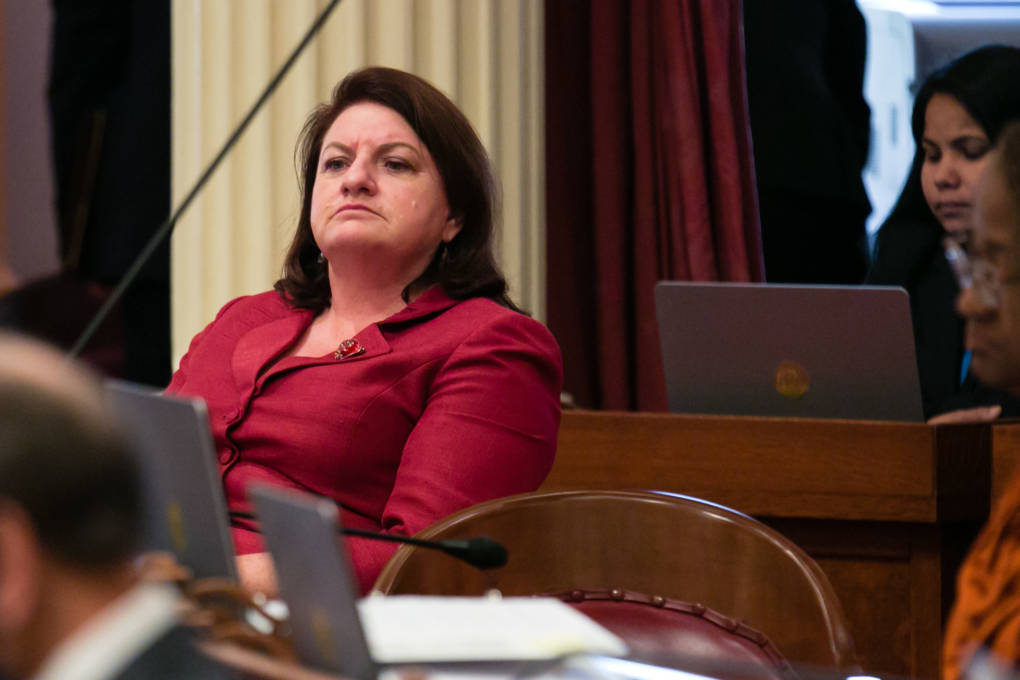
"caption": "California State Sen. Toni Atkins in Sacramento on May 15, 2017.",
"description": "California State Sen. Toni Atkins in Sacramento on May 15, 2017.",
"title": "RS25472_20170515_StateCapitol_Sen_ToniAtkins_credit_BertJohnson-1-qut",
"credit": "Bert Johnson/KQED",
"status": "inherit",
"isLoading": false,
"fetchFailed": false
},
"news_11656952": {
"type": "attachments",
"id": "news_11656952",
"meta": {
"index": "attachments_1716263798",
"site": "news",
"id": "11656952",
"found": true
},
"parent": 11656951,
"imgSizes": {
"small": {
"file": "https://ww2.kqed.org/app/uploads/sites/10/2018/03/ap_18079562737183_wide-795f16f11b8a0437bad878da07b9ee071131d802-520x292.jpg",
"width": 520,
"mimeType": "image/jpeg",
"height": 292
},
"twentyfourteen-full-width": {
"file": "https://ww2.kqed.org/app/uploads/sites/10/2018/03/ap_18079562737183_wide-795f16f11b8a0437bad878da07b9ee071131d802-1038x576.jpg",
"width": 1038,
"mimeType": "image/jpeg",
"height": 576
},
"thumbnail": {
"file": "https://ww2.kqed.org/app/uploads/sites/10/2018/03/ap_18079562737183_wide-795f16f11b8a0437bad878da07b9ee071131d802-160x90.jpg",
"width": 160,
"mimeType": "image/jpeg",
"height": 90
},
"fd-sm": {
"file": "https://ww2.kqed.org/app/uploads/sites/10/2018/03/ap_18079562737183_wide-795f16f11b8a0437bad878da07b9ee071131d802-960x540.jpg",
"width": 960,
"mimeType": "image/jpeg",
"height": 540
},
"post-thumbnail": {
"file": "https://ww2.kqed.org/app/uploads/sites/10/2018/03/ap_18079562737183_wide-795f16f11b8a0437bad878da07b9ee071131d802-672x372.jpg",
"width": 672,
"mimeType": "image/jpeg",
"height": 372
},
"xsmall": {
"file": "https://ww2.kqed.org/app/uploads/sites/10/2018/03/ap_18079562737183_wide-795f16f11b8a0437bad878da07b9ee071131d802-375x211.jpg",
"width": 375,
"mimeType": "image/jpeg",
"height": 211
},
"kqedFullSize": {
"file": "https://ww2.kqed.org/app/uploads/sites/10/2018/03/ap_18079562737183_wide-795f16f11b8a0437bad878da07b9ee071131d802-e1521587221115.jpg",
"width": 1920,
"height": 1080
},
"large": {
"file": "https://ww2.kqed.org/app/uploads/sites/10/2018/03/ap_18079562737183_wide-795f16f11b8a0437bad878da07b9ee071131d802-1020x574.jpg",
"width": 1020,
"mimeType": "image/jpeg",
"height": 574
},
"xlarge": {
"file": "https://ww2.kqed.org/app/uploads/sites/10/2018/03/ap_18079562737183_wide-795f16f11b8a0437bad878da07b9ee071131d802-1180x664.jpg",
"width": 1180,
"mimeType": "image/jpeg",
"height": 664
},
"guest-author-50": {
"file": "https://ww2.kqed.org/app/uploads/sites/10/2018/03/ap_18079562737183_wide-795f16f11b8a0437bad878da07b9ee071131d802-50x50.jpg",
"width": 50,
"mimeType": "image/jpeg",
"height": 50
},
"guest-author-96": {
"file": "https://ww2.kqed.org/app/uploads/sites/10/2018/03/ap_18079562737183_wide-795f16f11b8a0437bad878da07b9ee071131d802-96x96.jpg",
"width": 96,
"mimeType": "image/jpeg",
"height": 96
},
"medium": {
"file": "https://ww2.kqed.org/app/uploads/sites/10/2018/03/ap_18079562737183_wide-795f16f11b8a0437bad878da07b9ee071131d802-800x450.jpg",
"width": 800,
"mimeType": "image/jpeg",
"height": 450
},
"guest-author-64": {
"file": "https://ww2.kqed.org/app/uploads/sites/10/2018/03/ap_18079562737183_wide-795f16f11b8a0437bad878da07b9ee071131d802-64x64.jpg",
"width": 64,
"mimeType": "image/jpeg",
"height": 64
},
"guest-author-32": {
"file": "https://ww2.kqed.org/app/uploads/sites/10/2018/03/ap_18079562737183_wide-795f16f11b8a0437bad878da07b9ee071131d802-32x32.jpg",
"width": 32,
"mimeType": "image/jpeg",
"height": 32
},
"fd-lrg": {
"file": "https://ww2.kqed.org/app/uploads/sites/10/2018/03/ap_18079562737183_wide-795f16f11b8a0437bad878da07b9ee071131d802-1920x1080.jpg",
"width": 1920,
"mimeType": "image/jpeg",
"height": 1080
},
"fd-med": {
"file": "https://ww2.kqed.org/app/uploads/sites/10/2018/03/ap_18079562737183_wide-795f16f11b8a0437bad878da07b9ee071131d802-1180x664.jpg",
"width": 1180,
"mimeType": "image/jpeg",
"height": 664
},
"full-width": {
"file": "https://ww2.kqed.org/app/uploads/sites/10/2018/03/ap_18079562737183_wide-795f16f11b8a0437bad878da07b9ee071131d802-1920x1080.jpg",
"width": 1920,
"mimeType": "image/jpeg",
"height": 1080
},
"detail": {
"file": "https://ww2.kqed.org/app/uploads/sites/10/2018/03/ap_18079562737183_wide-795f16f11b8a0437bad878da07b9ee071131d802-150x150.jpg",
"width": 150,
"mimeType": "image/jpeg",
"height": 150
},
"guest-author-128": {
"file": "https://ww2.kqed.org/app/uploads/sites/10/2018/03/ap_18079562737183_wide-795f16f11b8a0437bad878da07b9ee071131d802-128x128.jpg",
"width": 128,
"mimeType": "image/jpeg",
"height": 128
},
"xxsmall": {
"file": "https://ww2.kqed.org/app/uploads/sites/10/2018/03/ap_18079562737183_wide-795f16f11b8a0437bad878da07b9ee071131d802-240x135.jpg",
"width": 240,
"mimeType": "image/jpeg",
"height": 135
}
},
"publishDate": 1521587039,
"modified": 1521587252,
"caption": "The city council in Los Alamitos, in Orange County, has given its preliminary approval to a measure exempting the city from a state law that limits cooperation between local police and federal immigration agents. Mayor Troy Edgar is seen here on Monday outside Los Alamitos City Hall.",
"description": "The city council in Los Alamitos, in Orange County, has given its preliminary approval to a measure exempting the city from a state law that limits cooperation between local police and federal immigration agents. Mayor Troy Edgar is seen here on Monday outside Los Alamitos City Hall.",
"title": "The city council in Los Alamitos, Calif., has given its preliminary approval to a measure exempting the city from a state law that limits cooperation between local police and federal immigration agents. Mayor Troy Edgar is seen here on Monday outside Los Alamitos City Hall.",
"credit": "Amy Taxin/AP",
"status": "inherit",
"isLoading": false,
"fetchFailed": false
},
"news_11654421": {
"type": "attachments",
"id": "news_11654421",
"meta": {
"index": "attachments_1716263798",
"site": "news",
"id": "11654421",
"found": true
},
"parent": 11654420,
"imgSizes": {
"small": {
"file": "https://ww2.kqed.org/app/uploads/sites/10/2018/03/RS21360_alt_507-520x418.jpg",
"width": 520,
"mimeType": "image/jpeg",
"height": 418
},
"twentyfourteen-full-width": {
"file": "https://ww2.kqed.org/app/uploads/sites/10/2018/03/RS21360_alt_507-1038x576.jpg",
"width": 1038,
"mimeType": "image/jpeg",
"height": 576
},
"thumbnail": {
"file": "https://ww2.kqed.org/app/uploads/sites/10/2018/03/RS21360_alt_507-160x129.jpg",
"width": 160,
"mimeType": "image/jpeg",
"height": 129
},
"fd-sm": {
"file": "https://ww2.kqed.org/app/uploads/sites/10/2018/03/RS21360_alt_507-960x772.jpg",
"width": 960,
"mimeType": "image/jpeg",
"height": 772
},
"post-thumbnail": {
"file": "https://ww2.kqed.org/app/uploads/sites/10/2018/03/RS21360_alt_507-672x372.jpg",
"width": 672,
"mimeType": "image/jpeg",
"height": 372
},
"xsmall": {
"file": "https://ww2.kqed.org/app/uploads/sites/10/2018/03/RS21360_alt_507-375x301.jpg",
"width": 375,
"mimeType": "image/jpeg",
"height": 301
},
"kqedFullSize": {
"file": "https://ww2.kqed.org/app/uploads/sites/10/2018/03/RS21360_alt_507.jpg",
"width": 1920,
"height": 1543
},
"large": {
"file": "https://ww2.kqed.org/app/uploads/sites/10/2018/03/RS21360_alt_507-1020x820.jpg",
"width": 1020,
"mimeType": "image/jpeg",
"height": 820
},
"xlarge": {
"file": "https://ww2.kqed.org/app/uploads/sites/10/2018/03/RS21360_alt_507-1180x948.jpg",
"width": 1180,
"mimeType": "image/jpeg",
"height": 948
},
"guest-author-50": {
"file": "https://ww2.kqed.org/app/uploads/sites/10/2018/03/RS21360_alt_507-50x50.jpg",
"width": 50,
"mimeType": "image/jpeg",
"height": 50
},
"guest-author-96": {
"file": "https://ww2.kqed.org/app/uploads/sites/10/2018/03/RS21360_alt_507-96x96.jpg",
"width": 96,
"mimeType": "image/jpeg",
"height": 96
},
"medium": {
"file": "https://ww2.kqed.org/app/uploads/sites/10/2018/03/RS21360_alt_507-800x643.jpg",
"width": 800,
"mimeType": "image/jpeg",
"height": 643
},
"guest-author-64": {
"file": "https://ww2.kqed.org/app/uploads/sites/10/2018/03/RS21360_alt_507-64x64.jpg",
"width": 64,
"mimeType": "image/jpeg",
"height": 64
},
"guest-author-32": {
"file": "https://ww2.kqed.org/app/uploads/sites/10/2018/03/RS21360_alt_507-32x32.jpg",
"width": 32,
"mimeType": "image/jpeg",
"height": 32
},
"fd-lrg": {
"file": "https://ww2.kqed.org/app/uploads/sites/10/2018/03/RS21360_alt_507-1920x1543.jpg",
"width": 1920,
"mimeType": "image/jpeg",
"height": 1543
},
"fd-med": {
"file": "https://ww2.kqed.org/app/uploads/sites/10/2018/03/RS21360_alt_507-1180x948.jpg",
"width": 1180,
"mimeType": "image/jpeg",
"height": 948
},
"full-width": {
"file": "https://ww2.kqed.org/app/uploads/sites/10/2018/03/RS21360_alt_507-1920x1543.jpg",
"width": 1920,
"mimeType": "image/jpeg",
"height": 1543
},
"detail": {
"file": "https://ww2.kqed.org/app/uploads/sites/10/2018/03/RS21360_alt_507-150x150.jpg",
"width": 150,
"mimeType": "image/jpeg",
"height": 150
},
"guest-author-128": {
"file": "https://ww2.kqed.org/app/uploads/sites/10/2018/03/RS21360_alt_507-128x128.jpg",
"width": 128,
"mimeType": "image/jpeg",
"height": 128
},
"xxsmall": {
"file": "https://ww2.kqed.org/app/uploads/sites/10/2018/03/RS21360_alt_507-240x193.jpg",
"width": 240,
"mimeType": "image/jpeg",
"height": 193
}
},
"publishDate": 1520456937,
"modified": 1520456979,
"caption": null,
"description": null,
"title": "RS21360_alt_507",
"credit": "Alex Emslie/KQED",
"status": "inherit",
"isLoading": false,
"fetchFailed": false
},
"news_11656837": {
"type": "attachments",
"id": "news_11656837",
"meta": {
"index": "attachments_1716263798",
"site": "news",
"id": "11656837",
"found": true
},
"parent": 11656836,
"imgSizes": {
"small": {
"file": "https://ww2.kqed.org/app/uploads/sites/10/2018/03/gettyimages-872186594_sq-48f2ff912303e1158006941bceccedf9ede5ab21-520x520.jpg",
"width": 520,
"mimeType": "image/jpeg",
"height": 520
},
"twentyfourteen-full-width": {
"file": "https://ww2.kqed.org/app/uploads/sites/10/2018/03/gettyimages-872186594_sq-48f2ff912303e1158006941bceccedf9ede5ab21-1038x576.jpg",
"width": 1038,
"mimeType": "image/jpeg",
"height": 576
},
"thumbnail": {
"file": "https://ww2.kqed.org/app/uploads/sites/10/2018/03/gettyimages-872186594_sq-48f2ff912303e1158006941bceccedf9ede5ab21-160x160.jpg",
"width": 160,
"mimeType": "image/jpeg",
"height": 160
},
"fd-sm": {
"file": "https://ww2.kqed.org/app/uploads/sites/10/2018/03/gettyimages-872186594_sq-48f2ff912303e1158006941bceccedf9ede5ab21-960x960.jpg",
"width": 960,
"mimeType": "image/jpeg",
"height": 960
},
"post-thumbnail": {
"file": "https://ww2.kqed.org/app/uploads/sites/10/2018/03/gettyimages-872186594_sq-48f2ff912303e1158006941bceccedf9ede5ab21-672x372.jpg",
"width": 672,
"mimeType": "image/jpeg",
"height": 372
},
"xsmall": {
"file": "https://ww2.kqed.org/app/uploads/sites/10/2018/03/gettyimages-872186594_sq-48f2ff912303e1158006941bceccedf9ede5ab21-375x375.jpg",
"width": 375,
"mimeType": "image/jpeg",
"height": 375
},
"kqedFullSize": {
"file": "https://ww2.kqed.org/app/uploads/sites/10/2018/03/gettyimages-872186594_sq-48f2ff912303e1158006941bceccedf9ede5ab21-e1521573131479.jpg",
"width": 1920,
"height": 1920
},
"large": {
"file": "https://ww2.kqed.org/app/uploads/sites/10/2018/03/gettyimages-872186594_sq-48f2ff912303e1158006941bceccedf9ede5ab21-1020x1020.jpg",
"width": 1020,
"mimeType": "image/jpeg",
"height": 1020
},
"xlarge": {
"file": "https://ww2.kqed.org/app/uploads/sites/10/2018/03/gettyimages-872186594_sq-48f2ff912303e1158006941bceccedf9ede5ab21-1180x1180.jpg",
"width": 1180,
"mimeType": "image/jpeg",
"height": 1180
},
"guest-author-50": {
"file": "https://ww2.kqed.org/app/uploads/sites/10/2018/03/gettyimages-872186594_sq-48f2ff912303e1158006941bceccedf9ede5ab21-50x50.jpg",
"width": 50,
"mimeType": "image/jpeg",
"height": 50
},
"guest-author-96": {
"file": "https://ww2.kqed.org/app/uploads/sites/10/2018/03/gettyimages-872186594_sq-48f2ff912303e1158006941bceccedf9ede5ab21-96x96.jpg",
"width": 96,
"mimeType": "image/jpeg",
"height": 96
},
"medium": {
"file": "https://ww2.kqed.org/app/uploads/sites/10/2018/03/gettyimages-872186594_sq-48f2ff912303e1158006941bceccedf9ede5ab21-800x800.jpg",
"width": 800,
"mimeType": "image/jpeg",
"height": 800
},
"guest-author-64": {
"file": "https://ww2.kqed.org/app/uploads/sites/10/2018/03/gettyimages-872186594_sq-48f2ff912303e1158006941bceccedf9ede5ab21-64x64.jpg",
"width": 64,
"mimeType": "image/jpeg",
"height": 64
},
"guest-author-32": {
"file": "https://ww2.kqed.org/app/uploads/sites/10/2018/03/gettyimages-872186594_sq-48f2ff912303e1158006941bceccedf9ede5ab21-32x32.jpg",
"width": 32,
"mimeType": "image/jpeg",
"height": 32
},
"fd-lrg": {
"file": "https://ww2.kqed.org/app/uploads/sites/10/2018/03/gettyimages-872186594_sq-48f2ff912303e1158006941bceccedf9ede5ab21-1920x1920.jpg",
"width": 1920,
"mimeType": "image/jpeg",
"height": 1920
},
"fd-med": {
"file": "https://ww2.kqed.org/app/uploads/sites/10/2018/03/gettyimages-872186594_sq-48f2ff912303e1158006941bceccedf9ede5ab21-1180x1180.jpg",
"width": 1180,
"mimeType": "image/jpeg",
"height": 1180
},
"full-width": {
"file": "https://ww2.kqed.org/app/uploads/sites/10/2018/03/gettyimages-872186594_sq-48f2ff912303e1158006941bceccedf9ede5ab21-1920x1920.jpg",
"width": 1920,
"mimeType": "image/jpeg",
"height": 1920
},
"detail": {
"file": "https://ww2.kqed.org/app/uploads/sites/10/2018/03/gettyimages-872186594_sq-48f2ff912303e1158006941bceccedf9ede5ab21-150x150.jpg",
"width": 150,
"mimeType": "image/jpeg",
"height": 150
},
"guest-author-128": {
"file": "https://ww2.kqed.org/app/uploads/sites/10/2018/03/gettyimages-872186594_sq-48f2ff912303e1158006941bceccedf9ede5ab21-128x128.jpg",
"width": 128,
"mimeType": "image/jpeg",
"height": 128
},
"xxsmall": {
"file": "https://ww2.kqed.org/app/uploads/sites/10/2018/03/gettyimages-872186594_sq-48f2ff912303e1158006941bceccedf9ede5ab21-240x240.jpg",
"width": 240,
"mimeType": "image/jpeg",
"height": 240
}
},
"publishDate": 1521572706,
"modified": 1521573148,
"caption": "Cambridge Analytica's CEO Alexander Nix gives an interview during the 2017 Web Summit in Lisbon on Nov. 9.",
"description": "Cambridge Analytica's CEO Alexander Nix gives an interview during the 2017 Web Summit in Lisbon on Nov. 9.",
"title": "Cambridge Analytica's CEO Alexander Nix gives an interview during the 2017 Web Summit in Lisbon on Nov. 9.",
"credit": "Patricia De Melo Moreira/AFP/Getty Images",
"status": "inherit",
"isLoading": false,
"fetchFailed": false
},
"news_11656814": {
"type": "attachments",
"id": "news_11656814",
"meta": {
"index": "attachments_1716263798",
"site": "news",
"id": "11656814",
"found": true
},
"parent": 11656813,
"imgSizes": {
"small": {
"file": "https://ww2.kqed.org/app/uploads/sites/10/2018/03/scotus-pro-life-ee5d75887fe2141a1d6dbcb025526559b9769ee9-520x390.jpg",
"width": 520,
"mimeType": "image/jpeg",
"height": 390
},
"twentyfourteen-full-width": {
"file": "https://ww2.kqed.org/app/uploads/sites/10/2018/03/scotus-pro-life-ee5d75887fe2141a1d6dbcb025526559b9769ee9-1038x576.jpg",
"width": 1038,
"mimeType": "image/jpeg",
"height": 576
},
"thumbnail": {
"file": "https://ww2.kqed.org/app/uploads/sites/10/2018/03/scotus-pro-life-ee5d75887fe2141a1d6dbcb025526559b9769ee9-160x120.jpg",
"width": 160,
"mimeType": "image/jpeg",
"height": 120
},
"fd-sm": {
"file": "https://ww2.kqed.org/app/uploads/sites/10/2018/03/scotus-pro-life-ee5d75887fe2141a1d6dbcb025526559b9769ee9-960x720.jpg",
"width": 960,
"mimeType": "image/jpeg",
"height": 720
},
"post-thumbnail": {
"file": "https://ww2.kqed.org/app/uploads/sites/10/2018/03/scotus-pro-life-ee5d75887fe2141a1d6dbcb025526559b9769ee9-672x372.jpg",
"width": 672,
"mimeType": "image/jpeg",
"height": 372
},
"xsmall": {
"file": "https://ww2.kqed.org/app/uploads/sites/10/2018/03/scotus-pro-life-ee5d75887fe2141a1d6dbcb025526559b9769ee9-375x281.jpg",
"width": 375,
"mimeType": "image/jpeg",
"height": 281
},
"kqedFullSize": {
"file": "https://ww2.kqed.org/app/uploads/sites/10/2018/03/scotus-pro-life-ee5d75887fe2141a1d6dbcb025526559b9769ee9-e1521570912567.jpg",
"width": 1920,
"height": 1440
},
"large": {
"file": "https://ww2.kqed.org/app/uploads/sites/10/2018/03/scotus-pro-life-ee5d75887fe2141a1d6dbcb025526559b9769ee9-1020x765.jpg",
"width": 1020,
"mimeType": "image/jpeg",
"height": 765
},
"xlarge": {
"file": "https://ww2.kqed.org/app/uploads/sites/10/2018/03/scotus-pro-life-ee5d75887fe2141a1d6dbcb025526559b9769ee9-1180x885.jpg",
"width": 1180,
"mimeType": "image/jpeg",
"height": 885
},
"guest-author-50": {
"file": "https://ww2.kqed.org/app/uploads/sites/10/2018/03/scotus-pro-life-ee5d75887fe2141a1d6dbcb025526559b9769ee9-50x50.jpg",
"width": 50,
"mimeType": "image/jpeg",
"height": 50
},
"guest-author-96": {
"file": "https://ww2.kqed.org/app/uploads/sites/10/2018/03/scotus-pro-life-ee5d75887fe2141a1d6dbcb025526559b9769ee9-96x96.jpg",
"width": 96,
"mimeType": "image/jpeg",
"height": 96
},
"medium": {
"file": "https://ww2.kqed.org/app/uploads/sites/10/2018/03/scotus-pro-life-ee5d75887fe2141a1d6dbcb025526559b9769ee9-800x600.jpg",
"width": 800,
"mimeType": "image/jpeg",
"height": 600
},
"guest-author-64": {
"file": "https://ww2.kqed.org/app/uploads/sites/10/2018/03/scotus-pro-life-ee5d75887fe2141a1d6dbcb025526559b9769ee9-64x64.jpg",
"width": 64,
"mimeType": "image/jpeg",
"height": 64
},
"guest-author-32": {
"file": "https://ww2.kqed.org/app/uploads/sites/10/2018/03/scotus-pro-life-ee5d75887fe2141a1d6dbcb025526559b9769ee9-32x32.jpg",
"width": 32,
"mimeType": "image/jpeg",
"height": 32
},
"fd-lrg": {
"file": "https://ww2.kqed.org/app/uploads/sites/10/2018/03/scotus-pro-life-ee5d75887fe2141a1d6dbcb025526559b9769ee9-1920x1440.jpg",
"width": 1920,
"mimeType": "image/jpeg",
"height": 1440
},
"fd-med": {
"file": "https://ww2.kqed.org/app/uploads/sites/10/2018/03/scotus-pro-life-ee5d75887fe2141a1d6dbcb025526559b9769ee9-1180x885.jpg",
"width": 1180,
"mimeType": "image/jpeg",
"height": 885
},
"full-width": {
"file": "https://ww2.kqed.org/app/uploads/sites/10/2018/03/scotus-pro-life-ee5d75887fe2141a1d6dbcb025526559b9769ee9-1920x1440.jpg",
"width": 1920,
"mimeType": "image/jpeg",
"height": 1440
},
"detail": {
"file": "https://ww2.kqed.org/app/uploads/sites/10/2018/03/scotus-pro-life-ee5d75887fe2141a1d6dbcb025526559b9769ee9-150x150.jpg",
"width": 150,
"mimeType": "image/jpeg",
"height": 150
},
"guest-author-128": {
"file": "https://ww2.kqed.org/app/uploads/sites/10/2018/03/scotus-pro-life-ee5d75887fe2141a1d6dbcb025526559b9769ee9-128x128.jpg",
"width": 128,
"mimeType": "image/jpeg",
"height": 128
},
"xxsmall": {
"file": "https://ww2.kqed.org/app/uploads/sites/10/2018/03/scotus-pro-life-ee5d75887fe2141a1d6dbcb025526559b9769ee9-240x180.jpg",
"width": 240,
"mimeType": "image/jpeg",
"height": 180
}
},
"publishDate": 1521570746,
"modified": 1521570900,
"caption": "Anti-abortion activists protest in the rain in front of the Supreme Court. The court is hearing arguments Tuesday on the state of crisis pregnancy centers.",
"description": "Anti-abortion activists protest in the rain in front of the Supreme Court. The court is hearing arguments Tuesday on the state of crisis pregnancy centers.",
"title": "Anti-abortion activists protest in the rain in front of the Supreme Court. The court is hearing arguments Tuesday on the state of crisis pregnancy centers.",
"credit": "Lee Sheehan/NPR",
"status": "inherit",
"isLoading": false,
"fetchFailed": false
},
"news_11656452": {
"type": "attachments",
"id": "news_11656452",
"meta": {
"index": "attachments_1716263798",
"site": "news",
"id": "11656452",
"found": true
},
"parent": 11656451,
"imgSizes": {
"small": {
"file": "https://ww2.kqed.org/app/uploads/sites/10/2018/03/Screen-Shot-2018-03-17-at-9.37.48-PM-520x391.png",
"width": 520,
"mimeType": "image/png",
"height": 391
},
"twentyfourteen-full-width": {
"file": "https://ww2.kqed.org/app/uploads/sites/10/2018/03/Screen-Shot-2018-03-17-at-9.37.48-PM-1038x576.png",
"width": 1038,
"mimeType": "image/png",
"height": 576
},
"thumbnail": {
"file": "https://ww2.kqed.org/app/uploads/sites/10/2018/03/Screen-Shot-2018-03-17-at-9.37.48-PM-160x120.png",
"width": 160,
"mimeType": "image/png",
"height": 120
},
"fd-sm": {
"file": "https://ww2.kqed.org/app/uploads/sites/10/2018/03/Screen-Shot-2018-03-17-at-9.37.48-PM-960x722.png",
"width": 960,
"mimeType": "image/png",
"height": 722
},
"post-thumbnail": {
"file": "https://ww2.kqed.org/app/uploads/sites/10/2018/03/Screen-Shot-2018-03-17-at-9.37.48-PM-672x372.png",
"width": 672,
"mimeType": "image/png",
"height": 372
},
"xsmall": {
"file": "https://ww2.kqed.org/app/uploads/sites/10/2018/03/Screen-Shot-2018-03-17-at-9.37.48-PM-375x282.png",
"width": 375,
"mimeType": "image/png",
"height": 282
},
"kqedFullSize": {
"file": "https://ww2.kqed.org/app/uploads/sites/10/2018/03/Screen-Shot-2018-03-17-at-9.37.48-PM.png",
"width": 1638,
"height": 1232
},
"large": {
"file": "https://ww2.kqed.org/app/uploads/sites/10/2018/03/Screen-Shot-2018-03-17-at-9.37.48-PM-1020x767.png",
"width": 1020,
"mimeType": "image/png",
"height": 767
},
"xlarge": {
"file": "https://ww2.kqed.org/app/uploads/sites/10/2018/03/Screen-Shot-2018-03-17-at-9.37.48-PM-1180x888.png",
"width": 1180,
"mimeType": "image/png",
"height": 888
},
"guest-author-50": {
"file": "https://ww2.kqed.org/app/uploads/sites/10/2018/03/Screen-Shot-2018-03-17-at-9.37.48-PM-50x50.png",
"width": 50,
"mimeType": "image/png",
"height": 50
},
"guest-author-96": {
"file": "https://ww2.kqed.org/app/uploads/sites/10/2018/03/Screen-Shot-2018-03-17-at-9.37.48-PM-96x96.png",
"width": 96,
"mimeType": "image/png",
"height": 96
},
"medium": {
"file": "https://ww2.kqed.org/app/uploads/sites/10/2018/03/Screen-Shot-2018-03-17-at-9.37.48-PM-800x602.png",
"width": 800,
"mimeType": "image/png",
"height": 602
},
"guest-author-64": {
"file": "https://ww2.kqed.org/app/uploads/sites/10/2018/03/Screen-Shot-2018-03-17-at-9.37.48-PM-64x64.png",
"width": 64,
"mimeType": "image/png",
"height": 64
},
"guest-author-32": {
"file": "https://ww2.kqed.org/app/uploads/sites/10/2018/03/Screen-Shot-2018-03-17-at-9.37.48-PM-32x32.png",
"width": 32,
"mimeType": "image/png",
"height": 32
},
"fd-med": {
"file": "https://ww2.kqed.org/app/uploads/sites/10/2018/03/Screen-Shot-2018-03-17-at-9.37.48-PM-1180x888.png",
"width": 1180,
"mimeType": "image/png",
"height": 888
},
"detail": {
"file": "https://ww2.kqed.org/app/uploads/sites/10/2018/03/Screen-Shot-2018-03-17-at-9.37.48-PM-150x150.png",
"width": 150,
"mimeType": "image/png",
"height": 150
},
"guest-author-128": {
"file": "https://ww2.kqed.org/app/uploads/sites/10/2018/03/Screen-Shot-2018-03-17-at-9.37.48-PM-128x128.png",
"width": 128,
"mimeType": "image/png",
"height": 128
},
"xxsmall": {
"file": "https://ww2.kqed.org/app/uploads/sites/10/2018/03/Screen-Shot-2018-03-17-at-9.37.48-PM-240x181.png",
"width": 240,
"mimeType": "image/png",
"height": 181
}
},
"publishDate": 1521347894,
"modified": 1521347993,
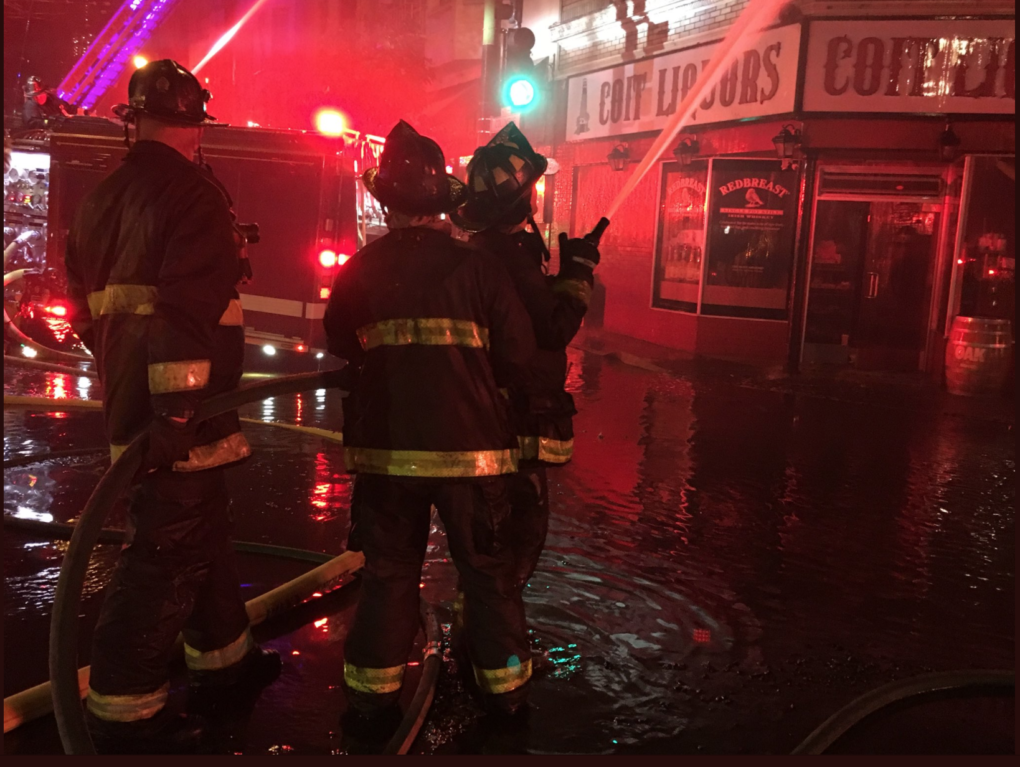
"caption": "Firefighters battle a four-alarm building fire in San Francisco's North Beach neighborhood on Saturday, March 17, 2018.",
"description": "Firefighters battle a four-alarm building fire in San Francisco's North Beach neighborhood on Saturday, March 17, 2018.",
"title": "Screen Shot 2018-03-17 at 9.37.48 PM",
"credit": "San Francisco Fire Department/via Twitter",
"status": "inherit",
"isLoading": false,
"fetchFailed": false
},
"news_10951736": {
"type": "attachments",
"id": "news_10951736",
"meta": {
"index": "attachments_1716263798",
"site": "news",
"id": "10951736",
"found": true
},
"parent": 10951668,
"imgSizes": {
"jmtc-small-thumb": {
"file": "https://ww2.kqed.org/app/uploads/sites/10/2016/05/Screenshot-2016-05-10-15.55.43-280x150.png",
"width": 280,
"mimeType": "image/png",
"height": 150
},
"thumbnail": {
"file": "https://ww2.kqed.org/app/uploads/sites/10/2016/05/Screenshot-2016-05-10-15.55.43-400x246.png",
"width": 400,
"mimeType": "image/png",
"height": 246
},
"post-thumbnail": {
"file": "https://ww2.kqed.org/app/uploads/sites/10/2016/05/Screenshot-2016-05-10-15.55.43-672x372.png",
"width": 672,
"mimeType": "image/png",
"height": 372
},
"kqedFullSize": {
"file": "https://ww2.kqed.org/app/uploads/sites/10/2016/05/Screenshot-2016-05-10-15.55.43.png",
"width": 800,
"height": 491
},
"guest-author-96": {
"file": "https://ww2.kqed.org/app/uploads/sites/10/2016/05/Screenshot-2016-05-10-15.55.43-96x96.png",
"width": 96,
"mimeType": "image/png",
"height": 96
},
"medium": {
"file": "https://ww2.kqed.org/app/uploads/sites/10/2016/05/Screenshot-2016-05-10-15.55.43-800x491.png",
"width": 800,
"mimeType": "image/png",
"height": 491
},
"guest-author-64": {
"file": "https://ww2.kqed.org/app/uploads/sites/10/2016/05/Screenshot-2016-05-10-15.55.43-64x64.png",
"width": 64,
"mimeType": "image/png",
"height": 64
},
"detail": {
"file": "https://ww2.kqed.org/app/uploads/sites/10/2016/05/Screenshot-2016-05-10-15.55.43-150x150.png",
"width": 150,
"mimeType": "image/png",
"height": 150
},
"guest-author-32": {
"file": "https://ww2.kqed.org/app/uploads/sites/10/2016/05/Screenshot-2016-05-10-15.55.43-32x32.png",
"width": 32,
"mimeType": "image/png",
"height": 32
},
"guest-author-128": {
"file": "https://ww2.kqed.org/app/uploads/sites/10/2016/05/Screenshot-2016-05-10-15.55.43-128x128.png",
"width": 128,
"mimeType": "image/png",
"height": 128
}
},
"publishDate": 1462921044,
"modified": 1521513197,
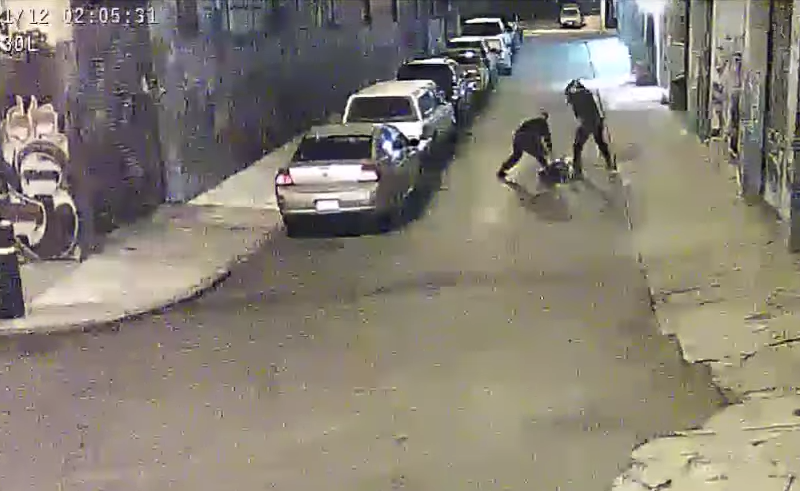
"caption": "Frame from video showing Alameda County sheriff's deputies beating car theft suspect Stanislav Petrov on Nov. 12, 2015. ",
"description": "Frame from video showing Alameda County sheriff's deputies beating car theft suspect Stanislav Petrov on Nov. 12, 2015. ",
"title": "Stanislav Petrov-Alameda County Deputies",
"credit": "San Francisco Public Defender",
"status": "inherit",
"isLoading": false,
"fetchFailed": false
},
"news_11353304": {
"type": "attachments",
"id": "news_11353304",
"meta": {
"index": "attachments_1716263798",
"site": "news",
"id": "11353304",
"found": true
},
"parent": 11353296,
"imgSizes": {
"small": {
"file": "https://ww2.kqed.org/app/uploads/sites/10/2017/03/uber-driverless-car-1920-520x346.jpg",
"width": 520,
"mimeType": "image/jpeg",
"height": 346
},
"twentyfourteen-full-width": {
"file": "https://ww2.kqed.org/app/uploads/sites/10/2017/03/uber-driverless-car-1920-1038x576.jpg",
"width": 1038,
"mimeType": "image/jpeg",
"height": 576
},
"thumbnail": {
"file": "https://ww2.kqed.org/app/uploads/sites/10/2017/03/uber-driverless-car-1920-160x107.jpg",
"width": 160,
"mimeType": "image/jpeg",
"height": 107
},
"fd-sm": {
"file": "https://ww2.kqed.org/app/uploads/sites/10/2017/03/uber-driverless-car-1920-960x639.jpg",
"width": 960,
"mimeType": "image/jpeg",
"height": 639
},
"post-thumbnail": {
"file": "https://ww2.kqed.org/app/uploads/sites/10/2017/03/uber-driverless-car-1920-672x372.jpg",
"width": 672,
"mimeType": "image/jpeg",
"height": 372
},
"xsmall": {
"file": "https://ww2.kqed.org/app/uploads/sites/10/2017/03/uber-driverless-car-1920-375x250.jpg",
"width": 375,
"mimeType": "image/jpeg",
"height": 250
},
"kqedFullSize": {
"file": "https://ww2.kqed.org/app/uploads/sites/10/2017/03/uber-driverless-car-1920.jpg",
"width": 1920,
"height": 1278
},
"large": {
"file": "https://ww2.kqed.org/app/uploads/sites/10/2017/03/uber-driverless-car-1920-1020x679.jpg",
"width": 1020,
"mimeType": "image/jpeg",
"height": 679
},
"xlarge": {
"file": "https://ww2.kqed.org/app/uploads/sites/10/2017/03/uber-driverless-car-1920-1180x785.jpg",
"width": 1180,
"mimeType": "image/jpeg",
"height": 785
},
"guest-author-50": {
"file": "https://ww2.kqed.org/app/uploads/sites/10/2017/03/uber-driverless-car-1920-50x50.jpg",
"width": 50,
"mimeType": "image/jpeg",
"height": 50
},
"guest-author-96": {
"file": "https://ww2.kqed.org/app/uploads/sites/10/2017/03/uber-driverless-car-1920-96x96.jpg",
"width": 96,
"mimeType": "image/jpeg",
"height": 96
},
"medium": {
"file": "https://ww2.kqed.org/app/uploads/sites/10/2017/03/uber-driverless-car-1920-800x533.jpg",
"width": 800,
"mimeType": "image/jpeg",
"height": 533
},
"guest-author-64": {
"file": "https://ww2.kqed.org/app/uploads/sites/10/2017/03/uber-driverless-car-1920-64x64.jpg",
"width": 64,
"mimeType": "image/jpeg",
"height": 64
},
"guest-author-32": {
"file": "https://ww2.kqed.org/app/uploads/sites/10/2017/03/uber-driverless-car-1920-32x32.jpg",
"width": 32,
"mimeType": "image/jpeg",
"height": 32
},
"fd-lrg": {
"file": "https://ww2.kqed.org/app/uploads/sites/10/2017/03/uber-driverless-car-1920-1920x1278.jpg",
"width": 1920,
"mimeType": "image/jpeg",
"height": 1278
},
"fd-med": {
"file": "https://ww2.kqed.org/app/uploads/sites/10/2017/03/uber-driverless-car-1920-1180x785.jpg",
"width": 1180,
"mimeType": "image/jpeg",
"height": 785
},
"full-width": {
"file": "https://ww2.kqed.org/app/uploads/sites/10/2017/03/uber-driverless-car-1920-1920x1278.jpg",
"width": 1920,
"mimeType": "image/jpeg",
"height": 1278
},
"detail": {
"file": "https://ww2.kqed.org/app/uploads/sites/10/2017/03/uber-driverless-car-1920-150x150.jpg",
"width": 150,
"mimeType": "image/jpeg",
"height": 150
},
"guest-author-128": {
"file": "https://ww2.kqed.org/app/uploads/sites/10/2017/03/uber-driverless-car-1920-128x128.jpg",
"width": 128,
"mimeType": "image/jpeg",
"height": 128
},
"xxsmall": {
"file": "https://ww2.kqed.org/app/uploads/sites/10/2017/03/uber-driverless-car-1920-240x160.jpg",
"width": 240,
"mimeType": "image/jpeg",
"height": 160
}
},
"publishDate": 1489177462,
"modified": 1521484159,
"caption": "Pilot models of the Uber self-driving car are displayed at the Uber Advanced Technologies Center on Sept. 13, 2016, in Pittsburgh, Pennsylvania.",
"description": null,
"title": "uber-driverless-car-1920",
"credit": "Angelo Merendino/AFP-Getty Images",
"status": "inherit",
"isLoading": false,
"fetchFailed": false
}
},
"audioPlayerReducer": {
"postId": "stream_live",
"isPaused": true,
"isPlaying": false,
"pfsActive": false,
"pledgeModalIsOpen": true,
"playerDrawerIsOpen": false,
"liveAudioPlayStartedAt": 0,
"liveAudioPlayContext": ""
},
"authorsReducer": {
"byline_news_11657101": {
"type": "authors",
"id": "byline_news_11657101",
"meta": {
"override": true
},
"slug": "byline_news_11657101",
"name": "\u003cstrong>\u003ca href=\"https://capitalandmain.com/author/jrubin\">Joe Rubin\u003c/a>\u003c/strong>",
"isLoading": false
},
"byline_news_11657090": {
"type": "authors",
"id": "byline_news_11657090",
"meta": {
"override": true
},
"slug": "byline_news_11657090",
"name": "\u003cstrong>Alina Selyukh\u003c/strong>",
"isLoading": false
},
"byline_news_11657055": {
"type": "authors",
"id": "byline_news_11657055",
"meta": {
"override": true
},
"slug": "byline_news_11657055",
"name": "\u003cstrong>Janie Har\u003cbr /> Associated Press\u003c/strong>",
"isLoading": false
},
"byline_news_11657032": {
"type": "authors",
"id": "byline_news_11657032",
"meta": {
"override": true
},
"slug": "byline_news_11657032",
"name": "\u003cstrong>Scott Neuman\u003c/strong>",
"isLoading": false
},
"byline_news_11656951": {
"type": "authors",
"id": "byline_news_11656951",
"meta": {
"override": true
},
"slug": "byline_news_11656951",
"name": "Laurel Wamsley",
"isLoading": false
},
"byline_news_11656836": {
"type": "authors",
"id": "byline_news_11656836",
"meta": {
"override": true
},
"slug": "byline_news_11656836",
"name": "Scott Neuman",
"isLoading": false
},
"byline_news_11656813": {
"type": "authors",
"id": "byline_news_11656813",
"meta": {
"override": true
},
"slug": "byline_news_11656813",
"name": "Nina Totenberg",
"isLoading": false
},
"danbrekke": {
"type": "authors",
"id": "222",
"meta": {
"index": "authors_1716337520",
"id": "222",
"found": true
},
"name": "Dan Brekke",
"firstName": "Dan",
"lastName": "Brekke",
"slug": "danbrekke",
"email": "dbrekke@kqed.org",
"display_author_email": true,
"staff_mastheads": [
"news",
"science"
],
"title": "KQED Editor and Reporter",
"bio": "Dan Brekke is a reporter and editor for KQED News, responsible for coverage of topics ranging from California water issues to the Bay Area's transportation challenges. In a newsroom career that began in Chicago in 1972, Dan has worked for \u003cem>The San Francisco Examiner,\u003c/em> Wired and TechTV and has been published in The New York Times, The New York Times Magazine, Business 2.0, Salon and elsewhere.\r\n\r\nSince joining KQED in 2007, Dan has reported, edited and produced both radio and online features and breaking news pieces. He has shared as both editor and reporter in four Society of Professional Journalists Norcal Excellence in Journalism awards and one Edward R. Murrow regional award. He was chosen for a spring 2017 residency at the Mesa Refuge to advance his research on California salmon.\r\n\r\nEmail Dan at: \u003ca href=\"mailto:dbrekke@kqed.org\">dbrekke@kqed.org\u003c/a>\r\n\r\n\u003cstrong>Twitter:\u003c/strong> \u003ca href=\"https://twitter.com/danbrekke\" rel=\"noopener noreferrer\">twitter.com/danbrekke\u003c/a>\r\n\u003cstrong>Facebook:\u003c/strong> \u003ca href=\"https://www.facebook.com/danbrekke\" rel=\"noopener noreferrer\">www.facebook.com/danbrekke\u003c/a>\r\n\u003cstrong>LinkedIn:\u003c/strong> \u003ca href=\"https://www.linkedin.com/in/danbrekke\" rel=\"noopener noreferrer\">www.linkedin.com/in/danbrekke\u003c/a>",
"avatar": "https://secure.gravatar.com/avatar/8f1f0d2a978fb3b23426c922c7e2af558fa36905b49c4ce76a97dc3c72d27226?s=600&d=mm&r=g",
"twitter": "danbrekke",
"bluesky": null,
"facebook": null,
"instagram": "https://www.instagram.com/dan.brekke/",
"linkedin": "https://www.linkedin.com/in/danbrekke/",
"sites": [
{
"site": "news",
"roles": [
"administrator",
"create_posts"
]
},
{
"site": "stateofhealth",
"roles": [
"editor"
]
},
{
"site": "science",
"roles": [
"editor"
]
},
{
"site": "quest",
"roles": [
"contributor"
]
},
{
"site": "food",
"roles": [
"contributor"
]
},
{
"site": "forum",
"roles": [
"contributor"
]
},
{
"site": "elections",
"roles": [
"editor"
]
},
{
"site": "liveblog",
"roles": [
"editor"
]
}
],
"headData": {
"title": "Dan Brekke | KQED",
"description": "KQED Editor and Reporter",
"ogImgSrc": "https://secure.gravatar.com/avatar/8f1f0d2a978fb3b23426c922c7e2af558fa36905b49c4ce76a97dc3c72d27226?s=600&d=mm&r=g",
"twImgSrc": "https://secure.gravatar.com/avatar/8f1f0d2a978fb3b23426c922c7e2af558fa36905b49c4ce76a97dc3c72d27226?s=600&d=mm&r=g"
},
"isLoading": false,
"link": "/author/danbrekke"
},
"tgoldberg": {
"type": "authors",
"id": "258",
"meta": {
"index": "authors_1716337520",
"id": "258",
"found": true
},
"name": "Ted Goldberg",
"firstName": "Ted",
"lastName": "Goldberg",
"slug": "tgoldberg",
"email": "tgoldberg@kqed.org",
"display_author_email": true,
"staff_mastheads": [
"news"
],
"title": "KQED Managing Editor, News and Newscasts",
"bio": "Ted Goldberg is Managing Editor of News and Newscasts at KQED. His main reporting beat is the Bay Area's oil refining industry.\r\n\r\nPrior to joining KQED in 2014, Ted worked at CBS News and WCBS AM in New York and Bay City News and KCBS Radio in San Francisco. He graduated from Oberlin College in Ohio in 1998.",
"avatar": "https://secure.gravatar.com/avatar/30ce2e4fe89135e104f89be2394d16225b9d36c121b5b3cb7651ce642978b96f?s=600&d=blank&r=g",
"twitter": "TedrickG",
"bluesky": null,
"facebook": null,
"instagram": null,
"linkedin": null,
"sites": [
{
"site": "news",
"roles": [
"editor"
]
},
{
"site": "science",
"roles": [
"editor"
]
}
],
"headData": {
"title": "Ted Goldberg | KQED",
"description": "KQED Managing Editor, News and Newscasts",
"ogImgSrc": "https://secure.gravatar.com/avatar/30ce2e4fe89135e104f89be2394d16225b9d36c121b5b3cb7651ce642978b96f?s=600&d=blank&r=g",
"twImgSrc": "https://secure.gravatar.com/avatar/30ce2e4fe89135e104f89be2394d16225b9d36c121b5b3cb7651ce642978b96f?s=600&d=blank&r=g"
},
"isLoading": false,
"link": "/author/tgoldberg"
},
"aemslie": {
"type": "authors",
"id": "3206",
"meta": {
"index": "authors_1716337520",
"id": "3206",
"found": true
},
"name": "Alex Emslie",
"firstName": "Alex",
"lastName": "Emslie",
"slug": "aemslie",
"email": "aemslie@kqed.org",
"display_author_email": true,
"staff_mastheads": [
"news"
],
"title": "KQED Senior Editor",
"bio": "Alex Emslie is senior editor of talent and development at KQED, where he manages dozens of early career journalists and oversees news department internships.\r\n\r\nHe is a former carpenter and proud graduate of City College of San Francisco and San Francisco State University, where he studied journalism and criminal justice before joining KQED in 2013.\r\n\r\nAlex produced investigative journalism focused on \u003ca href=\"https://www.kqed.org/news/11667594/the-trials-of-marvin-mutch-video\">criminal justice\u003c/a> and policing for most of a decade. He has broken major stories about \u003ca href=\"https://www.kqed.org/news/135682/amid-a-series-of-vallejo-police-shootings-one-officers-name-stands-out\">police use of deadly force\u003c/a>, \u003ca href=\"https://www.kqed.org/news/10454955/racist-texts-prompt-sfpd-internal-investigation\">officer misconduct\u003c/a> and \u003ca href=\"https://www.kqed.org/news/11712239/terrorist-or-troll-judge-to-weigh-whether-oakland-man-really-intended-to-attack-bay-area\">other\u003c/a> \u003ca href=\"https://www.kqed.org/news/11221414/hayward-paid-159000-to-husband-of-retired-police-chief-documents-show\">high\u003c/a>-\u003ca href=\"https://www.kqed.org/news/10622762/the-forgotten-tracking-two-homicides-in-san-francisco-public-housing\">profile\u003c/a> \u003ca href=\"https://www.kqed.org/news/11624516/federal-agency-promoted-ranger-just-months-after-his-gun-was-stolen-and-used-in-steinle-killing\">cases\u003c/a>. He co-founded the \u003ca href=\"https://projects.scpr.org/california-reporting-project/\">California Reporting Project\u003c/a> in 2019 to obtain and report on previously confidential police internal investigations. The effort produced well over 100 original stories and changed the course of multiple criminal cases.\r\n\r\nHis work has been recognized with numerous journalism awards, including a national Edward R. Murrow award for several years of \u003ca href=\"https://www.kqed.org/news/11688481/sfpd-officers-in-mario-woods-case-recount-shooting-in-newly-filed-depositions\">reporting\u003c/a> on the San Francisco Police shooting of Mario Woods. His \u003ca href=\"https://www.kqed.org/news/147854/half-of-those-killed-by-san-francisco-police-are-mentally-ill\">reporting\u003c/a> on police killings of people in psychiatric crisis was cited in amicus briefs before the U.S. Supreme Court.\r\n\r\nAlex now enjoys mentoring the next generation of journalists at KQED.",
"avatar": "https://secure.gravatar.com/avatar/e691e65209f20e9da202bd730ead5663?s=600&d=blank&r=g",
"twitter": "SFNewsReporter",
"facebook": null,
"instagram": null,
"linkedin": null,
"sites": [
{
"site": "arts",
"roles": [
"editor"
]
},
{
"site": "news",
"roles": [
"editor"
]
},
{
"site": "mindshift",
"roles": [
"editor"
]
},
{
"site": "stateofhealth",
"roles": [
"editor"
]
},
{
"site": "science",
"roles": [
"administrator"
]
}
],
"headData": {
"title": "Alex Emslie | KQED",
"description": "KQED Senior Editor",
"ogImgSrc": "https://secure.gravatar.com/avatar/e691e65209f20e9da202bd730ead5663?s=600&d=blank&r=g",
"twImgSrc": "https://secure.gravatar.com/avatar/e691e65209f20e9da202bd730ead5663?s=600&d=blank&r=g"
},
"isLoading": false,
"link": "/author/aemslie"
},
"korr": {
"type": "authors",
"id": "11200",
"meta": {
"index": "authors_1716337520",
"id": "11200",
"found": true
},
"name": "Katie Orr",
"firstName": "Katie",
"lastName": "Orr",
"slug": "korr",
"email": "korr@kqed.org",
"display_author_email": false,
"staff_mastheads": [],
"title": "KQED Contributor",
"bio": "Katie Orr was a Sacramento-based reporter for KQED's Politics and Government Desk, covering the state Capitol and a variety of issues including women in politics, voting and elections and legislation. Prior to joining KQED in 2016, Katie was state government reporter for Capital Public Radio in Sacramento. She's also worked for KPBS in San Diego, where she covered City Hall.\r\n\r\nKatie received her masters degree in political science from San Diego State University and holds a Bachelors degree in broadcast journalism from Arizona State University.\r\n\r\nIn 2015 Katie won a national Clarion Award for a series of stories she did on women in California politics. She's been honored by the Society for Professional Journalists and, in 2013, was named by \u003cem>The Washington Post\u003c/em> as one of the country's top state Capitol reporters. She's also reported for the award-winning documentary series \u003cem>The View from Here \u003c/em>and was part of the team that won national PRNDI and Gabriel Awards in 2015. She lives in Sacramento with her husband. Twitter: @1KatieOrr",
"avatar": "https://secure.gravatar.com/avatar/41a40b25845adc78f50808670860449e?s=600&d=blank&r=g",
"twitter": "1katieorr",
"facebook": null,
"instagram": null,
"linkedin": null,
"sites": [
{
"site": "news",
"roles": [
"subscriber"
]
},
{
"site": "stateofhealth",
"roles": [
"author"
]
},
{
"site": "forum",
"roles": [
"author"
]
}
],
"headData": {
"title": "Katie Orr | KQED",
"description": "KQED Contributor",
"ogImgSrc": "https://secure.gravatar.com/avatar/41a40b25845adc78f50808670860449e?s=600&d=blank&r=g",
"twImgSrc": "https://secure.gravatar.com/avatar/41a40b25845adc78f50808670860449e?s=600&d=blank&r=g"
},
"isLoading": false,
"link": "/author/korr"
}
},
"pagesReducer": {
"news_program_news-fix": {
"type": "terms",
"id": "news_6944",
"meta": {
"index": "terms_1716263798",
"site": "news",
"id": "6944",
"score": 16.377514
},
"featImg": "https://ww2.kqed.org/app/uploads/sites/10/2014/10/News-Fix-Logo-Web-Banners-04.png",
"name": "News Fix",
"description": null,
"taxonomy": "program",
"headData": {
"twImgId": null,
"twTitle": null,
"ogTitle": null,
"ogImgId": null,
"twDescription": null,
"description": "The News Fix is a daily news podcast from KQED that breaks down the latest headlines and provides in-depth analysis of the stories that matter to the Bay Area.",
"title": "News Fix - Daily Dose of Bay Area News | KQED",
"ogDescription": null
},
"ttid": 6968,
"slug": "news-fix",
"isLoading": false,
"title": "News Fix",
"pageMeta": {
"site": "news",
"WpPageTemplate": "page-topic-editorial",
"currentPage": 5
},
"blocks": [
{
"blockName": "kqed/post-list",
"attrs": {
"layout": "cardArticle2",
"query": "posts/news?program=news-fix",
"seeMore": false,
"paginated": true,
"page": 5
}
},
{
"blockName": "kqed/ad"
}
]
}
},
"pfsSessionReducer": {},
"postsReducer": {
"stream_live": {
"type": "live",
"id": "stream_live",
"audioUrl": "https://streams.kqed.org/kqedradio",
"title": "Live Stream",
"excerpt": "Live Stream information currently unavailable.",
"link": "/radio",
"featImg": "",
"label": {
"name": "KQED Live",
"link": "/"
}
},
"stream_kqedNewscast": {
"type": "posts",
"id": "stream_kqedNewscast",
"audioUrl": "https://www.kqed.org/.stream/anon/radio/RDnews/newscast.mp3?_=1",
"title": "KQED Newscast",
"featImg": "",
"label": {
"name": "88.5 FM",
"link": "/"
}
},
"news_11657101": {
"type": "posts",
"id": "news_11657101",
"meta": {
"index": "posts_1716263798",
"site": "news",
"id": "11657101",
"score": null,
"sort": [
1521668093000
]
},
"guestAuthors": [],
"slug": "battery-blood-how-california-health-agencies-failed-exide-workers",
"title": "Battery Blood: How California Health Agencies Failed Exide Workers",
"publishDate": 1521668093,
"format": "audio",
"headTitle": "Battery Blood: How California Health Agencies Failed Exide Workers | KQED",
"labelTerm": {},
"content": "\u003cp>\u003cem>This article from \u003ca href=\"https://capitalandmain.com/\" rel=\"noopener\" target=\"_blank\">Capital & Main\u003c/a> was produced as a project for the \u003ca href=\"https://www.centerforhealthjournalism.org/event/2015-california-health-data-journalism-fellowship\" rel=\"noopener\" target=\"_blank\">California Data Fellowship\u003c/a>, a program of the USC Annenberg \u003ca href=\"https://www.centerforhealthjournalism.org/\" rel=\"noopener\" target=\"_blank\">Center for Health Journalism\u003c/a>.\u003c/em>\u003c/p>\n\u003cp>[dropcap]F[/dropcap]or nearly a century a hulking industrial plant near downtown Los Angeles melted down car batteries to reclaim their lead. The facility, most recently owned by Exide Technologies, was shut down in 2015 in a deal the company made with the U.S. Department of Justice to avoid criminal prosecution for polluting nearby residential communities. Neighborhood activists have criticized California’s Department of Toxic Substances, which allowed Exide to continue operating for years with a temporary permit, despite evidence it was a major polluter. But a year-long investigation by \u003ca href=\"https://capitalandmain.com/\" rel=\"noopener\" target=\"_blank\">Capital & Main\u003c/a> and the University of Southern California’s Annenberg Health Reporting Center has found that two other agencies, the California Department of Public Health (CDPH) and the Division of Occupational Safety and Health (Cal/OSHA), failed to take action during a simmering public health crisis involving hundreds of lead-poisoned workers at the plant.\u003c/p>\n\u003cp>Between 1987 and 2014, according to records we obtained from CDPH, California health officials were aware of more than 2,300 blood tests from the plant’s workers revealing blood-lead levels above 25 micrograms per deciliter — high enough to cause miscarriages, tremors, mood disorders and heart disease. While CDPH lacks the power to levy fines or mandate changes, it may refer cases to Cal/OSHA, which has that authority. But except for one fleeting moment in 1996, the agencies have operated in virtual silos, failing to coordinate actions or share incontrovertible evidence that the facility was a potential death trap.\u003c/p>\n\u003cp>\u003cimg loading=\"lazy\" decoding=\"async\" src=\"https://ww2.kqed.org/news/wp-content/uploads/sites/10/2018/03/PossibleHealthLeadPoisoning-800x1371.jpg\" alt=\"\" width=\"800\" height=\"1371\" class=\"aligncenter size-medium wp-image-11657148\" srcset=\"https://cdn.kqed.org/wp-content/uploads/sites/10/2018/03/PossibleHealthLeadPoisoning-800x1371.jpg 800w, https://cdn.kqed.org/wp-content/uploads/sites/10/2018/03/PossibleHealthLeadPoisoning-160x274.jpg 160w, https://cdn.kqed.org/wp-content/uploads/sites/10/2018/03/PossibleHealthLeadPoisoning-240x411.jpg 240w, https://cdn.kqed.org/wp-content/uploads/sites/10/2018/03/PossibleHealthLeadPoisoning-375x643.jpg 375w, https://cdn.kqed.org/wp-content/uploads/sites/10/2018/03/PossibleHealthLeadPoisoning-520x891.jpg 520w, https://cdn.kqed.org/wp-content/uploads/sites/10/2018/03/PossibleHealthLeadPoisoning.jpg 804w\" sizes=\"(max-width: 800px) 100vw, 800px\">\u003c/p>\n\u003cp>“It’s distressing to know that Exide workers were exposed at that level and chronically,” said Dr. Bruce Lanphear, a physician and leading lead researcher with Simon Fraser University in Vancouver, Canada. “We’ve known for decades that lead at those levels can lead to hypertension and chronic renal failure [kidney disease]. California regulators were aware of this information and should have better protected these workers.”\u003c/p>\n\u003cp>[ad fullwidth]\u003c/p>\n\u003cp>In contrast to the anemic enforcement by California officials, regulators in much of the rest of the nation have, thanks to a strict federal lead directive issued in 2001, cracked down on perilous battery recycling plants — issuing six-figure fines and requiring multimillion-dollar safety improvements. Although the federal lead directive is legally binding in states where workers are directly protected by federal OSHA and eight other state-run programs that adopted these standards, California, the nation’s most populous state, never embraced them.\u003c/p>\n\u003ch3>Exide appealed a $280 Cal/OSHA fine. It was ultimately reduced to $150 — less than the cost of a speeding ticket.\u003c/h3>\n\u003cp>Despite California’s seemingly lower standards, Cal/OSHA told Capital & Main that “Cal/OSHA’s program is required to be, and is, at least as effective as federal OSHA.” However, despite hundreds of workers who developed lead poisoning at the plant, the only fine specifically related to lead that we found issued by Cal/OSHA at the site, which recycled about 25,000 lead-acid car batteries a day, was a 2008 citation for $150 — less than the cost of a speeding ticket.\u003c/p>\n\u003cp>[dropcap]T[/dropcap]he lead problem at the Vernon plant, which was acquired by Exide in 2000, goes back a long time. In the 1970s, Jim Dahlgren, today a retired physician, treated 120 severely lead-poisoned workers from the plant, then owned by National Lead, and helped qualify them for disability insurance. Dahlgren, who worked for UCLA, at the time, claimed that nearly all of those men died prematurely from complications due to lead exposure and that several patients fell into lead-induced comas. Dahlgren said his patients’ blood levels routinely measured above 100 micrograms per deciliter (μg/dL), a potentially lethal level. “Every single organ system of the body is impacted adversely by lead,” Dahlgren said. “These men had symptoms that ran the spectrum — severe abdominal pain, vomiting, diarrhea, palpitations, chest pains, trouble thinking, headaches.”\u003c/p>\n\u003cp>Dahlgren’s account was echoed in a 1973 Los Angeles Times article headlined “Plant Fumes Poisoning Plant Workers, Union Says,” and an obscure 1976 documentary, “\u003ca href=\"https://www.youtube.com/watch?v=APJXKJVlMVk&t=287s\">Lead Smelter\u003c/a>,” which interviewed Dahlgren, along with gaunt, bedridden workers and their families.\u003c/p>\n\u003cp>https://www.youtube.com/watch?v=APJXKJVlMVk&t=287s\u003c/p>\n\u003cp>Luis Rodriguez, a poet and writer who achieved fame with his memoir about escaping gang life, “Always Running, La Vida Loca, Gang Days in L.A.,” spent six months in 1978 working in the Vernon plant as a smelter. The plant’s huge furnaces melted down car batteries and separated out the lead into what is called slag.\u003c/p>\n\u003cp>“After you use the furnace, all the lead would fall to the bottom and there was a hole in the back called a slag hole,” Rodriguez said. “I had to use a jackhammer to hammer it open, and pull the slag out and put it into carts. A good friend of mine said, ‘You know you got to get out of there. Lead will kill you and your family.’ That woke me up, might have saved my life.”\u003c/p>\n\u003cp>The CDPH declined interview requests or to answer specific questions by email, and instead issued a statement that read in part, “CDPH takes seriously any incidents that may affect the public health of the people in California,” adding that “there are always lessons to be learned, especially in the case of long-running complex community public health issues.”\u003c/p>\n\u003cp>Exide’s lead-poisoning problem, however, was well known to state officials. Because battery recycling involves potentially lethal exposure to lead, the company was required to test workers’ blood several times per year and to report the results to the CDPH. (Exide did not respond to emails and phone messages requesting comment.)\u003c/p>\n\u003cp>Despite the fact that CDPH was aware of more than 2,300 concerning blood lead tests among workers at the Vernon site, our investigation found that CDPH referred the company to Cal/OSHA only a few times in the 1990s, and that between 1990 and 2013, inspections of the plant related to lead by Cal/OSHA occurred only in 1995, 1996 and 2008. Records we obtained show the 1995 inspection was triggered by a complaint to Cal/OSHA from a private physician who had treated a plant worker with symptoms of lead poisoning and alarming blood-lead levels. Cal/OSHA determined “no serious injuries or illnesses detected” and issued no fines. The company, according to the inspection report, also told Cal/OSHA that “engineering controls were not feasible at the plant.”\u003c/p>\n\u003cdiv class=\"tableauPlaceholder\" id=\"viz1521665837143\" style=\"position: relative\">\u003cnoscript>\u003ca href=\"https://capitalandmain.com/battery-blood-how-california-health-agencies-failed-exide-workers-0321\">\u003cimg alt=\"Exide/GNB Workers' Annual Peak Blood Lead Levels (BLL)Tabulated by year, 1987-2014; data source: California Department of Public Health (CDPH). Exide Technologies acquired GNB Technologies in 2000. CDPH data reflects peak (BLL) test per individual worke \" src=\"https://public.tableau.com/static/images/Ta/Tableau_Book-3/CDPHAnnualPeakBLL/1_rss.png\" style=\"border: none\">\u003c/a>\u003c/noscript>\u003cobject class=\"tableauViz\" style=\"display:none;\">\u003cparam name=\"host_url\" value=\"https%3A%2F%2Fpublic.tableau.com%2F\">\u003cparam name=\"embed_code_version\" value=\"3\">\u003cparam name=\"site_root\" value=\"\">\u003cparam name=\"name\" value=\"Tableau_Book-3/CDPHAnnualPeakBLL\">\u003cparam name=\"tabs\" value=\"no\">\u003cparam name=\"toolbar\" value=\"yes\">\u003cparam name=\"static_image\" value=\"https://public.tableau.com/static/images/Ta/Tableau_Book-3/CDPHAnnualPeakBLL/1.png\">\u003cparam name=\"animate_transition\" value=\"yes\">\u003cparam name=\"display_static_image\" value=\"yes\">\u003cparam name=\"display_spinner\" value=\"yes\">\u003cparam name=\"display_overlay\" value=\"yes\">\u003cparam name=\"display_count\" value=\"yes\">\u003c/object>\u003c/div>\n\u003cp> \u003cscript type=\"text/javascript\"> var divElement = document.getElementById('viz1521665837143'); var vizElement = divElement.getElementsByTagName('object')[0]; vizElement.style.width='720px';vizElement.style.height='627px'; var scriptElement = document.createElement('script'); scriptElement.src = 'https://public.tableau.com/javascripts/api/viz_v1.js'; vizElement.parentNode.insertBefore(scriptElement, vizElement); \u003c/script>\u003c/p>\n\u003cp>By then the plant had changed hands and was owned by GNB Technologies. Despite the new ownership, lead poisoning among workers was still a huge problem. Blood-lead testing tracked by CDPH showed that in 1995, 135 workers at the site that year had seriously elevated levels of lead in their blood, and 33 workers had blood-lead levels above 40 μg/dL.\u003c/p>\n\u003cp>The same year Cal/OSHA’s inspection report dismissed concerns about fundamental safety at the plant, CDPH was expressing extreme concern. In 1995 CDPH’s Occupational Lead Poisoning Prevention Program chief, Barbara Materna, wrote a letter to GNB’s regional director, David Wesley, noting that the Vernon workers had blood-lead levels high enough to cause “increased blood pressure, damaged sperm, and impaired learning ability in children exposed to lead during pregnancy.” CDPH also expressed grave concerns that airborne levels of lead found in parts of the plant were more than 50 times above federal safety standards.\u003c/p>\n\u003caside class=\"pullquote alignright\">‘The agency is a battleground between those who see the prime directive as protecting workers and others who are fearful of hurting the bottom line of industry.’\u003ccite>Mariano Kramer, former Cal/OSHA manager\u003c/cite>\u003c/aside>\n\u003cp>By 1996 CDPH had had enough. “Our policy is to work cooperatively with those who are improving health and safety conditions in their workplace,” Materna wrote GNB. “However, if serious conditions are not addressed in a timely manner we are obligated to make referrals to Cal/OSHA for enforcement actions.”\u003c/p>\n\u003cp>Capital & Main spoke to Mariano Kramer, then a Los Angeles-area Cal/OSHA district manager, who CDPH sent the referral letter to. In 1996, after receiving a referral from CDPH, he supervised the only inspection we could find that appears to have had any teeth behind it.\u003c/p>\n\u003cp>Cal/OSHA told us it was unable to locate records related to the 1996 inspection. Kramer recalls the case vividly, however: “It was a very messy situation at the plant and a lengthy process. We required them to make substantial safety improvements.” The fines and required safety upgrades, which Kramer said were levied, seemed to make a difference at the plant. Lead poisoning cases dropped 25 percent the following year.\u003c/p>\n\u003cfigure id=\"attachment_11657170\" class=\"wp-caption aligncenter\" style=\"max-width: 800px\">\u003cimg loading=\"lazy\" decoding=\"async\" src=\"https://ww2.kqed.org/news/wp-content/uploads/sites/10/2018/03/ExideExterior-800x533.jpg\" alt=\"The exterior of the now-shuttered Exide plant in Los Angeles.\" width=\"800\" height=\"533\" class=\"size-medium wp-image-11657170\" srcset=\"https://cdn.kqed.org/wp-content/uploads/sites/10/2018/03/ExideExterior-800x533.jpg 800w, https://cdn.kqed.org/wp-content/uploads/sites/10/2018/03/ExideExterior-160x107.jpg 160w, https://cdn.kqed.org/wp-content/uploads/sites/10/2018/03/ExideExterior-1020x680.jpg 1020w, https://cdn.kqed.org/wp-content/uploads/sites/10/2018/03/ExideExterior-1180x787.jpg 1180w, https://cdn.kqed.org/wp-content/uploads/sites/10/2018/03/ExideExterior-960x640.jpg 960w, https://cdn.kqed.org/wp-content/uploads/sites/10/2018/03/ExideExterior-240x160.jpg 240w, https://cdn.kqed.org/wp-content/uploads/sites/10/2018/03/ExideExterior-375x250.jpg 375w, https://cdn.kqed.org/wp-content/uploads/sites/10/2018/03/ExideExterior-520x347.jpg 520w, https://cdn.kqed.org/wp-content/uploads/sites/10/2018/03/ExideExterior.jpg 1500w\" sizes=\"(max-width: 800px) 100vw, 800px\">\u003cfigcaption class=\"wp-caption-text\">The exterior of the now-shuttered Exide plant in Los Angeles. \u003ccite>(Joanne Kim/Capital & Main)\u003c/cite>\u003c/figcaption>\u003c/figure>\n\u003cp>[dropcap]H[/dropcap]owever, the monitoring of the Vernon plant, which Exide Technologies purchased in 2000, became less frequent and appears to have amounted to an annual form letter. In 2005 CDPH told Exide, “We recently received one or more reports of elevated blood-lead levels at or above 40 μg/dL for employees of Exide Technologies.” The letter continued, “Elevated BLLs indicate serious problems with your lead safety program that should be corrected. They may also indicate violations of the Cal/OSHA Lead Standard.”\u003c/p>\n\u003cp>By then, according to records provided to Capital & Main by CDPH, about 40 workers per year continued to show alarming levels of lead in their blood. It wasn’t until 2008 that Cal/OSHA performed a new lead-safety inspection at the site. The inspection stemmed from an anonymous complaint from an Exide worker, and the inspectors don’t appear to have been armed with any of the information collected by CDPH. When inspectors arrived at the sprawling Vernon plant, records show, they took just one swipe of a surface in search of evidence of lead dust. The sample was taken on a shelf next to a telephone — in an office that was designated a lead-free zone, where workers were supposed to be able to take breaks without wearing any protective equipment. While the shelf had lead levels far in excess of federal standards, Cal/OSHA fined Exide just $280 for the safety violation it labeled “low” in severity. Exide appealed the fine and the violation was ultimately reduced to $150.\u003c/p>\n\u003cp>Cal/OSHA appeared even less concerned with the toxic air to which workers were exposed in the plant’s smelting room. Alvin Richardson, a 20-year plant veteran, said he remembers Cal/OSHA coming to inspect the site in 2008 and affixing an air monitor to his clothing to measure the amount of lead that he and other workers were being exposed to. Richardson says he wasn’t told the results, even though he had become a canary in the coal mine.\u003c/p>\n\u003cp>Experts we spoke to, including Kramer, say the results from Richardson’s air monitor, which measured airborne lead more than 13 times above levels federal limits, could have required the evacuation of workers and at a minimum should have resulted in stiff penalties.\u003c/p>\n\u003cp>But when the results came back, Cal/OSHA may have employed some creative math. (See equation below.) Because Richardson was wearing a respirator mask, Cal/OSHA’s report reasoned its inspectors could divide the level of exposure by a factor of 50. (See formula below.) After the airborne lead levels were divided by 50, the inspection gave the smelting operation a clean bill of health, no fines were issued for the airborne lead, and the company was allowed to keep up its operation without making any engineering changes.\u003c/p>\n\u003cp>\u003cimg loading=\"lazy\" decoding=\"async\" src=\"https://ww2.kqed.org/news/wp-content/uploads/sites/10/2018/03/word-image.png\" alt=\"\" width=\"691\" height=\"80\" class=\"aligncenter size-full wp-image-11657131\" srcset=\"https://cdn.kqed.org/wp-content/uploads/sites/10/2018/03/word-image.png 691w, https://cdn.kqed.org/wp-content/uploads/sites/10/2018/03/word-image-160x19.png 160w, https://cdn.kqed.org/wp-content/uploads/sites/10/2018/03/word-image-240x28.png 240w, https://cdn.kqed.org/wp-content/uploads/sites/10/2018/03/word-image-375x43.png 375w, https://cdn.kqed.org/wp-content/uploads/sites/10/2018/03/word-image-520x60.png 520w\" sizes=\"(max-width: 691px) 100vw, 691px\">\u003c/p>\n\u003cp>Cal/OSHA declined repeated requests for in-person interviews about its lead-related protocols or to comment on former workers who claim to be suffering today. In response to queries about the seemingly inadequate 2008 inspection, Cal/OSHA spokeswoman Erika Monterroza responded via email, “The division can only issue citations when it finds sufficient evidence of violations. The inspection was handled appropriately.”\u003c/p>\n\u003cp>But Clyde Payne, who for 23 years was the area director of U.S. OSHA’s Jackson, Mississippi, office, said that applying the equation employed by Cal/OSHA violated a fundamental OSHA principle. “The principle,” Payne said, “is you are not allowed to use the respirator to excuse toxic air. You have to implement other controls like ventilation and proper hygiene.”\u003c/p>\n\u003cp>Payne explained that the equation which Cal/OSHA employed is intended to be used to determine if employers are using proper respirators, or if they need to provide a better respirator. “Because we assume that workers are going to get exposed in other ways, you don’t utilize that type of division to excuse violations of the air standards.” Payne added, “There is no question it’s challenging for companies to get those levels of airborne lead down, but if you do not have somebody riding your rear end, you won’t try.”\u003c/p>\n\u003cp>[dropcap]M[/dropcap]ariano Kramer retired in 2011 and today works as an instructor at the Dominguez Hills OSHA Training Center. After reviewing the report of the 2008 inspection of the plant, he said the levels of airborne lead that Alvin Richardson and other workers were exposed to were completely unacceptable. “One of the basic tenets of safety and health is the hierarchy of controls,” Kramer said. “You start with administrative and engineering, and the last thing that you do is personal protective equipment. Because with ventilators, you are doing nothing to correct the hazard. All you’re doing is putting a barrier to the hazard.”\u003c/p>\n\u003cp>A review of federal OSHA inspections carried out around the same time as Cal/OSHA’s 2008 inspection of Exide in Vernon does show that dramatically different standards were employed. For example, during their 2012 inspection of a Johnson Controls battery recycling plant in Ohio, OSHA inspectors affixed air monitors to workers just as they did with Richardson in California. The level of lead detected was one-third what Richardson and other Exide workers were exposed to. But because the OSHA inspectors did not employ the division formula utilized in California, they deemed the exposure levels as a “serious” violation of OSHA regulations. All told, OSHA issued to Johnson Controls Battery Group Inc. fines of $188,000, more than 1,200 times the $150 fine issued to Exide during Cal/OSHA’s 2008 inspection for violating lead standards.\u003c/p>\n\u003cp>Alvin Richardson told us that when he left the company in 2011 he suffered from what he believed to be lead-related symptoms, including exhaustion and tremors. After he departed his daily routine at Exide, Richardson hoped his symptoms would improve, but they worsened. Today the 53-year-old suffers from chronic weakness and kidney problems. \u003c/p>\n\u003cp>“He can’t stand for very long,” Alvin’s wife LaShawn Richardson told us, adding that her husband had just received state disability status after a seven-year struggle.\u003c/p>\n\u003cfigure id=\"attachment_11657173\" class=\"wp-caption aligncenter\" style=\"max-width: 800px\">\u003cimg loading=\"lazy\" decoding=\"async\" src=\"https://ww2.kqed.org/news/wp-content/uploads/sites/10/2018/03/ExideExterior2-800x533.jpg\" alt=\"The exterior of the now-shuttered Exide plant in Los Angeles.\" width=\"800\" height=\"533\" class=\"size-medium wp-image-11657173\" srcset=\"https://cdn.kqed.org/wp-content/uploads/sites/10/2018/03/ExideExterior2-800x533.jpg 800w, https://cdn.kqed.org/wp-content/uploads/sites/10/2018/03/ExideExterior2-160x107.jpg 160w, https://cdn.kqed.org/wp-content/uploads/sites/10/2018/03/ExideExterior2-1020x680.jpg 1020w, https://cdn.kqed.org/wp-content/uploads/sites/10/2018/03/ExideExterior2-1180x787.jpg 1180w, https://cdn.kqed.org/wp-content/uploads/sites/10/2018/03/ExideExterior2-960x640.jpg 960w, https://cdn.kqed.org/wp-content/uploads/sites/10/2018/03/ExideExterior2-240x160.jpg 240w, https://cdn.kqed.org/wp-content/uploads/sites/10/2018/03/ExideExterior2-375x250.jpg 375w, https://cdn.kqed.org/wp-content/uploads/sites/10/2018/03/ExideExterior2-520x347.jpg 520w, https://cdn.kqed.org/wp-content/uploads/sites/10/2018/03/ExideExterior2.jpg 1500w\" sizes=\"(max-width: 800px) 100vw, 800px\">\u003cfigcaption class=\"wp-caption-text\">The exterior of the now-shuttered Exide plant in Los Angeles. \u003ccite>(Joanne Kim/Capital & Main)\u003c/cite>\u003c/figcaption>\u003c/figure>\n\u003cp>Kramer believes that two long-running problems at Cal/OSHA likely contributed to an inadequate inspection in 2008. \u003c/p>\n\u003cp>“The agency is kind of a political football, a battleground between those who see the prime directive as protecting workers and others who are fearful of hurting the bottom line of industry. Some staff also have a poor understanding of health-related safety issues like lead. The agency is better at recognizing a crane that might fall. When it comes to nearly invisible toxins like lead dust, that can be a problem.”\u003c/p>\n\u003cp>Rania Sabty-Daily, an expert in industrial hygiene and an assistant professor at California State University, Northridge, told Capital & Main that one of the stumbling blocks preventing better protection of California workers are long-delayed changes to the state’s lead standards. The standards formulated in the 1970s allow employees to continue working even with blood lead levels up to 50 μg/dL. Health experts consider those standards out of date because the U.S. Centers for Disease Control and Prevention and other authorities say permanent damage can occur at levels as low as 10 μg/dL. In 2009 CDPH issued new recommendations and asked Cal/OSHA to call for removing workers with lead levels above 20 μg/dL and not returning them until they fall to below 15 μg/dL. In addition CDPH proposed that a more protective standard be applied to airborne lead.\u003c/p>\n\u003cp>Because CDPH can only make recommendations, CDPH petitioned Cal/OSHA in 2010 to adopt the new standards. In a statement, Cal/OSHA told us it agreed with the necessity to make some changes. “The existing lead standard is based on pre-1978 data and subsequent research has shown significant adverse effects at lower levels. The advisory committee met six times from 2011-2015 to draft a proposed industrial regulation that will lower the blood-lead removal level (BLL) and Permissible Exposure Limit (PEL). \u003ca href=\"http://www.dir.ca.gov/dosh/doshreg/5198Meetings.htm\" rel=\"noopener\" target=\"_blank\">That process is ongoing\u003c/a>.”\u003c/p>\n\u003cp>[dropcap]B[/dropcap]ut the process to change California regulations appears to have bogged down. Cal/OSHA invited companies like Exide and other stakeholders to participate in advisory meetings over the new standards. During one advisory meeting in 2011, industry representatives, particularly from battery recycling companies, hammered the proposal. According to minutes from the sessions, Terry Campbell, an executive from U.S. Battery, said that one-fourth of the company’s Corona workers would have to be pulled from their jobs because of high blood-lead levels. Ultimately, the company said, it could be forced to close up shop and move to Mexico. Representatives from Exide echoed similar sentiments.\u003c/p>\n\u003cp>“It’s a totally dysfunctional system,” said Sabty-Daily. “We debate the toughest standards in the country — meanwhile, Cal/OSHA enforces [what are among] the weakest standards in the nation.”\u003c/p>\n\u003cp>There appears to be an even larger problem to fix. Our investigation found that workers protected by Cal/OSHA under the outdated standards continue to be harmed by unsafe lead conditions with little or no consequences.\u003c/p>\n\u003caside class=\"pullquote alignright\">The Public Health Department ‘ends up being a shield for companies which expose the public and workers to toxins.’\u003ccite>James Wheaton, First Amendment Project Lawyer, UC Berkeley\u003c/cite>\u003c/aside>\n\u003cp>In October we made a public records request asking CDPH for lists of workers who had lead levels at or above 20 μg/dL for the last 30 years. According to the data we received, the agency was aware of more than 26,000 blood tests from workers from more than 260 companies across the state. Workers were counted once per year at their highest level according to CDPH. We also learned that between 2010 and 2017, even as California’s regulatory agencies continued to debate toughening lead standards, CDPH was aware of an additional 2,256 blood tests at or above 20 μg/dL. Despite those alarming numbers, finding the locations of the workplaces that have had large numbers of lead poisoned workers is for the moment impossible.\u003c/p>\n\u003cp>\u003c!-- iframe plugin v.4.3 wordpress.org/plugins/iframe/ -->\u003cbr>\n\u003ciframe loading=\"lazy\" src=\"https://gfycat.com/ifr/OccasionalFamousBangeltiger\" frameborder=\"0\" scrolling=\"no\" width=\"800\" height=\"360\" class=\"iframe-class\">\u003c/iframe>\u003c/p>\n\u003cp>Although CDPH previously provided year-by-year anonymous data for lead-poisoned workers at Exide, the agency turned down our request for information about where those other cases in the state were occurring. Citing a “constitutional right to privacy,” CDPH says it is concerned that providing anonymous details about the extent of the problem at specific companies could somehow lead to identifying the individual workers. When there is “a high risk of re-identification, statistical masking must be applied,” the agency said in a March 14 statement.\u003c/p>\n\u003cp>Dr. Bruce Lanphear, the lead-poisoning expert, also was troubled by the withholding of specific numbers for where the lead poisoning incidents were occurring. “That’s just hogwash. One of the basic functions of public health is to make clear the extent of the problem and where it’s occurring. You can’t protect the public if you’re not armed with the information.”\u003c/p>\n\u003cp>James Wheaton, senior counsel for the First Amendment Project and a media-law professor at UC Berkeley, called the agency’s rationale for keeping the information secret “bogus” and said he believed the agency had violated California law with its refusal to disclose the information.\u003c/p>\n\u003cp>“CDPH unfortunately has a tendency to jealously guard information which is vital to the public,” Wheaton said. “The net result is the agency ends up being a shield for companies which expose the public and workers to toxins.”\u003c/p>\n\u003cp>While Exide closed in 2015, several battery recycling plants continue to operate in the greater Los Angeles area, and they appear to represent an ongoing problem when it comes to workers exposed to lead. While CDPH would not provide Capital & Main with information about where the most serious cases are occurring, in response to a public records request the agency did provide similar data to the Los Angeles Times in 2016 for worker exposures in Los Angeles County from 2008 to 2014.\u003c/p>\n\u003cp>The data, provided to Los Angeles Times reporter Tony Barboza, show that Quemetco, another Los Angeles-area recycling plant which, unlike Exide, is still up and running, had 254 workers with elevated blood-lead levels (at or above 10 g/dL) between 2008 and 2014. By comparison, Exide had 175 workers during that same time period with similarly elevated levels. Quemetco also appears to have another Exide-like problem. Soil samples taken from homes within a quarter-mile of the plant, according to data we obtained from the Department of Toxic Substances Control, also show that surface soil is on average four times above acceptable levels, suggesting a multimillion-dollar cleanup could be necessary.\u003c/p>\n\u003cp>[dropcap]P[/dropcap]rior to publication of this article we shared data we had gathered with several lawmakers and Bill Allayaud, the California director of the Environmental Working Group, a science-based watchdog organization. Allayaud’s group has spearheaded several proposed lead laws in California. “We all know how the neighborhoods around Exide were polluted with toxic lead over the long term, and now we are finding out how workers on the frontlines were neglected by the agencies that are supposed to monitor and demand that hazardous conditions be eliminated,” Allayaud said. “This needs to be fixed so this never happens again.”\u003c/p>\n\u003cp>Allayaud collaborated with San Jose Assemblyman Ash Kalra, who introduced legislation sponsored by the Environmental Working Group that would require CDPH and Cal/OSHA to follow federal standards recognized in other states. Kalra’s measure, Assembly Bill 2963, would legally require the “State Department of Public Health to report to the Division of Occupational Safety and Health any instance where a worker’s blood-lead level is at or above a certain amount.”\u003c/p>\n\u003cp>In a statement to Capital & Main, Kalra said, “Lead poisoning is a serious matter and we need to consider the gravity of this hazard by ensuring that our state agencies are properly scrutinizing cases involving workers’ exposure to high levels of lead — this means that adequate inspections need to be carried out whenever there is evidence of serious lead-related exposure.”\u003c/p>\n\u003cp>Kalra plans to hold hearings in April for his worker-protection bill based on our investigations. He told Capital & Main that he would like to have Alvin Richardson and other workers testify to educate the public about what it’s like to experience lead poisoning.\u003c/p>\n\u003cp>“Alvin’s a proud man,” said his wife, LaShawn. “Going through this has been a long, incredibly difficult struggle for our entire family.” She said she was speaking to us in the hope that future workers wouldn’t have to endure what her husband has.\u003c/p>\n\u003cp>[ad floatright]\u003c/p>\n\u003cp>\u003cem>Joe Rubin wrote this story while participating in the California Data Fellowship, a program of the \u003ca href=\"http://www.centerforhealthjournalism.org/\" rel=\"noopener\" target=\"_blank\">USC Annenberg Center for Health Journalism\u003c/a>.\u003c/em>\u003c/p>\n\n",
"blocks": [],
"excerpt": "For decades, California’s Dept. of Public Health and Cal/OSHA didn’t protect workers from lead contamination at the L.A. battery recycling plant.",
"status": "publish",
"parent": 0,
"modified": 1721110756,
"stats": {
"hasAudio": false,
"hasVideo": true,
"hasChartOrMap": true,
"iframeSrcs": [
"https://gfycat.com/ifr/OccasionalFamousBangeltiger"
],
"hasGoogleForm": false,
"hasGallery": false,
"hasHearkenModule": false,
"hasPolis": false,
"paragraphCount": 56,
"wordCount": 4142
},
"headData": {
"title": "Battery Blood: How California Health Agencies Failed Exide Workers | KQED",
"description": "For decades, California’s Dept. of Public Health and Cal/OSHA didn’t protect workers from lead contamination at the L.A. battery recycling plant.",
"ogTitle": "",
"ogDescription": "",
"ogImgId": "",
"twTitle": "",
"twDescription": "",
"twImgId": "",
"schema": {
"@context": "https://schema.org",
"@type": "NewsArticle",
"headline": "Battery Blood: How California Health Agencies Failed Exide Workers",
"datePublished": "2018-03-21T14:34:53-07:00",
"dateModified": "2024-07-15T23:19:16-07:00",
"image": "https://cdn.kqed.org/wp-content/uploads/2020/02/KQED-OG-Image@1x.png",
"isAccessibleForFree": "True",
"publisher": {
"@type": "NewsMediaOrganization",
"@id": "https://www.kqed.org/#organization",
"name": "KQED",
"logo": "https://cdn.kqed.org/wp-content/uploads/2020/02/KQED-OG-Image@1x.png",
"url": "https://www.kqed.org",
"sameAs": [
"https://www.facebook.com/KQED",
"https://twitter.com/KQED",
"https://www.instagram.com/kqed/",
"https://www.tiktok.com/@kqedofficial",
"https://www.linkedin.com/company/kqed",
"https://www.youtube.com/channel/UCeC0IOo7i1P_61zVUWbJ4nw"
]
}
}
},
"source": "Capital & Main",
"sourceUrl": "https://capitalandmain.com/",
"audioUrl": "https://www.kqed.org/.stream/anon/radio/tcr/2018/03/CalOSHALeadPoisoning2way.mp3",
"sticky": false,
"nprByline": "\u003cstrong>\u003ca href=\"https://capitalandmain.com/author/jrubin\">Joe Rubin\u003c/a>\u003c/strong>",
"path": "/news/11657101/battery-blood-how-california-health-agencies-failed-exide-workers",
"audioDuration": 198000,
"audioTrackLength": null,
"parsedContent": [
{
"type": "contentString",
"content": "\u003cdiv class=\"post-body\">\u003cp>\u003cp>\u003cem>This article from \u003ca href=\"https://capitalandmain.com/\" rel=\"noopener\" target=\"_blank\">Capital & Main\u003c/a> was produced as a project for the \u003ca href=\"https://www.centerforhealthjournalism.org/event/2015-california-health-data-journalism-fellowship\" rel=\"noopener\" target=\"_blank\">California Data Fellowship\u003c/a>, a program of the USC Annenberg \u003ca href=\"https://www.centerforhealthjournalism.org/\" rel=\"noopener\" target=\"_blank\">Center for Health Journalism\u003c/a>.\u003c/em>\u003c/p>\n\u003cp>\u003c/p>\u003cp>\u003cspan class=\"utils-parseShortcode-shortcodes-__dropcapShortcode__dropcap\">F\u003c/span>\u003c/p>\u003cp>or nearly a century a hulking industrial plant near downtown Los Angeles melted down car batteries to reclaim their lead. The facility, most recently owned by Exide Technologies, was shut down in 2015 in a deal the company made with the U.S. Department of Justice to avoid criminal prosecution for polluting nearby residential communities. Neighborhood activists have criticized California’s Department of Toxic Substances, which allowed Exide to continue operating for years with a temporary permit, despite evidence it was a major polluter. But a year-long investigation by \u003ca href=\"https://capitalandmain.com/\" rel=\"noopener\" target=\"_blank\">Capital & Main\u003c/a> and the University of Southern California’s Annenberg Health Reporting Center has found that two other agencies, the California Department of Public Health (CDPH) and the Division of Occupational Safety and Health (Cal/OSHA), failed to take action during a simmering public health crisis involving hundreds of lead-poisoned workers at the plant.\u003c/p>\n\u003cp>Between 1987 and 2014, according to records we obtained from CDPH, California health officials were aware of more than 2,300 blood tests from the plant’s workers revealing blood-lead levels above 25 micrograms per deciliter — high enough to cause miscarriages, tremors, mood disorders and heart disease. While CDPH lacks the power to levy fines or mandate changes, it may refer cases to Cal/OSHA, which has that authority. But except for one fleeting moment in 1996, the agencies have operated in virtual silos, failing to coordinate actions or share incontrovertible evidence that the facility was a potential death trap.\u003c/p>\n\u003cp>\u003cimg loading=\"lazy\" decoding=\"async\" src=\"https://ww2.kqed.org/news/wp-content/uploads/sites/10/2018/03/PossibleHealthLeadPoisoning-800x1371.jpg\" alt=\"\" width=\"800\" height=\"1371\" class=\"aligncenter size-medium wp-image-11657148\" srcset=\"https://cdn.kqed.org/wp-content/uploads/sites/10/2018/03/PossibleHealthLeadPoisoning-800x1371.jpg 800w, https://cdn.kqed.org/wp-content/uploads/sites/10/2018/03/PossibleHealthLeadPoisoning-160x274.jpg 160w, https://cdn.kqed.org/wp-content/uploads/sites/10/2018/03/PossibleHealthLeadPoisoning-240x411.jpg 240w, https://cdn.kqed.org/wp-content/uploads/sites/10/2018/03/PossibleHealthLeadPoisoning-375x643.jpg 375w, https://cdn.kqed.org/wp-content/uploads/sites/10/2018/03/PossibleHealthLeadPoisoning-520x891.jpg 520w, https://cdn.kqed.org/wp-content/uploads/sites/10/2018/03/PossibleHealthLeadPoisoning.jpg 804w\" sizes=\"(max-width: 800px) 100vw, 800px\">\u003c/p>\n\u003cp>“It’s distressing to know that Exide workers were exposed at that level and chronically,” said Dr. Bruce Lanphear, a physician and leading lead researcher with Simon Fraser University in Vancouver, Canada. “We’ve known for decades that lead at those levels can lead to hypertension and chronic renal failure [kidney disease]. California regulators were aware of this information and should have better protected these workers.”\u003c/p>\n\u003cp>\u003c/p>\u003c/div>",
"attributes": {
"named": {},
"numeric": []
}
},
{
"type": "component",
"content": "",
"name": "ad",
"attributes": {
"named": {
"label": "fullwidth"
},
"numeric": [
"fullwidth"
]
}
},
{
"type": "contentString",
"content": "\u003cdiv class=\"post-body\">\u003cp>\u003c/p>\n\u003cp>In contrast to the anemic enforcement by California officials, regulators in much of the rest of the nation have, thanks to a strict federal lead directive issued in 2001, cracked down on perilous battery recycling plants — issuing six-figure fines and requiring multimillion-dollar safety improvements. Although the federal lead directive is legally binding in states where workers are directly protected by federal OSHA and eight other state-run programs that adopted these standards, California, the nation’s most populous state, never embraced them.\u003c/p>\n\u003ch3>Exide appealed a $280 Cal/OSHA fine. It was ultimately reduced to $150 — less than the cost of a speeding ticket.\u003c/h3>\n\u003cp>Despite California’s seemingly lower standards, Cal/OSHA told Capital & Main that “Cal/OSHA’s program is required to be, and is, at least as effective as federal OSHA.” However, despite hundreds of workers who developed lead poisoning at the plant, the only fine specifically related to lead that we found issued by Cal/OSHA at the site, which recycled about 25,000 lead-acid car batteries a day, was a 2008 citation for $150 — less than the cost of a speeding ticket.\u003c/p>\n\u003cp>\u003c/p>\u003cp>\u003cspan class=\"utils-parseShortcode-shortcodes-__dropcapShortcode__dropcap\">T\u003c/span>\u003c/p>\u003cp>he lead problem at the Vernon plant, which was acquired by Exide in 2000, goes back a long time. In the 1970s, Jim Dahlgren, today a retired physician, treated 120 severely lead-poisoned workers from the plant, then owned by National Lead, and helped qualify them for disability insurance. Dahlgren, who worked for UCLA, at the time, claimed that nearly all of those men died prematurely from complications due to lead exposure and that several patients fell into lead-induced comas. Dahlgren said his patients’ blood levels routinely measured above 100 micrograms per deciliter (μg/dL), a potentially lethal level. “Every single organ system of the body is impacted adversely by lead,” Dahlgren said. “These men had symptoms that ran the spectrum — severe abdominal pain, vomiting, diarrhea, palpitations, chest pains, trouble thinking, headaches.”\u003c/p>\n\u003cp>Dahlgren’s account was echoed in a 1973 Los Angeles Times article headlined “Plant Fumes Poisoning Plant Workers, Union Says,” and an obscure 1976 documentary, “\u003ca href=\"https://www.youtube.com/watch?v=APJXKJVlMVk&t=287s\">Lead Smelter\u003c/a>,” which interviewed Dahlgren, along with gaunt, bedridden workers and their families.\u003c/p>\u003c/p>\u003cp>\u003cspan class='utils-parseShortcode-shortcodes-__youtubeShortcode__embedYoutube'>\n \u003cspan class='utils-parseShortcode-shortcodes-__youtubeShortcode__embedYoutubeInside'>\n \u003ciframe\n loading='lazy'\n class='utils-parseShortcode-shortcodes-__youtubeShortcode__youtubePlayer'\n type='text/html'\n src='//www.youtube.com/embed/APJXKJVlMVk'\n title='//www.youtube.com/embed/APJXKJVlMVk'\n allowfullscreen='true'\n style='border:0;'>\u003c/iframe>\n \u003c/span>\n \u003c/span>\u003c/p>\u003cp>\u003cp>Luis Rodriguez, a poet and writer who achieved fame with his memoir about escaping gang life, “Always Running, La Vida Loca, Gang Days in L.A.,” spent six months in 1978 working in the Vernon plant as a smelter. The plant’s huge furnaces melted down car batteries and separated out the lead into what is called slag.\u003c/p>\n\u003cp>“After you use the furnace, all the lead would fall to the bottom and there was a hole in the back called a slag hole,” Rodriguez said. “I had to use a jackhammer to hammer it open, and pull the slag out and put it into carts. A good friend of mine said, ‘You know you got to get out of there. Lead will kill you and your family.’ That woke me up, might have saved my life.”\u003c/p>\n\u003cp>The CDPH declined interview requests or to answer specific questions by email, and instead issued a statement that read in part, “CDPH takes seriously any incidents that may affect the public health of the people in California,” adding that “there are always lessons to be learned, especially in the case of long-running complex community public health issues.”\u003c/p>\n\u003cp>Exide’s lead-poisoning problem, however, was well known to state officials. Because battery recycling involves potentially lethal exposure to lead, the company was required to test workers’ blood several times per year and to report the results to the CDPH. (Exide did not respond to emails and phone messages requesting comment.)\u003c/p>\n\u003cp>Despite the fact that CDPH was aware of more than 2,300 concerning blood lead tests among workers at the Vernon site, our investigation found that CDPH referred the company to Cal/OSHA only a few times in the 1990s, and that between 1990 and 2013, inspections of the plant related to lead by Cal/OSHA occurred only in 1995, 1996 and 2008. Records we obtained show the 1995 inspection was triggered by a complaint to Cal/OSHA from a private physician who had treated a plant worker with symptoms of lead poisoning and alarming blood-lead levels. Cal/OSHA determined “no serious injuries or illnesses detected” and issued no fines. The company, according to the inspection report, also told Cal/OSHA that “engineering controls were not feasible at the plant.”\u003c/p>\n\u003cdiv class=\"tableauPlaceholder\" id=\"viz1521665837143\" style=\"position: relative\">\u003cnoscript>\u003ca href=\"https://capitalandmain.com/battery-blood-how-california-health-agencies-failed-exide-workers-0321\">\u003cimg alt=\"Exide/GNB Workers' Annual Peak Blood Lead Levels (BLL)Tabulated by year, 1987-2014; data source: California Department of Public Health (CDPH). Exide Technologies acquired GNB Technologies in 2000. CDPH data reflects peak (BLL) test per individual worke \" src=\"https://public.tableau.com/static/images/Ta/Tableau_Book-3/CDPHAnnualPeakBLL/1_rss.png\" style=\"border: none\">\u003c/a>\u003c/noscript>\u003cobject class=\"tableauViz\" style=\"display:none;\">\u003cparam name=\"host_url\" value=\"https%3A%2F%2Fpublic.tableau.com%2F\">\u003cparam name=\"embed_code_version\" value=\"3\">\u003cparam name=\"site_root\" value=\"\">\u003cparam name=\"name\" value=\"Tableau_Book-3/CDPHAnnualPeakBLL\">\u003cparam name=\"tabs\" value=\"no\">\u003cparam name=\"toolbar\" value=\"yes\">\u003cparam name=\"static_image\" value=\"https://public.tableau.com/static/images/Ta/Tableau_Book-3/CDPHAnnualPeakBLL/1.png\">\u003cparam name=\"animate_transition\" value=\"yes\">\u003cparam name=\"display_static_image\" value=\"yes\">\u003cparam name=\"display_spinner\" value=\"yes\">\u003cparam name=\"display_overlay\" value=\"yes\">\u003cparam name=\"display_count\" value=\"yes\">\u003c/object>\u003c/div>\n\u003cp> \u003cscript type=\"text/javascript\"> var divElement = document.getElementById('viz1521665837143'); var vizElement = divElement.getElementsByTagName('object')[0]; vizElement.style.width='720px';vizElement.style.height='627px'; var scriptElement = document.createElement('script'); scriptElement.src = 'https://public.tableau.com/javascripts/api/viz_v1.js'; vizElement.parentNode.insertBefore(scriptElement, vizElement); \u003c/script>\u003c/p>\n\u003cp>By then the plant had changed hands and was owned by GNB Technologies. Despite the new ownership, lead poisoning among workers was still a huge problem. Blood-lead testing tracked by CDPH showed that in 1995, 135 workers at the site that year had seriously elevated levels of lead in their blood, and 33 workers had blood-lead levels above 40 μg/dL.\u003c/p>\n\u003cp>The same year Cal/OSHA’s inspection report dismissed concerns about fundamental safety at the plant, CDPH was expressing extreme concern. In 1995 CDPH’s Occupational Lead Poisoning Prevention Program chief, Barbara Materna, wrote a letter to GNB’s regional director, David Wesley, noting that the Vernon workers had blood-lead levels high enough to cause “increased blood pressure, damaged sperm, and impaired learning ability in children exposed to lead during pregnancy.” CDPH also expressed grave concerns that airborne levels of lead found in parts of the plant were more than 50 times above federal safety standards.\u003c/p>\n\u003caside class=\"pullquote alignright\">‘The agency is a battleground between those who see the prime directive as protecting workers and others who are fearful of hurting the bottom line of industry.’\u003ccite>Mariano Kramer, former Cal/OSHA manager\u003c/cite>\u003c/aside>\n\u003cp>By 1996 CDPH had had enough. “Our policy is to work cooperatively with those who are improving health and safety conditions in their workplace,” Materna wrote GNB. “However, if serious conditions are not addressed in a timely manner we are obligated to make referrals to Cal/OSHA for enforcement actions.”\u003c/p>\n\u003cp>Capital & Main spoke to Mariano Kramer, then a Los Angeles-area Cal/OSHA district manager, who CDPH sent the referral letter to. In 1996, after receiving a referral from CDPH, he supervised the only inspection we could find that appears to have had any teeth behind it.\u003c/p>\n\u003cp>Cal/OSHA told us it was unable to locate records related to the 1996 inspection. Kramer recalls the case vividly, however: “It was a very messy situation at the plant and a lengthy process. We required them to make substantial safety improvements.” The fines and required safety upgrades, which Kramer said were levied, seemed to make a difference at the plant. Lead poisoning cases dropped 25 percent the following year.\u003c/p>\n\u003cfigure id=\"attachment_11657170\" class=\"wp-caption aligncenter\" style=\"max-width: 800px\">\u003cimg loading=\"lazy\" decoding=\"async\" src=\"https://ww2.kqed.org/news/wp-content/uploads/sites/10/2018/03/ExideExterior-800x533.jpg\" alt=\"The exterior of the now-shuttered Exide plant in Los Angeles.\" width=\"800\" height=\"533\" class=\"size-medium wp-image-11657170\" srcset=\"https://cdn.kqed.org/wp-content/uploads/sites/10/2018/03/ExideExterior-800x533.jpg 800w, https://cdn.kqed.org/wp-content/uploads/sites/10/2018/03/ExideExterior-160x107.jpg 160w, https://cdn.kqed.org/wp-content/uploads/sites/10/2018/03/ExideExterior-1020x680.jpg 1020w, https://cdn.kqed.org/wp-content/uploads/sites/10/2018/03/ExideExterior-1180x787.jpg 1180w, https://cdn.kqed.org/wp-content/uploads/sites/10/2018/03/ExideExterior-960x640.jpg 960w, https://cdn.kqed.org/wp-content/uploads/sites/10/2018/03/ExideExterior-240x160.jpg 240w, https://cdn.kqed.org/wp-content/uploads/sites/10/2018/03/ExideExterior-375x250.jpg 375w, https://cdn.kqed.org/wp-content/uploads/sites/10/2018/03/ExideExterior-520x347.jpg 520w, https://cdn.kqed.org/wp-content/uploads/sites/10/2018/03/ExideExterior.jpg 1500w\" sizes=\"(max-width: 800px) 100vw, 800px\">\u003cfigcaption class=\"wp-caption-text\">The exterior of the now-shuttered Exide plant in Los Angeles. \u003ccite>(Joanne Kim/Capital & Main)\u003c/cite>\u003c/figcaption>\u003c/figure>\n\u003cp>\u003c/p>\u003cp>\u003cspan class=\"utils-parseShortcode-shortcodes-__dropcapShortcode__dropcap\">H\u003c/span>\u003c/p>\u003cp>owever, the monitoring of the Vernon plant, which Exide Technologies purchased in 2000, became less frequent and appears to have amounted to an annual form letter. In 2005 CDPH told Exide, “We recently received one or more reports of elevated blood-lead levels at or above 40 μg/dL for employees of Exide Technologies.” The letter continued, “Elevated BLLs indicate serious problems with your lead safety program that should be corrected. They may also indicate violations of the Cal/OSHA Lead Standard.”\u003c/p>\n\u003cp>By then, according to records provided to Capital & Main by CDPH, about 40 workers per year continued to show alarming levels of lead in their blood. It wasn’t until 2008 that Cal/OSHA performed a new lead-safety inspection at the site. The inspection stemmed from an anonymous complaint from an Exide worker, and the inspectors don’t appear to have been armed with any of the information collected by CDPH. When inspectors arrived at the sprawling Vernon plant, records show, they took just one swipe of a surface in search of evidence of lead dust. The sample was taken on a shelf next to a telephone — in an office that was designated a lead-free zone, where workers were supposed to be able to take breaks without wearing any protective equipment. While the shelf had lead levels far in excess of federal standards, Cal/OSHA fined Exide just $280 for the safety violation it labeled “low” in severity. Exide appealed the fine and the violation was ultimately reduced to $150.\u003c/p>\n\u003cp>Cal/OSHA appeared even less concerned with the toxic air to which workers were exposed in the plant’s smelting room. Alvin Richardson, a 20-year plant veteran, said he remembers Cal/OSHA coming to inspect the site in 2008 and affixing an air monitor to his clothing to measure the amount of lead that he and other workers were being exposed to. Richardson says he wasn’t told the results, even though he had become a canary in the coal mine.\u003c/p>\n\u003cp>Experts we spoke to, including Kramer, say the results from Richardson’s air monitor, which measured airborne lead more than 13 times above levels federal limits, could have required the evacuation of workers and at a minimum should have resulted in stiff penalties.\u003c/p>\n\u003cp>But when the results came back, Cal/OSHA may have employed some creative math. (See equation below.) Because Richardson was wearing a respirator mask, Cal/OSHA’s report reasoned its inspectors could divide the level of exposure by a factor of 50. (See formula below.) After the airborne lead levels were divided by 50, the inspection gave the smelting operation a clean bill of health, no fines were issued for the airborne lead, and the company was allowed to keep up its operation without making any engineering changes.\u003c/p>\n\u003cp>\u003cimg loading=\"lazy\" decoding=\"async\" src=\"https://ww2.kqed.org/news/wp-content/uploads/sites/10/2018/03/word-image.png\" alt=\"\" width=\"691\" height=\"80\" class=\"aligncenter size-full wp-image-11657131\" srcset=\"https://cdn.kqed.org/wp-content/uploads/sites/10/2018/03/word-image.png 691w, https://cdn.kqed.org/wp-content/uploads/sites/10/2018/03/word-image-160x19.png 160w, https://cdn.kqed.org/wp-content/uploads/sites/10/2018/03/word-image-240x28.png 240w, https://cdn.kqed.org/wp-content/uploads/sites/10/2018/03/word-image-375x43.png 375w, https://cdn.kqed.org/wp-content/uploads/sites/10/2018/03/word-image-520x60.png 520w\" sizes=\"(max-width: 691px) 100vw, 691px\">\u003c/p>\n\u003cp>Cal/OSHA declined repeated requests for in-person interviews about its lead-related protocols or to comment on former workers who claim to be suffering today. In response to queries about the seemingly inadequate 2008 inspection, Cal/OSHA spokeswoman Erika Monterroza responded via email, “The division can only issue citations when it finds sufficient evidence of violations. The inspection was handled appropriately.”\u003c/p>\n\u003cp>But Clyde Payne, who for 23 years was the area director of U.S. OSHA’s Jackson, Mississippi, office, said that applying the equation employed by Cal/OSHA violated a fundamental OSHA principle. “The principle,” Payne said, “is you are not allowed to use the respirator to excuse toxic air. You have to implement other controls like ventilation and proper hygiene.”\u003c/p>\n\u003cp>Payne explained that the equation which Cal/OSHA employed is intended to be used to determine if employers are using proper respirators, or if they need to provide a better respirator. “Because we assume that workers are going to get exposed in other ways, you don’t utilize that type of division to excuse violations of the air standards.” Payne added, “There is no question it’s challenging for companies to get those levels of airborne lead down, but if you do not have somebody riding your rear end, you won’t try.”\u003c/p>\n\u003cp>\u003c/p>\u003cp>\u003cspan class=\"utils-parseShortcode-shortcodes-__dropcapShortcode__dropcap\">M\u003c/span>\u003c/p>\u003cp>ariano Kramer retired in 2011 and today works as an instructor at the Dominguez Hills OSHA Training Center. After reviewing the report of the 2008 inspection of the plant, he said the levels of airborne lead that Alvin Richardson and other workers were exposed to were completely unacceptable. “One of the basic tenets of safety and health is the hierarchy of controls,” Kramer said. “You start with administrative and engineering, and the last thing that you do is personal protective equipment. Because with ventilators, you are doing nothing to correct the hazard. All you’re doing is putting a barrier to the hazard.”\u003c/p>\n\u003cp>A review of federal OSHA inspections carried out around the same time as Cal/OSHA’s 2008 inspection of Exide in Vernon does show that dramatically different standards were employed. For example, during their 2012 inspection of a Johnson Controls battery recycling plant in Ohio, OSHA inspectors affixed air monitors to workers just as they did with Richardson in California. The level of lead detected was one-third what Richardson and other Exide workers were exposed to. But because the OSHA inspectors did not employ the division formula utilized in California, they deemed the exposure levels as a “serious” violation of OSHA regulations. All told, OSHA issued to Johnson Controls Battery Group Inc. fines of $188,000, more than 1,200 times the $150 fine issued to Exide during Cal/OSHA’s 2008 inspection for violating lead standards.\u003c/p>\n\u003cp>Alvin Richardson told us that when he left the company in 2011 he suffered from what he believed to be lead-related symptoms, including exhaustion and tremors. After he departed his daily routine at Exide, Richardson hoped his symptoms would improve, but they worsened. Today the 53-year-old suffers from chronic weakness and kidney problems. \u003c/p>\n\u003cp>“He can’t stand for very long,” Alvin’s wife LaShawn Richardson told us, adding that her husband had just received state disability status after a seven-year struggle.\u003c/p>\n\u003cfigure id=\"attachment_11657173\" class=\"wp-caption aligncenter\" style=\"max-width: 800px\">\u003cimg loading=\"lazy\" decoding=\"async\" src=\"https://ww2.kqed.org/news/wp-content/uploads/sites/10/2018/03/ExideExterior2-800x533.jpg\" alt=\"The exterior of the now-shuttered Exide plant in Los Angeles.\" width=\"800\" height=\"533\" class=\"size-medium wp-image-11657173\" srcset=\"https://cdn.kqed.org/wp-content/uploads/sites/10/2018/03/ExideExterior2-800x533.jpg 800w, https://cdn.kqed.org/wp-content/uploads/sites/10/2018/03/ExideExterior2-160x107.jpg 160w, https://cdn.kqed.org/wp-content/uploads/sites/10/2018/03/ExideExterior2-1020x680.jpg 1020w, https://cdn.kqed.org/wp-content/uploads/sites/10/2018/03/ExideExterior2-1180x787.jpg 1180w, https://cdn.kqed.org/wp-content/uploads/sites/10/2018/03/ExideExterior2-960x640.jpg 960w, https://cdn.kqed.org/wp-content/uploads/sites/10/2018/03/ExideExterior2-240x160.jpg 240w, https://cdn.kqed.org/wp-content/uploads/sites/10/2018/03/ExideExterior2-375x250.jpg 375w, https://cdn.kqed.org/wp-content/uploads/sites/10/2018/03/ExideExterior2-520x347.jpg 520w, https://cdn.kqed.org/wp-content/uploads/sites/10/2018/03/ExideExterior2.jpg 1500w\" sizes=\"(max-width: 800px) 100vw, 800px\">\u003cfigcaption class=\"wp-caption-text\">The exterior of the now-shuttered Exide plant in Los Angeles. \u003ccite>(Joanne Kim/Capital & Main)\u003c/cite>\u003c/figcaption>\u003c/figure>\n\u003cp>Kramer believes that two long-running problems at Cal/OSHA likely contributed to an inadequate inspection in 2008. \u003c/p>\n\u003cp>“The agency is kind of a political football, a battleground between those who see the prime directive as protecting workers and others who are fearful of hurting the bottom line of industry. Some staff also have a poor understanding of health-related safety issues like lead. The agency is better at recognizing a crane that might fall. When it comes to nearly invisible toxins like lead dust, that can be a problem.”\u003c/p>\n\u003cp>Rania Sabty-Daily, an expert in industrial hygiene and an assistant professor at California State University, Northridge, told Capital & Main that one of the stumbling blocks preventing better protection of California workers are long-delayed changes to the state’s lead standards. The standards formulated in the 1970s allow employees to continue working even with blood lead levels up to 50 μg/dL. Health experts consider those standards out of date because the U.S. Centers for Disease Control and Prevention and other authorities say permanent damage can occur at levels as low as 10 μg/dL. In 2009 CDPH issued new recommendations and asked Cal/OSHA to call for removing workers with lead levels above 20 μg/dL and not returning them until they fall to below 15 μg/dL. In addition CDPH proposed that a more protective standard be applied to airborne lead.\u003c/p>\n\u003cp>Because CDPH can only make recommendations, CDPH petitioned Cal/OSHA in 2010 to adopt the new standards. In a statement, Cal/OSHA told us it agreed with the necessity to make some changes. “The existing lead standard is based on pre-1978 data and subsequent research has shown significant adverse effects at lower levels. The advisory committee met six times from 2011-2015 to draft a proposed industrial regulation that will lower the blood-lead removal level (BLL) and Permissible Exposure Limit (PEL). \u003ca href=\"http://www.dir.ca.gov/dosh/doshreg/5198Meetings.htm\" rel=\"noopener\" target=\"_blank\">That process is ongoing\u003c/a>.”\u003c/p>\n\u003cp>\u003c/p>\u003cp>\u003cspan class=\"utils-parseShortcode-shortcodes-__dropcapShortcode__dropcap\">B\u003c/span>\u003c/p>\u003cp>ut the process to change California regulations appears to have bogged down. Cal/OSHA invited companies like Exide and other stakeholders to participate in advisory meetings over the new standards. During one advisory meeting in 2011, industry representatives, particularly from battery recycling companies, hammered the proposal. According to minutes from the sessions, Terry Campbell, an executive from U.S. Battery, said that one-fourth of the company’s Corona workers would have to be pulled from their jobs because of high blood-lead levels. Ultimately, the company said, it could be forced to close up shop and move to Mexico. Representatives from Exide echoed similar sentiments.\u003c/p>\n\u003cp>“It’s a totally dysfunctional system,” said Sabty-Daily. “We debate the toughest standards in the country — meanwhile, Cal/OSHA enforces [what are among] the weakest standards in the nation.”\u003c/p>\n\u003cp>There appears to be an even larger problem to fix. Our investigation found that workers protected by Cal/OSHA under the outdated standards continue to be harmed by unsafe lead conditions with little or no consequences.\u003c/p>\n\u003caside class=\"pullquote alignright\">The Public Health Department ‘ends up being a shield for companies which expose the public and workers to toxins.’\u003ccite>James Wheaton, First Amendment Project Lawyer, UC Berkeley\u003c/cite>\u003c/aside>\n\u003cp>In October we made a public records request asking CDPH for lists of workers who had lead levels at or above 20 μg/dL for the last 30 years. According to the data we received, the agency was aware of more than 26,000 blood tests from workers from more than 260 companies across the state. Workers were counted once per year at their highest level according to CDPH. We also learned that between 2010 and 2017, even as California’s regulatory agencies continued to debate toughening lead standards, CDPH was aware of an additional 2,256 blood tests at or above 20 μg/dL. Despite those alarming numbers, finding the locations of the workplaces that have had large numbers of lead poisoned workers is for the moment impossible.\u003c/p>\n\u003cp>\u003c!-- iframe plugin v.4.3 wordpress.org/plugins/iframe/ -->\u003cbr>\n\u003ciframe loading=\"lazy\" src=\"https://gfycat.com/ifr/OccasionalFamousBangeltiger\" frameborder=\"0\" scrolling=\"no\" width=\"800\" height=\"360\" class=\"iframe-class\">\u003c/iframe>\u003c/p>\n\u003cp>Although CDPH previously provided year-by-year anonymous data for lead-poisoned workers at Exide, the agency turned down our request for information about where those other cases in the state were occurring. Citing a “constitutional right to privacy,” CDPH says it is concerned that providing anonymous details about the extent of the problem at specific companies could somehow lead to identifying the individual workers. When there is “a high risk of re-identification, statistical masking must be applied,” the agency said in a March 14 statement.\u003c/p>\n\u003cp>Dr. Bruce Lanphear, the lead-poisoning expert, also was troubled by the withholding of specific numbers for where the lead poisoning incidents were occurring. “That’s just hogwash. One of the basic functions of public health is to make clear the extent of the problem and where it’s occurring. You can’t protect the public if you’re not armed with the information.”\u003c/p>\n\u003cp>James Wheaton, senior counsel for the First Amendment Project and a media-law professor at UC Berkeley, called the agency’s rationale for keeping the information secret “bogus” and said he believed the agency had violated California law with its refusal to disclose the information.\u003c/p>\n\u003cp>“CDPH unfortunately has a tendency to jealously guard information which is vital to the public,” Wheaton said. “The net result is the agency ends up being a shield for companies which expose the public and workers to toxins.”\u003c/p>\n\u003cp>While Exide closed in 2015, several battery recycling plants continue to operate in the greater Los Angeles area, and they appear to represent an ongoing problem when it comes to workers exposed to lead. While CDPH would not provide Capital & Main with information about where the most serious cases are occurring, in response to a public records request the agency did provide similar data to the Los Angeles Times in 2016 for worker exposures in Los Angeles County from 2008 to 2014.\u003c/p>\n\u003cp>The data, provided to Los Angeles Times reporter Tony Barboza, show that Quemetco, another Los Angeles-area recycling plant which, unlike Exide, is still up and running, had 254 workers with elevated blood-lead levels (at or above 10 g/dL) between 2008 and 2014. By comparison, Exide had 175 workers during that same time period with similarly elevated levels. Quemetco also appears to have another Exide-like problem. Soil samples taken from homes within a quarter-mile of the plant, according to data we obtained from the Department of Toxic Substances Control, also show that surface soil is on average four times above acceptable levels, suggesting a multimillion-dollar cleanup could be necessary.\u003c/p>\n\u003cp>\u003c/p>\u003cp>\u003cspan class=\"utils-parseShortcode-shortcodes-__dropcapShortcode__dropcap\">P\u003c/span>\u003c/p>\u003cp>rior to publication of this article we shared data we had gathered with several lawmakers and Bill Allayaud, the California director of the Environmental Working Group, a science-based watchdog organization. Allayaud’s group has spearheaded several proposed lead laws in California. “We all know how the neighborhoods around Exide were polluted with toxic lead over the long term, and now we are finding out how workers on the frontlines were neglected by the agencies that are supposed to monitor and demand that hazardous conditions be eliminated,” Allayaud said. “This needs to be fixed so this never happens again.”\u003c/p>\n\u003cp>Allayaud collaborated with San Jose Assemblyman Ash Kalra, who introduced legislation sponsored by the Environmental Working Group that would require CDPH and Cal/OSHA to follow federal standards recognized in other states. Kalra’s measure, Assembly Bill 2963, would legally require the “State Department of Public Health to report to the Division of Occupational Safety and Health any instance where a worker’s blood-lead level is at or above a certain amount.”\u003c/p>\n\u003cp>In a statement to Capital & Main, Kalra said, “Lead poisoning is a serious matter and we need to consider the gravity of this hazard by ensuring that our state agencies are properly scrutinizing cases involving workers’ exposure to high levels of lead — this means that adequate inspections need to be carried out whenever there is evidence of serious lead-related exposure.”\u003c/p>\n\u003cp>Kalra plans to hold hearings in April for his worker-protection bill based on our investigations. He told Capital & Main that he would like to have Alvin Richardson and other workers testify to educate the public about what it’s like to experience lead poisoning.\u003c/p>\n\u003cp>“Alvin’s a proud man,” said his wife, LaShawn. “Going through this has been a long, incredibly difficult struggle for our entire family.” She said she was speaking to us in the hope that future workers wouldn’t have to endure what her husband has.\u003c/p>\n\u003cp>\u003c/p>\u003c/div>",
"attributes": {
"named": {},
"numeric": []
}
},
{
"type": "component",
"content": "",
"name": "ad",
"attributes": {
"named": {
"label": "floatright"
},
"numeric": [
"floatright"
]
}
},
{
"type": "contentString",
"content": "\u003cdiv class=\"post-body\">\u003cp>\u003c/p>\n\u003cp>\u003cem>Joe Rubin wrote this story while participating in the California Data Fellowship, a program of the \u003ca href=\"http://www.centerforhealthjournalism.org/\" rel=\"noopener\" target=\"_blank\">USC Annenberg Center for Health Journalism\u003c/a>.\u003c/em>\u003c/p>\n\n\u003c/div>\u003c/p>",
"attributes": {
"named": {},
"numeric": []
}
}
],
"link": "/news/11657101/battery-blood-how-california-health-agencies-failed-exide-workers",
"authors": [
"byline_news_11657101"
],
"programs": [
"news_6944",
"news_72"
],
"categories": [
"news_19906",
"news_457",
"news_8"
],
"tags": [
"news_6145",
"news_20023",
"news_19904",
"news_4",
"news_19960",
"news_17286",
"news_17041"
],
"featImg": "news_11657134",
"label": "source_news_11657101"
},
"news_11657090": {
"type": "posts",
"id": "news_11657090",
"meta": {
"index": "posts_1716263798",
"site": "news",
"id": "11657090",
"score": null,
"sort": [
1521660793000
]
},
"guestAuthors": [],
"slug": "section-230-a-key-legal-shield-for-facebook-google-is-about-to-change",
"title": "Section 230: A Key Legal Shield for Facebook, Google Is About to Change",
"publishDate": 1521660793,
"format": "audio",
"headTitle": "Section 230: A Key Legal Shield for Facebook, Google Is About to Change | KQED",
"labelTerm": {},
"content": "\u003cp>It’s 1995, and Chris Cox is on a plane reading a newspaper. One article about a recent court decision catches his eye. This moment, in a way, ends up changing his life — and, to this day, it continues to change ours.\u003c/p>\n\u003cp>The case that caught the congressman’s attention involved some posts on a bulletin board — the early-Internet precursor to today’s social media. The ruling led to a new law, co-authored by Cox and often called simply “Section 230.”\u003c/p>\n\u003cp>This 1996 statute became known as “\u003ca href=\"https://www.theverge.com/2017/8/1/16072680/cda-230-stop-enabling-sex-traffickers-act-liability-shield-senate-backpage\" target=\"_blank\" rel=\"noopener\">a core pillar of Internet freedom\u003c/a>” and “\u003ca href=\"https://www.theatlantic.com/business/archive/2013/09/the-law-that-gave-us-the-modern-internet-and-the-campaign-to-kill-it/279588/\" target=\"_blank\" rel=\"noopener\">the law that gave us modern Internet\u003c/a>” — a critical component of free speech online. But the journey of Section 230 runs through some of the darkest corners of the web. Most egregiously, the law has been used to defend Backpage.com, a website featuring ads for sex with children forced into prostitution.\u003c/p>\n\u003cp>Today, this law still sits at the heart of a major question about the modern Internet: \u003cem>How much responsibility do online platforms have for how their users behave or get treated? \u003c/em>\u003c/p>\n\u003cp>In the first major change to Section 230 in years, Congress is voting this week to make Internet companies take a little more responsibility than they have for content on their sites.\u003c/p>\n\u003cp>[ad fullwidth]\u003c/p>\n\u003cp>\u003cstrong>Library or newspaper?\u003c/strong>\u003c/p>\n\u003cp>The court decision that started it all had to do with some online posts about a company called Stratton Oakmont. On one finance-themed bulletin board, someone had accused the investment firm of fraud.\u003c/p>\n\u003cp>Years later, Stratton Oakmont’s crimes would be turned into a Hollywood film, “The Wolf of Wall Street.” But in 1994, the firm called the accusations libel and wanted to sue. But because it was the Internet, the posts were anonymous. So instead, the firm sued Prodigy, the online service that hosted the bulletin board.\u003c/p>\n\u003cp>Prodigy argued it couldn’t be responsible for a user’s post — like a library, it could not liable for what’s inside its books. Or, in now-familiar terms: It’s a platform, not a publisher.\u003c/p>\n\u003cp>The court disagreed, but for an unexpected reason: Prodigy moderated posts, cleaning up foul language. And because of that, the court treated Prodigy like a newspaper liable for its articles.\u003c/p>\n\u003cp>As Cox read about this ruling, he thought this was “exactly the wrong result”: How was this amazing new thing — the Internet — going to blossom, if companies got punished for \u003cem>trying \u003c/em>to keep things clean? “This struck me as a way to make the Internet a cesspool,” he says.\u003c/p>\n\u003cp>At this moment, Cox was flying from his home in California to return to Congress. Back at work, Cox, a Republican, teamed up with his friend, Oregon Democrat Ron Wyden, to rectify the court precedent.\u003c/p>\n\u003cp>Together, they produced Section 230 — perhaps the only 20-year-old statute to be claimed by Internet companies and advocates as technologically prescient.\u003c/p>\n\u003cfigure id=\"attachment_11657102\" class=\"wp-caption aligncenter\" style=\"max-width: 800px\">\u003cimg loading=\"lazy\" decoding=\"async\" class=\"size-medium wp-image-11657102\" src=\"https://ww2.kqed.org/news/wp-content/uploads/sites/10/2018/03/gettyimages-74894454-ff2dbd2102b9d83f3365f569745d84ed536b9ef1-s800-c85-800x600.jpg\" alt=\"Sen. Ron Wyden, D-Ore., (left) and Rep. Christopher Cox, R-Calif., speak about the Communications Decency Act at a news conference in 1997.\" width=\"800\" height=\"600\" srcset=\"https://cdn.kqed.org/wp-content/uploads/sites/10/2018/03/gettyimages-74894454-ff2dbd2102b9d83f3365f569745d84ed536b9ef1-s800-c85.jpg 800w, https://cdn.kqed.org/wp-content/uploads/sites/10/2018/03/gettyimages-74894454-ff2dbd2102b9d83f3365f569745d84ed536b9ef1-s800-c85-160x120.jpg 160w, https://cdn.kqed.org/wp-content/uploads/sites/10/2018/03/gettyimages-74894454-ff2dbd2102b9d83f3365f569745d84ed536b9ef1-s800-c85-240x180.jpg 240w, https://cdn.kqed.org/wp-content/uploads/sites/10/2018/03/gettyimages-74894454-ff2dbd2102b9d83f3365f569745d84ed536b9ef1-s800-c85-375x281.jpg 375w, https://cdn.kqed.org/wp-content/uploads/sites/10/2018/03/gettyimages-74894454-ff2dbd2102b9d83f3365f569745d84ed536b9ef1-s800-c85-520x390.jpg 520w\" sizes=\"(max-width: 800px) 100vw, 800px\">\u003cfigcaption class=\"wp-caption-text\">Sen. Ron Wyden, D-Ore., (left) and Rep. Christopher Cox, R-Calif., speak about the Communications Decency Act at a news conference in 1997. \u003ccite>(Douglas Graham/Congressional Quarterly/Getty Images)\u003c/cite>\u003c/figcaption>\u003c/figure>\n\u003cp>\u003cstrong>“The original purpose”\u003c/strong>\u003c/p>\n\u003cp>Section 230 lives inside the Communications Decency Act of 1996, and it gives websites broad legal immunity: With \u003ca href=\"https://www.law.cornell.edu/uscode/text/47/230\" target=\"_blank\" rel=\"noopener\">some exceptions\u003c/a>, online platforms can’t be sued for something posted by a user — and that remains true even if they act a little like publishers, by moderating posts or setting specific standards.\u003c/p>\n\u003cp>“Section 230 is as important as the First Amendment to protecting free speech online, certainly here in the U.S.,” says Emma Llanso, a free expression advocate at the Center for Democracy and Technology.\u003c/p>\n\u003cp>The argument goes that without Section 230, we would never have platforms like YouTube, Facebook, Twitter, Yelp or Reddit — sites that allow ordinary people to post opinions or write reviews.\u003c/p>\n\u003cp>It’s “the one line of federal code that has created more economic value in this country than any other,” says Michael Beckerman, who runs the Internet Association, which represents many of Silicon Valley’s largest companies.\u003c/p>\n\u003cp>But Section 230 is also tied to some of the worst stuff on the Internet, protecting sites when they host revenge porn, extremely gruesome videos or violent death threats. The broad leeway given to Internet companies represents “power without responsibility,” Georgetown University law professor Rebecca Tushnet wrote in an \u003ca href=\"https://scholarship.law.georgetown.edu/cgi/viewcontent.cgi?referer=https://www.google.com/&httpsredir=1&article=1078&context=fwps_papers\" target=\"_blank\" rel=\"noopener\">oft-cited paper\u003c/a>.\u003c/p>\n\u003cp>Cox says, “The original purpose of this law was to help clean up the Internet, not to facilitate people doing bad things on the Internet.”\u003c/p>\n\u003cp>\u003cstrong>“A Teflon shield”\u003c/strong>\u003c/p>\n\u003cp>The original purpose hasn’t always prevailed in court. And one specific example has prompted Congress to vote to amend Section 230 — the first cutback to websites’ protections in years.\u003c/p>\n\u003cp>It’s the case of Backpage.com, a site ostensibly for classifieds, but one well known for its adult-services ads. Among them — if you know what to look for — are sex ads featuring children forced into prostitution.\u003c/p>\n\u003cp>“All of those terms were indicative of an underage child — Lolita, fresh, new to town,” says Mary Mazzio, a filmmaker whose documentary \u003ca href=\"https://www.youtube.com/watch?v=Bq-PdMr7pTY\" target=\"_blank\" rel=\"noopener\">I Am Jane Doe\u003c/a> tells the story of several young girls sold for sex on Backpage.\u003c/p>\n\u003cp>Over the years, victims and their families brought case after case against Backpage — and lost. The website kept convincing judges across the country that Section 230 shielded it from liability for the posts of its users. Major digital-rights groups, including the Center for Democracy and Technology, argued that holding Backpage liable could have chilling effects for social media and other websites.\u003c/p>\n\u003cp>This bewildered Mazzio: “How is it possibly legal that a website that makes millions and millions of dollars has no accountability for this crime?” she says. “Section 230 has turned into a Teflon shield, not to protect free speech but to protect business revenue.”\u003c/p>\n\u003cp>The Supreme Court \u003ca href=\"https://www.reuters.com/article/us-usa-court-backpage/u-s-supreme-court-will-not-examine-tech-industry-legal-shield-idUSKBN14T1OR\" target=\"_blank\" rel=\"noopener\">last year declined\u003c/a> to hear victims’ appeal in the case of Backpage and Section 230.\u003c/p>\n\u003cfigure id=\"attachment_11657103\" class=\"wp-caption aligncenter\" style=\"max-width: 800px\">\u003cimg loading=\"lazy\" decoding=\"async\" class=\"size-medium wp-image-11657103\" src=\"https://ww2.kqed.org/news/wp-content/uploads/sites/10/2018/03/ap_17010723014058_custom-c331d1a425fbd4ea23a10bdbe84b51e9c2f3689a-s800-c85-800x532.jpg\" alt=\"Kubiiki P. wipes tears as she testifies at a 2017 Senate hearing, speaking about her young daughter being sold for sex on Backpage.com.\" width=\"800\" height=\"532\" srcset=\"https://cdn.kqed.org/wp-content/uploads/sites/10/2018/03/ap_17010723014058_custom-c331d1a425fbd4ea23a10bdbe84b51e9c2f3689a-s800-c85.jpg 800w, https://cdn.kqed.org/wp-content/uploads/sites/10/2018/03/ap_17010723014058_custom-c331d1a425fbd4ea23a10bdbe84b51e9c2f3689a-s800-c85-160x106.jpg 160w, https://cdn.kqed.org/wp-content/uploads/sites/10/2018/03/ap_17010723014058_custom-c331d1a425fbd4ea23a10bdbe84b51e9c2f3689a-s800-c85-240x160.jpg 240w, https://cdn.kqed.org/wp-content/uploads/sites/10/2018/03/ap_17010723014058_custom-c331d1a425fbd4ea23a10bdbe84b51e9c2f3689a-s800-c85-375x249.jpg 375w, https://cdn.kqed.org/wp-content/uploads/sites/10/2018/03/ap_17010723014058_custom-c331d1a425fbd4ea23a10bdbe84b51e9c2f3689a-s800-c85-520x346.jpg 520w\" sizes=\"(max-width: 800px) 100vw, 800px\">\u003cfigcaption class=\"wp-caption-text\">Kubiiki P. wipes tears as she testifies at a 2017 Senate hearing, speaking about her young daughter being sold for sex on Backpage.com. \u003ccite>(Cliff Owen/AP)\u003c/cite>\u003c/figcaption>\u003c/figure>\n\u003cp>\u003cstrong>“The judge-made law”\u003c/strong>\u003c/p>\n\u003cp>Eventually, \u003ca href=\"https://www.congress.gov/114/crpt/srpt214/CRPT-114srpt214.pdf\" target=\"_blank\" rel=\"noopener\">mounting evidence \u003c/a>showed that Backpage was \u003ca href=\"https://www.washingtonpost.com/local/public-safety/backpage-has-always-claimed-it-doesnt-control-sex-related-ads-new-documents-show-otherwise/2017/07/10/b3158ef6-553c-11e7-b38e-35fd8e0c288f_story.html?utm_term=.4bc40802346a\" target=\"_blank\" rel=\"noopener\">actively involved\u003c/a> in the sex ads. That means the site \u003cem>is\u003c/em> a publisher liable for its content. Backpage and its founders are now facing a federal grand jury in Arizona.\u003c/p>\n\u003cp>To Sen. Ron Wyden, co-author of the law, the Department of Justice missed the mark for not going after Backpage earlier, since Section 230 does not preclude federal criminal investigations.\u003c/p>\n\u003cp>Beyond Backpage, similar concerns continue to play out with sites that solicit revenge porn, publicly acknowledge potential risks to users or ignore harassment complaints.\u003c/p>\n\u003cp>“I’m afraid … the judge-made law has drifted away from the original purpose of the statute,” says Cox, who is now president of Morgan Lewis Consulting. He says he was shocked to learn how many Section 230 rulings have cited other rulings instead of the actual statute, stretching the law.\u003c/p>\n\u003cp>Cox argues that websites that are “involved in soliciting” unlawful materials or “connected to unlawful activity” should not be immune under Section 230. Congress should revisit the law, he says, and “make the statute longer and make it crystal clear.”\u003c/p>\n\u003cfigure id=\"attachment_11657110\" class=\"wp-caption aligncenter\" style=\"max-width: 800px\">\u003cimg loading=\"lazy\" decoding=\"async\" class=\"size-medium wp-image-11657110\" src=\"https://ww2.kqed.org/news/wp-content/uploads/sites/10/2018/03/ap_17024824143064_custom-d653a51b6064adee259e3179278a99f7730fb5e9-s800-c85-800x509.jpg\" alt=\"Backpage.com executives — CEO Carl Ferrer (from left), former owner James Larkin, Chief Operating Officer Andrew Padilla, former owner Michael Lacey -- are sworn in to testify before a Senate Homeland Security and Governmental Affairs subcommittee on investigations, Jan. 10, 2017.\" width=\"800\" height=\"509\" srcset=\"https://cdn.kqed.org/wp-content/uploads/sites/10/2018/03/ap_17024824143064_custom-d653a51b6064adee259e3179278a99f7730fb5e9-s800-c85.jpg 800w, https://cdn.kqed.org/wp-content/uploads/sites/10/2018/03/ap_17024824143064_custom-d653a51b6064adee259e3179278a99f7730fb5e9-s800-c85-160x102.jpg 160w, https://cdn.kqed.org/wp-content/uploads/sites/10/2018/03/ap_17024824143064_custom-d653a51b6064adee259e3179278a99f7730fb5e9-s800-c85-240x153.jpg 240w, https://cdn.kqed.org/wp-content/uploads/sites/10/2018/03/ap_17024824143064_custom-d653a51b6064adee259e3179278a99f7730fb5e9-s800-c85-375x239.jpg 375w, https://cdn.kqed.org/wp-content/uploads/sites/10/2018/03/ap_17024824143064_custom-d653a51b6064adee259e3179278a99f7730fb5e9-s800-c85-520x331.jpg 520w\" sizes=\"(max-width: 800px) 100vw, 800px\">\u003cfigcaption class=\"wp-caption-text\">Backpage.com executives — CEO Carl Ferrer (from left), former owner James Larkin, Chief Operating Officer Andrew Padilla, former owner Michael Lacey — are sworn in to testify before a Senate Homeland Security and Governmental Affairs subcommittee on investigations, Jan. 10, 2017. \u003ccite>(Cliff Owen/AP)\u003c/cite>\u003c/figcaption>\u003c/figure>\n\u003cp>\u003cstrong>Responsibility\u003c/strong>\u003c/p>\n\u003cp>Cox draws this distinction of websites like Backpage — \u003cem>involved \u003c/em>or \u003cem>connected \u003c/em>with their content — and sites that are “pure intermediaries.” He wouldn’t say whether that term applied to Facebook or Google.\u003c/p>\n\u003cp>Interestingly, the Internet giants themselves — as well as Wyden — talk about the law as being rooted in responsibility.\u003c/p>\n\u003cp>“The real key to Section 230,” Wyden says, “was making sure that companies in return for that protection — that they wouldn’t be sued indiscriminately — were being responsible in terms of policing their platforms.”\u003c/p>\n\u003cp>Beckerman of the Internet Association describes Section 230 as “not a blanket amnesty” but a call for responsible policing of platforms. The Internet companies say that on sex trafficking, they actively help investigate cases — and that generally, without Section 230, websites would resort to more censorship or decide to know as little as possible about what happens on their platforms.\u003c/p>\n\u003cp>But Danielle Citron, a University of Maryland law professor who authored the book “Hate Crimes in Cyberspace,” argues that responsibility is exactly what is missing from the law.\u003c/p>\n\u003cp>“Yes, let’s think about the consequences for speech,” she says, pointing to the flip side of the freewheeling Internet. “There are countless individuals who are chased offline as a result of cyber mobs and harassment.”\u003c/p>\n\u003cfigure id=\"attachment_11657112\" class=\"wp-caption aligncenter\" style=\"max-width: 800px\">\u003cimg loading=\"lazy\" decoding=\"async\" class=\"size-medium wp-image-11657112\" src=\"https://ww2.kqed.org/news/wp-content/uploads/sites/10/2018/03/ap_39348704874_custom-bc950dc456c6b4533b841bd5324e9216dc45c73c-s800-c85-800x531.jpg\" alt=\"People rally in 2014 at the Washington state Supreme Court, which heard a case filed by three victims of sex trafficking against Backpage.com, saying the website helped promote the exploitation of children.\" width=\"800\" height=\"531\" srcset=\"https://cdn.kqed.org/wp-content/uploads/sites/10/2018/03/ap_39348704874_custom-bc950dc456c6b4533b841bd5324e9216dc45c73c-s800-c85.jpg 800w, https://cdn.kqed.org/wp-content/uploads/sites/10/2018/03/ap_39348704874_custom-bc950dc456c6b4533b841bd5324e9216dc45c73c-s800-c85-160x106.jpg 160w, https://cdn.kqed.org/wp-content/uploads/sites/10/2018/03/ap_39348704874_custom-bc950dc456c6b4533b841bd5324e9216dc45c73c-s800-c85-240x159.jpg 240w, https://cdn.kqed.org/wp-content/uploads/sites/10/2018/03/ap_39348704874_custom-bc950dc456c6b4533b841bd5324e9216dc45c73c-s800-c85-375x249.jpg 375w, https://cdn.kqed.org/wp-content/uploads/sites/10/2018/03/ap_39348704874_custom-bc950dc456c6b4533b841bd5324e9216dc45c73c-s800-c85-520x345.jpg 520w\" sizes=\"(max-width: 800px) 100vw, 800px\">\u003cfigcaption class=\"wp-caption-text\">People rally in 2014 at the Washington state Supreme Court, which heard a case filed by three victims of sex trafficking against Backpage.com, saying the website helped promote the exploitation of children. \u003ccite>(Rachel La Corte/AP)\u003c/cite>\u003c/figcaption>\u003c/figure>\n\u003cp>\u003cstrong>A rift among companies\u003c/strong>\u003c/p>\n\u003cp>Politically, the story of Section 230 has recently taken a surprising turn.\u003c/p>\n\u003cp>The Backpage saga has galvanized lawmakers to act on bills amending Section 230 with the goal of stemming online sex trafficking. The legislation — already passed by the House and co-sponsored by a majority of the Senate — allows more state and civil lawsuits against websites related to online sex trafficking, for “knowingly assisting, supporting or facilitating” crimes.\u003c/p>\n\u003cp>The Senate is expected to pass the bill as early as Wednesday, sending it to President Trump for his signature. The White House has supported the legislation.\u003c/p>\n\u003cp>And for the first time, after years of staunch defiance, the Internet Association came out in support of legislation to change Section 230, shocking smaller Internet companies and digital-rights groups by breaking ranks.\u003c/p>\n\u003cp>The industry giants are narrowly threading the needle. After the bill passed the House, the Internet Association said the industry not only is “committed to ending trafficking online” but also “will defend against attempts to weaken these crucial protections” of Section 230.\u003c/p>\n\u003cp>“We all share the same goal,” the association’s Beckerman told NPR, “and that’s to ensure that victims are able to have justice they need, but also enable our companies to stop this practice.”\u003c/p>\n\u003cp>Engine, a group advocating on behalf of smaller Internet companies, argues that Silicon Valley behemoths like Google, Facebook and Twitter can handle more lawsuits and the legal uncertainty that would smother a startup.\u003c/p>\n\u003cp>\u003cstrong>Not the last challenge\u003c/strong>\u003c/p>\n\u003cp>Wyden points out that these are the very same platforms facing massive scrutiny for being manipulated by Russian operatives during the 2016 election, making it a politically touchy moment for the companies to fight over sex-trafficking legislation.\u003c/p>\n\u003cp>“The big companies have a lot of egg on their face over the election, and nobody wants to be seen as being soft on sex trafficking,” he says.\u003c/p>\n\u003cp>Wyden and Cox have opposed the legislation to amend Section 230, along with groups including Engine and the Center for Democracy and Technology. Opponents of the bill say it could lead to crimes moving deeper into the dark web and to websites resorting to more censorship or ignorance of what happens on their platforms to avoid liability.\u003c/p>\n\u003cp>Sen. Rob Portman, R-Ohio, author of the Senate bill, says the tech community “overreacted” to amending Section 230 “to the point that they weren’t willing to look at the obvious problem, which is that it’s been abused to sell people online.”\u003c/p>\n\u003cp>Wyden says all this should be a wake-up call for Silicon Valley:\u003c/p>\n\u003cp>“If the technology companies do not wake up to their responsibilities — and use the power 230 gives them — to better protect the public against sex trafficking and countries that try to hack our political system, you bet that companies can expect (this legislation) will not be the last challenge for them.”\u003c/p>\n\u003cp>\u003cem>NPR researcher Will Chase and Business Desk intern Ian Wren contributed to this report. \u003c/em>\u003c/p>\n\u003cp>[ad floatright]\u003c/p>\n\u003cp>Copyright 2018 NPR. To see more, visit http://www.npr.org/.\u003c/p>\n\n",
"blocks": [],
"excerpt": "The 1996 law is praised by the tech industry as the core pillar of Internet freedom. But its path also runs through some of the darkest corners of the Web, such as online sex trafficking of children.",
"status": "publish",
"parent": 0,
"modified": 1721115002,
"stats": {
"hasAudio": false,
"hasVideo": false,
"hasChartOrMap": false,
"iframeSrcs": [],
"hasGoogleForm": false,
"hasGallery": false,
"hasHearkenModule": false,
"hasPolis": false,
"paragraphCount": 59,
"wordCount": 2106
},
"headData": {
"title": "Section 230: A Key Legal Shield for Facebook, Google Is About to Change | KQED",
"description": "The 1996 law is praised by the tech industry as the core pillar of Internet freedom. But its path also runs through some of the darkest corners of the Web, such as online sex trafficking of children.",
"ogTitle": "",
"ogDescription": "",
"ogImgId": "",
"twTitle": "",
"twDescription": "",
"twImgId": "",
"schema": {
"@context": "https://schema.org",
"@type": "NewsArticle",
"headline": "Section 230: A Key Legal Shield for Facebook, Google Is About to Change",
"datePublished": "2018-03-21T12:33:13-07:00",
"dateModified": "2024-07-16T00:30:02-07:00",
"image": "https://cdn.kqed.org/wp-content/uploads/2020/02/KQED-OG-Image@1x.png",
"isAccessibleForFree": "True",
"publisher": {
"@type": "NewsMediaOrganization",
"@id": "https://www.kqed.org/#organization",
"name": "KQED",
"logo": "https://cdn.kqed.org/wp-content/uploads/2020/02/KQED-OG-Image@1x.png",
"url": "https://www.kqed.org",
"sameAs": [
"https://www.facebook.com/KQED",
"https://twitter.com/KQED",
"https://www.instagram.com/kqed/",
"https://www.tiktok.com/@kqedofficial",
"https://www.linkedin.com/company/kqed",
"https://www.youtube.com/channel/UCeC0IOo7i1P_61zVUWbJ4nw"
]
}
}
},
"source": "NPR",
"sourceUrl": "https://www.npr.org",
"audioUrl": "https://www.kqed.org/.stream/anon/radio/RDnews/2018/03/20180321mesection230akeylegalshieldforfacebookgoogleisabouttochange.mp3",
"sticky": false,
"nprImageCredit": "Oivind Hovland",
"nprByline": "\u003cstrong>Alina Selyukh\u003c/strong>",
"nprImageAgency": "Getty Images/Ikon Images",
"nprStoryId": "591622450",
"nprApiLink": "http://api.npr.org/query?id=591622450&apiKey=MDAxOTAwOTE4MDEyMTkxMDAzNjczZDljZA004",
"nprHtmlLink": "https://www.npr.org/sections/alltechconsidered/2018/03/21/591622450/section-230-a-key-legal-shield-for-facebook-google-is-about-to-change?ft=nprml&f=591622450",
"nprRetrievedStory": "1",
"nprPubDate": "Wed, 21 Mar 2018 11:39:00 -0400",
"nprStoryDate": "Wed, 21 Mar 2018 05:11:00 -0400",
"nprLastModifiedDate": "Wed, 21 Mar 2018 11:39:40 -0400",
"nprAudio": "https://ondemand.npr.org/anon.npr-mp3/npr/me/2018/03/20180321_me_section_230_a_key_legal_shield_for_facebook_google_is_about_to_change.mp3?orgId=1&topicId=1006&d=422&p=3&story=591622450&ft=nprml&f=591622450",
"nprAudioM3u": "http://api.npr.org/m3u/1595481756-8fdbdd.m3u?orgId=1&topicId=1006&d=422&p=3&story=591622450&ft=nprml&f=591622450",
"path": "/news/11657090/section-230-a-key-legal-shield-for-facebook-google-is-about-to-change",
"audioTrackLength": null,
"parsedContent": [
{
"type": "contentString",
"content": "\u003cdiv class=\"post-body\">\u003cp>\u003cp>It’s 1995, and Chris Cox is on a plane reading a newspaper. One article about a recent court decision catches his eye. This moment, in a way, ends up changing his life — and, to this day, it continues to change ours.\u003c/p>\n\u003cp>The case that caught the congressman’s attention involved some posts on a bulletin board — the early-Internet precursor to today’s social media. The ruling led to a new law, co-authored by Cox and often called simply “Section 230.”\u003c/p>\n\u003cp>This 1996 statute became known as “\u003ca href=\"https://www.theverge.com/2017/8/1/16072680/cda-230-stop-enabling-sex-traffickers-act-liability-shield-senate-backpage\" target=\"_blank\" rel=\"noopener\">a core pillar of Internet freedom\u003c/a>” and “\u003ca href=\"https://www.theatlantic.com/business/archive/2013/09/the-law-that-gave-us-the-modern-internet-and-the-campaign-to-kill-it/279588/\" target=\"_blank\" rel=\"noopener\">the law that gave us modern Internet\u003c/a>” — a critical component of free speech online. But the journey of Section 230 runs through some of the darkest corners of the web. Most egregiously, the law has been used to defend Backpage.com, a website featuring ads for sex with children forced into prostitution.\u003c/p>\n\u003cp>Today, this law still sits at the heart of a major question about the modern Internet: \u003cem>How much responsibility do online platforms have for how their users behave or get treated? \u003c/em>\u003c/p>\n\u003cp>In the first major change to Section 230 in years, Congress is voting this week to make Internet companies take a little more responsibility than they have for content on their sites.\u003c/p>\n\u003cp>\u003c/p>\u003c/div>",
"attributes": {
"named": {},
"numeric": []
}
},
{
"type": "component",
"content": "",
"name": "ad",
"attributes": {
"named": {
"label": "fullwidth"
},
"numeric": [
"fullwidth"
]
}
},
{
"type": "contentString",
"content": "\u003cdiv class=\"post-body\">\u003cp>\u003c/p>\n\u003cp>\u003cstrong>Library or newspaper?\u003c/strong>\u003c/p>\n\u003cp>The court decision that started it all had to do with some online posts about a company called Stratton Oakmont. On one finance-themed bulletin board, someone had accused the investment firm of fraud.\u003c/p>\n\u003cp>Years later, Stratton Oakmont’s crimes would be turned into a Hollywood film, “The Wolf of Wall Street.” But in 1994, the firm called the accusations libel and wanted to sue. But because it was the Internet, the posts were anonymous. So instead, the firm sued Prodigy, the online service that hosted the bulletin board.\u003c/p>\n\u003cp>Prodigy argued it couldn’t be responsible for a user’s post — like a library, it could not liable for what’s inside its books. Or, in now-familiar terms: It’s a platform, not a publisher.\u003c/p>\n\u003cp>The court disagreed, but for an unexpected reason: Prodigy moderated posts, cleaning up foul language. And because of that, the court treated Prodigy like a newspaper liable for its articles.\u003c/p>\n\u003cp>As Cox read about this ruling, he thought this was “exactly the wrong result”: How was this amazing new thing — the Internet — going to blossom, if companies got punished for \u003cem>trying \u003c/em>to keep things clean? “This struck me as a way to make the Internet a cesspool,” he says.\u003c/p>\n\u003cp>At this moment, Cox was flying from his home in California to return to Congress. Back at work, Cox, a Republican, teamed up with his friend, Oregon Democrat Ron Wyden, to rectify the court precedent.\u003c/p>\n\u003cp>Together, they produced Section 230 — perhaps the only 20-year-old statute to be claimed by Internet companies and advocates as technologically prescient.\u003c/p>\n\u003cfigure id=\"attachment_11657102\" class=\"wp-caption aligncenter\" style=\"max-width: 800px\">\u003cimg loading=\"lazy\" decoding=\"async\" class=\"size-medium wp-image-11657102\" src=\"https://ww2.kqed.org/news/wp-content/uploads/sites/10/2018/03/gettyimages-74894454-ff2dbd2102b9d83f3365f569745d84ed536b9ef1-s800-c85-800x600.jpg\" alt=\"Sen. Ron Wyden, D-Ore., (left) and Rep. Christopher Cox, R-Calif., speak about the Communications Decency Act at a news conference in 1997.\" width=\"800\" height=\"600\" srcset=\"https://cdn.kqed.org/wp-content/uploads/sites/10/2018/03/gettyimages-74894454-ff2dbd2102b9d83f3365f569745d84ed536b9ef1-s800-c85.jpg 800w, https://cdn.kqed.org/wp-content/uploads/sites/10/2018/03/gettyimages-74894454-ff2dbd2102b9d83f3365f569745d84ed536b9ef1-s800-c85-160x120.jpg 160w, https://cdn.kqed.org/wp-content/uploads/sites/10/2018/03/gettyimages-74894454-ff2dbd2102b9d83f3365f569745d84ed536b9ef1-s800-c85-240x180.jpg 240w, https://cdn.kqed.org/wp-content/uploads/sites/10/2018/03/gettyimages-74894454-ff2dbd2102b9d83f3365f569745d84ed536b9ef1-s800-c85-375x281.jpg 375w, https://cdn.kqed.org/wp-content/uploads/sites/10/2018/03/gettyimages-74894454-ff2dbd2102b9d83f3365f569745d84ed536b9ef1-s800-c85-520x390.jpg 520w\" sizes=\"(max-width: 800px) 100vw, 800px\">\u003cfigcaption class=\"wp-caption-text\">Sen. Ron Wyden, D-Ore., (left) and Rep. Christopher Cox, R-Calif., speak about the Communications Decency Act at a news conference in 1997. \u003ccite>(Douglas Graham/Congressional Quarterly/Getty Images)\u003c/cite>\u003c/figcaption>\u003c/figure>\n\u003cp>\u003cstrong>“The original purpose”\u003c/strong>\u003c/p>\n\u003cp>Section 230 lives inside the Communications Decency Act of 1996, and it gives websites broad legal immunity: With \u003ca href=\"https://www.law.cornell.edu/uscode/text/47/230\" target=\"_blank\" rel=\"noopener\">some exceptions\u003c/a>, online platforms can’t be sued for something posted by a user — and that remains true even if they act a little like publishers, by moderating posts or setting specific standards.\u003c/p>\n\u003cp>“Section 230 is as important as the First Amendment to protecting free speech online, certainly here in the U.S.,” says Emma Llanso, a free expression advocate at the Center for Democracy and Technology.\u003c/p>\n\u003cp>The argument goes that without Section 230, we would never have platforms like YouTube, Facebook, Twitter, Yelp or Reddit — sites that allow ordinary people to post opinions or write reviews.\u003c/p>\n\u003cp>It’s “the one line of federal code that has created more economic value in this country than any other,” says Michael Beckerman, who runs the Internet Association, which represents many of Silicon Valley’s largest companies.\u003c/p>\n\u003cp>But Section 230 is also tied to some of the worst stuff on the Internet, protecting sites when they host revenge porn, extremely gruesome videos or violent death threats. The broad leeway given to Internet companies represents “power without responsibility,” Georgetown University law professor Rebecca Tushnet wrote in an \u003ca href=\"https://scholarship.law.georgetown.edu/cgi/viewcontent.cgi?referer=https://www.google.com/&httpsredir=1&article=1078&context=fwps_papers\" target=\"_blank\" rel=\"noopener\">oft-cited paper\u003c/a>.\u003c/p>\n\u003cp>Cox says, “The original purpose of this law was to help clean up the Internet, not to facilitate people doing bad things on the Internet.”\u003c/p>\n\u003cp>\u003cstrong>“A Teflon shield”\u003c/strong>\u003c/p>\n\u003cp>The original purpose hasn’t always prevailed in court. And one specific example has prompted Congress to vote to amend Section 230 — the first cutback to websites’ protections in years.\u003c/p>\n\u003cp>It’s the case of Backpage.com, a site ostensibly for classifieds, but one well known for its adult-services ads. Among them — if you know what to look for — are sex ads featuring children forced into prostitution.\u003c/p>\n\u003cp>“All of those terms were indicative of an underage child — Lolita, fresh, new to town,” says Mary Mazzio, a filmmaker whose documentary \u003ca href=\"https://www.youtube.com/watch?v=Bq-PdMr7pTY\" target=\"_blank\" rel=\"noopener\">I Am Jane Doe\u003c/a> tells the story of several young girls sold for sex on Backpage.\u003c/p>\n\u003cp>Over the years, victims and their families brought case after case against Backpage — and lost. The website kept convincing judges across the country that Section 230 shielded it from liability for the posts of its users. Major digital-rights groups, including the Center for Democracy and Technology, argued that holding Backpage liable could have chilling effects for social media and other websites.\u003c/p>\n\u003cp>This bewildered Mazzio: “How is it possibly legal that a website that makes millions and millions of dollars has no accountability for this crime?” she says. “Section 230 has turned into a Teflon shield, not to protect free speech but to protect business revenue.”\u003c/p>\n\u003cp>The Supreme Court \u003ca href=\"https://www.reuters.com/article/us-usa-court-backpage/u-s-supreme-court-will-not-examine-tech-industry-legal-shield-idUSKBN14T1OR\" target=\"_blank\" rel=\"noopener\">last year declined\u003c/a> to hear victims’ appeal in the case of Backpage and Section 230.\u003c/p>\n\u003cfigure id=\"attachment_11657103\" class=\"wp-caption aligncenter\" style=\"max-width: 800px\">\u003cimg loading=\"lazy\" decoding=\"async\" class=\"size-medium wp-image-11657103\" src=\"https://ww2.kqed.org/news/wp-content/uploads/sites/10/2018/03/ap_17010723014058_custom-c331d1a425fbd4ea23a10bdbe84b51e9c2f3689a-s800-c85-800x532.jpg\" alt=\"Kubiiki P. wipes tears as she testifies at a 2017 Senate hearing, speaking about her young daughter being sold for sex on Backpage.com.\" width=\"800\" height=\"532\" srcset=\"https://cdn.kqed.org/wp-content/uploads/sites/10/2018/03/ap_17010723014058_custom-c331d1a425fbd4ea23a10bdbe84b51e9c2f3689a-s800-c85.jpg 800w, https://cdn.kqed.org/wp-content/uploads/sites/10/2018/03/ap_17010723014058_custom-c331d1a425fbd4ea23a10bdbe84b51e9c2f3689a-s800-c85-160x106.jpg 160w, https://cdn.kqed.org/wp-content/uploads/sites/10/2018/03/ap_17010723014058_custom-c331d1a425fbd4ea23a10bdbe84b51e9c2f3689a-s800-c85-240x160.jpg 240w, https://cdn.kqed.org/wp-content/uploads/sites/10/2018/03/ap_17010723014058_custom-c331d1a425fbd4ea23a10bdbe84b51e9c2f3689a-s800-c85-375x249.jpg 375w, https://cdn.kqed.org/wp-content/uploads/sites/10/2018/03/ap_17010723014058_custom-c331d1a425fbd4ea23a10bdbe84b51e9c2f3689a-s800-c85-520x346.jpg 520w\" sizes=\"(max-width: 800px) 100vw, 800px\">\u003cfigcaption class=\"wp-caption-text\">Kubiiki P. wipes tears as she testifies at a 2017 Senate hearing, speaking about her young daughter being sold for sex on Backpage.com. \u003ccite>(Cliff Owen/AP)\u003c/cite>\u003c/figcaption>\u003c/figure>\n\u003cp>\u003cstrong>“The judge-made law”\u003c/strong>\u003c/p>\n\u003cp>Eventually, \u003ca href=\"https://www.congress.gov/114/crpt/srpt214/CRPT-114srpt214.pdf\" target=\"_blank\" rel=\"noopener\">mounting evidence \u003c/a>showed that Backpage was \u003ca href=\"https://www.washingtonpost.com/local/public-safety/backpage-has-always-claimed-it-doesnt-control-sex-related-ads-new-documents-show-otherwise/2017/07/10/b3158ef6-553c-11e7-b38e-35fd8e0c288f_story.html?utm_term=.4bc40802346a\" target=\"_blank\" rel=\"noopener\">actively involved\u003c/a> in the sex ads. That means the site \u003cem>is\u003c/em> a publisher liable for its content. Backpage and its founders are now facing a federal grand jury in Arizona.\u003c/p>\n\u003cp>To Sen. Ron Wyden, co-author of the law, the Department of Justice missed the mark for not going after Backpage earlier, since Section 230 does not preclude federal criminal investigations.\u003c/p>\n\u003cp>Beyond Backpage, similar concerns continue to play out with sites that solicit revenge porn, publicly acknowledge potential risks to users or ignore harassment complaints.\u003c/p>\n\u003cp>“I’m afraid … the judge-made law has drifted away from the original purpose of the statute,” says Cox, who is now president of Morgan Lewis Consulting. He says he was shocked to learn how many Section 230 rulings have cited other rulings instead of the actual statute, stretching the law.\u003c/p>\n\u003cp>Cox argues that websites that are “involved in soliciting” unlawful materials or “connected to unlawful activity” should not be immune under Section 230. Congress should revisit the law, he says, and “make the statute longer and make it crystal clear.”\u003c/p>\n\u003cfigure id=\"attachment_11657110\" class=\"wp-caption aligncenter\" style=\"max-width: 800px\">\u003cimg loading=\"lazy\" decoding=\"async\" class=\"size-medium wp-image-11657110\" src=\"https://ww2.kqed.org/news/wp-content/uploads/sites/10/2018/03/ap_17024824143064_custom-d653a51b6064adee259e3179278a99f7730fb5e9-s800-c85-800x509.jpg\" alt=\"Backpage.com executives — CEO Carl Ferrer (from left), former owner James Larkin, Chief Operating Officer Andrew Padilla, former owner Michael Lacey -- are sworn in to testify before a Senate Homeland Security and Governmental Affairs subcommittee on investigations, Jan. 10, 2017.\" width=\"800\" height=\"509\" srcset=\"https://cdn.kqed.org/wp-content/uploads/sites/10/2018/03/ap_17024824143064_custom-d653a51b6064adee259e3179278a99f7730fb5e9-s800-c85.jpg 800w, https://cdn.kqed.org/wp-content/uploads/sites/10/2018/03/ap_17024824143064_custom-d653a51b6064adee259e3179278a99f7730fb5e9-s800-c85-160x102.jpg 160w, https://cdn.kqed.org/wp-content/uploads/sites/10/2018/03/ap_17024824143064_custom-d653a51b6064adee259e3179278a99f7730fb5e9-s800-c85-240x153.jpg 240w, https://cdn.kqed.org/wp-content/uploads/sites/10/2018/03/ap_17024824143064_custom-d653a51b6064adee259e3179278a99f7730fb5e9-s800-c85-375x239.jpg 375w, https://cdn.kqed.org/wp-content/uploads/sites/10/2018/03/ap_17024824143064_custom-d653a51b6064adee259e3179278a99f7730fb5e9-s800-c85-520x331.jpg 520w\" sizes=\"(max-width: 800px) 100vw, 800px\">\u003cfigcaption class=\"wp-caption-text\">Backpage.com executives — CEO Carl Ferrer (from left), former owner James Larkin, Chief Operating Officer Andrew Padilla, former owner Michael Lacey — are sworn in to testify before a Senate Homeland Security and Governmental Affairs subcommittee on investigations, Jan. 10, 2017. \u003ccite>(Cliff Owen/AP)\u003c/cite>\u003c/figcaption>\u003c/figure>\n\u003cp>\u003cstrong>Responsibility\u003c/strong>\u003c/p>\n\u003cp>Cox draws this distinction of websites like Backpage — \u003cem>involved \u003c/em>or \u003cem>connected \u003c/em>with their content — and sites that are “pure intermediaries.” He wouldn’t say whether that term applied to Facebook or Google.\u003c/p>\n\u003cp>Interestingly, the Internet giants themselves — as well as Wyden — talk about the law as being rooted in responsibility.\u003c/p>\n\u003cp>“The real key to Section 230,” Wyden says, “was making sure that companies in return for that protection — that they wouldn’t be sued indiscriminately — were being responsible in terms of policing their platforms.”\u003c/p>\n\u003cp>Beckerman of the Internet Association describes Section 230 as “not a blanket amnesty” but a call for responsible policing of platforms. The Internet companies say that on sex trafficking, they actively help investigate cases — and that generally, without Section 230, websites would resort to more censorship or decide to know as little as possible about what happens on their platforms.\u003c/p>\n\u003cp>But Danielle Citron, a University of Maryland law professor who authored the book “Hate Crimes in Cyberspace,” argues that responsibility is exactly what is missing from the law.\u003c/p>\n\u003cp>“Yes, let’s think about the consequences for speech,” she says, pointing to the flip side of the freewheeling Internet. “There are countless individuals who are chased offline as a result of cyber mobs and harassment.”\u003c/p>\n\u003cfigure id=\"attachment_11657112\" class=\"wp-caption aligncenter\" style=\"max-width: 800px\">\u003cimg loading=\"lazy\" decoding=\"async\" class=\"size-medium wp-image-11657112\" src=\"https://ww2.kqed.org/news/wp-content/uploads/sites/10/2018/03/ap_39348704874_custom-bc950dc456c6b4533b841bd5324e9216dc45c73c-s800-c85-800x531.jpg\" alt=\"People rally in 2014 at the Washington state Supreme Court, which heard a case filed by three victims of sex trafficking against Backpage.com, saying the website helped promote the exploitation of children.\" width=\"800\" height=\"531\" srcset=\"https://cdn.kqed.org/wp-content/uploads/sites/10/2018/03/ap_39348704874_custom-bc950dc456c6b4533b841bd5324e9216dc45c73c-s800-c85.jpg 800w, https://cdn.kqed.org/wp-content/uploads/sites/10/2018/03/ap_39348704874_custom-bc950dc456c6b4533b841bd5324e9216dc45c73c-s800-c85-160x106.jpg 160w, https://cdn.kqed.org/wp-content/uploads/sites/10/2018/03/ap_39348704874_custom-bc950dc456c6b4533b841bd5324e9216dc45c73c-s800-c85-240x159.jpg 240w, https://cdn.kqed.org/wp-content/uploads/sites/10/2018/03/ap_39348704874_custom-bc950dc456c6b4533b841bd5324e9216dc45c73c-s800-c85-375x249.jpg 375w, https://cdn.kqed.org/wp-content/uploads/sites/10/2018/03/ap_39348704874_custom-bc950dc456c6b4533b841bd5324e9216dc45c73c-s800-c85-520x345.jpg 520w\" sizes=\"(max-width: 800px) 100vw, 800px\">\u003cfigcaption class=\"wp-caption-text\">People rally in 2014 at the Washington state Supreme Court, which heard a case filed by three victims of sex trafficking against Backpage.com, saying the website helped promote the exploitation of children. \u003ccite>(Rachel La Corte/AP)\u003c/cite>\u003c/figcaption>\u003c/figure>\n\u003cp>\u003cstrong>A rift among companies\u003c/strong>\u003c/p>\n\u003cp>Politically, the story of Section 230 has recently taken a surprising turn.\u003c/p>\n\u003cp>The Backpage saga has galvanized lawmakers to act on bills amending Section 230 with the goal of stemming online sex trafficking. The legislation — already passed by the House and co-sponsored by a majority of the Senate — allows more state and civil lawsuits against websites related to online sex trafficking, for “knowingly assisting, supporting or facilitating” crimes.\u003c/p>\n\u003cp>The Senate is expected to pass the bill as early as Wednesday, sending it to President Trump for his signature. The White House has supported the legislation.\u003c/p>\n\u003cp>And for the first time, after years of staunch defiance, the Internet Association came out in support of legislation to change Section 230, shocking smaller Internet companies and digital-rights groups by breaking ranks.\u003c/p>\n\u003cp>The industry giants are narrowly threading the needle. After the bill passed the House, the Internet Association said the industry not only is “committed to ending trafficking online” but also “will defend against attempts to weaken these crucial protections” of Section 230.\u003c/p>\n\u003cp>“We all share the same goal,” the association’s Beckerman told NPR, “and that’s to ensure that victims are able to have justice they need, but also enable our companies to stop this practice.”\u003c/p>\n\u003cp>Engine, a group advocating on behalf of smaller Internet companies, argues that Silicon Valley behemoths like Google, Facebook and Twitter can handle more lawsuits and the legal uncertainty that would smother a startup.\u003c/p>\n\u003cp>\u003cstrong>Not the last challenge\u003c/strong>\u003c/p>\n\u003cp>Wyden points out that these are the very same platforms facing massive scrutiny for being manipulated by Russian operatives during the 2016 election, making it a politically touchy moment for the companies to fight over sex-trafficking legislation.\u003c/p>\n\u003cp>“The big companies have a lot of egg on their face over the election, and nobody wants to be seen as being soft on sex trafficking,” he says.\u003c/p>\n\u003cp>Wyden and Cox have opposed the legislation to amend Section 230, along with groups including Engine and the Center for Democracy and Technology. Opponents of the bill say it could lead to crimes moving deeper into the dark web and to websites resorting to more censorship or ignorance of what happens on their platforms to avoid liability.\u003c/p>\n\u003cp>Sen. Rob Portman, R-Ohio, author of the Senate bill, says the tech community “overreacted” to amending Section 230 “to the point that they weren’t willing to look at the obvious problem, which is that it’s been abused to sell people online.”\u003c/p>\n\u003cp>Wyden says all this should be a wake-up call for Silicon Valley:\u003c/p>\n\u003cp>“If the technology companies do not wake up to their responsibilities — and use the power 230 gives them — to better protect the public against sex trafficking and countries that try to hack our political system, you bet that companies can expect (this legislation) will not be the last challenge for them.”\u003c/p>\n\u003cp>\u003cem>NPR researcher Will Chase and Business Desk intern Ian Wren contributed to this report. \u003c/em>\u003c/p>\n\u003cp>\u003c/p>\u003c/div>",
"attributes": {
"named": {},
"numeric": []
}
},
{
"type": "component",
"content": "",
"name": "ad",
"attributes": {
"named": {
"label": "floatright"
},
"numeric": [
"floatright"
]
}
},
{
"type": "contentString",
"content": "\u003cdiv class=\"post-body\">\u003cp>\u003c/p>\n\u003cp>Copyright 2018 NPR. To see more, visit http://www.npr.org/.\u003c/p>\n\n\u003c/div>\u003c/p>",
"attributes": {
"named": {},
"numeric": []
}
}
],
"link": "/news/11657090/section-230-a-key-legal-shield-for-facebook-google-is-about-to-change",
"authors": [
"byline_news_11657090"
],
"programs": [
"news_6944",
"news_72"
],
"categories": [
"news_6188",
"news_8",
"news_248"
],
"tags": [
"news_249",
"news_93",
"news_3137",
"news_5568",
"news_17968"
],
"featImg": "news_11657091",
"label": "source_news_11657090"
},
"news_11657055": {
"type": "posts",
"id": "news_11657055",
"meta": {
"index": "posts_1716263798",
"site": "news",
"id": "11657055",
"score": null,
"sort": [
1521655755000
]
},
"guestAuthors": [],
"slug": "fur-is-dead-animal-welfare-groups-cheer-san-francisco-ban",
"title": "Fur Is Dead: Animal Welfare Groups Cheer San Francisco Ban",
"publishDate": 1521655755,
"format": "standard",
"headTitle": "Fur Is Dead: Animal Welfare Groups Cheer San Francisco Ban | KQED",
"labelTerm": {},
"content": "\u003cp>San Francisco supervisors voted unanimously to ban the sale of fur, further burnishing the city’s animal-loving credentials as it becomes the largest U.S. city to approve the prohibition.\u003c/p>\n\u003cp>Animal welfare advocates around the world cheered news of Tuesday’s vote, applauding the city for its compassion and hoping that the legislation will catch on.\u003c/p>\n\u003cp>The ban takes effect Jan. 1 and applies to apparel and accessories featuring real fur, including coats, key chains and gloves. An amendment added Tuesday allows furriers and other retailers to sell current inventory until Jan. 1, 2020.\u003c/p>\n\u003cp>Wayne Hsiung, co-founder of animal rights network Direct Action Everywhere, said in a statement that “this historic act will usher in a new wave of animal rights legislation across the globe.”\u003c/p>\n\u003cp>Retailers in San Francisco, however, balked at what they called another social mandate at the cost of their ability to make a living.\u003c/p>\n\u003cp>[ad fullwidth]\u003c/p>\n\u003cp>“It should be a citywide public vote, it shouldn’t be decided by the Board of Supervisors,” said Skip Pas, chief executive officer of West Coast Leather, which sells fur-trimmed items but deals largely in leather.\u003c/p>\n\u003cp>San Francisco, named for the patron saint of animals, has a reputation for a strong social conscience, often at a cost to businesses.\u003c/p>\n\u003cp>Its board banned the sale of menthol cigarettes and \u003ca href=\"https://www.kqed.org/stateofhealth/360841/fate-of-san-franciscos-ban-on-flavored-tobacco-products-is-now-up-to-voters\" rel=\"noopener\" target=\"_blank\">other flavored tobacco\u003c/a>, which voters will consider in June. In 2016, San Francisco approved what was then a groundbreaking paid parental leave law, requiring private employers to offer six weeks of fully paid leave.\u003c/p>\n\u003cp>Katy Tang, the supervisor behind the fur ban legislation, has successfully pushed to prohibit performances by exotic animals and to forbid the sale of non-rescue cats and dogs from pet stores.\u003c/p>\n\u003cp>https://twitter.com/SupervisorTang/status/976211125174902784\u003c/p>\n\u003cp>Mayor Mark Farrell said he plans to sign the legislation.\u003c/p>\n\u003cp>About 50 clothing and accessory retailers downtown will be affected by the legislation, said Jim Lazarus, senior vice president of public policy at the San Francisco Chamber of Commerce. Reselling vintage and used fur by outlets not usually in the business of trading fur, such as secondhand stores, pawn shops and nonprofits, will still be allowed.\u003c/p>\n\u003cp>The chamber estimates San Francisco fur sales account for at least $40 million a year. The city’s Office of Economic Analysis estimated fur sales at $11 million in 2012, based on census figures.\u003c/p>\n\u003cp>The city says even if sales numbers are much higher than its estimate a prohibition is unlikely to significantly harm the overall local economy.\u003c/p>\n\u003cp>The Fur Information Council of America and the International Fur Federation wrote to supervisors before the vote, seeking to partner with the city to launch a rigorous certification program that it said would ensure animal and environmental health.\u003c/p>\n\u003cp>The organizations did not have immediate comment on Tuesday’s vote.\u003c/p>\n\u003cp>The prohibition will hit retailers large and small, although smaller businesses will probably have a harder time adjusting. Luxury department stores Neiman Marcus and Saks Fifth Avenue both feature fur salons. Representatives for the stores did not respond to requests for comment.\u003c/p>\n\u003cp>Benjamin Lin, 72, owns B.B. Hawk in the South of Market neighborhood. His showroom features chinchilla, sable, fox and Blackglama mink.\u003c/p>\n\u003cp>He is considering keeping his current location but selling fur at a smaller place nearby, outside San Francisco.\u003c/p>\n\u003cp>“I cannot fight it,” he said of the ban. “I will not win. I do not have the energy and the money.”\u003c/p>\n\u003cp>\u003c/p>\n\u003cp>San Francisco joins two other California cities, West Hollywood and Berkeley, in saying no to fur.\u003c/p>\n\n",
"blocks": [],
"excerpt": "San Francisco became the largest U.S. city to ban the sale of fur items, a move that heartened animal lovers but frustrated niche business owners who say they're fed up with a city that dictates what retailers can or can't sell.",
"status": "publish",
"parent": 0,
"modified": 1721114977,
"stats": {
"hasAudio": false,
"hasVideo": false,
"hasChartOrMap": false,
"iframeSrcs": [],
"hasGoogleForm": false,
"hasGallery": false,
"hasHearkenModule": false,
"hasPolis": false,
"paragraphCount": 22,
"wordCount": 599
},
"headData": {
"title": "Fur Is Dead: Animal Welfare Groups Cheer San Francisco Ban | KQED",
"description": "San Francisco became the largest U.S. city to ban the sale of fur items, a move that heartened animal lovers but frustrated niche business owners who say they're fed up with a city that dictates what retailers can or can't sell.",
"ogTitle": "",
"ogDescription": "",
"ogImgId": "",
"twTitle": "",
"twDescription": "",
"twImgId": "",
"schema": {
"@context": "https://schema.org",
"@type": "NewsArticle",
"headline": "Fur Is Dead: Animal Welfare Groups Cheer San Francisco Ban",
"datePublished": "2018-03-21T11:09:15-07:00",
"dateModified": "2024-07-16T00:29:37-07:00",
"image": "https://cdn.kqed.org/wp-content/uploads/2020/02/KQED-OG-Image@1x.png",
"isAccessibleForFree": "True",
"publisher": {
"@type": "NewsMediaOrganization",
"@id": "https://www.kqed.org/#organization",
"name": "KQED",
"logo": "https://cdn.kqed.org/wp-content/uploads/2020/02/KQED-OG-Image@1x.png",
"url": "https://www.kqed.org",
"sameAs": [
"https://www.facebook.com/KQED",
"https://twitter.com/KQED",
"https://www.instagram.com/kqed/",
"https://www.tiktok.com/@kqedofficial",
"https://www.linkedin.com/company/kqed",
"https://www.youtube.com/channel/UCeC0IOo7i1P_61zVUWbJ4nw"
]
}
}
},
"source": "Associated Press",
"sticky": false,
"nprByline": "\u003cstrong>Janie Har\u003cbr /> Associated Press\u003c/strong>",
"path": "/news/11657055/fur-is-dead-animal-welfare-groups-cheer-san-francisco-ban",
"audioTrackLength": null,
"parsedContent": [
{
"type": "contentString",
"content": "\u003cdiv class=\"post-body\">\u003cp>\u003cp>San Francisco supervisors voted unanimously to ban the sale of fur, further burnishing the city’s animal-loving credentials as it becomes the largest U.S. city to approve the prohibition.\u003c/p>\n\u003cp>Animal welfare advocates around the world cheered news of Tuesday’s vote, applauding the city for its compassion and hoping that the legislation will catch on.\u003c/p>\n\u003cp>The ban takes effect Jan. 1 and applies to apparel and accessories featuring real fur, including coats, key chains and gloves. An amendment added Tuesday allows furriers and other retailers to sell current inventory until Jan. 1, 2020.\u003c/p>\n\u003cp>Wayne Hsiung, co-founder of animal rights network Direct Action Everywhere, said in a statement that “this historic act will usher in a new wave of animal rights legislation across the globe.”\u003c/p>\n\u003cp>Retailers in San Francisco, however, balked at what they called another social mandate at the cost of their ability to make a living.\u003c/p>\n\u003cp>\u003c/p>\u003c/div>",
"attributes": {
"named": {},
"numeric": []
}
},
{
"type": "component",
"content": "",
"name": "ad",
"attributes": {
"named": {
"label": "fullwidth"
},
"numeric": [
"fullwidth"
]
}
},
{
"type": "contentString",
"content": "\u003cdiv class=\"post-body\">\u003cp>\u003c/p>\n\u003cp>“It should be a citywide public vote, it shouldn’t be decided by the Board of Supervisors,” said Skip Pas, chief executive officer of West Coast Leather, which sells fur-trimmed items but deals largely in leather.\u003c/p>\n\u003cp>San Francisco, named for the patron saint of animals, has a reputation for a strong social conscience, often at a cost to businesses.\u003c/p>\n\u003cp>Its board banned the sale of menthol cigarettes and \u003ca href=\"https://www.kqed.org/stateofhealth/360841/fate-of-san-franciscos-ban-on-flavored-tobacco-products-is-now-up-to-voters\" rel=\"noopener\" target=\"_blank\">other flavored tobacco\u003c/a>, which voters will consider in June. In 2016, San Francisco approved what was then a groundbreaking paid parental leave law, requiring private employers to offer six weeks of fully paid leave.\u003c/p>\n\u003cp>Katy Tang, the supervisor behind the fur ban legislation, has successfully pushed to prohibit performances by exotic animals and to forbid the sale of non-rescue cats and dogs from pet stores.\u003c/p>\u003c/p>\u003c/div>",
"attributes": {
"named": {},
"numeric": []
}
},
{
"type": "component",
"content": "",
"name": "singleTwitterStatus",
"attributes": {
"named": {
"id": "976211125174902784"
},
"numeric": []
}
},
{
"type": "contentString",
"content": "\u003cdiv class=\"post-body\">\u003cp>\n\u003cp>Mayor Mark Farrell said he plans to sign the legislation.\u003c/p>\n\u003cp>About 50 clothing and accessory retailers downtown will be affected by the legislation, said Jim Lazarus, senior vice president of public policy at the San Francisco Chamber of Commerce. Reselling vintage and used fur by outlets not usually in the business of trading fur, such as secondhand stores, pawn shops and nonprofits, will still be allowed.\u003c/p>\n\u003cp>The chamber estimates San Francisco fur sales account for at least $40 million a year. The city’s Office of Economic Analysis estimated fur sales at $11 million in 2012, based on census figures.\u003c/p>\n\u003cp>The city says even if sales numbers are much higher than its estimate a prohibition is unlikely to significantly harm the overall local economy.\u003c/p>\n\u003cp>The Fur Information Council of America and the International Fur Federation wrote to supervisors before the vote, seeking to partner with the city to launch a rigorous certification program that it said would ensure animal and environmental health.\u003c/p>\n\u003cp>The organizations did not have immediate comment on Tuesday’s vote.\u003c/p>\n\u003cp>The prohibition will hit retailers large and small, although smaller businesses will probably have a harder time adjusting. Luxury department stores Neiman Marcus and Saks Fifth Avenue both feature fur salons. Representatives for the stores did not respond to requests for comment.\u003c/p>\n\u003cp>Benjamin Lin, 72, owns B.B. Hawk in the South of Market neighborhood. His showroom features chinchilla, sable, fox and Blackglama mink.\u003c/p>\n\u003cp>He is considering keeping his current location but selling fur at a smaller place nearby, outside San Francisco.\u003c/p>\n\u003cp>“I cannot fight it,” he said of the ban. “I will not win. I do not have the energy and the money.”\u003c/p>\n\u003cp>\u003c/p>\n\u003cp>San Francisco joins two other California cities, West Hollywood and Berkeley, in saying no to fur.\u003c/p>\n\n\u003c/div>\u003c/p>",
"attributes": {
"named": {},
"numeric": []
}
}
],
"link": "/news/11657055/fur-is-dead-animal-welfare-groups-cheer-san-francisco-ban",
"authors": [
"byline_news_11657055"
],
"programs": [
"news_6944",
"news_72"
],
"categories": [
"news_8"
],
"tags": [
"news_2549",
"news_18132",
"news_17968",
"news_38"
],
"featImg": "news_11657061",
"label": "source_news_11657055"
},
"news_11657032": {
"type": "posts",
"id": "news_11657032",
"meta": {
"index": "posts_1716263798",
"site": "news",
"id": "11657032",
"score": null,
"sort": [
1521648000000
]
},
"guestAuthors": [],
"slug": "austin-bombing-suspect-is-identified-as-mark-anthony-conditt-died-in-standoff",
"title": "Austin Bombing Suspect, Identified as Mark Anthony Conditt, Died in Standoff",
"publishDate": 1521648000,
"format": "standard",
"headTitle": "Austin Bombing Suspect, Identified as Mark Anthony Conditt, Died in Standoff | KQED",
"labelTerm": {},
"content": "\u003cp>\u003cstrong>Updated at 2:46 p.m. ET\u003c/strong>\u003c/p>\n\u003cp>A man whom police had identified as their top suspect in a string of deadly bombings in the Austin, Texas, area this month killed himself early Wednesday by triggering an explosion in his car as officers approached the vehicle to make an arrest, police said Wednesday.\u003c/p>\n\u003cp>Officials identified him as 23-year-old Mark Anthony Conditt, from Pflugerville, Texas, outside Austin.\u003c/p>\n\u003cp>Hours after he died, the situation remained fluid as \u003ca href=\"http://www.pflugervilletx.gov/Home/Components/News/News/3155/1030\" rel=\"noopener\" target=\"_blank\">Pflugerville’s downtown\u003c/a> was evacuated.\u003c/p>\n\u003cp>https://twitter.com/Pf_Police/status/976503188462415872\u003c/p>\n\u003cp>[ad fullwidth]\u003c/p>\n\u003cp>The Associated Press reports that police cleared the area after investigators had conducted a search of Conditt’s home.\u003c/p>\n\u003cp>Pflugerville Mayor Victor Gonzales asked residents to remain vigilant. “What may seem suspicious to you could be an important detail to help in this investigation,” Gonzales \u003ca href=\"https://twitter.com/Pf_Police/status/976503188462415872\" rel=\"noopener\" target=\"_blank\">said in a video message\u003c/a>.\u003c/p>\n\u003cp>Earlier Wednesday, police identified Conditt only as a 24-year-old white male. In a later statement, officials clarified that he was 23. Austin Police Chief Brian Manley waited for positive identification and notification of next of kin before making an official announcement.\u003c/p>\n\u003cp>The U.S. attorney in the Western District of Texas released a criminal complaint and arrest warrant filed Tuesday night accusing Conditt of receiving, possessing and transferring a destructive device. The documents were filed hours before officials say Conditt killed himself.\u003c/p>\n\u003cp>Identifying and locating Conditt was the result of “hundreds of federal, state and local law enforcement officers” working together, U.S. Attorney John F. Bash said in a statement.\u003c/p>\n\u003cp>A photo of Conditt that was posted five years ago on a Facebook profile that seems to belong to his mother, Danene, shows a smiling young man.\u003c/p>\n\u003cp>https://twitter.com/AKMcGlinchy/status/976400120999759872\u003c/p>\n\u003cp>“I officially graduated Mark from High School on Friday,” she wrote of the home-schooled student.\u003c/p>\n\u003cp>Conditt died in the Round Rock community of Greater Austin, north of where the first bomb struck on March 2. Anthony House, 39, died in that explosion, setting off fear, warnings to the public and a police search for who was sending deadly packages.\u003c/p>\n\u003cp>“Beginning within the past 24-36 hours we began to get information of one person of interest that moved to a suspect,” Manley told reporters, standing in the early morning darkness along I-35 north of Austin on Wednesday. He spoke near the spot where Conditt, believed to be responsible for two deaths and several injuries, had died hours earlier.\u003c/p>\n\u003cp>“Late last night and this morning we felt very comfortable that he was the suspect,” Manley said. He said the man had been identified with the help of leads from “video sources, as well as by witnesses.”\u003c/p>\n\u003cp>https://twitter.com/randybeamer/status/976366986706997248\u003c/p>\n\u003cp>Conditt had been traced to a hotel parking lot in Round Rock after the vehicle he was known to be driving was located. Police and federal agents soon swarmed around the hotel — where they waited for tactical backup, in the form of armored vehicles that might help them take the suspected bomber into custody “as safely as possible,” Manley told reporters.\u003c/p>\n\u003cp>“While we were waiting for those vehicles to get here, much time had passed, and the vehicle started to drive away,” Manley said. “We began following the vehicle, again waiting to get the tactical vehicles here so we could make a stop.”\u003c/p>\n\u003cp>That’s when Conditt’s vehicle stopped in a ditch on the side of the busy road.\u003c/p>\n\u003cp>“As members of the Austin Police Department SWAT team approached the vehicle, the suspect detonated a bomb inside the vehicle, knocking one of our SWAT officers back. And one of our SWAT officers fired at the suspect, as well. The suspect is deceased and has significant injuries from a blast that occurred from detonating a bomb inside his vehicle.”\u003c/p>\n\u003cp>[googlemaps https://www.google.com/maps/d/embed?mid=115mcQuhFPsCZvZ-kWzX0LZE4dZE3Y-Qc&w=640&h=480]\u003c/p>\n\u003cp>“This is the culmination of three very long weeks for our community,” Manley said in reference to the first bomb on March 2 and six others that followed.\u003c/p>\n\u003cp>Manley also warned that the public should remain vigilant and cautious, in case the bomber had been able to deploy any final explosive devices because, as he said, “we don’t know where this subject has spent his last 24 hours.”\u003c/p>\n\u003cp>Manley said Conditt’s name had come up during the investigation and that “we became very interested in him over the past couple of days.” Police are still not sure why the man would have become a serial bomber.\u003c/p>\n\u003cp>“That’s the one thing we don’t have right now, is a motive behind this. We do not understand what motivated him to do what he did.”\u003c/p>\n\u003cp>Austin Mayor Steve Adler says he was contacted and kept updated as the events were unfolding.\u003c/p>\n\u003cp>“It’s been an absolute relief” to have a potential end to the case, Adler said. “As these incidents have been occurring with increasing frequency, the anxiety and fear in the community has been growing. So it was good to be closing in over the last day or so — and to have this resolution.”\u003c/p>\n\u003cp>President Trump welcomed the news, saying in a tweet, “AUSTIN BOMBING SUSPECT IS DEAD. Great job by law enforcement and all concerned!”\u003c/p>\n\u003cp>https://twitter.com/KUT/status/976406197065699328\u003c/p>\n\u003cp>The confrontation early Wednesday came after police dealt with two more package bombs found on Tuesday at separate FedEx facilities near San Antonio and the one in Southwest Austin. They are the latest of six such devices this month that the FBI and other agencies say are connected.\u003c/p>\n\u003cp>An explosion that was reported at a Goodwill store in south Austin initially caused alarm that it may have been related, but as \u003ca href=\"http://kut.org/post/authorities-defuse-bomb-found-fedex-austin-after-another-explodes-schertz\">member station KUT reports\u003c/a>, “Austin Assistant Chief of Police Ely Reyes said the device was an ‘artillery simulator’ – an old military memento. He said it was not related to the serial bombings.”\u003c/p>\n\u003cp>Citing an unnamed high-ranking law enforcement official, \u003ca href=\"https://www.statesman.com/news/breaking-austin-bombing-suspect-dies-police-close-official-says/KZmUAGvKlNazDr31EzeUzI/\" rel=\"noopener\" target=\"_blank\">The Austin Statesman\u003c/a> reports that police \u003ca href=\"http://cbsaustin.com/news/local/cbs-austin-obtains-photos-of-austin-bombing-person-of-interest\" rel=\"noopener\" target=\"_blank\">used security video\u003c/a> from a FedEx store in Southwest Austin where a bomb had been shipped earlier to identify a suspect.\u003c/p>\n\u003cp>The newspaper says authorities used “store receipts showing suspicious transactions from the person and obtained a search warrant for his Google search history that showed him conducting searches they considered suspicious.”\u003c/p>\n\u003cp>The suspect died roughly 24 hours after a nighttime blast on Tuesday, when a package detonated at a FedEx Ground facility in Schertz, Texas, northeast of San Antonio. One person was treated and released in that package bomb incident.\u003c/p>\n\u003cfigure id=\"attachment_11657155\" class=\"wp-caption alignright\" style=\"max-width: 800px\">\u003cimg loading=\"lazy\" decoding=\"async\" src=\"https://ww2.kqed.org/news/wp-content/uploads/sites/10/2018/03/ap_18080488234711_wide-d896c990fdc5ff12cbcdee6823b06c5213df0372-s800-c85-800x449.jpg\" alt=\"Officials investigate the scene where suspect Mark Anthony Conditt died in an explosion early Wednesday. His red vehicle was trapped between two white vans in Round Rock, Texas.\" width=\"800\" height=\"449\" class=\"size-medium wp-image-11657155\" srcset=\"https://cdn.kqed.org/wp-content/uploads/sites/10/2018/03/ap_18080488234711_wide-d896c990fdc5ff12cbcdee6823b06c5213df0372-s800-c85.jpg 800w, https://cdn.kqed.org/wp-content/uploads/sites/10/2018/03/ap_18080488234711_wide-d896c990fdc5ff12cbcdee6823b06c5213df0372-s800-c85-160x90.jpg 160w, https://cdn.kqed.org/wp-content/uploads/sites/10/2018/03/ap_18080488234711_wide-d896c990fdc5ff12cbcdee6823b06c5213df0372-s800-c85-240x135.jpg 240w, https://cdn.kqed.org/wp-content/uploads/sites/10/2018/03/ap_18080488234711_wide-d896c990fdc5ff12cbcdee6823b06c5213df0372-s800-c85-375x210.jpg 375w, https://cdn.kqed.org/wp-content/uploads/sites/10/2018/03/ap_18080488234711_wide-d896c990fdc5ff12cbcdee6823b06c5213df0372-s800-c85-520x292.jpg 520w\" sizes=\"(max-width: 800px) 100vw, 800px\">\u003cfigcaption class=\"wp-caption-text\">Officials investigate the scene where suspect Mark Anthony Conditt died in an explosion early Wednesday. His red vehicle was trapped between two white vans in Round Rock, Texas.\u003cbr> \u003ccite>(Eric Gay/AP)\u003c/cite>\u003c/figcaption>\u003c/figure>\n\u003cp>“It was mailed from Austin, and it was mailed back to Austin” going through the FedEx center in Schertz, state Attorney General Ken Paxton told KXAN-TV news.\u003c/p>\n\u003cp>The package had been addressed to an Austin resident, Paxton said.\u003c/p>\n\u003cp>A second, unexploded package was found hours later on Tuesday, at another FedEx facility. It had apparently been shipped by the same person.\u003c/p>\n\u003cp>In a statement late Tuesday, the Austin Police Department, the FBI and the Bureau of Alcohol, Tobacco, Firearms and Explosives said:\u003c/p>\n\u003cp>“[At] approximately 6:19 a.m., APD received a call regarding a suspicious package at 4117 McKinney Falls Parkway in Austin. APD, along with the FBI and the ATF, responded. It was determined the package contained an explosive device and was disrupted by law enforcement. No injuries were reported.”\u003c/p>\n\u003cp>Officials believed the package that exploded may have come from an address on Brodie Lane that houses a FedEx Office printing and shipping office, part of the large Sunset Valley Shopping Center, southwest of downtown Austin, the \u003ca href=\"https://www.facebook.com/sunsetvalley.org/photos/a.433269947102249.1073741829.372820499813861/433269937102250/?type=3&theater\" rel=\"noopener\" target=\"_blank\">Sunset Valley Police Department \u003c/a>said.\u003c/p>\n\u003cp>U.S. Rep. Michael McCaul, a Republican from Austin who is chairman of the House Homeland Security Committee, told The Associated Press that investigators had been poring through surveillance videos. “They’ve got a couple of videos that could possibly be the person but they’re not sure at this point,” McCaul said.\u003c/p>\n\u003cp>“There is an army of law enforcement folks that are here,” Adler told NPR’s David Greene about the effort to end the bombing threat. “Hundreds of federal agents, multiple federal agencies, hundreds of agents working on this outside of Austin and Texas.”\u003c/p>\n\u003cp>The investigation into the Schertz blast was slowed by the need to ensure the FedEx facility was safe, FBI Assistant Special Agent in Charge James Smith said at a midmorning update. Many of those same concerns played into the delay in approaching the suspect Tuesday night.\u003c/p>\n\u003cp>A blast along a sidewalk on Sunday had been triggered by a tripwire — indicating that the culprit was likely more sophisticated than investigators had first realized.\u003c/p>\n\u003cp>One day later, police said they believed the bombings were all connected and said they believed they were dealing with a “serial bomber.”\u003c/p>\n\u003cp>Austin Police Chief Brian Manley said the conclusion comes from “some of the specific components of these devices.”\u003c/p>\n\u003cp>“We are sending all of the evidence to the ATF lab in Quantico, and they are conducting all of the post-blast analysis of the evidence that we have recovered,” Manley said.\u003c/p>\n\u003cp>The bombing scare has set Austin on edge for weeks now. Adler also said that he realized something through visiting communities during the ordeal:\u003c/p>\n\u003cp>“We don’t know the neighbors around us as well as we should. And my hope is that one of the legacies of this moment is that we all walk across the street — or down the street or across the hall — and get to know the people around us in ways we don’t now.”\u003c/p>\n\u003cp>[ad floatright]\u003c/p>\n\u003cp>\u003cem>This is a breaking news story. As often happens in situations like these, some information reported early may turn out to be inaccurate. We’ll move quickly to correct the record and we’ll only point to the best information we have at the time.\u003c/em> \u003c/p>\n\u003cdiv class=\"fullattribution\">Copyright 2018 NPR. To see more, visit http://www.npr.org/.\u003cimg decoding=\"async\" src=\"https://www.google-analytics.com/__utm.gif?utmac=UA-5828686-4&utmdt=Austin+Bombing+Suspect%2C+Identified+As+Mark+Anthony+Conditt%2C+Died+In+Standoff&utme=8(APIKey)9(MDAxOTAwOTE4MDEyMTkxMDAzNjczZDljZA004)\">\u003c/div>\n\n",
"blocks": [],
"excerpt": "The dead suspect is Mark Anthony Conditt, a federal law enforcement source has confirmed to member station KUT. As Austin SWAT officers approached, Conditt detonated a bomb in his car.",
"status": "publish",
"parent": 0,
"modified": 1721150436,
"stats": {
"hasAudio": false,
"hasVideo": false,
"hasChartOrMap": true,
"iframeSrcs": [
"https://www.google.com/maps/d/embed"
],
"hasGoogleForm": false,
"hasGallery": false,
"hasHearkenModule": false,
"hasPolis": false,
"paragraphCount": 49,
"wordCount": 1751
},
"headData": {
"title": "Austin Bombing Suspect, Identified as Mark Anthony Conditt, Died in Standoff | KQED",
"description": "The dead suspect is Mark Anthony Conditt, a federal law enforcement source has confirmed to member station KUT. As Austin SWAT officers approached, Conditt detonated a bomb in his car.",
"ogTitle": "",
"ogDescription": "",
"ogImgId": "",
"twTitle": "",
"twDescription": "",
"twImgId": "",
"schema": {
"@context": "https://schema.org",
"@type": "NewsArticle",
"headline": "Austin Bombing Suspect, Identified as Mark Anthony Conditt, Died in Standoff",
"datePublished": "2018-03-21T09:00:00-07:00",
"dateModified": "2024-07-16T10:20:36-07:00",
"image": "https://cdn.kqed.org/wp-content/uploads/2020/02/KQED-OG-Image@1x.png",
"isAccessibleForFree": "True",
"publisher": {
"@type": "NewsMediaOrganization",
"@id": "https://www.kqed.org/#organization",
"name": "KQED",
"logo": "https://cdn.kqed.org/wp-content/uploads/2020/02/KQED-OG-Image@1x.png",
"url": "https://www.kqed.org",
"sameAs": [
"https://www.facebook.com/KQED",
"https://twitter.com/KQED",
"https://www.instagram.com/kqed/",
"https://www.tiktok.com/@kqedofficial",
"https://www.linkedin.com/company/kqed",
"https://www.youtube.com/channel/UCeC0IOo7i1P_61zVUWbJ4nw"
]
}
}
},
"source": "NPR",
"sourceUrl": "https://www.npr.org",
"sticky": false,
"nprImageCredit": "Scott Olson",
"nprByline": "\u003cstrong>Scott Neuman\u003c/strong>",
"nprImageAgency": "Getty Images",
"nprStoryId": "595457452",
"nprApiLink": "http://api.npr.org/query?id=595457452&apiKey=MDAxOTAwOTE4MDEyMTkxMDAzNjczZDljZA004",
"nprHtmlLink": "https://www.npr.org/sections/thetwo-way/2018/03/21/595457452/authorities-in-austin-say-latest-package-bombs-sent-by-same-person?ft=nprml&f=595457452",
"nprRetrievedStory": "1",
"nprPubDate": "Wed, 21 Mar 2018 15:09:00 -0400",
"nprStoryDate": "Wed, 21 Mar 2018 01:13:00 -0400",
"nprLastModifiedDate": "Wed, 21 Mar 2018 15:09:19 -0400",
"nprAudio": "https://ondemand.npr.org/anon.npr-mp3/npr/me/2018/03/20180321_me_austin_bomber_dead.mp3?orgId=1&topicId=1003&d=232&story=595457452&ft=nprml&f=595457452",
"nprAudioM3u": "http://api.npr.org/m3u/1595514864-63d55c.m3u?orgId=1&topicId=1003&d=232&story=595457452&ft=nprml&f=595457452",
"path": "/news/11657032/austin-bombing-suspect-is-identified-as-mark-anthony-conditt-died-in-standoff",
"audioUrl": "https://ondemand.npr.org/anon.npr-mp3/npr/me/2018/03/20180321_me_austin_bomber_dead.mp3?orgId=1&topicId=1003&d=232&story=595457452&ft=nprml&f=595457452",
"audioTrackLength": null,
"parsedContent": [
{
"type": "contentString",
"content": "\u003cdiv class=\"post-body\">\u003cp>\u003cp>\u003cstrong>Updated at 2:46 p.m. ET\u003c/strong>\u003c/p>\n\u003cp>A man whom police had identified as their top suspect in a string of deadly bombings in the Austin, Texas, area this month killed himself early Wednesday by triggering an explosion in his car as officers approached the vehicle to make an arrest, police said Wednesday.\u003c/p>\n\u003cp>Officials identified him as 23-year-old Mark Anthony Conditt, from Pflugerville, Texas, outside Austin.\u003c/p>\n\u003cp>Hours after he died, the situation remained fluid as \u003ca href=\"http://www.pflugervilletx.gov/Home/Components/News/News/3155/1030\" rel=\"noopener\" target=\"_blank\">Pflugerville’s downtown\u003c/a> was evacuated.\u003c/p>\u003c/p>\u003c/div>",
"attributes": {
"named": {},
"numeric": []
}
},
{
"type": "component",
"content": "",
"name": "singleTwitterStatus",
"attributes": {
"named": {
"id": "976503188462415872"
},
"numeric": []
}
},
{
"type": "contentString",
"content": "\u003cdiv class=\"post-body\">\u003cp>\n\u003cp>\u003c/p>\u003c/div>",
"attributes": {
"named": {},
"numeric": []
}
},
{
"type": "component",
"content": "",
"name": "ad",
"attributes": {
"named": {
"label": "fullwidth"
},
"numeric": [
"fullwidth"
]
}
},
{
"type": "contentString",
"content": "\u003cdiv class=\"post-body\">\u003cp>\u003c/p>\n\u003cp>The Associated Press reports that police cleared the area after investigators had conducted a search of Conditt’s home.\u003c/p>\n\u003cp>Pflugerville Mayor Victor Gonzales asked residents to remain vigilant. “What may seem suspicious to you could be an important detail to help in this investigation,” Gonzales \u003ca href=\"https://twitter.com/Pf_Police/status/976503188462415872\" rel=\"noopener\" target=\"_blank\">said in a video message\u003c/a>.\u003c/p>\n\u003cp>Earlier Wednesday, police identified Conditt only as a 24-year-old white male. In a later statement, officials clarified that he was 23. Austin Police Chief Brian Manley waited for positive identification and notification of next of kin before making an official announcement.\u003c/p>\n\u003cp>The U.S. attorney in the Western District of Texas released a criminal complaint and arrest warrant filed Tuesday night accusing Conditt of receiving, possessing and transferring a destructive device. The documents were filed hours before officials say Conditt killed himself.\u003c/p>\n\u003cp>Identifying and locating Conditt was the result of “hundreds of federal, state and local law enforcement officers” working together, U.S. Attorney John F. Bash said in a statement.\u003c/p>\n\u003cp>A photo of Conditt that was posted five years ago on a Facebook profile that seems to belong to his mother, Danene, shows a smiling young man.\u003c/p>\u003c/p>\u003c/div>",
"attributes": {
"named": {},
"numeric": []
}
},
{
"type": "component",
"content": "",
"name": "singleTwitterStatus",
"attributes": {
"named": {
"id": "976400120999759872"
},
"numeric": []
}
},
{
"type": "contentString",
"content": "\u003cdiv class=\"post-body\">\u003cp>\n\u003cp>“I officially graduated Mark from High School on Friday,” she wrote of the home-schooled student.\u003c/p>\n\u003cp>Conditt died in the Round Rock community of Greater Austin, north of where the first bomb struck on March 2. Anthony House, 39, died in that explosion, setting off fear, warnings to the public and a police search for who was sending deadly packages.\u003c/p>\n\u003cp>“Beginning within the past 24-36 hours we began to get information of one person of interest that moved to a suspect,” Manley told reporters, standing in the early morning darkness along I-35 north of Austin on Wednesday. He spoke near the spot where Conditt, believed to be responsible for two deaths and several injuries, had died hours earlier.\u003c/p>\n\u003cp>“Late last night and this morning we felt very comfortable that he was the suspect,” Manley said. He said the man had been identified with the help of leads from “video sources, as well as by witnesses.”\u003c/p>\u003c/p>\u003c/div>",
"attributes": {
"named": {},
"numeric": []
}
},
{
"type": "component",
"content": "",
"name": "singleTwitterStatus",
"attributes": {
"named": {
"id": "976366986706997248"
},
"numeric": []
}
},
{
"type": "contentString",
"content": "\u003cdiv class=\"post-body\">\u003cp>\n\u003cp>Conditt had been traced to a hotel parking lot in Round Rock after the vehicle he was known to be driving was located. Police and federal agents soon swarmed around the hotel — where they waited for tactical backup, in the form of armored vehicles that might help them take the suspected bomber into custody “as safely as possible,” Manley told reporters.\u003c/p>\n\u003cp>“While we were waiting for those vehicles to get here, much time had passed, and the vehicle started to drive away,” Manley said. “We began following the vehicle, again waiting to get the tactical vehicles here so we could make a stop.”\u003c/p>\n\u003cp>That’s when Conditt’s vehicle stopped in a ditch on the side of the busy road.\u003c/p>\n\u003cp>“As members of the Austin Police Department SWAT team approached the vehicle, the suspect detonated a bomb inside the vehicle, knocking one of our SWAT officers back. And one of our SWAT officers fired at the suspect, as well. The suspect is deceased and has significant injuries from a blast that occurred from detonating a bomb inside his vehicle.”\u003c/p>\n\u003cp>\u003c/p>\u003cp>\u003ciframe\n src='https://www.google.com/maps/d/embed?mid=115mcQuhFPsCZvZ-kWzX0LZE4dZE3Y-Qc&w=640&h=480'\n title='https://www.google.com/maps/d/embed?mid=115mcQuhFPsCZvZ-kWzX0LZE4dZE3Y-Qc&w=640&h=480'\n width='640'\n height='480'\n scrolling='no'\n frameborder='no'>\u003c/iframe>\u003c/p>\u003cp>\u003c/p>\n\u003cp>“This is the culmination of three very long weeks for our community,” Manley said in reference to the first bomb on March 2 and six others that followed.\u003c/p>\n\u003cp>Manley also warned that the public should remain vigilant and cautious, in case the bomber had been able to deploy any final explosive devices because, as he said, “we don’t know where this subject has spent his last 24 hours.”\u003c/p>\n\u003cp>Manley said Conditt’s name had come up during the investigation and that “we became very interested in him over the past couple of days.” Police are still not sure why the man would have become a serial bomber.\u003c/p>\n\u003cp>“That’s the one thing we don’t have right now, is a motive behind this. We do not understand what motivated him to do what he did.”\u003c/p>\n\u003cp>Austin Mayor Steve Adler says he was contacted and kept updated as the events were unfolding.\u003c/p>\n\u003cp>“It’s been an absolute relief” to have a potential end to the case, Adler said. “As these incidents have been occurring with increasing frequency, the anxiety and fear in the community has been growing. So it was good to be closing in over the last day or so — and to have this resolution.”\u003c/p>\n\u003cp>President Trump welcomed the news, saying in a tweet, “AUSTIN BOMBING SUSPECT IS DEAD. Great job by law enforcement and all concerned!”\u003c/p>\u003c/p>\u003c/div>",
"attributes": {
"named": {},
"numeric": []
}
},
{
"type": "component",
"content": "",
"name": "singleTwitterStatus",
"attributes": {
"named": {
"id": "976406197065699328"
},
"numeric": []
}
},
{
"type": "contentString",
"content": "\u003cdiv class=\"post-body\">\u003cp>\n\u003cp>The confrontation early Wednesday came after police dealt with two more package bombs found on Tuesday at separate FedEx facilities near San Antonio and the one in Southwest Austin. They are the latest of six such devices this month that the FBI and other agencies say are connected.\u003c/p>\n\u003cp>An explosion that was reported at a Goodwill store in south Austin initially caused alarm that it may have been related, but as \u003ca href=\"http://kut.org/post/authorities-defuse-bomb-found-fedex-austin-after-another-explodes-schertz\">member station KUT reports\u003c/a>, “Austin Assistant Chief of Police Ely Reyes said the device was an ‘artillery simulator’ – an old military memento. He said it was not related to the serial bombings.”\u003c/p>\n\u003cp>Citing an unnamed high-ranking law enforcement official, \u003ca href=\"https://www.statesman.com/news/breaking-austin-bombing-suspect-dies-police-close-official-says/KZmUAGvKlNazDr31EzeUzI/\" rel=\"noopener\" target=\"_blank\">The Austin Statesman\u003c/a> reports that police \u003ca href=\"http://cbsaustin.com/news/local/cbs-austin-obtains-photos-of-austin-bombing-person-of-interest\" rel=\"noopener\" target=\"_blank\">used security video\u003c/a> from a FedEx store in Southwest Austin where a bomb had been shipped earlier to identify a suspect.\u003c/p>\n\u003cp>The newspaper says authorities used “store receipts showing suspicious transactions from the person and obtained a search warrant for his Google search history that showed him conducting searches they considered suspicious.”\u003c/p>\n\u003cp>The suspect died roughly 24 hours after a nighttime blast on Tuesday, when a package detonated at a FedEx Ground facility in Schertz, Texas, northeast of San Antonio. One person was treated and released in that package bomb incident.\u003c/p>\n\u003cfigure id=\"attachment_11657155\" class=\"wp-caption alignright\" style=\"max-width: 800px\">\u003cimg loading=\"lazy\" decoding=\"async\" src=\"https://ww2.kqed.org/news/wp-content/uploads/sites/10/2018/03/ap_18080488234711_wide-d896c990fdc5ff12cbcdee6823b06c5213df0372-s800-c85-800x449.jpg\" alt=\"Officials investigate the scene where suspect Mark Anthony Conditt died in an explosion early Wednesday. His red vehicle was trapped between two white vans in Round Rock, Texas.\" width=\"800\" height=\"449\" class=\"size-medium wp-image-11657155\" srcset=\"https://cdn.kqed.org/wp-content/uploads/sites/10/2018/03/ap_18080488234711_wide-d896c990fdc5ff12cbcdee6823b06c5213df0372-s800-c85.jpg 800w, https://cdn.kqed.org/wp-content/uploads/sites/10/2018/03/ap_18080488234711_wide-d896c990fdc5ff12cbcdee6823b06c5213df0372-s800-c85-160x90.jpg 160w, https://cdn.kqed.org/wp-content/uploads/sites/10/2018/03/ap_18080488234711_wide-d896c990fdc5ff12cbcdee6823b06c5213df0372-s800-c85-240x135.jpg 240w, https://cdn.kqed.org/wp-content/uploads/sites/10/2018/03/ap_18080488234711_wide-d896c990fdc5ff12cbcdee6823b06c5213df0372-s800-c85-375x210.jpg 375w, https://cdn.kqed.org/wp-content/uploads/sites/10/2018/03/ap_18080488234711_wide-d896c990fdc5ff12cbcdee6823b06c5213df0372-s800-c85-520x292.jpg 520w\" sizes=\"(max-width: 800px) 100vw, 800px\">\u003cfigcaption class=\"wp-caption-text\">Officials investigate the scene where suspect Mark Anthony Conditt died in an explosion early Wednesday. His red vehicle was trapped between two white vans in Round Rock, Texas.\u003cbr> \u003ccite>(Eric Gay/AP)\u003c/cite>\u003c/figcaption>\u003c/figure>\n\u003cp>“It was mailed from Austin, and it was mailed back to Austin” going through the FedEx center in Schertz, state Attorney General Ken Paxton told KXAN-TV news.\u003c/p>\n\u003cp>The package had been addressed to an Austin resident, Paxton said.\u003c/p>\n\u003cp>A second, unexploded package was found hours later on Tuesday, at another FedEx facility. It had apparently been shipped by the same person.\u003c/p>\n\u003cp>In a statement late Tuesday, the Austin Police Department, the FBI and the Bureau of Alcohol, Tobacco, Firearms and Explosives said:\u003c/p>\n\u003cp>“[At] approximately 6:19 a.m., APD received a call regarding a suspicious package at 4117 McKinney Falls Parkway in Austin. APD, along with the FBI and the ATF, responded. It was determined the package contained an explosive device and was disrupted by law enforcement. No injuries were reported.”\u003c/p>\n\u003cp>Officials believed the package that exploded may have come from an address on Brodie Lane that houses a FedEx Office printing and shipping office, part of the large Sunset Valley Shopping Center, southwest of downtown Austin, the \u003ca href=\"https://www.facebook.com/sunsetvalley.org/photos/a.433269947102249.1073741829.372820499813861/433269937102250/?type=3&theater\" rel=\"noopener\" target=\"_blank\">Sunset Valley Police Department \u003c/a>said.\u003c/p>\n\u003cp>U.S. Rep. Michael McCaul, a Republican from Austin who is chairman of the House Homeland Security Committee, told The Associated Press that investigators had been poring through surveillance videos. “They’ve got a couple of videos that could possibly be the person but they’re not sure at this point,” McCaul said.\u003c/p>\n\u003cp>“There is an army of law enforcement folks that are here,” Adler told NPR’s David Greene about the effort to end the bombing threat. “Hundreds of federal agents, multiple federal agencies, hundreds of agents working on this outside of Austin and Texas.”\u003c/p>\n\u003cp>The investigation into the Schertz blast was slowed by the need to ensure the FedEx facility was safe, FBI Assistant Special Agent in Charge James Smith said at a midmorning update. Many of those same concerns played into the delay in approaching the suspect Tuesday night.\u003c/p>\n\u003cp>A blast along a sidewalk on Sunday had been triggered by a tripwire — indicating that the culprit was likely more sophisticated than investigators had first realized.\u003c/p>\n\u003cp>One day later, police said they believed the bombings were all connected and said they believed they were dealing with a “serial bomber.”\u003c/p>\n\u003cp>Austin Police Chief Brian Manley said the conclusion comes from “some of the specific components of these devices.”\u003c/p>\n\u003cp>“We are sending all of the evidence to the ATF lab in Quantico, and they are conducting all of the post-blast analysis of the evidence that we have recovered,” Manley said.\u003c/p>\n\u003cp>The bombing scare has set Austin on edge for weeks now. Adler also said that he realized something through visiting communities during the ordeal:\u003c/p>\n\u003cp>“We don’t know the neighbors around us as well as we should. And my hope is that one of the legacies of this moment is that we all walk across the street — or down the street or across the hall — and get to know the people around us in ways we don’t now.”\u003c/p>\n\u003cp>\u003c/p>\u003c/div>",
"attributes": {
"named": {},
"numeric": []
}
},
{
"type": "component",
"content": "",
"name": "ad",
"attributes": {
"named": {
"label": "floatright"
},
"numeric": [
"floatright"
]
}
},
{
"type": "contentString",
"content": "\u003cdiv class=\"post-body\">\u003cp>\u003c/p>\n\u003cp>\u003cem>This is a breaking news story. As often happens in situations like these, some information reported early may turn out to be inaccurate. We’ll move quickly to correct the record and we’ll only point to the best information we have at the time.\u003c/em> \u003c/p>\n\u003cdiv class=\"fullattribution\">Copyright 2018 NPR. To see more, visit http://www.npr.org/.\u003cimg decoding=\"async\" src=\"https://www.google-analytics.com/__utm.gif?utmac=UA-5828686-4&utmdt=Austin+Bombing+Suspect%2C+Identified+As+Mark+Anthony+Conditt%2C+Died+In+Standoff&utme=8(APIKey)9(MDAxOTAwOTE4MDEyMTkxMDAzNjczZDljZA004)\">\u003c/div>\n\n\u003c/div>\u003c/p>",
"attributes": {
"named": {},
"numeric": []
}
}
],
"link": "/news/11657032/austin-bombing-suspect-is-identified-as-mark-anthony-conditt-died-in-standoff",
"authors": [
"byline_news_11657032"
],
"programs": [
"news_6944"
],
"categories": [
"news_8"
],
"tags": [
"news_19542"
],
"featImg": "news_11657033",
"label": "source_news_11657032"
},
"news_11656891": {
"type": "posts",
"id": "news_11656891",
"meta": {
"index": "posts_1716263798",
"site": "news",
"id": "11656891",
"score": null,
"sort": [
1521591624000
]
},
"parent": 0,
"labelTerm": {
"site": "news",
"term": 72
},
"blocks": [],
"publishDate": 1521591624,
"format": "audio",
"disqusTitle": "5 Things to Know About Toni Atkins, California's Next Senate Leader",
"title": "5 Things to Know About Toni Atkins, California's Next Senate Leader",
"headTitle": "The California Report | KQED News",
"content": "\u003cp>The California state Senate will get a new leader on Wednesday. Sen. Toni Atkins, a San Diego Democrat, will succeed Sen. Kevin de León (D-Los Angeles) as president pro tempore.\u003c/p>\n\u003cp>Here are five things to keep in mind as Atkins takes over:\u003c/p>\n\u003ch3>1.\u003c/h3>\n\u003cp>Atkins will be just the \u003cstrong>third person to ever\u003c/strong> lead both the state Senate and Assembly, where she was speaker from May 12, 2014 to March 7, 2016.\u003c/p>\n\u003cp>It has been nearly 150 years since someone has served in both positions. Ransom Burnell was Assembly speaker in 1861 and Senate pro tem in 1864. James T. Farley was Assembly speaker in 1856 and Senate pro tem in 1871-1872.\u003c/p>\n\u003ch3>2.\u003c/h3>\n\u003cp>Atkins will be the \u003cstrong>first woman\u003c/strong> to serve as pro tem. She follows 48 men. She will also be the \u003cstrong>first openly gay lawmaker\u003c/strong> to hold the position.\u003c/p>\n\u003cp>[ad fullwidth]\u003c/p>\n\u003cp>While in the Legislature she has authored several bills aimed at the LGBTQ community including \u003ca href=\"http://leginfo.legislature.ca.gov/faces/billNavClient.xhtml?bill_id=201720180SB179\">SB 179\u003c/a>. The measure created a third gender marker on state-issued identification documents for people who identify as non-binary or intersex.\u003c/p>\n\u003ch3>3.\u003c/h3>\n\u003cp>Atkins \u003ca href=\"http://capitolweekly.net/toni-atkins-poised-enter-history-books/\">grew up in poverty\u003c/a> in rural Virginia.\u003c/p>\n\u003cp>Her father was a coal miner and her mother was a seamstress. Their home lacked indoor plumbing and running water. Her background has often influenced the policies she supports, including the \u003ca href=\"http://www.sacbee.com/opinion/op-ed/soapbox/article199352369.html\">Earned Income Tax Credit\u003c/a>, which provides cash to low-income families.\u003c/p>\n\u003ch3>4.\u003c/h3>\n\u003cp>Atkins has made affordable housing one of her top priorities. She was the author of \u003ca href=\"http://leginfo.legislature.ca.gov/faces/billNavClient.xhtml?bill_id=201720180SB2\">SB 2\u003c/a>, which adds a $75 fee onto certain real estate transactions. The revenue is split between local governments and programs to prevent homelessness.\u003c/p>\n\u003ch3>5.\u003c/h3>\n\u003cp>\u003c/p>\n\u003cp>Atkins was active in San Diego politics before coming to Sacramento. She sat on the City Council between 2000 and 2008 and \u003ca href=\"http://www.sandiegouniontribune.com/sdut-toni-atkins-to-serve-as-san-diegos-deputy-mayor-2005jul26-story.html\">served briefly as mayor\u003c/a> between July and December of 2005 after several other city officials resigned following scandals. She was first elected to the state Assembly in 2010.\u003c/p>\n\n",
"disqusIdentifier": "11656891 https://ww2.kqed.org/news/?p=11656891",
"disqusUrl": "https://ww2.kqed.org/news/2018/03/20/5-things-to-know-about-toni-atkins-californias-next-senate-leader/",
"stats": {
"hasVideo": false,
"hasChartOrMap": false,
"hasAudio": false,
"hasPolis": false,
"wordCount": 330,
"hasGoogleForm": false,
"hasGallery": false,
"hasHearkenModule": false,
"iframeSrcs": [],
"paragraphCount": 12
},
"modified": 1521674984,
"excerpt": "Sen. Toni Atkins (D-San Diego) will make history when she’s sworn in Wednesday as the next speaker pro tem of the state Senate.",
"headData": {
"twImgId": "",
"twTitle": "",
"ogTitle": "",
"ogImgId": "",
"twDescription": "",
"description": "Sen. Toni Atkins (D-San Diego) will make history when she’s sworn in Wednesday as the next speaker pro tem of the state Senate.",
"title": "5 Things to Know About Toni Atkins, California's Next Senate Leader | KQED",
"ogDescription": "",
"schema": {
"@context": "https://schema.org",
"@type": "NewsArticle",
"headline": "5 Things to Know About Toni Atkins, California's Next Senate Leader",
"datePublished": "2018-03-20T17:20:24-07:00",
"dateModified": "2018-03-21T16:29:44-07:00",
"image": "https://cdn.kqed.org/wp-content/uploads/2020/02/KQED-OG-Image@1x.png",
"isAccessibleForFree": "True",
"publisher": {
"@type": "NewsMediaOrganization",
"@id": "https://www.kqed.org/#organization",
"name": "KQED",
"logo": "https://cdn.kqed.org/wp-content/uploads/2020/02/KQED-OG-Image@1x.png",
"url": "https://www.kqed.org",
"sameAs": [
"https://www.facebook.com/KQED",
"https://twitter.com/KQED",
"https://www.instagram.com/kqed/",
"https://www.tiktok.com/@kqedofficial",
"https://www.linkedin.com/company/kqed",
"https://www.youtube.com/channel/UCeC0IOo7i1P_61zVUWbJ4nw"
]
}
}
},
"guestAuthors": [],
"slug": "5-things-to-know-about-toni-atkins-californias-next-senate-leader",
"status": "publish",
"audioUrl": "https://www.kqed.org/.stream/anon/radio/tcr/2018/03/AtkinsProTemOrr.mp3",
"path": "/news/11656891/5-things-to-know-about-toni-atkins-californias-next-senate-leader",
"audioDuration": 180000,
"audioTrackLength": null,
"parsedContent": [
{
"type": "contentString",
"content": "\u003cdiv class=\"post-body\">\u003cp>\u003cp>The California state Senate will get a new leader on Wednesday. Sen. Toni Atkins, a San Diego Democrat, will succeed Sen. Kevin de León (D-Los Angeles) as president pro tempore.\u003c/p>\n\u003cp>Here are five things to keep in mind as Atkins takes over:\u003c/p>\n\u003ch3>1.\u003c/h3>\n\u003cp>Atkins will be just the \u003cstrong>third person to ever\u003c/strong> lead both the state Senate and Assembly, where she was speaker from May 12, 2014 to March 7, 2016.\u003c/p>\n\u003cp>It has been nearly 150 years since someone has served in both positions. Ransom Burnell was Assembly speaker in 1861 and Senate pro tem in 1864. James T. Farley was Assembly speaker in 1856 and Senate pro tem in 1871-1872.\u003c/p>\n\u003ch3>2.\u003c/h3>\n\u003cp>Atkins will be the \u003cstrong>first woman\u003c/strong> to serve as pro tem. She follows 48 men. She will also be the \u003cstrong>first openly gay lawmaker\u003c/strong> to hold the position.\u003c/p>\n\u003cp>\u003c/p>\u003c/div>",
"attributes": {
"named": {},
"numeric": []
}
},
{
"type": "component",
"content": "",
"name": "ad",
"attributes": {
"named": {
"label": "fullwidth"
},
"numeric": [
"fullwidth"
]
}
},
{
"type": "contentString",
"content": "\u003cdiv class=\"post-body\">\u003cp>\u003c/p>\n\u003cp>While in the Legislature she has authored several bills aimed at the LGBTQ community including \u003ca href=\"http://leginfo.legislature.ca.gov/faces/billNavClient.xhtml?bill_id=201720180SB179\">SB 179\u003c/a>. The measure created a third gender marker on state-issued identification documents for people who identify as non-binary or intersex.\u003c/p>\n\u003ch3>3.\u003c/h3>\n\u003cp>Atkins \u003ca href=\"http://capitolweekly.net/toni-atkins-poised-enter-history-books/\">grew up in poverty\u003c/a> in rural Virginia.\u003c/p>\n\u003cp>Her father was a coal miner and her mother was a seamstress. Their home lacked indoor plumbing and running water. Her background has often influenced the policies she supports, including the \u003ca href=\"http://www.sacbee.com/opinion/op-ed/soapbox/article199352369.html\">Earned Income Tax Credit\u003c/a>, which provides cash to low-income families.\u003c/p>\n\u003ch3>4.\u003c/h3>\n\u003cp>Atkins has made affordable housing one of her top priorities. She was the author of \u003ca href=\"http://leginfo.legislature.ca.gov/faces/billNavClient.xhtml?bill_id=201720180SB2\">SB 2\u003c/a>, which adds a $75 fee onto certain real estate transactions. The revenue is split between local governments and programs to prevent homelessness.\u003c/p>\n\u003ch3>5.\u003c/h3>\n\u003cp>\u003c/p>\n\u003cp>Atkins was active in San Diego politics before coming to Sacramento. She sat on the City Council between 2000 and 2008 and \u003ca href=\"http://www.sandiegouniontribune.com/sdut-toni-atkins-to-serve-as-san-diegos-deputy-mayor-2005jul26-story.html\">served briefly as mayor\u003c/a> between July and December of 2005 after several other city officials resigned following scandals. She was first elected to the state Assembly in 2010.\u003c/p>\n\n\u003c/div>\u003c/p>",
"attributes": {
"named": {},
"numeric": []
}
}
],
"link": "/news/11656891/5-things-to-know-about-toni-atkins-californias-next-senate-leader",
"authors": [
"11200"
],
"programs": [
"news_6944",
"news_72"
],
"categories": [
"news_8",
"news_13"
],
"tags": [
"news_2704",
"news_2838",
"news_17286",
"news_17041",
"news_5986"
],
"featImg": "news_11656956",
"label": "news_72"
},
"news_11656951": {
"type": "posts",
"id": "news_11656951",
"meta": {
"index": "posts_1716263798",
"site": "news",
"id": "11656951",
"score": null,
"sort": [
1521588632000
]
},
"parent": 0,
"labelTerm": {},
"blocks": [],
"publishDate": 1521588632,
"format": "audio",
"disqusTitle": "Small City Moves to Opt Out of California's Sanctuary Law",
"title": "Small City Moves to Opt Out of California's Sanctuary Law",
"headTitle": "The California Report | KQED News",
"content": "\u003cp>The city council in Los Alamitos voted on Monday night to exempt itself from the state's so-called sanctuary law, which limits cooperation between local enforcement and federal immigration agents authorities.\u003c/p>\n\u003cp>And in the process, the Orange County city of fewer than 12,000 is aligning itself with a harder line on immigration than the more liberal policies adopted elsewhere in California.\u003c/p>\n\u003cp>The state's sanctuary law, \u003ca href=\"https://leginfo.legislature.ca.gov/faces/billNavClient.xhtml?bill_id=201720180SB54\">Senate Bill 54\u003c/a>, took effect on Jan. 1. And with a 4-1 vote, \u003ca href=\"http://cityoflosalamitos.org/your-government/city-council/\">the Los Alamitos council\u003c/a> approved an ordinance to opt out of it. \u003c/p>\n\u003cp>The council's chambers were packed with people supporting both sides, as the Los Angeles Times \u003ca href=\"http://www.latimes.com/local/lanow/la-me-sanctuary-state-flght-20180319-story.html\">reports\u003c/a>:\u003c/p>\n\u003cblockquote>\n\u003cp>About 160 people showed up to Monday's regular City Council meeting, a monthly event that rarely draws enough people to fill the 40-seat chamber. Speakers lined up late into the evening to address elected officials, who eventually voted 4-to-1 to approve the ordinance.\u003c/p>\n\u003cp>\"Sometimes things are bigger than we are,\" said Mayor Troy D. Edgar.\u003c/p>\n\u003cp>Cheers erupted inside the chamber after the vote, with some shouting \"Patriots!\" and \"This is a win for America!\" as others waved pro-Trump flags.\u003c/p>\n\u003c/blockquote>\n\u003cp>Councilman Warren Kusumoto said the vote wasn't about immigration, \u003ca href=\"https://www.ocregister.com/2018/03/19/los-alamitos-immigration-debate-sparks-singing-shouting/\">according\u003c/a> to The Orange County Register. \"This council is looking out for the constituents in our city,\" he said.\u003c/p>\n\u003cp>[ad fullwidth]\u003c/p>\n\u003cp>The single dissenting vote was cast by Councilman Mark Chirco.\u003c/p>\n\u003cp>\"I cannot see how passing this ordinance would be good for our city,\" Chirco said, according to the Register.\u003c/p>\n\u003cp>\"We disagree with Sacramento on a lot of things. Are we not going to follow state law every time we disagree with them?\" he said, as the Times reports. \"I don't think that would be prudent.\"\u003c/p>\n\u003cp>Other jurisdictions have made attempts to do the same thing as Los Alamitos, the Times notes. The Shasta County Board of Supervisors passed a resolution last month saying the county isn't a sanctuary jurisdiction.\u003c/p>\n\u003caside class=\"alignright\">\n\u003ch3>\u003ca href=\"https://www.kqed.org/news/11655838/how-california-went-from-anti-illegal-immigration-to-sanctuary-state\">How California Went From Anti-Illegal Immigration to ‘Sanctuary State’\u003c/a>\u003c/h3>\n\u003cfigure>\u003ca href=\"https://www.kqed.org/news/11655838/how-california-went-from-anti-illegal-immigration-to-sanctuary-state\">\u003cimg src=\"https://ww2.kqed.org/news/wp-content/uploads/sites/10/2018/03/94Marchers-1180x744.jpg\" alt=\"\">\u003c/a>\u003c/figure>\n\u003c/aside>\n\u003cp>The 2010 Census found that Los Alamitos was 71 percent white, and 21 percent Hispanic or Latino (of any race). Orange County, in comparison, was 61 percent white, and 34 percent Hispanic or Latino.\u003c/p>\n\u003cp>The council also voted to have its city attorney write an amicus brief to the Justice Department's \u003ca href=\"https://www.npr.org/2018/03/06/591301485/justice-department-sues-california-over-immigration-laws\">lawsuit against the state\u003c/a>.\u003c/p>\n\u003cp>Opinions varied widely among those at the council meeting.\u003c/p>\n\u003cp>\"If you could build a big, beautiful wall along the 605 (Freeway,) even though that would inconvenience me tremendously, I would give you a thumbs up,\" Long Beach resident Janet Wess told the council, according to the Register.\u003c/p>\n\u003cp>Pam Rozolis, a resident of the city for 48 years, called the ordinance a \"politically charged move which does not reflect all the Los Alamitos residents,\" the Times reports.\u003c/p>\n\u003cp>\"Our immigrants should not have to live in fear,\" she said. \"It would be a step back to inhumane laws and practices.\"\u003c/p>\n\u003cp>For the measure to become a law, the council members must vote again on the proposal. The vote is expected on April 16.\u003c/p>\n\u003cp>\u003c/p>\n\u003cp>Copyright 2018 NPR. To see more, visit http://www.npr.org/.\u003c/p>\n\n",
"disqusIdentifier": "11656951 https://ww2.kqed.org/news/?p=11656951",
"disqusUrl": "https://ww2.kqed.org/news/2018/03/20/small-city-moves-to-opt-out-of-californias-sanctuary-law/",
"stats": {
"hasVideo": false,
"hasChartOrMap": false,
"hasAudio": false,
"hasPolis": false,
"wordCount": 527,
"hasGoogleForm": false,
"hasGallery": false,
"hasHearkenModule": false,
"iframeSrcs": [],
"paragraphCount": 22
},
"modified": 1521662297,
"excerpt": "Los Alamitos, an Orange County city of fewer than 12,000, is aligning itself with a harder line on immigration than the more liberal policies adopted elsewhere in the state.",
"headData": {
"twImgId": "",
"twTitle": "",
"ogTitle": "",
"ogImgId": "",
"twDescription": "",
"description": "Los Alamitos, an Orange County city of fewer than 12,000, is aligning itself with a harder line on immigration than the more liberal policies adopted elsewhere in the state.",
"title": "Small City Moves to Opt Out of California's Sanctuary Law | KQED",
"ogDescription": "",
"schema": {
"@context": "https://schema.org",
"@type": "NewsArticle",
"headline": "Small City Moves to Opt Out of California's Sanctuary Law",
"datePublished": "2018-03-20T16:30:32-07:00",
"dateModified": "2018-03-21T12:58:17-07:00",
"image": "https://cdn.kqed.org/wp-content/uploads/2020/02/KQED-OG-Image@1x.png",
"isAccessibleForFree": "True",
"publisher": {
"@type": "NewsMediaOrganization",
"@id": "https://www.kqed.org/#organization",
"name": "KQED",
"logo": "https://cdn.kqed.org/wp-content/uploads/2020/02/KQED-OG-Image@1x.png",
"url": "https://www.kqed.org",
"sameAs": [
"https://www.facebook.com/KQED",
"https://twitter.com/KQED",
"https://www.instagram.com/kqed/",
"https://www.tiktok.com/@kqedofficial",
"https://www.linkedin.com/company/kqed",
"https://www.youtube.com/channel/UCeC0IOo7i1P_61zVUWbJ4nw"
]
}
}
},
"guestAuthors": [],
"slug": "small-city-moves-to-opt-out-of-californias-sanctuary-law",
"status": "publish",
"nprApiLink": "http://api.npr.org/query?id=595289947&apiKey=MDAxOTAwOTE4MDEyMTkxMDAzNjczZDljZA004",
"nprStoryDate": "Tue, 20 Mar 2018 15:15:58 -0400",
"nprLastModifiedDate": "Tue, 20 Mar 2018 15:15:58 -0400",
"nprHtmlLink": "https://www.npr.org/sections/thetwo-way/2018/03/20/595289947/small-city-moves-to-opt-out-of-california-sanctuary-law?ft=nprml&f=595289947",
"nprImageAgency": "AP",
"source": "NPR",
"nprStoryId": "595289947",
"sourceUrl": "https://www.npr.org/",
"audioUrl": "https://www.kqed.org/.stream/anon/radio/tcr/2018/03/LosAlamitosBeresteinRojas.mp3",
"nprByline": "Laurel Wamsley",
"nprImageCredit": "Amy Taxin",
"nprRetrievedStory": "1",
"nprPubDate": "Tue, 20 Mar 2018 15:15:00 -0400",
"path": "/news/11656951/small-city-moves-to-opt-out-of-californias-sanctuary-law",
"audioDuration": 84000,
"audioTrackLength": null,
"parsedContent": [
{
"type": "contentString",
"content": "\u003cdiv class=\"post-body\">\u003cp>\u003cp>The city council in Los Alamitos voted on Monday night to exempt itself from the state's so-called sanctuary law, which limits cooperation between local enforcement and federal immigration agents authorities.\u003c/p>\n\u003cp>And in the process, the Orange County city of fewer than 12,000 is aligning itself with a harder line on immigration than the more liberal policies adopted elsewhere in California.\u003c/p>\n\u003cp>The state's sanctuary law, \u003ca href=\"https://leginfo.legislature.ca.gov/faces/billNavClient.xhtml?bill_id=201720180SB54\">Senate Bill 54\u003c/a>, took effect on Jan. 1. And with a 4-1 vote, \u003ca href=\"http://cityoflosalamitos.org/your-government/city-council/\">the Los Alamitos council\u003c/a> approved an ordinance to opt out of it. \u003c/p>\n\u003cp>The council's chambers were packed with people supporting both sides, as the Los Angeles Times \u003ca href=\"http://www.latimes.com/local/lanow/la-me-sanctuary-state-flght-20180319-story.html\">reports\u003c/a>:\u003c/p>\n\u003cblockquote>\n\u003cp>About 160 people showed up to Monday's regular City Council meeting, a monthly event that rarely draws enough people to fill the 40-seat chamber. Speakers lined up late into the evening to address elected officials, who eventually voted 4-to-1 to approve the ordinance.\u003c/p>\n\u003cp>\"Sometimes things are bigger than we are,\" said Mayor Troy D. Edgar.\u003c/p>\n\u003cp>Cheers erupted inside the chamber after the vote, with some shouting \"Patriots!\" and \"This is a win for America!\" as others waved pro-Trump flags.\u003c/p>\n\u003c/blockquote>\n\u003cp>Councilman Warren Kusumoto said the vote wasn't about immigration, \u003ca href=\"https://www.ocregister.com/2018/03/19/los-alamitos-immigration-debate-sparks-singing-shouting/\">according\u003c/a> to The Orange County Register. \"This council is looking out for the constituents in our city,\" he said.\u003c/p>\n\u003cp>\u003c/p>\u003c/div>",
"attributes": {
"named": {},
"numeric": []
}
},
{
"type": "component",
"content": "",
"name": "ad",
"attributes": {
"named": {
"label": "fullwidth"
},
"numeric": [
"fullwidth"
]
}
},
{
"type": "contentString",
"content": "\u003cdiv class=\"post-body\">\u003cp>\u003c/p>\n\u003cp>The single dissenting vote was cast by Councilman Mark Chirco.\u003c/p>\n\u003cp>\"I cannot see how passing this ordinance would be good for our city,\" Chirco said, according to the Register.\u003c/p>\n\u003cp>\"We disagree with Sacramento on a lot of things. Are we not going to follow state law every time we disagree with them?\" he said, as the Times reports. \"I don't think that would be prudent.\"\u003c/p>\n\u003cp>Other jurisdictions have made attempts to do the same thing as Los Alamitos, the Times notes. The Shasta County Board of Supervisors passed a resolution last month saying the county isn't a sanctuary jurisdiction.\u003c/p>\n\u003caside class=\"alignright\">\n\u003ch3>\u003ca href=\"https://www.kqed.org/news/11655838/how-california-went-from-anti-illegal-immigration-to-sanctuary-state\">How California Went From Anti-Illegal Immigration to ‘Sanctuary State’\u003c/a>\u003c/h3>\n\u003cfigure>\u003ca href=\"https://www.kqed.org/news/11655838/how-california-went-from-anti-illegal-immigration-to-sanctuary-state\">\u003cimg src=\"https://ww2.kqed.org/news/wp-content/uploads/sites/10/2018/03/94Marchers-1180x744.jpg\" alt=\"\">\u003c/a>\u003c/figure>\n\u003c/aside>\n\u003cp>The 2010 Census found that Los Alamitos was 71 percent white, and 21 percent Hispanic or Latino (of any race). Orange County, in comparison, was 61 percent white, and 34 percent Hispanic or Latino.\u003c/p>\n\u003cp>The council also voted to have its city attorney write an amicus brief to the Justice Department's \u003ca href=\"https://www.npr.org/2018/03/06/591301485/justice-department-sues-california-over-immigration-laws\">lawsuit against the state\u003c/a>.\u003c/p>\n\u003cp>Opinions varied widely among those at the council meeting.\u003c/p>\n\u003cp>\"If you could build a big, beautiful wall along the 605 (Freeway,) even though that would inconvenience me tremendously, I would give you a thumbs up,\" Long Beach resident Janet Wess told the council, according to the Register.\u003c/p>\n\u003cp>Pam Rozolis, a resident of the city for 48 years, called the ordinance a \"politically charged move which does not reflect all the Los Alamitos residents,\" the Times reports.\u003c/p>\n\u003cp>\"Our immigrants should not have to live in fear,\" she said. \"It would be a step back to inhumane laws and practices.\"\u003c/p>\n\u003cp>For the measure to become a law, the council members must vote again on the proposal. The vote is expected on April 16.\u003c/p>\n\u003cp>\u003c/p>\n\u003cp>Copyright 2018 NPR. To see more, visit http://www.npr.org/.\u003c/p>\n\n\u003c/div>\u003c/p>",
"attributes": {
"named": {},
"numeric": []
}
}
],
"link": "/news/11656951/small-city-moves-to-opt-out-of-californias-sanctuary-law",
"authors": [
"byline_news_11656951"
],
"programs": [
"news_6944",
"news_72"
],
"categories": [
"news_1169",
"news_8",
"news_13"
],
"tags": [
"news_18371",
"news_20445",
"news_22719",
"news_17286",
"news_17041",
"news_244"
],
"affiliates": [
"news_253"
],
"featImg": "news_11656952",
"label": "source_news_11656951"
},
"news_11654420": {
"type": "posts",
"id": "news_11654420",
"meta": {
"index": "posts_1716263798",
"site": "news",
"id": "11654420",
"score": null,
"sort": [
1521587731000
]
},
"parent": 0,
"labelTerm": {
"site": "news",
"term": 72
},
"blocks": [],
"publishDate": 1521587731,
"format": "audio",
"disqusTitle": "Jury Finds in Favor of S.F. Police Officers Who Fatally Shot Mentally Ill Man",
"title": "Jury Finds in Favor of S.F. Police Officers Who Fatally Shot Mentally Ill Man",
"headTitle": "The California Report | KQED News",
"content": "\u003cp>\u003cstrong>Update 4:50 p.m. Tuesday, March 20:\u003c/strong> A federal jury found in favor of two San Francisco police officers Tuesday who fatally shot a mentally ill man in his home as he walked toward them with an X-Acto knife in his hand.\u003c/p>\n\u003cp>The verdict marks an end point to over seven years of litigation over the December 2010 death of Vinh \"Tony\" Bui. San Francisco lost a pretrial appeal to the 9th Circuit in which \u003ca href=\"https://www.courthousenews.com/wp-content/uploads/2017/06/Ninth.Knife_.Memo_.pdf\" target=\"_blank\" rel=\"noopener\">judges wrote\u003c/a> that a jury could find \"the relatively slight and somewhat impaired Bui, who made no threatening motions with the small blade in the officers' presence, did not present a significant threat of death or serious physical injury.\"\u003c/p>\n\u003cp>But after a week-long trial and about four hours of deliberation, the jury found in favor of officers Austin Wilson and Timothy Ortiz. Specifically, the jury found neither officer used excessive force when they shot Bui, and neither officer was negligent.\u003c/p>\n\u003cp>\"While we are grateful for a verdict in favor of the officers and the City, there are no winners or losers in cases like these. Any loss of life is tragic,\" Deputy City Attorney Sean Connolly said in a written statement. \"Police officers have a difficult and unenviable job and are frequently called upon to make life and death decisions in dangerous and evolving circumstances. We appreciate that the jury took the time to consider the facts and the law before ruling in the officers’ favor.\"\u003c/p>\n\u003cp>Plaintiff's attorneys did not respond to request for comment.\u003c/p>\n\u003cp>[ad fullwidth]\u003c/p>\n\u003cp>\u003cstrong>Original Post 4:08 p.m. March 7:\u003c/strong> Chien Van Bui and his wife, Ai Huynh, went to great lengths over the life of their mentally ill son, Vinh \"Tony\" Bui, to shield him from dangerous, potentially violent situations. They succeeded until late 2010, when he was fatally shot at age 46 in the living room of the family's San Francisco home by two city police officers.\u003c/p>\n\u003cp>Bui's death is the subject of a federal civil rights trial that opened Wednesday after nearly eight years of pretrial litigation and a \u003ca href=\"https://www.courthousenews.com/ninth-circuit-wont-let-sp-police-officers-off-killing/\" target=\"_blank\" rel=\"noopener\">recent appellate ruling\u003c/a> that SFPD officers Timothy Ortiz and Austin Wilson are not automatically immune from liability.\u003c/p>\n\u003cp>Tony Bui was born in Vietnam in the early 1960s, according to the plaintiff's opening statement, as U.S. involvement in the Vietnam War was escalating. His father was a soldier in the Army of the Republic of Vietnam -- allied with the U.S. -- and his mother took care of Bui and his four siblings.\u003c/p>\n\u003cp>In 1975, the Vietnam War ended, and the elder Bui was out of a job. The family scraped by selling handwoven baskets, which Tony Bui helped deliver. But five years later, his parents began to worry he would be drafted, \"and because he was slow, he would not survive,\" plaintiff's attorney Karen Leigh Snell told the jury.\u003c/p>\n\u003cp>Family members living in the U.S. were able to sponsor Bui's immigration, Snell said. He and one sister moved to San Francisco, by way of a refugee camp in Thailand.\u003c/p>\n\u003cp>Bui was a busboy for several years while family members worked to sponsor immigration for his parents, Snell said. Eventually, the extended family was reunited and living in a three-bedroom house in San Francisco's Portola neighborhood.\u003c/p>\n\u003cp>“He was a beloved member of a close-knit family, and they miss him,” Snell said.\u003c/p>\n\u003cp>The house was more crowded than usual on Dec. 29, 2010 -- Bui's then 15-year-old niece, Melina Herrera, was hosting a gathering for more than a dozen classmates.\u003c/p>\n\u003caside class=\"alignright\">\n\u003ch3>S.F. Police Shooting Raises Questions About City's Response to Psychiatric Crises\u003c/h3>\n\u003cfigure>\u003ca href=\"https://www.kqed.org/news/11317958/s-f-police-shooting-raises-questions-about-citys-response-to-psychiatric-crises\" target=\"_blank\" rel=\"noopener\">\u003cimg src=\"https://ww2.kqed.org/wp-content/uploads/sites/10/2017/02/CIT-S12544_alt_564-1180x777.jpg\" alt=\"\">\u003c/a>\u003c/figure>\n\u003cp>Deployment of specially trained officers remains spotty. Department says changes are coming, including training for every officer.\u003c/p>\n\u003c/aside>\n\u003cp>\"It was winter break and we were all hanging out,\" Herrera, now a 22-year-old San Francisco State University student, testified after opening statements Wednesday. \"My parents were super welcoming.\"\u003c/p>\n\u003cp>But there was a family rule scrawled on paper signs throughout the house. They said, with some variation: \"Do Not Slam the Door.\"\u003c/p>\n\u003cp>The sound of a slamming door was known to send Bui into a crisis. By then he had been diagnosed with schizophrenia.\u003c/p>\n\u003cp>\"Slamming the door was something that would cause him to act differently,\" Herrera said.\u003c/p>\n\u003cp>One of the teenagers slammed the bathroom door, and Herrera got word in the backyard that there was an issue with her uncle, she testified. She went inside to check it out, and waited for her friend, Sharon Hong, to come out of the bathroom. When she did, Tony Bui appeared behind her.\u003c/p>\n\u003cp>\"Sharon was walking toward me ... and Sharon shrieked,\" Herrera said. \"I thought Tony had slapped her in the back.\"\u003c/p>\n\u003cp>Actually, Bui had punctured Hong's back with a small razor-sharp X-Acto knife he used to open mail, Herrera testified. Photographs of the wound shown in court during the plaintiff's opening statement show a tiny red mark near the center of the teen's lower back.\u003c/p>\n\u003cp>Herrera called her mother \"because she's the person I would ask what to do next,\" she testified, \"because Tony was in the state of mind where typically he would go to San Francisco General Hospital.\"\u003c/p>\n\u003cp>That had happened once about 10 years earlier, according to \u003ca href=\"https://www.sfchronicle.com/bayarea/article/S-F-police-killing-of-mentally-ill-man-exposes-6797077.php\" target=\"_blank\" rel=\"noopener\">reporting by the San Francisco Chronicle\u003c/a>, and SFPD officers had calmly persuaded Bui to go with them to the hospital.\u003c/p>\n\u003cp>But this time would be different.\u003c/p>\n\u003cp>SFPD officers Austin Wilson and Timothy Ortiz responded to Herrera's call about the stabbing shortly before 4 p.m., followed a few seconds later by Inspector Kevin Whitfield. And although a dispatcher broadcast multiple times that the call involved a person with mental illness, the officers would later say they didn't know that information.\u003c/p>\n\u003cp>At the door, the officers talked to Cindy Tran, one of Bui's sisters and the only adult home at the time.\u003c/p>\n\u003cp>\"Cindy Tran told the officers nothing happened,\" Deputy City Attorney Sean Connolly said during the defense's opening statement. \"She inserts confusion into the situation.\"\u003c/p>\n\u003cp>Ortiz broadcast back to dispatch that the call appeared to have no merit and that the officers were sorting out what exactly had happened.\u003c/p>\n\u003caside class=\"alignright\">\n\u003ch3>More Than Half of Those Killed by San Francisco Police Are Mentally Ill\u003c/h3>\n\u003cfigure>\u003ca href=\"https://www.kqed.org/news/147854/half-of-those-killed-by-san-francisco-police-are-mentally-ill\" target=\"_blank\" rel=\"noopener\">\u003cimg src=\"https://ww2.kqed.org/wp-content/uploads/sites/10/2014/09/RS12546_Dial-it-down-feature-image.jpg-alt_155-1038x576.jpg\" alt=\"\">\u003c/a>\u003c/figure>\n\u003cp>Bay Area police are adopting new techniques for responding to people in psychiatric crisis.\u003c/p>\n\u003c/aside>\n\u003cp>Whitfield, a seasoned investigator, \"knew something wasn't right,\" Connolly said. \"He could see in that living room 10 to 20 teenagers sitting very quietly. He had a suspicion that the police were not getting the full story.\"\u003c/p>\n\u003cp>Connolly continued: \"He said, 'Someone called about a stabbing. Was anyone here stabbed?' \"\u003c/p>\n\u003cp>Several of the teens gestured to Hong, who lifted a sweater to reveal a several-inch blood stain that had seeped into a white undershirt, shown on a photograph the defense displayed in court.\u003c/p>\n\u003cp>Now, Connolly said, the officers were dealing with an emergency, and didn't have time to make any kind of plan.\u003c/p>\n\u003cp>“The problem, fundamentally, with plaintiff’s case and all the things they think could have happened or should have happened -- there was no time to do any of those things,” Connolly said.\u003c/p>\n\u003cp>The group of kids directed them toward the back of the house, and the officers converged around the closed bathroom door. They ordered Bui out, and he emerged, still holding the small razor blade.\u003c/p>\n\u003cp>Tran began yelling at the officers, \"Police man, he's mental!\" plaintiff's attorney Snell told the jury. \"The officers told her to get back,\" she said.\u003c/p>\n\u003cp>They ordered Bui to drop the knife, but it's not clear he understood what was happening, Snell said.\u003c/p>\n\u003cp>\"Cindy could see Tony’s face,\" Snell said. \"She’ll tell you he looked pale, scared and confused.\"\u003c/p>\n\u003cp>The officers backed up some 12 to 15 feet into the living room full of people as Bui moved forward.\u003c/p>\n\u003cp>\"Tony paused at the threshold between the hallway and the living room, and these two officers opened fire,\" Snell said.\u003c/p>\n\u003cp>Ortiz fired twice, missing once and hitting Bui once in the chest, Snell said. Wilson fired once and also hit Bui.\u003c/p>\n\u003cp>\"He died 45 minutes later,\" Snell said. \"A reasonable officer in their situation would not have shot and killed my client's son.\"\u003c/p>\n\u003cp>Snell argued the officers had plenty of time to understand the situation, come up with a plan and consider alternatives that may have saved Bui's life. She said that the house was calm, and no one was in danger when they arrived.\u003c/p>\n\u003cp>But Connolly argued that time is not something patrol officers have, despite evolution of SFPD policies since the Bui shooting that emphasize \"\u003ca href=\"https://www.kqed.org/news/10928749/time-and-distance-central-to-controversy-over-san-franciscos-latest-fatal-police-shooting\" target=\"_blank\" rel=\"noopener\">time and distance\u003c/a>\" when officers are confronting mentally ill suspects armed with bladed weapons.\u003c/p>\n\u003cp>\"This case boils down to 74 seconds,\" he said, referencing the time between the officers' first conversation with Tran at the home and the moment they broadcast that shots had been fired. \"They shot Bui because that's what they are trained to do in this difficult situation. They shot Bui because they had to.\"\u003c/p>\n\u003cp>Bui's parents, however, are banking on an unusual outcome for their civil case.\u003c/p>\n\u003cp>Recent California case law holds officers accountable if they unreasonably create a dangerous situation that leads to deadly force. And the 9th U.S. Circuit Court of Appeals ruled the jury could find \"that the relatively slight and somewhat impaired Bui, who made no threatening motions with the small blade in the officers' presence, did not present a significant threat of death or serious physical injury.\"\u003c/p>\n\u003cp>[ad floatright]\u003c/p>\n\u003cp>\"They will tell you they were afraid for themselves and the teenagers,\" Snell said. \"They will also tell you if they had known he was mentally challenged, they wouldn’t have done anything differently. Ladies and gentlemen, that is unacceptable.\"\u003c/p>\n\n",
"disqusIdentifier": "11654420 https://ww2.kqed.org/news/?p=11654420",
"disqusUrl": "https://ww2.kqed.org/news/2018/03/20/s-f-police-had-no-time-to-avoid-fatally-shooting-mentally-ill-man-city-argues-in-court/",
"stats": {
"hasVideo": false,
"hasChartOrMap": false,
"hasAudio": false,
"hasPolis": false,
"wordCount": 1647,
"hasGoogleForm": false,
"hasGallery": false,
"hasHearkenModule": false,
"iframeSrcs": [],
"paragraphCount": 50
},
"modified": 1521668832,
"excerpt": "The two officers fatally shot a mentally ill man in his home in 2010 as he walked toward them with an X-Acto knife in his hand.",
"headData": {
"twImgId": "",
"twTitle": "",
"ogTitle": "",
"ogImgId": "",
"twDescription": "",
"description": "The two officers fatally shot a mentally ill man in his home in 2010 as he walked toward them with an X-Acto knife in his hand.",
"title": "Jury Finds in Favor of S.F. Police Officers Who Fatally Shot Mentally Ill Man | KQED",
"ogDescription": "",
"schema": {
"@context": "https://schema.org",
"@type": "NewsArticle",
"headline": "Jury Finds in Favor of S.F. Police Officers Who Fatally Shot Mentally Ill Man",
"datePublished": "2018-03-20T16:15:31-07:00",
"dateModified": "2018-03-21T14:47:12-07:00",
"image": "https://cdn.kqed.org/wp-content/uploads/2020/02/KQED-OG-Image@1x.png",
"isAccessibleForFree": "True",
"publisher": {
"@type": "NewsMediaOrganization",
"@id": "https://www.kqed.org/#organization",
"name": "KQED",
"logo": "https://cdn.kqed.org/wp-content/uploads/2020/02/KQED-OG-Image@1x.png",
"url": "https://www.kqed.org",
"sameAs": [
"https://www.facebook.com/KQED",
"https://twitter.com/KQED",
"https://www.instagram.com/kqed/",
"https://www.tiktok.com/@kqedofficial",
"https://www.linkedin.com/company/kqed",
"https://www.youtube.com/channel/UCeC0IOo7i1P_61zVUWbJ4nw"
]
}
}
},
"guestAuthors": [],
"slug": "s-f-police-had-no-time-to-avoid-fatally-shooting-mentally-ill-man-city-argues-in-court",
"status": "publish",
"audioUrl": "https://www.kqed.org/.stream/anon/radio/tcr/2018/03/SFPDShootingEmslie180308.mp3",
"path": "/news/11654420/s-f-police-had-no-time-to-avoid-fatally-shooting-mentally-ill-man-city-argues-in-court",
"audioDuration": 83000,
"audioTrackLength": null,
"parsedContent": [
{
"type": "contentString",
"content": "\u003cdiv class=\"post-body\">\u003cp>\u003cp>\u003cstrong>Update 4:50 p.m. Tuesday, March 20:\u003c/strong> A federal jury found in favor of two San Francisco police officers Tuesday who fatally shot a mentally ill man in his home as he walked toward them with an X-Acto knife in his hand.\u003c/p>\n\u003cp>The verdict marks an end point to over seven years of litigation over the December 2010 death of Vinh \"Tony\" Bui. San Francisco lost a pretrial appeal to the 9th Circuit in which \u003ca href=\"https://www.courthousenews.com/wp-content/uploads/2017/06/Ninth.Knife_.Memo_.pdf\" target=\"_blank\" rel=\"noopener\">judges wrote\u003c/a> that a jury could find \"the relatively slight and somewhat impaired Bui, who made no threatening motions with the small blade in the officers' presence, did not present a significant threat of death or serious physical injury.\"\u003c/p>\n\u003cp>But after a week-long trial and about four hours of deliberation, the jury found in favor of officers Austin Wilson and Timothy Ortiz. Specifically, the jury found neither officer used excessive force when they shot Bui, and neither officer was negligent.\u003c/p>\n\u003cp>\"While we are grateful for a verdict in favor of the officers and the City, there are no winners or losers in cases like these. Any loss of life is tragic,\" Deputy City Attorney Sean Connolly said in a written statement. \"Police officers have a difficult and unenviable job and are frequently called upon to make life and death decisions in dangerous and evolving circumstances. We appreciate that the jury took the time to consider the facts and the law before ruling in the officers’ favor.\"\u003c/p>\n\u003cp>Plaintiff's attorneys did not respond to request for comment.\u003c/p>\n\u003cp>\u003c/p>\u003c/div>",
"attributes": {
"named": {},
"numeric": []
}
},
{
"type": "component",
"content": "",
"name": "ad",
"attributes": {
"named": {
"label": "fullwidth"
},
"numeric": [
"fullwidth"
]
}
},
{
"type": "contentString",
"content": "\u003cdiv class=\"post-body\">\u003cp>\u003c/p>\n\u003cp>\u003cstrong>Original Post 4:08 p.m. March 7:\u003c/strong> Chien Van Bui and his wife, Ai Huynh, went to great lengths over the life of their mentally ill son, Vinh \"Tony\" Bui, to shield him from dangerous, potentially violent situations. They succeeded until late 2010, when he was fatally shot at age 46 in the living room of the family's San Francisco home by two city police officers.\u003c/p>\n\u003cp>Bui's death is the subject of a federal civil rights trial that opened Wednesday after nearly eight years of pretrial litigation and a \u003ca href=\"https://www.courthousenews.com/ninth-circuit-wont-let-sp-police-officers-off-killing/\" target=\"_blank\" rel=\"noopener\">recent appellate ruling\u003c/a> that SFPD officers Timothy Ortiz and Austin Wilson are not automatically immune from liability.\u003c/p>\n\u003cp>Tony Bui was born in Vietnam in the early 1960s, according to the plaintiff's opening statement, as U.S. involvement in the Vietnam War was escalating. His father was a soldier in the Army of the Republic of Vietnam -- allied with the U.S. -- and his mother took care of Bui and his four siblings.\u003c/p>\n\u003cp>In 1975, the Vietnam War ended, and the elder Bui was out of a job. The family scraped by selling handwoven baskets, which Tony Bui helped deliver. But five years later, his parents began to worry he would be drafted, \"and because he was slow, he would not survive,\" plaintiff's attorney Karen Leigh Snell told the jury.\u003c/p>\n\u003cp>Family members living in the U.S. were able to sponsor Bui's immigration, Snell said. He and one sister moved to San Francisco, by way of a refugee camp in Thailand.\u003c/p>\n\u003cp>Bui was a busboy for several years while family members worked to sponsor immigration for his parents, Snell said. Eventually, the extended family was reunited and living in a three-bedroom house in San Francisco's Portola neighborhood.\u003c/p>\n\u003cp>“He was a beloved member of a close-knit family, and they miss him,” Snell said.\u003c/p>\n\u003cp>The house was more crowded than usual on Dec. 29, 2010 -- Bui's then 15-year-old niece, Melina Herrera, was hosting a gathering for more than a dozen classmates.\u003c/p>\n\u003caside class=\"alignright\">\n\u003ch3>S.F. Police Shooting Raises Questions About City's Response to Psychiatric Crises\u003c/h3>\n\u003cfigure>\u003ca href=\"https://www.kqed.org/news/11317958/s-f-police-shooting-raises-questions-about-citys-response-to-psychiatric-crises\" target=\"_blank\" rel=\"noopener\">\u003cimg src=\"https://ww2.kqed.org/wp-content/uploads/sites/10/2017/02/CIT-S12544_alt_564-1180x777.jpg\" alt=\"\">\u003c/a>\u003c/figure>\n\u003cp>Deployment of specially trained officers remains spotty. Department says changes are coming, including training for every officer.\u003c/p>\n\u003c/aside>\n\u003cp>\"It was winter break and we were all hanging out,\" Herrera, now a 22-year-old San Francisco State University student, testified after opening statements Wednesday. \"My parents were super welcoming.\"\u003c/p>\n\u003cp>But there was a family rule scrawled on paper signs throughout the house. They said, with some variation: \"Do Not Slam the Door.\"\u003c/p>\n\u003cp>The sound of a slamming door was known to send Bui into a crisis. By then he had been diagnosed with schizophrenia.\u003c/p>\n\u003cp>\"Slamming the door was something that would cause him to act differently,\" Herrera said.\u003c/p>\n\u003cp>One of the teenagers slammed the bathroom door, and Herrera got word in the backyard that there was an issue with her uncle, she testified. She went inside to check it out, and waited for her friend, Sharon Hong, to come out of the bathroom. When she did, Tony Bui appeared behind her.\u003c/p>\n\u003cp>\"Sharon was walking toward me ... and Sharon shrieked,\" Herrera said. \"I thought Tony had slapped her in the back.\"\u003c/p>\n\u003cp>Actually, Bui had punctured Hong's back with a small razor-sharp X-Acto knife he used to open mail, Herrera testified. Photographs of the wound shown in court during the plaintiff's opening statement show a tiny red mark near the center of the teen's lower back.\u003c/p>\n\u003cp>Herrera called her mother \"because she's the person I would ask what to do next,\" she testified, \"because Tony was in the state of mind where typically he would go to San Francisco General Hospital.\"\u003c/p>\n\u003cp>That had happened once about 10 years earlier, according to \u003ca href=\"https://www.sfchronicle.com/bayarea/article/S-F-police-killing-of-mentally-ill-man-exposes-6797077.php\" target=\"_blank\" rel=\"noopener\">reporting by the San Francisco Chronicle\u003c/a>, and SFPD officers had calmly persuaded Bui to go with them to the hospital.\u003c/p>\n\u003cp>But this time would be different.\u003c/p>\n\u003cp>SFPD officers Austin Wilson and Timothy Ortiz responded to Herrera's call about the stabbing shortly before 4 p.m., followed a few seconds later by Inspector Kevin Whitfield. And although a dispatcher broadcast multiple times that the call involved a person with mental illness, the officers would later say they didn't know that information.\u003c/p>\n\u003cp>At the door, the officers talked to Cindy Tran, one of Bui's sisters and the only adult home at the time.\u003c/p>\n\u003cp>\"Cindy Tran told the officers nothing happened,\" Deputy City Attorney Sean Connolly said during the defense's opening statement. \"She inserts confusion into the situation.\"\u003c/p>\n\u003cp>Ortiz broadcast back to dispatch that the call appeared to have no merit and that the officers were sorting out what exactly had happened.\u003c/p>\n\u003caside class=\"alignright\">\n\u003ch3>More Than Half of Those Killed by San Francisco Police Are Mentally Ill\u003c/h3>\n\u003cfigure>\u003ca href=\"https://www.kqed.org/news/147854/half-of-those-killed-by-san-francisco-police-are-mentally-ill\" target=\"_blank\" rel=\"noopener\">\u003cimg src=\"https://ww2.kqed.org/wp-content/uploads/sites/10/2014/09/RS12546_Dial-it-down-feature-image.jpg-alt_155-1038x576.jpg\" alt=\"\">\u003c/a>\u003c/figure>\n\u003cp>Bay Area police are adopting new techniques for responding to people in psychiatric crisis.\u003c/p>\n\u003c/aside>\n\u003cp>Whitfield, a seasoned investigator, \"knew something wasn't right,\" Connolly said. \"He could see in that living room 10 to 20 teenagers sitting very quietly. He had a suspicion that the police were not getting the full story.\"\u003c/p>\n\u003cp>Connolly continued: \"He said, 'Someone called about a stabbing. Was anyone here stabbed?' \"\u003c/p>\n\u003cp>Several of the teens gestured to Hong, who lifted a sweater to reveal a several-inch blood stain that had seeped into a white undershirt, shown on a photograph the defense displayed in court.\u003c/p>\n\u003cp>Now, Connolly said, the officers were dealing with an emergency, and didn't have time to make any kind of plan.\u003c/p>\n\u003cp>“The problem, fundamentally, with plaintiff’s case and all the things they think could have happened or should have happened -- there was no time to do any of those things,” Connolly said.\u003c/p>\n\u003cp>The group of kids directed them toward the back of the house, and the officers converged around the closed bathroom door. They ordered Bui out, and he emerged, still holding the small razor blade.\u003c/p>\n\u003cp>Tran began yelling at the officers, \"Police man, he's mental!\" plaintiff's attorney Snell told the jury. \"The officers told her to get back,\" she said.\u003c/p>\n\u003cp>They ordered Bui to drop the knife, but it's not clear he understood what was happening, Snell said.\u003c/p>\n\u003cp>\"Cindy could see Tony’s face,\" Snell said. \"She’ll tell you he looked pale, scared and confused.\"\u003c/p>\n\u003cp>The officers backed up some 12 to 15 feet into the living room full of people as Bui moved forward.\u003c/p>\n\u003cp>\"Tony paused at the threshold between the hallway and the living room, and these two officers opened fire,\" Snell said.\u003c/p>\n\u003cp>Ortiz fired twice, missing once and hitting Bui once in the chest, Snell said. Wilson fired once and also hit Bui.\u003c/p>\n\u003cp>\"He died 45 minutes later,\" Snell said. \"A reasonable officer in their situation would not have shot and killed my client's son.\"\u003c/p>\n\u003cp>Snell argued the officers had plenty of time to understand the situation, come up with a plan and consider alternatives that may have saved Bui's life. She said that the house was calm, and no one was in danger when they arrived.\u003c/p>\n\u003cp>But Connolly argued that time is not something patrol officers have, despite evolution of SFPD policies since the Bui shooting that emphasize \"\u003ca href=\"https://www.kqed.org/news/10928749/time-and-distance-central-to-controversy-over-san-franciscos-latest-fatal-police-shooting\" target=\"_blank\" rel=\"noopener\">time and distance\u003c/a>\" when officers are confronting mentally ill suspects armed with bladed weapons.\u003c/p>\n\u003cp>\"This case boils down to 74 seconds,\" he said, referencing the time between the officers' first conversation with Tran at the home and the moment they broadcast that shots had been fired. \"They shot Bui because that's what they are trained to do in this difficult situation. They shot Bui because they had to.\"\u003c/p>\n\u003cp>Bui's parents, however, are banking on an unusual outcome for their civil case.\u003c/p>\n\u003cp>Recent California case law holds officers accountable if they unreasonably create a dangerous situation that leads to deadly force. And the 9th U.S. Circuit Court of Appeals ruled the jury could find \"that the relatively slight and somewhat impaired Bui, who made no threatening motions with the small blade in the officers' presence, did not present a significant threat of death or serious physical injury.\"\u003c/p>\n\u003cp>\u003c/p>\u003c/div>",
"attributes": {
"named": {},
"numeric": []
}
},
{
"type": "component",
"content": "",
"name": "ad",
"attributes": {
"named": {
"label": "floatright"
},
"numeric": [
"floatright"
]
}
},
{
"type": "contentString",
"content": "\u003cdiv class=\"post-body\">\u003cp>\u003c/p>\n\u003cp>\"They will tell you they were afraid for themselves and the teenagers,\" Snell said. \"They will also tell you if they had known he was mentally challenged, they wouldn’t have done anything differently. Ladies and gentlemen, that is unacceptable.\"\u003c/p>\n\n\u003c/div>\u003c/p>",
"attributes": {
"named": {},
"numeric": []
}
}
],
"link": "/news/11654420/s-f-police-had-no-time-to-avoid-fatally-shooting-mentally-ill-man-city-argues-in-court",
"authors": [
"3206"
],
"programs": [
"news_6944",
"news_72"
],
"categories": [
"news_6188",
"news_8"
],
"tags": [
"news_17983",
"news_4379",
"news_545"
],
"featImg": "news_11654421",
"label": "news_72"
},
"news_11656836": {
"type": "posts",
"id": "news_11656836",
"meta": {
"index": "posts_1716263798",
"site": "news",
"id": "11656836",
"score": null,
"sort": [
1521574091000
]
},
"parent": 0,
"labelTerm": {},
"blocks": [],
"publishDate": 1521574091,
"format": "standard",
"disqusTitle": "U.K. Seeks Search Warrant on Cambridge Analytica; CEO Seen in Hidden Camera Report",
"title": "U.K. Seeks Search Warrant on Cambridge Analytica; CEO Seen in Hidden Camera Report",
"headTitle": "The California Report | KQED News",
"content": "\u003cp>The British government says it is seeking a warrant to search databases and servers belonging to Cambridge Analytica, the London-based company accused of using data from 50 million Facebook users to influence the 2016 presidential campaign.\u003c/p>\n\u003cp>U.K. Information Minister Elizabeth Denham had demanded access to Cambridge Analytica's databases by Monday following reports that the company improperly mined user data from Facebook to target potential voters. However, after the firm missed the deadline, Denham told Britain's Channel 4: \"I'll be applying to the court for a warrant.\"\u003c/p>\n\u003cp>Cambridge Analytica says it used legal means to obtain the data and did not violate Facebook's terms of service. \u003ca href=\"https://newsroom.fb.com/news/2018/03/forensic-audits-cambridge-analytica/\">Facebook has promised\u003c/a> \"a comprehensive internal and external review.\"\u003c/p>\n\u003cp>On Friday, \u003ca href=\"https://www.kqed.org/news/11656429/facebook-suspends-political-data-firm-used-in-trump-campaign\" rel=\"noopener\" target=\"_blank\">Facebook barred Cambridge Analytica\u003c/a> pending its investigation.\u003c/p>\n\u003cp>[audio src=\"https://www.kqed.org/.stream/anon/radio/tcr/2018/03/Facebook2WayHarnettNelson.mp3\" Image=\"https://ww2.kqed.org/news/wp-content/uploads/sites/10/2018/03/ap_18076418925538_wide-426cac13c80aae9ce0460b00a1d487e115ea6fd1-1180x664.jpg\" Title=\"Data Breach Compromises 50 Million Facebook Users - But Is it Really Just Business as Usual for Facebook?\" program=\"The California Report\"]\u003c/p>\n\u003cp>Denham's statement follows the latest revelation in the British media about the firm co-founded by former White House adviser Steve Bannon and heavyweight Republican donor Robert Mercer. The company is an offshoot of behavioral research and strategic communications company SCL Group with ties to the 2016 Trump presidential campaign.\u003c/p>\n\u003cp>[ad fullwidth]\u003c/p>\n\u003cp>On Monday, \u003ca href=\"https://www.channel4.com/news/cambridge-analytica-revealed-trumps-election-consultants-filmed-saying-they-use-bribes-and-sex-workers-to-entrap-politicians-investigation\">Channel 4 broadcast a hidden-camera exclusive\u003c/a> that appeared to catch Cambridge Analytica CEO Alexander Nix acknowledging that the firm works secretly in political campaigns around the world by using front companies and subcontractors.\u003c/p>\n\u003cp>In a statement issued Monday, Cambridge Analytica charged that the video was \"edited and scripted to grossly misrepresent the nature of those conversations and how the company conducts its business.\"\u003c/p>\n\u003cp>Channel 4 says the recordings were made of meetings at London hotels between November 2017 and January 2018. They included Nix and two others speaking to an undercover reporter posing as a representative for a wealthy client trying to get candidates elected in Sri Lanka.\u003c/p>\n\u003cp>Nix attempts to sell the company's potential services, including the deployment of political dirty tricks and \"honey traps\" to target opponents -- including secretly filming politicians taking bribes or in the company of prostitutes.\u003c/p>\n\u003cp>\"We'll offer a large amount of money to the candidate, to finance his campaign in exchange for land for instance,\" Nix says on hidden camera. \"We'll have the whole thing recorded, we'll blank out the face of our guy and we post it on the Internet.\"\u003c/p>\n\u003cp>He is heard saying that one strategy for compromising opponents is to \"send some girls around to the candidate's house,\" adding that he prefers to use Ukrainian girls. They \"are very beautiful, I find that works very well,\" he says.\u003c/p>\n\u003cp>Two other individuals, the company's chief data officer, Alex Tayler and Mark Turnbull, the managing director of CA Political Global, also appear in the hidden-camera footage.\u003c/p>\n\u003cp>Nix advises the undercover reporter that \"I'm just giving you examples of what can be done, what has been done.\"\u003c/p>\n\u003cp>Nix also says in the footage that he is willing to help his \"client\" lie to the public. \"It sounds a dreadful thing to say, but these are things that don't necessarily need to be true, as long as they're believed,\" he says and adds that \"often we set up, if we are working, we can set up fake IDs and websites\" posing as students or tourists. \u003c/p>\n\u003cp>\u003c/p>\n\u003cp>Copyright 2018 NPR. To see more, visit http://www.npr.org/.\u003c/p>\n\n",
"disqusIdentifier": "11656836 https://ww2.kqed.org/news/?p=11656836",
"disqusUrl": "https://ww2.kqed.org/news/2018/03/20/u-k-seeks-search-warrant-on-cambridge-analytica-ceo-seen-in-hidden-camera-report/",
"stats": {
"hasVideo": false,
"hasChartOrMap": false,
"hasAudio": true,
"hasPolis": false,
"wordCount": 599,
"hasGoogleForm": false,
"hasGallery": false,
"hasHearkenModule": false,
"iframeSrcs": [],
"paragraphCount": 17
},
"modified": 1521581250,
"excerpt": "Britain's information minister has demanded access to the company's servers. Meanwhile, a British media report details Alexander Nix discussing employing dirty tactics against political opponents.",
"headData": {
"twImgId": "",
"twTitle": "",
"ogTitle": "",
"ogImgId": "",
"twDescription": "",
"description": "Britain's information minister has demanded access to the company's servers. Meanwhile, a British media report details Alexander Nix discussing employing dirty tactics against political opponents.",
"title": "U.K. Seeks Search Warrant on Cambridge Analytica; CEO Seen in Hidden Camera Report | KQED",
"ogDescription": "",
"schema": {
"@context": "https://schema.org",
"@type": "NewsArticle",
"headline": "U.K. Seeks Search Warrant on Cambridge Analytica; CEO Seen in Hidden Camera Report",
"datePublished": "2018-03-20T12:28:11-07:00",
"dateModified": "2018-03-20T14:27:30-07:00",
"image": "https://cdn.kqed.org/wp-content/uploads/2020/02/KQED-OG-Image@1x.png",
"isAccessibleForFree": "True",
"publisher": {
"@type": "NewsMediaOrganization",
"@id": "https://www.kqed.org/#organization",
"name": "KQED",
"logo": "https://cdn.kqed.org/wp-content/uploads/2020/02/KQED-OG-Image@1x.png",
"url": "https://www.kqed.org",
"sameAs": [
"https://www.facebook.com/KQED",
"https://twitter.com/KQED",
"https://www.instagram.com/kqed/",
"https://www.tiktok.com/@kqedofficial",
"https://www.linkedin.com/company/kqed",
"https://www.youtube.com/channel/UCeC0IOo7i1P_61zVUWbJ4nw"
]
}
}
},
"guestAuthors": [],
"slug": "u-k-seeks-search-warrant-on-cambridge-analytica-ceo-seen-in-hidden-camera-report",
"status": "publish",
"sourceUrl": "https://www.npr.org/",
"nprApiLink": "http://api.npr.org/query?id=595124809&apiKey=MDAxOTAwOTE4MDEyMTkxMDAzNjczZDljZA004",
"nprByline": "Scott Neuman",
"nprStoryDate": "Tue, 20 Mar 2018 05:44:00 -0400",
"nprLastModifiedDate": "Tue, 20 Mar 2018 12:01:30 -0400",
"nprHtmlLink": "https://www.npr.org/sections/thetwo-way/2018/03/20/595124809/u-k-seeks-search-warrant-on-cambridge-analytica-ceo-seen-in-hidden-camera-report?ft=nprml&f=595124809",
"nprImageAgency": "AFP/Getty Images",
"nprImageCredit": "Patricia De Melo Moreira",
"source": "NPR",
"nprStoryId": "595124809",
"nprRetrievedStory": "1",
"nprPubDate": "Tue, 20 Mar 2018 12:01:00 -0400",
"path": "/news/11656836/u-k-seeks-search-warrant-on-cambridge-analytica-ceo-seen-in-hidden-camera-report",
"audioTrackLength": null,
"parsedContent": [
{
"type": "contentString",
"content": "\u003cdiv class=\"post-body\">\u003cp>\u003cp>The British government says it is seeking a warrant to search databases and servers belonging to Cambridge Analytica, the London-based company accused of using data from 50 million Facebook users to influence the 2016 presidential campaign.\u003c/p>\n\u003cp>U.K. Information Minister Elizabeth Denham had demanded access to Cambridge Analytica's databases by Monday following reports that the company improperly mined user data from Facebook to target potential voters. However, after the firm missed the deadline, Denham told Britain's Channel 4: \"I'll be applying to the court for a warrant.\"\u003c/p>\n\u003cp>Cambridge Analytica says it used legal means to obtain the data and did not violate Facebook's terms of service. \u003ca href=\"https://newsroom.fb.com/news/2018/03/forensic-audits-cambridge-analytica/\">Facebook has promised\u003c/a> \"a comprehensive internal and external review.\"\u003c/p>\n\u003cp>On Friday, \u003ca href=\"https://www.kqed.org/news/11656429/facebook-suspends-political-data-firm-used-in-trump-campaign\" rel=\"noopener\" target=\"_blank\">Facebook barred Cambridge Analytica\u003c/a> pending its investigation.\u003c/p>\n\u003cp>\u003c/p>\u003c/div>",
"attributes": {
"named": {},
"numeric": []
}
},
{
"type": "component",
"content": "",
"name": "audio",
"attributes": {
"named": {
"src": "https://www.kqed.org/.stream/anon/radio/tcr/2018/03/Facebook2WayHarnettNelson.mp3",
"image": "https://ww2.kqed.org/news/wp-content/uploads/sites/10/2018/03/ap_18076418925538_wide-426cac13c80aae9ce0460b00a1d487e115ea6fd1-1180x664.jpg",
"title": "Data Breach Compromises 50 Million Facebook Users - But Is it Really Just Business as Usual for Facebook?",
"program": "The California Report",
"label": ""
},
"numeric": []
}
},
{
"type": "contentString",
"content": "\u003cdiv class=\"post-body\">\u003cp>\u003c/p>\n\u003cp>Denham's statement follows the latest revelation in the British media about the firm co-founded by former White House adviser Steve Bannon and heavyweight Republican donor Robert Mercer. The company is an offshoot of behavioral research and strategic communications company SCL Group with ties to the 2016 Trump presidential campaign.\u003c/p>\n\u003cp>\u003c/p>\u003c/div>",
"attributes": {
"named": {},
"numeric": []
}
},
{
"type": "component",
"content": "",
"name": "ad",
"attributes": {
"named": {
"label": "fullwidth"
},
"numeric": [
"fullwidth"
]
}
},
{
"type": "contentString",
"content": "\u003cdiv class=\"post-body\">\u003cp>\u003c/p>\n\u003cp>On Monday, \u003ca href=\"https://www.channel4.com/news/cambridge-analytica-revealed-trumps-election-consultants-filmed-saying-they-use-bribes-and-sex-workers-to-entrap-politicians-investigation\">Channel 4 broadcast a hidden-camera exclusive\u003c/a> that appeared to catch Cambridge Analytica CEO Alexander Nix acknowledging that the firm works secretly in political campaigns around the world by using front companies and subcontractors.\u003c/p>\n\u003cp>In a statement issued Monday, Cambridge Analytica charged that the video was \"edited and scripted to grossly misrepresent the nature of those conversations and how the company conducts its business.\"\u003c/p>\n\u003cp>Channel 4 says the recordings were made of meetings at London hotels between November 2017 and January 2018. They included Nix and two others speaking to an undercover reporter posing as a representative for a wealthy client trying to get candidates elected in Sri Lanka.\u003c/p>\n\u003cp>Nix attempts to sell the company's potential services, including the deployment of political dirty tricks and \"honey traps\" to target opponents -- including secretly filming politicians taking bribes or in the company of prostitutes.\u003c/p>\n\u003cp>\"We'll offer a large amount of money to the candidate, to finance his campaign in exchange for land for instance,\" Nix says on hidden camera. \"We'll have the whole thing recorded, we'll blank out the face of our guy and we post it on the Internet.\"\u003c/p>\n\u003cp>He is heard saying that one strategy for compromising opponents is to \"send some girls around to the candidate's house,\" adding that he prefers to use Ukrainian girls. They \"are very beautiful, I find that works very well,\" he says.\u003c/p>\n\u003cp>Two other individuals, the company's chief data officer, Alex Tayler and Mark Turnbull, the managing director of CA Political Global, also appear in the hidden-camera footage.\u003c/p>\n\u003cp>Nix advises the undercover reporter that \"I'm just giving you examples of what can be done, what has been done.\"\u003c/p>\n\u003cp>Nix also says in the footage that he is willing to help his \"client\" lie to the public. \"It sounds a dreadful thing to say, but these are things that don't necessarily need to be true, as long as they're believed,\" he says and adds that \"often we set up, if we are working, we can set up fake IDs and websites\" posing as students or tourists. \u003c/p>\n\u003cp>\u003c/p>\n\u003cp>Copyright 2018 NPR. To see more, visit http://www.npr.org/.\u003c/p>\n\n\u003c/div>\u003c/p>",
"attributes": {
"named": {},
"numeric": []
}
}
],
"link": "/news/11656836/u-k-seeks-search-warrant-on-cambridge-analytica-ceo-seen-in-hidden-camera-report",
"authors": [
"byline_news_11656836"
],
"programs": [
"news_6944",
"news_72"
],
"categories": [
"news_6188",
"news_8",
"news_13",
"news_248"
],
"tags": [
"news_22790",
"news_249",
"news_2125",
"news_17286"
],
"affiliates": [
"news_253"
],
"featImg": "news_11656837",
"label": "source_news_11656836"
},
"news_11656813": {
"type": "posts",
"id": "news_11656813",
"meta": {
"index": "posts_1716263798",
"site": "news",
"id": "11656813",
"score": null,
"sort": [
1521571043000
]
},
"parent": 0,
"labelTerm": {},
"blocks": [],
"publishDate": 1521571043,
"format": "standard",
"disqusTitle": "Justices Appear Skeptical of California Law Challenged by Anti-Abortion Centers",
"title": "Justices Appear Skeptical of California Law Challenged by Anti-Abortion Centers",
"headTitle": "The California Report | KQED News",
"content": "\u003cp>Supreme Court justices on both sides of the ideological spectrum expressed skepticism Tuesday about California's \"truth-in-advertising\" law requiring anti-abortion clinics to more fully disclose what they are. \u003c/p>\n\u003cp>The anti-abortion \"crisis pregnancy centers\" objected to the law on free-speech grounds. \u003c/p>\n\u003cp>While some more liberal justices appeared receptive to the state's case initially at the court Tuesday, the arguments appeared to unwind during several instances. Problems repeatedly arose for those defending the statute. \u003c/p>\n\u003cp>Justice Anthony Kennedy, the potential swing justice in this case, said the law in certain circumstances would seem to impose an undue burden. He cited a hypothetical example of a billboard in Los Angeles with the words \"Choose Life.\" He asked the lawyer for the state if it was paid for by an unlicensed facility if it would have to say so in large font and in multiple languages.\u003c/p>\n\u003cp>The lawyer for the state said that it would. For Kennedy, that seemed to be too much.\u003c/p>\n\u003ch2>What this case is about\u003c/h2>\n\u003cp>The case Tuesday pitted the right to know against the right of free speech. On one side are self-identified \"crisis pregnancy centers\" that seek to prevent abortions, and on the other side is the state of California, which enacted a law to ensure that these centers do not intentionally or unintentionally mislead the women who walk through their doors.\u003c/p>\n\u003cp>[ad fullwidth]\u003c/p>\n\u003cp>Supporters of the California law call the state's effort nothing more than seeking \"truth in advertising.\" But anti-abortion pregnancy centers see the law as unconstitutional, compelling speech that turns them into mouthpieces for a government message they disagree with.\u003c/p>\n\u003cp>Passions run high when it comes to abortion. Add the fact that most anti-abortion pregnancy centers have a firm Christian perspective, and you have quite a volatile mix.\u003c/p>\n\u003cp>\u003c!-- iframe plugin v.4.3 wordpress.org/plugins/iframe/ -->\u003cbr>\n\u003ciframe src=\"https://www.npr.org/player/embed/593675135/595123613\" width=\"100%\" height=\"290\" frameborder=\"0\" scrolling=\"no\" title=\"NPR embedded audio player\" class=\"iframe-class\">\u003c/iframe>\u003c/p>\n\u003ch2>Notice requirements for unlicensed and licensed centers\u003c/h2>\n\u003cp>The case before the Supreme Court began in 2015 when California passed a law known as the FACT Act. (It stands for Freedom, Accountability, Comprehensive Care and Transparency.) \u003c/p>\n\u003cp>The impetus was two-fold -- first, allegations that pregnancy centers opposed to abortion were using deceptive practices; and second, concern that lower-income women, in particular, weren't aware of the free pregnancy-related services California provides, from pre-natal and delivery care to birth control and abortion.\u003c/p>\n\u003cp>The FACT Act requires unlicensed crisis pregnancy centers to post a sign or otherwise disclose to their clients in writing that the center is not a licensed medical facility and has no licensed medical provider who supervises the provision of services. The disclosure requirement extends to advertising, which anti-abortion pregnancy centers object to as an attempt to \"drown out\" their message.\u003c/p>\n\u003cp>But even the aggressively anti-abortion Trump administration has sided with California in arguing that this provision is constitutional.\u003c/p>\n\u003cp>The administration, however, opposes the second provision of the law dealing with \u003cem>licensed \u003c/em>centers. It requires clinics that do not provide a full range of reproductive care, including services covered by Medicaid, to post a sign that says the state provides free or low cost access to pre-natal and delivery care, birth control, and other reproductive care, including abortion.\u003c/p>\n\u003cp>The sign is to include the phone number of the county social services office for referrals. But licensed centers do not have to post the notice in their advertising.\u003c/p>\n\u003ch2>Protecting women from deception or trampling on the \"pro-life\" message?\u003c/h2>\n\u003cfigure id=\"attachment_11656815\" class=\"wp-caption aligncenter\" style=\"max-width: 800px\">\u003cimg src=\"https://ww2.kqed.org/news/wp-content/uploads/sites/10/2018/03/ap_17027732875712_custom-7aa30a80646d0ac85cb487b84824e832e410de28-800x533.jpg\" alt='Anti-abortion activists converge in front of the Supreme Court last year during the annual \"March for Life.\"' width=\"800\" height=\"533\" class=\"size-medium wp-image-11656815\">\u003cfigcaption class=\"wp-caption-text\">Anti-abortion activists converge in front of the Supreme Court last year during the annual \"March for Life.\" \u003ccite>(Andrew Harnik/AP)\u003c/cite>\u003c/figcaption>\u003c/figure>\n\u003cp>As the state sees it, the provisions for licensed and unlicensed clinics are neutral public health measures.\u003c/p>\n\u003cp>\"We're simply trying to make sure the recipient of health care information or advice understands exactly what he or she is entitled to in terms of services and that the information is accurate,\" said California Attorney General Xavier Becerra in defending the law.\u003c/p>\n\u003cp>That is not how the anti-abortion centers see it.\u003c/p>\n\u003cp>The law \"is requiring a licensed center ... that is pro-life and wants to help women choose life, point the way to an abortion,\" said lawyer Kristen Waggoner, who represents the anti-abortion pregnancy centers that are challenging the California law. That, she adds, \"is not simply information.\"\u003c/p>\n\u003cp>As for \u003cem>unlicensed\u003c/em> centers, she said, there is no need to disclose the lack of a medical license. \"They're not doing anything that requires a license,\" she said, \"so why would they need to say that?\"\u003c/p>\n\u003cp>There are plenty of good reasons, replies Nancy Northup, president and CEO of the Center for Reproductive Rights.\u003c/p>\n\u003cp>\"There has been an explosion of these fake health clinics that mislead women in ways that are very troubling and in some cases dangerous to their health,\" Northup said. \"If these fake medical centers had on their front doors, 'We're pro-life centers. We're here to help you decide to continue your pregnancy,' there's nothing wrong with that, and that's fine. But what they're trying to do instead is lure women in on false pretenses.\"\u003c/p>\n\u003cp>In recent years, the number of pregnancy centers that counsel against abortion has dramatically increased. Today there are about 2,700 of them around the country, more than three times the number of clinics that provide abortions.\u003c/p>\n\u003cp>And just as some states provide taxpayer funds for abortions, 14 states directly fund anti-abortion pregnancy centers. From 2001 to 2006, the centers received an estimated $30 million in federal funding.\u003c/p>\n\u003cp>There is no data on how many of the 2,700 anti-abortion pregnancy centers are unlicensed. But unlicensed clinics offer pregnancy tests, limited ultrasounds, and, to an unskeptical eye, they can look very much like a licensed medical facility.\u003c/p>\n\u003cp>The personnel wear surgical scrubs or white coats and ask clients to fill out medical history questionnaires. Indeed, many clinics locate next to or across the street from a full service women's reproductive health center and some use similar sounding names.\u003c/p>\n\u003ch2>Manipulating search engines\u003c/h2>\n\u003cp>Do these anti-abortion pregnancy centers\u003cem> deliberately\u003c/em> locate close to abortion clinics? \"I sure hope so,\" said anti-abortion advocate Waggoner, \"because women should have both options. And they shouldn't see only a provider that has a financial incentive to get them to abort a child.\" Waggoner is arguing in the Supreme Court on Tuesday on behalf of the National Institute of Family and Life Advocates, NIFLA, an umbrella group of anti-abortion pregnancy centers.\u003c/p>\n\u003cp>Some anti-abortion pregnancy center personnel are even more blunt.\u003c/p>\n\u003cp>Jacob Hall is director of services and client care at Care Net, an organization that supports crisis pregnancy centers. At a recent Care Net conference, he advised the centers on how to use search engines to identify key words for their marketing and websites, the object being to attract women searching online for an abortion clinic to an anti-abortion pregnancy center instead.\u003c/p>\n\u003cp>\"I know 'abortion pill' is something people are searching,\" he said. \"'Abortion clinic,' 'abortion clinic near me,' 'abortion cost,'\" Hall said. \"Fantastic key words if those phrases are on your website. If they're not, easy, just add them. Just say, 'we're here to talk to you about abortion, including abortion pills and abortion surgery.'\"\u003c/p>\n\u003cp>At the same conference, Jana Pinson, director of a crisis pregnancy center in Texas, said she had great success with the term, \"planning parenthood.\" Though her clinic opposes abortion, she changed her website tag to 'The Number One Source of Abortion Information in the Coastal Bend,' \"because we are,\" she said.\u003c/p>\n\u003cp>Brian Fisher, of Human Coalition, another group that helps anti-abortion clinics, has also advocated using these tactics to attract women seeking an abortion in hopes of derailing their plans. This sort of marketing is necessary, he argued last year, because \"the abortion-determined woman will not walk into a pregnancy center voluntarily.\"\u003c/p>\n\u003cp>Several women NPR contacted were infuriated by these tactics.\u003c/p>\n\u003cp>Annie Filkowski went to a clinic because it advertised free pregnancy tests. She spent hours there before learning she was not pregnant, and when she then asked a counselor to write her a birth control prescription or give her advice on which method to use, she said the counselor told her, \"Birth control causes infertility and can give you cancer\" and other \"crazy\" things.\u003c/p>\n\u003cp>Dartricia Walker said she went to a clinic for a pregnancy that she very much wanted. She mistakenly thought it was a medically licensed facility, and that the person who conducted the ultrasound was a nurse. Neither was true. She then had a miscarriage that a doctor later told her might have been avoided had she received adequate medical care.\u003c/p>\n\u003cp>\"I was really upset that I was given the wrong date,\" Walker said, \"because if I had known that I was due sooner, I would have gone sooner to an OB-GYN.\"\u003c/p>\n\u003cp>There are excellent clinics that oppose abortion, too. For an example of those, NIFLA, which is challenging the California law, referred us to \"Informed Choices,\" a licensed clinic in Gilroy, California, that has a staff of five, including two nurses, plus a volunteer OB-GYN who supervises medical procedures, and 20 other volunteers.\u003c/p>\n\u003cp>Christine Vatuone, the executive director, said that while the clinic does oppose abortion, and will not refer patients to an abortion provider, all patients are clearly told that they have three options: abortion, adoption and parenting -- and that every room in the center has a sign with five promises: \"that we will treat them with respect, that we will protect their privacy, that we will not pressure them, that we will support them, and that we will not lie to them.\"\u003c/p>\n\u003cp>Still there is room for confusion about the clinic. Google \"pregnancy, Gilroy, CA,\" and the first three results are for Informed Choices, while the fourth is Planned Parenthood.\u003c/p>\n\u003cp>Google \"Abortion, Gilroy, CA\" and Informed Choices comes up, too.\u003c/p>\n\u003cp>And \"on advice of counsel,\" the clinic does not display the mandatory language in the California law advising patients that the state provides free access to a full range of care from pre-natal to abortion.\u003c/p>\n\u003cp>Many patients who seek out clinics that will support their pregnancy say they are thrilled with the counseling and material support clinics like Informed Choices provide, everything from food to baby clothes, diapers, car seats and emotional support.\u003c/p>\n\u003cp>\"It just gave me that push to let me know that, you know, I can do this,\" said Laura Wu after visiting a crisis pregnancy center in New York. \"It is possible for me to do this alone.\" \u003c/p>\n\u003cp>[ad floatright]\u003c/p>\n\u003cp>Copyright 2018 NPR. To see more, visit http://www.npr.org/.\u003c/p>\n\n",
"disqusIdentifier": "11656813 https://ww2.kqed.org/news/?p=11656813",
"disqusUrl": "https://ww2.kqed.org/news/2018/03/20/justices-appear-skeptical-of-california-law-challenged-by-anti-abortion-centers/",
"stats": {
"hasVideo": false,
"hasChartOrMap": false,
"hasAudio": false,
"hasPolis": false,
"wordCount": 1765,
"hasGoogleForm": false,
"hasGallery": false,
"hasHearkenModule": false,
"iframeSrcs": [],
"paragraphCount": 46
},
"modified": 1521583890,
"excerpt": "The high court is hearing arguments on whether anti-abortion pregnancy centers, which can often appear to be abortion clinics, have to disclose more fully what they are, as required by California law.",
"headData": {
"twImgId": "",
"twTitle": "",
"ogTitle": "",
"ogImgId": "",
"twDescription": "",
"description": "The high court is hearing arguments on whether anti-abortion pregnancy centers, which can often appear to be abortion clinics, have to disclose more fully what they are, as required by California law.",
"title": "Justices Appear Skeptical of California Law Challenged by Anti-Abortion Centers | KQED",
"ogDescription": "",
"schema": {
"@context": "https://schema.org",
"@type": "NewsArticle",
"headline": "Justices Appear Skeptical of California Law Challenged by Anti-Abortion Centers",
"datePublished": "2018-03-20T11:37:23-07:00",
"dateModified": "2018-03-20T15:11:30-07:00",
"image": "https://cdn.kqed.org/wp-content/uploads/2020/02/KQED-OG-Image@1x.png",
"isAccessibleForFree": "True",
"publisher": {
"@type": "NewsMediaOrganization",
"@id": "https://www.kqed.org/#organization",
"name": "KQED",
"logo": "https://cdn.kqed.org/wp-content/uploads/2020/02/KQED-OG-Image@1x.png",
"url": "https://www.kqed.org",
"sameAs": [
"https://www.facebook.com/KQED",
"https://twitter.com/KQED",
"https://www.instagram.com/kqed/",
"https://www.tiktok.com/@kqedofficial",
"https://www.linkedin.com/company/kqed",
"https://www.youtube.com/channel/UCeC0IOo7i1P_61zVUWbJ4nw"
]
}
}
},
"guestAuthors": [],
"slug": "justices-appear-skeptical-of-california-law-challenged-by-anti-abortion-centers",
"status": "publish",
"nprApiLink": "http://api.npr.org/query?id=593675135&apiKey=MDAxOTAwOTE4MDEyMTkxMDAzNjczZDljZA004",
"nprStoryDate": "Tue, 20 Mar 2018 05:00:00 -0400",
"nprLastModifiedDate": "Tue, 20 Mar 2018 12:16:20 -0400",
"nprHtmlLink": "https://www.npr.org/2018/03/20/593675135/abortion-and-freedom-of-speech-a-volatile-mix-heads-to-the-supreme-court?ft=nprml&f=593675135",
"nprAudio": "https://ondemand.npr.org/anon.npr-mp3/npr/me/2018/03/20180320_me_abortion_and_freedom_of_speech_a_volatile_mix_heads_to_the_supreme_court.mp3?orgId=1&topicId=1070&d=422&p=3&story=593675135&ft=nprml&f=593675135",
"nprImageAgency": "NPR",
"source": "NPR",
"nprAudioM3u": "http://api.npr.org/m3u/1595123613-b2d7fa.m3u?orgId=1&topicId=1070&d=422&p=3&story=593675135&ft=nprml&f=593675135",
"nprStoryId": "593675135",
"sourceUrl": "https://www.npr.org/",
"nprByline": "Nina Totenberg",
"nprImageCredit": "Lee Sheehan",
"nprRetrievedStory": "1",
"nprPubDate": "Tue, 20 Mar 2018 12:16:00 -0400",
"path": "/news/11656813/justices-appear-skeptical-of-california-law-challenged-by-anti-abortion-centers",
"audioUrl": "https://ondemand.npr.org/anon.npr-mp3/npr/me/2018/03/20180320_me_abortion_and_freedom_of_speech_a_volatile_mix_heads_to_the_supreme_court.mp3?orgId=1&topicId=1070&d=422&p=3&story=593675135&ft=nprml&f=593675135",
"audioTrackLength": null,
"parsedContent": [
{
"type": "contentString",
"content": "\u003cdiv class=\"post-body\">\u003cp>\u003cp>Supreme Court justices on both sides of the ideological spectrum expressed skepticism Tuesday about California's \"truth-in-advertising\" law requiring anti-abortion clinics to more fully disclose what they are. \u003c/p>\n\u003cp>The anti-abortion \"crisis pregnancy centers\" objected to the law on free-speech grounds. \u003c/p>\n\u003cp>While some more liberal justices appeared receptive to the state's case initially at the court Tuesday, the arguments appeared to unwind during several instances. Problems repeatedly arose for those defending the statute. \u003c/p>\n\u003cp>Justice Anthony Kennedy, the potential swing justice in this case, said the law in certain circumstances would seem to impose an undue burden. He cited a hypothetical example of a billboard in Los Angeles with the words \"Choose Life.\" He asked the lawyer for the state if it was paid for by an unlicensed facility if it would have to say so in large font and in multiple languages.\u003c/p>\n\u003cp>The lawyer for the state said that it would. For Kennedy, that seemed to be too much.\u003c/p>\n\u003ch2>What this case is about\u003c/h2>\n\u003cp>The case Tuesday pitted the right to know against the right of free speech. On one side are self-identified \"crisis pregnancy centers\" that seek to prevent abortions, and on the other side is the state of California, which enacted a law to ensure that these centers do not intentionally or unintentionally mislead the women who walk through their doors.\u003c/p>\n\u003cp>\u003c/p>\u003c/div>",
"attributes": {
"named": {},
"numeric": []
}
},
{
"type": "component",
"content": "",
"name": "ad",
"attributes": {
"named": {
"label": "fullwidth"
},
"numeric": [
"fullwidth"
]
}
},
{
"type": "contentString",
"content": "\u003cdiv class=\"post-body\">\u003cp>\u003c/p>\n\u003cp>Supporters of the California law call the state's effort nothing more than seeking \"truth in advertising.\" But anti-abortion pregnancy centers see the law as unconstitutional, compelling speech that turns them into mouthpieces for a government message they disagree with.\u003c/p>\n\u003cp>Passions run high when it comes to abortion. Add the fact that most anti-abortion pregnancy centers have a firm Christian perspective, and you have quite a volatile mix.\u003c/p>\n\u003cp>\u003c!-- iframe plugin v.4.3 wordpress.org/plugins/iframe/ -->\u003cbr>\n\u003ciframe src=\"https://www.npr.org/player/embed/593675135/595123613\" width=\"100%\" height=\"290\" frameborder=\"0\" scrolling=\"no\" title=\"NPR embedded audio player\" class=\"iframe-class\">\u003c/iframe>\u003c/p>\n\u003ch2>Notice requirements for unlicensed and licensed centers\u003c/h2>\n\u003cp>The case before the Supreme Court began in 2015 when California passed a law known as the FACT Act. (It stands for Freedom, Accountability, Comprehensive Care and Transparency.) \u003c/p>\n\u003cp>The impetus was two-fold -- first, allegations that pregnancy centers opposed to abortion were using deceptive practices; and second, concern that lower-income women, in particular, weren't aware of the free pregnancy-related services California provides, from pre-natal and delivery care to birth control and abortion.\u003c/p>\n\u003cp>The FACT Act requires unlicensed crisis pregnancy centers to post a sign or otherwise disclose to their clients in writing that the center is not a licensed medical facility and has no licensed medical provider who supervises the provision of services. The disclosure requirement extends to advertising, which anti-abortion pregnancy centers object to as an attempt to \"drown out\" their message.\u003c/p>\n\u003cp>But even the aggressively anti-abortion Trump administration has sided with California in arguing that this provision is constitutional.\u003c/p>\n\u003cp>The administration, however, opposes the second provision of the law dealing with \u003cem>licensed \u003c/em>centers. It requires clinics that do not provide a full range of reproductive care, including services covered by Medicaid, to post a sign that says the state provides free or low cost access to pre-natal and delivery care, birth control, and other reproductive care, including abortion.\u003c/p>\n\u003cp>The sign is to include the phone number of the county social services office for referrals. But licensed centers do not have to post the notice in their advertising.\u003c/p>\n\u003ch2>Protecting women from deception or trampling on the \"pro-life\" message?\u003c/h2>\n\u003cfigure id=\"attachment_11656815\" class=\"wp-caption aligncenter\" style=\"max-width: 800px\">\u003cimg src=\"https://ww2.kqed.org/news/wp-content/uploads/sites/10/2018/03/ap_17027732875712_custom-7aa30a80646d0ac85cb487b84824e832e410de28-800x533.jpg\" alt='Anti-abortion activists converge in front of the Supreme Court last year during the annual \"March for Life.\"' width=\"800\" height=\"533\" class=\"size-medium wp-image-11656815\">\u003cfigcaption class=\"wp-caption-text\">Anti-abortion activists converge in front of the Supreme Court last year during the annual \"March for Life.\" \u003ccite>(Andrew Harnik/AP)\u003c/cite>\u003c/figcaption>\u003c/figure>\n\u003cp>As the state sees it, the provisions for licensed and unlicensed clinics are neutral public health measures.\u003c/p>\n\u003cp>\"We're simply trying to make sure the recipient of health care information or advice understands exactly what he or she is entitled to in terms of services and that the information is accurate,\" said California Attorney General Xavier Becerra in defending the law.\u003c/p>\n\u003cp>That is not how the anti-abortion centers see it.\u003c/p>\n\u003cp>The law \"is requiring a licensed center ... that is pro-life and wants to help women choose life, point the way to an abortion,\" said lawyer Kristen Waggoner, who represents the anti-abortion pregnancy centers that are challenging the California law. That, she adds, \"is not simply information.\"\u003c/p>\n\u003cp>As for \u003cem>unlicensed\u003c/em> centers, she said, there is no need to disclose the lack of a medical license. \"They're not doing anything that requires a license,\" she said, \"so why would they need to say that?\"\u003c/p>\n\u003cp>There are plenty of good reasons, replies Nancy Northup, president and CEO of the Center for Reproductive Rights.\u003c/p>\n\u003cp>\"There has been an explosion of these fake health clinics that mislead women in ways that are very troubling and in some cases dangerous to their health,\" Northup said. \"If these fake medical centers had on their front doors, 'We're pro-life centers. We're here to help you decide to continue your pregnancy,' there's nothing wrong with that, and that's fine. But what they're trying to do instead is lure women in on false pretenses.\"\u003c/p>\n\u003cp>In recent years, the number of pregnancy centers that counsel against abortion has dramatically increased. Today there are about 2,700 of them around the country, more than three times the number of clinics that provide abortions.\u003c/p>\n\u003cp>And just as some states provide taxpayer funds for abortions, 14 states directly fund anti-abortion pregnancy centers. From 2001 to 2006, the centers received an estimated $30 million in federal funding.\u003c/p>\n\u003cp>There is no data on how many of the 2,700 anti-abortion pregnancy centers are unlicensed. But unlicensed clinics offer pregnancy tests, limited ultrasounds, and, to an unskeptical eye, they can look very much like a licensed medical facility.\u003c/p>\n\u003cp>The personnel wear surgical scrubs or white coats and ask clients to fill out medical history questionnaires. Indeed, many clinics locate next to or across the street from a full service women's reproductive health center and some use similar sounding names.\u003c/p>\n\u003ch2>Manipulating search engines\u003c/h2>\n\u003cp>Do these anti-abortion pregnancy centers\u003cem> deliberately\u003c/em> locate close to abortion clinics? \"I sure hope so,\" said anti-abortion advocate Waggoner, \"because women should have both options. And they shouldn't see only a provider that has a financial incentive to get them to abort a child.\" Waggoner is arguing in the Supreme Court on Tuesday on behalf of the National Institute of Family and Life Advocates, NIFLA, an umbrella group of anti-abortion pregnancy centers.\u003c/p>\n\u003cp>Some anti-abortion pregnancy center personnel are even more blunt.\u003c/p>\n\u003cp>Jacob Hall is director of services and client care at Care Net, an organization that supports crisis pregnancy centers. At a recent Care Net conference, he advised the centers on how to use search engines to identify key words for their marketing and websites, the object being to attract women searching online for an abortion clinic to an anti-abortion pregnancy center instead.\u003c/p>\n\u003cp>\"I know 'abortion pill' is something people are searching,\" he said. \"'Abortion clinic,' 'abortion clinic near me,' 'abortion cost,'\" Hall said. \"Fantastic key words if those phrases are on your website. If they're not, easy, just add them. Just say, 'we're here to talk to you about abortion, including abortion pills and abortion surgery.'\"\u003c/p>\n\u003cp>At the same conference, Jana Pinson, director of a crisis pregnancy center in Texas, said she had great success with the term, \"planning parenthood.\" Though her clinic opposes abortion, she changed her website tag to 'The Number One Source of Abortion Information in the Coastal Bend,' \"because we are,\" she said.\u003c/p>\n\u003cp>Brian Fisher, of Human Coalition, another group that helps anti-abortion clinics, has also advocated using these tactics to attract women seeking an abortion in hopes of derailing their plans. This sort of marketing is necessary, he argued last year, because \"the abortion-determined woman will not walk into a pregnancy center voluntarily.\"\u003c/p>\n\u003cp>Several women NPR contacted were infuriated by these tactics.\u003c/p>\n\u003cp>Annie Filkowski went to a clinic because it advertised free pregnancy tests. She spent hours there before learning she was not pregnant, and when she then asked a counselor to write her a birth control prescription or give her advice on which method to use, she said the counselor told her, \"Birth control causes infertility and can give you cancer\" and other \"crazy\" things.\u003c/p>\n\u003cp>Dartricia Walker said she went to a clinic for a pregnancy that she very much wanted. She mistakenly thought it was a medically licensed facility, and that the person who conducted the ultrasound was a nurse. Neither was true. She then had a miscarriage that a doctor later told her might have been avoided had she received adequate medical care.\u003c/p>\n\u003cp>\"I was really upset that I was given the wrong date,\" Walker said, \"because if I had known that I was due sooner, I would have gone sooner to an OB-GYN.\"\u003c/p>\n\u003cp>There are excellent clinics that oppose abortion, too. For an example of those, NIFLA, which is challenging the California law, referred us to \"Informed Choices,\" a licensed clinic in Gilroy, California, that has a staff of five, including two nurses, plus a volunteer OB-GYN who supervises medical procedures, and 20 other volunteers.\u003c/p>\n\u003cp>Christine Vatuone, the executive director, said that while the clinic does oppose abortion, and will not refer patients to an abortion provider, all patients are clearly told that they have three options: abortion, adoption and parenting -- and that every room in the center has a sign with five promises: \"that we will treat them with respect, that we will protect their privacy, that we will not pressure them, that we will support them, and that we will not lie to them.\"\u003c/p>\n\u003cp>Still there is room for confusion about the clinic. Google \"pregnancy, Gilroy, CA,\" and the first three results are for Informed Choices, while the fourth is Planned Parenthood.\u003c/p>\n\u003cp>Google \"Abortion, Gilroy, CA\" and Informed Choices comes up, too.\u003c/p>\n\u003cp>And \"on advice of counsel,\" the clinic does not display the mandatory language in the California law advising patients that the state provides free access to a full range of care from pre-natal to abortion.\u003c/p>\n\u003cp>Many patients who seek out clinics that will support their pregnancy say they are thrilled with the counseling and material support clinics like Informed Choices provide, everything from food to baby clothes, diapers, car seats and emotional support.\u003c/p>\n\u003cp>\"It just gave me that push to let me know that, you know, I can do this,\" said Laura Wu after visiting a crisis pregnancy center in New York. \"It is possible for me to do this alone.\" \u003c/p>\n\u003cp>\u003c/p>\u003c/div>",
"attributes": {
"named": {},
"numeric": []
}
},
{
"type": "component",
"content": "",
"name": "ad",
"attributes": {
"named": {
"label": "floatright"
},
"numeric": [
"floatright"
]
}
},
{
"type": "contentString",
"content": "\u003cdiv class=\"post-body\">\u003cp>\u003c/p>\n\u003cp>Copyright 2018 NPR. To see more, visit http://www.npr.org/.\u003c/p>\n\n\u003c/div>\u003c/p>",
"attributes": {
"named": {},
"numeric": []
}
}
],
"link": "/news/11656813/justices-appear-skeptical-of-california-law-challenged-by-anti-abortion-centers",
"authors": [
"byline_news_11656813"
],
"programs": [
"news_6944",
"news_72"
],
"categories": [
"news_457",
"news_6188",
"news_8",
"news_13"
],
"tags": [
"news_866",
"news_17286",
"news_17041",
"news_1172"
],
"affiliates": [
"news_253"
],
"featImg": "news_11656814",
"label": "source_news_11656813"
},
"news_11656794": {
"type": "posts",
"id": "news_11656794",
"meta": {
"index": "posts_1716263798",
"site": "news",
"id": "11656794",
"score": null,
"sort": [
1521570821000
]
},
"parent": 0,
"labelTerm": {
"site": "news",
"term": 6944
},
"blocks": [],
"publishDate": 1521570821,
"format": "standard",
"disqusTitle": "S.F. Supervisor Peskin Apologizes to Fire Chief Following North Beach Blaze",
"title": "S.F. Supervisor Peskin Apologizes to Fire Chief Following North Beach Blaze",
"headTitle": "News Fix | KQED News",
"content": "\u003cp>\u003cem>Updated 12:45 p.m. Tuesday\u003c/em>\u003c/p>\n\u003cp>San Francisco Supervisor Aaron Peskin has issued an apology to Fire Chief Joanne Hayes-White after criticizing the way the Fire Department battled a four-alarm blaze Saturday night in North Beach.\u003c/p>\n\u003cp>The \u003ca href=\"https://www.kqed.org/news/11656451\" target=\"_blank\" rel=\"noopener\">fire\u003c/a> at 659 Union St. damaged several businesses and displaced eight residents.\u003c/p>\n\u003cp>Peskin criticized Hayes-White at the scene of the blaze for the department's decision to wait before dumping water on the outside of the building.\u003c/p>\n\u003cp>\"While I reserve the right to raise questions as more information comes out about SFFD leadership response to Saturday night's fire, it was inappropriate to raise them on the scene,\" Peskin wrote in a statement Tuesday morning. \"I apologize to Chief Hayes-White.\"\u003c/p>\n\u003cp>[ad fullwidth]\u003c/p>\n\u003cp>Hours later Mayor Mark Farrell applauded Peskin for apologizing.\u003c/p>\n\u003cp>\"In the middle of a live fire to be criticizing the professional firefighters, literally as flames are dancing behind you, on how they're fighting the fire, unless you're a firefighter yourself, I think there's really no standing at all to be doing that,\" Farrell said.\u003c/p>\n\u003cp>\"I think it was wholly inappropriate, and I think he's doing the right thing,\" Farrell said.\u003c/p>\n\u003cp>Fire officials have defended their firefighting tactics.\u003c/p>\n\u003cp>Firefighters say they arrived a minute after getting a call about the fire at 7:24 p.m. Saturday. Members of an engine crew forced their way through a locked door to get into the building as other firefighters and police officers evacuated businesses inside, fire officials said.\u003c/p>\n\u003cp>Minutes later, firefighters brought hoses into the building and searched for occupants. After finding no one inside, fire commanders decided to battle the blaze from the outside.\u003c/p>\n\u003cp>\"Based on the totality of circumstances the department was confronted with, such as heavy fire load, and no occupants, the incident commander made the decision to fight this fire defensively,\" SFFD spokesman Jonathan Baxter wrote in a statement released Monday.\u003c/p>\n\u003cp>The fire is under investigation, but investigators believe it was accidental, Baxter said.\u003c/p>\n\u003cp>Tom O'Connor, president of San Francisco's main firefighters union, Local 798, who has \u003ca href=\"https://www.kqed.org/news/10914471/s-f-firefighter-leaders-say-morale-is-a-problem-and-the-chief-should-go\" target=\"_blank\" rel=\"noopener\">pushed for Hayes-White to be replaced before\u003c/a>, said the chief made the right call on Saturday night.\u003c/p>\n\u003cp>\u003c/p>\n\u003cp>\"We've had quarrels in the past with our chief, but it's about broader policy issues,\" O'Connor said. \"We've never had a quarrel about how to extinguish a fire and how we perform on the fire ground.\"\u003c/p>\n\n",
"disqusIdentifier": "11656794 https://ww2.kqed.org/news/?p=11656794",
"disqusUrl": "https://ww2.kqed.org/news/2018/03/20/s-f-supervisor-peskin-apologies-to-fire-chief-following-north-beach-fire/",
"stats": {
"hasVideo": false,
"hasChartOrMap": false,
"hasAudio": false,
"hasPolis": false,
"wordCount": 405,
"hasGoogleForm": false,
"hasGallery": false,
"hasHearkenModule": false,
"iframeSrcs": [],
"paragraphCount": 17
},
"modified": 1521577835,
"excerpt": "Supervisor had appeared at scene of four-alarm blaze on Saturday night and criticized Fire Department and chief for their tactics. ",
"headData": {
"twImgId": "",
"twTitle": "",
"ogTitle": "",
"ogImgId": "",
"twDescription": "",
"description": "Supervisor had appeared at scene of four-alarm blaze on Saturday night and criticized Fire Department and chief for their tactics. ",
"title": "S.F. Supervisor Peskin Apologizes to Fire Chief Following North Beach Blaze | KQED",
"ogDescription": "",
"schema": {
"@context": "https://schema.org",
"@type": "NewsArticle",
"headline": "S.F. Supervisor Peskin Apologizes to Fire Chief Following North Beach Blaze",
"datePublished": "2018-03-20T11:33:41-07:00",
"dateModified": "2018-03-20T13:30:35-07:00",
"image": "https://cdn.kqed.org/wp-content/uploads/2020/02/KQED-OG-Image@1x.png",
"isAccessibleForFree": "True",
"publisher": {
"@type": "NewsMediaOrganization",
"@id": "https://www.kqed.org/#organization",
"name": "KQED",
"logo": "https://cdn.kqed.org/wp-content/uploads/2020/02/KQED-OG-Image@1x.png",
"url": "https://www.kqed.org",
"sameAs": [
"https://www.facebook.com/KQED",
"https://twitter.com/KQED",
"https://www.instagram.com/kqed/",
"https://www.tiktok.com/@kqedofficial",
"https://www.linkedin.com/company/kqed",
"https://www.youtube.com/channel/UCeC0IOo7i1P_61zVUWbJ4nw"
]
}
}
},
"guestAuthors": [],
"slug": "s-f-supervisor-peskin-apologies-to-fire-chief-following-north-beach-fire",
"status": "publish",
"path": "/news/11656794/s-f-supervisor-peskin-apologies-to-fire-chief-following-north-beach-fire",
"audioTrackLength": null,
"parsedContent": [
{
"type": "contentString",
"content": "\u003cdiv class=\"post-body\">\u003cp>\u003cp>\u003cem>Updated 12:45 p.m. Tuesday\u003c/em>\u003c/p>\n\u003cp>San Francisco Supervisor Aaron Peskin has issued an apology to Fire Chief Joanne Hayes-White after criticizing the way the Fire Department battled a four-alarm blaze Saturday night in North Beach.\u003c/p>\n\u003cp>The \u003ca href=\"https://www.kqed.org/news/11656451\" target=\"_blank\" rel=\"noopener\">fire\u003c/a> at 659 Union St. damaged several businesses and displaced eight residents.\u003c/p>\n\u003cp>Peskin criticized Hayes-White at the scene of the blaze for the department's decision to wait before dumping water on the outside of the building.\u003c/p>\n\u003cp>\"While I reserve the right to raise questions as more information comes out about SFFD leadership response to Saturday night's fire, it was inappropriate to raise them on the scene,\" Peskin wrote in a statement Tuesday morning. \"I apologize to Chief Hayes-White.\"\u003c/p>\n\u003cp>\u003c/p>\u003c/div>",
"attributes": {
"named": {},
"numeric": []
}
},
{
"type": "component",
"content": "",
"name": "ad",
"attributes": {
"named": {
"label": "fullwidth"
},
"numeric": [
"fullwidth"
]
}
},
{
"type": "contentString",
"content": "\u003cdiv class=\"post-body\">\u003cp>\u003c/p>\n\u003cp>Hours later Mayor Mark Farrell applauded Peskin for apologizing.\u003c/p>\n\u003cp>\"In the middle of a live fire to be criticizing the professional firefighters, literally as flames are dancing behind you, on how they're fighting the fire, unless you're a firefighter yourself, I think there's really no standing at all to be doing that,\" Farrell said.\u003c/p>\n\u003cp>\"I think it was wholly inappropriate, and I think he's doing the right thing,\" Farrell said.\u003c/p>\n\u003cp>Fire officials have defended their firefighting tactics.\u003c/p>\n\u003cp>Firefighters say they arrived a minute after getting a call about the fire at 7:24 p.m. Saturday. Members of an engine crew forced their way through a locked door to get into the building as other firefighters and police officers evacuated businesses inside, fire officials said.\u003c/p>\n\u003cp>Minutes later, firefighters brought hoses into the building and searched for occupants. After finding no one inside, fire commanders decided to battle the blaze from the outside.\u003c/p>\n\u003cp>\"Based on the totality of circumstances the department was confronted with, such as heavy fire load, and no occupants, the incident commander made the decision to fight this fire defensively,\" SFFD spokesman Jonathan Baxter wrote in a statement released Monday.\u003c/p>\n\u003cp>The fire is under investigation, but investigators believe it was accidental, Baxter said.\u003c/p>\n\u003cp>Tom O'Connor, president of San Francisco's main firefighters union, Local 798, who has \u003ca href=\"https://www.kqed.org/news/10914471/s-f-firefighter-leaders-say-morale-is-a-problem-and-the-chief-should-go\" target=\"_blank\" rel=\"noopener\">pushed for Hayes-White to be replaced before\u003c/a>, said the chief made the right call on Saturday night.\u003c/p>\n\u003cp>\u003c/p>\n\u003cp>\"We've had quarrels in the past with our chief, but it's about broader policy issues,\" O'Connor said. \"We've never had a quarrel about how to extinguish a fire and how we perform on the fire ground.\"\u003c/p>\n\n\u003c/div>\u003c/p>",
"attributes": {
"named": {},
"numeric": []
}
}
],
"link": "/news/11656794/s-f-supervisor-peskin-apologies-to-fire-chief-following-north-beach-fire",
"authors": [
"258"
],
"programs": [
"news_6944"
],
"categories": [
"news_8",
"news_13"
],
"tags": [
"news_195",
"news_17005",
"news_1198"
],
"featImg": "news_11656452",
"label": "news_6944"
},
"news_11656704": {
"type": "posts",
"id": "news_11656704",
"meta": {
"index": "posts_1716263798",
"site": "news",
"id": "11656704",
"score": null,
"sort": [
1521566502000
]
},
"parent": 0,
"labelTerm": {
"site": "news",
"term": 6944
},
"blocks": [],
"publishDate": 1521566502,
"format": "standard",
"disqusTitle": "Court Hears Evidence in Deputies' Beating of Suspect in Mission District Alley",
"title": "Court Hears Evidence in Deputies' Beating of Suspect in Mission District Alley",
"headTitle": "News Fix | KQED News",
"content": "\u003cp>Three civilian witnesses who awakened to find a pair of Alameda County sheriff's deputies clubbing a car theft suspect in a darkened San Francisco alley told investigators they never saw the man resist arrest.\u003c/p>\n\u003cp>But three officers who arrived on the scene of the brutal November 2015 beating, which was recorded by a private surveillance camera and one of the deputies' body cameras, told investigators that suspect Stanislav Petrov appeared to be resisting even after being severely injured by dozens of baton blows. \u003c/p>\n\u003cp>The \u003ca href=\"https://www.kqed.org/news/10758015/s-f-public-defender-releases-video-of-police-nightstick-beating\" rel=\"noopener\" target=\"_blank\">surveillance footage\u003c/a> released the following day by the San Francisco Public Defender's Office shows former Alameda County deputies Luis Santamaria and Paul Wieber striking Petrov more than 30 times as he tries to squirm away, puts his hands over his head and pleads for them to stop. The video skips for a few seconds approximately every 10 seconds, so the total number of strikes, as well as Petrov's movements during those times, is unknown.\u003c/p>\n\u003cp>Santamaria and Wieber are each \u003ca href=\"https://www.kqed.org/news/10968659/alameda-county-deputies-plead-not-guilty-in-beating-case\" rel=\"noopener\" target=\"_blank\">facing felony charges\u003c/a> of assault under color of authority, battery with serious bodily injury and assault with a deadly weapon. \u003c/p>\n\u003cp>Both appeared in San Francisco Superior Court Monday for a preliminary hearing. Judge Bruce Chan is expected to decide by the end of this week whether there is enough evidence for them to stand trial.\u003c/p>\n\u003cp>[ad fullwidth]\u003c/p>\n\u003cp>Petrov was suspected of driving a stolen vehicle in San Leandro and crashed into a sheriff's cruiser earlier that evening when deputies attempted to trap him in a hotel parking lot. A deputy was injured in that collision. Petrov then led officers on a high-speed chase to San Francisco that ended on a Mission District side street. \u003c/p>\n\u003cp>Petrov was \u003ca href=\"https://www.kqed.org/news/10759333/victim-of-alameda-deputies-beating-remains-hospitalized\" rel=\"noopener\" target=\"_blank\">hospitalized after the beating\u003c/a> with head wounds and severely fractured arms, requiring multiple \u003ca href=\"https://www.kqed.org/news/10763497/surgery-for-man-beaten-by-alameda-county-sheriffs-deputies\" rel=\"noopener\" target=\"_blank\">surgeries\u003c/a>. In April 2016, he was named in \u003ca href=\"https://www.sfgate.com/news/bayarea/article/Man-Beaten-By-Deputies-Pleads-Not-Guilty-To-7255416.php\" rel=\"noopener\" target=\"_blank\">a federal indictment\u003c/a> on unrelated firearm and methamphetamine distribution charges.\u003c/p>\n\u003cp>Defense attorneys are arguing that the deputies' use of force was reasonable, justified and legal.\u003c/p>\n\u003cp>On Monday, San Francisco Assistant District Attorney Kelly Burke called Alameda County Sheriff's Commander Colby Staysa as the prosecution's first witness. He testified about recovering about a minute of video footage recovered from Wieber's body camera after it was accidentally switched on during the beating.\u003c/p>\n\u003caside class=\"alignright\">\n\u003ch4>Alameda Sheriff Launches Probe Into Deputies' Beating of Car Theft Suspect\u003c/h4>\n\u003cp>\u003ca href=\"https://www.kqed.org/news/10758015/s-f-public-defender-releases-video-of-police-nightstick-beating\" target=\"_blank\" rel=\"noopener\">\u003cimg src=\"https://ww2.kqed.org/news/wp-content/uploads/sites/10/2016/03/Petrov-beating.jpg\">\u003c/a>Violent arrest followed pursuit into San Francisco, where suspect was repeatedly struck while on the ground.\u003c/p>\u003c/aside>\n\u003cp>Then the body camera video was played in court.\u003c/p>\n\u003cp>One of the deputies can be heard yelling between baton strikes: \"Get on the fucking ground!\" and \"Give us your hands, motherfucker!\"\u003c/p>\n\u003cp>Petrov can be heard moaning. The video appeared to stop just as other officers arrived at the scene of the beating and Wieber began to back away from Petrov.\u003c/p>\n\u003cp>Staysa testified that he had known Santamaria for about 10 years and had personally approved him to train new deputies in the field. He called the training assignment \"one of the most important jobs we have in the sheriff's office.\"\u003c/p>\n\u003cp>Staysa said Santamaria was also a K-9 officer and had a dog with him. He was supervising Wieber, who had recently transferred from Santa Rita Jail to patrol duty.\u003c/p>\n\u003cp>The deputies wrote their reports about the incident several days later, Staysa testified, after the surveillance video became national news.\u003c/p>\n\u003cp>\"They worked with an attorney to write their reports?\" Burke asked him.\u003c/p>\n\u003cp>\"That's correct,\" Staysa said.\u003c/p>\n\u003cp>Burke next called San Francisco police Sgt. Thomas MacMahon, who was a criminal investigator for SFPD's internal affairs division and led the early investigation into the beating, to the stand.\u003c/p>\n\u003cp>MacMahon described speaking to three nearby residents -- a couple and another man who lived on another floor of the same building near Clinton Park and Stevenson Street.\u003c/p>\n\u003cp>The couple owned a surveillance camera facing Valencia Street. They told MacMahon they awoke to the noise of footsteps and yelling in the alley, the inspector testified. They didn't look outside, but instead switched on a live video feed from their camera. Although the final video recording had gaps every 10 seconds, the live feed was uninterrupted.\u003c/p>\n\u003cp>https://www.youtube.com/watch?v=irh3JUch7Hg&feature=youtu.be&a\u003c/p>\n\u003cp>\"He said he heard the person saying 'Stop, please,'\" MacMahon testified one the witnesses told him. \"He never saw him try to get up beyond him trying to move away from the blows.\"\u003c/p>\n\u003cp>Another witness separately woke up to the sound of running in alley. Then he heard the baton strikes.\u003c/p>\n\u003cp>\"At first he said he thought they might have been gunshots echoing through the alley,\" MacMahon said.\u003c/p>\n\u003cp>He then looked out the window and saw the suspect trying to cover his head to shield himself.\u003c/p>\n\u003cp>All three witnesses said Petrov never resisted arrest.\u003c/p>\n\u003cp>Wieber's attorney, William Rapoport, asked Inspector MacMahon about an interview with SFPD Officer Patrick Cummins, one of the first officers to join the two deputies in the alley.\u003c/p>\n\u003cp>Cummins said \"it looked like a fully engaged fight was going on,\" MacMahon testified. Cummins said Petrov tried to kick one of the deputies as they stepped away.\u003c/p>\n\u003cp>Cummins \"delivered a knee strike to abdomen of the subject,\" Rapoport read from a transcript of MacMahon's interview with the officer. Then, Cummins said, he had punched Petrov in the face.\u003c/p>\n\u003caside class=\"alignright\">\n\u003ch4>New Obstruction of Justice Allegations Expand Alameda County Sheriffs' Beating Scandal\u003c/h4>\n\u003cfigure>\u003ca href=\"https://www.kqed.org/news/10913089/new-obstruction-of-justice-allegations-expand-alameda-county-sheriffs-beating-scandal\" target=\"_blank\" rel=\"noopener\">\u003cimg src=\"https://ww2.kqed.org/wp-content/uploads/sites/10/2016/03/Stanislav-Petrov-in-hospital-bed-1920x1600.jpg\" alt=\"\">\u003c/a>\u003c/figure>\n\u003cp>Third deputy placed on leave for allegedly trying to bribe witness with property stolen from beaten man.\u003cbr>\n\u003c/p>\u003c/aside>\n\u003cp>\"There was something going on there,\" Cummins said, according to the transcript. \"It wasn’t as if he was lying there doing nothing.\"\u003c/p>\n\u003cp>Rapoport also mentioned two other officers who said they thought Petrov was resisting when the arrived on the scene.\u003c/p>\n\u003cp>Santamaria's attorney, Michael Rains, asked MacMahon about a report from a use-of-force expert, UC Berkeley Police Lt. Joey Williams.\u003c/p>\n\u003cp>Williams initially concluded in March 2016, that \"there are instances in the video where the deputies’ use of force was out of policy, but in the totality of the situation, those instances could be explained,\" MacMahon told the court. \u003c/p>\n\u003cp>But about a month later, Williams contacted MacMahon and said he had had second thoughts about that conclusion.\u003c/p>\n\u003cp>\"He said the force was not reasonable in his second report, while in the first report it was absolutely the opposite, the force was objectively reasonable,\" Rains said outside court. \u003c/p>\n\u003cp>He also accused the district attorney's office of replacing the original investigator in the case because it seemed like he \"wasn't going in the direction Mr. Gascón wanted; so they got rid of him.\"\u003c/p>\n\u003cp>[ad floatright]\u003c/p>\n\u003cp>\"I suggest the defense attorneys watch the video before making that statement,\" DA's spokesman Alex Bastian said in response.\u003c/p>\n\n",
"disqusIdentifier": "11656704 https://ww2.kqed.org/news/?p=11656704",
"disqusUrl": "https://ww2.kqed.org/news/2018/03/20/court-hears-evidence-in-deputies-beating-of-suspect-in-mission-district-alley/",
"stats": {
"hasVideo": true,
"hasChartOrMap": false,
"hasAudio": false,
"hasPolis": false,
"wordCount": 1126,
"hasGoogleForm": false,
"hasGallery": false,
"hasHearkenModule": false,
"iframeSrcs": [],
"paragraphCount": 40
},
"modified": 1521856187,
"excerpt": "A San Francisco Superior Court judge is expected to decide this week if there is enough evidence for a pair of Alameda County deputies to stand trial for felony assault and battery charges.",
"headData": {
"twImgId": "",
"twTitle": "",
"ogTitle": "",
"ogImgId": "",
"twDescription": "",
"description": "A San Francisco Superior Court judge is expected to decide this week if there is enough evidence for a pair of Alameda County deputies to stand trial for felony assault and battery charges.",
"title": "Court Hears Evidence in Deputies' Beating of Suspect in Mission District Alley | KQED",
"ogDescription": "",
"schema": {
"@context": "https://schema.org",
"@type": "NewsArticle",
"headline": "Court Hears Evidence in Deputies' Beating of Suspect in Mission District Alley",
"datePublished": "2018-03-20T10:21:42-07:00",
"dateModified": "2018-03-23T18:49:47-07:00",
"image": "https://cdn.kqed.org/wp-content/uploads/2020/02/KQED-OG-Image@1x.png",
"isAccessibleForFree": "True",
"publisher": {
"@type": "NewsMediaOrganization",
"@id": "https://www.kqed.org/#organization",
"name": "KQED",
"logo": "https://cdn.kqed.org/wp-content/uploads/2020/02/KQED-OG-Image@1x.png",
"url": "https://www.kqed.org",
"sameAs": [
"https://www.facebook.com/KQED",
"https://twitter.com/KQED",
"https://www.instagram.com/kqed/",
"https://www.tiktok.com/@kqedofficial",
"https://www.linkedin.com/company/kqed",
"https://www.youtube.com/channel/UCeC0IOo7i1P_61zVUWbJ4nw"
]
}
}
},
"guestAuthors": [],
"slug": "court-hears-evidence-in-deputies-beating-of-suspect-in-mission-district-alley",
"status": "publish",
"path": "/news/11656704/court-hears-evidence-in-deputies-beating-of-suspect-in-mission-district-alley",
"audioTrackLength": null,
"parsedContent": [
{
"type": "contentString",
"content": "\u003cdiv class=\"post-body\">\u003cp>\u003cp>Three civilian witnesses who awakened to find a pair of Alameda County sheriff's deputies clubbing a car theft suspect in a darkened San Francisco alley told investigators they never saw the man resist arrest.\u003c/p>\n\u003cp>But three officers who arrived on the scene of the brutal November 2015 beating, which was recorded by a private surveillance camera and one of the deputies' body cameras, told investigators that suspect Stanislav Petrov appeared to be resisting even after being severely injured by dozens of baton blows. \u003c/p>\n\u003cp>The \u003ca href=\"https://www.kqed.org/news/10758015/s-f-public-defender-releases-video-of-police-nightstick-beating\" rel=\"noopener\" target=\"_blank\">surveillance footage\u003c/a> released the following day by the San Francisco Public Defender's Office shows former Alameda County deputies Luis Santamaria and Paul Wieber striking Petrov more than 30 times as he tries to squirm away, puts his hands over his head and pleads for them to stop. The video skips for a few seconds approximately every 10 seconds, so the total number of strikes, as well as Petrov's movements during those times, is unknown.\u003c/p>\n\u003cp>Santamaria and Wieber are each \u003ca href=\"https://www.kqed.org/news/10968659/alameda-county-deputies-plead-not-guilty-in-beating-case\" rel=\"noopener\" target=\"_blank\">facing felony charges\u003c/a> of assault under color of authority, battery with serious bodily injury and assault with a deadly weapon. \u003c/p>\n\u003cp>Both appeared in San Francisco Superior Court Monday for a preliminary hearing. Judge Bruce Chan is expected to decide by the end of this week whether there is enough evidence for them to stand trial.\u003c/p>\n\u003cp>\u003c/p>\u003c/div>",
"attributes": {
"named": {},
"numeric": []
}
},
{
"type": "component",
"content": "",
"name": "ad",
"attributes": {
"named": {
"label": "fullwidth"
},
"numeric": [
"fullwidth"
]
}
},
{
"type": "contentString",
"content": "\u003cdiv class=\"post-body\">\u003cp>\u003c/p>\n\u003cp>Petrov was suspected of driving a stolen vehicle in San Leandro and crashed into a sheriff's cruiser earlier that evening when deputies attempted to trap him in a hotel parking lot. A deputy was injured in that collision. Petrov then led officers on a high-speed chase to San Francisco that ended on a Mission District side street. \u003c/p>\n\u003cp>Petrov was \u003ca href=\"https://www.kqed.org/news/10759333/victim-of-alameda-deputies-beating-remains-hospitalized\" rel=\"noopener\" target=\"_blank\">hospitalized after the beating\u003c/a> with head wounds and severely fractured arms, requiring multiple \u003ca href=\"https://www.kqed.org/news/10763497/surgery-for-man-beaten-by-alameda-county-sheriffs-deputies\" rel=\"noopener\" target=\"_blank\">surgeries\u003c/a>. In April 2016, he was named in \u003ca href=\"https://www.sfgate.com/news/bayarea/article/Man-Beaten-By-Deputies-Pleads-Not-Guilty-To-7255416.php\" rel=\"noopener\" target=\"_blank\">a federal indictment\u003c/a> on unrelated firearm and methamphetamine distribution charges.\u003c/p>\n\u003cp>Defense attorneys are arguing that the deputies' use of force was reasonable, justified and legal.\u003c/p>\n\u003cp>On Monday, San Francisco Assistant District Attorney Kelly Burke called Alameda County Sheriff's Commander Colby Staysa as the prosecution's first witness. He testified about recovering about a minute of video footage recovered from Wieber's body camera after it was accidentally switched on during the beating.\u003c/p>\n\u003caside class=\"alignright\">\n\u003ch4>Alameda Sheriff Launches Probe Into Deputies' Beating of Car Theft Suspect\u003c/h4>\n\u003cp>\u003ca href=\"https://www.kqed.org/news/10758015/s-f-public-defender-releases-video-of-police-nightstick-beating\" target=\"_blank\" rel=\"noopener\">\u003cimg src=\"https://ww2.kqed.org/news/wp-content/uploads/sites/10/2016/03/Petrov-beating.jpg\">\u003c/a>Violent arrest followed pursuit into San Francisco, where suspect was repeatedly struck while on the ground.\u003c/p>\u003c/aside>\n\u003cp>Then the body camera video was played in court.\u003c/p>\n\u003cp>One of the deputies can be heard yelling between baton strikes: \"Get on the fucking ground!\" and \"Give us your hands, motherfucker!\"\u003c/p>\n\u003cp>Petrov can be heard moaning. The video appeared to stop just as other officers arrived at the scene of the beating and Wieber began to back away from Petrov.\u003c/p>\n\u003cp>Staysa testified that he had known Santamaria for about 10 years and had personally approved him to train new deputies in the field. He called the training assignment \"one of the most important jobs we have in the sheriff's office.\"\u003c/p>\n\u003cp>Staysa said Santamaria was also a K-9 officer and had a dog with him. He was supervising Wieber, who had recently transferred from Santa Rita Jail to patrol duty.\u003c/p>\n\u003cp>The deputies wrote their reports about the incident several days later, Staysa testified, after the surveillance video became national news.\u003c/p>\n\u003cp>\"They worked with an attorney to write their reports?\" Burke asked him.\u003c/p>\n\u003cp>\"That's correct,\" Staysa said.\u003c/p>\n\u003cp>Burke next called San Francisco police Sgt. Thomas MacMahon, who was a criminal investigator for SFPD's internal affairs division and led the early investigation into the beating, to the stand.\u003c/p>\n\u003cp>MacMahon described speaking to three nearby residents -- a couple and another man who lived on another floor of the same building near Clinton Park and Stevenson Street.\u003c/p>\n\u003cp>The couple owned a surveillance camera facing Valencia Street. They told MacMahon they awoke to the noise of footsteps and yelling in the alley, the inspector testified. They didn't look outside, but instead switched on a live video feed from their camera. Although the final video recording had gaps every 10 seconds, the live feed was uninterrupted.\u003c/p>\u003c/p>\u003cp>\u003cspan class='utils-parseShortcode-shortcodes-__youtubeShortcode__embedYoutube'>\n \u003cspan class='utils-parseShortcode-shortcodes-__youtubeShortcode__embedYoutubeInside'>\n \u003ciframe\n loading='lazy'\n class='utils-parseShortcode-shortcodes-__youtubeShortcode__youtubePlayer'\n type='text/html'\n src='//www.youtube.com/embed/irh3JUch7Hg'\n title='//www.youtube.com/embed/irh3JUch7Hg'\n allowfullscreen='true'\n style='border:0;'>\u003c/iframe>\n \u003c/span>\n \u003c/span>\u003c/p>\u003cp>\u003cp>\"He said he heard the person saying 'Stop, please,'\" MacMahon testified one the witnesses told him. \"He never saw him try to get up beyond him trying to move away from the blows.\"\u003c/p>\n\u003cp>Another witness separately woke up to the sound of running in alley. Then he heard the baton strikes.\u003c/p>\n\u003cp>\"At first he said he thought they might have been gunshots echoing through the alley,\" MacMahon said.\u003c/p>\n\u003cp>He then looked out the window and saw the suspect trying to cover his head to shield himself.\u003c/p>\n\u003cp>All three witnesses said Petrov never resisted arrest.\u003c/p>\n\u003cp>Wieber's attorney, William Rapoport, asked Inspector MacMahon about an interview with SFPD Officer Patrick Cummins, one of the first officers to join the two deputies in the alley.\u003c/p>\n\u003cp>Cummins said \"it looked like a fully engaged fight was going on,\" MacMahon testified. Cummins said Petrov tried to kick one of the deputies as they stepped away.\u003c/p>\n\u003cp>Cummins \"delivered a knee strike to abdomen of the subject,\" Rapoport read from a transcript of MacMahon's interview with the officer. Then, Cummins said, he had punched Petrov in the face.\u003c/p>\n\u003caside class=\"alignright\">\n\u003ch4>New Obstruction of Justice Allegations Expand Alameda County Sheriffs' Beating Scandal\u003c/h4>\n\u003cfigure>\u003ca href=\"https://www.kqed.org/news/10913089/new-obstruction-of-justice-allegations-expand-alameda-county-sheriffs-beating-scandal\" target=\"_blank\" rel=\"noopener\">\u003cimg src=\"https://ww2.kqed.org/wp-content/uploads/sites/10/2016/03/Stanislav-Petrov-in-hospital-bed-1920x1600.jpg\" alt=\"\">\u003c/a>\u003c/figure>\n\u003cp>Third deputy placed on leave for allegedly trying to bribe witness with property stolen from beaten man.\u003cbr>\n\u003c/p>\u003c/aside>\n\u003cp>\"There was something going on there,\" Cummins said, according to the transcript. \"It wasn’t as if he was lying there doing nothing.\"\u003c/p>\n\u003cp>Rapoport also mentioned two other officers who said they thought Petrov was resisting when the arrived on the scene.\u003c/p>\n\u003cp>Santamaria's attorney, Michael Rains, asked MacMahon about a report from a use-of-force expert, UC Berkeley Police Lt. Joey Williams.\u003c/p>\n\u003cp>Williams initially concluded in March 2016, that \"there are instances in the video where the deputies’ use of force was out of policy, but in the totality of the situation, those instances could be explained,\" MacMahon told the court. \u003c/p>\n\u003cp>But about a month later, Williams contacted MacMahon and said he had had second thoughts about that conclusion.\u003c/p>\n\u003cp>\"He said the force was not reasonable in his second report, while in the first report it was absolutely the opposite, the force was objectively reasonable,\" Rains said outside court. \u003c/p>\n\u003cp>He also accused the district attorney's office of replacing the original investigator in the case because it seemed like he \"wasn't going in the direction Mr. Gascón wanted; so they got rid of him.\"\u003c/p>\n\u003cp>\u003c/p>\u003c/div>",
"attributes": {
"named": {},
"numeric": []
}
},
{
"type": "component",
"content": "",
"name": "ad",
"attributes": {
"named": {
"label": "floatright"
},
"numeric": [
"floatright"
]
}
},
{
"type": "contentString",
"content": "\u003cdiv class=\"post-body\">\u003cp>\u003c/p>\n\u003cp>\"I suggest the defense attorneys watch the video before making that statement,\" DA's spokesman Alex Bastian said in response.\u003c/p>\n\n\u003c/div>\u003c/p>",
"attributes": {
"named": {},
"numeric": []
}
}
],
"link": "/news/11656704/court-hears-evidence-in-deputies-beating-of-suspect-in-mission-district-alley",
"authors": [
"3206"
],
"programs": [
"news_6944"
],
"categories": [
"news_6188",
"news_8"
],
"tags": [
"news_18906",
"news_18046",
"news_18905"
],
"featImg": "news_10951736",
"label": "news_6944"
},
"news_11656565": {
"type": "posts",
"id": "news_11656565",
"meta": {
"index": "posts_1716263798",
"site": "news",
"id": "11656565",
"score": null,
"sort": [
1521529318000
]
},
"parent": 0,
"labelTerm": {
"site": "news",
"term": 72
},
"blocks": [],
"publishDate": 1521529318,
"format": "standard",
"disqusTitle": "Uber Halts Autonomous Vehicle Testing After Arizona Pedestrian Fatality",
"title": "Uber Halts Autonomous Vehicle Testing After Arizona Pedestrian Fatality",
"headTitle": "The California Report | KQED News",
"content": "\u003cp>\u003cstrong>Update, 11 a.m. Tuesday:\u003c/strong> Developments in the fatal Uber autonomous vehicle crash in Tempe, Arizona:\u003c/p>\n\u003cul>\n\u003cli>Police investigators say the driverless vehicle, a Volvo SUV, was traveling about 40 mph in a 35 mph zone when it struck and killed Elaine Herzberg, 49. Police say Herzberg was pushing a bicycle and was struck immediately after stepping off a curb outside a crosswalk. Investigators say it appears the vehicle did not slow down before hitting Herzberg.\u003c/li>\n\u003cli>The Arizona Republic \u003ca href=\"https://www.azcentral.com/story/news/local/tempe/2018/03/19/operator-self-driving-uber-vehicle-killed-pedestrian-felon/440501002/\">reported Tuesday\u003c/a> that the backup driver in the Uber autonomous vehicle, identified as Rafaela Vasquez, 44, was convicted in the early 2000s of attempted armed robbery and served nearly four years in prison. Uber did not immediately comment on the driver's record.\n\u003cp>The Republic notes:\u003c/p>\n\u003cblockquote>\u003cp>\"The San Francisco-based company recently came under fire for hiring felons. The Colorado Public Utilities Commission company fined Uber's parent company $8.9 million in November 2017 after an investigation determined the ride-hailing service had hired nearly 60 drivers with previous felony convictions.\u003c/p>\n\u003cp>Colorado state law prevents individuals with felony convictions, alcohol or drug-related driving offenses, unlawful sexual offenses and major traffic violations from working for rideshare companies.\u003c/p>\n\u003cp>Uber attributed the unlawful hirings to a \"process area\" inconsistent with Colorado's ridesharing regulations. The company said all drivers must undergo a third-party background screening \"per Uber safety policies and Colorado state regulations.\"\u003c/p>\u003c/blockquote>\n\u003c/li>\n\u003c/ul>\n\u003cp>\u003cem>Original post, last updated 2:25 p.m. Monday\u003c/em>\u003c/p>\n\u003cp>Uber says it's suspending its testing of autonomous vehicles after one of its self-driving cars struck and killed a woman crossing a street in the Phoenix suburb of Tempe.\u003c/p>\n\u003cp>The National Transportation Safety Board announced it is sending a four-member team to investigate the crash. \u003c/p>\n\u003cp>California's Consumer Watchdog, which has criticized the state's plan to begin allowing testing of driverless vehicles on public roads beginning next month, called for a nationwide moratorium on the testing of what it called \"robot cars.\" \u003c/p>\n\u003cp>[ad fullwidth]\u003c/p>\n\u003cp>Tempe police said Monday that the vehicle was in autonomous mode with an operator behind the wheel late Sunday night when a woman walking outside a crosswalk was hit.\u003c/p>\n\u003cp>The victim, identified in media accounts as 49-year-old Elaine Herzberg of Mesa, was transported to a local hospital where she died.\u003c/p>\n\u003cp>Uber acknowledged the fatality on Twitter, and CEO Dara Khosrowshahi extended condolences to the victim's family and said the company is cooperating with the investigation into the incident. \u003c/p>\n\u003cp>https://twitter.com/dkhos/status/975778435455995905\u003c/p>\n\u003cp>The crash occurred at Mill Avenue and Curry Road, a busy intersection near a Tempe music venue called the Marquee Theater. \u003c/p>\n\u003cp>https://twitter.com/gboeing/status/975789089168355329\u003c/p>\n\u003cp>Uber began testing its autonomous vehicles in San Francisco -- without notifying local or state authorities -- \u003ca href=\"https://www.kqed.org/news/11231526/uber-to-state-weve-pulled-self-driving-cars-from-s-f-streets\" rel=\"noopener\" target=\"_blank\">in December 2016\u003c/a>. The company backed down from operating the driverless SUVs -- one of which rolled through a red light downtown -- only after the California Department of Motor Vehicles moved to revoke the vehicles' registrations.\u003c/p>\n\u003cp>Uber shipped the cars to Arizona after Gov. Doug Ducey invited the company to test them there. It has also been conducting testing in Pittsburgh and Toronto. \u003c/p>\n\u003cp>The Arizona fatality occurred just two weeks before the state of California opens public roads to autonomous vehicles with no driver on board. \u003c/p>\n\u003cp>Earlier this month, the DMV \u003ca href=\"https://www.dmv.ca.gov/portal/dmv/detail/vr/autonomous/auto\" rel=\"noopener\" target=\"_blank\">finalized new regulations\u003c/a> for the operation of driverless vehicles and could begin issuing permits as early as April 2. \u003c/p>\n\u003cp>In a statement, the DMV said agency officials \"are aware of the Uber crash in Arizona, but we have not been briefed on the details of the crash at this time. We plan to follow up with Uber to get more information.\"\u003c/p>\n\u003cp>Consumer Watchdog has said the DMV was wrong to move ahead with its new autonomous vehicle regulations and said the Sunday night incident shows the difficulty the driverless cars have responding safely to pedestrians, cyclists and human-driven vehicles.\u003c/p>\n\u003cp>“There should be a national moratorium on all robot car testing on public roads until the complete details of this tragedy are made public and are analyzed by outside experts so we understand what went so terribly wrong,” John M. Simpson, the group’s privacy and technology project director, said in a statement. \"Arizona has been the wild west of robot car testing with virtually no regulations in place. That’s why Uber and (Alphabet's) Waymo test there. When there’s no sheriff in town, people get killed.”\u003c/p>\n\u003cp>In a brief announcement, the NTSB said its team will investigate the Uber vehicle’s \"interaction with the environment, other vehicles and vulnerable road users such as pedestrians and bicyclists.\" The agency said it was probing the incident in part because it shed light \"on new safety issues.\"\u003c/p>\n\u003cp>The U.S. Department of Transportation is considering other voluntary guidelines that it says will help foster innovation. But Transportation Secretary Elaine Chao also has said technology and automobile companies need to allay public fears of self-driving vehicles, citing a poll showing that 78 percent of people fear riding in autonomous vehicles\u003c/p>\n\u003cp>The number of states considering legislation related to autonomous vehicles gradually has increased each year, according to the National Conference of State Legislatures. In 2017 alone, 33 states introduced legislation.\u003c/p>\n\u003cp>California requires manufacturers to report autonomous vehicle collisions or incidents in which an autonomous driving system must be disengaged to allow intervention by a human to the DMV. As of early March, the agency said it had received 59 such reports.\u003c/p>\n\u003cp>\u003c/p>\n\u003cp>\u003cem>This post includes reporting from The Associated Press and NPR.\u003c/em>\u003c/p>\n\n",
"disqusIdentifier": "11656565 https://ww2.kqed.org/news/?p=11656565",
"disqusUrl": "https://ww2.kqed.org/news/2018/03/20/uber-halts-autonomous-vehicle-testing-after-arizona-pedestrian-fatality/",
"stats": {
"hasVideo": false,
"hasChartOrMap": false,
"hasAudio": false,
"hasPolis": false,
"wordCount": 925,
"hasGoogleForm": false,
"hasGallery": false,
"hasHearkenModule": false,
"iframeSrcs": [],
"paragraphCount": 27
},
"modified": 1521586509,
"excerpt": "Police in Tempe say self-driving car with an operator aboard struck and killed a woman who was walking outside a crosswalk. ",
"headData": {
"twImgId": "",
"twTitle": "",
"ogTitle": "",
"ogImgId": "",
"twDescription": "",
"description": "Police in Tempe say self-driving car with an operator aboard struck and killed a woman who was walking outside a crosswalk. ",
"title": "Uber Halts Autonomous Vehicle Testing After Arizona Pedestrian Fatality | KQED",
"ogDescription": "",
"schema": {
"@context": "https://schema.org",
"@type": "NewsArticle",
"headline": "Uber Halts Autonomous Vehicle Testing After Arizona Pedestrian Fatality",
"datePublished": "2018-03-20T00:01:58-07:00",
"dateModified": "2018-03-20T15:55:09-07:00",
"image": "https://cdn.kqed.org/wp-content/uploads/2020/02/KQED-OG-Image@1x.png",
"isAccessibleForFree": "True",
"publisher": {
"@type": "NewsMediaOrganization",
"@id": "https://www.kqed.org/#organization",
"name": "KQED",
"logo": "https://cdn.kqed.org/wp-content/uploads/2020/02/KQED-OG-Image@1x.png",
"url": "https://www.kqed.org",
"sameAs": [
"https://www.facebook.com/KQED",
"https://twitter.com/KQED",
"https://www.instagram.com/kqed/",
"https://www.tiktok.com/@kqedofficial",
"https://www.linkedin.com/company/kqed",
"https://www.youtube.com/channel/UCeC0IOo7i1P_61zVUWbJ4nw"
]
}
}
},
"guestAuthors": [],
"slug": "uber-halts-autonomous-vehicle-testing-after-arizona-pedestrian-fatality",
"status": "publish",
"path": "/news/11656565/uber-halts-autonomous-vehicle-testing-after-arizona-pedestrian-fatality",
"audioTrackLength": null,
"parsedContent": [
{
"type": "contentString",
"content": "\u003cdiv class=\"post-body\">\u003cp>\u003cp>\u003cstrong>Update, 11 a.m. Tuesday:\u003c/strong> Developments in the fatal Uber autonomous vehicle crash in Tempe, Arizona:\u003c/p>\n\u003cul>\n\u003cli>Police investigators say the driverless vehicle, a Volvo SUV, was traveling about 40 mph in a 35 mph zone when it struck and killed Elaine Herzberg, 49. Police say Herzberg was pushing a bicycle and was struck immediately after stepping off a curb outside a crosswalk. Investigators say it appears the vehicle did not slow down before hitting Herzberg.\u003c/li>\n\u003cli>The Arizona Republic \u003ca href=\"https://www.azcentral.com/story/news/local/tempe/2018/03/19/operator-self-driving-uber-vehicle-killed-pedestrian-felon/440501002/\">reported Tuesday\u003c/a> that the backup driver in the Uber autonomous vehicle, identified as Rafaela Vasquez, 44, was convicted in the early 2000s of attempted armed robbery and served nearly four years in prison. Uber did not immediately comment on the driver's record.\n\u003cp>The Republic notes:\u003c/p>\n\u003cblockquote>\u003cp>\"The San Francisco-based company recently came under fire for hiring felons. The Colorado Public Utilities Commission company fined Uber's parent company $8.9 million in November 2017 after an investigation determined the ride-hailing service had hired nearly 60 drivers with previous felony convictions.\u003c/p>\n\u003cp>Colorado state law prevents individuals with felony convictions, alcohol or drug-related driving offenses, unlawful sexual offenses and major traffic violations from working for rideshare companies.\u003c/p>\n\u003cp>Uber attributed the unlawful hirings to a \"process area\" inconsistent with Colorado's ridesharing regulations. The company said all drivers must undergo a third-party background screening \"per Uber safety policies and Colorado state regulations.\"\u003c/p>\u003c/blockquote>\n\u003c/li>\n\u003c/ul>\n\u003cp>\u003cem>Original post, last updated 2:25 p.m. Monday\u003c/em>\u003c/p>\n\u003cp>Uber says it's suspending its testing of autonomous vehicles after one of its self-driving cars struck and killed a woman crossing a street in the Phoenix suburb of Tempe.\u003c/p>\n\u003cp>The National Transportation Safety Board announced it is sending a four-member team to investigate the crash. \u003c/p>\n\u003cp>California's Consumer Watchdog, which has criticized the state's plan to begin allowing testing of driverless vehicles on public roads beginning next month, called for a nationwide moratorium on the testing of what it called \"robot cars.\" \u003c/p>\n\u003cp>\u003c/p>\u003c/div>",
"attributes": {
"named": {},
"numeric": []
}
},
{
"type": "component",
"content": "",
"name": "ad",
"attributes": {
"named": {
"label": "fullwidth"
},
"numeric": [
"fullwidth"
]
}
},
{
"type": "contentString",
"content": "\u003cdiv class=\"post-body\">\u003cp>\u003c/p>\n\u003cp>Tempe police said Monday that the vehicle was in autonomous mode with an operator behind the wheel late Sunday night when a woman walking outside a crosswalk was hit.\u003c/p>\n\u003cp>The victim, identified in media accounts as 49-year-old Elaine Herzberg of Mesa, was transported to a local hospital where she died.\u003c/p>\n\u003cp>Uber acknowledged the fatality on Twitter, and CEO Dara Khosrowshahi extended condolences to the victim's family and said the company is cooperating with the investigation into the incident. \u003c/p>\u003c/p>\u003c/div>",
"attributes": {
"named": {},
"numeric": []
}
},
{
"type": "component",
"content": "",
"name": "singleTwitterStatus",
"attributes": {
"named": {
"id": "975778435455995905"
},
"numeric": []
}
},
{
"type": "contentString",
"content": "\u003cdiv class=\"post-body\">\u003cp>\n\u003cp>The crash occurred at Mill Avenue and Curry Road, a busy intersection near a Tempe music venue called the Marquee Theater. \u003c/p>\u003c/p>\u003c/div>",
"attributes": {
"named": {},
"numeric": []
}
},
{
"type": "component",
"content": "",
"name": "singleTwitterStatus",
"attributes": {
"named": {
"id": "975789089168355329"
},
"numeric": []
}
},
{
"type": "contentString",
"content": "\u003cdiv class=\"post-body\">\u003cp>\n\u003cp>Uber began testing its autonomous vehicles in San Francisco -- without notifying local or state authorities -- \u003ca href=\"https://www.kqed.org/news/11231526/uber-to-state-weve-pulled-self-driving-cars-from-s-f-streets\" rel=\"noopener\" target=\"_blank\">in December 2016\u003c/a>. The company backed down from operating the driverless SUVs -- one of which rolled through a red light downtown -- only after the California Department of Motor Vehicles moved to revoke the vehicles' registrations.\u003c/p>\n\u003cp>Uber shipped the cars to Arizona after Gov. Doug Ducey invited the company to test them there. It has also been conducting testing in Pittsburgh and Toronto. \u003c/p>\n\u003cp>The Arizona fatality occurred just two weeks before the state of California opens public roads to autonomous vehicles with no driver on board. \u003c/p>\n\u003cp>Earlier this month, the DMV \u003ca href=\"https://www.dmv.ca.gov/portal/dmv/detail/vr/autonomous/auto\" rel=\"noopener\" target=\"_blank\">finalized new regulations\u003c/a> for the operation of driverless vehicles and could begin issuing permits as early as April 2. \u003c/p>\n\u003cp>In a statement, the DMV said agency officials \"are aware of the Uber crash in Arizona, but we have not been briefed on the details of the crash at this time. We plan to follow up with Uber to get more information.\"\u003c/p>\n\u003cp>Consumer Watchdog has said the DMV was wrong to move ahead with its new autonomous vehicle regulations and said the Sunday night incident shows the difficulty the driverless cars have responding safely to pedestrians, cyclists and human-driven vehicles.\u003c/p>\n\u003cp>“There should be a national moratorium on all robot car testing on public roads until the complete details of this tragedy are made public and are analyzed by outside experts so we understand what went so terribly wrong,” John M. Simpson, the group’s privacy and technology project director, said in a statement. \"Arizona has been the wild west of robot car testing with virtually no regulations in place. That’s why Uber and (Alphabet's) Waymo test there. When there’s no sheriff in town, people get killed.”\u003c/p>\n\u003cp>In a brief announcement, the NTSB said its team will investigate the Uber vehicle’s \"interaction with the environment, other vehicles and vulnerable road users such as pedestrians and bicyclists.\" The agency said it was probing the incident in part because it shed light \"on new safety issues.\"\u003c/p>\n\u003cp>The U.S. Department of Transportation is considering other voluntary guidelines that it says will help foster innovation. But Transportation Secretary Elaine Chao also has said technology and automobile companies need to allay public fears of self-driving vehicles, citing a poll showing that 78 percent of people fear riding in autonomous vehicles\u003c/p>\n\u003cp>The number of states considering legislation related to autonomous vehicles gradually has increased each year, according to the National Conference of State Legislatures. In 2017 alone, 33 states introduced legislation.\u003c/p>\n\u003cp>California requires manufacturers to report autonomous vehicle collisions or incidents in which an autonomous driving system must be disengaged to allow intervention by a human to the DMV. As of early March, the agency said it had received 59 such reports.\u003c/p>\n\u003cp>\u003c/p>\n\u003cp>\u003cem>This post includes reporting from The Associated Press and NPR.\u003c/em>\u003c/p>\n\n\u003c/div>\u003c/p>",
"attributes": {
"named": {},
"numeric": []
}
}
],
"link": "/news/11656565/uber-halts-autonomous-vehicle-testing-after-arizona-pedestrian-fatality",
"authors": [
"222"
],
"programs": [
"news_6944",
"news_72"
],
"categories": [
"news_8",
"news_356",
"news_248",
"news_1397"
],
"tags": [
"news_20291",
"news_17286",
"news_4523"
],
"featImg": "news_11353304",
"label": "news_72"
}
},
"podcastsReducer": {
"isFetching": false,
"fetchFailed": false,
"hasFetched": false,
"podcasts": {}
},
"radioProgramsReducer": {
"isFetching": false,
"fetchFailed": false,
"hasFetched": false,
"radioPrograms": {}
},
"radioSearchSegmentsReducer": {},
"programsReducer": {
"all-things-considered": {
"id": "all-things-considered",
"title": "All Things Considered",
"info": "Every weekday, \u003cem>All Things Considered\u003c/em> hosts Robert Siegel, Audie Cornish, Ari Shapiro, and Kelly McEvers present the program's trademark mix of news, interviews, commentaries, reviews, and offbeat features. Michel Martin hosts on the weekends.",
"airtime": "MON-FRI 1pm-2pm, 4:30pm-6:30pm\u003cbr />SAT-SUN 5pm-6pm",
"imageSrc": "https://cdn.kqed.org/wp-content/uploads/2024/04/All-Things-Considered-Podcast-Tile-360x360-1.jpg",
"officialWebsiteLink": "https://www.npr.org/programs/all-things-considered/",
"meta": {
"site": "news",
"source": "npr"
},
"link": "/radio/program/all-things-considered"
},
"american-suburb-podcast": {
"id": "american-suburb-podcast",
"title": "American Suburb: The Podcast",
"tagline": "The flip side of gentrification, told through one town",
"info": "Gentrification is changing cities across America, forcing people from neighborhoods they have long called home. Call them the displaced. Now those priced out of the Bay Area are looking for a better life in an unlikely place. American Suburb follows this migration to one California town along the Delta, 45 miles from San Francisco. But is this once sleepy suburb ready for them?",
"imageSrc": "https://cdn.kqed.org/wp-content/uploads/2024/04/American-Suburb-Podcast-Tile-703x703-1.jpg",
"officialWebsiteLink": "/news/series/american-suburb-podcast",
"meta": {
"site": "news",
"source": "kqed",
"order": 19
},
"link": "/news/series/american-suburb-podcast/",
"subscribe": {
"npr": "https://rpb3r.app.goo.gl/RBrW",
"apple": "https://itunes.apple.com/WebObjects/MZStore.woa/wa/viewPodcast?mt=2&id=1287748328",
"tuneIn": "https://tunein.com/radio/American-Suburb-p1086805/",
"rss": "https://ww2.kqed.org/news/series/american-suburb-podcast/feed/podcast",
"google": "https://podcasts.google.com/feed/aHR0cHM6Ly9mZWVkcy5tZWdhcGhvbmUuZm0vS1FJTkMzMDExODgxNjA5"
}
},
"baycurious": {
"id": "baycurious",
"title": "Bay Curious",
"tagline": "Exploring the Bay Area, one question at a time",
"info": "KQED’s new podcast, Bay Curious, gets to the bottom of the mysteries — both profound and peculiar — that give the Bay Area its unique identity. And we’ll do it with your help! You ask the questions. You decide what Bay Curious investigates. And you join us on the journey to find the answers.",
"imageSrc": "https://cdn.kqed.org/wp-content/uploads/2024/04/Bay-Curious-Podcast-Tile-703x703-1.jpg",
"imageAlt": "KQED Bay Curious",
"officialWebsiteLink": "/news/series/baycurious",
"meta": {
"site": "news",
"source": "kqed",
"order": 3
},
"link": "/podcasts/baycurious",
"subscribe": {
"apple": "https://podcasts.apple.com/us/podcast/bay-curious/id1172473406",
"npr": "https://www.npr.org/podcasts/500557090/bay-curious",
"rss": "https://ww2.kqed.org/news/category/bay-curious-podcast/feed/podcast",
"amazon": "https://music.amazon.com/podcasts/9a90d476-aa04-455d-9a4c-0871ed6216d4/bay-curious",
"stitcher": "https://www.stitcher.com/podcast/kqed/bay-curious",
"spotify": "https://open.spotify.com/show/6O76IdmhixfijmhTZLIJ8k"
}
},
"bbc-world-service": {
"id": "bbc-world-service",
"title": "BBC World Service",
"info": "The day's top stories from BBC News compiled twice daily in the week, once at weekends.",
"airtime": "MON-FRI 9pm-10pm, TUE-FRI 1am-2am",
"imageSrc": "https://cdn.kqed.org/wp-content/uploads/2024/04/BBC-World-Service-Podcast-Tile-360x360-1.jpg",
"officialWebsiteLink": "https://www.bbc.co.uk/sounds/play/live:bbc_world_service",
"meta": {
"site": "news",
"source": "BBC World Service"
},
"link": "/radio/program/bbc-world-service",
"subscribe": {
"apple": "https://itunes.apple.com/us/podcast/global-news-podcast/id135067274?mt=2",
"tuneIn": "https://tunein.com/radio/BBC-World-Service-p455581/",
"rss": "https://podcasts.files.bbci.co.uk/p02nq0gn.rss"
}
},
"californiareport": {
"id": "californiareport",
"title": "The California Report",
"tagline": "California, day by day",
"info": "KQED’s statewide radio news program providing daily coverage of issues, trends and public policy decisions.",
"imageSrc": "https://cdn.kqed.org/wp-content/uploads/2024/04/The-California-Report-Podcast-Tile-703x703-1.jpg",
"imageAlt": "KQED The California Report",
"officialWebsiteLink": "/californiareport",
"meta": {
"site": "news",
"source": "kqed",
"order": 8
},
"link": "/californiareport",
"subscribe": {
"apple": "https://podcasts.apple.com/us/podcast/kqeds-the-california-report/id79681292",
"amazon": "https://music.amazon.com/podcasts/26099305-72af-4542-9dde-ac1807fe36d5/kqed-s-the-california-report",
"npr": "https://www.npr.org/podcasts/432285393/the-california-report",
"stitcher": "https://www.stitcher.com/podcast/kqedfm-kqeds-the-california-report-podcast-8838",
"rss": "https://ww2.kqed.org/news/tag/tcram/feed/podcast"
}
},
"californiareportmagazine": {
"id": "californiareportmagazine",
"title": "The California Report Magazine",
"tagline": "Your state, your stories",
"info": "Every week, The California Report Magazine takes you on a road trip for the ears: to visit the places and meet the people who make California unique. The in-depth storytelling podcast from the California Report.",
"airtime": "FRI 4:30pm-5pm, 6:30pm-7pm, 11pm-11:30pm",
"imageSrc": "https://cdn.kqed.org/wp-content/uploads/2024/04/The-California-Report-Magazine-Podcast-Tile-703x703-1.jpg",
"imageAlt": "KQED The California Report Magazine",
"officialWebsiteLink": "/californiareportmagazine",
"meta": {
"site": "news",
"source": "kqed",
"order": 10
},
"link": "/californiareportmagazine",
"subscribe": {
"apple": "https://podcasts.apple.com/us/podcast/the-california-report-magazine/id1314750545",
"google": "https://podcasts.google.com/feed/aHR0cHM6Ly9mZWVkcy5tZWdhcGhvbmUuZm0vS1FJTkM3NjkwNjk1OTAz",
"npr": "https://www.npr.org/podcasts/564733126/the-california-report-magazine",
"stitcher": "https://www.stitcher.com/podcast/kqed/the-california-report-magazine",
"rss": "https://ww2.kqed.org/news/tag/tcrmag/feed/podcast"
}
},
"city-arts": {
"id": "city-arts",
"title": "City Arts & Lectures",
"info": "A one-hour radio program to hear celebrated writers, artists and thinkers address contemporary ideas and values, often discussing the creative process. Please note: tapes or transcripts are not available",
"imageSrc": "https://ww2.kqed.org/radio/wp-content/uploads/sites/50/2018/05/cityartsandlecture-300x300.jpg",
"officialWebsiteLink": "https://www.cityarts.net/",
"airtime": "SUN 1pm-2pm, TUE 10pm, WED 1am",
"meta": {
"site": "news",
"source": "City Arts & Lectures"
},
"link": "https://www.cityarts.net",
"subscribe": {
"tuneIn": "https://tunein.com/radio/City-Arts-and-Lectures-p692/",
"rss": "https://www.cityarts.net/feed/"
}
},
"closealltabs": {
"id": "closealltabs",
"title": "Close All Tabs",
"tagline": "Your irreverent guide to the trends redefining our world",
"info": "Close All Tabs breaks down how digital culture shapes our world through thoughtful insights and irreverent humor.",
"imageSrc": "https://cdn.kqed.org/wp-content/uploads/2025/02/CAT_2_Tile-scaled.jpg",
"imageAlt": "KQED Close All Tabs",
"officialWebsiteLink": "/podcasts/closealltabs",
"meta": {
"site": "news",
"source": "kqed",
"order": 1
},
"link": "/podcasts/closealltabs",
"subscribe": {
"apple": "https://podcasts.apple.com/us/podcast/close-all-tabs/id214663465",
"rss": "https://feeds.megaphone.fm/KQINC6993880386",
"amazon": "https://music.amazon.com/podcasts/92d9d4ac-67a3-4eed-b10a-fb45d45b1ef2/close-all-tabs",
"spotify": "https://open.spotify.com/show/6LAJFHnGK1pYXYzv6SIol6?si=deb0cae19813417c"
}
},
"code-switch-life-kit": {
"id": "code-switch-life-kit",
"title": "Code Switch / Life Kit",
"info": "\u003cem>Code Switch\u003c/em>, which listeners will hear in the first part of the hour, has fearless and much-needed conversations about race. Hosted by journalists of color, the show tackles the subject of race head-on, exploring how it impacts every part of society — from politics and pop culture to history, sports and more.\u003cbr />\u003cbr />\u003cem>Life Kit\u003c/em>, which will be in the second part of the hour, guides you through spaces and feelings no one prepares you for — from finances to mental health, from workplace microaggressions to imposter syndrome, from relationships to parenting. The show features experts with real world experience and shares their knowledge. Because everyone needs a little help being human.\u003cbr />\u003cbr />\u003ca href=\"https://www.npr.org/podcasts/510312/codeswitch\">\u003cem>Code Switch\u003c/em> offical site and podcast\u003c/a>\u003cbr />\u003ca href=\"https://www.npr.org/lifekit\">\u003cem>Life Kit\u003c/em> offical site and podcast\u003c/a>\u003cbr />",
"airtime": "SUN 9pm-10pm",
"imageSrc": "https://cdn.kqed.org/wp-content/uploads/2024/04/Code-Switch-Life-Kit-Podcast-Tile-360x360-1.jpg",
"meta": {
"site": "radio",
"source": "npr"
},
"link": "/radio/program/code-switch-life-kit",
"subscribe": {
"apple": "https://podcasts.apple.com/podcast/1112190608?mt=2&at=11l79Y&ct=nprdirectory",
"google": "https://podcasts.google.com/feed/aHR0cHM6Ly93d3cubnByLm9yZy9yc3MvcG9kY2FzdC5waHA_aWQ9NTEwMzEy",
"spotify": "https://open.spotify.com/show/3bExJ9JQpkwNhoHvaIIuyV",
"rss": "https://feeds.npr.org/510312/podcast.xml"
}
},
"commonwealth-club": {
"id": "commonwealth-club",
"title": "Commonwealth Club of California Podcast",
"info": "The Commonwealth Club of California is the nation's oldest and largest public affairs forum. As a non-partisan forum, The Club brings to the public airwaves diverse viewpoints on important topics. The Club's weekly radio broadcast - the oldest in the U.S., dating back to 1924 - is carried across the nation on public radio stations and is now podcasting. Our website archive features audio of our recent programs, as well as selected speeches from our long and distinguished history. This podcast feed is usually updated twice a week and is always un-edited.",
"airtime": "THU 10pm, FRI 1am",
"imageSrc": "https://cdn.kqed.org/wp-content/uploads/2024/04/Commonwealth-Club-Podcast-Tile-360x360-1.jpg",
"officialWebsiteLink": "https://www.commonwealthclub.org/podcasts",
"meta": {
"site": "news",
"source": "Commonwealth Club of California"
},
"link": "/radio/program/commonwealth-club",
"subscribe": {
"apple": "https://itunes.apple.com/us/podcast/commonwealth-club-of-california-podcast/id976334034?mt=2",
"google": "https://podcasts.google.com/feed/aHR0cDovL3d3dy5jb21tb253ZWFsdGhjbHViLm9yZy9hdWRpby9wb2RjYXN0L3dlZWtseS54bWw",
"tuneIn": "https://tunein.com/radio/Commonwealth-Club-of-California-p1060/"
}
},
"forum": {
"id": "forum",
"title": "Forum",
"tagline": "The conversation starts here",
"info": "KQED’s live call-in program discussing local, state, national and international issues, as well as in-depth interviews.",
"airtime": "MON-FRI 9am-11am, 10pm-11pm",
"imageSrc": "https://cdn.kqed.org/wp-content/uploads/2024/04/Forum-Podcast-Tile-703x703-1.jpg",
"imageAlt": "KQED Forum with Mina Kim and Alexis Madrigal",
"officialWebsiteLink": "/forum",
"meta": {
"site": "news",
"source": "kqed",
"order": 9
},
"link": "/forum",
"subscribe": {
"apple": "https://podcasts.apple.com/us/podcast/kqeds-forum/id73329719",
"google": "https://podcasts.google.com/feed/aHR0cHM6Ly9mZWVkcy5tZWdhcGhvbmUuZm0vS1FJTkM5NTU3MzgxNjMz",
"npr": "https://www.npr.org/podcasts/432307980/forum",
"stitcher": "https://www.stitcher.com/podcast/kqedfm-kqeds-forum-podcast",
"rss": "https://feeds.megaphone.fm/KQINC9557381633"
}
},
"freakonomics-radio": {
"id": "freakonomics-radio",
"title": "Freakonomics Radio",
"info": "Freakonomics Radio is a one-hour award-winning podcast and public-radio project hosted by Stephen Dubner, with co-author Steve Levitt as a regular guest. It is produced in partnership with WNYC.",
"imageSrc": "https://ww2.kqed.org/news/wp-content/uploads/sites/10/2018/05/freakonomicsRadio.png",
"officialWebsiteLink": "http://freakonomics.com/",
"airtime": "SUN 1am-2am, SAT 3pm-4pm",
"meta": {
"site": "radio",
"source": "WNYC"
},
"link": "/radio/program/freakonomics-radio",
"subscribe": {
"npr": "https://rpb3r.app.goo.gl/4s8b",
"apple": "https://itunes.apple.com/us/podcast/freakonomics-radio/id354668519",
"tuneIn": "https://tunein.com/podcasts/WNYC-Podcasts/Freakonomics-Radio-p272293/",
"rss": "https://feeds.feedburner.com/freakonomicsradio"
}
},
"fresh-air": {
"id": "fresh-air",
"title": "Fresh Air",
"info": "Hosted by Terry Gross, \u003cem>Fresh Air from WHYY\u003c/em> is the Peabody Award-winning weekday magazine of contemporary arts and issues. One of public radio's most popular programs, Fresh Air features intimate conversations with today's biggest luminaries.",
"airtime": "MON-FRI 7pm-8pm",
"imageSrc": "https://cdn.kqed.org/wp-content/uploads/2024/04/Fresh-Air-Podcast-Tile-360x360-1.jpg",
"officialWebsiteLink": "https://www.npr.org/programs/fresh-air/",
"meta": {
"site": "radio",
"source": "npr"
},
"link": "/radio/program/fresh-air",
"subscribe": {
"npr": "https://rpb3r.app.goo.gl/4s8b",
"apple": "https://itunes.apple.com/WebObjects/MZStore.woa/wa/viewPodcast?s=143441&mt=2&id=214089682&at=11l79Y&ct=nprdirectory",
"tuneIn": "https://tunein.com/radio/Fresh-Air-p17/",
"rss": "https://feeds.npr.org/381444908/podcast.xml"
}
},
"here-and-now": {
"id": "here-and-now",
"title": "Here & Now",
"info": "A live production of NPR and WBUR Boston, in collaboration with stations across the country, Here & Now reflects the fluid world of news as it's happening in the middle of the day, with timely, in-depth news, interviews and conversation. Hosted by Robin Young, Jeremy Hobson and Tonya Mosley.",
"airtime": "MON-THU 11am-12pm",
"imageSrc": "https://cdn.kqed.org/wp-content/uploads/2024/04/Here-And-Now-Podcast-Tile-360x360-1.jpg",
"officialWebsiteLink": "http://www.wbur.org/hereandnow",
"meta": {
"site": "news",
"source": "npr"
},
"link": "/radio/program/here-and-now",
"subsdcribe": {
"apple": "https://itunes.apple.com/WebObjects/MZStore.woa/wa/viewPodcast?mt=2&id=426698661",
"tuneIn": "https://tunein.com/radio/Here--Now-p211/",
"rss": "https://feeds.npr.org/510051/podcast.xml"
}
},
"hidden-brain": {
"id": "hidden-brain",
"title": "Hidden Brain",
"info": "Shankar Vedantam uses science and storytelling to reveal the unconscious patterns that drive human behavior, shape our choices and direct our relationships.",
"imageSrc": "https://ww2.kqed.org/radio/wp-content/uploads/sites/50/2018/05/hiddenbrain.jpg",
"officialWebsiteLink": "https://www.npr.org/series/423302056/hidden-brain",
"airtime": "SUN 7pm-8pm",
"meta": {
"site": "news",
"source": "NPR"
},
"link": "/radio/program/hidden-brain",
"subscribe": {
"apple": "https://itunes.apple.com/us/podcast/hidden-brain/id1028908750?mt=2",
"tuneIn": "https://tunein.com/podcasts/Science-Podcasts/Hidden-Brain-p787503/",
"rss": "https://feeds.npr.org/510308/podcast.xml"
}
},
"how-i-built-this": {
"id": "how-i-built-this",
"title": "How I Built This with Guy Raz",
"info": "Guy Raz dives into the stories behind some of the world's best known companies. How I Built This weaves a narrative journey about innovators, entrepreneurs and idealists—and the movements they built.",
"imageSrc": "https://ww2.kqed.org/news/wp-content/uploads/sites/10/2018/05/howIBuiltThis.png",
"officialWebsiteLink": "https://www.npr.org/podcasts/510313/how-i-built-this",
"airtime": "SUN 7:30pm-8pm",
"meta": {
"site": "news",
"source": "npr"
},
"link": "/radio/program/how-i-built-this",
"subscribe": {
"npr": "https://rpb3r.app.goo.gl/3zxy",
"apple": "https://itunes.apple.com/us/podcast/how-i-built-this-with-guy-raz/id1150510297?mt=2",
"tuneIn": "https://tunein.com/podcasts/Arts--Culture-Podcasts/How-I-Built-This-p910896/",
"rss": "https://feeds.npr.org/510313/podcast.xml"
}
},
"hyphenacion": {
"id": "hyphenacion",
"title": "Hyphenación",
"tagline": "Where conversation and cultura meet",
"info": "What kind of no sabo word is Hyphenación? For us, it’s about living within a hyphenation. Like being a third-gen Mexican-American from the Texas border now living that Bay Area Chicano life. Like Xorje! Each week we bring together a couple of hyphenated Latinos to talk all about personal life choices: family, careers, relationships, belonging … everything is on the table. ",
"imageSrc": "https://cdn.kqed.org/wp-content/uploads/2025/03/Hyphenacion_FinalAssets_PodcastTile.png",
"imageAlt": "KQED Hyphenación",
"officialWebsiteLink": "/podcasts/hyphenacion",
"meta": {
"site": "news",
"source": "kqed",
"order": 15
},
"link": "/podcasts/hyphenacion",
"subscribe": {
"apple": "https://podcasts.apple.com/us/podcast/hyphenaci%C3%B3n/id1191591838",
"spotify": "https://open.spotify.com/show/2p3Fifq96nw9BPcmFdIq0o?si=39209f7b25774f38",
"youtube": "https://www.youtube.com/c/kqedarts",
"amazon": "https://music.amazon.com/podcasts/6c3dd23c-93fb-4aab-97ba-1725fa6315f1/hyphenaci%C3%B3n",
"rss": "https://feeds.megaphone.fm/KQINC2275451163"
}
},
"jerrybrown": {
"id": "jerrybrown",
"title": "The Political Mind of Jerry Brown",
"tagline": "Lessons from a lifetime in politics",
"info": "The Political Mind of Jerry Brown brings listeners the wisdom of the former Governor, Mayor, and presidential candidate. Scott Shafer interviewed Brown for more than 40 hours, covering the former governor's life and half-century in the political game – and Brown has some lessons he'd like to share. ",
"imageSrc": "https://cdn.kqed.org/wp-content/uploads/2024/04/The-Political-Mind-of-Jerry-Brown-Podcast-Tile-703x703-1.jpg",
"imageAlt": "KQED The Political Mind of Jerry Brown",
"officialWebsiteLink": "/podcasts/jerrybrown",
"meta": {
"site": "news",
"source": "kqed",
"order": 18
},
"link": "/podcasts/jerrybrown",
"subscribe": {
"npr": "https://www.npr.org/podcasts/790253322/the-political-mind-of-jerry-brown",
"apple": "https://itunes.apple.com/us/podcast/id1492194549",
"rss": "https://ww2.kqed.org/news/series/jerrybrown/feed/podcast/",
"tuneIn": "http://tun.in/pjGcK",
"stitcher": "https://www.stitcher.com/podcast/kqed/the-political-mind-of-jerry-brown",
"spotify": "https://open.spotify.com/show/54C1dmuyFyKMFttY6X2j6r?si=K8SgRCoISNK6ZbjpXrX5-w",
"amazon": "https://music.amazon.com/podcasts/44420f75-3b0e-4301-ab3b-16da6b09e543/the-political-mind-of-jerry-brown"
}
},
"latino-usa": {
"id": "latino-usa",
"title": "Latino USA",
"airtime": "MON 1am-2am, SUN 6pm-7pm",
"info": "Latino USA, the radio journal of news and culture, is the only national, English-language radio program produced from a Latino perspective.",
"imageSrc": "https://ww2.kqed.org/radio/wp-content/uploads/sites/50/2018/04/latinoUsa.jpg",
"officialWebsiteLink": "http://latinousa.org/",
"meta": {
"site": "news",
"source": "npr"
},
"link": "/radio/program/latino-usa",
"subscribe": {
"npr": "https://rpb3r.app.goo.gl/xtTd",
"apple": "https://itunes.apple.com/WebObjects/MZStore.woa/wa/viewPodcast?s=143441&mt=2&id=79681317&at=11l79Y&ct=nprdirectory",
"tuneIn": "https://tunein.com/radio/Latino-USA-p621/",
"rss": "https://feeds.npr.org/510016/podcast.xml"
}
},
"marketplace": {
"id": "marketplace",
"title": "Marketplace",
"info": "Our flagship program, helmed by Kai Ryssdal, examines what the day in money delivered, through stories, conversations, newsworthy numbers and more. Updated Monday through Friday at about 3:30 p.m. PT.",
"airtime": "MON-FRI 4pm-4:30pm, MON-WED 6:30pm-7pm",
"imageSrc": "https://cdn.kqed.org/wp-content/uploads/2024/04/Marketplace-Podcast-Tile-360x360-1.jpg",
"officialWebsiteLink": "https://www.marketplace.org/",
"meta": {
"site": "news",
"source": "American Public Media"
},
"link": "/radio/program/marketplace",
"subscribe": {
"apple": "https://itunes.apple.com/WebObjects/MZStore.woa/wa/viewPodcast?s=143441&mt=2&id=201853034&at=11l79Y&ct=nprdirectory",
"tuneIn": "https://tunein.com/radio/APM-Marketplace-p88/",
"rss": "https://feeds.publicradio.org/public_feeds/marketplace-pm/rss/rss"
}
},
"masters-of-scale": {
"id": "masters-of-scale",
"title": "Masters of Scale",
"info": "Masters of Scale is an original podcast in which LinkedIn co-founder and Greylock Partner Reid Hoffman sets out to describe and prove theories that explain how great entrepreneurs take their companies from zero to a gazillion in ingenious fashion.",
"airtime": "Every other Wednesday June 12 through October 16 at 8pm (repeats Thursdays at 2am)",
"imageSrc": "https://cdn.kqed.org/wp-content/uploads/2024/04/Masters-of-Scale-Podcast-Tile-360x360-1.jpg",
"officialWebsiteLink": "https://mastersofscale.com/",
"meta": {
"site": "radio",
"source": "WaitWhat"
},
"link": "/radio/program/masters-of-scale",
"subscribe": {
"apple": "http://mastersofscale.app.link/",
"rss": "https://rss.art19.com/masters-of-scale"
}
},
"mindshift": {
"id": "mindshift",
"title": "MindShift",
"tagline": "A podcast about the future of learning and how we raise our kids",
"info": "The MindShift podcast explores the innovations in education that are shaping how kids learn. Hosts Ki Sung and Katrina Schwartz introduce listeners to educators, researchers, parents and students who are developing effective ways to improve how kids learn. We cover topics like how fed-up administrators are developing surprising tactics to deal with classroom disruptions; how listening to podcasts are helping kids develop reading skills; the consequences of overparenting; and why interdisciplinary learning can engage students on all ends of the traditional achievement spectrum. This podcast is part of the MindShift education site, a division of KQED News. KQED is an NPR/PBS member station based in San Francisco. You can also visit the MindShift website for episodes and supplemental blog posts or tweet us \u003ca href=\"https://twitter.com/MindShiftKQED\">@MindShiftKQED\u003c/a> or visit us at \u003ca href=\"/mindshift\">MindShift.KQED.org\u003c/a>",
"imageSrc": "https://cdn.kqed.org/wp-content/uploads/2024/04/Mindshift-Podcast-Tile-703x703-1.jpg",
"imageAlt": "KQED MindShift: How We Will Learn",
"officialWebsiteLink": "/mindshift/",
"meta": {
"site": "news",
"source": "kqed",
"order": 12
},
"link": "/podcasts/mindshift",
"subscribe": {
"apple": "https://podcasts.apple.com/us/podcast/mindshift-podcast/id1078765985",
"google": "https://podcasts.google.com/feed/aHR0cHM6Ly9mZWVkcy5tZWdhcGhvbmUuZm0vS1FJTkM1NzY0NjAwNDI5",
"npr": "https://www.npr.org/podcasts/464615685/mind-shift-podcast",
"stitcher": "https://www.stitcher.com/podcast/kqed/stories-teachers-share",
"spotify": "https://open.spotify.com/show/0MxSpNYZKNprFLCl7eEtyx"
}
},
"morning-edition": {
"id": "morning-edition",
"title": "Morning Edition",
"info": "\u003cem>Morning Edition\u003c/em> takes listeners around the country and the world with multi-faceted stories and commentaries every weekday. Hosts Steve Inskeep, David Greene and Rachel Martin bring you the latest breaking news and features to prepare you for the day.",
"airtime": "MON-FRI 3am-9am",
"imageSrc": "https://cdn.kqed.org/wp-content/uploads/2024/04/Morning-Edition-Podcast-Tile-360x360-1.jpg",
"officialWebsiteLink": "https://www.npr.org/programs/morning-edition/",
"meta": {
"site": "news",
"source": "npr"
},
"link": "/radio/program/morning-edition"
},
"onourwatch": {
"id": "onourwatch",
"title": "On Our Watch",
"tagline": "Deeply-reported investigative journalism",
"info": "For decades, the process for how police police themselves has been inconsistent – if not opaque. In some states, like California, these proceedings were completely hidden. After a new police transparency law unsealed scores of internal affairs files, our reporters set out to examine these cases and the shadow world of police discipline. On Our Watch brings listeners into the rooms where officers are questioned and witnesses are interrogated to find out who this system is really protecting. Is it the officers, or the public they've sworn to serve?",
"imageSrc": "https://cdn.kqed.org/wp-content/uploads/2024/04/On-Our-Watch-Podcast-Tile-703x703-1.jpg",
"imageAlt": "On Our Watch from NPR and KQED",
"officialWebsiteLink": "/podcasts/onourwatch",
"meta": {
"site": "news",
"source": "kqed",
"order": 11
},
"link": "/podcasts/onourwatch",
"subscribe": {
"apple": "https://podcasts.apple.com/podcast/id1567098962",
"google": "https://podcasts.google.com/feed/aHR0cHM6Ly9mZWVkcy5ucHIub3JnLzUxMDM2MC9wb2RjYXN0LnhtbD9zYz1nb29nbGVwb2RjYXN0cw",
"npr": "https://rpb3r.app.goo.gl/onourwatch",
"spotify": "https://open.spotify.com/show/0OLWoyizopu6tY1XiuX70x",
"tuneIn": "https://tunein.com/radio/On-Our-Watch-p1436229/",
"stitcher": "https://www.stitcher.com/show/on-our-watch",
"rss": "https://feeds.npr.org/510360/podcast.xml"
}
},
"on-the-media": {
"id": "on-the-media",
"title": "On The Media",
"info": "Our weekly podcast explores how the media 'sausage' is made, casts an incisive eye on fluctuations in the marketplace of ideas, and examines threats to the freedom of information and expression in America and abroad. For one hour a week, the show tries to lift the veil from the process of \"making media,\" especially news media, because it's through that lens that we see the world and the world sees us",
"airtime": "SUN 2pm-3pm, MON 12am-1am",
"imageSrc": "https://ww2.kqed.org/radio/wp-content/uploads/sites/50/2018/04/onTheMedia.png",
"officialWebsiteLink": "https://www.wnycstudios.org/shows/otm",
"meta": {
"site": "news",
"source": "wnyc"
},
"link": "/radio/program/on-the-media",
"subscribe": {
"apple": "https://itunes.apple.com/us/podcast/on-the-media/id73330715?mt=2",
"tuneIn": "https://tunein.com/radio/On-the-Media-p69/",
"rss": "http://feeds.wnyc.org/onthemedia"
}
},
"pbs-newshour": {
"id": "pbs-newshour",
"title": "PBS NewsHour",
"info": "Analysis, background reports and updates from the PBS NewsHour putting today's news in context.",
"airtime": "MON-FRI 3pm-4pm",
"imageSrc": "https://cdn.kqed.org/wp-content/uploads/2024/04/PBS-News-Hour-Podcast-Tile-360x360-1.jpg",
"officialWebsiteLink": "https://www.pbs.org/newshour/",
"meta": {
"site": "news",
"source": "pbs"
},
"link": "/radio/program/pbs-newshour",
"subscribe": {
"apple": "https://itunes.apple.com/us/podcast/pbs-newshour-full-show/id394432287?mt=2",
"tuneIn": "https://tunein.com/radio/PBS-NewsHour---Full-Show-p425698/",
"rss": "https://www.pbs.org/newshour/feeds/rss/podcasts/show"
}
},
"perspectives": {
"id": "perspectives",
"title": "Perspectives",
"tagline": "KQED's series of daily listener commentaries since 1991",
"info": "KQED's series of daily listener commentaries since 1991.",
"imageSrc": "https://cdn.kqed.org/wp-content/uploads/2025/01/Perspectives_Tile_Final.jpg",
"imageAlt": "KQED Perspectives",
"officialWebsiteLink": "/perspectives/",
"meta": {
"site": "radio",
"source": "kqed",
"order": 14
},
"link": "/perspectives",
"subscribe": {
"apple": "https://podcasts.apple.com/us/podcast/id73801135",
"npr": "https://www.npr.org/podcasts/432309616/perspectives",
"rss": "https://ww2.kqed.org/perspectives/category/perspectives/feed/",
"google": "https://podcasts.google.com/feed/aHR0cHM6Ly93dzIua3FlZC5vcmcvcGVyc3BlY3RpdmVzL2NhdGVnb3J5L3BlcnNwZWN0aXZlcy9mZWVkLw"
}
},
"planet-money": {
"id": "planet-money",
"title": "Planet Money",
"info": "The economy explained. Imagine you could call up a friend and say, Meet me at the bar and tell me what's going on with the economy. Now imagine that's actually a fun evening.",
"airtime": "SUN 3pm-4pm",
"imageSrc": "https://ww2.kqed.org/radio/wp-content/uploads/sites/50/2018/04/planetmoney.jpg",
"officialWebsiteLink": "https://www.npr.org/sections/money/",
"meta": {
"site": "news",
"source": "npr"
},
"link": "/radio/program/planet-money",
"subscribe": {
"npr": "https://rpb3r.app.goo.gl/M4f5",
"apple": "https://itunes.apple.com/us/podcast/planet-money/id290783428?mt=2",
"tuneIn": "https://tunein.com/podcasts/Business--Economics-Podcasts/Planet-Money-p164680/",
"rss": "https://feeds.npr.org/510289/podcast.xml"
}
},
"politicalbreakdown": {
"id": "politicalbreakdown",
"title": "Political Breakdown",
"tagline": "Politics from a personal perspective",
"info": "Political Breakdown is a new series that explores the political intersection of California and the nation. Each week hosts Scott Shafer and Marisa Lagos are joined with a new special guest to unpack politics -- with personality — and offer an insider’s glimpse at how politics happens.",
"airtime": "THU 6:30pm-7pm",
"imageSrc": "https://cdn.kqed.org/wp-content/uploads/2024/04/Political-Breakdown-2024-Podcast-Tile-703x703-1.jpg",
"imageAlt": "KQED Political Breakdown",
"officialWebsiteLink": "/podcasts/politicalbreakdown",
"meta": {
"site": "radio",
"source": "kqed",
"order": 5
},
"link": "/podcasts/politicalbreakdown",
"subscribe": {
"apple": "https://podcasts.apple.com/us/podcast/political-breakdown/id1327641087",
"amazon": "https://music.amazon.com/podcasts/e0c2d153-ad36-4c8d-901d-f1da6a724824/political-breakdown",
"npr": "https://www.npr.org/podcasts/572155894/political-breakdown",
"stitcher": "https://www.stitcher.com/podcast/kqed/political-breakdown",
"spotify": "https://open.spotify.com/show/07RVyIjIdk2WDuVehvBMoN",
"rss": "https://ww2.kqed.org/news/tag/political-breakdown/feed/podcast"
}
},
"possible": {
"id": "possible",
"title": "Possible",
"info": "Possible is hosted by entrepreneur Reid Hoffman and writer Aria Finger. Together in Possible, Hoffman and Finger lead enlightening discussions about building a brighter collective future. The show features interviews with visionary guests like Trevor Noah, Sam Altman and Janette Sadik-Khan. Possible paints an optimistic portrait of the world we can create through science, policy, business, art and our shared humanity. It asks: What if everything goes right for once? How can we get there? Each episode also includes a short fiction story generated by advanced AI GPT-4, serving as a thought-provoking springboard to speculate how humanity could leverage technology for good.",
"airtime": "SUN 2pm",
"imageSrc": "https://cdn.kqed.org/wp-content/uploads/2024/04/Possible-Podcast-Tile-360x360-1.jpg",
"officialWebsiteLink": "https://www.possible.fm/",
"meta": {
"site": "news",
"source": "Possible"
},
"link": "/radio/program/possible",
"subscribe": {
"apple": "https://podcasts.apple.com/us/podcast/possible/id1677184070",
"spotify": "https://open.spotify.com/show/730YpdUSNlMyPQwNnyjp4k"
}
},
"pri-the-world": {
"id": "pri-the-world",
"title": "PRI's The World: Latest Edition",
"info": "Each weekday, host Marco Werman and his team of producers bring you the world's most interesting stories in an hour of radio that reminds us just how small our planet really is.",
"airtime": "MON-FRI 2pm-3pm",
"imageSrc": "https://cdn.kqed.org/wp-content/uploads/2024/04/The-World-Podcast-Tile-360x360-1.jpg",
"officialWebsiteLink": "https://www.pri.org/programs/the-world",
"meta": {
"site": "news",
"source": "PRI"
},
"link": "/radio/program/pri-the-world",
"subscribe": {
"apple": "https://itunes.apple.com/us/podcast/pris-the-world-latest-edition/id278196007?mt=2",
"tuneIn": "https://tunein.com/podcasts/News--Politics-Podcasts/PRIs-The-World-p24/",
"rss": "http://feeds.feedburner.com/pri/theworld"
}
},
"radiolab": {
"id": "radiolab",
"title": "Radiolab",
"info": "A two-time Peabody Award-winner, Radiolab is an investigation told through sounds and stories, and centered around one big idea. In the Radiolab world, information sounds like music and science and culture collide. Hosted by Jad Abumrad and Robert Krulwich, the show is designed for listeners who demand skepticism, but appreciate wonder. WNYC Studios is the producer of other leading podcasts including Freakonomics Radio, Death, Sex & Money, On the Media and many more.",
"airtime": "SUN 12am-1am, SAT 2pm-3pm",
"imageSrc": "https://ww2.kqed.org/radio/wp-content/uploads/sites/50/2018/04/radiolab1400.png",
"officialWebsiteLink": "https://www.wnycstudios.org/shows/radiolab/",
"meta": {
"site": "science",
"source": "WNYC"
},
"link": "/radio/program/radiolab",
"subscribe": {
"apple": "https://itunes.apple.com/us/podcast/radiolab/id152249110?mt=2",
"tuneIn": "https://tunein.com/radio/RadioLab-p68032/",
"rss": "https://feeds.wnyc.org/radiolab"
}
},
"reveal": {
"id": "reveal",
"title": "Reveal",
"info": "Created by The Center for Investigative Reporting and PRX, Reveal is public radios first one-hour weekly radio show and podcast dedicated to investigative reporting. Credible, fact based and without a partisan agenda, Reveal combines the power and artistry of driveway moment storytelling with data-rich reporting on critically important issues. The result is stories that inform and inspire, arming our listeners with information to right injustices, hold the powerful accountable and improve lives.Reveal is hosted by Al Letson and showcases the award-winning work of CIR and newsrooms large and small across the nation. In a radio and podcast market crowded with choices, Reveal focuses on important and often surprising stories that illuminate the world for our listeners.",
"airtime": "SAT 4pm-5pm",
"imageSrc": "https://ww2.kqed.org/radio/wp-content/uploads/sites/50/2018/04/reveal300px.png",
"officialWebsiteLink": "https://www.revealnews.org/episodes/",
"meta": {
"site": "news",
"source": "npr"
},
"link": "/radio/program/reveal",
"subscribe": {
"apple": "https://itunes.apple.com/us/podcast/reveal/id886009669",
"tuneIn": "https://tunein.com/radio/Reveal-p679597/",
"rss": "http://feeds.revealradio.org/revealpodcast"
}
},
"rightnowish": {
"id": "rightnowish",
"title": "Rightnowish",
"tagline": "Art is where you find it",
"info": "Rightnowish digs into life in the Bay Area right now… ish. Journalist Pendarvis Harshaw takes us to galleries painted on the sides of liquor stores in West Oakland. We'll dance in warehouses in the Bayview, make smoothies with kids in South Berkeley, and listen to classical music in a 1984 Cutlass Supreme in Richmond. Every week, Pen talks to movers and shakers about how the Bay Area shapes what they create, and how they shape the place we call home.",
"imageSrc": "https://cdn.kqed.org/wp-content/uploads/2024/04/Rightnowish-Podcast-Tile-500x500-1.jpg",
"imageAlt": "KQED Rightnowish with Pendarvis Harshaw",
"officialWebsiteLink": "/podcasts/rightnowish",
"meta": {
"site": "arts",
"source": "kqed",
"order": 16
},
"link": "/podcasts/rightnowish",
"subscribe": {
"npr": "https://www.npr.org/podcasts/721590300/rightnowish",
"rss": "https://ww2.kqed.org/arts/programs/rightnowish/feed/podcast",
"apple": "https://podcasts.apple.com/us/podcast/rightnowish/id1482187648",
"stitcher": "https://www.stitcher.com/podcast/kqed/rightnowish",
"google": "https://podcasts.google.com/feed/aHR0cHM6Ly9mZWVkcy5tZWdhcGhvbmUuZm0vS1FJTkMxMjU5MTY3NDc4",
"spotify": "https://open.spotify.com/show/7kEJuafTzTVan7B78ttz1I"
}
},
"science-friday": {
"id": "science-friday",
"title": "Science Friday",
"info": "Science Friday is a weekly science talk show, broadcast live over public radio stations nationwide. Each week, the show focuses on science topics that are in the news and tries to bring an educated, balanced discussion to bear on the scientific issues at hand. Panels of expert guests join host Ira Flatow, a veteran science journalist, to discuss science and to take questions from listeners during the call-in portion of the program.",
"airtime": "FRI 11am-1pm",
"imageSrc": "https://cdn.kqed.org/wp-content/uploads/2024/04/Science-Friday-Podcast-Tile-360x360-1.jpg",
"officialWebsiteLink": "https://www.wnycstudios.org/shows/science-friday",
"meta": {
"site": "news",
"source": "npr"
},
"link": "/radio/program/science-friday",
"subscribe": {
"apple": "https://itunes.apple.com/WebObjects/MZStore.woa/wa/viewPodcast?s=143441&mt=2&id=73329284&at=11l79Y&ct=nprdirectory",
"tuneIn": "https://tunein.com/radio/Science-Friday-p394/",
"rss": "http://feeds.wnyc.org/science-friday"
}
},
"snap-judgment": {
"id": "snap-judgment",
"title": "Snap Judgment",
"tagline": "Real stories with killer beats",
"info": "The Snap Judgment radio show and podcast mixes real stories with killer beats to produce cinematic, dramatic radio. Snap's musical brand of storytelling dares listeners to see the world through the eyes of another. This is storytelling... with a BEAT!! Snap first aired on public radio stations nationwide in July 2010. Today, Snap Judgment airs on over 450 public radio stations and is brought to the airwaves by KQED & PRX.",
"airtime": "SAT 1pm-2pm, 9pm-10pm",
"imageSrc": "https://cdn.kqed.org/wp-content/uploads/2024/05/Snap-Judgment-Podcast-Tile-703x703-1.jpg",
"imageAlt": "KQED Snap Judgment",
"officialWebsiteLink": "https://snapjudgment.org",
"meta": {
"site": "arts",
"source": "kqed",
"order": 4
},
"link": "https://snapjudgment.org",
"subscribe": {
"apple": "https://podcasts.apple.com/us/podcast/snap-judgment/id283657561",
"npr": "https://www.npr.org/podcasts/449018144/snap-judgment",
"stitcher": "https://www.pandora.com/podcast/snap-judgment/PC:241?source=stitcher-sunset",
"spotify": "https://open.spotify.com/show/3Cct7ZWmxHNAtLgBTqjC5v",
"rss": "https://snap.feed.snapjudgment.org/"
}
},
"soldout": {
"id": "soldout",
"title": "SOLD OUT: Rethinking Housing in America",
"tagline": "A new future for housing",
"info": "Sold Out: Rethinking Housing in America",
"imageSrc": "https://cdn.kqed.org/wp-content/uploads/2024/04/Sold-Out-Podcast-Tile-703x703-1.jpg",
"imageAlt": "KQED Sold Out: Rethinking Housing in America",
"officialWebsiteLink": "/podcasts/soldout",
"meta": {
"site": "news",
"source": "kqed",
"order": 13
},
"link": "/podcasts/soldout",
"subscribe": {
"npr": "https://www.npr.org/podcasts/911586047/s-o-l-d-o-u-t-a-new-future-for-housing",
"apple": "https://podcasts.apple.com/us/podcast/introducing-sold-out-rethinking-housing-in-america/id1531354937",
"rss": "https://feeds.megaphone.fm/soldout",
"spotify": "https://open.spotify.com/show/38dTBSk2ISFoPiyYNoKn1X",
"stitcher": "https://www.stitcher.com/podcast/kqed/sold-out-rethinking-housing-in-america",
"tunein": "https://tunein.com/radio/SOLD-OUT-Rethinking-Housing-in-America-p1365871/"
}
},
"spooked": {
"id": "spooked",
"title": "Spooked",
"tagline": "True-life supernatural stories",
"info": "",
"imageSrc": "https://cdn.kqed.org/wp-content/uploads/2024/10/Spooked-Podcast-Tile-703x703-1.jpg",
"imageAlt": "KQED Spooked",
"officialWebsiteLink": "https://spookedpodcast.org/",
"meta": {
"site": "news",
"source": "kqed",
"order": 7
},
"link": "https://spookedpodcast.org/",
"subscribe": {
"apple": "https://podcasts.apple.com/us/podcast/spooked/id1279361017",
"npr": "https://www.npr.org/podcasts/549547848/snap-judgment-presents-spooked",
"spotify": "https://open.spotify.com/show/76571Rfl3m7PLJQZKQIGCT",
"rss": "https://feeds.simplecast.com/TBotaapn"
}
},
"tech-nation": {
"id": "tech-nation",
"title": "Tech Nation Radio Podcast",
"info": "Tech Nation is a weekly public radio program, hosted by Dr. Moira Gunn. Founded in 1993, it has grown from a simple interview show to a multi-faceted production, featuring conversations with noted technology and science leaders, and a weekly science and technology-related commentary.",
"airtime": "FRI 10pm",
"imageSrc": "https://cdn.kqed.org/wp-content/uploads/2024/04/Tech-Nation-Radio-Podcast-Tile-360x360-1.jpg",
"officialWebsiteLink": "http://technation.podomatic.com/",
"meta": {
"site": "science",
"source": "Tech Nation Media"
},
"link": "/radio/program/tech-nation",
"subscribe": {
"rss": "https://technation.podomatic.com/rss2.xml"
}
},
"ted-radio-hour": {
"id": "ted-radio-hour",
"title": "TED Radio Hour",
"info": "The TED Radio Hour is a journey through fascinating ideas, astonishing inventions, fresh approaches to old problems, and new ways to think and create.",
"airtime": "SUN 3pm-4pm, SAT 10pm-11pm",
"imageSrc": "https://ww2.kqed.org/radio/wp-content/uploads/sites/50/2018/04/tedRadioHour.jpg",
"officialWebsiteLink": "https://www.npr.org/programs/ted-radio-hour/?showDate=2018-06-22",
"meta": {
"site": "news",
"source": "npr"
},
"link": "/radio/program/ted-radio-hour",
"subscribe": {
"npr": "https://rpb3r.app.goo.gl/8vsS",
"apple": "https://itunes.apple.com/WebObjects/MZStore.woa/wa/viewPodcast?s=143441&mt=2&id=523121474&at=11l79Y&ct=nprdirectory",
"tuneIn": "https://tunein.com/radio/TED-Radio-Hour-p418021/",
"rss": "https://feeds.npr.org/510298/podcast.xml"
}
},
"thebay": {
"id": "thebay",
"title": "The Bay",
"tagline": "Local news to keep you rooted",
"info": "Host Devin Katayama walks you through the biggest story of the day with reporters and newsmakers.",
"imageSrc": "https://cdn.kqed.org/wp-content/uploads/2024/04/The-Bay-Podcast-Tile-703x703-1.jpg",
"imageAlt": "KQED The Bay",
"officialWebsiteLink": "/podcasts/thebay",
"meta": {
"site": "radio",
"source": "kqed",
"order": 2
},
"link": "/podcasts/thebay",
"subscribe": {
"apple": "https://podcasts.apple.com/us/podcast/the-bay/id1350043452",
"amazon": "https://music.amazon.com/podcasts/d800ea4c-7a2c-42f2-b861-edaf78a5db0b/the-bay",
"npr": "https://www.npr.org/podcasts/586725995/the-bay",
"stitcher": "https://www.stitcher.com/podcast/kqed/the-bay",
"spotify": "https://open.spotify.com/show/4BIKBKIujizLHlIlBNaAqQ",
"rss": "https://feeds.megaphone.fm/KQINC8259786327"
}
},
"thelatest": {
"id": "thelatest",
"title": "The Latest",
"tagline": "Trusted local news in real time",
"info": "",
"imageSrc": "https://cdn.kqed.org/wp-content/uploads/2025/05/The-Latest-2025-Podcast-Tile-703x703-1.jpg",
"imageAlt": "KQED The Latest",
"officialWebsiteLink": "/thelatest",
"meta": {
"site": "news",
"source": "kqed",
"order": 6
},
"link": "/thelatest",
"subscribe": {
"apple": "https://podcasts.apple.com/us/podcast/the-latest-from-kqed/id1197721799",
"npr": "https://www.npr.org/podcasts/1257949365/the-latest-from-k-q-e-d",
"spotify": "https://open.spotify.com/show/5KIIXMgM9GTi5AepwOYvIZ?si=bd3053fec7244dba",
"rss": "https://feeds.megaphone.fm/KQINC9137121918"
}
},
"theleap": {
"id": "theleap",
"title": "The Leap",
"tagline": "What if you closed your eyes, and jumped?",
"info": "Stories about people making dramatic, risky changes, told by award-winning public radio reporter Judy Campbell.",
"imageSrc": "https://cdn.kqed.org/wp-content/uploads/2024/04/The-Leap-Podcast-Tile-703x703-1.jpg",
"imageAlt": "KQED The Leap",
"officialWebsiteLink": "/podcasts/theleap",
"meta": {
"site": "news",
"source": "kqed",
"order": 17
},
"link": "/podcasts/theleap",
"subscribe": {
"apple": "https://podcasts.apple.com/us/podcast/the-leap/id1046668171",
"npr": "https://www.npr.org/podcasts/447248267/the-leap",
"stitcher": "https://www.stitcher.com/podcast/kqed/the-leap",
"spotify": "https://open.spotify.com/show/3sSlVHHzU0ytLwuGs1SD1U",
"rss": "https://ww2.kqed.org/news/programs/the-leap/feed/podcast"
}
},
"the-moth-radio-hour": {
"id": "the-moth-radio-hour",
"title": "The Moth Radio Hour",
"info": "Since its launch in 1997, The Moth has presented thousands of true stories, told live and without notes, to standing-room-only crowds worldwide. Moth storytellers stand alone, under a spotlight, with only a microphone and a roomful of strangers. The storyteller and the audience embark on a high-wire act of shared experience which is both terrifying and exhilarating. Since 2008, The Moth podcast has featured many of our favorite stories told live on Moth stages around the country. For information on all of our programs and live events, visit themoth.org.",
"airtime": "SAT 8pm-9pm and SUN 11am-12pm",
"imageSrc": "https://ww2.kqed.org/radio/wp-content/uploads/sites/50/2018/04/theMoth.jpg",
"officialWebsiteLink": "https://themoth.org/",
"meta": {
"site": "arts",
"source": "prx"
},
"link": "/radio/program/the-moth-radio-hour",
"subscribe": {
"apple": "https://itunes.apple.com/us/podcast/the-moth-podcast/id275699983?mt=2",
"tuneIn": "https://tunein.com/radio/The-Moth-p273888/",
"rss": "http://feeds.themoth.org/themothpodcast"
}
},
"the-new-yorker-radio-hour": {
"id": "the-new-yorker-radio-hour",
"title": "The New Yorker Radio Hour",
"info": "The New Yorker Radio Hour is a weekly program presented by the magazine's editor, David Remnick, and produced by WNYC Studios and The New Yorker. Each episode features a diverse mix of interviews, profiles, storytelling, and an occasional burst of humor inspired by the magazine, and shaped by its writers, artists, and editors. This isn't a radio version of a magazine, but something all its own, reflecting the rich possibilities of audio storytelling and conversation. Theme music for the show was composed and performed by Merrill Garbus of tUnE-YArDs.",
"airtime": "SAT 10am-11am",
"imageSrc": "https://cdn.kqed.org/wp-content/uploads/2024/04/The-New-Yorker-Podcast-Tile-360x360-1.jpg",
"officialWebsiteLink": "https://www.wnycstudios.org/shows/tnyradiohour",
"meta": {
"site": "arts",
"source": "WNYC"
},
"link": "/radio/program/the-new-yorker-radio-hour",
"subscribe": {
"apple": "https://itunes.apple.com/us/podcast/id1050430296",
"tuneIn": "https://tunein.com/podcasts/WNYC-Podcasts/New-Yorker-Radio-Hour-p803804/",
"rss": "https://feeds.feedburner.com/newyorkerradiohour"
}
},
"the-sam-sanders-show": {
"id": "the-sam-sanders-show",
"title": "The Sam Sanders Show",
"info": "One of public radio's most dynamic voices, Sam Sanders helped launch The NPR Politics Podcast and hosted NPR's hit show It's Been A Minute. Now, the award-winning host returns with something brand new, The Sam Sanders Show. Every week, Sam Sanders and friends dig into the culture that shapes our lives: what's driving the biggest trends, how artists really think, and even the memes you can't stop scrolling past. Sam is beloved for his way of unpacking the world and bringing you up close to fresh currents and engaging conversations. The Sam Sanders Show is smart, funny and always a good time.",
"airtime": "FRI 12-1pm AND SAT 11am-12pm",
"imageSrc": "https://cdn.kqed.org/wp-content/uploads/2025/11/The-Sam-Sanders-Show-Podcast-Tile-400x400-1.jpg",
"officialWebsiteLink": "https://www.kcrw.com/shows/the-sam-sanders-show/latest",
"meta": {
"site": "arts",
"source": "KCRW"
},
"link": "https://www.kcrw.com/shows/the-sam-sanders-show/latest",
"subscribe": {
"rss": "https://feed.cdnstream1.com/zjb/feed/download/ac/28/59/ac28594c-e1d0-4231-8728-61865cdc80e8.xml"
}
},
"the-splendid-table": {
"id": "the-splendid-table",
"title": "The Splendid Table",
"info": "\u003cem>The Splendid Table\u003c/em> hosts our nation's conversations about cooking, sustainability and food culture.",
"imageSrc": "https://cdn.kqed.org/wp-content/uploads/2024/04/The-Splendid-Table-Podcast-Tile-360x360-1.jpg",
"officialWebsiteLink": "https://www.splendidtable.org/",
"airtime": "SUN 10-11 pm",
"meta": {
"site": "radio",
"source": "npr"
},
"link": "/radio/program/the-splendid-table"
},
"this-american-life": {
"id": "this-american-life",
"title": "This American Life",
"info": "This American Life is a weekly public radio show, heard by 2.2 million people on more than 500 stations. Another 2.5 million people download the weekly podcast. It is hosted by Ira Glass, produced in collaboration with Chicago Public Media, delivered to stations by PRX The Public Radio Exchange, and has won all of the major broadcasting awards.",
"airtime": "SAT 12pm-1pm, 7pm-8pm",
"imageSrc": "https://ww2.kqed.org/radio/wp-content/uploads/sites/50/2018/04/thisAmericanLife.png",
"officialWebsiteLink": "https://www.thisamericanlife.org/",
"meta": {
"site": "news",
"source": "wbez"
},
"link": "/radio/program/this-american-life",
"subscribe": {
"apple": "https://itunes.apple.com/WebObjects/MZStore.woa/wa/viewPodcast?s=143441&mt=2&id=201671138&at=11l79Y&ct=nprdirectory",
"rss": "https://www.thisamericanlife.org/podcast/rss.xml"
}
},
"tinydeskradio": {
"id": "tinydeskradio",
"title": "Tiny Desk Radio",
"info": "We're bringing the best of Tiny Desk to the airwaves, only on public radio.",
"airtime": "SUN 8pm and SAT 9pm",
"imageSrc": "https://cdn.kqed.org/wp-content/uploads/2025/04/300x300-For-Member-Station-Logo-Tiny-Desk-Radio-@2x.png",
"officialWebsiteLink": "https://www.npr.org/series/g-s1-52030/tiny-desk-radio",
"meta": {
"site": "news",
"source": "npr"
},
"link": "/radio/program/tinydeskradio",
"subscribe": {
"rss": "https://feeds.npr.org/g-s1-52030/rss.xml"
}
},
"wait-wait-dont-tell-me": {
"id": "wait-wait-dont-tell-me",
"title": "Wait Wait... Don't Tell Me!",
"info": "Peter Sagal and Bill Kurtis host the weekly NPR News quiz show alongside some of the best and brightest news and entertainment personalities.",
"airtime": "SUN 10am-11am, SAT 11am-12pm, SAT 6pm-7pm",
"imageSrc": "https://cdn.kqed.org/wp-content/uploads/2024/04/Wait-Wait-Podcast-Tile-300x300-1.jpg",
"officialWebsiteLink": "https://www.npr.org/programs/wait-wait-dont-tell-me/",
"meta": {
"site": "news",
"source": "npr"
},
"link": "/radio/program/wait-wait-dont-tell-me",
"subscribe": {
"npr": "https://rpb3r.app.goo.gl/Xogv",
"apple": "https://itunes.apple.com/WebObjects/MZStore.woa/wa/viewPodcast?s=143441&mt=2&id=121493804&at=11l79Y&ct=nprdirectory",
"tuneIn": "https://tunein.com/radio/Wait-Wait-Dont-Tell-Me-p46/",
"rss": "https://feeds.npr.org/344098539/podcast.xml"
}
},
"weekend-edition-saturday": {
"id": "weekend-edition-saturday",
"title": "Weekend Edition Saturday",
"info": "Weekend Edition Saturday wraps up the week's news and offers a mix of analysis and features on a wide range of topics, including arts, sports, entertainment, and human interest stories. The two-hour program is hosted by NPR's Peabody Award-winning Scott Simon.",
"airtime": "SAT 5am-10am",
"imageSrc": "https://cdn.kqed.org/wp-content/uploads/2024/04/Weekend-Edition-Podcast-Tile-360x360-1.jpg",
"officialWebsiteLink": "https://www.npr.org/programs/weekend-edition-saturday/",
"meta": {
"site": "news",
"source": "npr"
},
"link": "/radio/program/weekend-edition-saturday"
},
"weekend-edition-sunday": {
"id": "weekend-edition-sunday",
"title": "Weekend Edition Sunday",
"info": "Weekend Edition Sunday features interviews with newsmakers, artists, scientists, politicians, musicians, writers, theologians and historians. The program has covered news events from Nelson Mandela's 1990 release from a South African prison to the capture of Saddam Hussein.",
"airtime": "SUN 5am-10am",
"imageSrc": "https://cdn.kqed.org/wp-content/uploads/2024/04/Weekend-Edition-Podcast-Tile-360x360-1.jpg",
"officialWebsiteLink": "https://www.npr.org/programs/weekend-edition-sunday/",
"meta": {
"site": "news",
"source": "npr"
},
"link": "/radio/program/weekend-edition-sunday"
}
},
"racesReducer": {},
"racesGenElectionReducer": {},
"racesGenElection2026Reducer": {},
"racesGenElection2026PresidentialReducer": {},
"radioSchedulesReducer": {},
"listsReducer": {
"posts/news?program=news-fix": {
"isFetching": false,
"latestQuery": {
"from": 48,
"size": 12
},
"vitalsOnly": false,
"totalRequested": 12,
"isLoading": false,
"isLoadingMore": true,
"total": {
"value": 10000,
"relation": "gte"
},
"items": [
"news_11657101",
"news_11657090",
"news_11657055",
"news_11657032",
"news_11656891",
"news_11656951",
"news_11654420",
"news_11656836",
"news_11656813",
"news_11656794",
"news_11656704",
"news_11656565"
],
"complete": true
}
},
"recallGuideReducer": {
"intros": {},
"policy": {},
"candidates": {}
},
"savedArticleReducer": {
"articles": [],
"status": {}
},
"newslettersReducer": {
"isFetching": false,
"fetchFailed": false,
"hasFetched": false,
"newsletters": {},
"isSubscribing": false,
"isUnsubscribing": false,
"subscribedNewsletters": {}
},
"termsReducer": {
"about": {
"name": "About",
"type": "terms",
"id": "about",
"slug": "about",
"link": "/about",
"taxonomy": "site"
},
"arts": {
"name": "Arts & Culture",
"grouping": [
"arts",
"pop",
"trulyca"
],
"description": "KQED Arts provides daily in-depth coverage of the Bay Area's music, art, film, performing arts, literature and arts news, as well as cultural commentary and criticism.",
"type": "terms",
"id": "arts",
"slug": "arts",
"link": "/arts",
"taxonomy": "site"
},
"artschool": {
"name": "Art School",
"parent": "arts",
"type": "terms",
"id": "artschool",
"slug": "artschool",
"link": "/artschool",
"taxonomy": "site"
},
"bayareabites": {
"name": "KQED food",
"grouping": [
"food",
"bayareabites",
"checkplease"
],
"parent": "food",
"type": "terms",
"id": "bayareabites",
"slug": "bayareabites",
"link": "/food",
"taxonomy": "site"
},
"bayareahiphop": {
"name": "Bay Area Hiphop",
"type": "terms",
"id": "bayareahiphop",
"slug": "bayareahiphop",
"link": "/bayareahiphop",
"taxonomy": "site"
},
"campaign21": {
"name": "Campaign 21",
"type": "terms",
"id": "campaign21",
"slug": "campaign21",
"link": "/campaign21",
"taxonomy": "site"
},
"careers": {
"name": "Careers",
"type": "terms",
"id": "careers",
"slug": "careers",
"link": "/careers",
"taxonomy": "site"
},
"checkplease": {
"name": "KQED food",
"grouping": [
"food",
"bayareabites",
"checkplease"
],
"parent": "food",
"type": "terms",
"id": "checkplease",
"slug": "checkplease",
"link": "/food",
"taxonomy": "site"
},
"education": {
"name": "Education",
"grouping": [
"education"
],
"type": "terms",
"id": "education",
"slug": "education",
"link": "/education",
"taxonomy": "site"
},
"elections": {
"name": "Elections",
"type": "terms",
"id": "elections",
"slug": "elections",
"link": "/elections",
"taxonomy": "site"
},
"events": {
"name": "Events",
"type": "terms",
"id": "events",
"slug": "events",
"link": "/events",
"taxonomy": "site"
},
"event": {
"name": "Event",
"alias": "events",
"type": "terms",
"id": "event",
"slug": "event",
"link": "/event",
"taxonomy": "site"
},
"filmschoolshorts": {
"name": "Film School Shorts",
"type": "terms",
"id": "filmschoolshorts",
"slug": "filmschoolshorts",
"link": "/filmschoolshorts",
"taxonomy": "site"
},
"food": {
"name": "KQED food",
"grouping": [
"food",
"bayareabites",
"checkplease"
],
"type": "terms",
"id": "food",
"slug": "food",
"link": "/food",
"taxonomy": "site"
},
"forum": {
"name": "Forum",
"relatedContentQuery": "posts/forum?",
"parent": "news",
"type": "terms",
"id": "forum",
"slug": "forum",
"link": "/forum",
"taxonomy": "site"
},
"futureofyou": {
"name": "Future of You",
"grouping": [
"science",
"futureofyou"
],
"parent": "science",
"type": "terms",
"id": "futureofyou",
"slug": "futureofyou",
"link": "/futureofyou",
"taxonomy": "site"
},
"jpepinheart": {
"name": "KQED food",
"relatedContentQuery": "posts/food,bayareabites,checkplease",
"parent": "food",
"type": "terms",
"id": "jpepinheart",
"slug": "jpepinheart",
"link": "/food",
"taxonomy": "site"
},
"liveblog": {
"name": "Live Blog",
"type": "terms",
"id": "liveblog",
"slug": "liveblog",
"link": "/liveblog",
"taxonomy": "site"
},
"livetv": {
"name": "Live TV",
"parent": "tv",
"type": "terms",
"id": "livetv",
"slug": "livetv",
"link": "/livetv",
"taxonomy": "site"
},
"lowdown": {
"name": "The Lowdown",
"relatedContentQuery": "posts/lowdown?",
"parent": "news",
"type": "terms",
"id": "lowdown",
"slug": "lowdown",
"link": "/lowdown",
"taxonomy": "site"
},
"mindshift": {
"name": "Mindshift",
"parent": "news",
"description": "MindShift explores the future of education by highlighting the innovative – and sometimes counterintuitive – ways educators and parents are helping all children succeed.",
"type": "terms",
"id": "mindshift",
"slug": "mindshift",
"link": "/mindshift",
"taxonomy": "site"
},
"news": {
"name": "News",
"grouping": [
"news",
"forum"
],
"type": "terms",
"id": "news",
"slug": "news",
"link": "/news",
"taxonomy": "site"
},
"newsletters": {
"name": "newsletters",
"type": "terms",
"id": "newsletters",
"slug": "newsletters",
"link": "/newsletters",
"taxonomy": "site"
},
"perspectives": {
"name": "Perspectives",
"parent": "radio",
"type": "terms",
"id": "perspectives",
"slug": "perspectives",
"link": "/perspectives",
"taxonomy": "site"
},
"podcasts": {
"name": "Podcasts",
"type": "terms",
"id": "podcasts",
"slug": "podcasts",
"link": "/podcasts",
"taxonomy": "site"
},
"pop": {
"name": "Pop",
"parent": "arts",
"type": "terms",
"id": "pop",
"slug": "pop",
"link": "/pop",
"taxonomy": "site"
},
"pressroom": {
"name": "Pressroom",
"type": "terms",
"id": "pressroom",
"slug": "pressroom",
"link": "/pressroom",
"taxonomy": "site"
},
"quest": {
"name": "Quest",
"parent": "science",
"type": "terms",
"id": "quest",
"slug": "quest",
"link": "/quest",
"taxonomy": "site"
},
"radio": {
"name": "Radio",
"grouping": [
"forum",
"perspectives"
],
"description": "Listen to KQED Public Radio – home of Forum and The California Report – on 88.5 FM in San Francisco, 89.3 FM in Sacramento, 88.3 FM in Santa Rosa and 88.1 FM in Martinez.",
"type": "terms",
"id": "radio",
"slug": "radio",
"link": "/radio",
"taxonomy": "site"
},
"root": {
"name": "KQED",
"image": "https://ww2.kqed.org/app/uploads/2020/02/KQED-OG-Image@1x.png",
"imageWidth": 1200,
"imageHeight": 630,
"headData": {
"title": "KQED | News, Radio, Podcasts, TV | Public Media for Northern California",
"description": "KQED provides public radio, television, and independent reporting on issues that matter to the Bay Area. We’re the NPR and PBS member station for Northern California."
},
"type": "terms",
"id": "root",
"slug": "root",
"link": "/root",
"taxonomy": "site"
},
"science": {
"name": "Science",
"grouping": [
"science",
"futureofyou"
],
"description": "KQED Science brings you award-winning science and environment coverage from the Bay Area and beyond.",
"type": "terms",
"id": "science",
"slug": "science",
"link": "/science",
"taxonomy": "site"
},
"stateofhealth": {
"name": "State of Health",
"parent": "science",
"type": "terms",
"id": "stateofhealth",
"slug": "stateofhealth",
"link": "/stateofhealth",
"taxonomy": "site"
},
"support": {
"name": "Support",
"type": "terms",
"id": "support",
"slug": "support",
"link": "/support",
"taxonomy": "site"
},
"thedolist": {
"name": "The Do List",
"parent": "arts",
"type": "terms",
"id": "thedolist",
"slug": "thedolist",
"link": "/thedolist",
"taxonomy": "site"
},
"trulyca": {
"name": "Truly CA",
"grouping": [
"arts",
"pop",
"trulyca"
],
"parent": "arts",
"type": "terms",
"id": "trulyca",
"slug": "trulyca",
"link": "/trulyca",
"taxonomy": "site"
},
"tv": {
"name": "TV",
"type": "terms",
"id": "tv",
"slug": "tv",
"link": "/tv",
"taxonomy": "site"
},
"voterguide": {
"name": "Voter Guide",
"parent": "elections",
"alias": "elections",
"type": "terms",
"id": "voterguide",
"slug": "voterguide",
"link": "/voterguide",
"taxonomy": "site"
},
"guiaelectoral": {
"name": "Guia Electoral",
"parent": "elections",
"alias": "elections",
"type": "terms",
"id": "guiaelectoral",
"slug": "guiaelectoral",
"link": "/guiaelectoral",
"taxonomy": "site"
},
"news_program_news-fix": {
"isLoading": true
},
"news_6944": {
"type": "terms",
"id": "news_6944",
"meta": {
"index": "terms_1716263798",
"site": "news",
"id": "6944",
"found": true
},
"relationships": {},
"featImg": "https://ww2.kqed.org/app/uploads/sites/10/2014/10/News-Fix-Logo-Web-Banners-04.png",
"name": "News Fix",
"description": null,
"taxonomy": "program",
"headData": {
"twImgId": null,
"twTitle": null,
"ogTitle": null,
"ogImgId": null,
"twDescription": null,
"description": "The News Fix is a daily news podcast from KQED that breaks down the latest headlines and provides in-depth analysis of the stories that matter to the Bay Area.",
"title": "News Fix - Daily Dose of Bay Area News | KQED",
"ogDescription": null
},
"ttid": 6968,
"slug": "news-fix",
"isLoading": false,
"link": "/news/program/news-fix"
},
"source_news_11657101": {
"type": "terms",
"id": "source_news_11657101",
"meta": {
"override": true
},
"name": "Capital & Main",
"link": "https://capitalandmain.com/",
"isLoading": false
},
"source_news_11657090": {
"type": "terms",
"id": "source_news_11657090",
"meta": {
"override": true
},
"name": "NPR",
"link": "https://www.npr.org",
"isLoading": false
},
"source_news_11657055": {
"type": "terms",
"id": "source_news_11657055",
"meta": {
"override": true
},
"name": "Associated Press",
"isLoading": false
},
"source_news_11657032": {
"type": "terms",
"id": "source_news_11657032",
"meta": {
"override": true
},
"name": "NPR",
"link": "https://www.npr.org",
"isLoading": false
},
"source_news_11656951": {
"type": "terms",
"id": "source_news_11656951",
"meta": {
"override": true
},
"name": "NPR",
"link": "https://www.npr.org/",
"isLoading": false
},
"source_news_11656836": {
"type": "terms",
"id": "source_news_11656836",
"meta": {
"override": true
},
"name": "NPR",
"link": "https://www.npr.org/",
"isLoading": false
},
"source_news_11656813": {
"type": "terms",
"id": "source_news_11656813",
"meta": {
"override": true
},
"name": "NPR",
"link": "https://www.npr.org/",
"isLoading": false
},
"news_72": {
"type": "terms",
"id": "news_72",
"meta": {
"index": "terms_1716263798",
"site": "news",
"id": "72",
"found": true
},
"relationships": {},
"featImg": "https://ww2.kqed.org/app/uploads/sites/10/2014/10/TCR-2-Logo-Web-Banners-03.png",
"name": "The California Report",
"description": null,
"taxonomy": "program",
"headData": {
"twImgId": null,
"twTitle": null,
"ogTitle": null,
"ogImgId": null,
"twDescription": null,
"description": null,
"title": "The California Report Archives | KQED News",
"ogDescription": null
},
"ttid": 6969,
"slug": "the-california-report",
"isLoading": false,
"link": "/news/program/the-california-report"
},
"news_19906": {
"type": "terms",
"id": "news_19906",
"meta": {
"index": "terms_1716263798",
"site": "news",
"id": "19906",
"found": true
},
"relationships": {},
"featImg": null,
"name": "Environment",
"description": null,
"taxonomy": "category",
"headData": {
"twImgId": null,
"twTitle": null,
"ogTitle": null,
"ogImgId": null,
"twDescription": null,
"description": null,
"title": "Environment Archives | KQED News",
"ogDescription": null
},
"ttid": 19923,
"slug": "environment",
"isLoading": false,
"link": "/news/category/environment"
},
"news_457": {
"type": "terms",
"id": "news_457",
"meta": {
"index": "terms_1716263798",
"site": "news",
"id": "457",
"found": true
},
"relationships": {},
"featImg": null,
"name": "Health",
"description": null,
"taxonomy": "category",
"headData": {
"twImgId": null,
"twTitle": null,
"ogTitle": null,
"ogImgId": null,
"twDescription": null,
"description": null,
"title": "Health Archives | KQED News",
"ogDescription": null
},
"ttid": 16998,
"slug": "health",
"isLoading": false,
"link": "/news/category/health"
},
"news_8": {
"type": "terms",
"id": "news_8",
"meta": {
"index": "terms_1716263798",
"site": "news",
"id": "8",
"found": true
},
"relationships": {},
"featImg": null,
"name": "News",
"description": null,
"taxonomy": "category",
"headData": {
"twImgId": null,
"twTitle": null,
"ogTitle": null,
"ogImgId": null,
"twDescription": null,
"description": null,
"title": "News Archives | KQED News",
"ogDescription": null
},
"ttid": 8,
"slug": "news",
"isLoading": false,
"link": "/news/category/news"
},
"news_6145": {
"type": "terms",
"id": "news_6145",
"meta": {
"index": "terms_1716263798",
"site": "news",
"id": "6145",
"found": true
},
"relationships": {},
"featImg": null,
"name": "Cal-OSHA",
"description": null,
"taxonomy": "tag",
"headData": {
"twImgId": null,
"twTitle": null,
"ogTitle": null,
"ogImgId": null,
"twDescription": null,
"description": null,
"title": "Cal-OSHA Archives | KQED News",
"ogDescription": null
},
"ttid": 6169,
"slug": "cal-osha",
"isLoading": false,
"link": "/news/tag/cal-osha"
},
"news_20023": {
"type": "terms",
"id": "news_20023",
"meta": {
"index": "terms_1716263798",
"site": "news",
"id": "20023",
"found": true
},
"relationships": {},
"featImg": null,
"name": "environment",
"description": null,
"taxonomy": "tag",
"headData": {
"twImgId": null,
"twTitle": null,
"ogTitle": null,
"ogImgId": null,
"twDescription": null,
"description": null,
"title": "environment Archives | KQED News",
"ogDescription": null
},
"ttid": 20040,
"slug": "environment",
"isLoading": false,
"link": "/news/tag/environment"
},
"news_19904": {
"type": "terms",
"id": "news_19904",
"meta": {
"index": "terms_1716263798",
"site": "news",
"id": "19904",
"found": true
},
"relationships": {},
"name": "Labor",
"slug": "labor",
"taxonomy": "tag",
"description": null,
"featImg": null,
"headData": {
"title": "Labor | KQED News",
"description": null,
"ogTitle": null,
"ogDescription": null,
"ogImgId": null,
"twTitle": null,
"twDescription": null,
"twImgId": null
},
"ttid": 19921,
"isLoading": false,
"link": "/news/tag/labor"
},
"news_4": {
"type": "terms",
"id": "news_4",
"meta": {
"index": "terms_1716263798",
"site": "news",
"id": "4",
"found": true
},
"relationships": {},
"featImg": null,
"name": "los angeles",
"description": null,
"taxonomy": "tag",
"headData": {
"twImgId": null,
"twTitle": null,
"ogTitle": null,
"ogImgId": null,
"twDescription": null,
"description": null,
"title": "los angeles Archives | KQED News",
"ogDescription": null
},
"ttid": 4,
"slug": "los-angeles",
"isLoading": false,
"link": "/news/tag/los-angeles"
},
"news_19960": {
"type": "terms",
"id": "news_19960",
"meta": {
"index": "terms_1716263798",
"site": "news",
"id": "19960",
"found": true
},
"relationships": {},
"featImg": null,
"name": "public health",
"description": null,
"taxonomy": "tag",
"headData": {
"twImgId": null,
"twTitle": null,
"ogTitle": null,
"ogImgId": null,
"twDescription": null,
"description": null,
"title": "public health Archives | KQED News",
"ogDescription": null
},
"ttid": 19977,
"slug": "public-health",
"isLoading": false,
"link": "/news/tag/public-health"
},
"news_17286": {
"type": "terms",
"id": "news_17286",
"meta": {
"index": "terms_1716263798",
"site": "news",
"id": "17286",
"found": true
},
"relationships": {},
"featImg": null,
"name": "tcr",
"description": null,
"taxonomy": "tag",
"headData": {
"twImgId": null,
"twTitle": null,
"ogTitle": null,
"ogImgId": null,
"twDescription": null,
"description": null,
"title": "tcr Archives | KQED News",
"ogDescription": null
},
"ttid": 17318,
"slug": "tcr",
"isLoading": false,
"link": "/news/tag/tcr"
},
"news_17041": {
"type": "terms",
"id": "news_17041",
"meta": {
"index": "terms_1716263798",
"site": "news",
"id": "17041",
"found": true
},
"relationships": {},
"featImg": null,
"name": "the-california-report-featured",
"description": null,
"taxonomy": "tag",
"headData": {
"twImgId": null,
"twTitle": null,
"ogTitle": null,
"ogImgId": null,
"twDescription": null,
"description": null,
"title": "the-california-report-featured Archives | KQED News",
"ogDescription": null
},
"ttid": 17067,
"slug": "the-california-report-featured",
"isLoading": false,
"link": "/news/tag/the-california-report-featured"
},
"news_6188": {
"type": "terms",
"id": "news_6188",
"meta": {
"index": "terms_1716263798",
"site": "news",
"id": "6188",
"found": true
},
"relationships": {},
"featImg": null,
"name": "Law and Justice",
"description": null,
"taxonomy": "category",
"headData": {
"twImgId": null,
"twTitle": null,
"ogTitle": null,
"ogImgId": null,
"twDescription": null,
"description": null,
"title": "Law and Justice Archives | KQED News",
"ogDescription": null
},
"ttid": 6212,
"slug": "law-and-justice",
"isLoading": false,
"link": "/news/category/law-and-justice"
},
"news_248": {
"type": "terms",
"id": "news_248",
"meta": {
"index": "terms_1716263798",
"site": "news",
"id": "248",
"found": true
},
"relationships": {},
"featImg": null,
"name": "Technology",
"description": null,
"taxonomy": "category",
"headData": {
"twImgId": null,
"twTitle": null,
"ogTitle": null,
"ogImgId": null,
"twDescription": null,
"description": null,
"title": "Technology Archives | KQED News",
"ogDescription": null
},
"ttid": 256,
"slug": "technology",
"isLoading": false,
"link": "/news/category/technology"
},
"news_249": {
"type": "terms",
"id": "news_249",
"meta": {
"index": "terms_1716263798",
"site": "news",
"id": "249",
"found": true
},
"relationships": {},
"featImg": null,
"name": "Facebook",
"description": null,
"taxonomy": "tag",
"headData": {
"twImgId": null,
"twTitle": null,
"ogTitle": null,
"ogImgId": null,
"twDescription": null,
"description": null,
"title": "Facebook Archives | KQED News",
"ogDescription": null
},
"ttid": 257,
"slug": "facebook",
"isLoading": false,
"link": "/news/tag/facebook"
},
"news_93": {
"type": "terms",
"id": "news_93",
"meta": {
"index": "terms_1716263798",
"site": "news",
"id": "93",
"found": true
},
"relationships": {},
"featImg": null,
"name": "Google",
"description": null,
"taxonomy": "tag",
"headData": {
"twImgId": null,
"twTitle": null,
"ogTitle": null,
"ogImgId": null,
"twDescription": null,
"description": null,
"title": "Google Archives | KQED News",
"ogDescription": null
},
"ttid": 96,
"slug": "google",
"isLoading": false,
"link": "/news/tag/google"
},
"news_3137": {
"type": "terms",
"id": "news_3137",
"meta": {
"index": "terms_1716263798",
"site": "news",
"id": "3137",
"found": true
},
"relationships": {},
"featImg": null,
"name": "internet",
"description": null,
"taxonomy": "tag",
"headData": {
"twImgId": null,
"twTitle": null,
"ogTitle": null,
"ogImgId": null,
"twDescription": null,
"description": null,
"title": "internet Archives | KQED News",
"ogDescription": null
},
"ttid": 3155,
"slug": "internet",
"isLoading": false,
"link": "/news/tag/internet"
},
"news_5568": {
"type": "terms",
"id": "news_5568",
"meta": {
"index": "terms_1716263798",
"site": "news",
"id": "5568",
"found": true
},
"relationships": {},
"featImg": null,
"name": "isanyoneup",
"description": null,
"taxonomy": "tag",
"headData": {
"twImgId": null,
"twTitle": null,
"ogTitle": null,
"ogImgId": null,
"twDescription": null,
"description": null,
"title": "isanyoneup Archives | KQED News",
"ogDescription": null
},
"ttid": 5592,
"slug": "isanyoneup",
"isLoading": false,
"link": "/news/tag/isanyoneup"
},
"news_17968": {
"type": "terms",
"id": "news_17968",
"meta": {
"index": "terms_1716263798",
"site": "news",
"id": "17968",
"found": true
},
"relationships": {},
"name": "Politics",
"slug": "politics",
"taxonomy": "tag",
"description": null,
"featImg": null,
"headData": {
"title": "Politics | KQED News",
"description": null,
"ogTitle": null,
"ogDescription": null,
"ogImgId": null,
"twTitle": null,
"twDescription": null,
"twImgId": null
},
"ttid": 18002,
"isLoading": false,
"link": "/news/tag/politics"
},
"news_2549": {
"type": "terms",
"id": "news_2549",
"meta": {
"index": "terms_1716263798",
"site": "news",
"id": "2549",
"found": true
},
"relationships": {},
"featImg": null,
"name": "animal rights",
"description": null,
"taxonomy": "tag",
"headData": {
"twImgId": null,
"twTitle": null,
"ogTitle": null,
"ogImgId": null,
"twDescription": null,
"description": null,
"title": "animal rights Archives | KQED News",
"ogDescription": null
},
"ttid": 2564,
"slug": "animal-rights",
"isLoading": false,
"link": "/news/tag/animal-rights"
},
"news_18132": {
"type": "terms",
"id": "news_18132",
"meta": {
"index": "terms_1716263798",
"site": "news",
"id": "18132",
"found": true
},
"relationships": {},
"featImg": null,
"name": "animals",
"description": null,
"taxonomy": "tag",
"headData": {
"twImgId": null,
"twTitle": null,
"ogTitle": null,
"ogImgId": null,
"twDescription": null,
"description": null,
"title": "animals Archives | KQED News",
"ogDescription": null
},
"ttid": 18166,
"slug": "animals",
"isLoading": false,
"link": "/news/tag/animals"
},
"news_38": {
"type": "terms",
"id": "news_38",
"meta": {
"index": "terms_1716263798",
"site": "news",
"id": "38",
"found": true
},
"relationships": {},
"featImg": null,
"name": "San Francisco",
"description": null,
"taxonomy": "tag",
"headData": {
"twImgId": null,
"twTitle": null,
"ogTitle": null,
"ogImgId": null,
"twDescription": null,
"description": null,
"title": "San Francisco Archives | KQED News",
"ogDescription": null
},
"ttid": 58,
"slug": "san-francisco",
"isLoading": false,
"link": "/news/tag/san-francisco"
},
"news_19542": {
"type": "terms",
"id": "news_19542",
"meta": {
"index": "terms_1716263798",
"site": "news",
"id": "19542",
"found": true
},
"relationships": {},
"featImg": null,
"name": "featured",
"description": null,
"taxonomy": "tag",
"headData": {
"twImgId": null,
"twTitle": null,
"ogTitle": null,
"ogImgId": null,
"twDescription": null,
"description": null,
"title": "featured Archives | KQED News",
"ogDescription": null
},
"ttid": 19559,
"slug": "featured",
"isLoading": false,
"link": "/news/tag/featured"
},
"news_13": {
"type": "terms",
"id": "news_13",
"meta": {
"index": "terms_1716263798",
"site": "news",
"id": "13",
"found": true
},
"relationships": {},
"name": "Politics",
"slug": "politics",
"taxonomy": "category",
"description": null,
"featImg": null,
"headData": {
"title": "Politics | KQED News",
"description": null,
"ogTitle": null,
"ogDescription": null,
"ogImgId": null,
"twTitle": null,
"twDescription": null,
"twImgId": null
},
"ttid": 13,
"isLoading": false,
"link": "/news/category/politics"
},
"news_2704": {
"type": "terms",
"id": "news_2704",
"meta": {
"index": "terms_1716263798",
"site": "news",
"id": "2704",
"found": true
},
"relationships": {},
"featImg": null,
"name": "California Legislature",
"description": null,
"taxonomy": "tag",
"headData": {
"twImgId": null,
"twTitle": null,
"ogTitle": null,
"ogImgId": null,
"twDescription": null,
"description": null,
"title": "California Legislature Archives | KQED News",
"ogDescription": null
},
"ttid": 2722,
"slug": "california-legislature",
"isLoading": false,
"link": "/news/tag/california-legislature"
},
"news_2838": {
"type": "terms",
"id": "news_2838",
"meta": {
"index": "terms_1716263798",
"site": "news",
"id": "2838",
"found": true
},
"relationships": {},
"featImg": null,
"name": "sexual harassment",
"description": null,
"taxonomy": "tag",
"headData": {
"twImgId": null,
"twTitle": null,
"ogTitle": null,
"ogImgId": null,
"twDescription": null,
"description": null,
"title": "sexual harassment Archives | KQED News",
"ogDescription": null
},
"ttid": 2856,
"slug": "sexual-harassment",
"isLoading": false,
"link": "/news/tag/sexual-harassment"
},
"news_5986": {
"type": "terms",
"id": "news_5986",
"meta": {
"index": "terms_1716263798",
"site": "news",
"id": "5986",
"found": true
},
"relationships": {},
"featImg": null,
"name": "Toni Atkins",
"description": null,
"taxonomy": "tag",
"headData": {
"twImgId": null,
"twTitle": null,
"ogTitle": null,
"ogImgId": null,
"twDescription": null,
"description": null,
"title": "Toni Atkins Archives | KQED News",
"ogDescription": null
},
"ttid": 6010,
"slug": "toni-atkins",
"isLoading": false,
"link": "/news/tag/toni-atkins"
},
"news_1169": {
"type": "terms",
"id": "news_1169",
"meta": {
"index": "terms_1716263798",
"site": "news",
"id": "1169",
"found": true
},
"relationships": {},
"featImg": null,
"name": "Immigration",
"description": null,
"taxonomy": "category",
"headData": {
"twImgId": null,
"twTitle": null,
"ogTitle": null,
"ogImgId": null,
"twDescription": null,
"description": null,
"title": "Immigration Archives | KQED News",
"ogDescription": null
},
"ttid": 1180,
"slug": "immigration",
"isLoading": false,
"link": "/news/category/immigration"
},
"news_18371": {
"type": "terms",
"id": "news_18371",
"meta": {
"index": "terms_1716263798",
"site": "news",
"id": "18371",
"found": true
},
"relationships": {},
"featImg": null,
"name": "orange county",
"description": null,
"taxonomy": "tag",
"headData": {
"twImgId": null,
"twTitle": null,
"ogTitle": null,
"ogImgId": null,
"twDescription": null,
"description": null,
"title": "orange county Archives | KQED News",
"ogDescription": null
},
"ttid": 18405,
"slug": "orange-county",
"isLoading": false,
"link": "/news/tag/orange-county"
},
"news_20445": {
"type": "terms",
"id": "news_20445",
"meta": {
"index": "terms_1716263798",
"site": "news",
"id": "20445",
"found": true
},
"relationships": {},
"featImg": null,
"name": "Sanctuary Cities",
"description": null,
"taxonomy": "tag",
"headData": {
"twImgId": null,
"twTitle": null,
"ogTitle": null,
"ogImgId": null,
"twDescription": null,
"description": null,
"title": "Sanctuary Cities Archives | KQED News",
"ogDescription": null
},
"ttid": 20462,
"slug": "sanctuary-cities",
"isLoading": false,
"link": "/news/tag/sanctuary-cities"
},
"news_22719": {
"type": "terms",
"id": "news_22719",
"meta": {
"index": "terms_1716263798",
"site": "news",
"id": "22719",
"found": true
},
"relationships": {},
"featImg": null,
"name": "Sanctuary Policy",
"description": null,
"taxonomy": "tag",
"headData": {
"twImgId": null,
"twTitle": null,
"ogTitle": null,
"ogImgId": null,
"twDescription": null,
"description": null,
"title": "Sanctuary Policy Archives | KQED News",
"ogDescription": null
},
"ttid": 22736,
"slug": "sanctuary-policy",
"isLoading": false,
"link": "/news/tag/sanctuary-policy"
},
"news_244": {
"type": "terms",
"id": "news_244",
"meta": {
"index": "terms_1716263798",
"site": "news",
"id": "244",
"found": true
},
"relationships": {},
"featImg": null,
"name": "undocumented immigrants",
"description": null,
"taxonomy": "tag",
"headData": {
"twImgId": null,
"twTitle": null,
"ogTitle": null,
"ogImgId": null,
"twDescription": null,
"description": null,
"title": "undocumented immigrants Archives | KQED News",
"ogDescription": null
},
"ttid": 252,
"slug": "undocumented-immigrants",
"isLoading": false,
"link": "/news/tag/undocumented-immigrants"
},
"news_253": {
"type": "terms",
"id": "news_253",
"meta": {
"index": "terms_1716263798",
"site": "news",
"id": "253",
"found": true
},
"relationships": {},
"featImg": null,
"name": "NPR",
"description": null,
"taxonomy": "affiliate",
"headData": {
"twImgId": null,
"twTitle": null,
"ogTitle": null,
"ogImgId": null,
"twDescription": null,
"description": "KQED is the NPR station for the Bay Area, providing award-winning news, programming, and community engagement.",
"title": "NPR Archives - Get the Latest News and Reports from California | KQED",
"ogDescription": null
},
"ttid": 7083,
"slug": "npr",
"isLoading": false,
"link": "/news/affiliate/npr"
},
"news_17983": {
"type": "terms",
"id": "news_17983",
"meta": {
"index": "terms_1716263798",
"site": "news",
"id": "17983",
"found": true
},
"relationships": {},
"featImg": null,
"name": "mental illness",
"description": null,
"taxonomy": "tag",
"headData": {
"twImgId": null,
"twTitle": null,
"ogTitle": null,
"ogImgId": null,
"twDescription": null,
"description": null,
"title": "mental illness Archives | KQED News",
"ogDescription": null
},
"ttid": 18017,
"slug": "mental-illness",
"isLoading": false,
"link": "/news/tag/mental-illness"
},
"news_4379": {
"type": "terms",
"id": "news_4379",
"meta": {
"index": "terms_1716263798",
"site": "news",
"id": "4379",
"found": true
},
"relationships": {},
"featImg": null,
"name": "police shootings",
"description": null,
"taxonomy": "tag",
"headData": {
"twImgId": null,
"twTitle": null,
"ogTitle": null,
"ogImgId": null,
"twDescription": null,
"description": null,
"title": "police shootings Archives | KQED News",
"ogDescription": null
},
"ttid": 4398,
"slug": "police-shootings",
"isLoading": false,
"link": "/news/tag/police-shootings"
},
"news_545": {
"type": "terms",
"id": "news_545",
"meta": {
"index": "terms_1716263798",
"site": "news",
"id": "545",
"found": true
},
"relationships": {},
"featImg": null,
"name": "San Francisco Police Department",
"description": null,
"taxonomy": "tag",
"headData": {
"twImgId": null,
"twTitle": null,
"ogTitle": null,
"ogImgId": null,
"twDescription": null,
"description": null,
"title": "San Francisco Police Department Archives | KQED News",
"ogDescription": null
},
"ttid": 554,
"slug": "san-francisco-police-department",
"isLoading": false,
"link": "/news/tag/san-francisco-police-department"
},
"news_22790": {
"type": "terms",
"id": "news_22790",
"meta": {
"index": "terms_1716263798",
"site": "news",
"id": "22790",
"found": true
},
"relationships": {},
"featImg": null,
"name": "cambridge analytica",
"description": null,
"taxonomy": "tag",
"headData": {
"twImgId": null,
"twTitle": null,
"ogTitle": null,
"ogImgId": null,
"twDescription": null,
"description": null,
"title": "cambridge analytica Archives | KQED News",
"ogDescription": null
},
"ttid": 22807,
"slug": "cambridge-analytica",
"isLoading": false,
"link": "/news/tag/cambridge-analytica"
},
"news_2125": {
"type": "terms",
"id": "news_2125",
"meta": {
"index": "terms_1716263798",
"site": "news",
"id": "2125",
"found": true
},
"relationships": {},
"featImg": null,
"name": "online privacy",
"description": null,
"taxonomy": "tag",
"headData": {
"twImgId": null,
"twTitle": null,
"ogTitle": null,
"ogImgId": null,
"twDescription": null,
"description": null,
"title": "online privacy Archives | KQED News",
"ogDescription": null
},
"ttid": 2140,
"slug": "online-privacy",
"isLoading": false,
"link": "/news/tag/online-privacy"
},
"news_866": {
"type": "terms",
"id": "news_866",
"meta": {
"index": "terms_1716263798",
"site": "news",
"id": "866",
"found": true
},
"relationships": {},
"featImg": null,
"name": "abortion",
"description": null,
"taxonomy": "tag",
"headData": {
"twImgId": null,
"twTitle": null,
"ogTitle": null,
"ogImgId": null,
"twDescription": null,
"description": null,
"title": "abortion Archives | KQED News",
"ogDescription": null
},
"ttid": 876,
"slug": "abortion",
"isLoading": false,
"link": "/news/tag/abortion"
},
"news_1172": {
"type": "terms",
"id": "news_1172",
"meta": {
"index": "terms_1716263798",
"site": "news",
"id": "1172",
"found": true
},
"relationships": {},
"featImg": null,
"name": "U.S. Supreme Court",
"description": null,
"taxonomy": "tag",
"headData": {
"twImgId": null,
"twTitle": null,
"ogTitle": null,
"ogImgId": null,
"twDescription": null,
"description": null,
"title": "U.S. Supreme Court Archives | KQED News",
"ogDescription": null
},
"ttid": 1183,
"slug": "u-s-supreme-court",
"isLoading": false,
"link": "/news/tag/u-s-supreme-court"
},
"news_195": {
"type": "terms",
"id": "news_195",
"meta": {
"index": "terms_1716263798",
"site": "news",
"id": "195",
"found": true
},
"relationships": {},
"featImg": null,
"name": "Aaron Peskin",
"description": null,
"taxonomy": "tag",
"headData": {
"twImgId": null,
"twTitle": null,
"ogTitle": null,
"ogImgId": null,
"twDescription": null,
"description": null,
"title": "Aaron Peskin Archives | KQED News",
"ogDescription": null
},
"ttid": 203,
"slug": "aaron-peskin",
"isLoading": false,
"link": "/news/tag/aaron-peskin"
},
"news_17005": {
"type": "terms",
"id": "news_17005",
"meta": {
"index": "terms_1716263798",
"site": "news",
"id": "17005",
"found": true
},
"relationships": {},
"featImg": null,
"name": "Joanne Hayes-White",
"description": null,
"taxonomy": "tag",
"headData": {
"twImgId": null,
"twTitle": null,
"ogTitle": null,
"ogImgId": null,
"twDescription": null,
"description": null,
"title": "Joanne Hayes-White Archives | KQED News",
"ogDescription": null
},
"ttid": 17031,
"slug": "joanne-hayes-white",
"isLoading": false,
"link": "/news/tag/joanne-hayes-white"
},
"news_1198": {
"type": "terms",
"id": "news_1198",
"meta": {
"index": "terms_1716263798",
"site": "news",
"id": "1198",
"found": true
},
"relationships": {},
"featImg": null,
"name": "North Beach",
"description": null,
"taxonomy": "tag",
"headData": {
"twImgId": null,
"twTitle": null,
"ogTitle": null,
"ogImgId": null,
"twDescription": null,
"description": null,
"title": "North Beach Archives | KQED News",
"ogDescription": null
},
"ttid": 1210,
"slug": "north-beach",
"isLoading": false,
"link": "/news/tag/north-beach"
},
"news_18906": {
"type": "terms",
"id": "news_18906",
"meta": {
"index": "terms_1716263798",
"site": "news",
"id": "18906",
"found": true
},
"relationships": {},
"featImg": null,
"name": "Alameda County Sheriff's Office",
"description": null,
"taxonomy": "tag",
"headData": {
"twImgId": null,
"twTitle": null,
"ogTitle": null,
"ogImgId": null,
"twDescription": null,
"description": null,
"title": "Alameda County Sheriff's Office Archives | KQED News",
"ogDescription": null
},
"ttid": 18923,
"slug": "alameda-county-sheriffs-office",
"isLoading": false,
"link": "/news/tag/alameda-county-sheriffs-office"
},
"news_18046": {
"type": "terms",
"id": "news_18046",
"meta": {
"index": "terms_1716263798",
"site": "news",
"id": "18046",
"found": true
},
"relationships": {},
"featImg": null,
"name": "police violence",
"description": null,
"taxonomy": "tag",
"headData": {
"twImgId": null,
"twTitle": null,
"ogTitle": null,
"ogImgId": null,
"twDescription": null,
"description": null,
"title": "police violence Archives | KQED News",
"ogDescription": null
},
"ttid": 18080,
"slug": "police-violence",
"isLoading": false,
"link": "/news/tag/police-violence"
},
"news_18905": {
"type": "terms",
"id": "news_18905",
"meta": {
"index": "terms_1716263798",
"site": "news",
"id": "18905",
"found": true
},
"relationships": {},
"featImg": null,
"name": "Stanislav Petrov",
"description": null,
"taxonomy": "tag",
"headData": {
"twImgId": null,
"twTitle": null,
"ogTitle": null,
"ogImgId": null,
"twDescription": null,
"description": null,
"title": "Stanislav Petrov Archives | KQED News",
"ogDescription": null
},
"ttid": 18922,
"slug": "stanislav-petrov",
"isLoading": false,
"link": "/news/tag/stanislav-petrov"
},
"news_356": {
"type": "terms",
"id": "news_356",
"meta": {
"index": "terms_1716263798",
"site": "news",
"id": "356",
"found": true
},
"relationships": {},
"featImg": null,
"name": "Science",
"description": null,
"taxonomy": "category",
"headData": {
"twImgId": null,
"twTitle": null,
"ogTitle": null,
"ogImgId": null,
"twDescription": null,
"description": null,
"title": "Science Archives | KQED News",
"ogDescription": null
},
"ttid": 364,
"slug": "science",
"isLoading": false,
"link": "/news/category/science"
},
"news_1397": {
"type": "terms",
"id": "news_1397",
"meta": {
"index": "terms_1716263798",
"site": "news",
"id": "1397",
"found": true
},
"relationships": {},
"featImg": null,
"name": "Transportation",
"description": null,
"taxonomy": "category",
"headData": {
"twImgId": null,
"twTitle": null,
"ogTitle": null,
"ogImgId": null,
"twDescription": null,
"description": null,
"title": "Transportation Archives | KQED News",
"ogDescription": null
},
"ttid": 1409,
"slug": "transportation",
"isLoading": false,
"link": "/news/category/transportation"
},
"news_4523": {
"type": "terms",
"id": "news_4523",
"meta": {
"index": "terms_1716263798",
"site": "news",
"id": "4523",
"found": true
},
"relationships": {},
"featImg": null,
"name": "Uber",
"description": null,
"taxonomy": "tag",
"headData": {
"twImgId": null,
"twTitle": null,
"ogTitle": null,
"ogImgId": null,
"twDescription": null,
"description": null,
"title": "Uber Archives | KQED News",
"ogDescription": null
},
"ttid": 4542,
"slug": "uber",
"isLoading": false,
"link": "/news/tag/uber"
}
},
"userPermissionsReducer": {
"wpLoggedIn": false
},
"eventsReducer": {},
"fssReducer": {},
"tvDailyScheduleReducer": {},
"tvWeeklyScheduleReducer": {},
"tvPrimetimeScheduleReducer": {},
"tvMonthlyScheduleReducer": {},
"userAccountReducer": {
"user": {
"email": null,
"emailStatus": "EMAIL_UNVALIDATED",
"loggedStatus": "LOGGED_OUT",
"loggingChecked": false,
"articles": [],
"firstName": null,
"lastName": null,
"phoneNumber": null,
"fetchingMembership": false,
"membershipError": false,
"memberships": [
{
"id": null,
"startDate": null,
"firstName": null,
"lastName": null,
"familyNumber": null,
"memberNumber": null,
"memberSince": null,
"expirationDate": null,
"pfsEligible": false,
"isSustaining": false,
"membershipLevel": "Prospect",
"membershipStatus": "Non Member",
"lastGiftDate": null,
"renewalDate": null,
"lastDonationAmount": null
}
]
},
"authModal": {
"isOpen": false,
"view": "LANDING_VIEW"
},
"error": null
},
"youthMediaReducer": {},
"checkPleaseReducer": {
"filterData": {
"region": {
"key": "Restaurant Region",
"filters": [
"Any Region"
]
},
"cuisine": {
"key": "Restaurant Cuisine",
"filters": [
"Any Cuisine"
]
}
},
"restaurantDataById": {},
"restaurantIdsSorted": [],
"error": null
},
"userAgentReducer": {
"userAgent": "Mozilla/5.0 AppleWebKit/537.36 (KHTML, like Gecko; compatible; ClaudeBot/1.0; +claudebot@anthropic.com)",
"isBot": true
},
"requestOutcomesReducer": {
"notFound": []
}
}