window.__IS_SSR__=true
window.__INITIAL_STATE__={
"attachmentsReducer": {
"audio_0": {
"type": "attachments",
"id": "audio_0",
"imgSizes": {
"kqedFullSize": {
"file": "https://ww2.kqed.org/news/wp-content/themes/KQED-unified/img/audio_bgs/background0.jpg"
}
}
},
"audio_1": {
"type": "attachments",
"id": "audio_1",
"imgSizes": {
"kqedFullSize": {
"file": "https://ww2.kqed.org/news/wp-content/themes/KQED-unified/img/audio_bgs/background1.jpg"
}
}
},
"audio_2": {
"type": "attachments",
"id": "audio_2",
"imgSizes": {
"kqedFullSize": {
"file": "https://ww2.kqed.org/news/wp-content/themes/KQED-unified/img/audio_bgs/background2.jpg"
}
}
},
"audio_3": {
"type": "attachments",
"id": "audio_3",
"imgSizes": {
"kqedFullSize": {
"file": "https://ww2.kqed.org/news/wp-content/themes/KQED-unified/img/audio_bgs/background3.jpg"
}
}
},
"audio_4": {
"type": "attachments",
"id": "audio_4",
"imgSizes": {
"kqedFullSize": {
"file": "https://ww2.kqed.org/news/wp-content/themes/KQED-unified/img/audio_bgs/background4.jpg"
}
}
},
"placeholder": {
"type": "attachments",
"id": "placeholder",
"imgSizes": {
"thumbnail": {
"file": "https://cdn.kqed.org/wp-content/uploads/2024/12/KQED-Default-Image-816638274-2000x1333-1-160x107.jpg",
"width": 160,
"height": 107,
"mimeType": "image/jpeg"
},
"medium": {
"file": "https://cdn.kqed.org/wp-content/uploads/2024/12/KQED-Default-Image-816638274-2000x1333-1-800x533.jpg",
"width": 800,
"height": 533,
"mimeType": "image/jpeg"
},
"medium_large": {
"file": "https://cdn.kqed.org/wp-content/uploads/2024/12/KQED-Default-Image-816638274-2000x1333-1-768x512.jpg",
"width": 768,
"height": 512,
"mimeType": "image/jpeg"
},
"large": {
"file": "https://cdn.kqed.org/wp-content/uploads/2024/12/KQED-Default-Image-816638274-2000x1333-1-1020x680.jpg",
"width": 1020,
"height": 680,
"mimeType": "image/jpeg"
},
"1536x1536": {
"file": "https://cdn.kqed.org/wp-content/uploads/2024/12/KQED-Default-Image-816638274-2000x1333-1-1536x1024.jpg",
"width": 1536,
"height": 1024,
"mimeType": "image/jpeg"
},
"fd-lrg": {
"file": "https://cdn.kqed.org/wp-content/uploads/2024/12/KQED-Default-Image-816638274-2000x1333-1-1536x1024.jpg",
"width": 1536,
"height": 1024,
"mimeType": "image/jpeg"
},
"fd-med": {
"file": "https://cdn.kqed.org/wp-content/uploads/2024/12/KQED-Default-Image-816638274-2000x1333-1-1020x680.jpg",
"width": 1020,
"height": 680,
"mimeType": "image/jpeg"
},
"fd-sm": {
"file": "https://cdn.kqed.org/wp-content/uploads/2024/12/KQED-Default-Image-816638274-2000x1333-1-800x533.jpg",
"width": 800,
"height": 533,
"mimeType": "image/jpeg"
},
"post-thumbnail": {
"file": "https://cdn.kqed.org/wp-content/uploads/2024/12/KQED-Default-Image-816638274-2000x1333-1-672x372.jpg",
"width": 672,
"height": 372,
"mimeType": "image/jpeg"
},
"twentyfourteen-full-width": {
"file": "https://cdn.kqed.org/wp-content/uploads/2024/12/KQED-Default-Image-816638274-2000x1333-1-1038x576.jpg",
"width": 1038,
"height": 576,
"mimeType": "image/jpeg"
},
"xxsmall": {
"file": "https://cdn.kqed.org/wp-content/uploads/2024/12/KQED-Default-Image-816638274-2000x1333-1-160x107.jpg",
"width": 160,
"height": 107,
"mimeType": "image/jpeg"
},
"xsmall": {
"file": "https://cdn.kqed.org/wp-content/uploads/2024/12/KQED-Default-Image-816638274-2000x1333-1-672x372.jpg",
"width": 672,
"height": 372,
"mimeType": "image/jpeg"
},
"small": {
"file": "https://cdn.kqed.org/wp-content/uploads/2024/12/KQED-Default-Image-816638274-2000x1333-1-672x372.jpg",
"width": 672,
"height": 372,
"mimeType": "image/jpeg"
},
"xlarge": {
"file": "https://cdn.kqed.org/wp-content/uploads/2024/12/KQED-Default-Image-816638274-2000x1333-1-1020x680.jpg",
"width": 1020,
"height": 680,
"mimeType": "image/jpeg"
},
"full-width": {
"file": "https://cdn.kqed.org/wp-content/uploads/2024/12/KQED-Default-Image-816638274-2000x1333-1-1920x1280.jpg",
"width": 1920,
"height": 1280,
"mimeType": "image/jpeg"
},
"guest-author-32": {
"file": "https://cdn.kqed.org/wp-content/uploads/2025/01/KQED-Default-Image-816638274-1333x1333-1-160x160.jpg",
"width": 32,
"height": 32,
"mimeType": "image/jpeg"
},
"guest-author-50": {
"file": "https://cdn.kqed.org/wp-content/uploads/2025/01/KQED-Default-Image-816638274-1333x1333-1-160x160.jpg",
"width": 50,
"height": 50,
"mimeType": "image/jpeg"
},
"guest-author-64": {
"file": "https://cdn.kqed.org/wp-content/uploads/2025/01/KQED-Default-Image-816638274-1333x1333-1-160x160.jpg",
"width": 64,
"height": 64,
"mimeType": "image/jpeg"
},
"guest-author-96": {
"file": "https://cdn.kqed.org/wp-content/uploads/2025/01/KQED-Default-Image-816638274-1333x1333-1-160x160.jpg",
"width": 96,
"height": 96,
"mimeType": "image/jpeg"
},
"guest-author-128": {
"file": "https://cdn.kqed.org/wp-content/uploads/2025/01/KQED-Default-Image-816638274-1333x1333-1-160x160.jpg",
"width": 128,
"height": 128,
"mimeType": "image/jpeg"
},
"detail": {
"file": "https://cdn.kqed.org/wp-content/uploads/2025/01/KQED-Default-Image-816638274-1333x1333-1-160x160.jpg",
"width": 160,
"height": 160,
"mimeType": "image/jpeg"
},
"kqedFullSize": {
"file": "https://cdn.kqed.org/wp-content/uploads/2024/12/KQED-Default-Image-816638274-2000x1333-1.jpg",
"width": 2000,
"height": 1333
}
}
},
"news_12098704": {
"type": "attachments",
"id": "news_12098704",
"meta": {
"index": "attachments_1716263798",
"site": "news",
"id": "12098704",
"found": true
},
"title": "251030-atiochpittsburgfile_00954_TV_qed",
"publishDate": 1788903084,
"status": "inherit",
"parent": 12098702,
"modified": 1788903149,
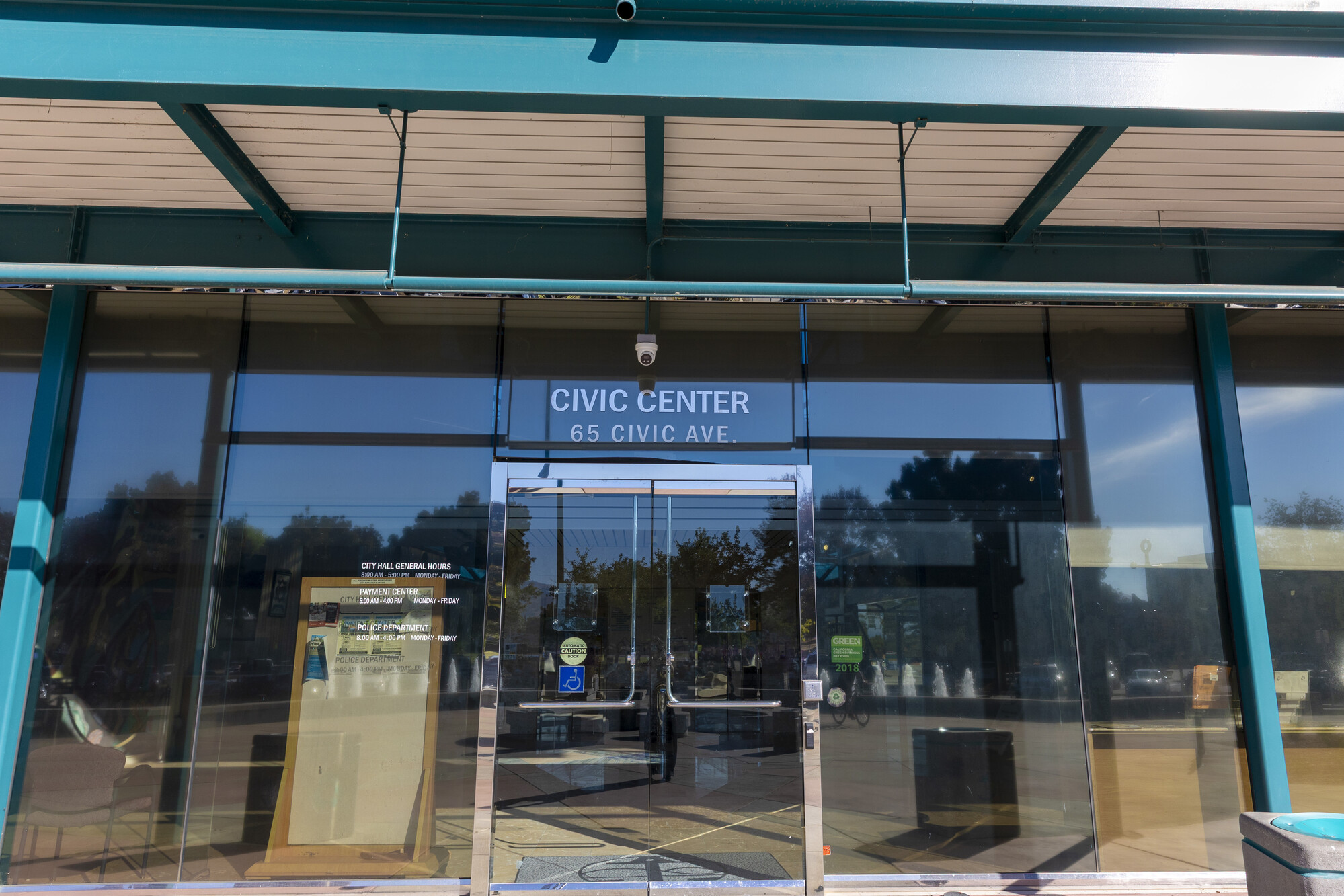
"caption": "The Pittsburg Civic Center, located on 65 Civic Ave., in Pittsburg, on Oct. 30, 2025. Pittsburg’s police chief revealed new details about the shooting last week at the city’s police department headquarters.",
"credit": "Tâm Vũ for KQED",
"altTag": null,
"description": null,
"imgSizes": {
"thumbnail": {
"file": "https://cdn.kqed.org/wp-content/uploads/sites/10/2026/09/251030-atiochpittsburgfile_00954_TV_qed-160x107.jpg",
"width": 160,
"height": 107,
"mimeType": "image/jpeg"
},
"1536x1536": {
"file": "https://cdn.kqed.org/wp-content/uploads/sites/10/2026/09/251030-atiochpittsburgfile_00954_TV_qed-1536x1024.jpg",
"width": 1536,
"height": 1024,
"mimeType": "image/jpeg"
},
"post-thumbnail": {
"file": "https://cdn.kqed.org/wp-content/uploads/sites/10/2026/09/251030-atiochpittsburgfile_00954_TV_qed-672x372.jpg",
"width": 672,
"height": 372,
"mimeType": "image/jpeg"
},
"twentyfourteen-full-width": {
"file": "https://cdn.kqed.org/wp-content/uploads/sites/10/2026/09/251030-atiochpittsburgfile_00954_TV_qed-1038x576.jpg",
"width": 1038,
"height": 576,
"mimeType": "image/jpeg"
},
"npr-cds-wide": {
"file": "https://cdn.kqed.org/wp-content/uploads/sites/10/2026/09/251030-atiochpittsburgfile_00954_TV_qed-1200x675.jpg",
"width": 1200,
"height": 675,
"mimeType": "image/jpeg"
},
"npr-cds-square": {
"file": "https://cdn.kqed.org/wp-content/uploads/sites/10/2026/09/251030-atiochpittsburgfile_00954_TV_qed-600x600.jpg",
"width": 600,
"height": 600,
"mimeType": "image/jpeg"
},
"kqedFullSize": {
"file": "https://cdn.kqed.org/wp-content/uploads/sites/10/2026/09/251030-atiochpittsburgfile_00954_TV_qed.jpg",
"width": 1999,
"height": 1333
}
},
"isLoading": false,
"fetchFailed": false
},
"news_12098397": {
"type": "attachments",
"id": "news_12098397",
"meta": {
"index": "attachments_1716263798",
"site": "news",
"id": "12098397",
"found": true
},
"title": "251030-atiochpittsburgfile_01057_TV_qed",
"publishDate": 1788538411,
"status": "inherit",
"parent": 12098395,
"modified": 1788538450,
"caption": "The Pittsburg Civic Center is located on 65 Civic Ave., in Pittsburg, on Oct. 30, 2025.",
"credit": "Tâm Vũ for KQED",
"altTag": null,
"description": null,
"imgSizes": {
"thumbnail": {
"file": "https://cdn.kqed.org/wp-content/uploads/sites/10/2026/09/251030-atiochpittsburgfile_01057_TV_qed-160x107.jpg",
"width": 160,
"height": 107,
"mimeType": "image/jpeg"
},
"1536x1536": {
"file": "https://cdn.kqed.org/wp-content/uploads/sites/10/2026/09/251030-atiochpittsburgfile_01057_TV_qed-1536x1024.jpg",
"width": 1536,
"height": 1024,
"mimeType": "image/jpeg"
},
"post-thumbnail": {
"file": "https://cdn.kqed.org/wp-content/uploads/sites/10/2026/09/251030-atiochpittsburgfile_01057_TV_qed-672x372.jpg",
"width": 672,
"height": 372,
"mimeType": "image/jpeg"
},
"twentyfourteen-full-width": {
"file": "https://cdn.kqed.org/wp-content/uploads/sites/10/2026/09/251030-atiochpittsburgfile_01057_TV_qed-1038x576.jpg",
"width": 1038,
"height": 576,
"mimeType": "image/jpeg"
},
"npr-cds-wide": {
"file": "https://cdn.kqed.org/wp-content/uploads/sites/10/2026/09/251030-atiochpittsburgfile_01057_TV_qed-1200x675.jpg",
"width": 1200,
"height": 675,
"mimeType": "image/jpeg"
},
"npr-cds-square": {
"file": "https://cdn.kqed.org/wp-content/uploads/sites/10/2026/09/251030-atiochpittsburgfile_01057_TV_qed-600x600.jpg",
"width": 600,
"height": 600,
"mimeType": "image/jpeg"
},
"kqedFullSize": {
"file": "https://cdn.kqed.org/wp-content/uploads/sites/10/2026/09/251030-atiochpittsburgfile_01057_TV_qed.jpg",
"width": 2000,
"height": 1333
}
},
"isLoading": false,
"fetchFailed": false
},
"news_12098465": {
"type": "attachments",
"id": "news_12098465",
"meta": {
"index": "attachments_1716263798",
"site": "news",
"id": "12098465",
"found": true
},
"title": "260904-RICHMONDPOLICESHOOTING-NG-11-KQED",
"publishDate": 1788545238,
"status": "inherit",
"parent": 0,
"modified": 1788545261,
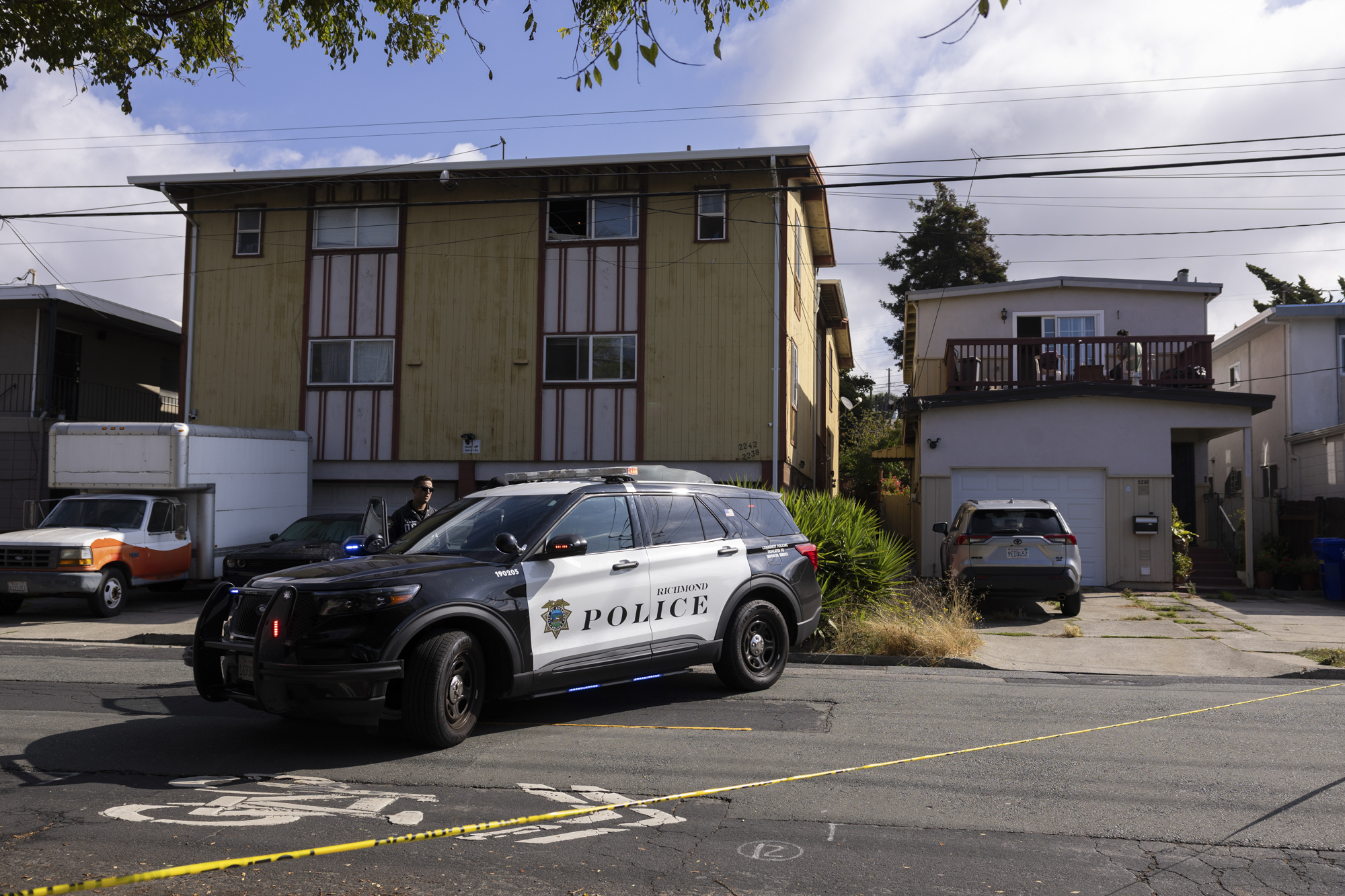
"caption": "The 2200 block of Key Boulevard near the border between El Cerrito and Richmond is seen blocked off by police on Sept. 4, 2026. The night of Sept. 3, 2026 a woman shot and wounded a Richmond police officer during a mental health crisis call.",
"credit": "Nina Glick/KQED",
"altTag": null,
"description": null,
"imgSizes": {
"thumbnail": {
"file": "https://cdn.kqed.org/wp-content/uploads/sites/10/2026/09/260904-RICHMONDPOLICESHOOTING-NG-11-KQED-160x107.jpg",
"width": 160,
"height": 107,
"mimeType": "image/jpeg"
},
"1536x1536": {
"file": "https://cdn.kqed.org/wp-content/uploads/sites/10/2026/09/260904-RICHMONDPOLICESHOOTING-NG-11-KQED-1536x1024.jpg",
"width": 1536,
"height": 1024,
"mimeType": "image/jpeg"
},
"post-thumbnail": {
"file": "https://cdn.kqed.org/wp-content/uploads/sites/10/2026/09/260904-RICHMONDPOLICESHOOTING-NG-11-KQED-672x372.jpg",
"width": 672,
"height": 372,
"mimeType": "image/jpeg"
},
"twentyfourteen-full-width": {
"file": "https://cdn.kqed.org/wp-content/uploads/sites/10/2026/09/260904-RICHMONDPOLICESHOOTING-NG-11-KQED-1038x576.jpg",
"width": 1038,
"height": 576,
"mimeType": "image/jpeg"
},
"npr-cds-wide": {
"file": "https://cdn.kqed.org/wp-content/uploads/sites/10/2026/09/260904-RICHMONDPOLICESHOOTING-NG-11-KQED-1200x675.jpg",
"width": 1200,
"height": 675,
"mimeType": "image/jpeg"
},
"npr-cds-square": {
"file": "https://cdn.kqed.org/wp-content/uploads/sites/10/2026/09/260904-RICHMONDPOLICESHOOTING-NG-11-KQED-600x600.jpg",
"width": 600,
"height": 600,
"mimeType": "image/jpeg"
},
"kqedFullSize": {
"file": "https://cdn.kqed.org/wp-content/uploads/sites/10/2026/09/260904-RICHMONDPOLICESHOOTING-NG-11-KQED.jpg",
"width": 2000,
"height": 1333
}
},
"isLoading": false,
"fetchFailed": false
},
"news_12097766": {
"type": "attachments",
"id": "news_12097766",
"meta": {
"index": "attachments_1716263798",
"site": "news",
"id": "12097766",
"found": true
},
"title": "GoogleGetty",
"publishDate": 1788279642,
"status": "inherit",
"parent": 12097760,
"modified": 1788279726,
"caption": "A Google corporate logo hangs above the entrance of its St. John's Terminal office building on Aug. 18, 2026, in New York City. ",
"credit": "Gary Hershorn/Getty Images",
"altTag": null,
"description": null,
"imgSizes": {
"thumbnail": {
"file": "https://cdn.kqed.org/wp-content/uploads/sites/10/2026/09/GoogleGetty-160x102.jpg",
"width": 160,
"height": 102,
"mimeType": "image/jpeg"
},
"1536x1536": {
"file": "https://cdn.kqed.org/wp-content/uploads/sites/10/2026/09/GoogleGetty-1536x982.jpg",
"width": 1536,
"height": 982,
"mimeType": "image/jpeg"
},
"post-thumbnail": {
"file": "https://cdn.kqed.org/wp-content/uploads/sites/10/2026/09/GoogleGetty-672x372.jpg",
"width": 672,
"height": 372,
"mimeType": "image/jpeg"
},
"twentyfourteen-full-width": {
"file": "https://cdn.kqed.org/wp-content/uploads/sites/10/2026/09/GoogleGetty-1038x576.jpg",
"width": 1038,
"height": 576,
"mimeType": "image/jpeg"
},
"npr-cds-wide": {
"file": "https://cdn.kqed.org/wp-content/uploads/sites/10/2026/09/GoogleGetty-1200x675.jpg",
"width": 1200,
"height": 675,
"mimeType": "image/jpeg"
},
"npr-cds-square": {
"file": "https://cdn.kqed.org/wp-content/uploads/sites/10/2026/09/GoogleGetty-600x600.jpg",
"width": 600,
"height": 600,
"mimeType": "image/jpeg"
},
"kqedFullSize": {
"file": "https://cdn.kqed.org/wp-content/uploads/sites/10/2026/09/GoogleGetty.jpg",
"width": 2000,
"height": 1279
}
},
"isLoading": false,
"fetchFailed": false
},
"news_12022629": {
"type": "attachments",
"id": "news_12022629",
"meta": {
"index": "attachments_1716263798",
"site": "news",
"id": "12022629",
"found": true
},
"title": "241015-OaklandChinatownThaoRecall-20-BL_qed",
"publishDate": 1737063906,
"status": "inherit",
"parent": 0,
"modified": 1737063924,
"caption": "Oakland Mayor Sheng Thao speaks during a rally against her recall at Pacific Renaissance Plaza in Oakland on Oct. 15, 2024.",
"credit": "Beth LaBerge/KQED",
"altTag": null,
"description": null,
"imgSizes": {
"medium": {
"file": "https://cdn.kqed.org/wp-content/uploads/sites/10/2025/01/241015-OaklandChinatownThaoRecall-20-BL_qed-800x533.jpg",
"width": 800,
"height": 533,
"mimeType": "image/jpeg"
},
"large": {
"file": "https://cdn.kqed.org/wp-content/uploads/sites/10/2025/01/241015-OaklandChinatownThaoRecall-20-BL_qed-1020x680.jpg",
"width": 1020,
"height": 680,
"mimeType": "image/jpeg"
},
"thumbnail": {
"file": "https://cdn.kqed.org/wp-content/uploads/sites/10/2025/01/241015-OaklandChinatownThaoRecall-20-BL_qed-160x107.jpg",
"width": 160,
"height": 107,
"mimeType": "image/jpeg"
},
"1536x1536": {
"file": "https://cdn.kqed.org/wp-content/uploads/sites/10/2025/01/241015-OaklandChinatownThaoRecall-20-BL_qed-1536x1024.jpg",
"width": 1536,
"height": 1024,
"mimeType": "image/jpeg"
},
"post-thumbnail": {
"file": "https://cdn.kqed.org/wp-content/uploads/sites/10/2025/01/241015-OaklandChinatownThaoRecall-20-BL_qed-672x372.jpg",
"width": 672,
"height": 372,
"mimeType": "image/jpeg"
},
"twentyfourteen-full-width": {
"file": "https://cdn.kqed.org/wp-content/uploads/sites/10/2025/01/241015-OaklandChinatownThaoRecall-20-BL_qed-1038x576.jpg",
"width": 1038,
"height": 576,
"mimeType": "image/jpeg"
},
"full-width": {
"file": "https://cdn.kqed.org/wp-content/uploads/sites/10/2025/01/241015-OaklandChinatownThaoRecall-20-BL_qed-1920x1280.jpg",
"width": 1920,
"height": 1280,
"mimeType": "image/jpeg"
},
"kqedFullSize": {
"file": "https://cdn.kqed.org/wp-content/uploads/sites/10/2025/01/241015-OaklandChinatownThaoRecall-20-BL_qed.jpg",
"width": 2000,
"height": 1333
}
},
"isLoading": false,
"fetchFailed": false
},
"news_12097417": {
"type": "attachments",
"id": "news_12097417",
"meta": {
"index": "attachments_1716263798",
"site": "news",
"id": "12097417",
"found": true
},
"title": "CM01",
"publishDate": 1787951626,
"status": "inherit",
"parent": 12097387,
"modified": 1787951663,
"caption": "Grace Coleman on Aug.13, 2026, at California Institution for Women in Chino, one of two women’s state prisons in California. She focuses her time on rehabilitation and mental health while serving a life sentence for two DUI homicides. \n",
"credit": "Brian L. Frank for CalMatters/CatchLight",
"altTag": null,
"description": null,
"imgSizes": {
"thumbnail": {
"file": "https://cdn.kqed.org/wp-content/uploads/sites/10/2026/08/CM01-160x107.jpg",
"width": 160,
"height": 107,
"mimeType": "image/jpeg"
},
"1536x1536": {
"file": "https://cdn.kqed.org/wp-content/uploads/sites/10/2026/08/CM01-1536x1024.jpg",
"width": 1536,
"height": 1024,
"mimeType": "image/jpeg"
},
"post-thumbnail": {
"file": "https://cdn.kqed.org/wp-content/uploads/sites/10/2026/08/CM01-672x372.jpg",
"width": 672,
"height": 372,
"mimeType": "image/jpeg"
},
"twentyfourteen-full-width": {
"file": "https://cdn.kqed.org/wp-content/uploads/sites/10/2026/08/CM01-1038x576.jpg",
"width": 1038,
"height": 576,
"mimeType": "image/jpeg"
},
"npr-cds-wide": {
"file": "https://cdn.kqed.org/wp-content/uploads/sites/10/2026/08/CM01-1200x675.jpg",
"width": 1200,
"height": 675,
"mimeType": "image/jpeg"
},
"npr-cds-square": {
"file": "https://cdn.kqed.org/wp-content/uploads/sites/10/2026/08/CM01-600x600.jpg",
"width": 600,
"height": 600,
"mimeType": "image/jpeg"
},
"kqedFullSize": {
"file": "https://cdn.kqed.org/wp-content/uploads/sites/10/2026/08/CM01.jpg",
"width": 2000,
"height": 1333
}
},
"isLoading": false,
"fetchFailed": false
},
"news_12096037": {
"type": "attachments",
"id": "news_12096037",
"meta": {
"index": "attachments_1716263798",
"site": "news",
"id": "12096037",
"found": true
},
"title": "Cars drive down Highway 37 on August 19, 2026, in Sonoma County.",
"publishDate": 1787175263,
"status": "inherit",
"parent": 0,
"modified": 1787175323,
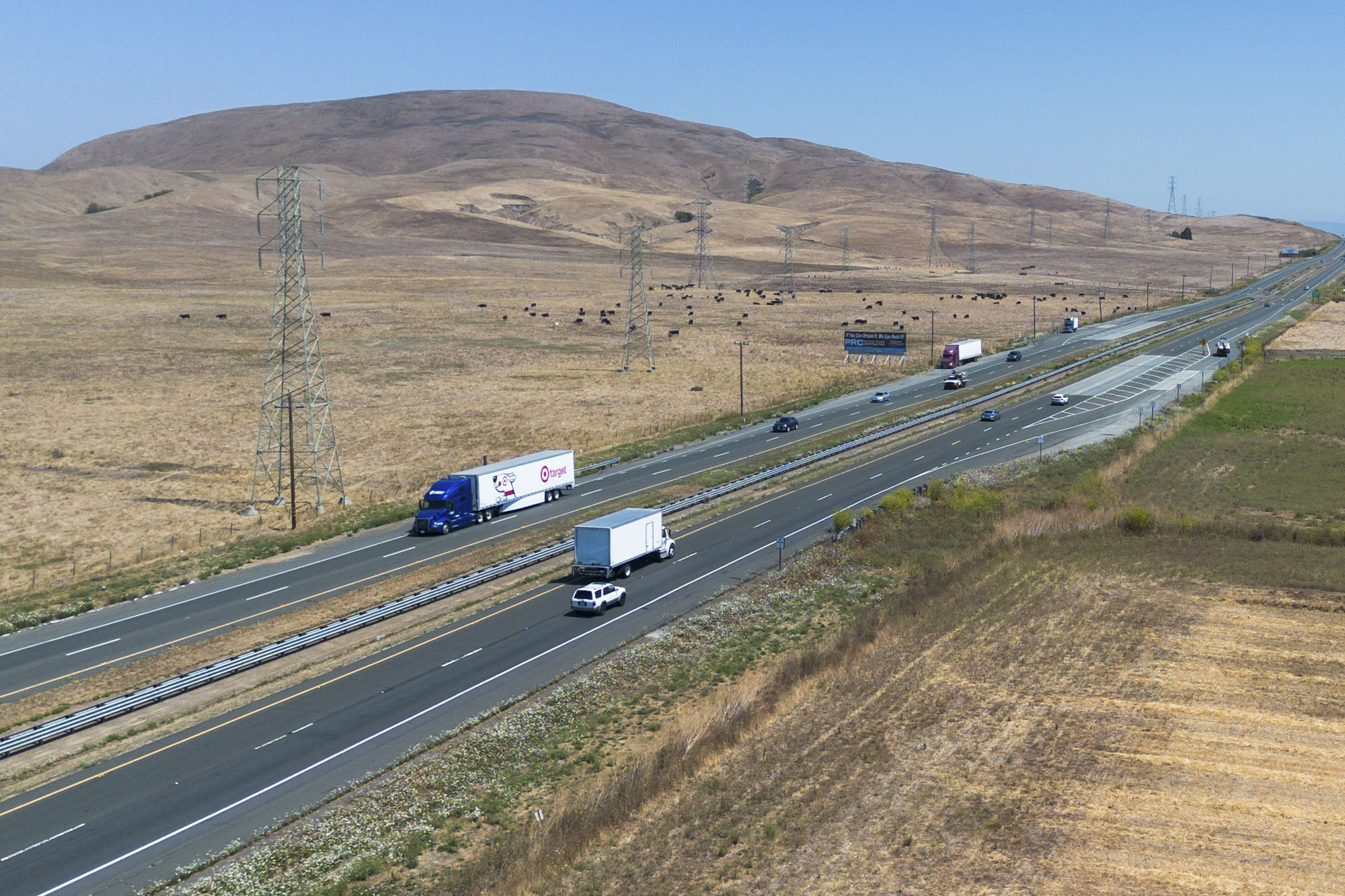
"caption": "Cars drive down Highway 37 in Sonoma County on Aug. 19, 2026.",
"credit": "Miles Cull/KQED",
"altTag": null,
"description": null,
"imgSizes": {
"thumbnail": {
"file": "https://cdn.kqed.org/wp-content/uploads/sites/10/2026/08/081926-Highway37-09-MC-KQED-1-160x107.jpg",
"width": 160,
"height": 107,
"mimeType": "image/jpeg"
},
"1536x1536": {
"file": "https://cdn.kqed.org/wp-content/uploads/sites/10/2026/08/081926-Highway37-09-MC-KQED-1-1536x1024.jpg",
"width": 1536,
"height": 1024,
"mimeType": "image/jpeg"
},
"post-thumbnail": {
"file": "https://cdn.kqed.org/wp-content/uploads/sites/10/2026/08/081926-Highway37-09-MC-KQED-1-672x372.jpg",
"width": 672,
"height": 372,
"mimeType": "image/jpeg"
},
"twentyfourteen-full-width": {
"file": "https://cdn.kqed.org/wp-content/uploads/sites/10/2026/08/081926-Highway37-09-MC-KQED-1-1038x576.jpg",
"width": 1038,
"height": 576,
"mimeType": "image/jpeg"
},
"npr-cds-wide": {
"file": "https://cdn.kqed.org/wp-content/uploads/sites/10/2026/08/081926-Highway37-09-MC-KQED-1-1200x675.jpg",
"width": 1200,
"height": 675,
"mimeType": "image/jpeg"
},
"npr-cds-square": {
"file": "https://cdn.kqed.org/wp-content/uploads/sites/10/2026/08/081926-Highway37-09-MC-KQED-1-600x600.jpg",
"width": 600,
"height": 600,
"mimeType": "image/jpeg"
},
"kqedFullSize": {
"file": "https://cdn.kqed.org/wp-content/uploads/sites/10/2026/08/081926-Highway37-09-MC-KQED-1.jpg",
"width": 2000,
"height": 1333
}
},
"isLoading": false,
"fetchFailed": false
},
"news_12096577": {
"type": "attachments",
"id": "news_12096577",
"meta": {
"index": "attachments_1716263798",
"site": "news",
"id": "12096577",
"found": true
},
"title": "260824-Animal Rescue Presser-ZF-01-KQED",
"publishDate": 1787602768,
"status": "inherit",
"parent": 0,
"modified": 1787603043,
"caption": "CalAnimals displayed photos of animals in need at a press conference to introduce a bill to reform California's animal welfare system at the California State Capitol in Sacramento on Aug. 24, 2026.",
"credit": "Zoë Ferrigno/KQED",
"altTag": null,
"description": null,
"imgSizes": {
"thumbnail": {
"file": "https://cdn.kqed.org/wp-content/uploads/sites/10/2026/08/260824-Animal-Rescue-Presser-ZF-01-KQED-160x107.jpg",
"width": 160,
"height": 107,
"mimeType": "image/jpeg"
},
"1536x1536": {
"file": "https://cdn.kqed.org/wp-content/uploads/sites/10/2026/08/260824-Animal-Rescue-Presser-ZF-01-KQED-1536x1025.jpg",
"width": 1536,
"height": 1025,
"mimeType": "image/jpeg"
},
"post-thumbnail": {
"file": "https://cdn.kqed.org/wp-content/uploads/sites/10/2026/08/260824-Animal-Rescue-Presser-ZF-01-KQED-672x372.jpg",
"width": 672,
"height": 372,
"mimeType": "image/jpeg"
},
"twentyfourteen-full-width": {
"file": "https://cdn.kqed.org/wp-content/uploads/sites/10/2026/08/260824-Animal-Rescue-Presser-ZF-01-KQED-1038x576.jpg",
"width": 1038,
"height": 576,
"mimeType": "image/jpeg"
},
"npr-cds-wide": {
"file": "https://cdn.kqed.org/wp-content/uploads/sites/10/2026/08/260824-Animal-Rescue-Presser-ZF-01-KQED-1200x675.jpg",
"width": 1200,
"height": 675,
"mimeType": "image/jpeg"
},
"npr-cds-square": {
"file": "https://cdn.kqed.org/wp-content/uploads/sites/10/2026/08/260824-Animal-Rescue-Presser-ZF-01-KQED-600x600.jpg",
"width": 600,
"height": 600,
"mimeType": "image/jpeg"
},
"kqedFullSize": {
"file": "https://cdn.kqed.org/wp-content/uploads/sites/10/2026/08/260824-Animal-Rescue-Presser-ZF-01-KQED.jpg",
"width": 2000,
"height": 1334
}
},
"isLoading": false,
"fetchFailed": false
},
"news_12079625": {
"type": "attachments",
"id": "news_12079625",
"meta": {
"index": "attachments_1716263798",
"site": "news",
"id": "12079625",
"found": true
},
"title": "US-POLITICS-LABOR-CALIFORNIA-GOVERNOR",
"publishDate": 1776081042,
"status": "inherit",
"parent": 12079624,
"modified": 1787243886,
"caption": "Democratic United States Representative Eric Swalwell attends the SEIU-United Service Workers West (SEIU-USWW)'s Gubernatorial Candidate Worker Forum at Meruelo Studios in Los Angeles, California, on Jan. 10, 2026. ",
"credit": "Etienne Laurent/AFP via Getty Images",
"altTag": null,
"description": null,
"imgSizes": {
"medium": {
"file": "https://cdn.kqed.org/wp-content/uploads/sites/10/2026/04/GettyImages-2255023222-2000x1334.jpg",
"width": 2000,
"height": 1334,
"mimeType": "image/jpeg"
},
"large": {
"file": "https://cdn.kqed.org/wp-content/uploads/sites/10/2026/04/GettyImages-2255023222-2000x1334.jpg",
"width": 2000,
"height": 1334,
"mimeType": "image/jpeg"
},
"thumbnail": {
"file": "https://cdn.kqed.org/wp-content/uploads/sites/10/2026/04/GettyImages-2255023222-160x107.jpg",
"width": 160,
"height": 107,
"mimeType": "image/jpeg"
},
"1536x1536": {
"file": "https://cdn.kqed.org/wp-content/uploads/sites/10/2026/04/GettyImages-2255023222-1536x1025.jpg",
"width": 1536,
"height": 1025,
"mimeType": "image/jpeg"
},
"2048x2048": {
"file": "https://cdn.kqed.org/wp-content/uploads/sites/10/2026/04/GettyImages-2255023222-2048x1366.jpg",
"width": 2048,
"height": 1366,
"mimeType": "image/jpeg"
},
"post-thumbnail": {
"file": "https://cdn.kqed.org/wp-content/uploads/sites/10/2026/04/GettyImages-2255023222-672x372.jpg",
"width": 672,
"height": 372,
"mimeType": "image/jpeg"
},
"twentyfourteen-full-width": {
"file": "https://cdn.kqed.org/wp-content/uploads/sites/10/2026/04/GettyImages-2255023222-1038x576.jpg",
"width": 1038,
"height": 576,
"mimeType": "image/jpeg"
},
"full-width": {
"file": "https://cdn.kqed.org/wp-content/uploads/sites/10/2026/04/GettyImages-2255023222-2000x1334.jpg",
"width": 2000,
"height": 1334,
"mimeType": "image/jpeg"
},
"npr-cds-wide": {
"file": "https://cdn.kqed.org/wp-content/uploads/sites/10/2026/04/GettyImages-2255023222-1200x675.jpg",
"width": 1200,
"height": 675,
"mimeType": "image/jpeg"
},
"npr-cds-square": {
"file": "https://cdn.kqed.org/wp-content/uploads/sites/10/2026/04/GettyImages-2255023222-600x600.jpg",
"width": 600,
"height": 600,
"mimeType": "image/jpeg"
},
"kqedFullSize": {
"file": "https://cdn.kqed.org/wp-content/uploads/sites/10/2026/04/GettyImages-2255023222-scaled.jpg",
"width": 2560,
"height": 1708
}
},
"isLoading": false,
"fetchFailed": false
},
"news_12090740": {
"type": "attachments",
"id": "news_12090740",
"meta": {
"index": "attachments_1716263798",
"site": "news",
"id": "12090740",
"found": true
},
"title": "260630-CCWFTOUR-34-BL-KQED",
"publishDate": 1783977189,
"status": "inherit",
"parent": 12092691,
"modified": 1786659496,
"caption": "Incarcerated women walk through a Receiving and Release (R&R) yard at the Central California Women's Facility in Chowchilla, California, on June 30, 2026. The prison is the largest women's correctional facility in California, and the R&R yard is used to process incarcerated people entering and leaving the facility.",
"credit": "Beth LaBerge/KQED",
"altTag": null,
"description": null,
"imgSizes": {
"thumbnail": {
"file": "https://cdn.kqed.org/wp-content/uploads/sites/10/2026/07/260630-CCWFTOUR-34-BL-KQED-160x107.jpg",
"width": 160,
"height": 107,
"mimeType": "image/jpeg"
},
"1536x1536": {
"file": "https://cdn.kqed.org/wp-content/uploads/sites/10/2026/07/260630-CCWFTOUR-34-BL-KQED-1536x1024.jpg",
"width": 1536,
"height": 1024,
"mimeType": "image/jpeg"
},
"post-thumbnail": {
"file": "https://cdn.kqed.org/wp-content/uploads/sites/10/2026/07/260630-CCWFTOUR-34-BL-KQED-672x372.jpg",
"width": 672,
"height": 372,
"mimeType": "image/jpeg"
},
"twentyfourteen-full-width": {
"file": "https://cdn.kqed.org/wp-content/uploads/sites/10/2026/07/260630-CCWFTOUR-34-BL-KQED-1038x576.jpg",
"width": 1038,
"height": 576,
"mimeType": "image/jpeg"
},
"npr-cds-wide": {
"file": "https://cdn.kqed.org/wp-content/uploads/sites/10/2026/07/260630-CCWFTOUR-34-BL-KQED-1200x675.jpg",
"width": 1200,
"height": 675,
"mimeType": "image/jpeg"
},
"npr-cds-square": {
"file": "https://cdn.kqed.org/wp-content/uploads/sites/10/2026/07/260630-CCWFTOUR-34-BL-KQED-600x600.jpg",
"width": 600,
"height": 600,
"mimeType": "image/jpeg"
},
"kqedFullSize": {
"file": "https://cdn.kqed.org/wp-content/uploads/sites/10/2026/07/260630-CCWFTOUR-34-BL-KQED.jpg",
"width": 2000,
"height": 1333
}
},
"isLoading": false,
"fetchFailed": false
},
"news_12095122": {
"type": "attachments",
"id": "news_12095122",
"meta": {
"index": "attachments_1716263798",
"site": "news",
"id": "12095122",
"found": true
},
"title": "260813-OPDShootingFolo-01",
"publishDate": 1786643518,
"status": "inherit",
"parent": 0,
"modified": 1786668072,
"caption": "A still from officer-worn video footage of a fatal shooting in Fruitvale on July 13.",
"credit": "Courtesy of Oakland Police Department",
"altTag": null,
"description": null,
"imgSizes": {
"thumbnail": {
"file": "https://cdn.kqed.org/wp-content/uploads/sites/10/2026/08/260813-OPDShootingFolo-01-160x98.jpg",
"width": 160,
"height": 98,
"mimeType": "image/jpeg"
},
"1536x1536": {
"file": "https://cdn.kqed.org/wp-content/uploads/sites/10/2026/08/260813-OPDShootingFolo-01-1536x945.jpg",
"width": 1536,
"height": 945,
"mimeType": "image/jpeg"
},
"post-thumbnail": {
"file": "https://cdn.kqed.org/wp-content/uploads/sites/10/2026/08/260813-OPDShootingFolo-01-672x372.jpg",
"width": 672,
"height": 372,
"mimeType": "image/jpeg"
},
"twentyfourteen-full-width": {
"file": "https://cdn.kqed.org/wp-content/uploads/sites/10/2026/08/260813-OPDShootingFolo-01-1038x576.jpg",
"width": 1038,
"height": 576,
"mimeType": "image/jpeg"
},
"npr-cds-wide": {
"file": "https://cdn.kqed.org/wp-content/uploads/sites/10/2026/08/260813-OPDShootingFolo-01-1200x675.jpg",
"width": 1200,
"height": 675,
"mimeType": "image/jpeg"
},
"npr-cds-square": {
"file": "https://cdn.kqed.org/wp-content/uploads/sites/10/2026/08/260813-OPDShootingFolo-01-600x600.jpg",
"width": 600,
"height": 600,
"mimeType": "image/jpeg"
},
"kqedFullSize": {
"file": "https://cdn.kqed.org/wp-content/uploads/sites/10/2026/08/260813-OPDShootingFolo-01.jpg",
"width": 2000,
"height": 1230
}
},
"isLoading": false,
"fetchFailed": false
},
"news_12015187": {
"type": "attachments",
"id": "news_12015187",
"meta": {
"index": "attachments_1716263798",
"site": "news",
"id": "12015187",
"found": true
},
"title": "241120-StormHitsBayArea-14-BL",
"publishDate": 1732142133,
"status": "inherit",
"parent": 0,
"modified": 1786661582,
"caption": "A person with an umbrella crosses Market Street in San Francisco on Nov. 20, 2024.",
"credit": "Beth LaBerge/KQED",
"altTag": null,
"description": null,
"imgSizes": {
"medium": {
"file": "https://cdn.kqed.org/wp-content/uploads/sites/10/2024/11/241120-StormHitsBayArea-14-BL-800x533.jpg",
"width": 800,
"height": 533,
"mimeType": "image/jpeg"
},
"large": {
"file": "https://cdn.kqed.org/wp-content/uploads/sites/10/2024/11/241120-StormHitsBayArea-14-BL-1020x680.jpg",
"width": 1020,
"height": 680,
"mimeType": "image/jpeg"
},
"thumbnail": {
"file": "https://cdn.kqed.org/wp-content/uploads/sites/10/2024/11/241120-StormHitsBayArea-14-BL-160x107.jpg",
"width": 160,
"height": 107,
"mimeType": "image/jpeg"
},
"1536x1536": {
"file": "https://cdn.kqed.org/wp-content/uploads/sites/10/2024/11/241120-StormHitsBayArea-14-BL-1536x1024.jpg",
"width": 1536,
"height": 1024,
"mimeType": "image/jpeg"
},
"post-thumbnail": {
"file": "https://cdn.kqed.org/wp-content/uploads/sites/10/2024/11/241120-StormHitsBayArea-14-BL-672x372.jpg",
"width": 672,
"height": 372,
"mimeType": "image/jpeg"
},
"twentyfourteen-full-width": {
"file": "https://cdn.kqed.org/wp-content/uploads/sites/10/2024/11/241120-StormHitsBayArea-14-BL-1038x576.jpg",
"width": 1038,
"height": 576,
"mimeType": "image/jpeg"
},
"full-width": {
"file": "https://cdn.kqed.org/wp-content/uploads/sites/10/2024/11/241120-StormHitsBayArea-14-BL-1920x1280.jpg",
"width": 1920,
"height": 1280,
"mimeType": "image/jpeg"
},
"kqedFullSize": {
"file": "https://cdn.kqed.org/wp-content/uploads/sites/10/2024/11/241120-StormHitsBayArea-14-BL.jpg",
"width": 2000,
"height": 1333
}
},
"isLoading": false,
"fetchFailed": false
}
},
"audioPlayerReducer": {
"postId": "stream_live",
"isPaused": true,
"isPlaying": false,
"pfsActive": false,
"pledgeModalIsOpen": true,
"playerDrawerIsOpen": false,
"liveAudioPlayStartedAt": 0,
"liveAudioPlayContext": ""
},
"authorsReducer": {
"byline_news_12097387": {
"type": "authors",
"id": "byline_news_12097387",
"meta": {
"override": true
},
"slug": "byline_news_12097387",
"name": "Joe Garcia, CalMatters",
"isLoading": false
},
"byline_news_12096327": {
"type": "authors",
"id": "byline_news_12096327",
"meta": {
"override": true
},
"slug": "byline_news_12096327",
"name": " Zoë Ferrigno",
"isLoading": false
},
"byline_news_12096079": {
"type": "authors",
"id": "byline_news_12096079",
"meta": {
"override": true
},
"slug": "byline_news_12096079",
"name": "Alanna Durkin Richer, Associated Press",
"isLoading": false
},
"ahall": {
"type": "authors",
"id": "11490",
"meta": {
"index": "authors_1716337520",
"id": "11490",
"found": true
},
"name": "Alex Hall",
"firstName": "Alex",
"lastName": "Hall",
"slug": "ahall",
"email": "ahall@kqed.org",
"display_author_email": false,
"staff_mastheads": [
"news"
],
"title": "KQED Enterprise & Accountability Reporter",
"bio": "Alex Hall is KQED's Enterprise and Accountability Reporter. She previously covered the Central Valley for five years from KQED's bureau in Fresno. Before joining KQED, Alex was an investigative reporting fellow at Wisconsin Public Radio and the Wisconsin Center for Investigative Journalism. She has also worked as a bilingual producer for NPR's investigative unit and freelance video producer for Reuters TV on the Latin America desk. She got her start in journalism in South America, where she worked as a radio producer and Spanish-English translator for CNN Chile. Her documentary and investigation into the series of deadly COVID-19 outbreaks at Foster Farms won a national Edward R. Murrow award and was named an Investigative Reporters & Editors award finalist. Alex's reporting for Reveal on the Wisconsin dairy industry's reliance on undocumented immigrant labor was made into a film, Los Lecheros, which won a regional Edward R. Murrow award for best news documentary.",
"avatar": "https://secure.gravatar.com/avatar/04c28ad4a7caa7ac2ef39c655c4030c993a3f331481d1da4799bb76ea85b9afa?s=600&d=blank&r=g",
"twitter": "@chalexhall",
"bluesky": null,
"facebook": null,
"instagram": null,
"linkedin": null,
"sites": [
{
"site": "news",
"roles": [
"editor"
]
},
{
"site": "liveblog",
"roles": [
"author"
]
}
],
"headData": {
"title": "Alex Hall | KQED",
"description": "KQED Enterprise & Accountability Reporter",
"ogImgSrc": "https://secure.gravatar.com/avatar/04c28ad4a7caa7ac2ef39c655c4030c993a3f331481d1da4799bb76ea85b9afa?s=600&d=blank&r=g",
"twImgSrc": "https://secure.gravatar.com/avatar/04c28ad4a7caa7ac2ef39c655c4030c993a3f331481d1da4799bb76ea85b9afa?s=600&d=blank&r=g"
},
"isLoading": false,
"link": "/author/ahall"
},
"mbolanos": {
"type": "authors",
"id": "11895",
"meta": {
"index": "authors_1716337520",
"id": "11895",
"found": true
},
"name": "Madi Bolaños",
"firstName": "Madi",
"lastName": "Bolaños",
"slug": "mbolanos",
"email": "mbolanos@kqed.org",
"display_author_email": false,
"staff_mastheads": [],
"title": "KQED Contributor",
"bio": null,
"avatar": "https://secure.gravatar.com/avatar/e6df5601c1f2d951e46a3fb42764330f?s=600&d=blank&r=g",
"twitter": null,
"bluesky": null,
"facebook": null,
"instagram": null,
"linkedin": null,
"sites": [
{
"site": "news",
"roles": [
"author"
]
}
],
"headData": {
"title": "Madi Bolaños | KQED",
"description": "KQED Contributor",
"ogImgSrc": "https://secure.gravatar.com/avatar/e6df5601c1f2d951e46a3fb42764330f?s=600&d=blank&r=g",
"twImgSrc": "https://secure.gravatar.com/avatar/e6df5601c1f2d951e46a3fb42764330f?s=600&d=blank&r=g"
},
"isLoading": false,
"link": "/author/mbolanos"
},
"kdebenedetti": {
"type": "authors",
"id": "11913",
"meta": {
"index": "authors_1716337520",
"id": "11913",
"found": true
},
"name": "Katie DeBenedetti",
"firstName": "Katie",
"lastName": "DeBenedetti",
"slug": "kdebenedetti",
"email": "kdebenedetti@kqed.org",
"display_author_email": false,
"staff_mastheads": [
"news",
"science"
],
"title": "KQED Contributor",
"bio": "Katie DeBenedetti is a digital reporter covering daily news for the Express Desk. Prior to joining KQED as a culture reporting intern in January 2024, she covered education and city government for the Napa Valley Register.",
"avatar": "https://secure.gravatar.com/avatar/6e31073cb8f7e4214ab03f42771d0f45?s=600&d=blank&r=g",
"twitter": null,
"facebook": null,
"instagram": null,
"linkedin": null,
"sites": [
{
"site": "news",
"roles": [
"author"
]
},
{
"site": "science",
"roles": [
"author"
]
},
{
"site": "liveblog",
"roles": [
"author"
]
}
],
"headData": {
"title": "Katie DeBenedetti | KQED",
"description": "KQED Contributor",
"ogImgSrc": "https://secure.gravatar.com/avatar/6e31073cb8f7e4214ab03f42771d0f45?s=600&d=blank&r=g",
"twImgSrc": "https://secure.gravatar.com/avatar/6e31073cb8f7e4214ab03f42771d0f45?s=600&d=blank&r=g"
},
"isLoading": false,
"link": "/author/kdebenedetti"
},
"bkrans": {
"type": "authors",
"id": "11923",
"meta": {
"index": "authors_1716337520",
"id": "11923",
"found": true
},
"name": "Brian Krans",
"firstName": "Brian",
"lastName": "Krans",
"slug": "bkrans",
"email": "bkrans@kqed.org",
"display_author_email": false,
"staff_mastheads": [
"news"
],
"title": "KQED Contributing Reporter",
"bio": "Brian Krans is an award-winning local news and investigative reporter who has been proudly working as a general assignment reporter for KQED since August 2023. He lives in Richmond, where he also reports on air pollution for Richmondside. He is also a founding member of the Vallejo Sun.",
"avatar": "https://secure.gravatar.com/avatar/71fa91f931774612559f7640390b53d9c2840ff72b20f195a25239aab2d9fbb9?s=600&d=blank&r=g",
"twitter": "citizenkrans",
"bluesky": null,
"facebook": null,
"instagram": null,
"linkedin": null,
"sites": [
{
"site": "news",
"roles": [
"editor"
]
}
],
"headData": {
"title": "Brian Krans | KQED",
"description": "KQED Contributing Reporter",
"ogImgSrc": "https://secure.gravatar.com/avatar/71fa91f931774612559f7640390b53d9c2840ff72b20f195a25239aab2d9fbb9?s=600&d=blank&r=g",
"twImgSrc": "https://secure.gravatar.com/avatar/71fa91f931774612559f7640390b53d9c2840ff72b20f195a25239aab2d9fbb9?s=600&d=blank&r=g"
},
"isLoading": false,
"link": "/author/bkrans"
},
"aaliahmad": {
"type": "authors",
"id": "11986",
"meta": {
"index": "authors_1716337520",
"id": "11986",
"found": true
},
"name": "Ayah Ali-Ahmad",
"firstName": "Ayah",
"lastName": "Ali-Ahmad",
"slug": "aaliahmad",
"email": "aaliahmad@KQED.org",
"display_author_email": false,
"staff_mastheads": [],
"title": "KQED Contributor",
"bio": null,
"avatar": "https://secure.gravatar.com/avatar/1cf54f187a5e1064b2cfef3f3d2f1e4f93e453395d56912aca6382a6071ec3ed?s=600&d=blank&r=g",
"twitter": "ayahaliahmad",
"bluesky": null,
"facebook": null,
"instagram": null,
"linkedin": null,
"sites": [
{
"site": "news",
"roles": [
"subscriber"
]
}
],
"headData": {
"title": "Ayah Ali-Ahmad | KQED",
"description": "KQED Contributor",
"ogImgSrc": "https://secure.gravatar.com/avatar/1cf54f187a5e1064b2cfef3f3d2f1e4f93e453395d56912aca6382a6071ec3ed?s=600&d=blank&r=g",
"twImgSrc": "https://secure.gravatar.com/avatar/1cf54f187a5e1064b2cfef3f3d2f1e4f93e453395d56912aca6382a6071ec3ed?s=600&d=blank&r=g"
},
"isLoading": false,
"link": "/author/aaliahmad"
},
"ejackson": {
"type": "authors",
"id": "12003",
"meta": {
"index": "authors_1716337520",
"id": "12003",
"found": true
},
"name": "Ella Jackson",
"firstName": "Ella",
"lastName": "Jackson",
"slug": "ejackson",
"email": "ejackson@kqed.org",
"display_author_email": false,
"staff_mastheads": [],
"title": "KQED Contributor",
"bio": null,
"avatar": "https://secure.gravatar.com/avatar/3c688edc62aec1dcae096e1475956d245f72bde99cff316455871c9b22a7205b?s=600&d=blank&r=g",
"twitter": null,
"bluesky": null,
"facebook": null,
"instagram": null,
"linkedin": null,
"sites": [
{
"site": "news",
"roles": [
"author"
]
},
{
"site": "science",
"roles": [
"author"
]
}
],
"headData": {
"title": "Ella Jackson | KQED",
"description": "KQED Contributor",
"ogImgSrc": "https://secure.gravatar.com/avatar/3c688edc62aec1dcae096e1475956d245f72bde99cff316455871c9b22a7205b?s=600&d=blank&r=g",
"twImgSrc": "https://secure.gravatar.com/avatar/3c688edc62aec1dcae096e1475956d245f72bde99cff316455871c9b22a7205b?s=600&d=blank&r=g"
},
"isLoading": false,
"link": "/author/ejackson"
}
},
"pagesReducer": {
"news_category_criminal-justice": {
"type": "terms",
"id": "news_34167",
"meta": {
"index": "terms_1716263798",
"site": "news",
"id": "34167",
"score": 11.188038
},
"name": "Criminal Justice",
"slug": "criminal-justice",
"taxonomy": "category",
"description": null,
"featImg": null,
"headData": {
"title": "Criminal Justice Archives | KQED News",
"description": null,
"ogTitle": null,
"ogDescription": null,
"ogImgId": null,
"twTitle": null,
"twDescription": null,
"twImgId": null
},
"ttid": 34184,
"isLoading": false,
"title": "Criminal Justice",
"pageMeta": {
"site": "news",
"WpPageTemplate": "page-topic-editorial",
"currentPage": 2
},
"blocks": [
{
"blockName": "kqed/post-list",
"attrs": {
"layout": "cardArticle2",
"query": "posts/news?category=criminal-justice",
"seeMore": false,
"paginated": true,
"page": 2
}
},
{
"blockName": "kqed/ad"
}
]
}
},
"pfsSessionReducer": {},
"postsReducer": {
"stream_live": {
"type": "live",
"id": "stream_live",
"audioUrl": "https://streams.kqed.org/kqedradio",
"title": "Live Stream",
"excerpt": "Live Stream information currently unavailable.",
"link": "/radio",
"featImg": "",
"label": {
"name": "KQED Live",
"link": "/"
}
},
"stream_kqedNewscast": {
"type": "posts",
"id": "stream_kqedNewscast",
"audioUrl": "https://www.kqed.org/.stream/anon/radio/RDnews/newscast.mp3?_=1",
"title": "KQED Newscast",
"featImg": "",
"label": {
"name": "88.5 FM",
"link": "/"
}
},
"news_12098702": {
"type": "posts",
"id": "news_12098702",
"meta": {
"index": "posts_1716263798",
"site": "news",
"id": "12098702",
"score": null,
"sort": [
1788909676000
]
},
"guestAuthors": [],
"slug": "pittsburg-police-made-serious-failure-by-allowing-suspect-to-sneak-gun-into-station",
"title": "Pittsburg Police Made ‘Serious Failure’ by Allowing Suspect to Sneak Gun Into Station",
"publishDate": 1788909676,
"format": "standard",
"headTitle": "Pittsburg Police Made ‘Serious Failure’ by Allowing Suspect to Sneak Gun Into Station | KQED",
"labelTerm": {
"site": "news"
},
"content": "\n\u003cp>Pittsburg’s police chief said Tuesday that the department will investigate how a suspect was able to enter the city’s booking facility while \u003ca href=\"https://www.kqed.org/news/12098395/pittsburg-officer-man-shot-after-altercation-inside-police-headquarters\">concealing a firearm\u003c/a>, which he later used to injure two officers. \u003c/p>\n\n\n\n\u003cp>Chief Phil Galer revealed that 31-year-old Michael Arthur-Sanchez Martin was able to sneak the gun into the police department’s booking facility under his clothing, despite being searched by an officer both at the time of his arrest and upon arrival at the center. He was then able to shoot and wound an officer identified Tuesday as Jimmy Sanchez, who has been with the department for four years. \u003c/p>\n\n\n\n\u003cp>Martin was charged Tuesday with the willful, deliberate and premeditated attempted murder of a peace officer. He’s set to appear in court to enter a plea in two weeks.\u003c/p>\n\n\n\n\u003cp>“That was a serious failure,” Galer said in a statement. “We will determine how it happened and take immediate corrective action to prevent it from happening again.”\u003c/p>\n\n\n\n\u003cp>Police said Martin opened fire on a police officer Thursday afternoon, as he awaited transport to county jail. He had been arrested on separate charges for driving a stolen vehicle and outstanding felony warrants.\u003c/p>\n\n\n\n\u003cp>According to Galer, Martin concealed the firearm in his clothing, and then hid it in a toilet after officers placed him in a holding cell. Hours later, Martin retrieved the gun and hid it under a jail blanket around his shoulders. \u003c/p>\n\n\n\n\n\n\u003cp>Martin then asked Sanchez for water, saying he did not feel well.\u003c/p>\n\n\n\n\u003cp>When Sanchez brought Martin water and approached the cell, Martin punched Sanchez in the face, threw the jail blanket over his head and struck him repeatedly with the firearm, according to police. \u003c/p>\n\n\n\n\u003cp>Officials said that preliminary evidence suggests that Martin fired a single round, which passed through his own leg before striking Sanchez in the abdomen. Galer said that Sanchez was able to prevent Martin from firing another round while responding officers entered the facility and disarmed him. \u003c/p>\n\n\n\n\u003cp>Sanchez underwent surgery for his injuries and is recovering with family, according to police. Another officer involved in the incident was also treated for minor injuries.\u003c/p>\n\n\n\n\u003cp>Galer said that, while Martin should not have been able to bring the gun into the facility, “it was Martin who knowingly concealed, retrieved and then utilized that firearm.\u003c/p>\n\n\n\n\u003cp>“I do not want legitimate criticism of a failure of a young officer’s search to overshadow that fact,” he said in a statement. \u003c/p>\n\n\n\n\u003cp>Martin was previously convicted of voluntary manslaughter for shooting 23-year-old Antioch resident Jesse Hernandez in 2014. Reporting at the time alleged that he had ties to an East Contra Costa subset of the Norteños gang. \u003c/p>\n\n\n\n\u003cp>Last year, he was charged with illegal possession of a firearm as a felon, along with other gun-related felonies, Contra Costa County Sheriff’s Office records show. \u003c/p>\n\n\n\n\u003cp>After he was treated for his injuries Thursday, Martin was transferred to the Martinez Detention Center, where he is being held without bail. He’s set to appear in court on Sept. 16.\u003c/p>\n\n\n\n\u003cp>Hours after the shooting at the Pittsburg jail, another Contra Costa law enforcement officer was \u003ca href=\"https://www.kqed.org/news/12098390/richmond-police-officer-shot-during-mental-health-crisis-call\">shot in Richmond\u003c/a> while responding to a mental health call. That officer was released from the hospital Friday, according to police.\u003c/p>\n",
"blocks": [
{
"blockName": "core/paragraph",
"attrs": {
"dropCap": false
},
"innerHTML": "\n\u003cp>Pittsburg’s police chief said Tuesday that the department will investigate how a suspect was able to enter the city’s booking facility while \u003ca href=\"https://www.kqed.org/news/12098395/pittsburg-officer-man-shot-after-altercation-inside-police-headquarters\">concealing a firearm\u003c/a>, which he later used to injure two officers. \u003c/p>\n",
"innerContent": [
"\n\u003cp>Pittsburg’s police chief said Tuesday that the department will investigate how a suspect was able to enter the city’s booking facility while \u003ca href=\"https://www.kqed.org/news/12098395/pittsburg-officer-man-shot-after-altercation-inside-police-headquarters\">concealing a firearm\u003c/a>, which he later used to injure two officers. \u003c/p>\n"
],
"innerBlocks": []
},
{
"blockName": "core/paragraph",
"attrs": {
"dropCap": false
},
"innerHTML": "\n\u003cp>Chief Phil Galer revealed that 31-year-old Michael Arthur-Sanchez Martin was able to sneak the gun into the police department’s booking facility under his clothing, despite being searched by an officer both at the time of his arrest and upon arrival at the center. He was then able to shoot and wound an officer identified Tuesday as Jimmy Sanchez, who has been with the department for four years. \u003c/p>\n",
"innerContent": [
"\n\u003cp>Chief Phil Galer revealed that 31-year-old Michael Arthur-Sanchez Martin was able to sneak the gun into the police department’s booking facility under his clothing, despite being searched by an officer both at the time of his arrest and upon arrival at the center. He was then able to shoot and wound an officer identified Tuesday as Jimmy Sanchez, who has been with the department for four years. \u003c/p>\n"
],
"innerBlocks": []
},
{
"blockName": "core/paragraph",
"attrs": {
"dropCap": false
},
"innerHTML": "\n\u003cp>Martin was charged Tuesday with the willful, deliberate and premeditated attempted murder of a peace officer. He’s set to appear in court to enter a plea in two weeks.\u003c/p>\n",
"innerContent": [
"\n\u003cp>Martin was charged Tuesday with the willful, deliberate and premeditated attempted murder of a peace officer. He’s set to appear in court to enter a plea in two weeks.\u003c/p>\n"
],
"innerBlocks": []
},
{
"blockName": "core/paragraph",
"attrs": {
"dropCap": false
},
"innerHTML": "\n\u003cp>“That was a serious failure,” Galer said in a statement. “We will determine how it happened and take immediate corrective action to prevent it from happening again.”\u003c/p>\n",
"innerContent": [
"\n\u003cp>“That was a serious failure,” Galer said in a statement. “We will determine how it happened and take immediate corrective action to prevent it from happening again.”\u003c/p>\n"
],
"innerBlocks": []
},
{
"blockName": "core/paragraph",
"attrs": {
"dropCap": false
},
"innerHTML": "\n\u003cp>Police said Martin opened fire on a police officer Thursday afternoon, as he awaited transport to county jail. He had been arrested on separate charges for driving a stolen vehicle and outstanding felony warrants.\u003c/p>\n",
"innerContent": [
"\n\u003cp>Police said Martin opened fire on a police officer Thursday afternoon, as he awaited transport to county jail. He had been arrested on separate charges for driving a stolen vehicle and outstanding felony warrants.\u003c/p>\n"
],
"innerBlocks": []
},
{
"blockName": "core/paragraph",
"attrs": {
"dropCap": false
},
"innerHTML": "\n\u003cp>According to Galer, Martin concealed the firearm in his clothing, and then hid it in a toilet after officers placed him in a holding cell. Hours later, Martin retrieved the gun and hid it under a jail blanket around his shoulders. \u003c/p>\n",
"innerContent": [
"\n\u003cp>According to Galer, Martin concealed the firearm in his clothing, and then hid it in a toilet after officers placed him in a holding cell. Hours later, Martin retrieved the gun and hid it under a jail blanket around his shoulders. \u003c/p>\n"
],
"innerBlocks": []
},
{
"blockName": "kqed-v2/related-articles",
"attrs": {
"postIds": [
"news_12098395"
],
"label": "Related Articles",
"maxPosts": 1,
"showImages": false,
"heroImage": "https://cdn.kqed.org/wp-content/uploads/sites/10/2026/09/251030-atiochpittsburgfile_01057_TV_qed.jpg",
"query": "",
"labelWasCleared": false,
"heroImageAlt": "",
"heroImageLink": "",
"labelLink": "",
"alignment": "right",
"target": "_self",
"manualLinks": [],
"posts": []
},
"innerHTML": "",
"innerContent": [],
"innerBlocks": []
},
{
"blockName": "core/paragraph",
"attrs": {
"dropCap": false
},
"innerHTML": "\n\u003cp>Martin then asked Sanchez for water, saying he did not feel well.\u003c/p>\n",
"innerContent": [
"\n\u003cp>Martin then asked Sanchez for water, saying he did not feel well.\u003c/p>\n"
],
"innerBlocks": []
},
{
"blockName": "core/paragraph",
"attrs": {
"dropCap": false
},
"innerHTML": "\n\u003cp>When Sanchez brought Martin water and approached the cell, Martin punched Sanchez in the face, threw the jail blanket over his head and struck him repeatedly with the firearm, according to police. \u003c/p>\n",
"innerContent": [
"\n\u003cp>When Sanchez brought Martin water and approached the cell, Martin punched Sanchez in the face, threw the jail blanket over his head and struck him repeatedly with the firearm, according to police. \u003c/p>\n"
],
"innerBlocks": []
},
{
"blockName": "core/paragraph",
"attrs": {
"dropCap": false
},
"innerHTML": "\n\u003cp>Officials said that preliminary evidence suggests that Martin fired a single round, which passed through his own leg before striking Sanchez in the abdomen. Galer said that Sanchez was able to prevent Martin from firing another round while responding officers entered the facility and disarmed him. \u003c/p>\n",
"innerContent": [
"\n\u003cp>Officials said that preliminary evidence suggests that Martin fired a single round, which passed through his own leg before striking Sanchez in the abdomen. Galer said that Sanchez was able to prevent Martin from firing another round while responding officers entered the facility and disarmed him. \u003c/p>\n"
],
"innerBlocks": []
},
{
"blockName": "core/paragraph",
"attrs": {
"dropCap": false
},
"innerHTML": "\n\u003cp>Sanchez underwent surgery for his injuries and is recovering with family, according to police. Another officer involved in the incident was also treated for minor injuries.\u003c/p>\n",
"innerContent": [
"\n\u003cp>Sanchez underwent surgery for his injuries and is recovering with family, according to police. Another officer involved in the incident was also treated for minor injuries.\u003c/p>\n"
],
"innerBlocks": []
},
{
"blockName": "core/paragraph",
"attrs": {
"dropCap": false
},
"innerHTML": "\n\u003cp>Galer said that, while Martin should not have been able to bring the gun into the facility, “it was Martin who knowingly concealed, retrieved and then utilized that firearm.\u003c/p>\n",
"innerContent": [
"\n\u003cp>Galer said that, while Martin should not have been able to bring the gun into the facility, “it was Martin who knowingly concealed, retrieved and then utilized that firearm.\u003c/p>\n"
],
"innerBlocks": []
},
{
"blockName": "core/paragraph",
"attrs": {
"dropCap": false
},
"innerHTML": "\n\u003cp>“I do not want legitimate criticism of a failure of a young officer’s search to overshadow that fact,” he said in a statement. \u003c/p>\n",
"innerContent": [
"\n\u003cp>“I do not want legitimate criticism of a failure of a young officer’s search to overshadow that fact,” he said in a statement. \u003c/p>\n"
],
"innerBlocks": []
},
{
"blockName": "core/paragraph",
"attrs": {
"dropCap": false
},
"innerHTML": "\n\u003cp>Martin was previously convicted of voluntary manslaughter for shooting 23-year-old Antioch resident Jesse Hernandez in 2014. Reporting at the time alleged that he had ties to an East Contra Costa subset of the Norteños gang. \u003c/p>\n",
"innerContent": [
"\n\u003cp>Martin was previously convicted of voluntary manslaughter for shooting 23-year-old Antioch resident Jesse Hernandez in 2014. Reporting at the time alleged that he had ties to an East Contra Costa subset of the Norteños gang. \u003c/p>\n"
],
"innerBlocks": []
},
{
"blockName": "core/paragraph",
"attrs": {
"dropCap": false
},
"innerHTML": "\n\u003cp>Last year, he was charged with illegal possession of a firearm as a felon, along with other gun-related felonies, Contra Costa County Sheriff’s Office records show. \u003c/p>\n",
"innerContent": [
"\n\u003cp>Last year, he was charged with illegal possession of a firearm as a felon, along with other gun-related felonies, Contra Costa County Sheriff’s Office records show. \u003c/p>\n"
],
"innerBlocks": []
},
{
"blockName": "core/paragraph",
"attrs": {
"dropCap": false
},
"innerHTML": "\n\u003cp>After he was treated for his injuries Thursday, Martin was transferred to the Martinez Detention Center, where he is being held without bail. He’s set to appear in court on Sept. 16.\u003c/p>\n",
"innerContent": [
"\n\u003cp>After he was treated for his injuries Thursday, Martin was transferred to the Martinez Detention Center, where he is being held without bail. He’s set to appear in court on Sept. 16.\u003c/p>\n"
],
"innerBlocks": []
},
{
"blockName": "core/paragraph",
"attrs": {
"dropCap": false
},
"innerHTML": "\n\u003cp>Hours after the shooting at the Pittsburg jail, another Contra Costa law enforcement officer was \u003ca href=\"https://www.kqed.org/news/12098390/richmond-police-officer-shot-during-mental-health-crisis-call\">shot in Richmond\u003c/a> while responding to a mental health call. That officer was released from the hospital Friday, according to police.\u003c/p>\n",
"innerContent": [
"\n\u003cp>Hours after the shooting at the Pittsburg jail, another Contra Costa law enforcement officer was \u003ca href=\"https://www.kqed.org/news/12098390/richmond-police-officer-shot-during-mental-health-crisis-call\">shot in Richmond\u003c/a> while responding to a mental health call. That officer was released from the hospital Friday, according to police.\u003c/p>\n"
],
"innerBlocks": []
}
],
"excerpt": "Michael Arthur-Sanchez Martin, 31, was able to sneak a gun into the police department’s booking facility and hide the weapon in a toilet, Chief Phil Galer said.",
"status": "publish",
"parent": 0,
"modified": 1788989026,
"stats": {
"hasAudio": false,
"hasVideo": false,
"hasChartOrMap": false,
"iframeSrcs": [],
"hasGoogleForm": false,
"hasGallery": false,
"hasHearkenModule": false,
"hasPolis": false,
"paragraphCount": 16,
"wordCount": 550
},
"headData": {
"title": "Pittsburg Police Made ‘Serious Failure’ by Allowing Suspect to Sneak Gun Into Station | KQED",
"description": "Michael Arthur-Sanchez Martin, 31, was able to sneak a gun into the police department’s booking facility and hide the weapon in a toilet, Chief Phil Galer said.",
"ogTitle": "",
"ogDescription": "",
"ogImgId": "",
"twTitle": "",
"twDescription": "",
"twImgId": "",
"schema": {
"@context": "https://schema.org",
"@type": "NewsArticle",
"headline": "Pittsburg Police Made ‘Serious Failure’ by Allowing Suspect to Sneak Gun Into Station",
"datePublished": "2026-09-08T16:21:16-07:00",
"dateModified": "2026-09-09T14:23:46-07:00",
"image": "https://cdn.kqed.org/wp-content/uploads/2020/02/KQED-OG-Image@1x.png",
"isAccessibleForFree": "True",
"publisher": {
"@type": "NewsMediaOrganization",
"@id": "https://www.kqed.org/#organization",
"name": "KQED",
"logo": "https://cdn.kqed.org/wp-content/uploads/2020/02/KQED-OG-Image@1x.png",
"url": "https://www.kqed.org",
"sameAs": [
"https://www.facebook.com/KQED",
"https://twitter.com/KQED",
"https://www.instagram.com/kqed/",
"https://www.tiktok.com/@kqedofficial",
"https://www.linkedin.com/company/kqed",
"https://www.youtube.com/channel/UCeC0IOo7i1P_61zVUWbJ4nw"
]
}
}
},
"primaryCategory": {
"termId": 34167,
"slug": "criminal-justice",
"name": "Criminal Justice"
},
"sticky": false,
"nprStoryId": "kqed-12098702",
"templateType": "standard",
"featuredImageType": "standard",
"excludeFromSiteSearch": "Include",
"articleAge": "0",
"path": "/news/12098702/pittsburg-police-made-serious-failure-by-allowing-suspect-to-sneak-gun-into-station",
"audioTrackLength": null,
"parsedContent": [
{
"type": "contentString",
"content": "\u003cdiv class=\"post-body\">\u003cp>\n\u003cp>Pittsburg’s police chief said Tuesday that the department will investigate how a suspect was able to enter the city’s booking facility while \u003ca href=\"https://www.kqed.org/news/12098395/pittsburg-officer-man-shot-after-altercation-inside-police-headquarters\">concealing a firearm\u003c/a>, which he later used to injure two officers. \u003c/p>\n\n\n\n\u003cp>Chief Phil Galer revealed that 31-year-old Michael Arthur-Sanchez Martin was able to sneak the gun into the police department’s booking facility under his clothing, despite being searched by an officer both at the time of his arrest and upon arrival at the center. He was then able to shoot and wound an officer identified Tuesday as Jimmy Sanchez, who has been with the department for four years. \u003c/p>\n\n\n\n\u003cp>Martin was charged Tuesday with the willful, deliberate and premeditated attempted murder of a peace officer. He’s set to appear in court to enter a plea in two weeks.\u003c/p>\n\n\n\n\u003cp>“That was a serious failure,” Galer said in a statement. “We will determine how it happened and take immediate corrective action to prevent it from happening again.”\u003c/p>\n\n\n\n\u003cp>Police said Martin opened fire on a police officer Thursday afternoon, as he awaited transport to county jail. He had been arrested on separate charges for driving a stolen vehicle and outstanding felony warrants.\u003c/p>\n\n\n\n\u003cp>According to Galer, Martin concealed the firearm in his clothing, and then hid it in a toilet after officers placed him in a holding cell. Hours later, Martin retrieved the gun and hid it under a jail blanket around his shoulders. \u003c/p>\n\n\n\n\n\n\u003cp>Martin then asked Sanchez for water, saying he did not feel well.\u003c/p>\n\n\n\n\u003cp>When Sanchez brought Martin water and approached the cell, Martin punched Sanchez in the face, threw the jail blanket over his head and struck him repeatedly with the firearm, according to police. \u003c/p>\n\n\n\n\u003cp>Officials said that preliminary evidence suggests that Martin fired a single round, which passed through his own leg before striking Sanchez in the abdomen. Galer said that Sanchez was able to prevent Martin from firing another round while responding officers entered the facility and disarmed him. \u003c/p>\n\n\n\n\u003cp>Sanchez underwent surgery for his injuries and is recovering with family, according to police. Another officer involved in the incident was also treated for minor injuries.\u003c/p>\n\n\n\n\u003cp>Galer said that, while Martin should not have been able to bring the gun into the facility, “it was Martin who knowingly concealed, retrieved and then utilized that firearm.\u003c/p>\n\n\n\n\u003cp>“I do not want legitimate criticism of a failure of a young officer’s search to overshadow that fact,” he said in a statement. \u003c/p>\n\n\n\n\u003cp>Martin was previously convicted of voluntary manslaughter for shooting 23-year-old Antioch resident Jesse Hernandez in 2014. Reporting at the time alleged that he had ties to an East Contra Costa subset of the Norteños gang. \u003c/p>\n\n\n\n\u003cp>Last year, he was charged with illegal possession of a firearm as a felon, along with other gun-related felonies, Contra Costa County Sheriff’s Office records show. \u003c/p>\n\n\n\n\u003cp>After he was treated for his injuries Thursday, Martin was transferred to the Martinez Detention Center, where he is being held without bail. He’s set to appear in court on Sept. 16.\u003c/p>\n\n\n\n\u003cp>Hours after the shooting at the Pittsburg jail, another Contra Costa law enforcement officer was \u003ca href=\"https://www.kqed.org/news/12098390/richmond-police-officer-shot-during-mental-health-crisis-call\">shot in Richmond\u003c/a> while responding to a mental health call. That officer was released from the hospital Friday, according to police.\u003c/p>\n\u003c/div>\u003c/p>",
"attributes": {
"named": {},
"numeric": []
}
}
],
"link": "/news/12098702/pittsburg-police-made-serious-failure-by-allowing-suspect-to-sneak-gun-into-station",
"authors": [
"11913"
],
"categories": [
"news_34167",
"news_6188",
"news_28250",
"news_8"
],
"tags": [
"news_17626",
"news_17725",
"news_18352",
"news_35784",
"news_19954",
"news_23449",
"news_4379"
],
"featImg": "news_12098704",
"label": "news"
},
"news_12098395": {
"type": "posts",
"id": "news_12098395",
"meta": {
"index": "posts_1716263798",
"site": "news",
"id": "12098395",
"score": null,
"sort": [
1788894792000
]
},
"guestAuthors": [],
"slug": "pittsburg-officer-man-shot-after-altercation-inside-police-headquarters",
"title": "Pittsburg Officer Shot by Man Who Brought Gun Into Police Station",
"publishDate": 1788894792,
"format": "standard",
"headTitle": "Pittsburg Officer Shot by Man Who Brought Gun Into Police Station | KQED",
"labelTerm": {
"site": "news"
},
"content": "\n\u003cp>Pittsburg police have arrested a 31-year-old man with a previous manslaughter conviction in connection with the shooting of a \u003ca href=\"https://www.kqed.org/news/tag/pittsburg\">Pittsburg\u003c/a> police officer during an altercation in the city’s police headquarters Thursday night.\u003c/p>\n\n\n\n\u003cp>Michael Arthur-Sanchez Martin is accused of sneaking a gun into the police headquarters, where he was being booked for a previous illegal gun-possession charge, and shooting an officer. Both the officer, who has not been publicly identified, and Martin, who was also struck by gunfire, were transported to a local hospital for treatment and are expected to survive. Martin has since been booked into the Martinez Detention Facility. \u003c/p>\n\n\n\n\u003cp>Pittsburg police said that they arrested Martin on Thursday and transported him to the police department, where “a physical altercation between the suspect and a solo officer occurred.” Martin was charged last year with possessing a firearm as a felon, along with other gun-related felonies, Contra Costa County Sheriff’s Office records show.\u003c/p>\n\n\n\n\n\n\u003cp>Martin also has a previous voluntary manslaughter conviction for shooting 23-year-old Antioch resident Jesse Hernandez in 2014. According to reports from the time, Martin was allegedly part of an East Contra Costa subset of the Norteños gang.\u003c/p>\n\n\n\n\u003cp>The shooting was the first of two involving a law enforcement officer in Contra Costa County within a few hours Thursday evening. Shortly before 7 p.m., an officer was shot while responding to a \u003ca href=\"https://www.kqed.org/news/12098390/richmond-police-officer-shot-during-mental-health-crisis-call\">mental health crisis call in Richmond\u003c/a>. \u003c/p>\n\n\n\n\u003cp>That officer was released from the hospital Friday, according to police.\u003c/p>\n\n\n\n\u003cp>Pittsburg police said that both the Contra Costa County District Attorney’s Office and Pittsburg Police Investigations Division are investigating the incident. The Contra Costa County District Attorney’s Office said Tuesday that it was reviewing Martin’s case for a charging decision.\u003c/p>\n\n\n\n\u003cp>“This is an upsetting moment for our community,” Mayor Dionne Adams said in a statement. “As a lifelong Pittsburg resident, I have seen firsthand the progress our Police Department has made through community-centered policing and strengthening relationships with those they serve. Violence like this is deeply troubling and has no place in our community.”\u003c/p>\n",
"blocks": [
{
"blockName": "core/paragraph",
"attrs": {
"dropCap": false
},
"innerHTML": "\n\u003cp>Pittsburg police have arrested a 31-year-old man with a previous manslaughter conviction in connection with the shooting of a \u003ca href=\"https://www.kqed.org/news/tag/pittsburg\">Pittsburg\u003c/a> police officer during an altercation in the city’s police headquarters Thursday night.\u003c/p>\n",
"innerContent": [
"\n\u003cp>Pittsburg police have arrested a 31-year-old man with a previous manslaughter conviction in connection with the shooting of a \u003ca href=\"https://www.kqed.org/news/tag/pittsburg\">Pittsburg\u003c/a> police officer during an altercation in the city’s police headquarters Thursday night.\u003c/p>\n"
],
"innerBlocks": []
},
{
"blockName": "core/paragraph",
"attrs": {
"dropCap": false
},
"innerHTML": "\n\u003cp>Michael Arthur-Sanchez Martin is accused of sneaking a gun into the police headquarters, where he was being booked for a previous illegal gun-possession charge, and shooting an officer. Both the officer, who has not been publicly identified, and Martin, who was also struck by gunfire, were transported to a local hospital for treatment and are expected to survive. Martin has since been booked into the Martinez Detention Facility. \u003c/p>\n",
"innerContent": [
"\n\u003cp>Michael Arthur-Sanchez Martin is accused of sneaking a gun into the police headquarters, where he was being booked for a previous illegal gun-possession charge, and shooting an officer. Both the officer, who has not been publicly identified, and Martin, who was also struck by gunfire, were transported to a local hospital for treatment and are expected to survive. Martin has since been booked into the Martinez Detention Facility. \u003c/p>\n"
],
"innerBlocks": []
},
{
"blockName": "core/paragraph",
"attrs": {
"dropCap": false
},
"innerHTML": "\n\u003cp>Pittsburg police said that they arrested Martin on Thursday and transported him to the police department, where “a physical altercation between the suspect and a solo officer occurred.” Martin was charged last year with possessing a firearm as a felon, along with other gun-related felonies, Contra Costa County Sheriff’s Office records show.\u003c/p>\n",
"innerContent": [
"\n\u003cp>Pittsburg police said that they arrested Martin on Thursday and transported him to the police department, where “a physical altercation between the suspect and a solo officer occurred.” Martin was charged last year with possessing a firearm as a felon, along with other gun-related felonies, Contra Costa County Sheriff’s Office records show.\u003c/p>\n"
],
"innerBlocks": []
},
{
"blockName": "kqed-v2/related-articles",
"attrs": {
"postIds": [
"news_12098390"
],
"label": "Related Articles",
"maxPosts": 1,
"showImages": false,
"heroImage": "https://cdn.kqed.org/wp-content/uploads/sites/10/2025/08/250806-RICHMOND-POLICE-FILE-MD-03-KQED.jpg",
"query": "",
"labelWasCleared": false,
"heroImageAlt": "",
"heroImageLink": "",
"labelLink": "",
"alignment": "right",
"target": "_self",
"manualLinks": [],
"posts": []
},
"innerHTML": "",
"innerContent": [],
"innerBlocks": []
},
{
"blockName": "core/paragraph",
"attrs": {
"dropCap": false
},
"innerHTML": "\n\u003cp>Martin also has a previous voluntary manslaughter conviction for shooting 23-year-old Antioch resident Jesse Hernandez in 2014. According to reports from the time, Martin was allegedly part of an East Contra Costa subset of the Norteños gang.\u003c/p>\n",
"innerContent": [
"\n\u003cp>Martin also has a previous voluntary manslaughter conviction for shooting 23-year-old Antioch resident Jesse Hernandez in 2014. According to reports from the time, Martin was allegedly part of an East Contra Costa subset of the Norteños gang.\u003c/p>\n"
],
"innerBlocks": []
},
{
"blockName": "core/paragraph",
"attrs": {
"dropCap": false
},
"innerHTML": "\n\u003cp>The shooting was the first of two involving a law enforcement officer in Contra Costa County within a few hours Thursday evening. Shortly before 7 p.m., an officer was shot while responding to a \u003ca href=\"https://www.kqed.org/news/12098390/richmond-police-officer-shot-during-mental-health-crisis-call\">mental health crisis call in Richmond\u003c/a>. \u003c/p>\n",
"innerContent": [
"\n\u003cp>The shooting was the first of two involving a law enforcement officer in Contra Costa County within a few hours Thursday evening. Shortly before 7 p.m., an officer was shot while responding to a \u003ca href=\"https://www.kqed.org/news/12098390/richmond-police-officer-shot-during-mental-health-crisis-call\">mental health crisis call in Richmond\u003c/a>. \u003c/p>\n"
],
"innerBlocks": []
},
{
"blockName": "core/paragraph",
"attrs": {
"dropCap": false
},
"innerHTML": "\n\u003cp>That officer was released from the hospital Friday, according to police.\u003c/p>\n",
"innerContent": [
"\n\u003cp>That officer was released from the hospital Friday, according to police.\u003c/p>\n"
],
"innerBlocks": []
},
{
"blockName": "core/paragraph",
"attrs": {
"dropCap": false
},
"innerHTML": "\n\u003cp>Pittsburg police said that both the Contra Costa County District Attorney’s Office and Pittsburg Police Investigations Division are investigating the incident. The Contra Costa County District Attorney’s Office said Tuesday that it was reviewing Martin’s case for a charging decision.\u003c/p>\n",
"innerContent": [
"\n\u003cp>Pittsburg police said that both the Contra Costa County District Attorney’s Office and Pittsburg Police Investigations Division are investigating the incident. The Contra Costa County District Attorney’s Office said Tuesday that it was reviewing Martin’s case for a charging decision.\u003c/p>\n"
],
"innerBlocks": []
},
{
"blockName": "core/paragraph",
"attrs": {
"dropCap": false
},
"innerHTML": "\n\u003cp>“This is an upsetting moment for our community,” Mayor Dionne Adams said in a statement. “As a lifelong Pittsburg resident, I have seen firsthand the progress our Police Department has made through community-centered policing and strengthening relationships with those they serve. Violence like this is deeply troubling and has no place in our community.”\u003c/p>\n",
"innerContent": [
"\n\u003cp>“This is an upsetting moment for our community,” Mayor Dionne Adams said in a statement. “As a lifelong Pittsburg resident, I have seen firsthand the progress our Police Department has made through community-centered policing and strengthening relationships with those they serve. Violence like this is deeply troubling and has no place in our community.”\u003c/p>\n"
],
"innerBlocks": []
}
],
"excerpt": "Michael Arthur-Sanchez Martin, 31, who was being booked for a previous illegal gun-possession charge at the time, was also shot and wounded during the altercation. ",
"status": "publish",
"parent": 0,
"modified": 1788899620,
"stats": {
"hasAudio": false,
"hasVideo": false,
"hasChartOrMap": false,
"iframeSrcs": [],
"hasGoogleForm": false,
"hasGallery": false,
"hasHearkenModule": false,
"hasPolis": false,
"paragraphCount": 8,
"wordCount": 351
},
"headData": {
"title": "Pittsburg Officer Shot by Man Who Brought Gun Into Police Station | KQED",
"description": "Michael Arthur-Sanchez Martin, 31, who was being booked for a previous illegal gun-possession charge at the time, was also shot and wounded during the altercation. ",
"ogTitle": "",
"ogDescription": "",
"ogImgId": "",
"twTitle": "",
"twDescription": "",
"twImgId": "",
"schema": {
"@context": "https://schema.org",
"@type": "NewsArticle",
"headline": "Pittsburg Officer Shot by Man Who Brought Gun Into Police Station",
"datePublished": "2026-09-08T12:13:12-07:00",
"dateModified": "2026-09-08T13:33:40-07:00",
"image": "https://cdn.kqed.org/wp-content/uploads/2020/02/KQED-OG-Image@1x.png",
"isAccessibleForFree": "True",
"publisher": {
"@type": "NewsMediaOrganization",
"@id": "https://www.kqed.org/#organization",
"name": "KQED",
"logo": "https://cdn.kqed.org/wp-content/uploads/2020/02/KQED-OG-Image@1x.png",
"url": "https://www.kqed.org",
"sameAs": [
"https://www.facebook.com/KQED",
"https://twitter.com/KQED",
"https://www.instagram.com/kqed/",
"https://www.tiktok.com/@kqedofficial",
"https://www.linkedin.com/company/kqed",
"https://www.youtube.com/channel/UCeC0IOo7i1P_61zVUWbJ4nw"
]
}
}
},
"primaryCategory": {
"termId": 28250,
"slug": "local",
"name": "Local"
},
"sticky": false,
"nprStoryId": "kqed-12098395",
"templateType": "standard",
"featuredImageType": "standard",
"excludeFromSiteSearch": "Include",
"articleAge": "0",
"path": "/news/12098395/pittsburg-officer-man-shot-after-altercation-inside-police-headquarters",
"audioTrackLength": null,
"parsedContent": [
{
"type": "contentString",
"content": "\u003cdiv class=\"post-body\">\u003cp>\n\u003cp>Pittsburg police have arrested a 31-year-old man with a previous manslaughter conviction in connection with the shooting of a \u003ca href=\"https://www.kqed.org/news/tag/pittsburg\">Pittsburg\u003c/a> police officer during an altercation in the city’s police headquarters Thursday night.\u003c/p>\n\n\n\n\u003cp>Michael Arthur-Sanchez Martin is accused of sneaking a gun into the police headquarters, where he was being booked for a previous illegal gun-possession charge, and shooting an officer. Both the officer, who has not been publicly identified, and Martin, who was also struck by gunfire, were transported to a local hospital for treatment and are expected to survive. Martin has since been booked into the Martinez Detention Facility. \u003c/p>\n\n\n\n\u003cp>Pittsburg police said that they arrested Martin on Thursday and transported him to the police department, where “a physical altercation between the suspect and a solo officer occurred.” Martin was charged last year with possessing a firearm as a felon, along with other gun-related felonies, Contra Costa County Sheriff’s Office records show.\u003c/p>\n\n\n\n\n\n\u003cp>Martin also has a previous voluntary manslaughter conviction for shooting 23-year-old Antioch resident Jesse Hernandez in 2014. According to reports from the time, Martin was allegedly part of an East Contra Costa subset of the Norteños gang.\u003c/p>\n\n\n\n\u003cp>The shooting was the first of two involving a law enforcement officer in Contra Costa County within a few hours Thursday evening. Shortly before 7 p.m., an officer was shot while responding to a \u003ca href=\"https://www.kqed.org/news/12098390/richmond-police-officer-shot-during-mental-health-crisis-call\">mental health crisis call in Richmond\u003c/a>. \u003c/p>\n\n\n\n\u003cp>That officer was released from the hospital Friday, according to police.\u003c/p>\n\n\n\n\u003cp>Pittsburg police said that both the Contra Costa County District Attorney’s Office and Pittsburg Police Investigations Division are investigating the incident. The Contra Costa County District Attorney’s Office said Tuesday that it was reviewing Martin’s case for a charging decision.\u003c/p>\n\n\n\n\u003cp>“This is an upsetting moment for our community,” Mayor Dionne Adams said in a statement. “As a lifelong Pittsburg resident, I have seen firsthand the progress our Police Department has made through community-centered policing and strengthening relationships with those they serve. Violence like this is deeply troubling and has no place in our community.”\u003c/p>\n\u003c/div>\u003c/p>",
"attributes": {
"named": {},
"numeric": []
}
}
],
"link": "/news/12098395/pittsburg-officer-man-shot-after-altercation-inside-police-headquarters",
"authors": [
"11913"
],
"categories": [
"news_34167",
"news_28250",
"news_8"
],
"tags": [
"news_17626",
"news_17725",
"news_18352",
"news_35784",
"news_23449",
"news_23074"
],
"featImg": "news_12098397",
"label": "news"
},
"news_12098390": {
"type": "posts",
"id": "news_12098390",
"meta": {
"index": "posts_1716263798",
"site": "news",
"id": "12098390",
"score": null,
"sort": [
1788891240000
]
},
"guestAuthors": [],
"slug": "richmond-police-officer-shot-during-mental-health-crisis-call",
"title": "Richmond Police Identify Woman Who Shot Officer During Mental Health Crisis Call",
"publishDate": 1788891240,
"format": "standard",
"headTitle": "Richmond Police Identify Woman Who Shot Officer During Mental Health Crisis Call | KQED",
"labelTerm": {
"site": "news"
},
"content": "\n\u003cp>Police have identified the woman they say shot a \u003ca href=\"https://www.kqed.org/news/tag/richmond-police-department\">Richmond police officer\u003c/a> during a mental health incident Thursday evening. The nonfatal shooting was the second involving a law enforcement officer in Contra Costa County within hours last week. \u003c/p>\n\n\n\n\u003cp>Jasmine Robinson, 39, was arrested on charges of attempted murder, assault with an assault weapon and kidnapping in connection with the shooting Thursday. She is currently in custody at a reentry treatment and housing facility on a $500,000 bail, police said.\u003c/p>\n\n\n\n\u003cp>Richmond police officer Justin Church, a 20-year veteran of the department, was released from the hospital Friday after being treated for his wounds. \u003c/p>\n\n\n\n\u003cp>“We are grateful that our officer has been released from the hospital and, most importantly, did not suffer life-threatening injuries,” Richmond police said in a statement. “We are thankful for the care he received and continue to wish him a full and speedy recovery.”\u003c/p>\n\n\n\n\u003cfigure class=\"wp-block-image size-full\">\u003cimg loading=\"lazy\" decoding=\"async\" width=\"2000\" height=\"1500\" src=\"https://cdn.kqed.org/wp-content/uploads/sites/10/2026/09/Richmond-Police-01-KQED.jpg\" alt=\"\" class=\"wp-image-12098662\" srcset=\"https://cdn.kqed.org/wp-content/uploads/sites/10/2026/09/Richmond-Police-01-KQED.jpg 2000w, https://cdn.kqed.org/wp-content/uploads/sites/10/2026/09/Richmond-Police-01-KQED-160x120.jpg 160w, https://cdn.kqed.org/wp-content/uploads/sites/10/2026/09/Richmond-Police-01-KQED-1536x1152.jpg 1536w\" sizes=\"auto, (max-width: 2000px) 100vw, 2000px\" />\u003cfigcaption class=\"wp-element-caption\">Richmond Police Officer Justin Church was released from the hospital Friday after he was shot while responding to a mental health call last week. (Courtesy of the Richmond Police Department via Facebook)\u003c/figcaption>\u003c/figure>\n\n\n\n\u003cp>Officials said the county’s behavioral health response team requested the officer as backup after receiving a mental health crisis call around 6:40 p.m.\u003c/p>\n\n\n\n\u003cp>Police Chief Timothy Simmons said the officer was shot “almost immediately” after arriving at the scene on the 2200 block of Key Boulevard, near the border of Richmond and El Cerrito, where the shooter had barricaded herself inside her home. \u003c/p>\n\n\n\n\u003cp>After Church was transported to a local hospital, Simmons said the suspect continued to fire “numerous rounds” of gunfire in multiple locations throughout the residence, striking multiple neighboring homes and vehicles, including a patrol car. Richmond Police Officers Association President Ben Therriault said the police vehicle was shot at six times while an officer was inside. \u003c/p>\n\n\n\n\n\n\u003cp>No residents or other law enforcement personnel were injured, according to police. \u003c/p>\n\n\n\n\u003cp>Simmons said the Richmond Police Department SWAT team and Contra Costa County Sheriff’s Department responded to the scene to assist, along with other law enforcement agencies. \u003c/p>\n\n\n\n\u003cp>Richmond Police’s crisis negotiations team contacted the suspect in an attempt to “bring the incident to a peaceful resolve,” Simmons said, before police ultimately deployed “chemical agents” in an attempt to get her to comply. \u003c/p>\n\n\n\n\u003cp>Before the woman was taken into custody, Therriault said she briefly tried to “sprint and run away.”\u003c/p>\n\n\n\n\u003cp>“I’m extremely grateful that our officer is expected to survive and that no resident, no community member or no assisting personnel were injured in this unfortunate incident,” he said Thursday. “Given the number of rounds fired, this incident could have ended with many additional injuries or several losses of life.”\u003c/p>\n\n\n\n\u003cp>The Contra Costa District Attorney’s Office said Monday that Richmond police were likely still investigating, as the department had not yet referred Robinson’s case. The department said in a statement Friday that it anticipated filing additional charges. \u003c/p>\n\n\n\n\u003cp>Earlier on Thursday afternoon, a \u003ca href=\"https://www.kqed.org/news/12098395/pittsburg-officer-man-shot-after-altercation-inside-police-headquarters\">Pittsburg officer and suspect\u003c/a> being booked into jail were shot in an altercation at the city’s police headquarters. Both were hospitalized and are in stable condition. \u003c/p>\n\n\n\n\u003cp>\u003cem>KQED’s \u003c/em>\u003ca href=\"https://www.kqed.org/author/aemslie\">\u003cem>Alex Emslie\u003c/em>\u003c/a> \u003cem>contributed to this report.\u003c/em>\u003c/p>\n",
"blocks": [
{
"blockName": "core/paragraph",
"attrs": {
"dropCap": false
},
"innerHTML": "\n\u003cp>Police have identified the woman they say shot a \u003ca href=\"https://www.kqed.org/news/tag/richmond-police-department\">Richmond police officer\u003c/a> during a mental health incident Thursday evening. The nonfatal shooting was the second involving a law enforcement officer in Contra Costa County within hours last week. \u003c/p>\n",
"innerContent": [
"\n\u003cp>Police have identified the woman they say shot a \u003ca href=\"https://www.kqed.org/news/tag/richmond-police-department\">Richmond police officer\u003c/a> during a mental health incident Thursday evening. The nonfatal shooting was the second involving a law enforcement officer in Contra Costa County within hours last week. \u003c/p>\n"
],
"innerBlocks": []
},
{
"blockName": "core/paragraph",
"attrs": {
"dropCap": false
},
"innerHTML": "\n\u003cp>Jasmine Robinson, 39, was arrested on charges of attempted murder, assault with an assault weapon and kidnapping in connection with the shooting Thursday. She is currently in custody at a reentry treatment and housing facility on a $500,000 bail, police said.\u003c/p>\n",
"innerContent": [
"\n\u003cp>Jasmine Robinson, 39, was arrested on charges of attempted murder, assault with an assault weapon and kidnapping in connection with the shooting Thursday. She is currently in custody at a reentry treatment and housing facility on a $500,000 bail, police said.\u003c/p>\n"
],
"innerBlocks": []
},
{
"blockName": "core/paragraph",
"attrs": {
"dropCap": false
},
"innerHTML": "\n\u003cp>Richmond police officer Justin Church, a 20-year veteran of the department, was released from the hospital Friday after being treated for his wounds. \u003c/p>\n",
"innerContent": [
"\n\u003cp>Richmond police officer Justin Church, a 20-year veteran of the department, was released from the hospital Friday after being treated for his wounds. \u003c/p>\n"
],
"innerBlocks": []
},
{
"blockName": "core/paragraph",
"attrs": {
"dropCap": false
},
"innerHTML": "\n\u003cp>“We are grateful that our officer has been released from the hospital and, most importantly, did not suffer life-threatening injuries,” Richmond police said in a statement. “We are thankful for the care he received and continue to wish him a full and speedy recovery.”\u003c/p>\n",
"innerContent": [
"\n\u003cp>“We are grateful that our officer has been released from the hospital and, most importantly, did not suffer life-threatening injuries,” Richmond police said in a statement. “We are thankful for the care he received and continue to wish him a full and speedy recovery.”\u003c/p>\n"
],
"innerBlocks": []
},
{
"blockName": "core/image",
"attrs": {
"id": 12098662,
"sizeSlug": "full",
"linkDestination": "none",
"alt": "",
"srcset": "https://cdn.kqed.org/wp-content/uploads/sites/10/2026/09/Richmond-Police-01-KQED.jpg 2000w, https://cdn.kqed.org/wp-content/uploads/sites/10/2026/09/Richmond-Police-01-KQED-160x120.jpg 160w, https://cdn.kqed.org/wp-content/uploads/sites/10/2026/09/Richmond-Police-01-KQED-1536x1152.jpg 1536w",
"sizes": "(min-width: 992px) min(100vw, 1536px), (min-width: 768px) min(100vw, 1280px), min(100vw, 1020px)"
},
"innerHTML": "\n\u003cfigure class=\"wp-block-image size-full\">\u003cimg src=\"https://cdn.kqed.org/wp-content/uploads/sites/10/2026/09/Richmond-Police-01-KQED.jpg\" alt=\"\" class=\"wp-image-12098662\" srcset=\"https://cdn.kqed.org/wp-content/uploads/sites/10/2026/09/Richmond-Police-01-KQED.jpg 2000w, https://cdn.kqed.org/wp-content/uploads/sites/10/2026/09/Richmond-Police-01-KQED-160x120.jpg 160w, https://cdn.kqed.org/wp-content/uploads/sites/10/2026/09/Richmond-Police-01-KQED-1536x1152.jpg 1536w\" sizes=\"(min-width: 992px) min(100vw, 1536px), (min-width: 768px) min(100vw, 1280px), min(100vw, 1020px)\"/>\u003cfigcaption class=\"wp-element-caption\">Richmond Police Officer Justin Church was released from the hospital Friday after he was shot while responding to a mental health call last week.\u003ccite class=\"wp-inline-image-credit\"> (Courtesy of the Richmond Police Department via Facebook)\u003c/cite>\u003c/figcaption>\u003c/figure>\n",
"innerContent": [
"\n\u003cfigure class=\"wp-block-image size-full\">\u003cimg src=\"https://cdn.kqed.org/wp-content/uploads/sites/10/2026/09/Richmond-Police-01-KQED.jpg\" alt=\"\" class=\"wp-image-12098662\"/>\u003cfigcaption class=\"wp-element-caption\">Richmond Police Officer Justin Church was released from the hospital Friday after he was shot while responding to a mental health call last week.\u003ccite class=\"wp-inline-image-credit\"> (Courtesy of the Richmond Police Department via Facebook)\u003c/cite>\u003c/figcaption>\u003c/figure>\n"
],
"innerBlocks": []
},
{
"blockName": "core/paragraph",
"attrs": {
"dropCap": false
},
"innerHTML": "\n\u003cp>Officials said the county’s behavioral health response team requested the officer as backup after receiving a mental health crisis call around 6:40 p.m.\u003c/p>\n",
"innerContent": [
"\n\u003cp>Officials said the county’s behavioral health response team requested the officer as backup after receiving a mental health crisis call around 6:40 p.m.\u003c/p>\n"
],
"innerBlocks": []
},
{
"blockName": "core/paragraph",
"attrs": {
"dropCap": false
},
"innerHTML": "\n\u003cp>Police Chief Timothy Simmons said the officer was shot “almost immediately” after arriving at the scene on the 2200 block of Key Boulevard, near the border of Richmond and El Cerrito, where the shooter had barricaded herself inside her home. \u003c/p>\n",
"innerContent": [
"\n\u003cp>Police Chief Timothy Simmons said the officer was shot “almost immediately” after arriving at the scene on the 2200 block of Key Boulevard, near the border of Richmond and El Cerrito, where the shooter had barricaded herself inside her home. \u003c/p>\n"
],
"innerBlocks": []
},
{
"blockName": "core/paragraph",
"attrs": {
"dropCap": false
},
"innerHTML": "\n\u003cp>After Church was transported to a local hospital, Simmons said the suspect continued to fire “numerous rounds” of gunfire in multiple locations throughout the residence, striking multiple neighboring homes and vehicles, including a patrol car. Richmond Police Officers Association President Ben Therriault said the police vehicle was shot at six times while an officer was inside. \u003c/p>\n",
"innerContent": [
"\n\u003cp>After Church was transported to a local hospital, Simmons said the suspect continued to fire “numerous rounds” of gunfire in multiple locations throughout the residence, striking multiple neighboring homes and vehicles, including a patrol car. Richmond Police Officers Association President Ben Therriault said the police vehicle was shot at six times while an officer was inside. \u003c/p>\n"
],
"innerBlocks": []
},
{
"blockName": "kqed-v2/related-articles",
"attrs": {
"postIds": [
"news_12098395"
],
"label": "Related Articles",
"maxPosts": 1,
"showImages": false,
"heroImage": "https://cdn.kqed.org/wp-content/uploads/sites/10/2026/09/251030-atiochpittsburgfile_01057_TV_qed.jpg",
"query": "",
"labelWasCleared": false,
"heroImageAlt": "",
"heroImageLink": "",
"labelLink": "",
"alignment": "right",
"target": "_self",
"manualLinks": [],
"posts": []
},
"innerHTML": "",
"innerContent": [],
"innerBlocks": []
},
{
"blockName": "core/paragraph",
"attrs": {
"dropCap": false
},
"innerHTML": "\n\u003cp>No residents or other law enforcement personnel were injured, according to police. \u003c/p>\n",
"innerContent": [
"\n\u003cp>No residents or other law enforcement personnel were injured, according to police. \u003c/p>\n"
],
"innerBlocks": []
},
{
"blockName": "core/paragraph",
"attrs": {
"dropCap": false
},
"innerHTML": "\n\u003cp>Simmons said the Richmond Police Department SWAT team and Contra Costa County Sheriff’s Department responded to the scene to assist, along with other law enforcement agencies. \u003c/p>\n",
"innerContent": [
"\n\u003cp>Simmons said the Richmond Police Department SWAT team and Contra Costa County Sheriff’s Department responded to the scene to assist, along with other law enforcement agencies. \u003c/p>\n"
],
"innerBlocks": []
},
{
"blockName": "core/paragraph",
"attrs": {
"dropCap": false
},
"innerHTML": "\n\u003cp>Richmond Police’s crisis negotiations team contacted the suspect in an attempt to “bring the incident to a peaceful resolve,” Simmons said, before police ultimately deployed “chemical agents” in an attempt to get her to comply. \u003c/p>\n",
"innerContent": [
"\n\u003cp>Richmond Police’s crisis negotiations team contacted the suspect in an attempt to “bring the incident to a peaceful resolve,” Simmons said, before police ultimately deployed “chemical agents” in an attempt to get her to comply. \u003c/p>\n"
],
"innerBlocks": []
},
{
"blockName": "core/paragraph",
"attrs": {
"dropCap": false
},
"innerHTML": "\n\u003cp>Before the woman was taken into custody, Therriault said she briefly tried to “sprint and run away.”\u003c/p>\n",
"innerContent": [
"\n\u003cp>Before the woman was taken into custody, Therriault said she briefly tried to “sprint and run away.”\u003c/p>\n"
],
"innerBlocks": []
},
{
"blockName": "core/paragraph",
"attrs": {
"dropCap": false
},
"innerHTML": "\n\u003cp>“I’m extremely grateful that our officer is expected to survive and that no resident, no community member or no assisting personnel were injured in this unfortunate incident,” he said Thursday. “Given the number of rounds fired, this incident could have ended with many additional injuries or several losses of life.”\u003c/p>\n",
"innerContent": [
"\n\u003cp>“I’m extremely grateful that our officer is expected to survive and that no resident, no community member or no assisting personnel were injured in this unfortunate incident,” he said Thursday. “Given the number of rounds fired, this incident could have ended with many additional injuries or several losses of life.”\u003c/p>\n"
],
"innerBlocks": []
},
{
"blockName": "core/paragraph",
"attrs": {
"dropCap": false
},
"innerHTML": "\n\u003cp>The Contra Costa District Attorney’s Office said Monday that Richmond police were likely still investigating, as the department had not yet referred Robinson’s case. The department said in a statement Friday that it anticipated filing additional charges. \u003c/p>\n",
"innerContent": [
"\n\u003cp>The Contra Costa District Attorney’s Office said Monday that Richmond police were likely still investigating, as the department had not yet referred Robinson’s case. The department said in a statement Friday that it anticipated filing additional charges. \u003c/p>\n"
],
"innerBlocks": []
},
{
"blockName": "core/paragraph",
"attrs": {
"dropCap": false
},
"innerHTML": "\n\u003cp>Earlier on Thursday afternoon, a \u003ca href=\"https://www.kqed.org/news/12098395/pittsburg-officer-man-shot-after-altercation-inside-police-headquarters\">Pittsburg officer and suspect\u003c/a> being booked into jail were shot in an altercation at the city’s police headquarters. Both were hospitalized and are in stable condition. \u003c/p>\n",
"innerContent": [
"\n\u003cp>Earlier on Thursday afternoon, a \u003ca href=\"https://www.kqed.org/news/12098395/pittsburg-officer-man-shot-after-altercation-inside-police-headquarters\">Pittsburg officer and suspect\u003c/a> being booked into jail were shot in an altercation at the city’s police headquarters. Both were hospitalized and are in stable condition. \u003c/p>\n"
],
"innerBlocks": []
},
{
"blockName": "core/paragraph",
"attrs": {
"dropCap": false
},
"innerHTML": "\n\u003cp>\u003cem>KQED’s \u003c/em>\u003ca href=\"https://www.kqed.org/author/aemslie\">\u003cem>Alex Emslie\u003c/em>\u003c/a> \u003cem>contributed to this report.\u003c/em>\u003c/p>\n",
"innerContent": [
"\n\u003cp>\u003cem>KQED’s \u003c/em>\u003ca href=\"https://www.kqed.org/author/aemslie\">\u003cem>Alex Emslie\u003c/em>\u003c/a> \u003cem>contributed to this report.\u003c/em>\u003c/p>\n"
],
"innerBlocks": []
}
],
"excerpt": "Richmond police officer Justin Church, a 20-year veteran of the police department, was released from the hospital Friday. ",
"status": "publish",
"parent": 0,
"modified": 1788892464,
"stats": {
"hasAudio": false,
"hasVideo": false,
"hasChartOrMap": false,
"iframeSrcs": [],
"hasGoogleForm": false,
"hasGallery": false,
"hasHearkenModule": false,
"hasPolis": false,
"paragraphCount": 15,
"wordCount": 537
},
"headData": {
"title": "Richmond Police Identify Woman Who Shot Officer During Mental Health Crisis Call | KQED",
"description": "Richmond police officer Justin Church, a 20-year veteran of the police department, was released from the hospital Friday. ",
"ogTitle": "",
"ogDescription": "",
"ogImgId": "",
"twTitle": "",
"twDescription": "",
"twImgId": "",
"schema": {
"@context": "https://schema.org",
"@type": "NewsArticle",
"headline": "Richmond Police Identify Woman Who Shot Officer During Mental Health Crisis Call",
"datePublished": "2026-09-08T11:14:00-07:00",
"dateModified": "2026-09-08T11:34:24-07:00",
"image": "https://cdn.kqed.org/wp-content/uploads/2020/02/KQED-OG-Image@1x.png",
"isAccessibleForFree": "True",
"publisher": {
"@type": "NewsMediaOrganization",
"@id": "https://www.kqed.org/#organization",
"name": "KQED",
"logo": "https://cdn.kqed.org/wp-content/uploads/2020/02/KQED-OG-Image@1x.png",
"url": "https://www.kqed.org",
"sameAs": [
"https://www.facebook.com/KQED",
"https://twitter.com/KQED",
"https://www.instagram.com/kqed/",
"https://www.tiktok.com/@kqedofficial",
"https://www.linkedin.com/company/kqed",
"https://www.youtube.com/channel/UCeC0IOo7i1P_61zVUWbJ4nw"
]
}
}
},
"primaryCategory": {
"termId": 28250,
"slug": "local",
"name": "Local"
},
"sticky": false,
"nprStoryId": "kqed-12098390",
"templateType": "standard",
"featuredImageType": "standard",
"excludeFromSiteSearch": "Include",
"articleAge": "0",
"path": "/news/12098390/richmond-police-officer-shot-during-mental-health-crisis-call",
"audioTrackLength": null,
"parsedContent": [
{
"type": "contentString",
"content": "\u003cdiv class=\"post-body\">\u003cp>\n\u003cp>Police have identified the woman they say shot a \u003ca href=\"https://www.kqed.org/news/tag/richmond-police-department\">Richmond police officer\u003c/a> during a mental health incident Thursday evening. The nonfatal shooting was the second involving a law enforcement officer in Contra Costa County within hours last week. \u003c/p>\n\n\n\n\u003cp>Jasmine Robinson, 39, was arrested on charges of attempted murder, assault with an assault weapon and kidnapping in connection with the shooting Thursday. She is currently in custody at a reentry treatment and housing facility on a $500,000 bail, police said.\u003c/p>\n\n\n\n\u003cp>Richmond police officer Justin Church, a 20-year veteran of the department, was released from the hospital Friday after being treated for his wounds. \u003c/p>\n\n\n\n\u003cp>“We are grateful that our officer has been released from the hospital and, most importantly, did not suffer life-threatening injuries,” Richmond police said in a statement. “We are thankful for the care he received and continue to wish him a full and speedy recovery.”\u003c/p>\n\n\n\n\u003cfigure class=\"wp-block-image size-full\">\u003cimg loading=\"lazy\" decoding=\"async\" width=\"2000\" height=\"1500\" src=\"https://cdn.kqed.org/wp-content/uploads/sites/10/2026/09/Richmond-Police-01-KQED.jpg\" alt=\"\" class=\"wp-image-12098662\" srcset=\"https://cdn.kqed.org/wp-content/uploads/sites/10/2026/09/Richmond-Police-01-KQED.jpg 2000w, https://cdn.kqed.org/wp-content/uploads/sites/10/2026/09/Richmond-Police-01-KQED-160x120.jpg 160w, https://cdn.kqed.org/wp-content/uploads/sites/10/2026/09/Richmond-Police-01-KQED-1536x1152.jpg 1536w\" sizes=\"auto, (max-width: 2000px) 100vw, 2000px\" />\u003cfigcaption class=\"wp-element-caption\">Richmond Police Officer Justin Church was released from the hospital Friday after he was shot while responding to a mental health call last week. (Courtesy of the Richmond Police Department via Facebook)\u003c/figcaption>\u003c/figure>\n\n\n\n\u003cp>Officials said the county’s behavioral health response team requested the officer as backup after receiving a mental health crisis call around 6:40 p.m.\u003c/p>\n\n\n\n\u003cp>Police Chief Timothy Simmons said the officer was shot “almost immediately” after arriving at the scene on the 2200 block of Key Boulevard, near the border of Richmond and El Cerrito, where the shooter had barricaded herself inside her home. \u003c/p>\n\n\n\n\u003cp>After Church was transported to a local hospital, Simmons said the suspect continued to fire “numerous rounds” of gunfire in multiple locations throughout the residence, striking multiple neighboring homes and vehicles, including a patrol car. Richmond Police Officers Association President Ben Therriault said the police vehicle was shot at six times while an officer was inside. \u003c/p>\n\n\n\n\n\n\u003cp>No residents or other law enforcement personnel were injured, according to police. \u003c/p>\n\n\n\n\u003cp>Simmons said the Richmond Police Department SWAT team and Contra Costa County Sheriff’s Department responded to the scene to assist, along with other law enforcement agencies. \u003c/p>\n\n\n\n\u003cp>Richmond Police’s crisis negotiations team contacted the suspect in an attempt to “bring the incident to a peaceful resolve,” Simmons said, before police ultimately deployed “chemical agents” in an attempt to get her to comply. \u003c/p>\n\n\n\n\u003cp>Before the woman was taken into custody, Therriault said she briefly tried to “sprint and run away.”\u003c/p>\n\n\n\n\u003cp>“I’m extremely grateful that our officer is expected to survive and that no resident, no community member or no assisting personnel were injured in this unfortunate incident,” he said Thursday. “Given the number of rounds fired, this incident could have ended with many additional injuries or several losses of life.”\u003c/p>\n\n\n\n\u003cp>The Contra Costa District Attorney’s Office said Monday that Richmond police were likely still investigating, as the department had not yet referred Robinson’s case. The department said in a statement Friday that it anticipated filing additional charges. \u003c/p>\n\n\n\n\u003cp>Earlier on Thursday afternoon, a \u003ca href=\"https://www.kqed.org/news/12098395/pittsburg-officer-man-shot-after-altercation-inside-police-headquarters\">Pittsburg officer and suspect\u003c/a> being booked into jail were shot in an altercation at the city’s police headquarters. Both were hospitalized and are in stable condition. \u003c/p>\n\n\n\n\u003cp>\u003cem>KQED’s \u003c/em>\u003ca href=\"https://www.kqed.org/author/aemslie\">\u003cem>Alex Emslie\u003c/em>\u003c/a> \u003cem>contributed to this report.\u003c/em>\u003c/p>\n\u003c/div>\u003c/p>",
"attributes": {
"named": {},
"numeric": []
}
}
],
"link": "/news/12098390/richmond-police-officer-shot-during-mental-health-crisis-call",
"authors": [
"11913"
],
"categories": [
"news_34167",
"news_6188",
"news_28250",
"news_8"
],
"tags": [
"news_1467",
"news_17626",
"news_18352",
"news_35784",
"news_579",
"news_19662",
"news_23074"
],
"featImg": "news_12098465",
"label": "news"
},
"news_12097760": {
"type": "posts",
"id": "news_12097760",
"meta": {
"index": "posts_1716263798",
"site": "news",
"id": "12097760",
"score": null,
"sort": [
1788305457000
]
},
"guestAuthors": [],
"slug": "ex-google-engineer-gets-nearly-1-year-for-stealing-ai-secrets",
"title": "Ex-Google Engineer Gets Nearly 1 Year for Stealing AI Secrets",
"publishDate": 1788305457,
"format": "standard",
"headTitle": "Ex-Google Engineer Gets Nearly 1 Year for Stealing AI Secrets | KQED",
"labelTerm": {
"site": "news"
},
"content": "\n\u003cp>A former \u003ca href=\"https://www.kqed.org/news/tag/google\">Google\u003c/a> software engineer found guilty of stealing the tech giant’s trade secrets was sentenced to just under a year in prison Tuesday. \u003c/p>\n\n\n\n\u003cp>U.S. District Judge Vince Chhabria called Linwei Ding’s theft of proprietary information a “systematic, brazen effort to steal Google’s property,” during Tuesday’s sentencing in San Francisco. \u003c/p>\n\n\n\n\u003cp>“He knew very well what he was doing. He hurt people along the way,” Chhabria added.\u003c/p>\n\n\n\n\u003cp>In January, a San Francisco jury found Ding, then 38, guilty of seven counts of theft of proprietary information related to Google’s artificial intelligence efforts and economic espionage, based on charges that he intended to use that information to benefit China.\u003c/p>\n\n\n\n\u003cfigure class=\"wp-block-image size-full\">\u003cimg loading=\"lazy\" decoding=\"async\" width=\"1980\" height=\"1374\" src=\"https://cdn.kqed.org/wp-content/uploads/sites/10/2026/04/GettyImages-2259952730.jpg\" alt=\"\" class=\"wp-image-12079890\" srcset=\"https://cdn.kqed.org/wp-content/uploads/sites/10/2026/04/GettyImages-2259952730.jpg 1980w, https://cdn.kqed.org/wp-content/uploads/sites/10/2026/04/GettyImages-2259952730-160x111.jpg 160w, https://cdn.kqed.org/wp-content/uploads/sites/10/2026/04/GettyImages-2259952730-1536x1066.jpg 1536w\" sizes=\"auto, (max-width: 1980px) 100vw, 1980px\" />\u003cfigcaption class=\"wp-element-caption\">A sign is posted at Google headquarters in Mountain View, California, on Feb. 4, 2026. (Justin Sullivan/Getty Images)\u003c/figcaption>\u003c/figure>\n\n\n\n\u003cp>Chhabria vacated the espionage conviction in August, finding that a reasonable jury would have had insufficient evidence to find Ding guilty. Ding came to the U.S. to pursue a master’s degree in 2010. He worked at multiple tech companies in the Silicon Valley before Google hired him as a software engineer in 2019.\u003c/p>\n\n\n\n\u003cp>He became a lawful permanent resident in 2021. \u003c/p>\n\n\n\n\u003cp>At trial in January, the prosecution showed that Ding uploaded more than 500 confidential files over a course of a year from Google’s network to a personal Google Cloud account.\u003c/p>\n\n\n\n\n\n\u003cp>Prosecutors said the files included trade secrets related to Google’s hardware infrastructure and software for supercomputing data centers to train large AI models. \u003c/p>\n\n\n\n\u003cp>Prosecutors also laid out Ding’s ties to multiple technology companies in China purportedly working on related AI efforts amid the U.S. and China’s \u003ca href=\"https://www.bbc.com/news/articles/c145enxln0go\">race\u003c/a> to dominate the industry. They said Ding stole and copied trade secrets with the intention of benefitting the Chinese government. \u003c/p>\n\n\n\n\u003cp>Months after Ding began uploading confidential information to his personal Cloud, prosecutors said an early-stage technology company in China offered him chief technology officer position.\u003c/p>\n\n\n\n\u003cp>Ding visited the company, Rongshu, in late 2022 and began participating in investor meetings around December. In 2023, Ding founded Zhisuan, his own technology company based in China, which proposed to train large AI models.\u003c/p>\n\n\n\n\u003cp>Ding’s indictment quotes a Zhisuan document Ding circulated in November 2023 as touting: “We have experience with Google’s ten-thousand-card computational power platform; we just need to replicate and upgrade it and then further develop a computational power platform suited to China’s national conditions.” \u003c/p>\n\n\n\n\u003cfigure class=\"wp-block-image size-full\">\u003cimg loading=\"lazy\" decoding=\"async\" width=\"2000\" height=\"1333\" src=\"https://cdn.kqed.org/wp-content/uploads/sites/10/2024/12/GoogleQuantumAI_WillowChip_Closeup04.jpg\" alt=\"\" class=\"wp-image-12019335\" srcset=\"https://cdn.kqed.org/wp-content/uploads/sites/10/2024/12/GoogleQuantumAI_WillowChip_Closeup04.jpg 2000w, https://cdn.kqed.org/wp-content/uploads/sites/10/2024/12/GoogleQuantumAI_WillowChip_Closeup04-800x533.jpg 800w, https://cdn.kqed.org/wp-content/uploads/sites/10/2024/12/GoogleQuantumAI_WillowChip_Closeup04-1020x680.jpg 1020w, https://cdn.kqed.org/wp-content/uploads/sites/10/2024/12/GoogleQuantumAI_WillowChip_Closeup04-160x107.jpg 160w, https://cdn.kqed.org/wp-content/uploads/sites/10/2024/12/GoogleQuantumAI_WillowChip_Closeup04-1536x1024.jpg 1536w, https://cdn.kqed.org/wp-content/uploads/sites/10/2024/12/GoogleQuantumAI_WillowChip_Closeup04-1920x1280.jpg 1920w\" sizes=\"auto, (max-width: 2000px) 100vw, 2000px\" />\u003cfigcaption class=\"wp-element-caption\">Google’s quantum computer chip, Willow. (Courtesy of Google Quantum AI)\u003c/figcaption>\u003c/figure>\n\n\n\n\u003cp>In late 2023, Ding also applied to a Chinese government program that aimed to attract technological talent to China with funding and investments, according to the court documents. \u003c/p>\n\n\n\n\u003cp>Ding never told Google about his affiliation with either company, prosecutors said, and he had an intern swipe his Google identification card multiple times when he was in China pitching Zhisuan, “to make it appear as though he was working from his office.” \u003c/p>\n\n\n\n\u003cp>While Ding was initially found guilty of both the trade-secrets and espionage counts, Chhabria made the rare move to overturn the latter in August.\u003c/p>\n\n\n\n\u003cp>In his order to partially acquit Ding, Chhabria wrote: “The evidence was insufficient for a rational jury to conclude beyond a reasonable doubt that Ding knew or intended during the May 2022–April 2023 timeframe that his actions would benefit the Chinese government.”\u003c/p>\n\n\n\n\u003cp>Defense attorneys requested a more lenient sentence of three months in home confinement so that Ding could continue to be the primary caregiver for his 8-year-old son, and, they argued, because he had already been punished by the case and conviction.\u003c/p>\n\n\n\n\u003cp>“Mr. Ding will never again hold a position of trust at a technology company,” the sentencing memo states. “His convictions and the publicity surrounding them have foreclosed the career he went to school for, enjoyed, and at which he thrived. Zhisuan is defunct, and Mr. Ding faces possible removal from the United States.”\u003c/p>\n\n\n\n\u003cfigure class=\"wp-block-image size-full\">\u003cimg loading=\"lazy\" decoding=\"async\" width=\"1980\" height=\"1320\" src=\"https://cdn.kqed.org/wp-content/uploads/sites/10/2026/04/GettyImages-2266645921.jpg\" alt=\"\" class=\"wp-image-12079043\" srcset=\"https://cdn.kqed.org/wp-content/uploads/sites/10/2026/04/GettyImages-2266645921.jpg 1980w, https://cdn.kqed.org/wp-content/uploads/sites/10/2026/04/GettyImages-2266645921-160x107.jpg 160w, https://cdn.kqed.org/wp-content/uploads/sites/10/2026/04/GettyImages-2266645921-1536x1024.jpg 1536w\" sizes=\"auto, (max-width: 1980px) 100vw, 1980px\" />\u003cfigcaption class=\"wp-element-caption\">Close-up of Google Gemini logo branding on shared bike basket in San Francisco on March 12, 2026. (Smith Collection/Gado via Getty Images)\u003c/figcaption>\u003c/figure>\n\n\n\n\u003cp>Ding’s defense also argued that his circumstances — including widespread press coverage and professional, personal and financial “ruin” — were also sufficient to deter others from taking similar actions. \u003c/p>\n\n\n\n\u003cp>But Chhabria said that a sentence between zero and six months didn’t capture the crime that Ding committed. \u003c/p>\n\n\n\n\u003cp>“If you think about it from the standpoint of the seriousness of his offense … whether you think about it from standpoint of general deterrence or specific deterrence — the idea of a noncustodial sentence is hard to swallow for me,” Chhabria said, before handing down the sentence. \u003c/p>\n\n\n\n\u003cp>Ding will also be subject to two years of supervised release after his prison term, and he owes restitution of more than $189,000, plus a $25,000 fine.\u003c/p>\n\n\n\n\u003cp>\u003cem>KQED’s \u003c/em>\u003ca href=\"https://www.kqed.org/author/nvoynovskaya\">\u003cem>Nastia Voynovskaya\u003c/em>\u003c/a>\u003cem> contributed to this report.\u003c/em>\u003c/p>\n",
"blocks": [
{
"blockName": "core/paragraph",
"attrs": {
"dropCap": false
},
"innerHTML": "\n\u003cp>A former \u003ca href=\"https://www.kqed.org/news/tag/google\">Google\u003c/a> software engineer found guilty of stealing the tech giant’s trade secrets was sentenced to just under a year in prison Tuesday. \u003c/p>\n",
"innerContent": [
"\n\u003cp>A former \u003ca href=\"https://www.kqed.org/news/tag/google\">Google\u003c/a> software engineer found guilty of stealing the tech giant’s trade secrets was sentenced to just under a year in prison Tuesday. \u003c/p>\n"
],
"innerBlocks": []
},
{
"blockName": "core/paragraph",
"attrs": {
"dropCap": false
},
"innerHTML": "\n\u003cp>U.S. District Judge Vince Chhabria called Linwei Ding’s theft of proprietary information a “systematic, brazen effort to steal Google’s property,” during Tuesday’s sentencing in San Francisco. \u003c/p>\n",
"innerContent": [
"\n\u003cp>U.S. District Judge Vince Chhabria called Linwei Ding’s theft of proprietary information a “systematic, brazen effort to steal Google’s property,” during Tuesday’s sentencing in San Francisco. \u003c/p>\n"
],
"innerBlocks": []
},
{
"blockName": "core/paragraph",
"attrs": {
"dropCap": false
},
"innerHTML": "\n\u003cp>“He knew very well what he was doing. He hurt people along the way,” Chhabria added.\u003c/p>\n",
"innerContent": [
"\n\u003cp>“He knew very well what he was doing. He hurt people along the way,” Chhabria added.\u003c/p>\n"
],
"innerBlocks": []
},
{
"blockName": "core/paragraph",
"attrs": {
"dropCap": false
},
"innerHTML": "\n\u003cp>In January, a San Francisco jury found Ding, then 38, guilty of seven counts of theft of proprietary information related to Google’s artificial intelligence efforts and economic espionage, based on charges that he intended to use that information to benefit China.\u003c/p>\n",
"innerContent": [
"\n\u003cp>In January, a San Francisco jury found Ding, then 38, guilty of seven counts of theft of proprietary information related to Google’s artificial intelligence efforts and economic espionage, based on charges that he intended to use that information to benefit China.\u003c/p>\n"
],
"innerBlocks": []
},
{
"blockName": "core/image",
"attrs": {
"id": 12079890,
"sizeSlug": "full",
"linkDestination": "none",
"alt": "",
"srcset": "https://cdn.kqed.org/wp-content/uploads/sites/10/2026/04/GettyImages-2259952730.jpg 1980w, https://cdn.kqed.org/wp-content/uploads/sites/10/2026/04/GettyImages-2259952730-160x111.jpg 160w, https://cdn.kqed.org/wp-content/uploads/sites/10/2026/04/GettyImages-2259952730-1536x1066.jpg 1536w",
"sizes": "(min-width: 992px) min(100vw, 1536px), (min-width: 768px) min(100vw, 1280px), min(100vw, 1020px)"
},
"innerHTML": "\n\u003cfigure class=\"wp-block-image size-full\">\u003cimg src=\"https://cdn.kqed.org/wp-content/uploads/sites/10/2026/04/GettyImages-2259952730.jpg\" alt=\"\" class=\"wp-image-12079890\" srcset=\"https://cdn.kqed.org/wp-content/uploads/sites/10/2026/04/GettyImages-2259952730.jpg 1980w, https://cdn.kqed.org/wp-content/uploads/sites/10/2026/04/GettyImages-2259952730-160x111.jpg 160w, https://cdn.kqed.org/wp-content/uploads/sites/10/2026/04/GettyImages-2259952730-1536x1066.jpg 1536w\" sizes=\"(min-width: 992px) min(100vw, 1536px), (min-width: 768px) min(100vw, 1280px), min(100vw, 1020px)\" />\u003cfigcaption class=\"wp-element-caption\">A sign is posted at Google headquarters in Mountain View, California, on Feb. 4, 2026. \u003ccite class=\"wp-inline-image-credit\"> (Justin Sullivan/Getty Images)\u003c/cite>\u003c/figcaption>\u003c/figure>\n",
"innerContent": [
"\n\u003cfigure class=\"wp-block-image size-full\">\u003cimg src=\"https://cdn.kqed.org/wp-content/uploads/sites/10/2026/04/GettyImages-2259952730.jpg\" alt=\"\" class=\"wp-image-12079890\" />\u003cfigcaption class=\"wp-element-caption\">A sign is posted at Google headquarters in Mountain View, California, on Feb. 4, 2026. \u003ccite class=\"wp-inline-image-credit\"> (Justin Sullivan/Getty Images)\u003c/cite>\u003c/figcaption>\u003c/figure>\n"
],
"innerBlocks": []
},
{
"blockName": "core/paragraph",
"attrs": {
"dropCap": false
},
"innerHTML": "\n\u003cp>Chhabria vacated the espionage conviction in August, finding that a reasonable jury would have had insufficient evidence to find Ding guilty. Ding came to the U.S. to pursue a master’s degree in 2010. He worked at multiple tech companies in the Silicon Valley before Google hired him as a software engineer in 2019.\u003c/p>\n",
"innerContent": [
"\n\u003cp>Chhabria vacated the espionage conviction in August, finding that a reasonable jury would have had insufficient evidence to find Ding guilty. Ding came to the U.S. to pursue a master’s degree in 2010. He worked at multiple tech companies in the Silicon Valley before Google hired him as a software engineer in 2019.\u003c/p>\n"
],
"innerBlocks": []
},
{
"blockName": "core/paragraph",
"attrs": {
"dropCap": false
},
"innerHTML": "\n\u003cp>He became a lawful permanent resident in 2021. \u003c/p>\n",
"innerContent": [
"\n\u003cp>He became a lawful permanent resident in 2021. \u003c/p>\n"
],
"innerBlocks": []
},
{
"blockName": "core/paragraph",
"attrs": {
"dropCap": false
},
"innerHTML": "\n\u003cp>At trial in January, the prosecution showed that Ding uploaded more than 500 confidential files over a course of a year from Google’s network to a personal Google Cloud account.\u003c/p>\n",
"innerContent": [
"\n\u003cp>At trial in January, the prosecution showed that Ding uploaded more than 500 confidential files over a course of a year from Google’s network to a personal Google Cloud account.\u003c/p>\n"
],
"innerBlocks": []
},
{
"blockName": "kqed-v2/related-articles",
"attrs": {
"postIds": [
"news_12092364"
],
"label": "Related Articles",
"maxPosts": 1,
"showImages": false,
"heroImage": "https://cdn.kqed.org/wp-content/uploads/sites/10/2024/08/GETTYIMAGES-1411232503-KQED-1536x1024.jpg",
"query": "",
"labelWasCleared": false,
"heroImageAlt": "",
"heroImageLink": "",
"labelLink": "",
"alignment": "right",
"target": "_self",
"manualLinks": [],
"posts": []
},
"innerHTML": "",
"innerContent": [],
"innerBlocks": []
},
{
"blockName": "core/paragraph",
"attrs": {
"dropCap": false
},
"innerHTML": "\n\u003cp>Prosecutors said the files included trade secrets related to Google’s hardware infrastructure and software for supercomputing data centers to train large AI models. \u003c/p>\n",
"innerContent": [
"\n\u003cp>Prosecutors said the files included trade secrets related to Google’s hardware infrastructure and software for supercomputing data centers to train large AI models. \u003c/p>\n"
],
"innerBlocks": []
},
{
"blockName": "core/paragraph",
"attrs": {
"dropCap": false
},
"innerHTML": "\n\u003cp>Prosecutors also laid out Ding’s ties to multiple technology companies in China purportedly working on related AI efforts amid the U.S. and China’s \u003ca href=\"https://www.bbc.com/news/articles/c145enxln0go\">race\u003c/a> to dominate the industry. They said Ding stole and copied trade secrets with the intention of benefitting the Chinese government. \u003c/p>\n",
"innerContent": [
"\n\u003cp>Prosecutors also laid out Ding’s ties to multiple technology companies in China purportedly working on related AI efforts amid the U.S. and China’s \u003ca href=\"https://www.bbc.com/news/articles/c145enxln0go\">race\u003c/a> to dominate the industry. They said Ding stole and copied trade secrets with the intention of benefitting the Chinese government. \u003c/p>\n"
],
"innerBlocks": []
},
{
"blockName": "core/paragraph",
"attrs": {
"dropCap": false
},
"innerHTML": "\n\u003cp>Months after Ding began uploading confidential information to his personal Cloud, prosecutors said an early-stage technology company in China offered him chief technology officer position.\u003c/p>\n",
"innerContent": [
"\n\u003cp>Months after Ding began uploading confidential information to his personal Cloud, prosecutors said an early-stage technology company in China offered him chief technology officer position.\u003c/p>\n"
],
"innerBlocks": []
},
{
"blockName": "core/paragraph",
"attrs": {
"dropCap": false
},
"innerHTML": "\n\u003cp>Ding visited the company, Rongshu, in late 2022 and began participating in investor meetings around December. In 2023, Ding founded Zhisuan, his own technology company based in China, which proposed to train large AI models.\u003c/p>\n",
"innerContent": [
"\n\u003cp>Ding visited the company, Rongshu, in late 2022 and began participating in investor meetings around December. In 2023, Ding founded Zhisuan, his own technology company based in China, which proposed to train large AI models.\u003c/p>\n"
],
"innerBlocks": []
},
{
"blockName": "core/paragraph",
"attrs": {
"dropCap": false
},
"innerHTML": "\n\u003cp>Ding’s indictment quotes a Zhisuan document Ding circulated in November 2023 as touting: “We have experience with Google’s ten-thousand-card computational power platform; we just need to replicate and upgrade it and then further develop a computational power platform suited to China’s national conditions.” \u003c/p>\n",
"innerContent": [
"\n\u003cp>Ding’s indictment quotes a Zhisuan document Ding circulated in November 2023 as touting: “We have experience with Google’s ten-thousand-card computational power platform; we just need to replicate and upgrade it and then further develop a computational power platform suited to China’s national conditions.” \u003c/p>\n"
],
"innerBlocks": []
},
{
"blockName": "core/image",
"attrs": {
"id": 12019335,
"sizeSlug": "full",
"linkDestination": "none",
"alt": "",
"srcset": "https://cdn.kqed.org/wp-content/uploads/sites/10/2024/12/GoogleQuantumAI_WillowChip_Closeup04.jpg 2000w, https://cdn.kqed.org/wp-content/uploads/sites/10/2024/12/GoogleQuantumAI_WillowChip_Closeup04-800x533.jpg 800w, https://cdn.kqed.org/wp-content/uploads/sites/10/2024/12/GoogleQuantumAI_WillowChip_Closeup04-1020x680.jpg 1020w, https://cdn.kqed.org/wp-content/uploads/sites/10/2024/12/GoogleQuantumAI_WillowChip_Closeup04-160x107.jpg 160w, https://cdn.kqed.org/wp-content/uploads/sites/10/2024/12/GoogleQuantumAI_WillowChip_Closeup04-1536x1024.jpg 1536w, https://cdn.kqed.org/wp-content/uploads/sites/10/2024/12/GoogleQuantumAI_WillowChip_Closeup04-1920x1280.jpg 1920w",
"sizes": "(min-width: 992px) min(100vw, 1536px), (min-width: 768px) min(100vw, 1280px), min(100vw, 1020px)"
},
"innerHTML": "\n\u003cfigure class=\"wp-block-image size-full\">\u003cimg src=\"https://cdn.kqed.org/wp-content/uploads/sites/10/2024/12/GoogleQuantumAI_WillowChip_Closeup04.jpg\" alt=\"\" class=\"wp-image-12019335\" srcset=\"https://cdn.kqed.org/wp-content/uploads/sites/10/2024/12/GoogleQuantumAI_WillowChip_Closeup04.jpg 2000w, https://cdn.kqed.org/wp-content/uploads/sites/10/2024/12/GoogleQuantumAI_WillowChip_Closeup04-800x533.jpg 800w, https://cdn.kqed.org/wp-content/uploads/sites/10/2024/12/GoogleQuantumAI_WillowChip_Closeup04-1020x680.jpg 1020w, https://cdn.kqed.org/wp-content/uploads/sites/10/2024/12/GoogleQuantumAI_WillowChip_Closeup04-160x107.jpg 160w, https://cdn.kqed.org/wp-content/uploads/sites/10/2024/12/GoogleQuantumAI_WillowChip_Closeup04-1536x1024.jpg 1536w, https://cdn.kqed.org/wp-content/uploads/sites/10/2024/12/GoogleQuantumAI_WillowChip_Closeup04-1920x1280.jpg 1920w\" sizes=\"(min-width: 992px) min(100vw, 1536px), (min-width: 768px) min(100vw, 1280px), min(100vw, 1020px)\" />\u003cfigcaption class=\"wp-element-caption\">Google’s quantum computer chip, Willow.\u003ccite class=\"wp-inline-image-credit\"> (Courtesy of Google Quantum AI)\u003c/cite>\u003c/figcaption>\u003c/figure>\n",
"innerContent": [
"\n\u003cfigure class=\"wp-block-image size-full\">\u003cimg src=\"https://cdn.kqed.org/wp-content/uploads/sites/10/2024/12/GoogleQuantumAI_WillowChip_Closeup04.jpg\" alt=\"\" class=\"wp-image-12019335\" />\u003cfigcaption class=\"wp-element-caption\">Google’s quantum computer chip, Willow.\u003ccite class=\"wp-inline-image-credit\"> (Courtesy of Google Quantum AI)\u003c/cite>\u003c/figcaption>\u003c/figure>\n"
],
"innerBlocks": []
},
{
"blockName": "core/paragraph",
"attrs": {
"dropCap": false
},
"innerHTML": "\n\u003cp>In late 2023, Ding also applied to a Chinese government program that aimed to attract technological talent to China with funding and investments, according to the court documents. \u003c/p>\n",
"innerContent": [
"\n\u003cp>In late 2023, Ding also applied to a Chinese government program that aimed to attract technological talent to China with funding and investments, according to the court documents. \u003c/p>\n"
],
"innerBlocks": []
},
{
"blockName": "core/paragraph",
"attrs": {
"dropCap": false
},
"innerHTML": "\n\u003cp>Ding never told Google about his affiliation with either company, prosecutors said, and he had an intern swipe his Google identification card multiple times when he was in China pitching Zhisuan, “to make it appear as though he was working from his office.” \u003c/p>\n",
"innerContent": [
"\n\u003cp>Ding never told Google about his affiliation with either company, prosecutors said, and he had an intern swipe his Google identification card multiple times when he was in China pitching Zhisuan, “to make it appear as though he was working from his office.” \u003c/p>\n"
],
"innerBlocks": []
},
{
"blockName": "core/paragraph",
"attrs": {
"dropCap": false
},
"innerHTML": "\n\u003cp>While Ding was initially found guilty of both the trade-secrets and espionage counts, Chhabria made the rare move to overturn the latter in August.\u003c/p>\n",
"innerContent": [
"\n\u003cp>While Ding was initially found guilty of both the trade-secrets and espionage counts, Chhabria made the rare move to overturn the latter in August.\u003c/p>\n"
],
"innerBlocks": []
},
{
"blockName": "core/paragraph",
"attrs": {
"dropCap": false
},
"innerHTML": "\n\u003cp>In his order to partially acquit Ding, Chhabria wrote: “The evidence was insufficient for a rational jury to conclude beyond a reasonable doubt that Ding knew or intended during the May 2022–April 2023 timeframe that his actions would benefit the Chinese government.”\u003c/p>\n",
"innerContent": [
"\n\u003cp>In his order to partially acquit Ding, Chhabria wrote: “The evidence was insufficient for a rational jury to conclude beyond a reasonable doubt that Ding knew or intended during the May 2022–April 2023 timeframe that his actions would benefit the Chinese government.”\u003c/p>\n"
],
"innerBlocks": []
},
{
"blockName": "core/paragraph",
"attrs": {
"dropCap": false
},
"innerHTML": "\n\u003cp>Defense attorneys requested a more lenient sentence of three months in home confinement so that Ding could continue to be the primary caregiver for his 8-year-old son, and, they argued, because he had already been punished by the case and conviction.\u003c/p>\n",
"innerContent": [
"\n\u003cp>Defense attorneys requested a more lenient sentence of three months in home confinement so that Ding could continue to be the primary caregiver for his 8-year-old son, and, they argued, because he had already been punished by the case and conviction.\u003c/p>\n"
],
"innerBlocks": []
},
{
"blockName": "core/paragraph",
"attrs": {
"dropCap": false
},
"innerHTML": "\n\u003cp>“Mr. Ding will never again hold a position of trust at a technology company,” the sentencing memo states. “His convictions and the publicity surrounding them have foreclosed the career he went to school for, enjoyed, and at which he thrived. Zhisuan is defunct, and Mr. Ding faces possible removal from the United States.”\u003c/p>\n",
"innerContent": [
"\n\u003cp>“Mr. Ding will never again hold a position of trust at a technology company,” the sentencing memo states. “His convictions and the publicity surrounding them have foreclosed the career he went to school for, enjoyed, and at which he thrived. Zhisuan is defunct, and Mr. Ding faces possible removal from the United States.”\u003c/p>\n"
],
"innerBlocks": []
},
{
"blockName": "core/image",
"attrs": {
"id": 12079043,
"sizeSlug": "full",
"linkDestination": "none",
"alt": "",
"srcset": "https://cdn.kqed.org/wp-content/uploads/sites/10/2026/04/GettyImages-2266645921.jpg 1980w, https://cdn.kqed.org/wp-content/uploads/sites/10/2026/04/GettyImages-2266645921-160x107.jpg 160w, https://cdn.kqed.org/wp-content/uploads/sites/10/2026/04/GettyImages-2266645921-1536x1024.jpg 1536w",
"sizes": "(min-width: 992px) min(100vw, 1536px), (min-width: 768px) min(100vw, 1280px), min(100vw, 1020px)"
},
"innerHTML": "\n\u003cfigure class=\"wp-block-image size-full\">\u003cimg src=\"https://cdn.kqed.org/wp-content/uploads/sites/10/2026/04/GettyImages-2266645921.jpg\" alt=\"\" class=\"wp-image-12079043\" srcset=\"https://cdn.kqed.org/wp-content/uploads/sites/10/2026/04/GettyImages-2266645921.jpg 1980w, https://cdn.kqed.org/wp-content/uploads/sites/10/2026/04/GettyImages-2266645921-160x107.jpg 160w, https://cdn.kqed.org/wp-content/uploads/sites/10/2026/04/GettyImages-2266645921-1536x1024.jpg 1536w\" sizes=\"(min-width: 992px) min(100vw, 1536px), (min-width: 768px) min(100vw, 1280px), min(100vw, 1020px)\" />\u003cfigcaption class=\"wp-element-caption\">Close-up of Google Gemini logo branding on shared bike basket in San Francisco on March 12, 2026. \u003ccite class=\"wp-inline-image-credit\"> (Smith Collection/Gado via Getty Images)\u003c/cite>\u003c/figcaption>\u003c/figure>\n",
"innerContent": [
"\n\u003cfigure class=\"wp-block-image size-full\">\u003cimg src=\"https://cdn.kqed.org/wp-content/uploads/sites/10/2026/04/GettyImages-2266645921.jpg\" alt=\"\" class=\"wp-image-12079043\" />\u003cfigcaption class=\"wp-element-caption\">Close-up of Google Gemini logo branding on shared bike basket in San Francisco on March 12, 2026. \u003ccite class=\"wp-inline-image-credit\"> (Smith Collection/Gado via Getty Images)\u003c/cite>\u003c/figcaption>\u003c/figure>\n"
],
"innerBlocks": []
},
{
"blockName": "core/paragraph",
"attrs": {
"dropCap": false
},
"innerHTML": "\n\u003cp>Ding’s defense also argued that his circumstances — including widespread press coverage and professional, personal and financial “ruin” — were also sufficient to deter others from taking similar actions. \u003c/p>\n",
"innerContent": [
"\n\u003cp>Ding’s defense also argued that his circumstances — including widespread press coverage and professional, personal and financial “ruin” — were also sufficient to deter others from taking similar actions. \u003c/p>\n"
],
"innerBlocks": []
},
{
"blockName": "core/paragraph",
"attrs": {
"dropCap": false
},
"innerHTML": "\n\u003cp>But Chhabria said that a sentence between zero and six months didn’t capture the crime that Ding committed. \u003c/p>\n",
"innerContent": [
"\n\u003cp>But Chhabria said that a sentence between zero and six months didn’t capture the crime that Ding committed. \u003c/p>\n"
],
"innerBlocks": []
},
{
"blockName": "core/paragraph",
"attrs": {
"dropCap": false
},
"innerHTML": "\n\u003cp>“If you think about it from the standpoint of the seriousness of his offense … whether you think about it from standpoint of general deterrence or specific deterrence — the idea of a noncustodial sentence is hard to swallow for me,” Chhabria said, before handing down the sentence. \u003c/p>\n",
"innerContent": [
"\n\u003cp>“If you think about it from the standpoint of the seriousness of his offense … whether you think about it from standpoint of general deterrence or specific deterrence — the idea of a noncustodial sentence is hard to swallow for me,” Chhabria said, before handing down the sentence. \u003c/p>\n"
],
"innerBlocks": []
},
{
"blockName": "core/paragraph",
"attrs": {
"dropCap": false
},
"innerHTML": "\n\u003cp>Ding will also be subject to two years of supervised release after his prison term, and he owes restitution of more than $189,000, plus a $25,000 fine.\u003c/p>\n",
"innerContent": [
"\n\u003cp>Ding will also be subject to two years of supervised release after his prison term, and he owes restitution of more than $189,000, plus a $25,000 fine.\u003c/p>\n"
],
"innerBlocks": []
},
{
"blockName": "core/paragraph",
"attrs": {
"dropCap": false
},
"innerHTML": "\n\u003cp>\u003cem>KQED’s \u003c/em>\u003ca href=\"https://www.kqed.org/author/nvoynovskaya\">\u003cem>Nastia Voynovskaya\u003c/em>\u003c/a>\u003cem> contributed to this report.\u003c/em>\u003c/p>\n",
"innerContent": [
"\n\u003cp>\u003cem>KQED’s \u003c/em>\u003ca href=\"https://www.kqed.org/author/nvoynovskaya\">\u003cem>Nastia Voynovskaya\u003c/em>\u003c/a>\u003cem> contributed to this report.\u003c/em>\u003c/p>\n"
],
"innerBlocks": []
}
],
"excerpt": "A federal judge in San Francisco said the sentence reflected the “seriousness” of stealing proprietary information related to training large AI models.",
"status": "publish",
"parent": 0,
"modified": 1788309190,
"stats": {
"hasAudio": false,
"hasVideo": false,
"hasChartOrMap": false,
"iframeSrcs": [],
"hasGoogleForm": false,
"hasGallery": false,
"hasHearkenModule": false,
"hasPolis": false,
"paragraphCount": 23,
"wordCount": 815
},
"headData": {
"title": "Ex-Google Engineer Gets Nearly 1 Year for Stealing AI Secrets | KQED",
"description": "A federal judge in San Francisco said the sentence reflected the “seriousness” of stealing proprietary information related to training large AI models.",
"ogTitle": "",
"ogDescription": "",
"ogImgId": "",
"twTitle": "",
"twDescription": "",
"twImgId": "",
"schema": {
"@context": "https://schema.org",
"@type": "NewsArticle",
"headline": "Ex-Google Engineer Gets Nearly 1 Year for Stealing AI Secrets",
"datePublished": "2026-09-01T16:30:57-07:00",
"dateModified": "2026-09-01T17:33:10-07:00",
"image": "https://cdn.kqed.org/wp-content/uploads/2020/02/KQED-OG-Image@1x.png",
"isAccessibleForFree": "True",
"publisher": {
"@type": "NewsMediaOrganization",
"@id": "https://www.kqed.org/#organization",
"name": "KQED",
"logo": "https://cdn.kqed.org/wp-content/uploads/2020/02/KQED-OG-Image@1x.png",
"url": "https://www.kqed.org",
"sameAs": [
"https://www.facebook.com/KQED",
"https://twitter.com/KQED",
"https://www.instagram.com/kqed/",
"https://www.tiktok.com/@kqedofficial",
"https://www.linkedin.com/company/kqed",
"https://www.youtube.com/channel/UCeC0IOo7i1P_61zVUWbJ4nw"
]
}
}
},
"primaryCategory": {
"termId": 248,
"slug": "technology",
"name": "Technology"
},
"sticky": false,
"nprStoryId": "kqed-12097760",
"templateType": "standard",
"featuredImageType": "standard",
"excludeFromSiteSearch": "Include",
"articleAge": "0",
"path": "/news/12097760/ex-google-engineer-gets-nearly-1-year-for-stealing-ai-secrets",
"audioTrackLength": null,
"parsedContent": [
{
"type": "contentString",
"content": "\u003cdiv class=\"post-body\">\u003cp>\n\u003cp>A former \u003ca href=\"https://www.kqed.org/news/tag/google\">Google\u003c/a> software engineer found guilty of stealing the tech giant’s trade secrets was sentenced to just under a year in prison Tuesday. \u003c/p>\n\n\n\n\u003cp>U.S. District Judge Vince Chhabria called Linwei Ding’s theft of proprietary information a “systematic, brazen effort to steal Google’s property,” during Tuesday’s sentencing in San Francisco. \u003c/p>\n\n\n\n\u003cp>“He knew very well what he was doing. He hurt people along the way,” Chhabria added.\u003c/p>\n\n\n\n\u003cp>In January, a San Francisco jury found Ding, then 38, guilty of seven counts of theft of proprietary information related to Google’s artificial intelligence efforts and economic espionage, based on charges that he intended to use that information to benefit China.\u003c/p>\n\n\n\n\u003cfigure class=\"wp-block-image size-full\">\u003cimg loading=\"lazy\" decoding=\"async\" width=\"1980\" height=\"1374\" src=\"https://cdn.kqed.org/wp-content/uploads/sites/10/2026/04/GettyImages-2259952730.jpg\" alt=\"\" class=\"wp-image-12079890\" srcset=\"https://cdn.kqed.org/wp-content/uploads/sites/10/2026/04/GettyImages-2259952730.jpg 1980w, https://cdn.kqed.org/wp-content/uploads/sites/10/2026/04/GettyImages-2259952730-160x111.jpg 160w, https://cdn.kqed.org/wp-content/uploads/sites/10/2026/04/GettyImages-2259952730-1536x1066.jpg 1536w\" sizes=\"auto, (max-width: 1980px) 100vw, 1980px\" />\u003cfigcaption class=\"wp-element-caption\">A sign is posted at Google headquarters in Mountain View, California, on Feb. 4, 2026. (Justin Sullivan/Getty Images)\u003c/figcaption>\u003c/figure>\n\n\n\n\u003cp>Chhabria vacated the espionage conviction in August, finding that a reasonable jury would have had insufficient evidence to find Ding guilty. Ding came to the U.S. to pursue a master’s degree in 2010. He worked at multiple tech companies in the Silicon Valley before Google hired him as a software engineer in 2019.\u003c/p>\n\n\n\n\u003cp>He became a lawful permanent resident in 2021. \u003c/p>\n\n\n\n\u003cp>At trial in January, the prosecution showed that Ding uploaded more than 500 confidential files over a course of a year from Google’s network to a personal Google Cloud account.\u003c/p>\n\n\n\n\n\n\u003cp>Prosecutors said the files included trade secrets related to Google’s hardware infrastructure and software for supercomputing data centers to train large AI models. \u003c/p>\n\n\n\n\u003cp>Prosecutors also laid out Ding’s ties to multiple technology companies in China purportedly working on related AI efforts amid the U.S. and China’s \u003ca href=\"https://www.bbc.com/news/articles/c145enxln0go\">race\u003c/a> to dominate the industry. They said Ding stole and copied trade secrets with the intention of benefitting the Chinese government. \u003c/p>\n\n\n\n\u003cp>Months after Ding began uploading confidential information to his personal Cloud, prosecutors said an early-stage technology company in China offered him chief technology officer position.\u003c/p>\n\n\n\n\u003cp>Ding visited the company, Rongshu, in late 2022 and began participating in investor meetings around December. In 2023, Ding founded Zhisuan, his own technology company based in China, which proposed to train large AI models.\u003c/p>\n\n\n\n\u003cp>Ding’s indictment quotes a Zhisuan document Ding circulated in November 2023 as touting: “We have experience with Google’s ten-thousand-card computational power platform; we just need to replicate and upgrade it and then further develop a computational power platform suited to China’s national conditions.” \u003c/p>\n\n\n\n\u003cfigure class=\"wp-block-image size-full\">\u003cimg loading=\"lazy\" decoding=\"async\" width=\"2000\" height=\"1333\" src=\"https://cdn.kqed.org/wp-content/uploads/sites/10/2024/12/GoogleQuantumAI_WillowChip_Closeup04.jpg\" alt=\"\" class=\"wp-image-12019335\" srcset=\"https://cdn.kqed.org/wp-content/uploads/sites/10/2024/12/GoogleQuantumAI_WillowChip_Closeup04.jpg 2000w, https://cdn.kqed.org/wp-content/uploads/sites/10/2024/12/GoogleQuantumAI_WillowChip_Closeup04-800x533.jpg 800w, https://cdn.kqed.org/wp-content/uploads/sites/10/2024/12/GoogleQuantumAI_WillowChip_Closeup04-1020x680.jpg 1020w, https://cdn.kqed.org/wp-content/uploads/sites/10/2024/12/GoogleQuantumAI_WillowChip_Closeup04-160x107.jpg 160w, https://cdn.kqed.org/wp-content/uploads/sites/10/2024/12/GoogleQuantumAI_WillowChip_Closeup04-1536x1024.jpg 1536w, https://cdn.kqed.org/wp-content/uploads/sites/10/2024/12/GoogleQuantumAI_WillowChip_Closeup04-1920x1280.jpg 1920w\" sizes=\"auto, (max-width: 2000px) 100vw, 2000px\" />\u003cfigcaption class=\"wp-element-caption\">Google’s quantum computer chip, Willow. (Courtesy of Google Quantum AI)\u003c/figcaption>\u003c/figure>\n\n\n\n\u003cp>In late 2023, Ding also applied to a Chinese government program that aimed to attract technological talent to China with funding and investments, according to the court documents. \u003c/p>\n\n\n\n\u003cp>Ding never told Google about his affiliation with either company, prosecutors said, and he had an intern swipe his Google identification card multiple times when he was in China pitching Zhisuan, “to make it appear as though he was working from his office.” \u003c/p>\n\n\n\n\u003cp>While Ding was initially found guilty of both the trade-secrets and espionage counts, Chhabria made the rare move to overturn the latter in August.\u003c/p>\n\n\n\n\u003cp>In his order to partially acquit Ding, Chhabria wrote: “The evidence was insufficient for a rational jury to conclude beyond a reasonable doubt that Ding knew or intended during the May 2022–April 2023 timeframe that his actions would benefit the Chinese government.”\u003c/p>\n\n\n\n\u003cp>Defense attorneys requested a more lenient sentence of three months in home confinement so that Ding could continue to be the primary caregiver for his 8-year-old son, and, they argued, because he had already been punished by the case and conviction.\u003c/p>\n\n\n\n\u003cp>“Mr. Ding will never again hold a position of trust at a technology company,” the sentencing memo states. “His convictions and the publicity surrounding them have foreclosed the career he went to school for, enjoyed, and at which he thrived. Zhisuan is defunct, and Mr. Ding faces possible removal from the United States.”\u003c/p>\n\n\n\n\u003cfigure class=\"wp-block-image size-full\">\u003cimg loading=\"lazy\" decoding=\"async\" width=\"1980\" height=\"1320\" src=\"https://cdn.kqed.org/wp-content/uploads/sites/10/2026/04/GettyImages-2266645921.jpg\" alt=\"\" class=\"wp-image-12079043\" srcset=\"https://cdn.kqed.org/wp-content/uploads/sites/10/2026/04/GettyImages-2266645921.jpg 1980w, https://cdn.kqed.org/wp-content/uploads/sites/10/2026/04/GettyImages-2266645921-160x107.jpg 160w, https://cdn.kqed.org/wp-content/uploads/sites/10/2026/04/GettyImages-2266645921-1536x1024.jpg 1536w\" sizes=\"auto, (max-width: 1980px) 100vw, 1980px\" />\u003cfigcaption class=\"wp-element-caption\">Close-up of Google Gemini logo branding on shared bike basket in San Francisco on March 12, 2026. (Smith Collection/Gado via Getty Images)\u003c/figcaption>\u003c/figure>\n\n\n\n\u003cp>Ding’s defense also argued that his circumstances — including widespread press coverage and professional, personal and financial “ruin” — were also sufficient to deter others from taking similar actions. \u003c/p>\n\n\n\n\u003cp>But Chhabria said that a sentence between zero and six months didn’t capture the crime that Ding committed. \u003c/p>\n\n\n\n\u003cp>“If you think about it from the standpoint of the seriousness of his offense … whether you think about it from standpoint of general deterrence or specific deterrence — the idea of a noncustodial sentence is hard to swallow for me,” Chhabria said, before handing down the sentence. \u003c/p>\n\n\n\n\u003cp>Ding will also be subject to two years of supervised release after his prison term, and he owes restitution of more than $189,000, plus a $25,000 fine.\u003c/p>\n\n\n\n\u003cp>\u003cem>KQED’s \u003c/em>\u003ca href=\"https://www.kqed.org/author/nvoynovskaya\">\u003cem>Nastia Voynovskaya\u003c/em>\u003c/a>\u003cem> contributed to this report.\u003c/em>\u003c/p>\n\u003c/div>\u003c/p>",
"attributes": {
"named": {},
"numeric": []
}
}
],
"link": "/news/12097760/ex-google-engineer-gets-nearly-1-year-for-stealing-ai-secrets",
"authors": [
"11913"
],
"categories": [
"news_34167",
"news_6188",
"news_8",
"news_248"
],
"tags": [
"news_1386",
"news_18378",
"news_17725",
"news_93",
"news_19954",
"news_34586",
"news_21285",
"news_1631"
],
"featImg": "news_12097766",
"label": "news"
},
"news_12097353": {
"type": "posts",
"id": "news_12097353",
"meta": {
"index": "posts_1716263798",
"site": "news",
"id": "12097353",
"score": null,
"sort": [
1788203906000
]
},
"guestAuthors": [],
"slug": "sheng-thao-trial-government-asks-judge-to-block-questions-about-key-informants-past",
"title": "Sheng Thao Trial: Government Asks Judge to Block Questions About Key Informant’s Past",
"publishDate": 1788203906,
"format": "standard",
"headTitle": "Sheng Thao Trial: Government Asks Judge to Block Questions About Key Informant’s Past | KQED",
"labelTerm": {
"site": "news"
},
"content": "\n\u003cp>Prosecutors gearing up for the federal corruption trial of former Oakland Mayor \u003ca href=\"https://www.kqed.org/news/tag/sheng-thao\">Sheng Thao\u003c/a> are asking a judge to bar defense attorneys from cross-examining their star witness about certain aspects of his checkered past, along with a shooting that took place in front of his home several days after he first spoke with federal investigators. \u003c/p>\n\n\n\n\u003cp>The long-awaited trial, scheduled to begin with jury selection on Oct. 13, is expected to feature testimony from that witness, Mario Juarez, an Oakland businessman and political operative who was a key informant in the FBI’s investigation. \u003c/p>\n\n\n\n\u003cp>Defense attorneys have argued that Juarez has a history of accusing others of wrongdoing when business relationships collapse, pointing to numerous lawsuits they say he has been a party to, including fraud cases involving former business partners. \u003c/p>\n\n\n\n\u003cp>Thao, her longtime romantic partner Andre Jones and father-and-son recycling executives David and Andy Duong will also be on trial. The four were indicted last year on bribery, conspiracy and fraud charges in an alleged pay-to-play scheme. Andy Duong faces an additional charge related to lying to federal agents. \u003c/p>\n\n\n\n\u003cfigure class=\"wp-block-image size-full\">\u003cimg loading=\"lazy\" decoding=\"async\" width=\"1999\" height=\"1333\" src=\"https://cdn.kqed.org/wp-content/uploads/sites/10/2026/04/011026_KingofTrash-_GH_005_qed.jpg\" alt=\"\" class=\"wp-image-12081856\" srcset=\"https://cdn.kqed.org/wp-content/uploads/sites/10/2026/04/011026_KingofTrash-_GH_005_qed.jpg 1999w, https://cdn.kqed.org/wp-content/uploads/sites/10/2026/04/011026_KingofTrash-_GH_005_qed-160x107.jpg 160w, https://cdn.kqed.org/wp-content/uploads/sites/10/2026/04/011026_KingofTrash-_GH_005_qed-1536x1024.jpg 1536w\" sizes=\"auto, (max-width: 1999px) 100vw, 1999px\" />\u003cfigcaption class=\"wp-element-caption\">Andy Duong speaks with guests after the screening of The King of Trash on Jan. 10, 2026, at Regal Jack London in Oakland. (Gustavo Hernandez/KQED)\u003c/figcaption>\u003c/figure>\n\n\n\n\u003cp>Prosecutors allege Thao agreed to use her power to extend the Duongs’ recycling contract, commit the city to purchase homes from a housing company co-owned by the Duongs and Juarez, and appoint city officials they selected to work in high-level staff positions. \u003c/p>\n\n\n\n\u003cp>In exchange, the Duongs financed negative campaign mailers targeting Thao’s opponents in the 2022 mayoral election and paid Jones for a no-show job, prosecutors allege. \u003c/p>\n\n\n\n\u003cp>All four defendants have pleaded not guilty. \u003c/p>\n\n\n\n\u003cp>Juarez has pleaded guilty to participating in the alleged conspiracy and is expected to testify at trial about his interactions with the defendants as well as his experience as a co-founder of Evolutionary Homes, the housing company at the heart of the alleged conspiracy. \u003c/p>\n\n\n\n\n\n\u003cp>Court records show the government is also asking the judge to prohibit defense attorneys from bringing up a \u003ca href=\"https://www.kqed.org/news/12091317/oakland-councilmember-proposes-a-409000-severance-for-former-city-administrator\">text message scandal\u003c/a> that rocked Oakland earlier this year, a \u003ca href=\"https://www.thekingoftrash.us/\">documentary the Duongs released\u003c/a> last year about their origin story and arguments that the prosecution of the case is politically biased.\u003c/p>\n\n\n\n\u003cp>In a motion filed in federal court on Thursday, government attorneys argued that defense lawyers should not be permitted to ask Juarez about “decades-old” lawsuits, including any actions related to his surrendered real estate license, as well as “unsubstantiated allegations of unrelated fraud, or prior arrests and criminal charges that did not result in convictions.” \u003c/p>\n\n\n\n\u003cp>The filing mentions, among other things, a 2016 federal money laundering investigation of Juarez that was closed without any arrests or charges, allegations of real estate fraud and Juarez’s prior arrests and charges for theft and embezzlement, battery and grand theft. \u003c/p>\n\n\n\n\u003cp>Juarez does not have any criminal convictions, the motion notes. \u003c/p>\n\n\n\n\u003cp>“Juarez is not on trial in this case, and his cross-examination should not serve as an opportunity for the defense to stage a mini-trial about any acts Juarez may have committed,” the motion states. \u003c/p>\n\n\n\n\u003cp>A hearing to discuss the pre-trial motion and a collection of others is scheduled for Sept. 11. \u003c/p>\n\n\n\n\u003cfigure class=\"wp-block-image size-full\">\u003cimg loading=\"lazy\" decoding=\"async\" width=\"2000\" height=\"1333\" src=\"https://cdn.kqed.org/wp-content/uploads/sites/10/2026/01/011026_KINGOFTRASH-_GH_003-KQED.jpg\" alt=\"\" class=\"wp-image-12069397\" srcset=\"https://cdn.kqed.org/wp-content/uploads/sites/10/2026/01/011026_KINGOFTRASH-_GH_003-KQED.jpg 2000w, https://cdn.kqed.org/wp-content/uploads/sites/10/2026/01/011026_KINGOFTRASH-_GH_003-KQED-160x107.jpg 160w, https://cdn.kqed.org/wp-content/uploads/sites/10/2026/01/011026_KINGOFTRASH-_GH_003-KQED-1536x1024.jpg 1536w\" sizes=\"auto, (max-width: 2000px) 100vw, 2000px\" />\u003cfigcaption class=\"wp-element-caption\">David Duong talks with attendees after a private screening of The King of Trash at Regal Jack London in Oakland on Jan. 10, 2026. (Gustavo Hernandez/KQED)\u003c/figcaption>\u003c/figure>\n\n\n\n\u003cp>Several defense attorneys in the case did not respond to KQED’s request for comment on the government’s motions. One attorney representing David Duong said lawyers would respond in a brief this week. \u003c/p>\n\n\n\n\u003cp>In April, U.S. District Court Judge Yvonne Gonzalez Rogers denied a series of motions filed by defense attorneys \u003ca href=\"https://www.kqed.org/news/12071314/fbi-informant-tested-corruption-case-against-oaklands-former-mayor\">raising questions about Juarez’s past\u003c/a> and his credibility as a witness. \u003c/p>\n\n\n\n\u003cp>They \u003ca href=\"https://www.kqed.org/news/12062614/defense-in-oakland-corruption-case-files-motion-targeting-key-informants-credibility\">argued\u003c/a> that the FBI left out key information about Juarez’s history in affidavits used to secure search warrants of their clients’ homes, vehicles and businesses, which they said rested heavily on his claims. Some of the seized evidence should be suppressed, they argued. \u003c/p>\n\n\n\n\n\n\u003cp>Prosecutors responded that they had accumulated extensive documentary evidence related to the alleged conspiracy long before ever speaking with Juarez. \u003c/p>\n\n\n\n\u003cp>In their motion filed last week, lawyers with the U.S. Attorney’s Office argued that Juarez should not be questioned about government investigations into his conduct, allegations that he misappropriated funds from Evolutionary Homes and a 2024 shooting in front of his house. \u003c/p>\n\n\n\n\u003cp>The filing specifically points to a 2024 affidavit submitted in support of a warrant to search Juarez’s bank records following a complaint that he had defrauded Oakland businessman and president of the Oakland Chinatown Improvement Council, Stewart Chen, of a $250,000 loan. \u003c/p>\n\n\n\n\u003cp>The affidavit, filed by an inspector with the Alameda County District Attorney’s Office, describes an interview with Jack Cohen of Balboa LLC, who claimed he loaned Juarez $3 million and that Juarez never paid it back. \u003c/p>\n\n\n\n\u003cp>The inspector also spoke with Andy Duong, who described the Duongs’ and Juarez’s business investment in Evolutionary Homes and their subsequent falling out, the affidavit reads. According to Duong, he and David Duong “fell victim to what he considered theft of their investment.” \u003c/p>\n\n\n\n\u003cfigure class=\"wp-block-image size-full\">\u003cimg loading=\"lazy\" decoding=\"async\" width=\"2000\" height=\"1330\" src=\"https://cdn.kqed.org/wp-content/uploads/sites/10/2025/07/FBIJacketGetty1.jpg\" alt=\"\" class=\"wp-image-12046768\" srcset=\"https://cdn.kqed.org/wp-content/uploads/sites/10/2025/07/FBIJacketGetty1.jpg 2000w, https://cdn.kqed.org/wp-content/uploads/sites/10/2025/07/FBIJacketGetty1-160x106.jpg 160w, https://cdn.kqed.org/wp-content/uploads/sites/10/2025/07/FBIJacketGetty1-1536x1021.jpg 1536w\" sizes=\"auto, (max-width: 2000px) 100vw, 2000px\" />\u003cfigcaption class=\"wp-element-caption\">The government’s star witness, Oakland businessman and political operative Mario Juarez, has been a main focus in the federal prosecution of the alleged corruption scheme. (Sebastian Barros/Nur Photo via Getty Images)\u003c/figcaption>\u003c/figure>\n\n\n\n\u003cp>To date, the district attorney’s office has not filed charges in the case. \u003c/p>\n\n\n\n\u003cp>The affidavit was filed about five and a half weeks after a shooting took place in front of Juarez’s house. Several days earlier, Juarez had spoken with the government about the alleged scheme involving Thao and the Duongs for the first time.\u003c/p>\n\n\n\n\u003cp>Prosecutors wrote in their motion on Thursday that Juarez initially reported to Oakland police and the FBI that he had confronted two individuals breaking into his vehicle, and that one of them shot at him and he returned fire. \u003c/p>\n\n\n\n\u003cp>“The FBI believed that the shooting might have been related to Juarez’s cooperation with law enforcement and that he was in potential physical danger,” it reads. “The day after the shooting, the FBI relocated Juarez for his safety and paid for a hotel room, rental car, and per diem for meals for Juarez, amounting to approximately $8,568.07 in expenses.” \u003c/p>\n\n\n\n\u003cfigure class=\"wp-block-image size-full\">\u003cimg loading=\"lazy\" decoding=\"async\" width=\"2000\" height=\"1333\" src=\"https://cdn.kqed.org/wp-content/uploads/sites/10/2026/02/260211-OAKLAND-FEDERAL-COURTHOUSE-MD-01-KQED.jpg\" alt=\"\" class=\"wp-image-12073250\" srcset=\"https://cdn.kqed.org/wp-content/uploads/sites/10/2026/02/260211-OAKLAND-FEDERAL-COURTHOUSE-MD-01-KQED.jpg 2000w, https://cdn.kqed.org/wp-content/uploads/sites/10/2026/02/260211-OAKLAND-FEDERAL-COURTHOUSE-MD-01-KQED-160x107.jpg 160w, https://cdn.kqed.org/wp-content/uploads/sites/10/2026/02/260211-OAKLAND-FEDERAL-COURTHOUSE-MD-01-KQED-1536x1024.jpg 1536w\" sizes=\"auto, (max-width: 2000px) 100vw, 2000px\" />\u003cfigcaption class=\"wp-element-caption\">The Federal Courthouse in Oakland on Feb. 11, 2026. (Martin do Nascimento/KQED)\u003c/figcaption>\u003c/figure>\n\n\n\n\u003cp>The FBI later determined it was likely that Juarez shot first, rather than returning fire, the document reads. When FBI agents then interviewed Juarez about the shooting, he said he shot first after another individual pointed a gun at him, and he thought his life was in danger. \u003c/p>\n\n\n\n\u003cp>The Alameda County District Attorney’s Office moved to dismiss a criminal case against a suspect in the shooting in May after learning of Juarez’s inconsistent statements, a document filed in Alameda County Superior Court shows. \u003c/p>\n\n\n\n\u003cp>“In the light of the material inconsistencies in [Juarez’s] statement regarding the event and the absence of any physical evidence that would corroborate [his] statement, the People cannot sustain their burden beyond a reasonable doubt,” it reads.\u003c/p>\n\n\n\n\u003cp>In their motion filed Thursday, federal prosecutors asked the judge to prohibit defense attorneys from questioning Juarez about the shooting, his statements to law enforcement about it and the government’s response. \u003c/p>\n\n\n\n\n\n\u003cp>They also requested that the judge prohibit the defense from asking former Oakland City Administrator Jestin Johnson and former Assistant City Administrator Harold Duffey about text messages they sent each other regarding female city of Oakland employees, which surfaced in May, leading to Johnson’s abrupt resignation. \u003c/p>\n\n\n\n\u003cp>Duffey is now a city manager for the city of Brentwood, where he is currently on administrative leave. Both are on the government’s list of potential witnesses expected to testify. \u003c/p>\n\n\n\n\u003cp>In the months following the \u003ca href=\"https://www.kqed.org/news/11991242/fbi-agents-raid-home-of-oakland-mayor-sheng-thao\">FBI’s search of Thao’s home\u003c/a> in 2024, both she and her attorney raised questions about the timing of the raid, which took place several months before a general election in which she was facing a recall. \u003c/p>\n\n\n\n\u003cp>Prosecutors have asked that defendants not be permitted to argue that the government’s investigation of the case is politically motivated. \u003c/p>\n\n\n\n\u003cp>At an anti-recall campaign event in October 2024, Thao told a crowd of supporters and media that she was innocent. \u003c/p>\n\n\n\n\u003cp>\u003cstrong>“\u003c/strong>I am not the target of the investigation,” Thao said. “Unfortunately, like the Jim Comey investigation into Hillary Clinton that swayed the 2016 presidential election that got us Trump, this overreach of the FBI is undoubtedly putting a finger on the scale influencing this election.” \u003c/p>\n\n\n\n\u003cp>She was \u003ca href=\"https://www.kqed.org/news/12022612/ex-oakland-mayor-sheng-thao-3-others-charged-with-bribery-sprawling-corruption-probe\">indicted roughly three months\u003c/a> later.\u003c/p>\n",
"blocks": [
{
"blockName": "core/paragraph",
"attrs": {
"dropCap": false
},
"innerHTML": "\n\u003cp>Prosecutors gearing up for the federal corruption trial of former Oakland Mayor \u003ca href=\"https://www.kqed.org/news/tag/sheng-thao\">Sheng Thao\u003c/a> are asking a judge to bar defense attorneys from cross-examining their star witness about certain aspects of his checkered past, along with a shooting that took place in front of his home several days after he first spoke with federal investigators. \u003c/p>\n",
"innerContent": [
"\n\u003cp>Prosecutors gearing up for the federal corruption trial of former Oakland Mayor \u003ca href=\"https://www.kqed.org/news/tag/sheng-thao\">Sheng Thao\u003c/a> are asking a judge to bar defense attorneys from cross-examining their star witness about certain aspects of his checkered past, along with a shooting that took place in front of his home several days after he first spoke with federal investigators. \u003c/p>\n"
],
"innerBlocks": []
},
{
"blockName": "core/paragraph",
"attrs": {
"dropCap": false
},
"innerHTML": "\n\u003cp>The long-awaited trial, scheduled to begin with jury selection on Oct. 13, is expected to feature testimony from that witness, Mario Juarez, an Oakland businessman and political operative who was a key informant in the FBI’s investigation. \u003c/p>\n",
"innerContent": [
"\n\u003cp>The long-awaited trial, scheduled to begin with jury selection on Oct. 13, is expected to feature testimony from that witness, Mario Juarez, an Oakland businessman and political operative who was a key informant in the FBI’s investigation. \u003c/p>\n"
],
"innerBlocks": []
},
{
"blockName": "core/paragraph",
"attrs": {
"dropCap": false
},
"innerHTML": "\n\u003cp>Defense attorneys have argued that Juarez has a history of accusing others of wrongdoing when business relationships collapse, pointing to numerous lawsuits they say he has been a party to, including fraud cases involving former business partners. \u003c/p>\n",
"innerContent": [
"\n\u003cp>Defense attorneys have argued that Juarez has a history of accusing others of wrongdoing when business relationships collapse, pointing to numerous lawsuits they say he has been a party to, including fraud cases involving former business partners. \u003c/p>\n"
],
"innerBlocks": []
},
{
"blockName": "core/paragraph",
"attrs": {
"dropCap": false
},
"innerHTML": "\n\u003cp>Thao, her longtime romantic partner Andre Jones and father-and-son recycling executives David and Andy Duong will also be on trial. The four were indicted last year on bribery, conspiracy and fraud charges in an alleged pay-to-play scheme. Andy Duong faces an additional charge related to lying to federal agents. \u003c/p>\n",
"innerContent": [
"\n\u003cp>Thao, her longtime romantic partner Andre Jones and father-and-son recycling executives David and Andy Duong will also be on trial. The four were indicted last year on bribery, conspiracy and fraud charges in an alleged pay-to-play scheme. Andy Duong faces an additional charge related to lying to federal agents. \u003c/p>\n"
],
"innerBlocks": []
},
{
"blockName": "core/image",
"attrs": {
"id": 12081856,
"sizeSlug": "full",
"linkDestination": "none",
"alt": "",
"srcset": "https://cdn.kqed.org/wp-content/uploads/sites/10/2026/04/011026_KingofTrash-_GH_005_qed.jpg 1999w, https://cdn.kqed.org/wp-content/uploads/sites/10/2026/04/011026_KingofTrash-_GH_005_qed-160x107.jpg 160w, https://cdn.kqed.org/wp-content/uploads/sites/10/2026/04/011026_KingofTrash-_GH_005_qed-1536x1024.jpg 1536w",
"sizes": "(min-width: 992px) min(100vw, 1536px), (min-width: 768px) min(100vw, 1280px), min(100vw, 1020px)"
},
"innerHTML": "\n\u003cfigure class=\"wp-block-image size-full\">\u003cimg src=\"https://cdn.kqed.org/wp-content/uploads/sites/10/2026/04/011026_KingofTrash-_GH_005_qed.jpg\" alt=\"\" class=\"wp-image-12081856\" srcset=\"https://cdn.kqed.org/wp-content/uploads/sites/10/2026/04/011026_KingofTrash-_GH_005_qed.jpg 1999w, https://cdn.kqed.org/wp-content/uploads/sites/10/2026/04/011026_KingofTrash-_GH_005_qed-160x107.jpg 160w, https://cdn.kqed.org/wp-content/uploads/sites/10/2026/04/011026_KingofTrash-_GH_005_qed-1536x1024.jpg 1536w\" sizes=\"(min-width: 992px) min(100vw, 1536px), (min-width: 768px) min(100vw, 1280px), min(100vw, 1020px)\" />\u003cfigcaption class=\"wp-element-caption\">Andy Duong speaks with guests after the screening of The King of Trash on Jan. 10, 2026, at Regal Jack London in Oakland.\u003ccite class=\"wp-inline-image-credit\"> (Gustavo Hernandez/KQED)\u003c/cite>\u003c/figcaption>\u003c/figure>\n",
"innerContent": [
"\n\u003cfigure class=\"wp-block-image size-full\">\u003cimg src=\"https://cdn.kqed.org/wp-content/uploads/sites/10/2026/04/011026_KingofTrash-_GH_005_qed.jpg\" alt=\"\" class=\"wp-image-12081856\" />\u003cfigcaption class=\"wp-element-caption\">Andy Duong speaks with guests after the screening of The King of Trash on Jan. 10, 2026, at Regal Jack London in Oakland.\u003ccite class=\"wp-inline-image-credit\"> (Gustavo Hernandez/KQED)\u003c/cite>\u003c/figcaption>\u003c/figure>\n"
],
"innerBlocks": []
},
{
"blockName": "core/paragraph",
"attrs": {
"dropCap": false
},
"innerHTML": "\n\u003cp>Prosecutors allege Thao agreed to use her power to extend the Duongs’ recycling contract, commit the city to purchase homes from a housing company co-owned by the Duongs and Juarez, and appoint city officials they selected to work in high-level staff positions. \u003c/p>\n",
"innerContent": [
"\n\u003cp>Prosecutors allege Thao agreed to use her power to extend the Duongs’ recycling contract, commit the city to purchase homes from a housing company co-owned by the Duongs and Juarez, and appoint city officials they selected to work in high-level staff positions. \u003c/p>\n"
],
"innerBlocks": []
},
{
"blockName": "core/paragraph",
"attrs": {
"dropCap": false
},
"innerHTML": "\n\u003cp>In exchange, the Duongs financed negative campaign mailers targeting Thao’s opponents in the 2022 mayoral election and paid Jones for a no-show job, prosecutors allege. \u003c/p>\n",
"innerContent": [
"\n\u003cp>In exchange, the Duongs financed negative campaign mailers targeting Thao’s opponents in the 2022 mayoral election and paid Jones for a no-show job, prosecutors allege. \u003c/p>\n"
],
"innerBlocks": []
},
{
"blockName": "core/paragraph",
"attrs": {
"dropCap": false
},
"innerHTML": "\n\u003cp>All four defendants have pleaded not guilty. \u003c/p>\n",
"innerContent": [
"\n\u003cp>All four defendants have pleaded not guilty. \u003c/p>\n"
],
"innerBlocks": []
},
{
"blockName": "core/paragraph",
"attrs": {
"dropCap": false
},
"innerHTML": "\n\u003cp>Juarez has pleaded guilty to participating in the alleged conspiracy and is expected to testify at trial about his interactions with the defendants as well as his experience as a co-founder of Evolutionary Homes, the housing company at the heart of the alleged conspiracy. \u003c/p>\n",
"innerContent": [
"\n\u003cp>Juarez has pleaded guilty to participating in the alleged conspiracy and is expected to testify at trial about his interactions with the defendants as well as his experience as a co-founder of Evolutionary Homes, the housing company at the heart of the alleged conspiracy. \u003c/p>\n"
],
"innerBlocks": []
},
{
"blockName": "kqed-v2/related-articles",
"attrs": {
"postIds": [
"news_12071314"
],
"label": "Related Articles",
"maxPosts": 1,
"showImages": false,
"heroImage": "https://cdn.kqed.org/wp-content/uploads/sites/10/2026/01/IMG_1338-2000x1500.jpg",
"query": "",
"labelWasCleared": false,
"heroImageAlt": "",
"heroImageLink": "",
"labelLink": "",
"alignment": "right",
"target": "_self",
"manualLinks": [],
"posts": []
},
"innerHTML": "",
"innerContent": [],
"innerBlocks": []
},
{
"blockName": "core/paragraph",
"attrs": {
"dropCap": false
},
"innerHTML": "\n\u003cp>Court records show the government is also asking the judge to prohibit defense attorneys from bringing up a \u003ca href=\"https://www.kqed.org/news/12091317/oakland-councilmember-proposes-a-409000-severance-for-former-city-administrator\">text message scandal\u003c/a> that rocked Oakland earlier this year, a \u003ca href=\"https://www.thekingoftrash.us/\">documentary the Duongs released\u003c/a> last year about their origin story and arguments that the prosecution of the case is politically biased.\u003c/p>\n",
"innerContent": [
"\n\u003cp>Court records show the government is also asking the judge to prohibit defense attorneys from bringing up a \u003ca href=\"https://www.kqed.org/news/12091317/oakland-councilmember-proposes-a-409000-severance-for-former-city-administrator\">text message scandal\u003c/a> that rocked Oakland earlier this year, a \u003ca href=\"https://www.thekingoftrash.us/\">documentary the Duongs released\u003c/a> last year about their origin story and arguments that the prosecution of the case is politically biased.\u003c/p>\n"
],
"innerBlocks": []
},
{
"blockName": "core/paragraph",
"attrs": {
"dropCap": false
},
"innerHTML": "\n\u003cp>In a motion filed in federal court on Thursday, government attorneys argued that defense lawyers should not be permitted to ask Juarez about “decades-old” lawsuits, including any actions related to his surrendered real estate license, as well as “unsubstantiated allegations of unrelated fraud, or prior arrests and criminal charges that did not result in convictions.” \u003c/p>\n",
"innerContent": [
"\n\u003cp>In a motion filed in federal court on Thursday, government attorneys argued that defense lawyers should not be permitted to ask Juarez about “decades-old” lawsuits, including any actions related to his surrendered real estate license, as well as “unsubstantiated allegations of unrelated fraud, or prior arrests and criminal charges that did not result in convictions.” \u003c/p>\n"
],
"innerBlocks": []
},
{
"blockName": "core/paragraph",
"attrs": {
"dropCap": false
},
"innerHTML": "\n\u003cp>The filing mentions, among other things, a 2016 federal money laundering investigation of Juarez that was closed without any arrests or charges, allegations of real estate fraud and Juarez’s prior arrests and charges for theft and embezzlement, battery and grand theft. \u003c/p>\n",
"innerContent": [
"\n\u003cp>The filing mentions, among other things, a 2016 federal money laundering investigation of Juarez that was closed without any arrests or charges, allegations of real estate fraud and Juarez’s prior arrests and charges for theft and embezzlement, battery and grand theft. \u003c/p>\n"
],
"innerBlocks": []
},
{
"blockName": "core/paragraph",
"attrs": {
"dropCap": false
},
"innerHTML": "\n\u003cp>Juarez does not have any criminal convictions, the motion notes. \u003c/p>\n",
"innerContent": [
"\n\u003cp>Juarez does not have any criminal convictions, the motion notes. \u003c/p>\n"
],
"innerBlocks": []
},
{
"blockName": "core/paragraph",
"attrs": {
"dropCap": false
},
"innerHTML": "\n\u003cp>“Juarez is not on trial in this case, and his cross-examination should not serve as an opportunity for the defense to stage a mini-trial about any acts Juarez may have committed,” the motion states. \u003c/p>\n",
"innerContent": [
"\n\u003cp>“Juarez is not on trial in this case, and his cross-examination should not serve as an opportunity for the defense to stage a mini-trial about any acts Juarez may have committed,” the motion states. \u003c/p>\n"
],
"innerBlocks": []
},
{
"blockName": "core/paragraph",
"attrs": {
"dropCap": false
},
"innerHTML": "\n\u003cp>A hearing to discuss the pre-trial motion and a collection of others is scheduled for Sept. 11. \u003c/p>\n",
"innerContent": [
"\n\u003cp>A hearing to discuss the pre-trial motion and a collection of others is scheduled for Sept. 11. \u003c/p>\n"
],
"innerBlocks": []
},
{
"blockName": "core/image",
"attrs": {
"id": 12069397,
"sizeSlug": "full",
"linkDestination": "none",
"alt": "",
"srcset": "https://cdn.kqed.org/wp-content/uploads/sites/10/2026/01/011026_KINGOFTRASH-_GH_003-KQED.jpg 2000w, https://cdn.kqed.org/wp-content/uploads/sites/10/2026/01/011026_KINGOFTRASH-_GH_003-KQED-160x107.jpg 160w, https://cdn.kqed.org/wp-content/uploads/sites/10/2026/01/011026_KINGOFTRASH-_GH_003-KQED-1536x1024.jpg 1536w",
"sizes": "(min-width: 992px) min(100vw, 1536px), (min-width: 768px) min(100vw, 1280px), min(100vw, 1020px)"
},
"innerHTML": "\n\u003cfigure class=\"wp-block-image size-full\">\u003cimg src=\"https://cdn.kqed.org/wp-content/uploads/sites/10/2026/01/011026_KINGOFTRASH-_GH_003-KQED.jpg\" alt=\"\" class=\"wp-image-12069397\" srcset=\"https://cdn.kqed.org/wp-content/uploads/sites/10/2026/01/011026_KINGOFTRASH-_GH_003-KQED.jpg 2000w, https://cdn.kqed.org/wp-content/uploads/sites/10/2026/01/011026_KINGOFTRASH-_GH_003-KQED-160x107.jpg 160w, https://cdn.kqed.org/wp-content/uploads/sites/10/2026/01/011026_KINGOFTRASH-_GH_003-KQED-1536x1024.jpg 1536w\" sizes=\"(min-width: 992px) min(100vw, 1536px), (min-width: 768px) min(100vw, 1280px), min(100vw, 1020px)\" />\u003cfigcaption class=\"wp-element-caption\">David Duong talks with attendees after a private screening of The King of Trash at Regal Jack London in Oakland on Jan. 10, 2026.\u003ccite class=\"wp-inline-image-credit\"> (Gustavo Hernandez/KQED)\u003c/cite>\u003c/figcaption>\u003c/figure>\n",
"innerContent": [
"\n\u003cfigure class=\"wp-block-image size-full\">\u003cimg src=\"https://cdn.kqed.org/wp-content/uploads/sites/10/2026/01/011026_KINGOFTRASH-_GH_003-KQED.jpg\" alt=\"\" class=\"wp-image-12069397\" />\u003cfigcaption class=\"wp-element-caption\">David Duong talks with attendees after a private screening of The King of Trash at Regal Jack London in Oakland on Jan. 10, 2026.\u003ccite class=\"wp-inline-image-credit\"> (Gustavo Hernandez/KQED)\u003c/cite>\u003c/figcaption>\u003c/figure>\n"
],
"innerBlocks": []
},
{
"blockName": "core/paragraph",
"attrs": {
"dropCap": false
},
"innerHTML": "\n\u003cp>Several defense attorneys in the case did not respond to KQED’s request for comment on the government’s motions. One attorney representing David Duong said lawyers would respond in a brief this week. \u003c/p>\n",
"innerContent": [
"\n\u003cp>Several defense attorneys in the case did not respond to KQED’s request for comment on the government’s motions. One attorney representing David Duong said lawyers would respond in a brief this week. \u003c/p>\n"
],
"innerBlocks": []
},
{
"blockName": "core/paragraph",
"attrs": {
"dropCap": false
},
"innerHTML": "\n\u003cp>In April, U.S. District Court Judge Yvonne Gonzalez Rogers denied a series of motions filed by defense attorneys \u003ca href=\"https://www.kqed.org/news/12071314/fbi-informant-tested-corruption-case-against-oaklands-former-mayor\">raising questions about Juarez’s past\u003c/a> and his credibility as a witness. \u003c/p>\n",
"innerContent": [
"\n\u003cp>In April, U.S. District Court Judge Yvonne Gonzalez Rogers denied a series of motions filed by defense attorneys \u003ca href=\"https://www.kqed.org/news/12071314/fbi-informant-tested-corruption-case-against-oaklands-former-mayor\">raising questions about Juarez’s past\u003c/a> and his credibility as a witness. \u003c/p>\n"
],
"innerBlocks": []
},
{
"blockName": "core/paragraph",
"attrs": {
"dropCap": false
},
"innerHTML": "\n\u003cp>They \u003ca href=\"https://www.kqed.org/news/12062614/defense-in-oakland-corruption-case-files-motion-targeting-key-informants-credibility\">argued\u003c/a> that the FBI left out key information about Juarez’s history in affidavits used to secure search warrants of their clients’ homes, vehicles and businesses, which they said rested heavily on his claims. Some of the seized evidence should be suppressed, they argued. \u003c/p>\n",
"innerContent": [
"\n\u003cp>They \u003ca href=\"https://www.kqed.org/news/12062614/defense-in-oakland-corruption-case-files-motion-targeting-key-informants-credibility\">argued\u003c/a> that the FBI left out key information about Juarez’s history in affidavits used to secure search warrants of their clients’ homes, vehicles and businesses, which they said rested heavily on his claims. Some of the seized evidence should be suppressed, they argued. \u003c/p>\n"
],
"innerBlocks": []
},
{
"blockName": "kqed-v2/related-articles",
"attrs": {
"postIds": [
"news_12081746"
],
"label": "Related Articles",
"maxPosts": 1,
"showImages": false,
"heroImage": "https://cdn.kqed.org/wp-content/uploads/sites/10/2026/04/240624-THAO-FBI-PRESSER-MD-05_qed.jpg",
"query": "",
"labelWasCleared": false,
"heroImageAlt": "",
"heroImageLink": "",
"labelLink": "",
"alignment": "right",
"target": "_self",
"manualLinks": [],
"posts": []
},
"innerHTML": "",
"innerContent": [],
"innerBlocks": []
},
{
"blockName": "core/paragraph",
"attrs": {
"dropCap": false
},
"innerHTML": "\n\u003cp>Prosecutors responded that they had accumulated extensive documentary evidence related to the alleged conspiracy long before ever speaking with Juarez. \u003c/p>\n",
"innerContent": [
"\n\u003cp>Prosecutors responded that they had accumulated extensive documentary evidence related to the alleged conspiracy long before ever speaking with Juarez. \u003c/p>\n"
],
"innerBlocks": []
},
{
"blockName": "core/paragraph",
"attrs": {
"dropCap": false
},
"innerHTML": "\n\u003cp>In their motion filed last week, lawyers with the U.S. Attorney’s Office argued that Juarez should not be questioned about government investigations into his conduct, allegations that he misappropriated funds from Evolutionary Homes and a 2024 shooting in front of his house. \u003c/p>\n",
"innerContent": [
"\n\u003cp>In their motion filed last week, lawyers with the U.S. Attorney’s Office argued that Juarez should not be questioned about government investigations into his conduct, allegations that he misappropriated funds from Evolutionary Homes and a 2024 shooting in front of his house. \u003c/p>\n"
],
"innerBlocks": []
},
{
"blockName": "core/paragraph",
"attrs": {
"dropCap": false
},
"innerHTML": "\n\u003cp>The filing specifically points to a 2024 affidavit submitted in support of a warrant to search Juarez’s bank records following a complaint that he had defrauded Oakland businessman and president of the Oakland Chinatown Improvement Council, Stewart Chen, of a $250,000 loan. \u003c/p>\n",
"innerContent": [
"\n\u003cp>The filing specifically points to a 2024 affidavit submitted in support of a warrant to search Juarez’s bank records following a complaint that he had defrauded Oakland businessman and president of the Oakland Chinatown Improvement Council, Stewart Chen, of a $250,000 loan. \u003c/p>\n"
],
"innerBlocks": []
},
{
"blockName": "core/paragraph",
"attrs": {
"dropCap": false
},
"innerHTML": "\n\u003cp>The affidavit, filed by an inspector with the Alameda County District Attorney’s Office, describes an interview with Jack Cohen of Balboa LLC, who claimed he loaned Juarez $3 million and that Juarez never paid it back. \u003c/p>\n",
"innerContent": [
"\n\u003cp>The affidavit, filed by an inspector with the Alameda County District Attorney’s Office, describes an interview with Jack Cohen of Balboa LLC, who claimed he loaned Juarez $3 million and that Juarez never paid it back. \u003c/p>\n"
],
"innerBlocks": []
},
{
"blockName": "core/paragraph",
"attrs": {
"dropCap": false
},
"innerHTML": "\n\u003cp>The inspector also spoke with Andy Duong, who described the Duongs’ and Juarez’s business investment in Evolutionary Homes and their subsequent falling out, the affidavit reads. According to Duong, he and David Duong “fell victim to what he considered theft of their investment.” \u003c/p>\n",
"innerContent": [
"\n\u003cp>The inspector also spoke with Andy Duong, who described the Duongs’ and Juarez’s business investment in Evolutionary Homes and their subsequent falling out, the affidavit reads. According to Duong, he and David Duong “fell victim to what he considered theft of their investment.” \u003c/p>\n"
],
"innerBlocks": []
},
{
"blockName": "core/image",
"attrs": {
"id": 12046768,
"sizeSlug": "full",
"linkDestination": "none",
"alt": "",
"srcset": "https://cdn.kqed.org/wp-content/uploads/sites/10/2025/07/FBIJacketGetty1.jpg 2000w, https://cdn.kqed.org/wp-content/uploads/sites/10/2025/07/FBIJacketGetty1-160x106.jpg 160w, https://cdn.kqed.org/wp-content/uploads/sites/10/2025/07/FBIJacketGetty1-1536x1021.jpg 1536w",
"sizes": "(min-width: 992px) min(100vw, 1536px), (min-width: 768px) min(100vw, 1280px), min(100vw, 1020px)"
},
"innerHTML": "\n\u003cfigure class=\"wp-block-image size-full\">\u003cimg src=\"https://cdn.kqed.org/wp-content/uploads/sites/10/2025/07/FBIJacketGetty1.jpg\" alt=\"\" class=\"wp-image-12046768\" srcset=\"https://cdn.kqed.org/wp-content/uploads/sites/10/2025/07/FBIJacketGetty1.jpg 2000w, https://cdn.kqed.org/wp-content/uploads/sites/10/2025/07/FBIJacketGetty1-160x106.jpg 160w, https://cdn.kqed.org/wp-content/uploads/sites/10/2025/07/FBIJacketGetty1-1536x1021.jpg 1536w\" sizes=\"(min-width: 992px) min(100vw, 1536px), (min-width: 768px) min(100vw, 1280px), min(100vw, 1020px)\" />\u003cfigcaption class=\"wp-element-caption\">The government’s star witness, Oakland businessman and political operative Mario Juarez, has been a main focus in the federal prosecution of the alleged corruption scheme.\u003ccite class=\"wp-inline-image-credit\"> (Sebastian Barros/Nur Photo via Getty Images)\u003c/cite>\u003c/figcaption>\u003c/figure>\n",
"innerContent": [
"\n\u003cfigure class=\"wp-block-image size-full\">\u003cimg src=\"https://cdn.kqed.org/wp-content/uploads/sites/10/2025/07/FBIJacketGetty1.jpg\" alt=\"\" class=\"wp-image-12046768\" />\u003cfigcaption class=\"wp-element-caption\">The government’s star witness, Oakland businessman and political operative Mario Juarez, has been a main focus in the federal prosecution of the alleged corruption scheme.\u003ccite class=\"wp-inline-image-credit\"> (Sebastian Barros/Nur Photo via Getty Images)\u003c/cite>\u003c/figcaption>\u003c/figure>\n"
],
"innerBlocks": []
},
{
"blockName": "core/paragraph",
"attrs": {
"dropCap": false
},
"innerHTML": "\n\u003cp>To date, the district attorney’s office has not filed charges in the case. \u003c/p>\n",
"innerContent": [
"\n\u003cp>To date, the district attorney’s office has not filed charges in the case. \u003c/p>\n"
],
"innerBlocks": []
},
{
"blockName": "core/paragraph",
"attrs": {
"dropCap": false
},
"innerHTML": "\n\u003cp>The affidavit was filed about five and a half weeks after a shooting took place in front of Juarez’s house. Several days earlier, Juarez had spoken with the government about the alleged scheme involving Thao and the Duongs for the first time.\u003c/p>\n",
"innerContent": [
"\n\u003cp>The affidavit was filed about five and a half weeks after a shooting took place in front of Juarez’s house. Several days earlier, Juarez had spoken with the government about the alleged scheme involving Thao and the Duongs for the first time.\u003c/p>\n"
],
"innerBlocks": []
},
{
"blockName": "core/paragraph",
"attrs": {
"dropCap": false
},
"innerHTML": "\n\u003cp>Prosecutors wrote in their motion on Thursday that Juarez initially reported to Oakland police and the FBI that he had confronted two individuals breaking into his vehicle, and that one of them shot at him and he returned fire. \u003c/p>\n",
"innerContent": [
"\n\u003cp>Prosecutors wrote in their motion on Thursday that Juarez initially reported to Oakland police and the FBI that he had confronted two individuals breaking into his vehicle, and that one of them shot at him and he returned fire. \u003c/p>\n"
],
"innerBlocks": []
},
{
"blockName": "core/paragraph",
"attrs": {
"dropCap": false
},
"innerHTML": "\n\u003cp>“The FBI believed that the shooting might have been related to Juarez’s cooperation with law enforcement and that he was in potential physical danger,” it reads. “The day after the shooting, the FBI relocated Juarez for his safety and paid for a hotel room, rental car, and per diem for meals for Juarez, amounting to approximately $8,568.07 in expenses.” \u003c/p>\n",
"innerContent": [
"\n\u003cp>“The FBI believed that the shooting might have been related to Juarez’s cooperation with law enforcement and that he was in potential physical danger,” it reads. “The day after the shooting, the FBI relocated Juarez for his safety and paid for a hotel room, rental car, and per diem for meals for Juarez, amounting to approximately $8,568.07 in expenses.” \u003c/p>\n"
],
"innerBlocks": []
},
{
"blockName": "core/image",
"attrs": {
"id": 12073250,
"sizeSlug": "full",
"linkDestination": "none",
"alt": "",
"srcset": "https://cdn.kqed.org/wp-content/uploads/sites/10/2026/02/260211-OAKLAND-FEDERAL-COURTHOUSE-MD-01-KQED.jpg 2000w, https://cdn.kqed.org/wp-content/uploads/sites/10/2026/02/260211-OAKLAND-FEDERAL-COURTHOUSE-MD-01-KQED-160x107.jpg 160w, https://cdn.kqed.org/wp-content/uploads/sites/10/2026/02/260211-OAKLAND-FEDERAL-COURTHOUSE-MD-01-KQED-1536x1024.jpg 1536w",
"sizes": "(min-width: 992px) min(100vw, 1536px), (min-width: 768px) min(100vw, 1280px), min(100vw, 1020px)"
},
"innerHTML": "\n\u003cfigure class=\"wp-block-image size-full\">\u003cimg src=\"https://cdn.kqed.org/wp-content/uploads/sites/10/2026/02/260211-OAKLAND-FEDERAL-COURTHOUSE-MD-01-KQED.jpg\" alt=\"\" class=\"wp-image-12073250\" srcset=\"https://cdn.kqed.org/wp-content/uploads/sites/10/2026/02/260211-OAKLAND-FEDERAL-COURTHOUSE-MD-01-KQED.jpg 2000w, https://cdn.kqed.org/wp-content/uploads/sites/10/2026/02/260211-OAKLAND-FEDERAL-COURTHOUSE-MD-01-KQED-160x107.jpg 160w, https://cdn.kqed.org/wp-content/uploads/sites/10/2026/02/260211-OAKLAND-FEDERAL-COURTHOUSE-MD-01-KQED-1536x1024.jpg 1536w\" sizes=\"(min-width: 992px) min(100vw, 1536px), (min-width: 768px) min(100vw, 1280px), min(100vw, 1020px)\" />\u003cfigcaption class=\"wp-element-caption\">The Federal Courthouse in Oakland on Feb. 11, 2026.\u003ccite class=\"wp-inline-image-credit\"> (Martin do Nascimento/KQED)\u003c/cite>\u003c/figcaption>\u003c/figure>\n",
"innerContent": [
"\n\u003cfigure class=\"wp-block-image size-full\">\u003cimg src=\"https://cdn.kqed.org/wp-content/uploads/sites/10/2026/02/260211-OAKLAND-FEDERAL-COURTHOUSE-MD-01-KQED.jpg\" alt=\"\" class=\"wp-image-12073250\" />\u003cfigcaption class=\"wp-element-caption\">The Federal Courthouse in Oakland on Feb. 11, 2026.\u003ccite class=\"wp-inline-image-credit\"> (Martin do Nascimento/KQED)\u003c/cite>\u003c/figcaption>\u003c/figure>\n"
],
"innerBlocks": []
},
{
"blockName": "core/paragraph",
"attrs": {
"dropCap": false
},
"innerHTML": "\n\u003cp>The FBI later determined it was likely that Juarez shot first, rather than returning fire, the document reads. When FBI agents then interviewed Juarez about the shooting, he said he shot first after another individual pointed a gun at him, and he thought his life was in danger. \u003c/p>\n",
"innerContent": [
"\n\u003cp>The FBI later determined it was likely that Juarez shot first, rather than returning fire, the document reads. When FBI agents then interviewed Juarez about the shooting, he said he shot first after another individual pointed a gun at him, and he thought his life was in danger. \u003c/p>\n"
],
"innerBlocks": []
},
{
"blockName": "core/paragraph",
"attrs": {
"dropCap": false
},
"innerHTML": "\n\u003cp>The Alameda County District Attorney’s Office moved to dismiss a criminal case against a suspect in the shooting in May after learning of Juarez’s inconsistent statements, a document filed in Alameda County Superior Court shows. \u003c/p>\n",
"innerContent": [
"\n\u003cp>The Alameda County District Attorney’s Office moved to dismiss a criminal case against a suspect in the shooting in May after learning of Juarez’s inconsistent statements, a document filed in Alameda County Superior Court shows. \u003c/p>\n"
],
"innerBlocks": []
},
{
"blockName": "core/paragraph",
"attrs": {
"dropCap": false
},
"innerHTML": "\n\u003cp>“In the light of the material inconsistencies in [Juarez’s] statement regarding the event and the absence of any physical evidence that would corroborate [his] statement, the People cannot sustain their burden beyond a reasonable doubt,” it reads.\u003c/p>\n",
"innerContent": [
"\n\u003cp>“In the light of the material inconsistencies in [Juarez’s] statement regarding the event and the absence of any physical evidence that would corroborate [his] statement, the People cannot sustain their burden beyond a reasonable doubt,” it reads.\u003c/p>\n"
],
"innerBlocks": []
},
{
"blockName": "core/paragraph",
"attrs": {
"dropCap": false
},
"innerHTML": "\n\u003cp>In their motion filed Thursday, federal prosecutors asked the judge to prohibit defense attorneys from questioning Juarez about the shooting, his statements to law enforcement about it and the government’s response. \u003c/p>\n",
"innerContent": [
"\n\u003cp>In their motion filed Thursday, federal prosecutors asked the judge to prohibit defense attorneys from questioning Juarez about the shooting, his statements to law enforcement about it and the government’s response. \u003c/p>\n"
],
"innerBlocks": []
},
{
"blockName": "kqed-v2/related-articles",
"attrs": {
"postIds": [
"news_12096647"
],
"label": "Related Articles",
"maxPosts": 1,
"showImages": false,
"heroImage": "https://cdn.kqed.org/wp-content/uploads/sites/10/2026/08/260825-METATRIALSKETCH1-VB-KQED.jpg",
"query": "",
"labelWasCleared": false,
"heroImageAlt": "",
"heroImageLink": "",
"labelLink": "",
"alignment": "right",
"target": "_self",
"manualLinks": [],
"posts": []
},
"innerHTML": "",
"innerContent": [],
"innerBlocks": []
},
{
"blockName": "core/paragraph",
"attrs": {
"dropCap": false
},
"innerHTML": "\n\u003cp>They also requested that the judge prohibit the defense from asking former Oakland City Administrator Jestin Johnson and former Assistant City Administrator Harold Duffey about text messages they sent each other regarding female city of Oakland employees, which surfaced in May, leading to Johnson’s abrupt resignation. \u003c/p>\n",
"innerContent": [
"\n\u003cp>They also requested that the judge prohibit the defense from asking former Oakland City Administrator Jestin Johnson and former Assistant City Administrator Harold Duffey about text messages they sent each other regarding female city of Oakland employees, which surfaced in May, leading to Johnson’s abrupt resignation. \u003c/p>\n"
],
"innerBlocks": []
},
{
"blockName": "core/paragraph",
"attrs": {
"dropCap": false
},
"innerHTML": "\n\u003cp>Duffey is now a city manager for the city of Brentwood, where he is currently on administrative leave. Both are on the government’s list of potential witnesses expected to testify. \u003c/p>\n",
"innerContent": [
"\n\u003cp>Duffey is now a city manager for the city of Brentwood, where he is currently on administrative leave. Both are on the government’s list of potential witnesses expected to testify. \u003c/p>\n"
],
"innerBlocks": []
},
{
"blockName": "core/paragraph",
"attrs": {
"dropCap": false
},
"innerHTML": "\n\u003cp>In the months following the \u003ca href=\"https://www.kqed.org/news/11991242/fbi-agents-raid-home-of-oakland-mayor-sheng-thao\">FBI’s search of Thao’s home\u003c/a> in 2024, both she and her attorney raised questions about the timing of the raid, which took place several months before a general election in which she was facing a recall. \u003c/p>\n",
"innerContent": [
"\n\u003cp>In the months following the \u003ca href=\"https://www.kqed.org/news/11991242/fbi-agents-raid-home-of-oakland-mayor-sheng-thao\">FBI’s search of Thao’s home\u003c/a> in 2024, both she and her attorney raised questions about the timing of the raid, which took place several months before a general election in which she was facing a recall. \u003c/p>\n"
],
"innerBlocks": []
},
{
"blockName": "core/paragraph",
"attrs": {
"dropCap": false
},
"innerHTML": "\n\u003cp>Prosecutors have asked that defendants not be permitted to argue that the government’s investigation of the case is politically motivated. \u003c/p>\n",
"innerContent": [
"\n\u003cp>Prosecutors have asked that defendants not be permitted to argue that the government’s investigation of the case is politically motivated. \u003c/p>\n"
],
"innerBlocks": []
},
{
"blockName": "core/paragraph",
"attrs": {
"dropCap": false
},
"innerHTML": "\n\u003cp>At an anti-recall campaign event in October 2024, Thao told a crowd of supporters and media that she was innocent. \u003c/p>\n",
"innerContent": [
"\n\u003cp>At an anti-recall campaign event in October 2024, Thao told a crowd of supporters and media that she was innocent. \u003c/p>\n"
],
"innerBlocks": []
},
{
"blockName": "core/paragraph",
"attrs": {
"dropCap": false
},
"innerHTML": "\n\u003cp>\u003cstrong>“\u003c/strong>I am not the target of the investigation,” Thao said. “Unfortunately, like the Jim Comey investigation into Hillary Clinton that swayed the 2016 presidential election that got us Trump, this overreach of the FBI is undoubtedly putting a finger on the scale influencing this election.” \u003c/p>\n",
"innerContent": [
"\n\u003cp>\u003cstrong>“\u003c/strong>I am not the target of the investigation,” Thao said. “Unfortunately, like the Jim Comey investigation into Hillary Clinton that swayed the 2016 presidential election that got us Trump, this overreach of the FBI is undoubtedly putting a finger on the scale influencing this election.” \u003c/p>\n"
],
"innerBlocks": []
},
{
"blockName": "core/paragraph",
"attrs": {
"dropCap": false
},
"innerHTML": "\n\u003cp>She was \u003ca href=\"https://www.kqed.org/news/12022612/ex-oakland-mayor-sheng-thao-3-others-charged-with-bribery-sprawling-corruption-probe\">indicted roughly three months\u003c/a> later.\u003c/p>\n",
"innerContent": [
"\n\u003cp>She was \u003ca href=\"https://www.kqed.org/news/12022612/ex-oakland-mayor-sheng-thao-3-others-charged-with-bribery-sprawling-corruption-probe\">indicted roughly three months\u003c/a> later.\u003c/p>\n"
],
"innerBlocks": []
}
],
"excerpt": "The government’s star witness, Oakland businessman and political operative Mario Juarez, and his checkered past have been a main focus in the federal prosecution of the alleged corruption scheme.",
"status": "publish",
"parent": 0,
"modified": 1790728334,
"stats": {
"hasAudio": false,
"hasVideo": false,
"hasChartOrMap": false,
"iframeSrcs": [],
"hasGoogleForm": false,
"hasGallery": false,
"hasHearkenModule": false,
"hasPolis": false,
"paragraphCount": 37,
"wordCount": 1478
},
"headData": {
"title": "Sheng Thao Trial: Government Asks Judge to Block Questions About Key Informant’s Past | KQED",
"description": "The government’s star witness, Oakland businessman and political operative Mario Juarez, and his checkered past have been a main focus in the federal prosecution of the alleged corruption scheme.",
"ogTitle": "",
"ogDescription": "",
"ogImgId": "",
"twTitle": "",
"twDescription": "",
"twImgId": "",
"schema": {
"@context": "https://schema.org",
"@type": "NewsArticle",
"headline": "Sheng Thao Trial: Government Asks Judge to Block Questions About Key Informant’s Past",
"datePublished": "2026-08-31T12:18:26-07:00",
"dateModified": "2026-09-29T17:32:14-07:00",
"image": "https://cdn.kqed.org/wp-content/uploads/2020/02/KQED-OG-Image@1x.png",
"isAccessibleForFree": "True",
"publisher": {
"@type": "NewsMediaOrganization",
"@id": "https://www.kqed.org/#organization",
"name": "KQED",
"logo": "https://cdn.kqed.org/wp-content/uploads/2020/02/KQED-OG-Image@1x.png",
"url": "https://www.kqed.org",
"sameAs": [
"https://www.facebook.com/KQED",
"https://twitter.com/KQED",
"https://www.instagram.com/kqed/",
"https://www.tiktok.com/@kqedofficial",
"https://www.linkedin.com/company/kqed",
"https://www.youtube.com/channel/UCeC0IOo7i1P_61zVUWbJ4nw"
]
}
}
},
"primaryCategory": {
"termId": 34167,
"slug": "criminal-justice",
"name": "Criminal Justice"
},
"sticky": false,
"nprStoryId": "kqed-12097353",
"templateType": "standard",
"featuredImageType": "standard",
"excludeFromSiteSearch": "Include",
"articleAge": "0",
"path": "/news/12097353/sheng-thao-trial-government-asks-judge-to-block-questions-about-key-informants-past",
"audioTrackLength": null,
"parsedContent": [
{
"type": "contentString",
"content": "\u003cdiv class=\"post-body\">\u003cp>\n\u003cp>Prosecutors gearing up for the federal corruption trial of former Oakland Mayor \u003ca href=\"https://www.kqed.org/news/tag/sheng-thao\">Sheng Thao\u003c/a> are asking a judge to bar defense attorneys from cross-examining their star witness about certain aspects of his checkered past, along with a shooting that took place in front of his home several days after he first spoke with federal investigators. \u003c/p>\n\n\n\n\u003cp>The long-awaited trial, scheduled to begin with jury selection on Oct. 13, is expected to feature testimony from that witness, Mario Juarez, an Oakland businessman and political operative who was a key informant in the FBI’s investigation. \u003c/p>\n\n\n\n\u003cp>Defense attorneys have argued that Juarez has a history of accusing others of wrongdoing when business relationships collapse, pointing to numerous lawsuits they say he has been a party to, including fraud cases involving former business partners. \u003c/p>\n\n\n\n\u003cp>Thao, her longtime romantic partner Andre Jones and father-and-son recycling executives David and Andy Duong will also be on trial. The four were indicted last year on bribery, conspiracy and fraud charges in an alleged pay-to-play scheme. Andy Duong faces an additional charge related to lying to federal agents. \u003c/p>\n\n\n\n\u003cfigure class=\"wp-block-image size-full\">\u003cimg loading=\"lazy\" decoding=\"async\" width=\"1999\" height=\"1333\" src=\"https://cdn.kqed.org/wp-content/uploads/sites/10/2026/04/011026_KingofTrash-_GH_005_qed.jpg\" alt=\"\" class=\"wp-image-12081856\" srcset=\"https://cdn.kqed.org/wp-content/uploads/sites/10/2026/04/011026_KingofTrash-_GH_005_qed.jpg 1999w, https://cdn.kqed.org/wp-content/uploads/sites/10/2026/04/011026_KingofTrash-_GH_005_qed-160x107.jpg 160w, https://cdn.kqed.org/wp-content/uploads/sites/10/2026/04/011026_KingofTrash-_GH_005_qed-1536x1024.jpg 1536w\" sizes=\"auto, (max-width: 1999px) 100vw, 1999px\" />\u003cfigcaption class=\"wp-element-caption\">Andy Duong speaks with guests after the screening of The King of Trash on Jan. 10, 2026, at Regal Jack London in Oakland. (Gustavo Hernandez/KQED)\u003c/figcaption>\u003c/figure>\n\n\n\n\u003cp>Prosecutors allege Thao agreed to use her power to extend the Duongs’ recycling contract, commit the city to purchase homes from a housing company co-owned by the Duongs and Juarez, and appoint city officials they selected to work in high-level staff positions. \u003c/p>\n\n\n\n\u003cp>In exchange, the Duongs financed negative campaign mailers targeting Thao’s opponents in the 2022 mayoral election and paid Jones for a no-show job, prosecutors allege. \u003c/p>\n\n\n\n\u003cp>All four defendants have pleaded not guilty. \u003c/p>\n\n\n\n\u003cp>Juarez has pleaded guilty to participating in the alleged conspiracy and is expected to testify at trial about his interactions with the defendants as well as his experience as a co-founder of Evolutionary Homes, the housing company at the heart of the alleged conspiracy. \u003c/p>\n\n\n\n\n\n\u003cp>Court records show the government is also asking the judge to prohibit defense attorneys from bringing up a \u003ca href=\"https://www.kqed.org/news/12091317/oakland-councilmember-proposes-a-409000-severance-for-former-city-administrator\">text message scandal\u003c/a> that rocked Oakland earlier this year, a \u003ca href=\"https://www.thekingoftrash.us/\">documentary the Duongs released\u003c/a> last year about their origin story and arguments that the prosecution of the case is politically biased.\u003c/p>\n\n\n\n\u003cp>In a motion filed in federal court on Thursday, government attorneys argued that defense lawyers should not be permitted to ask Juarez about “decades-old” lawsuits, including any actions related to his surrendered real estate license, as well as “unsubstantiated allegations of unrelated fraud, or prior arrests and criminal charges that did not result in convictions.” \u003c/p>\n\n\n\n\u003cp>The filing mentions, among other things, a 2016 federal money laundering investigation of Juarez that was closed without any arrests or charges, allegations of real estate fraud and Juarez’s prior arrests and charges for theft and embezzlement, battery and grand theft. \u003c/p>\n\n\n\n\u003cp>Juarez does not have any criminal convictions, the motion notes. \u003c/p>\n\n\n\n\u003cp>“Juarez is not on trial in this case, and his cross-examination should not serve as an opportunity for the defense to stage a mini-trial about any acts Juarez may have committed,” the motion states. \u003c/p>\n\n\n\n\u003cp>A hearing to discuss the pre-trial motion and a collection of others is scheduled for Sept. 11. \u003c/p>\n\n\n\n\u003cfigure class=\"wp-block-image size-full\">\u003cimg loading=\"lazy\" decoding=\"async\" width=\"2000\" height=\"1333\" src=\"https://cdn.kqed.org/wp-content/uploads/sites/10/2026/01/011026_KINGOFTRASH-_GH_003-KQED.jpg\" alt=\"\" class=\"wp-image-12069397\" srcset=\"https://cdn.kqed.org/wp-content/uploads/sites/10/2026/01/011026_KINGOFTRASH-_GH_003-KQED.jpg 2000w, https://cdn.kqed.org/wp-content/uploads/sites/10/2026/01/011026_KINGOFTRASH-_GH_003-KQED-160x107.jpg 160w, https://cdn.kqed.org/wp-content/uploads/sites/10/2026/01/011026_KINGOFTRASH-_GH_003-KQED-1536x1024.jpg 1536w\" sizes=\"auto, (max-width: 2000px) 100vw, 2000px\" />\u003cfigcaption class=\"wp-element-caption\">David Duong talks with attendees after a private screening of The King of Trash at Regal Jack London in Oakland on Jan. 10, 2026. (Gustavo Hernandez/KQED)\u003c/figcaption>\u003c/figure>\n\n\n\n\u003cp>Several defense attorneys in the case did not respond to KQED’s request for comment on the government’s motions. One attorney representing David Duong said lawyers would respond in a brief this week. \u003c/p>\n\n\n\n\u003cp>In April, U.S. District Court Judge Yvonne Gonzalez Rogers denied a series of motions filed by defense attorneys \u003ca href=\"https://www.kqed.org/news/12071314/fbi-informant-tested-corruption-case-against-oaklands-former-mayor\">raising questions about Juarez’s past\u003c/a> and his credibility as a witness. \u003c/p>\n\n\n\n\u003cp>They \u003ca href=\"https://www.kqed.org/news/12062614/defense-in-oakland-corruption-case-files-motion-targeting-key-informants-credibility\">argued\u003c/a> that the FBI left out key information about Juarez’s history in affidavits used to secure search warrants of their clients’ homes, vehicles and businesses, which they said rested heavily on his claims. Some of the seized evidence should be suppressed, they argued. \u003c/p>\n\n\n\n\n\n\u003cp>Prosecutors responded that they had accumulated extensive documentary evidence related to the alleged conspiracy long before ever speaking with Juarez. \u003c/p>\n\n\n\n\u003cp>In their motion filed last week, lawyers with the U.S. Attorney’s Office argued that Juarez should not be questioned about government investigations into his conduct, allegations that he misappropriated funds from Evolutionary Homes and a 2024 shooting in front of his house. \u003c/p>\n\n\n\n\u003cp>The filing specifically points to a 2024 affidavit submitted in support of a warrant to search Juarez’s bank records following a complaint that he had defrauded Oakland businessman and president of the Oakland Chinatown Improvement Council, Stewart Chen, of a $250,000 loan. \u003c/p>\n\n\n\n\u003cp>The affidavit, filed by an inspector with the Alameda County District Attorney’s Office, describes an interview with Jack Cohen of Balboa LLC, who claimed he loaned Juarez $3 million and that Juarez never paid it back. \u003c/p>\n\n\n\n\u003cp>The inspector also spoke with Andy Duong, who described the Duongs’ and Juarez’s business investment in Evolutionary Homes and their subsequent falling out, the affidavit reads. According to Duong, he and David Duong “fell victim to what he considered theft of their investment.” \u003c/p>\n\n\n\n\u003cfigure class=\"wp-block-image size-full\">\u003cimg loading=\"lazy\" decoding=\"async\" width=\"2000\" height=\"1330\" src=\"https://cdn.kqed.org/wp-content/uploads/sites/10/2025/07/FBIJacketGetty1.jpg\" alt=\"\" class=\"wp-image-12046768\" srcset=\"https://cdn.kqed.org/wp-content/uploads/sites/10/2025/07/FBIJacketGetty1.jpg 2000w, https://cdn.kqed.org/wp-content/uploads/sites/10/2025/07/FBIJacketGetty1-160x106.jpg 160w, https://cdn.kqed.org/wp-content/uploads/sites/10/2025/07/FBIJacketGetty1-1536x1021.jpg 1536w\" sizes=\"auto, (max-width: 2000px) 100vw, 2000px\" />\u003cfigcaption class=\"wp-element-caption\">The government’s star witness, Oakland businessman and political operative Mario Juarez, has been a main focus in the federal prosecution of the alleged corruption scheme. (Sebastian Barros/Nur Photo via Getty Images)\u003c/figcaption>\u003c/figure>\n\n\n\n\u003cp>To date, the district attorney’s office has not filed charges in the case. \u003c/p>\n\n\n\n\u003cp>The affidavit was filed about five and a half weeks after a shooting took place in front of Juarez’s house. Several days earlier, Juarez had spoken with the government about the alleged scheme involving Thao and the Duongs for the first time.\u003c/p>\n\n\n\n\u003cp>Prosecutors wrote in their motion on Thursday that Juarez initially reported to Oakland police and the FBI that he had confronted two individuals breaking into his vehicle, and that one of them shot at him and he returned fire. \u003c/p>\n\n\n\n\u003cp>“The FBI believed that the shooting might have been related to Juarez’s cooperation with law enforcement and that he was in potential physical danger,” it reads. “The day after the shooting, the FBI relocated Juarez for his safety and paid for a hotel room, rental car, and per diem for meals for Juarez, amounting to approximately $8,568.07 in expenses.” \u003c/p>\n\n\n\n\u003cfigure class=\"wp-block-image size-full\">\u003cimg loading=\"lazy\" decoding=\"async\" width=\"2000\" height=\"1333\" src=\"https://cdn.kqed.org/wp-content/uploads/sites/10/2026/02/260211-OAKLAND-FEDERAL-COURTHOUSE-MD-01-KQED.jpg\" alt=\"\" class=\"wp-image-12073250\" srcset=\"https://cdn.kqed.org/wp-content/uploads/sites/10/2026/02/260211-OAKLAND-FEDERAL-COURTHOUSE-MD-01-KQED.jpg 2000w, https://cdn.kqed.org/wp-content/uploads/sites/10/2026/02/260211-OAKLAND-FEDERAL-COURTHOUSE-MD-01-KQED-160x107.jpg 160w, https://cdn.kqed.org/wp-content/uploads/sites/10/2026/02/260211-OAKLAND-FEDERAL-COURTHOUSE-MD-01-KQED-1536x1024.jpg 1536w\" sizes=\"auto, (max-width: 2000px) 100vw, 2000px\" />\u003cfigcaption class=\"wp-element-caption\">The Federal Courthouse in Oakland on Feb. 11, 2026. (Martin do Nascimento/KQED)\u003c/figcaption>\u003c/figure>\n\n\n\n\u003cp>The FBI later determined it was likely that Juarez shot first, rather than returning fire, the document reads. When FBI agents then interviewed Juarez about the shooting, he said he shot first after another individual pointed a gun at him, and he thought his life was in danger. \u003c/p>\n\n\n\n\u003cp>The Alameda County District Attorney’s Office moved to dismiss a criminal case against a suspect in the shooting in May after learning of Juarez’s inconsistent statements, a document filed in Alameda County Superior Court shows. \u003c/p>\n\n\n\n\u003cp>“In the light of the material inconsistencies in [Juarez’s] statement regarding the event and the absence of any physical evidence that would corroborate [his] statement, the People cannot sustain their burden beyond a reasonable doubt,” it reads.\u003c/p>\n\n\n\n\u003cp>In their motion filed Thursday, federal prosecutors asked the judge to prohibit defense attorneys from questioning Juarez about the shooting, his statements to law enforcement about it and the government’s response. \u003c/p>\n\n\n\n\n\n\u003cp>They also requested that the judge prohibit the defense from asking former Oakland City Administrator Jestin Johnson and former Assistant City Administrator Harold Duffey about text messages they sent each other regarding female city of Oakland employees, which surfaced in May, leading to Johnson’s abrupt resignation. \u003c/p>\n\n\n\n\u003cp>Duffey is now a city manager for the city of Brentwood, where he is currently on administrative leave. Both are on the government’s list of potential witnesses expected to testify. \u003c/p>\n\n\n\n\u003cp>In the months following the \u003ca href=\"https://www.kqed.org/news/11991242/fbi-agents-raid-home-of-oakland-mayor-sheng-thao\">FBI’s search of Thao’s home\u003c/a> in 2024, both she and her attorney raised questions about the timing of the raid, which took place several months before a general election in which she was facing a recall. \u003c/p>\n\n\n\n\u003cp>Prosecutors have asked that defendants not be permitted to argue that the government’s investigation of the case is politically motivated. \u003c/p>\n\n\n\n\u003cp>At an anti-recall campaign event in October 2024, Thao told a crowd of supporters and media that she was innocent. \u003c/p>\n\n\n\n\u003cp>\u003cstrong>“\u003c/strong>I am not the target of the investigation,” Thao said. “Unfortunately, like the Jim Comey investigation into Hillary Clinton that swayed the 2016 presidential election that got us Trump, this overreach of the FBI is undoubtedly putting a finger on the scale influencing this election.” \u003c/p>\n\n\n\n\u003cp>She was \u003ca href=\"https://www.kqed.org/news/12022612/ex-oakland-mayor-sheng-thao-3-others-charged-with-bribery-sprawling-corruption-probe\">indicted roughly three months\u003c/a> later.\u003c/p>\n\u003c/div>\u003c/p>",
"attributes": {
"named": {},
"numeric": []
}
}
],
"link": "/news/12097353/sheng-thao-trial-government-asks-judge-to-block-questions-about-key-informants-past",
"authors": [
"11490"
],
"categories": [
"news_34167",
"news_6188",
"news_28250",
"news_8"
],
"tags": [
"news_17725",
"news_18352",
"news_425",
"news_27626",
"news_19954",
"news_34054",
"news_34661",
"news_31962",
"news_37497"
],
"featImg": "news_12022629",
"label": "news"
},
"news_12097387": {
"type": "posts",
"id": "news_12097387",
"meta": {
"index": "posts_1716263798",
"site": "news",
"id": "12097387",
"score": null,
"sort": [
1788116400000
]
},
"guestAuthors": [],
"slug": "she-made-a-fatal-choice-at-22-now-shes-in-prison-figuring-herself-out-1-day-at-a-time",
"title": "She Made a Fatal Choice at 22. Now She’s in Prison, Figuring Herself Out 1 Day at a Time",
"publishDate": 1788116400,
"format": "standard",
"headTitle": "She Made a Fatal Choice at 22. Now She’s in Prison, Figuring Herself Out 1 Day at a Time | KQED",
"labelTerm": {},
"content": "\n\u003cp>\u003cem>Welcome to CalMatters, the only nonprofit newsroom devoted solely to covering issues that affect all Californians. Sign up for \u003ca href=\"https://calmatters.org/subscribe-to-calmatters/whatmatters\">WhatMatters\u003c/a> to receive the latest news and commentary on the most important issues in the Golden State.\u003c/em>\u003c/p>\n\n\n\n\u003cp class=\"wp-block-kqed-v2-dropcap-paragraph dropcap-paragraph\">\u003cspan class=\"dropcap\">G\u003c/span>race Coleman thinks about her crime a lot — like all the time, every day. Killing two people while driving drunk forced her to start seeing herself through an unfiltered lens of accountability. Since the day after that terrible night in late 2020, she has moved forward through her incarceration and shaped a path into recovery, rehabilitation and mental wellness.\u003c/p>\n\n\n\n\u003cp>“It’s not even just as simple as, oh, I wake up in prison every day and that in itself is a reminder of the harm that I’ve caused,” she said. “It’s the way that I choose to live my life. It’s being in AA. It’s being a part of these DUI programs. Sharing my story in those spaces, that’s what keeps me sober.”\u003c/p>\n\n\n\n\u003cp>Her story is not pretty. \u003c/p>\n\n\n\n\u003cp>On Dec. 8, 2020, Coleman sped through a red light and smashed into a car carrying a family of five. Gabriela Andrade and Henry Saldana-Mejia died. Strapped in the backseat, their three young daughters were injured but lived.\u003c/p>\n\n\n\n\u003cp>\u003ca href=\"https://calmatters.org/investigation/2025/12/california-roadway-deaths-inaction/\">DUI homicides\u003c/a> leave surviving victims and communities looking for answers. Without direct intent to harm, the offender can be left struggling to reconcile what they did with who they are.\u003c/p>\n\n\n\n\u003cp>Some grasp for ways to change for the better. They start searching within themselves for the underlying causes of their behavior.\u003c/p>\n\n\n\n\u003cp>More than \u003ca href=\"https://www.ots.ca.gov/grants/alcohol-impaired-driving/\">1,300\u003c/a> alcohol-related driving deaths occur each year in California, but it’s hard to say just how many people are \u003ca href=\"https://calmatters.org/investigation/2025/04/license-to-kill/\">actually prosecuted and convicted\u003c/a> for causing these DUI fatalities. Murder statutes do not differentiate whether a homicide charge is attributed to drunk driving.\u003c/p>\n\n\n\n\u003cp>Coleman faces an era of incarceration where the \u003ca href=\"https://calmatters.org/justice/2026/02/whats-next-california-prisons/\">concept of rehabilitation\u003c/a> continues to evolve. Gov. \u003ca href=\"https://calmatters.org/justice/2026/02/san-quentin-rehabilitation-center/\">Gavin Newsom\u003c/a> has emphasized prison \u003ca href=\"https://www.cdcr.ca.gov/the-california-model/\">reforms\u003c/a> that aim to prepare people for parole and reentry back into society. Decades of mass incarceration and tough-on-crime policies have slowly given way to trauma-informed programming and better second chance opportunities for those willing to wrestle with the \u003cem>why\u003c/em> of what they did. \u003c/p>\n\n\n\n\u003cp>It’s an arduous journey of self-reflection that many offenders are not prepared to face early on. Some take years or even decades. Some never reach that point. But Coleman did not hesitate to start working on herself right away.\u003c/p>\n\n\n\n\u003cp>“In the beginning, I was like, all right — I clearly got to get therapy,” she said. “I need to get my mental health in check. Clearly something is wrong with me if I just woke up and found out I killed people. This doesn’t just happen.”\u003c/p>\n\n\n\u003cdiv class=\"wp-block-image\">\n\u003cfigure class=\"aligncenter size-full\">\u003cimg loading=\"lazy\" decoding=\"async\" width=\"2000\" height=\"1333\" src=\"https://cdn.kqed.org/wp-content/uploads/sites/10/2026/08/CM1.jpg\" alt=\"\" class=\"wp-image-12097393\" srcset=\"https://cdn.kqed.org/wp-content/uploads/sites/10/2026/08/CM1.jpg 2000w, https://cdn.kqed.org/wp-content/uploads/sites/10/2026/08/CM1-160x107.jpg 160w, https://cdn.kqed.org/wp-content/uploads/sites/10/2026/08/CM1-1536x1024.jpg 1536w\" sizes=\"auto, (max-width: 2000px) 100vw, 2000px\" />\u003cfigcaption class=\"wp-element-caption\">Coleman co-facilitates Responsibly Driven, a self-help curriculum specifically designed to help DUI offenders analyze their flawed decision-making patterns and learn to overcome them. (Brian L. Frank for CalMatters/CatchLight)\u003c/figcaption>\u003c/figure>\n\u003c/div>\n\n\n\u003cp>While awaiting trial in Orange County Jail, Coleman met with surviving relatives of Andrade and Saldan-Mejia. It’s rare for criminal offenders to get such an opportunity — even rarer before being convicted. But her defense attorney, judge, prosecutor and the lawyer representing the victims’ family helped facilitate the face-to-face sit-down. Coleman listened to their pain, felt their loss and did her best to answer questions through her own tears.\u003c/p>\n\n\n\n\u003cp>“As a daughter, and as an only daughter, I knew that feeling that my parents were my everything,” she said. “And I just couldn’t even, like, stand the fact that I had taken away the two most important people in a child’s life.”\u003c/p>\n\n\n\n\u003cp>Soon after that 2022 meeting, Coleman pleaded guilty to two counts of murder and accepted a 21 years-to-life prison sentence.\u003c/p>\n\n\n\n\u003cp>“For me, it definitely started with that day,” she said. “Like, any bit of denial that I was stuck in was gone. Any bit of selfishness that I still had — and caring about myself and what was going to happen to me — didn’t seem to matter as much anymore.\u003c/p>\n\n\n\n\u003cp>“But it definitely at the same time brought a sense of hope versus just like all of this devastating hopelessness.”\u003c/p>\n\n\n\n\u003cp>Jeff Roberts represented the family of Coleman’s victims and remembers her from that private meeting in 2022. He also interviewed her during depositions for a civil wrongful death lawsuit. “I did get to know Grace a little bit, and I know she’s got a story too,” said Roberts. “She had a bit of a broken situation, even though she seemed like a young lady of privilege.”\u003c/p>\n\n\n\n\u003cp>Roberts would like to see Coleman emerge from prison ready to continue sharing her story and help others avoid drunken driving and substance abuse. He was surprised to learn her sentence does not carry a definitive and clear release date.\u003c/p>\n\n\n\n\u003cp>“Grace needed to serve a good length of time,” said Roberts. “But I don’t think she needed to serve a life sentence, because quite frankly — that she killed two people and left three people orphaned \u003cem>is\u003c/em> a life sentence. Emotionally, she won’t forget about that.” \u003c/p>\n\n\n\n\u003ch2 class=\"wp-block-heading\">Mental health while under arrest\u003c/h2>\n\n\n\n\u003cp>Coleman’s dark reality began in a hospital bed after the crash. She woke up groggy, confused, in pain and sedated. Her left arm was in a sling. Her right wrist was handcuffed to the bed’s metal safety railing.\u003c/p>\n\n\n\n\u003cp>A nurse knew few details, but told her the horrible news while a police officer watched in silence.\u003c/p>\n\n\n\n\u003cp>“I didn’t know what happened, who I killed, how I even got into my car that night,” said Coleman. “Because the last thing I remembered, I was nowhere near my car — so I had a lot of questions.”\u003c/p>\n\n\n\n\u003cp>After a few days, they moved her to a medical unit inside the jail. Everywhere was under COVID lockdown at the time. Visits were nonexistent. Communication was sparse. It took weeks for Coleman to piece together all the facts.\u003c/p>\n\n\n\n\u003cp>Coleman’s boyfriend had driven her home moments before the crash. A day fueled by alcohol, drugs and the tense dynamics of a toxic relationship should have ended when he left her wobbling toward her front door, keys in hand. But in a blackout state, she went to her Range Rover and took off.\u003c/p>\n\n\n\n\u003cp>Right away in jail, she started seeing a private mental health specialist who was allowed in the jail despite the pandemic lockdowns. Coleman said she’d always believed in the value of therapy, but this was the first time she dove in and embraced the help.\u003c/p>\n\n\n\u003cdiv class=\"wp-block-image\">\n\u003cfigure class=\"aligncenter size-full\">\u003cimg loading=\"lazy\" decoding=\"async\" width=\"2000\" height=\"1333\" src=\"https://cdn.kqed.org/wp-content/uploads/sites/10/2026/08/CM2.jpg\" alt=\"\" class=\"wp-image-12097396\" srcset=\"https://cdn.kqed.org/wp-content/uploads/sites/10/2026/08/CM2.jpg 2000w, https://cdn.kqed.org/wp-content/uploads/sites/10/2026/08/CM2-160x107.jpg 160w, https://cdn.kqed.org/wp-content/uploads/sites/10/2026/08/CM2-1536x1024.jpg 1536w\" sizes=\"auto, (max-width: 2000px) 100vw, 2000px\" />\u003cfigcaption class=\"wp-element-caption\">Coleman inside her room in the Latham unit at California Institution for Women. Positive affirmations and photos with childhood friends keep her eyes on the hope of parole. (Brian L. Frank for CalMatters/CatchLight)\u003c/figcaption>\u003c/figure>\n\u003c/div>\n\n\n\u003cp>“I talk about it like an identity crisis because you’re stripping yourself, stripping away layers of yourself and going through such a huge transition in your life,” said Coleman.\u003c/p>\n\n\n\n\u003cp>Weekly therapy sessions and clarity from her newfound sobriety helped Coleman analyze the root causes of her substance abuse. She realized how a fundamental lack of self-worth contributed to codependency issues and people-pleasing belief systems. For years, she’d been the girl who always said yes to everything — always \u003cem>wanted\u003c/em> to say yes.\u003c/p>\n\n\n\n\u003cp>“The crime would have never happened without deep levels of alcoholism, and then, bringing it back to the reasons why I drank or how I even ended up in these alcoholic states,” she said.\u003c/p>\n\n\n\n\u003cp>As a 22-year-old white girl from Laguna Beach, Coleman feared how other people in jail would react to her privilege and affluence. The story of her crime stayed on the local television news. Everyone knew her face. To survive socially, she needed to connect and empathize with those around her. She needed to walk with both humility and self-assurance.\u003c/p>\n\n\n\n\u003cfigure class=\"wp-block-gallery has-nested-images columns-default is-cropped wp-block-gallery-1 is-layout-flex wp-block-gallery-is-layout-flex\">\n\u003cfigure class=\"wp-block-image size-large\">\u003cimg loading=\"lazy\" decoding=\"async\" width=\"682\" height=\"1023\" data-id=\"12097399\" src=\"https://cdn.kqed.org/wp-content/uploads/sites/10/2026/08/CM3.jpg\" alt=\"\" class=\"wp-image-12097399\" srcset=\"https://cdn.kqed.org/wp-content/uploads/sites/10/2026/08/CM3.jpg 682w, https://cdn.kqed.org/wp-content/uploads/sites/10/2026/08/CM3-160x240.jpg 160w\" sizes=\"auto, (max-width: 682px) 100vw, 682px\" />\u003cfigcaption class=\"wp-element-caption\">A photograph of Coleman and her best friend hangs in her locker. (Brian L. Frank for CalMatters/CatchLight)\u003c/figcaption>\u003c/figure>\n\n\n\n\u003cfigure class=\"wp-block-image size-large\">\u003cimg loading=\"lazy\" decoding=\"async\" width=\"682\" height=\"1023\" data-id=\"12097398\" src=\"https://cdn.kqed.org/wp-content/uploads/sites/10/2026/08/CM4.jpg\" alt=\"\" class=\"wp-image-12097398\" srcset=\"https://cdn.kqed.org/wp-content/uploads/sites/10/2026/08/CM4.jpg 682w, https://cdn.kqed.org/wp-content/uploads/sites/10/2026/08/CM4-160x240.jpg 160w\" sizes=\"auto, (max-width: 682px) 100vw, 682px\" />\u003cfigcaption class=\"wp-element-caption\">Coleman practices yoga and meditation in the backyard of Latham unit, where she’s currently housed. (Brian L. Frank for CalMatters/CatchLight)\u003c/figcaption>\u003c/figure>\n\u003c/figure>\n\n\n\n\u003cp>She turned to her faith in God to quell the crippling anxiety and stress — the same demons she’d once fiercely self-medicated against with alcohol, weed and Xanax. The jail offered hardly any rehabilitative programming, but Coleman did whatever she could think of to stay motivated and productive. \u003c/p>\n\n\n\n\u003cp>“There was no way that I was going to be able to move forward without creating some sort of spiritual foundation in order for me to even have a reason worth living,” she said.\u003c/p>\n\n\n\n\u003cp>She organized nondenominational worship groups and recovery groups with other women in the jail. She also began writing down and collecting positive affirmations. She found community through cooking and sharing meals. She exercised fervently and looked for spaces in the small cramped housing to meditate and do yoga.\u003c/p>\n\n\n\n\u003cp>When high school and college friends visited her, they were startled with how healthy and well she looked. Their last images of her before jail were of her using and being high all the time. They liked seeing the bright, clear-headed person they’d always known she could be.\u003c/p>\n\n\n\n\u003cp>“That party girl version of me was something that I had to let go of,” she said. “I struggled with that for sure because I felt it was like a part of who I was — being fun and being social. But I realized I could be all of those things without needing to be like, you know, that horrible blacked out friend.”\u003c/p>\n\n\n\n\u003ch2 class=\"wp-block-heading\">Welcome to life in prison\u003c/h2>\n\n\n\n\u003cp>The plea deal represented Coleman’s desire to move forward. Although naive to the prison system, she learned during her 18 months in jail how the California Department of Corrections and Rehabilitation could offer her better opportunities for self-help programming and education.\u003c/p>\n\n\n\n\u003cp>As soon as Coleman arrived at her first prison in the fall of 2022, other DUI offenders welcomed her into support groups. She listened to stories similar to hers. She realized she did not need to deal with the trauma of her remorse, guilt and shame alone.\u003c/p>\n\n\n\n\u003cp>She also found healing and catharsis through sharing her experience with others. She became heavily involved in the Alcoholics Anonymous community. She discovered \u003ca href=\"https://www.cdcr.ca.gov/insidecdcr/2019/11/18/ccwf-program-targets-distracted-and-drunk-driving/\">FADD — Felons Against Distracted and Drunk Driving\u003c/a>.\u003c/p>\n\n\n\u003cdiv class=\"wp-block-image\">\n\u003cfigure class=\"aligncenter size-full\">\u003cimg loading=\"lazy\" decoding=\"async\" width=\"2000\" height=\"1333\" src=\"https://cdn.kqed.org/wp-content/uploads/sites/10/2026/08/CM5.jpg\" alt=\"\" class=\"wp-image-12097401\" srcset=\"https://cdn.kqed.org/wp-content/uploads/sites/10/2026/08/CM5.jpg 2000w, https://cdn.kqed.org/wp-content/uploads/sites/10/2026/08/CM5-160x107.jpg 160w, https://cdn.kqed.org/wp-content/uploads/sites/10/2026/08/CM5-1536x1024.jpg 1536w\" sizes=\"auto, (max-width: 2000px) 100vw, 2000px\" />\u003cfigcaption class=\"wp-element-caption\">Coleman stays busy but finds solace in quiet moments. She wonders how to manage and cope with the indefinite years of incarceration still ahead. (Brian L. Frank for CalMatters/CatchLight)\u003c/figcaption>\u003c/figure>\n\u003c/div>\n\n\n\u003cp>The road through mental health therapy, however, became more difficult with the transition into prison. Coleman maintained some phone sessions with her private therapist, but it was never the same as their in-person conversations. \u003c/p>\n\n\n\n\u003cp>And relying on the prison healthcare system at Central California Women’s Facility meant a barrage of randomly assigned psychiatrists and psychologists with different styles of treatment, different strategies and different agendas.\u003c/p>\n\n\n\n\u003cp>Within prison culture, seeking and receiving mental health care left Coleman vulnerable to stigmatization and judgment from her peers. Participating in therapy or being on prescribed medication can be perceived as signs of weakness. People worry about how the parole board might react to psychiatric diagnoses.\u003c/p>\n\n\n\n\n\n\u003cp>“I come from the generation who very much believe in mental health and therapy as a positive thing and, like, a healthy thing,” said Coleman. “So coming into the prison system and there being this whole stigma, but also fear of it, was very different to me.”\u003c/p>\n\n\n\n\u003cp>She found herself at a crossroads as she adapted to the rigors of long-term incarceration. Many offenders her age might choose to continue with the same lifestyle that brought them to prison. They fight. They act out. They indulge in contraband and substance abuse.\u003c/p>\n\n\n\n\u003cp>Coleman chose a different crowd. Her focus on self-help and rehabilitation put her in circles with women two to three times her age who’d been in the system for decades.\u003c/p>\n\n\n\n\u003cp>“Everybody’s older than me,” she said. “I’m always the youngest by like 20 years.”\u003c/p>\n\n\n\n\u003cp>She saw how parole hearings do not equate to a guarantee of release. All around her, she observed the effects of aging in prison. It made her question her own future.\u003c/p>\n\n\n\n\u003cp>“I look at older women in here and especially like older women who do the same things I do,” she said. “Because one day, they could be me or I could be them. Having a life sentence, I know that my way home isn’t promised.”\u003c/p>\n\n\n\n\u003ch2 class=\"wp-block-heading\">Mental health decisions\u003c/h2>\n\n\n\n\u003cp>Because steadfast sobriety is so central to her recovery and rehabilitative mindset, Coleman believed that antidepressant or anti-anxiety medication could be a step backward. She declined psychiatrists’ offers of prescriptions.\u003c/p>\n\n\n\n\u003cp>Exercise, yoga and support groups continued to be her go-tos for finding stability. Her faith in a higher power kept her grounded.\u003c/p>\n\n\n\n\u003cp>In October 2023, Coleman transferred to the lower-security facility of California Institute for Women in Chino. It offers a more relaxed atmosphere and better rehabilitative opportunities.\u003c/p>\n\n\n\u003cdiv class=\"wp-block-image\">\n\u003cfigure class=\"aligncenter size-full\">\u003cimg loading=\"lazy\" decoding=\"async\" width=\"2000\" height=\"1333\" src=\"https://cdn.kqed.org/wp-content/uploads/sites/10/2026/08/CM6.jpg\" alt=\"\" class=\"wp-image-12097404\" srcset=\"https://cdn.kqed.org/wp-content/uploads/sites/10/2026/08/CM6.jpg 2000w, https://cdn.kqed.org/wp-content/uploads/sites/10/2026/08/CM6-160x107.jpg 160w, https://cdn.kqed.org/wp-content/uploads/sites/10/2026/08/CM6-1536x1024.jpg 1536w\" sizes=\"auto, (max-width: 2000px) 100vw, 2000px\" />\u003cfigcaption class=\"wp-element-caption\">Most rehabilitative self-help programs in prison rely on support from outside volunteers. But California Institution for Women’s Responsibly Driven cohort is solely organized and facilitated from within the incarcerated community. (Brian L. Frank for CalMatters/CatchLight)\u003c/figcaption>\u003c/figure>\n\u003c/div>\n\n\n\u003cp>She began leading yoga classes and found programs that fit her needs and personality. At home in AA meetings, she quickly became a lead facilitator. She joined \u003ca href=\"https://www.amazon.com/Responsibly-Driven-Impaired-Prevention-Curriculum/dp/0999766228\">Responsibly Driven\u003c/a>, a group with a specialized curriculum aimed at unraveling the decision-making processes behind substance abuse. \u003c/p>\n\n\n\n\u003cp>She applied herself to a vocational job assignment in audio-video production training and joined the prison’s newsletter team. Her community leaders brought her onto the Inmate Advisory Council.\u003c/p>\n\n\n\n\u003cp>But there was still a lot of turmoil inside her head.\u003c/p>\n\n\n\n\u003cp>Sabrina Limon befriended Coleman when she first arrived. They bonded over their mutual commitment to sobriety and working the 12 steps of AA.\u003c/p>\n\n\n\u003cdiv class=\"wp-block-image\">\n\u003cfigure class=\"aligncenter size-full\">\u003cimg loading=\"lazy\" decoding=\"async\" width=\"2000\" height=\"1333\" src=\"https://cdn.kqed.org/wp-content/uploads/sites/10/2026/08/CM7.jpg\" alt=\"\" class=\"wp-image-12097407\" srcset=\"https://cdn.kqed.org/wp-content/uploads/sites/10/2026/08/CM7.jpg 2000w, https://cdn.kqed.org/wp-content/uploads/sites/10/2026/08/CM7-160x107.jpg 160w, https://cdn.kqed.org/wp-content/uploads/sites/10/2026/08/CM7-1536x1024.jpg 1536w\" sizes=\"auto, (max-width: 2000px) 100vw, 2000px\" />\u003cfigcaption class=\"wp-element-caption\">Coleman and others share their experiences and learn to take accountability for their actions. Groups like Responsibly Driven and Alcoholics Anonymous allow them a safe space to open up and be vulnerable. (Brian L. Frank for CalMatters/CatchLight)\u003c/figcaption>\u003c/figure>\n\u003c/div>\n\n\n\u003cp>“You could see her anxiety just all over her face and body language,” said Limon. “It just looked like she was searching to find, like, ‘What am I supposed to be doing? Where do I go?’ And you could really, really see that anxiety on her.”\u003c/p>\n\n\n\n\u003cp>Incarcerated since 2016, the 46-year-old Limon experienced bouts of anxiety and struggled with depression herself but remained leery of seeking mental health services. “There’s a lot of rumors on the yard that, you know, the parole board’s gonna look down on that. There’s like this fear.” \u003c/p>\n\n\n\n\u003cp>California Institute for Women started an onsite guidance center to make mental health resources more accessible. Individuals can participate in self-help groups led by psychologists or get one-on-one therapy sessions without being classified as patients.\u003c/p>\n\n\n\u003cdiv class=\"wp-block-image\">\n\u003cfigure class=\"aligncenter size-full\">\u003cimg loading=\"lazy\" decoding=\"async\" width=\"2000\" height=\"1333\" src=\"https://cdn.kqed.org/wp-content/uploads/sites/10/2026/08/CM8.jpg\" alt=\"\" class=\"wp-image-12097410\" srcset=\"https://cdn.kqed.org/wp-content/uploads/sites/10/2026/08/CM8.jpg 2000w, https://cdn.kqed.org/wp-content/uploads/sites/10/2026/08/CM8-160x107.jpg 160w, https://cdn.kqed.org/wp-content/uploads/sites/10/2026/08/CM8-1536x1024.jpg 1536w\" sizes=\"auto, (max-width: 2000px) 100vw, 2000px\" />\u003cfigcaption class=\"wp-element-caption\">Yoga and spirituality help Coleman stay positive while serving her time. She gathers with other women before leading a yoga class. (Brian L. Frank for CalMatters/CatchLight)\u003c/figcaption>\u003c/figure>\n\u003c/div>\n\n\n\u003cp>The open-door policy made it easy for Coleman to talk to someone and pursue the right kind of treatment. She soon decided to sign up for patient care. She also became more confident that her sobriety shouldn’t prevent her from taking antidepressant and anti-anxiety medications while under psychiatric supervision.\u003c/p>\n\n\n\n\u003cp>“Anxiety is a part of, like, my daily life,” said Coleman. “It’s something that I ignored for a very long time, and why I turned to alcoholism and smoking weed in the first place, so I think acknowledging my anxiety today is really important.”\u003c/p>\n\n\n\n\u003cp>Limon noticed the difference therapy made in Coleman’s life and appreciated her willingness to talk about it honestly. It inspired her to seek her own treatment.\u003c/p>\n\n\n\n\u003cp>“I’ve seen such a change in Grace as far as her anxiety goes and really working on her mental health one-on-one with a therapist,” said Limon. “I decided I’m gonna go check it out for myself. And sure enough, thanks to Grace, now I have a therapist. It’s wonderful. It’s helping me so much.”\u003c/p>\n\n\n\n\u003ch2 class=\"wp-block-heading\">Rehabilitation and parole\u003c/h2>\n\n\n\n\u003cp>Coleman qualifies as a youth offender because she committed her crime at age 22. Under current law, that means she can go before \u003ca href=\"http://dcr.ca.gov/bph/\">California’s Board of Parole Hearings\u003c/a> in 2033.\u003c/p>\n\n\n\n\u003cp>Her first chance at freedom will depend on what she does and the choices she makes between now and then. The parole board will look to see who she has become.\u003c/p>\n\n\n\n\u003cp>“Rehabilitation isn’t presented to us on a silver platter or silver bunk beds,” said Coleman. “It’s something that we actively work for.”\u003c/p>\n\n\n\u003cdiv class=\"wp-block-image\">\n\u003cfigure class=\"aligncenter size-full\">\u003cimg loading=\"lazy\" decoding=\"async\" width=\"2000\" height=\"1333\" src=\"https://cdn.kqed.org/wp-content/uploads/sites/10/2026/08/CM9.jpg\" alt=\"\" class=\"wp-image-12097412\" srcset=\"https://cdn.kqed.org/wp-content/uploads/sites/10/2026/08/CM9.jpg 2000w, https://cdn.kqed.org/wp-content/uploads/sites/10/2026/08/CM9-160x107.jpg 160w, https://cdn.kqed.org/wp-content/uploads/sites/10/2026/08/CM9-1536x1024.jpg 1536w\" sizes=\"auto, (max-width: 2000px) 100vw, 2000px\" />\u003cfigcaption class=\"wp-element-caption\">Coleman with Rocky, one of six rescue dogs she and her peers train as service animals in California Institution for Women’s Puppy Program. (Brian L. Frank for CalMatters/CatchLight)\u003c/figcaption>\u003c/figure>\n\u003c/div>\n\n\n\u003cp>Coleman runs laps out on the facility’s main rec yard to clear her head, even on days when the Southern California heat of Chino exceeds 90 degrees. But it’s her yoga mat that she says will always be her best safe space.\u003c/p>\n\n\n\n\u003cp>One way or another, illicit drugs find their way into the general population of most prisons. Substance abuse and drug trafficking remain obstacles a person focused on rehabilitation must continually stay clear of and navigate around. \u003c/p>\n\n\n\n\u003cp>Coleman lives in a housing unit where residents choose to abide by a code of integrity. In the unit, participants of the \u003ca href=\"https://www.caninesupportteams.org/prison-pup-program\">Puppy Program\u003c/a> care for and train rescue animals to become service dogs. They are required to maintain a disciplinary-free record and consent to drug testing.\u003c/p>\n\n\n\n\u003cp>“You see a lot of people who want to start doing better and who want to be in, like, a better living environment to stay sober,” she said. “They come over here so that they feel like they have a positive support system to get out of the mix.”\u003c/p>\n\n\n\u003cdiv class=\"wp-block-image\">\n\u003cfigure class=\"aligncenter size-full\">\u003cimg loading=\"lazy\" decoding=\"async\" width=\"2000\" height=\"1333\" src=\"https://cdn.kqed.org/wp-content/uploads/sites/10/2026/08/CM10.jpg\" alt=\"\" class=\"wp-image-12097414\" srcset=\"https://cdn.kqed.org/wp-content/uploads/sites/10/2026/08/CM10.jpg 2000w, https://cdn.kqed.org/wp-content/uploads/sites/10/2026/08/CM10-160x107.jpg 160w, https://cdn.kqed.org/wp-content/uploads/sites/10/2026/08/CM10-1536x1024.jpg 1536w\" sizes=\"auto, (max-width: 2000px) 100vw, 2000px\" />\u003cfigcaption class=\"wp-element-caption\">Coleman and Rocky walk together down a hallway where each door opens to a two-person cell. Unless her security level goes up, Coleman will remain at CIW until she earns parole. (Brian L. Frank for CalMatters/CatchLight)\u003c/figcaption>\u003c/figure>\n\u003c/div>\n\n\n\u003cp>Coleman fills her days with meaningful work and interacts with volunteer organizations from the outside. She contributes to \u003ca href=\"https://csw.ucla.edu/research/feminist-anti-carceral-studies/uc-sentencing-project/\">University of California’s Sentencing Project\u003c/a> as a storytelling participant. \u003ca href=\"https://www.poeticjustice.org/\">Poetic Justice\u003c/a> gives her a creative outlet to express her trauma and healing through poetry. \u003ca href=\"https://www.thereevolution.org/\">ReEvolution\u003c/a> brings formerly incarcerated mentors and advocates inside the prison to discuss restorative justice and circles of harm — harm experienced and harm caused. \u003c/p>\n\n\n\n\u003cp>Barbara Van Sickle, ReEvolution’s executive director, goes into the prison regularly and has spent lots of time with Coleman in group settings.\u003c/p>\n\n\n\n\u003cp>“I’ve seen her get to a place where she’s living in responsibility, accountability, and remorse, and not feeling that she can move forward,” said Van Sickle. “But I believe she’s working through that with a lot of introspection and is beginning to find her value again.”\u003c/p>\n\n\n\n\u003cp>\u003cem>Joe Garcia is a California Local News fellow.\u003c/em>\u003c/p>\n\n\n\n\u003cp>\u003cem>This story was produced jointly by CalMatters & CatchLight as part of our \u003c/em>\u003ca href=\"https://www.catchlight.io/mental-health\">\u003cem>mental health initiative\u003c/em>\u003c/a>\u003cem>.\u003c/em>\u003c/p>\n\n\n\n\u003cp>\u003cem>This story was reported with support from the Rosalynn Carter Fellowship for Mental Health Journalism.\u003c/em>\u003c/p>\n\n\n\n\u003cp>\u003cem>This article was \u003ca href=\"https://calmatters.org/justice/2026/08/california-prisons-rehabilitation-after-dui/\">originally published on CalMatters\u003c/a> and was republished under the \u003ca href=\"https://creativecommons.org/licenses/by-nc-nd/4.0/\">Creative Commons Attribution-NonCommercial-NoDerivatives\u003c/a> license.\u003c/em>\u003c/p>\n",
"blocks": [
{
"blockName": "core/paragraph",
"attrs": {
"dropCap": false
},
"innerHTML": "\n\u003cp>\u003cem>Welcome to CalMatters, the only nonprofit newsroom devoted solely to covering issues that affect all Californians. Sign up for \u003ca href=\"https://calmatters.org/subscribe-to-calmatters/whatmatters\">WhatMatters\u003c/a> to receive the latest news and commentary on the most important issues in the Golden State.\u003c/em>\u003c/p>\n",
"innerContent": [
"\n\u003cp>\u003cem>Welcome to CalMatters, the only nonprofit newsroom devoted solely to covering issues that affect all Californians. Sign up for \u003ca href=\"https://calmatters.org/subscribe-to-calmatters/whatmatters\">WhatMatters\u003c/a> to receive the latest news and commentary on the most important issues in the Golden State.\u003c/em>\u003c/p>\n"
],
"innerBlocks": []
},
{
"blockName": "kqed-v2/dropcap-paragraph",
"attrs": {
"content": "Grace Coleman thinks about her crime a lot — like all the time, every day. Killing two people while driving drunk forced her to start seeing herself through an unfiltered lens of accountability. Since the day after that terrible night in late 2020, she has moved forward through her incarceration and shaped a path into recovery, rehabilitation and mental wellness."
},
"innerHTML": "\n\u003cp class=\"wp-block-kqed-v2-dropcap-paragraph dropcap-paragraph\">\u003cspan class=\"dropcap\">G\u003c/span>race Coleman thinks about her crime a lot — like all the time, every day. Killing two people while driving drunk forced her to start seeing herself through an unfiltered lens of accountability. Since the day after that terrible night in late 2020, she has moved forward through her incarceration and shaped a path into recovery, rehabilitation and mental wellness.\u003c/p>\n",
"innerContent": [
"\n\u003cp class=\"wp-block-kqed-v2-dropcap-paragraph dropcap-paragraph\">\u003cspan class=\"dropcap\">G\u003c/span>race Coleman thinks about her crime a lot — like all the time, every day. Killing two people while driving drunk forced her to start seeing herself through an unfiltered lens of accountability. Since the day after that terrible night in late 2020, she has moved forward through her incarceration and shaped a path into recovery, rehabilitation and mental wellness.\u003c/p>\n"
],
"innerBlocks": []
},
{
"blockName": "core/paragraph",
"attrs": {
"dropCap": false
},
"innerHTML": "\n\u003cp>“It’s not even just as simple as, oh, I wake up in prison every day and that in itself is a reminder of the harm that I’ve caused,” she said. “It’s the way that I choose to live my life. It’s being in AA. It’s being a part of these DUI programs. Sharing my story in those spaces, that’s what keeps me sober.”\u003c/p>\n",
"innerContent": [
"\n\u003cp>“It’s not even just as simple as, oh, I wake up in prison every day and that in itself is a reminder of the harm that I’ve caused,” she said. “It’s the way that I choose to live my life. It’s being in AA. It’s being a part of these DUI programs. Sharing my story in those spaces, that’s what keeps me sober.”\u003c/p>\n"
],
"innerBlocks": []
},
{
"blockName": "core/paragraph",
"attrs": {
"dropCap": false
},
"innerHTML": "\n\u003cp>Her story is not pretty. \u003c/p>\n",
"innerContent": [
"\n\u003cp>Her story is not pretty. \u003c/p>\n"
],
"innerBlocks": []
},
{
"blockName": "core/paragraph",
"attrs": {
"dropCap": false
},
"innerHTML": "\n\u003cp>On Dec. 8, 2020, Coleman sped through a red light and smashed into a car carrying a family of five. Gabriela Andrade and Henry Saldana-Mejia died. Strapped in the backseat, their three young daughters were injured but lived.\u003c/p>\n",
"innerContent": [
"\n\u003cp>On Dec. 8, 2020, Coleman sped through a red light and smashed into a car carrying a family of five. Gabriela Andrade and Henry Saldana-Mejia died. Strapped in the backseat, their three young daughters were injured but lived.\u003c/p>\n"
],
"innerBlocks": []
},
{
"blockName": "core/paragraph",
"attrs": {
"dropCap": false
},
"innerHTML": "\n\u003cp>\u003ca href=\"https://calmatters.org/investigation/2025/12/california-roadway-deaths-inaction/\">DUI homicides\u003c/a> leave surviving victims and communities looking for answers. Without direct intent to harm, the offender can be left struggling to reconcile what they did with who they are.\u003c/p>\n",
"innerContent": [
"\n\u003cp>\u003ca href=\"https://calmatters.org/investigation/2025/12/california-roadway-deaths-inaction/\">DUI homicides\u003c/a> leave surviving victims and communities looking for answers. Without direct intent to harm, the offender can be left struggling to reconcile what they did with who they are.\u003c/p>\n"
],
"innerBlocks": []
},
{
"blockName": "core/paragraph",
"attrs": {
"dropCap": false
},
"innerHTML": "\n\u003cp>Some grasp for ways to change for the better. They start searching within themselves for the underlying causes of their behavior.\u003c/p>\n",
"innerContent": [
"\n\u003cp>Some grasp for ways to change for the better. They start searching within themselves for the underlying causes of their behavior.\u003c/p>\n"
],
"innerBlocks": []
},
{
"blockName": "core/paragraph",
"attrs": {
"dropCap": false
},
"innerHTML": "\n\u003cp>More than \u003ca href=\"https://www.ots.ca.gov/grants/alcohol-impaired-driving/\">1,300\u003c/a> alcohol-related driving deaths occur each year in California, but it’s hard to say just how many people are \u003ca href=\"https://calmatters.org/investigation/2025/04/license-to-kill/\">actually prosecuted and convicted\u003c/a> for causing these DUI fatalities. Murder statutes do not differentiate whether a homicide charge is attributed to drunk driving.\u003c/p>\n",
"innerContent": [
"\n\u003cp>More than \u003ca href=\"https://www.ots.ca.gov/grants/alcohol-impaired-driving/\">1,300\u003c/a> alcohol-related driving deaths occur each year in California, but it’s hard to say just how many people are \u003ca href=\"https://calmatters.org/investigation/2025/04/license-to-kill/\">actually prosecuted and convicted\u003c/a> for causing these DUI fatalities. Murder statutes do not differentiate whether a homicide charge is attributed to drunk driving.\u003c/p>\n"
],
"innerBlocks": []
},
{
"blockName": "core/paragraph",
"attrs": {
"dropCap": false
},
"innerHTML": "\n\u003cp>Coleman faces an era of incarceration where the \u003ca href=\"https://calmatters.org/justice/2026/02/whats-next-california-prisons/\">concept of rehabilitation\u003c/a> continues to evolve. Gov. \u003ca href=\"https://calmatters.org/justice/2026/02/san-quentin-rehabilitation-center/\">Gavin Newsom\u003c/a> has emphasized prison \u003ca href=\"https://www.cdcr.ca.gov/the-california-model/\">reforms\u003c/a> that aim to prepare people for parole and reentry back into society. Decades of mass incarceration and tough-on-crime policies have slowly given way to trauma-informed programming and better second chance opportunities for those willing to wrestle with the \u003cem>why\u003c/em> of what they did. \u003c/p>\n",
"innerContent": [
"\n\u003cp>Coleman faces an era of incarceration where the \u003ca href=\"https://calmatters.org/justice/2026/02/whats-next-california-prisons/\">concept of rehabilitation\u003c/a> continues to evolve. Gov. \u003ca href=\"https://calmatters.org/justice/2026/02/san-quentin-rehabilitation-center/\">Gavin Newsom\u003c/a> has emphasized prison \u003ca href=\"https://www.cdcr.ca.gov/the-california-model/\">reforms\u003c/a> that aim to prepare people for parole and reentry back into society. Decades of mass incarceration and tough-on-crime policies have slowly given way to trauma-informed programming and better second chance opportunities for those willing to wrestle with the \u003cem>why\u003c/em> of what they did. \u003c/p>\n"
],
"innerBlocks": []
},
{
"blockName": "core/paragraph",
"attrs": {
"dropCap": false
},
"innerHTML": "\n\u003cp>It’s an arduous journey of self-reflection that many offenders are not prepared to face early on. Some take years or even decades. Some never reach that point. But Coleman did not hesitate to start working on herself right away.\u003c/p>\n",
"innerContent": [
"\n\u003cp>It’s an arduous journey of self-reflection that many offenders are not prepared to face early on. Some take years or even decades. Some never reach that point. But Coleman did not hesitate to start working on herself right away.\u003c/p>\n"
],
"innerBlocks": []
},
{
"blockName": "core/paragraph",
"attrs": {
"dropCap": false
},
"innerHTML": "\n\u003cp>“In the beginning, I was like, all right — I clearly got to get therapy,” she said. “I need to get my mental health in check. Clearly something is wrong with me if I just woke up and found out I killed people. This doesn’t just happen.”\u003c/p>\n",
"innerContent": [
"\n\u003cp>“In the beginning, I was like, all right — I clearly got to get therapy,” she said. “I need to get my mental health in check. Clearly something is wrong with me if I just woke up and found out I killed people. This doesn’t just happen.”\u003c/p>\n"
],
"innerBlocks": []
},
{
"blockName": "core/image",
"attrs": {
"id": 12097393,
"sizeSlug": "full",
"linkDestination": "none",
"align": "center",
"alt": "",
"srcset": "https://cdn.kqed.org/wp-content/uploads/sites/10/2026/08/CM1.jpg 2000w, https://cdn.kqed.org/wp-content/uploads/sites/10/2026/08/CM1-160x107.jpg 160w, https://cdn.kqed.org/wp-content/uploads/sites/10/2026/08/CM1-1536x1024.jpg 1536w",
"sizes": "(min-width: 992px) min(100vw, 1536px), (min-width: 768px) min(100vw, 1280px), min(100vw, 1020px)"
},
"innerHTML": "\n\u003cfigure class=\"wp-block-image aligncenter size-full\">\u003cimg src=\"https://cdn.kqed.org/wp-content/uploads/sites/10/2026/08/CM1.jpg\" alt=\"\" class=\"wp-image-12097393\" srcset=\"https://cdn.kqed.org/wp-content/uploads/sites/10/2026/08/CM1.jpg 2000w, https://cdn.kqed.org/wp-content/uploads/sites/10/2026/08/CM1-160x107.jpg 160w, https://cdn.kqed.org/wp-content/uploads/sites/10/2026/08/CM1-1536x1024.jpg 1536w\" sizes=\"(min-width: 992px) min(100vw, 1536px), (min-width: 768px) min(100vw, 1280px), min(100vw, 1020px)\"/>\u003cfigcaption class=\"wp-element-caption\">Coleman co-facilitates Responsibly Driven, a self-help curriculum specifically designed to help DUI offenders analyze their flawed decision-making patterns and learn to overcome them. \u003ccite class=\"wp-inline-image-credit\"> (Brian L. Frank for CalMatters/CatchLight)\u003c/cite>\u003c/figcaption>\u003c/figure>\n",
"innerContent": [
"\n\u003cfigure class=\"wp-block-image aligncenter size-full\">\u003cimg src=\"https://cdn.kqed.org/wp-content/uploads/sites/10/2026/08/CM1.jpg\" alt=\"\" class=\"wp-image-12097393\"/>\u003cfigcaption class=\"wp-element-caption\">Coleman co-facilitates Responsibly Driven, a self-help curriculum specifically designed to help DUI offenders analyze their flawed decision-making patterns and learn to overcome them. \u003ccite class=\"wp-inline-image-credit\"> (Brian L. Frank for CalMatters/CatchLight)\u003c/cite>\u003c/figcaption>\u003c/figure>\n"
],
"innerBlocks": []
},
{
"blockName": "core/paragraph",
"attrs": {
"dropCap": false
},
"innerHTML": "\n\u003cp>While awaiting trial in Orange County Jail, Coleman met with surviving relatives of Andrade and Saldan-Mejia. It’s rare for criminal offenders to get such an opportunity — even rarer before being convicted. But her defense attorney, judge, prosecutor and the lawyer representing the victims’ family helped facilitate the face-to-face sit-down. Coleman listened to their pain, felt their loss and did her best to answer questions through her own tears.\u003c/p>\n",
"innerContent": [
"\n\u003cp>While awaiting trial in Orange County Jail, Coleman met with surviving relatives of Andrade and Saldan-Mejia. It’s rare for criminal offenders to get such an opportunity — even rarer before being convicted. But her defense attorney, judge, prosecutor and the lawyer representing the victims’ family helped facilitate the face-to-face sit-down. Coleman listened to their pain, felt their loss and did her best to answer questions through her own tears.\u003c/p>\n"
],
"innerBlocks": []
},
{
"blockName": "core/paragraph",
"attrs": {
"dropCap": false
},
"innerHTML": "\n\u003cp>“As a daughter, and as an only daughter, I knew that feeling that my parents were my everything,” she said. “And I just couldn’t even, like, stand the fact that I had taken away the two most important people in a child’s life.”\u003c/p>\n",
"innerContent": [
"\n\u003cp>“As a daughter, and as an only daughter, I knew that feeling that my parents were my everything,” she said. “And I just couldn’t even, like, stand the fact that I had taken away the two most important people in a child’s life.”\u003c/p>\n"
],
"innerBlocks": []
},
{
"blockName": "core/paragraph",
"attrs": {
"dropCap": false
},
"innerHTML": "\n\u003cp>Soon after that 2022 meeting, Coleman pleaded guilty to two counts of murder and accepted a 21 years-to-life prison sentence.\u003c/p>\n",
"innerContent": [
"\n\u003cp>Soon after that 2022 meeting, Coleman pleaded guilty to two counts of murder and accepted a 21 years-to-life prison sentence.\u003c/p>\n"
],
"innerBlocks": []
},
{
"blockName": "core/paragraph",
"attrs": {
"dropCap": false
},
"innerHTML": "\n\u003cp>“For me, it definitely started with that day,” she said. “Like, any bit of denial that I was stuck in was gone. Any bit of selfishness that I still had — and caring about myself and what was going to happen to me — didn’t seem to matter as much anymore.\u003c/p>\n",
"innerContent": [
"\n\u003cp>“For me, it definitely started with that day,” she said. “Like, any bit of denial that I was stuck in was gone. Any bit of selfishness that I still had — and caring about myself and what was going to happen to me — didn’t seem to matter as much anymore.\u003c/p>\n"
],
"innerBlocks": []
},
{
"blockName": "core/paragraph",
"attrs": {
"dropCap": false
},
"innerHTML": "\n\u003cp>“But it definitely at the same time brought a sense of hope versus just like all of this devastating hopelessness.”\u003c/p>\n",
"innerContent": [
"\n\u003cp>“But it definitely at the same time brought a sense of hope versus just like all of this devastating hopelessness.”\u003c/p>\n"
],
"innerBlocks": []
},
{
"blockName": "core/paragraph",
"attrs": {
"dropCap": false
},
"innerHTML": "\n\u003cp>Jeff Roberts represented the family of Coleman’s victims and remembers her from that private meeting in 2022. He also interviewed her during depositions for a civil wrongful death lawsuit. “I did get to know Grace a little bit, and I know she’s got a story too,” said Roberts. “She had a bit of a broken situation, even though she seemed like a young lady of privilege.”\u003c/p>\n",
"innerContent": [
"\n\u003cp>Jeff Roberts represented the family of Coleman’s victims and remembers her from that private meeting in 2022. He also interviewed her during depositions for a civil wrongful death lawsuit. “I did get to know Grace a little bit, and I know she’s got a story too,” said Roberts. “She had a bit of a broken situation, even though she seemed like a young lady of privilege.”\u003c/p>\n"
],
"innerBlocks": []
},
{
"blockName": "core/paragraph",
"attrs": {
"dropCap": false
},
"innerHTML": "\n\u003cp>Roberts would like to see Coleman emerge from prison ready to continue sharing her story and help others avoid drunken driving and substance abuse. He was surprised to learn her sentence does not carry a definitive and clear release date.\u003c/p>\n",
"innerContent": [
"\n\u003cp>Roberts would like to see Coleman emerge from prison ready to continue sharing her story and help others avoid drunken driving and substance abuse. He was surprised to learn her sentence does not carry a definitive and clear release date.\u003c/p>\n"
],
"innerBlocks": []
},
{
"blockName": "core/paragraph",
"attrs": {
"dropCap": false
},
"innerHTML": "\n\u003cp>“Grace needed to serve a good length of time,” said Roberts. “But I don’t think she needed to serve a life sentence, because quite frankly — that she killed two people and left three people orphaned \u003cem>is\u003c/em> a life sentence. Emotionally, she won’t forget about that.” \u003c/p>\n",
"innerContent": [
"\n\u003cp>“Grace needed to serve a good length of time,” said Roberts. “But I don’t think she needed to serve a life sentence, because quite frankly — that she killed two people and left three people orphaned \u003cem>is\u003c/em> a life sentence. Emotionally, she won’t forget about that.” \u003c/p>\n"
],
"innerBlocks": []
},
{
"blockName": "core/heading",
"attrs": {
"text": "Mental health while under arrest",
"level": 2
},
"innerHTML": "\n\u003ch2 class=\"wp-block-heading\">Mental health while under arrest\u003c/h2>\n",
"innerContent": [
"\n\u003ch2 class=\"wp-block-heading\">Mental health while under arrest\u003c/h2>\n"
],
"innerBlocks": []
},
{
"blockName": "core/paragraph",
"attrs": {
"dropCap": false
},
"innerHTML": "\n\u003cp>Coleman’s dark reality began in a hospital bed after the crash. She woke up groggy, confused, in pain and sedated. Her left arm was in a sling. Her right wrist was handcuffed to the bed’s metal safety railing.\u003c/p>\n",
"innerContent": [
"\n\u003cp>Coleman’s dark reality began in a hospital bed after the crash. She woke up groggy, confused, in pain and sedated. Her left arm was in a sling. Her right wrist was handcuffed to the bed’s metal safety railing.\u003c/p>\n"
],
"innerBlocks": []
},
{
"blockName": "core/paragraph",
"attrs": {
"dropCap": false
},
"innerHTML": "\n\u003cp>A nurse knew few details, but told her the horrible news while a police officer watched in silence.\u003c/p>\n",
"innerContent": [
"\n\u003cp>A nurse knew few details, but told her the horrible news while a police officer watched in silence.\u003c/p>\n"
],
"innerBlocks": []
},
{
"blockName": "core/paragraph",
"attrs": {
"dropCap": false
},
"innerHTML": "\n\u003cp>“I didn’t know what happened, who I killed, how I even got into my car that night,” said Coleman. “Because the last thing I remembered, I was nowhere near my car — so I had a lot of questions.”\u003c/p>\n",
"innerContent": [
"\n\u003cp>“I didn’t know what happened, who I killed, how I even got into my car that night,” said Coleman. “Because the last thing I remembered, I was nowhere near my car — so I had a lot of questions.”\u003c/p>\n"
],
"innerBlocks": []
},
{
"blockName": "core/paragraph",
"attrs": {
"dropCap": false
},
"innerHTML": "\n\u003cp>After a few days, they moved her to a medical unit inside the jail. Everywhere was under COVID lockdown at the time. Visits were nonexistent. Communication was sparse. It took weeks for Coleman to piece together all the facts.\u003c/p>\n",
"innerContent": [
"\n\u003cp>After a few days, they moved her to a medical unit inside the jail. Everywhere was under COVID lockdown at the time. Visits were nonexistent. Communication was sparse. It took weeks for Coleman to piece together all the facts.\u003c/p>\n"
],
"innerBlocks": []
},
{
"blockName": "core/paragraph",
"attrs": {
"dropCap": false
},
"innerHTML": "\n\u003cp>Coleman’s boyfriend had driven her home moments before the crash. A day fueled by alcohol, drugs and the tense dynamics of a toxic relationship should have ended when he left her wobbling toward her front door, keys in hand. But in a blackout state, she went to her Range Rover and took off.\u003c/p>\n",
"innerContent": [
"\n\u003cp>Coleman’s boyfriend had driven her home moments before the crash. A day fueled by alcohol, drugs and the tense dynamics of a toxic relationship should have ended when he left her wobbling toward her front door, keys in hand. But in a blackout state, she went to her Range Rover and took off.\u003c/p>\n"
],
"innerBlocks": []
},
{
"blockName": "core/paragraph",
"attrs": {
"dropCap": false
},
"innerHTML": "\n\u003cp>Right away in jail, she started seeing a private mental health specialist who was allowed in the jail despite the pandemic lockdowns. Coleman said she’d always believed in the value of therapy, but this was the first time she dove in and embraced the help.\u003c/p>\n",
"innerContent": [
"\n\u003cp>Right away in jail, she started seeing a private mental health specialist who was allowed in the jail despite the pandemic lockdowns. Coleman said she’d always believed in the value of therapy, but this was the first time she dove in and embraced the help.\u003c/p>\n"
],
"innerBlocks": []
},
{
"blockName": "core/image",
"attrs": {
"id": 12097396,
"sizeSlug": "full",
"linkDestination": "none",
"align": "center",
"alt": "",
"srcset": "https://cdn.kqed.org/wp-content/uploads/sites/10/2026/08/CM2.jpg 2000w, https://cdn.kqed.org/wp-content/uploads/sites/10/2026/08/CM2-160x107.jpg 160w, https://cdn.kqed.org/wp-content/uploads/sites/10/2026/08/CM2-1536x1024.jpg 1536w",
"sizes": "(min-width: 992px) min(100vw, 1536px), (min-width: 768px) min(100vw, 1280px), min(100vw, 1020px)"
},
"innerHTML": "\n\u003cfigure class=\"wp-block-image aligncenter size-full\">\u003cimg src=\"https://cdn.kqed.org/wp-content/uploads/sites/10/2026/08/CM2.jpg\" alt=\"\" class=\"wp-image-12097396\" srcset=\"https://cdn.kqed.org/wp-content/uploads/sites/10/2026/08/CM2.jpg 2000w, https://cdn.kqed.org/wp-content/uploads/sites/10/2026/08/CM2-160x107.jpg 160w, https://cdn.kqed.org/wp-content/uploads/sites/10/2026/08/CM2-1536x1024.jpg 1536w\" sizes=\"(min-width: 992px) min(100vw, 1536px), (min-width: 768px) min(100vw, 1280px), min(100vw, 1020px)\"/>\u003cfigcaption class=\"wp-element-caption\">Coleman inside her room in the Latham unit at California Institution for Women. Positive affirmations and photos with childhood friends keep her eyes on the hope of parole.\u003ccite class=\"wp-inline-image-credit\"> (Brian L. Frank for CalMatters/CatchLight)\u003c/cite>\u003c/figcaption>\u003c/figure>\n",
"innerContent": [
"\n\u003cfigure class=\"wp-block-image aligncenter size-full\">\u003cimg src=\"https://cdn.kqed.org/wp-content/uploads/sites/10/2026/08/CM2.jpg\" alt=\"\" class=\"wp-image-12097396\"/>\u003cfigcaption class=\"wp-element-caption\">Coleman inside her room in the Latham unit at California Institution for Women. Positive affirmations and photos with childhood friends keep her eyes on the hope of parole.\u003ccite class=\"wp-inline-image-credit\"> (Brian L. Frank for CalMatters/CatchLight)\u003c/cite>\u003c/figcaption>\u003c/figure>\n"
],
"innerBlocks": []
},
{
"blockName": "core/paragraph",
"attrs": {
"dropCap": false
},
"innerHTML": "\n\u003cp>“I talk about it like an identity crisis because you’re stripping yourself, stripping away layers of yourself and going through such a huge transition in your life,” said Coleman.\u003c/p>\n",
"innerContent": [
"\n\u003cp>“I talk about it like an identity crisis because you’re stripping yourself, stripping away layers of yourself and going through such a huge transition in your life,” said Coleman.\u003c/p>\n"
],
"innerBlocks": []
},
{
"blockName": "core/paragraph",
"attrs": {
"dropCap": false
},
"innerHTML": "\n\u003cp>Weekly therapy sessions and clarity from her newfound sobriety helped Coleman analyze the root causes of her substance abuse. She realized how a fundamental lack of self-worth contributed to codependency issues and people-pleasing belief systems. For years, she’d been the girl who always said yes to everything — always \u003cem>wanted\u003c/em> to say yes.\u003c/p>\n",
"innerContent": [
"\n\u003cp>Weekly therapy sessions and clarity from her newfound sobriety helped Coleman analyze the root causes of her substance abuse. She realized how a fundamental lack of self-worth contributed to codependency issues and people-pleasing belief systems. For years, she’d been the girl who always said yes to everything — always \u003cem>wanted\u003c/em> to say yes.\u003c/p>\n"
],
"innerBlocks": []
},
{
"blockName": "core/paragraph",
"attrs": {
"dropCap": false
},
"innerHTML": "\n\u003cp>“The crime would have never happened without deep levels of alcoholism, and then, bringing it back to the reasons why I drank or how I even ended up in these alcoholic states,” she said.\u003c/p>\n",
"innerContent": [
"\n\u003cp>“The crime would have never happened without deep levels of alcoholism, and then, bringing it back to the reasons why I drank or how I even ended up in these alcoholic states,” she said.\u003c/p>\n"
],
"innerBlocks": []
},
{
"blockName": "core/paragraph",
"attrs": {
"dropCap": false
},
"innerHTML": "\n\u003cp>As a 22-year-old white girl from Laguna Beach, Coleman feared how other people in jail would react to her privilege and affluence. The story of her crime stayed on the local television news. Everyone knew her face. To survive socially, she needed to connect and empathize with those around her. She needed to walk with both humility and self-assurance.\u003c/p>\n",
"innerContent": [
"\n\u003cp>As a 22-year-old white girl from Laguna Beach, Coleman feared how other people in jail would react to her privilege and affluence. The story of her crime stayed on the local television news. Everyone knew her face. To survive socially, she needed to connect and empathize with those around her. She needed to walk with both humility and self-assurance.\u003c/p>\n"
],
"innerBlocks": []
},
{
"blockName": "core/gallery",
"attrs": {
"linkTo": "none",
"images": [],
"ids": [],
"shortCodeTransforms": [],
"imageCrop": true,
"randomOrder": false,
"fixedHeight": true,
"sizeSlug": "large",
"allowResize": false,
"aspectRatio": "auto"
},
"innerHTML": "\n\u003cfigure class=\"wp-block-gallery has-nested-images columns-default is-cropped\">\n\n\u003c/figure>\n",
"innerContent": [
"\n\u003cfigure class=\"wp-block-gallery has-nested-images columns-default is-cropped\">",
null,
"\n\n",
null,
"\u003c/figure>\n"
],
"innerBlocks": [
{
"blockName": "core/image",
"attrs": {
"id": 12097399,
"sizeSlug": "large",
"linkDestination": "none",
"alt": ""
},
"innerBlocks": [],
"innerHTML": "\n\u003cfigure class=\"wp-block-image size-large\">\u003cimg src=\"https://cdn.kqed.org/wp-content/uploads/sites/10/2026/08/CM3.jpg\" alt=\"\" class=\"wp-image-12097399\"/>\u003cfigcaption class=\"wp-element-caption\">A photograph of Coleman and her best friend hangs in her locker. \u003c/figcaption>\u003c/figure>\n",
"innerContent": [
"\n\u003cfigure class=\"wp-block-image size-large\">\u003cimg src=\"https://cdn.kqed.org/wp-content/uploads/sites/10/2026/08/CM3.jpg\" alt=\"\" class=\"wp-image-12097399\"/>\u003cfigcaption class=\"wp-element-caption\">A photograph of Coleman and her best friend hangs in her locker. \u003c/figcaption>\u003c/figure>\n"
]
},
{
"blockName": "core/image",
"attrs": {
"id": 12097398,
"sizeSlug": "large",
"linkDestination": "none",
"alt": ""
},
"innerBlocks": [],
"innerHTML": "\n\u003cfigure class=\"wp-block-image size-large\">\u003cimg src=\"https://cdn.kqed.org/wp-content/uploads/sites/10/2026/08/CM4.jpg\" alt=\"\" class=\"wp-image-12097398\"/>\u003cfigcaption class=\"wp-element-caption\">Coleman practices yoga and meditation in the backyard of Latham unit, where she’s currently housed.\u003c/figcaption>\u003c/figure>\n",
"innerContent": [
"\n\u003cfigure class=\"wp-block-image size-large\">\u003cimg src=\"https://cdn.kqed.org/wp-content/uploads/sites/10/2026/08/CM4.jpg\" alt=\"\" class=\"wp-image-12097398\"/>\u003cfigcaption class=\"wp-element-caption\">Coleman practices yoga and meditation in the backyard of Latham unit, where she’s currently housed.\u003c/figcaption>\u003c/figure>\n"
]
}
]
},
{
"blockName": "core/paragraph",
"attrs": {
"dropCap": false
},
"innerHTML": "\n\u003cp>She turned to her faith in God to quell the crippling anxiety and stress — the same demons she’d once fiercely self-medicated against with alcohol, weed and Xanax. The jail offered hardly any rehabilitative programming, but Coleman did whatever she could think of to stay motivated and productive. \u003c/p>\n",
"innerContent": [
"\n\u003cp>She turned to her faith in God to quell the crippling anxiety and stress — the same demons she’d once fiercely self-medicated against with alcohol, weed and Xanax. The jail offered hardly any rehabilitative programming, but Coleman did whatever she could think of to stay motivated and productive. \u003c/p>\n"
],
"innerBlocks": []
},
{
"blockName": "core/paragraph",
"attrs": {
"dropCap": false
},
"innerHTML": "\n\u003cp>“There was no way that I was going to be able to move forward without creating some sort of spiritual foundation in order for me to even have a reason worth living,” she said.\u003c/p>\n",
"innerContent": [
"\n\u003cp>“There was no way that I was going to be able to move forward without creating some sort of spiritual foundation in order for me to even have a reason worth living,” she said.\u003c/p>\n"
],
"innerBlocks": []
},
{
"blockName": "core/paragraph",
"attrs": {
"dropCap": false
},
"innerHTML": "\n\u003cp>She organized nondenominational worship groups and recovery groups with other women in the jail. She also began writing down and collecting positive affirmations. She found community through cooking and sharing meals. She exercised fervently and looked for spaces in the small cramped housing to meditate and do yoga.\u003c/p>\n",
"innerContent": [
"\n\u003cp>She organized nondenominational worship groups and recovery groups with other women in the jail. She also began writing down and collecting positive affirmations. She found community through cooking and sharing meals. She exercised fervently and looked for spaces in the small cramped housing to meditate and do yoga.\u003c/p>\n"
],
"innerBlocks": []
},
{
"blockName": "core/paragraph",
"attrs": {
"dropCap": false
},
"innerHTML": "\n\u003cp>When high school and college friends visited her, they were startled with how healthy and well she looked. Their last images of her before jail were of her using and being high all the time. They liked seeing the bright, clear-headed person they’d always known she could be.\u003c/p>\n",
"innerContent": [
"\n\u003cp>When high school and college friends visited her, they were startled with how healthy and well she looked. Their last images of her before jail were of her using and being high all the time. They liked seeing the bright, clear-headed person they’d always known she could be.\u003c/p>\n"
],
"innerBlocks": []
},
{
"blockName": "core/paragraph",
"attrs": {
"dropCap": false
},
"innerHTML": "\n\u003cp>“That party girl version of me was something that I had to let go of,” she said. “I struggled with that for sure because I felt it was like a part of who I was — being fun and being social. But I realized I could be all of those things without needing to be like, you know, that horrible blacked out friend.”\u003c/p>\n",
"innerContent": [
"\n\u003cp>“That party girl version of me was something that I had to let go of,” she said. “I struggled with that for sure because I felt it was like a part of who I was — being fun and being social. But I realized I could be all of those things without needing to be like, you know, that horrible blacked out friend.”\u003c/p>\n"
],
"innerBlocks": []
},
{
"blockName": "core/heading",
"attrs": {
"text": "Welcome to life in prison",
"level": 2
},
"innerHTML": "\n\u003ch2 class=\"wp-block-heading\">Welcome to life in prison\u003c/h2>\n",
"innerContent": [
"\n\u003ch2 class=\"wp-block-heading\">Welcome to life in prison\u003c/h2>\n"
],
"innerBlocks": []
},
{
"blockName": "core/paragraph",
"attrs": {
"dropCap": false
},
"innerHTML": "\n\u003cp>The plea deal represented Coleman’s desire to move forward. Although naive to the prison system, she learned during her 18 months in jail how the California Department of Corrections and Rehabilitation could offer her better opportunities for self-help programming and education.\u003c/p>\n",
"innerContent": [
"\n\u003cp>The plea deal represented Coleman’s desire to move forward. Although naive to the prison system, she learned during her 18 months in jail how the California Department of Corrections and Rehabilitation could offer her better opportunities for self-help programming and education.\u003c/p>\n"
],
"innerBlocks": []
},
{
"blockName": "core/paragraph",
"attrs": {
"dropCap": false
},
"innerHTML": "\n\u003cp>As soon as Coleman arrived at her first prison in the fall of 2022, other DUI offenders welcomed her into support groups. She listened to stories similar to hers. She realized she did not need to deal with the trauma of her remorse, guilt and shame alone.\u003c/p>\n",
"innerContent": [
"\n\u003cp>As soon as Coleman arrived at her first prison in the fall of 2022, other DUI offenders welcomed her into support groups. She listened to stories similar to hers. She realized she did not need to deal with the trauma of her remorse, guilt and shame alone.\u003c/p>\n"
],
"innerBlocks": []
},
{
"blockName": "core/paragraph",
"attrs": {
"dropCap": false
},
"innerHTML": "\n\u003cp>She also found healing and catharsis through sharing her experience with others. She became heavily involved in the Alcoholics Anonymous community. She discovered \u003ca href=\"https://www.cdcr.ca.gov/insidecdcr/2019/11/18/ccwf-program-targets-distracted-and-drunk-driving/\">FADD — Felons Against Distracted and Drunk Driving\u003c/a>.\u003c/p>\n",
"innerContent": [
"\n\u003cp>She also found healing and catharsis through sharing her experience with others. She became heavily involved in the Alcoholics Anonymous community. She discovered \u003ca href=\"https://www.cdcr.ca.gov/insidecdcr/2019/11/18/ccwf-program-targets-distracted-and-drunk-driving/\">FADD — Felons Against Distracted and Drunk Driving\u003c/a>.\u003c/p>\n"
],
"innerBlocks": []
},
{
"blockName": "core/image",
"attrs": {
"id": 12097401,
"sizeSlug": "full",
"linkDestination": "none",
"align": "center",
"alt": "",
"srcset": "https://cdn.kqed.org/wp-content/uploads/sites/10/2026/08/CM5.jpg 2000w, https://cdn.kqed.org/wp-content/uploads/sites/10/2026/08/CM5-160x107.jpg 160w, https://cdn.kqed.org/wp-content/uploads/sites/10/2026/08/CM5-1536x1024.jpg 1536w",
"sizes": "(min-width: 992px) min(100vw, 1536px), (min-width: 768px) min(100vw, 1280px), min(100vw, 1020px)"
},
"innerHTML": "\n\u003cfigure class=\"wp-block-image aligncenter size-full\">\u003cimg src=\"https://cdn.kqed.org/wp-content/uploads/sites/10/2026/08/CM5.jpg\" alt=\"\" class=\"wp-image-12097401\" srcset=\"https://cdn.kqed.org/wp-content/uploads/sites/10/2026/08/CM5.jpg 2000w, https://cdn.kqed.org/wp-content/uploads/sites/10/2026/08/CM5-160x107.jpg 160w, https://cdn.kqed.org/wp-content/uploads/sites/10/2026/08/CM5-1536x1024.jpg 1536w\" sizes=\"(min-width: 992px) min(100vw, 1536px), (min-width: 768px) min(100vw, 1280px), min(100vw, 1020px)\"/>\u003cfigcaption class=\"wp-element-caption\">Coleman stays busy but finds solace in quiet moments. She wonders how to manage and cope with the indefinite years of incarceration still ahead. \u003ccite class=\"wp-inline-image-credit\"> (Brian L. Frank for CalMatters/CatchLight)\u003c/cite>\u003c/figcaption>\u003c/figure>\n",
"innerContent": [
"\n\u003cfigure class=\"wp-block-image aligncenter size-full\">\u003cimg src=\"https://cdn.kqed.org/wp-content/uploads/sites/10/2026/08/CM5.jpg\" alt=\"\" class=\"wp-image-12097401\"/>\u003cfigcaption class=\"wp-element-caption\">Coleman stays busy but finds solace in quiet moments. She wonders how to manage and cope with the indefinite years of incarceration still ahead. \u003ccite class=\"wp-inline-image-credit\"> (Brian L. Frank for CalMatters/CatchLight)\u003c/cite>\u003c/figcaption>\u003c/figure>\n"
],
"innerBlocks": []
},
{
"blockName": "core/paragraph",
"attrs": {
"dropCap": false
},
"innerHTML": "\n\u003cp>The road through mental health therapy, however, became more difficult with the transition into prison. Coleman maintained some phone sessions with her private therapist, but it was never the same as their in-person conversations. \u003c/p>\n",
"innerContent": [
"\n\u003cp>The road through mental health therapy, however, became more difficult with the transition into prison. Coleman maintained some phone sessions with her private therapist, but it was never the same as their in-person conversations. \u003c/p>\n"
],
"innerBlocks": []
},
{
"blockName": "core/paragraph",
"attrs": {
"dropCap": false
},
"innerHTML": "\n\u003cp>And relying on the prison healthcare system at Central California Women’s Facility meant a barrage of randomly assigned psychiatrists and psychologists with different styles of treatment, different strategies and different agendas.\u003c/p>\n",
"innerContent": [
"\n\u003cp>And relying on the prison healthcare system at Central California Women’s Facility meant a barrage of randomly assigned psychiatrists and psychologists with different styles of treatment, different strategies and different agendas.\u003c/p>\n"
],
"innerBlocks": []
},
{
"blockName": "core/paragraph",
"attrs": {
"dropCap": false
},
"innerHTML": "\n\u003cp>Within prison culture, seeking and receiving mental health care left Coleman vulnerable to stigmatization and judgment from her peers. Participating in therapy or being on prescribed medication can be perceived as signs of weakness. People worry about how the parole board might react to psychiatric diagnoses.\u003c/p>\n",
"innerContent": [
"\n\u003cp>Within prison culture, seeking and receiving mental health care left Coleman vulnerable to stigmatization and judgment from her peers. Participating in therapy or being on prescribed medication can be perceived as signs of weakness. People worry about how the parole board might react to psychiatric diagnoses.\u003c/p>\n"
],
"innerBlocks": []
},
{
"blockName": "kqed-v2/related-articles",
"attrs": {
"postIds": [
"news_12095240"
],
"label": "Related Articles",
"maxPosts": 1,
"showImages": false,
"heroImage": "https://cdn.kqed.org/wp-content/uploads/sites/10/2026/07/260630-CCWFTOUR-34-BL-KQED.jpg",
"query": "",
"labelWasCleared": false,
"heroImageAlt": "",
"heroImageLink": "",
"labelLink": "",
"alignment": "right",
"target": "_self",
"manualLinks": [],
"posts": []
},
"innerHTML": "",
"innerContent": [],
"innerBlocks": []
},
{
"blockName": "core/paragraph",
"attrs": {
"dropCap": false
},
"innerHTML": "\n\u003cp>“I come from the generation who very much believe in mental health and therapy as a positive thing and, like, a healthy thing,” said Coleman. “So coming into the prison system and there being this whole stigma, but also fear of it, was very different to me.”\u003c/p>\n",
"innerContent": [
"\n\u003cp>“I come from the generation who very much believe in mental health and therapy as a positive thing and, like, a healthy thing,” said Coleman. “So coming into the prison system and there being this whole stigma, but also fear of it, was very different to me.”\u003c/p>\n"
],
"innerBlocks": []
},
{
"blockName": "core/paragraph",
"attrs": {
"dropCap": false
},
"innerHTML": "\n\u003cp>She found herself at a crossroads as she adapted to the rigors of long-term incarceration. Many offenders her age might choose to continue with the same lifestyle that brought them to prison. They fight. They act out. They indulge in contraband and substance abuse.\u003c/p>\n",
"innerContent": [
"\n\u003cp>She found herself at a crossroads as she adapted to the rigors of long-term incarceration. Many offenders her age might choose to continue with the same lifestyle that brought them to prison. They fight. They act out. They indulge in contraband and substance abuse.\u003c/p>\n"
],
"innerBlocks": []
},
{
"blockName": "core/paragraph",
"attrs": {
"dropCap": false
},
"innerHTML": "\n\u003cp>Coleman chose a different crowd. Her focus on self-help and rehabilitation put her in circles with women two to three times her age who’d been in the system for decades.\u003c/p>\n",
"innerContent": [
"\n\u003cp>Coleman chose a different crowd. Her focus on self-help and rehabilitation put her in circles with women two to three times her age who’d been in the system for decades.\u003c/p>\n"
],
"innerBlocks": []
},
{
"blockName": "core/paragraph",
"attrs": {
"dropCap": false
},
"innerHTML": "\n\u003cp>“Everybody’s older than me,” she said. “I’m always the youngest by like 20 years.”\u003c/p>\n",
"innerContent": [
"\n\u003cp>“Everybody’s older than me,” she said. “I’m always the youngest by like 20 years.”\u003c/p>\n"
],
"innerBlocks": []
},
{
"blockName": "core/paragraph",
"attrs": {
"dropCap": false
},
"innerHTML": "\n\u003cp>She saw how parole hearings do not equate to a guarantee of release. All around her, she observed the effects of aging in prison. It made her question her own future.\u003c/p>\n",
"innerContent": [
"\n\u003cp>She saw how parole hearings do not equate to a guarantee of release. All around her, she observed the effects of aging in prison. It made her question her own future.\u003c/p>\n"
],
"innerBlocks": []
},
{
"blockName": "core/paragraph",
"attrs": {
"dropCap": false
},
"innerHTML": "\n\u003cp>“I look at older women in here and especially like older women who do the same things I do,” she said. “Because one day, they could be me or I could be them. Having a life sentence, I know that my way home isn’t promised.”\u003c/p>\n",
"innerContent": [
"\n\u003cp>“I look at older women in here and especially like older women who do the same things I do,” she said. “Because one day, they could be me or I could be them. Having a life sentence, I know that my way home isn’t promised.”\u003c/p>\n"
],
"innerBlocks": []
},
{
"blockName": "core/heading",
"attrs": {
"text": "Mental health decisions",
"level": 2
},
"innerHTML": "\n\u003ch2 class=\"wp-block-heading\">Mental health decisions\u003c/h2>\n",
"innerContent": [
"\n\u003ch2 class=\"wp-block-heading\">Mental health decisions\u003c/h2>\n"
],
"innerBlocks": []
},
{
"blockName": "core/paragraph",
"attrs": {
"dropCap": false
},
"innerHTML": "\n\u003cp>Because steadfast sobriety is so central to her recovery and rehabilitative mindset, Coleman believed that antidepressant or anti-anxiety medication could be a step backward. She declined psychiatrists’ offers of prescriptions.\u003c/p>\n",
"innerContent": [
"\n\u003cp>Because steadfast sobriety is so central to her recovery and rehabilitative mindset, Coleman believed that antidepressant or anti-anxiety medication could be a step backward. She declined psychiatrists’ offers of prescriptions.\u003c/p>\n"
],
"innerBlocks": []
},
{
"blockName": "core/paragraph",
"attrs": {
"dropCap": false
},
"innerHTML": "\n\u003cp>Exercise, yoga and support groups continued to be her go-tos for finding stability. Her faith in a higher power kept her grounded.\u003c/p>\n",
"innerContent": [
"\n\u003cp>Exercise, yoga and support groups continued to be her go-tos for finding stability. Her faith in a higher power kept her grounded.\u003c/p>\n"
],
"innerBlocks": []
},
{
"blockName": "core/paragraph",
"attrs": {
"dropCap": false
},
"innerHTML": "\n\u003cp>In October 2023, Coleman transferred to the lower-security facility of California Institute for Women in Chino. It offers a more relaxed atmosphere and better rehabilitative opportunities.\u003c/p>\n",
"innerContent": [
"\n\u003cp>In October 2023, Coleman transferred to the lower-security facility of California Institute for Women in Chino. It offers a more relaxed atmosphere and better rehabilitative opportunities.\u003c/p>\n"
],
"innerBlocks": []
},
{
"blockName": "core/image",
"attrs": {
"id": 12097404,
"sizeSlug": "full",
"linkDestination": "none",
"align": "center",
"alt": "",
"srcset": "https://cdn.kqed.org/wp-content/uploads/sites/10/2026/08/CM6.jpg 2000w, https://cdn.kqed.org/wp-content/uploads/sites/10/2026/08/CM6-160x107.jpg 160w, https://cdn.kqed.org/wp-content/uploads/sites/10/2026/08/CM6-1536x1024.jpg 1536w",
"sizes": "(min-width: 992px) min(100vw, 1536px), (min-width: 768px) min(100vw, 1280px), min(100vw, 1020px)"
},
"innerHTML": "\n\u003cfigure class=\"wp-block-image aligncenter size-full\">\u003cimg src=\"https://cdn.kqed.org/wp-content/uploads/sites/10/2026/08/CM6.jpg\" alt=\"\" class=\"wp-image-12097404\" srcset=\"https://cdn.kqed.org/wp-content/uploads/sites/10/2026/08/CM6.jpg 2000w, https://cdn.kqed.org/wp-content/uploads/sites/10/2026/08/CM6-160x107.jpg 160w, https://cdn.kqed.org/wp-content/uploads/sites/10/2026/08/CM6-1536x1024.jpg 1536w\" sizes=\"(min-width: 992px) min(100vw, 1536px), (min-width: 768px) min(100vw, 1280px), min(100vw, 1020px)\"/>\u003cfigcaption class=\"wp-element-caption\">Most rehabilitative self-help programs in prison rely on support from outside volunteers. But California Institution for Women’s Responsibly Driven cohort is solely organized and facilitated from within the incarcerated community.\u003ccite class=\"wp-inline-image-credit\"> (Brian L. Frank for CalMatters/CatchLight)\u003c/cite>\u003c/figcaption>\u003c/figure>\n",
"innerContent": [
"\n\u003cfigure class=\"wp-block-image aligncenter size-full\">\u003cimg src=\"https://cdn.kqed.org/wp-content/uploads/sites/10/2026/08/CM6.jpg\" alt=\"\" class=\"wp-image-12097404\"/>\u003cfigcaption class=\"wp-element-caption\">Most rehabilitative self-help programs in prison rely on support from outside volunteers. But California Institution for Women’s Responsibly Driven cohort is solely organized and facilitated from within the incarcerated community.\u003ccite class=\"wp-inline-image-credit\"> (Brian L. Frank for CalMatters/CatchLight)\u003c/cite>\u003c/figcaption>\u003c/figure>\n"
],
"innerBlocks": []
},
{
"blockName": "core/paragraph",
"attrs": {
"dropCap": false
},
"innerHTML": "\n\u003cp>She began leading yoga classes and found programs that fit her needs and personality. At home in AA meetings, she quickly became a lead facilitator. She joined \u003ca href=\"https://www.amazon.com/Responsibly-Driven-Impaired-Prevention-Curriculum/dp/0999766228\">Responsibly Driven\u003c/a>, a group with a specialized curriculum aimed at unraveling the decision-making processes behind substance abuse. \u003c/p>\n",
"innerContent": [
"\n\u003cp>She began leading yoga classes and found programs that fit her needs and personality. At home in AA meetings, she quickly became a lead facilitator. She joined \u003ca href=\"https://www.amazon.com/Responsibly-Driven-Impaired-Prevention-Curriculum/dp/0999766228\">Responsibly Driven\u003c/a>, a group with a specialized curriculum aimed at unraveling the decision-making processes behind substance abuse. \u003c/p>\n"
],
"innerBlocks": []
},
{
"blockName": "core/paragraph",
"attrs": {
"dropCap": false
},
"innerHTML": "\n\u003cp>She applied herself to a vocational job assignment in audio-video production training and joined the prison’s newsletter team. Her community leaders brought her onto the Inmate Advisory Council.\u003c/p>\n",
"innerContent": [
"\n\u003cp>She applied herself to a vocational job assignment in audio-video production training and joined the prison’s newsletter team. Her community leaders brought her onto the Inmate Advisory Council.\u003c/p>\n"
],
"innerBlocks": []
},
{
"blockName": "core/paragraph",
"attrs": {
"dropCap": false
},
"innerHTML": "\n\u003cp>But there was still a lot of turmoil inside her head.\u003c/p>\n",
"innerContent": [
"\n\u003cp>But there was still a lot of turmoil inside her head.\u003c/p>\n"
],
"innerBlocks": []
},
{
"blockName": "core/paragraph",
"attrs": {
"dropCap": false
},
"innerHTML": "\n\u003cp>Sabrina Limon befriended Coleman when she first arrived. They bonded over their mutual commitment to sobriety and working the 12 steps of AA.\u003c/p>\n",
"innerContent": [
"\n\u003cp>Sabrina Limon befriended Coleman when she first arrived. They bonded over their mutual commitment to sobriety and working the 12 steps of AA.\u003c/p>\n"
],
"innerBlocks": []
},
{
"blockName": "core/image",
"attrs": {
"id": 12097407,
"sizeSlug": "full",
"linkDestination": "none",
"align": "center",
"alt": "",
"srcset": "https://cdn.kqed.org/wp-content/uploads/sites/10/2026/08/CM7.jpg 2000w, https://cdn.kqed.org/wp-content/uploads/sites/10/2026/08/CM7-160x107.jpg 160w, https://cdn.kqed.org/wp-content/uploads/sites/10/2026/08/CM7-1536x1024.jpg 1536w",
"sizes": "(min-width: 992px) min(100vw, 1536px), (min-width: 768px) min(100vw, 1280px), min(100vw, 1020px)"
},
"innerHTML": "\n\u003cfigure class=\"wp-block-image aligncenter size-full\">\u003cimg src=\"https://cdn.kqed.org/wp-content/uploads/sites/10/2026/08/CM7.jpg\" alt=\"\" class=\"wp-image-12097407\" srcset=\"https://cdn.kqed.org/wp-content/uploads/sites/10/2026/08/CM7.jpg 2000w, https://cdn.kqed.org/wp-content/uploads/sites/10/2026/08/CM7-160x107.jpg 160w, https://cdn.kqed.org/wp-content/uploads/sites/10/2026/08/CM7-1536x1024.jpg 1536w\" sizes=\"(min-width: 992px) min(100vw, 1536px), (min-width: 768px) min(100vw, 1280px), min(100vw, 1020px)\"/>\u003cfigcaption class=\"wp-element-caption\">Coleman and others share their experiences and learn to take accountability for their actions. Groups like Responsibly Driven and Alcoholics Anonymous allow them a safe space to open up and be vulnerable.\u003ccite class=\"wp-inline-image-credit\"> (Brian L. Frank for CalMatters/CatchLight)\u003c/cite>\u003c/figcaption>\u003c/figure>\n",
"innerContent": [
"\n\u003cfigure class=\"wp-block-image aligncenter size-full\">\u003cimg src=\"https://cdn.kqed.org/wp-content/uploads/sites/10/2026/08/CM7.jpg\" alt=\"\" class=\"wp-image-12097407\"/>\u003cfigcaption class=\"wp-element-caption\">Coleman and others share their experiences and learn to take accountability for their actions. Groups like Responsibly Driven and Alcoholics Anonymous allow them a safe space to open up and be vulnerable.\u003ccite class=\"wp-inline-image-credit\"> (Brian L. Frank for CalMatters/CatchLight)\u003c/cite>\u003c/figcaption>\u003c/figure>\n"
],
"innerBlocks": []
},
{
"blockName": "core/paragraph",
"attrs": {
"dropCap": false
},
"innerHTML": "\n\u003cp>“You could see her anxiety just all over her face and body language,” said Limon. “It just looked like she was searching to find, like, ‘What am I supposed to be doing? Where do I go?’ And you could really, really see that anxiety on her.”\u003c/p>\n",
"innerContent": [
"\n\u003cp>“You could see her anxiety just all over her face and body language,” said Limon. “It just looked like she was searching to find, like, ‘What am I supposed to be doing? Where do I go?’ And you could really, really see that anxiety on her.”\u003c/p>\n"
],
"innerBlocks": []
},
{
"blockName": "core/paragraph",
"attrs": {
"dropCap": false
},
"innerHTML": "\n\u003cp>Incarcerated since 2016, the 46-year-old Limon experienced bouts of anxiety and struggled with depression herself but remained leery of seeking mental health services. “There’s a lot of rumors on the yard that, you know, the parole board’s gonna look down on that. There’s like this fear.” \u003c/p>\n",
"innerContent": [
"\n\u003cp>Incarcerated since 2016, the 46-year-old Limon experienced bouts of anxiety and struggled with depression herself but remained leery of seeking mental health services. “There’s a lot of rumors on the yard that, you know, the parole board’s gonna look down on that. There’s like this fear.” \u003c/p>\n"
],
"innerBlocks": []
},
{
"blockName": "core/paragraph",
"attrs": {
"dropCap": false
},
"innerHTML": "\n\u003cp>California Institute for Women started an onsite guidance center to make mental health resources more accessible. Individuals can participate in self-help groups led by psychologists or get one-on-one therapy sessions without being classified as patients.\u003c/p>\n",
"innerContent": [
"\n\u003cp>California Institute for Women started an onsite guidance center to make mental health resources more accessible. Individuals can participate in self-help groups led by psychologists or get one-on-one therapy sessions without being classified as patients.\u003c/p>\n"
],
"innerBlocks": []
},
{
"blockName": "core/image",
"attrs": {
"id": 12097410,
"sizeSlug": "full",
"linkDestination": "none",
"align": "center",
"alt": "",
"srcset": "https://cdn.kqed.org/wp-content/uploads/sites/10/2026/08/CM8.jpg 2000w, https://cdn.kqed.org/wp-content/uploads/sites/10/2026/08/CM8-160x107.jpg 160w, https://cdn.kqed.org/wp-content/uploads/sites/10/2026/08/CM8-1536x1024.jpg 1536w",
"sizes": "(min-width: 992px) min(100vw, 1536px), (min-width: 768px) min(100vw, 1280px), min(100vw, 1020px)"
},
"innerHTML": "\n\u003cfigure class=\"wp-block-image aligncenter size-full\">\u003cimg src=\"https://cdn.kqed.org/wp-content/uploads/sites/10/2026/08/CM8.jpg\" alt=\"\" class=\"wp-image-12097410\" srcset=\"https://cdn.kqed.org/wp-content/uploads/sites/10/2026/08/CM8.jpg 2000w, https://cdn.kqed.org/wp-content/uploads/sites/10/2026/08/CM8-160x107.jpg 160w, https://cdn.kqed.org/wp-content/uploads/sites/10/2026/08/CM8-1536x1024.jpg 1536w\" sizes=\"(min-width: 992px) min(100vw, 1536px), (min-width: 768px) min(100vw, 1280px), min(100vw, 1020px)\"/>\u003cfigcaption class=\"wp-element-caption\">Yoga and spirituality help Coleman stay positive while serving her time. She gathers with other women before leading a yoga class. \u003ccite class=\"wp-inline-image-credit\"> (Brian L. Frank for CalMatters/CatchLight)\u003c/cite>\u003c/figcaption>\u003c/figure>\n",
"innerContent": [
"\n\u003cfigure class=\"wp-block-image aligncenter size-full\">\u003cimg src=\"https://cdn.kqed.org/wp-content/uploads/sites/10/2026/08/CM8.jpg\" alt=\"\" class=\"wp-image-12097410\"/>\u003cfigcaption class=\"wp-element-caption\">Yoga and spirituality help Coleman stay positive while serving her time. She gathers with other women before leading a yoga class. \u003ccite class=\"wp-inline-image-credit\"> (Brian L. Frank for CalMatters/CatchLight)\u003c/cite>\u003c/figcaption>\u003c/figure>\n"
],
"innerBlocks": []
},
{
"blockName": "core/paragraph",
"attrs": {
"dropCap": false
},
"innerHTML": "\n\u003cp>The open-door policy made it easy for Coleman to talk to someone and pursue the right kind of treatment. She soon decided to sign up for patient care. She also became more confident that her sobriety shouldn’t prevent her from taking antidepressant and anti-anxiety medications while under psychiatric supervision.\u003c/p>\n",
"innerContent": [
"\n\u003cp>The open-door policy made it easy for Coleman to talk to someone and pursue the right kind of treatment. She soon decided to sign up for patient care. She also became more confident that her sobriety shouldn’t prevent her from taking antidepressant and anti-anxiety medications while under psychiatric supervision.\u003c/p>\n"
],
"innerBlocks": []
},
{
"blockName": "core/paragraph",
"attrs": {
"dropCap": false
},
"innerHTML": "\n\u003cp>“Anxiety is a part of, like, my daily life,” said Coleman. “It’s something that I ignored for a very long time, and why I turned to alcoholism and smoking weed in the first place, so I think acknowledging my anxiety today is really important.”\u003c/p>\n",
"innerContent": [
"\n\u003cp>“Anxiety is a part of, like, my daily life,” said Coleman. “It’s something that I ignored for a very long time, and why I turned to alcoholism and smoking weed in the first place, so I think acknowledging my anxiety today is really important.”\u003c/p>\n"
],
"innerBlocks": []
},
{
"blockName": "core/paragraph",
"attrs": {
"dropCap": false
},
"innerHTML": "\n\u003cp>Limon noticed the difference therapy made in Coleman’s life and appreciated her willingness to talk about it honestly. It inspired her to seek her own treatment.\u003c/p>\n",
"innerContent": [
"\n\u003cp>Limon noticed the difference therapy made in Coleman’s life and appreciated her willingness to talk about it honestly. It inspired her to seek her own treatment.\u003c/p>\n"
],
"innerBlocks": []
},
{
"blockName": "core/paragraph",
"attrs": {
"dropCap": false
},
"innerHTML": "\n\u003cp>“I’ve seen such a change in Grace as far as her anxiety goes and really working on her mental health one-on-one with a therapist,” said Limon. “I decided I’m gonna go check it out for myself. And sure enough, thanks to Grace, now I have a therapist. It’s wonderful. It’s helping me so much.”\u003c/p>\n",
"innerContent": [
"\n\u003cp>“I’ve seen such a change in Grace as far as her anxiety goes and really working on her mental health one-on-one with a therapist,” said Limon. “I decided I’m gonna go check it out for myself. And sure enough, thanks to Grace, now I have a therapist. It’s wonderful. It’s helping me so much.”\u003c/p>\n"
],
"innerBlocks": []
},
{
"blockName": "core/heading",
"attrs": {
"text": "Rehabilitation and parole",
"level": 2
},
"innerHTML": "\n\u003ch2 class=\"wp-block-heading\">Rehabilitation and parole\u003c/h2>\n",
"innerContent": [
"\n\u003ch2 class=\"wp-block-heading\">Rehabilitation and parole\u003c/h2>\n"
],
"innerBlocks": []
},
{
"blockName": "core/paragraph",
"attrs": {
"dropCap": false
},
"innerHTML": "\n\u003cp>Coleman qualifies as a youth offender because she committed her crime at age 22. Under current law, that means she can go before \u003ca href=\"http://dcr.ca.gov/bph/\">California’s Board of Parole Hearings\u003c/a> in 2033.\u003c/p>\n",
"innerContent": [
"\n\u003cp>Coleman qualifies as a youth offender because she committed her crime at age 22. Under current law, that means she can go before \u003ca href=\"http://dcr.ca.gov/bph/\">California’s Board of Parole Hearings\u003c/a> in 2033.\u003c/p>\n"
],
"innerBlocks": []
},
{
"blockName": "core/paragraph",
"attrs": {
"dropCap": false
},
"innerHTML": "\n\u003cp>Her first chance at freedom will depend on what she does and the choices she makes between now and then. The parole board will look to see who she has become.\u003c/p>\n",
"innerContent": [
"\n\u003cp>Her first chance at freedom will depend on what she does and the choices she makes between now and then. The parole board will look to see who she has become.\u003c/p>\n"
],
"innerBlocks": []
},
{
"blockName": "core/paragraph",
"attrs": {
"dropCap": false
},
"innerHTML": "\n\u003cp>“Rehabilitation isn’t presented to us on a silver platter or silver bunk beds,” said Coleman. “It’s something that we actively work for.”\u003c/p>\n",
"innerContent": [
"\n\u003cp>“Rehabilitation isn’t presented to us on a silver platter or silver bunk beds,” said Coleman. “It’s something that we actively work for.”\u003c/p>\n"
],
"innerBlocks": []
},
{
"blockName": "core/image",
"attrs": {
"id": 12097412,
"sizeSlug": "full",
"linkDestination": "none",
"align": "center",
"alt": "",
"srcset": "https://cdn.kqed.org/wp-content/uploads/sites/10/2026/08/CM9.jpg 2000w, https://cdn.kqed.org/wp-content/uploads/sites/10/2026/08/CM9-160x107.jpg 160w, https://cdn.kqed.org/wp-content/uploads/sites/10/2026/08/CM9-1536x1024.jpg 1536w",
"sizes": "(min-width: 992px) min(100vw, 1536px), (min-width: 768px) min(100vw, 1280px), min(100vw, 1020px)"
},
"innerHTML": "\n\u003cfigure class=\"wp-block-image aligncenter size-full\">\u003cimg src=\"https://cdn.kqed.org/wp-content/uploads/sites/10/2026/08/CM9.jpg\" alt=\"\" class=\"wp-image-12097412\" srcset=\"https://cdn.kqed.org/wp-content/uploads/sites/10/2026/08/CM9.jpg 2000w, https://cdn.kqed.org/wp-content/uploads/sites/10/2026/08/CM9-160x107.jpg 160w, https://cdn.kqed.org/wp-content/uploads/sites/10/2026/08/CM9-1536x1024.jpg 1536w\" sizes=\"(min-width: 992px) min(100vw, 1536px), (min-width: 768px) min(100vw, 1280px), min(100vw, 1020px)\"/>\u003cfigcaption class=\"wp-element-caption\">Coleman with Rocky, one of six rescue dogs she and her peers train as service animals in California Institution for Women’s Puppy Program. \u003ccite class=\"wp-inline-image-credit\"> (Brian L. Frank for CalMatters/CatchLight)\u003c/cite>\u003c/figcaption>\u003c/figure>\n",
"innerContent": [
"\n\u003cfigure class=\"wp-block-image aligncenter size-full\">\u003cimg src=\"https://cdn.kqed.org/wp-content/uploads/sites/10/2026/08/CM9.jpg\" alt=\"\" class=\"wp-image-12097412\"/>\u003cfigcaption class=\"wp-element-caption\">Coleman with Rocky, one of six rescue dogs she and her peers train as service animals in California Institution for Women’s Puppy Program. \u003ccite class=\"wp-inline-image-credit\"> (Brian L. Frank for CalMatters/CatchLight)\u003c/cite>\u003c/figcaption>\u003c/figure>\n"
],
"innerBlocks": []
},
{
"blockName": "core/paragraph",
"attrs": {
"dropCap": false
},
"innerHTML": "\n\u003cp>Coleman runs laps out on the facility’s main rec yard to clear her head, even on days when the Southern California heat of Chino exceeds 90 degrees. But it’s her yoga mat that she says will always be her best safe space.\u003c/p>\n",
"innerContent": [
"\n\u003cp>Coleman runs laps out on the facility’s main rec yard to clear her head, even on days when the Southern California heat of Chino exceeds 90 degrees. But it’s her yoga mat that she says will always be her best safe space.\u003c/p>\n"
],
"innerBlocks": []
},
{
"blockName": "core/paragraph",
"attrs": {
"dropCap": false
},
"innerHTML": "\n\u003cp>One way or another, illicit drugs find their way into the general population of most prisons. Substance abuse and drug trafficking remain obstacles a person focused on rehabilitation must continually stay clear of and navigate around. \u003c/p>\n",
"innerContent": [
"\n\u003cp>One way or another, illicit drugs find their way into the general population of most prisons. Substance abuse and drug trafficking remain obstacles a person focused on rehabilitation must continually stay clear of and navigate around. \u003c/p>\n"
],
"innerBlocks": []
},
{
"blockName": "core/paragraph",
"attrs": {
"dropCap": false
},
"innerHTML": "\n\u003cp>Coleman lives in a housing unit where residents choose to abide by a code of integrity. In the unit, participants of the \u003ca href=\"https://www.caninesupportteams.org/prison-pup-program\">Puppy Program\u003c/a> care for and train rescue animals to become service dogs. They are required to maintain a disciplinary-free record and consent to drug testing.\u003c/p>\n",
"innerContent": [
"\n\u003cp>Coleman lives in a housing unit where residents choose to abide by a code of integrity. In the unit, participants of the \u003ca href=\"https://www.caninesupportteams.org/prison-pup-program\">Puppy Program\u003c/a> care for and train rescue animals to become service dogs. They are required to maintain a disciplinary-free record and consent to drug testing.\u003c/p>\n"
],
"innerBlocks": []
},
{
"blockName": "core/paragraph",
"attrs": {
"dropCap": false
},
"innerHTML": "\n\u003cp>“You see a lot of people who want to start doing better and who want to be in, like, a better living environment to stay sober,” she said. “They come over here so that they feel like they have a positive support system to get out of the mix.”\u003c/p>\n",
"innerContent": [
"\n\u003cp>“You see a lot of people who want to start doing better and who want to be in, like, a better living environment to stay sober,” she said. “They come over here so that they feel like they have a positive support system to get out of the mix.”\u003c/p>\n"
],
"innerBlocks": []
},
{
"blockName": "core/image",
"attrs": {
"id": 12097414,
"sizeSlug": "full",
"linkDestination": "none",
"align": "center",
"alt": "",
"srcset": "https://cdn.kqed.org/wp-content/uploads/sites/10/2026/08/CM10.jpg 2000w, https://cdn.kqed.org/wp-content/uploads/sites/10/2026/08/CM10-160x107.jpg 160w, https://cdn.kqed.org/wp-content/uploads/sites/10/2026/08/CM10-1536x1024.jpg 1536w",
"sizes": "(min-width: 992px) min(100vw, 1536px), (min-width: 768px) min(100vw, 1280px), min(100vw, 1020px)"
},
"innerHTML": "\n\u003cfigure class=\"wp-block-image aligncenter size-full\">\u003cimg src=\"https://cdn.kqed.org/wp-content/uploads/sites/10/2026/08/CM10.jpg\" alt=\"\" class=\"wp-image-12097414\" srcset=\"https://cdn.kqed.org/wp-content/uploads/sites/10/2026/08/CM10.jpg 2000w, https://cdn.kqed.org/wp-content/uploads/sites/10/2026/08/CM10-160x107.jpg 160w, https://cdn.kqed.org/wp-content/uploads/sites/10/2026/08/CM10-1536x1024.jpg 1536w\" sizes=\"(min-width: 992px) min(100vw, 1536px), (min-width: 768px) min(100vw, 1280px), min(100vw, 1020px)\"/>\u003cfigcaption class=\"wp-element-caption\">Coleman and Rocky walk together down a hallway where each door opens to a two-person cell. Unless her security level goes up, Coleman will remain at CIW until she earns parole. \u003ccite class=\"wp-inline-image-credit\"> (Brian L. Frank for CalMatters/CatchLight)\u003c/cite>\u003c/figcaption>\u003c/figure>\n",
"innerContent": [
"\n\u003cfigure class=\"wp-block-image aligncenter size-full\">\u003cimg src=\"https://cdn.kqed.org/wp-content/uploads/sites/10/2026/08/CM10.jpg\" alt=\"\" class=\"wp-image-12097414\"/>\u003cfigcaption class=\"wp-element-caption\">Coleman and Rocky walk together down a hallway where each door opens to a two-person cell. Unless her security level goes up, Coleman will remain at CIW until she earns parole. \u003ccite class=\"wp-inline-image-credit\"> (Brian L. Frank for CalMatters/CatchLight)\u003c/cite>\u003c/figcaption>\u003c/figure>\n"
],
"innerBlocks": []
},
{
"blockName": "core/paragraph",
"attrs": {
"dropCap": false
},
"innerHTML": "\n\u003cp>Coleman fills her days with meaningful work and interacts with volunteer organizations from the outside. She contributes to \u003ca href=\"https://csw.ucla.edu/research/feminist-anti-carceral-studies/uc-sentencing-project/\">University of California’s Sentencing Project\u003c/a> as a storytelling participant. \u003ca href=\"https://www.poeticjustice.org/\">Poetic Justice\u003c/a> gives her a creative outlet to express her trauma and healing through poetry. \u003ca href=\"https://www.thereevolution.org/\">ReEvolution\u003c/a> brings formerly incarcerated mentors and advocates inside the prison to discuss restorative justice and circles of harm — harm experienced and harm caused. \u003c/p>\n",
"innerContent": [
"\n\u003cp>Coleman fills her days with meaningful work and interacts with volunteer organizations from the outside. She contributes to \u003ca href=\"https://csw.ucla.edu/research/feminist-anti-carceral-studies/uc-sentencing-project/\">University of California’s Sentencing Project\u003c/a> as a storytelling participant. \u003ca href=\"https://www.poeticjustice.org/\">Poetic Justice\u003c/a> gives her a creative outlet to express her trauma and healing through poetry. \u003ca href=\"https://www.thereevolution.org/\">ReEvolution\u003c/a> brings formerly incarcerated mentors and advocates inside the prison to discuss restorative justice and circles of harm — harm experienced and harm caused. \u003c/p>\n"
],
"innerBlocks": []
},
{
"blockName": "core/paragraph",
"attrs": {
"dropCap": false
},
"innerHTML": "\n\u003cp>Barbara Van Sickle, ReEvolution’s executive director, goes into the prison regularly and has spent lots of time with Coleman in group settings.\u003c/p>\n",
"innerContent": [
"\n\u003cp>Barbara Van Sickle, ReEvolution’s executive director, goes into the prison regularly and has spent lots of time with Coleman in group settings.\u003c/p>\n"
],
"innerBlocks": []
},
{
"blockName": "core/paragraph",
"attrs": {
"dropCap": false
},
"innerHTML": "\n\u003cp>“I’ve seen her get to a place where she’s living in responsibility, accountability, and remorse, and not feeling that she can move forward,” said Van Sickle. “But I believe she’s working through that with a lot of introspection and is beginning to find her value again.”\u003c/p>\n",
"innerContent": [
"\n\u003cp>“I’ve seen her get to a place where she’s living in responsibility, accountability, and remorse, and not feeling that she can move forward,” said Van Sickle. “But I believe she’s working through that with a lot of introspection and is beginning to find her value again.”\u003c/p>\n"
],
"innerBlocks": []
},
{
"blockName": "core/paragraph",
"attrs": {
"dropCap": false
},
"innerHTML": "\n\u003cp>\u003cem>Joe Garcia is a California Local News fellow.\u003c/em>\u003c/p>\n",
"innerContent": [
"\n\u003cp>\u003cem>Joe Garcia is a California Local News fellow.\u003c/em>\u003c/p>\n"
],
"innerBlocks": []
},
{
"blockName": "core/paragraph",
"attrs": {
"dropCap": false
},
"innerHTML": "\n\u003cp>\u003cem>This story was produced jointly by CalMatters & CatchLight as part of our \u003c/em>\u003ca href=\"https://www.catchlight.io/mental-health\">\u003cem>mental health initiative\u003c/em>\u003c/a>\u003cem>.\u003c/em>\u003c/p>\n",
"innerContent": [
"\n\u003cp>\u003cem>This story was produced jointly by CalMatters & CatchLight as part of our \u003c/em>\u003ca href=\"https://www.catchlight.io/mental-health\">\u003cem>mental health initiative\u003c/em>\u003c/a>\u003cem>.\u003c/em>\u003c/p>\n"
],
"innerBlocks": []
},
{
"blockName": "core/paragraph",
"attrs": {
"dropCap": false
},
"innerHTML": "\n\u003cp>\u003cem>This story was reported with support from the Rosalynn Carter Fellowship for Mental Health Journalism.\u003c/em>\u003c/p>\n",
"innerContent": [
"\n\u003cp>\u003cem>This story was reported with support from the Rosalynn Carter Fellowship for Mental Health Journalism.\u003c/em>\u003c/p>\n"
],
"innerBlocks": []
},
{
"blockName": "core/paragraph",
"attrs": {
"dropCap": false
},
"innerHTML": "\n\u003cp>\u003cem>This article was \u003ca href=\"https://calmatters.org/justice/2026/08/california-prisons-rehabilitation-after-dui/\">originally published on CalMatters\u003c/a> and was republished under the \u003ca href=\"https://creativecommons.org/licenses/by-nc-nd/4.0/\">Creative Commons Attribution-NonCommercial-NoDerivatives\u003c/a> license.\u003c/em>\u003c/p>\n",
"innerContent": [
"\n\u003cp>\u003cem>This article was \u003ca href=\"https://calmatters.org/justice/2026/08/california-prisons-rehabilitation-after-dui/\">originally published on CalMatters\u003c/a> and was republished under the \u003ca href=\"https://creativecommons.org/licenses/by-nc-nd/4.0/\">Creative Commons Attribution-NonCommercial-NoDerivatives\u003c/a> license.\u003c/em>\u003c/p>\n"
],
"innerBlocks": []
}
],
"excerpt": "Grace Coleman caused a terrible crime and realized she needed help to rebuild herself. She’s finding it in a California prison.",
"status": "publish",
"parent": 0,
"modified": 1787952960,
"stats": {
"hasAudio": false,
"hasVideo": false,
"hasChartOrMap": false,
"iframeSrcs": [],
"hasGoogleForm": false,
"hasGallery": false,
"hasHearkenModule": false,
"hasPolis": false,
"paragraphCount": 73,
"wordCount": 3265
},
"headData": {
"title": "She Made a Fatal Choice at 22. Now She’s in Prison, Figuring Herself Out 1 Day at a Time | KQED",
"description": "Grace Coleman caused a terrible crime and realized she needed help to rebuild herself. She’s finding it in a California prison.",
"ogTitle": "",
"ogDescription": "",
"ogImgId": "",
"twTitle": "",
"twDescription": "",
"twImgId": "",
"schema": {
"@context": "https://schema.org",
"@type": "NewsArticle",
"headline": "She Made a Fatal Choice at 22. Now She’s in Prison, Figuring Herself Out 1 Day at a Time",
"datePublished": "2026-08-30T12:00:00-07:00",
"dateModified": "2026-08-28T14:36:00-07:00",
"image": "https://cdn.kqed.org/wp-content/uploads/2020/02/KQED-OG-Image@1x.png",
"isAccessibleForFree": "True",
"publisher": {
"@type": "NewsMediaOrganization",
"@id": "https://www.kqed.org/#organization",
"name": "KQED",
"logo": "https://cdn.kqed.org/wp-content/uploads/2020/02/KQED-OG-Image@1x.png",
"url": "https://www.kqed.org",
"sameAs": [
"https://www.facebook.com/KQED",
"https://twitter.com/KQED",
"https://www.instagram.com/kqed/",
"https://www.tiktok.com/@kqedofficial",
"https://www.linkedin.com/company/kqed",
"https://www.youtube.com/channel/UCeC0IOo7i1P_61zVUWbJ4nw"
]
}
}
},
"primaryCategory": {
"termId": 31795,
"slug": "california",
"name": "California"
},
"source": "CalMatters",
"sourceUrl": "https://calmatters.org/",
"sticky": false,
"nprByline": "Joe Garcia, CalMatters",
"templateType": "standard",
"featuredImageType": "standard",
"excludeFromSiteSearch": "Include",
"showOnAuthorArchivePages": "No",
"articleAge": "0",
"path": "/news/12097387/she-made-a-fatal-choice-at-22-now-shes-in-prison-figuring-herself-out-1-day-at-a-time",
"audioTrackLength": null,
"parsedContent": [
{
"type": "contentString",
"content": "\u003cdiv class=\"post-body\">\u003cp>\n\u003cp>\u003cem>Welcome to CalMatters, the only nonprofit newsroom devoted solely to covering issues that affect all Californians. Sign up for \u003ca href=\"https://calmatters.org/subscribe-to-calmatters/whatmatters\">WhatMatters\u003c/a> to receive the latest news and commentary on the most important issues in the Golden State.\u003c/em>\u003c/p>\n\n\n\n\u003cp class=\"wp-block-kqed-v2-dropcap-paragraph dropcap-paragraph\">\u003cspan class=\"dropcap\">G\u003c/span>race Coleman thinks about her crime a lot — like all the time, every day. Killing two people while driving drunk forced her to start seeing herself through an unfiltered lens of accountability. Since the day after that terrible night in late 2020, she has moved forward through her incarceration and shaped a path into recovery, rehabilitation and mental wellness.\u003c/p>\n\n\n\n\u003cp>“It’s not even just as simple as, oh, I wake up in prison every day and that in itself is a reminder of the harm that I’ve caused,” she said. “It’s the way that I choose to live my life. It’s being in AA. It’s being a part of these DUI programs. Sharing my story in those spaces, that’s what keeps me sober.”\u003c/p>\n\n\n\n\u003cp>Her story is not pretty. \u003c/p>\n\n\n\n\u003cp>On Dec. 8, 2020, Coleman sped through a red light and smashed into a car carrying a family of five. Gabriela Andrade and Henry Saldana-Mejia died. Strapped in the backseat, their three young daughters were injured but lived.\u003c/p>\n\n\n\n\u003cp>\u003ca href=\"https://calmatters.org/investigation/2025/12/california-roadway-deaths-inaction/\">DUI homicides\u003c/a> leave surviving victims and communities looking for answers. Without direct intent to harm, the offender can be left struggling to reconcile what they did with who they are.\u003c/p>\n\n\n\n\u003cp>Some grasp for ways to change for the better. They start searching within themselves for the underlying causes of their behavior.\u003c/p>\n\n\n\n\u003cp>More than \u003ca href=\"https://www.ots.ca.gov/grants/alcohol-impaired-driving/\">1,300\u003c/a> alcohol-related driving deaths occur each year in California, but it’s hard to say just how many people are \u003ca href=\"https://calmatters.org/investigation/2025/04/license-to-kill/\">actually prosecuted and convicted\u003c/a> for causing these DUI fatalities. Murder statutes do not differentiate whether a homicide charge is attributed to drunk driving.\u003c/p>\n\n\n\n\u003cp>Coleman faces an era of incarceration where the \u003ca href=\"https://calmatters.org/justice/2026/02/whats-next-california-prisons/\">concept of rehabilitation\u003c/a> continues to evolve. Gov. \u003ca href=\"https://calmatters.org/justice/2026/02/san-quentin-rehabilitation-center/\">Gavin Newsom\u003c/a> has emphasized prison \u003ca href=\"https://www.cdcr.ca.gov/the-california-model/\">reforms\u003c/a> that aim to prepare people for parole and reentry back into society. Decades of mass incarceration and tough-on-crime policies have slowly given way to trauma-informed programming and better second chance opportunities for those willing to wrestle with the \u003cem>why\u003c/em> of what they did. \u003c/p>\n\n\n\n\u003cp>It’s an arduous journey of self-reflection that many offenders are not prepared to face early on. Some take years or even decades. Some never reach that point. But Coleman did not hesitate to start working on herself right away.\u003c/p>\n\n\n\n\u003cp>“In the beginning, I was like, all right — I clearly got to get therapy,” she said. “I need to get my mental health in check. Clearly something is wrong with me if I just woke up and found out I killed people. This doesn’t just happen.”\u003c/p>\n\n\n\u003cdiv class=\"wp-block-image\">\n\u003cfigure class=\"aligncenter size-full\">\u003cimg loading=\"lazy\" decoding=\"async\" width=\"2000\" height=\"1333\" src=\"https://cdn.kqed.org/wp-content/uploads/sites/10/2026/08/CM1.jpg\" alt=\"\" class=\"wp-image-12097393\" srcset=\"https://cdn.kqed.org/wp-content/uploads/sites/10/2026/08/CM1.jpg 2000w, https://cdn.kqed.org/wp-content/uploads/sites/10/2026/08/CM1-160x107.jpg 160w, https://cdn.kqed.org/wp-content/uploads/sites/10/2026/08/CM1-1536x1024.jpg 1536w\" sizes=\"auto, (max-width: 2000px) 100vw, 2000px\" />\u003cfigcaption class=\"wp-element-caption\">Coleman co-facilitates Responsibly Driven, a self-help curriculum specifically designed to help DUI offenders analyze their flawed decision-making patterns and learn to overcome them. (Brian L. Frank for CalMatters/CatchLight)\u003c/figcaption>\u003c/figure>\n\u003c/div>\n\n\n\u003cp>While awaiting trial in Orange County Jail, Coleman met with surviving relatives of Andrade and Saldan-Mejia. It’s rare for criminal offenders to get such an opportunity — even rarer before being convicted. But her defense attorney, judge, prosecutor and the lawyer representing the victims’ family helped facilitate the face-to-face sit-down. Coleman listened to their pain, felt their loss and did her best to answer questions through her own tears.\u003c/p>\n\n\n\n\u003cp>“As a daughter, and as an only daughter, I knew that feeling that my parents were my everything,” she said. “And I just couldn’t even, like, stand the fact that I had taken away the two most important people in a child’s life.”\u003c/p>\n\n\n\n\u003cp>Soon after that 2022 meeting, Coleman pleaded guilty to two counts of murder and accepted a 21 years-to-life prison sentence.\u003c/p>\n\n\n\n\u003cp>“For me, it definitely started with that day,” she said. “Like, any bit of denial that I was stuck in was gone. Any bit of selfishness that I still had — and caring about myself and what was going to happen to me — didn’t seem to matter as much anymore.\u003c/p>\n\n\n\n\u003cp>“But it definitely at the same time brought a sense of hope versus just like all of this devastating hopelessness.”\u003c/p>\n\n\n\n\u003cp>Jeff Roberts represented the family of Coleman’s victims and remembers her from that private meeting in 2022. He also interviewed her during depositions for a civil wrongful death lawsuit. “I did get to know Grace a little bit, and I know she’s got a story too,” said Roberts. “She had a bit of a broken situation, even though she seemed like a young lady of privilege.”\u003c/p>\n\n\n\n\u003cp>Roberts would like to see Coleman emerge from prison ready to continue sharing her story and help others avoid drunken driving and substance abuse. He was surprised to learn her sentence does not carry a definitive and clear release date.\u003c/p>\n\n\n\n\u003cp>“Grace needed to serve a good length of time,” said Roberts. “But I don’t think she needed to serve a life sentence, because quite frankly — that she killed two people and left three people orphaned \u003cem>is\u003c/em> a life sentence. Emotionally, she won’t forget about that.” \u003c/p>\n\n\n\n\u003ch2 class=\"wp-block-heading\">Mental health while under arrest\u003c/h2>\n\n\n\n\u003cp>Coleman’s dark reality began in a hospital bed after the crash. She woke up groggy, confused, in pain and sedated. Her left arm was in a sling. Her right wrist was handcuffed to the bed’s metal safety railing.\u003c/p>\n\n\n\n\u003cp>A nurse knew few details, but told her the horrible news while a police officer watched in silence.\u003c/p>\n\n\n\n\u003cp>“I didn’t know what happened, who I killed, how I even got into my car that night,” said Coleman. “Because the last thing I remembered, I was nowhere near my car — so I had a lot of questions.”\u003c/p>\n\n\n\n\u003cp>After a few days, they moved her to a medical unit inside the jail. Everywhere was under COVID lockdown at the time. Visits were nonexistent. Communication was sparse. It took weeks for Coleman to piece together all the facts.\u003c/p>\n\n\n\n\u003cp>Coleman’s boyfriend had driven her home moments before the crash. A day fueled by alcohol, drugs and the tense dynamics of a toxic relationship should have ended when he left her wobbling toward her front door, keys in hand. But in a blackout state, she went to her Range Rover and took off.\u003c/p>\n\n\n\n\u003cp>Right away in jail, she started seeing a private mental health specialist who was allowed in the jail despite the pandemic lockdowns. Coleman said she’d always believed in the value of therapy, but this was the first time she dove in and embraced the help.\u003c/p>\n\n\n\u003cdiv class=\"wp-block-image\">\n\u003cfigure class=\"aligncenter size-full\">\u003cimg loading=\"lazy\" decoding=\"async\" width=\"2000\" height=\"1333\" src=\"https://cdn.kqed.org/wp-content/uploads/sites/10/2026/08/CM2.jpg\" alt=\"\" class=\"wp-image-12097396\" srcset=\"https://cdn.kqed.org/wp-content/uploads/sites/10/2026/08/CM2.jpg 2000w, https://cdn.kqed.org/wp-content/uploads/sites/10/2026/08/CM2-160x107.jpg 160w, https://cdn.kqed.org/wp-content/uploads/sites/10/2026/08/CM2-1536x1024.jpg 1536w\" sizes=\"auto, (max-width: 2000px) 100vw, 2000px\" />\u003cfigcaption class=\"wp-element-caption\">Coleman inside her room in the Latham unit at California Institution for Women. Positive affirmations and photos with childhood friends keep her eyes on the hope of parole. (Brian L. Frank for CalMatters/CatchLight)\u003c/figcaption>\u003c/figure>\n\u003c/div>\n\n\n\u003cp>“I talk about it like an identity crisis because you’re stripping yourself, stripping away layers of yourself and going through such a huge transition in your life,” said Coleman.\u003c/p>\n\n\n\n\u003cp>Weekly therapy sessions and clarity from her newfound sobriety helped Coleman analyze the root causes of her substance abuse. She realized how a fundamental lack of self-worth contributed to codependency issues and people-pleasing belief systems. For years, she’d been the girl who always said yes to everything — always \u003cem>wanted\u003c/em> to say yes.\u003c/p>\n\n\n\n\u003cp>“The crime would have never happened without deep levels of alcoholism, and then, bringing it back to the reasons why I drank or how I even ended up in these alcoholic states,” she said.\u003c/p>\n\n\n\n\u003cp>As a 22-year-old white girl from Laguna Beach, Coleman feared how other people in jail would react to her privilege and affluence. The story of her crime stayed on the local television news. Everyone knew her face. To survive socially, she needed to connect and empathize with those around her. She needed to walk with both humility and self-assurance.\u003c/p>\n\n\n\n\u003cfigure class=\"wp-block-gallery has-nested-images columns-default is-cropped wp-block-gallery-1 is-layout-flex wp-block-gallery-is-layout-flex\">\n\u003cfigure class=\"wp-block-image size-large\">\u003cimg loading=\"lazy\" decoding=\"async\" width=\"682\" height=\"1023\" data-id=\"12097399\" src=\"https://cdn.kqed.org/wp-content/uploads/sites/10/2026/08/CM3.jpg\" alt=\"\" class=\"wp-image-12097399\" srcset=\"https://cdn.kqed.org/wp-content/uploads/sites/10/2026/08/CM3.jpg 682w, https://cdn.kqed.org/wp-content/uploads/sites/10/2026/08/CM3-160x240.jpg 160w\" sizes=\"auto, (max-width: 682px) 100vw, 682px\" />\u003cfigcaption class=\"wp-element-caption\">A photograph of Coleman and her best friend hangs in her locker. (Brian L. Frank for CalMatters/CatchLight)\u003c/figcaption>\u003c/figure>\n\n\n\n\u003cfigure class=\"wp-block-image size-large\">\u003cimg loading=\"lazy\" decoding=\"async\" width=\"682\" height=\"1023\" data-id=\"12097398\" src=\"https://cdn.kqed.org/wp-content/uploads/sites/10/2026/08/CM4.jpg\" alt=\"\" class=\"wp-image-12097398\" srcset=\"https://cdn.kqed.org/wp-content/uploads/sites/10/2026/08/CM4.jpg 682w, https://cdn.kqed.org/wp-content/uploads/sites/10/2026/08/CM4-160x240.jpg 160w\" sizes=\"auto, (max-width: 682px) 100vw, 682px\" />\u003cfigcaption class=\"wp-element-caption\">Coleman practices yoga and meditation in the backyard of Latham unit, where she’s currently housed. (Brian L. Frank for CalMatters/CatchLight)\u003c/figcaption>\u003c/figure>\n\u003c/figure>\n\n\n\n\u003cp>She turned to her faith in God to quell the crippling anxiety and stress — the same demons she’d once fiercely self-medicated against with alcohol, weed and Xanax. The jail offered hardly any rehabilitative programming, but Coleman did whatever she could think of to stay motivated and productive. \u003c/p>\n\n\n\n\u003cp>“There was no way that I was going to be able to move forward without creating some sort of spiritual foundation in order for me to even have a reason worth living,” she said.\u003c/p>\n\n\n\n\u003cp>She organized nondenominational worship groups and recovery groups with other women in the jail. She also began writing down and collecting positive affirmations. She found community through cooking and sharing meals. She exercised fervently and looked for spaces in the small cramped housing to meditate and do yoga.\u003c/p>\n\n\n\n\u003cp>When high school and college friends visited her, they were startled with how healthy and well she looked. Their last images of her before jail were of her using and being high all the time. They liked seeing the bright, clear-headed person they’d always known she could be.\u003c/p>\n\n\n\n\u003cp>“That party girl version of me was something that I had to let go of,” she said. “I struggled with that for sure because I felt it was like a part of who I was — being fun and being social. But I realized I could be all of those things without needing to be like, you know, that horrible blacked out friend.”\u003c/p>\n\n\n\n\u003ch2 class=\"wp-block-heading\">Welcome to life in prison\u003c/h2>\n\n\n\n\u003cp>The plea deal represented Coleman’s desire to move forward. Although naive to the prison system, she learned during her 18 months in jail how the California Department of Corrections and Rehabilitation could offer her better opportunities for self-help programming and education.\u003c/p>\n\n\n\n\u003cp>As soon as Coleman arrived at her first prison in the fall of 2022, other DUI offenders welcomed her into support groups. She listened to stories similar to hers. She realized she did not need to deal with the trauma of her remorse, guilt and shame alone.\u003c/p>\n\n\n\n\u003cp>She also found healing and catharsis through sharing her experience with others. She became heavily involved in the Alcoholics Anonymous community. She discovered \u003ca href=\"https://www.cdcr.ca.gov/insidecdcr/2019/11/18/ccwf-program-targets-distracted-and-drunk-driving/\">FADD — Felons Against Distracted and Drunk Driving\u003c/a>.\u003c/p>\n\n\n\u003cdiv class=\"wp-block-image\">\n\u003cfigure class=\"aligncenter size-full\">\u003cimg loading=\"lazy\" decoding=\"async\" width=\"2000\" height=\"1333\" src=\"https://cdn.kqed.org/wp-content/uploads/sites/10/2026/08/CM5.jpg\" alt=\"\" class=\"wp-image-12097401\" srcset=\"https://cdn.kqed.org/wp-content/uploads/sites/10/2026/08/CM5.jpg 2000w, https://cdn.kqed.org/wp-content/uploads/sites/10/2026/08/CM5-160x107.jpg 160w, https://cdn.kqed.org/wp-content/uploads/sites/10/2026/08/CM5-1536x1024.jpg 1536w\" sizes=\"auto, (max-width: 2000px) 100vw, 2000px\" />\u003cfigcaption class=\"wp-element-caption\">Coleman stays busy but finds solace in quiet moments. She wonders how to manage and cope with the indefinite years of incarceration still ahead. (Brian L. Frank for CalMatters/CatchLight)\u003c/figcaption>\u003c/figure>\n\u003c/div>\n\n\n\u003cp>The road through mental health therapy, however, became more difficult with the transition into prison. Coleman maintained some phone sessions with her private therapist, but it was never the same as their in-person conversations. \u003c/p>\n\n\n\n\u003cp>And relying on the prison healthcare system at Central California Women’s Facility meant a barrage of randomly assigned psychiatrists and psychologists with different styles of treatment, different strategies and different agendas.\u003c/p>\n\n\n\n\u003cp>Within prison culture, seeking and receiving mental health care left Coleman vulnerable to stigmatization and judgment from her peers. Participating in therapy or being on prescribed medication can be perceived as signs of weakness. People worry about how the parole board might react to psychiatric diagnoses.\u003c/p>\n\n\n\n\n\n\u003cp>“I come from the generation who very much believe in mental health and therapy as a positive thing and, like, a healthy thing,” said Coleman. “So coming into the prison system and there being this whole stigma, but also fear of it, was very different to me.”\u003c/p>\n\n\n\n\u003cp>She found herself at a crossroads as she adapted to the rigors of long-term incarceration. Many offenders her age might choose to continue with the same lifestyle that brought them to prison. They fight. They act out. They indulge in contraband and substance abuse.\u003c/p>\n\n\n\n\u003cp>Coleman chose a different crowd. Her focus on self-help and rehabilitation put her in circles with women two to three times her age who’d been in the system for decades.\u003c/p>\n\n\n\n\u003cp>“Everybody’s older than me,” she said. “I’m always the youngest by like 20 years.”\u003c/p>\n\n\n\n\u003cp>She saw how parole hearings do not equate to a guarantee of release. All around her, she observed the effects of aging in prison. It made her question her own future.\u003c/p>\n\n\n\n\u003cp>“I look at older women in here and especially like older women who do the same things I do,” she said. “Because one day, they could be me or I could be them. Having a life sentence, I know that my way home isn’t promised.”\u003c/p>\n\n\n\n\u003ch2 class=\"wp-block-heading\">Mental health decisions\u003c/h2>\n\n\n\n\u003cp>Because steadfast sobriety is so central to her recovery and rehabilitative mindset, Coleman believed that antidepressant or anti-anxiety medication could be a step backward. She declined psychiatrists’ offers of prescriptions.\u003c/p>\n\n\n\n\u003cp>Exercise, yoga and support groups continued to be her go-tos for finding stability. Her faith in a higher power kept her grounded.\u003c/p>\n\n\n\n\u003cp>In October 2023, Coleman transferred to the lower-security facility of California Institute for Women in Chino. It offers a more relaxed atmosphere and better rehabilitative opportunities.\u003c/p>\n\n\n\u003cdiv class=\"wp-block-image\">\n\u003cfigure class=\"aligncenter size-full\">\u003cimg loading=\"lazy\" decoding=\"async\" width=\"2000\" height=\"1333\" src=\"https://cdn.kqed.org/wp-content/uploads/sites/10/2026/08/CM6.jpg\" alt=\"\" class=\"wp-image-12097404\" srcset=\"https://cdn.kqed.org/wp-content/uploads/sites/10/2026/08/CM6.jpg 2000w, https://cdn.kqed.org/wp-content/uploads/sites/10/2026/08/CM6-160x107.jpg 160w, https://cdn.kqed.org/wp-content/uploads/sites/10/2026/08/CM6-1536x1024.jpg 1536w\" sizes=\"auto, (max-width: 2000px) 100vw, 2000px\" />\u003cfigcaption class=\"wp-element-caption\">Most rehabilitative self-help programs in prison rely on support from outside volunteers. But California Institution for Women’s Responsibly Driven cohort is solely organized and facilitated from within the incarcerated community. (Brian L. Frank for CalMatters/CatchLight)\u003c/figcaption>\u003c/figure>\n\u003c/div>\n\n\n\u003cp>She began leading yoga classes and found programs that fit her needs and personality. At home in AA meetings, she quickly became a lead facilitator. She joined \u003ca href=\"https://www.amazon.com/Responsibly-Driven-Impaired-Prevention-Curriculum/dp/0999766228\">Responsibly Driven\u003c/a>, a group with a specialized curriculum aimed at unraveling the decision-making processes behind substance abuse. \u003c/p>\n\n\n\n\u003cp>She applied herself to a vocational job assignment in audio-video production training and joined the prison’s newsletter team. Her community leaders brought her onto the Inmate Advisory Council.\u003c/p>\n\n\n\n\u003cp>But there was still a lot of turmoil inside her head.\u003c/p>\n\n\n\n\u003cp>Sabrina Limon befriended Coleman when she first arrived. They bonded over their mutual commitment to sobriety and working the 12 steps of AA.\u003c/p>\n\n\n\u003cdiv class=\"wp-block-image\">\n\u003cfigure class=\"aligncenter size-full\">\u003cimg loading=\"lazy\" decoding=\"async\" width=\"2000\" height=\"1333\" src=\"https://cdn.kqed.org/wp-content/uploads/sites/10/2026/08/CM7.jpg\" alt=\"\" class=\"wp-image-12097407\" srcset=\"https://cdn.kqed.org/wp-content/uploads/sites/10/2026/08/CM7.jpg 2000w, https://cdn.kqed.org/wp-content/uploads/sites/10/2026/08/CM7-160x107.jpg 160w, https://cdn.kqed.org/wp-content/uploads/sites/10/2026/08/CM7-1536x1024.jpg 1536w\" sizes=\"auto, (max-width: 2000px) 100vw, 2000px\" />\u003cfigcaption class=\"wp-element-caption\">Coleman and others share their experiences and learn to take accountability for their actions. Groups like Responsibly Driven and Alcoholics Anonymous allow them a safe space to open up and be vulnerable. (Brian L. Frank for CalMatters/CatchLight)\u003c/figcaption>\u003c/figure>\n\u003c/div>\n\n\n\u003cp>“You could see her anxiety just all over her face and body language,” said Limon. “It just looked like she was searching to find, like, ‘What am I supposed to be doing? Where do I go?’ And you could really, really see that anxiety on her.”\u003c/p>\n\n\n\n\u003cp>Incarcerated since 2016, the 46-year-old Limon experienced bouts of anxiety and struggled with depression herself but remained leery of seeking mental health services. “There’s a lot of rumors on the yard that, you know, the parole board’s gonna look down on that. There’s like this fear.” \u003c/p>\n\n\n\n\u003cp>California Institute for Women started an onsite guidance center to make mental health resources more accessible. Individuals can participate in self-help groups led by psychologists or get one-on-one therapy sessions without being classified as patients.\u003c/p>\n\n\n\u003cdiv class=\"wp-block-image\">\n\u003cfigure class=\"aligncenter size-full\">\u003cimg loading=\"lazy\" decoding=\"async\" width=\"2000\" height=\"1333\" src=\"https://cdn.kqed.org/wp-content/uploads/sites/10/2026/08/CM8.jpg\" alt=\"\" class=\"wp-image-12097410\" srcset=\"https://cdn.kqed.org/wp-content/uploads/sites/10/2026/08/CM8.jpg 2000w, https://cdn.kqed.org/wp-content/uploads/sites/10/2026/08/CM8-160x107.jpg 160w, https://cdn.kqed.org/wp-content/uploads/sites/10/2026/08/CM8-1536x1024.jpg 1536w\" sizes=\"auto, (max-width: 2000px) 100vw, 2000px\" />\u003cfigcaption class=\"wp-element-caption\">Yoga and spirituality help Coleman stay positive while serving her time. She gathers with other women before leading a yoga class. (Brian L. Frank for CalMatters/CatchLight)\u003c/figcaption>\u003c/figure>\n\u003c/div>\n\n\n\u003cp>The open-door policy made it easy for Coleman to talk to someone and pursue the right kind of treatment. She soon decided to sign up for patient care. She also became more confident that her sobriety shouldn’t prevent her from taking antidepressant and anti-anxiety medications while under psychiatric supervision.\u003c/p>\n\n\n\n\u003cp>“Anxiety is a part of, like, my daily life,” said Coleman. “It’s something that I ignored for a very long time, and why I turned to alcoholism and smoking weed in the first place, so I think acknowledging my anxiety today is really important.”\u003c/p>\n\n\n\n\u003cp>Limon noticed the difference therapy made in Coleman’s life and appreciated her willingness to talk about it honestly. It inspired her to seek her own treatment.\u003c/p>\n\n\n\n\u003cp>“I’ve seen such a change in Grace as far as her anxiety goes and really working on her mental health one-on-one with a therapist,” said Limon. “I decided I’m gonna go check it out for myself. And sure enough, thanks to Grace, now I have a therapist. It’s wonderful. It’s helping me so much.”\u003c/p>\n\n\n\n\u003ch2 class=\"wp-block-heading\">Rehabilitation and parole\u003c/h2>\n\n\n\n\u003cp>Coleman qualifies as a youth offender because she committed her crime at age 22. Under current law, that means she can go before \u003ca href=\"http://dcr.ca.gov/bph/\">California’s Board of Parole Hearings\u003c/a> in 2033.\u003c/p>\n\n\n\n\u003cp>Her first chance at freedom will depend on what she does and the choices she makes between now and then. The parole board will look to see who she has become.\u003c/p>\n\n\n\n\u003cp>“Rehabilitation isn’t presented to us on a silver platter or silver bunk beds,” said Coleman. “It’s something that we actively work for.”\u003c/p>\n\n\n\u003cdiv class=\"wp-block-image\">\n\u003cfigure class=\"aligncenter size-full\">\u003cimg loading=\"lazy\" decoding=\"async\" width=\"2000\" height=\"1333\" src=\"https://cdn.kqed.org/wp-content/uploads/sites/10/2026/08/CM9.jpg\" alt=\"\" class=\"wp-image-12097412\" srcset=\"https://cdn.kqed.org/wp-content/uploads/sites/10/2026/08/CM9.jpg 2000w, https://cdn.kqed.org/wp-content/uploads/sites/10/2026/08/CM9-160x107.jpg 160w, https://cdn.kqed.org/wp-content/uploads/sites/10/2026/08/CM9-1536x1024.jpg 1536w\" sizes=\"auto, (max-width: 2000px) 100vw, 2000px\" />\u003cfigcaption class=\"wp-element-caption\">Coleman with Rocky, one of six rescue dogs she and her peers train as service animals in California Institution for Women’s Puppy Program. (Brian L. Frank for CalMatters/CatchLight)\u003c/figcaption>\u003c/figure>\n\u003c/div>\n\n\n\u003cp>Coleman runs laps out on the facility’s main rec yard to clear her head, even on days when the Southern California heat of Chino exceeds 90 degrees. But it’s her yoga mat that she says will always be her best safe space.\u003c/p>\n\n\n\n\u003cp>One way or another, illicit drugs find their way into the general population of most prisons. Substance abuse and drug trafficking remain obstacles a person focused on rehabilitation must continually stay clear of and navigate around. \u003c/p>\n\n\n\n\u003cp>Coleman lives in a housing unit where residents choose to abide by a code of integrity. In the unit, participants of the \u003ca href=\"https://www.caninesupportteams.org/prison-pup-program\">Puppy Program\u003c/a> care for and train rescue animals to become service dogs. They are required to maintain a disciplinary-free record and consent to drug testing.\u003c/p>\n\n\n\n\u003cp>“You see a lot of people who want to start doing better and who want to be in, like, a better living environment to stay sober,” she said. “They come over here so that they feel like they have a positive support system to get out of the mix.”\u003c/p>\n\n\n\u003cdiv class=\"wp-block-image\">\n\u003cfigure class=\"aligncenter size-full\">\u003cimg loading=\"lazy\" decoding=\"async\" width=\"2000\" height=\"1333\" src=\"https://cdn.kqed.org/wp-content/uploads/sites/10/2026/08/CM10.jpg\" alt=\"\" class=\"wp-image-12097414\" srcset=\"https://cdn.kqed.org/wp-content/uploads/sites/10/2026/08/CM10.jpg 2000w, https://cdn.kqed.org/wp-content/uploads/sites/10/2026/08/CM10-160x107.jpg 160w, https://cdn.kqed.org/wp-content/uploads/sites/10/2026/08/CM10-1536x1024.jpg 1536w\" sizes=\"auto, (max-width: 2000px) 100vw, 2000px\" />\u003cfigcaption class=\"wp-element-caption\">Coleman and Rocky walk together down a hallway where each door opens to a two-person cell. Unless her security level goes up, Coleman will remain at CIW until she earns parole. (Brian L. Frank for CalMatters/CatchLight)\u003c/figcaption>\u003c/figure>\n\u003c/div>\n\n\n\u003cp>Coleman fills her days with meaningful work and interacts with volunteer organizations from the outside. She contributes to \u003ca href=\"https://csw.ucla.edu/research/feminist-anti-carceral-studies/uc-sentencing-project/\">University of California’s Sentencing Project\u003c/a> as a storytelling participant. \u003ca href=\"https://www.poeticjustice.org/\">Poetic Justice\u003c/a> gives her a creative outlet to express her trauma and healing through poetry. \u003ca href=\"https://www.thereevolution.org/\">ReEvolution\u003c/a> brings formerly incarcerated mentors and advocates inside the prison to discuss restorative justice and circles of harm — harm experienced and harm caused. \u003c/p>\n\n\n\n\u003cp>Barbara Van Sickle, ReEvolution’s executive director, goes into the prison regularly and has spent lots of time with Coleman in group settings.\u003c/p>\n\n\n\n\u003cp>“I’ve seen her get to a place where she’s living in responsibility, accountability, and remorse, and not feeling that she can move forward,” said Van Sickle. “But I believe she’s working through that with a lot of introspection and is beginning to find her value again.”\u003c/p>\n\n\n\n\u003cp>\u003cem>Joe Garcia is a California Local News fellow.\u003c/em>\u003c/p>\n\n\n\n\u003cp>\u003cem>This story was produced jointly by CalMatters & CatchLight as part of our \u003c/em>\u003ca href=\"https://www.catchlight.io/mental-health\">\u003cem>mental health initiative\u003c/em>\u003c/a>\u003cem>.\u003c/em>\u003c/p>\n\n\n\n\u003cp>\u003cem>This story was reported with support from the Rosalynn Carter Fellowship for Mental Health Journalism.\u003c/em>\u003c/p>\n\n\n\n\u003cp>\u003cem>This article was \u003ca href=\"https://calmatters.org/justice/2026/08/california-prisons-rehabilitation-after-dui/\">originally published on CalMatters\u003c/a> and was republished under the \u003ca href=\"https://creativecommons.org/licenses/by-nc-nd/4.0/\">Creative Commons Attribution-NonCommercial-NoDerivatives\u003c/a> license.\u003c/em>\u003c/p>\n\u003c/div>\u003c/p>",
"attributes": {
"named": {},
"numeric": []
}
}
],
"link": "/news/12097387/she-made-a-fatal-choice-at-22-now-shes-in-prison-figuring-herself-out-1-day-at-a-time",
"authors": [
"byline_news_12097387"
],
"categories": [
"news_31795",
"news_34167",
"news_6188",
"news_8"
],
"tags": [
"news_18538",
"news_616",
"news_36096",
"news_27626",
"news_28654",
"news_37342",
"news_32043"
],
"featImg": "news_12097417",
"label": "source_news_12097387"
},
"news_12097290": {
"type": "posts",
"id": "news_12097290",
"meta": {
"index": "posts_1716263798",
"site": "news",
"id": "12097290",
"score": null,
"sort": [
1787952586000
]
},
"guestAuthors": [],
"slug": "oakland-jury-to-decide-if-california-highway-patrol-officers-committed-unlawful-arrest",
"title": "Oakland Jury to Decide if California Highway Patrol Officers Committed Unlawful Arrest",
"publishDate": 1787952586,
"format": "standard",
"headTitle": "Oakland Jury to Decide if California Highway Patrol Officers Committed Unlawful Arrest | KQED",
"labelTerm": {
"site": "news"
},
"content": "\n\u003cp>An Oakland jury must decide whether two \u003ca href=\"https://www.kqed.org/news/tag/california-highway-patrol\">California Highway Patrol\u003c/a> officers will be held civilly liable for the allegedly unlawful arrest of a Black man in Sonoma County. \u003c/p>\n\n\n\n\u003cp>Nicholas La Motte, a Sonoma County resident, is seeking an undisclosed amount of damages from CHP Officer Jayce Ray and Sgt. John Snider, alleging in a lawsuit that three years ago, he was “targeted for mistreatment because of his race” and falsely arrested.\u003c/p>\n\n\n\n\u003cp>On the witness stand on Friday, La Motte testified that on April 25, 2023, he was returning home from visiting his grandmother in San Francisco, driving northbound on U.S. 101 at around 1:30 a.m. He noticed a car close behind him and followed his navigation’s instructions by taking the Santa Rosa exit. \u003c/p>\n\n\n\n\u003cp>When Ray, who was driving the vehicle that allegedly tailed La Motte, flipped on his flashing lights, La Motte secretly began recording on his phone — footage that was played multiple times in court. \u003c/p>\n\n\n\n\u003cfigure class=\"wp-block-image size-full\">\u003cimg loading=\"lazy\" decoding=\"async\" width=\"1920\" height=\"1191\" src=\"https://cdn.kqed.org/wp-content/uploads/sites/10/2017/06/CHPCruiser.jpg\" alt=\"A California Highway Patrol cruiser.\" class=\"wp-image-11524427\" srcset=\"https://cdn.kqed.org/wp-content/uploads/sites/10/2017/06/CHPCruiser.jpg 1920w, https://cdn.kqed.org/wp-content/uploads/sites/10/2017/06/CHPCruiser-160x99.jpg 160w, https://cdn.kqed.org/wp-content/uploads/sites/10/2017/06/CHPCruiser-800x496.jpg 800w, https://cdn.kqed.org/wp-content/uploads/sites/10/2017/06/CHPCruiser-1020x633.jpg 1020w, https://cdn.kqed.org/wp-content/uploads/sites/10/2017/06/CHPCruiser-1180x732.jpg 1180w, https://cdn.kqed.org/wp-content/uploads/sites/10/2017/06/CHPCruiser-960x596.jpg 960w, https://cdn.kqed.org/wp-content/uploads/sites/10/2017/06/CHPCruiser-240x149.jpg 240w, https://cdn.kqed.org/wp-content/uploads/sites/10/2017/06/CHPCruiser-375x233.jpg 375w, https://cdn.kqed.org/wp-content/uploads/sites/10/2017/06/CHPCruiser-520x323.jpg 520w\" sizes=\"auto, (max-width: 1920px) 100vw, 1920px\" />\u003cfigcaption class=\"wp-element-caption\">A California Highway Patrol cruiser. (Kevork Djansezian/Getty Images)\u003c/figcaption>\u003c/figure>\n\n\n\n\u003cp>Ray suspected La Motte was driving under the influence. La Motte said he used cannabis to help him sleep, but hadn’t consumed any in the 24 hours leading up to the incident. \u003c/p>\n\n\n\n\u003cp>Despite La Motte passing field sobriety tests and negative Breathalyzer results, Ray filed his report that La Motte “had red eyes, that his speech was rapid, his eyes appeared dilated, and that his carotid pulse appeared to be ‘bounding,’” according to the lawsuit. \u003c/p>\n\n\n\n\u003cp>La Motte’s attorneys argued that Ray’s notes were “demonstrably false.” \u003c/p>\n\n\n\n\u003cp>Ray found La Motte’s cell phone in his pocket and stopped the recording while placing him under arrest for driving under the influence of drugs. CHP officers are not required to wear body cameras.\u003c/p>\n\n\n\n\n\n\u003cp>La Motte was then transferred to CHP’s Santa Rosa office, and his Mercedes was impounded. \u003c/p>\n\n\n\n\u003cp>Snider administered a second set of field sobriety tests at the office in an area without audio or video recording, and wrote in his report that La Motte was “under the influence of marijuana and a central nervous system stimulant such as cocaine or methamphetamine,” according to the lawsuit. \u003c/p>\n\n\n\n\u003cp>The lawsuit alleges that the CHP officers violated La Motte’s Fourth Amendment rights against unreasonable search and seizure, namely the blood sample taken as part of his alleged false arrest. \u003c/p>\n\n\n\n\u003cp>Asked by California Deputy Attorney General Russell Emmons, who is representing the officers, if cops get away with bad behavior, La Motte replied, “Some do.”\u003c/p>\n\n\n\n\u003cp>After his arrest, criminal charges against La Motte lingered for another six months before the Sonoma County District Attorney’s office dropped those charges. \u003c/p>\n\n\n\n\u003cp>District Judge Araceli Martínez-Olguín denied a motion to immediately end the trial on the basis of qualified immunity, the legal protection that protects government employees from civil liability unless they violate someone’s constitutional rights.\u003c/p>\n\n\n\n\u003cp>But by not raising the issue earlier, Martínez-Olguín told Emmons, “you let that go,” regarding the officers’ qualified immunity.\u003c/p>\n\n\n\n\u003cp>The Attorney General’s office called \u003ca href=\"https://pd.anaheim.net/m/directory/employee?eid=34\">Capt. Lorenzo Glenn\u003c/a> of the Anaheim Police Department, who testified that he reviewed the case files and found Ray and Snider’s actions were within accepted police practices. He testified that “they acted properly” in arresting La Motte.\u003c/p>\n\n\n\n\u003cfigure class=\"wp-block-image size-full\">\u003cimg loading=\"lazy\" decoding=\"async\" width=\"2000\" height=\"1333\" src=\"https://cdn.kqed.org/wp-content/uploads/sites/10/2026/08/081926-Highway37-14-MC-KQED.jpg\" alt=\"\" class=\"wp-image-12096035\" srcset=\"https://cdn.kqed.org/wp-content/uploads/sites/10/2026/08/081926-Highway37-14-MC-KQED.jpg 2000w, https://cdn.kqed.org/wp-content/uploads/sites/10/2026/08/081926-Highway37-14-MC-KQED-160x107.jpg 160w, https://cdn.kqed.org/wp-content/uploads/sites/10/2026/08/081926-Highway37-14-MC-KQED-1536x1024.jpg 1536w\" sizes=\"auto, (max-width: 2000px) 100vw, 2000px\" />\u003cfigcaption class=\"wp-element-caption\">Cars drive down Highway 37 in Sonoma County on Aug. 19, 2026. (Miles Cull/KQED)\u003c/figcaption>\u003c/figure>\n\n\n\n\u003cp>During his cross-examination, Glenn said he has never testified as either a DUI or drug recognition expert and doesn’t consider himself one. Jurors watched intently as Izaak Schwaiger, one of La Motte’s attorneys, went through La Motte’s cell phone video, frame by frame, to pinpoint when his eyes appeared red, a sign police use to determine impairment. \u003c/p>\n\n\n\n\u003cp>Debra Erickson, a former CHP officer and DUI expert, testified on behalf of La Motte on Thursday that he didn’t show signs of intoxication. \u003c/p>\n\n\n\n\u003cp>Schwaiger asked how Glenn could possibly gauge the work of Ray and Snider without being a subject matter expert on DUI arrests. Glenn responded that he “evaluated their reports” and consulted a manual on recognizing if someone is under the influence of drugs. \u003c/p>\n\n\n\n\u003cp>“I looked at everything that was important,” Glenn said, admitting he didn’t read the whole book or relevant parts about how drugs can impact a person’s eye movements. \u003c/p>\n\n\n\n\n\n\u003cp>Schwaiger asked Glenn how many inconsistencies in reports he needs to find before he deems an officer to not be believable. \u003c/p>\n\n\n\n\u003cp>“I don’t think there’s a number because we’re all human,” Glenn said. \u003c/p>\n\n\n\n\u003cp>Schwaiger said in closing arguments on Friday that the U.S. Constitution states agents of the state “cannot pluck us out of our cars in the middle of the night and put us in chains” without cause.\u003c/p>\n\n\n\n\u003cp>He said Ray and Snider could have come to court and said they got it wrong, “but instead they doubled down” and lied on the witness stand. \u003c/p>\n\n\n\n\u003cp>“You don’t have to leave all the years of your beautiful life at the door and say, ‘I guess I’ll trust them because they wear a badge,’” Schwaiger said as courtroom TV screens showed a zoomed-in screenshot of La Motte’s eyes on the night of his arrest. \u003c/p>\n\n\n\n\u003cp>During closing remarks, Emmons said the CHP officers weren’t trying to frame La Motte, and the case wasn’t about whether Ray and Snider were perfect, but that they were “not wicked and vicious.”\u003c/p>\n\n\n\n\u003cp>Emmons asked jurors to “take them at their word: they saw what they saw, and they did their job.\u003c/p>\n\n\n\n\u003cp>“We need them,” Emmons said. “We need them to do their jobs.” \u003c/p>\n\n\n\n\u003cp>“Yes, we need them to do their jobs,” Schwaiger said in response. “Do their jobs in accordance with the law.” \u003c/p>\n\n\n\n\u003cp>The jury has elected to resume deliberations on Monday morning.\u003c/p>\n",
"blocks": [
{
"blockName": "core/paragraph",
"attrs": {
"dropCap": false
},
"innerHTML": "\n\u003cp>An Oakland jury must decide whether two \u003ca href=\"https://www.kqed.org/news/tag/california-highway-patrol\">California Highway Patrol\u003c/a> officers will be held civilly liable for the allegedly unlawful arrest of a Black man in Sonoma County. \u003c/p>\n",
"innerContent": [
"\n\u003cp>An Oakland jury must decide whether two \u003ca href=\"https://www.kqed.org/news/tag/california-highway-patrol\">California Highway Patrol\u003c/a> officers will be held civilly liable for the allegedly unlawful arrest of a Black man in Sonoma County. \u003c/p>\n"
],
"innerBlocks": []
},
{
"blockName": "core/paragraph",
"attrs": {
"dropCap": false
},
"innerHTML": "\n\u003cp>Nicholas La Motte, a Sonoma County resident, is seeking an undisclosed amount of damages from CHP Officer Jayce Ray and Sgt. John Snider, alleging in a lawsuit that three years ago, he was “targeted for mistreatment because of his race” and falsely arrested.\u003c/p>\n",
"innerContent": [
"\n\u003cp>Nicholas La Motte, a Sonoma County resident, is seeking an undisclosed amount of damages from CHP Officer Jayce Ray and Sgt. John Snider, alleging in a lawsuit that three years ago, he was “targeted for mistreatment because of his race” and falsely arrested.\u003c/p>\n"
],
"innerBlocks": []
},
{
"blockName": "core/paragraph",
"attrs": {
"dropCap": false
},
"innerHTML": "\n\u003cp>On the witness stand on Friday, La Motte testified that on April 25, 2023, he was returning home from visiting his grandmother in San Francisco, driving northbound on U.S. 101 at around 1:30 a.m. He noticed a car close behind him and followed his navigation’s instructions by taking the Santa Rosa exit. \u003c/p>\n",
"innerContent": [
"\n\u003cp>On the witness stand on Friday, La Motte testified that on April 25, 2023, he was returning home from visiting his grandmother in San Francisco, driving northbound on U.S. 101 at around 1:30 a.m. He noticed a car close behind him and followed his navigation’s instructions by taking the Santa Rosa exit. \u003c/p>\n"
],
"innerBlocks": []
},
{
"blockName": "core/paragraph",
"attrs": {
"dropCap": false
},
"innerHTML": "\n\u003cp>When Ray, who was driving the vehicle that allegedly tailed La Motte, flipped on his flashing lights, La Motte secretly began recording on his phone — footage that was played multiple times in court. \u003c/p>\n",
"innerContent": [
"\n\u003cp>When Ray, who was driving the vehicle that allegedly tailed La Motte, flipped on his flashing lights, La Motte secretly began recording on his phone — footage that was played multiple times in court. \u003c/p>\n"
],
"innerBlocks": []
},
{
"blockName": "core/image",
"attrs": {
"id": 11524427,
"sizeSlug": "full",
"linkDestination": "none",
"alt": "A California Highway Patrol cruiser.",
"srcset": "https://cdn.kqed.org/wp-content/uploads/sites/10/2017/06/CHPCruiser.jpg 1920w, https://cdn.kqed.org/wp-content/uploads/sites/10/2017/06/CHPCruiser-160x99.jpg 160w, https://cdn.kqed.org/wp-content/uploads/sites/10/2017/06/CHPCruiser-800x496.jpg 800w, https://cdn.kqed.org/wp-content/uploads/sites/10/2017/06/CHPCruiser-1020x633.jpg 1020w, https://cdn.kqed.org/wp-content/uploads/sites/10/2017/06/CHPCruiser-1180x732.jpg 1180w, https://cdn.kqed.org/wp-content/uploads/sites/10/2017/06/CHPCruiser-960x596.jpg 960w, https://cdn.kqed.org/wp-content/uploads/sites/10/2017/06/CHPCruiser-240x149.jpg 240w, https://cdn.kqed.org/wp-content/uploads/sites/10/2017/06/CHPCruiser-375x233.jpg 375w, https://cdn.kqed.org/wp-content/uploads/sites/10/2017/06/CHPCruiser-520x323.jpg 520w",
"sizes": "(min-width: 992px) min(100vw, 1536px), (min-width: 768px) min(100vw, 1280px), min(100vw, 1020px)"
},
"innerHTML": "\n\u003cfigure class=\"wp-block-image size-full\">\u003cimg src=\"https://cdn.kqed.org/wp-content/uploads/sites/10/2017/06/CHPCruiser.jpg\" alt=\"A California Highway Patrol cruiser.\" class=\"wp-image-11524427\" srcset=\"https://cdn.kqed.org/wp-content/uploads/sites/10/2017/06/CHPCruiser.jpg 1920w, https://cdn.kqed.org/wp-content/uploads/sites/10/2017/06/CHPCruiser-160x99.jpg 160w, https://cdn.kqed.org/wp-content/uploads/sites/10/2017/06/CHPCruiser-800x496.jpg 800w, https://cdn.kqed.org/wp-content/uploads/sites/10/2017/06/CHPCruiser-1020x633.jpg 1020w, https://cdn.kqed.org/wp-content/uploads/sites/10/2017/06/CHPCruiser-1180x732.jpg 1180w, https://cdn.kqed.org/wp-content/uploads/sites/10/2017/06/CHPCruiser-960x596.jpg 960w, https://cdn.kqed.org/wp-content/uploads/sites/10/2017/06/CHPCruiser-240x149.jpg 240w, https://cdn.kqed.org/wp-content/uploads/sites/10/2017/06/CHPCruiser-375x233.jpg 375w, https://cdn.kqed.org/wp-content/uploads/sites/10/2017/06/CHPCruiser-520x323.jpg 520w\" sizes=\"(min-width: 992px) min(100vw, 1536px), (min-width: 768px) min(100vw, 1280px), min(100vw, 1020px)\" />\u003cfigcaption class=\"wp-element-caption\">A California Highway Patrol cruiser.\u003ccite class=\"wp-inline-image-credit\"> (Kevork Djansezian/Getty Images)\u003c/cite>\u003c/figcaption>\u003c/figure>\n",
"innerContent": [
"\n\u003cfigure class=\"wp-block-image size-full\">\u003cimg src=\"https://cdn.kqed.org/wp-content/uploads/sites/10/2017/06/CHPCruiser.jpg\" alt=\"A California Highway Patrol cruiser.\" class=\"wp-image-11524427\" />\u003cfigcaption class=\"wp-element-caption\">A California Highway Patrol cruiser.\u003ccite class=\"wp-inline-image-credit\"> (Kevork Djansezian/Getty Images)\u003c/cite>\u003c/figcaption>\u003c/figure>\n"
],
"innerBlocks": []
},
{
"blockName": "core/paragraph",
"attrs": {
"dropCap": false
},
"innerHTML": "\n\u003cp>Ray suspected La Motte was driving under the influence. La Motte said he used cannabis to help him sleep, but hadn’t consumed any in the 24 hours leading up to the incident. \u003c/p>\n",
"innerContent": [
"\n\u003cp>Ray suspected La Motte was driving under the influence. La Motte said he used cannabis to help him sleep, but hadn’t consumed any in the 24 hours leading up to the incident. \u003c/p>\n"
],
"innerBlocks": []
},
{
"blockName": "core/paragraph",
"attrs": {
"dropCap": false
},
"innerHTML": "\n\u003cp>Despite La Motte passing field sobriety tests and negative Breathalyzer results, Ray filed his report that La Motte “had red eyes, that his speech was rapid, his eyes appeared dilated, and that his carotid pulse appeared to be ‘bounding,’” according to the lawsuit. \u003c/p>\n",
"innerContent": [
"\n\u003cp>Despite La Motte passing field sobriety tests and negative Breathalyzer results, Ray filed his report that La Motte “had red eyes, that his speech was rapid, his eyes appeared dilated, and that his carotid pulse appeared to be ‘bounding,’” according to the lawsuit. \u003c/p>\n"
],
"innerBlocks": []
},
{
"blockName": "core/paragraph",
"attrs": {
"dropCap": false
},
"innerHTML": "\n\u003cp>La Motte’s attorneys argued that Ray’s notes were “demonstrably false.” \u003c/p>\n",
"innerContent": [
"\n\u003cp>La Motte’s attorneys argued that Ray’s notes were “demonstrably false.” \u003c/p>\n"
],
"innerBlocks": []
},
{
"blockName": "core/paragraph",
"attrs": {
"dropCap": false
},
"innerHTML": "\n\u003cp>Ray found La Motte’s cell phone in his pocket and stopped the recording while placing him under arrest for driving under the influence of drugs. CHP officers are not required to wear body cameras.\u003c/p>\n",
"innerContent": [
"\n\u003cp>Ray found La Motte’s cell phone in his pocket and stopped the recording while placing him under arrest for driving under the influence of drugs. CHP officers are not required to wear body cameras.\u003c/p>\n"
],
"innerBlocks": []
},
{
"blockName": "kqed-v2/related-articles",
"attrs": {
"postIds": [
"news_12092384"
],
"label": "Related Articles",
"maxPosts": 1,
"showImages": false,
"heroImage": "https://cdn.kqed.org/wp-content/uploads/sites/10/2025/05/008_KQED_630Sansome_02052020_1470_qed-1536x1024.jpg",
"query": "",
"labelWasCleared": false,
"heroImageAlt": "",
"heroImageLink": "",
"labelLink": "",
"alignment": "right",
"target": "_self",
"manualLinks": [],
"posts": []
},
"innerHTML": "",
"innerContent": [],
"innerBlocks": []
},
{
"blockName": "core/paragraph",
"attrs": {
"dropCap": false
},
"innerHTML": "\n\u003cp>La Motte was then transferred to CHP’s Santa Rosa office, and his Mercedes was impounded. \u003c/p>\n",
"innerContent": [
"\n\u003cp>La Motte was then transferred to CHP’s Santa Rosa office, and his Mercedes was impounded. \u003c/p>\n"
],
"innerBlocks": []
},
{
"blockName": "core/paragraph",
"attrs": {
"dropCap": false
},
"innerHTML": "\n\u003cp>Snider administered a second set of field sobriety tests at the office in an area without audio or video recording, and wrote in his report that La Motte was “under the influence of marijuana and a central nervous system stimulant such as cocaine or methamphetamine,” according to the lawsuit. \u003c/p>\n",
"innerContent": [
"\n\u003cp>Snider administered a second set of field sobriety tests at the office in an area without audio or video recording, and wrote in his report that La Motte was “under the influence of marijuana and a central nervous system stimulant such as cocaine or methamphetamine,” according to the lawsuit. \u003c/p>\n"
],
"innerBlocks": []
},
{
"blockName": "core/paragraph",
"attrs": {
"dropCap": false
},
"innerHTML": "\n\u003cp>The lawsuit alleges that the CHP officers violated La Motte’s Fourth Amendment rights against unreasonable search and seizure, namely the blood sample taken as part of his alleged false arrest. \u003c/p>\n",
"innerContent": [
"\n\u003cp>The lawsuit alleges that the CHP officers violated La Motte’s Fourth Amendment rights against unreasonable search and seizure, namely the blood sample taken as part of his alleged false arrest. \u003c/p>\n"
],
"innerBlocks": []
},
{
"blockName": "core/paragraph",
"attrs": {
"dropCap": false
},
"innerHTML": "\n\u003cp>Asked by California Deputy Attorney General Russell Emmons, who is representing the officers, if cops get away with bad behavior, La Motte replied, “Some do.”\u003c/p>\n",
"innerContent": [
"\n\u003cp>Asked by California Deputy Attorney General Russell Emmons, who is representing the officers, if cops get away with bad behavior, La Motte replied, “Some do.”\u003c/p>\n"
],
"innerBlocks": []
},
{
"blockName": "core/paragraph",
"attrs": {
"dropCap": false
},
"innerHTML": "\n\u003cp>After his arrest, criminal charges against La Motte lingered for another six months before the Sonoma County District Attorney’s office dropped those charges. \u003c/p>\n",
"innerContent": [
"\n\u003cp>After his arrest, criminal charges against La Motte lingered for another six months before the Sonoma County District Attorney’s office dropped those charges. \u003c/p>\n"
],
"innerBlocks": []
},
{
"blockName": "core/paragraph",
"attrs": {
"dropCap": false
},
"innerHTML": "\n\u003cp>District Judge Araceli Martínez-Olguín denied a motion to immediately end the trial on the basis of qualified immunity, the legal protection that protects government employees from civil liability unless they violate someone’s constitutional rights.\u003c/p>\n",
"innerContent": [
"\n\u003cp>District Judge Araceli Martínez-Olguín denied a motion to immediately end the trial on the basis of qualified immunity, the legal protection that protects government employees from civil liability unless they violate someone’s constitutional rights.\u003c/p>\n"
],
"innerBlocks": []
},
{
"blockName": "core/paragraph",
"attrs": {
"dropCap": false
},
"innerHTML": "\n\u003cp>But by not raising the issue earlier, Martínez-Olguín told Emmons, “you let that go,” regarding the officers’ qualified immunity.\u003c/p>\n",
"innerContent": [
"\n\u003cp>But by not raising the issue earlier, Martínez-Olguín told Emmons, “you let that go,” regarding the officers’ qualified immunity.\u003c/p>\n"
],
"innerBlocks": []
},
{
"blockName": "core/paragraph",
"attrs": {
"dropCap": false
},
"innerHTML": "\n\u003cp>The Attorney General’s office called \u003ca href=\"https://pd.anaheim.net/m/directory/employee?eid=34\">Capt. Lorenzo Glenn\u003c/a> of the Anaheim Police Department, who testified that he reviewed the case files and found Ray and Snider’s actions were within accepted police practices. He testified that “they acted properly” in arresting La Motte.\u003c/p>\n",
"innerContent": [
"\n\u003cp>The Attorney General’s office called \u003ca href=\"https://pd.anaheim.net/m/directory/employee?eid=34\">Capt. Lorenzo Glenn\u003c/a> of the Anaheim Police Department, who testified that he reviewed the case files and found Ray and Snider’s actions were within accepted police practices. He testified that “they acted properly” in arresting La Motte.\u003c/p>\n"
],
"innerBlocks": []
},
{
"blockName": "core/image",
"attrs": {
"id": 12096035,
"sizeSlug": "full",
"linkDestination": "none",
"alt": "",
"srcset": "https://cdn.kqed.org/wp-content/uploads/sites/10/2026/08/081926-Highway37-14-MC-KQED.jpg 2000w, https://cdn.kqed.org/wp-content/uploads/sites/10/2026/08/081926-Highway37-14-MC-KQED-160x107.jpg 160w, https://cdn.kqed.org/wp-content/uploads/sites/10/2026/08/081926-Highway37-14-MC-KQED-1536x1024.jpg 1536w",
"sizes": "(min-width: 992px) min(100vw, 1536px), (min-width: 768px) min(100vw, 1280px), min(100vw, 1020px)"
},
"innerHTML": "\n\u003cfigure class=\"wp-block-image size-full\">\u003cimg src=\"https://cdn.kqed.org/wp-content/uploads/sites/10/2026/08/081926-Highway37-14-MC-KQED.jpg\" alt=\"\" class=\"wp-image-12096035\" srcset=\"https://cdn.kqed.org/wp-content/uploads/sites/10/2026/08/081926-Highway37-14-MC-KQED.jpg 2000w, https://cdn.kqed.org/wp-content/uploads/sites/10/2026/08/081926-Highway37-14-MC-KQED-160x107.jpg 160w, https://cdn.kqed.org/wp-content/uploads/sites/10/2026/08/081926-Highway37-14-MC-KQED-1536x1024.jpg 1536w\" sizes=\"(min-width: 992px) min(100vw, 1536px), (min-width: 768px) min(100vw, 1280px), min(100vw, 1020px)\" />\u003cfigcaption class=\"wp-element-caption\">Cars drive down Highway 37 in Sonoma County on Aug. 19, 2026.\u003ccite class=\"wp-inline-image-credit\"> (Miles Cull/KQED)\u003c/cite>\u003c/figcaption>\u003c/figure>\n",
"innerContent": [
"\n\u003cfigure class=\"wp-block-image size-full\">\u003cimg src=\"https://cdn.kqed.org/wp-content/uploads/sites/10/2026/08/081926-Highway37-14-MC-KQED.jpg\" alt=\"\" class=\"wp-image-12096035\" />\u003cfigcaption class=\"wp-element-caption\">Cars drive down Highway 37 in Sonoma County on Aug. 19, 2026.\u003ccite class=\"wp-inline-image-credit\"> (Miles Cull/KQED)\u003c/cite>\u003c/figcaption>\u003c/figure>\n"
],
"innerBlocks": []
},
{
"blockName": "core/paragraph",
"attrs": {
"dropCap": false
},
"innerHTML": "\n\u003cp>During his cross-examination, Glenn said he has never testified as either a DUI or drug recognition expert and doesn’t consider himself one. Jurors watched intently as Izaak Schwaiger, one of La Motte’s attorneys, went through La Motte’s cell phone video, frame by frame, to pinpoint when his eyes appeared red, a sign police use to determine impairment. \u003c/p>\n",
"innerContent": [
"\n\u003cp>During his cross-examination, Glenn said he has never testified as either a DUI or drug recognition expert and doesn’t consider himself one. Jurors watched intently as Izaak Schwaiger, one of La Motte’s attorneys, went through La Motte’s cell phone video, frame by frame, to pinpoint when his eyes appeared red, a sign police use to determine impairment. \u003c/p>\n"
],
"innerBlocks": []
},
{
"blockName": "core/paragraph",
"attrs": {
"dropCap": false
},
"innerHTML": "\n\u003cp>Debra Erickson, a former CHP officer and DUI expert, testified on behalf of La Motte on Thursday that he didn’t show signs of intoxication. \u003c/p>\n",
"innerContent": [
"\n\u003cp>Debra Erickson, a former CHP officer and DUI expert, testified on behalf of La Motte on Thursday that he didn’t show signs of intoxication. \u003c/p>\n"
],
"innerBlocks": []
},
{
"blockName": "core/paragraph",
"attrs": {
"dropCap": false
},
"innerHTML": "\n\u003cp>Schwaiger asked how Glenn could possibly gauge the work of Ray and Snider without being a subject matter expert on DUI arrests. Glenn responded that he “evaluated their reports” and consulted a manual on recognizing if someone is under the influence of drugs. \u003c/p>\n",
"innerContent": [
"\n\u003cp>Schwaiger asked how Glenn could possibly gauge the work of Ray and Snider without being a subject matter expert on DUI arrests. Glenn responded that he “evaluated their reports” and consulted a manual on recognizing if someone is under the influence of drugs. \u003c/p>\n"
],
"innerBlocks": []
},
{
"blockName": "core/paragraph",
"attrs": {
"dropCap": false
},
"innerHTML": "\n\u003cp>“I looked at everything that was important,” Glenn said, admitting he didn’t read the whole book or relevant parts about how drugs can impact a person’s eye movements. \u003c/p>\n",
"innerContent": [
"\n\u003cp>“I looked at everything that was important,” Glenn said, admitting he didn’t read the whole book or relevant parts about how drugs can impact a person’s eye movements. \u003c/p>\n"
],
"innerBlocks": []
},
{
"blockName": "kqed-v2/related-articles",
"attrs": {
"postIds": [
"news_12094739"
],
"label": "Related Articles",
"maxPosts": 1,
"showImages": false,
"heroImage": "https://cdn.kqed.org/wp-content/uploads/sites/10/2026/08/20170211_130621_qed.jpg",
"query": "",
"labelWasCleared": false,
"heroImageAlt": "",
"heroImageLink": "",
"labelLink": "",
"alignment": "right",
"target": "_self",
"manualLinks": [],
"posts": []
},
"innerHTML": "",
"innerContent": [],
"innerBlocks": []
},
{
"blockName": "core/paragraph",
"attrs": {
"dropCap": false
},
"innerHTML": "\n\u003cp>Schwaiger asked Glenn how many inconsistencies in reports he needs to find before he deems an officer to not be believable. \u003c/p>\n",
"innerContent": [
"\n\u003cp>Schwaiger asked Glenn how many inconsistencies in reports he needs to find before he deems an officer to not be believable. \u003c/p>\n"
],
"innerBlocks": []
},
{
"blockName": "core/paragraph",
"attrs": {
"dropCap": false
},
"innerHTML": "\n\u003cp>“I don’t think there’s a number because we’re all human,” Glenn said. \u003c/p>\n",
"innerContent": [
"\n\u003cp>“I don’t think there’s a number because we’re all human,” Glenn said. \u003c/p>\n"
],
"innerBlocks": []
},
{
"blockName": "core/paragraph",
"attrs": {
"dropCap": false
},
"innerHTML": "\n\u003cp>Schwaiger said in closing arguments on Friday that the U.S. Constitution states agents of the state “cannot pluck us out of our cars in the middle of the night and put us in chains” without cause.\u003c/p>\n",
"innerContent": [
"\n\u003cp>Schwaiger said in closing arguments on Friday that the U.S. Constitution states agents of the state “cannot pluck us out of our cars in the middle of the night and put us in chains” without cause.\u003c/p>\n"
],
"innerBlocks": []
},
{
"blockName": "core/paragraph",
"attrs": {
"dropCap": false
},
"innerHTML": "\n\u003cp>He said Ray and Snider could have come to court and said they got it wrong, “but instead they doubled down” and lied on the witness stand. \u003c/p>\n",
"innerContent": [
"\n\u003cp>He said Ray and Snider could have come to court and said they got it wrong, “but instead they doubled down” and lied on the witness stand. \u003c/p>\n"
],
"innerBlocks": []
},
{
"blockName": "core/paragraph",
"attrs": {
"dropCap": false
},
"innerHTML": "\n\u003cp>“You don’t have to leave all the years of your beautiful life at the door and say, ‘I guess I’ll trust them because they wear a badge,’” Schwaiger said as courtroom TV screens showed a zoomed-in screenshot of La Motte’s eyes on the night of his arrest. \u003c/p>\n",
"innerContent": [
"\n\u003cp>“You don’t have to leave all the years of your beautiful life at the door and say, ‘I guess I’ll trust them because they wear a badge,’” Schwaiger said as courtroom TV screens showed a zoomed-in screenshot of La Motte’s eyes on the night of his arrest. \u003c/p>\n"
],
"innerBlocks": []
},
{
"blockName": "core/paragraph",
"attrs": {
"dropCap": false
},
"innerHTML": "\n\u003cp>During closing remarks, Emmons said the CHP officers weren’t trying to frame La Motte, and the case wasn’t about whether Ray and Snider were perfect, but that they were “not wicked and vicious.”\u003c/p>\n",
"innerContent": [
"\n\u003cp>During closing remarks, Emmons said the CHP officers weren’t trying to frame La Motte, and the case wasn’t about whether Ray and Snider were perfect, but that they were “not wicked and vicious.”\u003c/p>\n"
],
"innerBlocks": []
},
{
"blockName": "core/paragraph",
"attrs": {
"dropCap": false
},
"innerHTML": "\n\u003cp>Emmons asked jurors to “take them at their word: they saw what they saw, and they did their job.\u003c/p>\n",
"innerContent": [
"\n\u003cp>Emmons asked jurors to “take them at their word: they saw what they saw, and they did their job.\u003c/p>\n"
],
"innerBlocks": []
},
{
"blockName": "core/paragraph",
"attrs": {
"dropCap": false
},
"innerHTML": "\n\u003cp>“We need them,” Emmons said. “We need them to do their jobs.” \u003c/p>\n",
"innerContent": [
"\n\u003cp>“We need them,” Emmons said. “We need them to do their jobs.” \u003c/p>\n"
],
"innerBlocks": []
},
{
"blockName": "core/paragraph",
"attrs": {
"dropCap": false
},
"innerHTML": "\n\u003cp>“Yes, we need them to do their jobs,” Schwaiger said in response. “Do their jobs in accordance with the law.” \u003c/p>\n",
"innerContent": [
"\n\u003cp>“Yes, we need them to do their jobs,” Schwaiger said in response. “Do their jobs in accordance with the law.” \u003c/p>\n"
],
"innerBlocks": []
},
{
"blockName": "core/paragraph",
"attrs": {
"dropCap": false
},
"innerHTML": "\n\u003cp>The jury has elected to resume deliberations on Monday morning.\u003c/p>\n",
"innerContent": [
"\n\u003cp>The jury has elected to resume deliberations on Monday morning.\u003c/p>\n"
],
"innerBlocks": []
}
],
"excerpt": "Nicholas La Motte is seeking an undisclosed amount of damages from CHP Officer Jayce Ray and Sgt. John Snider.\n",
"status": "publish",
"parent": 0,
"modified": 1788032244,
"stats": {
"hasAudio": false,
"hasVideo": false,
"hasChartOrMap": false,
"iframeSrcs": [],
"hasGoogleForm": false,
"hasGallery": false,
"hasHearkenModule": false,
"hasPolis": false,
"paragraphCount": 30,
"wordCount": 982
},
"headData": {
"title": "Oakland Jury to Decide if California Highway Patrol Officers Committed Unlawful Arrest | KQED",
"description": "Nicholas La Motte is seeking an undisclosed amount of damages from CHP Officer Jayce Ray and Sgt. John Snider.\n",
"ogTitle": "",
"ogDescription": "",
"ogImgId": "",
"twTitle": "",
"twDescription": "",
"twImgId": "",
"schema": {
"@context": "https://schema.org",
"@type": "NewsArticle",
"headline": "Oakland Jury to Decide if California Highway Patrol Officers Committed Unlawful Arrest",
"datePublished": "2026-08-28T14:29:46-07:00",
"dateModified": "2026-08-29T12:37:24-07:00",
"image": "https://cdn.kqed.org/wp-content/uploads/2020/02/KQED-OG-Image@1x.png",
"isAccessibleForFree": "True",
"publisher": {
"@type": "NewsMediaOrganization",
"@id": "https://www.kqed.org/#organization",
"name": "KQED",
"logo": "https://cdn.kqed.org/wp-content/uploads/2020/02/KQED-OG-Image@1x.png",
"url": "https://www.kqed.org",
"sameAs": [
"https://www.facebook.com/KQED",
"https://twitter.com/KQED",
"https://www.instagram.com/kqed/",
"https://www.tiktok.com/@kqedofficial",
"https://www.linkedin.com/company/kqed",
"https://www.youtube.com/channel/UCeC0IOo7i1P_61zVUWbJ4nw"
]
}
}
},
"primaryCategory": {
"termId": 6188,
"slug": "law-and-justice",
"name": "Law and Justice"
},
"sticky": false,
"nprStoryId": "kqed-12097290",
"templateType": "standard",
"featuredImageType": "standard",
"excludeFromSiteSearch": "Include",
"articleAge": "0",
"path": "/news/12097290/oakland-jury-to-decide-if-california-highway-patrol-officers-committed-unlawful-arrest",
"audioTrackLength": null,
"parsedContent": [
{
"type": "contentString",
"content": "\u003cdiv class=\"post-body\">\u003cp>\n\u003cp>An Oakland jury must decide whether two \u003ca href=\"https://www.kqed.org/news/tag/california-highway-patrol\">California Highway Patrol\u003c/a> officers will be held civilly liable for the allegedly unlawful arrest of a Black man in Sonoma County. \u003c/p>\n\n\n\n\u003cp>Nicholas La Motte, a Sonoma County resident, is seeking an undisclosed amount of damages from CHP Officer Jayce Ray and Sgt. John Snider, alleging in a lawsuit that three years ago, he was “targeted for mistreatment because of his race” and falsely arrested.\u003c/p>\n\n\n\n\u003cp>On the witness stand on Friday, La Motte testified that on April 25, 2023, he was returning home from visiting his grandmother in San Francisco, driving northbound on U.S. 101 at around 1:30 a.m. He noticed a car close behind him and followed his navigation’s instructions by taking the Santa Rosa exit. \u003c/p>\n\n\n\n\u003cp>When Ray, who was driving the vehicle that allegedly tailed La Motte, flipped on his flashing lights, La Motte secretly began recording on his phone — footage that was played multiple times in court. \u003c/p>\n\n\n\n\u003cfigure class=\"wp-block-image size-full\">\u003cimg loading=\"lazy\" decoding=\"async\" width=\"1920\" height=\"1191\" src=\"https://cdn.kqed.org/wp-content/uploads/sites/10/2017/06/CHPCruiser.jpg\" alt=\"A California Highway Patrol cruiser.\" class=\"wp-image-11524427\" srcset=\"https://cdn.kqed.org/wp-content/uploads/sites/10/2017/06/CHPCruiser.jpg 1920w, https://cdn.kqed.org/wp-content/uploads/sites/10/2017/06/CHPCruiser-160x99.jpg 160w, https://cdn.kqed.org/wp-content/uploads/sites/10/2017/06/CHPCruiser-800x496.jpg 800w, https://cdn.kqed.org/wp-content/uploads/sites/10/2017/06/CHPCruiser-1020x633.jpg 1020w, https://cdn.kqed.org/wp-content/uploads/sites/10/2017/06/CHPCruiser-1180x732.jpg 1180w, https://cdn.kqed.org/wp-content/uploads/sites/10/2017/06/CHPCruiser-960x596.jpg 960w, https://cdn.kqed.org/wp-content/uploads/sites/10/2017/06/CHPCruiser-240x149.jpg 240w, https://cdn.kqed.org/wp-content/uploads/sites/10/2017/06/CHPCruiser-375x233.jpg 375w, https://cdn.kqed.org/wp-content/uploads/sites/10/2017/06/CHPCruiser-520x323.jpg 520w\" sizes=\"auto, (max-width: 1920px) 100vw, 1920px\" />\u003cfigcaption class=\"wp-element-caption\">A California Highway Patrol cruiser. (Kevork Djansezian/Getty Images)\u003c/figcaption>\u003c/figure>\n\n\n\n\u003cp>Ray suspected La Motte was driving under the influence. La Motte said he used cannabis to help him sleep, but hadn’t consumed any in the 24 hours leading up to the incident. \u003c/p>\n\n\n\n\u003cp>Despite La Motte passing field sobriety tests and negative Breathalyzer results, Ray filed his report that La Motte “had red eyes, that his speech was rapid, his eyes appeared dilated, and that his carotid pulse appeared to be ‘bounding,’” according to the lawsuit. \u003c/p>\n\n\n\n\u003cp>La Motte’s attorneys argued that Ray’s notes were “demonstrably false.” \u003c/p>\n\n\n\n\u003cp>Ray found La Motte’s cell phone in his pocket and stopped the recording while placing him under arrest for driving under the influence of drugs. CHP officers are not required to wear body cameras.\u003c/p>\n\n\n\n\n\n\u003cp>La Motte was then transferred to CHP’s Santa Rosa office, and his Mercedes was impounded. \u003c/p>\n\n\n\n\u003cp>Snider administered a second set of field sobriety tests at the office in an area without audio or video recording, and wrote in his report that La Motte was “under the influence of marijuana and a central nervous system stimulant such as cocaine or methamphetamine,” according to the lawsuit. \u003c/p>\n\n\n\n\u003cp>The lawsuit alleges that the CHP officers violated La Motte’s Fourth Amendment rights against unreasonable search and seizure, namely the blood sample taken as part of his alleged false arrest. \u003c/p>\n\n\n\n\u003cp>Asked by California Deputy Attorney General Russell Emmons, who is representing the officers, if cops get away with bad behavior, La Motte replied, “Some do.”\u003c/p>\n\n\n\n\u003cp>After his arrest, criminal charges against La Motte lingered for another six months before the Sonoma County District Attorney’s office dropped those charges. \u003c/p>\n\n\n\n\u003cp>District Judge Araceli Martínez-Olguín denied a motion to immediately end the trial on the basis of qualified immunity, the legal protection that protects government employees from civil liability unless they violate someone’s constitutional rights.\u003c/p>\n\n\n\n\u003cp>But by not raising the issue earlier, Martínez-Olguín told Emmons, “you let that go,” regarding the officers’ qualified immunity.\u003c/p>\n\n\n\n\u003cp>The Attorney General’s office called \u003ca href=\"https://pd.anaheim.net/m/directory/employee?eid=34\">Capt. Lorenzo Glenn\u003c/a> of the Anaheim Police Department, who testified that he reviewed the case files and found Ray and Snider’s actions were within accepted police practices. He testified that “they acted properly” in arresting La Motte.\u003c/p>\n\n\n\n\u003cfigure class=\"wp-block-image size-full\">\u003cimg loading=\"lazy\" decoding=\"async\" width=\"2000\" height=\"1333\" src=\"https://cdn.kqed.org/wp-content/uploads/sites/10/2026/08/081926-Highway37-14-MC-KQED.jpg\" alt=\"\" class=\"wp-image-12096035\" srcset=\"https://cdn.kqed.org/wp-content/uploads/sites/10/2026/08/081926-Highway37-14-MC-KQED.jpg 2000w, https://cdn.kqed.org/wp-content/uploads/sites/10/2026/08/081926-Highway37-14-MC-KQED-160x107.jpg 160w, https://cdn.kqed.org/wp-content/uploads/sites/10/2026/08/081926-Highway37-14-MC-KQED-1536x1024.jpg 1536w\" sizes=\"auto, (max-width: 2000px) 100vw, 2000px\" />\u003cfigcaption class=\"wp-element-caption\">Cars drive down Highway 37 in Sonoma County on Aug. 19, 2026. (Miles Cull/KQED)\u003c/figcaption>\u003c/figure>\n\n\n\n\u003cp>During his cross-examination, Glenn said he has never testified as either a DUI or drug recognition expert and doesn’t consider himself one. Jurors watched intently as Izaak Schwaiger, one of La Motte’s attorneys, went through La Motte’s cell phone video, frame by frame, to pinpoint when his eyes appeared red, a sign police use to determine impairment. \u003c/p>\n\n\n\n\u003cp>Debra Erickson, a former CHP officer and DUI expert, testified on behalf of La Motte on Thursday that he didn’t show signs of intoxication. \u003c/p>\n\n\n\n\u003cp>Schwaiger asked how Glenn could possibly gauge the work of Ray and Snider without being a subject matter expert on DUI arrests. Glenn responded that he “evaluated their reports” and consulted a manual on recognizing if someone is under the influence of drugs. \u003c/p>\n\n\n\n\u003cp>“I looked at everything that was important,” Glenn said, admitting he didn’t read the whole book or relevant parts about how drugs can impact a person’s eye movements. \u003c/p>\n\n\n\n\n\n\u003cp>Schwaiger asked Glenn how many inconsistencies in reports he needs to find before he deems an officer to not be believable. \u003c/p>\n\n\n\n\u003cp>“I don’t think there’s a number because we’re all human,” Glenn said. \u003c/p>\n\n\n\n\u003cp>Schwaiger said in closing arguments on Friday that the U.S. Constitution states agents of the state “cannot pluck us out of our cars in the middle of the night and put us in chains” without cause.\u003c/p>\n\n\n\n\u003cp>He said Ray and Snider could have come to court and said they got it wrong, “but instead they doubled down” and lied on the witness stand. \u003c/p>\n\n\n\n\u003cp>“You don’t have to leave all the years of your beautiful life at the door and say, ‘I guess I’ll trust them because they wear a badge,’” Schwaiger said as courtroom TV screens showed a zoomed-in screenshot of La Motte’s eyes on the night of his arrest. \u003c/p>\n\n\n\n\u003cp>During closing remarks, Emmons said the CHP officers weren’t trying to frame La Motte, and the case wasn’t about whether Ray and Snider were perfect, but that they were “not wicked and vicious.”\u003c/p>\n\n\n\n\u003cp>Emmons asked jurors to “take them at their word: they saw what they saw, and they did their job.\u003c/p>\n\n\n\n\u003cp>“We need them,” Emmons said. “We need them to do their jobs.” \u003c/p>\n\n\n\n\u003cp>“Yes, we need them to do their jobs,” Schwaiger said in response. “Do their jobs in accordance with the law.” \u003c/p>\n\n\n\n\u003cp>The jury has elected to resume deliberations on Monday morning.\u003c/p>\n\u003c/div>\u003c/p>",
"attributes": {
"named": {},
"numeric": []
}
}
],
"link": "/news/12097290/oakland-jury-to-decide-if-california-highway-patrol-officers-committed-unlawful-arrest",
"authors": [
"11923"
],
"categories": [
"news_31795",
"news_34167",
"news_6188",
"news_28250",
"news_8"
],
"tags": [
"news_21546",
"news_4100",
"news_4750",
"news_22009",
"news_21891",
"news_116",
"news_20219",
"news_6501",
"news_21766",
"news_4981",
"news_1113"
],
"featImg": "news_12096037",
"label": "news"
},
"news_12096327": {
"type": "posts",
"id": "news_12096327",
"meta": {
"index": "posts_1716263798",
"site": "news",
"id": "12096327",
"score": null,
"sort": [
1787655600000
]
},
"guestAuthors": [],
"slug": "advocates-divided-on-how-to-fix-californias-strained-animal-rescue-system",
"title": "Advocates Divided on How to Fix California’s Strained Animal Rescue System",
"publishDate": 1787655600,
"format": "standard",
"headTitle": "Advocates Divided on How to Fix California’s Strained Animal Rescue System | KQED",
"labelTerm": {
"site": "news"
},
"content": "\u003cp>Animal advocacy groups are taking their ideas for fixing California’s shelter system to \u003ca href=\"https://www.kqed.org/news/tag/sacramento\">Sacramento\u003c/a>, following several high-profile abuse cases throughout the state. \u003c/p>\n\n\n\n\u003cp>The advocates gathered outside the California State Capitol on Monday to hold back-to-back press conferences, calling for an increase in oversight and transparency in the state’s animal welfare system.\u003c/p>\n\n\n\n\u003cp>California’s current system lacks any centralized agency for monitoring animal transfers and enforcing state laws, gaps that were recently highlighted by \u003ca href=\"https://www.kqed.org/news/12084725/bay-area-dogs-found-dead-at-humboldt-county-no-kill-rescue\">the case of Miranda’s Rescue,\u003c/a> a “no-kill” animal sanctuary in Humboldt County. \u003c/p>\n\n\n\n\u003cp>Its owner, Shannon Miranda, is accused of taking in dogs for profit, then killing them and burying them on his property. More than 700 animals were also recently seized from a southern California rescue, most of them “suffering from severe neglect,” according to an \u003ca href=\"https://sdhumane.org/san-diego-humane-society-provides-update-on-large-scale-animal-rescue-in-julian-2/\">SDHS press release. \u003c/a>\u003c/p>\n\n\n\n\u003cfigure class=\"wp-block-image size-full\">\u003cimg loading=\"lazy\" decoding=\"async\" width=\"2000\" height=\"1500\" src=\"https://cdn.kqed.org/wp-content/uploads/sites/10/2026/08/260824-Animal-Rescue-Presser-ZF-03-KQED.jpg\" alt=\"\" class=\"wp-image-12096579\" srcset=\"https://cdn.kqed.org/wp-content/uploads/sites/10/2026/08/260824-Animal-Rescue-Presser-ZF-03-KQED.jpg 2000w, https://cdn.kqed.org/wp-content/uploads/sites/10/2026/08/260824-Animal-Rescue-Presser-ZF-03-KQED-160x120.jpg 160w, https://cdn.kqed.org/wp-content/uploads/sites/10/2026/08/260824-Animal-Rescue-Presser-ZF-03-KQED-1536x1152.jpg 1536w\" sizes=\"auto, (max-width: 2000px) 100vw, 2000px\">\u003cfigcaption class=\"wp-element-caption\">Animal advocates gather at a press conference to introduce a bill to reform California’s animal welfare system at the California State Capitol in Sacramento on Aug. 24, 2026. (Zoë Ferrigno/KQED)\u003c/figcaption>\u003c/figure>\n\n\n\n\u003cp>The Humboldt County Sheriff’s \u003ca href=\"https://www.kqed.org/news/12088544/hundreds-of-dogs-remain-missing-as-search-resumes-at-mirandas-rescue\">recent investigation\u003c/a> into Miranda’s found that the small sanctuary took in more than 900 dogs last year, but investigators could only confirm adoption paperwork for about 100 of them. Two hundred of those dogs came from Oakland Animal Services. \u003c/p>\n\n\n\n\u003cp>[ad fullwidth]\u003c/p>\n\u003cp>“We did not realize how many animals he was taking in from all these other jurisdictions,” OAS Director Joe DeVries said. “We did not realize that he was at that scale.\u003c/p>\n\n\n\n\u003cp>“If there were a statewide system, with a couple of clicks of the mouse, you could realize that,” DeVries said.\u003c/p>\n\n\n\n\n\n\u003cp>DeVries supported a proposal from the California Animal Welfare Association, or CalAnimals, to create a bureau within the California Department of Food and Agriculture that would license and inspect shelters and rescues. It would also keep and monitor a database of information about the outcome of animals in the system, and give the public a centralized place to raise concerns.\u003c/p>\n\n\n\n\u003cp>“It seems like every week we’re getting reports of some sort of rescue that got in over their head,” CalAnimals CEO Jill Tucker said. They’re often started by good-hearted people that wanna save animals, and they’re responding to the pleas for help, and they’re trying to help as many as they can … And then they have too many.”\u003c/p>\n\n\n\n\u003cp>The idea for the bureau was inspired by \u003ca href=\"https://ag.colorado.gov/animal-welfare/pet-animal-care-and-facilities-act\">Colorado’s 1994 Pet Animal Care and Facilities Act\u003c/a>. Tucker said that PACFA is “largely self-sustaining” through licensing fees, and that the goal is to set up a similar model in California. \u003c/p>\n\n\n\n\u003cp>The other group, Fix Our Shelters, also wants an oversight body, but they worry the bureau will end up being governed by the same people it is supposed to oversee. \u003c/p>\n\n\n\n\u003cp>“We wanna make sure at the end of the day that it’s an independent body,” Fix Our Shelters President Julie Virga said.\u003c/p>\n\n\n\n\u003cfigure class=\"wp-block-image size-full\">\u003cimg loading=\"lazy\" decoding=\"async\" width=\"2000\" height=\"1500\" src=\"https://cdn.kqed.org/wp-content/uploads/sites/10/2026/08/260824-Animal-Rescue-Presser-ZF-04-KQED.jpg\" alt=\"\" class=\"wp-image-12096581\" srcset=\"https://cdn.kqed.org/wp-content/uploads/sites/10/2026/08/260824-Animal-Rescue-Presser-ZF-04-KQED.jpg 2000w, https://cdn.kqed.org/wp-content/uploads/sites/10/2026/08/260824-Animal-Rescue-Presser-ZF-04-KQED-160x120.jpg 160w, https://cdn.kqed.org/wp-content/uploads/sites/10/2026/08/260824-Animal-Rescue-Presser-ZF-04-KQED-1536x1152.jpg 1536w\" sizes=\"auto, (max-width: 2000px) 100vw, 2000px\">\u003cfigcaption class=\"wp-element-caption\">At Fix Our Shelters’ rally, Jenna Moore shares how she and fellow Humboldt County animal advocate Jennifer Raymond uncovered evidence that led to an investigation into Miranda’s Rescue in Fortuna, California. (Zoë Ferrigno/KQED)\u003c/figcaption>\u003c/figure>\n\n\n\n\u003cp>Jenna Moore, a Humboldt County advocate who uncovered evidence that led to the investigation into Miranda’s Rescue, tearfully recounted her experience at the Fix Our Shelters event. She said there’s one sure way to prevent tragedies like this from happening in the future: “The bottom line is spay and neuter. Spay and neuter. Spay and neuter. Spay and neuter.” \u003c/p>\n\n\n\n\u003cp>Assemblymember Alex Lee introduced a bill that would have required shelters and rescues to keep and regularly publish data about the outcome of animals in their care, which died in committee. The groups now calling for change are hoping to get something introduced in the next legislative session. \u003c/p>\n\n\n\n\u003cp>Sabrina Woods, an animal advocate from Solano County, attended both events. \u003c/p>\n\n\n\n\u003cp>\u003c/p>\n\u003cp>“If we can make sure that that’s going to be a fair process with lots of different stakeholders from different areas,” she said, listing vets, animal control and advocates. “Then, it’s gonna be a go.”\u003c/p>\n\n",
"blocks": [
{
"blockName": "core/paragraph",
"attrs": {
"dropCap": false
},
"innerHTML": "\n\u003cp>Animal advocacy groups are taking their ideas for fixing California’s shelter system to \u003ca href=\"https://www.kqed.org/news/tag/sacramento\">Sacramento\u003c/a>, following several high-profile abuse cases throughout the state. \u003c/p>\n",
"innerContent": [
"\n\u003cp>Animal advocacy groups are taking their ideas for fixing California’s shelter system to \u003ca href=\"https://www.kqed.org/news/tag/sacramento\">Sacramento\u003c/a>, following several high-profile abuse cases throughout the state. \u003c/p>\n"
],
"innerBlocks": []
},
{
"blockName": "core/paragraph",
"attrs": {
"dropCap": false
},
"innerHTML": "\n\u003cp>The advocates gathered outside the California State Capitol on Monday to hold back-to-back press conferences, calling for an increase in oversight and transparency in the state’s animal welfare system.\u003c/p>\n",
"innerContent": [
"\n\u003cp>The advocates gathered outside the California State Capitol on Monday to hold back-to-back press conferences, calling for an increase in oversight and transparency in the state’s animal welfare system.\u003c/p>\n"
],
"innerBlocks": []
},
{
"blockName": "core/paragraph",
"attrs": {
"dropCap": false
},
"innerHTML": "\n\u003cp>California’s current system lacks any centralized agency for monitoring animal transfers and enforcing state laws, gaps that were recently highlighted by \u003ca href=\"https://www.kqed.org/news/12084725/bay-area-dogs-found-dead-at-humboldt-county-no-kill-rescue\">the case of Miranda’s Rescue,\u003c/a> a “no-kill” animal sanctuary in Humboldt County. \u003c/p>\n",
"innerContent": [
"\n\u003cp>California’s current system lacks any centralized agency for monitoring animal transfers and enforcing state laws, gaps that were recently highlighted by \u003ca href=\"https://www.kqed.org/news/12084725/bay-area-dogs-found-dead-at-humboldt-county-no-kill-rescue\">the case of Miranda’s Rescue,\u003c/a> a “no-kill” animal sanctuary in Humboldt County. \u003c/p>\n"
],
"innerBlocks": []
},
{
"blockName": "core/paragraph",
"attrs": {
"dropCap": false
},
"innerHTML": "\n\u003cp>Its owner, Shannon Miranda, is accused of taking in dogs for profit, then killing them and burying them on his property. More than 700 animals were also recently seized from a southern California rescue, most of them “suffering from severe neglect,” according to an \u003ca href=\"https://sdhumane.org/san-diego-humane-society-provides-update-on-large-scale-animal-rescue-in-julian-2/\">SDHS press release. \u003c/a>\u003c/p>\n",
"innerContent": [
"\n\u003cp>Its owner, Shannon Miranda, is accused of taking in dogs for profit, then killing them and burying them on his property. More than 700 animals were also recently seized from a southern California rescue, most of them “suffering from severe neglect,” according to an \u003ca href=\"https://sdhumane.org/san-diego-humane-society-provides-update-on-large-scale-animal-rescue-in-julian-2/\">SDHS press release. \u003c/a>\u003c/p>\n"
],
"innerBlocks": []
},
{
"blockName": "core/image",
"attrs": {
"id": 12096579,
"sizeSlug": "full",
"linkDestination": "none",
"imageCredit": "Zoë Ferrigno/KQED",
"srcset": "https://cdn.kqed.org/wp-content/uploads/sites/10/2026/08/260824-Animal-Rescue-Presser-ZF-03-KQED.jpg 2000w, https://cdn.kqed.org/wp-content/uploads/sites/10/2026/08/260824-Animal-Rescue-Presser-ZF-03-KQED-160x120.jpg 160w, https://cdn.kqed.org/wp-content/uploads/sites/10/2026/08/260824-Animal-Rescue-Presser-ZF-03-KQED-1536x1152.jpg 1536w",
"sizes": "(min-width: 992px) min(100vw, 1536px), (min-width: 768px) min(100vw, 1280px), min(100vw, 1020px)",
"alt": ""
},
"innerHTML": "\n\u003cfigure class=\"wp-block-image size-full\">\u003cimg src=\"https://cdn.kqed.org/wp-content/uploads/sites/10/2026/08/260824-Animal-Rescue-Presser-ZF-03-KQED.jpg\" alt=\"\" class=\"wp-image-12096579\" srcset=\"https://cdn.kqed.org/wp-content/uploads/sites/10/2026/08/260824-Animal-Rescue-Presser-ZF-03-KQED.jpg 2000w, https://cdn.kqed.org/wp-content/uploads/sites/10/2026/08/260824-Animal-Rescue-Presser-ZF-03-KQED-160x120.jpg 160w, https://cdn.kqed.org/wp-content/uploads/sites/10/2026/08/260824-Animal-Rescue-Presser-ZF-03-KQED-1536x1152.jpg 1536w\" sizes=\"(min-width: 992px) min(100vw, 1536px), (min-width: 768px) min(100vw, 1280px), min(100vw, 1020px)\" />\u003cfigcaption class=\"wp-element-caption\">Animal advocates gather at a press conference to introduce a bill to reform California’s animal welfare system at the California State Capitol in Sacramento on Aug. 24, 2026.\u003c/figcaption>\u003c/figure>\n",
"innerContent": [
"\n\u003cfigure class=\"wp-block-image size-full\">\u003cimg src=\"https://cdn.kqed.org/wp-content/uploads/sites/10/2026/08/260824-Animal-Rescue-Presser-ZF-03-KQED.jpg\" alt=\"\" class=\"wp-image-12096579\" />\u003cfigcaption class=\"wp-element-caption\">Animal advocates gather at a press conference to introduce a bill to reform California’s animal welfare system at the California State Capitol in Sacramento on Aug. 24, 2026.\u003c/figcaption>\u003c/figure>\n"
],
"innerBlocks": []
},
{
"blockName": "core/paragraph",
"attrs": {
"dropCap": false
},
"innerHTML": "\n\u003cp>The Humboldt County Sheriff’s \u003ca href=\"https://www.kqed.org/news/12088544/hundreds-of-dogs-remain-missing-as-search-resumes-at-mirandas-rescue\">recent investigation\u003c/a> into Miranda’s found that the small sanctuary took in more than 900 dogs last year, but investigators could only confirm adoption paperwork for about 100 of them. Two hundred of those dogs came from Oakland Animal Services. \u003c/p>\n",
"innerContent": [
"\n\u003cp>The Humboldt County Sheriff’s \u003ca href=\"https://www.kqed.org/news/12088544/hundreds-of-dogs-remain-missing-as-search-resumes-at-mirandas-rescue\">recent investigation\u003c/a> into Miranda’s found that the small sanctuary took in more than 900 dogs last year, but investigators could only confirm adoption paperwork for about 100 of them. Two hundred of those dogs came from Oakland Animal Services. \u003c/p>\n"
],
"innerBlocks": []
},
{
"blockName": "kqed/ad",
"attrs": {
"format": "fullwidth"
},
"innerBlocks": [],
"innerHTML": "",
"innerContent": []
},
{
"blockName": "core/paragraph",
"attrs": {
"dropCap": false
},
"innerHTML": "\n\u003cp>“We did not realize how many animals he was taking in from all these other jurisdictions,” OAS Director Joe DeVries said. “We did not realize that he was at that scale.\u003c/p>\n",
"innerContent": [
"\n\u003cp>“We did not realize how many animals he was taking in from all these other jurisdictions,” OAS Director Joe DeVries said. “We did not realize that he was at that scale.\u003c/p>\n"
],
"innerBlocks": []
},
{
"blockName": "core/paragraph",
"attrs": {
"dropCap": false
},
"innerHTML": "\n\u003cp>“If there were a statewide system, with a couple of clicks of the mouse, you could realize that,” DeVries said.\u003c/p>\n",
"innerContent": [
"\n\u003cp>“If there were a statewide system, with a couple of clicks of the mouse, you could realize that,” DeVries said.\u003c/p>\n"
],
"innerBlocks": []
},
{
"blockName": "kqed-v2/related-articles",
"attrs": {
"postIds": [
"news_12088544"
],
"label": "Related Articles",
"maxPosts": 1,
"showImages": false,
"heroImage": "https://cdn.kqed.org/wp-content/uploads/sites/10/2026/06/DOG.EXHUMING.MIRADNDAS.RESCUE.DSC_9055-KQED.jpg",
"query": "",
"labelWasCleared": false,
"heroImageAlt": "",
"heroImageLink": "",
"labelLink": "",
"alignment": "right",
"target": "_self",
"manualLinks": [],
"posts": []
},
"innerHTML": "",
"innerContent": [],
"innerBlocks": []
},
{
"blockName": "core/paragraph",
"attrs": {
"dropCap": false
},
"innerHTML": "\n\u003cp>DeVries supported a proposal from the California Animal Welfare Association, or CalAnimals, to create a bureau within the California Department of Food and Agriculture that would license and inspect shelters and rescues. It would also keep and monitor a database of information about the outcome of animals in the system, and give the public a centralized place to raise concerns.\u003c/p>\n",
"innerContent": [
"\n\u003cp>DeVries supported a proposal from the California Animal Welfare Association, or CalAnimals, to create a bureau within the California Department of Food and Agriculture that would license and inspect shelters and rescues. It would also keep and monitor a database of information about the outcome of animals in the system, and give the public a centralized place to raise concerns.\u003c/p>\n"
],
"innerBlocks": []
},
{
"blockName": "core/paragraph",
"attrs": {
"dropCap": false
},
"innerHTML": "\n\u003cp>“It seems like every week we’re getting reports of some sort of rescue that got in over their head,” CalAnimals CEO Jill Tucker said. They’re often started by good-hearted people that wanna save animals, and they’re responding to the pleas for help, and they’re trying to help as many as they can … And then they have too many.”\u003c/p>\n",
"innerContent": [
"\n\u003cp>“It seems like every week we’re getting reports of some sort of rescue that got in over their head,” CalAnimals CEO Jill Tucker said. They’re often started by good-hearted people that wanna save animals, and they’re responding to the pleas for help, and they’re trying to help as many as they can … And then they have too many.”\u003c/p>\n"
],
"innerBlocks": []
},
{
"blockName": "core/paragraph",
"attrs": {
"dropCap": false
},
"innerHTML": "\n\u003cp>The idea for the bureau was inspired by \u003ca href=\"https://ag.colorado.gov/animal-welfare/pet-animal-care-and-facilities-act\">Colorado’s 1994 Pet Animal Care and Facilities Act\u003c/a>. Tucker said that PACFA is “largely self-sustaining” through licensing fees, and that the goal is to set up a similar model in California. \u003c/p>\n",
"innerContent": [
"\n\u003cp>The idea for the bureau was inspired by \u003ca href=\"https://ag.colorado.gov/animal-welfare/pet-animal-care-and-facilities-act\">Colorado’s 1994 Pet Animal Care and Facilities Act\u003c/a>. Tucker said that PACFA is “largely self-sustaining” through licensing fees, and that the goal is to set up a similar model in California. \u003c/p>\n"
],
"innerBlocks": []
},
{
"blockName": "core/paragraph",
"attrs": {
"dropCap": false
},
"innerHTML": "\n\u003cp>The other group, Fix Our Shelters, also wants an oversight body, but they worry the bureau will end up being governed by the same people it is supposed to oversee. \u003c/p>\n",
"innerContent": [
"\n\u003cp>The other group, Fix Our Shelters, also wants an oversight body, but they worry the bureau will end up being governed by the same people it is supposed to oversee. \u003c/p>\n"
],
"innerBlocks": []
},
{
"blockName": "core/paragraph",
"attrs": {
"dropCap": false
},
"innerHTML": "\n\u003cp>“We wanna make sure at the end of the day that it’s an independent body,” Fix Our Shelters President Julie Virga said.\u003c/p>\n",
"innerContent": [
"\n\u003cp>“We wanna make sure at the end of the day that it’s an independent body,” Fix Our Shelters President Julie Virga said.\u003c/p>\n"
],
"innerBlocks": []
},
{
"blockName": "core/image",
"attrs": {
"id": 12096581,
"sizeSlug": "full",
"linkDestination": "none",
"imageCredit": "Zoë Ferrigno/KQED",
"srcset": "https://cdn.kqed.org/wp-content/uploads/sites/10/2026/08/260824-Animal-Rescue-Presser-ZF-04-KQED.jpg 2000w, https://cdn.kqed.org/wp-content/uploads/sites/10/2026/08/260824-Animal-Rescue-Presser-ZF-04-KQED-160x120.jpg 160w, https://cdn.kqed.org/wp-content/uploads/sites/10/2026/08/260824-Animal-Rescue-Presser-ZF-04-KQED-1536x1152.jpg 1536w",
"sizes": "(min-width: 992px) min(100vw, 1536px), (min-width: 768px) min(100vw, 1280px), min(100vw, 1020px)",
"alt": ""
},
"innerHTML": "\n\u003cfigure class=\"wp-block-image size-full\">\u003cimg src=\"https://cdn.kqed.org/wp-content/uploads/sites/10/2026/08/260824-Animal-Rescue-Presser-ZF-04-KQED.jpg\" alt=\"\" class=\"wp-image-12096581\" srcset=\"https://cdn.kqed.org/wp-content/uploads/sites/10/2026/08/260824-Animal-Rescue-Presser-ZF-04-KQED.jpg 2000w, https://cdn.kqed.org/wp-content/uploads/sites/10/2026/08/260824-Animal-Rescue-Presser-ZF-04-KQED-160x120.jpg 160w, https://cdn.kqed.org/wp-content/uploads/sites/10/2026/08/260824-Animal-Rescue-Presser-ZF-04-KQED-1536x1152.jpg 1536w\" sizes=\"(min-width: 992px) min(100vw, 1536px), (min-width: 768px) min(100vw, 1280px), min(100vw, 1020px)\" />\u003cfigcaption class=\"wp-element-caption\">At Fix Our Shelters’ rally, Jenna Moore shares how she and fellow Humboldt County animal advocate Jennifer Raymond uncovered evidence that led to an investigation into Miranda’s Rescue in Fortuna, California.\u003c/figcaption>\u003c/figure>\n",
"innerContent": [
"\n\u003cfigure class=\"wp-block-image size-full\">\u003cimg src=\"https://cdn.kqed.org/wp-content/uploads/sites/10/2026/08/260824-Animal-Rescue-Presser-ZF-04-KQED.jpg\" alt=\"\" class=\"wp-image-12096581\" />\u003cfigcaption class=\"wp-element-caption\">At Fix Our Shelters’ rally, Jenna Moore shares how she and fellow Humboldt County animal advocate Jennifer Raymond uncovered evidence that led to an investigation into Miranda’s Rescue in Fortuna, California.\u003c/figcaption>\u003c/figure>\n"
],
"innerBlocks": []
},
{
"blockName": "core/paragraph",
"attrs": {
"dropCap": false
},
"innerHTML": "\n\u003cp>Jenna Moore, a Humboldt County advocate who uncovered evidence that led to the investigation into Miranda’s Rescue, tearfully recounted her experience at the Fix Our Shelters event. She said there’s one sure way to prevent tragedies like this from happening in the future: “The bottom line is spay and neuter. Spay and neuter. Spay and neuter. Spay and neuter.” \u003c/p>\n",
"innerContent": [
"\n\u003cp>Jenna Moore, a Humboldt County advocate who uncovered evidence that led to the investigation into Miranda’s Rescue, tearfully recounted her experience at the Fix Our Shelters event. She said there’s one sure way to prevent tragedies like this from happening in the future: “The bottom line is spay and neuter. Spay and neuter. Spay and neuter. Spay and neuter.” \u003c/p>\n"
],
"innerBlocks": []
},
{
"blockName": "core/paragraph",
"attrs": {
"dropCap": false
},
"innerHTML": "\n\u003cp>Assemblymember Alex Lee introduced a bill that would have required shelters and rescues to keep and regularly publish data about the outcome of animals in their care, which died in committee. The groups now calling for change are hoping to get something introduced in the next legislative session. \u003c/p>\n",
"innerContent": [
"\n\u003cp>Assemblymember Alex Lee introduced a bill that would have required shelters and rescues to keep and regularly publish data about the outcome of animals in their care, which died in committee. The groups now calling for change are hoping to get something introduced in the next legislative session. \u003c/p>\n"
],
"innerBlocks": []
},
{
"blockName": "core/paragraph",
"attrs": {
"dropCap": false
},
"innerHTML": "\n\u003cp>Sabrina Woods, an animal advocate from Solano County, attended both events. \u003c/p>\n",
"innerContent": [
"\n\u003cp>Sabrina Woods, an animal advocate from Solano County, attended both events. \u003c/p>\n"
],
"innerBlocks": []
},
{
"blockName": "kqed/ad",
"attrs": {
"format": "floatright"
},
"innerBlocks": [],
"innerHTML": "",
"innerContent": []
},
{
"blockName": "core/paragraph",
"attrs": {
"dropCap": false
},
"innerHTML": "\n\u003cp>“If we can make sure that that’s going to be a fair process with lots of different stakeholders from different areas,” she said, listing vets, animal control and advocates. “Then, it’s gonna be a go.”\u003c/p>\n",
"innerContent": [
"\n\u003cp>“If we can make sure that that’s going to be a fair process with lots of different stakeholders from different areas,” she said, listing vets, animal control and advocates. “Then, it’s gonna be a go.”\u003c/p>\n"
],
"innerBlocks": []
}
],
"excerpt": "Animal welfare advocates are calling for more state oversight in the wake of high-profile animal abuse cases. ",
"status": "publish",
"parent": 0,
"modified": 1787704350,
"stats": {
"hasAudio": false,
"hasVideo": false,
"hasChartOrMap": false,
"iframeSrcs": [],
"hasGoogleForm": false,
"hasGallery": false,
"hasHearkenModule": false,
"hasPolis": false,
"paragraphCount": 18,
"wordCount": 726
},
"headData": {
"title": "Advocates Divided on How to Fix California’s Strained Animal Rescue System | KQED",
"description": "Animal welfare advocates are calling for more state oversight in the wake of high-profile animal abuse cases. ",
"ogTitle": "",
"ogDescription": "",
"ogImgId": "",
"twTitle": "",
"twDescription": "",
"twImgId": "",
"schema": {
"@context": "https://schema.org",
"@type": "NewsArticle",
"headline": "Advocates Divided on How to Fix California’s Strained Animal Rescue System",
"datePublished": "2026-08-25T04:00:00-07:00",
"dateModified": "2026-08-25T17:32:30-07:00",
"image": "https://cdn.kqed.org/wp-content/uploads/2020/02/KQED-OG-Image@1x.png",
"isAccessibleForFree": "True",
"publisher": {
"@type": "NewsMediaOrganization",
"@id": "https://www.kqed.org/#organization",
"name": "KQED",
"logo": "https://cdn.kqed.org/wp-content/uploads/2020/02/KQED-OG-Image@1x.png",
"url": "https://www.kqed.org",
"sameAs": [
"https://www.facebook.com/KQED",
"https://twitter.com/KQED",
"https://www.instagram.com/kqed/",
"https://www.tiktok.com/@kqedofficial",
"https://www.linkedin.com/company/kqed",
"https://www.youtube.com/channel/UCeC0IOo7i1P_61zVUWbJ4nw"
]
}
}
},
"primaryCategory": {
"termId": 31795,
"slug": "california",
"name": "California"
},
"sticky": false,
"nprByline": " Zoë Ferrigno",
"nprStoryId": "kqed-12096327",
"templateType": "standard",
"featuredImageType": "standard",
"excludeFromSiteSearch": "Include",
"showOnAuthorArchivePages": "No",
"articleAge": "0",
"path": "/news/12096327/advocates-divided-on-how-to-fix-californias-strained-animal-rescue-system",
"audioTrackLength": null,
"parsedContent": [
{
"type": "contentString",
"content": "\u003cdiv class=\"post-body\">\u003cp>\u003cp>Animal advocacy groups are taking their ideas for fixing California’s shelter system to \u003ca href=\"https://www.kqed.org/news/tag/sacramento\">Sacramento\u003c/a>, following several high-profile abuse cases throughout the state. \u003c/p>\n\n\n\n\u003cp>The advocates gathered outside the California State Capitol on Monday to hold back-to-back press conferences, calling for an increase in oversight and transparency in the state’s animal welfare system.\u003c/p>\n\n\n\n\u003cp>California’s current system lacks any centralized agency for monitoring animal transfers and enforcing state laws, gaps that were recently highlighted by \u003ca href=\"https://www.kqed.org/news/12084725/bay-area-dogs-found-dead-at-humboldt-county-no-kill-rescue\">the case of Miranda’s Rescue,\u003c/a> a “no-kill” animal sanctuary in Humboldt County. \u003c/p>\n\n\n\n\u003cp>Its owner, Shannon Miranda, is accused of taking in dogs for profit, then killing them and burying them on his property. More than 700 animals were also recently seized from a southern California rescue, most of them “suffering from severe neglect,” according to an \u003ca href=\"https://sdhumane.org/san-diego-humane-society-provides-update-on-large-scale-animal-rescue-in-julian-2/\">SDHS press release. \u003c/a>\u003c/p>\n\n\n\n\u003cfigure class=\"wp-block-image size-full\">\u003cimg loading=\"lazy\" decoding=\"async\" width=\"2000\" height=\"1500\" src=\"https://cdn.kqed.org/wp-content/uploads/sites/10/2026/08/260824-Animal-Rescue-Presser-ZF-03-KQED.jpg\" alt=\"\" class=\"wp-image-12096579\" srcset=\"https://cdn.kqed.org/wp-content/uploads/sites/10/2026/08/260824-Animal-Rescue-Presser-ZF-03-KQED.jpg 2000w, https://cdn.kqed.org/wp-content/uploads/sites/10/2026/08/260824-Animal-Rescue-Presser-ZF-03-KQED-160x120.jpg 160w, https://cdn.kqed.org/wp-content/uploads/sites/10/2026/08/260824-Animal-Rescue-Presser-ZF-03-KQED-1536x1152.jpg 1536w\" sizes=\"auto, (max-width: 2000px) 100vw, 2000px\">\u003cfigcaption class=\"wp-element-caption\">Animal advocates gather at a press conference to introduce a bill to reform California’s animal welfare system at the California State Capitol in Sacramento on Aug. 24, 2026. (Zoë Ferrigno/KQED)\u003c/figcaption>\u003c/figure>\n\n\n\n\u003cp>The Humboldt County Sheriff’s \u003ca href=\"https://www.kqed.org/news/12088544/hundreds-of-dogs-remain-missing-as-search-resumes-at-mirandas-rescue\">recent investigation\u003c/a> into Miranda’s found that the small sanctuary took in more than 900 dogs last year, but investigators could only confirm adoption paperwork for about 100 of them. Two hundred of those dogs came from Oakland Animal Services. \u003c/p>\n\n\n\n\u003cp>\u003c/p>\u003c/div>",
"attributes": {
"named": {},
"numeric": []
}
},
{
"type": "component",
"content": "",
"name": "ad",
"attributes": {
"named": {
"label": "fullwidth"
},
"numeric": [
"fullwidth"
]
}
},
{
"type": "contentString",
"content": "\u003cdiv class=\"post-body\">\u003cp>\u003c/p>\n\u003cp>“We did not realize how many animals he was taking in from all these other jurisdictions,” OAS Director Joe DeVries said. “We did not realize that he was at that scale.\u003c/p>\n\n\n\n\u003cp>“If there were a statewide system, with a couple of clicks of the mouse, you could realize that,” DeVries said.\u003c/p>\n\n\n\n\n\n\u003cp>DeVries supported a proposal from the California Animal Welfare Association, or CalAnimals, to create a bureau within the California Department of Food and Agriculture that would license and inspect shelters and rescues. It would also keep and monitor a database of information about the outcome of animals in the system, and give the public a centralized place to raise concerns.\u003c/p>\n\n\n\n\u003cp>“It seems like every week we’re getting reports of some sort of rescue that got in over their head,” CalAnimals CEO Jill Tucker said. They’re often started by good-hearted people that wanna save animals, and they’re responding to the pleas for help, and they’re trying to help as many as they can … And then they have too many.”\u003c/p>\n\n\n\n\u003cp>The idea for the bureau was inspired by \u003ca href=\"https://ag.colorado.gov/animal-welfare/pet-animal-care-and-facilities-act\">Colorado’s 1994 Pet Animal Care and Facilities Act\u003c/a>. Tucker said that PACFA is “largely self-sustaining” through licensing fees, and that the goal is to set up a similar model in California. \u003c/p>\n\n\n\n\u003cp>The other group, Fix Our Shelters, also wants an oversight body, but they worry the bureau will end up being governed by the same people it is supposed to oversee. \u003c/p>\n\n\n\n\u003cp>“We wanna make sure at the end of the day that it’s an independent body,” Fix Our Shelters President Julie Virga said.\u003c/p>\n\n\n\n\u003cfigure class=\"wp-block-image size-full\">\u003cimg loading=\"lazy\" decoding=\"async\" width=\"2000\" height=\"1500\" src=\"https://cdn.kqed.org/wp-content/uploads/sites/10/2026/08/260824-Animal-Rescue-Presser-ZF-04-KQED.jpg\" alt=\"\" class=\"wp-image-12096581\" srcset=\"https://cdn.kqed.org/wp-content/uploads/sites/10/2026/08/260824-Animal-Rescue-Presser-ZF-04-KQED.jpg 2000w, https://cdn.kqed.org/wp-content/uploads/sites/10/2026/08/260824-Animal-Rescue-Presser-ZF-04-KQED-160x120.jpg 160w, https://cdn.kqed.org/wp-content/uploads/sites/10/2026/08/260824-Animal-Rescue-Presser-ZF-04-KQED-1536x1152.jpg 1536w\" sizes=\"auto, (max-width: 2000px) 100vw, 2000px\">\u003cfigcaption class=\"wp-element-caption\">At Fix Our Shelters’ rally, Jenna Moore shares how she and fellow Humboldt County animal advocate Jennifer Raymond uncovered evidence that led to an investigation into Miranda’s Rescue in Fortuna, California. (Zoë Ferrigno/KQED)\u003c/figcaption>\u003c/figure>\n\n\n\n\u003cp>Jenna Moore, a Humboldt County advocate who uncovered evidence that led to the investigation into Miranda’s Rescue, tearfully recounted her experience at the Fix Our Shelters event. She said there’s one sure way to prevent tragedies like this from happening in the future: “The bottom line is spay and neuter. Spay and neuter. Spay and neuter. Spay and neuter.” \u003c/p>\n\n\n\n\u003cp>Assemblymember Alex Lee introduced a bill that would have required shelters and rescues to keep and regularly publish data about the outcome of animals in their care, which died in committee. The groups now calling for change are hoping to get something introduced in the next legislative session. \u003c/p>\n\n\n\n\u003cp>Sabrina Woods, an animal advocate from Solano County, attended both events. \u003c/p>\n\n\n\n\u003cp>\u003c/p>\n\u003cp>“If we can make sure that that’s going to be a fair process with lots of different stakeholders from different areas,” she said, listing vets, animal control and advocates. “Then, it’s gonna be a go.”\u003c/p>\n\n\u003c/div>\u003c/p>",
"attributes": {
"named": {},
"numeric": []
}
}
],
"link": "/news/12096327/advocates-divided-on-how-to-fix-californias-strained-animal-rescue-system",
"authors": [
"byline_news_12096327"
],
"categories": [
"news_31795",
"news_34167",
"news_6188",
"news_28250",
"news_8"
],
"tags": [
"news_37115",
"news_2549",
"news_18132",
"news_1386",
"news_18538",
"news_17626",
"news_22434",
"news_27626",
"news_5923",
"news_36946"
],
"featImg": "news_12096577",
"label": "news"
},
"news_12096079": {
"type": "posts",
"id": "news_12096079",
"meta": {
"index": "posts_1716263798",
"site": "news",
"id": "12096079",
"score": null,
"sort": [
1787259325000
]
},
"guestAuthors": [],
"slug": "federal-agents-seize-eric-swalwells-devices-search-home-in-sexual-misconduct-probe",
"title": "Federal Agents Seize Eric Swalwell’s Devices, Search Home in Sexual Misconduct Probe",
"publishDate": 1787259325,
"format": "standard",
"headTitle": "Federal Agents Seize Eric Swalwell’s Devices, Search Home in Sexual Misconduct Probe | KQED",
"labelTerm": {
"site": "news"
},
"content": "\u003cp>Federal agents seized electronic devices from \u003ca href=\"https://apnews.com/hub/eric-swalwell\">former Rep. Eric Swalwell\u003c/a> and searched his Washington home as part of an investigation into allegations of sexual misconduct by the ex-Democratic congressman from California, according to a person familiar with the matter.\u003c/p>\n\n\n\n\u003cp>Swalwell’s devices were seized at the San Francisco airport on Saturday and agents executed a search warrant at his home a day later, said the person, who was not authorized to publicly discuss an ongoing investigation and spoke on the condition of anonymity.\u003c/p>\n\n\n\n\u003cp>A message seeking comment was left Thursday with an attorney for Swalwell, who has denied allegations of sexual assault and misconduct. The Daily Mail \u003ca href=\"https://www.dailymail.com/news/article-16066819/Eric-Swalwell-FBI-San-Francisco-seize-electronics-sexual-misconduct.html\">first reported\u003c/a> the seizure of Swalwell’s devices on Thursday.\u003c/p>\n\n\n\n\u003cp>\u003ca href=\"https://apnews.com/article/congress-ethics-swalwell-california-governor-a1626c5f4dbcc16c85f4313a8d7e5464\">Swalwell announced his resignation from Congress in April\u003c/a> following allegations that Swalwell had sexually assaulted a woman twice, including when she worked for him. The San Francisco Chronicle, followed by CNN, first reported the allegations. CNN also reported that three other women alleged various kinds of sexual misconduct by Swalwell, including sending them unsolicited explicit messages or nude photos.\u003c/p>\n\n\n\n\u003cfigure class=\"wp-block-image size-full\">\u003cimg loading=\"lazy\" decoding=\"async\" width=\"1980\" height=\"1320\" src=\"https://cdn.kqed.org/wp-content/uploads/sites/10/2026/04/GettyImages-2270844476.jpg\" alt=\"\" class=\"wp-image-12079860\" srcset=\"https://cdn.kqed.org/wp-content/uploads/sites/10/2026/04/GettyImages-2270844476.jpg 1980w, https://cdn.kqed.org/wp-content/uploads/sites/10/2026/04/GettyImages-2270844476-160x107.jpg 160w, https://cdn.kqed.org/wp-content/uploads/sites/10/2026/04/GettyImages-2270844476-1536x1024.jpg 1536w\" sizes=\"auto, (max-width: 1980px) 100vw, 1980px\">\u003cfigcaption class=\"wp-element-caption\">Lonna Drewes, left, listens to her lawyers Arick Fudali and Lisa Bloom during a press conference where she described her claims about sexual misconduct by former US Rep. Eric Swalwell in Beverly Hills, California, on April 14, 2026. (Patrick T. Fallon/AFP)\u003c/figcaption>\u003c/figure>\n\n\n\n\u003cp>The seven-term lawmaker had been seen as one of the leading candidates in California’s \u003ca href=\"https://apnews.com/article/swalwell-democrats-california-governor-campaign-allegations-congress-8b60b0c226f93c691633231053d5ddf9\">gubernatorial race\u003c/a> before dropping out after the allegations surfaced.\u003c/p>\n\n\n\n\u003cp>[ad fullwidth]\u003c/p>\n\u003cp>The office of Manhattan District Attorney Alvin Bragg confirmed in April that it was investigating Swalwell after a former staffer told CNN and the Chronicle that Swalwell raped her at a hotel while he was in New York City for a charity gala in 2024. In a statement, Bragg’s office encouraged “survivors and anyone with knowledge of these allegations to contact our Special Victims Division.”\u003c/p>\n\n\n\n\u003cp>A lawyer representing \u003ca href=\"https://apnews.com/article/eric-swalwell-congress-rape-accusation-california-bd42cd883afdcb20990c3fa4b0d82f9d\">Lonna Drewes\u003c/a>, a California woman who in April said she had been raped in 2018 by Swalwell, said his team was cooperating with all law enforcement agencies investigating the former congressman.\u003c/p>\n\n\n\n\u003cp>“We are encouraged to learn about the escalation of the FBI’s investigation into the allegations against Eric Swalwell,” attorney Arick Fudali said in a statement.\u003c/p>\n\n\n\n\n\n\u003cp>Drewes spoke of the assault at a news conference days after Swalwell dropped out of the California governor’s race. She said it occurred at a hotel in Southern California. Swalwell denied the assault.\u003c/p>\n\n\n\n\u003cp>Swalwell, an Iowa native, was elected in 2012 and represented a House district east of San Francisco. He launched \u003ca href=\"https://apnews.com/article/0dff7d23d9e74b4181f61dee0a307d52\">a presidential run\u003c/a> in April 2019 but ended it a few months later after failing to catch on with voters.\u003c/p>\n\n\n\n\u003cp>He was one of Republican President Donald Trump’s top Democratic antagonists in Congress. He was a prominent member of the House Judiciary and Intelligence committees during Trump’s first term and served as one of several Democratic prosecutors for Trump’s second impeachment after the Jan. 6, 2021, attack on the Capitol.\u003c/p>\n\n\n\n\u003cp>Swalwell was removed from the Intelligence Committee by then-House Speaker Kevin McCarthy, R-California, in 2023 based on Swalwell’s contact with a suspected Chinese spy, Christine Fang.\u003c/p>\n\n\n\n\u003cp>Fang was reported to have come into contact with Swalwell’s campaign as he was first running for Congress in 2012 and to have participated in fundraising for his 2014 campaign.\u003c/p>\n\n\n\n\u003cp>Federal investigators alerted Swalwell to their concerns and briefed Congress about Fang in 2015, at which point Swalwell says he cut off contact with her. He was not accused of wrongdoing and a House Ethics Committee investigation that was opened in 2021 closed two years later without any action. \u003c/p>\n\n\n\n\u003cp>\u003c/p>\n\u003cp>\u003cem>Associated Press reporter Michael R. Sisak in New York and Olga Rodriguez in San Francisco contributed to this report.\u003c/em>\u003c/p>\n\n",
"blocks": [
{
"blockName": "core/paragraph",
"attrs": {
"dropCap": false
},
"innerHTML": "\n\u003cp>Federal agents seized electronic devices from \u003ca href=\"https://apnews.com/hub/eric-swalwell\">former Rep. Eric Swalwell\u003c/a> and searched his Washington home as part of an investigation into allegations of sexual misconduct by the ex-Democratic congressman from California, according to a person familiar with the matter.\u003c/p>\n",
"innerContent": [
"\n\u003cp>Federal agents seized electronic devices from \u003ca href=\"https://apnews.com/hub/eric-swalwell\">former Rep. Eric Swalwell\u003c/a> and searched his Washington home as part of an investigation into allegations of sexual misconduct by the ex-Democratic congressman from California, according to a person familiar with the matter.\u003c/p>\n"
],
"innerBlocks": []
},
{
"blockName": "core/paragraph",
"attrs": {
"dropCap": false
},
"innerHTML": "\n\u003cp>Swalwell’s devices were seized at the San Francisco airport on Saturday and agents executed a search warrant at his home a day later, said the person, who was not authorized to publicly discuss an ongoing investigation and spoke on the condition of anonymity.\u003c/p>\n",
"innerContent": [
"\n\u003cp>Swalwell’s devices were seized at the San Francisco airport on Saturday and agents executed a search warrant at his home a day later, said the person, who was not authorized to publicly discuss an ongoing investigation and spoke on the condition of anonymity.\u003c/p>\n"
],
"innerBlocks": []
},
{
"blockName": "core/paragraph",
"attrs": {
"dropCap": false
},
"innerHTML": "\n\u003cp>A message seeking comment was left Thursday with an attorney for Swalwell, who has denied allegations of sexual assault and misconduct. The Daily Mail \u003ca href=\"https://www.dailymail.com/news/article-16066819/Eric-Swalwell-FBI-San-Francisco-seize-electronics-sexual-misconduct.html\">first reported\u003c/a> the seizure of Swalwell’s devices on Thursday.\u003c/p>\n",
"innerContent": [
"\n\u003cp>A message seeking comment was left Thursday with an attorney for Swalwell, who has denied allegations of sexual assault and misconduct. The Daily Mail \u003ca href=\"https://www.dailymail.com/news/article-16066819/Eric-Swalwell-FBI-San-Francisco-seize-electronics-sexual-misconduct.html\">first reported\u003c/a> the seizure of Swalwell’s devices on Thursday.\u003c/p>\n"
],
"innerBlocks": []
},
{
"blockName": "core/paragraph",
"attrs": {
"dropCap": false
},
"innerHTML": "\n\u003cp>\u003ca href=\"https://apnews.com/article/congress-ethics-swalwell-california-governor-a1626c5f4dbcc16c85f4313a8d7e5464\">Swalwell announced his resignation from Congress in April\u003c/a> following allegations that Swalwell had sexually assaulted a woman twice, including when she worked for him. The San Francisco Chronicle, followed by CNN, first reported the allegations. CNN also reported that three other women alleged various kinds of sexual misconduct by Swalwell, including sending them unsolicited explicit messages or nude photos.\u003c/p>\n",
"innerContent": [
"\n\u003cp>\u003ca href=\"https://apnews.com/article/congress-ethics-swalwell-california-governor-a1626c5f4dbcc16c85f4313a8d7e5464\">Swalwell announced his resignation from Congress in April\u003c/a> following allegations that Swalwell had sexually assaulted a woman twice, including when she worked for him. The San Francisco Chronicle, followed by CNN, first reported the allegations. CNN also reported that three other women alleged various kinds of sexual misconduct by Swalwell, including sending them unsolicited explicit messages or nude photos.\u003c/p>\n"
],
"innerBlocks": []
},
{
"blockName": "core/image",
"attrs": {
"id": 12079860,
"sizeSlug": "full",
"linkDestination": "none",
"imageCredit": "Patrick T. Fallon/AFP",
"srcset": "https://cdn.kqed.org/wp-content/uploads/sites/10/2026/04/GettyImages-2270844476.jpg 1980w, https://cdn.kqed.org/wp-content/uploads/sites/10/2026/04/GettyImages-2270844476-160x107.jpg 160w, https://cdn.kqed.org/wp-content/uploads/sites/10/2026/04/GettyImages-2270844476-1536x1024.jpg 1536w",
"sizes": "(min-width: 992px) min(100vw, 1536px), (min-width: 768px) min(100vw, 1280px), min(100vw, 1020px)",
"alt": ""
},
"innerHTML": "\n\u003cfigure class=\"wp-block-image size-full\">\u003cimg src=\"https://cdn.kqed.org/wp-content/uploads/sites/10/2026/04/GettyImages-2270844476.jpg\" alt=\"\" class=\"wp-image-12079860\" srcset=\"https://cdn.kqed.org/wp-content/uploads/sites/10/2026/04/GettyImages-2270844476.jpg 1980w, https://cdn.kqed.org/wp-content/uploads/sites/10/2026/04/GettyImages-2270844476-160x107.jpg 160w, https://cdn.kqed.org/wp-content/uploads/sites/10/2026/04/GettyImages-2270844476-1536x1024.jpg 1536w\" sizes=\"(min-width: 992px) min(100vw, 1536px), (min-width: 768px) min(100vw, 1280px), min(100vw, 1020px)\"/>\u003cfigcaption class=\"wp-element-caption\">Lonna Drewes, left, listens to her lawyers Arick Fudali and Lisa Bloom during a press conference where she described her claims about sexual misconduct by former US Rep. Eric Swalwell in Beverly Hills, California, on April 14, 2026. \u003c/figcaption>\u003c/figure>\n",
"innerContent": [
"\n\u003cfigure class=\"wp-block-image size-full\">\u003cimg src=\"https://cdn.kqed.org/wp-content/uploads/sites/10/2026/04/GettyImages-2270844476.jpg\" alt=\"\" class=\"wp-image-12079860\"/>\u003cfigcaption class=\"wp-element-caption\">Lonna Drewes, left, listens to her lawyers Arick Fudali and Lisa Bloom during a press conference where she described her claims about sexual misconduct by former US Rep. Eric Swalwell in Beverly Hills, California, on April 14, 2026. \u003c/figcaption>\u003c/figure>\n"
],
"innerBlocks": []
},
{
"blockName": "core/paragraph",
"attrs": {
"dropCap": false
},
"innerHTML": "\n\u003cp>The seven-term lawmaker had been seen as one of the leading candidates in California’s \u003ca href=\"https://apnews.com/article/swalwell-democrats-california-governor-campaign-allegations-congress-8b60b0c226f93c691633231053d5ddf9\">gubernatorial race\u003c/a> before dropping out after the allegations surfaced.\u003c/p>\n",
"innerContent": [
"\n\u003cp>The seven-term lawmaker had been seen as one of the leading candidates in California’s \u003ca href=\"https://apnews.com/article/swalwell-democrats-california-governor-campaign-allegations-congress-8b60b0c226f93c691633231053d5ddf9\">gubernatorial race\u003c/a> before dropping out after the allegations surfaced.\u003c/p>\n"
],
"innerBlocks": []
},
{
"blockName": "kqed/ad",
"attrs": {
"format": "fullwidth"
},
"innerBlocks": [],
"innerHTML": "",
"innerContent": []
},
{
"blockName": "core/paragraph",
"attrs": {
"dropCap": false
},
"innerHTML": "\n\u003cp>The office of Manhattan District Attorney Alvin Bragg confirmed in April that it was investigating Swalwell after a former staffer told CNN and the Chronicle that Swalwell raped her at a hotel while he was in New York City for a charity gala in 2024. In a statement, Bragg’s office encouraged “survivors and anyone with knowledge of these allegations to contact our Special Victims Division.”\u003c/p>\n",
"innerContent": [
"\n\u003cp>The office of Manhattan District Attorney Alvin Bragg confirmed in April that it was investigating Swalwell after a former staffer told CNN and the Chronicle that Swalwell raped her at a hotel while he was in New York City for a charity gala in 2024. In a statement, Bragg’s office encouraged “survivors and anyone with knowledge of these allegations to contact our Special Victims Division.”\u003c/p>\n"
],
"innerBlocks": []
},
{
"blockName": "core/paragraph",
"attrs": {
"dropCap": false
},
"innerHTML": "\n\u003cp>A lawyer representing \u003ca href=\"https://apnews.com/article/eric-swalwell-congress-rape-accusation-california-bd42cd883afdcb20990c3fa4b0d82f9d\">Lonna Drewes\u003c/a>, a California woman who in April said she had been raped in 2018 by Swalwell, said his team was cooperating with all law enforcement agencies investigating the former congressman.\u003c/p>\n",
"innerContent": [
"\n\u003cp>A lawyer representing \u003ca href=\"https://apnews.com/article/eric-swalwell-congress-rape-accusation-california-bd42cd883afdcb20990c3fa4b0d82f9d\">Lonna Drewes\u003c/a>, a California woman who in April said she had been raped in 2018 by Swalwell, said his team was cooperating with all law enforcement agencies investigating the former congressman.\u003c/p>\n"
],
"innerBlocks": []
},
{
"blockName": "core/paragraph",
"attrs": {
"dropCap": false
},
"innerHTML": "\n\u003cp>“We are encouraged to learn about the escalation of the FBI’s investigation into the allegations against Eric Swalwell,” attorney Arick Fudali said in a statement.\u003c/p>\n",
"innerContent": [
"\n\u003cp>“We are encouraged to learn about the escalation of the FBI’s investigation into the allegations against Eric Swalwell,” attorney Arick Fudali said in a statement.\u003c/p>\n"
],
"innerBlocks": []
},
{
"blockName": "kqed-v2/related-articles",
"attrs": {
"postIds": [
"news_12095863"
],
"label": "Related Articles",
"maxPosts": 1,
"showImages": false,
"heroImage": "https://cdn.kqed.org/wp-content/uploads/sites/10/2026/08/260818-Hernandez-Wahab-MD-01-KQED.jpg",
"query": "",
"labelWasCleared": false,
"heroImageAlt": "",
"heroImageLink": "",
"labelLink": "",
"alignment": "right",
"target": "_self",
"manualLinks": [],
"posts": []
},
"innerHTML": "",
"innerContent": [],
"innerBlocks": []
},
{
"blockName": "core/paragraph",
"attrs": {
"dropCap": false
},
"innerHTML": "\n\u003cp>Drewes spoke of the assault at a news conference days after Swalwell dropped out of the California governor’s race. She said it occurred at a hotel in Southern California. Swalwell denied the assault.\u003c/p>\n",
"innerContent": [
"\n\u003cp>Drewes spoke of the assault at a news conference days after Swalwell dropped out of the California governor’s race. She said it occurred at a hotel in Southern California. Swalwell denied the assault.\u003c/p>\n"
],
"innerBlocks": []
},
{
"blockName": "core/paragraph",
"attrs": {
"dropCap": false
},
"innerHTML": "\n\u003cp>Swalwell, an Iowa native, was elected in 2012 and represented a House district east of San Francisco. He launched \u003ca href=\"https://apnews.com/article/0dff7d23d9e74b4181f61dee0a307d52\">a presidential run\u003c/a> in April 2019 but ended it a few months later after failing to catch on with voters.\u003c/p>\n",
"innerContent": [
"\n\u003cp>Swalwell, an Iowa native, was elected in 2012 and represented a House district east of San Francisco. He launched \u003ca href=\"https://apnews.com/article/0dff7d23d9e74b4181f61dee0a307d52\">a presidential run\u003c/a> in April 2019 but ended it a few months later after failing to catch on with voters.\u003c/p>\n"
],
"innerBlocks": []
},
{
"blockName": "core/paragraph",
"attrs": {
"dropCap": false
},
"innerHTML": "\n\u003cp>He was one of Republican President Donald Trump’s top Democratic antagonists in Congress. He was a prominent member of the House Judiciary and Intelligence committees during Trump’s first term and served as one of several Democratic prosecutors for Trump’s second impeachment after the Jan. 6, 2021, attack on the Capitol.\u003c/p>\n",
"innerContent": [
"\n\u003cp>He was one of Republican President Donald Trump’s top Democratic antagonists in Congress. He was a prominent member of the House Judiciary and Intelligence committees during Trump’s first term and served as one of several Democratic prosecutors for Trump’s second impeachment after the Jan. 6, 2021, attack on the Capitol.\u003c/p>\n"
],
"innerBlocks": []
},
{
"blockName": "core/paragraph",
"attrs": {
"dropCap": false
},
"innerHTML": "\n\u003cp>Swalwell was removed from the Intelligence Committee by then-House Speaker Kevin McCarthy, R-California, in 2023 based on Swalwell’s contact with a suspected Chinese spy, Christine Fang.\u003c/p>\n",
"innerContent": [
"\n\u003cp>Swalwell was removed from the Intelligence Committee by then-House Speaker Kevin McCarthy, R-California, in 2023 based on Swalwell’s contact with a suspected Chinese spy, Christine Fang.\u003c/p>\n"
],
"innerBlocks": []
},
{
"blockName": "core/paragraph",
"attrs": {
"dropCap": false
},
"innerHTML": "\n\u003cp>Fang was reported to have come into contact with Swalwell’s campaign as he was first running for Congress in 2012 and to have participated in fundraising for his 2014 campaign.\u003c/p>\n",
"innerContent": [
"\n\u003cp>Fang was reported to have come into contact with Swalwell’s campaign as he was first running for Congress in 2012 and to have participated in fundraising for his 2014 campaign.\u003c/p>\n"
],
"innerBlocks": []
},
{
"blockName": "core/paragraph",
"attrs": {
"dropCap": false
},
"innerHTML": "\n\u003cp>Federal investigators alerted Swalwell to their concerns and briefed Congress about Fang in 2015, at which point Swalwell says he cut off contact with her. He was not accused of wrongdoing and a House Ethics Committee investigation that was opened in 2021 closed two years later without any action. \u003c/p>\n",
"innerContent": [
"\n\u003cp>Federal investigators alerted Swalwell to their concerns and briefed Congress about Fang in 2015, at which point Swalwell says he cut off contact with her. He was not accused of wrongdoing and a House Ethics Committee investigation that was opened in 2021 closed two years later without any action. \u003c/p>\n"
],
"innerBlocks": []
},
{
"blockName": "kqed/ad",
"attrs": {
"format": "floatright"
},
"innerBlocks": [],
"innerHTML": "",
"innerContent": []
},
{
"blockName": "core/paragraph",
"attrs": {
"dropCap": false
},
"innerHTML": "\n\u003cp>\u003cem>Associated Press reporter Michael R. Sisak in New York and Olga Rodriguez in San Francisco contributed to this report.\u003c/em>\u003c/p>\n",
"innerContent": [
"\n\u003cp>\u003cem>Associated Press reporter Michael R. Sisak in New York and Olga Rodriguez in San Francisco contributed to this report.\u003c/em>\u003c/p>\n"
],
"innerBlocks": []
}
],
"excerpt": "Swalwell’s devices were seized at the San Francisco airport on Saturday, and federal agents searched his Washington, D.C., home a day later. ",
"status": "publish",
"parent": 0,
"modified": 1787259342,
"stats": {
"hasAudio": false,
"hasVideo": false,
"hasChartOrMap": false,
"iframeSrcs": [],
"hasGoogleForm": false,
"hasGallery": false,
"hasHearkenModule": false,
"hasPolis": false,
"paragraphCount": 17,
"wordCount": 651
},
"headData": {
"title": "Federal Agents Seize Eric Swalwell’s Devices, Search Home in Sexual Misconduct Probe | KQED",
"description": "Swalwell’s devices were seized at the San Francisco airport on Saturday, and federal agents searched his Washington, D.C., home a day later. ",
"ogTitle": "",
"ogDescription": "",
"ogImgId": "",
"twTitle": "",
"twDescription": "",
"twImgId": "",
"schema": {
"@context": "https://schema.org",
"@type": "NewsArticle",
"headline": "Federal Agents Seize Eric Swalwell’s Devices, Search Home in Sexual Misconduct Probe",
"datePublished": "2026-08-20T13:55:25-07:00",
"dateModified": "2026-08-20T13:55:42-07:00",
"image": "https://cdn.kqed.org/wp-content/uploads/2020/02/KQED-OG-Image@1x.png",
"isAccessibleForFree": "True",
"publisher": {
"@type": "NewsMediaOrganization",
"@id": "https://www.kqed.org/#organization",
"name": "KQED",
"logo": "https://cdn.kqed.org/wp-content/uploads/2020/02/KQED-OG-Image@1x.png",
"url": "https://www.kqed.org",
"sameAs": [
"https://www.facebook.com/KQED",
"https://twitter.com/KQED",
"https://www.instagram.com/kqed/",
"https://www.tiktok.com/@kqedofficial",
"https://www.linkedin.com/company/kqed",
"https://www.youtube.com/channel/UCeC0IOo7i1P_61zVUWbJ4nw"
]
}
}
},
"primaryCategory": {
"termId": 13,
"slug": "politics",
"name": "Politics"
},
"sticky": false,
"nprByline": "Alanna Durkin Richer, Associated Press",
"nprStoryId": "kqed-12096079",
"templateType": "standard",
"featuredImageType": "standard",
"excludeFromSiteSearch": "Include",
"showOnAuthorArchivePages": "No",
"articleAge": "0",
"path": "/news/12096079/federal-agents-seize-eric-swalwells-devices-search-home-in-sexual-misconduct-probe",
"audioTrackLength": null,
"parsedContent": [
{
"type": "contentString",
"content": "\u003cdiv class=\"post-body\">\u003cp>\u003cp>Federal agents seized electronic devices from \u003ca href=\"https://apnews.com/hub/eric-swalwell\">former Rep. Eric Swalwell\u003c/a> and searched his Washington home as part of an investigation into allegations of sexual misconduct by the ex-Democratic congressman from California, according to a person familiar with the matter.\u003c/p>\n\n\n\n\u003cp>Swalwell’s devices were seized at the San Francisco airport on Saturday and agents executed a search warrant at his home a day later, said the person, who was not authorized to publicly discuss an ongoing investigation and spoke on the condition of anonymity.\u003c/p>\n\n\n\n\u003cp>A message seeking comment was left Thursday with an attorney for Swalwell, who has denied allegations of sexual assault and misconduct. The Daily Mail \u003ca href=\"https://www.dailymail.com/news/article-16066819/Eric-Swalwell-FBI-San-Francisco-seize-electronics-sexual-misconduct.html\">first reported\u003c/a> the seizure of Swalwell’s devices on Thursday.\u003c/p>\n\n\n\n\u003cp>\u003ca href=\"https://apnews.com/article/congress-ethics-swalwell-california-governor-a1626c5f4dbcc16c85f4313a8d7e5464\">Swalwell announced his resignation from Congress in April\u003c/a> following allegations that Swalwell had sexually assaulted a woman twice, including when she worked for him. The San Francisco Chronicle, followed by CNN, first reported the allegations. CNN also reported that three other women alleged various kinds of sexual misconduct by Swalwell, including sending them unsolicited explicit messages or nude photos.\u003c/p>\n\n\n\n\u003cfigure class=\"wp-block-image size-full\">\u003cimg loading=\"lazy\" decoding=\"async\" width=\"1980\" height=\"1320\" src=\"https://cdn.kqed.org/wp-content/uploads/sites/10/2026/04/GettyImages-2270844476.jpg\" alt=\"\" class=\"wp-image-12079860\" srcset=\"https://cdn.kqed.org/wp-content/uploads/sites/10/2026/04/GettyImages-2270844476.jpg 1980w, https://cdn.kqed.org/wp-content/uploads/sites/10/2026/04/GettyImages-2270844476-160x107.jpg 160w, https://cdn.kqed.org/wp-content/uploads/sites/10/2026/04/GettyImages-2270844476-1536x1024.jpg 1536w\" sizes=\"auto, (max-width: 1980px) 100vw, 1980px\">\u003cfigcaption class=\"wp-element-caption\">Lonna Drewes, left, listens to her lawyers Arick Fudali and Lisa Bloom during a press conference where she described her claims about sexual misconduct by former US Rep. Eric Swalwell in Beverly Hills, California, on April 14, 2026. (Patrick T. Fallon/AFP)\u003c/figcaption>\u003c/figure>\n\n\n\n\u003cp>The seven-term lawmaker had been seen as one of the leading candidates in California’s \u003ca href=\"https://apnews.com/article/swalwell-democrats-california-governor-campaign-allegations-congress-8b60b0c226f93c691633231053d5ddf9\">gubernatorial race\u003c/a> before dropping out after the allegations surfaced.\u003c/p>\n\n\n\n\u003cp>\u003c/p>\u003c/div>",
"attributes": {
"named": {},
"numeric": []
}
},
{
"type": "component",
"content": "",
"name": "ad",
"attributes": {
"named": {
"label": "fullwidth"
},
"numeric": [
"fullwidth"
]
}
},
{
"type": "contentString",
"content": "\u003cdiv class=\"post-body\">\u003cp>\u003c/p>\n\u003cp>The office of Manhattan District Attorney Alvin Bragg confirmed in April that it was investigating Swalwell after a former staffer told CNN and the Chronicle that Swalwell raped her at a hotel while he was in New York City for a charity gala in 2024. In a statement, Bragg’s office encouraged “survivors and anyone with knowledge of these allegations to contact our Special Victims Division.”\u003c/p>\n\n\n\n\u003cp>A lawyer representing \u003ca href=\"https://apnews.com/article/eric-swalwell-congress-rape-accusation-california-bd42cd883afdcb20990c3fa4b0d82f9d\">Lonna Drewes\u003c/a>, a California woman who in April said she had been raped in 2018 by Swalwell, said his team was cooperating with all law enforcement agencies investigating the former congressman.\u003c/p>\n\n\n\n\u003cp>“We are encouraged to learn about the escalation of the FBI’s investigation into the allegations against Eric Swalwell,” attorney Arick Fudali said in a statement.\u003c/p>\n\n\n\n\n\n\u003cp>Drewes spoke of the assault at a news conference days after Swalwell dropped out of the California governor’s race. She said it occurred at a hotel in Southern California. Swalwell denied the assault.\u003c/p>\n\n\n\n\u003cp>Swalwell, an Iowa native, was elected in 2012 and represented a House district east of San Francisco. He launched \u003ca href=\"https://apnews.com/article/0dff7d23d9e74b4181f61dee0a307d52\">a presidential run\u003c/a> in April 2019 but ended it a few months later after failing to catch on with voters.\u003c/p>\n\n\n\n\u003cp>He was one of Republican President Donald Trump’s top Democratic antagonists in Congress. He was a prominent member of the House Judiciary and Intelligence committees during Trump’s first term and served as one of several Democratic prosecutors for Trump’s second impeachment after the Jan. 6, 2021, attack on the Capitol.\u003c/p>\n\n\n\n\u003cp>Swalwell was removed from the Intelligence Committee by then-House Speaker Kevin McCarthy, R-California, in 2023 based on Swalwell’s contact with a suspected Chinese spy, Christine Fang.\u003c/p>\n\n\n\n\u003cp>Fang was reported to have come into contact with Swalwell’s campaign as he was first running for Congress in 2012 and to have participated in fundraising for his 2014 campaign.\u003c/p>\n\n\n\n\u003cp>Federal investigators alerted Swalwell to their concerns and briefed Congress about Fang in 2015, at which point Swalwell says he cut off contact with her. He was not accused of wrongdoing and a House Ethics Committee investigation that was opened in 2021 closed two years later without any action. \u003c/p>\n\n\n\n\u003cp>\u003c/p>\n\u003cp>\u003cem>Associated Press reporter Michael R. Sisak in New York and Olga Rodriguez in San Francisco contributed to this report.\u003c/em>\u003c/p>\n\n\u003c/div>\u003c/p>",
"attributes": {
"named": {},
"numeric": []
}
}
],
"link": "/news/12096079/federal-agents-seize-eric-swalwells-devices-search-home-in-sexual-misconduct-probe",
"authors": [
"byline_news_12096079"
],
"categories": [
"news_31795",
"news_34167",
"news_6188",
"news_8",
"news_13"
],
"tags": [
"news_17626",
"news_17725",
"news_20910",
"news_34377",
"news_19954",
"news_17968",
"news_1527",
"news_2838"
],
"featImg": "news_12079625",
"label": "news"
},
"news_12095240": {
"type": "posts",
"id": "news_12095240",
"meta": {
"index": "posts_1716263798",
"site": "news",
"id": "12095240",
"score": null,
"sort": [
1786730359000
]
},
"guestAuthors": [],
"slug": "us-doj-finds-unbroken-pattern-of-sexual-abuse-by-california-prison-staff",
"title": "US DOJ Finds ‘Unbroken Pattern’ of Sexual Abuse by California Prison Staff",
"publishDate": 1786730359,
"format": "standard",
"headTitle": "US DOJ Finds ‘Unbroken Pattern’ of Sexual Abuse by California Prison Staff | KQED",
"labelTerm": {
"site": "news"
},
"content": "\u003cp>\u003ca href=\"https://www.kqed.org/news/12079668/i-thought-i-was-going-to-die-video-shows-mass-force-at-california-womens-prison\">California prison officials\u003c/a> have failed to protect incarcerated women from sexual abuse and harassment by staff for years, the U.S. Department of Justice \u003ca href=\"https://www.justice.gov/opa/pr/justice-department-finds-california-womens-prisons-violate-constitution-failing-protect\">said\u003c/a> in a new report.\u003c/p>\n\n\n\n\u003cp>The Justice Department \u003ca href=\"https://www.justice.gov/archives/opa/pr/justice-department-announces-civil-rights-investigation-correctional-staff-sexual-abuse-two\">began\u003c/a> investigating the Central California Women’s Facility in Chowchilla and the California Institution for Women in Chino nearly two years ago after hundreds of incarcerated women \u003ca href=\"https://www.kqed.org/news/12003230/feds-investigate-california-prisons-where-women-say-culture-of-impunity-surrounded-abuse\">filed legal claims\u003c/a> alleging sexual exploitation by staff and an officer was \u003ca href=\"https://www.cdcr.ca.gov/news/2022/12/28/cdcr-refers-internal-investigation-into-former-correctional-officer-to-district-attorney-for-charges-of-sexual-misconduct-of-incarcerated-women/\">arrested\u003c/a> for sexually abusing at least 22 women. \u003c/p>\n\n\n\n\u003cp>The department reviewed 350 allegations of sexual misconduct, interviewed prisoners and looked at body-worn camera footage. \u003c/p>\n\n\n\n\u003cfigure class=\"wp-block-image size-full\">\u003cimg loading=\"lazy\" decoding=\"async\" width=\"2000\" height=\"1333\" src=\"https://cdn.kqed.org/wp-content/uploads/sites/10/2026/07/260630-CCWFTOUR-31-BL-KQED.jpg\" alt=\"\" class=\"wp-image-12090739\" srcset=\"https://cdn.kqed.org/wp-content/uploads/sites/10/2026/07/260630-CCWFTOUR-31-BL-KQED.jpg 2000w, https://cdn.kqed.org/wp-content/uploads/sites/10/2026/07/260630-CCWFTOUR-31-BL-KQED-160x107.jpg 160w, https://cdn.kqed.org/wp-content/uploads/sites/10/2026/07/260630-CCWFTOUR-31-BL-KQED-1536x1024.jpg 1536w\" sizes=\"auto, (max-width: 2000px) 100vw, 2000px\">\u003cfigcaption class=\"wp-element-caption\">A Receiving and Release (R&R) yard at the Central California Women’s Facility in Chowchilla, Calif., on June 30, 2026. The prison is the largest women’s correctional facility in California, and the R&R yard is used to process incarcerated people entering and leaving the facility. (Beth LaBerge/KQED)\u003c/figcaption>\u003c/figure>\n\n\n\n\u003cp>In a \u003ca href=\"https://www.justice.gov/crt/media/1457771/dl\">report\u003c/a> released Thursday, investigators said they found an “unbroken pattern” of staff sexual assault dating back over 20 years at California’s two women’s prisons. The department concluded that prison officials knew women faced a substantial risk of sexual abuse but failed to adequately protect them. \u003c/p>\n\n\n\n\u003cp>Investigators pointed to gaps in surveillance camera coverage, a lack of confidential reporting options, inadequate investigations and failures to hold staff accountable — systemic problems the DOJ said amount to “deliberate indifference” and violate incarcerated women’s constitutional rights.\u003c/p>\n\n\n\n\n\n\u003cp>[ad fullwidth]\u003c/p>\n\u003cp>“None of this should be surprising to CDCR [California Department of Corrections and Rehabilitation], none of it should be surprising to the Legislature,” said Amika Mota, executive director of the prison advocacy organization Sister Warriors Freedom Coalition. Survivors have spent years speaking out at “hearings, in town halls, in reports,” she said, trying to get officials to address sexual abuse by prison staff.\u003c/p>\n\n\n\n\u003cp>State prison officials say they have a zero-tolerance policy for sexual assault by staff, and that they have taken steps to improve reporting options and expand the use of cameras. But Assistant U.S. Attorney Alexandra Young said those reforms have not fixed the underlying problems. \u003c/p>\n\n\n\n\u003cp>“Women were not being protected,” Young said in an interview with KQED. “It was the cycle that’s continuing to happen.”\u003c/p>\n\n\n\n\u003cp>At the prison in Chowchilla, federal investigators found blind spots around its Plant Operations area and in prison kitchens. Women at both prisons told investigators that kitchen storage rooms without cameras are known as “sugar rooms,” because sugar is stored there and because sexual activity can occur there without detection. Investigators also found abandoned buildings where abuse had occurred.\u003c/p>\n\n\n\n\u003cfigure class=\"wp-block-image size-full\">\u003cimg loading=\"lazy\" decoding=\"async\" width=\"2000\" height=\"1333\" src=\"https://cdn.kqed.org/wp-content/uploads/sites/10/2026/07/260630-CCWFTOUR-23-BL-KQED.jpg\" alt=\"\" class=\"wp-image-12090738\" srcset=\"https://cdn.kqed.org/wp-content/uploads/sites/10/2026/07/260630-CCWFTOUR-23-BL-KQED.jpg 2000w, https://cdn.kqed.org/wp-content/uploads/sites/10/2026/07/260630-CCWFTOUR-23-BL-KQED-160x107.jpg 160w, https://cdn.kqed.org/wp-content/uploads/sites/10/2026/07/260630-CCWFTOUR-23-BL-KQED-1536x1024.jpg 1536w\" sizes=\"auto, (max-width: 2000px) 100vw, 2000px\">\u003cfigcaption class=\"wp-element-caption\">Officers lead an incarcerated woman through a Receiving and Release (R&R) yard at the Central California Women’s Facility in Chowchilla, Calif., on June 30, 2026. The prison is the largest women’s correctional facility in California, and the R&R yard is used to process incarcerated people entering and leaving the facility. (Beth LaBerge/KQED)\u003c/figcaption>\u003c/figure>\n\n\n\n\u003cp>“Things like that were extremely concerning,” Young said. \u003c/p>\n\n\n\n\u003cp>The report also found correctional officers failed to properly use body-worn cameras, at times turning them off in violation of prison policy. The report pointed out that only correctional officers are required to wear body cameras, despite confirmed cases of sexual misconduct by other staff, including a cook, mental health counselor and work-program staff.\u003c/p>\n\n\n\n\u003cp>The report details several cases where the state confirmed allegations of sexual assault.\u003c/p>\n\n\n\n\u003cp>Former correctional officer Gregory Rodriguez was \u003ca href=\"https://www.kqed.org/news/12022075/former-guard-california-womens-prison-found-guilty-59-counts-sexual-abuse\">accused of sexually abusing\u003c/a> dozens of women at CCWF over a decade. California’s corrections department substantiated allegations that he engaged in sexual acts with 21 incarcerated women. Federal investigators said they became aware of more than 65 alleged victims of Rodriguez.\u003c/p>\n\n\n\n\u003cp>Some women reported that Rodriguez assaulted them in a parole hearing room that did not have cameras. In 2023, the Madera County district attorney charged Rodriguez with 97 criminal counts involving 13 women. He was convicted last year on 64 counts and sentenced to 224 years in prison.\u003c/p>\n\n\n\n\u003cp>At the California Institution for Women, the report points to cases dating back more than a decade, including correctional officers who were convicted or disciplined for sexually abusing incarcerated women.\u003c/p>\n\n\n\n\u003cp>The hundreds of allegations reviewed by federal investigators likely capture only a portion of the abuse, according to Mota. While she said reporting increased in recent years as more survivors began speaking out, many cases still go unreported for fear of retaliation.\u003c/p>\n\n\n\n\u003cfigure class=\"wp-block-image size-full\">\u003cimg loading=\"lazy\" decoding=\"async\" width=\"2000\" height=\"1333\" src=\"https://cdn.kqed.org/wp-content/uploads/sites/10/2026/07/260630-CCWFTOUR-73-BL-KQED.jpg\" alt=\"\" class=\"wp-image-12090742\" srcset=\"https://cdn.kqed.org/wp-content/uploads/sites/10/2026/07/260630-CCWFTOUR-73-BL-KQED.jpg 2000w, https://cdn.kqed.org/wp-content/uploads/sites/10/2026/07/260630-CCWFTOUR-73-BL-KQED-160x107.jpg 160w, https://cdn.kqed.org/wp-content/uploads/sites/10/2026/07/260630-CCWFTOUR-73-BL-KQED-1536x1024.jpg 1536w\" sizes=\"auto, (max-width: 2000px) 100vw, 2000px\">\u003cfigcaption class=\"wp-element-caption\">Officers escort an incarcerated woman through a yard at the Central California Women’s Facility (CCWF) prison in Chowchilla, Calif., on June 30, 2026, the largest women’s correctional facility in the state. (Beth LaBerge/KQED)\u003c/figcaption>\u003c/figure>\n\n\n\n\u003cp>The report underscored those fears, finding that the system meant to allow incarcerated women to report sexual assault was not truly confidential. \u003c/p>\n\n\n\n\u003cp>Written grievances, known as 602s, are scanned into an online system accessible to staff at the prisons. In one case, CDCR found that an officer improperly accessed the files of 11 incarcerated women. Nine had accused him of sexual misconduct.\u003c/p>\n\n\n\n\u003cp>Women described officers issuing disciplinary violations, searching their cells, taking their property and restricting privileges after complaints were made. \u003c/p>\n\n\n\n\u003cp>Some women said they waited until they were released, transferred to another prison or retained an attorney before reporting alleged abuse. \u003c/p>\n\n\n\n\u003cp>The federal report also concluded that an August 2024 mass \u003ca href=\"https://www.kqed.org/news/12004368/like-a-war-zone-prison-officers-used-unprecedented-force-in-august-attack-incarcerated-women-say\">use-of-force incident\u003c/a> at CCWF was retaliation for women reporting staff sexual abuse. Young said DOJ investigators spent significant time interviewing women and reviewing files related to the incident, which resulted in injuries ranging from seizures to blindness. \u003c/p>\n\n\n\n\u003cp>CDCR reached a \u003ca href=\"https://www.kqed.org/news/12077737/california-agrees-to-1-9m-settlement-in-prison-use-of-force-case\">$1.9 million settlement \u003c/a>in April with 13 women injured during the incident. Its investigators imposed termination, retraining and other corrective actions after concluding that 41 employees violated department policy.\u003c/p>\n\n\n\n\u003cp>Federal investigators found cases in which potential DNA evidence wasn’t tested, accused staff or witnesses weren’t interviewed, and investigations stretched on for months or even years. In one case, the investigation took so long that CDCR missed its one-year deadline to discipline the officer. \u003c/p>\n\n\n\n\u003cfigure class=\"wp-block-image size-full\">\u003cimg loading=\"lazy\" decoding=\"async\" width=\"2000\" height=\"1333\" src=\"https://cdn.kqed.org/wp-content/uploads/sites/10/2026/07/260630-CCWFTOUR-22-BL-KQED.jpg\" alt=\"\" class=\"wp-image-12090737\" srcset=\"https://cdn.kqed.org/wp-content/uploads/sites/10/2026/07/260630-CCWFTOUR-22-BL-KQED.jpg 2000w, https://cdn.kqed.org/wp-content/uploads/sites/10/2026/07/260630-CCWFTOUR-22-BL-KQED-160x107.jpg 160w, https://cdn.kqed.org/wp-content/uploads/sites/10/2026/07/260630-CCWFTOUR-22-BL-KQED-1536x1024.jpg 1536w\" sizes=\"auto, (max-width: 2000px) 100vw, 2000px\">\u003cfigcaption class=\"wp-element-caption\">A Receiving and Release (R&R) yard at the Central California Women’s Facility in Chowchilla, Calif., on June 30, 2026. The prison is the largest women’s correctional facility in California, and the R&R yard is used to process incarcerated people entering and leaving the facility. (Beth LaBerge/KQED)\u003c/figcaption>\u003c/figure>\n\n\n\n\u003cp>And the state’s Office of the Inspector General of prisons found that 86% of CDCR disciplinary and criminal investigations reviewed during the first half of 2025 were either “inadequate” or “needs improvement,” according to the report. \u003c/p>\n\n\n\n\u003cp>Young said investigators found that, even when women made credible allegations of sexual abuse, investigations could stall for over a year and sometimes ended without substantiation of the allegations, even when parts of their accounts were corroborated.\u003c/p>\n\n\n\n\u003cp>In a written statement, CDCR said it takes “every allegation seriously” and “remains dedicated to ensuring accountability, strengthening protections, and maintaining institutions that ensure the personal safety of all individuals.” The department also cited audits under the federal Prison Rape Elimination Act, which found both prisons met all 45 standards evaluated.\u003c/p>\n\n\n\n\u003cp>The Justice Department is requiring California to better protect prisoners from staff sexual abuse by expanding camera coverage, requiring broader use of body-worn cameras, establishing confidential reporting options independent of the agency, and strengthening investigations and protections against retaliation.\u003c/p>\n\n\n\n\u003cp>“The state must confront the persistent failure of its own employees to prevent and address sexual abuse at these facilities and the systemic breakdowns that have permitted these conditions to persist,” First Assistant U.S. Attorney Bill Essayli for the Central District of California said in a statement. “This report should serve as a turning point.”\u003c/p>\n\n\n\n\u003cfigure class=\"wp-block-image size-full\">\u003cimg loading=\"lazy\" decoding=\"async\" width=\"2000\" height=\"1333\" src=\"https://cdn.kqed.org/wp-content/uploads/sites/10/2026/07/260630-CCWFTOUR-60-BL-KQED.jpg\" alt=\"\" class=\"wp-image-12090741\" srcset=\"https://cdn.kqed.org/wp-content/uploads/sites/10/2026/07/260630-CCWFTOUR-60-BL-KQED.jpg 2000w, https://cdn.kqed.org/wp-content/uploads/sites/10/2026/07/260630-CCWFTOUR-60-BL-KQED-160x107.jpg 160w, https://cdn.kqed.org/wp-content/uploads/sites/10/2026/07/260630-CCWFTOUR-60-BL-KQED-1536x1024.jpg 1536w\" sizes=\"auto, (max-width: 2000px) 100vw, 2000px\">\u003cfigcaption class=\"wp-element-caption\">An officer speaks with an incarcerated woman in a wheelchair at the Central California Women’s Facility (CCWF) prison in Chowchilla, Calif., on June 30, 2026, the largest women’s correctional facility in the state. (Beth LaBerge/KQED)\u003c/figcaption>\u003c/figure>\n\n\n\n\u003cp>CDCR said in a statement the agency looks forward to working with the DOJ “regarding their recommendations.”\u003c/p>\n\n\n\n\u003cp>The DOJ also called for penalties, including possible termination, for staff who improperly share information about grievances, and meaningful consequences for staff found to have retaliated against people who report sexual abuse.\u003c/p>\n\n\n\n\u003cp>The department said the U.S. attorney general could sue the state in 49 days if California fails to act.\u003c/p>\n\n\n\n\u003cp>Antoinette Yancey, who is incarcerated at Central California Women’s Facility, said she hopes the federal findings lead to real accountability.\u003c/p>\n\n\n\n\u003cp>“Some of us are in here for far less than what has been done to us, doing life sentences and decades’ worth of time, while we’re also being preyed upon,” Yancey said. “And it’s just not fair.”\u003c/p>\n\n\n\n\u003cp>[ad floatright]\u003c/p>\n\u003cp>\u003cem>This reporting was possible in part by funding from the Poynter Institute.\u003c/em>\u003c/p>\n\n",
"blocks": [
{
"blockName": "core/paragraph",
"attrs": {
"dropCap": false
},
"innerHTML": "\n\u003cp>\u003ca href=\"https://www.kqed.org/news/12079668/i-thought-i-was-going-to-die-video-shows-mass-force-at-california-womens-prison\">California prison officials\u003c/a> have failed to protect incarcerated women from sexual abuse and harassment by staff for years, the U.S. Department of Justice \u003ca href=\"https://www.justice.gov/opa/pr/justice-department-finds-california-womens-prisons-violate-constitution-failing-protect\">said\u003c/a> in a new report.\u003c/p>\n",
"innerContent": [
"\n\u003cp>\u003ca href=\"https://www.kqed.org/news/12079668/i-thought-i-was-going-to-die-video-shows-mass-force-at-california-womens-prison\">California prison officials\u003c/a> have failed to protect incarcerated women from sexual abuse and harassment by staff for years, the U.S. Department of Justice \u003ca href=\"https://www.justice.gov/opa/pr/justice-department-finds-california-womens-prisons-violate-constitution-failing-protect\">said\u003c/a> in a new report.\u003c/p>\n"
],
"innerBlocks": []
},
{
"blockName": "core/paragraph",
"attrs": {
"dropCap": false
},
"innerHTML": "\n\u003cp>The Justice Department \u003ca href=\"https://www.justice.gov/archives/opa/pr/justice-department-announces-civil-rights-investigation-correctional-staff-sexual-abuse-two\">began\u003c/a> investigating the Central California Women’s Facility in Chowchilla and the California Institution for Women in Chino nearly two years ago after hundreds of incarcerated women \u003ca href=\"https://www.kqed.org/news/12003230/feds-investigate-california-prisons-where-women-say-culture-of-impunity-surrounded-abuse\">filed legal claims\u003c/a> alleging sexual exploitation by staff and an officer was \u003ca href=\"https://www.cdcr.ca.gov/news/2022/12/28/cdcr-refers-internal-investigation-into-former-correctional-officer-to-district-attorney-for-charges-of-sexual-misconduct-of-incarcerated-women/\">arrested\u003c/a> for sexually abusing at least 22 women. \u003c/p>\n",
"innerContent": [
"\n\u003cp>The Justice Department \u003ca href=\"https://www.justice.gov/archives/opa/pr/justice-department-announces-civil-rights-investigation-correctional-staff-sexual-abuse-two\">began\u003c/a> investigating the Central California Women’s Facility in Chowchilla and the California Institution for Women in Chino nearly two years ago after hundreds of incarcerated women \u003ca href=\"https://www.kqed.org/news/12003230/feds-investigate-california-prisons-where-women-say-culture-of-impunity-surrounded-abuse\">filed legal claims\u003c/a> alleging sexual exploitation by staff and an officer was \u003ca href=\"https://www.cdcr.ca.gov/news/2022/12/28/cdcr-refers-internal-investigation-into-former-correctional-officer-to-district-attorney-for-charges-of-sexual-misconduct-of-incarcerated-women/\">arrested\u003c/a> for sexually abusing at least 22 women. \u003c/p>\n"
],
"innerBlocks": []
},
{
"blockName": "core/paragraph",
"attrs": {
"dropCap": false
},
"innerHTML": "\n\u003cp>The department reviewed 350 allegations of sexual misconduct, interviewed prisoners and looked at body-worn camera footage. \u003c/p>\n",
"innerContent": [
"\n\u003cp>The department reviewed 350 allegations of sexual misconduct, interviewed prisoners and looked at body-worn camera footage. \u003c/p>\n"
],
"innerBlocks": []
},
{
"blockName": "core/image",
"attrs": {
"id": 12090739,
"sizeSlug": "full",
"linkDestination": "none",
"imageCredit": "Beth LaBerge/KQED",
"srcset": "https://cdn.kqed.org/wp-content/uploads/sites/10/2026/07/260630-CCWFTOUR-31-BL-KQED.jpg 2000w, https://cdn.kqed.org/wp-content/uploads/sites/10/2026/07/260630-CCWFTOUR-31-BL-KQED-160x107.jpg 160w, https://cdn.kqed.org/wp-content/uploads/sites/10/2026/07/260630-CCWFTOUR-31-BL-KQED-1536x1024.jpg 1536w",
"sizes": "(min-width: 992px) min(100vw, 1536px), (min-width: 768px) min(100vw, 1280px), min(100vw, 1020px)",
"alt": ""
},
"innerHTML": "\n\u003cfigure class=\"wp-block-image size-full\">\u003cimg src=\"https://cdn.kqed.org/wp-content/uploads/sites/10/2026/07/260630-CCWFTOUR-31-BL-KQED.jpg\" alt=\"\" class=\"wp-image-12090739\" srcset=\"https://cdn.kqed.org/wp-content/uploads/sites/10/2026/07/260630-CCWFTOUR-31-BL-KQED.jpg 2000w, https://cdn.kqed.org/wp-content/uploads/sites/10/2026/07/260630-CCWFTOUR-31-BL-KQED-160x107.jpg 160w, https://cdn.kqed.org/wp-content/uploads/sites/10/2026/07/260630-CCWFTOUR-31-BL-KQED-1536x1024.jpg 1536w\" sizes=\"(min-width: 992px) min(100vw, 1536px), (min-width: 768px) min(100vw, 1280px), min(100vw, 1020px)\" />\u003cfigcaption class=\"wp-element-caption\">A Receiving and Release (R&R) yard at the Central California Women’s Facility in Chowchilla, Calif., on June 30, 2026. The prison is the largest women’s correctional facility in California, and the R&R yard is used to process incarcerated people entering and leaving the facility.\u003c/figcaption>\u003c/figure>\n",
"innerContent": [
"\n\u003cfigure class=\"wp-block-image size-full\">\u003cimg src=\"https://cdn.kqed.org/wp-content/uploads/sites/10/2026/07/260630-CCWFTOUR-31-BL-KQED.jpg\" alt=\"\" class=\"wp-image-12090739\" />\u003cfigcaption class=\"wp-element-caption\">A Receiving and Release (R&R) yard at the Central California Women’s Facility in Chowchilla, Calif., on June 30, 2026. The prison is the largest women’s correctional facility in California, and the R&R yard is used to process incarcerated people entering and leaving the facility.\u003c/figcaption>\u003c/figure>\n"
],
"innerBlocks": []
},
{
"blockName": "core/paragraph",
"attrs": {
"dropCap": false
},
"innerHTML": "\n\u003cp>In a \u003ca href=\"https://www.justice.gov/crt/media/1457771/dl\">report\u003c/a> released Thursday, investigators said they found an “unbroken pattern” of staff sexual assault dating back over 20 years at California’s two women’s prisons. The department concluded that prison officials knew women faced a substantial risk of sexual abuse but failed to adequately protect them. \u003c/p>\n",
"innerContent": [
"\n\u003cp>In a \u003ca href=\"https://www.justice.gov/crt/media/1457771/dl\">report\u003c/a> released Thursday, investigators said they found an “unbroken pattern” of staff sexual assault dating back over 20 years at California’s two women’s prisons. The department concluded that prison officials knew women faced a substantial risk of sexual abuse but failed to adequately protect them. \u003c/p>\n"
],
"innerBlocks": []
},
{
"blockName": "core/paragraph",
"attrs": {
"dropCap": false
},
"innerHTML": "\n\u003cp>Investigators pointed to gaps in surveillance camera coverage, a lack of confidential reporting options, inadequate investigations and failures to hold staff accountable — systemic problems the DOJ said amount to “deliberate indifference” and violate incarcerated women’s constitutional rights.\u003c/p>\n",
"innerContent": [
"\n\u003cp>Investigators pointed to gaps in surveillance camera coverage, a lack of confidential reporting options, inadequate investigations and failures to hold staff accountable — systemic problems the DOJ said amount to “deliberate indifference” and violate incarcerated women’s constitutional rights.\u003c/p>\n"
],
"innerBlocks": []
},
{
"blockName": "kqed-v2/related-articles",
"attrs": {
"postIds": [
"news_12079668"
],
"label": "Related Articles",
"maxPosts": 1,
"showImages": false,
"heroImage": "https://cdn.kqed.org/wp-content/uploads/sites/10/2026/04/CDCRChowchilla1.jpg",
"query": "",
"labelWasCleared": false,
"heroImageAlt": "",
"heroImageLink": "",
"labelLink": "",
"alignment": "right",
"target": "_self",
"manualLinks": [],
"posts": []
},
"innerHTML": "",
"innerContent": [],
"innerBlocks": []
},
{
"blockName": "core/paragraph",
"attrs": {
"dropCap": false
},
"innerHTML": "\n\u003cp>“None of this should be surprising to CDCR [California Department of Corrections and Rehabilitation], none of it should be surprising to the Legislature,” said Amika Mota, executive director of the prison advocacy organization Sister Warriors Freedom Coalition. Survivors have spent years speaking out at “hearings, in town halls, in reports,” she said, trying to get officials to address sexual abuse by prison staff.\u003c/p>\n",
"innerContent": [
"\n\u003cp>“None of this should be surprising to CDCR [California Department of Corrections and Rehabilitation], none of it should be surprising to the Legislature,” said Amika Mota, executive director of the prison advocacy organization Sister Warriors Freedom Coalition. Survivors have spent years speaking out at “hearings, in town halls, in reports,” she said, trying to get officials to address sexual abuse by prison staff.\u003c/p>\n"
],
"innerBlocks": []
},
{
"blockName": "kqed/ad",
"attrs": {
"format": "fullwidth"
},
"innerBlocks": [],
"innerHTML": "",
"innerContent": []
},
{
"blockName": "core/paragraph",
"attrs": {
"dropCap": false
},
"innerHTML": "\n\u003cp>State prison officials say they have a zero-tolerance policy for sexual assault by staff, and that they have taken steps to improve reporting options and expand the use of cameras. But Assistant U.S. Attorney Alexandra Young said those reforms have not fixed the underlying problems. \u003c/p>\n",
"innerContent": [
"\n\u003cp>State prison officials say they have a zero-tolerance policy for sexual assault by staff, and that they have taken steps to improve reporting options and expand the use of cameras. But Assistant U.S. Attorney Alexandra Young said those reforms have not fixed the underlying problems. \u003c/p>\n"
],
"innerBlocks": []
},
{
"blockName": "core/paragraph",
"attrs": {
"dropCap": false
},
"innerHTML": "\n\u003cp>“Women were not being protected,” Young said in an interview with KQED. “It was the cycle that’s continuing to happen.”\u003c/p>\n",
"innerContent": [
"\n\u003cp>“Women were not being protected,” Young said in an interview with KQED. “It was the cycle that’s continuing to happen.”\u003c/p>\n"
],
"innerBlocks": []
},
{
"blockName": "core/paragraph",
"attrs": {
"dropCap": false
},
"innerHTML": "\n\u003cp>At the prison in Chowchilla, federal investigators found blind spots around its Plant Operations area and in prison kitchens. Women at both prisons told investigators that kitchen storage rooms without cameras are known as “sugar rooms,” because sugar is stored there and because sexual activity can occur there without detection. Investigators also found abandoned buildings where abuse had occurred.\u003c/p>\n",
"innerContent": [
"\n\u003cp>At the prison in Chowchilla, federal investigators found blind spots around its Plant Operations area and in prison kitchens. Women at both prisons told investigators that kitchen storage rooms without cameras are known as “sugar rooms,” because sugar is stored there and because sexual activity can occur there without detection. Investigators also found abandoned buildings where abuse had occurred.\u003c/p>\n"
],
"innerBlocks": []
},
{
"blockName": "core/image",
"attrs": {
"id": 12090738,
"sizeSlug": "full",
"linkDestination": "none",
"imageCredit": "Beth LaBerge/KQED",
"srcset": "https://cdn.kqed.org/wp-content/uploads/sites/10/2026/07/260630-CCWFTOUR-23-BL-KQED.jpg 2000w, https://cdn.kqed.org/wp-content/uploads/sites/10/2026/07/260630-CCWFTOUR-23-BL-KQED-160x107.jpg 160w, https://cdn.kqed.org/wp-content/uploads/sites/10/2026/07/260630-CCWFTOUR-23-BL-KQED-1536x1024.jpg 1536w",
"sizes": "(min-width: 992px) min(100vw, 1536px), (min-width: 768px) min(100vw, 1280px), min(100vw, 1020px)",
"alt": ""
},
"innerHTML": "\n\u003cfigure class=\"wp-block-image size-full\">\u003cimg src=\"https://cdn.kqed.org/wp-content/uploads/sites/10/2026/07/260630-CCWFTOUR-23-BL-KQED.jpg\" alt=\"\" class=\"wp-image-12090738\" srcset=\"https://cdn.kqed.org/wp-content/uploads/sites/10/2026/07/260630-CCWFTOUR-23-BL-KQED.jpg 2000w, https://cdn.kqed.org/wp-content/uploads/sites/10/2026/07/260630-CCWFTOUR-23-BL-KQED-160x107.jpg 160w, https://cdn.kqed.org/wp-content/uploads/sites/10/2026/07/260630-CCWFTOUR-23-BL-KQED-1536x1024.jpg 1536w\" sizes=\"(min-width: 992px) min(100vw, 1536px), (min-width: 768px) min(100vw, 1280px), min(100vw, 1020px)\" />\u003cfigcaption class=\"wp-element-caption\">Officers lead an incarcerated woman through a Receiving and Release (R&R) yard at the Central California Women’s Facility in Chowchilla, Calif., on June 30, 2026. The prison is the largest women’s correctional facility in California, and the R&R yard is used to process incarcerated people entering and leaving the facility.\u003c/figcaption>\u003c/figure>\n",
"innerContent": [
"\n\u003cfigure class=\"wp-block-image size-full\">\u003cimg src=\"https://cdn.kqed.org/wp-content/uploads/sites/10/2026/07/260630-CCWFTOUR-23-BL-KQED.jpg\" alt=\"\" class=\"wp-image-12090738\" />\u003cfigcaption class=\"wp-element-caption\">Officers lead an incarcerated woman through a Receiving and Release (R&R) yard at the Central California Women’s Facility in Chowchilla, Calif., on June 30, 2026. The prison is the largest women’s correctional facility in California, and the R&R yard is used to process incarcerated people entering and leaving the facility.\u003c/figcaption>\u003c/figure>\n"
],
"innerBlocks": []
},
{
"blockName": "core/paragraph",
"attrs": {
"dropCap": false
},
"innerHTML": "\n\u003cp>“Things like that were extremely concerning,” Young said. \u003c/p>\n",
"innerContent": [
"\n\u003cp>“Things like that were extremely concerning,” Young said. \u003c/p>\n"
],
"innerBlocks": []
},
{
"blockName": "core/paragraph",
"attrs": {
"dropCap": false
},
"innerHTML": "\n\u003cp>The report also found correctional officers failed to properly use body-worn cameras, at times turning them off in violation of prison policy. The report pointed out that only correctional officers are required to wear body cameras, despite confirmed cases of sexual misconduct by other staff, including a cook, mental health counselor and work-program staff.\u003c/p>\n",
"innerContent": [
"\n\u003cp>The report also found correctional officers failed to properly use body-worn cameras, at times turning them off in violation of prison policy. The report pointed out that only correctional officers are required to wear body cameras, despite confirmed cases of sexual misconduct by other staff, including a cook, mental health counselor and work-program staff.\u003c/p>\n"
],
"innerBlocks": []
},
{
"blockName": "core/paragraph",
"attrs": {
"dropCap": false
},
"innerHTML": "\n\u003cp>The report details several cases where the state confirmed allegations of sexual assault.\u003c/p>\n",
"innerContent": [
"\n\u003cp>The report details several cases where the state confirmed allegations of sexual assault.\u003c/p>\n"
],
"innerBlocks": []
},
{
"blockName": "core/paragraph",
"attrs": {
"dropCap": false
},
"innerHTML": "\n\u003cp>Former correctional officer Gregory Rodriguez was \u003ca href=\"https://www.kqed.org/news/12022075/former-guard-california-womens-prison-found-guilty-59-counts-sexual-abuse\">accused of sexually abusing\u003c/a> dozens of women at CCWF over a decade. California’s corrections department substantiated allegations that he engaged in sexual acts with 21 incarcerated women. Federal investigators said they became aware of more than 65 alleged victims of Rodriguez.\u003c/p>\n",
"innerContent": [
"\n\u003cp>Former correctional officer Gregory Rodriguez was \u003ca href=\"https://www.kqed.org/news/12022075/former-guard-california-womens-prison-found-guilty-59-counts-sexual-abuse\">accused of sexually abusing\u003c/a> dozens of women at CCWF over a decade. California’s corrections department substantiated allegations that he engaged in sexual acts with 21 incarcerated women. Federal investigators said they became aware of more than 65 alleged victims of Rodriguez.\u003c/p>\n"
],
"innerBlocks": []
},
{
"blockName": "core/paragraph",
"attrs": {
"dropCap": false
},
"innerHTML": "\n\u003cp>Some women reported that Rodriguez assaulted them in a parole hearing room that did not have cameras. In 2023, the Madera County district attorney charged Rodriguez with 97 criminal counts involving 13 women. He was convicted last year on 64 counts and sentenced to 224 years in prison.\u003c/p>\n",
"innerContent": [
"\n\u003cp>Some women reported that Rodriguez assaulted them in a parole hearing room that did not have cameras. In 2023, the Madera County district attorney charged Rodriguez with 97 criminal counts involving 13 women. He was convicted last year on 64 counts and sentenced to 224 years in prison.\u003c/p>\n"
],
"innerBlocks": []
},
{
"blockName": "core/paragraph",
"attrs": {
"dropCap": false
},
"innerHTML": "\n\u003cp>At the California Institution for Women, the report points to cases dating back more than a decade, including correctional officers who were convicted or disciplined for sexually abusing incarcerated women.\u003c/p>\n",
"innerContent": [
"\n\u003cp>At the California Institution for Women, the report points to cases dating back more than a decade, including correctional officers who were convicted or disciplined for sexually abusing incarcerated women.\u003c/p>\n"
],
"innerBlocks": []
},
{
"blockName": "core/paragraph",
"attrs": {
"dropCap": false
},
"innerHTML": "\n\u003cp>The hundreds of allegations reviewed by federal investigators likely capture only a portion of the abuse, according to Mota. While she said reporting increased in recent years as more survivors began speaking out, many cases still go unreported for fear of retaliation.\u003c/p>\n",
"innerContent": [
"\n\u003cp>The hundreds of allegations reviewed by federal investigators likely capture only a portion of the abuse, according to Mota. While she said reporting increased in recent years as more survivors began speaking out, many cases still go unreported for fear of retaliation.\u003c/p>\n"
],
"innerBlocks": []
},
{
"blockName": "core/image",
"attrs": {
"id": 12090742,
"sizeSlug": "full",
"linkDestination": "none",
"imageCredit": "Beth LaBerge/KQED",
"srcset": "https://cdn.kqed.org/wp-content/uploads/sites/10/2026/07/260630-CCWFTOUR-73-BL-KQED.jpg 2000w, https://cdn.kqed.org/wp-content/uploads/sites/10/2026/07/260630-CCWFTOUR-73-BL-KQED-160x107.jpg 160w, https://cdn.kqed.org/wp-content/uploads/sites/10/2026/07/260630-CCWFTOUR-73-BL-KQED-1536x1024.jpg 1536w",
"sizes": "(min-width: 992px) min(100vw, 1536px), (min-width: 768px) min(100vw, 1280px), min(100vw, 1020px)",
"alt": ""
},
"innerHTML": "\n\u003cfigure class=\"wp-block-image size-full\">\u003cimg src=\"https://cdn.kqed.org/wp-content/uploads/sites/10/2026/07/260630-CCWFTOUR-73-BL-KQED.jpg\" alt=\"\" class=\"wp-image-12090742\" srcset=\"https://cdn.kqed.org/wp-content/uploads/sites/10/2026/07/260630-CCWFTOUR-73-BL-KQED.jpg 2000w, https://cdn.kqed.org/wp-content/uploads/sites/10/2026/07/260630-CCWFTOUR-73-BL-KQED-160x107.jpg 160w, https://cdn.kqed.org/wp-content/uploads/sites/10/2026/07/260630-CCWFTOUR-73-BL-KQED-1536x1024.jpg 1536w\" sizes=\"(min-width: 992px) min(100vw, 1536px), (min-width: 768px) min(100vw, 1280px), min(100vw, 1020px)\" />\u003cfigcaption class=\"wp-element-caption\">Officers escort an incarcerated woman through a yard at the Central California Women’s Facility (CCWF) prison in Chowchilla, Calif., on June 30, 2026, the largest women’s correctional facility in the state.\u003c/figcaption>\u003c/figure>\n",
"innerContent": [
"\n\u003cfigure class=\"wp-block-image size-full\">\u003cimg src=\"https://cdn.kqed.org/wp-content/uploads/sites/10/2026/07/260630-CCWFTOUR-73-BL-KQED.jpg\" alt=\"\" class=\"wp-image-12090742\" />\u003cfigcaption class=\"wp-element-caption\">Officers escort an incarcerated woman through a yard at the Central California Women’s Facility (CCWF) prison in Chowchilla, Calif., on June 30, 2026, the largest women’s correctional facility in the state.\u003c/figcaption>\u003c/figure>\n"
],
"innerBlocks": []
},
{
"blockName": "core/paragraph",
"attrs": {
"dropCap": false
},
"innerHTML": "\n\u003cp>The report underscored those fears, finding that the system meant to allow incarcerated women to report sexual assault was not truly confidential. \u003c/p>\n",
"innerContent": [
"\n\u003cp>The report underscored those fears, finding that the system meant to allow incarcerated women to report sexual assault was not truly confidential. \u003c/p>\n"
],
"innerBlocks": []
},
{
"blockName": "core/paragraph",
"attrs": {
"dropCap": false
},
"innerHTML": "\n\u003cp>Written grievances, known as 602s, are scanned into an online system accessible to staff at the prisons. In one case, CDCR found that an officer improperly accessed the files of 11 incarcerated women. Nine had accused him of sexual misconduct.\u003c/p>\n",
"innerContent": [
"\n\u003cp>Written grievances, known as 602s, are scanned into an online system accessible to staff at the prisons. In one case, CDCR found that an officer improperly accessed the files of 11 incarcerated women. Nine had accused him of sexual misconduct.\u003c/p>\n"
],
"innerBlocks": []
},
{
"blockName": "core/paragraph",
"attrs": {
"dropCap": false
},
"innerHTML": "\n\u003cp>Women described officers issuing disciplinary violations, searching their cells, taking their property and restricting privileges after complaints were made. \u003c/p>\n",
"innerContent": [
"\n\u003cp>Women described officers issuing disciplinary violations, searching their cells, taking their property and restricting privileges after complaints were made. \u003c/p>\n"
],
"innerBlocks": []
},
{
"blockName": "core/paragraph",
"attrs": {
"dropCap": false
},
"innerHTML": "\n\u003cp>Some women said they waited until they were released, transferred to another prison or retained an attorney before reporting alleged abuse. \u003c/p>\n",
"innerContent": [
"\n\u003cp>Some women said they waited until they were released, transferred to another prison or retained an attorney before reporting alleged abuse. \u003c/p>\n"
],
"innerBlocks": []
},
{
"blockName": "core/paragraph",
"attrs": {
"dropCap": false
},
"innerHTML": "\n\u003cp>The federal report also concluded that an August 2024 mass \u003ca href=\"https://www.kqed.org/news/12004368/like-a-war-zone-prison-officers-used-unprecedented-force-in-august-attack-incarcerated-women-say\">use-of-force incident\u003c/a> at CCWF was retaliation for women reporting staff sexual abuse. Young said DOJ investigators spent significant time interviewing women and reviewing files related to the incident, which resulted in injuries ranging from seizures to blindness. \u003c/p>\n",
"innerContent": [
"\n\u003cp>The federal report also concluded that an August 2024 mass \u003ca href=\"https://www.kqed.org/news/12004368/like-a-war-zone-prison-officers-used-unprecedented-force-in-august-attack-incarcerated-women-say\">use-of-force incident\u003c/a> at CCWF was retaliation for women reporting staff sexual abuse. Young said DOJ investigators spent significant time interviewing women and reviewing files related to the incident, which resulted in injuries ranging from seizures to blindness. \u003c/p>\n"
],
"innerBlocks": []
},
{
"blockName": "core/paragraph",
"attrs": {
"dropCap": false
},
"innerHTML": "\n\u003cp>CDCR reached a \u003ca href=\"https://www.kqed.org/news/12077737/california-agrees-to-1-9m-settlement-in-prison-use-of-force-case\">$1.9 million settlement \u003c/a>in April with 13 women injured during the incident. Its investigators imposed termination, retraining and other corrective actions after concluding that 41 employees violated department policy.\u003c/p>\n",
"innerContent": [
"\n\u003cp>CDCR reached a \u003ca href=\"https://www.kqed.org/news/12077737/california-agrees-to-1-9m-settlement-in-prison-use-of-force-case\">$1.9 million settlement \u003c/a>in April with 13 women injured during the incident. Its investigators imposed termination, retraining and other corrective actions after concluding that 41 employees violated department policy.\u003c/p>\n"
],
"innerBlocks": []
},
{
"blockName": "core/paragraph",
"attrs": {
"dropCap": false
},
"innerHTML": "\n\u003cp>Federal investigators found cases in which potential DNA evidence wasn’t tested, accused staff or witnesses weren’t interviewed, and investigations stretched on for months or even years. In one case, the investigation took so long that CDCR missed its one-year deadline to discipline the officer. \u003c/p>\n",
"innerContent": [
"\n\u003cp>Federal investigators found cases in which potential DNA evidence wasn’t tested, accused staff or witnesses weren’t interviewed, and investigations stretched on for months or even years. In one case, the investigation took so long that CDCR missed its one-year deadline to discipline the officer. \u003c/p>\n"
],
"innerBlocks": []
},
{
"blockName": "core/image",
"attrs": {
"id": 12090737,
"sizeSlug": "full",
"linkDestination": "none",
"imageCredit": "Beth LaBerge/KQED",
"srcset": "https://cdn.kqed.org/wp-content/uploads/sites/10/2026/07/260630-CCWFTOUR-22-BL-KQED.jpg 2000w, https://cdn.kqed.org/wp-content/uploads/sites/10/2026/07/260630-CCWFTOUR-22-BL-KQED-160x107.jpg 160w, https://cdn.kqed.org/wp-content/uploads/sites/10/2026/07/260630-CCWFTOUR-22-BL-KQED-1536x1024.jpg 1536w",
"sizes": "(min-width: 992px) min(100vw, 1536px), (min-width: 768px) min(100vw, 1280px), min(100vw, 1020px)",
"alt": ""
},
"innerHTML": "\n\u003cfigure class=\"wp-block-image size-full\">\u003cimg src=\"https://cdn.kqed.org/wp-content/uploads/sites/10/2026/07/260630-CCWFTOUR-22-BL-KQED.jpg\" alt=\"\" class=\"wp-image-12090737\" srcset=\"https://cdn.kqed.org/wp-content/uploads/sites/10/2026/07/260630-CCWFTOUR-22-BL-KQED.jpg 2000w, https://cdn.kqed.org/wp-content/uploads/sites/10/2026/07/260630-CCWFTOUR-22-BL-KQED-160x107.jpg 160w, https://cdn.kqed.org/wp-content/uploads/sites/10/2026/07/260630-CCWFTOUR-22-BL-KQED-1536x1024.jpg 1536w\" sizes=\"(min-width: 992px) min(100vw, 1536px), (min-width: 768px) min(100vw, 1280px), min(100vw, 1020px)\" />\u003cfigcaption class=\"wp-element-caption\">A Receiving and Release (R&R) yard at the Central California Women’s Facility in Chowchilla, Calif., on June 30, 2026. The prison is the largest women’s correctional facility in California, and the R&R yard is used to process incarcerated people entering and leaving the facility.\u003c/figcaption>\u003c/figure>\n",
"innerContent": [
"\n\u003cfigure class=\"wp-block-image size-full\">\u003cimg src=\"https://cdn.kqed.org/wp-content/uploads/sites/10/2026/07/260630-CCWFTOUR-22-BL-KQED.jpg\" alt=\"\" class=\"wp-image-12090737\" />\u003cfigcaption class=\"wp-element-caption\">A Receiving and Release (R&R) yard at the Central California Women’s Facility in Chowchilla, Calif., on June 30, 2026. The prison is the largest women’s correctional facility in California, and the R&R yard is used to process incarcerated people entering and leaving the facility.\u003c/figcaption>\u003c/figure>\n"
],
"innerBlocks": []
},
{
"blockName": "core/paragraph",
"attrs": {
"dropCap": false
},
"innerHTML": "\n\u003cp>And the state’s Office of the Inspector General of prisons found that 86% of CDCR disciplinary and criminal investigations reviewed during the first half of 2025 were either “inadequate” or “needs improvement,” according to the report. \u003c/p>\n",
"innerContent": [
"\n\u003cp>And the state’s Office of the Inspector General of prisons found that 86% of CDCR disciplinary and criminal investigations reviewed during the first half of 2025 were either “inadequate” or “needs improvement,” according to the report. \u003c/p>\n"
],
"innerBlocks": []
},
{
"blockName": "core/paragraph",
"attrs": {
"dropCap": false
},
"innerHTML": "\n\u003cp>Young said investigators found that, even when women made credible allegations of sexual abuse, investigations could stall for over a year and sometimes ended without substantiation of the allegations, even when parts of their accounts were corroborated.\u003c/p>\n",
"innerContent": [
"\n\u003cp>Young said investigators found that, even when women made credible allegations of sexual abuse, investigations could stall for over a year and sometimes ended without substantiation of the allegations, even when parts of their accounts were corroborated.\u003c/p>\n"
],
"innerBlocks": []
},
{
"blockName": "core/paragraph",
"attrs": {
"dropCap": false
},
"innerHTML": "\n\u003cp>In a written statement, CDCR said it takes “every allegation seriously” and “remains dedicated to ensuring accountability, strengthening protections, and maintaining institutions that ensure the personal safety of all individuals.” The department also cited audits under the federal Prison Rape Elimination Act, which found both prisons met all 45 standards evaluated.\u003c/p>\n",
"innerContent": [
"\n\u003cp>In a written statement, CDCR said it takes “every allegation seriously” and “remains dedicated to ensuring accountability, strengthening protections, and maintaining institutions that ensure the personal safety of all individuals.” The department also cited audits under the federal Prison Rape Elimination Act, which found both prisons met all 45 standards evaluated.\u003c/p>\n"
],
"innerBlocks": []
},
{
"blockName": "core/paragraph",
"attrs": {
"dropCap": false
},
"innerHTML": "\n\u003cp>The Justice Department is requiring California to better protect prisoners from staff sexual abuse by expanding camera coverage, requiring broader use of body-worn cameras, establishing confidential reporting options independent of the agency, and strengthening investigations and protections against retaliation.\u003c/p>\n",
"innerContent": [
"\n\u003cp>The Justice Department is requiring California to better protect prisoners from staff sexual abuse by expanding camera coverage, requiring broader use of body-worn cameras, establishing confidential reporting options independent of the agency, and strengthening investigations and protections against retaliation.\u003c/p>\n"
],
"innerBlocks": []
},
{
"blockName": "core/paragraph",
"attrs": {
"dropCap": false
},
"innerHTML": "\n\u003cp>“The state must confront the persistent failure of its own employees to prevent and address sexual abuse at these facilities and the systemic breakdowns that have permitted these conditions to persist,” First Assistant U.S. Attorney Bill Essayli for the Central District of California said in a statement. “This report should serve as a turning point.”\u003c/p>\n",
"innerContent": [
"\n\u003cp>“The state must confront the persistent failure of its own employees to prevent and address sexual abuse at these facilities and the systemic breakdowns that have permitted these conditions to persist,” First Assistant U.S. Attorney Bill Essayli for the Central District of California said in a statement. “This report should serve as a turning point.”\u003c/p>\n"
],
"innerBlocks": []
},
{
"blockName": "core/image",
"attrs": {
"id": 12090741,
"sizeSlug": "full",
"linkDestination": "none",
"imageCredit": "Beth LaBerge/KQED",
"srcset": "https://cdn.kqed.org/wp-content/uploads/sites/10/2026/07/260630-CCWFTOUR-60-BL-KQED.jpg 2000w, https://cdn.kqed.org/wp-content/uploads/sites/10/2026/07/260630-CCWFTOUR-60-BL-KQED-160x107.jpg 160w, https://cdn.kqed.org/wp-content/uploads/sites/10/2026/07/260630-CCWFTOUR-60-BL-KQED-1536x1024.jpg 1536w",
"sizes": "(min-width: 992px) min(100vw, 1536px), (min-width: 768px) min(100vw, 1280px), min(100vw, 1020px)",
"alt": ""
},
"innerHTML": "\n\u003cfigure class=\"wp-block-image size-full\">\u003cimg src=\"https://cdn.kqed.org/wp-content/uploads/sites/10/2026/07/260630-CCWFTOUR-60-BL-KQED.jpg\" alt=\"\" class=\"wp-image-12090741\" srcset=\"https://cdn.kqed.org/wp-content/uploads/sites/10/2026/07/260630-CCWFTOUR-60-BL-KQED.jpg 2000w, https://cdn.kqed.org/wp-content/uploads/sites/10/2026/07/260630-CCWFTOUR-60-BL-KQED-160x107.jpg 160w, https://cdn.kqed.org/wp-content/uploads/sites/10/2026/07/260630-CCWFTOUR-60-BL-KQED-1536x1024.jpg 1536w\" sizes=\"(min-width: 992px) min(100vw, 1536px), (min-width: 768px) min(100vw, 1280px), min(100vw, 1020px)\" />\u003cfigcaption class=\"wp-element-caption\">An officer speaks with an incarcerated woman in a wheelchair at the Central California Women’s Facility (CCWF) prison in Chowchilla, Calif., on June 30, 2026, the largest women’s correctional facility in the state.\u003c/figcaption>\u003c/figure>\n",
"innerContent": [
"\n\u003cfigure class=\"wp-block-image size-full\">\u003cimg src=\"https://cdn.kqed.org/wp-content/uploads/sites/10/2026/07/260630-CCWFTOUR-60-BL-KQED.jpg\" alt=\"\" class=\"wp-image-12090741\" />\u003cfigcaption class=\"wp-element-caption\">An officer speaks with an incarcerated woman in a wheelchair at the Central California Women’s Facility (CCWF) prison in Chowchilla, Calif., on June 30, 2026, the largest women’s correctional facility in the state.\u003c/figcaption>\u003c/figure>\n"
],
"innerBlocks": []
},
{
"blockName": "core/paragraph",
"attrs": {
"dropCap": false
},
"innerHTML": "\n\u003cp>CDCR said in a statement the agency looks forward to working with the DOJ “regarding their recommendations.”\u003c/p>\n",
"innerContent": [
"\n\u003cp>CDCR said in a statement the agency looks forward to working with the DOJ “regarding their recommendations.”\u003c/p>\n"
],
"innerBlocks": []
},
{
"blockName": "core/paragraph",
"attrs": {
"dropCap": false
},
"innerHTML": "\n\u003cp>The DOJ also called for penalties, including possible termination, for staff who improperly share information about grievances, and meaningful consequences for staff found to have retaliated against people who report sexual abuse.\u003c/p>\n",
"innerContent": [
"\n\u003cp>The DOJ also called for penalties, including possible termination, for staff who improperly share information about grievances, and meaningful consequences for staff found to have retaliated against people who report sexual abuse.\u003c/p>\n"
],
"innerBlocks": []
},
{
"blockName": "core/paragraph",
"attrs": {
"dropCap": false
},
"innerHTML": "\n\u003cp>The department said the U.S. attorney general could sue the state in 49 days if California fails to act.\u003c/p>\n",
"innerContent": [
"\n\u003cp>The department said the U.S. attorney general could sue the state in 49 days if California fails to act.\u003c/p>\n"
],
"innerBlocks": []
},
{
"blockName": "core/paragraph",
"attrs": {
"dropCap": false
},
"innerHTML": "\n\u003cp>Antoinette Yancey, who is incarcerated at Central California Women’s Facility, said she hopes the federal findings lead to real accountability.\u003c/p>\n",
"innerContent": [
"\n\u003cp>Antoinette Yancey, who is incarcerated at Central California Women’s Facility, said she hopes the federal findings lead to real accountability.\u003c/p>\n"
],
"innerBlocks": []
},
{
"blockName": "core/paragraph",
"attrs": {
"dropCap": false
},
"innerHTML": "\n\u003cp>“Some of us are in here for far less than what has been done to us, doing life sentences and decades’ worth of time, while we’re also being preyed upon,” Yancey said. “And it’s just not fair.”\u003c/p>\n",
"innerContent": [
"\n\u003cp>“Some of us are in here for far less than what has been done to us, doing life sentences and decades’ worth of time, while we’re also being preyed upon,” Yancey said. “And it’s just not fair.”\u003c/p>\n"
],
"innerBlocks": []
},
{
"blockName": "kqed/ad",
"attrs": {
"format": "floatright"
},
"innerBlocks": [],
"innerHTML": "",
"innerContent": []
},
{
"blockName": "core/paragraph",
"attrs": {
"dropCap": false
},
"innerHTML": "\n\u003cp>\u003cem>This reporting was possible in part by funding from the Poynter Institute.\u003c/em>\u003c/p>\n",
"innerContent": [
"\n\u003cp>\u003cem>This reporting was possible in part by funding from the Poynter Institute.\u003c/em>\u003c/p>\n"
],
"innerBlocks": []
}
],
"excerpt": "A two-year federal investigation found decades of staff sexual abuse against incarcerated women at the state’s correctional facilities.",
"status": "publish",
"parent": 0,
"modified": 1786739483,
"stats": {
"hasAudio": false,
"hasVideo": false,
"hasChartOrMap": false,
"iframeSrcs": [],
"hasGoogleForm": false,
"hasGallery": false,
"hasHearkenModule": false,
"hasPolis": false,
"paragraphCount": 36,
"wordCount": 1521
},
"headData": {
"title": "US DOJ Finds ‘Unbroken Pattern’ of Sexual Abuse by California Prison Staff | KQED",
"description": "A two-year federal investigation found decades of staff sexual abuse against incarcerated women at the state’s correctional facilities.",
"ogTitle": "",
"ogDescription": "",
"ogImgId": "",
"twTitle": "",
"twDescription": "",
"twImgId": "",
"schema": {
"@context": "https://schema.org",
"@type": "NewsArticle",
"headline": "US DOJ Finds ‘Unbroken Pattern’ of Sexual Abuse by California Prison Staff",
"datePublished": "2026-08-14T10:59:19-07:00",
"dateModified": "2026-08-14T13:31:23-07:00",
"image": "https://cdn.kqed.org/wp-content/uploads/2020/02/KQED-OG-Image@1x.png",
"isAccessibleForFree": "True",
"publisher": {
"@type": "NewsMediaOrganization",
"@id": "https://www.kqed.org/#organization",
"name": "KQED",
"logo": "https://cdn.kqed.org/wp-content/uploads/2020/02/KQED-OG-Image@1x.png",
"url": "https://www.kqed.org",
"sameAs": [
"https://www.facebook.com/KQED",
"https://twitter.com/KQED",
"https://www.instagram.com/kqed/",
"https://www.tiktok.com/@kqedofficial",
"https://www.linkedin.com/company/kqed",
"https://www.youtube.com/channel/UCeC0IOo7i1P_61zVUWbJ4nw"
]
}
}
},
"primaryCategory": {
"termId": 6188,
"slug": "law-and-justice",
"name": "Law and Justice"
},
"sticky": false,
"nprStoryId": "kqed-12095240",
"templateType": "standard",
"featuredImageType": "standard",
"excludeFromSiteSearch": "Include",
"articleAge": "0",
"path": "/news/12095240/us-doj-finds-unbroken-pattern-of-sexual-abuse-by-california-prison-staff",
"audioTrackLength": null,
"parsedContent": [
{
"type": "contentString",
"content": "\u003cdiv class=\"post-body\">\u003cp>\u003cp>\u003ca href=\"https://www.kqed.org/news/12079668/i-thought-i-was-going-to-die-video-shows-mass-force-at-california-womens-prison\">California prison officials\u003c/a> have failed to protect incarcerated women from sexual abuse and harassment by staff for years, the U.S. Department of Justice \u003ca href=\"https://www.justice.gov/opa/pr/justice-department-finds-california-womens-prisons-violate-constitution-failing-protect\">said\u003c/a> in a new report.\u003c/p>\n\n\n\n\u003cp>The Justice Department \u003ca href=\"https://www.justice.gov/archives/opa/pr/justice-department-announces-civil-rights-investigation-correctional-staff-sexual-abuse-two\">began\u003c/a> investigating the Central California Women’s Facility in Chowchilla and the California Institution for Women in Chino nearly two years ago after hundreds of incarcerated women \u003ca href=\"https://www.kqed.org/news/12003230/feds-investigate-california-prisons-where-women-say-culture-of-impunity-surrounded-abuse\">filed legal claims\u003c/a> alleging sexual exploitation by staff and an officer was \u003ca href=\"https://www.cdcr.ca.gov/news/2022/12/28/cdcr-refers-internal-investigation-into-former-correctional-officer-to-district-attorney-for-charges-of-sexual-misconduct-of-incarcerated-women/\">arrested\u003c/a> for sexually abusing at least 22 women. \u003c/p>\n\n\n\n\u003cp>The department reviewed 350 allegations of sexual misconduct, interviewed prisoners and looked at body-worn camera footage. \u003c/p>\n\n\n\n\u003cfigure class=\"wp-block-image size-full\">\u003cimg loading=\"lazy\" decoding=\"async\" width=\"2000\" height=\"1333\" src=\"https://cdn.kqed.org/wp-content/uploads/sites/10/2026/07/260630-CCWFTOUR-31-BL-KQED.jpg\" alt=\"\" class=\"wp-image-12090739\" srcset=\"https://cdn.kqed.org/wp-content/uploads/sites/10/2026/07/260630-CCWFTOUR-31-BL-KQED.jpg 2000w, https://cdn.kqed.org/wp-content/uploads/sites/10/2026/07/260630-CCWFTOUR-31-BL-KQED-160x107.jpg 160w, https://cdn.kqed.org/wp-content/uploads/sites/10/2026/07/260630-CCWFTOUR-31-BL-KQED-1536x1024.jpg 1536w\" sizes=\"auto, (max-width: 2000px) 100vw, 2000px\">\u003cfigcaption class=\"wp-element-caption\">A Receiving and Release (R&R) yard at the Central California Women’s Facility in Chowchilla, Calif., on June 30, 2026. The prison is the largest women’s correctional facility in California, and the R&R yard is used to process incarcerated people entering and leaving the facility. (Beth LaBerge/KQED)\u003c/figcaption>\u003c/figure>\n\n\n\n\u003cp>In a \u003ca href=\"https://www.justice.gov/crt/media/1457771/dl\">report\u003c/a> released Thursday, investigators said they found an “unbroken pattern” of staff sexual assault dating back over 20 years at California’s two women’s prisons. The department concluded that prison officials knew women faced a substantial risk of sexual abuse but failed to adequately protect them. \u003c/p>\n\n\n\n\u003cp>Investigators pointed to gaps in surveillance camera coverage, a lack of confidential reporting options, inadequate investigations and failures to hold staff accountable — systemic problems the DOJ said amount to “deliberate indifference” and violate incarcerated women’s constitutional rights.\u003c/p>\n\n\n\n\n\n\u003cp>\u003c/p>\u003c/div>",
"attributes": {
"named": {},
"numeric": []
}
},
{
"type": "component",
"content": "",
"name": "ad",
"attributes": {
"named": {
"label": "fullwidth"
},
"numeric": [
"fullwidth"
]
}
},
{
"type": "contentString",
"content": "\u003cdiv class=\"post-body\">\u003cp>\u003c/p>\n\u003cp>“None of this should be surprising to CDCR [California Department of Corrections and Rehabilitation], none of it should be surprising to the Legislature,” said Amika Mota, executive director of the prison advocacy organization Sister Warriors Freedom Coalition. Survivors have spent years speaking out at “hearings, in town halls, in reports,” she said, trying to get officials to address sexual abuse by prison staff.\u003c/p>\n\n\n\n\u003cp>State prison officials say they have a zero-tolerance policy for sexual assault by staff, and that they have taken steps to improve reporting options and expand the use of cameras. But Assistant U.S. Attorney Alexandra Young said those reforms have not fixed the underlying problems. \u003c/p>\n\n\n\n\u003cp>“Women were not being protected,” Young said in an interview with KQED. “It was the cycle that’s continuing to happen.”\u003c/p>\n\n\n\n\u003cp>At the prison in Chowchilla, federal investigators found blind spots around its Plant Operations area and in prison kitchens. Women at both prisons told investigators that kitchen storage rooms without cameras are known as “sugar rooms,” because sugar is stored there and because sexual activity can occur there without detection. Investigators also found abandoned buildings where abuse had occurred.\u003c/p>\n\n\n\n\u003cfigure class=\"wp-block-image size-full\">\u003cimg loading=\"lazy\" decoding=\"async\" width=\"2000\" height=\"1333\" src=\"https://cdn.kqed.org/wp-content/uploads/sites/10/2026/07/260630-CCWFTOUR-23-BL-KQED.jpg\" alt=\"\" class=\"wp-image-12090738\" srcset=\"https://cdn.kqed.org/wp-content/uploads/sites/10/2026/07/260630-CCWFTOUR-23-BL-KQED.jpg 2000w, https://cdn.kqed.org/wp-content/uploads/sites/10/2026/07/260630-CCWFTOUR-23-BL-KQED-160x107.jpg 160w, https://cdn.kqed.org/wp-content/uploads/sites/10/2026/07/260630-CCWFTOUR-23-BL-KQED-1536x1024.jpg 1536w\" sizes=\"auto, (max-width: 2000px) 100vw, 2000px\">\u003cfigcaption class=\"wp-element-caption\">Officers lead an incarcerated woman through a Receiving and Release (R&R) yard at the Central California Women’s Facility in Chowchilla, Calif., on June 30, 2026. The prison is the largest women’s correctional facility in California, and the R&R yard is used to process incarcerated people entering and leaving the facility. (Beth LaBerge/KQED)\u003c/figcaption>\u003c/figure>\n\n\n\n\u003cp>“Things like that were extremely concerning,” Young said. \u003c/p>\n\n\n\n\u003cp>The report also found correctional officers failed to properly use body-worn cameras, at times turning them off in violation of prison policy. The report pointed out that only correctional officers are required to wear body cameras, despite confirmed cases of sexual misconduct by other staff, including a cook, mental health counselor and work-program staff.\u003c/p>\n\n\n\n\u003cp>The report details several cases where the state confirmed allegations of sexual assault.\u003c/p>\n\n\n\n\u003cp>Former correctional officer Gregory Rodriguez was \u003ca href=\"https://www.kqed.org/news/12022075/former-guard-california-womens-prison-found-guilty-59-counts-sexual-abuse\">accused of sexually abusing\u003c/a> dozens of women at CCWF over a decade. California’s corrections department substantiated allegations that he engaged in sexual acts with 21 incarcerated women. Federal investigators said they became aware of more than 65 alleged victims of Rodriguez.\u003c/p>\n\n\n\n\u003cp>Some women reported that Rodriguez assaulted them in a parole hearing room that did not have cameras. In 2023, the Madera County district attorney charged Rodriguez with 97 criminal counts involving 13 women. He was convicted last year on 64 counts and sentenced to 224 years in prison.\u003c/p>\n\n\n\n\u003cp>At the California Institution for Women, the report points to cases dating back more than a decade, including correctional officers who were convicted or disciplined for sexually abusing incarcerated women.\u003c/p>\n\n\n\n\u003cp>The hundreds of allegations reviewed by federal investigators likely capture only a portion of the abuse, according to Mota. While she said reporting increased in recent years as more survivors began speaking out, many cases still go unreported for fear of retaliation.\u003c/p>\n\n\n\n\u003cfigure class=\"wp-block-image size-full\">\u003cimg loading=\"lazy\" decoding=\"async\" width=\"2000\" height=\"1333\" src=\"https://cdn.kqed.org/wp-content/uploads/sites/10/2026/07/260630-CCWFTOUR-73-BL-KQED.jpg\" alt=\"\" class=\"wp-image-12090742\" srcset=\"https://cdn.kqed.org/wp-content/uploads/sites/10/2026/07/260630-CCWFTOUR-73-BL-KQED.jpg 2000w, https://cdn.kqed.org/wp-content/uploads/sites/10/2026/07/260630-CCWFTOUR-73-BL-KQED-160x107.jpg 160w, https://cdn.kqed.org/wp-content/uploads/sites/10/2026/07/260630-CCWFTOUR-73-BL-KQED-1536x1024.jpg 1536w\" sizes=\"auto, (max-width: 2000px) 100vw, 2000px\">\u003cfigcaption class=\"wp-element-caption\">Officers escort an incarcerated woman through a yard at the Central California Women’s Facility (CCWF) prison in Chowchilla, Calif., on June 30, 2026, the largest women’s correctional facility in the state. (Beth LaBerge/KQED)\u003c/figcaption>\u003c/figure>\n\n\n\n\u003cp>The report underscored those fears, finding that the system meant to allow incarcerated women to report sexual assault was not truly confidential. \u003c/p>\n\n\n\n\u003cp>Written grievances, known as 602s, are scanned into an online system accessible to staff at the prisons. In one case, CDCR found that an officer improperly accessed the files of 11 incarcerated women. Nine had accused him of sexual misconduct.\u003c/p>\n\n\n\n\u003cp>Women described officers issuing disciplinary violations, searching their cells, taking their property and restricting privileges after complaints were made. \u003c/p>\n\n\n\n\u003cp>Some women said they waited until they were released, transferred to another prison or retained an attorney before reporting alleged abuse. \u003c/p>\n\n\n\n\u003cp>The federal report also concluded that an August 2024 mass \u003ca href=\"https://www.kqed.org/news/12004368/like-a-war-zone-prison-officers-used-unprecedented-force-in-august-attack-incarcerated-women-say\">use-of-force incident\u003c/a> at CCWF was retaliation for women reporting staff sexual abuse. Young said DOJ investigators spent significant time interviewing women and reviewing files related to the incident, which resulted in injuries ranging from seizures to blindness. \u003c/p>\n\n\n\n\u003cp>CDCR reached a \u003ca href=\"https://www.kqed.org/news/12077737/california-agrees-to-1-9m-settlement-in-prison-use-of-force-case\">$1.9 million settlement \u003c/a>in April with 13 women injured during the incident. Its investigators imposed termination, retraining and other corrective actions after concluding that 41 employees violated department policy.\u003c/p>\n\n\n\n\u003cp>Federal investigators found cases in which potential DNA evidence wasn’t tested, accused staff or witnesses weren’t interviewed, and investigations stretched on for months or even years. In one case, the investigation took so long that CDCR missed its one-year deadline to discipline the officer. \u003c/p>\n\n\n\n\u003cfigure class=\"wp-block-image size-full\">\u003cimg loading=\"lazy\" decoding=\"async\" width=\"2000\" height=\"1333\" src=\"https://cdn.kqed.org/wp-content/uploads/sites/10/2026/07/260630-CCWFTOUR-22-BL-KQED.jpg\" alt=\"\" class=\"wp-image-12090737\" srcset=\"https://cdn.kqed.org/wp-content/uploads/sites/10/2026/07/260630-CCWFTOUR-22-BL-KQED.jpg 2000w, https://cdn.kqed.org/wp-content/uploads/sites/10/2026/07/260630-CCWFTOUR-22-BL-KQED-160x107.jpg 160w, https://cdn.kqed.org/wp-content/uploads/sites/10/2026/07/260630-CCWFTOUR-22-BL-KQED-1536x1024.jpg 1536w\" sizes=\"auto, (max-width: 2000px) 100vw, 2000px\">\u003cfigcaption class=\"wp-element-caption\">A Receiving and Release (R&R) yard at the Central California Women’s Facility in Chowchilla, Calif., on June 30, 2026. The prison is the largest women’s correctional facility in California, and the R&R yard is used to process incarcerated people entering and leaving the facility. (Beth LaBerge/KQED)\u003c/figcaption>\u003c/figure>\n\n\n\n\u003cp>And the state’s Office of the Inspector General of prisons found that 86% of CDCR disciplinary and criminal investigations reviewed during the first half of 2025 were either “inadequate” or “needs improvement,” according to the report. \u003c/p>\n\n\n\n\u003cp>Young said investigators found that, even when women made credible allegations of sexual abuse, investigations could stall for over a year and sometimes ended without substantiation of the allegations, even when parts of their accounts were corroborated.\u003c/p>\n\n\n\n\u003cp>In a written statement, CDCR said it takes “every allegation seriously” and “remains dedicated to ensuring accountability, strengthening protections, and maintaining institutions that ensure the personal safety of all individuals.” The department also cited audits under the federal Prison Rape Elimination Act, which found both prisons met all 45 standards evaluated.\u003c/p>\n\n\n\n\u003cp>The Justice Department is requiring California to better protect prisoners from staff sexual abuse by expanding camera coverage, requiring broader use of body-worn cameras, establishing confidential reporting options independent of the agency, and strengthening investigations and protections against retaliation.\u003c/p>\n\n\n\n\u003cp>“The state must confront the persistent failure of its own employees to prevent and address sexual abuse at these facilities and the systemic breakdowns that have permitted these conditions to persist,” First Assistant U.S. Attorney Bill Essayli for the Central District of California said in a statement. “This report should serve as a turning point.”\u003c/p>\n\n\n\n\u003cfigure class=\"wp-block-image size-full\">\u003cimg loading=\"lazy\" decoding=\"async\" width=\"2000\" height=\"1333\" src=\"https://cdn.kqed.org/wp-content/uploads/sites/10/2026/07/260630-CCWFTOUR-60-BL-KQED.jpg\" alt=\"\" class=\"wp-image-12090741\" srcset=\"https://cdn.kqed.org/wp-content/uploads/sites/10/2026/07/260630-CCWFTOUR-60-BL-KQED.jpg 2000w, https://cdn.kqed.org/wp-content/uploads/sites/10/2026/07/260630-CCWFTOUR-60-BL-KQED-160x107.jpg 160w, https://cdn.kqed.org/wp-content/uploads/sites/10/2026/07/260630-CCWFTOUR-60-BL-KQED-1536x1024.jpg 1536w\" sizes=\"auto, (max-width: 2000px) 100vw, 2000px\">\u003cfigcaption class=\"wp-element-caption\">An officer speaks with an incarcerated woman in a wheelchair at the Central California Women’s Facility (CCWF) prison in Chowchilla, Calif., on June 30, 2026, the largest women’s correctional facility in the state. (Beth LaBerge/KQED)\u003c/figcaption>\u003c/figure>\n\n\n\n\u003cp>CDCR said in a statement the agency looks forward to working with the DOJ “regarding their recommendations.”\u003c/p>\n\n\n\n\u003cp>The DOJ also called for penalties, including possible termination, for staff who improperly share information about grievances, and meaningful consequences for staff found to have retaliated against people who report sexual abuse.\u003c/p>\n\n\n\n\u003cp>The department said the U.S. attorney general could sue the state in 49 days if California fails to act.\u003c/p>\n\n\n\n\u003cp>Antoinette Yancey, who is incarcerated at Central California Women’s Facility, said she hopes the federal findings lead to real accountability.\u003c/p>\n\n\n\n\u003cp>“Some of us are in here for far less than what has been done to us, doing life sentences and decades’ worth of time, while we’re also being preyed upon,” Yancey said. “And it’s just not fair.”\u003c/p>\n\n\n\n\u003cp>\u003c/p>\u003c/div>",
"attributes": {
"named": {},
"numeric": []
}
},
{
"type": "component",
"content": "",
"name": "ad",
"attributes": {
"named": {
"label": "floatright"
},
"numeric": [
"floatright"
]
}
},
{
"type": "contentString",
"content": "\u003cdiv class=\"post-body\">\u003cp>\u003c/p>\n\u003cp>\u003cem>This reporting was possible in part by funding from the Poynter Institute.\u003c/em>\u003c/p>\n\n\u003c/div>\u003c/p>",
"attributes": {
"named": {},
"numeric": []
}
}
],
"link": "/news/12095240/us-doj-finds-unbroken-pattern-of-sexual-abuse-by-california-prison-staff",
"authors": [
"11895"
],
"categories": [
"news_31795",
"news_34167",
"news_6188",
"news_8"
],
"tags": [
"news_18538",
"news_616",
"news_36672",
"news_22009",
"news_32212",
"news_28654",
"news_1305",
"news_2700",
"news_2838",
"news_20058",
"news_25418",
"news_32043",
"news_1917"
],
"featImg": "news_12090740",
"label": "news"
},
"news_12095092": {
"type": "posts",
"id": "news_12095092",
"meta": {
"index": "posts_1716263798",
"site": "news",
"id": "12095092",
"score": null,
"sort": [
1786667144000
]
},
"guestAuthors": [],
"slug": "oakland-police-release-body-camera-footage-showing-fatal-fruitvale-shooting",
"title": "Oakland Police Release Body Camera Footage Showing Fatal Fruitvale Shooting",
"publishDate": 1786667144,
"format": "standard",
"headTitle": "Oakland Police Release Body Camera Footage Showing Fatal Fruitvale Shooting | KQED",
"labelTerm": {
"site": "news"
},
"content": "\u003cp>Oakland Police released body camera footage from a fatal July 13 shooting of a man in the Fruitvale neighborhood on Wednesday, a month after \u003ca href=\"https://www.kqed.org/news/12091598/after-third-opd-shooting-this-year-advocates-demand-body-cam-footage\">advocates demanded the department \u003c/a>make the video public.\u003c/p>\n\n\n\n\u003cp>The release comes a month after OPD’s \u003ca href=\"https://www.oaklandca.gov/News-Releases/Police/Officer-Involved-Shooting-in-the-4000-block-of-International-Boulevard\">initial account\u003c/a> of the shooting, which said only that officers “located an armed individual” who “lunged at officers with a weapon.” The department did not describe the weapon publicly at the time, which activists criticized, calling for transparency around the use of force.\u003c/p>\n\n\n\n\u003cp>Police identified the man as José Ángel Castillo, 43. The department said that it is waiting on the Alameda County Coroner’s office to formally verify his identity.\u003c/p>\n\n\n\n\u003cp>The footage shows what the department calls “homemade weapons”: two long poles with blades affixed to the ends, one in each of Castillo’s hands. The footage shows officers with their guns drawn following Castillo down an East Oakland street for roughly a minute, firing Tasers at him as he stood in a parking lot, then shooting him seconds later as he swung one of two bladed poles he was carrying.\u003c/p>\n\n\n\n\u003cp>The videos do not capture every angle of the encounter, and CHP has not released footage from its officers, but OPD’s release offers more insight into the moments leading up to Castillo’s death. The videos can be publicly viewed \u003ca href=\"https://oaklandca.nextrequest.com/documents?folder_filter=26-0708_OIS\">here\u003c/a>, with a warning that they contain graphic content. \u003c/p>\n\n\n\n\u003ch2 class=\"wp-block-heading\">Video footage\u003c/h2>\n\n\n\n\u003cp>The footage shows California Highway Patrol officers first encountering Castillo at a homeless encampment near 40th Avenue and International Boulevard after 2 p.m. He is holding a hammer and complies when officers tell him to drop it. Castillo then raises the two bladed poles toward the officers, one of whom points a gun at him. He then walks away from the encampment toward the street.\u003c/p>\n\n\n\n\u003cp>[ad fullwidth]\u003c/p>\n\u003cp>When Oakland officers arrive at East 12th Street and 41st Avenue, Castillo is still carrying both poles. Officers get out of their cars and order him to drop the weapons. He keeps walking. One officer can be heard telling him, “Just stop and talk to us.” \u003c/p>\n\n\n\n\u003cp>Castillo yells back, but most of what he says is difficult to make out.\u003c/p>\n\n\n\n\u003cfigure class=\"wp-block-image size-full\">\u003cimg loading=\"lazy\" decoding=\"async\" width=\"2000\" height=\"1334\" src=\"https://cdn.kqed.org/wp-content/uploads/sites/10/2025/07/250702-OAKLAND-POLICE-DEPARTMENT-MD-01-KQED.jpg\" alt=\"\" class=\"wp-image-12046794\" srcset=\"https://cdn.kqed.org/wp-content/uploads/sites/10/2025/07/250702-OAKLAND-POLICE-DEPARTMENT-MD-01-KQED.jpg 2000w, https://cdn.kqed.org/wp-content/uploads/sites/10/2025/07/250702-OAKLAND-POLICE-DEPARTMENT-MD-01-KQED-160x107.jpg 160w, https://cdn.kqed.org/wp-content/uploads/sites/10/2025/07/250702-OAKLAND-POLICE-DEPARTMENT-MD-01-KQED-1536x1025.jpg 1536w\" sizes=\"auto, (max-width: 2000px) 100vw, 2000px\">\u003cfigcaption class=\"wp-element-caption\">An Oakland Police Department Vehicle in Oakland on July 1, 2025. (Martin do Nascimento/KQED)\u003c/figcaption>\u003c/figure>\n\n\n\n\u003cp>As Castillo walks up 41st Avenue toward International Boulevard, footage from a second officer’s camera and a nearby security camera shows two adults and a child walking past Castillo on the sidewalk. An officer waves them along. Roughly 20 seconds later, as Castillo continues walking toward International Boulevard on 41st Avenue, one of the officers says, “We are going to use force. Just stop.” \u003c/p>\n\n\n\n\u003cp>Castillo walks into a parking lot on 41st Avenue, connected to businesses on International Boulevard. Around five officers follow him at a walking pace. Tasers are deployed — an officer can be heard saying, “Hit him again,” before a second Taser is heard. \u003c/p>\n\n\n\n\u003cp>Castillo swings one pole. Immediately, multiple gunshots follow, and he falls forward. One more shot is heard. In the footage, no officer appears to be within arm’s reach of him when he swings.\u003c/p>\n\n\n\n\n\n\u003cp>A wider angle from the parking lot shows nine officers in view. Text on one video states that two officers fired their weapons. After a resuscitation attempt, Castillo died on scene.\u003c/p>\n\n\n\n\u003cp>The officers who fired were placed on paid administrative leave. The department is conducting criminal and internal affairs investigations. The Alameda County District Attorney’s Office is also conducting an independent investigation, and the city’s civilian Community Police Review Agency has been notified. \u003c/p>\n\n\n\n\u003cp>OPD told KQED the investigation remains ongoing and that no additional information is being provided at this time.\u003c/p>\n\n\n\n\u003cp>The shooting is the third by Oakland officers this year and the second that was fatal, following an April 27 shooting in the 1800 block of 89th Avenue that left one dead, and a May 8 shooting near Ninth Avenue that wounded a man police said dragged one officer and pinned another against a parked car. \u003c/p>\n\n\n\n\u003cp>It also lands seven weeks before U.S. District Judge William H. Orrick is scheduled to decide whether to end more than \u003ca href=\"https://www.kqed.org/news/12085228/oakland-police-judge-clears-path-for-possible-end-to-federal-oversight\">two decades of federal oversight\u003c/a> of the department. Federal monitor Robert Warshaw found in a May 22 report that OPD had met all 51 court-ordered reforms for the first time, and Orrick has said he will close the case at a Sept. 29 hearing as long as the department stays in compliance. \u003c/p>\n\n\n\n\u003ch2 class=\"wp-block-heading\">Community response\u003c/h2>\n\n\n\n\u003cp>Cat Brooks, co-founder and executive director of the Anti Police-Terror Project, questioned the role of CHP on the scene and said the man visible in the footage appeared to be in crisis.\u003c/p>\n\n\n\n\u003cp>“He needed help,” Brooks said. “He needed somebody that knows how to talk to people that are in elevated states of mental health crisis.”\u003c/p>\n\n\n\n\u003cfigure class=\"wp-block-image size-full\">\u003cimg loading=\"lazy\" decoding=\"async\" width=\"2000\" height=\"1500\" src=\"https://cdn.kqed.org/wp-content/uploads/sites/10/2024/12/OaklandPoliceDepartment2.jpg\" alt=\"\" class=\"wp-image-12017328\" srcset=\"https://cdn.kqed.org/wp-content/uploads/sites/10/2024/12/OaklandPoliceDepartment2.jpg 2000w, https://cdn.kqed.org/wp-content/uploads/sites/10/2024/12/OaklandPoliceDepartment2-800x600.jpg 800w, https://cdn.kqed.org/wp-content/uploads/sites/10/2024/12/OaklandPoliceDepartment2-1020x765.jpg 1020w, https://cdn.kqed.org/wp-content/uploads/sites/10/2024/12/OaklandPoliceDepartment2-160x120.jpg 160w, https://cdn.kqed.org/wp-content/uploads/sites/10/2024/12/OaklandPoliceDepartment2-1536x1152.jpg 1536w, https://cdn.kqed.org/wp-content/uploads/sites/10/2024/12/OaklandPoliceDepartment2-1920x1440.jpg 1920w\" sizes=\"auto, (max-width: 2000px) 100vw, 2000px\">\u003cfigcaption class=\"wp-element-caption\">The Oakland Police Department on Nov. 12, 2016. (Alex Emslie/KQED)\u003c/figcaption>\u003c/figure>\n\n\n\n\u003cp>Brooks said officers could have backed off instead of following Castillo and called a non-police crisis responder. She added that she did not believe the shooting was justified.\u003c/p>\n\n\n\n\u003cp>APTP said it is still trying to reach Castillo’s family, and OPD is asking the public for help locating his next of kin. Brooks said the organization is holding a protest at 5 p.m. Friday at Oscar Grant Plaza in Oakland.\u003c/p>\n\n\n\n\u003cp>\u003c/p>\n\u003cp>“That was somebody’s son,” she said. “Probably somebody’s brother, father. Whether he lived outside or he lived inside, he was one of us.”\u003c/p>\n\n",
"blocks": [
{
"blockName": "core/paragraph",
"attrs": [],
"innerHTML": "\n\u003cp>Oakland Police released body camera footage from a fatal July 13 shooting of a man in the Fruitvale neighborhood on Wednesday, a month after \u003ca href=\"https://www.kqed.org/news/12091598/after-third-opd-shooting-this-year-advocates-demand-body-cam-footage\">advocates demanded the department \u003c/a>make the video public.\u003c/p>\n",
"innerContent": [
"\n\u003cp>Oakland Police released body camera footage from a fatal July 13 shooting of a man in the Fruitvale neighborhood on Wednesday, a month after \u003ca href=\"https://www.kqed.org/news/12091598/after-third-opd-shooting-this-year-advocates-demand-body-cam-footage\">advocates demanded the department \u003c/a>make the video public.\u003c/p>\n"
],
"innerBlocks": []
},
{
"blockName": "core/paragraph",
"attrs": [],
"innerHTML": "\n\u003cp>The release comes a month after OPD’s \u003ca href=\"https://www.oaklandca.gov/News-Releases/Police/Officer-Involved-Shooting-in-the-4000-block-of-International-Boulevard\">initial account\u003c/a> of the shooting, which said only that officers “located an armed individual” who “lunged at officers with a weapon.” The department did not describe the weapon publicly at the time, which activists criticized, calling for transparency around the use of force.\u003c/p>\n",
"innerContent": [
"\n\u003cp>The release comes a month after OPD’s \u003ca href=\"https://www.oaklandca.gov/News-Releases/Police/Officer-Involved-Shooting-in-the-4000-block-of-International-Boulevard\">initial account\u003c/a> of the shooting, which said only that officers “located an armed individual” who “lunged at officers with a weapon.” The department did not describe the weapon publicly at the time, which activists criticized, calling for transparency around the use of force.\u003c/p>\n"
],
"innerBlocks": []
},
{
"blockName": "core/paragraph",
"attrs": [],
"innerHTML": "\n\u003cp>Police identified the man as José Ángel Castillo, 43. The department said that it is waiting on the Alameda County Coroner’s office to formally verify his identity.\u003c/p>\n",
"innerContent": [
"\n\u003cp>Police identified the man as José Ángel Castillo, 43. The department said that it is waiting on the Alameda County Coroner’s office to formally verify his identity.\u003c/p>\n"
],
"innerBlocks": []
},
{
"blockName": "core/paragraph",
"attrs": [],
"innerHTML": "\n\u003cp>The footage shows what the department calls “homemade weapons”: two long poles with blades affixed to the ends, one in each of Castillo’s hands. The footage shows officers with their guns drawn following Castillo down an East Oakland street for roughly a minute, firing Tasers at him as he stood in a parking lot, then shooting him seconds later as he swung one of two bladed poles he was carrying.\u003c/p>\n",
"innerContent": [
"\n\u003cp>The footage shows what the department calls “homemade weapons”: two long poles with blades affixed to the ends, one in each of Castillo’s hands. The footage shows officers with their guns drawn following Castillo down an East Oakland street for roughly a minute, firing Tasers at him as he stood in a parking lot, then shooting him seconds later as he swung one of two bladed poles he was carrying.\u003c/p>\n"
],
"innerBlocks": []
},
{
"blockName": "core/paragraph",
"attrs": [],
"innerHTML": "\n\u003cp>The videos do not capture every angle of the encounter, and CHP has not released footage from its officers, but OPD’s release offers more insight into the moments leading up to Castillo’s death. The videos can be publicly viewed \u003ca href=\"https://oaklandca.nextrequest.com/documents?folder_filter=26-0708_OIS\">here\u003c/a>, with a warning that they contain graphic content. \u003c/p>\n",
"innerContent": [
"\n\u003cp>The videos do not capture every angle of the encounter, and CHP has not released footage from its officers, but OPD’s release offers more insight into the moments leading up to Castillo’s death. The videos can be publicly viewed \u003ca href=\"https://oaklandca.nextrequest.com/documents?folder_filter=26-0708_OIS\">here\u003c/a>, with a warning that they contain graphic content. \u003c/p>\n"
],
"innerBlocks": []
},
{
"blockName": "core/heading",
"attrs": {
"text": "Video footage",
"level": 2
},
"innerHTML": "\n\u003ch2 class=\"wp-block-heading\">Video footage\u003c/h2>\n",
"innerContent": [
"\n\u003ch2 class=\"wp-block-heading\">Video footage\u003c/h2>\n"
],
"innerBlocks": []
},
{
"blockName": "core/paragraph",
"attrs": [],
"innerHTML": "\n\u003cp>The footage shows California Highway Patrol officers first encountering Castillo at a homeless encampment near 40th Avenue and International Boulevard after 2 p.m. He is holding a hammer and complies when officers tell him to drop it. Castillo then raises the two bladed poles toward the officers, one of whom points a gun at him. He then walks away from the encampment toward the street.\u003c/p>\n",
"innerContent": [
"\n\u003cp>The footage shows California Highway Patrol officers first encountering Castillo at a homeless encampment near 40th Avenue and International Boulevard after 2 p.m. He is holding a hammer and complies when officers tell him to drop it. Castillo then raises the two bladed poles toward the officers, one of whom points a gun at him. He then walks away from the encampment toward the street.\u003c/p>\n"
],
"innerBlocks": []
},
{
"blockName": "kqed/ad",
"attrs": {
"format": "fullwidth"
},
"innerBlocks": [],
"innerHTML": "",
"innerContent": []
},
{
"blockName": "core/paragraph",
"attrs": [],
"innerHTML": "\n\u003cp>When Oakland officers arrive at East 12th Street and 41st Avenue, Castillo is still carrying both poles. Officers get out of their cars and order him to drop the weapons. He keeps walking. One officer can be heard telling him, “Just stop and talk to us.” \u003c/p>\n",
"innerContent": [
"\n\u003cp>When Oakland officers arrive at East 12th Street and 41st Avenue, Castillo is still carrying both poles. Officers get out of their cars and order him to drop the weapons. He keeps walking. One officer can be heard telling him, “Just stop and talk to us.” \u003c/p>\n"
],
"innerBlocks": []
},
{
"blockName": "core/paragraph",
"attrs": [],
"innerHTML": "\n\u003cp>Castillo yells back, but most of what he says is difficult to make out.\u003c/p>\n",
"innerContent": [
"\n\u003cp>Castillo yells back, but most of what he says is difficult to make out.\u003c/p>\n"
],
"innerBlocks": []
},
{
"blockName": "core/image",
"attrs": {
"id": 12046794,
"sizeSlug": "full",
"linkDestination": "none",
"imageCredit": "Martin do Nascimento/KQED",
"srcset": "https://cdn.kqed.org/wp-content/uploads/sites/10/2025/07/250702-OAKLAND-POLICE-DEPARTMENT-MD-01-KQED.jpg 2000w, https://cdn.kqed.org/wp-content/uploads/sites/10/2025/07/250702-OAKLAND-POLICE-DEPARTMENT-MD-01-KQED-160x107.jpg 160w, https://cdn.kqed.org/wp-content/uploads/sites/10/2025/07/250702-OAKLAND-POLICE-DEPARTMENT-MD-01-KQED-1536x1025.jpg 1536w",
"sizes": "(min-width: 992px) min(100vw, 1536px), (min-width: 768px) min(100vw, 1280px), min(100vw, 1020px)"
},
"innerHTML": "\n\u003cfigure class=\"wp-block-image size-full\">\u003cimg src=\"https://cdn.kqed.org/wp-content/uploads/sites/10/2025/07/250702-OAKLAND-POLICE-DEPARTMENT-MD-01-KQED.jpg\" alt=\"\" class=\"wp-image-12046794\" srcset=\"https://cdn.kqed.org/wp-content/uploads/sites/10/2025/07/250702-OAKLAND-POLICE-DEPARTMENT-MD-01-KQED.jpg 2000w, https://cdn.kqed.org/wp-content/uploads/sites/10/2025/07/250702-OAKLAND-POLICE-DEPARTMENT-MD-01-KQED-160x107.jpg 160w, https://cdn.kqed.org/wp-content/uploads/sites/10/2025/07/250702-OAKLAND-POLICE-DEPARTMENT-MD-01-KQED-1536x1025.jpg 1536w\" sizes=\"(min-width: 992px) min(100vw, 1536px), (min-width: 768px) min(100vw, 1280px), min(100vw, 1020px)\" />\u003cfigcaption class=\"wp-element-caption\">An Oakland Police Department Vehicle in Oakland on July 1, 2025.\u003c/figcaption>\u003c/figure>\n",
"innerContent": [
"\n\u003cfigure class=\"wp-block-image size-full\">\u003cimg src=\"https://cdn.kqed.org/wp-content/uploads/sites/10/2025/07/250702-OAKLAND-POLICE-DEPARTMENT-MD-01-KQED.jpg\" alt=\"\" class=\"wp-image-12046794\" />\u003cfigcaption class=\"wp-element-caption\">An Oakland Police Department Vehicle in Oakland on July 1, 2025.\u003c/figcaption>\u003c/figure>\n"
],
"innerBlocks": []
},
{
"blockName": "core/paragraph",
"attrs": [],
"innerHTML": "\n\u003cp>As Castillo walks up 41st Avenue toward International Boulevard, footage from a second officer’s camera and a nearby security camera shows two adults and a child walking past Castillo on the sidewalk. An officer waves them along. Roughly 20 seconds later, as Castillo continues walking toward International Boulevard on 41st Avenue, one of the officers says, “We are going to use force. Just stop.” \u003c/p>\n",
"innerContent": [
"\n\u003cp>As Castillo walks up 41st Avenue toward International Boulevard, footage from a second officer’s camera and a nearby security camera shows two adults and a child walking past Castillo on the sidewalk. An officer waves them along. Roughly 20 seconds later, as Castillo continues walking toward International Boulevard on 41st Avenue, one of the officers says, “We are going to use force. Just stop.” \u003c/p>\n"
],
"innerBlocks": []
},
{
"blockName": "core/paragraph",
"attrs": [],
"innerHTML": "\n\u003cp>Castillo walks into a parking lot on 41st Avenue, connected to businesses on International Boulevard. Around five officers follow him at a walking pace. Tasers are deployed — an officer can be heard saying, “Hit him again,” before a second Taser is heard. \u003c/p>\n",
"innerContent": [
"\n\u003cp>Castillo walks into a parking lot on 41st Avenue, connected to businesses on International Boulevard. Around five officers follow him at a walking pace. Tasers are deployed — an officer can be heard saying, “Hit him again,” before a second Taser is heard. \u003c/p>\n"
],
"innerBlocks": []
},
{
"blockName": "core/paragraph",
"attrs": [],
"innerHTML": "\n\u003cp>Castillo swings one pole. Immediately, multiple gunshots follow, and he falls forward. One more shot is heard. In the footage, no officer appears to be within arm’s reach of him when he swings.\u003c/p>\n",
"innerContent": [
"\n\u003cp>Castillo swings one pole. Immediately, multiple gunshots follow, and he falls forward. One more shot is heard. In the footage, no officer appears to be within arm’s reach of him when he swings.\u003c/p>\n"
],
"innerBlocks": []
},
{
"blockName": "kqed-v2/related-articles",
"attrs": {
"postIds": [
"news_12095020"
],
"label": "Related Articles",
"maxPosts": 1,
"showImages": false,
"heroImage": "https://cdn.kqed.org/wp-content/uploads/sites/10/2023/10/GettyImages-1246541284-scaled-e1760983873339.jpg"
},
"innerHTML": "",
"innerContent": [],
"innerBlocks": []
},
{
"blockName": "core/paragraph",
"attrs": [],
"innerHTML": "\n\u003cp>A wider angle from the parking lot shows nine officers in view. Text on one video states that two officers fired their weapons. After a resuscitation attempt, Castillo died on scene.\u003c/p>\n",
"innerContent": [
"\n\u003cp>A wider angle from the parking lot shows nine officers in view. Text on one video states that two officers fired their weapons. After a resuscitation attempt, Castillo died on scene.\u003c/p>\n"
],
"innerBlocks": []
},
{
"blockName": "core/paragraph",
"attrs": [],
"innerHTML": "\n\u003cp>The officers who fired were placed on paid administrative leave. The department is conducting criminal and internal affairs investigations. The Alameda County District Attorney’s Office is also conducting an independent investigation, and the city’s civilian Community Police Review Agency has been notified. \u003c/p>\n",
"innerContent": [
"\n\u003cp>The officers who fired were placed on paid administrative leave. The department is conducting criminal and internal affairs investigations. The Alameda County District Attorney’s Office is also conducting an independent investigation, and the city’s civilian Community Police Review Agency has been notified. \u003c/p>\n"
],
"innerBlocks": []
},
{
"blockName": "core/paragraph",
"attrs": [],
"innerHTML": "\n\u003cp>OPD told KQED the investigation remains ongoing and that no additional information is being provided at this time.\u003c/p>\n",
"innerContent": [
"\n\u003cp>OPD told KQED the investigation remains ongoing and that no additional information is being provided at this time.\u003c/p>\n"
],
"innerBlocks": []
},
{
"blockName": "core/paragraph",
"attrs": [],
"innerHTML": "\n\u003cp>The shooting is the third by Oakland officers this year and the second that was fatal, following an April 27 shooting in the 1800 block of 89th Avenue that left one dead, and a May 8 shooting near Ninth Avenue that wounded a man police said dragged one officer and pinned another against a parked car. \u003c/p>\n",
"innerContent": [
"\n\u003cp>The shooting is the third by Oakland officers this year and the second that was fatal, following an April 27 shooting in the 1800 block of 89th Avenue that left one dead, and a May 8 shooting near Ninth Avenue that wounded a man police said dragged one officer and pinned another against a parked car. \u003c/p>\n"
],
"innerBlocks": []
},
{
"blockName": "core/paragraph",
"attrs": [],
"innerHTML": "\n\u003cp>It also lands seven weeks before U.S. District Judge William H. Orrick is scheduled to decide whether to end more than \u003ca href=\"https://www.kqed.org/news/12085228/oakland-police-judge-clears-path-for-possible-end-to-federal-oversight\">two decades of federal oversight\u003c/a> of the department. Federal monitor Robert Warshaw found in a May 22 report that OPD had met all 51 court-ordered reforms for the first time, and Orrick has said he will close the case at a Sept. 29 hearing as long as the department stays in compliance. \u003c/p>\n",
"innerContent": [
"\n\u003cp>It also lands seven weeks before U.S. District Judge William H. Orrick is scheduled to decide whether to end more than \u003ca href=\"https://www.kqed.org/news/12085228/oakland-police-judge-clears-path-for-possible-end-to-federal-oversight\">two decades of federal oversight\u003c/a> of the department. Federal monitor Robert Warshaw found in a May 22 report that OPD had met all 51 court-ordered reforms for the first time, and Orrick has said he will close the case at a Sept. 29 hearing as long as the department stays in compliance. \u003c/p>\n"
],
"innerBlocks": []
},
{
"blockName": "core/heading",
"attrs": {
"text": "Community response",
"level": 2
},
"innerHTML": "\n\u003ch2 class=\"wp-block-heading\">Community response\u003c/h2>\n",
"innerContent": [
"\n\u003ch2 class=\"wp-block-heading\">Community response\u003c/h2>\n"
],
"innerBlocks": []
},
{
"blockName": "core/paragraph",
"attrs": [],
"innerHTML": "\n\u003cp>Cat Brooks, co-founder and executive director of the Anti Police-Terror Project, questioned the role of CHP on the scene and said the man visible in the footage appeared to be in crisis.\u003c/p>\n",
"innerContent": [
"\n\u003cp>Cat Brooks, co-founder and executive director of the Anti Police-Terror Project, questioned the role of CHP on the scene and said the man visible in the footage appeared to be in crisis.\u003c/p>\n"
],
"innerBlocks": []
},
{
"blockName": "core/paragraph",
"attrs": [],
"innerHTML": "\n\u003cp>“He needed help,” Brooks said. “He needed somebody that knows how to talk to people that are in elevated states of mental health crisis.”\u003c/p>\n",
"innerContent": [
"\n\u003cp>“He needed help,” Brooks said. “He needed somebody that knows how to talk to people that are in elevated states of mental health crisis.”\u003c/p>\n"
],
"innerBlocks": []
},
{
"blockName": "core/image",
"attrs": {
"id": 12017328,
"sizeSlug": "full",
"linkDestination": "none",
"imageCredit": "Alex Emslie/KQED",
"srcset": "https://cdn.kqed.org/wp-content/uploads/sites/10/2024/12/OaklandPoliceDepartment2.jpg 2000w, https://cdn.kqed.org/wp-content/uploads/sites/10/2024/12/OaklandPoliceDepartment2-800x600.jpg 800w, https://cdn.kqed.org/wp-content/uploads/sites/10/2024/12/OaklandPoliceDepartment2-1020x765.jpg 1020w, https://cdn.kqed.org/wp-content/uploads/sites/10/2024/12/OaklandPoliceDepartment2-160x120.jpg 160w, https://cdn.kqed.org/wp-content/uploads/sites/10/2024/12/OaklandPoliceDepartment2-1536x1152.jpg 1536w, https://cdn.kqed.org/wp-content/uploads/sites/10/2024/12/OaklandPoliceDepartment2-1920x1440.jpg 1920w",
"sizes": "(min-width: 992px) min(100vw, 1536px), (min-width: 768px) min(100vw, 1280px), min(100vw, 1020px)"
},
"innerHTML": "\n\u003cfigure class=\"wp-block-image size-full\">\u003cimg src=\"https://cdn.kqed.org/wp-content/uploads/sites/10/2024/12/OaklandPoliceDepartment2.jpg\" alt=\"\" class=\"wp-image-12017328\" srcset=\"https://cdn.kqed.org/wp-content/uploads/sites/10/2024/12/OaklandPoliceDepartment2.jpg 2000w, https://cdn.kqed.org/wp-content/uploads/sites/10/2024/12/OaklandPoliceDepartment2-800x600.jpg 800w, https://cdn.kqed.org/wp-content/uploads/sites/10/2024/12/OaklandPoliceDepartment2-1020x765.jpg 1020w, https://cdn.kqed.org/wp-content/uploads/sites/10/2024/12/OaklandPoliceDepartment2-160x120.jpg 160w, https://cdn.kqed.org/wp-content/uploads/sites/10/2024/12/OaklandPoliceDepartment2-1536x1152.jpg 1536w, https://cdn.kqed.org/wp-content/uploads/sites/10/2024/12/OaklandPoliceDepartment2-1920x1440.jpg 1920w\" sizes=\"(min-width: 992px) min(100vw, 1536px), (min-width: 768px) min(100vw, 1280px), min(100vw, 1020px)\" />\u003cfigcaption class=\"wp-element-caption\">The Oakland Police Department on Nov. 12, 2016.\u003c/figcaption>\u003c/figure>\n",
"innerContent": [
"\n\u003cfigure class=\"wp-block-image size-full\">\u003cimg src=\"https://cdn.kqed.org/wp-content/uploads/sites/10/2024/12/OaklandPoliceDepartment2.jpg\" alt=\"\" class=\"wp-image-12017328\" />\u003cfigcaption class=\"wp-element-caption\">The Oakland Police Department on Nov. 12, 2016.\u003c/figcaption>\u003c/figure>\n"
],
"innerBlocks": []
},
{
"blockName": "core/paragraph",
"attrs": [],
"innerHTML": "\n\u003cp>Brooks said officers could have backed off instead of following Castillo and called a non-police crisis responder. She added that she did not believe the shooting was justified.\u003c/p>\n",
"innerContent": [
"\n\u003cp>Brooks said officers could have backed off instead of following Castillo and called a non-police crisis responder. She added that she did not believe the shooting was justified.\u003c/p>\n"
],
"innerBlocks": []
},
{
"blockName": "core/paragraph",
"attrs": [],
"innerHTML": "\n\u003cp>APTP said it is still trying to reach Castillo’s family, and OPD is asking the public for help locating his next of kin. Brooks said the organization is holding a protest at 5 p.m. Friday at Oscar Grant Plaza in Oakland.\u003c/p>\n",
"innerContent": [
"\n\u003cp>APTP said it is still trying to reach Castillo’s family, and OPD is asking the public for help locating his next of kin. Brooks said the organization is holding a protest at 5 p.m. Friday at Oscar Grant Plaza in Oakland.\u003c/p>\n"
],
"innerBlocks": []
},
{
"blockName": "kqed/ad",
"attrs": {
"format": "floatright"
},
"innerBlocks": [],
"innerHTML": "",
"innerContent": []
},
{
"blockName": "core/paragraph",
"attrs": [],
"innerHTML": "\n\u003cp>“That was somebody’s son,” she said. “Probably somebody’s brother, father. Whether he lived outside or he lived inside, he was one of us.”\u003c/p>\n",
"innerContent": [
"\n\u003cp>“That was somebody’s son,” she said. “Probably somebody’s brother, father. Whether he lived outside or he lived inside, he was one of us.”\u003c/p>\n"
],
"innerBlocks": []
}
],
"excerpt": "Footage released Wednesday shows a man carrying two bladed poles down an East Oakland street before officers open fire. ",
"status": "publish",
"parent": 0,
"modified": 1786728548,
"stats": {
"hasAudio": false,
"hasVideo": false,
"hasChartOrMap": false,
"iframeSrcs": [],
"hasGoogleForm": false,
"hasGallery": false,
"hasHearkenModule": false,
"hasPolis": false,
"paragraphCount": 23,
"wordCount": 952
},
"headData": {
"title": "Oakland Police Release Body Camera Footage Showing Fatal Fruitvale Shooting | KQED",
"description": "Footage released Wednesday shows a man carrying two bladed poles down an East Oakland street before officers open fire. ",
"ogTitle": "",
"ogDescription": "",
"ogImgId": "",
"twTitle": "",
"twDescription": "",
"twImgId": "",
"schema": {
"@context": "https://schema.org",
"@type": "NewsArticle",
"headline": "Oakland Police Release Body Camera Footage Showing Fatal Fruitvale Shooting",
"datePublished": "2026-08-13T17:25:44-07:00",
"dateModified": "2026-08-14T10:29:08-07:00",
"image": "https://cdn.kqed.org/wp-content/uploads/2020/02/KQED-OG-Image@1x.png",
"isAccessibleForFree": "True",
"publisher": {
"@type": "NewsMediaOrganization",
"@id": "https://www.kqed.org/#organization",
"name": "KQED",
"logo": "https://cdn.kqed.org/wp-content/uploads/2020/02/KQED-OG-Image@1x.png",
"url": "https://www.kqed.org",
"sameAs": [
"https://www.facebook.com/KQED",
"https://twitter.com/KQED",
"https://www.instagram.com/kqed/",
"https://www.tiktok.com/@kqedofficial",
"https://www.linkedin.com/company/kqed",
"https://www.youtube.com/channel/UCeC0IOo7i1P_61zVUWbJ4nw"
]
}
}
},
"primaryCategory": {
"termId": 34167,
"slug": "criminal-justice",
"name": "Criminal Justice"
},
"sticky": false,
"nprStoryId": "kqed-12095092",
"templateType": "standard",
"featuredImageType": "standard",
"excludeFromSiteSearch": "Include",
"articleAge": "0",
"path": "/news/12095092/oakland-police-release-body-camera-footage-showing-fatal-fruitvale-shooting",
"audioTrackLength": null,
"parsedContent": [
{
"type": "contentString",
"content": "\u003cdiv class=\"post-body\">\u003cp>\u003cp>Oakland Police released body camera footage from a fatal July 13 shooting of a man in the Fruitvale neighborhood on Wednesday, a month after \u003ca href=\"https://www.kqed.org/news/12091598/after-third-opd-shooting-this-year-advocates-demand-body-cam-footage\">advocates demanded the department \u003c/a>make the video public.\u003c/p>\n\n\n\n\u003cp>The release comes a month after OPD’s \u003ca href=\"https://www.oaklandca.gov/News-Releases/Police/Officer-Involved-Shooting-in-the-4000-block-of-International-Boulevard\">initial account\u003c/a> of the shooting, which said only that officers “located an armed individual” who “lunged at officers with a weapon.” The department did not describe the weapon publicly at the time, which activists criticized, calling for transparency around the use of force.\u003c/p>\n\n\n\n\u003cp>Police identified the man as José Ángel Castillo, 43. The department said that it is waiting on the Alameda County Coroner’s office to formally verify his identity.\u003c/p>\n\n\n\n\u003cp>The footage shows what the department calls “homemade weapons”: two long poles with blades affixed to the ends, one in each of Castillo’s hands. The footage shows officers with their guns drawn following Castillo down an East Oakland street for roughly a minute, firing Tasers at him as he stood in a parking lot, then shooting him seconds later as he swung one of two bladed poles he was carrying.\u003c/p>\n\n\n\n\u003cp>The videos do not capture every angle of the encounter, and CHP has not released footage from its officers, but OPD’s release offers more insight into the moments leading up to Castillo’s death. The videos can be publicly viewed \u003ca href=\"https://oaklandca.nextrequest.com/documents?folder_filter=26-0708_OIS\">here\u003c/a>, with a warning that they contain graphic content. \u003c/p>\n\n\n\n\u003ch2 class=\"wp-block-heading\">Video footage\u003c/h2>\n\n\n\n\u003cp>The footage shows California Highway Patrol officers first encountering Castillo at a homeless encampment near 40th Avenue and International Boulevard after 2 p.m. He is holding a hammer and complies when officers tell him to drop it. Castillo then raises the two bladed poles toward the officers, one of whom points a gun at him. He then walks away from the encampment toward the street.\u003c/p>\n\n\n\n\u003cp>\u003c/p>\u003c/div>",
"attributes": {
"named": {},
"numeric": []
}
},
{
"type": "component",
"content": "",
"name": "ad",
"attributes": {
"named": {
"label": "fullwidth"
},
"numeric": [
"fullwidth"
]
}
},
{
"type": "contentString",
"content": "\u003cdiv class=\"post-body\">\u003cp>\u003c/p>\n\u003cp>When Oakland officers arrive at East 12th Street and 41st Avenue, Castillo is still carrying both poles. Officers get out of their cars and order him to drop the weapons. He keeps walking. One officer can be heard telling him, “Just stop and talk to us.” \u003c/p>\n\n\n\n\u003cp>Castillo yells back, but most of what he says is difficult to make out.\u003c/p>\n\n\n\n\u003cfigure class=\"wp-block-image size-full\">\u003cimg loading=\"lazy\" decoding=\"async\" width=\"2000\" height=\"1334\" src=\"https://cdn.kqed.org/wp-content/uploads/sites/10/2025/07/250702-OAKLAND-POLICE-DEPARTMENT-MD-01-KQED.jpg\" alt=\"\" class=\"wp-image-12046794\" srcset=\"https://cdn.kqed.org/wp-content/uploads/sites/10/2025/07/250702-OAKLAND-POLICE-DEPARTMENT-MD-01-KQED.jpg 2000w, https://cdn.kqed.org/wp-content/uploads/sites/10/2025/07/250702-OAKLAND-POLICE-DEPARTMENT-MD-01-KQED-160x107.jpg 160w, https://cdn.kqed.org/wp-content/uploads/sites/10/2025/07/250702-OAKLAND-POLICE-DEPARTMENT-MD-01-KQED-1536x1025.jpg 1536w\" sizes=\"auto, (max-width: 2000px) 100vw, 2000px\">\u003cfigcaption class=\"wp-element-caption\">An Oakland Police Department Vehicle in Oakland on July 1, 2025. (Martin do Nascimento/KQED)\u003c/figcaption>\u003c/figure>\n\n\n\n\u003cp>As Castillo walks up 41st Avenue toward International Boulevard, footage from a second officer’s camera and a nearby security camera shows two adults and a child walking past Castillo on the sidewalk. An officer waves them along. Roughly 20 seconds later, as Castillo continues walking toward International Boulevard on 41st Avenue, one of the officers says, “We are going to use force. Just stop.” \u003c/p>\n\n\n\n\u003cp>Castillo walks into a parking lot on 41st Avenue, connected to businesses on International Boulevard. Around five officers follow him at a walking pace. Tasers are deployed — an officer can be heard saying, “Hit him again,” before a second Taser is heard. \u003c/p>\n\n\n\n\u003cp>Castillo swings one pole. Immediately, multiple gunshots follow, and he falls forward. One more shot is heard. In the footage, no officer appears to be within arm’s reach of him when he swings.\u003c/p>\n\n\n\n\n\n\u003cp>A wider angle from the parking lot shows nine officers in view. Text on one video states that two officers fired their weapons. After a resuscitation attempt, Castillo died on scene.\u003c/p>\n\n\n\n\u003cp>The officers who fired were placed on paid administrative leave. The department is conducting criminal and internal affairs investigations. The Alameda County District Attorney’s Office is also conducting an independent investigation, and the city’s civilian Community Police Review Agency has been notified. \u003c/p>\n\n\n\n\u003cp>OPD told KQED the investigation remains ongoing and that no additional information is being provided at this time.\u003c/p>\n\n\n\n\u003cp>The shooting is the third by Oakland officers this year and the second that was fatal, following an April 27 shooting in the 1800 block of 89th Avenue that left one dead, and a May 8 shooting near Ninth Avenue that wounded a man police said dragged one officer and pinned another against a parked car. \u003c/p>\n\n\n\n\u003cp>It also lands seven weeks before U.S. District Judge William H. Orrick is scheduled to decide whether to end more than \u003ca href=\"https://www.kqed.org/news/12085228/oakland-police-judge-clears-path-for-possible-end-to-federal-oversight\">two decades of federal oversight\u003c/a> of the department. Federal monitor Robert Warshaw found in a May 22 report that OPD had met all 51 court-ordered reforms for the first time, and Orrick has said he will close the case at a Sept. 29 hearing as long as the department stays in compliance. \u003c/p>\n\n\n\n\u003ch2 class=\"wp-block-heading\">Community response\u003c/h2>\n\n\n\n\u003cp>Cat Brooks, co-founder and executive director of the Anti Police-Terror Project, questioned the role of CHP on the scene and said the man visible in the footage appeared to be in crisis.\u003c/p>\n\n\n\n\u003cp>“He needed help,” Brooks said. “He needed somebody that knows how to talk to people that are in elevated states of mental health crisis.”\u003c/p>\n\n\n\n\u003cfigure class=\"wp-block-image size-full\">\u003cimg loading=\"lazy\" decoding=\"async\" width=\"2000\" height=\"1500\" src=\"https://cdn.kqed.org/wp-content/uploads/sites/10/2024/12/OaklandPoliceDepartment2.jpg\" alt=\"\" class=\"wp-image-12017328\" srcset=\"https://cdn.kqed.org/wp-content/uploads/sites/10/2024/12/OaklandPoliceDepartment2.jpg 2000w, https://cdn.kqed.org/wp-content/uploads/sites/10/2024/12/OaklandPoliceDepartment2-800x600.jpg 800w, https://cdn.kqed.org/wp-content/uploads/sites/10/2024/12/OaklandPoliceDepartment2-1020x765.jpg 1020w, https://cdn.kqed.org/wp-content/uploads/sites/10/2024/12/OaklandPoliceDepartment2-160x120.jpg 160w, https://cdn.kqed.org/wp-content/uploads/sites/10/2024/12/OaklandPoliceDepartment2-1536x1152.jpg 1536w, https://cdn.kqed.org/wp-content/uploads/sites/10/2024/12/OaklandPoliceDepartment2-1920x1440.jpg 1920w\" sizes=\"auto, (max-width: 2000px) 100vw, 2000px\">\u003cfigcaption class=\"wp-element-caption\">The Oakland Police Department on Nov. 12, 2016. (Alex Emslie/KQED)\u003c/figcaption>\u003c/figure>\n\n\n\n\u003cp>Brooks said officers could have backed off instead of following Castillo and called a non-police crisis responder. She added that she did not believe the shooting was justified.\u003c/p>\n\n\n\n\u003cp>APTP said it is still trying to reach Castillo’s family, and OPD is asking the public for help locating his next of kin. Brooks said the organization is holding a protest at 5 p.m. Friday at Oscar Grant Plaza in Oakland.\u003c/p>\n\n\n\n\u003cp>\u003c/p>\n\u003cp>“That was somebody’s son,” she said. “Probably somebody’s brother, father. Whether he lived outside or he lived inside, he was one of us.”\u003c/p>\n\n\u003c/div>\u003c/p>",
"attributes": {
"named": {},
"numeric": []
}
}
],
"link": "/news/12095092/oakland-police-release-body-camera-footage-showing-fatal-fruitvale-shooting",
"authors": [
"11986"
],
"categories": [
"news_34167",
"news_6188",
"news_28250",
"news_8"
],
"tags": [
"news_260",
"news_23318",
"news_17725",
"news_18352",
"news_27626",
"news_85",
"news_4598",
"news_35784",
"news_34054",
"news_416",
"news_20038",
"news_1526",
"news_23074"
],
"featImg": "news_12095122",
"label": "news"
},
"news_12095110": {
"type": "posts",
"id": "news_12095110",
"meta": {
"index": "posts_1716263798",
"site": "news",
"id": "12095110",
"score": null,
"sort": [
1786661729000
]
},
"guestAuthors": [],
"slug": "after-san-francisco-scooter-victim-identified-advocates-call-for-safer-market-street",
"title": "After San Francisco Scooter Victim Identified, Advocates Call for Safer Market Street",
"publishDate": 1786661729,
"format": "standard",
"headTitle": "After San Francisco Scooter Victim Identified, Advocates Call for Safer Market Street | KQED",
"labelTerm": {
"site": "news"
},
"content": "\u003cp>Advocates for safer streets are renewing calls for changes along San Francisco’s Market Street after a 32-year-old \u003ca href=\"https://www.kqed.org/news/12094311/fatal-collision-in-downtown-san-francisco-closes-down-market-street-intersection\">woman was struck and killed\u003c/a> while riding an electric scooter last week, saying the fatal crash highlights longstanding safety concerns along the busy corridor. \u003c/p>\n\n\n\n\u003cp>Yebin Kim, a San Francisco resident, was riding near Powell and Market streets downtown when she was struck by a commercial truck, San Francisco police said. At 8:18 a.m., officers found Kim in the street with life-threatening injuries. Medics attempted to save her, but ultimately pronounced her dead at the scene, police said. \u003c/p>\n\n\n\n\u003cp>Both the vehicle and the driver have been located, but the police said they are not providing additional comment at this time due to an open and active investigation. \u003c/p>\n\n\n\n\u003cfigure class=\"wp-block-image size-full\">\u003cimg loading=\"lazy\" decoding=\"async\" width=\"2000\" height=\"1333\" src=\"https://cdn.kqed.org/wp-content/uploads/sites/10/2025/03/005_KQED_CarFreeMarketSt_01222020_8366_qed.jpg\" alt=\"\" class=\"wp-image-12033116\" srcset=\"https://cdn.kqed.org/wp-content/uploads/sites/10/2025/03/005_KQED_CarFreeMarketSt_01222020_8366_qed.jpg 2000w, https://cdn.kqed.org/wp-content/uploads/sites/10/2025/03/005_KQED_CarFreeMarketSt_01222020_8366_qed-800x533.jpg 800w, https://cdn.kqed.org/wp-content/uploads/sites/10/2025/03/005_KQED_CarFreeMarketSt_01222020_8366_qed-1020x680.jpg 1020w, https://cdn.kqed.org/wp-content/uploads/sites/10/2025/03/005_KQED_CarFreeMarketSt_01222020_8366_qed-160x107.jpg 160w, https://cdn.kqed.org/wp-content/uploads/sites/10/2025/03/005_KQED_CarFreeMarketSt_01222020_8366_qed-1536x1024.jpg 1536w, https://cdn.kqed.org/wp-content/uploads/sites/10/2025/03/005_KQED_CarFreeMarketSt_01222020_8366_qed-1920x1280.jpg 1920w\" sizes=\"auto, (max-width: 2000px) 100vw, 2000px\">\u003cfigcaption class=\"wp-element-caption\">Cars drive down Market Street in San Francisco on Jan. 20, 2022. (Beth LaBerge/KQED)\u003c/figcaption>\u003c/figure>\n\n\n\n\u003cp>Claire Amable, spokesperson for the San Francisco Bicycle Coalition, said Kim’s death is the second crash this summer involving a \u003ca href=\"https://sfbike.org/news/our-statement-on-the-death-of-yebin-kim-on-market-street/\">wheel\u003c/a> stuck in a Muni rail. \u003c/p>\n\n\n\n\u003cp>The group is holding a vigil to honor Kim at 4:30 p.m. on Friday at the intersection where she died. They’re also calling for changes along the busy stretch — including shifting transit stops to center lanes so that they mix less with bikes and scooters, installing strips of rubber that make it harder for wheels to get stuck along rail crossings and making Market Street completely car-free again. \u003c/p>\n\n\n\n\u003cp>[ad fullwidth]\u003c/p>\n\u003cp>“We’re in a place where people aren’t feeling as safe as they once did on Market Street,” Amable said. \u003c/p>\n\n\n\n\n\n\u003cp>For nearly five years, cars could not \u003ca href=\"https://www.kqed.org/news/11797529/san-franciscos-market-street-is-going-car-free-next-week-7-things-you-need-to-know\">drive\u003c/a> down Market Street following advocacy from groups like the Bicycle Coalition. \u003c/p>\n\n\n\n\u003cp>Last April, Mayor Daniel Lurie \u003ca href=\"https://www.kqed.org/news/12065918/waymo-uber-lyft-to-expand-on-sfs-market-street-despite-pushback-from-transit-groups\">opened\u003c/a> Market Street to select ride-hailing vehicles, including Waymo, Lyft Black and Uber Black as part of his downtown revitalization plan. \u003c/p>\n\n\n\n\u003cp>Amable said that it’s unclear whether or not reopening the street to these vehicles has had any positive economic benefits but said that it has had an impact on safety. \u003c/p>\n\n\n\n\u003cp>Though ride-hailing was not involved in this crash, Amable said, “Opening the street to luxury ride-hail last year has created so much confusion about who’s allowed to be on Market Street, and that is leading to unsafe street conditions on the corridor.” \u003c/p>\n\n\n\n\u003cp>In a statement to KQED, Mayor Daniel Lurie said his top priority is resident safety. \u003c/p>\n\n\n\n\u003cp>“The tragedy on Market Street is heartbreaking, and my condolences go out to Yebin’s family and friends,” Lurie said. “As the city investigates the incident on Market Street, we will continue to move the work forward to create safer streets for all San Franciscans.”\u003c/p>\n\n\n\n\u003cp>\u003c/p>\n\u003cp>Amable invited anyone who is concerned about “wrongful deaths on our streets, to come and to just be in community” at Friday’s vigil.\u003c/p>\n\n",
"blocks": [
{
"blockName": "core/paragraph",
"attrs": [],
"innerHTML": "\n\u003cp>Advocates for safer streets are renewing calls for changes along San Francisco’s Market Street after a 32-year-old \u003ca href=\"https://www.kqed.org/news/12094311/fatal-collision-in-downtown-san-francisco-closes-down-market-street-intersection\">woman was struck and killed\u003c/a> while riding an electric scooter last week, saying the fatal crash highlights longstanding safety concerns along the busy corridor. \u003c/p>\n",
"innerContent": [
"\n\u003cp>Advocates for safer streets are renewing calls for changes along San Francisco’s Market Street after a 32-year-old \u003ca href=\"https://www.kqed.org/news/12094311/fatal-collision-in-downtown-san-francisco-closes-down-market-street-intersection\">woman was struck and killed\u003c/a> while riding an electric scooter last week, saying the fatal crash highlights longstanding safety concerns along the busy corridor. \u003c/p>\n"
],
"innerBlocks": []
},
{
"blockName": "core/paragraph",
"attrs": [],
"innerHTML": "\n\u003cp>Yebin Kim, a San Francisco resident, was riding near Powell and Market streets downtown when she was struck by a commercial truck, San Francisco police said. At 8:18 a.m., officers found Kim in the street with life-threatening injuries. Medics attempted to save her, but ultimately pronounced her dead at the scene, police said. \u003c/p>\n",
"innerContent": [
"\n\u003cp>Yebin Kim, a San Francisco resident, was riding near Powell and Market streets downtown when she was struck by a commercial truck, San Francisco police said. At 8:18 a.m., officers found Kim in the street with life-threatening injuries. Medics attempted to save her, but ultimately pronounced her dead at the scene, police said. \u003c/p>\n"
],
"innerBlocks": []
},
{
"blockName": "core/paragraph",
"attrs": [],
"innerHTML": "\n\u003cp>Both the vehicle and the driver have been located, but the police said they are not providing additional comment at this time due to an open and active investigation. \u003c/p>\n",
"innerContent": [
"\n\u003cp>Both the vehicle and the driver have been located, but the police said they are not providing additional comment at this time due to an open and active investigation. \u003c/p>\n"
],
"innerBlocks": []
},
{
"blockName": "core/image",
"attrs": {
"id": 12033116,
"sizeSlug": "full",
"linkDestination": "none",
"imageCredit": "Beth LaBerge/KQED",
"srcset": "https://cdn.kqed.org/wp-content/uploads/sites/10/2025/03/005_KQED_CarFreeMarketSt_01222020_8366_qed.jpg 2000w, https://cdn.kqed.org/wp-content/uploads/sites/10/2025/03/005_KQED_CarFreeMarketSt_01222020_8366_qed-800x533.jpg 800w, https://cdn.kqed.org/wp-content/uploads/sites/10/2025/03/005_KQED_CarFreeMarketSt_01222020_8366_qed-1020x680.jpg 1020w, https://cdn.kqed.org/wp-content/uploads/sites/10/2025/03/005_KQED_CarFreeMarketSt_01222020_8366_qed-160x107.jpg 160w, https://cdn.kqed.org/wp-content/uploads/sites/10/2025/03/005_KQED_CarFreeMarketSt_01222020_8366_qed-1536x1024.jpg 1536w, https://cdn.kqed.org/wp-content/uploads/sites/10/2025/03/005_KQED_CarFreeMarketSt_01222020_8366_qed-1920x1280.jpg 1920w",
"sizes": "(min-width: 992px) min(100vw, 1536px), (min-width: 768px) min(100vw, 1280px), min(100vw, 1020px)"
},
"innerHTML": "\n\u003cfigure class=\"wp-block-image size-full\">\u003cimg src=\"https://cdn.kqed.org/wp-content/uploads/sites/10/2025/03/005_KQED_CarFreeMarketSt_01222020_8366_qed.jpg\" alt=\"\" class=\"wp-image-12033116\" srcset=\"https://cdn.kqed.org/wp-content/uploads/sites/10/2025/03/005_KQED_CarFreeMarketSt_01222020_8366_qed.jpg 2000w, https://cdn.kqed.org/wp-content/uploads/sites/10/2025/03/005_KQED_CarFreeMarketSt_01222020_8366_qed-800x533.jpg 800w, https://cdn.kqed.org/wp-content/uploads/sites/10/2025/03/005_KQED_CarFreeMarketSt_01222020_8366_qed-1020x680.jpg 1020w, https://cdn.kqed.org/wp-content/uploads/sites/10/2025/03/005_KQED_CarFreeMarketSt_01222020_8366_qed-160x107.jpg 160w, https://cdn.kqed.org/wp-content/uploads/sites/10/2025/03/005_KQED_CarFreeMarketSt_01222020_8366_qed-1536x1024.jpg 1536w, https://cdn.kqed.org/wp-content/uploads/sites/10/2025/03/005_KQED_CarFreeMarketSt_01222020_8366_qed-1920x1280.jpg 1920w\" sizes=\"(min-width: 992px) min(100vw, 1536px), (min-width: 768px) min(100vw, 1280px), min(100vw, 1020px)\" />\u003cfigcaption class=\"wp-element-caption\">Cars drive down Market Street in San Francisco on Jan. 20, 2022.\u003c/figcaption>\u003c/figure>\n",
"innerContent": [
"\n\u003cfigure class=\"wp-block-image size-full\">\u003cimg src=\"https://cdn.kqed.org/wp-content/uploads/sites/10/2025/03/005_KQED_CarFreeMarketSt_01222020_8366_qed.jpg\" alt=\"\" class=\"wp-image-12033116\" />\u003cfigcaption class=\"wp-element-caption\">Cars drive down Market Street in San Francisco on Jan. 20, 2022.\u003c/figcaption>\u003c/figure>\n"
],
"innerBlocks": []
},
{
"blockName": "core/paragraph",
"attrs": [],
"innerHTML": "\n\u003cp>Claire Amable, spokesperson for the San Francisco Bicycle Coalition, said Kim’s death is the second crash this summer involving a \u003ca href=\"https://sfbike.org/news/our-statement-on-the-death-of-yebin-kim-on-market-street/\">wheel\u003c/a> stuck in a Muni rail. \u003c/p>\n",
"innerContent": [
"\n\u003cp>Claire Amable, spokesperson for the San Francisco Bicycle Coalition, said Kim’s death is the second crash this summer involving a \u003ca href=\"https://sfbike.org/news/our-statement-on-the-death-of-yebin-kim-on-market-street/\">wheel\u003c/a> stuck in a Muni rail. \u003c/p>\n"
],
"innerBlocks": []
},
{
"blockName": "core/paragraph",
"attrs": [],
"innerHTML": "\n\u003cp>The group is holding a vigil to honor Kim at 4:30 p.m. on Friday at the intersection where she died. They’re also calling for changes along the busy stretch — including shifting transit stops to center lanes so that they mix less with bikes and scooters, installing strips of rubber that make it harder for wheels to get stuck along rail crossings and making Market Street completely car-free again. \u003c/p>\n",
"innerContent": [
"\n\u003cp>The group is holding a vigil to honor Kim at 4:30 p.m. on Friday at the intersection where she died. They’re also calling for changes along the busy stretch — including shifting transit stops to center lanes so that they mix less with bikes and scooters, installing strips of rubber that make it harder for wheels to get stuck along rail crossings and making Market Street completely car-free again. \u003c/p>\n"
],
"innerBlocks": []
},
{
"blockName": "kqed/ad",
"attrs": {
"format": "fullwidth"
},
"innerBlocks": [],
"innerHTML": "",
"innerContent": []
},
{
"blockName": "core/paragraph",
"attrs": [],
"innerHTML": "\n\u003cp>“We’re in a place where people aren’t feeling as safe as they once did on Market Street,” Amable said. \u003c/p>\n",
"innerContent": [
"\n\u003cp>“We’re in a place where people aren’t feeling as safe as they once did on Market Street,” Amable said. \u003c/p>\n"
],
"innerBlocks": []
},
{
"blockName": "kqed-v2/related-articles",
"attrs": {
"postIds": [
"news_12089729"
],
"label": "Related Articles",
"maxPosts": 1,
"showImages": false,
"heroImage": "https://cdn.kqed.org/wp-content/uploads/sites/10/2026/06/260630-MUNI-30-FOOT-BUSES-MD-02-KQED.jpg"
},
"innerHTML": "",
"innerContent": [],
"innerBlocks": []
},
{
"blockName": "core/paragraph",
"attrs": [],
"innerHTML": "\n\u003cp>For nearly five years, cars could not \u003ca href=\"https://www.kqed.org/news/11797529/san-franciscos-market-street-is-going-car-free-next-week-7-things-you-need-to-know\">drive\u003c/a> down Market Street following advocacy from groups like the Bicycle Coalition. \u003c/p>\n",
"innerContent": [
"\n\u003cp>For nearly five years, cars could not \u003ca href=\"https://www.kqed.org/news/11797529/san-franciscos-market-street-is-going-car-free-next-week-7-things-you-need-to-know\">drive\u003c/a> down Market Street following advocacy from groups like the Bicycle Coalition. \u003c/p>\n"
],
"innerBlocks": []
},
{
"blockName": "core/paragraph",
"attrs": [],
"innerHTML": "\n\u003cp>Last April, Mayor Daniel Lurie \u003ca href=\"https://www.kqed.org/news/12065918/waymo-uber-lyft-to-expand-on-sfs-market-street-despite-pushback-from-transit-groups\">opened\u003c/a> Market Street to select ride-hailing vehicles, including Waymo, Lyft Black and Uber Black as part of his downtown revitalization plan. \u003c/p>\n",
"innerContent": [
"\n\u003cp>Last April, Mayor Daniel Lurie \u003ca href=\"https://www.kqed.org/news/12065918/waymo-uber-lyft-to-expand-on-sfs-market-street-despite-pushback-from-transit-groups\">opened\u003c/a> Market Street to select ride-hailing vehicles, including Waymo, Lyft Black and Uber Black as part of his downtown revitalization plan. \u003c/p>\n"
],
"innerBlocks": []
},
{
"blockName": "core/paragraph",
"attrs": [],
"innerHTML": "\n\u003cp>Amable said that it’s unclear whether or not reopening the street to these vehicles has had any positive economic benefits but said that it has had an impact on safety. \u003c/p>\n",
"innerContent": [
"\n\u003cp>Amable said that it’s unclear whether or not reopening the street to these vehicles has had any positive economic benefits but said that it has had an impact on safety. \u003c/p>\n"
],
"innerBlocks": []
},
{
"blockName": "core/paragraph",
"attrs": [],
"innerHTML": "\n\u003cp>Though ride-hailing was not involved in this crash, Amable said, “Opening the street to luxury ride-hail last year has created so much confusion about who’s allowed to be on Market Street, and that is leading to unsafe street conditions on the corridor.” \u003c/p>\n",
"innerContent": [
"\n\u003cp>Though ride-hailing was not involved in this crash, Amable said, “Opening the street to luxury ride-hail last year has created so much confusion about who’s allowed to be on Market Street, and that is leading to unsafe street conditions on the corridor.” \u003c/p>\n"
],
"innerBlocks": []
},
{
"blockName": "core/paragraph",
"attrs": [],
"innerHTML": "\n\u003cp>In a statement to KQED, Mayor Daniel Lurie said his top priority is resident safety. \u003c/p>\n",
"innerContent": [
"\n\u003cp>In a statement to KQED, Mayor Daniel Lurie said his top priority is resident safety. \u003c/p>\n"
],
"innerBlocks": []
},
{
"blockName": "core/paragraph",
"attrs": [],
"innerHTML": "\n\u003cp>“The tragedy on Market Street is heartbreaking, and my condolences go out to Yebin’s family and friends,” Lurie said. “As the city investigates the incident on Market Street, we will continue to move the work forward to create safer streets for all San Franciscans.”\u003c/p>\n",
"innerContent": [
"\n\u003cp>“The tragedy on Market Street is heartbreaking, and my condolences go out to Yebin’s family and friends,” Lurie said. “As the city investigates the incident on Market Street, we will continue to move the work forward to create safer streets for all San Franciscans.”\u003c/p>\n"
],
"innerBlocks": []
},
{
"blockName": "core/paragraph",
"attrs": [],
"innerHTML": "\n\u003cp>Amable invited anyone who is concerned about “wrongful deaths on our streets, to come and to just be in community” at Friday’s vigil.\u003c/p>\n",
"innerContent": [
"\n\u003cp>Amable invited anyone who is concerned about “wrongful deaths on our streets, to come and to just be in community” at Friday’s vigil.\u003c/p>\n"
],
"innerBlocks": []
}
],
"excerpt": "Advocates seek safer Muni rail crossings and traffic changes as debate continues over Market Street access and downtown road safety.",
"status": "publish",
"parent": 0,
"modified": 1786664742,
"stats": {
"hasAudio": false,
"hasVideo": false,
"hasChartOrMap": false,
"iframeSrcs": [],
"hasGoogleForm": false,
"hasGallery": false,
"hasHearkenModule": false,
"hasPolis": false,
"paragraphCount": 15,
"wordCount": 503
},
"headData": {
"title": "After San Francisco Scooter Victim Identified, Advocates Call for Safer Market Street | KQED",
"description": "Advocates seek safer Muni rail crossings and traffic changes as debate continues over Market Street access and downtown road safety.",
"ogTitle": "",
"ogDescription": "",
"ogImgId": "",
"twTitle": "",
"twDescription": "",
"twImgId": "",
"schema": {
"@context": "https://schema.org",
"@type": "NewsArticle",
"headline": "After San Francisco Scooter Victim Identified, Advocates Call for Safer Market Street",
"datePublished": "2026-08-13T15:55:29-07:00",
"dateModified": "2026-08-13T16:45:42-07:00",
"image": "https://cdn.kqed.org/wp-content/uploads/2020/02/KQED-OG-Image@1x.png",
"isAccessibleForFree": "True",
"publisher": {
"@type": "NewsMediaOrganization",
"@id": "https://www.kqed.org/#organization",
"name": "KQED",
"logo": "https://cdn.kqed.org/wp-content/uploads/2020/02/KQED-OG-Image@1x.png",
"url": "https://www.kqed.org",
"sameAs": [
"https://www.facebook.com/KQED",
"https://twitter.com/KQED",
"https://www.instagram.com/kqed/",
"https://www.tiktok.com/@kqedofficial",
"https://www.linkedin.com/company/kqed",
"https://www.youtube.com/channel/UCeC0IOo7i1P_61zVUWbJ4nw"
]
}
}
},
"primaryCategory": {
"termId": 28250,
"slug": "local",
"name": "Local"
},
"sticky": false,
"nprStoryId": "kqed-12095110",
"templateType": "standard",
"featuredImageType": "standard",
"excludeFromSiteSearch": "Include",
"articleAge": "0",
"path": "/news/12095110/after-san-francisco-scooter-victim-identified-advocates-call-for-safer-market-street",
"audioTrackLength": null,
"parsedContent": [
{
"type": "contentString",
"content": "\u003cdiv class=\"post-body\">\u003cp>\u003cp>Advocates for safer streets are renewing calls for changes along San Francisco’s Market Street after a 32-year-old \u003ca href=\"https://www.kqed.org/news/12094311/fatal-collision-in-downtown-san-francisco-closes-down-market-street-intersection\">woman was struck and killed\u003c/a> while riding an electric scooter last week, saying the fatal crash highlights longstanding safety concerns along the busy corridor. \u003c/p>\n\n\n\n\u003cp>Yebin Kim, a San Francisco resident, was riding near Powell and Market streets downtown when she was struck by a commercial truck, San Francisco police said. At 8:18 a.m., officers found Kim in the street with life-threatening injuries. Medics attempted to save her, but ultimately pronounced her dead at the scene, police said. \u003c/p>\n\n\n\n\u003cp>Both the vehicle and the driver have been located, but the police said they are not providing additional comment at this time due to an open and active investigation. \u003c/p>\n\n\n\n\u003cfigure class=\"wp-block-image size-full\">\u003cimg loading=\"lazy\" decoding=\"async\" width=\"2000\" height=\"1333\" src=\"https://cdn.kqed.org/wp-content/uploads/sites/10/2025/03/005_KQED_CarFreeMarketSt_01222020_8366_qed.jpg\" alt=\"\" class=\"wp-image-12033116\" srcset=\"https://cdn.kqed.org/wp-content/uploads/sites/10/2025/03/005_KQED_CarFreeMarketSt_01222020_8366_qed.jpg 2000w, https://cdn.kqed.org/wp-content/uploads/sites/10/2025/03/005_KQED_CarFreeMarketSt_01222020_8366_qed-800x533.jpg 800w, https://cdn.kqed.org/wp-content/uploads/sites/10/2025/03/005_KQED_CarFreeMarketSt_01222020_8366_qed-1020x680.jpg 1020w, https://cdn.kqed.org/wp-content/uploads/sites/10/2025/03/005_KQED_CarFreeMarketSt_01222020_8366_qed-160x107.jpg 160w, https://cdn.kqed.org/wp-content/uploads/sites/10/2025/03/005_KQED_CarFreeMarketSt_01222020_8366_qed-1536x1024.jpg 1536w, https://cdn.kqed.org/wp-content/uploads/sites/10/2025/03/005_KQED_CarFreeMarketSt_01222020_8366_qed-1920x1280.jpg 1920w\" sizes=\"auto, (max-width: 2000px) 100vw, 2000px\">\u003cfigcaption class=\"wp-element-caption\">Cars drive down Market Street in San Francisco on Jan. 20, 2022. (Beth LaBerge/KQED)\u003c/figcaption>\u003c/figure>\n\n\n\n\u003cp>Claire Amable, spokesperson for the San Francisco Bicycle Coalition, said Kim’s death is the second crash this summer involving a \u003ca href=\"https://sfbike.org/news/our-statement-on-the-death-of-yebin-kim-on-market-street/\">wheel\u003c/a> stuck in a Muni rail. \u003c/p>\n\n\n\n\u003cp>The group is holding a vigil to honor Kim at 4:30 p.m. on Friday at the intersection where she died. They’re also calling for changes along the busy stretch — including shifting transit stops to center lanes so that they mix less with bikes and scooters, installing strips of rubber that make it harder for wheels to get stuck along rail crossings and making Market Street completely car-free again. \u003c/p>\n\n\n\n\u003cp>\u003c/p>\u003c/div>",
"attributes": {
"named": {},
"numeric": []
}
},
{
"type": "component",
"content": "",
"name": "ad",
"attributes": {
"named": {
"label": "fullwidth"
},
"numeric": [
"fullwidth"
]
}
},
{
"type": "contentString",
"content": "\u003cdiv class=\"post-body\">\u003cp>\u003c/p>\n\u003cp>“We’re in a place where people aren’t feeling as safe as they once did on Market Street,” Amable said. \u003c/p>\n\n\n\n\n\n\u003cp>For nearly five years, cars could not \u003ca href=\"https://www.kqed.org/news/11797529/san-franciscos-market-street-is-going-car-free-next-week-7-things-you-need-to-know\">drive\u003c/a> down Market Street following advocacy from groups like the Bicycle Coalition. \u003c/p>\n\n\n\n\u003cp>Last April, Mayor Daniel Lurie \u003ca href=\"https://www.kqed.org/news/12065918/waymo-uber-lyft-to-expand-on-sfs-market-street-despite-pushback-from-transit-groups\">opened\u003c/a> Market Street to select ride-hailing vehicles, including Waymo, Lyft Black and Uber Black as part of his downtown revitalization plan. \u003c/p>\n\n\n\n\u003cp>Amable said that it’s unclear whether or not reopening the street to these vehicles has had any positive economic benefits but said that it has had an impact on safety. \u003c/p>\n\n\n\n\u003cp>Though ride-hailing was not involved in this crash, Amable said, “Opening the street to luxury ride-hail last year has created so much confusion about who’s allowed to be on Market Street, and that is leading to unsafe street conditions on the corridor.” \u003c/p>\n\n\n\n\u003cp>In a statement to KQED, Mayor Daniel Lurie said his top priority is resident safety. \u003c/p>\n\n\n\n\u003cp>“The tragedy on Market Street is heartbreaking, and my condolences go out to Yebin’s family and friends,” Lurie said. “As the city investigates the incident on Market Street, we will continue to move the work forward to create safer streets for all San Franciscans.”\u003c/p>\n\n\n\n\u003cp>\u003c/p>\n\u003cp>Amable invited anyone who is concerned about “wrongful deaths on our streets, to come and to just be in community” at Friday’s vigil.\u003c/p>\n\n\u003c/div>\u003c/p>",
"attributes": {
"named": {},
"numeric": []
}
}
],
"link": "/news/12095110/after-san-francisco-scooter-victim-identified-advocates-call-for-safer-market-street",
"authors": [
"12003"
],
"categories": [
"news_34167",
"news_6188",
"news_28250",
"news_8"
],
"tags": [
"news_1386",
"news_17725",
"news_22434",
"news_19954",
"news_22456",
"news_38",
"news_22983",
"news_20517"
],
"featImg": "news_12015187",
"label": "news"
}
},
"podcastsReducer": {
"isFetching": false,
"fetchFailed": false,
"hasFetched": false,
"podcasts": {}
},
"radioProgramsReducer": {
"isFetching": false,
"fetchFailed": false,
"hasFetched": false,
"radioPrograms": {}
},
"radioSearchSegmentsReducer": {},
"programsReducer": {
"all-things-considered": {
"id": "all-things-considered",
"title": "All Things Considered",
"info": "Every weekday, \u003cem>All Things Considered\u003c/em> hosts Robert Siegel, Audie Cornish, Ari Shapiro, and Kelly McEvers present the program's trademark mix of news, interviews, commentaries, reviews, and offbeat features. Michel Martin hosts on the weekends.",
"airtime": "MON-FRI 1pm-2pm, 4:30pm-6:30pm\u003cbr />SAT-SUN 5pm-6pm",
"imageSrc": "https://cdn.kqed.org/wp-content/uploads/2024/04/All-Things-Considered-Podcast-Tile-360x360-1.jpg",
"officialWebsiteLink": "https://www.npr.org/programs/all-things-considered/",
"meta": {
"site": "news",
"source": "npr"
},
"link": "/radio/program/all-things-considered"
},
"american-suburb-podcast": {
"id": "american-suburb-podcast",
"title": "American Suburb: The Podcast",
"tagline": "The flip side of gentrification, told through one town",
"info": "Gentrification is changing cities across America, forcing people from neighborhoods they have long called home. Call them the displaced. Now those priced out of the Bay Area are looking for a better life in an unlikely place. American Suburb follows this migration to one California town along the Delta, 45 miles from San Francisco. But is this once sleepy suburb ready for them?",
"imageSrc": "https://cdn.kqed.org/wp-content/uploads/2024/04/American-Suburb-Podcast-Tile-703x703-1.jpg",
"officialWebsiteLink": "/news/series/american-suburb-podcast",
"meta": {
"site": "news",
"source": "kqed",
"order": 19
},
"link": "/news/series/american-suburb-podcast/",
"subscribe": {
"npr": "https://rpb3r.app.goo.gl/RBrW",
"apple": "https://itunes.apple.com/WebObjects/MZStore.woa/wa/viewPodcast?mt=2&id=1287748328",
"tuneIn": "https://tunein.com/radio/American-Suburb-p1086805/",
"rss": "https://ww2.kqed.org/news/series/american-suburb-podcast/feed/podcast",
"google": "https://podcasts.google.com/feed/aHR0cHM6Ly9mZWVkcy5tZWdhcGhvbmUuZm0vS1FJTkMzMDExODgxNjA5"
}
},
"baycurious": {
"id": "baycurious",
"title": "Bay Curious",
"tagline": "Exploring the Bay Area, one question at a time",
"info": "KQED’s new podcast, Bay Curious, gets to the bottom of the mysteries — both profound and peculiar — that give the Bay Area its unique identity. And we’ll do it with your help! You ask the questions. You decide what Bay Curious investigates. And you join us on the journey to find the answers.",
"imageSrc": "https://cdn.kqed.org/wp-content/uploads/2024/04/Bay-Curious-Podcast-Tile-703x703-1.jpg",
"imageAlt": "KQED Bay Curious",
"officialWebsiteLink": "/news/series/baycurious",
"meta": {
"site": "news",
"source": "kqed",
"order": 3
},
"link": "/podcasts/baycurious",
"subscribe": {
"apple": "https://podcasts.apple.com/us/podcast/bay-curious/id1172473406",
"npr": "https://www.npr.org/podcasts/500557090/bay-curious",
"rss": "https://ww2.kqed.org/news/category/bay-curious-podcast/feed/podcast",
"amazon": "https://music.amazon.com/podcasts/9a90d476-aa04-455d-9a4c-0871ed6216d4/bay-curious",
"stitcher": "https://www.stitcher.com/podcast/kqed/bay-curious",
"spotify": "https://open.spotify.com/show/6O76IdmhixfijmhTZLIJ8k"
}
},
"bbc-world-service": {
"id": "bbc-world-service",
"title": "BBC World Service",
"info": "The day's top stories from BBC News compiled twice daily in the week, once at weekends.",
"airtime": "MON-FRI 9pm-10pm, TUE-FRI 1am-2am",
"imageSrc": "https://cdn.kqed.org/wp-content/uploads/2024/04/BBC-World-Service-Podcast-Tile-360x360-1.jpg",
"officialWebsiteLink": "https://www.bbc.co.uk/sounds/play/live:bbc_world_service",
"meta": {
"site": "news",
"source": "BBC World Service"
},
"link": "/radio/program/bbc-world-service",
"subscribe": {
"apple": "https://itunes.apple.com/us/podcast/global-news-podcast/id135067274?mt=2",
"tuneIn": "https://tunein.com/radio/BBC-World-Service-p455581/",
"rss": "https://podcasts.files.bbci.co.uk/p02nq0gn.rss"
}
},
"californiareport": {
"id": "californiareport",
"title": "The California Report",
"tagline": "California, day by day",
"info": "KQED’s statewide radio news program providing daily coverage of issues, trends and public policy decisions.",
"imageSrc": "https://cdn.kqed.org/wp-content/uploads/2024/04/The-California-Report-Podcast-Tile-703x703-1.jpg",
"imageAlt": "KQED The California Report",
"officialWebsiteLink": "/californiareport",
"meta": {
"site": "news",
"source": "kqed",
"order": 8
},
"link": "/californiareport",
"subscribe": {
"apple": "https://podcasts.apple.com/us/podcast/kqeds-the-california-report/id79681292",
"amazon": "https://music.amazon.com/podcasts/26099305-72af-4542-9dde-ac1807fe36d5/kqed-s-the-california-report",
"npr": "https://www.npr.org/podcasts/432285393/the-california-report",
"stitcher": "https://www.stitcher.com/podcast/kqedfm-kqeds-the-california-report-podcast-8838",
"rss": "https://ww2.kqed.org/news/tag/tcram/feed/podcast"
}
},
"californiareportmagazine": {
"id": "californiareportmagazine",
"title": "The California Report Magazine",
"tagline": "Your state, your stories",
"info": "Every week, The California Report Magazine takes you on a road trip for the ears: to visit the places and meet the people who make California unique. The in-depth storytelling podcast from the California Report.",
"airtime": "FRI 4:30pm-5pm, 6:30pm-7pm, 11pm-11:30pm",
"imageSrc": "https://cdn.kqed.org/wp-content/uploads/2024/04/The-California-Report-Magazine-Podcast-Tile-703x703-1.jpg",
"imageAlt": "KQED The California Report Magazine",
"officialWebsiteLink": "/californiareportmagazine",
"meta": {
"site": "news",
"source": "kqed",
"order": 10
},
"link": "/californiareportmagazine",
"subscribe": {
"apple": "https://podcasts.apple.com/us/podcast/the-california-report-magazine/id1314750545",
"google": "https://podcasts.google.com/feed/aHR0cHM6Ly9mZWVkcy5tZWdhcGhvbmUuZm0vS1FJTkM3NjkwNjk1OTAz",
"npr": "https://www.npr.org/podcasts/564733126/the-california-report-magazine",
"stitcher": "https://www.stitcher.com/podcast/kqed/the-california-report-magazine",
"rss": "https://ww2.kqed.org/news/tag/tcrmag/feed/podcast"
}
},
"city-arts": {
"id": "city-arts",
"title": "City Arts & Lectures",
"info": "A one-hour radio program to hear celebrated writers, artists and thinkers address contemporary ideas and values, often discussing the creative process. Please note: tapes or transcripts are not available",
"imageSrc": "https://ww2.kqed.org/radio/wp-content/uploads/sites/50/2018/05/cityartsandlecture-300x300.jpg",
"officialWebsiteLink": "https://www.cityarts.net/",
"airtime": "SUN 1pm-2pm, TUE 10pm, WED 1am",
"meta": {
"site": "news",
"source": "City Arts & Lectures"
},
"link": "https://www.cityarts.net",
"subscribe": {
"tuneIn": "https://tunein.com/radio/City-Arts-and-Lectures-p692/",
"rss": "https://www.cityarts.net/feed/"
}
},
"closealltabs": {
"id": "closealltabs",
"title": "Close All Tabs",
"tagline": "Your irreverent guide to the trends redefining our world",
"info": "Close All Tabs breaks down how digital culture shapes our world through thoughtful insights and irreverent humor.",
"imageSrc": "https://cdn.kqed.org/wp-content/uploads/2025/02/CAT_2_Tile-scaled.jpg",
"imageAlt": "KQED Close All Tabs",
"officialWebsiteLink": "/podcasts/closealltabs",
"meta": {
"site": "news",
"source": "kqed",
"order": 1
},
"link": "/podcasts/closealltabs",
"subscribe": {
"apple": "https://podcasts.apple.com/us/podcast/close-all-tabs/id214663465",
"rss": "https://feeds.megaphone.fm/KQINC6993880386",
"amazon": "https://music.amazon.com/podcasts/92d9d4ac-67a3-4eed-b10a-fb45d45b1ef2/close-all-tabs",
"spotify": "https://open.spotify.com/show/6LAJFHnGK1pYXYzv6SIol6?si=deb0cae19813417c"
}
},
"code-switch-life-kit": {
"id": "code-switch-life-kit",
"title": "Code Switch / Life Kit",
"info": "\u003cem>Code Switch\u003c/em>, which listeners will hear in the first part of the hour, has fearless and much-needed conversations about race. Hosted by journalists of color, the show tackles the subject of race head-on, exploring how it impacts every part of society — from politics and pop culture to history, sports and more.\u003cbr />\u003cbr />\u003cem>Life Kit\u003c/em>, which will be in the second part of the hour, guides you through spaces and feelings no one prepares you for — from finances to mental health, from workplace microaggressions to imposter syndrome, from relationships to parenting. The show features experts with real world experience and shares their knowledge. Because everyone needs a little help being human.\u003cbr />\u003cbr />\u003ca href=\"https://www.npr.org/podcasts/510312/codeswitch\">\u003cem>Code Switch\u003c/em> offical site and podcast\u003c/a>\u003cbr />\u003ca href=\"https://www.npr.org/lifekit\">\u003cem>Life Kit\u003c/em> offical site and podcast\u003c/a>\u003cbr />",
"airtime": "SUN 9pm-10pm",
"imageSrc": "https://cdn.kqed.org/wp-content/uploads/2024/04/Code-Switch-Life-Kit-Podcast-Tile-360x360-1.jpg",
"meta": {
"site": "radio",
"source": "npr"
},
"link": "/radio/program/code-switch-life-kit",
"subscribe": {
"apple": "https://podcasts.apple.com/podcast/1112190608?mt=2&at=11l79Y&ct=nprdirectory",
"google": "https://podcasts.google.com/feed/aHR0cHM6Ly93d3cubnByLm9yZy9yc3MvcG9kY2FzdC5waHA_aWQ9NTEwMzEy",
"spotify": "https://open.spotify.com/show/3bExJ9JQpkwNhoHvaIIuyV",
"rss": "https://feeds.npr.org/510312/podcast.xml"
}
},
"commonwealth-club": {
"id": "commonwealth-club",
"title": "Commonwealth Club of California Podcast",
"info": "The Commonwealth Club of California is the nation's oldest and largest public affairs forum. As a non-partisan forum, The Club brings to the public airwaves diverse viewpoints on important topics. The Club's weekly radio broadcast - the oldest in the U.S., dating back to 1924 - is carried across the nation on public radio stations and is now podcasting. Our website archive features audio of our recent programs, as well as selected speeches from our long and distinguished history. This podcast feed is usually updated twice a week and is always un-edited.",
"airtime": "THU 10pm, FRI 1am",
"imageSrc": "https://cdn.kqed.org/wp-content/uploads/2024/04/Commonwealth-Club-Podcast-Tile-360x360-1.jpg",
"officialWebsiteLink": "https://www.commonwealthclub.org/podcasts",
"meta": {
"site": "news",
"source": "Commonwealth Club of California"
},
"link": "/radio/program/commonwealth-club",
"subscribe": {
"apple": "https://itunes.apple.com/us/podcast/commonwealth-club-of-california-podcast/id976334034?mt=2",
"google": "https://podcasts.google.com/feed/aHR0cDovL3d3dy5jb21tb253ZWFsdGhjbHViLm9yZy9hdWRpby9wb2RjYXN0L3dlZWtseS54bWw",
"tuneIn": "https://tunein.com/radio/Commonwealth-Club-of-California-p1060/"
}
},
"forum": {
"id": "forum",
"title": "Forum",
"tagline": "The conversation starts here",
"info": "KQED’s live call-in program discussing local, state, national and international issues, as well as in-depth interviews.",
"airtime": "MON-FRI 9am-11am, 10pm-11pm",
"imageSrc": "https://cdn.kqed.org/wp-content/uploads/2024/04/Forum-Podcast-Tile-703x703-1.jpg",
"imageAlt": "KQED Forum with Mina Kim and Alexis Madrigal",
"officialWebsiteLink": "/forum",
"meta": {
"site": "news",
"source": "kqed",
"order": 9
},
"link": "/forum",
"subscribe": {
"apple": "https://podcasts.apple.com/us/podcast/kqeds-forum/id73329719",
"google": "https://podcasts.google.com/feed/aHR0cHM6Ly9mZWVkcy5tZWdhcGhvbmUuZm0vS1FJTkM5NTU3MzgxNjMz",
"npr": "https://www.npr.org/podcasts/432307980/forum",
"stitcher": "https://www.stitcher.com/podcast/kqedfm-kqeds-forum-podcast",
"rss": "https://feeds.megaphone.fm/KQINC9557381633"
}
},
"freakonomics-radio": {
"id": "freakonomics-radio",
"title": "Freakonomics Radio",
"info": "Freakonomics Radio is a one-hour award-winning podcast and public-radio project hosted by Stephen Dubner, with co-author Steve Levitt as a regular guest. It is produced in partnership with WNYC.",
"imageSrc": "https://ww2.kqed.org/news/wp-content/uploads/sites/10/2018/05/freakonomicsRadio.png",
"officialWebsiteLink": "http://freakonomics.com/",
"airtime": "SUN 1am-2am, SAT 3pm-4pm",
"meta": {
"site": "radio",
"source": "WNYC"
},
"link": "/radio/program/freakonomics-radio",
"subscribe": {
"npr": "https://rpb3r.app.goo.gl/4s8b",
"apple": "https://itunes.apple.com/us/podcast/freakonomics-radio/id354668519",
"tuneIn": "https://tunein.com/podcasts/WNYC-Podcasts/Freakonomics-Radio-p272293/",
"rss": "https://feeds.feedburner.com/freakonomicsradio"
}
},
"fresh-air": {
"id": "fresh-air",
"title": "Fresh Air",
"info": "Hosted by Terry Gross, \u003cem>Fresh Air from WHYY\u003c/em> is the Peabody Award-winning weekday magazine of contemporary arts and issues. One of public radio's most popular programs, Fresh Air features intimate conversations with today's biggest luminaries.",
"airtime": "MON-FRI 7pm-8pm",
"imageSrc": "https://cdn.kqed.org/wp-content/uploads/2024/04/Fresh-Air-Podcast-Tile-360x360-1.jpg",
"officialWebsiteLink": "https://www.npr.org/programs/fresh-air/",
"meta": {
"site": "radio",
"source": "npr"
},
"link": "/radio/program/fresh-air",
"subscribe": {
"npr": "https://rpb3r.app.goo.gl/4s8b",
"apple": "https://itunes.apple.com/WebObjects/MZStore.woa/wa/viewPodcast?s=143441&mt=2&id=214089682&at=11l79Y&ct=nprdirectory",
"tuneIn": "https://tunein.com/radio/Fresh-Air-p17/",
"rss": "https://feeds.npr.org/381444908/podcast.xml"
}
},
"here-and-now": {
"id": "here-and-now",
"title": "Here & Now",
"info": "A live production of NPR and WBUR Boston, in collaboration with stations across the country, Here & Now reflects the fluid world of news as it's happening in the middle of the day, with timely, in-depth news, interviews and conversation. Hosted by Robin Young, Jeremy Hobson and Tonya Mosley.",
"airtime": "MON-THU 11am-12pm",
"imageSrc": "https://cdn.kqed.org/wp-content/uploads/2024/04/Here-And-Now-Podcast-Tile-360x360-1.jpg",
"officialWebsiteLink": "http://www.wbur.org/hereandnow",
"meta": {
"site": "news",
"source": "npr"
},
"link": "/radio/program/here-and-now",
"subsdcribe": {
"apple": "https://itunes.apple.com/WebObjects/MZStore.woa/wa/viewPodcast?mt=2&id=426698661",
"tuneIn": "https://tunein.com/radio/Here--Now-p211/",
"rss": "https://feeds.npr.org/510051/podcast.xml"
}
},
"hidden-brain": {
"id": "hidden-brain",
"title": "Hidden Brain",
"info": "Shankar Vedantam uses science and storytelling to reveal the unconscious patterns that drive human behavior, shape our choices and direct our relationships.",
"imageSrc": "https://ww2.kqed.org/radio/wp-content/uploads/sites/50/2018/05/hiddenbrain.jpg",
"officialWebsiteLink": "https://www.npr.org/series/423302056/hidden-brain",
"airtime": "SUN 7pm-8pm",
"meta": {
"site": "news",
"source": "NPR"
},
"link": "/radio/program/hidden-brain",
"subscribe": {
"apple": "https://itunes.apple.com/us/podcast/hidden-brain/id1028908750?mt=2",
"tuneIn": "https://tunein.com/podcasts/Science-Podcasts/Hidden-Brain-p787503/",
"rss": "https://feeds.npr.org/510308/podcast.xml"
}
},
"how-i-built-this": {
"id": "how-i-built-this",
"title": "How I Built This with Guy Raz",
"info": "Guy Raz dives into the stories behind some of the world's best known companies. How I Built This weaves a narrative journey about innovators, entrepreneurs and idealists—and the movements they built.",
"imageSrc": "https://ww2.kqed.org/news/wp-content/uploads/sites/10/2018/05/howIBuiltThis.png",
"officialWebsiteLink": "https://www.npr.org/podcasts/510313/how-i-built-this",
"airtime": "SUN 7:30pm-8pm",
"meta": {
"site": "news",
"source": "npr"
},
"link": "/radio/program/how-i-built-this",
"subscribe": {
"npr": "https://rpb3r.app.goo.gl/3zxy",
"apple": "https://itunes.apple.com/us/podcast/how-i-built-this-with-guy-raz/id1150510297?mt=2",
"tuneIn": "https://tunein.com/podcasts/Arts--Culture-Podcasts/How-I-Built-This-p910896/",
"rss": "https://feeds.npr.org/510313/podcast.xml"
}
},
"hyphenacion": {
"id": "hyphenacion",
"title": "Hyphenación",
"tagline": "Where conversation and cultura meet",
"info": "What kind of no sabo word is Hyphenación? For us, it’s about living within a hyphenation. Like being a third-gen Mexican-American from the Texas border now living that Bay Area Chicano life. Like Xorje! Each week we bring together a couple of hyphenated Latinos to talk all about personal life choices: family, careers, relationships, belonging … everything is on the table. ",
"imageSrc": "https://cdn.kqed.org/wp-content/uploads/2025/03/Hyphenacion_FinalAssets_PodcastTile.png",
"imageAlt": "KQED Hyphenación",
"officialWebsiteLink": "/podcasts/hyphenacion",
"meta": {
"site": "news",
"source": "kqed",
"order": 15
},
"link": "/podcasts/hyphenacion",
"subscribe": {
"apple": "https://podcasts.apple.com/us/podcast/hyphenaci%C3%B3n/id1191591838",
"spotify": "https://open.spotify.com/show/2p3Fifq96nw9BPcmFdIq0o?si=39209f7b25774f38",
"youtube": "https://www.youtube.com/c/kqedarts",
"amazon": "https://music.amazon.com/podcasts/6c3dd23c-93fb-4aab-97ba-1725fa6315f1/hyphenaci%C3%B3n",
"rss": "https://feeds.megaphone.fm/KQINC2275451163"
}
},
"jerrybrown": {
"id": "jerrybrown",
"title": "The Political Mind of Jerry Brown",
"tagline": "Lessons from a lifetime in politics",
"info": "The Political Mind of Jerry Brown brings listeners the wisdom of the former Governor, Mayor, and presidential candidate. Scott Shafer interviewed Brown for more than 40 hours, covering the former governor's life and half-century in the political game – and Brown has some lessons he'd like to share. ",
"imageSrc": "https://cdn.kqed.org/wp-content/uploads/2024/04/The-Political-Mind-of-Jerry-Brown-Podcast-Tile-703x703-1.jpg",
"imageAlt": "KQED The Political Mind of Jerry Brown",
"officialWebsiteLink": "/podcasts/jerrybrown",
"meta": {
"site": "news",
"source": "kqed",
"order": 18
},
"link": "/podcasts/jerrybrown",
"subscribe": {
"npr": "https://www.npr.org/podcasts/790253322/the-political-mind-of-jerry-brown",
"apple": "https://itunes.apple.com/us/podcast/id1492194549",
"rss": "https://ww2.kqed.org/news/series/jerrybrown/feed/podcast/",
"tuneIn": "http://tun.in/pjGcK",
"stitcher": "https://www.stitcher.com/podcast/kqed/the-political-mind-of-jerry-brown",
"spotify": "https://open.spotify.com/show/54C1dmuyFyKMFttY6X2j6r?si=K8SgRCoISNK6ZbjpXrX5-w",
"amazon": "https://music.amazon.com/podcasts/44420f75-3b0e-4301-ab3b-16da6b09e543/the-political-mind-of-jerry-brown"
}
},
"latino-usa": {
"id": "latino-usa",
"title": "Latino USA",
"airtime": "MON 1am-2am, SUN 6pm-7pm",
"info": "Latino USA, the radio journal of news and culture, is the only national, English-language radio program produced from a Latino perspective.",
"imageSrc": "https://ww2.kqed.org/radio/wp-content/uploads/sites/50/2018/04/latinoUsa.jpg",
"officialWebsiteLink": "http://latinousa.org/",
"meta": {
"site": "news",
"source": "npr"
},
"link": "/radio/program/latino-usa",
"subscribe": {
"npr": "https://rpb3r.app.goo.gl/xtTd",
"apple": "https://itunes.apple.com/WebObjects/MZStore.woa/wa/viewPodcast?s=143441&mt=2&id=79681317&at=11l79Y&ct=nprdirectory",
"tuneIn": "https://tunein.com/radio/Latino-USA-p621/",
"rss": "https://feeds.npr.org/510016/podcast.xml"
}
},
"marketplace": {
"id": "marketplace",
"title": "Marketplace",
"info": "Our flagship program, helmed by Kai Ryssdal, examines what the day in money delivered, through stories, conversations, newsworthy numbers and more. Updated Monday through Friday at about 3:30 p.m. PT.",
"airtime": "MON-FRI 4pm-4:30pm, MON-WED 6:30pm-7pm",
"imageSrc": "https://cdn.kqed.org/wp-content/uploads/2024/04/Marketplace-Podcast-Tile-360x360-1.jpg",
"officialWebsiteLink": "https://www.marketplace.org/",
"meta": {
"site": "news",
"source": "American Public Media"
},
"link": "/radio/program/marketplace",
"subscribe": {
"apple": "https://itunes.apple.com/WebObjects/MZStore.woa/wa/viewPodcast?s=143441&mt=2&id=201853034&at=11l79Y&ct=nprdirectory",
"tuneIn": "https://tunein.com/radio/APM-Marketplace-p88/",
"rss": "https://feeds.publicradio.org/public_feeds/marketplace-pm/rss/rss"
}
},
"masters-of-scale": {
"id": "masters-of-scale",
"title": "Masters of Scale",
"info": "Masters of Scale is an original podcast in which LinkedIn co-founder and Greylock Partner Reid Hoffman sets out to describe and prove theories that explain how great entrepreneurs take their companies from zero to a gazillion in ingenious fashion.",
"airtime": "Every other Wednesday June 12 through October 16 at 8pm (repeats Thursdays at 2am)",
"imageSrc": "https://cdn.kqed.org/wp-content/uploads/2024/04/Masters-of-Scale-Podcast-Tile-360x360-1.jpg",
"officialWebsiteLink": "https://mastersofscale.com/",
"meta": {
"site": "radio",
"source": "WaitWhat"
},
"link": "/radio/program/masters-of-scale",
"subscribe": {
"apple": "http://mastersofscale.app.link/",
"rss": "https://rss.art19.com/masters-of-scale"
}
},
"mindshift": {
"id": "mindshift",
"title": "MindShift",
"tagline": "A podcast about the future of learning and how we raise our kids",
"info": "The MindShift podcast explores the innovations in education that are shaping how kids learn. Hosts Ki Sung and Katrina Schwartz introduce listeners to educators, researchers, parents and students who are developing effective ways to improve how kids learn. We cover topics like how fed-up administrators are developing surprising tactics to deal with classroom disruptions; how listening to podcasts are helping kids develop reading skills; the consequences of overparenting; and why interdisciplinary learning can engage students on all ends of the traditional achievement spectrum. This podcast is part of the MindShift education site, a division of KQED News. KQED is an NPR/PBS member station based in San Francisco. You can also visit the MindShift website for episodes and supplemental blog posts or tweet us \u003ca href=\"https://twitter.com/MindShiftKQED\">@MindShiftKQED\u003c/a> or visit us at \u003ca href=\"/mindshift\">MindShift.KQED.org\u003c/a>",
"imageSrc": "https://cdn.kqed.org/wp-content/uploads/2024/04/Mindshift-Podcast-Tile-703x703-1.jpg",
"imageAlt": "KQED MindShift: How We Will Learn",
"officialWebsiteLink": "/mindshift/",
"meta": {
"site": "news",
"source": "kqed",
"order": 12
},
"link": "/podcasts/mindshift",
"subscribe": {
"apple": "https://podcasts.apple.com/us/podcast/mindshift-podcast/id1078765985",
"google": "https://podcasts.google.com/feed/aHR0cHM6Ly9mZWVkcy5tZWdhcGhvbmUuZm0vS1FJTkM1NzY0NjAwNDI5",
"npr": "https://www.npr.org/podcasts/464615685/mind-shift-podcast",
"stitcher": "https://www.stitcher.com/podcast/kqed/stories-teachers-share",
"spotify": "https://open.spotify.com/show/0MxSpNYZKNprFLCl7eEtyx"
}
},
"morning-edition": {
"id": "morning-edition",
"title": "Morning Edition",
"info": "\u003cem>Morning Edition\u003c/em> takes listeners around the country and the world with multi-faceted stories and commentaries every weekday. Hosts Steve Inskeep, David Greene and Rachel Martin bring you the latest breaking news and features to prepare you for the day.",
"airtime": "MON-FRI 3am-9am",
"imageSrc": "https://cdn.kqed.org/wp-content/uploads/2024/04/Morning-Edition-Podcast-Tile-360x360-1.jpg",
"officialWebsiteLink": "https://www.npr.org/programs/morning-edition/",
"meta": {
"site": "news",
"source": "npr"
},
"link": "/radio/program/morning-edition"
},
"onourwatch": {
"id": "onourwatch",
"title": "On Our Watch",
"tagline": "Deeply-reported investigative journalism",
"info": "For decades, the process for how police police themselves has been inconsistent – if not opaque. In some states, like California, these proceedings were completely hidden. After a new police transparency law unsealed scores of internal affairs files, our reporters set out to examine these cases and the shadow world of police discipline. On Our Watch brings listeners into the rooms where officers are questioned and witnesses are interrogated to find out who this system is really protecting. Is it the officers, or the public they've sworn to serve?",
"imageSrc": "https://cdn.kqed.org/wp-content/uploads/2024/04/On-Our-Watch-Podcast-Tile-703x703-1.jpg",
"imageAlt": "On Our Watch from NPR and KQED",
"officialWebsiteLink": "/podcasts/onourwatch",
"meta": {
"site": "news",
"source": "kqed",
"order": 11
},
"link": "/podcasts/onourwatch",
"subscribe": {
"apple": "https://podcasts.apple.com/podcast/id1567098962",
"google": "https://podcasts.google.com/feed/aHR0cHM6Ly9mZWVkcy5ucHIub3JnLzUxMDM2MC9wb2RjYXN0LnhtbD9zYz1nb29nbGVwb2RjYXN0cw",
"npr": "https://rpb3r.app.goo.gl/onourwatch",
"spotify": "https://open.spotify.com/show/0OLWoyizopu6tY1XiuX70x",
"tuneIn": "https://tunein.com/radio/On-Our-Watch-p1436229/",
"stitcher": "https://www.stitcher.com/show/on-our-watch",
"rss": "https://feeds.npr.org/510360/podcast.xml"
}
},
"on-the-media": {
"id": "on-the-media",
"title": "On The Media",
"info": "Our weekly podcast explores how the media 'sausage' is made, casts an incisive eye on fluctuations in the marketplace of ideas, and examines threats to the freedom of information and expression in America and abroad. For one hour a week, the show tries to lift the veil from the process of \"making media,\" especially news media, because it's through that lens that we see the world and the world sees us",
"airtime": "SUN 2pm-3pm, MON 12am-1am",
"imageSrc": "https://ww2.kqed.org/radio/wp-content/uploads/sites/50/2018/04/onTheMedia.png",
"officialWebsiteLink": "https://www.wnycstudios.org/shows/otm",
"meta": {
"site": "news",
"source": "wnyc"
},
"link": "/radio/program/on-the-media",
"subscribe": {
"apple": "https://itunes.apple.com/us/podcast/on-the-media/id73330715?mt=2",
"tuneIn": "https://tunein.com/radio/On-the-Media-p69/",
"rss": "http://feeds.wnyc.org/onthemedia"
}
},
"pbs-newshour": {
"id": "pbs-newshour",
"title": "PBS NewsHour",
"info": "Analysis, background reports and updates from the PBS NewsHour putting today's news in context.",
"airtime": "MON-FRI 3pm-4pm",
"imageSrc": "https://cdn.kqed.org/wp-content/uploads/2024/04/PBS-News-Hour-Podcast-Tile-360x360-1.jpg",
"officialWebsiteLink": "https://www.pbs.org/newshour/",
"meta": {
"site": "news",
"source": "pbs"
},
"link": "/radio/program/pbs-newshour",
"subscribe": {
"apple": "https://itunes.apple.com/us/podcast/pbs-newshour-full-show/id394432287?mt=2",
"tuneIn": "https://tunein.com/radio/PBS-NewsHour---Full-Show-p425698/",
"rss": "https://www.pbs.org/newshour/feeds/rss/podcasts/show"
}
},
"perspectives": {
"id": "perspectives",
"title": "Perspectives",
"tagline": "KQED's series of daily listener commentaries since 1991",
"info": "KQED's series of daily listener commentaries since 1991.",
"imageSrc": "https://cdn.kqed.org/wp-content/uploads/2025/01/Perspectives_Tile_Final.jpg",
"imageAlt": "KQED Perspectives",
"officialWebsiteLink": "/perspectives/",
"meta": {
"site": "radio",
"source": "kqed",
"order": 14
},
"link": "/perspectives",
"subscribe": {
"apple": "https://podcasts.apple.com/us/podcast/id73801135",
"npr": "https://www.npr.org/podcasts/432309616/perspectives",
"rss": "https://ww2.kqed.org/perspectives/category/perspectives/feed/",
"google": "https://podcasts.google.com/feed/aHR0cHM6Ly93dzIua3FlZC5vcmcvcGVyc3BlY3RpdmVzL2NhdGVnb3J5L3BlcnNwZWN0aXZlcy9mZWVkLw"
}
},
"planet-money": {
"id": "planet-money",
"title": "Planet Money",
"info": "The economy explained. Imagine you could call up a friend and say, Meet me at the bar and tell me what's going on with the economy. Now imagine that's actually a fun evening.",
"airtime": "SUN 3pm-4pm",
"imageSrc": "https://ww2.kqed.org/radio/wp-content/uploads/sites/50/2018/04/planetmoney.jpg",
"officialWebsiteLink": "https://www.npr.org/sections/money/",
"meta": {
"site": "news",
"source": "npr"
},
"link": "/radio/program/planet-money",
"subscribe": {
"npr": "https://rpb3r.app.goo.gl/M4f5",
"apple": "https://itunes.apple.com/us/podcast/planet-money/id290783428?mt=2",
"tuneIn": "https://tunein.com/podcasts/Business--Economics-Podcasts/Planet-Money-p164680/",
"rss": "https://feeds.npr.org/510289/podcast.xml"
}
},
"politicalbreakdown": {
"id": "politicalbreakdown",
"title": "Political Breakdown",
"tagline": "Politics from a personal perspective",
"info": "Political Breakdown is a new series that explores the political intersection of California and the nation. Each week hosts Scott Shafer and Marisa Lagos are joined with a new special guest to unpack politics -- with personality — and offer an insider’s glimpse at how politics happens.",
"airtime": "THU 6:30pm-7pm",
"imageSrc": "https://cdn.kqed.org/wp-content/uploads/2024/04/Political-Breakdown-2024-Podcast-Tile-703x703-1.jpg",
"imageAlt": "KQED Political Breakdown",
"officialWebsiteLink": "/podcasts/politicalbreakdown",
"meta": {
"site": "radio",
"source": "kqed",
"order": 5
},
"link": "/podcasts/politicalbreakdown",
"subscribe": {
"apple": "https://podcasts.apple.com/us/podcast/political-breakdown/id1327641087",
"amazon": "https://music.amazon.com/podcasts/e0c2d153-ad36-4c8d-901d-f1da6a724824/political-breakdown",
"npr": "https://www.npr.org/podcasts/572155894/political-breakdown",
"stitcher": "https://www.stitcher.com/podcast/kqed/political-breakdown",
"spotify": "https://open.spotify.com/show/07RVyIjIdk2WDuVehvBMoN",
"rss": "https://ww2.kqed.org/news/tag/political-breakdown/feed/podcast"
}
},
"possible": {
"id": "possible",
"title": "Possible",
"info": "Possible is hosted by entrepreneur Reid Hoffman and writer Aria Finger. Together in Possible, Hoffman and Finger lead enlightening discussions about building a brighter collective future. The show features interviews with visionary guests like Trevor Noah, Sam Altman and Janette Sadik-Khan. Possible paints an optimistic portrait of the world we can create through science, policy, business, art and our shared humanity. It asks: What if everything goes right for once? How can we get there? Each episode also includes a short fiction story generated by advanced AI GPT-4, serving as a thought-provoking springboard to speculate how humanity could leverage technology for good.",
"airtime": "SUN 2pm",
"imageSrc": "https://cdn.kqed.org/wp-content/uploads/2024/04/Possible-Podcast-Tile-360x360-1.jpg",
"officialWebsiteLink": "https://www.possible.fm/",
"meta": {
"site": "news",
"source": "Possible"
},
"link": "/radio/program/possible",
"subscribe": {
"apple": "https://podcasts.apple.com/us/podcast/possible/id1677184070",
"spotify": "https://open.spotify.com/show/730YpdUSNlMyPQwNnyjp4k"
}
},
"pri-the-world": {
"id": "pri-the-world",
"title": "PRI's The World: Latest Edition",
"info": "Each weekday, host Marco Werman and his team of producers bring you the world's most interesting stories in an hour of radio that reminds us just how small our planet really is.",
"airtime": "MON-FRI 2pm-3pm",
"imageSrc": "https://cdn.kqed.org/wp-content/uploads/2024/04/The-World-Podcast-Tile-360x360-1.jpg",
"officialWebsiteLink": "https://www.pri.org/programs/the-world",
"meta": {
"site": "news",
"source": "PRI"
},
"link": "/radio/program/pri-the-world",
"subscribe": {
"apple": "https://itunes.apple.com/us/podcast/pris-the-world-latest-edition/id278196007?mt=2",
"tuneIn": "https://tunein.com/podcasts/News--Politics-Podcasts/PRIs-The-World-p24/",
"rss": "http://feeds.feedburner.com/pri/theworld"
}
},
"radiolab": {
"id": "radiolab",
"title": "Radiolab",
"info": "A two-time Peabody Award-winner, Radiolab is an investigation told through sounds and stories, and centered around one big idea. In the Radiolab world, information sounds like music and science and culture collide. Hosted by Jad Abumrad and Robert Krulwich, the show is designed for listeners who demand skepticism, but appreciate wonder. WNYC Studios is the producer of other leading podcasts including Freakonomics Radio, Death, Sex & Money, On the Media and many more.",
"airtime": "SUN 12am-1am, SAT 2pm-3pm",
"imageSrc": "https://ww2.kqed.org/radio/wp-content/uploads/sites/50/2018/04/radiolab1400.png",
"officialWebsiteLink": "https://www.wnycstudios.org/shows/radiolab/",
"meta": {
"site": "science",
"source": "WNYC"
},
"link": "/radio/program/radiolab",
"subscribe": {
"apple": "https://itunes.apple.com/us/podcast/radiolab/id152249110?mt=2",
"tuneIn": "https://tunein.com/radio/RadioLab-p68032/",
"rss": "https://feeds.wnyc.org/radiolab"
}
},
"reveal": {
"id": "reveal",
"title": "Reveal",
"info": "Created by The Center for Investigative Reporting and PRX, Reveal is public radios first one-hour weekly radio show and podcast dedicated to investigative reporting. Credible, fact based and without a partisan agenda, Reveal combines the power and artistry of driveway moment storytelling with data-rich reporting on critically important issues. The result is stories that inform and inspire, arming our listeners with information to right injustices, hold the powerful accountable and improve lives.Reveal is hosted by Al Letson and showcases the award-winning work of CIR and newsrooms large and small across the nation. In a radio and podcast market crowded with choices, Reveal focuses on important and often surprising stories that illuminate the world for our listeners.",
"airtime": "SAT 4pm-5pm",
"imageSrc": "https://ww2.kqed.org/radio/wp-content/uploads/sites/50/2018/04/reveal300px.png",
"officialWebsiteLink": "https://www.revealnews.org/episodes/",
"meta": {
"site": "news",
"source": "npr"
},
"link": "/radio/program/reveal",
"subscribe": {
"apple": "https://itunes.apple.com/us/podcast/reveal/id886009669",
"tuneIn": "https://tunein.com/radio/Reveal-p679597/",
"rss": "http://feeds.revealradio.org/revealpodcast"
}
},
"rightnowish": {
"id": "rightnowish",
"title": "Rightnowish",
"tagline": "Art is where you find it",
"info": "Rightnowish digs into life in the Bay Area right now… ish. Journalist Pendarvis Harshaw takes us to galleries painted on the sides of liquor stores in West Oakland. We'll dance in warehouses in the Bayview, make smoothies with kids in South Berkeley, and listen to classical music in a 1984 Cutlass Supreme in Richmond. Every week, Pen talks to movers and shakers about how the Bay Area shapes what they create, and how they shape the place we call home.",
"imageSrc": "https://cdn.kqed.org/wp-content/uploads/2024/04/Rightnowish-Podcast-Tile-500x500-1.jpg",
"imageAlt": "KQED Rightnowish with Pendarvis Harshaw",
"officialWebsiteLink": "/podcasts/rightnowish",
"meta": {
"site": "arts",
"source": "kqed",
"order": 16
},
"link": "/podcasts/rightnowish",
"subscribe": {
"npr": "https://www.npr.org/podcasts/721590300/rightnowish",
"rss": "https://ww2.kqed.org/arts/programs/rightnowish/feed/podcast",
"apple": "https://podcasts.apple.com/us/podcast/rightnowish/id1482187648",
"stitcher": "https://www.stitcher.com/podcast/kqed/rightnowish",
"google": "https://podcasts.google.com/feed/aHR0cHM6Ly9mZWVkcy5tZWdhcGhvbmUuZm0vS1FJTkMxMjU5MTY3NDc4",
"spotify": "https://open.spotify.com/show/7kEJuafTzTVan7B78ttz1I"
}
},
"science-friday": {
"id": "science-friday",
"title": "Science Friday",
"info": "Science Friday is a weekly science talk show, broadcast live over public radio stations nationwide. Each week, the show focuses on science topics that are in the news and tries to bring an educated, balanced discussion to bear on the scientific issues at hand. Panels of expert guests join host Ira Flatow, a veteran science journalist, to discuss science and to take questions from listeners during the call-in portion of the program.",
"airtime": "FRI 11am-1pm",
"imageSrc": "https://cdn.kqed.org/wp-content/uploads/2024/04/Science-Friday-Podcast-Tile-360x360-1.jpg",
"officialWebsiteLink": "https://www.wnycstudios.org/shows/science-friday",
"meta": {
"site": "news",
"source": "npr"
},
"link": "/radio/program/science-friday",
"subscribe": {
"apple": "https://itunes.apple.com/WebObjects/MZStore.woa/wa/viewPodcast?s=143441&mt=2&id=73329284&at=11l79Y&ct=nprdirectory",
"tuneIn": "https://tunein.com/radio/Science-Friday-p394/",
"rss": "http://feeds.wnyc.org/science-friday"
}
},
"snap-judgment": {
"id": "snap-judgment",
"title": "Snap Judgment",
"tagline": "Real stories with killer beats",
"info": "The Snap Judgment radio show and podcast mixes real stories with killer beats to produce cinematic, dramatic radio. Snap's musical brand of storytelling dares listeners to see the world through the eyes of another. This is storytelling... with a BEAT!! Snap first aired on public radio stations nationwide in July 2010. Today, Snap Judgment airs on over 450 public radio stations and is brought to the airwaves by KQED & PRX.",
"airtime": "SAT 1pm-2pm, 9pm-10pm",
"imageSrc": "https://cdn.kqed.org/wp-content/uploads/2024/05/Snap-Judgment-Podcast-Tile-703x703-1.jpg",
"imageAlt": "KQED Snap Judgment",
"officialWebsiteLink": "https://snapjudgment.org",
"meta": {
"site": "arts",
"source": "kqed",
"order": 4
},
"link": "https://snapjudgment.org",
"subscribe": {
"apple": "https://podcasts.apple.com/us/podcast/snap-judgment/id283657561",
"npr": "https://www.npr.org/podcasts/449018144/snap-judgment",
"stitcher": "https://www.pandora.com/podcast/snap-judgment/PC:241?source=stitcher-sunset",
"spotify": "https://open.spotify.com/show/3Cct7ZWmxHNAtLgBTqjC5v",
"rss": "https://snap.feed.snapjudgment.org/"
}
},
"soldout": {
"id": "soldout",
"title": "SOLD OUT: Rethinking Housing in America",
"tagline": "A new future for housing",
"info": "Sold Out: Rethinking Housing in America",
"imageSrc": "https://cdn.kqed.org/wp-content/uploads/2024/04/Sold-Out-Podcast-Tile-703x703-1.jpg",
"imageAlt": "KQED Sold Out: Rethinking Housing in America",
"officialWebsiteLink": "/podcasts/soldout",
"meta": {
"site": "news",
"source": "kqed",
"order": 13
},
"link": "/podcasts/soldout",
"subscribe": {
"npr": "https://www.npr.org/podcasts/911586047/s-o-l-d-o-u-t-a-new-future-for-housing",
"apple": "https://podcasts.apple.com/us/podcast/introducing-sold-out-rethinking-housing-in-america/id1531354937",
"rss": "https://feeds.megaphone.fm/soldout",
"spotify": "https://open.spotify.com/show/38dTBSk2ISFoPiyYNoKn1X",
"stitcher": "https://www.stitcher.com/podcast/kqed/sold-out-rethinking-housing-in-america",
"tunein": "https://tunein.com/radio/SOLD-OUT-Rethinking-Housing-in-America-p1365871/"
}
},
"spooked": {
"id": "spooked",
"title": "Spooked",
"tagline": "True-life supernatural stories",
"info": "",
"imageSrc": "https://cdn.kqed.org/wp-content/uploads/2024/10/Spooked-Podcast-Tile-703x703-1.jpg",
"imageAlt": "KQED Spooked",
"officialWebsiteLink": "https://spookedpodcast.org/",
"meta": {
"site": "news",
"source": "kqed",
"order": 7
},
"link": "https://spookedpodcast.org/",
"subscribe": {
"apple": "https://podcasts.apple.com/us/podcast/spooked/id1279361017",
"npr": "https://www.npr.org/podcasts/549547848/snap-judgment-presents-spooked",
"spotify": "https://open.spotify.com/show/76571Rfl3m7PLJQZKQIGCT",
"rss": "https://feeds.simplecast.com/TBotaapn"
}
},
"tech-nation": {
"id": "tech-nation",
"title": "Tech Nation Radio Podcast",
"info": "Tech Nation is a weekly public radio program, hosted by Dr. Moira Gunn. Founded in 1993, it has grown from a simple interview show to a multi-faceted production, featuring conversations with noted technology and science leaders, and a weekly science and technology-related commentary.",
"airtime": "FRI 10pm",
"imageSrc": "https://cdn.kqed.org/wp-content/uploads/2024/04/Tech-Nation-Radio-Podcast-Tile-360x360-1.jpg",
"officialWebsiteLink": "http://technation.podomatic.com/",
"meta": {
"site": "science",
"source": "Tech Nation Media"
},
"link": "/radio/program/tech-nation",
"subscribe": {
"rss": "https://technation.podomatic.com/rss2.xml"
}
},
"ted-radio-hour": {
"id": "ted-radio-hour",
"title": "TED Radio Hour",
"info": "The TED Radio Hour is a journey through fascinating ideas, astonishing inventions, fresh approaches to old problems, and new ways to think and create.",
"airtime": "SUN 3pm-4pm, SAT 10pm-11pm",
"imageSrc": "https://ww2.kqed.org/radio/wp-content/uploads/sites/50/2018/04/tedRadioHour.jpg",
"officialWebsiteLink": "https://www.npr.org/programs/ted-radio-hour/?showDate=2018-06-22",
"meta": {
"site": "news",
"source": "npr"
},
"link": "/radio/program/ted-radio-hour",
"subscribe": {
"npr": "https://rpb3r.app.goo.gl/8vsS",
"apple": "https://itunes.apple.com/WebObjects/MZStore.woa/wa/viewPodcast?s=143441&mt=2&id=523121474&at=11l79Y&ct=nprdirectory",
"tuneIn": "https://tunein.com/radio/TED-Radio-Hour-p418021/",
"rss": "https://feeds.npr.org/510298/podcast.xml"
}
},
"thebay": {
"id": "thebay",
"title": "The Bay",
"tagline": "Local news to keep you rooted",
"info": "Host Devin Katayama walks you through the biggest story of the day with reporters and newsmakers.",
"imageSrc": "https://cdn.kqed.org/wp-content/uploads/2024/04/The-Bay-Podcast-Tile-703x703-1.jpg",
"imageAlt": "KQED The Bay",
"officialWebsiteLink": "/podcasts/thebay",
"meta": {
"site": "radio",
"source": "kqed",
"order": 2
},
"link": "/podcasts/thebay",
"subscribe": {
"apple": "https://podcasts.apple.com/us/podcast/the-bay/id1350043452",
"amazon": "https://music.amazon.com/podcasts/d800ea4c-7a2c-42f2-b861-edaf78a5db0b/the-bay",
"npr": "https://www.npr.org/podcasts/586725995/the-bay",
"stitcher": "https://www.stitcher.com/podcast/kqed/the-bay",
"spotify": "https://open.spotify.com/show/4BIKBKIujizLHlIlBNaAqQ",
"rss": "https://feeds.megaphone.fm/KQINC8259786327"
}
},
"thelatest": {
"id": "thelatest",
"title": "The Latest",
"tagline": "Trusted local news in real time",
"info": "",
"imageSrc": "https://cdn.kqed.org/wp-content/uploads/2025/05/The-Latest-2025-Podcast-Tile-703x703-1.jpg",
"imageAlt": "KQED The Latest",
"officialWebsiteLink": "/thelatest",
"meta": {
"site": "news",
"source": "kqed",
"order": 6
},
"link": "/thelatest",
"subscribe": {
"apple": "https://podcasts.apple.com/us/podcast/the-latest-from-kqed/id1197721799",
"npr": "https://www.npr.org/podcasts/1257949365/the-latest-from-k-q-e-d",
"spotify": "https://open.spotify.com/show/5KIIXMgM9GTi5AepwOYvIZ?si=bd3053fec7244dba",
"rss": "https://feeds.megaphone.fm/KQINC9137121918"
}
},
"theleap": {
"id": "theleap",
"title": "The Leap",
"tagline": "What if you closed your eyes, and jumped?",
"info": "Stories about people making dramatic, risky changes, told by award-winning public radio reporter Judy Campbell.",
"imageSrc": "https://cdn.kqed.org/wp-content/uploads/2024/04/The-Leap-Podcast-Tile-703x703-1.jpg",
"imageAlt": "KQED The Leap",
"officialWebsiteLink": "/podcasts/theleap",
"meta": {
"site": "news",
"source": "kqed",
"order": 17
},
"link": "/podcasts/theleap",
"subscribe": {
"apple": "https://podcasts.apple.com/us/podcast/the-leap/id1046668171",
"npr": "https://www.npr.org/podcasts/447248267/the-leap",
"stitcher": "https://www.stitcher.com/podcast/kqed/the-leap",
"spotify": "https://open.spotify.com/show/3sSlVHHzU0ytLwuGs1SD1U",
"rss": "https://ww2.kqed.org/news/programs/the-leap/feed/podcast"
}
},
"the-moth-radio-hour": {
"id": "the-moth-radio-hour",
"title": "The Moth Radio Hour",
"info": "Since its launch in 1997, The Moth has presented thousands of true stories, told live and without notes, to standing-room-only crowds worldwide. Moth storytellers stand alone, under a spotlight, with only a microphone and a roomful of strangers. The storyteller and the audience embark on a high-wire act of shared experience which is both terrifying and exhilarating. Since 2008, The Moth podcast has featured many of our favorite stories told live on Moth stages around the country. For information on all of our programs and live events, visit themoth.org.",
"airtime": "SAT 8pm-9pm and SUN 11am-12pm",
"imageSrc": "https://ww2.kqed.org/radio/wp-content/uploads/sites/50/2018/04/theMoth.jpg",
"officialWebsiteLink": "https://themoth.org/",
"meta": {
"site": "arts",
"source": "prx"
},
"link": "/radio/program/the-moth-radio-hour",
"subscribe": {
"apple": "https://itunes.apple.com/us/podcast/the-moth-podcast/id275699983?mt=2",
"tuneIn": "https://tunein.com/radio/The-Moth-p273888/",
"rss": "http://feeds.themoth.org/themothpodcast"
}
},
"the-new-yorker-radio-hour": {
"id": "the-new-yorker-radio-hour",
"title": "The New Yorker Radio Hour",
"info": "The New Yorker Radio Hour is a weekly program presented by the magazine's editor, David Remnick, and produced by WNYC Studios and The New Yorker. Each episode features a diverse mix of interviews, profiles, storytelling, and an occasional burst of humor inspired by the magazine, and shaped by its writers, artists, and editors. This isn't a radio version of a magazine, but something all its own, reflecting the rich possibilities of audio storytelling and conversation. Theme music for the show was composed and performed by Merrill Garbus of tUnE-YArDs.",
"airtime": "SAT 10am-11am",
"imageSrc": "https://cdn.kqed.org/wp-content/uploads/2024/04/The-New-Yorker-Podcast-Tile-360x360-1.jpg",
"officialWebsiteLink": "https://www.wnycstudios.org/shows/tnyradiohour",
"meta": {
"site": "arts",
"source": "WNYC"
},
"link": "/radio/program/the-new-yorker-radio-hour",
"subscribe": {
"apple": "https://itunes.apple.com/us/podcast/id1050430296",
"tuneIn": "https://tunein.com/podcasts/WNYC-Podcasts/New-Yorker-Radio-Hour-p803804/",
"rss": "https://feeds.feedburner.com/newyorkerradiohour"
}
},
"the-sam-sanders-show": {
"id": "the-sam-sanders-show",
"title": "The Sam Sanders Show",
"info": "One of public radio's most dynamic voices, Sam Sanders helped launch The NPR Politics Podcast and hosted NPR's hit show It's Been A Minute. Now, the award-winning host returns with something brand new, The Sam Sanders Show. Every week, Sam Sanders and friends dig into the culture that shapes our lives: what's driving the biggest trends, how artists really think, and even the memes you can't stop scrolling past. Sam is beloved for his way of unpacking the world and bringing you up close to fresh currents and engaging conversations. The Sam Sanders Show is smart, funny and always a good time.",
"airtime": "FRI 12-1pm AND SAT 11am-12pm",
"imageSrc": "https://cdn.kqed.org/wp-content/uploads/2025/11/The-Sam-Sanders-Show-Podcast-Tile-400x400-1.jpg",
"officialWebsiteLink": "https://www.kcrw.com/shows/the-sam-sanders-show/latest",
"meta": {
"site": "arts",
"source": "KCRW"
},
"link": "https://www.kcrw.com/shows/the-sam-sanders-show/latest",
"subscribe": {
"rss": "https://feed.cdnstream1.com/zjb/feed/download/ac/28/59/ac28594c-e1d0-4231-8728-61865cdc80e8.xml"
}
},
"the-splendid-table": {
"id": "the-splendid-table",
"title": "The Splendid Table",
"info": "\u003cem>The Splendid Table\u003c/em> hosts our nation's conversations about cooking, sustainability and food culture.",
"imageSrc": "https://cdn.kqed.org/wp-content/uploads/2024/04/The-Splendid-Table-Podcast-Tile-360x360-1.jpg",
"officialWebsiteLink": "https://www.splendidtable.org/",
"airtime": "SUN 10-11 pm",
"meta": {
"site": "radio",
"source": "npr"
},
"link": "/radio/program/the-splendid-table"
},
"this-american-life": {
"id": "this-american-life",
"title": "This American Life",
"info": "This American Life is a weekly public radio show, heard by 2.2 million people on more than 500 stations. Another 2.5 million people download the weekly podcast. It is hosted by Ira Glass, produced in collaboration with Chicago Public Media, delivered to stations by PRX The Public Radio Exchange, and has won all of the major broadcasting awards.",
"airtime": "SAT 12pm-1pm, 7pm-8pm",
"imageSrc": "https://ww2.kqed.org/radio/wp-content/uploads/sites/50/2018/04/thisAmericanLife.png",
"officialWebsiteLink": "https://www.thisamericanlife.org/",
"meta": {
"site": "news",
"source": "wbez"
},
"link": "/radio/program/this-american-life",
"subscribe": {
"apple": "https://itunes.apple.com/WebObjects/MZStore.woa/wa/viewPodcast?s=143441&mt=2&id=201671138&at=11l79Y&ct=nprdirectory",
"rss": "https://www.thisamericanlife.org/podcast/rss.xml"
}
},
"tinydeskradio": {
"id": "tinydeskradio",
"title": "Tiny Desk Radio",
"info": "We're bringing the best of Tiny Desk to the airwaves, only on public radio.",
"airtime": "SUN 8pm and SAT 9pm",
"imageSrc": "https://cdn.kqed.org/wp-content/uploads/2025/04/300x300-For-Member-Station-Logo-Tiny-Desk-Radio-@2x.png",
"officialWebsiteLink": "https://www.npr.org/series/g-s1-52030/tiny-desk-radio",
"meta": {
"site": "news",
"source": "npr"
},
"link": "/radio/program/tinydeskradio",
"subscribe": {
"rss": "https://feeds.npr.org/g-s1-52030/rss.xml"
}
},
"wait-wait-dont-tell-me": {
"id": "wait-wait-dont-tell-me",
"title": "Wait Wait... Don't Tell Me!",
"info": "Peter Sagal and Bill Kurtis host the weekly NPR News quiz show alongside some of the best and brightest news and entertainment personalities.",
"airtime": "SUN 10am-11am, SAT 11am-12pm, SAT 6pm-7pm",
"imageSrc": "https://cdn.kqed.org/wp-content/uploads/2024/04/Wait-Wait-Podcast-Tile-300x300-1.jpg",
"officialWebsiteLink": "https://www.npr.org/programs/wait-wait-dont-tell-me/",
"meta": {
"site": "news",
"source": "npr"
},
"link": "/radio/program/wait-wait-dont-tell-me",
"subscribe": {
"npr": "https://rpb3r.app.goo.gl/Xogv",
"apple": "https://itunes.apple.com/WebObjects/MZStore.woa/wa/viewPodcast?s=143441&mt=2&id=121493804&at=11l79Y&ct=nprdirectory",
"tuneIn": "https://tunein.com/radio/Wait-Wait-Dont-Tell-Me-p46/",
"rss": "https://feeds.npr.org/344098539/podcast.xml"
}
},
"weekend-edition-saturday": {
"id": "weekend-edition-saturday",
"title": "Weekend Edition Saturday",
"info": "Weekend Edition Saturday wraps up the week's news and offers a mix of analysis and features on a wide range of topics, including arts, sports, entertainment, and human interest stories. The two-hour program is hosted by NPR's Peabody Award-winning Scott Simon.",
"airtime": "SAT 5am-10am",
"imageSrc": "https://cdn.kqed.org/wp-content/uploads/2024/04/Weekend-Edition-Podcast-Tile-360x360-1.jpg",
"officialWebsiteLink": "https://www.npr.org/programs/weekend-edition-saturday/",
"meta": {
"site": "news",
"source": "npr"
},
"link": "/radio/program/weekend-edition-saturday"
},
"weekend-edition-sunday": {
"id": "weekend-edition-sunday",
"title": "Weekend Edition Sunday",
"info": "Weekend Edition Sunday features interviews with newsmakers, artists, scientists, politicians, musicians, writers, theologians and historians. The program has covered news events from Nelson Mandela's 1990 release from a South African prison to the capture of Saddam Hussein.",
"airtime": "SUN 5am-10am",
"imageSrc": "https://cdn.kqed.org/wp-content/uploads/2024/04/Weekend-Edition-Podcast-Tile-360x360-1.jpg",
"officialWebsiteLink": "https://www.npr.org/programs/weekend-edition-sunday/",
"meta": {
"site": "news",
"source": "npr"
},
"link": "/radio/program/weekend-edition-sunday"
}
},
"racesReducer": {},
"racesGenElectionReducer": {},
"racesGenElection2026Reducer": {},
"racesGenElection2026PresidentialReducer": {},
"radioSchedulesReducer": {},
"listsReducer": {
"posts/news?category=criminal-justice": {
"isFetching": false,
"latestQuery": {
"from": 12,
"size": 12
},
"vitalsOnly": false,
"totalRequested": 12,
"isLoading": false,
"isLoadingMore": true,
"total": {
"value": 577,
"relation": "eq"
},
"items": [
"news_12098702",
"news_12098395",
"news_12098390",
"news_12097760",
"news_12097353",
"news_12097387",
"news_12097290",
"news_12096327",
"news_12096079",
"news_12095240",
"news_12095092",
"news_12095110"
],
"complete": true
}
},
"recallGuideReducer": {
"intros": {},
"policy": {},
"candidates": {}
},
"savedArticleReducer": {
"articles": [],
"status": {}
},
"newslettersReducer": {
"isFetching": false,
"fetchFailed": false,
"hasFetched": false,
"newsletters": {},
"isSubscribing": false,
"isUnsubscribing": false,
"subscribedNewsletters": {}
},
"termsReducer": {
"about": {
"name": "About",
"type": "terms",
"id": "about",
"slug": "about",
"link": "/about",
"taxonomy": "site"
},
"arts": {
"name": "Arts & Culture",
"grouping": [
"arts",
"pop",
"trulyca"
],
"description": "KQED Arts provides daily in-depth coverage of the Bay Area's music, art, film, performing arts, literature and arts news, as well as cultural commentary and criticism.",
"type": "terms",
"id": "arts",
"slug": "arts",
"link": "/arts",
"taxonomy": "site"
},
"artschool": {
"name": "Art School",
"parent": "arts",
"type": "terms",
"id": "artschool",
"slug": "artschool",
"link": "/artschool",
"taxonomy": "site"
},
"bayareabites": {
"name": "KQED food",
"grouping": [
"food",
"bayareabites",
"checkplease"
],
"parent": "food",
"type": "terms",
"id": "bayareabites",
"slug": "bayareabites",
"link": "/food",
"taxonomy": "site"
},
"bayareahiphop": {
"name": "Bay Area Hiphop",
"type": "terms",
"id": "bayareahiphop",
"slug": "bayareahiphop",
"link": "/bayareahiphop",
"taxonomy": "site"
},
"campaign21": {
"name": "Campaign 21",
"type": "terms",
"id": "campaign21",
"slug": "campaign21",
"link": "/campaign21",
"taxonomy": "site"
},
"careers": {
"name": "Careers",
"type": "terms",
"id": "careers",
"slug": "careers",
"link": "/careers",
"taxonomy": "site"
},
"checkplease": {
"name": "KQED food",
"grouping": [
"food",
"bayareabites",
"checkplease"
],
"parent": "food",
"type": "terms",
"id": "checkplease",
"slug": "checkplease",
"link": "/food",
"taxonomy": "site"
},
"education": {
"name": "Education",
"grouping": [
"education"
],
"type": "terms",
"id": "education",
"slug": "education",
"link": "/education",
"taxonomy": "site"
},
"elections": {
"name": "Elections",
"type": "terms",
"id": "elections",
"slug": "elections",
"link": "/elections",
"taxonomy": "site"
},
"events": {
"name": "Events",
"type": "terms",
"id": "events",
"slug": "events",
"link": "/events",
"taxonomy": "site"
},
"event": {
"name": "Event",
"alias": "events",
"type": "terms",
"id": "event",
"slug": "event",
"link": "/event",
"taxonomy": "site"
},
"filmschoolshorts": {
"name": "Film School Shorts",
"type": "terms",
"id": "filmschoolshorts",
"slug": "filmschoolshorts",
"link": "/filmschoolshorts",
"taxonomy": "site"
},
"food": {
"name": "KQED food",
"grouping": [
"food",
"bayareabites",
"checkplease"
],
"type": "terms",
"id": "food",
"slug": "food",
"link": "/food",
"taxonomy": "site"
},
"forum": {
"name": "Forum",
"relatedContentQuery": "posts/forum?",
"parent": "news",
"type": "terms",
"id": "forum",
"slug": "forum",
"link": "/forum",
"taxonomy": "site"
},
"futureofyou": {
"name": "Future of You",
"grouping": [
"science",
"futureofyou"
],
"parent": "science",
"type": "terms",
"id": "futureofyou",
"slug": "futureofyou",
"link": "/futureofyou",
"taxonomy": "site"
},
"jpepinheart": {
"name": "KQED food",
"relatedContentQuery": "posts/food,bayareabites,checkplease",
"parent": "food",
"type": "terms",
"id": "jpepinheart",
"slug": "jpepinheart",
"link": "/food",
"taxonomy": "site"
},
"liveblog": {
"name": "Live Blog",
"type": "terms",
"id": "liveblog",
"slug": "liveblog",
"link": "/liveblog",
"taxonomy": "site"
},
"livetv": {
"name": "Live TV",
"parent": "tv",
"type": "terms",
"id": "livetv",
"slug": "livetv",
"link": "/livetv",
"taxonomy": "site"
},
"lowdown": {
"name": "The Lowdown",
"relatedContentQuery": "posts/lowdown?",
"parent": "news",
"type": "terms",
"id": "lowdown",
"slug": "lowdown",
"link": "/lowdown",
"taxonomy": "site"
},
"mindshift": {
"name": "Mindshift",
"parent": "news",
"description": "MindShift explores the future of education by highlighting the innovative – and sometimes counterintuitive – ways educators and parents are helping all children succeed.",
"type": "terms",
"id": "mindshift",
"slug": "mindshift",
"link": "/mindshift",
"taxonomy": "site"
},
"news": {
"name": "News",
"grouping": [
"news",
"forum"
],
"type": "terms",
"id": "news",
"slug": "news",
"link": "/news",
"taxonomy": "site"
},
"newsletters": {
"name": "newsletters",
"type": "terms",
"id": "newsletters",
"slug": "newsletters",
"link": "/newsletters",
"taxonomy": "site"
},
"perspectives": {
"name": "Perspectives",
"parent": "radio",
"type": "terms",
"id": "perspectives",
"slug": "perspectives",
"link": "/perspectives",
"taxonomy": "site"
},
"podcasts": {
"name": "Podcasts",
"type": "terms",
"id": "podcasts",
"slug": "podcasts",
"link": "/podcasts",
"taxonomy": "site"
},
"pop": {
"name": "Pop",
"parent": "arts",
"type": "terms",
"id": "pop",
"slug": "pop",
"link": "/pop",
"taxonomy": "site"
},
"pressroom": {
"name": "Pressroom",
"type": "terms",
"id": "pressroom",
"slug": "pressroom",
"link": "/pressroom",
"taxonomy": "site"
},
"quest": {
"name": "Quest",
"parent": "science",
"type": "terms",
"id": "quest",
"slug": "quest",
"link": "/quest",
"taxonomy": "site"
},
"radio": {
"name": "Radio",
"grouping": [
"forum",
"perspectives"
],
"description": "Listen to KQED Public Radio – home of Forum and The California Report – on 88.5 FM in San Francisco, 89.3 FM in Sacramento, 88.3 FM in Santa Rosa and 88.1 FM in Martinez.",
"type": "terms",
"id": "radio",
"slug": "radio",
"link": "/radio",
"taxonomy": "site"
},
"root": {
"name": "KQED",
"image": "https://ww2.kqed.org/app/uploads/2020/02/KQED-OG-Image@1x.png",
"imageWidth": 1200,
"imageHeight": 630,
"headData": {
"title": "KQED | News, Radio, Podcasts, TV | Public Media for Northern California",
"description": "KQED provides public radio, television, and independent reporting on issues that matter to the Bay Area. We’re the NPR and PBS member station for Northern California."
},
"type": "terms",
"id": "root",
"slug": "root",
"link": "/root",
"taxonomy": "site"
},
"science": {
"name": "Science",
"grouping": [
"science",
"futureofyou"
],
"description": "KQED Science brings you award-winning science and environment coverage from the Bay Area and beyond.",
"type": "terms",
"id": "science",
"slug": "science",
"link": "/science",
"taxonomy": "site"
},
"stateofhealth": {
"name": "State of Health",
"parent": "science",
"type": "terms",
"id": "stateofhealth",
"slug": "stateofhealth",
"link": "/stateofhealth",
"taxonomy": "site"
},
"support": {
"name": "Support",
"type": "terms",
"id": "support",
"slug": "support",
"link": "/support",
"taxonomy": "site"
},
"thedolist": {
"name": "The Do List",
"parent": "arts",
"type": "terms",
"id": "thedolist",
"slug": "thedolist",
"link": "/thedolist",
"taxonomy": "site"
},
"trulyca": {
"name": "Truly CA",
"grouping": [
"arts",
"pop",
"trulyca"
],
"parent": "arts",
"type": "terms",
"id": "trulyca",
"slug": "trulyca",
"link": "/trulyca",
"taxonomy": "site"
},
"tv": {
"name": "TV",
"type": "terms",
"id": "tv",
"slug": "tv",
"link": "/tv",
"taxonomy": "site"
},
"voterguide": {
"name": "Voter Guide",
"parent": "elections",
"alias": "elections",
"type": "terms",
"id": "voterguide",
"slug": "voterguide",
"link": "/voterguide",
"taxonomy": "site"
},
"guiaelectoral": {
"name": "Guia Electoral",
"parent": "elections",
"alias": "elections",
"type": "terms",
"id": "guiaelectoral",
"slug": "guiaelectoral",
"link": "/guiaelectoral",
"taxonomy": "site"
},
"news_category_criminal-justice": {
"isLoading": true
},
"news_34167": {
"type": "terms",
"id": "news_34167",
"meta": {
"index": "terms_1716263798",
"site": "news",
"id": "34167",
"found": true
},
"relationships": {},
"name": "Criminal Justice",
"slug": "criminal-justice",
"taxonomy": "category",
"description": null,
"featImg": null,
"headData": {
"title": "Criminal Justice Archives | KQED News",
"description": null,
"ogTitle": null,
"ogDescription": null,
"ogImgId": null,
"twTitle": null,
"twDescription": null,
"twImgId": null
},
"ttid": 34184,
"isLoading": false,
"link": "/news/category/criminal-justice"
},
"source_news_12097387": {
"type": "terms",
"id": "source_news_12097387",
"meta": {
"override": true
},
"name": "CalMatters",
"link": "https://calmatters.org/",
"isLoading": false
},
"news_6188": {
"type": "terms",
"id": "news_6188",
"meta": {
"index": "terms_1716263798",
"site": "news",
"id": "6188",
"found": true
},
"relationships": {},
"featImg": null,
"name": "Law and Justice",
"description": null,
"taxonomy": "category",
"headData": {
"twImgId": null,
"twTitle": null,
"ogTitle": null,
"ogImgId": null,
"twDescription": null,
"description": null,
"title": "Law and Justice Archives | KQED News",
"ogDescription": null
},
"ttid": 6212,
"slug": "law-and-justice",
"isLoading": false,
"link": "/news/category/law-and-justice"
},
"news_28250": {
"type": "terms",
"id": "news_28250",
"meta": {
"index": "terms_1716263798",
"site": "news",
"id": "28250",
"found": true
},
"relationships": {},
"featImg": null,
"name": "Local",
"description": null,
"taxonomy": "category",
"headData": {
"twImgId": null,
"twTitle": null,
"ogTitle": null,
"ogImgId": null,
"twDescription": null,
"description": null,
"title": "Local Archives | KQED News",
"ogDescription": null
},
"ttid": 28267,
"slug": "local",
"isLoading": false,
"link": "/news/category/local"
},
"news_8": {
"type": "terms",
"id": "news_8",
"meta": {
"index": "terms_1716263798",
"site": "news",
"id": "8",
"found": true
},
"relationships": {},
"featImg": null,
"name": "News",
"description": null,
"taxonomy": "category",
"headData": {
"twImgId": null,
"twTitle": null,
"ogTitle": null,
"ogImgId": null,
"twDescription": null,
"description": null,
"title": "News Archives | KQED News",
"ogDescription": null
},
"ttid": 8,
"slug": "news",
"isLoading": false,
"link": "/news/category/news"
},
"news_17626": {
"type": "terms",
"id": "news_17626",
"meta": {
"index": "terms_1716263798",
"site": "news",
"id": "17626",
"found": true
},
"relationships": {},
"featImg": null,
"name": "crime",
"description": null,
"taxonomy": "tag",
"headData": {
"twImgId": null,
"twTitle": null,
"ogTitle": null,
"ogImgId": null,
"twDescription": null,
"description": null,
"title": "crime Archives | KQED News",
"ogDescription": null
},
"ttid": 17660,
"slug": "crime",
"isLoading": false,
"link": "/news/tag/crime"
},
"news_17725": {
"type": "terms",
"id": "news_17725",
"meta": {
"index": "terms_1716263798",
"site": "news",
"id": "17725",
"found": true
},
"relationships": {},
"featImg": null,
"name": "criminal justice",
"description": null,
"taxonomy": "tag",
"headData": {
"twImgId": null,
"twTitle": null,
"ogTitle": null,
"ogImgId": null,
"twDescription": null,
"description": null,
"title": "criminal justice Archives | KQED News",
"ogDescription": null
},
"ttid": 17759,
"slug": "criminal-justice",
"isLoading": false,
"link": "/news/tag/criminal-justice"
},
"news_18352": {
"type": "terms",
"id": "news_18352",
"meta": {
"index": "terms_1716263798",
"site": "news",
"id": "18352",
"found": true
},
"relationships": {},
"featImg": null,
"name": "East Bay",
"description": null,
"taxonomy": "tag",
"headData": {
"twImgId": null,
"twTitle": null,
"ogTitle": null,
"ogImgId": null,
"twDescription": null,
"description": null,
"title": "East Bay Archives | KQED News",
"ogDescription": null
},
"ttid": 18386,
"slug": "east-bay",
"isLoading": false,
"link": "/news/tag/east-bay"
},
"news_35784": {
"type": "terms",
"id": "news_35784",
"meta": {
"index": "terms_1716263798",
"site": "news",
"id": "35784",
"found": true
},
"relationships": {},
"name": "gun violence",
"slug": "gun-violence",
"taxonomy": "tag",
"description": null,
"featImg": null,
"headData": {
"title": "gun violence | KQED News",
"description": null,
"ogTitle": null,
"ogDescription": null,
"ogImgId": null,
"twTitle": null,
"twDescription": null,
"twImgId": null
},
"ttid": 35801,
"isLoading": false,
"link": "/news/tag/gun-violence"
},
"news_19954": {
"type": "terms",
"id": "news_19954",
"meta": {
"index": "terms_1716263798",
"site": "news",
"id": "19954",
"found": true
},
"relationships": {},
"featImg": null,
"name": "Law and Justice",
"description": null,
"taxonomy": "tag",
"headData": {
"twImgId": null,
"twTitle": null,
"ogTitle": null,
"ogImgId": null,
"twDescription": null,
"description": null,
"title": "Law and Justice Archives | KQED News",
"ogDescription": null
},
"ttid": 19971,
"slug": "law-and-justice",
"isLoading": false,
"link": "/news/tag/law-and-justice"
},
"news_23449": {
"type": "terms",
"id": "news_23449",
"meta": {
"index": "terms_1716263798",
"site": "news",
"id": "23449",
"found": true
},
"relationships": {},
"featImg": null,
"name": "Pittsburg",
"description": null,
"taxonomy": "tag",
"headData": {
"twImgId": null,
"twTitle": null,
"ogTitle": null,
"ogImgId": null,
"twDescription": null,
"description": null,
"title": "Pittsburg Archives | KQED News",
"ogDescription": null
},
"ttid": 23466,
"slug": "pittsburg",
"isLoading": false,
"link": "/news/tag/pittsburg"
},
"news_4379": {
"type": "terms",
"id": "news_4379",
"meta": {
"index": "terms_1716263798",
"site": "news",
"id": "4379",
"found": true
},
"relationships": {},
"featImg": null,
"name": "police shootings",
"description": null,
"taxonomy": "tag",
"headData": {
"twImgId": null,
"twTitle": null,
"ogTitle": null,
"ogImgId": null,
"twDescription": null,
"description": null,
"title": "police shootings Archives | KQED News",
"ogDescription": null
},
"ttid": 4398,
"slug": "police-shootings",
"isLoading": false,
"link": "/news/tag/police-shootings"
},
"news_33745": {
"type": "terms",
"id": "news_33745",
"meta": {
"index": "terms_1716263798",
"site": "news",
"id": "33745",
"found": true
},
"relationships": {},
"featImg": null,
"name": "Criminal Justice",
"description": null,
"taxonomy": "interest",
"headData": {
"twImgId": null,
"twTitle": null,
"ogTitle": null,
"ogImgId": null,
"twDescription": null,
"description": null,
"title": "Criminal Justice Archives | KQED News",
"ogDescription": null
},
"ttid": 33762,
"slug": "criminal-justice",
"isLoading": false,
"link": "/news/interest/criminal-justice"
},
"news_33741": {
"type": "terms",
"id": "news_33741",
"meta": {
"index": "terms_1716263798",
"site": "news",
"id": "33741",
"found": true
},
"relationships": {},
"featImg": null,
"name": "East Bay",
"description": null,
"taxonomy": "interest",
"headData": {
"twImgId": null,
"twTitle": null,
"ogTitle": null,
"ogImgId": null,
"twDescription": null,
"description": null,
"title": "East Bay Archives | KQED News",
"ogDescription": null
},
"ttid": 33758,
"slug": "east-bay",
"isLoading": false,
"link": "/news/interest/east-bay"
},
"news_33733": {
"type": "terms",
"id": "news_33733",
"meta": {
"index": "terms_1716263798",
"site": "news",
"id": "33733",
"found": true
},
"relationships": {},
"featImg": null,
"name": "News",
"description": null,
"taxonomy": "interest",
"headData": {
"twImgId": null,
"twTitle": null,
"ogTitle": null,
"ogImgId": null,
"twDescription": null,
"description": null,
"title": "News Archives | KQED News",
"ogDescription": null
},
"ttid": 33750,
"slug": "news",
"isLoading": false,
"link": "/news/interest/news"
},
"news_23074": {
"type": "terms",
"id": "news_23074",
"meta": {
"index": "terms_1716263798",
"site": "news",
"id": "23074",
"found": true
},
"relationships": {},
"featImg": null,
"name": "shootings",
"description": null,
"taxonomy": "tag",
"headData": {
"twImgId": null,
"twTitle": null,
"ogTitle": null,
"ogImgId": null,
"twDescription": null,
"description": null,
"title": "shootings Archives | KQED News",
"ogDescription": null
},
"ttid": 23091,
"slug": "shootings",
"isLoading": false,
"link": "/news/tag/shootings"
},
"news_1467": {
"type": "terms",
"id": "news_1467",
"meta": {
"index": "terms_1716263798",
"site": "news",
"id": "1467",
"found": true
},
"relationships": {},
"featImg": null,
"name": "Contra Costa County",
"description": null,
"taxonomy": "tag",
"headData": {
"twImgId": null,
"twTitle": null,
"ogTitle": null,
"ogImgId": null,
"twDescription": null,
"description": null,
"title": "Contra Costa County Archives | KQED News",
"ogDescription": null
},
"ttid": 1479,
"slug": "contra-costa-county",
"isLoading": false,
"link": "/news/tag/contra-costa-county"
},
"news_579": {
"type": "terms",
"id": "news_579",
"meta": {
"index": "terms_1716263798",
"site": "news",
"id": "579",
"found": true
},
"relationships": {},
"featImg": null,
"name": "Richmond",
"description": null,
"taxonomy": "tag",
"headData": {
"twImgId": null,
"twTitle": null,
"ogTitle": null,
"ogImgId": null,
"twDescription": null,
"description": null,
"title": "Richmond Archives | KQED News",
"ogDescription": null
},
"ttid": 2717,
"slug": "richmond",
"isLoading": false,
"link": "/news/tag/richmond"
},
"news_19662": {
"type": "terms",
"id": "news_19662",
"meta": {
"index": "terms_1716263798",
"site": "news",
"id": "19662",
"found": true
},
"relationships": {},
"featImg": null,
"name": "Richmond Police Department",
"description": null,
"taxonomy": "tag",
"headData": {
"twImgId": null,
"twTitle": null,
"ogTitle": null,
"ogImgId": null,
"twDescription": null,
"description": null,
"title": "Richmond Police Department Archives | KQED News",
"ogDescription": null
},
"ttid": 19679,
"slug": "richmond-police-department",
"isLoading": false,
"link": "/news/tag/richmond-police-department"
},
"news_248": {
"type": "terms",
"id": "news_248",
"meta": {
"index": "terms_1716263798",
"site": "news",
"id": "248",
"found": true
},
"relationships": {},
"featImg": null,
"name": "Technology",
"description": null,
"taxonomy": "category",
"headData": {
"twImgId": null,
"twTitle": null,
"ogTitle": null,
"ogImgId": null,
"twDescription": null,
"description": null,
"title": "Technology Archives | KQED News",
"ogDescription": null
},
"ttid": 256,
"slug": "technology",
"isLoading": false,
"link": "/news/category/technology"
},
"news_1386": {
"type": "terms",
"id": "news_1386",
"meta": {
"index": "terms_1716263798",
"site": "news",
"id": "1386",
"found": true
},
"relationships": {},
"featImg": null,
"name": "Bay Area",
"description": null,
"taxonomy": "tag",
"headData": {
"twImgId": null,
"twTitle": null,
"ogTitle": null,
"ogImgId": null,
"twDescription": null,
"description": null,
"title": "Bay Area Archives | KQED News",
"ogDescription": null
},
"ttid": 1398,
"slug": "bay-area",
"isLoading": false,
"link": "/news/tag/bay-area"
},
"news_18378": {
"type": "terms",
"id": "news_18378",
"meta": {
"index": "terms_1716263798",
"site": "news",
"id": "18378",
"found": true
},
"relationships": {},
"featImg": null,
"name": "China",
"description": null,
"taxonomy": "tag",
"headData": {
"twImgId": null,
"twTitle": null,
"ogTitle": null,
"ogImgId": null,
"twDescription": null,
"description": null,
"title": "China Archives | KQED News",
"ogDescription": null
},
"ttid": 18412,
"slug": "china",
"isLoading": false,
"link": "/news/tag/china"
},
"news_93": {
"type": "terms",
"id": "news_93",
"meta": {
"index": "terms_1716263798",
"site": "news",
"id": "93",
"found": true
},
"relationships": {},
"featImg": null,
"name": "Google",
"description": null,
"taxonomy": "tag",
"headData": {
"twImgId": null,
"twTitle": null,
"ogTitle": null,
"ogImgId": null,
"twDescription": null,
"description": null,
"title": "Google Archives | KQED News",
"ogDescription": null
},
"ttid": 96,
"slug": "google",
"isLoading": false,
"link": "/news/tag/google"
},
"news_34586": {
"type": "terms",
"id": "news_34586",
"meta": {
"index": "terms_1716263798",
"site": "news",
"id": "34586",
"found": true
},
"relationships": {},
"name": "Silicon Valley",
"slug": "silicon-valley",
"taxonomy": "tag",
"description": null,
"featImg": null,
"headData": {
"title": "Silicon Valley | KQED News",
"description": null,
"ogTitle": null,
"ogDescription": null,
"ogImgId": null,
"twTitle": null,
"twDescription": null,
"twImgId": null
},
"ttid": 34603,
"isLoading": false,
"link": "/news/tag/silicon-valley"
},
"news_21285": {
"type": "terms",
"id": "news_21285",
"meta": {
"index": "terms_1716263798",
"site": "news",
"id": "21285",
"found": true
},
"relationships": {},
"featImg": null,
"name": "South Bay",
"description": null,
"taxonomy": "tag",
"headData": {
"twImgId": null,
"twTitle": null,
"ogTitle": null,
"ogImgId": null,
"twDescription": null,
"description": null,
"title": "South Bay Archives | KQED News",
"ogDescription": null
},
"ttid": 21302,
"slug": "south-bay",
"isLoading": false,
"link": "/news/tag/south-bay"
},
"news_1631": {
"type": "terms",
"id": "news_1631",
"meta": {
"index": "terms_1716263798",
"site": "news",
"id": "1631",
"found": true
},
"relationships": {},
"name": "Technology",
"slug": "technology",
"taxonomy": "tag",
"description": null,
"featImg": null,
"headData": {
"title": "Technology | KQED News",
"description": null,
"ogTitle": null,
"ogDescription": null,
"ogImgId": null,
"twTitle": null,
"twDescription": null,
"twImgId": null
},
"ttid": 1643,
"isLoading": false,
"link": "/news/tag/technology"
},
"news_33732": {
"type": "terms",
"id": "news_33732",
"meta": {
"index": "terms_1716263798",
"site": "news",
"id": "33732",
"found": true
},
"relationships": {},
"featImg": null,
"name": "Technology",
"description": null,
"taxonomy": "interest",
"headData": {
"twImgId": null,
"twTitle": null,
"ogTitle": null,
"ogImgId": null,
"twDescription": null,
"description": null,
"title": "Technology Archives | KQED News",
"ogDescription": null
},
"ttid": 33749,
"slug": "technology",
"isLoading": false,
"link": "/news/interest/technology"
},
"news_425": {
"type": "terms",
"id": "news_425",
"meta": {
"index": "terms_1716263798",
"site": "news",
"id": "425",
"found": true
},
"relationships": {},
"featImg": null,
"name": "FBI",
"description": null,
"taxonomy": "tag",
"headData": {
"twImgId": null,
"twTitle": null,
"ogTitle": null,
"ogImgId": null,
"twDescription": null,
"description": null,
"title": "FBI Archives | KQED News",
"ogDescription": null
},
"ttid": 434,
"slug": "fbi",
"isLoading": false,
"link": "/news/tag/fbi"
},
"news_27626": {
"type": "terms",
"id": "news_27626",
"meta": {
"index": "terms_1716263798",
"site": "news",
"id": "27626",
"found": true
},
"relationships": {},
"featImg": null,
"name": "featured-news",
"description": null,
"taxonomy": "tag",
"headData": {
"twImgId": null,
"twTitle": null,
"ogTitle": null,
"ogImgId": null,
"twDescription": null,
"description": null,
"title": "featured-news Archives | KQED News",
"ogDescription": null
},
"ttid": 27643,
"slug": "featured-news",
"isLoading": false,
"link": "/news/tag/featured-news"
},
"news_34054": {
"type": "terms",
"id": "news_34054",
"meta": {
"index": "terms_1716263798",
"site": "news",
"id": "34054",
"found": true
},
"relationships": {},
"featImg": null,
"name": "oakland",
"description": null,
"taxonomy": "tag",
"headData": {
"twImgId": null,
"twTitle": null,
"ogTitle": null,
"ogImgId": null,
"twDescription": null,
"description": null,
"title": "oakland Archives | KQED News",
"ogDescription": null
},
"ttid": 34071,
"slug": "oakland",
"isLoading": false,
"link": "/news/tag/oakland"
},
"news_34661": {
"type": "terms",
"id": "news_34661",
"meta": {
"index": "terms_1716263798",
"site": "news",
"id": "34661",
"found": true
},
"relationships": {},
"name": "Oakland Mayor",
"slug": "oakland-mayor",
"taxonomy": "tag",
"description": null,
"featImg": null,
"headData": {
"title": "Oakland Mayor | KQED News",
"description": null,
"ogTitle": null,
"ogDescription": null,
"ogImgId": null,
"twTitle": null,
"twDescription": null,
"twImgId": null
},
"ttid": 34678,
"isLoading": false,
"link": "/news/tag/oakland-mayor"
},
"news_31962": {
"type": "terms",
"id": "news_31962",
"meta": {
"index": "terms_1716263798",
"site": "news",
"id": "31962",
"found": true
},
"relationships": {},
"name": "Sheng Thao",
"slug": "sheng-thao",
"taxonomy": "tag",
"description": null,
"featImg": null,
"headData": {
"title": "Sheng Thao Archives | KQED News",
"description": null,
"ogTitle": null,
"ogDescription": null,
"ogImgId": null,
"twTitle": null,
"twDescription": null,
"twImgId": null
},
"ttid": 31979,
"isLoading": false,
"link": "/news/tag/sheng-thao"
},
"news_37497": {
"type": "terms",
"id": "news_37497",
"meta": {
"index": "terms_1716263798",
"site": "news",
"id": "37497",
"found": true
},
"relationships": {},
"name": "Sheng Thao Trial",
"slug": "sheng-thao-trial",
"taxonomy": "tag",
"description": null,
"featImg": null,
"headData": {
"title": "Sheng Thao Trial | KQED News",
"description": null,
"ogTitle": null,
"ogDescription": null,
"ogImgId": null,
"twTitle": null,
"twDescription": null,
"twImgId": null
},
"ttid": 37514,
"isLoading": false,
"link": "/news/tag/sheng-thao-trial"
},
"news_33730": {
"type": "terms",
"id": "news_33730",
"meta": {
"index": "terms_1716263798",
"site": "news",
"id": "33730",
"found": true
},
"relationships": {},
"featImg": null,
"name": "Oakland",
"description": null,
"taxonomy": "interest",
"headData": {
"twImgId": null,
"twTitle": null,
"ogTitle": null,
"ogImgId": null,
"twDescription": null,
"description": null,
"title": "Oakland Archives | KQED News",
"ogDescription": null
},
"ttid": 33747,
"slug": "oakland",
"isLoading": false,
"link": "/news/interest/oakland"
},
"news_31795": {
"type": "terms",
"id": "news_31795",
"meta": {
"index": "terms_1716263798",
"site": "news",
"id": "31795",
"found": true
},
"relationships": {},
"featImg": null,
"name": "California",
"description": null,
"taxonomy": "category",
"headData": {
"twImgId": null,
"twTitle": null,
"ogTitle": null,
"ogImgId": null,
"twDescription": null,
"description": null,
"title": "California Archives | KQED News",
"ogDescription": null
},
"ttid": 31812,
"slug": "california",
"isLoading": false,
"link": "/news/category/california"
},
"news_18538": {
"type": "terms",
"id": "news_18538",
"meta": {
"index": "terms_1716263798",
"site": "news",
"id": "18538",
"found": true
},
"relationships": {},
"featImg": null,
"name": "California",
"description": null,
"taxonomy": "tag",
"headData": {
"twImgId": null,
"twTitle": null,
"ogTitle": null,
"ogImgId": null,
"twDescription": null,
"description": null,
"title": "California Archives | KQED News",
"ogDescription": null
},
"ttid": 31,
"slug": "california",
"isLoading": false,
"link": "/news/tag/california"
},
"news_616": {
"type": "terms",
"id": "news_616",
"meta": {
"index": "terms_1716263798",
"site": "news",
"id": "616",
"found": true
},
"relationships": {},
"featImg": null,
"name": "California prisons",
"description": null,
"taxonomy": "tag",
"headData": {
"twImgId": null,
"twTitle": null,
"ogTitle": null,
"ogImgId": null,
"twDescription": null,
"description": null,
"title": "California prisons Archives | KQED News",
"ogDescription": null
},
"ttid": 625,
"slug": "california-prisons",
"isLoading": false,
"link": "/news/tag/california-prisons"
},
"news_36096": {
"type": "terms",
"id": "news_36096",
"meta": {
"index": "terms_1716263798",
"site": "news",
"id": "36096",
"found": true
},
"relationships": {},
"name": "DUI",
"slug": "dui",
"taxonomy": "tag",
"description": null,
"featImg": null,
"headData": {
"title": "DUI | KQED News",
"description": null,
"ogTitle": null,
"ogDescription": null,
"ogImgId": null,
"twTitle": null,
"twDescription": null,
"twImgId": null
},
"ttid": 36113,
"isLoading": false,
"link": "/news/tag/dui"
},
"news_28654": {
"type": "terms",
"id": "news_28654",
"meta": {
"index": "terms_1716263798",
"site": "news",
"id": "28654",
"found": true
},
"relationships": {},
"featImg": null,
"name": "incarcerated",
"description": null,
"taxonomy": "tag",
"headData": {
"twImgId": null,
"twTitle": null,
"ogTitle": null,
"ogImgId": null,
"twDescription": null,
"description": null,
"title": "incarcerated Archives | KQED News",
"ogDescription": null
},
"ttid": 28671,
"slug": "incarcerated",
"isLoading": false,
"link": "/news/tag/incarcerated"
},
"news_37342": {
"type": "terms",
"id": "news_37342",
"meta": {
"index": "terms_1716263798",
"site": "news",
"id": "37342",
"found": true
},
"relationships": {},
"name": "incarcerated women",
"slug": "incarcerated-women",
"taxonomy": "tag",
"description": null,
"featImg": null,
"headData": {
"title": "incarcerated women | KQED News",
"description": null,
"ogTitle": null,
"ogDescription": null,
"ogImgId": null,
"twTitle": null,
"twDescription": null,
"twImgId": null
},
"ttid": 37359,
"isLoading": false,
"link": "/news/tag/incarcerated-women"
},
"news_32043": {
"type": "terms",
"id": "news_32043",
"meta": {
"index": "terms_1716263798",
"site": "news",
"id": "32043",
"found": true
},
"relationships": {},
"featImg": null,
"name": "women's prison",
"description": null,
"taxonomy": "tag",
"headData": {
"twImgId": null,
"twTitle": null,
"ogTitle": null,
"ogImgId": null,
"twDescription": null,
"description": null,
"title": "women's prison Archives | KQED News",
"ogDescription": null
},
"ttid": 32060,
"slug": "womens-prison",
"isLoading": false,
"link": "/news/tag/womens-prison"
},
"news_33738": {
"type": "terms",
"id": "news_33738",
"meta": {
"index": "terms_1716263798",
"site": "news",
"id": "33738",
"found": true
},
"relationships": {},
"featImg": null,
"name": "California",
"description": null,
"taxonomy": "interest",
"headData": {
"twImgId": null,
"twTitle": null,
"ogTitle": null,
"ogImgId": null,
"twDescription": null,
"description": null,
"title": "California Archives | KQED News",
"ogDescription": null
},
"ttid": 33755,
"slug": "california",
"isLoading": false,
"link": "/news/interest/california"
},
"news_21546": {
"type": "terms",
"id": "news_21546",
"meta": {
"index": "terms_1716263798",
"site": "news",
"id": "21546",
"found": true
},
"relationships": {},
"featImg": null,
"name": "California Highway Patrol",
"description": null,
"taxonomy": "tag",
"headData": {
"twImgId": null,
"twTitle": null,
"ogTitle": null,
"ogImgId": null,
"twDescription": null,
"description": null,
"title": "California Highway Patrol Archives | KQED News",
"ogDescription": null
},
"ttid": 21563,
"slug": "california-highway-patrol",
"isLoading": false,
"link": "/news/tag/california-highway-patrol"
},
"news_4100": {
"type": "terms",
"id": "news_4100",
"meta": {
"index": "terms_1716263798",
"site": "news",
"id": "4100",
"found": true
},
"relationships": {},
"featImg": null,
"name": "CHP",
"description": null,
"taxonomy": "tag",
"headData": {
"twImgId": null,
"twTitle": null,
"ogTitle": null,
"ogImgId": null,
"twDescription": null,
"description": null,
"title": "CHP Archives | KQED News",
"ogDescription": null
},
"ttid": 4119,
"slug": "chp",
"isLoading": false,
"link": "/news/tag/chp"
},
"news_4750": {
"type": "terms",
"id": "news_4750",
"meta": {
"index": "terms_1716263798",
"site": "news",
"id": "4750",
"found": true
},
"relationships": {},
"featImg": null,
"name": "civil rights",
"description": null,
"taxonomy": "tag",
"headData": {
"twImgId": null,
"twTitle": null,
"ogTitle": null,
"ogImgId": null,
"twDescription": null,
"description": null,
"title": "civil rights Archives | KQED News",
"ogDescription": null
},
"ttid": 4769,
"slug": "civil-rights",
"isLoading": false,
"link": "/news/tag/civil-rights"
},
"news_22009": {
"type": "terms",
"id": "news_22009",
"meta": {
"index": "terms_1716263798",
"site": "news",
"id": "22009",
"found": true
},
"relationships": {},
"featImg": null,
"name": "excessive use of force",
"description": null,
"taxonomy": "tag",
"headData": {
"twImgId": null,
"twTitle": null,
"ogTitle": null,
"ogImgId": null,
"twDescription": null,
"description": null,
"title": "excessive use of force Archives | KQED News",
"ogDescription": null
},
"ttid": 22026,
"slug": "excessive-use-of-force",
"isLoading": false,
"link": "/news/tag/excessive-use-of-force"
},
"news_21891": {
"type": "terms",
"id": "news_21891",
"meta": {
"index": "terms_1716263798",
"site": "news",
"id": "21891",
"found": true
},
"relationships": {},
"featImg": null,
"name": "lawsuits",
"description": null,
"taxonomy": "tag",
"headData": {
"twImgId": null,
"twTitle": null,
"ogTitle": null,
"ogImgId": null,
"twDescription": null,
"description": null,
"title": "lawsuits Archives | KQED News",
"ogDescription": null
},
"ttid": 21908,
"slug": "lawsuits",
"isLoading": false,
"link": "/news/tag/lawsuits"
},
"news_116": {
"type": "terms",
"id": "news_116",
"meta": {
"index": "terms_1716263798",
"site": "news",
"id": "116",
"found": true
},
"relationships": {},
"featImg": null,
"name": "police",
"description": null,
"taxonomy": "tag",
"headData": {
"twImgId": null,
"twTitle": null,
"ogTitle": null,
"ogImgId": null,
"twDescription": null,
"description": null,
"title": "police Archives | KQED News",
"ogDescription": null
},
"ttid": 120,
"slug": "police",
"isLoading": false,
"link": "/news/tag/police"
},
"news_20219": {
"type": "terms",
"id": "news_20219",
"meta": {
"index": "terms_1716263798",
"site": "news",
"id": "20219",
"found": true
},
"relationships": {},
"featImg": null,
"name": "race",
"description": null,
"taxonomy": "tag",
"headData": {
"twImgId": null,
"twTitle": null,
"ogTitle": null,
"ogImgId": null,
"twDescription": null,
"description": null,
"title": "race Archives | KQED News",
"ogDescription": null
},
"ttid": 20236,
"slug": "race",
"isLoading": false,
"link": "/news/tag/race"
},
"news_6501": {
"type": "terms",
"id": "news_6501",
"meta": {
"index": "terms_1716263798",
"site": "news",
"id": "6501",
"found": true
},
"relationships": {},
"featImg": null,
"name": "racial profiling",
"description": null,
"taxonomy": "tag",
"headData": {
"twImgId": null,
"twTitle": null,
"ogTitle": null,
"ogImgId": null,
"twDescription": null,
"description": null,
"title": "racial profiling Archives | KQED News",
"ogDescription": null
},
"ttid": 6525,
"slug": "racial-profiling",
"isLoading": false,
"link": "/news/tag/racial-profiling"
},
"news_21766": {
"type": "terms",
"id": "news_21766",
"meta": {
"index": "terms_1716263798",
"site": "news",
"id": "21766",
"found": true
},
"relationships": {},
"featImg": null,
"name": "Sonoma",
"description": null,
"taxonomy": "tag",
"headData": {
"twImgId": null,
"twTitle": null,
"ogTitle": null,
"ogImgId": null,
"twDescription": null,
"description": null,
"title": "Sonoma Archives | KQED News",
"ogDescription": null
},
"ttid": 21783,
"slug": "sonoma",
"isLoading": false,
"link": "/news/tag/sonoma"
},
"news_4981": {
"type": "terms",
"id": "news_4981",
"meta": {
"index": "terms_1716263798",
"site": "news",
"id": "4981",
"found": true
},
"relationships": {},
"featImg": null,
"name": "Sonoma County",
"description": null,
"taxonomy": "tag",
"headData": {
"twImgId": null,
"twTitle": null,
"ogTitle": null,
"ogImgId": null,
"twDescription": null,
"description": null,
"title": "Sonoma County Archives | KQED News",
"ogDescription": null
},
"ttid": 5000,
"slug": "sonoma-county",
"isLoading": false,
"link": "/news/tag/sonoma-county"
},
"news_1113": {
"type": "terms",
"id": "news_1113",
"meta": {
"index": "terms_1716263798",
"site": "news",
"id": "1113",
"found": true
},
"relationships": {},
"name": "trials",
"slug": "trials",
"taxonomy": "tag",
"description": null,
"featImg": null,
"headData": {
"title": "trials | KQED News",
"description": null,
"ogTitle": null,
"ogDescription": null,
"ogImgId": null,
"twTitle": null,
"twDescription": null,
"twImgId": null,
"metaRobotsNoIndex": "noindex"
},
"ttid": 1124,
"isLoading": false,
"link": "/news/tag/trials"
},
"news_33743": {
"type": "terms",
"id": "news_33743",
"meta": {
"index": "terms_1716263798",
"site": "news",
"id": "33743",
"found": true
},
"relationships": {},
"featImg": null,
"name": "North Bay",
"description": null,
"taxonomy": "interest",
"headData": {
"twImgId": null,
"twTitle": null,
"ogTitle": null,
"ogImgId": null,
"twDescription": null,
"description": null,
"title": "North Bay Archives | KQED News",
"ogDescription": null
},
"ttid": 33760,
"slug": "north-bay",
"isLoading": false,
"link": "/news/interest/north-bay"
},
"news_37115": {
"type": "terms",
"id": "news_37115",
"meta": {
"index": "terms_1716263798",
"site": "news",
"id": "37115",
"found": true
},
"relationships": {},
"name": "animal rescue",
"slug": "animal-rescue",
"taxonomy": "tag",
"description": null,
"featImg": null,
"headData": {
"title": "animal rescue | KQED News",
"description": null,
"ogTitle": null,
"ogDescription": null,
"ogImgId": null,
"twTitle": null,
"twDescription": null,
"twImgId": null
},
"ttid": 37132,
"isLoading": false,
"link": "/news/tag/animal-rescue"
},
"news_2549": {
"type": "terms",
"id": "news_2549",
"meta": {
"index": "terms_1716263798",
"site": "news",
"id": "2549",
"found": true
},
"relationships": {},
"featImg": null,
"name": "animal rights",
"description": null,
"taxonomy": "tag",
"headData": {
"twImgId": null,
"twTitle": null,
"ogTitle": null,
"ogImgId": null,
"twDescription": null,
"description": null,
"title": "animal rights Archives | KQED News",
"ogDescription": null
},
"ttid": 2564,
"slug": "animal-rights",
"isLoading": false,
"link": "/news/tag/animal-rights"
},
"news_18132": {
"type": "terms",
"id": "news_18132",
"meta": {
"index": "terms_1716263798",
"site": "news",
"id": "18132",
"found": true
},
"relationships": {},
"featImg": null,
"name": "animals",
"description": null,
"taxonomy": "tag",
"headData": {
"twImgId": null,
"twTitle": null,
"ogTitle": null,
"ogImgId": null,
"twDescription": null,
"description": null,
"title": "animals Archives | KQED News",
"ogDescription": null
},
"ttid": 18166,
"slug": "animals",
"isLoading": false,
"link": "/news/tag/animals"
},
"news_22434": {
"type": "terms",
"id": "news_22434",
"meta": {
"index": "terms_1716263798",
"site": "news",
"id": "22434",
"found": true
},
"relationships": {},
"featImg": null,
"name": "death",
"description": null,
"taxonomy": "tag",
"headData": {
"twImgId": null,
"twTitle": null,
"ogTitle": null,
"ogImgId": null,
"twDescription": null,
"description": null,
"title": "death Archives | KQED News",
"ogDescription": null
},
"ttid": 22451,
"slug": "death",
"isLoading": false,
"link": "/news/tag/death"
},
"news_5923": {
"type": "terms",
"id": "news_5923",
"meta": {
"index": "terms_1716263798",
"site": "news",
"id": "5923",
"found": true
},
"relationships": {},
"featImg": null,
"name": "Humboldt County",
"description": null,
"taxonomy": "tag",
"headData": {
"twImgId": null,
"twTitle": null,
"ogTitle": null,
"ogImgId": null,
"twDescription": null,
"description": null,
"title": "Humboldt County Archives | KQED News",
"ogDescription": null
},
"ttid": 5947,
"slug": "humboldt-county",
"isLoading": false,
"link": "/news/tag/humboldt-county"
},
"news_36946": {
"type": "terms",
"id": "news_36946",
"meta": {
"index": "terms_1716263798",
"site": "news",
"id": "36946",
"found": true
},
"relationships": {},
"name": "regulations",
"slug": "regulations",
"taxonomy": "tag",
"description": null,
"featImg": null,
"headData": {
"title": "regulations | KQED News",
"description": null,
"ogTitle": null,
"ogDescription": null,
"ogImgId": null,
"twTitle": null,
"twDescription": null,
"twImgId": null
},
"ttid": 36963,
"isLoading": false,
"link": "/news/tag/regulations"
},
"news_13": {
"type": "terms",
"id": "news_13",
"meta": {
"index": "terms_1716263798",
"site": "news",
"id": "13",
"found": true
},
"relationships": {},
"name": "Politics",
"slug": "politics",
"taxonomy": "category",
"description": null,
"featImg": null,
"headData": {
"title": "Politics | KQED News",
"description": null,
"ogTitle": null,
"ogDescription": null,
"ogImgId": null,
"twTitle": null,
"twDescription": null,
"twImgId": null
},
"ttid": 13,
"isLoading": false,
"link": "/news/category/politics"
},
"news_20910": {
"type": "terms",
"id": "news_20910",
"meta": {
"index": "terms_1716263798",
"site": "news",
"id": "20910",
"found": true
},
"relationships": {},
"featImg": null,
"name": "Eric Swalwell",
"description": null,
"taxonomy": "tag",
"headData": {
"twImgId": null,
"twTitle": null,
"ogTitle": null,
"ogImgId": null,
"twDescription": null,
"description": null,
"title": "Eric Swalwell Archives | KQED News",
"ogDescription": null
},
"ttid": 20927,
"slug": "eric-swalwell",
"isLoading": false,
"link": "/news/tag/eric-swalwell"
},
"news_34377": {
"type": "terms",
"id": "news_34377",
"meta": {
"index": "terms_1716263798",
"site": "news",
"id": "34377",
"found": true
},
"relationships": {},
"name": "featured-politics",
"slug": "featured-politics",
"taxonomy": "tag",
"description": null,
"featImg": null,
"headData": {
"title": "featured-politics Archives | KQED News",
"description": null,
"ogTitle": null,
"ogDescription": null,
"ogImgId": null,
"twTitle": null,
"twDescription": null,
"twImgId": null
},
"ttid": 34394,
"isLoading": false,
"link": "/news/tag/featured-politics"
},
"news_17968": {
"type": "terms",
"id": "news_17968",
"meta": {
"index": "terms_1716263798",
"site": "news",
"id": "17968",
"found": true
},
"relationships": {},
"name": "Politics",
"slug": "politics",
"taxonomy": "tag",
"description": null,
"featImg": null,
"headData": {
"title": "Politics | KQED News",
"description": null,
"ogTitle": null,
"ogDescription": null,
"ogImgId": null,
"twTitle": null,
"twDescription": null,
"twImgId": null
},
"ttid": 18002,
"isLoading": false,
"link": "/news/tag/politics"
},
"news_1527": {
"type": "terms",
"id": "news_1527",
"meta": {
"index": "terms_1716263798",
"site": "news",
"id": "1527",
"found": true
},
"relationships": {},
"featImg": null,
"name": "sexual assault",
"description": null,
"taxonomy": "tag",
"headData": {
"twImgId": null,
"twTitle": null,
"ogTitle": null,
"ogImgId": null,
"twDescription": null,
"description": null,
"title": "sexual assault Archives | KQED News",
"ogDescription": null
},
"ttid": 1539,
"slug": "sexual-assault",
"isLoading": false,
"link": "/news/tag/sexual-assault"
},
"news_2838": {
"type": "terms",
"id": "news_2838",
"meta": {
"index": "terms_1716263798",
"site": "news",
"id": "2838",
"found": true
},
"relationships": {},
"featImg": null,
"name": "sexual harassment",
"description": null,
"taxonomy": "tag",
"headData": {
"twImgId": null,
"twTitle": null,
"ogTitle": null,
"ogImgId": null,
"twDescription": null,
"description": null,
"title": "sexual harassment Archives | KQED News",
"ogDescription": null
},
"ttid": 2856,
"slug": "sexual-harassment",
"isLoading": false,
"link": "/news/tag/sexual-harassment"
},
"news_33734": {
"type": "terms",
"id": "news_33734",
"meta": {
"index": "terms_1716263798",
"site": "news",
"id": "33734",
"found": true
},
"relationships": {},
"featImg": null,
"name": "Local Politics",
"description": null,
"taxonomy": "interest",
"headData": {
"twImgId": null,
"twTitle": null,
"ogTitle": null,
"ogImgId": null,
"twDescription": null,
"description": null,
"title": "Local Politics Archives | KQED News",
"ogDescription": null
},
"ttid": 33751,
"slug": "local-politics",
"isLoading": false,
"link": "/news/interest/local-politics"
},
"news_36672": {
"type": "terms",
"id": "news_36672",
"meta": {
"index": "terms_1716263798",
"site": "news",
"id": "36672",
"found": true
},
"relationships": {},
"name": "Central California Women’s Facility",
"slug": "central-california-womens-facility",
"taxonomy": "tag",
"description": null,
"featImg": null,
"headData": {
"title": "Central California Women’s Facility | KQED News",
"description": null,
"ogTitle": null,
"ogDescription": null,
"ogImgId": null,
"twTitle": null,
"twDescription": null,
"twImgId": null
},
"ttid": 36689,
"isLoading": false,
"link": "/news/tag/central-california-womens-facility"
},
"news_32212": {
"type": "terms",
"id": "news_32212",
"meta": {
"index": "terms_1716263798",
"site": "news",
"id": "32212",
"found": true
},
"relationships": {},
"featImg": null,
"name": "formerly incarcerated",
"description": null,
"taxonomy": "tag",
"headData": {
"twImgId": null,
"twTitle": null,
"ogTitle": null,
"ogImgId": null,
"twDescription": null,
"description": null,
"title": "formerly incarcerated Archives | KQED News",
"ogDescription": null
},
"ttid": 32229,
"slug": "formerly-incarcerated",
"isLoading": false,
"link": "/news/tag/formerly-incarcerated"
},
"news_1305": {
"type": "terms",
"id": "news_1305",
"meta": {
"index": "terms_1716263798",
"site": "news",
"id": "1305",
"found": true
},
"relationships": {},
"featImg": null,
"name": "prison guards",
"description": null,
"taxonomy": "tag",
"headData": {
"twImgId": null,
"twTitle": null,
"ogTitle": null,
"ogImgId": null,
"twDescription": null,
"description": null,
"title": "prison guards Archives | KQED News",
"ogDescription": null
},
"ttid": 1317,
"slug": "prison-guards",
"isLoading": false,
"link": "/news/tag/prison-guards"
},
"news_2700": {
"type": "terms",
"id": "news_2700",
"meta": {
"index": "terms_1716263798",
"site": "news",
"id": "2700",
"found": true
},
"relationships": {},
"featImg": null,
"name": "sexual abuse",
"description": null,
"taxonomy": "tag",
"headData": {
"twImgId": null,
"twTitle": null,
"ogTitle": null,
"ogImgId": null,
"twDescription": null,
"description": null,
"title": "sexual abuse Archives | KQED News",
"ogDescription": null
},
"ttid": 2718,
"slug": "sexual-abuse",
"isLoading": false,
"link": "/news/tag/sexual-abuse"
},
"news_20058": {
"type": "terms",
"id": "news_20058",
"meta": {
"index": "terms_1716263798",
"site": "news",
"id": "20058",
"found": true
},
"relationships": {},
"featImg": null,
"name": "U.S. Department of Justice",
"description": null,
"taxonomy": "tag",
"headData": {
"twImgId": null,
"twTitle": null,
"ogTitle": null,
"ogImgId": null,
"twDescription": null,
"description": null,
"title": "U.S. Department of Justice Archives | KQED News",
"ogDescription": null
},
"ttid": 20075,
"slug": "u-s-department-of-justice",
"isLoading": false,
"link": "/news/tag/u-s-department-of-justice"
},
"news_25418": {
"type": "terms",
"id": "news_25418",
"meta": {
"index": "terms_1716263798",
"site": "news",
"id": "25418",
"found": true
},
"relationships": {},
"featImg": null,
"name": "Use of Force",
"description": null,
"taxonomy": "tag",
"headData": {
"twImgId": null,
"twTitle": null,
"ogTitle": null,
"ogImgId": null,
"twDescription": null,
"description": null,
"title": "Use of Force Archives | KQED News",
"ogDescription": null
},
"ttid": 25435,
"slug": "use-of-force",
"isLoading": false,
"link": "/news/tag/use-of-force"
},
"news_1917": {
"type": "terms",
"id": "news_1917",
"meta": {
"index": "terms_1716263798",
"site": "news",
"id": "1917",
"found": true
},
"relationships": {},
"featImg": null,
"name": "women's rights",
"description": null,
"taxonomy": "tag",
"headData": {
"twImgId": null,
"twTitle": null,
"ogTitle": null,
"ogImgId": null,
"twDescription": null,
"description": null,
"title": "women's rights Archives | KQED News",
"ogDescription": null
},
"ttid": 1932,
"slug": "womens-rights",
"isLoading": false,
"link": "/news/tag/womens-rights"
},
"news_260": {
"type": "terms",
"id": "news_260",
"meta": {
"index": "terms_1716263798",
"site": "news",
"id": "260",
"found": true
},
"relationships": {},
"featImg": null,
"name": "Alameda County",
"description": null,
"taxonomy": "tag",
"headData": {
"twImgId": null,
"twTitle": null,
"ogTitle": null,
"ogImgId": null,
"twDescription": null,
"description": null,
"title": "Alameda County Archives | KQED News",
"ogDescription": null
},
"ttid": 268,
"slug": "alameda-county",
"isLoading": false,
"link": "/news/tag/alameda-county"
},
"news_23318": {
"type": "terms",
"id": "news_23318",
"meta": {
"index": "terms_1716263798",
"site": "news",
"id": "23318",
"found": true
},
"relationships": {},
"featImg": null,
"name": "Alameda County District Attorney's Office",
"description": null,
"taxonomy": "tag",
"headData": {
"twImgId": null,
"twTitle": null,
"ogTitle": null,
"ogImgId": null,
"twDescription": null,
"description": null,
"title": "Alameda County District Attorney's Office Archives | KQED News",
"ogDescription": null
},
"ttid": 23335,
"slug": "alameda-county-district-attorneys-office",
"isLoading": false,
"link": "/news/tag/alameda-county-district-attorneys-office"
},
"news_85": {
"type": "terms",
"id": "news_85",
"meta": {
"index": "terms_1716263798",
"site": "news",
"id": "85",
"found": true
},
"relationships": {},
"featImg": null,
"name": "Fruitvale",
"description": null,
"taxonomy": "tag",
"headData": {
"twImgId": null,
"twTitle": null,
"ogTitle": null,
"ogImgId": null,
"twDescription": null,
"description": null,
"title": "Fruitvale Archives | KQED News",
"ogDescription": null
},
"ttid": 87,
"slug": "fruitvale",
"isLoading": false,
"link": "/news/tag/fruitvale"
},
"news_4598": {
"type": "terms",
"id": "news_4598",
"meta": {
"index": "terms_1716263798",
"site": "news",
"id": "4598",
"found": true
},
"relationships": {},
"name": "fruitvale station",
"slug": "fruitvale-station",
"taxonomy": "tag",
"description": null,
"featImg": null,
"headData": {
"title": "fruitvale station | KQED News",
"description": null,
"ogTitle": null,
"ogDescription": null,
"ogImgId": null,
"twTitle": null,
"twDescription": null,
"twImgId": null,
"metaRobotsNoIndex": "noindex"
},
"ttid": 4617,
"isLoading": false,
"link": "/news/tag/fruitvale-station"
},
"news_416": {
"type": "terms",
"id": "news_416",
"meta": {
"index": "terms_1716263798",
"site": "news",
"id": "416",
"found": true
},
"relationships": {},
"featImg": null,
"name": "Oakland Police Department",
"description": null,
"taxonomy": "tag",
"headData": {
"twImgId": null,
"twTitle": null,
"ogTitle": null,
"ogImgId": null,
"twDescription": null,
"description": null,
"title": "Oakland Police Department Archives | KQED News",
"ogDescription": null
},
"ttid": 425,
"slug": "oakland-police-department",
"isLoading": false,
"link": "/news/tag/oakland-police-department"
},
"news_20038": {
"type": "terms",
"id": "news_20038",
"meta": {
"index": "terms_1716263798",
"site": "news",
"id": "20038",
"found": true
},
"relationships": {},
"featImg": null,
"name": "officer-involed shooting",
"description": null,
"taxonomy": "tag",
"headData": {
"twImgId": null,
"twTitle": null,
"ogTitle": null,
"ogImgId": null,
"twDescription": null,
"description": null,
"title": "officer-involed shooting Archives | KQED News",
"ogDescription": null
},
"ttid": 20055,
"slug": "officer-involed-shooting",
"isLoading": false,
"link": "/news/tag/officer-involed-shooting"
},
"news_1526": {
"type": "terms",
"id": "news_1526",
"meta": {
"index": "terms_1716263798",
"site": "news",
"id": "1526",
"found": true
},
"relationships": {},
"featImg": null,
"name": "OPD",
"description": null,
"taxonomy": "tag",
"headData": {
"twImgId": null,
"twTitle": null,
"ogTitle": null,
"ogImgId": null,
"twDescription": null,
"description": null,
"title": "OPD Archives | KQED News",
"ogDescription": null
},
"ttid": 1538,
"slug": "opd",
"isLoading": false,
"link": "/news/tag/opd"
},
"news_22456": {
"type": "terms",
"id": "news_22456",
"meta": {
"index": "terms_1716263798",
"site": "news",
"id": "22456",
"found": true
},
"relationships": {},
"featImg": null,
"name": "public safety",
"description": null,
"taxonomy": "tag",
"headData": {
"twImgId": null,
"twTitle": null,
"ogTitle": null,
"ogImgId": null,
"twDescription": null,
"description": null,
"title": "public safety Archives | KQED News",
"ogDescription": null
},
"ttid": 22473,
"slug": "public-safety",
"isLoading": false,
"link": "/news/tag/public-safety"
},
"news_38": {
"type": "terms",
"id": "news_38",
"meta": {
"index": "terms_1716263798",
"site": "news",
"id": "38",
"found": true
},
"relationships": {},
"featImg": null,
"name": "San Francisco",
"description": null,
"taxonomy": "tag",
"headData": {
"twImgId": null,
"twTitle": null,
"ogTitle": null,
"ogImgId": null,
"twDescription": null,
"description": null,
"title": "San Francisco Archives | KQED News",
"ogDescription": null
},
"ttid": 58,
"slug": "san-francisco",
"isLoading": false,
"link": "/news/tag/san-francisco"
},
"news_22983": {
"type": "terms",
"id": "news_22983",
"meta": {
"index": "terms_1716263798",
"site": "news",
"id": "22983",
"found": true
},
"relationships": {},
"featImg": null,
"name": "scooters",
"description": null,
"taxonomy": "tag",
"headData": {
"twImgId": null,
"twTitle": null,
"ogTitle": null,
"ogImgId": null,
"twDescription": null,
"description": null,
"title": "scooters Archives | KQED News",
"ogDescription": null
},
"ttid": 23000,
"slug": "scooters",
"isLoading": false,
"link": "/news/tag/scooters"
},
"news_20517": {
"type": "terms",
"id": "news_20517",
"meta": {
"index": "terms_1716263798",
"site": "news",
"id": "20517",
"found": true
},
"relationships": {},
"featImg": null,
"name": "transportation",
"description": null,
"taxonomy": "tag",
"headData": {
"twImgId": null,
"twTitle": null,
"ogTitle": null,
"ogImgId": null,
"twDescription": null,
"description": null,
"title": "transportation Archives | KQED News",
"ogDescription": null
},
"ttid": 20534,
"slug": "transportation",
"isLoading": false,
"link": "/news/tag/transportation"
},
"news_33729": {
"type": "terms",
"id": "news_33729",
"meta": {
"index": "terms_1716263798",
"site": "news",
"id": "33729",
"found": true
},
"relationships": {},
"featImg": null,
"name": "San Francisco",
"description": null,
"taxonomy": "interest",
"headData": {
"twImgId": null,
"twTitle": null,
"ogTitle": null,
"ogImgId": null,
"twDescription": null,
"description": null,
"title": "San Francisco Archives | KQED News",
"ogDescription": null
},
"ttid": 33746,
"slug": "san-francisco",
"isLoading": false,
"link": "/news/interest/san-francisco"
}
},
"userPermissionsReducer": {
"wpLoggedIn": false
},
"eventsReducer": {},
"fssReducer": {},
"tvDailyScheduleReducer": {},
"tvWeeklyScheduleReducer": {},
"tvPrimetimeScheduleReducer": {},
"tvMonthlyScheduleReducer": {},
"userAccountReducer": {
"user": {
"email": null,
"emailStatus": "EMAIL_UNVALIDATED",
"loggedStatus": "LOGGED_OUT",
"loggingChecked": false,
"articles": [],
"firstName": null,
"lastName": null,
"phoneNumber": null,
"fetchingMembership": false,
"membershipError": false,
"memberships": [
{
"id": null,
"startDate": null,
"firstName": null,
"lastName": null,
"familyNumber": null,
"memberNumber": null,
"memberSince": null,
"expirationDate": null,
"pfsEligible": false,
"isSustaining": false,
"membershipLevel": "Prospect",
"membershipStatus": "Non Member",
"lastGiftDate": null,
"renewalDate": null,
"lastDonationAmount": null
}
]
},
"authModal": {
"isOpen": false,
"view": "LANDING_VIEW"
},
"error": null
},
"youthMediaReducer": {},
"checkPleaseReducer": {
"filterData": {
"region": {
"key": "Restaurant Region",
"filters": [
"Any Region"
]
},
"cuisine": {
"key": "Restaurant Cuisine",
"filters": [
"Any Cuisine"
]
}
},
"restaurantDataById": {},
"restaurantIdsSorted": [],
"error": null
},
"userAgentReducer": {
"userAgent": "Mozilla/5.0 AppleWebKit/537.36 (KHTML, like Gecko; compatible; ClaudeBot/1.0; +claudebot@anthropic.com)",
"isBot": true
},
"requestOutcomesReducer": {
"notFound": []
}
}