Berkeleyside is Berkeley, California’s independently owned local news site. We report on the extraordinary diversity of people, issues, events, food and environment in our city on the Bay.
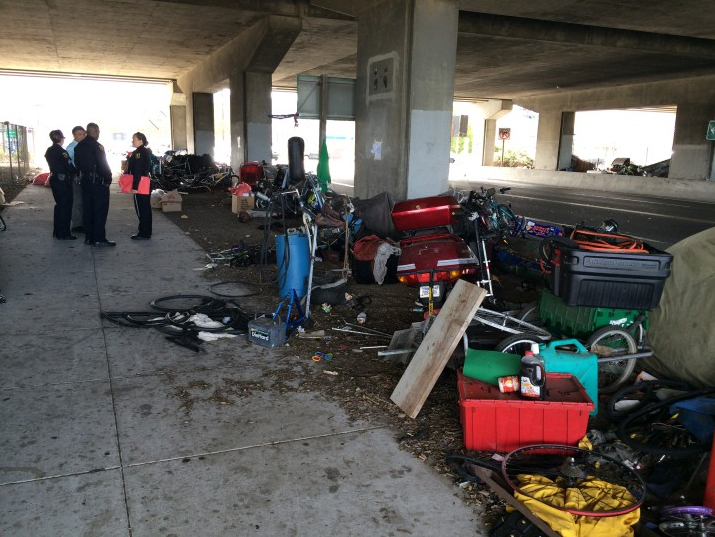
Rodents Prompt Berkeley Cleanup of Gilman Homeless Camp
Berkeley History Project Creates Online Map of Local Sites
Berkeley City Council Mandates Free Pot for the Poor
Berkeley Native Seeks to Be Youngest Council Member
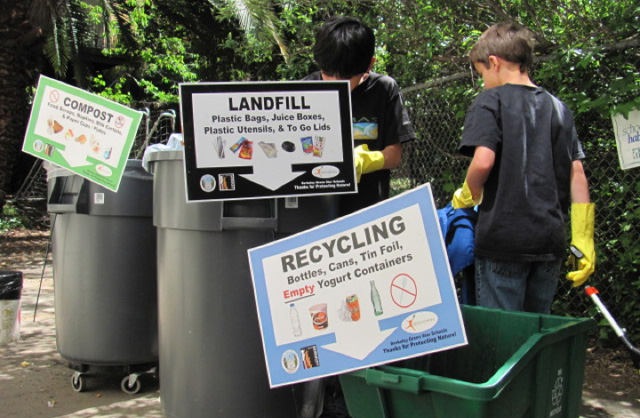
Berkeley Struggling To Reach Zero Waste Goal by 2020
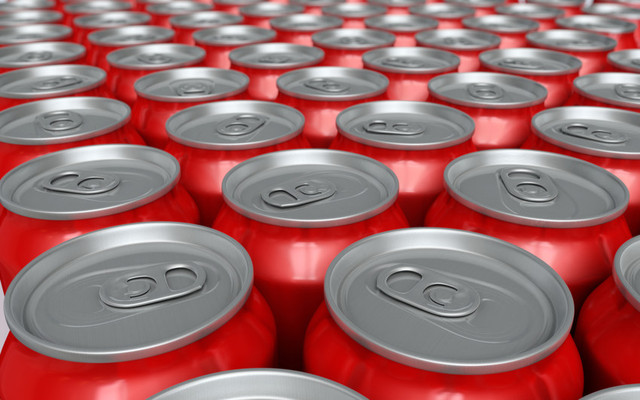
Judge Rules Berkeley Must Change Soda Tax Language
Berkeley Set to Open Two Parklets in 'Gourmet Ghetto' This Fall
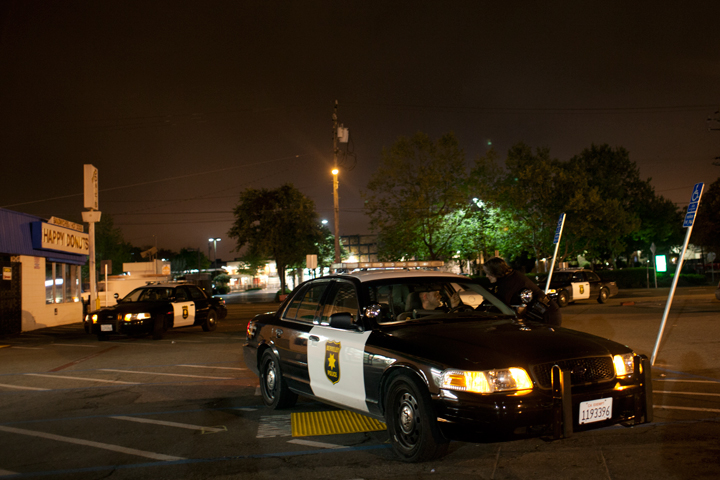
Berkeley Aims to Tackle Alleged Racial Profiling By Collecting Better Data
Berkeley High Junior Campaigns to Bring Coding to Cambodia
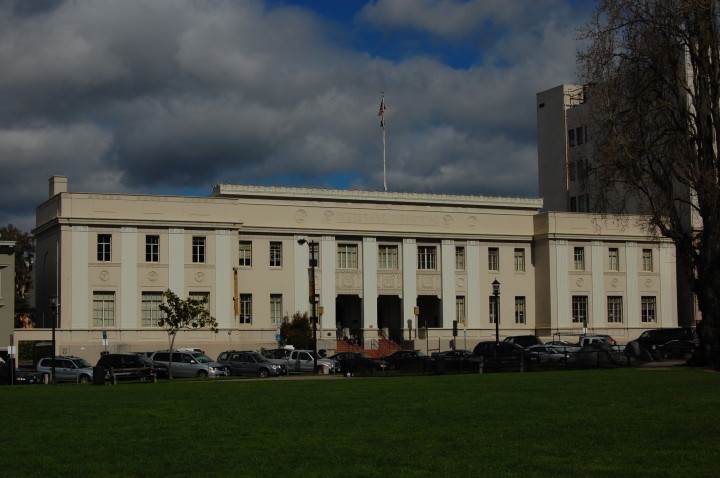
Berkeley Mayor Pushes to Save Historic Buildings With 'Civic Center Overlay'
Berkeley City Council Considers Surveillance Camera Police Registry
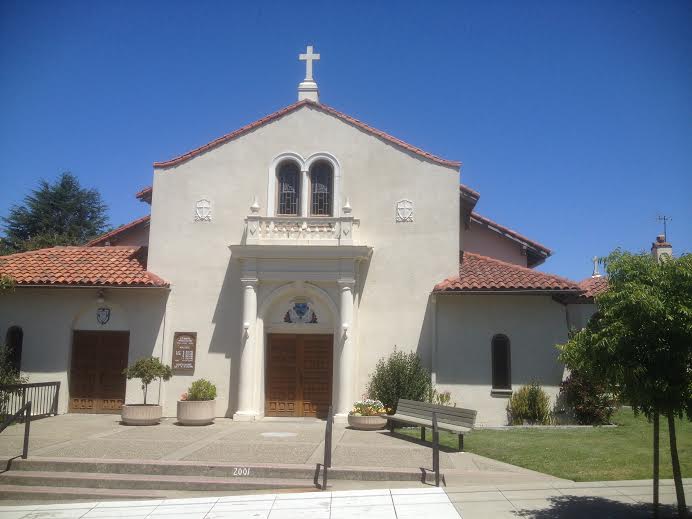
Parents and Teachers Protest New 'Morality Clause’ at Catholic Schools in East Bay
window.__IS_SSR__=true
window.__INITIAL_STATE__={
"attachmentsReducer": {
"audio_0": {
"type": "attachments",
"id": "audio_0",
"imgSizes": {
"kqedFullSize": {
"file": "https://ww2.kqed.org/news/wp-content/themes/KQED-unified/img/audio_bgs/background0.jpg"
}
}
},
"audio_1": {
"type": "attachments",
"id": "audio_1",
"imgSizes": {
"kqedFullSize": {
"file": "https://ww2.kqed.org/news/wp-content/themes/KQED-unified/img/audio_bgs/background1.jpg"
}
}
},
"audio_2": {
"type": "attachments",
"id": "audio_2",
"imgSizes": {
"kqedFullSize": {
"file": "https://ww2.kqed.org/news/wp-content/themes/KQED-unified/img/audio_bgs/background2.jpg"
}
}
},
"audio_3": {
"type": "attachments",
"id": "audio_3",
"imgSizes": {
"kqedFullSize": {
"file": "https://ww2.kqed.org/news/wp-content/themes/KQED-unified/img/audio_bgs/background3.jpg"
}
}
},
"audio_4": {
"type": "attachments",
"id": "audio_4",
"imgSizes": {
"kqedFullSize": {
"file": "https://ww2.kqed.org/news/wp-content/themes/KQED-unified/img/audio_bgs/background4.jpg"
}
}
},
"placeholder": {
"type": "attachments",
"id": "placeholder",
"imgSizes": {
"thumbnail": {
"file": "https://cdn.kqed.org/wp-content/uploads/2024/12/KQED-Default-Image-816638274-2000x1333-1-160x107.jpg",
"width": 160,
"height": 107,
"mimeType": "image/jpeg"
},
"medium": {
"file": "https://cdn.kqed.org/wp-content/uploads/2024/12/KQED-Default-Image-816638274-2000x1333-1-800x533.jpg",
"width": 800,
"height": 533,
"mimeType": "image/jpeg"
},
"medium_large": {
"file": "https://cdn.kqed.org/wp-content/uploads/2024/12/KQED-Default-Image-816638274-2000x1333-1-768x512.jpg",
"width": 768,
"height": 512,
"mimeType": "image/jpeg"
},
"large": {
"file": "https://cdn.kqed.org/wp-content/uploads/2024/12/KQED-Default-Image-816638274-2000x1333-1-1020x680.jpg",
"width": 1020,
"height": 680,
"mimeType": "image/jpeg"
},
"1536x1536": {
"file": "https://cdn.kqed.org/wp-content/uploads/2024/12/KQED-Default-Image-816638274-2000x1333-1-1536x1024.jpg",
"width": 1536,
"height": 1024,
"mimeType": "image/jpeg"
},
"fd-lrg": {
"file": "https://cdn.kqed.org/wp-content/uploads/2024/12/KQED-Default-Image-816638274-2000x1333-1-1536x1024.jpg",
"width": 1536,
"height": 1024,
"mimeType": "image/jpeg"
},
"fd-med": {
"file": "https://cdn.kqed.org/wp-content/uploads/2024/12/KQED-Default-Image-816638274-2000x1333-1-1020x680.jpg",
"width": 1020,
"height": 680,
"mimeType": "image/jpeg"
},
"fd-sm": {
"file": "https://cdn.kqed.org/wp-content/uploads/2024/12/KQED-Default-Image-816638274-2000x1333-1-800x533.jpg",
"width": 800,
"height": 533,
"mimeType": "image/jpeg"
},
"post-thumbnail": {
"file": "https://cdn.kqed.org/wp-content/uploads/2024/12/KQED-Default-Image-816638274-2000x1333-1-672x372.jpg",
"width": 672,
"height": 372,
"mimeType": "image/jpeg"
},
"twentyfourteen-full-width": {
"file": "https://cdn.kqed.org/wp-content/uploads/2024/12/KQED-Default-Image-816638274-2000x1333-1-1038x576.jpg",
"width": 1038,
"height": 576,
"mimeType": "image/jpeg"
},
"xxsmall": {
"file": "https://cdn.kqed.org/wp-content/uploads/2024/12/KQED-Default-Image-816638274-2000x1333-1-160x107.jpg",
"width": 160,
"height": 107,
"mimeType": "image/jpeg"
},
"xsmall": {
"file": "https://cdn.kqed.org/wp-content/uploads/2024/12/KQED-Default-Image-816638274-2000x1333-1-672x372.jpg",
"width": 672,
"height": 372,
"mimeType": "image/jpeg"
},
"small": {
"file": "https://cdn.kqed.org/wp-content/uploads/2024/12/KQED-Default-Image-816638274-2000x1333-1-672x372.jpg",
"width": 672,
"height": 372,
"mimeType": "image/jpeg"
},
"xlarge": {
"file": "https://cdn.kqed.org/wp-content/uploads/2024/12/KQED-Default-Image-816638274-2000x1333-1-1020x680.jpg",
"width": 1020,
"height": 680,
"mimeType": "image/jpeg"
},
"full-width": {
"file": "https://cdn.kqed.org/wp-content/uploads/2024/12/KQED-Default-Image-816638274-2000x1333-1-1920x1280.jpg",
"width": 1920,
"height": 1280,
"mimeType": "image/jpeg"
},
"guest-author-32": {
"file": "https://cdn.kqed.org/wp-content/uploads/2025/01/KQED-Default-Image-816638274-1333x1333-1-160x160.jpg",
"width": 32,
"height": 32,
"mimeType": "image/jpeg"
},
"guest-author-50": {
"file": "https://cdn.kqed.org/wp-content/uploads/2025/01/KQED-Default-Image-816638274-1333x1333-1-160x160.jpg",
"width": 50,
"height": 50,
"mimeType": "image/jpeg"
},
"guest-author-64": {
"file": "https://cdn.kqed.org/wp-content/uploads/2025/01/KQED-Default-Image-816638274-1333x1333-1-160x160.jpg",
"width": 64,
"height": 64,
"mimeType": "image/jpeg"
},
"guest-author-96": {
"file": "https://cdn.kqed.org/wp-content/uploads/2025/01/KQED-Default-Image-816638274-1333x1333-1-160x160.jpg",
"width": 96,
"height": 96,
"mimeType": "image/jpeg"
},
"guest-author-128": {
"file": "https://cdn.kqed.org/wp-content/uploads/2025/01/KQED-Default-Image-816638274-1333x1333-1-160x160.jpg",
"width": 128,
"height": 128,
"mimeType": "image/jpeg"
},
"detail": {
"file": "https://cdn.kqed.org/wp-content/uploads/2025/01/KQED-Default-Image-816638274-1333x1333-1-160x160.jpg",
"width": 160,
"height": 160,
"mimeType": "image/jpeg"
},
"kqedFullSize": {
"file": "https://cdn.kqed.org/wp-content/uploads/2024/12/KQED-Default-Image-816638274-2000x1333-1.jpg",
"width": 2000,
"height": 1333
}
}
},
"news_142343": {
"type": "attachments",
"id": "news_142343",
"meta": {
"index": "attachments_1716263798",
"site": "news",
"id": "142343",
"found": true
},
"parent": 142340,
"imgSizes": {
"kqedFullSize": {
"file": "https://ww2.kqed.org/app/uploads/sites/10/2014/07/gilman2.jpg",
"width": 715,
"height": 537
}
},
"publishDate": 1405964224,
"modified": 1405964224,
"caption": "Berkeley police have been visiting the homeless camp on Gilman Street — pictured here in early July — to provide outreach. (Drew Jaffe/Berkeleyside)",
"description": null,
"title": "gilman2",
"credit": null,
"status": "inherit",
"isLoading": false,
"fetchFailed": false
},
"news_141851": {
"type": "attachments",
"id": "news_141851",
"meta": {
"index": "attachments_1716263798",
"site": "news",
"id": "141851",
"found": true
},
"parent": 141847,
"imgSizes": {
"kqedFullSize": {
"file": "https://ww2.kqed.org/app/uploads/sites/10/2014/07/Daughters-House-959-Indian-Rock-Ave.1.jpg",
"width": 640,
"height": 480
}
},
"publishDate": 1405452036,
"modified": 1405452036,
"caption": "John Hudson Thomas built this house at 959 Indian Rock Ave. for his daughter. (Robert Kehlmann/Berkeleyside)",
"description": null,
"title": "Daughters-House-959-Indian-Rock-Ave.",
"credit": null,
"status": "inherit",
"isLoading": false,
"fetchFailed": false
},
"news_141708": {
"type": "attachments",
"id": "news_141708",
"meta": {
"index": "attachments_1716263798",
"site": "news",
"id": "141708",
"found": true
},
"parent": 141703,
"imgSizes": {
"kqedFullSize": {
"file": "https://ww2.kqed.org/app/uploads/sites/10/2014/07/berkeleypatientsgroup13-720x375-e1405361075669.jpg",
"width": 640,
"height": 333
}
},
"publishDate": 1405361041,
"modified": 1405361041,
"caption": "The Berkeley Patients Group has distributed free medical cannabis for years to low-income patients. A new law passed by the Berkeley City Council codifies this and requires dispensaries to give away 2% of its cannabis to the poor. Photo: Frances Dinkelspiel/Berkeleyside",
"description": null,
"title": "berkeleypatientsgroup13-720x375",
"credit": null,
"status": "inherit",
"isLoading": false,
"fetchFailed": false
},
"news_141335": {
"type": "attachments",
"id": "news_141335",
"meta": {
"index": "attachments_1716263798",
"site": "news",
"id": "141335",
"found": true
},
"parent": 141334,
"imgSizes": {
"kqedFullSize": {
"file": "https://ww2.kqed.org/app/uploads/sites/10/2014/07/seanbarry-720x540.jpg",
"width": 720,
"height": 540
}
},
"publishDate": 1404849845,
"modified": 1404849845,
"caption": "Sean Barry is running for the District 7 city council seat, He is looking to succeed Kriss Worthington. Photo courtesy of Sean Barry",
"description": "Sean Barry is running for the District 7 city council seat, He is looking to succeed Kriss Worthington. Photo courtesy of Sean Barry",
"title": "seanbarry-720x540",
"credit": null,
"status": "inherit",
"isLoading": false,
"fetchFailed": false
},
"news_141165": {
"type": "attachments",
"id": "news_141165",
"meta": {
"index": "attachments_1716263798",
"site": "news",
"id": "141165",
"found": true
},
"parent": 141159,
"imgSizes": {
"kqedFullSize": {
"file": "https://ww2.kqed.org/app/uploads/sites/10/2014/07/Green-Schools-640.jpg",
"width": 640,
"height": 418
}
},
"publishDate": 1404505299,
"modified": 1404505299,
"caption": "Students at John Muir Elementary sort for composting and recycling, but more Berkeley residents need to recycle in order for the city to meet its 2020 zero waste goal. Photo: Green Schools Initiative",
"description": "Students at John Muir Elementary sort for composting and recycling, but more Berkeley residents need to recycle in order for the city to meet its 2020 zero waste goal. Photo: Green Schools Initiative",
"title": "Green-Schools-640",
"credit": null,
"status": "inherit",
"isLoading": false,
"fetchFailed": false
},
"stateofhealth_17715": {
"type": "attachments",
"id": "stateofhealth_17715",
"meta": {
"index": "attachments_1716263798",
"site": "stateofhealth",
"id": "17715",
"found": true
},
"parent": 17708,
"imgSizes": {
"thumbnail": {
"file": "https://ww2.kqed.org/app/uploads/sites/27/2014/02/RS7242_136799870-1-hpf-400x250.jpg",
"width": 400,
"mimeType": "image/jpeg",
"height": 250
},
"fd-sm": {
"file": "https://ww2.kqed.org/app/uploads/sites/27/2014/02/RS7242_136799870-1-hpf-320x200.jpg",
"width": 320,
"mimeType": "image/jpeg",
"height": 200
},
"post-thumbnail": {
"file": "https://ww2.kqed.org/app/uploads/sites/27/2014/02/RS7242_136799870-1-hpf-640x372.jpg",
"width": 640,
"mimeType": "image/jpeg",
"height": 372
},
"kqedFullSize": {
"file": "https://ww2.kqed.org/app/uploads/sites/27/2014/02/RS7242_136799870-1-hpf.jpg",
"width": 640,
"height": 400
},
"guest-author-96": {
"file": "https://ww2.kqed.org/app/uploads/sites/27/2014/02/RS7242_136799870-1-hpf-96x96.jpg",
"width": 96,
"mimeType": "image/jpeg",
"height": 96
},
"guest-author-64": {
"file": "https://ww2.kqed.org/app/uploads/sites/27/2014/02/RS7242_136799870-1-hpf-64x64.jpg",
"width": 64,
"mimeType": "image/jpeg",
"height": 64
},
"detail": {
"file": "https://ww2.kqed.org/app/uploads/sites/27/2014/02/RS7242_136799870-1-hpf-75x75.jpg",
"width": 75,
"mimeType": "image/jpeg",
"height": 75
},
"guest-author-32": {
"file": "https://ww2.kqed.org/app/uploads/sites/27/2014/02/RS7242_136799870-1-hpf-32x32.jpg",
"width": 32,
"mimeType": "image/jpeg",
"height": 32
},
"guest-author-128": {
"file": "https://ww2.kqed.org/app/uploads/sites/27/2014/02/RS7242_136799870-1-hpf-128x128.jpg",
"width": 128,
"mimeType": "image/jpeg",
"height": 128
}
},
"publishDate": 1392408392,
"modified": 1392408392,
"caption": "(Getty Images)",
"description": "soda, cans, soda tax",
"title": "RS7242_136799870-1-hpf",
"credit": null,
"status": "inherit",
"isLoading": false,
"fetchFailed": false
},
"news_139710": {
"type": "attachments",
"id": "news_139710",
"meta": {
"index": "attachments_1716263798",
"site": "news",
"id": "139710",
"found": true
},
"parent": 139705,
"imgSizes": {
"kqedFullSize": {
"file": "https://ww2.kqed.org/app/uploads/sites/10/2014/06/berk-police.jpg",
"width": 720,
"height": 480
}
},
"publishDate": 1403203576,
"modified": 1403203576,
"caption": "Berkeley Police officers patrolling at night: a new policing policy adopted unanimously by the City Council aims to address alleged racial profiling when police make stops. (Emilie Raguso/Berkeleyside)",
"description": null,
"title": "berk police",
"credit": null,
"status": "inherit",
"isLoading": false,
"fetchFailed": false
},
"news_139191": {
"type": "attachments",
"id": "news_139191",
"meta": {
"index": "attachments_1716263798",
"site": "news",
"id": "139191",
"found": true
},
"parent": 139177,
"imgSizes": {
"kqedFullSize": {
"file": "https://ww2.kqed.org/app/uploads/sites/10/2014/06/cc-720x539.jpg",
"width": 720,
"height": 539
}
},
"publishDate": 1402701880,
"modified": 1402701880,
"caption": "Kids working on computers at FLOW. Horn believes that computer science has the ability to do enormous good in the world. (KhodeUp/Berkeleyside)",
"description": null,
"title": "cc-720x539",
"credit": null,
"status": "inherit",
"isLoading": false,
"fetchFailed": false
},
"news_138668": {
"type": "attachments",
"id": "news_138668",
"meta": {
"index": "attachments_1716263798",
"site": "news",
"id": "138668",
"found": true
},
"parent": 138667,
"imgSizes": {
"kqedFullSize": {
"file": "https://ww2.kqed.org/app/uploads/sites/10/2014/06/USA-Berkeley-Veterans_Memorial_Building-1-720x478.jpg",
"width": 720,
"height": 478
}
},
"publishDate": 1402421503,
"modified": 1402421503,
"caption": "Mayor Tom Bates wants the city council to adopt a zoning overlay to protect historic buildings in the civic center area, like Veterans’ Memorial Hall. He admits he hopes the push will undermine support for a Downtown Green Initiative scheduled for November ballot. (Wikimedia Commons)",
"description": null,
"title": "USA-Berkeley-Veterans_Memorial_Building-1-720x478",
"credit": null,
"status": "inherit",
"isLoading": false,
"fetchFailed": false
},
"news_138290": {
"type": "attachments",
"id": "news_138290",
"meta": {
"index": "attachments_1716263798",
"site": "news",
"id": "138290",
"found": true
},
"parent": 138287,
"imgSizes": {
"kqedFullSize": {
"file": "https://ww2.kqed.org/app/uploads/sites/10/2014/06/video-recording.jpg",
"width": 720,
"height": 459
}
},
"publishDate": 1402077597,
"modified": 1402077597,
"caption": "Some officials would like residents and business owners to be able to put their security camera locations into a police database. (Mike Mozart/Berkeleyside)",
"description": null,
"title": "video recording",
"credit": null,
"status": "inherit",
"isLoading": false,
"fetchFailed": false
},
"news_137217": {
"type": "attachments",
"id": "news_137217",
"meta": {
"index": "attachments_1716263798",
"site": "news",
"id": "137217",
"found": true
},
"parent": 137216,
"imgSizes": {
"kqedFullSize": {
"file": "https://ww2.kqed.org/app/uploads/sites/10/2014/05/School-of-the-Madeleine-Berkeley.-Photo-Natalie-Orenstein.jpg",
"width": 692,
"height": 519
}
},
"publishDate": 1401222360,
"modified": 1401222360,
"caption": "The School of the Madeleine in Berkeley is the only Berkeley school affected by what is being described as a morality clause in teachers’ contracts, introduced by the new Bishop of Oakland, Michael Barber. (Natalie Orenstein/Berkeleyside)",
"description": null,
"title": "School-of-the-Madeleine-Berkeley.-Photo-Natalie-Orenstein",
"credit": null,
"status": "inherit",
"isLoading": false,
"fetchFailed": false
}
},
"audioPlayerReducer": {
"postId": "stream_live",
"isPaused": true,
"isPlaying": false,
"pfsActive": false,
"pledgeModalIsOpen": true,
"playerDrawerIsOpen": false,
"liveAudioPlayStartedAt": 0,
"liveAudioPlayContext": ""
},
"authorsReducer": {
"byline_news_141703": {
"type": "authors",
"id": "byline_news_141703",
"meta": {
"override": true
},
"slug": "byline_news_141703",
"name": "\u003ca href=\"http://www.berkeleyside.com/author/natalie/\">Natalie Orenstein\u003c/a>\u003cbr />Berkeleyside",
"isLoading": false
},
"katrinaschwartz": {
"type": "authors",
"id": "234",
"meta": {
"index": "authors_1716337520",
"id": "234",
"found": true
},
"name": "Katrina Schwartz",
"firstName": "Katrina",
"lastName": "Schwartz",
"slug": "katrinaschwartz",
"email": "kschwartz@kqed.org",
"display_author_email": false,
"staff_mastheads": [
"news"
],
"title": "Producer",
"bio": "Katrina Schwartz is a journalist based in San Francisco. She's worked at KPCC public radio in LA and has reported on air and online for KQED since 2010. She covered how teaching and learning is changing for MindShift between 2012 and 2020. She is the co-host of the MindShift podcast and now produces KQED's Bay Curious podcast.",
"avatar": "https://secure.gravatar.com/avatar/edb4ee79070447a018538c9aae6eeecf28786515b8a0c30e43b6b7dce5aa44c8?s=600&d=blank&r=g",
"twitter": "kschwart",
"bluesky": null,
"facebook": null,
"instagram": null,
"linkedin": null,
"sites": [
{
"site": "",
"roles": [
"editor"
]
},
{
"site": "news",
"roles": [
"editor"
]
},
{
"site": "mindshift",
"roles": [
"administrator"
]
},
{
"site": "stateofhealth",
"roles": [
"author"
]
},
{
"site": "science",
"roles": [
"editor"
]
}
],
"headData": {
"title": "Katrina Schwartz | KQED",
"description": "Producer",
"ogImgSrc": "https://secure.gravatar.com/avatar/edb4ee79070447a018538c9aae6eeecf28786515b8a0c30e43b6b7dce5aa44c8?s=600&d=blank&r=g",
"twImgSrc": "https://secure.gravatar.com/avatar/edb4ee79070447a018538c9aae6eeecf28786515b8a0c30e43b6b7dce5aa44c8?s=600&d=blank&r=g"
},
"isLoading": false,
"link": "/author/katrinaschwartz"
},
"kqed": {
"type": "authors",
"id": "236",
"meta": {
"index": "authors_1716337520",
"id": "236",
"found": true
},
"name": "KQED News Staff",
"firstName": "KQED News Staff",
"lastName": null,
"slug": "kqed",
"email": "faq@kqed.org",
"display_author_email": false,
"staff_mastheads": [],
"title": null,
"bio": null,
"avatar": "https://secure.gravatar.com/avatar/ef0e801a68c4c54afa9180db14084167?s=600&d=blank&r=g",
"twitter": null,
"facebook": null,
"instagram": null,
"linkedin": null,
"sites": [
{
"site": "arts",
"roles": [
"contributor"
]
},
{
"site": "news",
"roles": [
"editor"
]
},
{
"site": "futureofyou",
"roles": [
"author"
]
}
],
"headData": {
"title": "KQED News Staff | KQED",
"description": null,
"ogImgSrc": "https://secure.gravatar.com/avatar/ef0e801a68c4c54afa9180db14084167?s=600&d=blank&r=g",
"twImgSrc": "https://secure.gravatar.com/avatar/ef0e801a68c4c54afa9180db14084167?s=600&d=blank&r=g"
},
"isLoading": false,
"link": "/author/kqed"
},
"state-of-health": {
"type": "authors",
"id": "8344",
"meta": {
"index": "authors_1716337520",
"id": "8344",
"found": true
},
"name": "State of Health",
"firstName": "State of Health",
"lastName": null,
"slug": "state-of-health",
"email": "stateofhealth@kqed.org",
"display_author_email": false,
"staff_mastheads": [],
"title": null,
"bio": null,
"avatar": "https://secure.gravatar.com/avatar/66de4bf6d331fa7402bba1ffe8135e17?s=600&d=blank&r=g",
"twitter": null,
"facebook": null,
"instagram": null,
"linkedin": null,
"sites": [
{
"site": "arts",
"roles": [
"author"
]
},
{
"site": "stateofhealth",
"roles": [
"editor"
]
}
],
"headData": {
"title": "State of Health | KQED",
"description": null,
"ogImgSrc": "https://secure.gravatar.com/avatar/66de4bf6d331fa7402bba1ffe8135e17?s=600&d=blank&r=g",
"twImgSrc": "https://secure.gravatar.com/avatar/66de4bf6d331fa7402bba1ffe8135e17?s=600&d=blank&r=g"
},
"isLoading": false,
"link": "/author/state-of-health"
}
},
"pagesReducer": {
"news_affiliate_berkeleyside-2": {
"type": "terms",
"id": "news_5078",
"meta": {
"index": "terms_1716263798",
"site": "news",
"id": "5078",
"score": 16.655228
},
"featImg": null,
"name": "Berkeleyside",
"description": "Berkeleyside is Berkeley, California’s independently owned local news site. We report on the extraordinary diversity of people, issues, events, food and environment in our city on the Bay.",
"taxonomy": "affiliate",
"headData": {
"twImgId": null,
"twTitle": null,
"ogTitle": null,
"ogImgId": null,
"twDescription": null,
"description": "Berkeleyside is Berkeley, California’s independently owned local news site. We report on the extraordinary diversity of people, issues, events, food and environment in our city on the Bay.",
"title": "Berkeleyside Archives | KQED Arts",
"ogDescription": null
},
"ttid": 5099,
"slug": "berkeleyside-2",
"isLoading": false,
"title": "Berkeleyside",
"pageMeta": {
"site": "news",
"WpPageTemplate": "page-topic-editorial",
"currentPage": 10
},
"blocks": [
{
"blockName": "kqed/company-paragraph",
"content": "Berkeleyside is Berkeley, California’s independently owned local news site. We report on the extraordinary diversity of people, issues, events, food and environment in our city on the Bay."
},
{
"blockName": "kqed/post-list",
"attrs": {
"layout": "cardArticle2",
"query": "posts/news?affiliate=berkeleyside-2",
"seeMore": false,
"paginated": true,
"page": 10
}
},
{
"blockName": "kqed/ad"
}
]
}
},
"pfsSessionReducer": {},
"postsReducer": {
"stream_live": {
"type": "live",
"id": "stream_live",
"audioUrl": "https://streams.kqed.org/kqedradio",
"title": "Live Stream",
"excerpt": "Live Stream information currently unavailable.",
"link": "/radio",
"featImg": "",
"label": {
"name": "KQED Live",
"link": "/"
}
},
"stream_kqedNewscast": {
"type": "posts",
"id": "stream_kqedNewscast",
"audioUrl": "https://www.kqed.org/.stream/anon/radio/RDnews/newscast.mp3?_=1",
"title": "KQED Newscast",
"featImg": "",
"label": {
"name": "88.5 FM",
"link": "/"
}
},
"news_142340": {
"type": "posts",
"id": "news_142340",
"meta": {
"index": "posts_1716263798",
"site": "news",
"id": "142340",
"score": null,
"sort": [
1405967188000
]
},
"parent": 0,
"labelTerm": {
"site": "news",
"term": 6944
},
"blocks": [],
"publishDate": 1405967188,
"format": "aside",
"disqusTitle": "Rodents Prompt Berkeley Cleanup of Gilman Homeless Camp",
"title": "Rodents Prompt Berkeley Cleanup of Gilman Homeless Camp",
"headTitle": "News Fix | KQED News",
"content": "\u003cp>\u003cstrong>By Emilie Raguso\u003cbr>\n\u003ca href=\"http://www.berkeleyside.com/2014/07/18/rodents-trash-prompt-city-of-berkeley-clean-up-of-homeless-camp-on-gilman-residents-scattered/\" target=\"_blank\">Berkeleyside\u003c/a>\u003c/strong>\u003c/p>\n\u003cfigure id=\"attachment_142343\" class=\"wp-caption aligncenter\" style=\"max-width: 640px\">\u003ca href=\"http://ww2.kqed.org/news/wp-content/uploads/sites/10/2014/07/gilman2.jpg\">\u003cimg class=\"size-medium wp-image-142343\" src=\"http://ww2.kqed.org/news/wp-content/uploads/sites/10/2014/07/gilman2-640x480.jpg\" alt=\"Berkeley police have been visiting the homeless camp on Gilman Street — pictured here in early July — to provide outreach. (Drew Jaffe/Berkeleyside)\" width=\"640\" height=\"480\">\u003c/a>\u003cfigcaption class=\"wp-caption-text\">Berkeley police have been visiting the homeless camp on Gilman Street — pictured here in early July — to provide outreach. (Drew Jaffe/Berkeleyside)\u003c/figcaption>\u003c/figure>\n\u003cp>Citing concerns about garbage and rodents, both dead and alive, the city of Berkeley sent in a team to clean up Gilman Street beneath Interstate 80, where homeless people have been living in recent months, city staff said Friday.\u003c/p>\n\u003cp>At least one advocate for the homeless criticized the effort, saying no one was told in advance about the operation, which dispersed residents and will make it harder to provide important services to them.\u003c/p>\n\u003cp>City spokesman Matthai Chakko said Friday shortly before noon that the operation to address ongoing sanitation problems on Gilman under the freeway had gone smoothly. He estimated that perhaps a dozen people were on the site when the city arrived Friday morning.\u003c/p>\n\u003cp>“We removed debris, garbage and other things that had made it a place that was harboring a lot of rodents,” said Chakko. “There were rodents running around … and evidence of dead ones. There are concerns that arise from that kind of environment, so it was important to clean it up.”\u003c/p>\n\u003caside class=\"pullquote alignleft\">'There was no warning at all, despite the fact we'd been working with the city.'\u003c/aside>\n\u003cp>He said the city had been hearing from local residents who expressed worry about unsafe and unclean conditions and had asked the city to take action.\u003c/p>\n\u003cp>[ad fullwidth]\u003c/p>\n\u003cp>Chakko was unable to provide the time the city arrived on-site, but Berkeleyside readers saw the cleanup effort underway at 6:30 a.m.\u003c/p>\n\u003cp>People who had been camping on Gilman “packed up their stuff and left,” Chakko said. “It was a very calm situation.”\u003c/p>\n\u003cp>He said no one was arrested.\u003c/p>\n\u003cp>City Public Works staff handled the cleanup, and Berkeley police officers were on-site for traffic control purposes, Chakko said. He noted that the effort took place early in the morning to try to limit the traffic impacts in an area that has \u003ca href=\"http://www.berkeleyside.com/2013/02/22/whats-happening-with-the-gilman-street-interchange/\" target=\"_blank\">complex circulation patterns\u003c/a>. “It’s a complicated intersection without people getting in the way, so it was important to have police directing traffic there,” he said.\u003c/p>\n\u003cp>Other city staff, including people from the Health, Housing & Community Services Department, were also in attendance.\u003c/p>\n\u003cp>Chakko said the city has been working since the beginning of May to try to secure housing for people camping beneath the freeway.\u003c/p>\n\u003cp>“Offers have been made to move them into housing, with subsidies to pay for it,” he said. “Case managers, housing folks, mental health folks, all sorts of people have been involved to try to find a way to help them transition out of homelessness.”\u003c/p>\n\u003cp>He said people were not told to stay away, and that no barriers had been installed to keep them from returning. No new notices were posted either. But Chakko said notices that had been hung previously — after a recent decision by the city \u003ca href=\"http://www.berkeleyside.com/2014/07/10/berkeley-gives-gilman-street-homeless-a-reprieve/\" target=\"_blank\">not to pursue nuisance abatement actions\u003c/a> beneath the freeway — remained in place.\u003c/p>\n\u003cp>According to that notice, “The camp activity and accumulations \u003ca href=\"http://www.berkeleyside.com/wp-content/uploads/2014/07/GilmanOfficialNotice7-10-14-4.pdf\" target=\"_blank\">continue to contribute to rodent harborage and create a public nuisance\u003c/a>. The City will monitor the situation and may without further notice take appropriate action to abate public nuisance conditions, up to and including the removal of personal property pursuant to Chapter 11.40 BMC.”\u003c/p>\n\u003cp>Chakko said the city hauled away “a lot of garbage” but noted that “anything that appeared to have value was bagged and stored, which is following our standard protocols.”\u003c/p>\n\u003cp>Anyone looking for property that was removed can call 510-981-4665 for help.\u003c/p>\n\u003cp>\u003cstrong>Homeless advocate: So-called cleanup “just a sad subterfuge”\u003c/strong>\u003c/p>\n\u003cp>Osha Neumann, a local attorney and advocate for the homeless for the East Bay Community Law Center, denounced Friday’s operation. He said that contrary to statements from the city, what occurred was much more than a cleanup. “It meant everybody is kicked out of there, everybody,\" he said. \"People are really upset.”\u003c/p>\n\u003cp>Neumann said when he arrived at Gilman Street on Friday around 9:30 a.m., he found one man he’d been working with sitting dejectedly on the curb, unsure of where to go next. The Law Center was able to arrange a ride for him to a place he could stay for several days, but the man was still depressed and rattled, Neumann said.\u003c/p>\n\u003cp>Neumann said the city should have at least let people know in advance about the plan. “They came in at 5:30 without notice,” he said. “They just came in with a ton of cops and trucks and hauled people’s stuff away. People are scattered around now. And there was no warning at all, despite the fact we’d been \u003ca href=\"http://www.berkeleyside.com/2014/07/10/berkeley-gives-gilman-street-homeless-a-reprieve/\" target=\"_blank\">working with the city\u003c/a>.”\u003c/p>\n\u003cp>Neumann said the Law Center has also been working with residents beneath the freeway to find them housing, and has been \u003ca href=\"http://www.berkeleyside.com/2014/07/10/berkeley-gives-gilman-street-homeless-a-reprieve/\" target=\"_blank\">successful in those efforts\u003c/a>. The seven-10 people who were still living in the area included those with significant mental and physical disabilities, he added.\u003c/p>\n\u003cp>Neumann said he had appreciated it when the city terminated its \u003ca href=\"http://www.berkeleyside.com/2014/07/10/berkeley-gives-gilman-street-homeless-a-reprieve/\" target=\"_blank\">nuisance abatement plans \u003c/a>for Gilman Street earlier this month. He acknowledged that the city had clearly reserved the right to return to the area for safety or public health reasons.\u003c/p>\n\u003cp>“Do that. But you have to give them notice,” said Neumann. “That’s basic constitutional stuff. They just rousted people while they were sleeping.”\u003c/p>\n\u003cp>Neumann said he asked a police lieutenant and city staff on-site why no one had been warned that the so-called cleanup would take place; the city employees he asked told him they hadn’t known in advance about the plans either.\u003c/p>\n\u003cp>“Everybody there said: ‘No, we didn’t know, we didn’t know. This was not our idea,’ ” said Neumann.\u003c/p>\n\u003cp>City spokesman Chakko declined to respond to this assertion.\u003c/p>\n\u003cp>Regarding the rodents, Neumann said they are prevalent in the area due primarily to the straw and manure from the nearby Golden Gate Fields racetrack, and said it would have been easy enough to bring in garbage receptacles to collect trash if that had been the city’s main goal.\u003c/p>\n\u003cp>He called the city’s rationale about what took place Friday “ridiculous,” adding, “That was just a sad subterfuge.”\u003c/p>\n\u003cp>Neumann said the operation makes it much harder to provide vital services to the people who need them most and runs counter to providing the stability or building the relationships that help get people off the streets. He called it “the leaf-blower approach” to homelessness. “You bring in the cops and blow them into some other place. It ain’t right,” he said. “We’re left trying to pick up the pieces, find people, reconnect with them and find out what their condition is, what their health is. It’s really difficult now.”\u003c/p>\n\u003cp>The removal of people’s property from beneath the freeway will also likely prompt more work, Neumann said. The \u003ca href=\"http://www.berkeleyside.com/2014/01/07/berkeley-dumps-possessions-of-8-homeless-people/\" target=\"_blank\">city ultimately decides what constitutes trash\u003c/a>, and what seems to be belongings, and there can be a lot of ambiguity in those decisions.\u003c/p>\n\u003cp>“People look at what homeless people have, and \u003ca href=\"http://www.berkeleyside.com/2014/01/07/berkeley-dumps-possessions-of-8-homeless-people/\" target=\"_blank\">they often consider it trash\u003c/a>,” he said. “We don’t know how much people were able to take, how much got taken by the city and how much gets thrown away. We have no idea.”\u003c/p>\n\u003cp>He said the Law Center will continue to do outreach to those who had been living under the freeway and connect them with services and housing.\u003c/p>\n\u003cp>City spokesman Chakko said the city will continue to do the same. Friday morning, staff handed out contact information to the people who had been camping when authorities arrived, to make sure they know who to call if they want help. “A lot of cards were given out today to people,” he said. “It’s not a safe place to live. And the conditions that were developing were certainly not safe. … The goal today was to clean up all of the very serious conditions there.”\u003c/p>\n\u003cp>[ad floatright]\u003c/p>\n\u003cp>\u003cem>KQED News Associate Berkeleyside is an independently owned news website based in Berkeley, Calif. \u003ca href=\"http://berkeleyside.us2.list-manage.com/subscribe?u=4851428a10883a05193b1dd6c&id=aad4b5ee64\" target=\"_blank\">Click here\u003c/a> if you would you like to receive the latest Berkeley news in your inbox once a day for free with Berkeleyside’s Daily Briefing email.\u003c/em>\u003c/p>\n\n",
"disqusIdentifier": "142340 http://ww2.kqed.org/news/?p=142340",
"disqusUrl": "https://ww2.kqed.org/news/2014/07/21/rodents-prompt-city-of-berkeley-cleanup-of-gilman-homeless-camp/",
"stats": {
"hasVideo": false,
"hasChartOrMap": false,
"hasAudio": false,
"hasPolis": false,
"wordCount": 1447,
"hasGoogleForm": false,
"hasGallery": false,
"hasHearkenModule": false,
"iframeSrcs": [],
"paragraphCount": 37
},
"modified": 1405981099,
"excerpt": "City cleanup of encampment under the Gilman Street overpass is causing tension with homeless advocates.",
"headData": {
"twImgId": "",
"twTitle": "",
"ogTitle": "",
"ogImgId": "",
"twDescription": "",
"description": "City cleanup of encampment under the Gilman Street overpass is causing tension with homeless advocates.",
"title": "Rodents Prompt Berkeley Cleanup of Gilman Homeless Camp | KQED",
"ogDescription": "",
"schema": {
"@context": "https://schema.org",
"@type": "NewsArticle",
"headline": "Rodents Prompt Berkeley Cleanup of Gilman Homeless Camp",
"datePublished": "2014-07-21T11:26:28-07:00",
"dateModified": "2014-07-21T15:18:19-07:00",
"image": "https://cdn.kqed.org/wp-content/uploads/2020/02/KQED-OG-Image@1x.png",
"isAccessibleForFree": "True",
"publisher": {
"@type": "NewsMediaOrganization",
"@id": "https://www.kqed.org/#organization",
"name": "KQED",
"logo": "https://cdn.kqed.org/wp-content/uploads/2020/02/KQED-OG-Image@1x.png",
"url": "https://www.kqed.org",
"sameAs": [
"https://www.facebook.com/KQED",
"https://twitter.com/KQED",
"https://www.instagram.com/kqed/",
"https://www.tiktok.com/@kqedofficial",
"https://www.linkedin.com/company/kqed",
"https://www.youtube.com/channel/UCeC0IOo7i1P_61zVUWbJ4nw"
]
}
}
},
"guestAuthors": [],
"slug": "rodents-prompt-city-of-berkeley-cleanup-of-gilman-homeless-camp",
"status": "publish",
"customPermalink": "2014/07/21/Berkeley-homeless-camp-Gilman/",
"path": "/news/142340/rodents-prompt-city-of-berkeley-cleanup-of-gilman-homeless-camp",
"audioTrackLength": null,
"parsedContent": [
{
"type": "contentString",
"content": "\u003cdiv class=\"post-body\">\u003cp>\u003cp>\u003cstrong>By Emilie Raguso\u003cbr>\n\u003ca href=\"http://www.berkeleyside.com/2014/07/18/rodents-trash-prompt-city-of-berkeley-clean-up-of-homeless-camp-on-gilman-residents-scattered/\" target=\"_blank\">Berkeleyside\u003c/a>\u003c/strong>\u003c/p>\n\u003cfigure id=\"attachment_142343\" class=\"wp-caption aligncenter\" style=\"max-width: 640px\">\u003ca href=\"http://ww2.kqed.org/news/wp-content/uploads/sites/10/2014/07/gilman2.jpg\">\u003cimg class=\"size-medium wp-image-142343\" src=\"http://ww2.kqed.org/news/wp-content/uploads/sites/10/2014/07/gilman2-640x480.jpg\" alt=\"Berkeley police have been visiting the homeless camp on Gilman Street — pictured here in early July — to provide outreach. (Drew Jaffe/Berkeleyside)\" width=\"640\" height=\"480\">\u003c/a>\u003cfigcaption class=\"wp-caption-text\">Berkeley police have been visiting the homeless camp on Gilman Street — pictured here in early July — to provide outreach. (Drew Jaffe/Berkeleyside)\u003c/figcaption>\u003c/figure>\n\u003cp>Citing concerns about garbage and rodents, both dead and alive, the city of Berkeley sent in a team to clean up Gilman Street beneath Interstate 80, where homeless people have been living in recent months, city staff said Friday.\u003c/p>\n\u003cp>At least one advocate for the homeless criticized the effort, saying no one was told in advance about the operation, which dispersed residents and will make it harder to provide important services to them.\u003c/p>\n\u003cp>City spokesman Matthai Chakko said Friday shortly before noon that the operation to address ongoing sanitation problems on Gilman under the freeway had gone smoothly. He estimated that perhaps a dozen people were on the site when the city arrived Friday morning.\u003c/p>\n\u003cp>“We removed debris, garbage and other things that had made it a place that was harboring a lot of rodents,” said Chakko. “There were rodents running around … and evidence of dead ones. There are concerns that arise from that kind of environment, so it was important to clean it up.”\u003c/p>\n\u003caside class=\"pullquote alignleft\">'There was no warning at all, despite the fact we'd been working with the city.'\u003c/aside>\n\u003cp>He said the city had been hearing from local residents who expressed worry about unsafe and unclean conditions and had asked the city to take action.\u003c/p>\n\u003cp>\u003c/p>\u003c/div>",
"attributes": {
"named": {},
"numeric": []
}
},
{
"type": "component",
"content": "",
"name": "ad",
"attributes": {
"named": {
"label": "fullwidth"
},
"numeric": [
"fullwidth"
]
}
},
{
"type": "contentString",
"content": "\u003cdiv class=\"post-body\">\u003cp>\u003c/p>\n\u003cp>Chakko was unable to provide the time the city arrived on-site, but Berkeleyside readers saw the cleanup effort underway at 6:30 a.m.\u003c/p>\n\u003cp>People who had been camping on Gilman “packed up their stuff and left,” Chakko said. “It was a very calm situation.”\u003c/p>\n\u003cp>He said no one was arrested.\u003c/p>\n\u003cp>City Public Works staff handled the cleanup, and Berkeley police officers were on-site for traffic control purposes, Chakko said. He noted that the effort took place early in the morning to try to limit the traffic impacts in an area that has \u003ca href=\"http://www.berkeleyside.com/2013/02/22/whats-happening-with-the-gilman-street-interchange/\" target=\"_blank\">complex circulation patterns\u003c/a>. “It’s a complicated intersection without people getting in the way, so it was important to have police directing traffic there,” he said.\u003c/p>\n\u003cp>Other city staff, including people from the Health, Housing & Community Services Department, were also in attendance.\u003c/p>\n\u003cp>Chakko said the city has been working since the beginning of May to try to secure housing for people camping beneath the freeway.\u003c/p>\n\u003cp>“Offers have been made to move them into housing, with subsidies to pay for it,” he said. “Case managers, housing folks, mental health folks, all sorts of people have been involved to try to find a way to help them transition out of homelessness.”\u003c/p>\n\u003cp>He said people were not told to stay away, and that no barriers had been installed to keep them from returning. No new notices were posted either. But Chakko said notices that had been hung previously — after a recent decision by the city \u003ca href=\"http://www.berkeleyside.com/2014/07/10/berkeley-gives-gilman-street-homeless-a-reprieve/\" target=\"_blank\">not to pursue nuisance abatement actions\u003c/a> beneath the freeway — remained in place.\u003c/p>\n\u003cp>According to that notice, “The camp activity and accumulations \u003ca href=\"http://www.berkeleyside.com/wp-content/uploads/2014/07/GilmanOfficialNotice7-10-14-4.pdf\" target=\"_blank\">continue to contribute to rodent harborage and create a public nuisance\u003c/a>. The City will monitor the situation and may without further notice take appropriate action to abate public nuisance conditions, up to and including the removal of personal property pursuant to Chapter 11.40 BMC.”\u003c/p>\n\u003cp>Chakko said the city hauled away “a lot of garbage” but noted that “anything that appeared to have value was bagged and stored, which is following our standard protocols.”\u003c/p>\n\u003cp>Anyone looking for property that was removed can call 510-981-4665 for help.\u003c/p>\n\u003cp>\u003cstrong>Homeless advocate: So-called cleanup “just a sad subterfuge”\u003c/strong>\u003c/p>\n\u003cp>Osha Neumann, a local attorney and advocate for the homeless for the East Bay Community Law Center, denounced Friday’s operation. He said that contrary to statements from the city, what occurred was much more than a cleanup. “It meant everybody is kicked out of there, everybody,\" he said. \"People are really upset.”\u003c/p>\n\u003cp>Neumann said when he arrived at Gilman Street on Friday around 9:30 a.m., he found one man he’d been working with sitting dejectedly on the curb, unsure of where to go next. The Law Center was able to arrange a ride for him to a place he could stay for several days, but the man was still depressed and rattled, Neumann said.\u003c/p>\n\u003cp>Neumann said the city should have at least let people know in advance about the plan. “They came in at 5:30 without notice,” he said. “They just came in with a ton of cops and trucks and hauled people’s stuff away. People are scattered around now. And there was no warning at all, despite the fact we’d been \u003ca href=\"http://www.berkeleyside.com/2014/07/10/berkeley-gives-gilman-street-homeless-a-reprieve/\" target=\"_blank\">working with the city\u003c/a>.”\u003c/p>\n\u003cp>Neumann said the Law Center has also been working with residents beneath the freeway to find them housing, and has been \u003ca href=\"http://www.berkeleyside.com/2014/07/10/berkeley-gives-gilman-street-homeless-a-reprieve/\" target=\"_blank\">successful in those efforts\u003c/a>. The seven-10 people who were still living in the area included those with significant mental and physical disabilities, he added.\u003c/p>\n\u003cp>Neumann said he had appreciated it when the city terminated its \u003ca href=\"http://www.berkeleyside.com/2014/07/10/berkeley-gives-gilman-street-homeless-a-reprieve/\" target=\"_blank\">nuisance abatement plans \u003c/a>for Gilman Street earlier this month. He acknowledged that the city had clearly reserved the right to return to the area for safety or public health reasons.\u003c/p>\n\u003cp>“Do that. But you have to give them notice,” said Neumann. “That’s basic constitutional stuff. They just rousted people while they were sleeping.”\u003c/p>\n\u003cp>Neumann said he asked a police lieutenant and city staff on-site why no one had been warned that the so-called cleanup would take place; the city employees he asked told him they hadn’t known in advance about the plans either.\u003c/p>\n\u003cp>“Everybody there said: ‘No, we didn’t know, we didn’t know. This was not our idea,’ ” said Neumann.\u003c/p>\n\u003cp>City spokesman Chakko declined to respond to this assertion.\u003c/p>\n\u003cp>Regarding the rodents, Neumann said they are prevalent in the area due primarily to the straw and manure from the nearby Golden Gate Fields racetrack, and said it would have been easy enough to bring in garbage receptacles to collect trash if that had been the city’s main goal.\u003c/p>\n\u003cp>He called the city’s rationale about what took place Friday “ridiculous,” adding, “That was just a sad subterfuge.”\u003c/p>\n\u003cp>Neumann said the operation makes it much harder to provide vital services to the people who need them most and runs counter to providing the stability or building the relationships that help get people off the streets. He called it “the leaf-blower approach” to homelessness. “You bring in the cops and blow them into some other place. It ain’t right,” he said. “We’re left trying to pick up the pieces, find people, reconnect with them and find out what their condition is, what their health is. It’s really difficult now.”\u003c/p>\n\u003cp>The removal of people’s property from beneath the freeway will also likely prompt more work, Neumann said. The \u003ca href=\"http://www.berkeleyside.com/2014/01/07/berkeley-dumps-possessions-of-8-homeless-people/\" target=\"_blank\">city ultimately decides what constitutes trash\u003c/a>, and what seems to be belongings, and there can be a lot of ambiguity in those decisions.\u003c/p>\n\u003cp>“People look at what homeless people have, and \u003ca href=\"http://www.berkeleyside.com/2014/01/07/berkeley-dumps-possessions-of-8-homeless-people/\" target=\"_blank\">they often consider it trash\u003c/a>,” he said. “We don’t know how much people were able to take, how much got taken by the city and how much gets thrown away. We have no idea.”\u003c/p>\n\u003cp>He said the Law Center will continue to do outreach to those who had been living under the freeway and connect them with services and housing.\u003c/p>\n\u003cp>City spokesman Chakko said the city will continue to do the same. Friday morning, staff handed out contact information to the people who had been camping when authorities arrived, to make sure they know who to call if they want help. “A lot of cards were given out today to people,” he said. “It’s not a safe place to live. And the conditions that were developing were certainly not safe. … The goal today was to clean up all of the very serious conditions there.”\u003c/p>\n\u003cp>\u003c/p>\u003c/div>",
"attributes": {
"named": {},
"numeric": []
}
},
{
"type": "component",
"content": "",
"name": "ad",
"attributes": {
"named": {
"label": "floatright"
},
"numeric": [
"floatright"
]
}
},
{
"type": "contentString",
"content": "\u003cdiv class=\"post-body\">\u003cp>\u003c/p>\n\u003cp>\u003cem>KQED News Associate Berkeleyside is an independently owned news website based in Berkeley, Calif. \u003ca href=\"http://berkeleyside.us2.list-manage.com/subscribe?u=4851428a10883a05193b1dd6c&id=aad4b5ee64\" target=\"_blank\">Click here\u003c/a> if you would you like to receive the latest Berkeley news in your inbox once a day for free with Berkeleyside’s Daily Briefing email.\u003c/em>\u003c/p>\n\n\u003c/div>\u003c/p>",
"attributes": {
"named": {},
"numeric": []
}
}
],
"link": "/news/142340/rodents-prompt-city-of-berkeley-cleanup-of-gilman-homeless-camp",
"authors": [
"236"
],
"programs": [
"news_6944"
],
"categories": [
"news_6266"
],
"tags": [
"news_4860",
"news_4020"
],
"affiliates": [
"news_5078"
],
"featImg": "news_142343",
"label": "news_6944"
},
"news_141847": {
"type": "posts",
"id": "news_141847",
"meta": {
"index": "posts_1716263798",
"site": "news",
"id": "141847",
"score": null,
"sort": [
1405459319000
]
},
"parent": 0,
"labelTerm": {
"site": "news",
"term": 6944
},
"blocks": [],
"publishDate": 1405459319,
"format": "aside",
"disqusTitle": "Berkeley History Project Creates Online Map of Local Sites",
"title": "Berkeley History Project Creates Online Map of Local Sites",
"headTitle": "News Fix | KQED News",
"content": "\u003cp>\u003cstrong>By Frances Dinkelspiel, \u003ca href=\"http://www.berkeleyside.com/\" target=\"_blank\">Berkeleyside\u003c/a>\u003cbr>\n\u003c/strong>\u003c/p>\n\u003cfigure id=\"attachment_141851\" class=\"wp-caption aligncenter\" style=\"max-width: 640px\">\u003ca href=\"http://ww2.kqed.org/news/wp-content/uploads/sites/10/2014/07/Daughters-House-959-Indian-Rock-Ave.1.jpg\">\u003cimg class=\"size-full wp-image-141851\" src=\"http://ww2.kqed.org/news/wp-content/uploads/sites/10/2014/07/Daughters-House-959-Indian-Rock-Ave.1.jpg\" alt=\"John Hudson Thomas built this house at 959 Indian Rock Ave. for his daughter. (Robert Kehlmann/Berkeleyside)\" width=\"640\" height=\"480\">\u003c/a>\u003cfigcaption class=\"wp-caption-text\">John Hudson Thomas built this house at 959 Indian Rock Ave. for his daughter. (Robert Kehlmann/Berkeleyside)\u003c/figcaption>\u003c/figure>\n\u003cp>The \u003ca href=\"http://berkeleyplaques.org/\" target=\"_blank\">Berkeley Historical Plaque Project\u003c/a> has been calling attention to Berkeley’s history since 1997, when it started to place oval plaques on historic sites around the city. In 2012, the group \u003ca href=\"http://berkeleyplaques.org/\" target=\"_blank\">launched a new website\u003c/a> and created a new category -- E-Plaques -- to note not only important architectural structures, but the everyday life that makes Berkeley unique.\u003c/p>\n\u003cp>The E-Plaques mark things like the \u003ca href=\"http://berkeleyplaques.org/e-plaque/newt-road-closure/\" target=\"_blank\">newt crossing in Tilden Park\u003c/a>, the old garage where Creedence Clearwater Revival \u003ca href=\"http://berkeleyplaques.org/e-plaque/cosmos-factory/\" target=\"_blank\">rehearsed in 1970 for their album \"Cosmo’s Factory\u003c/a>\", and Berkeley’s “\u003ca href=\"http://berkeleyplaques.org/e-plaque/foreign-policy/\" target=\"_blank\">foreign policy\u003c/a>.” Want to know why Berkeley has all those traffic diverters? The project\u003ca href=\"http://berkeleyplaques.org/e-plaque/traffic-diverters/\" target=\"_blank\"> will tell you why\u003c/a>.\u003ca href=\"http://www.berkeleyside.com/\">\u003cimg class=\"alignright wp-image-118795\" src=\"http://ww2.kqed.org/news/wp-content/uploads/sites/10/2013/11/Berkeleyside-logo.jpg\" alt=\"Berkeleyside-logo\" width=\"295\" height=\"61\">\u003c/a>\u003c/p>\n\u003cp>The project just \u003ca href=\"http://berkeleyplaques.org/\" target=\"_blank\">revamped its website\u003c/a> to make it easier to use. Users \u003ca href=\"http://berkeleyplaques.org/maps/\" target=\"_blank\">can click on a map\u003c/a> of a plaque or E-Plaque and bring up a neighborhood map, which will tell you about other interesting places nearby. The hope is to draw more participants, people who will write about unique Berkeley experiences, or share what it is like to live in a historic or unusual home. (See \u003ca href=\"http://berkeleyplaques.org/e-plaques/submission-guidelines/\" target=\"_blank\">how to submit here\u003c/a>. The only caveat is that subjects cannot be living.)\u003c/p>\n\u003cp>“The idea is to have a self-portrait of Berkeley by Berkeley,” said Robert Kehlmann, artist, former chair of the Landmarks Commission and the chairman and founder of the Berkeley Historical Plaque Project. “There are lots of people out there with lots of knowledge about interesting things, who have lived next door to interesting people. They don’t have to be famous people.”\u003c/p>\n\u003cp>[ad fullwidth]\u003c/p>\n\u003cp>In an effort to showcase more history about Berkeley, Berkeleyside will be highlighting some of the stories from the Berkeley Historical Plaque Project. First up: \u003ca href=\"http://www.berkeleyside.com/tag/john-hudson-thomas/\" target=\"_blank\">John Hudson Thomas\u003c/a>, one of the most influential architects in Berkeley. He lived from 1878-1945.\u003c/p>\n\u003cp>Carl Wikander wrote the following \u003ca href=\"http://berkeleyplaques.org/e-plaque/john-hudson-thomas/\" target=\"_blank\">essay about John Hudson Thomas for the site\u003c/a>:\u003c/p>\n\u003cfigure id=\"attachment_141850\" class=\"wp-caption alignleft\" style=\"max-width: 300px\">\u003ca href=\"http://ww2.kqed.org/news/wp-content/uploads/sites/10/2014/07/Captain-Maury-House-1317-Shattuck-Ave.-photo-2014-R.Kehlmann.jpg\">\u003cimg class=\"wp-image-141850 size-thumbnail\" src=\"http://ww2.kqed.org/news/wp-content/uploads/sites/10/2014/07/Captain-Maury-House-1317-Shattuck-Ave.-photo-2014-R.Kehlmann-300x300.jpg\" alt=\"Captain-Maury-House-1317-Shattuck-Ave.-photo-2014-R.Kehlmann\" width=\"300\" height=\"300\">\u003c/a>\u003cfigcaption class=\"wp-caption-text\">Thomas built this house, at 1317 Shattuck Ave., for Capt. Maury. (Robert Kehlmann/Berkeleyside)\u003c/figcaption>\u003c/figure>\n\u003cp>In the early part of the last century, John Hudson Thomas created a series of monumental houses remarkable for their grandeur, architectural verve and robust imagination. While reminiscent of other grand edifices, such creations as the Spring Mansion and Hume Cloister exemplify an architect whose unique and richly fantastical vision can be seen in signature elements ranging from gables and walls of unexpected thickness to Vienna Secessionist ornamentation. Thomas, who pioneered the use of reinforced concrete, also emphasized interior architecture through his use of inglenooks, gothic windows, stepped chimneys and tapestry-covered walls.\u003c/p>\n\u003cp>Born in Nevada, Thomas graduated from Yale in 1902 and completed a graduate program in architecture at the UC Berkeley in 1904. He then joined the office of John Galen Howard, where he worked until leaving to form a partnership in 1907 with another of Howard’s architects, George Plowman. The pair built many Craftsman-style houses to accommodate the burgeoning population in the East Bay -- especially Berkeley with its new trolley lines -- following the 1906 San Francisco earthquake. After the partnership was dissolved in 1910, the work of Thomas was marked by an eclecticism of styles that ranged from Neoclassical to Prairie School, Mission, Gothic and Dutch Colonial.\u003c/p>\n\u003cfigure id=\"attachment_141857\" class=\"wp-caption alignright\" style=\"max-width: 300px\">\u003ca href=\"http://ww2.kqed.org/news/wp-content/uploads/sites/10/2014/07/Spring-Mansion.jpg\">\u003cimg class=\"size-thumbnail wp-image-141857\" src=\"http://ww2.kqed.org/news/wp-content/uploads/sites/10/2014/07/Spring-Mansion-300x300.jpg\" alt=\"John Hudson Thomas designed the Spring Mansion at 1960 San Antonio Rd in Berkeley. (Courtesy of Robin Gaskins)\" width=\"300\" height=\"300\">\u003c/a>\u003cfigcaption class=\"wp-caption-text\">John Hudson Thomas designed the Spring Mansion at 1960 San Antonio Rd in Berkeley. (Courtesy of Robin Gaskins)\u003c/figcaption>\u003c/figure>\n\u003cp>Thomas sought both to incorporate current technological developments with modern kitchens and other conveniences and to recreate the appearance of such traditional forms as half-timbering and thatched roofs. The versions of the English Cottage that he produced late in his career (1941-1947 Yosemite Avenue) were the culmination of this blending of old and new.\u003c/p>\n\u003cp>Among his many prominent Berkeley structures are the Wintermute House (227 Tunnel Road) and landmark houses at 1317 Shattuck Avenue (Captain Maury House), 2900 Buena Vista Way (Hume Cloister), 1730 Spruce Street (Loring House) and 1960 San Antonio Road (Spring Mansion).\u003c/p>\n\u003cp>\u003c/p>\n\u003cp>\u003cem>KQED News Associate Berkeleyside is an independently owned news website based in Berkeley, Calif. \u003ca href=\"http://berkeleyside.us2.list-manage.com/subscribe?u=4851428a10883a05193b1dd6c&id=aad4b5ee64\" target=\"_blank\">Click here\u003c/a> if you would you like to receive the latest Berkeley news in your inbox once a day for free with Berkeleyside’s Daily Briefing email.\u003c/em>\u003c/p>\n\n",
"disqusIdentifier": "141847 http://ww2.kqed.org/news/?p=141847",
"disqusUrl": "https://ww2.kqed.org/news/2014/07/15/berkeley-history-project-creates-online-map-of-local-sites/",
"stats": {
"hasVideo": false,
"hasChartOrMap": false,
"hasAudio": false,
"hasPolis": false,
"wordCount": 713,
"hasGoogleForm": false,
"hasGallery": false,
"hasHearkenModule": false,
"iframeSrcs": [],
"paragraphCount": 14
},
"modified": 1405463953,
"excerpt": "A historical project in Berkeley aims to capture the city's rich history.",
"headData": {
"twImgId": "",
"twTitle": "",
"ogTitle": "",
"ogImgId": "",
"twDescription": "",
"description": "A historical project in Berkeley aims to capture the city's rich history.",
"title": "Berkeley History Project Creates Online Map of Local Sites | KQED",
"ogDescription": "",
"schema": {
"@context": "https://schema.org",
"@type": "NewsArticle",
"headline": "Berkeley History Project Creates Online Map of Local Sites",
"datePublished": "2014-07-15T14:21:59-07:00",
"dateModified": "2014-07-15T15:39:13-07:00",
"image": "https://cdn.kqed.org/wp-content/uploads/2020/02/KQED-OG-Image@1x.png",
"isAccessibleForFree": "True",
"publisher": {
"@type": "NewsMediaOrganization",
"@id": "https://www.kqed.org/#organization",
"name": "KQED",
"logo": "https://cdn.kqed.org/wp-content/uploads/2020/02/KQED-OG-Image@1x.png",
"url": "https://www.kqed.org",
"sameAs": [
"https://www.facebook.com/KQED",
"https://twitter.com/KQED",
"https://www.instagram.com/kqed/",
"https://www.tiktok.com/@kqedofficial",
"https://www.linkedin.com/company/kqed",
"https://www.youtube.com/channel/UCeC0IOo7i1P_61zVUWbJ4nw"
]
}
}
},
"guestAuthors": [],
"slug": "berkeley-history-project-creates-online-map-of-local-sites",
"status": "publish",
"customPermalink": "2014/07/15/berkeley-history-plaque-project/",
"path": "/news/141847/berkeley-history-project-creates-online-map-of-local-sites",
"audioTrackLength": null,
"parsedContent": [
{
"type": "contentString",
"content": "\u003cdiv class=\"post-body\">\u003cp>\u003cp>\u003cstrong>By Frances Dinkelspiel, \u003ca href=\"http://www.berkeleyside.com/\" target=\"_blank\">Berkeleyside\u003c/a>\u003cbr>\n\u003c/strong>\u003c/p>\n\u003cfigure id=\"attachment_141851\" class=\"wp-caption aligncenter\" style=\"max-width: 640px\">\u003ca href=\"http://ww2.kqed.org/news/wp-content/uploads/sites/10/2014/07/Daughters-House-959-Indian-Rock-Ave.1.jpg\">\u003cimg class=\"size-full wp-image-141851\" src=\"http://ww2.kqed.org/news/wp-content/uploads/sites/10/2014/07/Daughters-House-959-Indian-Rock-Ave.1.jpg\" alt=\"John Hudson Thomas built this house at 959 Indian Rock Ave. for his daughter. (Robert Kehlmann/Berkeleyside)\" width=\"640\" height=\"480\">\u003c/a>\u003cfigcaption class=\"wp-caption-text\">John Hudson Thomas built this house at 959 Indian Rock Ave. for his daughter. (Robert Kehlmann/Berkeleyside)\u003c/figcaption>\u003c/figure>\n\u003cp>The \u003ca href=\"http://berkeleyplaques.org/\" target=\"_blank\">Berkeley Historical Plaque Project\u003c/a> has been calling attention to Berkeley’s history since 1997, when it started to place oval plaques on historic sites around the city. In 2012, the group \u003ca href=\"http://berkeleyplaques.org/\" target=\"_blank\">launched a new website\u003c/a> and created a new category -- E-Plaques -- to note not only important architectural structures, but the everyday life that makes Berkeley unique.\u003c/p>\n\u003cp>The E-Plaques mark things like the \u003ca href=\"http://berkeleyplaques.org/e-plaque/newt-road-closure/\" target=\"_blank\">newt crossing in Tilden Park\u003c/a>, the old garage where Creedence Clearwater Revival \u003ca href=\"http://berkeleyplaques.org/e-plaque/cosmos-factory/\" target=\"_blank\">rehearsed in 1970 for their album \"Cosmo’s Factory\u003c/a>\", and Berkeley’s “\u003ca href=\"http://berkeleyplaques.org/e-plaque/foreign-policy/\" target=\"_blank\">foreign policy\u003c/a>.” Want to know why Berkeley has all those traffic diverters? The project\u003ca href=\"http://berkeleyplaques.org/e-plaque/traffic-diverters/\" target=\"_blank\"> will tell you why\u003c/a>.\u003ca href=\"http://www.berkeleyside.com/\">\u003cimg class=\"alignright wp-image-118795\" src=\"http://ww2.kqed.org/news/wp-content/uploads/sites/10/2013/11/Berkeleyside-logo.jpg\" alt=\"Berkeleyside-logo\" width=\"295\" height=\"61\">\u003c/a>\u003c/p>\n\u003cp>The project just \u003ca href=\"http://berkeleyplaques.org/\" target=\"_blank\">revamped its website\u003c/a> to make it easier to use. Users \u003ca href=\"http://berkeleyplaques.org/maps/\" target=\"_blank\">can click on a map\u003c/a> of a plaque or E-Plaque and bring up a neighborhood map, which will tell you about other interesting places nearby. The hope is to draw more participants, people who will write about unique Berkeley experiences, or share what it is like to live in a historic or unusual home. (See \u003ca href=\"http://berkeleyplaques.org/e-plaques/submission-guidelines/\" target=\"_blank\">how to submit here\u003c/a>. The only caveat is that subjects cannot be living.)\u003c/p>\n\u003cp>“The idea is to have a self-portrait of Berkeley by Berkeley,” said Robert Kehlmann, artist, former chair of the Landmarks Commission and the chairman and founder of the Berkeley Historical Plaque Project. “There are lots of people out there with lots of knowledge about interesting things, who have lived next door to interesting people. They don’t have to be famous people.”\u003c/p>\n\u003cp>\u003c/p>\u003c/div>",
"attributes": {
"named": {},
"numeric": []
}
},
{
"type": "component",
"content": "",
"name": "ad",
"attributes": {
"named": {
"label": "fullwidth"
},
"numeric": [
"fullwidth"
]
}
},
{
"type": "contentString",
"content": "\u003cdiv class=\"post-body\">\u003cp>\u003c/p>\n\u003cp>In an effort to showcase more history about Berkeley, Berkeleyside will be highlighting some of the stories from the Berkeley Historical Plaque Project. First up: \u003ca href=\"http://www.berkeleyside.com/tag/john-hudson-thomas/\" target=\"_blank\">John Hudson Thomas\u003c/a>, one of the most influential architects in Berkeley. He lived from 1878-1945.\u003c/p>\n\u003cp>Carl Wikander wrote the following \u003ca href=\"http://berkeleyplaques.org/e-plaque/john-hudson-thomas/\" target=\"_blank\">essay about John Hudson Thomas for the site\u003c/a>:\u003c/p>\n\u003cfigure id=\"attachment_141850\" class=\"wp-caption alignleft\" style=\"max-width: 300px\">\u003ca href=\"http://ww2.kqed.org/news/wp-content/uploads/sites/10/2014/07/Captain-Maury-House-1317-Shattuck-Ave.-photo-2014-R.Kehlmann.jpg\">\u003cimg class=\"wp-image-141850 size-thumbnail\" src=\"http://ww2.kqed.org/news/wp-content/uploads/sites/10/2014/07/Captain-Maury-House-1317-Shattuck-Ave.-photo-2014-R.Kehlmann-300x300.jpg\" alt=\"Captain-Maury-House-1317-Shattuck-Ave.-photo-2014-R.Kehlmann\" width=\"300\" height=\"300\">\u003c/a>\u003cfigcaption class=\"wp-caption-text\">Thomas built this house, at 1317 Shattuck Ave., for Capt. Maury. (Robert Kehlmann/Berkeleyside)\u003c/figcaption>\u003c/figure>\n\u003cp>In the early part of the last century, John Hudson Thomas created a series of monumental houses remarkable for their grandeur, architectural verve and robust imagination. While reminiscent of other grand edifices, such creations as the Spring Mansion and Hume Cloister exemplify an architect whose unique and richly fantastical vision can be seen in signature elements ranging from gables and walls of unexpected thickness to Vienna Secessionist ornamentation. Thomas, who pioneered the use of reinforced concrete, also emphasized interior architecture through his use of inglenooks, gothic windows, stepped chimneys and tapestry-covered walls.\u003c/p>\n\u003cp>Born in Nevada, Thomas graduated from Yale in 1902 and completed a graduate program in architecture at the UC Berkeley in 1904. He then joined the office of John Galen Howard, where he worked until leaving to form a partnership in 1907 with another of Howard’s architects, George Plowman. The pair built many Craftsman-style houses to accommodate the burgeoning population in the East Bay -- especially Berkeley with its new trolley lines -- following the 1906 San Francisco earthquake. After the partnership was dissolved in 1910, the work of Thomas was marked by an eclecticism of styles that ranged from Neoclassical to Prairie School, Mission, Gothic and Dutch Colonial.\u003c/p>\n\u003cfigure id=\"attachment_141857\" class=\"wp-caption alignright\" style=\"max-width: 300px\">\u003ca href=\"http://ww2.kqed.org/news/wp-content/uploads/sites/10/2014/07/Spring-Mansion.jpg\">\u003cimg class=\"size-thumbnail wp-image-141857\" src=\"http://ww2.kqed.org/news/wp-content/uploads/sites/10/2014/07/Spring-Mansion-300x300.jpg\" alt=\"John Hudson Thomas designed the Spring Mansion at 1960 San Antonio Rd in Berkeley. (Courtesy of Robin Gaskins)\" width=\"300\" height=\"300\">\u003c/a>\u003cfigcaption class=\"wp-caption-text\">John Hudson Thomas designed the Spring Mansion at 1960 San Antonio Rd in Berkeley. (Courtesy of Robin Gaskins)\u003c/figcaption>\u003c/figure>\n\u003cp>Thomas sought both to incorporate current technological developments with modern kitchens and other conveniences and to recreate the appearance of such traditional forms as half-timbering and thatched roofs. The versions of the English Cottage that he produced late in his career (1941-1947 Yosemite Avenue) were the culmination of this blending of old and new.\u003c/p>\n\u003cp>Among his many prominent Berkeley structures are the Wintermute House (227 Tunnel Road) and landmark houses at 1317 Shattuck Avenue (Captain Maury House), 2900 Buena Vista Way (Hume Cloister), 1730 Spruce Street (Loring House) and 1960 San Antonio Road (Spring Mansion).\u003c/p>\n\u003cp>\u003c/p>\n\u003cp>\u003cem>KQED News Associate Berkeleyside is an independently owned news website based in Berkeley, Calif. \u003ca href=\"http://berkeleyside.us2.list-manage.com/subscribe?u=4851428a10883a05193b1dd6c&id=aad4b5ee64\" target=\"_blank\">Click here\u003c/a> if you would you like to receive the latest Berkeley news in your inbox once a day for free with Berkeleyside’s Daily Briefing email.\u003c/em>\u003c/p>\n\n\u003c/div>\u003c/p>",
"attributes": {
"named": {},
"numeric": []
}
}
],
"link": "/news/141847/berkeley-history-project-creates-online-map-of-local-sites",
"authors": [
"236"
],
"programs": [
"news_6944"
],
"categories": [
"news_223"
],
"tags": [
"news_3631",
"news_129"
],
"affiliates": [
"news_5078"
],
"featImg": "news_141851",
"label": "news_6944"
},
"news_141703": {
"type": "posts",
"id": "news_141703",
"meta": {
"index": "posts_1716263798",
"site": "news",
"id": "141703",
"score": null,
"sort": [
1405361274000
]
},
"parent": 0,
"labelTerm": {
"site": "news",
"term": 6944
},
"blocks": [],
"publishDate": 1405361274,
"format": "aside",
"disqusTitle": "Berkeley City Council Mandates Free Pot for the Poor",
"title": "Berkeley City Council Mandates Free Pot for the Poor",
"headTitle": "News Fix | KQED News",
"content": "\u003cfigure id=\"attachment_141708\" class=\"wp-caption aligncenter\" style=\"max-width: 640px\">\u003cimg class=\"size-medium wp-image-141708\" src=\"http://ww2.kqed.org/news/wp-content/uploads/sites/10/2014/07/berkeleypatientsgroup13-720x375-640x333.jpg\" alt=\"The Berkeley Patients Group has distributed free medical cannabis for years to low-income patients. A new law passed by the Berkeley City Council codifies this and requires dispensaries to give away 2 percent of its cannabis to the poor. Photo: Frances Dinkelspiel/Berkeleyside\" width=\"640\" height=\"333\">\u003cfigcaption class=\"wp-caption-text\">The Berkeley Patients Group has distributed free medical cannabis for years to low-income patients. A new law passed by the Berkeley City Council codifies this and requires dispensaries to give away 2 percent of its cannabis to the poor. (Photo: Frances Dinkelspiel/Berkeleyside)\u003c/figcaption>\u003c/figure>\n\u003cp>Berkeley’s \u003ca href=\"http://www.berkeleyside.com/tag/berkeley-medical-cannabis/\">medical marijuana dispensaries\u003c/a> must provide 2 percent of their cannabis free of charge to very low-income residents under a law passed unanimously by the City Council earlier this month.\u003c/p>\n\u003cp>Individual patients who make under $32,000, or families that earn less than $46,000, qualify for the complimentary cannabis. The law further requires that the free marijuana “be the same quality on average as medical cannabis that is dispensed to other members.”\u003c/p>\n\u003cp>“We were happy with that,” said \u003ca href=\"http://www.berkeleyside.com/tag/charlie-pappas/\">Charley Pappas\u003c/a>, a member of the city’s \u003ca href=\"http://www.berkeleyside.com/tag/medical-cannabis-commission/\">Medical Cannabis Commission\u003c/a>. “It gets the council and the mayor focusing on patients. There should be access to the best medicine and the poorest people shouldn’t be excluded.”\u003c/p>\n\u003cp>Following the decision, national media proclaimed, “\u003ca href=\"http://www.washingtonpost.com/news/the-watch/wp/2014/07/10/morning-links-berkeley-out-berkeleys-berkeley/%20\" target=\"_blank\">Berkeley out-Berkeleys Berkeley\u003c/a>” and declared the arrival of “\u003ca href=\"http://www.allgov.com/usa/ca/news/controversies/berkeley-approves-weed-welfare-for-low-income-residents-and-homeless-140709?news=853631%C2%A0\">weed welfare\u003c/a>.” Many of the articles were long on hyperbole and short of the facts, since the new law may not force dispensaries to radically alter their business models. Many of them already give away free medical cannabis.\u003c/p>\n\u003cp>“It’s not an uncommon practice” to voluntarily provide free cannabis to needy patients, said Pappas, who used to own a dispensary in San Francisco.\u003c/p>\n\u003cp>[ad fullwidth]\u003c/p>\n\u003cp>\u003ca href=\"http://www.berkeleyside.com/tag/berkeley-patients-group/\" target=\"_blank\">Berkeley Patients Group\u003c/a> (BPG) on San Pablo Avenue and \u003ca href=\"http://www.berkeleyside.com/tag/cannabis-buyers-club-of-berkeley/\" target=\"_blank\">Cannabis Buyers Club of Berkeley\u003c/a> (CBCB) on Shattuck Avenue, two of the city’s three dispensaries, previously had programs that distributed free marijuana to low-income clients. Furthermore, the law only applies to Berkeley residents, who typically make up only 25 percent of a dispensary’s clientele.\u003c/p>\n\u003cp>“We do this on our own, so we certainly welcome the city mandating that all dispensaries create these sorts of programs,” said Sean Luse, chief operating officer of BPG.\u003c/p>\n\u003cp>Luse estimated that the dispensary, which has hosted a program for low-income patients since it opened in 1999, typically gives away 1 percent of its cannabis. He questioned whether the 2 percent requirement was appropriate.\u003c/p>\n\u003cp>“I do think there could be problems if we’re oversupplying demand and giving away more cannabis than is legitimately needed,” he said. “We’ll see how this plays out.”\u003c/p>\n\u003cp>The commission’s initial proposal asked dispensaries to give away 1 percent of their marijuana, but the council decided to double the amount, Pappas said.\u003c/p>\n\u003cp>The 2 percent, by weight, is determined by mandatory half-yearly calculations of the amount of marijuana distributed to all members.\u003c/p>\n\u003cp>\u003cimg class=\"alignright wp-image-100002 size-full\" src=\"http://ww2.kqed.org/news/wp-content/uploads/sites/10/2013/06/Berkeleyside-logo-small.jpg\" alt=\"Berkeleyside-logo-small\" width=\"163\" height=\"38\">In the same July 1 vote, the council \u003ca href=\"http://www.berkeleyside.com/2014/06/18/berkeley-city-council-lets-add-4th-cannabis-dispensary/\">approved a fourth dispensary\u003c/a> for the city, three and a half years after residents voted on Measure T in support of the additional dispensary.\u003c/p>\n\u003cp>Pappas applauded the council’s approval of a fourth dispensary.\u003c/p>\n\u003cp>“They perpetuated the status quo for years when they put a moratorium on additional dispensaries,” he said. “It displays their attention, finally, to medical cannabis distribution in Berkeley. With another dispensary, [medical marijuana] will be cheaper, because there will be more competition.”\u003c/p>\n\u003cp>The Medical Cannabis Commission had recommended approval of up to six dispensaries in Berkeley, but the council decided \u003ca href=\"http://www.berkeleyside.com/2014/06/18/berkeley-city-council-lets-add-4th-cannabis-dispensary/\">to revisit the request next year\u003c/a>.\u003c/p>\n\u003cp>At a previous council meeting on June 17, council members praised the commission’s work on recommending revisions to the cannabis ordinance.\u003c/p>\n\u003cp>“The work you’ve done here is thorough and honorable — but ongoing,” Councilman Max Anderson said.\u003c/p>\n\u003cp>\u003c/p>\n\u003cp>KQED News Associate Berkeleyside is an independently owned news website based in Berkeley, Calif. \u003ca href=\"http://berkeleyside.us2.list-manage.com/subscribe?u=4851428a10883a05193b1dd6c&id=aad4b5ee64\" target=\"_blank\">Click here\u003c/a> if you would you like to receive the latest Berkeley news in your inbox once a day for free with Berkeleyside’s Daily Briefing email.\u003c/p>\n\n",
"disqusIdentifier": "141703 http://ww2.kqed.org/news/?p=141703",
"disqusUrl": "https://ww2.kqed.org/news/2014/07/14/berkeley-city-council-mandates-free-pot-for-the-poor/",
"stats": {
"hasVideo": false,
"hasChartOrMap": false,
"hasAudio": false,
"hasPolis": false,
"wordCount": 666,
"hasGoogleForm": false,
"hasGallery": false,
"hasHearkenModule": false,
"iframeSrcs": [],
"paragraphCount": 20
},
"modified": 1420837166,
"excerpt": "Individual patients who make under $32,000 or families that earn less than $46,000 will qualify for complimentary cannabis.",
"headData": {
"twImgId": "",
"twTitle": "",
"ogTitle": "",
"ogImgId": "",
"twDescription": "",
"description": "Individual patients who make under $32,000 or families that earn less than $46,000 will qualify for complimentary cannabis.",
"title": "Berkeley City Council Mandates Free Pot for the Poor | KQED",
"ogDescription": "",
"schema": {
"@context": "https://schema.org",
"@type": "NewsArticle",
"headline": "Berkeley City Council Mandates Free Pot for the Poor",
"datePublished": "2014-07-14T11:07:54-07:00",
"dateModified": "2015-01-09T12:59:26-08:00",
"image": "https://cdn.kqed.org/wp-content/uploads/2020/02/KQED-OG-Image@1x.png",
"isAccessibleForFree": "True",
"publisher": {
"@type": "NewsMediaOrganization",
"@id": "https://www.kqed.org/#organization",
"name": "KQED",
"logo": "https://cdn.kqed.org/wp-content/uploads/2020/02/KQED-OG-Image@1x.png",
"url": "https://www.kqed.org",
"sameAs": [
"https://www.facebook.com/KQED",
"https://twitter.com/KQED",
"https://www.instagram.com/kqed/",
"https://www.tiktok.com/@kqedofficial",
"https://www.linkedin.com/company/kqed",
"https://www.youtube.com/channel/UCeC0IOo7i1P_61zVUWbJ4nw"
]
}
}
},
"guestAuthors": [],
"slug": "berkeley-city-council-mandates-free-pot-for-the-poor",
"status": "publish",
"customPermalink": "07/14/2014/Free_Marijuana_Berkeley/",
"nprByline": "\u003ca href=\"http://www.berkeleyside.com/author/natalie/\">Natalie Orenstein\u003c/a>\u003cbr />Berkeleyside",
"path": "/news/141703/berkeley-city-council-mandates-free-pot-for-the-poor",
"audioTrackLength": null,
"parsedContent": [
{
"type": "contentString",
"content": "\u003cdiv class=\"post-body\">\u003cp>\u003cfigure id=\"attachment_141708\" class=\"wp-caption aligncenter\" style=\"max-width: 640px\">\u003cimg class=\"size-medium wp-image-141708\" src=\"http://ww2.kqed.org/news/wp-content/uploads/sites/10/2014/07/berkeleypatientsgroup13-720x375-640x333.jpg\" alt=\"The Berkeley Patients Group has distributed free medical cannabis for years to low-income patients. A new law passed by the Berkeley City Council codifies this and requires dispensaries to give away 2 percent of its cannabis to the poor. Photo: Frances Dinkelspiel/Berkeleyside\" width=\"640\" height=\"333\">\u003cfigcaption class=\"wp-caption-text\">The Berkeley Patients Group has distributed free medical cannabis for years to low-income patients. A new law passed by the Berkeley City Council codifies this and requires dispensaries to give away 2 percent of its cannabis to the poor. (Photo: Frances Dinkelspiel/Berkeleyside)\u003c/figcaption>\u003c/figure>\n\u003cp>Berkeley’s \u003ca href=\"http://www.berkeleyside.com/tag/berkeley-medical-cannabis/\">medical marijuana dispensaries\u003c/a> must provide 2 percent of their cannabis free of charge to very low-income residents under a law passed unanimously by the City Council earlier this month.\u003c/p>\n\u003cp>Individual patients who make under $32,000, or families that earn less than $46,000, qualify for the complimentary cannabis. The law further requires that the free marijuana “be the same quality on average as medical cannabis that is dispensed to other members.”\u003c/p>\n\u003cp>“We were happy with that,” said \u003ca href=\"http://www.berkeleyside.com/tag/charlie-pappas/\">Charley Pappas\u003c/a>, a member of the city’s \u003ca href=\"http://www.berkeleyside.com/tag/medical-cannabis-commission/\">Medical Cannabis Commission\u003c/a>. “It gets the council and the mayor focusing on patients. There should be access to the best medicine and the poorest people shouldn’t be excluded.”\u003c/p>\n\u003cp>Following the decision, national media proclaimed, “\u003ca href=\"http://www.washingtonpost.com/news/the-watch/wp/2014/07/10/morning-links-berkeley-out-berkeleys-berkeley/%20\" target=\"_blank\">Berkeley out-Berkeleys Berkeley\u003c/a>” and declared the arrival of “\u003ca href=\"http://www.allgov.com/usa/ca/news/controversies/berkeley-approves-weed-welfare-for-low-income-residents-and-homeless-140709?news=853631%C2%A0\">weed welfare\u003c/a>.” Many of the articles were long on hyperbole and short of the facts, since the new law may not force dispensaries to radically alter their business models. Many of them already give away free medical cannabis.\u003c/p>\n\u003cp>“It’s not an uncommon practice” to voluntarily provide free cannabis to needy patients, said Pappas, who used to own a dispensary in San Francisco.\u003c/p>\n\u003cp>\u003c/p>\u003c/div>",
"attributes": {
"named": {},
"numeric": []
}
},
{
"type": "component",
"content": "",
"name": "ad",
"attributes": {
"named": {
"label": "fullwidth"
},
"numeric": [
"fullwidth"
]
}
},
{
"type": "contentString",
"content": "\u003cdiv class=\"post-body\">\u003cp>\u003c/p>\n\u003cp>\u003ca href=\"http://www.berkeleyside.com/tag/berkeley-patients-group/\" target=\"_blank\">Berkeley Patients Group\u003c/a> (BPG) on San Pablo Avenue and \u003ca href=\"http://www.berkeleyside.com/tag/cannabis-buyers-club-of-berkeley/\" target=\"_blank\">Cannabis Buyers Club of Berkeley\u003c/a> (CBCB) on Shattuck Avenue, two of the city’s three dispensaries, previously had programs that distributed free marijuana to low-income clients. Furthermore, the law only applies to Berkeley residents, who typically make up only 25 percent of a dispensary’s clientele.\u003c/p>\n\u003cp>“We do this on our own, so we certainly welcome the city mandating that all dispensaries create these sorts of programs,” said Sean Luse, chief operating officer of BPG.\u003c/p>\n\u003cp>Luse estimated that the dispensary, which has hosted a program for low-income patients since it opened in 1999, typically gives away 1 percent of its cannabis. He questioned whether the 2 percent requirement was appropriate.\u003c/p>\n\u003cp>“I do think there could be problems if we’re oversupplying demand and giving away more cannabis than is legitimately needed,” he said. “We’ll see how this plays out.”\u003c/p>\n\u003cp>The commission’s initial proposal asked dispensaries to give away 1 percent of their marijuana, but the council decided to double the amount, Pappas said.\u003c/p>\n\u003cp>The 2 percent, by weight, is determined by mandatory half-yearly calculations of the amount of marijuana distributed to all members.\u003c/p>\n\u003cp>\u003cimg class=\"alignright wp-image-100002 size-full\" src=\"http://ww2.kqed.org/news/wp-content/uploads/sites/10/2013/06/Berkeleyside-logo-small.jpg\" alt=\"Berkeleyside-logo-small\" width=\"163\" height=\"38\">In the same July 1 vote, the council \u003ca href=\"http://www.berkeleyside.com/2014/06/18/berkeley-city-council-lets-add-4th-cannabis-dispensary/\">approved a fourth dispensary\u003c/a> for the city, three and a half years after residents voted on Measure T in support of the additional dispensary.\u003c/p>\n\u003cp>Pappas applauded the council’s approval of a fourth dispensary.\u003c/p>\n\u003cp>“They perpetuated the status quo for years when they put a moratorium on additional dispensaries,” he said. “It displays their attention, finally, to medical cannabis distribution in Berkeley. With another dispensary, [medical marijuana] will be cheaper, because there will be more competition.”\u003c/p>\n\u003cp>The Medical Cannabis Commission had recommended approval of up to six dispensaries in Berkeley, but the council decided \u003ca href=\"http://www.berkeleyside.com/2014/06/18/berkeley-city-council-lets-add-4th-cannabis-dispensary/\">to revisit the request next year\u003c/a>.\u003c/p>\n\u003cp>At a previous council meeting on June 17, council members praised the commission’s work on recommending revisions to the cannabis ordinance.\u003c/p>\n\u003cp>“The work you’ve done here is thorough and honorable — but ongoing,” Councilman Max Anderson said.\u003c/p>\n\u003cp>\u003c/p>\n\u003cp>KQED News Associate Berkeleyside is an independently owned news website based in Berkeley, Calif. \u003ca href=\"http://berkeleyside.us2.list-manage.com/subscribe?u=4851428a10883a05193b1dd6c&id=aad4b5ee64\" target=\"_blank\">Click here\u003c/a> if you would you like to receive the latest Berkeley news in your inbox once a day for free with Berkeleyside’s Daily Briefing email.\u003c/p>\n\n\u003c/div>\u003c/p>",
"attributes": {
"named": {},
"numeric": []
}
}
],
"link": "/news/141703/berkeley-city-council-mandates-free-pot-for-the-poor",
"authors": [
"byline_news_141703"
],
"programs": [
"news_6944"
],
"categories": [
"news_8"
],
"tags": [
"news_102",
"news_431"
],
"affiliates": [
"news_5078"
],
"featImg": "news_141708",
"label": "news_6944"
},
"news_141334": {
"type": "posts",
"id": "news_141334",
"meta": {
"index": "posts_1716263798",
"site": "news",
"id": "141334",
"score": null,
"sort": [
1404852224000
]
},
"guestAuthors": [],
"slug": "berkeley-native-seeks-to-be-youngest-councilmember",
"title": "Berkeley Native Seeks to Be Youngest Council Member",
"publishDate": 1404852224,
"format": "aside",
"headTitle": "Berkeley Native Seeks to Be Youngest Council Member | KQED",
"labelTerm": {
"term": 6944,
"site": "news"
},
"content": "\u003cp>\u003cstrong>\u003ca href=\"http://www.berkeleyside.com/author/natalie/\" target=\"_blank\" rel=\"noopener\">Natalie Orenstein\u003c/a>, \u003ca href=\"http://www.berkeleyside.com/\" target=\"_blank\" rel=\"noopener\">Berkeleyside\u003c/a>\u003c/strong>\u003c/p>\n\u003cfigure id=\"attachment_141335\" class=\"wp-caption aligncenter\" style=\"max-width: 720px\">\u003ca href=\"http://ww2.kqed.org/news/wp-content/uploads/sites/10/2014/07/seanbarry-720x540.jpg\">\u003cimg loading=\"lazy\" decoding=\"async\" class=\"wp-image-141335 size-full\" src=\"http://ww2.kqed.org/news/wp-content/uploads/sites/10/2014/07/seanbarry-720x540.jpg\" alt=\"Sean Barry is running for the District 7 City Council seat. He is looking to succeed Kriss Worthington. Photo courtesy of Sean Barry\" width=\"720\" height=\"540\">\u003c/a>\u003cfigcaption class=\"wp-caption-text\">Sean Barry is running for the District 7 City Council seat. He is looking to succeed Kriss Worthington. Photo courtesy of Sean Barry\u003c/figcaption>\u003c/figure>\n\u003cp>Berkeley native \u003ca href=\"https://www.linkedin.com/pub/sean-barry/11/a19/960\" target=\"_blank\" rel=\"noopener\">Sean Barry\u003c/a> has filed to run for the District 7 City Council seat in \u003ca href=\"http://www.berkeleyside.com/tag/election-2014-berkeley/\" target=\"_blank\" rel=\"noopener\">November\u003c/a>, likely challenging 18-year incumbent Kriss Worthington.\u003c/p>\n\u003cp>At 27, Barry, an alum of UC Berkeley and Berkeley High School, would be the youngest person on the current council. He is presenting himself as a necessary liaison between the campus and the city at large. In a newly redrawn district that is now about 86 percent students, that could make the difference in November.\u003c/p>\n\u003cp>“It’s been nice to see more students in the last few years join commissions,” Barry said. “I can’t pretend I’m as connected to the campus as I was a few years ago, but I think what I can offer as a candidate is an understanding of the perspective of being a student, but also a broader perspective on the city. That’s what I’ve heard a lot of students say they want — to feel like they have a conduit in City Hall, and a pathway to getting involved.”\u003c/p>\n\u003cp>Barry, a spokesman for the insurance company Blue Shield, was still an undergraduate student when he first got involved with city politics. As an editor for the Daily Californian, he covered city meetings and got to know the council members. With Mayor Tom Bates’ blessing, Barry applied to sit on the Waterfront Commission (since merged with Parks), which he later chaired.\u003ca href=\"http://www.berkeleyside.com/\">\u003cimg loading=\"lazy\" decoding=\"async\" class=\"alignright wp-image-97017\" src=\"http://ww2.kqed.org/news/wp-content/uploads/sites/10/2013/05/berkeleyside-logo.png\" alt=\"berkeleyside-logo\" width=\"188\" height=\"35\">\u003c/a>\u003c/p>\n\u003cp>[ad fullwidth]\u003c/p>\n\u003cp>Councilman Daryl Moore later appointed Barry to the Planning Commission and to the Community Health Commission, where he was elected vice chair and wrote an item that would raise awareness of Covered California eligibility. It was passed unanimously by the council.\u003c/p>\n\u003cp>“My orientation on that commission has been finding items that can go to the council, get passed, and have an immediate impact,” Barry said.\u003c/p>\n\u003cp>Barry’s platform, \u003ca href=\"http://www.seanbarryforberkeley.com/\" target=\"_blank\" rel=\"noopener\">detailed on his website\u003c/a>, emphasizes three priorities in the district, and three in the city. He wants to tackle the growing scarcity of affordable housing near campus, beginning by raising awareness of existing tenant protections in Berkeley. Barry referred to the new housing development downtown as “positive momentum.”\u003c/p>\n\u003cp>Barry said he would also address public safety in the district that contains the city’s second highest-crime area. “It’s an issue of building trust between the campus community and Berkeley police,” he said, explaining that many crimes — especially sexual assault among students — go unreported because of a lack of awareness or confidence in the process.\u003c/p>\n\u003cfigure id=\"attachment_141336\" class=\"wp-caption alignleft\" style=\"max-width: 230px\">\u003ca href=\"http://ww2.kqed.org/news/wp-content/uploads/sites/10/2014/07/Kriss-Worthington.jpg\">\u003cimg loading=\"lazy\" decoding=\"async\" class=\"size-full wp-image-141336\" src=\"http://ww2.kqed.org/news/wp-content/uploads/sites/10/2014/07/Kriss-Worthington.jpg\" alt=\"Berkeley Councilmember Kriss Worthington\" width=\"230\" height=\"291\">\u003c/a>\u003cfigcaption class=\"wp-caption-text\">Berkeley Councilmember Kriss Worthington\u003c/figcaption>\u003c/figure>\n\u003cp>The third piece of Barry’s district-specific platform is the \u003ca href=\"http://www.berkeleyside.com/2014/03/25/telegraph-clean-up/\" target=\"_blank\" rel=\"noopener\">revitalization of Telegraph Avenue\u003c/a>. He wants to loosen restrictions on types of businesses permitted in the commercial district, and pointed to Peet’s Coffee as a project that had overwhelming support yet required exemptions from multiple city ordinance quotas in order to open.\u003c/p>\n\u003cp>“A filled storefront is better than a vacancy,” he said. “There have been some positive developments in terms of allowing for additional density both on the corridor and in the current district. So, adding some housing units and adding office units, building foot traffic so you have a base clientele for these often very small businesses.”\u003c/p>\n\u003cp>Barry’s triple-pronged citywide plan includes forging partnerships with health nonprofits, working to boost job opportunities in the city by supporting corporations such as Bayer that offer apprenticeships to students, and harnessing student energy to ensure that the city meets the Climate Action Plan goals.\u003c/p>\n\u003cp>“So many people who live in this district don’t drive, and live close to where they go to school and shop,” Barry said. “Those things can contribute toward these goals, and hopefully we can help to advance that through things like solar financing, and doing a better job at meeting Zero Waste goals.”\u003c/p>\n\u003cp>Currently, the only other candidate vying for the seat is Worthington, who has said in the past that he would drop out of the race if a progressive UC Berkeley student wanted to replace him.\u003c/p>\n\u003cp>“If none of the progressive students that I think are qualified are going to be a candidate, then I am preparing to jump in,” Worthington said.\u003c/p>\n\u003cp>The incumbent said both the endorsements Barry has made and those he’s received “indicate that he supports a certain brand,” which Worthington referred to as “the pro-landlord and pro-Chamber of Commerce side of Berkeley politics.”\u003c/p>\n\u003cp>Barry \u003ca href=\"http://www.seanbarryforberkeley.com/supporters\" target=\"_blank\" rel=\"noopener\">has the support\u003c/a> of Bates and Council members Moore, Laurie Capitelli, Susan Wengraf, and Gordon Wozniak. Barry has also endorsed Worthington’s former opponent George Beier, who is \u003ca href=\"http://www.berkeleyside.com/2014/04/30/three-maybe-four-candidates-vie-to-replace-gordon-wozniak/\" target=\"_blank\" rel=\"noopener\">running in District 8\u003c/a>, along with numerous other candidates.\u003c/p>\n\u003cp>“I don’t have an awful lot to say about him,” Worthington said. “Nobody that I’ve talked to has seen him out there taking a strong stand for major issues.”\u003c/p>\n\u003cp>Safeena Mecklai, last year’s Associated Students of University of California external affairs vice president, begged to differ.\u003c/p>\n\u003cp>“Sean’s been really proactive about reaching out to student leaders and hearing their thoughts about how he should move forward,” said Mecklai, who served on the Health Commission with Barry last year.\u003c/p>\n\u003cp>She said his platform addresses students’ major concerns.\u003c/p>\n\u003cp>“Questions about what students want are often answered by non-students,” Mecklai said. “So I think it’s important for students to get a more vocal representation when it comes to business on Telegraph, especially when it comes to what kinds of businesses are brought in, but also lighting, safety and cleanliness.”\u003c/p>\n\u003cp>Mecklai was involved in the creation of the Berkeley Student District Campaign (BSDC) redistricting map, which a judge approved in April after a protracted and bitter battle. The map does not stray significantly from the previous district boundaries, but includes more students. The district now stretches south from Hearst Avenue, and has an eastern boundary on Piedmont Avenue, encompassing most of the Greek system, Southside student residences, and parts of the Willard and LeConte neighborhoods.\u003c/p>\n\u003cp>An intern in Worthington’s office created an alternate map that included additional student housing areas, including the International House, and some typically progressive coops and neighborhoods that are excluded from the BSDC map.\u003c/p>\n\u003cp>“I was supportive of the Berkeley Student District Campaign, and I think it’s a good outcome of that process,” Barry said. “I think it’s important to keep in mind that there are more students than you could possibly fit in one district map.”\u003c/p>\n\u003cp>Barry said he won’t comment on the major differences between his and Worthington’s politics and platforms until it is clear who the final candidates are.\u003c/p>\n\u003cp>“It’s probably premature to make any comparative statements,” he said.\u003c/p>\n\u003cp>But he stressed his connection to Cal students.\u003c/p>\n\u003cp>“I’m not running because I want to do this for 20 years,” he said. “It’s a young district. At a certain point, I would want to pass it on to somebody else who was younger and ready to take the torch and run with it. I’m doing this now because I think it’s an opportunity in this district at this time.”\u003c/p>\n\u003cp>If Barry is elected, he would be the youngest member of the current City Council. Jesse Arreguín was 24 when he was elected to the council and Nancy Skinner was 25, and still a student, when she was elected in 1984.\u003c/p>\n\u003cp>\u003cstrong>\u003ca href=\"http://www.berkeleyside.com/tag/election-2014-berkeley/\" target=\"_blank\" rel=\"noopener\">Read Berkeleyside’s coverage to date about the November 2014 elections\u003c/a>.\u003c/strong>\u003c/p>\n\u003cp>[ad floatright]\u003c/p>\n\u003cp>\u003cstrong>Would you like a digest of the day’s Berkeley news in your inbox at the end of your working day? \u003ca href=\"http://berkeleyside.us2.list-manage.com/subscribe?u=4851428a10883a05193b1dd6c&id=aad4b5ee64\" target=\"_blank\" rel=\"noopener\">Click here\u003c/a> to subscribe to Berkeleyside’s free Daily Briefing.\u003c/strong>\u003c/p>\n\n",
"blocks": [],
"excerpt": "UC Berkeley alum Sean Barry, 27, will likely be challenging 18-year incumbent Kriss Worthington.",
"status": "publish",
"parent": 0,
"modified": 1721107410,
"stats": {
"hasAudio": false,
"hasVideo": false,
"hasChartOrMap": false,
"iframeSrcs": [],
"hasGoogleForm": false,
"hasGallery": false,
"hasHearkenModule": false,
"hasPolis": false,
"paragraphCount": 34,
"wordCount": 1361
},
"headData": {
"title": "Berkeley Native Seeks to Be Youngest Council Member | KQED",
"description": "UC Berkeley alum Sean Barry, 27, will likely be challenging 18-year incumbent Kriss Worthington.",
"ogTitle": "",
"ogDescription": "",
"ogImgId": "",
"twTitle": "",
"twDescription": "",
"twImgId": "",
"schema": {
"@context": "https://schema.org",
"@type": "NewsArticle",
"headline": "Berkeley Native Seeks to Be Youngest Council Member",
"datePublished": "2014-07-08T13:43:44-07:00",
"dateModified": "2024-07-15T22:23:30-07:00",
"image": "https://cdn.kqed.org/wp-content/uploads/2020/02/KQED-OG-Image@1x.png",
"isAccessibleForFree": "True",
"publisher": {
"@type": "NewsMediaOrganization",
"@id": "https://www.kqed.org/#organization",
"name": "KQED",
"logo": "https://cdn.kqed.org/wp-content/uploads/2020/02/KQED-OG-Image@1x.png",
"url": "https://www.kqed.org",
"sameAs": [
"https://www.facebook.com/KQED",
"https://twitter.com/KQED",
"https://www.instagram.com/kqed/",
"https://www.tiktok.com/@kqedofficial",
"https://www.linkedin.com/company/kqed",
"https://www.youtube.com/channel/UCeC0IOo7i1P_61zVUWbJ4nw"
]
}
}
},
"sticky": false,
"customPermalink": "2014/07/08/Berkeley-Native-Seeks-To-Be-Youngest-Council-Member/",
"path": "/news/141334/berkeley-native-seeks-to-be-youngest-councilmember",
"audioTrackLength": null,
"parsedContent": [
{
"type": "contentString",
"content": "\u003cdiv class=\"post-body\">\u003cp>\u003cp>\u003cstrong>\u003ca href=\"http://www.berkeleyside.com/author/natalie/\" target=\"_blank\" rel=\"noopener\">Natalie Orenstein\u003c/a>, \u003ca href=\"http://www.berkeleyside.com/\" target=\"_blank\" rel=\"noopener\">Berkeleyside\u003c/a>\u003c/strong>\u003c/p>\n\u003cfigure id=\"attachment_141335\" class=\"wp-caption aligncenter\" style=\"max-width: 720px\">\u003ca href=\"http://ww2.kqed.org/news/wp-content/uploads/sites/10/2014/07/seanbarry-720x540.jpg\">\u003cimg loading=\"lazy\" decoding=\"async\" class=\"wp-image-141335 size-full\" src=\"http://ww2.kqed.org/news/wp-content/uploads/sites/10/2014/07/seanbarry-720x540.jpg\" alt=\"Sean Barry is running for the District 7 City Council seat. He is looking to succeed Kriss Worthington. Photo courtesy of Sean Barry\" width=\"720\" height=\"540\">\u003c/a>\u003cfigcaption class=\"wp-caption-text\">Sean Barry is running for the District 7 City Council seat. He is looking to succeed Kriss Worthington. Photo courtesy of Sean Barry\u003c/figcaption>\u003c/figure>\n\u003cp>Berkeley native \u003ca href=\"https://www.linkedin.com/pub/sean-barry/11/a19/960\" target=\"_blank\" rel=\"noopener\">Sean Barry\u003c/a> has filed to run for the District 7 City Council seat in \u003ca href=\"http://www.berkeleyside.com/tag/election-2014-berkeley/\" target=\"_blank\" rel=\"noopener\">November\u003c/a>, likely challenging 18-year incumbent Kriss Worthington.\u003c/p>\n\u003cp>At 27, Barry, an alum of UC Berkeley and Berkeley High School, would be the youngest person on the current council. He is presenting himself as a necessary liaison between the campus and the city at large. In a newly redrawn district that is now about 86 percent students, that could make the difference in November.\u003c/p>\n\u003cp>“It’s been nice to see more students in the last few years join commissions,” Barry said. “I can’t pretend I’m as connected to the campus as I was a few years ago, but I think what I can offer as a candidate is an understanding of the perspective of being a student, but also a broader perspective on the city. That’s what I’ve heard a lot of students say they want — to feel like they have a conduit in City Hall, and a pathway to getting involved.”\u003c/p>\n\u003cp>Barry, a spokesman for the insurance company Blue Shield, was still an undergraduate student when he first got involved with city politics. As an editor for the Daily Californian, he covered city meetings and got to know the council members. With Mayor Tom Bates’ blessing, Barry applied to sit on the Waterfront Commission (since merged with Parks), which he later chaired.\u003ca href=\"http://www.berkeleyside.com/\">\u003cimg loading=\"lazy\" decoding=\"async\" class=\"alignright wp-image-97017\" src=\"http://ww2.kqed.org/news/wp-content/uploads/sites/10/2013/05/berkeleyside-logo.png\" alt=\"berkeleyside-logo\" width=\"188\" height=\"35\">\u003c/a>\u003c/p>\n\u003cp>\u003c/p>\u003c/div>",
"attributes": {
"named": {},
"numeric": []
}
},
{
"type": "component",
"content": "",
"name": "ad",
"attributes": {
"named": {
"label": "fullwidth"
},
"numeric": [
"fullwidth"
]
}
},
{
"type": "contentString",
"content": "\u003cdiv class=\"post-body\">\u003cp>\u003c/p>\n\u003cp>Councilman Daryl Moore later appointed Barry to the Planning Commission and to the Community Health Commission, where he was elected vice chair and wrote an item that would raise awareness of Covered California eligibility. It was passed unanimously by the council.\u003c/p>\n\u003cp>“My orientation on that commission has been finding items that can go to the council, get passed, and have an immediate impact,” Barry said.\u003c/p>\n\u003cp>Barry’s platform, \u003ca href=\"http://www.seanbarryforberkeley.com/\" target=\"_blank\" rel=\"noopener\">detailed on his website\u003c/a>, emphasizes three priorities in the district, and three in the city. He wants to tackle the growing scarcity of affordable housing near campus, beginning by raising awareness of existing tenant protections in Berkeley. Barry referred to the new housing development downtown as “positive momentum.”\u003c/p>\n\u003cp>Barry said he would also address public safety in the district that contains the city’s second highest-crime area. “It’s an issue of building trust between the campus community and Berkeley police,” he said, explaining that many crimes — especially sexual assault among students — go unreported because of a lack of awareness or confidence in the process.\u003c/p>\n\u003cfigure id=\"attachment_141336\" class=\"wp-caption alignleft\" style=\"max-width: 230px\">\u003ca href=\"http://ww2.kqed.org/news/wp-content/uploads/sites/10/2014/07/Kriss-Worthington.jpg\">\u003cimg loading=\"lazy\" decoding=\"async\" class=\"size-full wp-image-141336\" src=\"http://ww2.kqed.org/news/wp-content/uploads/sites/10/2014/07/Kriss-Worthington.jpg\" alt=\"Berkeley Councilmember Kriss Worthington\" width=\"230\" height=\"291\">\u003c/a>\u003cfigcaption class=\"wp-caption-text\">Berkeley Councilmember Kriss Worthington\u003c/figcaption>\u003c/figure>\n\u003cp>The third piece of Barry’s district-specific platform is the \u003ca href=\"http://www.berkeleyside.com/2014/03/25/telegraph-clean-up/\" target=\"_blank\" rel=\"noopener\">revitalization of Telegraph Avenue\u003c/a>. He wants to loosen restrictions on types of businesses permitted in the commercial district, and pointed to Peet’s Coffee as a project that had overwhelming support yet required exemptions from multiple city ordinance quotas in order to open.\u003c/p>\n\u003cp>“A filled storefront is better than a vacancy,” he said. “There have been some positive developments in terms of allowing for additional density both on the corridor and in the current district. So, adding some housing units and adding office units, building foot traffic so you have a base clientele for these often very small businesses.”\u003c/p>\n\u003cp>Barry’s triple-pronged citywide plan includes forging partnerships with health nonprofits, working to boost job opportunities in the city by supporting corporations such as Bayer that offer apprenticeships to students, and harnessing student energy to ensure that the city meets the Climate Action Plan goals.\u003c/p>\n\u003cp>“So many people who live in this district don’t drive, and live close to where they go to school and shop,” Barry said. “Those things can contribute toward these goals, and hopefully we can help to advance that through things like solar financing, and doing a better job at meeting Zero Waste goals.”\u003c/p>\n\u003cp>Currently, the only other candidate vying for the seat is Worthington, who has said in the past that he would drop out of the race if a progressive UC Berkeley student wanted to replace him.\u003c/p>\n\u003cp>“If none of the progressive students that I think are qualified are going to be a candidate, then I am preparing to jump in,” Worthington said.\u003c/p>\n\u003cp>The incumbent said both the endorsements Barry has made and those he’s received “indicate that he supports a certain brand,” which Worthington referred to as “the pro-landlord and pro-Chamber of Commerce side of Berkeley politics.”\u003c/p>\n\u003cp>Barry \u003ca href=\"http://www.seanbarryforberkeley.com/supporters\" target=\"_blank\" rel=\"noopener\">has the support\u003c/a> of Bates and Council members Moore, Laurie Capitelli, Susan Wengraf, and Gordon Wozniak. Barry has also endorsed Worthington’s former opponent George Beier, who is \u003ca href=\"http://www.berkeleyside.com/2014/04/30/three-maybe-four-candidates-vie-to-replace-gordon-wozniak/\" target=\"_blank\" rel=\"noopener\">running in District 8\u003c/a>, along with numerous other candidates.\u003c/p>\n\u003cp>“I don’t have an awful lot to say about him,” Worthington said. “Nobody that I’ve talked to has seen him out there taking a strong stand for major issues.”\u003c/p>\n\u003cp>Safeena Mecklai, last year’s Associated Students of University of California external affairs vice president, begged to differ.\u003c/p>\n\u003cp>“Sean’s been really proactive about reaching out to student leaders and hearing their thoughts about how he should move forward,” said Mecklai, who served on the Health Commission with Barry last year.\u003c/p>\n\u003cp>She said his platform addresses students’ major concerns.\u003c/p>\n\u003cp>“Questions about what students want are often answered by non-students,” Mecklai said. “So I think it’s important for students to get a more vocal representation when it comes to business on Telegraph, especially when it comes to what kinds of businesses are brought in, but also lighting, safety and cleanliness.”\u003c/p>\n\u003cp>Mecklai was involved in the creation of the Berkeley Student District Campaign (BSDC) redistricting map, which a judge approved in April after a protracted and bitter battle. The map does not stray significantly from the previous district boundaries, but includes more students. The district now stretches south from Hearst Avenue, and has an eastern boundary on Piedmont Avenue, encompassing most of the Greek system, Southside student residences, and parts of the Willard and LeConte neighborhoods.\u003c/p>\n\u003cp>An intern in Worthington’s office created an alternate map that included additional student housing areas, including the International House, and some typically progressive coops and neighborhoods that are excluded from the BSDC map.\u003c/p>\n\u003cp>“I was supportive of the Berkeley Student District Campaign, and I think it’s a good outcome of that process,” Barry said. “I think it’s important to keep in mind that there are more students than you could possibly fit in one district map.”\u003c/p>\n\u003cp>Barry said he won’t comment on the major differences between his and Worthington’s politics and platforms until it is clear who the final candidates are.\u003c/p>\n\u003cp>“It’s probably premature to make any comparative statements,” he said.\u003c/p>\n\u003cp>But he stressed his connection to Cal students.\u003c/p>\n\u003cp>“I’m not running because I want to do this for 20 years,” he said. “It’s a young district. At a certain point, I would want to pass it on to somebody else who was younger and ready to take the torch and run with it. I’m doing this now because I think it’s an opportunity in this district at this time.”\u003c/p>\n\u003cp>If Barry is elected, he would be the youngest member of the current City Council. Jesse Arreguín was 24 when he was elected to the council and Nancy Skinner was 25, and still a student, when she was elected in 1984.\u003c/p>\n\u003cp>\u003cstrong>\u003ca href=\"http://www.berkeleyside.com/tag/election-2014-berkeley/\" target=\"_blank\" rel=\"noopener\">Read Berkeleyside’s coverage to date about the November 2014 elections\u003c/a>.\u003c/strong>\u003c/p>\n\u003cp>\u003c/p>\u003c/div>",
"attributes": {
"named": {},
"numeric": []
}
},
{
"type": "component",
"content": "",
"name": "ad",
"attributes": {
"named": {
"label": "floatright"
},
"numeric": [
"floatright"
]
}
},
{
"type": "contentString",
"content": "\u003cdiv class=\"post-body\">\u003cp>\u003c/p>\n\u003cp>\u003cstrong>Would you like a digest of the day’s Berkeley news in your inbox at the end of your working day? \u003ca href=\"http://berkeleyside.us2.list-manage.com/subscribe?u=4851428a10883a05193b1dd6c&id=aad4b5ee64\" target=\"_blank\" rel=\"noopener\">Click here\u003c/a> to subscribe to Berkeleyside’s free Daily Briefing.\u003c/strong>\u003c/p>\n\n\u003c/div>\u003c/p>",
"attributes": {
"named": {},
"numeric": []
}
}
],
"link": "/news/141334/berkeley-native-seeks-to-be-youngest-councilmember",
"authors": [
"236"
],
"programs": [
"news_6944"
],
"categories": [
"news_13"
],
"tags": [
"news_129",
"news_6588"
],
"affiliates": [
"news_5078"
],
"featImg": "news_141335",
"label": "news_6944"
},
"news_141159": {
"type": "posts",
"id": "news_141159",
"meta": {
"index": "posts_1716263798",
"site": "news",
"id": "141159",
"score": null,
"sort": [
1404741640000
]
},
"parent": 0,
"labelTerm": {
"site": "news",
"term": 6944
},
"blocks": [],
"publishDate": 1404741640,
"format": "aside",
"disqusTitle": "Berkeley Struggling To Reach Zero Waste Goal by 2020",
"title": "Berkeley Struggling To Reach Zero Waste Goal by 2020",
"headTitle": "News Fix | KQED News",
"content": "\u003cp>\u003cstrong>\u003ca href=\"http://www.berkeleyside.com/author/drew/\" target=\"_blank\">Drew Jaffe\u003c/a>, \u003ca href=\"http://www.berkeleyside.com/\" target=\"_blank\">Berkeleyside\u003c/a>\u003c/strong>\u003c/p>\n\u003cfigure id=\"attachment_141165\" class=\"wp-caption aligncenter\" style=\"max-width: 640px\">\u003ca href=\"http://ww2.kqed.org/news/wp-content/uploads/sites/10/2014/07/Green-Schools-640.jpg\">\u003cimg class=\"size-full wp-image-141165\" src=\"http://ww2.kqed.org/news/wp-content/uploads/sites/10/2014/07/Green-Schools-640.jpg\" alt=\"Students at John Muir Elementary sort for composting and recycling, but more Berkeley residents need to recycle in order for the city to meet its 2020 zero waste goal. Photo: Green Schools Initiative\" width=\"640\" height=\"418\">\u003c/a>\u003cfigcaption class=\"wp-caption-text\">Students at John Muir Elementary sort for composting and recycling, but more Berkeley residents need to recycle in order for the city to meet its 2020 zero waste goal. (Green Schools Initiative)\u003c/figcaption>\u003c/figure>\n\u003cp>A \u003ca href=\"http://www.cityofberkeley.info/uploadedFiles/Auditor/Level_3_-_General/A%202_RPTwithCouncilRpt_Zero%20Waste_Final.pdf\" target=\"_blank\">recent audit\u003c/a> of several City of Berkeley departments has revealed that the city is in jeopardy of not meeting its zero waste goal by 2020.\u003c/p>\n\u003cp>The resolution to divert all waste from landfills was adopted by the Berkeley City Council in 2005. According to the city auditor report, the city met the \u003ca href=\"http://www.cityofberkeley.info/uploadedFiles/Auditor/Level_3_-_General/A%202_RPTwithCouncilRpt_Zero%20Waste_Final.pdf\" target=\"_blank\">requirement by Alameda County\u003c/a> to divert 75 percent of readily recyclable materials from landfills in 2010, and it has doubled its waste diversion rate since 1995. But the audit reveals several setbacks, and potential solutions, to achieving the 100 percent goal.\u003c/p>\n\u003cp>City Auditor Ann-Marie Hogan said getting more Berkeley residents on board with waste reduction will be key to meeting the objectives.\u003c/p>\n\u003cfigure id=\"attachment_141162\" class=\"wp-caption aligncenter\" style=\"max-width: 640px\">\u003ca href=\"http://ww2.kqed.org/news/wp-content/uploads/sites/10/2014/07/Waste-initial-dumping-640.jpg\">\u003cimg class=\"size-full wp-image-141162\" src=\"http://ww2.kqed.org/news/wp-content/uploads/sites/10/2014/07/Waste-initial-dumping-640.jpg\" alt=\"Berkeley’s recycling of green waste, here being dumped at a Central Valley sorting site, has helped it achieve a waste diversion rate of around 74 percent. Photo: Sean Gin\" width=\"640\" height=\"360\">\u003c/a>\u003cfigcaption class=\"wp-caption-text\">Berkeley’s recycling of green waste, here being dumped at a Central Valley sorting site, has helped it achieve a waste diversion rate of around 74 percent. Photo: Sean Gin\u003c/figcaption>\u003c/figure>\n\u003cp>The auditor’s report offers several recommendations to bolster the city’s progress, and emphasizes the need to create a strategic plan.\u003c/p>\n\u003cp>[ad fullwidth]\u003c/p>\n\u003cp>The Department of Public Works has already made progress in achieving zero waste, but needs a plan that more clearly identifies short-term goals, who is responsible for these goals, the resources needed to achieve these goals and how to determine if these goals have been met, the report states.\u003c/p>\n\u003cp>The report does not provide an explicit time frame for when such a plan should be developed, but Hogan said that the existence of an overall objective — zero waste by 2020 — will facilitate the process of creating one.\u003c/p>\n\u003cp>“It’s simpler to do a strategic plan for something where you already know what the goal is. Once you know where you want to go, you can concentrate on how you are going to get there and how you are going to be accountable and transparent about your progress,” Hogan said.\u003ca href=\"http://www.berkeleyside.com/\">\u003cimg class=\"alignright wp-image-118795\" src=\"http://ww2.kqed.org/news/wp-content/uploads/sites/10/2013/11/Berkeleyside-logo.jpg\" alt=\"Berkeleyside-logo\" width=\"290\" height=\"60\">\u003c/a>\u003c/p>\n\u003cp>To achieve zero waste, however, each goal must be customized to the city’s specific needs. According to the report, the city can be most effective by tailoring education, outreach, compliance and enforcement policies to areas with the most room for improvement. This includes targeting certain materials to increase their waste diversion rates.\u003c/p>\n\u003cp>The report singled out education as one of the most effective instruments in increasing these rates. Campaigns informing residents of the benefits of recycling and composting can significantly reduce unsustainable waste disposal habits, the report said. And, while many people are already on board with waste reduction, Hogan said there are many who have yet to join the movement.\u003c/p>\n\u003cp>“There are a lot of people in Berkeley who aren’t recycling yet, and studies in other cities have shown that you get to a certain point of getting people on board with recycling and then it will level off a bit. To reach people who aren’t true believers, you need to do more outreach,” Hogan said.\u003c/p>\n\u003cp>Hogan mentioned better labeling, brochures, presentations and email campaigns as potential forms of outreach. If necessary, the city could also provide incentives for citizens to engage in more sustainable practices, either in the form of penalties or prizes.\u003c/p>\n\u003cfigure id=\"attachment_141163\" class=\"wp-caption alignleft\" style=\"max-width: 320px\">\u003ca href=\"http://ww2.kqed.org/news/wp-content/uploads/sites/10/2014/07/recycling-cart-320.jpg\">\u003cimg class=\"size-full wp-image-141163\" src=\"http://ww2.kqed.org/news/wp-content/uploads/sites/10/2014/07/recycling-cart-320.jpg\" alt=\"The city auditor says there are a lot of people in Berkeley who aren’t recycling yet. Photo: Tracey Taylor\" width=\"320\" height=\"410\">\u003c/a>\u003cfigcaption class=\"wp-caption-text\">The city auditor says there are a lot of people in Berkeley who aren’t recycling yet. Photo: Tracey Taylor\u003c/figcaption>\u003c/figure>\n\u003cp>But none of these initiatives are cheap. A national zero waste summit referenced in the audit suggests that a minimum of $3 per person be spent on education to push waste diversion rates from 70 percent to 100 percent. The city currently has a diversion rate of around 74 percent, and the report recommends that the city should investigate whether more funds for education are needed.\u003c/p>\n\u003cp>Currently, the potential cost of education and the cost of implementing other Public Works initiatives — like rebuilding the dilapidated transfer station and materials recovery facility — would likely exceed funding allocated to Public Works, which is already operating with a deficit.\u003c/p>\n\u003cp>Thanks to a \u003ca href=\"http://www.berkeleyside.com/2014/02/27/berkeley-council-votes-to-increase-garbage-fees-by-25/\" target=\"_blank\">change in the way residents are charged for waste services\u003c/a>, Public Works will have a balanced budget by 2016, according to the report. But council may need to levy additional fees to fund all of the zero waste efforts.\u003c/p>\n\u003cp>Other efforts recommended by the report include biweekly garbage pickup, and greater collaboration with the Department of Information Technology to improve responses to customer complaints and collect more detailed data.\u003c/p>\n\u003cp>According to Hogan, the auditor’s office began looking into the city’s zero waste goal after a request from Public Works Director Andrew Clough. He wanted to know if data collected by Public Works could be used to better manage operations.\u003c/p>\n\u003cp>In October 2013, the audit office began collecting information from Public Works, the city manager, and the Department of Information Technology, Hogan said. Over the next six months, Hogan and her colleagues investigated, researched and came up with preliminary findings. They then received feedback from the audited departments. A finalized report was submitted to the city clerk’s agenda review system in June. The City Council will review the audit on July 8.\u003c/p>\n\u003cp>Hogan hopes the council will implement her office’s recommendations.\u003c/p>\n\u003cp>\u003c/p>\n\u003cp>“We’re hoping that this report will help Berkeley make it to the next step,” Hogan said. “[The city] has a lot to be proud of in terms of what they’ve done in achieving their zero waste goal, and this will be a roadmap for how they can accelerate that progress.”\u003c/p>\n\n",
"disqusIdentifier": "141159 http://ww2.kqed.org/news/?p=141159",
"disqusUrl": "https://ww2.kqed.org/news/2014/07/07/berkeley-struggling-to-reach-zero-waste-goal-by-2020/",
"stats": {
"hasVideo": false,
"hasChartOrMap": false,
"hasAudio": false,
"hasPolis": false,
"wordCount": 955,
"hasGoogleForm": false,
"hasGallery": false,
"hasHearkenModule": false,
"iframeSrcs": [],
"paragraphCount": 22
},
"modified": 1404769970,
"excerpt": "A recent audit of several City of Berkeley departments has revealed that the city is in jeopardy of not meeting its zero waste goal by 2020.",
"headData": {
"twImgId": "",
"twTitle": "",
"ogTitle": "",
"ogImgId": "",
"twDescription": "",
"description": "A recent audit of several City of Berkeley departments has revealed that the city is in jeopardy of not meeting its zero waste goal by 2020.",
"title": "Berkeley Struggling To Reach Zero Waste Goal by 2020 | KQED",
"ogDescription": "",
"schema": {
"@context": "https://schema.org",
"@type": "NewsArticle",
"headline": "Berkeley Struggling To Reach Zero Waste Goal by 2020",
"datePublished": "2014-07-07T07:00:40-07:00",
"dateModified": "2014-07-07T14:52:50-07:00",
"image": "https://cdn.kqed.org/wp-content/uploads/2020/02/KQED-OG-Image@1x.png",
"isAccessibleForFree": "True",
"publisher": {
"@type": "NewsMediaOrganization",
"@id": "https://www.kqed.org/#organization",
"name": "KQED",
"logo": "https://cdn.kqed.org/wp-content/uploads/2020/02/KQED-OG-Image@1x.png",
"url": "https://www.kqed.org",
"sameAs": [
"https://www.facebook.com/KQED",
"https://twitter.com/KQED",
"https://www.instagram.com/kqed/",
"https://www.tiktok.com/@kqedofficial",
"https://www.linkedin.com/company/kqed",
"https://www.youtube.com/channel/UCeC0IOo7i1P_61zVUWbJ4nw"
]
}
}
},
"guestAuthors": [],
"slug": "berkeley-struggling-to-reach-zero-waste-goal-by-2020",
"status": "publish",
"customPermalink": "2014/07/07/Berkeley-Struggling-To-Reach-Zero-Waste-Goal-by-2020/",
"path": "/news/141159/berkeley-struggling-to-reach-zero-waste-goal-by-2020",
"audioTrackLength": null,
"parsedContent": [
{
"type": "contentString",
"content": "\u003cdiv class=\"post-body\">\u003cp>\u003cp>\u003cstrong>\u003ca href=\"http://www.berkeleyside.com/author/drew/\" target=\"_blank\">Drew Jaffe\u003c/a>, \u003ca href=\"http://www.berkeleyside.com/\" target=\"_blank\">Berkeleyside\u003c/a>\u003c/strong>\u003c/p>\n\u003cfigure id=\"attachment_141165\" class=\"wp-caption aligncenter\" style=\"max-width: 640px\">\u003ca href=\"http://ww2.kqed.org/news/wp-content/uploads/sites/10/2014/07/Green-Schools-640.jpg\">\u003cimg class=\"size-full wp-image-141165\" src=\"http://ww2.kqed.org/news/wp-content/uploads/sites/10/2014/07/Green-Schools-640.jpg\" alt=\"Students at John Muir Elementary sort for composting and recycling, but more Berkeley residents need to recycle in order for the city to meet its 2020 zero waste goal. Photo: Green Schools Initiative\" width=\"640\" height=\"418\">\u003c/a>\u003cfigcaption class=\"wp-caption-text\">Students at John Muir Elementary sort for composting and recycling, but more Berkeley residents need to recycle in order for the city to meet its 2020 zero waste goal. (Green Schools Initiative)\u003c/figcaption>\u003c/figure>\n\u003cp>A \u003ca href=\"http://www.cityofberkeley.info/uploadedFiles/Auditor/Level_3_-_General/A%202_RPTwithCouncilRpt_Zero%20Waste_Final.pdf\" target=\"_blank\">recent audit\u003c/a> of several City of Berkeley departments has revealed that the city is in jeopardy of not meeting its zero waste goal by 2020.\u003c/p>\n\u003cp>The resolution to divert all waste from landfills was adopted by the Berkeley City Council in 2005. According to the city auditor report, the city met the \u003ca href=\"http://www.cityofberkeley.info/uploadedFiles/Auditor/Level_3_-_General/A%202_RPTwithCouncilRpt_Zero%20Waste_Final.pdf\" target=\"_blank\">requirement by Alameda County\u003c/a> to divert 75 percent of readily recyclable materials from landfills in 2010, and it has doubled its waste diversion rate since 1995. But the audit reveals several setbacks, and potential solutions, to achieving the 100 percent goal.\u003c/p>\n\u003cp>City Auditor Ann-Marie Hogan said getting more Berkeley residents on board with waste reduction will be key to meeting the objectives.\u003c/p>\n\u003cfigure id=\"attachment_141162\" class=\"wp-caption aligncenter\" style=\"max-width: 640px\">\u003ca href=\"http://ww2.kqed.org/news/wp-content/uploads/sites/10/2014/07/Waste-initial-dumping-640.jpg\">\u003cimg class=\"size-full wp-image-141162\" src=\"http://ww2.kqed.org/news/wp-content/uploads/sites/10/2014/07/Waste-initial-dumping-640.jpg\" alt=\"Berkeley’s recycling of green waste, here being dumped at a Central Valley sorting site, has helped it achieve a waste diversion rate of around 74 percent. Photo: Sean Gin\" width=\"640\" height=\"360\">\u003c/a>\u003cfigcaption class=\"wp-caption-text\">Berkeley’s recycling of green waste, here being dumped at a Central Valley sorting site, has helped it achieve a waste diversion rate of around 74 percent. Photo: Sean Gin\u003c/figcaption>\u003c/figure>\n\u003cp>The auditor’s report offers several recommendations to bolster the city’s progress, and emphasizes the need to create a strategic plan.\u003c/p>\n\u003cp>\u003c/p>\u003c/div>",
"attributes": {
"named": {},
"numeric": []
}
},
{
"type": "component",
"content": "",
"name": "ad",
"attributes": {
"named": {
"label": "fullwidth"
},
"numeric": [
"fullwidth"
]
}
},
{
"type": "contentString",
"content": "\u003cdiv class=\"post-body\">\u003cp>\u003c/p>\n\u003cp>The Department of Public Works has already made progress in achieving zero waste, but needs a plan that more clearly identifies short-term goals, who is responsible for these goals, the resources needed to achieve these goals and how to determine if these goals have been met, the report states.\u003c/p>\n\u003cp>The report does not provide an explicit time frame for when such a plan should be developed, but Hogan said that the existence of an overall objective — zero waste by 2020 — will facilitate the process of creating one.\u003c/p>\n\u003cp>“It’s simpler to do a strategic plan for something where you already know what the goal is. Once you know where you want to go, you can concentrate on how you are going to get there and how you are going to be accountable and transparent about your progress,” Hogan said.\u003ca href=\"http://www.berkeleyside.com/\">\u003cimg class=\"alignright wp-image-118795\" src=\"http://ww2.kqed.org/news/wp-content/uploads/sites/10/2013/11/Berkeleyside-logo.jpg\" alt=\"Berkeleyside-logo\" width=\"290\" height=\"60\">\u003c/a>\u003c/p>\n\u003cp>To achieve zero waste, however, each goal must be customized to the city’s specific needs. According to the report, the city can be most effective by tailoring education, outreach, compliance and enforcement policies to areas with the most room for improvement. This includes targeting certain materials to increase their waste diversion rates.\u003c/p>\n\u003cp>The report singled out education as one of the most effective instruments in increasing these rates. Campaigns informing residents of the benefits of recycling and composting can significantly reduce unsustainable waste disposal habits, the report said. And, while many people are already on board with waste reduction, Hogan said there are many who have yet to join the movement.\u003c/p>\n\u003cp>“There are a lot of people in Berkeley who aren’t recycling yet, and studies in other cities have shown that you get to a certain point of getting people on board with recycling and then it will level off a bit. To reach people who aren’t true believers, you need to do more outreach,” Hogan said.\u003c/p>\n\u003cp>Hogan mentioned better labeling, brochures, presentations and email campaigns as potential forms of outreach. If necessary, the city could also provide incentives for citizens to engage in more sustainable practices, either in the form of penalties or prizes.\u003c/p>\n\u003cfigure id=\"attachment_141163\" class=\"wp-caption alignleft\" style=\"max-width: 320px\">\u003ca href=\"http://ww2.kqed.org/news/wp-content/uploads/sites/10/2014/07/recycling-cart-320.jpg\">\u003cimg class=\"size-full wp-image-141163\" src=\"http://ww2.kqed.org/news/wp-content/uploads/sites/10/2014/07/recycling-cart-320.jpg\" alt=\"The city auditor says there are a lot of people in Berkeley who aren’t recycling yet. Photo: Tracey Taylor\" width=\"320\" height=\"410\">\u003c/a>\u003cfigcaption class=\"wp-caption-text\">The city auditor says there are a lot of people in Berkeley who aren’t recycling yet. Photo: Tracey Taylor\u003c/figcaption>\u003c/figure>\n\u003cp>But none of these initiatives are cheap. A national zero waste summit referenced in the audit suggests that a minimum of $3 per person be spent on education to push waste diversion rates from 70 percent to 100 percent. The city currently has a diversion rate of around 74 percent, and the report recommends that the city should investigate whether more funds for education are needed.\u003c/p>\n\u003cp>Currently, the potential cost of education and the cost of implementing other Public Works initiatives — like rebuilding the dilapidated transfer station and materials recovery facility — would likely exceed funding allocated to Public Works, which is already operating with a deficit.\u003c/p>\n\u003cp>Thanks to a \u003ca href=\"http://www.berkeleyside.com/2014/02/27/berkeley-council-votes-to-increase-garbage-fees-by-25/\" target=\"_blank\">change in the way residents are charged for waste services\u003c/a>, Public Works will have a balanced budget by 2016, according to the report. But council may need to levy additional fees to fund all of the zero waste efforts.\u003c/p>\n\u003cp>Other efforts recommended by the report include biweekly garbage pickup, and greater collaboration with the Department of Information Technology to improve responses to customer complaints and collect more detailed data.\u003c/p>\n\u003cp>According to Hogan, the auditor’s office began looking into the city’s zero waste goal after a request from Public Works Director Andrew Clough. He wanted to know if data collected by Public Works could be used to better manage operations.\u003c/p>\n\u003cp>In October 2013, the audit office began collecting information from Public Works, the city manager, and the Department of Information Technology, Hogan said. Over the next six months, Hogan and her colleagues investigated, researched and came up with preliminary findings. They then received feedback from the audited departments. A finalized report was submitted to the city clerk’s agenda review system in June. The City Council will review the audit on July 8.\u003c/p>\n\u003cp>Hogan hopes the council will implement her office’s recommendations.\u003c/p>\n\u003cp>\u003c/p>\n\u003cp>“We’re hoping that this report will help Berkeley make it to the next step,” Hogan said. “[The city] has a lot to be proud of in terms of what they’ve done in achieving their zero waste goal, and this will be a roadmap for how they can accelerate that progress.”\u003c/p>\n\n\u003c/div>\u003c/p>",
"attributes": {
"named": {},
"numeric": []
}
}
],
"link": "/news/141159/berkeley-struggling-to-reach-zero-waste-goal-by-2020",
"authors": [
"236"
],
"programs": [
"news_6944"
],
"categories": [
"news_19906",
"news_8"
],
"tags": [
"news_129",
"news_6579"
],
"affiliates": [
"news_5078"
],
"featImg": "news_141165",
"label": "news_6944"
},
"stateofhealth_19980": {
"type": "posts",
"id": "stateofhealth_19980",
"meta": {
"index": "posts_1716263798",
"site": "stateofhealth",
"id": "19980",
"score": null,
"sort": [
1409706885000
]
},
"parent": 0,
"labelTerm": {
"site": "stateofhealth"
},
"blocks": [],
"publishDate": 1409706885,
"format": "aside",
"disqusTitle": "Judge Rules Berkeley Must Change Soda Tax Language",
"title": "Judge Rules Berkeley Must Change Soda Tax Language",
"headTitle": "State of Health | KQED News",
"content": "\u003cfigure id=\"attachment_17715\" class=\"wp-caption aligncenter\" style=\"max-width: 640px\">\u003ca href=\"http://ww2.kqed.org/stateofhealth/wp-content/uploads/sites/27/2014/02/RS7242_136799870-1-hpf.jpg\">\u003cimg class=\"size-full wp-image-17715\" title=\"\" src=\"http://ww2.kqed.org/stateofhealth/wp-content/uploads/sites/27/2014/02/RS7242_136799870-1-hpf.jpg\" alt=\"(Getty Images)\" width=\"640\" height=\"400\" srcset=\"https://ww2.kqed.org/app/uploads/sites/27/2014/02/RS7242_136799870-1-hpf.jpg 640w, https://ww2.kqed.org/app/uploads/sites/27/2014/02/RS7242_136799870-1-hpf-400x250.jpg 400w, https://ww2.kqed.org/app/uploads/sites/27/2014/02/RS7242_136799870-1-hpf-320x200.jpg 320w\" sizes=\"(max-width: 640px) 100vw, 640px\">\u003c/a>\u003cfigcaption class=\"wp-caption-text\">(Getty Images)\u003c/figcaption>\u003c/figure>\n\u003cp>\u003cstrong>Update September 2, 6:05 p.m.:\u003c/strong> A judge ruled Tuesday that Berkeley officials must change the soda tax measure language because it is currently misleading.\u003c/p>\n\u003caside class=\"pullquote alignleft\">Soda tax advocates say this change \"doesn't concern us at all.\" \u003c/aside>\n\u003cp>Alameda County Superior Court Judge Evelio Grillo said the city's statement that the tax would only be imposed on \"high-calorie, sugary drinks\" is \"a form of advocacy and therefore not impartial.\"\u003c/p>\n\u003cp>Grillo ordered the city to change the summary to say that the tax would apply to \"sugar-sweetened beverages,\" which he said is more neutral and less likely to create prejudice for or against Measure D.\u003c/p>\n\u003cp>Anthony Johnson and Leon Cain \u003ca href=\"http://www.berkeleyside.com/2014/08/15/lawsuit-filed-over-berkeley-soda-tax-ballot-language/\" target=\"_blank\">filed the lawsuit in August\u003c/a>. Cain has previously attended Berkeley council meetings on behalf of the No Berkeley Beverage Tax campaign.\u003c!--more-->\u003c/p>\n\u003cp>Tax opponents had also argued that ballot language that says the tax would be paid by distributors, not by consumers, is misleading because they believe distributors would pass on the extra cost to consumers.\u003c/p>\n\u003cp>[ad fullwidth]\u003c/p>\n\u003cp>But Grillo ruled against tax opponents on that issue, saying they failed to provide clear and convincing evidence based on the ballot statement that the tax won't be paid by consumers is misleading or partial.\u003c/p>\n\u003cp>The judge said tax opponents \"only speculate that it is like that such cost will be passed down to consumers, but it is unknown at this point whether or not any of the tax will eventually be passed down to consumers.\"\u003c/p>\n\u003cp>Grillo said the city correctly pointed out that distributors and retailers could choose to absorb the cost of the tax in order to better compete with other businesses.\u003c/p>\n\u003cp>Berkeley school board member Joshua Daniels, who is co-chair of the campaign in favor of Measure D, said Grillo's order that the ballot language be changed is only a \"relatively minor\" development and \"doesn't concern us at all\" because \"everyone knows that the measure is focused on preventing diabetes,\" and he thinks it will still be approved.\u003c/p>\n\u003cp>Daniels said that overall Grillo's ruling is \"a victory\" for Measure D supporters.\u003c/p>\n\u003cp>Grillo's ruling came one day before the deadline on Wednesday for the Alameda County Registrar of Voters Office to send ballot arguments to the printer so that voters can receive them well in advance of the election on Nov. 4.\u003c/p>\n\u003cp>\u003cstrong>Original Post July 2, 2014 \u003c/strong>\u003c/p>\n\u003cp>\u003cstrong>By Charles Siler\u003c/strong>, \u003ca href=\"http://www.berkeleyside.com/2014/07/02/berkeley-puts-sugar-tax-on-november-ballot-could-be-first-in-country-to-take-on-big-soda/\" target=\"_blank\">Berkeleyside\u003c/a>\u003c/p>\n\u003cp>Berkeley City Council voted unanimously Tuesday night to include a proposal that would tax distributors of sugar-sweetened beverages on the November ballot.\u003c/p>\n\u003caside class=\"pullquote alignleft\">Voters will decide on penny-per-ounce tax on soda and other sugar-sweetened beverages.\u003c/aside>\n\u003cp>The measure, which proposes a one-cent-per-ounce charge at the distributor level, would be the first such tax passed in the country. Richmond tried to pass a similar tax in 2012, but it was voted down after a $2.7 million campaign by the soda industry.\u003c/p>\n\u003cp>Supporters of the tax point to studies linking sugary drinks to childhood obesity and diabetes. Members of community organization Berkeley vs. Big Soda gathered on the steps of city hall before the Tuesday night meeting to voice their support of the tax.\u003c/p>\n\u003cp>“We want to support our kids. We don’t want our kids to be sick with diabetes,” said Dr. Vicki Alexander, co-chair of the Berkeley Healthy Child Foundation, at the council meeting. “We know that we can change that trend.”\u003c/p>\n\u003cp>Opponents of the tax said the measure would prove ineffective.\u003c/p>\n\u003cp>“I agree that diabetes and childhood obesity are big issues. I just don’t necessarily agree that taxation on sweetened beverages or soda is the best way to deal with that,” said Jennifer Skidmore of J&J Vending. “Statistics show that purchasing of sweetened beverages is already on the decline, without taxation.”\u003c/p>\n\u003cp>Supporters also say the tax is a social justice issue, pointing to the higher rates of obesity in black and Latino communities.\u003c/p>\n\u003cp>“Research shows diabetes rates in Latino, African-American communities have reached epidemic proportions,” said Xavier Morales, executive director of the Latino Coalition for a Healthy California. “That’s not an exaggeration.”\u003c/p>\n\u003cp>“Big Soda will claim that we are attacking a product that is beloved by low-income folks,” said Councilmember Laurie Capitelli, “but those are the people who are coming to us and asking us to put this on the ballot.”\u003c/p>\n\u003cp>Ted Mundorff, CEO and president of Landmark Theaters, which owns both the Shattuck Cinemas and the California Theater, said revenue from the tax would not be earmarked for any healthy initiatives.\u003c/p>\n\u003cp>“If we could solve obesity and diabetes with a one-cent tax I’d say bring it on, let’s do two cents,” Mundorff said. “But the reality is that this cent is going into the general fund, and it is not earmarked to do anything, except to hurt business.”\u003c/p>\n\u003cp>Because the measure proposes a general tax, as opposed to a special tax, revenue from the tax would go into the general fund and cannot be reserved for any special purpose. With a special tax, the money could be designated for anti-obesity initiatives, such as nutrition programs in schools — but a special tax requires a two-thirds majority vote, while a general tax requires only 50 percent plus one.\u003c/p>\n\u003cp>The sugar tax on San Francisco’s November ballot is a special tax, and so will require a two-thirds majority to pass, unlike the Berkeley proposal. The San Francisco measure also proposes a tax of two cents per ounce, rather than Berkeley’s one.\u003c/p>\n\u003cp>Berkeley’s November ballot will read: “Shall an ordinance imposing a 1¢ per ounce general tax on the distribution of high-calorie, sugary drinks (e.g., sodas, energy drinks, presweetened teas) and sweeteners used to sweeten such drinks, but exempting: (1) sweeteners (e.g., sugar, honey,syrups) typically used by consumers and distributed to grocery stores; (2) drinks and sweeteners distributed to very small retailers; (3) diet drinks, milk products, 100% juice, baby formula, alcohol, or drinks taken for medical reasons, be adopted?” Councilmember Linda Maio proposed the new, slightly different language at the Tuesday meeting.\u003c/p>\n\u003cp>Supporters of the tax acknowledged that in the coming months, the soda industry will likely campaign heavily against the tax measure in Berkeley and in San Francisco.\u003c/p>\n\u003cp>“I don’t think even if they spent a million dollars they could confuse the people of Berkeley. So I’m not really worried about how much money they spend,” said Councilmember Kriss Worthington. “The people of Berkeley are too smart to be confused.”\u003c/p>\n\u003cp>“There’s going to be a lot of opposition, there’s going to be lot of lies,” said Mayor Tom Bates. “They’re going to be sending people door to door with distortions, with misinformation, and it’s going to be tough. So we all need to work. This is the beginning, this is not the end.”\u003c/p>\n\u003cp>\u003cem style=\"color: #4d4d4d\">KQED News Associate \u003ca style=\"color: #336699\" href=\"http://www.berkeleyside.com/\" target=\"_blank\">Berkeleyside\u003c/a> is an independently owned news website based in Berkeley, Calif. \u003ca style=\"color: #336699\" href=\"http://berkeleyside.us2.list-manage.com/subscribe?u=4851428a10883a05193b1dd6c&id=aad4b5ee64\" target=\"_blank\">Click here\u003c/a> if you would you like to receive the latest Berkeley news in your inbox once a day for free with Berkeleyside’s Daily Briefing email.\u003c/em>\u003c/p>\n\u003cp>[ad floatright]\u003c/p>\n\u003cp> \u003c/p>\n\n",
"disqusIdentifier": "19980 http://blogs.kqed.org/stateofhealth/?p=19980",
"disqusUrl": "https://ww2.kqed.org/stateofhealth/2014/09/02/berkeley-city-council-puts-soda-tax-on-november-ballot/",
"stats": {
"hasVideo": false,
"hasChartOrMap": false,
"hasAudio": false,
"hasPolis": false,
"wordCount": 1241,
"hasGoogleForm": false,
"hasGallery": false,
"hasHearkenModule": false,
"iframeSrcs": [],
"paragraphCount": 33
},
"modified": 1475177910,
"excerpt": "Voters will decide on penny-per-ounce tax on sodas and other sugar-sweetened beverages.",
"headData": {
"twImgId": "",
"twTitle": "",
"ogTitle": "",
"ogImgId": "",
"twDescription": "",
"description": "Voters will decide on penny-per-ounce tax on sodas and other sugar-sweetened beverages.",
"title": "Judge Rules Berkeley Must Change Soda Tax Language | KQED",
"ogDescription": "",
"schema": {
"@context": "https://schema.org",
"@type": "Article",
"headline": "Judge Rules Berkeley Must Change Soda Tax Language",
"datePublished": "2014-09-02T18:14:45-07:00",
"dateModified": "2016-09-29T12:38:30-07:00",
"image": "https://cdn.kqed.org/wp-content/uploads/2020/02/KQED-OG-Image@1x.png"
}
},
"guestAuthors": [],
"slug": "berkeley-city-council-puts-soda-tax-on-november-ballot",
"status": "publish",
"path": "/stateofhealth/19980/berkeley-city-council-puts-soda-tax-on-november-ballot",
"audioTrackLength": null,
"parsedContent": [
{
"type": "contentString",
"content": "\u003cdiv class=\"post-body\">\u003cp>\u003cfigure id=\"attachment_17715\" class=\"wp-caption aligncenter\" style=\"max-width: 640px\">\u003ca href=\"http://ww2.kqed.org/stateofhealth/wp-content/uploads/sites/27/2014/02/RS7242_136799870-1-hpf.jpg\">\u003cimg class=\"size-full wp-image-17715\" title=\"\" src=\"http://ww2.kqed.org/stateofhealth/wp-content/uploads/sites/27/2014/02/RS7242_136799870-1-hpf.jpg\" alt=\"(Getty Images)\" width=\"640\" height=\"400\" srcset=\"https://ww2.kqed.org/app/uploads/sites/27/2014/02/RS7242_136799870-1-hpf.jpg 640w, https://ww2.kqed.org/app/uploads/sites/27/2014/02/RS7242_136799870-1-hpf-400x250.jpg 400w, https://ww2.kqed.org/app/uploads/sites/27/2014/02/RS7242_136799870-1-hpf-320x200.jpg 320w\" sizes=\"(max-width: 640px) 100vw, 640px\">\u003c/a>\u003cfigcaption class=\"wp-caption-text\">(Getty Images)\u003c/figcaption>\u003c/figure>\n\u003cp>\u003cstrong>Update September 2, 6:05 p.m.:\u003c/strong> A judge ruled Tuesday that Berkeley officials must change the soda tax measure language because it is currently misleading.\u003c/p>\n\u003caside class=\"pullquote alignleft\">Soda tax advocates say this change \"doesn't concern us at all.\" \u003c/aside>\n\u003cp>Alameda County Superior Court Judge Evelio Grillo said the city's statement that the tax would only be imposed on \"high-calorie, sugary drinks\" is \"a form of advocacy and therefore not impartial.\"\u003c/p>\n\u003cp>Grillo ordered the city to change the summary to say that the tax would apply to \"sugar-sweetened beverages,\" which he said is more neutral and less likely to create prejudice for or against Measure D.\u003c/p>\n\u003cp>Anthony Johnson and Leon Cain \u003ca href=\"http://www.berkeleyside.com/2014/08/15/lawsuit-filed-over-berkeley-soda-tax-ballot-language/\" target=\"_blank\">filed the lawsuit in August\u003c/a>. Cain has previously attended Berkeley council meetings on behalf of the No Berkeley Beverage Tax campaign.\u003c!--more-->\u003c/p>\n\u003cp>Tax opponents had also argued that ballot language that says the tax would be paid by distributors, not by consumers, is misleading because they believe distributors would pass on the extra cost to consumers.\u003c/p>\n\u003cp>\u003c/p>\u003c/div>",
"attributes": {
"named": {},
"numeric": []
}
},
{
"type": "component",
"content": "",
"name": "ad",
"attributes": {
"named": {
"label": "fullwidth"
},
"numeric": [
"fullwidth"
]
}
},
{
"type": "contentString",
"content": "\u003cdiv class=\"post-body\">\u003cp>\u003c/p>\n\u003cp>But Grillo ruled against tax opponents on that issue, saying they failed to provide clear and convincing evidence based on the ballot statement that the tax won't be paid by consumers is misleading or partial.\u003c/p>\n\u003cp>The judge said tax opponents \"only speculate that it is like that such cost will be passed down to consumers, but it is unknown at this point whether or not any of the tax will eventually be passed down to consumers.\"\u003c/p>\n\u003cp>Grillo said the city correctly pointed out that distributors and retailers could choose to absorb the cost of the tax in order to better compete with other businesses.\u003c/p>\n\u003cp>Berkeley school board member Joshua Daniels, who is co-chair of the campaign in favor of Measure D, said Grillo's order that the ballot language be changed is only a \"relatively minor\" development and \"doesn't concern us at all\" because \"everyone knows that the measure is focused on preventing diabetes,\" and he thinks it will still be approved.\u003c/p>\n\u003cp>Daniels said that overall Grillo's ruling is \"a victory\" for Measure D supporters.\u003c/p>\n\u003cp>Grillo's ruling came one day before the deadline on Wednesday for the Alameda County Registrar of Voters Office to send ballot arguments to the printer so that voters can receive them well in advance of the election on Nov. 4.\u003c/p>\n\u003cp>\u003cstrong>Original Post July 2, 2014 \u003c/strong>\u003c/p>\n\u003cp>\u003cstrong>By Charles Siler\u003c/strong>, \u003ca href=\"http://www.berkeleyside.com/2014/07/02/berkeley-puts-sugar-tax-on-november-ballot-could-be-first-in-country-to-take-on-big-soda/\" target=\"_blank\">Berkeleyside\u003c/a>\u003c/p>\n\u003cp>Berkeley City Council voted unanimously Tuesday night to include a proposal that would tax distributors of sugar-sweetened beverages on the November ballot.\u003c/p>\n\u003caside class=\"pullquote alignleft\">Voters will decide on penny-per-ounce tax on soda and other sugar-sweetened beverages.\u003c/aside>\n\u003cp>The measure, which proposes a one-cent-per-ounce charge at the distributor level, would be the first such tax passed in the country. Richmond tried to pass a similar tax in 2012, but it was voted down after a $2.7 million campaign by the soda industry.\u003c/p>\n\u003cp>Supporters of the tax point to studies linking sugary drinks to childhood obesity and diabetes. Members of community organization Berkeley vs. Big Soda gathered on the steps of city hall before the Tuesday night meeting to voice their support of the tax.\u003c/p>\n\u003cp>“We want to support our kids. We don’t want our kids to be sick with diabetes,” said Dr. Vicki Alexander, co-chair of the Berkeley Healthy Child Foundation, at the council meeting. “We know that we can change that trend.”\u003c/p>\n\u003cp>Opponents of the tax said the measure would prove ineffective.\u003c/p>\n\u003cp>“I agree that diabetes and childhood obesity are big issues. I just don’t necessarily agree that taxation on sweetened beverages or soda is the best way to deal with that,” said Jennifer Skidmore of J&J Vending. “Statistics show that purchasing of sweetened beverages is already on the decline, without taxation.”\u003c/p>\n\u003cp>Supporters also say the tax is a social justice issue, pointing to the higher rates of obesity in black and Latino communities.\u003c/p>\n\u003cp>“Research shows diabetes rates in Latino, African-American communities have reached epidemic proportions,” said Xavier Morales, executive director of the Latino Coalition for a Healthy California. “That’s not an exaggeration.”\u003c/p>\n\u003cp>“Big Soda will claim that we are attacking a product that is beloved by low-income folks,” said Councilmember Laurie Capitelli, “but those are the people who are coming to us and asking us to put this on the ballot.”\u003c/p>\n\u003cp>Ted Mundorff, CEO and president of Landmark Theaters, which owns both the Shattuck Cinemas and the California Theater, said revenue from the tax would not be earmarked for any healthy initiatives.\u003c/p>\n\u003cp>“If we could solve obesity and diabetes with a one-cent tax I’d say bring it on, let’s do two cents,” Mundorff said. “But the reality is that this cent is going into the general fund, and it is not earmarked to do anything, except to hurt business.”\u003c/p>\n\u003cp>Because the measure proposes a general tax, as opposed to a special tax, revenue from the tax would go into the general fund and cannot be reserved for any special purpose. With a special tax, the money could be designated for anti-obesity initiatives, such as nutrition programs in schools — but a special tax requires a two-thirds majority vote, while a general tax requires only 50 percent plus one.\u003c/p>\n\u003cp>The sugar tax on San Francisco’s November ballot is a special tax, and so will require a two-thirds majority to pass, unlike the Berkeley proposal. The San Francisco measure also proposes a tax of two cents per ounce, rather than Berkeley’s one.\u003c/p>\n\u003cp>Berkeley’s November ballot will read: “Shall an ordinance imposing a 1¢ per ounce general tax on the distribution of high-calorie, sugary drinks (e.g., sodas, energy drinks, presweetened teas) and sweeteners used to sweeten such drinks, but exempting: (1) sweeteners (e.g., sugar, honey,syrups) typically used by consumers and distributed to grocery stores; (2) drinks and sweeteners distributed to very small retailers; (3) diet drinks, milk products, 100% juice, baby formula, alcohol, or drinks taken for medical reasons, be adopted?” Councilmember Linda Maio proposed the new, slightly different language at the Tuesday meeting.\u003c/p>\n\u003cp>Supporters of the tax acknowledged that in the coming months, the soda industry will likely campaign heavily against the tax measure in Berkeley and in San Francisco.\u003c/p>\n\u003cp>“I don’t think even if they spent a million dollars they could confuse the people of Berkeley. So I’m not really worried about how much money they spend,” said Councilmember Kriss Worthington. “The people of Berkeley are too smart to be confused.”\u003c/p>\n\u003cp>“There’s going to be a lot of opposition, there’s going to be lot of lies,” said Mayor Tom Bates. “They’re going to be sending people door to door with distortions, with misinformation, and it’s going to be tough. So we all need to work. This is the beginning, this is not the end.”\u003c/p>\n\u003cp>\u003cem style=\"color: #4d4d4d\">KQED News Associate \u003ca style=\"color: #336699\" href=\"http://www.berkeleyside.com/\" target=\"_blank\">Berkeleyside\u003c/a> is an independently owned news website based in Berkeley, Calif. \u003ca style=\"color: #336699\" href=\"http://berkeleyside.us2.list-manage.com/subscribe?u=4851428a10883a05193b1dd6c&id=aad4b5ee64\" target=\"_blank\">Click here\u003c/a> if you would you like to receive the latest Berkeley news in your inbox once a day for free with Berkeleyside’s Daily Briefing email.\u003c/em>\u003c/p>\n\u003cp>\u003c/p>\u003c/div>",
"attributes": {
"named": {},
"numeric": []
}
},
{
"type": "component",
"content": "",
"name": "ad",
"attributes": {
"named": {
"label": "floatright"
},
"numeric": [
"floatright"
]
}
},
{
"type": "contentString",
"content": "\u003cdiv class=\"post-body\">\u003cp>\u003c/p>\n\u003cp> \u003c/p>\n\n\u003c/div>\u003c/p>",
"attributes": {
"named": {},
"numeric": []
}
}
],
"link": "/stateofhealth/19980/berkeley-city-council-puts-soda-tax-on-november-ballot",
"authors": [
"8344"
],
"categories": [
"stateofhealth_14",
"stateofhealth_2746"
],
"tags": [
"stateofhealth_2925",
"stateofhealth_461",
"stateofhealth_75"
],
"featImg": "stateofhealth_17715",
"label": "stateofhealth"
},
"news_139867": {
"type": "posts",
"id": "news_139867",
"meta": {
"index": "posts_1716263798",
"site": "news",
"id": "139867",
"score": null,
"sort": [
1403532031000
]
},
"parent": 0,
"labelTerm": {
"site": "news",
"term": 6944
},
"blocks": [],
"publishDate": 1403532031,
"format": "aside",
"disqusTitle": "Berkeley Set to Open Two Parklets in 'Gourmet Ghetto' This Fall",
"title": "Berkeley Set to Open Two Parklets in 'Gourmet Ghetto' This Fall",
"headTitle": "News Fix | KQED News",
"content": "\u003cp>\u003cstrong>By Drew Jaffe\u003cbr>\n\u003ca href=\"http://www.berkeleyside.com/2014/06/19/berkeleys-first-two-parklets-coming-this-fall/\" target=\"_blank\">Berkeleyside\u003c/a>\u003c/strong>\u003c/p>\n\u003cfigure id=\"attachment_139870\" class=\"wp-caption aligncenter\" style=\"max-width: 640px\">\u003ca href=\"http://ww2.kqed.org/news/wp-content/uploads/sites/10/2014/06/median-eating.png\">\u003cimg class=\"size-medium wp-image-139870\" src=\"http://ww2.kqed.org/news/wp-content/uploads/sites/10/2014/06/median-eating-640x422.png\" alt=\"People routinely eat on the Shattuck Avenue median near the Cheese Board. New parklets might change that. (Jason/Flickr)\" width=\"640\" height=\"422\">\u003c/a>\u003cfigcaption class=\"wp-caption-text\">People routinely eat on the Shattuck Avenue median near the Cheese Board. New parklets might change that. (Jason/Flickr)\u003c/figcaption>\u003c/figure>\n\u003cp>Sometime in the early fall, coffee-sippers and pizza-eaters may find themselves sitting outside at one of Berkeley’s two new parklets.\u003c/p>\n\u003cp>If all things go as planned, the first one is set to open in front of the \u003ca href=\"http://www.berkeleyside.com/2011/07/08/cheese-board-collective-40-years-in-the-gourmet-ghetto/\" target=\"_blank\">Cheese Board Collective\u003c/a> at 1520 Shattuck Ave. in the city’s Gourmet Ghetto, according to North Shattuck Association Executive Director Heather Hensley. A second parklet will open in front of\u003ca href=\"http://www.berkeleyside.com/2013/11/19/shop-talk-the-ins-and-outs-of-berkeley-businesses-98/\" target=\"_blank\"> Philz Coffee\u003c/a> at 1600 Shattuck, and at \u003ca href=\"http://www.berkeleyside.com/2010/04/09/berkeley-bites-keba-konte/\" target=\"_blank\">Guerilla Café\u003c/a> (1620 Shattuck) soon after. They will be maintained by the adjacent businesses but will be open to non-customers too.\u003c/p>\n\u003cp>No bigger than a few parking spaces, these miniature urban parks are extensions of the existing sidewalk and provide additional seating and green space for pedestrians.\u003c/p>\n\u003caside class=\"pullquote alignleft\">'They create an opportunity to spontaneously meet, hang out, learn more about your neighbors.'\u003c/aside>\n\u003cp>Local architect Ian Moore is collaborating with the \u003ca href=\"http://www.gourmetghetto.org/\" target=\"_blank\">North Shattuck Association\u003c/a> on the Philz and Guerilla location. He believes the new parklets will generate even more appeal for the Gourmet Ghetto, which is already a popular commercial district.\u003c/p>\n\u003cp>[ad fullwidth]\u003c/p>\n\u003cp>“Parklets help people fall in love with a place they already like,” Moore said. “They create an opportunity to spontaneously meet, hang out, learn more about your neighbors.”\u003c/p>\n\u003cp>Moore designed the space with this idea in mind. There will be both movable and fixed seating for 25 people, as well as a standing bar. The structure itself will be made of reclaimed wood and steel and feature several planters and a shade canopy. Next to the parklet will be 12 bike parking stalls.\u003c/p>\n\u003cp>While this may seem like a modest addition to the district, it has taken years to realize, Hensley said. Until recently, the city had no official permit process for parklets, so members of the North Shattuck Association worked closely with Eric Angstadt, the city’s planning director, and city council members Laurie Capitelli and Jesse Arreguín to develop a parklets pilot program, which was approved last July.\u003c/p>\n\u003cp>But the obstacles didn’t stop at permits. Some community members wondered how the city would replace revenue lost from the parking spaces supplanted by the parklets. Hensley said that a recent reconfiguration of parking at Shattuck Avenue and Rose Street added 10 new spaces to the site, which gave them some breathing room for the projects. Emunah Hauser, who is running publicity for the project’s fundraising campaign, added that the increased seating space and bike parking should draw even more people to the area.\u003c/p>\n\u003cp>“There’s this paranoia about parking spaces, and it always works from an assumption that people who walk and bike aren’t customers. But you can get a lot more people coming through a certain area when you don’t have one person taking up a parking space for an hour,” Hauser said.\u003c/p>\n\u003cp>Parklets create a reason for people to stay in the area longer, go to more shops and get hungry enough to eat at a local cafe or restaurant, according to Hensley and Hauser.\u003c/p>\n\u003cp>In the case of the Cheese Board Collective’s parklet, additional seating might also make for a safer option. The popular pizzeria and bakery regularly host throngs of people, and chairs quickly get snatched up. For some customers, Shattuck’s grassy median is a convenient — although illegal —alternative. But sitting there puts them dangerously close to street traffic. The added space provided by the parklet might curb this habit, Hensley said.\u003c/p>\n\u003cp>Funding will be the last challenge for planners. Although small, the parklets are not cheap. Hensley puts their cost at $20,000-$25,000 a unit. The Cheese Board Collective is footing its parklet’s bill, but the one in front of Philz and Guerilla will be crowdfunded, which Hensley said will reinforce a sense of public ownership.\u003c/p>\n\u003cp>“We probably could have gone to some funders and tried to get some sponsorship from a bank, but that isn’t what (this) was about. We wanted to have it be multiple small donations, and have a lot of people feel like they owned it. It’s sort of a way of building community,” she said.\u003c/p>\n\u003cp>A \u003ca href=\"https://www.kickstarter.com/projects/northberkeleyparklet/a-parklet-for-north-berkeley-build-it-with-us\" target=\"_blank\">Kickstarter campaign\u003c/a>, started last Friday, has raised over $500 so far, and planners hope to boost that number to $15,000 by the end of July. If they can raise the money by that time, they should be able to break ground on the project by late summer and complete the parklet by fall, according to Hensley.\u003c/p>\n\u003cp>Their efforts won’t stop there. Hensley says a third parklet is in the works for a space on Shattuck in front of Saul’s Deli at 1475 Shattuck, and that the North Shattuck Association is helping other groups around the city start their own parklet projects.\u003c/p>\n\u003cp>While Berkeley has a long way to go before it can match San Francisco’s flourishing parklet scene, continued efforts from groups like Hensley’s are pushing in that direction.\u003c/p>\n\u003cp>\u003c/p>\n\u003cp>\u003cem>KQED News Associate \u003ca href=\"http://www.berkeleyside.com/\">Berkeleyside\u003c/a> is an independently owned news website based in Berkeley. \u003ca href=\"http://eepurl.com/lh_3b\">Click here\u003c/a> if you would you like to receive the latest Berkeley news in your inbox once a day for free with Berkeleyside's Daily Briefing email.\u003c/em>\u003c/p>\n\n",
"disqusIdentifier": "139867 http://ww2.kqed.org/news/?p=139867",
"disqusUrl": "https://ww2.kqed.org/news/2014/06/23/berkeley-set-to-open-two-parklets-in-gourmet-ghetto-this-fall/",
"stats": {
"hasVideo": false,
"hasChartOrMap": false,
"hasAudio": false,
"hasPolis": false,
"wordCount": 920,
"hasGoogleForm": false,
"hasGallery": false,
"hasHearkenModule": false,
"iframeSrcs": [],
"paragraphCount": 20
},
"modified": 1403310385,
"excerpt": "Extensions of the sidewalk, they'll appear after years of wrangling over permits and parking,",
"headData": {
"twImgId": "",
"twTitle": "",
"ogTitle": "",
"ogImgId": "",
"twDescription": "",
"description": "Extensions of the sidewalk, they'll appear after years of wrangling over permits and parking,",
"title": "Berkeley Set to Open Two Parklets in 'Gourmet Ghetto' This Fall | KQED",
"ogDescription": "",
"schema": {
"@context": "https://schema.org",
"@type": "NewsArticle",
"headline": "Berkeley Set to Open Two Parklets in 'Gourmet Ghetto' This Fall",
"datePublished": "2014-06-23T07:00:31-07:00",
"dateModified": "2014-06-20T17:26:25-07:00",
"image": "https://cdn.kqed.org/wp-content/uploads/2020/02/KQED-OG-Image@1x.png",
"isAccessibleForFree": "True",
"publisher": {
"@type": "NewsMediaOrganization",
"@id": "https://www.kqed.org/#organization",
"name": "KQED",
"logo": "https://cdn.kqed.org/wp-content/uploads/2020/02/KQED-OG-Image@1x.png",
"url": "https://www.kqed.org",
"sameAs": [
"https://www.facebook.com/KQED",
"https://twitter.com/KQED",
"https://www.instagram.com/kqed/",
"https://www.tiktok.com/@kqedofficial",
"https://www.linkedin.com/company/kqed",
"https://www.youtube.com/channel/UCeC0IOo7i1P_61zVUWbJ4nw"
]
}
}
},
"guestAuthors": [],
"slug": "berkeley-set-to-open-two-parklets-in-gourmet-ghetto-this-fall",
"status": "publish",
"customPermalink": "2014/06/23/berkeley-parklet-Cheeseboard-Philz-Gourmet-Ghetto/",
"path": "/news/139867/berkeley-set-to-open-two-parklets-in-gourmet-ghetto-this-fall",
"audioTrackLength": null,
"parsedContent": [
{
"type": "contentString",
"content": "\u003cdiv class=\"post-body\">\u003cp>\u003cp>\u003cstrong>By Drew Jaffe\u003cbr>\n\u003ca href=\"http://www.berkeleyside.com/2014/06/19/berkeleys-first-two-parklets-coming-this-fall/\" target=\"_blank\">Berkeleyside\u003c/a>\u003c/strong>\u003c/p>\n\u003cfigure id=\"attachment_139870\" class=\"wp-caption aligncenter\" style=\"max-width: 640px\">\u003ca href=\"http://ww2.kqed.org/news/wp-content/uploads/sites/10/2014/06/median-eating.png\">\u003cimg class=\"size-medium wp-image-139870\" src=\"http://ww2.kqed.org/news/wp-content/uploads/sites/10/2014/06/median-eating-640x422.png\" alt=\"People routinely eat on the Shattuck Avenue median near the Cheese Board. New parklets might change that. (Jason/Flickr)\" width=\"640\" height=\"422\">\u003c/a>\u003cfigcaption class=\"wp-caption-text\">People routinely eat on the Shattuck Avenue median near the Cheese Board. New parklets might change that. (Jason/Flickr)\u003c/figcaption>\u003c/figure>\n\u003cp>Sometime in the early fall, coffee-sippers and pizza-eaters may find themselves sitting outside at one of Berkeley’s two new parklets.\u003c/p>\n\u003cp>If all things go as planned, the first one is set to open in front of the \u003ca href=\"http://www.berkeleyside.com/2011/07/08/cheese-board-collective-40-years-in-the-gourmet-ghetto/\" target=\"_blank\">Cheese Board Collective\u003c/a> at 1520 Shattuck Ave. in the city’s Gourmet Ghetto, according to North Shattuck Association Executive Director Heather Hensley. A second parklet will open in front of\u003ca href=\"http://www.berkeleyside.com/2013/11/19/shop-talk-the-ins-and-outs-of-berkeley-businesses-98/\" target=\"_blank\"> Philz Coffee\u003c/a> at 1600 Shattuck, and at \u003ca href=\"http://www.berkeleyside.com/2010/04/09/berkeley-bites-keba-konte/\" target=\"_blank\">Guerilla Café\u003c/a> (1620 Shattuck) soon after. They will be maintained by the adjacent businesses but will be open to non-customers too.\u003c/p>\n\u003cp>No bigger than a few parking spaces, these miniature urban parks are extensions of the existing sidewalk and provide additional seating and green space for pedestrians.\u003c/p>\n\u003caside class=\"pullquote alignleft\">'They create an opportunity to spontaneously meet, hang out, learn more about your neighbors.'\u003c/aside>\n\u003cp>Local architect Ian Moore is collaborating with the \u003ca href=\"http://www.gourmetghetto.org/\" target=\"_blank\">North Shattuck Association\u003c/a> on the Philz and Guerilla location. He believes the new parklets will generate even more appeal for the Gourmet Ghetto, which is already a popular commercial district.\u003c/p>\n\u003cp>\u003c/p>\u003c/div>",
"attributes": {
"named": {},
"numeric": []
}
},
{
"type": "component",
"content": "",
"name": "ad",
"attributes": {
"named": {
"label": "fullwidth"
},
"numeric": [
"fullwidth"
]
}
},
{
"type": "contentString",
"content": "\u003cdiv class=\"post-body\">\u003cp>\u003c/p>\n\u003cp>“Parklets help people fall in love with a place they already like,” Moore said. “They create an opportunity to spontaneously meet, hang out, learn more about your neighbors.”\u003c/p>\n\u003cp>Moore designed the space with this idea in mind. There will be both movable and fixed seating for 25 people, as well as a standing bar. The structure itself will be made of reclaimed wood and steel and feature several planters and a shade canopy. Next to the parklet will be 12 bike parking stalls.\u003c/p>\n\u003cp>While this may seem like a modest addition to the district, it has taken years to realize, Hensley said. Until recently, the city had no official permit process for parklets, so members of the North Shattuck Association worked closely with Eric Angstadt, the city’s planning director, and city council members Laurie Capitelli and Jesse Arreguín to develop a parklets pilot program, which was approved last July.\u003c/p>\n\u003cp>But the obstacles didn’t stop at permits. Some community members wondered how the city would replace revenue lost from the parking spaces supplanted by the parklets. Hensley said that a recent reconfiguration of parking at Shattuck Avenue and Rose Street added 10 new spaces to the site, which gave them some breathing room for the projects. Emunah Hauser, who is running publicity for the project’s fundraising campaign, added that the increased seating space and bike parking should draw even more people to the area.\u003c/p>\n\u003cp>“There’s this paranoia about parking spaces, and it always works from an assumption that people who walk and bike aren’t customers. But you can get a lot more people coming through a certain area when you don’t have one person taking up a parking space for an hour,” Hauser said.\u003c/p>\n\u003cp>Parklets create a reason for people to stay in the area longer, go to more shops and get hungry enough to eat at a local cafe or restaurant, according to Hensley and Hauser.\u003c/p>\n\u003cp>In the case of the Cheese Board Collective’s parklet, additional seating might also make for a safer option. The popular pizzeria and bakery regularly host throngs of people, and chairs quickly get snatched up. For some customers, Shattuck’s grassy median is a convenient — although illegal —alternative. But sitting there puts them dangerously close to street traffic. The added space provided by the parklet might curb this habit, Hensley said.\u003c/p>\n\u003cp>Funding will be the last challenge for planners. Although small, the parklets are not cheap. Hensley puts their cost at $20,000-$25,000 a unit. The Cheese Board Collective is footing its parklet’s bill, but the one in front of Philz and Guerilla will be crowdfunded, which Hensley said will reinforce a sense of public ownership.\u003c/p>\n\u003cp>“We probably could have gone to some funders and tried to get some sponsorship from a bank, but that isn’t what (this) was about. We wanted to have it be multiple small donations, and have a lot of people feel like they owned it. It’s sort of a way of building community,” she said.\u003c/p>\n\u003cp>A \u003ca href=\"https://www.kickstarter.com/projects/northberkeleyparklet/a-parklet-for-north-berkeley-build-it-with-us\" target=\"_blank\">Kickstarter campaign\u003c/a>, started last Friday, has raised over $500 so far, and planners hope to boost that number to $15,000 by the end of July. If they can raise the money by that time, they should be able to break ground on the project by late summer and complete the parklet by fall, according to Hensley.\u003c/p>\n\u003cp>Their efforts won’t stop there. Hensley says a third parklet is in the works for a space on Shattuck in front of Saul’s Deli at 1475 Shattuck, and that the North Shattuck Association is helping other groups around the city start their own parklet projects.\u003c/p>\n\u003cp>While Berkeley has a long way to go before it can match San Francisco’s flourishing parklet scene, continued efforts from groups like Hensley’s are pushing in that direction.\u003c/p>\n\u003cp>\u003c/p>\n\u003cp>\u003cem>KQED News Associate \u003ca href=\"http://www.berkeleyside.com/\">Berkeleyside\u003c/a> is an independently owned news website based in Berkeley. \u003ca href=\"http://eepurl.com/lh_3b\">Click here\u003c/a> if you would you like to receive the latest Berkeley news in your inbox once a day for free with Berkeleyside's Daily Briefing email.\u003c/em>\u003c/p>\n\n\u003c/div>\u003c/p>",
"attributes": {
"named": {},
"numeric": []
}
}
],
"link": "/news/139867/berkeley-set-to-open-two-parklets-in-gourmet-ghetto-this-fall",
"authors": [
"236"
],
"programs": [
"news_6944"
],
"categories": [
"news_8"
],
"tags": [
"news_129",
"news_3691"
],
"affiliates": [
"news_5078"
],
"label": "news_6944"
},
"news_139705": {
"type": "posts",
"id": "news_139705",
"meta": {
"index": "posts_1716263798",
"site": "news",
"id": "139705",
"score": null,
"sort": [
1403276440000
]
},
"parent": 0,
"labelTerm": {
"site": "news",
"term": 6944
},
"blocks": [],
"publishDate": 1403276440,
"format": "aside",
"disqusTitle": "Berkeley Aims to Tackle Alleged Racial Profiling By Collecting Better Data",
"title": "Berkeley Aims to Tackle Alleged Racial Profiling By Collecting Better Data",
"headTitle": "News Fix | KQED News",
"content": "\u003cp>\u003cstrong>By Tracey Taylor\u003cbr>\n\u003ca href=\"http://www.berkeleyside.com/2014/06/19/berkeley-adopts-anti-bias-policing-policy-commits-to-collecting-data-to-tackle-alleged-racial-profiling/\" target=\"_blank\">Berkeleyside\u003c/a>\u003cbr>\n\u003c/strong>\u003c/p>\n\u003cfigure id=\"attachment_139710\" class=\"wp-caption aligncenter\" style=\"max-width: 640px\">\u003ca href=\"http://ww2.kqed.org/news/wp-content/uploads/sites/10/2014/06/berk-police.jpg\">\u003cimg class=\"size-medium wp-image-139710\" src=\"http://ww2.kqed.org/news/wp-content/uploads/sites/10/2014/06/berk-police-640x426.jpg\" alt=\"Berkeley Police officers patrolling at night: a new policing policy adopted unanimously by the City Council aims to address alleged racial profiling when police make stops. (Emilie Raguso/Berkeleyside)\" width=\"640\" height=\"426\">\u003c/a>\u003cfigcaption class=\"wp-caption-text\">Berkeley Police officers patrolling at night: a new policing policy adopted unanimously by the City Council aims to address alleged racial profiling when police make stops. (Emilie Raguso/Berkeleyside)\u003c/figcaption>\u003c/figure>\n\u003cp>The Berkeley City Council on Tuesday adopted an anti-bias policing policy with a view to eradicating, or at least reducing, alleged cases of racial profiling by the city’s police. The policy will see the city begin to collect data on police stops to analyze whether incidents of profiling are happening.\u003c/p>\n\u003cp>Currently, Berkeley Police record data about vehicle stops, but data about other types of contacts — including pedestrians and bicyclists — is not collected unless there is an arrest.\u003c/p>\n\u003cp>The \u003ca href=\"http://www.ci.berkeley.ca.us/Clerk/City_Council/2014/06_Jun/Documents/2014-06-17_Item_03_Implementation_of_Fair.aspx\">“Fair and Impartial Policing Policy”\u003c/a> has been a year in the making, and was crafted by a committee that included representatives from the Berkeley Police Department working in collaboration with the Police Review Commission, the Peace and Justice Commission, the Coalition for a Safe Berkeley, and the East Bay ACLU.\u003c/p>\n\u003caside class=\"pullquote alignleft\">\"Too many of our young black and brown youth are stopped for jaywalking, or ‘walking or driving while black.'\"\u003c/aside>\n\u003cp>Councilman Jesse Arreguín brought the recommendation to the Council in order, he said, to help implement state law which prohibits racial profiling by law enforcement officers.\u003c/p>\n\u003cp>[ad fullwidth]\u003c/p>\n\u003cp>“Even in Berkeley which has an excellent and well-trained police force, and a city with a long history of progressive values, racial profiling has occurred throughout our city’s history,” \u003ca href=\"http://www.ci.berkeley.ca.us/Clerk/City_Council/2014/06_Jun/Documents/2014-06-17_Item_03_Implementation_of_Fair.aspx\">the supporting city document states\u003c/a>.\u003c/p>\n\u003cp>Police training on the policy has already begun and is expected to be complete within four months.\u003c/p>\n\u003cp>Several speakers at the meeting said they had witnessed, or been subject to, racial profiling by Berkeley Police.\u003c/p>\n\u003cp>Local resident Charles Brown, who said he works at the Berkeley Flea Market among other things, described witnessing an African American man being arrested at the market for “talking too loud.”\u003c/p>\n\u003cp>\u003cstrong>Controversial Video\u003c/strong>\u003c/p>\n\u003cp>Reference was made to \u003ca href=\"http://www.berkeleyside.com/2014/05/09/berkeley-police-stop-sparks-racial-controversy/\">a recent video of a police stop of a group of young people\u003c/a>, some of whom were former UC Berkeley students, which sparked accusations of racial profiling by BPD officers.\u003c/p>\n\u003cp>\"Too many of our young black and brown youth are stopped for jaywalking, or ‘walking or driving while black,’” said Barbara White, vice-president of the Berkeley NAACP. “If we continue to racially profile young people they will be fearful of coming to Berkeley.” She added: “Officers not doing their job should be accountable.\"\u003c/p>\n\u003cp>Berkeley NAACP President Mansour Id-Deen urged the Council to adopt the policy, saying 34 cities in California had already implemented data collection.\u003c/p>\n\u003cp>The move comes on the heels of \u003ca href=\"http://www.berkeleyside.com/2014/06/19/berkeley-adopts-anti-bias-policing-policy-commits-to-collecting-data-to-tackle-alleged-racial-profiling/%C2%A0http://www.berkeleyside.com/2014/05/12/community-comes-out-for-naacp-forum-on-alleged-racial-profiling-by-police-in-berkeley/comment-page-1/\">a town hall meeting organized by the Berkeley NAACP\u003c/a> last month to discuss racial profiling, which was attended by more than 100 members of the community.\u003c/p>\n\u003cp>Councilman Max Anderson said he wished more of his colleagues on the Council had been at the meeting to hear testimony from so many about biased policing. “Some people don’t see it as their problem,” he said. Anderson said the new policy was an opportunity for training and upgrading skills in the city and “ensuring all citizens are treated in a fair and impartial way.”\u003c/p>\n\u003cp>Councilman Arreguín stressed how important it would be to have detailed police stop data so as to be able to determine whether the policy was making a difference.\u003c/p>\n\u003cp>\"This is critical in maintaining the Berkeley police force’s reputation as progressive,\" he said.\u003c/p>\n\u003cp>Berkeley City Manager Christine Daniel will request the police department put the policy — which was voted in unanimously and is known as General Order B4 — into effect within four months.\u003c/p>\n\u003cp>Both she and Berkeley Police Chief Michael Meehan will report back to the Council after the summer recess on the status of relevant training for police officers, as well as the implementation of the policy. The Council agreed they would ideally like to see annual reporting of stop and search data.\u003c/p>\n\u003cp>\u003c/p>\n\u003cp>\u003cem>KQED News Associate \u003ca href=\"http://www.berkeleyside.com/\">Berkeleyside\u003c/a> is an independently owned news website based in Berkeley. \u003ca href=\"http://eepurl.com/lh_3b\">Click here\u003c/a> if you would you like to receive the latest Berkeley news in your inbox once a day for free with Berkeleyside's Daily Briefing email.\u003c/em>\u003c/p>\n\n",
"disqusIdentifier": "139705 http://ww2.kqed.org/news/?p=139705",
"disqusUrl": "https://ww2.kqed.org/news/2014/06/20/berkeley-aims-to-tackle-alleged-racial-profiling-by-collecting-better-data/",
"stats": {
"hasVideo": false,
"hasChartOrMap": false,
"hasAudio": false,
"hasPolis": false,
"wordCount": 757,
"hasGoogleForm": false,
"hasGallery": false,
"hasHearkenModule": false,
"iframeSrcs": [],
"paragraphCount": 22
},
"modified": 1403208735,
"excerpt": "New anti-discrimination policy will require police to report better statistics on who is stopped and why.",
"headData": {
"twImgId": "",
"twTitle": "",
"ogTitle": "",
"ogImgId": "",
"twDescription": "",
"description": "New anti-discrimination policy will require police to report better statistics on who is stopped and why.",
"title": "Berkeley Aims to Tackle Alleged Racial Profiling By Collecting Better Data | KQED",
"ogDescription": "",
"schema": {
"@context": "https://schema.org",
"@type": "NewsArticle",
"headline": "Berkeley Aims to Tackle Alleged Racial Profiling By Collecting Better Data",
"datePublished": "2014-06-20T08:00:40-07:00",
"dateModified": "2014-06-19T13:12:15-07:00",
"image": "https://cdn.kqed.org/wp-content/uploads/2020/02/KQED-OG-Image@1x.png",
"isAccessibleForFree": "True",
"publisher": {
"@type": "NewsMediaOrganization",
"@id": "https://www.kqed.org/#organization",
"name": "KQED",
"logo": "https://cdn.kqed.org/wp-content/uploads/2020/02/KQED-OG-Image@1x.png",
"url": "https://www.kqed.org",
"sameAs": [
"https://www.facebook.com/KQED",
"https://twitter.com/KQED",
"https://www.instagram.com/kqed/",
"https://www.tiktok.com/@kqedofficial",
"https://www.linkedin.com/company/kqed",
"https://www.youtube.com/channel/UCeC0IOo7i1P_61zVUWbJ4nw"
]
}
}
},
"guestAuthors": [],
"slug": "berkeley-aims-to-tackle-alleged-racial-profiling-by-collecting-better-data",
"status": "publish",
"customPermalink": "2014/06/19/berkeley-police-antidiscrimination-racial-profiling/",
"path": "/news/139705/berkeley-aims-to-tackle-alleged-racial-profiling-by-collecting-better-data",
"audioTrackLength": null,
"parsedContent": [
{
"type": "contentString",
"content": "\u003cdiv class=\"post-body\">\u003cp>\u003cp>\u003cstrong>By Tracey Taylor\u003cbr>\n\u003ca href=\"http://www.berkeleyside.com/2014/06/19/berkeley-adopts-anti-bias-policing-policy-commits-to-collecting-data-to-tackle-alleged-racial-profiling/\" target=\"_blank\">Berkeleyside\u003c/a>\u003cbr>\n\u003c/strong>\u003c/p>\n\u003cfigure id=\"attachment_139710\" class=\"wp-caption aligncenter\" style=\"max-width: 640px\">\u003ca href=\"http://ww2.kqed.org/news/wp-content/uploads/sites/10/2014/06/berk-police.jpg\">\u003cimg class=\"size-medium wp-image-139710\" src=\"http://ww2.kqed.org/news/wp-content/uploads/sites/10/2014/06/berk-police-640x426.jpg\" alt=\"Berkeley Police officers patrolling at night: a new policing policy adopted unanimously by the City Council aims to address alleged racial profiling when police make stops. (Emilie Raguso/Berkeleyside)\" width=\"640\" height=\"426\">\u003c/a>\u003cfigcaption class=\"wp-caption-text\">Berkeley Police officers patrolling at night: a new policing policy adopted unanimously by the City Council aims to address alleged racial profiling when police make stops. (Emilie Raguso/Berkeleyside)\u003c/figcaption>\u003c/figure>\n\u003cp>The Berkeley City Council on Tuesday adopted an anti-bias policing policy with a view to eradicating, or at least reducing, alleged cases of racial profiling by the city’s police. The policy will see the city begin to collect data on police stops to analyze whether incidents of profiling are happening.\u003c/p>\n\u003cp>Currently, Berkeley Police record data about vehicle stops, but data about other types of contacts — including pedestrians and bicyclists — is not collected unless there is an arrest.\u003c/p>\n\u003cp>The \u003ca href=\"http://www.ci.berkeley.ca.us/Clerk/City_Council/2014/06_Jun/Documents/2014-06-17_Item_03_Implementation_of_Fair.aspx\">“Fair and Impartial Policing Policy”\u003c/a> has been a year in the making, and was crafted by a committee that included representatives from the Berkeley Police Department working in collaboration with the Police Review Commission, the Peace and Justice Commission, the Coalition for a Safe Berkeley, and the East Bay ACLU.\u003c/p>\n\u003caside class=\"pullquote alignleft\">\"Too many of our young black and brown youth are stopped for jaywalking, or ‘walking or driving while black.'\"\u003c/aside>\n\u003cp>Councilman Jesse Arreguín brought the recommendation to the Council in order, he said, to help implement state law which prohibits racial profiling by law enforcement officers.\u003c/p>\n\u003cp>\u003c/p>\u003c/div>",
"attributes": {
"named": {},
"numeric": []
}
},
{
"type": "component",
"content": "",
"name": "ad",
"attributes": {
"named": {
"label": "fullwidth"
},
"numeric": [
"fullwidth"
]
}
},
{
"type": "contentString",
"content": "\u003cdiv class=\"post-body\">\u003cp>\u003c/p>\n\u003cp>“Even in Berkeley which has an excellent and well-trained police force, and a city with a long history of progressive values, racial profiling has occurred throughout our city’s history,” \u003ca href=\"http://www.ci.berkeley.ca.us/Clerk/City_Council/2014/06_Jun/Documents/2014-06-17_Item_03_Implementation_of_Fair.aspx\">the supporting city document states\u003c/a>.\u003c/p>\n\u003cp>Police training on the policy has already begun and is expected to be complete within four months.\u003c/p>\n\u003cp>Several speakers at the meeting said they had witnessed, or been subject to, racial profiling by Berkeley Police.\u003c/p>\n\u003cp>Local resident Charles Brown, who said he works at the Berkeley Flea Market among other things, described witnessing an African American man being arrested at the market for “talking too loud.”\u003c/p>\n\u003cp>\u003cstrong>Controversial Video\u003c/strong>\u003c/p>\n\u003cp>Reference was made to \u003ca href=\"http://www.berkeleyside.com/2014/05/09/berkeley-police-stop-sparks-racial-controversy/\">a recent video of a police stop of a group of young people\u003c/a>, some of whom were former UC Berkeley students, which sparked accusations of racial profiling by BPD officers.\u003c/p>\n\u003cp>\"Too many of our young black and brown youth are stopped for jaywalking, or ‘walking or driving while black,’” said Barbara White, vice-president of the Berkeley NAACP. “If we continue to racially profile young people they will be fearful of coming to Berkeley.” She added: “Officers not doing their job should be accountable.\"\u003c/p>\n\u003cp>Berkeley NAACP President Mansour Id-Deen urged the Council to adopt the policy, saying 34 cities in California had already implemented data collection.\u003c/p>\n\u003cp>The move comes on the heels of \u003ca href=\"http://www.berkeleyside.com/2014/06/19/berkeley-adopts-anti-bias-policing-policy-commits-to-collecting-data-to-tackle-alleged-racial-profiling/%C2%A0http://www.berkeleyside.com/2014/05/12/community-comes-out-for-naacp-forum-on-alleged-racial-profiling-by-police-in-berkeley/comment-page-1/\">a town hall meeting organized by the Berkeley NAACP\u003c/a> last month to discuss racial profiling, which was attended by more than 100 members of the community.\u003c/p>\n\u003cp>Councilman Max Anderson said he wished more of his colleagues on the Council had been at the meeting to hear testimony from so many about biased policing. “Some people don’t see it as their problem,” he said. Anderson said the new policy was an opportunity for training and upgrading skills in the city and “ensuring all citizens are treated in a fair and impartial way.”\u003c/p>\n\u003cp>Councilman Arreguín stressed how important it would be to have detailed police stop data so as to be able to determine whether the policy was making a difference.\u003c/p>\n\u003cp>\"This is critical in maintaining the Berkeley police force’s reputation as progressive,\" he said.\u003c/p>\n\u003cp>Berkeley City Manager Christine Daniel will request the police department put the policy — which was voted in unanimously and is known as General Order B4 — into effect within four months.\u003c/p>\n\u003cp>Both she and Berkeley Police Chief Michael Meehan will report back to the Council after the summer recess on the status of relevant training for police officers, as well as the implementation of the policy. The Council agreed they would ideally like to see annual reporting of stop and search data.\u003c/p>\n\u003cp>\u003c/p>\n\u003cp>\u003cem>KQED News Associate \u003ca href=\"http://www.berkeleyside.com/\">Berkeleyside\u003c/a> is an independently owned news website based in Berkeley. \u003ca href=\"http://eepurl.com/lh_3b\">Click here\u003c/a> if you would you like to receive the latest Berkeley news in your inbox once a day for free with Berkeleyside's Daily Briefing email.\u003c/em>\u003c/p>\n\n\u003c/div>\u003c/p>",
"attributes": {
"named": {},
"numeric": []
}
}
],
"link": "/news/139705/berkeley-aims-to-tackle-alleged-racial-profiling-by-collecting-better-data",
"authors": [
"236"
],
"programs": [
"news_6944"
],
"categories": [
"news_6188",
"news_8"
],
"tags": [
"news_129",
"news_2385",
"news_6501"
],
"affiliates": [
"news_5078"
],
"featImg": "news_139710",
"label": "news_6944"
},
"news_139177": {
"type": "posts",
"id": "news_139177",
"meta": {
"index": "posts_1716263798",
"site": "news",
"id": "139177",
"score": null,
"sort": [
1402846252000
]
},
"parent": 0,
"labelTerm": {
"site": "news",
"term": 6944
},
"blocks": [],
"publishDate": 1402846252,
"format": "aside",
"disqusTitle": "Berkeley High Junior Campaigns to Bring Coding to Cambodia",
"title": "Berkeley High Junior Campaigns to Bring Coding to Cambodia",
"headTitle": "News Fix | KQED News",
"content": "\u003cp>\u003cstrong>By Jasper Burget,\u003cbr>\n\u003ca href=\"http://www.berkeleyside.com/2014/06/13/berkeley-high-junior-brings-code-to-cambodia/\" target=\"_blank\">Berkeleyside\u003c/a>\u003c/strong>\u003c/p>\n\u003cfigure id=\"attachment_139189\" class=\"wp-caption aligncenter\" style=\"max-width: 640px\">\u003ca href=\"http://ww2.kqed.org/news/wp-content/uploads/sites/10/2014/06/Kids-at-FLOW-720x540.jpg\">\u003cimg class=\"size-medium wp-image-139189\" src=\"http://ww2.kqed.org/news/wp-content/uploads/sites/10/2014/06/Kids-at-FLOW-720x540-640x480.jpg\" alt=\"A meeting at Future Light Orphanage of Worldmate (FLOW). Ming Horn will be teaching code at the orphanage. (KhodeUp/Berkeleyside)\" width=\"640\" height=\"480\">\u003c/a>\u003cfigcaption class=\"wp-caption-text\">A meeting at Future Light Orphanage of Worldmate (FLOW). Ming Horn will be teaching code at the orphanage. (KhodeUp/Berkeleyside)\u003c/figcaption>\u003c/figure>\n\u003cp>Ming Horn is as excited about her summer plans as anyone. Over the next few weeks the Berkeley High junior will be teaching web design and other computer skills to orphans in Cambodia. The classes are part of KhodeUp, which is entirely Horn’s creation.\u003c/p>\n\u003cp>While organizing such an ambitious project is a tall order for a busy high-school student, Horn has risen to the challenge. At the time of writing, KhodeUp’s crowdfunding campaign on Indiegogo has raised 97% of its $15,000 goal in under a month, the initiative won $1,000 at the Thiel Summit’s first under-18 pitch competition, and, last week, it was featured on Tech Crunch.\u003c/p>\n\u003cp>“I don’t get a lot of sleep anyways,” said Horn, talking about the challenge of creating and running a major overseas educational program while balancing the everyday priorities of high school. “It is hard, but it’s definitely worth it.”\u003c/p>\n\u003caside class=\"pullquote alignleft\">\"I did this because I know people there who have so much potential and can do so much and aren't having the opportunities to do that.\"\u003c/aside>\n\u003cp>According to its website, KhodeUp seeks to empower “Cambodia’s future generations through web development and graphic design education.” Over four weeks, KhodeUp aims to teach HTML, CSS, the basics of JavaScript, and some additional design skills, to 20 to 40 kids at the Future Light Orphanage of Worldmate. The program will culminate in a final project that will simulate the process of putting a website together for a client.\u003c/p>\n\u003cp>[ad fullwidth]\u003c/p>\n\u003cp>\u003cstrong>THE BIRTH OF AN IDEA: A TRIP TO CAMBODIA\u003c/strong>\u003c/p>\n\u003cp>Horn got the idea for KhodeUp on a trip to Cambodia. She had a conversation with a girl who would be going to school in the United States. The girl, Srey Art, wanted to study computer science, but she had no experience so she decided to major in business instead. Horn did some research and found that while Internet use in Cambodia is skyrocketing, people access the web primarily through mobile phones. Because desktop or laptop computers are necessary for coding, Cambodia has many potential consumers of online content but a small number of people capable of creating such content.\u003c/p>\n\u003cp>Horn discovered that the going price for a website in Cambodia is $200 while the average monthly wage is $80. All this means that someone with the right skills could easily earn two month’s wages in just a few days.\u003c/p>\n\u003cfigure id=\"attachment_139190\" class=\"wp-caption alignleft\" style=\"max-width: 300px\">\u003ca href=\"http://ww2.kqed.org/news/wp-content/uploads/sites/10/2014/06/ming.jpg\">\u003cimg class=\"size-thumbnail wp-image-139190\" src=\"http://ww2.kqed.org/news/wp-content/uploads/sites/10/2014/06/ming-300x300.jpg\" alt=\"Ming Horn, a junior at Berkleey High, and the founder and leader of KhodeUp. (KhodeUp/Berkeleyside)\" width=\"300\" height=\"300\">\u003c/a>\u003cfigcaption class=\"wp-caption-text\">Ming Horn, a junior at Berkleey High, and the founder and leader of KhodeUp. (KhodeUp/Berkeleyside)\u003c/figcaption>\u003c/figure>\n\u003cp>Horn has a personal connection to the project. She and her brother are adopted, and her brother has extensive family in Cambodia. She has been to Cambodia five times.\u003c/p>\n\u003cp>“I’ve seen kids grow up and what I’ve found is that their greatest aspiration is to be a waiter at a hotel and that kind of bothers me,” Horn said. She hopes that even if her students don’t become web designers, they will at least gain skills that will help them in achieve success in whatever fields they enter. “They want knowledge so badly,” said Horn of her students, “and you’re like, well, I guess I can give you that.”\u003c/p>\n\u003cp>This year is the pilot year for the project. There will be a focus on evaluating what works, with an eye on the future. But Horn hopes to continue KhodeUp’s work long after the initial program is over.\u003c/p>\n\u003cp>“I’m hoping to give them the basics and then, once I leave, I’ll be able to give them continued support. I just won’t be there,” Horn said, “I want them to be able to go on in the future, start their own web design business with each other if they want to or pursue other opportunities that they find.”\u003c/p>\n\u003cp>Another important factor was Horn’s own passion for computer science. She is a self-described tech addict. She started programming in first grade with the educational tool Scratch. Over the years she was drawn toward designing and building websites. Last summer she participated in Girls Who Code, an eight-week immersion program at Twitter.\u003c/p>\n\u003cp>“I have to be able to help these kids get exposed to it,” Horn said of technology, “because it’s so much a part of my life.”\u003c/p>\n\u003cp>\u003cstrong>FOCUSED EFFORT\u003c/strong>\u003c/p>\n\u003cp>Getting KhodeUp started hasn't necessarily been an easy process. Horn admitted that time-management has proved to be a major difficulty. She has found herself interested primarily in working on KhodeUp, perhaps at the expense of other responsibilities. Another challenge has been soliciting donations.\u003c/p>\n\u003cfigure id=\"attachment_139195\" class=\"wp-caption alignright\" style=\"max-width: 300px\">\u003ca href=\"http://ww2.kqed.org/news/wp-content/uploads/sites/10/2014/06/Ming-and-brother-720x540.jpg\">\u003cimg class=\"size-thumbnail wp-image-139195\" src=\"http://ww2.kqed.org/news/wp-content/uploads/sites/10/2014/06/Ming-and-brother-720x540-300x300.jpg\" alt=\"Ming Horn and her brother at Angkor Wat when she was in 1st grade. (Ming Horn/Berkeleyside)\" width=\"300\" height=\"300\">\u003c/a>\u003cfigcaption class=\"wp-caption-text\">Ming Horn and her brother at Angkor Wat when she was in 1st grade. (Ming Horn/Berkeleyside)\u003c/figcaption>\u003c/figure>\n\u003cp>“I felt kind of awkward about that. I feel bad that I’m like ‘Hey, there’s this thing, donate please.’ But everybody’s been super cool about it so it’s worked out so far.”\u003c/p>\n\u003cp>That seems to be a common theme. Many people have contributed to KhodeUp’s success. Horn acknowledged that knowing people in Cambodia was a major advantage.\u003c/p>\n\u003cp>“I wouldn’t even know where to start if I didn’t have connections there.” Her parents have also helped out. “They keep me sane,” said Horn. They have also helped by spreading the word about fundraising, which Horn believes is the most useful thing people can do to support her.\u003c/p>\n\u003cp>It seems to be working. KhodeUp is on the cusp of reaching its crowd-sourcing goal. Horn is grateful for the support, be it from donors giving their money or from friends giving their time. “I have a lot of people who want to help me,” she said. “The most fun is probably seeing other people get excited about it.”\u003c/p>\n\u003cp>But the real force behind KhodeUp is always clear. “This is kind of my baby,” Horn said. “People are like ‘I want to help,’ and I’m like ‘You can help, but I’m going to stand right here while you’re doing it.’”\u003c/p>\n\u003cfigure id=\"attachment_139191\" class=\"wp-caption aligncenter\" style=\"max-width: 640px\">\u003ca href=\"http://ww2.kqed.org/news/wp-content/uploads/sites/10/2014/06/cc-720x539.jpg\">\u003cimg class=\"size-medium wp-image-139191\" src=\"http://ww2.kqed.org/news/wp-content/uploads/sites/10/2014/06/cc-720x539-640x479.jpg\" alt=\"Kids working on computers at FLOW. Horn believes that computer science has the ability to do enormous good in the world. (KhodeUp/Berkeleyside)\" width=\"640\" height=\"479\">\u003c/a>\u003cfigcaption class=\"wp-caption-text\">Kids working on computers at FLOW. Horn believes that computer science has the ability to do enormous good in the world. (KhodeUp/Berkeleyside)\u003c/figcaption>\u003c/figure>\n\u003cp>\u003cstrong>JUMPING IN\u003c/strong>\u003c/p>\n\u003cp>Asked if she had any wisdom to share for anyone seeking to get involved in a cause, Horn said, “I think it’s just to jump in. I was originally really hesitant about starting it, and I wrote to my teacher from Girls Who Code and I was like ‘I don’t know if I can do this, I don’t know if I have enough experience. I want to do it but I don’t know if it’s the right time yet,’ and she’s like, ‘Well, I have like 20 years of experience in this field and I still don’t know what I’m doing, so just do it.’”\u003c/p>\n\u003cp>Horn is motivated by a number of factors, but she says that college admissions is not one of them. “That is not where this is coming from,” she said. “And it kind of offends me when people say that, because I’m not doing this for myself. I did this because I know people there who have so much potential and can do so much and aren’t having the opportunities to do that… There are people’s lives that can be changed. And it sounds kind of cheesy, but that’s how I feel about it.”\u003c/p>\n\u003cp>Horn was inspired to embark on this journey when Sheryl Sandberg asked her to write down what she would do if she had no fear. Horn wrote that she would start her own non-profit, and then she worked to achieve that goal.\u003c/p>\n\u003cp>“And so basically that’s been what’s driving me,” Horn said, “I can’t stop because I don’t know what I’m doing. You just have to keep going. It will hopefully work out in the end.”\u003c/p>\n\u003cp>[ad floatright]\u003c/p>\n\u003cp>\u003cem>KQED News Associate \u003ca href=\"http://www.berkeleyside.com/\">Berkeleyside\u003c/a> is an independently owned news website based in Berkeley. \u003ca href=\"http://eepurl.com/lh_3b\">Click here\u003c/a> if you would you like to receive the latest Berkeley news in your inbox once a day for free with Berkeleyside's Daily Briefing email.\u003c/em>\u003c/p>\n\n",
"disqusIdentifier": "139177 http://ww2.kqed.org/news/?p=139177",
"disqusUrl": "https://ww2.kqed.org/news/2014/06/15/berkeley-high-junior-campaigns-to-bring-coding-to-cambodia/",
"stats": {
"hasVideo": false,
"hasChartOrMap": false,
"hasAudio": false,
"hasPolis": false,
"wordCount": 1483,
"hasGoogleForm": false,
"hasGallery": false,
"hasHearkenModule": false,
"iframeSrcs": [],
"paragraphCount": 29
},
"modified": 1402704326,
"excerpt": "Lack of access to desktop or laptop computers has prevented many Cambodians from learning to code.",
"headData": {
"twImgId": "",
"twTitle": "",
"ogTitle": "",
"ogImgId": "",
"twDescription": "",
"description": "Lack of access to desktop or laptop computers has prevented many Cambodians from learning to code.",
"title": "Berkeley High Junior Campaigns to Bring Coding to Cambodia | KQED",
"ogDescription": "",
"schema": {
"@context": "https://schema.org",
"@type": "NewsArticle",
"headline": "Berkeley High Junior Campaigns to Bring Coding to Cambodia",
"datePublished": "2014-06-15T08:30:52-07:00",
"dateModified": "2014-06-13T17:05:26-07:00",
"image": "https://cdn.kqed.org/wp-content/uploads/2020/02/KQED-OG-Image@1x.png",
"isAccessibleForFree": "True",
"publisher": {
"@type": "NewsMediaOrganization",
"@id": "https://www.kqed.org/#organization",
"name": "KQED",
"logo": "https://cdn.kqed.org/wp-content/uploads/2020/02/KQED-OG-Image@1x.png",
"url": "https://www.kqed.org",
"sameAs": [
"https://www.facebook.com/KQED",
"https://twitter.com/KQED",
"https://www.instagram.com/kqed/",
"https://www.tiktok.com/@kqedofficial",
"https://www.linkedin.com/company/kqed",
"https://www.youtube.com/channel/UCeC0IOo7i1P_61zVUWbJ4nw"
]
}
}
},
"guestAuthors": [],
"slug": "berkeley-high-junior-campaigns-to-bring-coding-to-cambodia",
"status": "publish",
"customPermalink": "Berkeley-High-Code-Cambodia/",
"path": "/news/139177/berkeley-high-junior-campaigns-to-bring-coding-to-cambodia",
"audioTrackLength": null,
"parsedContent": [
{
"type": "contentString",
"content": "\u003cdiv class=\"post-body\">\u003cp>\u003cp>\u003cstrong>By Jasper Burget,\u003cbr>\n\u003ca href=\"http://www.berkeleyside.com/2014/06/13/berkeley-high-junior-brings-code-to-cambodia/\" target=\"_blank\">Berkeleyside\u003c/a>\u003c/strong>\u003c/p>\n\u003cfigure id=\"attachment_139189\" class=\"wp-caption aligncenter\" style=\"max-width: 640px\">\u003ca href=\"http://ww2.kqed.org/news/wp-content/uploads/sites/10/2014/06/Kids-at-FLOW-720x540.jpg\">\u003cimg class=\"size-medium wp-image-139189\" src=\"http://ww2.kqed.org/news/wp-content/uploads/sites/10/2014/06/Kids-at-FLOW-720x540-640x480.jpg\" alt=\"A meeting at Future Light Orphanage of Worldmate (FLOW). Ming Horn will be teaching code at the orphanage. (KhodeUp/Berkeleyside)\" width=\"640\" height=\"480\">\u003c/a>\u003cfigcaption class=\"wp-caption-text\">A meeting at Future Light Orphanage of Worldmate (FLOW). Ming Horn will be teaching code at the orphanage. (KhodeUp/Berkeleyside)\u003c/figcaption>\u003c/figure>\n\u003cp>Ming Horn is as excited about her summer plans as anyone. Over the next few weeks the Berkeley High junior will be teaching web design and other computer skills to orphans in Cambodia. The classes are part of KhodeUp, which is entirely Horn’s creation.\u003c/p>\n\u003cp>While organizing such an ambitious project is a tall order for a busy high-school student, Horn has risen to the challenge. At the time of writing, KhodeUp’s crowdfunding campaign on Indiegogo has raised 97% of its $15,000 goal in under a month, the initiative won $1,000 at the Thiel Summit’s first under-18 pitch competition, and, last week, it was featured on Tech Crunch.\u003c/p>\n\u003cp>“I don’t get a lot of sleep anyways,” said Horn, talking about the challenge of creating and running a major overseas educational program while balancing the everyday priorities of high school. “It is hard, but it’s definitely worth it.”\u003c/p>\n\u003caside class=\"pullquote alignleft\">\"I did this because I know people there who have so much potential and can do so much and aren't having the opportunities to do that.\"\u003c/aside>\n\u003cp>According to its website, KhodeUp seeks to empower “Cambodia’s future generations through web development and graphic design education.” Over four weeks, KhodeUp aims to teach HTML, CSS, the basics of JavaScript, and some additional design skills, to 20 to 40 kids at the Future Light Orphanage of Worldmate. The program will culminate in a final project that will simulate the process of putting a website together for a client.\u003c/p>\n\u003cp>\u003c/p>\u003c/div>",
"attributes": {
"named": {},
"numeric": []
}
},
{
"type": "component",
"content": "",
"name": "ad",
"attributes": {
"named": {
"label": "fullwidth"
},
"numeric": [
"fullwidth"
]
}
},
{
"type": "contentString",
"content": "\u003cdiv class=\"post-body\">\u003cp>\u003c/p>\n\u003cp>\u003cstrong>THE BIRTH OF AN IDEA: A TRIP TO CAMBODIA\u003c/strong>\u003c/p>\n\u003cp>Horn got the idea for KhodeUp on a trip to Cambodia. She had a conversation with a girl who would be going to school in the United States. The girl, Srey Art, wanted to study computer science, but she had no experience so she decided to major in business instead. Horn did some research and found that while Internet use in Cambodia is skyrocketing, people access the web primarily through mobile phones. Because desktop or laptop computers are necessary for coding, Cambodia has many potential consumers of online content but a small number of people capable of creating such content.\u003c/p>\n\u003cp>Horn discovered that the going price for a website in Cambodia is $200 while the average monthly wage is $80. All this means that someone with the right skills could easily earn two month’s wages in just a few days.\u003c/p>\n\u003cfigure id=\"attachment_139190\" class=\"wp-caption alignleft\" style=\"max-width: 300px\">\u003ca href=\"http://ww2.kqed.org/news/wp-content/uploads/sites/10/2014/06/ming.jpg\">\u003cimg class=\"size-thumbnail wp-image-139190\" src=\"http://ww2.kqed.org/news/wp-content/uploads/sites/10/2014/06/ming-300x300.jpg\" alt=\"Ming Horn, a junior at Berkleey High, and the founder and leader of KhodeUp. (KhodeUp/Berkeleyside)\" width=\"300\" height=\"300\">\u003c/a>\u003cfigcaption class=\"wp-caption-text\">Ming Horn, a junior at Berkleey High, and the founder and leader of KhodeUp. (KhodeUp/Berkeleyside)\u003c/figcaption>\u003c/figure>\n\u003cp>Horn has a personal connection to the project. She and her brother are adopted, and her brother has extensive family in Cambodia. She has been to Cambodia five times.\u003c/p>\n\u003cp>“I’ve seen kids grow up and what I’ve found is that their greatest aspiration is to be a waiter at a hotel and that kind of bothers me,” Horn said. She hopes that even if her students don’t become web designers, they will at least gain skills that will help them in achieve success in whatever fields they enter. “They want knowledge so badly,” said Horn of her students, “and you’re like, well, I guess I can give you that.”\u003c/p>\n\u003cp>This year is the pilot year for the project. There will be a focus on evaluating what works, with an eye on the future. But Horn hopes to continue KhodeUp’s work long after the initial program is over.\u003c/p>\n\u003cp>“I’m hoping to give them the basics and then, once I leave, I’ll be able to give them continued support. I just won’t be there,” Horn said, “I want them to be able to go on in the future, start their own web design business with each other if they want to or pursue other opportunities that they find.”\u003c/p>\n\u003cp>Another important factor was Horn’s own passion for computer science. She is a self-described tech addict. She started programming in first grade with the educational tool Scratch. Over the years she was drawn toward designing and building websites. Last summer she participated in Girls Who Code, an eight-week immersion program at Twitter.\u003c/p>\n\u003cp>“I have to be able to help these kids get exposed to it,” Horn said of technology, “because it’s so much a part of my life.”\u003c/p>\n\u003cp>\u003cstrong>FOCUSED EFFORT\u003c/strong>\u003c/p>\n\u003cp>Getting KhodeUp started hasn't necessarily been an easy process. Horn admitted that time-management has proved to be a major difficulty. She has found herself interested primarily in working on KhodeUp, perhaps at the expense of other responsibilities. Another challenge has been soliciting donations.\u003c/p>\n\u003cfigure id=\"attachment_139195\" class=\"wp-caption alignright\" style=\"max-width: 300px\">\u003ca href=\"http://ww2.kqed.org/news/wp-content/uploads/sites/10/2014/06/Ming-and-brother-720x540.jpg\">\u003cimg class=\"size-thumbnail wp-image-139195\" src=\"http://ww2.kqed.org/news/wp-content/uploads/sites/10/2014/06/Ming-and-brother-720x540-300x300.jpg\" alt=\"Ming Horn and her brother at Angkor Wat when she was in 1st grade. (Ming Horn/Berkeleyside)\" width=\"300\" height=\"300\">\u003c/a>\u003cfigcaption class=\"wp-caption-text\">Ming Horn and her brother at Angkor Wat when she was in 1st grade. (Ming Horn/Berkeleyside)\u003c/figcaption>\u003c/figure>\n\u003cp>“I felt kind of awkward about that. I feel bad that I’m like ‘Hey, there’s this thing, donate please.’ But everybody’s been super cool about it so it’s worked out so far.”\u003c/p>\n\u003cp>That seems to be a common theme. Many people have contributed to KhodeUp’s success. Horn acknowledged that knowing people in Cambodia was a major advantage.\u003c/p>\n\u003cp>“I wouldn’t even know where to start if I didn’t have connections there.” Her parents have also helped out. “They keep me sane,” said Horn. They have also helped by spreading the word about fundraising, which Horn believes is the most useful thing people can do to support her.\u003c/p>\n\u003cp>It seems to be working. KhodeUp is on the cusp of reaching its crowd-sourcing goal. Horn is grateful for the support, be it from donors giving their money or from friends giving their time. “I have a lot of people who want to help me,” she said. “The most fun is probably seeing other people get excited about it.”\u003c/p>\n\u003cp>But the real force behind KhodeUp is always clear. “This is kind of my baby,” Horn said. “People are like ‘I want to help,’ and I’m like ‘You can help, but I’m going to stand right here while you’re doing it.’”\u003c/p>\n\u003cfigure id=\"attachment_139191\" class=\"wp-caption aligncenter\" style=\"max-width: 640px\">\u003ca href=\"http://ww2.kqed.org/news/wp-content/uploads/sites/10/2014/06/cc-720x539.jpg\">\u003cimg class=\"size-medium wp-image-139191\" src=\"http://ww2.kqed.org/news/wp-content/uploads/sites/10/2014/06/cc-720x539-640x479.jpg\" alt=\"Kids working on computers at FLOW. Horn believes that computer science has the ability to do enormous good in the world. (KhodeUp/Berkeleyside)\" width=\"640\" height=\"479\">\u003c/a>\u003cfigcaption class=\"wp-caption-text\">Kids working on computers at FLOW. Horn believes that computer science has the ability to do enormous good in the world. (KhodeUp/Berkeleyside)\u003c/figcaption>\u003c/figure>\n\u003cp>\u003cstrong>JUMPING IN\u003c/strong>\u003c/p>\n\u003cp>Asked if she had any wisdom to share for anyone seeking to get involved in a cause, Horn said, “I think it’s just to jump in. I was originally really hesitant about starting it, and I wrote to my teacher from Girls Who Code and I was like ‘I don’t know if I can do this, I don’t know if I have enough experience. I want to do it but I don’t know if it’s the right time yet,’ and she’s like, ‘Well, I have like 20 years of experience in this field and I still don’t know what I’m doing, so just do it.’”\u003c/p>\n\u003cp>Horn is motivated by a number of factors, but she says that college admissions is not one of them. “That is not where this is coming from,” she said. “And it kind of offends me when people say that, because I’m not doing this for myself. I did this because I know people there who have so much potential and can do so much and aren’t having the opportunities to do that… There are people’s lives that can be changed. And it sounds kind of cheesy, but that’s how I feel about it.”\u003c/p>\n\u003cp>Horn was inspired to embark on this journey when Sheryl Sandberg asked her to write down what she would do if she had no fear. Horn wrote that she would start her own non-profit, and then she worked to achieve that goal.\u003c/p>\n\u003cp>“And so basically that’s been what’s driving me,” Horn said, “I can’t stop because I don’t know what I’m doing. You just have to keep going. It will hopefully work out in the end.”\u003c/p>\n\u003cp>\u003c/p>\u003c/div>",
"attributes": {
"named": {},
"numeric": []
}
},
{
"type": "component",
"content": "",
"name": "ad",
"attributes": {
"named": {
"label": "floatright"
},
"numeric": [
"floatright"
]
}
},
{
"type": "contentString",
"content": "\u003cdiv class=\"post-body\">\u003cp>\u003c/p>\n\u003cp>\u003cem>KQED News Associate \u003ca href=\"http://www.berkeleyside.com/\">Berkeleyside\u003c/a> is an independently owned news website based in Berkeley. \u003ca href=\"http://eepurl.com/lh_3b\">Click here\u003c/a> if you would you like to receive the latest Berkeley news in your inbox once a day for free with Berkeleyside's Daily Briefing email.\u003c/em>\u003c/p>\n\n\u003c/div>\u003c/p>",
"attributes": {
"named": {},
"numeric": []
}
}
],
"link": "/news/139177/berkeley-high-junior-campaigns-to-bring-coding-to-cambodia",
"authors": [
"234"
],
"programs": [
"news_6944"
],
"categories": [
"news_8"
],
"tags": [
"news_2173"
],
"affiliates": [
"news_5078"
],
"featImg": "news_139191",
"label": "news_6944"
},
"news_138667": {
"type": "posts",
"id": "news_138667",
"meta": {
"index": "posts_1716263798",
"site": "news",
"id": "138667",
"score": null,
"sort": [
1402495247000
]
},
"parent": 0,
"labelTerm": {
"site": "news",
"term": 6944
},
"blocks": [],
"publishDate": 1402495247,
"format": "aside",
"disqusTitle": "Berkeley Mayor Pushes to Save Historic Buildings With 'Civic Center Overlay'",
"title": "Berkeley Mayor Pushes to Save Historic Buildings With 'Civic Center Overlay'",
"headTitle": "News Fix | KQED News",
"content": "\u003cp>\u003cstrong>By Frances Dinkelspiel\u003c/strong>\u003cbr>\n\u003ca href=\"http://www.berkeleyside.com/2014/06/09/bates-to-push-for-overlay-to-protect-post-office-also-hopes-it-will-undermine-downtown-green-initiative/\" target=\"_blank\">\u003cstrong>Berkeleyside\u003c/strong>\u003c/a>\u003c/p>\n\u003cfigure id=\"attachment_138668\" class=\"wp-caption aligncenter\" style=\"max-width: 640px\">\u003ca href=\"http://ww2.kqed.org/news/wp-content/uploads/sites/10/2014/06/USA-Berkeley-Veterans_Memorial_Building-1-720x478.jpg\">\u003cimg class=\"size-medium wp-image-138668\" src=\"http://ww2.kqed.org/news/wp-content/uploads/sites/10/2014/06/USA-Berkeley-Veterans_Memorial_Building-1-720x478-640x424.jpg\" alt=\"Mayor Tom Bates wants the city council to adopt a zoning overlay to protect historic buildings in the civic center area, like Veterans’ Memorial Hall. He admits he hopes the push will undermine support for a Downtown Green Initiative scheduled for November ballot. (Wikimedia Commons)\" width=\"640\" height=\"424\">\u003c/a>\u003cfigcaption class=\"wp-caption-text\">Mayor Tom Bates wants the city council to adopt a zoning overlay to protect historic buildings in the civic center area, like Veterans’ Memorial Hall. He admits he hopes the push will undermine support for a Downtown Green Initiative scheduled for November ballot. (Wikimedia Commons)\u003c/figcaption>\u003c/figure>\n\u003cp>Mayor Tom Bates has decided to push for a civic center overlay that will protect the Main Post Office, and admits that he hopes his support will undermine the \u003ca style=\"color: #0069a3\" href=\"http://www.berkeleyside.com/2014/05/05/initiative-aims-to-tighten-green-parts-of-downtown-plan/\">downtown green initiative \u003c/a>scheduled for the November ballot.\u003c/p>\n\u003cp>Bates wants Berkeley to adopt the exact language of the initiative, which was put forward by City Councilman Jesse Arreguín, in part because of his frustration that the council had not adopted the overlay. Arreguín first introduced the overlay idea in July 2013. The council sent the item to the Planning Commission for review, and after discussing it at a September meeting, referred it back to city staff.\u003c/p>\n\u003cp>[contextly_sidebar id=\"80e0925b47dacf0299acc8dcce350ec8\"]\u003c/p>\n\u003cp>Bates now wants the city council to discuss the overlay at the June 24 city council meeting and to consider an ordinance at its Sept. 9 meeting. Bates will suggest that timeline at an Agenda Committee meeting today. (\u003ca style=\"color: #0069a3\" href=\"http://www.cityofberkeley.info/Clerk/City_Council/2014/06_Jun/Documents/06-09_Agenda_Committee_Packet.aspx\">Item 21\u003c/a>)\u003c/p>\n\u003cp>[ad fullwidth]\u003c/p>\n\u003cp>“There is general agreement on the council that we would like to save the Post Office, and this is a good way to do it,” Bates said.\u003c/p>\n\u003cp>Bates believes that the downtown green initiative, formally known as the Green Downtown & Public Commons Initiative, will be defeated in November so council should take separate action to enact the overlay.\u003c/p>\n\u003cp>“This way we will protect the post office by taking action in the first part of September,” he said.\u003c/p>\n\u003cp>Bates also admits that adopting the overlay might undermine one of the most appealing aspects of the initiative. Most of the measure is technical and complicated and addresses height, housing, open space, and parking issues in the downtown core. The civic center overlay portion of the initiative, in contrast, can be easily described as “help save the post office.” Opponents are worried that people will vote for the overlay, not fully understanding that the initiative will affect the increased density Berkeley approved when it adopted Measure R in 2010.\u003c/p>\n\u003cp>\u003cstrong>\u003ca style=\"color: #0069a3\" href=\"http://www.berkeleyside.com/2014/05/05/initiative-aims-to-tighten-green-parts-of-downtown-plan/\">Read more about the specifics of the downtown initiative.\u003c/a>\u003c/strong>\u003c/p>\n\u003cp>Arreguín is pleased that the council will push for stronger protection for the post office on Allston Way, which the U.S. Postal Service has put up for sale. But he said the November initiative will still be needed to lock in the protections. Different members of the city council have expressed differing ideas on what the overlay should do, he said. Some have even advocated that businesses be allowed to establish restaurants there, or pursue other commercial activity.\u003c/p>\n\u003cp>“We can’t trust the council majority to pass strong zoning,” Arreguín said. “There is nothing stopping the council from rescinding the ordinance or modifying it. There is no guarantee we will have a strong overlay.”\u003c/p>\n\u003cp>Arreguín said it is clear Bates is pushing the overlay now — after dallying in the past — for political reasons.\u003c/p>\n\u003cp>“The timing is apparent,” Arreguín said. “They are doing this to try and undermine the initiative. But if the initiative is a catalyst to get the council to pass this policy, great.”\u003c/p>\n\u003cfigure id=\"attachment_138670\" class=\"wp-caption alignleft\" style=\"max-width: 300px\">\u003ca href=\"http://ww2.kqed.org/news/wp-content/uploads/sites/10/2014/06/Post-office-protest-by-Daniel-Parks.jpeg\">\u003cimg class=\"size-thumbnail wp-image-138670\" src=\"http://ww2.kqed.org/news/wp-content/uploads/sites/10/2014/06/Post-office-protest-by-Daniel-Parks-300x300.jpeg\" alt=\"Community members protest the proposed sale of the Berkeley Post Office in 2012.(Daniel Parks/Berkeleyside)\" width=\"300\" height=\"300\">\u003c/a>\u003cfigcaption class=\"wp-caption-text\">Community members protest the proposed sale of the Berkeley Post Office in 2012.(Daniel Parks/Berkeleyside)\u003c/figcaption>\u003c/figure>\n\u003cp>The overlay in the downtown green initiative, and the language that Bates wants to use for a city ordinance, designates that the 13 historic structures around Old City Hall cannot be used for commercial purposes. The plan would require that the structures, which include the post office on Allston Way, the Veteran’s Memorial Building, Old City Hall, the Courthouse, Civic Center Park, the Civic Center building, the YMCA, portions of the Berkeley Community Theater and Little Theater, and Berkeley High School, be use for community activities, cultural activities and educational and civic uses. It would also allow a public market and live theater. No residential or mixed-use development would be allowed.\u003c/p>\n\u003cp>Arreguín introduced the overlay to try and thwart the U.S. Postal Service’s attempts to sell the Main Post Office, which has been listed on the National Register of Historic Places. Arreguín and other officials want to keep postal services at that location. They don’t want a developer to transform that building into a restaurant or a hotel.\u003c/p>\n\u003cp>The hope is that the overlay will make it less likely that developers purchase the structure.\u003c/p>\n\u003cp>Bates also said that he decided to push for an overlay now because he had grown increasingly frustrated with his dealing with the U.S. Postal Service. As one part of its multi-part attempt to stop the sale of the post office, Berkeley has been trying to become the “holder of the covenant,” of the building. Since the post office is landmarked, the U.S. Postal Service has to enter into an agreement with a third party to ensure that the public has access to the landmarked items. In Berkeley’s case, that would mean that the public could get inside to see the murals and historic architecture.\u003c/p>\n\u003cp>But the language the U.S. Postal Service gave to the city is “totally unacceptable,” said Bates. But if the city cannot come to terms with the government and walks away from negotiations, the U.S. Postal Service can find another third party who may only open the building once a year to the public, he said. This possible impasse made Bates feel it was urgent to adopt a civic center overlay sooner rather than later, he said.\u003c/p>\n\u003cp>Bates said he has heard that at least three groups — one nonprofit, one commercial, have expressed interest in buying the post office. There may be more.\u003c/p>\n\u003cp>The U.S. Postal Service is not publicly discussing potential buyers.\u003c/p>\n\u003cp>[ad floatright]\u003c/p>\n\u003cp>\u003cem>KQED News Associate \u003ca href=\"http://www.berkeleyside.com/\">Berkeleyside\u003c/a> is an independently owned news website based in Berkeley. \u003ca href=\"http://eepurl.com/lh_3b\">Click here\u003c/a> if you would you like to receive the latest Berkeley news in your inbox once a day for free with Berkeleyside's Daily Briefing email.\u003c/em>\u003c/p>\n\n",
"disqusIdentifier": "138667 http://ww2.kqed.org/news/?p=138667",
"disqusUrl": "https://ww2.kqed.org/news/2014/06/11/berkeley-mayor-pushes-to-save-historic-buildings-with-civic-center-overlay/",
"stats": {
"hasVideo": false,
"hasChartOrMap": false,
"hasAudio": false,
"hasPolis": false,
"wordCount": 1072,
"hasGoogleForm": false,
"hasGallery": false,
"hasHearkenModule": false,
"iframeSrcs": [],
"paragraphCount": 24
},
"modified": 1402443797,
"excerpt": "And he hopes by doing so he can take some steam out of the green initiative on November's ballot.",
"headData": {
"twImgId": "",
"twTitle": "",
"ogTitle": "",
"ogImgId": "",
"twDescription": "",
"description": "And he hopes by doing so he can take some steam out of the green initiative on November's ballot.",
"title": "Berkeley Mayor Pushes to Save Historic Buildings With 'Civic Center Overlay' | KQED",
"ogDescription": "",
"schema": {
"@context": "https://schema.org",
"@type": "NewsArticle",
"headline": "Berkeley Mayor Pushes to Save Historic Buildings With 'Civic Center Overlay'",
"datePublished": "2014-06-11T07:00:47-07:00",
"dateModified": "2014-06-10T16:43:17-07:00",
"image": "https://cdn.kqed.org/wp-content/uploads/2020/02/KQED-OG-Image@1x.png",
"isAccessibleForFree": "True",
"publisher": {
"@type": "NewsMediaOrganization",
"@id": "https://www.kqed.org/#organization",
"name": "KQED",
"logo": "https://cdn.kqed.org/wp-content/uploads/2020/02/KQED-OG-Image@1x.png",
"url": "https://www.kqed.org",
"sameAs": [
"https://www.facebook.com/KQED",
"https://twitter.com/KQED",
"https://www.instagram.com/kqed/",
"https://www.tiktok.com/@kqedofficial",
"https://www.linkedin.com/company/kqed",
"https://www.youtube.com/channel/UCeC0IOo7i1P_61zVUWbJ4nw"
]
}
}
},
"guestAuthors": [],
"slug": "berkeley-mayor-pushes-to-save-historic-buildings-with-civic-center-overlay",
"status": "publish",
"customPermalink": "Berkeley-post-office-Bates/",
"path": "/news/138667/berkeley-mayor-pushes-to-save-historic-buildings-with-civic-center-overlay",
"audioTrackLength": null,
"parsedContent": [
{
"type": "contentString",
"content": "\u003cdiv class=\"post-body\">\u003cp>\u003cp>\u003cstrong>By Frances Dinkelspiel\u003c/strong>\u003cbr>\n\u003ca href=\"http://www.berkeleyside.com/2014/06/09/bates-to-push-for-overlay-to-protect-post-office-also-hopes-it-will-undermine-downtown-green-initiative/\" target=\"_blank\">\u003cstrong>Berkeleyside\u003c/strong>\u003c/a>\u003c/p>\n\u003cfigure id=\"attachment_138668\" class=\"wp-caption aligncenter\" style=\"max-width: 640px\">\u003ca href=\"http://ww2.kqed.org/news/wp-content/uploads/sites/10/2014/06/USA-Berkeley-Veterans_Memorial_Building-1-720x478.jpg\">\u003cimg class=\"size-medium wp-image-138668\" src=\"http://ww2.kqed.org/news/wp-content/uploads/sites/10/2014/06/USA-Berkeley-Veterans_Memorial_Building-1-720x478-640x424.jpg\" alt=\"Mayor Tom Bates wants the city council to adopt a zoning overlay to protect historic buildings in the civic center area, like Veterans’ Memorial Hall. He admits he hopes the push will undermine support for a Downtown Green Initiative scheduled for November ballot. (Wikimedia Commons)\" width=\"640\" height=\"424\">\u003c/a>\u003cfigcaption class=\"wp-caption-text\">Mayor Tom Bates wants the city council to adopt a zoning overlay to protect historic buildings in the civic center area, like Veterans’ Memorial Hall. He admits he hopes the push will undermine support for a Downtown Green Initiative scheduled for November ballot. (Wikimedia Commons)\u003c/figcaption>\u003c/figure>\n\u003cp>Mayor Tom Bates has decided to push for a civic center overlay that will protect the Main Post Office, and admits that he hopes his support will undermine the \u003ca style=\"color: #0069a3\" href=\"http://www.berkeleyside.com/2014/05/05/initiative-aims-to-tighten-green-parts-of-downtown-plan/\">downtown green initiative \u003c/a>scheduled for the November ballot.\u003c/p>\n\u003cp>Bates wants Berkeley to adopt the exact language of the initiative, which was put forward by City Councilman Jesse Arreguín, in part because of his frustration that the council had not adopted the overlay. Arreguín first introduced the overlay idea in July 2013. The council sent the item to the Planning Commission for review, and after discussing it at a September meeting, referred it back to city staff.\u003c/p>\n\u003cp>\u003c/p>\u003cp>\u003c/p>\u003cp>\u003c/p>\n\u003cp>Bates now wants the city council to discuss the overlay at the June 24 city council meeting and to consider an ordinance at its Sept. 9 meeting. Bates will suggest that timeline at an Agenda Committee meeting today. (\u003ca style=\"color: #0069a3\" href=\"http://www.cityofberkeley.info/Clerk/City_Council/2014/06_Jun/Documents/06-09_Agenda_Committee_Packet.aspx\">Item 21\u003c/a>)\u003c/p>\n\u003cp>\u003c/p>\u003c/div>",
"attributes": {
"named": {},
"numeric": []
}
},
{
"type": "component",
"content": "",
"name": "ad",
"attributes": {
"named": {
"label": "fullwidth"
},
"numeric": [
"fullwidth"
]
}
},
{
"type": "contentString",
"content": "\u003cdiv class=\"post-body\">\u003cp>\u003c/p>\n\u003cp>“There is general agreement on the council that we would like to save the Post Office, and this is a good way to do it,” Bates said.\u003c/p>\n\u003cp>Bates believes that the downtown green initiative, formally known as the Green Downtown & Public Commons Initiative, will be defeated in November so council should take separate action to enact the overlay.\u003c/p>\n\u003cp>“This way we will protect the post office by taking action in the first part of September,” he said.\u003c/p>\n\u003cp>Bates also admits that adopting the overlay might undermine one of the most appealing aspects of the initiative. Most of the measure is technical and complicated and addresses height, housing, open space, and parking issues in the downtown core. The civic center overlay portion of the initiative, in contrast, can be easily described as “help save the post office.” Opponents are worried that people will vote for the overlay, not fully understanding that the initiative will affect the increased density Berkeley approved when it adopted Measure R in 2010.\u003c/p>\n\u003cp>\u003cstrong>\u003ca style=\"color: #0069a3\" href=\"http://www.berkeleyside.com/2014/05/05/initiative-aims-to-tighten-green-parts-of-downtown-plan/\">Read more about the specifics of the downtown initiative.\u003c/a>\u003c/strong>\u003c/p>\n\u003cp>Arreguín is pleased that the council will push for stronger protection for the post office on Allston Way, which the U.S. Postal Service has put up for sale. But he said the November initiative will still be needed to lock in the protections. Different members of the city council have expressed differing ideas on what the overlay should do, he said. Some have even advocated that businesses be allowed to establish restaurants there, or pursue other commercial activity.\u003c/p>\n\u003cp>“We can’t trust the council majority to pass strong zoning,” Arreguín said. “There is nothing stopping the council from rescinding the ordinance or modifying it. There is no guarantee we will have a strong overlay.”\u003c/p>\n\u003cp>Arreguín said it is clear Bates is pushing the overlay now — after dallying in the past — for political reasons.\u003c/p>\n\u003cp>“The timing is apparent,” Arreguín said. “They are doing this to try and undermine the initiative. But if the initiative is a catalyst to get the council to pass this policy, great.”\u003c/p>\n\u003cfigure id=\"attachment_138670\" class=\"wp-caption alignleft\" style=\"max-width: 300px\">\u003ca href=\"http://ww2.kqed.org/news/wp-content/uploads/sites/10/2014/06/Post-office-protest-by-Daniel-Parks.jpeg\">\u003cimg class=\"size-thumbnail wp-image-138670\" src=\"http://ww2.kqed.org/news/wp-content/uploads/sites/10/2014/06/Post-office-protest-by-Daniel-Parks-300x300.jpeg\" alt=\"Community members protest the proposed sale of the Berkeley Post Office in 2012.(Daniel Parks/Berkeleyside)\" width=\"300\" height=\"300\">\u003c/a>\u003cfigcaption class=\"wp-caption-text\">Community members protest the proposed sale of the Berkeley Post Office in 2012.(Daniel Parks/Berkeleyside)\u003c/figcaption>\u003c/figure>\n\u003cp>The overlay in the downtown green initiative, and the language that Bates wants to use for a city ordinance, designates that the 13 historic structures around Old City Hall cannot be used for commercial purposes. The plan would require that the structures, which include the post office on Allston Way, the Veteran’s Memorial Building, Old City Hall, the Courthouse, Civic Center Park, the Civic Center building, the YMCA, portions of the Berkeley Community Theater and Little Theater, and Berkeley High School, be use for community activities, cultural activities and educational and civic uses. It would also allow a public market and live theater. No residential or mixed-use development would be allowed.\u003c/p>\n\u003cp>Arreguín introduced the overlay to try and thwart the U.S. Postal Service’s attempts to sell the Main Post Office, which has been listed on the National Register of Historic Places. Arreguín and other officials want to keep postal services at that location. They don’t want a developer to transform that building into a restaurant or a hotel.\u003c/p>\n\u003cp>The hope is that the overlay will make it less likely that developers purchase the structure.\u003c/p>\n\u003cp>Bates also said that he decided to push for an overlay now because he had grown increasingly frustrated with his dealing with the U.S. Postal Service. As one part of its multi-part attempt to stop the sale of the post office, Berkeley has been trying to become the “holder of the covenant,” of the building. Since the post office is landmarked, the U.S. Postal Service has to enter into an agreement with a third party to ensure that the public has access to the landmarked items. In Berkeley’s case, that would mean that the public could get inside to see the murals and historic architecture.\u003c/p>\n\u003cp>But the language the U.S. Postal Service gave to the city is “totally unacceptable,” said Bates. But if the city cannot come to terms with the government and walks away from negotiations, the U.S. Postal Service can find another third party who may only open the building once a year to the public, he said. This possible impasse made Bates feel it was urgent to adopt a civic center overlay sooner rather than later, he said.\u003c/p>\n\u003cp>Bates said he has heard that at least three groups — one nonprofit, one commercial, have expressed interest in buying the post office. There may be more.\u003c/p>\n\u003cp>The U.S. Postal Service is not publicly discussing potential buyers.\u003c/p>\n\u003cp>\u003c/p>\u003c/div>",
"attributes": {
"named": {},
"numeric": []
}
},
{
"type": "component",
"content": "",
"name": "ad",
"attributes": {
"named": {
"label": "floatright"
},
"numeric": [
"floatright"
]
}
},
{
"type": "contentString",
"content": "\u003cdiv class=\"post-body\">\u003cp>\u003c/p>\n\u003cp>\u003cem>KQED News Associate \u003ca href=\"http://www.berkeleyside.com/\">Berkeleyside\u003c/a> is an independently owned news website based in Berkeley. \u003ca href=\"http://eepurl.com/lh_3b\">Click here\u003c/a> if you would you like to receive the latest Berkeley news in your inbox once a day for free with Berkeleyside's Daily Briefing email.\u003c/em>\u003c/p>\n\n\u003c/div>\u003c/p>",
"attributes": {
"named": {},
"numeric": []
}
}
],
"link": "/news/138667/berkeley-mayor-pushes-to-save-historic-buildings-with-civic-center-overlay",
"authors": [
"236"
],
"programs": [
"news_6944"
],
"categories": [
"news_13"
],
"tags": [
"news_4763"
],
"affiliates": [
"news_5078"
],
"featImg": "news_138668",
"label": "news_6944"
},
"news_138287": {
"type": "posts",
"id": "news_138287",
"meta": {
"index": "posts_1716263798",
"site": "news",
"id": "138287",
"score": null,
"sort": [
1402156801000
]
},
"parent": 0,
"labelTerm": {
"site": "news",
"term": 6944
},
"blocks": [],
"publishDate": 1402156801,
"format": "aside",
"disqusTitle": "Berkeley City Council Considers Surveillance Camera Police Registry",
"title": "Berkeley City Council Considers Surveillance Camera Police Registry",
"headTitle": "News Fix | KQED News",
"content": "\u003cp style=\"color: #444444\">\u003cstrong>By Charles Siler\u003c/strong>\u003cbr>\n\u003ca href=\"http://www.berkeleyside.com/2014/06/05/surveillance-camera-registry-a-possibility-for-berkeley-cops/\" target=\"_blank\">\u003cstrong>Berkeleyside\u003c/strong>\u003c/a>\u003c/p>\n\u003cfigure id=\"attachment_138290\" class=\"wp-caption aligncenter\" style=\"max-width: 640px\">\u003ca href=\"http://ww2.kqed.org/news/wp-content/uploads/sites/10/2014/06/video-recording.jpg\">\u003cimg class=\"size-medium wp-image-138290\" src=\"http://ww2.kqed.org/news/wp-content/uploads/sites/10/2014/06/video-recording-640x408.jpg\" alt=\"Some officials would like residents and business owners to be able to put their security camera locations into a police database. (Mike Mozart/Berkeleyside)\" width=\"640\" height=\"408\">\u003c/a>\u003cfigcaption class=\"wp-caption-text\">Some officials would like residents and business owners to be able to put their security camera locations into a police database. (Mike Mozart/Berkeleyside)\u003c/figcaption>\u003c/figure>\n\u003cp style=\"color: #444444\">The city of Berkeley will explore whether a database of private security cameras might help police solve crime more efficiently after a \u003ca style=\"color: #0069a3\" href=\"http://www.berkeleyside.com/tag/berkeley-city-council/\">Berkeley City Council\u003c/a> majority vote Tuesday night.\u003c/p>\n\u003cp style=\"color: #444444\">Under the proposal, citizens could report camera locations to the \u003ca style=\"color: #0069a3\" href=\"http://www.berkeleyside.com/tag/berkeley-police/\">Berkeley Police Department\u003c/a>. Police would create a registry, which would allow officers to call camera owners quickly should a crime take place. Citizens would not be required to talk to police, and officers would not have instant access to the footage.\u003c/p>\n\u003cp style=\"color: #444444\">Council members Gordon Wozniak and Susan Wengraf, who \u003ca style=\"color: #0069a3\" href=\"http://www.berkeleyside.com/wp-content/uploads/2014/06/2014-06-03-Item-21-Security-Camera-Database.pdf\">asked in their proposal\u003c/a> for the city manager to study the issue, said it is clear to anyone reading the \u003ca style=\"color: #0069a3\" href=\"http://www.berkeleyside.com/tag/recent-crime-in-berkeley/\">weekly crime round-up\u003c/a> on this website exactly how much \u003ca style=\"color: #0069a3\" href=\"http://www.berkeleyside.com/category/crime/\">crime takes place in Berkeley\u003c/a> and where it happens.\u003cspan id=\"more-162674\">\u003c/span>\u003c/p>\n\u003cp style=\"color: #444444\">“Every week when Berkeleyside updates their weekly Crime Blotter,” they wrote, “it is apparent that most burglaries, car-jacking incidents, and other crimes take place along commercial corridors and major traffic arteries.”\u003c/p>\n\u003cp>[ad fullwidth]\u003c/p>\n\u003cp style=\"color: #444444\">They said police and the community as a whole could benefit from a volunteer surveillance camera registry, which could make data more readily available to authorities.\u003c/p>\n\u003cp style=\"color: #444444\">While \u003ca style=\"color: #0069a3\" href=\"http://www.berkeleyside.com/tag/crime-statistics/\">crime reports overall\u003c/a> in Berkeley have been relatively flat in recent years, \u003ca style=\"color: #0069a3\" href=\"http://www.berkeleyside.com/2014/03/14/robberies-rise-but-serious-crime-down-overall-in-2013/\">robberies, burglaries and assaults have risen\u003c/a>, according to the most recent overview from the department.\u003c/p>\n\u003cp style=\"color: #444444\">The council members said the registry could be a good alternative to a city-run network, which would be prohibitively expensive and potentially raise even more questions about privacy rights.\u003c/p>\n\u003cp style=\"color: #444444\">Similar systems have already been set up in Chicago, Philadelphia, San Leandro, Fremont and Vallejo, they wrote. And San Jose is debating whether to \u003ca style=\"color: #0069a3\" href=\"http://www.mercurynews.com/crime-courts/ci_24979753/san-jose-police-would-tap-into-residents-private\">implement its own database\u003c/a>.\u003c/p>\n\u003cp style=\"color: #444444\">In Fremont, which started its registry in 2012, authorities say it has been a success, and point to a \u003ca style=\"color: #0069a3\" href=\"http://www.berkeleyside.com/wp-content/uploads/2014/06/2014-06-03-Item-21-Security-Camera-Database.pdf\">20% reduction in burglaries since its inception\u003c/a>, according to the council report. Vallejo, which launched its program in May, is the most recent of the bunch. Vallejo’s mayor told KTVU he believes \u003ca style=\"color: #0069a3\" href=\"http://www.ktvu.com/news/news/crime-law/vallejo-police-launch-project-utilize-private-surv/nfmfR/\">the database could help the city’s struggling police force\u003c/a>, which faced staffing cuts after Vallejo declared bankruptcy in 2012.\u003c/p>\n\u003cp style=\"color: #444444\">Wozniak said Tuesday night that the database is only a concept at this point, and stressed that it would be completely voluntary. It would include locations and contact info only, and would not give police access to streaming video.\u003c/p>\n\u003cp style=\"color: #444444\">Not surprisingly, given Berkeley’s history of political activism and a skeptical attitude toward law enforcement, the proposition was met with strong opposition by citizens in the audience Tuesday night.\u003c/p>\n\u003cp style=\"color: #444444\">Berkeley resident David Welsh compared the proposed database to a “network of informants,” adding that “the surveillance state… [is] a creepy thing and it’s coming on us at a very fast pace.”\u003c/p>\n\u003cp style=\"color: #444444\">Another Berkeley man, who identified himself as Jim, agreed: “We need to stop handing off our individual power to the police.” Several speakers referenced the ongoing revelations about the scope of the National Security Agency’s\u003ca style=\"color: #0069a3\" href=\"https://www.eff.org/nsa-spying\"> programs to spy on American citizens\u003c/a>.\u003c/p>\n\u003cp style=\"color: #444444\">Alison Bernstein, an attorney who serves on the city’s Police Review Commission, said she saw the proposal as “a solution…looking for a problem.” She said police can already subpoena video footage when they need it, and that officers seem to be able to track down cameras, as it is, to solve crimes.\u003c/p>\n\u003cp style=\"color: #444444\">Speakers also wondered whether the database would be available to citizens via a public records request, and asked what sort of ramifications that might have. City officials did not have an answer, but said it was something staff could investigate.\u003c/p>\n\u003cp style=\"color: #444444\">Going forward, said Councilman Jesse Arreguín, it will be critical to balance privacy rights with the potential benefits of setting up the database. He asked Wozniak to limit the circumstances when police could ask for footage to the \u003ca style=\"color: #0069a3\" href=\"https://www2.fbi.gov/ucr/cius_04/appendices/appendix_02.html\">most serious crimes\u003c/a>, and requested that the proposal be sent to the city’s \u003ca style=\"color: #0069a3\" href=\"http://www.berkeleyside.com/tag/police-review-commission/\">Police Review Commission\u003c/a> for review.\u003c/p>\n\u003cp style=\"color: #444444\">Wozniak agreed to both suggestions.\u003c/p>\n\u003cp style=\"color: #444444\">Berkeley Police Capt. Andrew Greenwood said in December that good video footage, wherever it comes from, can be extremely useful during an investigation. It can \u003ca style=\"color: #0069a3\" title=\"Authorities link woman to $19,000 Berkeley make-up heist\" href=\"http://www.berkeleyside.com/2013/12/11/authorities-link-woman-to-19000-berkeley-make-up-heist/\">help identify suspects\u003c/a>, and provide effective evidence during prosecution.\u003c/p>\n\u003cp style=\"color: #444444\">“Our officers and investigators are aware that businesses and residences often use video surveillance,” he said. “It’s become a routine investigative step to look for video of crimes being committed, and high quality video and photographs can provide details which can be very helpful to a case.”\u003c/p>\n\u003cp style=\"color: #444444\">In recent months, police have spoken about the possibility of working with the owners of local liquor stores and buildings near crime hotspots, such as \u003ca style=\"color: #0069a3\" title=\"Gang violence, drug use, graffiti spark renewed push to clean up West Berkeley park\" href=\"http://www.berkeleyside.com/2014/04/18/gang-violence-drug-use-graffiti-spark-renewed-push-to-clean-up-west-berkeley-park/\">Strawberry Creek Park\u003c/a>, about installing surveillance cameras to crack down on crime.\u003c/p>\n\u003cp style=\"color: #444444\">Private cameras at a West Berkeley liquor store \u003ca style=\"color: #0069a3\" href=\"http://www.berkeleyside.com/tag/2013-homicide/\">helped solve at least two homicides\u003c/a> last year, said Councilwoman Linda Maio on Tuesday night. And \u003ca style=\"color: #0069a3\" href=\"http://www.berkeleyside.com/2014/06/03/not-guilty-pleas-entered-in-berkeley-hatchet-killing/\">surveillance footage also played a role\u003c/a> in catching the alleged culprits in Berkeley’s only homicide thus far in 2014.\u003c/p>\n\u003cp style=\"color: #444444\">Maio said she’s sensitive to privacy issues, but has also seen what threats to public safety have done to her constituents.\u003c/p>\n\u003cp style=\"color: #444444\">“I can tell you this,” she said. “I was very sensitive to my neighbors who came out who were petrified that people were murdering people in the street in front of their houses.”\u003c/p>\n\u003cp style=\"color: #444444\">Sgt. Chris Stines, president of the Berkeley Police Association, agreed the database would contribute to public safety more than it would harm individual privacy.\u003c/p>\n\u003cp class=\"p1\" style=\"color: #444444\">“The footage is already there,” said Stines this week. “The information is already being recorded, so it’s not a greater invasion of people’s personal privacy rights…. It just adds a level of organization that makes sense.”\u003c/p>\n\u003cp style=\"color: #444444\">The council voted 7-1-0, with Max Anderson in opposition and Kriss Worthington absent, to send the proposal on to the city manager and Police Review Commission for further study.\u003c/p>\n\u003cp style=\"color: #444444\">Anderson said Tuesday night saw the proposal as a very slippery slope. He referenced the “national security state,” and added: “You’re lucky if you can walk out your door without being observed, tracked. There’s not much of the \u003ca style=\"color: #0069a3\" href=\"http://en.wikipedia.org/wiki/Fourth_Amendment_to_the_United_States_Constitution\">Fourth Amendment\u003c/a> left.”\u003c/p>\n\u003cp>[ad floatright]\u003c/p>\n\u003cp class=\"p1\" style=\"color: #444444\">“Where does it end?” he continued. “The fact of the matter is that it doesn’t end, and you never get back those freedoms once you give them away.”\u003c/p>\n\n",
"disqusIdentifier": "138287 http://ww2.kqed.org/news/?p=138287",
"disqusUrl": "https://ww2.kqed.org/news/2014/06/07/berkeley-city-council-considers-surveillance-camera-police-registry/",
"stats": {
"hasVideo": false,
"hasChartOrMap": false,
"hasAudio": false,
"hasPolis": false,
"wordCount": 1164,
"hasGoogleForm": false,
"hasGallery": false,
"hasHearkenModule": false,
"iframeSrcs": [],
"paragraphCount": 2
},
"modified": 1402120870,
"excerpt": "A plan to register commercial surveillance cameras is already seeing pushback from Berkeley residents.",
"headData": {
"twImgId": "",
"twTitle": "",
"ogTitle": "",
"ogImgId": "",
"twDescription": "",
"description": "A plan to register commercial surveillance cameras is already seeing pushback from Berkeley residents.",
"title": "Berkeley City Council Considers Surveillance Camera Police Registry | KQED",
"ogDescription": "",
"schema": {
"@context": "https://schema.org",
"@type": "NewsArticle",
"headline": "Berkeley City Council Considers Surveillance Camera Police Registry",
"datePublished": "2014-06-07T09:00:01-07:00",
"dateModified": "2014-06-06T23:01:10-07:00",
"image": "https://cdn.kqed.org/wp-content/uploads/2020/02/KQED-OG-Image@1x.png",
"isAccessibleForFree": "True",
"publisher": {
"@type": "NewsMediaOrganization",
"@id": "https://www.kqed.org/#organization",
"name": "KQED",
"logo": "https://cdn.kqed.org/wp-content/uploads/2020/02/KQED-OG-Image@1x.png",
"url": "https://www.kqed.org",
"sameAs": [
"https://www.facebook.com/KQED",
"https://twitter.com/KQED",
"https://www.instagram.com/kqed/",
"https://www.tiktok.com/@kqedofficial",
"https://www.linkedin.com/company/kqed",
"https://www.youtube.com/channel/UCeC0IOo7i1P_61zVUWbJ4nw"
]
}
}
},
"guestAuthors": [],
"slug": "berkeley-city-council-considers-surveillance-camera-police-registry",
"status": "publish",
"path": "/news/138287/berkeley-city-council-considers-surveillance-camera-police-registry",
"audioTrackLength": null,
"parsedContent": [
{
"type": "contentString",
"content": "\u003cdiv class=\"post-body\">\u003cp>\u003cp style=\"color: #444444\">\u003cstrong>By Charles Siler\u003c/strong>\u003cbr>\n\u003ca href=\"http://www.berkeleyside.com/2014/06/05/surveillance-camera-registry-a-possibility-for-berkeley-cops/\" target=\"_blank\">\u003cstrong>Berkeleyside\u003c/strong>\u003c/a>\u003c/p>\n\u003cfigure id=\"attachment_138290\" class=\"wp-caption aligncenter\" style=\"max-width: 640px\">\u003ca href=\"http://ww2.kqed.org/news/wp-content/uploads/sites/10/2014/06/video-recording.jpg\">\u003cimg class=\"size-medium wp-image-138290\" src=\"http://ww2.kqed.org/news/wp-content/uploads/sites/10/2014/06/video-recording-640x408.jpg\" alt=\"Some officials would like residents and business owners to be able to put their security camera locations into a police database. (Mike Mozart/Berkeleyside)\" width=\"640\" height=\"408\">\u003c/a>\u003cfigcaption class=\"wp-caption-text\">Some officials would like residents and business owners to be able to put their security camera locations into a police database. (Mike Mozart/Berkeleyside)\u003c/figcaption>\u003c/figure>\n\u003cp style=\"color: #444444\">The city of Berkeley will explore whether a database of private security cameras might help police solve crime more efficiently after a \u003ca style=\"color: #0069a3\" href=\"http://www.berkeleyside.com/tag/berkeley-city-council/\">Berkeley City Council\u003c/a> majority vote Tuesday night.\u003c/p>\n\u003cp style=\"color: #444444\">Under the proposal, citizens could report camera locations to the \u003ca style=\"color: #0069a3\" href=\"http://www.berkeleyside.com/tag/berkeley-police/\">Berkeley Police Department\u003c/a>. Police would create a registry, which would allow officers to call camera owners quickly should a crime take place. Citizens would not be required to talk to police, and officers would not have instant access to the footage.\u003c/p>\n\u003cp style=\"color: #444444\">Council members Gordon Wozniak and Susan Wengraf, who \u003ca style=\"color: #0069a3\" href=\"http://www.berkeleyside.com/wp-content/uploads/2014/06/2014-06-03-Item-21-Security-Camera-Database.pdf\">asked in their proposal\u003c/a> for the city manager to study the issue, said it is clear to anyone reading the \u003ca style=\"color: #0069a3\" href=\"http://www.berkeleyside.com/tag/recent-crime-in-berkeley/\">weekly crime round-up\u003c/a> on this website exactly how much \u003ca style=\"color: #0069a3\" href=\"http://www.berkeleyside.com/category/crime/\">crime takes place in Berkeley\u003c/a> and where it happens.\u003cspan id=\"more-162674\">\u003c/span>\u003c/p>\n\u003cp style=\"color: #444444\">“Every week when Berkeleyside updates their weekly Crime Blotter,” they wrote, “it is apparent that most burglaries, car-jacking incidents, and other crimes take place along commercial corridors and major traffic arteries.”\u003c/p>\n\u003cp>\u003c/p>\u003c/div>",
"attributes": {
"named": {},
"numeric": []
}
},
{
"type": "component",
"content": "",
"name": "ad",
"attributes": {
"named": {
"label": "fullwidth"
},
"numeric": [
"fullwidth"
]
}
},
{
"type": "contentString",
"content": "\u003cdiv class=\"post-body\">\u003cp>\u003c/p>\n\u003cp style=\"color: #444444\">They said police and the community as a whole could benefit from a volunteer surveillance camera registry, which could make data more readily available to authorities.\u003c/p>\n\u003cp style=\"color: #444444\">While \u003ca style=\"color: #0069a3\" href=\"http://www.berkeleyside.com/tag/crime-statistics/\">crime reports overall\u003c/a> in Berkeley have been relatively flat in recent years, \u003ca style=\"color: #0069a3\" href=\"http://www.berkeleyside.com/2014/03/14/robberies-rise-but-serious-crime-down-overall-in-2013/\">robberies, burglaries and assaults have risen\u003c/a>, according to the most recent overview from the department.\u003c/p>\n\u003cp style=\"color: #444444\">The council members said the registry could be a good alternative to a city-run network, which would be prohibitively expensive and potentially raise even more questions about privacy rights.\u003c/p>\n\u003cp style=\"color: #444444\">Similar systems have already been set up in Chicago, Philadelphia, San Leandro, Fremont and Vallejo, they wrote. And San Jose is debating whether to \u003ca style=\"color: #0069a3\" href=\"http://www.mercurynews.com/crime-courts/ci_24979753/san-jose-police-would-tap-into-residents-private\">implement its own database\u003c/a>.\u003c/p>\n\u003cp style=\"color: #444444\">In Fremont, which started its registry in 2012, authorities say it has been a success, and point to a \u003ca style=\"color: #0069a3\" href=\"http://www.berkeleyside.com/wp-content/uploads/2014/06/2014-06-03-Item-21-Security-Camera-Database.pdf\">20% reduction in burglaries since its inception\u003c/a>, according to the council report. Vallejo, which launched its program in May, is the most recent of the bunch. Vallejo’s mayor told KTVU he believes \u003ca style=\"color: #0069a3\" href=\"http://www.ktvu.com/news/news/crime-law/vallejo-police-launch-project-utilize-private-surv/nfmfR/\">the database could help the city’s struggling police force\u003c/a>, which faced staffing cuts after Vallejo declared bankruptcy in 2012.\u003c/p>\n\u003cp style=\"color: #444444\">Wozniak said Tuesday night that the database is only a concept at this point, and stressed that it would be completely voluntary. It would include locations and contact info only, and would not give police access to streaming video.\u003c/p>\n\u003cp style=\"color: #444444\">Not surprisingly, given Berkeley’s history of political activism and a skeptical attitude toward law enforcement, the proposition was met with strong opposition by citizens in the audience Tuesday night.\u003c/p>\n\u003cp style=\"color: #444444\">Berkeley resident David Welsh compared the proposed database to a “network of informants,” adding that “the surveillance state… [is] a creepy thing and it’s coming on us at a very fast pace.”\u003c/p>\n\u003cp style=\"color: #444444\">Another Berkeley man, who identified himself as Jim, agreed: “We need to stop handing off our individual power to the police.” Several speakers referenced the ongoing revelations about the scope of the National Security Agency’s\u003ca style=\"color: #0069a3\" href=\"https://www.eff.org/nsa-spying\"> programs to spy on American citizens\u003c/a>.\u003c/p>\n\u003cp style=\"color: #444444\">Alison Bernstein, an attorney who serves on the city’s Police Review Commission, said she saw the proposal as “a solution…looking for a problem.” She said police can already subpoena video footage when they need it, and that officers seem to be able to track down cameras, as it is, to solve crimes.\u003c/p>\n\u003cp style=\"color: #444444\">Speakers also wondered whether the database would be available to citizens via a public records request, and asked what sort of ramifications that might have. City officials did not have an answer, but said it was something staff could investigate.\u003c/p>\n\u003cp style=\"color: #444444\">Going forward, said Councilman Jesse Arreguín, it will be critical to balance privacy rights with the potential benefits of setting up the database. He asked Wozniak to limit the circumstances when police could ask for footage to the \u003ca style=\"color: #0069a3\" href=\"https://www2.fbi.gov/ucr/cius_04/appendices/appendix_02.html\">most serious crimes\u003c/a>, and requested that the proposal be sent to the city’s \u003ca style=\"color: #0069a3\" href=\"http://www.berkeleyside.com/tag/police-review-commission/\">Police Review Commission\u003c/a> for review.\u003c/p>\n\u003cp style=\"color: #444444\">Wozniak agreed to both suggestions.\u003c/p>\n\u003cp style=\"color: #444444\">Berkeley Police Capt. Andrew Greenwood said in December that good video footage, wherever it comes from, can be extremely useful during an investigation. It can \u003ca style=\"color: #0069a3\" title=\"Authorities link woman to $19,000 Berkeley make-up heist\" href=\"http://www.berkeleyside.com/2013/12/11/authorities-link-woman-to-19000-berkeley-make-up-heist/\">help identify suspects\u003c/a>, and provide effective evidence during prosecution.\u003c/p>\n\u003cp style=\"color: #444444\">“Our officers and investigators are aware that businesses and residences often use video surveillance,” he said. “It’s become a routine investigative step to look for video of crimes being committed, and high quality video and photographs can provide details which can be very helpful to a case.”\u003c/p>\n\u003cp style=\"color: #444444\">In recent months, police have spoken about the possibility of working with the owners of local liquor stores and buildings near crime hotspots, such as \u003ca style=\"color: #0069a3\" title=\"Gang violence, drug use, graffiti spark renewed push to clean up West Berkeley park\" href=\"http://www.berkeleyside.com/2014/04/18/gang-violence-drug-use-graffiti-spark-renewed-push-to-clean-up-west-berkeley-park/\">Strawberry Creek Park\u003c/a>, about installing surveillance cameras to crack down on crime.\u003c/p>\n\u003cp style=\"color: #444444\">Private cameras at a West Berkeley liquor store \u003ca style=\"color: #0069a3\" href=\"http://www.berkeleyside.com/tag/2013-homicide/\">helped solve at least two homicides\u003c/a> last year, said Councilwoman Linda Maio on Tuesday night. And \u003ca style=\"color: #0069a3\" href=\"http://www.berkeleyside.com/2014/06/03/not-guilty-pleas-entered-in-berkeley-hatchet-killing/\">surveillance footage also played a role\u003c/a> in catching the alleged culprits in Berkeley’s only homicide thus far in 2014.\u003c/p>\n\u003cp style=\"color: #444444\">Maio said she’s sensitive to privacy issues, but has also seen what threats to public safety have done to her constituents.\u003c/p>\n\u003cp style=\"color: #444444\">“I can tell you this,” she said. “I was very sensitive to my neighbors who came out who were petrified that people were murdering people in the street in front of their houses.”\u003c/p>\n\u003cp style=\"color: #444444\">Sgt. Chris Stines, president of the Berkeley Police Association, agreed the database would contribute to public safety more than it would harm individual privacy.\u003c/p>\n\u003cp class=\"p1\" style=\"color: #444444\">“The footage is already there,” said Stines this week. “The information is already being recorded, so it’s not a greater invasion of people’s personal privacy rights…. It just adds a level of organization that makes sense.”\u003c/p>\n\u003cp style=\"color: #444444\">The council voted 7-1-0, with Max Anderson in opposition and Kriss Worthington absent, to send the proposal on to the city manager and Police Review Commission for further study.\u003c/p>\n\u003cp style=\"color: #444444\">Anderson said Tuesday night saw the proposal as a very slippery slope. He referenced the “national security state,” and added: “You’re lucky if you can walk out your door without being observed, tracked. There’s not much of the \u003ca style=\"color: #0069a3\" href=\"http://en.wikipedia.org/wiki/Fourth_Amendment_to_the_United_States_Constitution\">Fourth Amendment\u003c/a> left.”\u003c/p>\n\u003cp>\u003c/p>\u003c/div>",
"attributes": {
"named": {},
"numeric": []
}
},
{
"type": "component",
"content": "",
"name": "ad",
"attributes": {
"named": {
"label": "floatright"
},
"numeric": [
"floatright"
]
}
},
{
"type": "contentString",
"content": "\u003cdiv class=\"post-body\">\u003cp>\u003c/p>\n\u003cp class=\"p1\" style=\"color: #444444\">“Where does it end?” he continued. “The fact of the matter is that it doesn’t end, and you never get back those freedoms once you give them away.”\u003c/p>\n\n\u003c/div>\u003c/p>",
"attributes": {
"named": {},
"numeric": []
}
}
],
"link": "/news/138287/berkeley-city-council-considers-surveillance-camera-police-registry",
"authors": [
"236"
],
"programs": [
"news_6944"
],
"categories": [
"news_8"
],
"tags": [
"news_673",
"news_2385",
"news_4289"
],
"affiliates": [
"news_5078"
],
"featImg": "news_138290",
"label": "news_6944"
},
"news_137216": {
"type": "posts",
"id": "news_137216",
"meta": {
"index": "posts_1716263798",
"site": "news",
"id": "137216",
"score": null,
"sort": [
1401225867000
]
},
"guestAuthors": [],
"slug": "parents-and-teachers-protest-new-morality-clause-at-catholic-schools",
"title": "Parents and Teachers Protest New 'Morality Clause’ at Catholic Schools in East Bay",
"publishDate": 1401225867,
"format": "aside",
"headTitle": "Parents and Teachers Protest New ‘Morality Clause’ at Catholic Schools in East Bay | KQED",
"labelTerm": {
"term": 6944,
"site": "news"
},
"content": "\u003cp>\u003cstrong>By Natalie Orenstein\u003cbr>\n\u003ca href=\"http://www.berkeleyside.com/2014/05/27/bishop-controversy/\" target=\"_blank\" rel=\"noopener\">Berkeleyside\u003c/a>\u003c/strong>\u003c/p>\n\u003cfigure id=\"attachment_137217\" class=\"wp-caption aligncenter\" style=\"max-width: 640px\">\u003ca href=\"http://ww2.kqed.org/news/wp-content/uploads/sites/10/2014/05/School-of-the-Madeleine-Berkeley.-Photo-Natalie-Orenstein.jpg\">\u003cimg loading=\"lazy\" decoding=\"async\" class=\"size-medium wp-image-137217\" src=\"http://ww2.kqed.org/news/wp-content/uploads/sites/10/2014/05/School-of-the-Madeleine-Berkeley.-Photo-Natalie-Orenstein-640x480.jpg\" alt=\"The School of the Madeleine in Berkeley is the only Berkeley school affected by what is being described as a morality clause in teachers’ contracts, introduced by Oakland Biship Michael Barber. (Natalie Orenstein/Berkeleyside)\" width=\"640\" height=\"480\">\u003c/a>\u003cfigcaption class=\"wp-caption-text\">The School of the Madeleine in Berkeley is the only Berkeley school affected by what is being described as a morality clause in teachers’ contracts, introduced by Oakland Bishop Michael Barber. (Natalie Orenstein/Berkeleyside)\u003c/figcaption>\u003c/figure>\n\u003cp>Controversial new language in the contracts of teachers who work at schools that come under the jurisdiction of the Oakland Diocese has provoked an outcry in the East Bay Catholic education community.\u003c/p>\n\u003cp>The language, which was added by Oakland’s recently appointed Bishop Michael Barber, pertains to how teachers conduct themselves in their personal lives. It asks them to pledge to conform to church teachings outside the workplace, and is seen by many as targeting non-heterosexual teachers. The move has prompted some teachers to resign, rather than sign the contract, which the diocese says is mandatory.\u003c/p>\n\u003cp>The clause in question states:\u003c/p>\n\u003cblockquote>\u003cp>“Employee acknowledges that the school operates within the philosophy of Catholic education and retains the right to employ individuals who demonstrate an ability to serve in accordance with that philosophy. In both the employee’s personal and professional life, the employee is expected to model and promote behavior in conformity with the teaching of the Roman Catholic faith in matters of faith and morals, and to do nothing that tends to bring discredit to the school or to the Diocese of Oakland.”\u003c/p>\u003c/blockquote>\n\u003cp>The issue affects several schools in Oakland, including Bishop O’Dowd High School, but just one school in Berkeley, the School of the Madeleine. St. Mary’s College High School is affiliated with the Diocese but is operated by the Christian Brothers, and its administration decided not to use the bishop’s new language in its contracts.\u003c/p>\n\u003cp>[ad fullwidth]\u003c/p>\n\u003cp>“It was our view that inserting such language was unnecessary and likely to be provocative,” Pete Imperial, St. Mary’s principal, said in an email to parents. “We trust each of our people to make personal decisions rooted in his or her conscience and good judgment.”\u003c/p>\n\u003cp>All staff at the School of the Madeleine have signed the contract, but some parents at the K-8 school are concerned about the implications of the updated clause.\u003c/p>\n\u003cp>Previously, the contract did not refer to employees’ personal lives. Staff and parents at schools in the diocese have expressed fear that the updated language could endanger non-Catholic teachers, LGBT teachers and other teachers whose personal lives don’t conform to the beliefs of the Catholic Church. Three teachers at Bishop O’Dowd have refused to sign the contract, effectively quitting.\u003c/p>\n\u003cfigure id=\"attachment_137220\" class=\"wp-caption alignleft\" style=\"max-width: 300px\">\u003ca href=\"http://ww2.kqed.org/news/wp-content/uploads/sites/10/2014/05/madeline2.jpg\">\u003cimg loading=\"lazy\" decoding=\"async\" class=\"size-thumbnail wp-image-137220\" src=\"http://ww2.kqed.org/news/wp-content/uploads/sites/10/2014/05/madeline2-300x300.jpg\" alt=\"“The only response I’ve heard is confusion, bewilderment, distress,” said Trish Plunkett, whose two kids are at the Madeleine elementary school in Berkeley. (Natalie Orenstein/Berkeleyside)\" width=\"300\" height=\"300\">\u003c/a>\u003cfigcaption class=\"wp-caption-text\">“The only response I’ve heard is confusion, bewilderment, distress,” said Trish Plunkett, whose two kids are at the Madeleine elementary school in Berkeley. (Natalie Orenstein/Berkeleyside)\u003c/figcaption>\u003c/figure>\n\u003cp>School of the Madeleine Principal Ken Willers declined to comment on the updated language. But several of the school’s parents have signed a \u003ca href=\"http://www.change.org/petitions/parents-appeal-to-bishop-michael-barber?share_id=UDuasyXKer&utm_campaign=autopublish&utm_medium=facebook&utm_source=share_petition\" target=\"_blank\" rel=\"noopener\">petition created by a group of concerned parents\u003c/a> that asks the bishop to reinstate the 2013-14 contract/handbook.\u003c/p>\n\u003cp>The petition says: “Many are considering stopping or have decided to stop making financial contributions until this controversy is resolved.” And: “Many of us are dealing with fair questions from our children about whether their schools continue to be the places of tolerance and inclusion that they love.”\u003c/p>\n\u003cp>Another Change.org petition titled \u003ca href=\"http://www.change.org/petitions/diocese-of-oakland-please-change-this-contract\" target=\"_blank\" rel=\"noopener\">Please Change This Contract\u003c/a> was created by a senior at O’Dowd. This asks the bishop to reinstate the previous language, and it had secured more than 3,200 signatures at the time of writing, with a goal of reaching 5,000.\u003c/p>\n\u003cp>Asked if the bishop has reconsidered implementing the change for the upcoming school year given the community response, Mike Brown, a spokesperson for the diocese said: “The change has been implemented and the contract renewal process is completed. All but three of the contracts to over a 1,000 teachers have been signed. Those three are O’Dowd faculty.”\u003c/p>\n\u003cp>“I understand that they want teachers to be good role models but I think the way it was done was disappointing,” said William Tarantino, parent to two School of the Madeleine students and one who will begin in the fall, and husband to an employee of the school. “I think it was upsetting to a lot of parents — the wording, the direct reference to teachers’ personal lives, and the amount of time teachers were given to consider the language.”\u003c/p>\n\u003cp>“The only response I’ve heard is confusion, bewilderment, distress,” said Trish Plunkett, whose two kids are at the Madeleine elementary school. “I haven’t heard anyone say what a great idea this is. There still doesn’t seem like there was a problem, and it still doesn’t seem like it’s necessary, from an administrative standpoint.”\u003c/p>\n\u003cp>The principal has assured the Madeleine community that nothing will change at the school, said Tarantino, who signed the Change.org petition.\u003c/p>\n\u003cp>Parents “know that our school has a commitment to diversity and inclusion,” said Tarantino. “People aren’t concerned about the kind of worst-case scenario that you read about happening at our particular school, but we do have parents that are going to be sending their kids to Oakland Diocese high schools, and who are concerned for our fellow parents at other schools where this may have more of an impact.”\u003c/p>\n\u003cp>Plunkett said she has spoken with teachers at the Madeleine, who found the language “distasteful and were disturbed by it.”\u003c/p>\n\u003cp>“It’s a terrible position to be in, to feel like this is a job you love, that you view as a calling, and then have to sign something you disagree with to keep it,” Plunkett said. “We respect [teachers] so much and we want to feel like they’re being treated respectfully, as professionals.”\u003c/p>\n\u003cp>Tarantino said he knows of at least one teacher at the school who is not Catholic.\u003c/p>\n\u003cp>According to a\u003ca href=\"http://www.catholicvoiceoakland.org/2014/05-19/frontpage3.htm\" target=\"_blank\" rel=\"noopener\"> Q&A with the bishop in the Diocese of Oakland publication The Catholic Voice\u003c/a>, nearly 20 percent of all diocese teachers are non-Catholic.\u003c/p>\n\u003cp>In the same interview, Barber says the updated language merely makes explicit “what has always been.”\u003c/p>\n\u003cp>“We have absolutely no interest in monitoring or prosecuting personal private lives,” the bishop said. “We have no ‘lists’ of prohibited behavior. There is no categorizing of individuals or groups. I have heard it said that we are targeting teachers who might be gay. This is manifestly untrue.”\u003c/p>\n\u003cp>It isn’t the first time this year that Barber’s views regarding homosexuality have been questioned. Parishioners at Berkeley’s Newman Hall Holy Spirit Parish were surprised to hear in February that the new bishop had \u003ca href=\"http://www.eastbayexpress.com/SevenDays/archives/2014/03/11/bishop-michael-barber-speaks-out-on-changes-at-newman-hall\" target=\"_blank\" rel=\"noopener\">reassigned two popular priests, one of whom is openly gay\u003c/a>. New leadership will be instated in July at Newman Hall, which serves many UC Berkeley students as well as Berkeley families and is known for its progressiveness.\u003c/p>\n\u003cp>Tarantino, who wrote a letter to Barber, said he trusts that the bishop does not intend to target certain teachers.\u003c/p>\n\u003cp>“I think that as a Catholic parent, I have to believe the bishop’s statement — that he said this is not going to intrude on faculty’s personal lives,” said Tarantino. “But I can also understand how teachers and other parents are very concerned about the language of the contract.”\u003c/p>\n\u003cp>Plunkett echoed his sentiments.\u003c/p>\n\u003cp>“I don’t distrust the bishop’s statement but I think it would be helpful for him to try to dialogue more about it. What is the concern, and what is this policy trying to address?” she said.\u003c/p>\n\u003cp>Diocese spokesman Mike Brown said that Barber will be meeting with a small group of O’Dowd teachers and administrators today, and with another group at De LaSalle High School in Concord next week, to discuss the new contract.\u003c/p>\n\u003cp>Barber has been bishop of Oakland for a year. There are 56 schools throughout the East Bay in the Oakland Diocese, but not all are subject to the contract.\u003c/p>\n\u003cp>[ad floatright]\u003c/p>\n\u003cp>\u003cem>KQED News Associate \u003ca href=\"http://www.berkeleyside.com/\">Berkeleyside\u003c/a> is an independently owned news website based in Berkeley. \u003ca href=\"http://eepurl.com/lh_3b\">Click here\u003c/a> if you would you like to receive the latest Berkeley news in your inbox once a day for free with Berkeleyside’s Daily Briefing email.\u003c/em>\u003c/p>\n\n",
"blocks": [],
"excerpt": "Bishop of Oakland Diocese added language to contracts of teachers about how they conduct personal lives.",
"status": "publish",
"parent": 0,
"modified": 1721106014,
"stats": {
"hasAudio": false,
"hasVideo": false,
"hasChartOrMap": false,
"iframeSrcs": [],
"hasGoogleForm": false,
"hasGallery": false,
"hasHearkenModule": false,
"hasPolis": false,
"paragraphCount": 33,
"wordCount": 1433
},
"headData": {
"title": "Parents and Teachers Protest New 'Morality Clause’ at Catholic Schools in East Bay | KQED",
"description": "Bishop of Oakland Diocese added language to contracts of teachers about how they conduct personal lives.",
"ogTitle": "",
"ogDescription": "",
"ogImgId": "",
"twTitle": "",
"twDescription": "",
"twImgId": "",
"schema": {
"@context": "https://schema.org",
"@type": "NewsArticle",
"headline": "Parents and Teachers Protest New 'Morality Clause’ at Catholic Schools in East Bay",
"datePublished": "2014-05-27T14:24:27-07:00",
"dateModified": "2024-07-15T22:00:14-07:00",
"image": "https://cdn.kqed.org/wp-content/uploads/2020/02/KQED-OG-Image@1x.png",
"isAccessibleForFree": "True",
"publisher": {
"@type": "NewsMediaOrganization",
"@id": "https://www.kqed.org/#organization",
"name": "KQED",
"logo": "https://cdn.kqed.org/wp-content/uploads/2020/02/KQED-OG-Image@1x.png",
"url": "https://www.kqed.org",
"sameAs": [
"https://www.facebook.com/KQED",
"https://twitter.com/KQED",
"https://www.instagram.com/kqed/",
"https://www.tiktok.com/@kqedofficial",
"https://www.linkedin.com/company/kqed",
"https://www.youtube.com/channel/UCeC0IOo7i1P_61zVUWbJ4nw"
]
}
}
},
"sticky": false,
"path": "/news/137216/parents-and-teachers-protest-new-morality-clause-at-catholic-schools",
"audioTrackLength": null,
"parsedContent": [
{
"type": "contentString",
"content": "\u003cdiv class=\"post-body\">\u003cp>\u003cp>\u003cstrong>By Natalie Orenstein\u003cbr>\n\u003ca href=\"http://www.berkeleyside.com/2014/05/27/bishop-controversy/\" target=\"_blank\" rel=\"noopener\">Berkeleyside\u003c/a>\u003c/strong>\u003c/p>\n\u003cfigure id=\"attachment_137217\" class=\"wp-caption aligncenter\" style=\"max-width: 640px\">\u003ca href=\"http://ww2.kqed.org/news/wp-content/uploads/sites/10/2014/05/School-of-the-Madeleine-Berkeley.-Photo-Natalie-Orenstein.jpg\">\u003cimg loading=\"lazy\" decoding=\"async\" class=\"size-medium wp-image-137217\" src=\"http://ww2.kqed.org/news/wp-content/uploads/sites/10/2014/05/School-of-the-Madeleine-Berkeley.-Photo-Natalie-Orenstein-640x480.jpg\" alt=\"The School of the Madeleine in Berkeley is the only Berkeley school affected by what is being described as a morality clause in teachers’ contracts, introduced by Oakland Biship Michael Barber. (Natalie Orenstein/Berkeleyside)\" width=\"640\" height=\"480\">\u003c/a>\u003cfigcaption class=\"wp-caption-text\">The School of the Madeleine in Berkeley is the only Berkeley school affected by what is being described as a morality clause in teachers’ contracts, introduced by Oakland Bishop Michael Barber. (Natalie Orenstein/Berkeleyside)\u003c/figcaption>\u003c/figure>\n\u003cp>Controversial new language in the contracts of teachers who work at schools that come under the jurisdiction of the Oakland Diocese has provoked an outcry in the East Bay Catholic education community.\u003c/p>\n\u003cp>The language, which was added by Oakland’s recently appointed Bishop Michael Barber, pertains to how teachers conduct themselves in their personal lives. It asks them to pledge to conform to church teachings outside the workplace, and is seen by many as targeting non-heterosexual teachers. The move has prompted some teachers to resign, rather than sign the contract, which the diocese says is mandatory.\u003c/p>\n\u003cp>The clause in question states:\u003c/p>\n\u003cblockquote>\u003cp>“Employee acknowledges that the school operates within the philosophy of Catholic education and retains the right to employ individuals who demonstrate an ability to serve in accordance with that philosophy. In both the employee’s personal and professional life, the employee is expected to model and promote behavior in conformity with the teaching of the Roman Catholic faith in matters of faith and morals, and to do nothing that tends to bring discredit to the school or to the Diocese of Oakland.”\u003c/p>\u003c/blockquote>\n\u003cp>The issue affects several schools in Oakland, including Bishop O’Dowd High School, but just one school in Berkeley, the School of the Madeleine. St. Mary’s College High School is affiliated with the Diocese but is operated by the Christian Brothers, and its administration decided not to use the bishop’s new language in its contracts.\u003c/p>\n\u003cp>\u003c/p>\u003c/div>",
"attributes": {
"named": {},
"numeric": []
}
},
{
"type": "component",
"content": "",
"name": "ad",
"attributes": {
"named": {
"label": "fullwidth"
},
"numeric": [
"fullwidth"
]
}
},
{
"type": "contentString",
"content": "\u003cdiv class=\"post-body\">\u003cp>\u003c/p>\n\u003cp>“It was our view that inserting such language was unnecessary and likely to be provocative,” Pete Imperial, St. Mary’s principal, said in an email to parents. “We trust each of our people to make personal decisions rooted in his or her conscience and good judgment.”\u003c/p>\n\u003cp>All staff at the School of the Madeleine have signed the contract, but some parents at the K-8 school are concerned about the implications of the updated clause.\u003c/p>\n\u003cp>Previously, the contract did not refer to employees’ personal lives. Staff and parents at schools in the diocese have expressed fear that the updated language could endanger non-Catholic teachers, LGBT teachers and other teachers whose personal lives don’t conform to the beliefs of the Catholic Church. Three teachers at Bishop O’Dowd have refused to sign the contract, effectively quitting.\u003c/p>\n\u003cfigure id=\"attachment_137220\" class=\"wp-caption alignleft\" style=\"max-width: 300px\">\u003ca href=\"http://ww2.kqed.org/news/wp-content/uploads/sites/10/2014/05/madeline2.jpg\">\u003cimg loading=\"lazy\" decoding=\"async\" class=\"size-thumbnail wp-image-137220\" src=\"http://ww2.kqed.org/news/wp-content/uploads/sites/10/2014/05/madeline2-300x300.jpg\" alt=\"“The only response I’ve heard is confusion, bewilderment, distress,” said Trish Plunkett, whose two kids are at the Madeleine elementary school in Berkeley. (Natalie Orenstein/Berkeleyside)\" width=\"300\" height=\"300\">\u003c/a>\u003cfigcaption class=\"wp-caption-text\">“The only response I’ve heard is confusion, bewilderment, distress,” said Trish Plunkett, whose two kids are at the Madeleine elementary school in Berkeley. (Natalie Orenstein/Berkeleyside)\u003c/figcaption>\u003c/figure>\n\u003cp>School of the Madeleine Principal Ken Willers declined to comment on the updated language. But several of the school’s parents have signed a \u003ca href=\"http://www.change.org/petitions/parents-appeal-to-bishop-michael-barber?share_id=UDuasyXKer&utm_campaign=autopublish&utm_medium=facebook&utm_source=share_petition\" target=\"_blank\" rel=\"noopener\">petition created by a group of concerned parents\u003c/a> that asks the bishop to reinstate the 2013-14 contract/handbook.\u003c/p>\n\u003cp>The petition says: “Many are considering stopping or have decided to stop making financial contributions until this controversy is resolved.” And: “Many of us are dealing with fair questions from our children about whether their schools continue to be the places of tolerance and inclusion that they love.”\u003c/p>\n\u003cp>Another Change.org petition titled \u003ca href=\"http://www.change.org/petitions/diocese-of-oakland-please-change-this-contract\" target=\"_blank\" rel=\"noopener\">Please Change This Contract\u003c/a> was created by a senior at O’Dowd. This asks the bishop to reinstate the previous language, and it had secured more than 3,200 signatures at the time of writing, with a goal of reaching 5,000.\u003c/p>\n\u003cp>Asked if the bishop has reconsidered implementing the change for the upcoming school year given the community response, Mike Brown, a spokesperson for the diocese said: “The change has been implemented and the contract renewal process is completed. All but three of the contracts to over a 1,000 teachers have been signed. Those three are O’Dowd faculty.”\u003c/p>\n\u003cp>“I understand that they want teachers to be good role models but I think the way it was done was disappointing,” said William Tarantino, parent to two School of the Madeleine students and one who will begin in the fall, and husband to an employee of the school. “I think it was upsetting to a lot of parents — the wording, the direct reference to teachers’ personal lives, and the amount of time teachers were given to consider the language.”\u003c/p>\n\u003cp>“The only response I’ve heard is confusion, bewilderment, distress,” said Trish Plunkett, whose two kids are at the Madeleine elementary school. “I haven’t heard anyone say what a great idea this is. There still doesn’t seem like there was a problem, and it still doesn’t seem like it’s necessary, from an administrative standpoint.”\u003c/p>\n\u003cp>The principal has assured the Madeleine community that nothing will change at the school, said Tarantino, who signed the Change.org petition.\u003c/p>\n\u003cp>Parents “know that our school has a commitment to diversity and inclusion,” said Tarantino. “People aren’t concerned about the kind of worst-case scenario that you read about happening at our particular school, but we do have parents that are going to be sending their kids to Oakland Diocese high schools, and who are concerned for our fellow parents at other schools where this may have more of an impact.”\u003c/p>\n\u003cp>Plunkett said she has spoken with teachers at the Madeleine, who found the language “distasteful and were disturbed by it.”\u003c/p>\n\u003cp>“It’s a terrible position to be in, to feel like this is a job you love, that you view as a calling, and then have to sign something you disagree with to keep it,” Plunkett said. “We respect [teachers] so much and we want to feel like they’re being treated respectfully, as professionals.”\u003c/p>\n\u003cp>Tarantino said he knows of at least one teacher at the school who is not Catholic.\u003c/p>\n\u003cp>According to a\u003ca href=\"http://www.catholicvoiceoakland.org/2014/05-19/frontpage3.htm\" target=\"_blank\" rel=\"noopener\"> Q&A with the bishop in the Diocese of Oakland publication The Catholic Voice\u003c/a>, nearly 20 percent of all diocese teachers are non-Catholic.\u003c/p>\n\u003cp>In the same interview, Barber says the updated language merely makes explicit “what has always been.”\u003c/p>\n\u003cp>“We have absolutely no interest in monitoring or prosecuting personal private lives,” the bishop said. “We have no ‘lists’ of prohibited behavior. There is no categorizing of individuals or groups. I have heard it said that we are targeting teachers who might be gay. This is manifestly untrue.”\u003c/p>\n\u003cp>It isn’t the first time this year that Barber’s views regarding homosexuality have been questioned. Parishioners at Berkeley’s Newman Hall Holy Spirit Parish were surprised to hear in February that the new bishop had \u003ca href=\"http://www.eastbayexpress.com/SevenDays/archives/2014/03/11/bishop-michael-barber-speaks-out-on-changes-at-newman-hall\" target=\"_blank\" rel=\"noopener\">reassigned two popular priests, one of whom is openly gay\u003c/a>. New leadership will be instated in July at Newman Hall, which serves many UC Berkeley students as well as Berkeley families and is known for its progressiveness.\u003c/p>\n\u003cp>Tarantino, who wrote a letter to Barber, said he trusts that the bishop does not intend to target certain teachers.\u003c/p>\n\u003cp>“I think that as a Catholic parent, I have to believe the bishop’s statement — that he said this is not going to intrude on faculty’s personal lives,” said Tarantino. “But I can also understand how teachers and other parents are very concerned about the language of the contract.”\u003c/p>\n\u003cp>Plunkett echoed his sentiments.\u003c/p>\n\u003cp>“I don’t distrust the bishop’s statement but I think it would be helpful for him to try to dialogue more about it. What is the concern, and what is this policy trying to address?” she said.\u003c/p>\n\u003cp>Diocese spokesman Mike Brown said that Barber will be meeting with a small group of O’Dowd teachers and administrators today, and with another group at De LaSalle High School in Concord next week, to discuss the new contract.\u003c/p>\n\u003cp>Barber has been bishop of Oakland for a year. There are 56 schools throughout the East Bay in the Oakland Diocese, but not all are subject to the contract.\u003c/p>\n\u003cp>\u003c/p>\u003c/div>",
"attributes": {
"named": {},
"numeric": []
}
},
{
"type": "component",
"content": "",
"name": "ad",
"attributes": {
"named": {
"label": "floatright"
},
"numeric": [
"floatright"
]
}
},
{
"type": "contentString",
"content": "\u003cdiv class=\"post-body\">\u003cp>\u003c/p>\n\u003cp>\u003cem>KQED News Associate \u003ca href=\"http://www.berkeleyside.com/\">Berkeleyside\u003c/a> is an independently owned news website based in Berkeley. \u003ca href=\"http://eepurl.com/lh_3b\">Click here\u003c/a> if you would you like to receive the latest Berkeley news in your inbox once a day for free with Berkeleyside’s Daily Briefing email.\u003c/em>\u003c/p>\n\n\u003c/div>\u003c/p>",
"attributes": {
"named": {},
"numeric": []
}
}
],
"link": "/news/137216/parents-and-teachers-protest-new-morality-clause-at-catholic-schools",
"authors": [
"236"
],
"programs": [
"news_6944"
],
"categories": [
"news_18540",
"news_8"
],
"tags": [
"news_6382",
"news_856"
],
"affiliates": [
"news_5078"
],
"featImg": "news_137217",
"label": "news_6944"
}
},
"podcastsReducer": {
"isFetching": false,
"fetchFailed": false,
"hasFetched": false,
"podcasts": {}
},
"radioProgramsReducer": {
"isFetching": false,
"fetchFailed": false,
"hasFetched": false,
"radioPrograms": {}
},
"radioSearchSegmentsReducer": {},
"programsReducer": {
"all-things-considered": {
"id": "all-things-considered",
"title": "All Things Considered",
"info": "Every weekday, \u003cem>All Things Considered\u003c/em> hosts Robert Siegel, Audie Cornish, Ari Shapiro, and Kelly McEvers present the program's trademark mix of news, interviews, commentaries, reviews, and offbeat features. Michel Martin hosts on the weekends.",
"airtime": "MON-FRI 1pm-2pm, 4:30pm-6:30pm\u003cbr />SAT-SUN 5pm-6pm",
"imageSrc": "https://cdn.kqed.org/wp-content/uploads/2024/04/All-Things-Considered-Podcast-Tile-360x360-1.jpg",
"officialWebsiteLink": "https://www.npr.org/programs/all-things-considered/",
"meta": {
"site": "news",
"source": "npr"
},
"link": "/radio/program/all-things-considered"
},
"american-suburb-podcast": {
"id": "american-suburb-podcast",
"title": "American Suburb: The Podcast",
"tagline": "The flip side of gentrification, told through one town",
"info": "Gentrification is changing cities across America, forcing people from neighborhoods they have long called home. Call them the displaced. Now those priced out of the Bay Area are looking for a better life in an unlikely place. American Suburb follows this migration to one California town along the Delta, 45 miles from San Francisco. But is this once sleepy suburb ready for them?",
"imageSrc": "https://cdn.kqed.org/wp-content/uploads/2024/04/American-Suburb-Podcast-Tile-703x703-1.jpg",
"officialWebsiteLink": "/news/series/american-suburb-podcast",
"meta": {
"site": "news",
"source": "kqed",
"order": 19
},
"link": "/news/series/american-suburb-podcast/",
"subscribe": {
"npr": "https://rpb3r.app.goo.gl/RBrW",
"apple": "https://itunes.apple.com/WebObjects/MZStore.woa/wa/viewPodcast?mt=2&id=1287748328",
"tuneIn": "https://tunein.com/radio/American-Suburb-p1086805/",
"rss": "https://ww2.kqed.org/news/series/american-suburb-podcast/feed/podcast",
"google": "https://podcasts.google.com/feed/aHR0cHM6Ly9mZWVkcy5tZWdhcGhvbmUuZm0vS1FJTkMzMDExODgxNjA5"
}
},
"baycurious": {
"id": "baycurious",
"title": "Bay Curious",
"tagline": "Exploring the Bay Area, one question at a time",
"info": "KQED’s new podcast, Bay Curious, gets to the bottom of the mysteries — both profound and peculiar — that give the Bay Area its unique identity. And we’ll do it with your help! You ask the questions. You decide what Bay Curious investigates. And you join us on the journey to find the answers.",
"imageSrc": "https://cdn.kqed.org/wp-content/uploads/2024/04/Bay-Curious-Podcast-Tile-703x703-1.jpg",
"imageAlt": "KQED Bay Curious",
"officialWebsiteLink": "/news/series/baycurious",
"meta": {
"site": "news",
"source": "kqed",
"order": 3
},
"link": "/podcasts/baycurious",
"subscribe": {
"apple": "https://podcasts.apple.com/us/podcast/bay-curious/id1172473406",
"npr": "https://www.npr.org/podcasts/500557090/bay-curious",
"rss": "https://ww2.kqed.org/news/category/bay-curious-podcast/feed/podcast",
"amazon": "https://music.amazon.com/podcasts/9a90d476-aa04-455d-9a4c-0871ed6216d4/bay-curious",
"stitcher": "https://www.stitcher.com/podcast/kqed/bay-curious",
"spotify": "https://open.spotify.com/show/6O76IdmhixfijmhTZLIJ8k"
}
},
"bbc-world-service": {
"id": "bbc-world-service",
"title": "BBC World Service",
"info": "The day's top stories from BBC News compiled twice daily in the week, once at weekends.",
"airtime": "MON-FRI 9pm-10pm, TUE-FRI 1am-2am",
"imageSrc": "https://cdn.kqed.org/wp-content/uploads/2024/04/BBC-World-Service-Podcast-Tile-360x360-1.jpg",
"officialWebsiteLink": "https://www.bbc.co.uk/sounds/play/live:bbc_world_service",
"meta": {
"site": "news",
"source": "BBC World Service"
},
"link": "/radio/program/bbc-world-service",
"subscribe": {
"apple": "https://itunes.apple.com/us/podcast/global-news-podcast/id135067274?mt=2",
"tuneIn": "https://tunein.com/radio/BBC-World-Service-p455581/",
"rss": "https://podcasts.files.bbci.co.uk/p02nq0gn.rss"
}
},
"californiareport": {
"id": "californiareport",
"title": "The California Report",
"tagline": "California, day by day",
"info": "KQED’s statewide radio news program providing daily coverage of issues, trends and public policy decisions.",
"imageSrc": "https://cdn.kqed.org/wp-content/uploads/2024/04/The-California-Report-Podcast-Tile-703x703-1.jpg",
"imageAlt": "KQED The California Report",
"officialWebsiteLink": "/californiareport",
"meta": {
"site": "news",
"source": "kqed",
"order": 8
},
"link": "/californiareport",
"subscribe": {
"apple": "https://podcasts.apple.com/us/podcast/kqeds-the-california-report/id79681292",
"amazon": "https://music.amazon.com/podcasts/26099305-72af-4542-9dde-ac1807fe36d5/kqed-s-the-california-report",
"npr": "https://www.npr.org/podcasts/432285393/the-california-report",
"stitcher": "https://www.stitcher.com/podcast/kqedfm-kqeds-the-california-report-podcast-8838",
"rss": "https://ww2.kqed.org/news/tag/tcram/feed/podcast"
}
},
"californiareportmagazine": {
"id": "californiareportmagazine",
"title": "The California Report Magazine",
"tagline": "Your state, your stories",
"info": "Every week, The California Report Magazine takes you on a road trip for the ears: to visit the places and meet the people who make California unique. The in-depth storytelling podcast from the California Report.",
"airtime": "FRI 4:30pm-5pm, 6:30pm-7pm, 11pm-11:30pm",
"imageSrc": "https://cdn.kqed.org/wp-content/uploads/2024/04/The-California-Report-Magazine-Podcast-Tile-703x703-1.jpg",
"imageAlt": "KQED The California Report Magazine",
"officialWebsiteLink": "/californiareportmagazine",
"meta": {
"site": "news",
"source": "kqed",
"order": 10
},
"link": "/californiareportmagazine",
"subscribe": {
"apple": "https://podcasts.apple.com/us/podcast/the-california-report-magazine/id1314750545",
"google": "https://podcasts.google.com/feed/aHR0cHM6Ly9mZWVkcy5tZWdhcGhvbmUuZm0vS1FJTkM3NjkwNjk1OTAz",
"npr": "https://www.npr.org/podcasts/564733126/the-california-report-magazine",
"stitcher": "https://www.stitcher.com/podcast/kqed/the-california-report-magazine",
"rss": "https://ww2.kqed.org/news/tag/tcrmag/feed/podcast"
}
},
"city-arts": {
"id": "city-arts",
"title": "City Arts & Lectures",
"info": "A one-hour radio program to hear celebrated writers, artists and thinkers address contemporary ideas and values, often discussing the creative process. Please note: tapes or transcripts are not available",
"imageSrc": "https://ww2.kqed.org/radio/wp-content/uploads/sites/50/2018/05/cityartsandlecture-300x300.jpg",
"officialWebsiteLink": "https://www.cityarts.net/",
"airtime": "SUN 1pm-2pm, TUE 10pm, WED 1am",
"meta": {
"site": "news",
"source": "City Arts & Lectures"
},
"link": "https://www.cityarts.net",
"subscribe": {
"tuneIn": "https://tunein.com/radio/City-Arts-and-Lectures-p692/",
"rss": "https://www.cityarts.net/feed/"
}
},
"closealltabs": {
"id": "closealltabs",
"title": "Close All Tabs",
"tagline": "Your irreverent guide to the trends redefining our world",
"info": "Close All Tabs breaks down how digital culture shapes our world through thoughtful insights and irreverent humor.",
"imageSrc": "https://cdn.kqed.org/wp-content/uploads/2025/02/CAT_2_Tile-scaled.jpg",
"imageAlt": "KQED Close All Tabs",
"officialWebsiteLink": "/podcasts/closealltabs",
"meta": {
"site": "news",
"source": "kqed",
"order": 1
},
"link": "/podcasts/closealltabs",
"subscribe": {
"apple": "https://podcasts.apple.com/us/podcast/close-all-tabs/id214663465",
"rss": "https://feeds.megaphone.fm/KQINC6993880386",
"amazon": "https://music.amazon.com/podcasts/92d9d4ac-67a3-4eed-b10a-fb45d45b1ef2/close-all-tabs",
"spotify": "https://open.spotify.com/show/6LAJFHnGK1pYXYzv6SIol6?si=deb0cae19813417c"
}
},
"code-switch-life-kit": {
"id": "code-switch-life-kit",
"title": "Code Switch / Life Kit",
"info": "\u003cem>Code Switch\u003c/em>, which listeners will hear in the first part of the hour, has fearless and much-needed conversations about race. Hosted by journalists of color, the show tackles the subject of race head-on, exploring how it impacts every part of society — from politics and pop culture to history, sports and more.\u003cbr />\u003cbr />\u003cem>Life Kit\u003c/em>, which will be in the second part of the hour, guides you through spaces and feelings no one prepares you for — from finances to mental health, from workplace microaggressions to imposter syndrome, from relationships to parenting. The show features experts with real world experience and shares their knowledge. Because everyone needs a little help being human.\u003cbr />\u003cbr />\u003ca href=\"https://www.npr.org/podcasts/510312/codeswitch\">\u003cem>Code Switch\u003c/em> offical site and podcast\u003c/a>\u003cbr />\u003ca href=\"https://www.npr.org/lifekit\">\u003cem>Life Kit\u003c/em> offical site and podcast\u003c/a>\u003cbr />",
"airtime": "SUN 9pm-10pm",
"imageSrc": "https://cdn.kqed.org/wp-content/uploads/2024/04/Code-Switch-Life-Kit-Podcast-Tile-360x360-1.jpg",
"meta": {
"site": "radio",
"source": "npr"
},
"link": "/radio/program/code-switch-life-kit",
"subscribe": {
"apple": "https://podcasts.apple.com/podcast/1112190608?mt=2&at=11l79Y&ct=nprdirectory",
"google": "https://podcasts.google.com/feed/aHR0cHM6Ly93d3cubnByLm9yZy9yc3MvcG9kY2FzdC5waHA_aWQ9NTEwMzEy",
"spotify": "https://open.spotify.com/show/3bExJ9JQpkwNhoHvaIIuyV",
"rss": "https://feeds.npr.org/510312/podcast.xml"
}
},
"commonwealth-club": {
"id": "commonwealth-club",
"title": "Commonwealth Club of California Podcast",
"info": "The Commonwealth Club of California is the nation's oldest and largest public affairs forum. As a non-partisan forum, The Club brings to the public airwaves diverse viewpoints on important topics. The Club's weekly radio broadcast - the oldest in the U.S., dating back to 1924 - is carried across the nation on public radio stations and is now podcasting. Our website archive features audio of our recent programs, as well as selected speeches from our long and distinguished history. This podcast feed is usually updated twice a week and is always un-edited.",
"airtime": "THU 10pm, FRI 1am",
"imageSrc": "https://cdn.kqed.org/wp-content/uploads/2024/04/Commonwealth-Club-Podcast-Tile-360x360-1.jpg",
"officialWebsiteLink": "https://www.commonwealthclub.org/podcasts",
"meta": {
"site": "news",
"source": "Commonwealth Club of California"
},
"link": "/radio/program/commonwealth-club",
"subscribe": {
"apple": "https://itunes.apple.com/us/podcast/commonwealth-club-of-california-podcast/id976334034?mt=2",
"google": "https://podcasts.google.com/feed/aHR0cDovL3d3dy5jb21tb253ZWFsdGhjbHViLm9yZy9hdWRpby9wb2RjYXN0L3dlZWtseS54bWw",
"tuneIn": "https://tunein.com/radio/Commonwealth-Club-of-California-p1060/"
}
},
"forum": {
"id": "forum",
"title": "Forum",
"tagline": "The conversation starts here",
"info": "KQED’s live call-in program discussing local, state, national and international issues, as well as in-depth interviews.",
"airtime": "MON-FRI 9am-11am, 10pm-11pm",
"imageSrc": "https://cdn.kqed.org/wp-content/uploads/2024/04/Forum-Podcast-Tile-703x703-1.jpg",
"imageAlt": "KQED Forum with Mina Kim and Alexis Madrigal",
"officialWebsiteLink": "/forum",
"meta": {
"site": "news",
"source": "kqed",
"order": 9
},
"link": "/forum",
"subscribe": {
"apple": "https://podcasts.apple.com/us/podcast/kqeds-forum/id73329719",
"google": "https://podcasts.google.com/feed/aHR0cHM6Ly9mZWVkcy5tZWdhcGhvbmUuZm0vS1FJTkM5NTU3MzgxNjMz",
"npr": "https://www.npr.org/podcasts/432307980/forum",
"stitcher": "https://www.stitcher.com/podcast/kqedfm-kqeds-forum-podcast",
"rss": "https://feeds.megaphone.fm/KQINC9557381633"
}
},
"freakonomics-radio": {
"id": "freakonomics-radio",
"title": "Freakonomics Radio",
"info": "Freakonomics Radio is a one-hour award-winning podcast and public-radio project hosted by Stephen Dubner, with co-author Steve Levitt as a regular guest. It is produced in partnership with WNYC.",
"imageSrc": "https://ww2.kqed.org/news/wp-content/uploads/sites/10/2018/05/freakonomicsRadio.png",
"officialWebsiteLink": "http://freakonomics.com/",
"airtime": "SUN 1am-2am, SAT 3pm-4pm",
"meta": {
"site": "radio",
"source": "WNYC"
},
"link": "/radio/program/freakonomics-radio",
"subscribe": {
"npr": "https://rpb3r.app.goo.gl/4s8b",
"apple": "https://itunes.apple.com/us/podcast/freakonomics-radio/id354668519",
"tuneIn": "https://tunein.com/podcasts/WNYC-Podcasts/Freakonomics-Radio-p272293/",
"rss": "https://feeds.feedburner.com/freakonomicsradio"
}
},
"fresh-air": {
"id": "fresh-air",
"title": "Fresh Air",
"info": "Hosted by Terry Gross, \u003cem>Fresh Air from WHYY\u003c/em> is the Peabody Award-winning weekday magazine of contemporary arts and issues. One of public radio's most popular programs, Fresh Air features intimate conversations with today's biggest luminaries.",
"airtime": "MON-FRI 7pm-8pm",
"imageSrc": "https://cdn.kqed.org/wp-content/uploads/2024/04/Fresh-Air-Podcast-Tile-360x360-1.jpg",
"officialWebsiteLink": "https://www.npr.org/programs/fresh-air/",
"meta": {
"site": "radio",
"source": "npr"
},
"link": "/radio/program/fresh-air",
"subscribe": {
"npr": "https://rpb3r.app.goo.gl/4s8b",
"apple": "https://itunes.apple.com/WebObjects/MZStore.woa/wa/viewPodcast?s=143441&mt=2&id=214089682&at=11l79Y&ct=nprdirectory",
"tuneIn": "https://tunein.com/radio/Fresh-Air-p17/",
"rss": "https://feeds.npr.org/381444908/podcast.xml"
}
},
"here-and-now": {
"id": "here-and-now",
"title": "Here & Now",
"info": "A live production of NPR and WBUR Boston, in collaboration with stations across the country, Here & Now reflects the fluid world of news as it's happening in the middle of the day, with timely, in-depth news, interviews and conversation. Hosted by Robin Young, Jeremy Hobson and Tonya Mosley.",
"airtime": "MON-THU 11am-12pm",
"imageSrc": "https://cdn.kqed.org/wp-content/uploads/2024/04/Here-And-Now-Podcast-Tile-360x360-1.jpg",
"officialWebsiteLink": "http://www.wbur.org/hereandnow",
"meta": {
"site": "news",
"source": "npr"
},
"link": "/radio/program/here-and-now",
"subsdcribe": {
"apple": "https://itunes.apple.com/WebObjects/MZStore.woa/wa/viewPodcast?mt=2&id=426698661",
"tuneIn": "https://tunein.com/radio/Here--Now-p211/",
"rss": "https://feeds.npr.org/510051/podcast.xml"
}
},
"hidden-brain": {
"id": "hidden-brain",
"title": "Hidden Brain",
"info": "Shankar Vedantam uses science and storytelling to reveal the unconscious patterns that drive human behavior, shape our choices and direct our relationships.",
"imageSrc": "https://ww2.kqed.org/radio/wp-content/uploads/sites/50/2018/05/hiddenbrain.jpg",
"officialWebsiteLink": "https://www.npr.org/series/423302056/hidden-brain",
"airtime": "SUN 7pm-8pm",
"meta": {
"site": "news",
"source": "NPR"
},
"link": "/radio/program/hidden-brain",
"subscribe": {
"apple": "https://itunes.apple.com/us/podcast/hidden-brain/id1028908750?mt=2",
"tuneIn": "https://tunein.com/podcasts/Science-Podcasts/Hidden-Brain-p787503/",
"rss": "https://feeds.npr.org/510308/podcast.xml"
}
},
"how-i-built-this": {
"id": "how-i-built-this",
"title": "How I Built This with Guy Raz",
"info": "Guy Raz dives into the stories behind some of the world's best known companies. How I Built This weaves a narrative journey about innovators, entrepreneurs and idealists—and the movements they built.",
"imageSrc": "https://ww2.kqed.org/news/wp-content/uploads/sites/10/2018/05/howIBuiltThis.png",
"officialWebsiteLink": "https://www.npr.org/podcasts/510313/how-i-built-this",
"airtime": "SUN 7:30pm-8pm",
"meta": {
"site": "news",
"source": "npr"
},
"link": "/radio/program/how-i-built-this",
"subscribe": {
"npr": "https://rpb3r.app.goo.gl/3zxy",
"apple": "https://itunes.apple.com/us/podcast/how-i-built-this-with-guy-raz/id1150510297?mt=2",
"tuneIn": "https://tunein.com/podcasts/Arts--Culture-Podcasts/How-I-Built-This-p910896/",
"rss": "https://feeds.npr.org/510313/podcast.xml"
}
},
"hyphenacion": {
"id": "hyphenacion",
"title": "Hyphenación",
"tagline": "Where conversation and cultura meet",
"info": "What kind of no sabo word is Hyphenación? For us, it’s about living within a hyphenation. Like being a third-gen Mexican-American from the Texas border now living that Bay Area Chicano life. Like Xorje! Each week we bring together a couple of hyphenated Latinos to talk all about personal life choices: family, careers, relationships, belonging … everything is on the table. ",
"imageSrc": "https://cdn.kqed.org/wp-content/uploads/2025/03/Hyphenacion_FinalAssets_PodcastTile.png",
"imageAlt": "KQED Hyphenación",
"officialWebsiteLink": "/podcasts/hyphenacion",
"meta": {
"site": "news",
"source": "kqed",
"order": 15
},
"link": "/podcasts/hyphenacion",
"subscribe": {
"apple": "https://podcasts.apple.com/us/podcast/hyphenaci%C3%B3n/id1191591838",
"spotify": "https://open.spotify.com/show/2p3Fifq96nw9BPcmFdIq0o?si=39209f7b25774f38",
"youtube": "https://www.youtube.com/c/kqedarts",
"amazon": "https://music.amazon.com/podcasts/6c3dd23c-93fb-4aab-97ba-1725fa6315f1/hyphenaci%C3%B3n",
"rss": "https://feeds.megaphone.fm/KQINC2275451163"
}
},
"jerrybrown": {
"id": "jerrybrown",
"title": "The Political Mind of Jerry Brown",
"tagline": "Lessons from a lifetime in politics",
"info": "The Political Mind of Jerry Brown brings listeners the wisdom of the former Governor, Mayor, and presidential candidate. Scott Shafer interviewed Brown for more than 40 hours, covering the former governor's life and half-century in the political game – and Brown has some lessons he'd like to share. ",
"imageSrc": "https://cdn.kqed.org/wp-content/uploads/2024/04/The-Political-Mind-of-Jerry-Brown-Podcast-Tile-703x703-1.jpg",
"imageAlt": "KQED The Political Mind of Jerry Brown",
"officialWebsiteLink": "/podcasts/jerrybrown",
"meta": {
"site": "news",
"source": "kqed",
"order": 18
},
"link": "/podcasts/jerrybrown",
"subscribe": {
"npr": "https://www.npr.org/podcasts/790253322/the-political-mind-of-jerry-brown",
"apple": "https://itunes.apple.com/us/podcast/id1492194549",
"rss": "https://ww2.kqed.org/news/series/jerrybrown/feed/podcast/",
"tuneIn": "http://tun.in/pjGcK",
"stitcher": "https://www.stitcher.com/podcast/kqed/the-political-mind-of-jerry-brown",
"spotify": "https://open.spotify.com/show/54C1dmuyFyKMFttY6X2j6r?si=K8SgRCoISNK6ZbjpXrX5-w",
"amazon": "https://music.amazon.com/podcasts/44420f75-3b0e-4301-ab3b-16da6b09e543/the-political-mind-of-jerry-brown"
}
},
"latino-usa": {
"id": "latino-usa",
"title": "Latino USA",
"airtime": "MON 1am-2am, SUN 6pm-7pm",
"info": "Latino USA, the radio journal of news and culture, is the only national, English-language radio program produced from a Latino perspective.",
"imageSrc": "https://ww2.kqed.org/radio/wp-content/uploads/sites/50/2018/04/latinoUsa.jpg",
"officialWebsiteLink": "http://latinousa.org/",
"meta": {
"site": "news",
"source": "npr"
},
"link": "/radio/program/latino-usa",
"subscribe": {
"npr": "https://rpb3r.app.goo.gl/xtTd",
"apple": "https://itunes.apple.com/WebObjects/MZStore.woa/wa/viewPodcast?s=143441&mt=2&id=79681317&at=11l79Y&ct=nprdirectory",
"tuneIn": "https://tunein.com/radio/Latino-USA-p621/",
"rss": "https://feeds.npr.org/510016/podcast.xml"
}
},
"marketplace": {
"id": "marketplace",
"title": "Marketplace",
"info": "Our flagship program, helmed by Kai Ryssdal, examines what the day in money delivered, through stories, conversations, newsworthy numbers and more. Updated Monday through Friday at about 3:30 p.m. PT.",
"airtime": "MON-FRI 4pm-4:30pm, MON-WED 6:30pm-7pm",
"imageSrc": "https://cdn.kqed.org/wp-content/uploads/2024/04/Marketplace-Podcast-Tile-360x360-1.jpg",
"officialWebsiteLink": "https://www.marketplace.org/",
"meta": {
"site": "news",
"source": "American Public Media"
},
"link": "/radio/program/marketplace",
"subscribe": {
"apple": "https://itunes.apple.com/WebObjects/MZStore.woa/wa/viewPodcast?s=143441&mt=2&id=201853034&at=11l79Y&ct=nprdirectory",
"tuneIn": "https://tunein.com/radio/APM-Marketplace-p88/",
"rss": "https://feeds.publicradio.org/public_feeds/marketplace-pm/rss/rss"
}
},
"masters-of-scale": {
"id": "masters-of-scale",
"title": "Masters of Scale",
"info": "Masters of Scale is an original podcast in which LinkedIn co-founder and Greylock Partner Reid Hoffman sets out to describe and prove theories that explain how great entrepreneurs take their companies from zero to a gazillion in ingenious fashion.",
"airtime": "Every other Wednesday June 12 through October 16 at 8pm (repeats Thursdays at 2am)",
"imageSrc": "https://cdn.kqed.org/wp-content/uploads/2024/04/Masters-of-Scale-Podcast-Tile-360x360-1.jpg",
"officialWebsiteLink": "https://mastersofscale.com/",
"meta": {
"site": "radio",
"source": "WaitWhat"
},
"link": "/radio/program/masters-of-scale",
"subscribe": {
"apple": "http://mastersofscale.app.link/",
"rss": "https://rss.art19.com/masters-of-scale"
}
},
"mindshift": {
"id": "mindshift",
"title": "MindShift",
"tagline": "A podcast about the future of learning and how we raise our kids",
"info": "The MindShift podcast explores the innovations in education that are shaping how kids learn. Hosts Ki Sung and Katrina Schwartz introduce listeners to educators, researchers, parents and students who are developing effective ways to improve how kids learn. We cover topics like how fed-up administrators are developing surprising tactics to deal with classroom disruptions; how listening to podcasts are helping kids develop reading skills; the consequences of overparenting; and why interdisciplinary learning can engage students on all ends of the traditional achievement spectrum. This podcast is part of the MindShift education site, a division of KQED News. KQED is an NPR/PBS member station based in San Francisco. You can also visit the MindShift website for episodes and supplemental blog posts or tweet us \u003ca href=\"https://twitter.com/MindShiftKQED\">@MindShiftKQED\u003c/a> or visit us at \u003ca href=\"/mindshift\">MindShift.KQED.org\u003c/a>",
"imageSrc": "https://cdn.kqed.org/wp-content/uploads/2024/04/Mindshift-Podcast-Tile-703x703-1.jpg",
"imageAlt": "KQED MindShift: How We Will Learn",
"officialWebsiteLink": "/mindshift/",
"meta": {
"site": "news",
"source": "kqed",
"order": 12
},
"link": "/podcasts/mindshift",
"subscribe": {
"apple": "https://podcasts.apple.com/us/podcast/mindshift-podcast/id1078765985",
"google": "https://podcasts.google.com/feed/aHR0cHM6Ly9mZWVkcy5tZWdhcGhvbmUuZm0vS1FJTkM1NzY0NjAwNDI5",
"npr": "https://www.npr.org/podcasts/464615685/mind-shift-podcast",
"stitcher": "https://www.stitcher.com/podcast/kqed/stories-teachers-share",
"spotify": "https://open.spotify.com/show/0MxSpNYZKNprFLCl7eEtyx"
}
},
"morning-edition": {
"id": "morning-edition",
"title": "Morning Edition",
"info": "\u003cem>Morning Edition\u003c/em> takes listeners around the country and the world with multi-faceted stories and commentaries every weekday. Hosts Steve Inskeep, David Greene and Rachel Martin bring you the latest breaking news and features to prepare you for the day.",
"airtime": "MON-FRI 3am-9am",
"imageSrc": "https://cdn.kqed.org/wp-content/uploads/2024/04/Morning-Edition-Podcast-Tile-360x360-1.jpg",
"officialWebsiteLink": "https://www.npr.org/programs/morning-edition/",
"meta": {
"site": "news",
"source": "npr"
},
"link": "/radio/program/morning-edition"
},
"onourwatch": {
"id": "onourwatch",
"title": "On Our Watch",
"tagline": "Deeply-reported investigative journalism",
"info": "For decades, the process for how police police themselves has been inconsistent – if not opaque. In some states, like California, these proceedings were completely hidden. After a new police transparency law unsealed scores of internal affairs files, our reporters set out to examine these cases and the shadow world of police discipline. On Our Watch brings listeners into the rooms where officers are questioned and witnesses are interrogated to find out who this system is really protecting. Is it the officers, or the public they've sworn to serve?",
"imageSrc": "https://cdn.kqed.org/wp-content/uploads/2024/04/On-Our-Watch-Podcast-Tile-703x703-1.jpg",
"imageAlt": "On Our Watch from NPR and KQED",
"officialWebsiteLink": "/podcasts/onourwatch",
"meta": {
"site": "news",
"source": "kqed",
"order": 11
},
"link": "/podcasts/onourwatch",
"subscribe": {
"apple": "https://podcasts.apple.com/podcast/id1567098962",
"google": "https://podcasts.google.com/feed/aHR0cHM6Ly9mZWVkcy5ucHIub3JnLzUxMDM2MC9wb2RjYXN0LnhtbD9zYz1nb29nbGVwb2RjYXN0cw",
"npr": "https://rpb3r.app.goo.gl/onourwatch",
"spotify": "https://open.spotify.com/show/0OLWoyizopu6tY1XiuX70x",
"tuneIn": "https://tunein.com/radio/On-Our-Watch-p1436229/",
"stitcher": "https://www.stitcher.com/show/on-our-watch",
"rss": "https://feeds.npr.org/510360/podcast.xml"
}
},
"on-the-media": {
"id": "on-the-media",
"title": "On The Media",
"info": "Our weekly podcast explores how the media 'sausage' is made, casts an incisive eye on fluctuations in the marketplace of ideas, and examines threats to the freedom of information and expression in America and abroad. For one hour a week, the show tries to lift the veil from the process of \"making media,\" especially news media, because it's through that lens that we see the world and the world sees us",
"airtime": "SUN 2pm-3pm, MON 12am-1am",
"imageSrc": "https://ww2.kqed.org/radio/wp-content/uploads/sites/50/2018/04/onTheMedia.png",
"officialWebsiteLink": "https://www.wnycstudios.org/shows/otm",
"meta": {
"site": "news",
"source": "wnyc"
},
"link": "/radio/program/on-the-media",
"subscribe": {
"apple": "https://itunes.apple.com/us/podcast/on-the-media/id73330715?mt=2",
"tuneIn": "https://tunein.com/radio/On-the-Media-p69/",
"rss": "http://feeds.wnyc.org/onthemedia"
}
},
"pbs-newshour": {
"id": "pbs-newshour",
"title": "PBS NewsHour",
"info": "Analysis, background reports and updates from the PBS NewsHour putting today's news in context.",
"airtime": "MON-FRI 3pm-4pm",
"imageSrc": "https://cdn.kqed.org/wp-content/uploads/2024/04/PBS-News-Hour-Podcast-Tile-360x360-1.jpg",
"officialWebsiteLink": "https://www.pbs.org/newshour/",
"meta": {
"site": "news",
"source": "pbs"
},
"link": "/radio/program/pbs-newshour",
"subscribe": {
"apple": "https://itunes.apple.com/us/podcast/pbs-newshour-full-show/id394432287?mt=2",
"tuneIn": "https://tunein.com/radio/PBS-NewsHour---Full-Show-p425698/",
"rss": "https://www.pbs.org/newshour/feeds/rss/podcasts/show"
}
},
"perspectives": {
"id": "perspectives",
"title": "Perspectives",
"tagline": "KQED's series of daily listener commentaries since 1991",
"info": "KQED's series of daily listener commentaries since 1991.",
"imageSrc": "https://cdn.kqed.org/wp-content/uploads/2025/01/Perspectives_Tile_Final.jpg",
"imageAlt": "KQED Perspectives",
"officialWebsiteLink": "/perspectives/",
"meta": {
"site": "radio",
"source": "kqed",
"order": 14
},
"link": "/perspectives",
"subscribe": {
"apple": "https://podcasts.apple.com/us/podcast/id73801135",
"npr": "https://www.npr.org/podcasts/432309616/perspectives",
"rss": "https://ww2.kqed.org/perspectives/category/perspectives/feed/",
"google": "https://podcasts.google.com/feed/aHR0cHM6Ly93dzIua3FlZC5vcmcvcGVyc3BlY3RpdmVzL2NhdGVnb3J5L3BlcnNwZWN0aXZlcy9mZWVkLw"
}
},
"planet-money": {
"id": "planet-money",
"title": "Planet Money",
"info": "The economy explained. Imagine you could call up a friend and say, Meet me at the bar and tell me what's going on with the economy. Now imagine that's actually a fun evening.",
"airtime": "SUN 3pm-4pm",
"imageSrc": "https://ww2.kqed.org/radio/wp-content/uploads/sites/50/2018/04/planetmoney.jpg",
"officialWebsiteLink": "https://www.npr.org/sections/money/",
"meta": {
"site": "news",
"source": "npr"
},
"link": "/radio/program/planet-money",
"subscribe": {
"npr": "https://rpb3r.app.goo.gl/M4f5",
"apple": "https://itunes.apple.com/us/podcast/planet-money/id290783428?mt=2",
"tuneIn": "https://tunein.com/podcasts/Business--Economics-Podcasts/Planet-Money-p164680/",
"rss": "https://feeds.npr.org/510289/podcast.xml"
}
},
"politicalbreakdown": {
"id": "politicalbreakdown",
"title": "Political Breakdown",
"tagline": "Politics from a personal perspective",
"info": "Political Breakdown is a new series that explores the political intersection of California and the nation. Each week hosts Scott Shafer and Marisa Lagos are joined with a new special guest to unpack politics -- with personality — and offer an insider’s glimpse at how politics happens.",
"airtime": "THU 6:30pm-7pm",
"imageSrc": "https://cdn.kqed.org/wp-content/uploads/2024/04/Political-Breakdown-2024-Podcast-Tile-703x703-1.jpg",
"imageAlt": "KQED Political Breakdown",
"officialWebsiteLink": "/podcasts/politicalbreakdown",
"meta": {
"site": "radio",
"source": "kqed",
"order": 5
},
"link": "/podcasts/politicalbreakdown",
"subscribe": {
"apple": "https://podcasts.apple.com/us/podcast/political-breakdown/id1327641087",
"amazon": "https://music.amazon.com/podcasts/e0c2d153-ad36-4c8d-901d-f1da6a724824/political-breakdown",
"npr": "https://www.npr.org/podcasts/572155894/political-breakdown",
"stitcher": "https://www.stitcher.com/podcast/kqed/political-breakdown",
"spotify": "https://open.spotify.com/show/07RVyIjIdk2WDuVehvBMoN",
"rss": "https://ww2.kqed.org/news/tag/political-breakdown/feed/podcast"
}
},
"possible": {
"id": "possible",
"title": "Possible",
"info": "Possible is hosted by entrepreneur Reid Hoffman and writer Aria Finger. Together in Possible, Hoffman and Finger lead enlightening discussions about building a brighter collective future. The show features interviews with visionary guests like Trevor Noah, Sam Altman and Janette Sadik-Khan. Possible paints an optimistic portrait of the world we can create through science, policy, business, art and our shared humanity. It asks: What if everything goes right for once? How can we get there? Each episode also includes a short fiction story generated by advanced AI GPT-4, serving as a thought-provoking springboard to speculate how humanity could leverage technology for good.",
"airtime": "SUN 2pm",
"imageSrc": "https://cdn.kqed.org/wp-content/uploads/2024/04/Possible-Podcast-Tile-360x360-1.jpg",
"officialWebsiteLink": "https://www.possible.fm/",
"meta": {
"site": "news",
"source": "Possible"
},
"link": "/radio/program/possible",
"subscribe": {
"apple": "https://podcasts.apple.com/us/podcast/possible/id1677184070",
"spotify": "https://open.spotify.com/show/730YpdUSNlMyPQwNnyjp4k"
}
},
"pri-the-world": {
"id": "pri-the-world",
"title": "PRI's The World: Latest Edition",
"info": "Each weekday, host Marco Werman and his team of producers bring you the world's most interesting stories in an hour of radio that reminds us just how small our planet really is.",
"airtime": "MON-FRI 2pm-3pm",
"imageSrc": "https://cdn.kqed.org/wp-content/uploads/2024/04/The-World-Podcast-Tile-360x360-1.jpg",
"officialWebsiteLink": "https://www.pri.org/programs/the-world",
"meta": {
"site": "news",
"source": "PRI"
},
"link": "/radio/program/pri-the-world",
"subscribe": {
"apple": "https://itunes.apple.com/us/podcast/pris-the-world-latest-edition/id278196007?mt=2",
"tuneIn": "https://tunein.com/podcasts/News--Politics-Podcasts/PRIs-The-World-p24/",
"rss": "http://feeds.feedburner.com/pri/theworld"
}
},
"radiolab": {
"id": "radiolab",
"title": "Radiolab",
"info": "A two-time Peabody Award-winner, Radiolab is an investigation told through sounds and stories, and centered around one big idea. In the Radiolab world, information sounds like music and science and culture collide. Hosted by Jad Abumrad and Robert Krulwich, the show is designed for listeners who demand skepticism, but appreciate wonder. WNYC Studios is the producer of other leading podcasts including Freakonomics Radio, Death, Sex & Money, On the Media and many more.",
"airtime": "SUN 12am-1am, SAT 2pm-3pm",
"imageSrc": "https://ww2.kqed.org/radio/wp-content/uploads/sites/50/2018/04/radiolab1400.png",
"officialWebsiteLink": "https://www.wnycstudios.org/shows/radiolab/",
"meta": {
"site": "science",
"source": "WNYC"
},
"link": "/radio/program/radiolab",
"subscribe": {
"apple": "https://itunes.apple.com/us/podcast/radiolab/id152249110?mt=2",
"tuneIn": "https://tunein.com/radio/RadioLab-p68032/",
"rss": "https://feeds.wnyc.org/radiolab"
}
},
"reveal": {
"id": "reveal",
"title": "Reveal",
"info": "Created by The Center for Investigative Reporting and PRX, Reveal is public radios first one-hour weekly radio show and podcast dedicated to investigative reporting. Credible, fact based and without a partisan agenda, Reveal combines the power and artistry of driveway moment storytelling with data-rich reporting on critically important issues. The result is stories that inform and inspire, arming our listeners with information to right injustices, hold the powerful accountable and improve lives.Reveal is hosted by Al Letson and showcases the award-winning work of CIR and newsrooms large and small across the nation. In a radio and podcast market crowded with choices, Reveal focuses on important and often surprising stories that illuminate the world for our listeners.",
"airtime": "SAT 4pm-5pm",
"imageSrc": "https://ww2.kqed.org/radio/wp-content/uploads/sites/50/2018/04/reveal300px.png",
"officialWebsiteLink": "https://www.revealnews.org/episodes/",
"meta": {
"site": "news",
"source": "npr"
},
"link": "/radio/program/reveal",
"subscribe": {
"apple": "https://itunes.apple.com/us/podcast/reveal/id886009669",
"tuneIn": "https://tunein.com/radio/Reveal-p679597/",
"rss": "http://feeds.revealradio.org/revealpodcast"
}
},
"rightnowish": {
"id": "rightnowish",
"title": "Rightnowish",
"tagline": "Art is where you find it",
"info": "Rightnowish digs into life in the Bay Area right now… ish. Journalist Pendarvis Harshaw takes us to galleries painted on the sides of liquor stores in West Oakland. We'll dance in warehouses in the Bayview, make smoothies with kids in South Berkeley, and listen to classical music in a 1984 Cutlass Supreme in Richmond. Every week, Pen talks to movers and shakers about how the Bay Area shapes what they create, and how they shape the place we call home.",
"imageSrc": "https://cdn.kqed.org/wp-content/uploads/2024/04/Rightnowish-Podcast-Tile-500x500-1.jpg",
"imageAlt": "KQED Rightnowish with Pendarvis Harshaw",
"officialWebsiteLink": "/podcasts/rightnowish",
"meta": {
"site": "arts",
"source": "kqed",
"order": 16
},
"link": "/podcasts/rightnowish",
"subscribe": {
"npr": "https://www.npr.org/podcasts/721590300/rightnowish",
"rss": "https://ww2.kqed.org/arts/programs/rightnowish/feed/podcast",
"apple": "https://podcasts.apple.com/us/podcast/rightnowish/id1482187648",
"stitcher": "https://www.stitcher.com/podcast/kqed/rightnowish",
"google": "https://podcasts.google.com/feed/aHR0cHM6Ly9mZWVkcy5tZWdhcGhvbmUuZm0vS1FJTkMxMjU5MTY3NDc4",
"spotify": "https://open.spotify.com/show/7kEJuafTzTVan7B78ttz1I"
}
},
"science-friday": {
"id": "science-friday",
"title": "Science Friday",
"info": "Science Friday is a weekly science talk show, broadcast live over public radio stations nationwide. Each week, the show focuses on science topics that are in the news and tries to bring an educated, balanced discussion to bear on the scientific issues at hand. Panels of expert guests join host Ira Flatow, a veteran science journalist, to discuss science and to take questions from listeners during the call-in portion of the program.",
"airtime": "FRI 11am-1pm",
"imageSrc": "https://cdn.kqed.org/wp-content/uploads/2024/04/Science-Friday-Podcast-Tile-360x360-1.jpg",
"officialWebsiteLink": "https://www.wnycstudios.org/shows/science-friday",
"meta": {
"site": "news",
"source": "npr"
},
"link": "/radio/program/science-friday",
"subscribe": {
"apple": "https://itunes.apple.com/WebObjects/MZStore.woa/wa/viewPodcast?s=143441&mt=2&id=73329284&at=11l79Y&ct=nprdirectory",
"tuneIn": "https://tunein.com/radio/Science-Friday-p394/",
"rss": "http://feeds.wnyc.org/science-friday"
}
},
"snap-judgment": {
"id": "snap-judgment",
"title": "Snap Judgment",
"tagline": "Real stories with killer beats",
"info": "The Snap Judgment radio show and podcast mixes real stories with killer beats to produce cinematic, dramatic radio. Snap's musical brand of storytelling dares listeners to see the world through the eyes of another. This is storytelling... with a BEAT!! Snap first aired on public radio stations nationwide in July 2010. Today, Snap Judgment airs on over 450 public radio stations and is brought to the airwaves by KQED & PRX.",
"airtime": "SAT 1pm-2pm, 9pm-10pm",
"imageSrc": "https://cdn.kqed.org/wp-content/uploads/2024/05/Snap-Judgment-Podcast-Tile-703x703-1.jpg",
"imageAlt": "KQED Snap Judgment",
"officialWebsiteLink": "https://snapjudgment.org",
"meta": {
"site": "arts",
"source": "kqed",
"order": 4
},
"link": "https://snapjudgment.org",
"subscribe": {
"apple": "https://podcasts.apple.com/us/podcast/snap-judgment/id283657561",
"npr": "https://www.npr.org/podcasts/449018144/snap-judgment",
"stitcher": "https://www.pandora.com/podcast/snap-judgment/PC:241?source=stitcher-sunset",
"spotify": "https://open.spotify.com/show/3Cct7ZWmxHNAtLgBTqjC5v",
"rss": "https://snap.feed.snapjudgment.org/"
}
},
"soldout": {
"id": "soldout",
"title": "SOLD OUT: Rethinking Housing in America",
"tagline": "A new future for housing",
"info": "Sold Out: Rethinking Housing in America",
"imageSrc": "https://cdn.kqed.org/wp-content/uploads/2024/04/Sold-Out-Podcast-Tile-703x703-1.jpg",
"imageAlt": "KQED Sold Out: Rethinking Housing in America",
"officialWebsiteLink": "/podcasts/soldout",
"meta": {
"site": "news",
"source": "kqed",
"order": 13
},
"link": "/podcasts/soldout",
"subscribe": {
"npr": "https://www.npr.org/podcasts/911586047/s-o-l-d-o-u-t-a-new-future-for-housing",
"apple": "https://podcasts.apple.com/us/podcast/introducing-sold-out-rethinking-housing-in-america/id1531354937",
"rss": "https://feeds.megaphone.fm/soldout",
"spotify": "https://open.spotify.com/show/38dTBSk2ISFoPiyYNoKn1X",
"stitcher": "https://www.stitcher.com/podcast/kqed/sold-out-rethinking-housing-in-america",
"tunein": "https://tunein.com/radio/SOLD-OUT-Rethinking-Housing-in-America-p1365871/"
}
},
"spooked": {
"id": "spooked",
"title": "Spooked",
"tagline": "True-life supernatural stories",
"info": "",
"imageSrc": "https://cdn.kqed.org/wp-content/uploads/2024/10/Spooked-Podcast-Tile-703x703-1.jpg",
"imageAlt": "KQED Spooked",
"officialWebsiteLink": "https://spookedpodcast.org/",
"meta": {
"site": "news",
"source": "kqed",
"order": 7
},
"link": "https://spookedpodcast.org/",
"subscribe": {
"apple": "https://podcasts.apple.com/us/podcast/spooked/id1279361017",
"npr": "https://www.npr.org/podcasts/549547848/snap-judgment-presents-spooked",
"spotify": "https://open.spotify.com/show/76571Rfl3m7PLJQZKQIGCT",
"rss": "https://feeds.simplecast.com/TBotaapn"
}
},
"tech-nation": {
"id": "tech-nation",
"title": "Tech Nation Radio Podcast",
"info": "Tech Nation is a weekly public radio program, hosted by Dr. Moira Gunn. Founded in 1993, it has grown from a simple interview show to a multi-faceted production, featuring conversations with noted technology and science leaders, and a weekly science and technology-related commentary.",
"airtime": "FRI 10pm",
"imageSrc": "https://cdn.kqed.org/wp-content/uploads/2024/04/Tech-Nation-Radio-Podcast-Tile-360x360-1.jpg",
"officialWebsiteLink": "http://technation.podomatic.com/",
"meta": {
"site": "science",
"source": "Tech Nation Media"
},
"link": "/radio/program/tech-nation",
"subscribe": {
"rss": "https://technation.podomatic.com/rss2.xml"
}
},
"ted-radio-hour": {
"id": "ted-radio-hour",
"title": "TED Radio Hour",
"info": "The TED Radio Hour is a journey through fascinating ideas, astonishing inventions, fresh approaches to old problems, and new ways to think and create.",
"airtime": "SUN 3pm-4pm, SAT 10pm-11pm",
"imageSrc": "https://ww2.kqed.org/radio/wp-content/uploads/sites/50/2018/04/tedRadioHour.jpg",
"officialWebsiteLink": "https://www.npr.org/programs/ted-radio-hour/?showDate=2018-06-22",
"meta": {
"site": "news",
"source": "npr"
},
"link": "/radio/program/ted-radio-hour",
"subscribe": {
"npr": "https://rpb3r.app.goo.gl/8vsS",
"apple": "https://itunes.apple.com/WebObjects/MZStore.woa/wa/viewPodcast?s=143441&mt=2&id=523121474&at=11l79Y&ct=nprdirectory",
"tuneIn": "https://tunein.com/radio/TED-Radio-Hour-p418021/",
"rss": "https://feeds.npr.org/510298/podcast.xml"
}
},
"thebay": {
"id": "thebay",
"title": "The Bay",
"tagline": "Local news to keep you rooted",
"info": "Host Devin Katayama walks you through the biggest story of the day with reporters and newsmakers.",
"imageSrc": "https://cdn.kqed.org/wp-content/uploads/2024/04/The-Bay-Podcast-Tile-703x703-1.jpg",
"imageAlt": "KQED The Bay",
"officialWebsiteLink": "/podcasts/thebay",
"meta": {
"site": "radio",
"source": "kqed",
"order": 2
},
"link": "/podcasts/thebay",
"subscribe": {
"apple": "https://podcasts.apple.com/us/podcast/the-bay/id1350043452",
"amazon": "https://music.amazon.com/podcasts/d800ea4c-7a2c-42f2-b861-edaf78a5db0b/the-bay",
"npr": "https://www.npr.org/podcasts/586725995/the-bay",
"stitcher": "https://www.stitcher.com/podcast/kqed/the-bay",
"spotify": "https://open.spotify.com/show/4BIKBKIujizLHlIlBNaAqQ",
"rss": "https://feeds.megaphone.fm/KQINC8259786327"
}
},
"thelatest": {
"id": "thelatest",
"title": "The Latest",
"tagline": "Trusted local news in real time",
"info": "",
"imageSrc": "https://cdn.kqed.org/wp-content/uploads/2025/05/The-Latest-2025-Podcast-Tile-703x703-1.jpg",
"imageAlt": "KQED The Latest",
"officialWebsiteLink": "/thelatest",
"meta": {
"site": "news",
"source": "kqed",
"order": 6
},
"link": "/thelatest",
"subscribe": {
"apple": "https://podcasts.apple.com/us/podcast/the-latest-from-kqed/id1197721799",
"npr": "https://www.npr.org/podcasts/1257949365/the-latest-from-k-q-e-d",
"spotify": "https://open.spotify.com/show/5KIIXMgM9GTi5AepwOYvIZ?si=bd3053fec7244dba",
"rss": "https://feeds.megaphone.fm/KQINC9137121918"
}
},
"theleap": {
"id": "theleap",
"title": "The Leap",
"tagline": "What if you closed your eyes, and jumped?",
"info": "Stories about people making dramatic, risky changes, told by award-winning public radio reporter Judy Campbell.",
"imageSrc": "https://cdn.kqed.org/wp-content/uploads/2024/04/The-Leap-Podcast-Tile-703x703-1.jpg",
"imageAlt": "KQED The Leap",
"officialWebsiteLink": "/podcasts/theleap",
"meta": {
"site": "news",
"source": "kqed",
"order": 17
},
"link": "/podcasts/theleap",
"subscribe": {
"apple": "https://podcasts.apple.com/us/podcast/the-leap/id1046668171",
"npr": "https://www.npr.org/podcasts/447248267/the-leap",
"stitcher": "https://www.stitcher.com/podcast/kqed/the-leap",
"spotify": "https://open.spotify.com/show/3sSlVHHzU0ytLwuGs1SD1U",
"rss": "https://ww2.kqed.org/news/programs/the-leap/feed/podcast"
}
},
"the-moth-radio-hour": {
"id": "the-moth-radio-hour",
"title": "The Moth Radio Hour",
"info": "Since its launch in 1997, The Moth has presented thousands of true stories, told live and without notes, to standing-room-only crowds worldwide. Moth storytellers stand alone, under a spotlight, with only a microphone and a roomful of strangers. The storyteller and the audience embark on a high-wire act of shared experience which is both terrifying and exhilarating. Since 2008, The Moth podcast has featured many of our favorite stories told live on Moth stages around the country. For information on all of our programs and live events, visit themoth.org.",
"airtime": "SAT 8pm-9pm and SUN 11am-12pm",
"imageSrc": "https://ww2.kqed.org/radio/wp-content/uploads/sites/50/2018/04/theMoth.jpg",
"officialWebsiteLink": "https://themoth.org/",
"meta": {
"site": "arts",
"source": "prx"
},
"link": "/radio/program/the-moth-radio-hour",
"subscribe": {
"apple": "https://itunes.apple.com/us/podcast/the-moth-podcast/id275699983?mt=2",
"tuneIn": "https://tunein.com/radio/The-Moth-p273888/",
"rss": "http://feeds.themoth.org/themothpodcast"
}
},
"the-new-yorker-radio-hour": {
"id": "the-new-yorker-radio-hour",
"title": "The New Yorker Radio Hour",
"info": "The New Yorker Radio Hour is a weekly program presented by the magazine's editor, David Remnick, and produced by WNYC Studios and The New Yorker. Each episode features a diverse mix of interviews, profiles, storytelling, and an occasional burst of humor inspired by the magazine, and shaped by its writers, artists, and editors. This isn't a radio version of a magazine, but something all its own, reflecting the rich possibilities of audio storytelling and conversation. Theme music for the show was composed and performed by Merrill Garbus of tUnE-YArDs.",
"airtime": "SAT 10am-11am",
"imageSrc": "https://cdn.kqed.org/wp-content/uploads/2024/04/The-New-Yorker-Podcast-Tile-360x360-1.jpg",
"officialWebsiteLink": "https://www.wnycstudios.org/shows/tnyradiohour",
"meta": {
"site": "arts",
"source": "WNYC"
},
"link": "/radio/program/the-new-yorker-radio-hour",
"subscribe": {
"apple": "https://itunes.apple.com/us/podcast/id1050430296",
"tuneIn": "https://tunein.com/podcasts/WNYC-Podcasts/New-Yorker-Radio-Hour-p803804/",
"rss": "https://feeds.feedburner.com/newyorkerradiohour"
}
},
"the-sam-sanders-show": {
"id": "the-sam-sanders-show",
"title": "The Sam Sanders Show",
"info": "One of public radio's most dynamic voices, Sam Sanders helped launch The NPR Politics Podcast and hosted NPR's hit show It's Been A Minute. Now, the award-winning host returns with something brand new, The Sam Sanders Show. Every week, Sam Sanders and friends dig into the culture that shapes our lives: what's driving the biggest trends, how artists really think, and even the memes you can't stop scrolling past. Sam is beloved for his way of unpacking the world and bringing you up close to fresh currents and engaging conversations. The Sam Sanders Show is smart, funny and always a good time.",
"airtime": "FRI 12-1pm AND SAT 11am-12pm",
"imageSrc": "https://cdn.kqed.org/wp-content/uploads/2025/11/The-Sam-Sanders-Show-Podcast-Tile-400x400-1.jpg",
"officialWebsiteLink": "https://www.kcrw.com/shows/the-sam-sanders-show/latest",
"meta": {
"site": "arts",
"source": "KCRW"
},
"link": "https://www.kcrw.com/shows/the-sam-sanders-show/latest",
"subscribe": {
"rss": "https://feed.cdnstream1.com/zjb/feed/download/ac/28/59/ac28594c-e1d0-4231-8728-61865cdc80e8.xml"
}
},
"the-splendid-table": {
"id": "the-splendid-table",
"title": "The Splendid Table",
"info": "\u003cem>The Splendid Table\u003c/em> hosts our nation's conversations about cooking, sustainability and food culture.",
"imageSrc": "https://cdn.kqed.org/wp-content/uploads/2024/04/The-Splendid-Table-Podcast-Tile-360x360-1.jpg",
"officialWebsiteLink": "https://www.splendidtable.org/",
"airtime": "SUN 10-11 pm",
"meta": {
"site": "radio",
"source": "npr"
},
"link": "/radio/program/the-splendid-table"
},
"this-american-life": {
"id": "this-american-life",
"title": "This American Life",
"info": "This American Life is a weekly public radio show, heard by 2.2 million people on more than 500 stations. Another 2.5 million people download the weekly podcast. It is hosted by Ira Glass, produced in collaboration with Chicago Public Media, delivered to stations by PRX The Public Radio Exchange, and has won all of the major broadcasting awards.",
"airtime": "SAT 12pm-1pm, 7pm-8pm",
"imageSrc": "https://ww2.kqed.org/radio/wp-content/uploads/sites/50/2018/04/thisAmericanLife.png",
"officialWebsiteLink": "https://www.thisamericanlife.org/",
"meta": {
"site": "news",
"source": "wbez"
},
"link": "/radio/program/this-american-life",
"subscribe": {
"apple": "https://itunes.apple.com/WebObjects/MZStore.woa/wa/viewPodcast?s=143441&mt=2&id=201671138&at=11l79Y&ct=nprdirectory",
"rss": "https://www.thisamericanlife.org/podcast/rss.xml"
}
},
"tinydeskradio": {
"id": "tinydeskradio",
"title": "Tiny Desk Radio",
"info": "We're bringing the best of Tiny Desk to the airwaves, only on public radio.",
"airtime": "SUN 8pm and SAT 9pm",
"imageSrc": "https://cdn.kqed.org/wp-content/uploads/2025/04/300x300-For-Member-Station-Logo-Tiny-Desk-Radio-@2x.png",
"officialWebsiteLink": "https://www.npr.org/series/g-s1-52030/tiny-desk-radio",
"meta": {
"site": "news",
"source": "npr"
},
"link": "/radio/program/tinydeskradio",
"subscribe": {
"rss": "https://feeds.npr.org/g-s1-52030/rss.xml"
}
},
"wait-wait-dont-tell-me": {
"id": "wait-wait-dont-tell-me",
"title": "Wait Wait... Don't Tell Me!",
"info": "Peter Sagal and Bill Kurtis host the weekly NPR News quiz show alongside some of the best and brightest news and entertainment personalities.",
"airtime": "SUN 10am-11am, SAT 11am-12pm, SAT 6pm-7pm",
"imageSrc": "https://cdn.kqed.org/wp-content/uploads/2024/04/Wait-Wait-Podcast-Tile-300x300-1.jpg",
"officialWebsiteLink": "https://www.npr.org/programs/wait-wait-dont-tell-me/",
"meta": {
"site": "news",
"source": "npr"
},
"link": "/radio/program/wait-wait-dont-tell-me",
"subscribe": {
"npr": "https://rpb3r.app.goo.gl/Xogv",
"apple": "https://itunes.apple.com/WebObjects/MZStore.woa/wa/viewPodcast?s=143441&mt=2&id=121493804&at=11l79Y&ct=nprdirectory",
"tuneIn": "https://tunein.com/radio/Wait-Wait-Dont-Tell-Me-p46/",
"rss": "https://feeds.npr.org/344098539/podcast.xml"
}
},
"weekend-edition-saturday": {
"id": "weekend-edition-saturday",
"title": "Weekend Edition Saturday",
"info": "Weekend Edition Saturday wraps up the week's news and offers a mix of analysis and features on a wide range of topics, including arts, sports, entertainment, and human interest stories. The two-hour program is hosted by NPR's Peabody Award-winning Scott Simon.",
"airtime": "SAT 5am-10am",
"imageSrc": "https://cdn.kqed.org/wp-content/uploads/2024/04/Weekend-Edition-Podcast-Tile-360x360-1.jpg",
"officialWebsiteLink": "https://www.npr.org/programs/weekend-edition-saturday/",
"meta": {
"site": "news",
"source": "npr"
},
"link": "/radio/program/weekend-edition-saturday"
},
"weekend-edition-sunday": {
"id": "weekend-edition-sunday",
"title": "Weekend Edition Sunday",
"info": "Weekend Edition Sunday features interviews with newsmakers, artists, scientists, politicians, musicians, writers, theologians and historians. The program has covered news events from Nelson Mandela's 1990 release from a South African prison to the capture of Saddam Hussein.",
"airtime": "SUN 5am-10am",
"imageSrc": "https://cdn.kqed.org/wp-content/uploads/2024/04/Weekend-Edition-Podcast-Tile-360x360-1.jpg",
"officialWebsiteLink": "https://www.npr.org/programs/weekend-edition-sunday/",
"meta": {
"site": "news",
"source": "npr"
},
"link": "/radio/program/weekend-edition-sunday"
}
},
"racesReducer": {},
"racesGenElectionReducer": {},
"racesGenElection2026Reducer": {},
"racesGenElection2026PresidentialReducer": {},
"radioSchedulesReducer": {},
"listsReducer": {
"posts/news?affiliate=berkeleyside-2": {
"isFetching": false,
"latestQuery": {
"from": 108,
"size": 12
},
"vitalsOnly": false,
"totalRequested": 12,
"isLoading": false,
"isLoadingMore": true,
"total": {
"value": 155,
"relation": "eq"
},
"items": [
"news_142340",
"news_141847",
"news_141703",
"news_141334",
"news_141159",
"stateofhealth_19980",
"news_139867",
"news_139705",
"news_139177",
"news_138667",
"news_138287",
"news_137216"
],
"complete": true
}
},
"recallGuideReducer": {
"intros": {},
"policy": {},
"candidates": {}
},
"savedArticleReducer": {
"articles": [],
"status": {}
},
"newslettersReducer": {
"isFetching": false,
"fetchFailed": false,
"hasFetched": false,
"newsletters": {},
"isSubscribing": false,
"isUnsubscribing": false,
"subscribedNewsletters": {}
},
"termsReducer": {
"about": {
"name": "About",
"type": "terms",
"id": "about",
"slug": "about",
"link": "/about",
"taxonomy": "site"
},
"arts": {
"name": "Arts & Culture",
"grouping": [
"arts",
"pop",
"trulyca"
],
"description": "KQED Arts provides daily in-depth coverage of the Bay Area's music, art, film, performing arts, literature and arts news, as well as cultural commentary and criticism.",
"type": "terms",
"id": "arts",
"slug": "arts",
"link": "/arts",
"taxonomy": "site"
},
"artschool": {
"name": "Art School",
"parent": "arts",
"type": "terms",
"id": "artschool",
"slug": "artschool",
"link": "/artschool",
"taxonomy": "site"
},
"bayareabites": {
"name": "KQED food",
"grouping": [
"food",
"bayareabites",
"checkplease"
],
"parent": "food",
"type": "terms",
"id": "bayareabites",
"slug": "bayareabites",
"link": "/food",
"taxonomy": "site"
},
"bayareahiphop": {
"name": "Bay Area Hiphop",
"type": "terms",
"id": "bayareahiphop",
"slug": "bayareahiphop",
"link": "/bayareahiphop",
"taxonomy": "site"
},
"campaign21": {
"name": "Campaign 21",
"type": "terms",
"id": "campaign21",
"slug": "campaign21",
"link": "/campaign21",
"taxonomy": "site"
},
"careers": {
"name": "Careers",
"type": "terms",
"id": "careers",
"slug": "careers",
"link": "/careers",
"taxonomy": "site"
},
"checkplease": {
"name": "KQED food",
"grouping": [
"food",
"bayareabites",
"checkplease"
],
"parent": "food",
"type": "terms",
"id": "checkplease",
"slug": "checkplease",
"link": "/food",
"taxonomy": "site"
},
"education": {
"name": "Education",
"grouping": [
"education"
],
"type": "terms",
"id": "education",
"slug": "education",
"link": "/education",
"taxonomy": "site"
},
"elections": {
"name": "Elections",
"type": "terms",
"id": "elections",
"slug": "elections",
"link": "/elections",
"taxonomy": "site"
},
"events": {
"name": "Events",
"type": "terms",
"id": "events",
"slug": "events",
"link": "/events",
"taxonomy": "site"
},
"event": {
"name": "Event",
"alias": "events",
"type": "terms",
"id": "event",
"slug": "event",
"link": "/event",
"taxonomy": "site"
},
"filmschoolshorts": {
"name": "Film School Shorts",
"type": "terms",
"id": "filmschoolshorts",
"slug": "filmschoolshorts",
"link": "/filmschoolshorts",
"taxonomy": "site"
},
"food": {
"name": "KQED food",
"grouping": [
"food",
"bayareabites",
"checkplease"
],
"type": "terms",
"id": "food",
"slug": "food",
"link": "/food",
"taxonomy": "site"
},
"forum": {
"name": "Forum",
"relatedContentQuery": "posts/forum?",
"parent": "news",
"type": "terms",
"id": "forum",
"slug": "forum",
"link": "/forum",
"taxonomy": "site"
},
"futureofyou": {
"name": "Future of You",
"grouping": [
"science",
"futureofyou"
],
"parent": "science",
"type": "terms",
"id": "futureofyou",
"slug": "futureofyou",
"link": "/futureofyou",
"taxonomy": "site"
},
"jpepinheart": {
"name": "KQED food",
"relatedContentQuery": "posts/food,bayareabites,checkplease",
"parent": "food",
"type": "terms",
"id": "jpepinheart",
"slug": "jpepinheart",
"link": "/food",
"taxonomy": "site"
},
"liveblog": {
"name": "Live Blog",
"type": "terms",
"id": "liveblog",
"slug": "liveblog",
"link": "/liveblog",
"taxonomy": "site"
},
"livetv": {
"name": "Live TV",
"parent": "tv",
"type": "terms",
"id": "livetv",
"slug": "livetv",
"link": "/livetv",
"taxonomy": "site"
},
"lowdown": {
"name": "The Lowdown",
"relatedContentQuery": "posts/lowdown?",
"parent": "news",
"type": "terms",
"id": "lowdown",
"slug": "lowdown",
"link": "/lowdown",
"taxonomy": "site"
},
"mindshift": {
"name": "Mindshift",
"parent": "news",
"description": "MindShift explores the future of education by highlighting the innovative – and sometimes counterintuitive – ways educators and parents are helping all children succeed.",
"type": "terms",
"id": "mindshift",
"slug": "mindshift",
"link": "/mindshift",
"taxonomy": "site"
},
"news": {
"name": "News",
"grouping": [
"news",
"forum"
],
"type": "terms",
"id": "news",
"slug": "news",
"link": "/news",
"taxonomy": "site"
},
"newsletters": {
"name": "newsletters",
"type": "terms",
"id": "newsletters",
"slug": "newsletters",
"link": "/newsletters",
"taxonomy": "site"
},
"perspectives": {
"name": "Perspectives",
"parent": "radio",
"type": "terms",
"id": "perspectives",
"slug": "perspectives",
"link": "/perspectives",
"taxonomy": "site"
},
"podcasts": {
"name": "Podcasts",
"type": "terms",
"id": "podcasts",
"slug": "podcasts",
"link": "/podcasts",
"taxonomy": "site"
},
"pop": {
"name": "Pop",
"parent": "arts",
"type": "terms",
"id": "pop",
"slug": "pop",
"link": "/pop",
"taxonomy": "site"
},
"pressroom": {
"name": "Pressroom",
"type": "terms",
"id": "pressroom",
"slug": "pressroom",
"link": "/pressroom",
"taxonomy": "site"
},
"quest": {
"name": "Quest",
"parent": "science",
"type": "terms",
"id": "quest",
"slug": "quest",
"link": "/quest",
"taxonomy": "site"
},
"radio": {
"name": "Radio",
"grouping": [
"forum",
"perspectives"
],
"description": "Listen to KQED Public Radio – home of Forum and The California Report – on 88.5 FM in San Francisco, 89.3 FM in Sacramento, 88.3 FM in Santa Rosa and 88.1 FM in Martinez.",
"type": "terms",
"id": "radio",
"slug": "radio",
"link": "/radio",
"taxonomy": "site"
},
"root": {
"name": "KQED",
"image": "https://ww2.kqed.org/app/uploads/2020/02/KQED-OG-Image@1x.png",
"imageWidth": 1200,
"imageHeight": 630,
"headData": {
"title": "KQED | News, Radio, Podcasts, TV | Public Media for Northern California",
"description": "KQED provides public radio, television, and independent reporting on issues that matter to the Bay Area. We’re the NPR and PBS member station for Northern California."
},
"type": "terms",
"id": "root",
"slug": "root",
"link": "/root",
"taxonomy": "site"
},
"science": {
"name": "Science",
"grouping": [
"science",
"futureofyou"
],
"description": "KQED Science brings you award-winning science and environment coverage from the Bay Area and beyond.",
"type": "terms",
"id": "science",
"slug": "science",
"link": "/science",
"taxonomy": "site"
},
"stateofhealth": {
"name": "State of Health",
"parent": "science",
"type": "terms",
"id": "stateofhealth",
"slug": "stateofhealth",
"link": "/stateofhealth",
"taxonomy": "site"
},
"support": {
"name": "Support",
"type": "terms",
"id": "support",
"slug": "support",
"link": "/support",
"taxonomy": "site"
},
"thedolist": {
"name": "The Do List",
"parent": "arts",
"type": "terms",
"id": "thedolist",
"slug": "thedolist",
"link": "/thedolist",
"taxonomy": "site"
},
"trulyca": {
"name": "Truly CA",
"grouping": [
"arts",
"pop",
"trulyca"
],
"parent": "arts",
"type": "terms",
"id": "trulyca",
"slug": "trulyca",
"link": "/trulyca",
"taxonomy": "site"
},
"tv": {
"name": "TV",
"type": "terms",
"id": "tv",
"slug": "tv",
"link": "/tv",
"taxonomy": "site"
},
"voterguide": {
"name": "Voter Guide",
"parent": "elections",
"alias": "elections",
"type": "terms",
"id": "voterguide",
"slug": "voterguide",
"link": "/voterguide",
"taxonomy": "site"
},
"guiaelectoral": {
"name": "Guia Electoral",
"parent": "elections",
"alias": "elections",
"type": "terms",
"id": "guiaelectoral",
"slug": "guiaelectoral",
"link": "/guiaelectoral",
"taxonomy": "site"
},
"news_affiliate_berkeleyside-2": {
"isLoading": true
},
"news_5078": {
"type": "terms",
"id": "news_5078",
"meta": {
"index": "terms_1716263798",
"site": "news",
"id": "5078",
"found": true
},
"relationships": {},
"featImg": null,
"name": "Berkeleyside",
"description": "Berkeleyside is Berkeley, California’s independently owned local news site. We report on the extraordinary diversity of people, issues, events, food and environment in our city on the Bay.",
"taxonomy": "affiliate",
"headData": {
"twImgId": null,
"twTitle": null,
"ogTitle": null,
"ogImgId": null,
"twDescription": null,
"description": "Berkeleyside is Berkeley, California’s independently owned local news site. We report on the extraordinary diversity of people, issues, events, food and environment in our city on the Bay.",
"title": "Berkeleyside Archives | KQED Arts",
"ogDescription": null
},
"ttid": 5099,
"slug": "berkeleyside-2",
"isLoading": false,
"link": "/news/affiliate/berkeleyside-2"
},
"news_6944": {
"type": "terms",
"id": "news_6944",
"meta": {
"index": "terms_1716263798",
"site": "news",
"id": "6944",
"found": true
},
"relationships": {},
"featImg": "https://ww2.kqed.org/app/uploads/sites/10/2014/10/News-Fix-Logo-Web-Banners-04.png",
"name": "News Fix",
"description": null,
"taxonomy": "program",
"headData": {
"twImgId": null,
"twTitle": null,
"ogTitle": null,
"ogImgId": null,
"twDescription": null,
"description": "The News Fix is a daily news podcast from KQED that breaks down the latest headlines and provides in-depth analysis of the stories that matter to the Bay Area.",
"title": "News Fix - Daily Dose of Bay Area News | KQED",
"ogDescription": null
},
"ttid": 6968,
"slug": "news-fix",
"isLoading": false,
"link": "/news/program/news-fix"
},
"news_6266": {
"type": "terms",
"id": "news_6266",
"meta": {
"index": "terms_1716263798",
"site": "news",
"id": "6266",
"found": true
},
"relationships": {},
"featImg": null,
"name": "Housing",
"description": null,
"taxonomy": "category",
"headData": {
"twImgId": null,
"twTitle": null,
"ogTitle": null,
"ogImgId": null,
"twDescription": null,
"description": null,
"title": "Housing Archives | KQED News",
"ogDescription": null
},
"ttid": 6290,
"slug": "housing",
"isLoading": false,
"link": "/news/category/housing"
},
"news_4860": {
"type": "terms",
"id": "news_4860",
"meta": {
"index": "terms_1716263798",
"site": "news",
"id": "4860",
"found": true
},
"relationships": {},
"featImg": null,
"name": "Albany Bulb",
"description": null,
"taxonomy": "tag",
"headData": {
"twImgId": null,
"twTitle": null,
"ogTitle": null,
"ogImgId": null,
"twDescription": null,
"description": null,
"title": "Albany Bulb Archives | KQED News",
"ogDescription": null
},
"ttid": 4879,
"slug": "albany-bulb",
"isLoading": false,
"link": "/news/tag/albany-bulb"
},
"news_4020": {
"type": "terms",
"id": "news_4020",
"meta": {
"index": "terms_1716263798",
"site": "news",
"id": "4020",
"found": true
},
"relationships": {},
"name": "Homelessness",
"slug": "homelessness",
"taxonomy": "tag",
"description": null,
"featImg": null,
"headData": {
"title": "Homelessness | KQED News",
"description": null,
"ogTitle": null,
"ogDescription": null,
"ogImgId": null,
"twTitle": null,
"twDescription": null,
"twImgId": null,
"metaRobotsNoIndex": "index"
},
"ttid": 4039,
"isLoading": false,
"link": "/news/tag/homelessness"
},
"news_223": {
"type": "terms",
"id": "news_223",
"meta": {
"index": "terms_1716263798",
"site": "news",
"id": "223",
"found": true
},
"relationships": {},
"featImg": null,
"name": "Arts and Culture",
"description": null,
"taxonomy": "category",
"headData": {
"twImgId": null,
"twTitle": null,
"ogTitle": null,
"ogImgId": null,
"twDescription": null,
"description": null,
"title": "Arts and Culture Archives | KQED News",
"ogDescription": null
},
"ttid": 231,
"slug": "arts-and-culture",
"isLoading": false,
"link": "/news/category/arts-and-culture"
},
"news_3631": {
"type": "terms",
"id": "news_3631",
"meta": {
"index": "terms_1716263798",
"site": "news",
"id": "3631",
"found": true
},
"relationships": {},
"featImg": null,
"name": "Bay Area History",
"description": null,
"taxonomy": "tag",
"headData": {
"twImgId": null,
"twTitle": null,
"ogTitle": null,
"ogImgId": null,
"twDescription": null,
"description": null,
"title": "Bay Area History Archives | KQED News",
"ogDescription": null
},
"ttid": 3649,
"slug": "bay-area-history",
"isLoading": false,
"link": "/news/tag/bay-area-history"
},
"news_129": {
"type": "terms",
"id": "news_129",
"meta": {
"index": "terms_1716263798",
"site": "news",
"id": "129",
"found": true
},
"relationships": {},
"featImg": null,
"name": "Berkeley",
"description": null,
"taxonomy": "tag",
"headData": {
"twImgId": null,
"twTitle": null,
"ogTitle": null,
"ogImgId": null,
"twDescription": null,
"description": null,
"title": "Berkeley Archives | KQED News",
"ogDescription": null
},
"ttid": 133,
"slug": "berkeley",
"isLoading": false,
"link": "/news/tag/berkeley"
},
"news_8": {
"type": "terms",
"id": "news_8",
"meta": {
"index": "terms_1716263798",
"site": "news",
"id": "8",
"found": true
},
"relationships": {},
"featImg": null,
"name": "News",
"description": null,
"taxonomy": "category",
"headData": {
"twImgId": null,
"twTitle": null,
"ogTitle": null,
"ogImgId": null,
"twDescription": null,
"description": null,
"title": "News Archives | KQED News",
"ogDescription": null
},
"ttid": 8,
"slug": "news",
"isLoading": false,
"link": "/news/category/news"
},
"news_102": {
"type": "terms",
"id": "news_102",
"meta": {
"index": "terms_1716263798",
"site": "news",
"id": "102",
"found": true
},
"relationships": {},
"featImg": null,
"name": "marijuana",
"description": null,
"taxonomy": "tag",
"headData": {
"twImgId": null,
"twTitle": null,
"ogTitle": null,
"ogImgId": null,
"twDescription": null,
"description": null,
"title": "marijuana Archives | KQED News",
"ogDescription": null
},
"ttid": 106,
"slug": "marijuana",
"isLoading": false,
"link": "/news/tag/marijuana"
},
"news_431": {
"type": "terms",
"id": "news_431",
"meta": {
"index": "terms_1716263798",
"site": "news",
"id": "431",
"found": true
},
"relationships": {},
"featImg": null,
"name": "medical marijuana",
"description": null,
"taxonomy": "tag",
"headData": {
"twImgId": null,
"twTitle": null,
"ogTitle": null,
"ogImgId": null,
"twDescription": null,
"description": null,
"title": "medical marijuana Archives | KQED News",
"ogDescription": null
},
"ttid": 440,
"slug": "medical-marijuana",
"isLoading": false,
"link": "/news/tag/medical-marijuana"
},
"news_13": {
"type": "terms",
"id": "news_13",
"meta": {
"index": "terms_1716263798",
"site": "news",
"id": "13",
"found": true
},
"relationships": {},
"name": "Politics",
"slug": "politics",
"taxonomy": "category",
"description": null,
"featImg": null,
"headData": {
"title": "Politics | KQED News",
"description": null,
"ogTitle": null,
"ogDescription": null,
"ogImgId": null,
"twTitle": null,
"twDescription": null,
"twImgId": null
},
"ttid": 13,
"isLoading": false,
"link": "/news/category/politics"
},
"news_6588": {
"type": "terms",
"id": "news_6588",
"meta": {
"index": "terms_1716263798",
"site": "news",
"id": "6588",
"found": true
},
"relationships": {},
"name": "Sean Barry",
"slug": "sean-barry",
"taxonomy": "tag",
"description": null,
"featImg": null,
"headData": {
"title": "Sean Barry | KQED News",
"description": null,
"ogTitle": null,
"ogDescription": null,
"ogImgId": null,
"twTitle": null,
"twDescription": null,
"twImgId": null,
"metaRobotsNoIndex": "noindex"
},
"ttid": 6612,
"isLoading": false,
"link": "/news/tag/sean-barry"
},
"news_19906": {
"type": "terms",
"id": "news_19906",
"meta": {
"index": "terms_1716263798",
"site": "news",
"id": "19906",
"found": true
},
"relationships": {},
"featImg": null,
"name": "Environment",
"description": null,
"taxonomy": "category",
"headData": {
"twImgId": null,
"twTitle": null,
"ogTitle": null,
"ogImgId": null,
"twDescription": null,
"description": null,
"title": "Environment Archives | KQED News",
"ogDescription": null
},
"ttid": 19923,
"slug": "environment",
"isLoading": false,
"link": "/news/category/environment"
},
"news_6579": {
"type": "terms",
"id": "news_6579",
"meta": {
"index": "terms_1716263798",
"site": "news",
"id": "6579",
"found": true
},
"relationships": {},
"featImg": null,
"name": "Waste Disposal",
"description": null,
"taxonomy": "tag",
"headData": {
"twImgId": null,
"twTitle": null,
"ogTitle": null,
"ogImgId": null,
"twDescription": null,
"description": null,
"title": "Waste Disposal Archives | KQED News",
"ogDescription": null
},
"ttid": 6603,
"slug": "waste-disposal",
"isLoading": false,
"link": "/news/tag/waste-disposal"
},
"stateofhealth_14": {
"type": "terms",
"id": "stateofhealth_14",
"meta": {
"index": "terms_1716263798",
"site": "stateofhealth",
"id": "14",
"found": true
},
"relationships": {},
"featImg": null,
"name": "Policy",
"description": "Actions by people in power – lawmakers, regulators and the like – can make a difference to your health, for better or for worse. We keep you informed",
"taxonomy": "category",
"headData": {
"twImgId": null,
"twTitle": null,
"ogTitle": null,
"ogImgId": null,
"twDescription": null,
"description": "Actions by people in power – lawmakers, regulators and the like – can make a difference to your health, for better or for worse. We keep you informed",
"title": "Policy Archives | KQED Arts",
"ogDescription": null
},
"ttid": 14,
"slug": "policy",
"isLoading": false,
"link": "/stateofhealth/category/policy"
},
"stateofhealth_2746": {
"type": "terms",
"id": "stateofhealth_2746",
"meta": {
"index": "terms_1716263798",
"site": "stateofhealth",
"id": "2746",
"found": true
},
"relationships": {},
"featImg": null,
"name": "Public Health",
"description": null,
"taxonomy": "category",
"headData": {
"twImgId": null,
"twTitle": null,
"ogTitle": null,
"ogImgId": null,
"twDescription": null,
"description": null,
"title": "Public Health Archives | KQED Arts",
"ogDescription": null
},
"ttid": 2755,
"slug": "public-health",
"isLoading": false,
"link": "/stateofhealth/category/public-health"
},
"stateofhealth_2925": {
"type": "terms",
"id": "stateofhealth_2925",
"meta": {
"index": "terms_1716263798",
"site": "stateofhealth",
"id": "2925",
"found": true
},
"relationships": {},
"featImg": null,
"name": "Election 2016",
"description": null,
"taxonomy": "tag",
"headData": {
"twImgId": null,
"twTitle": null,
"ogTitle": null,
"ogImgId": null,
"twDescription": null,
"description": null,
"title": "Election 2016 Archives | KQED Arts",
"ogDescription": null
},
"ttid": 2934,
"slug": "election-2016",
"isLoading": false,
"link": "/stateofhealth/tag/election-2016"
},
"stateofhealth_461": {
"type": "terms",
"id": "stateofhealth_461",
"meta": {
"index": "terms_1716263798",
"site": "stateofhealth",
"id": "461",
"found": true
},
"relationships": {},
"featImg": null,
"name": "Science",
"description": null,
"taxonomy": "tag",
"headData": {
"twImgId": null,
"twTitle": null,
"ogTitle": null,
"ogImgId": null,
"twDescription": null,
"description": null,
"title": "Science Archives | KQED Arts",
"ogDescription": null
},
"ttid": 462,
"slug": "science",
"isLoading": false,
"link": "/stateofhealth/tag/science"
},
"stateofhealth_75": {
"type": "terms",
"id": "stateofhealth_75",
"meta": {
"index": "terms_1716263798",
"site": "stateofhealth",
"id": "75",
"found": true
},
"relationships": {},
"featImg": null,
"name": "Soda Tax",
"description": null,
"taxonomy": "tag",
"headData": {
"twImgId": null,
"twTitle": null,
"ogTitle": null,
"ogImgId": null,
"twDescription": null,
"description": null,
"title": "Soda Tax Archives | KQED Arts",
"ogDescription": null
},
"ttid": 75,
"slug": "soda-tax",
"isLoading": false,
"link": "/stateofhealth/tag/soda-tax"
},
"news_3691": {
"type": "terms",
"id": "news_3691",
"meta": {
"index": "terms_1716263798",
"site": "news",
"id": "3691",
"found": true
},
"relationships": {},
"featImg": null,
"name": "parklets",
"description": null,
"taxonomy": "tag",
"headData": {
"twImgId": null,
"twTitle": null,
"ogTitle": null,
"ogImgId": null,
"twDescription": null,
"description": null,
"title": "parklets Archives | KQED News",
"ogDescription": null
},
"ttid": 3709,
"slug": "parklets",
"isLoading": false,
"link": "/news/tag/parklets"
},
"news_6188": {
"type": "terms",
"id": "news_6188",
"meta": {
"index": "terms_1716263798",
"site": "news",
"id": "6188",
"found": true
},
"relationships": {},
"featImg": null,
"name": "Law and Justice",
"description": null,
"taxonomy": "category",
"headData": {
"twImgId": null,
"twTitle": null,
"ogTitle": null,
"ogImgId": null,
"twDescription": null,
"description": null,
"title": "Law and Justice Archives | KQED News",
"ogDescription": null
},
"ttid": 6212,
"slug": "law-and-justice",
"isLoading": false,
"link": "/news/category/law-and-justice"
},
"news_2385": {
"type": "terms",
"id": "news_2385",
"meta": {
"index": "terms_1716263798",
"site": "news",
"id": "2385",
"found": true
},
"relationships": {},
"featImg": null,
"name": "Berkeley Police",
"description": null,
"taxonomy": "tag",
"headData": {
"twImgId": null,
"twTitle": null,
"ogTitle": null,
"ogImgId": null,
"twDescription": null,
"description": null,
"title": "Berkeley Police Archives | KQED News",
"ogDescription": null
},
"ttid": 2400,
"slug": "berkeley-police",
"isLoading": false,
"link": "/news/tag/berkeley-police"
},
"news_6501": {
"type": "terms",
"id": "news_6501",
"meta": {
"index": "terms_1716263798",
"site": "news",
"id": "6501",
"found": true
},
"relationships": {},
"featImg": null,
"name": "racial profiling",
"description": null,
"taxonomy": "tag",
"headData": {
"twImgId": null,
"twTitle": null,
"ogTitle": null,
"ogImgId": null,
"twDescription": null,
"description": null,
"title": "racial profiling Archives | KQED News",
"ogDescription": null
},
"ttid": 6525,
"slug": "racial-profiling",
"isLoading": false,
"link": "/news/tag/racial-profiling"
},
"news_2173": {
"type": "terms",
"id": "news_2173",
"meta": {
"index": "terms_1716263798",
"site": "news",
"id": "2173",
"found": true
},
"relationships": {},
"featImg": null,
"name": "Philanthropy",
"description": null,
"taxonomy": "tag",
"headData": {
"twImgId": null,
"twTitle": null,
"ogTitle": null,
"ogImgId": null,
"twDescription": null,
"description": null,
"title": "Philanthropy Archives | KQED News",
"ogDescription": null
},
"ttid": 2188,
"slug": "philanthropy",
"isLoading": false,
"link": "/news/tag/philanthropy"
},
"news_4763": {
"type": "terms",
"id": "news_4763",
"meta": {
"index": "terms_1716263798",
"site": "news",
"id": "4763",
"found": true
},
"relationships": {},
"featImg": null,
"name": "Berkeley Post Office",
"description": null,
"taxonomy": "tag",
"headData": {
"twImgId": null,
"twTitle": null,
"ogTitle": null,
"ogImgId": null,
"twDescription": null,
"description": null,
"title": "Berkeley Post Office Archives | KQED News",
"ogDescription": null
},
"ttid": 4782,
"slug": "berkeley-post-office",
"isLoading": false,
"link": "/news/tag/berkeley-post-office"
},
"news_673": {
"type": "terms",
"id": "news_673",
"meta": {
"index": "terms_1716263798",
"site": "news",
"id": "673",
"found": true
},
"relationships": {},
"featImg": null,
"name": "Berkeley City Council",
"description": null,
"taxonomy": "tag",
"headData": {
"twImgId": null,
"twTitle": null,
"ogTitle": null,
"ogImgId": null,
"twDescription": null,
"description": null,
"title": "Berkeley City Council Archives | KQED News",
"ogDescription": null
},
"ttid": 682,
"slug": "berkeley-city-council",
"isLoading": false,
"link": "/news/tag/berkeley-city-council"
},
"news_4289": {
"type": "terms",
"id": "news_4289",
"meta": {
"index": "terms_1716263798",
"site": "news",
"id": "4289",
"found": true
},
"relationships": {},
"featImg": null,
"name": "surveillance",
"description": null,
"taxonomy": "tag",
"headData": {
"twImgId": null,
"twTitle": null,
"ogTitle": null,
"ogImgId": null,
"twDescription": null,
"description": null,
"title": "surveillance Archives | KQED News",
"ogDescription": null
},
"ttid": 4308,
"slug": "surveillance",
"isLoading": false,
"link": "/news/tag/surveillance"
},
"news_18540": {
"type": "terms",
"id": "news_18540",
"meta": {
"index": "terms_1716263798",
"site": "news",
"id": "18540",
"found": true
},
"relationships": {},
"featImg": null,
"name": "Education",
"description": null,
"taxonomy": "category",
"headData": {
"twImgId": null,
"twTitle": null,
"ogTitle": null,
"ogImgId": null,
"twDescription": null,
"description": null,
"title": "Education Archives | KQED News",
"ogDescription": null
},
"ttid": 2595,
"slug": "education",
"isLoading": false,
"link": "/news/category/education"
},
"news_6382": {
"type": "terms",
"id": "news_6382",
"meta": {
"index": "terms_1716263798",
"site": "news",
"id": "6382",
"found": true
},
"relationships": {},
"name": "morality clause",
"slug": "morality-clause",
"taxonomy": "tag",
"description": null,
"featImg": null,
"headData": {
"title": "morality clause | KQED News",
"description": null,
"ogTitle": null,
"ogDescription": null,
"ogImgId": null,
"twTitle": null,
"twDescription": null,
"twImgId": null,
"metaRobotsNoIndex": "noindex"
},
"ttid": 6406,
"isLoading": false,
"link": "/news/tag/morality-clause"
},
"news_856": {
"type": "terms",
"id": "news_856",
"meta": {
"index": "terms_1716263798",
"site": "news",
"id": "856",
"found": true
},
"relationships": {},
"featImg": null,
"name": "Religion",
"description": null,
"taxonomy": "tag",
"headData": {
"twImgId": null,
"twTitle": null,
"ogTitle": null,
"ogImgId": null,
"twDescription": null,
"description": null,
"title": "Religion Archives | KQED News",
"ogDescription": null
},
"ttid": 866,
"slug": "religion",
"isLoading": false,
"link": "/news/tag/religion"
}
},
"userPermissionsReducer": {
"wpLoggedIn": false
},
"eventsReducer": {},
"fssReducer": {},
"tvDailyScheduleReducer": {},
"tvWeeklyScheduleReducer": {},
"tvPrimetimeScheduleReducer": {},
"tvMonthlyScheduleReducer": {},
"userAccountReducer": {
"user": {
"email": null,
"emailStatus": "EMAIL_UNVALIDATED",
"loggedStatus": "LOGGED_OUT",
"loggingChecked": false,
"articles": [],
"firstName": null,
"lastName": null,
"phoneNumber": null,
"fetchingMembership": false,
"membershipError": false,
"memberships": [
{
"id": null,
"startDate": null,
"firstName": null,
"lastName": null,
"familyNumber": null,
"memberNumber": null,
"memberSince": null,
"expirationDate": null,
"pfsEligible": false,
"isSustaining": false,
"membershipLevel": "Prospect",
"membershipStatus": "Non Member",
"lastGiftDate": null,
"renewalDate": null,
"lastDonationAmount": null
}
]
},
"authModal": {
"isOpen": false,
"view": "LANDING_VIEW"
},
"error": null
},
"youthMediaReducer": {},
"checkPleaseReducer": {
"filterData": {
"region": {
"key": "Restaurant Region",
"filters": [
"Any Region"
]
},
"cuisine": {
"key": "Restaurant Cuisine",
"filters": [
"Any Cuisine"
]
}
},
"restaurantDataById": {},
"restaurantIdsSorted": [],
"error": null
},
"userAgentReducer": {
"userAgent": "Mozilla/5.0 AppleWebKit/537.36 (KHTML, like Gecko; compatible; ClaudeBot/1.0; +claudebot@anthropic.com)",
"isBot": true
},
"requestOutcomesReducer": {
"notFound": []
}
}