Central Valley Volunteer Network Helps ICE Detainees Get Back Home
Here are the morning’s top stories on Monday, October 26, 2026
- As immigration sweeps expand the number of detainees filling the nation’s detention centers, the amount of people who manage to be released is also growing. That means a steady stream of people are finding themselves in places they don’t know, including Kern County, which is home to four ICE detention facilities, the highest concentration of any county in California. A grassroots movement there has risen to help people find their way back home.
- In a rare Sunday hearing, a panel of the 9th US Circuit Court of Appeals questioned the timing and constitutionality of the Department of Justice efforts to intervene in California’s midterm election. The three judge panel seemed skeptical of the DOJ’s demand to hold aside 20,000 ballots, over concerns about the citizenship of voters.
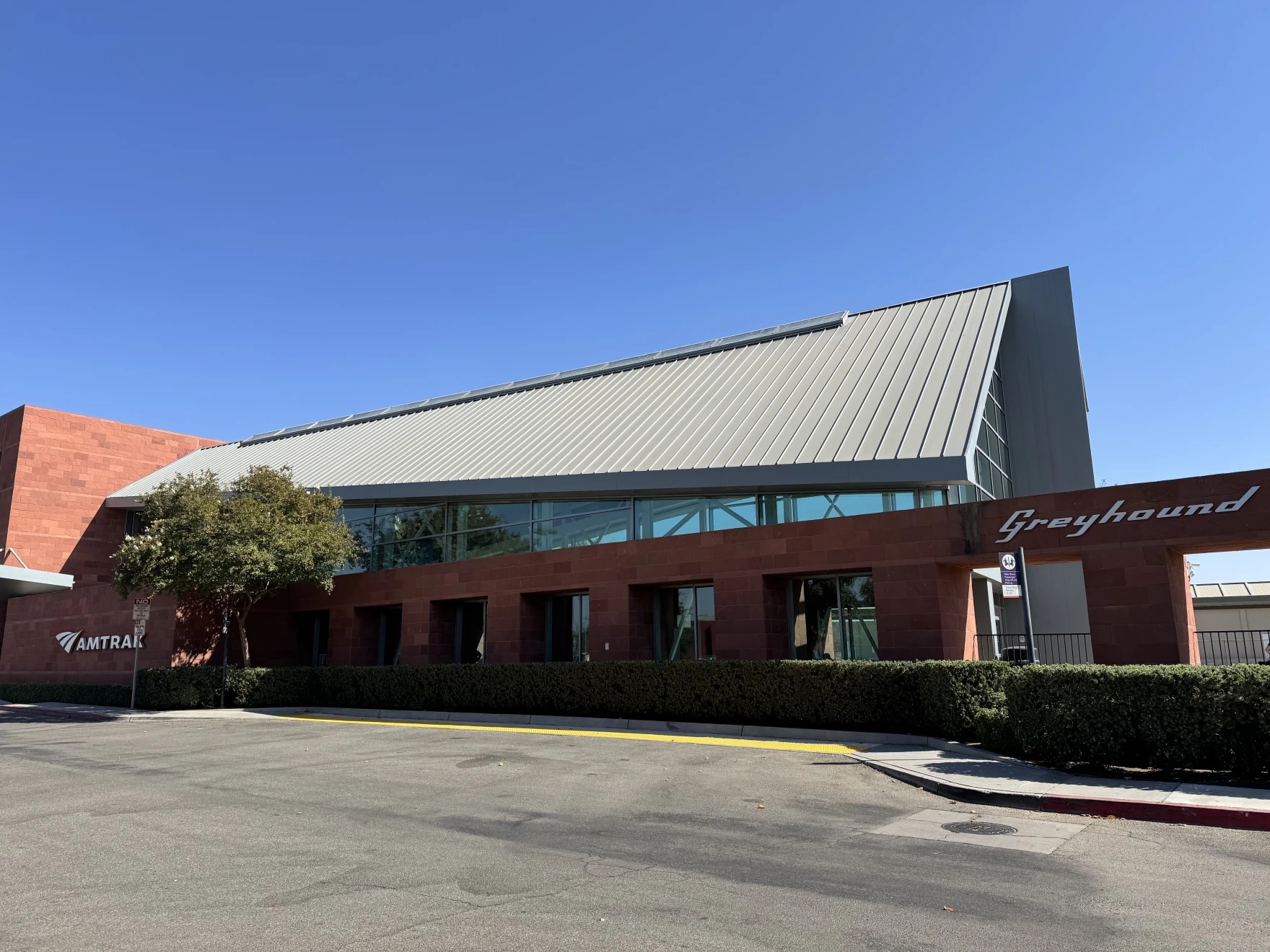
On a Wednesday afternoon in September, the terminal inside the Bakersfield Amtrak and Greyhound station sat mostly empty. It was a regular day on the job for Ismael Larralde, who volunteers at the station to help passengers get to their bus or train.
But since the Trump administration has pushed for mass deportations and Congress approved historic funding for immigration enforcement and detention, Larralde has found himself doing something new: assisting people who have just been released from immigrant detention. “They’re very scared. They don’t know which direction to go, and if sometimes we approach them, they’re hesitant because of all the negativity they’ve been through,” Larralde said.
On this day, Larralde stood next to two men inside the train station who had just been released hours earlier from a nearby detention center. Kern County is home to four Immigration and Customs Enforcement (ICE) detention facilities. It’s the highest concentration of any county in California. People released from the two detention centers in McFarland – Golden State Annex and Central Valley Annex – are sent to Fresno’s ICE field office for processing. Those released from the California City Detention Facility and the Mesa Verde ICE Processing Center are received at the Bakersfield field office.
That field office is located on Truxtun Avenue, just down the street from the train station. It’s where the men released today came from, and it’s where the newly released detainees processed at this office usually end up. Larralde said over the last two years that he has worked at the terminal, he has met people from New York, Maryland, Florida and even as far as Puerto Rico. And he’s learned how to spot someone who just got out. “They come in with red bags. There are documents inside, like onion sacks. A lot of times they just show up with a yellow envelope,”Larralde said.
As the number of detainees filling the nation’s immigration detention centers grows, so does the amount of people who manage to be released, with an increasing number of people filing for petitions of habeas corpus. That’s a legal filing that challenges the government’s reasoning to hold someone in detention. ICE data shows more than 2,500 detainees have come through Kern County just this year. Their average detention was between 25 and 69 days.
Of the two men waiting in the terminal that day, only one man agreed to talk with KVPR. He requested his name not be used. He’s scheduled to appear in immigration court the following month and doesn’t want to jeopardize his case. The man said he’d been living and working in Salt Lake City for nine years with a legal work permit. But over the summer, ICE officers detained him on his way to a grocery store. He spent the past two months in the California City Detention Facility. “In reality, they’re rounding up a lot of people, including those who have [work] permits or who have started the paperwork process – and they’re just taking everyone indiscriminately,” the man said in Spanish.
Jeannie Parent is the founder of Kern Welcoming and Extending Solidarity to Immigrants (KWESI). The organization provides aid to people held in detention centers, and responds when someone is released. “So we’re trying to work together to get him home. That’s the main priority,” she said.
Parent is also in frequent communication with Faith in the Valley, a faith-based organization with presence all over the Central Valley that has picked up its work with immigrants under the heightened enforcement environment. She said it’s unclear how anyone released from detention could ever find their way home without organizations like KWESI, Faith in the Valley and volunteers like Larralde. “They’ve been shuffled around the whole country. They’ve been trafficked, basically, and then left in California, 3,000 miles from home, with no resources, and often their IDs and their work permits and their passports have been taken by ICE as well,” Parent said. KVPR reached out to the Department of Homeland Security about its personal property policy. The agency said all personal property is “removed and secured while a detainee is in custody” and given back “upon arrival to their final destination.” However, DHS did not respond to a request to clarify whether “final destination” refers to their home state or the facility where they were processed for release.
A panel of federal appellate judges on Sunday questioned the timing, constitutionality and authority of the Justice Department’s demand that California election officials set aside thousands of mail ballots from people the federal government suspects may not be citizens.
During rare weekend arguments, two of the three judges on the 9th U.S. Circuit Court of Appeals appeared skeptical of a lawsuit brought by President Donald Trump’s administration in mid-October. The lawsuit accuses California officials of failing to meet a 48-hour deadline to review 20,000 names the administration flagged as likely noncitizens on the state’s voter rolls. The administration asked a federal judge to require the state to withhold counting those ballots until the voters’ immigration status could be verified. The district judge scheduled a hearing for Oct. 27, days after the case was assigned, but the federal government appealed to the 9th Circuit Court of Appeals, seeking an expedited decision.
Justice Department attorney Matthew Donnelly told the panel that California is causing irreparable harm “by allowing noncitizens to vote in violation of their own state laws. The damage is irreversible and irrevocable.” The Trump administration has made efforts to identify noncitizen voters a priority this year, even though noncitizen voting is exceptionally rare. Circuit Judge Mark Bennett, a Trump appointee, questioned whether the appellate court even has jurisdiction to hear the case even before a ruling by the lower court. Donnelly argued that the schedule set by the lower court judge was too slow and effectively a denial of the government’s request, as state elections officials process thousands of mail ballots every day.
Judge Gabriel Sanchez, appointed by former President Joe Biden, questioned whether the federal government was violating the Tenth Amendment, essentially commandeering the state to enforce a federal law that makes it a misdemeanor for a noncitizen to vote. The federal government is simply asking California to enforce their own law, which also bans noncitizens from voting, Donnelly said. He argued the state’s refusal to comply with the federal request to set aside the ballots for review was “frustrating the purpose” of the federal law against noncitizen voting. The Elections Clause of the U.S. Constitution gives state legislatures the power to set the time, place and manner of congressional elections, Bennett said. The executive branch may be “unhappy with what they’re doing, and doesn’t like the manner,” Bennett said, but under the Election Clause the state has the right to determine those issues — including how it sorts out any noncitizen voters.
Attorney Seth Waxman, representing Los Angeles County Clerk Dean Logan, said the federal government’s list was unreliable and that segregating the ballots for a review process would effectively disenfranchise thousands of eligible voters. Waxman cited a review of 200 records from the Trump administration’s list conducted by Los Angeles County staffers. Assistant Registrar-Recorder Monica Flores said in a court filing that the sample included canceled or inactive registrations, individuals with no voting history and voters who appeared to have been born in the United States, which the filing notes “is strong evidence of citizenship.”