Former Blue Angels Commanding Officer Talks About What It Takes to Fly a Super Hornet
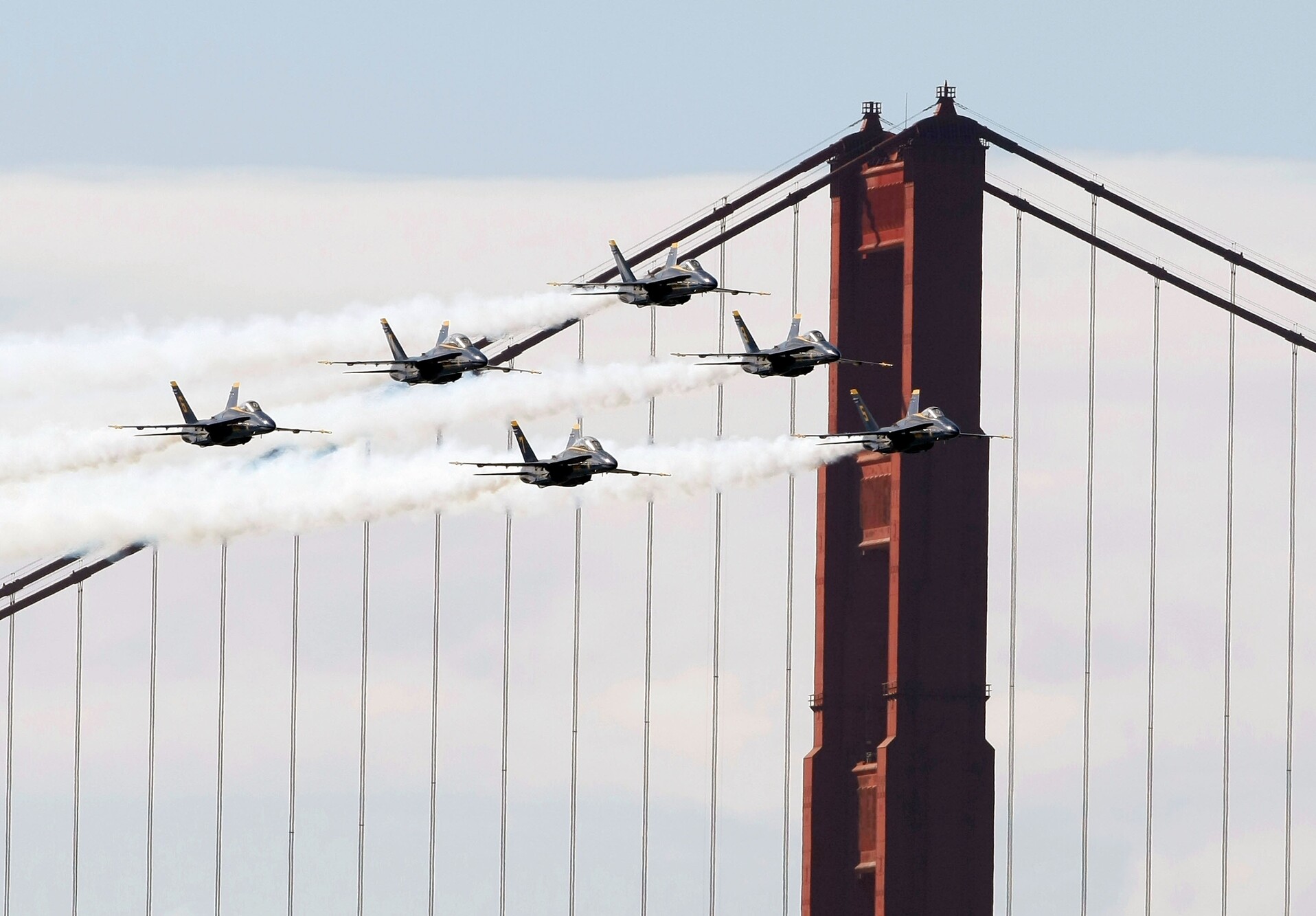
Not everyone in the Bay Area can get behind the noise that comes with Fleet Week, but some of the pilots performing are carrying an even heavier — literally — load: up to seven and a half times the force of gravity.
It’s no easy feat for the U.S. Navy Blue Angels, who headline the annual show in San Francisco that honors the armed forces and wraps up Sunday.
Retired Navy Capt. Russ Bartlett was the commanding officer of the Blue Angels during the 2003 and 2004 seasons. He says the Blue Angels’ F/A-18E/F Super Hornets can handle many times the force of gravity. But that means pilots can lose vision and consciousness as their blood tries to pool in their lower extremities.
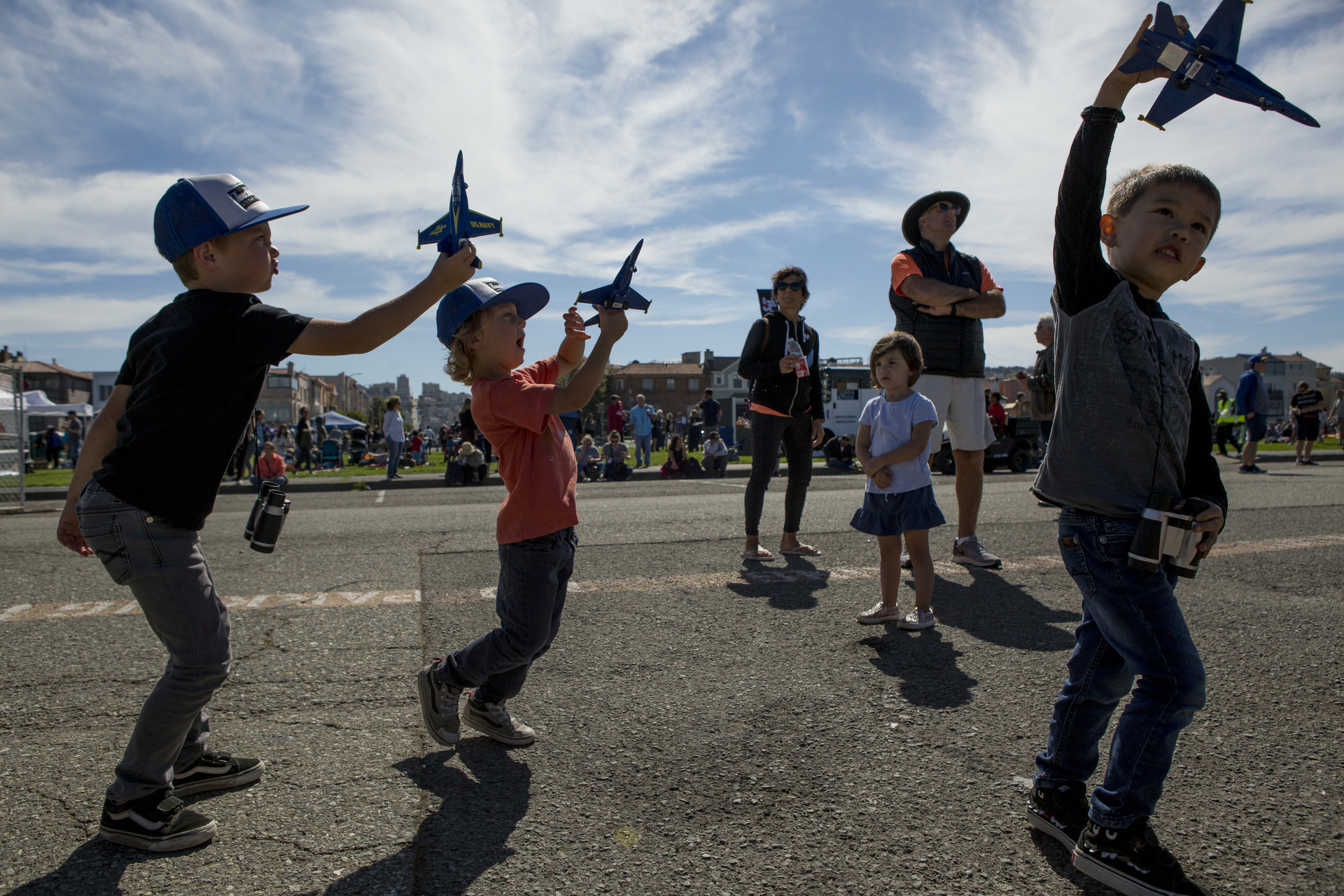
Bartlett said that without an anti-gravity suit, pilots have to clench their calves, thighs, abdomen, and butt, “and force that blood back into our head and take a breath and do it again.”
“You just keep doing that so that you can stay on top of it and not lose first vision and second your consciousness,” Bartlett said. “To be able to do that for 35 minutes — every flight — you really have to train for it.”
Richard Keefer, a former Navy fighter pilot and current docent on the USS Hornet, has used the technique before. He said without it, your peripheral vision just starts to collapse, everything goes black and “all of a sudden, you go out.”
“And as you could imagine, that’s not a good thing when you are in the airplane flying 18 inches away from five of your best friends,” Bartlett said.
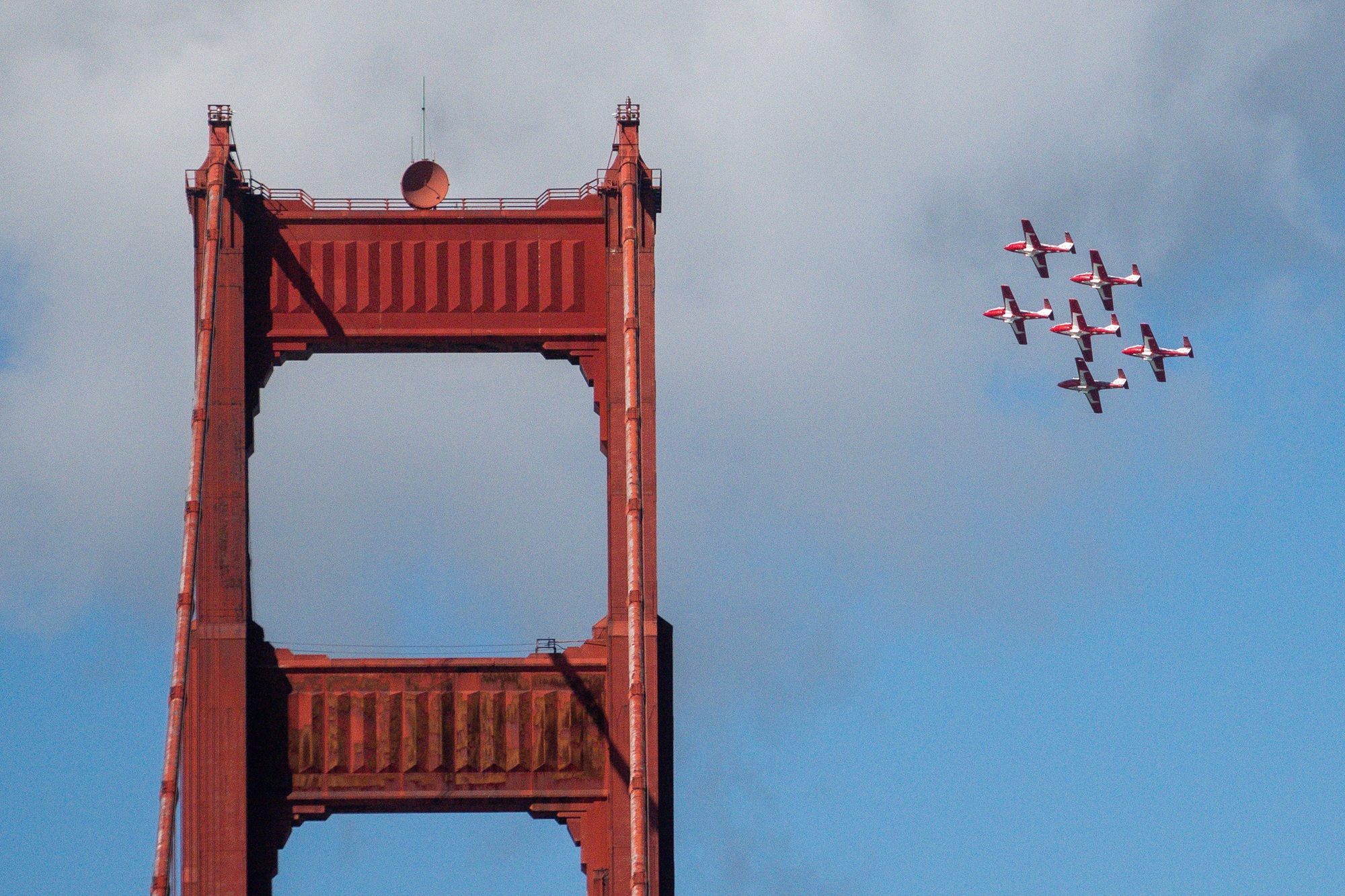
To train for such extremes, Keefer said pilots are taught how to breathe and are put in a centrifuge at their winter training grounds near San Diego to push their threshold of losing consciousness.
“They put you through it quite a bit because everybody thinks they can tolerate more than they can,” Keefer said.
Going from total weightlessness to experiencing multiple G’s “doesn’t compare to anything that you could do in real life other than flying in a jet,” Keefer said.
“[It’s like going] from euphoria sliding, flying, just floating in air — to all of a sudden being hit by a truck,” Keefer said.
To actually pull off the moves done in the sky while in tight formations, pilots put a lot of trust in their flight leader.
Bartlett said his job while in that role was to be the only one looking out the front of the plane and choosing a track through the sky. The wingmen are looking to their left or right to stay in line with the others who are inches away.
“My charter is to fly the most stable and consistent profiles that I can and that I won’t fly the six of us into the bay, the building or the ground, right?” Bartlett said. “That’s kind of the most fundamental thing is to keep us all safe.”
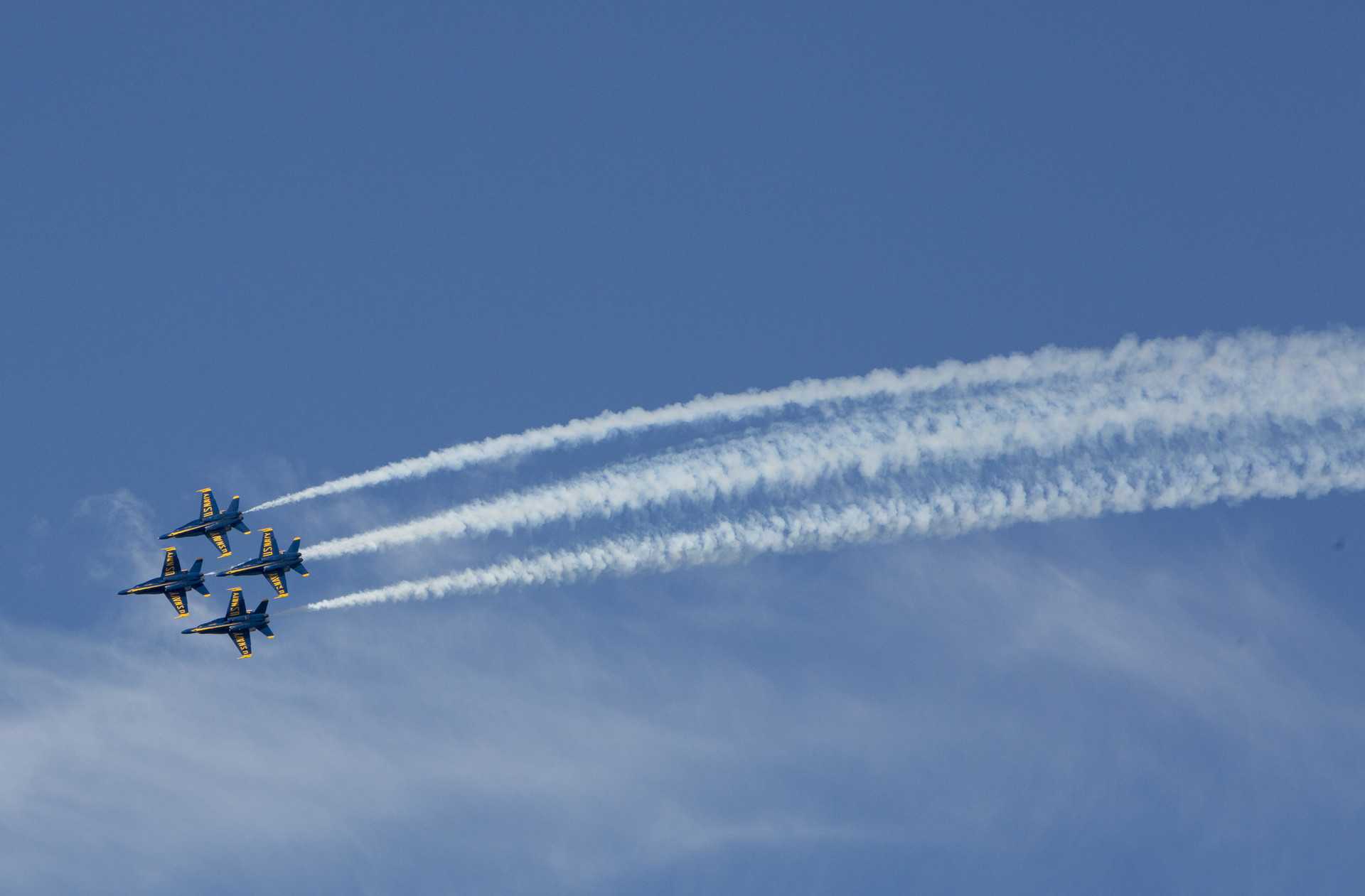
The team practices how that all plays out even before the show, sort of like a band.
“They close their eyes, they put their hands on the table, hold their hand like they’re holding a stick and the boss goes through each maneuver the way he’s gonna do it,” Keefer said.
With the training so intense and the stakes so high, Keefer said the planes become another piece of the pilots.
“When they’re plugging in all of their stuff, they’re plugging in their veins and their muscle groups and everything else into the same airplane and they become part of it,” Keefer said. “They feel it, they hear it, it talks to them.”
The Blue Angels are expected to perform today at 3 p.m, closing out the last airshow of Fleet Week 2026.
KQED’s Katherine Monahan contributed to this report.