East Bay Regional Parks District Settles With Family of Man Tased and Left Comatose
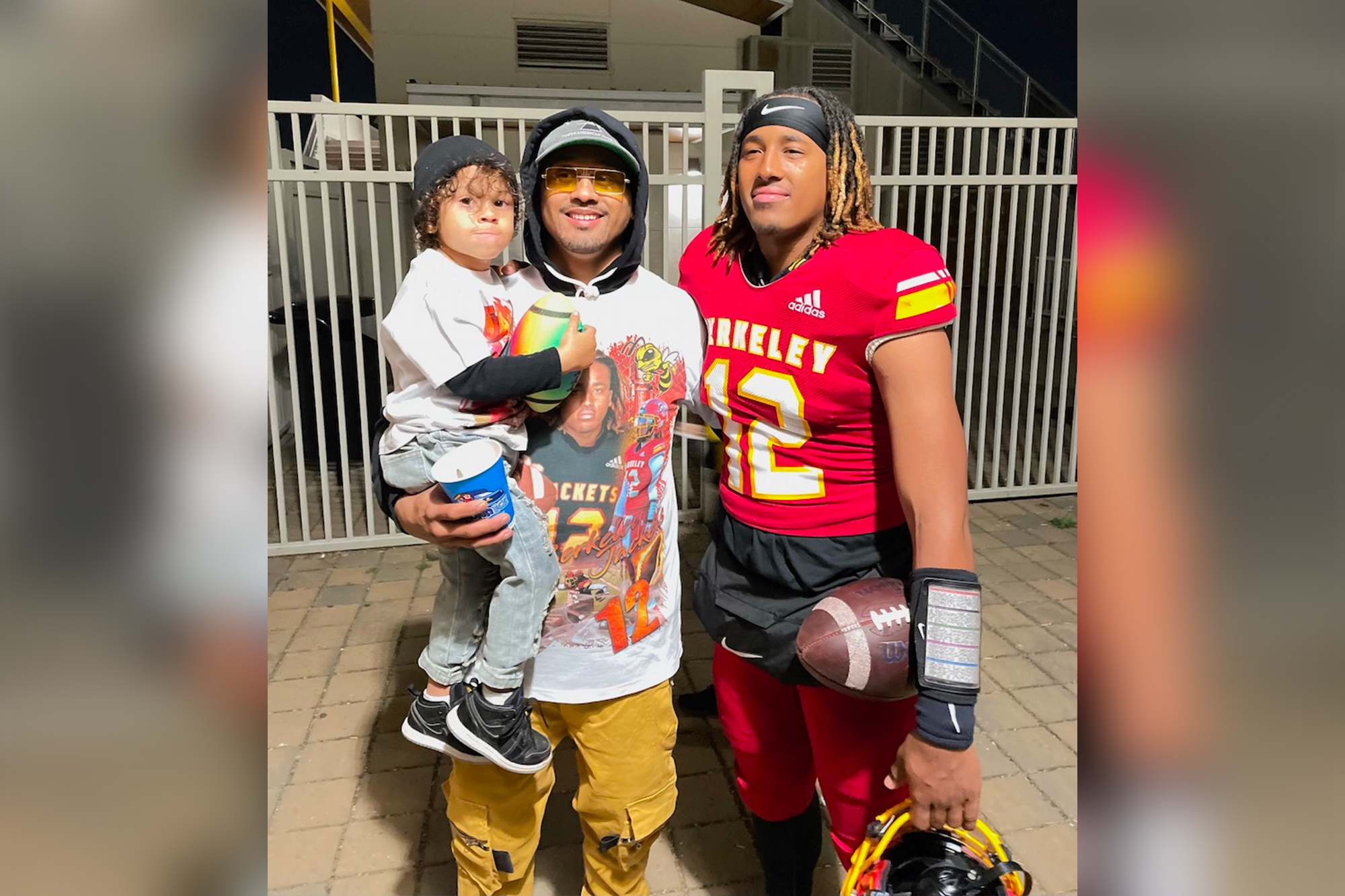
The East Bay Regional Parks District has agreed to settle a lawsuit brought by the family of a man who remains on life support — two years after a parks police officer tased him five times.
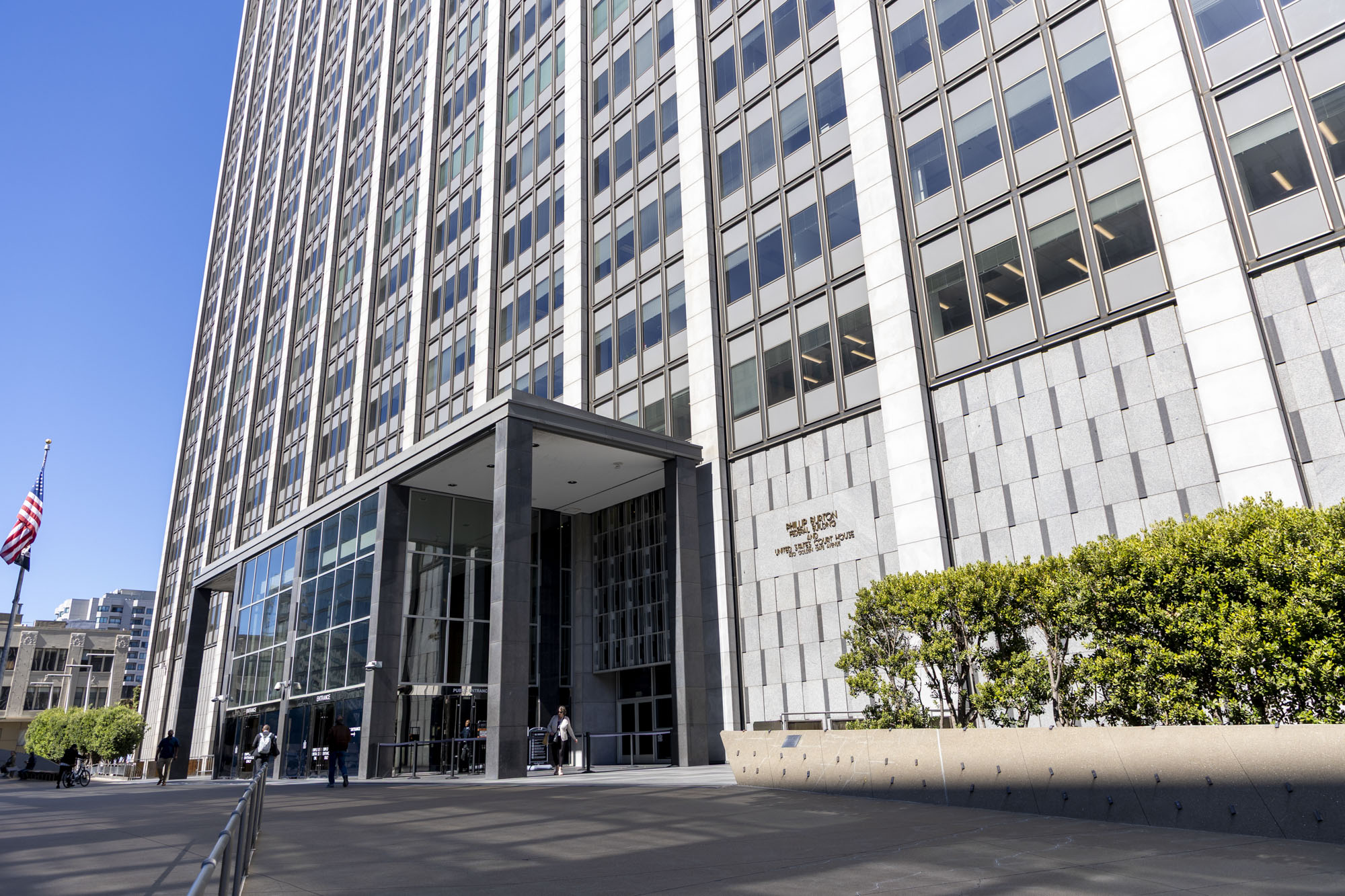
Attorneys in the case confirmed the settlement had been reached just hours before opening statements and jury selection — which were scheduled to begin Tuesday in a Phillip Burton Federal Building courtroom.
On April 5, 2024, park district police officers Jonathan Knea and Roberto Filice approached Deontae Charles Faison while he was in the driver’s seat of a gold F-150 pickup truck, citing expired tags. Soon, Faison fled, eventually into the estuary off Oakland’s Martin Luther King Jr. Regional Shoreline.
Edited body camera footage released by Faison’s attorneys shows Knea approaching Faison with a weapon pointed at him. Faison, who was with an undisclosed female companion, gave them an alias. When the officers couldn’t find him in their database, Faison fled on foot and began wading in the estuary at Martin Luther King Jr. Regional Shoreline in Oakland.
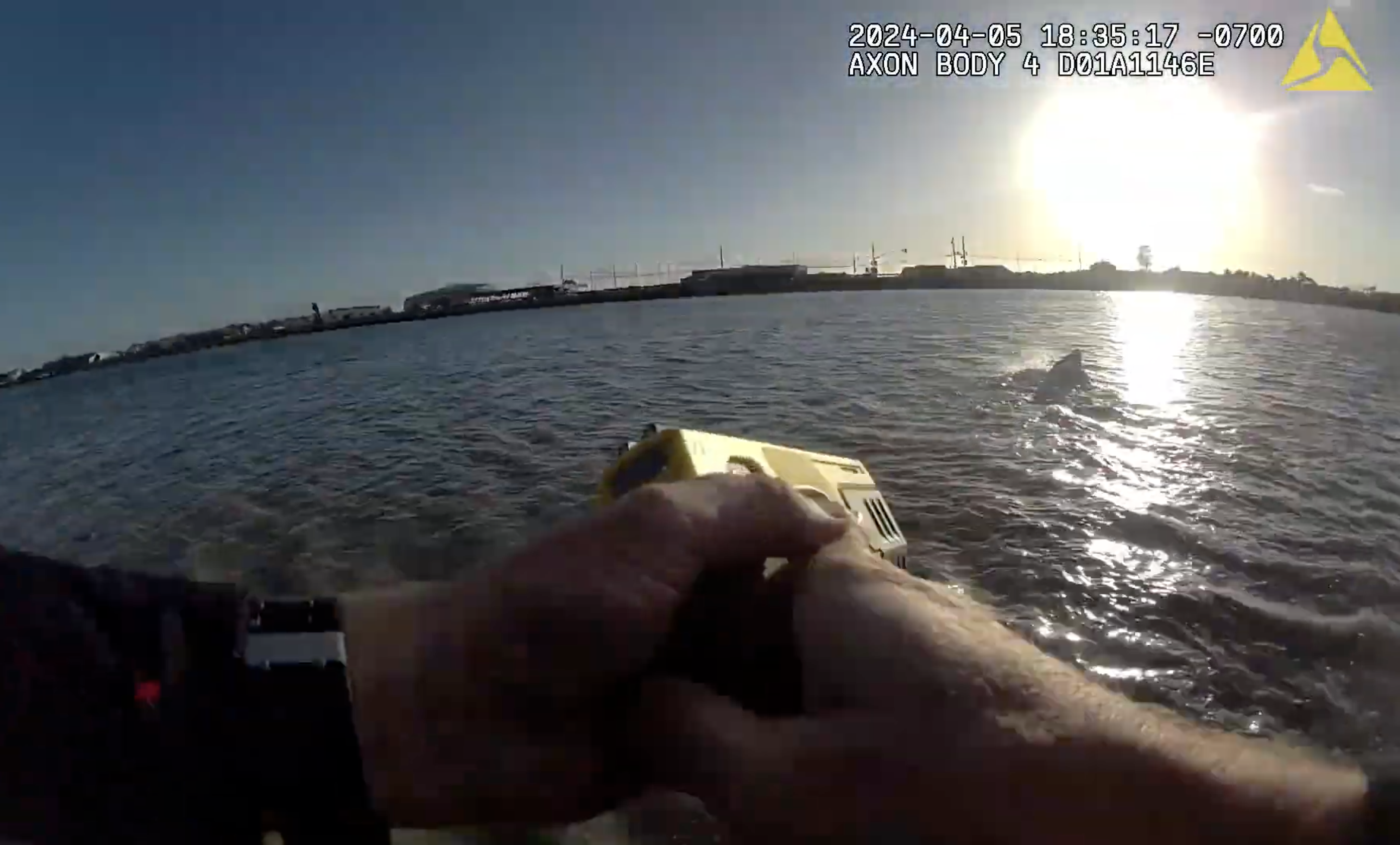
That’s where Knea tased Faison five times as Faison called for help before losing consciousness. Neither officer administered any aid to Faison.
Faison’s lawsuit claims Knea used excessive force by tasing him while he was in the water and also alleges that the EBRP failed to properly train Knea.
Judge Jacqueline Scott Corley, who was set to preside over the trial, had already ruled that Knea’s first and second times tasing Faison were covered by qualified immunity — the legal protections afforded to government workers in the course of doing their jobs. She also previously dismissed punitive damages against the park district.
Faison’s family alleged that his female companion received better treatment from the officers because she is white.
The case would have tasked a jury of eight people with determining whether the subsequent third, fourth and fifth taser deployments while Faison was at or near the shore’s edge violated his civil rights.
The jury would also be asked to decide possible punitive damages against Knea, if it found that he acted with something beyond simple indifference.
Faison was left with barely any neurological function and is expected to live only a few more years, according to court filings. He has two sons.
Faison’s attorney wanted the contents of the truck and Faison’s criminal record excluded from trial, arguing that it was irrelevant — on the grounds that it couldn’t have informed Knea’s conduct, because he wasn’t aware of those details before tasing Faison.
The day of the incident, police found, among other things, six laptops, several credit and debit cards, two pellet guns, a folding knife, and an unmarked bottle of anxiety medication. There was also an active felony warrant out for Faison for missing a hearing on a prior felony conviction.
Corley ruled some of that information was relevant, because it further explained why Faison would run from the officers, not merely a fear of being tased.
Attorneys for EBRPD and Knea moved to limit Faison’s presence in the courtroom, which his attorneys argued would only be there for the beginning and ending of trial.
Before the settlement was reached, Corley had limited the trial to 12 hours for each side, excluding opening statements and closing arguments, with an end date of Oct. 7.
Attorneys in the case said they plan to issue a joint press release on the development.