Here Are San Francisco’s Top Picks to Rename César Chavez Street
San Francisco officials revealed two possible names on Thursday that could replace César Chavez Street, following sexual abuse allegations against the activist earlier this year.
Street signs along the 3-mile road could soon read: “Las Campesinas,” which means female farmworkers, or “Sí, Se Puede,” a rallying cry of the farmworkers’ movement, meaning “Yes, you can.”
The names were selected by a working group of neighborhood residents, labor leaders and city officials put together by Mayor Daniel Lurie in the wake of a shocking New York Times investigation, which accused Chavez of a pattern of sexual misconduct against young girls and women.
One of his victims was Dolores Huerta, who co-founded the United Farm Workers union with Chavez in the 1960s.
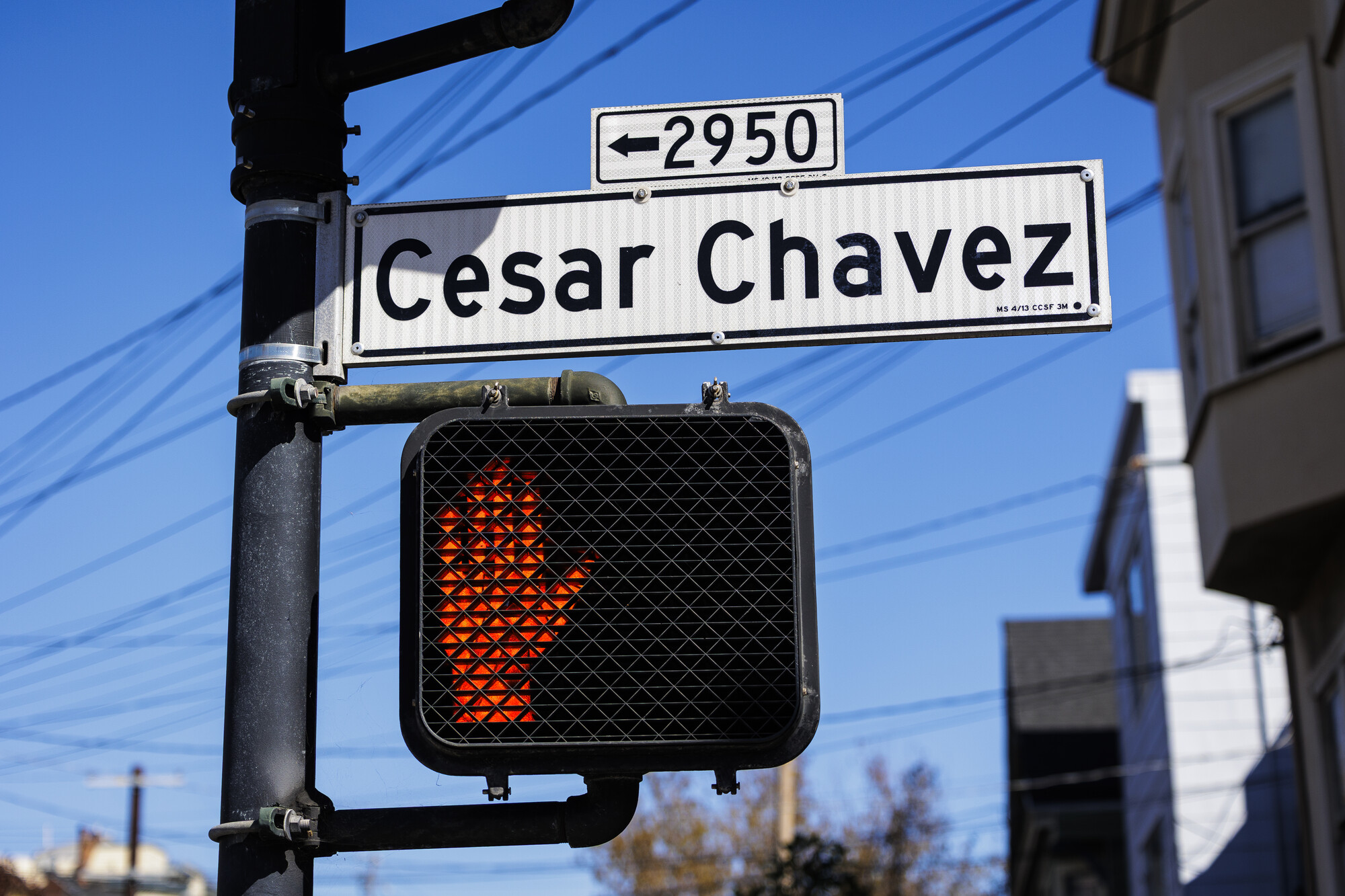
Cities, schools and organizations across the U.S. moved quickly to strip the late labor leader’s name from public view, but in San Francisco, renaming the street carries additional weight for many.
Former Supervisor Susan Leal, who is co-leading the renaming working group, said she remembers the celebration when she and the Board of Supervisors unanimously voted to name the street for Chavez, as well as the backlash that quickly followed.
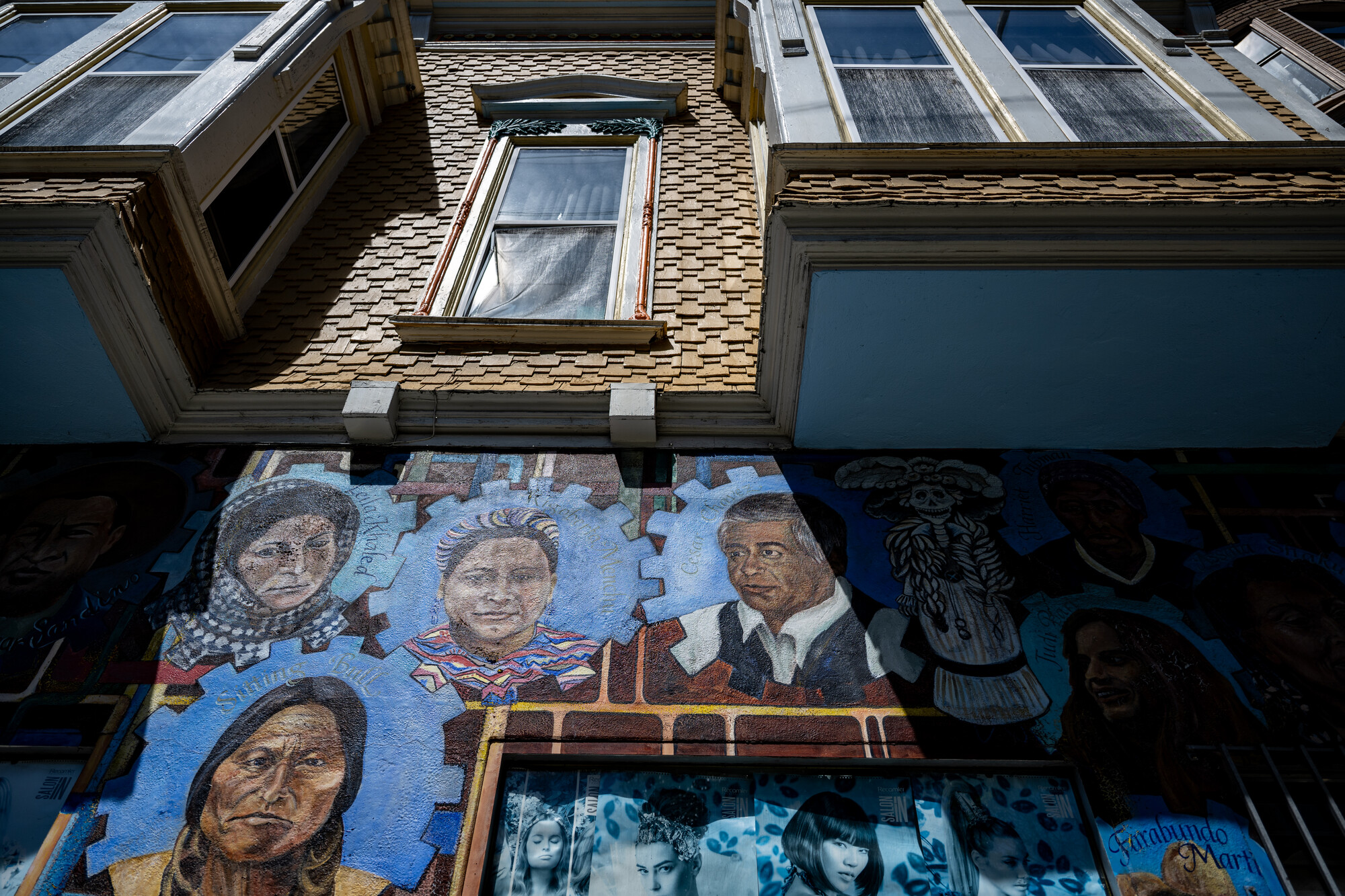
On Chavez’s birthday in 1995, new signs bearing his name replaced “Army Street,” the former name for the artery that borders the Mission District’s Latino Cultural District and connects the Bayshore to Noe Valley.
But the moment came at a time of heightened anti-immigrant sentiment, and some city residents quickly launched a movement to repeal the change through a citywide ballot measure later that fall.
That initiative was ultimately defeated, and for the last 30 years, the name has stood as a reminder of the farmworker movement Chavez helped build, and acknowledgment of San Francisco’s Latino community.
“The political climate that we’re in, it’s very similar to the political climate and hate against our community [in 1995],” Olga Miranda, the president of SEIU Local 87, said at a community meeting revealing the new name options on Thursday night. “Our entire community, we’ve been under assault, we’ve been attacked, our families have disappeared, kidnapped. And so what César Chavez meant to us was a really deal back then, and it still [is].”
Miranda said the committee has spent weeks discussing many possible names, including those of other prominent leaders of the farmworker movement, like Huerta.
Ultimately, they settled on the two proposed on Thursday because of their importance to the farmworker movement as a whole, with a special nod to the women who were involved and those who were harmed by Chavez’s actions.
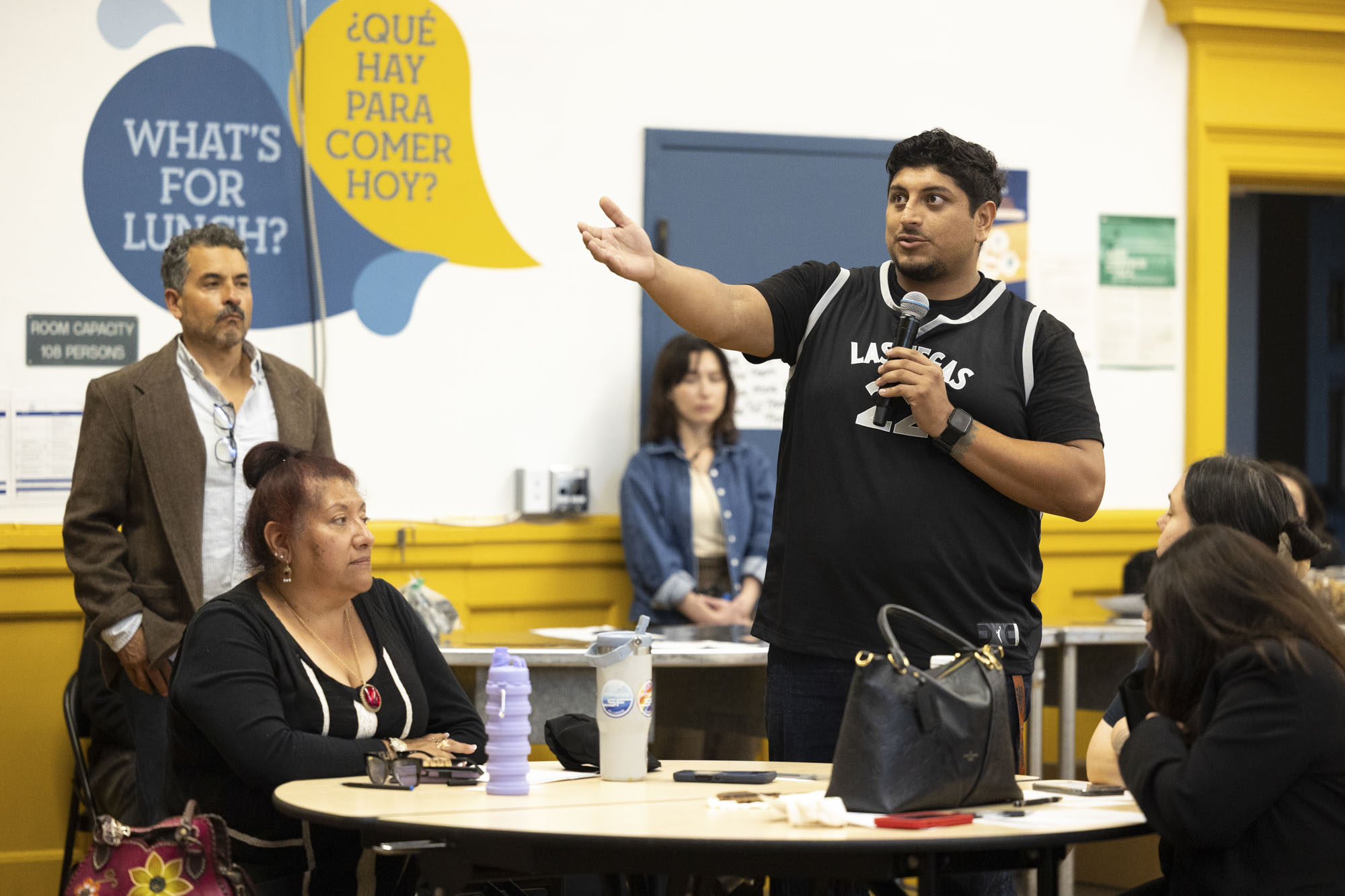
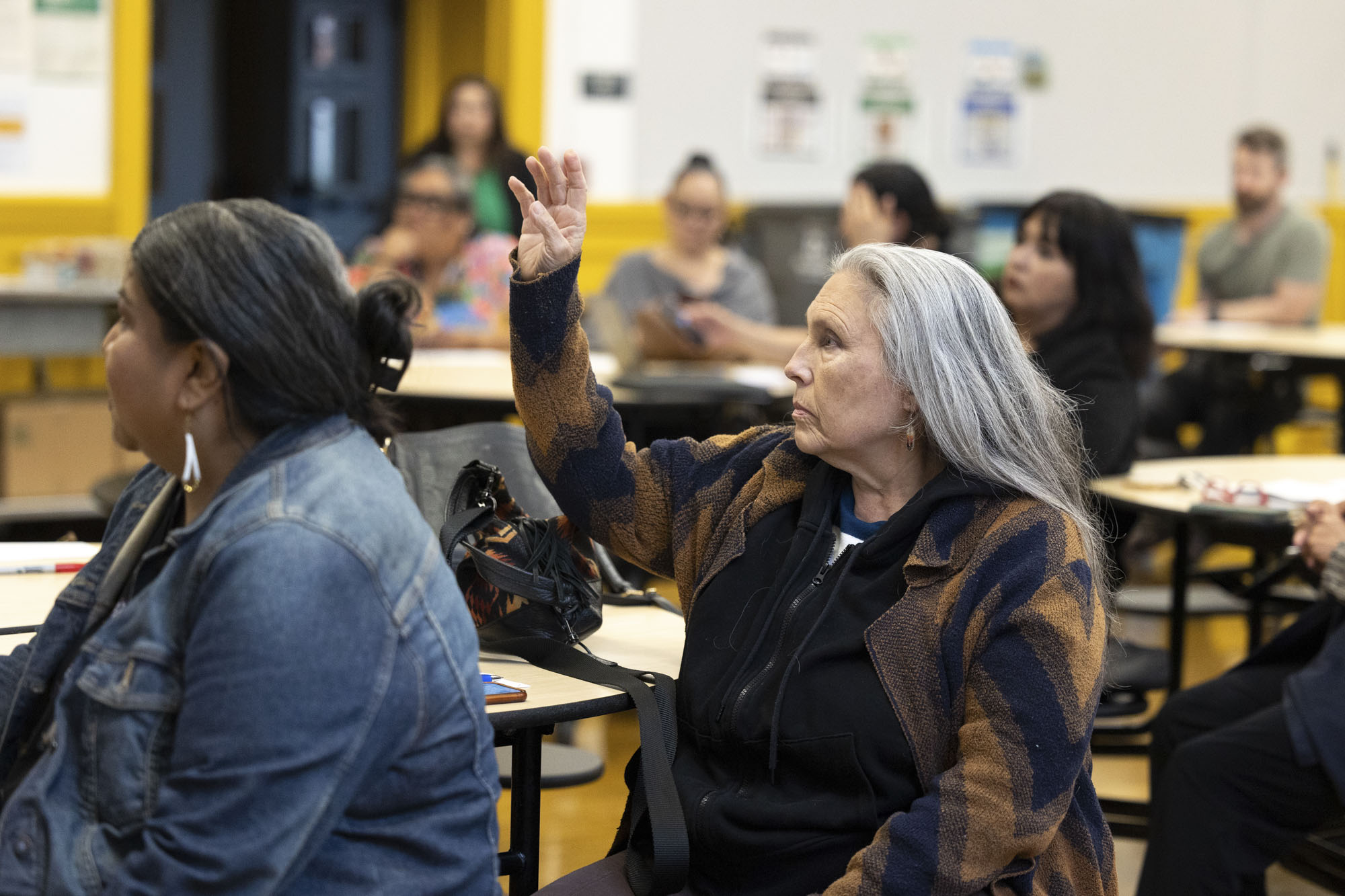
Among the two dozen or so residents who attended the meeting in Flynn Elementary’s gymnasium, there was fairly broad support for “Sí, Se Puede,” a phrase coined by Huerta.
“One of the biggest [words] that really brings people together, in giving people hope, is ‘Sí Se Puede,’” said Alicia Bustos Sandoval, who was raised in the Mission and worked for the union for seven years. “It’s giving them ‘esperanza.’ It gives them hope that there’s a light at the end of the tunnel. No one can bring you down. No one can tell you no.”
In the immediate aftermath of Chavez’s scandal, many people suggested renaming many of the monuments honoring him for Huerta. But in the months that have passed, many people have begun to question dedicating spaces to individuals at all.
“As humans, we are fallible and make mistakes and often cause harm, even when we have done some goodness,” said Cynthia Meza, who has taught at Flynn Elementary on Chavez Street for 20 years.
Leal said in the committee’s deliberations, they considered a slew of individuals’ names, including Huerta’s, but repeatedly came back to the broader movement.
Many speakers said ‘Sí, Se Puede’ strikes a balance.
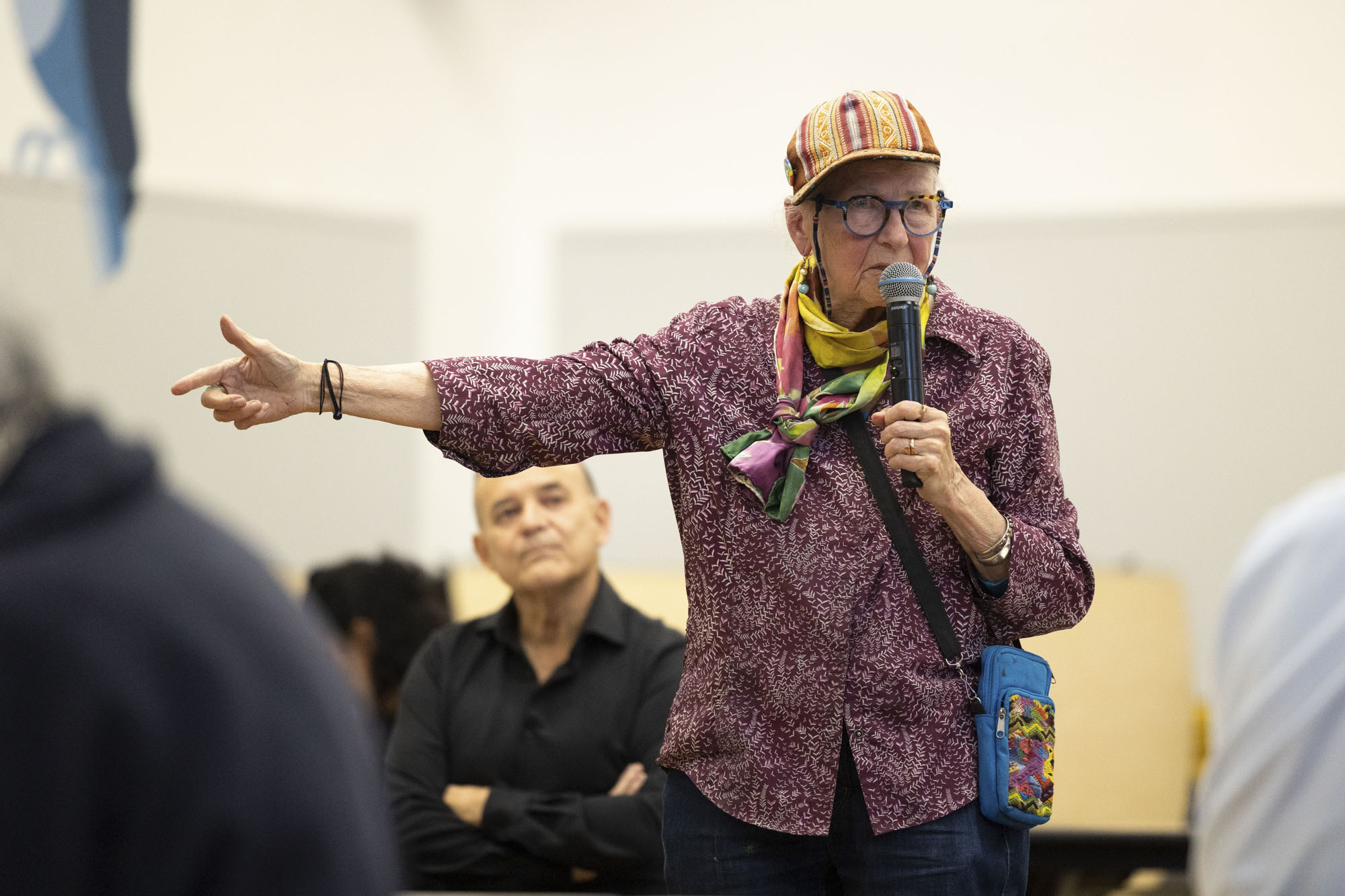
“It’s sort of the rally for all causes,” Susan Cervantes, who is on the renaming working group, said. “I’ve seen Dolores Huerta end many of her rallies with that voice, saying, ‘Sí, se puede,’ with her fist up. Resistance and resilience.”
San Francisco Assessor-Recorder Joaquín Torres, who is co-leading the committee, said it plans to make a final recommendation on a new name next week. That will then be proposed to the Board of Supervisors in official legislation from Supervisor Jackie Fielder’s office, and undergo a formal public hearing and vote.
Moisés García, who attended the meeting on behalf of the mayor’s office, said that a new name could be finalized as soon as December.
Then, the city will begin replacing street signs and associated etchings in sidewalks. The committee estimates that work will cost $107,000, which will be paid by the city.
Garcia said the Department of Public Works plans to work with the U.S. Postal Service to update delivery and mapping systems, and the city will support residents and businesses required to change their addresses and associated official documents over time.