Despite Dwindling Resources, Chico Works to Shore Up Fire Mitigation
Here are the morning’s top stories on Monday, September 21, 2026
- We’re in the most dangerous months for wildfires across the state. And in Chico, the city is taking steps to clear out vegetation in Bidwell Park. But like a lot of cities, staff is being stretched thin and funding is limited.
- Shasta College, based in Redding, is seeking approval on the November ballot for a $129 million bond. The money would be used to expand and remodel the college’s facilities.
- Governor Gavin Newsom has once again vetoed a bill that would have allowed California students without legal immigration status to work at public colleges and universities.
Despite funding and staffing issues, Chico take steps to better protect city from wildfires
In 2024, the Park Fire burned more than 429,000 acres in Butte and Tehama counties. Igniting in Bidwell Park in Chico, the fire destroyed more than 700 homes and structures.
Wildfires have always been a concern in Chico, and officials are trying to clear out vegetation to avoid another major blaze. But like lots of other cities in California, staff is being stretched thin and funding is limited.
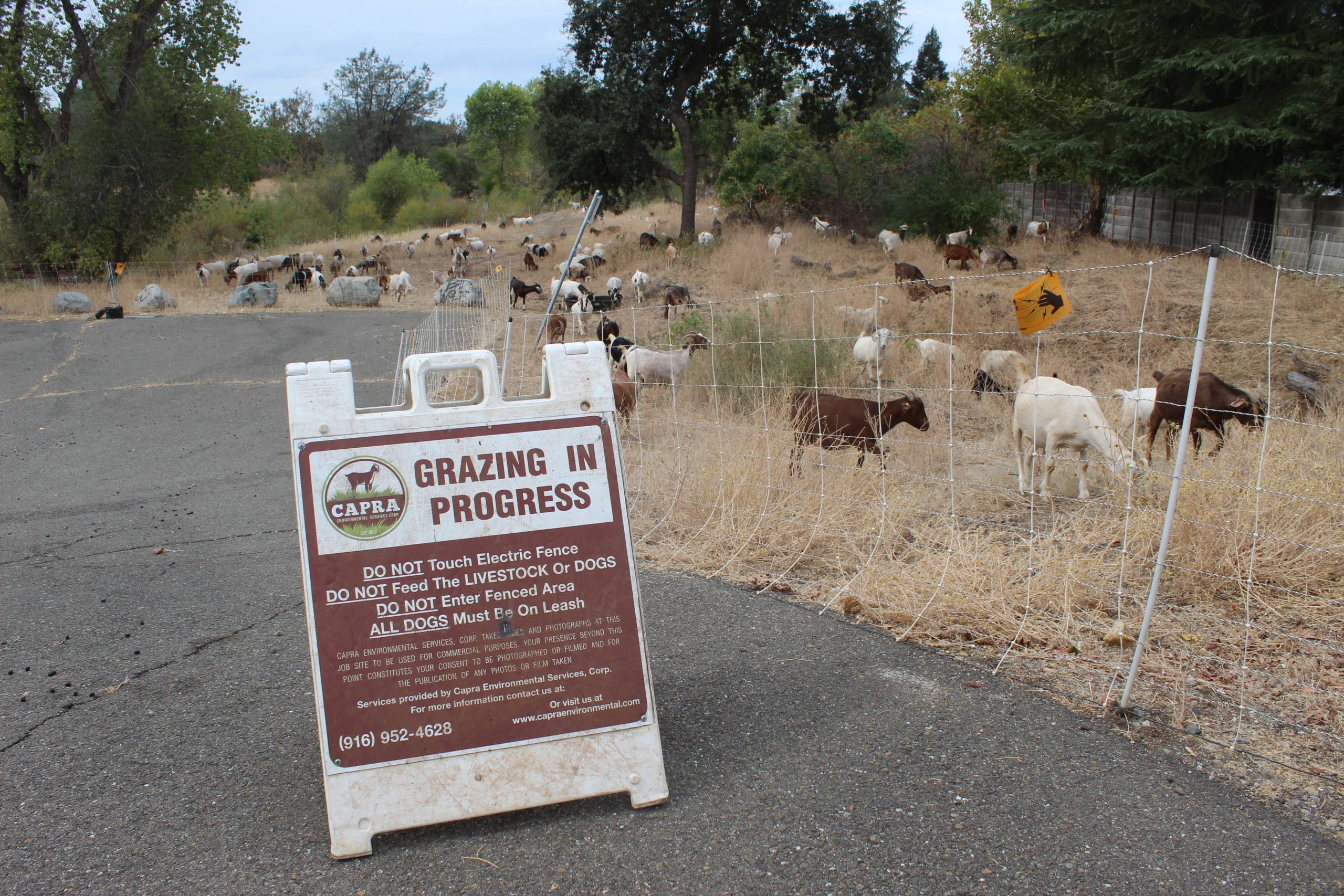
Hundreds of goats have been grazing on vegetation in Bidwell Park this summer. It’s one of the largest municipal parks in the nation and stretches through the heart of the city. “You can see what a great job that they do, and you can also see how much fuel is out there,” said Shane Romain, Chico’s Park and Natural Resources Manager. He said that since the Park Fire, wildfire suppression has been a big focus.
“We’ve, throughout the years, done different fuel reduction projects. But post Park Fire, we’ve really ramped that up,” Romain said. “It’s never-ending and we’re so far behind in the buildup of fire fuels in the park, we’re constantly playing catch up.”
But staffing is a big issue. The city is already short-staffed and is lacking the necessary resources to fully fund mitigation efforts. Cities can often apply for grants or coordinate with volunteers to do the work. But that means vegetation management has to be a bigger part of the budget.
Shasta College seeks voter approval of $129 million bond
Voters will decide in November whether to authorize $129.6 million in bonds for building renovations, infrastructure repairs and expanded career training facilities at Shasta College.
Measure C would be repaid through property taxes. Shasta College says it would replace an expiring bond, keeping the overall tax rate property owners pay for college bonds unchanged. Property owners would continue paying that portion of their tax bill rather than seeing it expire in 2031.
The district covers Shasta, Tehama and Trinity counties, along with portions of Lassen, Humboldt and Modoc counties. The community college is based in Redding.
At a community forum this month, Shasta College President Frank Nigro said many of the institution’s buildings are 60 years old and need new infrastructure and upgrades to comply with the Americans with Disabilities Act. “They’re really not serving our students or our public very well,” he said. “They were not designed for an educational system, an economy, an entire world that runs on the internet, so the wiring was not there.”
Projects would include new agriculture classrooms, expansion of the emergency medical services and certified nursing assistant labs and new public safety training facilities. The bond would not be used for teacher or administrator salaries or other operating expenses.
California college students without legal immigration status still cannot work at public colleges and universities after Gov. Gavin Newsom again vetoed a bill Sunday that would have given them that right.
Assembly Bill 713 would have adopted an untested legal theory that argues that a 1986 federal law barring employers from hiring workers in the country without authorization doesn’t apply to state governments. The logic? That 40-year-old law doesn’t mention state governments as a type of employer that cannot hire workers without proper status.
But for the second time in three years, Newsom decided that adopting that theory for California would expose the state’s higher-education system to the wrath of the federal government. “The current federal government has shown it is quick to wreak destruction for political spectacle — attacking California’s public higher education institutions and terrorizing immigrant communities, including students, with reckless disregard for consequences and a desire for chaos,” Newsom wrote in his veto message.
He added: “But given the gravity of this bill’s consequences — including potential criminal and civil liability for state employees — the federal courts must resolve the legality of the novel legal theory behind this legislation before we proceed. Seeking declaratory relief in federal court would provide such clarity.”
The latest bill by Assemblymember José Luis Solache, a Democrat from Lakewood, was meant to allow the estimated 60,000 students without legal immigration status at California’s community college and public universities to earn paychecks safely on campuses instead of working for cash under the table. Backers of the bill say campus jobs could be tailored to fit the students’ academic schedules or align with the research interests, such as employment in labs.
The University of California itself abandoned its review of employing students without legal status in 2024 out of fears that the federal government could punish the system by withholding federal money or prosecuting UC personnel. That decision gutted a coalition of students who led the campaign to persuade the UC to voluntarily adopt the legal theory allowing them to work.