‘Just in My Blood’: Lowriding Is a Family Affair at Mission District’s Annual Parade
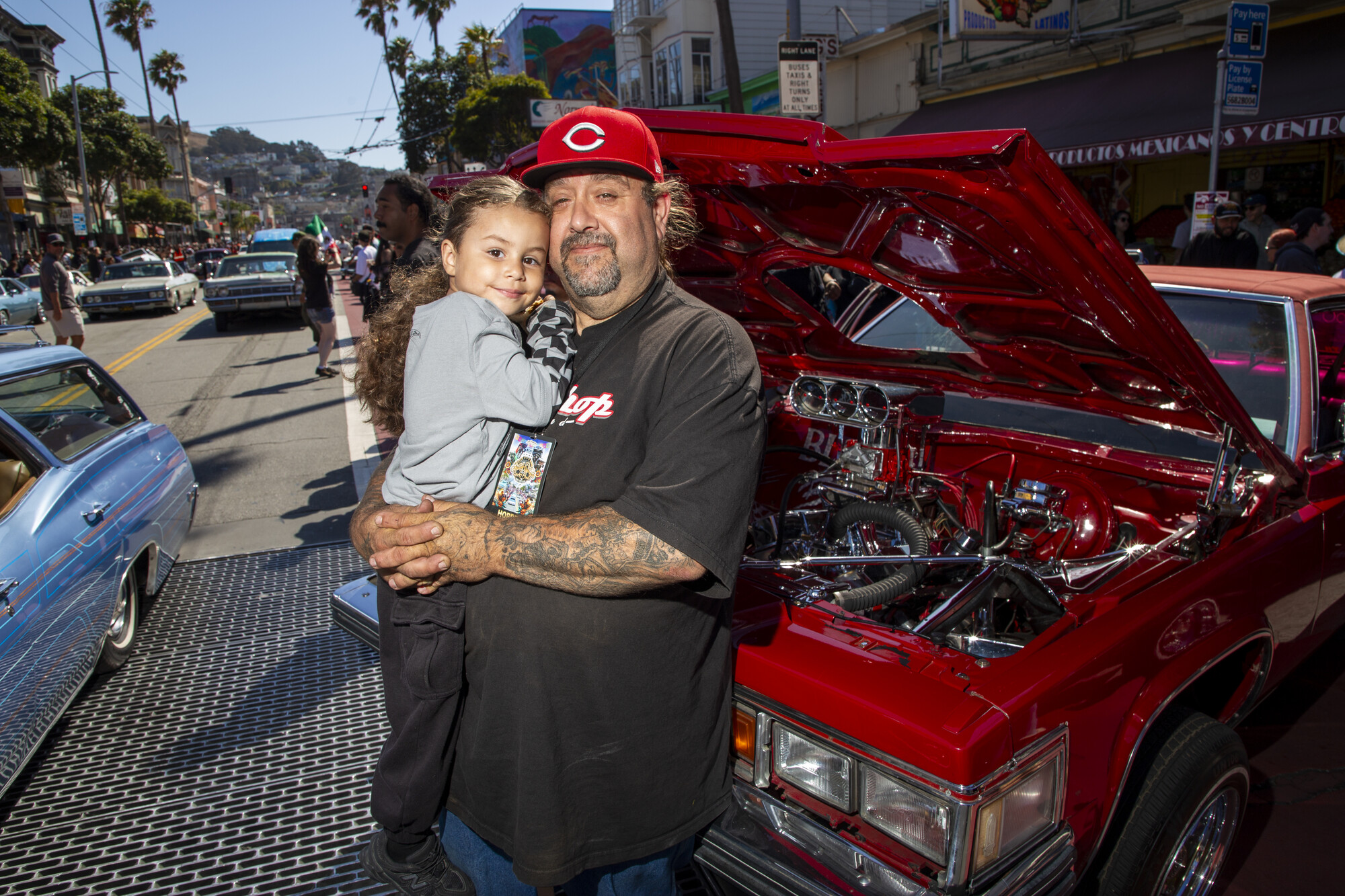
Chad Oliver said he’s embraced lowriding as a lifestyle since he was in high school. Now in his 50s, he holds his grandson with as much pride as when he talks about his cherry red 1978 Cadillac Coupe DeVille.
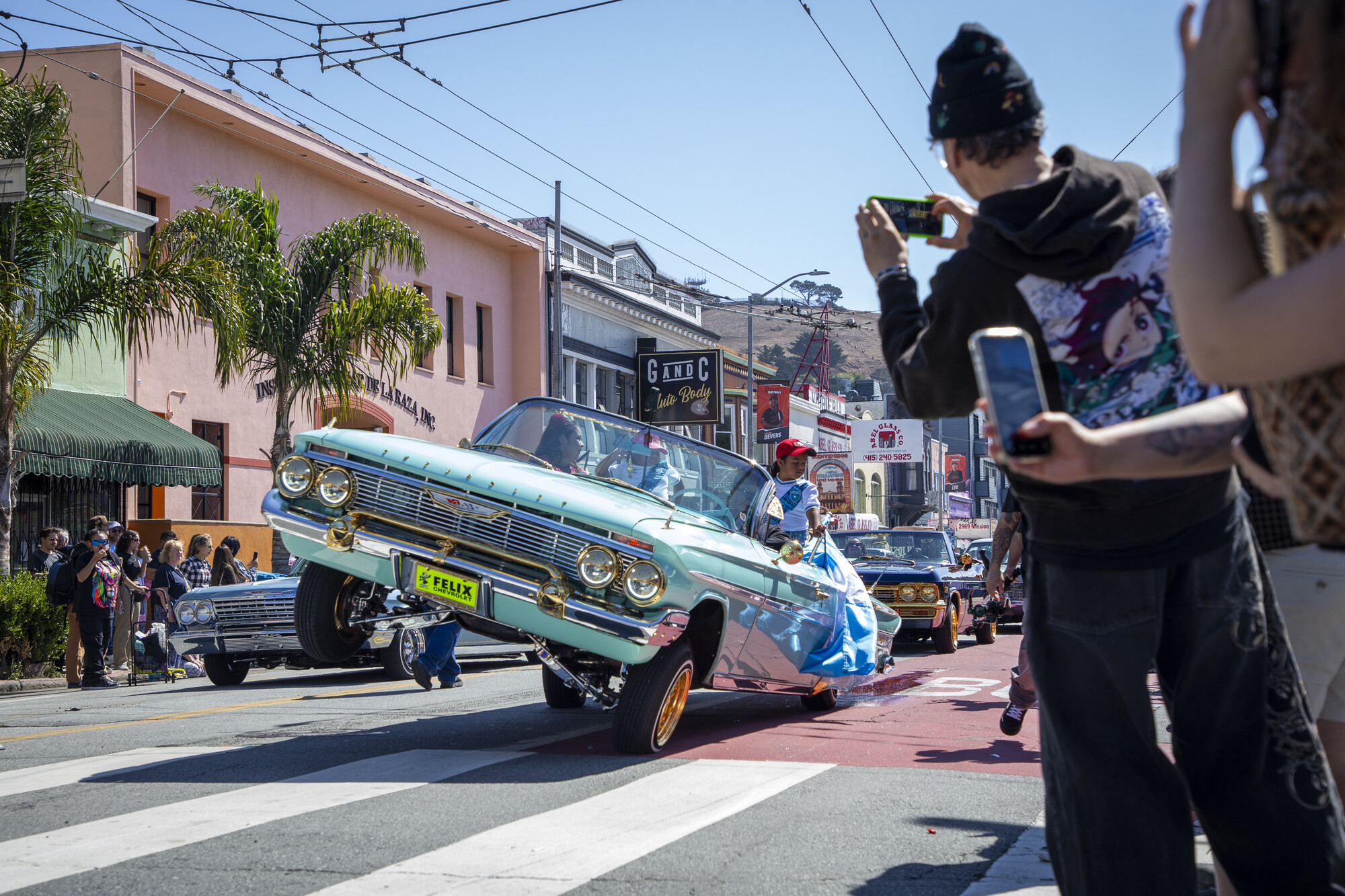
It’s a historically criminalized culture strained by decades of now-lifted cruising bans across California, which enthusiasts say targeted Mexican Americans. But through those like Oliver — and hundreds of others with lowriders on display at the annual Mission District parade — that tradition still thrives today.
“It’s always been in my life. It’s a lifestyle,” Oliver, of Manteca, said. “It’ll be in my family for as long as I’m around.”
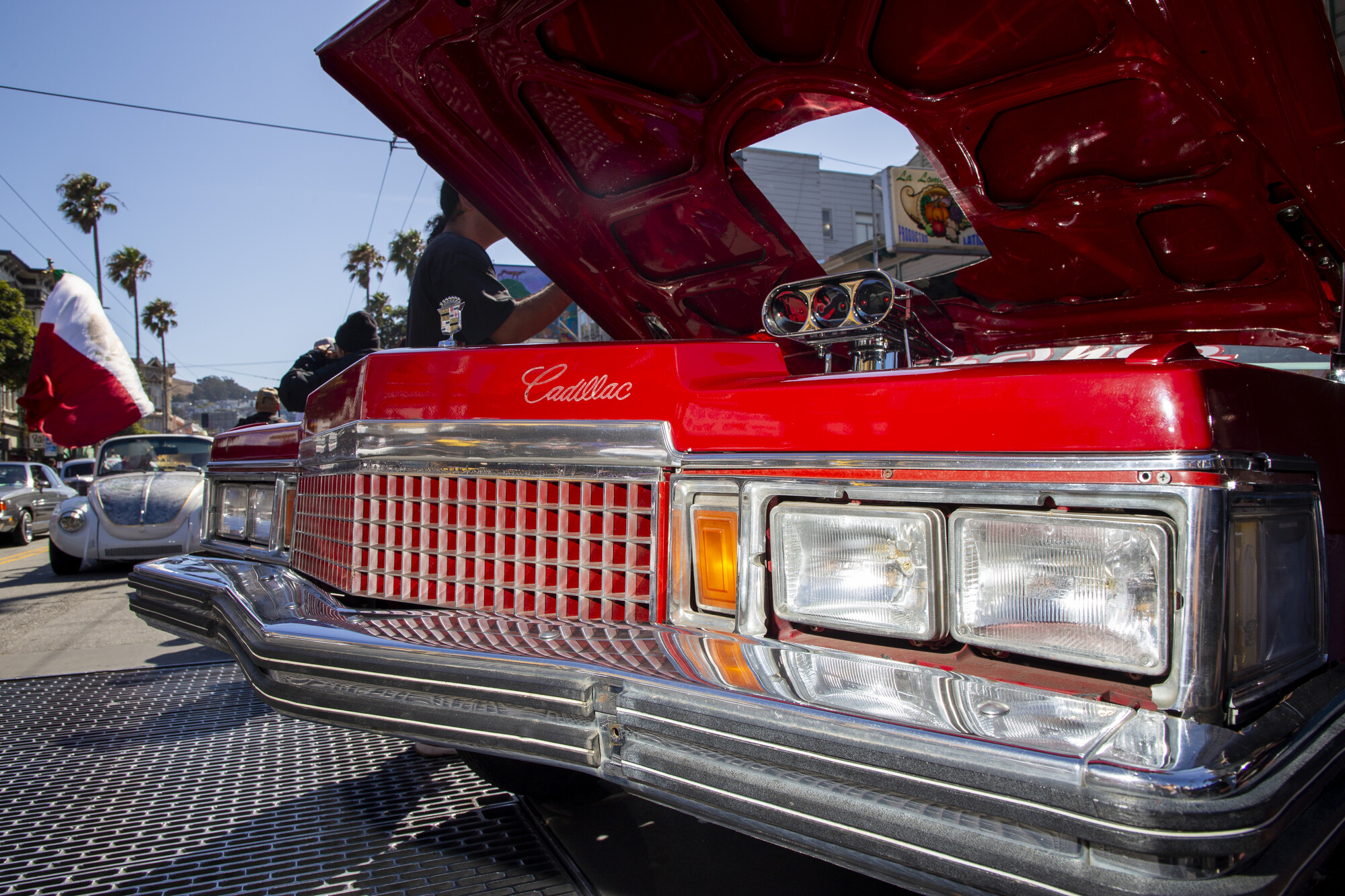
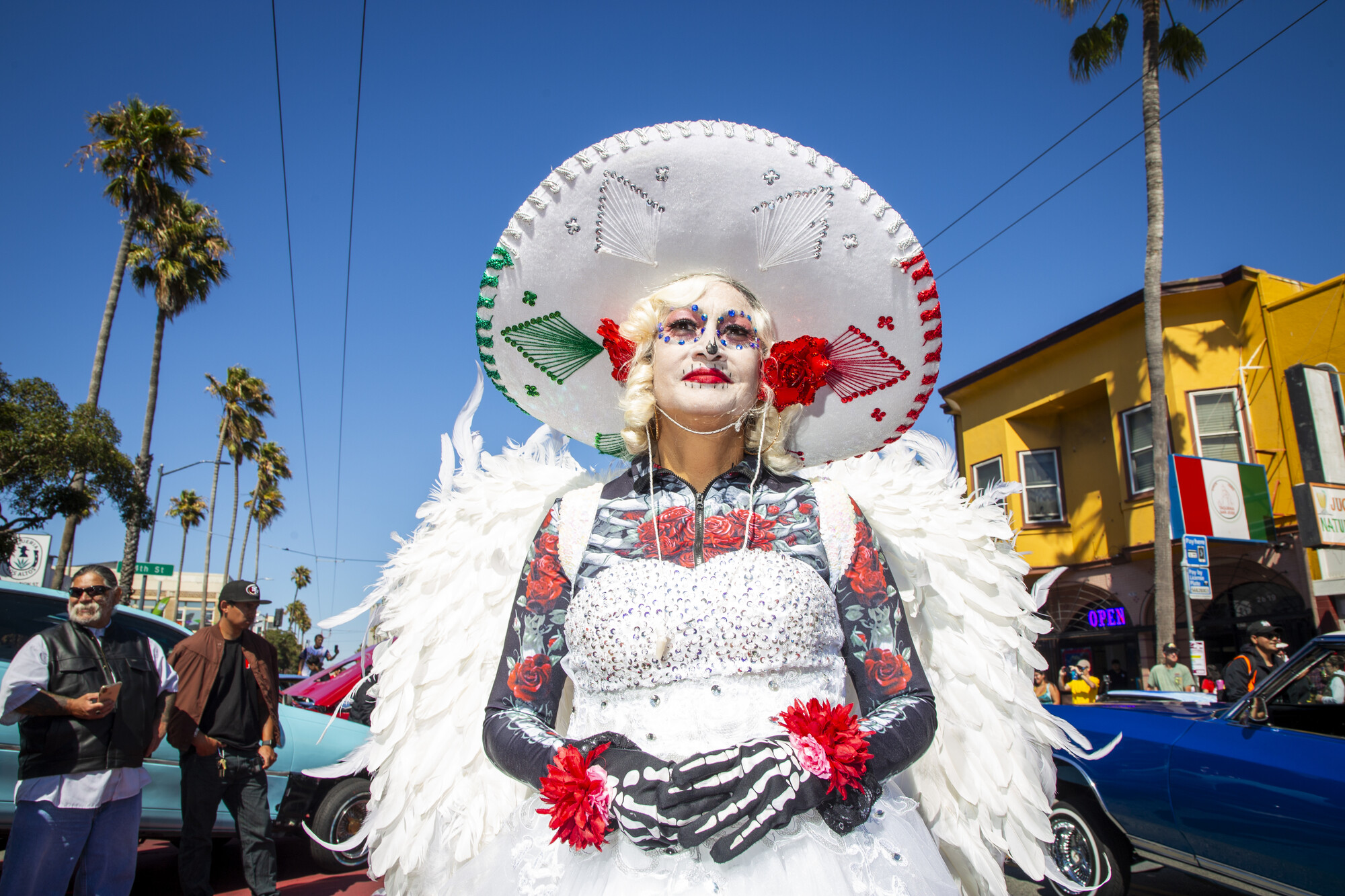
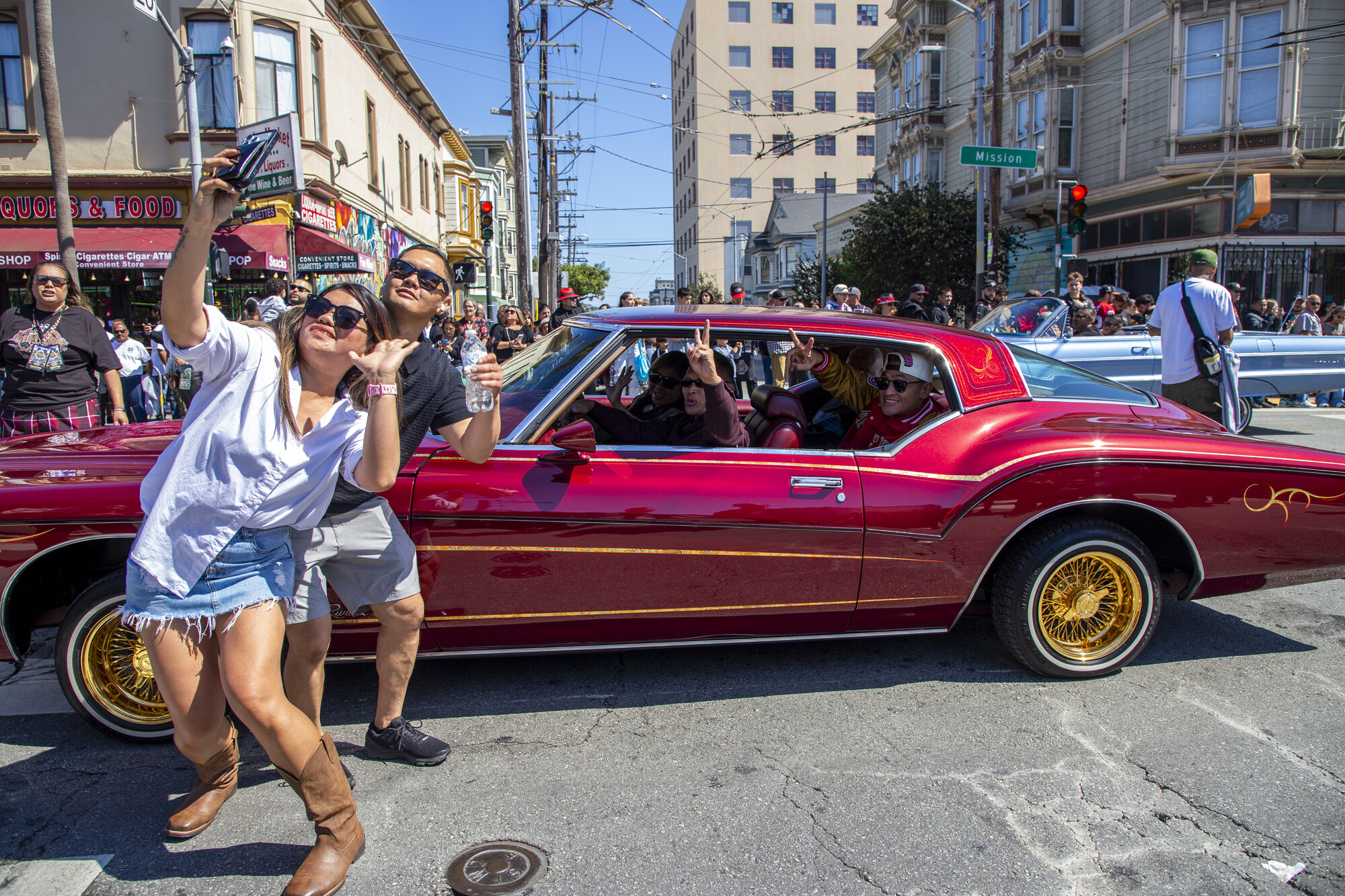
The San Francisco Lowrider Council celebrated its 45th anniversary by hosting its lowrider parade on Saturday. The event, days after the start of Hispanic Heritage Month, came complete with a “King of the Streets” hopping competition along with a car show and an art exhibit.
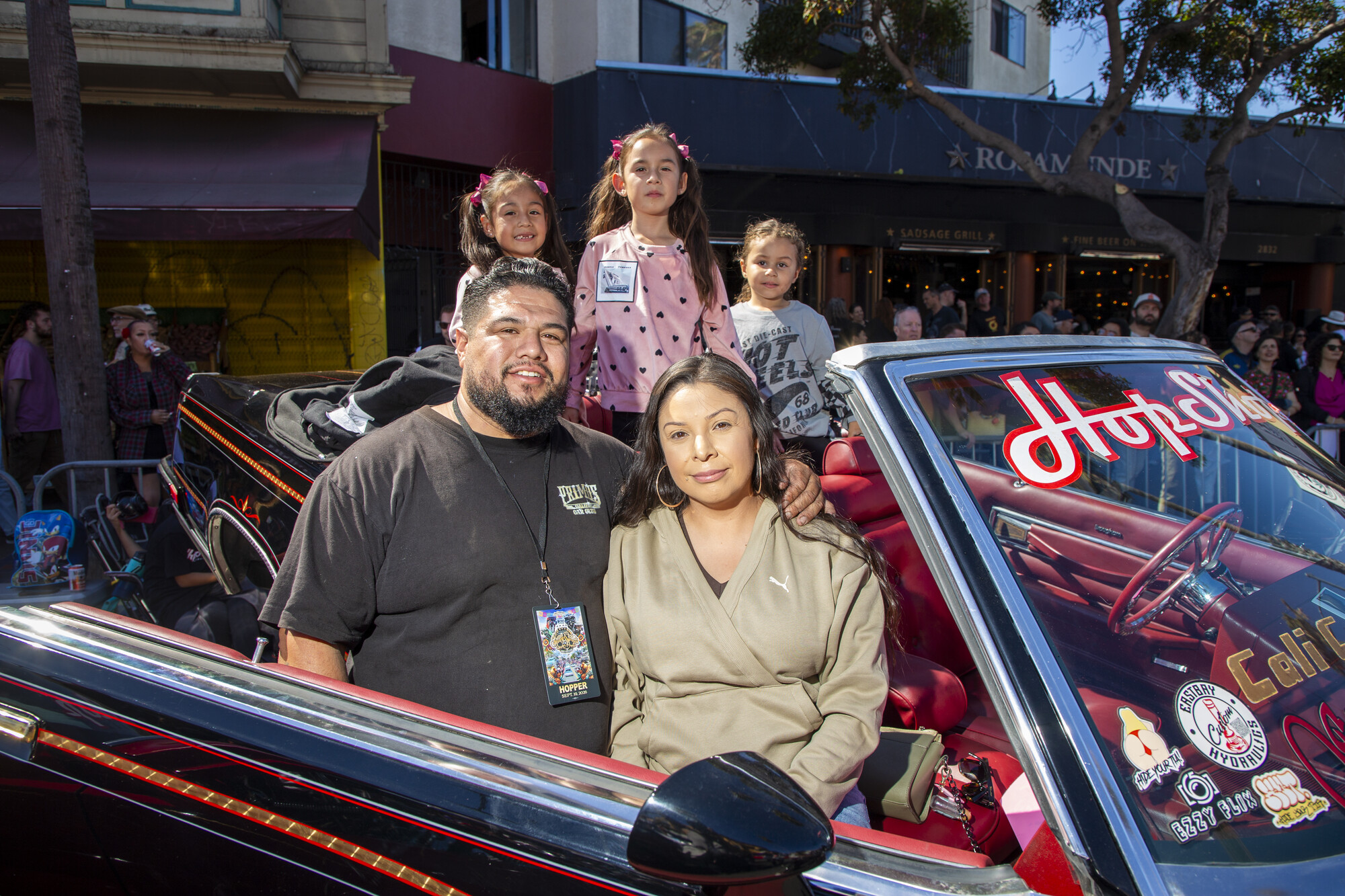
Oliver’s grandson, Lorenzo, came with his parents in a pinstriped 1988 Oldsmobile Cutlass they’ve had for about two years. Antonio Esparza, the boy’s father, said the parade is always “the best feeling you ever have.”
“I mean, if you ain’t got a car, jump in with someone,” said Esparza, who came from Sacramento for the event. “All these is family.”
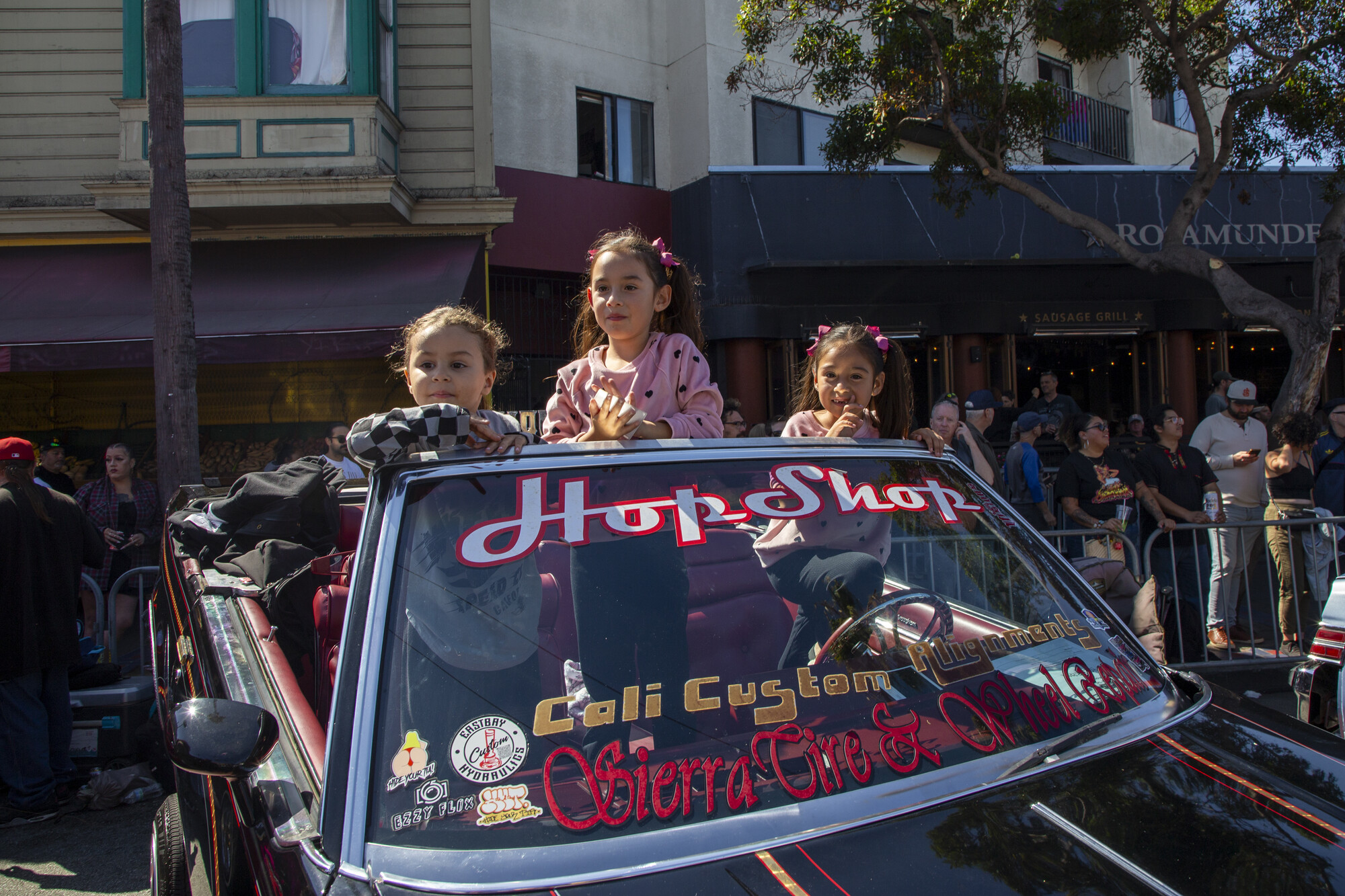
Attendees on Saturday often noted they made the ride to San Francisco’s event because shows across the state didn’t have the same vibe. David Gomez is a San Jose native who came out with his son Mateo, 12, in a dark blue 1994 Lincoln they’ve been building together. Gomez, who now lives in Redding, said they typically go to other shows where they live and in Northern California.
“But they don’t do nothing like they do out here in the Bay Area and Sacramento,” Gomez said.
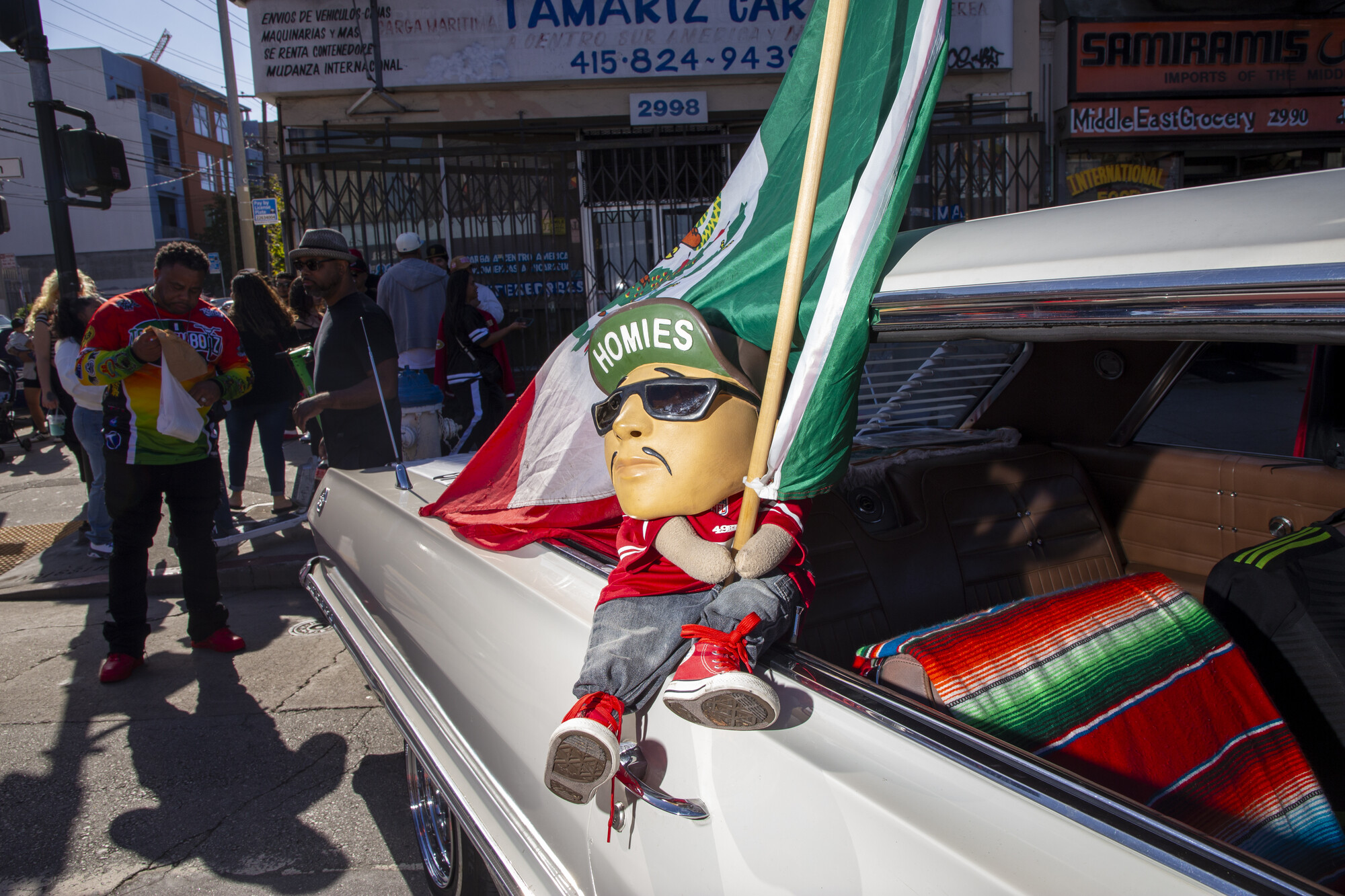
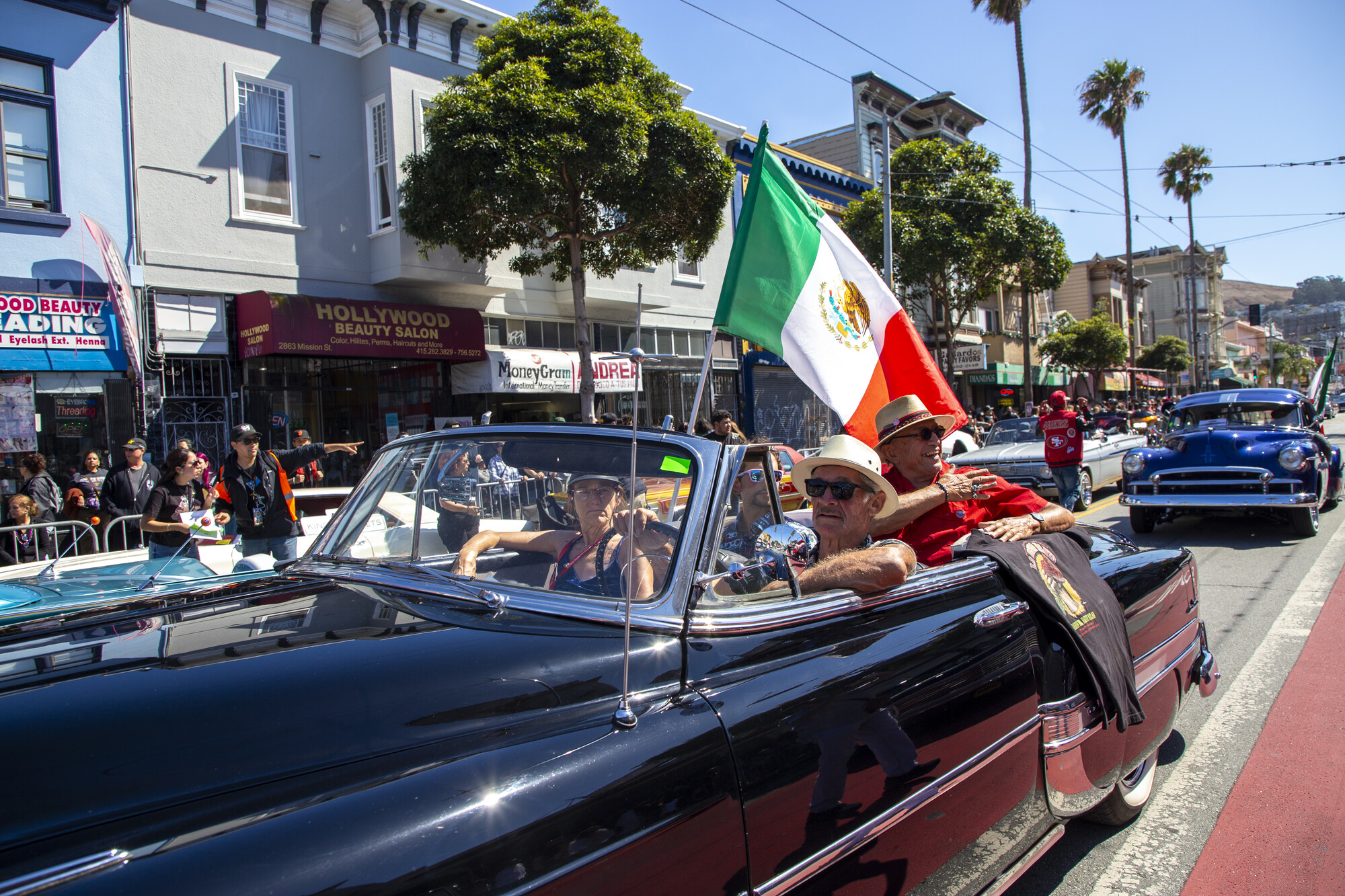
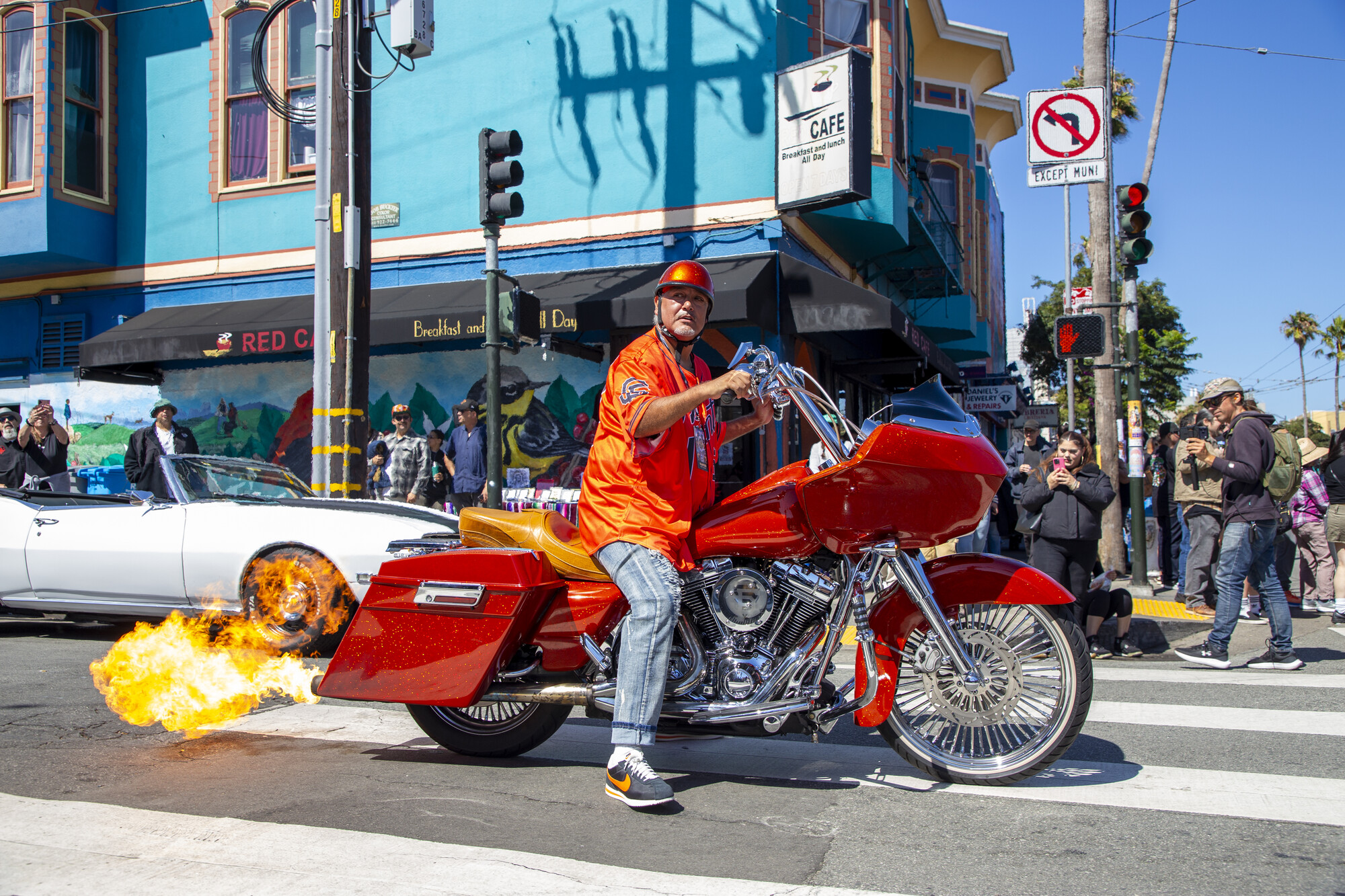
Drivers rode down streets in the neighborhood in carefully painted cars and motorcycles, blaring music and prominently displaying flags of Mexico and other countries.
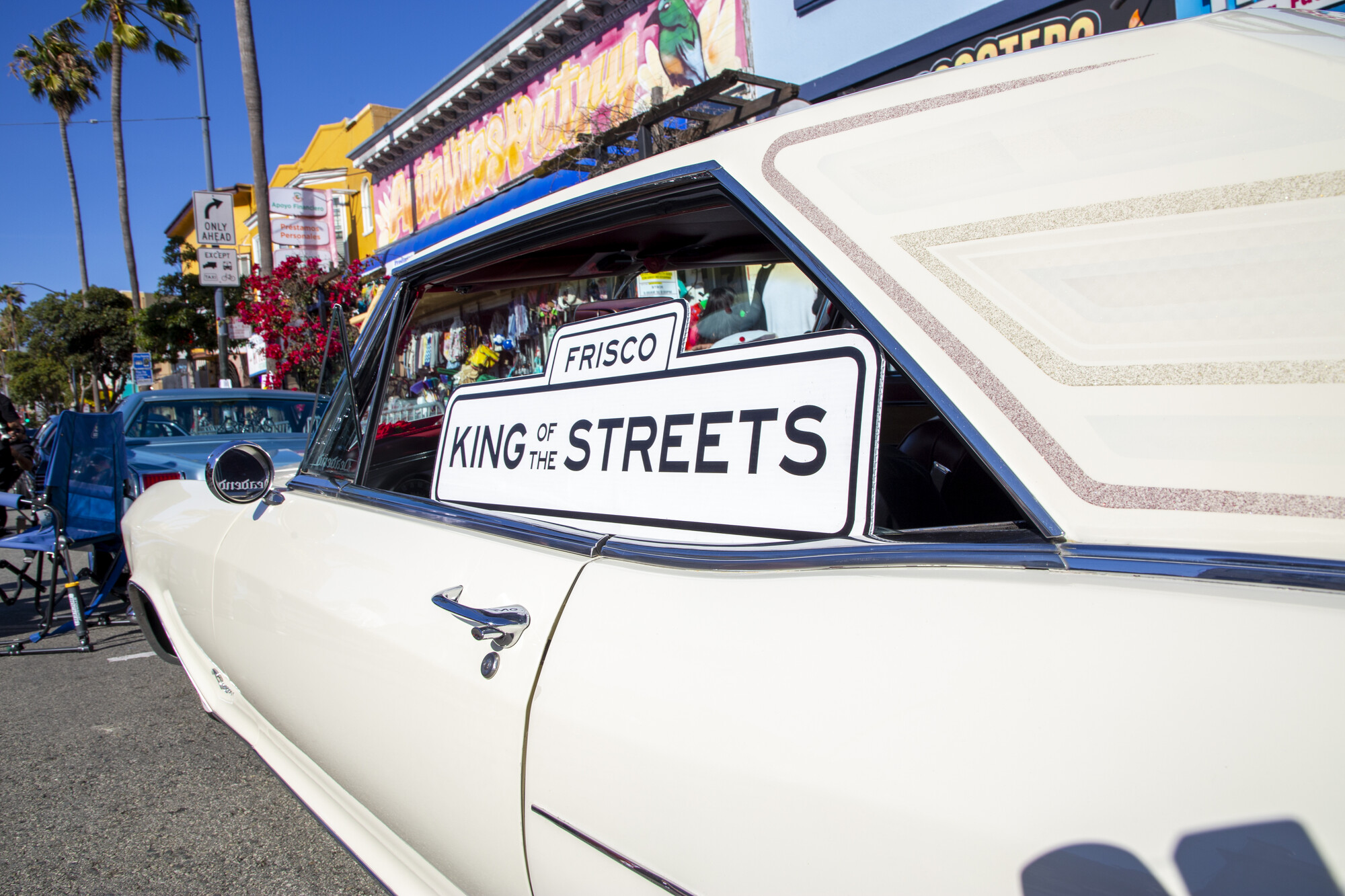
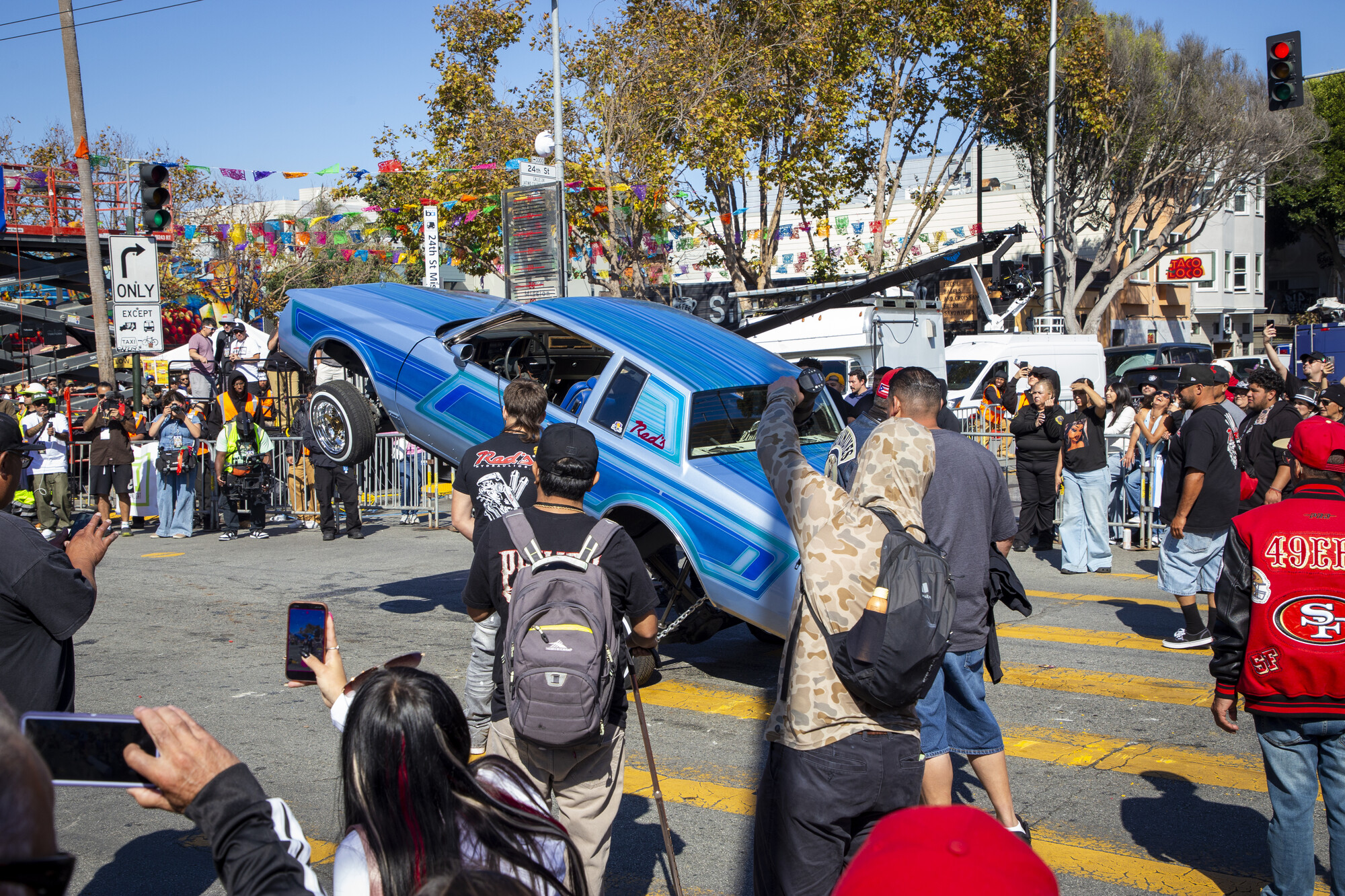
David Peralta, though, was among Mission District natives who said the sight of the cars reminded him of how “the neighborhood used to be” before the displacement of some Latino neighbors.
“It’s just in my blood,” Peralta said. “With all the cars and all the Mexican people coming out. You know, some of them got moved out — but we’re back.”
Peralta grew to love cars thanks to his older brothers and seeing them cruise back in the day.
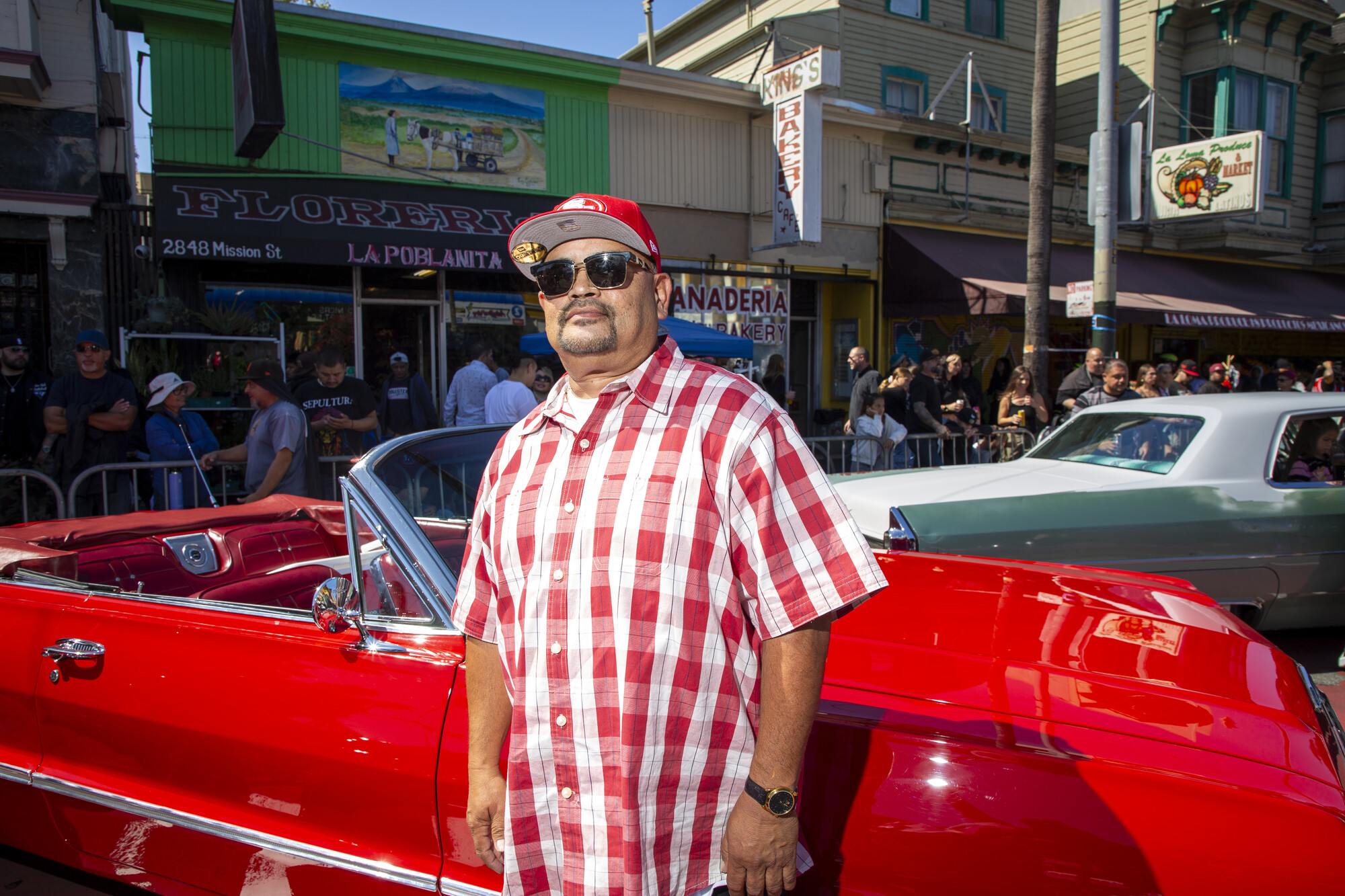
“I knew when I got older, I was going to get me one,” Peralta said, adding that he’ll be passing his current car on to his 14-year-old son.
Molly Seret showed up in her red patina-painted 1963 Biscayne Wagon — the first car she ever got at 15 — and stood out among the drivers as one of the few women. Her story was the same.
“Growing up, my dad had a shop, so I spent a lot of time in a shop as a child,” Seret said.
Julian Nunez, who came in his baby blue 1998 Lincoln town car, took an interest in cars too because his dad always had cars around him and the two worked on them together.
“I just do it for the crowd,” Nunez said. “It’s fun being the center of attention sometimes.”