Alameda County Prosecutors Drop Murder Charges Against Man Jailed for Nearly 2 Years
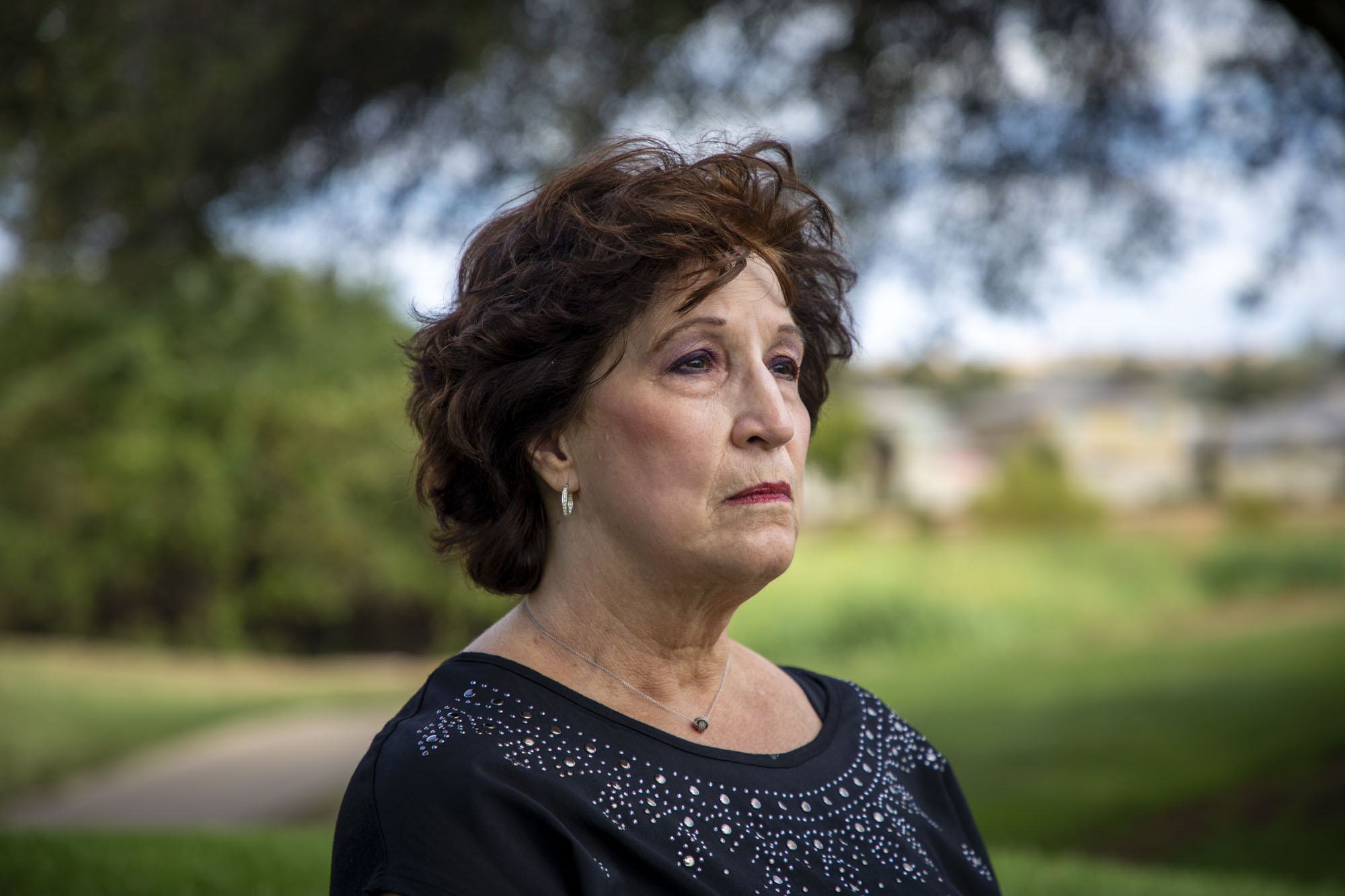
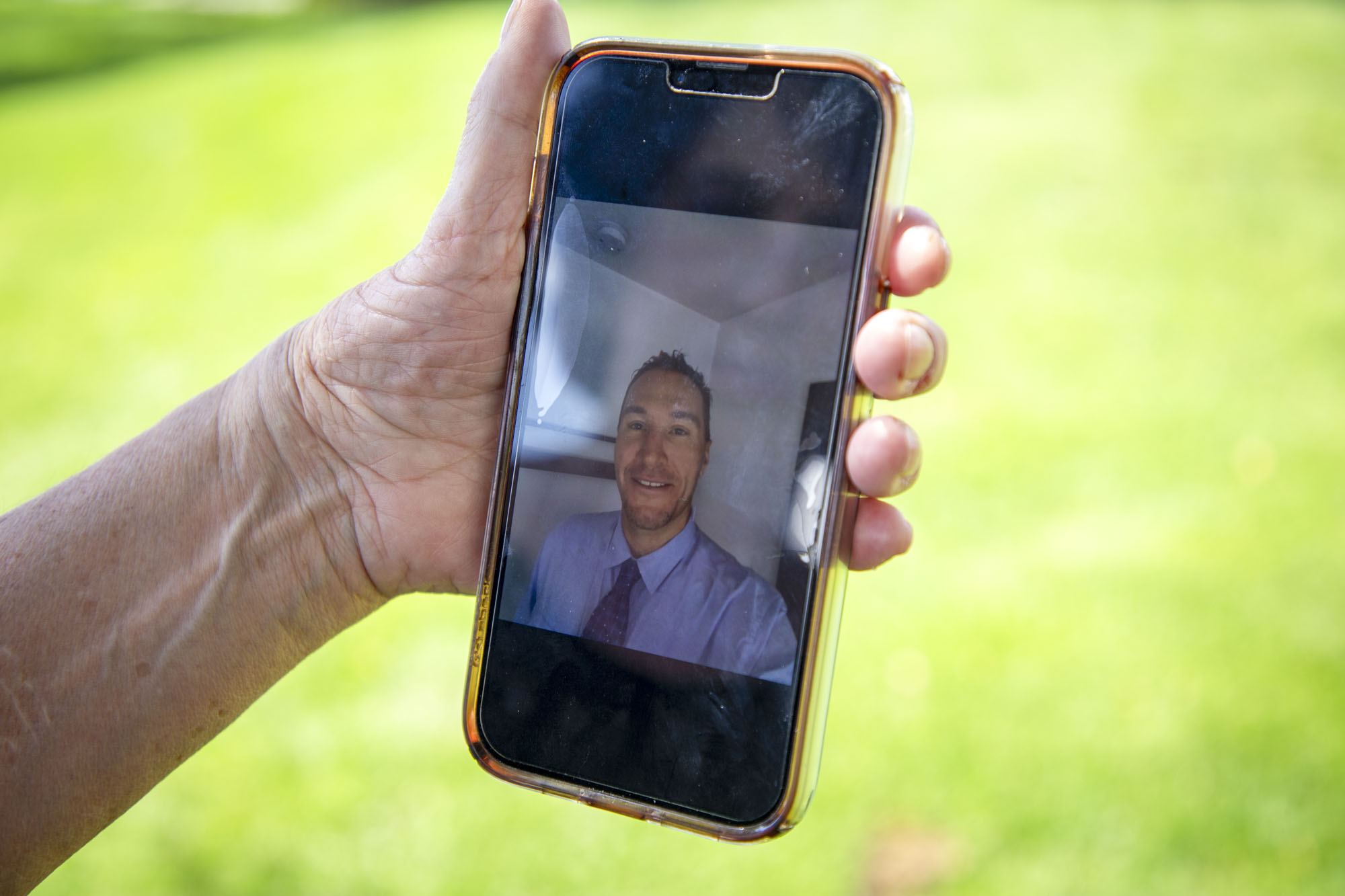
Michael Perillo spent nearly two years insisting he was in jail for a murder he didn’t commit before Alameda County prosecutors dropped the charges and released him last week.
Now, Perillo’s family and supporters say investigators charged and prosecuted him for the brutal 2024 death of Edson Perez on the streets of Oakland’s Chinatown based on faulty and insufficient evidence. In a press release the family says they are considering legal action.
Perillo’s mother, Christy White, said the period of incarceration traumatized her 47-year-old son, who was unhoused and struggling with mental illness at the time of his arrest.
“I cannot tell you the relief that I had,” White said. “All the trauma that my son has gone through, and that he stuck with it, and I always knew he was innocent.”
Oakland police arrested Perillo in September 2024, alleging that he was one of two people who chased Perez and then beat him to death with a bike and a mallet. Police told local news outlets at the time that surveillance footage and eyewitnesses helped them identify Perillo.
Perillo’s lawyer, Tamani Taylor, said the prosecution’s case rested largely on the testimony of one man, Earl Pratt. Pratt, who was a part of the same unhoused community as Perillo, identified him to police using stills from the surveillance video.
During a February preliminary hearing, Superior Court Judge Thomas E. Stevens noted Pratt was “all over the map,” as the witness went off on tangents and gave confusing answers on the stand, records show. Pratt also provided conflicting information when asked to identify photos from the crime.
“To me, he made absolutely no sense at all, and he lacked all credibility,” Taylor said.
Taylor suggested that the same footage could have cleared Perillo: A man in completely different clothes from the attackers could be seen on a yellow bike, which Perillo was known to ride, minutes before and after the attack on nearby streets. Clothes found with Perillo at the time of his arrest also matched the outfit of the person on the yellow bike, Taylor said.
Having joined the case in July after a previous lawyer declared a conflict of interest, Taylor said she pointed out these issues in a meeting with Alameda County Deputy District Attorney Edward Vieira-Ducey.
Prosecutors in return offered Perillo a plea deal of felony assault and credit for time served, Taylor said, meaning his incarceration could end if he pleaded guilty to a less severe charge.
“It would only make sense for them to make that kind of offer if they had a clue that they could not prove the case beyond a reasonable doubt,” Taylor said.
The district attorney’s office repeated their offer numerous times, Taylor said, including on Aug. 31 — the day that both sides were in court to begin scheduling the trial.
Taylor declined, and they dismissed the case the same day, she said.
“Sometimes, district attorney’s offices are like a dog with a bone,” Taylor said. “Even if the bone is rotten and poisonous, they hang onto the bone because they don’t know anything else. … They’re still banking on getting something from an innocent person to wrap up a case.”
The district attorney’s office declined to comment, citing the ongoing investigation.
White said her son was released from Santa Rita Jail that same night, two years and a day after Perez’s death. He went home with his parents to their home in Ione, in Amador County.
“The first night he slept out on our patio; he just felt like he couldn’t be in a bedroom,” White said. “It made me really sad because he’s been traumatized. He wanted to be out and breathe fresh air.”
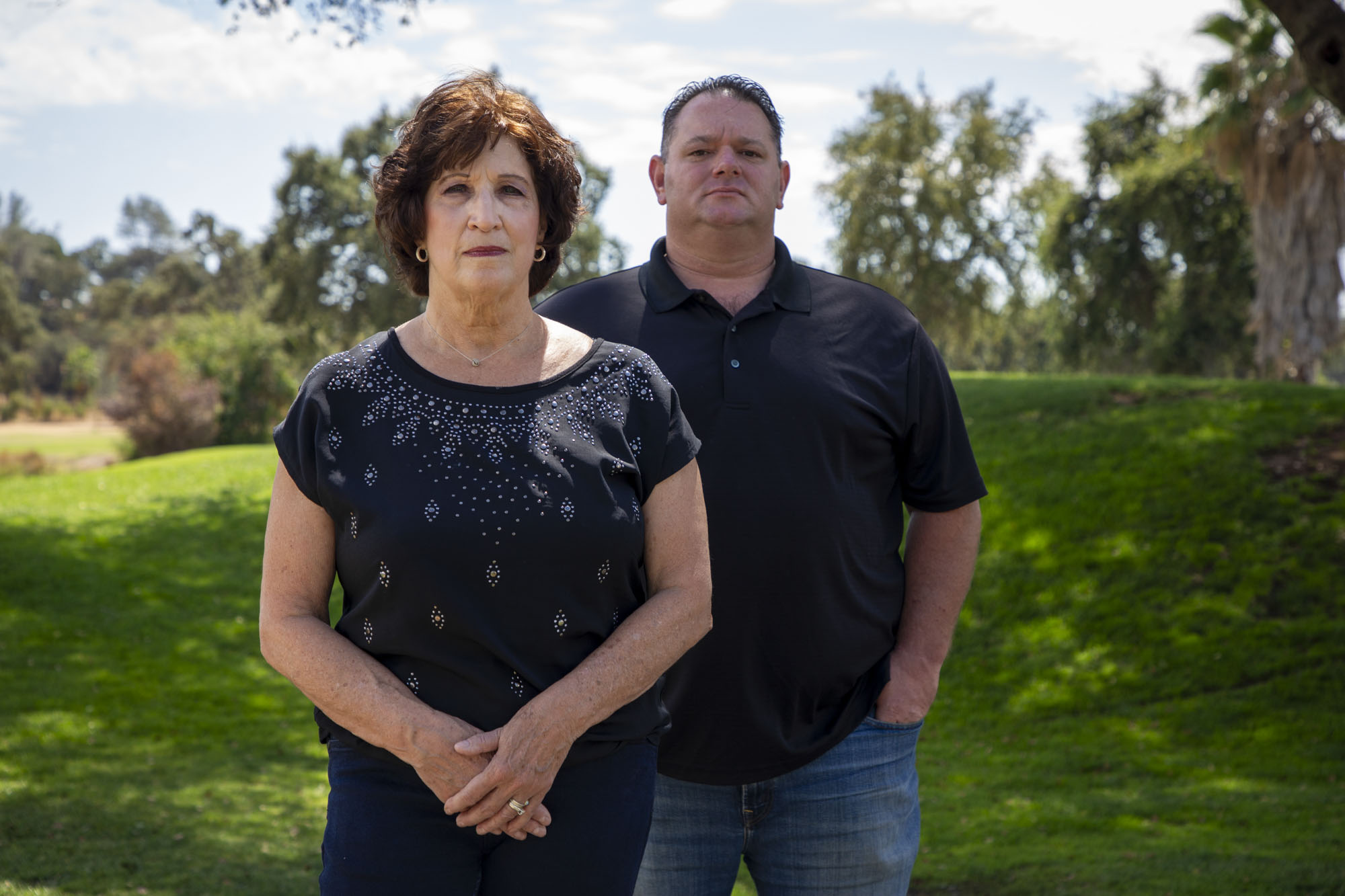
White spoke to KQED on Perillo’s behalf, citing his mental illness challenges and recent hardships.
White said her son was assaulted numerous times while in jail. She recalled visiting him and seeing bruises and cuts around his face or blood coming out of his ear.
“In June of 2025, he asked me to no longer come to visit him because I would sit there and cry the entire time because I saw what was happening to him physically,” White said.
Desperate for help, White reached out to Brandon Owen, a friend and Republican candidate for state Assembly with a law enforcement background as a game warden for the state’s Department of Fish and Wildlife.
As part of an independent investigation, Owen and two others traveled to Oakland in June 2026 to talk to people near the encampment where Perillo stayed. Within three hours, they met and spoke with several residents, including Pratt, the key witness for the prosecution who had identified Perillo in the footage.
In a recorded interview reviewed by KQED, Owen showed Pratt pictures of people from security footage and asked him to identify them. Pratt complained that he couldn’t because of the quality of the images.
“You can’t identify none of them,” Pratt says in the interview. “You can’t even see none of them.”
One picture included Pratt himself, who was present on the night of the killing. When asked, Pratt denied that it was him in the photo.
“I know this much: That man right there who was in court, right? Innocent,” Pratt said in the interview.
Owen said he and his fellow investigators brought the results of their search to the Oakland police officer who originally investigated Perez’s slaying.

“Sgt. Kevin Godchaux was highly offended that we were present,” Owen said. “He was, in my opinion, disturbed that we were doing the investigation. … At one point he almost refused to take the information from us.”
Oakland police did not respond to a request for comment.
Police records shared in court show that police had another suspect in the killing: a man named Anthony Otenbriet, who was identified based on similarities between his motorcycle and one in security footage showing it being ridden by the person who attacked and chased Perez.
But Otenbriet died in a motorcycle accident just five days after Perez died, according to police records.
It’s unclear whether police have any other active suspects, or whether they plan to make any more arrests for the killing of Edson Perez.
Both White and Taylor said they felt like Perillo was being prosecuted to bring closure to an otherwise unsolved murder.
“I think that they may have viewed him as an easy brownie point. ‘We’ll score, he’ll be convicted and go to prison,’” White said.
White said her family’s experience has changed her “whole sense” of the criminal justice system.
“I don’t think any of us should be discarded,” she said. “And I was treated that way by the district attorney in the homicide unit in Oakland … They didn’t care. They made up their mind without all of the evidence.”