Timber Fire in Big Sur Forces Evacuations, Threatens Beloved Tourist Sites
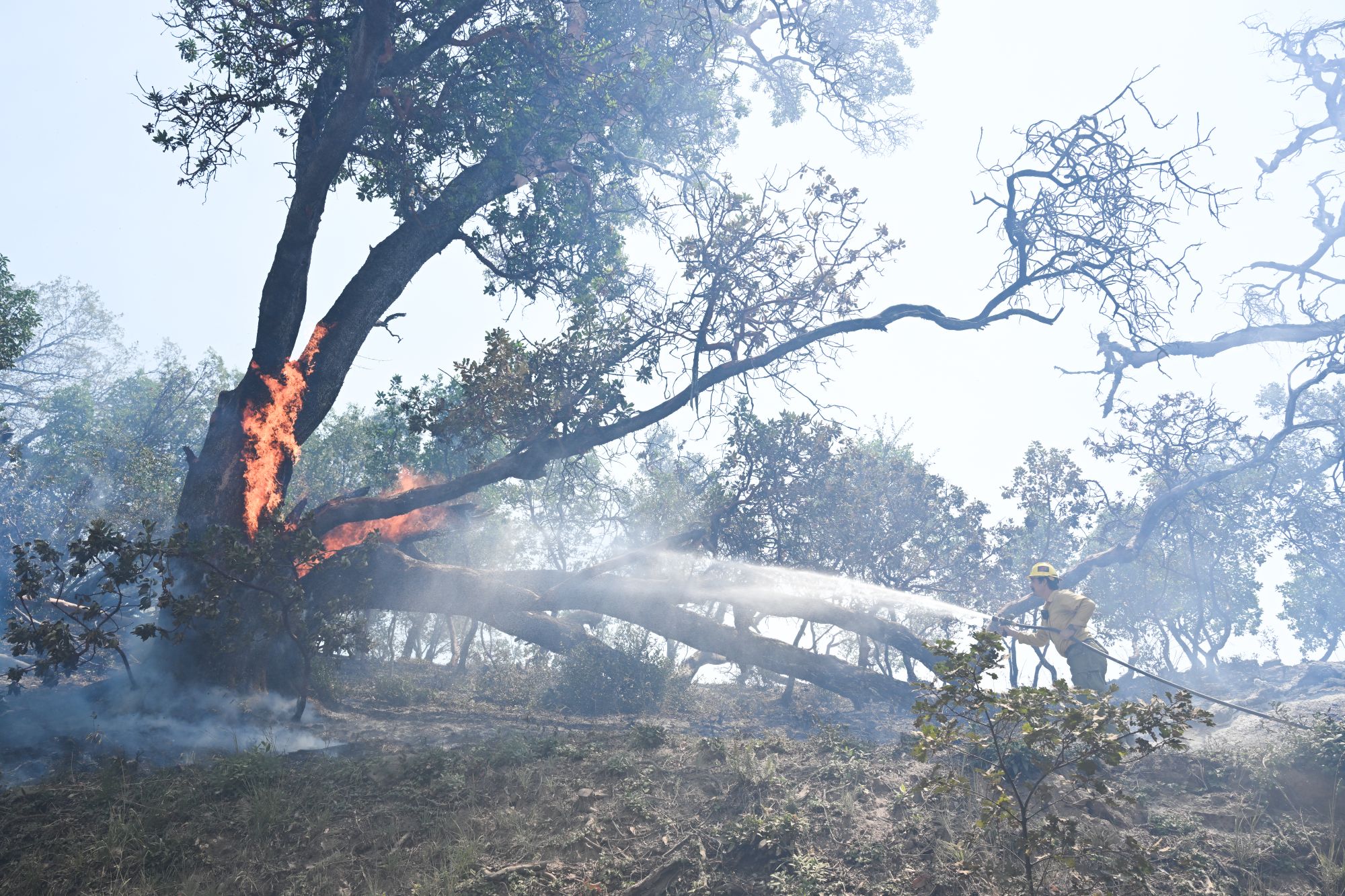
Locals and officials are urging tourists to avoid Big Sur as the Timber Fire continues to spread along California’s Central Coast on Tuesday.
Evacuation orders expanded, and state park closures in Monterey County remained after the wildfire grew to nearly 2,500 acres by midday, according to fire officials. It is 5% contained.
The blaze southeast of the Loma Vista area moved at a slow pace through grass, brush and oak woodland in the Los Padres National Forest on Monday night and remains active in both the northern and eastern directions.
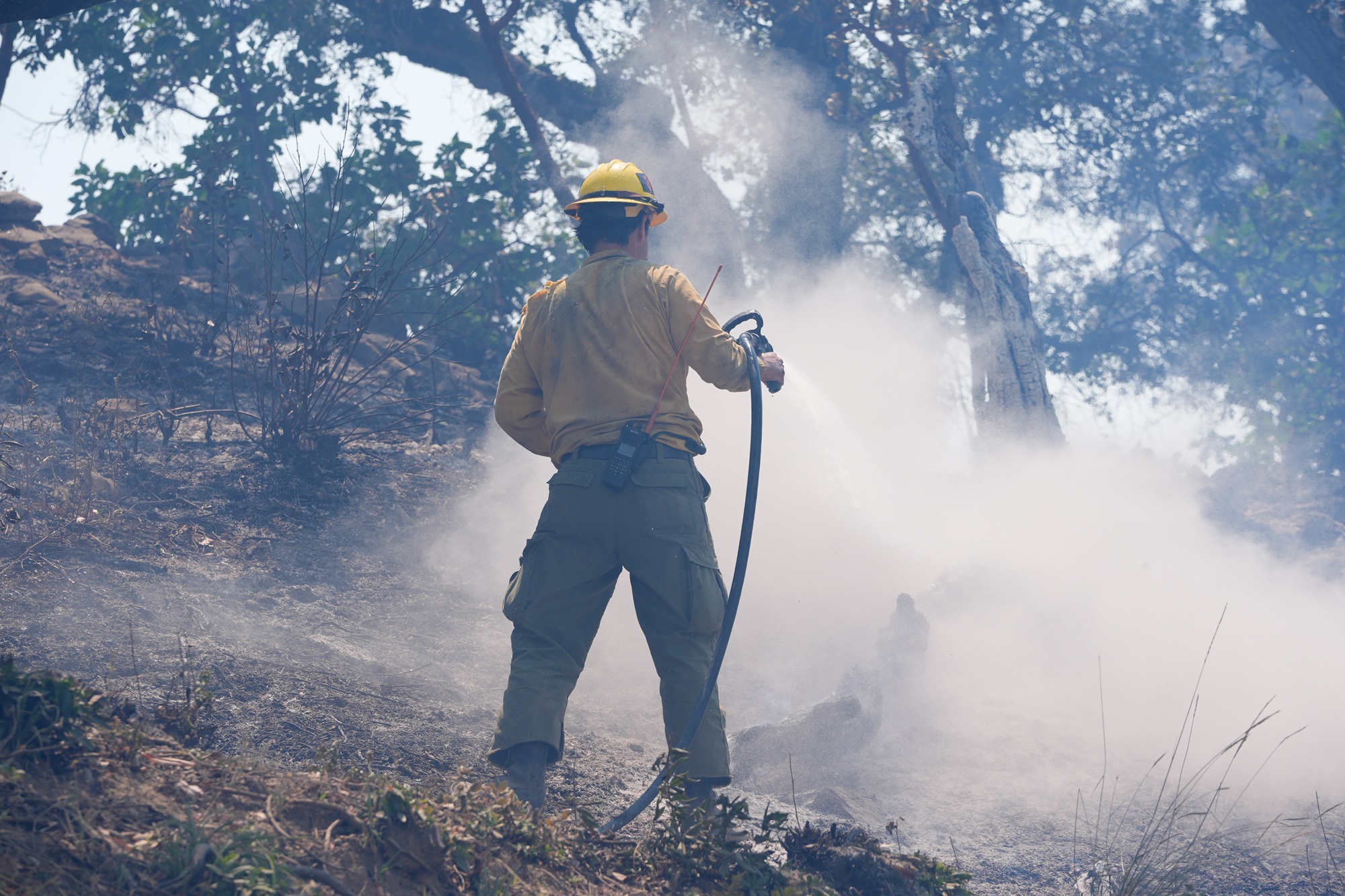
As of Tuesday morning, ground crews were attempting to access difficult terrain, focused on protecting homes near Highway 1 in the Ventana area, according to Cal Fire. The agency said so far, the fire has held to the east side of the road.
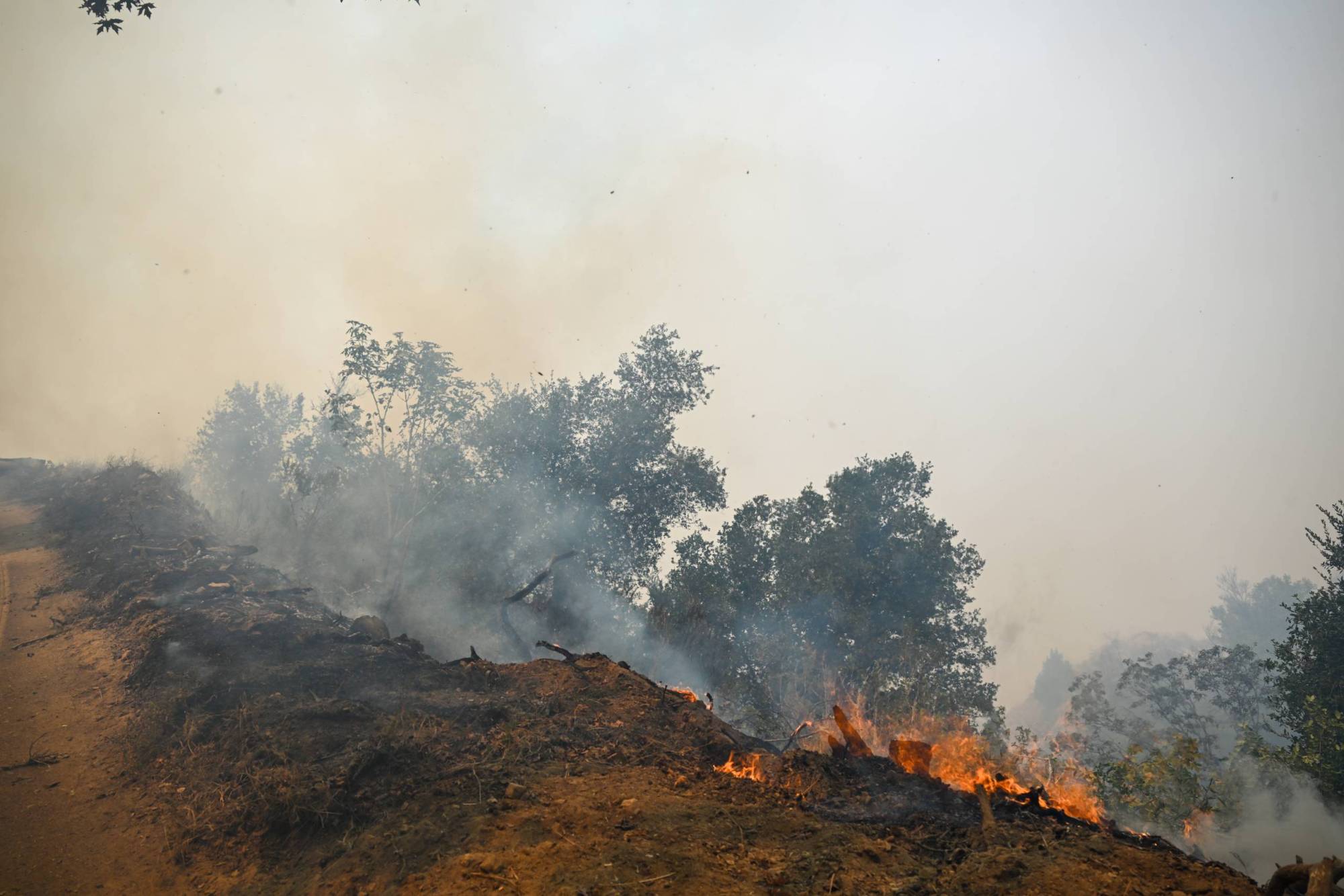
Residents said heavy fog in the area helped keep the fire close to the ground and reduced wind, but the condition also has downsides — including making it challenging for helicopters to access water below the fog line, and preventing planes from doing drops over the flames.
According to Cal Fire, warmer and drier conditions are expected to move in over the eastern portions of the fire. On Wednesday afternoon and evening, there is a 15% chance of showers and thunderstorms.
Since the Timber Fire broke out Sunday, it has forced evacuations along the northern coast. Zones near Partington Ridge Road and North Coast Ridge Road — MRY-F026 and MRY-F027— were evacuated Sunday night, while those directly adjacent, MRY-F025 and MRY-F028-A, were evacuated throughout the day on Monday. People living in MRY-F023 were ordered to leave their homes on Tuesday. In total, Cal Fire said just under 260 structures are threatened.
Additional surrounding areas — MRY-F022, MRY-F024, MRY-F028-B and MRY-F029 — are under evacuation warnings.
The area under immediate evacuation orders includes some of Big Sur’s top tourist destinations, including luxury resort the Ventana Inn, beloved restaurant Nepenthe and the Henry Miller Memorial Library.
“You could see the smoke from the patio at Nepenthe pretty clearly, and later that night, some flames,” said Meredith Gafill, whose husband and son run the restaurant, which overlooks the Pacific Ocean.
She said in the 30 years she’s lived in Big Sur, her home and restaurant have been close to many fires.
“I’ve gone to bed and looked off my back deck and thought, ‘How do you go to sleep when there’s a fire behind your house? When you can see the flames?’ so many times now,” she said.
Gafill and her family live on the restaurant property, which includes about 30 units that house employees on the remote cliffside.
In the past, Gafill and her husband have stayed onsite during fires, she said, but this week, she’s been staying at a home they recently purchased in Monterey.
“It’s really nice to have somewhere we could be during this time and [where] my daughter-in-law was able to bring her pet,” Gafill said. “Oftentimes during these moments, you get the evacuation notice, and you don’t have anywhere to go.”
Kate Novoa, who lives in the southern part of Big Sur, said she is far from the evacuation area, but can see Partington Ridge, shrouded in smoke, from her home. With binoculars, she has been able to see flames at times.
Novoa, who has chronicled the area’s fires online for years, said the Timber Fire’s movement reminded her and neighbors of the 2008 Basin Complex Fire, which burned more than 162,000 acres of the Los Padres National Forest almost 20 years ago.
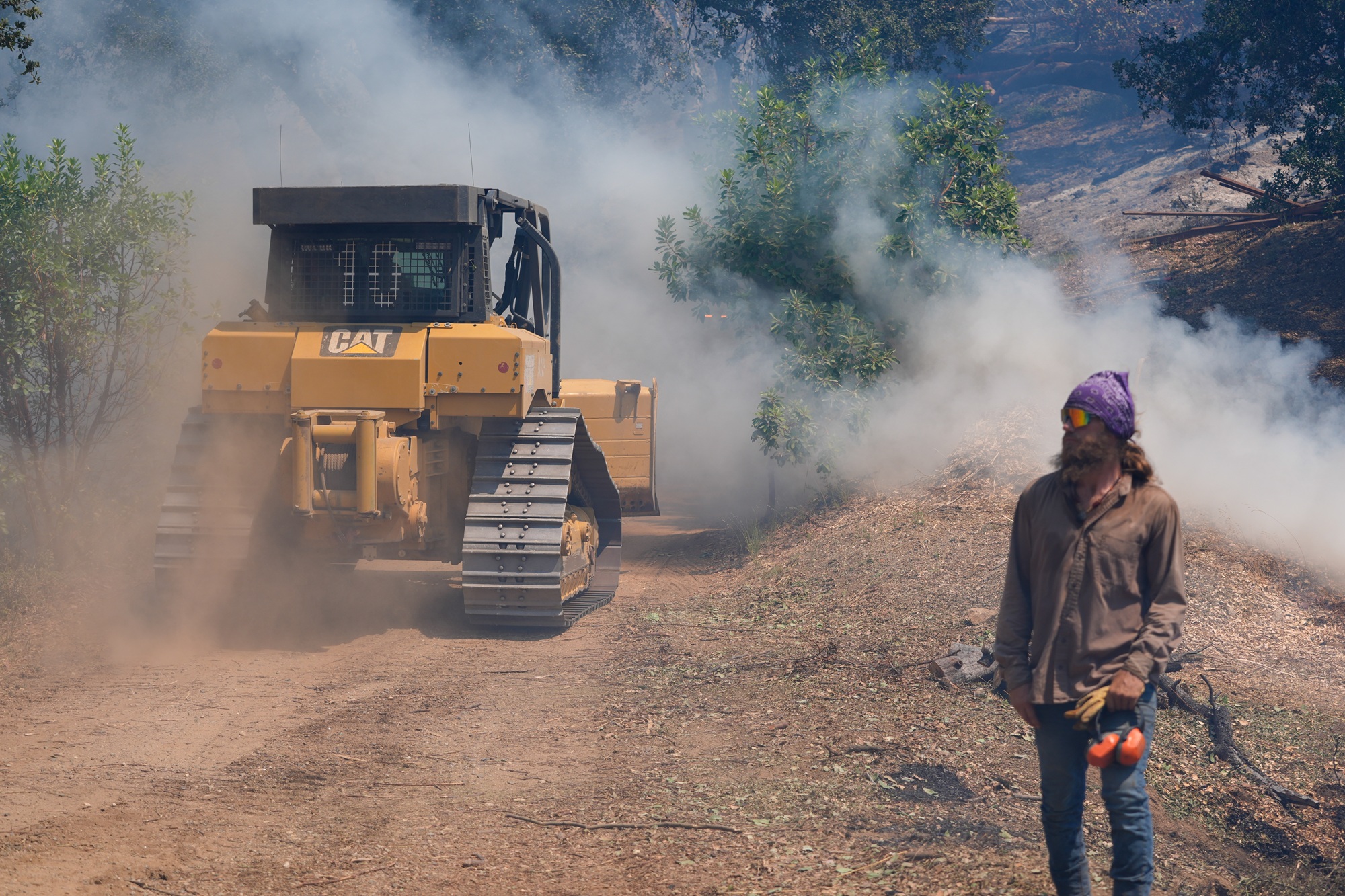
“Once it gets into the wilderness, which was what happened with this one on Sunday afternoon, … at that point, most of us that live here and have been through this many times realized this is going to be a long, extended fight on this fire because it’s so rugged,” she said.
On Monday, Monterey County closed all of the Big Sur State Parks, including Andrew Molera, Julia Pfeiffer Burns, Pfeiffer Big Sur and Point Sur. While Highway 1 remains accessible, the sheriff’s office has asked the public to keep roadways clear for first responders.
“Unnecessary traffic and sightseeing in the fire zone create hazards for emergency crews and slow down critical operations,” the sheriff’s office wrote on social media.
The fire comes during a busy tourist season for the famed stretch of Highway 1, as many people travel from Southern California to Monterey’s annual car week, which began Friday.
Caltrans spokesperson Kevin Drabinski said the agency is asking people making the drive to use alternate routes through the fire area. He said that because the fire is just above the highway, responders are transporting large amounts of equipment and personnel along the road.
“We want to leave as much space on the highway for emergency responders and that effort,” he told KQED.
The fire could also impact one of Car Week’s biggest events, the Pebble Beach Tour d’Elegance, which traditionally traces the coast from Pebble Beach to Big Sur.
Organizers announced Tuesday that they’ve developed a contingency plan for the Thursday event, planning an alternate route “that will protect spectators and participants and give first responders space to conduct their essential work.”
“Our thoughts are with the Big Sur community during this challenging time,” the event update from Pebble Beach Concours read.
Fire officials said an evacuation center was set up at Carmel Middle School, where people can access incident information and resources.
Nearly 500 fire personnel are currently fighting the blaze, including 36 engines, multiple dozers and helicopters. Cal Fire said numerous air tankers from throughout the state are also flying fire suppression missions as weather conditions allow.
Gafill said that Tuesday morning, she counted 30 fire engines headed south from Carmel.
“The good humans have arrived more and more every day, so it’s going to be okay,” she said.
“Everything about Big Sur is abundant,” she said. “The plants, the rain. That’s why it’s so beautiful. That’s why people love it so much. It also comes with a huge price tag — when we have a fire, it’s huge. When we have disaster, it’s abundant.”
KQED’s Carly Severn contributed to this report.