Small Farmers Have Taken a Hit After the Trump Administration Dismantled a Program that Created a Marketplace for Them to Sell Crops.
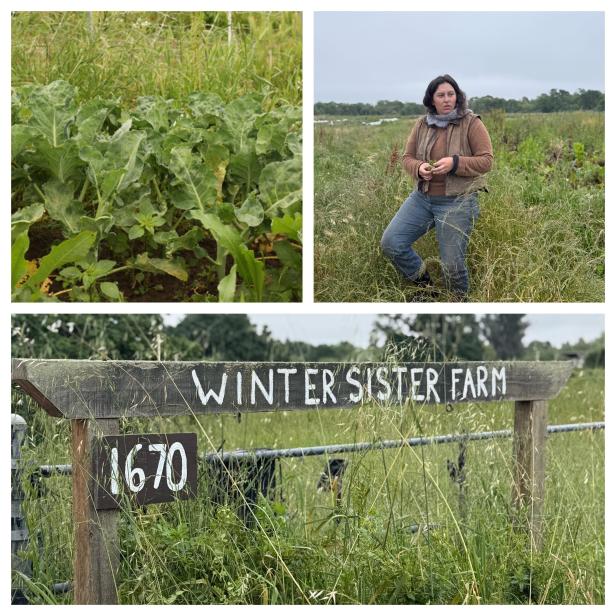
Now these growers are lobbying for the Farm Bill to revive the program.
Here are the morning’s top stories on Monday, July 20, 2026:
- In April, the House of Representatives passed their 2026 Farm Bill. Now the US Senate is working on their iteration of the massive legislation package, the first since 2018. But while Congress debates, many small farmers are still reeling from the second Trump administration’s blitz of the federal bureaucracy in early 2025.
- The investigation into a large food-borne illness outbreak continues. But the Food and Drug Administration says a lab test that previously indicated iceberg lettuce was the source . . . was wrong.
- A federal judge has ordered major changes at the Adelanto ICE Processing Center in San Bernardino County. It comes as part of a lawsuit in which detainees have claimed that conditions at the facility violate their Fifth Amendment protections.
- A new federal law seeks to regulate college programs that offer poor returns on investment. The policy requires that colleges and universities nationwide prove their graduates earn at least the median wage of workers with only a high school diploma.
In April, the House of Representatives passed their 2026 Farm Bill. Now the US Senate is working on their iteration of the massive legislation package, the first since 2018.
But while Congress debates, many small farmers are still reeling from the second Trump administration’s blitz of the federal bureaucracy in early 2025.
The loss of one program in particular has been hard felt across Sonoma County, and by those who farm and work in the local agricultural economy.
A federal judge on Thursday ordered major changes to reported conditions at the Adelanto ICE Processing Center in San Bernardino County, granting a preliminary injunction that requires federal immigration officials provide people with clean drinking water and adequate medical care.
U.S. District Judge Sunshine Suzanne Sykes ruled that the detainees who brought the lawsuit “demonstrated they are likely to prevail” on their claims that conditions at the facility violate Fifth Amendment protections against inhumane conditions of confinement. While the case will continue to work its way through the courts, the judge issued the ruling now, finding that people being detained could suffer irreparable harm without court intervention.
With just a high school diploma in hand, and no additional training or education, the average Californian is currently expected to earn about $18 an hour, or $36,000 a year — just above the state’s minimum wage.
Effective this month, all colleges, universities and short-term certificate programs in the U.S. must prove that their graduates earn at least the median wage of someone in their state with only a high school diploma. Otherwise, their students will soon become ineligible for federal loans.
It’s a “low bar,” said Michael Itzkowitz, the president of the HEA Group, which conducts research into higher education policy. “If you’re going to college, you expect to be earning at least minimum wage, and probably even more than that.”
In places such as the Bay Area, $36,000 a year barely covers housing, not to mention other expenses.