How Creative Journaling Can Empower Teachers to Take Back Their Time
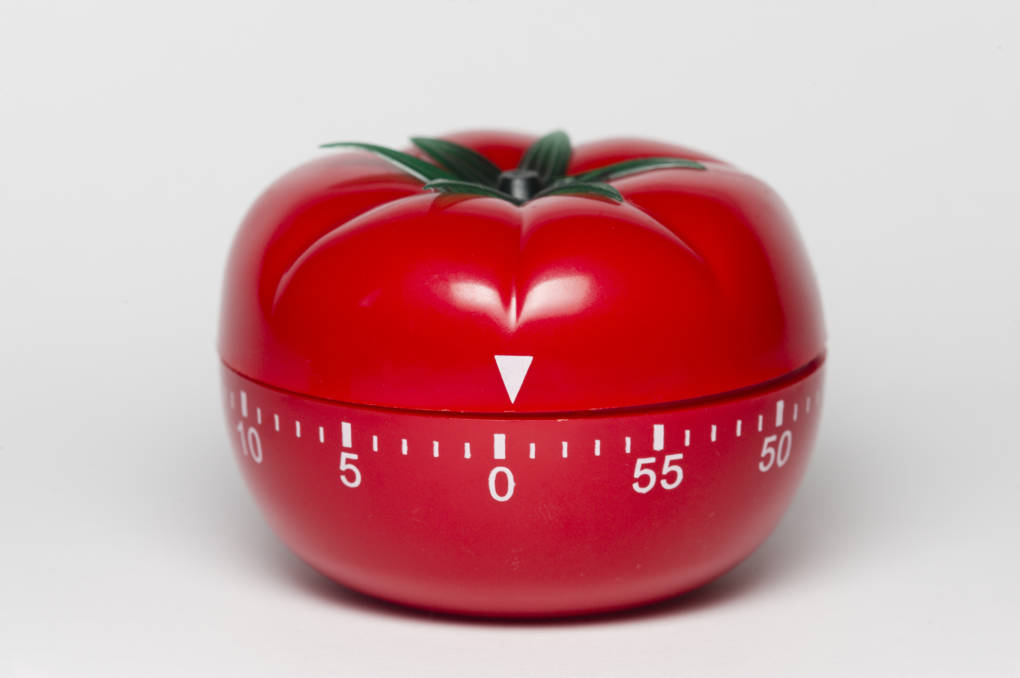
Procrastinating? Still? How a Tomato Timer Can Help You Stop Putting Things Off
How Reverse Planning for Goals Can Help Students Succeed in School
Major support for MindShift comes from
Player sponsored by
window.__IS_SSR__=true
window.__INITIAL_STATE__={
"attachmentsReducer": {
"audio_0": {
"type": "attachments",
"id": "audio_0",
"imgSizes": {
"kqedFullSize": {
"file": "https://ww2.kqed.org/news/wp-content/themes/KQED-unified/img/audio_bgs/background0.jpg"
}
}
},
"audio_1": {
"type": "attachments",
"id": "audio_1",
"imgSizes": {
"kqedFullSize": {
"file": "https://ww2.kqed.org/news/wp-content/themes/KQED-unified/img/audio_bgs/background1.jpg"
}
}
},
"audio_2": {
"type": "attachments",
"id": "audio_2",
"imgSizes": {
"kqedFullSize": {
"file": "https://ww2.kqed.org/news/wp-content/themes/KQED-unified/img/audio_bgs/background2.jpg"
}
}
},
"audio_3": {
"type": "attachments",
"id": "audio_3",
"imgSizes": {
"kqedFullSize": {
"file": "https://ww2.kqed.org/news/wp-content/themes/KQED-unified/img/audio_bgs/background3.jpg"
}
}
},
"audio_4": {
"type": "attachments",
"id": "audio_4",
"imgSizes": {
"kqedFullSize": {
"file": "https://ww2.kqed.org/news/wp-content/themes/KQED-unified/img/audio_bgs/background4.jpg"
}
}
},
"placeholder": {
"type": "attachments",
"id": "placeholder",
"imgSizes": {
"thumbnail": {
"file": "https://cdn.kqed.org/wp-content/uploads/2024/12/KQED-Default-Image-816638274-2000x1333-1-160x107.jpg",
"width": 160,
"height": 107,
"mimeType": "image/jpeg"
},
"medium": {
"file": "https://cdn.kqed.org/wp-content/uploads/2024/12/KQED-Default-Image-816638274-2000x1333-1-800x533.jpg",
"width": 800,
"height": 533,
"mimeType": "image/jpeg"
},
"medium_large": {
"file": "https://cdn.kqed.org/wp-content/uploads/2024/12/KQED-Default-Image-816638274-2000x1333-1-768x512.jpg",
"width": 768,
"height": 512,
"mimeType": "image/jpeg"
},
"large": {
"file": "https://cdn.kqed.org/wp-content/uploads/2024/12/KQED-Default-Image-816638274-2000x1333-1-1020x680.jpg",
"width": 1020,
"height": 680,
"mimeType": "image/jpeg"
},
"1536x1536": {
"file": "https://cdn.kqed.org/wp-content/uploads/2024/12/KQED-Default-Image-816638274-2000x1333-1-1536x1024.jpg",
"width": 1536,
"height": 1024,
"mimeType": "image/jpeg"
},
"fd-lrg": {
"file": "https://cdn.kqed.org/wp-content/uploads/2024/12/KQED-Default-Image-816638274-2000x1333-1-1536x1024.jpg",
"width": 1536,
"height": 1024,
"mimeType": "image/jpeg"
},
"fd-med": {
"file": "https://cdn.kqed.org/wp-content/uploads/2024/12/KQED-Default-Image-816638274-2000x1333-1-1020x680.jpg",
"width": 1020,
"height": 680,
"mimeType": "image/jpeg"
},
"fd-sm": {
"file": "https://cdn.kqed.org/wp-content/uploads/2024/12/KQED-Default-Image-816638274-2000x1333-1-800x533.jpg",
"width": 800,
"height": 533,
"mimeType": "image/jpeg"
},
"post-thumbnail": {
"file": "https://cdn.kqed.org/wp-content/uploads/2024/12/KQED-Default-Image-816638274-2000x1333-1-672x372.jpg",
"width": 672,
"height": 372,
"mimeType": "image/jpeg"
},
"twentyfourteen-full-width": {
"file": "https://cdn.kqed.org/wp-content/uploads/2024/12/KQED-Default-Image-816638274-2000x1333-1-1038x576.jpg",
"width": 1038,
"height": 576,
"mimeType": "image/jpeg"
},
"xxsmall": {
"file": "https://cdn.kqed.org/wp-content/uploads/2024/12/KQED-Default-Image-816638274-2000x1333-1-160x107.jpg",
"width": 160,
"height": 107,
"mimeType": "image/jpeg"
},
"xsmall": {
"file": "https://cdn.kqed.org/wp-content/uploads/2024/12/KQED-Default-Image-816638274-2000x1333-1-672x372.jpg",
"width": 672,
"height": 372,
"mimeType": "image/jpeg"
},
"small": {
"file": "https://cdn.kqed.org/wp-content/uploads/2024/12/KQED-Default-Image-816638274-2000x1333-1-672x372.jpg",
"width": 672,
"height": 372,
"mimeType": "image/jpeg"
},
"xlarge": {
"file": "https://cdn.kqed.org/wp-content/uploads/2024/12/KQED-Default-Image-816638274-2000x1333-1-1020x680.jpg",
"width": 1020,
"height": 680,
"mimeType": "image/jpeg"
},
"full-width": {
"file": "https://cdn.kqed.org/wp-content/uploads/2024/12/KQED-Default-Image-816638274-2000x1333-1-1920x1280.jpg",
"width": 1920,
"height": 1280,
"mimeType": "image/jpeg"
},
"guest-author-32": {
"file": "https://cdn.kqed.org/wp-content/uploads/2025/01/KQED-Default-Image-816638274-1333x1333-1-160x160.jpg",
"width": 32,
"height": 32,
"mimeType": "image/jpeg"
},
"guest-author-50": {
"file": "https://cdn.kqed.org/wp-content/uploads/2025/01/KQED-Default-Image-816638274-1333x1333-1-160x160.jpg",
"width": 50,
"height": 50,
"mimeType": "image/jpeg"
},
"guest-author-64": {
"file": "https://cdn.kqed.org/wp-content/uploads/2025/01/KQED-Default-Image-816638274-1333x1333-1-160x160.jpg",
"width": 64,
"height": 64,
"mimeType": "image/jpeg"
},
"guest-author-96": {
"file": "https://cdn.kqed.org/wp-content/uploads/2025/01/KQED-Default-Image-816638274-1333x1333-1-160x160.jpg",
"width": 96,
"height": 96,
"mimeType": "image/jpeg"
},
"guest-author-128": {
"file": "https://cdn.kqed.org/wp-content/uploads/2025/01/KQED-Default-Image-816638274-1333x1333-1-160x160.jpg",
"width": 128,
"height": 128,
"mimeType": "image/jpeg"
},
"detail": {
"file": "https://cdn.kqed.org/wp-content/uploads/2025/01/KQED-Default-Image-816638274-1333x1333-1-160x160.jpg",
"width": 160,
"height": 160,
"mimeType": "image/jpeg"
},
"kqedFullSize": {
"file": "https://cdn.kqed.org/wp-content/uploads/2024/12/KQED-Default-Image-816638274-2000x1333-1.jpg",
"width": 2000,
"height": 1333
}
}
},
"mindshift_64813": {
"type": "attachments",
"id": "mindshift_64813",
"meta": {
"index": "attachments_1716263798",
"site": "mindshift",
"id": "64813",
"found": true
},
"title": "Kid's shadow on zebra crossing",
"publishDate": 1727884864,
"status": "inherit",
"parent": 64798,
"modified": 1727884910,
"caption": null,
"credit": "AlexLinch/iStock",
"altTag": "Shadow of a child with backpack crossing the street",
"description": null,
"imgSizes": {
"medium": {
"file": "https://cdn.kqed.org/wp-content/uploads/sites/23/2024/10/iStock-649664148-800x533.jpg",
"width": 800,
"height": 533,
"mimeType": "image/jpeg"
},
"large": {
"file": "https://cdn.kqed.org/wp-content/uploads/sites/23/2024/10/iStock-649664148-1020x680.jpg",
"width": 1020,
"height": 680,
"mimeType": "image/jpeg"
},
"thumbnail": {
"file": "https://cdn.kqed.org/wp-content/uploads/sites/23/2024/10/iStock-649664148-160x107.jpg",
"width": 160,
"height": 107,
"mimeType": "image/jpeg"
},
"medium_large": {
"file": "https://cdn.kqed.org/wp-content/uploads/sites/23/2024/10/iStock-649664148-768x512.jpg",
"width": 768,
"height": 512,
"mimeType": "image/jpeg"
},
"1536x1536": {
"file": "https://cdn.kqed.org/wp-content/uploads/sites/23/2024/10/iStock-649664148-1536x1024.jpg",
"width": 1536,
"height": 1024,
"mimeType": "image/jpeg"
},
"2048x2048": {
"file": "https://cdn.kqed.org/wp-content/uploads/sites/23/2024/10/iStock-649664148-2048x1365.jpg",
"width": 2048,
"height": 1365,
"mimeType": "image/jpeg"
},
"post-thumbnail": {
"file": "https://cdn.kqed.org/wp-content/uploads/sites/23/2024/10/iStock-649664148-672x372.jpg",
"width": 672,
"height": 372,
"mimeType": "image/jpeg"
},
"twentyfourteen-full-width": {
"file": "https://cdn.kqed.org/wp-content/uploads/sites/23/2024/10/iStock-649664148-1038x576.jpg",
"width": 1038,
"height": 576,
"mimeType": "image/jpeg"
},
"full-width": {
"file": "https://cdn.kqed.org/wp-content/uploads/sites/23/2024/10/iStock-649664148-1920x1280.jpg",
"width": 1920,
"height": 1280,
"mimeType": "image/jpeg"
},
"kqedFullSize": {
"file": "https://cdn.kqed.org/wp-content/uploads/sites/23/2024/10/iStock-649664148.jpg",
"width": 2121,
"height": 1414
}
},
"isLoading": false,
"fetchFailed": false
},
"mindshift_59890": {
"type": "attachments",
"id": "mindshift_59890",
"meta": {
"index": "attachments_1716263798",
"site": "mindshift",
"id": "59890",
"found": true
},
"parent": 59885,
"imgSizes": {
"twentyfourteen-full-width": {
"file": "https://ww2.kqed.org/app/uploads/sites/23/2022/09/Copy-of-Fig-2.10_Board-of-Decisions_127-copy-1038x576.jpg",
"width": 1038,
"mimeType": "image/jpeg",
"height": 576
},
"thumbnail": {
"file": "https://ww2.kqed.org/app/uploads/sites/23/2022/09/Copy-of-Fig-2.10_Board-of-Decisions_127-copy-160x128.jpg",
"width": 160,
"mimeType": "image/jpeg",
"height": 128
},
"post-thumbnail": {
"file": "https://ww2.kqed.org/app/uploads/sites/23/2022/09/Copy-of-Fig-2.10_Board-of-Decisions_127-copy-672x372.jpg",
"width": 672,
"mimeType": "image/jpeg",
"height": 372
},
"kqedFullSize": {
"file": "https://ww2.kqed.org/app/uploads/sites/23/2022/09/Copy-of-Fig-2.10_Board-of-Decisions_127-copy-scaled.jpg",
"width": 2560,
"height": 2048
},
"2048x2048": {
"file": "https://ww2.kqed.org/app/uploads/sites/23/2022/09/Copy-of-Fig-2.10_Board-of-Decisions_127-copy-2048x1638.jpg",
"width": 2048,
"mimeType": "image/jpeg",
"height": 1638
},
"large": {
"file": "https://ww2.kqed.org/app/uploads/sites/23/2022/09/Copy-of-Fig-2.10_Board-of-Decisions_127-copy-1020x816.jpg",
"width": 1020,
"mimeType": "image/jpeg",
"height": 816
},
"1536x1536": {
"file": "https://ww2.kqed.org/app/uploads/sites/23/2022/09/Copy-of-Fig-2.10_Board-of-Decisions_127-copy-1536x1229.jpg",
"width": 1536,
"mimeType": "image/jpeg",
"height": 1229
},
"full-width": {
"file": "https://ww2.kqed.org/app/uploads/sites/23/2022/09/Copy-of-Fig-2.10_Board-of-Decisions_127-copy-1920x1536.jpg",
"width": 1920,
"mimeType": "image/jpeg",
"height": 1536
},
"medium": {
"file": "https://ww2.kqed.org/app/uploads/sites/23/2022/09/Copy-of-Fig-2.10_Board-of-Decisions_127-copy-800x640.jpg",
"width": 800,
"mimeType": "image/jpeg",
"height": 640
},
"medium_large": {
"file": "https://ww2.kqed.org/app/uploads/sites/23/2022/09/Copy-of-Fig-2.10_Board-of-Decisions_127-copy-768x614.jpg",
"width": 768,
"mimeType": "image/jpeg",
"height": 614
}
},
"publishDate": 1663656267,
"modified": 1663657056,
"caption": null,
"description": null,
"title": "Copy of Fig 2.10_Board of Decisions_127 copy",
"credit": "Courtesy of ISTE",
"status": "inherit",
"altTag": null,
"isLoading": false,
"fetchFailed": false
},
"mindshift_51808": {
"type": "attachments",
"id": "mindshift_51808",
"meta": {
"index": "attachments_1716263798",
"site": "mindshift",
"id": "51808",
"found": true
},
"parent": 51765,
"imgSizes": {
"small": {
"file": "https://ww2.kqed.org/app/uploads/sites/23/2018/08/iStock-509626229-520x346.jpg",
"width": 520,
"mimeType": "image/jpeg",
"height": 346
},
"twentyfourteen-full-width": {
"file": "https://ww2.kqed.org/app/uploads/sites/23/2018/08/iStock-509626229-1038x576.jpg",
"width": 1038,
"mimeType": "image/jpeg",
"height": 576
},
"thumbnail": {
"file": "https://ww2.kqed.org/app/uploads/sites/23/2018/08/iStock-509626229-160x106.jpg",
"width": 160,
"mimeType": "image/jpeg",
"height": 106
},
"fd-sm": {
"file": "https://ww2.kqed.org/app/uploads/sites/23/2018/08/iStock-509626229-960x638.jpg",
"width": 960,
"mimeType": "image/jpeg",
"height": 638
},
"post-thumbnail": {
"file": "https://ww2.kqed.org/app/uploads/sites/23/2018/08/iStock-509626229-672x372.jpg",
"width": 672,
"mimeType": "image/jpeg",
"height": 372
},
"xsmall": {
"file": "https://ww2.kqed.org/app/uploads/sites/23/2018/08/iStock-509626229-375x249.jpg",
"width": 375,
"mimeType": "image/jpeg",
"height": 249
},
"kqedFullSize": {
"file": "https://ww2.kqed.org/app/uploads/sites/23/2018/08/iStock-509626229-e1533331066524.jpg",
"width": 1920,
"height": 1277
},
"large": {
"file": "https://ww2.kqed.org/app/uploads/sites/23/2018/08/iStock-509626229-1020x678.jpg",
"width": 1020,
"mimeType": "image/jpeg",
"height": 678
},
"xlarge": {
"file": "https://ww2.kqed.org/app/uploads/sites/23/2018/08/iStock-509626229-1180x785.jpg",
"width": 1180,
"mimeType": "image/jpeg",
"height": 785
},
"complete_open_graph": {
"file": "https://ww2.kqed.org/app/uploads/sites/23/2018/08/iStock-509626229-1200x798.jpg",
"width": 1200,
"mimeType": "image/jpeg",
"height": 798
},
"guest-author-50": {
"file": "https://ww2.kqed.org/app/uploads/sites/23/2018/08/iStock-509626229-50x50.jpg",
"width": 50,
"mimeType": "image/jpeg",
"height": 50
},
"guest-author-96": {
"file": "https://ww2.kqed.org/app/uploads/sites/23/2018/08/iStock-509626229-96x96.jpg",
"width": 96,
"mimeType": "image/jpeg",
"height": 96
},
"medium": {
"file": "https://ww2.kqed.org/app/uploads/sites/23/2018/08/iStock-509626229-800x532.jpg",
"width": 800,
"mimeType": "image/jpeg",
"height": 532
},
"guest-author-64": {
"file": "https://ww2.kqed.org/app/uploads/sites/23/2018/08/iStock-509626229-64x64.jpg",
"width": 64,
"mimeType": "image/jpeg",
"height": 64
},
"guest-author-32": {
"file": "https://ww2.kqed.org/app/uploads/sites/23/2018/08/iStock-509626229-32x32.jpg",
"width": 32,
"mimeType": "image/jpeg",
"height": 32
},
"fd-lrg": {
"file": "https://ww2.kqed.org/app/uploads/sites/23/2018/08/iStock-509626229-1920x1277.jpg",
"width": 1920,
"mimeType": "image/jpeg",
"height": 1277
},
"fd-med": {
"file": "https://ww2.kqed.org/app/uploads/sites/23/2018/08/iStock-509626229-1180x785.jpg",
"width": 1180,
"mimeType": "image/jpeg",
"height": 785
},
"full-width": {
"file": "https://ww2.kqed.org/app/uploads/sites/23/2018/08/iStock-509626229-1920x1277.jpg",
"width": 1920,
"mimeType": "image/jpeg",
"height": 1277
},
"detail": {
"file": "https://ww2.kqed.org/app/uploads/sites/23/2018/08/iStock-509626229-150x150.jpg",
"width": 150,
"mimeType": "image/jpeg",
"height": 150
},
"medium_large": {
"file": "https://ww2.kqed.org/app/uploads/sites/23/2018/08/iStock-509626229-768x511.jpg",
"width": 768,
"mimeType": "image/jpeg",
"height": 511
},
"guest-author-128": {
"file": "https://ww2.kqed.org/app/uploads/sites/23/2018/08/iStock-509626229-128x128.jpg",
"width": 128,
"mimeType": "image/jpeg",
"height": 128
},
"xxsmall": {
"file": "https://ww2.kqed.org/app/uploads/sites/23/2018/08/iStock-509626229-240x160.jpg",
"width": 240,
"mimeType": "image/jpeg",
"height": 160
}
},
"publishDate": 1533331049,
"modified": 1533331081,
"caption": "Pomodoro (tomato) technique is a study method that helps avoiding procrastination using a kitchen timer",
"description": null,
"title": "Pomodoro technique",
"credit": "iStock/AlessandroZocc",
"status": "inherit",
"isLoading": false,
"fetchFailed": false
},
"mindshift_51174": {
"type": "attachments",
"id": "mindshift_51174",
"meta": {
"index": "attachments_1716263798",
"site": "mindshift",
"id": "51174",
"found": true
},
"parent": 50947,
"imgSizes": {
"small": {
"file": "https://ww2.kqed.org/app/uploads/sites/23/2018/05/iStock-641755684-520x347.jpg",
"width": 520,
"mimeType": "image/jpeg",
"height": 347
},
"twentyfourteen-full-width": {
"file": "https://ww2.kqed.org/app/uploads/sites/23/2018/05/iStock-641755684-1038x576.jpg",
"width": 1038,
"mimeType": "image/jpeg",
"height": 576
},
"thumbnail": {
"file": "https://ww2.kqed.org/app/uploads/sites/23/2018/05/iStock-641755684-160x107.jpg",
"width": 160,
"mimeType": "image/jpeg",
"height": 107
},
"fd-sm": {
"file": "https://ww2.kqed.org/app/uploads/sites/23/2018/05/iStock-641755684-960x640.jpg",
"width": 960,
"mimeType": "image/jpeg",
"height": 640
},
"post-thumbnail": {
"file": "https://ww2.kqed.org/app/uploads/sites/23/2018/05/iStock-641755684-672x372.jpg",
"width": 672,
"mimeType": "image/jpeg",
"height": 372
},
"xsmall": {
"file": "https://ww2.kqed.org/app/uploads/sites/23/2018/05/iStock-641755684-375x250.jpg",
"width": 375,
"mimeType": "image/jpeg",
"height": 250
},
"kqedFullSize": {
"file": "https://ww2.kqed.org/app/uploads/sites/23/2018/05/iStock-641755684-e1525716637191.jpg",
"width": 1920,
"height": 1280
},
"large": {
"file": "https://ww2.kqed.org/app/uploads/sites/23/2018/05/iStock-641755684-1020x680.jpg",
"width": 1020,
"mimeType": "image/jpeg",
"height": 680
},
"xlarge": {
"file": "https://ww2.kqed.org/app/uploads/sites/23/2018/05/iStock-641755684-1180x787.jpg",
"width": 1180,
"mimeType": "image/jpeg",
"height": 787
},
"complete_open_graph": {
"file": "https://ww2.kqed.org/app/uploads/sites/23/2018/05/iStock-641755684-1200x800.jpg",
"width": 1200,
"mimeType": "image/jpeg",
"height": 800
},
"guest-author-50": {
"file": "https://ww2.kqed.org/app/uploads/sites/23/2018/05/iStock-641755684-50x50.jpg",
"width": 50,
"mimeType": "image/jpeg",
"height": 50
},
"guest-author-96": {
"file": "https://ww2.kqed.org/app/uploads/sites/23/2018/05/iStock-641755684-96x96.jpg",
"width": 96,
"mimeType": "image/jpeg",
"height": 96
},
"medium": {
"file": "https://ww2.kqed.org/app/uploads/sites/23/2018/05/iStock-641755684-800x533.jpg",
"width": 800,
"mimeType": "image/jpeg",
"height": 533
},
"guest-author-64": {
"file": "https://ww2.kqed.org/app/uploads/sites/23/2018/05/iStock-641755684-64x64.jpg",
"width": 64,
"mimeType": "image/jpeg",
"height": 64
},
"guest-author-32": {
"file": "https://ww2.kqed.org/app/uploads/sites/23/2018/05/iStock-641755684-32x32.jpg",
"width": 32,
"mimeType": "image/jpeg",
"height": 32
},
"fd-lrg": {
"file": "https://ww2.kqed.org/app/uploads/sites/23/2018/05/iStock-641755684-1920x1280.jpg",
"width": 1920,
"mimeType": "image/jpeg",
"height": 1280
},
"fd-med": {
"file": "https://ww2.kqed.org/app/uploads/sites/23/2018/05/iStock-641755684-1180x787.jpg",
"width": 1180,
"mimeType": "image/jpeg",
"height": 787
},
"full-width": {
"file": "https://ww2.kqed.org/app/uploads/sites/23/2018/05/iStock-641755684-1920x1280.jpg",
"width": 1920,
"mimeType": "image/jpeg",
"height": 1280
},
"detail": {
"file": "https://ww2.kqed.org/app/uploads/sites/23/2018/05/iStock-641755684-150x150.jpg",
"width": 150,
"mimeType": "image/jpeg",
"height": 150
},
"medium_large": {
"file": "https://ww2.kqed.org/app/uploads/sites/23/2018/05/iStock-641755684-768x512.jpg",
"width": 768,
"mimeType": "image/jpeg",
"height": 512
},
"guest-author-128": {
"file": "https://ww2.kqed.org/app/uploads/sites/23/2018/05/iStock-641755684-128x128.jpg",
"width": 128,
"mimeType": "image/jpeg",
"height": 128
},
"xxsmall": {
"file": "https://ww2.kqed.org/app/uploads/sites/23/2018/05/iStock-641755684-240x160.jpg",
"width": 240,
"mimeType": "image/jpeg",
"height": 160
}
},
"publishDate": 1525716600,
"modified": 1525716642,
"caption": null,
"description": null,
"title": null,
"credit": "iStock/DGLimages",
"status": "inherit",
"isLoading": false,
"fetchFailed": false
}
},
"audioPlayerReducer": {
"postId": "stream_live",
"isPaused": true,
"isPlaying": false,
"pfsActive": false,
"pledgeModalIsOpen": true,
"playerDrawerIsOpen": false,
"liveAudioPlayStartedAt": 0,
"liveAudioPlayContext": ""
},
"authorsReducer": {
"byline_mindshift_64798": {
"type": "authors",
"id": "byline_mindshift_64798",
"meta": {
"override": true
},
"slug": "byline_mindshift_64798",
"name": "Cara Goodwin, \u003ca href=\"https://parentingtranslator.org\" target=\"_blank\">The Parenting Translator\u003c/a>",
"isLoading": false
},
"lindaflan": {
"type": "authors",
"id": "4613",
"meta": {
"index": "authors_1716337520",
"id": "4613",
"found": true
},
"name": "Linda Flanagan",
"firstName": "Linda",
"lastName": "Flanagan",
"slug": "lindaflan",
"email": "lindaflan@comcast.net",
"display_author_email": false,
"staff_mastheads": [],
"title": null,
"bio": "Linda Flanagan is a freelance writer, researcher, and editor. Her work has appeared in The Atlantic, The Wall St. Journal, Newsweek, Running Times, and Mind/Shift, and she blogs regularly for the Huffington Post. Linda writes about education, culture, athletics, youth sports, mental health, politics, college admissions, and other curiosities. She also reviews books and conducts interviews.",
"avatar": "https://secure.gravatar.com/avatar/6bca04c0736bf5eaea80654019de688f?s=600&d=blank&r=g",
"twitter": "LindaFlanagan2",
"facebook": null,
"instagram": null,
"linkedin": null,
"sites": [
{
"site": "mindshift",
"roles": [
"contributor"
]
}
],
"headData": {
"title": "Linda Flanagan | KQED",
"description": null,
"ogImgSrc": "https://secure.gravatar.com/avatar/6bca04c0736bf5eaea80654019de688f?s=600&d=blank&r=g",
"twImgSrc": "https://secure.gravatar.com/avatar/6bca04c0736bf5eaea80654019de688f?s=600&d=blank&r=g"
},
"isLoading": false,
"link": "/author/lindaflan"
},
"kdnewhouse": {
"type": "authors",
"id": "11487",
"meta": {
"index": "authors_1716337520",
"id": "11487",
"found": true
},
"name": "Kara Newhouse",
"firstName": "Kara",
"lastName": "Newhouse",
"slug": "kdnewhouse",
"email": "knewhouse@kqed.org",
"display_author_email": false,
"staff_mastheads": [],
"title": "MindShift Editor",
"bio": null,
"avatar": "https://secure.gravatar.com/avatar/3dceed6fb271527113abfa9a8e9df34e?s=600&d=blank&r=g",
"twitter": null,
"facebook": null,
"instagram": null,
"linkedin": null,
"sites": [
{
"site": "",
"roles": [
"editor"
]
},
{
"site": "mindshift",
"roles": []
}
],
"headData": {
"title": "Kara Newhouse | KQED",
"description": "MindShift Editor",
"ogImgSrc": "https://secure.gravatar.com/avatar/3dceed6fb271527113abfa9a8e9df34e?s=600&d=blank&r=g",
"twImgSrc": "https://secure.gravatar.com/avatar/3dceed6fb271527113abfa9a8e9df34e?s=600&d=blank&r=g"
},
"isLoading": false,
"link": "/author/kdnewhouse"
}
},
"pagesReducer": {
"mindshift_tag_time-management": {
"type": "terms",
"id": "mindshift_21190",
"meta": {
"index": "terms_1716263798",
"site": "mindshift",
"id": "21190",
"score": 10.407741
},
"featImg": null,
"name": "time management",
"description": null,
"taxonomy": "tag",
"headData": {
"twImgId": null,
"twTitle": null,
"ogTitle": null,
"ogImgId": null,
"twDescription": null,
"description": null,
"title": "time management Archives | KQED Mindshift",
"ogDescription": null
},
"ttid": 20462,
"slug": "time-management",
"isLoading": false,
"title": "time management",
"pageMeta": {
"site": "mindshift",
"WpPageTemplate": "page-topic-editorial",
"currentPage": 1
},
"blocks": [
{
"blockName": "kqed/post-list",
"attrs": {
"layout": "cardArticle2",
"query": "posts/mindshift?tag=time-management",
"seeMore": false,
"paginated": true,
"page": 1
}
},
{
"blockName": "kqed/ad"
}
]
}
},
"pfsSessionReducer": {},
"postsReducer": {
"stream_live": {
"type": "live",
"id": "stream_live",
"audioUrl": "https://hls.kqed.org/hls/kqed_app/playlist.m3u8",
"title": "Live Stream",
"excerpt": "Live Stream information currently unavailable.",
"link": "/radio",
"featImg": "",
"label": {
"name": "KQED Live",
"link": "/"
}
},
"stream_kqedNewscast": {
"type": "posts",
"id": "stream_kqedNewscast",
"audioUrl": "https://www.kqed.org/.stream/anon/radio/RDnews/newscast.mp3?_=1",
"title": "KQED Newscast",
"featImg": "",
"label": {
"name": "88.5 FM",
"link": "/"
}
},
"mindshift_64798": {
"type": "posts",
"id": "mindshift_64798",
"meta": {
"index": "posts_1716263798",
"site": "mindshift",
"id": "64798",
"score": null,
"sort": [
1727884914000
]
},
"guestAuthors": [],
"slug": "what-hurried-child-syndrome-is-and-isnt",
"title": "What 'Hurried Child Syndrome' Is and Isn't",
"publishDate": 1727884914,
"format": "standard",
"headTitle": "What ‘Hurried Child Syndrome’ Is and Isn’t | KQED",
"labelTerm": {
"site": "mindshift"
},
"content": "\u003cp>The list of what we are not supposed to say as parents seems to be getting longer— first we were told we could not say “good job,” then “be careful” became off-limits. [For the record, I don’t think there is anything wrong with “good job” or “be careful”— except that these phrases are perhaps not specific enough to communicate most efficiently with your children.] Now the phrase “hurry up” has been effectively cancelled.\u003c/p>\n\u003cp>The recent controversy over “hurry up” seems to stem from \u003ca href=\"https://www.instagram.com/reel/C_uY-PSNOMX/?utm_source=ig_web_copy_link&igsh=MzRlODBiNWFlZA==\">a post that went viral on Instagram\u003c/a> claiming that the \u003cb>#1 cause of anxiety in children is parents rushing them\u003c/b>. But almost any parent who has young children that go to school or participate in literally \u003ci>any \u003c/i>activity that happens at a certain time has probably tried to rush or hurry their child out the door. So is this a real concern or just another way to make parents feel guilty about very normal behavior?\u003c/p>\n\u003cp>Because I am not one to let parent-shaming happen without at least challenging the source of the claims, I asked the psychologist who made these bold statements whether she could please send me a link to the research to which she was referring. She sent me this \u003ca href=\"https://www.paediatricnursing.net/article/view/11/1-2-3\">article\u003c/a>, which claims that hurried child syndrome leads to stress and depression but does not cite any actual research but only cites other articles on hurried child syndrome that are also not based in any actual research. Furthermore, hurried child syndrome, as described in this article, seems to be a different and broader concept than simply rushing a child to get out the door.\u003c/p>\n\u003ch2>\u003cb>What is Hurried Child Syndrome?\u003c/b>\u003c/h2>\n\u003cp>So where did this concept come from if it isn’t based in research? Psychologist Dr. David Elkins coined the term “hurried child syndrome” in his book, \u003ca href=\"https://www.amazon.com/Hurried-Child-25th-anniversary/dp/073821082X\">The Hurried Chil\u003c/a>d, which was originally published in 1981. According to Dr. Elkin, hurried child syndrome is when a child is pushed to grow up “too fast,” such as when a child is over-scheduled with extracurricular activities, pressured to achieve or expected to act older than they are. However, hurried child syndrome is not an official diagnosis used by mental health professionals and it seems to be a more theoretical concept.\u003c/p>\n\u003ch2>\u003cb>But Does Saying “Hurry Up” Actually Cause Anxiety? \u003c/b>\u003c/h2>\n\u003cp>So hurried child syndrome seems to be a different concept than simply telling your child to “hurry up” occasionally, but you may still be wondering whether rushing causes anxiety in children. It seems possible that regularly rushing children may cause stress that then leads to more chronic anxiety. However, we currently have \u003ci>no\u003c/i> evidence that saying “hurry up” or rushing a child causes anxiety or any negative outcomes. \u003ca href=\"https://www.sciencedirect.com/science/article/pii/S0005796723001249\">Research\u003c/a> suggests that anxiety disorders in children are caused by both genetic and environmental factors (translation: both nature and nurture) and it is unlikely that one factor alone would cause an anxiety disorder. \u003ca href=\"https://weiszlab.fas.harvard.edu/files/jweisz/files/mcleod_wood_weisz_2007_clinc_psych_rev_anxiety.pdf\">Some research\u003c/a> has linked parents being overly controlling to anxiety in children. This might look like not allowing your child to make any choices during the getting ready process, not permitting them to have any control whatsoever over their schedule, or doing everything for your child. Yet, asking your child to hurry or rush doesn’t seem to be overly controlling or intrusive. More broadly, \u003ca href=\"https://www.sciencedirect.com/science/article/abs/pii/S0272735806001127\">research\u003c/a> finds that parenting only accounts for 4% of the variance in child anxiety, suggesting that your parenting decisions alone are unlikely to cause an anxiety disorder in your children.\u003c/p>\n\u003ch2>\u003cb>Overall Translation\u003c/b>\u003c/h2>\n\u003cp>We have no evidence that hurried child syndrome is a real concern for parents or that asking your child to “hurry up” causes anxiety. However, telling your child to “hurry up” may not be most effective strategy because it isn’t informative and doesn’t teach any skills. In addition, rushing may cause more immediate stress for both you and your child.\u003c/p>\n\u003cp>[ad fullwidth]\u003c/p>\n\u003cp>So what can you do when you feel the need to say “hurry up”?\u003c/p>\n\u003col>\n\u003cli style=\"font-weight: 400;\" aria-level=\"1\">\u003cb>Be more specific\u003c/b>. There is nothing inherently wrong with saying “hurry up” or rushing your child. However, it does not provide them with information as to what they \u003ci>should \u003c/i>be doing. Although it may seem obvious to us as adults, it isn’t always obvious to kids. For example, instead of “hurry up,” you could say “walk to the car please.” One of my colleagues, \u003ca href=\"https://themompsychologist.com/2023/10/05/what-to-say-instead-of-hurry-up/\">The Mom Psychologis\u003c/a>\u003ca href=\"https://themompsychologist.com/2023/10/05/what-to-say-instead-of-hurry-up/\">t\u003c/a>, recommends that parents give one or two words to tell kids what they need to do such as “shoes” or “breakfast” and I agree that limiting the language can be very helpful for overwhelmed parents and children in these situations\u003c/li>\n\u003cli style=\"font-weight: 400;\" aria-level=\"1\">\u003cb>Help your children to develop time management skills\u003c/b>. Give children a sense of time through timers (visual timers such as the Time Timer can be particularly useful), songs, or other concrete ways of explaining length of time. One of our goals as parents is to teach children to ultimately manage their own time.\u003c/li>\n\u003cli style=\"font-weight: 400;\" aria-level=\"1\">\u003cb>Allow more than enough time\u003c/b>. Everything with kids takes longer than you think and a lot of our time pressure is self-induced because we do not allow enough time (and trust me when I say that I know how hard this is— I am guilty of this at least once per day). Instead, aim to be ready 15 minutes before you have to leave, so when the inevitable diaper blowout or missing shoes happen, you won’t stress about being late!\u003c/li>\n\u003cli style=\"font-weight: 400;\" aria-level=\"1\">\u003cb>Let them face natural consequences of being late\u003c/b>. This isn’t always possible but try to let your children face the natural consequences of being late whenever you can. Of course you would not want to let your child arrive late for school every day but if you are going somewhere that your child is motivated to arrive on time, such as a birthday party or a movie, allow them to face the natural consequences of being late which might mean they miss some or all of the event. Of course, it is only fair to give them a warning (such as, “I’m going to set a timer for 5 minutes and if we don’t leave before the timer goes off, you will miss some of the movie.”)\u003c/li>\n\u003cli style=\"font-weight: 400;\" aria-level=\"1\">\u003cb>Manage your own anxiety when you are running lat\u003c/b>\u003cstrong>e\u003c/strong>. Running late is a common trigger for anxiety in parents and it makes sense because there are real implications for being late as an adult. If you arrived late everyday for work, you would probably lose your job, or at least the respect of your co-workers. Your rising anxiety may be compounded by children who are moving unimaginably slow. However, as you might know from experience, being anxious yourself or losing your cool will only make the situation worse. Stay calm by using coping skills such as deep breathing and self-talk (such as telling yourself “this is not an emergency” or “this isn’t worth losing my peace over”).\u003c/li>\n\u003c/ol>\n\u003cp>[ad floatright]\u003c/p>\n\u003cp>\u003ci>Cara Goodwin, PhD, is a licensed psychologist, a mother of four and the founder of \u003ca href=\"https://parentingtranslator.substack.com/\" target=\"_blank\" rel=\"noopener\">Parenting Translator\u003c/a>, a nonprofit newsletter that turns scientific research into information that is accurate, relevant and useful for parents.\u003c/i>\u003c/p>\n\n",
"blocks": [],
"excerpt": "Telling a child to \"hurry up\" is not the same as having a \"hurried child.\" Cara Goodwin debunks some misunderstandings and shares better ways to communicate with a child. ",
"status": "publish",
"parent": 0,
"modified": 1729134440,
"stats": {
"hasAudio": false,
"hasVideo": false,
"hasChartOrMap": false,
"iframeSrcs": [],
"hasGoogleForm": false,
"hasGallery": false,
"hasHearkenModule": false,
"hasPolis": false,
"paragraphCount": 10,
"wordCount": 1247
},
"headData": {
"title": "What 'Hurried Child Syndrome' Is and Isn't | KQED",
"description": "Telling a child to "hurry up" is not the same as having a "hurried child." Cara Goodwin debunks some misunderstandings and shares better ways to communicate with a child. ",
"ogTitle": "",
"ogDescription": "",
"ogImgId": "",
"twTitle": "",
"twDescription": "",
"twImgId": "",
"schema": {
"@context": "https://schema.org",
"@type": "Article",
"headline": "What 'Hurried Child Syndrome' Is and Isn't",
"datePublished": "2024-10-02T09:01:54-07:00",
"dateModified": "2024-10-16T20:07:20-07:00",
"image": "https://cdn.kqed.org/wp-content/uploads/2020/02/KQED-OG-Image@1x.png"
}
},
"sticky": false,
"nprByline": "Cara Goodwin, \u003ca href=\"https://parentingtranslator.org\" target=\"_blank\">The Parenting Translator\u003c/a>",
"nprStoryId": "kqed-64798",
"excludeFromSiteSearch": "Include",
"showOnAuthorArchivePages": "No",
"articleAge": "0",
"path": "/mindshift/64798/what-hurried-child-syndrome-is-and-isnt",
"audioTrackLength": null,
"parsedContent": [
{
"type": "contentString",
"content": "\u003cdiv class=\"post-body\">\u003cp>\u003cp>The list of what we are not supposed to say as parents seems to be getting longer— first we were told we could not say “good job,” then “be careful” became off-limits. [For the record, I don’t think there is anything wrong with “good job” or “be careful”— except that these phrases are perhaps not specific enough to communicate most efficiently with your children.] Now the phrase “hurry up” has been effectively cancelled.\u003c/p>\n\u003cp>The recent controversy over “hurry up” seems to stem from \u003ca href=\"https://www.instagram.com/reel/C_uY-PSNOMX/?utm_source=ig_web_copy_link&igsh=MzRlODBiNWFlZA==\">a post that went viral on Instagram\u003c/a> claiming that the \u003cb>#1 cause of anxiety in children is parents rushing them\u003c/b>. But almost any parent who has young children that go to school or participate in literally \u003ci>any \u003c/i>activity that happens at a certain time has probably tried to rush or hurry their child out the door. So is this a real concern or just another way to make parents feel guilty about very normal behavior?\u003c/p>\n\u003cp>Because I am not one to let parent-shaming happen without at least challenging the source of the claims, I asked the psychologist who made these bold statements whether she could please send me a link to the research to which she was referring. She sent me this \u003ca href=\"https://www.paediatricnursing.net/article/view/11/1-2-3\">article\u003c/a>, which claims that hurried child syndrome leads to stress and depression but does not cite any actual research but only cites other articles on hurried child syndrome that are also not based in any actual research. Furthermore, hurried child syndrome, as described in this article, seems to be a different and broader concept than simply rushing a child to get out the door.\u003c/p>\n\u003ch2>\u003cb>What is Hurried Child Syndrome?\u003c/b>\u003c/h2>\n\u003cp>So where did this concept come from if it isn’t based in research? Psychologist Dr. David Elkins coined the term “hurried child syndrome” in his book, \u003ca href=\"https://www.amazon.com/Hurried-Child-25th-anniversary/dp/073821082X\">The Hurried Chil\u003c/a>d, which was originally published in 1981. According to Dr. Elkin, hurried child syndrome is when a child is pushed to grow up “too fast,” such as when a child is over-scheduled with extracurricular activities, pressured to achieve or expected to act older than they are. However, hurried child syndrome is not an official diagnosis used by mental health professionals and it seems to be a more theoretical concept.\u003c/p>\n\u003ch2>\u003cb>But Does Saying “Hurry Up” Actually Cause Anxiety? \u003c/b>\u003c/h2>\n\u003cp>So hurried child syndrome seems to be a different concept than simply telling your child to “hurry up” occasionally, but you may still be wondering whether rushing causes anxiety in children. It seems possible that regularly rushing children may cause stress that then leads to more chronic anxiety. However, we currently have \u003ci>no\u003c/i> evidence that saying “hurry up” or rushing a child causes anxiety or any negative outcomes. \u003ca href=\"https://www.sciencedirect.com/science/article/pii/S0005796723001249\">Research\u003c/a> suggests that anxiety disorders in children are caused by both genetic and environmental factors (translation: both nature and nurture) and it is unlikely that one factor alone would cause an anxiety disorder. \u003ca href=\"https://weiszlab.fas.harvard.edu/files/jweisz/files/mcleod_wood_weisz_2007_clinc_psych_rev_anxiety.pdf\">Some research\u003c/a> has linked parents being overly controlling to anxiety in children. This might look like not allowing your child to make any choices during the getting ready process, not permitting them to have any control whatsoever over their schedule, or doing everything for your child. Yet, asking your child to hurry or rush doesn’t seem to be overly controlling or intrusive. More broadly, \u003ca href=\"https://www.sciencedirect.com/science/article/abs/pii/S0272735806001127\">research\u003c/a> finds that parenting only accounts for 4% of the variance in child anxiety, suggesting that your parenting decisions alone are unlikely to cause an anxiety disorder in your children.\u003c/p>\n\u003ch2>\u003cb>Overall Translation\u003c/b>\u003c/h2>\n\u003cp>We have no evidence that hurried child syndrome is a real concern for parents or that asking your child to “hurry up” causes anxiety. However, telling your child to “hurry up” may not be most effective strategy because it isn’t informative and doesn’t teach any skills. In addition, rushing may cause more immediate stress for both you and your child.\u003c/p>\n\u003cp>\u003c/p>\u003c/div>",
"attributes": {
"named": {},
"numeric": []
}
},
{
"type": "component",
"content": "",
"name": "ad",
"attributes": {
"named": {
"label": "fullwidth"
},
"numeric": [
"fullwidth"
]
}
},
{
"type": "contentString",
"content": "\u003cdiv class=\"post-body\">\u003cp>\u003c/p>\n\u003cp>So what can you do when you feel the need to say “hurry up”?\u003c/p>\n\u003col>\n\u003cli style=\"font-weight: 400;\" aria-level=\"1\">\u003cb>Be more specific\u003c/b>. There is nothing inherently wrong with saying “hurry up” or rushing your child. However, it does not provide them with information as to what they \u003ci>should \u003c/i>be doing. Although it may seem obvious to us as adults, it isn’t always obvious to kids. For example, instead of “hurry up,” you could say “walk to the car please.” One of my colleagues, \u003ca href=\"https://themompsychologist.com/2023/10/05/what-to-say-instead-of-hurry-up/\">The Mom Psychologis\u003c/a>\u003ca href=\"https://themompsychologist.com/2023/10/05/what-to-say-instead-of-hurry-up/\">t\u003c/a>, recommends that parents give one or two words to tell kids what they need to do such as “shoes” or “breakfast” and I agree that limiting the language can be very helpful for overwhelmed parents and children in these situations\u003c/li>\n\u003cli style=\"font-weight: 400;\" aria-level=\"1\">\u003cb>Help your children to develop time management skills\u003c/b>. Give children a sense of time through timers (visual timers such as the Time Timer can be particularly useful), songs, or other concrete ways of explaining length of time. One of our goals as parents is to teach children to ultimately manage their own time.\u003c/li>\n\u003cli style=\"font-weight: 400;\" aria-level=\"1\">\u003cb>Allow more than enough time\u003c/b>. Everything with kids takes longer than you think and a lot of our time pressure is self-induced because we do not allow enough time (and trust me when I say that I know how hard this is— I am guilty of this at least once per day). Instead, aim to be ready 15 minutes before you have to leave, so when the inevitable diaper blowout or missing shoes happen, you won’t stress about being late!\u003c/li>\n\u003cli style=\"font-weight: 400;\" aria-level=\"1\">\u003cb>Let them face natural consequences of being late\u003c/b>. This isn’t always possible but try to let your children face the natural consequences of being late whenever you can. Of course you would not want to let your child arrive late for school every day but if you are going somewhere that your child is motivated to arrive on time, such as a birthday party or a movie, allow them to face the natural consequences of being late which might mean they miss some or all of the event. Of course, it is only fair to give them a warning (such as, “I’m going to set a timer for 5 minutes and if we don’t leave before the timer goes off, you will miss some of the movie.”)\u003c/li>\n\u003cli style=\"font-weight: 400;\" aria-level=\"1\">\u003cb>Manage your own anxiety when you are running lat\u003c/b>\u003cstrong>e\u003c/strong>. Running late is a common trigger for anxiety in parents and it makes sense because there are real implications for being late as an adult. If you arrived late everyday for work, you would probably lose your job, or at least the respect of your co-workers. Your rising anxiety may be compounded by children who are moving unimaginably slow. However, as you might know from experience, being anxious yourself or losing your cool will only make the situation worse. Stay calm by using coping skills such as deep breathing and self-talk (such as telling yourself “this is not an emergency” or “this isn’t worth losing my peace over”).\u003c/li>\n\u003c/ol>\n\u003cp>\u003c/p>\u003c/div>",
"attributes": {
"named": {},
"numeric": []
}
},
{
"type": "component",
"content": "",
"name": "ad",
"attributes": {
"named": {
"label": "floatright"
},
"numeric": [
"floatright"
]
}
},
{
"type": "contentString",
"content": "\u003cdiv class=\"post-body\">\u003cp>\u003c/p>\n\u003cp>\u003ci>Cara Goodwin, PhD, is a licensed psychologist, a mother of four and the founder of \u003ca href=\"https://parentingtranslator.substack.com/\" target=\"_blank\" rel=\"noopener\">Parenting Translator\u003c/a>, a nonprofit newsletter that turns scientific research into information that is accurate, relevant and useful for parents.\u003c/i>\u003c/p>\n\n\u003c/div>\u003c/p>",
"attributes": {
"named": {},
"numeric": []
}
}
],
"link": "/mindshift/64798/what-hurried-child-syndrome-is-and-isnt",
"authors": [
"byline_mindshift_64798"
],
"categories": [
"mindshift_21385",
"mindshift_21848"
],
"tags": [
"mindshift_21827",
"mindshift_20870",
"mindshift_21706",
"mindshift_21190"
],
"featImg": "mindshift_64813",
"label": "mindshift"
},
"mindshift_59885": {
"type": "posts",
"id": "mindshift_59885",
"meta": {
"index": "posts_1716263798",
"site": "mindshift",
"id": "59885",
"score": null,
"sort": [
1663657205000
]
},
"guestAuthors": [],
"slug": "how-creative-journaling-can-empower-teachers-to-take-back-their-time",
"title": "How Creative Journaling Can Empower Teachers to Take Back Their Time",
"publishDate": 1663657205,
"format": "standard",
"headTitle": "How Creative Journaling Can Empower Teachers to Take Back Their Time | KQED",
"labelTerm": {
"site": "mindshift"
},
"content": "\u003cp>\u003cspan style=\"font-weight: 400\">If you’re shopping for a teacher planner, the options are plentiful. Coil-bound or binder rings. Notebook-sized, pocket-sized or in-between. Solid covers, patterned covers. Customizable layouts. Sections for lesson planning and prompts for goal-setting. Teacher and author \u003c/span>\u003ca href=\"https://twitter.com/MrsCarterHLA\">\u003cspan style=\"font-weight: 400\">Nichole Carter\u003c/span>\u003c/a>\u003cspan style=\"font-weight: 400\"> has tried many of these variations. But with each purchase, she found herself in a cycle. “I’d start using it, and then it didn’t fit my needs and I’d stop using it. And then I’d feel guilty that I spent money on something. I’d go back, but I’d have all these blank pages from the week or the month when I had put it down.”\u003c/span>\u003c/p>\n\u003cp>\u003cspan style=\"font-weight: 400\">Carter disrupted the cycle when she abandoned pre-made planners altogether and started working from a blank journal. Now she designs pages based on what makes sense for her current tasks, which can change throughout the year. Some weeks it might be a daily calendar of appointments. Other times it’s a to-do list and an inspirational quote. Periodically, she devotes pages to bigger picture goal-setting and reflections. The change has helped Carter prioritize her tasks, focus her time and set boundaries between work and personal life. It’s also provided a creative outlet and \u003c/span>\u003ca href=\"https://www.kqed.org/mindshift/56933/when-everything-is-a-bit-much-writing-in-a-journal-can-help\">\u003cspan style=\"font-weight: 400\">way to relax\u003c/span>\u003c/a>\u003cspan style=\"font-weight: 400\">.\u003c/span>\u003c/p>\n\u003cp>\u003cspan style=\"font-weight: 400\">Carter’s approach evolved from her forays into \u003c/span>\u003ca href=\"https://www.kqed.org/mindshift/54655/why-teachers-are-so-excited-about-the-power-of-sketchnoting\">\u003cspan style=\"font-weight: 400\">sketchnoting\u003c/span>\u003c/a>\u003cspan style=\"font-weight: 400\"> and \u003c/span>\u003ca href=\"https://www.oprahdaily.com/life/work-money/a32155559/how-to-start-a-bullet-journal/\">\u003cspan style=\"font-weight: 400\">bullet journaling\u003c/span>\u003c/a>\u003cspan style=\"font-weight: 400\">. In her book, \u003c/span>\u003ca href=\"https://my.iste.org/s/store#/store/browse/detail/a1w1U000003gkQSQAY\">\u003cspan style=\"font-weight: 400\">Creative Journaling for Teachers\u003c/span>\u003c/a>\u003cspan style=\"font-weight: 400\">, Carter shares tools and practical prompts for teachers who want to bring a bit of creativity and moments of reflection to how they organize their work. And whether they start from blank notebooks or pre-made planners, she hopes these strategies will help teachers gain a feeling of \u003c/span>\u003ca href=\"https://link.springer.com/article/10.1007/s10551-008-9696-1\">\u003cspan style=\"font-weight: 400\">time affluence\u003c/span>\u003c/a>\u003cspan style=\"font-weight: 400\"> amid a \u003c/span>\u003ca href=\"https://www.npr.org/2022/06/16/1105633314/school-is-out-but-teacher-stress-and-burnout-is-still-in-session\">\u003cspan style=\"font-weight: 400\">stressful\u003c/span>\u003c/a>\u003cspan style=\"font-weight: 400\">, demanding career.\u003c/span>\u003c/p>\n\u003ch2>\u003cb>Scheduling beyond class\u003c/b>\u003c/h2>\n\u003cp>\u003cspan style=\"font-weight: 400\">Teachers have been trying to manage full plates for a long time. But the COVID-19 pandemic has simultaneously\u003c/span> \u003ca href=\"https://www.the74million.org/article/122-teachers-speak-surviving-student-learning-loss-behavior-challenges/\">\u003cspan style=\"font-weight: 400\">increased the pressure\u003c/span>\u003c/a>\u003cspan style=\"font-weight: 400\"> and prompted educators to\u003c/span> \u003ca href=\"https://www.kqed.org/mindshift/58377/unplanned-lessons-what-pandemic-education-has-taught-teachers\">\u003cspan style=\"font-weight: 400\">reflect\u003c/span>\u003c/a>\u003cspan style=\"font-weight: 400\"> on their own self-care practices, Carter said. Like many teachers, she used to feel overwhelmed about how to get everything done. One of the creative journaling strategies that has helped her is \u003c/span>\u003ca href=\"https://todoist.com/productivity-methods/time-blocking\">\u003cspan style=\"font-weight: 400\">time blocking\u003c/span>\u003c/a>\u003cspan style=\"font-weight: 400\">. That means planning the day in chunks of time dedicated to a specific task or type of tasks, rather than simply tackling a to-do list in random order whenever a moment allows. Schools already use time blocking for student schedules, but teachers often don’t approach their non-instructional time this way, Carter said. In her book, she recommends looking at daily tasks, grouping them together and then slotting them into blocks with realistic estimates about the time they will take. She also suggests \u003c/span>\u003ca href=\"https://www.kqed.org/mindshift/51765/procrastinating-still-how-a-tomato-timer-can-help-you-stop-putting-things-off\">\u003cspan style=\"font-weight: 400\">scheduling discrete blocks of time\u003c/span>\u003c/a>\u003cspan style=\"font-weight: 400\"> for less productive habits, such as social media or online shopping instead of letting them creep into every spare moment.\u003c/span>\u003c/p>\n\u003cp>\u003cimg loading=\"lazy\" decoding=\"async\" class=\"alignnone size-full wp-image-59892\" src=\"https://ww2.kqed.org/app/uploads/sites/23/2022/09/Copy-of-Fig-5.7_Mntl-Ld-Brnstrm-Hlthy-Bndrs-Sprd_097-copy-scaled-e1663657111704.jpg\" alt=\"\" width=\"1920\" height=\"1536\">\u003c/p>\n\u003cp>[ad fullwidth]\u003c/p>\n\u003cp>\u003cspan style=\"font-weight: 400\">Using these methods, teachers can better prioritize the tasks they tackle in limited prep time or before and after students arrive. Carter said the technique also makes it easier to face daunting tasks. There’s a big difference between staring at a stack of essays and committing to half an hour of grading, for example. “I look at a big project and I drag my heels,” she said. “But if I block out a time to just do as much as I can for 30 minutes, I still feel productive. I still get that dopamine hit.”\u003c/span>\u003c/p>\n\u003cp>\u003cspan style=\"font-weight: 400\">Carter knows that teachers aren’t always in charge of their time, even in prep periods. Students may need extra help, parents may call, and staff shortages may mean they’re helping out in another classroom. In her experience, though, the investment in being intentional about the parts of the day she can control paid off. Her increased productivity and heightened awareness of what she accomplished each day allowed her to leave school at school and \u003c/span>\u003ca href=\"https://www.kqed.org/mindshift/59222/these-strategies-can-help-working-parents-build-support-and-reclaim-some-time\">\u003cspan style=\"font-weight: 400\">focus on parenting\u003c/span>\u003c/a>\u003cspan style=\"font-weight: 400\"> while at home. “When we can take a step back and maybe have a better understanding of systems and strategies and time permanence for ourselves, we can take that time back,” she said.\u003c/span>\u003c/p>\n\u003ch2>\u003cb>Finding what works for you\u003c/b>\u003c/h2>\n\u003cp>\u003cspan style=\"font-weight: 400\">On Saturday or Sunday nights, Carter cozies up with a cart of paints and markers, considers the week ahead and designs her next journal pages. The ritual has become a self-care practice. “[M]y brain has a chance to calm down, my blood pressure lowers, and I have managed to spend a little bit of time away from the screen,” she writes.\u003c/span>\u003c/p>\n\u003cp>\u003cspan style=\"font-weight: 400\">In her book and \u003c/span>\u003ca href=\"https://www.instagram.com/nichole444/\">\u003cspan style=\"font-weight: 400\">on Instagram\u003c/span>\u003c/a>\u003cspan style=\"font-weight: 400\">, photos of Carter’s journals show the many creative banners, lettering and accents she employs throughout her pages. The artistry sometimes intimidates other teachers, she said, but she encourages not to focus on perfection. She has developed her style over several years, pulling inspiration from bullet journal enthusiasts and sketchnote artists on social media. Plus, the end product in her photos isn’t where she begins. “I’ll start with a very minimalistic design and then come back on a Sunday night as I’m watching TV and add some flourishes, some doodles and drawings and stickers and stuff and make it look very pretty,” she said.\u003c/span>\u003c/p>\n\u003cp>\u003cimg loading=\"lazy\" decoding=\"async\" class=\"alignnone size-full wp-image-59891\" src=\"https://ww2.kqed.org/app/uploads/sites/23/2022/09/Copy-of-Fig-3.5_Motivation-Studying-WTDWEAO_099-copy-scaled-e1663657142923.jpg\" alt=\"\" width=\"1920\" height=\"1536\">\u003c/p>\n\u003cp>\u003c/p>\n\u003cp>\u003cspan style=\"font-weight: 400\">Teachers can reap the benefits of time management and mental decluttering even without those extra touches. “You can literally grab a spiral notebook off your back shelf and a pen and start and find something that might work for you,” Carter said. “The more it speaks to you, the more likely you are to come back to it.”\u003c/span>\u003c/p>\n\n",
"blocks": [],
"excerpt": "Finding a moment to organize your time in the areas you can control can make teaching a bit more manageable, according to author and teacher Nichole Carter. ",
"status": "publish",
"parent": 0,
"modified": 1721406545,
"stats": {
"hasAudio": false,
"hasVideo": false,
"hasChartOrMap": false,
"iframeSrcs": [],
"hasGoogleForm": false,
"hasGallery": false,
"hasHearkenModule": false,
"hasPolis": false,
"paragraphCount": 13,
"wordCount": 947
},
"headData": {
"title": "How Creative Journaling Can Empower Teachers to Take Back Their Time | KQED",
"description": "Finding a moment to organize your time in the areas you can control can make teaching a bit more manageable, according to author and teacher Nichole Carter. ",
"ogTitle": "",
"ogDescription": "",
"ogImgId": "",
"twTitle": "",
"twDescription": "",
"twImgId": "",
"schema": {
"@context": "https://schema.org",
"@type": "Article",
"headline": "How Creative Journaling Can Empower Teachers to Take Back Their Time",
"datePublished": "2022-09-20T00:00:05-07:00",
"dateModified": "2024-07-19T09:29:05-07:00",
"image": "https://cdn.kqed.org/wp-content/uploads/2020/02/KQED-OG-Image@1x.png"
}
},
"sticky": false,
"excludeFromSiteSearch": "Include",
"articleAge": "0",
"path": "/mindshift/59885/how-creative-journaling-can-empower-teachers-to-take-back-their-time",
"audioTrackLength": null,
"parsedContent": [
{
"type": "contentString",
"content": "\u003cdiv class=\"post-body\">\u003cp>\u003cp>\u003cspan style=\"font-weight: 400\">If you’re shopping for a teacher planner, the options are plentiful. Coil-bound or binder rings. Notebook-sized, pocket-sized or in-between. Solid covers, patterned covers. Customizable layouts. Sections for lesson planning and prompts for goal-setting. Teacher and author \u003c/span>\u003ca href=\"https://twitter.com/MrsCarterHLA\">\u003cspan style=\"font-weight: 400\">Nichole Carter\u003c/span>\u003c/a>\u003cspan style=\"font-weight: 400\"> has tried many of these variations. But with each purchase, she found herself in a cycle. “I’d start using it, and then it didn’t fit my needs and I’d stop using it. And then I’d feel guilty that I spent money on something. I’d go back, but I’d have all these blank pages from the week or the month when I had put it down.”\u003c/span>\u003c/p>\n\u003cp>\u003cspan style=\"font-weight: 400\">Carter disrupted the cycle when she abandoned pre-made planners altogether and started working from a blank journal. Now she designs pages based on what makes sense for her current tasks, which can change throughout the year. Some weeks it might be a daily calendar of appointments. Other times it’s a to-do list and an inspirational quote. Periodically, she devotes pages to bigger picture goal-setting and reflections. The change has helped Carter prioritize her tasks, focus her time and set boundaries between work and personal life. It’s also provided a creative outlet and \u003c/span>\u003ca href=\"https://www.kqed.org/mindshift/56933/when-everything-is-a-bit-much-writing-in-a-journal-can-help\">\u003cspan style=\"font-weight: 400\">way to relax\u003c/span>\u003c/a>\u003cspan style=\"font-weight: 400\">.\u003c/span>\u003c/p>\n\u003cp>\u003cspan style=\"font-weight: 400\">Carter’s approach evolved from her forays into \u003c/span>\u003ca href=\"https://www.kqed.org/mindshift/54655/why-teachers-are-so-excited-about-the-power-of-sketchnoting\">\u003cspan style=\"font-weight: 400\">sketchnoting\u003c/span>\u003c/a>\u003cspan style=\"font-weight: 400\"> and \u003c/span>\u003ca href=\"https://www.oprahdaily.com/life/work-money/a32155559/how-to-start-a-bullet-journal/\">\u003cspan style=\"font-weight: 400\">bullet journaling\u003c/span>\u003c/a>\u003cspan style=\"font-weight: 400\">. In her book, \u003c/span>\u003ca href=\"https://my.iste.org/s/store#/store/browse/detail/a1w1U000003gkQSQAY\">\u003cspan style=\"font-weight: 400\">Creative Journaling for Teachers\u003c/span>\u003c/a>\u003cspan style=\"font-weight: 400\">, Carter shares tools and practical prompts for teachers who want to bring a bit of creativity and moments of reflection to how they organize their work. And whether they start from blank notebooks or pre-made planners, she hopes these strategies will help teachers gain a feeling of \u003c/span>\u003ca href=\"https://link.springer.com/article/10.1007/s10551-008-9696-1\">\u003cspan style=\"font-weight: 400\">time affluence\u003c/span>\u003c/a>\u003cspan style=\"font-weight: 400\"> amid a \u003c/span>\u003ca href=\"https://www.npr.org/2022/06/16/1105633314/school-is-out-but-teacher-stress-and-burnout-is-still-in-session\">\u003cspan style=\"font-weight: 400\">stressful\u003c/span>\u003c/a>\u003cspan style=\"font-weight: 400\">, demanding career.\u003c/span>\u003c/p>\n\u003ch2>\u003cb>Scheduling beyond class\u003c/b>\u003c/h2>\n\u003cp>\u003cspan style=\"font-weight: 400\">Teachers have been trying to manage full plates for a long time. But the COVID-19 pandemic has simultaneously\u003c/span> \u003ca href=\"https://www.the74million.org/article/122-teachers-speak-surviving-student-learning-loss-behavior-challenges/\">\u003cspan style=\"font-weight: 400\">increased the pressure\u003c/span>\u003c/a>\u003cspan style=\"font-weight: 400\"> and prompted educators to\u003c/span> \u003ca href=\"https://www.kqed.org/mindshift/58377/unplanned-lessons-what-pandemic-education-has-taught-teachers\">\u003cspan style=\"font-weight: 400\">reflect\u003c/span>\u003c/a>\u003cspan style=\"font-weight: 400\"> on their own self-care practices, Carter said. Like many teachers, she used to feel overwhelmed about how to get everything done. One of the creative journaling strategies that has helped her is \u003c/span>\u003ca href=\"https://todoist.com/productivity-methods/time-blocking\">\u003cspan style=\"font-weight: 400\">time blocking\u003c/span>\u003c/a>\u003cspan style=\"font-weight: 400\">. That means planning the day in chunks of time dedicated to a specific task or type of tasks, rather than simply tackling a to-do list in random order whenever a moment allows. Schools already use time blocking for student schedules, but teachers often don’t approach their non-instructional time this way, Carter said. In her book, she recommends looking at daily tasks, grouping them together and then slotting them into blocks with realistic estimates about the time they will take. She also suggests \u003c/span>\u003ca href=\"https://www.kqed.org/mindshift/51765/procrastinating-still-how-a-tomato-timer-can-help-you-stop-putting-things-off\">\u003cspan style=\"font-weight: 400\">scheduling discrete blocks of time\u003c/span>\u003c/a>\u003cspan style=\"font-weight: 400\"> for less productive habits, such as social media or online shopping instead of letting them creep into every spare moment.\u003c/span>\u003c/p>\n\u003cp>\u003cimg loading=\"lazy\" decoding=\"async\" class=\"alignnone size-full wp-image-59892\" src=\"https://ww2.kqed.org/app/uploads/sites/23/2022/09/Copy-of-Fig-5.7_Mntl-Ld-Brnstrm-Hlthy-Bndrs-Sprd_097-copy-scaled-e1663657111704.jpg\" alt=\"\" width=\"1920\" height=\"1536\">\u003c/p>\n\u003cp>\u003c/p>\u003c/div>",
"attributes": {
"named": {},
"numeric": []
}
},
{
"type": "component",
"content": "",
"name": "ad",
"attributes": {
"named": {
"label": "fullwidth"
},
"numeric": [
"fullwidth"
]
}
},
{
"type": "contentString",
"content": "\u003cdiv class=\"post-body\">\u003cp>\u003c/p>\n\u003cp>\u003cspan style=\"font-weight: 400\">Using these methods, teachers can better prioritize the tasks they tackle in limited prep time or before and after students arrive. Carter said the technique also makes it easier to face daunting tasks. There’s a big difference between staring at a stack of essays and committing to half an hour of grading, for example. “I look at a big project and I drag my heels,” she said. “But if I block out a time to just do as much as I can for 30 minutes, I still feel productive. I still get that dopamine hit.”\u003c/span>\u003c/p>\n\u003cp>\u003cspan style=\"font-weight: 400\">Carter knows that teachers aren’t always in charge of their time, even in prep periods. Students may need extra help, parents may call, and staff shortages may mean they’re helping out in another classroom. In her experience, though, the investment in being intentional about the parts of the day she can control paid off. Her increased productivity and heightened awareness of what she accomplished each day allowed her to leave school at school and \u003c/span>\u003ca href=\"https://www.kqed.org/mindshift/59222/these-strategies-can-help-working-parents-build-support-and-reclaim-some-time\">\u003cspan style=\"font-weight: 400\">focus on parenting\u003c/span>\u003c/a>\u003cspan style=\"font-weight: 400\"> while at home. “When we can take a step back and maybe have a better understanding of systems and strategies and time permanence for ourselves, we can take that time back,” she said.\u003c/span>\u003c/p>\n\u003ch2>\u003cb>Finding what works for you\u003c/b>\u003c/h2>\n\u003cp>\u003cspan style=\"font-weight: 400\">On Saturday or Sunday nights, Carter cozies up with a cart of paints and markers, considers the week ahead and designs her next journal pages. The ritual has become a self-care practice. “[M]y brain has a chance to calm down, my blood pressure lowers, and I have managed to spend a little bit of time away from the screen,” she writes.\u003c/span>\u003c/p>\n\u003cp>\u003cspan style=\"font-weight: 400\">In her book and \u003c/span>\u003ca href=\"https://www.instagram.com/nichole444/\">\u003cspan style=\"font-weight: 400\">on Instagram\u003c/span>\u003c/a>\u003cspan style=\"font-weight: 400\">, photos of Carter’s journals show the many creative banners, lettering and accents she employs throughout her pages. The artistry sometimes intimidates other teachers, she said, but she encourages not to focus on perfection. She has developed her style over several years, pulling inspiration from bullet journal enthusiasts and sketchnote artists on social media. Plus, the end product in her photos isn’t where she begins. “I’ll start with a very minimalistic design and then come back on a Sunday night as I’m watching TV and add some flourishes, some doodles and drawings and stickers and stuff and make it look very pretty,” she said.\u003c/span>\u003c/p>\n\u003cp>\u003cimg loading=\"lazy\" decoding=\"async\" class=\"alignnone size-full wp-image-59891\" src=\"https://ww2.kqed.org/app/uploads/sites/23/2022/09/Copy-of-Fig-3.5_Motivation-Studying-WTDWEAO_099-copy-scaled-e1663657142923.jpg\" alt=\"\" width=\"1920\" height=\"1536\">\u003c/p>\n\u003cp>\u003c/p>\n\u003cp>\u003cspan style=\"font-weight: 400\">Teachers can reap the benefits of time management and mental decluttering even without those extra touches. “You can literally grab a spiral notebook off your back shelf and a pen and start and find something that might work for you,” Carter said. “The more it speaks to you, the more likely you are to come back to it.”\u003c/span>\u003c/p>\n\n\u003c/div>\u003c/p>",
"attributes": {
"named": {},
"numeric": []
}
}
],
"link": "/mindshift/59885/how-creative-journaling-can-empower-teachers-to-take-back-their-time",
"authors": [
"11487"
],
"categories": [
"mindshift_194"
],
"tags": [
"mindshift_21181",
"mindshift_20865",
"mindshift_21190"
],
"featImg": "mindshift_59890",
"label": "mindshift"
},
"mindshift_51765": {
"type": "posts",
"id": "mindshift_51765",
"meta": {
"index": "posts_1716263798",
"site": "mindshift",
"id": "51765",
"score": null,
"sort": [
1533540489000
]
},
"parent": 0,
"labelTerm": {
"site": "mindshift"
},
"blocks": [],
"publishDate": 1533540489,
"format": "standard",
"disqusTitle": "Procrastinating? Still? How a Tomato Timer Can Help You Stop Putting Things Off",
"title": "Procrastinating? Still? How a Tomato Timer Can Help You Stop Putting Things Off",
"headTitle": "MindShift | KQED News",
"content": "\u003cp>\u003cem>Excerpted from \"\u003ca href=\"https://www.penguinrandomhouse.com/books/563935/learning-how-to-learn-by-barbara-oakley-phd-and-terrence-sejnowski-phd-with-alistair-mcconville/\">LEARNING HOW TO LEARN: How to Succeed in School Without Spending All Your Time Studying\u003c/a>\" by Barbara Oakley, PhD, and Terrence Sejnowski, PhD, with Alistair McConville, published by TarcherPerigee, an imprint of Penguin Publishing Group, a division of Penguin Random House, LLC. Copyright (c) 2018 by Barbara Oakley and Terrence Sejnowski.\u003c/em>\u003c/p>\n\u003cp class=\"p1\">\u003cstrong>I’LL DO IT LATER, HONEST!\u003c/strong>\u003cbr>\n\u003cstrong>Using a Tomato to Beat Procrastination\u003c/strong>\u003c/p>\n\u003cp class=\"p2\">Back in the 1800s, murderers used to love a chemical called arsenic. (It’s pronounced “ARE-suh-nick,” and sounds like “parsnip.”) Arsenic poisoned and killed victims in a day. Painfully.\u003c/p>\n\u003cp class=\"p2\">In 1875 two men ate arsenic in front of an audience. People expected them to die. But to everyone’s surprise, they returned the next day, alive and well. How was that possible? How can something so harmful appear to do no damage?\u003c/p>\n\u003cp class=\"p2\">It was a mystery.\u003c/p>\n\u003cp>[ad fullwidth]\u003c/p>\n\u003cp class=\"p2\">We’ll tell you later how the story of the arsenic eaters ended, but . . . spoiler alert: It didn’t end well for them.\u003c/p>\n\u003cp class=\"p2\">Arsenic is bad for us, but tomatoes are good, right? They are full of healthy nutrients. I’m going to show you how even a plastic tomato can be good for you. It can help you learn better. Sound crazy? All will soon become clear. But don’t eat any plastic tomatoes. That’s not the trick . . .\u003c/p>\n\u003cp class=\"p4\">\u003cb>The Problem with Putting Things Off\u003c/b>\u003c/p>\n\u003cp class=\"p2\">I want to tell you about procrastination. (It’s pronounced “pro-KRAS-ti-NAY-shun.” The last part rhymes with “nation.”) \u003cb>Procrastination means putting things off until later.\u003c/b> It is a problem for many students (and adults!) and gets in the way of good learning. Procrastination can be a natural thing to do. Why would you do something you don’t feel like doing? Especially if you know it’s going to be hard? Why study on Monday when the test is not until Friday? Won’t you forget it by then any way?\u003c/p>\n\u003cp class=\"p2\">Here’s the problem. If you procrastinate, you often run out of time. As you will learn later, time and practice work together to help you cement new ideas into your brain. If you run out of time, you not only can’t build learning structures, you also spend energy worrying about it. That’s a lose-lose situation. Procrastination is the enemy of high-quality learning. But many students still do it. I want to show you how to beat it.\u003c/p>\n\u003cp class=\"p2\">Here’s the good news. Your inner zombies are going to help you learn. Now don’t freak out. I don’t mean you have real zombies inside your skull. That would be gross. But it’s nice to imagine an army of tiny zombies up there, working hard for you. You want to make friends with them.\u003c/p>\n\u003cp class=\"p2\">So, we need a pinball machine, a headful of friendly zombies, and a plastic tomato? Who knew? Stay with me . . . I’m a professor!\u003c/p>\n\u003cp class=\"p4\">\u003cb>Procrastination and Pain\u003c/b>\u003c/p>\n\u003cp class=\"p2\">Do you groan when your mom or dad tells you to clean, or practice an instrument, or start your homework? This is because when you think about opening that book, or cleaning up, it actually hurts— researchers can see an area of the brain that experiences pain, the insular cortex, begin to light up. To your brain, thinking about cleaning your room feels like the start of a stomachache. But here’s what’s interesting. Once you get started on the task you didn’t want to do, the pain goes away after about twenty minutes. The insular cortex calms down when you start the task you were avoiding. It’s happy that you’re finally getting on with the job.\u003c/p>\n\u003cp class=\"p2\">So this is my number one top tip to become a good learner. Just get going. Don’t put work off until later.\u003c/p>\n\u003cp class=\"p2\">Easy for the professor to say, you’re thinking. How can I change my habits? I’m so used to them.\u003c/p>\n\u003cp class=\"p2\">The answer is . . . a tomato!\u003c/p>\n\u003cp>https://www.youtube.com/watch?v=bDz7bUor51c\u003c/p>\n\u003cp class=\"p4\">\u003cb>The Pomodoro Technique\u003c/b>\u003c/p>\n\u003cp class=\"p2\">Has she gone crazy? you ask. How can a tomato make me a better learner?\u003c/p>\n\u003cp class=\"p2\">In the 1980s Francesco Cirillo came up with a way to help procrastinators. It’s called the Pomodoro Technique.\u003c/p>\n\u003cp class=\"p2\">\u003ci>Pomodoro\u003c/i> is Italian for “tomato.” Cirillo developed a tomato-shaped timer, like the one here. Cirillo’s technique is simple, and it works. (Terry and I know. It is one of the most popular techniques in our course \u003ca href=\"https://www.coursera.org/learn/learning-how-to-learn\">Learning How to Learn\u003c/a>.)\u003c/p>\n\u003cp class=\"p2\">First, you need a timer. The tomato-shaped timer is great, but any timer will do. I have a digital timer on my computer. Many people use Pomodoro apps on their smartphones or iPads.\u003c/p>\n\u003cp class=\"p2\">The technique works like this:\u003c/p>\n\u003cp class=\"p2\">1. \u003cb>Shut off all distractions\u003c/b>—your phone, the TV, your music, your brother. Anything that gets in the way of your ability to focus. Find a quiet place to work where you won’t be interrupted. If you can afford them, consider noise-canceling earphones or cheaper but just-as-effective earmuffs or earplugs.\u003c/p>\n\u003cp class=\"p2\">2. Set the timer for \u003cb>25 minutes. \u003c/b>(If you are ten to twelve years old, you may want to start with ten- or fifteen-minute Pomodoros.)\u003c/p>\n\u003cp class=\"p2\">3. Get going, and \u003cb>focus\u003c/b> on the task as well as you can. Twenty-five minutes is not long. You can do it!\u003c/p>\n\u003cp class=\"p2\">4. Now for the best part. After 25 minutes, \u003cb>reward\u003c/b> yourself.\u003c/p>\n\u003cp class=\"p2\">Watch a dance video or listen to your favorite song. (Maybe dance to it yourself!) Cuddle with your dog. Or chat with friends for five or ten minutes or so. The reward is the most important part of the whole Pomodoro process. When you’re looking forward to a reward, your brain helps you focus better.\u003c/p>\n\u003cp class=\"p2\">We’re going to call this whole process, including the reward, “doing a Pomodoro.”\u003c/p>\n\u003cp class=\"p2\">When you “do a Pomodoro” forget about \u003ci>finishing\u003c/i> the task. Don’t say, “I’m going to finish all my homework during this Pomodoro.” You might finish whatever you’re working on. But don’t worry about it if you don’t. Just work as hard as you can for 25 minutes. When the timer goes off, take a break. Dip into your diffuse mode with that reward.\u003c/p>\n\u003cp class=\"p2\">You may need to do another Pomodoro later, but that’s okay. You’re doing the right thing just by working hard on the task. Don’t worry about how much you do. You will finish. But leave yourself plenty of time. Don’t wait until the last minute.\u003c/p>\n\u003cp class=\"p2\">\u003ca href=\"https://www.penguinrandomhouse.com/books/563935/learning-how-to-learn-by-barbara-oakley-phd-and-terrence-sejnowski-phd-with-alistair-mcconville/\">\u003cimg class=\"alignright wp-image-51806\" src=\"https://ww2.kqed.org/mindshift/wp-content/uploads/sites/23/2018/08/Learning-How-to-Learn-cover-art-e1533330033558.jpg\" alt=\"\" width=\"250\" height=\"375\">\u003c/a>When I do a Pomodoro, my thoughts sometimes wander off. That’s perfectly normal. As soon as I catch my thoughts wandering, I just bring them back to the task. It’s only 25 minutes, after all. Anyone can do 25 minutes of studying. If I find my thoughts wandering to other tasks I want to do, or websites I want to check, I make a note on a piece of paper so I won’t forget, and then I continue with the Pomodoro.\u003c/p>\n\u003cp class=\"p2\">I’ll admit that if I want to keep working after the time is up, I go ahead. Getting into the flow, where I’m really into doing the task, is a good thing. But when I stop, I always reward myself. It’s diffuse mode time! If I’ve been writing (like this book), I listen to a favorite song. Or I get up and make a cup of tea and look out the window. I don’t write during my break. That way, the “writing” part of my brain gets a rest.\u003c/p>\n\u003cp class=\"p2\">It’s a good idea to do something during your break that’s very different from what you have been focusing on. You want to give a rest to the area of your brain that’s been doing the focusing. If you’ve been sitting while you study, breaks where you move your body around are often the best.\u003c/p>\n\u003cp class=\"p2\">Some people like Pomodoro timers that make a ticking sound. This reminds them that time is passing and they are getting closer to their break. The ticking keeps them focused.\u003c/p>\n\u003cp class=\"p2\">How many Pomodoros should you do in a day? That depends on you. If you’re pretty self-motivated and just need an occasional poke to get going, try doing just one or two Pomodoros a day, when you need them. Some people keep careful count of how many Pomodoros they do in a day—they often use Pomodoro apps that collect the day’s Pomodoros, kind of like badges. Look up Pomodoro apps and find one that you like—one of the most popular ones we know of is called “Forest.”\u003c/p>\n\u003cp class=\"p2\">By the way, don’t switch between tasks when you’re doing your Pomodoro. Pick a task and work at it until the bell rings. (Of course, if you finish a task during a Pomodoro, you can start another.) Some students think they can do several tasks at once, or switch back and forth between several tasks at once. This is called multitasking. But the idea of multitasking is a mistake. Your focus can only be on one thing at a time. When you switch your attention, you waste mental energy, and you will perform worse. It’s like a pinball machine where two balls have been released instead of one, and you have to crazily try to manage both the balls. You inevitably fail and both balls drop.\u003c/p>\n\u003cp class=\"p4\">\u003cstrong>Good Zombies and Bad Zombies\u003c/strong>\u003c/p>\n\u003cp class=\"p2\">This takes me back to zombies. Sometimes they have a bad reputation. People think of them as monsters—scary-looking creatures who are under the control of something or someone else.\u003c/p>\n\u003cp class=\"p2\">But zombies (at least in our book!) are just your habits. There are good, neutral, and bad zombie habits. (Okay, maybe the bad zombies really aren’t that bad—they’re just not helpful sometimes.)\u003c/p>\n\u003cp class=\"p2\">What do all zombies have in common? They work automatically toward their goal (which generally involves eating brains). Nothing distracts them. They never give up. It’s like they’re on autopilot.\u003c/p>\n\u003cp>\u003ca href=\"https://www.penguinrandomhouse.com/books/563935/learning-how-to-learn-by-barbara-oakley-phd-and-terrence-sejnowski-phd-with-alistair-mcconville/\">\u003cimg class=\"alignnone size-full wp-image-51807\" src=\"https://ww2.kqed.org/mindshift/wp-content/uploads/sites/23/2018/08/Zombies.png\" alt=\"\" width=\"1063\" height=\"648\" srcset=\"https://ww2.kqed.org/app/uploads/sites/23/2018/08/Zombies.png 1063w, https://ww2.kqed.org/app/uploads/sites/23/2018/08/Zombies-160x98.png 160w, https://ww2.kqed.org/app/uploads/sites/23/2018/08/Zombies-800x488.png 800w, https://ww2.kqed.org/app/uploads/sites/23/2018/08/Zombies-768x468.png 768w, https://ww2.kqed.org/app/uploads/sites/23/2018/08/Zombies-1020x622.png 1020w, https://ww2.kqed.org/app/uploads/sites/23/2018/08/Zombies-960x585.png 960w, https://ww2.kqed.org/app/uploads/sites/23/2018/08/Zombies-240x146.png 240w, https://ww2.kqed.org/app/uploads/sites/23/2018/08/Zombies-375x229.png 375w, https://ww2.kqed.org/app/uploads/sites/23/2018/08/Zombies-520x317.png 520w\" sizes=\"(max-width: 1063px) 100vw, 1063px\">\u003c/a>\u003c/p>\n\u003cp class=\"p2\">We all have a zombie mode—fortunately, it usually doesn’t involve eating weird substances, like with real zombies. We do things automatically because we’ve done them so many times before. What are your zombie mode habits? Throwing your shoes down as you come in from school? Falling into a favorite chair in front of the TV? Or reaching for your phone as soon as it vibrates? No thinking. No discussion. That’s you in zombie mode.\u003c/p>\n\u003cp class=\"p2\">Imagine being as focused as a helpful zombie on your studies during the time you’re supposed to be studying. Practicing the Pomodoro Technique will help you get there. But you need to defeat your bad zombie habits on the way.\u003c/p>\n\u003cp class=\"p2\">Studying and texting in the same time frame is a bad habit. It’s your bad “study while texting” zombie. To defeat it, you can instead train a helpful zombie—get used to turning your phone off, silencing it, or leaving it in another room. The new good zombie can allow you to overcome the bad one!\u003c/p>\n\u003cp class=\"p2\">If your brother interrupts you, train your helpful inner zombie to tell your brother you’re “doing a Pomodoro.” Ask your brother to stay away until you’ve finished. If you know you get hungry, have a snack before you do a Pomodoro. Instead of mindlessly jumping into a new chapter of your textbook, first do a picture walk, and then take notes on the paper that your good zombie mode has thoughtfully placed beside you. Replace your bad zombie habits with ones you know will make things better for you.\u003c/p>\n\u003cp class=\"p4\">\u003cstrong>Back to the Arsenic Eaters\u003c/strong>\u003c/p>\n\u003cp class=\"p2\">Remember the arsenic eaters? How did they eat arsenic and not die on the spot? And what does eating a deadly poison have to do with something as seemingly harmless as putting things off— procrastination?\u003c/p>\n\u003cp class=\"p2\">The arsenic eaters ate a little bit of poison each day. They trained their bodies to expect it. They were building up an immunity. They thought they were getting away with it because they didn’t feel ill.\u003c/p>\n\u003cp class=\"p2\">They didn’t realize it, but they were gradually poisoning themselves.\u003c/p>\n\u003cp class=\"p2\">A little bit of arsenic won’t kill you right away. But it’s very unhealthy. Over time it does serious damage—cancer and other damage to your internal organs. Don’t eat arsenic!\u003c/p>\n\u003cp class=\"p2\">How is this like procrastination?\u003c/p>\n\u003cp class=\"p2\">\u003cstrong>It doesn’t seem like it hurts if you put off your studies a little longer. Or spend another “few minutes” on social media. But if you get used to procrastinating, it will make learning harder, because you will have less time when you do buckle down to learn. You’ll get stressed, miss deadlines, and not learn things properly. You can get really behind. All this will make you a less effective student.\u003c/strong>\u003c/p>\n\u003cp class=\"p2\">Remember, you can build an army of helpful zombies up there, working hard for you if you make short periods of focused concentration into a habit. So learn to love that plastic tomato! Or the Pomodoro app on your phone.\u003c/p>\n\u003cp>\u003cem>\u003cb>Barbara Oakley\u003c/b> is a professor of engineering at Oakland University in Rochester, Michigan, and Ramón y Cajal Distinguished Scholar of Global Digital Learning at McMaster University. Dr. Oakley teaches two massive open online courses (MOOCs), “\u003ca href=\"https://www.coursera.org/learn/learning-how-to-learn\">Learning How to Learn\u003c/a>” (the world’s most popular course) and “Mindshift” alongside legendary neuroscientist \u003ca href=\"https://www.salk.edu/scientist/terrence-sejnowski/\">Terrence Sejnowski\u003c/a>. \u003c/em>\u003c/p>\n\u003cp>[ad floatright]\u003c/p>\n\u003cp> \u003c/p>\n\n",
"disqusIdentifier": "51765 https://ww2.kqed.org/mindshift/?p=51765",
"disqusUrl": "https://ww2.kqed.org/mindshift/2018/08/06/procrastinating-still-how-a-tomato-timer-can-help-you-stop-putting-things-off/",
"stats": {
"hasVideo": true,
"hasChartOrMap": false,
"hasAudio": false,
"hasPolis": false,
"wordCount": 2368,
"hasGoogleForm": false,
"hasGallery": false,
"hasHearkenModule": false,
"iframeSrcs": [],
"paragraphCount": 5
},
"modified": 1533540489,
"excerpt": "Procrastination is painful. But setting a timer for 25 minutes, focusing deeply and then rewarding yourself can help students accomplish their goals. According to educator Barbara Oakley, \"Anyone can do 25 minutes of studying.\"",
"headData": {
"twImgId": "",
"twTitle": "",
"ogTitle": "",
"ogImgId": "",
"twDescription": "",
"description": "Procrastination is painful. But setting a timer for 25 minutes, focusing deeply and then rewarding yourself can help students accomplish their goals. According to educator Barbara Oakley, "Anyone can do 25 minutes of studying."",
"title": "Procrastinating? Still? How a Tomato Timer Can Help You Stop Putting Things Off | KQED",
"ogDescription": "",
"schema": {
"@context": "https://schema.org",
"@type": "Article",
"headline": "Procrastinating? Still? How a Tomato Timer Can Help You Stop Putting Things Off",
"datePublished": "2018-08-06T00:28:09-07:00",
"dateModified": "2018-08-06T00:28:09-07:00",
"image": "https://cdn.kqed.org/wp-content/uploads/2020/02/KQED-OG-Image@1x.png"
}
},
"guestAuthors": [],
"slug": "procrastinating-still-how-a-tomato-timer-can-help-you-stop-putting-things-off",
"status": "publish",
"path": "/mindshift/51765/procrastinating-still-how-a-tomato-timer-can-help-you-stop-putting-things-off",
"audioTrackLength": null,
"parsedContent": [
{
"type": "contentString",
"content": "\u003cdiv class=\"post-body\">\u003cp>\u003cp>\u003cem>Excerpted from \"\u003ca href=\"https://www.penguinrandomhouse.com/books/563935/learning-how-to-learn-by-barbara-oakley-phd-and-terrence-sejnowski-phd-with-alistair-mcconville/\">LEARNING HOW TO LEARN: How to Succeed in School Without Spending All Your Time Studying\u003c/a>\" by Barbara Oakley, PhD, and Terrence Sejnowski, PhD, with Alistair McConville, published by TarcherPerigee, an imprint of Penguin Publishing Group, a division of Penguin Random House, LLC. Copyright (c) 2018 by Barbara Oakley and Terrence Sejnowski.\u003c/em>\u003c/p>\n\u003cp class=\"p1\">\u003cstrong>I’LL DO IT LATER, HONEST!\u003c/strong>\u003cbr>\n\u003cstrong>Using a Tomato to Beat Procrastination\u003c/strong>\u003c/p>\n\u003cp class=\"p2\">Back in the 1800s, murderers used to love a chemical called arsenic. (It’s pronounced “ARE-suh-nick,” and sounds like “parsnip.”) Arsenic poisoned and killed victims in a day. Painfully.\u003c/p>\n\u003cp class=\"p2\">In 1875 two men ate arsenic in front of an audience. People expected them to die. But to everyone’s surprise, they returned the next day, alive and well. How was that possible? How can something so harmful appear to do no damage?\u003c/p>\n\u003cp class=\"p2\">It was a mystery.\u003c/p>\n\u003cp>\u003c/p>\u003c/div>",
"attributes": {
"named": {},
"numeric": []
}
},
{
"type": "component",
"content": "",
"name": "ad",
"attributes": {
"named": {
"label": "fullwidth"
},
"numeric": [
"fullwidth"
]
}
},
{
"type": "contentString",
"content": "\u003cdiv class=\"post-body\">\u003cp>\u003c/p>\n\u003cp class=\"p2\">We’ll tell you later how the story of the arsenic eaters ended, but . . . spoiler alert: It didn’t end well for them.\u003c/p>\n\u003cp class=\"p2\">Arsenic is bad for us, but tomatoes are good, right? They are full of healthy nutrients. I’m going to show you how even a plastic tomato can be good for you. It can help you learn better. Sound crazy? All will soon become clear. But don’t eat any plastic tomatoes. That’s not the trick . . .\u003c/p>\n\u003cp class=\"p4\">\u003cb>The Problem with Putting Things Off\u003c/b>\u003c/p>\n\u003cp class=\"p2\">I want to tell you about procrastination. (It’s pronounced “pro-KRAS-ti-NAY-shun.” The last part rhymes with “nation.”) \u003cb>Procrastination means putting things off until later.\u003c/b> It is a problem for many students (and adults!) and gets in the way of good learning. Procrastination can be a natural thing to do. Why would you do something you don’t feel like doing? Especially if you know it’s going to be hard? Why study on Monday when the test is not until Friday? Won’t you forget it by then any way?\u003c/p>\n\u003cp class=\"p2\">Here’s the problem. If you procrastinate, you often run out of time. As you will learn later, time and practice work together to help you cement new ideas into your brain. If you run out of time, you not only can’t build learning structures, you also spend energy worrying about it. That’s a lose-lose situation. Procrastination is the enemy of high-quality learning. But many students still do it. I want to show you how to beat it.\u003c/p>\n\u003cp class=\"p2\">Here’s the good news. Your inner zombies are going to help you learn. Now don’t freak out. I don’t mean you have real zombies inside your skull. That would be gross. But it’s nice to imagine an army of tiny zombies up there, working hard for you. You want to make friends with them.\u003c/p>\n\u003cp class=\"p2\">So, we need a pinball machine, a headful of friendly zombies, and a plastic tomato? Who knew? Stay with me . . . I’m a professor!\u003c/p>\n\u003cp class=\"p4\">\u003cb>Procrastination and Pain\u003c/b>\u003c/p>\n\u003cp class=\"p2\">Do you groan when your mom or dad tells you to clean, or practice an instrument, or start your homework? This is because when you think about opening that book, or cleaning up, it actually hurts— researchers can see an area of the brain that experiences pain, the insular cortex, begin to light up. To your brain, thinking about cleaning your room feels like the start of a stomachache. But here’s what’s interesting. Once you get started on the task you didn’t want to do, the pain goes away after about twenty minutes. The insular cortex calms down when you start the task you were avoiding. It’s happy that you’re finally getting on with the job.\u003c/p>\n\u003cp class=\"p2\">So this is my number one top tip to become a good learner. Just get going. Don’t put work off until later.\u003c/p>\n\u003cp class=\"p2\">Easy for the professor to say, you’re thinking. How can I change my habits? I’m so used to them.\u003c/p>\n\u003cp class=\"p2\">The answer is . . . a tomato!\u003c/p>\u003c/p>\u003cp>\u003cspan class='utils-parseShortcode-shortcodes-__youtubeShortcode__embedYoutube'>\n \u003cspan class='utils-parseShortcode-shortcodes-__youtubeShortcode__embedYoutubeInside'>\n \u003ciframe\n loading='lazy'\n class='utils-parseShortcode-shortcodes-__youtubeShortcode__youtubePlayer'\n type='text/html'\n src='//www.youtube.com/embed/bDz7bUor51c'\n title='//www.youtube.com/embed/bDz7bUor51c'\n allowfullscreen='true'\n style='border:0;'>\u003c/iframe>\n \u003c/span>\n \u003c/span>\u003c/p>\u003cp>\u003cp class=\"p4\">\u003cb>The Pomodoro Technique\u003c/b>\u003c/p>\n\u003cp class=\"p2\">Has she gone crazy? you ask. How can a tomato make me a better learner?\u003c/p>\n\u003cp class=\"p2\">In the 1980s Francesco Cirillo came up with a way to help procrastinators. It’s called the Pomodoro Technique.\u003c/p>\n\u003cp class=\"p2\">\u003ci>Pomodoro\u003c/i> is Italian for “tomato.” Cirillo developed a tomato-shaped timer, like the one here. Cirillo’s technique is simple, and it works. (Terry and I know. It is one of the most popular techniques in our course \u003ca href=\"https://www.coursera.org/learn/learning-how-to-learn\">Learning How to Learn\u003c/a>.)\u003c/p>\n\u003cp class=\"p2\">First, you need a timer. The tomato-shaped timer is great, but any timer will do. I have a digital timer on my computer. Many people use Pomodoro apps on their smartphones or iPads.\u003c/p>\n\u003cp class=\"p2\">The technique works like this:\u003c/p>\n\u003cp class=\"p2\">1. \u003cb>Shut off all distractions\u003c/b>—your phone, the TV, your music, your brother. Anything that gets in the way of your ability to focus. Find a quiet place to work where you won’t be interrupted. If you can afford them, consider noise-canceling earphones or cheaper but just-as-effective earmuffs or earplugs.\u003c/p>\n\u003cp class=\"p2\">2. Set the timer for \u003cb>25 minutes. \u003c/b>(If you are ten to twelve years old, you may want to start with ten- or fifteen-minute Pomodoros.)\u003c/p>\n\u003cp class=\"p2\">3. Get going, and \u003cb>focus\u003c/b> on the task as well as you can. Twenty-five minutes is not long. You can do it!\u003c/p>\n\u003cp class=\"p2\">4. Now for the best part. After 25 minutes, \u003cb>reward\u003c/b> yourself.\u003c/p>\n\u003cp class=\"p2\">Watch a dance video or listen to your favorite song. (Maybe dance to it yourself!) Cuddle with your dog. Or chat with friends for five or ten minutes or so. The reward is the most important part of the whole Pomodoro process. When you’re looking forward to a reward, your brain helps you focus better.\u003c/p>\n\u003cp class=\"p2\">We’re going to call this whole process, including the reward, “doing a Pomodoro.”\u003c/p>\n\u003cp class=\"p2\">When you “do a Pomodoro” forget about \u003ci>finishing\u003c/i> the task. Don’t say, “I’m going to finish all my homework during this Pomodoro.” You might finish whatever you’re working on. But don’t worry about it if you don’t. Just work as hard as you can for 25 minutes. When the timer goes off, take a break. Dip into your diffuse mode with that reward.\u003c/p>\n\u003cp class=\"p2\">You may need to do another Pomodoro later, but that’s okay. You’re doing the right thing just by working hard on the task. Don’t worry about how much you do. You will finish. But leave yourself plenty of time. Don’t wait until the last minute.\u003c/p>\n\u003cp class=\"p2\">\u003ca href=\"https://www.penguinrandomhouse.com/books/563935/learning-how-to-learn-by-barbara-oakley-phd-and-terrence-sejnowski-phd-with-alistair-mcconville/\">\u003cimg class=\"alignright wp-image-51806\" src=\"https://ww2.kqed.org/mindshift/wp-content/uploads/sites/23/2018/08/Learning-How-to-Learn-cover-art-e1533330033558.jpg\" alt=\"\" width=\"250\" height=\"375\">\u003c/a>When I do a Pomodoro, my thoughts sometimes wander off. That’s perfectly normal. As soon as I catch my thoughts wandering, I just bring them back to the task. It’s only 25 minutes, after all. Anyone can do 25 minutes of studying. If I find my thoughts wandering to other tasks I want to do, or websites I want to check, I make a note on a piece of paper so I won’t forget, and then I continue with the Pomodoro.\u003c/p>\n\u003cp class=\"p2\">I’ll admit that if I want to keep working after the time is up, I go ahead. Getting into the flow, where I’m really into doing the task, is a good thing. But when I stop, I always reward myself. It’s diffuse mode time! If I’ve been writing (like this book), I listen to a favorite song. Or I get up and make a cup of tea and look out the window. I don’t write during my break. That way, the “writing” part of my brain gets a rest.\u003c/p>\n\u003cp class=\"p2\">It’s a good idea to do something during your break that’s very different from what you have been focusing on. You want to give a rest to the area of your brain that’s been doing the focusing. If you’ve been sitting while you study, breaks where you move your body around are often the best.\u003c/p>\n\u003cp class=\"p2\">Some people like Pomodoro timers that make a ticking sound. This reminds them that time is passing and they are getting closer to their break. The ticking keeps them focused.\u003c/p>\n\u003cp class=\"p2\">How many Pomodoros should you do in a day? That depends on you. If you’re pretty self-motivated and just need an occasional poke to get going, try doing just one or two Pomodoros a day, when you need them. Some people keep careful count of how many Pomodoros they do in a day—they often use Pomodoro apps that collect the day’s Pomodoros, kind of like badges. Look up Pomodoro apps and find one that you like—one of the most popular ones we know of is called “Forest.”\u003c/p>\n\u003cp class=\"p2\">By the way, don’t switch between tasks when you’re doing your Pomodoro. Pick a task and work at it until the bell rings. (Of course, if you finish a task during a Pomodoro, you can start another.) Some students think they can do several tasks at once, or switch back and forth between several tasks at once. This is called multitasking. But the idea of multitasking is a mistake. Your focus can only be on one thing at a time. When you switch your attention, you waste mental energy, and you will perform worse. It’s like a pinball machine where two balls have been released instead of one, and you have to crazily try to manage both the balls. You inevitably fail and both balls drop.\u003c/p>\n\u003cp class=\"p4\">\u003cstrong>Good Zombies and Bad Zombies\u003c/strong>\u003c/p>\n\u003cp class=\"p2\">This takes me back to zombies. Sometimes they have a bad reputation. People think of them as monsters—scary-looking creatures who are under the control of something or someone else.\u003c/p>\n\u003cp class=\"p2\">But zombies (at least in our book!) are just your habits. There are good, neutral, and bad zombie habits. (Okay, maybe the bad zombies really aren’t that bad—they’re just not helpful sometimes.)\u003c/p>\n\u003cp class=\"p2\">What do all zombies have in common? They work automatically toward their goal (which generally involves eating brains). Nothing distracts them. They never give up. It’s like they’re on autopilot.\u003c/p>\n\u003cp>\u003ca href=\"https://www.penguinrandomhouse.com/books/563935/learning-how-to-learn-by-barbara-oakley-phd-and-terrence-sejnowski-phd-with-alistair-mcconville/\">\u003cimg class=\"alignnone size-full wp-image-51807\" src=\"https://ww2.kqed.org/mindshift/wp-content/uploads/sites/23/2018/08/Zombies.png\" alt=\"\" width=\"1063\" height=\"648\" srcset=\"https://ww2.kqed.org/app/uploads/sites/23/2018/08/Zombies.png 1063w, https://ww2.kqed.org/app/uploads/sites/23/2018/08/Zombies-160x98.png 160w, https://ww2.kqed.org/app/uploads/sites/23/2018/08/Zombies-800x488.png 800w, https://ww2.kqed.org/app/uploads/sites/23/2018/08/Zombies-768x468.png 768w, https://ww2.kqed.org/app/uploads/sites/23/2018/08/Zombies-1020x622.png 1020w, https://ww2.kqed.org/app/uploads/sites/23/2018/08/Zombies-960x585.png 960w, https://ww2.kqed.org/app/uploads/sites/23/2018/08/Zombies-240x146.png 240w, https://ww2.kqed.org/app/uploads/sites/23/2018/08/Zombies-375x229.png 375w, https://ww2.kqed.org/app/uploads/sites/23/2018/08/Zombies-520x317.png 520w\" sizes=\"(max-width: 1063px) 100vw, 1063px\">\u003c/a>\u003c/p>\n\u003cp class=\"p2\">We all have a zombie mode—fortunately, it usually doesn’t involve eating weird substances, like with real zombies. We do things automatically because we’ve done them so many times before. What are your zombie mode habits? Throwing your shoes down as you come in from school? Falling into a favorite chair in front of the TV? Or reaching for your phone as soon as it vibrates? No thinking. No discussion. That’s you in zombie mode.\u003c/p>\n\u003cp class=\"p2\">Imagine being as focused as a helpful zombie on your studies during the time you’re supposed to be studying. Practicing the Pomodoro Technique will help you get there. But you need to defeat your bad zombie habits on the way.\u003c/p>\n\u003cp class=\"p2\">Studying and texting in the same time frame is a bad habit. It’s your bad “study while texting” zombie. To defeat it, you can instead train a helpful zombie—get used to turning your phone off, silencing it, or leaving it in another room. The new good zombie can allow you to overcome the bad one!\u003c/p>\n\u003cp class=\"p2\">If your brother interrupts you, train your helpful inner zombie to tell your brother you’re “doing a Pomodoro.” Ask your brother to stay away until you’ve finished. If you know you get hungry, have a snack before you do a Pomodoro. Instead of mindlessly jumping into a new chapter of your textbook, first do a picture walk, and then take notes on the paper that your good zombie mode has thoughtfully placed beside you. Replace your bad zombie habits with ones you know will make things better for you.\u003c/p>\n\u003cp class=\"p4\">\u003cstrong>Back to the Arsenic Eaters\u003c/strong>\u003c/p>\n\u003cp class=\"p2\">Remember the arsenic eaters? How did they eat arsenic and not die on the spot? And what does eating a deadly poison have to do with something as seemingly harmless as putting things off— procrastination?\u003c/p>\n\u003cp class=\"p2\">The arsenic eaters ate a little bit of poison each day. They trained their bodies to expect it. They were building up an immunity. They thought they were getting away with it because they didn’t feel ill.\u003c/p>\n\u003cp class=\"p2\">They didn’t realize it, but they were gradually poisoning themselves.\u003c/p>\n\u003cp class=\"p2\">A little bit of arsenic won’t kill you right away. But it’s very unhealthy. Over time it does serious damage—cancer and other damage to your internal organs. Don’t eat arsenic!\u003c/p>\n\u003cp class=\"p2\">How is this like procrastination?\u003c/p>\n\u003cp class=\"p2\">\u003cstrong>It doesn’t seem like it hurts if you put off your studies a little longer. Or spend another “few minutes” on social media. But if you get used to procrastinating, it will make learning harder, because you will have less time when you do buckle down to learn. You’ll get stressed, miss deadlines, and not learn things properly. You can get really behind. All this will make you a less effective student.\u003c/strong>\u003c/p>\n\u003cp class=\"p2\">Remember, you can build an army of helpful zombies up there, working hard for you if you make short periods of focused concentration into a habit. So learn to love that plastic tomato! Or the Pomodoro app on your phone.\u003c/p>\n\u003cp>\u003cem>\u003cb>Barbara Oakley\u003c/b> is a professor of engineering at Oakland University in Rochester, Michigan, and Ramón y Cajal Distinguished Scholar of Global Digital Learning at McMaster University. Dr. Oakley teaches two massive open online courses (MOOCs), “\u003ca href=\"https://www.coursera.org/learn/learning-how-to-learn\">Learning How to Learn\u003c/a>” (the world’s most popular course) and “Mindshift” alongside legendary neuroscientist \u003ca href=\"https://www.salk.edu/scientist/terrence-sejnowski/\">Terrence Sejnowski\u003c/a>. \u003c/em>\u003c/p>\n\u003cp>\u003c/p>\u003c/div>",
"attributes": {
"named": {},
"numeric": []
}
},
{
"type": "component",
"content": "",
"name": "ad",
"attributes": {
"named": {
"label": "floatright"
},
"numeric": [
"floatright"
]
}
},
{
"type": "contentString",
"content": "\u003cdiv class=\"post-body\">\u003cp>\u003c/p>\n\u003cp> \u003c/p>\n\n\u003c/div>\u003c/p>",
"attributes": {
"named": {},
"numeric": []
}
}
],
"link": "/mindshift/51765/procrastinating-still-how-a-tomato-timer-can-help-you-stop-putting-things-off",
"authors": [
"4354"
],
"categories": [
"mindshift_193"
],
"tags": [
"mindshift_20784",
"mindshift_1040",
"mindshift_20942",
"mindshift_21159",
"mindshift_21190"
],
"featImg": "mindshift_51808",
"label": "mindshift"
},
"mindshift_50947": {
"type": "posts",
"id": "mindshift_50947",
"meta": {
"index": "posts_1716263798",
"site": "mindshift",
"id": "50947",
"score": null,
"sort": [
1525845636000
]
},
"parent": 0,
"labelTerm": {
"site": "mindshift"
},
"blocks": [],
"publishDate": 1525845636,
"format": "standard",
"disqusTitle": "How Reverse Planning for Goals Can Help Students Succeed in School",
"title": "How Reverse Planning for Goals Can Help Students Succeed in School",
"headTitle": "MindShift | KQED News",
"content": "\u003cp>When Mamie, a 12\u003csup>th\u003c/sup> grader, has a long-term project ahead of her, she starts by making a list of everything she needs to do to finish the assignment. At some point in the day, she takes out her calendar and writes out—by hand—what she needs to complete. “Every day I work on a different task or topic,” she said, crossing off the work when she’s through so she can see what’s remaining. She builds in extra time in case she’s underestimated how time-consuming a particular task might be and sets reminders to keep herself on schedule.\u003c/p>\n\u003cp>Like most successful students, she understands that she can’t float along and simply assume that she’ll get to the necessary work by accident. She recognizes that being purposeful about her assignments, by structuring her time and planning her schedule, is essential to tackling all her work—and allowing time for what she loves outside school. Decades of studies on planning support her instinctive approach: under the right circumstances, planning can \u003ca href=\"https://www.researchgate.net/publication/232516645_Effects_of_temptation-inhibiting_and_task-facilitating_plans_on_self-control\">enhance\u003c/a> self-control, \u003ca href=\"http://www.psych.nyu.edu/gollwitzer/97GollBrand_ImpIntGoalPurs.pdf\">contribute\u003c/a> to better school performance and help people \u003ca href=\"https://www.sciencedirect.com/science/article/pii/S0065260106380021\">achieve\u003c/a> goals.\u003c/p>\n\u003cp>But according to a team of scholars at the University of Iowa who analyzed these studies, little research has been done to evaluate the effect of \u003cem>how\u003c/em> people construct plans on the plan’s outcome—that is, how well the plan worked. The trio of investigators—Jooyoung Park, Fang-Chi Lu and William Hedgcock—conducted five separate studies with about 300 university students to find out.\u003c/p>\n\u003cp>They identified two principal methods of planning: the forward variety, where the planner pinpoints tasks closest chronologically to the present and moves forward toward the goal; and reverse planning, where the planner starts with the end goal and works backward from there. A reverse plan for a research paper, for example, would start with the due date, then determine when a first draft would have to be done, and before that when research would need to be completed, and so on, going backward to the present.\u003c/p>\n\u003cp>The researchers \u003ca href=\"https://www.ncbi.nlm.nih.gov/pubmed/28910234\">devised\u003c/a> various studies with students who had real-life goals to grapple with. As a way to find out if planning order affected motivation, one study involving 44 undergraduates enrolled in a university course were divided into two groups and instructed to plan for an upcoming exam. Half planned forward, and the other backward, but all had to incorporate 15 identical activities related to exam preparation into their plan. The kinds of activities that might be included in exam preparation were “read chapter 7,” “read chapter 8,” “review articles,” “make a summary of notes,” and “review key concepts.”\u003c/p>\n\u003cp>[ad fullwidth]\u003c/p>\n\u003cp>Forward planners typically began the process by identifying what they needed to do before they could achieve their goals, and then slotted in those prep activities that were closest to the present—i.e., “read chapter 7”—and moving forward. Reverse planners typically began their plan with the activity that was furthest from the present and closest to the exam—i.e., “review key concepts”—and moved chronologically backwards from there. In the end, both forward and backward planners came up with very similar looking plans, Hedgcock said.\u003c/p>\n\u003cp>Other studies included students in different settings to assess how planning order affects motivation and actual academic performance, and to evaluate the role of goal complexity in planning. In all the studies, students were responsible for coming up with their own plans.\u003c/p>\n\u003cp>To their surprise, researchers discovered a marked difference in success between forward and backward planning. “Backward planning could change the actual outcome, student’s grades on an exam, in addition to motivation and perceptions,” Park said about their findings. This held true only when the goal was complex, Park added—say, a comprehensive final exam that required reviewing and integrating a lot of information, or a long-term research project that involved a sequence of related steps.\u003c/p>\n\u003cp>Even among the collection of students whose 15 exam-prep activities were identical, and whose plans looked alike, the results were striking. “The effects don’t seem to be driven by the plan itself,” Hedgcock said. “They seem to be driven by how the plan was \u003cem>constructed\u003c/em>,” he added.\u003c/p>\n\u003cp>Reverse planning for challenging assignments is more effective than forward planning for a few reasons, the researchers noted. For one, it helps the planner consider critical steps and then identify likely obstacles—all from the point of view of having completed the goal, which sharpens clarity. “When visualizing the endpoint, things seem clearer and more positive,” said William Hedgcock. “If you start at the present, you could go this way or that way—it can be more negative,” he added, because of the multiple possible steps to be taken. Backward planning also kickstarts motivation at the time when inspiration lags most, during the middle of a goal pursuit. Finally, backward planning from an imaginary finished goal lessened the perception of time pressure.\u003c/p>\n\u003cp>These findings could have broad applications. Though the studies involved college kids, high school students would likely experience similar results, Hedgcock said. Also, while “complexity is in the eye of the beholder,” he said, a student who \u003cem>perceives\u003c/em> an assignment to be complex might be more successful if she constructs a plan that starts with the end goal. “I have a four-and seven-year old, and figuring out what to wear to school every day is complex for them,” he said. Reverse planning might also help kids whose motivation often wilts, or who have lost track of what they’re trying to achieve, or who frequently feel strapped for time while working on tough projects. Though the studies did not look at different cohorts of kids, the finding suggests that children who struggle with executive function might benefit from this type of preparation.\u003c/p>\n\u003cp>The researchers were quick to point out the limits to their work. They hadn’t accounted for individual differences among the college students, which could play a role in outcomes. Their work consisted of just five studies, and included only university students. For simple goals, backward planning has no effect. “It’s something that should be examined further,” Hedgcock said.\u003c/p>\n\u003cp>[ad floatright]\u003c/p>\n\u003cp>Nevertheless, the results suggest that students (and adults) could improve their ability to achieve certain goals by adjusting how they plan for them. “It’s a powerful finding,” he said.\u003c/p>\n\n",
"disqusIdentifier": "50947 https://ww2.kqed.org/mindshift/?p=50947",
"disqusUrl": "https://ww2.kqed.org/mindshift/2018/05/08/how-reverse-planning-for-goals-can-help-students-succeed-in-school/",
"stats": {
"hasVideo": false,
"hasChartOrMap": false,
"hasAudio": false,
"hasPolis": false,
"wordCount": 1116,
"hasGoogleForm": false,
"hasGallery": false,
"hasHearkenModule": false,
"iframeSrcs": [],
"paragraphCount": 15
},
"modified": 1525845636,
"excerpt": "Planning a project or creating a study schedule for an exam with the end goal in sight can help give students greater clarity and kickstart motivation when it might seem to lag the most. ",
"headData": {
"twImgId": "",
"twTitle": "",
"ogTitle": "",
"ogImgId": "",
"twDescription": "",
"description": "Planning a project or creating a study schedule for an exam with the end goal in sight can help give students greater clarity and kickstart motivation when it might seem to lag the most. ",
"title": "How Reverse Planning for Goals Can Help Students Succeed in School | KQED",
"ogDescription": "",
"schema": {
"@context": "https://schema.org",
"@type": "Article",
"headline": "How Reverse Planning for Goals Can Help Students Succeed in School",
"datePublished": "2018-05-08T23:00:36-07:00",
"dateModified": "2018-05-08T23:00:36-07:00",
"image": "https://cdn.kqed.org/wp-content/uploads/2020/02/KQED-OG-Image@1x.png"
}
},
"guestAuthors": [],
"slug": "how-reverse-planning-for-goals-can-help-students-succeed-in-school",
"status": "publish",
"path": "/mindshift/50947/how-reverse-planning-for-goals-can-help-students-succeed-in-school",
"audioTrackLength": null,
"parsedContent": [
{
"type": "contentString",
"content": "\u003cdiv class=\"post-body\">\u003cp>\u003cp>When Mamie, a 12\u003csup>th\u003c/sup> grader, has a long-term project ahead of her, she starts by making a list of everything she needs to do to finish the assignment. At some point in the day, she takes out her calendar and writes out—by hand—what she needs to complete. “Every day I work on a different task or topic,” she said, crossing off the work when she’s through so she can see what’s remaining. She builds in extra time in case she’s underestimated how time-consuming a particular task might be and sets reminders to keep herself on schedule.\u003c/p>\n\u003cp>Like most successful students, she understands that she can’t float along and simply assume that she’ll get to the necessary work by accident. She recognizes that being purposeful about her assignments, by structuring her time and planning her schedule, is essential to tackling all her work—and allowing time for what she loves outside school. Decades of studies on planning support her instinctive approach: under the right circumstances, planning can \u003ca href=\"https://www.researchgate.net/publication/232516645_Effects_of_temptation-inhibiting_and_task-facilitating_plans_on_self-control\">enhance\u003c/a> self-control, \u003ca href=\"http://www.psych.nyu.edu/gollwitzer/97GollBrand_ImpIntGoalPurs.pdf\">contribute\u003c/a> to better school performance and help people \u003ca href=\"https://www.sciencedirect.com/science/article/pii/S0065260106380021\">achieve\u003c/a> goals.\u003c/p>\n\u003cp>But according to a team of scholars at the University of Iowa who analyzed these studies, little research has been done to evaluate the effect of \u003cem>how\u003c/em> people construct plans on the plan’s outcome—that is, how well the plan worked. The trio of investigators—Jooyoung Park, Fang-Chi Lu and William Hedgcock—conducted five separate studies with about 300 university students to find out.\u003c/p>\n\u003cp>They identified two principal methods of planning: the forward variety, where the planner pinpoints tasks closest chronologically to the present and moves forward toward the goal; and reverse planning, where the planner starts with the end goal and works backward from there. A reverse plan for a research paper, for example, would start with the due date, then determine when a first draft would have to be done, and before that when research would need to be completed, and so on, going backward to the present.\u003c/p>\n\u003cp>The researchers \u003ca href=\"https://www.ncbi.nlm.nih.gov/pubmed/28910234\">devised\u003c/a> various studies with students who had real-life goals to grapple with. As a way to find out if planning order affected motivation, one study involving 44 undergraduates enrolled in a university course were divided into two groups and instructed to plan for an upcoming exam. Half planned forward, and the other backward, but all had to incorporate 15 identical activities related to exam preparation into their plan. The kinds of activities that might be included in exam preparation were “read chapter 7,” “read chapter 8,” “review articles,” “make a summary of notes,” and “review key concepts.”\u003c/p>\n\u003cp>\u003c/p>\u003c/div>",
"attributes": {
"named": {},
"numeric": []
}
},
{
"type": "component",
"content": "",
"name": "ad",
"attributes": {
"named": {
"label": "fullwidth"
},
"numeric": [
"fullwidth"
]
}
},
{
"type": "contentString",
"content": "\u003cdiv class=\"post-body\">\u003cp>\u003c/p>\n\u003cp>Forward planners typically began the process by identifying what they needed to do before they could achieve their goals, and then slotted in those prep activities that were closest to the present—i.e., “read chapter 7”—and moving forward. Reverse planners typically began their plan with the activity that was furthest from the present and closest to the exam—i.e., “review key concepts”—and moved chronologically backwards from there. In the end, both forward and backward planners came up with very similar looking plans, Hedgcock said.\u003c/p>\n\u003cp>Other studies included students in different settings to assess how planning order affects motivation and actual academic performance, and to evaluate the role of goal complexity in planning. In all the studies, students were responsible for coming up with their own plans.\u003c/p>\n\u003cp>To their surprise, researchers discovered a marked difference in success between forward and backward planning. “Backward planning could change the actual outcome, student’s grades on an exam, in addition to motivation and perceptions,” Park said about their findings. This held true only when the goal was complex, Park added—say, a comprehensive final exam that required reviewing and integrating a lot of information, or a long-term research project that involved a sequence of related steps.\u003c/p>\n\u003cp>Even among the collection of students whose 15 exam-prep activities were identical, and whose plans looked alike, the results were striking. “The effects don’t seem to be driven by the plan itself,” Hedgcock said. “They seem to be driven by how the plan was \u003cem>constructed\u003c/em>,” he added.\u003c/p>\n\u003cp>Reverse planning for challenging assignments is more effective than forward planning for a few reasons, the researchers noted. For one, it helps the planner consider critical steps and then identify likely obstacles—all from the point of view of having completed the goal, which sharpens clarity. “When visualizing the endpoint, things seem clearer and more positive,” said William Hedgcock. “If you start at the present, you could go this way or that way—it can be more negative,” he added, because of the multiple possible steps to be taken. Backward planning also kickstarts motivation at the time when inspiration lags most, during the middle of a goal pursuit. Finally, backward planning from an imaginary finished goal lessened the perception of time pressure.\u003c/p>\n\u003cp>These findings could have broad applications. Though the studies involved college kids, high school students would likely experience similar results, Hedgcock said. Also, while “complexity is in the eye of the beholder,” he said, a student who \u003cem>perceives\u003c/em> an assignment to be complex might be more successful if she constructs a plan that starts with the end goal. “I have a four-and seven-year old, and figuring out what to wear to school every day is complex for them,” he said. Reverse planning might also help kids whose motivation often wilts, or who have lost track of what they’re trying to achieve, or who frequently feel strapped for time while working on tough projects. Though the studies did not look at different cohorts of kids, the finding suggests that children who struggle with executive function might benefit from this type of preparation.\u003c/p>\n\u003cp>The researchers were quick to point out the limits to their work. They hadn’t accounted for individual differences among the college students, which could play a role in outcomes. Their work consisted of just five studies, and included only university students. For simple goals, backward planning has no effect. “It’s something that should be examined further,” Hedgcock said.\u003c/p>\n\u003cp>\u003c/p>\u003c/div>",
"attributes": {
"named": {},
"numeric": []
}
},
{
"type": "component",
"content": "",
"name": "ad",
"attributes": {
"named": {
"label": "floatright"
},
"numeric": [
"floatright"
]
}
},
{
"type": "contentString",
"content": "\u003cdiv class=\"post-body\">\u003cp>\u003c/p>\n\u003cp>Nevertheless, the results suggest that students (and adults) could improve their ability to achieve certain goals by adjusting how they plan for them. “It’s a powerful finding,” he said.\u003c/p>\n\n\u003c/div>\u003c/p>",
"attributes": {
"named": {},
"numeric": []
}
}
],
"link": "/mindshift/50947/how-reverse-planning-for-goals-can-help-students-succeed-in-school",
"authors": [
"4613"
],
"categories": [
"mindshift_192"
],
"tags": [
"mindshift_20955",
"mindshift_20784",
"mindshift_1040",
"mindshift_20867",
"mindshift_20557",
"mindshift_20823",
"mindshift_21190"
],
"featImg": "mindshift_51174",
"label": "mindshift"
}
},
"podcastsReducer": {
"isFetching": false,
"fetchFailed": false,
"hasFetched": false,
"podcasts": {}
},
"radioProgramsReducer": {
"isFetching": false,
"fetchFailed": false,
"hasFetched": false,
"radioPrograms": {}
},
"radioSearchSegmentsReducer": {},
"programsReducer": {
"all-things-considered": {
"id": "all-things-considered",
"title": "All Things Considered",
"info": "Every weekday, \u003cem>All Things Considered\u003c/em> hosts Robert Siegel, Audie Cornish, Ari Shapiro, and Kelly McEvers present the program's trademark mix of news, interviews, commentaries, reviews, and offbeat features. Michel Martin hosts on the weekends.",
"airtime": "MON-FRI 1pm-2pm, 4:30pm-6:30pm\u003cbr />SAT-SUN 5pm-6pm",
"imageSrc": "https://cdn.kqed.org/wp-content/uploads/2024/04/All-Things-Considered-Podcast-Tile-360x360-1.jpg",
"officialWebsiteLink": "https://www.npr.org/programs/all-things-considered/",
"meta": {
"site": "news",
"source": "npr"
},
"link": "/radio/program/all-things-considered"
},
"american-suburb-podcast": {
"id": "american-suburb-podcast",
"title": "American Suburb: The Podcast",
"tagline": "The flip side of gentrification, told through one town",
"info": "Gentrification is changing cities across America, forcing people from neighborhoods they have long called home. Call them the displaced. Now those priced out of the Bay Area are looking for a better life in an unlikely place. American Suburb follows this migration to one California town along the Delta, 45 miles from San Francisco. But is this once sleepy suburb ready for them?",
"imageSrc": "https://cdn.kqed.org/wp-content/uploads/2024/04/American-Suburb-Podcast-Tile-703x703-1.jpg",
"officialWebsiteLink": "/news/series/american-suburb-podcast",
"meta": {
"site": "news",
"source": "kqed",
"order": 19
},
"link": "/news/series/american-suburb-podcast/",
"subscribe": {
"npr": "https://rpb3r.app.goo.gl/RBrW",
"apple": "https://itunes.apple.com/WebObjects/MZStore.woa/wa/viewPodcast?mt=2&id=1287748328",
"tuneIn": "https://tunein.com/radio/American-Suburb-p1086805/",
"rss": "https://ww2.kqed.org/news/series/american-suburb-podcast/feed/podcast",
"google": "https://podcasts.google.com/feed/aHR0cHM6Ly9mZWVkcy5tZWdhcGhvbmUuZm0vS1FJTkMzMDExODgxNjA5"
}
},
"baycurious": {
"id": "baycurious",
"title": "Bay Curious",
"tagline": "Exploring the Bay Area, one question at a time",
"info": "KQED’s new podcast, Bay Curious, gets to the bottom of the mysteries — both profound and peculiar — that give the Bay Area its unique identity. And we’ll do it with your help! You ask the questions. You decide what Bay Curious investigates. And you join us on the journey to find the answers.",
"imageSrc": "https://cdn.kqed.org/wp-content/uploads/2024/04/Bay-Curious-Podcast-Tile-703x703-1.jpg",
"imageAlt": "KQED Bay Curious",
"officialWebsiteLink": "/news/series/baycurious",
"meta": {
"site": "news",
"source": "kqed",
"order": 3
},
"link": "/podcasts/baycurious",
"subscribe": {
"apple": "https://podcasts.apple.com/us/podcast/bay-curious/id1172473406",
"npr": "https://www.npr.org/podcasts/500557090/bay-curious",
"rss": "https://ww2.kqed.org/news/category/bay-curious-podcast/feed/podcast",
"amazon": "https://music.amazon.com/podcasts/9a90d476-aa04-455d-9a4c-0871ed6216d4/bay-curious",
"stitcher": "https://www.stitcher.com/podcast/kqed/bay-curious",
"spotify": "https://open.spotify.com/show/6O76IdmhixfijmhTZLIJ8k"
}
},
"bbc-world-service": {
"id": "bbc-world-service",
"title": "BBC World Service",
"info": "The day's top stories from BBC News compiled twice daily in the week, once at weekends.",
"airtime": "MON-FRI 9pm-10pm, TUE-FRI 1am-2am",
"imageSrc": "https://cdn.kqed.org/wp-content/uploads/2024/04/BBC-World-Service-Podcast-Tile-360x360-1.jpg",
"officialWebsiteLink": "https://www.bbc.co.uk/sounds/play/live:bbc_world_service",
"meta": {
"site": "news",
"source": "BBC World Service"
},
"link": "/radio/program/bbc-world-service",
"subscribe": {
"apple": "https://itunes.apple.com/us/podcast/global-news-podcast/id135067274?mt=2",
"tuneIn": "https://tunein.com/radio/BBC-World-Service-p455581/",
"rss": "https://podcasts.files.bbci.co.uk/p02nq0gn.rss"
}
},
"californiareport": {
"id": "californiareport",
"title": "The California Report",
"tagline": "California, day by day",
"info": "KQED’s statewide radio news program providing daily coverage of issues, trends and public policy decisions.",
"imageSrc": "https://cdn.kqed.org/wp-content/uploads/2024/04/The-California-Report-Podcast-Tile-703x703-1.jpg",
"imageAlt": "KQED The California Report",
"officialWebsiteLink": "/californiareport",
"meta": {
"site": "news",
"source": "kqed",
"order": 8
},
"link": "/californiareport",
"subscribe": {
"apple": "https://podcasts.apple.com/us/podcast/kqeds-the-california-report/id79681292",
"amazon": "https://music.amazon.com/podcasts/26099305-72af-4542-9dde-ac1807fe36d5/kqed-s-the-california-report",
"npr": "https://www.npr.org/podcasts/432285393/the-california-report",
"stitcher": "https://www.stitcher.com/podcast/kqedfm-kqeds-the-california-report-podcast-8838",
"rss": "https://ww2.kqed.org/news/tag/tcram/feed/podcast"
}
},
"californiareportmagazine": {
"id": "californiareportmagazine",
"title": "The California Report Magazine",
"tagline": "Your state, your stories",
"info": "Every week, The California Report Magazine takes you on a road trip for the ears: to visit the places and meet the people who make California unique. The in-depth storytelling podcast from the California Report.",
"airtime": "FRI 4:30pm-5pm, 6:30pm-7pm, 11pm-11:30pm",
"imageSrc": "https://cdn.kqed.org/wp-content/uploads/2024/04/The-California-Report-Magazine-Podcast-Tile-703x703-1.jpg",
"imageAlt": "KQED The California Report Magazine",
"officialWebsiteLink": "/californiareportmagazine",
"meta": {
"site": "news",
"source": "kqed",
"order": 10
},
"link": "/californiareportmagazine",
"subscribe": {
"apple": "https://podcasts.apple.com/us/podcast/the-california-report-magazine/id1314750545",
"google": "https://podcasts.google.com/feed/aHR0cHM6Ly9mZWVkcy5tZWdhcGhvbmUuZm0vS1FJTkM3NjkwNjk1OTAz",
"npr": "https://www.npr.org/podcasts/564733126/the-california-report-magazine",
"stitcher": "https://www.stitcher.com/podcast/kqed/the-california-report-magazine",
"rss": "https://ww2.kqed.org/news/tag/tcrmag/feed/podcast"
}
},
"city-arts": {
"id": "city-arts",
"title": "City Arts & Lectures",
"info": "A one-hour radio program to hear celebrated writers, artists and thinkers address contemporary ideas and values, often discussing the creative process. Please note: tapes or transcripts are not available",
"imageSrc": "https://ww2.kqed.org/radio/wp-content/uploads/sites/50/2018/05/cityartsandlecture-300x300.jpg",
"officialWebsiteLink": "https://www.cityarts.net/",
"airtime": "SUN 1pm-2pm, TUE 10pm, WED 1am",
"meta": {
"site": "news",
"source": "City Arts & Lectures"
},
"link": "https://www.cityarts.net",
"subscribe": {
"tuneIn": "https://tunein.com/radio/City-Arts-and-Lectures-p692/",
"rss": "https://www.cityarts.net/feed/"
}
},
"closealltabs": {
"id": "closealltabs",
"title": "Close All Tabs",
"tagline": "Your irreverent guide to the trends redefining our world",
"info": "Close All Tabs breaks down how digital culture shapes our world through thoughtful insights and irreverent humor.",
"imageSrc": "https://cdn.kqed.org/wp-content/uploads/2025/02/CAT_2_Tile-scaled.jpg",
"imageAlt": "KQED Close All Tabs",
"officialWebsiteLink": "/podcasts/closealltabs",
"meta": {
"site": "news",
"source": "kqed",
"order": 1
},
"link": "/podcasts/closealltabs",
"subscribe": {
"apple": "https://podcasts.apple.com/us/podcast/close-all-tabs/id214663465",
"rss": "https://feeds.megaphone.fm/KQINC6993880386",
"amazon": "https://music.amazon.com/podcasts/92d9d4ac-67a3-4eed-b10a-fb45d45b1ef2/close-all-tabs",
"spotify": "https://open.spotify.com/show/6LAJFHnGK1pYXYzv6SIol6?si=deb0cae19813417c"
}
},
"code-switch-life-kit": {
"id": "code-switch-life-kit",
"title": "Code Switch / Life Kit",
"info": "\u003cem>Code Switch\u003c/em>, which listeners will hear in the first part of the hour, has fearless and much-needed conversations about race. Hosted by journalists of color, the show tackles the subject of race head-on, exploring how it impacts every part of society — from politics and pop culture to history, sports and more.\u003cbr />\u003cbr />\u003cem>Life Kit\u003c/em>, which will be in the second part of the hour, guides you through spaces and feelings no one prepares you for — from finances to mental health, from workplace microaggressions to imposter syndrome, from relationships to parenting. The show features experts with real world experience and shares their knowledge. Because everyone needs a little help being human.\u003cbr />\u003cbr />\u003ca href=\"https://www.npr.org/podcasts/510312/codeswitch\">\u003cem>Code Switch\u003c/em> offical site and podcast\u003c/a>\u003cbr />\u003ca href=\"https://www.npr.org/lifekit\">\u003cem>Life Kit\u003c/em> offical site and podcast\u003c/a>\u003cbr />",
"airtime": "SUN 9pm-10pm",
"imageSrc": "https://cdn.kqed.org/wp-content/uploads/2024/04/Code-Switch-Life-Kit-Podcast-Tile-360x360-1.jpg",
"meta": {
"site": "radio",
"source": "npr"
},
"link": "/radio/program/code-switch-life-kit",
"subscribe": {
"apple": "https://podcasts.apple.com/podcast/1112190608?mt=2&at=11l79Y&ct=nprdirectory",
"google": "https://podcasts.google.com/feed/aHR0cHM6Ly93d3cubnByLm9yZy9yc3MvcG9kY2FzdC5waHA_aWQ9NTEwMzEy",
"spotify": "https://open.spotify.com/show/3bExJ9JQpkwNhoHvaIIuyV",
"rss": "https://feeds.npr.org/510312/podcast.xml"
}
},
"commonwealth-club": {
"id": "commonwealth-club",
"title": "Commonwealth Club of California Podcast",
"info": "The Commonwealth Club of California is the nation's oldest and largest public affairs forum. As a non-partisan forum, The Club brings to the public airwaves diverse viewpoints on important topics. The Club's weekly radio broadcast - the oldest in the U.S., dating back to 1924 - is carried across the nation on public radio stations and is now podcasting. Our website archive features audio of our recent programs, as well as selected speeches from our long and distinguished history. This podcast feed is usually updated twice a week and is always un-edited.",
"airtime": "THU 10pm, FRI 1am",
"imageSrc": "https://cdn.kqed.org/wp-content/uploads/2024/04/Commonwealth-Club-Podcast-Tile-360x360-1.jpg",
"officialWebsiteLink": "https://www.commonwealthclub.org/podcasts",
"meta": {
"site": "news",
"source": "Commonwealth Club of California"
},
"link": "/radio/program/commonwealth-club",
"subscribe": {
"apple": "https://itunes.apple.com/us/podcast/commonwealth-club-of-california-podcast/id976334034?mt=2",
"google": "https://podcasts.google.com/feed/aHR0cDovL3d3dy5jb21tb253ZWFsdGhjbHViLm9yZy9hdWRpby9wb2RjYXN0L3dlZWtseS54bWw",
"tuneIn": "https://tunein.com/radio/Commonwealth-Club-of-California-p1060/"
}
},
"forum": {
"id": "forum",
"title": "Forum",
"tagline": "The conversation starts here",
"info": "KQED’s live call-in program discussing local, state, national and international issues, as well as in-depth interviews.",
"airtime": "MON-FRI 9am-11am, 10pm-11pm",
"imageSrc": "https://cdn.kqed.org/wp-content/uploads/2024/04/Forum-Podcast-Tile-703x703-1.jpg",
"imageAlt": "KQED Forum with Mina Kim and Alexis Madrigal",
"officialWebsiteLink": "/forum",
"meta": {
"site": "news",
"source": "kqed",
"order": 9
},
"link": "/forum",
"subscribe": {
"apple": "https://podcasts.apple.com/us/podcast/kqeds-forum/id73329719",
"google": "https://podcasts.google.com/feed/aHR0cHM6Ly9mZWVkcy5tZWdhcGhvbmUuZm0vS1FJTkM5NTU3MzgxNjMz",
"npr": "https://www.npr.org/podcasts/432307980/forum",
"stitcher": "https://www.stitcher.com/podcast/kqedfm-kqeds-forum-podcast",
"rss": "https://feeds.megaphone.fm/KQINC9557381633"
}
},
"freakonomics-radio": {
"id": "freakonomics-radio",
"title": "Freakonomics Radio",
"info": "Freakonomics Radio is a one-hour award-winning podcast and public-radio project hosted by Stephen Dubner, with co-author Steve Levitt as a regular guest. It is produced in partnership with WNYC.",
"imageSrc": "https://ww2.kqed.org/news/wp-content/uploads/sites/10/2018/05/freakonomicsRadio.png",
"officialWebsiteLink": "http://freakonomics.com/",
"airtime": "SUN 1am-2am, SAT 3pm-4pm",
"meta": {
"site": "radio",
"source": "WNYC"
},
"link": "/radio/program/freakonomics-radio",
"subscribe": {
"npr": "https://rpb3r.app.goo.gl/4s8b",
"apple": "https://itunes.apple.com/us/podcast/freakonomics-radio/id354668519",
"tuneIn": "https://tunein.com/podcasts/WNYC-Podcasts/Freakonomics-Radio-p272293/",
"rss": "https://feeds.feedburner.com/freakonomicsradio"
}
},
"fresh-air": {
"id": "fresh-air",
"title": "Fresh Air",
"info": "Hosted by Terry Gross, \u003cem>Fresh Air from WHYY\u003c/em> is the Peabody Award-winning weekday magazine of contemporary arts and issues. One of public radio's most popular programs, Fresh Air features intimate conversations with today's biggest luminaries.",
"airtime": "MON-FRI 7pm-8pm",
"imageSrc": "https://cdn.kqed.org/wp-content/uploads/2024/04/Fresh-Air-Podcast-Tile-360x360-1.jpg",
"officialWebsiteLink": "https://www.npr.org/programs/fresh-air/",
"meta": {
"site": "radio",
"source": "npr"
},
"link": "/radio/program/fresh-air",
"subscribe": {
"npr": "https://rpb3r.app.goo.gl/4s8b",
"apple": "https://itunes.apple.com/WebObjects/MZStore.woa/wa/viewPodcast?s=143441&mt=2&id=214089682&at=11l79Y&ct=nprdirectory",
"tuneIn": "https://tunein.com/radio/Fresh-Air-p17/",
"rss": "https://feeds.npr.org/381444908/podcast.xml"
}
},
"here-and-now": {
"id": "here-and-now",
"title": "Here & Now",
"info": "A live production of NPR and WBUR Boston, in collaboration with stations across the country, Here & Now reflects the fluid world of news as it's happening in the middle of the day, with timely, in-depth news, interviews and conversation. Hosted by Robin Young, Jeremy Hobson and Tonya Mosley.",
"airtime": "MON-THU 11am-12pm",
"imageSrc": "https://cdn.kqed.org/wp-content/uploads/2024/04/Here-And-Now-Podcast-Tile-360x360-1.jpg",
"officialWebsiteLink": "http://www.wbur.org/hereandnow",
"meta": {
"site": "news",
"source": "npr"
},
"link": "/radio/program/here-and-now",
"subsdcribe": {
"apple": "https://itunes.apple.com/WebObjects/MZStore.woa/wa/viewPodcast?mt=2&id=426698661",
"tuneIn": "https://tunein.com/radio/Here--Now-p211/",
"rss": "https://feeds.npr.org/510051/podcast.xml"
}
},
"hidden-brain": {
"id": "hidden-brain",
"title": "Hidden Brain",
"info": "Shankar Vedantam uses science and storytelling to reveal the unconscious patterns that drive human behavior, shape our choices and direct our relationships.",
"imageSrc": "https://ww2.kqed.org/radio/wp-content/uploads/sites/50/2018/05/hiddenbrain.jpg",
"officialWebsiteLink": "https://www.npr.org/series/423302056/hidden-brain",
"airtime": "SUN 7pm-8pm",
"meta": {
"site": "news",
"source": "NPR"
},
"link": "/radio/program/hidden-brain",
"subscribe": {
"apple": "https://itunes.apple.com/us/podcast/hidden-brain/id1028908750?mt=2",
"tuneIn": "https://tunein.com/podcasts/Science-Podcasts/Hidden-Brain-p787503/",
"rss": "https://feeds.npr.org/510308/podcast.xml"
}
},
"how-i-built-this": {
"id": "how-i-built-this",
"title": "How I Built This with Guy Raz",
"info": "Guy Raz dives into the stories behind some of the world's best known companies. How I Built This weaves a narrative journey about innovators, entrepreneurs and idealists—and the movements they built.",
"imageSrc": "https://ww2.kqed.org/news/wp-content/uploads/sites/10/2018/05/howIBuiltThis.png",
"officialWebsiteLink": "https://www.npr.org/podcasts/510313/how-i-built-this",
"airtime": "SUN 7:30pm-8pm",
"meta": {
"site": "news",
"source": "npr"
},
"link": "/radio/program/how-i-built-this",
"subscribe": {
"npr": "https://rpb3r.app.goo.gl/3zxy",
"apple": "https://itunes.apple.com/us/podcast/how-i-built-this-with-guy-raz/id1150510297?mt=2",
"tuneIn": "https://tunein.com/podcasts/Arts--Culture-Podcasts/How-I-Built-This-p910896/",
"rss": "https://feeds.npr.org/510313/podcast.xml"
}
},
"hyphenacion": {
"id": "hyphenacion",
"title": "Hyphenación",
"tagline": "Where conversation and cultura meet",
"info": "What kind of no sabo word is Hyphenación? For us, it’s about living within a hyphenation. Like being a third-gen Mexican-American from the Texas border now living that Bay Area Chicano life. Like Xorje! Each week we bring together a couple of hyphenated Latinos to talk all about personal life choices: family, careers, relationships, belonging … everything is on the table. ",
"imageSrc": "https://cdn.kqed.org/wp-content/uploads/2025/03/Hyphenacion_FinalAssets_PodcastTile.png",
"imageAlt": "KQED Hyphenación",
"officialWebsiteLink": "/podcasts/hyphenacion",
"meta": {
"site": "news",
"source": "kqed",
"order": 15
},
"link": "/podcasts/hyphenacion",
"subscribe": {
"apple": "https://podcasts.apple.com/us/podcast/hyphenaci%C3%B3n/id1191591838",
"spotify": "https://open.spotify.com/show/2p3Fifq96nw9BPcmFdIq0o?si=39209f7b25774f38",
"youtube": "https://www.youtube.com/c/kqedarts",
"amazon": "https://music.amazon.com/podcasts/6c3dd23c-93fb-4aab-97ba-1725fa6315f1/hyphenaci%C3%B3n",
"rss": "https://feeds.megaphone.fm/KQINC2275451163"
}
},
"jerrybrown": {
"id": "jerrybrown",
"title": "The Political Mind of Jerry Brown",
"tagline": "Lessons from a lifetime in politics",
"info": "The Political Mind of Jerry Brown brings listeners the wisdom of the former Governor, Mayor, and presidential candidate. Scott Shafer interviewed Brown for more than 40 hours, covering the former governor's life and half-century in the political game – and Brown has some lessons he'd like to share. ",
"imageSrc": "https://cdn.kqed.org/wp-content/uploads/2024/04/The-Political-Mind-of-Jerry-Brown-Podcast-Tile-703x703-1.jpg",
"imageAlt": "KQED The Political Mind of Jerry Brown",
"officialWebsiteLink": "/podcasts/jerrybrown",
"meta": {
"site": "news",
"source": "kqed",
"order": 18
},
"link": "/podcasts/jerrybrown",
"subscribe": {
"npr": "https://www.npr.org/podcasts/790253322/the-political-mind-of-jerry-brown",
"apple": "https://itunes.apple.com/us/podcast/id1492194549",
"rss": "https://ww2.kqed.org/news/series/jerrybrown/feed/podcast/",
"tuneIn": "http://tun.in/pjGcK",
"stitcher": "https://www.stitcher.com/podcast/kqed/the-political-mind-of-jerry-brown",
"spotify": "https://open.spotify.com/show/54C1dmuyFyKMFttY6X2j6r?si=K8SgRCoISNK6ZbjpXrX5-w",
"amazon": "https://music.amazon.com/podcasts/44420f75-3b0e-4301-ab3b-16da6b09e543/the-political-mind-of-jerry-brown"
}
},
"latino-usa": {
"id": "latino-usa",
"title": "Latino USA",
"airtime": "MON 1am-2am, SUN 6pm-7pm",
"info": "Latino USA, the radio journal of news and culture, is the only national, English-language radio program produced from a Latino perspective.",
"imageSrc": "https://ww2.kqed.org/radio/wp-content/uploads/sites/50/2018/04/latinoUsa.jpg",
"officialWebsiteLink": "http://latinousa.org/",
"meta": {
"site": "news",
"source": "npr"
},
"link": "/radio/program/latino-usa",
"subscribe": {
"npr": "https://rpb3r.app.goo.gl/xtTd",
"apple": "https://itunes.apple.com/WebObjects/MZStore.woa/wa/viewPodcast?s=143441&mt=2&id=79681317&at=11l79Y&ct=nprdirectory",
"tuneIn": "https://tunein.com/radio/Latino-USA-p621/",
"rss": "https://feeds.npr.org/510016/podcast.xml"
}
},
"marketplace": {
"id": "marketplace",
"title": "Marketplace",
"info": "Our flagship program, helmed by Kai Ryssdal, examines what the day in money delivered, through stories, conversations, newsworthy numbers and more. Updated Monday through Friday at about 3:30 p.m. PT.",
"airtime": "MON-FRI 4pm-4:30pm, MON-WED 6:30pm-7pm",
"imageSrc": "https://cdn.kqed.org/wp-content/uploads/2024/04/Marketplace-Podcast-Tile-360x360-1.jpg",
"officialWebsiteLink": "https://www.marketplace.org/",
"meta": {
"site": "news",
"source": "American Public Media"
},
"link": "/radio/program/marketplace",
"subscribe": {
"apple": "https://itunes.apple.com/WebObjects/MZStore.woa/wa/viewPodcast?s=143441&mt=2&id=201853034&at=11l79Y&ct=nprdirectory",
"tuneIn": "https://tunein.com/radio/APM-Marketplace-p88/",
"rss": "https://feeds.publicradio.org/public_feeds/marketplace-pm/rss/rss"
}
},
"masters-of-scale": {
"id": "masters-of-scale",
"title": "Masters of Scale",
"info": "Masters of Scale is an original podcast in which LinkedIn co-founder and Greylock Partner Reid Hoffman sets out to describe and prove theories that explain how great entrepreneurs take their companies from zero to a gazillion in ingenious fashion.",
"airtime": "Every other Wednesday June 12 through October 16 at 8pm (repeats Thursdays at 2am)",
"imageSrc": "https://cdn.kqed.org/wp-content/uploads/2024/04/Masters-of-Scale-Podcast-Tile-360x360-1.jpg",
"officialWebsiteLink": "https://mastersofscale.com/",
"meta": {
"site": "radio",
"source": "WaitWhat"
},
"link": "/radio/program/masters-of-scale",
"subscribe": {
"apple": "http://mastersofscale.app.link/",
"rss": "https://rss.art19.com/masters-of-scale"
}
},
"mindshift": {
"id": "mindshift",
"title": "MindShift",
"tagline": "A podcast about the future of learning and how we raise our kids",
"info": "The MindShift podcast explores the innovations in education that are shaping how kids learn. Hosts Ki Sung and Katrina Schwartz introduce listeners to educators, researchers, parents and students who are developing effective ways to improve how kids learn. We cover topics like how fed-up administrators are developing surprising tactics to deal with classroom disruptions; how listening to podcasts are helping kids develop reading skills; the consequences of overparenting; and why interdisciplinary learning can engage students on all ends of the traditional achievement spectrum. This podcast is part of the MindShift education site, a division of KQED News. KQED is an NPR/PBS member station based in San Francisco. You can also visit the MindShift website for episodes and supplemental blog posts or tweet us \u003ca href=\"https://twitter.com/MindShiftKQED\">@MindShiftKQED\u003c/a> or visit us at \u003ca href=\"/mindshift\">MindShift.KQED.org\u003c/a>",
"imageSrc": "https://cdn.kqed.org/wp-content/uploads/2024/04/Mindshift-Podcast-Tile-703x703-1.jpg",
"imageAlt": "KQED MindShift: How We Will Learn",
"officialWebsiteLink": "/mindshift/",
"meta": {
"site": "news",
"source": "kqed",
"order": 12
},
"link": "/podcasts/mindshift",
"subscribe": {
"apple": "https://podcasts.apple.com/us/podcast/mindshift-podcast/id1078765985",
"google": "https://podcasts.google.com/feed/aHR0cHM6Ly9mZWVkcy5tZWdhcGhvbmUuZm0vS1FJTkM1NzY0NjAwNDI5",
"npr": "https://www.npr.org/podcasts/464615685/mind-shift-podcast",
"stitcher": "https://www.stitcher.com/podcast/kqed/stories-teachers-share",
"spotify": "https://open.spotify.com/show/0MxSpNYZKNprFLCl7eEtyx"
}
},
"morning-edition": {
"id": "morning-edition",
"title": "Morning Edition",
"info": "\u003cem>Morning Edition\u003c/em> takes listeners around the country and the world with multi-faceted stories and commentaries every weekday. Hosts Steve Inskeep, David Greene and Rachel Martin bring you the latest breaking news and features to prepare you for the day.",
"airtime": "MON-FRI 3am-9am",
"imageSrc": "https://cdn.kqed.org/wp-content/uploads/2024/04/Morning-Edition-Podcast-Tile-360x360-1.jpg",
"officialWebsiteLink": "https://www.npr.org/programs/morning-edition/",
"meta": {
"site": "news",
"source": "npr"
},
"link": "/radio/program/morning-edition"
},
"onourwatch": {
"id": "onourwatch",
"title": "On Our Watch",
"tagline": "Deeply-reported investigative journalism",
"info": "For decades, the process for how police police themselves has been inconsistent – if not opaque. In some states, like California, these proceedings were completely hidden. After a new police transparency law unsealed scores of internal affairs files, our reporters set out to examine these cases and the shadow world of police discipline. On Our Watch brings listeners into the rooms where officers are questioned and witnesses are interrogated to find out who this system is really protecting. Is it the officers, or the public they've sworn to serve?",
"imageSrc": "https://cdn.kqed.org/wp-content/uploads/2024/04/On-Our-Watch-Podcast-Tile-703x703-1.jpg",
"imageAlt": "On Our Watch from NPR and KQED",
"officialWebsiteLink": "/podcasts/onourwatch",
"meta": {
"site": "news",
"source": "kqed",
"order": 11
},
"link": "/podcasts/onourwatch",
"subscribe": {
"apple": "https://podcasts.apple.com/podcast/id1567098962",
"google": "https://podcasts.google.com/feed/aHR0cHM6Ly9mZWVkcy5ucHIub3JnLzUxMDM2MC9wb2RjYXN0LnhtbD9zYz1nb29nbGVwb2RjYXN0cw",
"npr": "https://rpb3r.app.goo.gl/onourwatch",
"spotify": "https://open.spotify.com/show/0OLWoyizopu6tY1XiuX70x",
"tuneIn": "https://tunein.com/radio/On-Our-Watch-p1436229/",
"stitcher": "https://www.stitcher.com/show/on-our-watch",
"rss": "https://feeds.npr.org/510360/podcast.xml"
}
},
"on-the-media": {
"id": "on-the-media",
"title": "On The Media",
"info": "Our weekly podcast explores how the media 'sausage' is made, casts an incisive eye on fluctuations in the marketplace of ideas, and examines threats to the freedom of information and expression in America and abroad. For one hour a week, the show tries to lift the veil from the process of \"making media,\" especially news media, because it's through that lens that we see the world and the world sees us",
"airtime": "SUN 2pm-3pm, MON 12am-1am",
"imageSrc": "https://ww2.kqed.org/radio/wp-content/uploads/sites/50/2018/04/onTheMedia.png",
"officialWebsiteLink": "https://www.wnycstudios.org/shows/otm",
"meta": {
"site": "news",
"source": "wnyc"
},
"link": "/radio/program/on-the-media",
"subscribe": {
"apple": "https://itunes.apple.com/us/podcast/on-the-media/id73330715?mt=2",
"tuneIn": "https://tunein.com/radio/On-the-Media-p69/",
"rss": "http://feeds.wnyc.org/onthemedia"
}
},
"pbs-newshour": {
"id": "pbs-newshour",
"title": "PBS NewsHour",
"info": "Analysis, background reports and updates from the PBS NewsHour putting today's news in context.",
"airtime": "MON-FRI 3pm-4pm",
"imageSrc": "https://cdn.kqed.org/wp-content/uploads/2024/04/PBS-News-Hour-Podcast-Tile-360x360-1.jpg",
"officialWebsiteLink": "https://www.pbs.org/newshour/",
"meta": {
"site": "news",
"source": "pbs"
},
"link": "/radio/program/pbs-newshour",
"subscribe": {
"apple": "https://itunes.apple.com/us/podcast/pbs-newshour-full-show/id394432287?mt=2",
"tuneIn": "https://tunein.com/radio/PBS-NewsHour---Full-Show-p425698/",
"rss": "https://www.pbs.org/newshour/feeds/rss/podcasts/show"
}
},
"perspectives": {
"id": "perspectives",
"title": "Perspectives",
"tagline": "KQED's series of daily listener commentaries since 1991",
"info": "KQED's series of daily listener commentaries since 1991.",
"imageSrc": "https://cdn.kqed.org/wp-content/uploads/2025/01/Perspectives_Tile_Final.jpg",
"imageAlt": "KQED Perspectives",
"officialWebsiteLink": "/perspectives/",
"meta": {
"site": "radio",
"source": "kqed",
"order": 14
},
"link": "/perspectives",
"subscribe": {
"apple": "https://podcasts.apple.com/us/podcast/id73801135",
"npr": "https://www.npr.org/podcasts/432309616/perspectives",
"rss": "https://ww2.kqed.org/perspectives/category/perspectives/feed/",
"google": "https://podcasts.google.com/feed/aHR0cHM6Ly93dzIua3FlZC5vcmcvcGVyc3BlY3RpdmVzL2NhdGVnb3J5L3BlcnNwZWN0aXZlcy9mZWVkLw"
}
},
"planet-money": {
"id": "planet-money",
"title": "Planet Money",
"info": "The economy explained. Imagine you could call up a friend and say, Meet me at the bar and tell me what's going on with the economy. Now imagine that's actually a fun evening.",
"airtime": "SUN 3pm-4pm",
"imageSrc": "https://ww2.kqed.org/radio/wp-content/uploads/sites/50/2018/04/planetmoney.jpg",
"officialWebsiteLink": "https://www.npr.org/sections/money/",
"meta": {
"site": "news",
"source": "npr"
},
"link": "/radio/program/planet-money",
"subscribe": {
"npr": "https://rpb3r.app.goo.gl/M4f5",
"apple": "https://itunes.apple.com/us/podcast/planet-money/id290783428?mt=2",
"tuneIn": "https://tunein.com/podcasts/Business--Economics-Podcasts/Planet-Money-p164680/",
"rss": "https://feeds.npr.org/510289/podcast.xml"
}
},
"politicalbreakdown": {
"id": "politicalbreakdown",
"title": "Political Breakdown",
"tagline": "Politics from a personal perspective",
"info": "Political Breakdown is a new series that explores the political intersection of California and the nation. Each week hosts Scott Shafer and Marisa Lagos are joined with a new special guest to unpack politics -- with personality — and offer an insider’s glimpse at how politics happens.",
"airtime": "THU 6:30pm-7pm",
"imageSrc": "https://cdn.kqed.org/wp-content/uploads/2024/04/Political-Breakdown-2024-Podcast-Tile-703x703-1.jpg",
"imageAlt": "KQED Political Breakdown",
"officialWebsiteLink": "/podcasts/politicalbreakdown",
"meta": {
"site": "radio",
"source": "kqed",
"order": 5
},
"link": "/podcasts/politicalbreakdown",
"subscribe": {
"apple": "https://podcasts.apple.com/us/podcast/political-breakdown/id1327641087",
"amazon": "https://music.amazon.com/podcasts/e0c2d153-ad36-4c8d-901d-f1da6a724824/political-breakdown",
"npr": "https://www.npr.org/podcasts/572155894/political-breakdown",
"stitcher": "https://www.stitcher.com/podcast/kqed/political-breakdown",
"spotify": "https://open.spotify.com/show/07RVyIjIdk2WDuVehvBMoN",
"rss": "https://ww2.kqed.org/news/tag/political-breakdown/feed/podcast"
}
},
"possible": {
"id": "possible",
"title": "Possible",
"info": "Possible is hosted by entrepreneur Reid Hoffman and writer Aria Finger. Together in Possible, Hoffman and Finger lead enlightening discussions about building a brighter collective future. The show features interviews with visionary guests like Trevor Noah, Sam Altman and Janette Sadik-Khan. Possible paints an optimistic portrait of the world we can create through science, policy, business, art and our shared humanity. It asks: What if everything goes right for once? How can we get there? Each episode also includes a short fiction story generated by advanced AI GPT-4, serving as a thought-provoking springboard to speculate how humanity could leverage technology for good.",
"airtime": "SUN 2pm",
"imageSrc": "https://cdn.kqed.org/wp-content/uploads/2024/04/Possible-Podcast-Tile-360x360-1.jpg",
"officialWebsiteLink": "https://www.possible.fm/",
"meta": {
"site": "news",
"source": "Possible"
},
"link": "/radio/program/possible",
"subscribe": {
"apple": "https://podcasts.apple.com/us/podcast/possible/id1677184070",
"spotify": "https://open.spotify.com/show/730YpdUSNlMyPQwNnyjp4k"
}
},
"pri-the-world": {
"id": "pri-the-world",
"title": "PRI's The World: Latest Edition",
"info": "Each weekday, host Marco Werman and his team of producers bring you the world's most interesting stories in an hour of radio that reminds us just how small our planet really is.",
"airtime": "MON-FRI 2pm-3pm",
"imageSrc": "https://cdn.kqed.org/wp-content/uploads/2024/04/The-World-Podcast-Tile-360x360-1.jpg",
"officialWebsiteLink": "https://www.pri.org/programs/the-world",
"meta": {
"site": "news",
"source": "PRI"
},
"link": "/radio/program/pri-the-world",
"subscribe": {
"apple": "https://itunes.apple.com/us/podcast/pris-the-world-latest-edition/id278196007?mt=2",
"tuneIn": "https://tunein.com/podcasts/News--Politics-Podcasts/PRIs-The-World-p24/",
"rss": "http://feeds.feedburner.com/pri/theworld"
}
},
"radiolab": {
"id": "radiolab",
"title": "Radiolab",
"info": "A two-time Peabody Award-winner, Radiolab is an investigation told through sounds and stories, and centered around one big idea. In the Radiolab world, information sounds like music and science and culture collide. Hosted by Jad Abumrad and Robert Krulwich, the show is designed for listeners who demand skepticism, but appreciate wonder. WNYC Studios is the producer of other leading podcasts including Freakonomics Radio, Death, Sex & Money, On the Media and many more.",
"airtime": "SUN 12am-1am, SAT 2pm-3pm",
"imageSrc": "https://ww2.kqed.org/radio/wp-content/uploads/sites/50/2018/04/radiolab1400.png",
"officialWebsiteLink": "https://www.wnycstudios.org/shows/radiolab/",
"meta": {
"site": "science",
"source": "WNYC"
},
"link": "/radio/program/radiolab",
"subscribe": {
"apple": "https://itunes.apple.com/us/podcast/radiolab/id152249110?mt=2",
"tuneIn": "https://tunein.com/radio/RadioLab-p68032/",
"rss": "https://feeds.wnyc.org/radiolab"
}
},
"reveal": {
"id": "reveal",
"title": "Reveal",
"info": "Created by The Center for Investigative Reporting and PRX, Reveal is public radios first one-hour weekly radio show and podcast dedicated to investigative reporting. Credible, fact based and without a partisan agenda, Reveal combines the power and artistry of driveway moment storytelling with data-rich reporting on critically important issues. The result is stories that inform and inspire, arming our listeners with information to right injustices, hold the powerful accountable and improve lives.Reveal is hosted by Al Letson and showcases the award-winning work of CIR and newsrooms large and small across the nation. In a radio and podcast market crowded with choices, Reveal focuses on important and often surprising stories that illuminate the world for our listeners.",
"airtime": "SAT 4pm-5pm",
"imageSrc": "https://ww2.kqed.org/radio/wp-content/uploads/sites/50/2018/04/reveal300px.png",
"officialWebsiteLink": "https://www.revealnews.org/episodes/",
"meta": {
"site": "news",
"source": "npr"
},
"link": "/radio/program/reveal",
"subscribe": {
"apple": "https://itunes.apple.com/us/podcast/reveal/id886009669",
"tuneIn": "https://tunein.com/radio/Reveal-p679597/",
"rss": "http://feeds.revealradio.org/revealpodcast"
}
},
"rightnowish": {
"id": "rightnowish",
"title": "Rightnowish",
"tagline": "Art is where you find it",
"info": "Rightnowish digs into life in the Bay Area right now… ish. Journalist Pendarvis Harshaw takes us to galleries painted on the sides of liquor stores in West Oakland. We'll dance in warehouses in the Bayview, make smoothies with kids in South Berkeley, and listen to classical music in a 1984 Cutlass Supreme in Richmond. Every week, Pen talks to movers and shakers about how the Bay Area shapes what they create, and how they shape the place we call home.",
"imageSrc": "https://cdn.kqed.org/wp-content/uploads/2024/04/Rightnowish-Podcast-Tile-500x500-1.jpg",
"imageAlt": "KQED Rightnowish with Pendarvis Harshaw",
"officialWebsiteLink": "/podcasts/rightnowish",
"meta": {
"site": "arts",
"source": "kqed",
"order": 16
},
"link": "/podcasts/rightnowish",
"subscribe": {
"npr": "https://www.npr.org/podcasts/721590300/rightnowish",
"rss": "https://ww2.kqed.org/arts/programs/rightnowish/feed/podcast",
"apple": "https://podcasts.apple.com/us/podcast/rightnowish/id1482187648",
"stitcher": "https://www.stitcher.com/podcast/kqed/rightnowish",
"google": "https://podcasts.google.com/feed/aHR0cHM6Ly9mZWVkcy5tZWdhcGhvbmUuZm0vS1FJTkMxMjU5MTY3NDc4",
"spotify": "https://open.spotify.com/show/7kEJuafTzTVan7B78ttz1I"
}
},
"science-friday": {
"id": "science-friday",
"title": "Science Friday",
"info": "Science Friday is a weekly science talk show, broadcast live over public radio stations nationwide. Each week, the show focuses on science topics that are in the news and tries to bring an educated, balanced discussion to bear on the scientific issues at hand. Panels of expert guests join host Ira Flatow, a veteran science journalist, to discuss science and to take questions from listeners during the call-in portion of the program.",
"airtime": "FRI 11am-1pm",
"imageSrc": "https://cdn.kqed.org/wp-content/uploads/2024/04/Science-Friday-Podcast-Tile-360x360-1.jpg",
"officialWebsiteLink": "https://www.wnycstudios.org/shows/science-friday",
"meta": {
"site": "news",
"source": "npr"
},
"link": "/radio/program/science-friday",
"subscribe": {
"apple": "https://itunes.apple.com/WebObjects/MZStore.woa/wa/viewPodcast?s=143441&mt=2&id=73329284&at=11l79Y&ct=nprdirectory",
"tuneIn": "https://tunein.com/radio/Science-Friday-p394/",
"rss": "http://feeds.wnyc.org/science-friday"
}
},
"snap-judgment": {
"id": "snap-judgment",
"title": "Snap Judgment",
"tagline": "Real stories with killer beats",
"info": "The Snap Judgment radio show and podcast mixes real stories with killer beats to produce cinematic, dramatic radio. Snap's musical brand of storytelling dares listeners to see the world through the eyes of another. This is storytelling... with a BEAT!! Snap first aired on public radio stations nationwide in July 2010. Today, Snap Judgment airs on over 450 public radio stations and is brought to the airwaves by KQED & PRX.",
"airtime": "SAT 1pm-2pm, 9pm-10pm",
"imageSrc": "https://cdn.kqed.org/wp-content/uploads/2024/05/Snap-Judgment-Podcast-Tile-703x703-1.jpg",
"imageAlt": "KQED Snap Judgment",
"officialWebsiteLink": "https://snapjudgment.org",
"meta": {
"site": "arts",
"source": "kqed",
"order": 4
},
"link": "https://snapjudgment.org",
"subscribe": {
"apple": "https://podcasts.apple.com/us/podcast/snap-judgment/id283657561",
"npr": "https://www.npr.org/podcasts/449018144/snap-judgment",
"stitcher": "https://www.pandora.com/podcast/snap-judgment/PC:241?source=stitcher-sunset",
"spotify": "https://open.spotify.com/show/3Cct7ZWmxHNAtLgBTqjC5v",
"rss": "https://snap.feed.snapjudgment.org/"
}
},
"soldout": {
"id": "soldout",
"title": "SOLD OUT: Rethinking Housing in America",
"tagline": "A new future for housing",
"info": "Sold Out: Rethinking Housing in America",
"imageSrc": "https://cdn.kqed.org/wp-content/uploads/2024/04/Sold-Out-Podcast-Tile-703x703-1.jpg",
"imageAlt": "KQED Sold Out: Rethinking Housing in America",
"officialWebsiteLink": "/podcasts/soldout",
"meta": {
"site": "news",
"source": "kqed",
"order": 13
},
"link": "/podcasts/soldout",
"subscribe": {
"npr": "https://www.npr.org/podcasts/911586047/s-o-l-d-o-u-t-a-new-future-for-housing",
"apple": "https://podcasts.apple.com/us/podcast/introducing-sold-out-rethinking-housing-in-america/id1531354937",
"rss": "https://feeds.megaphone.fm/soldout",
"spotify": "https://open.spotify.com/show/38dTBSk2ISFoPiyYNoKn1X",
"stitcher": "https://www.stitcher.com/podcast/kqed/sold-out-rethinking-housing-in-america",
"tunein": "https://tunein.com/radio/SOLD-OUT-Rethinking-Housing-in-America-p1365871/"
}
},
"spooked": {
"id": "spooked",
"title": "Spooked",
"tagline": "True-life supernatural stories",
"info": "",
"imageSrc": "https://cdn.kqed.org/wp-content/uploads/2024/10/Spooked-Podcast-Tile-703x703-1.jpg",
"imageAlt": "KQED Spooked",
"officialWebsiteLink": "https://spookedpodcast.org/",
"meta": {
"site": "news",
"source": "kqed",
"order": 7
},
"link": "https://spookedpodcast.org/",
"subscribe": {
"apple": "https://podcasts.apple.com/us/podcast/spooked/id1279361017",
"npr": "https://www.npr.org/podcasts/549547848/snap-judgment-presents-spooked",
"spotify": "https://open.spotify.com/show/76571Rfl3m7PLJQZKQIGCT",
"rss": "https://feeds.simplecast.com/TBotaapn"
}
},
"tech-nation": {
"id": "tech-nation",
"title": "Tech Nation Radio Podcast",
"info": "Tech Nation is a weekly public radio program, hosted by Dr. Moira Gunn. Founded in 1993, it has grown from a simple interview show to a multi-faceted production, featuring conversations with noted technology and science leaders, and a weekly science and technology-related commentary.",
"airtime": "FRI 10pm",
"imageSrc": "https://cdn.kqed.org/wp-content/uploads/2024/04/Tech-Nation-Radio-Podcast-Tile-360x360-1.jpg",
"officialWebsiteLink": "http://technation.podomatic.com/",
"meta": {
"site": "science",
"source": "Tech Nation Media"
},
"link": "/radio/program/tech-nation",
"subscribe": {
"rss": "https://technation.podomatic.com/rss2.xml"
}
},
"ted-radio-hour": {
"id": "ted-radio-hour",
"title": "TED Radio Hour",
"info": "The TED Radio Hour is a journey through fascinating ideas, astonishing inventions, fresh approaches to old problems, and new ways to think and create.",
"airtime": "SUN 3pm-4pm, SAT 10pm-11pm",
"imageSrc": "https://ww2.kqed.org/radio/wp-content/uploads/sites/50/2018/04/tedRadioHour.jpg",
"officialWebsiteLink": "https://www.npr.org/programs/ted-radio-hour/?showDate=2018-06-22",
"meta": {
"site": "news",
"source": "npr"
},
"link": "/radio/program/ted-radio-hour",
"subscribe": {
"npr": "https://rpb3r.app.goo.gl/8vsS",
"apple": "https://itunes.apple.com/WebObjects/MZStore.woa/wa/viewPodcast?s=143441&mt=2&id=523121474&at=11l79Y&ct=nprdirectory",
"tuneIn": "https://tunein.com/radio/TED-Radio-Hour-p418021/",
"rss": "https://feeds.npr.org/510298/podcast.xml"
}
},
"thebay": {
"id": "thebay",
"title": "The Bay",
"tagline": "Local news to keep you rooted",
"info": "Host Devin Katayama walks you through the biggest story of the day with reporters and newsmakers.",
"imageSrc": "https://cdn.kqed.org/wp-content/uploads/2024/04/The-Bay-Podcast-Tile-703x703-1.jpg",
"imageAlt": "KQED The Bay",
"officialWebsiteLink": "/podcasts/thebay",
"meta": {
"site": "radio",
"source": "kqed",
"order": 2
},
"link": "/podcasts/thebay",
"subscribe": {
"apple": "https://podcasts.apple.com/us/podcast/the-bay/id1350043452",
"amazon": "https://music.amazon.com/podcasts/d800ea4c-7a2c-42f2-b861-edaf78a5db0b/the-bay",
"npr": "https://www.npr.org/podcasts/586725995/the-bay",
"stitcher": "https://www.stitcher.com/podcast/kqed/the-bay",
"spotify": "https://open.spotify.com/show/4BIKBKIujizLHlIlBNaAqQ",
"rss": "https://feeds.megaphone.fm/KQINC8259786327"
}
},
"thelatest": {
"id": "thelatest",
"title": "The Latest",
"tagline": "Trusted local news in real time",
"info": "",
"imageSrc": "https://cdn.kqed.org/wp-content/uploads/2025/05/The-Latest-2025-Podcast-Tile-703x703-1.jpg",
"imageAlt": "KQED The Latest",
"officialWebsiteLink": "/thelatest",
"meta": {
"site": "news",
"source": "kqed",
"order": 6
},
"link": "/thelatest",
"subscribe": {
"apple": "https://podcasts.apple.com/us/podcast/the-latest-from-kqed/id1197721799",
"npr": "https://www.npr.org/podcasts/1257949365/the-latest-from-k-q-e-d",
"spotify": "https://open.spotify.com/show/5KIIXMgM9GTi5AepwOYvIZ?si=bd3053fec7244dba",
"rss": "https://feeds.megaphone.fm/KQINC9137121918"
}
},
"theleap": {
"id": "theleap",
"title": "The Leap",
"tagline": "What if you closed your eyes, and jumped?",
"info": "Stories about people making dramatic, risky changes, told by award-winning public radio reporter Judy Campbell.",
"imageSrc": "https://cdn.kqed.org/wp-content/uploads/2024/04/The-Leap-Podcast-Tile-703x703-1.jpg",
"imageAlt": "KQED The Leap",
"officialWebsiteLink": "/podcasts/theleap",
"meta": {
"site": "news",
"source": "kqed",
"order": 17
},
"link": "/podcasts/theleap",
"subscribe": {
"apple": "https://podcasts.apple.com/us/podcast/the-leap/id1046668171",
"npr": "https://www.npr.org/podcasts/447248267/the-leap",
"stitcher": "https://www.stitcher.com/podcast/kqed/the-leap",
"spotify": "https://open.spotify.com/show/3sSlVHHzU0ytLwuGs1SD1U",
"rss": "https://ww2.kqed.org/news/programs/the-leap/feed/podcast"
}
},
"the-moth-radio-hour": {
"id": "the-moth-radio-hour",
"title": "The Moth Radio Hour",
"info": "Since its launch in 1997, The Moth has presented thousands of true stories, told live and without notes, to standing-room-only crowds worldwide. Moth storytellers stand alone, under a spotlight, with only a microphone and a roomful of strangers. The storyteller and the audience embark on a high-wire act of shared experience which is both terrifying and exhilarating. Since 2008, The Moth podcast has featured many of our favorite stories told live on Moth stages around the country. For information on all of our programs and live events, visit themoth.org.",
"airtime": "SAT 8pm-9pm and SUN 11am-12pm",
"imageSrc": "https://ww2.kqed.org/radio/wp-content/uploads/sites/50/2018/04/theMoth.jpg",
"officialWebsiteLink": "https://themoth.org/",
"meta": {
"site": "arts",
"source": "prx"
},
"link": "/radio/program/the-moth-radio-hour",
"subscribe": {
"apple": "https://itunes.apple.com/us/podcast/the-moth-podcast/id275699983?mt=2",
"tuneIn": "https://tunein.com/radio/The-Moth-p273888/",
"rss": "http://feeds.themoth.org/themothpodcast"
}
},
"the-new-yorker-radio-hour": {
"id": "the-new-yorker-radio-hour",
"title": "The New Yorker Radio Hour",
"info": "The New Yorker Radio Hour is a weekly program presented by the magazine's editor, David Remnick, and produced by WNYC Studios and The New Yorker. Each episode features a diverse mix of interviews, profiles, storytelling, and an occasional burst of humor inspired by the magazine, and shaped by its writers, artists, and editors. This isn't a radio version of a magazine, but something all its own, reflecting the rich possibilities of audio storytelling and conversation. Theme music for the show was composed and performed by Merrill Garbus of tUnE-YArDs.",
"airtime": "SAT 10am-11am",
"imageSrc": "https://cdn.kqed.org/wp-content/uploads/2024/04/The-New-Yorker-Podcast-Tile-360x360-1.jpg",
"officialWebsiteLink": "https://www.wnycstudios.org/shows/tnyradiohour",
"meta": {
"site": "arts",
"source": "WNYC"
},
"link": "/radio/program/the-new-yorker-radio-hour",
"subscribe": {
"apple": "https://itunes.apple.com/us/podcast/id1050430296",
"tuneIn": "https://tunein.com/podcasts/WNYC-Podcasts/New-Yorker-Radio-Hour-p803804/",
"rss": "https://feeds.feedburner.com/newyorkerradiohour"
}
},
"the-sam-sanders-show": {
"id": "the-sam-sanders-show",
"title": "The Sam Sanders Show",
"info": "One of public radio's most dynamic voices, Sam Sanders helped launch The NPR Politics Podcast and hosted NPR's hit show It's Been A Minute. Now, the award-winning host returns with something brand new, The Sam Sanders Show. Every week, Sam Sanders and friends dig into the culture that shapes our lives: what's driving the biggest trends, how artists really think, and even the memes you can't stop scrolling past. Sam is beloved for his way of unpacking the world and bringing you up close to fresh currents and engaging conversations. The Sam Sanders Show is smart, funny and always a good time.",
"airtime": "FRI 12-1pm AND SAT 11am-12pm",
"imageSrc": "https://cdn.kqed.org/wp-content/uploads/2025/11/The-Sam-Sanders-Show-Podcast-Tile-400x400-1.jpg",
"officialWebsiteLink": "https://www.kcrw.com/shows/the-sam-sanders-show/latest",
"meta": {
"site": "arts",
"source": "KCRW"
},
"link": "https://www.kcrw.com/shows/the-sam-sanders-show/latest",
"subscribe": {
"rss": "https://feed.cdnstream1.com/zjb/feed/download/ac/28/59/ac28594c-e1d0-4231-8728-61865cdc80e8.xml"
}
},
"the-splendid-table": {
"id": "the-splendid-table",
"title": "The Splendid Table",
"info": "\u003cem>The Splendid Table\u003c/em> hosts our nation's conversations about cooking, sustainability and food culture.",
"imageSrc": "https://cdn.kqed.org/wp-content/uploads/2024/04/The-Splendid-Table-Podcast-Tile-360x360-1.jpg",
"officialWebsiteLink": "https://www.splendidtable.org/",
"airtime": "SUN 10-11 pm",
"meta": {
"site": "radio",
"source": "npr"
},
"link": "/radio/program/the-splendid-table"
},
"this-american-life": {
"id": "this-american-life",
"title": "This American Life",
"info": "This American Life is a weekly public radio show, heard by 2.2 million people on more than 500 stations. Another 2.5 million people download the weekly podcast. It is hosted by Ira Glass, produced in collaboration with Chicago Public Media, delivered to stations by PRX The Public Radio Exchange, and has won all of the major broadcasting awards.",
"airtime": "SAT 12pm-1pm, 7pm-8pm",
"imageSrc": "https://ww2.kqed.org/radio/wp-content/uploads/sites/50/2018/04/thisAmericanLife.png",
"officialWebsiteLink": "https://www.thisamericanlife.org/",
"meta": {
"site": "news",
"source": "wbez"
},
"link": "/radio/program/this-american-life",
"subscribe": {
"apple": "https://itunes.apple.com/WebObjects/MZStore.woa/wa/viewPodcast?s=143441&mt=2&id=201671138&at=11l79Y&ct=nprdirectory",
"rss": "https://www.thisamericanlife.org/podcast/rss.xml"
}
},
"tinydeskradio": {
"id": "tinydeskradio",
"title": "Tiny Desk Radio",
"info": "We're bringing the best of Tiny Desk to the airwaves, only on public radio.",
"airtime": "SUN 8pm and SAT 9pm",
"imageSrc": "https://cdn.kqed.org/wp-content/uploads/2025/04/300x300-For-Member-Station-Logo-Tiny-Desk-Radio-@2x.png",
"officialWebsiteLink": "https://www.npr.org/series/g-s1-52030/tiny-desk-radio",
"meta": {
"site": "news",
"source": "npr"
},
"link": "/radio/program/tinydeskradio",
"subscribe": {
"rss": "https://feeds.npr.org/g-s1-52030/rss.xml"
}
},
"wait-wait-dont-tell-me": {
"id": "wait-wait-dont-tell-me",
"title": "Wait Wait... Don't Tell Me!",
"info": "Peter Sagal and Bill Kurtis host the weekly NPR News quiz show alongside some of the best and brightest news and entertainment personalities.",
"airtime": "SUN 10am-11am, SAT 11am-12pm, SAT 6pm-7pm",
"imageSrc": "https://cdn.kqed.org/wp-content/uploads/2024/04/Wait-Wait-Podcast-Tile-300x300-1.jpg",
"officialWebsiteLink": "https://www.npr.org/programs/wait-wait-dont-tell-me/",
"meta": {
"site": "news",
"source": "npr"
},
"link": "/radio/program/wait-wait-dont-tell-me",
"subscribe": {
"npr": "https://rpb3r.app.goo.gl/Xogv",
"apple": "https://itunes.apple.com/WebObjects/MZStore.woa/wa/viewPodcast?s=143441&mt=2&id=121493804&at=11l79Y&ct=nprdirectory",
"tuneIn": "https://tunein.com/radio/Wait-Wait-Dont-Tell-Me-p46/",
"rss": "https://feeds.npr.org/344098539/podcast.xml"
}
},
"weekend-edition-saturday": {
"id": "weekend-edition-saturday",
"title": "Weekend Edition Saturday",
"info": "Weekend Edition Saturday wraps up the week's news and offers a mix of analysis and features on a wide range of topics, including arts, sports, entertainment, and human interest stories. The two-hour program is hosted by NPR's Peabody Award-winning Scott Simon.",
"airtime": "SAT 5am-10am",
"imageSrc": "https://cdn.kqed.org/wp-content/uploads/2024/04/Weekend-Edition-Podcast-Tile-360x360-1.jpg",
"officialWebsiteLink": "https://www.npr.org/programs/weekend-edition-saturday/",
"meta": {
"site": "news",
"source": "npr"
},
"link": "/radio/program/weekend-edition-saturday"
},
"weekend-edition-sunday": {
"id": "weekend-edition-sunday",
"title": "Weekend Edition Sunday",
"info": "Weekend Edition Sunday features interviews with newsmakers, artists, scientists, politicians, musicians, writers, theologians and historians. The program has covered news events from Nelson Mandela's 1990 release from a South African prison to the capture of Saddam Hussein.",
"airtime": "SUN 5am-10am",
"imageSrc": "https://cdn.kqed.org/wp-content/uploads/2024/04/Weekend-Edition-Podcast-Tile-360x360-1.jpg",
"officialWebsiteLink": "https://www.npr.org/programs/weekend-edition-sunday/",
"meta": {
"site": "news",
"source": "npr"
},
"link": "/radio/program/weekend-edition-sunday"
}
},
"racesReducer": {},
"racesGenElectionReducer": {},
"racesGenElection2026Reducer": {},
"racesGeneralEl2026Reducer": {},
"radioSchedulesReducer": {},
"listsReducer": {
"posts/mindshift?tag=time-management": {
"isFetching": false,
"latestQuery": {
"from": 0,
"size": 12
},
"vitalsOnly": false,
"totalRequested": 4,
"isLoading": false,
"isLoadingMore": true,
"total": {
"value": 4,
"relation": "eq"
},
"items": [
"mindshift_64798",
"mindshift_59885",
"mindshift_51765",
"mindshift_50947"
],
"complete": true
}
},
"recallGuideReducer": {
"intros": {},
"policy": {},
"candidates": {}
},
"savedArticleReducer": {
"articles": [],
"status": {}
},
"newslettersReducer": {
"isFetching": false,
"fetchFailed": false,
"hasFetched": false,
"newsletters": {},
"isSubscribing": false,
"isUnsubscribing": false,
"subscribedNewsletters": {}
},
"termsReducer": {
"about": {
"name": "About",
"type": "terms",
"id": "about",
"slug": "about",
"link": "/about",
"taxonomy": "site"
},
"arts": {
"name": "Arts & Culture",
"grouping": [
"arts",
"pop",
"trulyca"
],
"description": "KQED Arts provides daily in-depth coverage of the Bay Area's music, art, film, performing arts, literature and arts news, as well as cultural commentary and criticism.",
"type": "terms",
"id": "arts",
"slug": "arts",
"link": "/arts",
"taxonomy": "site"
},
"artschool": {
"name": "Art School",
"parent": "arts",
"type": "terms",
"id": "artschool",
"slug": "artschool",
"link": "/artschool",
"taxonomy": "site"
},
"bayareabites": {
"name": "KQED food",
"grouping": [
"food",
"bayareabites",
"checkplease"
],
"parent": "food",
"type": "terms",
"id": "bayareabites",
"slug": "bayareabites",
"link": "/food",
"taxonomy": "site"
},
"bayareahiphop": {
"name": "Bay Area Hiphop",
"type": "terms",
"id": "bayareahiphop",
"slug": "bayareahiphop",
"link": "/bayareahiphop",
"taxonomy": "site"
},
"campaign21": {
"name": "Campaign 21",
"type": "terms",
"id": "campaign21",
"slug": "campaign21",
"link": "/campaign21",
"taxonomy": "site"
},
"careers": {
"name": "Careers",
"type": "terms",
"id": "careers",
"slug": "careers",
"link": "/careers",
"taxonomy": "site"
},
"checkplease": {
"name": "KQED food",
"grouping": [
"food",
"bayareabites",
"checkplease"
],
"parent": "food",
"type": "terms",
"id": "checkplease",
"slug": "checkplease",
"link": "/food",
"taxonomy": "site"
},
"education": {
"name": "Education",
"grouping": [
"education"
],
"type": "terms",
"id": "education",
"slug": "education",
"link": "/education",
"taxonomy": "site"
},
"elections": {
"name": "Elections",
"type": "terms",
"id": "elections",
"slug": "elections",
"link": "/elections",
"taxonomy": "site"
},
"events": {
"name": "Events",
"type": "terms",
"id": "events",
"slug": "events",
"link": "/events",
"taxonomy": "site"
},
"event": {
"name": "Event",
"alias": "events",
"type": "terms",
"id": "event",
"slug": "event",
"link": "/event",
"taxonomy": "site"
},
"filmschoolshorts": {
"name": "Film School Shorts",
"type": "terms",
"id": "filmschoolshorts",
"slug": "filmschoolshorts",
"link": "/filmschoolshorts",
"taxonomy": "site"
},
"food": {
"name": "KQED food",
"grouping": [
"food",
"bayareabites",
"checkplease"
],
"type": "terms",
"id": "food",
"slug": "food",
"link": "/food",
"taxonomy": "site"
},
"forum": {
"name": "Forum",
"relatedContentQuery": "posts/forum?",
"parent": "news",
"type": "terms",
"id": "forum",
"slug": "forum",
"link": "/forum",
"taxonomy": "site"
},
"futureofyou": {
"name": "Future of You",
"grouping": [
"science",
"futureofyou"
],
"parent": "science",
"type": "terms",
"id": "futureofyou",
"slug": "futureofyou",
"link": "/futureofyou",
"taxonomy": "site"
},
"jpepinheart": {
"name": "KQED food",
"relatedContentQuery": "posts/food,bayareabites,checkplease",
"parent": "food",
"type": "terms",
"id": "jpepinheart",
"slug": "jpepinheart",
"link": "/food",
"taxonomy": "site"
},
"liveblog": {
"name": "Live Blog",
"type": "terms",
"id": "liveblog",
"slug": "liveblog",
"link": "/liveblog",
"taxonomy": "site"
},
"livetv": {
"name": "Live TV",
"parent": "tv",
"type": "terms",
"id": "livetv",
"slug": "livetv",
"link": "/livetv",
"taxonomy": "site"
},
"lowdown": {
"name": "The Lowdown",
"relatedContentQuery": "posts/lowdown?",
"parent": "news",
"type": "terms",
"id": "lowdown",
"slug": "lowdown",
"link": "/lowdown",
"taxonomy": "site"
},
"mindshift": {
"name": "Mindshift",
"parent": "news",
"description": "MindShift explores the future of education by highlighting the innovative – and sometimes counterintuitive – ways educators and parents are helping all children succeed.",
"type": "terms",
"id": "mindshift",
"slug": "mindshift",
"link": "/mindshift",
"taxonomy": "site"
},
"news": {
"name": "News",
"grouping": [
"news",
"forum"
],
"type": "terms",
"id": "news",
"slug": "news",
"link": "/news",
"taxonomy": "site"
},
"newsletters": {
"name": "newsletters",
"type": "terms",
"id": "newsletters",
"slug": "newsletters",
"link": "/newsletters",
"taxonomy": "site"
},
"perspectives": {
"name": "Perspectives",
"parent": "radio",
"type": "terms",
"id": "perspectives",
"slug": "perspectives",
"link": "/perspectives",
"taxonomy": "site"
},
"podcasts": {
"name": "Podcasts",
"type": "terms",
"id": "podcasts",
"slug": "podcasts",
"link": "/podcasts",
"taxonomy": "site"
},
"pop": {
"name": "Pop",
"parent": "arts",
"type": "terms",
"id": "pop",
"slug": "pop",
"link": "/pop",
"taxonomy": "site"
},
"pressroom": {
"name": "Pressroom",
"type": "terms",
"id": "pressroom",
"slug": "pressroom",
"link": "/pressroom",
"taxonomy": "site"
},
"quest": {
"name": "Quest",
"parent": "science",
"type": "terms",
"id": "quest",
"slug": "quest",
"link": "/quest",
"taxonomy": "site"
},
"radio": {
"name": "Radio",
"grouping": [
"forum",
"perspectives"
],
"description": "Listen to KQED Public Radio – home of Forum and The California Report – on 88.5 FM in San Francisco, 89.3 FM in Sacramento, 88.3 FM in Santa Rosa and 88.1 FM in Martinez.",
"type": "terms",
"id": "radio",
"slug": "radio",
"link": "/radio",
"taxonomy": "site"
},
"root": {
"name": "KQED",
"image": "https://ww2.kqed.org/app/uploads/2020/02/KQED-OG-Image@1x.png",
"imageWidth": 1200,
"imageHeight": 630,
"headData": {
"title": "KQED | News, Radio, Podcasts, TV | Public Media for Northern California",
"description": "KQED provides public radio, television, and independent reporting on issues that matter to the Bay Area. We’re the NPR and PBS member station for Northern California."
},
"type": "terms",
"id": "root",
"slug": "root",
"link": "/root",
"taxonomy": "site"
},
"science": {
"name": "Science",
"grouping": [
"science",
"futureofyou"
],
"description": "KQED Science brings you award-winning science and environment coverage from the Bay Area and beyond.",
"type": "terms",
"id": "science",
"slug": "science",
"link": "/science",
"taxonomy": "site"
},
"stateofhealth": {
"name": "State of Health",
"parent": "science",
"type": "terms",
"id": "stateofhealth",
"slug": "stateofhealth",
"link": "/stateofhealth",
"taxonomy": "site"
},
"support": {
"name": "Support",
"type": "terms",
"id": "support",
"slug": "support",
"link": "/support",
"taxonomy": "site"
},
"thedolist": {
"name": "The Do List",
"parent": "arts",
"type": "terms",
"id": "thedolist",
"slug": "thedolist",
"link": "/thedolist",
"taxonomy": "site"
},
"trulyca": {
"name": "Truly CA",
"grouping": [
"arts",
"pop",
"trulyca"
],
"parent": "arts",
"type": "terms",
"id": "trulyca",
"slug": "trulyca",
"link": "/trulyca",
"taxonomy": "site"
},
"tv": {
"name": "TV",
"type": "terms",
"id": "tv",
"slug": "tv",
"link": "/tv",
"taxonomy": "site"
},
"voterguide": {
"name": "Voter Guide",
"parent": "elections",
"alias": "elections",
"type": "terms",
"id": "voterguide",
"slug": "voterguide",
"link": "/voterguide",
"taxonomy": "site"
},
"guiaelectoral": {
"name": "Guia Electoral",
"parent": "elections",
"alias": "elections",
"type": "terms",
"id": "guiaelectoral",
"slug": "guiaelectoral",
"link": "/guiaelectoral",
"taxonomy": "site"
},
"mindshift_tag_time-management": {
"isLoading": true
},
"mindshift_21190": {
"type": "terms",
"id": "mindshift_21190",
"meta": {
"index": "terms_1716263798",
"site": "mindshift",
"id": "21190",
"found": true
},
"relationships": {},
"featImg": null,
"name": "time management",
"description": null,
"taxonomy": "tag",
"headData": {
"twImgId": null,
"twTitle": null,
"ogTitle": null,
"ogImgId": null,
"twDescription": null,
"description": null,
"title": "time management Archives | KQED Mindshift",
"ogDescription": null
},
"ttid": 20462,
"slug": "time-management",
"isLoading": false,
"link": "/mindshift/tag/time-management"
},
"mindshift_21385": {
"type": "terms",
"id": "mindshift_21385",
"meta": {
"index": "terms_1716263798",
"site": "mindshift",
"id": "21385",
"found": true
},
"relationships": {},
"featImg": null,
"name": "Parenting",
"description": null,
"taxonomy": "category",
"headData": {
"twImgId": null,
"twTitle": null,
"ogTitle": null,
"ogImgId": null,
"twDescription": null,
"description": null,
"title": "Parenting Archives | KQED Mindshift",
"ogDescription": null
},
"ttid": 20657,
"slug": "parenting",
"isLoading": false,
"link": "/mindshift/category/parenting"
},
"mindshift_21848": {
"type": "terms",
"id": "mindshift_21848",
"meta": {
"index": "terms_1716263798",
"site": "mindshift",
"id": "21848",
"found": true
},
"relationships": {},
"featImg": null,
"name": "Podcast",
"description": null,
"taxonomy": "category",
"headData": {
"twImgId": null,
"twTitle": null,
"ogTitle": null,
"ogImgId": null,
"twDescription": null,
"description": null,
"title": "Podcast Archives - KQED Mindshift",
"ogDescription": null
},
"ttid": 21120,
"slug": "podcast",
"isLoading": false,
"link": "/mindshift/category/podcast"
},
"mindshift_21827": {
"type": "terms",
"id": "mindshift_21827",
"meta": {
"index": "terms_1716263798",
"site": "mindshift",
"id": "21827",
"found": true
},
"relationships": {},
"featImg": null,
"name": "child anxiety",
"description": null,
"taxonomy": "tag",
"headData": {
"twImgId": null,
"twTitle": null,
"ogTitle": null,
"ogImgId": null,
"twDescription": null,
"description": null,
"title": "child anxiety Archives - KQED Mindshift",
"ogDescription": null
},
"ttid": 21099,
"slug": "child-anxiety",
"isLoading": false,
"link": "/mindshift/tag/child-anxiety"
},
"mindshift_20870": {
"type": "terms",
"id": "mindshift_20870",
"meta": {
"index": "terms_1716263798",
"site": "mindshift",
"id": "20870",
"found": true
},
"relationships": {},
"featImg": null,
"name": "overparenting",
"description": null,
"taxonomy": "tag",
"headData": {
"twImgId": null,
"twTitle": null,
"ogTitle": null,
"ogImgId": null,
"twDescription": null,
"description": null,
"title": "overparenting Archives | KQED Mindshift",
"ogDescription": null
},
"ttid": 20148,
"slug": "overparenting",
"isLoading": false,
"link": "/mindshift/tag/overparenting"
},
"mindshift_21706": {
"type": "terms",
"id": "mindshift_21706",
"meta": {
"index": "terms_1716263798",
"site": "mindshift",
"id": "21706",
"found": true
},
"relationships": {},
"featImg": null,
"name": "Parenting Translator",
"description": null,
"taxonomy": "tag",
"headData": {
"twImgId": null,
"twTitle": null,
"ogTitle": null,
"ogImgId": null,
"twDescription": null,
"description": null,
"title": "Parenting Translator Archives - KQED Mindshift",
"ogDescription": null
},
"ttid": 20978,
"slug": "parenting-translator",
"isLoading": false,
"link": "/mindshift/tag/parenting-translator"
},
"mindshift_21892": {
"type": "terms",
"id": "mindshift_21892",
"meta": {
"index": "terms_1716263798",
"site": "mindshift",
"id": "21892",
"found": true
},
"relationships": {},
"featImg": null,
"name": "Education",
"description": null,
"taxonomy": "interest",
"headData": {
"twImgId": null,
"twTitle": null,
"ogTitle": null,
"ogImgId": null,
"twDescription": null,
"description": null,
"title": "Education Archives - MindShift",
"ogDescription": null
},
"ttid": 21164,
"slug": "education",
"isLoading": false,
"link": "/mindshift/interest/education"
},
"mindshift_194": {
"type": "terms",
"id": "mindshift_194",
"meta": {
"index": "terms_1716263798",
"site": "mindshift",
"id": "194",
"found": true
},
"relationships": {},
"featImg": null,
"name": "Culture",
"description": "How trends in technology – social networks, Internet privacy, cyberbullying – influence education.",
"taxonomy": "category",
"headData": {
"twImgId": null,
"twTitle": null,
"ogTitle": null,
"ogImgId": null,
"twDescription": null,
"description": "How trends in technology – social networks, Internet privacy, cyberbullying – influence education.",
"title": "Culture Archives | KQED Mindshift",
"ogDescription": null
},
"ttid": 194,
"slug": "culture",
"isLoading": false,
"link": "/mindshift/category/culture"
},
"mindshift_21181": {
"type": "terms",
"id": "mindshift_21181",
"meta": {
"index": "terms_1716263798",
"site": "mindshift",
"id": "21181",
"found": true
},
"relationships": {},
"featImg": null,
"name": "journaling",
"description": null,
"taxonomy": "tag",
"headData": {
"twImgId": null,
"twTitle": null,
"ogTitle": null,
"ogImgId": null,
"twDescription": null,
"description": null,
"title": "journaling Archives | KQED Mindshift",
"ogDescription": null
},
"ttid": 20453,
"slug": "journaling",
"isLoading": false,
"link": "/mindshift/tag/journaling"
},
"mindshift_20865": {
"type": "terms",
"id": "mindshift_20865",
"meta": {
"index": "terms_1716263798",
"site": "mindshift",
"id": "20865",
"found": true
},
"relationships": {},
"featImg": null,
"name": "mental health",
"description": null,
"taxonomy": "tag",
"headData": {
"twImgId": null,
"twTitle": null,
"ogTitle": null,
"ogImgId": null,
"twDescription": null,
"description": null,
"title": "mental health Archives - KQED Mindshift",
"ogDescription": null
},
"ttid": 20143,
"slug": "mental-health",
"isLoading": false,
"link": "/mindshift/tag/mental-health"
},
"mindshift_193": {
"type": "terms",
"id": "mindshift_193",
"meta": {
"index": "terms_1716263798",
"site": "mindshift",
"id": "193",
"found": true
},
"relationships": {},
"featImg": null,
"name": "Teaching Strategies",
"description": "Innovative ideas - projects, processes, curricula, and more - that are transforming how we teach and learn.",
"taxonomy": "category",
"headData": {
"twImgId": null,
"twTitle": null,
"ogTitle": null,
"ogImgId": null,
"twDescription": null,
"description": "Innovative ideas - projects, processes, curricula, and more - that are transforming how we teach and learn.",
"title": "Teaching Strategies Archives | KQED Mindshift",
"ogDescription": null
},
"ttid": 193,
"slug": "teaching-strategies",
"isLoading": false,
"link": "/mindshift/category/teaching-strategies"
},
"mindshift_20784": {
"type": "terms",
"id": "mindshift_20784",
"meta": {
"index": "terms_1716263798",
"site": "mindshift",
"id": "20784",
"found": true
},
"relationships": {},
"featImg": null,
"name": "featured",
"description": null,
"taxonomy": "tag",
"headData": {
"twImgId": null,
"twTitle": null,
"ogTitle": null,
"ogImgId": null,
"twDescription": null,
"description": null,
"title": "featured Archives | KQED Mindshift",
"ogDescription": null
},
"ttid": 20061,
"slug": "featured",
"isLoading": false,
"link": "/mindshift/tag/featured"
},
"mindshift_1040": {
"type": "terms",
"id": "mindshift_1040",
"meta": {
"index": "terms_1716263798",
"site": "mindshift",
"id": "1040",
"found": true
},
"relationships": {},
"featImg": null,
"name": "full-image",
"description": null,
"taxonomy": "tag",
"headData": {
"twImgId": null,
"twTitle": null,
"ogTitle": null,
"ogImgId": null,
"twDescription": null,
"description": null,
"title": "full-image Archives | KQED Mindshift",
"ogDescription": null
},
"ttid": 1045,
"slug": "full-image",
"isLoading": false,
"link": "/mindshift/tag/full-image"
},
"mindshift_20942": {
"type": "terms",
"id": "mindshift_20942",
"meta": {
"index": "terms_1716263798",
"site": "mindshift",
"id": "20942",
"found": true
},
"relationships": {},
"featImg": null,
"name": "procrastination",
"description": null,
"taxonomy": "tag",
"headData": {
"twImgId": null,
"twTitle": null,
"ogTitle": null,
"ogImgId": null,
"twDescription": null,
"description": null,
"title": "procrastination Archives | KQED Mindshift",
"ogDescription": null
},
"ttid": 20214,
"slug": "procrastination",
"isLoading": false,
"link": "/mindshift/tag/procrastination"
},
"mindshift_21159": {
"type": "terms",
"id": "mindshift_21159",
"meta": {
"index": "terms_1716263798",
"site": "mindshift",
"id": "21159",
"found": true
},
"relationships": {},
"featImg": null,
"name": "teenage brain",
"description": null,
"taxonomy": "tag",
"headData": {
"twImgId": null,
"twTitle": null,
"ogTitle": null,
"ogImgId": null,
"twDescription": null,
"description": null,
"title": "teenage brain Archives | KQED Mindshift",
"ogDescription": null
},
"ttid": 20431,
"slug": "teenage-brain",
"isLoading": false,
"link": "/mindshift/tag/teenage-brain"
},
"mindshift_192": {
"type": "terms",
"id": "mindshift_192",
"meta": {
"index": "terms_1716263798",
"site": "mindshift",
"id": "192",
"found": true
},
"relationships": {},
"featImg": null,
"name": "Big Ideas",
"description": "The latest findings from experts in the field related to the future of learning.",
"taxonomy": "category",
"headData": {
"twImgId": null,
"twTitle": null,
"ogTitle": null,
"ogImgId": null,
"twDescription": null,
"description": "The latest findings from experts in the field related to the future of learning.",
"title": "Big Ideas Archives | KQED Mindshift",
"ogDescription": null
},
"ttid": 192,
"slug": "big-ideas",
"isLoading": false,
"link": "/mindshift/category/big-ideas"
},
"mindshift_20955": {
"type": "terms",
"id": "mindshift_20955",
"meta": {
"index": "terms_1716263798",
"site": "mindshift",
"id": "20955",
"found": true
},
"relationships": {},
"featImg": null,
"name": "executive function",
"description": null,
"taxonomy": "tag",
"headData": {
"twImgId": null,
"twTitle": null,
"ogTitle": null,
"ogImgId": null,
"twDescription": null,
"description": null,
"title": "executive function Archives | KQED Mindshift",
"ogDescription": null
},
"ttid": 20227,
"slug": "executive-function",
"isLoading": false,
"link": "/mindshift/tag/executive-function"
},
"mindshift_20867": {
"type": "terms",
"id": "mindshift_20867",
"meta": {
"index": "terms_1716263798",
"site": "mindshift",
"id": "20867",
"found": true
},
"relationships": {},
"featImg": null,
"name": "non-cognitive skills",
"description": null,
"taxonomy": "tag",
"headData": {
"twImgId": null,
"twTitle": null,
"ogTitle": null,
"ogImgId": null,
"twDescription": null,
"description": null,
"title": "non-cognitive skills Archives | KQED Mindshift",
"ogDescription": null
},
"ttid": 20145,
"slug": "non-cognitive-skills",
"isLoading": false,
"link": "/mindshift/tag/non-cognitive-skills"
},
"mindshift_20557": {
"type": "terms",
"id": "mindshift_20557",
"meta": {
"index": "terms_1716263798",
"site": "mindshift",
"id": "20557",
"found": true
},
"relationships": {},
"featImg": null,
"name": "student motivation",
"description": null,
"taxonomy": "tag",
"headData": {
"twImgId": null,
"twTitle": null,
"ogTitle": null,
"ogImgId": null,
"twDescription": null,
"description": null,
"title": "student motivation Archives | KQED Mindshift",
"ogDescription": null
},
"ttid": 19834,
"slug": "student-motivation",
"isLoading": false,
"link": "/mindshift/tag/student-motivation"
},
"mindshift_20823": {
"type": "terms",
"id": "mindshift_20823",
"meta": {
"index": "terms_1716263798",
"site": "mindshift",
"id": "20823",
"found": true
},
"relationships": {},
"featImg": null,
"name": "study skills",
"description": null,
"taxonomy": "tag",
"headData": {
"twImgId": null,
"twTitle": null,
"ogTitle": null,
"ogImgId": null,
"twDescription": null,
"description": null,
"title": "study skills Archives | KQED Mindshift",
"ogDescription": null
},
"ttid": 20100,
"slug": "study-skills",
"isLoading": false,
"link": "/mindshift/tag/study-skills"
}
},
"userPermissionsReducer": {
"wpLoggedIn": false
},
"eventsReducer": {},
"fssReducer": {},
"tvDailyScheduleReducer": {},
"tvWeeklyScheduleReducer": {},
"tvPrimetimeScheduleReducer": {},
"tvMonthlyScheduleReducer": {},
"userAccountReducer": {
"user": {
"email": null,
"emailStatus": "EMAIL_UNVALIDATED",
"loggedStatus": "LOGGED_OUT",
"loggingChecked": false,
"articles": [],
"firstName": null,
"lastName": null,
"phoneNumber": null,
"fetchingMembership": false,
"membershipError": false,
"memberships": [
{
"id": null,
"startDate": null,
"firstName": null,
"lastName": null,
"familyNumber": null,
"memberNumber": null,
"memberSince": null,
"expirationDate": null,
"pfsEligible": false,
"isSustaining": false,
"membershipLevel": "Prospect",
"membershipStatus": "Non Member",
"lastGiftDate": null,
"renewalDate": null,
"lastDonationAmount": null
}
]
},
"authModal": {
"isOpen": false,
"view": "LANDING_VIEW"
},
"error": null
},
"youthMediaReducer": {},
"checkPleaseReducer": {
"filterData": {
"region": {
"key": "Restaurant Region",
"filters": [
"Any Region"
]
},
"cuisine": {
"key": "Restaurant Cuisine",
"filters": [
"Any Cuisine"
]
}
},
"restaurantDataById": {},
"restaurantIdsSorted": [],
"error": null
},
"userAgentReducer": {
"userAgent": "Mozilla/5.0 AppleWebKit/537.36 (KHTML, like Gecko; compatible; ClaudeBot/1.0; +claudebot@anthropic.com)",
"isBot": true
},
"requestOutcomesReducer": {
"notFound": []
},
"navPromosReducer": {
"isFetching": false,
"fetchFailed": false,
"hasFetched": true,
"promos": {
"news": {},
"podcasts-radio": {},
"video-tv": {},
"events": {},
"support": {
"name": "Shop exclusive Bay Area offers",
"link": "https://shop.kqed.org/",
"imageURL": "https://cdn.kqed.org/wp-content/uploads/2026/11/Nav-Support-KQED-Marketplace@2x-e29b8111.png",
"description": "100% of net proceeds go to support KQED’s mission."
}
}
}
}