window.__IS_SSR__=true
window.__INITIAL_STATE__={
"attachmentsReducer": {
"audio_0": {
"type": "attachments",
"id": "audio_0",
"imgSizes": {
"kqedFullSize": {
"file": "https://ww2.kqed.org/news/wp-content/themes/KQED-unified/img/audio_bgs/background0.jpg"
}
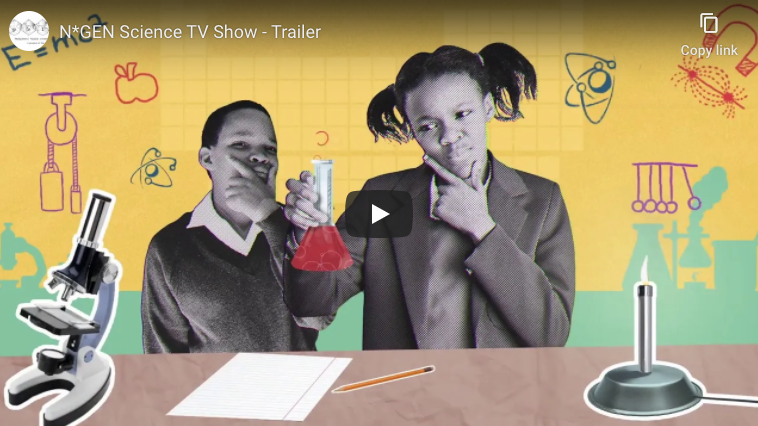
}
},
"audio_1": {
"type": "attachments",
"id": "audio_1",
"imgSizes": {
"kqedFullSize": {
"file": "https://ww2.kqed.org/news/wp-content/themes/KQED-unified/img/audio_bgs/background1.jpg"
}
}
},
"audio_2": {
"type": "attachments",
"id": "audio_2",
"imgSizes": {
"kqedFullSize": {
"file": "https://ww2.kqed.org/news/wp-content/themes/KQED-unified/img/audio_bgs/background2.jpg"
}
}
},
"audio_3": {
"type": "attachments",
"id": "audio_3",
"imgSizes": {
"kqedFullSize": {
"file": "https://ww2.kqed.org/news/wp-content/themes/KQED-unified/img/audio_bgs/background3.jpg"
}
}
},
"audio_4": {
"type": "attachments",
"id": "audio_4",
"imgSizes": {
"kqedFullSize": {
"file": "https://ww2.kqed.org/news/wp-content/themes/KQED-unified/img/audio_bgs/background4.jpg"
}
}
},
"placeholder": {
"type": "attachments",
"id": "placeholder",
"imgSizes": {
"thumbnail": {
"file": "https://cdn.kqed.org/wp-content/uploads/2024/12/KQED-Default-Image-816638274-2000x1333-1-160x107.jpg",
"width": 160,
"height": 107,
"mimeType": "image/jpeg"
},
"medium": {
"file": "https://cdn.kqed.org/wp-content/uploads/2024/12/KQED-Default-Image-816638274-2000x1333-1-800x533.jpg",
"width": 800,
"height": 533,
"mimeType": "image/jpeg"
},
"medium_large": {
"file": "https://cdn.kqed.org/wp-content/uploads/2024/12/KQED-Default-Image-816638274-2000x1333-1-768x512.jpg",
"width": 768,
"height": 512,
"mimeType": "image/jpeg"
},
"large": {
"file": "https://cdn.kqed.org/wp-content/uploads/2024/12/KQED-Default-Image-816638274-2000x1333-1-1020x680.jpg",
"width": 1020,
"height": 680,
"mimeType": "image/jpeg"
},
"1536x1536": {
"file": "https://cdn.kqed.org/wp-content/uploads/2024/12/KQED-Default-Image-816638274-2000x1333-1-1536x1024.jpg",
"width": 1536,
"height": 1024,
"mimeType": "image/jpeg"
},
"fd-lrg": {
"file": "https://cdn.kqed.org/wp-content/uploads/2024/12/KQED-Default-Image-816638274-2000x1333-1-1536x1024.jpg",
"width": 1536,
"height": 1024,
"mimeType": "image/jpeg"
},
"fd-med": {
"file": "https://cdn.kqed.org/wp-content/uploads/2024/12/KQED-Default-Image-816638274-2000x1333-1-1020x680.jpg",
"width": 1020,
"height": 680,
"mimeType": "image/jpeg"
},
"fd-sm": {
"file": "https://cdn.kqed.org/wp-content/uploads/2024/12/KQED-Default-Image-816638274-2000x1333-1-800x533.jpg",
"width": 800,
"height": 533,
"mimeType": "image/jpeg"
},
"post-thumbnail": {
"file": "https://cdn.kqed.org/wp-content/uploads/2024/12/KQED-Default-Image-816638274-2000x1333-1-672x372.jpg",
"width": 672,
"height": 372,
"mimeType": "image/jpeg"
},
"twentyfourteen-full-width": {
"file": "https://cdn.kqed.org/wp-content/uploads/2024/12/KQED-Default-Image-816638274-2000x1333-1-1038x576.jpg",
"width": 1038,
"height": 576,
"mimeType": "image/jpeg"
},
"xxsmall": {
"file": "https://cdn.kqed.org/wp-content/uploads/2024/12/KQED-Default-Image-816638274-2000x1333-1-160x107.jpg",
"width": 160,
"height": 107,
"mimeType": "image/jpeg"
},
"xsmall": {
"file": "https://cdn.kqed.org/wp-content/uploads/2024/12/KQED-Default-Image-816638274-2000x1333-1-672x372.jpg",
"width": 672,
"height": 372,
"mimeType": "image/jpeg"
},
"small": {
"file": "https://cdn.kqed.org/wp-content/uploads/2024/12/KQED-Default-Image-816638274-2000x1333-1-672x372.jpg",
"width": 672,
"height": 372,
"mimeType": "image/jpeg"
},
"xlarge": {
"file": "https://cdn.kqed.org/wp-content/uploads/2024/12/KQED-Default-Image-816638274-2000x1333-1-1020x680.jpg",
"width": 1020,
"height": 680,
"mimeType": "image/jpeg"
},
"full-width": {
"file": "https://cdn.kqed.org/wp-content/uploads/2024/12/KQED-Default-Image-816638274-2000x1333-1-1920x1280.jpg",
"width": 1920,
"height": 1280,
"mimeType": "image/jpeg"
},
"guest-author-32": {
"file": "https://cdn.kqed.org/wp-content/uploads/2025/01/KQED-Default-Image-816638274-1333x1333-1-160x160.jpg",
"width": 32,
"height": 32,
"mimeType": "image/jpeg"
},
"guest-author-50": {
"file": "https://cdn.kqed.org/wp-content/uploads/2025/01/KQED-Default-Image-816638274-1333x1333-1-160x160.jpg",
"width": 50,
"height": 50,
"mimeType": "image/jpeg"
},
"guest-author-64": {
"file": "https://cdn.kqed.org/wp-content/uploads/2025/01/KQED-Default-Image-816638274-1333x1333-1-160x160.jpg",
"width": 64,
"height": 64,
"mimeType": "image/jpeg"
},
"guest-author-96": {
"file": "https://cdn.kqed.org/wp-content/uploads/2025/01/KQED-Default-Image-816638274-1333x1333-1-160x160.jpg",
"width": 96,
"height": 96,
"mimeType": "image/jpeg"
},
"guest-author-128": {
"file": "https://cdn.kqed.org/wp-content/uploads/2025/01/KQED-Default-Image-816638274-1333x1333-1-160x160.jpg",
"width": 128,
"height": 128,
"mimeType": "image/jpeg"
},
"detail": {
"file": "https://cdn.kqed.org/wp-content/uploads/2025/01/KQED-Default-Image-816638274-1333x1333-1-160x160.jpg",
"width": 160,
"height": 160,
"mimeType": "image/jpeg"
},
"kqedFullSize": {
"file": "https://cdn.kqed.org/wp-content/uploads/2024/12/KQED-Default-Image-816638274-2000x1333-1.jpg",
"width": 2000,
"height": 1333
}
}
},
"mindshift_57355": {
"type": "attachments",
"id": "mindshift_57355",
"meta": {
"index": "attachments_1716263798",
"site": "mindshift",
"id": "57355",
"found": true
},
"parent": 57354,
"imgSizes": {
"thumbnail": {
"file": "https://ww2.kqed.org/app/uploads/sites/23/2021/02/screen-shot-2020-12-22-at-12.29.23-pm_wide-eaccc715000800059c76ce26e02d6f71d6141423-160x90.png",
"width": 160,
"mimeType": "image/png",
"height": 90
},
"post-thumbnail": {
"file": "https://ww2.kqed.org/app/uploads/sites/23/2021/02/screen-shot-2020-12-22-at-12.29.23-pm_wide-eaccc715000800059c76ce26e02d6f71d6141423-672x372.png",
"width": 672,
"mimeType": "image/png",
"height": 372
},
"kqedFullSize": {
"file": "https://ww2.kqed.org/app/uploads/sites/23/2021/02/screen-shot-2020-12-22-at-12.29.23-pm_wide-eaccc715000800059c76ce26e02d6f71d6141423.png",
"width": 758,
"height": 426
}
},
"publishDate": 1612545924,
"modified": 1612545963,
"caption": "Screengrab from N*Gen.",
"description": null,
"title": "Screengrab from N*Gen.",
"credit": "YouTube",
"status": "inherit",
"altTag": null,
"isLoading": false,
"fetchFailed": false
},
"mindshift_53333": {
"type": "attachments",
"id": "mindshift_53333",
"meta": {
"index": "attachments_1716263798",
"site": "mindshift",
"id": "53333",
"found": true
},
"parent": 53331,
"imgSizes": {
"twentyfourteen-full-width": {
"file": "https://ww2.kqed.org/app/uploads/sites/23/2019/03/middle-school-hands-on-science-curriculum-1038x576.jpg",
"width": 1038,
"mimeType": "image/jpeg",
"height": 576
},
"thumbnail": {
"file": "https://ww2.kqed.org/app/uploads/sites/23/2019/03/middle-school-hands-on-science-curriculum-160x107.jpg",
"width": 160,
"mimeType": "image/jpeg",
"height": 107
},
"post-thumbnail": {
"file": "https://ww2.kqed.org/app/uploads/sites/23/2019/03/middle-school-hands-on-science-curriculum-672x372.jpg",
"width": 672,
"mimeType": "image/jpeg",
"height": 372
},
"kqedFullSize": {
"file": "https://ww2.kqed.org/app/uploads/sites/23/2019/03/middle-school-hands-on-science-curriculum.jpg",
"width": 5616,
"height": 3744
},
"large": {
"file": "https://ww2.kqed.org/app/uploads/sites/23/2019/03/middle-school-hands-on-science-curriculum-1020x680.jpg",
"width": 1020,
"mimeType": "image/jpeg",
"height": 680
},
"complete_open_graph": {
"file": "https://ww2.kqed.org/app/uploads/sites/23/2019/03/middle-school-hands-on-science-curriculum-1200x800.jpg",
"width": 1200,
"mimeType": "image/jpeg",
"height": 800
},
"guest-author-50": {
"file": "https://ww2.kqed.org/app/uploads/sites/23/2019/03/middle-school-hands-on-science-curriculum-50x50.jpg",
"width": 50,
"mimeType": "image/jpeg",
"height": 50
},
"guest-author-96": {
"file": "https://ww2.kqed.org/app/uploads/sites/23/2019/03/middle-school-hands-on-science-curriculum-96x96.jpg",
"width": 96,
"mimeType": "image/jpeg",
"height": 96
},
"medium": {
"file": "https://ww2.kqed.org/app/uploads/sites/23/2019/03/middle-school-hands-on-science-curriculum-800x533.jpg",
"width": 800,
"mimeType": "image/jpeg",
"height": 533
},
"guest-author-64": {
"file": "https://ww2.kqed.org/app/uploads/sites/23/2019/03/middle-school-hands-on-science-curriculum-64x64.jpg",
"width": 64,
"mimeType": "image/jpeg",
"height": 64
},
"guest-author-32": {
"file": "https://ww2.kqed.org/app/uploads/sites/23/2019/03/middle-school-hands-on-science-curriculum-32x32.jpg",
"width": 32,
"mimeType": "image/jpeg",
"height": 32
},
"full-width": {
"file": "https://ww2.kqed.org/app/uploads/sites/23/2019/03/middle-school-hands-on-science-curriculum-1920x1280.jpg",
"width": 1920,
"mimeType": "image/jpeg",
"height": 1280
},
"medium_large": {
"file": "https://ww2.kqed.org/app/uploads/sites/23/2019/03/middle-school-hands-on-science-curriculum-768x512.jpg",
"width": 768,
"mimeType": "image/jpeg",
"height": 512
},
"guest-author-128": {
"file": "https://ww2.kqed.org/app/uploads/sites/23/2019/03/middle-school-hands-on-science-curriculum-128x128.jpg",
"width": 128,
"mimeType": "image/jpeg",
"height": 128
}
},
"publishDate": 1553627604,
"modified": 1553627724,
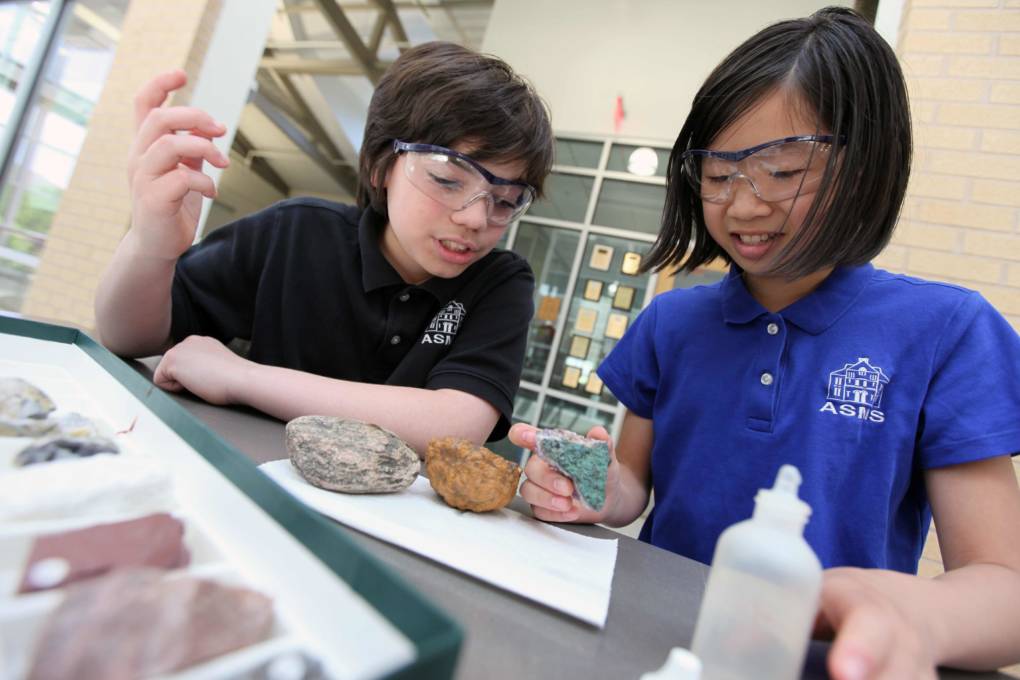
"caption": "Middle school students at ASMS do hands-on science inquiry in every unit they study.",
"description": null,
"title": "middle-school-hands-on-science-curriculum",
"credit": "Courtesy of \u003ca href=\"https://www.tasms.com/\">The Alternative School for Math and Science\u003c/a>",
"status": "inherit",
"isLoading": false,
"fetchFailed": false
},
"mindshift_50830": {
"type": "attachments",
"id": "mindshift_50830",
"meta": {
"index": "attachments_1716263798",
"site": "mindshift",
"id": "50830",
"found": true
},
"parent": 50829,
"imgSizes": {
"small": {
"file": "https://ww2.kqed.org/app/uploads/sites/23/2018/03/screen-shot-2018-03-21-at-12.28.43-pm_wide-c11a8597b45396526fbbec28d7de8bf5fb6db184-520x293.png",
"width": 520,
"mimeType": "image/png",
"height": 293
},
"twentyfourteen-full-width": {
"file": "https://ww2.kqed.org/app/uploads/sites/23/2018/03/screen-shot-2018-03-21-at-12.28.43-pm_wide-c11a8597b45396526fbbec28d7de8bf5fb6db184-1038x576.png",
"width": 1038,
"mimeType": "image/png",
"height": 576
},
"thumbnail": {
"file": "https://ww2.kqed.org/app/uploads/sites/23/2018/03/screen-shot-2018-03-21-at-12.28.43-pm_wide-c11a8597b45396526fbbec28d7de8bf5fb6db184-160x90.png",
"width": 160,
"mimeType": "image/png",
"height": 90
},
"fd-sm": {
"file": "https://ww2.kqed.org/app/uploads/sites/23/2018/03/screen-shot-2018-03-21-at-12.28.43-pm_wide-c11a8597b45396526fbbec28d7de8bf5fb6db184-960x540.png",
"width": 960,
"mimeType": "image/png",
"height": 540
},
"post-thumbnail": {
"file": "https://ww2.kqed.org/app/uploads/sites/23/2018/03/screen-shot-2018-03-21-at-12.28.43-pm_wide-c11a8597b45396526fbbec28d7de8bf5fb6db184-672x372.png",
"width": 672,
"mimeType": "image/png",
"height": 372
},
"xsmall": {
"file": "https://ww2.kqed.org/app/uploads/sites/23/2018/03/screen-shot-2018-03-21-at-12.28.43-pm_wide-c11a8597b45396526fbbec28d7de8bf5fb6db184-375x211.png",
"width": 375,
"mimeType": "image/png",
"height": 211
},
"kqedFullSize": {
"file": "https://ww2.kqed.org/app/uploads/sites/23/2018/03/screen-shot-2018-03-21-at-12.28.43-pm_wide-c11a8597b45396526fbbec28d7de8bf5fb6db184.png",
"width": 1280,
"height": 720
},
"large": {
"file": "https://ww2.kqed.org/app/uploads/sites/23/2018/03/screen-shot-2018-03-21-at-12.28.43-pm_wide-c11a8597b45396526fbbec28d7de8bf5fb6db184-1020x574.png",
"width": 1020,
"mimeType": "image/png",
"height": 574
},
"xlarge": {
"file": "https://ww2.kqed.org/app/uploads/sites/23/2018/03/screen-shot-2018-03-21-at-12.28.43-pm_wide-c11a8597b45396526fbbec28d7de8bf5fb6db184-1180x664.png",
"width": 1180,
"mimeType": "image/png",
"height": 664
},
"guest-author-50": {
"file": "https://ww2.kqed.org/app/uploads/sites/23/2018/03/screen-shot-2018-03-21-at-12.28.43-pm_wide-c11a8597b45396526fbbec28d7de8bf5fb6db184-50x50.png",
"width": 50,
"mimeType": "image/png",
"height": 50
},
"guest-author-96": {
"file": "https://ww2.kqed.org/app/uploads/sites/23/2018/03/screen-shot-2018-03-21-at-12.28.43-pm_wide-c11a8597b45396526fbbec28d7de8bf5fb6db184-96x96.png",
"width": 96,
"mimeType": "image/png",
"height": 96
},
"medium": {
"file": "https://ww2.kqed.org/app/uploads/sites/23/2018/03/screen-shot-2018-03-21-at-12.28.43-pm_wide-c11a8597b45396526fbbec28d7de8bf5fb6db184-800x450.png",
"width": 800,
"mimeType": "image/png",
"height": 450
},
"guest-author-64": {
"file": "https://ww2.kqed.org/app/uploads/sites/23/2018/03/screen-shot-2018-03-21-at-12.28.43-pm_wide-c11a8597b45396526fbbec28d7de8bf5fb6db184-64x64.png",
"width": 64,
"mimeType": "image/png",
"height": 64
},
"guest-author-32": {
"file": "https://ww2.kqed.org/app/uploads/sites/23/2018/03/screen-shot-2018-03-21-at-12.28.43-pm_wide-c11a8597b45396526fbbec28d7de8bf5fb6db184-32x32.png",
"width": 32,
"mimeType": "image/png",
"height": 32
},
"fd-med": {
"file": "https://ww2.kqed.org/app/uploads/sites/23/2018/03/screen-shot-2018-03-21-at-12.28.43-pm_wide-c11a8597b45396526fbbec28d7de8bf5fb6db184-1180x664.png",
"width": 1180,
"mimeType": "image/png",
"height": 664
},
"detail": {
"file": "https://ww2.kqed.org/app/uploads/sites/23/2018/03/screen-shot-2018-03-21-at-12.28.43-pm_wide-c11a8597b45396526fbbec28d7de8bf5fb6db184-150x150.png",
"width": 150,
"mimeType": "image/png",
"height": 150
},
"medium_large": {
"file": "https://ww2.kqed.org/app/uploads/sites/23/2018/03/screen-shot-2018-03-21-at-12.28.43-pm_wide-c11a8597b45396526fbbec28d7de8bf5fb6db184-768x432.png",
"width": 768,
"mimeType": "image/png",
"height": 432
},
"guest-author-128": {
"file": "https://ww2.kqed.org/app/uploads/sites/23/2018/03/screen-shot-2018-03-21-at-12.28.43-pm_wide-c11a8597b45396526fbbec28d7de8bf5fb6db184-128x128.png",
"width": 128,
"mimeType": "image/png",
"height": 128
},
"xxsmall": {
"file": "https://ww2.kqed.org/app/uploads/sites/23/2018/03/screen-shot-2018-03-21-at-12.28.43-pm_wide-c11a8597b45396526fbbec28d7de8bf5fb6db184-240x135.png",
"width": 240,
"mimeType": "image/png",
"height": 135
}
},
"publishDate": 1521788354,
"modified": 1521788484,
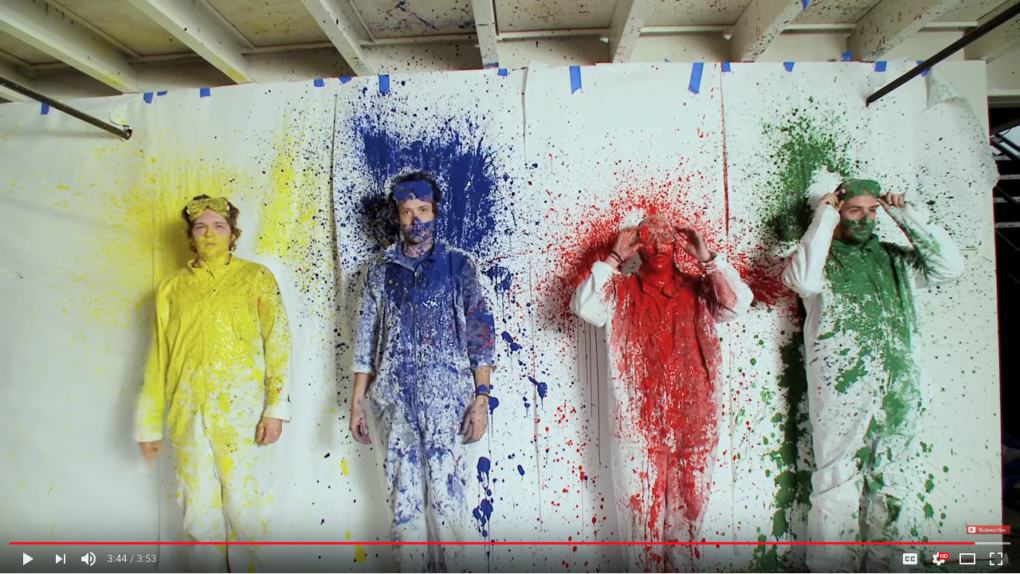
"caption": "Teachers are using OK Go videos — like This Too Shall Pass — to teach students about science and math concepts.",
"description": null,
"title": "Teachers are using OK Go videos — like This Too Shall Pass — to teach students about science and math concepts.",
"credit": "YouTube/OKGo",
"status": "inherit",
"isLoading": false,
"fetchFailed": false
},
"mindshift_49037": {
"type": "attachments",
"id": "mindshift_49037",
"meta": {
"index": "attachments_1716263798",
"site": "mindshift",
"id": "49037",
"found": true
},
"parent": 48289,
"imgSizes": {
"small": {
"file": "https://ww2.kqed.org/app/uploads/sites/23/2017/08/KQED-literacy_1920x1420-520x385.jpg",
"width": 520,
"mimeType": "image/jpeg",
"height": 385
},
"twentyfourteen-full-width": {
"file": "https://ww2.kqed.org/app/uploads/sites/23/2017/08/KQED-literacy_1920x1420-1038x576.jpg",
"width": 1038,
"mimeType": "image/jpeg",
"height": 576
},
"thumbnail": {
"file": "https://ww2.kqed.org/app/uploads/sites/23/2017/08/KQED-literacy_1920x1420-160x118.jpg",
"width": 160,
"mimeType": "image/jpeg",
"height": 118
},
"fd-sm": {
"file": "https://ww2.kqed.org/app/uploads/sites/23/2017/08/KQED-literacy_1920x1420-960x710.jpg",
"width": 960,
"mimeType": "image/jpeg",
"height": 710
},
"post-thumbnail": {
"file": "https://ww2.kqed.org/app/uploads/sites/23/2017/08/KQED-literacy_1920x1420-672x372.jpg",
"width": 672,
"mimeType": "image/jpeg",
"height": 372
},
"xsmall": {
"file": "https://ww2.kqed.org/app/uploads/sites/23/2017/08/KQED-literacy_1920x1420-375x277.jpg",
"width": 375,
"mimeType": "image/jpeg",
"height": 277
},
"kqedFullSize": {
"file": "https://ww2.kqed.org/app/uploads/sites/23/2017/08/KQED-literacy_1920x1420.jpg",
"width": 1920,
"height": 1420
},
"large": {
"file": "https://ww2.kqed.org/app/uploads/sites/23/2017/08/KQED-literacy_1920x1420-1020x754.jpg",
"width": 1020,
"mimeType": "image/jpeg",
"height": 754
},
"xlarge": {
"file": "https://ww2.kqed.org/app/uploads/sites/23/2017/08/KQED-literacy_1920x1420-1180x873.jpg",
"width": 1180,
"mimeType": "image/jpeg",
"height": 873
},
"guest-author-50": {
"file": "https://ww2.kqed.org/app/uploads/sites/23/2017/08/KQED-literacy_1920x1420-50x50.jpg",
"width": 50,
"mimeType": "image/jpeg",
"height": 50
},
"guest-author-96": {
"file": "https://ww2.kqed.org/app/uploads/sites/23/2017/08/KQED-literacy_1920x1420-96x96.jpg",
"width": 96,
"mimeType": "image/jpeg",
"height": 96
},
"medium": {
"file": "https://ww2.kqed.org/app/uploads/sites/23/2017/08/KQED-literacy_1920x1420-800x592.jpg",
"width": 800,
"mimeType": "image/jpeg",
"height": 592
},
"guest-author-64": {
"file": "https://ww2.kqed.org/app/uploads/sites/23/2017/08/KQED-literacy_1920x1420-64x64.jpg",
"width": 64,
"mimeType": "image/jpeg",
"height": 64
},
"guest-author-32": {
"file": "https://ww2.kqed.org/app/uploads/sites/23/2017/08/KQED-literacy_1920x1420-32x32.jpg",
"width": 32,
"mimeType": "image/jpeg",
"height": 32
},
"fd-lrg": {
"file": "https://ww2.kqed.org/app/uploads/sites/23/2017/08/KQED-literacy_1920x1420-1920x1420.jpg",
"width": 1920,
"mimeType": "image/jpeg",
"height": 1420
},
"fd-med": {
"file": "https://ww2.kqed.org/app/uploads/sites/23/2017/08/KQED-literacy_1920x1420-1180x873.jpg",
"width": 1180,
"mimeType": "image/jpeg",
"height": 873
},
"full-width": {
"file": "https://ww2.kqed.org/app/uploads/sites/23/2017/08/KQED-literacy_1920x1420-1920x1420.jpg",
"width": 1920,
"mimeType": "image/jpeg",
"height": 1420
},
"detail": {
"file": "https://ww2.kqed.org/app/uploads/sites/23/2017/08/KQED-literacy_1920x1420-150x150.jpg",
"width": 150,
"mimeType": "image/jpeg",
"height": 150
},
"medium_large": {
"file": "https://ww2.kqed.org/app/uploads/sites/23/2017/08/KQED-literacy_1920x1420-768x568.jpg",
"width": 768,
"mimeType": "image/jpeg",
"height": 568
},
"guest-author-128": {
"file": "https://ww2.kqed.org/app/uploads/sites/23/2017/08/KQED-literacy_1920x1420-128x128.jpg",
"width": 128,
"mimeType": "image/jpeg",
"height": 128
},
"xxsmall": {
"file": "https://ww2.kqed.org/app/uploads/sites/23/2017/08/KQED-literacy_1920x1420-240x178.jpg",
"width": 240,
"mimeType": "image/jpeg",
"height": 178
}
},
"publishDate": 1502905665,
"modified": 1503437780,
"caption": null,
"description": null,
"title": "KQED-literacy_1920x1420",
"credit": "\u003ca href=\"http://russgossett.com/\">Russ Gossett\u003c/a> for MindShift",
"status": "inherit",
"isLoading": false,
"fetchFailed": false
},
"mindshift_48636": {
"type": "attachments",
"id": "mindshift_48636",
"meta": {
"index": "attachments_1716263798",
"site": "mindshift",
"id": "48636",
"found": true
},
"parent": 48635,
"imgSizes": {
"small": {
"file": "https://ww2.kqed.org/app/uploads/sites/23/2017/07/img_5481-f81cc0b843220cd8463c6bfbe64747dca6fa405f-520x390.jpg",
"width": 520,
"mimeType": "image/jpeg",
"height": 390
},
"twentyfourteen-full-width": {
"file": "https://ww2.kqed.org/app/uploads/sites/23/2017/07/img_5481-f81cc0b843220cd8463c6bfbe64747dca6fa405f-1038x576.jpg",
"width": 1038,
"mimeType": "image/jpeg",
"height": 576
},
"thumbnail": {
"file": "https://ww2.kqed.org/app/uploads/sites/23/2017/07/img_5481-f81cc0b843220cd8463c6bfbe64747dca6fa405f-160x120.jpg",
"width": 160,
"mimeType": "image/jpeg",
"height": 120
},
"fd-sm": {
"file": "https://ww2.kqed.org/app/uploads/sites/23/2017/07/img_5481-f81cc0b843220cd8463c6bfbe64747dca6fa405f-960x720.jpg",
"width": 960,
"mimeType": "image/jpeg",
"height": 720
},
"post-thumbnail": {
"file": "https://ww2.kqed.org/app/uploads/sites/23/2017/07/img_5481-f81cc0b843220cd8463c6bfbe64747dca6fa405f-672x372.jpg",
"width": 672,
"mimeType": "image/jpeg",
"height": 372
},
"xsmall": {
"file": "https://ww2.kqed.org/app/uploads/sites/23/2017/07/img_5481-f81cc0b843220cd8463c6bfbe64747dca6fa405f-375x281.jpg",
"width": 375,
"mimeType": "image/jpeg",
"height": 281
},
"kqedFullSize": {
"file": "https://ww2.kqed.org/app/uploads/sites/23/2017/07/img_5481-f81cc0b843220cd8463c6bfbe64747dca6fa405f.jpg",
"width": 1818,
"height": 1364
},
"large": {
"file": "https://ww2.kqed.org/app/uploads/sites/23/2017/07/img_5481-f81cc0b843220cd8463c6bfbe64747dca6fa405f-1020x765.jpg",
"width": 1020,
"mimeType": "image/jpeg",
"height": 765
},
"xlarge": {
"file": "https://ww2.kqed.org/app/uploads/sites/23/2017/07/img_5481-f81cc0b843220cd8463c6bfbe64747dca6fa405f-1180x885.jpg",
"width": 1180,
"mimeType": "image/jpeg",
"height": 885
},
"guest-author-50": {
"file": "https://ww2.kqed.org/app/uploads/sites/23/2017/07/img_5481-f81cc0b843220cd8463c6bfbe64747dca6fa405f-50x50.jpg",
"width": 50,
"mimeType": "image/jpeg",
"height": 50
},
"guest-author-96": {
"file": "https://ww2.kqed.org/app/uploads/sites/23/2017/07/img_5481-f81cc0b843220cd8463c6bfbe64747dca6fa405f-96x96.jpg",
"width": 96,
"mimeType": "image/jpeg",
"height": 96
},
"medium": {
"file": "https://ww2.kqed.org/app/uploads/sites/23/2017/07/img_5481-f81cc0b843220cd8463c6bfbe64747dca6fa405f-800x600.jpg",
"width": 800,
"mimeType": "image/jpeg",
"height": 600
},
"guest-author-64": {
"file": "https://ww2.kqed.org/app/uploads/sites/23/2017/07/img_5481-f81cc0b843220cd8463c6bfbe64747dca6fa405f-64x64.jpg",
"width": 64,
"mimeType": "image/jpeg",
"height": 64
},
"guest-author-32": {
"file": "https://ww2.kqed.org/app/uploads/sites/23/2017/07/img_5481-f81cc0b843220cd8463c6bfbe64747dca6fa405f-32x32.jpg",
"width": 32,
"mimeType": "image/jpeg",
"height": 32
},
"fd-med": {
"file": "https://ww2.kqed.org/app/uploads/sites/23/2017/07/img_5481-f81cc0b843220cd8463c6bfbe64747dca6fa405f-1180x885.jpg",
"width": 1180,
"mimeType": "image/jpeg",
"height": 885
},
"detail": {
"file": "https://ww2.kqed.org/app/uploads/sites/23/2017/07/img_5481-f81cc0b843220cd8463c6bfbe64747dca6fa405f-150x150.jpg",
"width": 150,
"mimeType": "image/jpeg",
"height": 150
},
"medium_large": {
"file": "https://ww2.kqed.org/app/uploads/sites/23/2017/07/img_5481-f81cc0b843220cd8463c6bfbe64747dca6fa405f-768x576.jpg",
"width": 768,
"mimeType": "image/jpeg",
"height": 576
},
"guest-author-128": {
"file": "https://ww2.kqed.org/app/uploads/sites/23/2017/07/img_5481-f81cc0b843220cd8463c6bfbe64747dca6fa405f-128x128.jpg",
"width": 128,
"mimeType": "image/jpeg",
"height": 128
},
"xxsmall": {
"file": "https://ww2.kqed.org/app/uploads/sites/23/2017/07/img_5481-f81cc0b843220cd8463c6bfbe64747dca6fa405f-240x180.jpg",
"width": 240,
"mimeType": "image/jpeg",
"height": 180
}
},
"publishDate": 1499461535,
"modified": 1499464349,
"caption": null,
"description": "Milo Faust, 1, looks at a book from the \u003cem>Baby University\u003c/em> series",
"title": "Milo Faust, 1, looks at a book from the Baby University series.",
"credit": "Courtesy of Amber Faust",
"status": "inherit",
"isLoading": false,
"fetchFailed": false
},
"mindshift_48060": {
"type": "attachments",
"id": "mindshift_48060",
"meta": {
"index": "attachments_1716263798",
"site": "mindshift",
"id": "48060",
"found": true
},
"parent": 48044,
"imgSizes": {
"small": {
"file": "https://ww2.kqed.org/app/uploads/sites/23/2017/04/Catlin-w-student-520x292.png",
"width": 520,
"mimeType": "image/png",
"height": 292
},
"twentyfourteen-full-width": {
"file": "https://ww2.kqed.org/app/uploads/sites/23/2017/04/Catlin-w-student-1038x576.png",
"width": 1038,
"mimeType": "image/png",
"height": 576
},
"thumbnail": {
"file": "https://ww2.kqed.org/app/uploads/sites/23/2017/04/Catlin-w-student-160x90.png",
"width": 160,
"mimeType": "image/png",
"height": 90
},
"fd-sm": {
"file": "https://ww2.kqed.org/app/uploads/sites/23/2017/04/Catlin-w-student-960x540.png",
"width": 960,
"mimeType": "image/png",
"height": 540
},
"post-thumbnail": {
"file": "https://ww2.kqed.org/app/uploads/sites/23/2017/04/Catlin-w-student-672x372.png",
"width": 672,
"mimeType": "image/png",
"height": 372
},
"xsmall": {
"file": "https://ww2.kqed.org/app/uploads/sites/23/2017/04/Catlin-w-student-375x211.png",
"width": 375,
"mimeType": "image/png",
"height": 211
},
"kqedFullSize": {
"file": "https://ww2.kqed.org/app/uploads/sites/23/2017/04/Catlin-w-student-e1492670796860.png",
"width": 1920,
"height": 1080
},
"large": {
"file": "https://ww2.kqed.org/app/uploads/sites/23/2017/04/Catlin-w-student-1020x574.png",
"width": 1020,
"mimeType": "image/png",
"height": 574
},
"xlarge": {
"file": "https://ww2.kqed.org/app/uploads/sites/23/2017/04/Catlin-w-student-1180x664.png",
"width": 1180,
"mimeType": "image/png",
"height": 664
},
"guest-author-50": {
"file": "https://ww2.kqed.org/app/uploads/sites/23/2017/04/Catlin-w-student-50x50.png",
"width": 50,
"mimeType": "image/png",
"height": 50
},
"guest-author-96": {
"file": "https://ww2.kqed.org/app/uploads/sites/23/2017/04/Catlin-w-student-96x96.png",
"width": 96,
"mimeType": "image/png",
"height": 96
},
"medium": {
"file": "https://ww2.kqed.org/app/uploads/sites/23/2017/04/Catlin-w-student-800x450.png",
"width": 800,
"mimeType": "image/png",
"height": 450
},
"guest-author-64": {
"file": "https://ww2.kqed.org/app/uploads/sites/23/2017/04/Catlin-w-student-64x64.png",
"width": 64,
"mimeType": "image/png",
"height": 64
},
"guest-author-32": {
"file": "https://ww2.kqed.org/app/uploads/sites/23/2017/04/Catlin-w-student-32x32.png",
"width": 32,
"mimeType": "image/png",
"height": 32
},
"fd-lrg": {
"file": "https://ww2.kqed.org/app/uploads/sites/23/2017/04/Catlin-w-student-1920x1080.png",
"width": 1920,
"mimeType": "image/png",
"height": 1080
},
"fd-med": {
"file": "https://ww2.kqed.org/app/uploads/sites/23/2017/04/Catlin-w-student-1180x664.png",
"width": 1180,
"mimeType": "image/png",
"height": 664
},
"full-width": {
"file": "https://ww2.kqed.org/app/uploads/sites/23/2017/04/Catlin-w-student-1920x1080.png",
"width": 1920,
"mimeType": "image/png",
"height": 1080
},
"detail": {
"file": "https://ww2.kqed.org/app/uploads/sites/23/2017/04/Catlin-w-student-150x150.png",
"width": 150,
"mimeType": "image/png",
"height": 150
},
"medium_large": {
"file": "https://ww2.kqed.org/app/uploads/sites/23/2017/04/Catlin-w-student-768x432.png",
"width": 768,
"mimeType": "image/png",
"height": 432
},
"guest-author-128": {
"file": "https://ww2.kqed.org/app/uploads/sites/23/2017/04/Catlin-w-student-128x128.png",
"width": 128,
"mimeType": "image/png",
"height": 128
},
"xxsmall": {
"file": "https://ww2.kqed.org/app/uploads/sites/23/2017/04/Catlin-w-student-240x135.png",
"width": 240,
"mimeType": "image/png",
"height": 135
}
},
"publishDate": 1492538541,
"modified": 1492670791,
"caption": "Catlin Tucker confers with a student during N.E.W. school.",
"description": null,
"title": "Catlin-w-student",
"credit": "Katrina Schwartz",
"status": "inherit",
"isLoading": false,
"fetchFailed": false
},
"mindshift_47891": {
"type": "attachments",
"id": "mindshift_47891",
"meta": {
"index": "attachments_1716263798",
"site": "mindshift",
"id": "47891",
"found": true
},
"parent": 47890,
"imgSizes": {
"small": {
"file": "https://ww2.kqed.org/app/uploads/sites/23/2017/03/promo_wide-ad6520fe7c641011b5f31b513b4bcf4e6bfa8853-520x292.png",
"width": 520,
"mimeType": "image/png",
"height": 292
},
"twentyfourteen-full-width": {
"file": "https://ww2.kqed.org/app/uploads/sites/23/2017/03/promo_wide-ad6520fe7c641011b5f31b513b4bcf4e6bfa8853-1038x576.png",
"width": 1038,
"mimeType": "image/png",
"height": 576
},
"thumbnail": {
"file": "https://ww2.kqed.org/app/uploads/sites/23/2017/03/promo_wide-ad6520fe7c641011b5f31b513b4bcf4e6bfa8853-160x90.png",
"width": 160,
"mimeType": "image/png",
"height": 90
},
"fd-sm": {
"file": "https://ww2.kqed.org/app/uploads/sites/23/2017/03/promo_wide-ad6520fe7c641011b5f31b513b4bcf4e6bfa8853-960x540.png",
"width": 960,
"mimeType": "image/png",
"height": 540
},
"post-thumbnail": {
"file": "https://ww2.kqed.org/app/uploads/sites/23/2017/03/promo_wide-ad6520fe7c641011b5f31b513b4bcf4e6bfa8853-672x372.png",
"width": 672,
"mimeType": "image/png",
"height": 372
},
"xsmall": {
"file": "https://ww2.kqed.org/app/uploads/sites/23/2017/03/promo_wide-ad6520fe7c641011b5f31b513b4bcf4e6bfa8853-375x211.png",
"width": 375,
"mimeType": "image/png",
"height": 211
},
"kqedFullSize": {
"file": "https://ww2.kqed.org/app/uploads/sites/23/2017/03/promo_wide-ad6520fe7c641011b5f31b513b4bcf4e6bfa8853.png",
"width": 1917,
"height": 1078
},
"large": {
"file": "https://ww2.kqed.org/app/uploads/sites/23/2017/03/promo_wide-ad6520fe7c641011b5f31b513b4bcf4e6bfa8853-1020x574.png",
"width": 1020,
"mimeType": "image/png",
"height": 574
},
"xlarge": {
"file": "https://ww2.kqed.org/app/uploads/sites/23/2017/03/promo_wide-ad6520fe7c641011b5f31b513b4bcf4e6bfa8853-1180x664.png",
"width": 1180,
"mimeType": "image/png",
"height": 664
},
"guest-author-50": {
"file": "https://ww2.kqed.org/app/uploads/sites/23/2017/03/promo_wide-ad6520fe7c641011b5f31b513b4bcf4e6bfa8853-50x50.png",
"width": 50,
"mimeType": "image/png",
"height": 50
},
"guest-author-96": {
"file": "https://ww2.kqed.org/app/uploads/sites/23/2017/03/promo_wide-ad6520fe7c641011b5f31b513b4bcf4e6bfa8853-96x96.png",
"width": 96,
"mimeType": "image/png",
"height": 96
},
"medium": {
"file": "https://ww2.kqed.org/app/uploads/sites/23/2017/03/promo_wide-ad6520fe7c641011b5f31b513b4bcf4e6bfa8853-800x450.png",
"width": 800,
"mimeType": "image/png",
"height": 450
},
"guest-author-64": {
"file": "https://ww2.kqed.org/app/uploads/sites/23/2017/03/promo_wide-ad6520fe7c641011b5f31b513b4bcf4e6bfa8853-64x64.png",
"width": 64,
"mimeType": "image/png",
"height": 64
},
"guest-author-32": {
"file": "https://ww2.kqed.org/app/uploads/sites/23/2017/03/promo_wide-ad6520fe7c641011b5f31b513b4bcf4e6bfa8853-32x32.png",
"width": 32,
"mimeType": "image/png",
"height": 32
},
"fd-med": {
"file": "https://ww2.kqed.org/app/uploads/sites/23/2017/03/promo_wide-ad6520fe7c641011b5f31b513b4bcf4e6bfa8853-1180x664.png",
"width": 1180,
"mimeType": "image/png",
"height": 664
},
"detail": {
"file": "https://ww2.kqed.org/app/uploads/sites/23/2017/03/promo_wide-ad6520fe7c641011b5f31b513b4bcf4e6bfa8853-150x150.png",
"width": 150,
"mimeType": "image/png",
"height": 150
},
"medium_large": {
"file": "https://ww2.kqed.org/app/uploads/sites/23/2017/03/promo_wide-ad6520fe7c641011b5f31b513b4bcf4e6bfa8853-768x432.png",
"width": 768,
"mimeType": "image/png",
"height": 432
},
"guest-author-128": {
"file": "https://ww2.kqed.org/app/uploads/sites/23/2017/03/promo_wide-ad6520fe7c641011b5f31b513b4bcf4e6bfa8853-128x128.png",
"width": 128,
"mimeType": "image/png",
"height": 128
},
"xxsmall": {
"file": "https://ww2.kqed.org/app/uploads/sites/23/2017/03/promo_wide-ad6520fe7c641011b5f31b513b4bcf4e6bfa8853-240x135.png",
"width": 240,
"mimeType": "image/png",
"height": 135
}
},
"publishDate": 1490858061,
"modified": 1490858354,
"caption": null,
"description": null,
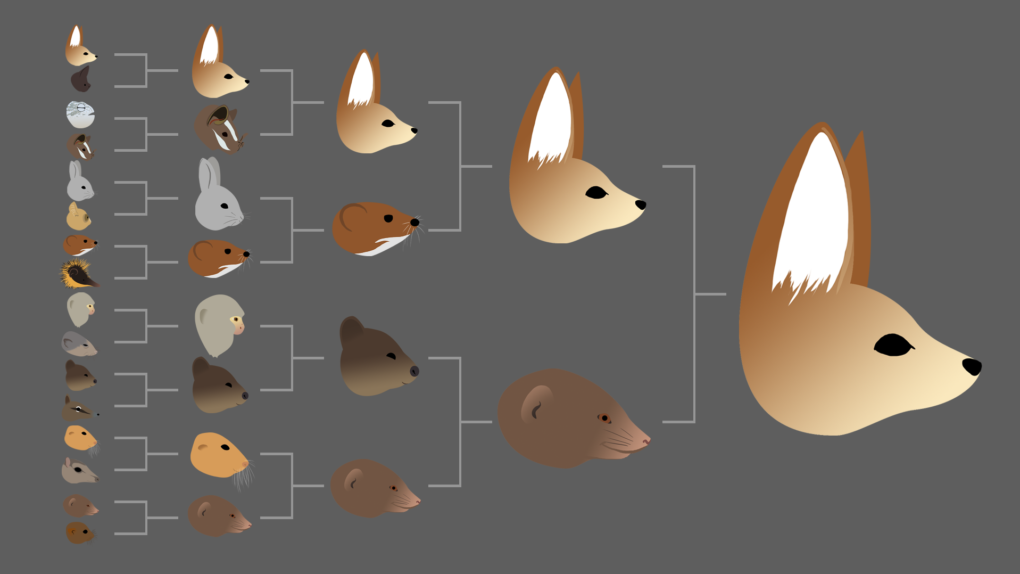
"title": "One possible result in the Mighty Mini Mammals division of 2015's Mammal March Madness tournament. If the species that's seeded highest always wins its bracket, the fennec fox will beat out the rest of the division and advance to the final four.",
"credit": "NPR/Adam Cole",
"status": "inherit",
"isLoading": false,
"fetchFailed": false
},
"mindshift_47152": {
"type": "attachments",
"id": "mindshift_47152",
"meta": {
"index": "attachments_1716263798",
"site": "mindshift",
"id": "47152",
"found": true
},
"parent": 47138,
"imgSizes": {
"small": {
"file": "https://ww2.kqed.org/app/uploads/sites/23/2016/12/christa-drawing-yellow-520x293.gif",
"width": 520,
"mimeType": "image/gif",
"height": 293
},
"twentyfourteen-full-width": {
"file": "https://ww2.kqed.org/app/uploads/sites/23/2016/12/christa-drawing-yellow-1038x576.gif",
"width": 1038,
"mimeType": "image/gif",
"height": 576
},
"thumbnail": {
"file": "https://ww2.kqed.org/app/uploads/sites/23/2016/12/christa-drawing-yellow-160x90.gif",
"width": 160,
"mimeType": "image/gif",
"height": 90
},
"fd-sm": {
"file": "https://ww2.kqed.org/app/uploads/sites/23/2016/12/christa-drawing-yellow-960x540.gif",
"width": 960,
"mimeType": "image/gif",
"height": 540
},
"post-thumbnail": {
"file": "https://ww2.kqed.org/app/uploads/sites/23/2016/12/christa-drawing-yellow-672x372.gif",
"width": 672,
"mimeType": "image/gif",
"height": 372
},
"xsmall": {
"file": "https://ww2.kqed.org/app/uploads/sites/23/2016/12/christa-drawing-yellow-375x211.gif",
"width": 375,
"mimeType": "image/gif",
"height": 211
},
"kqedFullSize": {
"file": "https://ww2.kqed.org/app/uploads/sites/23/2016/12/christa-drawing-yellow.gif",
"width": 5863,
"height": 3298
},
"large": {
"file": "https://ww2.kqed.org/app/uploads/sites/23/2016/12/christa-drawing-yellow-1020x574.gif",
"width": 1020,
"mimeType": "image/gif",
"height": 574
},
"xlarge": {
"file": "https://ww2.kqed.org/app/uploads/sites/23/2016/12/christa-drawing-yellow-1180x664.gif",
"width": 1180,
"mimeType": "image/gif",
"height": 664
},
"guest-author-50": {
"file": "https://ww2.kqed.org/app/uploads/sites/23/2016/12/christa-drawing-yellow-50x50.gif",
"width": 50,
"mimeType": "image/gif",
"height": 50
},
"guest-author-96": {
"file": "https://ww2.kqed.org/app/uploads/sites/23/2016/12/christa-drawing-yellow-96x96.gif",
"width": 96,
"mimeType": "image/gif",
"height": 96
},
"medium": {
"file": "https://ww2.kqed.org/app/uploads/sites/23/2016/12/christa-drawing-yellow-800x450.gif",
"width": 800,
"mimeType": "image/gif",
"height": 450
},
"guest-author-64": {
"file": "https://ww2.kqed.org/app/uploads/sites/23/2016/12/christa-drawing-yellow-64x64.gif",
"width": 64,
"mimeType": "image/gif",
"height": 64
},
"guest-author-32": {
"file": "https://ww2.kqed.org/app/uploads/sites/23/2016/12/christa-drawing-yellow-32x32.gif",
"width": 32,
"mimeType": "image/gif",
"height": 32
},
"fd-lrg": {
"file": "https://ww2.kqed.org/app/uploads/sites/23/2016/12/christa-drawing-yellow-1920x1080.gif",
"width": 1920,
"mimeType": "image/gif",
"height": 1080
},
"fd-med": {
"file": "https://ww2.kqed.org/app/uploads/sites/23/2016/12/christa-drawing-yellow-1180x664.gif",
"width": 1180,
"mimeType": "image/gif",
"height": 664
},
"full-width": {
"file": "https://ww2.kqed.org/app/uploads/sites/23/2016/12/christa-drawing-yellow-1920x1080.gif",
"width": 1920,
"mimeType": "image/gif",
"height": 1080
},
"detail": {
"file": "https://ww2.kqed.org/app/uploads/sites/23/2016/12/christa-drawing-yellow-150x150.gif",
"width": 150,
"mimeType": "image/gif",
"height": 150
},
"medium_large": {
"file": "https://ww2.kqed.org/app/uploads/sites/23/2016/12/christa-drawing-yellow-768x432.gif",
"width": 768,
"mimeType": "image/gif",
"height": 432
},
"guest-author-128": {
"file": "https://ww2.kqed.org/app/uploads/sites/23/2016/12/christa-drawing-yellow-128x128.gif",
"width": 128,
"mimeType": "image/gif",
"height": 128
},
"xxsmall": {
"file": "https://ww2.kqed.org/app/uploads/sites/23/2016/12/christa-drawing-yellow-240x135.gif",
"width": 240,
"mimeType": "image/gif",
"height": 135
}
},
"publishDate": 1481842525,
"modified": 1481842588,
"caption": null,
"description": null,
"title": "christa-drawing-yellow",
"credit": "Christa Flores/\u003ca href=\"https://www.amazon.com/dp/0997554304/ref=as_li_ss_tl?ie=UTF8&linkCode=sl1&tag=resourcesforprog&linkId=d7767953cefa09cbc45f28b06a5d215c\">Making Science\u003c/a>",
"status": "inherit",
"isLoading": false,
"fetchFailed": false
},
"mindshift_46679": {
"type": "attachments",
"id": "mindshift_46679",
"meta": {
"index": "attachments_1716263798",
"site": "mindshift",
"id": "46679",
"found": true
},
"parent": 46678,
"imgSizes": {
"twentyfourteen-full-width": {
"file": "https://ww2.kqed.org/app/uploads/sites/23/2016/10/seamuspromo_wide-0f0eced700233f9503aca94332869b8fd69dce46-1038x576.jpg",
"width": 1038,
"mimeType": "image/jpeg",
"height": 576
},
"thumbnail": {
"file": "https://ww2.kqed.org/app/uploads/sites/23/2016/10/seamuspromo_wide-0f0eced700233f9503aca94332869b8fd69dce46-400x225.jpg",
"width": 400,
"mimeType": "image/jpeg",
"height": 225
},
"fd-sm": {
"file": "https://ww2.kqed.org/app/uploads/sites/23/2016/10/seamuspromo_wide-0f0eced700233f9503aca94332869b8fd69dce46-960x540.jpg",
"width": 960,
"mimeType": "image/jpeg",
"height": 540
},
"post-thumbnail": {
"file": "https://ww2.kqed.org/app/uploads/sites/23/2016/10/seamuspromo_wide-0f0eced700233f9503aca94332869b8fd69dce46-672x372.jpg",
"width": 672,
"mimeType": "image/jpeg",
"height": 372
},
"kqedFullSize": {
"file": "https://ww2.kqed.org/app/uploads/sites/23/2016/10/seamuspromo_wide-0f0eced700233f9503aca94332869b8fd69dce46.jpg",
"width": 3992,
"height": 2245
},
"large": {
"file": "https://ww2.kqed.org/app/uploads/sites/23/2016/10/seamuspromo_wide-0f0eced700233f9503aca94332869b8fd69dce46-1440x810.jpg",
"width": 1440,
"mimeType": "image/jpeg",
"height": 810
},
"guest-author-50": {
"file": "https://ww2.kqed.org/app/uploads/sites/23/2016/10/seamuspromo_wide-0f0eced700233f9503aca94332869b8fd69dce46-50x50.jpg",
"width": 50,
"mimeType": "image/jpeg",
"height": 50
},
"guest-author-96": {
"file": "https://ww2.kqed.org/app/uploads/sites/23/2016/10/seamuspromo_wide-0f0eced700233f9503aca94332869b8fd69dce46-96x96.jpg",
"width": 96,
"mimeType": "image/jpeg",
"height": 96
},
"medium": {
"file": "https://ww2.kqed.org/app/uploads/sites/23/2016/10/seamuspromo_wide-0f0eced700233f9503aca94332869b8fd69dce46-800x450.jpg",
"width": 800,
"mimeType": "image/jpeg",
"height": 450
},
"guest-author-64": {
"file": "https://ww2.kqed.org/app/uploads/sites/23/2016/10/seamuspromo_wide-0f0eced700233f9503aca94332869b8fd69dce46-64x64.jpg",
"width": 64,
"mimeType": "image/jpeg",
"height": 64
},
"guest-author-32": {
"file": "https://ww2.kqed.org/app/uploads/sites/23/2016/10/seamuspromo_wide-0f0eced700233f9503aca94332869b8fd69dce46-32x32.jpg",
"width": 32,
"mimeType": "image/jpeg",
"height": 32
},
"cat_post_thumb_sizecategory-posts-2": {
"file": "https://ww2.kqed.org/app/uploads/sites/23/2016/10/seamuspromo_wide-0f0eced700233f9503aca94332869b8fd69dce46-50x50.jpg",
"width": 50,
"mimeType": "image/jpeg",
"height": 50
},
"fd-lrg": {
"file": "https://ww2.kqed.org/app/uploads/sites/23/2016/10/seamuspromo_wide-0f0eced700233f9503aca94332869b8fd69dce46-1920x1080.jpg",
"width": 1920,
"mimeType": "image/jpeg",
"height": 1080
},
"fd-med": {
"file": "https://ww2.kqed.org/app/uploads/sites/23/2016/10/seamuspromo_wide-0f0eced700233f9503aca94332869b8fd69dce46-1180x664.jpg",
"width": 1180,
"mimeType": "image/jpeg",
"height": 664
},
"detail": {
"file": "https://ww2.kqed.org/app/uploads/sites/23/2016/10/seamuspromo_wide-0f0eced700233f9503aca94332869b8fd69dce46-150x150.jpg",
"width": 150,
"mimeType": "image/jpeg",
"height": 150
},
"medium_large": {
"file": "https://ww2.kqed.org/app/uploads/sites/23/2016/10/seamuspromo_wide-0f0eced700233f9503aca94332869b8fd69dce46-768x432.jpg",
"width": 768,
"mimeType": "image/jpeg",
"height": 432
},
"guest-author-128": {
"file": "https://ww2.kqed.org/app/uploads/sites/23/2016/10/seamuspromo_wide-0f0eced700233f9503aca94332869b8fd69dce46-128x128.jpg",
"width": 128,
"mimeType": "image/jpeg",
"height": 128
}
},
"publishDate": 1476300478,
"modified": 1476300478,
"caption": null,
"description": "A doodle depicting some of the icons in the history of pencils.",
"title": "A doodle depicting some of the icons in the history of pencils.",
"credit": null,
"status": "inherit",
"isLoading": false,
"fetchFailed": false
},
"mindshift_46033": {
"type": "attachments",
"id": "mindshift_46033",
"meta": {
"index": "attachments_1716263798",
"site": "mindshift",
"id": "46033",
"found": true
},
"parent": 45994,
"imgSizes": {
"twentyfourteen-full-width": {
"file": "https://ww2.kqed.org/app/uploads/sites/23/2016/08/Light-Bulbs-1038x576.jpg",
"width": 1038,
"mimeType": "image/jpeg",
"height": 576
},
"thumbnail": {
"file": "https://ww2.kqed.org/app/uploads/sites/23/2016/08/Light-Bulbs-400x226.jpg",
"width": 400,
"mimeType": "image/jpeg",
"height": 226
},
"fd-sm": {
"file": "https://ww2.kqed.org/app/uploads/sites/23/2016/08/Light-Bulbs-960x542.jpg",
"width": 960,
"mimeType": "image/jpeg",
"height": 542
},
"post-thumbnail": {
"file": "https://ww2.kqed.org/app/uploads/sites/23/2016/08/Light-Bulbs-672x372.jpg",
"width": 672,
"mimeType": "image/jpeg",
"height": 372
},
"kqedFullSize": {
"file": "https://ww2.kqed.org/app/uploads/sites/23/2016/08/Light-Bulbs.jpg",
"width": 1920,
"height": 1084
},
"large": {
"file": "https://ww2.kqed.org/app/uploads/sites/23/2016/08/Light-Bulbs-1440x813.jpg",
"width": 1440,
"mimeType": "image/jpeg",
"height": 813
},
"guest-author-50": {
"file": "https://ww2.kqed.org/app/uploads/sites/23/2016/08/Light-Bulbs-50x50.jpg",
"width": 50,
"mimeType": "image/jpeg",
"height": 50
},
"guest-author-96": {
"file": "https://ww2.kqed.org/app/uploads/sites/23/2016/08/Light-Bulbs-96x96.jpg",
"width": 96,
"mimeType": "image/jpeg",
"height": 96
},
"medium": {
"file": "https://ww2.kqed.org/app/uploads/sites/23/2016/08/Light-Bulbs-800x452.jpg",
"width": 800,
"mimeType": "image/jpeg",
"height": 452
},
"guest-author-64": {
"file": "https://ww2.kqed.org/app/uploads/sites/23/2016/08/Light-Bulbs-64x64.jpg",
"width": 64,
"mimeType": "image/jpeg",
"height": 64
},
"guest-author-32": {
"file": "https://ww2.kqed.org/app/uploads/sites/23/2016/08/Light-Bulbs-32x32.jpg",
"width": 32,
"mimeType": "image/jpeg",
"height": 32
},
"cat_post_thumb_sizecategory-posts-2": {
"file": "https://ww2.kqed.org/app/uploads/sites/23/2016/08/Light-Bulbs-50x50.jpg",
"width": 50,
"mimeType": "image/jpeg",
"height": 50
},
"fd-lrg": {
"file": "https://ww2.kqed.org/app/uploads/sites/23/2016/08/Light-Bulbs-1920x1084.jpg",
"width": 1920,
"mimeType": "image/jpeg",
"height": 1084
},
"fd-med": {
"file": "https://ww2.kqed.org/app/uploads/sites/23/2016/08/Light-Bulbs-1180x666.jpg",
"width": 1180,
"mimeType": "image/jpeg",
"height": 666
},
"detail": {
"file": "https://ww2.kqed.org/app/uploads/sites/23/2016/08/Light-Bulbs-150x150.jpg",
"width": 150,
"mimeType": "image/jpeg",
"height": 150
},
"medium_large": {
"file": "https://ww2.kqed.org/app/uploads/sites/23/2016/08/Light-Bulbs-768x434.jpg",
"width": 768,
"mimeType": "image/jpeg",
"height": 434
},
"guest-author-128": {
"file": "https://ww2.kqed.org/app/uploads/sites/23/2016/08/Light-Bulbs-128x128.jpg",
"width": 128,
"mimeType": "image/jpeg",
"height": 128
}
},
"publishDate": 1470639406,
"modified": 1470639422,
"caption": null,
"description": null,
"title": "Light-Bulbs",
"credit": "iStock",
"status": "inherit",
"isLoading": false,
"fetchFailed": false
},
"mindshift_45032": {
"type": "attachments",
"id": "mindshift_45032",
"meta": {
"index": "attachments_1716263798",
"site": "mindshift",
"id": "45032",
"found": true
},
"parent": 44870,
"imgSizes": {
"twentyfourteen-full-width": {
"file": "https://ww2.kqed.org/app/uploads/sites/23/2016/05/2422212202_948434b78d_o-1038x576.jpg",
"width": 1038,
"mimeType": "image/jpeg",
"height": 576
},
"thumbnail": {
"file": "https://ww2.kqed.org/app/uploads/sites/23/2016/05/2422212202_948434b78d_o-400x300.jpg",
"width": 400,
"mimeType": "image/jpeg",
"height": 300
},
"fd-sm": {
"file": "https://ww2.kqed.org/app/uploads/sites/23/2016/05/2422212202_948434b78d_o-960x720.jpg",
"width": 960,
"mimeType": "image/jpeg",
"height": 720
},
"post-thumbnail": {
"file": "https://ww2.kqed.org/app/uploads/sites/23/2016/05/2422212202_948434b78d_o-672x372.jpg",
"width": 672,
"mimeType": "image/jpeg",
"height": 372
},
"kqedFullSize": {
"file": "https://ww2.kqed.org/app/uploads/sites/23/2016/05/2422212202_948434b78d_o-e1462882801819.jpg",
"width": 1920,
"height": 1440
},
"large": {
"file": "https://ww2.kqed.org/app/uploads/sites/23/2016/05/2422212202_948434b78d_o-1440x1080.jpg",
"width": 1440,
"mimeType": "image/jpeg",
"height": 1080
},
"guest-author-96": {
"file": "https://ww2.kqed.org/app/uploads/sites/23/2016/05/2422212202_948434b78d_o-96x96.jpg",
"width": 96,
"mimeType": "image/jpeg",
"height": 96
},
"medium": {
"file": "https://ww2.kqed.org/app/uploads/sites/23/2016/05/2422212202_948434b78d_o-800x600.jpg",
"width": 800,
"mimeType": "image/jpeg",
"height": 600
},
"guest-author-64": {
"file": "https://ww2.kqed.org/app/uploads/sites/23/2016/05/2422212202_948434b78d_o-64x64.jpg",
"width": 64,
"mimeType": "image/jpeg",
"height": 64
},
"guest-author-32": {
"file": "https://ww2.kqed.org/app/uploads/sites/23/2016/05/2422212202_948434b78d_o-32x32.jpg",
"width": 32,
"mimeType": "image/jpeg",
"height": 32
},
"cat_post_thumb_sizecategory-posts-2": {
"file": "https://ww2.kqed.org/app/uploads/sites/23/2016/05/2422212202_948434b78d_o-50x50.jpg",
"width": 50,
"mimeType": "image/jpeg",
"height": 50
},
"fd-lrg": {
"file": "https://ww2.kqed.org/app/uploads/sites/23/2016/05/2422212202_948434b78d_o-1920x1440.jpg",
"width": 1920,
"mimeType": "image/jpeg",
"height": 1440
},
"fd-med": {
"file": "https://ww2.kqed.org/app/uploads/sites/23/2016/05/2422212202_948434b78d_o-1180x885.jpg",
"width": 1180,
"mimeType": "image/jpeg",
"height": 885
},
"detail": {
"file": "https://ww2.kqed.org/app/uploads/sites/23/2016/05/2422212202_948434b78d_o-150x150.jpg",
"width": 150,
"mimeType": "image/jpeg",
"height": 150
},
"medium_large": {
"file": "https://ww2.kqed.org/app/uploads/sites/23/2016/05/2422212202_948434b78d_o-768x576.jpg",
"width": 768,
"mimeType": "image/jpeg",
"height": 576
},
"guest-author-128": {
"file": "https://ww2.kqed.org/app/uploads/sites/23/2016/05/2422212202_948434b78d_o-128x128.jpg",
"width": 128,
"mimeType": "image/jpeg",
"height": 128
}
},
"publishDate": 1462882790,
"modified": 1462882830,
"caption": null,
"description": null,
"title": "2422212202_948434b78d_o",
"credit": "\u003ca href=\"https://www.flickr.com/photos/yuvi/2422212202/in/photolist-4G3tim-7gJ6Y5-7KjCAt-4FYj1e-7f5ixe-4FYk5i-oTi1Z9-7LiE8w-7LeE1X-7LeE28-7LeFSV-7LeE2D-bLXPYZ-7ZyjHY-7LiE2Y-bk5D26-3X1TpN-7LeE1F-7EgrC2-58mHHY-4G3ui3-7EgrHX-7LiEcN-4J5prQ-8xTKnG-pUcDFV-5WCxWt-7LeE2r-7LiD3q-34gCnK-hT8VPk-bFqW26-4nxqJo-sumzdj-vb8FZ-6duncT-jCxYo4-9HTdJ7-33ygtT-csPR9W-7Qebwe-cEvBe7-dFYZez-7LiD9m-5jP5by-7LeECn-7LiEFG-by49sf-7LiDw9-7LiDVE\">Yuvi Panda\u003c/a>",
"status": "inherit",
"isLoading": false,
"fetchFailed": false
},
"mindshift_44745": {
"type": "attachments",
"id": "mindshift_44745",
"meta": {
"index": "attachments_1716263798",
"site": "mindshift",
"id": "44745",
"found": true
},
"parent": 44744,
"imgSizes": {
"twentyfourteen-full-width": {
"file": "https://ww2.kqed.org/app/uploads/sites/23/2016/04/flat-earth-theory1_custom-3df93006332abbd40427024f09b5dd1c4bff427e-1038x576.jpg",
"width": 1038,
"mimeType": "image/jpeg",
"height": 576
},
"thumbnail": {
"file": "https://ww2.kqed.org/app/uploads/sites/23/2016/04/flat-earth-theory1_custom-3df93006332abbd40427024f09b5dd1c4bff427e-400x295.jpg",
"width": 400,
"mimeType": "image/jpeg",
"height": 295
},
"fd-sm": {
"file": "https://ww2.kqed.org/app/uploads/sites/23/2016/04/flat-earth-theory1_custom-3df93006332abbd40427024f09b5dd1c4bff427e-960x709.jpg",
"width": 960,
"mimeType": "image/jpeg",
"height": 709
},
"post-thumbnail": {
"file": "https://ww2.kqed.org/app/uploads/sites/23/2016/04/flat-earth-theory1_custom-3df93006332abbd40427024f09b5dd1c4bff427e-672x372.jpg",
"width": 672,
"mimeType": "image/jpeg",
"height": 372
},
"kqedFullSize": {
"file": "https://ww2.kqed.org/app/uploads/sites/23/2016/04/flat-earth-theory1_custom-3df93006332abbd40427024f09b5dd1c4bff427e-e1494028772535.jpg",
"width": 1600,
"height": 1182
},
"large": {
"file": "https://ww2.kqed.org/app/uploads/sites/23/2016/04/flat-earth-theory1_custom-3df93006332abbd40427024f09b5dd1c4bff427e-1440x1063.jpg",
"width": 1440,
"mimeType": "image/jpeg",
"height": 1063
},
"guest-author-96": {
"file": "https://ww2.kqed.org/app/uploads/sites/23/2016/04/flat-earth-theory1_custom-3df93006332abbd40427024f09b5dd1c4bff427e-96x96.jpg",
"width": 96,
"mimeType": "image/jpeg",
"height": 96
},
"medium": {
"file": "https://ww2.kqed.org/app/uploads/sites/23/2016/04/flat-earth-theory1_custom-3df93006332abbd40427024f09b5dd1c4bff427e-800x591.jpg",
"width": 800,
"mimeType": "image/jpeg",
"height": 591
},
"guest-author-64": {
"file": "https://ww2.kqed.org/app/uploads/sites/23/2016/04/flat-earth-theory1_custom-3df93006332abbd40427024f09b5dd1c4bff427e-64x64.jpg",
"width": 64,
"mimeType": "image/jpeg",
"height": 64
},
"guest-author-32": {
"file": "https://ww2.kqed.org/app/uploads/sites/23/2016/04/flat-earth-theory1_custom-3df93006332abbd40427024f09b5dd1c4bff427e-32x32.jpg",
"width": 32,
"mimeType": "image/jpeg",
"height": 32
},
"cat_post_thumb_sizecategory-posts-2": {
"file": "https://ww2.kqed.org/app/uploads/sites/23/2016/04/flat-earth-theory1_custom-3df93006332abbd40427024f09b5dd1c4bff427e-50x50.jpg",
"width": 50,
"mimeType": "image/jpeg",
"height": 50
},
"fd-lrg": {
"file": "https://ww2.kqed.org/app/uploads/sites/23/2016/04/flat-earth-theory1_custom-3df93006332abbd40427024f09b5dd1c4bff427e-1920x1418.jpg",
"width": 1920,
"mimeType": "image/jpeg",
"height": 1418
},
"fd-med": {
"file": "https://ww2.kqed.org/app/uploads/sites/23/2016/04/flat-earth-theory1_custom-3df93006332abbd40427024f09b5dd1c4bff427e-1180x871.jpg",
"width": 1180,
"mimeType": "image/jpeg",
"height": 871
},
"detail": {
"file": "https://ww2.kqed.org/app/uploads/sites/23/2016/04/flat-earth-theory1_custom-3df93006332abbd40427024f09b5dd1c4bff427e-75x75.jpg",
"width": 75,
"mimeType": "image/jpeg",
"height": 75
},
"medium_large": {
"file": "https://ww2.kqed.org/app/uploads/sites/23/2016/04/flat-earth-theory1_custom-3df93006332abbd40427024f09b5dd1c4bff427e-768x567.jpg",
"width": 768,
"mimeType": "image/jpeg",
"height": 567
},
"guest-author-128": {
"file": "https://ww2.kqed.org/app/uploads/sites/23/2016/04/flat-earth-theory1_custom-3df93006332abbd40427024f09b5dd1c4bff427e-128x128.jpg",
"width": 128,
"mimeType": "image/jpeg",
"height": 128
}
},
"publishDate": 1461002546,
"modified": 1461011255,
"caption": null,
"description": "Flat Earth Theory",
"title": "Flat Earth Theory",
"credit": "LA Johnston/NPR",
"status": "inherit",
"isLoading": false,
"fetchFailed": false
}
},
"audioPlayerReducer": {
"postId": "stream_live",
"isPaused": true,
"isPlaying": false,
"pfsActive": false,
"pledgeModalIsOpen": true,
"playerDrawerIsOpen": false,
"liveAudioPlayStartedAt": 0,
"liveAudioPlayContext": ""
},
"authorsReducer": {
"byline_mindshift_57354": {
"type": "authors",
"id": "byline_mindshift_57354",
"meta": {
"override": true
},
"slug": "byline_mindshift_57354",
"name": "Amy Fallon",
"isLoading": false
},
"byline_mindshift_50829": {
"type": "authors",
"id": "byline_mindshift_50829",
"meta": {
"override": true
},
"slug": "byline_mindshift_50829",
"name": "Elissa Nadworny",
"isLoading": false
},
"byline_mindshift_48635": {
"type": "authors",
"id": "byline_mindshift_48635",
"meta": {
"override": true
},
"slug": "byline_mindshift_48635",
"name": "Julie Depenbrock",
"isLoading": false
},
"byline_mindshift_47890": {
"type": "authors",
"id": "byline_mindshift_47890",
"meta": {
"override": true
},
"slug": "byline_mindshift_47890",
"name": "Kat Lonsdorf",
"isLoading": false
},
"byline_mindshift_46678": {
"type": "authors",
"id": "byline_mindshift_46678",
"meta": {
"override": true
},
"slug": "byline_mindshift_46678",
"name": "Ryan Kellman",
"isLoading": false
},
"byline_mindshift_44744": {
"type": "authors",
"id": "byline_mindshift_44744",
"meta": {
"override": true
},
"slug": "byline_mindshift_44744",
"name": "Anya Kamenetz",
"isLoading": false
},
"katrinaschwartz": {
"type": "authors",
"id": "234",
"meta": {
"index": "authors_1716337520",
"id": "234",
"found": true
},
"name": "Katrina Schwartz",
"firstName": "Katrina",
"lastName": "Schwartz",
"slug": "katrinaschwartz",
"email": "kschwartz@kqed.org",
"display_author_email": false,
"staff_mastheads": [
"news"
],
"title": "Producer",
"bio": "Katrina Schwartz is a journalist based in San Francisco. She's worked at KPCC public radio in LA and has reported on air and online for KQED since 2010. She covered how teaching and learning is changing for MindShift between 2012 and 2020. She is the co-host of the MindShift podcast and now produces KQED's Bay Curious podcast.",
"avatar": "https://secure.gravatar.com/avatar/edb4ee79070447a018538c9aae6eeecf28786515b8a0c30e43b6b7dce5aa44c8?s=600&d=blank&r=g",
"twitter": "kschwart",
"bluesky": null,
"facebook": null,
"instagram": null,
"linkedin": null,
"sites": [
{
"site": "",
"roles": [
"editor"
]
},
{
"site": "news",
"roles": [
"editor"
]
},
{
"site": "mindshift",
"roles": [
"administrator"
]
},
{
"site": "stateofhealth",
"roles": [
"author"
]
},
{
"site": "science",
"roles": [
"editor"
]
}
],
"headData": {
"title": "Katrina Schwartz | KQED",
"description": "Producer",
"ogImgSrc": "https://secure.gravatar.com/avatar/edb4ee79070447a018538c9aae6eeecf28786515b8a0c30e43b6b7dce5aa44c8?s=600&d=blank&r=g",
"twImgSrc": "https://secure.gravatar.com/avatar/edb4ee79070447a018538c9aae6eeecf28786515b8a0c30e43b6b7dce5aa44c8?s=600&d=blank&r=g"
},
"isLoading": false,
"link": "/author/katrinaschwartz"
},
"dfkris": {
"type": "authors",
"id": "11087",
"meta": {
"index": "authors_1716337520",
"id": "11087",
"found": true
},
"name": "Deborah Farmer Kris",
"firstName": "Deborah Farmer",
"lastName": "Kris",
"slug": "dfkris",
"email": "dfkris@gmail.com",
"display_author_email": false,
"staff_mastheads": [],
"title": null,
"bio": "\u003cem>\u003ca href=\"https://twitter.com/@dfkris\">Deborah Farmer Kris\u003c/a> has taught elementary, middle and high school and served as a charter school administrator. She spent a decade as an associate at Boston University’s \u003c/em>\u003cem>\u003ca href=\"http://www.bu.edu/ccsr/about-us/\">Center for Character and Social Responsibility\u003c/a>, \u003c/em>\u003cem>researching, writing, and consulting with schools. She is the mother of two young children. You can follower her on Twitter \u003ca href=\"https://twitter.com/@dfkris\">@dfkris\u003c/a>.\u003c/em>",
"avatar": "https://secure.gravatar.com/avatar/48efe6f17031ed31222b74af9605fe5a?s=600&d=blank&r=g",
"twitter": "dfkris",
"facebook": null,
"instagram": null,
"linkedin": null,
"sites": [
{
"site": "mindshift",
"roles": [
"author"
]
}
],
"headData": {
"title": "Deborah Farmer Kris | KQED",
"description": null,
"ogImgSrc": "https://secure.gravatar.com/avatar/48efe6f17031ed31222b74af9605fe5a?s=600&d=blank&r=g",
"twImgSrc": "https://secure.gravatar.com/avatar/48efe6f17031ed31222b74af9605fe5a?s=600&d=blank&r=g"
},
"isLoading": false,
"link": "/author/dfkris"
}
},
"pagesReducer": {
"mindshift_tag_science": {
"type": "terms",
"id": "mindshift_551",
"meta": {
"index": "terms_1716263798",
"site": "mindshift",
"id": "551",
"score": 6.8487124
},
"featImg": null,
"name": "science",
"description": null,
"taxonomy": "tag",
"headData": {
"twImgId": null,
"twTitle": null,
"ogTitle": null,
"ogImgId": null,
"twDescription": null,
"description": null,
"title": "science Archives | KQED Mindshift",
"ogDescription": null
},
"ttid": 554,
"slug": "science",
"isLoading": false,
"title": "science",
"pageMeta": {
"site": "mindshift",
"WpPageTemplate": "page-topic-editorial",
"currentPage": 2
},
"blocks": [
{
"blockName": "kqed/post-list",
"attrs": {
"layout": "cardArticle2",
"query": "posts/mindshift?tag=science",
"seeMore": false,
"paginated": true,
"page": 2
}
},
{
"blockName": "kqed/ad"
}
]
}
},
"pfsSessionReducer": {},
"postsReducer": {
"stream_live": {
"type": "live",
"id": "stream_live",
"audioUrl": "https://streams.kqed.org/kqedradio",
"title": "Live Stream",
"excerpt": "Live Stream information currently unavailable.",
"link": "/radio",
"featImg": "",
"label": {
"name": "KQED Live",
"link": "/"
}
},
"stream_kqedNewscast": {
"type": "posts",
"id": "stream_kqedNewscast",
"audioUrl": "https://www.kqed.org/.stream/anon/radio/RDnews/newscast.mp3?_=1",
"title": "KQED Newscast",
"featImg": "",
"label": {
"name": "88.5 FM",
"link": "/"
}
},
"mindshift_57354": {
"type": "posts",
"id": "mindshift_57354",
"meta": {
"index": "posts_1716263798",
"site": "mindshift",
"id": "57354",
"score": null,
"sort": [
1612546623000
]
},
"parent": 0,
"labelTerm": {
"site": "mindshift"
},
"blocks": [],
"publishDate": 1612546623,
"format": "standard",
"disqusTitle": "Africa's Hit Science Show For Kids Is Coming To The U.S.",
"title": "Africa's Hit Science Show For Kids Is Coming To The U.S.",
"headTitle": "MindShift | KQED News",
"content": "\u003cp>Lorraine Ololia is 10. She lives in Kampala, Uganda. And she recently came up with a new career goal.\u003c/p>\n\u003cp>A TV show about science, produced by teachers from her junior high school, has inspired her. She's watched an episode on computer programming, another where two young explorers visit her country's Lake Victoria to talk about wetlands and learned how to make a model of a digestive tract at home using bowls, crackers, water, food coloring, bananas and oranges.\u003c/p>\n\u003cp>She's even appeared on the show, making and launching a rocket with her friend Samantha.\u003c/p>\n\u003cp>And now she wants to pursue a career in science.\u003c/p>\n\u003cp>\"It's boys who do all the fun stuff and sometimes a girl like me gets a little left out,\" she says. \"But girls can be scientists and go to the moon.\"\u003c/p>\n\u003cp>[ad fullwidth]\u003c/p>\n\u003cp>The show is called \u003cem>N*Gen\u003c/em> (pronounced \"engine), or \u003ca href=\"https://urldefense.com/v3/__https:/www.pvinternational.org/projects/next-generation-tv/__;!!Iwwt!F0lETtgeScN2nP0J_UGzZvpB86emqIZ8MceZ2XKndlJxBJhncM62mDobmgmJ%24\">\u003cem>Next Generation Television\u003c/em>\u003c/a>.\u003c/p>\n\u003cp>\u003cem>N*Gen\u003c/em> first aired on Ugandan TV in September — and since then, the show, which features a dozen 35-minute episodes, has been picked up by TV networks in more than half a dozen African countries.\u003c/p>\n\u003cp>On Feb. 6, it will debut in North America and the Caribbean on \u003ca href=\"https://theafricachannel.com/\">The Africa Channel\u003c/a>, airing every Saturday and Sunday at 6 a.m. and 9 a.m. ET.\u003c/p>\n\u003cp>\u003cem>N*Gen\u003c/em> is the brainchild of six teachers from Clarke Junior School in Kampala and East African nonprofit \u003ca href=\"https://urldefense.com/v3/__https:/www.pvinternational.org/__;!!Iwwt!F0lETtgeScN2nP0J_UGzZvpB86emqIZ8MceZ2XKndlJxBJhncM62mFodseH5%24\">Peripheral Vision International\u003c/a>, which funds and produces it.\u003c/p>\n\u003cp>\"Choosing a science focus for \u003cem>N*Gen\u003c/em> is an absolute necessity because not only is it a neglected area, it is considered one of the hard subjects [for many students],\" says \u003ca href=\"https://urldefense.com/v3/__https:/ke.linkedin.com/in/joy-kiano-7580a475__;!!Iwwt!F0lETtgeScN2nP0J_UGzZvpB86emqIZ8MceZ2XKndlJxBJhncM62mCvme7P8%24\">Joy Kiano\u003c/a>, a teacher who has a Ph.D. in both biochemistry and molecular biology and is a consultant with Peripheral Vision International.\u003c/p>\n\u003cp>The show, targeting children ages 8 to 12, looks at science through an African lens. Weekly episodes are filmed in a studio in Kampala and sometimes on location (visiting a chocolate factory for an episode about food, for example).\u003c/p>\n\u003cp>https://youtu.be/0X7lCOOrc-0\u003c/p>\n\u003cp>Kiano says it was important to feature African women in science. Some male teachers appear but guest scientists are mainly female. And the two main presenters, Irene Nyangoma Mugadu and Annah Komushana, are women as well: Ugandan teachers from Clarke Junior School in Kampala.\u003c/p>\n\u003cp>\"Society expects little from girls and women,\" says Mugadu. \"Girls need to be empowered to reach their full potential academically and explore disciplines that are mainly pursued by boys.\"\u003c/p>\n\u003cp>A team of teachers and producers in Uganda as well as Nigeria and Kenya – where some segments are also filmed – brainstorm ideas for episodes. For many of them, it was their first time working in TV.\u003c/p>\n\u003cp>The goal is to \"tackle topics which are all around us\" but may be unfamiliar to the audience, says Komushana. \"It has also given them a chance to explore and carry out different experiments.\"\u003c/p>\n\u003cp>Episode subjects range from astrophysics to biology to the natural sciences. Presenters give short lessons on topics such as bees, robots, sounds, water and paleontology. They conduct science experiments – how to make a model of an X-ray of their hand using paper and flour, for example. The instructions: Sprinkle flour over the hand on a black piece of paper to create an outline, then place 27 sticks on the paper to represent the 27 bones in the hand.\u003c/p>\n\u003cp>For a segment called \"The Africa Teacher Challenge,\" teachers send in video clips of their science lessons. In one, a teacher from Tanzania gives a lesson on eating insects as a delicacy across Africa. \"You may think it's strange to eat worms, but worms and insects in general are a staple for many people and they are very nutritious,\" says Seamê Rampling Ongala from Dar es Salaam. \"They contain more protein than meat and a rich source of minerals such as iron and calcium.\"\u003c/p>\n\u003cp>Educators have praised the show for prominently featuring women. \u003ca href=\"https://urldefense.com/v3/__https:/ke.linkedin.com/in/christine-kathurima-310a20196__;!!Iwwt!F0lETtgeScN2nP0J_UGzZvpB86emqIZ8MceZ2XKndlJxBJhncM62mAbarCUA%24\">Christine Kathurima\u003c/a>, principal of Nova Pioneer Schools, an independent school network spanning preschool to secondary grades in Kenya and South Africa, describes \u003cem>N*Gen\u003c/em> as \"absolutely ground-breaking in the quality and the African female presenters.\" She is not affiliated with the show.\u003c/p>\n\u003cp>\"I absolutely love seeing women presenters,\" she adds. \"When I watched the show I realized that many of the educational videos that we use do not intentionally seek female hosts. Kids' singing shows and storytelling shows have a good amount of representation across the board, however when it comes to science this is a first for me.\"\u003c/p>\n\u003cp>The show's focus on African perspectives, locations and scientific discoveries has also impressed broadcasters, who say it's unlike any other science show that's appeared on African TV.\u003c/p>\n\u003cp>\"Most often we broadcast foreign content from Western countries. However, we hope more African productions will be made for African broadcasters,\" says Kalumbu Lumpa, a content acquisition manager from Zambian TV network ZNBC.\u003c/p>\n\u003cp>Jeff Schon, CEO and co-founder of \u003ca href=\"https://urldefense.com/v3/__https:/akilikids.co.ke/__;!!Iwwt!F0lETtgeScN2nP0J_UGzZvpB86emqIZ8MceZ2XKndlJxBJhncM62mC9RAfHl%24\">Akili Kids!\u003c/a>, a children's learning channel based in Kenya, said the network had been screening programs such as U.S. program \u003cem>SciGirls\u003c/em>, which showcases STEM-related content.\u003c/p>\n\u003cp>\"[It is] a lovely program, but it's certainly not shot here,\" he says. \"It is in some cases dealing with subjects that are not going to resonate here.\" \u003cem>SciGirls\u003c/em>, he says, had a segment on shoes designed for safely walking on Minnesota's icy winter streets, for example.\u003c/p>\n\u003cp>\u003cem>N*Gen\u003c/em>, on the other hand, puts the spotlight on Africa. \"I enjoyed a recent episode we broadcast, titled 'Bones,' that had a segment on [the fossil] Turkana Boy whose bones are housed at the Kenya National Museum,\" he says. \"The segment featured a paleontologist from the museum and the program did a great job of presenting him as a role model and inspiration for future generations of scientists.\"\u003c/p>\n\u003cp>Schon is proud to share that in Kenya, where it's been broadcast twice on weekends since Oct. 10, each episode is watched on average by 658,000 children under 14 and 642,000 adults.\u003c/p>\n\u003cp>The cast and producers began scripting a second \u003cem>N*Gen\u003c/em> series in January with a focus on climate change-related issues. And they plan to keep filming even if the pandemic keeps kids out of the classroom.\u003c/p>\n\u003cp>[ad floatright]\u003c/p>\n\u003cp>\u003cem>Freelance journalist Amy Fallon has reported from Africa, Asia, Australia and the United Kingdom. She is on Twitter @amyfallon\u003c/em>\u003c/p>\n\u003cdiv class=\"fullattribution\">Copyright 2021 NPR. To see more, visit https://www.npr.org.\u003cimg src=\"https://www.google-analytics.com/__utm.gif?utmac=UA-5828686-4&utmdt=Africa%27s+Hit+Science+Show+For+Kids+Is+Coming+To+The+U.S.&utme=8(APIKey)9(MDAxOTAwOTE4MDEyMTkxMDAzNjczZDljZA004)\">\u003c/div>\n\n",
"disqusIdentifier": "57354 https://ww2.kqed.org/mindshift/?p=57354",
"disqusUrl": "https://ww2.kqed.org/mindshift/2021/02/05/africas-hit-science-show-for-kids-is-coming-to-the-u-s/",
"stats": {
"hasVideo": false,
"hasChartOrMap": false,
"hasAudio": false,
"hasPolis": false,
"wordCount": 1082,
"hasGoogleForm": false,
"hasGallery": false,
"hasHearkenModule": false,
"iframeSrcs": [],
"paragraphCount": 29
},
"modified": 1612546623,
"excerpt": "African TV execs say it's unlike any show for kids that's been produced and broadcast on the continent — especially with its focus on women presenters and scientists.",
"headData": {
"twImgId": "",
"twTitle": "",
"ogTitle": "",
"ogImgId": "",
"twDescription": "",
"description": "African TV execs say it's unlike any show for kids that's been produced and broadcast on the continent — especially with its focus on women presenters and scientists.",
"title": "Africa's Hit Science Show For Kids Is Coming To The U.S. - MindShift",
"ogDescription": "",
"schema": {
"@context": "https://schema.org",
"@type": "Article",
"headline": "Africa's Hit Science Show For Kids Is Coming To The U.S.",
"datePublished": "2021-02-05T09:37:03-08:00",
"dateModified": "2021-02-05T09:37:03-08:00",
"image": "https://cdn.kqed.org/wp-content/uploads/2020/02/KQED-OG-Image@1x.png"
}
},
"guestAuthors": [],
"slug": "africas-hit-science-show-for-kids-is-coming-to-the-u-s",
"status": "publish",
"nprApiLink": "http://api.npr.org/query?id=947587199&apiKey=MDAxOTAwOTE4MDEyMTkxMDAzNjczZDljZA004",
"nprByline": "Amy Fallon",
"nprStoryDate": "Fri, 05 Feb 2021 10:47:35 -0500",
"nprLastModifiedDate": "Fri, 05 Feb 2021 10:48:26 -0500",
"nprHtmlLink": "https://www.npr.org/sections/goatsandsoda/2021/02/05/947587199/africas-hit-science-show-for-kids-is-coming-to-the-u-s?ft=nprml&f=947587199",
"nprImageAgency": "N*GEN Science TV Show/Screengrab by NPR",
"nprStoryId": "947587199",
"nprRetrievedStory": "1",
"nprPubDate": "Fri, 05 Feb 2021 10:48:00 -0500",
"path": "/mindshift/57354/africas-hit-science-show-for-kids-is-coming-to-the-u-s",
"audioTrackLength": null,
"parsedContent": [
{
"type": "contentString",
"content": "\u003cdiv class=\"post-body\">\u003cp>\u003cp>Lorraine Ololia is 10. She lives in Kampala, Uganda. And she recently came up with a new career goal.\u003c/p>\n\u003cp>A TV show about science, produced by teachers from her junior high school, has inspired her. She's watched an episode on computer programming, another where two young explorers visit her country's Lake Victoria to talk about wetlands and learned how to make a model of a digestive tract at home using bowls, crackers, water, food coloring, bananas and oranges.\u003c/p>\n\u003cp>She's even appeared on the show, making and launching a rocket with her friend Samantha.\u003c/p>\n\u003cp>And now she wants to pursue a career in science.\u003c/p>\n\u003cp>\"It's boys who do all the fun stuff and sometimes a girl like me gets a little left out,\" she says. \"But girls can be scientists and go to the moon.\"\u003c/p>\n\u003cp>\u003c/p>\u003c/div>",
"attributes": {
"named": {},
"numeric": []
}
},
{
"type": "component",
"content": "",
"name": "ad",
"attributes": {
"named": {
"label": "fullwidth"
},
"numeric": [
"fullwidth"
]
}
},
{
"type": "contentString",
"content": "\u003cdiv class=\"post-body\">\u003cp>\u003c/p>\n\u003cp>The show is called \u003cem>N*Gen\u003c/em> (pronounced \"engine), or \u003ca href=\"https://urldefense.com/v3/__https:/www.pvinternational.org/projects/next-generation-tv/__;!!Iwwt!F0lETtgeScN2nP0J_UGzZvpB86emqIZ8MceZ2XKndlJxBJhncM62mDobmgmJ%24\">\u003cem>Next Generation Television\u003c/em>\u003c/a>.\u003c/p>\n\u003cp>\u003cem>N*Gen\u003c/em> first aired on Ugandan TV in September — and since then, the show, which features a dozen 35-minute episodes, has been picked up by TV networks in more than half a dozen African countries.\u003c/p>\n\u003cp>On Feb. 6, it will debut in North America and the Caribbean on \u003ca href=\"https://theafricachannel.com/\">The Africa Channel\u003c/a>, airing every Saturday and Sunday at 6 a.m. and 9 a.m. ET.\u003c/p>\n\u003cp>\u003cem>N*Gen\u003c/em> is the brainchild of six teachers from Clarke Junior School in Kampala and East African nonprofit \u003ca href=\"https://urldefense.com/v3/__https:/www.pvinternational.org/__;!!Iwwt!F0lETtgeScN2nP0J_UGzZvpB86emqIZ8MceZ2XKndlJxBJhncM62mFodseH5%24\">Peripheral Vision International\u003c/a>, which funds and produces it.\u003c/p>\n\u003cp>\"Choosing a science focus for \u003cem>N*Gen\u003c/em> is an absolute necessity because not only is it a neglected area, it is considered one of the hard subjects [for many students],\" says \u003ca href=\"https://urldefense.com/v3/__https:/ke.linkedin.com/in/joy-kiano-7580a475__;!!Iwwt!F0lETtgeScN2nP0J_UGzZvpB86emqIZ8MceZ2XKndlJxBJhncM62mCvme7P8%24\">Joy Kiano\u003c/a>, a teacher who has a Ph.D. in both biochemistry and molecular biology and is a consultant with Peripheral Vision International.\u003c/p>\n\u003cp>The show, targeting children ages 8 to 12, looks at science through an African lens. Weekly episodes are filmed in a studio in Kampala and sometimes on location (visiting a chocolate factory for an episode about food, for example).\u003c/p>\u003c/p>\u003cp>\u003cspan class='utils-parseShortcode-shortcodes-__youtubeShortcode__embedYoutube'>\n \u003cspan class='utils-parseShortcode-shortcodes-__youtubeShortcode__embedYoutubeInside'>\n \u003ciframe\n loading='lazy'\n class='utils-parseShortcode-shortcodes-__youtubeShortcode__youtubePlayer'\n type='text/html'\n src='//www.youtube.com/embed/0X7lCOOrc-0'\n title='//www.youtube.com/embed/0X7lCOOrc-0'\n allowfullscreen='true'\n style='border:0;'>\u003c/iframe>\n \u003c/span>\n \u003c/span>\u003c/p>\u003cp>\u003cp>Kiano says it was important to feature African women in science. Some male teachers appear but guest scientists are mainly female. And the two main presenters, Irene Nyangoma Mugadu and Annah Komushana, are women as well: Ugandan teachers from Clarke Junior School in Kampala.\u003c/p>\n\u003cp>\"Society expects little from girls and women,\" says Mugadu. \"Girls need to be empowered to reach their full potential academically and explore disciplines that are mainly pursued by boys.\"\u003c/p>\n\u003cp>A team of teachers and producers in Uganda as well as Nigeria and Kenya – where some segments are also filmed – brainstorm ideas for episodes. For many of them, it was their first time working in TV.\u003c/p>\n\u003cp>The goal is to \"tackle topics which are all around us\" but may be unfamiliar to the audience, says Komushana. \"It has also given them a chance to explore and carry out different experiments.\"\u003c/p>\n\u003cp>Episode subjects range from astrophysics to biology to the natural sciences. Presenters give short lessons on topics such as bees, robots, sounds, water and paleontology. They conduct science experiments – how to make a model of an X-ray of their hand using paper and flour, for example. The instructions: Sprinkle flour over the hand on a black piece of paper to create an outline, then place 27 sticks on the paper to represent the 27 bones in the hand.\u003c/p>\n\u003cp>For a segment called \"The Africa Teacher Challenge,\" teachers send in video clips of their science lessons. In one, a teacher from Tanzania gives a lesson on eating insects as a delicacy across Africa. \"You may think it's strange to eat worms, but worms and insects in general are a staple for many people and they are very nutritious,\" says Seamê Rampling Ongala from Dar es Salaam. \"They contain more protein than meat and a rich source of minerals such as iron and calcium.\"\u003c/p>\n\u003cp>Educators have praised the show for prominently featuring women. \u003ca href=\"https://urldefense.com/v3/__https:/ke.linkedin.com/in/christine-kathurima-310a20196__;!!Iwwt!F0lETtgeScN2nP0J_UGzZvpB86emqIZ8MceZ2XKndlJxBJhncM62mAbarCUA%24\">Christine Kathurima\u003c/a>, principal of Nova Pioneer Schools, an independent school network spanning preschool to secondary grades in Kenya and South Africa, describes \u003cem>N*Gen\u003c/em> as \"absolutely ground-breaking in the quality and the African female presenters.\" She is not affiliated with the show.\u003c/p>\n\u003cp>\"I absolutely love seeing women presenters,\" she adds. \"When I watched the show I realized that many of the educational videos that we use do not intentionally seek female hosts. Kids' singing shows and storytelling shows have a good amount of representation across the board, however when it comes to science this is a first for me.\"\u003c/p>\n\u003cp>The show's focus on African perspectives, locations and scientific discoveries has also impressed broadcasters, who say it's unlike any other science show that's appeared on African TV.\u003c/p>\n\u003cp>\"Most often we broadcast foreign content from Western countries. However, we hope more African productions will be made for African broadcasters,\" says Kalumbu Lumpa, a content acquisition manager from Zambian TV network ZNBC.\u003c/p>\n\u003cp>Jeff Schon, CEO and co-founder of \u003ca href=\"https://urldefense.com/v3/__https:/akilikids.co.ke/__;!!Iwwt!F0lETtgeScN2nP0J_UGzZvpB86emqIZ8MceZ2XKndlJxBJhncM62mC9RAfHl%24\">Akili Kids!\u003c/a>, a children's learning channel based in Kenya, said the network had been screening programs such as U.S. program \u003cem>SciGirls\u003c/em>, which showcases STEM-related content.\u003c/p>\n\u003cp>\"[It is] a lovely program, but it's certainly not shot here,\" he says. \"It is in some cases dealing with subjects that are not going to resonate here.\" \u003cem>SciGirls\u003c/em>, he says, had a segment on shoes designed for safely walking on Minnesota's icy winter streets, for example.\u003c/p>\n\u003cp>\u003cem>N*Gen\u003c/em>, on the other hand, puts the spotlight on Africa. \"I enjoyed a recent episode we broadcast, titled 'Bones,' that had a segment on [the fossil] Turkana Boy whose bones are housed at the Kenya National Museum,\" he says. \"The segment featured a paleontologist from the museum and the program did a great job of presenting him as a role model and inspiration for future generations of scientists.\"\u003c/p>\n\u003cp>Schon is proud to share that in Kenya, where it's been broadcast twice on weekends since Oct. 10, each episode is watched on average by 658,000 children under 14 and 642,000 adults.\u003c/p>\n\u003cp>The cast and producers began scripting a second \u003cem>N*Gen\u003c/em> series in January with a focus on climate change-related issues. And they plan to keep filming even if the pandemic keeps kids out of the classroom.\u003c/p>\n\u003cp>\u003c/p>\u003c/div>",
"attributes": {
"named": {},
"numeric": []
}
},
{
"type": "component",
"content": "",
"name": "ad",
"attributes": {
"named": {
"label": "floatright"
},
"numeric": [
"floatright"
]
}
},
{
"type": "contentString",
"content": "\u003cdiv class=\"post-body\">\u003cp>\u003c/p>\n\u003cp>\u003cem>Freelance journalist Amy Fallon has reported from Africa, Asia, Australia and the United Kingdom. She is on Twitter @amyfallon\u003c/em>\u003c/p>\n\u003cdiv class=\"fullattribution\">Copyright 2021 NPR. To see more, visit https://www.npr.org.\u003cimg src=\"https://www.google-analytics.com/__utm.gif?utmac=UA-5828686-4&utmdt=Africa%27s+Hit+Science+Show+For+Kids+Is+Coming+To+The+U.S.&utme=8(APIKey)9(MDAxOTAwOTE4MDEyMTkxMDAzNjczZDljZA004)\">\u003c/div>\n\n\u003c/div>\u003c/p>",
"attributes": {
"named": {},
"numeric": []
}
}
],
"link": "/mindshift/57354/africas-hit-science-show-for-kids-is-coming-to-the-u-s",
"authors": [
"byline_mindshift_57354"
],
"categories": [
"mindshift_192"
],
"tags": [
"mindshift_551",
"mindshift_391"
],
"featImg": "mindshift_57355",
"label": "mindshift"
},
"mindshift_53331": {
"type": "posts",
"id": "mindshift_53331",
"meta": {
"index": "posts_1716263798",
"site": "mindshift",
"id": "53331",
"score": null,
"sort": [
1555309480000
]
},
"parent": 0,
"labelTerm": {
"site": "mindshift"
},
"blocks": [],
"publishDate": 1555309480,
"format": "standard",
"disqusTitle": "How Do We Get Middle School Students Excited About Science? Make It Hands-On",
"title": "How Do We Get Middle School Students Excited About Science? Make It Hands-On",
"headTitle": "MindShift | KQED News",
"content": "\u003cp>Eighth-grader Liam Bayne has always liked math and science -- that’s one reason his family sent him to \u003ca href=\"https://www.tasms.com/\" target=\"_blank\" rel=\"noopener\">The Alternative School For Math and Science (ASMS)\u003c/a>. But he was surprised and excited when his sixth-grade science class started each new topic with experimentation, not lecture or textbook learning.\u003c/p>\n\u003cp>“I was really excited because the first thing we did was experiments and hands-on stuff, which is my favorite part,” Liam said. At ASMS the teaching philosophy centers around giving students experiences that pique their interest to know more. Their science curriculum is based on a program called \u003ca href=\"https://www.fossweb.com/what-is-foss\" target=\"_blank\" rel=\"noopener\">Full Option Science System (FOSS)\u003c/a>, but has changed over time as teachers bring new ideas to the curriculum and focus on meeting the \u003ca href=\"https://www.nextgenscience.org/\" target=\"_blank\" rel=\"noopener\">Next Generation Science Standards (NGSS)\u003c/a>.\u003c/p>\n\u003cp>“It’s really based on the idea that students learn science by doing science,” said Kim Frock, co-founder of ASMS. Kids ask questions, make observations, manipulate data, analyze, “and really through that process, develop deep conceptual understanding of what they’re doing.”\u003c/p>\n\u003cp>This style of learning can feel foreign to many ASMS students at first, whether they come from a private or public elementary school, but with time and support they often come to see its value. Kids talk with one another, and ASMS kids know this isn’t how a lot of friends at other area middle schools are learning.\u003c/p>\n\u003cp>“We’re learning similar things in science except they have the facts memorized, but they don’t really know them,” said Carolyn Heckle, an ASMS eighth-grader. “Here if you have something in your brain, it's because you did something that made it a memory.”\u003c/p>\n\u003cp>[ad fullwidth]\u003c/p>\n\u003cp>For example, Carolyn clearly remembers an earth science unit about how different sedimentary rocks form, in which she and her partner, Liam, made sedimentary layers of shale, limestone and sandstone. They recreated the geological processes using sand, a sodium silicate solution, clay, plaster of Paris, oyster shells and water, slowly building up sedimentary layers and discussing their structures along the way. Heckle said watching rock formations form crystallized her learning about geology.\u003c/p>\n\u003cp>Both Liam and Carolyn admit group work was one of the hardest things to get used to at this school. But now, three years in, they can see just how much they’ve learned from peers. Liam described a sixth-grade engineering challenge that required student teams to design a spaceship that could pick up items and drop them off at a predetermined distance. No one in his group knew how to start. Liam asked a shy person in the group if they had an idea.\u003c/p>\n\u003cp>“They came up with an idea that we stuck with the whole time,” Liam said. “ I thought, wow, I could actually learn from them. That was the first time I started to ask other people for their opinion rather than asking for help for my opinion.”\u003cbr>\n\u003cstrong>\u003cbr>\nTHE TEACHING PHILOSOPHY AT ASMS\u003c/strong>\u003c/p>\n\u003cp>The Alternative School for Math and Science started 15 years ago when co-founder Kim Frock was startled at data showing only about half of eighth-grade students in her region, near Corning, New York, were meeting standards in math and English. In contrast, almost all the fifth-grade students were on track, “so it was pretty clear where the system was starting to break down,” she said.\u003c/p>\n\u003cfigure id=\"attachment_53334\" class=\"wp-caption aligncenter\" style=\"max-width: 5616px\">\u003cimg class=\"wp-image-53334 size-full\" src=\"https://ww2.kqed.org/mindshift/wp-content/uploads/sites/23/2019/03/middle-school-hands-on-science-curriculum2.jpg\" alt=\"The science curriculum at ASMS encourages students to work collaboratively to solve the road blocks that real scientists face when developing experiments.\" width=\"5616\" height=\"3744\" srcset=\"https://ww2.kqed.org/app/uploads/sites/23/2019/03/middle-school-hands-on-science-curriculum2.jpg 5616w, https://ww2.kqed.org/app/uploads/sites/23/2019/03/middle-school-hands-on-science-curriculum2-160x107.jpg 160w, https://ww2.kqed.org/app/uploads/sites/23/2019/03/middle-school-hands-on-science-curriculum2-800x533.jpg 800w, https://ww2.kqed.org/app/uploads/sites/23/2019/03/middle-school-hands-on-science-curriculum2-768x512.jpg 768w, https://ww2.kqed.org/app/uploads/sites/23/2019/03/middle-school-hands-on-science-curriculum2-1020x680.jpg 1020w, https://ww2.kqed.org/app/uploads/sites/23/2019/03/middle-school-hands-on-science-curriculum2-1200x800.jpg 1200w\" sizes=\"(max-width: 5616px) 100vw, 5616px\">\u003cfigcaption class=\"wp-caption-text\">The science curriculum at ASMS encourages students to work collaboratively to solve the roadblocks that real scientists face when developing experiments. \u003ccite>(Courtesy of \u003ca href=\"https://www.tasms.com/\">The Alternative School for Math and Science\u003c/a>)\u003c/cite>\u003c/figcaption>\u003c/figure>\n\u003cp>The data prompted Frock to start the independent school in a space made available by \u003ca href=\"https://www.corning.com/worldwide/en.html\" target=\"_blank\" rel=\"noopener\">Corning Incorporated\u003c/a>, a global company responsible for inventing products like Pyrex, the gorilla glass on smartphones and the ceramic in a catalytic converter. Corning is a small, rural community with a median income of about $50,000, but Corning Inc. draws many highly educated scientists who want good local schools.\u003c/p>\n\u003cp>Corning donates to its local public schools, but ASMS has a special relationship, getting free facility space and annual funding for financial aid. While the school is private, Frock said it doesn’t use academics to determine admissions and every child’s education is heavily subsidized, although some receive more than others. She also said the school has more kids with special needs than the public schools and draws students from over 10 local districts.\u003c/p>\n\u003cp>“If you want to bring physicists and scientists to the area you have to have a top-notch education,” said Jenna Chervenic, an eighth-grade science teacher at ASMS who used to work at Corning Inc. as a fiber optics mechanical engineer. She left that job to become a high school math teacher, but later joined the ASMS staff.\u003c/p>\n\u003cp>“What I love about this job is I get to do both,” Chervenic said. “I put a lot of engineering tasks into the science curriculum.”\u003c/p>\n\u003cp>When they started the school, Frock knew they needed to teach science differently. She didn’t think the “canned experiments” many schools do, where students walk through a step-by-step process and get a predetermined result, was a good representation of what real scientists do. It’s too controlled, and doesn’t have enough room for the types of failures and setbacks that professional scientists face everyday.\u003c/p>\n\u003cp>“That’s not learning and it’s not engaging for kids,” Frock said. “Here, instead, we have inquiries for them to do and general guidelines, but they’re really asking their own questions and discovering their own knowledge.”\u003c/p>\n\u003cp>At each grade level students do three big units focusing on Life Science, Earth and Space Science, and Physical Science. At the end of each unit they do an \u003ca href=\"https://drive.google.com/file/d/1VYuYf3gkWIFlPr6t7zIUb7Is8NkJ4whF/view?ts=5c9c04b7\" target=\"_blank\" rel=\"noopener\">engineering challenge\u003c/a> designed to fill gaps in the curriculum and to get students applying what they’ve learned throughout the unit.\u003c/p>\n\u003cp>“It’s very few tests until they get to eighth grade,” Chervenic said. “There’s just a lot of authentic evaluation and looking to see what students have learned, and if they didn’t get it we don’t just keep moving on. We figure out how to put it back in our teaching so we make sure every kid has a level of proficiency and that they have felt success.”\u003c/p>\n\u003cp>Teaching this way requires small class sizes and teachers with a deep grasp of their subject matter. The teachers have to be comfortable with students pursuing their own areas of inquiry and guiding them to continue asking questions, iterating, researching and experimenting until they’ve come up with some conclusions.\u003c/p>\n\u003cp>This process was frustrating for Liam and Carolyn at first. Liam was worried people would think he wasn’t smart if he “failed” at something.\u003c/p>\n\u003cp>“Even just the word \u003ca href=\"https://www.kqed.org/mindshift/35852/instead-of-framing-failure-as-a-positive-why-not-just-use-positive-words\" target=\"_blank\" rel=\"noopener\">failure gives a negative connotation\u003c/a>,” he said. “I remember I failed at something and then my teacher said, ‘Now we know one way not to do it.’ ”\u003c/p>\n\u003cp>He’s gradually become comfortable with the idea that when he hits a roadblock in a project, that’s a chance to re-evaluate and try something else. It’s led him to always be asking “why” in everything he learns, whether that’s social studies, earth sciences or chemistry.\u003c/p>\n\u003cp>In addition to science class at each grade level, students are required to complete an independent project or compete in a national science competition. All sixth-graders do a controlled experiment answering a question they’ve designed. Questions range: Does putting food coloring in a muffin change the taste? If I drop different sized balls off a bridge, will the crater size change? It’s a science experiment, but done at school without parental help. And even if students come up with questions the teacher knows they won’t be able to prove, educators let kids pursue the idea anyway. It’s part of the learning process.\u003c/p>\n\u003cp>“If you can create that safe environment where kids are willing to take a risk, they can present a whole experiment, even if they didn’t get an answer or didn't get the answer they were looking for,” Chervenic said.\u003c/p>\n\u003cp>When students get to seventh and eighth grade they have more options to meet their science requirements. They can do another controlled experiment if they want or they can participate in \u003ca href=\"https://www.tasms.com/academic-competitions\" target=\"_blank\" rel=\"noopener\">six different national science competitions\u003c/a>: First Lego League robotics, Rube Goldberg machines, eCybermission, Exploravision, Future Cities and 3M Young Scientist.\u003c/p>\n\u003cp>“We want kids to be doing the work independently and we want them to be doing the work here,” Frock said. The expectations are high, but teachers want students working through their own problems in a place where they can get just the right support from a teacher. Work on science competitions is almost always collaborative, so staying at school is logistically easier for kids whose homes are spread out across the region. Teachers also encourage students to attend study hall and homework club after school so they can get work done at school before heading home to rest.\u003c/p>\n\u003cp>“We’ve created an environment where they come in expecting to work hard, but there’s that internal reward,” Chervenic said. “It creates that environment where they’re excited to get into class everyday, and what the day is going to hold, so you don’t have to do a lot of redirecting and stuff like that.”\u003c/p>\n\u003cp>The collaboration teachers work hard to promote throughout their students’ learning is evident in the adult work at ASMS as well. Teachers regularly visit one another’s classrooms to make sure, for example, that they’re using the same language to talk about an algebraic concept in science as they are in math class. If the English teacher notices students are weak on their writing, then in science class they may also spend extra time writing strong conclusions. Teachers here recognize that without all school disciplines working together, students won’t become well-rounded or see how big questions in life are interconnected.\u003c/p>\n\u003cp>\u003cstrong>HIGH SCHOOL\u003c/strong>\u003c/p>\n\u003cp>After three years at ASMS, most students have gotten good at solving their problems independently and collaborating in groups. Many have discovered a deep love for science and a desire to know much more about why the world works the way it does. And then most go off to the public high school where class sizes are bigger, some teachers are more traditional, and they take regular tests and receive grades. It’s very different from ASMS and it can be a shock.\u003c/p>\n\u003cp>“The feedback we got was that they weren’t prepared to take tests and do notetaking all year long,” Frock said. These insights came out of a survey Frock conducted with early graduates. To rectify those holes, eighth-graders now spend the last trimester learning some basics about how other schools work. They practice opening a locker, discuss how to advocate for themselves to teachers, and take practice tests. They even read class syllabi together and play around with a mock gradebook to understand how grades are weighted and what scores on different items on the syllabus could do to a final grade.\u003c/p>\n\u003cp>“The transition wasn’t that bad,” said Gracie Speicher a ninth-grader at Corning Painted Post High School. “I really like my classes. I have really good teachers.”\u003c/p>\n\u003cp>She says grades and tests are different from her learning experience at ASMS but not necessarily bad, and the transition class helped her know what to expect. She says she knows who she is as a student now, and feels comfortable asking for what she needs. On some assignments she’ll stick to the rubric, but on others, when she’s passionate about something, she goes above and beyond. She recently built a scale model of the Globe Theatre, an idea her teacher was skeptical she could complete in time, instead of presenting a slideshow about Shakespeare like many of her classmates.\u003c/p>\n\u003cp>“The project work that was very interesting and engaging helped me in the long run because it got me engaged in middle school so enjoying learning in high school is easier,” Gracie said about the transition from ASMS to high school. And she learned valuable lessons about collaboration there, something that was hard for her, since she often prefers to work individually.\u003c/p>\n\u003cp>Kim Frock, co-founder of ASMS, is proud that over 70 percent of kids who went to ASMS have gone on to pursue college degrees in science, technology, engineering and math (STEM) degrees. And, she says, that’s not because they are screening for 10-year-olds who already know they want to be scientists or mathematicians. In fact, many students come in hating the sciences, but they leave excited about them. To her, that’s proof that the learning experience students get in middle school at ASMS is sticking with them, making an impact well beyond the three years students spend in her building.\u003c/p>\n\u003cp>She knows that a private school like ASMS, with financial support from Corning Inc., gives her freedom to offer exactly the kind of education she believes all kids need, and to do so for families from diverse socioeconomic backgrounds. But she also thinks middle school is such a crucial time to get students excited as learners that other schools can learn from the success they’ve had.\u003c/p>\n\u003cp>“We’ve known how to do education right for probably 40 years, but there are very few schools that have been able to implement it,” Frock said.\u003c/p>\n\u003cp>For her, it starts with hiring teachers that share a particular education philosophy.\u003c/p>\n\u003cp>[ad floatright]\u003c/p>\n\u003cp>\"In order to teach here, our teachers really have to believe that every kid can be successful,” Frock said. “And I would say that’s not the attitude I’ve seen from every public school educator.\"\u003c/p>\n\n",
"disqusIdentifier": "53331 https://ww2.kqed.org/mindshift/?p=53331",
"disqusUrl": "https://ww2.kqed.org/mindshift/2019/04/14/how-do-we-get-middle-school-students-excited-about-science-make-it-hands-on/",
"stats": {
"hasVideo": false,
"hasChartOrMap": false,
"hasAudio": false,
"hasPolis": false,
"wordCount": 2392,
"hasGoogleForm": false,
"hasGallery": false,
"hasHearkenModule": false,
"iframeSrcs": [],
"paragraphCount": 40
},
"modified": 1567805075,
"excerpt": "The inquiry-based science curriculum at this middle school has students embracing a growth mindset, using technology purposefully and exploring their identities as scientists.",
"headData": {
"twImgId": "",
"twTitle": "",
"ogTitle": "",
"ogImgId": "",
"twDescription": "",
"description": "The inquiry-based science curriculum at this middle school has students embracing a growth mindset, using technology purposefully and exploring their identities as scientists.",
"title": "How Do We Get Middle School Students Excited About Science? Make It Hands-On | KQED",
"ogDescription": "",
"schema": {
"@context": "https://schema.org",
"@type": "Article",
"headline": "How Do We Get Middle School Students Excited About Science? Make It Hands-On",
"datePublished": "2019-04-14T23:24:40-07:00",
"dateModified": "2019-09-06T14:24:35-07:00",
"image": "https://cdn.kqed.org/wp-content/uploads/2020/02/KQED-OG-Image@1x.png"
}
},
"guestAuthors": [],
"slug": "how-do-we-get-middle-school-students-excited-about-science-make-it-hands-on",
"status": "publish",
"path": "/mindshift/53331/how-do-we-get-middle-school-students-excited-about-science-make-it-hands-on",
"audioTrackLength": null,
"parsedContent": [
{
"type": "contentString",
"content": "\u003cdiv class=\"post-body\">\u003cp>\u003cp>Eighth-grader Liam Bayne has always liked math and science -- that’s one reason his family sent him to \u003ca href=\"https://www.tasms.com/\" target=\"_blank\" rel=\"noopener\">The Alternative School For Math and Science (ASMS)\u003c/a>. But he was surprised and excited when his sixth-grade science class started each new topic with experimentation, not lecture or textbook learning.\u003c/p>\n\u003cp>“I was really excited because the first thing we did was experiments and hands-on stuff, which is my favorite part,” Liam said. At ASMS the teaching philosophy centers around giving students experiences that pique their interest to know more. Their science curriculum is based on a program called \u003ca href=\"https://www.fossweb.com/what-is-foss\" target=\"_blank\" rel=\"noopener\">Full Option Science System (FOSS)\u003c/a>, but has changed over time as teachers bring new ideas to the curriculum and focus on meeting the \u003ca href=\"https://www.nextgenscience.org/\" target=\"_blank\" rel=\"noopener\">Next Generation Science Standards (NGSS)\u003c/a>.\u003c/p>\n\u003cp>“It’s really based on the idea that students learn science by doing science,” said Kim Frock, co-founder of ASMS. Kids ask questions, make observations, manipulate data, analyze, “and really through that process, develop deep conceptual understanding of what they’re doing.”\u003c/p>\n\u003cp>This style of learning can feel foreign to many ASMS students at first, whether they come from a private or public elementary school, but with time and support they often come to see its value. Kids talk with one another, and ASMS kids know this isn’t how a lot of friends at other area middle schools are learning.\u003c/p>\n\u003cp>“We’re learning similar things in science except they have the facts memorized, but they don’t really know them,” said Carolyn Heckle, an ASMS eighth-grader. “Here if you have something in your brain, it's because you did something that made it a memory.”\u003c/p>\n\u003cp>\u003c/p>\u003c/div>",
"attributes": {
"named": {},
"numeric": []
}
},
{
"type": "component",
"content": "",
"name": "ad",
"attributes": {
"named": {
"label": "fullwidth"
},
"numeric": [
"fullwidth"
]
}
},
{
"type": "contentString",
"content": "\u003cdiv class=\"post-body\">\u003cp>\u003c/p>\n\u003cp>For example, Carolyn clearly remembers an earth science unit about how different sedimentary rocks form, in which she and her partner, Liam, made sedimentary layers of shale, limestone and sandstone. They recreated the geological processes using sand, a sodium silicate solution, clay, plaster of Paris, oyster shells and water, slowly building up sedimentary layers and discussing their structures along the way. Heckle said watching rock formations form crystallized her learning about geology.\u003c/p>\n\u003cp>Both Liam and Carolyn admit group work was one of the hardest things to get used to at this school. But now, three years in, they can see just how much they’ve learned from peers. Liam described a sixth-grade engineering challenge that required student teams to design a spaceship that could pick up items and drop them off at a predetermined distance. No one in his group knew how to start. Liam asked a shy person in the group if they had an idea.\u003c/p>\n\u003cp>“They came up with an idea that we stuck with the whole time,” Liam said. “ I thought, wow, I could actually learn from them. That was the first time I started to ask other people for their opinion rather than asking for help for my opinion.”\u003cbr>\n\u003cstrong>\u003cbr>\nTHE TEACHING PHILOSOPHY AT ASMS\u003c/strong>\u003c/p>\n\u003cp>The Alternative School for Math and Science started 15 years ago when co-founder Kim Frock was startled at data showing only about half of eighth-grade students in her region, near Corning, New York, were meeting standards in math and English. In contrast, almost all the fifth-grade students were on track, “so it was pretty clear where the system was starting to break down,” she said.\u003c/p>\n\u003cfigure id=\"attachment_53334\" class=\"wp-caption aligncenter\" style=\"max-width: 5616px\">\u003cimg class=\"wp-image-53334 size-full\" src=\"https://ww2.kqed.org/mindshift/wp-content/uploads/sites/23/2019/03/middle-school-hands-on-science-curriculum2.jpg\" alt=\"The science curriculum at ASMS encourages students to work collaboratively to solve the road blocks that real scientists face when developing experiments.\" width=\"5616\" height=\"3744\" srcset=\"https://ww2.kqed.org/app/uploads/sites/23/2019/03/middle-school-hands-on-science-curriculum2.jpg 5616w, https://ww2.kqed.org/app/uploads/sites/23/2019/03/middle-school-hands-on-science-curriculum2-160x107.jpg 160w, https://ww2.kqed.org/app/uploads/sites/23/2019/03/middle-school-hands-on-science-curriculum2-800x533.jpg 800w, https://ww2.kqed.org/app/uploads/sites/23/2019/03/middle-school-hands-on-science-curriculum2-768x512.jpg 768w, https://ww2.kqed.org/app/uploads/sites/23/2019/03/middle-school-hands-on-science-curriculum2-1020x680.jpg 1020w, https://ww2.kqed.org/app/uploads/sites/23/2019/03/middle-school-hands-on-science-curriculum2-1200x800.jpg 1200w\" sizes=\"(max-width: 5616px) 100vw, 5616px\">\u003cfigcaption class=\"wp-caption-text\">The science curriculum at ASMS encourages students to work collaboratively to solve the roadblocks that real scientists face when developing experiments. \u003ccite>(Courtesy of \u003ca href=\"https://www.tasms.com/\">The Alternative School for Math and Science\u003c/a>)\u003c/cite>\u003c/figcaption>\u003c/figure>\n\u003cp>The data prompted Frock to start the independent school in a space made available by \u003ca href=\"https://www.corning.com/worldwide/en.html\" target=\"_blank\" rel=\"noopener\">Corning Incorporated\u003c/a>, a global company responsible for inventing products like Pyrex, the gorilla glass on smartphones and the ceramic in a catalytic converter. Corning is a small, rural community with a median income of about $50,000, but Corning Inc. draws many highly educated scientists who want good local schools.\u003c/p>\n\u003cp>Corning donates to its local public schools, but ASMS has a special relationship, getting free facility space and annual funding for financial aid. While the school is private, Frock said it doesn’t use academics to determine admissions and every child’s education is heavily subsidized, although some receive more than others. She also said the school has more kids with special needs than the public schools and draws students from over 10 local districts.\u003c/p>\n\u003cp>“If you want to bring physicists and scientists to the area you have to have a top-notch education,” said Jenna Chervenic, an eighth-grade science teacher at ASMS who used to work at Corning Inc. as a fiber optics mechanical engineer. She left that job to become a high school math teacher, but later joined the ASMS staff.\u003c/p>\n\u003cp>“What I love about this job is I get to do both,” Chervenic said. “I put a lot of engineering tasks into the science curriculum.”\u003c/p>\n\u003cp>When they started the school, Frock knew they needed to teach science differently. She didn’t think the “canned experiments” many schools do, where students walk through a step-by-step process and get a predetermined result, was a good representation of what real scientists do. It’s too controlled, and doesn’t have enough room for the types of failures and setbacks that professional scientists face everyday.\u003c/p>\n\u003cp>“That’s not learning and it’s not engaging for kids,” Frock said. “Here, instead, we have inquiries for them to do and general guidelines, but they’re really asking their own questions and discovering their own knowledge.”\u003c/p>\n\u003cp>At each grade level students do three big units focusing on Life Science, Earth and Space Science, and Physical Science. At the end of each unit they do an \u003ca href=\"https://drive.google.com/file/d/1VYuYf3gkWIFlPr6t7zIUb7Is8NkJ4whF/view?ts=5c9c04b7\" target=\"_blank\" rel=\"noopener\">engineering challenge\u003c/a> designed to fill gaps in the curriculum and to get students applying what they’ve learned throughout the unit.\u003c/p>\n\u003cp>“It’s very few tests until they get to eighth grade,” Chervenic said. “There’s just a lot of authentic evaluation and looking to see what students have learned, and if they didn’t get it we don’t just keep moving on. We figure out how to put it back in our teaching so we make sure every kid has a level of proficiency and that they have felt success.”\u003c/p>\n\u003cp>Teaching this way requires small class sizes and teachers with a deep grasp of their subject matter. The teachers have to be comfortable with students pursuing their own areas of inquiry and guiding them to continue asking questions, iterating, researching and experimenting until they’ve come up with some conclusions.\u003c/p>\n\u003cp>This process was frustrating for Liam and Carolyn at first. Liam was worried people would think he wasn’t smart if he “failed” at something.\u003c/p>\n\u003cp>“Even just the word \u003ca href=\"https://www.kqed.org/mindshift/35852/instead-of-framing-failure-as-a-positive-why-not-just-use-positive-words\" target=\"_blank\" rel=\"noopener\">failure gives a negative connotation\u003c/a>,” he said. “I remember I failed at something and then my teacher said, ‘Now we know one way not to do it.’ ”\u003c/p>\n\u003cp>He’s gradually become comfortable with the idea that when he hits a roadblock in a project, that’s a chance to re-evaluate and try something else. It’s led him to always be asking “why” in everything he learns, whether that’s social studies, earth sciences or chemistry.\u003c/p>\n\u003cp>In addition to science class at each grade level, students are required to complete an independent project or compete in a national science competition. All sixth-graders do a controlled experiment answering a question they’ve designed. Questions range: Does putting food coloring in a muffin change the taste? If I drop different sized balls off a bridge, will the crater size change? It’s a science experiment, but done at school without parental help. And even if students come up with questions the teacher knows they won’t be able to prove, educators let kids pursue the idea anyway. It’s part of the learning process.\u003c/p>\n\u003cp>“If you can create that safe environment where kids are willing to take a risk, they can present a whole experiment, even if they didn’t get an answer or didn't get the answer they were looking for,” Chervenic said.\u003c/p>\n\u003cp>When students get to seventh and eighth grade they have more options to meet their science requirements. They can do another controlled experiment if they want or they can participate in \u003ca href=\"https://www.tasms.com/academic-competitions\" target=\"_blank\" rel=\"noopener\">six different national science competitions\u003c/a>: First Lego League robotics, Rube Goldberg machines, eCybermission, Exploravision, Future Cities and 3M Young Scientist.\u003c/p>\n\u003cp>“We want kids to be doing the work independently and we want them to be doing the work here,” Frock said. The expectations are high, but teachers want students working through their own problems in a place where they can get just the right support from a teacher. Work on science competitions is almost always collaborative, so staying at school is logistically easier for kids whose homes are spread out across the region. Teachers also encourage students to attend study hall and homework club after school so they can get work done at school before heading home to rest.\u003c/p>\n\u003cp>“We’ve created an environment where they come in expecting to work hard, but there’s that internal reward,” Chervenic said. “It creates that environment where they’re excited to get into class everyday, and what the day is going to hold, so you don’t have to do a lot of redirecting and stuff like that.”\u003c/p>\n\u003cp>The collaboration teachers work hard to promote throughout their students’ learning is evident in the adult work at ASMS as well. Teachers regularly visit one another’s classrooms to make sure, for example, that they’re using the same language to talk about an algebraic concept in science as they are in math class. If the English teacher notices students are weak on their writing, then in science class they may also spend extra time writing strong conclusions. Teachers here recognize that without all school disciplines working together, students won’t become well-rounded or see how big questions in life are interconnected.\u003c/p>\n\u003cp>\u003cstrong>HIGH SCHOOL\u003c/strong>\u003c/p>\n\u003cp>After three years at ASMS, most students have gotten good at solving their problems independently and collaborating in groups. Many have discovered a deep love for science and a desire to know much more about why the world works the way it does. And then most go off to the public high school where class sizes are bigger, some teachers are more traditional, and they take regular tests and receive grades. It’s very different from ASMS and it can be a shock.\u003c/p>\n\u003cp>“The feedback we got was that they weren’t prepared to take tests and do notetaking all year long,” Frock said. These insights came out of a survey Frock conducted with early graduates. To rectify those holes, eighth-graders now spend the last trimester learning some basics about how other schools work. They practice opening a locker, discuss how to advocate for themselves to teachers, and take practice tests. They even read class syllabi together and play around with a mock gradebook to understand how grades are weighted and what scores on different items on the syllabus could do to a final grade.\u003c/p>\n\u003cp>“The transition wasn’t that bad,” said Gracie Speicher a ninth-grader at Corning Painted Post High School. “I really like my classes. I have really good teachers.”\u003c/p>\n\u003cp>She says grades and tests are different from her learning experience at ASMS but not necessarily bad, and the transition class helped her know what to expect. She says she knows who she is as a student now, and feels comfortable asking for what she needs. On some assignments she’ll stick to the rubric, but on others, when she’s passionate about something, she goes above and beyond. She recently built a scale model of the Globe Theatre, an idea her teacher was skeptical she could complete in time, instead of presenting a slideshow about Shakespeare like many of her classmates.\u003c/p>\n\u003cp>“The project work that was very interesting and engaging helped me in the long run because it got me engaged in middle school so enjoying learning in high school is easier,” Gracie said about the transition from ASMS to high school. And she learned valuable lessons about collaboration there, something that was hard for her, since she often prefers to work individually.\u003c/p>\n\u003cp>Kim Frock, co-founder of ASMS, is proud that over 70 percent of kids who went to ASMS have gone on to pursue college degrees in science, technology, engineering and math (STEM) degrees. And, she says, that’s not because they are screening for 10-year-olds who already know they want to be scientists or mathematicians. In fact, many students come in hating the sciences, but they leave excited about them. To her, that’s proof that the learning experience students get in middle school at ASMS is sticking with them, making an impact well beyond the three years students spend in her building.\u003c/p>\n\u003cp>She knows that a private school like ASMS, with financial support from Corning Inc., gives her freedom to offer exactly the kind of education she believes all kids need, and to do so for families from diverse socioeconomic backgrounds. But she also thinks middle school is such a crucial time to get students excited as learners that other schools can learn from the success they’ve had.\u003c/p>\n\u003cp>“We’ve known how to do education right for probably 40 years, but there are very few schools that have been able to implement it,” Frock said.\u003c/p>\n\u003cp>For her, it starts with hiring teachers that share a particular education philosophy.\u003c/p>\n\u003cp>\u003c/p>\u003c/div>",
"attributes": {
"named": {},
"numeric": []
}
},
{
"type": "component",
"content": "",
"name": "ad",
"attributes": {
"named": {
"label": "floatright"
},
"numeric": [
"floatright"
]
}
},
{
"type": "contentString",
"content": "\u003cdiv class=\"post-body\">\u003cp>\u003c/p>\n\u003cp>\"In order to teach here, our teachers really have to believe that every kid can be successful,” Frock said. “And I would say that’s not the attitude I’ve seen from every public school educator.\"\u003c/p>\n\n\u003c/div>\u003c/p>",
"attributes": {
"named": {},
"numeric": []
}
}
],
"link": "/mindshift/53331/how-do-we-get-middle-school-students-excited-about-science-make-it-hands-on",
"authors": [
"234"
],
"categories": [
"mindshift_193"
],
"tags": [
"mindshift_20784",
"mindshift_1040",
"mindshift_797",
"mindshift_505",
"mindshift_145",
"mindshift_20946",
"mindshift_551",
"mindshift_47"
],
"featImg": "mindshift_53333",
"label": "mindshift"
},
"mindshift_50829": {
"type": "posts",
"id": "mindshift_50829",
"meta": {
"index": "posts_1716263798",
"site": "mindshift",
"id": "50829",
"score": null,
"sort": [
1521788122000
]
},
"parent": 0,
"labelTerm": {
"site": "mindshift"
},
"blocks": [],
"publishDate": 1521788122,
"format": "standard",
"disqusTitle": "Why Teachers Love Using Those Magical OK Go Videos in Class",
"title": "Why Teachers Love Using Those Magical OK Go Videos in Class",
"headTitle": "MindShift | KQED News",
"content": "\u003cp>If you've ever gone down the rabbit hole that is OK Go's \u003ca href=\"https://www.youtube.com/okgo\">YouTube channel\u003c/a>, then you know how insanely cool the band's music videos are.\u003c/p>\n\u003cp>Sure, OK Go is a rock band. Their songs get on the radio, they've played sold-out shows, but the group is far better known for their really complex and elaborate videos.\u003c/p>\n\u003cp>There's the one (viewed 41 million times) where they're all dancing on treadmills, jumping back and forth in time to the music. Another (12 million views) where the band is flying — and singing and dancing — in an anti-gravity plane; they open a box of balls and the little spheres just float through space, suspended in air.\u003c/p>\n\u003cp>All those millions of viewers? It turns out many of them are teachers and their students.\u003c/p>\n\u003cp>\"I subliminally brainwashed my kids into being OK Go fans,\" jokes Jennie Magiera, who taught in Chicago's public schools for 10 years. \"The music videos are viral, and you watch them and you're like, 'How did they do that?' \"\u003c/p>\n\u003cp>[ad fullwidth]\u003c/p>\n\u003cp>And, as any teacher knows, when kids are curious, it makes them eager to learn.\u003c/p>\n\u003cp>Magiera points to the video for \"\u003ca href=\"https://www.youtube.com/watch?v=dTAAsCNK7RA\">Here It Goes Again\u003c/a>\" — the one with the treadmills. It became a staple in her middle school math classes.\u003c/p>\n\u003cp>\"A treadmill is a great way to teach rate,\" she explains, \"because if you're at 3.8 speed, that's a rate. If you're at 6.2 speed, that's a rate.\" The video introduces questions and concepts, like: \"How many miles per hour is that? How fast are you going? How much harder is your heart beating?\"\u003c/p>\n\u003cp>The band — and its publicist — have been fielding requests for years from teachers who want use their videos in their classrooms.\u003c/p>\n\u003cp>\"I think every band is kind of surprised to find who their audience turns out to be,\" says Damian Kulash, OK Go's lead singer. \"Definitely not how you start out a rock band, going, 'Let's teach!' \"\u003c/p>\n\u003cp>And yet, backstage at concerts, he and the other band members are constantly meeting and hearing from these teacher fans, and their students. Kulash says he's met kindergarten teachers and college professors using the same videos, for very different ages.\u003c/p>\n\u003cp>Teachers I talked with say they weave the band's videos into lessons about science, math and art — introducing concepts like gravity, transfer of motion, perspective, quadratic equations, parabolas and the importance of failure and persistence.\u003c/p>\n\u003cp>And, says Janet Moore, it puts a cork in that perennial question math teachers get: When am I ever going to use this? Moore is a professor at the University of Illinois, and gets that question a lot. She teaches math for non-math majors.\u003c/p>\n\u003cp>She also leads professional development workshops for other teachers, outlining how they, too, can use OK Go in their classrooms.\u003c/p>\n\u003cp>The one that really gets them excited, she says, is the video set to the song \"\u003ca href=\"https://www.youtube.com/watch?v=qybUFnY7Y8w\">This Too Shall Pass\u003c/a>\u003cem>.\" \u003c/em>\u003c/p>\n\u003cp>https://www.youtube.com/watch?v=qybUFnY7Y8w\u003c/p>\n\u003cp>Any teacher watching this incredible 4-minute Rube Goldberg machine can find lessons in there. There are cascading dominos, rolling marbles building momentum, a tire flips electrical circuits, which turns on lamps, a guitar with spoons plays notes on water glasses, perfectly timed to the instrumental break. A piano smashes to the ground, a TV gets destroyed — and that destructive force eventually results in the band members getting splattered with paint.\u003c/p>\n\u003cp>\"It's a great introduction to energy concepts,\" says Moore. \"It sparks inquiry, it sparks curiosity.\"\u003c/p>\n\u003cp>As science standards shift away from \"downloading information to students brains,\" she adds, towards understanding concepts, these videos can have lasting resonance with students.\u003c/p>\n\u003cp>\"Anyone can understand math and science concepts,\" she says, \"and when you understand them, you can see the world around you differently.\"\u003c/p>\n\u003cp>The band, lead singer Kulash admits, are \"nerds themselves.\" And eventually, they saw a way to turn all this interest into an opportunity: \"Is there some way that we can make that journey easier for them?\"\u003c/p>\n\u003cp>That question led the band to partner with the \u003ca href=\"https://playfullearninglab.org/\">Playful Learning Lab\u003c/a> at the University of St. Thomas in Minnesota.\u003c/p>\n\u003cp>\"Sometimes folks who don't have experience in education have a great idea, but it doesn't really translate to what it's like to be in a room with 27 8-year-olds,\" explains AnnMarie Thomas, the lab's founder and director. It was her team's job to merge the band enthusiasm with pedagogical, research-based ideas.\u003c/p>\n\u003cp>\"You're not gonna send your second-grade class up in zero-gravity, or put them in a stunt car to drive around making a giant instrument,\" Thomas explains. So the question becomes, \"How can we take these messy, really expensive concepts and give an authentic engaging experience for kids?\"\u003c/p>\n\u003cp>She started by surveying more than 600 teachers. Educators told them they wanted three main things from such a collaboration: classroom materials, challenges and assignments, and access to the band.\u003c/p>\n\u003cp>What they came up with? It's called \u003ca href=\"https://okgosandbox.org/\">OK Go Sandbox\u003c/a>, a free website with educator guides that include material lists, assignments and suggested vocabulary words. There are videos that go behind the scenes with the band members to explain the concepts. One of them challenges students to use a compass on a smartphone to make music.\u003c/p>\n\u003cp>https://www.youtube.com/watch?v=_4IaQ5NGLXA\u003c/p>\n\u003cp>The new resources are mapped to science standards, like the \u003ca href=\"https://www.npr.org/2013/12/17/251675532/to-make-science-real-kids-want-more-fun-and-fewer-facts\">Next Generation Science Standards\u003c/a> — a multi-state initiative — so teachers have an easier sell when adding it to their existing curriculum.\u003c/p>\n\u003cp>\u003c/p>\n\u003cp>\"The universal thing we're trying to get at is just curiosity and wonder,\" says Damian Kulash. \"That excitement about the world, where you want to uncover something magical.\"\u003c/p>\n\u003cdiv class=\"fullattribution\">Copyright 2018 NPR. To see more, visit http://www.npr.org/.\u003cimg src=\"https://www.google-analytics.com/__utm.gif?utmac=UA-5828686-4&utmdt=Teachers+And+Those+Magical+OK+Go+Videos%3A+A+Match+Made+In+Science%3F+&utme=8(APIKey)9(MDAxOTAwOTE4MDEyMTkxMDAzNjczZDljZA004)\">\u003c/div>\n\n",
"disqusIdentifier": "50829 https://ww2.kqed.org/mindshift/?p=50829",
"disqusUrl": "https://ww2.kqed.org/mindshift/2018/03/22/why-teachers-love-using-those-magical-ok-go-videos-in-class/",
"stats": {
"hasVideo": true,
"hasChartOrMap": false,
"hasAudio": false,
"hasPolis": false,
"wordCount": 979,
"hasGoogleForm": false,
"hasGallery": false,
"hasHearkenModule": false,
"iframeSrcs": [],
"paragraphCount": 29
},
"modified": 1521788817,
"excerpt": "If you're a rock band, and thousands of teachers and students are using your hugely popular music videos in the classroom, why not help them out?",
"headData": {
"twImgId": "",
"twTitle": "",
"ogTitle": "",
"ogImgId": "",
"twDescription": "",
"description": "If you're a rock band, and thousands of teachers and students are using your hugely popular music videos in the classroom, why not help them out?",
"title": "Why Teachers Love Using Those Magical OK Go Videos in Class | KQED",
"ogDescription": "",
"schema": {
"@context": "https://schema.org",
"@type": "Article",
"headline": "Why Teachers Love Using Those Magical OK Go Videos in Class",
"datePublished": "2018-03-22T23:55:22-07:00",
"dateModified": "2018-03-23T00:06:57-07:00",
"image": "https://cdn.kqed.org/wp-content/uploads/2020/02/KQED-OG-Image@1x.png"
}
},
"guestAuthors": [],
"slug": "why-teachers-love-using-those-magical-ok-go-videos-in-class",
"status": "publish",
"nprApiLink": "http://api.npr.org/query?id=591691009&apiKey=MDAxOTAwOTE4MDEyMTkxMDAzNjczZDljZA004",
"nprByline": "Elissa Nadworny",
"nprStoryDate": "Wed, 21 Mar 2018 12:40:00 -0400",
"nprLastModifiedDate": "Thu, 22 Mar 2018 17:49:43 -0400",
"nprHtmlLink": "https://www.npr.org/sections/ed/2018/03/21/591691009/teachers-and-those-magical-ok-go-videos-a-match-made-in-science?ft=nprml&f=591691009",
"nprAudio": "https://ondemand.npr.org/anon.npr-mp3/npr/atc/2018/03/20180322_atc_teachers_and_those_magical_ok_go_videos_a_match_made_in_science_.mp3?orgId=1&topicId=1013&d=236&p=2&story=591691009&ft=nprml&f=591691009",
"nprImageAgency": "YouTube/OKGo",
"nprAudioM3u": "http://api.npr.org/m3u/1596180120-e4a223.m3u?orgId=1&topicId=1013&d=236&p=2&story=591691009&ft=nprml&f=591691009",
"nprStoryId": "591691009",
"nprRetrievedStory": "1",
"nprPubDate": "Thu, 22 Mar 2018 20:47:00 -0400",
"path": "/mindshift/50829/why-teachers-love-using-those-magical-ok-go-videos-in-class",
"audioUrl": "https://ondemand.npr.org/anon.npr-mp3/npr/atc/2018/03/20180322_atc_teachers_and_those_magical_ok_go_videos_a_match_made_in_science_.mp3?orgId=1&topicId=1013&d=236&p=2&story=591691009&ft=nprml&f=591691009",
"audioTrackLength": null,
"parsedContent": [
{
"type": "contentString",
"content": "\u003cdiv class=\"post-body\">\u003cp>\u003cp>If you've ever gone down the rabbit hole that is OK Go's \u003ca href=\"https://www.youtube.com/okgo\">YouTube channel\u003c/a>, then you know how insanely cool the band's music videos are.\u003c/p>\n\u003cp>Sure, OK Go is a rock band. Their songs get on the radio, they've played sold-out shows, but the group is far better known for their really complex and elaborate videos.\u003c/p>\n\u003cp>There's the one (viewed 41 million times) where they're all dancing on treadmills, jumping back and forth in time to the music. Another (12 million views) where the band is flying — and singing and dancing — in an anti-gravity plane; they open a box of balls and the little spheres just float through space, suspended in air.\u003c/p>\n\u003cp>All those millions of viewers? It turns out many of them are teachers and their students.\u003c/p>\n\u003cp>\"I subliminally brainwashed my kids into being OK Go fans,\" jokes Jennie Magiera, who taught in Chicago's public schools for 10 years. \"The music videos are viral, and you watch them and you're like, 'How did they do that?' \"\u003c/p>\n\u003cp>\u003c/p>\u003c/div>",
"attributes": {
"named": {},
"numeric": []
}
},
{
"type": "component",
"content": "",
"name": "ad",
"attributes": {
"named": {
"label": "fullwidth"
},
"numeric": [
"fullwidth"
]
}
},
{
"type": "contentString",
"content": "\u003cdiv class=\"post-body\">\u003cp>\u003c/p>\n\u003cp>And, as any teacher knows, when kids are curious, it makes them eager to learn.\u003c/p>\n\u003cp>Magiera points to the video for \"\u003ca href=\"https://www.youtube.com/watch?v=dTAAsCNK7RA\">Here It Goes Again\u003c/a>\" — the one with the treadmills. It became a staple in her middle school math classes.\u003c/p>\n\u003cp>\"A treadmill is a great way to teach rate,\" she explains, \"because if you're at 3.8 speed, that's a rate. If you're at 6.2 speed, that's a rate.\" The video introduces questions and concepts, like: \"How many miles per hour is that? How fast are you going? How much harder is your heart beating?\"\u003c/p>\n\u003cp>The band — and its publicist — have been fielding requests for years from teachers who want use their videos in their classrooms.\u003c/p>\n\u003cp>\"I think every band is kind of surprised to find who their audience turns out to be,\" says Damian Kulash, OK Go's lead singer. \"Definitely not how you start out a rock band, going, 'Let's teach!' \"\u003c/p>\n\u003cp>And yet, backstage at concerts, he and the other band members are constantly meeting and hearing from these teacher fans, and their students. Kulash says he's met kindergarten teachers and college professors using the same videos, for very different ages.\u003c/p>\n\u003cp>Teachers I talked with say they weave the band's videos into lessons about science, math and art — introducing concepts like gravity, transfer of motion, perspective, quadratic equations, parabolas and the importance of failure and persistence.\u003c/p>\n\u003cp>And, says Janet Moore, it puts a cork in that perennial question math teachers get: When am I ever going to use this? Moore is a professor at the University of Illinois, and gets that question a lot. She teaches math for non-math majors.\u003c/p>\n\u003cp>She also leads professional development workshops for other teachers, outlining how they, too, can use OK Go in their classrooms.\u003c/p>\n\u003cp>The one that really gets them excited, she says, is the video set to the song \"\u003ca href=\"https://www.youtube.com/watch?v=qybUFnY7Y8w\">This Too Shall Pass\u003c/a>\u003cem>.\" \u003c/em>\u003c/p>\u003c/p>\u003cp>\u003cspan class='utils-parseShortcode-shortcodes-__youtubeShortcode__embedYoutube'>\n \u003cspan class='utils-parseShortcode-shortcodes-__youtubeShortcode__embedYoutubeInside'>\n \u003ciframe\n loading='lazy'\n class='utils-parseShortcode-shortcodes-__youtubeShortcode__youtubePlayer'\n type='text/html'\n src='//www.youtube.com/embed/qybUFnY7Y8w'\n title='//www.youtube.com/embed/qybUFnY7Y8w'\n allowfullscreen='true'\n style='border:0;'>\u003c/iframe>\n \u003c/span>\n \u003c/span>\u003c/p>\u003cp>\u003cp>Any teacher watching this incredible 4-minute Rube Goldberg machine can find lessons in there. There are cascading dominos, rolling marbles building momentum, a tire flips electrical circuits, which turns on lamps, a guitar with spoons plays notes on water glasses, perfectly timed to the instrumental break. A piano smashes to the ground, a TV gets destroyed — and that destructive force eventually results in the band members getting splattered with paint.\u003c/p>\n\u003cp>\"It's a great introduction to energy concepts,\" says Moore. \"It sparks inquiry, it sparks curiosity.\"\u003c/p>\n\u003cp>As science standards shift away from \"downloading information to students brains,\" she adds, towards understanding concepts, these videos can have lasting resonance with students.\u003c/p>\n\u003cp>\"Anyone can understand math and science concepts,\" she says, \"and when you understand them, you can see the world around you differently.\"\u003c/p>\n\u003cp>The band, lead singer Kulash admits, are \"nerds themselves.\" And eventually, they saw a way to turn all this interest into an opportunity: \"Is there some way that we can make that journey easier for them?\"\u003c/p>\n\u003cp>That question led the band to partner with the \u003ca href=\"https://playfullearninglab.org/\">Playful Learning Lab\u003c/a> at the University of St. Thomas in Minnesota.\u003c/p>\n\u003cp>\"Sometimes folks who don't have experience in education have a great idea, but it doesn't really translate to what it's like to be in a room with 27 8-year-olds,\" explains AnnMarie Thomas, the lab's founder and director. It was her team's job to merge the band enthusiasm with pedagogical, research-based ideas.\u003c/p>\n\u003cp>\"You're not gonna send your second-grade class up in zero-gravity, or put them in a stunt car to drive around making a giant instrument,\" Thomas explains. So the question becomes, \"How can we take these messy, really expensive concepts and give an authentic engaging experience for kids?\"\u003c/p>\n\u003cp>She started by surveying more than 600 teachers. Educators told them they wanted three main things from such a collaboration: classroom materials, challenges and assignments, and access to the band.\u003c/p>\n\u003cp>What they came up with? It's called \u003ca href=\"https://okgosandbox.org/\">OK Go Sandbox\u003c/a>, a free website with educator guides that include material lists, assignments and suggested vocabulary words. There are videos that go behind the scenes with the band members to explain the concepts. One of them challenges students to use a compass on a smartphone to make music.\u003c/p>\u003c/p>\u003cp>\u003cspan class='utils-parseShortcode-shortcodes-__youtubeShortcode__embedYoutube'>\n \u003cspan class='utils-parseShortcode-shortcodes-__youtubeShortcode__embedYoutubeInside'>\n \u003ciframe\n loading='lazy'\n class='utils-parseShortcode-shortcodes-__youtubeShortcode__youtubePlayer'\n type='text/html'\n src='//www.youtube.com/embed/_4IaQ5NGLXA'\n title='//www.youtube.com/embed/_4IaQ5NGLXA'\n allowfullscreen='true'\n style='border:0;'>\u003c/iframe>\n \u003c/span>\n \u003c/span>\u003c/p>\u003cp>\u003cp>The new resources are mapped to science standards, like the \u003ca href=\"https://www.npr.org/2013/12/17/251675532/to-make-science-real-kids-want-more-fun-and-fewer-facts\">Next Generation Science Standards\u003c/a> — a multi-state initiative — so teachers have an easier sell when adding it to their existing curriculum.\u003c/p>\n\u003cp>\u003c/p>\n\u003cp>\"The universal thing we're trying to get at is just curiosity and wonder,\" says Damian Kulash. \"That excitement about the world, where you want to uncover something magical.\"\u003c/p>\n\u003cdiv class=\"fullattribution\">Copyright 2018 NPR. To see more, visit http://www.npr.org/.\u003cimg src=\"https://www.google-analytics.com/__utm.gif?utmac=UA-5828686-4&utmdt=Teachers+And+Those+Magical+OK+Go+Videos%3A+A+Match+Made+In+Science%3F+&utme=8(APIKey)9(MDAxOTAwOTE4MDEyMTkxMDAzNjczZDljZA004)\">\u003c/div>\n\n\u003c/div>\u003c/p>",
"attributes": {
"named": {},
"numeric": []
}
}
],
"link": "/mindshift/50829/why-teachers-love-using-those-magical-ok-go-videos-in-class",
"authors": [
"byline_mindshift_50829"
],
"categories": [
"mindshift_193"
],
"tags": [
"mindshift_20784",
"mindshift_1040",
"mindshift_20946",
"mindshift_20540",
"mindshift_498",
"mindshift_551",
"mindshift_391"
],
"featImg": "mindshift_50830",
"label": "mindshift"
},
"mindshift_48289": {
"type": "posts",
"id": "mindshift_48289",
"meta": {
"index": "posts_1716263798",
"site": "mindshift",
"id": "48289",
"score": null,
"sort": [
1503398938000
]
},
"parent": 0,
"labelTerm": {
"site": "mindshift"
},
"blocks": [],
"publishDate": 1503398938,
"format": "standard",
"disqusTitle": "A Literacy-Based Strategy to Help Teachers Integrate Science Skills",
"title": "A Literacy-Based Strategy to Help Teachers Integrate Science Skills",
"headTitle": "MindShift | KQED News",
"content": "\u003cp>Many elementary school teachers love to teach reading and writing, but are less comfortable with science and math. It’s not a hard and fast truth, of course, but learning to read is a big focus of the early school years, so it makes sense that teachers who gravitate toward elementary school like \u003ca href=\"https://ww2.kqed.org/mindshift/2017/04/03/four-strategies-that-promote-a-growth-mindset-in-struggling-readers/\" target=\"_blank\" rel=\"noopener noreferrer\">teaching literacy\u003c/a>. But it’s also important to expose kids to science early and get them excited about the practices that define scientific inquiry. And literature may be the perfect starting point. Stories are full of tension, conflict and dilemmas that make wonderful departure points for engineering projects that weave subjects together.\u003c/p>\n\u003cp>Researchers at \u003ca href=\"http://ceeo.tufts.edu/\" target=\"_blank\" rel=\"noopener noreferrer\">Tufts Center for Engineering Education and Outreach\u003c/a> partnered with teachers to design a program they call \u003ca href=\"http://www.novelengineering.org/\" target=\"_blank\" rel=\"noopener noreferrer\">Novel Engineering\u003c/a>, which plays on the literary strengths of elementary school teachers to help them explore hands-on science-oriented activities in their classrooms. Teachers pick a book with tension in it to read, but stop halfway to ask students to generate a list of problems the character is facing. Then students split off into pairs to design, prototype, test and iterate on solutions to their chosen problem.\u003c/p>\n\u003caside class=\"pullquote alignright\">'They went through three or four different designs to find something that worked well.'\u003ccite>Martin Daignault, Fourth-grade teacher, Massachusetts\u003c/cite>\u003c/aside>\n\u003cp>Martin Daignault’s fourth-grade class at Winthrop School in Massachusetts tried Novel Engineering in one of the first weeks of class with Kate DiCamillo’s book, \u003cem>\u003ca href=\"http://www.katedicamillo.com/books/tiger.html\" target=\"_blank\" rel=\"noopener noreferrer\">The Tiger Rising\u003c/a>\u003c/em>. The story revolves around a boy who finds a caged tiger in the woods near his house. When the class stopped to identify problems, one boy noted that he wanted to give the tiger more freedom, but he also realized that if the tiger were free it would not only endanger the community, but that very freedom would also put the tiger at risk. During the design and engineering time, he built a leash system for the tiger.\u003c/p>\n\u003cfigure id=\"attachment_48512\" class=\"wp-caption alignleft\" style=\"max-width: 320px\">\u003cimg class=\"wp-image-48512\" src=\"https://ww2.kqed.org/mindshift/wp-content/uploads/sites/23/2017/05/Martin-e1498261521571-1020x1360.jpeg\" alt=\"\" width=\"320\" height=\"427\">\u003cfigcaption class=\"wp-caption-text\">Students test mouth parts they designed for creatures adapted to the salt marsh wetland near their town. The activity was based on the book \"What If You Had Animal Teeth?\" \u003ccite>(Courtesy Martin Daignault)\u003c/cite>\u003c/figcaption>\u003c/figure>\n\u003cp>Later, when the class finished the story, it turned out this student had correctly predicted what would happen to the tiger a hundred pages before it did. “I think he felt tremendous pride,” Daignault said of the student, who happened to have difficulty reading. All Daignault knew about the student at this point in the year was that he had an Individual Education Program (IEP) and struggled with reading, but after this activity he saw what a deep thinker the kid was, too. That helped set them on a positive course for the rest of the year.\u003c/p>\n\u003cp>Brainstorming a list of problems in the book helped all students to read the text more deeply and got them excited to try to solve the issues they generated themselves. “Every person in the room had different takes on the big important parts of a story,” Daignault said, and the activity set a tone of exploration, deep reading and hands-on play for the rest of the year.\u003c/p>\n\u003cp>[ad fullwidth]\u003c/p>\n\u003cp>“We all agreed it was time well spent,” Daignault said of the team of fourth-grade teachers who have been working together to use Novel Engineering to deepen and extend their experience with practices in the Next Generation Science Standards (NGSS). There’s no extra time in the school year, so the week that Alicia Thomas, Gretchen Marinopoulos, Katie Norris, Robbyn Wile and Daignault spent with their classes reading, discussing, brainstorming, designing, problem-solving, testing and designing again was precious.\u003c/p>\n\u003cp>Designing a program that wouldn’t be an add-on to what teachers are already doing, but that would offer opportunities for them to experiment with interdisciplinary learning, was a goal for the Tufts staff designing Novel Engineering. Originally intended for third through fifth grade, staff now work with K-8 teachers and don’t see why it can’t work with high school as well.\u003c/p>\n\u003cp>“We really wanted to make sure it was flexible and it was based on books teachers were already using in the classroom,” said Elissa Milto, the program manager and a former classroom teacher. She understands teachers aren’t looking for a whole new curriculum, but that they do appreciate ideas that can be flexibly used within their existing standards.\u003c/p>\n\u003cfigure id=\"attachment_48515\" class=\"wp-caption alignright\" style=\"max-width: 320px\">\u003cimg class=\"wp-image-48515\" src=\"https://ww2.kqed.org/mindshift/wp-content/uploads/sites/23/2017/06/martin2-1020x1360.jpeg\" alt=\"\" width=\"320\" height=\"427\" srcset=\"https://ww2.kqed.org/app/uploads/sites/23/2017/06/martin2-1020x1360.jpeg 1020w, https://ww2.kqed.org/app/uploads/sites/23/2017/06/martin2-160x213.jpeg 160w, https://ww2.kqed.org/app/uploads/sites/23/2017/06/martin2-800x1067.jpeg 800w, https://ww2.kqed.org/app/uploads/sites/23/2017/06/martin2-768x1024.jpeg 768w, https://ww2.kqed.org/app/uploads/sites/23/2017/06/martin2-1180x1573.jpeg 1180w, https://ww2.kqed.org/app/uploads/sites/23/2017/06/martin2-960x1280.jpeg 960w, https://ww2.kqed.org/app/uploads/sites/23/2017/06/martin2-240x320.jpeg 240w, https://ww2.kqed.org/app/uploads/sites/23/2017/06/martin2-375x500.jpeg 375w, https://ww2.kqed.org/app/uploads/sites/23/2017/06/martin2-520x693.jpeg 520w\" sizes=\"(max-width: 320px) 100vw, 320px\">\u003cfigcaption class=\"wp-caption-text\">Students in Daignault's class designed multiple versions of their adapted mouths before testing them out in the wild. \u003ccite>(Courtesy Martin Daignault)\u003c/cite>\u003c/figcaption>\u003c/figure>\n\u003cp>“It’s really focused on the students’ ideas rather than the teacher coming up with the problem they’re going to solve,” Milto said. This part is crucial because it not only requires students to read and understand the book deeply, but it builds their interest and motivation for the project. Teachers also encourage students to look to the text to guide their design choices so that they make something the specific characters would use.\u003c/p>\n\u003cp>In \u003cem>\u003ca href=\"http://www.judyblume.com/books/fudge/tales.php\" target=\"_blank\" rel=\"noopener noreferrer\">Tales of a Fourth Grade Nothing\u003c/a>\u003c/em>, for example, Peter’s younger brother, Fudge, is always annoying him. At one point the 3-year-old messes with Peter’s turtle, but their Mom says Peter can’t lock the door to his room. Students might see keeping the turtle safe from Fudge as the problem, but they have to develop a system to do so without keeping the little boy out. In one class Milto observed, the students designed a pulley system that could raise and lower the turtle out of Fudge’s reach.\u003c/p>\n\u003cp>Novel Engineering is meant to be accessible to any classroom, regardless of materials, so often students are only building prototypes of their solutions, not life-size pulleys. However, Milto stresses that the solutions should be functional, not representational, and there should be a way to test if the prototype works. So, for example, does the cardboard and rope contraption hold the weight of a turtle?\u003c/p>\n\u003cp>“We don’t want it to be a craft project,” Milto said. The goal is to use literature as a way for teachers and students to get their feet wet with engineering cycles and concepts, as well as to offer authentic entry points to discussions of required science content. In one classroom Milto worked in, a group of students realized packing foam floated. That led to a whole class discussion of buoyancy and things that float or sink.\u003c/p>\n\u003cp>“The open-endedness is more scary to teachers than the engineering part,” Milto said.\u003c/p>\n\u003cp>https://www.youtube.com/watch?v=MHXGvv1sXkI\u003c/p>\n\u003cp>She has observed that when teachers are less comfortable with a subject, they naturally tend to try to control the activities around it more. So when students pick the problem they work on and the materials they use -- and not every student is working on the same problem or using the same materials -- it can be a little scary at first.\u003c/p>\n\u003cp>“They really have to let themselves be open to their kids and the kids' ideas,” she said. “They don’t need to be responsible for everything.” Her team tries to help ease teachers into that mindset by having them do their own design challenge in professional development. When they experience the process they are often more open to leading it themselves.\u003c/p>\n\u003cp>\u003cstrong>PITFALLS TO WATCH OUT FOR\u003c/strong>\u003c/p>\n\u003cp>\u003cstrong>1. Kids are used to looking for a right answer\u003c/strong>\u003c/p>\n\u003cp>While kids often love the freedom of Novel Engineering when they get the hang of it, there’s also a learning curve. Milto recommends that teachers start with a picture book so that they can go through the process quickly once as a group. Often student designs aren’t very functional at first, so picking one problem to work on as a group gives the opportunity to model critiquing a first iteration, problem-solving through any issues, and easing students into an activity that may feel strange to them at first. It also gives teachers a chance to practice facilitation before setting students loose on their own projects.\u003c/p>\n\u003cp>\u003cstrong>2. A mid-design share out is very important\u003c/strong>\u003c/p>\n\u003cp>While it’s easy to focus on the final presentation, incorporating a chance for students to get feedback from peers on their designs is often the most important part of the experience. Sometimes kids commit to an idea early and have a hard time changing direction without a moment to hear and reflect on feedback. And often it’s this mid-design check-in that spurs the most authentic and creative problem-solving.\u003c/p>\n\u003cp>\u003cstrong>3. Choose the right book\u003c/strong>\u003c/p>\n\u003cp>Since the goal of the project is to integrate literary and scientific thinking, the books that work best have concrete problems. Science fiction or fantasy doesn’t work well because the solutions shouldn’t involve magic.\u003c/p>\n\u003cp>Daignault’s team used the Novel Engineering approach with an \u003ca href=\"http://www.goodreads.com/book/show/28933778-extreme-weather\" target=\"_blank\" rel=\"noopener noreferrer\">I Survived book on extreme weather\u003c/a> to introduce the topic. One group was trying to find a solution for an uncle in the story who was caught in the storm, cut off from help. The group decided to design a bunker that could be quickly assembled when a storm came on quickly. They decided a tarp rolled over a ditch would do the trick. But when they tested how it would hold up in a tornado by blowing a fan over the top, the students realized the tarp wouldn’t hold its position. That’ when they designed stakes to secure it.\u003c/p>\n\u003cp>“They went through three or four different designs to find something that worked well,” Daignault said. Along the way they took notes on what worked, what needed changing and how they planned to redesign the bunker. They also drew diagrams that they used to guide their work. Daignault was impressed with how students stuck with the project even when they hit difficulties, and while the learning about weather didn’t go very deep in this project, it gave students prior knowledge for later learning.\u003c/p>\n\u003cp>“It really was better than something we might have come up with that would have been more contrived,” Daignault said. He’s already scheming up ways he might use the practice to integrate social studies, but also recognizes that it’s a first step for his team as they try to develop their science teaching.\u003c/p>\n\u003cp>Ultimately he’d like science to be all about kids thinking for themselves, making sense of topics, and he doesn’t think Novel Engineering goes deep enough. But, he said many people on his team weren’t comfortable with design principles or science concepts before starting the project, and afterward they are more prepared to dig deeper. He thinks a workshop model like the one his school uses for reading and writing might work. It’s something he and his team are exploring now.\u003c/p>\n\u003cp>One of the hardest parts for students is often working together. But helping them find ways to be collaborative, to compromise on ideas, and to learn from one another is also a valuable skill set and one that Daignault recognizes. But he and his colleagues are having a harder time documenting what progress looks like on those “process skills.” Milto suggested that one way to emphasize these skills is through reflection at the end. Students could write about the experience of working in a group, what was hard, what worked and what they might do differently next time.\u003c/p>\n\u003cp>One group of fourth-grade girls she worked with spent so much time planning their design that when they went to build it they didn’t have much time or many materials to use. She came back the following year and that same group of girls were able to have a clear conversation about where their process went wrong before. On their second try they set strict time limits on each stage of the project so they’d keep moving along.\u003c/p>\n\u003cp>[ad floatright]\u003c/p>\n\u003cp>“We’re finding that students are able to do a lot more than we give them credit for,” Milto said. She often coaches teachers to step back and let students take charge, only stepping in if they see students are so frustrated that they aren't moving forward. But rather than helping them solve the problem, she suggests questioning students to help get them unstuck. Once they have a new avenue of thought to pursue, they can keep working and continue to build their learning autonomy.\u003c/p>\n\n",
"disqusIdentifier": "48289 https://ww2.kqed.org/mindshift/?p=48289",
"disqusUrl": "https://ww2.kqed.org/mindshift/2017/08/22/a-literacy-based-strategy-to-help-teachers-integrate-science-skills/",
"stats": {
"hasVideo": true,
"hasChartOrMap": false,
"hasAudio": false,
"hasPolis": false,
"wordCount": 2111,
"hasGoogleForm": false,
"hasGallery": false,
"hasHearkenModule": false,
"iframeSrcs": [],
"paragraphCount": 31
},
"modified": 1503437787,
"excerpt": "Teachers using Novel Engineering find that students read more deeply and incorporate engineering concepts more easily when they identify problems in the stories they're reading.",
"headData": {
"twImgId": "",
"twTitle": "",
"ogTitle": "",
"ogImgId": "",
"twDescription": "",
"description": "Teachers using Novel Engineering find that students read more deeply and incorporate engineering concepts more easily when they identify problems in the stories they're reading.",
"title": "A Literacy-Based Strategy to Help Teachers Integrate Science Skills | KQED",
"ogDescription": "",
"schema": {
"@context": "https://schema.org",
"@type": "Article",
"headline": "A Literacy-Based Strategy to Help Teachers Integrate Science Skills",
"datePublished": "2017-08-22T03:48:58-07:00",
"dateModified": "2017-08-22T14:36:27-07:00",
"image": "https://cdn.kqed.org/wp-content/uploads/2020/02/KQED-OG-Image@1x.png"
}
},
"guestAuthors": [],
"slug": "a-literacy-based-strategy-to-help-teachers-integrate-science-skills",
"status": "publish",
"path": "/mindshift/48289/a-literacy-based-strategy-to-help-teachers-integrate-science-skills",
"audioTrackLength": null,
"parsedContent": [
{
"type": "contentString",
"content": "\u003cdiv class=\"post-body\">\u003cp>\u003cp>Many elementary school teachers love to teach reading and writing, but are less comfortable with science and math. It’s not a hard and fast truth, of course, but learning to read is a big focus of the early school years, so it makes sense that teachers who gravitate toward elementary school like \u003ca href=\"https://ww2.kqed.org/mindshift/2017/04/03/four-strategies-that-promote-a-growth-mindset-in-struggling-readers/\" target=\"_blank\" rel=\"noopener noreferrer\">teaching literacy\u003c/a>. But it’s also important to expose kids to science early and get them excited about the practices that define scientific inquiry. And literature may be the perfect starting point. Stories are full of tension, conflict and dilemmas that make wonderful departure points for engineering projects that weave subjects together.\u003c/p>\n\u003cp>Researchers at \u003ca href=\"http://ceeo.tufts.edu/\" target=\"_blank\" rel=\"noopener noreferrer\">Tufts Center for Engineering Education and Outreach\u003c/a> partnered with teachers to design a program they call \u003ca href=\"http://www.novelengineering.org/\" target=\"_blank\" rel=\"noopener noreferrer\">Novel Engineering\u003c/a>, which plays on the literary strengths of elementary school teachers to help them explore hands-on science-oriented activities in their classrooms. Teachers pick a book with tension in it to read, but stop halfway to ask students to generate a list of problems the character is facing. Then students split off into pairs to design, prototype, test and iterate on solutions to their chosen problem.\u003c/p>\n\u003caside class=\"pullquote alignright\">'They went through three or four different designs to find something that worked well.'\u003ccite>Martin Daignault, Fourth-grade teacher, Massachusetts\u003c/cite>\u003c/aside>\n\u003cp>Martin Daignault’s fourth-grade class at Winthrop School in Massachusetts tried Novel Engineering in one of the first weeks of class with Kate DiCamillo’s book, \u003cem>\u003ca href=\"http://www.katedicamillo.com/books/tiger.html\" target=\"_blank\" rel=\"noopener noreferrer\">The Tiger Rising\u003c/a>\u003c/em>. The story revolves around a boy who finds a caged tiger in the woods near his house. When the class stopped to identify problems, one boy noted that he wanted to give the tiger more freedom, but he also realized that if the tiger were free it would not only endanger the community, but that very freedom would also put the tiger at risk. During the design and engineering time, he built a leash system for the tiger.\u003c/p>\n\u003cfigure id=\"attachment_48512\" class=\"wp-caption alignleft\" style=\"max-width: 320px\">\u003cimg class=\"wp-image-48512\" src=\"https://ww2.kqed.org/mindshift/wp-content/uploads/sites/23/2017/05/Martin-e1498261521571-1020x1360.jpeg\" alt=\"\" width=\"320\" height=\"427\">\u003cfigcaption class=\"wp-caption-text\">Students test mouth parts they designed for creatures adapted to the salt marsh wetland near their town. The activity was based on the book \"What If You Had Animal Teeth?\" \u003ccite>(Courtesy Martin Daignault)\u003c/cite>\u003c/figcaption>\u003c/figure>\n\u003cp>Later, when the class finished the story, it turned out this student had correctly predicted what would happen to the tiger a hundred pages before it did. “I think he felt tremendous pride,” Daignault said of the student, who happened to have difficulty reading. All Daignault knew about the student at this point in the year was that he had an Individual Education Program (IEP) and struggled with reading, but after this activity he saw what a deep thinker the kid was, too. That helped set them on a positive course for the rest of the year.\u003c/p>\n\u003cp>Brainstorming a list of problems in the book helped all students to read the text more deeply and got them excited to try to solve the issues they generated themselves. “Every person in the room had different takes on the big important parts of a story,” Daignault said, and the activity set a tone of exploration, deep reading and hands-on play for the rest of the year.\u003c/p>\n\u003cp>\u003c/p>\u003c/div>",
"attributes": {
"named": {},
"numeric": []
}
},
{
"type": "component",
"content": "",
"name": "ad",
"attributes": {
"named": {
"label": "fullwidth"
},
"numeric": [
"fullwidth"
]
}
},
{
"type": "contentString",
"content": "\u003cdiv class=\"post-body\">\u003cp>\u003c/p>\n\u003cp>“We all agreed it was time well spent,” Daignault said of the team of fourth-grade teachers who have been working together to use Novel Engineering to deepen and extend their experience with practices in the Next Generation Science Standards (NGSS). There’s no extra time in the school year, so the week that Alicia Thomas, Gretchen Marinopoulos, Katie Norris, Robbyn Wile and Daignault spent with their classes reading, discussing, brainstorming, designing, problem-solving, testing and designing again was precious.\u003c/p>\n\u003cp>Designing a program that wouldn’t be an add-on to what teachers are already doing, but that would offer opportunities for them to experiment with interdisciplinary learning, was a goal for the Tufts staff designing Novel Engineering. Originally intended for third through fifth grade, staff now work with K-8 teachers and don’t see why it can’t work with high school as well.\u003c/p>\n\u003cp>“We really wanted to make sure it was flexible and it was based on books teachers were already using in the classroom,” said Elissa Milto, the program manager and a former classroom teacher. She understands teachers aren’t looking for a whole new curriculum, but that they do appreciate ideas that can be flexibly used within their existing standards.\u003c/p>\n\u003cfigure id=\"attachment_48515\" class=\"wp-caption alignright\" style=\"max-width: 320px\">\u003cimg class=\"wp-image-48515\" src=\"https://ww2.kqed.org/mindshift/wp-content/uploads/sites/23/2017/06/martin2-1020x1360.jpeg\" alt=\"\" width=\"320\" height=\"427\" srcset=\"https://ww2.kqed.org/app/uploads/sites/23/2017/06/martin2-1020x1360.jpeg 1020w, https://ww2.kqed.org/app/uploads/sites/23/2017/06/martin2-160x213.jpeg 160w, https://ww2.kqed.org/app/uploads/sites/23/2017/06/martin2-800x1067.jpeg 800w, https://ww2.kqed.org/app/uploads/sites/23/2017/06/martin2-768x1024.jpeg 768w, https://ww2.kqed.org/app/uploads/sites/23/2017/06/martin2-1180x1573.jpeg 1180w, https://ww2.kqed.org/app/uploads/sites/23/2017/06/martin2-960x1280.jpeg 960w, https://ww2.kqed.org/app/uploads/sites/23/2017/06/martin2-240x320.jpeg 240w, https://ww2.kqed.org/app/uploads/sites/23/2017/06/martin2-375x500.jpeg 375w, https://ww2.kqed.org/app/uploads/sites/23/2017/06/martin2-520x693.jpeg 520w\" sizes=\"(max-width: 320px) 100vw, 320px\">\u003cfigcaption class=\"wp-caption-text\">Students in Daignault's class designed multiple versions of their adapted mouths before testing them out in the wild. \u003ccite>(Courtesy Martin Daignault)\u003c/cite>\u003c/figcaption>\u003c/figure>\n\u003cp>“It’s really focused on the students’ ideas rather than the teacher coming up with the problem they’re going to solve,” Milto said. This part is crucial because it not only requires students to read and understand the book deeply, but it builds their interest and motivation for the project. Teachers also encourage students to look to the text to guide their design choices so that they make something the specific characters would use.\u003c/p>\n\u003cp>In \u003cem>\u003ca href=\"http://www.judyblume.com/books/fudge/tales.php\" target=\"_blank\" rel=\"noopener noreferrer\">Tales of a Fourth Grade Nothing\u003c/a>\u003c/em>, for example, Peter’s younger brother, Fudge, is always annoying him. At one point the 3-year-old messes with Peter’s turtle, but their Mom says Peter can’t lock the door to his room. Students might see keeping the turtle safe from Fudge as the problem, but they have to develop a system to do so without keeping the little boy out. In one class Milto observed, the students designed a pulley system that could raise and lower the turtle out of Fudge’s reach.\u003c/p>\n\u003cp>Novel Engineering is meant to be accessible to any classroom, regardless of materials, so often students are only building prototypes of their solutions, not life-size pulleys. However, Milto stresses that the solutions should be functional, not representational, and there should be a way to test if the prototype works. So, for example, does the cardboard and rope contraption hold the weight of a turtle?\u003c/p>\n\u003cp>“We don’t want it to be a craft project,” Milto said. The goal is to use literature as a way for teachers and students to get their feet wet with engineering cycles and concepts, as well as to offer authentic entry points to discussions of required science content. In one classroom Milto worked in, a group of students realized packing foam floated. That led to a whole class discussion of buoyancy and things that float or sink.\u003c/p>\n\u003cp>“The open-endedness is more scary to teachers than the engineering part,” Milto said.\u003c/p>\u003c/p>\u003cp>\u003cspan class='utils-parseShortcode-shortcodes-__youtubeShortcode__embedYoutube'>\n \u003cspan class='utils-parseShortcode-shortcodes-__youtubeShortcode__embedYoutubeInside'>\n \u003ciframe\n loading='lazy'\n class='utils-parseShortcode-shortcodes-__youtubeShortcode__youtubePlayer'\n type='text/html'\n src='//www.youtube.com/embed/MHXGvv1sXkI'\n title='//www.youtube.com/embed/MHXGvv1sXkI'\n allowfullscreen='true'\n style='border:0;'>\u003c/iframe>\n \u003c/span>\n \u003c/span>\u003c/p>\u003cp>\u003cp>She has observed that when teachers are less comfortable with a subject, they naturally tend to try to control the activities around it more. So when students pick the problem they work on and the materials they use -- and not every student is working on the same problem or using the same materials -- it can be a little scary at first.\u003c/p>\n\u003cp>“They really have to let themselves be open to their kids and the kids' ideas,” she said. “They don’t need to be responsible for everything.” Her team tries to help ease teachers into that mindset by having them do their own design challenge in professional development. When they experience the process they are often more open to leading it themselves.\u003c/p>\n\u003cp>\u003cstrong>PITFALLS TO WATCH OUT FOR\u003c/strong>\u003c/p>\n\u003cp>\u003cstrong>1. Kids are used to looking for a right answer\u003c/strong>\u003c/p>\n\u003cp>While kids often love the freedom of Novel Engineering when they get the hang of it, there’s also a learning curve. Milto recommends that teachers start with a picture book so that they can go through the process quickly once as a group. Often student designs aren’t very functional at first, so picking one problem to work on as a group gives the opportunity to model critiquing a first iteration, problem-solving through any issues, and easing students into an activity that may feel strange to them at first. It also gives teachers a chance to practice facilitation before setting students loose on their own projects.\u003c/p>\n\u003cp>\u003cstrong>2. A mid-design share out is very important\u003c/strong>\u003c/p>\n\u003cp>While it’s easy to focus on the final presentation, incorporating a chance for students to get feedback from peers on their designs is often the most important part of the experience. Sometimes kids commit to an idea early and have a hard time changing direction without a moment to hear and reflect on feedback. And often it’s this mid-design check-in that spurs the most authentic and creative problem-solving.\u003c/p>\n\u003cp>\u003cstrong>3. Choose the right book\u003c/strong>\u003c/p>\n\u003cp>Since the goal of the project is to integrate literary and scientific thinking, the books that work best have concrete problems. Science fiction or fantasy doesn’t work well because the solutions shouldn’t involve magic.\u003c/p>\n\u003cp>Daignault’s team used the Novel Engineering approach with an \u003ca href=\"http://www.goodreads.com/book/show/28933778-extreme-weather\" target=\"_blank\" rel=\"noopener noreferrer\">I Survived book on extreme weather\u003c/a> to introduce the topic. One group was trying to find a solution for an uncle in the story who was caught in the storm, cut off from help. The group decided to design a bunker that could be quickly assembled when a storm came on quickly. They decided a tarp rolled over a ditch would do the trick. But when they tested how it would hold up in a tornado by blowing a fan over the top, the students realized the tarp wouldn’t hold its position. That’ when they designed stakes to secure it.\u003c/p>\n\u003cp>“They went through three or four different designs to find something that worked well,” Daignault said. Along the way they took notes on what worked, what needed changing and how they planned to redesign the bunker. They also drew diagrams that they used to guide their work. Daignault was impressed with how students stuck with the project even when they hit difficulties, and while the learning about weather didn’t go very deep in this project, it gave students prior knowledge for later learning.\u003c/p>\n\u003cp>“It really was better than something we might have come up with that would have been more contrived,” Daignault said. He’s already scheming up ways he might use the practice to integrate social studies, but also recognizes that it’s a first step for his team as they try to develop their science teaching.\u003c/p>\n\u003cp>Ultimately he’d like science to be all about kids thinking for themselves, making sense of topics, and he doesn’t think Novel Engineering goes deep enough. But, he said many people on his team weren’t comfortable with design principles or science concepts before starting the project, and afterward they are more prepared to dig deeper. He thinks a workshop model like the one his school uses for reading and writing might work. It’s something he and his team are exploring now.\u003c/p>\n\u003cp>One of the hardest parts for students is often working together. But helping them find ways to be collaborative, to compromise on ideas, and to learn from one another is also a valuable skill set and one that Daignault recognizes. But he and his colleagues are having a harder time documenting what progress looks like on those “process skills.” Milto suggested that one way to emphasize these skills is through reflection at the end. Students could write about the experience of working in a group, what was hard, what worked and what they might do differently next time.\u003c/p>\n\u003cp>One group of fourth-grade girls she worked with spent so much time planning their design that when they went to build it they didn’t have much time or many materials to use. She came back the following year and that same group of girls were able to have a clear conversation about where their process went wrong before. On their second try they set strict time limits on each stage of the project so they’d keep moving along.\u003c/p>\n\u003cp>\u003c/p>\u003c/div>",
"attributes": {
"named": {},
"numeric": []
}
},
{
"type": "component",
"content": "",
"name": "ad",
"attributes": {
"named": {
"label": "floatright"
},
"numeric": [
"floatright"
]
}
},
{
"type": "contentString",
"content": "\u003cdiv class=\"post-body\">\u003cp>\u003c/p>\n\u003cp>“We’re finding that students are able to do a lot more than we give them credit for,” Milto said. She often coaches teachers to step back and let students take charge, only stepping in if they see students are so frustrated that they aren't moving forward. But rather than helping them solve the problem, she suggests questioning students to help get them unstuck. Once they have a new avenue of thought to pursue, they can keep working and continue to build their learning autonomy.\u003c/p>\n\n\u003c/div>\u003c/p>",
"attributes": {
"named": {},
"numeric": []
}
}
],
"link": "/mindshift/48289/a-literacy-based-strategy-to-help-teachers-integrate-science-skills",
"authors": [
"234"
],
"categories": [
"mindshift_193"
],
"tags": [
"mindshift_21101",
"mindshift_20967",
"mindshift_20784",
"mindshift_1040",
"mindshift_444",
"mindshift_21127",
"mindshift_550",
"mindshift_551",
"mindshift_20947",
"mindshift_391"
],
"featImg": "mindshift_49037",
"label": "mindshift"
},
"mindshift_48635": {
"type": "posts",
"id": "mindshift_48635",
"meta": {
"index": "posts_1716263798",
"site": "mindshift",
"id": "48635",
"score": null,
"sort": [
1499465339000
]
},
"parent": 0,
"labelTerm": {
"site": "mindshift"
},
"blocks": [],
"publishDate": 1499465339,
"format": "standard",
"disqusTitle": "Physics for Babies? Books That Expand Science Understanding",
"title": "Physics for Babies? Books That Expand Science Understanding",
"headTitle": "MindShift | KQED News",
"content": "\u003cp>When Kelly Barrales-Saylor was a new mom, she got a lot of children's books as gifts. Most were simple books about shapes, colors and letters. There were none about science — or math.\u003c/p>\n\u003cp>\"My editorial brain lit up and said there must be a need for this,\" says Barrales-Saylor, who works as an editor for a publishing company outside Chicago.\u003c/p>\n\u003cp>Halfway across the world, Chris Ferrie was similarly unsatisfied.\u003c/p>\n\u003cp>When reading to his kids, Ferrie noticed that most books used animals to introduce new words. In today's world, that just didn't make sense to him.\u003c/p>\n\u003cfigure id=\"attachment_48640\" class=\"wp-caption alignright\" style=\"max-width: 400px\">\u003ca href=\"http://www.goodreads.com/book/show/30286939-general-relativity-for-babies\">\u003cimg class=\"size-full wp-image-48640\" src=\"https://ww2.kqed.org/mindshift/wp-content/uploads/sites/23/2017/07/general-relativity.jpg\" alt=\"\" width=\"400\" height=\"399\" srcset=\"https://ww2.kqed.org/app/uploads/sites/23/2017/07/general-relativity.jpg 400w, https://ww2.kqed.org/app/uploads/sites/23/2017/07/general-relativity-160x160.jpg 160w, https://ww2.kqed.org/app/uploads/sites/23/2017/07/general-relativity-240x239.jpg 240w, https://ww2.kqed.org/app/uploads/sites/23/2017/07/general-relativity-375x374.jpg 375w, https://ww2.kqed.org/app/uploads/sites/23/2017/07/general-relativity-32x32.jpg 32w, https://ww2.kqed.org/app/uploads/sites/23/2017/07/general-relativity-50x50.jpg 50w, https://ww2.kqed.org/app/uploads/sites/23/2017/07/general-relativity-64x64.jpg 64w, https://ww2.kqed.org/app/uploads/sites/23/2017/07/general-relativity-96x96.jpg 96w, https://ww2.kqed.org/app/uploads/sites/23/2017/07/general-relativity-128x128.jpg 128w, https://ww2.kqed.org/app/uploads/sites/23/2017/07/general-relativity-150x150.jpg 150w\" sizes=\"(max-width: 400px) 100vw, 400px\">\u003c/a>\u003cfigcaption class=\"wp-caption-text\">General Relativity for Babies by Chris Ferrie\u003c/figcaption>\u003c/figure>\n\u003cp>\"We're not surrounded by animals anymore,\" says Ferrie, a physicist and mathematician at a university in Sydney, Australia. \"We're surrounded by technology.\" So he created some math and science books for his own children and self-published them online.\u003c/p>\n\u003cp>[ad fullwidth]\u003c/p>\n\u003cp>That's where Barrales-Saylor found them. And together, they designed a series of books aimed at toddlers and babies.\u003c/p>\n\u003cp>The books introduce subjects like rocket science, quantum physics and general relativity — with bright colors, simple shapes and thick board pages perfect for teething toddlers. The books make up the \u003cem>Baby University\u003c/em> series — and each one begins with the same sentence and picture — \u003cem>This is a ball — \u003c/em>and then expands on the titular concept.\u003c/p>\n\u003cp>In the case of general relativity: \u003cem>This ball has mass. \u003c/em>\u003c/p>\n\u003cp>But some of the topics Ferrie covers are tough for even grown-ups to comprehend. (I mean, quantum physics? Come on.)\u003c/p>\n\u003cp>A firm grasp of rocket science isn't really the point, Barrales-Saylor says.\u003c/p>\n\u003cp>\"We know toddlers aren't going to pick up the exact high-level concepts we're explaining,\" she says. \"We're trying to introduce the small seeds of information meant for them to remember years later.\"\u003c/p>\n\u003cp>Some parents hope a happy primer to a complex subject will yield results later on. Take Amber Faust, 33, who lives in South Carolina.\u003c/p>\n\u003cp>Physics never came easily to her — she got a \"C\" in her college class — but that hasn't stopped her from introducing the science to her kids.\u003c/p>\n\u003cp>She reads Ferrie's \u003cem>Baby University\u003c/em> series with sons Oliver, 2, and Milo, 1. Then, they \"act it out.\"\u003c/p>\n\u003cp>\"We make funny noises and run through the house,\" Faust says. \"The 2-year-old is a crazy active baby, so anything we read we have to act out.\"\u003c/p>\n\u003cfigure id=\"attachment_48642\" class=\"wp-caption alignright\" style=\"max-width: 400px\">\u003ca href=\"http://www.goodreads.com/book/show/33939770-rocket-science-for-babies?from_search=true\">\u003cimg class=\"size-full wp-image-48642\" src=\"https://ww2.kqed.org/mindshift/wp-content/uploads/sites/23/2017/07/rocket-science.jpg\" alt=\"\" width=\"400\" height=\"400\" srcset=\"https://ww2.kqed.org/app/uploads/sites/23/2017/07/rocket-science.jpg 400w, https://ww2.kqed.org/app/uploads/sites/23/2017/07/rocket-science-160x160.jpg 160w, https://ww2.kqed.org/app/uploads/sites/23/2017/07/rocket-science-240x240.jpg 240w, https://ww2.kqed.org/app/uploads/sites/23/2017/07/rocket-science-375x375.jpg 375w, https://ww2.kqed.org/app/uploads/sites/23/2017/07/rocket-science-32x32.jpg 32w, https://ww2.kqed.org/app/uploads/sites/23/2017/07/rocket-science-50x50.jpg 50w, https://ww2.kqed.org/app/uploads/sites/23/2017/07/rocket-science-64x64.jpg 64w, https://ww2.kqed.org/app/uploads/sites/23/2017/07/rocket-science-96x96.jpg 96w, https://ww2.kqed.org/app/uploads/sites/23/2017/07/rocket-science-128x128.jpg 128w, https://ww2.kqed.org/app/uploads/sites/23/2017/07/rocket-science-150x150.jpg 150w\" sizes=\"(max-width: 400px) 100vw, 400px\">\u003c/a>\u003cfigcaption class=\"wp-caption-text\">Rocket Science for Babies by Chris Ferrie\u003c/figcaption>\u003c/figure>\n\u003cp>Connecting the books to the real world is the best thing parents can do, says Jeff Winokur, an early education and elementary science instructor at Wheelock College in Boston.\u003c/p>\n\u003cp>\"It's important to give kids physical experiences and a chance to talk about them,\" says Winokur, who remembers learning to \u003cem>dislike\u003c/em> science by reading about it.\u003c/p>\n\u003cp>According to Winokur, what kids and parents need is to accompany their reading with an experiment. It could be as simple as asking the question: \"What happens when I roll this ball down a hill?\" he says.\u003c/p>\n\u003cp>Children would do better to engage with physical objects rather than static pictures on a page — that way, they bring the subjects to life.\u003c/p>\n\u003cp>And the idea that physics is incomprehensible to small children? Let's just say, \u003ca href=\"http://www.npr.org/sections/ed/2015/04/02/396812961/why-babies-love-and-learn-from-magic-tricks\">the babies may know more than we think\u003c/a>.\u003c/p>\n\u003cp>\"Infants come into the world equipped with expectations that accord very closely to what we consider Newtonian physics,\" says Kristy vanMarle, who has been researching children's \"intuitive physics\" at the University of Missouri.\u003c/p>\n\u003cp>Children as young as 2 months comprehend that objects unsupported will fall and objects hidden will not cease to be, according to vanMarle's study.\u003c/p>\n\u003cp>\"Of course, they can't talk about it, or explain it, but the knowledge — in the form of expectations — seems to be in place,\" vanMarle says.\u003c/p>\n\u003cp>As the children grow, so does their understanding. They learn the language to describe the phenomena they have experienced all their life.\u003c/p>\n\u003cfigure id=\"attachment_48643\" class=\"wp-caption alignright\" style=\"max-width: 400px\">\u003ca href=\"http://www.goodreads.com/book/show/33939765-newtonian-physics-for-babies?ac=1&from_search=true\">\u003cimg class=\"size-full wp-image-48643\" src=\"https://ww2.kqed.org/mindshift/wp-content/uploads/sites/23/2017/07/newtonian-physics-for-babies.jpg\" alt=\"\" width=\"400\" height=\"400\" srcset=\"https://ww2.kqed.org/app/uploads/sites/23/2017/07/newtonian-physics-for-babies.jpg 400w, https://ww2.kqed.org/app/uploads/sites/23/2017/07/newtonian-physics-for-babies-160x160.jpg 160w, https://ww2.kqed.org/app/uploads/sites/23/2017/07/newtonian-physics-for-babies-240x240.jpg 240w, https://ww2.kqed.org/app/uploads/sites/23/2017/07/newtonian-physics-for-babies-375x375.jpg 375w, https://ww2.kqed.org/app/uploads/sites/23/2017/07/newtonian-physics-for-babies-32x32.jpg 32w, https://ww2.kqed.org/app/uploads/sites/23/2017/07/newtonian-physics-for-babies-50x50.jpg 50w, https://ww2.kqed.org/app/uploads/sites/23/2017/07/newtonian-physics-for-babies-64x64.jpg 64w, https://ww2.kqed.org/app/uploads/sites/23/2017/07/newtonian-physics-for-babies-96x96.jpg 96w, https://ww2.kqed.org/app/uploads/sites/23/2017/07/newtonian-physics-for-babies-128x128.jpg 128w, https://ww2.kqed.org/app/uploads/sites/23/2017/07/newtonian-physics-for-babies-150x150.jpg 150w\" sizes=\"(max-width: 400px) 100vw, 400px\">\u003c/a>\u003cfigcaption class=\"wp-caption-text\">Newtonian Physics For Babies by Chris Ferrie\u003c/figcaption>\u003c/figure>\n\u003cp>In Washington, D.C., Rosie Nathanson is trying to make Ferrie's physics books work for her two younger children.\u003c/p>\n\u003cp>At her home on Capitol Hill, Nathanson sits on the couch with Henry, 6, and Sylvie, 2 1/2, and reads \u003cem>Rocket Science for Babies: \u003c/em>\u003c/p>\n\u003cp>\"This is a ball. This ball is moving.\"\u003c/p>\n\u003cp>Henry has been learning about this concept — flight — in school.\u003c/p>\n\u003cp>Nathanson continues: \"Air can't go through it.\"\u003c/p>\n\u003cp>\"Cause it's aerodynamic,\" Henry responds. He's excited to hear words he understands.\u003c/p>\n\u003cp>But while Henry plunges through the books, his little sister grows restless. \"I need water,\" says Sylvie, who's having a hard time grasping this intro to rocket science.\u003c/p>\n\u003cp>Her mom thinks she might be more interested in the books a year from now. Henry, meanwhile, gives the books a qualified endorsement.\u003c/p>\n\u003cp>\u003c/p>\n\u003cp>\"I like it half and I didn't like it half,\" says Henry. The half he didn't like? It's \"for babies.\"\u003c/p>\n\u003cdiv class=\"fullattribution\">Copyright 2017 NPR. To see more, visit http://www.npr.org/.\u003cimg src=\"https://www.google-analytics.com/__utm.gif?utmac=UA-5828686-4&utmdt=Something+New+For+Baby+To+Chew+On%3A+Rocket+Science+And+Quantum+Physics&utme=8(APIKey)9(MDAxOTAwOTE4MDEyMTkxMDAzNjczZDljZA004)\">\u003c/div>\n\n",
"disqusIdentifier": "48635 https://ww2.kqed.org/mindshift/?p=48635",
"disqusUrl": "https://ww2.kqed.org/mindshift/2017/07/07/physics-for-babies-books-that-expand-science-understanding/",
"stats": {
"hasVideo": false,
"hasChartOrMap": false,
"hasAudio": false,
"hasPolis": false,
"wordCount": 846,
"hasGoogleForm": false,
"hasGallery": false,
"hasHearkenModule": false,
"iframeSrcs": [],
"paragraphCount": 35
},
"modified": 1499898299,
"excerpt": "Chris Ferrie's board books introduce subjects like rocket science, quantum physics and general relativity to toddlers and babies. What can parents do to make the concepts resonate?",
"headData": {
"twImgId": "",
"twTitle": "",
"ogTitle": "",
"ogImgId": "",
"twDescription": "",
"description": "Chris Ferrie's board books introduce subjects like rocket science, quantum physics and general relativity to toddlers and babies. What can parents do to make the concepts resonate?",
"title": "Physics for Babies? Books That Expand Science Understanding | KQED",
"ogDescription": "",
"schema": {
"@context": "https://schema.org",
"@type": "Article",
"headline": "Physics for Babies? Books That Expand Science Understanding",
"datePublished": "2017-07-07T15:08:59-07:00",
"dateModified": "2017-07-12T15:24:59-07:00",
"image": "https://cdn.kqed.org/wp-content/uploads/2020/02/KQED-OG-Image@1x.png"
}
},
"guestAuthors": [],
"slug": "physics-for-babies-books-that-expand-science-understanding",
"status": "publish",
"nprApiLink": "http://api.npr.org/query?id=535732200&apiKey=MDAxOTAwOTE4MDEyMTkxMDAzNjczZDljZA004",
"nprByline": "Julie Depenbrock",
"nprStoryDate": "Thu, 06 Jul 2017 05:01:00 -0400",
"nprLastModifiedDate": "Fri, 07 Jul 2017 15:25:40 -0400",
"nprHtmlLink": "http://www.npr.org/sections/ed/2017/07/06/535732200/something-new-for-baby-to-chew-on-rocket-science-and-quantum-physics?ft=nprml&f=535732200",
"nprAudio": "https://ondemand.npr.org/anon.npr-mp3/npr/me/2017/07/20170706_me_physics_for_toddlers.mp3?orgId=1&topicId=1032&d=228&p=3&story=535732200&t=progseg&e=535732054&seg=20&ft=nprml&f=535732200",
"nprImageAgency": "Courtesy of Amber Faust",
"nprAudioM3u": "http://api.npr.org/m3u/1535732201-51019f.m3u?orgId=1&topicId=1032&d=228&p=3&story=535732200&t=progseg&e=535732054&seg=20&ft=nprml&f=535732200",
"nprStoryId": "535732200",
"nprRetrievedStory": "1",
"nprPubDate": "Fri, 07 Jul 2017 15:25:00 -0400",
"path": "/mindshift/48635/physics-for-babies-books-that-expand-science-understanding",
"audioUrl": "https://ondemand.npr.org/anon.npr-mp3/npr/me/2017/07/20170706_me_physics_for_toddlers.mp3?orgId=1&topicId=1032&d=228&p=3&story=535732200&t=progseg&e=535732054&seg=20&ft=nprml&f=535732200",
"audioTrackLength": null,
"parsedContent": [
{
"type": "contentString",
"content": "\u003cdiv class=\"post-body\">\u003cp>\u003cp>When Kelly Barrales-Saylor was a new mom, she got a lot of children's books as gifts. Most were simple books about shapes, colors and letters. There were none about science — or math.\u003c/p>\n\u003cp>\"My editorial brain lit up and said there must be a need for this,\" says Barrales-Saylor, who works as an editor for a publishing company outside Chicago.\u003c/p>\n\u003cp>Halfway across the world, Chris Ferrie was similarly unsatisfied.\u003c/p>\n\u003cp>When reading to his kids, Ferrie noticed that most books used animals to introduce new words. In today's world, that just didn't make sense to him.\u003c/p>\n\u003cfigure id=\"attachment_48640\" class=\"wp-caption alignright\" style=\"max-width: 400px\">\u003ca href=\"http://www.goodreads.com/book/show/30286939-general-relativity-for-babies\">\u003cimg class=\"size-full wp-image-48640\" src=\"https://ww2.kqed.org/mindshift/wp-content/uploads/sites/23/2017/07/general-relativity.jpg\" alt=\"\" width=\"400\" height=\"399\" srcset=\"https://ww2.kqed.org/app/uploads/sites/23/2017/07/general-relativity.jpg 400w, https://ww2.kqed.org/app/uploads/sites/23/2017/07/general-relativity-160x160.jpg 160w, https://ww2.kqed.org/app/uploads/sites/23/2017/07/general-relativity-240x239.jpg 240w, https://ww2.kqed.org/app/uploads/sites/23/2017/07/general-relativity-375x374.jpg 375w, https://ww2.kqed.org/app/uploads/sites/23/2017/07/general-relativity-32x32.jpg 32w, https://ww2.kqed.org/app/uploads/sites/23/2017/07/general-relativity-50x50.jpg 50w, https://ww2.kqed.org/app/uploads/sites/23/2017/07/general-relativity-64x64.jpg 64w, https://ww2.kqed.org/app/uploads/sites/23/2017/07/general-relativity-96x96.jpg 96w, https://ww2.kqed.org/app/uploads/sites/23/2017/07/general-relativity-128x128.jpg 128w, https://ww2.kqed.org/app/uploads/sites/23/2017/07/general-relativity-150x150.jpg 150w\" sizes=\"(max-width: 400px) 100vw, 400px\">\u003c/a>\u003cfigcaption class=\"wp-caption-text\">General Relativity for Babies by Chris Ferrie\u003c/figcaption>\u003c/figure>\n\u003cp>\"We're not surrounded by animals anymore,\" says Ferrie, a physicist and mathematician at a university in Sydney, Australia. \"We're surrounded by technology.\" So he created some math and science books for his own children and self-published them online.\u003c/p>\n\u003cp>\u003c/p>\u003c/div>",
"attributes": {
"named": {},
"numeric": []
}
},
{
"type": "component",
"content": "",
"name": "ad",
"attributes": {
"named": {
"label": "fullwidth"
},
"numeric": [
"fullwidth"
]
}
},
{
"type": "contentString",
"content": "\u003cdiv class=\"post-body\">\u003cp>\u003c/p>\n\u003cp>That's where Barrales-Saylor found them. And together, they designed a series of books aimed at toddlers and babies.\u003c/p>\n\u003cp>The books introduce subjects like rocket science, quantum physics and general relativity — with bright colors, simple shapes and thick board pages perfect for teething toddlers. The books make up the \u003cem>Baby University\u003c/em> series — and each one begins with the same sentence and picture — \u003cem>This is a ball — \u003c/em>and then expands on the titular concept.\u003c/p>\n\u003cp>In the case of general relativity: \u003cem>This ball has mass. \u003c/em>\u003c/p>\n\u003cp>But some of the topics Ferrie covers are tough for even grown-ups to comprehend. (I mean, quantum physics? Come on.)\u003c/p>\n\u003cp>A firm grasp of rocket science isn't really the point, Barrales-Saylor says.\u003c/p>\n\u003cp>\"We know toddlers aren't going to pick up the exact high-level concepts we're explaining,\" she says. \"We're trying to introduce the small seeds of information meant for them to remember years later.\"\u003c/p>\n\u003cp>Some parents hope a happy primer to a complex subject will yield results later on. Take Amber Faust, 33, who lives in South Carolina.\u003c/p>\n\u003cp>Physics never came easily to her — she got a \"C\" in her college class — but that hasn't stopped her from introducing the science to her kids.\u003c/p>\n\u003cp>She reads Ferrie's \u003cem>Baby University\u003c/em> series with sons Oliver, 2, and Milo, 1. Then, they \"act it out.\"\u003c/p>\n\u003cp>\"We make funny noises and run through the house,\" Faust says. \"The 2-year-old is a crazy active baby, so anything we read we have to act out.\"\u003c/p>\n\u003cfigure id=\"attachment_48642\" class=\"wp-caption alignright\" style=\"max-width: 400px\">\u003ca href=\"http://www.goodreads.com/book/show/33939770-rocket-science-for-babies?from_search=true\">\u003cimg class=\"size-full wp-image-48642\" src=\"https://ww2.kqed.org/mindshift/wp-content/uploads/sites/23/2017/07/rocket-science.jpg\" alt=\"\" width=\"400\" height=\"400\" srcset=\"https://ww2.kqed.org/app/uploads/sites/23/2017/07/rocket-science.jpg 400w, https://ww2.kqed.org/app/uploads/sites/23/2017/07/rocket-science-160x160.jpg 160w, https://ww2.kqed.org/app/uploads/sites/23/2017/07/rocket-science-240x240.jpg 240w, https://ww2.kqed.org/app/uploads/sites/23/2017/07/rocket-science-375x375.jpg 375w, https://ww2.kqed.org/app/uploads/sites/23/2017/07/rocket-science-32x32.jpg 32w, https://ww2.kqed.org/app/uploads/sites/23/2017/07/rocket-science-50x50.jpg 50w, https://ww2.kqed.org/app/uploads/sites/23/2017/07/rocket-science-64x64.jpg 64w, https://ww2.kqed.org/app/uploads/sites/23/2017/07/rocket-science-96x96.jpg 96w, https://ww2.kqed.org/app/uploads/sites/23/2017/07/rocket-science-128x128.jpg 128w, https://ww2.kqed.org/app/uploads/sites/23/2017/07/rocket-science-150x150.jpg 150w\" sizes=\"(max-width: 400px) 100vw, 400px\">\u003c/a>\u003cfigcaption class=\"wp-caption-text\">Rocket Science for Babies by Chris Ferrie\u003c/figcaption>\u003c/figure>\n\u003cp>Connecting the books to the real world is the best thing parents can do, says Jeff Winokur, an early education and elementary science instructor at Wheelock College in Boston.\u003c/p>\n\u003cp>\"It's important to give kids physical experiences and a chance to talk about them,\" says Winokur, who remembers learning to \u003cem>dislike\u003c/em> science by reading about it.\u003c/p>\n\u003cp>According to Winokur, what kids and parents need is to accompany their reading with an experiment. It could be as simple as asking the question: \"What happens when I roll this ball down a hill?\" he says.\u003c/p>\n\u003cp>Children would do better to engage with physical objects rather than static pictures on a page — that way, they bring the subjects to life.\u003c/p>\n\u003cp>And the idea that physics is incomprehensible to small children? Let's just say, \u003ca href=\"http://www.npr.org/sections/ed/2015/04/02/396812961/why-babies-love-and-learn-from-magic-tricks\">the babies may know more than we think\u003c/a>.\u003c/p>\n\u003cp>\"Infants come into the world equipped with expectations that accord very closely to what we consider Newtonian physics,\" says Kristy vanMarle, who has been researching children's \"intuitive physics\" at the University of Missouri.\u003c/p>\n\u003cp>Children as young as 2 months comprehend that objects unsupported will fall and objects hidden will not cease to be, according to vanMarle's study.\u003c/p>\n\u003cp>\"Of course, they can't talk about it, or explain it, but the knowledge — in the form of expectations — seems to be in place,\" vanMarle says.\u003c/p>\n\u003cp>As the children grow, so does their understanding. They learn the language to describe the phenomena they have experienced all their life.\u003c/p>\n\u003cfigure id=\"attachment_48643\" class=\"wp-caption alignright\" style=\"max-width: 400px\">\u003ca href=\"http://www.goodreads.com/book/show/33939765-newtonian-physics-for-babies?ac=1&from_search=true\">\u003cimg class=\"size-full wp-image-48643\" src=\"https://ww2.kqed.org/mindshift/wp-content/uploads/sites/23/2017/07/newtonian-physics-for-babies.jpg\" alt=\"\" width=\"400\" height=\"400\" srcset=\"https://ww2.kqed.org/app/uploads/sites/23/2017/07/newtonian-physics-for-babies.jpg 400w, https://ww2.kqed.org/app/uploads/sites/23/2017/07/newtonian-physics-for-babies-160x160.jpg 160w, https://ww2.kqed.org/app/uploads/sites/23/2017/07/newtonian-physics-for-babies-240x240.jpg 240w, https://ww2.kqed.org/app/uploads/sites/23/2017/07/newtonian-physics-for-babies-375x375.jpg 375w, https://ww2.kqed.org/app/uploads/sites/23/2017/07/newtonian-physics-for-babies-32x32.jpg 32w, https://ww2.kqed.org/app/uploads/sites/23/2017/07/newtonian-physics-for-babies-50x50.jpg 50w, https://ww2.kqed.org/app/uploads/sites/23/2017/07/newtonian-physics-for-babies-64x64.jpg 64w, https://ww2.kqed.org/app/uploads/sites/23/2017/07/newtonian-physics-for-babies-96x96.jpg 96w, https://ww2.kqed.org/app/uploads/sites/23/2017/07/newtonian-physics-for-babies-128x128.jpg 128w, https://ww2.kqed.org/app/uploads/sites/23/2017/07/newtonian-physics-for-babies-150x150.jpg 150w\" sizes=\"(max-width: 400px) 100vw, 400px\">\u003c/a>\u003cfigcaption class=\"wp-caption-text\">Newtonian Physics For Babies by Chris Ferrie\u003c/figcaption>\u003c/figure>\n\u003cp>In Washington, D.C., Rosie Nathanson is trying to make Ferrie's physics books work for her two younger children.\u003c/p>\n\u003cp>At her home on Capitol Hill, Nathanson sits on the couch with Henry, 6, and Sylvie, 2 1/2, and reads \u003cem>Rocket Science for Babies: \u003c/em>\u003c/p>\n\u003cp>\"This is a ball. This ball is moving.\"\u003c/p>\n\u003cp>Henry has been learning about this concept — flight — in school.\u003c/p>\n\u003cp>Nathanson continues: \"Air can't go through it.\"\u003c/p>\n\u003cp>\"Cause it's aerodynamic,\" Henry responds. He's excited to hear words he understands.\u003c/p>\n\u003cp>But while Henry plunges through the books, his little sister grows restless. \"I need water,\" says Sylvie, who's having a hard time grasping this intro to rocket science.\u003c/p>\n\u003cp>Her mom thinks she might be more interested in the books a year from now. Henry, meanwhile, gives the books a qualified endorsement.\u003c/p>\n\u003cp>\u003c/p>\n\u003cp>\"I like it half and I didn't like it half,\" says Henry. The half he didn't like? It's \"for babies.\"\u003c/p>\n\u003cdiv class=\"fullattribution\">Copyright 2017 NPR. To see more, visit http://www.npr.org/.\u003cimg src=\"https://www.google-analytics.com/__utm.gif?utmac=UA-5828686-4&utmdt=Something+New+For+Baby+To+Chew+On%3A+Rocket+Science+And+Quantum+Physics&utme=8(APIKey)9(MDAxOTAwOTE4MDEyMTkxMDAzNjczZDljZA004)\">\u003c/div>\n\n\u003c/div>\u003c/p>",
"attributes": {
"named": {},
"numeric": []
}
}
],
"link": "/mindshift/48635/physics-for-babies-books-that-expand-science-understanding",
"authors": [
"byline_mindshift_48635"
],
"categories": [
"mindshift_194"
],
"tags": [
"mindshift_20720",
"mindshift_20784",
"mindshift_1040",
"mindshift_20568",
"mindshift_551"
],
"featImg": "mindshift_48636",
"label": "mindshift"
},
"mindshift_48044": {
"type": "posts",
"id": "mindshift_48044",
"meta": {
"index": "posts_1716263798",
"site": "mindshift",
"id": "48044",
"score": null,
"sort": [
1492670907000
]
},
"parent": 0,
"labelTerm": {
"site": "mindshift"
},
"blocks": [],
"publishDate": 1492670907,
"format": "standard",
"disqusTitle": "Be The Change You Want to See By Shifting Traditional High School",
"title": "Be The Change You Want to See By Shifting Traditional High School",
"headTitle": "MindShift | KQED News",
"content": "\u003cp>Great ideas and extraordinary teaching happen in public school classrooms all over the country, but these pockets of innovation often don’t get the attention they deserve. More often the schools held up as models for the future of learning started with a carefully articulated vision around change, a hand-picked staff, and even some startup capital. Changing the traditional approaches to teaching and learning that have been in place for decades within an existing school is extremely difficult work.\u003c/p>\n\u003cp>But passionate teachers and leaders are doing just that. Catlin Tucker has been teaching at Windsor High School for 14 years. She started out as the kind of teacher who had every lesson planned out to the minute; the kind of teacher who assigned lots of writing at home, graded everything meticulously, and had very high expectations of students. She was in control of her classroom, but she found that often her students were disengaged.\u003c/p>\n\u003cp>Over several years she began to experiment with using technology to give her students more ways to engage with material and more choice over how they demonstrated their understanding. But the more she tried to innovate within her standard high school English classroom, the more she felt that \u003ca href=\"http://catlintucker.com/2016/10/unlearning-what-i-was-taught/\" target=\"_blank\">the structure and system itself weren’t serving kids well\u003c/a>. She wanted to \u003ca href=\"http://catlintucker.com/2016/03/manifesting-my-perfect-teaching-position/\" target=\"_blank\">shake it up\u003c/a> even more.\u003c/p>\n\u003cp>“I did feel like in some ways I had reached the edges of what I could do that was different in an English classroom,” Tucker said. She was even thinking about leaving teaching to become a professional development consultant full time -- something she does part time now -- until she saw \u003ca href=\"https://willrichardson.com/\">Will Richardson\u003c/a> keynote an all-staff professional development day at her school.\u003c/p>\n\u003cblockquote class=\"twitter-tweet\">\n\u003cp dir=\"ltr\" lang=\"en\">My new classroom! Let the movement, exploration, collaboration & creation begin! \u003ca href=\"https://twitter.com/hashtag/BackToSchool?src=hash\">#BackToSchool\u003c/a> \u003ca href=\"https://t.co/XWhqzLM1X3\">pic.twitter.com/XWhqzLM1X3\u003c/a>\u003c/p>\n\u003cp>— Catlin Tucker (@Catlin_Tucker) \u003ca href=\"https://twitter.com/Catlin_Tucker/status/766328536659431424\">August 18, 2016\u003c/a>\u003c/p>\u003c/blockquote>\n\u003cp>“I sat there and he just spoke to me, to everything that concerns me about education, and the way we're shuttling kids through classes and losing so many of them, and how we have to reimagine learning for kids of this generation.” Tucker said. She immediately went to her principal and asked to pilot a very different type of learning experience within Windsor High School.\u003c/p>\n\u003cp>[ad fullwidth]\u003c/p>\n\u003cp>\u003cstrong>N.E.W. SCHOOL\u003c/strong>\u003c/p>\n\u003cp>Windsor works on a “core” model where one group of students share the same English, science and history teacher as a way to create smaller communities within the big comprehensive high school. This schedule allowed Tucker to team up with Marika Neto, a science teacher, to offer the Next Evolution of Work-based Learning core, or N.E.W. school.\u003c/p>\n\u003cp>The two teachers share a mix of 60 freshmen and sophomores, teaching them English, science and a technology elective in an interdisciplinary way. Tucker and Neto develop themed units that connect concepts of the science curriculum with the books they are reading and the writing they are doing. For example, in a mental health unit students learned about the neurobiology of mental health disorders and applied that understanding to their reading of \"Romeo and Juliet.\"\u003c/p>\n\u003cp>Each student psychoanalyzed a character, using research to back up claims about how the character’s actions and words indicate they may have had a specific mental disorder. At the same time, students also had to do a project educating a specific audience on some aspect of mental health. Students could work together or alone, and had a lot of freedom to choose how and what they would dive into.\u003c/p>\n\u003cblockquote class=\"twitter-tweet\">\n\u003cp dir=\"ltr\" lang=\"en\">For a Mental Health unit project these girls raised $800 for homeless packs. The power of project-based learning! \u003ca href=\"https://twitter.com/Catlin_Tucker\">@Catlin_Tucker\u003c/a> \u003ca href=\"https://twitter.com/hashtag/NEWSchool?src=hash\">#NEWSchool\u003c/a> \u003ca href=\"https://t.co/dSrpNKsaD2\">pic.twitter.com/dSrpNKsaD2\u003c/a>\u003c/p>\n\u003cp>— Marika Neto (@MarikaNeto) \u003ca href=\"https://twitter.com/MarikaNeto/status/809772083488010240\">December 16, 2016\u003c/a>\u003c/p>\u003c/blockquote>\n\u003cp>One student made an \u003ca href=\"https://docs.google.com/presentation/d/17Mf93GQLBgIYoa7Fp4ZK_-3h0uPQ56S40bcQHPbqJlQ/edit#slide=id.p\" target=\"_blank\">infographic in Spanish and English \u003c/a>to educate the Spanish-speaking community about the dangers of depression and where people can get help locally. Another group wanted to build a life-size mannequin that could show what anxiety looks like in the body. They weren’t sure how to realize their vision, so they formally reached out to the engineering teacher for help programming a device that would light up when certain parts of the brain trigger or when the heartbeat accelerates.\u003c/p>\n\u003cfigure id=\"attachment_48058\" class=\"wp-caption alignright\" style=\"max-width: 640px\">\u003cimg class=\"wp-image-48058 size-large\" src=\"https://ww2.kqed.org/mindshift/wp-content/uploads/sites/23/2017/04/Catlin-brain-circuits-1020x1360.jpg\" alt=\"Students show off their their model of how brain circuits work in a person with anxiety. \" width=\"640\" height=\"853\" srcset=\"https://ww2.kqed.org/app/uploads/sites/23/2017/04/Catlin-brain-circuits-1020x1360.jpg 1020w, https://ww2.kqed.org/app/uploads/sites/23/2017/04/Catlin-brain-circuits-160x213.jpg 160w, https://ww2.kqed.org/app/uploads/sites/23/2017/04/Catlin-brain-circuits-800x1067.jpg 800w, https://ww2.kqed.org/app/uploads/sites/23/2017/04/Catlin-brain-circuits-768x1024.jpg 768w, https://ww2.kqed.org/app/uploads/sites/23/2017/04/Catlin-brain-circuits-1180x1573.jpg 1180w, https://ww2.kqed.org/app/uploads/sites/23/2017/04/Catlin-brain-circuits-960x1280.jpg 960w, https://ww2.kqed.org/app/uploads/sites/23/2017/04/Catlin-brain-circuits-240x320.jpg 240w, https://ww2.kqed.org/app/uploads/sites/23/2017/04/Catlin-brain-circuits-375x500.jpg 375w, https://ww2.kqed.org/app/uploads/sites/23/2017/04/Catlin-brain-circuits-520x693.jpg 520w\" sizes=\"(max-width: 640px) 100vw, 640px\">\u003cfigcaption class=\"wp-caption-text\">Students show off their their model of how brain circuits work in a person with anxiety. \u003ccite>(Courtesy Catlin Tucker)\u003c/cite>\u003c/figcaption>\u003c/figure>\n\u003cp>“These girls were never interested in programming and now they’re doing it on their off-time just to complete this project,” said Marika Neto. She’s been amazed at how deeply students are willing to examine a topic when they have the freedom to choose something that interests them and can show their learning in various ways. That’s especially apparent in science; many students claimed they used to hate science, but are loving it the way Neto teaches.\u003c/p>\n\u003cp>\u003cstrong>THE SCHEDULE\u003c/strong>\u003c/p>\n\u003cp>Tucker and Neto have their N.E.W. students only every other day, but on core days students are with them for a 4½-hour block that the teachers can program however they want. The co-teachers put together a slide deck for every day with each activity, links to resources, and transition times. Students are responsible for looking at the deck and independently transitioning between activities. Sometimes half the students will work on a science lesson while the other half work on a writing assignment. Other times all 60 kids have “My time” to work on anything they need to get done.\u003c/p>\n\u003cp>The effect is that there’s no herding students from room to room based on a bell schedule. Visitors to class don’t always know what students are working on unless they ask, and often one student will be doing different work from her neighbor.\u003c/p>\n\u003cp>Tucker and Neto \u003ca href=\"http://catlintucker.com/2016/08/new-program-new-approach-to-homework/\">don’t formally assign homework\u003c/a>, but they try to give lots of work time in class. And students often do extra work on their projects at home if they haven’t been focused in class or they aren’t satisfied with their work. Tucker has also tried as much as possible \u003ca href=\"http://catlintucker.com/2017/04/stop-taking-grading-home/\">not to collect and grade work at home\u003c/a>. Instead, she synchronously edits student writing in Google Docs. She believes that giving students real-time \u003ca href=\"https://ww2.kqed.org/mindshift/2017/04/12/why-giving-effective-feedback-is-trickier-than-it-seems/\">actionable feedback\u003c/a> as they are drafting benefits them more than when she stamps a grade on at the end. Too often students never look at that feedback again.\u003c/p>\n\u003cfigure id=\"attachment_48046\" class=\"wp-caption aligncenter\" style=\"max-width: 640px\">\u003cimg class=\"size-large wp-image-48046\" src=\"https://ww2.kqed.org/mindshift/wp-content/uploads/sites/23/2017/04/NEW-school-space-1020x765.jpg\" alt=\"Catlin Tucker and Marika Neto have tried to create different types of space within their traditional classroom so students feel at home.\" width=\"640\" height=\"480\" srcset=\"https://ww2.kqed.org/app/uploads/sites/23/2017/04/NEW-school-space-1020x765.jpg 1020w, https://ww2.kqed.org/app/uploads/sites/23/2017/04/NEW-school-space-160x120.jpg 160w, https://ww2.kqed.org/app/uploads/sites/23/2017/04/NEW-school-space-800x600.jpg 800w, https://ww2.kqed.org/app/uploads/sites/23/2017/04/NEW-school-space-768x576.jpg 768w, https://ww2.kqed.org/app/uploads/sites/23/2017/04/NEW-school-space-1180x885.jpg 1180w, https://ww2.kqed.org/app/uploads/sites/23/2017/04/NEW-school-space-960x720.jpg 960w, https://ww2.kqed.org/app/uploads/sites/23/2017/04/NEW-school-space-240x180.jpg 240w, https://ww2.kqed.org/app/uploads/sites/23/2017/04/NEW-school-space-375x281.jpg 375w, https://ww2.kqed.org/app/uploads/sites/23/2017/04/NEW-school-space-520x390.jpg 520w\" sizes=\"(max-width: 640px) 100vw, 640px\">\u003cfigcaption class=\"wp-caption-text\">Catlin Tucker and Marika Neto have tried to create different types of space within their traditional classroom so students feel at home. \u003ccite>(Katrina Schwartz)\u003c/cite>\u003c/figcaption>\u003c/figure>\n\u003cp>And because Tucker and Neto have complete control of the schedule of N.E.W. core, they can invite outside experts in, plan field trips and generally enrich what happens in the classroom by connecting students to other resources at Windsor High or out in the community at large.\u003c/p>\n\u003cp>\u003cstrong>BREAKING DEPENDENCE\u003c/strong>\u003c/p>\n\u003cp>One of the big goals of the N.E.W. program is to create a learning environment where students are \u003ca href=\"http://catlintucker.com/2016/01/learned-helplessness/\" target=\"_blank\">empowered and supported to be independent learners\u003c/a>. That can be a challenge for students arriving to the program with eight or nine years of experiences with teachers who tell them exactly how to do well. Students in the N.E.W. program struggled with the freedom of the program at first and asked for more direct instruction.\u003c/p>\n\u003cp>“In middle school it was more like you sit down, they teach you, you memorize everything, you do your work and that’s it, you’re out,” said Natali, a freshman in the program. “But here it was more, I wouldn’t say self-taught, but as a student you really had to buckle down yourself if you really wanted to get it done.”\u003c/p>\n\u003cp>One of the big ways Tucker and Neto are trying to build student ownership of learning is through the grading system. They are aware that any pedagogical approach must be s\u003ca href=\"http://catlintucker.com/2016/10/ditching-traditional-grades-my-online-gradebook/\">upported by an assessment policy that furthers the same goals\u003c/a>. The grading policy in a classroom can easily send a conflicting message to students if teachers don’t think it through carefully.\u003c/p>\n\u003cp>At the beginning of each unit Tucker identifies the key English and technology standards and Neto picks the science ones. They put those targets in a spreadsheet with columns for students to self-evaluate on each skill, as well as columns for teachers to give feedback and evaluation. Every week students have time to reflect on the work they’ve done and to give themselves a grade 1-4 that indicates how well they believe they are meeting the standard. Crucially, they also have to say why they believe that grade is appropriate and link to work samples as evidence.\u003c/p>\n\u003cp>“The doc is meant to be an ongoing silent conversation between the two of us,” Tucker said. If she goes through and gives a student a 2, that’s not the end of the conversation. The student can then take that feedback, make changes to the work, update his column and ask for the teacher to look again. This process encourages students to constantly reflect on what they are doing well, what they can improve, and to actively use teacher feedback to revise work.\u003c/p>\n\u003cfigure id=\"attachment_48047\" class=\"wp-caption aligncenter\" style=\"max-width: 640px\">\u003cimg class=\"size-large wp-image-48047\" src=\"https://ww2.kqed.org/mindshift/wp-content/uploads/sites/23/2017/04/Catlin-1020x765.jpg\" alt=\"Catlin Tucker sits on moveable seats that her students created to add flexibility to their classroom.\" width=\"640\" height=\"480\" srcset=\"https://ww2.kqed.org/app/uploads/sites/23/2017/04/Catlin-1020x765.jpg 1020w, https://ww2.kqed.org/app/uploads/sites/23/2017/04/Catlin-160x120.jpg 160w, https://ww2.kqed.org/app/uploads/sites/23/2017/04/Catlin-800x600.jpg 800w, https://ww2.kqed.org/app/uploads/sites/23/2017/04/Catlin-768x576.jpg 768w, https://ww2.kqed.org/app/uploads/sites/23/2017/04/Catlin-1180x885.jpg 1180w, https://ww2.kqed.org/app/uploads/sites/23/2017/04/Catlin-960x720.jpg 960w, https://ww2.kqed.org/app/uploads/sites/23/2017/04/Catlin-240x180.jpg 240w, https://ww2.kqed.org/app/uploads/sites/23/2017/04/Catlin-375x281.jpg 375w, https://ww2.kqed.org/app/uploads/sites/23/2017/04/Catlin-520x390.jpg 520w\" sizes=\"(max-width: 640px) 100vw, 640px\">\u003cfigcaption class=\"wp-caption-text\">Catlin Tucker sits on moveable seats that her students created to add flexibility to their classroom. \u003ccite>(Katrina Schwartz)\u003c/cite>\u003c/figcaption>\u003c/figure>\n\u003cp>“Throughout the unit they're constantly being asked to look at their body of work, look at the skills we're targeting, and identify what pieces reflect their growth or their proficiency, or their developing proficiency in relation to a particular standard,” Tucker said.\u003c/p>\n\u003cp>Since Windsor is a traditional public school, Tucker and Neto have to report out grades every six weeks. At that time they conduct grading interviews with each student in which the student presents the grade she thinks she deserves and evidence to support that claim. The teacher comes with her own grade and evidence, and the two have a conversation about it.\u003c/p>\n\u003cp>“The first time I did a grading interview I was like so nervous,” said Josh, a sophomore student. “But then by the second time it was much more relaxed. And I’m like, OK, I’m just showing what I’ve done and I should be proud of it.” He appreciates that he has a voice in the process and that his grade isn’t arbitrarily decided by his teacher.\u003c/p>\n\u003cp>“I think those conversations were some of the scariest things we've asked them to do because they're not asked to think about their learning that way, articulate where they're at in their learning, and what they think their grade should be,” Tucker said. Students are having to retrain themselves to use those types of \u003ca href=\"https://ww2.kqed.org/mindshift/2016/08/10/the-role-of-metacognition-in-learning-and-achievement/\">metacognitive skills\u003c/a>, which is a big shift for them.\u003c/p>\n\u003cblockquote class=\"twitter-tweet\">\n\u003cp dir=\"ltr\" lang=\"en\">A conversation after a grade-less interview \"It is nice to not be defined by doing bad on one assignment; instead the focus is on my growth\"\u003c/p>\n\u003cp>— Marika Neto (@MarikaNeto) \u003ca href=\"https://twitter.com/MarikaNeto/status/780940266966396928\">September 28, 2016\u003c/a>\u003c/p>\u003c/blockquote>\n\u003cp>This approach has also been an adjustment for parents who generally were educated in a more traditional system. They have become accustomed to classrooms where every assignment is graded, and if their child misses an assignment or performs poorly on a test it can start to create a hole in their grade. And, for parents whose children did well in the traditional system, but are adjusting to the independence and autonomy of N.E.W. school, all the changes can be a little scary.\u003c/p>\n\u003cp>“She was struggling at the beginning,” said Carrie Carstensen of her daughter. “And I thought, how is this going to look on her report card? Are her grades going to go down because this is something completely different and new and challenging?’”\u003c/p>\n\u003cp>Ultimately, Carstensen decided she’d rather her daughter learn the content deeply, even if her grades aren’t as strong, in the hopes that the many other skills she’s learning in the hands-on, project-based and tech-savvy program will serve her well later. It doesn’t hurt that her daughter is much more excited about school now.\u003c/p>\n\u003cfigure id=\"attachment_48065\" class=\"wp-caption aligncenter\" style=\"max-width: 640px\">\u003cimg class=\"size-large wp-image-48065\" src=\"https://ww2.kqed.org/mindshift/wp-content/uploads/sites/23/2017/04/Marika-1020x574.png\" alt=\"Marika Neto (left) chats with students before school starts.\" width=\"640\" height=\"360\" srcset=\"https://ww2.kqed.org/app/uploads/sites/23/2017/04/Marika-1020x574.png 1020w, https://ww2.kqed.org/app/uploads/sites/23/2017/04/Marika-160x90.png 160w, https://ww2.kqed.org/app/uploads/sites/23/2017/04/Marika-800x450.png 800w, https://ww2.kqed.org/app/uploads/sites/23/2017/04/Marika-768x432.png 768w, https://ww2.kqed.org/app/uploads/sites/23/2017/04/Marika-1180x664.png 1180w, https://ww2.kqed.org/app/uploads/sites/23/2017/04/Marika-960x540.png 960w, https://ww2.kqed.org/app/uploads/sites/23/2017/04/Marika-240x135.png 240w, https://ww2.kqed.org/app/uploads/sites/23/2017/04/Marika-375x211.png 375w, https://ww2.kqed.org/app/uploads/sites/23/2017/04/Marika-520x293.png 520w\" sizes=\"(max-width: 640px) 100vw, 640px\">\u003cfigcaption class=\"wp-caption-text\">Marika Neto (left) chats with students before school starts. \u003ccite>(Katrina Schwartz)\u003c/cite>\u003c/figcaption>\u003c/figure>\n\u003cp>Other parents were thrown by the idea that students can go back, revise and improve an initial grade. While foreign to many parents at first, it was not unwelcome.\u003c/p>\n\u003cp>“They’re trying to teach them that you might start off with a 1 and you’re a straight-A student because there’s so much room to grow,” said Toni Rooney, a freshman parent. “And so when they give them increases in their number, I feel like it means more to them.”\u003c/p>\n\u003cp>Rooney has been impressed with the passion for learning that the N.E.W. core has brought out in her daughter, Brooke. While Brooke was never a struggling student, she also didn’t particularly like school. Now Brooke is excited to talk with her mom about what she’s learning, how she’s tackling projects and the improvements she’s made.\u003c/p>\n\u003cp>“My other son spends hours sitting at his desk doing homework and I don’t think he’s getting more from his education,” said Dianne Wagner, Josh’s mom. Josh has a twin brother who is in a more traditional honors-track core. Wagner likes that Josh’s schoolwork not only excites him, but that he’s becoming a well-rounded person who can collaborate, juggle project deadlines on his own, communicate about his work and take ownership. And, she likes that when he’s home from school he has time to help out with chores and hang out with his family because he’s not so stressed out by how much homework he has.\u003c/p>\n\u003cp>“What they do here in N.E.W. core is they figure out how to apply the knowledge that they need to learn to the life that they have in front of them, and connecting those dots makes that information more valuable,” Wagner said.\u003c/p>\n\u003cp>\u003cstrong>ROOM TO STRETCH\u003c/strong>\u003c/p>\n\u003cp>Tucker and Neto originally conceived of the N.E.W. core as a way to reach the many students for whom school is “not super stimulating.” Connecting the curriculum to the real world, giving students choice, making science more hands-on and fun, and building in a lot of collaboration are all ways these teachers are trying to shake up the traditional model in order to re-engage kids who haven’t experienced a lot of success in school or who are already checked out.\u003c/p>\n\u003cp>And while there are many students in the program who are thriving in that new environment when they might not have elsewhere, one surprise has been how well the model works for students who also excel at traditional school. Tucker initially worried that having such a broad array of learners in one hectic space would make it hard to challenge her high-flyers, but they’ve told her the opposite.\u003c/p>\n\u003cp>“I have had experiences in past classes where I would do an assignment and I wasn’t super excited about it, but I would still get an A,” said sophomore Samantha Moberly. Samantha is the kind of student who would probably do well anywhere, but she says the freedom she has to pursue her interests motivates her much more than a grade (although she still cares about those, too). \"I’m actually working to get to a point where I’m really satisfied with my work. And because I’m grading myself, I’m not just stopping at a point where I know I would get a certain grade. I go until I’m satisfied,” she said.\u003c/p>\n\u003cfigure id=\"attachment_48059\" class=\"wp-caption aligncenter\" style=\"max-width: 640px\">\u003cimg class=\"size-large wp-image-48059\" src=\"https://ww2.kqed.org/mindshift/wp-content/uploads/sites/23/2017/04/Catlin-iron-chef-video-1020x765.jpg\" alt=\"A student captures her Iron Chef Lab with a time lapse video.\" width=\"640\" height=\"480\" srcset=\"https://ww2.kqed.org/app/uploads/sites/23/2017/04/Catlin-iron-chef-video-1020x765.jpg 1020w, https://ww2.kqed.org/app/uploads/sites/23/2017/04/Catlin-iron-chef-video-160x120.jpg 160w, https://ww2.kqed.org/app/uploads/sites/23/2017/04/Catlin-iron-chef-video-800x600.jpg 800w, https://ww2.kqed.org/app/uploads/sites/23/2017/04/Catlin-iron-chef-video-768x576.jpg 768w, https://ww2.kqed.org/app/uploads/sites/23/2017/04/Catlin-iron-chef-video-1180x885.jpg 1180w, https://ww2.kqed.org/app/uploads/sites/23/2017/04/Catlin-iron-chef-video-960x720.jpg 960w, https://ww2.kqed.org/app/uploads/sites/23/2017/04/Catlin-iron-chef-video-240x180.jpg 240w, https://ww2.kqed.org/app/uploads/sites/23/2017/04/Catlin-iron-chef-video-375x281.jpg 375w, https://ww2.kqed.org/app/uploads/sites/23/2017/04/Catlin-iron-chef-video-520x390.jpg 520w\" sizes=\"(max-width: 640px) 100vw, 640px\">\u003cfigcaption class=\"wp-caption-text\">A student captures her Iron Chef Lab with a time lapse video. \u003ccite>(Courtesy Catlin Tucker)\u003c/cite>\u003c/figcaption>\u003c/figure>\n\u003cp>That attitude has allowed her to pursue some impressive projects. In science, Neto gave groups of students corn on the cob, canned corn or packaged corn, and told them they needed to design a lab from the ground up under the theme of nutrition. The “Iron Chef Lab” required students to come up with an interesting question, write a hypothesis, develop lab procedures and carry out the experiment. On top of that, Neto tasked students with identifying specific skills they would need for their labs so she could run skills stations to support them.\u003c/p>\n\u003cp>Samantha’s group had packaged corn, so they decided to test for the effects of Bisphenol A (BPA) -- commonly found in plastic -- on their corn. They couldn’t buy BPA, so they asked the AP Chemistry teacher for help extracting BPA from a plastic water bottle so they could use it in their lab.\u003c/p>\n\u003cp>[ad floatright]\u003c/p>\n\u003cp>“They are thinking outside the box and they're being creative and they're having that natural inquiry and they're not just looking to check the box,” Neto said. Ultimately, the BPA didn’t have any effect on the corn, but the group learned a lot along the way. In their reflection, students proposed various other ways they would do the experiment if they had different materials and more time. Needless to say, Samantha’s group won the Iron Chef Lab.\u003c/p>\n\n",
"disqusIdentifier": "48044 https://ww2.kqed.org/mindshift/?p=48044",
"disqusUrl": "https://ww2.kqed.org/mindshift/2017/04/19/be-the-change-you-want-to-see-by-shifting-traditional-high-school/",
"stats": {
"hasVideo": false,
"hasChartOrMap": false,
"hasAudio": false,
"hasPolis": false,
"wordCount": 2931,
"hasGoogleForm": false,
"hasGallery": false,
"hasHearkenModule": false,
"iframeSrcs": [],
"paragraphCount": 46
},
"modified": 1527293303,
"excerpt": "At this big traditional high school teachers are taking the lead in the push for interdisciplinary, future-focused teaching practices.",
"headData": {
"twImgId": "",
"twTitle": "",
"ogTitle": "",
"ogImgId": "",
"twDescription": "",
"description": "At this big traditional high school teachers are taking the lead in the push for interdisciplinary, future-focused teaching practices.",
"title": "Be The Change You Want to See By Shifting Traditional High School | KQED",
"ogDescription": "",
"schema": {
"@context": "https://schema.org",
"@type": "Article",
"headline": "Be The Change You Want to See By Shifting Traditional High School",
"datePublished": "2017-04-19T23:48:27-07:00",
"dateModified": "2018-05-25T17:08:23-07:00",
"image": "https://cdn.kqed.org/wp-content/uploads/2020/02/KQED-OG-Image@1x.png"
}
},
"guestAuthors": [],
"slug": "be-the-change-you-want-to-see-by-shifting-traditional-high-school",
"status": "publish",
"path": "/mindshift/48044/be-the-change-you-want-to-see-by-shifting-traditional-high-school",
"audioTrackLength": null,
"parsedContent": [
{
"type": "contentString",
"content": "\u003cdiv class=\"post-body\">\u003cp>\u003cp>Great ideas and extraordinary teaching happen in public school classrooms all over the country, but these pockets of innovation often don’t get the attention they deserve. More often the schools held up as models for the future of learning started with a carefully articulated vision around change, a hand-picked staff, and even some startup capital. Changing the traditional approaches to teaching and learning that have been in place for decades within an existing school is extremely difficult work.\u003c/p>\n\u003cp>But passionate teachers and leaders are doing just that. Catlin Tucker has been teaching at Windsor High School for 14 years. She started out as the kind of teacher who had every lesson planned out to the minute; the kind of teacher who assigned lots of writing at home, graded everything meticulously, and had very high expectations of students. She was in control of her classroom, but she found that often her students were disengaged.\u003c/p>\n\u003cp>Over several years she began to experiment with using technology to give her students more ways to engage with material and more choice over how they demonstrated their understanding. But the more she tried to innovate within her standard high school English classroom, the more she felt that \u003ca href=\"http://catlintucker.com/2016/10/unlearning-what-i-was-taught/\" target=\"_blank\">the structure and system itself weren’t serving kids well\u003c/a>. She wanted to \u003ca href=\"http://catlintucker.com/2016/03/manifesting-my-perfect-teaching-position/\" target=\"_blank\">shake it up\u003c/a> even more.\u003c/p>\n\u003cp>“I did feel like in some ways I had reached the edges of what I could do that was different in an English classroom,” Tucker said. She was even thinking about leaving teaching to become a professional development consultant full time -- something she does part time now -- until she saw \u003ca href=\"https://willrichardson.com/\">Will Richardson\u003c/a> keynote an all-staff professional development day at her school.\u003c/p>\n\u003cblockquote class=\"twitter-tweet\">\n\u003cp dir=\"ltr\" lang=\"en\">My new classroom! Let the movement, exploration, collaboration & creation begin! \u003ca href=\"https://twitter.com/hashtag/BackToSchool?src=hash\">#BackToSchool\u003c/a> \u003ca href=\"https://t.co/XWhqzLM1X3\">pic.twitter.com/XWhqzLM1X3\u003c/a>\u003c/p>\n\u003cp>— Catlin Tucker (@Catlin_Tucker) \u003ca href=\"https://twitter.com/Catlin_Tucker/status/766328536659431424\">August 18, 2016\u003c/a>\u003c/p>\u003c/blockquote>\n\u003cp>“I sat there and he just spoke to me, to everything that concerns me about education, and the way we're shuttling kids through classes and losing so many of them, and how we have to reimagine learning for kids of this generation.” Tucker said. She immediately went to her principal and asked to pilot a very different type of learning experience within Windsor High School.\u003c/p>\n\u003cp>\u003c/p>\u003c/div>",
"attributes": {
"named": {},
"numeric": []
}
},
{
"type": "component",
"content": "",
"name": "ad",
"attributes": {
"named": {
"label": "fullwidth"
},
"numeric": [
"fullwidth"
]
}
},
{
"type": "contentString",
"content": "\u003cdiv class=\"post-body\">\u003cp>\u003c/p>\n\u003cp>\u003cstrong>N.E.W. SCHOOL\u003c/strong>\u003c/p>\n\u003cp>Windsor works on a “core” model where one group of students share the same English, science and history teacher as a way to create smaller communities within the big comprehensive high school. This schedule allowed Tucker to team up with Marika Neto, a science teacher, to offer the Next Evolution of Work-based Learning core, or N.E.W. school.\u003c/p>\n\u003cp>The two teachers share a mix of 60 freshmen and sophomores, teaching them English, science and a technology elective in an interdisciplinary way. Tucker and Neto develop themed units that connect concepts of the science curriculum with the books they are reading and the writing they are doing. For example, in a mental health unit students learned about the neurobiology of mental health disorders and applied that understanding to their reading of \"Romeo and Juliet.\"\u003c/p>\n\u003cp>Each student psychoanalyzed a character, using research to back up claims about how the character’s actions and words indicate they may have had a specific mental disorder. At the same time, students also had to do a project educating a specific audience on some aspect of mental health. Students could work together or alone, and had a lot of freedom to choose how and what they would dive into.\u003c/p>\n\u003cblockquote class=\"twitter-tweet\">\n\u003cp dir=\"ltr\" lang=\"en\">For a Mental Health unit project these girls raised $800 for homeless packs. The power of project-based learning! \u003ca href=\"https://twitter.com/Catlin_Tucker\">@Catlin_Tucker\u003c/a> \u003ca href=\"https://twitter.com/hashtag/NEWSchool?src=hash\">#NEWSchool\u003c/a> \u003ca href=\"https://t.co/dSrpNKsaD2\">pic.twitter.com/dSrpNKsaD2\u003c/a>\u003c/p>\n\u003cp>— Marika Neto (@MarikaNeto) \u003ca href=\"https://twitter.com/MarikaNeto/status/809772083488010240\">December 16, 2016\u003c/a>\u003c/p>\u003c/blockquote>\n\u003cp>One student made an \u003ca href=\"https://docs.google.com/presentation/d/17Mf93GQLBgIYoa7Fp4ZK_-3h0uPQ56S40bcQHPbqJlQ/edit#slide=id.p\" target=\"_blank\">infographic in Spanish and English \u003c/a>to educate the Spanish-speaking community about the dangers of depression and where people can get help locally. Another group wanted to build a life-size mannequin that could show what anxiety looks like in the body. They weren’t sure how to realize their vision, so they formally reached out to the engineering teacher for help programming a device that would light up when certain parts of the brain trigger or when the heartbeat accelerates.\u003c/p>\n\u003cfigure id=\"attachment_48058\" class=\"wp-caption alignright\" style=\"max-width: 640px\">\u003cimg class=\"wp-image-48058 size-large\" src=\"https://ww2.kqed.org/mindshift/wp-content/uploads/sites/23/2017/04/Catlin-brain-circuits-1020x1360.jpg\" alt=\"Students show off their their model of how brain circuits work in a person with anxiety. \" width=\"640\" height=\"853\" srcset=\"https://ww2.kqed.org/app/uploads/sites/23/2017/04/Catlin-brain-circuits-1020x1360.jpg 1020w, https://ww2.kqed.org/app/uploads/sites/23/2017/04/Catlin-brain-circuits-160x213.jpg 160w, https://ww2.kqed.org/app/uploads/sites/23/2017/04/Catlin-brain-circuits-800x1067.jpg 800w, https://ww2.kqed.org/app/uploads/sites/23/2017/04/Catlin-brain-circuits-768x1024.jpg 768w, https://ww2.kqed.org/app/uploads/sites/23/2017/04/Catlin-brain-circuits-1180x1573.jpg 1180w, https://ww2.kqed.org/app/uploads/sites/23/2017/04/Catlin-brain-circuits-960x1280.jpg 960w, https://ww2.kqed.org/app/uploads/sites/23/2017/04/Catlin-brain-circuits-240x320.jpg 240w, https://ww2.kqed.org/app/uploads/sites/23/2017/04/Catlin-brain-circuits-375x500.jpg 375w, https://ww2.kqed.org/app/uploads/sites/23/2017/04/Catlin-brain-circuits-520x693.jpg 520w\" sizes=\"(max-width: 640px) 100vw, 640px\">\u003cfigcaption class=\"wp-caption-text\">Students show off their their model of how brain circuits work in a person with anxiety. \u003ccite>(Courtesy Catlin Tucker)\u003c/cite>\u003c/figcaption>\u003c/figure>\n\u003cp>“These girls were never interested in programming and now they’re doing it on their off-time just to complete this project,” said Marika Neto. She’s been amazed at how deeply students are willing to examine a topic when they have the freedom to choose something that interests them and can show their learning in various ways. That’s especially apparent in science; many students claimed they used to hate science, but are loving it the way Neto teaches.\u003c/p>\n\u003cp>\u003cstrong>THE SCHEDULE\u003c/strong>\u003c/p>\n\u003cp>Tucker and Neto have their N.E.W. students only every other day, but on core days students are with them for a 4½-hour block that the teachers can program however they want. The co-teachers put together a slide deck for every day with each activity, links to resources, and transition times. Students are responsible for looking at the deck and independently transitioning between activities. Sometimes half the students will work on a science lesson while the other half work on a writing assignment. Other times all 60 kids have “My time” to work on anything they need to get done.\u003c/p>\n\u003cp>The effect is that there’s no herding students from room to room based on a bell schedule. Visitors to class don’t always know what students are working on unless they ask, and often one student will be doing different work from her neighbor.\u003c/p>\n\u003cp>Tucker and Neto \u003ca href=\"http://catlintucker.com/2016/08/new-program-new-approach-to-homework/\">don’t formally assign homework\u003c/a>, but they try to give lots of work time in class. And students often do extra work on their projects at home if they haven’t been focused in class or they aren’t satisfied with their work. Tucker has also tried as much as possible \u003ca href=\"http://catlintucker.com/2017/04/stop-taking-grading-home/\">not to collect and grade work at home\u003c/a>. Instead, she synchronously edits student writing in Google Docs. She believes that giving students real-time \u003ca href=\"https://ww2.kqed.org/mindshift/2017/04/12/why-giving-effective-feedback-is-trickier-than-it-seems/\">actionable feedback\u003c/a> as they are drafting benefits them more than when she stamps a grade on at the end. Too often students never look at that feedback again.\u003c/p>\n\u003cfigure id=\"attachment_48046\" class=\"wp-caption aligncenter\" style=\"max-width: 640px\">\u003cimg class=\"size-large wp-image-48046\" src=\"https://ww2.kqed.org/mindshift/wp-content/uploads/sites/23/2017/04/NEW-school-space-1020x765.jpg\" alt=\"Catlin Tucker and Marika Neto have tried to create different types of space within their traditional classroom so students feel at home.\" width=\"640\" height=\"480\" srcset=\"https://ww2.kqed.org/app/uploads/sites/23/2017/04/NEW-school-space-1020x765.jpg 1020w, https://ww2.kqed.org/app/uploads/sites/23/2017/04/NEW-school-space-160x120.jpg 160w, https://ww2.kqed.org/app/uploads/sites/23/2017/04/NEW-school-space-800x600.jpg 800w, https://ww2.kqed.org/app/uploads/sites/23/2017/04/NEW-school-space-768x576.jpg 768w, https://ww2.kqed.org/app/uploads/sites/23/2017/04/NEW-school-space-1180x885.jpg 1180w, https://ww2.kqed.org/app/uploads/sites/23/2017/04/NEW-school-space-960x720.jpg 960w, https://ww2.kqed.org/app/uploads/sites/23/2017/04/NEW-school-space-240x180.jpg 240w, https://ww2.kqed.org/app/uploads/sites/23/2017/04/NEW-school-space-375x281.jpg 375w, https://ww2.kqed.org/app/uploads/sites/23/2017/04/NEW-school-space-520x390.jpg 520w\" sizes=\"(max-width: 640px) 100vw, 640px\">\u003cfigcaption class=\"wp-caption-text\">Catlin Tucker and Marika Neto have tried to create different types of space within their traditional classroom so students feel at home. \u003ccite>(Katrina Schwartz)\u003c/cite>\u003c/figcaption>\u003c/figure>\n\u003cp>And because Tucker and Neto have complete control of the schedule of N.E.W. core, they can invite outside experts in, plan field trips and generally enrich what happens in the classroom by connecting students to other resources at Windsor High or out in the community at large.\u003c/p>\n\u003cp>\u003cstrong>BREAKING DEPENDENCE\u003c/strong>\u003c/p>\n\u003cp>One of the big goals of the N.E.W. program is to create a learning environment where students are \u003ca href=\"http://catlintucker.com/2016/01/learned-helplessness/\" target=\"_blank\">empowered and supported to be independent learners\u003c/a>. That can be a challenge for students arriving to the program with eight or nine years of experiences with teachers who tell them exactly how to do well. Students in the N.E.W. program struggled with the freedom of the program at first and asked for more direct instruction.\u003c/p>\n\u003cp>“In middle school it was more like you sit down, they teach you, you memorize everything, you do your work and that’s it, you’re out,” said Natali, a freshman in the program. “But here it was more, I wouldn’t say self-taught, but as a student you really had to buckle down yourself if you really wanted to get it done.”\u003c/p>\n\u003cp>One of the big ways Tucker and Neto are trying to build student ownership of learning is through the grading system. They are aware that any pedagogical approach must be s\u003ca href=\"http://catlintucker.com/2016/10/ditching-traditional-grades-my-online-gradebook/\">upported by an assessment policy that furthers the same goals\u003c/a>. The grading policy in a classroom can easily send a conflicting message to students if teachers don’t think it through carefully.\u003c/p>\n\u003cp>At the beginning of each unit Tucker identifies the key English and technology standards and Neto picks the science ones. They put those targets in a spreadsheet with columns for students to self-evaluate on each skill, as well as columns for teachers to give feedback and evaluation. Every week students have time to reflect on the work they’ve done and to give themselves a grade 1-4 that indicates how well they believe they are meeting the standard. Crucially, they also have to say why they believe that grade is appropriate and link to work samples as evidence.\u003c/p>\n\u003cp>“The doc is meant to be an ongoing silent conversation between the two of us,” Tucker said. If she goes through and gives a student a 2, that’s not the end of the conversation. The student can then take that feedback, make changes to the work, update his column and ask for the teacher to look again. This process encourages students to constantly reflect on what they are doing well, what they can improve, and to actively use teacher feedback to revise work.\u003c/p>\n\u003cfigure id=\"attachment_48047\" class=\"wp-caption aligncenter\" style=\"max-width: 640px\">\u003cimg class=\"size-large wp-image-48047\" src=\"https://ww2.kqed.org/mindshift/wp-content/uploads/sites/23/2017/04/Catlin-1020x765.jpg\" alt=\"Catlin Tucker sits on moveable seats that her students created to add flexibility to their classroom.\" width=\"640\" height=\"480\" srcset=\"https://ww2.kqed.org/app/uploads/sites/23/2017/04/Catlin-1020x765.jpg 1020w, https://ww2.kqed.org/app/uploads/sites/23/2017/04/Catlin-160x120.jpg 160w, https://ww2.kqed.org/app/uploads/sites/23/2017/04/Catlin-800x600.jpg 800w, https://ww2.kqed.org/app/uploads/sites/23/2017/04/Catlin-768x576.jpg 768w, https://ww2.kqed.org/app/uploads/sites/23/2017/04/Catlin-1180x885.jpg 1180w, https://ww2.kqed.org/app/uploads/sites/23/2017/04/Catlin-960x720.jpg 960w, https://ww2.kqed.org/app/uploads/sites/23/2017/04/Catlin-240x180.jpg 240w, https://ww2.kqed.org/app/uploads/sites/23/2017/04/Catlin-375x281.jpg 375w, https://ww2.kqed.org/app/uploads/sites/23/2017/04/Catlin-520x390.jpg 520w\" sizes=\"(max-width: 640px) 100vw, 640px\">\u003cfigcaption class=\"wp-caption-text\">Catlin Tucker sits on moveable seats that her students created to add flexibility to their classroom. \u003ccite>(Katrina Schwartz)\u003c/cite>\u003c/figcaption>\u003c/figure>\n\u003cp>“Throughout the unit they're constantly being asked to look at their body of work, look at the skills we're targeting, and identify what pieces reflect their growth or their proficiency, or their developing proficiency in relation to a particular standard,” Tucker said.\u003c/p>\n\u003cp>Since Windsor is a traditional public school, Tucker and Neto have to report out grades every six weeks. At that time they conduct grading interviews with each student in which the student presents the grade she thinks she deserves and evidence to support that claim. The teacher comes with her own grade and evidence, and the two have a conversation about it.\u003c/p>\n\u003cp>“The first time I did a grading interview I was like so nervous,” said Josh, a sophomore student. “But then by the second time it was much more relaxed. And I’m like, OK, I’m just showing what I’ve done and I should be proud of it.” He appreciates that he has a voice in the process and that his grade isn’t arbitrarily decided by his teacher.\u003c/p>\n\u003cp>“I think those conversations were some of the scariest things we've asked them to do because they're not asked to think about their learning that way, articulate where they're at in their learning, and what they think their grade should be,” Tucker said. Students are having to retrain themselves to use those types of \u003ca href=\"https://ww2.kqed.org/mindshift/2016/08/10/the-role-of-metacognition-in-learning-and-achievement/\">metacognitive skills\u003c/a>, which is a big shift for them.\u003c/p>\n\u003cblockquote class=\"twitter-tweet\">\n\u003cp dir=\"ltr\" lang=\"en\">A conversation after a grade-less interview \"It is nice to not be defined by doing bad on one assignment; instead the focus is on my growth\"\u003c/p>\n\u003cp>— Marika Neto (@MarikaNeto) \u003ca href=\"https://twitter.com/MarikaNeto/status/780940266966396928\">September 28, 2016\u003c/a>\u003c/p>\u003c/blockquote>\n\u003cp>This approach has also been an adjustment for parents who generally were educated in a more traditional system. They have become accustomed to classrooms where every assignment is graded, and if their child misses an assignment or performs poorly on a test it can start to create a hole in their grade. And, for parents whose children did well in the traditional system, but are adjusting to the independence and autonomy of N.E.W. school, all the changes can be a little scary.\u003c/p>\n\u003cp>“She was struggling at the beginning,” said Carrie Carstensen of her daughter. “And I thought, how is this going to look on her report card? Are her grades going to go down because this is something completely different and new and challenging?’”\u003c/p>\n\u003cp>Ultimately, Carstensen decided she’d rather her daughter learn the content deeply, even if her grades aren’t as strong, in the hopes that the many other skills she’s learning in the hands-on, project-based and tech-savvy program will serve her well later. It doesn’t hurt that her daughter is much more excited about school now.\u003c/p>\n\u003cfigure id=\"attachment_48065\" class=\"wp-caption aligncenter\" style=\"max-width: 640px\">\u003cimg class=\"size-large wp-image-48065\" src=\"https://ww2.kqed.org/mindshift/wp-content/uploads/sites/23/2017/04/Marika-1020x574.png\" alt=\"Marika Neto (left) chats with students before school starts.\" width=\"640\" height=\"360\" srcset=\"https://ww2.kqed.org/app/uploads/sites/23/2017/04/Marika-1020x574.png 1020w, https://ww2.kqed.org/app/uploads/sites/23/2017/04/Marika-160x90.png 160w, https://ww2.kqed.org/app/uploads/sites/23/2017/04/Marika-800x450.png 800w, https://ww2.kqed.org/app/uploads/sites/23/2017/04/Marika-768x432.png 768w, https://ww2.kqed.org/app/uploads/sites/23/2017/04/Marika-1180x664.png 1180w, https://ww2.kqed.org/app/uploads/sites/23/2017/04/Marika-960x540.png 960w, https://ww2.kqed.org/app/uploads/sites/23/2017/04/Marika-240x135.png 240w, https://ww2.kqed.org/app/uploads/sites/23/2017/04/Marika-375x211.png 375w, https://ww2.kqed.org/app/uploads/sites/23/2017/04/Marika-520x293.png 520w\" sizes=\"(max-width: 640px) 100vw, 640px\">\u003cfigcaption class=\"wp-caption-text\">Marika Neto (left) chats with students before school starts. \u003ccite>(Katrina Schwartz)\u003c/cite>\u003c/figcaption>\u003c/figure>\n\u003cp>Other parents were thrown by the idea that students can go back, revise and improve an initial grade. While foreign to many parents at first, it was not unwelcome.\u003c/p>\n\u003cp>“They’re trying to teach them that you might start off with a 1 and you’re a straight-A student because there’s so much room to grow,” said Toni Rooney, a freshman parent. “And so when they give them increases in their number, I feel like it means more to them.”\u003c/p>\n\u003cp>Rooney has been impressed with the passion for learning that the N.E.W. core has brought out in her daughter, Brooke. While Brooke was never a struggling student, she also didn’t particularly like school. Now Brooke is excited to talk with her mom about what she’s learning, how she’s tackling projects and the improvements she’s made.\u003c/p>\n\u003cp>“My other son spends hours sitting at his desk doing homework and I don’t think he’s getting more from his education,” said Dianne Wagner, Josh’s mom. Josh has a twin brother who is in a more traditional honors-track core. Wagner likes that Josh’s schoolwork not only excites him, but that he’s becoming a well-rounded person who can collaborate, juggle project deadlines on his own, communicate about his work and take ownership. And, she likes that when he’s home from school he has time to help out with chores and hang out with his family because he’s not so stressed out by how much homework he has.\u003c/p>\n\u003cp>“What they do here in N.E.W. core is they figure out how to apply the knowledge that they need to learn to the life that they have in front of them, and connecting those dots makes that information more valuable,” Wagner said.\u003c/p>\n\u003cp>\u003cstrong>ROOM TO STRETCH\u003c/strong>\u003c/p>\n\u003cp>Tucker and Neto originally conceived of the N.E.W. core as a way to reach the many students for whom school is “not super stimulating.” Connecting the curriculum to the real world, giving students choice, making science more hands-on and fun, and building in a lot of collaboration are all ways these teachers are trying to shake up the traditional model in order to re-engage kids who haven’t experienced a lot of success in school or who are already checked out.\u003c/p>\n\u003cp>And while there are many students in the program who are thriving in that new environment when they might not have elsewhere, one surprise has been how well the model works for students who also excel at traditional school. Tucker initially worried that having such a broad array of learners in one hectic space would make it hard to challenge her high-flyers, but they’ve told her the opposite.\u003c/p>\n\u003cp>“I have had experiences in past classes where I would do an assignment and I wasn’t super excited about it, but I would still get an A,” said sophomore Samantha Moberly. Samantha is the kind of student who would probably do well anywhere, but she says the freedom she has to pursue her interests motivates her much more than a grade (although she still cares about those, too). \"I’m actually working to get to a point where I’m really satisfied with my work. And because I’m grading myself, I’m not just stopping at a point where I know I would get a certain grade. I go until I’m satisfied,” she said.\u003c/p>\n\u003cfigure id=\"attachment_48059\" class=\"wp-caption aligncenter\" style=\"max-width: 640px\">\u003cimg class=\"size-large wp-image-48059\" src=\"https://ww2.kqed.org/mindshift/wp-content/uploads/sites/23/2017/04/Catlin-iron-chef-video-1020x765.jpg\" alt=\"A student captures her Iron Chef Lab with a time lapse video.\" width=\"640\" height=\"480\" srcset=\"https://ww2.kqed.org/app/uploads/sites/23/2017/04/Catlin-iron-chef-video-1020x765.jpg 1020w, https://ww2.kqed.org/app/uploads/sites/23/2017/04/Catlin-iron-chef-video-160x120.jpg 160w, https://ww2.kqed.org/app/uploads/sites/23/2017/04/Catlin-iron-chef-video-800x600.jpg 800w, https://ww2.kqed.org/app/uploads/sites/23/2017/04/Catlin-iron-chef-video-768x576.jpg 768w, https://ww2.kqed.org/app/uploads/sites/23/2017/04/Catlin-iron-chef-video-1180x885.jpg 1180w, https://ww2.kqed.org/app/uploads/sites/23/2017/04/Catlin-iron-chef-video-960x720.jpg 960w, https://ww2.kqed.org/app/uploads/sites/23/2017/04/Catlin-iron-chef-video-240x180.jpg 240w, https://ww2.kqed.org/app/uploads/sites/23/2017/04/Catlin-iron-chef-video-375x281.jpg 375w, https://ww2.kqed.org/app/uploads/sites/23/2017/04/Catlin-iron-chef-video-520x390.jpg 520w\" sizes=\"(max-width: 640px) 100vw, 640px\">\u003cfigcaption class=\"wp-caption-text\">A student captures her Iron Chef Lab with a time lapse video. \u003ccite>(Courtesy Catlin Tucker)\u003c/cite>\u003c/figcaption>\u003c/figure>\n\u003cp>That attitude has allowed her to pursue some impressive projects. In science, Neto gave groups of students corn on the cob, canned corn or packaged corn, and told them they needed to design a lab from the ground up under the theme of nutrition. The “Iron Chef Lab” required students to come up with an interesting question, write a hypothesis, develop lab procedures and carry out the experiment. On top of that, Neto tasked students with identifying specific skills they would need for their labs so she could run skills stations to support them.\u003c/p>\n\u003cp>Samantha’s group had packaged corn, so they decided to test for the effects of Bisphenol A (BPA) -- commonly found in plastic -- on their corn. They couldn’t buy BPA, so they asked the AP Chemistry teacher for help extracting BPA from a plastic water bottle so they could use it in their lab.\u003c/p>\n\u003cp>\u003c/p>\u003c/div>",
"attributes": {
"named": {},
"numeric": []
}
},
{
"type": "component",
"content": "",
"name": "ad",
"attributes": {
"named": {
"label": "floatright"
},
"numeric": [
"floatright"
]
}
},
{
"type": "contentString",
"content": "\u003cdiv class=\"post-body\">\u003cp>\u003c/p>\n\u003cp>“They are thinking outside the box and they're being creative and they're having that natural inquiry and they're not just looking to check the box,” Neto said. Ultimately, the BPA didn’t have any effect on the corn, but the group learned a lot along the way. In their reflection, students proposed various other ways they would do the experiment if they had different materials and more time. Needless to say, Samantha’s group won the Iron Chef Lab.\u003c/p>\n\n\u003c/div>\u003c/p>",
"attributes": {
"named": {},
"numeric": []
}
}
],
"link": "/mindshift/48044/be-the-change-you-want-to-see-by-shifting-traditional-high-school",
"authors": [
"234"
],
"categories": [
"mindshift_193"
],
"tags": [
"mindshift_21089",
"mindshift_399",
"mindshift_962",
"mindshift_20784",
"mindshift_1040",
"mindshift_146",
"mindshift_21088",
"mindshift_256",
"mindshift_551"
],
"featImg": "mindshift_48060",
"label": "mindshift"
},
"mindshift_47890": {
"type": "posts",
"id": "mindshift_47890",
"meta": {
"index": "posts_1716263798",
"site": "mindshift",
"id": "47890",
"score": null,
"sort": [
1490858369000
]
},
"parent": 0,
"labelTerm": {
"site": "mindshift"
},
"blocks": [],
"publishDate": 1490858369,
"format": "standard",
"disqusTitle": "A March Madness Bracket That's Fun For Science Class",
"title": "A March Madness Bracket That's Fun For Science Class",
"headTitle": "MindShift | KQED News",
"content": "\u003cp>It's a little after 8 a.m. at Wakefield High School in Arlington, Va., and Michelle Harris' AP Environmental Science class is getting right to it.\u003c/p>\n\u003cp>\"All right, you guys got your brackets out?\" Harris asks.\u003c/p>\n\u003cp>The class of mostly juniors and seniors ruffle through folders and pull out pieces of paper with brackets — 64 slots, four quadrants, and one central box to predict the championship. But there's something a little different about these brackets ...\u003c/p>\n\u003cp>\"We're going to jump down to the fourth-seeded spider monkey against the 12th-seeded antelope squirrel,\" Harris says.\u003c/p>\n\u003cp>\"Spider monkey better win!\" one student shouts from the back of the class.\u003c/p>\n\u003cp>[ad fullwidth]\u003c/p>\n\u003cp>This is March \u003cem>Mammal\u003c/em> Madness: Round 2. It's a competition that has been playing out online and in hundreds of classrooms over the past month. Real animals wage fictional battles, while students use science — a lot of it — to try to predict the winner.\u003c/p>\n\u003cp>March Mammal Madness was \u003ca href=\"http://mammalssuck.blogspot.com/2017/02/dont-call-it-is-comeback-weve-been-here.html\" target=\"_blank\">created five years ago by Katie Hinde\u003c/a>, an evolutionary biologist at Arizona State University, though now, she says, the competition depends on a whole team of volunteer scientists and conservationists: biologists, animal behaviorists, paleoanthropologists, marine biologists.\u003c/p>\n\u003cp>Hinde's team meets every year for a Selection Sunday of its own. Team members pick the animals that will compete and even decide who will win, though they keep it a secret. That's because a whole lot of research has to be done.\u003c/p>\n\u003cp>Each scientist is assigned a specific battle, then studies up and writes a battle story based on facts.\u003c/p>\n\u003cp>\"Then the battles are live-tweeted as a dynamic, play-by-play story, much like someone would watch a basketball game,\" Hinde says.\u003c/p>\n\u003cp>\u003ca href=\"https://twitter.com/Mammals_Suck?lang=en\" target=\"_blank\">Those tweets link to scientific articles\u003c/a>, videos, photos, fossil records — whatever the team can use to drop knowledge into the story. That's why so many teachers, including Michelle Harris, have begun using the brackets in class.\u003c/p>\n\u003cp>As in basketball, there are plenty of upsets and broken hearts — like the time a snow leopard and a flying squirrel faced off in the rain forest. The snow leopard overheated and lost. Or the time tourists used their human junk food to lure an adorable quokka off the playing field.\u003c/p>\n\u003cp>\"Sometimes animals can displace one another. Sometimes animals can hide, animals can run away. Sometimes they get eaten. Sometimes they actually engage in contact aggression,\" Hinde says.\u003c/p>\n\u003cp>It's a little ridiculous, but she says the point is to have fun while also creating a learning opportunity.\u003c/p>\n\u003cp>\"We really try to showcase animals that people might never have heard of,\" she says. \"Like dhole and bandicoot and binturong and babirusa.\"\u003c/p>\n\u003cp>At Wakefield High, Michelle Harris is going over the tweets from one of the previous night's battles: the No. 6 seed tiger versus the No. 3 seed leopard seal.\u003c/p>\n\u003cp>\"And apparently we need to bundle up,\" she tells the class, \"because we're headed to the vast coastal ice flows of Antarctica!\"\u003c/p>\n\u003cp>Near the back of the class, senior Jordan Simpson giggles with Tiara Jones, both looking at a computer screen. They've Googled the bilby, a tiny Australian marsupial with big, rabbitlike ears. Simpson says she picked it to go all the way.\u003c/p>\n\u003cp>\"I thought it was cute,\" she says with a laugh. \"I knew it had no chance, but I thought I'd give it a shot.\"\u003c/p>\n\u003cp>Jones bursts out laughing. The bilby was ousted in the first round by a Tibetan sand fox.\u003c/p>\n\u003cp>Harris says those fits of giggles are a big reason she uses the bracket in class.\u003c/p>\n\u003cp>\"This time of year can be a little stressful as we're leading up to AP exams, so it's nice to have a little bit of fun along the way,\" she says.\u003c/p>\n\u003cp>That's Hinde's ultimate goal, too — to make science fun.\u003c/p>\n\u003cp>\u003c/p>\n\u003cp>\"I think it's a chance to return to that time when science was all about the imagination and the wonder at the natural world,\" she says. \"Science is narrative, and that is incredibly salient to the human mind.\"\u003c/p>\n\u003cdiv class=\"fullattribution\">Copyright 2017 NPR. To see more, visit http://www.npr.org/.\u003cimg src=\"https://www.google-analytics.com/__utm.gif?utmac=UA-5828686-4&utmdt=A+New+Kind+Of+March+Madness+Hits+Schools&utme=8(APIKey)9(MDAxOTAwOTE4MDEyMTkxMDAzNjczZDljZA004)\">\u003c/div>\n\n",
"disqusIdentifier": "47890 https://ww2.kqed.org/mindshift/?p=47890",
"disqusUrl": "https://ww2.kqed.org/mindshift/2017/03/30/a-march-madness-bracket-thats-fun-for-science-class/",
"stats": {
"hasVideo": false,
"hasChartOrMap": false,
"hasAudio": false,
"hasPolis": false,
"wordCount": 694,
"hasGoogleForm": false,
"hasGallery": false,
"hasHearkenModule": false,
"iframeSrcs": [],
"paragraphCount": 26
},
"modified": 1490858369,
"excerpt": "It's March \u003cem>Mammal\u003c/em> Madness, a bracket with real animals facing off in fictional battles. Hundreds of science classes are playing in schools around the country.",
"headData": {
"twImgId": "",
"twTitle": "",
"ogTitle": "",
"ogImgId": "",
"twDescription": "",
"description": "It's March Mammal Madness, a bracket with real animals facing off in fictional battles. Hundreds of science classes are playing in schools around the country.",
"title": "A March Madness Bracket That's Fun For Science Class | KQED",
"ogDescription": "",
"schema": {
"@context": "https://schema.org",
"@type": "Article",
"headline": "A March Madness Bracket That's Fun For Science Class",
"datePublished": "2017-03-30T00:19:29-07:00",
"dateModified": "2017-03-30T00:19:29-07:00",
"image": "https://cdn.kqed.org/wp-content/uploads/2020/02/KQED-OG-Image@1x.png"
}
},
"guestAuthors": [],
"slug": "a-march-madness-bracket-thats-fun-for-science-class",
"status": "publish",
"nprApiLink": "http://api.npr.org/query?id=521148505&apiKey=MDAxOTAwOTE4MDEyMTkxMDAzNjczZDljZA004",
"nprByline": "Kat Lonsdorf",
"nprStoryDate": "Wed, 29 Mar 2017 04:23:00 -0400",
"nprLastModifiedDate": "Wed, 29 Mar 2017 15:24:35 -0400",
"nprHtmlLink": "http://www.npr.org/sections/ed/2017/03/29/521148505/a-new-kind-of-march-madness-hits-schools?ft=nprml&f=521148505",
"nprAudio": "https://ondemand.npr.org/anon.npr-mp3/npr/me/2017/03/20170329_me_a_new_kind_of_march_madness_hits_schools.mp3?orgId=1&topicId=1013&d=185&p=3&story=521148505&t=progseg&e=521882733&seg=11&ft=nprml&f=521148505",
"nprImageAgency": "NPR",
"nprImageCredit": "Adam Cole",
"nprAudioM3u": "http://api.npr.org/m3u/1521884369-e7b4ef.m3u?orgId=1&topicId=1013&d=185&p=3&story=521148505&t=progseg&e=521882733&seg=11&ft=nprml&f=521148505",
"nprStoryId": "521148505",
"nprRetrievedStory": "1",
"nprPubDate": "Wed, 29 Mar 2017 07:19:00 -0400",
"path": "/mindshift/47890/a-march-madness-bracket-thats-fun-for-science-class",
"audioUrl": "https://ondemand.npr.org/anon.npr-mp3/npr/me/2017/03/20170329_me_a_new_kind_of_march_madness_hits_schools.mp3?orgId=1&topicId=1013&d=185&p=3&story=521148505&t=progseg&e=521882733&seg=11&ft=nprml&f=521148505",
"audioTrackLength": null,
"parsedContent": [
{
"type": "contentString",
"content": "\u003cdiv class=\"post-body\">\u003cp>\u003cp>It's a little after 8 a.m. at Wakefield High School in Arlington, Va., and Michelle Harris' AP Environmental Science class is getting right to it.\u003c/p>\n\u003cp>\"All right, you guys got your brackets out?\" Harris asks.\u003c/p>\n\u003cp>The class of mostly juniors and seniors ruffle through folders and pull out pieces of paper with brackets — 64 slots, four quadrants, and one central box to predict the championship. But there's something a little different about these brackets ...\u003c/p>\n\u003cp>\"We're going to jump down to the fourth-seeded spider monkey against the 12th-seeded antelope squirrel,\" Harris says.\u003c/p>\n\u003cp>\"Spider monkey better win!\" one student shouts from the back of the class.\u003c/p>\n\u003cp>\u003c/p>\u003c/div>",
"attributes": {
"named": {},
"numeric": []
}
},
{
"type": "component",
"content": "",
"name": "ad",
"attributes": {
"named": {
"label": "fullwidth"
},
"numeric": [
"fullwidth"
]
}
},
{
"type": "contentString",
"content": "\u003cdiv class=\"post-body\">\u003cp>\u003c/p>\n\u003cp>This is March \u003cem>Mammal\u003c/em> Madness: Round 2. It's a competition that has been playing out online and in hundreds of classrooms over the past month. Real animals wage fictional battles, while students use science — a lot of it — to try to predict the winner.\u003c/p>\n\u003cp>March Mammal Madness was \u003ca href=\"http://mammalssuck.blogspot.com/2017/02/dont-call-it-is-comeback-weve-been-here.html\" target=\"_blank\">created five years ago by Katie Hinde\u003c/a>, an evolutionary biologist at Arizona State University, though now, she says, the competition depends on a whole team of volunteer scientists and conservationists: biologists, animal behaviorists, paleoanthropologists, marine biologists.\u003c/p>\n\u003cp>Hinde's team meets every year for a Selection Sunday of its own. Team members pick the animals that will compete and even decide who will win, though they keep it a secret. That's because a whole lot of research has to be done.\u003c/p>\n\u003cp>Each scientist is assigned a specific battle, then studies up and writes a battle story based on facts.\u003c/p>\n\u003cp>\"Then the battles are live-tweeted as a dynamic, play-by-play story, much like someone would watch a basketball game,\" Hinde says.\u003c/p>\n\u003cp>\u003ca href=\"https://twitter.com/Mammals_Suck?lang=en\" target=\"_blank\">Those tweets link to scientific articles\u003c/a>, videos, photos, fossil records — whatever the team can use to drop knowledge into the story. That's why so many teachers, including Michelle Harris, have begun using the brackets in class.\u003c/p>\n\u003cp>As in basketball, there are plenty of upsets and broken hearts — like the time a snow leopard and a flying squirrel faced off in the rain forest. The snow leopard overheated and lost. Or the time tourists used their human junk food to lure an adorable quokka off the playing field.\u003c/p>\n\u003cp>\"Sometimes animals can displace one another. Sometimes animals can hide, animals can run away. Sometimes they get eaten. Sometimes they actually engage in contact aggression,\" Hinde says.\u003c/p>\n\u003cp>It's a little ridiculous, but she says the point is to have fun while also creating a learning opportunity.\u003c/p>\n\u003cp>\"We really try to showcase animals that people might never have heard of,\" she says. \"Like dhole and bandicoot and binturong and babirusa.\"\u003c/p>\n\u003cp>At Wakefield High, Michelle Harris is going over the tweets from one of the previous night's battles: the No. 6 seed tiger versus the No. 3 seed leopard seal.\u003c/p>\n\u003cp>\"And apparently we need to bundle up,\" she tells the class, \"because we're headed to the vast coastal ice flows of Antarctica!\"\u003c/p>\n\u003cp>Near the back of the class, senior Jordan Simpson giggles with Tiara Jones, both looking at a computer screen. They've Googled the bilby, a tiny Australian marsupial with big, rabbitlike ears. Simpson says she picked it to go all the way.\u003c/p>\n\u003cp>\"I thought it was cute,\" she says with a laugh. \"I knew it had no chance, but I thought I'd give it a shot.\"\u003c/p>\n\u003cp>Jones bursts out laughing. The bilby was ousted in the first round by a Tibetan sand fox.\u003c/p>\n\u003cp>Harris says those fits of giggles are a big reason she uses the bracket in class.\u003c/p>\n\u003cp>\"This time of year can be a little stressful as we're leading up to AP exams, so it's nice to have a little bit of fun along the way,\" she says.\u003c/p>\n\u003cp>That's Hinde's ultimate goal, too — to make science fun.\u003c/p>\n\u003cp>\u003c/p>\n\u003cp>\"I think it's a chance to return to that time when science was all about the imagination and the wonder at the natural world,\" she says. \"Science is narrative, and that is incredibly salient to the human mind.\"\u003c/p>\n\u003cdiv class=\"fullattribution\">Copyright 2017 NPR. To see more, visit http://www.npr.org/.\u003cimg src=\"https://www.google-analytics.com/__utm.gif?utmac=UA-5828686-4&utmdt=A+New+Kind+Of+March+Madness+Hits+Schools&utme=8(APIKey)9(MDAxOTAwOTE4MDEyMTkxMDAzNjczZDljZA004)\">\u003c/div>\n\n\u003c/div>\u003c/p>",
"attributes": {
"named": {},
"numeric": []
}
}
],
"link": "/mindshift/47890/a-march-madness-bracket-thats-fun-for-science-class",
"authors": [
"byline_mindshift_47890"
],
"categories": [
"mindshift_192"
],
"tags": [
"mindshift_262",
"mindshift_20784",
"mindshift_1040",
"mindshift_551"
],
"featImg": "mindshift_47891",
"label": "mindshift"
},
"mindshift_47138": {
"type": "posts",
"id": "mindshift_47138",
"meta": {
"index": "posts_1716263798",
"site": "mindshift",
"id": "47138",
"score": null,
"sort": [
1482393711000
]
},
"parent": 0,
"labelTerm": {
"site": "mindshift"
},
"blocks": [],
"publishDate": 1482393711,
"format": "standard",
"disqusTitle": "Five Ways Design and Making Can Help Science Education Come Alive",
"title": "Five Ways Design and Making Can Help Science Education Come Alive",
"headTitle": "MindShift | KQED News",
"content": "\u003cp>\u003cem>Excerpted from \u003ca href=\"http://www.makingsciencebook.com/\" target=\"_blank\">Making Science: Reimagining STEM Education in Middle School and Beyond\u003c/a> by Christa Flores, published in 2016 by \u003ca href=\"http://cmkpress.com/\" target=\"_blank\">Constructing Modern Knowledge Press\u003c/a>.\u003c/em>\u003c/p>\n\u003cp>\u003cstrong>By Christa Flores\u003c/strong>\u003c/p>\n\u003cblockquote>\u003cp>\u003cem>\"How do research and design relate to each other? (…) Both activities produce knowledge, but of different kinds. (…) So, on the one hand, design is not a science in its own right, but draws on technical and scientific insights as well as artistic skill and ability. On the other hand design, although not a science, can be the object of systematic research.\" — Christian Gänshirt, Tools for Ideas\u003c/em>\u003c/p>\u003c/blockquote>\n\u003cp>Design is an artistic endeavor that values the creative and human centered application of math, science and technology. Using design to help others learn science is not intuitive, however, once practiced you will see how humanistic and authentic it is to incorporate design in any subject. Below is a list of the most promising benefits that I have noticed in the past six years for using design as a framework and making as the engine to empower students as they gain and apply their scientific literacy.\u003c/p>\n\u003cp>\u003cstrong>Benefit No. 1: Students learn more, love science more, and are more engaged in science content and the scientific process when designing solutions to real problems. \u003c/strong>\u003c/p>\n\u003cp>The creation of the artificial, whether a sling shot, calorimeter or electrical circuit, becomes a solution-finding crusade armed with scientific knowledge. When students invent, they take ownership over an idea, then face real-world problems en route to making their idea come to life. They act, think and work as real scientists and inventors. Studies show that the best predictor of STEM career choice in adulthood is linked to whether kids self-report seeing themselves as scientists when they grow up by 8th grade (Maltese & Tai, 2011). We have to trust that allowing our students to tinker, question and invent, as early as elementary and middle school, will help them to develop positive identities that encourage a lifelong love of science, math and the creative process. Making learning “hard fun” (Papert, 2002) is a real-world balancing act that happens everyday when children are designing and inventing in the classroom.\u003ca href=\"http://cmkpress.com/making-science/\">\u003cimg class=\"alignright wp-image-47141\" src=\"http://ww2.kqed.org/mindshift/wp-content/uploads/sites/23/2016/12/making-science-cover-e1481832063244.png\" alt=\"making-science-cover\" width=\"250\" height=\"334\">\u003c/a>\u003c/p>\n\u003cp>[ad fullwidth]\u003c/p>\n\u003cp>\u003cstrong>Benefit No. 2: If creative confidence, collaboration, self-reliance, resilience and communication are key to being a scientist, then teaching design and engineering in science class is more effective than content-centered or teacher-directed methods.\u003c/strong>\u003c/p>\n\u003cp>Solving real problems provides students with opportunities to identify with problems that matter, diagnose, defend an argument with evidence, give and receive feedback, utilize and critique internet resources, compose professional emails to mentors and more. Well-designed open-ended challenges versus rigidly planned lessons allow children to do real work in a controlled environment with the help of a learning community. Ownership is given to the learner, while the teacher serves as facilitator. The design aspect turns agency over to students and they become active creators, rather than passive consumers who simply follow directions. Assessment is real time and authentic.\u003c/p>\n\u003cp>\u003cstrong>Benefit No. 3: In an age where school is becoming less relevant to students, invention and design are an engaging way to learn.\u003c/strong>\u003c/p>\n\u003cp>Today, science literacy has become available to more kinds of learners. Educational YouTubers, science storytelling shows like WNYC’s Radiolab, and television shows such as the Mythbusters illustrate the beauty and coolness of science where some traditional science classes fail. These informal educational outlets do a good job spreading science literacy to the general public in a joyful and engaging manner. Some even go so far as to reinforce what we teach in science class — that science is both fun and methodical. Adam Savage of Mythbusters is famous for saying that it’s just screwing around if you don’t write it down. Just like interacting with a well-designed museum exhibit, or setting stuff on fire in your backyard, school should be exploratory and joyful (but safe). Joy and laughter should be welcome in any classroom. Joy relieves stress and allows for healthy goal-setting in a classroom infused with potential dead ends and frustration (Bennett, et.al., 2003; Cornett 1986). Inventing is hands on, minds on, hearts on.\u003c/p>\n\u003cp>\u003cstrong>Benefit No. 4: Science is shareable, so is making an artifact.\u003c/strong>\u003c/p>\n\u003cp>\u003cimg class=\"alignright wp-image-47142\" src=\"http://ww2.kqed.org/mindshift/wp-content/uploads/sites/23/2016/12/Christa-flores-e1481832092824.jpg\" alt=\"christa-flores\" width=\"250\" height=\"288\">Allowing design and making in science classes results in students having conversations about their shared work and reinforces the importance of documenting the testing process because you don’t want to make the same mistake twice. Communication with peers and mentors is critical to getting over obstacles and improving designs. This mirrors real-world science, where communication is critical to getting support for your ideas. At the Alan Alda Center for Communicating Science at Stony Brook University this idea is part of their mission, “The ability to communicate directly and vividly can enhance scientists’ career prospects, helping them secure funding, collaborate across disciplines, compete for positions, and serve as effective teachers” (Stony Brook University, 2015). Once artifacts are created, most students are happy to share their work with others in public showcases where their process story becomes a point of pride. Unlike taking tests or writing a lab report, sharing work as a form of assessment allows students to gain a sense of identity around STEM topics, as students see their hard work mirrored back at them through the eyes and questions of an eager and engaged audience.\u003c/p>\n\u003cp>\u003cstrong>Benefit No. 5: Using design to address or engage real problems empowers students to think of themselves as having the capacity to make the world better. \u003c/strong>\u003c/p>\n\u003cp>Thanks to research on the impact and implication of making in education, such as that done by the aptly named Agency by Design (AbD), a project housed within Harvard’s Project Zero umbrella, research on the value of making in educational settings is now being published. Early findings from the AbD group show that a valuable sense of self is developed when children are allowed to make, invent and tinker. This sense of self, or “maker empowerment,” is a person’s ability to see the opportunity in their environment both for making things and for making change in the world. AbD defines maker empowerment as “a sensitivity to the designed dimension of objects and systems, along with the inclination and capacity to shape one’s world through building, tinkering, re/designing, or hacking” (Agency by Design, 2015a). Others would just call this creativity, mindfulness or resourcefulness. No matter what you call it, we want students to experience learning that requires them to look closely at the objects they interact with, explore the complexity of those objects, make deep connections, and to dream big while they develop agency to make change in the world around them.\u003c/p>\n\u003cp>In summary, the use of the design process in school is a creative exploration of hard, yet fun problems (rigor, risk and reward), positive identity formation (“I am creative,” “I am a scientist,” “I can solve problems”) and collaborative learning (“we are greater than me”). Add responsible resource management and exposure to social justice issues, and design becomes a tool for innovation, empowerment and stewardship. Using design and engineering in science trains brains to think flexibly, to see layers of complexity in the environment all around, to discover loopholes in assumed truths and to look for opportunity to make the world a better place.\u003c/p>\n\u003cp>[ad floatright]\u003c/p>\n\u003cp>\u003cem>\u003ca href=\"https://twitter.com/sciteach212\">Christa Flores\u003c/a> is an anthropologist turned science and making teacher. She develops classroom-tested lessons and resources for learning by making and design in the middle grades and beyond. \u003ca href=\"http://www.makingsciencebook.com/\">Making Science\u003c/a> offers project ideas, connections to the new Next Generation Science Standards, assessment strategies, examples of student work and practical tips for educators.\u003c/em>\u003c/p>\n\n",
"disqusIdentifier": "47138 http://ww2.kqed.org/mindshift/?p=47138",
"disqusUrl": "https://ww2.kqed.org/mindshift/2016/12/22/five-ways-design-and-making-can-help-science-education-come-alive/",
"stats": {
"hasVideo": false,
"hasChartOrMap": false,
"hasAudio": false,
"hasPolis": false,
"wordCount": 1297,
"hasGoogleForm": false,
"hasGallery": false,
"hasHearkenModule": false,
"iframeSrcs": [],
"paragraphCount": 18
},
"modified": 1482393711,
"excerpt": "A constructivist approach to learning science could be the key to igniting students natural curiosity and desire to solve real problems.",
"headData": {
"twImgId": "",
"twTitle": "",
"ogTitle": "",
"ogImgId": "",
"twDescription": "",
"description": "A constructivist approach to learning science could be the key to igniting students natural curiosity and desire to solve real problems.",
"title": "Five Ways Design and Making Can Help Science Education Come Alive | KQED",
"ogDescription": "",
"schema": {
"@context": "https://schema.org",
"@type": "Article",
"headline": "Five Ways Design and Making Can Help Science Education Come Alive",
"datePublished": "2016-12-22T00:01:51-08:00",
"dateModified": "2016-12-22T00:01:51-08:00",
"image": "https://cdn.kqed.org/wp-content/uploads/2020/02/KQED-OG-Image@1x.png"
}
},
"guestAuthors": [],
"slug": "five-ways-design-and-making-can-help-science-education-come-alive",
"status": "publish",
"path": "/mindshift/47138/five-ways-design-and-making-can-help-science-education-come-alive",
"audioTrackLength": null,
"parsedContent": [
{
"type": "contentString",
"content": "\u003cdiv class=\"post-body\">\u003cp>\u003cp>\u003cem>Excerpted from \u003ca href=\"http://www.makingsciencebook.com/\" target=\"_blank\">Making Science: Reimagining STEM Education in Middle School and Beyond\u003c/a> by Christa Flores, published in 2016 by \u003ca href=\"http://cmkpress.com/\" target=\"_blank\">Constructing Modern Knowledge Press\u003c/a>.\u003c/em>\u003c/p>\n\u003cp>\u003cstrong>By Christa Flores\u003c/strong>\u003c/p>\n\u003cblockquote>\u003cp>\u003cem>\"How do research and design relate to each other? (…) Both activities produce knowledge, but of different kinds. (…) So, on the one hand, design is not a science in its own right, but draws on technical and scientific insights as well as artistic skill and ability. On the other hand design, although not a science, can be the object of systematic research.\" — Christian Gänshirt, Tools for Ideas\u003c/em>\u003c/p>\u003c/blockquote>\n\u003cp>Design is an artistic endeavor that values the creative and human centered application of math, science and technology. Using design to help others learn science is not intuitive, however, once practiced you will see how humanistic and authentic it is to incorporate design in any subject. Below is a list of the most promising benefits that I have noticed in the past six years for using design as a framework and making as the engine to empower students as they gain and apply their scientific literacy.\u003c/p>\n\u003cp>\u003cstrong>Benefit No. 1: Students learn more, love science more, and are more engaged in science content and the scientific process when designing solutions to real problems. \u003c/strong>\u003c/p>\n\u003cp>The creation of the artificial, whether a sling shot, calorimeter or electrical circuit, becomes a solution-finding crusade armed with scientific knowledge. When students invent, they take ownership over an idea, then face real-world problems en route to making their idea come to life. They act, think and work as real scientists and inventors. Studies show that the best predictor of STEM career choice in adulthood is linked to whether kids self-report seeing themselves as scientists when they grow up by 8th grade (Maltese & Tai, 2011). We have to trust that allowing our students to tinker, question and invent, as early as elementary and middle school, will help them to develop positive identities that encourage a lifelong love of science, math and the creative process. Making learning “hard fun” (Papert, 2002) is a real-world balancing act that happens everyday when children are designing and inventing in the classroom.\u003ca href=\"http://cmkpress.com/making-science/\">\u003cimg class=\"alignright wp-image-47141\" src=\"http://ww2.kqed.org/mindshift/wp-content/uploads/sites/23/2016/12/making-science-cover-e1481832063244.png\" alt=\"making-science-cover\" width=\"250\" height=\"334\">\u003c/a>\u003c/p>\n\u003cp>\u003c/p>\u003c/div>",
"attributes": {
"named": {},
"numeric": []
}
},
{
"type": "component",
"content": "",
"name": "ad",
"attributes": {
"named": {
"label": "fullwidth"
},
"numeric": [
"fullwidth"
]
}
},
{
"type": "contentString",
"content": "\u003cdiv class=\"post-body\">\u003cp>\u003c/p>\n\u003cp>\u003cstrong>Benefit No. 2: If creative confidence, collaboration, self-reliance, resilience and communication are key to being a scientist, then teaching design and engineering in science class is more effective than content-centered or teacher-directed methods.\u003c/strong>\u003c/p>\n\u003cp>Solving real problems provides students with opportunities to identify with problems that matter, diagnose, defend an argument with evidence, give and receive feedback, utilize and critique internet resources, compose professional emails to mentors and more. Well-designed open-ended challenges versus rigidly planned lessons allow children to do real work in a controlled environment with the help of a learning community. Ownership is given to the learner, while the teacher serves as facilitator. The design aspect turns agency over to students and they become active creators, rather than passive consumers who simply follow directions. Assessment is real time and authentic.\u003c/p>\n\u003cp>\u003cstrong>Benefit No. 3: In an age where school is becoming less relevant to students, invention and design are an engaging way to learn.\u003c/strong>\u003c/p>\n\u003cp>Today, science literacy has become available to more kinds of learners. Educational YouTubers, science storytelling shows like WNYC’s Radiolab, and television shows such as the Mythbusters illustrate the beauty and coolness of science where some traditional science classes fail. These informal educational outlets do a good job spreading science literacy to the general public in a joyful and engaging manner. Some even go so far as to reinforce what we teach in science class — that science is both fun and methodical. Adam Savage of Mythbusters is famous for saying that it’s just screwing around if you don’t write it down. Just like interacting with a well-designed museum exhibit, or setting stuff on fire in your backyard, school should be exploratory and joyful (but safe). Joy and laughter should be welcome in any classroom. Joy relieves stress and allows for healthy goal-setting in a classroom infused with potential dead ends and frustration (Bennett, et.al., 2003; Cornett 1986). Inventing is hands on, minds on, hearts on.\u003c/p>\n\u003cp>\u003cstrong>Benefit No. 4: Science is shareable, so is making an artifact.\u003c/strong>\u003c/p>\n\u003cp>\u003cimg class=\"alignright wp-image-47142\" src=\"http://ww2.kqed.org/mindshift/wp-content/uploads/sites/23/2016/12/Christa-flores-e1481832092824.jpg\" alt=\"christa-flores\" width=\"250\" height=\"288\">Allowing design and making in science classes results in students having conversations about their shared work and reinforces the importance of documenting the testing process because you don’t want to make the same mistake twice. Communication with peers and mentors is critical to getting over obstacles and improving designs. This mirrors real-world science, where communication is critical to getting support for your ideas. At the Alan Alda Center for Communicating Science at Stony Brook University this idea is part of their mission, “The ability to communicate directly and vividly can enhance scientists’ career prospects, helping them secure funding, collaborate across disciplines, compete for positions, and serve as effective teachers” (Stony Brook University, 2015). Once artifacts are created, most students are happy to share their work with others in public showcases where their process story becomes a point of pride. Unlike taking tests or writing a lab report, sharing work as a form of assessment allows students to gain a sense of identity around STEM topics, as students see their hard work mirrored back at them through the eyes and questions of an eager and engaged audience.\u003c/p>\n\u003cp>\u003cstrong>Benefit No. 5: Using design to address or engage real problems empowers students to think of themselves as having the capacity to make the world better. \u003c/strong>\u003c/p>\n\u003cp>Thanks to research on the impact and implication of making in education, such as that done by the aptly named Agency by Design (AbD), a project housed within Harvard’s Project Zero umbrella, research on the value of making in educational settings is now being published. Early findings from the AbD group show that a valuable sense of self is developed when children are allowed to make, invent and tinker. This sense of self, or “maker empowerment,” is a person’s ability to see the opportunity in their environment both for making things and for making change in the world. AbD defines maker empowerment as “a sensitivity to the designed dimension of objects and systems, along with the inclination and capacity to shape one’s world through building, tinkering, re/designing, or hacking” (Agency by Design, 2015a). Others would just call this creativity, mindfulness or resourcefulness. No matter what you call it, we want students to experience learning that requires them to look closely at the objects they interact with, explore the complexity of those objects, make deep connections, and to dream big while they develop agency to make change in the world around them.\u003c/p>\n\u003cp>In summary, the use of the design process in school is a creative exploration of hard, yet fun problems (rigor, risk and reward), positive identity formation (“I am creative,” “I am a scientist,” “I can solve problems”) and collaborative learning (“we are greater than me”). Add responsible resource management and exposure to social justice issues, and design becomes a tool for innovation, empowerment and stewardship. Using design and engineering in science trains brains to think flexibly, to see layers of complexity in the environment all around, to discover loopholes in assumed truths and to look for opportunity to make the world a better place.\u003c/p>\n\u003cp>\u003c/p>\u003c/div>",
"attributes": {
"named": {},
"numeric": []
}
},
{
"type": "component",
"content": "",
"name": "ad",
"attributes": {
"named": {
"label": "floatright"
},
"numeric": [
"floatright"
]
}
},
{
"type": "contentString",
"content": "\u003cdiv class=\"post-body\">\u003cp>\u003c/p>\n\u003cp>\u003cem>\u003ca href=\"https://twitter.com/sciteach212\">Christa Flores\u003c/a> is an anthropologist turned science and making teacher. She develops classroom-tested lessons and resources for learning by making and design in the middle grades and beyond. \u003ca href=\"http://www.makingsciencebook.com/\">Making Science\u003c/a> offers project ideas, connections to the new Next Generation Science Standards, assessment strategies, examples of student work and practical tips for educators.\u003c/em>\u003c/p>\n\n\u003c/div>\u003c/p>",
"attributes": {
"named": {},
"numeric": []
}
}
],
"link": "/mindshift/47138/five-ways-design-and-making-can-help-science-education-come-alive",
"authors": [
"4354"
],
"categories": [
"mindshift_193"
],
"tags": [
"mindshift_20784",
"mindshift_21054",
"mindshift_20945",
"mindshift_980",
"mindshift_20946",
"mindshift_551",
"mindshift_975"
],
"featImg": "mindshift_47152",
"label": "mindshift"
},
"mindshift_46678": {
"type": "posts",
"id": "mindshift_46678",
"meta": {
"index": "posts_1716263798",
"site": "mindshift",
"id": "46678",
"score": null,
"sort": [
1476301756000
]
},
"parent": 0,
"labelTerm": {
"site": "mindshift"
},
"blocks": [],
"publishDate": 1476301756,
"format": "standard",
"disqusTitle": "A Fun Answer to the Perennial Question: How Are Pencils Made?",
"title": "A Fun Answer to the Perennial Question: How Are Pencils Made?",
"headTitle": "MindShift | KQED News",
"content": "\u003cp>A class of fifth-graders from Green Acres Elementary in Lebanon, Ore., asked us to find out how pencil lead is made. That quest took us all the way back to the dawn of the universe and then all the way up to a factory in Jersey City, N.J.\u003c/p>\n\u003cp>In the process, we learned that pencil lead (actually not lead at all but a mineral called graphite) has a storied past.\u003c/p>\n\u003cp>https://www.youtube.com/watch?v=lrZMSyhzcXg\u003c/p>\n\u003cp>\u003cstrong>A graphite windfall\u003c/strong>\u003c/p>\n\u003cp>Here's the legend: In the mid-16th century, a storm uprooted a tree in England's Lake District. Clinging to the tree's roots was a shiny black substance — graphite! We don't know how much truth there is to that story, but we do know that just a few decades later, the site had been transformed into the first commercial graphite mine.\u003c/p>\n\u003cp>[ad fullwidth]\u003c/p>\n\u003cp>\u003cstrong>Counting sheep\u003c/strong>\u003c/p>\n\u003cp>At first, local shepherds were the only ones making use of graphite — it was perfect for marking their sheep.\u003c/p>\n\u003cp>The stuff looked and acted a lot like lead, so some called it \u003cem>plumbago\u003c/em> (from the latin word for lead, \u003cem>plumbus\u003c/em>) and sometimes \"black lead.\" That name stuck.\u003c/p>\n\u003cp>To make the graphite a bit easier to use, surveyors and artists wrapped sticks of \u003cem>plumbago\u003c/em> in string or sheepskin. In 1565, Swiss naturalist Conrad Gessner published a drawing of a strip of graphite inside a tube of wood — the first depiction of a wood pencil. The invention swiftly spread through Europe.\u003c/p>\n\u003cp>\u003cstrong>\u003cem>Vive le crayon!\u003c/em>\u003cbr>\n\u003c/strong>\u003c/p>\n\u003cp>In 1794, Revolutionary France was at war with Britain and completely cut off from high-quality English graphite. The minister of war asked engineer \u003ca href=\"https://www.britannica.com/biography/Nicolas-Jacques-Conte\">Nicolas-Jacques Conté\u003c/a> to find a solution. Conté ground up impure, low-quality graphite, mixed it with wet clay, shaped the mixture into rods and then baked them. The result: passable pencil lead. \"Crayons Conté\" (from the French \u003cem>craie\u003c/em> meaning chalk) proved that continental pencil-makers no longer needed to rely on the graphite deposits of their British enemies.\u003c/p>\n\u003cp>A version of Conté's process is still used today.\u003c/p>\n\u003cp>\u003cstrong>Thoreau's pencil\u003cbr>\n\u003c/strong>\u003c/p>\n\u003cp>Conté's innovation led to decades of experimentation. German pencil-makers tried out different proportions of clay and graphite to achieve softer and harder pencils that made darker or lighter marks.\u003c/p>\n\u003cp>These experiments weren't confined to Europe. In America, Charles Dunbar stumbled upon a graphite deposit in New Hampshire and got into the pencil-making business with his brother-in-law, John Thoreau.\u003c/p>\n\u003cp>John's thoughtful son David*, unemployed after graduating from college, started helping out with the family business. He developed new refining techniques that made Thoreau pencils less brittle, less greasy — at the time, they were the finest pencils America had to offer. The Thoreaus were able to offer a variety of pencils, from No. 1 (the softest) to No. 4 (the hardest). That numbering system survives today.\u003c/p>\n\u003cp>\u003cem>*David later changed his name to Henry David and spent \u003ca href=\"http://thoreau.eserver.org/walden00.html\">two famous years living in a cabin near Walden Pond\u003c/a>.\u003c/em>\u003c/p>\n\u003cp>\u003cstrong>Just write\u003cbr>\n\u003c/strong>\u003c/p>\n\u003cp>Since the 1960s, students in the U.S. have used, by and large, No. 2 pencils. No. 1 pencils are soft and smudge easily. No. 3 pencils are harder and therefore break more easily. No. 2 hits the sweet spot: perfect for filling in bubbles on the SAT.\u003c/p>\n\u003cp>\u003cstrong>Diamond's delicate cousin\u003cbr>\n\u003c/strong>\u003c/p>\n\u003cp>In 1779, scientists showed that pencil \"lead\" wasn't lead at all. It was made entirely of carbon. A few years later, another pure-carbon mineral was revealed: diamond. The two substances couldn't be more different. Graphite is dark and brittle. Diamond is clear and incredibly strong. How could they have the same chemical makeup?\u003c/p>\n\u003cp>In the 1920s, \u003ca href=\"http://rspa.royalsocietypublishing.org/content/106/740/749\">the answer\u003c/a> was revealed. In diamond, carbon atoms are stacked in a pyramid, forming tight, strong bonds. In graphite, carbon is arranged in sheets. Within these sheets, atoms form a sturdy, hexagonal lattice. But the bonds between those sheets are weak — they slide apart with ease. When you drag graphite across paper, those sheets slough off.\u003c/p>\n\u003cp>The layer of graphite left on the paper is incredibly thin — a thousand times thinner than a human hair. That means, according to mathematician \u003ca href=\"http://www.damtp.cam.ac.uk/people/j.d.barrow/\">John Barrow\u003c/a>, a single pencil could draw a line over 700 miles long.\u003c/p>\n\u003cp>\u003cstrong>Follow the yellow stick road\u003cbr>\n\u003c/strong>\u003c/p>\n\u003cp>Pencils were originally painted to help mask the low quality of their wood — only the fanciest pencils went unvarnished. But at the 1889 World's Fair in Paris, an \u003ca href=\"http://www.koh-i-noor.cz/en\">Austro-Hungarian pencil company\u003c/a> unveiled a new luxury pencil. It was made with the finest materials and named Koh-I-Noor after the \u003ca href=\"http://famousdiamonds.tripod.com/koh-i-noordiamond.html\">largest diamond\u003c/a> known at that time — a diamond that would soon adorn the British crown. And this finest of pencils was painted yellow — perhaps to honor the empire's flag.\u003c/p>\n\u003cp>The marketing strategy worked, at first. Yellow came to be associated with quality. But soon, copycats were painting their pencils yellow too.\u003c/p>\n\u003cp>\u003cstrong>Crumbly erasers\u003cbr>\n\u003c/strong>\u003c/p>\n\u003cp>In the early days of pencils, people used balled-up lumps of old bread to erase their mistakes. But in 1770, clergyman-chemist Joseph Priestley noticed that a strange gum harvested from trees in South America was particularly good at removing pencil marks. Because some rubbing was necessary, Priestley called the stuff \"rubber.\"\u003c/p>\n\u003chr>\n\u003cp>\u003c/p>\n\u003cp>\u003cem>Want us to answer your questions? Ask them \u003ca href=\"http://skunkbear.tumblr.com/ask/\">here\u003c/a>. And check out other answers on NPR's science-focused YouTube channel, \u003ca href=\"https://www.youtube.com/user/NPRskunkbear\">Skunk Bear\u003c/a>.\u003c/em>\u003c/p>\n\u003cdiv class=\"fullattribution\">Copyright 2016 NPR. To see more, visit http://www.npr.org/.\u003cimg src=\"http://www.google-analytics.com/__utm.gif?utmac=UA-5828686-4&utmdt=Trace+The+Remarkable+History+Of+The+Humble+Pencil&utme=8(APIKey)9(MDAxOTAwOTE4MDEyMTkxMDAzNjczZDljZA004)\">\u003c/div>\n\n",
"disqusIdentifier": "46678 http://ww2.kqed.org/mindshift/?p=46678",
"disqusUrl": "https://ww2.kqed.org/mindshift/2016/10/12/a-fun-answer-to-the-perennial-question-how-are-pencils-made/",
"stats": {
"hasVideo": true,
"hasChartOrMap": false,
"hasAudio": false,
"hasPolis": false,
"wordCount": 917,
"hasGoogleForm": false,
"hasGallery": false,
"hasHearkenModule": false,
"iframeSrcs": [],
"paragraphCount": 30
},
"modified": 1476301756,
"excerpt": "The classroom writing implement has roots in exploding stars, the French Revolution, the British crown jewels and Walden Pond.",
"headData": {
"twImgId": "",
"twTitle": "",
"ogTitle": "",
"ogImgId": "",
"twDescription": "",
"description": "The classroom writing implement has roots in exploding stars, the French Revolution, the British crown jewels and Walden Pond.",
"title": "A Fun Answer to the Perennial Question: How Are Pencils Made? | KQED",
"ogDescription": "",
"schema": {
"@context": "https://schema.org",
"@type": "Article",
"headline": "A Fun Answer to the Perennial Question: How Are Pencils Made?",
"datePublished": "2016-10-12T12:49:16-07:00",
"dateModified": "2016-10-12T12:49:16-07:00",
"image": "https://cdn.kqed.org/wp-content/uploads/2020/02/KQED-OG-Image@1x.png"
}
},
"guestAuthors": [],
"slug": "a-fun-answer-to-the-perennial-question-how-are-pencils-made",
"status": "publish",
"nprApiLink": "http://api.npr.org/query?id=492999969&apiKey=MDAxOTAwOTE4MDEyMTkxMDAzNjczZDljZA004",
"nprByline": "Ryan Kellman",
"nprStoryDate": "Tue, 11 Oct 2016 11:10:00 -0400",
"nprLastModifiedDate": "Wed, 12 Oct 2016 08:25:31 -0400",
"nprHtmlLink": "http://www.npr.org/sections/ed/2016/10/11/492999969/origin-of-pencil-lead?ft=nprml&f=492999969",
"nprImageAgency": "NPR's Skunk Bear",
"nprImageCredit": "Ryan Kellman",
"nprStoryId": "492999969",
"nprRetrievedStory": "1",
"nprPubDate": "Tue, 11 Oct 2016 14:57:00 -0400",
"path": "/mindshift/46678/a-fun-answer-to-the-perennial-question-how-are-pencils-made",
"audioTrackLength": null,
"parsedContent": [
{
"type": "contentString",
"content": "\u003cdiv class=\"post-body\">\u003cp>\u003cp>A class of fifth-graders from Green Acres Elementary in Lebanon, Ore., asked us to find out how pencil lead is made. That quest took us all the way back to the dawn of the universe and then all the way up to a factory in Jersey City, N.J.\u003c/p>\n\u003cp>In the process, we learned that pencil lead (actually not lead at all but a mineral called graphite) has a storied past.\u003c/p>\u003c/p>\u003cp>\u003cspan class='utils-parseShortcode-shortcodes-__youtubeShortcode__embedYoutube'>\n \u003cspan class='utils-parseShortcode-shortcodes-__youtubeShortcode__embedYoutubeInside'>\n \u003ciframe\n loading='lazy'\n class='utils-parseShortcode-shortcodes-__youtubeShortcode__youtubePlayer'\n type='text/html'\n src='//www.youtube.com/embed/lrZMSyhzcXg'\n title='//www.youtube.com/embed/lrZMSyhzcXg'\n allowfullscreen='true'\n style='border:0;'>\u003c/iframe>\n \u003c/span>\n \u003c/span>\u003c/p>\u003cp>\u003cp>\u003cstrong>A graphite windfall\u003c/strong>\u003c/p>\n\u003cp>Here's the legend: In the mid-16th century, a storm uprooted a tree in England's Lake District. Clinging to the tree's roots was a shiny black substance — graphite! We don't know how much truth there is to that story, but we do know that just a few decades later, the site had been transformed into the first commercial graphite mine.\u003c/p>\n\u003cp>\u003c/p>\u003c/div>",
"attributes": {
"named": {},
"numeric": []
}
},
{
"type": "component",
"content": "",
"name": "ad",
"attributes": {
"named": {
"label": "fullwidth"
},
"numeric": [
"fullwidth"
]
}
},
{
"type": "contentString",
"content": "\u003cdiv class=\"post-body\">\u003cp>\u003c/p>\n\u003cp>\u003cstrong>Counting sheep\u003c/strong>\u003c/p>\n\u003cp>At first, local shepherds were the only ones making use of graphite — it was perfect for marking their sheep.\u003c/p>\n\u003cp>The stuff looked and acted a lot like lead, so some called it \u003cem>plumbago\u003c/em> (from the latin word for lead, \u003cem>plumbus\u003c/em>) and sometimes \"black lead.\" That name stuck.\u003c/p>\n\u003cp>To make the graphite a bit easier to use, surveyors and artists wrapped sticks of \u003cem>plumbago\u003c/em> in string or sheepskin. In 1565, Swiss naturalist Conrad Gessner published a drawing of a strip of graphite inside a tube of wood — the first depiction of a wood pencil. The invention swiftly spread through Europe.\u003c/p>\n\u003cp>\u003cstrong>\u003cem>Vive le crayon!\u003c/em>\u003cbr>\n\u003c/strong>\u003c/p>\n\u003cp>In 1794, Revolutionary France was at war with Britain and completely cut off from high-quality English graphite. The minister of war asked engineer \u003ca href=\"https://www.britannica.com/biography/Nicolas-Jacques-Conte\">Nicolas-Jacques Conté\u003c/a> to find a solution. Conté ground up impure, low-quality graphite, mixed it with wet clay, shaped the mixture into rods and then baked them. The result: passable pencil lead. \"Crayons Conté\" (from the French \u003cem>craie\u003c/em> meaning chalk) proved that continental pencil-makers no longer needed to rely on the graphite deposits of their British enemies.\u003c/p>\n\u003cp>A version of Conté's process is still used today.\u003c/p>\n\u003cp>\u003cstrong>Thoreau's pencil\u003cbr>\n\u003c/strong>\u003c/p>\n\u003cp>Conté's innovation led to decades of experimentation. German pencil-makers tried out different proportions of clay and graphite to achieve softer and harder pencils that made darker or lighter marks.\u003c/p>\n\u003cp>These experiments weren't confined to Europe. In America, Charles Dunbar stumbled upon a graphite deposit in New Hampshire and got into the pencil-making business with his brother-in-law, John Thoreau.\u003c/p>\n\u003cp>John's thoughtful son David*, unemployed after graduating from college, started helping out with the family business. He developed new refining techniques that made Thoreau pencils less brittle, less greasy — at the time, they were the finest pencils America had to offer. The Thoreaus were able to offer a variety of pencils, from No. 1 (the softest) to No. 4 (the hardest). That numbering system survives today.\u003c/p>\n\u003cp>\u003cem>*David later changed his name to Henry David and spent \u003ca href=\"http://thoreau.eserver.org/walden00.html\">two famous years living in a cabin near Walden Pond\u003c/a>.\u003c/em>\u003c/p>\n\u003cp>\u003cstrong>Just write\u003cbr>\n\u003c/strong>\u003c/p>\n\u003cp>Since the 1960s, students in the U.S. have used, by and large, No. 2 pencils. No. 1 pencils are soft and smudge easily. No. 3 pencils are harder and therefore break more easily. No. 2 hits the sweet spot: perfect for filling in bubbles on the SAT.\u003c/p>\n\u003cp>\u003cstrong>Diamond's delicate cousin\u003cbr>\n\u003c/strong>\u003c/p>\n\u003cp>In 1779, scientists showed that pencil \"lead\" wasn't lead at all. It was made entirely of carbon. A few years later, another pure-carbon mineral was revealed: diamond. The two substances couldn't be more different. Graphite is dark and brittle. Diamond is clear and incredibly strong. How could they have the same chemical makeup?\u003c/p>\n\u003cp>In the 1920s, \u003ca href=\"http://rspa.royalsocietypublishing.org/content/106/740/749\">the answer\u003c/a> was revealed. In diamond, carbon atoms are stacked in a pyramid, forming tight, strong bonds. In graphite, carbon is arranged in sheets. Within these sheets, atoms form a sturdy, hexagonal lattice. But the bonds between those sheets are weak — they slide apart with ease. When you drag graphite across paper, those sheets slough off.\u003c/p>\n\u003cp>The layer of graphite left on the paper is incredibly thin — a thousand times thinner than a human hair. That means, according to mathematician \u003ca href=\"http://www.damtp.cam.ac.uk/people/j.d.barrow/\">John Barrow\u003c/a>, a single pencil could draw a line over 700 miles long.\u003c/p>\n\u003cp>\u003cstrong>Follow the yellow stick road\u003cbr>\n\u003c/strong>\u003c/p>\n\u003cp>Pencils were originally painted to help mask the low quality of their wood — only the fanciest pencils went unvarnished. But at the 1889 World's Fair in Paris, an \u003ca href=\"http://www.koh-i-noor.cz/en\">Austro-Hungarian pencil company\u003c/a> unveiled a new luxury pencil. It was made with the finest materials and named Koh-I-Noor after the \u003ca href=\"http://famousdiamonds.tripod.com/koh-i-noordiamond.html\">largest diamond\u003c/a> known at that time — a diamond that would soon adorn the British crown. And this finest of pencils was painted yellow — perhaps to honor the empire's flag.\u003c/p>\n\u003cp>The marketing strategy worked, at first. Yellow came to be associated with quality. But soon, copycats were painting their pencils yellow too.\u003c/p>\n\u003cp>\u003cstrong>Crumbly erasers\u003cbr>\n\u003c/strong>\u003c/p>\n\u003cp>In the early days of pencils, people used balled-up lumps of old bread to erase their mistakes. But in 1770, clergyman-chemist Joseph Priestley noticed that a strange gum harvested from trees in South America was particularly good at removing pencil marks. Because some rubbing was necessary, Priestley called the stuff \"rubber.\"\u003c/p>\n\u003chr>\n\u003cp>\u003c/p>\n\u003cp>\u003cem>Want us to answer your questions? Ask them \u003ca href=\"http://skunkbear.tumblr.com/ask/\">here\u003c/a>. And check out other answers on NPR's science-focused YouTube channel, \u003ca href=\"https://www.youtube.com/user/NPRskunkbear\">Skunk Bear\u003c/a>.\u003c/em>\u003c/p>\n\u003cdiv class=\"fullattribution\">Copyright 2016 NPR. To see more, visit http://www.npr.org/.\u003cimg src=\"http://www.google-analytics.com/__utm.gif?utmac=UA-5828686-4&utmdt=Trace+The+Remarkable+History+Of+The+Humble+Pencil&utme=8(APIKey)9(MDAxOTAwOTE4MDEyMTkxMDAzNjczZDljZA004)\">\u003c/div>\n\n\u003c/div>\u003c/p>",
"attributes": {
"named": {},
"numeric": []
}
}
],
"link": "/mindshift/46678/a-fun-answer-to-the-perennial-question-how-are-pencils-made",
"authors": [
"byline_mindshift_46678"
],
"categories": [
"mindshift_192"
],
"tags": [
"mindshift_21046",
"mindshift_551"
],
"featImg": "mindshift_46679",
"label": "mindshift"
},
"mindshift_45994": {
"type": "posts",
"id": "mindshift_45994",
"meta": {
"index": "posts_1716263798",
"site": "mindshift",
"id": "45994",
"score": null,
"sort": [
1470641324000
]
},
"parent": 0,
"labelTerm": {
"site": "mindshift"
},
"blocks": [],
"publishDate": 1470641324,
"format": "standard",
"disqusTitle": "How Classroom Culture Opens Up When Students Can ‘Patent’ Ideas",
"title": "How Classroom Culture Opens Up When Students Can ‘Patent’ Ideas",
"headTitle": "MindShift | KQED News",
"content": "\u003cp>Building a catapult that can hit a target at one, three and five meters is a core project of \u003ca href=\"http://www.edtechinnovators.com/portfolioben/EdTechInnovators/Articles_and_Publications.html\" target=\"_blank\">Ben Smith\u003c/a>’s engineering class. When the project is assigned, groups get to work inventing a mechanism that will meet the objectives, often coming up with ingenious ideas. But when Smith noticed his students were increasingly asking to work in the hall, he realized they were trying to protect their ideas. If one person solved a tricky issue, other students would just copy her. So Smith decided to introduce a patent system in his classroom.\u003c/p>\n\u003cp>“We want kids to be collegial, but we also want to reward kids who have a good idea,” Smith said. Smith has been teaching for 27 years in the same room at Red Lion Area Senior High School in Pennsylvania and has earned a reputation as a hard, but fair teacher. He says when he introduced the patent system five or six years ago, it reinforced a culture of entrepreneurism, where students expect as much from themselves as Smith does.\u003c/p>\n\u003cp>“We have such high expectations for what’s going to happen in the room, so you really have to work if you’re going to be in there,” Smith said. “And I think that’s what kids want.” That doesn’t mean that all of Smith’s students are high-flyers. In fact, his engineering students arrive with very different levels of preparedness. He had one student who could only read at a third grade level, a significant challenge since most of the reading associated with the class was more complicated. But rather than making reading a barrier to the student’s participation, Smith set up systems so the student could listen to some of the reading and voice-to-text so he could speak some of his written assignments.\u003c/p>\n\u003cp>“By making that accommodation, I think it really empowered him and he felt so much better about himself,” Smith said. The student still had to write many of his assignments, but being accommodated some of the time helped him to see Smith as an ally. And, without anyone telling them, the rest of the students understood their peer needed a little extra help and gladly supplied it.\u003c/p>\n\u003cp>Once students could patent specific design elements of their projects, they gladly started working out in the open, showing off their solutions. Smith soon realized there was a flaw in his patent system. “If a group had a patent, nobody else could use it. But I realized that was limiting how other groups could work,” Smith said.\u003c/p>\n\u003cp>[ad fullwidth]\u003c/p>\n\u003cp>So, he gave every group points that could be “spent” on licensing patented ideas -- a lot like the real world. Students even started marketing their ideas to one another. Smith says points don’t make a huge difference in a student’s grade, but he does factor them into final project assessment.\u003c/p>\n\u003cp>Some students care a lot about getting patents on ideas, while others are less motivated by the system. And there are always smart and capable students who don’t tend to finish all their work, and consequently don’t get the highest grades. Smith finds it interesting that often it’s those kids who most want a patent, with their name on the wall, and the honor that comes with it. Students can also “sue” one another for patent infringement, where Smith acts as the judge.\u003c/p>\n\u003cp>To succeed at the catapult project students need a strong spring mechanism, so Smith often gets patents for different latching mechanisms. “That’s a key one because they all have to do that same type of thing,” Smith said. A simple hook isn’t strong enough and many students discover that a string jolts the catapult. Smith said many students design an oiled string or thin rod mechanism.\u003c/p>\n\u003cp>Another big engineering project is a two-step mousetrap, where the first mechanism triggers a car that hits a second mechanism that starts a second reaction of events. Smith gets a lot of patents for mechanisms to link the two steps, like a longer rod arm to keep the ball moving longer.\u003c/p>\n\u003cp>Smith also teaches AP physics, a class with very competitive and driven students. In that class, students design their own experiments – an element of the Next Generation Science Standards – and Smith allows them to patent their experimental designs so that all the groups don’t copy the first group to figure out a viable experiment. Smith has found that in his physics class, the girls patent their ideas more often than the boys.\u003c/p>\n\u003cp>“They’re very protective of their work,” Smith said. He’s not sure if that’s because the girls at his school are powerhouses in science, technology, engineering, and math (STEM), or if it’s because he explicitly teaches about the many instances in scientific history when men stole their female colleagues’ ideas and passed them off as their own. Either way, the girls hold far more patents than the boys, and when the school’s STEM team won a regional competition it was due in large part to two female leaders on the five-person team, Smith said.\u003c/p>\n\u003cp>Throughout his long career, Smith has always found that building a strong classroom culture is the foundation for success, and in order to build that classroom culture there has to be a give and take between students and teacher. He gives them some freedom to choose their projects, co-design rubrics and assessment measures, and makes them accountable to one another. For example, he always designates one student as note-taker for the class, using a three-column system. One column is for vocabulary, one for formulas, and one for big ideas.\u003c/p>\n\u003cp>“The rest of the class can focus in on the lecture,” Smith said. This system means that each student becomes responsible for creating the artifacts of learning for the rest of the class, and they are invested in doing a good job. At the end of the class period, Smith checks the notes to make sure everything is correct, and then posts them for everyone to use.\u003c/p>\n\u003cp>Smith also keeps a class blog and assigns one student a day to write about what happened in class, the big ideas discussed, and to post a photograph of what they did. This also helps Smith keep tabs on what’s going on in his classroom on days when he’s called away for one of his many other district duties.\u003c/p>\n\u003cp>Over time, Smith’s class has become more high-tech, but not because his district is handing out technology. The rural district where Smith teaches requires teachers to justify how and why they think a new piece of technology will improve learning. “That guided my approach to the use of technology throughout my career,” Smith said.\u003c/p>\n\u003cp>[ad floatright]\u003c/p>\n\u003cp>Technology limitations haven’t stopped Smith from applying for grants to get tools, especially devices his students can use to measure the world around them. He now has a collection of probes students can check out of the library. Smith is adamant that technology can and is already changing education for the better, but only if teachers remain vigilant about how and why they are using it to deepen learning experiences for kids.\u003c/p>\n\n",
"disqusIdentifier": "45994 http://ww2.kqed.org/mindshift/?p=45994",
"disqusUrl": "https://ww2.kqed.org/mindshift/2016/08/08/how-classroom-culture-opens-up-when-students-can-patent-ideas/",
"stats": {
"hasVideo": false,
"hasChartOrMap": false,
"hasAudio": false,
"hasPolis": false,
"wordCount": 1261,
"hasGoogleForm": false,
"hasGallery": false,
"hasHearkenModule": false,
"iframeSrcs": [],
"paragraphCount": 18
},
"modified": 1470641324,
"excerpt": "The ability to file patents helped students openly invent solutions for class projects, while having protection for their hard work.",
"headData": {
"twImgId": "",
"twTitle": "",
"ogTitle": "",
"ogImgId": "",
"twDescription": "",
"description": "The ability to file patents helped students openly invent solutions for class projects, while having protection for their hard work.",
"title": "How Classroom Culture Opens Up When Students Can ‘Patent’ Ideas | KQED",
"ogDescription": "",
"schema": {
"@context": "https://schema.org",
"@type": "Article",
"headline": "How Classroom Culture Opens Up When Students Can ‘Patent’ Ideas",
"datePublished": "2016-08-08T00:28:44-07:00",
"dateModified": "2016-08-08T00:28:44-07:00",
"image": "https://cdn.kqed.org/wp-content/uploads/2020/02/KQED-OG-Image@1x.png"
}
},
"guestAuthors": [],
"slug": "how-classroom-culture-opens-up-when-students-can-patent-ideas",
"status": "publish",
"path": "/mindshift/45994/how-classroom-culture-opens-up-when-students-can-patent-ideas",
"audioTrackLength": null,
"parsedContent": [
{
"type": "contentString",
"content": "\u003cdiv class=\"post-body\">\u003cp>\u003cp>Building a catapult that can hit a target at one, three and five meters is a core project of \u003ca href=\"http://www.edtechinnovators.com/portfolioben/EdTechInnovators/Articles_and_Publications.html\" target=\"_blank\">Ben Smith\u003c/a>’s engineering class. When the project is assigned, groups get to work inventing a mechanism that will meet the objectives, often coming up with ingenious ideas. But when Smith noticed his students were increasingly asking to work in the hall, he realized they were trying to protect their ideas. If one person solved a tricky issue, other students would just copy her. So Smith decided to introduce a patent system in his classroom.\u003c/p>\n\u003cp>“We want kids to be collegial, but we also want to reward kids who have a good idea,” Smith said. Smith has been teaching for 27 years in the same room at Red Lion Area Senior High School in Pennsylvania and has earned a reputation as a hard, but fair teacher. He says when he introduced the patent system five or six years ago, it reinforced a culture of entrepreneurism, where students expect as much from themselves as Smith does.\u003c/p>\n\u003cp>“We have such high expectations for what’s going to happen in the room, so you really have to work if you’re going to be in there,” Smith said. “And I think that’s what kids want.” That doesn’t mean that all of Smith’s students are high-flyers. In fact, his engineering students arrive with very different levels of preparedness. He had one student who could only read at a third grade level, a significant challenge since most of the reading associated with the class was more complicated. But rather than making reading a barrier to the student’s participation, Smith set up systems so the student could listen to some of the reading and voice-to-text so he could speak some of his written assignments.\u003c/p>\n\u003cp>“By making that accommodation, I think it really empowered him and he felt so much better about himself,” Smith said. The student still had to write many of his assignments, but being accommodated some of the time helped him to see Smith as an ally. And, without anyone telling them, the rest of the students understood their peer needed a little extra help and gladly supplied it.\u003c/p>\n\u003cp>Once students could patent specific design elements of their projects, they gladly started working out in the open, showing off their solutions. Smith soon realized there was a flaw in his patent system. “If a group had a patent, nobody else could use it. But I realized that was limiting how other groups could work,” Smith said.\u003c/p>\n\u003cp>\u003c/p>\u003c/div>",
"attributes": {
"named": {},
"numeric": []
}
},
{
"type": "component",
"content": "",
"name": "ad",
"attributes": {
"named": {
"label": "fullwidth"
},
"numeric": [
"fullwidth"
]
}
},
{
"type": "contentString",
"content": "\u003cdiv class=\"post-body\">\u003cp>\u003c/p>\n\u003cp>So, he gave every group points that could be “spent” on licensing patented ideas -- a lot like the real world. Students even started marketing their ideas to one another. Smith says points don’t make a huge difference in a student’s grade, but he does factor them into final project assessment.\u003c/p>\n\u003cp>Some students care a lot about getting patents on ideas, while others are less motivated by the system. And there are always smart and capable students who don’t tend to finish all their work, and consequently don’t get the highest grades. Smith finds it interesting that often it’s those kids who most want a patent, with their name on the wall, and the honor that comes with it. Students can also “sue” one another for patent infringement, where Smith acts as the judge.\u003c/p>\n\u003cp>To succeed at the catapult project students need a strong spring mechanism, so Smith often gets patents for different latching mechanisms. “That’s a key one because they all have to do that same type of thing,” Smith said. A simple hook isn’t strong enough and many students discover that a string jolts the catapult. Smith said many students design an oiled string or thin rod mechanism.\u003c/p>\n\u003cp>Another big engineering project is a two-step mousetrap, where the first mechanism triggers a car that hits a second mechanism that starts a second reaction of events. Smith gets a lot of patents for mechanisms to link the two steps, like a longer rod arm to keep the ball moving longer.\u003c/p>\n\u003cp>Smith also teaches AP physics, a class with very competitive and driven students. In that class, students design their own experiments – an element of the Next Generation Science Standards – and Smith allows them to patent their experimental designs so that all the groups don’t copy the first group to figure out a viable experiment. Smith has found that in his physics class, the girls patent their ideas more often than the boys.\u003c/p>\n\u003cp>“They’re very protective of their work,” Smith said. He’s not sure if that’s because the girls at his school are powerhouses in science, technology, engineering, and math (STEM), or if it’s because he explicitly teaches about the many instances in scientific history when men stole their female colleagues’ ideas and passed them off as their own. Either way, the girls hold far more patents than the boys, and when the school’s STEM team won a regional competition it was due in large part to two female leaders on the five-person team, Smith said.\u003c/p>\n\u003cp>Throughout his long career, Smith has always found that building a strong classroom culture is the foundation for success, and in order to build that classroom culture there has to be a give and take between students and teacher. He gives them some freedom to choose their projects, co-design rubrics and assessment measures, and makes them accountable to one another. For example, he always designates one student as note-taker for the class, using a three-column system. One column is for vocabulary, one for formulas, and one for big ideas.\u003c/p>\n\u003cp>“The rest of the class can focus in on the lecture,” Smith said. This system means that each student becomes responsible for creating the artifacts of learning for the rest of the class, and they are invested in doing a good job. At the end of the class period, Smith checks the notes to make sure everything is correct, and then posts them for everyone to use.\u003c/p>\n\u003cp>Smith also keeps a class blog and assigns one student a day to write about what happened in class, the big ideas discussed, and to post a photograph of what they did. This also helps Smith keep tabs on what’s going on in his classroom on days when he’s called away for one of his many other district duties.\u003c/p>\n\u003cp>Over time, Smith’s class has become more high-tech, but not because his district is handing out technology. The rural district where Smith teaches requires teachers to justify how and why they think a new piece of technology will improve learning. “That guided my approach to the use of technology throughout my career,” Smith said.\u003c/p>\n\u003cp>\u003c/p>\u003c/div>",
"attributes": {
"named": {},
"numeric": []
}
},
{
"type": "component",
"content": "",
"name": "ad",
"attributes": {
"named": {
"label": "floatright"
},
"numeric": [
"floatright"
]
}
},
{
"type": "contentString",
"content": "\u003cdiv class=\"post-body\">\u003cp>\u003c/p>\n\u003cp>Technology limitations haven’t stopped Smith from applying for grants to get tools, especially devices his students can use to measure the world around them. He now has a collection of probes students can check out of the library. Smith is adamant that technology can and is already changing education for the better, but only if teachers remain vigilant about how and why they are using it to deepen learning experiences for kids.\u003c/p>\n\n\u003c/div>\u003c/p>",
"attributes": {
"named": {},
"numeric": []
}
}
],
"link": "/mindshift/45994/how-classroom-culture-opens-up-when-students-can-patent-ideas",
"authors": [
"234"
],
"categories": [
"mindshift_193"
],
"tags": [
"mindshift_20784",
"mindshift_1040",
"mindshift_546",
"mindshift_20540",
"mindshift_551",
"mindshift_391"
],
"featImg": "mindshift_46033",
"label": "mindshift"
},
"mindshift_44870": {
"type": "posts",
"id": "mindshift_44870",
"meta": {
"index": "posts_1716263798",
"site": "mindshift",
"id": "44870",
"score": null,
"sort": [
1462884361000
]
},
"parent": 0,
"labelTerm": {
"site": "mindshift"
},
"blocks": [],
"publishDate": 1462884361,
"format": "standard",
"disqusTitle": "How Teens Benefit From Reading About the Struggles of Scientists",
"title": "How Teens Benefit From Reading About the Struggles of Scientists",
"headTitle": "MindShift | KQED News",
"content": "\u003cp>\u003cspan style=\"font-weight: 400\">What kind of people can become scientists? When \u003c/span>\u003ca href=\"https://www.apa.org/pubs/journals/releases/edu-edu0000092.pdf\">\u003cspan style=\"font-weight: 400\">a group of researchers\u003c/span>\u003c/a>\u003cspan style=\"font-weight: 400\"> posed that question to ninth- and 10th-graders, almost every student gave empowering responses, such as “People who work hard” or “Anyone who seems interested in the field of science.”\u003c/span>\u003c/p>\n\u003cp>\u003cspan style=\"font-weight: 400\">But despite these generalized beliefs, many of these same students struggled to imagine \u003c/span>\u003ci>\u003cspan style=\"font-weight: 400\">themselves\u003c/span>\u003c/i>\u003cspan style=\"font-weight: 400\"> as scientists, citing concerns such as “I’m not good at science” and “Even if I work hard, I will not do well.”\u003c/span>\u003c/p>\n\u003cp>\u003cspan style=\"font-weight: 400\">It’s understandable that students might find imagining themselves as scientists a stretch -- great achievements in science get far more attention than the failed experiments, so it’s easy to see a scientist’s work as stemming from an innate talent. Additionally, several science fields have a long way to go to be more inclusive of women and underrepresented minorities. \u003c/span>\u003c/p>\n\u003cp>\u003cspan style=\"font-weight: 400\">But for high school students, learning more about some of the personal and intellectual struggles of scientists can help students feel more motivated to learn science. R\u003c/span>\u003cspan style=\"font-weight: 400\">esearchers at Teachers College, Columbia University and the University of Washington \u003ca href=\"http://www.tc.columbia.edu/articles/2016/february/learning-about-struggles-of-famous-scientists-may-help-students-succeed-in-scie/\">designed an intervention\u003c/a> to “confront students’ beliefs that scientific achievement reflects ability rather than effort by exposing students to stories of how accomplished scientists struggled and overcame challenges in their scientific endeavors.”\u003c/span>\u003c/p>\n\u003cp>During the study, the students read one of three types of stories about Albert Einstein, Marie Curie and Michael Faraday:\u003c/p>\n\u003col>\n\u003cli style=\"font-weight: 400\">\u003cb>Intellectual struggle stories\u003c/b>\u003cspan style=\"font-weight: 400\">: stories about how scientists “struggled intellectually,” such as making mistakes while tackling a scientific problem and learning from these setbacks.\u003c/span>\u003c/li>\n\u003cli style=\"font-weight: 400\">\u003cb>Life struggle stories: \u003c/b>\u003cspan style=\"font-weight: 400\">stories about how scientists struggled in their personal lives, such as persevering in the face of poverty or lack of family support.\u003c/span>\u003c/li>\n\u003cli style=\"font-weight: 400\">\u003cb>Achievement stories: \u003c/b>\u003cspan style=\"font-weight: 400\">stories about how scientists made great discoveries, without any discussion of concurrent challenges.\u003c/span>\u003c/li>\n\u003c/ol>\n\u003cp>\u003cspan style=\"font-weight: 400\">Researchers found that students who heard either type of “struggle story” improved their science performance post-intervention, relative to students in the control group. The effect was especially pronounced for lower-performing students, for whom “exposure to struggling stories led to significantly better science-class performance than low-performing students who read achievement stories.” In addition, students who read struggle stories reported feeling more personally connected to the scientists.\u003c/span>\u003c/p>\n\u003cp>[ad fullwidth]\u003c/p>\n\u003cp>\u003ca href=\"https://itunes.apple.com/us/podcast/stories-teachers-share-mindshift/id1078765985\">\u003cimg class=\"alignright size-full wp-image-45053\" src=\"http://ww2.kqed.org/mindshift/wp-content/uploads/sites/23/2016/04/Podcast-Square-e1463002696628.jpg\" alt=\"Podcast-Square\" width=\"250\" height=\"227\">\u003c/a>Many high school students view scientific ability as a \u003ca href=\"http://news.stanford.edu/pr/2007/pr-dweck-020707.html\">fixed trait\u003c/a> that is not responsive to effort. As the researchers wrote: “When students struggle in science classes, they may misperceive their struggle as an indication that they are not good at science and will never succeed.” \u003cspan style=\"font-weight: 400\">By identifying a scientist’s struggles and introducing the growth mindset he or she applied to accomplish great works, the students were able to empathize with the scientists during their own struggles. The researchers identified stories as a learning tool because of stories' ability to influence readers' beliefs. \u003c/span>\u003c/p>\n\u003cp>\u003cb>Struggles in the Science Classroom\u003c/b>\u003c/p>\n\u003cp>\u003cspan style=\"font-weight: 400\">Kristen Blabac, a middle and high school science teacher at \u003c/span>\u003ca href=\"https://www.montroseschool.org/\">\u003cspan style=\"font-weight: 400\">Montrose School\u003c/span>\u003c/a>\u003cspan style=\"font-weight: 400\"> in Medfield, Massachusetts, says that the results of this study make a lot of sense to her: “Scientists don’t just wake up one day and make a great discovery. It takes years of study, research, learning from mistakes and trying again.” When students hear the backstory to a discovery -- even briefly -- it can help demystify the work of scientists.\u003c/span>\u003c/p>\n\u003cp>Montrose began a schoolwide emphasis on “growth mindset” three years ago, and Blabac says that the science classroom is fertile ground for teaching teens about the power of embracing setbacks. Take the scientific process: Students begin an experiment by coming up with a hypothesis. If they come to the end of the process and discover they cannot support this hypothesis, students can feel defeated. “They might think, ‘Something went wrong. This is bad. I can’t do science,’ ” says Blabac. To counteract this, she spends time helping students reframe their thinking, asking them, “Did you learn something from this process? If you did this a second time, what would you do differently?”\u003c/p>\n\u003cp>\u003cspan style=\"font-weight: 400\">These are the types of questions real scientists ask themselves, says Blabac, who keeps pictures of diverse scientists around her room to help students “put a face to the discovery.” \u003c/span>\u003c/p>\n\u003cp>\u003cspan style=\"font-weight: 400\">Recently, Blabac brought in several local scientists to judge the sixth-grade science fair — partly because interacting with them helps students counteract the mental image of \"an elusive scientist in a sterile lab with a white lab coat.” As her students pointed out, “they came in dressed like regular people,” and they talked about their families, their hobbies and their interests outside of science. \u003c/span>\u003c/p>\n\u003cp>\u003cspan style=\"font-weight: 400\">One of the judges, a chemical engineer at MIT, thanked students for sharing not just their successes, but also “their mishaps, what they learned from their experiments, and what they would do next if they were continuing the work.” One of those “mishaps” occurred in a group that tried to grow sugar crystals from three types of sugar. “They outlined a great plan,” says Blabac, “and it didn’t work at all! No sugar crystals. They could have gotten discouraged, but instead they decided to do the experiment again -- after the science fair is over. There’s no grade tied to this -- they just want to figure out why their experiment didn’t work.”\u003c/span>\u003c/p>\n\u003cp>\u003cspan style=\"font-weight: 400\">Montrose head of school Karen Bohlin said that these experiences and stories help students reframe scientific “struggle” from a negative to a positive. When students hear about how real scientists engage in trial and error and learn from their mistakes -- and then practice this process themselves -- they begin to appreciate the importance of developing “intellectual carefulness, intellectual honesty and intellectual humility -- habits of mind essential to doing good science.”\u003c/span>\u003c/p>\n\u003cp>\u003c/p>\n\u003cp>Or as Blabac tells her students, “If you only do the experiments you already know the answer to, you are not moving science forward. Scientific advancement always requires taking some risks. We can learn a lot of valuable information from ‘failed’ experiments.”\u003c/p>\n\n",
"disqusIdentifier": "44870 http://ww2.kqed.org/mindshift/?p=44870",
"disqusUrl": "https://ww2.kqed.org/mindshift/2016/05/10/how-teens-benefit-from-reading-about-the-struggles-of-scientists/",
"stats": {
"hasVideo": false,
"hasChartOrMap": false,
"hasAudio": false,
"hasPolis": false,
"wordCount": 1046,
"hasGoogleForm": false,
"hasGallery": false,
"hasHearkenModule": false,
"iframeSrcs": [],
"paragraphCount": 17
},
"modified": 1463161934,
"excerpt": "Students who read stories about great scientists' personal and intellectual struggles performed better in science courses, according to a study. ",
"headData": {
"twImgId": "",
"twTitle": "",
"ogTitle": "",
"ogImgId": "",
"twDescription": "",
"description": "Students who read stories about great scientists' personal and intellectual struggles performed better in science courses, according to a study. ",
"title": "How Teens Benefit From Reading About the Struggles of Scientists | KQED",
"ogDescription": "",
"schema": {
"@context": "https://schema.org",
"@type": "Article",
"headline": "How Teens Benefit From Reading About the Struggles of Scientists",
"datePublished": "2016-05-10T05:46:01-07:00",
"dateModified": "2016-05-13T10:52:14-07:00",
"image": "https://cdn.kqed.org/wp-content/uploads/2020/02/KQED-OG-Image@1x.png"
}
},
"guestAuthors": [],
"slug": "how-teens-benefit-from-reading-about-the-struggles-of-scientists",
"status": "publish",
"path": "/mindshift/44870/how-teens-benefit-from-reading-about-the-struggles-of-scientists",
"audioTrackLength": null,
"parsedContent": [
{
"type": "contentString",
"content": "\u003cdiv class=\"post-body\">\u003cp>\u003cp>\u003cspan style=\"font-weight: 400\">What kind of people can become scientists? When \u003c/span>\u003ca href=\"https://www.apa.org/pubs/journals/releases/edu-edu0000092.pdf\">\u003cspan style=\"font-weight: 400\">a group of researchers\u003c/span>\u003c/a>\u003cspan style=\"font-weight: 400\"> posed that question to ninth- and 10th-graders, almost every student gave empowering responses, such as “People who work hard” or “Anyone who seems interested in the field of science.”\u003c/span>\u003c/p>\n\u003cp>\u003cspan style=\"font-weight: 400\">But despite these generalized beliefs, many of these same students struggled to imagine \u003c/span>\u003ci>\u003cspan style=\"font-weight: 400\">themselves\u003c/span>\u003c/i>\u003cspan style=\"font-weight: 400\"> as scientists, citing concerns such as “I’m not good at science” and “Even if I work hard, I will not do well.”\u003c/span>\u003c/p>\n\u003cp>\u003cspan style=\"font-weight: 400\">It’s understandable that students might find imagining themselves as scientists a stretch -- great achievements in science get far more attention than the failed experiments, so it’s easy to see a scientist’s work as stemming from an innate talent. Additionally, several science fields have a long way to go to be more inclusive of women and underrepresented minorities. \u003c/span>\u003c/p>\n\u003cp>\u003cspan style=\"font-weight: 400\">But for high school students, learning more about some of the personal and intellectual struggles of scientists can help students feel more motivated to learn science. R\u003c/span>\u003cspan style=\"font-weight: 400\">esearchers at Teachers College, Columbia University and the University of Washington \u003ca href=\"http://www.tc.columbia.edu/articles/2016/february/learning-about-struggles-of-famous-scientists-may-help-students-succeed-in-scie/\">designed an intervention\u003c/a> to “confront students’ beliefs that scientific achievement reflects ability rather than effort by exposing students to stories of how accomplished scientists struggled and overcame challenges in their scientific endeavors.”\u003c/span>\u003c/p>\n\u003cp>During the study, the students read one of three types of stories about Albert Einstein, Marie Curie and Michael Faraday:\u003c/p>\n\u003col>\n\u003cli style=\"font-weight: 400\">\u003cb>Intellectual struggle stories\u003c/b>\u003cspan style=\"font-weight: 400\">: stories about how scientists “struggled intellectually,” such as making mistakes while tackling a scientific problem and learning from these setbacks.\u003c/span>\u003c/li>\n\u003cli style=\"font-weight: 400\">\u003cb>Life struggle stories: \u003c/b>\u003cspan style=\"font-weight: 400\">stories about how scientists struggled in their personal lives, such as persevering in the face of poverty or lack of family support.\u003c/span>\u003c/li>\n\u003cli style=\"font-weight: 400\">\u003cb>Achievement stories: \u003c/b>\u003cspan style=\"font-weight: 400\">stories about how scientists made great discoveries, without any discussion of concurrent challenges.\u003c/span>\u003c/li>\n\u003c/ol>\n\u003cp>\u003cspan style=\"font-weight: 400\">Researchers found that students who heard either type of “struggle story” improved their science performance post-intervention, relative to students in the control group. The effect was especially pronounced for lower-performing students, for whom “exposure to struggling stories led to significantly better science-class performance than low-performing students who read achievement stories.” In addition, students who read struggle stories reported feeling more personally connected to the scientists.\u003c/span>\u003c/p>\n\u003cp>\u003c/p>\u003c/div>",
"attributes": {
"named": {},
"numeric": []
}
},
{
"type": "component",
"content": "",
"name": "ad",
"attributes": {
"named": {
"label": "fullwidth"
},
"numeric": [
"fullwidth"
]
}
},
{
"type": "contentString",
"content": "\u003cdiv class=\"post-body\">\u003cp>\u003c/p>\n\u003cp>\u003ca href=\"https://itunes.apple.com/us/podcast/stories-teachers-share-mindshift/id1078765985\">\u003cimg class=\"alignright size-full wp-image-45053\" src=\"http://ww2.kqed.org/mindshift/wp-content/uploads/sites/23/2016/04/Podcast-Square-e1463002696628.jpg\" alt=\"Podcast-Square\" width=\"250\" height=\"227\">\u003c/a>Many high school students view scientific ability as a \u003ca href=\"http://news.stanford.edu/pr/2007/pr-dweck-020707.html\">fixed trait\u003c/a> that is not responsive to effort. As the researchers wrote: “When students struggle in science classes, they may misperceive their struggle as an indication that they are not good at science and will never succeed.” \u003cspan style=\"font-weight: 400\">By identifying a scientist’s struggles and introducing the growth mindset he or she applied to accomplish great works, the students were able to empathize with the scientists during their own struggles. The researchers identified stories as a learning tool because of stories' ability to influence readers' beliefs. \u003c/span>\u003c/p>\n\u003cp>\u003cb>Struggles in the Science Classroom\u003c/b>\u003c/p>\n\u003cp>\u003cspan style=\"font-weight: 400\">Kristen Blabac, a middle and high school science teacher at \u003c/span>\u003ca href=\"https://www.montroseschool.org/\">\u003cspan style=\"font-weight: 400\">Montrose School\u003c/span>\u003c/a>\u003cspan style=\"font-weight: 400\"> in Medfield, Massachusetts, says that the results of this study make a lot of sense to her: “Scientists don’t just wake up one day and make a great discovery. It takes years of study, research, learning from mistakes and trying again.” When students hear the backstory to a discovery -- even briefly -- it can help demystify the work of scientists.\u003c/span>\u003c/p>\n\u003cp>Montrose began a schoolwide emphasis on “growth mindset” three years ago, and Blabac says that the science classroom is fertile ground for teaching teens about the power of embracing setbacks. Take the scientific process: Students begin an experiment by coming up with a hypothesis. If they come to the end of the process and discover they cannot support this hypothesis, students can feel defeated. “They might think, ‘Something went wrong. This is bad. I can’t do science,’ ” says Blabac. To counteract this, she spends time helping students reframe their thinking, asking them, “Did you learn something from this process? If you did this a second time, what would you do differently?”\u003c/p>\n\u003cp>\u003cspan style=\"font-weight: 400\">These are the types of questions real scientists ask themselves, says Blabac, who keeps pictures of diverse scientists around her room to help students “put a face to the discovery.” \u003c/span>\u003c/p>\n\u003cp>\u003cspan style=\"font-weight: 400\">Recently, Blabac brought in several local scientists to judge the sixth-grade science fair — partly because interacting with them helps students counteract the mental image of \"an elusive scientist in a sterile lab with a white lab coat.” As her students pointed out, “they came in dressed like regular people,” and they talked about their families, their hobbies and their interests outside of science. \u003c/span>\u003c/p>\n\u003cp>\u003cspan style=\"font-weight: 400\">One of the judges, a chemical engineer at MIT, thanked students for sharing not just their successes, but also “their mishaps, what they learned from their experiments, and what they would do next if they were continuing the work.” One of those “mishaps” occurred in a group that tried to grow sugar crystals from three types of sugar. “They outlined a great plan,” says Blabac, “and it didn’t work at all! No sugar crystals. They could have gotten discouraged, but instead they decided to do the experiment again -- after the science fair is over. There’s no grade tied to this -- they just want to figure out why their experiment didn’t work.”\u003c/span>\u003c/p>\n\u003cp>\u003cspan style=\"font-weight: 400\">Montrose head of school Karen Bohlin said that these experiences and stories help students reframe scientific “struggle” from a negative to a positive. When students hear about how real scientists engage in trial and error and learn from their mistakes -- and then practice this process themselves -- they begin to appreciate the importance of developing “intellectual carefulness, intellectual honesty and intellectual humility -- habits of mind essential to doing good science.”\u003c/span>\u003c/p>\n\u003cp>\u003c/p>\n\u003cp>Or as Blabac tells her students, “If you only do the experiments you already know the answer to, you are not moving science forward. Scientific advancement always requires taking some risks. We can learn a lot of valuable information from ‘failed’ experiments.”\u003c/p>\n\n\u003c/div>\u003c/p>",
"attributes": {
"named": {},
"numeric": []
}
}
],
"link": "/mindshift/44870/how-teens-benefit-from-reading-about-the-struggles-of-scientists",
"authors": [
"11087"
],
"categories": [
"mindshift_20827"
],
"tags": [
"mindshift_870",
"mindshift_20784",
"mindshift_1040",
"mindshift_20512",
"mindshift_551",
"mindshift_47"
],
"featImg": "mindshift_45032",
"label": "mindshift"
},
"mindshift_44744": {
"type": "posts",
"id": "mindshift_44744",
"meta": {
"index": "posts_1716263798",
"site": "mindshift",
"id": "44744",
"score": null,
"sort": [
1461007166000
]
},
"parent": 0,
"labelTerm": {
"site": "mindshift"
},
"blocks": [],
"publishDate": 1461007166,
"format": "standard",
"disqusTitle": "Getting Inside Students' Minds: Why Misconceptions Are So Powerful",
"title": "Getting Inside Students' Minds: Why Misconceptions Are So Powerful",
"headTitle": "MindShift | KQED News",
"content": "\u003cp>Think about our planet for a second. Earth has an elliptical — oval-shaped --orbit. That means we're closer to the sun for one part of the year and farther away another part of the year.\u003c/p>\n\u003cp>Does that fact explain why it's hotter in the summer and colder in the winter?\u003c/p>\n\u003cp>Lots of kids think it does. Lots of adults think so too. And they're wrong.*\u003c/p>\n\u003cp>Philip Sadler is both a professor of astronomy and the director of the Science Education department at Harvard University, and he's obsessed with wrong answers like these.\u003c/p>\n\u003cp>\"Students are not empty vessels,\" he says. \"Students are full of all kinds of knowledge, and they have explanations for everything.\" From birth, human beings are working hard to figure out the world around us.\u003c/p>\n\u003cp>[ad fullwidth]\u003c/p>\n\u003cp>But we go about it more like the early Greek philosophers than modern scientists: reasoning from our limited experience. And like those early philosophers — \u003ca href=\"https://en.wikipedia.org/wiki/Geocentric_model#Ptolemaic_model\">Ptolemy comes to mind\u003c/a> — we're often dead wrong.\u003c/p>\n\u003cp>Sadler says that cognitive science tells us that if you don't understand the flaws in students' reasoning, you're not going to be able to dislodge their misconceptions and replace them with the correct concepts.\u003c/p>\n\u003cp>\"It's very expensive in terms of mental effort to change the ideas that you come up with yourself,\" Sadler says. \"It's a big investment to say, 'I'm going to abandon this thing that I came up with that makes sense to me and believe what the book or the teacher says instead.' \"\u003c/p>\n\u003cp>In one study, which he recently wrote about in \u003ca href=\"http://www.aft.org/ae/spring2016/sadler-and-sonnert\">American Educator magazine\u003c/a>, Sadler gave 20 multiple-choice science questions to a group of middle school students. For each test item, one of the \"distractors\" was a very common misconception. In fact, often the misconception was far more popular than the right answer.\u003c/p>\n\u003cp>For example:\u003c/p>\n\u003cblockquote>\u003cp>2. Eric is watching a burning candle very carefully. After all of the candle has burned, he wonders what happened to the wax. He has a number of ideas; which one do you agree with most?\u003c/p>\n\u003cp>a. The candle wax has turned into invisible gases.\u003c/p>\n\u003cp>d. All of the wax has melted and dripped to the bottom of the candle holder.\u003c/p>\u003c/blockquote>\n\u003cp>The wrong answer, d., was chosen by 59 percent of the students; only 17 percent chose the right answer, a.\u003c/p>\n\u003cp>The study also gave the same test to these students' teachers. They asked them which of the wrong answers was most commonly chosen. They found that teacher knowledge of common student misconceptions was weak: They knew 85 percent of the right answers, but only 41 percent of the \"right\" wrong answers.\u003c/p>\n\u003cp>But, among teachers with stronger knowledge of student weaknesses, their students learned significantly more science, based on a retest at the end of the year.\u003c/p>\n\u003cp>Having discovered the importance of wrongness, how can teachers act on that knowledge?\u003c/p>\n\u003cp>The first step, says Sadler, is to teach Socratically (there's the Greeks again), by asking questions and having students think out loud. This works much better than lecturing.\u003c/p>\n\u003cp>\"Teachers who find their kids' ideas fascinating are just better teachers than teachers who find the subject matter fascinating,\" he says.\u003c/p>\n\u003cp>The next step is to give students exposure to the information and experience that will enable them to reason their way to the right answer.\u003c/p>\n\u003cp>For example, Sadler and colleagues created a high school astronomy course. In one of the lessons, students looked at pictures of the sun taken through the same telescope at each month of the year. Most predicted that the sun would appear larger in the hot months. However, once they got out the rulers, they would discover that the sun is biggest (i.e., closest) in January. (The closest point in our orbit, the \"perihelion\", was January 2 this year.)\u003c/p>\n\u003cp>\"That throws a monkey wrench into the logic of the elliptical orbit,\" says Sadler.\u003c/p>\n\u003cp>\u003c/p>\n\u003cp>*The true cause of the seasons is our planet's 23.5 degree tilt off its axis.\u003c/p>\n\u003cdiv class=\"fullattribution\">Copyright 2016 NPR. To see more, visit http://www.npr.org/.\u003cimg src=\"http://www.google-analytics.com/__utm.gif?utmac=UA-5828686-4&utmdt=Why+Teachers+Need+To+Know+The+Wrong+Answers&utme=8(APIKey)9(MDAxOTAwOTE4MDEyMTkxMDAzNjczZDljZA004)\" alt=\"\">\u003c/div>\n\n",
"disqusIdentifier": "44744 http://ww2.kqed.org/mindshift/?p=44744",
"disqusUrl": "https://ww2.kqed.org/mindshift/2016/04/18/getting-inside-students-minds-why-misconceptions-are-so-powerful/",
"stats": {
"hasVideo": false,
"hasChartOrMap": false,
"hasAudio": false,
"hasPolis": false,
"wordCount": 680,
"hasGoogleForm": false,
"hasGallery": false,
"hasHearkenModule": false,
"iframeSrcs": [],
"paragraphCount": 25
},
"modified": 1461011259,
"excerpt": "Successful science learning starts with understanding student misconceptions, argues a Harvard professor.",
"headData": {
"twImgId": "",
"twTitle": "",
"ogTitle": "",
"ogImgId": "",
"twDescription": "",
"description": "Successful science learning starts with understanding student misconceptions, argues a Harvard professor.",
"title": "Getting Inside Students' Minds: Why Misconceptions Are So Powerful | KQED",
"ogDescription": "",
"schema": {
"@context": "https://schema.org",
"@type": "Article",
"headline": "Getting Inside Students' Minds: Why Misconceptions Are So Powerful",
"datePublished": "2016-04-18T12:19:26-07:00",
"dateModified": "2016-04-18T13:27:39-07:00",
"image": "https://cdn.kqed.org/wp-content/uploads/2020/02/KQED-OG-Image@1x.png"
}
},
"guestAuthors": [],
"slug": "getting-inside-students-minds-why-misconceptions-are-so-powerful",
"status": "publish",
"nprApiLink": "http://api.npr.org/query?id=473273571&apiKey=MDAxOTAwOTE4MDEyMTkxMDAzNjczZDljZA004",
"nprByline": "Anya Kamenetz",
"nprStoryDate": "Sat, 16 Apr 2016 05:49:12 -0400",
"nprLastModifiedDate": "Sat, 16 Apr 2016 05:49:12 -0400",
"nprHtmlLink": "http://www.npr.org/sections/ed/2016/04/16/473273571/why-teachers-need-to-know-the-wrong-answers?ft=nprml&f=473273571",
"nprImageAgency": "NPR",
"nprImageCredit": "LA Johnson",
"nprStoryId": "473273571",
"nprRetrievedStory": "1",
"nprPubDate": "Sat, 16 Apr 2016 05:49:00 -0400",
"path": "/mindshift/44744/getting-inside-students-minds-why-misconceptions-are-so-powerful",
"audioTrackLength": null,
"parsedContent": [
{
"type": "contentString",
"content": "\u003cdiv class=\"post-body\">\u003cp>\u003cp>Think about our planet for a second. Earth has an elliptical — oval-shaped --orbit. That means we're closer to the sun for one part of the year and farther away another part of the year.\u003c/p>\n\u003cp>Does that fact explain why it's hotter in the summer and colder in the winter?\u003c/p>\n\u003cp>Lots of kids think it does. Lots of adults think so too. And they're wrong.*\u003c/p>\n\u003cp>Philip Sadler is both a professor of astronomy and the director of the Science Education department at Harvard University, and he's obsessed with wrong answers like these.\u003c/p>\n\u003cp>\"Students are not empty vessels,\" he says. \"Students are full of all kinds of knowledge, and they have explanations for everything.\" From birth, human beings are working hard to figure out the world around us.\u003c/p>\n\u003cp>\u003c/p>\u003c/div>",
"attributes": {
"named": {},
"numeric": []
}
},
{
"type": "component",
"content": "",
"name": "ad",
"attributes": {
"named": {
"label": "fullwidth"
},
"numeric": [
"fullwidth"
]
}
},
{
"type": "contentString",
"content": "\u003cdiv class=\"post-body\">\u003cp>\u003c/p>\n\u003cp>But we go about it more like the early Greek philosophers than modern scientists: reasoning from our limited experience. And like those early philosophers — \u003ca href=\"https://en.wikipedia.org/wiki/Geocentric_model#Ptolemaic_model\">Ptolemy comes to mind\u003c/a> — we're often dead wrong.\u003c/p>\n\u003cp>Sadler says that cognitive science tells us that if you don't understand the flaws in students' reasoning, you're not going to be able to dislodge their misconceptions and replace them with the correct concepts.\u003c/p>\n\u003cp>\"It's very expensive in terms of mental effort to change the ideas that you come up with yourself,\" Sadler says. \"It's a big investment to say, 'I'm going to abandon this thing that I came up with that makes sense to me and believe what the book or the teacher says instead.' \"\u003c/p>\n\u003cp>In one study, which he recently wrote about in \u003ca href=\"http://www.aft.org/ae/spring2016/sadler-and-sonnert\">American Educator magazine\u003c/a>, Sadler gave 20 multiple-choice science questions to a group of middle school students. For each test item, one of the \"distractors\" was a very common misconception. In fact, often the misconception was far more popular than the right answer.\u003c/p>\n\u003cp>For example:\u003c/p>\n\u003cblockquote>\u003cp>2. Eric is watching a burning candle very carefully. After all of the candle has burned, he wonders what happened to the wax. He has a number of ideas; which one do you agree with most?\u003c/p>\n\u003cp>a. The candle wax has turned into invisible gases.\u003c/p>\n\u003cp>d. All of the wax has melted and dripped to the bottom of the candle holder.\u003c/p>\u003c/blockquote>\n\u003cp>The wrong answer, d., was chosen by 59 percent of the students; only 17 percent chose the right answer, a.\u003c/p>\n\u003cp>The study also gave the same test to these students' teachers. They asked them which of the wrong answers was most commonly chosen. They found that teacher knowledge of common student misconceptions was weak: They knew 85 percent of the right answers, but only 41 percent of the \"right\" wrong answers.\u003c/p>\n\u003cp>But, among teachers with stronger knowledge of student weaknesses, their students learned significantly more science, based on a retest at the end of the year.\u003c/p>\n\u003cp>Having discovered the importance of wrongness, how can teachers act on that knowledge?\u003c/p>\n\u003cp>The first step, says Sadler, is to teach Socratically (there's the Greeks again), by asking questions and having students think out loud. This works much better than lecturing.\u003c/p>\n\u003cp>\"Teachers who find their kids' ideas fascinating are just better teachers than teachers who find the subject matter fascinating,\" he says.\u003c/p>\n\u003cp>The next step is to give students exposure to the information and experience that will enable them to reason their way to the right answer.\u003c/p>\n\u003cp>For example, Sadler and colleagues created a high school astronomy course. In one of the lessons, students looked at pictures of the sun taken through the same telescope at each month of the year. Most predicted that the sun would appear larger in the hot months. However, once they got out the rulers, they would discover that the sun is biggest (i.e., closest) in January. (The closest point in our orbit, the \"perihelion\", was January 2 this year.)\u003c/p>\n\u003cp>\"That throws a monkey wrench into the logic of the elliptical orbit,\" says Sadler.\u003c/p>\n\u003cp>\u003c/p>\n\u003cp>*The true cause of the seasons is our planet's 23.5 degree tilt off its axis.\u003c/p>\n\u003cdiv class=\"fullattribution\">Copyright 2016 NPR. To see more, visit http://www.npr.org/.\u003cimg src=\"http://www.google-analytics.com/__utm.gif?utmac=UA-5828686-4&utmdt=Why+Teachers+Need+To+Know+The+Wrong+Answers&utme=8(APIKey)9(MDAxOTAwOTE4MDEyMTkxMDAzNjczZDljZA004)\" alt=\"\">\u003c/div>\n\n\u003c/div>\u003c/p>",
"attributes": {
"named": {},
"numeric": []
}
}
],
"link": "/mindshift/44744/getting-inside-students-minds-why-misconceptions-are-so-powerful",
"authors": [
"byline_mindshift_44744"
],
"categories": [
"mindshift_193"
],
"tags": [
"mindshift_551",
"mindshift_20989"
],
"featImg": "mindshift_44745",
"label": "mindshift"
}
},
"podcastsReducer": {
"isFetching": false,
"fetchFailed": false,
"hasFetched": false,
"podcasts": {}
},
"radioProgramsReducer": {
"isFetching": false,
"fetchFailed": false,
"hasFetched": false,
"radioPrograms": {}
},
"radioSearchSegmentsReducer": {},
"programsReducer": {
"all-things-considered": {
"id": "all-things-considered",
"title": "All Things Considered",
"info": "Every weekday, \u003cem>All Things Considered\u003c/em> hosts Robert Siegel, Audie Cornish, Ari Shapiro, and Kelly McEvers present the program's trademark mix of news, interviews, commentaries, reviews, and offbeat features. Michel Martin hosts on the weekends.",
"airtime": "MON-FRI 1pm-2pm, 4:30pm-6:30pm\u003cbr />SAT-SUN 5pm-6pm",
"imageSrc": "https://cdn.kqed.org/wp-content/uploads/2024/04/All-Things-Considered-Podcast-Tile-360x360-1.jpg",
"officialWebsiteLink": "https://www.npr.org/programs/all-things-considered/",
"meta": {
"site": "news",
"source": "npr"
},
"link": "/radio/program/all-things-considered"
},
"american-suburb-podcast": {
"id": "american-suburb-podcast",
"title": "American Suburb: The Podcast",
"tagline": "The flip side of gentrification, told through one town",
"info": "Gentrification is changing cities across America, forcing people from neighborhoods they have long called home. Call them the displaced. Now those priced out of the Bay Area are looking for a better life in an unlikely place. American Suburb follows this migration to one California town along the Delta, 45 miles from San Francisco. But is this once sleepy suburb ready for them?",
"imageSrc": "https://cdn.kqed.org/wp-content/uploads/2024/04/American-Suburb-Podcast-Tile-703x703-1.jpg",
"officialWebsiteLink": "/news/series/american-suburb-podcast",
"meta": {
"site": "news",
"source": "kqed",
"order": 19
},
"link": "/news/series/american-suburb-podcast/",
"subscribe": {
"npr": "https://rpb3r.app.goo.gl/RBrW",
"apple": "https://itunes.apple.com/WebObjects/MZStore.woa/wa/viewPodcast?mt=2&id=1287748328",
"tuneIn": "https://tunein.com/radio/American-Suburb-p1086805/",
"rss": "https://ww2.kqed.org/news/series/american-suburb-podcast/feed/podcast",
"google": "https://podcasts.google.com/feed/aHR0cHM6Ly9mZWVkcy5tZWdhcGhvbmUuZm0vS1FJTkMzMDExODgxNjA5"
}
},
"baycurious": {
"id": "baycurious",
"title": "Bay Curious",
"tagline": "Exploring the Bay Area, one question at a time",
"info": "KQED’s new podcast, Bay Curious, gets to the bottom of the mysteries — both profound and peculiar — that give the Bay Area its unique identity. And we’ll do it with your help! You ask the questions. You decide what Bay Curious investigates. And you join us on the journey to find the answers.",
"imageSrc": "https://cdn.kqed.org/wp-content/uploads/2024/04/Bay-Curious-Podcast-Tile-703x703-1.jpg",
"imageAlt": "KQED Bay Curious",
"officialWebsiteLink": "/news/series/baycurious",
"meta": {
"site": "news",
"source": "kqed",
"order": 3
},
"link": "/podcasts/baycurious",
"subscribe": {
"apple": "https://podcasts.apple.com/us/podcast/bay-curious/id1172473406",
"npr": "https://www.npr.org/podcasts/500557090/bay-curious",
"rss": "https://ww2.kqed.org/news/category/bay-curious-podcast/feed/podcast",
"amazon": "https://music.amazon.com/podcasts/9a90d476-aa04-455d-9a4c-0871ed6216d4/bay-curious",
"stitcher": "https://www.stitcher.com/podcast/kqed/bay-curious",
"spotify": "https://open.spotify.com/show/6O76IdmhixfijmhTZLIJ8k"
}
},
"bbc-world-service": {
"id": "bbc-world-service",
"title": "BBC World Service",
"info": "The day's top stories from BBC News compiled twice daily in the week, once at weekends.",
"airtime": "MON-FRI 9pm-10pm, TUE-FRI 1am-2am",
"imageSrc": "https://cdn.kqed.org/wp-content/uploads/2024/04/BBC-World-Service-Podcast-Tile-360x360-1.jpg",
"officialWebsiteLink": "https://www.bbc.co.uk/sounds/play/live:bbc_world_service",
"meta": {
"site": "news",
"source": "BBC World Service"
},
"link": "/radio/program/bbc-world-service",
"subscribe": {
"apple": "https://itunes.apple.com/us/podcast/global-news-podcast/id135067274?mt=2",
"tuneIn": "https://tunein.com/radio/BBC-World-Service-p455581/",
"rss": "https://podcasts.files.bbci.co.uk/p02nq0gn.rss"
}
},
"californiareport": {
"id": "californiareport",
"title": "The California Report",
"tagline": "California, day by day",
"info": "KQED’s statewide radio news program providing daily coverage of issues, trends and public policy decisions.",
"imageSrc": "https://cdn.kqed.org/wp-content/uploads/2024/04/The-California-Report-Podcast-Tile-703x703-1.jpg",
"imageAlt": "KQED The California Report",
"officialWebsiteLink": "/californiareport",
"meta": {
"site": "news",
"source": "kqed",
"order": 8
},
"link": "/californiareport",
"subscribe": {
"apple": "https://podcasts.apple.com/us/podcast/kqeds-the-california-report/id79681292",
"amazon": "https://music.amazon.com/podcasts/26099305-72af-4542-9dde-ac1807fe36d5/kqed-s-the-california-report",
"npr": "https://www.npr.org/podcasts/432285393/the-california-report",
"stitcher": "https://www.stitcher.com/podcast/kqedfm-kqeds-the-california-report-podcast-8838",
"rss": "https://ww2.kqed.org/news/tag/tcram/feed/podcast"
}
},
"californiareportmagazine": {
"id": "californiareportmagazine",
"title": "The California Report Magazine",
"tagline": "Your state, your stories",
"info": "Every week, The California Report Magazine takes you on a road trip for the ears: to visit the places and meet the people who make California unique. The in-depth storytelling podcast from the California Report.",
"airtime": "FRI 4:30pm-5pm, 6:30pm-7pm, 11pm-11:30pm",
"imageSrc": "https://cdn.kqed.org/wp-content/uploads/2024/04/The-California-Report-Magazine-Podcast-Tile-703x703-1.jpg",
"imageAlt": "KQED The California Report Magazine",
"officialWebsiteLink": "/californiareportmagazine",
"meta": {
"site": "news",
"source": "kqed",
"order": 10
},
"link": "/californiareportmagazine",
"subscribe": {
"apple": "https://podcasts.apple.com/us/podcast/the-california-report-magazine/id1314750545",
"google": "https://podcasts.google.com/feed/aHR0cHM6Ly9mZWVkcy5tZWdhcGhvbmUuZm0vS1FJTkM3NjkwNjk1OTAz",
"npr": "https://www.npr.org/podcasts/564733126/the-california-report-magazine",
"stitcher": "https://www.stitcher.com/podcast/kqed/the-california-report-magazine",
"rss": "https://ww2.kqed.org/news/tag/tcrmag/feed/podcast"
}
},
"city-arts": {
"id": "city-arts",
"title": "City Arts & Lectures",
"info": "A one-hour radio program to hear celebrated writers, artists and thinkers address contemporary ideas and values, often discussing the creative process. Please note: tapes or transcripts are not available",
"imageSrc": "https://ww2.kqed.org/radio/wp-content/uploads/sites/50/2018/05/cityartsandlecture-300x300.jpg",
"officialWebsiteLink": "https://www.cityarts.net/",
"airtime": "SUN 1pm-2pm, TUE 10pm, WED 1am",
"meta": {
"site": "news",
"source": "City Arts & Lectures"
},
"link": "https://www.cityarts.net",
"subscribe": {
"tuneIn": "https://tunein.com/radio/City-Arts-and-Lectures-p692/",
"rss": "https://www.cityarts.net/feed/"
}
},
"closealltabs": {
"id": "closealltabs",
"title": "Close All Tabs",
"tagline": "Your irreverent guide to the trends redefining our world",
"info": "Close All Tabs breaks down how digital culture shapes our world through thoughtful insights and irreverent humor.",
"imageSrc": "https://cdn.kqed.org/wp-content/uploads/2025/02/CAT_2_Tile-scaled.jpg",
"imageAlt": "KQED Close All Tabs",
"officialWebsiteLink": "/podcasts/closealltabs",
"meta": {
"site": "news",
"source": "kqed",
"order": 1
},
"link": "/podcasts/closealltabs",
"subscribe": {
"apple": "https://podcasts.apple.com/us/podcast/close-all-tabs/id214663465",
"rss": "https://feeds.megaphone.fm/KQINC6993880386",
"amazon": "https://music.amazon.com/podcasts/92d9d4ac-67a3-4eed-b10a-fb45d45b1ef2/close-all-tabs",
"spotify": "https://open.spotify.com/show/6LAJFHnGK1pYXYzv6SIol6?si=deb0cae19813417c"
}
},
"code-switch-life-kit": {
"id": "code-switch-life-kit",
"title": "Code Switch / Life Kit",
"info": "\u003cem>Code Switch\u003c/em>, which listeners will hear in the first part of the hour, has fearless and much-needed conversations about race. Hosted by journalists of color, the show tackles the subject of race head-on, exploring how it impacts every part of society — from politics and pop culture to history, sports and more.\u003cbr />\u003cbr />\u003cem>Life Kit\u003c/em>, which will be in the second part of the hour, guides you through spaces and feelings no one prepares you for — from finances to mental health, from workplace microaggressions to imposter syndrome, from relationships to parenting. The show features experts with real world experience and shares their knowledge. Because everyone needs a little help being human.\u003cbr />\u003cbr />\u003ca href=\"https://www.npr.org/podcasts/510312/codeswitch\">\u003cem>Code Switch\u003c/em> offical site and podcast\u003c/a>\u003cbr />\u003ca href=\"https://www.npr.org/lifekit\">\u003cem>Life Kit\u003c/em> offical site and podcast\u003c/a>\u003cbr />",
"airtime": "SUN 9pm-10pm",
"imageSrc": "https://cdn.kqed.org/wp-content/uploads/2024/04/Code-Switch-Life-Kit-Podcast-Tile-360x360-1.jpg",
"meta": {
"site": "radio",
"source": "npr"
},
"link": "/radio/program/code-switch-life-kit",
"subscribe": {
"apple": "https://podcasts.apple.com/podcast/1112190608?mt=2&at=11l79Y&ct=nprdirectory",
"google": "https://podcasts.google.com/feed/aHR0cHM6Ly93d3cubnByLm9yZy9yc3MvcG9kY2FzdC5waHA_aWQ9NTEwMzEy",
"spotify": "https://open.spotify.com/show/3bExJ9JQpkwNhoHvaIIuyV",
"rss": "https://feeds.npr.org/510312/podcast.xml"
}
},
"commonwealth-club": {
"id": "commonwealth-club",
"title": "Commonwealth Club of California Podcast",
"info": "The Commonwealth Club of California is the nation's oldest and largest public affairs forum. As a non-partisan forum, The Club brings to the public airwaves diverse viewpoints on important topics. The Club's weekly radio broadcast - the oldest in the U.S., dating back to 1924 - is carried across the nation on public radio stations and is now podcasting. Our website archive features audio of our recent programs, as well as selected speeches from our long and distinguished history. This podcast feed is usually updated twice a week and is always un-edited.",
"airtime": "THU 10pm, FRI 1am",
"imageSrc": "https://cdn.kqed.org/wp-content/uploads/2024/04/Commonwealth-Club-Podcast-Tile-360x360-1.jpg",
"officialWebsiteLink": "https://www.commonwealthclub.org/podcasts",
"meta": {
"site": "news",
"source": "Commonwealth Club of California"
},
"link": "/radio/program/commonwealth-club",
"subscribe": {
"apple": "https://itunes.apple.com/us/podcast/commonwealth-club-of-california-podcast/id976334034?mt=2",
"google": "https://podcasts.google.com/feed/aHR0cDovL3d3dy5jb21tb253ZWFsdGhjbHViLm9yZy9hdWRpby9wb2RjYXN0L3dlZWtseS54bWw",
"tuneIn": "https://tunein.com/radio/Commonwealth-Club-of-California-p1060/"
}
},
"forum": {
"id": "forum",
"title": "Forum",
"tagline": "The conversation starts here",
"info": "KQED’s live call-in program discussing local, state, national and international issues, as well as in-depth interviews.",
"airtime": "MON-FRI 9am-11am, 10pm-11pm",
"imageSrc": "https://cdn.kqed.org/wp-content/uploads/2024/04/Forum-Podcast-Tile-703x703-1.jpg",
"imageAlt": "KQED Forum with Mina Kim and Alexis Madrigal",
"officialWebsiteLink": "/forum",
"meta": {
"site": "news",
"source": "kqed",
"order": 9
},
"link": "/forum",
"subscribe": {
"apple": "https://podcasts.apple.com/us/podcast/kqeds-forum/id73329719",
"google": "https://podcasts.google.com/feed/aHR0cHM6Ly9mZWVkcy5tZWdhcGhvbmUuZm0vS1FJTkM5NTU3MzgxNjMz",
"npr": "https://www.npr.org/podcasts/432307980/forum",
"stitcher": "https://www.stitcher.com/podcast/kqedfm-kqeds-forum-podcast",
"rss": "https://feeds.megaphone.fm/KQINC9557381633"
}
},
"freakonomics-radio": {
"id": "freakonomics-radio",
"title": "Freakonomics Radio",
"info": "Freakonomics Radio is a one-hour award-winning podcast and public-radio project hosted by Stephen Dubner, with co-author Steve Levitt as a regular guest. It is produced in partnership with WNYC.",
"imageSrc": "https://ww2.kqed.org/news/wp-content/uploads/sites/10/2018/05/freakonomicsRadio.png",
"officialWebsiteLink": "http://freakonomics.com/",
"airtime": "SUN 1am-2am, SAT 3pm-4pm",
"meta": {
"site": "radio",
"source": "WNYC"
},
"link": "/radio/program/freakonomics-radio",
"subscribe": {
"npr": "https://rpb3r.app.goo.gl/4s8b",
"apple": "https://itunes.apple.com/us/podcast/freakonomics-radio/id354668519",
"tuneIn": "https://tunein.com/podcasts/WNYC-Podcasts/Freakonomics-Radio-p272293/",
"rss": "https://feeds.feedburner.com/freakonomicsradio"
}
},
"fresh-air": {
"id": "fresh-air",
"title": "Fresh Air",
"info": "Hosted by Terry Gross, \u003cem>Fresh Air from WHYY\u003c/em> is the Peabody Award-winning weekday magazine of contemporary arts and issues. One of public radio's most popular programs, Fresh Air features intimate conversations with today's biggest luminaries.",
"airtime": "MON-FRI 7pm-8pm",
"imageSrc": "https://cdn.kqed.org/wp-content/uploads/2024/04/Fresh-Air-Podcast-Tile-360x360-1.jpg",
"officialWebsiteLink": "https://www.npr.org/programs/fresh-air/",
"meta": {
"site": "radio",
"source": "npr"
},
"link": "/radio/program/fresh-air",
"subscribe": {
"npr": "https://rpb3r.app.goo.gl/4s8b",
"apple": "https://itunes.apple.com/WebObjects/MZStore.woa/wa/viewPodcast?s=143441&mt=2&id=214089682&at=11l79Y&ct=nprdirectory",
"tuneIn": "https://tunein.com/radio/Fresh-Air-p17/",
"rss": "https://feeds.npr.org/381444908/podcast.xml"
}
},
"here-and-now": {
"id": "here-and-now",
"title": "Here & Now",
"info": "A live production of NPR and WBUR Boston, in collaboration with stations across the country, Here & Now reflects the fluid world of news as it's happening in the middle of the day, with timely, in-depth news, interviews and conversation. Hosted by Robin Young, Jeremy Hobson and Tonya Mosley.",
"airtime": "MON-THU 11am-12pm",
"imageSrc": "https://cdn.kqed.org/wp-content/uploads/2024/04/Here-And-Now-Podcast-Tile-360x360-1.jpg",
"officialWebsiteLink": "http://www.wbur.org/hereandnow",
"meta": {
"site": "news",
"source": "npr"
},
"link": "/radio/program/here-and-now",
"subsdcribe": {
"apple": "https://itunes.apple.com/WebObjects/MZStore.woa/wa/viewPodcast?mt=2&id=426698661",
"tuneIn": "https://tunein.com/radio/Here--Now-p211/",
"rss": "https://feeds.npr.org/510051/podcast.xml"
}
},
"hidden-brain": {
"id": "hidden-brain",
"title": "Hidden Brain",
"info": "Shankar Vedantam uses science and storytelling to reveal the unconscious patterns that drive human behavior, shape our choices and direct our relationships.",
"imageSrc": "https://ww2.kqed.org/radio/wp-content/uploads/sites/50/2018/05/hiddenbrain.jpg",
"officialWebsiteLink": "https://www.npr.org/series/423302056/hidden-brain",
"airtime": "SUN 7pm-8pm",
"meta": {
"site": "news",
"source": "NPR"
},
"link": "/radio/program/hidden-brain",
"subscribe": {
"apple": "https://itunes.apple.com/us/podcast/hidden-brain/id1028908750?mt=2",
"tuneIn": "https://tunein.com/podcasts/Science-Podcasts/Hidden-Brain-p787503/",
"rss": "https://feeds.npr.org/510308/podcast.xml"
}
},
"how-i-built-this": {
"id": "how-i-built-this",
"title": "How I Built This with Guy Raz",
"info": "Guy Raz dives into the stories behind some of the world's best known companies. How I Built This weaves a narrative journey about innovators, entrepreneurs and idealists—and the movements they built.",
"imageSrc": "https://ww2.kqed.org/news/wp-content/uploads/sites/10/2018/05/howIBuiltThis.png",
"officialWebsiteLink": "https://www.npr.org/podcasts/510313/how-i-built-this",
"airtime": "SUN 7:30pm-8pm",
"meta": {
"site": "news",
"source": "npr"
},
"link": "/radio/program/how-i-built-this",
"subscribe": {
"npr": "https://rpb3r.app.goo.gl/3zxy",
"apple": "https://itunes.apple.com/us/podcast/how-i-built-this-with-guy-raz/id1150510297?mt=2",
"tuneIn": "https://tunein.com/podcasts/Arts--Culture-Podcasts/How-I-Built-This-p910896/",
"rss": "https://feeds.npr.org/510313/podcast.xml"
}
},
"hyphenacion": {
"id": "hyphenacion",
"title": "Hyphenación",
"tagline": "Where conversation and cultura meet",
"info": "What kind of no sabo word is Hyphenación? For us, it’s about living within a hyphenation. Like being a third-gen Mexican-American from the Texas border now living that Bay Area Chicano life. Like Xorje! Each week we bring together a couple of hyphenated Latinos to talk all about personal life choices: family, careers, relationships, belonging … everything is on the table. ",
"imageSrc": "https://cdn.kqed.org/wp-content/uploads/2025/03/Hyphenacion_FinalAssets_PodcastTile.png",
"imageAlt": "KQED Hyphenación",
"officialWebsiteLink": "/podcasts/hyphenacion",
"meta": {
"site": "news",
"source": "kqed",
"order": 15
},
"link": "/podcasts/hyphenacion",
"subscribe": {
"apple": "https://podcasts.apple.com/us/podcast/hyphenaci%C3%B3n/id1191591838",
"spotify": "https://open.spotify.com/show/2p3Fifq96nw9BPcmFdIq0o?si=39209f7b25774f38",
"youtube": "https://www.youtube.com/c/kqedarts",
"amazon": "https://music.amazon.com/podcasts/6c3dd23c-93fb-4aab-97ba-1725fa6315f1/hyphenaci%C3%B3n",
"rss": "https://feeds.megaphone.fm/KQINC2275451163"
}
},
"jerrybrown": {
"id": "jerrybrown",
"title": "The Political Mind of Jerry Brown",
"tagline": "Lessons from a lifetime in politics",
"info": "The Political Mind of Jerry Brown brings listeners the wisdom of the former Governor, Mayor, and presidential candidate. Scott Shafer interviewed Brown for more than 40 hours, covering the former governor's life and half-century in the political game – and Brown has some lessons he'd like to share. ",
"imageSrc": "https://cdn.kqed.org/wp-content/uploads/2024/04/The-Political-Mind-of-Jerry-Brown-Podcast-Tile-703x703-1.jpg",
"imageAlt": "KQED The Political Mind of Jerry Brown",
"officialWebsiteLink": "/podcasts/jerrybrown",
"meta": {
"site": "news",
"source": "kqed",
"order": 18
},
"link": "/podcasts/jerrybrown",
"subscribe": {
"npr": "https://www.npr.org/podcasts/790253322/the-political-mind-of-jerry-brown",
"apple": "https://itunes.apple.com/us/podcast/id1492194549",
"rss": "https://ww2.kqed.org/news/series/jerrybrown/feed/podcast/",
"tuneIn": "http://tun.in/pjGcK",
"stitcher": "https://www.stitcher.com/podcast/kqed/the-political-mind-of-jerry-brown",
"spotify": "https://open.spotify.com/show/54C1dmuyFyKMFttY6X2j6r?si=K8SgRCoISNK6ZbjpXrX5-w",
"amazon": "https://music.amazon.com/podcasts/44420f75-3b0e-4301-ab3b-16da6b09e543/the-political-mind-of-jerry-brown"
}
},
"latino-usa": {
"id": "latino-usa",
"title": "Latino USA",
"airtime": "MON 1am-2am, SUN 6pm-7pm",
"info": "Latino USA, the radio journal of news and culture, is the only national, English-language radio program produced from a Latino perspective.",
"imageSrc": "https://ww2.kqed.org/radio/wp-content/uploads/sites/50/2018/04/latinoUsa.jpg",
"officialWebsiteLink": "http://latinousa.org/",
"meta": {
"site": "news",
"source": "npr"
},
"link": "/radio/program/latino-usa",
"subscribe": {
"npr": "https://rpb3r.app.goo.gl/xtTd",
"apple": "https://itunes.apple.com/WebObjects/MZStore.woa/wa/viewPodcast?s=143441&mt=2&id=79681317&at=11l79Y&ct=nprdirectory",
"tuneIn": "https://tunein.com/radio/Latino-USA-p621/",
"rss": "https://feeds.npr.org/510016/podcast.xml"
}
},
"marketplace": {
"id": "marketplace",
"title": "Marketplace",
"info": "Our flagship program, helmed by Kai Ryssdal, examines what the day in money delivered, through stories, conversations, newsworthy numbers and more. Updated Monday through Friday at about 3:30 p.m. PT.",
"airtime": "MON-FRI 4pm-4:30pm, MON-WED 6:30pm-7pm",
"imageSrc": "https://cdn.kqed.org/wp-content/uploads/2024/04/Marketplace-Podcast-Tile-360x360-1.jpg",
"officialWebsiteLink": "https://www.marketplace.org/",
"meta": {
"site": "news",
"source": "American Public Media"
},
"link": "/radio/program/marketplace",
"subscribe": {
"apple": "https://itunes.apple.com/WebObjects/MZStore.woa/wa/viewPodcast?s=143441&mt=2&id=201853034&at=11l79Y&ct=nprdirectory",
"tuneIn": "https://tunein.com/radio/APM-Marketplace-p88/",
"rss": "https://feeds.publicradio.org/public_feeds/marketplace-pm/rss/rss"
}
},
"masters-of-scale": {
"id": "masters-of-scale",
"title": "Masters of Scale",
"info": "Masters of Scale is an original podcast in which LinkedIn co-founder and Greylock Partner Reid Hoffman sets out to describe and prove theories that explain how great entrepreneurs take their companies from zero to a gazillion in ingenious fashion.",
"airtime": "Every other Wednesday June 12 through October 16 at 8pm (repeats Thursdays at 2am)",
"imageSrc": "https://cdn.kqed.org/wp-content/uploads/2024/04/Masters-of-Scale-Podcast-Tile-360x360-1.jpg",
"officialWebsiteLink": "https://mastersofscale.com/",
"meta": {
"site": "radio",
"source": "WaitWhat"
},
"link": "/radio/program/masters-of-scale",
"subscribe": {
"apple": "http://mastersofscale.app.link/",
"rss": "https://rss.art19.com/masters-of-scale"
}
},
"mindshift": {
"id": "mindshift",
"title": "MindShift",
"tagline": "A podcast about the future of learning and how we raise our kids",
"info": "The MindShift podcast explores the innovations in education that are shaping how kids learn. Hosts Ki Sung and Katrina Schwartz introduce listeners to educators, researchers, parents and students who are developing effective ways to improve how kids learn. We cover topics like how fed-up administrators are developing surprising tactics to deal with classroom disruptions; how listening to podcasts are helping kids develop reading skills; the consequences of overparenting; and why interdisciplinary learning can engage students on all ends of the traditional achievement spectrum. This podcast is part of the MindShift education site, a division of KQED News. KQED is an NPR/PBS member station based in San Francisco. You can also visit the MindShift website for episodes and supplemental blog posts or tweet us \u003ca href=\"https://twitter.com/MindShiftKQED\">@MindShiftKQED\u003c/a> or visit us at \u003ca href=\"/mindshift\">MindShift.KQED.org\u003c/a>",
"imageSrc": "https://cdn.kqed.org/wp-content/uploads/2024/04/Mindshift-Podcast-Tile-703x703-1.jpg",
"imageAlt": "KQED MindShift: How We Will Learn",
"officialWebsiteLink": "/mindshift/",
"meta": {
"site": "news",
"source": "kqed",
"order": 12
},
"link": "/podcasts/mindshift",
"subscribe": {
"apple": "https://podcasts.apple.com/us/podcast/mindshift-podcast/id1078765985",
"google": "https://podcasts.google.com/feed/aHR0cHM6Ly9mZWVkcy5tZWdhcGhvbmUuZm0vS1FJTkM1NzY0NjAwNDI5",
"npr": "https://www.npr.org/podcasts/464615685/mind-shift-podcast",
"stitcher": "https://www.stitcher.com/podcast/kqed/stories-teachers-share",
"spotify": "https://open.spotify.com/show/0MxSpNYZKNprFLCl7eEtyx"
}
},
"morning-edition": {
"id": "morning-edition",
"title": "Morning Edition",
"info": "\u003cem>Morning Edition\u003c/em> takes listeners around the country and the world with multi-faceted stories and commentaries every weekday. Hosts Steve Inskeep, David Greene and Rachel Martin bring you the latest breaking news and features to prepare you for the day.",
"airtime": "MON-FRI 3am-9am",
"imageSrc": "https://cdn.kqed.org/wp-content/uploads/2024/04/Morning-Edition-Podcast-Tile-360x360-1.jpg",
"officialWebsiteLink": "https://www.npr.org/programs/morning-edition/",
"meta": {
"site": "news",
"source": "npr"
},
"link": "/radio/program/morning-edition"
},
"onourwatch": {
"id": "onourwatch",
"title": "On Our Watch",
"tagline": "Deeply-reported investigative journalism",
"info": "For decades, the process for how police police themselves has been inconsistent – if not opaque. In some states, like California, these proceedings were completely hidden. After a new police transparency law unsealed scores of internal affairs files, our reporters set out to examine these cases and the shadow world of police discipline. On Our Watch brings listeners into the rooms where officers are questioned and witnesses are interrogated to find out who this system is really protecting. Is it the officers, or the public they've sworn to serve?",
"imageSrc": "https://cdn.kqed.org/wp-content/uploads/2024/04/On-Our-Watch-Podcast-Tile-703x703-1.jpg",
"imageAlt": "On Our Watch from NPR and KQED",
"officialWebsiteLink": "/podcasts/onourwatch",
"meta": {
"site": "news",
"source": "kqed",
"order": 11
},
"link": "/podcasts/onourwatch",
"subscribe": {
"apple": "https://podcasts.apple.com/podcast/id1567098962",
"google": "https://podcasts.google.com/feed/aHR0cHM6Ly9mZWVkcy5ucHIub3JnLzUxMDM2MC9wb2RjYXN0LnhtbD9zYz1nb29nbGVwb2RjYXN0cw",
"npr": "https://rpb3r.app.goo.gl/onourwatch",
"spotify": "https://open.spotify.com/show/0OLWoyizopu6tY1XiuX70x",
"tuneIn": "https://tunein.com/radio/On-Our-Watch-p1436229/",
"stitcher": "https://www.stitcher.com/show/on-our-watch",
"rss": "https://feeds.npr.org/510360/podcast.xml"
}
},
"on-the-media": {
"id": "on-the-media",
"title": "On The Media",
"info": "Our weekly podcast explores how the media 'sausage' is made, casts an incisive eye on fluctuations in the marketplace of ideas, and examines threats to the freedom of information and expression in America and abroad. For one hour a week, the show tries to lift the veil from the process of \"making media,\" especially news media, because it's through that lens that we see the world and the world sees us",
"airtime": "SUN 2pm-3pm, MON 12am-1am",
"imageSrc": "https://ww2.kqed.org/radio/wp-content/uploads/sites/50/2018/04/onTheMedia.png",
"officialWebsiteLink": "https://www.wnycstudios.org/shows/otm",
"meta": {
"site": "news",
"source": "wnyc"
},
"link": "/radio/program/on-the-media",
"subscribe": {
"apple": "https://itunes.apple.com/us/podcast/on-the-media/id73330715?mt=2",
"tuneIn": "https://tunein.com/radio/On-the-Media-p69/",
"rss": "http://feeds.wnyc.org/onthemedia"
}
},
"pbs-newshour": {
"id": "pbs-newshour",
"title": "PBS NewsHour",
"info": "Analysis, background reports and updates from the PBS NewsHour putting today's news in context.",
"airtime": "MON-FRI 3pm-4pm",
"imageSrc": "https://cdn.kqed.org/wp-content/uploads/2024/04/PBS-News-Hour-Podcast-Tile-360x360-1.jpg",
"officialWebsiteLink": "https://www.pbs.org/newshour/",
"meta": {
"site": "news",
"source": "pbs"
},
"link": "/radio/program/pbs-newshour",
"subscribe": {
"apple": "https://itunes.apple.com/us/podcast/pbs-newshour-full-show/id394432287?mt=2",
"tuneIn": "https://tunein.com/radio/PBS-NewsHour---Full-Show-p425698/",
"rss": "https://www.pbs.org/newshour/feeds/rss/podcasts/show"
}
},
"perspectives": {
"id": "perspectives",
"title": "Perspectives",
"tagline": "KQED's series of daily listener commentaries since 1991",
"info": "KQED's series of daily listener commentaries since 1991.",
"imageSrc": "https://cdn.kqed.org/wp-content/uploads/2025/01/Perspectives_Tile_Final.jpg",
"imageAlt": "KQED Perspectives",
"officialWebsiteLink": "/perspectives/",
"meta": {
"site": "radio",
"source": "kqed",
"order": 14
},
"link": "/perspectives",
"subscribe": {
"apple": "https://podcasts.apple.com/us/podcast/id73801135",
"npr": "https://www.npr.org/podcasts/432309616/perspectives",
"rss": "https://ww2.kqed.org/perspectives/category/perspectives/feed/",
"google": "https://podcasts.google.com/feed/aHR0cHM6Ly93dzIua3FlZC5vcmcvcGVyc3BlY3RpdmVzL2NhdGVnb3J5L3BlcnNwZWN0aXZlcy9mZWVkLw"
}
},
"planet-money": {
"id": "planet-money",
"title": "Planet Money",
"info": "The economy explained. Imagine you could call up a friend and say, Meet me at the bar and tell me what's going on with the economy. Now imagine that's actually a fun evening.",
"airtime": "SUN 3pm-4pm",
"imageSrc": "https://ww2.kqed.org/radio/wp-content/uploads/sites/50/2018/04/planetmoney.jpg",
"officialWebsiteLink": "https://www.npr.org/sections/money/",
"meta": {
"site": "news",
"source": "npr"
},
"link": "/radio/program/planet-money",
"subscribe": {
"npr": "https://rpb3r.app.goo.gl/M4f5",
"apple": "https://itunes.apple.com/us/podcast/planet-money/id290783428?mt=2",
"tuneIn": "https://tunein.com/podcasts/Business--Economics-Podcasts/Planet-Money-p164680/",
"rss": "https://feeds.npr.org/510289/podcast.xml"
}
},
"politicalbreakdown": {
"id": "politicalbreakdown",
"title": "Political Breakdown",
"tagline": "Politics from a personal perspective",
"info": "Political Breakdown is a new series that explores the political intersection of California and the nation. Each week hosts Scott Shafer and Marisa Lagos are joined with a new special guest to unpack politics -- with personality — and offer an insider’s glimpse at how politics happens.",
"airtime": "THU 6:30pm-7pm",
"imageSrc": "https://cdn.kqed.org/wp-content/uploads/2024/04/Political-Breakdown-2024-Podcast-Tile-703x703-1.jpg",
"imageAlt": "KQED Political Breakdown",
"officialWebsiteLink": "/podcasts/politicalbreakdown",
"meta": {
"site": "radio",
"source": "kqed",
"order": 5
},
"link": "/podcasts/politicalbreakdown",
"subscribe": {
"apple": "https://podcasts.apple.com/us/podcast/political-breakdown/id1327641087",
"amazon": "https://music.amazon.com/podcasts/e0c2d153-ad36-4c8d-901d-f1da6a724824/political-breakdown",
"npr": "https://www.npr.org/podcasts/572155894/political-breakdown",
"stitcher": "https://www.stitcher.com/podcast/kqed/political-breakdown",
"spotify": "https://open.spotify.com/show/07RVyIjIdk2WDuVehvBMoN",
"rss": "https://ww2.kqed.org/news/tag/political-breakdown/feed/podcast"
}
},
"possible": {
"id": "possible",
"title": "Possible",
"info": "Possible is hosted by entrepreneur Reid Hoffman and writer Aria Finger. Together in Possible, Hoffman and Finger lead enlightening discussions about building a brighter collective future. The show features interviews with visionary guests like Trevor Noah, Sam Altman and Janette Sadik-Khan. Possible paints an optimistic portrait of the world we can create through science, policy, business, art and our shared humanity. It asks: What if everything goes right for once? How can we get there? Each episode also includes a short fiction story generated by advanced AI GPT-4, serving as a thought-provoking springboard to speculate how humanity could leverage technology for good.",
"airtime": "SUN 2pm",
"imageSrc": "https://cdn.kqed.org/wp-content/uploads/2024/04/Possible-Podcast-Tile-360x360-1.jpg",
"officialWebsiteLink": "https://www.possible.fm/",
"meta": {
"site": "news",
"source": "Possible"
},
"link": "/radio/program/possible",
"subscribe": {
"apple": "https://podcasts.apple.com/us/podcast/possible/id1677184070",
"spotify": "https://open.spotify.com/show/730YpdUSNlMyPQwNnyjp4k"
}
},
"pri-the-world": {
"id": "pri-the-world",
"title": "PRI's The World: Latest Edition",
"info": "Each weekday, host Marco Werman and his team of producers bring you the world's most interesting stories in an hour of radio that reminds us just how small our planet really is.",
"airtime": "MON-FRI 2pm-3pm",
"imageSrc": "https://cdn.kqed.org/wp-content/uploads/2024/04/The-World-Podcast-Tile-360x360-1.jpg",
"officialWebsiteLink": "https://www.pri.org/programs/the-world",
"meta": {
"site": "news",
"source": "PRI"
},
"link": "/radio/program/pri-the-world",
"subscribe": {
"apple": "https://itunes.apple.com/us/podcast/pris-the-world-latest-edition/id278196007?mt=2",
"tuneIn": "https://tunein.com/podcasts/News--Politics-Podcasts/PRIs-The-World-p24/",
"rss": "http://feeds.feedburner.com/pri/theworld"
}
},
"radiolab": {
"id": "radiolab",
"title": "Radiolab",
"info": "A two-time Peabody Award-winner, Radiolab is an investigation told through sounds and stories, and centered around one big idea. In the Radiolab world, information sounds like music and science and culture collide. Hosted by Jad Abumrad and Robert Krulwich, the show is designed for listeners who demand skepticism, but appreciate wonder. WNYC Studios is the producer of other leading podcasts including Freakonomics Radio, Death, Sex & Money, On the Media and many more.",
"airtime": "SUN 12am-1am, SAT 2pm-3pm",
"imageSrc": "https://ww2.kqed.org/radio/wp-content/uploads/sites/50/2018/04/radiolab1400.png",
"officialWebsiteLink": "https://www.wnycstudios.org/shows/radiolab/",
"meta": {
"site": "science",
"source": "WNYC"
},
"link": "/radio/program/radiolab",
"subscribe": {
"apple": "https://itunes.apple.com/us/podcast/radiolab/id152249110?mt=2",
"tuneIn": "https://tunein.com/radio/RadioLab-p68032/",
"rss": "https://feeds.wnyc.org/radiolab"
}
},
"reveal": {
"id": "reveal",
"title": "Reveal",
"info": "Created by The Center for Investigative Reporting and PRX, Reveal is public radios first one-hour weekly radio show and podcast dedicated to investigative reporting. Credible, fact based and without a partisan agenda, Reveal combines the power and artistry of driveway moment storytelling with data-rich reporting on critically important issues. The result is stories that inform and inspire, arming our listeners with information to right injustices, hold the powerful accountable and improve lives.Reveal is hosted by Al Letson and showcases the award-winning work of CIR and newsrooms large and small across the nation. In a radio and podcast market crowded with choices, Reveal focuses on important and often surprising stories that illuminate the world for our listeners.",
"airtime": "SAT 4pm-5pm",
"imageSrc": "https://ww2.kqed.org/radio/wp-content/uploads/sites/50/2018/04/reveal300px.png",
"officialWebsiteLink": "https://www.revealnews.org/episodes/",
"meta": {
"site": "news",
"source": "npr"
},
"link": "/radio/program/reveal",
"subscribe": {
"apple": "https://itunes.apple.com/us/podcast/reveal/id886009669",
"tuneIn": "https://tunein.com/radio/Reveal-p679597/",
"rss": "http://feeds.revealradio.org/revealpodcast"
}
},
"rightnowish": {
"id": "rightnowish",
"title": "Rightnowish",
"tagline": "Art is where you find it",
"info": "Rightnowish digs into life in the Bay Area right now… ish. Journalist Pendarvis Harshaw takes us to galleries painted on the sides of liquor stores in West Oakland. We'll dance in warehouses in the Bayview, make smoothies with kids in South Berkeley, and listen to classical music in a 1984 Cutlass Supreme in Richmond. Every week, Pen talks to movers and shakers about how the Bay Area shapes what they create, and how they shape the place we call home.",
"imageSrc": "https://cdn.kqed.org/wp-content/uploads/2024/04/Rightnowish-Podcast-Tile-500x500-1.jpg",
"imageAlt": "KQED Rightnowish with Pendarvis Harshaw",
"officialWebsiteLink": "/podcasts/rightnowish",
"meta": {
"site": "arts",
"source": "kqed",
"order": 16
},
"link": "/podcasts/rightnowish",
"subscribe": {
"npr": "https://www.npr.org/podcasts/721590300/rightnowish",
"rss": "https://ww2.kqed.org/arts/programs/rightnowish/feed/podcast",
"apple": "https://podcasts.apple.com/us/podcast/rightnowish/id1482187648",
"stitcher": "https://www.stitcher.com/podcast/kqed/rightnowish",
"google": "https://podcasts.google.com/feed/aHR0cHM6Ly9mZWVkcy5tZWdhcGhvbmUuZm0vS1FJTkMxMjU5MTY3NDc4",
"spotify": "https://open.spotify.com/show/7kEJuafTzTVan7B78ttz1I"
}
},
"science-friday": {
"id": "science-friday",
"title": "Science Friday",
"info": "Science Friday is a weekly science talk show, broadcast live over public radio stations nationwide. Each week, the show focuses on science topics that are in the news and tries to bring an educated, balanced discussion to bear on the scientific issues at hand. Panels of expert guests join host Ira Flatow, a veteran science journalist, to discuss science and to take questions from listeners during the call-in portion of the program.",
"airtime": "FRI 11am-1pm",
"imageSrc": "https://cdn.kqed.org/wp-content/uploads/2024/04/Science-Friday-Podcast-Tile-360x360-1.jpg",
"officialWebsiteLink": "https://www.wnycstudios.org/shows/science-friday",
"meta": {
"site": "news",
"source": "npr"
},
"link": "/radio/program/science-friday",
"subscribe": {
"apple": "https://itunes.apple.com/WebObjects/MZStore.woa/wa/viewPodcast?s=143441&mt=2&id=73329284&at=11l79Y&ct=nprdirectory",
"tuneIn": "https://tunein.com/radio/Science-Friday-p394/",
"rss": "http://feeds.wnyc.org/science-friday"
}
},
"snap-judgment": {
"id": "snap-judgment",
"title": "Snap Judgment",
"tagline": "Real stories with killer beats",
"info": "The Snap Judgment radio show and podcast mixes real stories with killer beats to produce cinematic, dramatic radio. Snap's musical brand of storytelling dares listeners to see the world through the eyes of another. This is storytelling... with a BEAT!! Snap first aired on public radio stations nationwide in July 2010. Today, Snap Judgment airs on over 450 public radio stations and is brought to the airwaves by KQED & PRX.",
"airtime": "SAT 1pm-2pm, 9pm-10pm",
"imageSrc": "https://cdn.kqed.org/wp-content/uploads/2024/05/Snap-Judgment-Podcast-Tile-703x703-1.jpg",
"imageAlt": "KQED Snap Judgment",
"officialWebsiteLink": "https://snapjudgment.org",
"meta": {
"site": "arts",
"source": "kqed",
"order": 4
},
"link": "https://snapjudgment.org",
"subscribe": {
"apple": "https://podcasts.apple.com/us/podcast/snap-judgment/id283657561",
"npr": "https://www.npr.org/podcasts/449018144/snap-judgment",
"stitcher": "https://www.pandora.com/podcast/snap-judgment/PC:241?source=stitcher-sunset",
"spotify": "https://open.spotify.com/show/3Cct7ZWmxHNAtLgBTqjC5v",
"rss": "https://snap.feed.snapjudgment.org/"
}
},
"soldout": {
"id": "soldout",
"title": "SOLD OUT: Rethinking Housing in America",
"tagline": "A new future for housing",
"info": "Sold Out: Rethinking Housing in America",
"imageSrc": "https://cdn.kqed.org/wp-content/uploads/2024/04/Sold-Out-Podcast-Tile-703x703-1.jpg",
"imageAlt": "KQED Sold Out: Rethinking Housing in America",
"officialWebsiteLink": "/podcasts/soldout",
"meta": {
"site": "news",
"source": "kqed",
"order": 13
},
"link": "/podcasts/soldout",
"subscribe": {
"npr": "https://www.npr.org/podcasts/911586047/s-o-l-d-o-u-t-a-new-future-for-housing",
"apple": "https://podcasts.apple.com/us/podcast/introducing-sold-out-rethinking-housing-in-america/id1531354937",
"rss": "https://feeds.megaphone.fm/soldout",
"spotify": "https://open.spotify.com/show/38dTBSk2ISFoPiyYNoKn1X",
"stitcher": "https://www.stitcher.com/podcast/kqed/sold-out-rethinking-housing-in-america",
"tunein": "https://tunein.com/radio/SOLD-OUT-Rethinking-Housing-in-America-p1365871/"
}
},
"spooked": {
"id": "spooked",
"title": "Spooked",
"tagline": "True-life supernatural stories",
"info": "",
"imageSrc": "https://cdn.kqed.org/wp-content/uploads/2024/10/Spooked-Podcast-Tile-703x703-1.jpg",
"imageAlt": "KQED Spooked",
"officialWebsiteLink": "https://spookedpodcast.org/",
"meta": {
"site": "news",
"source": "kqed",
"order": 7
},
"link": "https://spookedpodcast.org/",
"subscribe": {
"apple": "https://podcasts.apple.com/us/podcast/spooked/id1279361017",
"npr": "https://www.npr.org/podcasts/549547848/snap-judgment-presents-spooked",
"spotify": "https://open.spotify.com/show/76571Rfl3m7PLJQZKQIGCT",
"rss": "https://feeds.simplecast.com/TBotaapn"
}
},
"tech-nation": {
"id": "tech-nation",
"title": "Tech Nation Radio Podcast",
"info": "Tech Nation is a weekly public radio program, hosted by Dr. Moira Gunn. Founded in 1993, it has grown from a simple interview show to a multi-faceted production, featuring conversations with noted technology and science leaders, and a weekly science and technology-related commentary.",
"airtime": "FRI 10pm",
"imageSrc": "https://cdn.kqed.org/wp-content/uploads/2024/04/Tech-Nation-Radio-Podcast-Tile-360x360-1.jpg",
"officialWebsiteLink": "http://technation.podomatic.com/",
"meta": {
"site": "science",
"source": "Tech Nation Media"
},
"link": "/radio/program/tech-nation",
"subscribe": {
"rss": "https://technation.podomatic.com/rss2.xml"
}
},
"ted-radio-hour": {
"id": "ted-radio-hour",
"title": "TED Radio Hour",
"info": "The TED Radio Hour is a journey through fascinating ideas, astonishing inventions, fresh approaches to old problems, and new ways to think and create.",
"airtime": "SUN 3pm-4pm, SAT 10pm-11pm",
"imageSrc": "https://ww2.kqed.org/radio/wp-content/uploads/sites/50/2018/04/tedRadioHour.jpg",
"officialWebsiteLink": "https://www.npr.org/programs/ted-radio-hour/?showDate=2018-06-22",
"meta": {
"site": "news",
"source": "npr"
},
"link": "/radio/program/ted-radio-hour",
"subscribe": {
"npr": "https://rpb3r.app.goo.gl/8vsS",
"apple": "https://itunes.apple.com/WebObjects/MZStore.woa/wa/viewPodcast?s=143441&mt=2&id=523121474&at=11l79Y&ct=nprdirectory",
"tuneIn": "https://tunein.com/radio/TED-Radio-Hour-p418021/",
"rss": "https://feeds.npr.org/510298/podcast.xml"
}
},
"thebay": {
"id": "thebay",
"title": "The Bay",
"tagline": "Local news to keep you rooted",
"info": "Host Devin Katayama walks you through the biggest story of the day with reporters and newsmakers.",
"imageSrc": "https://cdn.kqed.org/wp-content/uploads/2024/04/The-Bay-Podcast-Tile-703x703-1.jpg",
"imageAlt": "KQED The Bay",
"officialWebsiteLink": "/podcasts/thebay",
"meta": {
"site": "radio",
"source": "kqed",
"order": 2
},
"link": "/podcasts/thebay",
"subscribe": {
"apple": "https://podcasts.apple.com/us/podcast/the-bay/id1350043452",
"amazon": "https://music.amazon.com/podcasts/d800ea4c-7a2c-42f2-b861-edaf78a5db0b/the-bay",
"npr": "https://www.npr.org/podcasts/586725995/the-bay",
"stitcher": "https://www.stitcher.com/podcast/kqed/the-bay",
"spotify": "https://open.spotify.com/show/4BIKBKIujizLHlIlBNaAqQ",
"rss": "https://feeds.megaphone.fm/KQINC8259786327"
}
},
"thelatest": {
"id": "thelatest",
"title": "The Latest",
"tagline": "Trusted local news in real time",
"info": "",
"imageSrc": "https://cdn.kqed.org/wp-content/uploads/2025/05/The-Latest-2025-Podcast-Tile-703x703-1.jpg",
"imageAlt": "KQED The Latest",
"officialWebsiteLink": "/thelatest",
"meta": {
"site": "news",
"source": "kqed",
"order": 6
},
"link": "/thelatest",
"subscribe": {
"apple": "https://podcasts.apple.com/us/podcast/the-latest-from-kqed/id1197721799",
"npr": "https://www.npr.org/podcasts/1257949365/the-latest-from-k-q-e-d",
"spotify": "https://open.spotify.com/show/5KIIXMgM9GTi5AepwOYvIZ?si=bd3053fec7244dba",
"rss": "https://feeds.megaphone.fm/KQINC9137121918"
}
},
"theleap": {
"id": "theleap",
"title": "The Leap",
"tagline": "What if you closed your eyes, and jumped?",
"info": "Stories about people making dramatic, risky changes, told by award-winning public radio reporter Judy Campbell.",
"imageSrc": "https://cdn.kqed.org/wp-content/uploads/2024/04/The-Leap-Podcast-Tile-703x703-1.jpg",
"imageAlt": "KQED The Leap",
"officialWebsiteLink": "/podcasts/theleap",
"meta": {
"site": "news",
"source": "kqed",
"order": 17
},
"link": "/podcasts/theleap",
"subscribe": {
"apple": "https://podcasts.apple.com/us/podcast/the-leap/id1046668171",
"npr": "https://www.npr.org/podcasts/447248267/the-leap",
"stitcher": "https://www.stitcher.com/podcast/kqed/the-leap",
"spotify": "https://open.spotify.com/show/3sSlVHHzU0ytLwuGs1SD1U",
"rss": "https://ww2.kqed.org/news/programs/the-leap/feed/podcast"
}
},
"the-moth-radio-hour": {
"id": "the-moth-radio-hour",
"title": "The Moth Radio Hour",
"info": "Since its launch in 1997, The Moth has presented thousands of true stories, told live and without notes, to standing-room-only crowds worldwide. Moth storytellers stand alone, under a spotlight, with only a microphone and a roomful of strangers. The storyteller and the audience embark on a high-wire act of shared experience which is both terrifying and exhilarating. Since 2008, The Moth podcast has featured many of our favorite stories told live on Moth stages around the country. For information on all of our programs and live events, visit themoth.org.",
"airtime": "SAT 8pm-9pm and SUN 11am-12pm",
"imageSrc": "https://ww2.kqed.org/radio/wp-content/uploads/sites/50/2018/04/theMoth.jpg",
"officialWebsiteLink": "https://themoth.org/",
"meta": {
"site": "arts",
"source": "prx"
},
"link": "/radio/program/the-moth-radio-hour",
"subscribe": {
"apple": "https://itunes.apple.com/us/podcast/the-moth-podcast/id275699983?mt=2",
"tuneIn": "https://tunein.com/radio/The-Moth-p273888/",
"rss": "http://feeds.themoth.org/themothpodcast"
}
},
"the-new-yorker-radio-hour": {
"id": "the-new-yorker-radio-hour",
"title": "The New Yorker Radio Hour",
"info": "The New Yorker Radio Hour is a weekly program presented by the magazine's editor, David Remnick, and produced by WNYC Studios and The New Yorker. Each episode features a diverse mix of interviews, profiles, storytelling, and an occasional burst of humor inspired by the magazine, and shaped by its writers, artists, and editors. This isn't a radio version of a magazine, but something all its own, reflecting the rich possibilities of audio storytelling and conversation. Theme music for the show was composed and performed by Merrill Garbus of tUnE-YArDs.",
"airtime": "SAT 10am-11am",
"imageSrc": "https://cdn.kqed.org/wp-content/uploads/2024/04/The-New-Yorker-Podcast-Tile-360x360-1.jpg",
"officialWebsiteLink": "https://www.wnycstudios.org/shows/tnyradiohour",
"meta": {
"site": "arts",
"source": "WNYC"
},
"link": "/radio/program/the-new-yorker-radio-hour",
"subscribe": {
"apple": "https://itunes.apple.com/us/podcast/id1050430296",
"tuneIn": "https://tunein.com/podcasts/WNYC-Podcasts/New-Yorker-Radio-Hour-p803804/",
"rss": "https://feeds.feedburner.com/newyorkerradiohour"
}
},
"the-sam-sanders-show": {
"id": "the-sam-sanders-show",
"title": "The Sam Sanders Show",
"info": "One of public radio's most dynamic voices, Sam Sanders helped launch The NPR Politics Podcast and hosted NPR's hit show It's Been A Minute. Now, the award-winning host returns with something brand new, The Sam Sanders Show. Every week, Sam Sanders and friends dig into the culture that shapes our lives: what's driving the biggest trends, how artists really think, and even the memes you can't stop scrolling past. Sam is beloved for his way of unpacking the world and bringing you up close to fresh currents and engaging conversations. The Sam Sanders Show is smart, funny and always a good time.",
"airtime": "FRI 12-1pm AND SAT 11am-12pm",
"imageSrc": "https://cdn.kqed.org/wp-content/uploads/2025/11/The-Sam-Sanders-Show-Podcast-Tile-400x400-1.jpg",
"officialWebsiteLink": "https://www.kcrw.com/shows/the-sam-sanders-show/latest",
"meta": {
"site": "arts",
"source": "KCRW"
},
"link": "https://www.kcrw.com/shows/the-sam-sanders-show/latest",
"subscribe": {
"rss": "https://feed.cdnstream1.com/zjb/feed/download/ac/28/59/ac28594c-e1d0-4231-8728-61865cdc80e8.xml"
}
},
"the-splendid-table": {
"id": "the-splendid-table",
"title": "The Splendid Table",
"info": "\u003cem>The Splendid Table\u003c/em> hosts our nation's conversations about cooking, sustainability and food culture.",
"imageSrc": "https://cdn.kqed.org/wp-content/uploads/2024/04/The-Splendid-Table-Podcast-Tile-360x360-1.jpg",
"officialWebsiteLink": "https://www.splendidtable.org/",
"airtime": "SUN 10-11 pm",
"meta": {
"site": "radio",
"source": "npr"
},
"link": "/radio/program/the-splendid-table"
},
"this-american-life": {
"id": "this-american-life",
"title": "This American Life",
"info": "This American Life is a weekly public radio show, heard by 2.2 million people on more than 500 stations. Another 2.5 million people download the weekly podcast. It is hosted by Ira Glass, produced in collaboration with Chicago Public Media, delivered to stations by PRX The Public Radio Exchange, and has won all of the major broadcasting awards.",
"airtime": "SAT 12pm-1pm, 7pm-8pm",
"imageSrc": "https://ww2.kqed.org/radio/wp-content/uploads/sites/50/2018/04/thisAmericanLife.png",
"officialWebsiteLink": "https://www.thisamericanlife.org/",
"meta": {
"site": "news",
"source": "wbez"
},
"link": "/radio/program/this-american-life",
"subscribe": {
"apple": "https://itunes.apple.com/WebObjects/MZStore.woa/wa/viewPodcast?s=143441&mt=2&id=201671138&at=11l79Y&ct=nprdirectory",
"rss": "https://www.thisamericanlife.org/podcast/rss.xml"
}
},
"tinydeskradio": {
"id": "tinydeskradio",
"title": "Tiny Desk Radio",
"info": "We're bringing the best of Tiny Desk to the airwaves, only on public radio.",
"airtime": "SUN 8pm and SAT 9pm",
"imageSrc": "https://cdn.kqed.org/wp-content/uploads/2025/04/300x300-For-Member-Station-Logo-Tiny-Desk-Radio-@2x.png",
"officialWebsiteLink": "https://www.npr.org/series/g-s1-52030/tiny-desk-radio",
"meta": {
"site": "news",
"source": "npr"
},
"link": "/radio/program/tinydeskradio",
"subscribe": {
"rss": "https://feeds.npr.org/g-s1-52030/rss.xml"
}
},
"wait-wait-dont-tell-me": {
"id": "wait-wait-dont-tell-me",
"title": "Wait Wait... Don't Tell Me!",
"info": "Peter Sagal and Bill Kurtis host the weekly NPR News quiz show alongside some of the best and brightest news and entertainment personalities.",
"airtime": "SUN 10am-11am, SAT 11am-12pm, SAT 6pm-7pm",
"imageSrc": "https://cdn.kqed.org/wp-content/uploads/2024/04/Wait-Wait-Podcast-Tile-300x300-1.jpg",
"officialWebsiteLink": "https://www.npr.org/programs/wait-wait-dont-tell-me/",
"meta": {
"site": "news",
"source": "npr"
},
"link": "/radio/program/wait-wait-dont-tell-me",
"subscribe": {
"npr": "https://rpb3r.app.goo.gl/Xogv",
"apple": "https://itunes.apple.com/WebObjects/MZStore.woa/wa/viewPodcast?s=143441&mt=2&id=121493804&at=11l79Y&ct=nprdirectory",
"tuneIn": "https://tunein.com/radio/Wait-Wait-Dont-Tell-Me-p46/",
"rss": "https://feeds.npr.org/344098539/podcast.xml"
}
},
"weekend-edition-saturday": {
"id": "weekend-edition-saturday",
"title": "Weekend Edition Saturday",
"info": "Weekend Edition Saturday wraps up the week's news and offers a mix of analysis and features on a wide range of topics, including arts, sports, entertainment, and human interest stories. The two-hour program is hosted by NPR's Peabody Award-winning Scott Simon.",
"airtime": "SAT 5am-10am",
"imageSrc": "https://cdn.kqed.org/wp-content/uploads/2024/04/Weekend-Edition-Podcast-Tile-360x360-1.jpg",
"officialWebsiteLink": "https://www.npr.org/programs/weekend-edition-saturday/",
"meta": {
"site": "news",
"source": "npr"
},
"link": "/radio/program/weekend-edition-saturday"
},
"weekend-edition-sunday": {
"id": "weekend-edition-sunday",
"title": "Weekend Edition Sunday",
"info": "Weekend Edition Sunday features interviews with newsmakers, artists, scientists, politicians, musicians, writers, theologians and historians. The program has covered news events from Nelson Mandela's 1990 release from a South African prison to the capture of Saddam Hussein.",
"airtime": "SUN 5am-10am",
"imageSrc": "https://cdn.kqed.org/wp-content/uploads/2024/04/Weekend-Edition-Podcast-Tile-360x360-1.jpg",
"officialWebsiteLink": "https://www.npr.org/programs/weekend-edition-sunday/",
"meta": {
"site": "news",
"source": "npr"
},
"link": "/radio/program/weekend-edition-sunday"
}
},
"racesReducer": {},
"racesGenElectionReducer": {},
"racesGenElection2026Reducer": {},
"radioSchedulesReducer": {},
"listsReducer": {
"posts/mindshift?tag=science": {
"isFetching": false,
"latestQuery": {
"from": 12,
"size": 12
},
"vitalsOnly": false,
"totalRequested": 12,
"isLoading": false,
"isLoadingMore": true,
"total": {
"value": 45,
"relation": "eq"
},
"items": [
"mindshift_57354",
"mindshift_53331",
"mindshift_50829",
"mindshift_48289",
"mindshift_48635",
"mindshift_48044",
"mindshift_47890",
"mindshift_47138",
"mindshift_46678",
"mindshift_45994",
"mindshift_44870",
"mindshift_44744"
],
"complete": true
}
},
"recallGuideReducer": {
"intros": {},
"policy": {},
"candidates": {}
},
"savedArticleReducer": {
"articles": [],
"status": {}
},
"newslettersReducer": {
"isFetching": false,
"fetchFailed": false,
"hasFetched": false,
"newsletters": {},
"isSubscribing": false,
"isUnsubscribing": false,
"subscribedNewsletters": {}
},
"termsReducer": {
"about": {
"name": "About",
"type": "terms",
"id": "about",
"slug": "about",
"link": "/about",
"taxonomy": "site"
},
"arts": {
"name": "Arts & Culture",
"grouping": [
"arts",
"pop",
"trulyca"
],
"description": "KQED Arts provides daily in-depth coverage of the Bay Area's music, art, film, performing arts, literature and arts news, as well as cultural commentary and criticism.",
"type": "terms",
"id": "arts",
"slug": "arts",
"link": "/arts",
"taxonomy": "site"
},
"artschool": {
"name": "Art School",
"parent": "arts",
"type": "terms",
"id": "artschool",
"slug": "artschool",
"link": "/artschool",
"taxonomy": "site"
},
"bayareabites": {
"name": "KQED food",
"grouping": [
"food",
"bayareabites",
"checkplease"
],
"parent": "food",
"type": "terms",
"id": "bayareabites",
"slug": "bayareabites",
"link": "/food",
"taxonomy": "site"
},
"bayareahiphop": {
"name": "Bay Area Hiphop",
"type": "terms",
"id": "bayareahiphop",
"slug": "bayareahiphop",
"link": "/bayareahiphop",
"taxonomy": "site"
},
"campaign21": {
"name": "Campaign 21",
"type": "terms",
"id": "campaign21",
"slug": "campaign21",
"link": "/campaign21",
"taxonomy": "site"
},
"careers": {
"name": "Careers",
"type": "terms",
"id": "careers",
"slug": "careers",
"link": "/careers",
"taxonomy": "site"
},
"checkplease": {
"name": "KQED food",
"grouping": [
"food",
"bayareabites",
"checkplease"
],
"parent": "food",
"type": "terms",
"id": "checkplease",
"slug": "checkplease",
"link": "/food",
"taxonomy": "site"
},
"education": {
"name": "Education",
"grouping": [
"education"
],
"type": "terms",
"id": "education",
"slug": "education",
"link": "/education",
"taxonomy": "site"
},
"elections": {
"name": "Elections",
"type": "terms",
"id": "elections",
"slug": "elections",
"link": "/elections",
"taxonomy": "site"
},
"events": {
"name": "Events",
"type": "terms",
"id": "events",
"slug": "events",
"link": "/events",
"taxonomy": "site"
},
"event": {
"name": "Event",
"alias": "events",
"type": "terms",
"id": "event",
"slug": "event",
"link": "/event",
"taxonomy": "site"
},
"filmschoolshorts": {
"name": "Film School Shorts",
"type": "terms",
"id": "filmschoolshorts",
"slug": "filmschoolshorts",
"link": "/filmschoolshorts",
"taxonomy": "site"
},
"food": {
"name": "KQED food",
"grouping": [
"food",
"bayareabites",
"checkplease"
],
"type": "terms",
"id": "food",
"slug": "food",
"link": "/food",
"taxonomy": "site"
},
"forum": {
"name": "Forum",
"relatedContentQuery": "posts/forum?",
"parent": "news",
"type": "terms",
"id": "forum",
"slug": "forum",
"link": "/forum",
"taxonomy": "site"
},
"futureofyou": {
"name": "Future of You",
"grouping": [
"science",
"futureofyou"
],
"parent": "science",
"type": "terms",
"id": "futureofyou",
"slug": "futureofyou",
"link": "/futureofyou",
"taxonomy": "site"
},
"jpepinheart": {
"name": "KQED food",
"relatedContentQuery": "posts/food,bayareabites,checkplease",
"parent": "food",
"type": "terms",
"id": "jpepinheart",
"slug": "jpepinheart",
"link": "/food",
"taxonomy": "site"
},
"liveblog": {
"name": "Live Blog",
"type": "terms",
"id": "liveblog",
"slug": "liveblog",
"link": "/liveblog",
"taxonomy": "site"
},
"livetv": {
"name": "Live TV",
"parent": "tv",
"type": "terms",
"id": "livetv",
"slug": "livetv",
"link": "/livetv",
"taxonomy": "site"
},
"lowdown": {
"name": "The Lowdown",
"relatedContentQuery": "posts/lowdown?",
"parent": "news",
"type": "terms",
"id": "lowdown",
"slug": "lowdown",
"link": "/lowdown",
"taxonomy": "site"
},
"mindshift": {
"name": "Mindshift",
"parent": "news",
"description": "MindShift explores the future of education by highlighting the innovative – and sometimes counterintuitive – ways educators and parents are helping all children succeed.",
"type": "terms",
"id": "mindshift",
"slug": "mindshift",
"link": "/mindshift",
"taxonomy": "site"
},
"news": {
"name": "News",
"grouping": [
"news",
"forum"
],
"type": "terms",
"id": "news",
"slug": "news",
"link": "/news",
"taxonomy": "site"
},
"newsletters": {
"name": "newsletters",
"type": "terms",
"id": "newsletters",
"slug": "newsletters",
"link": "/newsletters",
"taxonomy": "site"
},
"perspectives": {
"name": "Perspectives",
"parent": "radio",
"type": "terms",
"id": "perspectives",
"slug": "perspectives",
"link": "/perspectives",
"taxonomy": "site"
},
"podcasts": {
"name": "Podcasts",
"type": "terms",
"id": "podcasts",
"slug": "podcasts",
"link": "/podcasts",
"taxonomy": "site"
},
"pop": {
"name": "Pop",
"parent": "arts",
"type": "terms",
"id": "pop",
"slug": "pop",
"link": "/pop",
"taxonomy": "site"
},
"pressroom": {
"name": "Pressroom",
"type": "terms",
"id": "pressroom",
"slug": "pressroom",
"link": "/pressroom",
"taxonomy": "site"
},
"quest": {
"name": "Quest",
"parent": "science",
"type": "terms",
"id": "quest",
"slug": "quest",
"link": "/quest",
"taxonomy": "site"
},
"radio": {
"name": "Radio",
"grouping": [
"forum",
"perspectives"
],
"description": "Listen to KQED Public Radio – home of Forum and The California Report – on 88.5 FM in San Francisco, 89.3 FM in Sacramento, 88.3 FM in Santa Rosa and 88.1 FM in Martinez.",
"type": "terms",
"id": "radio",
"slug": "radio",
"link": "/radio",
"taxonomy": "site"
},
"root": {
"name": "KQED",
"image": "https://ww2.kqed.org/app/uploads/2020/02/KQED-OG-Image@1x.png",
"imageWidth": 1200,
"imageHeight": 630,
"headData": {
"title": "KQED | News, Radio, Podcasts, TV | Public Media for Northern California",
"description": "KQED provides public radio, television, and independent reporting on issues that matter to the Bay Area. We’re the NPR and PBS member station for Northern California."
},
"type": "terms",
"id": "root",
"slug": "root",
"link": "/root",
"taxonomy": "site"
},
"science": {
"name": "Science",
"grouping": [
"science",
"futureofyou"
],
"description": "KQED Science brings you award-winning science and environment coverage from the Bay Area and beyond.",
"type": "terms",
"id": "science",
"slug": "science",
"link": "/science",
"taxonomy": "site"
},
"stateofhealth": {
"name": "State of Health",
"parent": "science",
"type": "terms",
"id": "stateofhealth",
"slug": "stateofhealth",
"link": "/stateofhealth",
"taxonomy": "site"
},
"support": {
"name": "Support",
"type": "terms",
"id": "support",
"slug": "support",
"link": "/support",
"taxonomy": "site"
},
"thedolist": {
"name": "The Do List",
"parent": "arts",
"type": "terms",
"id": "thedolist",
"slug": "thedolist",
"link": "/thedolist",
"taxonomy": "site"
},
"trulyca": {
"name": "Truly CA",
"grouping": [
"arts",
"pop",
"trulyca"
],
"parent": "arts",
"type": "terms",
"id": "trulyca",
"slug": "trulyca",
"link": "/trulyca",
"taxonomy": "site"
},
"tv": {
"name": "TV",
"type": "terms",
"id": "tv",
"slug": "tv",
"link": "/tv",
"taxonomy": "site"
},
"voterguide": {
"name": "Voter Guide",
"parent": "elections",
"alias": "elections",
"type": "terms",
"id": "voterguide",
"slug": "voterguide",
"link": "/voterguide",
"taxonomy": "site"
},
"guiaelectoral": {
"name": "Guia Electoral",
"parent": "elections",
"alias": "elections",
"type": "terms",
"id": "guiaelectoral",
"slug": "guiaelectoral",
"link": "/guiaelectoral",
"taxonomy": "site"
},
"mindshift_tag_science": {
"isLoading": true
},
"mindshift_551": {
"type": "terms",
"id": "mindshift_551",
"meta": {
"index": "terms_1716263798",
"site": "mindshift",
"id": "551",
"found": true
},
"relationships": {},
"featImg": null,
"name": "science",
"description": null,
"taxonomy": "tag",
"headData": {
"twImgId": null,
"twTitle": null,
"ogTitle": null,
"ogImgId": null,
"twDescription": null,
"description": null,
"title": "science Archives | KQED Mindshift",
"ogDescription": null
},
"ttid": 554,
"slug": "science",
"isLoading": false,
"link": "/mindshift/tag/science"
},
"mindshift_192": {
"type": "terms",
"id": "mindshift_192",
"meta": {
"index": "terms_1716263798",
"site": "mindshift",
"id": "192",
"found": true
},
"relationships": {},
"featImg": null,
"name": "Big Ideas",
"description": "The latest findings from experts in the field related to the future of learning.",
"taxonomy": "category",
"headData": {
"twImgId": null,
"twTitle": null,
"ogTitle": null,
"ogImgId": null,
"twDescription": null,
"description": "The latest findings from experts in the field related to the future of learning.",
"title": "Big Ideas Archives | KQED Mindshift",
"ogDescription": null
},
"ttid": 192,
"slug": "big-ideas",
"isLoading": false,
"link": "/mindshift/category/big-ideas"
},
"mindshift_391": {
"type": "terms",
"id": "mindshift_391",
"meta": {
"index": "terms_1716263798",
"site": "mindshift",
"id": "391",
"found": true
},
"relationships": {},
"featImg": null,
"name": "STEM education",
"description": null,
"taxonomy": "tag",
"headData": {
"twImgId": null,
"twTitle": null,
"ogTitle": null,
"ogImgId": null,
"twDescription": null,
"description": null,
"title": "STEM education Archives | KQED Mindshift",
"ogDescription": null
},
"ttid": 392,
"slug": "stem-education",
"isLoading": false,
"link": "/mindshift/tag/stem-education"
},
"mindshift_193": {
"type": "terms",
"id": "mindshift_193",
"meta": {
"index": "terms_1716263798",
"site": "mindshift",
"id": "193",
"found": true
},
"relationships": {},
"featImg": null,
"name": "Teaching Strategies",
"description": "Innovative ideas - projects, processes, curricula, and more - that are transforming how we teach and learn.",
"taxonomy": "category",
"headData": {
"twImgId": null,
"twTitle": null,
"ogTitle": null,
"ogImgId": null,
"twDescription": null,
"description": "Innovative ideas - projects, processes, curricula, and more - that are transforming how we teach and learn.",
"title": "Teaching Strategies Archives | KQED Mindshift",
"ogDescription": null
},
"ttid": 193,
"slug": "teaching-strategies",
"isLoading": false,
"link": "/mindshift/category/teaching-strategies"
},
"mindshift_20784": {
"type": "terms",
"id": "mindshift_20784",
"meta": {
"index": "terms_1716263798",
"site": "mindshift",
"id": "20784",
"found": true
},
"relationships": {},
"featImg": null,
"name": "featured",
"description": null,
"taxonomy": "tag",
"headData": {
"twImgId": null,
"twTitle": null,
"ogTitle": null,
"ogImgId": null,
"twDescription": null,
"description": null,
"title": "featured Archives | KQED Mindshift",
"ogDescription": null
},
"ttid": 20061,
"slug": "featured",
"isLoading": false,
"link": "/mindshift/tag/featured"
},
"mindshift_1040": {
"type": "terms",
"id": "mindshift_1040",
"meta": {
"index": "terms_1716263798",
"site": "mindshift",
"id": "1040",
"found": true
},
"relationships": {},
"featImg": null,
"name": "full-image",
"description": null,
"taxonomy": "tag",
"headData": {
"twImgId": null,
"twTitle": null,
"ogTitle": null,
"ogImgId": null,
"twDescription": null,
"description": null,
"title": "full-image Archives | KQED Mindshift",
"ogDescription": null
},
"ttid": 1045,
"slug": "full-image",
"isLoading": false,
"link": "/mindshift/tag/full-image"
},
"mindshift_797": {
"type": "terms",
"id": "mindshift_797",
"meta": {
"index": "terms_1716263798",
"site": "mindshift",
"id": "797",
"found": true
},
"relationships": {},
"featImg": null,
"name": "inquiry learning",
"description": null,
"taxonomy": "tag",
"headData": {
"twImgId": null,
"twTitle": null,
"ogTitle": null,
"ogImgId": null,
"twDescription": null,
"description": null,
"title": "inquiry learning Archives - KQED Mindshift",
"ogDescription": null
},
"ttid": 800,
"slug": "inquiry-learning",
"isLoading": false,
"link": "/mindshift/tag/inquiry-learning"
},
"mindshift_505": {
"type": "terms",
"id": "mindshift_505",
"meta": {
"index": "terms_1716263798",
"site": "mindshift",
"id": "505",
"found": true
},
"relationships": {},
"featImg": null,
"name": "Lego",
"description": null,
"taxonomy": "tag",
"headData": {
"twImgId": null,
"twTitle": null,
"ogTitle": null,
"ogImgId": null,
"twDescription": null,
"description": null,
"title": "Lego Archives | KQED Mindshift",
"ogDescription": null
},
"ttid": 508,
"slug": "lego",
"isLoading": false,
"link": "/mindshift/tag/lego"
},
"mindshift_145": {
"type": "terms",
"id": "mindshift_145",
"meta": {
"index": "terms_1716263798",
"site": "mindshift",
"id": "145",
"found": true
},
"relationships": {},
"featImg": null,
"name": "Middle School",
"description": null,
"taxonomy": "tag",
"headData": {
"twImgId": null,
"twTitle": null,
"ogTitle": null,
"ogImgId": null,
"twDescription": null,
"description": null,
"title": "Middle School Archives | KQED Mindshift",
"ogDescription": null
},
"ttid": 145,
"slug": "middle-school",
"isLoading": false,
"link": "/mindshift/tag/middle-school"
},
"mindshift_20946": {
"type": "terms",
"id": "mindshift_20946",
"meta": {
"index": "terms_1716263798",
"site": "mindshift",
"id": "20946",
"found": true
},
"relationships": {},
"featImg": null,
"name": "Next Generation Science Standards",
"description": null,
"taxonomy": "tag",
"headData": {
"twImgId": null,
"twTitle": null,
"ogTitle": null,
"ogImgId": null,
"twDescription": null,
"description": null,
"title": "Next Generation Science Standards Archives | KQED Mindshift",
"ogDescription": null
},
"ttid": 20218,
"slug": "next-generation-science-standards",
"isLoading": false,
"link": "/mindshift/tag/next-generation-science-standards"
},
"mindshift_47": {
"type": "terms",
"id": "mindshift_47",
"meta": {
"index": "terms_1716263798",
"site": "mindshift",
"id": "47",
"found": true
},
"relationships": {},
"featImg": null,
"name": "STEM",
"description": null,
"taxonomy": "tag",
"headData": {
"twImgId": null,
"twTitle": null,
"ogTitle": null,
"ogImgId": null,
"twDescription": null,
"description": null,
"title": "STEM Archives - KQED Mindshift",
"ogDescription": null
},
"ttid": 47,
"slug": "stem",
"isLoading": false,
"link": "/mindshift/tag/stem"
},
"mindshift_20540": {
"type": "terms",
"id": "mindshift_20540",
"meta": {
"index": "terms_1716263798",
"site": "mindshift",
"id": "20540",
"found": true
},
"relationships": {},
"featImg": null,
"name": "physics",
"description": null,
"taxonomy": "tag",
"headData": {
"twImgId": null,
"twTitle": null,
"ogTitle": null,
"ogImgId": null,
"twDescription": null,
"description": null,
"title": "physics Archives | KQED Mindshift",
"ogDescription": null
},
"ttid": 19817,
"slug": "physics",
"isLoading": false,
"link": "/mindshift/tag/physics"
},
"mindshift_498": {
"type": "terms",
"id": "mindshift_498",
"meta": {
"index": "terms_1716263798",
"site": "mindshift",
"id": "498",
"found": true
},
"relationships": {},
"featImg": null,
"name": "play",
"description": null,
"taxonomy": "tag",
"headData": {
"twImgId": null,
"twTitle": null,
"ogTitle": null,
"ogImgId": null,
"twDescription": null,
"description": null,
"title": "play Archives | KQED Mindshift",
"ogDescription": null
},
"ttid": 501,
"slug": "play",
"isLoading": false,
"link": "/mindshift/tag/play"
},
"mindshift_21101": {
"type": "terms",
"id": "mindshift_21101",
"meta": {
"index": "terms_1716263798",
"site": "mindshift",
"id": "21101",
"found": true
},
"relationships": {},
"featImg": null,
"name": "elementary",
"description": null,
"taxonomy": "tag",
"headData": {
"twImgId": null,
"twTitle": null,
"ogTitle": null,
"ogImgId": null,
"twDescription": null,
"description": null,
"title": "elementary Archives | KQED Mindshift",
"ogDescription": null
},
"ttid": 20373,
"slug": "elementary",
"isLoading": false,
"link": "/mindshift/tag/elementary"
},
"mindshift_20967": {
"type": "terms",
"id": "mindshift_20967",
"meta": {
"index": "terms_1716263798",
"site": "mindshift",
"id": "20967",
"found": true
},
"relationships": {},
"featImg": null,
"name": "engineering",
"description": null,
"taxonomy": "tag",
"headData": {
"twImgId": null,
"twTitle": null,
"ogTitle": null,
"ogImgId": null,
"twDescription": null,
"description": null,
"title": "engineering Archives | KQED Mindshift",
"ogDescription": null
},
"ttid": 20239,
"slug": "engineering",
"isLoading": false,
"link": "/mindshift/tag/engineering"
},
"mindshift_444": {
"type": "terms",
"id": "mindshift_444",
"meta": {
"index": "terms_1716263798",
"site": "mindshift",
"id": "444",
"found": true
},
"relationships": {},
"featImg": null,
"name": "literacy",
"description": null,
"taxonomy": "tag",
"headData": {
"twImgId": null,
"twTitle": null,
"ogTitle": null,
"ogImgId": null,
"twDescription": null,
"description": null,
"title": "literacy Archives | KQED Mindshift",
"ogDescription": null
},
"ttid": 446,
"slug": "literacy",
"isLoading": false,
"link": "/mindshift/tag/literacy"
},
"mindshift_21127": {
"type": "terms",
"id": "mindshift_21127",
"meta": {
"index": "terms_1716263798",
"site": "mindshift",
"id": "21127",
"found": true
},
"relationships": {},
"featImg": null,
"name": "Novel Engineering",
"description": null,
"taxonomy": "tag",
"headData": {
"twImgId": null,
"twTitle": null,
"ogTitle": null,
"ogImgId": null,
"twDescription": null,
"description": null,
"title": "Novel Engineering Archives | KQED Mindshift",
"ogDescription": null
},
"ttid": 20399,
"slug": "novel-engineering",
"isLoading": false,
"link": "/mindshift/tag/novel-engineering"
},
"mindshift_550": {
"type": "terms",
"id": "mindshift_550",
"meta": {
"index": "terms_1716263798",
"site": "mindshift",
"id": "550",
"found": true
},
"relationships": {},
"featImg": null,
"name": "Reading",
"description": null,
"taxonomy": "tag",
"headData": {
"twImgId": null,
"twTitle": null,
"ogTitle": null,
"ogImgId": null,
"twDescription": null,
"description": null,
"title": "Reading Archives | KQED Mindshift",
"ogDescription": null
},
"ttid": 553,
"slug": "reading",
"isLoading": false,
"link": "/mindshift/tag/reading"
},
"mindshift_20947": {
"type": "terms",
"id": "mindshift_20947",
"meta": {
"index": "terms_1716263798",
"site": "mindshift",
"id": "20947",
"found": true
},
"relationships": {},
"featImg": null,
"name": "STEAM",
"description": null,
"taxonomy": "tag",
"headData": {
"twImgId": null,
"twTitle": null,
"ogTitle": null,
"ogImgId": null,
"twDescription": null,
"description": null,
"title": "STEAM Archives | KQED Mindshift",
"ogDescription": null
},
"ttid": 20219,
"slug": "steam",
"isLoading": false,
"link": "/mindshift/tag/steam"
},
"mindshift_194": {
"type": "terms",
"id": "mindshift_194",
"meta": {
"index": "terms_1716263798",
"site": "mindshift",
"id": "194",
"found": true
},
"relationships": {},
"featImg": null,
"name": "Culture",
"description": "How trends in technology – social networks, Internet privacy, cyberbullying – influence education.",
"taxonomy": "category",
"headData": {
"twImgId": null,
"twTitle": null,
"ogTitle": null,
"ogImgId": null,
"twDescription": null,
"description": "How trends in technology – social networks, Internet privacy, cyberbullying – influence education.",
"title": "Culture Archives | KQED Mindshift",
"ogDescription": null
},
"ttid": 194,
"slug": "culture",
"isLoading": false,
"link": "/mindshift/category/culture"
},
"mindshift_20720": {
"type": "terms",
"id": "mindshift_20720",
"meta": {
"index": "terms_1716263798",
"site": "mindshift",
"id": "20720",
"found": true
},
"relationships": {},
"featImg": null,
"name": "early childhood education",
"description": null,
"taxonomy": "tag",
"headData": {
"twImgId": null,
"twTitle": null,
"ogTitle": null,
"ogImgId": null,
"twDescription": null,
"description": null,
"title": "early childhood education Archives | KQED Mindshift",
"ogDescription": null
},
"ttid": 19997,
"slug": "early-childhood-education",
"isLoading": false,
"link": "/mindshift/tag/early-childhood-education"
},
"mindshift_20568": {
"type": "terms",
"id": "mindshift_20568",
"meta": {
"index": "terms_1716263798",
"site": "mindshift",
"id": "20568",
"found": true
},
"relationships": {},
"featImg": null,
"name": "parenting",
"description": null,
"taxonomy": "tag",
"headData": {
"twImgId": null,
"twTitle": null,
"ogTitle": null,
"ogImgId": null,
"twDescription": null,
"description": null,
"title": "parenting Archives - KQED Mindshift",
"ogDescription": null
},
"ttid": 19845,
"slug": "parenting",
"isLoading": false,
"link": "/mindshift/tag/parenting"
},
"mindshift_21089": {
"type": "terms",
"id": "mindshift_21089",
"meta": {
"index": "terms_1716263798",
"site": "mindshift",
"id": "21089",
"found": true
},
"relationships": {},
"featImg": null,
"name": "Bay Area Teachers",
"description": null,
"taxonomy": "tag",
"headData": {
"twImgId": null,
"twTitle": null,
"ogTitle": null,
"ogImgId": null,
"twDescription": null,
"description": null,
"title": "Bay Area Teachers Archives | KQED Mindshift",
"ogDescription": null
},
"ttid": 20361,
"slug": "bay-area-teachers",
"isLoading": false,
"link": "/mindshift/tag/bay-area-teachers"
},
"mindshift_399": {
"type": "terms",
"id": "mindshift_399",
"meta": {
"index": "terms_1716263798",
"site": "mindshift",
"id": "399",
"found": true
},
"relationships": {},
"featImg": null,
"name": "blended learning",
"description": null,
"taxonomy": "tag",
"headData": {
"twImgId": null,
"twTitle": null,
"ogTitle": null,
"ogImgId": null,
"twDescription": null,
"description": null,
"title": "blended learning Archives | KQED Mindshift",
"ogDescription": null
},
"ttid": 400,
"slug": "blended-learning",
"isLoading": false,
"link": "/mindshift/tag/blended-learning"
},
"mindshift_962": {
"type": "terms",
"id": "mindshift_962",
"meta": {
"index": "terms_1716263798",
"site": "mindshift",
"id": "962",
"found": true
},
"relationships": {},
"featImg": null,
"name": "ed tech",
"description": null,
"taxonomy": "tag",
"headData": {
"twImgId": null,
"twTitle": null,
"ogTitle": null,
"ogImgId": null,
"twDescription": null,
"description": null,
"title": "ed tech Archives | KQED Mindshift",
"ogDescription": null
},
"ttid": 967,
"slug": "ed-tech",
"isLoading": false,
"link": "/mindshift/tag/ed-tech"
},
"mindshift_146": {
"type": "terms",
"id": "mindshift_146",
"meta": {
"index": "terms_1716263798",
"site": "mindshift",
"id": "146",
"found": true
},
"relationships": {},
"featImg": null,
"name": "High School",
"description": null,
"taxonomy": "tag",
"headData": {
"twImgId": null,
"twTitle": null,
"ogTitle": null,
"ogImgId": null,
"twDescription": null,
"description": null,
"title": "High School Archives | KQED Mindshift",
"ogDescription": null
},
"ttid": 146,
"slug": "high-school",
"isLoading": false,
"link": "/mindshift/tag/high-school"
},
"mindshift_21088": {
"type": "terms",
"id": "mindshift_21088",
"meta": {
"index": "terms_1716263798",
"site": "mindshift",
"id": "21088",
"found": true
},
"relationships": {},
"featImg": null,
"name": "interdisciplinary",
"description": null,
"taxonomy": "tag",
"headData": {
"twImgId": null,
"twTitle": null,
"ogTitle": null,
"ogImgId": null,
"twDescription": null,
"description": null,
"title": "interdisciplinary Archives | KQED Mindshift",
"ogDescription": null
},
"ttid": 20360,
"slug": "interdisciplinary",
"isLoading": false,
"link": "/mindshift/tag/interdisciplinary"
},
"mindshift_256": {
"type": "terms",
"id": "mindshift_256",
"meta": {
"index": "terms_1716263798",
"site": "mindshift",
"id": "256",
"found": true
},
"relationships": {},
"featImg": null,
"name": "Project Based Learning",
"description": "Educators use Project Based Learning to allow students to make projects as they learn certain subjects.",
"taxonomy": "tag",
"headData": {
"twImgId": null,
"twTitle": null,
"ogTitle": null,
"ogImgId": null,
"twDescription": null,
"description": "Educators use Project Based Learning to allow students to make projects as they learn certain subjects.",
"title": "Project Based Learning Archives - KQED Mindshift",
"ogDescription": null
},
"ttid": 256,
"slug": "project-based-learning",
"isLoading": false,
"link": "/mindshift/tag/project-based-learning"
},
"mindshift_262": {
"type": "terms",
"id": "mindshift_262",
"meta": {
"index": "terms_1716263798",
"site": "mindshift",
"id": "262",
"found": true
},
"relationships": {},
"featImg": null,
"name": "21st-century-skills",
"description": null,
"taxonomy": "tag",
"headData": {
"twImgId": null,
"twTitle": null,
"ogTitle": null,
"ogImgId": null,
"twDescription": null,
"description": null,
"title": "21st-century-skills Archives | KQED Mindshift",
"ogDescription": null
},
"ttid": 262,
"slug": "21st-century-skills",
"isLoading": false,
"link": "/mindshift/tag/21st-century-skills"
},
"mindshift_21054": {
"type": "terms",
"id": "mindshift_21054",
"meta": {
"index": "terms_1716263798",
"site": "mindshift",
"id": "21054",
"found": true
},
"relationships": {},
"featImg": null,
"name": "full-size",
"description": null,
"taxonomy": "tag",
"headData": {
"twImgId": null,
"twTitle": null,
"ogTitle": null,
"ogImgId": null,
"twDescription": null,
"description": null,
"title": "full-size Archives | KQED Mindshift",
"ogDescription": null
},
"ttid": 20326,
"slug": "full-size",
"isLoading": false,
"link": "/mindshift/tag/full-size"
},
"mindshift_20945": {
"type": "terms",
"id": "mindshift_20945",
"meta": {
"index": "terms_1716263798",
"site": "mindshift",
"id": "20945",
"found": true
},
"relationships": {},
"featImg": null,
"name": "maker education",
"description": null,
"taxonomy": "tag",
"headData": {
"twImgId": null,
"twTitle": null,
"ogTitle": null,
"ogImgId": null,
"twDescription": null,
"description": null,
"title": "maker education Archives | KQED Mindshift",
"ogDescription": null
},
"ttid": 20217,
"slug": "maker-education",
"isLoading": false,
"link": "/mindshift/tag/maker-education"
},
"mindshift_980": {
"type": "terms",
"id": "mindshift_980",
"meta": {
"index": "terms_1716263798",
"site": "mindshift",
"id": "980",
"found": true
},
"relationships": {},
"featImg": null,
"name": "maker movement",
"description": null,
"taxonomy": "tag",
"headData": {
"twImgId": null,
"twTitle": null,
"ogTitle": null,
"ogImgId": null,
"twDescription": null,
"description": null,
"title": "maker movement Archives | KQED Mindshift",
"ogDescription": null
},
"ttid": 985,
"slug": "maker-movement",
"isLoading": false,
"link": "/mindshift/tag/maker-movement"
},
"mindshift_975": {
"type": "terms",
"id": "mindshift_975",
"meta": {
"index": "terms_1716263798",
"site": "mindshift",
"id": "975",
"found": true
},
"relationships": {},
"featImg": null,
"name": "tinkering",
"description": null,
"taxonomy": "tag",
"headData": {
"twImgId": null,
"twTitle": null,
"ogTitle": null,
"ogImgId": null,
"twDescription": null,
"description": null,
"title": "tinkering Archives | KQED Mindshift",
"ogDescription": null
},
"ttid": 980,
"slug": "tinkering",
"isLoading": false,
"link": "/mindshift/tag/tinkering"
},
"mindshift_21046": {
"type": "terms",
"id": "mindshift_21046",
"meta": {
"index": "terms_1716263798",
"site": "mindshift",
"id": "21046",
"found": true
},
"relationships": {},
"featImg": null,
"name": "pencils",
"description": null,
"taxonomy": "tag",
"headData": {
"twImgId": null,
"twTitle": null,
"ogTitle": null,
"ogImgId": null,
"twDescription": null,
"description": null,
"title": "pencils Archives | KQED Mindshift",
"ogDescription": null
},
"ttid": 20318,
"slug": "pencils",
"isLoading": false,
"link": "/mindshift/tag/pencils"
},
"mindshift_546": {
"type": "terms",
"id": "mindshift_546",
"meta": {
"index": "terms_1716263798",
"site": "mindshift",
"id": "546",
"found": true
},
"relationships": {},
"featImg": null,
"name": "ISTE",
"description": null,
"taxonomy": "tag",
"headData": {
"twImgId": null,
"twTitle": null,
"ogTitle": null,
"ogImgId": null,
"twDescription": null,
"description": null,
"title": "ISTE Archives | KQED Mindshift",
"ogDescription": null
},
"ttid": 549,
"slug": "iste",
"isLoading": false,
"link": "/mindshift/tag/iste"
},
"mindshift_20827": {
"type": "terms",
"id": "mindshift_20827",
"meta": {
"index": "terms_1716263798",
"site": "mindshift",
"id": "20827",
"found": true
},
"relationships": {},
"featImg": null,
"name": "Motivation",
"description": null,
"taxonomy": "category",
"headData": {
"twImgId": null,
"twTitle": null,
"ogTitle": null,
"ogImgId": null,
"twDescription": null,
"description": null,
"title": "Motivation Archives | KQED Mindshift",
"ogDescription": null
},
"ttid": 20105,
"slug": "motivation",
"isLoading": false,
"link": "/mindshift/category/motivation"
},
"mindshift_870": {
"type": "terms",
"id": "mindshift_870",
"meta": {
"index": "terms_1716263798",
"site": "mindshift",
"id": "870",
"found": true
},
"relationships": {},
"featImg": null,
"name": "Failure",
"description": null,
"taxonomy": "tag",
"headData": {
"twImgId": null,
"twTitle": null,
"ogTitle": null,
"ogImgId": null,
"twDescription": null,
"description": null,
"title": "Failure Archives | KQED Mindshift",
"ogDescription": null
},
"ttid": 873,
"slug": "failure",
"isLoading": false,
"link": "/mindshift/tag/failure"
},
"mindshift_20512": {
"type": "terms",
"id": "mindshift_20512",
"meta": {
"index": "terms_1716263798",
"site": "mindshift",
"id": "20512",
"found": true
},
"relationships": {},
"featImg": null,
"name": "growth mindset",
"description": null,
"taxonomy": "tag",
"headData": {
"twImgId": null,
"twTitle": null,
"ogTitle": null,
"ogImgId": null,
"twDescription": null,
"description": null,
"title": "growth mindset Archives - KQED Mindshift",
"ogDescription": null
},
"ttid": 19789,
"slug": "growth-mindset",
"isLoading": false,
"link": "/mindshift/tag/growth-mindset"
},
"mindshift_20989": {
"type": "terms",
"id": "mindshift_20989",
"meta": {
"index": "terms_1716263798",
"site": "mindshift",
"id": "20989",
"found": true
},
"relationships": {},
"featImg": null,
"name": "socratic seminar",
"description": null,
"taxonomy": "tag",
"headData": {
"twImgId": null,
"twTitle": null,
"ogTitle": null,
"ogImgId": null,
"twDescription": null,
"description": null,
"title": "socratic seminar Archives | KQED Mindshift",
"ogDescription": null
},
"ttid": 20261,
"slug": "socratic-seminar",
"isLoading": false,
"link": "/mindshift/tag/socratic-seminar"
}
},
"userPermissionsReducer": {
"wpLoggedIn": false
},
"eventsReducer": {},
"fssReducer": {},
"tvDailyScheduleReducer": {},
"tvWeeklyScheduleReducer": {},
"tvPrimetimeScheduleReducer": {},
"tvMonthlyScheduleReducer": {},
"userAccountReducer": {
"user": {
"email": null,
"emailStatus": "EMAIL_UNVALIDATED",
"loggedStatus": "LOGGED_OUT",
"loggingChecked": false,
"articles": [],
"firstName": null,
"lastName": null,
"phoneNumber": null,
"fetchingMembership": false,
"membershipError": false,
"memberships": [
{
"id": null,
"startDate": null,
"firstName": null,
"lastName": null,
"familyNumber": null,
"memberNumber": null,
"memberSince": null,
"expirationDate": null,
"pfsEligible": false,
"isSustaining": false,
"membershipLevel": "Prospect",
"membershipStatus": "Non Member",
"lastGiftDate": null,
"renewalDate": null,
"lastDonationAmount": null
}
]
},
"authModal": {
"isOpen": false,
"view": "LANDING_VIEW"
},
"error": null
},
"youthMediaReducer": {},
"checkPleaseReducer": {
"filterData": {
"region": {
"key": "Restaurant Region",
"filters": [
"Any Region"
]
},
"cuisine": {
"key": "Restaurant Cuisine",
"filters": [
"Any Cuisine"
]
}
},
"restaurantDataById": {},
"restaurantIdsSorted": [],
"error": null
},
"userAgentReducer": {
"userAgent": "Mozilla/5.0 AppleWebKit/537.36 (KHTML, like Gecko; compatible; ClaudeBot/1.0; +claudebot@anthropic.com)",
"isBot": true
},
"requestOutcomesReducer": {
"notFound": []
}
}