window.__IS_SSR__=true
window.__INITIAL_STATE__={
"attachmentsReducer": {
"audio_0": {
"type": "attachments",
"id": "audio_0",
"imgSizes": {
"kqedFullSize": {
"file": "https://ww2.kqed.org/news/wp-content/themes/KQED-unified/img/audio_bgs/background0.jpg"
}
}
},
"audio_1": {
"type": "attachments",
"id": "audio_1",
"imgSizes": {
"kqedFullSize": {
"file": "https://ww2.kqed.org/news/wp-content/themes/KQED-unified/img/audio_bgs/background1.jpg"
}
}
},
"audio_2": {
"type": "attachments",
"id": "audio_2",
"imgSizes": {
"kqedFullSize": {
"file": "https://ww2.kqed.org/news/wp-content/themes/KQED-unified/img/audio_bgs/background2.jpg"
}
}
},
"audio_3": {
"type": "attachments",
"id": "audio_3",
"imgSizes": {
"kqedFullSize": {
"file": "https://ww2.kqed.org/news/wp-content/themes/KQED-unified/img/audio_bgs/background3.jpg"
}
}
},
"audio_4": {
"type": "attachments",
"id": "audio_4",
"imgSizes": {
"kqedFullSize": {
"file": "https://ww2.kqed.org/news/wp-content/themes/KQED-unified/img/audio_bgs/background4.jpg"
}
}
},
"placeholder": {
"type": "attachments",
"id": "placeholder",
"imgSizes": {
"thumbnail": {
"file": "https://cdn.kqed.org/wp-content/uploads/2024/12/KQED-Default-Image-816638274-2000x1333-1-160x107.jpg",
"width": 160,
"height": 107,
"mimeType": "image/jpeg"
},
"medium": {
"file": "https://cdn.kqed.org/wp-content/uploads/2024/12/KQED-Default-Image-816638274-2000x1333-1-800x533.jpg",
"width": 800,
"height": 533,
"mimeType": "image/jpeg"
},
"medium_large": {
"file": "https://cdn.kqed.org/wp-content/uploads/2024/12/KQED-Default-Image-816638274-2000x1333-1-768x512.jpg",
"width": 768,
"height": 512,
"mimeType": "image/jpeg"
},
"large": {
"file": "https://cdn.kqed.org/wp-content/uploads/2024/12/KQED-Default-Image-816638274-2000x1333-1-1020x680.jpg",
"width": 1020,
"height": 680,
"mimeType": "image/jpeg"
},
"1536x1536": {
"file": "https://cdn.kqed.org/wp-content/uploads/2024/12/KQED-Default-Image-816638274-2000x1333-1-1536x1024.jpg",
"width": 1536,
"height": 1024,
"mimeType": "image/jpeg"
},
"fd-lrg": {
"file": "https://cdn.kqed.org/wp-content/uploads/2024/12/KQED-Default-Image-816638274-2000x1333-1-1536x1024.jpg",
"width": 1536,
"height": 1024,
"mimeType": "image/jpeg"
},
"fd-med": {
"file": "https://cdn.kqed.org/wp-content/uploads/2024/12/KQED-Default-Image-816638274-2000x1333-1-1020x680.jpg",
"width": 1020,
"height": 680,
"mimeType": "image/jpeg"
},
"fd-sm": {
"file": "https://cdn.kqed.org/wp-content/uploads/2024/12/KQED-Default-Image-816638274-2000x1333-1-800x533.jpg",
"width": 800,
"height": 533,
"mimeType": "image/jpeg"
},
"post-thumbnail": {
"file": "https://cdn.kqed.org/wp-content/uploads/2024/12/KQED-Default-Image-816638274-2000x1333-1-672x372.jpg",
"width": 672,
"height": 372,
"mimeType": "image/jpeg"
},
"twentyfourteen-full-width": {
"file": "https://cdn.kqed.org/wp-content/uploads/2024/12/KQED-Default-Image-816638274-2000x1333-1-1038x576.jpg",
"width": 1038,
"height": 576,
"mimeType": "image/jpeg"
},
"xxsmall": {
"file": "https://cdn.kqed.org/wp-content/uploads/2024/12/KQED-Default-Image-816638274-2000x1333-1-160x107.jpg",
"width": 160,
"height": 107,
"mimeType": "image/jpeg"
},
"xsmall": {
"file": "https://cdn.kqed.org/wp-content/uploads/2024/12/KQED-Default-Image-816638274-2000x1333-1-672x372.jpg",
"width": 672,
"height": 372,
"mimeType": "image/jpeg"
},
"small": {
"file": "https://cdn.kqed.org/wp-content/uploads/2024/12/KQED-Default-Image-816638274-2000x1333-1-672x372.jpg",
"width": 672,
"height": 372,
"mimeType": "image/jpeg"
},
"xlarge": {
"file": "https://cdn.kqed.org/wp-content/uploads/2024/12/KQED-Default-Image-816638274-2000x1333-1-1020x680.jpg",
"width": 1020,
"height": 680,
"mimeType": "image/jpeg"
},
"full-width": {
"file": "https://cdn.kqed.org/wp-content/uploads/2024/12/KQED-Default-Image-816638274-2000x1333-1-1920x1280.jpg",
"width": 1920,
"height": 1280,
"mimeType": "image/jpeg"
},
"guest-author-32": {
"file": "https://cdn.kqed.org/wp-content/uploads/2025/01/KQED-Default-Image-816638274-1333x1333-1-160x160.jpg",
"width": 32,
"height": 32,
"mimeType": "image/jpeg"
},
"guest-author-50": {
"file": "https://cdn.kqed.org/wp-content/uploads/2025/01/KQED-Default-Image-816638274-1333x1333-1-160x160.jpg",
"width": 50,
"height": 50,
"mimeType": "image/jpeg"
},
"guest-author-64": {
"file": "https://cdn.kqed.org/wp-content/uploads/2025/01/KQED-Default-Image-816638274-1333x1333-1-160x160.jpg",
"width": 64,
"height": 64,
"mimeType": "image/jpeg"
},
"guest-author-96": {
"file": "https://cdn.kqed.org/wp-content/uploads/2025/01/KQED-Default-Image-816638274-1333x1333-1-160x160.jpg",
"width": 96,
"height": 96,
"mimeType": "image/jpeg"
},
"guest-author-128": {
"file": "https://cdn.kqed.org/wp-content/uploads/2025/01/KQED-Default-Image-816638274-1333x1333-1-160x160.jpg",
"width": 128,
"height": 128,
"mimeType": "image/jpeg"
},
"detail": {
"file": "https://cdn.kqed.org/wp-content/uploads/2025/01/KQED-Default-Image-816638274-1333x1333-1-160x160.jpg",
"width": 160,
"height": 160,
"mimeType": "image/jpeg"
},
"kqedFullSize": {
"file": "https://cdn.kqed.org/wp-content/uploads/2024/12/KQED-Default-Image-816638274-2000x1333-1.jpg",
"width": 2000,
"height": 1333
}
}
},
"mindshift_53979": {
"type": "attachments",
"id": "mindshift_53979",
"meta": {
"index": "attachments_1716263798",
"site": "mindshift",
"id": "53979",
"found": true
},
"parent": 53978,
"imgSizes": {
"twentyfourteen-full-width": {
"file": "https://ww2.kqed.org/app/uploads/sites/23/2019/07/steel-city-academy-podcast-club-06-bill-healy-44c6676695069bc443e1b090cd4f1164287eaf9b-1038x576.jpg",
"width": 1038,
"mimeType": "image/jpeg",
"height": 576
},
"thumbnail": {
"file": "https://ww2.kqed.org/app/uploads/sites/23/2019/07/steel-city-academy-podcast-club-06-bill-healy-44c6676695069bc443e1b090cd4f1164287eaf9b-160x120.jpg",
"width": 160,
"mimeType": "image/jpeg",
"height": 120
},
"post-thumbnail": {
"file": "https://ww2.kqed.org/app/uploads/sites/23/2019/07/steel-city-academy-podcast-club-06-bill-healy-44c6676695069bc443e1b090cd4f1164287eaf9b-672x372.jpg",
"width": 672,
"mimeType": "image/jpeg",
"height": 372
},
"kqedFullSize": {
"file": "https://ww2.kqed.org/app/uploads/sites/23/2019/07/steel-city-academy-podcast-club-06-bill-healy-44c6676695069bc443e1b090cd4f1164287eaf9b-e1563374693386.jpg",
"width": 1920,
"height": 1439
},
"large": {
"file": "https://ww2.kqed.org/app/uploads/sites/23/2019/07/steel-city-academy-podcast-club-06-bill-healy-44c6676695069bc443e1b090cd4f1164287eaf9b-1020x764.jpg",
"width": 1020,
"mimeType": "image/jpeg",
"height": 764
},
"complete_open_graph": {
"file": "https://ww2.kqed.org/app/uploads/sites/23/2019/07/steel-city-academy-podcast-club-06-bill-healy-44c6676695069bc443e1b090cd4f1164287eaf9b-1200x899.jpg",
"width": 1200,
"mimeType": "image/jpeg",
"height": 899
},
"full-width": {
"file": "https://ww2.kqed.org/app/uploads/sites/23/2019/07/steel-city-academy-podcast-club-06-bill-healy-44c6676695069bc443e1b090cd4f1164287eaf9b-1920x1439.jpg",
"width": 1920,
"mimeType": "image/jpeg",
"height": 1439
},
"medium": {
"file": "https://ww2.kqed.org/app/uploads/sites/23/2019/07/steel-city-academy-podcast-club-06-bill-healy-44c6676695069bc443e1b090cd4f1164287eaf9b-800x599.jpg",
"width": 800,
"mimeType": "image/jpeg",
"height": 599
},
"medium_large": {
"file": "https://ww2.kqed.org/app/uploads/sites/23/2019/07/steel-city-academy-podcast-club-06-bill-healy-44c6676695069bc443e1b090cd4f1164287eaf9b-768x575.jpg",
"width": 768,
"mimeType": "image/jpeg",
"height": 575
}
},
"publishDate": 1563374545,
"modified": 1563374716,
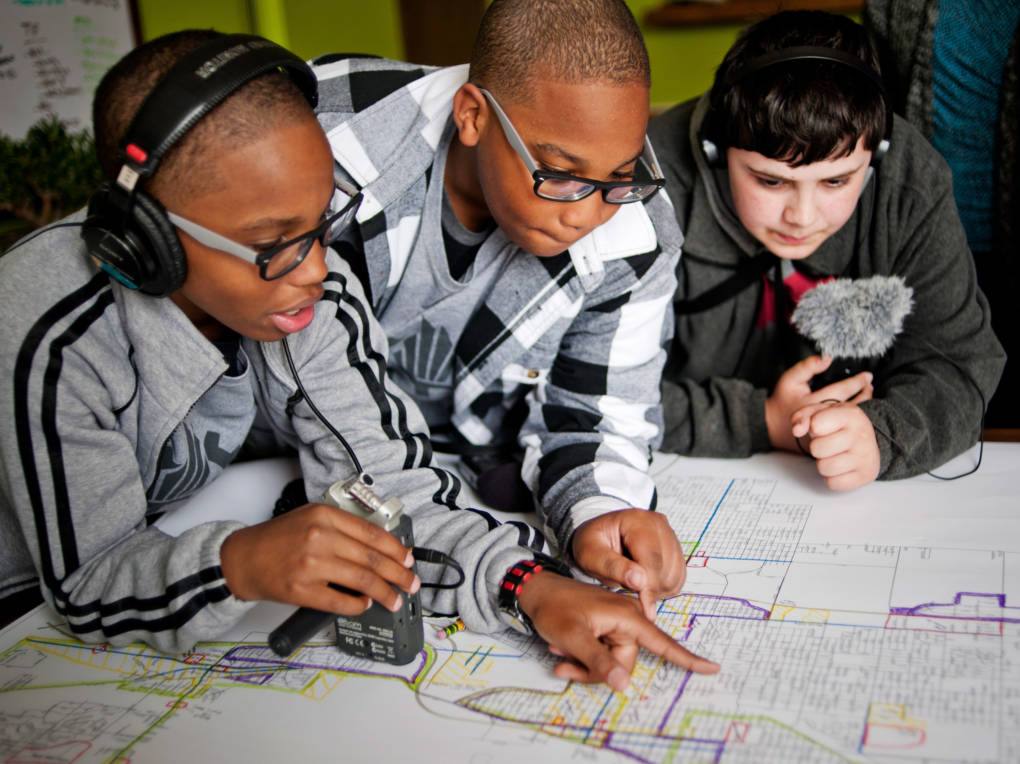
"caption": "Students podcasts from the Steel City Academy in Gary, Indiana, Erin Addison (left), Evan Addison, and Andrew Arevalo (right), look over a planning map of the City of Gary.",
"description": "Students podcasts from the Steel City Academy in Gary, Indiana, Erin Addison (left), Evan Addison, and Andrew Arevalo (right), look over a planning map of the City of Gary.",
"title": "Students podcasts from the Steel City Academy in Gary, Indiana, Erin Addison (left), Evan Addison, and Andrew Arevalo (right), look over a planning map of the City of Gary.",
"credit": "Courtesy of Bill Healy",
"status": "inherit",
"isLoading": false,
"fetchFailed": false
},
"mindshift_53126": {
"type": "attachments",
"id": "mindshift_53126",
"meta": {
"index": "attachments_1716263798",
"site": "mindshift",
"id": "53126",
"found": true
},
"parent": 53123,
"imgSizes": {
"twentyfourteen-full-width": {
"file": "https://ww2.kqed.org/app/uploads/sites/23/2019/02/35668542774_02bad78153_k-1038x576.jpg",
"width": 1038,
"mimeType": "image/jpeg",
"height": 576
},
"thumbnail": {
"file": "https://ww2.kqed.org/app/uploads/sites/23/2019/02/35668542774_02bad78153_k-160x107.jpg",
"width": 160,
"mimeType": "image/jpeg",
"height": 107
},
"post-thumbnail": {
"file": "https://ww2.kqed.org/app/uploads/sites/23/2019/02/35668542774_02bad78153_k-672x372.jpg",
"width": 672,
"mimeType": "image/jpeg",
"height": 372
},
"kqedFullSize": {
"file": "https://ww2.kqed.org/app/uploads/sites/23/2019/02/35668542774_02bad78153_k.jpg",
"width": 2048,
"height": 1365
},
"large": {
"file": "https://ww2.kqed.org/app/uploads/sites/23/2019/02/35668542774_02bad78153_k-1020x680.jpg",
"width": 1020,
"mimeType": "image/jpeg",
"height": 680
},
"complete_open_graph": {
"file": "https://ww2.kqed.org/app/uploads/sites/23/2019/02/35668542774_02bad78153_k-1200x800.jpg",
"width": 1200,
"mimeType": "image/jpeg",
"height": 800
},
"guest-author-50": {
"file": "https://ww2.kqed.org/app/uploads/sites/23/2019/02/35668542774_02bad78153_k-50x50.jpg",
"width": 50,
"mimeType": "image/jpeg",
"height": 50
},
"guest-author-96": {
"file": "https://ww2.kqed.org/app/uploads/sites/23/2019/02/35668542774_02bad78153_k-96x96.jpg",
"width": 96,
"mimeType": "image/jpeg",
"height": 96
},
"medium": {
"file": "https://ww2.kqed.org/app/uploads/sites/23/2019/02/35668542774_02bad78153_k-800x533.jpg",
"width": 800,
"mimeType": "image/jpeg",
"height": 533
},
"guest-author-64": {
"file": "https://ww2.kqed.org/app/uploads/sites/23/2019/02/35668542774_02bad78153_k-64x64.jpg",
"width": 64,
"mimeType": "image/jpeg",
"height": 64
},
"guest-author-32": {
"file": "https://ww2.kqed.org/app/uploads/sites/23/2019/02/35668542774_02bad78153_k-32x32.jpg",
"width": 32,
"mimeType": "image/jpeg",
"height": 32
},
"full-width": {
"file": "https://ww2.kqed.org/app/uploads/sites/23/2019/02/35668542774_02bad78153_k-1920x1280.jpg",
"width": 1920,
"mimeType": "image/jpeg",
"height": 1280
},
"detail": {
"file": "https://ww2.kqed.org/app/uploads/sites/23/2019/02/35668542774_02bad78153_k-150x150.jpg",
"width": 150,
"mimeType": "image/jpeg",
"height": 150
},
"medium_large": {
"file": "https://ww2.kqed.org/app/uploads/sites/23/2019/02/35668542774_02bad78153_k-768x512.jpg",
"width": 768,
"mimeType": "image/jpeg",
"height": 512
},
"guest-author-128": {
"file": "https://ww2.kqed.org/app/uploads/sites/23/2019/02/35668542774_02bad78153_k-128x128.jpg",
"width": 128,
"mimeType": "image/jpeg",
"height": 128
}
},
"publishDate": 1551132168,
"modified": 1551132248,
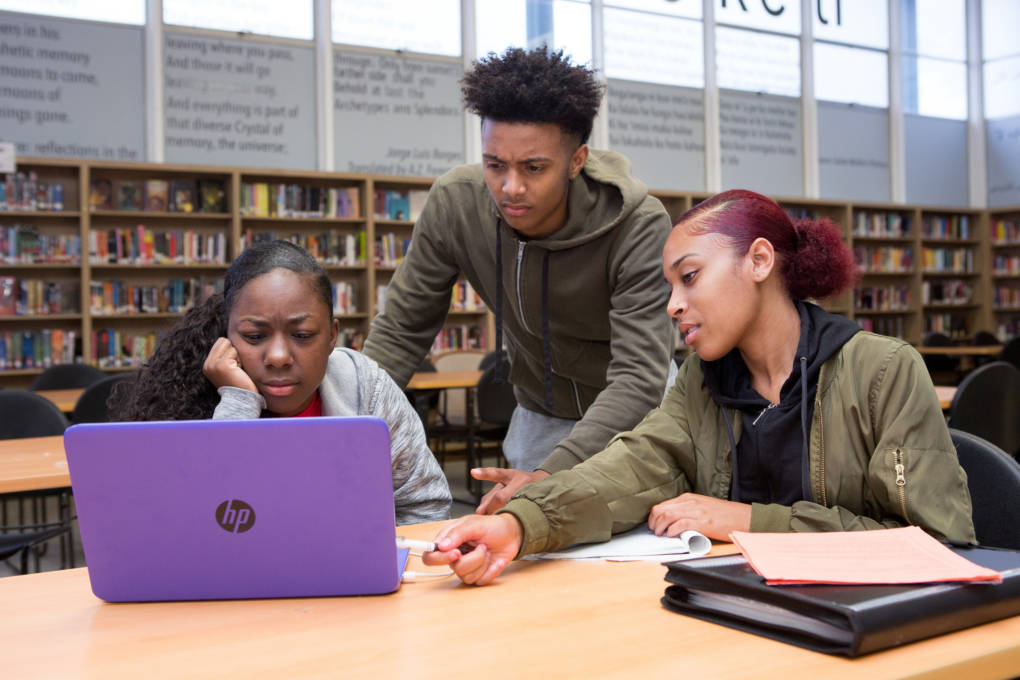
"caption": "Students work together on a computer.",
"description": null,
"title": "35668542774_02bad78153_k",
"credit": "Courtesy of Allison Shelley/\u003ca href=\"https://www.flickr.com/photos/all4ed/35668542774/\">The Verbatim Agency for American Education: Images of Teachers and Students in Action\u003c/a>",
"status": "inherit",
"isLoading": false,
"fetchFailed": false
},
"mindshift_53161": {
"type": "attachments",
"id": "mindshift_53161",
"meta": {
"index": "attachments_1716263798",
"site": "mindshift",
"id": "53161",
"found": true
},
"parent": 53160,
"imgSizes": {
"twentyfourteen-full-width": {
"file": "https://ww2.kqed.org/app/uploads/sites/23/2019/02/canonvscontemporary_slide-e61ae5fc0f2bb67976361b453c5540896a8f9440-1038x576.jpg",
"width": 1038,
"mimeType": "image/jpeg",
"height": 576
},
"thumbnail": {
"file": "https://ww2.kqed.org/app/uploads/sites/23/2019/02/canonvscontemporary_slide-e61ae5fc0f2bb67976361b453c5540896a8f9440-160x107.jpg",
"width": 160,
"mimeType": "image/jpeg",
"height": 107
},
"post-thumbnail": {
"file": "https://ww2.kqed.org/app/uploads/sites/23/2019/02/canonvscontemporary_slide-e61ae5fc0f2bb67976361b453c5540896a8f9440-672x372.jpg",
"width": 672,
"mimeType": "image/jpeg",
"height": 372
},
"kqedFullSize": {
"file": "https://ww2.kqed.org/app/uploads/sites/23/2019/02/canonvscontemporary_slide-e61ae5fc0f2bb67976361b453c5540896a8f9440-e1551215692347.jpg",
"width": 1920,
"height": 1280
},
"large": {
"file": "https://ww2.kqed.org/app/uploads/sites/23/2019/02/canonvscontemporary_slide-e61ae5fc0f2bb67976361b453c5540896a8f9440-1020x680.jpg",
"width": 1020,
"mimeType": "image/jpeg",
"height": 680
},
"complete_open_graph": {
"file": "https://ww2.kqed.org/app/uploads/sites/23/2019/02/canonvscontemporary_slide-e61ae5fc0f2bb67976361b453c5540896a8f9440-1200x800.jpg",
"width": 1200,
"mimeType": "image/jpeg",
"height": 800
},
"guest-author-50": {
"file": "https://ww2.kqed.org/app/uploads/sites/23/2019/02/canonvscontemporary_slide-e61ae5fc0f2bb67976361b453c5540896a8f9440-50x50.jpg",
"width": 50,
"mimeType": "image/jpeg",
"height": 50
},
"guest-author-96": {
"file": "https://ww2.kqed.org/app/uploads/sites/23/2019/02/canonvscontemporary_slide-e61ae5fc0f2bb67976361b453c5540896a8f9440-96x96.jpg",
"width": 96,
"mimeType": "image/jpeg",
"height": 96
},
"medium": {
"file": "https://ww2.kqed.org/app/uploads/sites/23/2019/02/canonvscontemporary_slide-e61ae5fc0f2bb67976361b453c5540896a8f9440-800x533.jpg",
"width": 800,
"mimeType": "image/jpeg",
"height": 533
},
"guest-author-64": {
"file": "https://ww2.kqed.org/app/uploads/sites/23/2019/02/canonvscontemporary_slide-e61ae5fc0f2bb67976361b453c5540896a8f9440-64x64.jpg",
"width": 64,
"mimeType": "image/jpeg",
"height": 64
},
"guest-author-32": {
"file": "https://ww2.kqed.org/app/uploads/sites/23/2019/02/canonvscontemporary_slide-e61ae5fc0f2bb67976361b453c5540896a8f9440-32x32.jpg",
"width": 32,
"mimeType": "image/jpeg",
"height": 32
},
"full-width": {
"file": "https://ww2.kqed.org/app/uploads/sites/23/2019/02/canonvscontemporary_slide-e61ae5fc0f2bb67976361b453c5540896a8f9440-1920x1280.jpg",
"width": 1920,
"mimeType": "image/jpeg",
"height": 1280
},
"detail": {
"file": "https://ww2.kqed.org/app/uploads/sites/23/2019/02/canonvscontemporary_slide-e61ae5fc0f2bb67976361b453c5540896a8f9440-150x150.jpg",
"width": 150,
"mimeType": "image/jpeg",
"height": 150
},
"medium_large": {
"file": "https://ww2.kqed.org/app/uploads/sites/23/2019/02/canonvscontemporary_slide-e61ae5fc0f2bb67976361b453c5540896a8f9440-768x512.jpg",
"width": 768,
"mimeType": "image/jpeg",
"height": 512
},
"guest-author-128": {
"file": "https://ww2.kqed.org/app/uploads/sites/23/2019/02/canonvscontemporary_slide-e61ae5fc0f2bb67976361b453c5540896a8f9440-128x128.jpg",
"width": 128,
"mimeType": "image/jpeg",
"height": 128
}
},
"publishDate": 1551215489,
"modified": 1551215703,
"caption": null,
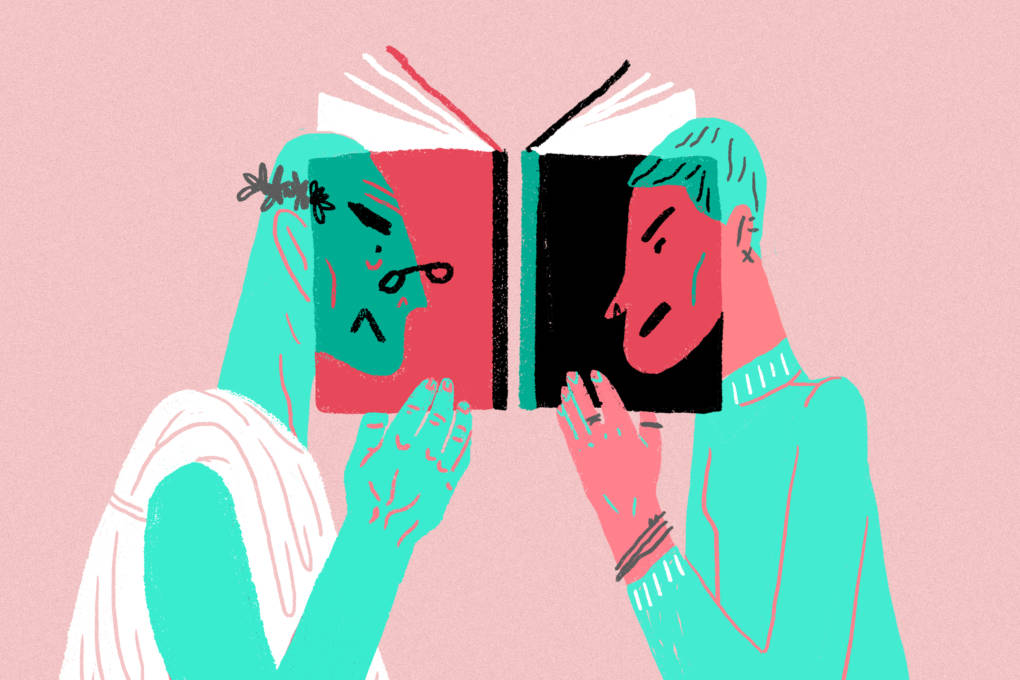
"description": "Canon vs. Contemporary",
"title": "Canon vs. Contemporary",
"credit": "LA Johnson/NPR",
"status": "inherit",
"isLoading": false,
"fetchFailed": false
},
"mindshift_51858": {
"type": "attachments",
"id": "mindshift_51858",
"meta": {
"index": "attachments_1716263798",
"site": "mindshift",
"id": "51858",
"found": true
},
"parent": 51857,
"imgSizes": {
"small": {
"file": "https://ww2.kqed.org/app/uploads/sites/23/2018/08/c_li_schoholdropin_custom-a5b0bfc3137bad745ef75e4eedd4dc2ae1adab7b-520x325.jpe",
"width": 520,
"mimeType": "image/jpeg",
"height": 325
},
"twentyfourteen-full-width": {
"file": "https://ww2.kqed.org/app/uploads/sites/23/2018/08/c_li_schoholdropin_custom-a5b0bfc3137bad745ef75e4eedd4dc2ae1adab7b-1038x576.jpe",
"width": 1038,
"mimeType": "image/jpeg",
"height": 576
},
"thumbnail": {
"file": "https://ww2.kqed.org/app/uploads/sites/23/2018/08/c_li_schoholdropin_custom-a5b0bfc3137bad745ef75e4eedd4dc2ae1adab7b-160x100.jpe",
"width": 160,
"mimeType": "image/jpeg",
"height": 100
},
"fd-sm": {
"file": "https://ww2.kqed.org/app/uploads/sites/23/2018/08/c_li_schoholdropin_custom-a5b0bfc3137bad745ef75e4eedd4dc2ae1adab7b-960x599.jpe",
"width": 960,
"mimeType": "image/jpeg",
"height": 599
},
"post-thumbnail": {
"file": "https://ww2.kqed.org/app/uploads/sites/23/2018/08/c_li_schoholdropin_custom-a5b0bfc3137bad745ef75e4eedd4dc2ae1adab7b-672x372.jpe",
"width": 672,
"mimeType": "image/jpeg",
"height": 372
},
"xsmall": {
"file": "https://ww2.kqed.org/app/uploads/sites/23/2018/08/c_li_schoholdropin_custom-a5b0bfc3137bad745ef75e4eedd4dc2ae1adab7b-375x234.jpe",
"width": 375,
"mimeType": "image/jpeg",
"height": 234
},
"kqedFullSize": {
"file": "https://ww2.kqed.org/app/uploads/sites/23/2018/08/c_li_schoholdropin_custom-a5b0bfc3137bad745ef75e4eedd4dc2ae1adab7b-e1533823927427.jpe",
"width": 1920,
"height": 1198
},
"large": {
"file": "https://ww2.kqed.org/app/uploads/sites/23/2018/08/c_li_schoholdropin_custom-a5b0bfc3137bad745ef75e4eedd4dc2ae1adab7b-1020x637.jpe",
"width": 1020,
"mimeType": "image/jpeg",
"height": 637
},
"xlarge": {
"file": "https://ww2.kqed.org/app/uploads/sites/23/2018/08/c_li_schoholdropin_custom-a5b0bfc3137bad745ef75e4eedd4dc2ae1adab7b-1180x736.jpe",
"width": 1180,
"mimeType": "image/jpeg",
"height": 736
},
"complete_open_graph": {
"file": "https://ww2.kqed.org/app/uploads/sites/23/2018/08/c_li_schoholdropin_custom-a5b0bfc3137bad745ef75e4eedd4dc2ae1adab7b-1200x749.jpe",
"width": 1200,
"mimeType": "image/jpeg",
"height": 749
},
"guest-author-50": {
"file": "https://ww2.kqed.org/app/uploads/sites/23/2018/08/c_li_schoholdropin_custom-a5b0bfc3137bad745ef75e4eedd4dc2ae1adab7b-50x50.jpe",
"width": 50,
"mimeType": "image/jpeg",
"height": 50
},
"guest-author-96": {
"file": "https://ww2.kqed.org/app/uploads/sites/23/2018/08/c_li_schoholdropin_custom-a5b0bfc3137bad745ef75e4eedd4dc2ae1adab7b-96x96.jpe",
"width": 96,
"mimeType": "image/jpeg",
"height": 96
},
"medium": {
"file": "https://ww2.kqed.org/app/uploads/sites/23/2018/08/c_li_schoholdropin_custom-a5b0bfc3137bad745ef75e4eedd4dc2ae1adab7b-800x499.jpe",
"width": 800,
"mimeType": "image/jpeg",
"height": 499
},
"guest-author-64": {
"file": "https://ww2.kqed.org/app/uploads/sites/23/2018/08/c_li_schoholdropin_custom-a5b0bfc3137bad745ef75e4eedd4dc2ae1adab7b-64x64.jpe",
"width": 64,
"mimeType": "image/jpeg",
"height": 64
},
"guest-author-32": {
"file": "https://ww2.kqed.org/app/uploads/sites/23/2018/08/c_li_schoholdropin_custom-a5b0bfc3137bad745ef75e4eedd4dc2ae1adab7b-32x32.jpe",
"width": 32,
"mimeType": "image/jpeg",
"height": 32
},
"fd-lrg": {
"file": "https://ww2.kqed.org/app/uploads/sites/23/2018/08/c_li_schoholdropin_custom-a5b0bfc3137bad745ef75e4eedd4dc2ae1adab7b-1920x1198.jpe",
"width": 1920,
"mimeType": "image/jpeg",
"height": 1198
},
"fd-med": {
"file": "https://ww2.kqed.org/app/uploads/sites/23/2018/08/c_li_schoholdropin_custom-a5b0bfc3137bad745ef75e4eedd4dc2ae1adab7b-1180x736.jpe",
"width": 1180,
"mimeType": "image/jpeg",
"height": 736
},
"full-width": {
"file": "https://ww2.kqed.org/app/uploads/sites/23/2018/08/c_li_schoholdropin_custom-a5b0bfc3137bad745ef75e4eedd4dc2ae1adab7b-1920x1198.jpe",
"width": 1920,
"mimeType": "image/jpeg",
"height": 1198
},
"detail": {
"file": "https://ww2.kqed.org/app/uploads/sites/23/2018/08/c_li_schoholdropin_custom-a5b0bfc3137bad745ef75e4eedd4dc2ae1adab7b-150x150.jpe",
"width": 150,
"mimeType": "image/jpeg",
"height": 150
},
"medium_large": {
"file": "https://ww2.kqed.org/app/uploads/sites/23/2018/08/c_li_schoholdropin_custom-a5b0bfc3137bad745ef75e4eedd4dc2ae1adab7b-768x479.jpe",
"width": 768,
"mimeType": "image/jpeg",
"height": 479
},
"guest-author-128": {
"file": "https://ww2.kqed.org/app/uploads/sites/23/2018/08/c_li_schoholdropin_custom-a5b0bfc3137bad745ef75e4eedd4dc2ae1adab7b-128x128.jpe",
"width": 128,
"mimeType": "image/jpeg",
"height": 128
},
"xxsmall": {
"file": "https://ww2.kqed.org/app/uploads/sites/23/2018/08/c_li_schoholdropin_custom-a5b0bfc3137bad745ef75e4eedd4dc2ae1adab7b-240x150.jpe",
"width": 240,
"mimeType": "image/jpeg",
"height": 150
}
},
"publishDate": 1533823889,
"modified": 1533823939,
"caption": null,
"description": "School drop-in center",
"title": "School drop-in center",
"credit": "Cornelia Li for NPR",
"status": "inherit",
"isLoading": false,
"fetchFailed": false
},
"mindshift_51161": {
"type": "attachments",
"id": "mindshift_51161",
"meta": {
"index": "attachments_1716263798",
"site": "mindshift",
"id": "51161",
"found": true
},
"parent": 51160,
"imgSizes": {
"small": {
"file": "https://ww2.kqed.org/app/uploads/sites/23/2018/05/npr_fakenews_kiehart_010_slide-2850bb509a3aa3c3475900e8e63bcfac932b2a79-520x347.jpg",
"width": 520,
"mimeType": "image/jpeg",
"height": 347
},
"twentyfourteen-full-width": {
"file": "https://ww2.kqed.org/app/uploads/sites/23/2018/05/npr_fakenews_kiehart_010_slide-2850bb509a3aa3c3475900e8e63bcfac932b2a79-1038x576.jpg",
"width": 1038,
"mimeType": "image/jpeg",
"height": 576
},
"thumbnail": {
"file": "https://ww2.kqed.org/app/uploads/sites/23/2018/05/npr_fakenews_kiehart_010_slide-2850bb509a3aa3c3475900e8e63bcfac932b2a79-160x107.jpg",
"width": 160,
"mimeType": "image/jpeg",
"height": 107
},
"fd-sm": {
"file": "https://ww2.kqed.org/app/uploads/sites/23/2018/05/npr_fakenews_kiehart_010_slide-2850bb509a3aa3c3475900e8e63bcfac932b2a79-960x640.jpg",
"width": 960,
"mimeType": "image/jpeg",
"height": 640
},
"post-thumbnail": {
"file": "https://ww2.kqed.org/app/uploads/sites/23/2018/05/npr_fakenews_kiehart_010_slide-2850bb509a3aa3c3475900e8e63bcfac932b2a79-672x372.jpg",
"width": 672,
"mimeType": "image/jpeg",
"height": 372
},
"xsmall": {
"file": "https://ww2.kqed.org/app/uploads/sites/23/2018/05/npr_fakenews_kiehart_010_slide-2850bb509a3aa3c3475900e8e63bcfac932b2a79-375x250.jpg",
"width": 375,
"mimeType": "image/jpeg",
"height": 250
},
"kqedFullSize": {
"file": "https://ww2.kqed.org/app/uploads/sites/23/2018/05/npr_fakenews_kiehart_010_slide-2850bb509a3aa3c3475900e8e63bcfac932b2a79-e1525366929364.jpg",
"width": 1920,
"height": 1280
},
"large": {
"file": "https://ww2.kqed.org/app/uploads/sites/23/2018/05/npr_fakenews_kiehart_010_slide-2850bb509a3aa3c3475900e8e63bcfac932b2a79-1020x680.jpg",
"width": 1020,
"mimeType": "image/jpeg",
"height": 680
},
"xlarge": {
"file": "https://ww2.kqed.org/app/uploads/sites/23/2018/05/npr_fakenews_kiehart_010_slide-2850bb509a3aa3c3475900e8e63bcfac932b2a79-1180x786.jpg",
"width": 1180,
"mimeType": "image/jpeg",
"height": 786
},
"complete_open_graph": {
"file": "https://ww2.kqed.org/app/uploads/sites/23/2018/05/npr_fakenews_kiehart_010_slide-2850bb509a3aa3c3475900e8e63bcfac932b2a79-1200x800.jpg",
"width": 1200,
"mimeType": "image/jpeg",
"height": 800
},
"guest-author-50": {
"file": "https://ww2.kqed.org/app/uploads/sites/23/2018/05/npr_fakenews_kiehart_010_slide-2850bb509a3aa3c3475900e8e63bcfac932b2a79-50x50.jpg",
"width": 50,
"mimeType": "image/jpeg",
"height": 50
},
"guest-author-96": {
"file": "https://ww2.kqed.org/app/uploads/sites/23/2018/05/npr_fakenews_kiehart_010_slide-2850bb509a3aa3c3475900e8e63bcfac932b2a79-96x96.jpg",
"width": 96,
"mimeType": "image/jpeg",
"height": 96
},
"medium": {
"file": "https://ww2.kqed.org/app/uploads/sites/23/2018/05/npr_fakenews_kiehart_010_slide-2850bb509a3aa3c3475900e8e63bcfac932b2a79-800x533.jpg",
"width": 800,
"mimeType": "image/jpeg",
"height": 533
},
"guest-author-64": {
"file": "https://ww2.kqed.org/app/uploads/sites/23/2018/05/npr_fakenews_kiehart_010_slide-2850bb509a3aa3c3475900e8e63bcfac932b2a79-64x64.jpg",
"width": 64,
"mimeType": "image/jpeg",
"height": 64
},
"guest-author-32": {
"file": "https://ww2.kqed.org/app/uploads/sites/23/2018/05/npr_fakenews_kiehart_010_slide-2850bb509a3aa3c3475900e8e63bcfac932b2a79-32x32.jpg",
"width": 32,
"mimeType": "image/jpeg",
"height": 32
},
"fd-lrg": {
"file": "https://ww2.kqed.org/app/uploads/sites/23/2018/05/npr_fakenews_kiehart_010_slide-2850bb509a3aa3c3475900e8e63bcfac932b2a79-1920x1280.jpg",
"width": 1920,
"mimeType": "image/jpeg",
"height": 1280
},
"fd-med": {
"file": "https://ww2.kqed.org/app/uploads/sites/23/2018/05/npr_fakenews_kiehart_010_slide-2850bb509a3aa3c3475900e8e63bcfac932b2a79-1180x786.jpg",
"width": 1180,
"mimeType": "image/jpeg",
"height": 786
},
"full-width": {
"file": "https://ww2.kqed.org/app/uploads/sites/23/2018/05/npr_fakenews_kiehart_010_slide-2850bb509a3aa3c3475900e8e63bcfac932b2a79-1920x1280.jpg",
"width": 1920,
"mimeType": "image/jpeg",
"height": 1280
},
"detail": {
"file": "https://ww2.kqed.org/app/uploads/sites/23/2018/05/npr_fakenews_kiehart_010_slide-2850bb509a3aa3c3475900e8e63bcfac932b2a79-150x150.jpg",
"width": 150,
"mimeType": "image/jpeg",
"height": 150
},
"medium_large": {
"file": "https://ww2.kqed.org/app/uploads/sites/23/2018/05/npr_fakenews_kiehart_010_slide-2850bb509a3aa3c3475900e8e63bcfac932b2a79-768x512.jpg",
"width": 768,
"mimeType": "image/jpeg",
"height": 512
},
"guest-author-128": {
"file": "https://ww2.kqed.org/app/uploads/sites/23/2018/05/npr_fakenews_kiehart_010_slide-2850bb509a3aa3c3475900e8e63bcfac932b2a79-128x128.jpg",
"width": 128,
"mimeType": "image/jpeg",
"height": 128
},
"xxsmall": {
"file": "https://ww2.kqed.org/app/uploads/sites/23/2018/05/npr_fakenews_kiehart_010_slide-2850bb509a3aa3c3475900e8e63bcfac932b2a79-240x160.jpg",
"width": 240,
"mimeType": "image/jpeg",
"height": 160
}
},
"publishDate": 1525365974,
"modified": 1525366939,
"caption": "Huchon writes five questions that can be used to evaluate the veracity of a news story.",
"description": null,
"title": "Huchon writes five questions that can be used to evaluate the veracity of a news story.",
"credit": "Pete Kiehart for NPR",
"status": "inherit",
"isLoading": false,
"fetchFailed": false
},
"mindshift_50815": {
"type": "attachments",
"id": "mindshift_50815",
"meta": {
"index": "attachments_1716263798",
"site": "mindshift",
"id": "50815",
"found": true
},
"parent": 50781,
"imgSizes": {
"small": {
"file": "https://ww2.kqed.org/app/uploads/sites/23/2018/03/iStock-160481055-520x347.jpg",
"width": 520,
"mimeType": "image/jpeg",
"height": 347
},
"twentyfourteen-full-width": {
"file": "https://ww2.kqed.org/app/uploads/sites/23/2018/03/iStock-160481055-1038x576.jpg",
"width": 1038,
"mimeType": "image/jpeg",
"height": 576
},
"thumbnail": {
"file": "https://ww2.kqed.org/app/uploads/sites/23/2018/03/iStock-160481055-160x107.jpg",
"width": 160,
"mimeType": "image/jpeg",
"height": 107
},
"fd-sm": {
"file": "https://ww2.kqed.org/app/uploads/sites/23/2018/03/iStock-160481055-960x640.jpg",
"width": 960,
"mimeType": "image/jpeg",
"height": 640
},
"post-thumbnail": {
"file": "https://ww2.kqed.org/app/uploads/sites/23/2018/03/iStock-160481055-672x372.jpg",
"width": 672,
"mimeType": "image/jpeg",
"height": 372
},
"xsmall": {
"file": "https://ww2.kqed.org/app/uploads/sites/23/2018/03/iStock-160481055-375x250.jpg",
"width": 375,
"mimeType": "image/jpeg",
"height": 250
},
"kqedFullSize": {
"file": "https://ww2.kqed.org/app/uploads/sites/23/2018/03/iStock-160481055-e1521614443194.jpg",
"width": 1920,
"height": 1280
},
"large": {
"file": "https://ww2.kqed.org/app/uploads/sites/23/2018/03/iStock-160481055-1020x680.jpg",
"width": 1020,
"mimeType": "image/jpeg",
"height": 680
},
"xlarge": {
"file": "https://ww2.kqed.org/app/uploads/sites/23/2018/03/iStock-160481055-1180x787.jpg",
"width": 1180,
"mimeType": "image/jpeg",
"height": 787
},
"guest-author-50": {
"file": "https://ww2.kqed.org/app/uploads/sites/23/2018/03/iStock-160481055-50x50.jpg",
"width": 50,
"mimeType": "image/jpeg",
"height": 50
},
"guest-author-96": {
"file": "https://ww2.kqed.org/app/uploads/sites/23/2018/03/iStock-160481055-96x96.jpg",
"width": 96,
"mimeType": "image/jpeg",
"height": 96
},
"medium": {
"file": "https://ww2.kqed.org/app/uploads/sites/23/2018/03/iStock-160481055-800x533.jpg",
"width": 800,
"mimeType": "image/jpeg",
"height": 533
},
"guest-author-64": {
"file": "https://ww2.kqed.org/app/uploads/sites/23/2018/03/iStock-160481055-64x64.jpg",
"width": 64,
"mimeType": "image/jpeg",
"height": 64
},
"guest-author-32": {
"file": "https://ww2.kqed.org/app/uploads/sites/23/2018/03/iStock-160481055-32x32.jpg",
"width": 32,
"mimeType": "image/jpeg",
"height": 32
},
"fd-lrg": {
"file": "https://ww2.kqed.org/app/uploads/sites/23/2018/03/iStock-160481055-1920x1280.jpg",
"width": 1920,
"mimeType": "image/jpeg",
"height": 1280
},
"fd-med": {
"file": "https://ww2.kqed.org/app/uploads/sites/23/2018/03/iStock-160481055-1180x787.jpg",
"width": 1180,
"mimeType": "image/jpeg",
"height": 787
},
"full-width": {
"file": "https://ww2.kqed.org/app/uploads/sites/23/2018/03/iStock-160481055-1920x1280.jpg",
"width": 1920,
"mimeType": "image/jpeg",
"height": 1280
},
"detail": {
"file": "https://ww2.kqed.org/app/uploads/sites/23/2018/03/iStock-160481055-150x150.jpg",
"width": 150,
"mimeType": "image/jpeg",
"height": 150
},
"medium_large": {
"file": "https://ww2.kqed.org/app/uploads/sites/23/2018/03/iStock-160481055-768x512.jpg",
"width": 768,
"mimeType": "image/jpeg",
"height": 512
},
"guest-author-128": {
"file": "https://ww2.kqed.org/app/uploads/sites/23/2018/03/iStock-160481055-128x128.jpg",
"width": 128,
"mimeType": "image/jpeg",
"height": 128
},
"xxsmall": {
"file": "https://ww2.kqed.org/app/uploads/sites/23/2018/03/iStock-160481055-240x160.jpg",
"width": 240,
"mimeType": "image/jpeg",
"height": 160
}
},
"publishDate": 1521614425,
"modified": 1521614457,
"caption": null,
"description": null,
"title": "Trying to hear",
"credit": "iStock/sergey02",
"status": "inherit",
"isLoading": false,
"fetchFailed": false
},
"mindshift_50506": {
"type": "attachments",
"id": "mindshift_50506",
"meta": {
"index": "attachments_1716263798",
"site": "mindshift",
"id": "50506",
"found": true
},
"parent": 50468,
"imgSizes": {
"small": {
"file": "https://ww2.kqed.org/app/uploads/sites/23/2018/02/Vox-1-520x317.png",
"width": 520,
"mimeType": "image/png",
"height": 317
},
"thumbnail": {
"file": "https://ww2.kqed.org/app/uploads/sites/23/2018/02/Vox-1-160x98.png",
"width": 160,
"mimeType": "image/png",
"height": 98
},
"post-thumbnail": {
"file": "https://ww2.kqed.org/app/uploads/sites/23/2018/02/Vox-1-672x372.png",
"width": 672,
"mimeType": "image/png",
"height": 372
},
"xsmall": {
"file": "https://ww2.kqed.org/app/uploads/sites/23/2018/02/Vox-1-375x229.png",
"width": 375,
"mimeType": "image/png",
"height": 229
},
"kqedFullSize": {
"file": "https://ww2.kqed.org/app/uploads/sites/23/2018/02/Vox-1.png",
"width": 800,
"height": 488
},
"guest-author-50": {
"file": "https://ww2.kqed.org/app/uploads/sites/23/2018/02/Vox-1-50x50.png",
"width": 50,
"mimeType": "image/png",
"height": 50
},
"guest-author-96": {
"file": "https://ww2.kqed.org/app/uploads/sites/23/2018/02/Vox-1-96x96.png",
"width": 96,
"mimeType": "image/png",
"height": 96
},
"medium": {
"file": "https://ww2.kqed.org/app/uploads/sites/23/2018/02/Vox-1-800x488.png",
"width": 800,
"mimeType": "image/png",
"height": 488
},
"guest-author-64": {
"file": "https://ww2.kqed.org/app/uploads/sites/23/2018/02/Vox-1-64x64.png",
"width": 64,
"mimeType": "image/png",
"height": 64
},
"guest-author-32": {
"file": "https://ww2.kqed.org/app/uploads/sites/23/2018/02/Vox-1-32x32.png",
"width": 32,
"mimeType": "image/png",
"height": 32
},
"detail": {
"file": "https://ww2.kqed.org/app/uploads/sites/23/2018/02/Vox-1-150x150.png",
"width": 150,
"mimeType": "image/png",
"height": 150
},
"medium_large": {
"file": "https://ww2.kqed.org/app/uploads/sites/23/2018/02/Vox-1-768x468.png",
"width": 768,
"mimeType": "image/png",
"height": 468
},
"guest-author-128": {
"file": "https://ww2.kqed.org/app/uploads/sites/23/2018/02/Vox-1-128x128.png",
"width": 128,
"mimeType": "image/png",
"height": 128
},
"xxsmall": {
"file": "https://ww2.kqed.org/app/uploads/sites/23/2018/02/Vox-1-240x146.png",
"width": 240,
"mimeType": "image/png",
"height": 146
}
},
"publishDate": 1517816966,
"modified": 1517817077,
"caption": null,
"description": null,
"title": "Vox",
"credit": " \u003ca href=\"https://www.youtube.com/watch?v=DkZ7BJQupVA&feature=youtu.be&list=PLJ8cMiYb3G5fP5oq01TBp9fgh70vDDSMe\">YouTube/Vox\u003c/a>",
"status": "inherit",
"isLoading": false,
"fetchFailed": false
},
"mindshift_49911": {
"type": "attachments",
"id": "mindshift_49911",
"meta": {
"index": "attachments_1716263798",
"site": "mindshift",
"id": "49911",
"found": true
},
"parent": 49144,
"imgSizes": {
"small": {
"file": "https://ww2.kqed.org/app/uploads/sites/23/2017/12/iStock-474963222-520x322.jpg",
"width": 520,
"mimeType": "image/jpeg",
"height": 322
},
"twentyfourteen-full-width": {
"file": "https://ww2.kqed.org/app/uploads/sites/23/2017/12/iStock-474963222-1038x576.jpg",
"width": 1038,
"mimeType": "image/jpeg",
"height": 576
},
"thumbnail": {
"file": "https://ww2.kqed.org/app/uploads/sites/23/2017/12/iStock-474963222-160x99.jpg",
"width": 160,
"mimeType": "image/jpeg",
"height": 99
},
"fd-sm": {
"file": "https://ww2.kqed.org/app/uploads/sites/23/2017/12/iStock-474963222-960x594.jpg",
"width": 960,
"mimeType": "image/jpeg",
"height": 594
},
"post-thumbnail": {
"file": "https://ww2.kqed.org/app/uploads/sites/23/2017/12/iStock-474963222-672x372.jpg",
"width": 672,
"mimeType": "image/jpeg",
"height": 372
},
"xsmall": {
"file": "https://ww2.kqed.org/app/uploads/sites/23/2017/12/iStock-474963222-375x232.jpg",
"width": 375,
"mimeType": "image/jpeg",
"height": 232
},
"kqedFullSize": {
"file": "https://ww2.kqed.org/app/uploads/sites/23/2017/12/iStock-474963222-e1513868961799.jpg",
"width": 1920,
"height": 1189
},
"large": {
"file": "https://ww2.kqed.org/app/uploads/sites/23/2017/12/iStock-474963222-1020x632.jpg",
"width": 1020,
"mimeType": "image/jpeg",
"height": 632
},
"xlarge": {
"file": "https://ww2.kqed.org/app/uploads/sites/23/2017/12/iStock-474963222-1180x731.jpg",
"width": 1180,
"mimeType": "image/jpeg",
"height": 731
},
"guest-author-50": {
"file": "https://ww2.kqed.org/app/uploads/sites/23/2017/12/iStock-474963222-50x50.jpg",
"width": 50,
"mimeType": "image/jpeg",
"height": 50
},
"guest-author-96": {
"file": "https://ww2.kqed.org/app/uploads/sites/23/2017/12/iStock-474963222-96x96.jpg",
"width": 96,
"mimeType": "image/jpeg",
"height": 96
},
"medium": {
"file": "https://ww2.kqed.org/app/uploads/sites/23/2017/12/iStock-474963222-800x495.jpg",
"width": 800,
"mimeType": "image/jpeg",
"height": 495
},
"guest-author-64": {
"file": "https://ww2.kqed.org/app/uploads/sites/23/2017/12/iStock-474963222-64x64.jpg",
"width": 64,
"mimeType": "image/jpeg",
"height": 64
},
"guest-author-32": {
"file": "https://ww2.kqed.org/app/uploads/sites/23/2017/12/iStock-474963222-32x32.jpg",
"width": 32,
"mimeType": "image/jpeg",
"height": 32
},
"fd-lrg": {
"file": "https://ww2.kqed.org/app/uploads/sites/23/2017/12/iStock-474963222-1920x1189.jpg",
"width": 1920,
"mimeType": "image/jpeg",
"height": 1189
},
"fd-med": {
"file": "https://ww2.kqed.org/app/uploads/sites/23/2017/12/iStock-474963222-1180x731.jpg",
"width": 1180,
"mimeType": "image/jpeg",
"height": 731
},
"full-width": {
"file": "https://ww2.kqed.org/app/uploads/sites/23/2017/12/iStock-474963222-1920x1189.jpg",
"width": 1920,
"mimeType": "image/jpeg",
"height": 1189
},
"detail": {
"file": "https://ww2.kqed.org/app/uploads/sites/23/2017/12/iStock-474963222-150x150.jpg",
"width": 150,
"mimeType": "image/jpeg",
"height": 150
},
"medium_large": {
"file": "https://ww2.kqed.org/app/uploads/sites/23/2017/12/iStock-474963222-768x476.jpg",
"width": 768,
"mimeType": "image/jpeg",
"height": 476
},
"guest-author-128": {
"file": "https://ww2.kqed.org/app/uploads/sites/23/2017/12/iStock-474963222-128x128.jpg",
"width": 128,
"mimeType": "image/jpeg",
"height": 128
},
"xxsmall": {
"file": "https://ww2.kqed.org/app/uploads/sites/23/2017/12/iStock-474963222-240x149.jpg",
"width": 240,
"mimeType": "image/jpeg",
"height": 149
}
},
"publishDate": 1513868925,
"modified": 1513868953,
"caption": null,
"description": null,
"title": "iStock-474963222",
"credit": "iStock/Wavebreakmedia",
"status": "inherit",
"isLoading": false,
"fetchFailed": false
},
"mindshift_49663": {
"type": "attachments",
"id": "mindshift_49663",
"meta": {
"index": "attachments_1716263798",
"site": "mindshift",
"id": "49663",
"found": true
},
"parent": 49607,
"imgSizes": {
"small": {
"file": "https://ww2.kqed.org/app/uploads/sites/23/2017/11/iStock-831613766-520x293.jpg",
"width": 520,
"mimeType": "image/jpeg",
"height": 293
},
"twentyfourteen-full-width": {
"file": "https://ww2.kqed.org/app/uploads/sites/23/2017/11/iStock-831613766-1038x576.jpg",
"width": 1038,
"mimeType": "image/jpeg",
"height": 576
},
"thumbnail": {
"file": "https://ww2.kqed.org/app/uploads/sites/23/2017/11/iStock-831613766-160x90.jpg",
"width": 160,
"mimeType": "image/jpeg",
"height": 90
},
"fd-sm": {
"file": "https://ww2.kqed.org/app/uploads/sites/23/2017/11/iStock-831613766-960x540.jpg",
"width": 960,
"mimeType": "image/jpeg",
"height": 540
},
"post-thumbnail": {
"file": "https://ww2.kqed.org/app/uploads/sites/23/2017/11/iStock-831613766-672x372.jpg",
"width": 672,
"mimeType": "image/jpeg",
"height": 372
},
"xsmall": {
"file": "https://ww2.kqed.org/app/uploads/sites/23/2017/11/iStock-831613766-375x211.jpg",
"width": 375,
"mimeType": "image/jpeg",
"height": 211
},
"kqedFullSize": {
"file": "https://ww2.kqed.org/app/uploads/sites/23/2017/11/iStock-831613766-e1510165002887.jpg",
"width": 1920,
"height": 1080
},
"large": {
"file": "https://ww2.kqed.org/app/uploads/sites/23/2017/11/iStock-831613766-1020x574.jpg",
"width": 1020,
"mimeType": "image/jpeg",
"height": 574
},
"xlarge": {
"file": "https://ww2.kqed.org/app/uploads/sites/23/2017/11/iStock-831613766-1180x664.jpg",
"width": 1180,
"mimeType": "image/jpeg",
"height": 664
},
"guest-author-50": {
"file": "https://ww2.kqed.org/app/uploads/sites/23/2017/11/iStock-831613766-50x50.jpg",
"width": 50,
"mimeType": "image/jpeg",
"height": 50
},
"guest-author-96": {
"file": "https://ww2.kqed.org/app/uploads/sites/23/2017/11/iStock-831613766-96x96.jpg",
"width": 96,
"mimeType": "image/jpeg",
"height": 96
},
"medium": {
"file": "https://ww2.kqed.org/app/uploads/sites/23/2017/11/iStock-831613766-800x450.jpg",
"width": 800,
"mimeType": "image/jpeg",
"height": 450
},
"guest-author-64": {
"file": "https://ww2.kqed.org/app/uploads/sites/23/2017/11/iStock-831613766-64x64.jpg",
"width": 64,
"mimeType": "image/jpeg",
"height": 64
},
"guest-author-32": {
"file": "https://ww2.kqed.org/app/uploads/sites/23/2017/11/iStock-831613766-32x32.jpg",
"width": 32,
"mimeType": "image/jpeg",
"height": 32
},
"fd-lrg": {
"file": "https://ww2.kqed.org/app/uploads/sites/23/2017/11/iStock-831613766-1920x1080.jpg",
"width": 1920,
"mimeType": "image/jpeg",
"height": 1080
},
"fd-med": {
"file": "https://ww2.kqed.org/app/uploads/sites/23/2017/11/iStock-831613766-1180x664.jpg",
"width": 1180,
"mimeType": "image/jpeg",
"height": 664
},
"full-width": {
"file": "https://ww2.kqed.org/app/uploads/sites/23/2017/11/iStock-831613766-1920x1080.jpg",
"width": 1920,
"mimeType": "image/jpeg",
"height": 1080
},
"detail": {
"file": "https://ww2.kqed.org/app/uploads/sites/23/2017/11/iStock-831613766-150x150.jpg",
"width": 150,
"mimeType": "image/jpeg",
"height": 150
},
"medium_large": {
"file": "https://ww2.kqed.org/app/uploads/sites/23/2017/11/iStock-831613766-768x432.jpg",
"width": 768,
"mimeType": "image/jpeg",
"height": 432
},
"guest-author-128": {
"file": "https://ww2.kqed.org/app/uploads/sites/23/2017/11/iStock-831613766-128x128.jpg",
"width": 128,
"mimeType": "image/jpeg",
"height": 128
},
"xxsmall": {
"file": "https://ww2.kqed.org/app/uploads/sites/23/2017/11/iStock-831613766-240x135.jpg",
"width": 240,
"mimeType": "image/jpeg",
"height": 135
}
},
"publishDate": 1510164967,
"modified": 1510164993,
"caption": null,
"description": null,
"title": null,
"credit": "iStock/gorodenkoff",
"status": "inherit",
"isLoading": false,
"fetchFailed": false
},
"mindshift_49581": {
"type": "attachments",
"id": "mindshift_49581",
"meta": {
"index": "attachments_1716263798",
"site": "mindshift",
"id": "49581",
"found": true
},
"parent": 49580,
"imgSizes": {
"small": {
"file": "https://ww2.kqed.org/app/uploads/sites/23/2017/10/hbarczyk_npr_fakenews_finalart_wide-d97b4abc35b14ccf950dd498dce65d900e3917b8-520x292.jpe",
"width": 520,
"mimeType": "image/jpeg",
"height": 292
},
"twentyfourteen-full-width": {
"file": "https://ww2.kqed.org/app/uploads/sites/23/2017/10/hbarczyk_npr_fakenews_finalart_wide-d97b4abc35b14ccf950dd498dce65d900e3917b8-1038x576.jpe",
"width": 1038,
"mimeType": "image/jpeg",
"height": 576
},
"thumbnail": {
"file": "https://ww2.kqed.org/app/uploads/sites/23/2017/10/hbarczyk_npr_fakenews_finalart_wide-d97b4abc35b14ccf950dd498dce65d900e3917b8-160x90.jpe",
"width": 160,
"mimeType": "image/jpeg",
"height": 90
},
"fd-sm": {
"file": "https://ww2.kqed.org/app/uploads/sites/23/2017/10/hbarczyk_npr_fakenews_finalart_wide-d97b4abc35b14ccf950dd498dce65d900e3917b8-960x540.jpe",
"width": 960,
"mimeType": "image/jpeg",
"height": 540
},
"post-thumbnail": {
"file": "https://ww2.kqed.org/app/uploads/sites/23/2017/10/hbarczyk_npr_fakenews_finalart_wide-d97b4abc35b14ccf950dd498dce65d900e3917b8-672x372.jpe",
"width": 672,
"mimeType": "image/jpeg",
"height": 372
},
"xsmall": {
"file": "https://ww2.kqed.org/app/uploads/sites/23/2017/10/hbarczyk_npr_fakenews_finalart_wide-d97b4abc35b14ccf950dd498dce65d900e3917b8-375x211.jpe",
"width": 375,
"mimeType": "image/jpeg",
"height": 211
},
"kqedFullSize": {
"file": "https://ww2.kqed.org/app/uploads/sites/23/2017/10/hbarczyk_npr_fakenews_finalart_wide-d97b4abc35b14ccf950dd498dce65d900e3917b8-e1509457420218.jpe",
"width": 1920,
"height": 1080
},
"large": {
"file": "https://ww2.kqed.org/app/uploads/sites/23/2017/10/hbarczyk_npr_fakenews_finalart_wide-d97b4abc35b14ccf950dd498dce65d900e3917b8-1020x574.jpe",
"width": 1020,
"mimeType": "image/jpeg",
"height": 574
},
"xlarge": {
"file": "https://ww2.kqed.org/app/uploads/sites/23/2017/10/hbarczyk_npr_fakenews_finalart_wide-d97b4abc35b14ccf950dd498dce65d900e3917b8-1180x664.jpe",
"width": 1180,
"mimeType": "image/jpeg",
"height": 664
},
"guest-author-50": {
"file": "https://ww2.kqed.org/app/uploads/sites/23/2017/10/hbarczyk_npr_fakenews_finalart_wide-d97b4abc35b14ccf950dd498dce65d900e3917b8-50x50.jpe",
"width": 50,
"mimeType": "image/jpeg",
"height": 50
},
"guest-author-96": {
"file": "https://ww2.kqed.org/app/uploads/sites/23/2017/10/hbarczyk_npr_fakenews_finalart_wide-d97b4abc35b14ccf950dd498dce65d900e3917b8-96x96.jpe",
"width": 96,
"mimeType": "image/jpeg",
"height": 96
},
"medium": {
"file": "https://ww2.kqed.org/app/uploads/sites/23/2017/10/hbarczyk_npr_fakenews_finalart_wide-d97b4abc35b14ccf950dd498dce65d900e3917b8-800x450.jpe",
"width": 800,
"mimeType": "image/jpeg",
"height": 450
},
"guest-author-64": {
"file": "https://ww2.kqed.org/app/uploads/sites/23/2017/10/hbarczyk_npr_fakenews_finalart_wide-d97b4abc35b14ccf950dd498dce65d900e3917b8-64x64.jpe",
"width": 64,
"mimeType": "image/jpeg",
"height": 64
},
"guest-author-32": {
"file": "https://ww2.kqed.org/app/uploads/sites/23/2017/10/hbarczyk_npr_fakenews_finalart_wide-d97b4abc35b14ccf950dd498dce65d900e3917b8-32x32.jpe",
"width": 32,
"mimeType": "image/jpeg",
"height": 32
},
"fd-lrg": {
"file": "https://ww2.kqed.org/app/uploads/sites/23/2017/10/hbarczyk_npr_fakenews_finalart_wide-d97b4abc35b14ccf950dd498dce65d900e3917b8-1920x1080.jpe",
"width": 1920,
"mimeType": "image/jpeg",
"height": 1080
},
"fd-med": {
"file": "https://ww2.kqed.org/app/uploads/sites/23/2017/10/hbarczyk_npr_fakenews_finalart_wide-d97b4abc35b14ccf950dd498dce65d900e3917b8-1180x664.jpe",
"width": 1180,
"mimeType": "image/jpeg",
"height": 664
},
"full-width": {
"file": "https://ww2.kqed.org/app/uploads/sites/23/2017/10/hbarczyk_npr_fakenews_finalart_wide-d97b4abc35b14ccf950dd498dce65d900e3917b8-1920x1080.jpe",
"width": 1920,
"mimeType": "image/jpeg",
"height": 1080
},
"detail": {
"file": "https://ww2.kqed.org/app/uploads/sites/23/2017/10/hbarczyk_npr_fakenews_finalart_wide-d97b4abc35b14ccf950dd498dce65d900e3917b8-150x150.jpe",
"width": 150,
"mimeType": "image/jpeg",
"height": 150
},
"medium_large": {
"file": "https://ww2.kqed.org/app/uploads/sites/23/2017/10/hbarczyk_npr_fakenews_finalart_wide-d97b4abc35b14ccf950dd498dce65d900e3917b8-768x432.jpe",
"width": 768,
"mimeType": "image/jpeg",
"height": 432
},
"guest-author-128": {
"file": "https://ww2.kqed.org/app/uploads/sites/23/2017/10/hbarczyk_npr_fakenews_finalart_wide-d97b4abc35b14ccf950dd498dce65d900e3917b8-128x128.jpe",
"width": 128,
"mimeType": "image/jpeg",
"height": 128
},
"xxsmall": {
"file": "https://ww2.kqed.org/app/uploads/sites/23/2017/10/hbarczyk_npr_fakenews_finalart_wide-d97b4abc35b14ccf950dd498dce65d900e3917b8-240x135.jpe",
"width": 240,
"mimeType": "image/jpeg",
"height": 135
}
},
"publishDate": 1509456889,
"modified": 1509457429,
"caption": null,
"description": "Learning to decipher fake news",
"title": "Learning to decipher fake news",
"credit": "Hanna Barczyk for NPR",
"status": "inherit",
"isLoading": false,
"fetchFailed": false
},
"mindshift_47637": {
"type": "attachments",
"id": "mindshift_47637",
"meta": {
"index": "attachments_1716263798",
"site": "mindshift",
"id": "47637",
"found": true
},
"parent": 47636,
"imgSizes": {
"small": {
"file": "https://ww2.kqed.org/app/uploads/sites/23/2017/02/wiki-world_slide-4ee47917eeb75b0eee4e77e0747f42ef7a8a4af0-520x347.jpg",
"width": 520,
"mimeType": "image/jpeg",
"height": 347
},
"twentyfourteen-full-width": {
"file": "https://ww2.kqed.org/app/uploads/sites/23/2017/02/wiki-world_slide-4ee47917eeb75b0eee4e77e0747f42ef7a8a4af0-1038x576.jpg",
"width": 1038,
"mimeType": "image/jpeg",
"height": 576
},
"thumbnail": {
"file": "https://ww2.kqed.org/app/uploads/sites/23/2017/02/wiki-world_slide-4ee47917eeb75b0eee4e77e0747f42ef7a8a4af0-160x107.jpg",
"width": 160,
"mimeType": "image/jpeg",
"height": 107
},
"fd-sm": {
"file": "https://ww2.kqed.org/app/uploads/sites/23/2017/02/wiki-world_slide-4ee47917eeb75b0eee4e77e0747f42ef7a8a4af0-960x640.jpg",
"width": 960,
"mimeType": "image/jpeg",
"height": 640
},
"post-thumbnail": {
"file": "https://ww2.kqed.org/app/uploads/sites/23/2017/02/wiki-world_slide-4ee47917eeb75b0eee4e77e0747f42ef7a8a4af0-672x372.jpg",
"width": 672,
"mimeType": "image/jpeg",
"height": 372
},
"xsmall": {
"file": "https://ww2.kqed.org/app/uploads/sites/23/2017/02/wiki-world_slide-4ee47917eeb75b0eee4e77e0747f42ef7a8a4af0-375x250.jpg",
"width": 375,
"mimeType": "image/jpeg",
"height": 250
},
"kqedFullSize": {
"file": "https://ww2.kqed.org/app/uploads/sites/23/2017/02/wiki-world_slide-4ee47917eeb75b0eee4e77e0747f42ef7a8a4af0-e1487795266553.jpg",
"width": 1920,
"height": 1280
},
"large": {
"file": "https://ww2.kqed.org/app/uploads/sites/23/2017/02/wiki-world_slide-4ee47917eeb75b0eee4e77e0747f42ef7a8a4af0-1020x680.jpg",
"width": 1020,
"mimeType": "image/jpeg",
"height": 680
},
"xlarge": {
"file": "https://ww2.kqed.org/app/uploads/sites/23/2017/02/wiki-world_slide-4ee47917eeb75b0eee4e77e0747f42ef7a8a4af0-1180x787.jpg",
"width": 1180,
"mimeType": "image/jpeg",
"height": 787
},
"guest-author-50": {
"file": "https://ww2.kqed.org/app/uploads/sites/23/2017/02/wiki-world_slide-4ee47917eeb75b0eee4e77e0747f42ef7a8a4af0-50x50.jpg",
"width": 50,
"mimeType": "image/jpeg",
"height": 50
},
"guest-author-96": {
"file": "https://ww2.kqed.org/app/uploads/sites/23/2017/02/wiki-world_slide-4ee47917eeb75b0eee4e77e0747f42ef7a8a4af0-96x96.jpg",
"width": 96,
"mimeType": "image/jpeg",
"height": 96
},
"medium": {
"file": "https://ww2.kqed.org/app/uploads/sites/23/2017/02/wiki-world_slide-4ee47917eeb75b0eee4e77e0747f42ef7a8a4af0-800x533.jpg",
"width": 800,
"mimeType": "image/jpeg",
"height": 533
},
"guest-author-64": {
"file": "https://ww2.kqed.org/app/uploads/sites/23/2017/02/wiki-world_slide-4ee47917eeb75b0eee4e77e0747f42ef7a8a4af0-64x64.jpg",
"width": 64,
"mimeType": "image/jpeg",
"height": 64
},
"guest-author-32": {
"file": "https://ww2.kqed.org/app/uploads/sites/23/2017/02/wiki-world_slide-4ee47917eeb75b0eee4e77e0747f42ef7a8a4af0-32x32.jpg",
"width": 32,
"mimeType": "image/jpeg",
"height": 32
},
"fd-lrg": {
"file": "https://ww2.kqed.org/app/uploads/sites/23/2017/02/wiki-world_slide-4ee47917eeb75b0eee4e77e0747f42ef7a8a4af0-1920x1280.jpg",
"width": 1920,
"mimeType": "image/jpeg",
"height": 1280
},
"fd-med": {
"file": "https://ww2.kqed.org/app/uploads/sites/23/2017/02/wiki-world_slide-4ee47917eeb75b0eee4e77e0747f42ef7a8a4af0-1180x787.jpg",
"width": 1180,
"mimeType": "image/jpeg",
"height": 787
},
"full-width": {
"file": "https://ww2.kqed.org/app/uploads/sites/23/2017/02/wiki-world_slide-4ee47917eeb75b0eee4e77e0747f42ef7a8a4af0-1920x1280.jpg",
"width": 1920,
"mimeType": "image/jpeg",
"height": 1280
},
"detail": {
"file": "https://ww2.kqed.org/app/uploads/sites/23/2017/02/wiki-world_slide-4ee47917eeb75b0eee4e77e0747f42ef7a8a4af0-150x150.jpg",
"width": 150,
"mimeType": "image/jpeg",
"height": 150
},
"medium_large": {
"file": "https://ww2.kqed.org/app/uploads/sites/23/2017/02/wiki-world_slide-4ee47917eeb75b0eee4e77e0747f42ef7a8a4af0-768x512.jpg",
"width": 768,
"mimeType": "image/jpeg",
"height": 512
},
"guest-author-128": {
"file": "https://ww2.kqed.org/app/uploads/sites/23/2017/02/wiki-world_slide-4ee47917eeb75b0eee4e77e0747f42ef7a8a4af0-128x128.jpg",
"width": 128,
"mimeType": "image/jpeg",
"height": 128
},
"xxsmall": {
"file": "https://ww2.kqed.org/app/uploads/sites/23/2017/02/wiki-world_slide-4ee47917eeb75b0eee4e77e0747f42ef7a8a4af0-240x160.jpg",
"width": 240,
"mimeType": "image/jpeg",
"height": 160
}
},
"publishDate": 1487795192,
"modified": 1487795284,
"caption": null,
"description": "Wiki-world",
"title": "Wiki-world",
"credit": "NPR/LA Johnson ",
"status": "inherit",
"isLoading": false,
"fetchFailed": false
},
"mindshift_47581": {
"type": "attachments",
"id": "mindshift_47581",
"meta": {
"index": "attachments_1716263798",
"site": "mindshift",
"id": "47581",
"found": true
},
"parent": 47580,
"imgSizes": {
"small": {
"file": "https://ww2.kqed.org/app/uploads/sites/23/2017/02/simonsays-toned_slide-e878f688c646d0d05880593a6152eba8caf77b4e-520x347.jpg",
"width": 520,
"mimeType": "image/jpeg",
"height": 347
},
"twentyfourteen-full-width": {
"file": "https://ww2.kqed.org/app/uploads/sites/23/2017/02/simonsays-toned_slide-e878f688c646d0d05880593a6152eba8caf77b4e-1038x576.jpg",
"width": 1038,
"mimeType": "image/jpeg",
"height": 576
},
"thumbnail": {
"file": "https://ww2.kqed.org/app/uploads/sites/23/2017/02/simonsays-toned_slide-e878f688c646d0d05880593a6152eba8caf77b4e-160x107.jpg",
"width": 160,
"mimeType": "image/jpeg",
"height": 107
},
"fd-sm": {
"file": "https://ww2.kqed.org/app/uploads/sites/23/2017/02/simonsays-toned_slide-e878f688c646d0d05880593a6152eba8caf77b4e-960x640.jpg",
"width": 960,
"mimeType": "image/jpeg",
"height": 640
},
"post-thumbnail": {
"file": "https://ww2.kqed.org/app/uploads/sites/23/2017/02/simonsays-toned_slide-e878f688c646d0d05880593a6152eba8caf77b4e-672x372.jpg",
"width": 672,
"mimeType": "image/jpeg",
"height": 372
},
"xsmall": {
"file": "https://ww2.kqed.org/app/uploads/sites/23/2017/02/simonsays-toned_slide-e878f688c646d0d05880593a6152eba8caf77b4e-375x250.jpg",
"width": 375,
"mimeType": "image/jpeg",
"height": 250
},
"kqedFullSize": {
"file": "https://ww2.kqed.org/app/uploads/sites/23/2017/02/simonsays-toned_slide-e878f688c646d0d05880593a6152eba8caf77b4e-e1487254633523.jpg",
"width": 1920,
"height": 1280
},
"large": {
"file": "https://ww2.kqed.org/app/uploads/sites/23/2017/02/simonsays-toned_slide-e878f688c646d0d05880593a6152eba8caf77b4e-1020x680.jpg",
"width": 1020,
"mimeType": "image/jpeg",
"height": 680
},
"xlarge": {
"file": "https://ww2.kqed.org/app/uploads/sites/23/2017/02/simonsays-toned_slide-e878f688c646d0d05880593a6152eba8caf77b4e-1180x787.jpg",
"width": 1180,
"mimeType": "image/jpeg",
"height": 787
},
"guest-author-50": {
"file": "https://ww2.kqed.org/app/uploads/sites/23/2017/02/simonsays-toned_slide-e878f688c646d0d05880593a6152eba8caf77b4e-50x50.jpg",
"width": 50,
"mimeType": "image/jpeg",
"height": 50
},
"guest-author-96": {
"file": "https://ww2.kqed.org/app/uploads/sites/23/2017/02/simonsays-toned_slide-e878f688c646d0d05880593a6152eba8caf77b4e-96x96.jpg",
"width": 96,
"mimeType": "image/jpeg",
"height": 96
},
"medium": {
"file": "https://ww2.kqed.org/app/uploads/sites/23/2017/02/simonsays-toned_slide-e878f688c646d0d05880593a6152eba8caf77b4e-800x533.jpg",
"width": 800,
"mimeType": "image/jpeg",
"height": 533
},
"guest-author-64": {
"file": "https://ww2.kqed.org/app/uploads/sites/23/2017/02/simonsays-toned_slide-e878f688c646d0d05880593a6152eba8caf77b4e-64x64.jpg",
"width": 64,
"mimeType": "image/jpeg",
"height": 64
},
"guest-author-32": {
"file": "https://ww2.kqed.org/app/uploads/sites/23/2017/02/simonsays-toned_slide-e878f688c646d0d05880593a6152eba8caf77b4e-32x32.jpg",
"width": 32,
"mimeType": "image/jpeg",
"height": 32
},
"fd-lrg": {
"file": "https://ww2.kqed.org/app/uploads/sites/23/2017/02/simonsays-toned_slide-e878f688c646d0d05880593a6152eba8caf77b4e-1920x1280.jpg",
"width": 1920,
"mimeType": "image/jpeg",
"height": 1280
},
"fd-med": {
"file": "https://ww2.kqed.org/app/uploads/sites/23/2017/02/simonsays-toned_slide-e878f688c646d0d05880593a6152eba8caf77b4e-1180x787.jpg",
"width": 1180,
"mimeType": "image/jpeg",
"height": 787
},
"full-width": {
"file": "https://ww2.kqed.org/app/uploads/sites/23/2017/02/simonsays-toned_slide-e878f688c646d0d05880593a6152eba8caf77b4e-1920x1280.jpg",
"width": 1920,
"mimeType": "image/jpeg",
"height": 1280
},
"detail": {
"file": "https://ww2.kqed.org/app/uploads/sites/23/2017/02/simonsays-toned_slide-e878f688c646d0d05880593a6152eba8caf77b4e-150x150.jpg",
"width": 150,
"mimeType": "image/jpeg",
"height": 150
},
"medium_large": {
"file": "https://ww2.kqed.org/app/uploads/sites/23/2017/02/simonsays-toned_slide-e878f688c646d0d05880593a6152eba8caf77b4e-768x512.jpg",
"width": 768,
"mimeType": "image/jpeg",
"height": 512
},
"guest-author-128": {
"file": "https://ww2.kqed.org/app/uploads/sites/23/2017/02/simonsays-toned_slide-e878f688c646d0d05880593a6152eba8caf77b4e-128x128.jpg",
"width": 128,
"mimeType": "image/jpeg",
"height": 128
},
"xxsmall": {
"file": "https://ww2.kqed.org/app/uploads/sites/23/2017/02/simonsays-toned_slide-e878f688c646d0d05880593a6152eba8caf77b4e-240x160.jpg",
"width": 240,
"mimeType": "image/jpeg",
"height": 160
}
},
"publishDate": 1487254588,
"modified": 1487254661,
"caption": "Students in Scott Bedley's fifth-grade class at Plaza Vista School in Irvine, Calif., play a version of \"Simon Says\" with fake news.\n",
"description": null,
"title": "simonsays-toned_slide-e878f688c646d0d05880593a6152eba8caf77b4e",
"credit": "Courtesy of Scott Bedley",
"status": "inherit",
"isLoading": false,
"fetchFailed": false
}
},
"audioPlayerReducer": {
"postId": "stream_live",
"isPaused": true,
"isPlaying": false,
"pfsActive": false,
"pledgeModalIsOpen": true,
"playerDrawerIsOpen": false,
"liveAudioPlayStartedAt": 0,
"liveAudioPlayContext": ""
},
"authorsReducer": {
"byline_mindshift_53978": {
"type": "authors",
"id": "byline_mindshift_53978",
"meta": {
"override": true
},
"slug": "byline_mindshift_53978",
"name": "Matt Ozug",
"isLoading": false
},
"byline_mindshift_53160": {
"type": "authors",
"id": "byline_mindshift_53160",
"meta": {
"override": true
},
"slug": "byline_mindshift_53160",
"name": "Tiara Jenkins and Jessica Yarmosky",
"isLoading": false
},
"byline_mindshift_51857": {
"type": "authors",
"id": "byline_mindshift_51857",
"meta": {
"override": true
},
"slug": "byline_mindshift_51857",
"name": "Anya Kamenetz",
"isLoading": false
},
"byline_mindshift_51160": {
"type": "authors",
"id": "byline_mindshift_51160",
"meta": {
"override": true
},
"slug": "byline_mindshift_51160",
"name": "Eleanor Beardsley",
"isLoading": false
},
"byline_mindshift_50781": {
"type": "authors",
"id": "byline_mindshift_50781",
"meta": {
"override": true
},
"slug": "byline_mindshift_50781",
"name": "Suzanne Bouffard",
"isLoading": false
},
"byline_mindshift_50468": {
"type": "authors",
"id": "byline_mindshift_50468",
"meta": {
"override": true
},
"slug": "byline_mindshift_50468",
"name": "\u003ca href=\"https://www.commonsense.org/education/\">Tanner Higgin, Common Sense Education\u003c/a>",
"isLoading": false
},
"byline_mindshift_49607": {
"type": "authors",
"id": "byline_mindshift_49607",
"meta": {
"override": true
},
"slug": "byline_mindshift_49607",
"name": "\u003ca href “https://www.commonsensemedia.org/meet-our-team>Tanner Higgin, Common Sense Education\u003c/a>",
"isLoading": false
},
"byline_mindshift_49580": {
"type": "authors",
"id": "byline_mindshift_49580",
"meta": {
"override": true
},
"slug": "byline_mindshift_49580",
"name": "Anya Kamenetz",
"isLoading": false
},
"byline_mindshift_47636": {
"type": "authors",
"id": "byline_mindshift_47636",
"meta": {
"override": true
},
"slug": "byline_mindshift_47636",
"name": "Anya Kamenetz",
"isLoading": false
},
"byline_mindshift_47580": {
"type": "authors",
"id": "byline_mindshift_47580",
"meta": {
"override": true
},
"slug": "byline_mindshift_47580",
"name": "Sophia Alvarez Boyd",
"isLoading": false
},
"katrinaschwartz": {
"type": "authors",
"id": "234",
"meta": {
"index": "authors_1716337520",
"id": "234",
"found": true
},
"name": "Katrina Schwartz",
"firstName": "Katrina",
"lastName": "Schwartz",
"slug": "katrinaschwartz",
"email": "kschwartz@kqed.org",
"display_author_email": false,
"staff_mastheads": [
"news"
],
"title": "Producer",
"bio": "Katrina Schwartz is a journalist based in San Francisco. She's worked at KPCC public radio in LA and has reported on air and online for KQED since 2010. She covered how teaching and learning is changing for MindShift between 2012 and 2020. She is the co-host of the MindShift podcast and now produces KQED's Bay Curious podcast.",
"avatar": "https://secure.gravatar.com/avatar/edb4ee79070447a018538c9aae6eeecf28786515b8a0c30e43b6b7dce5aa44c8?s=600&d=blank&r=g",
"twitter": "kschwart",
"bluesky": null,
"facebook": null,
"instagram": null,
"linkedin": null,
"sites": [
{
"site": "",
"roles": [
"editor"
]
},
{
"site": "news",
"roles": [
"editor"
]
},
{
"site": "mindshift",
"roles": [
"administrator"
]
},
{
"site": "stateofhealth",
"roles": [
"author"
]
},
{
"site": "science",
"roles": [
"editor"
]
}
],
"headData": {
"title": "Katrina Schwartz | KQED",
"description": "Producer",
"ogImgSrc": "https://secure.gravatar.com/avatar/edb4ee79070447a018538c9aae6eeecf28786515b8a0c30e43b6b7dce5aa44c8?s=600&d=blank&r=g",
"twImgSrc": "https://secure.gravatar.com/avatar/edb4ee79070447a018538c9aae6eeecf28786515b8a0c30e43b6b7dce5aa44c8?s=600&d=blank&r=g"
},
"isLoading": false,
"link": "/author/katrinaschwartz"
},
"lshaffer": {
"type": "authors",
"id": "11330",
"meta": {
"index": "authors_1716337520",
"id": "11330",
"found": true
},
"name": "Leah Shaffer",
"firstName": "Leah",
"lastName": "Shaffer",
"slug": "lshaffer",
"email": "leahabshaffer@gmail.com",
"display_author_email": false,
"staff_mastheads": [],
"title": null,
"bio": null,
"avatar": "https://secure.gravatar.com/avatar/ee7b4bb631d0c035e426aba5e260f9ce?s=600&d=blank&r=g",
"twitter": null,
"facebook": null,
"instagram": null,
"linkedin": null,
"sites": [
{
"site": "mindshift",
"roles": [
"author"
]
}
],
"headData": {
"title": "Leah Shaffer | KQED",
"description": null,
"ogImgSrc": "https://secure.gravatar.com/avatar/ee7b4bb631d0c035e426aba5e260f9ce?s=600&d=blank&r=g",
"twImgSrc": "https://secure.gravatar.com/avatar/ee7b4bb631d0c035e426aba5e260f9ce?s=600&d=blank&r=g"
},
"isLoading": false,
"link": "/author/lshaffer"
}
},
"pagesReducer": {
"mindshift_tag_media-literacy": {
"type": "terms",
"id": "mindshift_21067",
"meta": {
"index": "terms_1716263798",
"site": "mindshift",
"id": "21067",
"score": 9.105244
},
"featImg": null,
"name": "media literacy",
"description": null,
"taxonomy": "tag",
"headData": {
"twImgId": null,
"twTitle": null,
"ogTitle": null,
"ogImgId": null,
"twDescription": null,
"description": null,
"title": "media literacy Archives | KQED Mindshift",
"ogDescription": null
},
"ttid": 20339,
"slug": "media-literacy",
"isLoading": false,
"title": "media literacy",
"pageMeta": {
"site": "mindshift",
"WpPageTemplate": "page-topic-editorial",
"currentPage": 2
},
"blocks": [
{
"blockName": "kqed/post-list",
"attrs": {
"layout": "cardArticle2",
"query": "posts/mindshift?tag=media-literacy",
"seeMore": false,
"paginated": true,
"page": 2
}
},
{
"blockName": "kqed/ad"
}
]
}
},
"pfsSessionReducer": {},
"postsReducer": {
"stream_live": {
"type": "live",
"id": "stream_live",
"audioUrl": "https://streams.kqed.org/kqedradio",
"title": "Live Stream",
"excerpt": "Live Stream information currently unavailable.",
"link": "/radio",
"featImg": "",
"label": {
"name": "KQED Live",
"link": "/"
}
},
"stream_kqedNewscast": {
"type": "posts",
"id": "stream_kqedNewscast",
"audioUrl": "https://www.kqed.org/.stream/anon/radio/RDnews/newscast.mp3?_=1",
"title": "KQED Newscast",
"featImg": "",
"label": {
"name": "88.5 FM",
"link": "/"
}
},
"mindshift_53978": {
"type": "posts",
"id": "mindshift_53978",
"meta": {
"index": "posts_1716263798",
"site": "mindshift",
"id": "53978",
"score": null,
"sort": [
1563374885000
]
},
"parent": 0,
"labelTerm": {
"site": "mindshift"
},
"blocks": [],
"publishDate": 1563374885,
"format": "standard",
"disqusTitle": "These Teens Started Podcasting As A Hobby, Then It Turned Into Serious Journalism",
"title": "These Teens Started Podcasting As A Hobby, Then It Turned Into Serious Journalism",
"headTitle": "MindShift | KQED News",
"content": "\u003cp>Twin brothers Erin and Evan Addison had never heard a podcast before joining the podcasting club at their school. And they managed to convince their best friend, Andrew Arevalo, to join as well.\u003c/p>\n\u003cp>\"We were just looking for a hobby and Erin was like 'hey, you know we could do podcasting — it will be fun,' \" says Arevalo.\u003c/p>\n\u003cp>That was two years ago, when the three boys were in seventh grade at Steel City Academy, a charter school in Gary, Ind. In March of 2018, however, their reporting took a serious turn. Students learned about a proposal to build a waste management facility next to their school — and they weren't happy about it.\u003c/p>\n\u003cp>[mindshift-podcast]\u003c/p>\n\u003cp>They started interviewing classmates and teachers. They learned how to submit a Freedom of Information Act (FOIA) request. They also attended informational meetings and peppered representatives from Maya Energy, the company behind the plant, with questions — their recorders rolling, of course.\u003c/p>\n\u003cp>[ad fullwidth]\u003c/p>\n\u003cp>At one protest outside a Gary City Council meeting, about 150 students showed up to demand that the council reject the proposal. Student Malik Hubbard told Erin, \"I really want Steel City to stay here. And that dump gotta go somewhere else.\"\u003c/p>\n\u003cp>Maya Energy disputes the use of the term \"dump\" to describe the facility, and claims that the project will create as many as 124 full time jobs. In a statement to NPR, Maya Energy also writes: \"The Maya Facility will recycle about 90% of the incoming waste and will divert the waste from it going to landfill, resulting in a positive environmental impact: reduction in greenhouse gas!\"\u003c/p>\n\u003cfigure id=\"attachment_53982\" class=\"wp-caption alignnone\" style=\"max-width: 800px\">\u003cimg class=\"size-full wp-image-53982\" src=\"https://ww2.kqed.org/mindshift/wp-content/uploads/sites/23/2019/07/2019-07-03-studentpodcast-shuang-01_custom-cacccb9c4026d8c65e83d16fd6c46041c4ccd732-s800-c85.jpg\" alt=\"Evan Addison (left) and Erin Addison, students of the Steel City Academy in Gary, Indiana, pose for portraits.\" width=\"800\" height=\"260\" srcset=\"https://ww2.kqed.org/app/uploads/sites/23/2019/07/2019-07-03-studentpodcast-shuang-01_custom-cacccb9c4026d8c65e83d16fd6c46041c4ccd732-s800-c85.jpg 800w, https://ww2.kqed.org/app/uploads/sites/23/2019/07/2019-07-03-studentpodcast-shuang-01_custom-cacccb9c4026d8c65e83d16fd6c46041c4ccd732-s800-c85-160x52.jpg 160w, https://ww2.kqed.org/app/uploads/sites/23/2019/07/2019-07-03-studentpodcast-shuang-01_custom-cacccb9c4026d8c65e83d16fd6c46041c4ccd732-s800-c85-768x250.jpg 768w\" sizes=\"(max-width: 800px) 100vw, 800px\">\u003cfigcaption class=\"wp-caption-text\">Evan Addison (left) and Erin Addison, students of the Steel City Academy in Gary, Indiana, pose for portraits. \u003ccite>(Shuran Huang/NPR)\u003c/cite>\u003c/figcaption>\u003c/figure>\n\u003cp>But school administrators, teachers and other students were not convinced by Maya Energy's statements. In interviews the boys conducted, many people were worried about noise and air quality. The company says it won't burn anything at the facility, but hundreds of trucks a day could be needed to bring all the waste in to the facility.\u003c/p>\n\u003cp>\"It's exhibit A for environmental injustice,\" says Kim Ferraro, senior staff attorney at the Hoosier Environmental Council, a non-profit environmental group in Indiana which has opposed the facility. \"You have well-resourced industries that have political connections and the ability to run roughshod over existing communities that don't have the resources to fight back.\" ( More than a third of residents live below the poverty line in Gary.)\u003c/p>\n\u003cp>Initially all of the student activism seemed to have an impact. In October of last year, citing the concerns of Steel City Academy students, the Gary City Council voted 8-0 to reverse their earlier zoning approval for the Maya Energy project. Steel City Academy students were elated. One student activist, Danielle Sipp, told the Steel City Podcast, \"People say young people can't accomplish but yeah we can do these things if we put our minds together and act as a unit.\"\u003c/p>\n\u003cp>But Maya sued the council in February and Gary City Council reversed \u003cem>back\u003c/em>, clearing the way for Maya to build the plant. In March, the state's Department of Environmental Management awarded Maya its solid waste permit.\u003c/p>\n\u003cp>Still, podcaster Erin Addison told NPR's Audie Cornish the experience hasn't diminished his pride in his city. \"I've seen Gary for all of what it is. With the good and bad you take it all together and you'd get so much more good than you get bad. And I just love Gary, honestly.\"\u003c/p>\n\u003cp>The boys all say the reporting has also increased their pride in themselves and shown them how much power they have. \"I was always told to stay in a child's place,\" Evan says. \"But now I know there are times where you have to tell people that they're wrong.\"\u003c/p>\n\u003cp>\"We are definitely going to keep on the story,\" adds Erin Addison. Evan and Andrew agree: The reporting will continue.\u003c/p>\n\u003cp>\u003c/p>\n\u003cp>\u003cem>Producer Bill Healy leads the podcasting club at Steel City Academy and helped produce this story. \u003c/em>\u003c/p>\n\u003cdiv class=\"fullattribution\">Copyright 2019 NPR. To see more, visit https://www.npr.org.\u003cimg src=\"https://www.google-analytics.com/__utm.gif?utmac=UA-5828686-4&utmdt=These+Teens+Started+Podcasting+As+A+Hobby%2C+Then+It+Turned+Into+Serious+Journalism+&utme=8(APIKey)9(MDAxOTAwOTE4MDEyMTkxMDAzNjczZDljZA004)\">\u003c/div>\n\n",
"disqusIdentifier": "53978 https://ww2.kqed.org/mindshift/?p=53978",
"disqusUrl": "https://ww2.kqed.org/mindshift/2019/07/17/these-teens-started-podcasting-as-a-hobby-then-it-turned-into-serious-journalism/",
"stats": {
"hasVideo": false,
"hasChartOrMap": false,
"hasAudio": false,
"hasPolis": false,
"wordCount": 694,
"hasGoogleForm": false,
"hasGallery": false,
"hasHearkenModule": false,
"iframeSrcs": [],
"paragraphCount": 17
},
"modified": 1566331652,
"excerpt": "An energy company announced a proposal to build a waste management facility next to a school. So these three students turned to podcasting to get to the bottom of what has happening.",
"headData": {
"twImgId": "",
"twTitle": "",
"ogTitle": "",
"ogImgId": "",
"twDescription": "",
"description": "An energy company announced a proposal to build a waste management facility next to a school. So these three students turned to podcasting to get to the bottom of what has happening.",
"title": "These Teens Started Podcasting As A Hobby, Then It Turned Into Serious Journalism | KQED",
"ogDescription": "",
"schema": {
"@context": "https://schema.org",
"@type": "Article",
"headline": "These Teens Started Podcasting As A Hobby, Then It Turned Into Serious Journalism",
"datePublished": "2019-07-17T07:48:05-07:00",
"dateModified": "2019-08-20T13:07:32-07:00",
"image": "https://cdn.kqed.org/wp-content/uploads/2020/02/KQED-OG-Image@1x.png"
}
},
"guestAuthors": [],
"slug": "these-teens-started-podcasting-as-a-hobby-then-it-turned-into-serious-journalism",
"status": "publish",
"nprApiLink": "http://api.npr.org/query?id=738429366&apiKey=MDAxOTAwOTE4MDEyMTkxMDAzNjczZDljZA004",
"templateType": "standard",
"nprStoryDate": "Wed, 17 Jul 2019 09:29:20 -0400",
"nprLastModifiedDate": "Wed, 17 Jul 2019 09:30:27 -0400",
"featuredImageType": "standard",
"nprHtmlLink": "https://www.npr.org/2019/07/17/738429366/these-teens-started-podcasting-as-a-hobby-then-it-turned-into-serious-journalism?ft=nprml&f=738429366",
"nprAudio": "https://ondemand.npr.org/anon.npr-mp3/npr/atc/2019/07/20190705_atc_steel_city_podcast.mp3?orgId=1&topicId=1013&d=490&story=738429366&ft=nprml&f=738429366",
"nprImageAgency": "Courtesy of Bill Healy",
"nprAudioM3u": "http://api.npr.org/m3u/1742606968-e48bcc.m3u?orgId=1&topicId=1013&d=490&story=738429366&ft=nprml&f=738429366",
"nprStoryId": "738429366",
"nprByline": "Matt Ozug",
"audioTrackLength": 490,
"nprRetrievedStory": "1",
"nprPubDate": "Wed, 17 Jul 2019 09:30:00 -0400",
"path": "/mindshift/53978/these-teens-started-podcasting-as-a-hobby-then-it-turned-into-serious-journalism",
"audioUrl": "https://ondemand.npr.org/anon.npr-mp3/npr/atc/2019/07/20190705_atc_steel_city_podcast.mp3?orgId=1&topicId=1013&d=490&story=738429366&ft=nprml&f=738429366",
"parsedContent": [
{
"type": "contentString",
"content": "\u003cdiv class=\"post-body\">\u003cp>\u003cp>Twin brothers Erin and Evan Addison had never heard a podcast before joining the podcasting club at their school. And they managed to convince their best friend, Andrew Arevalo, to join as well.\u003c/p>\n\u003cp>\"We were just looking for a hobby and Erin was like 'hey, you know we could do podcasting — it will be fun,' \" says Arevalo.\u003c/p>\n\u003cp>That was two years ago, when the three boys were in seventh grade at Steel City Academy, a charter school in Gary, Ind. In March of 2018, however, their reporting took a serious turn. Students learned about a proposal to build a waste management facility next to their school — and they weren't happy about it.\u003c/p>\n\u003cp>\u003c/p>\u003cp>\u003caside class=\"alignleft utils-parseShortcode-shortcodes-__mindshiftPodcastShortcode__mindshift\">\u003cimg src=https://cdn.kqed.org/wp-content/uploads/2023/02/mindshiftLogo.png alt=\"Bay Curious Podcast\" loading=\"lazy\" />\n \u003ca href=\"/mindshift/category/mindshiftpodcast\">MindShift\u003c/a> has a podcast! Listen on Apple Podcasts, Google Podcasts, NPR One or your favorite podcast app.\n Subscribe on \u003ca href=\"https://podcasts.apple.com/us/podcast/stories-teachers-share-mindshift/id1078765985\" target=\"_blank\" rel=\"noopener noreferrer\">Apple Podcasts\u003c/a>,\n \u003ca href=\"https://play.google.com/music/listen?u=0#/ps/I4hhfs3azg3avjzbuowzeal5sze\" target=\"_blank\" rel=\"noopener noreferrer\">Google Podcasts\u003c/a>,\n \u003ca href=\"https://one.npr.org/?sharedMediaId=669511148:669511150\" target=\"_blank\" rel=\"noopener noreferrer\">NPR One\u003c/a>,\n \u003ca href=\"https://www.stitcher.com/podcast/kqed/stories-teachers-share\" target=\"_blank\" rel=\"noopener noreferrer\">Stitcher\u003c/a>,\n \u003ca href=\"https://open.spotify.com/show/0MxSpNYZKNprFLCl7eEtyx\" target=\"_blank\" rel=\"noopener noreferrer\">Spotify\u003c/a> or your favorite podcast platform.\u003c/aside>\u003c/p>\u003cp>\u003c/p>\n\u003cp>They started interviewing classmates and teachers. They learned how to submit a Freedom of Information Act (FOIA) request. They also attended informational meetings and peppered representatives from Maya Energy, the company behind the plant, with questions — their recorders rolling, of course.\u003c/p>\n\u003cp>\u003c/p>\u003c/div>",
"attributes": {
"named": {},
"numeric": []
}
},
{
"type": "component",
"content": "",
"name": "ad",
"attributes": {
"named": {
"label": "fullwidth"
},
"numeric": [
"fullwidth"
]
}
},
{
"type": "contentString",
"content": "\u003cdiv class=\"post-body\">\u003cp>\u003c/p>\n\u003cp>At one protest outside a Gary City Council meeting, about 150 students showed up to demand that the council reject the proposal. Student Malik Hubbard told Erin, \"I really want Steel City to stay here. And that dump gotta go somewhere else.\"\u003c/p>\n\u003cp>Maya Energy disputes the use of the term \"dump\" to describe the facility, and claims that the project will create as many as 124 full time jobs. In a statement to NPR, Maya Energy also writes: \"The Maya Facility will recycle about 90% of the incoming waste and will divert the waste from it going to landfill, resulting in a positive environmental impact: reduction in greenhouse gas!\"\u003c/p>\n\u003cfigure id=\"attachment_53982\" class=\"wp-caption alignnone\" style=\"max-width: 800px\">\u003cimg class=\"size-full wp-image-53982\" src=\"https://ww2.kqed.org/mindshift/wp-content/uploads/sites/23/2019/07/2019-07-03-studentpodcast-shuang-01_custom-cacccb9c4026d8c65e83d16fd6c46041c4ccd732-s800-c85.jpg\" alt=\"Evan Addison (left) and Erin Addison, students of the Steel City Academy in Gary, Indiana, pose for portraits.\" width=\"800\" height=\"260\" srcset=\"https://ww2.kqed.org/app/uploads/sites/23/2019/07/2019-07-03-studentpodcast-shuang-01_custom-cacccb9c4026d8c65e83d16fd6c46041c4ccd732-s800-c85.jpg 800w, https://ww2.kqed.org/app/uploads/sites/23/2019/07/2019-07-03-studentpodcast-shuang-01_custom-cacccb9c4026d8c65e83d16fd6c46041c4ccd732-s800-c85-160x52.jpg 160w, https://ww2.kqed.org/app/uploads/sites/23/2019/07/2019-07-03-studentpodcast-shuang-01_custom-cacccb9c4026d8c65e83d16fd6c46041c4ccd732-s800-c85-768x250.jpg 768w\" sizes=\"(max-width: 800px) 100vw, 800px\">\u003cfigcaption class=\"wp-caption-text\">Evan Addison (left) and Erin Addison, students of the Steel City Academy in Gary, Indiana, pose for portraits. \u003ccite>(Shuran Huang/NPR)\u003c/cite>\u003c/figcaption>\u003c/figure>\n\u003cp>But school administrators, teachers and other students were not convinced by Maya Energy's statements. In interviews the boys conducted, many people were worried about noise and air quality. The company says it won't burn anything at the facility, but hundreds of trucks a day could be needed to bring all the waste in to the facility.\u003c/p>\n\u003cp>\"It's exhibit A for environmental injustice,\" says Kim Ferraro, senior staff attorney at the Hoosier Environmental Council, a non-profit environmental group in Indiana which has opposed the facility. \"You have well-resourced industries that have political connections and the ability to run roughshod over existing communities that don't have the resources to fight back.\" ( More than a third of residents live below the poverty line in Gary.)\u003c/p>\n\u003cp>Initially all of the student activism seemed to have an impact. In October of last year, citing the concerns of Steel City Academy students, the Gary City Council voted 8-0 to reverse their earlier zoning approval for the Maya Energy project. Steel City Academy students were elated. One student activist, Danielle Sipp, told the Steel City Podcast, \"People say young people can't accomplish but yeah we can do these things if we put our minds together and act as a unit.\"\u003c/p>\n\u003cp>But Maya sued the council in February and Gary City Council reversed \u003cem>back\u003c/em>, clearing the way for Maya to build the plant. In March, the state's Department of Environmental Management awarded Maya its solid waste permit.\u003c/p>\n\u003cp>Still, podcaster Erin Addison told NPR's Audie Cornish the experience hasn't diminished his pride in his city. \"I've seen Gary for all of what it is. With the good and bad you take it all together and you'd get so much more good than you get bad. And I just love Gary, honestly.\"\u003c/p>\n\u003cp>The boys all say the reporting has also increased their pride in themselves and shown them how much power they have. \"I was always told to stay in a child's place,\" Evan says. \"But now I know there are times where you have to tell people that they're wrong.\"\u003c/p>\n\u003cp>\"We are definitely going to keep on the story,\" adds Erin Addison. Evan and Andrew agree: The reporting will continue.\u003c/p>\n\u003cp>\u003c/p>\n\u003cp>\u003cem>Producer Bill Healy leads the podcasting club at Steel City Academy and helped produce this story. \u003c/em>\u003c/p>\n\u003cdiv class=\"fullattribution\">Copyright 2019 NPR. To see more, visit https://www.npr.org.\u003cimg src=\"https://www.google-analytics.com/__utm.gif?utmac=UA-5828686-4&utmdt=These+Teens+Started+Podcasting+As+A+Hobby%2C+Then+It+Turned+Into+Serious+Journalism+&utme=8(APIKey)9(MDAxOTAwOTE4MDEyMTkxMDAzNjczZDljZA004)\">\u003c/div>\n\n\u003c/div>\u003c/p>",
"attributes": {
"named": {},
"numeric": []
}
}
],
"link": "/mindshift/53978/these-teens-started-podcasting-as-a-hobby-then-it-turned-into-serious-journalism",
"authors": [
"byline_mindshift_53978"
],
"categories": [
"mindshift_192"
],
"tags": [
"mindshift_20784",
"mindshift_1040",
"mindshift_21067",
"mindshift_74",
"mindshift_391",
"mindshift_21278"
],
"featImg": "mindshift_53979",
"label": "mindshift"
},
"mindshift_53123": {
"type": "posts",
"id": "mindshift_53123",
"meta": {
"index": "posts_1716263798",
"site": "mindshift",
"id": "53123",
"score": null,
"sort": [
1553494420000
]
},
"parent": 0,
"labelTerm": {
"site": "mindshift"
},
"blocks": [],
"publishDate": 1553494420,
"format": "standard",
"disqusTitle": "How to Teach Students Historical Inquiry Through Media Literacy And Critical Thinking",
"title": "How to Teach Students Historical Inquiry Through Media Literacy And Critical Thinking",
"headTitle": "MindShift | KQED News",
"content": "\u003cp>Many students are not good at evaluating the credibility of what they see and read online according to a \u003ca href=\"https://purl.stanford.edu/fv751yt5934\" target=\"_blank\" rel=\"noopener\">now-famous Stanford study\u003c/a> that was released just after the 2016 election. And while it’s true that 82 percent of middle schoolers couldn’t tell the difference between a native advertisement and a news article, neither could 59 percent of adults in a\u003ca href=\"https://www.iab.com/wp-content/uploads/2015/07/IAB_Edelman_Berland_Study.pdf\" target=\"_blank\" rel=\"noopener\"> study\u003c/a> conducted by the advertising industry.\u003c/p>\n\u003cp>\u003ca href=\"https://ed.stanford.edu/faculty/wineburg\" target=\"_blank\" rel=\"noopener\">Sam Wineburg\u003c/a>, the Stanford professor who led the middle school study, is worried that everyone is “\u003ca href=\"https://www.usatoday.com/story/opinion/2019/02/12/internet-confusion-rethink-education-digital-sputnik-moment-column/2769781002/\" target=\"_blank\" rel=\"noopener\">profoundly confused\u003c/a>” right now and that schools aren’t doing enough to teach students the \u003ca href=\"https://www.kqed.org/news/11207898/fake-or-real-how-to-self-check-the-news-and-get-the-facts\" target=\"_blank\" rel=\"noopener\">skills they need to be effective citizens and digital consumers\u003c/a>.\u003c/p>\n\u003cp>“We blame our kids for not knowing the difference between ads and news stories, but the kinds of skills we are talking about are not widely taught in schools,” Wineburg said on \u003ca href=\"https://www.kqed.org/forum/2010101869053/history-is-being-taught-wrong-and-how-to-fix-it\" target=\"_blank\" rel=\"noopener\">KQED’s Forum program \u003c/a>while discussing his new book\u003ca href=\"https://www.amazon.com/Learn-History-When-Already-Phone/dp/022635721X\">\u003cem> Why Learn History (When It's Already on Your Phone)\u003c/em>\u003c/a>. “So we can’t blame young people for not knowing things they haven’t been taught.”\u003c/p>\n\u003cp>He thinks the most logical place to insert more digital media literacy is in the history curriculum, where students already should be learning to question dominant narratives, find good evidence and practice strong research skills. To do that, Wineburg said teachers need to \u003ca href=\"https://www.kqed.org/mindshift/51857/lies-my-teacher-told-me-and-how-american-history-can-be-used-as-a-weapon\" target=\"_blank\" rel=\"noopener\">ditch textbooks\u003c/a>.\u003c/p>\n\u003cp>“We teach kids facts as ready-made without giving them the capacity and cultivating the capability to ask what is the relationship between claim and evidence,” Wineburg said. He and others argue that asking students to memorize precise dates does very little to give them a broader sense of the arc of history.\u003c/p>\n\u003cp>[ad fullwidth]\u003c/p>\n\u003cp>“I think that the lessons of history are exactly the kind of thing we should be talking about in history class,” Wineburg said. “But rather than teaching them as rules or things fixed in time or set in amber, these are precisely the kinds of things that are worthy of debate.”\u003c/p>\n\u003cp>Today, most people look up information they don’t know on the internet, including students. So it’s even more important that students have tools they can use to make educated decisions about what they\u003ca href=\"https://www.kqed.org/mindshift/31845/teach-kids-to-be-their-own-filter\" target=\"_blank\" rel=\"noopener\"> trust online\u003c/a>.\u003c/p>\n\u003cp>\u003cstrong>IN THE CLASSROOM\u003c/strong>\u003c/p>\n\u003cp>\u003ca href=\"https://www.smuhsd.org/domain/514\">Will Colglazier\u003c/a>, a U.S. history teacher in the San Mateo Union High School District, is \u003ca href=\"https://www.aft.org/sites/default/files/ae_fall2017_fake-news.pdf\" target=\"_blank\" rel=\"noopener\">taking this call to action to heart\u003c/a> at Aragon High School. He, like so many teachers, feels pressure to cover all his content and keep to the pacing guides, but he also thinks students need fundamental digital literacy skills in order to continue learning history into the future.\u003c/p>\n\u003cp>“Less is more and you have to cut content in order to make room to bring in the skills that you deem essential,” Colglazier said. “This isn’t the only time they could access information. It’s not like their ability to learn US history ends in May.”\u003c/p>\n\u003cp>Colglazier balances the curriculum coverage pressure with cross-cutting skills by thinking carefully about his course goals. He establishes those at the beginning of the year so that if he ends up cutting a unit to make time for something else, he can be sure he’s still hitting those goals. Especially in his Advanced Placement classes he feels pressure to get through all the material, to make sure his students get high scores, and thus succeed. But at some point he decided enough was enough.\u003c/p>\n\u003cp>“I kept getting frustrated teaching the course and having my unit tests aligned with what the AP test is like,” Colglazier said. That led to boring assessments and a boring class. Instead, he decided to mix in more historical inquiry into his classes, with plenty of practice on the AP-style test questions as well.\u003c/p>\n\u003cp>He started asking more controversial, open-ended questions and asked students to find information to support their claims about those topics. He wanted students asking questions and engaging in the activities of real historians, so he pushed students to engage their critical thinking skills, put issues into context, and gave them opportunities to close read for perspectives and silences. He thought those historical skills would transfer to the digital space -- but he was wrong.\u003c/p>\n\u003cp>“The hypothesis that it would just transfer for all is not true,” Colglazier said. “It must be explicitly taught.”\u003c/p>\n\u003cp>His students didn’t do well on the \u003ca href=\"https://stacks.stanford.edu/file/druid:fv751yt5934/SHEG%20Evaluating%20Information%20Online.pdf\">Stanford test\u003c/a> to determine ads versus news stories. But they were doing a lot of online research in class already, so Colglazier decided to spend some time explicitly teaching students \u003ca href=\"https://www.gse.harvard.edu/news/uk/18/06/digital-native-digital-expert\" target=\"_blank\" rel=\"noopener\">how to fact-check websites\u003c/a>, to read laterally, and go beyond slick-looking web design.\u003c/p>\n\u003cp>“They don’t like to be duped,” Colglazier said of his students. “That’s an intrinsic desire of anyone. You don’t want to look like an idiot. They want support and they’re pretty willing to accept it. Some of it is not rocket science, it’s just about explicitly teaching it.”\u003c/p>\n\u003cp>Now, Colglazier regularly replaces multiple-choice or short-answer questions with activities that require students to mimic the experience of online research. He’ll ask a broad question and send them to an article that may not be from a reliable site. Students have to figure out if they can trust the information and, if not, find more reliable sources to back up their claims.\u003c/p>\n\u003cp>Colglazier doesn’t think these types of activities stray too far from his curriculum. Whereas before he might have distributed several documents he’d found and ask students to work at their desks to use the documents to back up a claim, now he’s sending them online. And he’s not curating the resources for them. He expects students to have a better reason to trust a source than “the teacher gave it to me.”\u003c/p>\n\u003cp>“One thing I have found is that it’s messy,” Colglazier said. “And it’s certainly less efficient than if I just told them the information. But it’s about the skill development and cutting content to provide that space where the messiness occurs.”\u003c/p>\n\u003cp>Colglazier is also trying to be clearer with students about how these skills apply to both history and life. Often students get nihilistic at first, thinking that every time they visit a website they’ll have to go down a research rabbit hole. That may be the price of living in a world with so much information at their fingertips; they have to ask questions about their sources. The textbook itself is ripe for interrogation in Colglazier’s class. Textbook can be a useful course skeleton, he says, but he wants students to question its silences and framing as well.\u003c/p>\n\u003cp>“When students read the textbook, they mine it for facts without thinking meta about it,” he said. “And we want to teach them to do that with all their information. You’re protecting them from learning to some degree” if you don’t.\u003c/p>\n\u003cp>\u003cstrong>LONGER TERM SOLUTIONS\u003c/strong>\u003c/p>\n\u003cp>Sam Wineburg at Stanford doesn’t blame teachers for not immediately knowing how to teach these crucial \u003ca href=\"https://www.kqed.org/mindshift/47580/media-literacy-five-ways-teachers-are-fighting-fake-news\" target=\"_blank\" rel=\"noopener\">digital media skills\u003c/a>, but he hopes studies like his will prompt changes. In the short term he wants everyone -- adults and kids alike -- to learn to use the internet like fact-checkers do. On top of that, he’d like to see \u003ca href=\"https://sheg.stanford.edu/civic-online-reasoning\" target=\"_blank\" rel=\"noopener\">social studies teaching shift \u003c/a>away from covering every unit in a huge textbook, and toward critical inquiry about history. Beyond all that, he thinks we need a dramatic change in how we consume information.\u003c/p>\n\u003cp>In a \u003ca href=\"https://twitter.com/samwineburg/status/1085297255781871616\" target=\"_blank\" rel=\"noopener\">Twitter thread\u003c/a> capturing these ideas Wineburg writes, “Of course, in our Civics classes we need new approaches. But if we think this issue is only about Civics, we’re deluding ourselves. This is about how we teach EVERY subject.”\u003c/p>\n\u003cp>https://twitter.com/samwineburg/status/1085297255781871616\u003c/p>\n\u003cp>And a few tweets later in the thread: “We need professional development for teachers, who sometimes are as confused as their students. We need to overhaul teacher education, so that new teachers feel prepared when they tell kids to open their Chromebooks.”\u003c/p>\n\u003cp>Without this type of dramatic change to teaching, Wineburg worries democracy itself is at stake. If society can’t determine what a fact is, he argues, then we have no basis for a justice system and the propagandists win.\u003c/p>\n\u003cp>“That’s a slippery slope to a non-democratic form of government,” Wineburg said.\u003c/p>\n\u003cp>[ad floatright]\u003c/p>\n\u003cp>Colglazier is doing his best to prevent that from happening by making sure the next generation of voters know better. “What I’ve tried to instill with them is the concept of evidence-based and holding both sides accountable,” he said.\u003c/p>\n\n",
"disqusIdentifier": "53123 https://ww2.kqed.org/mindshift/?p=53123",
"disqusUrl": "https://ww2.kqed.org/mindshift/2019/03/24/how-to-teach-students-historical-inquiry-through-media-literacy-and-critical-thinking/",
"stats": {
"hasVideo": false,
"hasChartOrMap": false,
"hasAudio": false,
"hasPolis": false,
"wordCount": 1512,
"hasGoogleForm": false,
"hasGallery": false,
"hasHearkenModule": false,
"iframeSrcs": [],
"paragraphCount": 30
},
"modified": 1553494420,
"excerpt": "Students must be explicitly taught how to evaluate the trustworthiness of digital sites in order to successfully navigate their futures as citizens of the world.",
"headData": {
"twImgId": "",
"twTitle": "",
"ogTitle": "",
"ogImgId": "",
"twDescription": "",
"description": "Students must be explicitly taught how to evaluate the trustworthiness of digital sites in order to successfully navigate their futures as citizens of the world.",
"title": "How to Teach Students Historical Inquiry Through Media Literacy And Critical Thinking | KQED",
"ogDescription": "",
"schema": {
"@context": "https://schema.org",
"@type": "Article",
"headline": "How to Teach Students Historical Inquiry Through Media Literacy And Critical Thinking",
"datePublished": "2019-03-24T23:13:40-07:00",
"dateModified": "2019-03-24T23:13:40-07:00",
"image": "https://cdn.kqed.org/wp-content/uploads/2020/02/KQED-OG-Image@1x.png"
}
},
"guestAuthors": [],
"slug": "how-to-teach-students-historical-inquiry-through-media-literacy-and-critical-thinking",
"status": "publish",
"path": "/mindshift/53123/how-to-teach-students-historical-inquiry-through-media-literacy-and-critical-thinking",
"audioTrackLength": null,
"parsedContent": [
{
"type": "contentString",
"content": "\u003cdiv class=\"post-body\">\u003cp>\u003cp>Many students are not good at evaluating the credibility of what they see and read online according to a \u003ca href=\"https://purl.stanford.edu/fv751yt5934\" target=\"_blank\" rel=\"noopener\">now-famous Stanford study\u003c/a> that was released just after the 2016 election. And while it’s true that 82 percent of middle schoolers couldn’t tell the difference between a native advertisement and a news article, neither could 59 percent of adults in a\u003ca href=\"https://www.iab.com/wp-content/uploads/2015/07/IAB_Edelman_Berland_Study.pdf\" target=\"_blank\" rel=\"noopener\"> study\u003c/a> conducted by the advertising industry.\u003c/p>\n\u003cp>\u003ca href=\"https://ed.stanford.edu/faculty/wineburg\" target=\"_blank\" rel=\"noopener\">Sam Wineburg\u003c/a>, the Stanford professor who led the middle school study, is worried that everyone is “\u003ca href=\"https://www.usatoday.com/story/opinion/2019/02/12/internet-confusion-rethink-education-digital-sputnik-moment-column/2769781002/\" target=\"_blank\" rel=\"noopener\">profoundly confused\u003c/a>” right now and that schools aren’t doing enough to teach students the \u003ca href=\"https://www.kqed.org/news/11207898/fake-or-real-how-to-self-check-the-news-and-get-the-facts\" target=\"_blank\" rel=\"noopener\">skills they need to be effective citizens and digital consumers\u003c/a>.\u003c/p>\n\u003cp>“We blame our kids for not knowing the difference between ads and news stories, but the kinds of skills we are talking about are not widely taught in schools,” Wineburg said on \u003ca href=\"https://www.kqed.org/forum/2010101869053/history-is-being-taught-wrong-and-how-to-fix-it\" target=\"_blank\" rel=\"noopener\">KQED’s Forum program \u003c/a>while discussing his new book\u003ca href=\"https://www.amazon.com/Learn-History-When-Already-Phone/dp/022635721X\">\u003cem> Why Learn History (When It's Already on Your Phone)\u003c/em>\u003c/a>. “So we can’t blame young people for not knowing things they haven’t been taught.”\u003c/p>\n\u003cp>He thinks the most logical place to insert more digital media literacy is in the history curriculum, where students already should be learning to question dominant narratives, find good evidence and practice strong research skills. To do that, Wineburg said teachers need to \u003ca href=\"https://www.kqed.org/mindshift/51857/lies-my-teacher-told-me-and-how-american-history-can-be-used-as-a-weapon\" target=\"_blank\" rel=\"noopener\">ditch textbooks\u003c/a>.\u003c/p>\n\u003cp>“We teach kids facts as ready-made without giving them the capacity and cultivating the capability to ask what is the relationship between claim and evidence,” Wineburg said. He and others argue that asking students to memorize precise dates does very little to give them a broader sense of the arc of history.\u003c/p>\n\u003cp>\u003c/p>\u003c/div>",
"attributes": {
"named": {},
"numeric": []
}
},
{
"type": "component",
"content": "",
"name": "ad",
"attributes": {
"named": {
"label": "fullwidth"
},
"numeric": [
"fullwidth"
]
}
},
{
"type": "contentString",
"content": "\u003cdiv class=\"post-body\">\u003cp>\u003c/p>\n\u003cp>“I think that the lessons of history are exactly the kind of thing we should be talking about in history class,” Wineburg said. “But rather than teaching them as rules or things fixed in time or set in amber, these are precisely the kinds of things that are worthy of debate.”\u003c/p>\n\u003cp>Today, most people look up information they don’t know on the internet, including students. So it’s even more important that students have tools they can use to make educated decisions about what they\u003ca href=\"https://www.kqed.org/mindshift/31845/teach-kids-to-be-their-own-filter\" target=\"_blank\" rel=\"noopener\"> trust online\u003c/a>.\u003c/p>\n\u003cp>\u003cstrong>IN THE CLASSROOM\u003c/strong>\u003c/p>\n\u003cp>\u003ca href=\"https://www.smuhsd.org/domain/514\">Will Colglazier\u003c/a>, a U.S. history teacher in the San Mateo Union High School District, is \u003ca href=\"https://www.aft.org/sites/default/files/ae_fall2017_fake-news.pdf\" target=\"_blank\" rel=\"noopener\">taking this call to action to heart\u003c/a> at Aragon High School. He, like so many teachers, feels pressure to cover all his content and keep to the pacing guides, but he also thinks students need fundamental digital literacy skills in order to continue learning history into the future.\u003c/p>\n\u003cp>“Less is more and you have to cut content in order to make room to bring in the skills that you deem essential,” Colglazier said. “This isn’t the only time they could access information. It’s not like their ability to learn US history ends in May.”\u003c/p>\n\u003cp>Colglazier balances the curriculum coverage pressure with cross-cutting skills by thinking carefully about his course goals. He establishes those at the beginning of the year so that if he ends up cutting a unit to make time for something else, he can be sure he’s still hitting those goals. Especially in his Advanced Placement classes he feels pressure to get through all the material, to make sure his students get high scores, and thus succeed. But at some point he decided enough was enough.\u003c/p>\n\u003cp>“I kept getting frustrated teaching the course and having my unit tests aligned with what the AP test is like,” Colglazier said. That led to boring assessments and a boring class. Instead, he decided to mix in more historical inquiry into his classes, with plenty of practice on the AP-style test questions as well.\u003c/p>\n\u003cp>He started asking more controversial, open-ended questions and asked students to find information to support their claims about those topics. He wanted students asking questions and engaging in the activities of real historians, so he pushed students to engage their critical thinking skills, put issues into context, and gave them opportunities to close read for perspectives and silences. He thought those historical skills would transfer to the digital space -- but he was wrong.\u003c/p>\n\u003cp>“The hypothesis that it would just transfer for all is not true,” Colglazier said. “It must be explicitly taught.”\u003c/p>\n\u003cp>His students didn’t do well on the \u003ca href=\"https://stacks.stanford.edu/file/druid:fv751yt5934/SHEG%20Evaluating%20Information%20Online.pdf\">Stanford test\u003c/a> to determine ads versus news stories. But they were doing a lot of online research in class already, so Colglazier decided to spend some time explicitly teaching students \u003ca href=\"https://www.gse.harvard.edu/news/uk/18/06/digital-native-digital-expert\" target=\"_blank\" rel=\"noopener\">how to fact-check websites\u003c/a>, to read laterally, and go beyond slick-looking web design.\u003c/p>\n\u003cp>“They don’t like to be duped,” Colglazier said of his students. “That’s an intrinsic desire of anyone. You don’t want to look like an idiot. They want support and they’re pretty willing to accept it. Some of it is not rocket science, it’s just about explicitly teaching it.”\u003c/p>\n\u003cp>Now, Colglazier regularly replaces multiple-choice or short-answer questions with activities that require students to mimic the experience of online research. He’ll ask a broad question and send them to an article that may not be from a reliable site. Students have to figure out if they can trust the information and, if not, find more reliable sources to back up their claims.\u003c/p>\n\u003cp>Colglazier doesn’t think these types of activities stray too far from his curriculum. Whereas before he might have distributed several documents he’d found and ask students to work at their desks to use the documents to back up a claim, now he’s sending them online. And he’s not curating the resources for them. He expects students to have a better reason to trust a source than “the teacher gave it to me.”\u003c/p>\n\u003cp>“One thing I have found is that it’s messy,” Colglazier said. “And it’s certainly less efficient than if I just told them the information. But it’s about the skill development and cutting content to provide that space where the messiness occurs.”\u003c/p>\n\u003cp>Colglazier is also trying to be clearer with students about how these skills apply to both history and life. Often students get nihilistic at first, thinking that every time they visit a website they’ll have to go down a research rabbit hole. That may be the price of living in a world with so much information at their fingertips; they have to ask questions about their sources. The textbook itself is ripe for interrogation in Colglazier’s class. Textbook can be a useful course skeleton, he says, but he wants students to question its silences and framing as well.\u003c/p>\n\u003cp>“When students read the textbook, they mine it for facts without thinking meta about it,” he said. “And we want to teach them to do that with all their information. You’re protecting them from learning to some degree” if you don’t.\u003c/p>\n\u003cp>\u003cstrong>LONGER TERM SOLUTIONS\u003c/strong>\u003c/p>\n\u003cp>Sam Wineburg at Stanford doesn’t blame teachers for not immediately knowing how to teach these crucial \u003ca href=\"https://www.kqed.org/mindshift/47580/media-literacy-five-ways-teachers-are-fighting-fake-news\" target=\"_blank\" rel=\"noopener\">digital media skills\u003c/a>, but he hopes studies like his will prompt changes. In the short term he wants everyone -- adults and kids alike -- to learn to use the internet like fact-checkers do. On top of that, he’d like to see \u003ca href=\"https://sheg.stanford.edu/civic-online-reasoning\" target=\"_blank\" rel=\"noopener\">social studies teaching shift \u003c/a>away from covering every unit in a huge textbook, and toward critical inquiry about history. Beyond all that, he thinks we need a dramatic change in how we consume information.\u003c/p>\n\u003cp>In a \u003ca href=\"https://twitter.com/samwineburg/status/1085297255781871616\" target=\"_blank\" rel=\"noopener\">Twitter thread\u003c/a> capturing these ideas Wineburg writes, “Of course, in our Civics classes we need new approaches. But if we think this issue is only about Civics, we’re deluding ourselves. This is about how we teach EVERY subject.”\u003c/p>\u003c/p>\u003c/div>",
"attributes": {
"named": {},
"numeric": []
}
},
{
"type": "component",
"content": "",
"name": "singleTwitterStatus",
"attributes": {
"named": {
"id": "1085297255781871616"
},
"numeric": []
}
},
{
"type": "contentString",
"content": "\u003cdiv class=\"post-body\">\u003cp>\n\u003cp>And a few tweets later in the thread: “We need professional development for teachers, who sometimes are as confused as their students. We need to overhaul teacher education, so that new teachers feel prepared when they tell kids to open their Chromebooks.”\u003c/p>\n\u003cp>Without this type of dramatic change to teaching, Wineburg worries democracy itself is at stake. If society can’t determine what a fact is, he argues, then we have no basis for a justice system and the propagandists win.\u003c/p>\n\u003cp>“That’s a slippery slope to a non-democratic form of government,” Wineburg said.\u003c/p>\n\u003cp>\u003c/p>\u003c/div>",
"attributes": {
"named": {},
"numeric": []
}
},
{
"type": "component",
"content": "",
"name": "ad",
"attributes": {
"named": {
"label": "floatright"
},
"numeric": [
"floatright"
]
}
},
{
"type": "contentString",
"content": "\u003cdiv class=\"post-body\">\u003cp>\u003c/p>\n\u003cp>Colglazier is doing his best to prevent that from happening by making sure the next generation of voters know better. “What I’ve tried to instill with them is the concept of evidence-based and holding both sides accountable,” he said.\u003c/p>\n\n\u003c/div>\u003c/p>",
"attributes": {
"named": {},
"numeric": []
}
}
],
"link": "/mindshift/53123/how-to-teach-students-historical-inquiry-through-media-literacy-and-critical-thinking",
"authors": [
"234"
],
"categories": [
"mindshift_192",
"mindshift_193"
],
"tags": [
"mindshift_20533",
"mindshift_822",
"mindshift_20784",
"mindshift_1040",
"mindshift_1013",
"mindshift_21067",
"mindshift_20615"
],
"featImg": "mindshift_53126",
"label": "mindshift"
},
"mindshift_53160": {
"type": "posts",
"id": "mindshift_53160",
"meta": {
"index": "posts_1716263798",
"site": "mindshift",
"id": "53160",
"score": null,
"sort": [
1551215733000
]
},
"parent": 0,
"labelTerm": {
"site": "mindshift"
},
"blocks": [],
"publishDate": 1551215733,
"format": "standard",
"disqusTitle": "Dr. Seuss Books Can Be Racist, But Students Keep Reading Them",
"title": "Dr. Seuss Books Can Be Racist, But Students Keep Reading Them",
"headTitle": "MindShift | KQED News",
"content": "\u003cp>This week, millions of students and teachers are taking part in \u003ca href=\"http://www.nea.org/grants/886.htm\">Read Across America\u003c/a>, a national literacy program celebrated annually around the birthday of Theodor Geisel, better known as Dr. Seuss. For over 20 years, teachers and students have donned costumes — often the Cat in the Hat's iconic red and white striped hat — and devoured books like\u003cem> Green Eggs and Ham\u003c/em>.\u003c/p>\n\u003cp>But some of Seuss' classics have been criticized for the way they portray people of color. In \u003cem>And To Think That I Saw It On Mulberry Street,\u003c/em> for example, a character described as Chinese has two lines for eyes, carries chopsticks and a bowl of rice, and wears traditional Japanese-style shoes. In \u003cem>If I Ran the Zoo,\u003c/em> two men said to be from Africa are shown shirtless, shoeless and wearing grass skirts as they carry an exotic animal. Outside of his books, the author's personal legacy has come into question, too — Seuss wrote an entire minstrel show in college and performed as the main character in full blackface.\u003c/p>\n\u003cp>In light of this, the National Education Association rebranded Read Across America in 2017, \u003ca href=\"https://www.edweek.org/ew/articles/2017/10/04/is-ithe-cat-in-the-hati-racist.html\">backing away from Seuss' books\u003c/a> and Seuss-themed activities. It introduced a new theme of \"celebrating a nation of diverse readers.\" Its website now \u003ca href=\"https://www.readacrossamerica.org/\">highlights\u003c/a> works by and about people of color.\u003c/p>\n\u003cp>But in many schools and libraries, the week is still synonymous with all things Seuss. Classrooms are decorated in colorful red and blue fish and children dress up as their favorite iconic characters, like Thing 1 and Thing 2, dreaming of the places they'll go.\u003c/p>\n\u003cp>That tension between Seuss and Seuss-free classrooms is emblematic of a bigger debate playing out across the country — should we continue to teach classic books that may be problematic, or eschew them in favor of works that more positively represent of people of color?\u003c/p>\n\u003cp>[ad fullwidth]\u003c/p>\n\u003cp>Part of the reason this debate is so complicated is the staying power of classic books. Think back to the works lining your school bookshelves. In \u003cem>Adventures of Huckleberry Finn\u003c/em>, the N-word appears more than 200 times. But for generations, people have argued that the book is vital to understanding race relations in America in the late 1800s. And the trope of Jews as greedy and money-hungry is pretty clear in \u003cem>The Merchant of Venice. \u003c/em>Yet Shakespeare is hailed for his keen understanding of human nature that continues to be relevant today.\u003c/p>\n\u003cp>Jaya Saxena, a writer whose work examines inclusivity in young adult literature, is in favor of revamping the canon. But she understands why teachers might continue to teach it. She says when she was in high school, her teachers used the classics to teach literary devices and styles of writing, not necessarily to prioritize certain narratives or worldviews. \u003cem>The Merchant of Venice, \u003c/em>for example, is a prime example of allegory.\u003c/p>\n\u003cp>\"The point was, here's what this book does well,\" Saxena says. \"Maybe they weren't everybody's favorite books, but they were good examples of ... the craft of writing.\"\u003c/p>\n\u003cp>And when planning lessons from year to year, it's easier for teachers to prioritize books they're already familiar with. But when these books include offensive stereotypes, teachers have to decide whether to continue teaching them and how.\u003c/p>\n\u003cp>\"Not engaging [with problematic texts] at all runs too great a risk of not learning or understanding where the problems lie,\" says Larissa Pahomov, who teaches English at a high school in Philadelphia. \"I believe there is a way to look at material that is stereotypical [and] racist and identify it for what it is, and then hopefully, in doing so, neutralize its effect.\"\u003c/p>\n\u003cp>When Pahomov read \u003cem>One Flew Over the Cuckoo's Nest\u003c/em> with her seniors last fall, she was careful to teach students how to read the work through a critical lens that took the author's background into account. In class discussions, she made sure to emphasize that context to her students as they examined the work.\u003c/p>\n\u003cp>\"What resources did he draw from to write this book, and this character? What has been the Native American reaction to this book specifically? What was the reaction of the psychiatric treatment community? How do we look at it now? What's the treatment of women? There were so many angles to discussing it,\" she says.\u003c/p>\n\u003cp>Pahomov notes that because her students are teenagers, having these conversations is possible. But books geared toward younger kids? Those discussions can get a lot more complicated.\u003c/p>\n\u003cp>Which brings us back to Dr. Seuss.\u003c/p>\n\u003cp>In a \u003ca href=\"https://sophia.stkate.edu/cgi/viewcontent.cgi?article=1050&context=rdyl\">study published earlier this month\u003c/a> in \u003cem>Research on Diversity in Youth Literature,\u003c/em> researchers Katie Ishizuka and Ramon Stephens found that only 2 percent of the human characters in Seuss' books were people of color. And \u003cem>all\u003c/em> of those characters, they say, were \"depicted through racist caricatures.\"\u003c/p>\n\u003cp>Those caricatures have a potent effect, even at an early age. Research \u003ca href=\"https://journals.sagepub.com/doi/abs/10.1111/j.1467-9280.2005.01664.x\">shows\u003c/a> that even at the age of 3, children begin to form racial biases, and by the age of 7, those biases become fixed.\u003c/p>\n\u003cp>\"One of the reasons for that is the images and experiences that they're exposed to regarding marginalized groups and people of color,\" Stephens says. \"And so [Seuss' books] being mainstream, and being spread out all over the world, has large implications.\"\u003c/p>\n\u003cp>If kids open books and \"the images they see [of themselves] are distorted, negative [or] laughable, they learn a powerful lesson about how they are devalued in the society in which they are a part,\" Rudine Sims Bishop, a scholar of children's literature, wrote in a 1990 \u003ca href=\"https://scenicregional.org/wp-content/uploads/2017/08/Mirrors-Windows-and-Sliding-Glass-Doors.pdf\">article\u003c/a>.\u003c/p>\n\u003cp>But when they see themselves represented in a positive way, it can have a similarly powerful effect.\u003c/p>\n\u003cp>That's one of the reasons first-grade teacher Emily Petersen says she won't be reading Dr. Seuss with her students this week, or ever.\u003c/p>\n\u003cp>\"If I'm looking at a 6-year-old and choosing what story [I'm] going to teach them how to read through, I'm definitely going to choose the one that affirms and celebrates identities in a new way,\" she says.\u003c/p>\n\u003cp>For other teachers who want to help students affirm their identities, the NEA is offering grants and resources to \u003ca href=\"https://www.readacrossamerica.org/life-changing-educators/\">help schools highlight literary works by and about people of color. \u003c/a>\u003c/p>\n\u003cp>[ad floatright]\u003c/p>\n\u003cp>But the forces that have kept Dr. Seuss on the bookshelf for decades are strong. Often, schools plan their Read Across America events months in advance. Costumes, books and activities from previous years are ready to go. It can be difficult for teachers to deviate from these plans, especially when they have celebrated in the same way year after year after year. And with over 650 million of his books in circulation worldwide, just like his infamous cat, it looks like Dr. Seuss will keep coming back.\u003c/p>\n\u003cdiv class=\"fullattribution\">Copyright 2019 NPR. To see more, visit https://www.npr.org.\u003cimg src=\"https://www.google-analytics.com/__utm.gif?utmac=UA-5828686-4&utmdt=Dr.+Seuss+Books+Can+Be+Racist%2C+But+Students+Keep+Reading+Them&utme=8(APIKey)9(MDAxOTAwOTE4MDEyMTkxMDAzNjczZDljZA004)\">\u003c/div>\n\n",
"disqusIdentifier": "53160 https://ww2.kqed.org/mindshift/?p=53160",
"disqusUrl": "https://ww2.kqed.org/mindshift/2019/02/26/dr-seuss-books-can-be-racist-but-students-keep-reading-them/",
"stats": {
"hasVideo": false,
"hasChartOrMap": false,
"hasAudio": false,
"hasPolis": false,
"wordCount": 1148,
"hasGoogleForm": false,
"hasGallery": false,
"hasHearkenModule": false,
"iframeSrcs": [],
"paragraphCount": 25
},
"modified": 1551215733,
"excerpt": "A recent study found that Dr. Seuss books can be pretty racist. It's highlighted a growing debate: Should schools teach classic books that may be problematic or trade them for socially conscious ones?",
"headData": {
"twImgId": "",
"twTitle": "",
"ogTitle": "",
"ogImgId": "",
"twDescription": "",
"description": "A recent study found that Dr. Seuss books can be pretty racist. It's highlighted a growing debate: Should schools teach classic books that may be problematic or trade them for socially conscious ones?",
"title": "Dr. Seuss Books Can Be Racist, But Students Keep Reading Them | KQED",
"ogDescription": "",
"schema": {
"@context": "https://schema.org",
"@type": "Article",
"headline": "Dr. Seuss Books Can Be Racist, But Students Keep Reading Them",
"datePublished": "2019-02-26T13:15:33-08:00",
"dateModified": "2019-02-26T13:15:33-08:00",
"image": "https://cdn.kqed.org/wp-content/uploads/2020/02/KQED-OG-Image@1x.png"
}
},
"guestAuthors": [],
"slug": "dr-seuss-books-can-be-racist-but-students-keep-reading-them",
"status": "publish",
"nprApiLink": "http://api.npr.org/query?id=695966537&apiKey=MDAxOTAwOTE4MDEyMTkxMDAzNjczZDljZA004",
"nprByline": "Tiara Jenkins and Jessica Yarmosky",
"nprStoryDate": "Tue, 26 Feb 2019 07:00:00 -0500",
"nprLastModifiedDate": "Tue, 26 Feb 2019 15:45:41 -0500",
"nprHtmlLink": "https://www.npr.org/sections/codeswitch/2019/02/26/695966537/classic-books-are-full-of-problems-why-cant-we-put-them-down?ft=nprml&f=695966537",
"nprImageAgency": "NPR",
"nprImageCredit": "LA Johnson",
"nprStoryId": "695966537",
"nprRetrievedStory": "1",
"nprPubDate": "Tue, 26 Feb 2019 15:45:00 -0500",
"path": "/mindshift/53160/dr-seuss-books-can-be-racist-but-students-keep-reading-them",
"audioTrackLength": null,
"parsedContent": [
{
"type": "contentString",
"content": "\u003cdiv class=\"post-body\">\u003cp>\u003cp>This week, millions of students and teachers are taking part in \u003ca href=\"http://www.nea.org/grants/886.htm\">Read Across America\u003c/a>, a national literacy program celebrated annually around the birthday of Theodor Geisel, better known as Dr. Seuss. For over 20 years, teachers and students have donned costumes — often the Cat in the Hat's iconic red and white striped hat — and devoured books like\u003cem> Green Eggs and Ham\u003c/em>.\u003c/p>\n\u003cp>But some of Seuss' classics have been criticized for the way they portray people of color. In \u003cem>And To Think That I Saw It On Mulberry Street,\u003c/em> for example, a character described as Chinese has two lines for eyes, carries chopsticks and a bowl of rice, and wears traditional Japanese-style shoes. In \u003cem>If I Ran the Zoo,\u003c/em> two men said to be from Africa are shown shirtless, shoeless and wearing grass skirts as they carry an exotic animal. Outside of his books, the author's personal legacy has come into question, too — Seuss wrote an entire minstrel show in college and performed as the main character in full blackface.\u003c/p>\n\u003cp>In light of this, the National Education Association rebranded Read Across America in 2017, \u003ca href=\"https://www.edweek.org/ew/articles/2017/10/04/is-ithe-cat-in-the-hati-racist.html\">backing away from Seuss' books\u003c/a> and Seuss-themed activities. It introduced a new theme of \"celebrating a nation of diverse readers.\" Its website now \u003ca href=\"https://www.readacrossamerica.org/\">highlights\u003c/a> works by and about people of color.\u003c/p>\n\u003cp>But in many schools and libraries, the week is still synonymous with all things Seuss. Classrooms are decorated in colorful red and blue fish and children dress up as their favorite iconic characters, like Thing 1 and Thing 2, dreaming of the places they'll go.\u003c/p>\n\u003cp>That tension between Seuss and Seuss-free classrooms is emblematic of a bigger debate playing out across the country — should we continue to teach classic books that may be problematic, or eschew them in favor of works that more positively represent of people of color?\u003c/p>\n\u003cp>\u003c/p>\u003c/div>",
"attributes": {
"named": {},
"numeric": []
}
},
{
"type": "component",
"content": "",
"name": "ad",
"attributes": {
"named": {
"label": "fullwidth"
},
"numeric": [
"fullwidth"
]
}
},
{
"type": "contentString",
"content": "\u003cdiv class=\"post-body\">\u003cp>\u003c/p>\n\u003cp>Part of the reason this debate is so complicated is the staying power of classic books. Think back to the works lining your school bookshelves. In \u003cem>Adventures of Huckleberry Finn\u003c/em>, the N-word appears more than 200 times. But for generations, people have argued that the book is vital to understanding race relations in America in the late 1800s. And the trope of Jews as greedy and money-hungry is pretty clear in \u003cem>The Merchant of Venice. \u003c/em>Yet Shakespeare is hailed for his keen understanding of human nature that continues to be relevant today.\u003c/p>\n\u003cp>Jaya Saxena, a writer whose work examines inclusivity in young adult literature, is in favor of revamping the canon. But she understands why teachers might continue to teach it. She says when she was in high school, her teachers used the classics to teach literary devices and styles of writing, not necessarily to prioritize certain narratives or worldviews. \u003cem>The Merchant of Venice, \u003c/em>for example, is a prime example of allegory.\u003c/p>\n\u003cp>\"The point was, here's what this book does well,\" Saxena says. \"Maybe they weren't everybody's favorite books, but they were good examples of ... the craft of writing.\"\u003c/p>\n\u003cp>And when planning lessons from year to year, it's easier for teachers to prioritize books they're already familiar with. But when these books include offensive stereotypes, teachers have to decide whether to continue teaching them and how.\u003c/p>\n\u003cp>\"Not engaging [with problematic texts] at all runs too great a risk of not learning or understanding where the problems lie,\" says Larissa Pahomov, who teaches English at a high school in Philadelphia. \"I believe there is a way to look at material that is stereotypical [and] racist and identify it for what it is, and then hopefully, in doing so, neutralize its effect.\"\u003c/p>\n\u003cp>When Pahomov read \u003cem>One Flew Over the Cuckoo's Nest\u003c/em> with her seniors last fall, she was careful to teach students how to read the work through a critical lens that took the author's background into account. In class discussions, she made sure to emphasize that context to her students as they examined the work.\u003c/p>\n\u003cp>\"What resources did he draw from to write this book, and this character? What has been the Native American reaction to this book specifically? What was the reaction of the psychiatric treatment community? How do we look at it now? What's the treatment of women? There were so many angles to discussing it,\" she says.\u003c/p>\n\u003cp>Pahomov notes that because her students are teenagers, having these conversations is possible. But books geared toward younger kids? Those discussions can get a lot more complicated.\u003c/p>\n\u003cp>Which brings us back to Dr. Seuss.\u003c/p>\n\u003cp>In a \u003ca href=\"https://sophia.stkate.edu/cgi/viewcontent.cgi?article=1050&context=rdyl\">study published earlier this month\u003c/a> in \u003cem>Research on Diversity in Youth Literature,\u003c/em> researchers Katie Ishizuka and Ramon Stephens found that only 2 percent of the human characters in Seuss' books were people of color. And \u003cem>all\u003c/em> of those characters, they say, were \"depicted through racist caricatures.\"\u003c/p>\n\u003cp>Those caricatures have a potent effect, even at an early age. Research \u003ca href=\"https://journals.sagepub.com/doi/abs/10.1111/j.1467-9280.2005.01664.x\">shows\u003c/a> that even at the age of 3, children begin to form racial biases, and by the age of 7, those biases become fixed.\u003c/p>\n\u003cp>\"One of the reasons for that is the images and experiences that they're exposed to regarding marginalized groups and people of color,\" Stephens says. \"And so [Seuss' books] being mainstream, and being spread out all over the world, has large implications.\"\u003c/p>\n\u003cp>If kids open books and \"the images they see [of themselves] are distorted, negative [or] laughable, they learn a powerful lesson about how they are devalued in the society in which they are a part,\" Rudine Sims Bishop, a scholar of children's literature, wrote in a 1990 \u003ca href=\"https://scenicregional.org/wp-content/uploads/2017/08/Mirrors-Windows-and-Sliding-Glass-Doors.pdf\">article\u003c/a>.\u003c/p>\n\u003cp>But when they see themselves represented in a positive way, it can have a similarly powerful effect.\u003c/p>\n\u003cp>That's one of the reasons first-grade teacher Emily Petersen says she won't be reading Dr. Seuss with her students this week, or ever.\u003c/p>\n\u003cp>\"If I'm looking at a 6-year-old and choosing what story [I'm] going to teach them how to read through, I'm definitely going to choose the one that affirms and celebrates identities in a new way,\" she says.\u003c/p>\n\u003cp>For other teachers who want to help students affirm their identities, the NEA is offering grants and resources to \u003ca href=\"https://www.readacrossamerica.org/life-changing-educators/\">help schools highlight literary works by and about people of color. \u003c/a>\u003c/p>\n\u003cp>\u003c/p>\u003c/div>",
"attributes": {
"named": {},
"numeric": []
}
},
{
"type": "component",
"content": "",
"name": "ad",
"attributes": {
"named": {
"label": "floatright"
},
"numeric": [
"floatright"
]
}
},
{
"type": "contentString",
"content": "\u003cdiv class=\"post-body\">\u003cp>\u003c/p>\n\u003cp>But the forces that have kept Dr. Seuss on the bookshelf for decades are strong. Often, schools plan their Read Across America events months in advance. Costumes, books and activities from previous years are ready to go. It can be difficult for teachers to deviate from these plans, especially when they have celebrated in the same way year after year after year. And with over 650 million of his books in circulation worldwide, just like his infamous cat, it looks like Dr. Seuss will keep coming back.\u003c/p>\n\u003cdiv class=\"fullattribution\">Copyright 2019 NPR. To see more, visit https://www.npr.org.\u003cimg src=\"https://www.google-analytics.com/__utm.gif?utmac=UA-5828686-4&utmdt=Dr.+Seuss+Books+Can+Be+Racist%2C+But+Students+Keep+Reading+Them&utme=8(APIKey)9(MDAxOTAwOTE4MDEyMTkxMDAzNjczZDljZA004)\">\u003c/div>\n\n\u003c/div>\u003c/p>",
"attributes": {
"named": {},
"numeric": []
}
}
],
"link": "/mindshift/53160/dr-seuss-books-can-be-racist-but-students-keep-reading-them",
"authors": [
"byline_mindshift_53160"
],
"categories": [
"mindshift_192"
],
"tags": [
"mindshift_20818",
"mindshift_20997",
"mindshift_20720",
"mindshift_20646",
"mindshift_20784",
"mindshift_1040",
"mindshift_444",
"mindshift_21067",
"mindshift_21053"
],
"featImg": "mindshift_53161",
"label": "mindshift"
},
"mindshift_51857": {
"type": "posts",
"id": "mindshift_51857",
"meta": {
"index": "posts_1716263798",
"site": "mindshift",
"id": "51857",
"score": null,
"sort": [
1533824058000
]
},
"parent": 0,
"labelTerm": {
"site": "mindshift"
},
"blocks": [],
"publishDate": 1533824058,
"format": "standard",
"disqusTitle": "'Lies My Teacher Told Me,' And How American History Can Be Used As A Weapon",
"title": "'Lies My Teacher Told Me,' And How American History Can Be Used As A Weapon",
"headTitle": "MindShift | KQED News",
"content": "\u003cp>When I was a high school junior in New Orleans taking AP American History, my teacher assigned us a paperback book. Slim in contrast to our hulking required textbook, it was a funny, compelling, even shocking read. \u003cem>Lies My Teacher Told Me\u003c/em>, by James Loewen, explained how history textbooks got the story of America wrong, usually by soft-pedaling, oversimplifying and burying the thorny drama and uncertainties of the past under a blanket of dull, voice-of-God narration.\u003c/p>\n\u003cp>The book also taught a lot of history. It introduced me to concepts that still help me make sense of the world, like the \"racial nadir\" — the downturn in American race relations, starting after Reconstruction, which saw the rise of lynchings and the Ku Klux Klan. In doing so, \u003cem>Lies My Teacher Told Me\u003c/em> overturned one assumption embedded in the history classes I'd been sitting through all my life: that the United States is constantly ascending from greatness to greatness.\u003c/p>\n\u003cp>The book has racked up many awards and sold around 2 million copies since it was first published in 1995. In a new edition out this summer, James Loewen — now professor emeritus of sociology at the University of Vermont — is championing the cause of critical thinking in the age of fake news.\u003c/p>\n\u003cp>He tells NPR, \"I started out the new edition with the \u003ca href=\"https://www.npr.org/2017/01/21/510994742/trump-administration-goes-to-war-with-the-media-over-inauguration-crowd-size\">famous two photographs of the inaugural crowds\u003c/a> of this guy named President Obama, his first inauguration, and this guy named President Trump, his first and maybe only inauguration. And you just look at those two photos and they're completely different. There's all kinds of grass and gaps that you see in the Trump photo. ... What that does, I hope, is signal to every reader of the book: Yes, there are such things as facts here. You can see with your own eyes.\"\u003c/p>\n\u003cp>\u003cem>The following conversation has been edited for clarity and length.\u003c/em>\u003c/p>\n\u003cp>[ad fullwidth]\u003c/p>\n\u003cp>\u003cstrong>Can you take me back to the original inspiration for the book?\u003c/strong>\u003c/p>\n\u003cp>My first full-time teaching job was at a black college, Tougaloo College in Mississippi. I had 17 new students in my new second semester [freshman sociology] seminar and I didn't want to do all the talking the first day of class so I asked them, \"OK, what is Reconstruction? What comes to your mind from that period?\"\u003c/p>\n\u003cp>And what happened to me was an aha experience, although you might better consider it an oh-no experience: 16 out of my 17 students said, \"Well, Reconstruction was the period right after the Civil War when blacks took over the government of the Southern states. But they were too soon out of slavery and so they screwed up and white folks had to take control again.\"\u003c/p>\n\u003cp>My little heart sank. I mean, there's at least three direct lies in that sentence.\u003c/p>\n\u003cp>Blacks never took over the government of the Southern states — all of the Southern states had white governors throughout the period. All but one had white legislative majorities.\u003c/p>\n\u003cp>Second, the Reconstruction governments did not screw up. Across the South without exception they built the best state constitutions that the Southern states have ever had. Mississippi in particular had better government during Reconstruction than at any later point in the 19th century.\u003c/p>\n\u003cp>A third lie would be, whites didn't take control. It was white supremacist Democrats — indeed, it was the original Ku Klux Klan.\u003c/p>\n\u003cp>So I thought to myself, \"My gosh, what must it do to you to believe that the one time your group was center stage in American history, they screwed up?\"\u003c/p>\n\u003cp>\u003cstrong>So you set out to write your own textbook, didn't you? \u003c/strong>\u003c/p>\n\u003cp>\u003cstrong>[Loewen, along with colleagues and students, co-wrote\u003c/strong> \u003cstrong>a new high school state history textbook called \u003c/strong>\u003cstrong>\u003cem>Mississippi: Conflict and Change\u003c/em>\u003c/strong>\u003cstrong>. Despite high ratings from reviewers, the Mississippi State Textbook Purchasing Board rejected the book on the grounds that it was racially inflammatory. Loewen and his co-authors sued the board.]\u003c/strong>\u003c/p>\n\u003cp>The lawsuit had \u003ca href=\"https://www.npr.org/2018/07/13/628741496/trump-calls-his-criticism-of-british-prime-minister-fake-news\">a \"Perry Mason\" moment\u003c/a> — only your older listeners will understand what that is. Let's say it had a dramatic moment, and that came when John Turnipseed [of the Mississippi State Textbook Purchasing Board] was on the stand.\u003c/p>\n\u003cp>The assistant attorney general for the state of Mississippi asked why he had voted against our book. And he had us turn to [a] page where there's a photo of a lynching. Now, our textbook at that time was the only textbook in America that included a photo of a lynching. And ironically almost none do to this day.\u003c/p>\n\u003cp>Turnipseed is on the stand and he says: \"Now, you know, some ninth graders, especially black male ninth graders, are pretty big, and I worried that teachers, especially white lady teachers, would have trouble controlling their classes with material like this in the book.\"\u003c/p>\n\u003cp>\u003cstrong>Wow.\u003c/strong>\u003c/p>\n\u003cp>The judge — who was an [older] white Mississippian, but a man of honor — took over the questioning, and he said, \"But that happened, didn't it? Didn't Mississippi have more lynchings than any other state?\" And Turnipseed said, and again I quote, \"Well, yes, but that all happened so long ago. Why dwell on it now?\" And the judge said, \"Well, it is a history book.\"\u003c/p>\n\u003cp>\u003cstrong>The U.S. District Court \u003c/strong>\u003ca href=\"https://www.crin.org/en/library/legal-database/loewen-v-turnipseed\">\u003cstrong>found for Loewen\u003c/strong>\u003c/a>\u003cstrong> and the textbook was adopted for several years. \u003c/strong>\u003c/p>\n\u003cp>That whole escapade proved to me that history can be a weapon. And that it had been used against my students. And that's what got me so interested in American history as a weapon.\u003c/p>\n\u003cp>\u003cstrong>The book is called \u003c/strong>\u003cstrong>\u003cem>Lies My Teacher Told Me\u003c/em>\u003c/strong>\u003cstrong> — what's the biggest lie in the book?\u003c/strong>\u003c/p>\n\u003cp>Usually when I'm asked, \"What's the biggest lie?\" I put my hand out in front of me slanting upward and to the right. And what I mean by that is the overall theme of American history is we started out great and we've been getting better ever since kind of automatically. And the trouble with that is two things. First of all, it's not always true\u003cem>. ...\u003c/em>\u003c/p>\n\u003cp>And the second part is what it does to the high school student. It says you don't need to protest; you don't need to write your congressman; you don't need to do any of the things that citizens do, because everything's getting better all the time.\u003c/p>\n\u003cp>\u003cstrong>So it encourages passivity.\u003c/strong>\u003c/p>\n\u003cp>Exactly.\u003c/p>\n\u003cp>\u003cstrong>And then the other part about it is the enormous textbooks. I mean, you talk about the way that they present history as being settled intellectually too.\u003c/strong>\u003c/p>\n\u003cp>It's so boring! If you think about it, the very first thing that happened in terms of American history is people came to the land that we now know as the United States. Now how did they get here?\u003c/p>\n\u003cp>Well, every single textbook that I looked at says that they came across the Bering Strait during an Ice Age. It turns out \u003ca href=\"https://www.npr.org/sections/health-shots/2018/01/03/575326694/ancient-human-remains-document-migration-from-asia-to-america\">they might have\u003c/a>. It also turns out they \u003ca href=\"https://www.npr.org/sections/thetwo-way/2017/04/26/525628056/new-evidence-suggests-humans-arrived-in-the-americas-far-earlier-than-thought\">might not have\u003c/a>. And what we should therefore do is let students in on the fact that we don't know, that there's a controversy here and invite them to go research it themselves. ...\u003c/p>\n\u003cp>And that would be fascinating. That would get them thinking like a historian right from the beginning of a U.S. history course.\u003c/p>\n\u003cp>\u003cstrong>I feel like there is a tension in what you're saying because we do want to debate and understand where there's genuine uncertainty in history, but how do students discriminate among various sources of information? Especially in the age of the Internet and thousands of pages on any subject.\u003c/strong>\u003c/p>\n\u003cp>[ad floatright]\u003c/p>\n\u003cp>Well, I think there's one key question to be asked of any source, and that is \"Why do you find it credible?\" Now, a KKK site on American history is perfectly credible if you're asking the question \"What does the KKK believe about the Civil War?\" OK. If, on the other hand, you're asking, \"Why did the Southern states secede?\" Maybe you don't want to cite a KKK site.\u003c/p>\n\u003cdiv class=\"fullattribution\">Copyright 2018 NPR. To see more, visit http://www.npr.org/.\u003cimg src=\"https://www.google-analytics.com/__utm.gif?utmac=UA-5828686-4&utmdt=%27Lies+My+Teacher+Told+Me%2C%27+And+How+American+History+Can+Be+Used+As+A+Weapon&utme=8(APIKey)9(MDAxOTAwOTE4MDEyMTkxMDAzNjczZDljZA004)\">\u003c/div>\n\n",
"disqusIdentifier": "51857 https://ww2.kqed.org/mindshift/?p=51857",
"disqusUrl": "https://ww2.kqed.org/mindshift/2018/08/09/lies-my-teacher-told-me-and-how-american-history-can-be-used-as-a-weapon/",
"stats": {
"hasVideo": false,
"hasChartOrMap": false,
"hasAudio": false,
"hasPolis": false,
"wordCount": 1367,
"hasGoogleForm": false,
"hasGallery": false,
"hasHearkenModule": false,
"iframeSrcs": [],
"paragraphCount": 35
},
"modified": 1533824058,
"excerpt": "James Loewen's 1995 book explained how history textbooks got the story of America wrong. Now, in a new edition, Loewen champions critical thinking in the age of fake news.",
"headData": {
"twImgId": "",
"twTitle": "",
"ogTitle": "",
"ogImgId": "",
"twDescription": "",
"description": "James Loewen's 1995 book explained how history textbooks got the story of America wrong. Now, in a new edition, Loewen champions critical thinking in the age of fake news.",
"title": "'Lies My Teacher Told Me,' And How American History Can Be Used As A Weapon | KQED",
"ogDescription": "",
"schema": {
"@context": "https://schema.org",
"@type": "Article",
"headline": "'Lies My Teacher Told Me,' And How American History Can Be Used As A Weapon",
"datePublished": "2018-08-09T07:14:18-07:00",
"dateModified": "2018-08-09T07:14:18-07:00",
"image": "https://cdn.kqed.org/wp-content/uploads/2020/02/KQED-OG-Image@1x.png"
}
},
"guestAuthors": [],
"slug": "lies-my-teacher-told-me-and-how-american-history-can-be-used-as-a-weapon",
"status": "publish",
"nprApiLink": "http://api.npr.org/query?id=634991713&apiKey=MDAxOTAwOTE4MDEyMTkxMDAzNjczZDljZA004",
"nprByline": "Anya Kamenetz",
"nprStoryDate": "Thu, 09 Aug 2018 06:00:47 -0400",
"nprLastModifiedDate": "Thu, 09 Aug 2018 06:00:47 -0400",
"nprHtmlLink": "https://www.npr.org/2018/08/09/634991713/lies-my-teacher-told-me-and-how-american-history-can-be-used-as-a-weapon?ft=nprml&f=634991713",
"nprImageAgency": "Cornelia Li for NPR",
"nprStoryId": "634991713",
"nprRetrievedStory": "1",
"nprPubDate": "Thu, 09 Aug 2018 06:00:00 -0400",
"path": "/mindshift/51857/lies-my-teacher-told-me-and-how-american-history-can-be-used-as-a-weapon",
"audioTrackLength": null,
"parsedContent": [
{
"type": "contentString",
"content": "\u003cdiv class=\"post-body\">\u003cp>\u003cp>When I was a high school junior in New Orleans taking AP American History, my teacher assigned us a paperback book. Slim in contrast to our hulking required textbook, it was a funny, compelling, even shocking read. \u003cem>Lies My Teacher Told Me\u003c/em>, by James Loewen, explained how history textbooks got the story of America wrong, usually by soft-pedaling, oversimplifying and burying the thorny drama and uncertainties of the past under a blanket of dull, voice-of-God narration.\u003c/p>\n\u003cp>The book also taught a lot of history. It introduced me to concepts that still help me make sense of the world, like the \"racial nadir\" — the downturn in American race relations, starting after Reconstruction, which saw the rise of lynchings and the Ku Klux Klan. In doing so, \u003cem>Lies My Teacher Told Me\u003c/em> overturned one assumption embedded in the history classes I'd been sitting through all my life: that the United States is constantly ascending from greatness to greatness.\u003c/p>\n\u003cp>The book has racked up many awards and sold around 2 million copies since it was first published in 1995. In a new edition out this summer, James Loewen — now professor emeritus of sociology at the University of Vermont — is championing the cause of critical thinking in the age of fake news.\u003c/p>\n\u003cp>He tells NPR, \"I started out the new edition with the \u003ca href=\"https://www.npr.org/2017/01/21/510994742/trump-administration-goes-to-war-with-the-media-over-inauguration-crowd-size\">famous two photographs of the inaugural crowds\u003c/a> of this guy named President Obama, his first inauguration, and this guy named President Trump, his first and maybe only inauguration. And you just look at those two photos and they're completely different. There's all kinds of grass and gaps that you see in the Trump photo. ... What that does, I hope, is signal to every reader of the book: Yes, there are such things as facts here. You can see with your own eyes.\"\u003c/p>\n\u003cp>\u003cem>The following conversation has been edited for clarity and length.\u003c/em>\u003c/p>\n\u003cp>\u003c/p>\u003c/div>",
"attributes": {
"named": {},
"numeric": []
}
},
{
"type": "component",
"content": "",
"name": "ad",
"attributes": {
"named": {
"label": "fullwidth"
},
"numeric": [
"fullwidth"
]
}
},
{
"type": "contentString",
"content": "\u003cdiv class=\"post-body\">\u003cp>\u003c/p>\n\u003cp>\u003cstrong>Can you take me back to the original inspiration for the book?\u003c/strong>\u003c/p>\n\u003cp>My first full-time teaching job was at a black college, Tougaloo College in Mississippi. I had 17 new students in my new second semester [freshman sociology] seminar and I didn't want to do all the talking the first day of class so I asked them, \"OK, what is Reconstruction? What comes to your mind from that period?\"\u003c/p>\n\u003cp>And what happened to me was an aha experience, although you might better consider it an oh-no experience: 16 out of my 17 students said, \"Well, Reconstruction was the period right after the Civil War when blacks took over the government of the Southern states. But they were too soon out of slavery and so they screwed up and white folks had to take control again.\"\u003c/p>\n\u003cp>My little heart sank. I mean, there's at least three direct lies in that sentence.\u003c/p>\n\u003cp>Blacks never took over the government of the Southern states — all of the Southern states had white governors throughout the period. All but one had white legislative majorities.\u003c/p>\n\u003cp>Second, the Reconstruction governments did not screw up. Across the South without exception they built the best state constitutions that the Southern states have ever had. Mississippi in particular had better government during Reconstruction than at any later point in the 19th century.\u003c/p>\n\u003cp>A third lie would be, whites didn't take control. It was white supremacist Democrats — indeed, it was the original Ku Klux Klan.\u003c/p>\n\u003cp>So I thought to myself, \"My gosh, what must it do to you to believe that the one time your group was center stage in American history, they screwed up?\"\u003c/p>\n\u003cp>\u003cstrong>So you set out to write your own textbook, didn't you? \u003c/strong>\u003c/p>\n\u003cp>\u003cstrong>[Loewen, along with colleagues and students, co-wrote\u003c/strong> \u003cstrong>a new high school state history textbook called \u003c/strong>\u003cstrong>\u003cem>Mississippi: Conflict and Change\u003c/em>\u003c/strong>\u003cstrong>. Despite high ratings from reviewers, the Mississippi State Textbook Purchasing Board rejected the book on the grounds that it was racially inflammatory. Loewen and his co-authors sued the board.]\u003c/strong>\u003c/p>\n\u003cp>The lawsuit had \u003ca href=\"https://www.npr.org/2018/07/13/628741496/trump-calls-his-criticism-of-british-prime-minister-fake-news\">a \"Perry Mason\" moment\u003c/a> — only your older listeners will understand what that is. Let's say it had a dramatic moment, and that came when John Turnipseed [of the Mississippi State Textbook Purchasing Board] was on the stand.\u003c/p>\n\u003cp>The assistant attorney general for the state of Mississippi asked why he had voted against our book. And he had us turn to [a] page where there's a photo of a lynching. Now, our textbook at that time was the only textbook in America that included a photo of a lynching. And ironically almost none do to this day.\u003c/p>\n\u003cp>Turnipseed is on the stand and he says: \"Now, you know, some ninth graders, especially black male ninth graders, are pretty big, and I worried that teachers, especially white lady teachers, would have trouble controlling their classes with material like this in the book.\"\u003c/p>\n\u003cp>\u003cstrong>Wow.\u003c/strong>\u003c/p>\n\u003cp>The judge — who was an [older] white Mississippian, but a man of honor — took over the questioning, and he said, \"But that happened, didn't it? Didn't Mississippi have more lynchings than any other state?\" And Turnipseed said, and again I quote, \"Well, yes, but that all happened so long ago. Why dwell on it now?\" And the judge said, \"Well, it is a history book.\"\u003c/p>\n\u003cp>\u003cstrong>The U.S. District Court \u003c/strong>\u003ca href=\"https://www.crin.org/en/library/legal-database/loewen-v-turnipseed\">\u003cstrong>found for Loewen\u003c/strong>\u003c/a>\u003cstrong> and the textbook was adopted for several years. \u003c/strong>\u003c/p>\n\u003cp>That whole escapade proved to me that history can be a weapon. And that it had been used against my students. And that's what got me so interested in American history as a weapon.\u003c/p>\n\u003cp>\u003cstrong>The book is called \u003c/strong>\u003cstrong>\u003cem>Lies My Teacher Told Me\u003c/em>\u003c/strong>\u003cstrong> — what's the biggest lie in the book?\u003c/strong>\u003c/p>\n\u003cp>Usually when I'm asked, \"What's the biggest lie?\" I put my hand out in front of me slanting upward and to the right. And what I mean by that is the overall theme of American history is we started out great and we've been getting better ever since kind of automatically. And the trouble with that is two things. First of all, it's not always true\u003cem>. ...\u003c/em>\u003c/p>\n\u003cp>And the second part is what it does to the high school student. It says you don't need to protest; you don't need to write your congressman; you don't need to do any of the things that citizens do, because everything's getting better all the time.\u003c/p>\n\u003cp>\u003cstrong>So it encourages passivity.\u003c/strong>\u003c/p>\n\u003cp>Exactly.\u003c/p>\n\u003cp>\u003cstrong>And then the other part about it is the enormous textbooks. I mean, you talk about the way that they present history as being settled intellectually too.\u003c/strong>\u003c/p>\n\u003cp>It's so boring! If you think about it, the very first thing that happened in terms of American history is people came to the land that we now know as the United States. Now how did they get here?\u003c/p>\n\u003cp>Well, every single textbook that I looked at says that they came across the Bering Strait during an Ice Age. It turns out \u003ca href=\"https://www.npr.org/sections/health-shots/2018/01/03/575326694/ancient-human-remains-document-migration-from-asia-to-america\">they might have\u003c/a>. It also turns out they \u003ca href=\"https://www.npr.org/sections/thetwo-way/2017/04/26/525628056/new-evidence-suggests-humans-arrived-in-the-americas-far-earlier-than-thought\">might not have\u003c/a>. And what we should therefore do is let students in on the fact that we don't know, that there's a controversy here and invite them to go research it themselves. ...\u003c/p>\n\u003cp>And that would be fascinating. That would get them thinking like a historian right from the beginning of a U.S. history course.\u003c/p>\n\u003cp>\u003cstrong>I feel like there is a tension in what you're saying because we do want to debate and understand where there's genuine uncertainty in history, but how do students discriminate among various sources of information? Especially in the age of the Internet and thousands of pages on any subject.\u003c/strong>\u003c/p>\n\u003cp>\u003c/p>\u003c/div>",
"attributes": {
"named": {},
"numeric": []
}
},
{
"type": "component",
"content": "",
"name": "ad",
"attributes": {
"named": {
"label": "floatright"
},
"numeric": [
"floatright"
]
}
},
{
"type": "contentString",
"content": "\u003cdiv class=\"post-body\">\u003cp>\u003c/p>\n\u003cp>Well, I think there's one key question to be asked of any source, and that is \"Why do you find it credible?\" Now, a KKK site on American history is perfectly credible if you're asking the question \"What does the KKK believe about the Civil War?\" OK. If, on the other hand, you're asking, \"Why did the Southern states secede?\" Maybe you don't want to cite a KKK site.\u003c/p>\n\u003cdiv class=\"fullattribution\">Copyright 2018 NPR. To see more, visit http://www.npr.org/.\u003cimg src=\"https://www.google-analytics.com/__utm.gif?utmac=UA-5828686-4&utmdt=%27Lies+My+Teacher+Told+Me%2C%27+And+How+American+History+Can+Be+Used+As+A+Weapon&utme=8(APIKey)9(MDAxOTAwOTE4MDEyMTkxMDAzNjczZDljZA004)\">\u003c/div>\n\n\u003c/div>\u003c/p>",
"attributes": {
"named": {},
"numeric": []
}
}
],
"link": "/mindshift/51857/lies-my-teacher-told-me-and-how-american-history-can-be-used-as-a-weapon",
"authors": [
"byline_mindshift_51857"
],
"categories": [
"mindshift_192"
],
"tags": [
"mindshift_20701",
"mindshift_1013",
"mindshift_21067",
"mindshift_20615"
],
"featImg": "mindshift_51858",
"label": "mindshift"
},
"mindshift_51160": {
"type": "posts",
"id": "mindshift_51160",
"meta": {
"index": "posts_1716263798",
"site": "mindshift",
"id": "51160",
"score": null,
"sort": [
1525367239000
]
},
"parent": 0,
"labelTerm": {
"site": "mindshift"
},
"blocks": [],
"publishDate": 1525367239,
"format": "standard",
"disqusTitle": "A Conspiracy Video Teaches Kids A Lesson About Fake News",
"title": "A Conspiracy Video Teaches Kids A Lesson About Fake News",
"headTitle": "MindShift | KQED News",
"content": "\u003cp>\u003cem>Our Take A Number series is exploring problems around the world through the lens of a single number. Today's number is 81, which is how many French schools a journalist visited to teach kids about disinformation on the Internet.\u003c/em>\u003c/p>\n\u003cp>As the bell rings, students file into class at Maxence Van der Meersch middle school. This morning the kids have a visitor — investigative journalist Thomas Huchon.\u003c/p>\n\u003cp>Without telling them the topic of his visit, Huchon says he's going to show them a mini-documentary.\u003c/p>\n\u003cp>The video claims that the CIA spread the AIDS virus in Cuba, and says that was the real reason behind the decades-long U.S. embargo. It was only lifted, the narrator says, so American and French pharmaceutical companies could cash in on an AIDS vaccine developed by Cuban doctors.\u003c/p>\n\u003cp>The students don't yet know it, but Huchon and his colleagues at video news network Spicee created the video themselves, as part of an experiment after the \u003ca href=\"https://www.npr.org/sections/thetwo-way/2015/11/15/456094470/the-paris-attacks-what-we-know-right-now\">French terrorist attacks\u003c/a> in 2015. They noticed how conspiracy theories against the official version of the attacks were spreading on the Internet, and they wanted to do their own experiment.\u003c/p>\n\u003cfigure id=\"attachment_51163\" class=\"wp-caption alignnone\" style=\"max-width: 1920px\">\u003cimg class=\"wp-image-51163\" src=\"https://ww2.kqed.org/mindshift/wp-content/uploads/sites/23/2018/05/npr_fakenews_kiehart_007_slide-2067feddc1bcb46988e3b4fbf85bdf21dc4815f8.jpg\" alt=\"\" width=\"1920\" height=\"1280\" srcset=\"https://ww2.kqed.org/app/uploads/sites/23/2018/05/npr_fakenews_kiehart_007_slide-2067feddc1bcb46988e3b4fbf85bdf21dc4815f8.jpg 4000w, https://ww2.kqed.org/app/uploads/sites/23/2018/05/npr_fakenews_kiehart_007_slide-2067feddc1bcb46988e3b4fbf85bdf21dc4815f8-160x107.jpg 160w, https://ww2.kqed.org/app/uploads/sites/23/2018/05/npr_fakenews_kiehart_007_slide-2067feddc1bcb46988e3b4fbf85bdf21dc4815f8-800x533.jpg 800w, https://ww2.kqed.org/app/uploads/sites/23/2018/05/npr_fakenews_kiehart_007_slide-2067feddc1bcb46988e3b4fbf85bdf21dc4815f8-768x512.jpg 768w, https://ww2.kqed.org/app/uploads/sites/23/2018/05/npr_fakenews_kiehart_007_slide-2067feddc1bcb46988e3b4fbf85bdf21dc4815f8-1020x680.jpg 1020w, https://ww2.kqed.org/app/uploads/sites/23/2018/05/npr_fakenews_kiehart_007_slide-2067feddc1bcb46988e3b4fbf85bdf21dc4815f8-1200x800.jpg 1200w, https://ww2.kqed.org/app/uploads/sites/23/2018/05/npr_fakenews_kiehart_007_slide-2067feddc1bcb46988e3b4fbf85bdf21dc4815f8-1180x786.jpg 1180w, https://ww2.kqed.org/app/uploads/sites/23/2018/05/npr_fakenews_kiehart_007_slide-2067feddc1bcb46988e3b4fbf85bdf21dc4815f8-960x640.jpg 960w, https://ww2.kqed.org/app/uploads/sites/23/2018/05/npr_fakenews_kiehart_007_slide-2067feddc1bcb46988e3b4fbf85bdf21dc4815f8-240x160.jpg 240w, https://ww2.kqed.org/app/uploads/sites/23/2018/05/npr_fakenews_kiehart_007_slide-2067feddc1bcb46988e3b4fbf85bdf21dc4815f8-375x250.jpg 375w, https://ww2.kqed.org/app/uploads/sites/23/2018/05/npr_fakenews_kiehart_007_slide-2067feddc1bcb46988e3b4fbf85bdf21dc4815f8-520x347.jpg 520w\" sizes=\"(max-width: 1920px) 100vw, 1920px\">\u003cfigcaption class=\"wp-caption-text\">Students watch a conspiracy video created by Huchon at Lycee Baggio High School in Lille, France. The video is part of Huchon's group Conspi Hunter's curriculum on identifying fake news. \u003ccite>(Pete Kiehart for NPR)\u003c/cite>\u003c/figcaption>\u003c/figure>\n\u003cp>\"So we created a fake story,\" says Huchon. \"We put it on the Web, and what we expected to happen happened: Lots of conspiracy theorist websites picked up on this information and spread it without any kind of verification.\"\u003c/p>\n\u003cp>[ad fullwidth]\u003c/p>\n\u003cp>Huchon says that before they removed it, their video had 10,000 hits on YouTube and thousands of shares on Facebook.\u003c/p>\n\u003cp>Widespread concerns about the inability of many people in France to tell a real news story from a fake one have led this French journalist to visit 81 schools since 2016, on a mission to teach kids about fake news and disinformation.\u003c/p>\n\u003cp>In this classroom, in the seaside town of Le Touquet in northern France, Huchon asks the kids to raise their hands if they believed the documentary.\u003c/p>\n\u003cp>One girl with her arm in the air says it's absolutely unconscionable what the United States did. Usually, about a third of the students believe the hoax, Huchon says, because they have no reason to be skeptical of him.\u003c/p>\n\u003cp>\"And we play with this,\" he says. \"We use this as a trap to make them realize that even when they are in confidence they should not believe \u003cem>de facto. \u003c/em>They should have a few reflexes to try and fact-check a little bit more.\"\u003c/p>\n\u003cp>Huchon puts on a second video that tells the class that the first one was a total lie. It also explains how conspiracy theories are made to look credible: menacing music; trigger themes like the CIA and AIDS; highlighted text the viewer doesn't have time to read; and always some historical facts and truths sprinkled between the many lies.\u003c/p>\n\u003cp>The kids are shocked. Many feel tricked. So Huchon shows them how they can keep from being fooled again.\u003c/p>\n\u003cfigure id=\"attachment_51164\" class=\"wp-caption alignnone\" style=\"max-width: 1920px\">\u003cimg class=\"size-full wp-image-51164\" src=\"https://ww2.kqed.org/mindshift/wp-content/uploads/sites/23/2018/05/npr_fakenews_kiehart_004_slide-6be43d0799a0f6e2a6b337fa58e980a614929211-e1525366885680.jpg\" alt=\"\" width=\"1920\" height=\"1280\">\u003cfigcaption class=\"wp-caption-text\">French and history/geography teacher Corinne O'Miel laughs with her students while helping them to create a conspiracy theory involving Kim Kardashian, bus drivers and Wi-Fi. \u003ccite>(Pete Kiehart for NPR)\u003c/cite>\u003c/figcaption>\u003c/figure>\n\u003cp>First off, he says, they have to check the authenticity of articles, pictures and videos. To do that they must first make sure that the author has put his name and the date on the work. That will help them cross-check the information on other sites. They should also try to go upstream to look for some of the original sources.\u003c/p>\n\u003cp>Another important element is to verify that the information is not taken out of context. That a picture, for example, does not claim to be taken somewhere it's not.\u003c/p>\n\u003cp>They talk about a picture making the rounds of anti-Muslim websites. It shows Muslim women wearing the burqa standing in line for welfare benefits. The face-covering veil is illegal in France. The picture was actually taken in London.\u003c/p>\n\u003cp>The class also has a long discussion about being careful with pictures and personal information on the Internet. Huchon explains to the kids how their personal information — even such minor things as \"likes\" on Facebook — is used by advertisers to target them. American voters were targeted in this way, he tells them, and it may have altered the 2016 presidential election.\u003c/p>\n\u003cp>After the two-hour session, 13-year-old Sharon Victor Caron says Huchon has changed the way she sees the Web.\u003c/p>\n\u003cfigure id=\"attachment_51165\" class=\"wp-caption alignnone\" style=\"max-width: 4000px\">\u003cimg class=\"size-full wp-image-51165\" src=\"https://ww2.kqed.org/mindshift/wp-content/uploads/sites/23/2018/05/npr_fakenews_kiehart_006_slide-d838a704a20cefd399ca0ddbd57c3ded6c62c5ef.jpg\" alt=\"\" width=\"4000\" height=\"2666\" srcset=\"https://ww2.kqed.org/app/uploads/sites/23/2018/05/npr_fakenews_kiehart_006_slide-d838a704a20cefd399ca0ddbd57c3ded6c62c5ef.jpg 4000w, https://ww2.kqed.org/app/uploads/sites/23/2018/05/npr_fakenews_kiehart_006_slide-d838a704a20cefd399ca0ddbd57c3ded6c62c5ef-160x107.jpg 160w, https://ww2.kqed.org/app/uploads/sites/23/2018/05/npr_fakenews_kiehart_006_slide-d838a704a20cefd399ca0ddbd57c3ded6c62c5ef-800x533.jpg 800w, https://ww2.kqed.org/app/uploads/sites/23/2018/05/npr_fakenews_kiehart_006_slide-d838a704a20cefd399ca0ddbd57c3ded6c62c5ef-768x512.jpg 768w, https://ww2.kqed.org/app/uploads/sites/23/2018/05/npr_fakenews_kiehart_006_slide-d838a704a20cefd399ca0ddbd57c3ded6c62c5ef-1020x680.jpg 1020w, https://ww2.kqed.org/app/uploads/sites/23/2018/05/npr_fakenews_kiehart_006_slide-d838a704a20cefd399ca0ddbd57c3ded6c62c5ef-1200x800.jpg 1200w, https://ww2.kqed.org/app/uploads/sites/23/2018/05/npr_fakenews_kiehart_006_slide-d838a704a20cefd399ca0ddbd57c3ded6c62c5ef-1180x786.jpg 1180w, https://ww2.kqed.org/app/uploads/sites/23/2018/05/npr_fakenews_kiehart_006_slide-d838a704a20cefd399ca0ddbd57c3ded6c62c5ef-960x640.jpg 960w, https://ww2.kqed.org/app/uploads/sites/23/2018/05/npr_fakenews_kiehart_006_slide-d838a704a20cefd399ca0ddbd57c3ded6c62c5ef-240x160.jpg 240w, https://ww2.kqed.org/app/uploads/sites/23/2018/05/npr_fakenews_kiehart_006_slide-d838a704a20cefd399ca0ddbd57c3ded6c62c5ef-375x250.jpg 375w, https://ww2.kqed.org/app/uploads/sites/23/2018/05/npr_fakenews_kiehart_006_slide-d838a704a20cefd399ca0ddbd57c3ded6c62c5ef-520x347.jpg 520w\" sizes=\"(max-width: 4000px) 100vw, 4000px\">\u003cfigcaption class=\"wp-caption-text\">Student Britley Kego, 17, (center) laughs as the class debates the merits of one of their made-up conspiracy theories. \u003ccite>(Pete Kiehart for NPR)\u003c/cite>\u003c/figcaption>\u003c/figure>\n\u003cp>\"I'm going to be so much more careful now and not be fooled like so many people are,\" she says. \"And I definitely will think before sharing something that could be false.\"\u003c/p>\n\u003cp>Huchon says a steady stream of teachers contacts him to come into their classes. He says it's not easy for the teachers because they are dealing with a generation that operates with new codes and has new ways of getting information. He says presenting alternate facts is not the way to combat conspiracy theories.\u003c/p>\n\u003cp>\"When, for example, a pupil is going to put forward a conspiracy story about World War II and say that, for example, the gas chambers didn't exist, the teacher will be completely taken aback,\" says Huchon, and the teacher will often try to counter this discourse with facts.\u003c/p>\n\u003cp>Huchon says facts against facts is a fight you can never win. And conspiracy theories strip a teacher's authority.\u003c/p>\n\u003cp>\"The best way to fight this kind of fake news discourse is not to give counterarguments,\" he says, \"but to try to check the validity of the other person's argument.\"\u003c/p>\n\u003cp>\u003c/p>\n\u003cp>President Emmanuel Macron has proposed enacting a law to fight fake news during French elections. Huchon says that won't work. He says the only way to win is to teach young people how to think critically.\u003c/p>\n\u003cdiv class=\"fullattribution\">Copyright 2018 NPR. To see more, visit http://www.npr.org/.\u003cimg src=\"https://www.google-analytics.com/__utm.gif?utmac=UA-5828686-4&utmdt=A+Conspiracy+Video+Teaches+Kids+A+Lesson+About+Fake+News&utme=8(APIKey)9(MDAxOTAwOTE4MDEyMTkxMDAzNjczZDljZA004)\">\u003c/div>\n\n",
"disqusIdentifier": "51160 https://ww2.kqed.org/mindshift/?p=51160",
"disqusUrl": "https://ww2.kqed.org/mindshift/2018/05/03/a-conspiracy-video-teaches-kids-a-lesson-about-fake-news/",
"stats": {
"hasVideo": false,
"hasChartOrMap": false,
"hasAudio": false,
"hasPolis": false,
"wordCount": 1032,
"hasGoogleForm": false,
"hasGallery": false,
"hasHearkenModule": false,
"iframeSrcs": [],
"paragraphCount": 26
},
"modified": 1525367239,
"excerpt": "Since 2016, an investigative journalist in France has been on a mission to show students how they're duped, teaching them how to tell true from false online.",
"headData": {
"twImgId": "",
"twTitle": "",
"ogTitle": "",
"ogImgId": "",
"twDescription": "",
"description": "Since 2016, an investigative journalist in France has been on a mission to show students how they're duped, teaching them how to tell true from false online.",
"title": "A Conspiracy Video Teaches Kids A Lesson About Fake News | KQED",
"ogDescription": "",
"schema": {
"@context": "https://schema.org",
"@type": "Article",
"headline": "A Conspiracy Video Teaches Kids A Lesson About Fake News",
"datePublished": "2018-05-03T10:07:19-07:00",
"dateModified": "2018-05-03T10:07:19-07:00",
"image": "https://cdn.kqed.org/wp-content/uploads/2020/02/KQED-OG-Image@1x.png"
}
},
"guestAuthors": [],
"slug": "a-conspiracy-video-teaches-kids-a-lesson-about-fake-news",
"status": "publish",
"nprApiLink": "http://api.npr.org/query?id=601839776&apiKey=MDAxOTAwOTE4MDEyMTkxMDAzNjczZDljZA004",
"nprByline": "Eleanor Beardsley",
"nprStoryDate": "Thu, 03 May 2018 06:00:24 -0400",
"nprLastModifiedDate": "Thu, 03 May 2018 11:43:10 -0400",
"nprHtmlLink": "https://www.npr.org/sections/ed/2018/05/03/601839776/a-conspiracy-video-teaches-kids-a-lesson-about-fake-news?ft=nprml&f=601839776",
"nprAudio": "https://ondemand.npr.org/anon.npr-mp3/npr/atc/2018/04/20180403_atc_how_a_teacher_in_france_is_trying_to_help_her_students_spot_fake_news.mp3?orgId=1&topicId=1013&aggIds=572289240&d=264&story=601839776&ft=nprml&f=601839776",
"nprImageAgency": "Pete Kiehart for NPR",
"nprAudioM3u": "http://api.npr.org/m3u/1601844119-ef340a.m3u?orgId=1&topicId=1013&aggIds=572289240&d=264&story=601839776&ft=nprml&f=601839776",
"nprStoryId": "601839776",
"nprRetrievedStory": "1",
"nprPubDate": "Thu, 03 May 2018 11:43:00 -0400",
"path": "/mindshift/51160/a-conspiracy-video-teaches-kids-a-lesson-about-fake-news",
"audioUrl": "https://ondemand.npr.org/anon.npr-mp3/npr/atc/2018/04/20180403_atc_how_a_teacher_in_france_is_trying_to_help_her_students_spot_fake_news.mp3?orgId=1&topicId=1013&aggIds=572289240&d=264&story=601839776&ft=nprml&f=601839776",
"audioTrackLength": null,
"parsedContent": [
{
"type": "contentString",
"content": "\u003cdiv class=\"post-body\">\u003cp>\u003cp>\u003cem>Our Take A Number series is exploring problems around the world through the lens of a single number. Today's number is 81, which is how many French schools a journalist visited to teach kids about disinformation on the Internet.\u003c/em>\u003c/p>\n\u003cp>As the bell rings, students file into class at Maxence Van der Meersch middle school. This morning the kids have a visitor — investigative journalist Thomas Huchon.\u003c/p>\n\u003cp>Without telling them the topic of his visit, Huchon says he's going to show them a mini-documentary.\u003c/p>\n\u003cp>The video claims that the CIA spread the AIDS virus in Cuba, and says that was the real reason behind the decades-long U.S. embargo. It was only lifted, the narrator says, so American and French pharmaceutical companies could cash in on an AIDS vaccine developed by Cuban doctors.\u003c/p>\n\u003cp>The students don't yet know it, but Huchon and his colleagues at video news network Spicee created the video themselves, as part of an experiment after the \u003ca href=\"https://www.npr.org/sections/thetwo-way/2015/11/15/456094470/the-paris-attacks-what-we-know-right-now\">French terrorist attacks\u003c/a> in 2015. They noticed how conspiracy theories against the official version of the attacks were spreading on the Internet, and they wanted to do their own experiment.\u003c/p>\n\u003cfigure id=\"attachment_51163\" class=\"wp-caption alignnone\" style=\"max-width: 1920px\">\u003cimg class=\"wp-image-51163\" src=\"https://ww2.kqed.org/mindshift/wp-content/uploads/sites/23/2018/05/npr_fakenews_kiehart_007_slide-2067feddc1bcb46988e3b4fbf85bdf21dc4815f8.jpg\" alt=\"\" width=\"1920\" height=\"1280\" srcset=\"https://ww2.kqed.org/app/uploads/sites/23/2018/05/npr_fakenews_kiehart_007_slide-2067feddc1bcb46988e3b4fbf85bdf21dc4815f8.jpg 4000w, https://ww2.kqed.org/app/uploads/sites/23/2018/05/npr_fakenews_kiehart_007_slide-2067feddc1bcb46988e3b4fbf85bdf21dc4815f8-160x107.jpg 160w, https://ww2.kqed.org/app/uploads/sites/23/2018/05/npr_fakenews_kiehart_007_slide-2067feddc1bcb46988e3b4fbf85bdf21dc4815f8-800x533.jpg 800w, https://ww2.kqed.org/app/uploads/sites/23/2018/05/npr_fakenews_kiehart_007_slide-2067feddc1bcb46988e3b4fbf85bdf21dc4815f8-768x512.jpg 768w, https://ww2.kqed.org/app/uploads/sites/23/2018/05/npr_fakenews_kiehart_007_slide-2067feddc1bcb46988e3b4fbf85bdf21dc4815f8-1020x680.jpg 1020w, https://ww2.kqed.org/app/uploads/sites/23/2018/05/npr_fakenews_kiehart_007_slide-2067feddc1bcb46988e3b4fbf85bdf21dc4815f8-1200x800.jpg 1200w, https://ww2.kqed.org/app/uploads/sites/23/2018/05/npr_fakenews_kiehart_007_slide-2067feddc1bcb46988e3b4fbf85bdf21dc4815f8-1180x786.jpg 1180w, https://ww2.kqed.org/app/uploads/sites/23/2018/05/npr_fakenews_kiehart_007_slide-2067feddc1bcb46988e3b4fbf85bdf21dc4815f8-960x640.jpg 960w, https://ww2.kqed.org/app/uploads/sites/23/2018/05/npr_fakenews_kiehart_007_slide-2067feddc1bcb46988e3b4fbf85bdf21dc4815f8-240x160.jpg 240w, https://ww2.kqed.org/app/uploads/sites/23/2018/05/npr_fakenews_kiehart_007_slide-2067feddc1bcb46988e3b4fbf85bdf21dc4815f8-375x250.jpg 375w, https://ww2.kqed.org/app/uploads/sites/23/2018/05/npr_fakenews_kiehart_007_slide-2067feddc1bcb46988e3b4fbf85bdf21dc4815f8-520x347.jpg 520w\" sizes=\"(max-width: 1920px) 100vw, 1920px\">\u003cfigcaption class=\"wp-caption-text\">Students watch a conspiracy video created by Huchon at Lycee Baggio High School in Lille, France. The video is part of Huchon's group Conspi Hunter's curriculum on identifying fake news. \u003ccite>(Pete Kiehart for NPR)\u003c/cite>\u003c/figcaption>\u003c/figure>\n\u003cp>\"So we created a fake story,\" says Huchon. \"We put it on the Web, and what we expected to happen happened: Lots of conspiracy theorist websites picked up on this information and spread it without any kind of verification.\"\u003c/p>\n\u003cp>\u003c/p>\u003c/div>",
"attributes": {
"named": {},
"numeric": []
}
},
{
"type": "component",
"content": "",
"name": "ad",
"attributes": {
"named": {
"label": "fullwidth"
},
"numeric": [
"fullwidth"
]
}
},
{
"type": "contentString",
"content": "\u003cdiv class=\"post-body\">\u003cp>\u003c/p>\n\u003cp>Huchon says that before they removed it, their video had 10,000 hits on YouTube and thousands of shares on Facebook.\u003c/p>\n\u003cp>Widespread concerns about the inability of many people in France to tell a real news story from a fake one have led this French journalist to visit 81 schools since 2016, on a mission to teach kids about fake news and disinformation.\u003c/p>\n\u003cp>In this classroom, in the seaside town of Le Touquet in northern France, Huchon asks the kids to raise their hands if they believed the documentary.\u003c/p>\n\u003cp>One girl with her arm in the air says it's absolutely unconscionable what the United States did. Usually, about a third of the students believe the hoax, Huchon says, because they have no reason to be skeptical of him.\u003c/p>\n\u003cp>\"And we play with this,\" he says. \"We use this as a trap to make them realize that even when they are in confidence they should not believe \u003cem>de facto. \u003c/em>They should have a few reflexes to try and fact-check a little bit more.\"\u003c/p>\n\u003cp>Huchon puts on a second video that tells the class that the first one was a total lie. It also explains how conspiracy theories are made to look credible: menacing music; trigger themes like the CIA and AIDS; highlighted text the viewer doesn't have time to read; and always some historical facts and truths sprinkled between the many lies.\u003c/p>\n\u003cp>The kids are shocked. Many feel tricked. So Huchon shows them how they can keep from being fooled again.\u003c/p>\n\u003cfigure id=\"attachment_51164\" class=\"wp-caption alignnone\" style=\"max-width: 1920px\">\u003cimg class=\"size-full wp-image-51164\" src=\"https://ww2.kqed.org/mindshift/wp-content/uploads/sites/23/2018/05/npr_fakenews_kiehart_004_slide-6be43d0799a0f6e2a6b337fa58e980a614929211-e1525366885680.jpg\" alt=\"\" width=\"1920\" height=\"1280\">\u003cfigcaption class=\"wp-caption-text\">French and history/geography teacher Corinne O'Miel laughs with her students while helping them to create a conspiracy theory involving Kim Kardashian, bus drivers and Wi-Fi. \u003ccite>(Pete Kiehart for NPR)\u003c/cite>\u003c/figcaption>\u003c/figure>\n\u003cp>First off, he says, they have to check the authenticity of articles, pictures and videos. To do that they must first make sure that the author has put his name and the date on the work. That will help them cross-check the information on other sites. They should also try to go upstream to look for some of the original sources.\u003c/p>\n\u003cp>Another important element is to verify that the information is not taken out of context. That a picture, for example, does not claim to be taken somewhere it's not.\u003c/p>\n\u003cp>They talk about a picture making the rounds of anti-Muslim websites. It shows Muslim women wearing the burqa standing in line for welfare benefits. The face-covering veil is illegal in France. The picture was actually taken in London.\u003c/p>\n\u003cp>The class also has a long discussion about being careful with pictures and personal information on the Internet. Huchon explains to the kids how their personal information — even such minor things as \"likes\" on Facebook — is used by advertisers to target them. American voters were targeted in this way, he tells them, and it may have altered the 2016 presidential election.\u003c/p>\n\u003cp>After the two-hour session, 13-year-old Sharon Victor Caron says Huchon has changed the way she sees the Web.\u003c/p>\n\u003cfigure id=\"attachment_51165\" class=\"wp-caption alignnone\" style=\"max-width: 4000px\">\u003cimg class=\"size-full wp-image-51165\" src=\"https://ww2.kqed.org/mindshift/wp-content/uploads/sites/23/2018/05/npr_fakenews_kiehart_006_slide-d838a704a20cefd399ca0ddbd57c3ded6c62c5ef.jpg\" alt=\"\" width=\"4000\" height=\"2666\" srcset=\"https://ww2.kqed.org/app/uploads/sites/23/2018/05/npr_fakenews_kiehart_006_slide-d838a704a20cefd399ca0ddbd57c3ded6c62c5ef.jpg 4000w, https://ww2.kqed.org/app/uploads/sites/23/2018/05/npr_fakenews_kiehart_006_slide-d838a704a20cefd399ca0ddbd57c3ded6c62c5ef-160x107.jpg 160w, https://ww2.kqed.org/app/uploads/sites/23/2018/05/npr_fakenews_kiehart_006_slide-d838a704a20cefd399ca0ddbd57c3ded6c62c5ef-800x533.jpg 800w, https://ww2.kqed.org/app/uploads/sites/23/2018/05/npr_fakenews_kiehart_006_slide-d838a704a20cefd399ca0ddbd57c3ded6c62c5ef-768x512.jpg 768w, https://ww2.kqed.org/app/uploads/sites/23/2018/05/npr_fakenews_kiehart_006_slide-d838a704a20cefd399ca0ddbd57c3ded6c62c5ef-1020x680.jpg 1020w, https://ww2.kqed.org/app/uploads/sites/23/2018/05/npr_fakenews_kiehart_006_slide-d838a704a20cefd399ca0ddbd57c3ded6c62c5ef-1200x800.jpg 1200w, https://ww2.kqed.org/app/uploads/sites/23/2018/05/npr_fakenews_kiehart_006_slide-d838a704a20cefd399ca0ddbd57c3ded6c62c5ef-1180x786.jpg 1180w, https://ww2.kqed.org/app/uploads/sites/23/2018/05/npr_fakenews_kiehart_006_slide-d838a704a20cefd399ca0ddbd57c3ded6c62c5ef-960x640.jpg 960w, https://ww2.kqed.org/app/uploads/sites/23/2018/05/npr_fakenews_kiehart_006_slide-d838a704a20cefd399ca0ddbd57c3ded6c62c5ef-240x160.jpg 240w, https://ww2.kqed.org/app/uploads/sites/23/2018/05/npr_fakenews_kiehart_006_slide-d838a704a20cefd399ca0ddbd57c3ded6c62c5ef-375x250.jpg 375w, https://ww2.kqed.org/app/uploads/sites/23/2018/05/npr_fakenews_kiehart_006_slide-d838a704a20cefd399ca0ddbd57c3ded6c62c5ef-520x347.jpg 520w\" sizes=\"(max-width: 4000px) 100vw, 4000px\">\u003cfigcaption class=\"wp-caption-text\">Student Britley Kego, 17, (center) laughs as the class debates the merits of one of their made-up conspiracy theories. \u003ccite>(Pete Kiehart for NPR)\u003c/cite>\u003c/figcaption>\u003c/figure>\n\u003cp>\"I'm going to be so much more careful now and not be fooled like so many people are,\" she says. \"And I definitely will think before sharing something that could be false.\"\u003c/p>\n\u003cp>Huchon says a steady stream of teachers contacts him to come into their classes. He says it's not easy for the teachers because they are dealing with a generation that operates with new codes and has new ways of getting information. He says presenting alternate facts is not the way to combat conspiracy theories.\u003c/p>\n\u003cp>\"When, for example, a pupil is going to put forward a conspiracy story about World War II and say that, for example, the gas chambers didn't exist, the teacher will be completely taken aback,\" says Huchon, and the teacher will often try to counter this discourse with facts.\u003c/p>\n\u003cp>Huchon says facts against facts is a fight you can never win. And conspiracy theories strip a teacher's authority.\u003c/p>\n\u003cp>\"The best way to fight this kind of fake news discourse is not to give counterarguments,\" he says, \"but to try to check the validity of the other person's argument.\"\u003c/p>\n\u003cp>\u003c/p>\n\u003cp>President Emmanuel Macron has proposed enacting a law to fight fake news during French elections. Huchon says that won't work. He says the only way to win is to teach young people how to think critically.\u003c/p>\n\u003cdiv class=\"fullattribution\">Copyright 2018 NPR. To see more, visit http://www.npr.org/.\u003cimg src=\"https://www.google-analytics.com/__utm.gif?utmac=UA-5828686-4&utmdt=A+Conspiracy+Video+Teaches+Kids+A+Lesson+About+Fake+News&utme=8(APIKey)9(MDAxOTAwOTE4MDEyMTkxMDAzNjczZDljZA004)\">\u003c/div>\n\n\u003c/div>\u003c/p>",
"attributes": {
"named": {},
"numeric": []
}
}
],
"link": "/mindshift/51160/a-conspiracy-video-teaches-kids-a-lesson-about-fake-news",
"authors": [
"byline_mindshift_51160"
],
"categories": [
"mindshift_193"
],
"tags": [
"mindshift_968",
"mindshift_20784",
"mindshift_1040",
"mindshift_21067"
],
"featImg": "mindshift_51161",
"label": "mindshift"
},
"mindshift_50781": {
"type": "posts",
"id": "mindshift_50781",
"meta": {
"index": "posts_1716263798",
"site": "mindshift",
"id": "50781",
"score": null,
"sort": [
1521616259000
]
},
"parent": 0,
"labelTerm": {
"site": "mindshift"
},
"blocks": [],
"publishDate": 1521616259,
"format": "standard",
"disqusTitle": "Hey, Alexa, What Are You Teaching Our Kids?",
"title": "Hey, Alexa, What Are You Teaching Our Kids?",
"headTitle": "MindShift | KQED News",
"content": "\u003cp>“Alexa, tell me a story.” “Siri, what is 32 divided by 3?” “Google, why does it snow?”\u003c/p>\n\u003cp>\u003ca href=\"https://www.nationalpublicmedia.com/smart-audio-report/\">One in six\u003c/a> Americans now owns a smart speaker like Amazon’s Alexa or Google Home, and \u003ca href=\"https://www.voicebot.ai/2017/04/14/gartner-predicts-75-us-households-will-smart-speakers-2020/\">75 percent of homes\u003c/a> are likely to have one by 2020. That means information and learning opportunities are more accessible to children than ever before, but it also raises unsettling questions for educators and parents. How do children know whether to trust information from these devices’ disembodied voices? Will kids miss opportunities for rich conversation when they ask Alexa a question instead of mom or dad?\u003c/p>\n\u003cp>Smart speakers are so new that we don’t yet know for sure how they are impacting learning and development. But it’s a question of great interest to many media and child development experts as they, like the rest of us, try to keep up with the ever-evolving technology around us.\u003c/p>\n\u003cp>\u003cstrong>Lots of talk but little conversation \u003c/strong>\u003c/p>\n\u003cp>It’s no surprise that children delight in the ease and speed of information provided by smart speakers, given their endless curiosity and appetite for instant gratification. But it takes more than information to learn. Another key ingredient for learning, especially in young children, is conversation. \u003ca href=\"https://www.gse.harvard.edu/news/uk/18/02/brain-changing-power-conversation\">Mounting evidence\u003c/a> shows that children develop better language, literacy and social skills when they are engaged in lots of \u003ca href=\"https://developingchild.harvard.edu/science/key-concepts/serve-and-return/\">“serve-and-return,”\u003c/a> or back-and-forth, dialogue with adults. (They don’t learn as much from \u003ca href=\"https://www.tandfonline.com/doi/abs/10.1080/15475441.2011.579839\">hearing adults talk\u003c/a> around them.) The most beneficial conversations involve \u003ca href=\"http://onlinelibrary.wiley.com/doi/10.1111/cogs.12349/full\">“wh-“ questions\u003c/a>, like why and where, and involve lots of turn-taking.\u003c/p>\n\u003cp>[ad fullwidth]\u003c/p>\n\u003cp>An interaction with a smart speaker is not a conversation — at least not yet — and that concerns some experts. “I’m worried about parents handing off the responsibility for serve-and-return conversations to the device because they’re tired,” says Chip Donohue, director of the \u003ca href=\"http://teccenter.erikson.edu/\">Technology in Early Childhood Center\u003c/a> at the Erikson Institute. We adults do have some bad habits around technology, studies find; for example, \u003ca href=\"https://jamanetwork.com/journals/jamapediatrics/fullarticle/2478386\">parents tend to talk less\u003c/a> with their children in the presence of an electronic toy than a traditional one.\u003c/p>\n\u003cp>Does that mean young children shouldn’t use smart speakers? Not necessarily. The key is to be thoughtful about \u003cem>how\u003c/em> they are using them, advise Donohue and other child development experts. Adults should make sure children are still getting plenty of rich conversation, and they can do that in combination with the devices. For example, if a child asks Alexa, “What’s the weather?,” a parent can turn that into a learning opportunity by asking him a follow-up question like, “Alexa told us it’s raining, so what do you think we should wear?”\u003c/p>\n\u003cp>Parents should also monitor how the child feels about interacting with the device. Children could become frustrated if the devices don’t understand them. On the other hand, some speech therapists suggest the devices could actually motivate children to practice their articulation. It likely depends on the child, and the issue may soon become moot; engineers are \u003ca href=\"https://www.frontiersin.org/articles/10.3389/fnhum.2017.00073/full\">tackling the challenge\u003c/a> of developing \u003ca href=\"https://www.nytimes.com/2014/10/20/business/media/sesame-workshop-to-tackle-preschool-literacy-with-technology.html\">robots attuned to children’s speech patterns\u003c/a>.\u003c/p>\n\u003cp>\u003cstrong>Smart speakers as storytellers\u003c/strong>\u003c/p>\n\u003cp>Children of all ages love stories, so they are likely to be attracted to smart speakers’ storytelling and audiobook functions. Parents can ask, “Alexa, read a bedtime story to Allie,” Amazon suggests on its \u003ca href=\"https://www.amazon.com/gp/browse.html?node=15144553011&tag=googhydr-20&hvadid=245714959094&hvpos=1t1&hvexid=&hvnetw=g&hvrand=15721243467772355848&hvpone=&hvptwo=&hvqmt=b&hvdev=c&ref=pd_sl_4rd22a8txv_e&hvtargid=kwd-319065120890\">website\u003c/a>. Many parents and teachers cringe at the notion of delegating that most classic of bonding moments to a robot. But when an adult isn’t available, children probably do benefit from asking the device for a story. \u003ca href=\"https://www.kqed.org/mindshift/46824/what-types-of-sound-experiences-enable-children-to-learn-best\">Listening to audiobooks and podcasts\u003c/a> can be helpful for reading development, at least \u003ca href=\"https://www.washingtonpost.com/news/answer-sheet/wp/2016/07/31/is-listening-to-a-book-a-cheating/?utm_term=.59f3e0fef718\">for comprehension and vocabulary, although not for decoding\u003c/a>. And listening to audio narration while following along with text \u003ca href=\"https://www.slj.com/2011/06/sljarchives/are-ebooks-any-good/\">helps struggling readers\u003c/a>.\u003c/p>\n\u003cp>Lisa Guernsey, deputy director of the \u003ca href=\"https://www.newamerica.org/education-policy/\">Education Policy\u003c/a> program and director of the \u003ca href=\"https://www.newamerica.org/education-policy/learning-technologies-project/\">Learning Technologies\u003c/a> project at New America, recommends that educators and parents should take a “both-and” approach to printed books and newer media, including smart speakers. Different media offer different benefits. For example, Guernsey points out that audiobooks allow children to engage their imaginations. On the other hand, printed books make it easier to do \u003ca href=\"https://ies.ed.gov/ncee/wwc/Docs/InterventionReports/WWC_Dialogic_Reading_020807.pdf\">dialogic reading\u003c/a>, a highly effective strategy where an adult pauses while reading to ask questions that require thought and analysis. In addition, children’s needs vary. For instance, \u003ca href=\"http://psycnet.apa.org/record/2004-15619-003\">English language learners\u003c/a> and children with \u003ca href=\"https://www.sciencedaily.com/releases/2016/12/161206111709.htm\">below-average vocabulary\u003c/a> levels tend to comprehend less with audio narration than when hearing a present adult read the story.\u003c/p>\n\u003cp>\u003cstrong>Expanding notions of literacy \u003c/strong>\u003c/p>\n\u003cp>Guernsey points out that getting information from smart speakers isn’t all that different from hearing the news in our cars or relying on smartphones — but in all cases, young people are failing to evaluate the information source. According to a \u003ca href=\"https://ed.stanford.edu/news/stanford-researchers-find-students-have-trouble-judging-credibility-information-online\">Stanford study\u003c/a>, 80 percent of middle schoolers thought “sponsored content” on a news website was a real story, and three-quarters of high schoolers couldn’t tell the difference between a real news website and a fake one. Media literacy education is lacking in most schools, according to Sherri Hope Culver, who directs the \u003ca href=\"https://centermil.org/\">Center for Media and Information Literacy\u003c/a> at Temple University, and smart speakers only heighten the urgency of filling that gap.\u003c/p>\n\u003cp>The \u003ca href=\"https://namle.net/\">National Association for Media Literacy Education (NAMLE)\u003c/a> provides helpful resources with questions young people should ask about the content they are consuming, including who created the message, its purpose, and the values that are included and omitted. That is a complex process that requires adult scaffolding, especially when a disembodied voice provides information with no visible cues such as \u003ca href=\"https://www.iste.org/explore/articleDetail?articleid=2093&category=Digital-and-media-literacy&article=Today%27s+news%3a+Real+or+fake%3f+%5bInfographic%5d\">a website’s url, byline and links to credible sources. \u003c/a>“The earlier we start those conversations, the better,” counsels Culver.\u003c/p>\n\u003cp>Smart speakers aren’t inherently beneficial or harmful — it’s the way we use them that determines whether children will gain or lose learning opportunities. As they become increasingly present in our lives, it is important for educators and parents to help children understand the devices’ functions and limitations. \u003ca href=\"https://drive.google.com/file/d/0B552cSaArazGUGpma2RKWDFTYUU/view\">A recent MIT study\u003c/a> found that young children viewed smart speakers as having thoughts and feelings like a human, and Culver thinks the line between technology and humans is likely to get blurrier as devices look and sound more human.\u003c/p>\n\u003cp>[ad floatright]\u003c/p>\n\u003cp>“This is the first moment when we are having that interaction [with robots] on a large scale,” she points out. “It’s fascinating, cool and scary.”\u003c/p>\n\n",
"disqusIdentifier": "50781 https://ww2.kqed.org/mindshift/?p=50781",
"disqusUrl": "https://ww2.kqed.org/mindshift/2018/03/21/hey-alexa-what-are-you-teaching-our-kids/",
"stats": {
"hasVideo": false,
"hasChartOrMap": false,
"hasAudio": false,
"hasPolis": false,
"wordCount": 1119,
"hasGoogleForm": false,
"hasGallery": false,
"hasHearkenModule": false,
"iframeSrcs": [],
"paragraphCount": 18
},
"modified": 1521616259,
"excerpt": "As smart speakers proliferate in homes, childhood development experts are monitoring how kids interact with devices and make informed choices about what they hear. ",
"headData": {
"twImgId": "",
"twTitle": "",
"ogTitle": "",
"ogImgId": "",
"twDescription": "",
"description": "As smart speakers proliferate in homes, childhood development experts are monitoring how kids interact with devices and make informed choices about what they hear. ",
"title": "Hey, Alexa, What Are You Teaching Our Kids? | KQED",
"ogDescription": "",
"schema": {
"@context": "https://schema.org",
"@type": "Article",
"headline": "Hey, Alexa, What Are You Teaching Our Kids?",
"datePublished": "2018-03-21T00:10:59-07:00",
"dateModified": "2018-03-21T00:10:59-07:00",
"image": "https://cdn.kqed.org/wp-content/uploads/2020/02/KQED-OG-Image@1x.png"
}
},
"guestAuthors": [],
"slug": "hey-alexa-what-are-you-teaching-our-kids",
"status": "publish",
"nprByline": "Suzanne Bouffard",
"path": "/mindshift/50781/hey-alexa-what-are-you-teaching-our-kids",
"audioTrackLength": null,
"parsedContent": [
{
"type": "contentString",
"content": "\u003cdiv class=\"post-body\">\u003cp>\u003cp>“Alexa, tell me a story.” “Siri, what is 32 divided by 3?” “Google, why does it snow?”\u003c/p>\n\u003cp>\u003ca href=\"https://www.nationalpublicmedia.com/smart-audio-report/\">One in six\u003c/a> Americans now owns a smart speaker like Amazon’s Alexa or Google Home, and \u003ca href=\"https://www.voicebot.ai/2017/04/14/gartner-predicts-75-us-households-will-smart-speakers-2020/\">75 percent of homes\u003c/a> are likely to have one by 2020. That means information and learning opportunities are more accessible to children than ever before, but it also raises unsettling questions for educators and parents. How do children know whether to trust information from these devices’ disembodied voices? Will kids miss opportunities for rich conversation when they ask Alexa a question instead of mom or dad?\u003c/p>\n\u003cp>Smart speakers are so new that we don’t yet know for sure how they are impacting learning and development. But it’s a question of great interest to many media and child development experts as they, like the rest of us, try to keep up with the ever-evolving technology around us.\u003c/p>\n\u003cp>\u003cstrong>Lots of talk but little conversation \u003c/strong>\u003c/p>\n\u003cp>It’s no surprise that children delight in the ease and speed of information provided by smart speakers, given their endless curiosity and appetite for instant gratification. But it takes more than information to learn. Another key ingredient for learning, especially in young children, is conversation. \u003ca href=\"https://www.gse.harvard.edu/news/uk/18/02/brain-changing-power-conversation\">Mounting evidence\u003c/a> shows that children develop better language, literacy and social skills when they are engaged in lots of \u003ca href=\"https://developingchild.harvard.edu/science/key-concepts/serve-and-return/\">“serve-and-return,”\u003c/a> or back-and-forth, dialogue with adults. (They don’t learn as much from \u003ca href=\"https://www.tandfonline.com/doi/abs/10.1080/15475441.2011.579839\">hearing adults talk\u003c/a> around them.) The most beneficial conversations involve \u003ca href=\"http://onlinelibrary.wiley.com/doi/10.1111/cogs.12349/full\">“wh-“ questions\u003c/a>, like why and where, and involve lots of turn-taking.\u003c/p>\n\u003cp>\u003c/p>\u003c/div>",
"attributes": {
"named": {},
"numeric": []
}
},
{
"type": "component",
"content": "",
"name": "ad",
"attributes": {
"named": {
"label": "fullwidth"
},
"numeric": [
"fullwidth"
]
}
},
{
"type": "contentString",
"content": "\u003cdiv class=\"post-body\">\u003cp>\u003c/p>\n\u003cp>An interaction with a smart speaker is not a conversation — at least not yet — and that concerns some experts. “I’m worried about parents handing off the responsibility for serve-and-return conversations to the device because they’re tired,” says Chip Donohue, director of the \u003ca href=\"http://teccenter.erikson.edu/\">Technology in Early Childhood Center\u003c/a> at the Erikson Institute. We adults do have some bad habits around technology, studies find; for example, \u003ca href=\"https://jamanetwork.com/journals/jamapediatrics/fullarticle/2478386\">parents tend to talk less\u003c/a> with their children in the presence of an electronic toy than a traditional one.\u003c/p>\n\u003cp>Does that mean young children shouldn’t use smart speakers? Not necessarily. The key is to be thoughtful about \u003cem>how\u003c/em> they are using them, advise Donohue and other child development experts. Adults should make sure children are still getting plenty of rich conversation, and they can do that in combination with the devices. For example, if a child asks Alexa, “What’s the weather?,” a parent can turn that into a learning opportunity by asking him a follow-up question like, “Alexa told us it’s raining, so what do you think we should wear?”\u003c/p>\n\u003cp>Parents should also monitor how the child feels about interacting with the device. Children could become frustrated if the devices don’t understand them. On the other hand, some speech therapists suggest the devices could actually motivate children to practice their articulation. It likely depends on the child, and the issue may soon become moot; engineers are \u003ca href=\"https://www.frontiersin.org/articles/10.3389/fnhum.2017.00073/full\">tackling the challenge\u003c/a> of developing \u003ca href=\"https://www.nytimes.com/2014/10/20/business/media/sesame-workshop-to-tackle-preschool-literacy-with-technology.html\">robots attuned to children’s speech patterns\u003c/a>.\u003c/p>\n\u003cp>\u003cstrong>Smart speakers as storytellers\u003c/strong>\u003c/p>\n\u003cp>Children of all ages love stories, so they are likely to be attracted to smart speakers’ storytelling and audiobook functions. Parents can ask, “Alexa, read a bedtime story to Allie,” Amazon suggests on its \u003ca href=\"https://www.amazon.com/gp/browse.html?node=15144553011&tag=googhydr-20&hvadid=245714959094&hvpos=1t1&hvexid=&hvnetw=g&hvrand=15721243467772355848&hvpone=&hvptwo=&hvqmt=b&hvdev=c&ref=pd_sl_4rd22a8txv_e&hvtargid=kwd-319065120890\">website\u003c/a>. Many parents and teachers cringe at the notion of delegating that most classic of bonding moments to a robot. But when an adult isn’t available, children probably do benefit from asking the device for a story. \u003ca href=\"https://www.kqed.org/mindshift/46824/what-types-of-sound-experiences-enable-children-to-learn-best\">Listening to audiobooks and podcasts\u003c/a> can be helpful for reading development, at least \u003ca href=\"https://www.washingtonpost.com/news/answer-sheet/wp/2016/07/31/is-listening-to-a-book-a-cheating/?utm_term=.59f3e0fef718\">for comprehension and vocabulary, although not for decoding\u003c/a>. And listening to audio narration while following along with text \u003ca href=\"https://www.slj.com/2011/06/sljarchives/are-ebooks-any-good/\">helps struggling readers\u003c/a>.\u003c/p>\n\u003cp>Lisa Guernsey, deputy director of the \u003ca href=\"https://www.newamerica.org/education-policy/\">Education Policy\u003c/a> program and director of the \u003ca href=\"https://www.newamerica.org/education-policy/learning-technologies-project/\">Learning Technologies\u003c/a> project at New America, recommends that educators and parents should take a “both-and” approach to printed books and newer media, including smart speakers. Different media offer different benefits. For example, Guernsey points out that audiobooks allow children to engage their imaginations. On the other hand, printed books make it easier to do \u003ca href=\"https://ies.ed.gov/ncee/wwc/Docs/InterventionReports/WWC_Dialogic_Reading_020807.pdf\">dialogic reading\u003c/a>, a highly effective strategy where an adult pauses while reading to ask questions that require thought and analysis. In addition, children’s needs vary. For instance, \u003ca href=\"http://psycnet.apa.org/record/2004-15619-003\">English language learners\u003c/a> and children with \u003ca href=\"https://www.sciencedaily.com/releases/2016/12/161206111709.htm\">below-average vocabulary\u003c/a> levels tend to comprehend less with audio narration than when hearing a present adult read the story.\u003c/p>\n\u003cp>\u003cstrong>Expanding notions of literacy \u003c/strong>\u003c/p>\n\u003cp>Guernsey points out that getting information from smart speakers isn’t all that different from hearing the news in our cars or relying on smartphones — but in all cases, young people are failing to evaluate the information source. According to a \u003ca href=\"https://ed.stanford.edu/news/stanford-researchers-find-students-have-trouble-judging-credibility-information-online\">Stanford study\u003c/a>, 80 percent of middle schoolers thought “sponsored content” on a news website was a real story, and three-quarters of high schoolers couldn’t tell the difference between a real news website and a fake one. Media literacy education is lacking in most schools, according to Sherri Hope Culver, who directs the \u003ca href=\"https://centermil.org/\">Center for Media and Information Literacy\u003c/a> at Temple University, and smart speakers only heighten the urgency of filling that gap.\u003c/p>\n\u003cp>The \u003ca href=\"https://namle.net/\">National Association for Media Literacy Education (NAMLE)\u003c/a> provides helpful resources with questions young people should ask about the content they are consuming, including who created the message, its purpose, and the values that are included and omitted. That is a complex process that requires adult scaffolding, especially when a disembodied voice provides information with no visible cues such as \u003ca href=\"https://www.iste.org/explore/articleDetail?articleid=2093&category=Digital-and-media-literacy&article=Today%27s+news%3a+Real+or+fake%3f+%5bInfographic%5d\">a website’s url, byline and links to credible sources. \u003c/a>“The earlier we start those conversations, the better,” counsels Culver.\u003c/p>\n\u003cp>Smart speakers aren’t inherently beneficial or harmful — it’s the way we use them that determines whether children will gain or lose learning opportunities. As they become increasingly present in our lives, it is important for educators and parents to help children understand the devices’ functions and limitations. \u003ca href=\"https://drive.google.com/file/d/0B552cSaArazGUGpma2RKWDFTYUU/view\">A recent MIT study\u003c/a> found that young children viewed smart speakers as having thoughts and feelings like a human, and Culver thinks the line between technology and humans is likely to get blurrier as devices look and sound more human.\u003c/p>\n\u003cp>\u003c/p>\u003c/div>",
"attributes": {
"named": {},
"numeric": []
}
},
{
"type": "component",
"content": "",
"name": "ad",
"attributes": {
"named": {
"label": "floatright"
},
"numeric": [
"floatright"
]
}
},
{
"type": "contentString",
"content": "\u003cdiv class=\"post-body\">\u003cp>\u003c/p>\n\u003cp>“This is the first moment when we are having that interaction [with robots] on a large scale,” she points out. “It’s fascinating, cool and scary.”\u003c/p>\n\n\u003c/div>\u003c/p>",
"attributes": {
"named": {},
"numeric": []
}
}
],
"link": "/mindshift/50781/hey-alexa-what-are-you-teaching-our-kids",
"authors": [
"byline_mindshift_50781"
],
"categories": [
"mindshift_192",
"mindshift_195"
],
"tags": [
"mindshift_21052",
"mindshift_20565",
"mindshift_20720",
"mindshift_20784",
"mindshift_1040",
"mindshift_21067",
"mindshift_74",
"mindshift_21182"
],
"featImg": "mindshift_50815",
"label": "mindshift"
},
"mindshift_50468": {
"type": "posts",
"id": "mindshift_50468",
"meta": {
"index": "posts_1716263798",
"site": "mindshift",
"id": "50468",
"score": null,
"sort": [
1517817915000
]
},
"parent": 0,
"labelTerm": {
"site": "mindshift"
},
"blocks": [],
"publishDate": 1517817915,
"format": "standard",
"disqusTitle": "How to Use YouTube Video Essays in the Classroom",
"title": "How to Use YouTube Video Essays in the Classroom",
"headTitle": "MindShift | KQED News",
"content": "\u003cp>Like many of you, I've been \u003ca href=\"https://ww2.kqed.org/mindshift/2017/11/09/making-media-literacy-central-to-digital-citizenship/\" target=\"_blank\" rel=\"noopener\">thinking a lot lately\u003c/a> about how we can better prepare students to be thoughtful, responsible, and critical consumers and creators. While I don't have all the answers, I've come to one conclusion: Media-literacy education must deal with YouTube. \u003ca href=\"https://staysafeonline.org/wp-content/uploads/2017/10/Generation-App-Survey-Report-2017.pdf\" target=\"_blank\" rel=\"noopener\">Ninety-one percent of teens use YouTube\u003c/a>. That's 30 percent more than use Snapchat (61 percent), the next closest social media competitor, and even more than use tech we think of as ubiquitous, like Gmail (79 percent).\u003c/p>\n\u003cp>What's more, YouTube is a unique beast and can't just be tacked on. It has its own celebrities, culture, norms, and memes and has even given rise to the dreaded \"\u003ca href=\"https://www.vice.com/en_nz/article/aepn94/the-rise-of-youtube-voice-and-why-vloggers-want-it-to-stop\" target=\"_blank\" rel=\"noopener\">YouTube voice\u003c/a>.\" But what I find particularly fascinating is that YouTube has its own genres and types of videos. One of these -- the video essay -- is something I think can be a great tool for media-literacy education. Here's why.\u003c/p>\n\u003cp>What Are YouTube Video Essays?\u003c/p>\n\u003cp>YouTube video essays are long-form (relative to many other internet videos) critical videos that make arguments about media and culture. They're usually meticulously narrated and edited, juxtaposing video footage, images, audio, and text to make an argument much like a writer would do in a traditional essay. \u003ca href=\"https://thescoutmagazine.co/5-filmmakers-that-have-mastered-the-art-of-the-video-essay-9667f7b2ee9c\" target=\"_blank\" rel=\"noopener\">As former YouTube talent scout Jeremy Kaye puts it\u003c/a>, video essays \"take a structured, in-depth, analytical, and sometimes persuasive approach, as opposed to the quick 'explainer' video style.\"\u003c/p>\n\u003cp>https://www.youtube.com/watch?v=xXYhua4IwoE&feature=youtu.be\u003c/p>\n\u003cp>[ad fullwidth]\u003c/p>\n\u003cp>Why Are They Great for Learning?\u003c/p>\n\u003cp>It's easy to dismiss a lot of what circulates on YouTube as frivolous, silly, or even obnoxious, but video essays are the opposite. They demand students' attention but not through cartoonish gesturing, ultra-fast editing, and shock value (which even some of the more popular educational YouTubers fall prey to) -- there's room to breathe in these essays. To capture attention, video essays use a time-tested trick: being flat-out interesting. They present compelling questions or topics and then dig into them using media as evidence and explication. This makes them a great match for lessons on persuasive and argumentative writing.\u003c/p>\n\u003cp>But what I really love most about video essays is that they have something at stake; they ground their arguments in important cultural or political topics, exposing the ways media represents gender or race, for instance, or how media evolves over time and interacts with the world at large. Most importantly, video essays model for students how YouTube can be a platform for critical communication.\u003c/p>\n\u003cp>How Can They Be Used in Classrooms?\u003c/p>\n\u003cp>First, a caveat: Most of the channels below offer content that'll work best in an upper-middle or high school classroom. Some videos can also be explicit, so you'll want to do some browsing.\u003c/p>\n\u003cp>\u003cstrong>Conversation starter or lesson hook\u003c/strong>: Many of these videos serve as great two- to 10-minute introductions to topics relevant to classrooms across the curriculum.\u003c/p>\n\u003cp>\u003cstrong>\u003ca href=\"https://www.commonsense.org/education/teaching-strategies/thinking-critically-about-video\" target=\"_blank\" rel=\"noopener\">Active viewing\u003c/a> opportunity\u003c/strong>: Since video essays present often complex arguments, invite students to watch and rewatch videos and outline their theses, key points, and conclusions.\u003c/p>\n\u003cp>\u003cstrong>Research project\u003c/strong>: Have students find more examples that support, or argue against, a video's argument. Students could also write a response to a video essay.\u003c/p>\n\u003cp>\u003cstrong>\u003ca href=\"https://www.commonsense.org/education/lesson/copyrights-and-wrongs-9-12\" target=\"_blank\" rel=\"noopener\">Copyright\u003c/a> lesson\u003c/strong>: Video essays are a great example of fair use. Show students that by adding their own commentary, they can use copyrighted material responsibly.\u003c/p>\n\u003cp>\u003cstrong>Assessment\u003c/strong>: Have students create their own video essays to demonstrate learning or media-creation skills like editing.\u003c/p>\n\u003cp>\u003cstrong>Channels and Videos to Check Out\u003c/strong>\u003c/p>\n\u003cp>\u003ca href=\"https://www.youtube.com/user/Nerdwriter1/\">\u003cb>Nerdwriter\u003c/b>\u003c/a>\u003c/p>\n\u003cp>\u003cspan style=\"font-weight: 400\">This is an eclectic channel that’s hard to pin down; basically, the video topics focus on whatever intrigues the channel’s creator, Evan Puschak. There’s everything from analysis of \u003c/span>\u003ca href=\"https://www.youtube.com/watch?v=rKhfFBbVtFg\">\u003cspan style=\"font-weight: 400\">painting\u003c/span>\u003c/a>,\u003cspan style=\"font-weight: 400\"> to MLK’s \u003c/span>\u003ca href=\"https://www.youtube.com/watch?v=RIZLJMOhQCE\">\u003cspan style=\"font-weight: 400\">“I Have a Dream”\u003c/span>\u003c/a> \u003cspan style=\"font-weight: 400\">speech to the history of the \u003c/span>\u003ca href=\"https://www.youtube.com/watch?v=eSXxAlcbMK4\">\u003cspan style=\"font-weight: 400\">fidget spinner\u003c/span>\u003c/a>\u003cspan style=\"font-weight: 400\">.\u003c/span>\u003c/p>\n\u003cp>https://www.youtube.com/watch?v=RIZLJMOhQCE\u003c/p>\n\u003cp>\u003ca href=\"https://www.youtube.com/user/voxdotcom\">\u003cb>Vox\u003c/b>\u003c/a>\u003c/p>\n\u003cp>\u003cspan style=\"font-weight: 400\">Vox runs the gamut of issues in politics, culture, and pop culture. Their explainer-style videos can serve as conversation starters, and since they published multiple videos a week there’s no shortage of choices. Also, make sure to check out their playlists offering essays on everything from \u003c/span>\u003ca href=\"https://www.youtube.com/watch?v=p_IHotHxIl8&list=PLJ8cMiYb3G5fyqfIwGjH2fYC5fFLfdwW4\">\u003cspan style=\"font-weight: 400\">music\u003c/span>\u003c/a>\u003cspan style=\"font-weight: 400\"> to \u003c/span>\u003ca href=\"https://www.youtube.com/watch?v=DkZ7BJQupVA&list=PLJ8cMiYb3G5fP5oq01TBp9fgh70vDDSMe\">\u003cspan style=\"font-weight: 400\">climate change\u003c/span>\u003c/a>\u003cspan style=\"font-weight: 400\">.\u003c/span>\u003c/p>\n\u003cp>https://www.youtube.com/watch?v=DkZ7BJQupVA&list=PLJ8cMiYb3G5fP5oq01TBp9fgh70vDDSMe\u003c/p>\n\u003cp>\u003ca href=\"https://www.youtube.com/channel/UCVHeqpJWysWdIevel7_znyQ\">\u003cb>Noisy Images\u003c/b>\u003c/a>\u003c/p>\n\u003cp>\u003cspan style=\"font-weight: 400\">This channel does a masterful job of uncovering the layered meaning -- social, political, and cultural -- in music and hip-hop. While most of these videos are mature, and only suitable in very particular high school contexts, there’s brilliant work on everything from \u003c/span>\u003ca href=\"https://www.youtube.com/watch?v=altvY5rt6oc\">\u003cspan style=\"font-weight: 400\">the poetic rhythms\u003c/span>\u003c/a>\u003cspan style=\"font-weight: 400\"> of the hip-hop group Migos to \u003c/span>\u003ca href=\"https://www.youtube.com/watch?v=Vx3oOyo7-Fs\">\u003cspan style=\"font-weight: 400\">Kanye West’s stagecraft\u003c/span>\u003c/a>\u003cspan style=\"font-weight: 400\"> to \u003c/span>\u003ca href=\"https://www.youtube.com/watch?v=fodhGYUIa0Y\">\u003cspan style=\"font-weight: 400\">music video minimalism\u003c/span>\u003c/a>\u003cspan style=\"font-weight: 400\">. Any one of these videos could inspire a great lesson or unit.\u003c/span>\u003c/p>\n\u003cp>https://www.youtube.com/watch?v=altvY5rt6oc\u003c/p>\n\u003cp>\u003ca href=\"https://www.youtube.com/user/chezapoctube/\">\u003cb>Lindsay Ellis\u003c/b>\u003c/a>\u003c/p>\n\u003cp>\u003cspan style=\"font-weight: 400\">Video essays are just one thing Lindsay does on her channel, and she’s really good at them. Her videos often deal with heady topics like \u003c/span>\u003ca href=\"https://www.youtube.com/watch?v=srul5Xd2kT4&list=PLJGOq3JclTH_BvAEjsCzTsqGQ9y-3i7yN&index=11\">\u003cspan style=\"font-weight: 400\">“the other”\u003c/span>\u003c/a>\u003cspan style=\"font-weight: 400\"> but boils them down in accessible ways. She also isn’t afraid of throwing in a few jokes to keep things interesting.\u003c/span>\u003c/p>\n\u003cp>https://www.youtube.com/watch?v=srul5Xd2kT4\u003c/p>\n\u003cp>\u003ca href=\"https://www.youtube.com/channel/UCyFZMEnm1il5Wv3a6tPscbA\">\u003cb>Genius\u003c/b>\u003c/a>\u003c/p>\n\u003cp>\u003cspan style=\"font-weight: 400\">There’s tons here focused on music with a specific emphasis on hip hop lyrics. One of my favorite series is called \u003c/span>\u003ca href=\"https://youtu.be/2ROEZGEnKJo\">\u003cspan style=\"font-weight: 400\">Deconstructed\u003c/span>\u003c/a>\u003cspan style=\"font-weight: 400\">. While Deconstructed videos aren’t typical video essays, they present color-coded breakdowns of the rhyme schemes in hip-hop tracks. Students could apply this technique to their favorite songs or poems.\u003c/span>\u003c/p>\n\u003cp>https://www.youtube.com/watch?v=2ROEZGEnKJo&feature=youtu.be\u003c/p>\n\u003cp>\u003ca href=\"https://www.youtube.com/user/everyframeapainting\">\u003cb>Every Frame A Painting\u003c/b>\u003c/a>\u003c/p>\n\u003cp>\u003cspan style=\"font-weight: 400\">This now defunct channel has 30 videos with some of the best film analysis on YouTube. If you’re looking to help students analyze the language of film, this is the channel to check out. One of my personal favorites focuses on \u003c/span>\u003ca href=\"https://www.youtube.com/watch?v=3Q3eITC01Fg\">\u003cspan style=\"font-weight: 400\">the work of a film editor\u003c/span>\u003c/a>\u003cspan style=\"font-weight: 400\">.\u003c/span>\u003c/p>\n\u003cp>https://www.youtube.com/watch?v=3Q3eITC01Fg\u003c/p>\n\u003cp>\u003ca href=\"https://www.youtube.com/channel/UCuPgdqQKpq4T4zeqmTelnFg\">\u003cb>Kaptain Kristian\u003c/b>\u003c/a>\u003c/p>\n\u003cp>\u003cspan style=\"font-weight: 400\">Kristian focuses a lot on cartoons and comics which is a nice entry point for younger kids. His videos each touch on big ideas in storytelling. For instance, his \u003c/span>\u003ca href=\"https://www.youtube.com/watch?v=xTM-AdrIpaE\">\u003cspan style=\"font-weight: 400\">examination of Pixar movies\u003c/span>\u003c/a>\u003cspan style=\"font-weight: 400\"> delves into their rich themes that break the often rote themes of other animated movies. This video would pair well with creative writing or literary analysis lessons.\u003c/span>\u003c/p>\n\u003cp>https://www.youtube.com/watch?v=xTM-AdrIpaE\u003c/p>\n\u003cp>\u003ca href=\"https://www.youtube.com/user/CGPGrey\">\u003cb>CGP Grey\u003c/b>\u003c/a>\u003c/p>\n\u003cp>\u003cspan style=\"font-weight: 400\">One of the more long-running essayists on YouTube, CGP Grey has a fast-talking style with a lot of animation, but does a good job of answering head-scratching questions like, \u003c/span>\u003ca href=\"https://www.youtube.com/watch?v=sHEDXzOfENI\">\u003cspan style=\"font-weight: 400\">“What if the electoral college is tied?”\u003c/span>\u003c/a>\u003cspan style=\"font-weight: 400\"> or explaining complex issues like copyright\u003c/span>\u003ca href=\"https://www.youtube.com/watch?v=tk862BbjWx4\">\u003cspan style=\"font-weight: 400\"> in a digestible way.\u003c/span>\u003c/a>\u003c/p>\n\u003cp>https://www.youtube.com/watch?v=tk862BbjWx4\u003c/p>\n\u003cp>\u003ca href=\"https://www.youtube.com/channel/UCErSSa3CaP_GJxmFpdjG9Jw\">\u003cb>Lessons from the Screenplay\u003c/b>\u003c/a>\u003c/p>\n\u003cp>\u003cspan style=\"font-weight: 400\">While this channel focuses on how screenwriting underpins film, the lessons offered in each of this channel’s video essays are broadly applicable to the craft of writing in general.\u003c/span>\u003c/p>\n\u003cp>https://www.youtube.com/watch?v=DLXwzj59mnM\u003c/p>\n\u003cp>\u003ca href=\"https://vimeo.com/kogonada\">\u003cb>Kogonada\u003c/b>\u003c/a>\u003c/p>\n\u003cp>\u003cspan style=\"font-weight: 400\">I saved this one for last because it’s the least traditional. Kogonada is a former academic turned filmmaker who gained popularity through his Vimeo video essays that, for the most part, elegantly edit together film clips without any narration. These videos are great if you’re teaching video and film editing class or film appreciation/criticism. Creating a narration-less video would be an excellent final project for students.\u003c/span>\u003c/p>\n\u003cp>https://vimeo.com/81047160\u003c/p>\n\u003cp>https://vimeo.com/kogonada\u003c/p>\n\u003cp>[ad floatright]\u003c/p>\n\u003cp>\u003cem>\u003cspan class=\"il\">Tanner\u003c/span> Higgin is Director of Education Editorial Strategy at \u003ca href=\"https://www.commonsensemedia.org/educators\" target=\"_blank\" rel=\"noopener\">Common Sense\u003c/a>\u003ca href=\"https://www.commonsensemedia.org/educators\" target=\"_blank\" rel=\"noopener\"> \u003c/a>\u003ca href=\"https://www.commonsensemedia.org/educators\" target=\"_blank\" rel=\"noopener\">Education\u003c/a>, which helps educators find the best ed-tech tools, learn best practices for teaching with tech, and equip students with the skills they need to use technology safely and responsibly. Go to \u003ca href=\"https://www.commonsensemedia.org/educators\" target=\"_blank\" rel=\"noopener\">Common Sense Education\u003c/a> for free resources, including full reviews of digital tools.\u003c/em>\u003c/p>\n\n",
"disqusIdentifier": "50468 https://ww2.kqed.org/mindshift/?p=50468",
"disqusUrl": "https://ww2.kqed.org/mindshift/2018/02/05/how-to-use-youtube-video-essays-in-the-classroom/",
"stats": {
"hasVideo": true,
"hasChartOrMap": false,
"hasAudio": false,
"hasPolis": false,
"wordCount": 1337,
"hasGoogleForm": false,
"hasGallery": false,
"hasHearkenModule": false,
"iframeSrcs": [],
"paragraphCount": 38
},
"modified": 1517817915,
"excerpt": "YouTube video essays have a unique style and narrative structure. Quality video essays can be great teaching tools for the classroom, according to Tanner Higgin of Common Sense Education. ",
"headData": {
"twImgId": "",
"twTitle": "",
"ogTitle": "",
"ogImgId": "",
"twDescription": "",
"description": "YouTube video essays have a unique style and narrative structure. Quality video essays can be great teaching tools for the classroom, according to Tanner Higgin of Common Sense Education. ",
"title": "How to Use YouTube Video Essays in the Classroom | KQED",
"ogDescription": "",
"schema": {
"@context": "https://schema.org",
"@type": "Article",
"headline": "How to Use YouTube Video Essays in the Classroom",
"datePublished": "2018-02-05T00:05:15-08:00",
"dateModified": "2018-02-05T00:05:15-08:00",
"image": "https://cdn.kqed.org/wp-content/uploads/2020/02/KQED-OG-Image@1x.png"
}
},
"guestAuthors": [],
"slug": "how-to-use-youtube-video-essays-in-the-classroom",
"status": "publish",
"nprByline": "\u003ca href=\"https://www.commonsense.org/education/\">Tanner Higgin, Common Sense Education\u003c/a>",
"path": "/mindshift/50468/how-to-use-youtube-video-essays-in-the-classroom",
"audioTrackLength": null,
"parsedContent": [
{
"type": "contentString",
"content": "\u003cdiv class=\"post-body\">\u003cp>\u003cp>Like many of you, I've been \u003ca href=\"https://ww2.kqed.org/mindshift/2017/11/09/making-media-literacy-central-to-digital-citizenship/\" target=\"_blank\" rel=\"noopener\">thinking a lot lately\u003c/a> about how we can better prepare students to be thoughtful, responsible, and critical consumers and creators. While I don't have all the answers, I've come to one conclusion: Media-literacy education must deal with YouTube. \u003ca href=\"https://staysafeonline.org/wp-content/uploads/2017/10/Generation-App-Survey-Report-2017.pdf\" target=\"_blank\" rel=\"noopener\">Ninety-one percent of teens use YouTube\u003c/a>. That's 30 percent more than use Snapchat (61 percent), the next closest social media competitor, and even more than use tech we think of as ubiquitous, like Gmail (79 percent).\u003c/p>\n\u003cp>What's more, YouTube is a unique beast and can't just be tacked on. It has its own celebrities, culture, norms, and memes and has even given rise to the dreaded \"\u003ca href=\"https://www.vice.com/en_nz/article/aepn94/the-rise-of-youtube-voice-and-why-vloggers-want-it-to-stop\" target=\"_blank\" rel=\"noopener\">YouTube voice\u003c/a>.\" But what I find particularly fascinating is that YouTube has its own genres and types of videos. One of these -- the video essay -- is something I think can be a great tool for media-literacy education. Here's why.\u003c/p>\n\u003cp>What Are YouTube Video Essays?\u003c/p>\n\u003cp>YouTube video essays are long-form (relative to many other internet videos) critical videos that make arguments about media and culture. They're usually meticulously narrated and edited, juxtaposing video footage, images, audio, and text to make an argument much like a writer would do in a traditional essay. \u003ca href=\"https://thescoutmagazine.co/5-filmmakers-that-have-mastered-the-art-of-the-video-essay-9667f7b2ee9c\" target=\"_blank\" rel=\"noopener\">As former YouTube talent scout Jeremy Kaye puts it\u003c/a>, video essays \"take a structured, in-depth, analytical, and sometimes persuasive approach, as opposed to the quick 'explainer' video style.\"\u003c/p>\u003c/p>\u003cp>\u003cspan class='utils-parseShortcode-shortcodes-__youtubeShortcode__embedYoutube'>\n \u003cspan class='utils-parseShortcode-shortcodes-__youtubeShortcode__embedYoutubeInside'>\n \u003ciframe\n loading='lazy'\n class='utils-parseShortcode-shortcodes-__youtubeShortcode__youtubePlayer'\n type='text/html'\n src='//www.youtube.com/embed/xXYhua4IwoE'\n title='//www.youtube.com/embed/xXYhua4IwoE'\n allowfullscreen='true'\n style='border:0;'>\u003c/iframe>\n \u003c/span>\n \u003c/span>\u003c/p>\u003cp>\u003cp>\u003c/p>\u003c/div>",
"attributes": {
"named": {},
"numeric": []
}
},
{
"type": "component",
"content": "",
"name": "ad",
"attributes": {
"named": {
"label": "fullwidth"
},
"numeric": [
"fullwidth"
]
}
},
{
"type": "contentString",
"content": "\u003cdiv class=\"post-body\">\u003cp>\u003c/p>\n\u003cp>Why Are They Great for Learning?\u003c/p>\n\u003cp>It's easy to dismiss a lot of what circulates on YouTube as frivolous, silly, or even obnoxious, but video essays are the opposite. They demand students' attention but not through cartoonish gesturing, ultra-fast editing, and shock value (which even some of the more popular educational YouTubers fall prey to) -- there's room to breathe in these essays. To capture attention, video essays use a time-tested trick: being flat-out interesting. They present compelling questions or topics and then dig into them using media as evidence and explication. This makes them a great match for lessons on persuasive and argumentative writing.\u003c/p>\n\u003cp>But what I really love most about video essays is that they have something at stake; they ground their arguments in important cultural or political topics, exposing the ways media represents gender or race, for instance, or how media evolves over time and interacts with the world at large. Most importantly, video essays model for students how YouTube can be a platform for critical communication.\u003c/p>\n\u003cp>How Can They Be Used in Classrooms?\u003c/p>\n\u003cp>First, a caveat: Most of the channels below offer content that'll work best in an upper-middle or high school classroom. Some videos can also be explicit, so you'll want to do some browsing.\u003c/p>\n\u003cp>\u003cstrong>Conversation starter or lesson hook\u003c/strong>: Many of these videos serve as great two- to 10-minute introductions to topics relevant to classrooms across the curriculum.\u003c/p>\n\u003cp>\u003cstrong>\u003ca href=\"https://www.commonsense.org/education/teaching-strategies/thinking-critically-about-video\" target=\"_blank\" rel=\"noopener\">Active viewing\u003c/a> opportunity\u003c/strong>: Since video essays present often complex arguments, invite students to watch and rewatch videos and outline their theses, key points, and conclusions.\u003c/p>\n\u003cp>\u003cstrong>Research project\u003c/strong>: Have students find more examples that support, or argue against, a video's argument. Students could also write a response to a video essay.\u003c/p>\n\u003cp>\u003cstrong>\u003ca href=\"https://www.commonsense.org/education/lesson/copyrights-and-wrongs-9-12\" target=\"_blank\" rel=\"noopener\">Copyright\u003c/a> lesson\u003c/strong>: Video essays are a great example of fair use. Show students that by adding their own commentary, they can use copyrighted material responsibly.\u003c/p>\n\u003cp>\u003cstrong>Assessment\u003c/strong>: Have students create their own video essays to demonstrate learning or media-creation skills like editing.\u003c/p>\n\u003cp>\u003cstrong>Channels and Videos to Check Out\u003c/strong>\u003c/p>\n\u003cp>\u003ca href=\"https://www.youtube.com/user/Nerdwriter1/\">\u003cb>Nerdwriter\u003c/b>\u003c/a>\u003c/p>\n\u003cp>\u003cspan style=\"font-weight: 400\">This is an eclectic channel that’s hard to pin down; basically, the video topics focus on whatever intrigues the channel’s creator, Evan Puschak. There’s everything from analysis of \u003c/span>\u003ca href=\"https://www.youtube.com/watch?v=rKhfFBbVtFg\">\u003cspan style=\"font-weight: 400\">painting\u003c/span>\u003c/a>,\u003cspan style=\"font-weight: 400\"> to MLK’s \u003c/span>\u003ca href=\"https://www.youtube.com/watch?v=RIZLJMOhQCE\">\u003cspan style=\"font-weight: 400\">“I Have a Dream”\u003c/span>\u003c/a> \u003cspan style=\"font-weight: 400\">speech to the history of the \u003c/span>\u003ca href=\"https://www.youtube.com/watch?v=eSXxAlcbMK4\">\u003cspan style=\"font-weight: 400\">fidget spinner\u003c/span>\u003c/a>\u003cspan style=\"font-weight: 400\">.\u003c/span>\u003c/p>\u003c/p>\u003cp>\u003cspan class='utils-parseShortcode-shortcodes-__youtubeShortcode__embedYoutube'>\n \u003cspan class='utils-parseShortcode-shortcodes-__youtubeShortcode__embedYoutubeInside'>\n \u003ciframe\n loading='lazy'\n class='utils-parseShortcode-shortcodes-__youtubeShortcode__youtubePlayer'\n type='text/html'\n src='//www.youtube.com/embed/RIZLJMOhQCE'\n title='//www.youtube.com/embed/RIZLJMOhQCE'\n allowfullscreen='true'\n style='border:0;'>\u003c/iframe>\n \u003c/span>\n \u003c/span>\u003c/p>\u003cp>\u003cp>\u003ca href=\"https://www.youtube.com/user/voxdotcom\">\u003cb>Vox\u003c/b>\u003c/a>\u003c/p>\n\u003cp>\u003cspan style=\"font-weight: 400\">Vox runs the gamut of issues in politics, culture, and pop culture. Their explainer-style videos can serve as conversation starters, and since they published multiple videos a week there’s no shortage of choices. Also, make sure to check out their playlists offering essays on everything from \u003c/span>\u003ca href=\"https://www.youtube.com/watch?v=p_IHotHxIl8&list=PLJ8cMiYb3G5fyqfIwGjH2fYC5fFLfdwW4\">\u003cspan style=\"font-weight: 400\">music\u003c/span>\u003c/a>\u003cspan style=\"font-weight: 400\"> to \u003c/span>\u003ca href=\"https://www.youtube.com/watch?v=DkZ7BJQupVA&list=PLJ8cMiYb3G5fP5oq01TBp9fgh70vDDSMe\">\u003cspan style=\"font-weight: 400\">climate change\u003c/span>\u003c/a>\u003cspan style=\"font-weight: 400\">.\u003c/span>\u003c/p>\u003c/p>\u003cp>\u003cspan class='utils-parseShortcode-shortcodes-__youtubeShortcode__embedYoutube'>\n \u003cspan class='utils-parseShortcode-shortcodes-__youtubeShortcode__embedYoutubeInside'>\n \u003ciframe\n loading='lazy'\n class='utils-parseShortcode-shortcodes-__youtubeShortcode__youtubePlayer'\n type='text/html'\n src='//www.youtube.com/embed/DkZ7BJQupVA'\n title='//www.youtube.com/embed/DkZ7BJQupVA'\n allowfullscreen='true'\n style='border:0;'>\u003c/iframe>\n \u003c/span>\n \u003c/span>\u003c/p>\u003cp>\u003cp>\u003ca href=\"https://www.youtube.com/channel/UCVHeqpJWysWdIevel7_znyQ\">\u003cb>Noisy Images\u003c/b>\u003c/a>\u003c/p>\n\u003cp>\u003cspan style=\"font-weight: 400\">This channel does a masterful job of uncovering the layered meaning -- social, political, and cultural -- in music and hip-hop. While most of these videos are mature, and only suitable in very particular high school contexts, there’s brilliant work on everything from \u003c/span>\u003ca href=\"https://www.youtube.com/watch?v=altvY5rt6oc\">\u003cspan style=\"font-weight: 400\">the poetic rhythms\u003c/span>\u003c/a>\u003cspan style=\"font-weight: 400\"> of the hip-hop group Migos to \u003c/span>\u003ca href=\"https://www.youtube.com/watch?v=Vx3oOyo7-Fs\">\u003cspan style=\"font-weight: 400\">Kanye West’s stagecraft\u003c/span>\u003c/a>\u003cspan style=\"font-weight: 400\"> to \u003c/span>\u003ca href=\"https://www.youtube.com/watch?v=fodhGYUIa0Y\">\u003cspan style=\"font-weight: 400\">music video minimalism\u003c/span>\u003c/a>\u003cspan style=\"font-weight: 400\">. Any one of these videos could inspire a great lesson or unit.\u003c/span>\u003c/p>\u003c/p>\u003cp>\u003cspan class='utils-parseShortcode-shortcodes-__youtubeShortcode__embedYoutube'>\n \u003cspan class='utils-parseShortcode-shortcodes-__youtubeShortcode__embedYoutubeInside'>\n \u003ciframe\n loading='lazy'\n class='utils-parseShortcode-shortcodes-__youtubeShortcode__youtubePlayer'\n type='text/html'\n src='//www.youtube.com/embed/altvY5rt6oc'\n title='//www.youtube.com/embed/altvY5rt6oc'\n allowfullscreen='true'\n style='border:0;'>\u003c/iframe>\n \u003c/span>\n \u003c/span>\u003c/p>\u003cp>\u003cp>\u003ca href=\"https://www.youtube.com/user/chezapoctube/\">\u003cb>Lindsay Ellis\u003c/b>\u003c/a>\u003c/p>\n\u003cp>\u003cspan style=\"font-weight: 400\">Video essays are just one thing Lindsay does on her channel, and she’s really good at them. Her videos often deal with heady topics like \u003c/span>\u003ca href=\"https://www.youtube.com/watch?v=srul5Xd2kT4&list=PLJGOq3JclTH_BvAEjsCzTsqGQ9y-3i7yN&index=11\">\u003cspan style=\"font-weight: 400\">“the other”\u003c/span>\u003c/a>\u003cspan style=\"font-weight: 400\"> but boils them down in accessible ways. She also isn’t afraid of throwing in a few jokes to keep things interesting.\u003c/span>\u003c/p>\u003c/p>\u003cp>\u003cspan class='utils-parseShortcode-shortcodes-__youtubeShortcode__embedYoutube'>\n \u003cspan class='utils-parseShortcode-shortcodes-__youtubeShortcode__embedYoutubeInside'>\n \u003ciframe\n loading='lazy'\n class='utils-parseShortcode-shortcodes-__youtubeShortcode__youtubePlayer'\n type='text/html'\n src='//www.youtube.com/embed/srul5Xd2kT4'\n title='//www.youtube.com/embed/srul5Xd2kT4'\n allowfullscreen='true'\n style='border:0;'>\u003c/iframe>\n \u003c/span>\n \u003c/span>\u003c/p>\u003cp>\u003cp>\u003ca href=\"https://www.youtube.com/channel/UCyFZMEnm1il5Wv3a6tPscbA\">\u003cb>Genius\u003c/b>\u003c/a>\u003c/p>\n\u003cp>\u003cspan style=\"font-weight: 400\">There’s tons here focused on music with a specific emphasis on hip hop lyrics. One of my favorite series is called \u003c/span>\u003ca href=\"https://youtu.be/2ROEZGEnKJo\">\u003cspan style=\"font-weight: 400\">Deconstructed\u003c/span>\u003c/a>\u003cspan style=\"font-weight: 400\">. While Deconstructed videos aren’t typical video essays, they present color-coded breakdowns of the rhyme schemes in hip-hop tracks. Students could apply this technique to their favorite songs or poems.\u003c/span>\u003c/p>\u003c/p>\u003cp>\u003cspan class='utils-parseShortcode-shortcodes-__youtubeShortcode__embedYoutube'>\n \u003cspan class='utils-parseShortcode-shortcodes-__youtubeShortcode__embedYoutubeInside'>\n \u003ciframe\n loading='lazy'\n class='utils-parseShortcode-shortcodes-__youtubeShortcode__youtubePlayer'\n type='text/html'\n src='//www.youtube.com/embed/2ROEZGEnKJo'\n title='//www.youtube.com/embed/2ROEZGEnKJo'\n allowfullscreen='true'\n style='border:0;'>\u003c/iframe>\n \u003c/span>\n \u003c/span>\u003c/p>\u003cp>\u003cp>\u003ca href=\"https://www.youtube.com/user/everyframeapainting\">\u003cb>Every Frame A Painting\u003c/b>\u003c/a>\u003c/p>\n\u003cp>\u003cspan style=\"font-weight: 400\">This now defunct channel has 30 videos with some of the best film analysis on YouTube. If you’re looking to help students analyze the language of film, this is the channel to check out. One of my personal favorites focuses on \u003c/span>\u003ca href=\"https://www.youtube.com/watch?v=3Q3eITC01Fg\">\u003cspan style=\"font-weight: 400\">the work of a film editor\u003c/span>\u003c/a>\u003cspan style=\"font-weight: 400\">.\u003c/span>\u003c/p>\u003c/p>\u003cp>\u003cspan class='utils-parseShortcode-shortcodes-__youtubeShortcode__embedYoutube'>\n \u003cspan class='utils-parseShortcode-shortcodes-__youtubeShortcode__embedYoutubeInside'>\n \u003ciframe\n loading='lazy'\n class='utils-parseShortcode-shortcodes-__youtubeShortcode__youtubePlayer'\n type='text/html'\n src='//www.youtube.com/embed/3Q3eITC01Fg'\n title='//www.youtube.com/embed/3Q3eITC01Fg'\n allowfullscreen='true'\n style='border:0;'>\u003c/iframe>\n \u003c/span>\n \u003c/span>\u003c/p>\u003cp>\u003cp>\u003ca href=\"https://www.youtube.com/channel/UCuPgdqQKpq4T4zeqmTelnFg\">\u003cb>Kaptain Kristian\u003c/b>\u003c/a>\u003c/p>\n\u003cp>\u003cspan style=\"font-weight: 400\">Kristian focuses a lot on cartoons and comics which is a nice entry point for younger kids. His videos each touch on big ideas in storytelling. For instance, his \u003c/span>\u003ca href=\"https://www.youtube.com/watch?v=xTM-AdrIpaE\">\u003cspan style=\"font-weight: 400\">examination of Pixar movies\u003c/span>\u003c/a>\u003cspan style=\"font-weight: 400\"> delves into their rich themes that break the often rote themes of other animated movies. This video would pair well with creative writing or literary analysis lessons.\u003c/span>\u003c/p>\u003c/p>\u003cp>\u003cspan class='utils-parseShortcode-shortcodes-__youtubeShortcode__embedYoutube'>\n \u003cspan class='utils-parseShortcode-shortcodes-__youtubeShortcode__embedYoutubeInside'>\n \u003ciframe\n loading='lazy'\n class='utils-parseShortcode-shortcodes-__youtubeShortcode__youtubePlayer'\n type='text/html'\n src='//www.youtube.com/embed/xTM-AdrIpaE'\n title='//www.youtube.com/embed/xTM-AdrIpaE'\n allowfullscreen='true'\n style='border:0;'>\u003c/iframe>\n \u003c/span>\n \u003c/span>\u003c/p>\u003cp>\u003cp>\u003ca href=\"https://www.youtube.com/user/CGPGrey\">\u003cb>CGP Grey\u003c/b>\u003c/a>\u003c/p>\n\u003cp>\u003cspan style=\"font-weight: 400\">One of the more long-running essayists on YouTube, CGP Grey has a fast-talking style with a lot of animation, but does a good job of answering head-scratching questions like, \u003c/span>\u003ca href=\"https://www.youtube.com/watch?v=sHEDXzOfENI\">\u003cspan style=\"font-weight: 400\">“What if the electoral college is tied?”\u003c/span>\u003c/a>\u003cspan style=\"font-weight: 400\"> or explaining complex issues like copyright\u003c/span>\u003ca href=\"https://www.youtube.com/watch?v=tk862BbjWx4\">\u003cspan style=\"font-weight: 400\"> in a digestible way.\u003c/span>\u003c/a>\u003c/p>\u003c/p>\u003cp>\u003cspan class='utils-parseShortcode-shortcodes-__youtubeShortcode__embedYoutube'>\n \u003cspan class='utils-parseShortcode-shortcodes-__youtubeShortcode__embedYoutubeInside'>\n \u003ciframe\n loading='lazy'\n class='utils-parseShortcode-shortcodes-__youtubeShortcode__youtubePlayer'\n type='text/html'\n src='//www.youtube.com/embed/tk862BbjWx4'\n title='//www.youtube.com/embed/tk862BbjWx4'\n allowfullscreen='true'\n style='border:0;'>\u003c/iframe>\n \u003c/span>\n \u003c/span>\u003c/p>\u003cp>\u003cp>\u003ca href=\"https://www.youtube.com/channel/UCErSSa3CaP_GJxmFpdjG9Jw\">\u003cb>Lessons from the Screenplay\u003c/b>\u003c/a>\u003c/p>\n\u003cp>\u003cspan style=\"font-weight: 400\">While this channel focuses on how screenwriting underpins film, the lessons offered in each of this channel’s video essays are broadly applicable to the craft of writing in general.\u003c/span>\u003c/p>\u003c/p>\u003cp>\u003cspan class='utils-parseShortcode-shortcodes-__youtubeShortcode__embedYoutube'>\n \u003cspan class='utils-parseShortcode-shortcodes-__youtubeShortcode__embedYoutubeInside'>\n \u003ciframe\n loading='lazy'\n class='utils-parseShortcode-shortcodes-__youtubeShortcode__youtubePlayer'\n type='text/html'\n src='//www.youtube.com/embed/DLXwzj59mnM'\n title='//www.youtube.com/embed/DLXwzj59mnM'\n allowfullscreen='true'\n style='border:0;'>\u003c/iframe>\n \u003c/span>\n \u003c/span>\u003c/p>\u003cp>\u003cp>\u003ca href=\"https://vimeo.com/kogonada\">\u003cb>Kogonada\u003c/b>\u003c/a>\u003c/p>\n\u003cp>\u003cspan style=\"font-weight: 400\">I saved this one for last because it’s the least traditional. Kogonada is a former academic turned filmmaker who gained popularity through his Vimeo video essays that, for the most part, elegantly edit together film clips without any narration. These videos are great if you’re teaching video and film editing class or film appreciation/criticism. Creating a narration-less video would be an excellent final project for students.\u003c/span>\u003c/p>\u003c/p>\u003c/div>",
"attributes": {
"named": {},
"numeric": []
}
},
{
"type": "component",
"content": "",
"name": "vimeoLink",
"attributes": {
"named": {
"vimeoId": "81047160"
},
"numeric": []
}
},
{
"type": "contentString",
"content": "\u003cdiv class=\"post-body\">\u003cp>\u003cp>https://vimeo.com/kogonada\u003c/p>\n\u003cp>\u003c/p>\u003c/div>",
"attributes": {
"named": {},
"numeric": []
}
},
{
"type": "component",
"content": "",
"name": "ad",
"attributes": {
"named": {
"label": "floatright"
},
"numeric": [
"floatright"
]
}
},
{
"type": "contentString",
"content": "\u003cdiv class=\"post-body\">\u003cp>\u003c/p>\n\u003cp>\u003cem>\u003cspan class=\"il\">Tanner\u003c/span> Higgin is Director of Education Editorial Strategy at \u003ca href=\"https://www.commonsensemedia.org/educators\" target=\"_blank\" rel=\"noopener\">Common Sense\u003c/a>\u003ca href=\"https://www.commonsensemedia.org/educators\" target=\"_blank\" rel=\"noopener\"> \u003c/a>\u003ca href=\"https://www.commonsensemedia.org/educators\" target=\"_blank\" rel=\"noopener\">Education\u003c/a>, which helps educators find the best ed-tech tools, learn best practices for teaching with tech, and equip students with the skills they need to use technology safely and responsibly. Go to \u003ca href=\"https://www.commonsensemedia.org/educators\" target=\"_blank\" rel=\"noopener\">Common Sense Education\u003c/a> for free resources, including full reviews of digital tools.\u003c/em>\u003c/p>\n\n\u003c/div>\u003c/p>",
"attributes": {
"named": {},
"numeric": []
}
}
],
"link": "/mindshift/50468/how-to-use-youtube-video-essays-in-the-classroom",
"authors": [
"byline_mindshift_50468"
],
"categories": [
"mindshift_1"
],
"tags": [
"mindshift_20912",
"mindshift_20784",
"mindshift_1040",
"mindshift_21067",
"mindshift_21168",
"mindshift_909",
"mindshift_56"
],
"featImg": "mindshift_50506",
"label": "mindshift"
},
"mindshift_49144": {
"type": "posts",
"id": "mindshift_49144",
"meta": {
"index": "posts_1716263798",
"site": "mindshift",
"id": "49144",
"score": null,
"sort": [
1513881437000
]
},
"parent": 0,
"labelTerm": {
"site": "mindshift"
},
"blocks": [],
"publishDate": 1513881437,
"format": "standard",
"disqusTitle": "Critical Thinking Skills to Help Students Better Evaluate Scientific Claims",
"title": "Critical Thinking Skills to Help Students Better Evaluate Scientific Claims",
"headTitle": "MindShift | KQED News",
"content": "\u003cp>Michelle Joyce doesn’t shy away from politicized science topics such as climate change. In fact, she works to equip seniors at Palmetto Ridge High School in Naples, Florida with the skills to accurately evaluate those topics on their own. Along with teaching chemistry and physics, she offers a class called “thinking skills” where students solve logic and math puzzles while also enhancing their media literacy. Students go beyond just learning about legitimate sources of information on the internet and delve into just how the information is put together in the first place.\u003c/p>\n\u003cp>But teaching students those critical thinking skills only as they’re about to depart for college can be too little too late.\u003c/p>\n\u003cp>“It’s a really hard thing to teach within the space of everything else that you need to teach in a classroom,” Joyce said. “It’s crucial that we teach it as early as we can.”\u003c/p>\n\u003cp>The internet has no shortage of dubious information; and the ability to evaluate health and science claims is a subset of media literacy. With the abundance of health/science content students may only see via social media, kids are ill-equipped to discern hype from real science.\u003ca href=\"https://sheg.stanford.edu/civic-online-reasoning/evaluating-evidence\">\u003cimg class=\"alignnone size-full wp-image-49908\" src=\"https://ww2.kqed.org/mindshift/wp-content/uploads/sites/23/2017/12/Evaluating-Evidence-Assessment.png\" alt=\"\" width=\"2550\" height=\"3300\" srcset=\"https://ww2.kqed.org/app/uploads/sites/23/2017/12/Evaluating-Evidence-Assessment.png 2550w, https://ww2.kqed.org/app/uploads/sites/23/2017/12/Evaluating-Evidence-Assessment-160x207.png 160w, https://ww2.kqed.org/app/uploads/sites/23/2017/12/Evaluating-Evidence-Assessment-800x1035.png 800w, https://ww2.kqed.org/app/uploads/sites/23/2017/12/Evaluating-Evidence-Assessment-768x994.png 768w, https://ww2.kqed.org/app/uploads/sites/23/2017/12/Evaluating-Evidence-Assessment-1020x1320.png 1020w, https://ww2.kqed.org/app/uploads/sites/23/2017/12/Evaluating-Evidence-Assessment-1180x1527.png 1180w, https://ww2.kqed.org/app/uploads/sites/23/2017/12/Evaluating-Evidence-Assessment-960x1242.png 960w, https://ww2.kqed.org/app/uploads/sites/23/2017/12/Evaluating-Evidence-Assessment-240x311.png 240w, https://ww2.kqed.org/app/uploads/sites/23/2017/12/Evaluating-Evidence-Assessment-375x485.png 375w, https://ww2.kqed.org/app/uploads/sites/23/2017/12/Evaluating-Evidence-Assessment-520x673.png 520w\" sizes=\"(max-width: 2550px) 100vw, 2550px\">\u003c/a>\u003c/p>\n\u003cp>In one recent \u003ca href=\"https://purl.stanford.edu/fv751yt5934\">study\u003c/a> by the Stanford History Education Group, 170 high school students were shown a photo of flowers growing fused together and asked if that provided strong evidence on the conditions outside the Fukushima Daiichi nuclear power plant. Students with mastery of media literacy would argue this was not sufficient evidence because there is no information on the source of the photo or where the flowers were photographed. However, less than 20 percent of the students responding made that argument. Nearly 40 percent argued that the picture alone was strong evidence for conditions outside the nuclear plant.\u003c/p>\n\u003cp>[ad fullwidth]\u003c/p>\n\u003cp>“We are swimming in bullsh-t and lots of different claims about what helps or harms us,” said Dr. Andrew Oxman, director of research at the Norwegian Institute of Public Health. “Everybody needs to figure out which claims are trustworthy.”\u003c/p>\n\u003cp>\u003cstrong>START EARLY\u003c/strong>\u003c/p>\n\u003cp>Many of these critical thinking concepts are not difficult but need to become habits adopted early in life, which is why Oxman first tried them out in his children’s elementary school classrooms. One way to teach how science is made is to let the children experience and figure it out for themselves.\u003c/p>\n\u003cp>Oxman gave students a bag of M&Ms and told them that some kids thought the red ones helped them study better but others got stomach aches. He instructed students to evaluate these claims.\u003c/p>\n\u003cp>“They figured out very quickly, you have to compare like to like,” said Oxman.\u003c/p>\n\u003cp>The most revealing aspect of this lesson was how quickly students understood the pitfalls of setting up a randomized study. The teacher mentioned they could set random assignments much like they do in gym class where they set up teams by alternating students in line.\u003c/p>\n\u003cp>“The kids started laughing because they understood right away that doesn’t work,” said Oxman. Students learned they can sabotage randomization in picking teams by setting up a line so they are one student away from their friend.\u003c/p>\n\u003cp>“In research jargon, we referred to that as ‘concealed allocation’ and it’s a concept that takes time to explain to health professionals but the kids understood it right away intuitively.”\u003c/p>\n\u003cp>Through this experiment students quickly figured out they had to measure things exactly same. They discovered the flaws of using small samples and being misled by games of chance, he added.\u003c/p>\n\u003cp>Oxman has since taken this idea of teaching young children concepts of evaluating science to a much larger scale.\u003c/p>\n\u003cp>\u003cstrong>Teaching Health Claims\u003c/strong>\u003c/p>\n\u003cp>He and a global team of researchers at \u003ca href=\"http://www.informedhealthchoices.org/the-ihc-team/\">Informed Health Choices\u003c/a> developed a \u003ca href=\"http://www.thelancet.com/journals/lancet/article/PIIS0140-6736(17)31226-6/fulltext?elsca1=tlpr\">study\u003c/a> of some 10,000 Ugandan fifth-graders to see if a simple \u003ca href=\"http://www.informedhealthchoices.org/wp-content/uploads/2016/08/IHC-V3-Childrens-Book-and-Cover-Des2016_lowres.pdf\">comic book \u003c/a>on evaluating health claims could provide students with the skills to make better choices about their health. The comic book begins by describing how one child -- who has burned his finger -- sticks his wound into dung to heal it. The finger gets infected and he visits Professors “Fair” and “Compare” and begins to learn about how to question and evaluate the health advice he receives.\u003c/p>\n\u003cfigure id=\"attachment_49883\" class=\"wp-caption alignnone\" style=\"max-width: 564px\">\u003ca href=\"http://www.informedhealthchoices.org/wp-content/uploads/2016/08/IHC-V3-Childrens-Book-and-Cover-Des2016_lowres.pdf\">\u003cimg class=\"wp-image-49883 size-full\" src=\"https://ww2.kqed.org/mindshift/wp-content/uploads/sites/23/2017/12/Lesson-1.png\" alt=\"\" width=\"564\" height=\"830\" srcset=\"https://ww2.kqed.org/app/uploads/sites/23/2017/12/Lesson-1.png 564w, https://ww2.kqed.org/app/uploads/sites/23/2017/12/Lesson-1-160x235.png 160w, https://ww2.kqed.org/app/uploads/sites/23/2017/12/Lesson-1-240x353.png 240w, https://ww2.kqed.org/app/uploads/sites/23/2017/12/Lesson-1-375x552.png 375w, https://ww2.kqed.org/app/uploads/sites/23/2017/12/Lesson-1-520x765.png 520w\" sizes=\"(max-width: 564px) 100vw, 564px\">\u003c/a>\u003cfigcaption class=\"wp-caption-text\">The comic above was used as part of a study in Uganda to teach students how to evaluate health and science claims. Courtesy of Informed Health Choices. \u003ccite>(Courtesy of Informed Health Choices)\u003c/cite>\u003c/figcaption>\u003c/figure>\n\u003cp>The workbook had a convincing effect, Oxman said. The students who received the \u003ca href=\"http://www.informedhealthchoices.org/wp-content/uploads/2016/08/IHC-V3-Childrens-Book-and-Cover-Des2016_lowres.pdf\">workbook\u003c/a> and those who did not receive it were then tested on how to evaluate health claims. Fifty percent more children in the workbook group had a passing score on that critical thinking test. Twenty percent of the students receiving the workbook even showed mastery of the concepts.\u003c/p>\n\u003cp>As a follow-up to the study, researchers are asking children and adults what they learned and how they’ve used it. Responses so far have been very promising, he added.\u003c/p>\n\u003cp>One girl talked about going shopping with her mom, who picked up an expensive new brand of toothpaste, but the girl picked up an older brand of toothpaste and found the ingredients were the same. During the pilot studies, Oxman said it was fun to see kids walking out of class talking to each other about claims. Recognizing a claim, and being able to determine if it’s trustworthy is the critical first step to appraising all the claims people hear every day, he said.\u003cstrong> \u003c/strong>\u003c/p>\n\u003cp>\u003cstrong>EVALUATING CLAIMS\u003c/strong>\u003c/p>\n\u003cp>Palmetto Ridge High School science teacher Michelle Joyce said she uses a process called “claim, evidence and response.”\u003c/p>\n\u003cp>First students recognize a claim or a hypothesis. Next, they look at evidence: the original data; who calculated the data; where the study was conducted; if the researcher would be inclined to benefit from a certain result; if researchers did multiple trials or tested on many people and more. Finally, students must come up with a response: a determination of the validity of the claim.\u003c/p>\n\u003cp>Joyce uses resources from a variety of places including Common Sense Education*, a nonprofit that provides \u003ca href=\"https://www.commonsense.org/education/scope-and-sequence\">free curriculum\u003c/a> in media literacy for grades K-12.\u003c/p>\n\u003cp>When teachers tackle the subject of media literacy they may think about social media etiquette or cyberbullying -- that’s a component of media literacy called digital citizenship. But teaching media literacy can also go into specific domains such as health and science. To understand the science news they see online, kids need to understand basic concepts like sample sizes or what “peer review” means, said Jeffrey Knutson of Common Sense Education. Through this curriculum, students learn how information is created and distributed.\u003c/p>\n\u003cp>“It gives them an insider’s view of how information we get is created and how we receive it,” said Knutson.\u003c/p>\n\u003cp>Digital citizenship and media literacy is often taught as something extra and not necessarily embedded in curriculum, said Knutson. However, health or science claims seen online can be easily incorporated into science or health class.\u003c/p>\n\u003cp>One example Knutson provided was a recent \u003cem>New York Times\u003c/em> \u003ca href=\"https://www.nytimes.com/2017/07/12/well/eat/the-chemicals-in-your-mac-and-cheese.html?mcubz=3\">article\u003c/a> about health hazards of chemicals used in packaging such as boxed macaroni and cheese. The article stirred up some controversy because it didn’t offer specifics on what dose of these chemicals can do damage. The study was financed by an environmental advocacy group, not an unbiased source. The\u003cem> Times\u003c/em> reported on this study and other journalists reported on it and then \u003ca href=\"https://www.theatlantic.com/health/archive/2017/07/my-dad-is-now-scared-of-macaroni-and-cheese-should-he-be/534702/\">reports\u003c/a> about the \u003ca href=\"http://www.slate.com/articles/health_and_science/medical_examiner/2017/07/don_t_panic_over_the_chemicals_in_your_mac_and_cheese.html\">reporting\u003c/a> came out, noted Knutson.\u003c/p>\n\u003cp>“The best thing teachers can do is to use these examples in their class with their students,\" according to Knutson. \"It’s important to model how you would go about reading an article like that.”\u003c/p>\n\u003cp>\u003cstrong>BREAKING DOWN THE FACTS\u003c/strong>\u003c/p>\n\u003cp>High school science teacher Michelle Joyce says that if teachers start in elementary school, and build on these concepts in middle and high school, “we have significantly more chance over a period of time to build this common sense, this media literacy,” said Joyce.\u003c/p>\n\u003cp>“If I’m only seeing them in 11\u003csup>th\u003c/sup> and 12\u003csup>th\u003c/sup> grade, many of their opinions are already formed,” she added.\u003c/p>\n\u003cp>When Joyce really breaks a scientific topic into its component parts, she can sometimes convince skeptical students.\u003c/p>\n\u003cp>For instance, students were learning the bleaching of the Great Barrier Reef, which stems from water temperature and salt-level or salinity increases. They researched where the increased salinity or temperature could be coming from, including climate change and waste dumped near the ocean.\u003c/p>\n\u003cp>One student said, “I can’t believe one degree in temperature makes this much a difference for these animals,” recalled Joyce.\u003c/p>\n\u003cp>Instead of rehashing the reef data, Joyce brought the conversation back to a different perspective and explained pH levels in the human body. Even a slight change in pH could shut down a person's bodily functions. Suddenly the minor change to water temperature and salinity, which affects pH, didn’t seem so minor.\u003c/p>\n\u003cp>“I have to bring it back to something they can relate to,” said Joyce.\u003c/p>\n\u003cp>Joyce can’t go into such detail with every science lesson but she hopes by equipping students with the skills to question what they read, they’ll be able to pursue these questions on their own.\u003c/p>\n\u003cp>“Teaching them those skills on how to think like a scientist and how to analyze information that they’re receiving is just as important as teaching them to use the periodic table, for example.”\u003c/p>\n\u003cp>\u003cstrong>Additional resources: \u003c/strong>\u003c/p>\n\u003cp>Common Sense has several strategies to help debunk false claims, such as those listed on “\u003ca href=\"https://www.commonsense.org/education/teaching-strategies/turn-students-into-fact-finding-web-detectives\">Turn Students into F\u003c/a>\u003ca href=\"https://www.commonsense.org/education/teaching-strategies/turn-students-into-fact-finding-web-detectives\">act-Finding Web Detectives\u003c/a>.” They also offer \u003ca href=\"https://www.commonsense.org/education/digital-citizenship\">digital citizenship\u003c/a> and \u003ca href=\"https://www.commonsense.org/education/scope-and-sequence\">information literacy\u003c/a> curriculum.\u003c/p>\n\u003cp>\u003ca href=\"https://www.healthnewsreview.org/\">Health News Review\u003c/a> covers often-hyped health stories.\u003c/p>\n\u003cp>\u003ca href=\"http://retractionwatch.com/\">Retraction Watch \u003c/a> highlights retractions of studies and other pitfalls of the peer review system, which rarely gets attention.\u003c/p>\n\u003cp>[ad floatright]\u003c/p>\n\u003cp>\u003cem>*Common Sense Education contributes reviews of educational tools and other content to MindShift. \u003c/em>\u003c/p>\n\n",
"disqusIdentifier": "49144 https://ww2.kqed.org/mindshift/?p=49144",
"disqusUrl": "https://ww2.kqed.org/mindshift/2017/12/21/critical-thinking-skills-to-help-students-better-evaluate-scientific-claims/",
"stats": {
"hasVideo": false,
"hasChartOrMap": false,
"hasAudio": false,
"hasPolis": false,
"wordCount": 1716,
"hasGoogleForm": false,
"hasGallery": false,
"hasHearkenModule": false,
"iframeSrcs": [],
"paragraphCount": 46
},
"modified": 1513885961,
"excerpt": "Helping students better understand research -- based in science and otherwise -- can help develop their information literacy skills and ultimate, their health. ",
"headData": {
"twImgId": "",
"twTitle": "",
"ogTitle": "",
"ogImgId": "",
"twDescription": "",
"description": "Helping students better understand research -- based in science and otherwise -- can help develop their information literacy skills and ultimate, their health. ",
"title": "Critical Thinking Skills to Help Students Better Evaluate Scientific Claims | KQED",
"ogDescription": "",
"schema": {
"@context": "https://schema.org",
"@type": "Article",
"headline": "Critical Thinking Skills to Help Students Better Evaluate Scientific Claims",
"datePublished": "2017-12-21T10:37:17-08:00",
"dateModified": "2017-12-21T11:52:41-08:00",
"image": "https://cdn.kqed.org/wp-content/uploads/2020/02/KQED-OG-Image@1x.png"
}
},
"guestAuthors": [],
"slug": "critical-thinking-skills-to-help-students-better-evaluate-scientific-claims",
"status": "publish",
"path": "/mindshift/49144/critical-thinking-skills-to-help-students-better-evaluate-scientific-claims",
"audioTrackLength": null,
"parsedContent": [
{
"type": "contentString",
"content": "\u003cdiv class=\"post-body\">\u003cp>\u003cp>Michelle Joyce doesn’t shy away from politicized science topics such as climate change. In fact, she works to equip seniors at Palmetto Ridge High School in Naples, Florida with the skills to accurately evaluate those topics on their own. Along with teaching chemistry and physics, she offers a class called “thinking skills” where students solve logic and math puzzles while also enhancing their media literacy. Students go beyond just learning about legitimate sources of information on the internet and delve into just how the information is put together in the first place.\u003c/p>\n\u003cp>But teaching students those critical thinking skills only as they’re about to depart for college can be too little too late.\u003c/p>\n\u003cp>“It’s a really hard thing to teach within the space of everything else that you need to teach in a classroom,” Joyce said. “It’s crucial that we teach it as early as we can.”\u003c/p>\n\u003cp>The internet has no shortage of dubious information; and the ability to evaluate health and science claims is a subset of media literacy. With the abundance of health/science content students may only see via social media, kids are ill-equipped to discern hype from real science.\u003ca href=\"https://sheg.stanford.edu/civic-online-reasoning/evaluating-evidence\">\u003cimg class=\"alignnone size-full wp-image-49908\" src=\"https://ww2.kqed.org/mindshift/wp-content/uploads/sites/23/2017/12/Evaluating-Evidence-Assessment.png\" alt=\"\" width=\"2550\" height=\"3300\" srcset=\"https://ww2.kqed.org/app/uploads/sites/23/2017/12/Evaluating-Evidence-Assessment.png 2550w, https://ww2.kqed.org/app/uploads/sites/23/2017/12/Evaluating-Evidence-Assessment-160x207.png 160w, https://ww2.kqed.org/app/uploads/sites/23/2017/12/Evaluating-Evidence-Assessment-800x1035.png 800w, https://ww2.kqed.org/app/uploads/sites/23/2017/12/Evaluating-Evidence-Assessment-768x994.png 768w, https://ww2.kqed.org/app/uploads/sites/23/2017/12/Evaluating-Evidence-Assessment-1020x1320.png 1020w, https://ww2.kqed.org/app/uploads/sites/23/2017/12/Evaluating-Evidence-Assessment-1180x1527.png 1180w, https://ww2.kqed.org/app/uploads/sites/23/2017/12/Evaluating-Evidence-Assessment-960x1242.png 960w, https://ww2.kqed.org/app/uploads/sites/23/2017/12/Evaluating-Evidence-Assessment-240x311.png 240w, https://ww2.kqed.org/app/uploads/sites/23/2017/12/Evaluating-Evidence-Assessment-375x485.png 375w, https://ww2.kqed.org/app/uploads/sites/23/2017/12/Evaluating-Evidence-Assessment-520x673.png 520w\" sizes=\"(max-width: 2550px) 100vw, 2550px\">\u003c/a>\u003c/p>\n\u003cp>In one recent \u003ca href=\"https://purl.stanford.edu/fv751yt5934\">study\u003c/a> by the Stanford History Education Group, 170 high school students were shown a photo of flowers growing fused together and asked if that provided strong evidence on the conditions outside the Fukushima Daiichi nuclear power plant. Students with mastery of media literacy would argue this was not sufficient evidence because there is no information on the source of the photo or where the flowers were photographed. However, less than 20 percent of the students responding made that argument. Nearly 40 percent argued that the picture alone was strong evidence for conditions outside the nuclear plant.\u003c/p>\n\u003cp>\u003c/p>\u003c/div>",
"attributes": {
"named": {},
"numeric": []
}
},
{
"type": "component",
"content": "",
"name": "ad",
"attributes": {
"named": {
"label": "fullwidth"
},
"numeric": [
"fullwidth"
]
}
},
{
"type": "contentString",
"content": "\u003cdiv class=\"post-body\">\u003cp>\u003c/p>\n\u003cp>“We are swimming in bullsh-t and lots of different claims about what helps or harms us,” said Dr. Andrew Oxman, director of research at the Norwegian Institute of Public Health. “Everybody needs to figure out which claims are trustworthy.”\u003c/p>\n\u003cp>\u003cstrong>START EARLY\u003c/strong>\u003c/p>\n\u003cp>Many of these critical thinking concepts are not difficult but need to become habits adopted early in life, which is why Oxman first tried them out in his children’s elementary school classrooms. One way to teach how science is made is to let the children experience and figure it out for themselves.\u003c/p>\n\u003cp>Oxman gave students a bag of M&Ms and told them that some kids thought the red ones helped them study better but others got stomach aches. He instructed students to evaluate these claims.\u003c/p>\n\u003cp>“They figured out very quickly, you have to compare like to like,” said Oxman.\u003c/p>\n\u003cp>The most revealing aspect of this lesson was how quickly students understood the pitfalls of setting up a randomized study. The teacher mentioned they could set random assignments much like they do in gym class where they set up teams by alternating students in line.\u003c/p>\n\u003cp>“The kids started laughing because they understood right away that doesn’t work,” said Oxman. Students learned they can sabotage randomization in picking teams by setting up a line so they are one student away from their friend.\u003c/p>\n\u003cp>“In research jargon, we referred to that as ‘concealed allocation’ and it’s a concept that takes time to explain to health professionals but the kids understood it right away intuitively.”\u003c/p>\n\u003cp>Through this experiment students quickly figured out they had to measure things exactly same. They discovered the flaws of using small samples and being misled by games of chance, he added.\u003c/p>\n\u003cp>Oxman has since taken this idea of teaching young children concepts of evaluating science to a much larger scale.\u003c/p>\n\u003cp>\u003cstrong>Teaching Health Claims\u003c/strong>\u003c/p>\n\u003cp>He and a global team of researchers at \u003ca href=\"http://www.informedhealthchoices.org/the-ihc-team/\">Informed Health Choices\u003c/a> developed a \u003ca href=\"http://www.thelancet.com/journals/lancet/article/PIIS0140-6736(17)31226-6/fulltext?elsca1=tlpr\">study\u003c/a> of some 10,000 Ugandan fifth-graders to see if a simple \u003ca href=\"http://www.informedhealthchoices.org/wp-content/uploads/2016/08/IHC-V3-Childrens-Book-and-Cover-Des2016_lowres.pdf\">comic book \u003c/a>on evaluating health claims could provide students with the skills to make better choices about their health. The comic book begins by describing how one child -- who has burned his finger -- sticks his wound into dung to heal it. The finger gets infected and he visits Professors “Fair” and “Compare” and begins to learn about how to question and evaluate the health advice he receives.\u003c/p>\n\u003cfigure id=\"attachment_49883\" class=\"wp-caption alignnone\" style=\"max-width: 564px\">\u003ca href=\"http://www.informedhealthchoices.org/wp-content/uploads/2016/08/IHC-V3-Childrens-Book-and-Cover-Des2016_lowres.pdf\">\u003cimg class=\"wp-image-49883 size-full\" src=\"https://ww2.kqed.org/mindshift/wp-content/uploads/sites/23/2017/12/Lesson-1.png\" alt=\"\" width=\"564\" height=\"830\" srcset=\"https://ww2.kqed.org/app/uploads/sites/23/2017/12/Lesson-1.png 564w, https://ww2.kqed.org/app/uploads/sites/23/2017/12/Lesson-1-160x235.png 160w, https://ww2.kqed.org/app/uploads/sites/23/2017/12/Lesson-1-240x353.png 240w, https://ww2.kqed.org/app/uploads/sites/23/2017/12/Lesson-1-375x552.png 375w, https://ww2.kqed.org/app/uploads/sites/23/2017/12/Lesson-1-520x765.png 520w\" sizes=\"(max-width: 564px) 100vw, 564px\">\u003c/a>\u003cfigcaption class=\"wp-caption-text\">The comic above was used as part of a study in Uganda to teach students how to evaluate health and science claims. Courtesy of Informed Health Choices. \u003ccite>(Courtesy of Informed Health Choices)\u003c/cite>\u003c/figcaption>\u003c/figure>\n\u003cp>The workbook had a convincing effect, Oxman said. The students who received the \u003ca href=\"http://www.informedhealthchoices.org/wp-content/uploads/2016/08/IHC-V3-Childrens-Book-and-Cover-Des2016_lowres.pdf\">workbook\u003c/a> and those who did not receive it were then tested on how to evaluate health claims. Fifty percent more children in the workbook group had a passing score on that critical thinking test. Twenty percent of the students receiving the workbook even showed mastery of the concepts.\u003c/p>\n\u003cp>As a follow-up to the study, researchers are asking children and adults what they learned and how they’ve used it. Responses so far have been very promising, he added.\u003c/p>\n\u003cp>One girl talked about going shopping with her mom, who picked up an expensive new brand of toothpaste, but the girl picked up an older brand of toothpaste and found the ingredients were the same. During the pilot studies, Oxman said it was fun to see kids walking out of class talking to each other about claims. Recognizing a claim, and being able to determine if it’s trustworthy is the critical first step to appraising all the claims people hear every day, he said.\u003cstrong> \u003c/strong>\u003c/p>\n\u003cp>\u003cstrong>EVALUATING CLAIMS\u003c/strong>\u003c/p>\n\u003cp>Palmetto Ridge High School science teacher Michelle Joyce said she uses a process called “claim, evidence and response.”\u003c/p>\n\u003cp>First students recognize a claim or a hypothesis. Next, they look at evidence: the original data; who calculated the data; where the study was conducted; if the researcher would be inclined to benefit from a certain result; if researchers did multiple trials or tested on many people and more. Finally, students must come up with a response: a determination of the validity of the claim.\u003c/p>\n\u003cp>Joyce uses resources from a variety of places including Common Sense Education*, a nonprofit that provides \u003ca href=\"https://www.commonsense.org/education/scope-and-sequence\">free curriculum\u003c/a> in media literacy for grades K-12.\u003c/p>\n\u003cp>When teachers tackle the subject of media literacy they may think about social media etiquette or cyberbullying -- that’s a component of media literacy called digital citizenship. But teaching media literacy can also go into specific domains such as health and science. To understand the science news they see online, kids need to understand basic concepts like sample sizes or what “peer review” means, said Jeffrey Knutson of Common Sense Education. Through this curriculum, students learn how information is created and distributed.\u003c/p>\n\u003cp>“It gives them an insider’s view of how information we get is created and how we receive it,” said Knutson.\u003c/p>\n\u003cp>Digital citizenship and media literacy is often taught as something extra and not necessarily embedded in curriculum, said Knutson. However, health or science claims seen online can be easily incorporated into science or health class.\u003c/p>\n\u003cp>One example Knutson provided was a recent \u003cem>New York Times\u003c/em> \u003ca href=\"https://www.nytimes.com/2017/07/12/well/eat/the-chemicals-in-your-mac-and-cheese.html?mcubz=3\">article\u003c/a> about health hazards of chemicals used in packaging such as boxed macaroni and cheese. The article stirred up some controversy because it didn’t offer specifics on what dose of these chemicals can do damage. The study was financed by an environmental advocacy group, not an unbiased source. The\u003cem> Times\u003c/em> reported on this study and other journalists reported on it and then \u003ca href=\"https://www.theatlantic.com/health/archive/2017/07/my-dad-is-now-scared-of-macaroni-and-cheese-should-he-be/534702/\">reports\u003c/a> about the \u003ca href=\"http://www.slate.com/articles/health_and_science/medical_examiner/2017/07/don_t_panic_over_the_chemicals_in_your_mac_and_cheese.html\">reporting\u003c/a> came out, noted Knutson.\u003c/p>\n\u003cp>“The best thing teachers can do is to use these examples in their class with their students,\" according to Knutson. \"It’s important to model how you would go about reading an article like that.”\u003c/p>\n\u003cp>\u003cstrong>BREAKING DOWN THE FACTS\u003c/strong>\u003c/p>\n\u003cp>High school science teacher Michelle Joyce says that if teachers start in elementary school, and build on these concepts in middle and high school, “we have significantly more chance over a period of time to build this common sense, this media literacy,” said Joyce.\u003c/p>\n\u003cp>“If I’m only seeing them in 11\u003csup>th\u003c/sup> and 12\u003csup>th\u003c/sup> grade, many of their opinions are already formed,” she added.\u003c/p>\n\u003cp>When Joyce really breaks a scientific topic into its component parts, she can sometimes convince skeptical students.\u003c/p>\n\u003cp>For instance, students were learning the bleaching of the Great Barrier Reef, which stems from water temperature and salt-level or salinity increases. They researched where the increased salinity or temperature could be coming from, including climate change and waste dumped near the ocean.\u003c/p>\n\u003cp>One student said, “I can’t believe one degree in temperature makes this much a difference for these animals,” recalled Joyce.\u003c/p>\n\u003cp>Instead of rehashing the reef data, Joyce brought the conversation back to a different perspective and explained pH levels in the human body. Even a slight change in pH could shut down a person's bodily functions. Suddenly the minor change to water temperature and salinity, which affects pH, didn’t seem so minor.\u003c/p>\n\u003cp>“I have to bring it back to something they can relate to,” said Joyce.\u003c/p>\n\u003cp>Joyce can’t go into such detail with every science lesson but she hopes by equipping students with the skills to question what they read, they’ll be able to pursue these questions on their own.\u003c/p>\n\u003cp>“Teaching them those skills on how to think like a scientist and how to analyze information that they’re receiving is just as important as teaching them to use the periodic table, for example.”\u003c/p>\n\u003cp>\u003cstrong>Additional resources: \u003c/strong>\u003c/p>\n\u003cp>Common Sense has several strategies to help debunk false claims, such as those listed on “\u003ca href=\"https://www.commonsense.org/education/teaching-strategies/turn-students-into-fact-finding-web-detectives\">Turn Students into F\u003c/a>\u003ca href=\"https://www.commonsense.org/education/teaching-strategies/turn-students-into-fact-finding-web-detectives\">act-Finding Web Detectives\u003c/a>.” They also offer \u003ca href=\"https://www.commonsense.org/education/digital-citizenship\">digital citizenship\u003c/a> and \u003ca href=\"https://www.commonsense.org/education/scope-and-sequence\">information literacy\u003c/a> curriculum.\u003c/p>\n\u003cp>\u003ca href=\"https://www.healthnewsreview.org/\">Health News Review\u003c/a> covers often-hyped health stories.\u003c/p>\n\u003cp>\u003ca href=\"http://retractionwatch.com/\">Retraction Watch \u003c/a> highlights retractions of studies and other pitfalls of the peer review system, which rarely gets attention.\u003c/p>\n\u003cp>\u003c/p>\u003c/div>",
"attributes": {
"named": {},
"numeric": []
}
},
{
"type": "component",
"content": "",
"name": "ad",
"attributes": {
"named": {
"label": "floatright"
},
"numeric": [
"floatright"
]
}
},
{
"type": "contentString",
"content": "\u003cdiv class=\"post-body\">\u003cp>\u003c/p>\n\u003cp>\u003cem>*Common Sense Education contributes reviews of educational tools and other content to MindShift. \u003c/em>\u003c/p>\n\n\u003c/div>\u003c/p>",
"attributes": {
"named": {},
"numeric": []
}
}
],
"link": "/mindshift/49144/critical-thinking-skills-to-help-students-better-evaluate-scientific-claims",
"authors": [
"11330"
],
"categories": [
"mindshift_195"
],
"tags": [
"mindshift_822",
"mindshift_20784",
"mindshift_1040",
"mindshift_21160",
"mindshift_21067",
"mindshift_1022"
],
"featImg": "mindshift_49911",
"label": "mindshift"
},
"mindshift_49607": {
"type": "posts",
"id": "mindshift_49607",
"meta": {
"index": "posts_1716263798",
"site": "mindshift",
"id": "49607",
"score": null,
"sort": [
1510239249000
]
},
"parent": 0,
"labelTerm": {
"site": "mindshift"
},
"blocks": [],
"publishDate": 1510239249,
"format": "standard",
"disqusTitle": "Making Media Literacy Central to Digital Citizenship",
"title": "Making Media Literacy Central to Digital Citizenship",
"headTitle": "MindShift | KQED News",
"content": "\u003cp>\u003cspan style=\"font-weight: 400\">It’s easy to get caught up in the hype around the latest and greatest classroom tech, from video games to 3-D printers to Raspberry Pi kits to VR to AR and beyond. The reality is that kind of tech -- expensive, bleeding-edge tools -- makes headlines but doesn't make it into many classrooms, especially the most needy ones. What does, however, is video. \u003c/span>\u003c/p>\n\u003cp>\u003cspan style=\"font-weight: 400\">While we often get distracted by the latest device or platform release, video has quietly been riding the wave of all of these advancements, benefiting from broader access to phones, displays, cameras and, most importantly, \u003c/span>\u003ca href=\"https://s3-us-west-1.amazonaws.com/esh-sots-pdfs/educationsuperhighway_2017_state_of_the_states.pdf\">\u003cspan style=\"font-weight: 400\">bandwidth\u003c/span>\u003c/a>\u003cspan style=\"font-weight: 400\">. In fact, \u003c/span>\u003cspan style=\"font-weight: 400\">68 percent of teachers are \u003ca href=\"http://www.tomorrow.org/speakup/from-print-to-pixel.html\">using video\u003c/a> in their classrooms, and 74 percent of \u003ca href=\"http://www.tomorrow.org/speakup/from-print-to-pixel.html\">middle schoolers\u003c/a>\u003c/span>\u003cspan style=\"font-weight: 400\"> are watching videos for learning. From social media streams chock-full of video and GIFs to FaceTime with friends to two-hour Twitch broadcasts, video mediates students’ relationships with each other and the world. Video is a key aspect of our always-online attention economy that’s impacting \u003c/span>\u003ca href=\"https://www.nature.com/news/facebook-experiment-boosts-us-voter-turnout-1.11401\">\u003cspan style=\"font-weight: 400\">voting\u003c/span>\u003c/a>\u003cspan style=\"font-weight: 400\"> behavior, and fueling \u003c/span>\u003ca href=\"https://medium.com/@DaleBeran/4chan-the-skeleton-key-to-the-rise-of-trump-624e7cb798cb\">\u003cspan style=\"font-weight: 400\">hate speech and trolling\u003c/span>\u003c/a>\u003cspan style=\"font-weight: 400\">. Put simply: Video is a contested civic space. \u003c/span>\u003c/p>\n\u003cp>\u003cb>Safety to Savvy\u003c/b>\u003c/p>\n\u003cp>\u003cspan style=\"font-weight: 400\">This emergence of video as a high-stakes media form requires a rethinking of what we mean by digital citizenship. We need to move from a conflation of digital citizenship with internet safety and protectionism to a view of digital citizenship that’s pro-active and prioritizes \u003c/span>\u003ca href=\"https://medialiteracynow.org/linking-media-literacy-and-digital-citizenship-in-the-public-policy-realm/\">\u003cspan style=\"font-weight: 400\">media literacy and savvy\u003c/span>\u003c/a>\u003cspan style=\"font-weight: 400\">. A good digital citizen doesn’t just dodge safety and privacy pitfalls, but works to remake the world, aided by digital technology like video, so it’s more thoughtful, inclusive and just. \u003c/span>\u003c/p>\n\u003cp>\u003cspan style=\"font-weight: 400\">Below, I offer five key steps and related resources to merging video literacies and digital citizenship, but I fully realize I’m not inventing something new here. There are decades of precedent, and I’d love to hear from you what you’ve done in your classroom or your favorite resources.\u003c/span>\u003c/p>\n\u003cp>[ad fullwidth]\u003c/p>\n\u003cp>\u003cb>1. Help Students Identify the Intent of What They Watch\u003c/b>\u003c/p>\n\u003cp>\u003cspan style=\"font-weight: 400\">One of the core principles of media literacy is that all media are trying to accomplish something, even those that seem to be “just entertainment.” Helping students interpret what that something is when they watch a video will help them approach the video more critically. To do this, \u003c/span>\u003cspan style=\"font-weight: 400\">equip students with some\u003c/span>\u003cspan style=\"font-weight: 400\"> essential q\u003c/span>\u003cspan style=\"font-weight: 400\">uestions\u003c/span> \u003cspan style=\"font-weight: 400\">they can use to \u003ca href=\"https://www.commonsense.org/education/blog/5-questions-students-should-ask-about-media\">unpack the intentions\u003c/a> of anything they encounter\u003c/span>\u003cspan style=\"font-weight: 400\">. One way to facilitate this thinking is by \u003c/span>\u003ca href=\"https://www.youtube.com/watch?v=wHxpb3PFlP4\">\u003cspan style=\"font-weight: 400\">using a tool like EdPuzzle\u003c/span>\u003c/a>\u003cspan style=\"font-weight: 400\"> to edit the videos you want students to watch by inserting these questions at particularly relevant points in the video.\u003c/span>\u003c/p>\n\u003cp>\u003cb>2. Be Aware That the Web Is a Unique Beast\u003c/b>\u003c/p>\n\u003cp>\u003cspan style=\"font-weight: 400\">Compared to traditional media (like broadcast TV or movies), the web is the Wild West. There are massive amounts of content falling along a vast continuum of fact and fiction. This content feeds niche communities and echo chambers, some of which lead to dangerous conspiratorial or bigoted thinking. To analyze all this stuff, we can’t just rely on the tried-and-true techniques of traditional media. We need new ways of thinking that are web-specific. \u003c/span>\u003ca href=\"https://webliteracy.pressbooks.com/\">\u003cspan style=\"font-weight: 400\">Mike Caulfield’s e-book is a great deep dive\u003c/span>\u003c/a>\u003cspan style=\"font-weight: 400\"> into this topic, but as an introduction to web literacy you might first dig into the notion of \u003c/span>\u003ca href=\"https://www.youtube.com/watch?v=dXnrh1EvtBs\">\u003cspan style=\"font-weight: 400\">reading “around” as well as “down” media\u003c/span>\u003c/a>\u003cspan style=\"font-weight: 400\"> -- that is, encouraging students to not just analyze the specific video or site they’re looking at but related content (e.g., where else an image appears using a \u003c/span>\u003ca href=\"https://www.youtube.com/watch?v=p5e9wTdAulA\">\u003cspan style=\"font-weight: 400\">reverse Google image search\u003c/span>\u003c/a>\u003cspan style=\"font-weight: 400\">).\u003c/span>\u003c/p>\n\u003cp>https://www.youtube.com/watch?v=p5e9wTdAulA\u003c/p>\n\u003cp>\u003cb>3. Turn Active Viewing into Reactive Viewing\u003c/b>\u003c/p>\n\u003cp>\u003ca href=\"https://www.facultyfocus.com/articles/teaching-with-technology-articles/from-passive-viewing-to-active-learning-simple-techniques-for-applying-active-learning-strategies-to-online-course-videos/\">\u003cspan style=\"font-weight: 400\">Active viewing -- \u003c/span>\u003c/a>\u003cspan style=\"font-weight: 400\">engaging more thoughtfully and deeply with what you watch -- is a tried-and-true teaching strategy for making sure you don’t just watch media but retain information. It’s a great technique, but particularly for teacher-vetted materials that students are meant to learn from. But what about video that’s not necessarily explicitly educational, like more commercial, popular or social media? \u003c/span>\u003ca href=\"https://www.youtube.com/watch?v=xSK4noPp1t8\">\u003cspan style=\"font-weight: 400\">For this content, students shouldn’t just be working toward comprehension but critique\u003c/span>\u003c/a>\u003cspan style=\"font-weight: 400\">; they need to not just understand what they watch, but also have something to say about it. One of my favorite techniques for facilitating this more dialogic and critical mode of video viewing is by \u003c/span>\u003cspan style=\"font-weight: 400\">using a\u003c/span>\u003ca href=\"https://www.youtube.com/watch?v=De3_DJ50G_Q\">\u003cspan style=\"font-weight: 400\"> classroom backchannel, like TodaysMeet, during video\u003c/span>\u003c/a>\u003cspan style=\"font-weight: 400\"> viewings, so teachers and students can actively question and discuss\u003c/span>\u003cspan style=\"font-weight: 400\">.\u003c/span>\u003c/p>\n\u003cp>\u003cb>4. Transform Students’ Video Critiques into Creations\u003c/b>\u003c/p>\n\u003cp>\u003cspan style=\"font-weight: 400\">Digital citizenship should be participatory, meaning students need to be actively contributing to culture. Unfortunately, only \u003c/span>\u003ca href=\"https://www.commonsensemedia.org/research/the-common-sense-census-media-use-by-tweens-and-teens\">\u003cspan style=\"font-weight: 400\">3 percent of the time tweens and teens spend using social media is focused on creation\u003c/span>\u003c/a>\u003cspan style=\"font-weight: 400\">. It’s important for students to create media, so that they can work through their perspectives and make the world more representative of their views. This is important for students from underrepresented backgrounds who have historically been shut out of or just ignored in dominant media. By encouraging all students to create media, we push toward a more equitable and just world, and by encouraging students to produce critical media -- that is, media that directly engage with other media -- we empower students to remake dominant culture. \u003c/span>\u003ca href=\"https://www.commonsense.org/education/top-picks/best-interactive-video-apps-and-websites\">\u003cspan style=\"font-weight: 400\">There are a ton of options out there for facilitating video creation and remix\u003c/span>\u003c/a>\u003cspan style=\"font-weight: 400\">, but two of my favorites are \u003c/span>\u003ca href=\"https://mbstudios.thelamp.org/auth/login\">\u003cspan style=\"font-weight: 400\">MediaBreaker\u003c/span>\u003c/a>\u003cspan style=\"font-weight: 400\"> and \u003c/span>\u003ca href=\"https://www.vidcode.com/\">\u003cspan style=\"font-weight: 400\">Vidcode\u003c/span>\u003c/a>\u003cspan style=\"font-weight: 400\">. For \u003c/span>\u003ca href=\"https://www.commonsense.org/education/lesson/rework-reuse-remix-6-8\">\u003cspan style=\"font-weight: 400\">middle school\u003c/span>\u003c/a>\u003cspan style=\"font-weight: 400\"> and \u003c/span>\u003ca href=\"https://www.commonsense.org/education/lesson/rights-remixes-and-respect-9-12\">\u003cspan style=\"font-weight: 400\">high schoo\u003c/span>\u003c/a>\u003cspan style=\"font-weight: 400\">l students, remix activities also present a great opportunity to talk about copyright and fair use.\u003c/span>\u003c/p>\n\u003cp>\u003cb>5. Empower Students to Become Advocates\u003c/b>\u003c/p>\n\u003cp>\u003cspan style=\"font-weight: 400\">Citizenship is ultimately about being democratically engaged in a place, and working to make that place better. As the digital extension of one’s citizenship to a place, digital citizenship must include advocacy. There’s no question young people face a challenging and uncertain world, currently run by people \u003c/span>\u003ca href=\"http://www.npr.org/2011/11/03/141984787/generation-gap-how-age-shapes-political-outlook\">\u003cspan style=\"font-weight: 400\">who often do not share their views\u003c/span>\u003c/a>\u003cspan style=\"font-weight: 400\"> on key issues and thus do not advocate in their interests. As incubators of participatory civics, classrooms can build students’ confidence and motivation. The \u003c/span>\u003ca href=\"https://www.adl.org/education-and-resources/resources-for-educators-parents-families/lesson-plans\">\u003cspan style=\"font-weight: 400\">Anti-Defamation League \u003c/span>\u003c/a>\u003cspan style=\"font-weight: 400\">and \u003c/span>\u003ca href=\"https://www.tolerance.org/classroom-resources/lessons\">\u003cspan style=\"font-weight: 400\">Teaching Tolerance\u003c/span>\u003c/a>\u003cspan style=\"font-weight: 400\"> have lesson plans that connect to both past and present struggles, and one can also look to the co-created syllabi that have sprung up around \u003c/span>\u003ca href=\"http://www.blacklivesmattersyllabus.com/\">\u003cspan style=\"font-weight: 400\">Black Lives Matter\u003c/span>\u003c/a>\u003cspan style=\"font-weight: 400\">, \u003c/span>\u003ca href=\"https://sharemylesson.com/CharlottesvilleCurriculum\">\u003cspan style=\"font-weight: 400\">Charlottesville\u003c/span>\u003c/a>\u003cspan style=\"font-weight: 400\">, and beyond. Pair these resources with \u003c/span>\u003ca href=\"https://www.commonsense.org/education/top-picks/websites-and-apps-for-making-videos-and-animation\">\u003cspan style=\"font-weight: 400\">video creation tools\u003c/span>\u003c/a>\u003cspan style=\"font-weight: 400\">, and encourage students to create videos that advocate for causes important to them.\u003c/span>\u003c/p>\n\u003cp>[ad floatright]\u003c/p>\n\u003cp>\u003cem>\u003cspan class=\"il\">Tanner\u003c/span> Higgin is Director of Education Editorial Strategy at \u003ca href=\"https://www.commonsensemedia.org/educators\" target=\"_blank\" rel=\"noopener\">Common Sense\u003c/a>\u003ca href=\"https://www.commonsensemedia.org/educators\" target=\"_blank\" rel=\"noopener\"> \u003c/a>\u003ca href=\"https://www.commonsensemedia.org/educators\" target=\"_blank\" rel=\"noopener\">Education\u003c/a>, which helps educators find the best ed-tech tools, learn best practices for teaching with tech, and equip students with the skills they need to use technology safely and responsibly. Go to \u003ca href=\"https://www.commonsensemedia.org/educators\" target=\"_blank\" rel=\"noopener\">Common Sense Education\u003c/a> for free resources, including full reviews of digital tools.\u003c/em>\u003c/p>\n\n",
"disqusIdentifier": "49607 https://ww2.kqed.org/mindshift/?p=49607",
"disqusUrl": "https://ww2.kqed.org/mindshift/2017/11/09/making-media-literacy-central-to-digital-citizenship/",
"stats": {
"hasVideo": true,
"hasChartOrMap": false,
"hasAudio": false,
"hasPolis": false,
"wordCount": 1136,
"hasGoogleForm": false,
"hasGallery": false,
"hasHearkenModule": false,
"iframeSrcs": [],
"paragraphCount": 18
},
"modified": 1510239249,
"excerpt": "This emergence of video as a high-stakes media form requires a rethinking of what we mean by digital citizenship. ",
"headData": {
"twImgId": "",
"twTitle": "",
"ogTitle": "",
"ogImgId": "",
"twDescription": "",
"description": "This emergence of video as a high-stakes media form requires a rethinking of what we mean by digital citizenship. ",
"title": "Making Media Literacy Central to Digital Citizenship | KQED",
"ogDescription": "",
"schema": {
"@context": "https://schema.org",
"@type": "Article",
"headline": "Making Media Literacy Central to Digital Citizenship",
"datePublished": "2017-11-09T06:54:09-08:00",
"dateModified": "2017-11-09T06:54:09-08:00",
"image": "https://cdn.kqed.org/wp-content/uploads/2020/02/KQED-OG-Image@1x.png"
}
},
"guestAuthors": [],
"slug": "making-media-literacy-central-to-digital-citizenship",
"status": "publish",
"nprByline": "\u003ca href “https://www.commonsensemedia.org/meet-our-team>Tanner Higgin, Common Sense Education\u003c/a>",
"path": "/mindshift/49607/making-media-literacy-central-to-digital-citizenship",
"audioTrackLength": null,
"parsedContent": [
{
"type": "contentString",
"content": "\u003cdiv class=\"post-body\">\u003cp>\u003cp>\u003cspan style=\"font-weight: 400\">It’s easy to get caught up in the hype around the latest and greatest classroom tech, from video games to 3-D printers to Raspberry Pi kits to VR to AR and beyond. The reality is that kind of tech -- expensive, bleeding-edge tools -- makes headlines but doesn't make it into many classrooms, especially the most needy ones. What does, however, is video. \u003c/span>\u003c/p>\n\u003cp>\u003cspan style=\"font-weight: 400\">While we often get distracted by the latest device or platform release, video has quietly been riding the wave of all of these advancements, benefiting from broader access to phones, displays, cameras and, most importantly, \u003c/span>\u003ca href=\"https://s3-us-west-1.amazonaws.com/esh-sots-pdfs/educationsuperhighway_2017_state_of_the_states.pdf\">\u003cspan style=\"font-weight: 400\">bandwidth\u003c/span>\u003c/a>\u003cspan style=\"font-weight: 400\">. In fact, \u003c/span>\u003cspan style=\"font-weight: 400\">68 percent of teachers are \u003ca href=\"http://www.tomorrow.org/speakup/from-print-to-pixel.html\">using video\u003c/a> in their classrooms, and 74 percent of \u003ca href=\"http://www.tomorrow.org/speakup/from-print-to-pixel.html\">middle schoolers\u003c/a>\u003c/span>\u003cspan style=\"font-weight: 400\"> are watching videos for learning. From social media streams chock-full of video and GIFs to FaceTime with friends to two-hour Twitch broadcasts, video mediates students’ relationships with each other and the world. Video is a key aspect of our always-online attention economy that’s impacting \u003c/span>\u003ca href=\"https://www.nature.com/news/facebook-experiment-boosts-us-voter-turnout-1.11401\">\u003cspan style=\"font-weight: 400\">voting\u003c/span>\u003c/a>\u003cspan style=\"font-weight: 400\"> behavior, and fueling \u003c/span>\u003ca href=\"https://medium.com/@DaleBeran/4chan-the-skeleton-key-to-the-rise-of-trump-624e7cb798cb\">\u003cspan style=\"font-weight: 400\">hate speech and trolling\u003c/span>\u003c/a>\u003cspan style=\"font-weight: 400\">. Put simply: Video is a contested civic space. \u003c/span>\u003c/p>\n\u003cp>\u003cb>Safety to Savvy\u003c/b>\u003c/p>\n\u003cp>\u003cspan style=\"font-weight: 400\">This emergence of video as a high-stakes media form requires a rethinking of what we mean by digital citizenship. We need to move from a conflation of digital citizenship with internet safety and protectionism to a view of digital citizenship that’s pro-active and prioritizes \u003c/span>\u003ca href=\"https://medialiteracynow.org/linking-media-literacy-and-digital-citizenship-in-the-public-policy-realm/\">\u003cspan style=\"font-weight: 400\">media literacy and savvy\u003c/span>\u003c/a>\u003cspan style=\"font-weight: 400\">. A good digital citizen doesn’t just dodge safety and privacy pitfalls, but works to remake the world, aided by digital technology like video, so it’s more thoughtful, inclusive and just. \u003c/span>\u003c/p>\n\u003cp>\u003cspan style=\"font-weight: 400\">Below, I offer five key steps and related resources to merging video literacies and digital citizenship, but I fully realize I’m not inventing something new here. There are decades of precedent, and I’d love to hear from you what you’ve done in your classroom or your favorite resources.\u003c/span>\u003c/p>\n\u003cp>\u003c/p>\u003c/div>",
"attributes": {
"named": {},
"numeric": []
}
},
{
"type": "component",
"content": "",
"name": "ad",
"attributes": {
"named": {
"label": "fullwidth"
},
"numeric": [
"fullwidth"
]
}
},
{
"type": "contentString",
"content": "\u003cdiv class=\"post-body\">\u003cp>\u003c/p>\n\u003cp>\u003cb>1. Help Students Identify the Intent of What They Watch\u003c/b>\u003c/p>\n\u003cp>\u003cspan style=\"font-weight: 400\">One of the core principles of media literacy is that all media are trying to accomplish something, even those that seem to be “just entertainment.” Helping students interpret what that something is when they watch a video will help them approach the video more critically. To do this, \u003c/span>\u003cspan style=\"font-weight: 400\">equip students with some\u003c/span>\u003cspan style=\"font-weight: 400\"> essential q\u003c/span>\u003cspan style=\"font-weight: 400\">uestions\u003c/span> \u003cspan style=\"font-weight: 400\">they can use to \u003ca href=\"https://www.commonsense.org/education/blog/5-questions-students-should-ask-about-media\">unpack the intentions\u003c/a> of anything they encounter\u003c/span>\u003cspan style=\"font-weight: 400\">. One way to facilitate this thinking is by \u003c/span>\u003ca href=\"https://www.youtube.com/watch?v=wHxpb3PFlP4\">\u003cspan style=\"font-weight: 400\">using a tool like EdPuzzle\u003c/span>\u003c/a>\u003cspan style=\"font-weight: 400\"> to edit the videos you want students to watch by inserting these questions at particularly relevant points in the video.\u003c/span>\u003c/p>\n\u003cp>\u003cb>2. Be Aware That the Web Is a Unique Beast\u003c/b>\u003c/p>\n\u003cp>\u003cspan style=\"font-weight: 400\">Compared to traditional media (like broadcast TV or movies), the web is the Wild West. There are massive amounts of content falling along a vast continuum of fact and fiction. This content feeds niche communities and echo chambers, some of which lead to dangerous conspiratorial or bigoted thinking. To analyze all this stuff, we can’t just rely on the tried-and-true techniques of traditional media. We need new ways of thinking that are web-specific. \u003c/span>\u003ca href=\"https://webliteracy.pressbooks.com/\">\u003cspan style=\"font-weight: 400\">Mike Caulfield’s e-book is a great deep dive\u003c/span>\u003c/a>\u003cspan style=\"font-weight: 400\"> into this topic, but as an introduction to web literacy you might first dig into the notion of \u003c/span>\u003ca href=\"https://www.youtube.com/watch?v=dXnrh1EvtBs\">\u003cspan style=\"font-weight: 400\">reading “around” as well as “down” media\u003c/span>\u003c/a>\u003cspan style=\"font-weight: 400\"> -- that is, encouraging students to not just analyze the specific video or site they’re looking at but related content (e.g., where else an image appears using a \u003c/span>\u003ca href=\"https://www.youtube.com/watch?v=p5e9wTdAulA\">\u003cspan style=\"font-weight: 400\">reverse Google image search\u003c/span>\u003c/a>\u003cspan style=\"font-weight: 400\">).\u003c/span>\u003c/p>\u003c/p>\u003cp>\u003cspan class='utils-parseShortcode-shortcodes-__youtubeShortcode__embedYoutube'>\n \u003cspan class='utils-parseShortcode-shortcodes-__youtubeShortcode__embedYoutubeInside'>\n \u003ciframe\n loading='lazy'\n class='utils-parseShortcode-shortcodes-__youtubeShortcode__youtubePlayer'\n type='text/html'\n src='//www.youtube.com/embed/p5e9wTdAulA'\n title='//www.youtube.com/embed/p5e9wTdAulA'\n allowfullscreen='true'\n style='border:0;'>\u003c/iframe>\n \u003c/span>\n \u003c/span>\u003c/p>\u003cp>\u003cp>\u003cb>3. Turn Active Viewing into Reactive Viewing\u003c/b>\u003c/p>\n\u003cp>\u003ca href=\"https://www.facultyfocus.com/articles/teaching-with-technology-articles/from-passive-viewing-to-active-learning-simple-techniques-for-applying-active-learning-strategies-to-online-course-videos/\">\u003cspan style=\"font-weight: 400\">Active viewing -- \u003c/span>\u003c/a>\u003cspan style=\"font-weight: 400\">engaging more thoughtfully and deeply with what you watch -- is a tried-and-true teaching strategy for making sure you don’t just watch media but retain information. It’s a great technique, but particularly for teacher-vetted materials that students are meant to learn from. But what about video that’s not necessarily explicitly educational, like more commercial, popular or social media? \u003c/span>\u003ca href=\"https://www.youtube.com/watch?v=xSK4noPp1t8\">\u003cspan style=\"font-weight: 400\">For this content, students shouldn’t just be working toward comprehension but critique\u003c/span>\u003c/a>\u003cspan style=\"font-weight: 400\">; they need to not just understand what they watch, but also have something to say about it. One of my favorite techniques for facilitating this more dialogic and critical mode of video viewing is by \u003c/span>\u003cspan style=\"font-weight: 400\">using a\u003c/span>\u003ca href=\"https://www.youtube.com/watch?v=De3_DJ50G_Q\">\u003cspan style=\"font-weight: 400\"> classroom backchannel, like TodaysMeet, during video\u003c/span>\u003c/a>\u003cspan style=\"font-weight: 400\"> viewings, so teachers and students can actively question and discuss\u003c/span>\u003cspan style=\"font-weight: 400\">.\u003c/span>\u003c/p>\n\u003cp>\u003cb>4. Transform Students’ Video Critiques into Creations\u003c/b>\u003c/p>\n\u003cp>\u003cspan style=\"font-weight: 400\">Digital citizenship should be participatory, meaning students need to be actively contributing to culture. Unfortunately, only \u003c/span>\u003ca href=\"https://www.commonsensemedia.org/research/the-common-sense-census-media-use-by-tweens-and-teens\">\u003cspan style=\"font-weight: 400\">3 percent of the time tweens and teens spend using social media is focused on creation\u003c/span>\u003c/a>\u003cspan style=\"font-weight: 400\">. It’s important for students to create media, so that they can work through their perspectives and make the world more representative of their views. This is important for students from underrepresented backgrounds who have historically been shut out of or just ignored in dominant media. By encouraging all students to create media, we push toward a more equitable and just world, and by encouraging students to produce critical media -- that is, media that directly engage with other media -- we empower students to remake dominant culture. \u003c/span>\u003ca href=\"https://www.commonsense.org/education/top-picks/best-interactive-video-apps-and-websites\">\u003cspan style=\"font-weight: 400\">There are a ton of options out there for facilitating video creation and remix\u003c/span>\u003c/a>\u003cspan style=\"font-weight: 400\">, but two of my favorites are \u003c/span>\u003ca href=\"https://mbstudios.thelamp.org/auth/login\">\u003cspan style=\"font-weight: 400\">MediaBreaker\u003c/span>\u003c/a>\u003cspan style=\"font-weight: 400\"> and \u003c/span>\u003ca href=\"https://www.vidcode.com/\">\u003cspan style=\"font-weight: 400\">Vidcode\u003c/span>\u003c/a>\u003cspan style=\"font-weight: 400\">. For \u003c/span>\u003ca href=\"https://www.commonsense.org/education/lesson/rework-reuse-remix-6-8\">\u003cspan style=\"font-weight: 400\">middle school\u003c/span>\u003c/a>\u003cspan style=\"font-weight: 400\"> and \u003c/span>\u003ca href=\"https://www.commonsense.org/education/lesson/rights-remixes-and-respect-9-12\">\u003cspan style=\"font-weight: 400\">high schoo\u003c/span>\u003c/a>\u003cspan style=\"font-weight: 400\">l students, remix activities also present a great opportunity to talk about copyright and fair use.\u003c/span>\u003c/p>\n\u003cp>\u003cb>5. Empower Students to Become Advocates\u003c/b>\u003c/p>\n\u003cp>\u003cspan style=\"font-weight: 400\">Citizenship is ultimately about being democratically engaged in a place, and working to make that place better. As the digital extension of one’s citizenship to a place, digital citizenship must include advocacy. There’s no question young people face a challenging and uncertain world, currently run by people \u003c/span>\u003ca href=\"http://www.npr.org/2011/11/03/141984787/generation-gap-how-age-shapes-political-outlook\">\u003cspan style=\"font-weight: 400\">who often do not share their views\u003c/span>\u003c/a>\u003cspan style=\"font-weight: 400\"> on key issues and thus do not advocate in their interests. As incubators of participatory civics, classrooms can build students’ confidence and motivation. The \u003c/span>\u003ca href=\"https://www.adl.org/education-and-resources/resources-for-educators-parents-families/lesson-plans\">\u003cspan style=\"font-weight: 400\">Anti-Defamation League \u003c/span>\u003c/a>\u003cspan style=\"font-weight: 400\">and \u003c/span>\u003ca href=\"https://www.tolerance.org/classroom-resources/lessons\">\u003cspan style=\"font-weight: 400\">Teaching Tolerance\u003c/span>\u003c/a>\u003cspan style=\"font-weight: 400\"> have lesson plans that connect to both past and present struggles, and one can also look to the co-created syllabi that have sprung up around \u003c/span>\u003ca href=\"http://www.blacklivesmattersyllabus.com/\">\u003cspan style=\"font-weight: 400\">Black Lives Matter\u003c/span>\u003c/a>\u003cspan style=\"font-weight: 400\">, \u003c/span>\u003ca href=\"https://sharemylesson.com/CharlottesvilleCurriculum\">\u003cspan style=\"font-weight: 400\">Charlottesville\u003c/span>\u003c/a>\u003cspan style=\"font-weight: 400\">, and beyond. Pair these resources with \u003c/span>\u003ca href=\"https://www.commonsense.org/education/top-picks/websites-and-apps-for-making-videos-and-animation\">\u003cspan style=\"font-weight: 400\">video creation tools\u003c/span>\u003c/a>\u003cspan style=\"font-weight: 400\">, and encourage students to create videos that advocate for causes important to them.\u003c/span>\u003c/p>\n\u003cp>\u003c/p>\u003c/div>",
"attributes": {
"named": {},
"numeric": []
}
},
{
"type": "component",
"content": "",
"name": "ad",
"attributes": {
"named": {
"label": "floatright"
},
"numeric": [
"floatright"
]
}
},
{
"type": "contentString",
"content": "\u003cdiv class=\"post-body\">\u003cp>\u003c/p>\n\u003cp>\u003cem>\u003cspan class=\"il\">Tanner\u003c/span> Higgin is Director of Education Editorial Strategy at \u003ca href=\"https://www.commonsensemedia.org/educators\" target=\"_blank\" rel=\"noopener\">Common Sense\u003c/a>\u003ca href=\"https://www.commonsensemedia.org/educators\" target=\"_blank\" rel=\"noopener\"> \u003c/a>\u003ca href=\"https://www.commonsensemedia.org/educators\" target=\"_blank\" rel=\"noopener\">Education\u003c/a>, which helps educators find the best ed-tech tools, learn best practices for teaching with tech, and equip students with the skills they need to use technology safely and responsibly. Go to \u003ca href=\"https://www.commonsensemedia.org/educators\" target=\"_blank\" rel=\"noopener\">Common Sense Education\u003c/a> for free resources, including full reviews of digital tools.\u003c/em>\u003c/p>\n\n\u003c/div>\u003c/p>",
"attributes": {
"named": {},
"numeric": []
}
}
],
"link": "/mindshift/49607/making-media-literacy-central-to-digital-citizenship",
"authors": [
"byline_mindshift_49607"
],
"categories": [
"mindshift_195"
],
"tags": [
"mindshift_20525",
"mindshift_822",
"mindshift_20784",
"mindshift_1040",
"mindshift_21067",
"mindshift_1019",
"mindshift_20571"
],
"featImg": "mindshift_49663",
"label": "mindshift"
},
"mindshift_49580": {
"type": "posts",
"id": "mindshift_49580",
"meta": {
"index": "posts_1716263798",
"site": "mindshift",
"id": "49580",
"score": null,
"sort": [
1509457544000
]
},
"parent": 0,
"labelTerm": {
"site": "mindshift"
},
"blocks": [],
"publishDate": 1509457544,
"format": "standard",
"disqusTitle": "One Gut Check and Four Steps Students Can Apply to Fact-Check Information",
"title": "One Gut Check and Four Steps Students Can Apply to Fact-Check Information",
"headTitle": "MindShift | KQED News",
"content": "\u003cp>Which of these statements seems more trustworthy to you?\u003c/p>\n\u003cp>1) Americans are drowning in a tsunami of ignorance! There is a conspiracy at the highest levels to replace all knowledge with propaganda and disinformation.\u003c/p>\n\u003cp>2) A recent \u003ca href=\"https://ed.stanford.edu/news/stanford-researchers-find-students-have-trouble-judging-credibility-information-online\">Stanford University report\u003c/a> found that more than 80 percent of middle schoolers didn't understand that the phrase \"sponsored content\" meant \"advertising.\"\u003c/p>\n\u003cp>For most of the NPR audience, this shouldn't be a tough question. The first sentence is a florid, mislabeled statement of opinion with an unverifiable, overgeneralized, ideological claim (\"conspiracy at the highest levels\").\u003c/p>\n\u003cp>The second is more measured in tone and limited in scope. And, it has a link that goes straight to the original source: a press release from a reputable university.\u003c/p>\n\u003cp>[ad fullwidth]\u003c/p>\n\u003cp>But these days, statements of all stripes are bombarding us via broadcast and social media. The trick is classifying them correctly before we swallow them ourselves, much less before we hit \"Like,\" \"Share\" or \"Retweet.\"\u003c/p>\n\u003cp>And that's the goal of an educational initiative that will be adopted by 10 universities across the country this coming spring.\u003c/p>\n\u003cp>\u003cstrong>Thinking like fact-checkers\u003c/strong>\u003c/p>\n\u003cp>This new approach seeks to get students thinking like, and doing the work of, fact-checkers.\u003c/p>\n\u003cp>\"We have approached media literacy and news literacy in the past sort of like rhetoricians,\" says Mike Caulfield, director of blended and networked learning at Washington State University in Vancouver. (Can that be right? A public university based in the United States with a campus in Canada?\u003ca href=\"https://www.vancouver.wsu.edu/about-wsu-vancouver\"> No, it's Vancouver, \u003c/a>Wash.).\u003c/p>\n\u003cp>In other words, he explains, we teach students close reading and analysis of elements, like tone. \"Fact-checkers,\" on the other hand, \"get to the truth of an issue in 60 to 90 seconds.\"\u003c/p>\n\u003cp>He says fact-checkers read \u003cem>laterally \u003c/em>-- moving quickly away from the original text, opening up a series of tabs in a browser to judge the credibility of its author and the sources it cites.\u003c/p>\n\u003cp>A \u003ca href=\"https://papers.ssrn.com/sol3/papers.cfm?abstract_id=3048994\">new working paper, \u003c/a>by the same Stanford researchers cited earlier, provides support for this proposition.\u003c/p>\n\u003cp>They pit professional fact-checkers against historians and undergraduates. When evaluating web sites and searching for information online, the researchers said, \"fact checkers arrived at more warranted conclusions in a fraction of the time.\"\u003c/p>\n\u003cp>\u003cstrong>Four moves and a habit\u003c/strong>\u003c/p>\n\u003cp>Caulfield has distilled this approach into what he calls \"Four moves and a habit,\" in a \u003ca href=\"https://webliteracy.pressbooks.com/front-matter/web-strategies-for-student-fact-checkers/\">free online textbook\u003c/a> that he's published. It's aimed at college students, but frankly it's relevant to everyone.\u003c/p>\n\u003cp>The moves are:\u003c/p>\n\u003cblockquote>\n\u003col>\n\u003cli>\u003cstrong>Check for previous work: \u003c/strong>Look around to see if someone else has already fact-checked the claim or provided a synthesis of research. [Some places to look: \u003ca href=\"https://www.wikipedia.org/\">Wikipedia\u003c/a>, \u003ca href=\"https://www.snopes.com\">Snopes\u003c/a>, \u003ca href=\"http://www.politifact.com/\">Politifact \u003c/a>and NPR's own \u003ca href=\"http://www.npr.org/sections/politics-fact-check\">Fact Check\u003c/a> website.]\u003c/li>\n\u003cli>\u003cstrong>Go upstream to the source: \u003c/strong>Most web content is not original. Get to the original source to understand the trustworthiness of the information. Is it a reputable scientific journal? Is there an original news media account from a well-known outlet? If that's not immediately apparent, then move to step 3.\u003c/li>\n\u003cli>\u003cstrong>Read laterally: \u003c/strong>Once you get to the source of a claim, read what other people say about the source (publication, author, etc.).\u003cstrong> The truth is in the network.\u003c/strong>\u003c/li>\n\u003cli>\u003cstrong>Circle back:\u003c/strong> If you get lost, or hit dead ends or find yourself going down a rabbit hole, back up and start over.\u003c/li>\n\u003c/ol>\n\u003c/blockquote>\n\u003cp>Finally, Caulfield argues in his book that one of the most important weapons of fact-checking comes from inside the reader: \"When you feel strong emotion — happiness, anger, pride, vindication — and that emotion pushes you to share a 'fact' with others, STOP.\"\u003c/p>\n\u003cp>His reasoning: Anything that appeals directly to the \"lizard brain\" is designed to short-circuit our critical thinking. And these kinds of appeals are very often created by active agents of deception.\u003c/p>\n\u003cp>\"We try to convince students to use strong emotions as the mental trigger,\" for the fact-checking habit, he says.\u003c/p>\n\u003cp>Caulfield is also the director of the Digital Polarization Initiative of the \u003ca href=\"http://www.aascu.org/programs/ADP/\">American Association of State Colleges and Universities\u003c/a>'s \u003ca href=\"http://www.aascu.org/programs/ADP/\">American Democracy Project\u003c/a>. Starting this spring, the initiative will bring at least 10 universities together to promote web literacy. They will each adopt Caulfield's ebook as a text across several courses in different disciplines: from history to science to journalism. Students will fact-check, annotate and provide context to news stories that show up in social media feeds.\u003c/p>\n\u003cp>Their efforts will be published, in the hope of helping others get to the truth a little faster. You can see some initial efforts at \u003ca href=\"https://www.digipo.io/wiki/commons/index.htm\">this link\u003c/a>.\u003c/p>\n\u003cp>For example, last spring, students at Western Kentucky University took up the question \u003ca href=\"https://www.digipo.io/wiki/commons/are-the-protestors-against-trump-being-paid-to-protest.htm\">\"Are the protestors against Trump being paid to protest?\"\u003c/a> The students traced the claim back to a Tweet by an Austin, Texas, resident that was later retracted. But his retraction, they found, received much less notice than his original, baseless statement.\u003c/p>\n\u003cp>\u003cstrong>The speed of a lie\u003c/strong>\u003c/p>\n\u003cp>I asked Caulfield if the protestor example doesn't point up a problem with trying to leverage education to combat hoaxes in the first place. He's asking students to take \"90 seconds to two minutes\" to confirm something before passing it along.\u003c/p>\n\u003cp>That's certainly faster than other media literacy methods. But half-truths and misstatements, meanwhile, spread entirely unchecked.\u003c/p>\n\u003cp>That's the meaning behind the maxim \"A lie can travel halfway around the world before the truth can get its boots on.\" (Who said this? Probably not Mark Twain. Jonathan Swift said something similar, according to \u003ca href=\"https://quoteinvestigator.com/2014/07/13/truth/\">this site\u003c/a>.)\u003c/p>\n\u003cp>Caulfield argues education does have a role, alongside changes like better algorithms on social networks and tighter regulations, in improving the information landscape. Plus, for him, this kind of work answers a philosophical question: \"What do we want education for citizens to look like in a networked world?\" He uses an ecological metaphor to explain what he means:\u003c/p>\n\u003cp>[ad floatright]\u003c/p>\n\u003cp>\"If you have a couple of people in a large group who identify as scientists, humanists, activists, historians, you build up a herd immunity,\" to falsehoods, he says. For example,\u003ca href=\"https://www.facebook.com/notes/facebook-data-science/the-strange-truth-about-fiction/10152215561458859/\"> a study by Facebook\u003c/a> showed that when someone references Snopes in the comments of a Facebook share, the original sharer is 4.4 times more likely to delete his or her post. And that's the truth, as far as I know.\u003c/p>\n\u003cdiv class=\"fullattribution\">Copyright 2017 NPR. To see more, visit http://www.npr.org/.\u003cimg src=\"https://www.google-analytics.com/__utm.gif?utmac=UA-5828686-4&utmdt=Learning+To+Spot+Fake+News%3A+Start+With+A+Gut+Check+&utme=8(APIKey)9(MDAxOTAwOTE4MDEyMTkxMDAzNjczZDljZA004)\">\u003c/div>\n\n",
"disqusIdentifier": "49580 https://ww2.kqed.org/mindshift/?p=49580",
"disqusUrl": "https://ww2.kqed.org/mindshift/2017/10/31/one-gut-check-and-four-steps-students-can-apply-to-fact-check-information/",
"stats": {
"hasVideo": false,
"hasChartOrMap": false,
"hasAudio": false,
"hasPolis": false,
"wordCount": 1060,
"hasGoogleForm": false,
"hasGallery": false,
"hasHearkenModule": false,
"iframeSrcs": [],
"paragraphCount": 31
},
"modified": 1509457544,
"excerpt": "A new approach seeks to equip university students with the tools of fact-checkers.",
"headData": {
"twImgId": "",
"twTitle": "",
"ogTitle": "",
"ogImgId": "",
"twDescription": "",
"description": "A new approach seeks to equip university students with the tools of fact-checkers.",
"title": "One Gut Check and Four Steps Students Can Apply to Fact-Check Information | KQED",
"ogDescription": "",
"schema": {
"@context": "https://schema.org",
"@type": "Article",
"headline": "One Gut Check and Four Steps Students Can Apply to Fact-Check Information",
"datePublished": "2017-10-31T06:45:44-07:00",
"dateModified": "2017-10-31T06:45:44-07:00",
"image": "https://cdn.kqed.org/wp-content/uploads/2020/02/KQED-OG-Image@1x.png"
}
},
"guestAuthors": [],
"slug": "one-gut-check-and-four-steps-students-can-apply-to-fact-check-information",
"status": "publish",
"nprApiLink": "http://api.npr.org/query?id=559571970&apiKey=MDAxOTAwOTE4MDEyMTkxMDAzNjczZDljZA004",
"nprByline": "Anya Kamenetz",
"nprStoryDate": "Tue, 31 Oct 2017 06:00:00 -0400",
"nprLastModifiedDate": "Tue, 31 Oct 2017 09:30:14 -0400",
"nprHtmlLink": "http://www.npr.org/sections/ed/2017/10/31/559571970/learning-to-spot-fake-news-start-with-a-gut-check?ft=nprml&f=559571970",
"nprImageAgency": "Hanna Barczyk for NPR",
"nprStoryId": "559571970",
"nprRetrievedStory": "1",
"nprPubDate": "Tue, 31 Oct 2017 09:30:00 -0400",
"path": "/mindshift/49580/one-gut-check-and-four-steps-students-can-apply-to-fact-check-information",
"audioTrackLength": null,
"parsedContent": [
{
"type": "contentString",
"content": "\u003cdiv class=\"post-body\">\u003cp>\u003cp>Which of these statements seems more trustworthy to you?\u003c/p>\n\u003cp>1) Americans are drowning in a tsunami of ignorance! There is a conspiracy at the highest levels to replace all knowledge with propaganda and disinformation.\u003c/p>\n\u003cp>2) A recent \u003ca href=\"https://ed.stanford.edu/news/stanford-researchers-find-students-have-trouble-judging-credibility-information-online\">Stanford University report\u003c/a> found that more than 80 percent of middle schoolers didn't understand that the phrase \"sponsored content\" meant \"advertising.\"\u003c/p>\n\u003cp>For most of the NPR audience, this shouldn't be a tough question. The first sentence is a florid, mislabeled statement of opinion with an unverifiable, overgeneralized, ideological claim (\"conspiracy at the highest levels\").\u003c/p>\n\u003cp>The second is more measured in tone and limited in scope. And, it has a link that goes straight to the original source: a press release from a reputable university.\u003c/p>\n\u003cp>\u003c/p>\u003c/div>",
"attributes": {
"named": {},
"numeric": []
}
},
{
"type": "component",
"content": "",
"name": "ad",
"attributes": {
"named": {
"label": "fullwidth"
},
"numeric": [
"fullwidth"
]
}
},
{
"type": "contentString",
"content": "\u003cdiv class=\"post-body\">\u003cp>\u003c/p>\n\u003cp>But these days, statements of all stripes are bombarding us via broadcast and social media. The trick is classifying them correctly before we swallow them ourselves, much less before we hit \"Like,\" \"Share\" or \"Retweet.\"\u003c/p>\n\u003cp>And that's the goal of an educational initiative that will be adopted by 10 universities across the country this coming spring.\u003c/p>\n\u003cp>\u003cstrong>Thinking like fact-checkers\u003c/strong>\u003c/p>\n\u003cp>This new approach seeks to get students thinking like, and doing the work of, fact-checkers.\u003c/p>\n\u003cp>\"We have approached media literacy and news literacy in the past sort of like rhetoricians,\" says Mike Caulfield, director of blended and networked learning at Washington State University in Vancouver. (Can that be right? A public university based in the United States with a campus in Canada?\u003ca href=\"https://www.vancouver.wsu.edu/about-wsu-vancouver\"> No, it's Vancouver, \u003c/a>Wash.).\u003c/p>\n\u003cp>In other words, he explains, we teach students close reading and analysis of elements, like tone. \"Fact-checkers,\" on the other hand, \"get to the truth of an issue in 60 to 90 seconds.\"\u003c/p>\n\u003cp>He says fact-checkers read \u003cem>laterally \u003c/em>-- moving quickly away from the original text, opening up a series of tabs in a browser to judge the credibility of its author and the sources it cites.\u003c/p>\n\u003cp>A \u003ca href=\"https://papers.ssrn.com/sol3/papers.cfm?abstract_id=3048994\">new working paper, \u003c/a>by the same Stanford researchers cited earlier, provides support for this proposition.\u003c/p>\n\u003cp>They pit professional fact-checkers against historians and undergraduates. When evaluating web sites and searching for information online, the researchers said, \"fact checkers arrived at more warranted conclusions in a fraction of the time.\"\u003c/p>\n\u003cp>\u003cstrong>Four moves and a habit\u003c/strong>\u003c/p>\n\u003cp>Caulfield has distilled this approach into what he calls \"Four moves and a habit,\" in a \u003ca href=\"https://webliteracy.pressbooks.com/front-matter/web-strategies-for-student-fact-checkers/\">free online textbook\u003c/a> that he's published. It's aimed at college students, but frankly it's relevant to everyone.\u003c/p>\n\u003cp>The moves are:\u003c/p>\n\u003cblockquote>\n\u003col>\n\u003cli>\u003cstrong>Check for previous work: \u003c/strong>Look around to see if someone else has already fact-checked the claim or provided a synthesis of research. [Some places to look: \u003ca href=\"https://www.wikipedia.org/\">Wikipedia\u003c/a>, \u003ca href=\"https://www.snopes.com\">Snopes\u003c/a>, \u003ca href=\"http://www.politifact.com/\">Politifact \u003c/a>and NPR's own \u003ca href=\"http://www.npr.org/sections/politics-fact-check\">Fact Check\u003c/a> website.]\u003c/li>\n\u003cli>\u003cstrong>Go upstream to the source: \u003c/strong>Most web content is not original. Get to the original source to understand the trustworthiness of the information. Is it a reputable scientific journal? Is there an original news media account from a well-known outlet? If that's not immediately apparent, then move to step 3.\u003c/li>\n\u003cli>\u003cstrong>Read laterally: \u003c/strong>Once you get to the source of a claim, read what other people say about the source (publication, author, etc.).\u003cstrong> The truth is in the network.\u003c/strong>\u003c/li>\n\u003cli>\u003cstrong>Circle back:\u003c/strong> If you get lost, or hit dead ends or find yourself going down a rabbit hole, back up and start over.\u003c/li>\n\u003c/ol>\n\u003c/blockquote>\n\u003cp>Finally, Caulfield argues in his book that one of the most important weapons of fact-checking comes from inside the reader: \"When you feel strong emotion — happiness, anger, pride, vindication — and that emotion pushes you to share a 'fact' with others, STOP.\"\u003c/p>\n\u003cp>His reasoning: Anything that appeals directly to the \"lizard brain\" is designed to short-circuit our critical thinking. And these kinds of appeals are very often created by active agents of deception.\u003c/p>\n\u003cp>\"We try to convince students to use strong emotions as the mental trigger,\" for the fact-checking habit, he says.\u003c/p>\n\u003cp>Caulfield is also the director of the Digital Polarization Initiative of the \u003ca href=\"http://www.aascu.org/programs/ADP/\">American Association of State Colleges and Universities\u003c/a>'s \u003ca href=\"http://www.aascu.org/programs/ADP/\">American Democracy Project\u003c/a>. Starting this spring, the initiative will bring at least 10 universities together to promote web literacy. They will each adopt Caulfield's ebook as a text across several courses in different disciplines: from history to science to journalism. Students will fact-check, annotate and provide context to news stories that show up in social media feeds.\u003c/p>\n\u003cp>Their efforts will be published, in the hope of helping others get to the truth a little faster. You can see some initial efforts at \u003ca href=\"https://www.digipo.io/wiki/commons/index.htm\">this link\u003c/a>.\u003c/p>\n\u003cp>For example, last spring, students at Western Kentucky University took up the question \u003ca href=\"https://www.digipo.io/wiki/commons/are-the-protestors-against-trump-being-paid-to-protest.htm\">\"Are the protestors against Trump being paid to protest?\"\u003c/a> The students traced the claim back to a Tweet by an Austin, Texas, resident that was later retracted. But his retraction, they found, received much less notice than his original, baseless statement.\u003c/p>\n\u003cp>\u003cstrong>The speed of a lie\u003c/strong>\u003c/p>\n\u003cp>I asked Caulfield if the protestor example doesn't point up a problem with trying to leverage education to combat hoaxes in the first place. He's asking students to take \"90 seconds to two minutes\" to confirm something before passing it along.\u003c/p>\n\u003cp>That's certainly faster than other media literacy methods. But half-truths and misstatements, meanwhile, spread entirely unchecked.\u003c/p>\n\u003cp>That's the meaning behind the maxim \"A lie can travel halfway around the world before the truth can get its boots on.\" (Who said this? Probably not Mark Twain. Jonathan Swift said something similar, according to \u003ca href=\"https://quoteinvestigator.com/2014/07/13/truth/\">this site\u003c/a>.)\u003c/p>\n\u003cp>Caulfield argues education does have a role, alongside changes like better algorithms on social networks and tighter regulations, in improving the information landscape. Plus, for him, this kind of work answers a philosophical question: \"What do we want education for citizens to look like in a networked world?\" He uses an ecological metaphor to explain what he means:\u003c/p>\n\u003cp>\u003c/p>\u003c/div>",
"attributes": {
"named": {},
"numeric": []
}
},
{
"type": "component",
"content": "",
"name": "ad",
"attributes": {
"named": {
"label": "floatright"
},
"numeric": [
"floatright"
]
}
},
{
"type": "contentString",
"content": "\u003cdiv class=\"post-body\">\u003cp>\u003c/p>\n\u003cp>\"If you have a couple of people in a large group who identify as scientists, humanists, activists, historians, you build up a herd immunity,\" to falsehoods, he says. For example,\u003ca href=\"https://www.facebook.com/notes/facebook-data-science/the-strange-truth-about-fiction/10152215561458859/\"> a study by Facebook\u003c/a> showed that when someone references Snopes in the comments of a Facebook share, the original sharer is 4.4 times more likely to delete his or her post. And that's the truth, as far as I know.\u003c/p>\n\u003cdiv class=\"fullattribution\">Copyright 2017 NPR. To see more, visit http://www.npr.org/.\u003cimg src=\"https://www.google-analytics.com/__utm.gif?utmac=UA-5828686-4&utmdt=Learning+To+Spot+Fake+News%3A+Start+With+A+Gut+Check+&utme=8(APIKey)9(MDAxOTAwOTE4MDEyMTkxMDAzNjczZDljZA004)\">\u003c/div>\n\n\u003c/div>\u003c/p>",
"attributes": {
"named": {},
"numeric": []
}
}
],
"link": "/mindshift/49580/one-gut-check-and-four-steps-students-can-apply-to-fact-check-information",
"authors": [
"byline_mindshift_49580"
],
"categories": [
"mindshift_192"
],
"tags": [
"mindshift_273",
"mindshift_20784",
"mindshift_1040",
"mindshift_21067"
],
"featImg": "mindshift_49581",
"label": "mindshift"
},
"mindshift_47636": {
"type": "posts",
"id": "mindshift_47636",
"meta": {
"index": "posts_1716263798",
"site": "mindshift",
"id": "47636",
"score": null,
"sort": [
1487795626000
]
},
"parent": 0,
"labelTerm": {
"site": "mindshift"
},
"blocks": [],
"publishDate": 1487795626,
"format": "standard",
"disqusTitle": "What Writing Wikipedia Entries Can Teach Students About Digital Literacy",
"title": "What Writing Wikipedia Entries Can Teach Students About Digital Literacy",
"headTitle": "MindShift | KQED News",
"content": "\u003cp>\u003ca href=\"http://www.npr.org/sections/alltechconsidered/2016/11/23/503146770/npr-finds-the-head-of-a-covert-fake-news-operation-in-the-suburbs\">Fake news \u003c/a>has been, well, \u003ca href=\"http://www.npr.org/tags/502124007/fake-news\">in the news\u003c/a> a lot lately. But for the world's largest crowdsourced encyclopedia, it's nothing new.\u003c/p>\n\u003cp>\"Wikipedia has been dealing with fake news since it started 16 years ago,\" notes LiAnna Davis, deputy director of the Wiki Education Foundation.\u003c/p>\n\u003cp>To combat misinformation, Wikipedia has developed a robust corps of volunteer editors. Anyone can write new entries and scrutinize existing ones for adherence to Wikipedia's rules on sourcing and neutrality. While it's not free of errors or pranks, what results is a resource that 50 million people turn to daily on hundreds of thousands of topics in a few dozen languages.\u003c/p>\n\u003cp>Today, \u003ca href=\"http://www.npr.org/sections/ed/2017/02/16/514364210/5-ways-teachers-are-fighting-fake-news\">educators are among those\u003c/a> more concerned than ever with standards of truth and evidence and with the lightning-fast spread of misinformation online. And the Wiki Education Foundation, a freestanding nonprofit, is sharing Wikipedia's methods with a growing number of college students, and striking a blow for digital literacy along the way.\u003c/p>\n\u003cp>The foundation gives professors the technical assistance they need to assign students, instead of writing a research paper, to write a brand-new Wikipedia entry, or expand an existing entry, on any topic in virtually any discipline.\u003c/p>\n\u003cp>[ad fullwidth]\u003c/p>\n\u003cp>This spring, 7,500 students are expected to participate. Among the many items past students written on are:\u003c/p>\n\u003cul>\n\u003cli>\u003ca href=\"https://en.wikipedia.org/wiki/Social_data_revolution\">The \"social data revolution.\"\u003c/a>\u003c/li>\n\u003cli>\u003ca href=\"https://en.wikipedia.org/wiki/Environmental_issues_in_Kuwait\">Environmental issues in Kuwait\u003c/a>.\u003c/li>\n\u003cli>\u003ca href=\"https://en.wikipedia.org/wiki/Bess_Meredyth\">The silent film star Bess Meredyth\u003c/a>.\u003c/li>\n\u003c/ul>\n\u003cp>Since the program began six years ago, Davis says, students have collectively added more than 25 million words of content to Wikipedia.\u003c/p>\n\u003cp>Jennifer Malkowski, an assistant professor of film and media studies at Smith College, assigned her class on new media and participatory culture to write and contribute to Wikipedia entries this past fall.\u003c/p>\n\u003cp>\"One of the things they really liked about it was the ability to share knowledge beyond the professor — that audience of one,\" she says. While all Smith students are expected to use good research methods in their classes, knowing that their entries might be rejected outright if they didn't conform to Wikipedia's standards \"felt like a higher stake than the difference between a B and an A-minus,\" she says.\u003c/p>\n\u003cp>Malkowski will be leading a workshop to help her colleagues, some of whom are less technically minded, learn how to make Wikipedia assignments in their own classes as well.\u003c/p>\n\u003cp>Davis says many professors report a greater level of effort from their students on Wikipedia assignments. \"If you're writing something millions of people are going to read, it's a reason to do a really good job, to go into a library and get a deep understanding of the topic.\"\u003c/p>\n\u003cp>Some professors, like Tamar Carroll, an assistant professor of history at Rochester Institute of Technology, see Wikipedia as a way to make previously neglected areas of knowledge more visible. For Carroll, it's women's history. She says a former student recently emailed her to say that her Wikipedia entry on \u003ca href=\"https://en.wikipedia.org/wiki/Mary_Stafford_Anthony\">Mary Stafford Anthony\u003c/a>, the suffragist and sister of Susan B. Anthony, was \"the most meaningful assignment she had\" as an undergraduate.\u003c/p>\n\u003cp>There's another learning opportunity too. Every Wikipedia entry has a \"talk\" page, where editors discuss changes, and a \"view history\" page that shows additions and deletions over time.\u003c/p>\n\u003cp>Peeking behind that curtain, says Malkowski, helps \"expose how knowledge is collectively created and how different voices might come to consensus, or not, on a particular topic.\" Right now, she adds, \"is an especially important time to be asking these epistemological questions.\"\u003c/p>\n\u003cp>According to the foundation's own survey, 87 percent of university faculty who participated in the program reported an increase in their students' media literacy. By grinding some Internet info-sausage themselves, essentially, they gained a better understanding of what goes into it.\u003c/p>\n\u003cp>It's an interesting turn of events for Wikipedia, which, as Davis acknowledges, has had a bad rap in academic circles as the lazy student's substitute for real research.\u003c/p>\n\u003cp>\u003c/p>\n\u003cp>\"When I first started going to academic conferences, people would hide and say, 'Don't let my department chair see me,' \" talking to you, says Davis. She added that Wikipedia should only be a starting point for a university-level research paper, never a footnoted source.\u003c/p>\n\u003cdiv class=\"fullattribution\">Copyright 2017 NPR. To see more, visit http://www.npr.org/.\u003cimg src=\"http://www.google-analytics.com/__utm.gif?utmac=UA-5828686-4&utmdt=What+Students+Can+Learn+By+Writing+For+Wikipedia&utme=8(APIKey)9(MDAxOTAwOTE4MDEyMTkxMDAzNjczZDljZA004)\">\u003c/div>\n\n",
"disqusIdentifier": "47636 https://ww2.kqed.org/mindshift/?p=47636",
"disqusUrl": "https://ww2.kqed.org/mindshift/2017/02/22/what-writing-wikipedia-entries-can-teach-students-about-digital-literacy/",
"stats": {
"hasVideo": false,
"hasChartOrMap": false,
"hasAudio": false,
"hasPolis": false,
"wordCount": 714,
"hasGoogleForm": false,
"hasGallery": false,
"hasHearkenModule": false,
"iframeSrcs": [],
"paragraphCount": 19
},
"modified": 1497649669,
"excerpt": "Creating Wikipedia entries is helping college students understand digital content and what goes into creating factual information. ",
"headData": {
"twImgId": "",
"twTitle": "",
"ogTitle": "",
"ogImgId": "",
"twDescription": "",
"description": "Creating Wikipedia entries is helping college students understand digital content and what goes into creating factual information. ",
"title": "What Writing Wikipedia Entries Can Teach Students About Digital Literacy | KQED",
"ogDescription": "",
"schema": {
"@context": "https://schema.org",
"@type": "Article",
"headline": "What Writing Wikipedia Entries Can Teach Students About Digital Literacy",
"datePublished": "2017-02-22T12:33:46-08:00",
"dateModified": "2017-06-16T14:47:49-07:00",
"image": "https://cdn.kqed.org/wp-content/uploads/2020/02/KQED-OG-Image@1x.png"
}
},
"guestAuthors": [],
"slug": "what-writing-wikipedia-entries-can-teach-students-about-digital-literacy",
"status": "publish",
"nprApiLink": "http://api.npr.org/query?id=515244025&apiKey=MDAxOTAwOTE4MDEyMTkxMDAzNjczZDljZA004",
"nprByline": "Anya Kamenetz",
"nprStoryDate": "Wed, 22 Feb 2017 06:00:00 -0500",
"nprLastModifiedDate": "Wed, 22 Feb 2017 10:37:49 -0500",
"nprHtmlLink": "http://www.npr.org/sections/ed/2017/02/22/515244025/what-students-can-learn-by-writing-for-wikipedia?ft=nprml&f=515244025",
"nprImageAgency": "NPR",
"nprImageCredit": "LA Johnson",
"nprStoryId": "515244025",
"nprRetrievedStory": "1",
"nprPubDate": "Wed, 22 Feb 2017 10:37:00 -0500",
"path": "/mindshift/47636/what-writing-wikipedia-entries-can-teach-students-about-digital-literacy",
"audioTrackLength": null,
"parsedContent": [
{
"type": "contentString",
"content": "\u003cdiv class=\"post-body\">\u003cp>\u003cp>\u003ca href=\"http://www.npr.org/sections/alltechconsidered/2016/11/23/503146770/npr-finds-the-head-of-a-covert-fake-news-operation-in-the-suburbs\">Fake news \u003c/a>has been, well, \u003ca href=\"http://www.npr.org/tags/502124007/fake-news\">in the news\u003c/a> a lot lately. But for the world's largest crowdsourced encyclopedia, it's nothing new.\u003c/p>\n\u003cp>\"Wikipedia has been dealing with fake news since it started 16 years ago,\" notes LiAnna Davis, deputy director of the Wiki Education Foundation.\u003c/p>\n\u003cp>To combat misinformation, Wikipedia has developed a robust corps of volunteer editors. Anyone can write new entries and scrutinize existing ones for adherence to Wikipedia's rules on sourcing and neutrality. While it's not free of errors or pranks, what results is a resource that 50 million people turn to daily on hundreds of thousands of topics in a few dozen languages.\u003c/p>\n\u003cp>Today, \u003ca href=\"http://www.npr.org/sections/ed/2017/02/16/514364210/5-ways-teachers-are-fighting-fake-news\">educators are among those\u003c/a> more concerned than ever with standards of truth and evidence and with the lightning-fast spread of misinformation online. And the Wiki Education Foundation, a freestanding nonprofit, is sharing Wikipedia's methods with a growing number of college students, and striking a blow for digital literacy along the way.\u003c/p>\n\u003cp>The foundation gives professors the technical assistance they need to assign students, instead of writing a research paper, to write a brand-new Wikipedia entry, or expand an existing entry, on any topic in virtually any discipline.\u003c/p>\n\u003cp>\u003c/p>\u003c/div>",
"attributes": {
"named": {},
"numeric": []
}
},
{
"type": "component",
"content": "",
"name": "ad",
"attributes": {
"named": {
"label": "fullwidth"
},
"numeric": [
"fullwidth"
]
}
},
{
"type": "contentString",
"content": "\u003cdiv class=\"post-body\">\u003cp>\u003c/p>\n\u003cp>This spring, 7,500 students are expected to participate. Among the many items past students written on are:\u003c/p>\n\u003cul>\n\u003cli>\u003ca href=\"https://en.wikipedia.org/wiki/Social_data_revolution\">The \"social data revolution.\"\u003c/a>\u003c/li>\n\u003cli>\u003ca href=\"https://en.wikipedia.org/wiki/Environmental_issues_in_Kuwait\">Environmental issues in Kuwait\u003c/a>.\u003c/li>\n\u003cli>\u003ca href=\"https://en.wikipedia.org/wiki/Bess_Meredyth\">The silent film star Bess Meredyth\u003c/a>.\u003c/li>\n\u003c/ul>\n\u003cp>Since the program began six years ago, Davis says, students have collectively added more than 25 million words of content to Wikipedia.\u003c/p>\n\u003cp>Jennifer Malkowski, an assistant professor of film and media studies at Smith College, assigned her class on new media and participatory culture to write and contribute to Wikipedia entries this past fall.\u003c/p>\n\u003cp>\"One of the things they really liked about it was the ability to share knowledge beyond the professor — that audience of one,\" she says. While all Smith students are expected to use good research methods in their classes, knowing that their entries might be rejected outright if they didn't conform to Wikipedia's standards \"felt like a higher stake than the difference between a B and an A-minus,\" she says.\u003c/p>\n\u003cp>Malkowski will be leading a workshop to help her colleagues, some of whom are less technically minded, learn how to make Wikipedia assignments in their own classes as well.\u003c/p>\n\u003cp>Davis says many professors report a greater level of effort from their students on Wikipedia assignments. \"If you're writing something millions of people are going to read, it's a reason to do a really good job, to go into a library and get a deep understanding of the topic.\"\u003c/p>\n\u003cp>Some professors, like Tamar Carroll, an assistant professor of history at Rochester Institute of Technology, see Wikipedia as a way to make previously neglected areas of knowledge more visible. For Carroll, it's women's history. She says a former student recently emailed her to say that her Wikipedia entry on \u003ca href=\"https://en.wikipedia.org/wiki/Mary_Stafford_Anthony\">Mary Stafford Anthony\u003c/a>, the suffragist and sister of Susan B. Anthony, was \"the most meaningful assignment she had\" as an undergraduate.\u003c/p>\n\u003cp>There's another learning opportunity too. Every Wikipedia entry has a \"talk\" page, where editors discuss changes, and a \"view history\" page that shows additions and deletions over time.\u003c/p>\n\u003cp>Peeking behind that curtain, says Malkowski, helps \"expose how knowledge is collectively created and how different voices might come to consensus, or not, on a particular topic.\" Right now, she adds, \"is an especially important time to be asking these epistemological questions.\"\u003c/p>\n\u003cp>According to the foundation's own survey, 87 percent of university faculty who participated in the program reported an increase in their students' media literacy. By grinding some Internet info-sausage themselves, essentially, they gained a better understanding of what goes into it.\u003c/p>\n\u003cp>It's an interesting turn of events for Wikipedia, which, as Davis acknowledges, has had a bad rap in academic circles as the lazy student's substitute for real research.\u003c/p>\n\u003cp>\u003c/p>\n\u003cp>\"When I first started going to academic conferences, people would hide and say, 'Don't let my department chair see me,' \" talking to you, says Davis. She added that Wikipedia should only be a starting point for a university-level research paper, never a footnoted source.\u003c/p>\n\u003cdiv class=\"fullattribution\">Copyright 2017 NPR. To see more, visit http://www.npr.org/.\u003cimg src=\"http://www.google-analytics.com/__utm.gif?utmac=UA-5828686-4&utmdt=What+Students+Can+Learn+By+Writing+For+Wikipedia&utme=8(APIKey)9(MDAxOTAwOTE4MDEyMTkxMDAzNjczZDljZA004)\">\u003c/div>\n\n\u003c/div>\u003c/p>",
"attributes": {
"named": {},
"numeric": []
}
}
],
"link": "/mindshift/47636/what-writing-wikipedia-entries-can-teach-students-about-digital-literacy",
"authors": [
"byline_mindshift_47636"
],
"categories": [
"mindshift_195"
],
"tags": [
"mindshift_822",
"mindshift_968",
"mindshift_273",
"mindshift_21067",
"mindshift_455"
],
"featImg": "mindshift_47637",
"label": "mindshift"
},
"mindshift_47580": {
"type": "posts",
"id": "mindshift_47580",
"meta": {
"index": "posts_1716263798",
"site": "mindshift",
"id": "47580",
"score": null,
"sort": [
1487255330000
]
},
"parent": 0,
"labelTerm": {
"site": "mindshift"
},
"blocks": [],
"publishDate": 1487255330,
"format": "standard",
"disqusTitle": "Media Literacy: Five Ways Teachers Are Fighting Fake News",
"title": "Media Literacy: Five Ways Teachers Are Fighting Fake News",
"headTitle": "MindShift | KQED News",
"content": "\u003cp>As the \u003ca href=\"http://www.npr.org/2016/11/19/502717970/mark-zuckerberg-addresses-fake-news-on-facebook\">national attention to fake news\u003c/a> and the debate over what to do about it continue, one place many are looking for solutions is in the classroom.\u003c/p>\n\u003cp>Since a recent \u003ca href=\"https://ed.stanford.edu/news/stanford-researchers-find-students-have-trouble-judging-credibility-information-online\">Stanford study\u003c/a> showed that students at practically all grade levels can't determine fake news from the real stuff, the push to teach media literacy has gained new momentum. The study showed that while students absorb media constantly, they often lack the critical thinking skills needed to tell fake news from the real stuff.\u003c/p>\n\u003cp>Teachers are taking up the challenge to change that. NPR Ed put out \u003ca href=\"https://twitter.com/npr_ed/status/829714901950152707\">a social media call\u003c/a> asking how educators are teaching fake news and media literacy, and we got a lot of responses. Here's a sampling from around the country:\u003c/p>\n\u003cp>\u003cstrong>Fake news \"Simon Says\"\u003c/strong>\u003c/p>\n\u003cp>In Scott Bedley's version of Simon Says, it's not those two magic words that keep you in the game, but deciding correctly whether a news story is real or not.\u003c/p>\n\u003cp>[ad fullwidth]\u003c/p>\n\u003cp>To start off the game, Bedley sends his fifth-graders at Plaza Vista School in Irvine, Calif., an article to read on their laptops. He gives them about three minutes to make their decision — they have to read the story carefully, examine its source and use their judgment. Those who think the article is false, stand up. The \"true\" believers stay in their seats.\u003c/p>\n\u003cp>Bedley says he's been trying to teach his students for a while to look carefully at what they're reading and where it comes from. He's got a seven-point checklist his students can follow:\u003c/p>\n\u003cp>1. Do you know who the source is, or was it created by a common or well-known source? Example National Geographic, Discovery, etc.\u003cbr>\n2. How does it compare to what you already know?\u003cbr>\n3. Does the information make sense? Do you understand the information?\u003cbr>\n4. Can you verify that the information agrees with three or more other sources that are also reliable?\u003cbr>\n5. Have experts in the field been connected to it or authored the information?\u003cbr>\n6. How current is the information?\u003cbr>\n7. Does it have a copyright?\u003c/p>\n\u003cp>\u003cstrong>Subtle changes\u003c/strong>\u003c/p>\n\u003cp>Bedley also teamed up recently with Todd Flory at Calamus Wheatland Elementary School in Calamus, Iowa, to do a fake news challenge via Skype. Flory's fourth-graders chose two real articles and wrote a fake article of their own. Then, they presented them to Bedley's class in California.\u003c/p>\n\u003cfigure id=\"attachment_47582\" class=\"wp-caption alignnone\" style=\"max-width: 1920px\">\u003cimg class=\"wp-image-47582\" src=\"https://ww2.kqed.org/mindshift/wp-content/uploads/sites/23/2017/02/skype-1-toned-bee6925b48ba4aea9b978e7800b40c706b17a7d4.jpg\" alt=\"Bedley's class Skypes with Todd Flory's fourth-graders at Calamus Wheatland Elementary School in Calamus, Iowa.\" width=\"1920\" height=\"1440\" srcset=\"https://ww2.kqed.org/app/uploads/sites/23/2017/02/skype-1-toned-bee6925b48ba4aea9b978e7800b40c706b17a7d4.jpg 3737w, https://ww2.kqed.org/app/uploads/sites/23/2017/02/skype-1-toned-bee6925b48ba4aea9b978e7800b40c706b17a7d4-160x120.jpg 160w, https://ww2.kqed.org/app/uploads/sites/23/2017/02/skype-1-toned-bee6925b48ba4aea9b978e7800b40c706b17a7d4-800x600.jpg 800w, https://ww2.kqed.org/app/uploads/sites/23/2017/02/skype-1-toned-bee6925b48ba4aea9b978e7800b40c706b17a7d4-768x576.jpg 768w, https://ww2.kqed.org/app/uploads/sites/23/2017/02/skype-1-toned-bee6925b48ba4aea9b978e7800b40c706b17a7d4-1020x765.jpg 1020w, https://ww2.kqed.org/app/uploads/sites/23/2017/02/skype-1-toned-bee6925b48ba4aea9b978e7800b40c706b17a7d4-1180x885.jpg 1180w, https://ww2.kqed.org/app/uploads/sites/23/2017/02/skype-1-toned-bee6925b48ba4aea9b978e7800b40c706b17a7d4-960x720.jpg 960w, https://ww2.kqed.org/app/uploads/sites/23/2017/02/skype-1-toned-bee6925b48ba4aea9b978e7800b40c706b17a7d4-240x180.jpg 240w, https://ww2.kqed.org/app/uploads/sites/23/2017/02/skype-1-toned-bee6925b48ba4aea9b978e7800b40c706b17a7d4-375x281.jpg 375w, https://ww2.kqed.org/app/uploads/sites/23/2017/02/skype-1-toned-bee6925b48ba4aea9b978e7800b40c706b17a7d4-520x390.jpg 520w\" sizes=\"(max-width: 1920px) 100vw, 1920px\">\u003cfigcaption class=\"wp-caption-text\">Bedley's class Skypes with Todd Flory's fourth-graders at Calamus Wheatland Elementary School in Calamus, Iowa. \u003ccite>(Courtesy of Scott Bedley)\u003c/cite>\u003c/figcaption>\u003c/figure>\n\u003cp>The fifth-graders had four minutes to do some extra research based on the presentations, and then they decided which article out of the three were fake. Most importantly, they had to explain why they thought it was fake. Otherwise, no points.\u003c/p>\n\u003cp>Flory says writing the fake news article was more difficult for his students than they expected because they had to make it \u003cem>believable\u003c/em>.\u003c/p>\n\u003cp>\"It really hammered home the idea to them that fake news doesn't have to be too sensational,\" he says. \"It can be a very subtle change, but that subtle change can have big consequences.\"\u003c/p>\n\u003cp>Every Friday, Flory's class participates in what he calls Genius Hour. His students propose a question to answer through online research. But before they took to the Internet, Flory had to walk his students through the steps: What are reliable and trusted websites? How do you effectively search on the Internet and verify information?\u003c/p>\n\u003cp>He uses Skype to connect his students with researchers and scientists from all over the world. He calls this \"authentic research.\"\u003c/p>\n\u003cp>\"It's so much more powerful for them to do some of this authentic research when they're able to hear from a scientist who's seeing firsthand the effects of climate change,\" Flory says. This year's class got to talk to a penguin scientist.\u003c/p>\n\u003cp>Flory says he's not only teaching his students effective media literacy skills; he is also helping them to be better citizens through global engagement and interaction.\u003c/p>\n\u003cp>\u003cstrong>Let them eat fake (news)\u003c/strong>\u003c/p>\n\u003cp>Remember Marie Antoinette and \"Let them eat cake\" — her \u003ca href=\"https://www.youtube.com/watch?v=G2EARJGkdTM\">famous line\u003c/a> about the poor that got her in all that trouble?\u003c/p>\n\u003cp>Thing is, it never happened. Fake news!\u003c/p>\n\u003cp>For Diane Morey and her ninth-graders at Danvers High School in Danvers, Mass., that's a teachable moment.\u003c/p>\n\u003cp>\"The media of the day didn't have Facebook, Twitter or partisan websites,\" Morey says. \"But they did have pamphlets.\"\u003c/p>\n\u003cp>She shows her class cartoons and pamphlets from the French Revolutionary period that criticized Antoinette, and then discusses the conclusions that were made from those sources. She also includes a primary source: a letter written by Antoinette.\u003c/p>\n\u003cp>Morey says history is rich with examples of fake news, and since \u003ca href=\"http://www.smithsonianmag.com/history/remedy-spread-fake-news-history-teachers-180961310/\">source analysis \u003c/a>is the core of her lesson plans, she doesn't need a textbook.\u003c/p>\n\u003cp>\"We don't study [history] to memorize Marie Antoinette and Louis XVI,\" she explains. \"We're studying this because we can see this happening in the current-day political climate.\"\u003c/p>\n\u003cp>Morey encourages students to bring in examples of articles from today's news that don't ring true.\u003c/p>\n\u003cp>\"Once you expose it to them,\" she says, \"it's like a game for them, seeing, 'Hey, I'm not sure I can trust this.' \"\u003c/p>\n\u003cp>\u003cstrong>Extra layers \u003c/strong>\u003c/p>\n\u003cp>For 13 years, Larry Ferlazzo has been teaching kids who are learning English how to read and write. Now, he's adding another layer: helping them figure out if what they're reading is true.\u003c/p>\n\u003cp>Ferlazzo teaches at Luther Burbank High School in Sacramento, Calif. He's also a \u003ca href=\"http://larryferlazzo.edublogs.org/about/\">blogger and journalist\u003c/a>.\u003c/p>\n\u003cp>Last month, he wrote a lesson plan on addressing fake news to English language learners (ELLs), which was published in \u003ca href=\"https://mobile.nytimes.com/2017/01/26/learning/lesson-plans/ideas-for-ells-finding-reliable-sources-in-a-world-of-fake-news.html?_r=0&referer=\">The New York Times\u003c/a>.\u003c/p>\n\u003cp>He says media literacy is especially important for ELLs for two reasons. First, they're not fluent in the language they're reading, adding an extra level of difficulty in deciding what to believe. On top of that, false or exaggerated news about immigration could have a major impact on their lives.\u003c/p>\n\u003cp>His lesson starts off with a few examples of reliable and fake news. Then, some basic journalism stuff: Students identify the different parts of the news, from the \"lede\" to quotations. They enter all that into a diagram on paper so they have a visual representation of what they're reading.\u003c/p>\n\u003cp>That diagram eventually becomes a guide for students to write their own fake news lede that they can share with other classmates or post on a class blog.\u003c/p>\n\u003cp>\u003cstrong>Media consumers and contributors\u003c/strong>\u003c/p>\n\u003cp>In 2015, Spencer Brayton and his colleague Natasha Casey revamped a media literacy course for students at Blackburn College in Carlinville, Ill. Brayton says the key is the critical approach.\u003c/p>\n\u003cp>\"Students come in expecting that we're going to lecture,\" Brayton explains. \"But we have them think about certain power structures in how information is produced and how it reaches them. If they're going to understand how they're going to take it in, then they have to know how the news is going to be produced.\"\u003c/p>\n\u003cp>To take the class, students need a Twitter account. From the very first week, they are asked to follow five to 10 accounts on Twitter that promote media and information literacy, like \u003ca href=\"https://twitter.com/MediaLitNow\">Media Literacy Now\u003c/a> or \u003ca href=\"https://twitter.com/reneehobbs\">Renee Hobbs\u003c/a>.\u003c/p>\n\u003cp>As they follow these posts and add additional ones, the goal is that they'll start to recognize fake news and other biases or viewpoints in media.\u003c/p>\n\u003cp>By the end of the course, Brayton says students begin to see themselves not only as creators of information, but as credible sources of information too.\u003c/p>\n\u003cp>The Twitter assignments encourage his students to engage with social media - retweeting, following and commenting — which Brayton says helps his students see how they play a role in spreading information to other media consumers. That means they have to take what they share more seriously.\u003c/p>\n\u003cp>[ad floatright]\u003c/p>\n\u003cp>\"In looking at this issue, people seem to want a quick solution to fake news, but I'm not sure there is a solution (at least an easy one),\" Brayton writes in an email. \"Students need to recognize that these skills and ideas need to stay with them through adulthood, but that's easier said than done — we all fall into this trap.\"\u003c/p>\n\u003cdiv class=\"fullattribution\">Copyright 2017 NPR. To see more, visit http://www.npr.org/.\u003cimg src=\"http://www.google-analytics.com/__utm.gif?utmac=UA-5828686-4&utmdt=5+Ways+Teachers+Are+Fighting+Fake+News+&utme=8(APIKey)9(MDAxOTAwOTE4MDEyMTkxMDAzNjczZDljZA004)\">\u003c/div>\n\n",
"disqusIdentifier": "47580 https://ww2.kqed.org/mindshift/?p=47580",
"disqusUrl": "https://ww2.kqed.org/mindshift/2017/02/16/media-literacy-five-ways-teachers-are-fighting-fake-news/",
"stats": {
"hasVideo": false,
"hasChartOrMap": false,
"hasAudio": false,
"hasPolis": false,
"wordCount": 1404,
"hasGoogleForm": false,
"hasGallery": false,
"hasHearkenModule": false,
"iframeSrcs": [],
"paragraphCount": 44
},
"modified": 1497649005,
"excerpt": "In an era of national attention to what's real and what isn't, we asked educators to share their strategies for helping students sort out fact from fiction.",
"headData": {
"twImgId": "",
"twTitle": "",
"ogTitle": "",
"ogImgId": "",
"twDescription": "",
"description": "In an era of national attention to what's real and what isn't, we asked educators to share their strategies for helping students sort out fact from fiction.",
"title": "Media Literacy: Five Ways Teachers Are Fighting Fake News | KQED",
"ogDescription": "",
"schema": {
"@context": "https://schema.org",
"@type": "Article",
"headline": "Media Literacy: Five Ways Teachers Are Fighting Fake News",
"datePublished": "2017-02-16T06:28:50-08:00",
"dateModified": "2017-06-16T14:36:45-07:00",
"image": "https://cdn.kqed.org/wp-content/uploads/2020/02/KQED-OG-Image@1x.png"
}
},
"guestAuthors": [],
"slug": "media-literacy-five-ways-teachers-are-fighting-fake-news",
"status": "publish",
"nprApiLink": "http://api.npr.org/query?id=514364210&apiKey=MDAxOTAwOTE4MDEyMTkxMDAzNjczZDljZA004",
"nprByline": "Sophia Alvarez Boyd",
"nprStoryDate": "Thu, 16 Feb 2017 06:00:00 -0500",
"nprLastModifiedDate": "Thu, 16 Feb 2017 09:02:18 -0500",
"nprHtmlLink": "http://www.npr.org/sections/ed/2017/02/16/514364210/5-ways-teachers-are-fighting-fake-news?ft=nprml&f=514364210",
"nprImageAgency": "Courtesy of Scott Bedley",
"nprStoryId": "514364210",
"nprRetrievedStory": "1",
"nprPubDate": "Thu, 16 Feb 2017 09:02:00 -0500",
"path": "/mindshift/47580/media-literacy-five-ways-teachers-are-fighting-fake-news",
"audioTrackLength": null,
"parsedContent": [
{
"type": "contentString",
"content": "\u003cdiv class=\"post-body\">\u003cp>\u003cp>As the \u003ca href=\"http://www.npr.org/2016/11/19/502717970/mark-zuckerberg-addresses-fake-news-on-facebook\">national attention to fake news\u003c/a> and the debate over what to do about it continue, one place many are looking for solutions is in the classroom.\u003c/p>\n\u003cp>Since a recent \u003ca href=\"https://ed.stanford.edu/news/stanford-researchers-find-students-have-trouble-judging-credibility-information-online\">Stanford study\u003c/a> showed that students at practically all grade levels can't determine fake news from the real stuff, the push to teach media literacy has gained new momentum. The study showed that while students absorb media constantly, they often lack the critical thinking skills needed to tell fake news from the real stuff.\u003c/p>\n\u003cp>Teachers are taking up the challenge to change that. NPR Ed put out \u003ca href=\"https://twitter.com/npr_ed/status/829714901950152707\">a social media call\u003c/a> asking how educators are teaching fake news and media literacy, and we got a lot of responses. Here's a sampling from around the country:\u003c/p>\n\u003cp>\u003cstrong>Fake news \"Simon Says\"\u003c/strong>\u003c/p>\n\u003cp>In Scott Bedley's version of Simon Says, it's not those two magic words that keep you in the game, but deciding correctly whether a news story is real or not.\u003c/p>\n\u003cp>\u003c/p>\u003c/div>",
"attributes": {
"named": {},
"numeric": []
}
},
{
"type": "component",
"content": "",
"name": "ad",
"attributes": {
"named": {
"label": "fullwidth"
},
"numeric": [
"fullwidth"
]
}
},
{
"type": "contentString",
"content": "\u003cdiv class=\"post-body\">\u003cp>\u003c/p>\n\u003cp>To start off the game, Bedley sends his fifth-graders at Plaza Vista School in Irvine, Calif., an article to read on their laptops. He gives them about three minutes to make their decision — they have to read the story carefully, examine its source and use their judgment. Those who think the article is false, stand up. The \"true\" believers stay in their seats.\u003c/p>\n\u003cp>Bedley says he's been trying to teach his students for a while to look carefully at what they're reading and where it comes from. He's got a seven-point checklist his students can follow:\u003c/p>\n\u003cp>1. Do you know who the source is, or was it created by a common or well-known source? Example National Geographic, Discovery, etc.\u003cbr>\n2. How does it compare to what you already know?\u003cbr>\n3. Does the information make sense? Do you understand the information?\u003cbr>\n4. Can you verify that the information agrees with three or more other sources that are also reliable?\u003cbr>\n5. Have experts in the field been connected to it or authored the information?\u003cbr>\n6. How current is the information?\u003cbr>\n7. Does it have a copyright?\u003c/p>\n\u003cp>\u003cstrong>Subtle changes\u003c/strong>\u003c/p>\n\u003cp>Bedley also teamed up recently with Todd Flory at Calamus Wheatland Elementary School in Calamus, Iowa, to do a fake news challenge via Skype. Flory's fourth-graders chose two real articles and wrote a fake article of their own. Then, they presented them to Bedley's class in California.\u003c/p>\n\u003cfigure id=\"attachment_47582\" class=\"wp-caption alignnone\" style=\"max-width: 1920px\">\u003cimg class=\"wp-image-47582\" src=\"https://ww2.kqed.org/mindshift/wp-content/uploads/sites/23/2017/02/skype-1-toned-bee6925b48ba4aea9b978e7800b40c706b17a7d4.jpg\" alt=\"Bedley's class Skypes with Todd Flory's fourth-graders at Calamus Wheatland Elementary School in Calamus, Iowa.\" width=\"1920\" height=\"1440\" srcset=\"https://ww2.kqed.org/app/uploads/sites/23/2017/02/skype-1-toned-bee6925b48ba4aea9b978e7800b40c706b17a7d4.jpg 3737w, https://ww2.kqed.org/app/uploads/sites/23/2017/02/skype-1-toned-bee6925b48ba4aea9b978e7800b40c706b17a7d4-160x120.jpg 160w, https://ww2.kqed.org/app/uploads/sites/23/2017/02/skype-1-toned-bee6925b48ba4aea9b978e7800b40c706b17a7d4-800x600.jpg 800w, https://ww2.kqed.org/app/uploads/sites/23/2017/02/skype-1-toned-bee6925b48ba4aea9b978e7800b40c706b17a7d4-768x576.jpg 768w, https://ww2.kqed.org/app/uploads/sites/23/2017/02/skype-1-toned-bee6925b48ba4aea9b978e7800b40c706b17a7d4-1020x765.jpg 1020w, https://ww2.kqed.org/app/uploads/sites/23/2017/02/skype-1-toned-bee6925b48ba4aea9b978e7800b40c706b17a7d4-1180x885.jpg 1180w, https://ww2.kqed.org/app/uploads/sites/23/2017/02/skype-1-toned-bee6925b48ba4aea9b978e7800b40c706b17a7d4-960x720.jpg 960w, https://ww2.kqed.org/app/uploads/sites/23/2017/02/skype-1-toned-bee6925b48ba4aea9b978e7800b40c706b17a7d4-240x180.jpg 240w, https://ww2.kqed.org/app/uploads/sites/23/2017/02/skype-1-toned-bee6925b48ba4aea9b978e7800b40c706b17a7d4-375x281.jpg 375w, https://ww2.kqed.org/app/uploads/sites/23/2017/02/skype-1-toned-bee6925b48ba4aea9b978e7800b40c706b17a7d4-520x390.jpg 520w\" sizes=\"(max-width: 1920px) 100vw, 1920px\">\u003cfigcaption class=\"wp-caption-text\">Bedley's class Skypes with Todd Flory's fourth-graders at Calamus Wheatland Elementary School in Calamus, Iowa. \u003ccite>(Courtesy of Scott Bedley)\u003c/cite>\u003c/figcaption>\u003c/figure>\n\u003cp>The fifth-graders had four minutes to do some extra research based on the presentations, and then they decided which article out of the three were fake. Most importantly, they had to explain why they thought it was fake. Otherwise, no points.\u003c/p>\n\u003cp>Flory says writing the fake news article was more difficult for his students than they expected because they had to make it \u003cem>believable\u003c/em>.\u003c/p>\n\u003cp>\"It really hammered home the idea to them that fake news doesn't have to be too sensational,\" he says. \"It can be a very subtle change, but that subtle change can have big consequences.\"\u003c/p>\n\u003cp>Every Friday, Flory's class participates in what he calls Genius Hour. His students propose a question to answer through online research. But before they took to the Internet, Flory had to walk his students through the steps: What are reliable and trusted websites? How do you effectively search on the Internet and verify information?\u003c/p>\n\u003cp>He uses Skype to connect his students with researchers and scientists from all over the world. He calls this \"authentic research.\"\u003c/p>\n\u003cp>\"It's so much more powerful for them to do some of this authentic research when they're able to hear from a scientist who's seeing firsthand the effects of climate change,\" Flory says. This year's class got to talk to a penguin scientist.\u003c/p>\n\u003cp>Flory says he's not only teaching his students effective media literacy skills; he is also helping them to be better citizens through global engagement and interaction.\u003c/p>\n\u003cp>\u003cstrong>Let them eat fake (news)\u003c/strong>\u003c/p>\n\u003cp>Remember Marie Antoinette and \"Let them eat cake\" — her \u003ca href=\"https://www.youtube.com/watch?v=G2EARJGkdTM\">famous line\u003c/a> about the poor that got her in all that trouble?\u003c/p>\n\u003cp>Thing is, it never happened. Fake news!\u003c/p>\n\u003cp>For Diane Morey and her ninth-graders at Danvers High School in Danvers, Mass., that's a teachable moment.\u003c/p>\n\u003cp>\"The media of the day didn't have Facebook, Twitter or partisan websites,\" Morey says. \"But they did have pamphlets.\"\u003c/p>\n\u003cp>She shows her class cartoons and pamphlets from the French Revolutionary period that criticized Antoinette, and then discusses the conclusions that were made from those sources. She also includes a primary source: a letter written by Antoinette.\u003c/p>\n\u003cp>Morey says history is rich with examples of fake news, and since \u003ca href=\"http://www.smithsonianmag.com/history/remedy-spread-fake-news-history-teachers-180961310/\">source analysis \u003c/a>is the core of her lesson plans, she doesn't need a textbook.\u003c/p>\n\u003cp>\"We don't study [history] to memorize Marie Antoinette and Louis XVI,\" she explains. \"We're studying this because we can see this happening in the current-day political climate.\"\u003c/p>\n\u003cp>Morey encourages students to bring in examples of articles from today's news that don't ring true.\u003c/p>\n\u003cp>\"Once you expose it to them,\" she says, \"it's like a game for them, seeing, 'Hey, I'm not sure I can trust this.' \"\u003c/p>\n\u003cp>\u003cstrong>Extra layers \u003c/strong>\u003c/p>\n\u003cp>For 13 years, Larry Ferlazzo has been teaching kids who are learning English how to read and write. Now, he's adding another layer: helping them figure out if what they're reading is true.\u003c/p>\n\u003cp>Ferlazzo teaches at Luther Burbank High School in Sacramento, Calif. He's also a \u003ca href=\"http://larryferlazzo.edublogs.org/about/\">blogger and journalist\u003c/a>.\u003c/p>\n\u003cp>Last month, he wrote a lesson plan on addressing fake news to English language learners (ELLs), which was published in \u003ca href=\"https://mobile.nytimes.com/2017/01/26/learning/lesson-plans/ideas-for-ells-finding-reliable-sources-in-a-world-of-fake-news.html?_r=0&referer=\">The New York Times\u003c/a>.\u003c/p>\n\u003cp>He says media literacy is especially important for ELLs for two reasons. First, they're not fluent in the language they're reading, adding an extra level of difficulty in deciding what to believe. On top of that, false or exaggerated news about immigration could have a major impact on their lives.\u003c/p>\n\u003cp>His lesson starts off with a few examples of reliable and fake news. Then, some basic journalism stuff: Students identify the different parts of the news, from the \"lede\" to quotations. They enter all that into a diagram on paper so they have a visual representation of what they're reading.\u003c/p>\n\u003cp>That diagram eventually becomes a guide for students to write their own fake news lede that they can share with other classmates or post on a class blog.\u003c/p>\n\u003cp>\u003cstrong>Media consumers and contributors\u003c/strong>\u003c/p>\n\u003cp>In 2015, Spencer Brayton and his colleague Natasha Casey revamped a media literacy course for students at Blackburn College in Carlinville, Ill. Brayton says the key is the critical approach.\u003c/p>\n\u003cp>\"Students come in expecting that we're going to lecture,\" Brayton explains. \"But we have them think about certain power structures in how information is produced and how it reaches them. If they're going to understand how they're going to take it in, then they have to know how the news is going to be produced.\"\u003c/p>\n\u003cp>To take the class, students need a Twitter account. From the very first week, they are asked to follow five to 10 accounts on Twitter that promote media and information literacy, like \u003ca href=\"https://twitter.com/MediaLitNow\">Media Literacy Now\u003c/a> or \u003ca href=\"https://twitter.com/reneehobbs\">Renee Hobbs\u003c/a>.\u003c/p>\n\u003cp>As they follow these posts and add additional ones, the goal is that they'll start to recognize fake news and other biases or viewpoints in media.\u003c/p>\n\u003cp>By the end of the course, Brayton says students begin to see themselves not only as creators of information, but as credible sources of information too.\u003c/p>\n\u003cp>The Twitter assignments encourage his students to engage with social media - retweeting, following and commenting — which Brayton says helps his students see how they play a role in spreading information to other media consumers. That means they have to take what they share more seriously.\u003c/p>\n\u003cp>\u003c/p>\u003c/div>",
"attributes": {
"named": {},
"numeric": []
}
},
{
"type": "component",
"content": "",
"name": "ad",
"attributes": {
"named": {
"label": "floatright"
},
"numeric": [
"floatright"
]
}
},
{
"type": "contentString",
"content": "\u003cdiv class=\"post-body\">\u003cp>\u003c/p>\n\u003cp>\"In looking at this issue, people seem to want a quick solution to fake news, but I'm not sure there is a solution (at least an easy one),\" Brayton writes in an email. \"Students need to recognize that these skills and ideas need to stay with them through adulthood, but that's easier said than done — we all fall into this trap.\"\u003c/p>\n\u003cdiv class=\"fullattribution\">Copyright 2017 NPR. To see more, visit http://www.npr.org/.\u003cimg src=\"http://www.google-analytics.com/__utm.gif?utmac=UA-5828686-4&utmdt=5+Ways+Teachers+Are+Fighting+Fake+News+&utme=8(APIKey)9(MDAxOTAwOTE4MDEyMTkxMDAzNjczZDljZA004)\">\u003c/div>\n\n\u003c/div>\u003c/p>",
"attributes": {
"named": {},
"numeric": []
}
}
],
"link": "/mindshift/47580/media-literacy-five-ways-teachers-are-fighting-fake-news",
"authors": [
"byline_mindshift_47580"
],
"categories": [
"mindshift_193"
],
"tags": [
"mindshift_20565",
"mindshift_21068",
"mindshift_20784",
"mindshift_1040",
"mindshift_21067"
],
"featImg": "mindshift_47581",
"label": "mindshift"
}
},
"podcastsReducer": {
"isFetching": false,
"fetchFailed": false,
"hasFetched": false,
"podcasts": {}
},
"radioProgramsReducer": {
"isFetching": false,
"fetchFailed": false,
"hasFetched": false,
"radioPrograms": {}
},
"radioSearchSegmentsReducer": {},
"programsReducer": {
"all-things-considered": {
"id": "all-things-considered",
"title": "All Things Considered",
"info": "Every weekday, \u003cem>All Things Considered\u003c/em> hosts Robert Siegel, Audie Cornish, Ari Shapiro, and Kelly McEvers present the program's trademark mix of news, interviews, commentaries, reviews, and offbeat features. Michel Martin hosts on the weekends.",
"airtime": "MON-FRI 1pm-2pm, 4:30pm-6:30pm\u003cbr />SAT-SUN 5pm-6pm",
"imageSrc": "https://cdn.kqed.org/wp-content/uploads/2024/04/All-Things-Considered-Podcast-Tile-360x360-1.jpg",
"officialWebsiteLink": "https://www.npr.org/programs/all-things-considered/",
"meta": {
"site": "news",
"source": "npr"
},
"link": "/radio/program/all-things-considered"
},
"american-suburb-podcast": {
"id": "american-suburb-podcast",
"title": "American Suburb: The Podcast",
"tagline": "The flip side of gentrification, told through one town",
"info": "Gentrification is changing cities across America, forcing people from neighborhoods they have long called home. Call them the displaced. Now those priced out of the Bay Area are looking for a better life in an unlikely place. American Suburb follows this migration to one California town along the Delta, 45 miles from San Francisco. But is this once sleepy suburb ready for them?",
"imageSrc": "https://cdn.kqed.org/wp-content/uploads/2024/04/American-Suburb-Podcast-Tile-703x703-1.jpg",
"officialWebsiteLink": "/news/series/american-suburb-podcast",
"meta": {
"site": "news",
"source": "kqed",
"order": 19
},
"link": "/news/series/american-suburb-podcast/",
"subscribe": {
"npr": "https://rpb3r.app.goo.gl/RBrW",
"apple": "https://itunes.apple.com/WebObjects/MZStore.woa/wa/viewPodcast?mt=2&id=1287748328",
"tuneIn": "https://tunein.com/radio/American-Suburb-p1086805/",
"rss": "https://ww2.kqed.org/news/series/american-suburb-podcast/feed/podcast",
"google": "https://podcasts.google.com/feed/aHR0cHM6Ly9mZWVkcy5tZWdhcGhvbmUuZm0vS1FJTkMzMDExODgxNjA5"
}
},
"baycurious": {
"id": "baycurious",
"title": "Bay Curious",
"tagline": "Exploring the Bay Area, one question at a time",
"info": "KQED’s new podcast, Bay Curious, gets to the bottom of the mysteries — both profound and peculiar — that give the Bay Area its unique identity. And we’ll do it with your help! You ask the questions. You decide what Bay Curious investigates. And you join us on the journey to find the answers.",
"imageSrc": "https://cdn.kqed.org/wp-content/uploads/2024/04/Bay-Curious-Podcast-Tile-703x703-1.jpg",
"imageAlt": "KQED Bay Curious",
"officialWebsiteLink": "/news/series/baycurious",
"meta": {
"site": "news",
"source": "kqed",
"order": 3
},
"link": "/podcasts/baycurious",
"subscribe": {
"apple": "https://podcasts.apple.com/us/podcast/bay-curious/id1172473406",
"npr": "https://www.npr.org/podcasts/500557090/bay-curious",
"rss": "https://ww2.kqed.org/news/category/bay-curious-podcast/feed/podcast",
"amazon": "https://music.amazon.com/podcasts/9a90d476-aa04-455d-9a4c-0871ed6216d4/bay-curious",
"stitcher": "https://www.stitcher.com/podcast/kqed/bay-curious",
"spotify": "https://open.spotify.com/show/6O76IdmhixfijmhTZLIJ8k"
}
},
"bbc-world-service": {
"id": "bbc-world-service",
"title": "BBC World Service",
"info": "The day's top stories from BBC News compiled twice daily in the week, once at weekends.",
"airtime": "MON-FRI 9pm-10pm, TUE-FRI 1am-2am",
"imageSrc": "https://cdn.kqed.org/wp-content/uploads/2024/04/BBC-World-Service-Podcast-Tile-360x360-1.jpg",
"officialWebsiteLink": "https://www.bbc.co.uk/sounds/play/live:bbc_world_service",
"meta": {
"site": "news",
"source": "BBC World Service"
},
"link": "/radio/program/bbc-world-service",
"subscribe": {
"apple": "https://itunes.apple.com/us/podcast/global-news-podcast/id135067274?mt=2",
"tuneIn": "https://tunein.com/radio/BBC-World-Service-p455581/",
"rss": "https://podcasts.files.bbci.co.uk/p02nq0gn.rss"
}
},
"californiareport": {
"id": "californiareport",
"title": "The California Report",
"tagline": "California, day by day",
"info": "KQED’s statewide radio news program providing daily coverage of issues, trends and public policy decisions.",
"imageSrc": "https://cdn.kqed.org/wp-content/uploads/2024/04/The-California-Report-Podcast-Tile-703x703-1.jpg",
"imageAlt": "KQED The California Report",
"officialWebsiteLink": "/californiareport",
"meta": {
"site": "news",
"source": "kqed",
"order": 8
},
"link": "/californiareport",
"subscribe": {
"apple": "https://podcasts.apple.com/us/podcast/kqeds-the-california-report/id79681292",
"amazon": "https://music.amazon.com/podcasts/26099305-72af-4542-9dde-ac1807fe36d5/kqed-s-the-california-report",
"npr": "https://www.npr.org/podcasts/432285393/the-california-report",
"stitcher": "https://www.stitcher.com/podcast/kqedfm-kqeds-the-california-report-podcast-8838",
"rss": "https://ww2.kqed.org/news/tag/tcram/feed/podcast"
}
},
"californiareportmagazine": {
"id": "californiareportmagazine",
"title": "The California Report Magazine",
"tagline": "Your state, your stories",
"info": "Every week, The California Report Magazine takes you on a road trip for the ears: to visit the places and meet the people who make California unique. The in-depth storytelling podcast from the California Report.",
"airtime": "FRI 4:30pm-5pm, 6:30pm-7pm, 11pm-11:30pm",
"imageSrc": "https://cdn.kqed.org/wp-content/uploads/2024/04/The-California-Report-Magazine-Podcast-Tile-703x703-1.jpg",
"imageAlt": "KQED The California Report Magazine",
"officialWebsiteLink": "/californiareportmagazine",
"meta": {
"site": "news",
"source": "kqed",
"order": 10
},
"link": "/californiareportmagazine",
"subscribe": {
"apple": "https://podcasts.apple.com/us/podcast/the-california-report-magazine/id1314750545",
"google": "https://podcasts.google.com/feed/aHR0cHM6Ly9mZWVkcy5tZWdhcGhvbmUuZm0vS1FJTkM3NjkwNjk1OTAz",
"npr": "https://www.npr.org/podcasts/564733126/the-california-report-magazine",
"stitcher": "https://www.stitcher.com/podcast/kqed/the-california-report-magazine",
"rss": "https://ww2.kqed.org/news/tag/tcrmag/feed/podcast"
}
},
"city-arts": {
"id": "city-arts",
"title": "City Arts & Lectures",
"info": "A one-hour radio program to hear celebrated writers, artists and thinkers address contemporary ideas and values, often discussing the creative process. Please note: tapes or transcripts are not available",
"imageSrc": "https://ww2.kqed.org/radio/wp-content/uploads/sites/50/2018/05/cityartsandlecture-300x300.jpg",
"officialWebsiteLink": "https://www.cityarts.net/",
"airtime": "SUN 1pm-2pm, TUE 10pm, WED 1am",
"meta": {
"site": "news",
"source": "City Arts & Lectures"
},
"link": "https://www.cityarts.net",
"subscribe": {
"tuneIn": "https://tunein.com/radio/City-Arts-and-Lectures-p692/",
"rss": "https://www.cityarts.net/feed/"
}
},
"closealltabs": {
"id": "closealltabs",
"title": "Close All Tabs",
"tagline": "Your irreverent guide to the trends redefining our world",
"info": "Close All Tabs breaks down how digital culture shapes our world through thoughtful insights and irreverent humor.",
"imageSrc": "https://cdn.kqed.org/wp-content/uploads/2025/02/CAT_2_Tile-scaled.jpg",
"imageAlt": "KQED Close All Tabs",
"officialWebsiteLink": "/podcasts/closealltabs",
"meta": {
"site": "news",
"source": "kqed",
"order": 1
},
"link": "/podcasts/closealltabs",
"subscribe": {
"apple": "https://podcasts.apple.com/us/podcast/close-all-tabs/id214663465",
"rss": "https://feeds.megaphone.fm/KQINC6993880386",
"amazon": "https://music.amazon.com/podcasts/92d9d4ac-67a3-4eed-b10a-fb45d45b1ef2/close-all-tabs",
"spotify": "https://open.spotify.com/show/6LAJFHnGK1pYXYzv6SIol6?si=deb0cae19813417c"
}
},
"code-switch-life-kit": {
"id": "code-switch-life-kit",
"title": "Code Switch / Life Kit",
"info": "\u003cem>Code Switch\u003c/em>, which listeners will hear in the first part of the hour, has fearless and much-needed conversations about race. Hosted by journalists of color, the show tackles the subject of race head-on, exploring how it impacts every part of society — from politics and pop culture to history, sports and more.\u003cbr />\u003cbr />\u003cem>Life Kit\u003c/em>, which will be in the second part of the hour, guides you through spaces and feelings no one prepares you for — from finances to mental health, from workplace microaggressions to imposter syndrome, from relationships to parenting. The show features experts with real world experience and shares their knowledge. Because everyone needs a little help being human.\u003cbr />\u003cbr />\u003ca href=\"https://www.npr.org/podcasts/510312/codeswitch\">\u003cem>Code Switch\u003c/em> offical site and podcast\u003c/a>\u003cbr />\u003ca href=\"https://www.npr.org/lifekit\">\u003cem>Life Kit\u003c/em> offical site and podcast\u003c/a>\u003cbr />",
"airtime": "SUN 9pm-10pm",
"imageSrc": "https://cdn.kqed.org/wp-content/uploads/2024/04/Code-Switch-Life-Kit-Podcast-Tile-360x360-1.jpg",
"meta": {
"site": "radio",
"source": "npr"
},
"link": "/radio/program/code-switch-life-kit",
"subscribe": {
"apple": "https://podcasts.apple.com/podcast/1112190608?mt=2&at=11l79Y&ct=nprdirectory",
"google": "https://podcasts.google.com/feed/aHR0cHM6Ly93d3cubnByLm9yZy9yc3MvcG9kY2FzdC5waHA_aWQ9NTEwMzEy",
"spotify": "https://open.spotify.com/show/3bExJ9JQpkwNhoHvaIIuyV",
"rss": "https://feeds.npr.org/510312/podcast.xml"
}
},
"commonwealth-club": {
"id": "commonwealth-club",
"title": "Commonwealth Club of California Podcast",
"info": "The Commonwealth Club of California is the nation's oldest and largest public affairs forum. As a non-partisan forum, The Club brings to the public airwaves diverse viewpoints on important topics. The Club's weekly radio broadcast - the oldest in the U.S., dating back to 1924 - is carried across the nation on public radio stations and is now podcasting. Our website archive features audio of our recent programs, as well as selected speeches from our long and distinguished history. This podcast feed is usually updated twice a week and is always un-edited.",
"airtime": "THU 10pm, FRI 1am",
"imageSrc": "https://cdn.kqed.org/wp-content/uploads/2024/04/Commonwealth-Club-Podcast-Tile-360x360-1.jpg",
"officialWebsiteLink": "https://www.commonwealthclub.org/podcasts",
"meta": {
"site": "news",
"source": "Commonwealth Club of California"
},
"link": "/radio/program/commonwealth-club",
"subscribe": {
"apple": "https://itunes.apple.com/us/podcast/commonwealth-club-of-california-podcast/id976334034?mt=2",
"google": "https://podcasts.google.com/feed/aHR0cDovL3d3dy5jb21tb253ZWFsdGhjbHViLm9yZy9hdWRpby9wb2RjYXN0L3dlZWtseS54bWw",
"tuneIn": "https://tunein.com/radio/Commonwealth-Club-of-California-p1060/"
}
},
"forum": {
"id": "forum",
"title": "Forum",
"tagline": "The conversation starts here",
"info": "KQED’s live call-in program discussing local, state, national and international issues, as well as in-depth interviews.",
"airtime": "MON-FRI 9am-11am, 10pm-11pm",
"imageSrc": "https://cdn.kqed.org/wp-content/uploads/2024/04/Forum-Podcast-Tile-703x703-1.jpg",
"imageAlt": "KQED Forum with Mina Kim and Alexis Madrigal",
"officialWebsiteLink": "/forum",
"meta": {
"site": "news",
"source": "kqed",
"order": 9
},
"link": "/forum",
"subscribe": {
"apple": "https://podcasts.apple.com/us/podcast/kqeds-forum/id73329719",
"google": "https://podcasts.google.com/feed/aHR0cHM6Ly9mZWVkcy5tZWdhcGhvbmUuZm0vS1FJTkM5NTU3MzgxNjMz",
"npr": "https://www.npr.org/podcasts/432307980/forum",
"stitcher": "https://www.stitcher.com/podcast/kqedfm-kqeds-forum-podcast",
"rss": "https://feeds.megaphone.fm/KQINC9557381633"
}
},
"freakonomics-radio": {
"id": "freakonomics-radio",
"title": "Freakonomics Radio",
"info": "Freakonomics Radio is a one-hour award-winning podcast and public-radio project hosted by Stephen Dubner, with co-author Steve Levitt as a regular guest. It is produced in partnership with WNYC.",
"imageSrc": "https://ww2.kqed.org/news/wp-content/uploads/sites/10/2018/05/freakonomicsRadio.png",
"officialWebsiteLink": "http://freakonomics.com/",
"airtime": "SUN 1am-2am, SAT 3pm-4pm",
"meta": {
"site": "radio",
"source": "WNYC"
},
"link": "/radio/program/freakonomics-radio",
"subscribe": {
"npr": "https://rpb3r.app.goo.gl/4s8b",
"apple": "https://itunes.apple.com/us/podcast/freakonomics-radio/id354668519",
"tuneIn": "https://tunein.com/podcasts/WNYC-Podcasts/Freakonomics-Radio-p272293/",
"rss": "https://feeds.feedburner.com/freakonomicsradio"
}
},
"fresh-air": {
"id": "fresh-air",
"title": "Fresh Air",
"info": "Hosted by Terry Gross, \u003cem>Fresh Air from WHYY\u003c/em> is the Peabody Award-winning weekday magazine of contemporary arts and issues. One of public radio's most popular programs, Fresh Air features intimate conversations with today's biggest luminaries.",
"airtime": "MON-FRI 7pm-8pm",
"imageSrc": "https://cdn.kqed.org/wp-content/uploads/2024/04/Fresh-Air-Podcast-Tile-360x360-1.jpg",
"officialWebsiteLink": "https://www.npr.org/programs/fresh-air/",
"meta": {
"site": "radio",
"source": "npr"
},
"link": "/radio/program/fresh-air",
"subscribe": {
"npr": "https://rpb3r.app.goo.gl/4s8b",
"apple": "https://itunes.apple.com/WebObjects/MZStore.woa/wa/viewPodcast?s=143441&mt=2&id=214089682&at=11l79Y&ct=nprdirectory",
"tuneIn": "https://tunein.com/radio/Fresh-Air-p17/",
"rss": "https://feeds.npr.org/381444908/podcast.xml"
}
},
"here-and-now": {
"id": "here-and-now",
"title": "Here & Now",
"info": "A live production of NPR and WBUR Boston, in collaboration with stations across the country, Here & Now reflects the fluid world of news as it's happening in the middle of the day, with timely, in-depth news, interviews and conversation. Hosted by Robin Young, Jeremy Hobson and Tonya Mosley.",
"airtime": "MON-THU 11am-12pm",
"imageSrc": "https://cdn.kqed.org/wp-content/uploads/2024/04/Here-And-Now-Podcast-Tile-360x360-1.jpg",
"officialWebsiteLink": "http://www.wbur.org/hereandnow",
"meta": {
"site": "news",
"source": "npr"
},
"link": "/radio/program/here-and-now",
"subsdcribe": {
"apple": "https://itunes.apple.com/WebObjects/MZStore.woa/wa/viewPodcast?mt=2&id=426698661",
"tuneIn": "https://tunein.com/radio/Here--Now-p211/",
"rss": "https://feeds.npr.org/510051/podcast.xml"
}
},
"hidden-brain": {
"id": "hidden-brain",
"title": "Hidden Brain",
"info": "Shankar Vedantam uses science and storytelling to reveal the unconscious patterns that drive human behavior, shape our choices and direct our relationships.",
"imageSrc": "https://ww2.kqed.org/radio/wp-content/uploads/sites/50/2018/05/hiddenbrain.jpg",
"officialWebsiteLink": "https://www.npr.org/series/423302056/hidden-brain",
"airtime": "SUN 7pm-8pm",
"meta": {
"site": "news",
"source": "NPR"
},
"link": "/radio/program/hidden-brain",
"subscribe": {
"apple": "https://itunes.apple.com/us/podcast/hidden-brain/id1028908750?mt=2",
"tuneIn": "https://tunein.com/podcasts/Science-Podcasts/Hidden-Brain-p787503/",
"rss": "https://feeds.npr.org/510308/podcast.xml"
}
},
"how-i-built-this": {
"id": "how-i-built-this",
"title": "How I Built This with Guy Raz",
"info": "Guy Raz dives into the stories behind some of the world's best known companies. How I Built This weaves a narrative journey about innovators, entrepreneurs and idealists—and the movements they built.",
"imageSrc": "https://ww2.kqed.org/news/wp-content/uploads/sites/10/2018/05/howIBuiltThis.png",
"officialWebsiteLink": "https://www.npr.org/podcasts/510313/how-i-built-this",
"airtime": "SUN 7:30pm-8pm",
"meta": {
"site": "news",
"source": "npr"
},
"link": "/radio/program/how-i-built-this",
"subscribe": {
"npr": "https://rpb3r.app.goo.gl/3zxy",
"apple": "https://itunes.apple.com/us/podcast/how-i-built-this-with-guy-raz/id1150510297?mt=2",
"tuneIn": "https://tunein.com/podcasts/Arts--Culture-Podcasts/How-I-Built-This-p910896/",
"rss": "https://feeds.npr.org/510313/podcast.xml"
}
},
"hyphenacion": {
"id": "hyphenacion",
"title": "Hyphenación",
"tagline": "Where conversation and cultura meet",
"info": "What kind of no sabo word is Hyphenación? For us, it’s about living within a hyphenation. Like being a third-gen Mexican-American from the Texas border now living that Bay Area Chicano life. Like Xorje! Each week we bring together a couple of hyphenated Latinos to talk all about personal life choices: family, careers, relationships, belonging … everything is on the table. ",
"imageSrc": "https://cdn.kqed.org/wp-content/uploads/2025/03/Hyphenacion_FinalAssets_PodcastTile.png",
"imageAlt": "KQED Hyphenación",
"officialWebsiteLink": "/podcasts/hyphenacion",
"meta": {
"site": "news",
"source": "kqed",
"order": 15
},
"link": "/podcasts/hyphenacion",
"subscribe": {
"apple": "https://podcasts.apple.com/us/podcast/hyphenaci%C3%B3n/id1191591838",
"spotify": "https://open.spotify.com/show/2p3Fifq96nw9BPcmFdIq0o?si=39209f7b25774f38",
"youtube": "https://www.youtube.com/c/kqedarts",
"amazon": "https://music.amazon.com/podcasts/6c3dd23c-93fb-4aab-97ba-1725fa6315f1/hyphenaci%C3%B3n",
"rss": "https://feeds.megaphone.fm/KQINC2275451163"
}
},
"jerrybrown": {
"id": "jerrybrown",
"title": "The Political Mind of Jerry Brown",
"tagline": "Lessons from a lifetime in politics",
"info": "The Political Mind of Jerry Brown brings listeners the wisdom of the former Governor, Mayor, and presidential candidate. Scott Shafer interviewed Brown for more than 40 hours, covering the former governor's life and half-century in the political game – and Brown has some lessons he'd like to share. ",
"imageSrc": "https://cdn.kqed.org/wp-content/uploads/2024/04/The-Political-Mind-of-Jerry-Brown-Podcast-Tile-703x703-1.jpg",
"imageAlt": "KQED The Political Mind of Jerry Brown",
"officialWebsiteLink": "/podcasts/jerrybrown",
"meta": {
"site": "news",
"source": "kqed",
"order": 18
},
"link": "/podcasts/jerrybrown",
"subscribe": {
"npr": "https://www.npr.org/podcasts/790253322/the-political-mind-of-jerry-brown",
"apple": "https://itunes.apple.com/us/podcast/id1492194549",
"rss": "https://ww2.kqed.org/news/series/jerrybrown/feed/podcast/",
"tuneIn": "http://tun.in/pjGcK",
"stitcher": "https://www.stitcher.com/podcast/kqed/the-political-mind-of-jerry-brown",
"spotify": "https://open.spotify.com/show/54C1dmuyFyKMFttY6X2j6r?si=K8SgRCoISNK6ZbjpXrX5-w",
"amazon": "https://music.amazon.com/podcasts/44420f75-3b0e-4301-ab3b-16da6b09e543/the-political-mind-of-jerry-brown"
}
},
"latino-usa": {
"id": "latino-usa",
"title": "Latino USA",
"airtime": "MON 1am-2am, SUN 6pm-7pm",
"info": "Latino USA, the radio journal of news and culture, is the only national, English-language radio program produced from a Latino perspective.",
"imageSrc": "https://ww2.kqed.org/radio/wp-content/uploads/sites/50/2018/04/latinoUsa.jpg",
"officialWebsiteLink": "http://latinousa.org/",
"meta": {
"site": "news",
"source": "npr"
},
"link": "/radio/program/latino-usa",
"subscribe": {
"npr": "https://rpb3r.app.goo.gl/xtTd",
"apple": "https://itunes.apple.com/WebObjects/MZStore.woa/wa/viewPodcast?s=143441&mt=2&id=79681317&at=11l79Y&ct=nprdirectory",
"tuneIn": "https://tunein.com/radio/Latino-USA-p621/",
"rss": "https://feeds.npr.org/510016/podcast.xml"
}
},
"marketplace": {
"id": "marketplace",
"title": "Marketplace",
"info": "Our flagship program, helmed by Kai Ryssdal, examines what the day in money delivered, through stories, conversations, newsworthy numbers and more. Updated Monday through Friday at about 3:30 p.m. PT.",
"airtime": "MON-FRI 4pm-4:30pm, MON-WED 6:30pm-7pm",
"imageSrc": "https://cdn.kqed.org/wp-content/uploads/2024/04/Marketplace-Podcast-Tile-360x360-1.jpg",
"officialWebsiteLink": "https://www.marketplace.org/",
"meta": {
"site": "news",
"source": "American Public Media"
},
"link": "/radio/program/marketplace",
"subscribe": {
"apple": "https://itunes.apple.com/WebObjects/MZStore.woa/wa/viewPodcast?s=143441&mt=2&id=201853034&at=11l79Y&ct=nprdirectory",
"tuneIn": "https://tunein.com/radio/APM-Marketplace-p88/",
"rss": "https://feeds.publicradio.org/public_feeds/marketplace-pm/rss/rss"
}
},
"masters-of-scale": {
"id": "masters-of-scale",
"title": "Masters of Scale",
"info": "Masters of Scale is an original podcast in which LinkedIn co-founder and Greylock Partner Reid Hoffman sets out to describe and prove theories that explain how great entrepreneurs take their companies from zero to a gazillion in ingenious fashion.",
"airtime": "Every other Wednesday June 12 through October 16 at 8pm (repeats Thursdays at 2am)",
"imageSrc": "https://cdn.kqed.org/wp-content/uploads/2024/04/Masters-of-Scale-Podcast-Tile-360x360-1.jpg",
"officialWebsiteLink": "https://mastersofscale.com/",
"meta": {
"site": "radio",
"source": "WaitWhat"
},
"link": "/radio/program/masters-of-scale",
"subscribe": {
"apple": "http://mastersofscale.app.link/",
"rss": "https://rss.art19.com/masters-of-scale"
}
},
"mindshift": {
"id": "mindshift",
"title": "MindShift",
"tagline": "A podcast about the future of learning and how we raise our kids",
"info": "The MindShift podcast explores the innovations in education that are shaping how kids learn. Hosts Ki Sung and Katrina Schwartz introduce listeners to educators, researchers, parents and students who are developing effective ways to improve how kids learn. We cover topics like how fed-up administrators are developing surprising tactics to deal with classroom disruptions; how listening to podcasts are helping kids develop reading skills; the consequences of overparenting; and why interdisciplinary learning can engage students on all ends of the traditional achievement spectrum. This podcast is part of the MindShift education site, a division of KQED News. KQED is an NPR/PBS member station based in San Francisco. You can also visit the MindShift website for episodes and supplemental blog posts or tweet us \u003ca href=\"https://twitter.com/MindShiftKQED\">@MindShiftKQED\u003c/a> or visit us at \u003ca href=\"/mindshift\">MindShift.KQED.org\u003c/a>",
"imageSrc": "https://cdn.kqed.org/wp-content/uploads/2024/04/Mindshift-Podcast-Tile-703x703-1.jpg",
"imageAlt": "KQED MindShift: How We Will Learn",
"officialWebsiteLink": "/mindshift/",
"meta": {
"site": "news",
"source": "kqed",
"order": 12
},
"link": "/podcasts/mindshift",
"subscribe": {
"apple": "https://podcasts.apple.com/us/podcast/mindshift-podcast/id1078765985",
"google": "https://podcasts.google.com/feed/aHR0cHM6Ly9mZWVkcy5tZWdhcGhvbmUuZm0vS1FJTkM1NzY0NjAwNDI5",
"npr": "https://www.npr.org/podcasts/464615685/mind-shift-podcast",
"stitcher": "https://www.stitcher.com/podcast/kqed/stories-teachers-share",
"spotify": "https://open.spotify.com/show/0MxSpNYZKNprFLCl7eEtyx"
}
},
"morning-edition": {
"id": "morning-edition",
"title": "Morning Edition",
"info": "\u003cem>Morning Edition\u003c/em> takes listeners around the country and the world with multi-faceted stories and commentaries every weekday. Hosts Steve Inskeep, David Greene and Rachel Martin bring you the latest breaking news and features to prepare you for the day.",
"airtime": "MON-FRI 3am-9am",
"imageSrc": "https://cdn.kqed.org/wp-content/uploads/2024/04/Morning-Edition-Podcast-Tile-360x360-1.jpg",
"officialWebsiteLink": "https://www.npr.org/programs/morning-edition/",
"meta": {
"site": "news",
"source": "npr"
},
"link": "/radio/program/morning-edition"
},
"onourwatch": {
"id": "onourwatch",
"title": "On Our Watch",
"tagline": "Deeply-reported investigative journalism",
"info": "For decades, the process for how police police themselves has been inconsistent – if not opaque. In some states, like California, these proceedings were completely hidden. After a new police transparency law unsealed scores of internal affairs files, our reporters set out to examine these cases and the shadow world of police discipline. On Our Watch brings listeners into the rooms where officers are questioned and witnesses are interrogated to find out who this system is really protecting. Is it the officers, or the public they've sworn to serve?",
"imageSrc": "https://cdn.kqed.org/wp-content/uploads/2024/04/On-Our-Watch-Podcast-Tile-703x703-1.jpg",
"imageAlt": "On Our Watch from NPR and KQED",
"officialWebsiteLink": "/podcasts/onourwatch",
"meta": {
"site": "news",
"source": "kqed",
"order": 11
},
"link": "/podcasts/onourwatch",
"subscribe": {
"apple": "https://podcasts.apple.com/podcast/id1567098962",
"google": "https://podcasts.google.com/feed/aHR0cHM6Ly9mZWVkcy5ucHIub3JnLzUxMDM2MC9wb2RjYXN0LnhtbD9zYz1nb29nbGVwb2RjYXN0cw",
"npr": "https://rpb3r.app.goo.gl/onourwatch",
"spotify": "https://open.spotify.com/show/0OLWoyizopu6tY1XiuX70x",
"tuneIn": "https://tunein.com/radio/On-Our-Watch-p1436229/",
"stitcher": "https://www.stitcher.com/show/on-our-watch",
"rss": "https://feeds.npr.org/510360/podcast.xml"
}
},
"on-the-media": {
"id": "on-the-media",
"title": "On The Media",
"info": "Our weekly podcast explores how the media 'sausage' is made, casts an incisive eye on fluctuations in the marketplace of ideas, and examines threats to the freedom of information and expression in America and abroad. For one hour a week, the show tries to lift the veil from the process of \"making media,\" especially news media, because it's through that lens that we see the world and the world sees us",
"airtime": "SUN 2pm-3pm, MON 12am-1am",
"imageSrc": "https://ww2.kqed.org/radio/wp-content/uploads/sites/50/2018/04/onTheMedia.png",
"officialWebsiteLink": "https://www.wnycstudios.org/shows/otm",
"meta": {
"site": "news",
"source": "wnyc"
},
"link": "/radio/program/on-the-media",
"subscribe": {
"apple": "https://itunes.apple.com/us/podcast/on-the-media/id73330715?mt=2",
"tuneIn": "https://tunein.com/radio/On-the-Media-p69/",
"rss": "http://feeds.wnyc.org/onthemedia"
}
},
"pbs-newshour": {
"id": "pbs-newshour",
"title": "PBS NewsHour",
"info": "Analysis, background reports and updates from the PBS NewsHour putting today's news in context.",
"airtime": "MON-FRI 3pm-4pm",
"imageSrc": "https://cdn.kqed.org/wp-content/uploads/2024/04/PBS-News-Hour-Podcast-Tile-360x360-1.jpg",
"officialWebsiteLink": "https://www.pbs.org/newshour/",
"meta": {
"site": "news",
"source": "pbs"
},
"link": "/radio/program/pbs-newshour",
"subscribe": {
"apple": "https://itunes.apple.com/us/podcast/pbs-newshour-full-show/id394432287?mt=2",
"tuneIn": "https://tunein.com/radio/PBS-NewsHour---Full-Show-p425698/",
"rss": "https://www.pbs.org/newshour/feeds/rss/podcasts/show"
}
},
"perspectives": {
"id": "perspectives",
"title": "Perspectives",
"tagline": "KQED's series of daily listener commentaries since 1991",
"info": "KQED's series of daily listener commentaries since 1991.",
"imageSrc": "https://cdn.kqed.org/wp-content/uploads/2025/01/Perspectives_Tile_Final.jpg",
"imageAlt": "KQED Perspectives",
"officialWebsiteLink": "/perspectives/",
"meta": {
"site": "radio",
"source": "kqed",
"order": 14
},
"link": "/perspectives",
"subscribe": {
"apple": "https://podcasts.apple.com/us/podcast/id73801135",
"npr": "https://www.npr.org/podcasts/432309616/perspectives",
"rss": "https://ww2.kqed.org/perspectives/category/perspectives/feed/",
"google": "https://podcasts.google.com/feed/aHR0cHM6Ly93dzIua3FlZC5vcmcvcGVyc3BlY3RpdmVzL2NhdGVnb3J5L3BlcnNwZWN0aXZlcy9mZWVkLw"
}
},
"planet-money": {
"id": "planet-money",
"title": "Planet Money",
"info": "The economy explained. Imagine you could call up a friend and say, Meet me at the bar and tell me what's going on with the economy. Now imagine that's actually a fun evening.",
"airtime": "SUN 3pm-4pm",
"imageSrc": "https://ww2.kqed.org/radio/wp-content/uploads/sites/50/2018/04/planetmoney.jpg",
"officialWebsiteLink": "https://www.npr.org/sections/money/",
"meta": {
"site": "news",
"source": "npr"
},
"link": "/radio/program/planet-money",
"subscribe": {
"npr": "https://rpb3r.app.goo.gl/M4f5",
"apple": "https://itunes.apple.com/us/podcast/planet-money/id290783428?mt=2",
"tuneIn": "https://tunein.com/podcasts/Business--Economics-Podcasts/Planet-Money-p164680/",
"rss": "https://feeds.npr.org/510289/podcast.xml"
}
},
"politicalbreakdown": {
"id": "politicalbreakdown",
"title": "Political Breakdown",
"tagline": "Politics from a personal perspective",
"info": "Political Breakdown is a new series that explores the political intersection of California and the nation. Each week hosts Scott Shafer and Marisa Lagos are joined with a new special guest to unpack politics -- with personality — and offer an insider’s glimpse at how politics happens.",
"airtime": "THU 6:30pm-7pm",
"imageSrc": "https://cdn.kqed.org/wp-content/uploads/2024/04/Political-Breakdown-2024-Podcast-Tile-703x703-1.jpg",
"imageAlt": "KQED Political Breakdown",
"officialWebsiteLink": "/podcasts/politicalbreakdown",
"meta": {
"site": "radio",
"source": "kqed",
"order": 5
},
"link": "/podcasts/politicalbreakdown",
"subscribe": {
"apple": "https://podcasts.apple.com/us/podcast/political-breakdown/id1327641087",
"amazon": "https://music.amazon.com/podcasts/e0c2d153-ad36-4c8d-901d-f1da6a724824/political-breakdown",
"npr": "https://www.npr.org/podcasts/572155894/political-breakdown",
"stitcher": "https://www.stitcher.com/podcast/kqed/political-breakdown",
"spotify": "https://open.spotify.com/show/07RVyIjIdk2WDuVehvBMoN",
"rss": "https://ww2.kqed.org/news/tag/political-breakdown/feed/podcast"
}
},
"possible": {
"id": "possible",
"title": "Possible",
"info": "Possible is hosted by entrepreneur Reid Hoffman and writer Aria Finger. Together in Possible, Hoffman and Finger lead enlightening discussions about building a brighter collective future. The show features interviews with visionary guests like Trevor Noah, Sam Altman and Janette Sadik-Khan. Possible paints an optimistic portrait of the world we can create through science, policy, business, art and our shared humanity. It asks: What if everything goes right for once? How can we get there? Each episode also includes a short fiction story generated by advanced AI GPT-4, serving as a thought-provoking springboard to speculate how humanity could leverage technology for good.",
"airtime": "SUN 2pm",
"imageSrc": "https://cdn.kqed.org/wp-content/uploads/2024/04/Possible-Podcast-Tile-360x360-1.jpg",
"officialWebsiteLink": "https://www.possible.fm/",
"meta": {
"site": "news",
"source": "Possible"
},
"link": "/radio/program/possible",
"subscribe": {
"apple": "https://podcasts.apple.com/us/podcast/possible/id1677184070",
"spotify": "https://open.spotify.com/show/730YpdUSNlMyPQwNnyjp4k"
}
},
"pri-the-world": {
"id": "pri-the-world",
"title": "PRI's The World: Latest Edition",
"info": "Each weekday, host Marco Werman and his team of producers bring you the world's most interesting stories in an hour of radio that reminds us just how small our planet really is.",
"airtime": "MON-FRI 2pm-3pm",
"imageSrc": "https://cdn.kqed.org/wp-content/uploads/2024/04/The-World-Podcast-Tile-360x360-1.jpg",
"officialWebsiteLink": "https://www.pri.org/programs/the-world",
"meta": {
"site": "news",
"source": "PRI"
},
"link": "/radio/program/pri-the-world",
"subscribe": {
"apple": "https://itunes.apple.com/us/podcast/pris-the-world-latest-edition/id278196007?mt=2",
"tuneIn": "https://tunein.com/podcasts/News--Politics-Podcasts/PRIs-The-World-p24/",
"rss": "http://feeds.feedburner.com/pri/theworld"
}
},
"radiolab": {
"id": "radiolab",
"title": "Radiolab",
"info": "A two-time Peabody Award-winner, Radiolab is an investigation told through sounds and stories, and centered around one big idea. In the Radiolab world, information sounds like music and science and culture collide. Hosted by Jad Abumrad and Robert Krulwich, the show is designed for listeners who demand skepticism, but appreciate wonder. WNYC Studios is the producer of other leading podcasts including Freakonomics Radio, Death, Sex & Money, On the Media and many more.",
"airtime": "SUN 12am-1am, SAT 2pm-3pm",
"imageSrc": "https://ww2.kqed.org/radio/wp-content/uploads/sites/50/2018/04/radiolab1400.png",
"officialWebsiteLink": "https://www.wnycstudios.org/shows/radiolab/",
"meta": {
"site": "science",
"source": "WNYC"
},
"link": "/radio/program/radiolab",
"subscribe": {
"apple": "https://itunes.apple.com/us/podcast/radiolab/id152249110?mt=2",
"tuneIn": "https://tunein.com/radio/RadioLab-p68032/",
"rss": "https://feeds.wnyc.org/radiolab"
}
},
"reveal": {
"id": "reveal",
"title": "Reveal",
"info": "Created by The Center for Investigative Reporting and PRX, Reveal is public radios first one-hour weekly radio show and podcast dedicated to investigative reporting. Credible, fact based and without a partisan agenda, Reveal combines the power and artistry of driveway moment storytelling with data-rich reporting on critically important issues. The result is stories that inform and inspire, arming our listeners with information to right injustices, hold the powerful accountable and improve lives.Reveal is hosted by Al Letson and showcases the award-winning work of CIR and newsrooms large and small across the nation. In a radio and podcast market crowded with choices, Reveal focuses on important and often surprising stories that illuminate the world for our listeners.",
"airtime": "SAT 4pm-5pm",
"imageSrc": "https://ww2.kqed.org/radio/wp-content/uploads/sites/50/2018/04/reveal300px.png",
"officialWebsiteLink": "https://www.revealnews.org/episodes/",
"meta": {
"site": "news",
"source": "npr"
},
"link": "/radio/program/reveal",
"subscribe": {
"apple": "https://itunes.apple.com/us/podcast/reveal/id886009669",
"tuneIn": "https://tunein.com/radio/Reveal-p679597/",
"rss": "http://feeds.revealradio.org/revealpodcast"
}
},
"rightnowish": {
"id": "rightnowish",
"title": "Rightnowish",
"tagline": "Art is where you find it",
"info": "Rightnowish digs into life in the Bay Area right now… ish. Journalist Pendarvis Harshaw takes us to galleries painted on the sides of liquor stores in West Oakland. We'll dance in warehouses in the Bayview, make smoothies with kids in South Berkeley, and listen to classical music in a 1984 Cutlass Supreme in Richmond. Every week, Pen talks to movers and shakers about how the Bay Area shapes what they create, and how they shape the place we call home.",
"imageSrc": "https://cdn.kqed.org/wp-content/uploads/2024/04/Rightnowish-Podcast-Tile-500x500-1.jpg",
"imageAlt": "KQED Rightnowish with Pendarvis Harshaw",
"officialWebsiteLink": "/podcasts/rightnowish",
"meta": {
"site": "arts",
"source": "kqed",
"order": 16
},
"link": "/podcasts/rightnowish",
"subscribe": {
"npr": "https://www.npr.org/podcasts/721590300/rightnowish",
"rss": "https://ww2.kqed.org/arts/programs/rightnowish/feed/podcast",
"apple": "https://podcasts.apple.com/us/podcast/rightnowish/id1482187648",
"stitcher": "https://www.stitcher.com/podcast/kqed/rightnowish",
"google": "https://podcasts.google.com/feed/aHR0cHM6Ly9mZWVkcy5tZWdhcGhvbmUuZm0vS1FJTkMxMjU5MTY3NDc4",
"spotify": "https://open.spotify.com/show/7kEJuafTzTVan7B78ttz1I"
}
},
"science-friday": {
"id": "science-friday",
"title": "Science Friday",
"info": "Science Friday is a weekly science talk show, broadcast live over public radio stations nationwide. Each week, the show focuses on science topics that are in the news and tries to bring an educated, balanced discussion to bear on the scientific issues at hand. Panels of expert guests join host Ira Flatow, a veteran science journalist, to discuss science and to take questions from listeners during the call-in portion of the program.",
"airtime": "FRI 11am-1pm",
"imageSrc": "https://cdn.kqed.org/wp-content/uploads/2024/04/Science-Friday-Podcast-Tile-360x360-1.jpg",
"officialWebsiteLink": "https://www.wnycstudios.org/shows/science-friday",
"meta": {
"site": "news",
"source": "npr"
},
"link": "/radio/program/science-friday",
"subscribe": {
"apple": "https://itunes.apple.com/WebObjects/MZStore.woa/wa/viewPodcast?s=143441&mt=2&id=73329284&at=11l79Y&ct=nprdirectory",
"tuneIn": "https://tunein.com/radio/Science-Friday-p394/",
"rss": "http://feeds.wnyc.org/science-friday"
}
},
"snap-judgment": {
"id": "snap-judgment",
"title": "Snap Judgment",
"tagline": "Real stories with killer beats",
"info": "The Snap Judgment radio show and podcast mixes real stories with killer beats to produce cinematic, dramatic radio. Snap's musical brand of storytelling dares listeners to see the world through the eyes of another. This is storytelling... with a BEAT!! Snap first aired on public radio stations nationwide in July 2010. Today, Snap Judgment airs on over 450 public radio stations and is brought to the airwaves by KQED & PRX.",
"airtime": "SAT 1pm-2pm, 9pm-10pm",
"imageSrc": "https://cdn.kqed.org/wp-content/uploads/2024/05/Snap-Judgment-Podcast-Tile-703x703-1.jpg",
"imageAlt": "KQED Snap Judgment",
"officialWebsiteLink": "https://snapjudgment.org",
"meta": {
"site": "arts",
"source": "kqed",
"order": 4
},
"link": "https://snapjudgment.org",
"subscribe": {
"apple": "https://podcasts.apple.com/us/podcast/snap-judgment/id283657561",
"npr": "https://www.npr.org/podcasts/449018144/snap-judgment",
"stitcher": "https://www.pandora.com/podcast/snap-judgment/PC:241?source=stitcher-sunset",
"spotify": "https://open.spotify.com/show/3Cct7ZWmxHNAtLgBTqjC5v",
"rss": "https://snap.feed.snapjudgment.org/"
}
},
"soldout": {
"id": "soldout",
"title": "SOLD OUT: Rethinking Housing in America",
"tagline": "A new future for housing",
"info": "Sold Out: Rethinking Housing in America",
"imageSrc": "https://cdn.kqed.org/wp-content/uploads/2024/04/Sold-Out-Podcast-Tile-703x703-1.jpg",
"imageAlt": "KQED Sold Out: Rethinking Housing in America",
"officialWebsiteLink": "/podcasts/soldout",
"meta": {
"site": "news",
"source": "kqed",
"order": 13
},
"link": "/podcasts/soldout",
"subscribe": {
"npr": "https://www.npr.org/podcasts/911586047/s-o-l-d-o-u-t-a-new-future-for-housing",
"apple": "https://podcasts.apple.com/us/podcast/introducing-sold-out-rethinking-housing-in-america/id1531354937",
"rss": "https://feeds.megaphone.fm/soldout",
"spotify": "https://open.spotify.com/show/38dTBSk2ISFoPiyYNoKn1X",
"stitcher": "https://www.stitcher.com/podcast/kqed/sold-out-rethinking-housing-in-america",
"tunein": "https://tunein.com/radio/SOLD-OUT-Rethinking-Housing-in-America-p1365871/"
}
},
"spooked": {
"id": "spooked",
"title": "Spooked",
"tagline": "True-life supernatural stories",
"info": "",
"imageSrc": "https://cdn.kqed.org/wp-content/uploads/2024/10/Spooked-Podcast-Tile-703x703-1.jpg",
"imageAlt": "KQED Spooked",
"officialWebsiteLink": "https://spookedpodcast.org/",
"meta": {
"site": "news",
"source": "kqed",
"order": 7
},
"link": "https://spookedpodcast.org/",
"subscribe": {
"apple": "https://podcasts.apple.com/us/podcast/spooked/id1279361017",
"npr": "https://www.npr.org/podcasts/549547848/snap-judgment-presents-spooked",
"spotify": "https://open.spotify.com/show/76571Rfl3m7PLJQZKQIGCT",
"rss": "https://feeds.simplecast.com/TBotaapn"
}
},
"tech-nation": {
"id": "tech-nation",
"title": "Tech Nation Radio Podcast",
"info": "Tech Nation is a weekly public radio program, hosted by Dr. Moira Gunn. Founded in 1993, it has grown from a simple interview show to a multi-faceted production, featuring conversations with noted technology and science leaders, and a weekly science and technology-related commentary.",
"airtime": "FRI 10pm",
"imageSrc": "https://cdn.kqed.org/wp-content/uploads/2024/04/Tech-Nation-Radio-Podcast-Tile-360x360-1.jpg",
"officialWebsiteLink": "http://technation.podomatic.com/",
"meta": {
"site": "science",
"source": "Tech Nation Media"
},
"link": "/radio/program/tech-nation",
"subscribe": {
"rss": "https://technation.podomatic.com/rss2.xml"
}
},
"ted-radio-hour": {
"id": "ted-radio-hour",
"title": "TED Radio Hour",
"info": "The TED Radio Hour is a journey through fascinating ideas, astonishing inventions, fresh approaches to old problems, and new ways to think and create.",
"airtime": "SUN 3pm-4pm, SAT 10pm-11pm",
"imageSrc": "https://ww2.kqed.org/radio/wp-content/uploads/sites/50/2018/04/tedRadioHour.jpg",
"officialWebsiteLink": "https://www.npr.org/programs/ted-radio-hour/?showDate=2018-06-22",
"meta": {
"site": "news",
"source": "npr"
},
"link": "/radio/program/ted-radio-hour",
"subscribe": {
"npr": "https://rpb3r.app.goo.gl/8vsS",
"apple": "https://itunes.apple.com/WebObjects/MZStore.woa/wa/viewPodcast?s=143441&mt=2&id=523121474&at=11l79Y&ct=nprdirectory",
"tuneIn": "https://tunein.com/radio/TED-Radio-Hour-p418021/",
"rss": "https://feeds.npr.org/510298/podcast.xml"
}
},
"thebay": {
"id": "thebay",
"title": "The Bay",
"tagline": "Local news to keep you rooted",
"info": "Host Devin Katayama walks you through the biggest story of the day with reporters and newsmakers.",
"imageSrc": "https://cdn.kqed.org/wp-content/uploads/2024/04/The-Bay-Podcast-Tile-703x703-1.jpg",
"imageAlt": "KQED The Bay",
"officialWebsiteLink": "/podcasts/thebay",
"meta": {
"site": "radio",
"source": "kqed",
"order": 2
},
"link": "/podcasts/thebay",
"subscribe": {
"apple": "https://podcasts.apple.com/us/podcast/the-bay/id1350043452",
"amazon": "https://music.amazon.com/podcasts/d800ea4c-7a2c-42f2-b861-edaf78a5db0b/the-bay",
"npr": "https://www.npr.org/podcasts/586725995/the-bay",
"stitcher": "https://www.stitcher.com/podcast/kqed/the-bay",
"spotify": "https://open.spotify.com/show/4BIKBKIujizLHlIlBNaAqQ",
"rss": "https://feeds.megaphone.fm/KQINC8259786327"
}
},
"thelatest": {
"id": "thelatest",
"title": "The Latest",
"tagline": "Trusted local news in real time",
"info": "",
"imageSrc": "https://cdn.kqed.org/wp-content/uploads/2025/05/The-Latest-2025-Podcast-Tile-703x703-1.jpg",
"imageAlt": "KQED The Latest",
"officialWebsiteLink": "/thelatest",
"meta": {
"site": "news",
"source": "kqed",
"order": 6
},
"link": "/thelatest",
"subscribe": {
"apple": "https://podcasts.apple.com/us/podcast/the-latest-from-kqed/id1197721799",
"npr": "https://www.npr.org/podcasts/1257949365/the-latest-from-k-q-e-d",
"spotify": "https://open.spotify.com/show/5KIIXMgM9GTi5AepwOYvIZ?si=bd3053fec7244dba",
"rss": "https://feeds.megaphone.fm/KQINC9137121918"
}
},
"theleap": {
"id": "theleap",
"title": "The Leap",
"tagline": "What if you closed your eyes, and jumped?",
"info": "Stories about people making dramatic, risky changes, told by award-winning public radio reporter Judy Campbell.",
"imageSrc": "https://cdn.kqed.org/wp-content/uploads/2024/04/The-Leap-Podcast-Tile-703x703-1.jpg",
"imageAlt": "KQED The Leap",
"officialWebsiteLink": "/podcasts/theleap",
"meta": {
"site": "news",
"source": "kqed",
"order": 17
},
"link": "/podcasts/theleap",
"subscribe": {
"apple": "https://podcasts.apple.com/us/podcast/the-leap/id1046668171",
"npr": "https://www.npr.org/podcasts/447248267/the-leap",
"stitcher": "https://www.stitcher.com/podcast/kqed/the-leap",
"spotify": "https://open.spotify.com/show/3sSlVHHzU0ytLwuGs1SD1U",
"rss": "https://ww2.kqed.org/news/programs/the-leap/feed/podcast"
}
},
"the-moth-radio-hour": {
"id": "the-moth-radio-hour",
"title": "The Moth Radio Hour",
"info": "Since its launch in 1997, The Moth has presented thousands of true stories, told live and without notes, to standing-room-only crowds worldwide. Moth storytellers stand alone, under a spotlight, with only a microphone and a roomful of strangers. The storyteller and the audience embark on a high-wire act of shared experience which is both terrifying and exhilarating. Since 2008, The Moth podcast has featured many of our favorite stories told live on Moth stages around the country. For information on all of our programs and live events, visit themoth.org.",
"airtime": "SAT 8pm-9pm and SUN 11am-12pm",
"imageSrc": "https://ww2.kqed.org/radio/wp-content/uploads/sites/50/2018/04/theMoth.jpg",
"officialWebsiteLink": "https://themoth.org/",
"meta": {
"site": "arts",
"source": "prx"
},
"link": "/radio/program/the-moth-radio-hour",
"subscribe": {
"apple": "https://itunes.apple.com/us/podcast/the-moth-podcast/id275699983?mt=2",
"tuneIn": "https://tunein.com/radio/The-Moth-p273888/",
"rss": "http://feeds.themoth.org/themothpodcast"
}
},
"the-new-yorker-radio-hour": {
"id": "the-new-yorker-radio-hour",
"title": "The New Yorker Radio Hour",
"info": "The New Yorker Radio Hour is a weekly program presented by the magazine's editor, David Remnick, and produced by WNYC Studios and The New Yorker. Each episode features a diverse mix of interviews, profiles, storytelling, and an occasional burst of humor inspired by the magazine, and shaped by its writers, artists, and editors. This isn't a radio version of a magazine, but something all its own, reflecting the rich possibilities of audio storytelling and conversation. Theme music for the show was composed and performed by Merrill Garbus of tUnE-YArDs.",
"airtime": "SAT 10am-11am",
"imageSrc": "https://cdn.kqed.org/wp-content/uploads/2024/04/The-New-Yorker-Podcast-Tile-360x360-1.jpg",
"officialWebsiteLink": "https://www.wnycstudios.org/shows/tnyradiohour",
"meta": {
"site": "arts",
"source": "WNYC"
},
"link": "/radio/program/the-new-yorker-radio-hour",
"subscribe": {
"apple": "https://itunes.apple.com/us/podcast/id1050430296",
"tuneIn": "https://tunein.com/podcasts/WNYC-Podcasts/New-Yorker-Radio-Hour-p803804/",
"rss": "https://feeds.feedburner.com/newyorkerradiohour"
}
},
"the-sam-sanders-show": {
"id": "the-sam-sanders-show",
"title": "The Sam Sanders Show",
"info": "One of public radio's most dynamic voices, Sam Sanders helped launch The NPR Politics Podcast and hosted NPR's hit show It's Been A Minute. Now, the award-winning host returns with something brand new, The Sam Sanders Show. Every week, Sam Sanders and friends dig into the culture that shapes our lives: what's driving the biggest trends, how artists really think, and even the memes you can't stop scrolling past. Sam is beloved for his way of unpacking the world and bringing you up close to fresh currents and engaging conversations. The Sam Sanders Show is smart, funny and always a good time.",
"airtime": "FRI 12-1pm AND SAT 11am-12pm",
"imageSrc": "https://cdn.kqed.org/wp-content/uploads/2025/11/The-Sam-Sanders-Show-Podcast-Tile-400x400-1.jpg",
"officialWebsiteLink": "https://www.kcrw.com/shows/the-sam-sanders-show/latest",
"meta": {
"site": "arts",
"source": "KCRW"
},
"link": "https://www.kcrw.com/shows/the-sam-sanders-show/latest",
"subscribe": {
"rss": "https://feed.cdnstream1.com/zjb/feed/download/ac/28/59/ac28594c-e1d0-4231-8728-61865cdc80e8.xml"
}
},
"the-splendid-table": {
"id": "the-splendid-table",
"title": "The Splendid Table",
"info": "\u003cem>The Splendid Table\u003c/em> hosts our nation's conversations about cooking, sustainability and food culture.",
"imageSrc": "https://cdn.kqed.org/wp-content/uploads/2024/04/The-Splendid-Table-Podcast-Tile-360x360-1.jpg",
"officialWebsiteLink": "https://www.splendidtable.org/",
"airtime": "SUN 10-11 pm",
"meta": {
"site": "radio",
"source": "npr"
},
"link": "/radio/program/the-splendid-table"
},
"this-american-life": {
"id": "this-american-life",
"title": "This American Life",
"info": "This American Life is a weekly public radio show, heard by 2.2 million people on more than 500 stations. Another 2.5 million people download the weekly podcast. It is hosted by Ira Glass, produced in collaboration with Chicago Public Media, delivered to stations by PRX The Public Radio Exchange, and has won all of the major broadcasting awards.",
"airtime": "SAT 12pm-1pm, 7pm-8pm",
"imageSrc": "https://ww2.kqed.org/radio/wp-content/uploads/sites/50/2018/04/thisAmericanLife.png",
"officialWebsiteLink": "https://www.thisamericanlife.org/",
"meta": {
"site": "news",
"source": "wbez"
},
"link": "/radio/program/this-american-life",
"subscribe": {
"apple": "https://itunes.apple.com/WebObjects/MZStore.woa/wa/viewPodcast?s=143441&mt=2&id=201671138&at=11l79Y&ct=nprdirectory",
"rss": "https://www.thisamericanlife.org/podcast/rss.xml"
}
},
"tinydeskradio": {
"id": "tinydeskradio",
"title": "Tiny Desk Radio",
"info": "We're bringing the best of Tiny Desk to the airwaves, only on public radio.",
"airtime": "SUN 8pm and SAT 9pm",
"imageSrc": "https://cdn.kqed.org/wp-content/uploads/2025/04/300x300-For-Member-Station-Logo-Tiny-Desk-Radio-@2x.png",
"officialWebsiteLink": "https://www.npr.org/series/g-s1-52030/tiny-desk-radio",
"meta": {
"site": "news",
"source": "npr"
},
"link": "/radio/program/tinydeskradio",
"subscribe": {
"rss": "https://feeds.npr.org/g-s1-52030/rss.xml"
}
},
"wait-wait-dont-tell-me": {
"id": "wait-wait-dont-tell-me",
"title": "Wait Wait... Don't Tell Me!",
"info": "Peter Sagal and Bill Kurtis host the weekly NPR News quiz show alongside some of the best and brightest news and entertainment personalities.",
"airtime": "SUN 10am-11am, SAT 11am-12pm, SAT 6pm-7pm",
"imageSrc": "https://cdn.kqed.org/wp-content/uploads/2024/04/Wait-Wait-Podcast-Tile-300x300-1.jpg",
"officialWebsiteLink": "https://www.npr.org/programs/wait-wait-dont-tell-me/",
"meta": {
"site": "news",
"source": "npr"
},
"link": "/radio/program/wait-wait-dont-tell-me",
"subscribe": {
"npr": "https://rpb3r.app.goo.gl/Xogv",
"apple": "https://itunes.apple.com/WebObjects/MZStore.woa/wa/viewPodcast?s=143441&mt=2&id=121493804&at=11l79Y&ct=nprdirectory",
"tuneIn": "https://tunein.com/radio/Wait-Wait-Dont-Tell-Me-p46/",
"rss": "https://feeds.npr.org/344098539/podcast.xml"
}
},
"weekend-edition-saturday": {
"id": "weekend-edition-saturday",
"title": "Weekend Edition Saturday",
"info": "Weekend Edition Saturday wraps up the week's news and offers a mix of analysis and features on a wide range of topics, including arts, sports, entertainment, and human interest stories. The two-hour program is hosted by NPR's Peabody Award-winning Scott Simon.",
"airtime": "SAT 5am-10am",
"imageSrc": "https://cdn.kqed.org/wp-content/uploads/2024/04/Weekend-Edition-Podcast-Tile-360x360-1.jpg",
"officialWebsiteLink": "https://www.npr.org/programs/weekend-edition-saturday/",
"meta": {
"site": "news",
"source": "npr"
},
"link": "/radio/program/weekend-edition-saturday"
},
"weekend-edition-sunday": {
"id": "weekend-edition-sunday",
"title": "Weekend Edition Sunday",
"info": "Weekend Edition Sunday features interviews with newsmakers, artists, scientists, politicians, musicians, writers, theologians and historians. The program has covered news events from Nelson Mandela's 1990 release from a South African prison to the capture of Saddam Hussein.",
"airtime": "SUN 5am-10am",
"imageSrc": "https://cdn.kqed.org/wp-content/uploads/2024/04/Weekend-Edition-Podcast-Tile-360x360-1.jpg",
"officialWebsiteLink": "https://www.npr.org/programs/weekend-edition-sunday/",
"meta": {
"site": "news",
"source": "npr"
},
"link": "/radio/program/weekend-edition-sunday"
}
},
"racesReducer": {},
"racesGenElectionReducer": {},
"racesGenElection2026Reducer": {},
"racesGenElection2026PresidentialReducer": {},
"radioSchedulesReducer": {},
"listsReducer": {
"posts/mindshift?tag=media-literacy": {
"isFetching": false,
"latestQuery": {
"from": 12,
"size": 12
},
"vitalsOnly": false,
"totalRequested": 12,
"isLoading": false,
"isLoadingMore": true,
"total": {
"value": 24,
"relation": "eq"
},
"items": [
"mindshift_53978",
"mindshift_53123",
"mindshift_53160",
"mindshift_51857",
"mindshift_51160",
"mindshift_50781",
"mindshift_50468",
"mindshift_49144",
"mindshift_49607",
"mindshift_49580",
"mindshift_47636",
"mindshift_47580"
],
"complete": true
}
},
"recallGuideReducer": {
"intros": {},
"policy": {},
"candidates": {}
},
"savedArticleReducer": {
"articles": [],
"status": {}
},
"newslettersReducer": {
"isFetching": false,
"fetchFailed": false,
"hasFetched": false,
"newsletters": {},
"isSubscribing": false,
"isUnsubscribing": false,
"subscribedNewsletters": {}
},
"termsReducer": {
"about": {
"name": "About",
"type": "terms",
"id": "about",
"slug": "about",
"link": "/about",
"taxonomy": "site"
},
"arts": {
"name": "Arts & Culture",
"grouping": [
"arts",
"pop",
"trulyca"
],
"description": "KQED Arts provides daily in-depth coverage of the Bay Area's music, art, film, performing arts, literature and arts news, as well as cultural commentary and criticism.",
"type": "terms",
"id": "arts",
"slug": "arts",
"link": "/arts",
"taxonomy": "site"
},
"artschool": {
"name": "Art School",
"parent": "arts",
"type": "terms",
"id": "artschool",
"slug": "artschool",
"link": "/artschool",
"taxonomy": "site"
},
"bayareabites": {
"name": "KQED food",
"grouping": [
"food",
"bayareabites",
"checkplease"
],
"parent": "food",
"type": "terms",
"id": "bayareabites",
"slug": "bayareabites",
"link": "/food",
"taxonomy": "site"
},
"bayareahiphop": {
"name": "Bay Area Hiphop",
"type": "terms",
"id": "bayareahiphop",
"slug": "bayareahiphop",
"link": "/bayareahiphop",
"taxonomy": "site"
},
"campaign21": {
"name": "Campaign 21",
"type": "terms",
"id": "campaign21",
"slug": "campaign21",
"link": "/campaign21",
"taxonomy": "site"
},
"careers": {
"name": "Careers",
"type": "terms",
"id": "careers",
"slug": "careers",
"link": "/careers",
"taxonomy": "site"
},
"checkplease": {
"name": "KQED food",
"grouping": [
"food",
"bayareabites",
"checkplease"
],
"parent": "food",
"type": "terms",
"id": "checkplease",
"slug": "checkplease",
"link": "/food",
"taxonomy": "site"
},
"education": {
"name": "Education",
"grouping": [
"education"
],
"type": "terms",
"id": "education",
"slug": "education",
"link": "/education",
"taxonomy": "site"
},
"elections": {
"name": "Elections",
"type": "terms",
"id": "elections",
"slug": "elections",
"link": "/elections",
"taxonomy": "site"
},
"events": {
"name": "Events",
"type": "terms",
"id": "events",
"slug": "events",
"link": "/events",
"taxonomy": "site"
},
"event": {
"name": "Event",
"alias": "events",
"type": "terms",
"id": "event",
"slug": "event",
"link": "/event",
"taxonomy": "site"
},
"filmschoolshorts": {
"name": "Film School Shorts",
"type": "terms",
"id": "filmschoolshorts",
"slug": "filmschoolshorts",
"link": "/filmschoolshorts",
"taxonomy": "site"
},
"food": {
"name": "KQED food",
"grouping": [
"food",
"bayareabites",
"checkplease"
],
"type": "terms",
"id": "food",
"slug": "food",
"link": "/food",
"taxonomy": "site"
},
"forum": {
"name": "Forum",
"relatedContentQuery": "posts/forum?",
"parent": "news",
"type": "terms",
"id": "forum",
"slug": "forum",
"link": "/forum",
"taxonomy": "site"
},
"futureofyou": {
"name": "Future of You",
"grouping": [
"science",
"futureofyou"
],
"parent": "science",
"type": "terms",
"id": "futureofyou",
"slug": "futureofyou",
"link": "/futureofyou",
"taxonomy": "site"
},
"jpepinheart": {
"name": "KQED food",
"relatedContentQuery": "posts/food,bayareabites,checkplease",
"parent": "food",
"type": "terms",
"id": "jpepinheart",
"slug": "jpepinheart",
"link": "/food",
"taxonomy": "site"
},
"liveblog": {
"name": "Live Blog",
"type": "terms",
"id": "liveblog",
"slug": "liveblog",
"link": "/liveblog",
"taxonomy": "site"
},
"livetv": {
"name": "Live TV",
"parent": "tv",
"type": "terms",
"id": "livetv",
"slug": "livetv",
"link": "/livetv",
"taxonomy": "site"
},
"lowdown": {
"name": "The Lowdown",
"relatedContentQuery": "posts/lowdown?",
"parent": "news",
"type": "terms",
"id": "lowdown",
"slug": "lowdown",
"link": "/lowdown",
"taxonomy": "site"
},
"mindshift": {
"name": "Mindshift",
"parent": "news",
"description": "MindShift explores the future of education by highlighting the innovative – and sometimes counterintuitive – ways educators and parents are helping all children succeed.",
"type": "terms",
"id": "mindshift",
"slug": "mindshift",
"link": "/mindshift",
"taxonomy": "site"
},
"news": {
"name": "News",
"grouping": [
"news",
"forum"
],
"type": "terms",
"id": "news",
"slug": "news",
"link": "/news",
"taxonomy": "site"
},
"newsletters": {
"name": "newsletters",
"type": "terms",
"id": "newsletters",
"slug": "newsletters",
"link": "/newsletters",
"taxonomy": "site"
},
"perspectives": {
"name": "Perspectives",
"parent": "radio",
"type": "terms",
"id": "perspectives",
"slug": "perspectives",
"link": "/perspectives",
"taxonomy": "site"
},
"podcasts": {
"name": "Podcasts",
"type": "terms",
"id": "podcasts",
"slug": "podcasts",
"link": "/podcasts",
"taxonomy": "site"
},
"pop": {
"name": "Pop",
"parent": "arts",
"type": "terms",
"id": "pop",
"slug": "pop",
"link": "/pop",
"taxonomy": "site"
},
"pressroom": {
"name": "Pressroom",
"type": "terms",
"id": "pressroom",
"slug": "pressroom",
"link": "/pressroom",
"taxonomy": "site"
},
"quest": {
"name": "Quest",
"parent": "science",
"type": "terms",
"id": "quest",
"slug": "quest",
"link": "/quest",
"taxonomy": "site"
},
"radio": {
"name": "Radio",
"grouping": [
"forum",
"perspectives"
],
"description": "Listen to KQED Public Radio – home of Forum and The California Report – on 88.5 FM in San Francisco, 89.3 FM in Sacramento, 88.3 FM in Santa Rosa and 88.1 FM in Martinez.",
"type": "terms",
"id": "radio",
"slug": "radio",
"link": "/radio",
"taxonomy": "site"
},
"root": {
"name": "KQED",
"image": "https://ww2.kqed.org/app/uploads/2020/02/KQED-OG-Image@1x.png",
"imageWidth": 1200,
"imageHeight": 630,
"headData": {
"title": "KQED | News, Radio, Podcasts, TV | Public Media for Northern California",
"description": "KQED provides public radio, television, and independent reporting on issues that matter to the Bay Area. We’re the NPR and PBS member station for Northern California."
},
"type": "terms",
"id": "root",
"slug": "root",
"link": "/root",
"taxonomy": "site"
},
"science": {
"name": "Science",
"grouping": [
"science",
"futureofyou"
],
"description": "KQED Science brings you award-winning science and environment coverage from the Bay Area and beyond.",
"type": "terms",
"id": "science",
"slug": "science",
"link": "/science",
"taxonomy": "site"
},
"stateofhealth": {
"name": "State of Health",
"parent": "science",
"type": "terms",
"id": "stateofhealth",
"slug": "stateofhealth",
"link": "/stateofhealth",
"taxonomy": "site"
},
"support": {
"name": "Support",
"type": "terms",
"id": "support",
"slug": "support",
"link": "/support",
"taxonomy": "site"
},
"thedolist": {
"name": "The Do List",
"parent": "arts",
"type": "terms",
"id": "thedolist",
"slug": "thedolist",
"link": "/thedolist",
"taxonomy": "site"
},
"trulyca": {
"name": "Truly CA",
"grouping": [
"arts",
"pop",
"trulyca"
],
"parent": "arts",
"type": "terms",
"id": "trulyca",
"slug": "trulyca",
"link": "/trulyca",
"taxonomy": "site"
},
"tv": {
"name": "TV",
"type": "terms",
"id": "tv",
"slug": "tv",
"link": "/tv",
"taxonomy": "site"
},
"voterguide": {
"name": "Voter Guide",
"parent": "elections",
"alias": "elections",
"type": "terms",
"id": "voterguide",
"slug": "voterguide",
"link": "/voterguide",
"taxonomy": "site"
},
"guiaelectoral": {
"name": "Guia Electoral",
"parent": "elections",
"alias": "elections",
"type": "terms",
"id": "guiaelectoral",
"slug": "guiaelectoral",
"link": "/guiaelectoral",
"taxonomy": "site"
},
"mindshift_tag_media-literacy": {
"isLoading": true
},
"mindshift_21067": {
"type": "terms",
"id": "mindshift_21067",
"meta": {
"index": "terms_1716263798",
"site": "mindshift",
"id": "21067",
"found": true
},
"relationships": {},
"featImg": null,
"name": "media literacy",
"description": null,
"taxonomy": "tag",
"headData": {
"twImgId": null,
"twTitle": null,
"ogTitle": null,
"ogImgId": null,
"twDescription": null,
"description": null,
"title": "media literacy Archives | KQED Mindshift",
"ogDescription": null
},
"ttid": 20339,
"slug": "media-literacy",
"isLoading": false,
"link": "/mindshift/tag/media-literacy"
},
"mindshift_192": {
"type": "terms",
"id": "mindshift_192",
"meta": {
"index": "terms_1716263798",
"site": "mindshift",
"id": "192",
"found": true
},
"relationships": {},
"featImg": null,
"name": "Big Ideas",
"description": "The latest findings from experts in the field related to the future of learning.",
"taxonomy": "category",
"headData": {
"twImgId": null,
"twTitle": null,
"ogTitle": null,
"ogImgId": null,
"twDescription": null,
"description": "The latest findings from experts in the field related to the future of learning.",
"title": "Big Ideas Archives | KQED Mindshift",
"ogDescription": null
},
"ttid": 192,
"slug": "big-ideas",
"isLoading": false,
"link": "/mindshift/category/big-ideas"
},
"mindshift_20784": {
"type": "terms",
"id": "mindshift_20784",
"meta": {
"index": "terms_1716263798",
"site": "mindshift",
"id": "20784",
"found": true
},
"relationships": {},
"featImg": null,
"name": "featured",
"description": null,
"taxonomy": "tag",
"headData": {
"twImgId": null,
"twTitle": null,
"ogTitle": null,
"ogImgId": null,
"twDescription": null,
"description": null,
"title": "featured Archives | KQED Mindshift",
"ogDescription": null
},
"ttid": 20061,
"slug": "featured",
"isLoading": false,
"link": "/mindshift/tag/featured"
},
"mindshift_1040": {
"type": "terms",
"id": "mindshift_1040",
"meta": {
"index": "terms_1716263798",
"site": "mindshift",
"id": "1040",
"found": true
},
"relationships": {},
"featImg": null,
"name": "full-image",
"description": null,
"taxonomy": "tag",
"headData": {
"twImgId": null,
"twTitle": null,
"ogTitle": null,
"ogImgId": null,
"twDescription": null,
"description": null,
"title": "full-image Archives | KQED Mindshift",
"ogDescription": null
},
"ttid": 1045,
"slug": "full-image",
"isLoading": false,
"link": "/mindshift/tag/full-image"
},
"mindshift_74": {
"type": "terms",
"id": "mindshift_74",
"meta": {
"index": "terms_1716263798",
"site": "mindshift",
"id": "74",
"found": true
},
"relationships": {},
"featImg": null,
"name": "Podcasts",
"description": null,
"taxonomy": "tag",
"headData": {
"twImgId": null,
"twTitle": null,
"ogTitle": null,
"ogImgId": null,
"twDescription": null,
"description": null,
"title": "Podcasts Archives | KQED Mindshift",
"ogDescription": null
},
"ttid": 74,
"slug": "podcasts",
"isLoading": false,
"link": "/mindshift/tag/podcasts"
},
"mindshift_391": {
"type": "terms",
"id": "mindshift_391",
"meta": {
"index": "terms_1716263798",
"site": "mindshift",
"id": "391",
"found": true
},
"relationships": {},
"featImg": null,
"name": "STEM education",
"description": null,
"taxonomy": "tag",
"headData": {
"twImgId": null,
"twTitle": null,
"ogTitle": null,
"ogImgId": null,
"twDescription": null,
"description": null,
"title": "STEM education Archives | KQED Mindshift",
"ogDescription": null
},
"ttid": 392,
"slug": "stem-education",
"isLoading": false,
"link": "/mindshift/tag/stem-education"
},
"mindshift_21278": {
"type": "terms",
"id": "mindshift_21278",
"meta": {
"index": "terms_1716263798",
"site": "mindshift",
"id": "21278",
"found": true
},
"relationships": {},
"featImg": null,
"name": "student activism",
"description": null,
"taxonomy": "tag",
"headData": {
"twImgId": null,
"twTitle": null,
"ogTitle": null,
"ogImgId": null,
"twDescription": null,
"description": null,
"title": "student activism Archives | KQED Mindshift",
"ogDescription": null
},
"ttid": 20550,
"slug": "student-activism",
"isLoading": false,
"link": "/mindshift/tag/student-activism"
},
"mindshift_193": {
"type": "terms",
"id": "mindshift_193",
"meta": {
"index": "terms_1716263798",
"site": "mindshift",
"id": "193",
"found": true
},
"relationships": {},
"featImg": null,
"name": "Teaching Strategies",
"description": "Innovative ideas - projects, processes, curricula, and more - that are transforming how we teach and learn.",
"taxonomy": "category",
"headData": {
"twImgId": null,
"twTitle": null,
"ogTitle": null,
"ogImgId": null,
"twDescription": null,
"description": "Innovative ideas - projects, processes, curricula, and more - that are transforming how we teach and learn.",
"title": "Teaching Strategies Archives | KQED Mindshift",
"ogDescription": null
},
"ttid": 193,
"slug": "teaching-strategies",
"isLoading": false,
"link": "/mindshift/category/teaching-strategies"
},
"mindshift_20533": {
"type": "terms",
"id": "mindshift_20533",
"meta": {
"index": "terms_1716263798",
"site": "mindshift",
"id": "20533",
"found": true
},
"relationships": {},
"featImg": null,
"name": "civics",
"description": null,
"taxonomy": "tag",
"headData": {
"twImgId": null,
"twTitle": null,
"ogTitle": null,
"ogImgId": null,
"twDescription": null,
"description": null,
"title": "civics Archives | KQED Mindshift",
"ogDescription": null
},
"ttid": 19810,
"slug": "civics",
"isLoading": false,
"link": "/mindshift/tag/civics"
},
"mindshift_822": {
"type": "terms",
"id": "mindshift_822",
"meta": {
"index": "terms_1716263798",
"site": "mindshift",
"id": "822",
"found": true
},
"relationships": {},
"featImg": null,
"name": "digital citizenship",
"description": null,
"taxonomy": "tag",
"headData": {
"twImgId": null,
"twTitle": null,
"ogTitle": null,
"ogImgId": null,
"twDescription": null,
"description": null,
"title": "digital citizenship Archives | KQED Mindshift",
"ogDescription": null
},
"ttid": 825,
"slug": "digital-citizenship",
"isLoading": false,
"link": "/mindshift/tag/digital-citizenship"
},
"mindshift_1013": {
"type": "terms",
"id": "mindshift_1013",
"meta": {
"index": "terms_1716263798",
"site": "mindshift",
"id": "1013",
"found": true
},
"relationships": {},
"featImg": null,
"name": "history",
"description": null,
"taxonomy": "tag",
"headData": {
"twImgId": null,
"twTitle": null,
"ogTitle": null,
"ogImgId": null,
"twDescription": null,
"description": null,
"title": "history Archives | KQED Mindshift",
"ogDescription": null
},
"ttid": 1018,
"slug": "history",
"isLoading": false,
"link": "/mindshift/tag/history"
},
"mindshift_20615": {
"type": "terms",
"id": "mindshift_20615",
"meta": {
"index": "terms_1716263798",
"site": "mindshift",
"id": "20615",
"found": true
},
"relationships": {},
"featImg": null,
"name": "social studies",
"description": null,
"taxonomy": "tag",
"headData": {
"twImgId": null,
"twTitle": null,
"ogTitle": null,
"ogImgId": null,
"twDescription": null,
"description": null,
"title": "social studies Archives | KQED Mindshift",
"ogDescription": null
},
"ttid": 19892,
"slug": "social-studies",
"isLoading": false,
"link": "/mindshift/tag/social-studies"
},
"mindshift_20818": {
"type": "terms",
"id": "mindshift_20818",
"meta": {
"index": "terms_1716263798",
"site": "mindshift",
"id": "20818",
"found": true
},
"relationships": {},
"featImg": null,
"name": "bias",
"description": null,
"taxonomy": "tag",
"headData": {
"twImgId": null,
"twTitle": null,
"ogTitle": null,
"ogImgId": null,
"twDescription": null,
"description": null,
"title": "bias Archives | KQED Mindshift",
"ogDescription": null
},
"ttid": 20095,
"slug": "bias",
"isLoading": false,
"link": "/mindshift/tag/bias"
},
"mindshift_20997": {
"type": "terms",
"id": "mindshift_20997",
"meta": {
"index": "terms_1716263798",
"site": "mindshift",
"id": "20997",
"found": true
},
"relationships": {},
"featImg": null,
"name": "children's books",
"description": null,
"taxonomy": "tag",
"headData": {
"twImgId": null,
"twTitle": null,
"ogTitle": null,
"ogImgId": null,
"twDescription": null,
"description": null,
"title": "children's books Archives | KQED Mindshift",
"ogDescription": null
},
"ttid": 20269,
"slug": "childrens-books",
"isLoading": false,
"link": "/mindshift/tag/childrens-books"
},
"mindshift_20720": {
"type": "terms",
"id": "mindshift_20720",
"meta": {
"index": "terms_1716263798",
"site": "mindshift",
"id": "20720",
"found": true
},
"relationships": {},
"featImg": null,
"name": "early childhood education",
"description": null,
"taxonomy": "tag",
"headData": {
"twImgId": null,
"twTitle": null,
"ogTitle": null,
"ogImgId": null,
"twDescription": null,
"description": null,
"title": "early childhood education Archives | KQED Mindshift",
"ogDescription": null
},
"ttid": 19997,
"slug": "early-childhood-education",
"isLoading": false,
"link": "/mindshift/tag/early-childhood-education"
},
"mindshift_20646": {
"type": "terms",
"id": "mindshift_20646",
"meta": {
"index": "terms_1716263798",
"site": "mindshift",
"id": "20646",
"found": true
},
"relationships": {},
"featImg": null,
"name": "English Language Arts",
"description": null,
"taxonomy": "tag",
"headData": {
"twImgId": null,
"twTitle": null,
"ogTitle": null,
"ogImgId": null,
"twDescription": null,
"description": null,
"title": "English Language Arts Archives | KQED Mindshift",
"ogDescription": null
},
"ttid": 19923,
"slug": "english-language-arts",
"isLoading": false,
"link": "/mindshift/tag/english-language-arts"
},
"mindshift_444": {
"type": "terms",
"id": "mindshift_444",
"meta": {
"index": "terms_1716263798",
"site": "mindshift",
"id": "444",
"found": true
},
"relationships": {},
"featImg": null,
"name": "literacy",
"description": null,
"taxonomy": "tag",
"headData": {
"twImgId": null,
"twTitle": null,
"ogTitle": null,
"ogImgId": null,
"twDescription": null,
"description": null,
"title": "literacy Archives | KQED Mindshift",
"ogDescription": null
},
"ttid": 446,
"slug": "literacy",
"isLoading": false,
"link": "/mindshift/tag/literacy"
},
"mindshift_21053": {
"type": "terms",
"id": "mindshift_21053",
"meta": {
"index": "terms_1716263798",
"site": "mindshift",
"id": "21053",
"found": true
},
"relationships": {},
"featImg": null,
"name": "stereotype threat",
"description": null,
"taxonomy": "tag",
"headData": {
"twImgId": null,
"twTitle": null,
"ogTitle": null,
"ogImgId": null,
"twDescription": null,
"description": null,
"title": "stereotype threat Archives | KQED Mindshift",
"ogDescription": null
},
"ttid": 20325,
"slug": "stereotype-threat",
"isLoading": false,
"link": "/mindshift/tag/stereotype-threat"
},
"mindshift_20701": {
"type": "terms",
"id": "mindshift_20701",
"meta": {
"index": "terms_1716263798",
"site": "mindshift",
"id": "20701",
"found": true
},
"relationships": {},
"featImg": null,
"name": "equity",
"description": null,
"taxonomy": "tag",
"headData": {
"twImgId": null,
"twTitle": null,
"ogTitle": null,
"ogImgId": null,
"twDescription": null,
"description": null,
"title": "equity Archives - KQED Mindshift",
"ogDescription": null
},
"ttid": 19978,
"slug": "equity",
"isLoading": false,
"link": "/mindshift/tag/equity"
},
"mindshift_968": {
"type": "terms",
"id": "mindshift_968",
"meta": {
"index": "terms_1716263798",
"site": "mindshift",
"id": "968",
"found": true
},
"relationships": {},
"featImg": null,
"name": "digital literacy",
"description": null,
"taxonomy": "tag",
"headData": {
"twImgId": null,
"twTitle": null,
"ogTitle": null,
"ogImgId": null,
"twDescription": null,
"description": null,
"title": "digital literacy Archives | KQED Mindshift",
"ogDescription": null
},
"ttid": 973,
"slug": "digital-literacy",
"isLoading": false,
"link": "/mindshift/tag/digital-literacy"
},
"mindshift_195": {
"type": "terms",
"id": "mindshift_195",
"meta": {
"index": "terms_1716263798",
"site": "mindshift",
"id": "195",
"found": true
},
"relationships": {},
"featImg": null,
"name": "Digital Tools",
"description": "How devices, software, and the Internet are changing the classroom dynamic.",
"taxonomy": "category",
"headData": {
"twImgId": null,
"twTitle": null,
"ogTitle": null,
"ogImgId": null,
"twDescription": null,
"description": "How devices, software, and the Internet are changing the classroom dynamic.",
"title": "Digital Tools Archives | KQED Mindshift",
"ogDescription": null
},
"ttid": 195,
"slug": "digital-tools",
"isLoading": false,
"link": "/mindshift/category/digital-tools"
},
"mindshift_21052": {
"type": "terms",
"id": "mindshift_21052",
"meta": {
"index": "terms_1716263798",
"site": "mindshift",
"id": "21052",
"found": true
},
"relationships": {},
"featImg": null,
"name": "auditory learning",
"description": null,
"taxonomy": "tag",
"headData": {
"twImgId": null,
"twTitle": null,
"ogTitle": null,
"ogImgId": null,
"twDescription": null,
"description": null,
"title": "auditory learning Archives | KQED Mindshift",
"ogDescription": null
},
"ttid": 20324,
"slug": "auditory-learning",
"isLoading": false,
"link": "/mindshift/tag/auditory-learning"
},
"mindshift_20565": {
"type": "terms",
"id": "mindshift_20565",
"meta": {
"index": "terms_1716263798",
"site": "mindshift",
"id": "20565",
"found": true
},
"relationships": {},
"featImg": null,
"name": "children and media",
"description": null,
"taxonomy": "tag",
"headData": {
"twImgId": null,
"twTitle": null,
"ogTitle": null,
"ogImgId": null,
"twDescription": null,
"description": null,
"title": "children and media Archives | KQED Mindshift",
"ogDescription": null
},
"ttid": 19842,
"slug": "children-and-media",
"isLoading": false,
"link": "/mindshift/tag/children-and-media"
},
"mindshift_21182": {
"type": "terms",
"id": "mindshift_21182",
"meta": {
"index": "terms_1716263798",
"site": "mindshift",
"id": "21182",
"found": true
},
"relationships": {},
"featImg": null,
"name": "smart speakers",
"description": null,
"taxonomy": "tag",
"headData": {
"twImgId": null,
"twTitle": null,
"ogTitle": null,
"ogImgId": null,
"twDescription": null,
"description": null,
"title": "smart speakers Archives | KQED Mindshift",
"ogDescription": null
},
"ttid": 20454,
"slug": "smart-speakers",
"isLoading": false,
"link": "/mindshift/tag/smart-speakers"
},
"mindshift_1": {
"type": "terms",
"id": "mindshift_1",
"meta": {
"index": "terms_1716263798",
"site": "mindshift",
"id": "1",
"found": true
},
"relationships": {},
"featImg": null,
"name": "Uncategorized",
"description": null,
"taxonomy": "category",
"headData": {
"twImgId": null,
"twTitle": null,
"ogTitle": null,
"ogImgId": null,
"twDescription": null,
"description": null,
"title": "Uncategorized Archives | KQED Mindshift",
"ogDescription": null
},
"ttid": 1,
"slug": "uncategorized",
"isLoading": false,
"link": "/mindshift/category/uncategorized"
},
"mindshift_20912": {
"type": "terms",
"id": "mindshift_20912",
"meta": {
"index": "terms_1716263798",
"site": "mindshift",
"id": "20912",
"found": true
},
"relationships": {},
"featImg": null,
"name": "Common Sense",
"description": null,
"taxonomy": "tag",
"headData": {
"twImgId": null,
"twTitle": null,
"ogTitle": null,
"ogImgId": null,
"twDescription": null,
"description": null,
"title": "Common Sense Archives | KQED Mindshift",
"ogDescription": null
},
"ttid": 20184,
"slug": "common-sense",
"isLoading": false,
"link": "/mindshift/tag/common-sense"
},
"mindshift_21168": {
"type": "terms",
"id": "mindshift_21168",
"meta": {
"index": "terms_1716263798",
"site": "mindshift",
"id": "21168",
"found": true
},
"relationships": {},
"featImg": null,
"name": "video essay",
"description": null,
"taxonomy": "tag",
"headData": {
"twImgId": null,
"twTitle": null,
"ogTitle": null,
"ogImgId": null,
"twDescription": null,
"description": null,
"title": "video essay Archives | KQED Mindshift",
"ogDescription": null
},
"ttid": 20440,
"slug": "video-essay",
"isLoading": false,
"link": "/mindshift/tag/video-essay"
},
"mindshift_909": {
"type": "terms",
"id": "mindshift_909",
"meta": {
"index": "terms_1716263798",
"site": "mindshift",
"id": "909",
"found": true
},
"relationships": {},
"featImg": null,
"name": "video projects",
"description": null,
"taxonomy": "tag",
"headData": {
"twImgId": null,
"twTitle": null,
"ogTitle": null,
"ogImgId": null,
"twDescription": null,
"description": null,
"title": "video projects Archives | KQED Mindshift",
"ogDescription": null
},
"ttid": 913,
"slug": "video-projects",
"isLoading": false,
"link": "/mindshift/tag/video-projects"
},
"mindshift_56": {
"type": "terms",
"id": "mindshift_56",
"meta": {
"index": "terms_1716263798",
"site": "mindshift",
"id": "56",
"found": true
},
"relationships": {},
"featImg": null,
"name": "YouTube",
"description": null,
"taxonomy": "tag",
"headData": {
"twImgId": null,
"twTitle": null,
"ogTitle": null,
"ogImgId": null,
"twDescription": null,
"description": null,
"title": "YouTube Archives | KQED Mindshift",
"ogDescription": null
},
"ttid": 56,
"slug": "youtube",
"isLoading": false,
"link": "/mindshift/tag/youtube"
},
"mindshift_21160": {
"type": "terms",
"id": "mindshift_21160",
"meta": {
"index": "terms_1716263798",
"site": "mindshift",
"id": "21160",
"found": true
},
"relationships": {},
"featImg": null,
"name": "health information",
"description": null,
"taxonomy": "tag",
"headData": {
"twImgId": null,
"twTitle": null,
"ogTitle": null,
"ogImgId": null,
"twDescription": null,
"description": null,
"title": "health information Archives | KQED Mindshift",
"ogDescription": null
},
"ttid": 20432,
"slug": "health-information",
"isLoading": false,
"link": "/mindshift/tag/health-information"
},
"mindshift_1022": {
"type": "terms",
"id": "mindshift_1022",
"meta": {
"index": "terms_1716263798",
"site": "mindshift",
"id": "1022",
"found": true
},
"relationships": {},
"featImg": null,
"name": "science standards",
"description": null,
"taxonomy": "tag",
"headData": {
"twImgId": null,
"twTitle": null,
"ogTitle": null,
"ogImgId": null,
"twDescription": null,
"description": null,
"title": "science standards Archives | KQED Mindshift",
"ogDescription": null
},
"ttid": 1027,
"slug": "science-standards",
"isLoading": false,
"link": "/mindshift/tag/science-standards"
},
"mindshift_20525": {
"type": "terms",
"id": "mindshift_20525",
"meta": {
"index": "terms_1716263798",
"site": "mindshift",
"id": "20525",
"found": true
},
"relationships": {},
"featImg": null,
"name": "Common Sense Media",
"description": null,
"taxonomy": "tag",
"headData": {
"twImgId": null,
"twTitle": null,
"ogTitle": null,
"ogImgId": null,
"twDescription": null,
"description": null,
"title": "Common Sense Media Archives | KQED Mindshift",
"ogDescription": null
},
"ttid": 19802,
"slug": "common-sense-media",
"isLoading": false,
"link": "/mindshift/tag/common-sense-media"
},
"mindshift_1019": {
"type": "terms",
"id": "mindshift_1019",
"meta": {
"index": "terms_1716263798",
"site": "mindshift",
"id": "1019",
"found": true
},
"relationships": {},
"featImg": null,
"name": "Teachers' Guide to Using Videos",
"description": null,
"taxonomy": "tag",
"headData": {
"twImgId": null,
"twTitle": null,
"ogTitle": null,
"ogImgId": null,
"twDescription": null,
"description": null,
"title": "Teachers' Guide to Using Videos Archives | KQED Mindshift",
"ogDescription": null
},
"ttid": 1024,
"slug": "teachers-guide-to-using-videos",
"isLoading": false,
"link": "/mindshift/tag/teachers-guide-to-using-videos"
},
"mindshift_20571": {
"type": "terms",
"id": "mindshift_20571",
"meta": {
"index": "terms_1716263798",
"site": "mindshift",
"id": "20571",
"found": true
},
"relationships": {},
"featImg": null,
"name": "video",
"description": null,
"taxonomy": "tag",
"headData": {
"twImgId": null,
"twTitle": null,
"ogTitle": null,
"ogImgId": null,
"twDescription": null,
"description": null,
"title": "video Archives | KQED Mindshift",
"ogDescription": null
},
"ttid": 19848,
"slug": "video-2",
"isLoading": false,
"link": "/mindshift/tag/video-2"
},
"mindshift_273": {
"type": "terms",
"id": "mindshift_273",
"meta": {
"index": "terms_1716263798",
"site": "mindshift",
"id": "273",
"found": true
},
"relationships": {},
"featImg": null,
"name": "digital media",
"description": null,
"taxonomy": "tag",
"headData": {
"twImgId": null,
"twTitle": null,
"ogTitle": null,
"ogImgId": null,
"twDescription": null,
"description": null,
"title": "digital media Archives | KQED Mindshift",
"ogDescription": null
},
"ttid": 274,
"slug": "digital-media",
"isLoading": false,
"link": "/mindshift/tag/digital-media"
},
"mindshift_455": {
"type": "terms",
"id": "mindshift_455",
"meta": {
"index": "terms_1716263798",
"site": "mindshift",
"id": "455",
"found": true
},
"relationships": {},
"featImg": null,
"name": "Wikipedia",
"description": null,
"taxonomy": "tag",
"headData": {
"twImgId": null,
"twTitle": null,
"ogTitle": null,
"ogImgId": null,
"twDescription": null,
"description": null,
"title": "Wikipedia Archives | KQED Mindshift",
"ogDescription": null
},
"ttid": 457,
"slug": "wikipedia",
"isLoading": false,
"link": "/mindshift/tag/wikipedia"
},
"mindshift_21068": {
"type": "terms",
"id": "mindshift_21068",
"meta": {
"index": "terms_1716263798",
"site": "mindshift",
"id": "21068",
"found": true
},
"relationships": {},
"featImg": null,
"name": "fake news",
"description": null,
"taxonomy": "tag",
"headData": {
"twImgId": null,
"twTitle": null,
"ogTitle": null,
"ogImgId": null,
"twDescription": null,
"description": null,
"title": "fake news Archives | KQED Mindshift",
"ogDescription": null
},
"ttid": 20340,
"slug": "fake-news",
"isLoading": false,
"link": "/mindshift/tag/fake-news"
}
},
"userPermissionsReducer": {
"wpLoggedIn": false
},
"eventsReducer": {},
"fssReducer": {},
"tvDailyScheduleReducer": {},
"tvWeeklyScheduleReducer": {},
"tvPrimetimeScheduleReducer": {},
"tvMonthlyScheduleReducer": {},
"userAccountReducer": {
"user": {
"email": null,
"emailStatus": "EMAIL_UNVALIDATED",
"loggedStatus": "LOGGED_OUT",
"loggingChecked": false,
"articles": [],
"firstName": null,
"lastName": null,
"phoneNumber": null,
"fetchingMembership": false,
"membershipError": false,
"memberships": [
{
"id": null,
"startDate": null,
"firstName": null,
"lastName": null,
"familyNumber": null,
"memberNumber": null,
"memberSince": null,
"expirationDate": null,
"pfsEligible": false,
"isSustaining": false,
"membershipLevel": "Prospect",
"membershipStatus": "Non Member",
"lastGiftDate": null,
"renewalDate": null,
"lastDonationAmount": null
}
]
},
"authModal": {
"isOpen": false,
"view": "LANDING_VIEW"
},
"error": null
},
"youthMediaReducer": {},
"checkPleaseReducer": {
"filterData": {
"region": {
"key": "Restaurant Region",
"filters": [
"Any Region"
]
},
"cuisine": {
"key": "Restaurant Cuisine",
"filters": [
"Any Cuisine"
]
}
},
"restaurantDataById": {},
"restaurantIdsSorted": [],
"error": null
},
"userAgentReducer": {
"userAgent": "Mozilla/5.0 AppleWebKit/537.36 (KHTML, like Gecko; compatible; ClaudeBot/1.0; +claudebot@anthropic.com)",
"isBot": true
},
"requestOutcomesReducer": {
"notFound": []
}
}