window.__IS_SSR__=true
window.__INITIAL_STATE__={
"attachmentsReducer": {
"audio_0": {
"type": "attachments",
"id": "audio_0",
"imgSizes": {
"kqedFullSize": {
"file": "https://ww2.kqed.org/news/wp-content/themes/KQED-unified/img/audio_bgs/background0.jpg"
}
}
},
"audio_1": {
"type": "attachments",
"id": "audio_1",
"imgSizes": {
"kqedFullSize": {
"file": "https://ww2.kqed.org/news/wp-content/themes/KQED-unified/img/audio_bgs/background1.jpg"
}
}
},
"audio_2": {
"type": "attachments",
"id": "audio_2",
"imgSizes": {
"kqedFullSize": {
"file": "https://ww2.kqed.org/news/wp-content/themes/KQED-unified/img/audio_bgs/background2.jpg"
}
}
},
"audio_3": {
"type": "attachments",
"id": "audio_3",
"imgSizes": {
"kqedFullSize": {
"file": "https://ww2.kqed.org/news/wp-content/themes/KQED-unified/img/audio_bgs/background3.jpg"
}
}
},
"audio_4": {
"type": "attachments",
"id": "audio_4",
"imgSizes": {
"kqedFullSize": {
"file": "https://ww2.kqed.org/news/wp-content/themes/KQED-unified/img/audio_bgs/background4.jpg"
}
}
},
"placeholder": {
"type": "attachments",
"id": "placeholder",
"imgSizes": {
"thumbnail": {
"file": "https://cdn.kqed.org/wp-content/uploads/2024/12/KQED-Default-Image-816638274-2000x1333-1-160x107.jpg",
"width": 160,
"height": 107,
"mimeType": "image/jpeg"
},
"medium": {
"file": "https://cdn.kqed.org/wp-content/uploads/2024/12/KQED-Default-Image-816638274-2000x1333-1-800x533.jpg",
"width": 800,
"height": 533,
"mimeType": "image/jpeg"
},
"medium_large": {
"file": "https://cdn.kqed.org/wp-content/uploads/2024/12/KQED-Default-Image-816638274-2000x1333-1-768x512.jpg",
"width": 768,
"height": 512,
"mimeType": "image/jpeg"
},
"large": {
"file": "https://cdn.kqed.org/wp-content/uploads/2024/12/KQED-Default-Image-816638274-2000x1333-1-1020x680.jpg",
"width": 1020,
"height": 680,
"mimeType": "image/jpeg"
},
"1536x1536": {
"file": "https://cdn.kqed.org/wp-content/uploads/2024/12/KQED-Default-Image-816638274-2000x1333-1-1536x1024.jpg",
"width": 1536,
"height": 1024,
"mimeType": "image/jpeg"
},
"fd-lrg": {
"file": "https://cdn.kqed.org/wp-content/uploads/2024/12/KQED-Default-Image-816638274-2000x1333-1-1536x1024.jpg",
"width": 1536,
"height": 1024,
"mimeType": "image/jpeg"
},
"fd-med": {
"file": "https://cdn.kqed.org/wp-content/uploads/2024/12/KQED-Default-Image-816638274-2000x1333-1-1020x680.jpg",
"width": 1020,
"height": 680,
"mimeType": "image/jpeg"
},
"fd-sm": {
"file": "https://cdn.kqed.org/wp-content/uploads/2024/12/KQED-Default-Image-816638274-2000x1333-1-800x533.jpg",
"width": 800,
"height": 533,
"mimeType": "image/jpeg"
},
"post-thumbnail": {
"file": "https://cdn.kqed.org/wp-content/uploads/2024/12/KQED-Default-Image-816638274-2000x1333-1-672x372.jpg",
"width": 672,
"height": 372,
"mimeType": "image/jpeg"
},
"twentyfourteen-full-width": {
"file": "https://cdn.kqed.org/wp-content/uploads/2024/12/KQED-Default-Image-816638274-2000x1333-1-1038x576.jpg",
"width": 1038,
"height": 576,
"mimeType": "image/jpeg"
},
"xxsmall": {
"file": "https://cdn.kqed.org/wp-content/uploads/2024/12/KQED-Default-Image-816638274-2000x1333-1-160x107.jpg",
"width": 160,
"height": 107,
"mimeType": "image/jpeg"
},
"xsmall": {
"file": "https://cdn.kqed.org/wp-content/uploads/2024/12/KQED-Default-Image-816638274-2000x1333-1-672x372.jpg",
"width": 672,
"height": 372,
"mimeType": "image/jpeg"
},
"small": {
"file": "https://cdn.kqed.org/wp-content/uploads/2024/12/KQED-Default-Image-816638274-2000x1333-1-672x372.jpg",
"width": 672,
"height": 372,
"mimeType": "image/jpeg"
},
"xlarge": {
"file": "https://cdn.kqed.org/wp-content/uploads/2024/12/KQED-Default-Image-816638274-2000x1333-1-1020x680.jpg",
"width": 1020,
"height": 680,
"mimeType": "image/jpeg"
},
"full-width": {
"file": "https://cdn.kqed.org/wp-content/uploads/2024/12/KQED-Default-Image-816638274-2000x1333-1-1920x1280.jpg",
"width": 1920,
"height": 1280,
"mimeType": "image/jpeg"
},
"guest-author-32": {
"file": "https://cdn.kqed.org/wp-content/uploads/2025/01/KQED-Default-Image-816638274-1333x1333-1-160x160.jpg",
"width": 32,
"height": 32,
"mimeType": "image/jpeg"
},
"guest-author-50": {
"file": "https://cdn.kqed.org/wp-content/uploads/2025/01/KQED-Default-Image-816638274-1333x1333-1-160x160.jpg",
"width": 50,
"height": 50,
"mimeType": "image/jpeg"
},
"guest-author-64": {
"file": "https://cdn.kqed.org/wp-content/uploads/2025/01/KQED-Default-Image-816638274-1333x1333-1-160x160.jpg",
"width": 64,
"height": 64,
"mimeType": "image/jpeg"
},
"guest-author-96": {
"file": "https://cdn.kqed.org/wp-content/uploads/2025/01/KQED-Default-Image-816638274-1333x1333-1-160x160.jpg",
"width": 96,
"height": 96,
"mimeType": "image/jpeg"
},
"guest-author-128": {
"file": "https://cdn.kqed.org/wp-content/uploads/2025/01/KQED-Default-Image-816638274-1333x1333-1-160x160.jpg",
"width": 128,
"height": 128,
"mimeType": "image/jpeg"
},
"detail": {
"file": "https://cdn.kqed.org/wp-content/uploads/2025/01/KQED-Default-Image-816638274-1333x1333-1-160x160.jpg",
"width": 160,
"height": 160,
"mimeType": "image/jpeg"
},
"kqedFullSize": {
"file": "https://cdn.kqed.org/wp-content/uploads/2024/12/KQED-Default-Image-816638274-2000x1333-1.jpg",
"width": 2000,
"height": 1333
}
}
},
"mindshift_45824": {
"type": "attachments",
"id": "mindshift_45824",
"meta": {
"index": "attachments_1716263798",
"site": "mindshift",
"id": "45824",
"found": true
},
"parent": 45805,
"imgSizes": {
"twentyfourteen-full-width": {
"file": "https://ww2.kqed.org/app/uploads/sites/23/2016/07/Papers-Please-1038x576.png",
"width": 1038,
"mimeType": "image/png",
"height": 576
},
"thumbnail": {
"file": "https://ww2.kqed.org/app/uploads/sites/23/2016/07/Papers-Please-400x225.png",
"width": 400,
"mimeType": "image/png",
"height": 225
},
"fd-sm": {
"file": "https://ww2.kqed.org/app/uploads/sites/23/2016/07/Papers-Please-960x540.png",
"width": 960,
"mimeType": "image/png",
"height": 540
},
"post-thumbnail": {
"file": "https://ww2.kqed.org/app/uploads/sites/23/2016/07/Papers-Please-672x372.png",
"width": 672,
"mimeType": "image/png",
"height": 372
},
"kqedFullSize": {
"file": "https://ww2.kqed.org/app/uploads/sites/23/2016/07/Papers-Please.png",
"width": 1288,
"height": 725
},
"guest-author-50": {
"file": "https://ww2.kqed.org/app/uploads/sites/23/2016/07/Papers-Please-50x50.png",
"width": 50,
"mimeType": "image/png",
"height": 50
},
"guest-author-96": {
"file": "https://ww2.kqed.org/app/uploads/sites/23/2016/07/Papers-Please-96x96.png",
"width": 96,
"mimeType": "image/png",
"height": 96
},
"medium": {
"file": "https://ww2.kqed.org/app/uploads/sites/23/2016/07/Papers-Please-800x450.png",
"width": 800,
"mimeType": "image/png",
"height": 450
},
"guest-author-64": {
"file": "https://ww2.kqed.org/app/uploads/sites/23/2016/07/Papers-Please-64x64.png",
"width": 64,
"mimeType": "image/png",
"height": 64
},
"guest-author-32": {
"file": "https://ww2.kqed.org/app/uploads/sites/23/2016/07/Papers-Please-32x32.png",
"width": 32,
"mimeType": "image/png",
"height": 32
},
"cat_post_thumb_sizecategory-posts-2": {
"file": "https://ww2.kqed.org/app/uploads/sites/23/2016/07/Papers-Please-50x50.png",
"width": 50,
"mimeType": "image/png",
"height": 50
},
"fd-med": {
"file": "https://ww2.kqed.org/app/uploads/sites/23/2016/07/Papers-Please-1180x664.png",
"width": 1180,
"mimeType": "image/png",
"height": 664
},
"detail": {
"file": "https://ww2.kqed.org/app/uploads/sites/23/2016/07/Papers-Please-150x150.png",
"width": 150,
"mimeType": "image/png",
"height": 150
},
"medium_large": {
"file": "https://ww2.kqed.org/app/uploads/sites/23/2016/07/Papers-Please-768x432.png",
"width": 768,
"mimeType": "image/png",
"height": 432
},
"guest-author-128": {
"file": "https://ww2.kqed.org/app/uploads/sites/23/2016/07/Papers-Please-128x128.png",
"width": 128,
"mimeType": "image/png",
"height": 128
}
},
"publishDate": 1468908313,
"modified": 1468908313,
"caption": null,
"description": null,
"title": "Papers Please",
"credit": null,
"status": "inherit",
"isLoading": false,
"fetchFailed": false
},
"mindshift_45591": {
"type": "attachments",
"id": "mindshift_45591",
"meta": {
"index": "attachments_1716263798",
"site": "mindshift",
"id": "45591",
"found": true
},
"parent": 45197,
"imgSizes": {
"twentyfourteen-full-width": {
"file": "https://ww2.kqed.org/app/uploads/sites/23/2016/06/30-apps-v3-2-1038x576.jpg",
"width": 1038,
"mimeType": "image/jpeg",
"height": 576
},
"thumbnail": {
"file": "https://ww2.kqed.org/app/uploads/sites/23/2016/06/30-apps-v3-2-400x225.jpg",
"width": 400,
"mimeType": "image/jpeg",
"height": 225
},
"fd-sm": {
"file": "https://ww2.kqed.org/app/uploads/sites/23/2016/06/30-apps-v3-2-960x540.jpg",
"width": 960,
"mimeType": "image/jpeg",
"height": 540
},
"post-thumbnail": {
"file": "https://ww2.kqed.org/app/uploads/sites/23/2016/06/30-apps-v3-2-672x372.jpg",
"width": 672,
"mimeType": "image/jpeg",
"height": 372
},
"kqedFullSize": {
"file": "https://ww2.kqed.org/app/uploads/sites/23/2016/06/30-apps-v3-2.jpg",
"width": 1920,
"height": 1080
},
"large": {
"file": "https://ww2.kqed.org/app/uploads/sites/23/2016/06/30-apps-v3-2-1440x810.jpg",
"width": 1440,
"mimeType": "image/jpeg",
"height": 810
},
"guest-author-50": {
"file": "https://ww2.kqed.org/app/uploads/sites/23/2016/06/30-apps-v3-2-50x50.jpg",
"width": 50,
"mimeType": "image/jpeg",
"height": 50
},
"guest-author-96": {
"file": "https://ww2.kqed.org/app/uploads/sites/23/2016/06/30-apps-v3-2-96x96.jpg",
"width": 96,
"mimeType": "image/jpeg",
"height": 96
},
"medium": {
"file": "https://ww2.kqed.org/app/uploads/sites/23/2016/06/30-apps-v3-2-800x450.jpg",
"width": 800,
"mimeType": "image/jpeg",
"height": 450
},
"guest-author-64": {
"file": "https://ww2.kqed.org/app/uploads/sites/23/2016/06/30-apps-v3-2-64x64.jpg",
"width": 64,
"mimeType": "image/jpeg",
"height": 64
},
"guest-author-32": {
"file": "https://ww2.kqed.org/app/uploads/sites/23/2016/06/30-apps-v3-2-32x32.jpg",
"width": 32,
"mimeType": "image/jpeg",
"height": 32
},
"cat_post_thumb_sizecategory-posts-2": {
"file": "https://ww2.kqed.org/app/uploads/sites/23/2016/06/30-apps-v3-2-50x50.jpg",
"width": 50,
"mimeType": "image/jpeg",
"height": 50
},
"fd-lrg": {
"file": "https://ww2.kqed.org/app/uploads/sites/23/2016/06/30-apps-v3-2-1920x1080.jpg",
"width": 1920,
"mimeType": "image/jpeg",
"height": 1080
},
"fd-med": {
"file": "https://ww2.kqed.org/app/uploads/sites/23/2016/06/30-apps-v3-2-1180x664.jpg",
"width": 1180,
"mimeType": "image/jpeg",
"height": 664
},
"detail": {
"file": "https://ww2.kqed.org/app/uploads/sites/23/2016/06/30-apps-v3-2-150x150.jpg",
"width": 150,
"mimeType": "image/jpeg",
"height": 150
},
"medium_large": {
"file": "https://ww2.kqed.org/app/uploads/sites/23/2016/06/30-apps-v3-2-768x432.jpg",
"width": 768,
"mimeType": "image/jpeg",
"height": 432
},
"guest-author-128": {
"file": "https://ww2.kqed.org/app/uploads/sites/23/2016/06/30-apps-v3-2-128x128.jpg",
"width": 128,
"mimeType": "image/jpeg",
"height": 128
}
},
"publishDate": 1466583993,
"modified": 1466583993,
"caption": null,
"description": null,
"title": "30-apps-v3-2",
"credit": null,
"status": "inherit",
"isLoading": false,
"fetchFailed": false
},
"mindshift_45041": {
"type": "attachments",
"id": "mindshift_45041",
"meta": {
"index": "attachments_1716263798",
"site": "mindshift",
"id": "45041",
"found": true
},
"parent": 45038,
"imgSizes": {
"thumbnail": {
"file": "https://ww2.kqed.org/app/uploads/sites/23/2016/05/Teaching-Reading-2-400x225.png",
"width": 400,
"mimeType": "image/png",
"height": 225
},
"fd-sm": {
"file": "https://ww2.kqed.org/app/uploads/sites/23/2016/05/Teaching-Reading-2-960x540.png",
"width": 960,
"mimeType": "image/png",
"height": 540
},
"post-thumbnail": {
"file": "https://ww2.kqed.org/app/uploads/sites/23/2016/05/Teaching-Reading-2-672x372.png",
"width": 672,
"mimeType": "image/png",
"height": 372
},
"kqedFullSize": {
"file": "https://ww2.kqed.org/app/uploads/sites/23/2016/05/Teaching-Reading-2.png",
"width": 1007,
"height": 566
},
"cat_post_thumb_sizecategory-posts-2": {
"file": "https://ww2.kqed.org/app/uploads/sites/23/2016/05/Teaching-Reading-2-50x50.png",
"width": 50,
"mimeType": "image/png",
"height": 50
},
"guest-author-96": {
"file": "https://ww2.kqed.org/app/uploads/sites/23/2016/05/Teaching-Reading-2-96x96.png",
"width": 96,
"mimeType": "image/png",
"height": 96
},
"medium": {
"file": "https://ww2.kqed.org/app/uploads/sites/23/2016/05/Teaching-Reading-2-800x450.png",
"width": 800,
"mimeType": "image/png",
"height": 450
},
"guest-author-64": {
"file": "https://ww2.kqed.org/app/uploads/sites/23/2016/05/Teaching-Reading-2-64x64.png",
"width": 64,
"mimeType": "image/png",
"height": 64
},
"detail": {
"file": "https://ww2.kqed.org/app/uploads/sites/23/2016/05/Teaching-Reading-2-150x150.png",
"width": 150,
"mimeType": "image/png",
"height": 150
},
"guest-author-32": {
"file": "https://ww2.kqed.org/app/uploads/sites/23/2016/05/Teaching-Reading-2-32x32.png",
"width": 32,
"mimeType": "image/png",
"height": 32
},
"medium_large": {
"file": "https://ww2.kqed.org/app/uploads/sites/23/2016/05/Teaching-Reading-2-768x432.png",
"width": 768,
"mimeType": "image/png",
"height": 432
},
"guest-author-128": {
"file": "https://ww2.kqed.org/app/uploads/sites/23/2016/05/Teaching-Reading-2-128x128.png",
"width": 128,
"mimeType": "image/png",
"height": 128
}
},
"publishDate": 1462922890,
"modified": 1462922922,
"caption": null,
"description": null,
"title": "Teaching Reading 2",
"credit": "Screen grab of Digital Promise Research Map",
"status": "inherit",
"isLoading": false,
"fetchFailed": false
},
"mindshift_45013": {
"type": "attachments",
"id": "mindshift_45013",
"meta": {
"index": "attachments_1716263798",
"site": "mindshift",
"id": "45013",
"found": true
},
"parent": 44810,
"imgSizes": {
"twentyfourteen-full-width": {
"file": "https://ww2.kqed.org/app/uploads/sites/23/2016/05/Arts-tools-1038x576.jpg",
"width": 1038,
"mimeType": "image/jpeg",
"height": 576
},
"thumbnail": {
"file": "https://ww2.kqed.org/app/uploads/sites/23/2016/05/Arts-tools-400x225.jpg",
"width": 400,
"mimeType": "image/jpeg",
"height": 225
},
"fd-sm": {
"file": "https://ww2.kqed.org/app/uploads/sites/23/2016/05/Arts-tools-960x540.jpg",
"width": 960,
"mimeType": "image/jpeg",
"height": 540
},
"post-thumbnail": {
"file": "https://ww2.kqed.org/app/uploads/sites/23/2016/05/Arts-tools-672x372.jpg",
"width": 672,
"mimeType": "image/jpeg",
"height": 372
},
"kqedFullSize": {
"file": "https://ww2.kqed.org/app/uploads/sites/23/2016/05/Arts-tools.jpg",
"width": 1920,
"height": 1080
},
"large": {
"file": "https://ww2.kqed.org/app/uploads/sites/23/2016/05/Arts-tools-1440x810.jpg",
"width": 1440,
"mimeType": "image/jpeg",
"height": 810
},
"guest-author-96": {
"file": "https://ww2.kqed.org/app/uploads/sites/23/2016/05/Arts-tools-96x96.jpg",
"width": 96,
"mimeType": "image/jpeg",
"height": 96
},
"medium": {
"file": "https://ww2.kqed.org/app/uploads/sites/23/2016/05/Arts-tools-800x450.jpg",
"width": 800,
"mimeType": "image/jpeg",
"height": 450
},
"guest-author-64": {
"file": "https://ww2.kqed.org/app/uploads/sites/23/2016/05/Arts-tools-64x64.jpg",
"width": 64,
"mimeType": "image/jpeg",
"height": 64
},
"guest-author-32": {
"file": "https://ww2.kqed.org/app/uploads/sites/23/2016/05/Arts-tools-32x32.jpg",
"width": 32,
"mimeType": "image/jpeg",
"height": 32
},
"cat_post_thumb_sizecategory-posts-2": {
"file": "https://ww2.kqed.org/app/uploads/sites/23/2016/05/Arts-tools-50x50.jpg",
"width": 50,
"mimeType": "image/jpeg",
"height": 50
},
"fd-lrg": {
"file": "https://ww2.kqed.org/app/uploads/sites/23/2016/05/Arts-tools-1920x1080.jpg",
"width": 1920,
"mimeType": "image/jpeg",
"height": 1080
},
"fd-med": {
"file": "https://ww2.kqed.org/app/uploads/sites/23/2016/05/Arts-tools-1180x664.jpg",
"width": 1180,
"mimeType": "image/jpeg",
"height": 664
},
"detail": {
"file": "https://ww2.kqed.org/app/uploads/sites/23/2016/05/Arts-tools-150x150.jpg",
"width": 150,
"mimeType": "image/jpeg",
"height": 150
},
"medium_large": {
"file": "https://ww2.kqed.org/app/uploads/sites/23/2016/05/Arts-tools-768x432.jpg",
"width": 768,
"mimeType": "image/jpeg",
"height": 432
},
"guest-author-128": {
"file": "https://ww2.kqed.org/app/uploads/sites/23/2016/05/Arts-tools-128x128.jpg",
"width": 128,
"mimeType": "image/jpeg",
"height": 128
}
},
"publishDate": 1462564029,
"modified": 1462564061,
"caption": null,
"description": null,
"title": "Arts-tools",
"credit": "iStock",
"status": "inherit",
"isLoading": false,
"fetchFailed": false
},
"mindshift_44939": {
"type": "attachments",
"id": "mindshift_44939",
"meta": {
"index": "attachments_1716263798",
"site": "mindshift",
"id": "44939",
"found": true
},
"parent": 44938,
"imgSizes": {
"twentyfourteen-full-width": {
"file": "https://ww2.kqed.org/app/uploads/sites/23/2016/05/college-sleep_slide-600d25dbd155ae38ac977713add11f3847db51ec-1038x576.jpg",
"width": 1038,
"mimeType": "image/jpeg",
"height": 576
},
"thumbnail": {
"file": "https://ww2.kqed.org/app/uploads/sites/23/2016/05/college-sleep_slide-600d25dbd155ae38ac977713add11f3847db51ec-400x267.jpg",
"width": 400,
"mimeType": "image/jpeg",
"height": 267
},
"fd-sm": {
"file": "https://ww2.kqed.org/app/uploads/sites/23/2016/05/college-sleep_slide-600d25dbd155ae38ac977713add11f3847db51ec-960x640.jpg",
"width": 960,
"mimeType": "image/jpeg",
"height": 640
},
"post-thumbnail": {
"file": "https://ww2.kqed.org/app/uploads/sites/23/2016/05/college-sleep_slide-600d25dbd155ae38ac977713add11f3847db51ec-672x372.jpg",
"width": 672,
"mimeType": "image/jpeg",
"height": 372
},
"kqedFullSize": {
"file": "https://ww2.kqed.org/app/uploads/sites/23/2016/05/college-sleep_slide-600d25dbd155ae38ac977713add11f3847db51ec.jpg",
"width": 3147,
"height": 2098
},
"large": {
"file": "https://ww2.kqed.org/app/uploads/sites/23/2016/05/college-sleep_slide-600d25dbd155ae38ac977713add11f3847db51ec-1440x960.jpg",
"width": 1440,
"mimeType": "image/jpeg",
"height": 960
},
"guest-author-96": {
"file": "https://ww2.kqed.org/app/uploads/sites/23/2016/05/college-sleep_slide-600d25dbd155ae38ac977713add11f3847db51ec-96x96.jpg",
"width": 96,
"mimeType": "image/jpeg",
"height": 96
},
"medium": {
"file": "https://ww2.kqed.org/app/uploads/sites/23/2016/05/college-sleep_slide-600d25dbd155ae38ac977713add11f3847db51ec-800x533.jpg",
"width": 800,
"mimeType": "image/jpeg",
"height": 533
},
"guest-author-64": {
"file": "https://ww2.kqed.org/app/uploads/sites/23/2016/05/college-sleep_slide-600d25dbd155ae38ac977713add11f3847db51ec-64x64.jpg",
"width": 64,
"mimeType": "image/jpeg",
"height": 64
},
"guest-author-32": {
"file": "https://ww2.kqed.org/app/uploads/sites/23/2016/05/college-sleep_slide-600d25dbd155ae38ac977713add11f3847db51ec-32x32.jpg",
"width": 32,
"mimeType": "image/jpeg",
"height": 32
},
"cat_post_thumb_sizecategory-posts-2": {
"file": "https://ww2.kqed.org/app/uploads/sites/23/2016/05/college-sleep_slide-600d25dbd155ae38ac977713add11f3847db51ec-50x50.jpg",
"width": 50,
"mimeType": "image/jpeg",
"height": 50
},
"fd-lrg": {
"file": "https://ww2.kqed.org/app/uploads/sites/23/2016/05/college-sleep_slide-600d25dbd155ae38ac977713add11f3847db51ec-1920x1280.jpg",
"width": 1920,
"mimeType": "image/jpeg",
"height": 1280
},
"fd-med": {
"file": "https://ww2.kqed.org/app/uploads/sites/23/2016/05/college-sleep_slide-600d25dbd155ae38ac977713add11f3847db51ec-1180x787.jpg",
"width": 1180,
"mimeType": "image/jpeg",
"height": 787
},
"detail": {
"file": "https://ww2.kqed.org/app/uploads/sites/23/2016/05/college-sleep_slide-600d25dbd155ae38ac977713add11f3847db51ec-150x150.jpg",
"width": 150,
"mimeType": "image/jpeg",
"height": 150
},
"medium_large": {
"file": "https://ww2.kqed.org/app/uploads/sites/23/2016/05/college-sleep_slide-600d25dbd155ae38ac977713add11f3847db51ec-768x512.jpg",
"width": 768,
"mimeType": "image/jpeg",
"height": 512
},
"guest-author-128": {
"file": "https://ww2.kqed.org/app/uploads/sites/23/2016/05/college-sleep_slide-600d25dbd155ae38ac977713add11f3847db51ec-128x128.jpg",
"width": 128,
"mimeType": "image/jpeg",
"height": 128
}
},
"publishDate": 1462188778,
"modified": 1462188778,
"caption": null,
"description": "College student sleeping on dorm room floor",
"title": "College student sleeping on dorm room floor",
"credit": null,
"status": "inherit",
"isLoading": false,
"fetchFailed": false
},
"mindshift_44377": {
"type": "attachments",
"id": "mindshift_44377",
"meta": {
"index": "attachments_1716263798",
"site": "mindshift",
"id": "44377",
"found": true
},
"parent": 44370,
"imgSizes": {
"twentyfourteen-full-width": {
"file": "https://ww2.kqed.org/app/uploads/sites/23/2016/03/Social-money-1038x576.jpg",
"width": 1038,
"mimeType": "image/jpeg",
"height": 576
},
"thumbnail": {
"file": "https://ww2.kqed.org/app/uploads/sites/23/2016/03/Social-money-400x225.jpg",
"width": 400,
"mimeType": "image/jpeg",
"height": 225
},
"fd-sm": {
"file": "https://ww2.kqed.org/app/uploads/sites/23/2016/03/Social-money-960x540.jpg",
"width": 960,
"mimeType": "image/jpeg",
"height": 540
},
"post-thumbnail": {
"file": "https://ww2.kqed.org/app/uploads/sites/23/2016/03/Social-money-672x372.jpg",
"width": 672,
"mimeType": "image/jpeg",
"height": 372
},
"kqedFullSize": {
"file": "https://ww2.kqed.org/app/uploads/sites/23/2016/03/Social-money.jpg",
"width": 1920,
"height": 1080
},
"large": {
"file": "https://ww2.kqed.org/app/uploads/sites/23/2016/03/Social-money-1440x810.jpg",
"width": 1440,
"mimeType": "image/jpeg",
"height": 810
},
"guest-author-96": {
"file": "https://ww2.kqed.org/app/uploads/sites/23/2016/03/Social-money-96x96.jpg",
"width": 96,
"mimeType": "image/jpeg",
"height": 96
},
"medium": {
"file": "https://ww2.kqed.org/app/uploads/sites/23/2016/03/Social-money-800x450.jpg",
"width": 800,
"mimeType": "image/jpeg",
"height": 450
},
"guest-author-64": {
"file": "https://ww2.kqed.org/app/uploads/sites/23/2016/03/Social-money-64x64.jpg",
"width": 64,
"mimeType": "image/jpeg",
"height": 64
},
"guest-author-32": {
"file": "https://ww2.kqed.org/app/uploads/sites/23/2016/03/Social-money-32x32.jpg",
"width": 32,
"mimeType": "image/jpeg",
"height": 32
},
"cat_post_thumb_sizecategory-posts-2": {
"file": "https://ww2.kqed.org/app/uploads/sites/23/2016/03/Social-money-50x50.jpg",
"width": 50,
"mimeType": "image/jpeg",
"height": 50
},
"fd-lrg": {
"file": "https://ww2.kqed.org/app/uploads/sites/23/2016/03/Social-money-1920x1080.jpg",
"width": 1920,
"mimeType": "image/jpeg",
"height": 1080
},
"fd-med": {
"file": "https://ww2.kqed.org/app/uploads/sites/23/2016/03/Social-money-1180x664.jpg",
"width": 1180,
"mimeType": "image/jpeg",
"height": 664
},
"detail": {
"file": "https://ww2.kqed.org/app/uploads/sites/23/2016/03/Social-money-75x75.jpg",
"width": 75,
"mimeType": "image/jpeg",
"height": 75
},
"medium_large": {
"file": "https://ww2.kqed.org/app/uploads/sites/23/2016/03/Social-money-768x432.jpg",
"width": 768,
"mimeType": "image/jpeg",
"height": 432
},
"guest-author-128": {
"file": "https://ww2.kqed.org/app/uploads/sites/23/2016/03/Social-money-128x128.jpg",
"width": 128,
"mimeType": "image/jpeg",
"height": 128
}
},
"publishDate": 1458158527,
"modified": 1458158533,
"caption": null,
"description": null,
"title": "Social-money",
"credit": "iStock",
"status": "inherit",
"isLoading": false,
"fetchFailed": false
},
"mindshift_43625": {
"type": "attachments",
"id": "mindshift_43625",
"meta": {
"index": "attachments_1716263798",
"site": "mindshift",
"id": "43625",
"found": true
},
"parent": 43581,
"imgSizes": {
"twentyfourteen-full-width": {
"file": "https://ww2.kqed.org/app/uploads/sites/23/2016/02/college-makerspace2-1038x576.jpg",
"width": 1038,
"mimeType": "image/jpeg",
"height": 576
},
"thumbnail": {
"file": "https://ww2.kqed.org/app/uploads/sites/23/2016/02/college-makerspace2-400x225.jpg",
"width": 400,
"mimeType": "image/jpeg",
"height": 225
},
"fd-sm": {
"file": "https://ww2.kqed.org/app/uploads/sites/23/2016/02/college-makerspace2-960x540.jpg",
"width": 960,
"mimeType": "image/jpeg",
"height": 540
},
"post-thumbnail": {
"file": "https://ww2.kqed.org/app/uploads/sites/23/2016/02/college-makerspace2-672x372.jpg",
"width": 672,
"mimeType": "image/jpeg",
"height": 372
},
"kqedFullSize": {
"file": "https://ww2.kqed.org/app/uploads/sites/23/2016/02/college-makerspace2-e1454662616902.jpg",
"width": 1920,
"height": 1080
},
"large": {
"file": "https://ww2.kqed.org/app/uploads/sites/23/2016/02/college-makerspace2-1440x810.jpg",
"width": 1440,
"mimeType": "image/jpeg",
"height": 810
},
"guest-author-96": {
"file": "https://ww2.kqed.org/app/uploads/sites/23/2016/02/college-makerspace2-96x96.jpg",
"width": 96,
"mimeType": "image/jpeg",
"height": 96
},
"medium": {
"file": "https://ww2.kqed.org/app/uploads/sites/23/2016/02/college-makerspace2-800x450.jpg",
"width": 800,
"mimeType": "image/jpeg",
"height": 450
},
"guest-author-64": {
"file": "https://ww2.kqed.org/app/uploads/sites/23/2016/02/college-makerspace2-64x64.jpg",
"width": 64,
"mimeType": "image/jpeg",
"height": 64
},
"guest-author-32": {
"file": "https://ww2.kqed.org/app/uploads/sites/23/2016/02/college-makerspace2-32x32.jpg",
"width": 32,
"mimeType": "image/jpeg",
"height": 32
},
"cat_post_thumb_sizecategory-posts-2": {
"file": "https://ww2.kqed.org/app/uploads/sites/23/2016/02/college-makerspace2-50x50.jpg",
"width": 50,
"mimeType": "image/jpeg",
"height": 50
},
"fd-lrg": {
"file": "https://ww2.kqed.org/app/uploads/sites/23/2016/02/college-makerspace2-1920x1080.jpg",
"width": 1920,
"mimeType": "image/jpeg",
"height": 1080
},
"fd-med": {
"file": "https://ww2.kqed.org/app/uploads/sites/23/2016/02/college-makerspace2-1180x664.jpg",
"width": 1180,
"mimeType": "image/jpeg",
"height": 664
},
"detail": {
"file": "https://ww2.kqed.org/app/uploads/sites/23/2016/02/college-makerspace2-75x75.jpg",
"width": 75,
"mimeType": "image/jpeg",
"height": 75
},
"medium_large": {
"file": "https://ww2.kqed.org/app/uploads/sites/23/2016/02/college-makerspace2-768x432.jpg",
"width": 768,
"mimeType": "image/jpeg",
"height": 432
},
"guest-author-128": {
"file": "https://ww2.kqed.org/app/uploads/sites/23/2016/02/college-makerspace2-128x128.jpg",
"width": 128,
"mimeType": "image/jpeg",
"height": 128
}
},
"publishDate": 1454548390,
"modified": 1454548463,
"caption": "Earth Day makerspace workshop.",
"description": null,
"title": "college-makerspace2",
"credit": "CSM Library/\u003ca href=\"https://www.flickr.com/photos/collegeofsanmateolibrary/17058664630/in/album-72157635155940027/\">Flickr\u003c/a>",
"status": "inherit",
"isLoading": false,
"fetchFailed": false
},
"mindshift_42050": {
"type": "attachments",
"id": "mindshift_42050",
"meta": {
"index": "attachments_1716263798",
"site": "mindshift",
"id": "42050",
"found": true
},
"parent": 42008,
"imgSizes": {
"twentyfourteen-full-width": {
"file": "https://ww2.kqed.org/app/uploads/sites/23/2015/09/iPad-1038x576.jpg",
"width": 1038,
"mimeType": "image/jpeg",
"height": 576
},
"thumbnail": {
"file": "https://ww2.kqed.org/app/uploads/sites/23/2015/09/iPad-400x246.jpg",
"width": 400,
"mimeType": "image/jpeg",
"height": 246
},
"fd-sm": {
"file": "https://ww2.kqed.org/app/uploads/sites/23/2015/09/iPad-960x590.jpg",
"width": 960,
"mimeType": "image/jpeg",
"height": 590
},
"post-thumbnail": {
"file": "https://ww2.kqed.org/app/uploads/sites/23/2015/09/iPad-672x372.jpg",
"width": 672,
"mimeType": "image/jpeg",
"height": 372
},
"kqedFullSize": {
"file": "https://ww2.kqed.org/app/uploads/sites/23/2015/09/iPad.jpg",
"width": 1920,
"height": 1180
},
"large": {
"file": "https://ww2.kqed.org/app/uploads/sites/23/2015/09/iPad-1440x885.jpg",
"width": 1440,
"mimeType": "image/jpeg",
"height": 885
},
"guest-author-96": {
"file": "https://ww2.kqed.org/app/uploads/sites/23/2015/09/iPad-96x96.jpg",
"width": 96,
"mimeType": "image/jpeg",
"height": 96
},
"medium": {
"file": "https://ww2.kqed.org/app/uploads/sites/23/2015/09/iPad-800x492.jpg",
"width": 800,
"mimeType": "image/jpeg",
"height": 492
},
"guest-author-64": {
"file": "https://ww2.kqed.org/app/uploads/sites/23/2015/09/iPad-64x64.jpg",
"width": 64,
"mimeType": "image/jpeg",
"height": 64
},
"guest-author-32": {
"file": "https://ww2.kqed.org/app/uploads/sites/23/2015/09/iPad-32x32.jpg",
"width": 32,
"mimeType": "image/jpeg",
"height": 32
},
"cat_post_thumb_sizecategory-posts-2": {
"file": "https://ww2.kqed.org/app/uploads/sites/23/2015/09/iPad-50x50.jpg",
"width": 50,
"mimeType": "image/jpeg",
"height": 50
},
"fd-lrg": {
"file": "https://ww2.kqed.org/app/uploads/sites/23/2015/09/iPad-1920x1180.jpg",
"width": 1920,
"mimeType": "image/jpeg",
"height": 1180
},
"fd-med": {
"file": "https://ww2.kqed.org/app/uploads/sites/23/2015/09/iPad-1180x725.jpg",
"width": 1180,
"mimeType": "image/jpeg",
"height": 725
},
"detail": {
"file": "https://ww2.kqed.org/app/uploads/sites/23/2015/09/iPad-75x75.jpg",
"width": 75,
"mimeType": "image/jpeg",
"height": 75
},
"guest-author-128": {
"file": "https://ww2.kqed.org/app/uploads/sites/23/2015/09/iPad-128x128.jpg",
"width": 128,
"mimeType": "image/jpeg",
"height": 128
}
},
"publishDate": 1442289868,
"modified": 1442289879,
"caption": null,
"description": null,
"title": "iPad",
"credit": "Getty Images",
"status": "inherit",
"isLoading": false,
"fetchFailed": false
},
"mindshift_34934": {
"type": "attachments",
"id": "mindshift_34934",
"meta": {
"index": "attachments_1716263798",
"site": "mindshift",
"id": "34934",
"found": true
},
"parent": 34922,
"imgSizes": {
"thumbnail": {
"file": "https://ww2.kqed.org/app/uploads/sites/23/2014/04/481412687-e1396911248102-400x225.jpg",
"width": 400,
"mimeType": "image/jpeg",
"height": 225
},
"fd-sm": {
"file": "https://ww2.kqed.org/app/uploads/sites/23/2014/04/481412687-e1396911248102-320x180.jpg",
"width": 320,
"mimeType": "image/jpeg",
"height": 180
},
"kqedFullSize": {
"file": "https://ww2.kqed.org/app/uploads/sites/23/2014/04/481412687-e1396911248102.jpg",
"width": 639,
"height": 360
},
"guest-author-96": {
"file": "https://ww2.kqed.org/app/uploads/sites/23/2014/04/481412687-e1396911248102-96x96.jpg",
"width": 96,
"mimeType": "image/jpeg",
"height": 96
},
"guest-author-64": {
"file": "https://ww2.kqed.org/app/uploads/sites/23/2014/04/481412687-e1396911248102-64x64.jpg",
"width": 64,
"mimeType": "image/jpeg",
"height": 64
},
"detail": {
"file": "https://ww2.kqed.org/app/uploads/sites/23/2014/04/481412687-e1396911248102-75x75.jpg",
"width": 75,
"mimeType": "image/jpeg",
"height": 75
},
"guest-author-32": {
"file": "https://ww2.kqed.org/app/uploads/sites/23/2014/04/481412687-e1396911248102-32x32.jpg",
"width": 32,
"mimeType": "image/jpeg",
"height": 32
},
"guest-author-128": {
"file": "https://ww2.kqed.org/app/uploads/sites/23/2014/04/481412687-e1396911248102-128x128.jpg",
"width": 128,
"mimeType": "image/jpeg",
"height": 128
}
},
"publishDate": 1396911223,
"modified": 1396911223,
"caption": null,
"description": "Close up of computer circuit motherboard",
"title": "481412687",
"credit": null,
"status": "inherit",
"isLoading": false,
"fetchFailed": false
},
"mindshift_30550": {
"type": "attachments",
"id": "mindshift_30550",
"meta": {
"index": "attachments_1716263798",
"site": "mindshift",
"id": "30550",
"found": true
},
"parent": 30504,
"imgSizes": {
"thumbnail": {
"file": "https://ww2.kqed.org/app/uploads/sites/23/2013/08/148234689-400x224.jpg",
"width": 400,
"mimeType": "image/jpeg",
"height": 224
},
"fd-sm": {
"file": "https://ww2.kqed.org/app/uploads/sites/23/2013/08/148234689-320x180.jpg",
"width": 320,
"mimeType": "image/jpeg",
"height": 180
},
"kqedFullSize": {
"file": "https://ww2.kqed.org/app/uploads/sites/23/2013/08/148234689.jpg",
"width": 640,
"height": 359
},
"guest-author-96": {
"file": "https://ww2.kqed.org/app/uploads/sites/23/2013/08/148234689-96x96.jpg",
"width": 96,
"mimeType": "image/jpeg",
"height": 96
},
"guest-author-64": {
"file": "https://ww2.kqed.org/app/uploads/sites/23/2013/08/148234689-64x64.jpg",
"width": 64,
"mimeType": "image/jpeg",
"height": 64
},
"detail": {
"file": "https://ww2.kqed.org/app/uploads/sites/23/2013/08/148234689-75x75.jpg",
"width": 75,
"mimeType": "image/jpeg",
"height": 75
},
"guest-author-32": {
"file": "https://ww2.kqed.org/app/uploads/sites/23/2013/08/148234689-32x32.jpg",
"width": 32,
"mimeType": "image/jpeg",
"height": 32
},
"guest-author-128": {
"file": "https://ww2.kqed.org/app/uploads/sites/23/2013/08/148234689-128x128.jpg",
"width": 128,
"mimeType": "image/jpeg",
"height": 128
}
},
"publishDate": 1376326056,
"modified": 1376326056,
"caption": null,
"description": null,
"title": "148234689",
"credit": null,
"status": "inherit",
"isLoading": false,
"fetchFailed": false
},
"mindshift_29530": {
"type": "attachments",
"id": "mindshift_29530",
"meta": {
"index": "attachments_1716263798",
"site": "mindshift",
"id": "29530",
"found": true
},
"parent": 29133,
"imgSizes": {
"thumbnail": {
"file": "https://ww2.kqed.org/app/uploads/sites/23/2013/06/money-400x225.jpg",
"width": 400,
"mimeType": "image/jpeg",
"height": 225
},
"fd-sm": {
"file": "https://ww2.kqed.org/app/uploads/sites/23/2013/06/money-320x180.jpg",
"width": 320,
"mimeType": "image/jpeg",
"height": 180
},
"kqedFullSize": {
"file": "https://ww2.kqed.org/app/uploads/sites/23/2013/06/money.jpg",
"width": 640,
"height": 360
},
"guest-author-96": {
"file": "https://ww2.kqed.org/app/uploads/sites/23/2013/06/money-96x96.jpg",
"width": 96,
"mimeType": "image/jpeg",
"height": 96
},
"guest-author-64": {
"file": "https://ww2.kqed.org/app/uploads/sites/23/2013/06/money-64x64.jpg",
"width": 64,
"mimeType": "image/jpeg",
"height": 64
},
"detail": {
"file": "https://ww2.kqed.org/app/uploads/sites/23/2013/06/money-75x75.jpg",
"width": 75,
"mimeType": "image/jpeg",
"height": 75
},
"guest-author-32": {
"file": "https://ww2.kqed.org/app/uploads/sites/23/2013/06/money-32x32.jpg",
"width": 32,
"mimeType": "image/jpeg",
"height": 32
},
"guest-author-128": {
"file": "https://ww2.kqed.org/app/uploads/sites/23/2013/06/money-128x128.jpg",
"width": 128,
"mimeType": "image/jpeg",
"height": 128
}
},
"publishDate": 1371412322,
"modified": 1371412322,
"caption": null,
"description": null,
"title": "money",
"credit": null,
"status": "inherit",
"isLoading": false,
"fetchFailed": false
},
"mindshift_27079": {
"type": "attachments",
"id": "mindshift_27079",
"meta": {
"index": "attachments_1716263798",
"site": "mindshift",
"id": "27079",
"found": true
},
"parent": 27075,
"imgSizes": {
"thumbnail": {
"file": "https://ww2.kqed.org/app/uploads/sites/23/2013/02/Teaching-with-Tech-400x271.gif",
"width": 400,
"mimeType": "image/gif",
"height": 271
},
"fd-sm": {
"file": "https://ww2.kqed.org/app/uploads/sites/23/2013/02/Teaching-with-Tech-320x217.gif",
"width": 320,
"mimeType": "image/gif",
"height": 217
},
"post-thumbnail": {
"file": "https://ww2.kqed.org/app/uploads/sites/23/2013/02/Teaching-with-Tech-672x372.gif",
"width": 672,
"mimeType": "image/gif",
"height": 372
},
"kqedFullSize": {
"file": "https://ww2.kqed.org/app/uploads/sites/23/2013/02/Teaching-with-Tech.gif",
"width": 683,
"height": 463
},
"guest-author-96": {
"file": "https://ww2.kqed.org/app/uploads/sites/23/2013/02/Teaching-with-Tech-96x96.gif",
"width": 96,
"mimeType": "image/gif",
"height": 96
},
"guest-author-64": {
"file": "https://ww2.kqed.org/app/uploads/sites/23/2013/02/Teaching-with-Tech-64x64.gif",
"width": 64,
"mimeType": "image/gif",
"height": 64
},
"detail": {
"file": "https://ww2.kqed.org/app/uploads/sites/23/2013/02/Teaching-with-Tech-75x75.gif",
"width": 75,
"mimeType": "image/gif",
"height": 75
},
"guest-author-32": {
"file": "https://ww2.kqed.org/app/uploads/sites/23/2013/02/Teaching-with-Tech-32x32.gif",
"width": 32,
"mimeType": "image/gif",
"height": 32
},
"guest-author-128": {
"file": "https://ww2.kqed.org/app/uploads/sites/23/2013/02/Teaching-with-Tech-128x128.gif",
"width": 128,
"mimeType": "image/gif",
"height": 128
}
},
"publishDate": 1360688198,
"modified": 1360688198,
"caption": null,
"description": null,
"title": "Teaching-with-Tech",
"credit": null,
"status": "inherit",
"isLoading": false,
"fetchFailed": false
}
},
"audioPlayerReducer": {
"postId": "stream_live",
"isPaused": true,
"isPlaying": false,
"pfsActive": false,
"pledgeModalIsOpen": true,
"playerDrawerIsOpen": false,
"liveAudioPlayStartedAt": 0,
"liveAudioPlayContext": ""
},
"authorsReducer": {
"byline_mindshift_44938": {
"type": "authors",
"id": "byline_mindshift_44938",
"meta": {
"override": true
},
"slug": "byline_mindshift_44938",
"name": "Anya Kamenetz",
"isLoading": false
},
"byline_mindshift_44370": {
"type": "authors",
"id": "byline_mindshift_44370",
"meta": {
"override": true
},
"slug": "byline_mindshift_44370",
"name": "Chris Berdik, The Hechinger Report",
"isLoading": false
},
"byline_mindshift_42008": {
"type": "authors",
"id": "byline_mindshift_42008",
"meta": {
"override": true
},
"slug": "byline_mindshift_42008",
"name": "Jeffrey Knutson, \u003ca href=\"http://www.graphite.org\">Common Sense Graphite\u003c/a>",
"isLoading": false
},
"katrinaschwartz": {
"type": "authors",
"id": "234",
"meta": {
"index": "authors_1716337520",
"id": "234",
"found": true
},
"name": "Katrina Schwartz",
"firstName": "Katrina",
"lastName": "Schwartz",
"slug": "katrinaschwartz",
"email": "kschwartz@kqed.org",
"display_author_email": false,
"staff_mastheads": [
"news"
],
"title": "Producer",
"bio": "Katrina Schwartz is a journalist based in San Francisco. She's worked at KPCC public radio in LA and has reported on air and online for KQED since 2010. She covered how teaching and learning is changing for MindShift between 2012 and 2020. She is the co-host of the MindShift podcast and now produces KQED's Bay Curious podcast.",
"avatar": "https://secure.gravatar.com/avatar/edb4ee79070447a018538c9aae6eeecf28786515b8a0c30e43b6b7dce5aa44c8?s=600&d=blank&r=g",
"twitter": "kschwart",
"bluesky": null,
"facebook": null,
"instagram": null,
"linkedin": null,
"sites": [
{
"site": "",
"roles": [
"editor"
]
},
{
"site": "news",
"roles": [
"editor"
]
},
{
"site": "mindshift",
"roles": [
"administrator"
]
},
{
"site": "stateofhealth",
"roles": [
"author"
]
},
{
"site": "science",
"roles": [
"editor"
]
}
],
"headData": {
"title": "Katrina Schwartz | KQED",
"description": "Producer",
"ogImgSrc": "https://secure.gravatar.com/avatar/edb4ee79070447a018538c9aae6eeecf28786515b8a0c30e43b6b7dce5aa44c8?s=600&d=blank&r=g",
"twImgSrc": "https://secure.gravatar.com/avatar/edb4ee79070447a018538c9aae6eeecf28786515b8a0c30e43b6b7dce5aa44c8?s=600&d=blank&r=g"
},
"isLoading": false,
"link": "/author/katrinaschwartz"
}
},
"pagesReducer": {
"mindshift_tag_ed-tech": {
"type": "terms",
"id": "mindshift_962",
"meta": {
"index": "terms_1716263798",
"site": "mindshift",
"id": "962",
"score": 10.40778
},
"featImg": null,
"name": "ed tech",
"description": null,
"taxonomy": "tag",
"headData": {
"twImgId": null,
"twTitle": null,
"ogTitle": null,
"ogImgId": null,
"twDescription": null,
"description": null,
"title": "ed tech Archives | KQED Mindshift",
"ogDescription": null
},
"ttid": 967,
"slug": "ed-tech",
"isLoading": false,
"title": "ed tech",
"pageMeta": {
"site": "mindshift",
"WpPageTemplate": "page-topic-editorial",
"currentPage": 3
},
"blocks": [
{
"blockName": "kqed/post-list",
"attrs": {
"layout": "cardArticle2",
"query": "posts/mindshift?tag=ed-tech",
"seeMore": false,
"paginated": true,
"page": 3
}
},
{
"blockName": "kqed/ad"
}
]
}
},
"pfsSessionReducer": {},
"postsReducer": {
"stream_live": {
"type": "live",
"id": "stream_live",
"audioUrl": "https://hls.kqed.org/hls/kqed_app/playlist.m3u8",
"title": "Live Stream",
"excerpt": "Live Stream information currently unavailable.",
"link": "/radio",
"featImg": "",
"label": {
"name": "KQED Live",
"link": "/"
}
},
"stream_kqedNewscast": {
"type": "posts",
"id": "stream_kqedNewscast",
"audioUrl": "https://www.kqed.org/.stream/anon/radio/RDnews/newscast.mp3?_=1",
"title": "KQED Newscast",
"featImg": "",
"label": {
"name": "88.5 FM",
"link": "/"
}
},
"mindshift_45805": {
"type": "posts",
"id": "mindshift_45805",
"meta": {
"index": "posts_1716263798",
"site": "mindshift",
"id": "45805",
"score": null,
"sort": [
1468999028000
]
},
"parent": 0,
"labelTerm": {
"site": "mindshift"
},
"blocks": [],
"publishDate": 1468999028,
"format": "standard",
"disqusTitle": "3 Digital Tools for Helping Students Gain Perspective on Immigration",
"title": "3 Digital Tools for Helping Students Gain Perspective on Immigration",
"headTitle": "MindShift | KQED News",
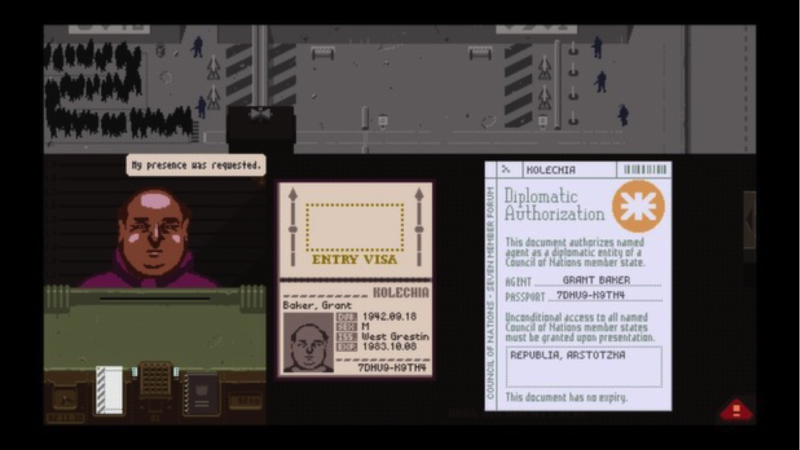
"content": "\u003cp>\u003cstrong>By Erin Wilkey Oh, Common Sense Education \u003c/strong>\u003c/p>\n\u003cp>\u003cspan style=\"font-weight: 400\">As the debate over U.S. immigration policy continues to divide voters across the country, more and more online resources are popping up to help us understand this complex, emotionally charged issue. \u003c/span>\u003c/p>\n\u003cp>\u003cspan style=\"font-weight: 400\">For young people without a personal connection to an immigration story, these websites, games, multimedia news pieces, and more, can help put a human face on an abstract debate. For students with first-hand knowledge of the immigrant experience, they can find validation of their stories and/or those of their friends and family.\u003c/span>\u003c/p>\n\u003cp>\u003cspan style=\"font-weight: 400\">The three tools below give teachers a few ways to approach the topic of immigration in the classroom. While none of these resources offers a complete picture of the situation on its own, they can help students step back for a big-picture, historical perspective on U.S. immigration, as well as zoom in for the details of the lived experience.\u003c/span>\u003c/p>\n\u003cp>\u003ca href=\"https://www.commonsense.org/education/website/american-panorama\">\u003cimg class=\"alignnone wp-image-45822 size-full\" src=\"http://ww2.kqed.org/mindshift/wp-content/uploads/sites/23/2016/07/Panorama.png\" alt=\"Panorama\" width=\"1300\" height=\"678\" srcset=\"https://ww2.kqed.org/app/uploads/sites/23/2016/07/Panorama.png 1300w, https://ww2.kqed.org/app/uploads/sites/23/2016/07/Panorama-400x209.png 400w, https://ww2.kqed.org/app/uploads/sites/23/2016/07/Panorama-800x417.png 800w, https://ww2.kqed.org/app/uploads/sites/23/2016/07/Panorama-768x401.png 768w, https://ww2.kqed.org/app/uploads/sites/23/2016/07/Panorama-1180x615.png 1180w, https://ww2.kqed.org/app/uploads/sites/23/2016/07/Panorama-960x501.png 960w\" sizes=\"(max-width: 1300px) 100vw, 1300px\">\u003c/a>\u003c/p>\n\u003cp>[ad fullwidth]\u003c/p>\n\u003cp>\u003ca href=\"https://www.graphite.org/website/american-panorama\">\u003cb>American Panorama\u003c/b>\u003c/a>\u003c/p>\n\u003cp>\u003cspan style=\"font-weight: 400\">With American Panorama’s foreign-born population map, students can analyze migration patterns for the whole country over time as well as zoom in on a specific year or location to see detailed data on countries of origin. This unique interactive resource can be a valuable supplement to a lesson or unit about U.S. immigration.\u003c/span>\u003c/p>\n\u003cp>\u003ca href=\"http://apps.npr.org/borderland/\">\u003cimg class=\"alignnone size-full wp-image-45825\" src=\"http://ww2.kqed.org/mindshift/wp-content/uploads/sites/23/2016/07/NPR.png\" alt=\"NPR\" width=\"1300\" height=\"634\" srcset=\"https://ww2.kqed.org/app/uploads/sites/23/2016/07/NPR.png 1300w, https://ww2.kqed.org/app/uploads/sites/23/2016/07/NPR-400x195.png 400w, https://ww2.kqed.org/app/uploads/sites/23/2016/07/NPR-800x390.png 800w, https://ww2.kqed.org/app/uploads/sites/23/2016/07/NPR-768x375.png 768w, https://ww2.kqed.org/app/uploads/sites/23/2016/07/NPR-1180x575.png 1180w, https://ww2.kqed.org/app/uploads/sites/23/2016/07/NPR-960x468.png 960w\" sizes=\"(max-width: 1300px) 100vw, 1300px\">\u003c/a>\u003c/p>\n\u003cp>\u003ca href=\"https://www.graphite.org/website/npr-borderland\">\u003cb>NPR: Borderland\u003c/b>\u003c/a>\u003c/p>\n\u003cp>\u003cspan style=\"font-weight: 400\">This collection of 12 multimedia stories as well as 22 podcasts offers an illuminating, intimate visit to the U.S.-Mexico border. Students can read or hear first-hand accounts of life on both sides of the border along with stories of crossing -- some successful, others not. Teachers can use Borderland for whole-class discussion and exploration, or give students time to experience these powerful stories on their own.\u003c/span>\u003c/p>\n\u003cp>\u003ca href=\"https://www.graphite.org/game/papers-please\">\u003cimg class=\"alignnone size-full wp-image-45824\" src=\"http://ww2.kqed.org/mindshift/wp-content/uploads/sites/23/2016/07/Papers-Please.png\" alt=\"Papers Please\" width=\"1288\" height=\"725\" srcset=\"https://ww2.kqed.org/app/uploads/sites/23/2016/07/Papers-Please.png 1288w, https://ww2.kqed.org/app/uploads/sites/23/2016/07/Papers-Please-400x225.png 400w, https://ww2.kqed.org/app/uploads/sites/23/2016/07/Papers-Please-800x450.png 800w, https://ww2.kqed.org/app/uploads/sites/23/2016/07/Papers-Please-768x432.png 768w, https://ww2.kqed.org/app/uploads/sites/23/2016/07/Papers-Please-1180x664.png 1180w, https://ww2.kqed.org/app/uploads/sites/23/2016/07/Papers-Please-960x540.png 960w\" sizes=\"(max-width: 1288px) 100vw, 1288px\">\u003c/a>\u003c/p>\n\u003cp>\u003ca href=\"https://www.graphite.org/game/papers-please\">\u003cb>Papers, Please\u003c/b>\u003c/a>\u003c/p>\n\u003cp>\u003cspan style=\"font-weight: 400\">Put students in the role of an immigration officer in this mature simulation game that forces tough ethical choices and explores the grim systems underpinning border control. Players approve or deny someone entry to a fictional country, basing their decisions on an ever-increasing number of virtual documents they must read and analyze. Teachers can help students contextualize their experiences with the game by facilitating extension activities, class discussion, research projects, and writing assignments focused on real-world border and immigration issues.\u003c/span>\u003c/p>\n\u003cp>\u003c/p>\n\u003cp>\u003cem>Erin Wilkey Oh is executive editor of \u003ca href=\"https://www.commonsensemedia.org/educators\" target=\"_blank\">Common Sense Education\u003c/a>, which helps educators find the best ed-tech tools, learn best practices for teaching with tech, and equip students with the skills they need to use technology safely and responsibly. Go to \u003ca href=\"https://www.commonsensemedia.org/educators\" target=\"_blank\">Common Sense Education\u003c/a> for free resources, including full reviews of digital tools.\u003c/em>\u003c/p>\n\n",
"disqusIdentifier": "45805 http://ww2.kqed.org/mindshift/?p=45805",
"disqusUrl": "https://ww2.kqed.org/mindshift/2016/07/20/3-digital-tools-for-helping-students-gain-perspective-on-immigration/",
"stats": {
"hasVideo": false,
"hasChartOrMap": false,
"hasAudio": false,
"hasPolis": false,
"wordCount": 426,
"hasGoogleForm": false,
"hasGallery": false,
"hasHearkenModule": false,
"iframeSrcs": [],
"paragraphCount": 16
},
"modified": 1468999270,
"excerpt": "Podcasts, websites and games can help students explore immigration issues more deeply. ",
"headData": {
"twImgId": "",
"twTitle": "",
"ogTitle": "",
"ogImgId": "",
"twDescription": "",
"description": "Podcasts, websites and games can help students explore immigration issues more deeply. ",
"title": "3 Digital Tools for Helping Students Gain Perspective on Immigration | KQED",
"ogDescription": "",
"schema": {
"@context": "https://schema.org",
"@type": "Article",
"headline": "3 Digital Tools for Helping Students Gain Perspective on Immigration",
"datePublished": "2016-07-20T00:17:08-07:00",
"dateModified": "2016-07-20T00:21:10-07:00",
"image": "https://cdn.kqed.org/wp-content/uploads/2020/02/KQED-OG-Image@1x.png"
}
},
"guestAuthors": [],
"slug": "3-digital-tools-for-helping-students-gain-perspective-on-immigration",
"status": "publish",
"path": "/mindshift/45805/3-digital-tools-for-helping-students-gain-perspective-on-immigration",
"audioTrackLength": null,
"parsedContent": [
{
"type": "contentString",
"content": "\u003cdiv class=\"post-body\">\u003cp>\u003cp>\u003cstrong>By Erin Wilkey Oh, Common Sense Education \u003c/strong>\u003c/p>\n\u003cp>\u003cspan style=\"font-weight: 400\">As the debate over U.S. immigration policy continues to divide voters across the country, more and more online resources are popping up to help us understand this complex, emotionally charged issue. \u003c/span>\u003c/p>\n\u003cp>\u003cspan style=\"font-weight: 400\">For young people without a personal connection to an immigration story, these websites, games, multimedia news pieces, and more, can help put a human face on an abstract debate. For students with first-hand knowledge of the immigrant experience, they can find validation of their stories and/or those of their friends and family.\u003c/span>\u003c/p>\n\u003cp>\u003cspan style=\"font-weight: 400\">The three tools below give teachers a few ways to approach the topic of immigration in the classroom. While none of these resources offers a complete picture of the situation on its own, they can help students step back for a big-picture, historical perspective on U.S. immigration, as well as zoom in for the details of the lived experience.\u003c/span>\u003c/p>\n\u003cp>\u003ca href=\"https://www.commonsense.org/education/website/american-panorama\">\u003cimg class=\"alignnone wp-image-45822 size-full\" src=\"http://ww2.kqed.org/mindshift/wp-content/uploads/sites/23/2016/07/Panorama.png\" alt=\"Panorama\" width=\"1300\" height=\"678\" srcset=\"https://ww2.kqed.org/app/uploads/sites/23/2016/07/Panorama.png 1300w, https://ww2.kqed.org/app/uploads/sites/23/2016/07/Panorama-400x209.png 400w, https://ww2.kqed.org/app/uploads/sites/23/2016/07/Panorama-800x417.png 800w, https://ww2.kqed.org/app/uploads/sites/23/2016/07/Panorama-768x401.png 768w, https://ww2.kqed.org/app/uploads/sites/23/2016/07/Panorama-1180x615.png 1180w, https://ww2.kqed.org/app/uploads/sites/23/2016/07/Panorama-960x501.png 960w\" sizes=\"(max-width: 1300px) 100vw, 1300px\">\u003c/a>\u003c/p>\n\u003cp>\u003c/p>\u003c/div>",
"attributes": {
"named": {},
"numeric": []
}
},
{
"type": "component",
"content": "",
"name": "ad",
"attributes": {
"named": {
"label": "fullwidth"
},
"numeric": [
"fullwidth"
]
}
},
{
"type": "contentString",
"content": "\u003cdiv class=\"post-body\">\u003cp>\u003c/p>\n\u003cp>\u003ca href=\"https://www.graphite.org/website/american-panorama\">\u003cb>American Panorama\u003c/b>\u003c/a>\u003c/p>\n\u003cp>\u003cspan style=\"font-weight: 400\">With American Panorama’s foreign-born population map, students can analyze migration patterns for the whole country over time as well as zoom in on a specific year or location to see detailed data on countries of origin. This unique interactive resource can be a valuable supplement to a lesson or unit about U.S. immigration.\u003c/span>\u003c/p>\n\u003cp>\u003ca href=\"http://apps.npr.org/borderland/\">\u003cimg class=\"alignnone size-full wp-image-45825\" src=\"http://ww2.kqed.org/mindshift/wp-content/uploads/sites/23/2016/07/NPR.png\" alt=\"NPR\" width=\"1300\" height=\"634\" srcset=\"https://ww2.kqed.org/app/uploads/sites/23/2016/07/NPR.png 1300w, https://ww2.kqed.org/app/uploads/sites/23/2016/07/NPR-400x195.png 400w, https://ww2.kqed.org/app/uploads/sites/23/2016/07/NPR-800x390.png 800w, https://ww2.kqed.org/app/uploads/sites/23/2016/07/NPR-768x375.png 768w, https://ww2.kqed.org/app/uploads/sites/23/2016/07/NPR-1180x575.png 1180w, https://ww2.kqed.org/app/uploads/sites/23/2016/07/NPR-960x468.png 960w\" sizes=\"(max-width: 1300px) 100vw, 1300px\">\u003c/a>\u003c/p>\n\u003cp>\u003ca href=\"https://www.graphite.org/website/npr-borderland\">\u003cb>NPR: Borderland\u003c/b>\u003c/a>\u003c/p>\n\u003cp>\u003cspan style=\"font-weight: 400\">This collection of 12 multimedia stories as well as 22 podcasts offers an illuminating, intimate visit to the U.S.-Mexico border. Students can read or hear first-hand accounts of life on both sides of the border along with stories of crossing -- some successful, others not. Teachers can use Borderland for whole-class discussion and exploration, or give students time to experience these powerful stories on their own.\u003c/span>\u003c/p>\n\u003cp>\u003ca href=\"https://www.graphite.org/game/papers-please\">\u003cimg class=\"alignnone size-full wp-image-45824\" src=\"http://ww2.kqed.org/mindshift/wp-content/uploads/sites/23/2016/07/Papers-Please.png\" alt=\"Papers Please\" width=\"1288\" height=\"725\" srcset=\"https://ww2.kqed.org/app/uploads/sites/23/2016/07/Papers-Please.png 1288w, https://ww2.kqed.org/app/uploads/sites/23/2016/07/Papers-Please-400x225.png 400w, https://ww2.kqed.org/app/uploads/sites/23/2016/07/Papers-Please-800x450.png 800w, https://ww2.kqed.org/app/uploads/sites/23/2016/07/Papers-Please-768x432.png 768w, https://ww2.kqed.org/app/uploads/sites/23/2016/07/Papers-Please-1180x664.png 1180w, https://ww2.kqed.org/app/uploads/sites/23/2016/07/Papers-Please-960x540.png 960w\" sizes=\"(max-width: 1288px) 100vw, 1288px\">\u003c/a>\u003c/p>\n\u003cp>\u003ca href=\"https://www.graphite.org/game/papers-please\">\u003cb>Papers, Please\u003c/b>\u003c/a>\u003c/p>\n\u003cp>\u003cspan style=\"font-weight: 400\">Put students in the role of an immigration officer in this mature simulation game that forces tough ethical choices and explores the grim systems underpinning border control. Players approve or deny someone entry to a fictional country, basing their decisions on an ever-increasing number of virtual documents they must read and analyze. Teachers can help students contextualize their experiences with the game by facilitating extension activities, class discussion, research projects, and writing assignments focused on real-world border and immigration issues.\u003c/span>\u003c/p>\n\u003cp>\u003c/p>\n\u003cp>\u003cem>Erin Wilkey Oh is executive editor of \u003ca href=\"https://www.commonsensemedia.org/educators\" target=\"_blank\">Common Sense Education\u003c/a>, which helps educators find the best ed-tech tools, learn best practices for teaching with tech, and equip students with the skills they need to use technology safely and responsibly. Go to \u003ca href=\"https://www.commonsensemedia.org/educators\" target=\"_blank\">Common Sense Education\u003c/a> for free resources, including full reviews of digital tools.\u003c/em>\u003c/p>\n\n\u003c/div>\u003c/p>",
"attributes": {
"named": {},
"numeric": []
}
}
],
"link": "/mindshift/45805/3-digital-tools-for-helping-students-gain-perspective-on-immigration",
"authors": [
"4354"
],
"categories": [
"mindshift_195"
],
"tags": [
"mindshift_20912",
"mindshift_962",
"mindshift_20784",
"mindshift_1040",
"mindshift_548",
"mindshift_21017",
"mindshift_74"
],
"featImg": "mindshift_45824",
"label": "mindshift"
},
"mindshift_45197": {
"type": "posts",
"id": "mindshift_45197",
"meta": {
"index": "posts_1716263798",
"site": "mindshift",
"id": "45197",
"score": null,
"sort": [
1466585192000
]
},
"parent": 0,
"labelTerm": {
"site": "mindshift"
},
"blocks": [],
"publishDate": 1466585192,
"format": "standard",
"disqusTitle": "Librarian Approved: 30 Ed-Tech Apps to Inspire Creativity and Creation",
"title": "Librarian Approved: 30 Ed-Tech Apps to Inspire Creativity and Creation",
"headTitle": "MindShift | KQED News",
"content": "\u003cp>Tool discovery is often a challenge for teachers interested in finding ways to use technology that will change the way they and their students work. With so much going on in the classroom, many teachers don’t have the time to test out various apps and find the perfect tool to meet their needs. Luckily, several tech-savvy librarians have been \u003ca href=\"http://ww2.kqed.org/mindshift/2015/07/29/teacher-recommended-50-favorite-teaching-apps/\" target=\"_blank\">curating the apps\u003c/a> their colleagues find useful and sharing the all-stars with one another through personal learning communities (PLC) and \u003ca href=\"http://www.edweb.net/emergingtech\">edWeb webinars\u003c/a>.\u003c/p>\n\u003cp>These educators are paying attention to their own working habits, as well as those of students, to figure out which technology products and trends are here to stay. \u003ca href=\"http://mluhtala.blogspot.com/\" target=\"_blank\">Michelle Luhtala\u003c/a>, a school librarian in New Canaan, Connecticut, has noticed that much of her own work has transitioned from the computer to her smartphone. She sees the same trend in students, but also recognizes many schools have policies against phones because they can be distractions.\u003c/p>\n\u003cp>Luhtala sees school policies banning phones as a disconnect between school and the real world, where mobile devices are aiding productivity more than ever. She often hears from teachers and other colleagues that mobile devices aren’t useful because it’s hard for students to read and type on small screens. But Luhtala wonders if the conversation is too focused are on using new devices in old ways.\u003c/p>\n\u003cp>“If this is what’s the big deal about mobile learning, then maybe mobile learning does not always require typing and reading,” Luhtala said in an \u003ca href=\"http://home.edweb.net/\" target=\"_blank\">edWeb\u003c/a> webinar. “We don’t want to use technology to replace or substitute what we’re doing and have it be the same thing we’ve been doing,” Luhtala said. The real promise of education technology is to \u003ca href=\"http://ww2.kqed.org/mindshift/2014/08/06/what-are-the-most-powerful-uses-of-tech-for-learning/\" target=\"_blank\">redefine how students learn\u003c/a>. That doesn’t mean reading and writing won’t be an important part of education, but it could mean that educators need to continue thinking creatively about the best use for powerful and ubiquitous tools like smartphones.\u003c/p>\n\u003cp>For her own productivity, Luhtala likes the changes \u003ca href=\"http://www.audible.com/mt/Apps/\" target=\"_blank\">Audible\u003c/a> has made to its app, which now allows her to put different news sources into channels, that can be read aloud to her while she’s getting ready in the morning or commuting to work. “It is transformational for me to be able to have my newspaper read to me through an app,” she said.\u003c/p>\n\u003cp>[ad fullwidth]\u003c/p>\n\u003cp>She’s also pleased that \u003ca href=\"https://www.google.com/slides/about/\" target=\"_blank\">Google Slides\u003c/a> now allows users to insert charts, which she says has been long overdue, and adds more functionality. In addition to highlighting some of her favorite digital learning tools, Luhtala called on her professional learning community to recommend their favorite learning apps. Together, they offer this list to overburdened educators looking to hone in on just the right tech tool.\u003c/p>\n\u003cp>\u003cstrong>30 APPS LIBRARIANS RECOMMEND\u003c/strong>\u003c/p>\n\u003cp>\u003ca href=\"http://www.adobe.com/products/capture.html\" target=\"_blank\">\u003cstrong>\u003cbr>\n\u003cimg class=\"alignleft wp-image-45561\" src=\"http://ww2.kqed.org/mindshift/wp-content/uploads/sites/23/2016/05/Adobe-Capture.png\" alt=\"Adobe Capture\" width=\"200\" height=\"200\" srcset=\"https://ww2.kqed.org/app/uploads/sites/23/2016/05/Adobe-Capture.png 300w, https://ww2.kqed.org/app/uploads/sites/23/2016/05/Adobe-Capture-50x50.png 50w, https://ww2.kqed.org/app/uploads/sites/23/2016/05/Adobe-Capture-32x32.png 32w, https://ww2.kqed.org/app/uploads/sites/23/2016/05/Adobe-Capture-64x64.png 64w, https://ww2.kqed.org/app/uploads/sites/23/2016/05/Adobe-Capture-96x96.png 96w, https://ww2.kqed.org/app/uploads/sites/23/2016/05/Adobe-Capture-128x128.png 128w, https://ww2.kqed.org/app/uploads/sites/23/2016/05/Adobe-Capture-150x150.png 150w\" sizes=\"(max-width: 200px) 100vw, 200px\">Adobe Capture\u003c/strong>\u003c/a>: “This is one of my two favorite new things,” Luhtala said. The app lets users take a photo of something and then trace the outline. A student can then erase parts, color it in, or enhance areas, all based on the initial sketch provided by the photo. “This has been my dream app because I don’t draw well, but I do art well,” Luhtala said. “It is super rich.”\u003c/p>\n\u003cp>\u003cstrong>\u003ca href=\"https://spark.adobe.com/about/video\">\u003cimg class=\"alignleft wp-image-45562\" src=\"http://ww2.kqed.org/mindshift/wp-content/uploads/sites/23/2016/05/Adobe-Voice.png\" alt=\"Adobe Voice\" width=\"200\" height=\"200\" srcset=\"https://ww2.kqed.org/app/uploads/sites/23/2016/05/Adobe-Voice.png 340w, https://ww2.kqed.org/app/uploads/sites/23/2016/05/Adobe-Voice-50x50.png 50w, https://ww2.kqed.org/app/uploads/sites/23/2016/05/Adobe-Voice-32x32.png 32w, https://ww2.kqed.org/app/uploads/sites/23/2016/05/Adobe-Voice-64x64.png 64w, https://ww2.kqed.org/app/uploads/sites/23/2016/05/Adobe-Voice-96x96.png 96w, https://ww2.kqed.org/app/uploads/sites/23/2016/05/Adobe-Voice-128x128.png 128w, https://ww2.kqed.org/app/uploads/sites/23/2016/05/Adobe-Voice-150x150.png 150w\" sizes=\"(max-width: 200px) 100vw, 200px\">\u003c/a>\u003c/strong>\u003c/p>\n\u003cp>\u003cstrong>Adobe Voice (now called \u003ca href=\"https://spark.adobe.com/about/video\" target=\"_blank\">Adobe Spark\u003c/a>):\u003c/strong> Librarians recommend this app because it’s an easy way of kids to attach a voice memo over an image. It can be a good presentation tool. “You have to have a subscription, but you don’t have to pay for your subscription,”Luhtala said, so don’t be put off by a sign up process.\u003c/p>\n\u003cp>\u003cstrong>\u003cbr>\n\u003ca href=\"https://www.aviary.com/\">\u003cimg class=\"alignleft wp-image-45580\" src=\"http://ww2.kqed.org/mindshift/wp-content/uploads/sites/23/2016/05/Photo-Editor.jpeg\" alt=\"Photo Editor\" width=\"200\" height=\"200\" srcset=\"https://ww2.kqed.org/app/uploads/sites/23/2016/05/Photo-Editor.jpeg 225w, https://ww2.kqed.org/app/uploads/sites/23/2016/05/Photo-Editor-50x50.jpeg 50w, https://ww2.kqed.org/app/uploads/sites/23/2016/05/Photo-Editor-32x32.jpeg 32w, https://ww2.kqed.org/app/uploads/sites/23/2016/05/Photo-Editor-64x64.jpeg 64w, https://ww2.kqed.org/app/uploads/sites/23/2016/05/Photo-Editor-96x96.jpeg 96w, https://ww2.kqed.org/app/uploads/sites/23/2016/05/Photo-Editor-128x128.jpeg 128w, https://ww2.kqed.org/app/uploads/sites/23/2016/05/Photo-Editor-150x150.jpeg 150w\" sizes=\"(max-width: 200px) 100vw, 200px\">\u003c/a>\u003c/strong>\u003cstrong>Photo Editor by Aviary:\u003c/strong> This powerful photo editing app allows students to make all the tweaks they need to produce a stellar photo. Luhtala said it reminds her of Photoshop, but for a phone.\u003c/p>\n\u003cp> \u003c/p>\n\u003cp> \u003c/p>\n\u003cp>\u003cstrong>\u003ca href=\"http://www.bloxelsbuilder.com/\">\u003cimg class=\"alignleft wp-image-45563\" src=\"http://ww2.kqed.org/mindshift/wp-content/uploads/sites/23/2016/05/Bloxels.png\" alt=\"Bloxels\" width=\"200\" height=\"200\" srcset=\"https://ww2.kqed.org/app/uploads/sites/23/2016/05/Bloxels.png 300w, https://ww2.kqed.org/app/uploads/sites/23/2016/05/Bloxels-50x50.png 50w, https://ww2.kqed.org/app/uploads/sites/23/2016/05/Bloxels-32x32.png 32w, https://ww2.kqed.org/app/uploads/sites/23/2016/05/Bloxels-64x64.png 64w, https://ww2.kqed.org/app/uploads/sites/23/2016/05/Bloxels-96x96.png 96w, https://ww2.kqed.org/app/uploads/sites/23/2016/05/Bloxels-128x128.png 128w, https://ww2.kqed.org/app/uploads/sites/23/2016/05/Bloxels-150x150.png 150w\" sizes=\"(max-width: 200px) 100vw, 200px\">\u003c/a>\u003ca href=\"http://www.bloxelsbuilder.com/\" target=\"_blank\">Bloxels\u003c/a>:\u003c/strong> This new game creation app is made by the same company that makes Pixel Floor Press and the two products are compatible. It allows a user to create the characters that will populate their game. “I’m using it right now to re-tell a nursery rhyme with fifth graders,” said \u003ca href=\"http://vanmeterlibraryvoice.blogspot.com/\">Shannon Miller\u003c/a>, who co-presented the webinar.\u003c/p>\n\u003cp>\u003cstrong>\u003ca href=\"http://www.redjumper.net/bookcreator/\" target=\"_blank\">\u003cbr>\n\u003c/a>\u003ca href=\"http://www.redjumper.net/bookcreator/\">\u003cimg class=\"alignleft wp-image-45564\" src=\"http://ww2.kqed.org/mindshift/wp-content/uploads/sites/23/2016/05/Book-editor.png\" alt=\"Book editor\" width=\"200\" height=\"200\" srcset=\"https://ww2.kqed.org/app/uploads/sites/23/2016/05/Book-editor.png 300w, https://ww2.kqed.org/app/uploads/sites/23/2016/05/Book-editor-50x50.png 50w, https://ww2.kqed.org/app/uploads/sites/23/2016/05/Book-editor-32x32.png 32w, https://ww2.kqed.org/app/uploads/sites/23/2016/05/Book-editor-64x64.png 64w, https://ww2.kqed.org/app/uploads/sites/23/2016/05/Book-editor-96x96.png 96w, https://ww2.kqed.org/app/uploads/sites/23/2016/05/Book-editor-128x128.png 128w, https://ww2.kqed.org/app/uploads/sites/23/2016/05/Book-editor-150x150.png 150w\" sizes=\"(max-width: 200px) 100vw, 200px\">\u003c/a>\u003ca href=\"http://www.redjumper.net/bookcreator/\" target=\"_blank\">Book Creator\u003c/a>:\u003c/strong> The app works best on Apple products, but allows kids to make their own books. “It’s a little tricky, but not really for kids and not once you use it a couple of times,” Miller said.\u003c/p>\n\u003cp> \u003c/p>\n\u003cp> \u003c/p>\n\u003cp>\u003cstrong>\u003ca href=\"https://www.edu.buncee.com/\">\u003cimg class=\"alignleft wp-image-45565\" src=\"http://ww2.kqed.org/mindshift/wp-content/uploads/sites/23/2016/05/buncee.png\" alt=\"buncee\" width=\"200\" height=\"200\" srcset=\"https://ww2.kqed.org/app/uploads/sites/23/2016/05/buncee.png 510w, https://ww2.kqed.org/app/uploads/sites/23/2016/05/buncee-400x400.png 400w, https://ww2.kqed.org/app/uploads/sites/23/2016/05/buncee-50x50.png 50w, https://ww2.kqed.org/app/uploads/sites/23/2016/05/buncee-32x32.png 32w, https://ww2.kqed.org/app/uploads/sites/23/2016/05/buncee-64x64.png 64w, https://ww2.kqed.org/app/uploads/sites/23/2016/05/buncee-96x96.png 96w, https://ww2.kqed.org/app/uploads/sites/23/2016/05/buncee-128x128.png 128w, https://ww2.kqed.org/app/uploads/sites/23/2016/05/buncee-150x150.png 150w\" sizes=\"(max-width: 200px) 100vw, 200px\">\u003c/a>\u003ca href=\"https://www.edu.buncee.com/\" target=\"_blank\">Buncee\u003c/a>:\u003c/strong> This app allows users to add images, text, video and interactive stickers to an existing product. “I love uploading student work and adding interactive things on top,” Miller said. Her college-aged daughter, meanwhile, uses it for presentations because it’s a good storytelling tool. Students can also work on individual Buncees and then stitch them together into a collaborative project. The end result doesn’t print well, but it is possible to create a QR code for the Buncee and view it on the app or website.\u003c/p>\n\u003cp>\u003cstrong>\u003ca href=\"http://www.theeasyappcompany.com/app/easy-blogger-jr/\" target=\"_blank\">\u003cbr>\n\u003c/a>\u003ca href=\"http://www.theeasyappcompany.com/app/easy-blogger-jr/\">\u003cimg class=\"alignleft wp-image-45566\" src=\"http://ww2.kqed.org/mindshift/wp-content/uploads/sites/23/2016/05/easy-Blogger.png\" alt=\"easy Blogger\" width=\"200\" height=\"200\" srcset=\"https://ww2.kqed.org/app/uploads/sites/23/2016/05/easy-Blogger.png 1300w, https://ww2.kqed.org/app/uploads/sites/23/2016/05/easy-Blogger-400x400.png 400w, https://ww2.kqed.org/app/uploads/sites/23/2016/05/easy-Blogger-800x800.png 800w, https://ww2.kqed.org/app/uploads/sites/23/2016/05/easy-Blogger-768x768.png 768w, https://ww2.kqed.org/app/uploads/sites/23/2016/05/easy-Blogger-1180x1180.png 1180w, https://ww2.kqed.org/app/uploads/sites/23/2016/05/easy-Blogger-960x960.png 960w, https://ww2.kqed.org/app/uploads/sites/23/2016/05/easy-Blogger-50x50.png 50w, https://ww2.kqed.org/app/uploads/sites/23/2016/05/easy-Blogger-32x32.png 32w, https://ww2.kqed.org/app/uploads/sites/23/2016/05/easy-Blogger-64x64.png 64w, https://ww2.kqed.org/app/uploads/sites/23/2016/05/easy-Blogger-96x96.png 96w, https://ww2.kqed.org/app/uploads/sites/23/2016/05/easy-Blogger-128x128.png 128w, https://ww2.kqed.org/app/uploads/sites/23/2016/05/easy-Blogger-150x150.png 150w\" sizes=\"(max-width: 200px) 100vw, 200px\">\u003c/a>\u003ca href=\"http://www.theeasyappcompany.com/app/easy-blogger-jr/\" target=\"_blank\">Easy Blogger Jr\u003c/a>:\u003c/strong> There are many blogging sites for students that work well, but Miller recommends this one because \u003ca href=\"http://mscassidysclass.edublogs.org/\" target=\"_blank\">Kathy Cassidy uses it with first graders\u003c/a>. “I’ve always loved using \u003ca href=\"http://kidblog.org/home/\" target=\"_blank\">Kidblog\u003c/a> and \u003ca href=\"https://www.edmodo.com/\" target=\"_blank\">Edmodo\u003c/a>, but this is spot-on the easiest things I’ve seen, especially for younger learners,” Miller said. Rather than asking five- and six-year olds to remember usernames and passwords, students can login with their photos. The app version costs $5.99 but the web-based version is free.\u003c/p>\n\u003cp>\u003cstrong>\u003ca href=\"https://edpuzzle.com/\" target=\"_blank\">\u003cbr>\n\u003c/a>\u003ca href=\"https://edpuzzle.com/\">\u003cimg class=\"alignleft wp-image-45567\" src=\"http://ww2.kqed.org/mindshift/wp-content/uploads/sites/23/2016/05/Edpuzzle.png\" alt=\"Edpuzzle\" width=\"200\" height=\"200\" srcset=\"https://ww2.kqed.org/app/uploads/sites/23/2016/05/Edpuzzle.png 500w, https://ww2.kqed.org/app/uploads/sites/23/2016/05/Edpuzzle-400x400.png 400w, https://ww2.kqed.org/app/uploads/sites/23/2016/05/Edpuzzle-50x50.png 50w, https://ww2.kqed.org/app/uploads/sites/23/2016/05/Edpuzzle-32x32.png 32w, https://ww2.kqed.org/app/uploads/sites/23/2016/05/Edpuzzle-64x64.png 64w, https://ww2.kqed.org/app/uploads/sites/23/2016/05/Edpuzzle-96x96.png 96w, https://ww2.kqed.org/app/uploads/sites/23/2016/05/Edpuzzle-128x128.png 128w, https://ww2.kqed.org/app/uploads/sites/23/2016/05/Edpuzzle-150x150.png 150w\" sizes=\"(max-width: 200px) 100vw, 200px\">\u003c/a>\u003ca href=\"https://edpuzzle.com/\" target=\"_blank\">Edpuzzle\u003c/a>:\u003c/strong> Recommended by Jay Salerno, this app is a great tool for teachers who are flipping instruction. “You can embed interactive elements to video instruction,” Luhtala said. One of the hazards of flipping is that lecture will remain supreme, but in a different form. Adding interactive elements is a good way to force students to interact with the material, and when they are more engaged they will hopefully grow curious.\u003c/p>\n\u003cp>\u003cstrong>\u003ca href=\"https://flipster.ebsco.com/\">\u003cbr>\n\u003c/a>\u003ca href=\"https://flipster.ebsco.com/\">\u003cimg class=\"alignleft wp-image-45568\" src=\"http://ww2.kqed.org/mindshift/wp-content/uploads/sites/23/2016/05/Flipster.png\" alt=\"Flipster\" width=\"200\" height=\"200\" srcset=\"https://ww2.kqed.org/app/uploads/sites/23/2016/05/Flipster.png 300w, https://ww2.kqed.org/app/uploads/sites/23/2016/05/Flipster-50x50.png 50w, https://ww2.kqed.org/app/uploads/sites/23/2016/05/Flipster-32x32.png 32w, https://ww2.kqed.org/app/uploads/sites/23/2016/05/Flipster-64x64.png 64w, https://ww2.kqed.org/app/uploads/sites/23/2016/05/Flipster-96x96.png 96w, https://ww2.kqed.org/app/uploads/sites/23/2016/05/Flipster-128x128.png 128w, https://ww2.kqed.org/app/uploads/sites/23/2016/05/Flipster-150x150.png 150w\" sizes=\"(max-width: 200px) 100vw, 200px\">\u003c/a>\u003ca href=\"https://flipster.ebsco.com/\">Flipster\u003c/a>:\u003c/strong> This digital magazine app is more easily discoverable for students. Luhtala has found that often students forget that digital magazines are a resource for them, so in her library she makes Flipster search results show up as part of any Google search a student conducts. “If you are going to introduce a new electronic platform, it can take three years to really take hold,” Luhtala cautioned. Flipster is trying to make the digital magazine reading experience more seamless.\u003c/p>\n\u003cp>\u003cstrong>\u003ca href=\"https://itunes.apple.com/us/app/gboard-search.-gifs.-emojis/id1091700242?mt=8\">\u003cbr>\n\u003c/a>\u003ca href=\"https://itunes.apple.com/us/app/gboard-search.-gifs.-emojis/id1091700242?mt=8\">\u003cimg class=\"alignleft wp-image-45569\" src=\"http://ww2.kqed.org/mindshift/wp-content/uploads/sites/23/2016/05/Gboard.jpg\" alt=\"Gboard\" width=\"200\" height=\"200\" srcset=\"https://ww2.kqed.org/app/uploads/sites/23/2016/05/Gboard.jpg 500w, https://ww2.kqed.org/app/uploads/sites/23/2016/05/Gboard-400x400.jpg 400w, https://ww2.kqed.org/app/uploads/sites/23/2016/05/Gboard-50x50.jpg 50w, https://ww2.kqed.org/app/uploads/sites/23/2016/05/Gboard-32x32.jpg 32w, https://ww2.kqed.org/app/uploads/sites/23/2016/05/Gboard-64x64.jpg 64w, https://ww2.kqed.org/app/uploads/sites/23/2016/05/Gboard-96x96.jpg 96w, https://ww2.kqed.org/app/uploads/sites/23/2016/05/Gboard-128x128.jpg 128w, https://ww2.kqed.org/app/uploads/sites/23/2016/05/Gboard-150x150.jpg 150w\" sizes=\"(max-width: 200px) 100vw, 200px\">\u003c/a>\u003ca href=\"https://itunes.apple.com/us/app/gboard-search.-gifs.-emojis/id1091700242?mt=8\">GBoard\u003c/a>:\u003c/strong> “This is one of the buzz things,” Miller said. The free app allows a user to search Google while typing out a message on a phone. For example, if a teacher is texting a parent about an upcoming event, she can search the event page and link to it within the text message.\u003c/p>\n\u003cp>\u003cstrong>\u003ca href=\"https://www.goodreads.com/\">\u003cbr>\n\u003c/a>\u003ca href=\"https://www.goodreads.com/\">\u003cimg class=\"alignleft wp-image-45570\" src=\"http://ww2.kqed.org/mindshift/wp-content/uploads/sites/23/2016/05/Goodreads.png\" alt=\"Goodreads\" width=\"200\" height=\"199\" srcset=\"https://ww2.kqed.org/app/uploads/sites/23/2016/05/Goodreads.png 300w, https://ww2.kqed.org/app/uploads/sites/23/2016/05/Goodreads-50x50.png 50w, https://ww2.kqed.org/app/uploads/sites/23/2016/05/Goodreads-32x32.png 32w, https://ww2.kqed.org/app/uploads/sites/23/2016/05/Goodreads-64x64.png 64w, https://ww2.kqed.org/app/uploads/sites/23/2016/05/Goodreads-96x96.png 96w, https://ww2.kqed.org/app/uploads/sites/23/2016/05/Goodreads-128x128.png 128w, https://ww2.kqed.org/app/uploads/sites/23/2016/05/Goodreads-150x150.png 150w\" sizes=\"(max-width: 200px) 100vw, 200px\">\u003c/a>\u003ca href=\"https://www.goodreads.com/\">Goodreads\u003c/a>:\u003c/strong> Luhtala appreciates Goodreads because it helps make reading social. Students can easily search each other’s reading lists for ideas. As a librarian, she also finds it to be a huge timesaver when teachers are coming up with their summer reading lists. She can scan the books’ barcodes and easily add 50 to 100 books, order them in lists and embed them on the library site or in emails to students. Miller recommends \u003ca href=\"https://www.biblionasium.com/#tab/content-spring-mix\">Biblionasium\u003c/a> as a good alternative for younger learners, especially because students can recommend books to one another. If a library uses \u003ca href=\"http://www.follettlearning.com/technology/products/library-management-system\">Follett Destiny\u003c/a>, sharing functions are integrated there too.\u003c/p>\n\u003cp>\u003cstrong>\u003ca href=\"http://justgum.it/\">\u003cbr>\n\u003c/a>\u003ca href=\"http://justgum.it/\">\u003cimg class=\"alignleft wp-image-45571\" src=\"http://ww2.kqed.org/mindshift/wp-content/uploads/sites/23/2016/05/Gum.png\" alt=\"Gum\" width=\"200\" height=\"200\" srcset=\"https://ww2.kqed.org/app/uploads/sites/23/2016/05/Gum.png 175w, https://ww2.kqed.org/app/uploads/sites/23/2016/05/Gum-50x50.png 50w, https://ww2.kqed.org/app/uploads/sites/23/2016/05/Gum-32x32.png 32w, https://ww2.kqed.org/app/uploads/sites/23/2016/05/Gum-64x64.png 64w, https://ww2.kqed.org/app/uploads/sites/23/2016/05/Gum-96x96.png 96w, https://ww2.kqed.org/app/uploads/sites/23/2016/05/Gum-128x128.png 128w, https://ww2.kqed.org/app/uploads/sites/23/2016/05/Gum-150x150.png 150w\" sizes=\"(max-width: 200px) 100vw, 200px\">\u003c/a>\u003ca href=\"http://justgum.it/\">GUM\u003c/a>:\u003c/strong> This app was not specifically designed for the education space, but Miller says she has seen teachers use what is essentially a free social pinboard in interesting ways. The app allows users to scan ISBN codes on books or barcodes on products and then add comments. This could be useful in a health class about the ingredients in food products or in an English class where students can add a book review or other thoughts about something they’ve read.\u003c/p>\n\u003cp>\u003cstrong>\u003ca href=\"http://en.kiosko.net/\">\u003cbr>\n\u003c/a>\u003ca href=\"http://en.kiosko.net/\">\u003cimg class=\"alignleft wp-image-45572\" src=\"http://ww2.kqed.org/mindshift/wp-content/uploads/sites/23/2016/05/Kiosko.png\" alt=\"Kiosko\" width=\"200\" height=\"200\" srcset=\"https://ww2.kqed.org/app/uploads/sites/23/2016/05/Kiosko.png 512w, https://ww2.kqed.org/app/uploads/sites/23/2016/05/Kiosko-400x400.png 400w, https://ww2.kqed.org/app/uploads/sites/23/2016/05/Kiosko-50x50.png 50w, https://ww2.kqed.org/app/uploads/sites/23/2016/05/Kiosko-32x32.png 32w, https://ww2.kqed.org/app/uploads/sites/23/2016/05/Kiosko-64x64.png 64w, https://ww2.kqed.org/app/uploads/sites/23/2016/05/Kiosko-96x96.png 96w, https://ww2.kqed.org/app/uploads/sites/23/2016/05/Kiosko-128x128.png 128w, https://ww2.kqed.org/app/uploads/sites/23/2016/05/Kiosko-150x150.png 150w\" sizes=\"(max-width: 200px) 100vw, 200px\">\u003c/a>\u003ca href=\"http://en.kiosko.net/\">Kiosko\u003c/a>:\u003c/strong> This app offers an international news database that goes back to 1945. ”Kiosko will give you the front page news from around the world,” Luhtala said. This is a powerful tool for students looking to gather different perspectives on historical events. Students can read Soviet newspapers from the Soviet era, for example, although it might take a little help from a translation app to understand the Russian. “Our curriculum is really world history centric,” Luhtala said. “They have to examine history through other people’s eyes.”\u003c/p>\n\u003cp>\u003cstrong>\u003ca href=\"https://storybird.com/lark/\">\u003cbr>\n\u003c/a>\u003ca href=\"https://storybird.com/lark/\">\u003cimg class=\"alignleft wp-image-45573\" src=\"http://ww2.kqed.org/mindshift/wp-content/uploads/sites/23/2016/05/Lark-by-Storybird.jpg\" alt=\"Lark by Storybird\" width=\"200\" height=\"200\" srcset=\"https://ww2.kqed.org/app/uploads/sites/23/2016/05/Lark-by-Storybird.jpg 400w, https://ww2.kqed.org/app/uploads/sites/23/2016/05/Lark-by-Storybird-50x50.jpg 50w, https://ww2.kqed.org/app/uploads/sites/23/2016/05/Lark-by-Storybird-32x32.jpg 32w, https://ww2.kqed.org/app/uploads/sites/23/2016/05/Lark-by-Storybird-64x64.jpg 64w, https://ww2.kqed.org/app/uploads/sites/23/2016/05/Lark-by-Storybird-96x96.jpg 96w, https://ww2.kqed.org/app/uploads/sites/23/2016/05/Lark-by-Storybird-128x128.jpg 128w, https://ww2.kqed.org/app/uploads/sites/23/2016/05/Lark-by-Storybird-150x150.jpg 150w\" sizes=\"(max-width: 200px) 100vw, 200px\">\u003c/a>\u003ca href=\"https://storybird.com/lark/\">Lark by Storybird\u003c/a>:\u003c/strong> This digital storytelling tool is especially good for poetry. It’s available free on both mobile devices and on a web-based platform and allows kids to embellish their poetry with illustrations and text that capture their emotions. Creations can be kept private or published and they also print well.\u003c/p>\n\u003cp>\u003cstrong>\u003ca href=\"https://itunes.apple.com/us/app/lego-movie-maker/id516001587?mt=8\">\u003cbr>\n\u003c/a>\u003ca href=\"https://itunes.apple.com/us/app/lego-movie-maker/id516001587?mt=8\">\u003cimg class=\"alignleft wp-image-45574\" src=\"http://ww2.kqed.org/mindshift/wp-content/uploads/sites/23/2016/05/Lego-Movie-Maker.jpg\" alt=\"Lego-Movie-Maker\" width=\"200\" height=\"200\" srcset=\"https://ww2.kqed.org/app/uploads/sites/23/2016/05/Lego-Movie-Maker.jpg 500w, https://ww2.kqed.org/app/uploads/sites/23/2016/05/Lego-Movie-Maker-400x400.jpg 400w, https://ww2.kqed.org/app/uploads/sites/23/2016/05/Lego-Movie-Maker-50x50.jpg 50w, https://ww2.kqed.org/app/uploads/sites/23/2016/05/Lego-Movie-Maker-32x32.jpg 32w, https://ww2.kqed.org/app/uploads/sites/23/2016/05/Lego-Movie-Maker-64x64.jpg 64w, https://ww2.kqed.org/app/uploads/sites/23/2016/05/Lego-Movie-Maker-96x96.jpg 96w, https://ww2.kqed.org/app/uploads/sites/23/2016/05/Lego-Movie-Maker-128x128.jpg 128w, https://ww2.kqed.org/app/uploads/sites/23/2016/05/Lego-Movie-Maker-150x150.jpg 150w\" sizes=\"(max-width: 200px) 100vw, 200px\">\u003c/a>\u003ca href=\"https://itunes.apple.com/us/app/lego-movie-maker/id516001587?mt=8\">LEGO Movie Maker\u003c/a>:\u003c/strong> Although made by Lego, this free stop motion app is an easy-to-use solution for any kind of video creation, Miller said. She likes it because it’s easy to add titles, slow the animation down, or speed it up.\u003c/p>\n\u003cp> \u003c/p>\n\u003cp>\u003cstrong>\u003ca href=\"https://www.lucidchart.com/pages/b/home_page_ghost?utm_expid=11945330-439.K7oaBLbBQdiJDp9cWp4yRA.1&utm_referrer=https%3A%2F%2Fwww.google.com%2F\">\u003cbr>\n\u003c/a>\u003ca href=\"https://www.lucidchart.com/pages/b/examples?utm_expid=11945330-447._VgdAoteTpStHrSIOFnBOg.1&utm_referrer=https%3A%2F%2Fww2.kqed.org%2Fmindshift%2F%3Fp%3D45197%26preview%3Dtrue\">\u003cimg class=\"alignleft wp-image-45575\" src=\"http://ww2.kqed.org/mindshift/wp-content/uploads/sites/23/2016/05/LucidChart.png\" alt=\"LucidChart\" width=\"200\" height=\"200\" srcset=\"https://ww2.kqed.org/app/uploads/sites/23/2016/05/LucidChart.png 500w, https://ww2.kqed.org/app/uploads/sites/23/2016/05/LucidChart-400x400.png 400w, https://ww2.kqed.org/app/uploads/sites/23/2016/05/LucidChart-50x50.png 50w, https://ww2.kqed.org/app/uploads/sites/23/2016/05/LucidChart-32x32.png 32w, https://ww2.kqed.org/app/uploads/sites/23/2016/05/LucidChart-64x64.png 64w, https://ww2.kqed.org/app/uploads/sites/23/2016/05/LucidChart-96x96.png 96w, https://ww2.kqed.org/app/uploads/sites/23/2016/05/LucidChart-128x128.png 128w, https://ww2.kqed.org/app/uploads/sites/23/2016/05/LucidChart-150x150.png 150w\" sizes=\"(max-width: 200px) 100vw, 200px\">\u003c/a>\u003ca href=\"https://www.lucidchart.com/\">Lucidchart\u003c/a>:\u003c/strong> Luhtala likes to offer students lots of app choices when it comes to mind mapping because she wants them to find the right tool that lets them think and express in their own way. She likes Lucidchart personally because she can easily turn a spreadsheet into a flowchart. “It’s really well organized and it’s pretty robust in terms of the kind of manipulation you can do,” Luhtala said.\u003c/p>\n\u003cp>\u003cstrong>\u003ca href=\"https://nearpod.com/\">\u003cbr>\n\u003c/a>\u003ca href=\"https://nearpod.com/\">\u003cimg class=\"alignleft wp-image-45578\" src=\"http://ww2.kqed.org/mindshift/wp-content/uploads/sites/23/2016/05/Nearpod.png\" alt=\"Nearpod\" width=\"200\" height=\"200\" srcset=\"https://ww2.kqed.org/app/uploads/sites/23/2016/05/Nearpod.png 300w, https://ww2.kqed.org/app/uploads/sites/23/2016/05/Nearpod-50x50.png 50w, https://ww2.kqed.org/app/uploads/sites/23/2016/05/Nearpod-32x32.png 32w, https://ww2.kqed.org/app/uploads/sites/23/2016/05/Nearpod-64x64.png 64w, https://ww2.kqed.org/app/uploads/sites/23/2016/05/Nearpod-96x96.png 96w, https://ww2.kqed.org/app/uploads/sites/23/2016/05/Nearpod-128x128.png 128w, https://ww2.kqed.org/app/uploads/sites/23/2016/05/Nearpod-150x150.png 150w\" sizes=\"(max-width: 200px) 100vw, 200px\">\u003c/a>\u003ca href=\"https://nearpod.com/\">Nearpod\u003c/a>:\u003c/strong> “It’s been really transformational,” Luhtala said of this app. She often makes lessons in Google Slides, which eventually end up in video form. But both of those options leave out student interactivity. Now she puts her slideshows in Nearpod and can easily embed questions and quizzes or ask students to share links and images. If every student has a device, teachers can also ask all students the same question and then push out the answer. For example, Luhtala asked students if they needed to cite something that was not a direct quote. Half the class responded “no,” a misperception Luhtala wanted to quickly correct. When she pushed those results to the whole class, it sent a powerful message.\u003c/p>\n\u003cp>\u003cstrong>\u003ca href=\"http://www.nytimes.com/newsgraphics/2015/nytvr/\">\u003cbr>\n\u003c/a>\u003ca href=\"http://www.nytimes.com/marketing/nytvr/\">\u003cimg class=\"alignleft wp-image-45579\" src=\"http://ww2.kqed.org/mindshift/wp-content/uploads/sites/23/2016/05/NYTVR.png\" alt=\"NYTVR\" width=\"200\" height=\"200\" srcset=\"https://ww2.kqed.org/app/uploads/sites/23/2016/05/NYTVR.png 300w, https://ww2.kqed.org/app/uploads/sites/23/2016/05/NYTVR-50x50.png 50w, https://ww2.kqed.org/app/uploads/sites/23/2016/05/NYTVR-32x32.png 32w, https://ww2.kqed.org/app/uploads/sites/23/2016/05/NYTVR-64x64.png 64w, https://ww2.kqed.org/app/uploads/sites/23/2016/05/NYTVR-96x96.png 96w, https://ww2.kqed.org/app/uploads/sites/23/2016/05/NYTVR-128x128.png 128w, https://ww2.kqed.org/app/uploads/sites/23/2016/05/NYTVR-150x150.png 150w\" sizes=\"(max-width: 200px) 100vw, 200px\">\u003c/a>\u003ca href=\"http://www.nytimes.com/newsgraphics/2015/nytvr/\">New York Times VR\u003c/a>:\u003c/strong> One of several new virtual reality travel apps that can give students a window into places and lives they’d might never otherwise have the chance to visit.\u003c/p>\n\u003cp> \u003c/p>\n\u003cp> \u003c/p>\n\u003cp>\u003cstrong>\u003ca href=\"https://itunes.apple.com/us/app/pixel-press-floors-draw-your/id847758409?mt=8\">\u003cimg class=\"alignleft wp-image-45581\" src=\"http://ww2.kqed.org/mindshift/wp-content/uploads/sites/23/2016/05/pixelpress.jpg\" alt=\"pixelpress\" width=\"200\" height=\"200\" srcset=\"https://ww2.kqed.org/app/uploads/sites/23/2016/05/pixelpress.jpg 1024w, https://ww2.kqed.org/app/uploads/sites/23/2016/05/pixelpress-400x400.jpg 400w, https://ww2.kqed.org/app/uploads/sites/23/2016/05/pixelpress-800x800.jpg 800w, https://ww2.kqed.org/app/uploads/sites/23/2016/05/pixelpress-768x768.jpg 768w, https://ww2.kqed.org/app/uploads/sites/23/2016/05/pixelpress-960x960.jpg 960w, https://ww2.kqed.org/app/uploads/sites/23/2016/05/pixelpress-50x50.jpg 50w, https://ww2.kqed.org/app/uploads/sites/23/2016/05/pixelpress-32x32.jpg 32w, https://ww2.kqed.org/app/uploads/sites/23/2016/05/pixelpress-64x64.jpg 64w, https://ww2.kqed.org/app/uploads/sites/23/2016/05/pixelpress-96x96.jpg 96w, https://ww2.kqed.org/app/uploads/sites/23/2016/05/pixelpress-128x128.jpg 128w, https://ww2.kqed.org/app/uploads/sites/23/2016/05/pixelpress-150x150.jpg 150w\" sizes=\"(max-width: 200px) 100vw, 200px\">\u003c/a>\u003ca href=\"http://www.projectpixelpress.com/floors/\">Pixel Press Floors\u003c/a>:\u003c/strong> This game creation app is a favorite of librarian \u003ca href=\"http://blogs.slj.com/neverendingsearch/\">Joyce Valenza\u003c/a>. Students can create their own video games by arranging tiles in different patterns. Created by the same company that makes Bloxel, kids can use characters created there in their Pixel Press Floor games. The app is only available on iOS devices.\u003c/p>\n\u003cp>\u003cstrong>\u003ca href=\"https://quizlet.com/\">\u003cbr>\n\u003c/a>\u003ca href=\"https://quizlet.com/\">\u003cimg class=\"alignleft wp-image-45582\" src=\"http://ww2.kqed.org/mindshift/wp-content/uploads/sites/23/2016/05/Quizlet.png\" alt=\"Quizlet\" width=\"200\" height=\"200\" srcset=\"https://ww2.kqed.org/app/uploads/sites/23/2016/05/Quizlet.png 300w, https://ww2.kqed.org/app/uploads/sites/23/2016/05/Quizlet-50x50.png 50w, https://ww2.kqed.org/app/uploads/sites/23/2016/05/Quizlet-32x32.png 32w, https://ww2.kqed.org/app/uploads/sites/23/2016/05/Quizlet-64x64.png 64w, https://ww2.kqed.org/app/uploads/sites/23/2016/05/Quizlet-96x96.png 96w, https://ww2.kqed.org/app/uploads/sites/23/2016/05/Quizlet-128x128.png 128w, https://ww2.kqed.org/app/uploads/sites/23/2016/05/Quizlet-150x150.png 150w\" sizes=\"(max-width: 200px) 100vw, 200px\">\u003c/a>\u003ca href=\"https://quizlet.com/\">Quizlet\u003c/a>:\u003c/strong> This study guide creation tool has taken off at New Canaan High School. “It has gained huge traction not among teachers, but among students,” Luhtala said. Her students use Quizlet for almost everything, divvying up the work of making flashcards amongst themselves. Interestingly, \u003ca href=\"https://kahoot.it/#/\">Kahoot\u003c/a> has also become a student favorite, but not necessarily for studying. Luhtala has noticed students using it for social activities like organizing prom. “These tools were designed for education, but the kids are using them in completely different ways,” Luhtala said.\u003c/p>\n\u003cp>\u003cstrong>\u003ca href=\"http://get-puppet.co/\">\u003cbr>\n\u003c/a>\u003ca href=\"http://get-puppet.co/\">\u003cimg class=\"alignleft wp-image-45584\" src=\"http://ww2.kqed.org/mindshift/wp-content/uploads/sites/23/2016/05/Shadow-Puppet.jpeg\" alt=\"Shadow Puppet\" width=\"200\" height=\"200\" srcset=\"https://ww2.kqed.org/app/uploads/sites/23/2016/05/Shadow-Puppet.jpeg 600w, https://ww2.kqed.org/app/uploads/sites/23/2016/05/Shadow-Puppet-400x400.jpeg 400w, https://ww2.kqed.org/app/uploads/sites/23/2016/05/Shadow-Puppet-50x50.jpeg 50w, https://ww2.kqed.org/app/uploads/sites/23/2016/05/Shadow-Puppet-32x32.jpeg 32w, https://ww2.kqed.org/app/uploads/sites/23/2016/05/Shadow-Puppet-64x64.jpeg 64w, https://ww2.kqed.org/app/uploads/sites/23/2016/05/Shadow-Puppet-96x96.jpeg 96w, https://ww2.kqed.org/app/uploads/sites/23/2016/05/Shadow-Puppet-128x128.jpeg 128w, https://ww2.kqed.org/app/uploads/sites/23/2016/05/Shadow-Puppet-150x150.jpeg 150w\" sizes=\"(max-width: 200px) 100vw, 200px\">\u003c/a>\u003ca href=\"http://get-puppet.co/\">Shadow Puppet\u003c/a>:\u003c/strong> A favorite of \u003ca href=\"http://www.janelofton.com/\">Jane Lofton\u003c/a>, this easy-to-use app allows students as young as five to create videos. They can add their voice over the images and explain their thinking or their story. This app is only for iOS devices.\u003c/p>\n\u003cp> \u003c/p>\n\u003cp>\u003cstrong>\u003ca href=\"https://evernote.com/skitch/\">\u003cimg class=\"alignleft wp-image-45585\" src=\"http://ww2.kqed.org/mindshift/wp-content/uploads/sites/23/2016/05/Skitch.png\" alt=\"Skitch\" width=\"200\" height=\"200\" srcset=\"https://ww2.kqed.org/app/uploads/sites/23/2016/05/Skitch.png 256w, https://ww2.kqed.org/app/uploads/sites/23/2016/05/Skitch-50x50.png 50w, https://ww2.kqed.org/app/uploads/sites/23/2016/05/Skitch-32x32.png 32w, https://ww2.kqed.org/app/uploads/sites/23/2016/05/Skitch-64x64.png 64w, https://ww2.kqed.org/app/uploads/sites/23/2016/05/Skitch-96x96.png 96w, https://ww2.kqed.org/app/uploads/sites/23/2016/05/Skitch-128x128.png 128w, https://ww2.kqed.org/app/uploads/sites/23/2016/05/Skitch-150x150.png 150w\" sizes=\"(max-width: 200px) 100vw, 200px\">\u003c/a>\u003ca href=\"https://evernote.com/skitch/\">Skitch\u003c/a>:\u003c/strong> A long time image manipulation app favorite of Miller’s, this free tool has seamless integration with Evernote, which owns it. The app allows users to annotate over anything, circling errors, adding text or arrows, etc. “I use it a ton on my phone,” Miller said.\u003c/p>\n\u003cp>\u003ca href=\"https://chrome.google.com/webstore/detail/mindmup-free-mind-map-web/dnenaecjcgeppfpaokiifokeieopppej?hl=en\">\u003cbr>\n\u003c/a>\u003ca href=\"https://chrome.google.com/webstore/detail/mindmup-free-mind-map-web/dnenaecjcgeppfpaokiifokeieopppej?hl=en\">\u003cimg class=\"alignleft wp-image-45577\" src=\"http://ww2.kqed.org/mindshift/wp-content/uploads/sites/23/2016/05/MindMup.png\" alt=\"MindMup\" width=\"200\" height=\"200\" srcset=\"https://ww2.kqed.org/app/uploads/sites/23/2016/05/MindMup.png 400w, https://ww2.kqed.org/app/uploads/sites/23/2016/05/MindMup-50x50.png 50w, https://ww2.kqed.org/app/uploads/sites/23/2016/05/MindMup-32x32.png 32w, https://ww2.kqed.org/app/uploads/sites/23/2016/05/MindMup-64x64.png 64w, https://ww2.kqed.org/app/uploads/sites/23/2016/05/MindMup-96x96.png 96w, https://ww2.kqed.org/app/uploads/sites/23/2016/05/MindMup-128x128.png 128w, https://ww2.kqed.org/app/uploads/sites/23/2016/05/MindMup-150x150.png 150w\" sizes=\"(max-width: 200px) 100vw, 200px\">\u003c/a>\u003ca href=\"https://chrome.google.com/webstore/detail/mindmup-free-mind-map-web/dnenaecjcgeppfpaokiifokeieopppej?hl=en\">Mindmup\u003c/a>: This is Jay Salerno’s favorite mind mapping tool. It is a Chrome extension, so it integrates well with other Google products.“I just think it’s really great to give kids lots of options when you’re asking them to diagram their thinking,” Luhtala said.\u003c/p>\n\u003cp>\u003cstrong>\u003ca href=\"https://www.playosmo.com/en/masterpiece/\">\u003cbr>\n\u003c/a>\u003ca href=\"https://www.playosmo.com/en/masterpiece/\">\u003cimg class=\"alignleft wp-image-45576\" src=\"http://ww2.kqed.org/mindshift/wp-content/uploads/sites/23/2016/05/Masterpiece-by-Osmo.jpg\" alt=\"Masterpiece by Osmo\" width=\"200\" height=\"200\" srcset=\"https://ww2.kqed.org/app/uploads/sites/23/2016/05/Masterpiece-by-Osmo.jpg 256w, https://ww2.kqed.org/app/uploads/sites/23/2016/05/Masterpiece-by-Osmo-50x50.jpg 50w, https://ww2.kqed.org/app/uploads/sites/23/2016/05/Masterpiece-by-Osmo-32x32.jpg 32w, https://ww2.kqed.org/app/uploads/sites/23/2016/05/Masterpiece-by-Osmo-64x64.jpg 64w, https://ww2.kqed.org/app/uploads/sites/23/2016/05/Masterpiece-by-Osmo-96x96.jpg 96w, https://ww2.kqed.org/app/uploads/sites/23/2016/05/Masterpiece-by-Osmo-128x128.jpg 128w, https://ww2.kqed.org/app/uploads/sites/23/2016/05/Masterpiece-by-Osmo-150x150.jpg 150w\" sizes=\"(max-width: 200px) 100vw, 200px\">\u003c/a>\u003ca href=\"https://www.playosmo.com/en/masterpiece/\">Masterpiece by Osmo\u003c/a>:\u003c/strong> This drawing app could be a solution to some of the copyright infringement students engage in unwittingly. “Our students are asked to do digital storytelling all the time and they often turn to digital images for that,” Luhtala said. She always explains how to find copyright friendly material, but students don’t always follow instructions. Osmo gives them an opportunity to create their own images, while teaching them the value of intellectual property. Once they understand how challenging it is to create a beautiful image they may be less likely to swipe someone else’s without giving appropriate credit.\u003c/p>\n\u003cp>\u003cstrong>\u003cimg class=\"alignleft wp-image-45231\" src=\"http://ww2.kqed.org/mindshift/wp-content/uploads/sites/23/2016/05/coding-amalgam.jpg\" alt=\"coding-amalgam\" width=\"200\" height=\"200\" srcset=\"https://ww2.kqed.org/app/uploads/sites/23/2016/05/coding-amalgam.jpg 190w, https://ww2.kqed.org/app/uploads/sites/23/2016/05/coding-amalgam-32x32.jpg 32w, https://ww2.kqed.org/app/uploads/sites/23/2016/05/coding-amalgam-50x50.jpg 50w, https://ww2.kqed.org/app/uploads/sites/23/2016/05/coding-amalgam-64x64.jpg 64w, https://ww2.kqed.org/app/uploads/sites/23/2016/05/coding-amalgam-96x96.jpg 96w, https://ww2.kqed.org/app/uploads/sites/23/2016/05/coding-amalgam-128x128.jpg 128w, https://ww2.kqed.org/app/uploads/sites/23/2016/05/coding-amalgam-150x150.jpg 150w\" sizes=\"(max-width: 200px) 100vw, 200px\">Scratch and more:\u003c/strong> All the librarians that contributed to this list acknowledge that it’s a great idea to get students started coding early. Some well-liked apps include \u003ca href=\"https://scratch.mit.edu/\">Scratch\u003c/a>, \u003ca href=\"https://www.scratchjr.org/\">Scratch Jr\u003c/a>, and\u003ca href=\"https://itunes.apple.com/us/app/hopscotch-make-games!-learn/id617098629?mt=8\"> Hopscotch\u003c/a>. For younger students Miller recommends \u003ca href=\"https://itunes.apple.com/us/app/kodable-k-5-coding-curriculum/id577673067?mt=8\">Kodable\u003c/a> and \u003ca href=\"https://itunes.apple.com/us/app/daisy-the-dinosaur/id490514278?mt=8\">Daisy the Dinosaur \u003c/a>as well.\u003c/p>\n\u003cp>\u003cstrong>\u003ca href=\"http://web.seesaw.me/\">\u003cbr>\n\u003c/a>\u003ca href=\"http://web.seesaw.me/\">\u003cimg class=\"alignleft wp-image-45583\" src=\"http://ww2.kqed.org/mindshift/wp-content/uploads/sites/23/2016/05/Seesaw.png\" alt=\"Seesaw\" width=\"200\" height=\"200\" srcset=\"https://ww2.kqed.org/app/uploads/sites/23/2016/05/Seesaw.png 600w, https://ww2.kqed.org/app/uploads/sites/23/2016/05/Seesaw-400x400.png 400w, https://ww2.kqed.org/app/uploads/sites/23/2016/05/Seesaw-50x50.png 50w, https://ww2.kqed.org/app/uploads/sites/23/2016/05/Seesaw-32x32.png 32w, https://ww2.kqed.org/app/uploads/sites/23/2016/05/Seesaw-64x64.png 64w, https://ww2.kqed.org/app/uploads/sites/23/2016/05/Seesaw-96x96.png 96w, https://ww2.kqed.org/app/uploads/sites/23/2016/05/Seesaw-128x128.png 128w, https://ww2.kqed.org/app/uploads/sites/23/2016/05/Seesaw-150x150.png 150w\" sizes=\"(max-width: 200px) 100vw, 200px\">\u003c/a>\u003ca href=\"http://web.seesaw.me/\">Seesaw\u003c/a>:\u003c/strong> Digital portfolio apps like this one are becoming increasingly useful as educators and parents recognize the usefulness of a well-kept record of work. Miller worked at a standards-based, project-based learning school, where it was crucial the students be able to document their learning growth over the year. “The kids love using Seesaw because they can keep track of all their things in a digital portfolio,” Miller said. It keeps kids organized and can be a powerful curation tool too.\u003c/p>\n\u003cp>\u003cstrong>\u003ca href=\"http://blog.spiderscribe.net/2014/09/spiderscribe-jr-for-ipad-is-out/\">\u003cimg class=\"alignleft wp-image-45232\" src=\"http://ww2.kqed.org/mindshift/wp-content/uploads/sites/23/2016/05/spiderscribe.png\" alt=\"spiderscribe\" width=\"200\" height=\"200\" srcset=\"https://ww2.kqed.org/app/uploads/sites/23/2016/05/spiderscribe.png 175w, https://ww2.kqed.org/app/uploads/sites/23/2016/05/spiderscribe-32x32.png 32w, https://ww2.kqed.org/app/uploads/sites/23/2016/05/spiderscribe-50x50.png 50w, https://ww2.kqed.org/app/uploads/sites/23/2016/05/spiderscribe-64x64.png 64w, https://ww2.kqed.org/app/uploads/sites/23/2016/05/spiderscribe-96x96.png 96w, https://ww2.kqed.org/app/uploads/sites/23/2016/05/spiderscribe-128x128.png 128w, https://ww2.kqed.org/app/uploads/sites/23/2016/05/spiderscribe-150x150.png 150w\" sizes=\"(max-width: 200px) 100vw, 200px\">\u003c/a>\u003ca href=\"http://blog.spiderscribe.net/2014/09/spiderscribe-jr-for-ipad-is-out/\">SpiderScribe Jr\u003c/a>.:\u003c/strong> This app was selected by the \u003ca href=\"http://www.ala.org/aasl/standards/best/apps\">American Association of School Librarians\u003c/a> ( AASL) as their favorite mind mapping app.\u003c/p>\n\u003cp> \u003c/p>\n\u003cp> \u003c/p>\n\u003cp>\u003cstrong>\u003ca href=\"http://www.storyboardthat.com/\">\u003cimg class=\"alignleft wp-image-45233\" src=\"http://ww2.kqed.org/mindshift/wp-content/uploads/sites/23/2016/05/storyboard-e1464133272127.png\" alt=\"storyboard\" width=\"200\" height=\"200\">\u003c/a>\u003ca href=\"http://www.storyboardthat.com/\">Storyboard That\u003c/a>:\u003c/strong> Librarians have noticed that increasingly teachers are asking students to storyboard before writing. This Chrome app is great for that, according to Jay Salerno. \u003ca href=\"https://itunes.apple.com/us/app/celtx-shots/id467370902?mt=8\">Celtx Shots\u003c/a> is another recommended option.\u003c/p>\n\u003cp> \u003c/p>\n\u003cp>\u003cstrong>\u003ca href=\"https://itunes.apple.com/us/app/techsmith-fuse/id725534683?mt=8\">\u003cimg class=\"alignleft wp-image-45234\" src=\"http://ww2.kqed.org/mindshift/wp-content/uploads/sites/23/2016/05/fuse-e1464133422700.png\" alt=\"fuse\" width=\"200\" height=\"200\">\u003c/a>\u003ca href=\"https://itunes.apple.com/us/app/techsmith-fuse/id725534683?mt=8\">TechSmith Fuse\u003c/a>:\u003c/strong> The app offers an easy way to move images from a phone to a computer, although Miller cautions it may not be free for much longer.\u003c/p>\n\u003cp> \u003c/p>\n\u003cp> \u003c/p>\n\u003cp>\u003cstrong>\u003ca href=\"https://terraria.org/\">\u003cimg class=\"alignleft wp-image-45235\" src=\"http://ww2.kqed.org/mindshift/wp-content/uploads/sites/23/2016/05/terraria-e1464133555110.jpeg\" alt=\"terraria\" width=\"200\" height=\"200\">\u003c/a>\u003ca href=\"https://terraria.org/\">Terraria\u003c/a>:\u003c/strong> Recommend by Miller’s son who is in fifth grade, this game rivals Minecraft in his mind. He likes it because it’s easier to create things than in Minecraft. The game costs $4.99. “I like how they can add words and the characters look a bit more realistic than they do in Minecraft,” Miller said.\u003c/p>\n\u003cp> \u003c/p>\n\u003cp>\u003cstrong>\u003ca href=\"http://www.whatwasthere.com/\">\u003cimg class=\"alignleft wp-image-45589\" src=\"http://ww2.kqed.org/mindshift/wp-content/uploads/sites/23/2016/05/What-was-there.png\" alt=\"What was there\" width=\"200\" height=\"200\" srcset=\"https://ww2.kqed.org/app/uploads/sites/23/2016/05/What-was-there.png 175w, https://ww2.kqed.org/app/uploads/sites/23/2016/05/What-was-there-50x50.png 50w, https://ww2.kqed.org/app/uploads/sites/23/2016/05/What-was-there-32x32.png 32w, https://ww2.kqed.org/app/uploads/sites/23/2016/05/What-was-there-64x64.png 64w, https://ww2.kqed.org/app/uploads/sites/23/2016/05/What-was-there-96x96.png 96w, https://ww2.kqed.org/app/uploads/sites/23/2016/05/What-was-there-128x128.png 128w, https://ww2.kqed.org/app/uploads/sites/23/2016/05/What-was-there-150x150.png 150w\" sizes=\"(max-width: 200px) 100vw, 200px\">\u003c/a>\u003ca href=\"http://www.whatwasthere.com/\">What Was There\u003c/a>:\u003c/strong> “You stand in a spot, particularly in a city, and it finds you on the map and tells you about the history of what was there,” Luhtala said. “It’s very powerful.” The app shows the Google Maps street view with a historical overlay. Kids can also add their own content, which could make for a fun digital storytelling tool or examination of primary sources.\u003c/p>\n\u003cp>\u003cstrong>\u003ca href=\"https://itunes.apple.com/us/app/yakit-make-any-photo-talk/id634537542?mt=8\">\u003cbr>\n\u003c/a>\u003ca href=\"http://www.freakngenius.com/\">\u003cimg class=\"alignleft wp-image-45588\" src=\"http://ww2.kqed.org/mindshift/wp-content/uploads/sites/23/2016/05/Yakit.jpeg\" alt=\"Yakit\" width=\"200\" height=\"200\" srcset=\"https://ww2.kqed.org/app/uploads/sites/23/2016/05/Yakit.jpeg 175w, https://ww2.kqed.org/app/uploads/sites/23/2016/05/Yakit-50x50.jpeg 50w, https://ww2.kqed.org/app/uploads/sites/23/2016/05/Yakit-32x32.jpeg 32w, https://ww2.kqed.org/app/uploads/sites/23/2016/05/Yakit-64x64.jpeg 64w, https://ww2.kqed.org/app/uploads/sites/23/2016/05/Yakit-96x96.jpeg 96w, https://ww2.kqed.org/app/uploads/sites/23/2016/05/Yakit-128x128.jpeg 128w, https://ww2.kqed.org/app/uploads/sites/23/2016/05/Yakit-150x150.jpeg 150w\" sizes=\"(max-width: 200px) 100vw, 200px\">\u003c/a>\u003ca href=\"https://itunes.apple.com/us/app/yakit-make-any-photo-talk/id634537542?mt=8\">YAKit\u003c/a>:\u003c/strong> This image manipulation tool adds some fun to digital storytelling by allowing students to animate mouths or eyeballs. “I really loved this one because there were a few more features that were a bit richer for older kids,”Miller said. She sometimes uses \u003ca href=\"https://itunes.apple.com/us/app/chatterpix-kids-by-duck-duck/id734046126?mt=8\">Chatterpix \u003c/a>as well.\u003c/p>\n\u003cp>[ad floatright]\u003c/p>\n\u003cp>Check out previous years favorites \u003ca href=\"http://ww2.kqed.org/mindshift/2014/06/11/apps-that-rise-to-the-top-tested-and-approved-by-teachers/\">here\u003c/a> and \u003ca href=\"http://ww2.kqed.org/mindshift/2015/07/29/teacher-recommended-50-favorite-teaching-apps/\">here\u003c/a>.\u003c/p>\n\n",
"disqusIdentifier": "45197 http://ww2.kqed.org/mindshift/?p=45197",
"disqusUrl": "https://ww2.kqed.org/mindshift/2016/06/22/librarian-approved-30-ed-tech-apps-to-inspire-creativity-and-creation/",
"stats": {
"hasVideo": false,
"hasChartOrMap": false,
"hasAudio": false,
"hasPolis": false,
"wordCount": 2593,
"hasGoogleForm": false,
"hasGallery": false,
"hasHearkenModule": false,
"iframeSrcs": [],
"paragraphCount": 43
},
"modified": 1466627538,
"excerpt": "A group of tech-savvy librarians offer up a list of their favorite education apps this year.",
"headData": {
"twImgId": "",
"twTitle": "",
"ogTitle": "",
"ogImgId": "",
"twDescription": "",
"description": "A group of tech-savvy librarians offer up a list of their favorite education apps this year.",
"title": "Librarian Approved: 30 Ed-Tech Apps to Inspire Creativity and Creation | KQED",
"ogDescription": "",
"schema": {
"@context": "https://schema.org",
"@type": "Article",
"headline": "Librarian Approved: 30 Ed-Tech Apps to Inspire Creativity and Creation",
"datePublished": "2016-06-22T01:46:32-07:00",
"dateModified": "2016-06-22T13:32:18-07:00",
"image": "https://cdn.kqed.org/wp-content/uploads/2020/02/KQED-OG-Image@1x.png"
}
},
"guestAuthors": [],
"slug": "librarian-approved-30-ed-tech-apps-to-inspire-creativity-and-creation",
"status": "publish",
"path": "/mindshift/45197/librarian-approved-30-ed-tech-apps-to-inspire-creativity-and-creation",
"audioTrackLength": null,
"parsedContent": [
{
"type": "contentString",
"content": "\u003cdiv class=\"post-body\">\u003cp>\u003cp>Tool discovery is often a challenge for teachers interested in finding ways to use technology that will change the way they and their students work. With so much going on in the classroom, many teachers don’t have the time to test out various apps and find the perfect tool to meet their needs. Luckily, several tech-savvy librarians have been \u003ca href=\"http://ww2.kqed.org/mindshift/2015/07/29/teacher-recommended-50-favorite-teaching-apps/\" target=\"_blank\">curating the apps\u003c/a> their colleagues find useful and sharing the all-stars with one another through personal learning communities (PLC) and \u003ca href=\"http://www.edweb.net/emergingtech\">edWeb webinars\u003c/a>.\u003c/p>\n\u003cp>These educators are paying attention to their own working habits, as well as those of students, to figure out which technology products and trends are here to stay. \u003ca href=\"http://mluhtala.blogspot.com/\" target=\"_blank\">Michelle Luhtala\u003c/a>, a school librarian in New Canaan, Connecticut, has noticed that much of her own work has transitioned from the computer to her smartphone. She sees the same trend in students, but also recognizes many schools have policies against phones because they can be distractions.\u003c/p>\n\u003cp>Luhtala sees school policies banning phones as a disconnect between school and the real world, where mobile devices are aiding productivity more than ever. She often hears from teachers and other colleagues that mobile devices aren’t useful because it’s hard for students to read and type on small screens. But Luhtala wonders if the conversation is too focused are on using new devices in old ways.\u003c/p>\n\u003cp>“If this is what’s the big deal about mobile learning, then maybe mobile learning does not always require typing and reading,” Luhtala said in an \u003ca href=\"http://home.edweb.net/\" target=\"_blank\">edWeb\u003c/a> webinar. “We don’t want to use technology to replace or substitute what we’re doing and have it be the same thing we’ve been doing,” Luhtala said. The real promise of education technology is to \u003ca href=\"http://ww2.kqed.org/mindshift/2014/08/06/what-are-the-most-powerful-uses-of-tech-for-learning/\" target=\"_blank\">redefine how students learn\u003c/a>. That doesn’t mean reading and writing won’t be an important part of education, but it could mean that educators need to continue thinking creatively about the best use for powerful and ubiquitous tools like smartphones.\u003c/p>\n\u003cp>For her own productivity, Luhtala likes the changes \u003ca href=\"http://www.audible.com/mt/Apps/\" target=\"_blank\">Audible\u003c/a> has made to its app, which now allows her to put different news sources into channels, that can be read aloud to her while she’s getting ready in the morning or commuting to work. “It is transformational for me to be able to have my newspaper read to me through an app,” she said.\u003c/p>\n\u003cp>\u003c/p>\u003c/div>",
"attributes": {
"named": {},
"numeric": []
}
},
{
"type": "component",
"content": "",
"name": "ad",
"attributes": {
"named": {
"label": "fullwidth"
},
"numeric": [
"fullwidth"
]
}
},
{
"type": "contentString",
"content": "\u003cdiv class=\"post-body\">\u003cp>\u003c/p>\n\u003cp>She’s also pleased that \u003ca href=\"https://www.google.com/slides/about/\" target=\"_blank\">Google Slides\u003c/a> now allows users to insert charts, which she says has been long overdue, and adds more functionality. In addition to highlighting some of her favorite digital learning tools, Luhtala called on her professional learning community to recommend their favorite learning apps. Together, they offer this list to overburdened educators looking to hone in on just the right tech tool.\u003c/p>\n\u003cp>\u003cstrong>30 APPS LIBRARIANS RECOMMEND\u003c/strong>\u003c/p>\n\u003cp>\u003ca href=\"http://www.adobe.com/products/capture.html\" target=\"_blank\">\u003cstrong>\u003cbr>\n\u003cimg class=\"alignleft wp-image-45561\" src=\"http://ww2.kqed.org/mindshift/wp-content/uploads/sites/23/2016/05/Adobe-Capture.png\" alt=\"Adobe Capture\" width=\"200\" height=\"200\" srcset=\"https://ww2.kqed.org/app/uploads/sites/23/2016/05/Adobe-Capture.png 300w, https://ww2.kqed.org/app/uploads/sites/23/2016/05/Adobe-Capture-50x50.png 50w, https://ww2.kqed.org/app/uploads/sites/23/2016/05/Adobe-Capture-32x32.png 32w, https://ww2.kqed.org/app/uploads/sites/23/2016/05/Adobe-Capture-64x64.png 64w, https://ww2.kqed.org/app/uploads/sites/23/2016/05/Adobe-Capture-96x96.png 96w, https://ww2.kqed.org/app/uploads/sites/23/2016/05/Adobe-Capture-128x128.png 128w, https://ww2.kqed.org/app/uploads/sites/23/2016/05/Adobe-Capture-150x150.png 150w\" sizes=\"(max-width: 200px) 100vw, 200px\">Adobe Capture\u003c/strong>\u003c/a>: “This is one of my two favorite new things,” Luhtala said. The app lets users take a photo of something and then trace the outline. A student can then erase parts, color it in, or enhance areas, all based on the initial sketch provided by the photo. “This has been my dream app because I don’t draw well, but I do art well,” Luhtala said. “It is super rich.”\u003c/p>\n\u003cp>\u003cstrong>\u003ca href=\"https://spark.adobe.com/about/video\">\u003cimg class=\"alignleft wp-image-45562\" src=\"http://ww2.kqed.org/mindshift/wp-content/uploads/sites/23/2016/05/Adobe-Voice.png\" alt=\"Adobe Voice\" width=\"200\" height=\"200\" srcset=\"https://ww2.kqed.org/app/uploads/sites/23/2016/05/Adobe-Voice.png 340w, https://ww2.kqed.org/app/uploads/sites/23/2016/05/Adobe-Voice-50x50.png 50w, https://ww2.kqed.org/app/uploads/sites/23/2016/05/Adobe-Voice-32x32.png 32w, https://ww2.kqed.org/app/uploads/sites/23/2016/05/Adobe-Voice-64x64.png 64w, https://ww2.kqed.org/app/uploads/sites/23/2016/05/Adobe-Voice-96x96.png 96w, https://ww2.kqed.org/app/uploads/sites/23/2016/05/Adobe-Voice-128x128.png 128w, https://ww2.kqed.org/app/uploads/sites/23/2016/05/Adobe-Voice-150x150.png 150w\" sizes=\"(max-width: 200px) 100vw, 200px\">\u003c/a>\u003c/strong>\u003c/p>\n\u003cp>\u003cstrong>Adobe Voice (now called \u003ca href=\"https://spark.adobe.com/about/video\" target=\"_blank\">Adobe Spark\u003c/a>):\u003c/strong> Librarians recommend this app because it’s an easy way of kids to attach a voice memo over an image. It can be a good presentation tool. “You have to have a subscription, but you don’t have to pay for your subscription,”Luhtala said, so don’t be put off by a sign up process.\u003c/p>\n\u003cp>\u003cstrong>\u003cbr>\n\u003ca href=\"https://www.aviary.com/\">\u003cimg class=\"alignleft wp-image-45580\" src=\"http://ww2.kqed.org/mindshift/wp-content/uploads/sites/23/2016/05/Photo-Editor.jpeg\" alt=\"Photo Editor\" width=\"200\" height=\"200\" srcset=\"https://ww2.kqed.org/app/uploads/sites/23/2016/05/Photo-Editor.jpeg 225w, https://ww2.kqed.org/app/uploads/sites/23/2016/05/Photo-Editor-50x50.jpeg 50w, https://ww2.kqed.org/app/uploads/sites/23/2016/05/Photo-Editor-32x32.jpeg 32w, https://ww2.kqed.org/app/uploads/sites/23/2016/05/Photo-Editor-64x64.jpeg 64w, https://ww2.kqed.org/app/uploads/sites/23/2016/05/Photo-Editor-96x96.jpeg 96w, https://ww2.kqed.org/app/uploads/sites/23/2016/05/Photo-Editor-128x128.jpeg 128w, https://ww2.kqed.org/app/uploads/sites/23/2016/05/Photo-Editor-150x150.jpeg 150w\" sizes=\"(max-width: 200px) 100vw, 200px\">\u003c/a>\u003c/strong>\u003cstrong>Photo Editor by Aviary:\u003c/strong> This powerful photo editing app allows students to make all the tweaks they need to produce a stellar photo. Luhtala said it reminds her of Photoshop, but for a phone.\u003c/p>\n\u003cp> \u003c/p>\n\u003cp> \u003c/p>\n\u003cp>\u003cstrong>\u003ca href=\"http://www.bloxelsbuilder.com/\">\u003cimg class=\"alignleft wp-image-45563\" src=\"http://ww2.kqed.org/mindshift/wp-content/uploads/sites/23/2016/05/Bloxels.png\" alt=\"Bloxels\" width=\"200\" height=\"200\" srcset=\"https://ww2.kqed.org/app/uploads/sites/23/2016/05/Bloxels.png 300w, https://ww2.kqed.org/app/uploads/sites/23/2016/05/Bloxels-50x50.png 50w, https://ww2.kqed.org/app/uploads/sites/23/2016/05/Bloxels-32x32.png 32w, https://ww2.kqed.org/app/uploads/sites/23/2016/05/Bloxels-64x64.png 64w, https://ww2.kqed.org/app/uploads/sites/23/2016/05/Bloxels-96x96.png 96w, https://ww2.kqed.org/app/uploads/sites/23/2016/05/Bloxels-128x128.png 128w, https://ww2.kqed.org/app/uploads/sites/23/2016/05/Bloxels-150x150.png 150w\" sizes=\"(max-width: 200px) 100vw, 200px\">\u003c/a>\u003ca href=\"http://www.bloxelsbuilder.com/\" target=\"_blank\">Bloxels\u003c/a>:\u003c/strong> This new game creation app is made by the same company that makes Pixel Floor Press and the two products are compatible. It allows a user to create the characters that will populate their game. “I’m using it right now to re-tell a nursery rhyme with fifth graders,” said \u003ca href=\"http://vanmeterlibraryvoice.blogspot.com/\">Shannon Miller\u003c/a>, who co-presented the webinar.\u003c/p>\n\u003cp>\u003cstrong>\u003ca href=\"http://www.redjumper.net/bookcreator/\" target=\"_blank\">\u003cbr>\n\u003c/a>\u003ca href=\"http://www.redjumper.net/bookcreator/\">\u003cimg class=\"alignleft wp-image-45564\" src=\"http://ww2.kqed.org/mindshift/wp-content/uploads/sites/23/2016/05/Book-editor.png\" alt=\"Book editor\" width=\"200\" height=\"200\" srcset=\"https://ww2.kqed.org/app/uploads/sites/23/2016/05/Book-editor.png 300w, https://ww2.kqed.org/app/uploads/sites/23/2016/05/Book-editor-50x50.png 50w, https://ww2.kqed.org/app/uploads/sites/23/2016/05/Book-editor-32x32.png 32w, https://ww2.kqed.org/app/uploads/sites/23/2016/05/Book-editor-64x64.png 64w, https://ww2.kqed.org/app/uploads/sites/23/2016/05/Book-editor-96x96.png 96w, https://ww2.kqed.org/app/uploads/sites/23/2016/05/Book-editor-128x128.png 128w, https://ww2.kqed.org/app/uploads/sites/23/2016/05/Book-editor-150x150.png 150w\" sizes=\"(max-width: 200px) 100vw, 200px\">\u003c/a>\u003ca href=\"http://www.redjumper.net/bookcreator/\" target=\"_blank\">Book Creator\u003c/a>:\u003c/strong> The app works best on Apple products, but allows kids to make their own books. “It’s a little tricky, but not really for kids and not once you use it a couple of times,” Miller said.\u003c/p>\n\u003cp> \u003c/p>\n\u003cp> \u003c/p>\n\u003cp>\u003cstrong>\u003ca href=\"https://www.edu.buncee.com/\">\u003cimg class=\"alignleft wp-image-45565\" src=\"http://ww2.kqed.org/mindshift/wp-content/uploads/sites/23/2016/05/buncee.png\" alt=\"buncee\" width=\"200\" height=\"200\" srcset=\"https://ww2.kqed.org/app/uploads/sites/23/2016/05/buncee.png 510w, https://ww2.kqed.org/app/uploads/sites/23/2016/05/buncee-400x400.png 400w, https://ww2.kqed.org/app/uploads/sites/23/2016/05/buncee-50x50.png 50w, https://ww2.kqed.org/app/uploads/sites/23/2016/05/buncee-32x32.png 32w, https://ww2.kqed.org/app/uploads/sites/23/2016/05/buncee-64x64.png 64w, https://ww2.kqed.org/app/uploads/sites/23/2016/05/buncee-96x96.png 96w, https://ww2.kqed.org/app/uploads/sites/23/2016/05/buncee-128x128.png 128w, https://ww2.kqed.org/app/uploads/sites/23/2016/05/buncee-150x150.png 150w\" sizes=\"(max-width: 200px) 100vw, 200px\">\u003c/a>\u003ca href=\"https://www.edu.buncee.com/\" target=\"_blank\">Buncee\u003c/a>:\u003c/strong> This app allows users to add images, text, video and interactive stickers to an existing product. “I love uploading student work and adding interactive things on top,” Miller said. Her college-aged daughter, meanwhile, uses it for presentations because it’s a good storytelling tool. Students can also work on individual Buncees and then stitch them together into a collaborative project. The end result doesn’t print well, but it is possible to create a QR code for the Buncee and view it on the app or website.\u003c/p>\n\u003cp>\u003cstrong>\u003ca href=\"http://www.theeasyappcompany.com/app/easy-blogger-jr/\" target=\"_blank\">\u003cbr>\n\u003c/a>\u003ca href=\"http://www.theeasyappcompany.com/app/easy-blogger-jr/\">\u003cimg class=\"alignleft wp-image-45566\" src=\"http://ww2.kqed.org/mindshift/wp-content/uploads/sites/23/2016/05/easy-Blogger.png\" alt=\"easy Blogger\" width=\"200\" height=\"200\" srcset=\"https://ww2.kqed.org/app/uploads/sites/23/2016/05/easy-Blogger.png 1300w, https://ww2.kqed.org/app/uploads/sites/23/2016/05/easy-Blogger-400x400.png 400w, https://ww2.kqed.org/app/uploads/sites/23/2016/05/easy-Blogger-800x800.png 800w, https://ww2.kqed.org/app/uploads/sites/23/2016/05/easy-Blogger-768x768.png 768w, https://ww2.kqed.org/app/uploads/sites/23/2016/05/easy-Blogger-1180x1180.png 1180w, https://ww2.kqed.org/app/uploads/sites/23/2016/05/easy-Blogger-960x960.png 960w, https://ww2.kqed.org/app/uploads/sites/23/2016/05/easy-Blogger-50x50.png 50w, https://ww2.kqed.org/app/uploads/sites/23/2016/05/easy-Blogger-32x32.png 32w, https://ww2.kqed.org/app/uploads/sites/23/2016/05/easy-Blogger-64x64.png 64w, https://ww2.kqed.org/app/uploads/sites/23/2016/05/easy-Blogger-96x96.png 96w, https://ww2.kqed.org/app/uploads/sites/23/2016/05/easy-Blogger-128x128.png 128w, https://ww2.kqed.org/app/uploads/sites/23/2016/05/easy-Blogger-150x150.png 150w\" sizes=\"(max-width: 200px) 100vw, 200px\">\u003c/a>\u003ca href=\"http://www.theeasyappcompany.com/app/easy-blogger-jr/\" target=\"_blank\">Easy Blogger Jr\u003c/a>:\u003c/strong> There are many blogging sites for students that work well, but Miller recommends this one because \u003ca href=\"http://mscassidysclass.edublogs.org/\" target=\"_blank\">Kathy Cassidy uses it with first graders\u003c/a>. “I’ve always loved using \u003ca href=\"http://kidblog.org/home/\" target=\"_blank\">Kidblog\u003c/a> and \u003ca href=\"https://www.edmodo.com/\" target=\"_blank\">Edmodo\u003c/a>, but this is spot-on the easiest things I’ve seen, especially for younger learners,” Miller said. Rather than asking five- and six-year olds to remember usernames and passwords, students can login with their photos. The app version costs $5.99 but the web-based version is free.\u003c/p>\n\u003cp>\u003cstrong>\u003ca href=\"https://edpuzzle.com/\" target=\"_blank\">\u003cbr>\n\u003c/a>\u003ca href=\"https://edpuzzle.com/\">\u003cimg class=\"alignleft wp-image-45567\" src=\"http://ww2.kqed.org/mindshift/wp-content/uploads/sites/23/2016/05/Edpuzzle.png\" alt=\"Edpuzzle\" width=\"200\" height=\"200\" srcset=\"https://ww2.kqed.org/app/uploads/sites/23/2016/05/Edpuzzle.png 500w, https://ww2.kqed.org/app/uploads/sites/23/2016/05/Edpuzzle-400x400.png 400w, https://ww2.kqed.org/app/uploads/sites/23/2016/05/Edpuzzle-50x50.png 50w, https://ww2.kqed.org/app/uploads/sites/23/2016/05/Edpuzzle-32x32.png 32w, https://ww2.kqed.org/app/uploads/sites/23/2016/05/Edpuzzle-64x64.png 64w, https://ww2.kqed.org/app/uploads/sites/23/2016/05/Edpuzzle-96x96.png 96w, https://ww2.kqed.org/app/uploads/sites/23/2016/05/Edpuzzle-128x128.png 128w, https://ww2.kqed.org/app/uploads/sites/23/2016/05/Edpuzzle-150x150.png 150w\" sizes=\"(max-width: 200px) 100vw, 200px\">\u003c/a>\u003ca href=\"https://edpuzzle.com/\" target=\"_blank\">Edpuzzle\u003c/a>:\u003c/strong> Recommended by Jay Salerno, this app is a great tool for teachers who are flipping instruction. “You can embed interactive elements to video instruction,” Luhtala said. One of the hazards of flipping is that lecture will remain supreme, but in a different form. Adding interactive elements is a good way to force students to interact with the material, and when they are more engaged they will hopefully grow curious.\u003c/p>\n\u003cp>\u003cstrong>\u003ca href=\"https://flipster.ebsco.com/\">\u003cbr>\n\u003c/a>\u003ca href=\"https://flipster.ebsco.com/\">\u003cimg class=\"alignleft wp-image-45568\" src=\"http://ww2.kqed.org/mindshift/wp-content/uploads/sites/23/2016/05/Flipster.png\" alt=\"Flipster\" width=\"200\" height=\"200\" srcset=\"https://ww2.kqed.org/app/uploads/sites/23/2016/05/Flipster.png 300w, https://ww2.kqed.org/app/uploads/sites/23/2016/05/Flipster-50x50.png 50w, https://ww2.kqed.org/app/uploads/sites/23/2016/05/Flipster-32x32.png 32w, https://ww2.kqed.org/app/uploads/sites/23/2016/05/Flipster-64x64.png 64w, https://ww2.kqed.org/app/uploads/sites/23/2016/05/Flipster-96x96.png 96w, https://ww2.kqed.org/app/uploads/sites/23/2016/05/Flipster-128x128.png 128w, https://ww2.kqed.org/app/uploads/sites/23/2016/05/Flipster-150x150.png 150w\" sizes=\"(max-width: 200px) 100vw, 200px\">\u003c/a>\u003ca href=\"https://flipster.ebsco.com/\">Flipster\u003c/a>:\u003c/strong> This digital magazine app is more easily discoverable for students. Luhtala has found that often students forget that digital magazines are a resource for them, so in her library she makes Flipster search results show up as part of any Google search a student conducts. “If you are going to introduce a new electronic platform, it can take three years to really take hold,” Luhtala cautioned. Flipster is trying to make the digital magazine reading experience more seamless.\u003c/p>\n\u003cp>\u003cstrong>\u003ca href=\"https://itunes.apple.com/us/app/gboard-search.-gifs.-emojis/id1091700242?mt=8\">\u003cbr>\n\u003c/a>\u003ca href=\"https://itunes.apple.com/us/app/gboard-search.-gifs.-emojis/id1091700242?mt=8\">\u003cimg class=\"alignleft wp-image-45569\" src=\"http://ww2.kqed.org/mindshift/wp-content/uploads/sites/23/2016/05/Gboard.jpg\" alt=\"Gboard\" width=\"200\" height=\"200\" srcset=\"https://ww2.kqed.org/app/uploads/sites/23/2016/05/Gboard.jpg 500w, https://ww2.kqed.org/app/uploads/sites/23/2016/05/Gboard-400x400.jpg 400w, https://ww2.kqed.org/app/uploads/sites/23/2016/05/Gboard-50x50.jpg 50w, https://ww2.kqed.org/app/uploads/sites/23/2016/05/Gboard-32x32.jpg 32w, https://ww2.kqed.org/app/uploads/sites/23/2016/05/Gboard-64x64.jpg 64w, https://ww2.kqed.org/app/uploads/sites/23/2016/05/Gboard-96x96.jpg 96w, https://ww2.kqed.org/app/uploads/sites/23/2016/05/Gboard-128x128.jpg 128w, https://ww2.kqed.org/app/uploads/sites/23/2016/05/Gboard-150x150.jpg 150w\" sizes=\"(max-width: 200px) 100vw, 200px\">\u003c/a>\u003ca href=\"https://itunes.apple.com/us/app/gboard-search.-gifs.-emojis/id1091700242?mt=8\">GBoard\u003c/a>:\u003c/strong> “This is one of the buzz things,” Miller said. The free app allows a user to search Google while typing out a message on a phone. For example, if a teacher is texting a parent about an upcoming event, she can search the event page and link to it within the text message.\u003c/p>\n\u003cp>\u003cstrong>\u003ca href=\"https://www.goodreads.com/\">\u003cbr>\n\u003c/a>\u003ca href=\"https://www.goodreads.com/\">\u003cimg class=\"alignleft wp-image-45570\" src=\"http://ww2.kqed.org/mindshift/wp-content/uploads/sites/23/2016/05/Goodreads.png\" alt=\"Goodreads\" width=\"200\" height=\"199\" srcset=\"https://ww2.kqed.org/app/uploads/sites/23/2016/05/Goodreads.png 300w, https://ww2.kqed.org/app/uploads/sites/23/2016/05/Goodreads-50x50.png 50w, https://ww2.kqed.org/app/uploads/sites/23/2016/05/Goodreads-32x32.png 32w, https://ww2.kqed.org/app/uploads/sites/23/2016/05/Goodreads-64x64.png 64w, https://ww2.kqed.org/app/uploads/sites/23/2016/05/Goodreads-96x96.png 96w, https://ww2.kqed.org/app/uploads/sites/23/2016/05/Goodreads-128x128.png 128w, https://ww2.kqed.org/app/uploads/sites/23/2016/05/Goodreads-150x150.png 150w\" sizes=\"(max-width: 200px) 100vw, 200px\">\u003c/a>\u003ca href=\"https://www.goodreads.com/\">Goodreads\u003c/a>:\u003c/strong> Luhtala appreciates Goodreads because it helps make reading social. Students can easily search each other’s reading lists for ideas. As a librarian, she also finds it to be a huge timesaver when teachers are coming up with their summer reading lists. She can scan the books’ barcodes and easily add 50 to 100 books, order them in lists and embed them on the library site or in emails to students. Miller recommends \u003ca href=\"https://www.biblionasium.com/#tab/content-spring-mix\">Biblionasium\u003c/a> as a good alternative for younger learners, especially because students can recommend books to one another. If a library uses \u003ca href=\"http://www.follettlearning.com/technology/products/library-management-system\">Follett Destiny\u003c/a>, sharing functions are integrated there too.\u003c/p>\n\u003cp>\u003cstrong>\u003ca href=\"http://justgum.it/\">\u003cbr>\n\u003c/a>\u003ca href=\"http://justgum.it/\">\u003cimg class=\"alignleft wp-image-45571\" src=\"http://ww2.kqed.org/mindshift/wp-content/uploads/sites/23/2016/05/Gum.png\" alt=\"Gum\" width=\"200\" height=\"200\" srcset=\"https://ww2.kqed.org/app/uploads/sites/23/2016/05/Gum.png 175w, https://ww2.kqed.org/app/uploads/sites/23/2016/05/Gum-50x50.png 50w, https://ww2.kqed.org/app/uploads/sites/23/2016/05/Gum-32x32.png 32w, https://ww2.kqed.org/app/uploads/sites/23/2016/05/Gum-64x64.png 64w, https://ww2.kqed.org/app/uploads/sites/23/2016/05/Gum-96x96.png 96w, https://ww2.kqed.org/app/uploads/sites/23/2016/05/Gum-128x128.png 128w, https://ww2.kqed.org/app/uploads/sites/23/2016/05/Gum-150x150.png 150w\" sizes=\"(max-width: 200px) 100vw, 200px\">\u003c/a>\u003ca href=\"http://justgum.it/\">GUM\u003c/a>:\u003c/strong> This app was not specifically designed for the education space, but Miller says she has seen teachers use what is essentially a free social pinboard in interesting ways. The app allows users to scan ISBN codes on books or barcodes on products and then add comments. This could be useful in a health class about the ingredients in food products or in an English class where students can add a book review or other thoughts about something they’ve read.\u003c/p>\n\u003cp>\u003cstrong>\u003ca href=\"http://en.kiosko.net/\">\u003cbr>\n\u003c/a>\u003ca href=\"http://en.kiosko.net/\">\u003cimg class=\"alignleft wp-image-45572\" src=\"http://ww2.kqed.org/mindshift/wp-content/uploads/sites/23/2016/05/Kiosko.png\" alt=\"Kiosko\" width=\"200\" height=\"200\" srcset=\"https://ww2.kqed.org/app/uploads/sites/23/2016/05/Kiosko.png 512w, https://ww2.kqed.org/app/uploads/sites/23/2016/05/Kiosko-400x400.png 400w, https://ww2.kqed.org/app/uploads/sites/23/2016/05/Kiosko-50x50.png 50w, https://ww2.kqed.org/app/uploads/sites/23/2016/05/Kiosko-32x32.png 32w, https://ww2.kqed.org/app/uploads/sites/23/2016/05/Kiosko-64x64.png 64w, https://ww2.kqed.org/app/uploads/sites/23/2016/05/Kiosko-96x96.png 96w, https://ww2.kqed.org/app/uploads/sites/23/2016/05/Kiosko-128x128.png 128w, https://ww2.kqed.org/app/uploads/sites/23/2016/05/Kiosko-150x150.png 150w\" sizes=\"(max-width: 200px) 100vw, 200px\">\u003c/a>\u003ca href=\"http://en.kiosko.net/\">Kiosko\u003c/a>:\u003c/strong> This app offers an international news database that goes back to 1945. ”Kiosko will give you the front page news from around the world,” Luhtala said. This is a powerful tool for students looking to gather different perspectives on historical events. Students can read Soviet newspapers from the Soviet era, for example, although it might take a little help from a translation app to understand the Russian. “Our curriculum is really world history centric,” Luhtala said. “They have to examine history through other people’s eyes.”\u003c/p>\n\u003cp>\u003cstrong>\u003ca href=\"https://storybird.com/lark/\">\u003cbr>\n\u003c/a>\u003ca href=\"https://storybird.com/lark/\">\u003cimg class=\"alignleft wp-image-45573\" src=\"http://ww2.kqed.org/mindshift/wp-content/uploads/sites/23/2016/05/Lark-by-Storybird.jpg\" alt=\"Lark by Storybird\" width=\"200\" height=\"200\" srcset=\"https://ww2.kqed.org/app/uploads/sites/23/2016/05/Lark-by-Storybird.jpg 400w, https://ww2.kqed.org/app/uploads/sites/23/2016/05/Lark-by-Storybird-50x50.jpg 50w, https://ww2.kqed.org/app/uploads/sites/23/2016/05/Lark-by-Storybird-32x32.jpg 32w, https://ww2.kqed.org/app/uploads/sites/23/2016/05/Lark-by-Storybird-64x64.jpg 64w, https://ww2.kqed.org/app/uploads/sites/23/2016/05/Lark-by-Storybird-96x96.jpg 96w, https://ww2.kqed.org/app/uploads/sites/23/2016/05/Lark-by-Storybird-128x128.jpg 128w, https://ww2.kqed.org/app/uploads/sites/23/2016/05/Lark-by-Storybird-150x150.jpg 150w\" sizes=\"(max-width: 200px) 100vw, 200px\">\u003c/a>\u003ca href=\"https://storybird.com/lark/\">Lark by Storybird\u003c/a>:\u003c/strong> This digital storytelling tool is especially good for poetry. It’s available free on both mobile devices and on a web-based platform and allows kids to embellish their poetry with illustrations and text that capture their emotions. Creations can be kept private or published and they also print well.\u003c/p>\n\u003cp>\u003cstrong>\u003ca href=\"https://itunes.apple.com/us/app/lego-movie-maker/id516001587?mt=8\">\u003cbr>\n\u003c/a>\u003ca href=\"https://itunes.apple.com/us/app/lego-movie-maker/id516001587?mt=8\">\u003cimg class=\"alignleft wp-image-45574\" src=\"http://ww2.kqed.org/mindshift/wp-content/uploads/sites/23/2016/05/Lego-Movie-Maker.jpg\" alt=\"Lego-Movie-Maker\" width=\"200\" height=\"200\" srcset=\"https://ww2.kqed.org/app/uploads/sites/23/2016/05/Lego-Movie-Maker.jpg 500w, https://ww2.kqed.org/app/uploads/sites/23/2016/05/Lego-Movie-Maker-400x400.jpg 400w, https://ww2.kqed.org/app/uploads/sites/23/2016/05/Lego-Movie-Maker-50x50.jpg 50w, https://ww2.kqed.org/app/uploads/sites/23/2016/05/Lego-Movie-Maker-32x32.jpg 32w, https://ww2.kqed.org/app/uploads/sites/23/2016/05/Lego-Movie-Maker-64x64.jpg 64w, https://ww2.kqed.org/app/uploads/sites/23/2016/05/Lego-Movie-Maker-96x96.jpg 96w, https://ww2.kqed.org/app/uploads/sites/23/2016/05/Lego-Movie-Maker-128x128.jpg 128w, https://ww2.kqed.org/app/uploads/sites/23/2016/05/Lego-Movie-Maker-150x150.jpg 150w\" sizes=\"(max-width: 200px) 100vw, 200px\">\u003c/a>\u003ca href=\"https://itunes.apple.com/us/app/lego-movie-maker/id516001587?mt=8\">LEGO Movie Maker\u003c/a>:\u003c/strong> Although made by Lego, this free stop motion app is an easy-to-use solution for any kind of video creation, Miller said. She likes it because it’s easy to add titles, slow the animation down, or speed it up.\u003c/p>\n\u003cp> \u003c/p>\n\u003cp>\u003cstrong>\u003ca href=\"https://www.lucidchart.com/pages/b/home_page_ghost?utm_expid=11945330-439.K7oaBLbBQdiJDp9cWp4yRA.1&utm_referrer=https%3A%2F%2Fwww.google.com%2F\">\u003cbr>\n\u003c/a>\u003ca href=\"https://www.lucidchart.com/pages/b/examples?utm_expid=11945330-447._VgdAoteTpStHrSIOFnBOg.1&utm_referrer=https%3A%2F%2Fww2.kqed.org%2Fmindshift%2F%3Fp%3D45197%26preview%3Dtrue\">\u003cimg class=\"alignleft wp-image-45575\" src=\"http://ww2.kqed.org/mindshift/wp-content/uploads/sites/23/2016/05/LucidChart.png\" alt=\"LucidChart\" width=\"200\" height=\"200\" srcset=\"https://ww2.kqed.org/app/uploads/sites/23/2016/05/LucidChart.png 500w, https://ww2.kqed.org/app/uploads/sites/23/2016/05/LucidChart-400x400.png 400w, https://ww2.kqed.org/app/uploads/sites/23/2016/05/LucidChart-50x50.png 50w, https://ww2.kqed.org/app/uploads/sites/23/2016/05/LucidChart-32x32.png 32w, https://ww2.kqed.org/app/uploads/sites/23/2016/05/LucidChart-64x64.png 64w, https://ww2.kqed.org/app/uploads/sites/23/2016/05/LucidChart-96x96.png 96w, https://ww2.kqed.org/app/uploads/sites/23/2016/05/LucidChart-128x128.png 128w, https://ww2.kqed.org/app/uploads/sites/23/2016/05/LucidChart-150x150.png 150w\" sizes=\"(max-width: 200px) 100vw, 200px\">\u003c/a>\u003ca href=\"https://www.lucidchart.com/\">Lucidchart\u003c/a>:\u003c/strong> Luhtala likes to offer students lots of app choices when it comes to mind mapping because she wants them to find the right tool that lets them think and express in their own way. She likes Lucidchart personally because she can easily turn a spreadsheet into a flowchart. “It’s really well organized and it’s pretty robust in terms of the kind of manipulation you can do,” Luhtala said.\u003c/p>\n\u003cp>\u003cstrong>\u003ca href=\"https://nearpod.com/\">\u003cbr>\n\u003c/a>\u003ca href=\"https://nearpod.com/\">\u003cimg class=\"alignleft wp-image-45578\" src=\"http://ww2.kqed.org/mindshift/wp-content/uploads/sites/23/2016/05/Nearpod.png\" alt=\"Nearpod\" width=\"200\" height=\"200\" srcset=\"https://ww2.kqed.org/app/uploads/sites/23/2016/05/Nearpod.png 300w, https://ww2.kqed.org/app/uploads/sites/23/2016/05/Nearpod-50x50.png 50w, https://ww2.kqed.org/app/uploads/sites/23/2016/05/Nearpod-32x32.png 32w, https://ww2.kqed.org/app/uploads/sites/23/2016/05/Nearpod-64x64.png 64w, https://ww2.kqed.org/app/uploads/sites/23/2016/05/Nearpod-96x96.png 96w, https://ww2.kqed.org/app/uploads/sites/23/2016/05/Nearpod-128x128.png 128w, https://ww2.kqed.org/app/uploads/sites/23/2016/05/Nearpod-150x150.png 150w\" sizes=\"(max-width: 200px) 100vw, 200px\">\u003c/a>\u003ca href=\"https://nearpod.com/\">Nearpod\u003c/a>:\u003c/strong> “It’s been really transformational,” Luhtala said of this app. She often makes lessons in Google Slides, which eventually end up in video form. But both of those options leave out student interactivity. Now she puts her slideshows in Nearpod and can easily embed questions and quizzes or ask students to share links and images. If every student has a device, teachers can also ask all students the same question and then push out the answer. For example, Luhtala asked students if they needed to cite something that was not a direct quote. Half the class responded “no,” a misperception Luhtala wanted to quickly correct. When she pushed those results to the whole class, it sent a powerful message.\u003c/p>\n\u003cp>\u003cstrong>\u003ca href=\"http://www.nytimes.com/newsgraphics/2015/nytvr/\">\u003cbr>\n\u003c/a>\u003ca href=\"http://www.nytimes.com/marketing/nytvr/\">\u003cimg class=\"alignleft wp-image-45579\" src=\"http://ww2.kqed.org/mindshift/wp-content/uploads/sites/23/2016/05/NYTVR.png\" alt=\"NYTVR\" width=\"200\" height=\"200\" srcset=\"https://ww2.kqed.org/app/uploads/sites/23/2016/05/NYTVR.png 300w, https://ww2.kqed.org/app/uploads/sites/23/2016/05/NYTVR-50x50.png 50w, https://ww2.kqed.org/app/uploads/sites/23/2016/05/NYTVR-32x32.png 32w, https://ww2.kqed.org/app/uploads/sites/23/2016/05/NYTVR-64x64.png 64w, https://ww2.kqed.org/app/uploads/sites/23/2016/05/NYTVR-96x96.png 96w, https://ww2.kqed.org/app/uploads/sites/23/2016/05/NYTVR-128x128.png 128w, https://ww2.kqed.org/app/uploads/sites/23/2016/05/NYTVR-150x150.png 150w\" sizes=\"(max-width: 200px) 100vw, 200px\">\u003c/a>\u003ca href=\"http://www.nytimes.com/newsgraphics/2015/nytvr/\">New York Times VR\u003c/a>:\u003c/strong> One of several new virtual reality travel apps that can give students a window into places and lives they’d might never otherwise have the chance to visit.\u003c/p>\n\u003cp> \u003c/p>\n\u003cp> \u003c/p>\n\u003cp>\u003cstrong>\u003ca href=\"https://itunes.apple.com/us/app/pixel-press-floors-draw-your/id847758409?mt=8\">\u003cimg class=\"alignleft wp-image-45581\" src=\"http://ww2.kqed.org/mindshift/wp-content/uploads/sites/23/2016/05/pixelpress.jpg\" alt=\"pixelpress\" width=\"200\" height=\"200\" srcset=\"https://ww2.kqed.org/app/uploads/sites/23/2016/05/pixelpress.jpg 1024w, https://ww2.kqed.org/app/uploads/sites/23/2016/05/pixelpress-400x400.jpg 400w, https://ww2.kqed.org/app/uploads/sites/23/2016/05/pixelpress-800x800.jpg 800w, https://ww2.kqed.org/app/uploads/sites/23/2016/05/pixelpress-768x768.jpg 768w, https://ww2.kqed.org/app/uploads/sites/23/2016/05/pixelpress-960x960.jpg 960w, https://ww2.kqed.org/app/uploads/sites/23/2016/05/pixelpress-50x50.jpg 50w, https://ww2.kqed.org/app/uploads/sites/23/2016/05/pixelpress-32x32.jpg 32w, https://ww2.kqed.org/app/uploads/sites/23/2016/05/pixelpress-64x64.jpg 64w, https://ww2.kqed.org/app/uploads/sites/23/2016/05/pixelpress-96x96.jpg 96w, https://ww2.kqed.org/app/uploads/sites/23/2016/05/pixelpress-128x128.jpg 128w, https://ww2.kqed.org/app/uploads/sites/23/2016/05/pixelpress-150x150.jpg 150w\" sizes=\"(max-width: 200px) 100vw, 200px\">\u003c/a>\u003ca href=\"http://www.projectpixelpress.com/floors/\">Pixel Press Floors\u003c/a>:\u003c/strong> This game creation app is a favorite of librarian \u003ca href=\"http://blogs.slj.com/neverendingsearch/\">Joyce Valenza\u003c/a>. Students can create their own video games by arranging tiles in different patterns. Created by the same company that makes Bloxel, kids can use characters created there in their Pixel Press Floor games. The app is only available on iOS devices.\u003c/p>\n\u003cp>\u003cstrong>\u003ca href=\"https://quizlet.com/\">\u003cbr>\n\u003c/a>\u003ca href=\"https://quizlet.com/\">\u003cimg class=\"alignleft wp-image-45582\" src=\"http://ww2.kqed.org/mindshift/wp-content/uploads/sites/23/2016/05/Quizlet.png\" alt=\"Quizlet\" width=\"200\" height=\"200\" srcset=\"https://ww2.kqed.org/app/uploads/sites/23/2016/05/Quizlet.png 300w, https://ww2.kqed.org/app/uploads/sites/23/2016/05/Quizlet-50x50.png 50w, https://ww2.kqed.org/app/uploads/sites/23/2016/05/Quizlet-32x32.png 32w, https://ww2.kqed.org/app/uploads/sites/23/2016/05/Quizlet-64x64.png 64w, https://ww2.kqed.org/app/uploads/sites/23/2016/05/Quizlet-96x96.png 96w, https://ww2.kqed.org/app/uploads/sites/23/2016/05/Quizlet-128x128.png 128w, https://ww2.kqed.org/app/uploads/sites/23/2016/05/Quizlet-150x150.png 150w\" sizes=\"(max-width: 200px) 100vw, 200px\">\u003c/a>\u003ca href=\"https://quizlet.com/\">Quizlet\u003c/a>:\u003c/strong> This study guide creation tool has taken off at New Canaan High School. “It has gained huge traction not among teachers, but among students,” Luhtala said. Her students use Quizlet for almost everything, divvying up the work of making flashcards amongst themselves. Interestingly, \u003ca href=\"https://kahoot.it/#/\">Kahoot\u003c/a> has also become a student favorite, but not necessarily for studying. Luhtala has noticed students using it for social activities like organizing prom. “These tools were designed for education, but the kids are using them in completely different ways,” Luhtala said.\u003c/p>\n\u003cp>\u003cstrong>\u003ca href=\"http://get-puppet.co/\">\u003cbr>\n\u003c/a>\u003ca href=\"http://get-puppet.co/\">\u003cimg class=\"alignleft wp-image-45584\" src=\"http://ww2.kqed.org/mindshift/wp-content/uploads/sites/23/2016/05/Shadow-Puppet.jpeg\" alt=\"Shadow Puppet\" width=\"200\" height=\"200\" srcset=\"https://ww2.kqed.org/app/uploads/sites/23/2016/05/Shadow-Puppet.jpeg 600w, https://ww2.kqed.org/app/uploads/sites/23/2016/05/Shadow-Puppet-400x400.jpeg 400w, https://ww2.kqed.org/app/uploads/sites/23/2016/05/Shadow-Puppet-50x50.jpeg 50w, https://ww2.kqed.org/app/uploads/sites/23/2016/05/Shadow-Puppet-32x32.jpeg 32w, https://ww2.kqed.org/app/uploads/sites/23/2016/05/Shadow-Puppet-64x64.jpeg 64w, https://ww2.kqed.org/app/uploads/sites/23/2016/05/Shadow-Puppet-96x96.jpeg 96w, https://ww2.kqed.org/app/uploads/sites/23/2016/05/Shadow-Puppet-128x128.jpeg 128w, https://ww2.kqed.org/app/uploads/sites/23/2016/05/Shadow-Puppet-150x150.jpeg 150w\" sizes=\"(max-width: 200px) 100vw, 200px\">\u003c/a>\u003ca href=\"http://get-puppet.co/\">Shadow Puppet\u003c/a>:\u003c/strong> A favorite of \u003ca href=\"http://www.janelofton.com/\">Jane Lofton\u003c/a>, this easy-to-use app allows students as young as five to create videos. They can add their voice over the images and explain their thinking or their story. This app is only for iOS devices.\u003c/p>\n\u003cp> \u003c/p>\n\u003cp>\u003cstrong>\u003ca href=\"https://evernote.com/skitch/\">\u003cimg class=\"alignleft wp-image-45585\" src=\"http://ww2.kqed.org/mindshift/wp-content/uploads/sites/23/2016/05/Skitch.png\" alt=\"Skitch\" width=\"200\" height=\"200\" srcset=\"https://ww2.kqed.org/app/uploads/sites/23/2016/05/Skitch.png 256w, https://ww2.kqed.org/app/uploads/sites/23/2016/05/Skitch-50x50.png 50w, https://ww2.kqed.org/app/uploads/sites/23/2016/05/Skitch-32x32.png 32w, https://ww2.kqed.org/app/uploads/sites/23/2016/05/Skitch-64x64.png 64w, https://ww2.kqed.org/app/uploads/sites/23/2016/05/Skitch-96x96.png 96w, https://ww2.kqed.org/app/uploads/sites/23/2016/05/Skitch-128x128.png 128w, https://ww2.kqed.org/app/uploads/sites/23/2016/05/Skitch-150x150.png 150w\" sizes=\"(max-width: 200px) 100vw, 200px\">\u003c/a>\u003ca href=\"https://evernote.com/skitch/\">Skitch\u003c/a>:\u003c/strong> A long time image manipulation app favorite of Miller’s, this free tool has seamless integration with Evernote, which owns it. The app allows users to annotate over anything, circling errors, adding text or arrows, etc. “I use it a ton on my phone,” Miller said.\u003c/p>\n\u003cp>\u003ca href=\"https://chrome.google.com/webstore/detail/mindmup-free-mind-map-web/dnenaecjcgeppfpaokiifokeieopppej?hl=en\">\u003cbr>\n\u003c/a>\u003ca href=\"https://chrome.google.com/webstore/detail/mindmup-free-mind-map-web/dnenaecjcgeppfpaokiifokeieopppej?hl=en\">\u003cimg class=\"alignleft wp-image-45577\" src=\"http://ww2.kqed.org/mindshift/wp-content/uploads/sites/23/2016/05/MindMup.png\" alt=\"MindMup\" width=\"200\" height=\"200\" srcset=\"https://ww2.kqed.org/app/uploads/sites/23/2016/05/MindMup.png 400w, https://ww2.kqed.org/app/uploads/sites/23/2016/05/MindMup-50x50.png 50w, https://ww2.kqed.org/app/uploads/sites/23/2016/05/MindMup-32x32.png 32w, https://ww2.kqed.org/app/uploads/sites/23/2016/05/MindMup-64x64.png 64w, https://ww2.kqed.org/app/uploads/sites/23/2016/05/MindMup-96x96.png 96w, https://ww2.kqed.org/app/uploads/sites/23/2016/05/MindMup-128x128.png 128w, https://ww2.kqed.org/app/uploads/sites/23/2016/05/MindMup-150x150.png 150w\" sizes=\"(max-width: 200px) 100vw, 200px\">\u003c/a>\u003ca href=\"https://chrome.google.com/webstore/detail/mindmup-free-mind-map-web/dnenaecjcgeppfpaokiifokeieopppej?hl=en\">Mindmup\u003c/a>: This is Jay Salerno’s favorite mind mapping tool. It is a Chrome extension, so it integrates well with other Google products.“I just think it’s really great to give kids lots of options when you’re asking them to diagram their thinking,” Luhtala said.\u003c/p>\n\u003cp>\u003cstrong>\u003ca href=\"https://www.playosmo.com/en/masterpiece/\">\u003cbr>\n\u003c/a>\u003ca href=\"https://www.playosmo.com/en/masterpiece/\">\u003cimg class=\"alignleft wp-image-45576\" src=\"http://ww2.kqed.org/mindshift/wp-content/uploads/sites/23/2016/05/Masterpiece-by-Osmo.jpg\" alt=\"Masterpiece by Osmo\" width=\"200\" height=\"200\" srcset=\"https://ww2.kqed.org/app/uploads/sites/23/2016/05/Masterpiece-by-Osmo.jpg 256w, https://ww2.kqed.org/app/uploads/sites/23/2016/05/Masterpiece-by-Osmo-50x50.jpg 50w, https://ww2.kqed.org/app/uploads/sites/23/2016/05/Masterpiece-by-Osmo-32x32.jpg 32w, https://ww2.kqed.org/app/uploads/sites/23/2016/05/Masterpiece-by-Osmo-64x64.jpg 64w, https://ww2.kqed.org/app/uploads/sites/23/2016/05/Masterpiece-by-Osmo-96x96.jpg 96w, https://ww2.kqed.org/app/uploads/sites/23/2016/05/Masterpiece-by-Osmo-128x128.jpg 128w, https://ww2.kqed.org/app/uploads/sites/23/2016/05/Masterpiece-by-Osmo-150x150.jpg 150w\" sizes=\"(max-width: 200px) 100vw, 200px\">\u003c/a>\u003ca href=\"https://www.playosmo.com/en/masterpiece/\">Masterpiece by Osmo\u003c/a>:\u003c/strong> This drawing app could be a solution to some of the copyright infringement students engage in unwittingly. “Our students are asked to do digital storytelling all the time and they often turn to digital images for that,” Luhtala said. She always explains how to find copyright friendly material, but students don’t always follow instructions. Osmo gives them an opportunity to create their own images, while teaching them the value of intellectual property. Once they understand how challenging it is to create a beautiful image they may be less likely to swipe someone else’s without giving appropriate credit.\u003c/p>\n\u003cp>\u003cstrong>\u003cimg class=\"alignleft wp-image-45231\" src=\"http://ww2.kqed.org/mindshift/wp-content/uploads/sites/23/2016/05/coding-amalgam.jpg\" alt=\"coding-amalgam\" width=\"200\" height=\"200\" srcset=\"https://ww2.kqed.org/app/uploads/sites/23/2016/05/coding-amalgam.jpg 190w, https://ww2.kqed.org/app/uploads/sites/23/2016/05/coding-amalgam-32x32.jpg 32w, https://ww2.kqed.org/app/uploads/sites/23/2016/05/coding-amalgam-50x50.jpg 50w, https://ww2.kqed.org/app/uploads/sites/23/2016/05/coding-amalgam-64x64.jpg 64w, https://ww2.kqed.org/app/uploads/sites/23/2016/05/coding-amalgam-96x96.jpg 96w, https://ww2.kqed.org/app/uploads/sites/23/2016/05/coding-amalgam-128x128.jpg 128w, https://ww2.kqed.org/app/uploads/sites/23/2016/05/coding-amalgam-150x150.jpg 150w\" sizes=\"(max-width: 200px) 100vw, 200px\">Scratch and more:\u003c/strong> All the librarians that contributed to this list acknowledge that it’s a great idea to get students started coding early. Some well-liked apps include \u003ca href=\"https://scratch.mit.edu/\">Scratch\u003c/a>, \u003ca href=\"https://www.scratchjr.org/\">Scratch Jr\u003c/a>, and\u003ca href=\"https://itunes.apple.com/us/app/hopscotch-make-games!-learn/id617098629?mt=8\"> Hopscotch\u003c/a>. For younger students Miller recommends \u003ca href=\"https://itunes.apple.com/us/app/kodable-k-5-coding-curriculum/id577673067?mt=8\">Kodable\u003c/a> and \u003ca href=\"https://itunes.apple.com/us/app/daisy-the-dinosaur/id490514278?mt=8\">Daisy the Dinosaur \u003c/a>as well.\u003c/p>\n\u003cp>\u003cstrong>\u003ca href=\"http://web.seesaw.me/\">\u003cbr>\n\u003c/a>\u003ca href=\"http://web.seesaw.me/\">\u003cimg class=\"alignleft wp-image-45583\" src=\"http://ww2.kqed.org/mindshift/wp-content/uploads/sites/23/2016/05/Seesaw.png\" alt=\"Seesaw\" width=\"200\" height=\"200\" srcset=\"https://ww2.kqed.org/app/uploads/sites/23/2016/05/Seesaw.png 600w, https://ww2.kqed.org/app/uploads/sites/23/2016/05/Seesaw-400x400.png 400w, https://ww2.kqed.org/app/uploads/sites/23/2016/05/Seesaw-50x50.png 50w, https://ww2.kqed.org/app/uploads/sites/23/2016/05/Seesaw-32x32.png 32w, https://ww2.kqed.org/app/uploads/sites/23/2016/05/Seesaw-64x64.png 64w, https://ww2.kqed.org/app/uploads/sites/23/2016/05/Seesaw-96x96.png 96w, https://ww2.kqed.org/app/uploads/sites/23/2016/05/Seesaw-128x128.png 128w, https://ww2.kqed.org/app/uploads/sites/23/2016/05/Seesaw-150x150.png 150w\" sizes=\"(max-width: 200px) 100vw, 200px\">\u003c/a>\u003ca href=\"http://web.seesaw.me/\">Seesaw\u003c/a>:\u003c/strong> Digital portfolio apps like this one are becoming increasingly useful as educators and parents recognize the usefulness of a well-kept record of work. Miller worked at a standards-based, project-based learning school, where it was crucial the students be able to document their learning growth over the year. “The kids love using Seesaw because they can keep track of all their things in a digital portfolio,” Miller said. It keeps kids organized and can be a powerful curation tool too.\u003c/p>\n\u003cp>\u003cstrong>\u003ca href=\"http://blog.spiderscribe.net/2014/09/spiderscribe-jr-for-ipad-is-out/\">\u003cimg class=\"alignleft wp-image-45232\" src=\"http://ww2.kqed.org/mindshift/wp-content/uploads/sites/23/2016/05/spiderscribe.png\" alt=\"spiderscribe\" width=\"200\" height=\"200\" srcset=\"https://ww2.kqed.org/app/uploads/sites/23/2016/05/spiderscribe.png 175w, https://ww2.kqed.org/app/uploads/sites/23/2016/05/spiderscribe-32x32.png 32w, https://ww2.kqed.org/app/uploads/sites/23/2016/05/spiderscribe-50x50.png 50w, https://ww2.kqed.org/app/uploads/sites/23/2016/05/spiderscribe-64x64.png 64w, https://ww2.kqed.org/app/uploads/sites/23/2016/05/spiderscribe-96x96.png 96w, https://ww2.kqed.org/app/uploads/sites/23/2016/05/spiderscribe-128x128.png 128w, https://ww2.kqed.org/app/uploads/sites/23/2016/05/spiderscribe-150x150.png 150w\" sizes=\"(max-width: 200px) 100vw, 200px\">\u003c/a>\u003ca href=\"http://blog.spiderscribe.net/2014/09/spiderscribe-jr-for-ipad-is-out/\">SpiderScribe Jr\u003c/a>.:\u003c/strong> This app was selected by the \u003ca href=\"http://www.ala.org/aasl/standards/best/apps\">American Association of School Librarians\u003c/a> ( AASL) as their favorite mind mapping app.\u003c/p>\n\u003cp> \u003c/p>\n\u003cp> \u003c/p>\n\u003cp>\u003cstrong>\u003ca href=\"http://www.storyboardthat.com/\">\u003cimg class=\"alignleft wp-image-45233\" src=\"http://ww2.kqed.org/mindshift/wp-content/uploads/sites/23/2016/05/storyboard-e1464133272127.png\" alt=\"storyboard\" width=\"200\" height=\"200\">\u003c/a>\u003ca href=\"http://www.storyboardthat.com/\">Storyboard That\u003c/a>:\u003c/strong> Librarians have noticed that increasingly teachers are asking students to storyboard before writing. This Chrome app is great for that, according to Jay Salerno. \u003ca href=\"https://itunes.apple.com/us/app/celtx-shots/id467370902?mt=8\">Celtx Shots\u003c/a> is another recommended option.\u003c/p>\n\u003cp> \u003c/p>\n\u003cp>\u003cstrong>\u003ca href=\"https://itunes.apple.com/us/app/techsmith-fuse/id725534683?mt=8\">\u003cimg class=\"alignleft wp-image-45234\" src=\"http://ww2.kqed.org/mindshift/wp-content/uploads/sites/23/2016/05/fuse-e1464133422700.png\" alt=\"fuse\" width=\"200\" height=\"200\">\u003c/a>\u003ca href=\"https://itunes.apple.com/us/app/techsmith-fuse/id725534683?mt=8\">TechSmith Fuse\u003c/a>:\u003c/strong> The app offers an easy way to move images from a phone to a computer, although Miller cautions it may not be free for much longer.\u003c/p>\n\u003cp> \u003c/p>\n\u003cp> \u003c/p>\n\u003cp>\u003cstrong>\u003ca href=\"https://terraria.org/\">\u003cimg class=\"alignleft wp-image-45235\" src=\"http://ww2.kqed.org/mindshift/wp-content/uploads/sites/23/2016/05/terraria-e1464133555110.jpeg\" alt=\"terraria\" width=\"200\" height=\"200\">\u003c/a>\u003ca href=\"https://terraria.org/\">Terraria\u003c/a>:\u003c/strong> Recommend by Miller’s son who is in fifth grade, this game rivals Minecraft in his mind. He likes it because it’s easier to create things than in Minecraft. The game costs $4.99. “I like how they can add words and the characters look a bit more realistic than they do in Minecraft,” Miller said.\u003c/p>\n\u003cp> \u003c/p>\n\u003cp>\u003cstrong>\u003ca href=\"http://www.whatwasthere.com/\">\u003cimg class=\"alignleft wp-image-45589\" src=\"http://ww2.kqed.org/mindshift/wp-content/uploads/sites/23/2016/05/What-was-there.png\" alt=\"What was there\" width=\"200\" height=\"200\" srcset=\"https://ww2.kqed.org/app/uploads/sites/23/2016/05/What-was-there.png 175w, https://ww2.kqed.org/app/uploads/sites/23/2016/05/What-was-there-50x50.png 50w, https://ww2.kqed.org/app/uploads/sites/23/2016/05/What-was-there-32x32.png 32w, https://ww2.kqed.org/app/uploads/sites/23/2016/05/What-was-there-64x64.png 64w, https://ww2.kqed.org/app/uploads/sites/23/2016/05/What-was-there-96x96.png 96w, https://ww2.kqed.org/app/uploads/sites/23/2016/05/What-was-there-128x128.png 128w, https://ww2.kqed.org/app/uploads/sites/23/2016/05/What-was-there-150x150.png 150w\" sizes=\"(max-width: 200px) 100vw, 200px\">\u003c/a>\u003ca href=\"http://www.whatwasthere.com/\">What Was There\u003c/a>:\u003c/strong> “You stand in a spot, particularly in a city, and it finds you on the map and tells you about the history of what was there,” Luhtala said. “It’s very powerful.” The app shows the Google Maps street view with a historical overlay. Kids can also add their own content, which could make for a fun digital storytelling tool or examination of primary sources.\u003c/p>\n\u003cp>\u003cstrong>\u003ca href=\"https://itunes.apple.com/us/app/yakit-make-any-photo-talk/id634537542?mt=8\">\u003cbr>\n\u003c/a>\u003ca href=\"http://www.freakngenius.com/\">\u003cimg class=\"alignleft wp-image-45588\" src=\"http://ww2.kqed.org/mindshift/wp-content/uploads/sites/23/2016/05/Yakit.jpeg\" alt=\"Yakit\" width=\"200\" height=\"200\" srcset=\"https://ww2.kqed.org/app/uploads/sites/23/2016/05/Yakit.jpeg 175w, https://ww2.kqed.org/app/uploads/sites/23/2016/05/Yakit-50x50.jpeg 50w, https://ww2.kqed.org/app/uploads/sites/23/2016/05/Yakit-32x32.jpeg 32w, https://ww2.kqed.org/app/uploads/sites/23/2016/05/Yakit-64x64.jpeg 64w, https://ww2.kqed.org/app/uploads/sites/23/2016/05/Yakit-96x96.jpeg 96w, https://ww2.kqed.org/app/uploads/sites/23/2016/05/Yakit-128x128.jpeg 128w, https://ww2.kqed.org/app/uploads/sites/23/2016/05/Yakit-150x150.jpeg 150w\" sizes=\"(max-width: 200px) 100vw, 200px\">\u003c/a>\u003ca href=\"https://itunes.apple.com/us/app/yakit-make-any-photo-talk/id634537542?mt=8\">YAKit\u003c/a>:\u003c/strong> This image manipulation tool adds some fun to digital storytelling by allowing students to animate mouths or eyeballs. “I really loved this one because there were a few more features that were a bit richer for older kids,”Miller said. She sometimes uses \u003ca href=\"https://itunes.apple.com/us/app/chatterpix-kids-by-duck-duck/id734046126?mt=8\">Chatterpix \u003c/a>as well.\u003c/p>\n\u003cp>\u003c/p>\u003c/div>",
"attributes": {
"named": {},
"numeric": []
}
},
{
"type": "component",
"content": "",
"name": "ad",
"attributes": {
"named": {
"label": "floatright"
},
"numeric": [
"floatright"
]
}
},
{
"type": "contentString",
"content": "\u003cdiv class=\"post-body\">\u003cp>\u003c/p>\n\u003cp>Check out previous years favorites \u003ca href=\"http://ww2.kqed.org/mindshift/2014/06/11/apps-that-rise-to-the-top-tested-and-approved-by-teachers/\">here\u003c/a> and \u003ca href=\"http://ww2.kqed.org/mindshift/2015/07/29/teacher-recommended-50-favorite-teaching-apps/\">here\u003c/a>.\u003c/p>\n\n\u003c/div>\u003c/p>",
"attributes": {
"named": {},
"numeric": []
}
}
],
"link": "/mindshift/45197/librarian-approved-30-ed-tech-apps-to-inspire-creativity-and-creation",
"authors": [
"234"
],
"categories": [
"mindshift_195"
],
"tags": [
"mindshift_134",
"mindshift_962",
"mindshift_20784",
"mindshift_1040",
"mindshift_125"
],
"featImg": "mindshift_45591",
"label": "mindshift"
},
"mindshift_45038": {
"type": "posts",
"id": "mindshift_45038",
"meta": {
"index": "posts_1716263798",
"site": "mindshift",
"id": "45038",
"score": null,
"sort": [
1462951505000
]
},
"parent": 0,
"labelTerm": {
"site": "mindshift"
},
"blocks": [],
"publishDate": 1462951505,
"format": "standard",
"disqusTitle": "Digital Promise Puts Education Research All In One Place",
"title": "Digital Promise Puts Education Research All In One Place",
"headTitle": "MindShift | KQED News",
"content": "\u003cp>As technology becomes an accepted tool in many classrooms, teachers and administrators are looking for the best ed-tech tools to advance their goals around student learning. Unfortunately, there are so many tools on the market claiming to be the best option, it can be hard to sort through the noise and make an informed decision.\u003c/p>\n\u003cp>\u003ca href=\"http://digitalpromise.org/about/\" target=\"_blank\">Digital Promise\u003c/a>, the congressionally authorized nonprofit charged with \"accelerating innovation in education to improve opportunities to learn,\" has \u003ca href=\"http://researchmap.digitalpromise.org/views/network/\" target=\"_blank\">developed a tool\u003c/a> to help educators and ed-tech developers sort through relevant research.\u003c/p>\n\u003cp>“There is more and more pressure for people to use research in their work,\" said Sarita Bhargava, chief communications officer for Digital Promise. \"We hope this tool will provide the first step.\"\u003c/p>\n\u003cp>The Digital Promise research team used \u003ca href=\"https://login.webofknowledge.com/error/Error?PathInfo=%2F&Alias=WOK5&Domain=.webofknowledge.com&Src=IP&RouterURL=https%3A%2F%2Fwww.webofknowledge.com%2F&Error=IPError\" target=\"_blank\">Web of Science\u003c/a>, a tool that allows users to search by citation, to put together a network of peer-reviewed research articles related to education. They've organized the research into 12 broad topics that include subjects like student motivation, teaching reading, and special education practices.\u003c/p>\n\u003cp>\u003c!-- iframe plugin v.4.3 wordpress.org/plugins/iframe/ -->\u003cbr>\n\u003ciframe width=\"640\" height=\"360\" src=\"https://www.youtube.com/embed/qX6tvMdkHL0\" frameborder=\"0\" scrolling=\"yes\" class=\"iframe-class\">\u003c/iframe>\u003c/p>\n\u003cp>[ad fullwidth]\u003c/p>\n\u003cp>For the busy teacher with little time, researchers have summarized the most salient research about a topic with citations to the research for further investigation. There are also lists of other research on each of those topic pages and links to blogs or other resources (full disclosure: \u003ca href=\"http://www.kqed.org/assets/pdf/news/MindShift-GuidetoDigitalGamesandLearning.pdf\" target=\"_blank\">MindShift's Guide to Digital Games and Learning\u003c/a> is one of these resource links on the Multimodal topic page and a MindShift blog post is the featured article on that page).\u003c/p>\n\u003cp>The research is also organized into two forms of data visualization that allow users to see how research about one topic might overlap with another and how often. The \"network view\" is meant for exploration and is more interactive, whereas the \"chord view\" helps show the gaps in research.\u003c/p>\n\u003cp>\"It can also spark discussion about which topics in learning science are being studied and where the gaps are,\" said Digital Promise research director Aubrey Francisco. She says the hope is that with this tool, education research will be more easily available to educators who will start demanding evidence-based tools from the ed-tech providers with whom they work.\u003c/p>\n\u003cp>\"We are definitely trying to encourage more use of research in the design of products,\" Francisco said. Too often, ed-tech companies begin making a product without first examining the research available in the space. They may also make claims about the learning gains their products will help achieve without conducting rigorous tests to see if the claims are true.\u003c/p>\n\u003cp>The Digital Promise network is built on research from the last 10 years and cites more than 183 peer-reviewed journals. Because it is based on a web of citations, there are also links to more seminal education works that may be older than the last 10 years. Unfortunately, about half the papers are still behind journal paywalls, but many others are on Google Scholar or have been turned into PDFs.\u003c/p>\n\u003cp>\u003c/p>\n\u003cp>Francisco and Bhargava said a long-term goal of this project is to increase the public's comfort with and knowledge of research when making decisions. Digital Promise has created a \u003ca href=\"http://digitalpromise.org/wp-content/uploads/2016/04/DP_EvaluatingTheResults.pdf\" target=\"_blank\">check list\u003c/a> to help school administrators walk through some important questions as they examine research that has been presented to them.\u003c/p>\n\n",
"disqusIdentifier": "45038 http://ww2.kqed.org/mindshift/?p=45038",
"disqusUrl": "https://ww2.kqed.org/mindshift/2016/05/11/digital-promise-puts-education-research-all-in-one-place/",
"stats": {
"hasVideo": true,
"hasChartOrMap": true,
"hasAudio": false,
"hasPolis": false,
"wordCount": 551,
"hasGoogleForm": false,
"hasGallery": false,
"hasHearkenModule": false,
"iframeSrcs": [
"https://www.youtube.com/embed/qX6tvMdkHL0"
],
"paragraphCount": 13
},
"modified": 1462997562,
"excerpt": "A new tool lets educators and ed-tech developers easily find peer-reviewed research articles relevant to their work.",
"headData": {
"twImgId": "",
"twTitle": "",
"ogTitle": "",
"ogImgId": "",
"twDescription": "",
"description": "A new tool lets educators and ed-tech developers easily find peer-reviewed research articles relevant to their work.",
"title": "Digital Promise Puts Education Research All In One Place | KQED",
"ogDescription": "",
"schema": {
"@context": "https://schema.org",
"@type": "Article",
"headline": "Digital Promise Puts Education Research All In One Place",
"datePublished": "2016-05-11T00:25:05-07:00",
"dateModified": "2016-05-11T13:12:42-07:00",
"image": "https://cdn.kqed.org/wp-content/uploads/2020/02/KQED-OG-Image@1x.png"
}
},
"guestAuthors": [],
"slug": "digital-promise-puts-education-research-all-in-one-place",
"status": "publish",
"path": "/mindshift/45038/digital-promise-puts-education-research-all-in-one-place",
"audioTrackLength": null,
"parsedContent": [
{
"type": "contentString",
"content": "\u003cdiv class=\"post-body\">\u003cp>\u003cp>As technology becomes an accepted tool in many classrooms, teachers and administrators are looking for the best ed-tech tools to advance their goals around student learning. Unfortunately, there are so many tools on the market claiming to be the best option, it can be hard to sort through the noise and make an informed decision.\u003c/p>\n\u003cp>\u003ca href=\"http://digitalpromise.org/about/\" target=\"_blank\">Digital Promise\u003c/a>, the congressionally authorized nonprofit charged with \"accelerating innovation in education to improve opportunities to learn,\" has \u003ca href=\"http://researchmap.digitalpromise.org/views/network/\" target=\"_blank\">developed a tool\u003c/a> to help educators and ed-tech developers sort through relevant research.\u003c/p>\n\u003cp>“There is more and more pressure for people to use research in their work,\" said Sarita Bhargava, chief communications officer for Digital Promise. \"We hope this tool will provide the first step.\"\u003c/p>\n\u003cp>The Digital Promise research team used \u003ca href=\"https://login.webofknowledge.com/error/Error?PathInfo=%2F&Alias=WOK5&Domain=.webofknowledge.com&Src=IP&RouterURL=https%3A%2F%2Fwww.webofknowledge.com%2F&Error=IPError\" target=\"_blank\">Web of Science\u003c/a>, a tool that allows users to search by citation, to put together a network of peer-reviewed research articles related to education. They've organized the research into 12 broad topics that include subjects like student motivation, teaching reading, and special education practices.\u003c/p>\n\u003cp>\u003c!-- iframe plugin v.4.3 wordpress.org/plugins/iframe/ -->\u003cbr>\n\u003ciframe width=\"640\" height=\"360\" src=\"https://www.youtube.com/embed/qX6tvMdkHL0\" frameborder=\"0\" scrolling=\"yes\" class=\"iframe-class\">\u003c/iframe>\u003c/p>\n\u003cp>\u003c/p>\u003c/div>",
"attributes": {
"named": {},
"numeric": []
}
},
{
"type": "component",
"content": "",
"name": "ad",
"attributes": {
"named": {
"label": "fullwidth"
},
"numeric": [
"fullwidth"
]
}
},
{
"type": "contentString",
"content": "\u003cdiv class=\"post-body\">\u003cp>\u003c/p>\n\u003cp>For the busy teacher with little time, researchers have summarized the most salient research about a topic with citations to the research for further investigation. There are also lists of other research on each of those topic pages and links to blogs or other resources (full disclosure: \u003ca href=\"http://www.kqed.org/assets/pdf/news/MindShift-GuidetoDigitalGamesandLearning.pdf\" target=\"_blank\">MindShift's Guide to Digital Games and Learning\u003c/a> is one of these resource links on the Multimodal topic page and a MindShift blog post is the featured article on that page).\u003c/p>\n\u003cp>The research is also organized into two forms of data visualization that allow users to see how research about one topic might overlap with another and how often. The \"network view\" is meant for exploration and is more interactive, whereas the \"chord view\" helps show the gaps in research.\u003c/p>\n\u003cp>\"It can also spark discussion about which topics in learning science are being studied and where the gaps are,\" said Digital Promise research director Aubrey Francisco. She says the hope is that with this tool, education research will be more easily available to educators who will start demanding evidence-based tools from the ed-tech providers with whom they work.\u003c/p>\n\u003cp>\"We are definitely trying to encourage more use of research in the design of products,\" Francisco said. Too often, ed-tech companies begin making a product without first examining the research available in the space. They may also make claims about the learning gains their products will help achieve without conducting rigorous tests to see if the claims are true.\u003c/p>\n\u003cp>The Digital Promise network is built on research from the last 10 years and cites more than 183 peer-reviewed journals. Because it is based on a web of citations, there are also links to more seminal education works that may be older than the last 10 years. Unfortunately, about half the papers are still behind journal paywalls, but many others are on Google Scholar or have been turned into PDFs.\u003c/p>\n\u003cp>\u003c/p>\n\u003cp>Francisco and Bhargava said a long-term goal of this project is to increase the public's comfort with and knowledge of research when making decisions. Digital Promise has created a \u003ca href=\"http://digitalpromise.org/wp-content/uploads/2016/04/DP_EvaluatingTheResults.pdf\" target=\"_blank\">check list\u003c/a> to help school administrators walk through some important questions as they examine research that has been presented to them.\u003c/p>\n\n\u003c/div>\u003c/p>",
"attributes": {
"named": {},
"numeric": []
}
}
],
"link": "/mindshift/45038/digital-promise-puts-education-research-all-in-one-place",
"authors": [
"234"
],
"categories": [
"mindshift_195"
],
"tags": [
"mindshift_721",
"mindshift_962",
"mindshift_20784",
"mindshift_1040",
"mindshift_381"
],
"featImg": "mindshift_45041",
"label": "mindshift"
},
"mindshift_44810": {
"type": "posts",
"id": "mindshift_44810",
"meta": {
"index": "posts_1716263798",
"site": "mindshift",
"id": "44810",
"score": null,
"sort": [
1462564903000
]
},
"parent": 0,
"labelTerm": {
"site": "mindshift"
},
"blocks": [],
"publishDate": 1462564903,
"format": "standard",
"disqusTitle": "4 Tools for Arts Integration in the Content Classroom",
"title": "4 Tools for Arts Integration in the Content Classroom",
"headTitle": "MindShift | KQED News",
"content": "\u003cp>\u003cstrong>By Erin Wilkey Oh, \u003ca href=\"https://www.commonsensemedia.org/educators\">Common Sense Education\u003c/a>\u003c/strong>\u003c/p>\n\u003cp>Integrating the arts into your core-subject classroom might seem like a wish-list item you'll never have time to implement. What does it even mean? What does it look like? And what resources can make it easier to accomplish?\u003c/p>\n\u003cp>While arts integration can take a lot of planning and preparation, a good starting place might be to simply think of it in two buckets:\u003c/p>\n\u003cp>1) giving students opportunities to make deep connections to the content through their own creative projects\u003c/p>\n\u003cp>2) giving students opportunities to see how others have used artistic expression to make sense of the learning topics at hand.\u003c/p>\n\u003cp>[ad fullwidth]\u003c/p>\n\u003cp>Within this simple framework, you can then seek out student-friendly resources to help you accomplish one or both of these goals.\u003c/p>\n\u003cp>The four free websites here serve up a mix of compelling arts-related content as well as prompts and tools for students to explore their own creative expression.\u003c/p>\n\u003cp>\u003ca href=\"https://www.graphite.org/website/artsedge\">ArtsEdge\u003c/a>\u003cbr>\nArtsEdge is an impressive cross-curricular resource that helps teachers and students connect the arts and other subjects in meaningful ways. The vast database of lessons gives teachers of science, geography, math, and more immense resources to bring arts into the content classroom.\u003c/p>\n\u003cp>https://vimeo.com/129228409\u003c/p>\n\u003cp>\u003ca href=\"https://www.graphite.org/website/generator\">Generator\u003c/a>\u003cbr>\nThis free Australia-based resource gives budding filmmakers the training and tools to make their own short films. Through inspirational videos, step-by-step process guides, and the outstanding Storyboard Generator, where kids can create and save a detailed storyboard, kids will get a full understanding of what it takes to make a movie.\u003c/p>\n\u003cp>\u003ca href=\"http://generator.acmi.net.au/storyboard\">\u003cimg class=\"alignnone size-full wp-image-45007\" src=\"http://ww2.kqed.org/mindshift/wp-content/uploads/sites/23/2016/05/Storyboard-Generator.png\" alt=\"Storyboard Generator\" width=\"964\" height=\"554\" srcset=\"https://ww2.kqed.org/app/uploads/sites/23/2016/05/Storyboard-Generator.png 964w, https://ww2.kqed.org/app/uploads/sites/23/2016/05/Storyboard-Generator-400x230.png 400w, https://ww2.kqed.org/app/uploads/sites/23/2016/05/Storyboard-Generator-800x460.png 800w, https://ww2.kqed.org/app/uploads/sites/23/2016/05/Storyboard-Generator-768x441.png 768w, https://ww2.kqed.org/app/uploads/sites/23/2016/05/Storyboard-Generator-960x552.png 960w\" sizes=\"(max-width: 964px) 100vw, 964px\">\u003c/a>\u003c/p>\n\u003cp>\u003ca href=\"https://www.graphite.org/website/the-knotted-line\">The Knotted Line\u003c/a>\u003cbr>\nThis artistic time line offers an unconventional approach to learning history. Paintings, videos, audio, charts, and text encourage students to think about the complex issue of freedom in America and how it relates to the imprisonment of various groups throughout history. The Knotted Line also could serve as a model for a culminating student project.\u003c/p>\n\u003cp>\u003ca href=\"https://www.graphite.org/website/make-beliefs-comix\">Make Beliefs Comix\u003c/a>\u003cbr>\nMake Beliefs Comix is a versatile comic-creation tool, terrific for promoting creativity and storytelling in ELA, ELL, social studies, and other content-area classrooms. Educators will find numerous resources, including lesson plans with instruction ideas, writing-prompt suggestions for students, and advice on using the site with students with autism, hearing issues, and other special needs.\u003c/p>\n\u003cp>\u003ca href=\"http://www.makebeliefscomix.com/Diagram/\">\u003cimg class=\"alignnone size-full wp-image-45010\" src=\"http://ww2.kqed.org/mindshift/wp-content/uploads/sites/23/2016/05/Make-Beliefs.png\" alt=\"Make Beliefs\" width=\"798\" height=\"501\" srcset=\"https://ww2.kqed.org/app/uploads/sites/23/2016/05/Make-Beliefs.png 798w, https://ww2.kqed.org/app/uploads/sites/23/2016/05/Make-Beliefs-400x251.png 400w, https://ww2.kqed.org/app/uploads/sites/23/2016/05/Make-Beliefs-768x482.png 768w\" sizes=\"(max-width: 798px) 100vw, 798px\">\u003c/a>\u003c/p>\n\u003cp>\u003c/p>\n\u003cp class=\"p1\">\u003cem>\u003ca href=\"http://@erinwilkey\">Erin Wilkey Oh\u003c/a> is Executive Editor of Education at \u003ca href=\"https://www.commonsensemedia.org/educators\" target=\"_blank\">\u003cem>Common\u003c/em> Sense\u003c/a>\u003ca href=\"https://www.commonsensemedia.org/educators\" target=\"_blank\"> \u003c/a>\u003ca href=\"https://www.commonsensemedia.org/educators\" target=\"_blank\">Education\u003c/a>, a nonprofit organization and creator of \u003ca href=\"http://www.graphite.org/\" target=\"_blank\">Graphite ™\u003c/a>, a free service that \u003cem>helps educators find the best edtech tools, learn best practices for teaching with edtech, and connect with expert educators.\u003c/em> This post first appeared in \u003ca href=\"https://thejournal.com/articles/2016/02/09/integrate-arts-in-the-classroom-with-these-4-free-tools.aspx\">THE Journal\u003c/a>. \u003c/em>\u003c/p>\n\n",
"disqusIdentifier": "44810 http://ww2.kqed.org/mindshift/?p=44810",
"disqusUrl": "https://ww2.kqed.org/mindshift/2016/05/06/4-tools-for-arts-integration-in-the-content-classroom/",
"stats": {
"hasVideo": false,
"hasChartOrMap": false,
"hasAudio": false,
"hasPolis": false,
"wordCount": 459,
"hasGoogleForm": false,
"hasGallery": false,
"hasHearkenModule": false,
"iframeSrcs": [],
"paragraphCount": 15
},
"modified": 1462564903,
"excerpt": "Tools for understanding and creating art help teachers bring lessons to life. Here are a few selected by Common Sense Education. ",
"headData": {
"twImgId": "",
"twTitle": "",
"ogTitle": "",
"ogImgId": "",
"twDescription": "",
"description": "Tools for understanding and creating art help teachers bring lessons to life. Here are a few selected by Common Sense Education. ",
"title": "4 Tools for Arts Integration in the Content Classroom | KQED",
"ogDescription": "",
"schema": {
"@context": "https://schema.org",
"@type": "Article",
"headline": "4 Tools for Arts Integration in the Content Classroom",
"datePublished": "2016-05-06T13:01:43-07:00",
"dateModified": "2016-05-06T13:01:43-07:00",
"image": "https://cdn.kqed.org/wp-content/uploads/2020/02/KQED-OG-Image@1x.png"
}
},
"guestAuthors": [],
"slug": "4-tools-for-arts-integration-in-the-content-classroom",
"status": "publish",
"path": "/mindshift/44810/4-tools-for-arts-integration-in-the-content-classroom",
"audioTrackLength": null,
"parsedContent": [
{
"type": "contentString",
"content": "\u003cdiv class=\"post-body\">\u003cp>\u003cp>\u003cstrong>By Erin Wilkey Oh, \u003ca href=\"https://www.commonsensemedia.org/educators\">Common Sense Education\u003c/a>\u003c/strong>\u003c/p>\n\u003cp>Integrating the arts into your core-subject classroom might seem like a wish-list item you'll never have time to implement. What does it even mean? What does it look like? And what resources can make it easier to accomplish?\u003c/p>\n\u003cp>While arts integration can take a lot of planning and preparation, a good starting place might be to simply think of it in two buckets:\u003c/p>\n\u003cp>1) giving students opportunities to make deep connections to the content through their own creative projects\u003c/p>\n\u003cp>2) giving students opportunities to see how others have used artistic expression to make sense of the learning topics at hand.\u003c/p>\n\u003cp>\u003c/p>\u003c/div>",
"attributes": {
"named": {},
"numeric": []
}
},
{
"type": "component",
"content": "",
"name": "ad",
"attributes": {
"named": {
"label": "fullwidth"
},
"numeric": [
"fullwidth"
]
}
},
{
"type": "contentString",
"content": "\u003cdiv class=\"post-body\">\u003cp>\u003c/p>\n\u003cp>Within this simple framework, you can then seek out student-friendly resources to help you accomplish one or both of these goals.\u003c/p>\n\u003cp>The four free websites here serve up a mix of compelling arts-related content as well as prompts and tools for students to explore their own creative expression.\u003c/p>\n\u003cp>\u003ca href=\"https://www.graphite.org/website/artsedge\">ArtsEdge\u003c/a>\u003cbr>\nArtsEdge is an impressive cross-curricular resource that helps teachers and students connect the arts and other subjects in meaningful ways. The vast database of lessons gives teachers of science, geography, math, and more immense resources to bring arts into the content classroom.\u003c/p>\u003c/p>\u003c/div>",
"attributes": {
"named": {},
"numeric": []
}
},
{
"type": "component",
"content": "",
"name": "vimeoLink",
"attributes": {
"named": {
"vimeoId": "129228409"
},
"numeric": []
}
},
{
"type": "contentString",
"content": "\u003cdiv class=\"post-body\">\u003cp>\u003cp>\u003ca href=\"https://www.graphite.org/website/generator\">Generator\u003c/a>\u003cbr>\nThis free Australia-based resource gives budding filmmakers the training and tools to make their own short films. Through inspirational videos, step-by-step process guides, and the outstanding Storyboard Generator, where kids can create and save a detailed storyboard, kids will get a full understanding of what it takes to make a movie.\u003c/p>\n\u003cp>\u003ca href=\"http://generator.acmi.net.au/storyboard\">\u003cimg class=\"alignnone size-full wp-image-45007\" src=\"http://ww2.kqed.org/mindshift/wp-content/uploads/sites/23/2016/05/Storyboard-Generator.png\" alt=\"Storyboard Generator\" width=\"964\" height=\"554\" srcset=\"https://ww2.kqed.org/app/uploads/sites/23/2016/05/Storyboard-Generator.png 964w, https://ww2.kqed.org/app/uploads/sites/23/2016/05/Storyboard-Generator-400x230.png 400w, https://ww2.kqed.org/app/uploads/sites/23/2016/05/Storyboard-Generator-800x460.png 800w, https://ww2.kqed.org/app/uploads/sites/23/2016/05/Storyboard-Generator-768x441.png 768w, https://ww2.kqed.org/app/uploads/sites/23/2016/05/Storyboard-Generator-960x552.png 960w\" sizes=\"(max-width: 964px) 100vw, 964px\">\u003c/a>\u003c/p>\n\u003cp>\u003ca href=\"https://www.graphite.org/website/the-knotted-line\">The Knotted Line\u003c/a>\u003cbr>\nThis artistic time line offers an unconventional approach to learning history. Paintings, videos, audio, charts, and text encourage students to think about the complex issue of freedom in America and how it relates to the imprisonment of various groups throughout history. The Knotted Line also could serve as a model for a culminating student project.\u003c/p>\n\u003cp>\u003ca href=\"https://www.graphite.org/website/make-beliefs-comix\">Make Beliefs Comix\u003c/a>\u003cbr>\nMake Beliefs Comix is a versatile comic-creation tool, terrific for promoting creativity and storytelling in ELA, ELL, social studies, and other content-area classrooms. Educators will find numerous resources, including lesson plans with instruction ideas, writing-prompt suggestions for students, and advice on using the site with students with autism, hearing issues, and other special needs.\u003c/p>\n\u003cp>\u003ca href=\"http://www.makebeliefscomix.com/Diagram/\">\u003cimg class=\"alignnone size-full wp-image-45010\" src=\"http://ww2.kqed.org/mindshift/wp-content/uploads/sites/23/2016/05/Make-Beliefs.png\" alt=\"Make Beliefs\" width=\"798\" height=\"501\" srcset=\"https://ww2.kqed.org/app/uploads/sites/23/2016/05/Make-Beliefs.png 798w, https://ww2.kqed.org/app/uploads/sites/23/2016/05/Make-Beliefs-400x251.png 400w, https://ww2.kqed.org/app/uploads/sites/23/2016/05/Make-Beliefs-768x482.png 768w\" sizes=\"(max-width: 798px) 100vw, 798px\">\u003c/a>\u003c/p>\n\u003cp>\u003c/p>\n\u003cp class=\"p1\">\u003cem>\u003ca href=\"http://@erinwilkey\">Erin Wilkey Oh\u003c/a> is Executive Editor of Education at \u003ca href=\"https://www.commonsensemedia.org/educators\" target=\"_blank\">\u003cem>Common\u003c/em> Sense\u003c/a>\u003ca href=\"https://www.commonsensemedia.org/educators\" target=\"_blank\"> \u003c/a>\u003ca href=\"https://www.commonsensemedia.org/educators\" target=\"_blank\">Education\u003c/a>, a nonprofit organization and creator of \u003ca href=\"http://www.graphite.org/\" target=\"_blank\">Graphite ™\u003c/a>, a free service that \u003cem>helps educators find the best edtech tools, learn best practices for teaching with edtech, and connect with expert educators.\u003c/em> This post first appeared in \u003ca href=\"https://thejournal.com/articles/2016/02/09/integrate-arts-in-the-classroom-with-these-4-free-tools.aspx\">THE Journal\u003c/a>. \u003c/em>\u003c/p>\n\n\u003c/div>\u003c/p>",
"attributes": {
"named": {},
"numeric": []
}
}
],
"link": "/mindshift/44810/4-tools-for-arts-integration-in-the-content-classroom",
"authors": [
"4354"
],
"categories": [
"mindshift_195"
],
"tags": [
"mindshift_20854",
"mindshift_962"
],
"featImg": "mindshift_45013",
"label": "mindshift"
},
"mindshift_44938": {
"type": "posts",
"id": "mindshift_44938",
"meta": {
"index": "posts_1716263798",
"site": "mindshift",
"id": "44938",
"score": null,
"sort": [
1462188969000
]
},
"parent": 0,
"labelTerm": {
"site": "mindshift"
},
"blocks": [],
"publishDate": 1462188969,
"format": "standard",
"disqusTitle": "Data Reveals How Some College Students Sleep",
"title": "Data Reveals How Some College Students Sleep",
"headTitle": "MindShift | KQED News",
"content": "\u003cp>Sleep has a big impact on learning. And not just when you do it in class. \u003ca href=\"http://www.aasmnet.org/resources/factsheets/sleepdeprivation.pdf\">Sleep deprivation affects memory, cognition and motivation\u003c/a>, and the effects are \u003ca href=\"http://healthysleep.med.harvard.edu/healthy/matters/consequences\">compounded when it's long-term.\u003c/a>\u003c/p>\n\u003cp>For those reasons, there's been lots of \u003ca href=\"http://www.npr.org/sections/health-shots/2015/08/06/429933655/states-havent-embraced-later-school-start-times-for-teens\">interest in the education world\u003c/a> in studying the sleep habits of children and adolescents. But until now, most sleep studies have been limited to short-term surveys with small numbers of participants.\u003c/p>\n\u003cp>That's changing with the advent of wearable activity trackers. These devices include an accelerometer that detects movement and tries to decide whether you are running, sitting or sleeping. They can't directly measure whether people are asleep, so \u003ca href=\"http://www.huffingtonpost.com/2014/01/22/fitness-trackers-sleep_n_4637328.html\">experts say they're not as accurate\u003c/a> as hooking someone up to machines in a lab.\u003c/p>\n\u003cp>But they are worn by large numbers of people in the real world, who voluntarily grant companies like Jawbone the ability to gather lots and lots of data.\u003c/p>\n\u003cp>Jawbone, the maker of a tracker called UP, \u003ca href=\"https://jawbone.com/blog/university-students-sleep/\">has just released a study \u003c/a>of the sleep habits of tens of thousands of students, ages 18-22, on college campuses. The information comes from 100 universities, totaling 1.4 million nights of sleep.\u003c/p>\n\u003cp>[ad fullwidth]\u003c/p>\n\u003cp>And they found some pretty interesting stuff:\u003c/p>\n\u003cul>\n\u003cli>Students aren't as sleep-deprived as we might think. The overall average was 7 hours and 3 minutes during the week, and 7 hours 38 minutes on the weekends.\u003c/li>\n\u003c/ul>\n\u003cul>\n\u003cli>The tougher the school, the later the students go to bed. There was a strong correlation between rankings in \u003cem>U.S. News & World Report\u003c/em> and bedtime. At Columbia, Stanford, MIT, Princeton and Brown, the midnight oil burns past 1 a.m. But these students don't sleep less over all — they're just night owls. That trait, in turn, \u003ca href=\"https://www.psychologytoday.com/blog/the-scientific-fundamentalist/201005/why-night-owls-are-more-intelligent-morning-larks\">has been linked\u003c/a> to general intelligence.\u003c/li>\n\u003c/ul>\n\u003cul>\n\u003cli>Women go to bed earlier, on average, and wake up earlier than men, sleeping more overall. On weekends, for example, the women turned in at 1 a.m. and the men at 1:43 a.m. There's been \u003ca href=\"http://www.dailymail.co.uk/health/article-1246029/Who-REALLY-needs-sleep--men-women-One-Britains-leading-sleep-experts-says-answer.html\">some research recently\u003c/a> showing that, for biological reasons, women actually need more sleep than men.\u003c/li>\n\u003c/ul>\n\u003cul>\n\u003cli>The nation's military academies, not surprisingly, are hauling students out of bed the earliest. Accordingly, students at West Point, the Naval Academy, the Coast Guard Academy and the Air Force Academy are the most sleep-deprived of the schools studied.\u003c/li>\n\u003c/ul>\n\u003cul>\n\u003cli>The city that never sleeps is just that. Columbia University in Manhattan topped the rankings for latest bedtime and third-least sleep.\u003c/li>\n\u003c/ul>\n\u003cp>At first blush, the results of this study should be reassuring.\u003c/p>\n\u003cp>Seven hours of sleep a night on weekdays, and a little extra on weekends, is \u003ca href=\"https://sleepfoundation.org/how-sleep-works/how-much-sleep-do-we-really-need\">within the recommended range\u003c/a> for young and healthy adults.\u003c/p>\n\u003cp>\"Our data was consistent with what researchers have found in academic studies — that students are in bed, on average, seven to eight hours per weeknight,\" says Brian Wilt, Jawbone's head of data science and analytics. But he takes a glass-half-empty view: \"Framed another way, they got less than seven hours of sleep on 46.2 percent of nights. So I think it's definitely a problem.\"\u003c/p>\n\u003cp>Despite all the data, though, this study doesn't necessarily capture the full sleep picture among college students.\u003c/p>\n\u003cp>\u003c/p>\n\u003cp>Students who buy and wear fitness trackers are presumably more concerned with their health than others, and they must have a little bit of disposable income as well. The students who are getting dangerously little sleep are more likely to have other issues in addition to their studies, such as high levels of stress, health and mental health problems, second and third jobs and family responsibilities. They wouldn't show up in this study at all.\u003c/p>\n\u003cdiv class=\"fullattribution\">Copyright 2016 NPR. To see more, visit http://www.npr.org/.\u003cimg src=\"http://www.google-analytics.com/__utm.gif?utmac=UA-5828686-4&utmdt=How+College+Students+Are+Sleeping+...+Or+Not&utme=8(APIKey)9(MDAxOTAwOTE4MDEyMTkxMDAzNjczZDljZA004)\">\u003c/div>\n\n",
"disqusIdentifier": "44938 http://ww2.kqed.org/mindshift/?p=44938",
"disqusUrl": "https://ww2.kqed.org/mindshift/2016/05/02/data-reveals-how-some-college-students-sleep/",
"stats": {
"hasVideo": false,
"hasChartOrMap": false,
"hasAudio": false,
"hasPolis": false,
"wordCount": 631,
"hasGoogleForm": false,
"hasGallery": false,
"hasHearkenModule": false,
"iframeSrcs": [],
"paragraphCount": 13
},
"modified": 1462188969,
"excerpt": "A new study breaks down 1.4 million nights of sleep on college campuses. The results are surprising.",
"headData": {
"twImgId": "",
"twTitle": "",
"ogTitle": "",
"ogImgId": "",
"twDescription": "",
"description": "A new study breaks down 1.4 million nights of sleep on college campuses. The results are surprising.",
"title": "Data Reveals How Some College Students Sleep | KQED",
"ogDescription": "",
"schema": {
"@context": "https://schema.org",
"@type": "Article",
"headline": "Data Reveals How Some College Students Sleep",
"datePublished": "2016-05-02T04:36:09-07:00",
"dateModified": "2016-05-02T04:36:09-07:00",
"image": "https://cdn.kqed.org/wp-content/uploads/2020/02/KQED-OG-Image@1x.png"
}
},
"guestAuthors": [],
"slug": "data-reveals-how-some-college-students-sleep",
"status": "publish",
"nprApiLink": "http://api.npr.org/query?id=475581810&apiKey=MDAxOTAwOTE4MDEyMTkxMDAzNjczZDljZA004",
"nprByline": "Anya Kamenetz",
"nprStoryDate": "Mon, 02 May 2016 06:00:11 -0400",
"nprLastModifiedDate": "Mon, 02 May 2016 06:00:11 -0400",
"nprHtmlLink": "http://www.npr.org/sections/ed/2016/05/02/475581810/how-college-students-are-sleeping-or-not?ft=nprml&f=475581810",
"nprImageAgency": "NPR",
"nprImageCredit": "LA Johnson",
"nprStoryId": "475581810",
"nprRetrievedStory": "1",
"nprPubDate": "Mon, 02 May 2016 06:00:00 -0400",
"path": "/mindshift/44938/data-reveals-how-some-college-students-sleep",
"audioTrackLength": null,
"parsedContent": [
{
"type": "contentString",
"content": "\u003cdiv class=\"post-body\">\u003cp>\u003cp>Sleep has a big impact on learning. And not just when you do it in class. \u003ca href=\"http://www.aasmnet.org/resources/factsheets/sleepdeprivation.pdf\">Sleep deprivation affects memory, cognition and motivation\u003c/a>, and the effects are \u003ca href=\"http://healthysleep.med.harvard.edu/healthy/matters/consequences\">compounded when it's long-term.\u003c/a>\u003c/p>\n\u003cp>For those reasons, there's been lots of \u003ca href=\"http://www.npr.org/sections/health-shots/2015/08/06/429933655/states-havent-embraced-later-school-start-times-for-teens\">interest in the education world\u003c/a> in studying the sleep habits of children and adolescents. But until now, most sleep studies have been limited to short-term surveys with small numbers of participants.\u003c/p>\n\u003cp>That's changing with the advent of wearable activity trackers. These devices include an accelerometer that detects movement and tries to decide whether you are running, sitting or sleeping. They can't directly measure whether people are asleep, so \u003ca href=\"http://www.huffingtonpost.com/2014/01/22/fitness-trackers-sleep_n_4637328.html\">experts say they're not as accurate\u003c/a> as hooking someone up to machines in a lab.\u003c/p>\n\u003cp>But they are worn by large numbers of people in the real world, who voluntarily grant companies like Jawbone the ability to gather lots and lots of data.\u003c/p>\n\u003cp>Jawbone, the maker of a tracker called UP, \u003ca href=\"https://jawbone.com/blog/university-students-sleep/\">has just released a study \u003c/a>of the sleep habits of tens of thousands of students, ages 18-22, on college campuses. The information comes from 100 universities, totaling 1.4 million nights of sleep.\u003c/p>\n\u003cp>\u003c/p>\u003c/div>",
"attributes": {
"named": {},
"numeric": []
}
},
{
"type": "component",
"content": "",
"name": "ad",
"attributes": {
"named": {
"label": "fullwidth"
},
"numeric": [
"fullwidth"
]
}
},
{
"type": "contentString",
"content": "\u003cdiv class=\"post-body\">\u003cp>\u003c/p>\n\u003cp>And they found some pretty interesting stuff:\u003c/p>\n\u003cul>\n\u003cli>Students aren't as sleep-deprived as we might think. The overall average was 7 hours and 3 minutes during the week, and 7 hours 38 minutes on the weekends.\u003c/li>\n\u003c/ul>\n\u003cul>\n\u003cli>The tougher the school, the later the students go to bed. There was a strong correlation between rankings in \u003cem>U.S. News & World Report\u003c/em> and bedtime. At Columbia, Stanford, MIT, Princeton and Brown, the midnight oil burns past 1 a.m. But these students don't sleep less over all — they're just night owls. That trait, in turn, \u003ca href=\"https://www.psychologytoday.com/blog/the-scientific-fundamentalist/201005/why-night-owls-are-more-intelligent-morning-larks\">has been linked\u003c/a> to general intelligence.\u003c/li>\n\u003c/ul>\n\u003cul>\n\u003cli>Women go to bed earlier, on average, and wake up earlier than men, sleeping more overall. On weekends, for example, the women turned in at 1 a.m. and the men at 1:43 a.m. There's been \u003ca href=\"http://www.dailymail.co.uk/health/article-1246029/Who-REALLY-needs-sleep--men-women-One-Britains-leading-sleep-experts-says-answer.html\">some research recently\u003c/a> showing that, for biological reasons, women actually need more sleep than men.\u003c/li>\n\u003c/ul>\n\u003cul>\n\u003cli>The nation's military academies, not surprisingly, are hauling students out of bed the earliest. Accordingly, students at West Point, the Naval Academy, the Coast Guard Academy and the Air Force Academy are the most sleep-deprived of the schools studied.\u003c/li>\n\u003c/ul>\n\u003cul>\n\u003cli>The city that never sleeps is just that. Columbia University in Manhattan topped the rankings for latest bedtime and third-least sleep.\u003c/li>\n\u003c/ul>\n\u003cp>At first blush, the results of this study should be reassuring.\u003c/p>\n\u003cp>Seven hours of sleep a night on weekdays, and a little extra on weekends, is \u003ca href=\"https://sleepfoundation.org/how-sleep-works/how-much-sleep-do-we-really-need\">within the recommended range\u003c/a> for young and healthy adults.\u003c/p>\n\u003cp>\"Our data was consistent with what researchers have found in academic studies — that students are in bed, on average, seven to eight hours per weeknight,\" says Brian Wilt, Jawbone's head of data science and analytics. But he takes a glass-half-empty view: \"Framed another way, they got less than seven hours of sleep on 46.2 percent of nights. So I think it's definitely a problem.\"\u003c/p>\n\u003cp>Despite all the data, though, this study doesn't necessarily capture the full sleep picture among college students.\u003c/p>\n\u003cp>\u003c/p>\n\u003cp>Students who buy and wear fitness trackers are presumably more concerned with their health than others, and they must have a little bit of disposable income as well. The students who are getting dangerously little sleep are more likely to have other issues in addition to their studies, such as high levels of stress, health and mental health problems, second and third jobs and family responsibilities. They wouldn't show up in this study at all.\u003c/p>\n\u003cdiv class=\"fullattribution\">Copyright 2016 NPR. To see more, visit http://www.npr.org/.\u003cimg src=\"http://www.google-analytics.com/__utm.gif?utmac=UA-5828686-4&utmdt=How+College+Students+Are+Sleeping+...+Or+Not&utme=8(APIKey)9(MDAxOTAwOTE4MDEyMTkxMDAzNjczZDljZA004)\">\u003c/div>\n\n\u003c/div>\u003c/p>",
"attributes": {
"named": {},
"numeric": []
}
}
],
"link": "/mindshift/44938/data-reveals-how-some-college-students-sleep",
"authors": [
"byline_mindshift_44938"
],
"categories": [
"mindshift_192"
],
"tags": [
"mindshift_962",
"mindshift_20784",
"mindshift_1040"
],
"featImg": "mindshift_44939",
"label": "mindshift"
},
"mindshift_44370": {
"type": "posts",
"id": "mindshift_44370",
"meta": {
"index": "posts_1716263798",
"site": "mindshift",
"id": "44370",
"score": null,
"sort": [
1458158732000
]
},
"parent": 0,
"labelTerm": {
"site": "mindshift"
},
"blocks": [],
"publishDate": 1458158732,
"format": "standard",
"disqusTitle": "#savings: Can Social Media Nudge Teens into Smarter Money Choices?",
"title": "#savings: Can Social Media Nudge Teens into Smarter Money Choices?",
"headTitle": "MindShift | KQED News",
"content": "\u003cp>In the fall of 2008, Ted Gonder was studying economics at the University of Chicago as the world economy melted down around him.\u003c/p>\n\u003cp>“We were learning about the collapse in this ivory tower, theoretical, \u003cem>Wall Street Journal\u003c/em> context,” Gonder recalled. “But a few blocks from campus was one of the hardest hit inner-city neighborhoods—a bank desert with one of the highest foreclosure rates in the country.”\u003c/p>\n\u003cp>The juxtaposition led Gonder and some classmates to start a financial education program for high school students in schools in low-income communities. Now a nonprofit called \u003ca href=\"http://moneythink.org\">Moneythink\u003c/a>, it has with 30 university chapters in 10 states, Moneythink takes a blended learning approach, by mixing personalized mentoring with the power of social media.\u003c/p>\n\u003cp>With Gonder as CEO, Moneythink starts with committed college mentors who meet weekly with small “teams” of juniors and seniors in local high schools to talk about mindful spending, goal-directed saving, and the smart use of credit cards and other financial products. And, since 2014, the nonprofit has been piloting an app called Moneythink Mobile, to push these lessons beyond classroom walls, track their impact, and use “likes” and other social nudges to encourage better real-world money habits.\u003c/p>\n\u003cp>Typically, several mentors split a class so each works with no more than five students. Before the groups talk money, they just talk — discussing the personal interests and goals that ground Moneythink’s spending and saving exercises.\u003c/p>\n\u003cp>[ad fullwidth]\u003c/p>\n\u003cp>Each classroom lesson is paired with a financial challenge on Moneythink Mobile, an Instagram-like platform on which students compete between weekly meetings with their mentors. In the “Snaptrack” challenge, for example, students post savings moments—a photo of a packed lunch, the pricey shoes they decided not to buy, or the coupon they used at the grocery store—captioned with a description, a dollar amount and \u003cem>#savings\u003c/em>.\u003c/p>\n\u003cp>Every post earns students points that position them in the app’s “leader board.” Over the course of the pilot, however, Moneythink Mobile’s developers have learned not to push gamification too far.\u003c/p>\n\u003cp>“A lot of our students are dealing with some very real financial situations. Sometimes, they’re the ones buying the family groceries. They’ve seen parents lose jobs and even lose homes,” said Kelly Carlquist, an analyst at Goldman Sachs who was president of Moneythink’s Northwestern University chapter until she graduated in 2014 and now chairs its young professional’s board. “We don’t want to turn this into too much of a game, which would cannibalize our efforts to bring this into a real-life context.”\u003c/p>\n\u003cp>Besides, more than points, students seem to crave the little bursts of digital attention and applause that their posts generate. They spice their comments with emoji ranging from a simple thumbs-up of approval to a ninja indicating special savings skills to a smug blue face that looks decidedly unimpressed.\u003c/p>\n\u003cp>“It helps students think about their purchasing behavior through the lens of delaying gratification by not spending, but getting some likes and comments as instant gratification for doing that,” said Gonder.\u003c/p>\n\u003cp>To prime the social pump, the app’s developers recently added an “explore” function so that users at one high school can scan and comment on spending and saving posts from around the country. Students need a code to access the app, and mentors monitor posts to quash insults and the sharing of sensitive information such as a legible photo of a new debit card.\u003c/p>\n\u003cfigure id=\"attachment_44375\" class=\"wp-caption alignnone\" style=\"max-width: 720px\">\u003cimg class=\"size-full wp-image-44375\" src=\"http://ww2.kqed.org/mindshift/wp-content/uploads/sites/23/2016/03/berdik-Moneythink.jpg\" alt=\"Brittany Bui (left) and AJ Wheatley, co-presidents of the Moneythink chapter at Chapman University in Orange, California, at last year's freshman activity fair. \" width=\"720\" height=\"561\" srcset=\"https://ww2.kqed.org/app/uploads/sites/23/2016/03/berdik-Moneythink.jpg 720w, https://ww2.kqed.org/app/uploads/sites/23/2016/03/berdik-Moneythink-400x312.jpg 400w\" sizes=\"(max-width: 720px) 100vw, 720px\">\u003cfigcaption class=\"wp-caption-text\">Brittany Bui (left) and AJ Wheatley, co-presidents of the Moneythink chapter at Chapman University in Orange, California, at last year's freshman activity fair. \u003ccite>(Courtesy of Kara Zucker)\u003c/cite>\u003c/figcaption>\u003c/figure>\n\u003cp>So far, about 4,600 students have used Moneythink Mobile, including more than 1,000 in the fall of 2015, collectively posting several thousand dollars in savings. Obviously, mentors can’t verify the figures, nor do they typically add up the dollars students claim to have saved. That’s of secondary importance, according to Brittany Bui, a senior finance major and co-president of the Moneythink chapter at Chapman University in Orange, California. The Chapman mentors work with students at Orange High School, where nearly three quarters of the students qualify for free or reduced-price lunch.\u003c/p>\n\u003cp>“It’s not so much the specifics of the post itself,” said Bui. “It’s getting into the habit of thinking about what they’re buying. Are they saving, or not? Having them take pics and post makes them more mindful spenders.”\u003c/p>\n\u003cp>With that said, the numbers aren’t completely irrelevant.\u003c/p>\n\u003cp>“One of my students posted a pic of the coffee her mom made at home that she started drinking instead of making daily runs to Starbucks,” Bui recalled. “We talked about it in class, and three of the girls in my group were drinking Frappuccinos.”\u003c/p>\n\u003cp>They did the math. Saving just $3 a day by opting for home-brewed coffee over Starbucks for one year adds up to more than $1000.\u003c/p>\n\u003cp>The Moneythink curriculum encourages students to think of money as a tool to express their values. If travel is more important to you than tasty coffee treats, for example, then the smart choice is to skip the Frappuccinos and use the thousand bucks on a trip. Another Moneythink Mobile challenge called “Follow the Money” spurs these values discussions by asking students to rate each other’s spending posts as a “good spend,“ or a “bad spend.”\u003c/p>\n\u003cp>Other challenges include “Tap to Save” focused on racking up small savings toward a specific goal, and “Sage Selfie” in which students post a pic of a friend or family member who offered advice about financial products such as checking accounts and credit cards, captioned with the advice received.\u003c/p>\n\u003cp>The volume of posts and interactions reflect the strength of the mentor-student relationship, according to Moneythink’s product manager Nathan Ranney.\u003c/p>\n\u003cp>“It drives engagement when mentors really get to know their students, help them set relevant goals and comment on their posts,” said Ranney. “It lets students know that there’s really somebody on the other end of this thing who’s following me, thinking about me, and cares.”\u003c/p>\n\u003cp>In the future, Gonder hopes Moneythink Mobile will expand the nonprofit’s reach and deliver targeted financial education to places closer to meaningful money choices, such as youth employment agencies and college advisors. Also, because many students live in so-called “bank deserts” dominated by check-cashers and payday loan vendors, Moneythink is starting to talk with banks about how they might partner with the app, perhaps by linking to an account students could use without an adult cosigner.\u003c/p>\n\u003cp>Wherever the app goes, Gonder stresses that the technology will never take the place of strong mentoring relationships.\u003c/p>\n\u003cp>“Social media isn’t a fix in itself. It’s just a tool to enhance the human interactions,” he said. “In the next phase we want to crystallize the specific financial behaviors we want to see, to help students get out of the cash economy, save more regularly and meet their goals.”\u003c/p>\n\u003cp>[ad floatright]\u003c/p>\n\u003cp>\u003cem>This story was produced by \u003c/em>\u003ca href=\"http://www.hechingerreport.org\">\u003cem>The Hechinger Report\u003c/em>\u003c/a>\u003cem>, a nonprofit, independent news organization focused on inequality and innovation in education. Read more about \u003c/em>\u003ca href=\"http://hechingerreport.org/special-reports/blended-learning/\">\u003cem>blended learning\u003c/em>\u003c/a>\u003cem>.\u003c/em>\u003c/p>\n\n",
"disqusIdentifier": "44370 http://ww2.kqed.org/mindshift/?p=44370",
"disqusUrl": "https://ww2.kqed.org/mindshift/2016/03/16/savings-can-social-media-nudge-teens-into-smarter-money-choices/",
"stats": {
"hasVideo": false,
"hasChartOrMap": false,
"hasAudio": false,
"hasPolis": false,
"wordCount": 1268,
"hasGoogleForm": false,
"hasGallery": false,
"hasHearkenModule": false,
"iframeSrcs": [],
"paragraphCount": 26
},
"modified": 1458158732,
"excerpt": "Moneythink is leveraging social media and games to reward students for saving money. ",
"headData": {
"twImgId": "",
"twTitle": "",
"ogTitle": "",
"ogImgId": "",
"twDescription": "",
"description": "Moneythink is leveraging social media and games to reward students for saving money. ",
"title": "#savings: Can Social Media Nudge Teens into Smarter Money Choices? | KQED",
"ogDescription": "",
"schema": {
"@context": "https://schema.org",
"@type": "Article",
"headline": "#savings: Can Social Media Nudge Teens into Smarter Money Choices?",
"datePublished": "2016-03-16T13:05:32-07:00",
"dateModified": "2016-03-16T13:05:32-07:00",
"image": "https://cdn.kqed.org/wp-content/uploads/2020/02/KQED-OG-Image@1x.png"
}
},
"guestAuthors": [],
"slug": "savings-can-social-media-nudge-teens-into-smarter-money-choices",
"status": "publish",
"nprByline": "Chris Berdik, The Hechinger Report",
"path": "/mindshift/44370/savings-can-social-media-nudge-teens-into-smarter-money-choices",
"audioTrackLength": null,
"parsedContent": [
{
"type": "contentString",
"content": "\u003cdiv class=\"post-body\">\u003cp>\u003cp>In the fall of 2008, Ted Gonder was studying economics at the University of Chicago as the world economy melted down around him.\u003c/p>\n\u003cp>“We were learning about the collapse in this ivory tower, theoretical, \u003cem>Wall Street Journal\u003c/em> context,” Gonder recalled. “But a few blocks from campus was one of the hardest hit inner-city neighborhoods—a bank desert with one of the highest foreclosure rates in the country.”\u003c/p>\n\u003cp>The juxtaposition led Gonder and some classmates to start a financial education program for high school students in schools in low-income communities. Now a nonprofit called \u003ca href=\"http://moneythink.org\">Moneythink\u003c/a>, it has with 30 university chapters in 10 states, Moneythink takes a blended learning approach, by mixing personalized mentoring with the power of social media.\u003c/p>\n\u003cp>With Gonder as CEO, Moneythink starts with committed college mentors who meet weekly with small “teams” of juniors and seniors in local high schools to talk about mindful spending, goal-directed saving, and the smart use of credit cards and other financial products. And, since 2014, the nonprofit has been piloting an app called Moneythink Mobile, to push these lessons beyond classroom walls, track their impact, and use “likes” and other social nudges to encourage better real-world money habits.\u003c/p>\n\u003cp>Typically, several mentors split a class so each works with no more than five students. Before the groups talk money, they just talk — discussing the personal interests and goals that ground Moneythink’s spending and saving exercises.\u003c/p>\n\u003cp>\u003c/p>\u003c/div>",
"attributes": {
"named": {},
"numeric": []
}
},
{
"type": "component",
"content": "",
"name": "ad",
"attributes": {
"named": {
"label": "fullwidth"
},
"numeric": [
"fullwidth"
]
}
},
{
"type": "contentString",
"content": "\u003cdiv class=\"post-body\">\u003cp>\u003c/p>\n\u003cp>Each classroom lesson is paired with a financial challenge on Moneythink Mobile, an Instagram-like platform on which students compete between weekly meetings with their mentors. In the “Snaptrack” challenge, for example, students post savings moments—a photo of a packed lunch, the pricey shoes they decided not to buy, or the coupon they used at the grocery store—captioned with a description, a dollar amount and \u003cem>#savings\u003c/em>.\u003c/p>\n\u003cp>Every post earns students points that position them in the app’s “leader board.” Over the course of the pilot, however, Moneythink Mobile’s developers have learned not to push gamification too far.\u003c/p>\n\u003cp>“A lot of our students are dealing with some very real financial situations. Sometimes, they’re the ones buying the family groceries. They’ve seen parents lose jobs and even lose homes,” said Kelly Carlquist, an analyst at Goldman Sachs who was president of Moneythink’s Northwestern University chapter until she graduated in 2014 and now chairs its young professional’s board. “We don’t want to turn this into too much of a game, which would cannibalize our efforts to bring this into a real-life context.”\u003c/p>\n\u003cp>Besides, more than points, students seem to crave the little bursts of digital attention and applause that their posts generate. They spice their comments with emoji ranging from a simple thumbs-up of approval to a ninja indicating special savings skills to a smug blue face that looks decidedly unimpressed.\u003c/p>\n\u003cp>“It helps students think about their purchasing behavior through the lens of delaying gratification by not spending, but getting some likes and comments as instant gratification for doing that,” said Gonder.\u003c/p>\n\u003cp>To prime the social pump, the app’s developers recently added an “explore” function so that users at one high school can scan and comment on spending and saving posts from around the country. Students need a code to access the app, and mentors monitor posts to quash insults and the sharing of sensitive information such as a legible photo of a new debit card.\u003c/p>\n\u003cfigure id=\"attachment_44375\" class=\"wp-caption alignnone\" style=\"max-width: 720px\">\u003cimg class=\"size-full wp-image-44375\" src=\"http://ww2.kqed.org/mindshift/wp-content/uploads/sites/23/2016/03/berdik-Moneythink.jpg\" alt=\"Brittany Bui (left) and AJ Wheatley, co-presidents of the Moneythink chapter at Chapman University in Orange, California, at last year's freshman activity fair. \" width=\"720\" height=\"561\" srcset=\"https://ww2.kqed.org/app/uploads/sites/23/2016/03/berdik-Moneythink.jpg 720w, https://ww2.kqed.org/app/uploads/sites/23/2016/03/berdik-Moneythink-400x312.jpg 400w\" sizes=\"(max-width: 720px) 100vw, 720px\">\u003cfigcaption class=\"wp-caption-text\">Brittany Bui (left) and AJ Wheatley, co-presidents of the Moneythink chapter at Chapman University in Orange, California, at last year's freshman activity fair. \u003ccite>(Courtesy of Kara Zucker)\u003c/cite>\u003c/figcaption>\u003c/figure>\n\u003cp>So far, about 4,600 students have used Moneythink Mobile, including more than 1,000 in the fall of 2015, collectively posting several thousand dollars in savings. Obviously, mentors can’t verify the figures, nor do they typically add up the dollars students claim to have saved. That’s of secondary importance, according to Brittany Bui, a senior finance major and co-president of the Moneythink chapter at Chapman University in Orange, California. The Chapman mentors work with students at Orange High School, where nearly three quarters of the students qualify for free or reduced-price lunch.\u003c/p>\n\u003cp>“It’s not so much the specifics of the post itself,” said Bui. “It’s getting into the habit of thinking about what they’re buying. Are they saving, or not? Having them take pics and post makes them more mindful spenders.”\u003c/p>\n\u003cp>With that said, the numbers aren’t completely irrelevant.\u003c/p>\n\u003cp>“One of my students posted a pic of the coffee her mom made at home that she started drinking instead of making daily runs to Starbucks,” Bui recalled. “We talked about it in class, and three of the girls in my group were drinking Frappuccinos.”\u003c/p>\n\u003cp>They did the math. Saving just $3 a day by opting for home-brewed coffee over Starbucks for one year adds up to more than $1000.\u003c/p>\n\u003cp>The Moneythink curriculum encourages students to think of money as a tool to express their values. If travel is more important to you than tasty coffee treats, for example, then the smart choice is to skip the Frappuccinos and use the thousand bucks on a trip. Another Moneythink Mobile challenge called “Follow the Money” spurs these values discussions by asking students to rate each other’s spending posts as a “good spend,“ or a “bad spend.”\u003c/p>\n\u003cp>Other challenges include “Tap to Save” focused on racking up small savings toward a specific goal, and “Sage Selfie” in which students post a pic of a friend or family member who offered advice about financial products such as checking accounts and credit cards, captioned with the advice received.\u003c/p>\n\u003cp>The volume of posts and interactions reflect the strength of the mentor-student relationship, according to Moneythink’s product manager Nathan Ranney.\u003c/p>\n\u003cp>“It drives engagement when mentors really get to know their students, help them set relevant goals and comment on their posts,” said Ranney. “It lets students know that there’s really somebody on the other end of this thing who’s following me, thinking about me, and cares.”\u003c/p>\n\u003cp>In the future, Gonder hopes Moneythink Mobile will expand the nonprofit’s reach and deliver targeted financial education to places closer to meaningful money choices, such as youth employment agencies and college advisors. Also, because many students live in so-called “bank deserts” dominated by check-cashers and payday loan vendors, Moneythink is starting to talk with banks about how they might partner with the app, perhaps by linking to an account students could use without an adult cosigner.\u003c/p>\n\u003cp>Wherever the app goes, Gonder stresses that the technology will never take the place of strong mentoring relationships.\u003c/p>\n\u003cp>“Social media isn’t a fix in itself. It’s just a tool to enhance the human interactions,” he said. “In the next phase we want to crystallize the specific financial behaviors we want to see, to help students get out of the cash economy, save more regularly and meet their goals.”\u003c/p>\n\u003cp>\u003c/p>\u003c/div>",
"attributes": {
"named": {},
"numeric": []
}
},
{
"type": "component",
"content": "",
"name": "ad",
"attributes": {
"named": {
"label": "floatright"
},
"numeric": [
"floatright"
]
}
},
{
"type": "contentString",
"content": "\u003cdiv class=\"post-body\">\u003cp>\u003c/p>\n\u003cp>\u003cem>This story was produced by \u003c/em>\u003ca href=\"http://www.hechingerreport.org\">\u003cem>The Hechinger Report\u003c/em>\u003c/a>\u003cem>, a nonprofit, independent news organization focused on inequality and innovation in education. Read more about \u003c/em>\u003ca href=\"http://hechingerreport.org/special-reports/blended-learning/\">\u003cem>blended learning\u003c/em>\u003c/a>\u003cem>.\u003c/em>\u003c/p>\n\n\u003c/div>\u003c/p>",
"attributes": {
"named": {},
"numeric": []
}
}
],
"link": "/mindshift/44370/savings-can-social-media-nudge-teens-into-smarter-money-choices",
"authors": [
"byline_mindshift_44370"
],
"categories": [
"mindshift_195"
],
"tags": [
"mindshift_962",
"mindshift_478"
],
"featImg": "mindshift_44377",
"label": "mindshift"
},
"mindshift_43581": {
"type": "posts",
"id": "mindshift_43581",
"meta": {
"index": "posts_1716263798",
"site": "mindshift",
"id": "43581",
"score": null,
"sort": [
1454662910000
]
},
"parent": 0,
"labelTerm": {
"site": "mindshift"
},
"blocks": [],
"publishDate": 1454662910,
"format": "standard",
"disqusTitle": "What Colleges Can Gain by Adding Makerspaces to Their Libraries",
"title": "What Colleges Can Gain by Adding Makerspaces to Their Libraries",
"headTitle": "MindShift | KQED News",
"content": "\u003cp>Libraries are one of the fastest-evolving learning spaces. As many resources move online, and teachers require students to collaborate more and demonstrate their learning, librarians are trying to keep up. Some are even spearheading the changes. \u003ca href=\"http://ww2.kqed.org/mindshift/2014/11/20/how-libraries-are-advancing-and-inspiring-communities/\" target=\"_blank\">Public libraries have led\u003c/a> the effort to provide access to 21st century technologies and learning resources, but now university and \u003ca href=\"http://ww2.kqed.org/mindshift/2014/06/18/what-does-the-next-generation-school-library-look-like/\" target=\"_blank\">K-12 libraries\u003c/a> are beginning to catch up. Makerspaces are one way a few groundbreaking libraries are trying to provide equal access to exciting technologies and skills.\u003c/p>\n\u003cp>\u003cstrong>ESTABLISHED MAKERSPACE\u003c/strong>\u003c/p>\n\u003cp>North Carolina State University’s librarians have the reputation for being innovators and leaders of change. So when the university built its new \u003ca href=\"https://www.ncsu.edu/huntlibrary/\" target=\"_blank\">James B. Hunt Jr. Library\u003c/a> in 2013, it had a very small “makerspace” in what was originally designed to be a storage closet.\u003c/p>\n\u003caside class=\"pullquote alignleft\">'We've tied something that might look like a weird fringe thing to the library's mission and the strategic goals.'\u003c/aside>\n\u003cp>“Our library mission is to be a competitive advantage for our campus and for our students,” said Adam Rogers, the emerging technologies librarian at NCSU who pushed for the makerspace and now runs it. The \u003ca href=\"http://www.lib.ncsu.edu/services/makerspace\" target=\"_blank\">makerspace\u003c/a> is one of the few places on campus where anyone can access a 3-D printer or laser cutter. Often individual departments like engineering will have those tools, but they aren’t accessible to everyone. Rogers feels access to a makerspace fits firmly within the library’s mission.\u003c/p>\n\u003cp>“Our culture really favors us doing things like this,” Rogers said. “That said, I think it’s been very important that we’ve tied something that might look like a weird fringe thing to the library’s mission and the strategic goals.”\u003c/p>\n\u003cp>[ad fullwidth]\u003c/p>\n\u003cp>In his first foray into making, Rogers was able to provide only 3-D printing and a laser cutter. While Rogers is the first to acknowledge that doesn’t make it a real makerspace, he was eager to align the library with the movement and continue to grow what they can offer.\u003c/p>\n\u003cp>“We think of a 3-D printer, a laser printer, as actually being an information tool or resource because it’s all about the data that goes into the tool,” Rogers said. “You can’t do anything without understanding the data that goes into the machine.”\u003c/p>\n\u003cp>He sometimes compares the process of designing and 3-D printing a project to research. Students have to think about what they are making, understand its scale, design it on software and only then can it be printed.\u003c/p>\n\u003cp>The new library also opened up more space at NCSU’s older library, \u003ca href=\"https://www.lib.ncsu.edu/hours/hill/general\" target=\"_blank\">D.H. Hill\u003c/a>. When the smaller, 3-D printing-focused making experiment went well, Rogers pushed to open a second, more hands-on focused makerspace in an area that used to be staff offices before those employees were moved over to Hunt Library.\u003c/p>\n\u003cfigure id=\"attachment_43632\" class=\"wp-caption alignright\" style=\"max-width: 800px\">\u003ca href=\"https://red.lib.ncsu.edu/ncsumakes/images/117\" rel=\"attachment wp-att-43632\">\u003cimg class=\"size-medium wp-image-43632\" src=\"http://ww2.kqed.org/mindshift/wp-content/uploads/sites/23/2016/02/NCSU-makerspace-800x800.jpg\" alt=\"Hacking and learning wearable tech in the NCSU makerspace.\" width=\"800\" height=\"800\" srcset=\"https://ww2.kqed.org/app/uploads/sites/23/2016/02/NCSU-makerspace-800x800.jpg 800w, https://ww2.kqed.org/app/uploads/sites/23/2016/02/NCSU-makerspace-400x400.jpg 400w, https://ww2.kqed.org/app/uploads/sites/23/2016/02/NCSU-makerspace-768x768.jpg 768w, https://ww2.kqed.org/app/uploads/sites/23/2016/02/NCSU-makerspace-960x960.jpg 960w, https://ww2.kqed.org/app/uploads/sites/23/2016/02/NCSU-makerspace-32x32.jpg 32w, https://ww2.kqed.org/app/uploads/sites/23/2016/02/NCSU-makerspace-64x64.jpg 64w, https://ww2.kqed.org/app/uploads/sites/23/2016/02/NCSU-makerspace-96x96.jpg 96w, https://ww2.kqed.org/app/uploads/sites/23/2016/02/NCSU-makerspace-128x128.jpg 128w, https://ww2.kqed.org/app/uploads/sites/23/2016/02/NCSU-makerspace-50x50.jpg 50w, https://ww2.kqed.org/app/uploads/sites/23/2016/02/NCSU-makerspace-75x75.jpg 75w, https://ww2.kqed.org/app/uploads/sites/23/2016/02/NCSU-makerspace.jpg 1080w\" sizes=\"(max-width: 800px) 100vw, 800px\">\u003c/a>\u003cfigcaption class=\"wp-caption-text\">Hacking and learning wearable tech in the NCSU makerspace. \u003ccite>(Adam Rogers/NCSU)\u003c/cite>\u003c/figcaption>\u003c/figure>\n\u003cp>“It allows for hands-on learning in a different, maybe richer way,” Rogers said. He offers workshops in the new makerspace and has been able to fill it with a wider variety of tools and materials, including hand tools, sewing machines, fabrics, circuitry, a sautering station and more.\u003c/p>\n\u003cp>“Everything in the space is pretty flexible,” Rogers said. “We can move all the tables and chairs around. We’ve got power coming down from the ceilings, so we can have power anywhere we want without tripping.” And they have ventilation, a key aspect of makerspaces.\u003c/p>\n\u003cp>Rogers has also done a lot of outreach to faculty so they know the space is available to support their in-class teaching. Rogers said last semester he worked with eight to 10 professors on class projects.\u003c/p>\n\u003cp>One professor from the English department teaching a digital humanities class brought his students to the makerspace three times: once to learn about the tools, once to do a hands-on project and finally as part of their final project.\u003c/p>\n\u003cp>“That was really exciting because as librarians we aren’t so much the drivers of pedagogical innovations, but we’re really supportive of it,” Rogers said. He believes some of the most successful uses of the space have been through these faculty collaborations because students come in and work on a project from start to finish.\u003c/p>\n\u003cp>“This is really a space where we’re offering additional learning experiences alongside the formal learning experiences in the classroom,” Rogers said. “And I think we’re seeing that the experiences we’re offering are becoming a really valuable part of the full university experience.”\u003c/p>\n\u003cfigure id=\"attachment_43630\" class=\"wp-caption alignright\" style=\"max-width: 1920px\">\u003cimg class=\"size-full wp-image-43630\" src=\"http://ww2.kqed.org/mindshift/wp-content/uploads/sites/23/2016/02/16626010403_c15ea44a6b_k-e1454662083483.jpg\" alt=\"cardboard crafts\" width=\"1920\" height=\"1283\">\u003cfigcaption class=\"wp-caption-text\">cardboard crafts \u003ccite>(CSM Library/Flickr)\u003c/cite>\u003c/figcaption>\u003c/figure>\n\u003cp>Rogers offers several core workshops on 3-D design and printing and Arduinos in the makerspace that are meant to be accessible to everyone. They introduce students to the technology, help them understand the range of capabilities and give them some kind of project that will produce an output.\u003c/p>\n\u003cp>“The workshop is saying this is a tool for creativity and for problem-solving,” Rogers said. “It’s one any student or researcher on campus would benefit from knowing and find some application for.”\u003c/p>\n\u003cp>In the Arduino workshop, Rogers tries to familiarize participants with the components of the SparkFun Inventor's Kits that the library lends out. They examine how the light sensor and temperature controls work, and experiment with actions like running a motor or transmitting an output onto a screen. Rogers shows students how to write a few lines of code that controls a LED light so they can see how the code is controlling the physical activity. Then he lets them play around for the rest of the workshop.\u003c/p>\n\u003cp>There are very few learning spaces at most universities where students can tinker with materials and get exposed to technologies that are quickly becoming part of every discipline. Rogers said students also bring their own passions into the space, designing and sewing Cosplay costumes or animae swords, for example.\u003c/p>\n\u003cp>Rogers recommends that university librarians start small when thinking about developing a makerspace. Find out who else on campus is already doing some of this work and partner with them, maybe start lending out some tools or kits, offer a workshop or two to gauge interest. He also says: Don’t jump right into 3-D printing without thinking through what it means to offer a service like that to the whole university community.\u003c/p>\n\u003cp>While there are logistical challenges to having a makerspace in the library, Rogers said it has been a positive experience at North Carolina State University. Librarians are showcasing skills like bookbinding to students, and there’s a lot of excitement and learning going on beyond the classroom.\u003c/p>\n\u003cfigure id=\"attachment_43626\" class=\"wp-caption alignnone\" style=\"max-width: 1920px\">\u003cimg class=\"size-full wp-image-43626\" src=\"http://ww2.kqed.org/mindshift/wp-content/uploads/sites/23/2016/02/college-makerspace1-e1454662124162.jpg\" alt=\"3D printing extravaganza\" width=\"1920\" height=\"1080\">\u003cfigcaption class=\"wp-caption-text\">3D printing extravaganza \u003ccite>(CSM Library/Flickr)\u003c/cite>\u003c/figcaption>\u003c/figure>\n\u003cp>\u003cstrong>MAKING UNDER CONSTRAINTS\u003c/strong>\u003c/p>\n\u003cp>San Diego State University has had a makerspace focused on 3-D printing and laser cutting for a little over a year now. Like NCSU, it, too, started in a closet and has moved three times since then, until finally finding a home in the lobby of the library. \u003ca href=\"http://library.sdsu.edu/featured/stemming-your-creativity-tech\">Jenny Wong-Welch\u003c/a>, the STEM librarian, started the space with the intention of offering students access to new technologies and tools.\u003c/p>\n\u003caside class=\"pullquote alignleft\">'My engineering students have been shocked to see how the arts students use the 3-D printer.'\u003c/aside>\n\u003cp>“The whole point is to be a welcoming environment,” Wong-Welch said. \u003ca href=\"http://buildit.sdsu.edu/\" target=\"_blank\">Her space\u003c/a> started as a fringe project, one that many of the other librarians didn’t really understand, but it has grown into a space staffed by a variety of students who volunteer their time. Wong-Welch says at first she mostly had engineering students, but now art and business students, among others, have joined. They’re all interested in learning something new in a low-stakes environment.\u003c/p>\n\u003cp>“My engineering students have been shocked to see how the arts students use the 3-D printer,” Wong-Welch said. Students from different disciplines have learned a lot from one another, approaching projects, materials, tools and software in ways that other students had never thought of before.\u003c/p>\n\u003cp>Wong-Welch says it has been especially fun to learn alongside students. They have discussions about intellectual property rights, figure out scale together and teach anyone else who comes into the space how to use the technology. Each of Wong-Welch’s regular volunteers is also working on an individual project. One student mapped out the marketplace for open-source versus proprietary printing. Another is trying to program an Arduino to sense when visitors come into the space and count them.\u003c/p>\n\u003cfigure id=\"attachment_43629\" class=\"wp-caption alignnone\" style=\"max-width: 1920px\">\u003cimg class=\"size-full wp-image-43629\" src=\"http://ww2.kqed.org/mindshift/wp-content/uploads/sites/23/2016/02/22202200598_a22701478a_k-e1454662157710.jpg\" alt=\"Jewelry making\" width=\"1920\" height=\"1280\">\u003cfigcaption class=\"wp-caption-text\">Jewelry making \u003ccite>(CSM Library/Flickr)\u003c/cite>\u003c/figcaption>\u003c/figure>\n\u003cp>While the school administration has been fairly supportive of the effort, Wong-Welch says her biggest struggle has been getting buy-in from faculty. “There is a weariness from the faculty to learn new technology and incorporate it into their curriculum,” she said. And, without faculty partnerships, it’s hard to get the funding to continue expanding what the space offers. There are many competing demands on the library’s budget, and Wong-Welch had hoped that professors might write some makerspace equipment and materials into their grant proposals.\u003c/p>\n\u003cp>The other struggle is a fundamental one around the idea of making as an academic endeavor. How does one measure what goes on in a makerspace? Anecdotally, Wong-Welch can point to the interdisciplinary dialogue, the hands-on experiences that often result in failure and necessitate trying again. She can say the students she works with are learning software, hardware and programming skills, but it’s harder to quantify things like the effect of a tight-knit community on a commuter campus, a creative, safe space.\u003c/p>\n\u003cp>“We don’t have the data to show they learned something while they’re here,” Wong-Welch said. She believes university makerspaces will continue to struggle because their definition and purpose is murkier than the traditional and clearly defined library mission of storing and retrieving books.\u003c/p>\n\u003cfigure id=\"attachment_43628\" class=\"wp-caption alignnone\" style=\"max-width: 1920px\">\u003cimg class=\"size-full wp-image-43628\" src=\"http://ww2.kqed.org/mindshift/wp-content/uploads/sites/23/2016/02/21769438583_9ef9c9b19e_k-e1454662189372.jpg\" alt=\"Robotics\" width=\"1920\" height=\"1280\">\u003cfigcaption class=\"wp-caption-text\">Robotics \u003ccite>(CSM Library/Flickr)\u003c/cite>\u003c/figcaption>\u003c/figure>\n\u003cp>\u003cstrong>A COMMUNITY SPACE\u003c/strong>\u003c/p>\n\u003cp>Four-year universities aren’t the only ones branching out into makerspaces. Several community colleges are also cultivating spaces for creativity, problem-solving and access to new technologies. The College of San Mateo sits in the heart of Silicon Valley and its library director, Lorrita Ford, demonstrates the \u003ca href=\"http://www.libraryasincubatorproject.org/?p=15979\" target=\"_blank\">entrepreneurial spirit\u003c/a> for which the area is known.\u003c/p>\n\u003cp>Ford believes the library should be at the center of the college community and the broader community as well. “We serve a population that in many cases isn’t sure about what they’re going to do,” Ford said. Many College of San Mateo students are the children of service workers in the area. Their families don’t have a lot of experience with higher education, and students are still trying to discover their strengths.\u003c/p>\n\u003cp>“We really want them to have a place where they can come and discover their inner engineer that they may have not known existed,” Ford said. She and her staff embarked on their \u003ca href=\"http://collegeofsanmateo.edu/library/events.php\" target=\"_blank\">makerspace adventure\u003c/a> in 2013 and have steadily grown what they offer since then, all without a dedicated space. Many of their tools can be checked out, and when specific workshops are offered Ford repurposes library tables or holds them outside.\u003c/p>\n\u003cp>“It seems to us that it’s a good intersection between learning and creativity,” Ford said of making. “It’s also a social place. We welcome everyone.”\u003c/p>\n\u003cp>The unique thing about a makerspace, Ford said, is that it shows you a different side of people. A biology professor might lead a workshop on jewelry-making and a student could lead a workshop on knitting. “They come here and they share that with other people, and then they talk and get to know each other at a different level,” Ford said. “I think it fills a niche.”\u003c/p>\n\u003cp>When Ford started the makerspace she gathered faculty from science, technology, engineering, art and math disciplines to gauge interest. It was then she realized how much expertise and excitement already existed in the community.\u003c/p>\n\u003cp>“The fact that we had buy-in from faculty really helped,” Ford said. “It wasn’t just the library pushing for it, it was faculty from engineering, physics, the arts that were supportive, too.” Ford ended up getting an innovation grant that helped jump-start the program. Since then, the library has partnered with faculty to design solar cars, build telescopes and learn about African-American textiles, among other things.\u003c/p>\n\u003cp>“We really see it as supporting what’s going on in the classroom,” Ford said. She described one science professor who used the makerspace with his class to print out each section of the cervical spine. Each segment is slightly different, and he wanted his students to be able to see and touch them.\u003c/p>\n\u003cp>Ford has also done a lot of work with student groups on campus. “We really work to make it a multicultural space, and when we’re designing programs we try to reflect and help expand cultural awareness,” Ford said. The Pacific Islander student group came in and led a workshop on how to make graduation leis. The Puente program did a Dia de los Muertos skull-making activity where Ford was surprised to learn that the holiday is celebrated only in some parts of Mexico.\u003c/p>\n\u003cfigure id=\"attachment_43627\" class=\"wp-caption alignnone\" style=\"max-width: 1920px\">\u003cimg class=\"size-full wp-image-43627\" src=\"http://ww2.kqed.org/mindshift/wp-content/uploads/sites/23/2016/02/22621735470_4e05ede54e_k-e1454662236754.jpg\" alt=\"Dia de los Muertos skulls\" width=\"1920\" height=\"1283\">\u003cfigcaption class=\"wp-caption-text\">Dia de los Muertos skulls \u003ccite>(CSM Library/Flickr)\u003c/cite>\u003c/figcaption>\u003c/figure>\n\u003cp>Faculty members have also used the space to teach skills not covered in their courses. One engineering professor was so excited about the space he taught coding classes to students for fun. The library supported him by buying the software, circuits, Arduinos and other supplies he needed. Another faculty member taught students about online privacy and two-step encryption.\u003c/p>\n\u003cp>“We have this great physical space here, and I think as we involve in terms of what the library of the 21st century will be like, I think it makes sense for us to embrace and reinvent ourselves and make this part of our ‘new normal,’ ” Ford said. And she emphasized that while many people talk about libraries becoming irrelevant in the digital age, that hasn’t been her experience.\u003c/p>\n\u003cp>The College of San Mateo library is busier than ever, mostly with students looking for a quiet space where they can spread out. Ford and her staff try to respect various student needs simultaneously in the library. They try to make the library a welcoming space by letting students bring in food and offering relaxing activities like Legos and adult coloring in addition to everything else. Ford says if a noisy making activity is planned, they try to communicate that early, and even pass out earplugs to students who are trying to study.\u003c/p>\n\u003cp>Ford’s advice for anyone starting a makerspace on campus is to first develop relationships with faculty. “I’ve been really intentional in cultivating relationships with faculty and staff and have been really intentional about becoming part of the fabric of the college,” Ford said.\u003c/p>\n\u003cp>When she started at College of San Mateo 15 years ago, the library was very isolated. But over time she has worked to put library staff on key committees and to help support faculty whenever possible. She also made it clear to faculty how a makerspace could support the work they’re doing in classrooms.\u003c/p>\n\u003cp>Ford also suggests finding faculty champions, the people who already go to Burning Man or to Maker Faire, the ones who already have the hands-on gene. And, be patient. She’s also done a lot of partnering with the county, trying to make the college’s workshops and materials available to the wider community.\u003c/p>\n\u003cp>“Build it and keep nurturing it and eventually they will come,” Ford said. “In a lot of ways we are ahead of the curve a little bit, but they know we’re here and people show up at the library looking for stuff.” She described a student who came in looking for an adapter so he could hook his computer up to the projector in class. The library didn’t have those to check out, but Ford had one in her desk, so she quickly made it available for checkout.\u003c/p>\n\u003cp>[ad floatright]\u003c/p>\n\u003cp>She says when the library is an integral part of the whole college community, and its staff is there to help anyone who needs access to something, it changes the whole tone of the endeavor. And in that kind of environment, a makerspace just makes sense.\u003c/p>\n\n",
"disqusIdentifier": "43581 http://ww2.kqed.org/mindshift/?p=43581",
"disqusUrl": "https://ww2.kqed.org/mindshift/2016/02/05/what-colleges-can-gain-by-adding-makerspaces-to-its-libraries/",
"stats": {
"hasVideo": false,
"hasChartOrMap": false,
"hasAudio": false,
"hasPolis": false,
"wordCount": 2824,
"hasGoogleForm": false,
"hasGallery": false,
"hasHearkenModule": false,
"iframeSrcs": [],
"paragraphCount": 49
},
"modified": 1454693217,
"excerpt": "Colleges are following the lead of K-12 schools and libraries by creating easily accessible makerspaces that are available to the entire student body. ",
"headData": {
"twImgId": "",
"twTitle": "",
"ogTitle": "",
"ogImgId": "",
"twDescription": "",
"description": "Colleges are following the lead of K-12 schools and libraries by creating easily accessible makerspaces that are available to the entire student body. ",
"title": "What Colleges Can Gain by Adding Makerspaces to Their Libraries | KQED",
"ogDescription": "",
"schema": {
"@context": "https://schema.org",
"@type": "Article",
"headline": "What Colleges Can Gain by Adding Makerspaces to Their Libraries",
"datePublished": "2016-02-05T01:01:50-08:00",
"dateModified": "2016-02-05T09:26:57-08:00",
"image": "https://cdn.kqed.org/wp-content/uploads/2020/02/KQED-OG-Image@1x.png"
}
},
"guestAuthors": [],
"slug": "what-colleges-can-gain-by-adding-makerspaces-to-its-libraries",
"status": "publish",
"path": "/mindshift/43581/what-colleges-can-gain-by-adding-makerspaces-to-its-libraries",
"audioTrackLength": null,
"parsedContent": [
{
"type": "contentString",
"content": "\u003cdiv class=\"post-body\">\u003cp>\u003cp>Libraries are one of the fastest-evolving learning spaces. As many resources move online, and teachers require students to collaborate more and demonstrate their learning, librarians are trying to keep up. Some are even spearheading the changes. \u003ca href=\"http://ww2.kqed.org/mindshift/2014/11/20/how-libraries-are-advancing-and-inspiring-communities/\" target=\"_blank\">Public libraries have led\u003c/a> the effort to provide access to 21st century technologies and learning resources, but now university and \u003ca href=\"http://ww2.kqed.org/mindshift/2014/06/18/what-does-the-next-generation-school-library-look-like/\" target=\"_blank\">K-12 libraries\u003c/a> are beginning to catch up. Makerspaces are one way a few groundbreaking libraries are trying to provide equal access to exciting technologies and skills.\u003c/p>\n\u003cp>\u003cstrong>ESTABLISHED MAKERSPACE\u003c/strong>\u003c/p>\n\u003cp>North Carolina State University’s librarians have the reputation for being innovators and leaders of change. So when the university built its new \u003ca href=\"https://www.ncsu.edu/huntlibrary/\" target=\"_blank\">James B. Hunt Jr. Library\u003c/a> in 2013, it had a very small “makerspace” in what was originally designed to be a storage closet.\u003c/p>\n\u003caside class=\"pullquote alignleft\">'We've tied something that might look like a weird fringe thing to the library's mission and the strategic goals.'\u003c/aside>\n\u003cp>“Our library mission is to be a competitive advantage for our campus and for our students,” said Adam Rogers, the emerging technologies librarian at NCSU who pushed for the makerspace and now runs it. The \u003ca href=\"http://www.lib.ncsu.edu/services/makerspace\" target=\"_blank\">makerspace\u003c/a> is one of the few places on campus where anyone can access a 3-D printer or laser cutter. Often individual departments like engineering will have those tools, but they aren’t accessible to everyone. Rogers feels access to a makerspace fits firmly within the library’s mission.\u003c/p>\n\u003cp>“Our culture really favors us doing things like this,” Rogers said. “That said, I think it’s been very important that we’ve tied something that might look like a weird fringe thing to the library’s mission and the strategic goals.”\u003c/p>\n\u003cp>\u003c/p>\u003c/div>",
"attributes": {
"named": {},
"numeric": []
}
},
{
"type": "component",
"content": "",
"name": "ad",
"attributes": {
"named": {
"label": "fullwidth"
},
"numeric": [
"fullwidth"
]
}
},
{
"type": "contentString",
"content": "\u003cdiv class=\"post-body\">\u003cp>\u003c/p>\n\u003cp>In his first foray into making, Rogers was able to provide only 3-D printing and a laser cutter. While Rogers is the first to acknowledge that doesn’t make it a real makerspace, he was eager to align the library with the movement and continue to grow what they can offer.\u003c/p>\n\u003cp>“We think of a 3-D printer, a laser printer, as actually being an information tool or resource because it’s all about the data that goes into the tool,” Rogers said. “You can’t do anything without understanding the data that goes into the machine.”\u003c/p>\n\u003cp>He sometimes compares the process of designing and 3-D printing a project to research. Students have to think about what they are making, understand its scale, design it on software and only then can it be printed.\u003c/p>\n\u003cp>The new library also opened up more space at NCSU’s older library, \u003ca href=\"https://www.lib.ncsu.edu/hours/hill/general\" target=\"_blank\">D.H. Hill\u003c/a>. When the smaller, 3-D printing-focused making experiment went well, Rogers pushed to open a second, more hands-on focused makerspace in an area that used to be staff offices before those employees were moved over to Hunt Library.\u003c/p>\n\u003cfigure id=\"attachment_43632\" class=\"wp-caption alignright\" style=\"max-width: 800px\">\u003ca href=\"https://red.lib.ncsu.edu/ncsumakes/images/117\" rel=\"attachment wp-att-43632\">\u003cimg class=\"size-medium wp-image-43632\" src=\"http://ww2.kqed.org/mindshift/wp-content/uploads/sites/23/2016/02/NCSU-makerspace-800x800.jpg\" alt=\"Hacking and learning wearable tech in the NCSU makerspace.\" width=\"800\" height=\"800\" srcset=\"https://ww2.kqed.org/app/uploads/sites/23/2016/02/NCSU-makerspace-800x800.jpg 800w, https://ww2.kqed.org/app/uploads/sites/23/2016/02/NCSU-makerspace-400x400.jpg 400w, https://ww2.kqed.org/app/uploads/sites/23/2016/02/NCSU-makerspace-768x768.jpg 768w, https://ww2.kqed.org/app/uploads/sites/23/2016/02/NCSU-makerspace-960x960.jpg 960w, https://ww2.kqed.org/app/uploads/sites/23/2016/02/NCSU-makerspace-32x32.jpg 32w, https://ww2.kqed.org/app/uploads/sites/23/2016/02/NCSU-makerspace-64x64.jpg 64w, https://ww2.kqed.org/app/uploads/sites/23/2016/02/NCSU-makerspace-96x96.jpg 96w, https://ww2.kqed.org/app/uploads/sites/23/2016/02/NCSU-makerspace-128x128.jpg 128w, https://ww2.kqed.org/app/uploads/sites/23/2016/02/NCSU-makerspace-50x50.jpg 50w, https://ww2.kqed.org/app/uploads/sites/23/2016/02/NCSU-makerspace-75x75.jpg 75w, https://ww2.kqed.org/app/uploads/sites/23/2016/02/NCSU-makerspace.jpg 1080w\" sizes=\"(max-width: 800px) 100vw, 800px\">\u003c/a>\u003cfigcaption class=\"wp-caption-text\">Hacking and learning wearable tech in the NCSU makerspace. \u003ccite>(Adam Rogers/NCSU)\u003c/cite>\u003c/figcaption>\u003c/figure>\n\u003cp>“It allows for hands-on learning in a different, maybe richer way,” Rogers said. He offers workshops in the new makerspace and has been able to fill it with a wider variety of tools and materials, including hand tools, sewing machines, fabrics, circuitry, a sautering station and more.\u003c/p>\n\u003cp>“Everything in the space is pretty flexible,” Rogers said. “We can move all the tables and chairs around. We’ve got power coming down from the ceilings, so we can have power anywhere we want without tripping.” And they have ventilation, a key aspect of makerspaces.\u003c/p>\n\u003cp>Rogers has also done a lot of outreach to faculty so they know the space is available to support their in-class teaching. Rogers said last semester he worked with eight to 10 professors on class projects.\u003c/p>\n\u003cp>One professor from the English department teaching a digital humanities class brought his students to the makerspace three times: once to learn about the tools, once to do a hands-on project and finally as part of their final project.\u003c/p>\n\u003cp>“That was really exciting because as librarians we aren’t so much the drivers of pedagogical innovations, but we’re really supportive of it,” Rogers said. He believes some of the most successful uses of the space have been through these faculty collaborations because students come in and work on a project from start to finish.\u003c/p>\n\u003cp>“This is really a space where we’re offering additional learning experiences alongside the formal learning experiences in the classroom,” Rogers said. “And I think we’re seeing that the experiences we’re offering are becoming a really valuable part of the full university experience.”\u003c/p>\n\u003cfigure id=\"attachment_43630\" class=\"wp-caption alignright\" style=\"max-width: 1920px\">\u003cimg class=\"size-full wp-image-43630\" src=\"http://ww2.kqed.org/mindshift/wp-content/uploads/sites/23/2016/02/16626010403_c15ea44a6b_k-e1454662083483.jpg\" alt=\"cardboard crafts\" width=\"1920\" height=\"1283\">\u003cfigcaption class=\"wp-caption-text\">cardboard crafts \u003ccite>(CSM Library/Flickr)\u003c/cite>\u003c/figcaption>\u003c/figure>\n\u003cp>Rogers offers several core workshops on 3-D design and printing and Arduinos in the makerspace that are meant to be accessible to everyone. They introduce students to the technology, help them understand the range of capabilities and give them some kind of project that will produce an output.\u003c/p>\n\u003cp>“The workshop is saying this is a tool for creativity and for problem-solving,” Rogers said. “It’s one any student or researcher on campus would benefit from knowing and find some application for.”\u003c/p>\n\u003cp>In the Arduino workshop, Rogers tries to familiarize participants with the components of the SparkFun Inventor's Kits that the library lends out. They examine how the light sensor and temperature controls work, and experiment with actions like running a motor or transmitting an output onto a screen. Rogers shows students how to write a few lines of code that controls a LED light so they can see how the code is controlling the physical activity. Then he lets them play around for the rest of the workshop.\u003c/p>\n\u003cp>There are very few learning spaces at most universities where students can tinker with materials and get exposed to technologies that are quickly becoming part of every discipline. Rogers said students also bring their own passions into the space, designing and sewing Cosplay costumes or animae swords, for example.\u003c/p>\n\u003cp>Rogers recommends that university librarians start small when thinking about developing a makerspace. Find out who else on campus is already doing some of this work and partner with them, maybe start lending out some tools or kits, offer a workshop or two to gauge interest. He also says: Don’t jump right into 3-D printing without thinking through what it means to offer a service like that to the whole university community.\u003c/p>\n\u003cp>While there are logistical challenges to having a makerspace in the library, Rogers said it has been a positive experience at North Carolina State University. Librarians are showcasing skills like bookbinding to students, and there’s a lot of excitement and learning going on beyond the classroom.\u003c/p>\n\u003cfigure id=\"attachment_43626\" class=\"wp-caption alignnone\" style=\"max-width: 1920px\">\u003cimg class=\"size-full wp-image-43626\" src=\"http://ww2.kqed.org/mindshift/wp-content/uploads/sites/23/2016/02/college-makerspace1-e1454662124162.jpg\" alt=\"3D printing extravaganza\" width=\"1920\" height=\"1080\">\u003cfigcaption class=\"wp-caption-text\">3D printing extravaganza \u003ccite>(CSM Library/Flickr)\u003c/cite>\u003c/figcaption>\u003c/figure>\n\u003cp>\u003cstrong>MAKING UNDER CONSTRAINTS\u003c/strong>\u003c/p>\n\u003cp>San Diego State University has had a makerspace focused on 3-D printing and laser cutting for a little over a year now. Like NCSU, it, too, started in a closet and has moved three times since then, until finally finding a home in the lobby of the library. \u003ca href=\"http://library.sdsu.edu/featured/stemming-your-creativity-tech\">Jenny Wong-Welch\u003c/a>, the STEM librarian, started the space with the intention of offering students access to new technologies and tools.\u003c/p>\n\u003caside class=\"pullquote alignleft\">'My engineering students have been shocked to see how the arts students use the 3-D printer.'\u003c/aside>\n\u003cp>“The whole point is to be a welcoming environment,” Wong-Welch said. \u003ca href=\"http://buildit.sdsu.edu/\" target=\"_blank\">Her space\u003c/a> started as a fringe project, one that many of the other librarians didn’t really understand, but it has grown into a space staffed by a variety of students who volunteer their time. Wong-Welch says at first she mostly had engineering students, but now art and business students, among others, have joined. They’re all interested in learning something new in a low-stakes environment.\u003c/p>\n\u003cp>“My engineering students have been shocked to see how the arts students use the 3-D printer,” Wong-Welch said. Students from different disciplines have learned a lot from one another, approaching projects, materials, tools and software in ways that other students had never thought of before.\u003c/p>\n\u003cp>Wong-Welch says it has been especially fun to learn alongside students. They have discussions about intellectual property rights, figure out scale together and teach anyone else who comes into the space how to use the technology. Each of Wong-Welch’s regular volunteers is also working on an individual project. One student mapped out the marketplace for open-source versus proprietary printing. Another is trying to program an Arduino to sense when visitors come into the space and count them.\u003c/p>\n\u003cfigure id=\"attachment_43629\" class=\"wp-caption alignnone\" style=\"max-width: 1920px\">\u003cimg class=\"size-full wp-image-43629\" src=\"http://ww2.kqed.org/mindshift/wp-content/uploads/sites/23/2016/02/22202200598_a22701478a_k-e1454662157710.jpg\" alt=\"Jewelry making\" width=\"1920\" height=\"1280\">\u003cfigcaption class=\"wp-caption-text\">Jewelry making \u003ccite>(CSM Library/Flickr)\u003c/cite>\u003c/figcaption>\u003c/figure>\n\u003cp>While the school administration has been fairly supportive of the effort, Wong-Welch says her biggest struggle has been getting buy-in from faculty. “There is a weariness from the faculty to learn new technology and incorporate it into their curriculum,” she said. And, without faculty partnerships, it’s hard to get the funding to continue expanding what the space offers. There are many competing demands on the library’s budget, and Wong-Welch had hoped that professors might write some makerspace equipment and materials into their grant proposals.\u003c/p>\n\u003cp>The other struggle is a fundamental one around the idea of making as an academic endeavor. How does one measure what goes on in a makerspace? Anecdotally, Wong-Welch can point to the interdisciplinary dialogue, the hands-on experiences that often result in failure and necessitate trying again. She can say the students she works with are learning software, hardware and programming skills, but it’s harder to quantify things like the effect of a tight-knit community on a commuter campus, a creative, safe space.\u003c/p>\n\u003cp>“We don’t have the data to show they learned something while they’re here,” Wong-Welch said. She believes university makerspaces will continue to struggle because their definition and purpose is murkier than the traditional and clearly defined library mission of storing and retrieving books.\u003c/p>\n\u003cfigure id=\"attachment_43628\" class=\"wp-caption alignnone\" style=\"max-width: 1920px\">\u003cimg class=\"size-full wp-image-43628\" src=\"http://ww2.kqed.org/mindshift/wp-content/uploads/sites/23/2016/02/21769438583_9ef9c9b19e_k-e1454662189372.jpg\" alt=\"Robotics\" width=\"1920\" height=\"1280\">\u003cfigcaption class=\"wp-caption-text\">Robotics \u003ccite>(CSM Library/Flickr)\u003c/cite>\u003c/figcaption>\u003c/figure>\n\u003cp>\u003cstrong>A COMMUNITY SPACE\u003c/strong>\u003c/p>\n\u003cp>Four-year universities aren’t the only ones branching out into makerspaces. Several community colleges are also cultivating spaces for creativity, problem-solving and access to new technologies. The College of San Mateo sits in the heart of Silicon Valley and its library director, Lorrita Ford, demonstrates the \u003ca href=\"http://www.libraryasincubatorproject.org/?p=15979\" target=\"_blank\">entrepreneurial spirit\u003c/a> for which the area is known.\u003c/p>\n\u003cp>Ford believes the library should be at the center of the college community and the broader community as well. “We serve a population that in many cases isn’t sure about what they’re going to do,” Ford said. Many College of San Mateo students are the children of service workers in the area. Their families don’t have a lot of experience with higher education, and students are still trying to discover their strengths.\u003c/p>\n\u003cp>“We really want them to have a place where they can come and discover their inner engineer that they may have not known existed,” Ford said. She and her staff embarked on their \u003ca href=\"http://collegeofsanmateo.edu/library/events.php\" target=\"_blank\">makerspace adventure\u003c/a> in 2013 and have steadily grown what they offer since then, all without a dedicated space. Many of their tools can be checked out, and when specific workshops are offered Ford repurposes library tables or holds them outside.\u003c/p>\n\u003cp>“It seems to us that it’s a good intersection between learning and creativity,” Ford said of making. “It’s also a social place. We welcome everyone.”\u003c/p>\n\u003cp>The unique thing about a makerspace, Ford said, is that it shows you a different side of people. A biology professor might lead a workshop on jewelry-making and a student could lead a workshop on knitting. “They come here and they share that with other people, and then they talk and get to know each other at a different level,” Ford said. “I think it fills a niche.”\u003c/p>\n\u003cp>When Ford started the makerspace she gathered faculty from science, technology, engineering, art and math disciplines to gauge interest. It was then she realized how much expertise and excitement already existed in the community.\u003c/p>\n\u003cp>“The fact that we had buy-in from faculty really helped,” Ford said. “It wasn’t just the library pushing for it, it was faculty from engineering, physics, the arts that were supportive, too.” Ford ended up getting an innovation grant that helped jump-start the program. Since then, the library has partnered with faculty to design solar cars, build telescopes and learn about African-American textiles, among other things.\u003c/p>\n\u003cp>“We really see it as supporting what’s going on in the classroom,” Ford said. She described one science professor who used the makerspace with his class to print out each section of the cervical spine. Each segment is slightly different, and he wanted his students to be able to see and touch them.\u003c/p>\n\u003cp>Ford has also done a lot of work with student groups on campus. “We really work to make it a multicultural space, and when we’re designing programs we try to reflect and help expand cultural awareness,” Ford said. The Pacific Islander student group came in and led a workshop on how to make graduation leis. The Puente program did a Dia de los Muertos skull-making activity where Ford was surprised to learn that the holiday is celebrated only in some parts of Mexico.\u003c/p>\n\u003cfigure id=\"attachment_43627\" class=\"wp-caption alignnone\" style=\"max-width: 1920px\">\u003cimg class=\"size-full wp-image-43627\" src=\"http://ww2.kqed.org/mindshift/wp-content/uploads/sites/23/2016/02/22621735470_4e05ede54e_k-e1454662236754.jpg\" alt=\"Dia de los Muertos skulls\" width=\"1920\" height=\"1283\">\u003cfigcaption class=\"wp-caption-text\">Dia de los Muertos skulls \u003ccite>(CSM Library/Flickr)\u003c/cite>\u003c/figcaption>\u003c/figure>\n\u003cp>Faculty members have also used the space to teach skills not covered in their courses. One engineering professor was so excited about the space he taught coding classes to students for fun. The library supported him by buying the software, circuits, Arduinos and other supplies he needed. Another faculty member taught students about online privacy and two-step encryption.\u003c/p>\n\u003cp>“We have this great physical space here, and I think as we involve in terms of what the library of the 21st century will be like, I think it makes sense for us to embrace and reinvent ourselves and make this part of our ‘new normal,’ ” Ford said. And she emphasized that while many people talk about libraries becoming irrelevant in the digital age, that hasn’t been her experience.\u003c/p>\n\u003cp>The College of San Mateo library is busier than ever, mostly with students looking for a quiet space where they can spread out. Ford and her staff try to respect various student needs simultaneously in the library. They try to make the library a welcoming space by letting students bring in food and offering relaxing activities like Legos and adult coloring in addition to everything else. Ford says if a noisy making activity is planned, they try to communicate that early, and even pass out earplugs to students who are trying to study.\u003c/p>\n\u003cp>Ford’s advice for anyone starting a makerspace on campus is to first develop relationships with faculty. “I’ve been really intentional in cultivating relationships with faculty and staff and have been really intentional about becoming part of the fabric of the college,” Ford said.\u003c/p>\n\u003cp>When she started at College of San Mateo 15 years ago, the library was very isolated. But over time she has worked to put library staff on key committees and to help support faculty whenever possible. She also made it clear to faculty how a makerspace could support the work they’re doing in classrooms.\u003c/p>\n\u003cp>Ford also suggests finding faculty champions, the people who already go to Burning Man or to Maker Faire, the ones who already have the hands-on gene. And, be patient. She’s also done a lot of partnering with the county, trying to make the college’s workshops and materials available to the wider community.\u003c/p>\n\u003cp>“Build it and keep nurturing it and eventually they will come,” Ford said. “In a lot of ways we are ahead of the curve a little bit, but they know we’re here and people show up at the library looking for stuff.” She described a student who came in looking for an adapter so he could hook his computer up to the projector in class. The library didn’t have those to check out, but Ford had one in her desk, so she quickly made it available for checkout.\u003c/p>\n\u003cp>\u003c/p>\u003c/div>",
"attributes": {
"named": {},
"numeric": []
}
},
{
"type": "component",
"content": "",
"name": "ad",
"attributes": {
"named": {
"label": "floatright"
},
"numeric": [
"floatright"
]
}
},
{
"type": "contentString",
"content": "\u003cdiv class=\"post-body\">\u003cp>\u003c/p>\n\u003cp>She says when the library is an integral part of the whole college community, and its staff is there to help anyone who needs access to something, it changes the whole tone of the endeavor. And in that kind of environment, a makerspace just makes sense.\u003c/p>\n\n\u003c/div>\u003c/p>",
"attributes": {
"named": {},
"numeric": []
}
}
],
"link": "/mindshift/43581/what-colleges-can-gain-by-adding-makerspaces-to-its-libraries",
"authors": [
"234"
],
"categories": [
"mindshift_20579"
],
"tags": [
"mindshift_20509",
"mindshift_20966",
"mindshift_962",
"mindshift_20784",
"mindshift_1040",
"mindshift_68",
"mindshift_895",
"mindshift_20945",
"mindshift_980",
"mindshift_885",
"mindshift_975"
],
"featImg": "mindshift_43625",
"label": "mindshift"
},
"mindshift_42008": {
"type": "posts",
"id": "mindshift_42008",
"meta": {
"index": "posts_1716263798",
"site": "mindshift",
"id": "42008",
"score": null,
"sort": [
1442297494000
]
},
"parent": 0,
"labelTerm": {
"site": "mindshift"
},
"blocks": [],
"publishDate": 1442297494,
"format": "standard",
"disqusTitle": "Where Do English Language Learners Fit Into the Ed Tech Revolution?",
"title": "Where Do English Language Learners Fit Into the Ed Tech Revolution?",
"headTitle": "MindShift | KQED News",
"content": "\u003cp>English Language Learners are a growing yet underserved segment of the U.S. student population, and teaching these diverse learners presents teachers with a host of unique and very complex challenges. ELL teachers regularly employ a variety of specialized and unique teaching strategies and best practices aimed at helping their students acquire English and thrive academically.\u003c/p>\n\u003cp>Yet when ELL teachers look to the ed-tech world for novel solutions that specifically address their students' needs, they often come up empty-handed. As the ed-tech scene has exploded in recent years, most teachers can find apps, tools and resources for nearly every grade level, subject area and skill imaginable. But tools for ELL students and their teachers often seem to be missing.\u003c/p>\n\u003cp>This raises an important question: Why? As ed tech developers continue to create new and innovative solutions for all types of learners, why don't we see more tools for ELLs? In an industry with no fewer than 30 learn-to-code platforms \u003ca href=\"https://www.graphite.org/top-picks/best-apps-and-websites-for-learning-programming-and-coding/?utm_campaign=GraphiteMindshift%20&utm_medium=blogpost&utm_source=mindshift\">aimed at kids\u003c/a> and nationwide \u003ca href=\"https://www.whitehouse.gov/blog/2014/12/10/president-obama-first-president-write-line-code\">learn-to-code initiatives\u003c/a>, it's worth questioning: Why we aren't seeing a similar push for innovative technologies that help address the challenges of English language learning?\u003c/p>\n\u003cp>Despite the lack of dedicated tech tools for ELLs, some teachers have taken to repurposing various apps and other \u003ca href=\"http://ww2.kqed.org/mindshift/2015/08/31/6-storytelling-apps-that-get-english-language-learners-talking/\">digital resources\u003c/a> in creative and useful ways that help their students acquire the language. Also, within the ed-tech industry, a few emerging companies are starting to develop some promising and exciting new innovations. But, given the level of need, and the growth of ELL populations in schools, is the ed-tech industry at large doing enough to address this aspect of the digital divide?\u003c/p>\n\u003cp>\u003cstrong>The Complexities of Teaching ELLs\u003c/strong>\u003c/p>\n\u003cp>[ad fullwidth]\u003c/p>\n\u003cp>The needs of ELLs are great, and their numbers are growing. In California, a state with \u003ca href=\"http://www.cde.ca.gov/ds/sd/cb/cefenrollgradetype.asp\">6.2 million public school students\u003c/a>, nearly 23 percent (1.4 million) speak a language other than English \u003ca href=\"http://www.cde.ca.gov/ds/sd/cb/cefelfacts.asp\">at home\u003c/a>. Overall, the number of ELLs enrolling in public schools is expected to grow, not just in California but across the nation. As this happens, the need for qualified teachers \u003cem>and\u003c/em> teaching resources -- like quality ed-tech tools for ELLs -- is bound to become \u003ca href=\"http://ww2.kqed.org/news/2015/06/09/in-california-schools-thousands-of-english-language-learners-getting-stuck\">an issue\u003c/a>.\u003c/p>\n\u003cp>One of the greatest challenges facing the teachers of ELLs lies in the diversity of learners among ELL student populations. This diversity comes in the form of language and ethnicity, but also in the wide variety of educational backgrounds these students bring to the classroom.\u003c/p>\n\u003cp>While the majority (84 percent) of California's ELLs come from Spanish-speaking households, the reality in many ELL classrooms usually offers a more diverse picture. In many ELL classrooms, the students can come from all over of the globe, and might collectively speak more than a dozen different languages. Even for bilingual -- or multilingual -- teachers, keeping up with their students' diverse instructional needs is a challenge.\u003c/p>\n\u003cp>Beyond geographic and linguistic diversity, ELL's enter the U.S. at every age and grade level, often at various points throughout the school year. When compared with their English-speaking peers, ELL students typically enter U.S. schools with vastly differing levels and types of formal education in their home countries (ranging from none whatsoever, to levels greater than their comparably-aged American peers). Further complicating matters is the variation in students' literacy within their native language, a strong predictor of their ability to learn and become fluent in English.\u003c/p>\n\u003cp>On top of this, many (though not all) ELLs are immigrants to the U.S. Whether simply seeking economic opportunities, or due to more dire circumstances like political conflicts or sectarian strife, these families come for a variety of reasons. Often, the psychological and social issues that can accompany any immigrant's experience in the U.S. also affect immigrant students' ability to learn, not to mention acquire English proficiency.\u003c/p>\n\u003cp>It's also worth noting that, in contrast to many other countries, where bilingual education and dual-language instruction are often the norm, the U.S. currently lags woefully behind in serving the needs of its ELL students (let alone in offering quality bilingual instruction to our \u003ca href=\"http://www.edweek.org/ew/articles/2015/07/14/congress-bilingualism-is-not-a-handicap.html?r=1469681332&cmp=ENL-EU-NEWS2&preview=1\">native English speakers\u003c/a>).\u003c/p>\n\u003cp>All of this aside, most ELL teachers will tell you that these classes are among the most rewarding ones to teach. And, while having such vastly diverse learners in one class can be a challenge, it also offers a host of unique learning opportunities rarely found in more homogenous classrooms.\u003c/p>\n\u003cp>\u003cstrong>Ed Tech's Role \u003c/strong>\u003c/p>\n\u003cp>In an industry where impact is often measured in terms of numbers, developing ed-tech tools specifically for ELL's could seem like a niche market, and possibly even a risky venture. Nevertheless, a small handful of ed-tech developers have started branching into the ELL space. And much as they do for ELL teachers, the myriad needs of ELL populations also pose difficulties for ed-tech software developers attempting to create quality learning content for diverse learners.\u003c/p>\n\u003cp>\u003cstrong>Newsela\u003c/strong>\u003c/p>\n\u003cp>Dan Cogan-Drew, co-founder and chief product officer of the ed-tech startup Newsela, has seen how these challenges play out first hand. \u003ca href=\"https://www.graphite.org/website/newsela/?utm_campaign=GraphiteMindshift%20&utm_medium=blogpost&utm_source=mindshift\">Newsela\u003c/a> provides students and teachers a selection of current, high-interest news articles in English, each offered at five different reading levels of increasing complexity. It's an innovative solution that helps teachers adapt instruction for learners who may read at different levels. But, as Cogan-Drew describes it, the challenges become even greater when accounting for how the product might be used in an ELL classroom. While the site wasn't explicitly designed just for English learners, it's an issue that the startup is nonetheless hoping to address.\u003c/p>\n\u003cfigure id=\"attachment_42019\" class=\"wp-caption alignnone\" style=\"max-width: 1920px\">\u003cimg class=\"size-full wp-image-42019\" src=\"http://ww2.kqed.org/mindshift/wp-content/uploads/sites/23/2015/09/quiz.png\" alt=\"Newsela\" width=\"1920\" height=\"1123\" srcset=\"https://ww2.kqed.org/app/uploads/sites/23/2015/09/quiz.png 1920w, https://ww2.kqed.org/app/uploads/sites/23/2015/09/quiz-400x234.png 400w, https://ww2.kqed.org/app/uploads/sites/23/2015/09/quiz-800x468.png 800w, https://ww2.kqed.org/app/uploads/sites/23/2015/09/quiz-1440x842.png 1440w, https://ww2.kqed.org/app/uploads/sites/23/2015/09/quiz-1180x690.png 1180w, https://ww2.kqed.org/app/uploads/sites/23/2015/09/quiz-960x562.png 960w\" sizes=\"(max-width: 1920px) 100vw, 1920px\">\u003cfigcaption class=\"wp-caption-text\">Newsela\u003c/figcaption>\u003c/figure>\n\u003cp>According to Cogan-Drew, \"When we're working to unlock the written word for our readers, we're considering a host of factors, like text complexity, background knowledge, maturity and more. And when we think about doing this work not only within one language -- English -- but across languages, the degree of complexity increases exponentially.\" Even so, teachers can use the tool to offer students -- perhaps even some of their more advanced-level ELLs -- access to texts at a variety of reading levels.\u003c/p>\n\u003cp>On top of this, Newsela recently released a Spanish-language version of the site. With this addition, students can access a variety of articles in Spanish, each also offered at five different reading levels. And, in many cases, students can toggle between English and Spanish within the same article, while still adjusting the reading level in both languages. It's the kind of technology that opens possibilities for many different learning situations, ELL classrooms being an obvious example. The tool's flexibility has the potential to help in a variety of ELL scenarios, whether students are learning in a sheltered ELL classroom, or even if they're mainstreamed alongside their English-only peers.\u003c/p>\n\u003cp>\u003cstrong>BrainPOP ESL\u003c/strong>\u003c/p>\n\u003cp>Outside the startup scene, BrainPOP stands as one of the more established and widely recognized ed-tech curriculum providers. BrainPOP's collection of resources offer kid-friendly animated instructional videos on a variety of core subject-area topics. Beyond the company's host of offerings in English, BrainPOP also offers a separate resource site for English-language instruction. Dubbed \u003ca href=\"https://www.graphite.org/website/brainpop-esl/?utm_campaign=GraphiteMindshift%20&utm_medium=blogpost&utm_source=mindshift\">BrainPOP ESL\u003c/a>, the site focuses primarily on language learning, instead of the subject-area content they're most well known for. Nevertheless, like BrainPOP's other offerings, the ESL site mainly targets elementary- and middle school-aged ELLs. Lessons are aimed at kids' language development and delivered at three levels, covering the basics of reading, writing, vocabulary, grammar and pronunciation.\u003c/p>\n\u003cfigure id=\"attachment_42015\" class=\"wp-caption alignnone\" style=\"max-width: 400px\">\u003ca href=\"https://esl.brainpop.com/level3/unit4/lesson1/zoom.weml\">\u003cimg class=\"size-thumbnail wp-image-42015\" src=\"http://ww2.kqed.org/mindshift/wp-content/uploads/sites/23/2015/09/Brain-Pop-ESL-400x468.png\" alt=\"BrainPop ESL\" width=\"400\" height=\"468\" srcset=\"https://ww2.kqed.org/app/uploads/sites/23/2015/09/Brain-Pop-ESL-400x468.png 400w, https://ww2.kqed.org/app/uploads/sites/23/2015/09/Brain-Pop-ESL.png 527w\" sizes=\"(max-width: 400px) 100vw, 400px\">\u003c/a>\u003cfigcaption class=\"wp-caption-text\">BrainPop ESL\u003c/figcaption>\u003c/figure>\n\u003cp>\"One of the main challenges is always the diversity of the learners,” said Beverly Fine, BrainPOP ESL's editorial and outreach director. “We’re talking about kids from all different levels, and all different ages,\" she comments.\u003c/p>\n\u003cp>She also acknowledges that pigeon-holing all ELLs together as a homogenous group in and of themselves -- including assuming that all ELLs are immigrants -- doesn't work when creating learning content. \"We have kids who were born here, but in their families they spoke their native language until they started school -- they’re bilingual, but they may not be literate in either language.\"\u003c/p>\n\u003cp>Fine nevertheless believes in the potential for ed-tech tools to address some of the difficulties surrounding ELL teaching and learning. \"I think a digital format gives kids the ability to work more independently, on their own, instead of everything being more teacher-directed. It promotes independence. It’s more student-centered.\" And many ELL teachers using BrainPOP ESL may indeed use it in this way, giving kids the chance to explore the Web-based program at their own pace, in a low-stakes way.\u003c/p>\n\u003cp>\u003cstrong>Pocoyo Playground\u003c/strong>\u003c/p>\n\u003cp>Even as new ed-tech tools for ELLs are scarce, some promising new tools are on the horizon. Pocoyo Playground is a yet-to-be-released transmedia curriculum aimed specifically at 3-to-5-year-olds who are acquiring \u003cem>both\u003c/em> English and Spanish as they develop early language and literacy skills. Essentially a set of both nondigital and digital resources for teachers, the curriculum includes a series of iOS apps, each centered around various learning themes. Part of the U.S. Department of Education's Ready to Learn grant, the curriculum is a project of the \u003ca href=\"http://earlylearningcollaborative.org/\">Early Learning Collaborative (ELC)\u003c/a>, a division of the Hispanic Information and Telecommunications Network. The goal being to help create learning resources for what the ELC refers to as \u003cem>dual-\u003c/em>language learning students, or DLLs -- the main difference being that DLLs are growing up truly bilingual and biliterate, learning both English and Spanish simultaneously (though often primarily Spanish at home).\u003c/p>\n\u003cp>\u003ca href=\"#_ftnref1\" name=\"_ftn1\">\u003c/a>\u003c/p>\n\u003cp>\u003ca href=\"#_ftnref1\" name=\"_ftn1\">\u003c/a>\u003c/p>\n\u003cp>\u003cimg class=\"alignnone size-full wp-image-42017\" src=\"http://ww2.kqed.org/mindshift/wp-content/uploads/sites/23/2015/09/StoryMaker_Recording.png\" alt=\"StoryMaker_Recording\" width=\"1024\" height=\"768\" srcset=\"https://ww2.kqed.org/app/uploads/sites/23/2015/09/StoryMaker_Recording.png 1024w, https://ww2.kqed.org/app/uploads/sites/23/2015/09/StoryMaker_Recording-400x300.png 400w, https://ww2.kqed.org/app/uploads/sites/23/2015/09/StoryMaker_Recording-800x600.png 800w, https://ww2.kqed.org/app/uploads/sites/23/2015/09/StoryMaker_Recording-960x720.png 960w\" sizes=\"(max-width: 1024px) 100vw, 1024px\">\u003c/p>\n\u003cp>Within each of the apps is essentially a storytelling and digital-creation platform, similar in many ways to other \u003ca href=\"https://www.graphite.org/top-picks/apps-and-sites-for-storytelling/%20?utm_campaign=GraphiteMindshift%20&utm_medium=blogpost&utm_source=mindshift\">digital storytelling apps\u003c/a> that have gained popularity among early childhood and elementary teachers in recent years. However, what differentiates the Pocoyo Playground apps is that they're structured around language learning, with bilingual supports and scaffolding for younger language learners. The apps' entire interface, including the learning content and the instructions, is in both Spanish and English.\u003c/p>\n\u003cp>The tool is a series of storytelling games that offer kids low-stakes practice with literacy, according to Erica Branch-Ridley, ELC's vice president and executive producer. This includes practice with speaking and listening in both Spanish and English, all while prompting kids to use new words, pushing them toward their zone of proximal development, or ZPD -- in other words challenging them at \u003cem>just\u003c/em> the right level to promote learning and growth within \u003cem>both\u003c/em> languages. Keeping kids in the driver's seat is an important aspect, as the apps guide kids toward language acquisition. Branch-Ridley explains that Ready to Learn is aimed at taking the student-centered approach even further, \"helping kids to be the content creators and having them learn language skills through that. That's the key.\"\u003c/p>\n\u003cp>Branch-Ridley offers that involving ELLs in their \u003cem>own\u003c/em> content creation lets kids build context around the language they're learning, an important factor in new language acquisition and one of the main goals of the curriculum. She continues, \"Kids can make the media that best suits their lives. [It's] not a book or a TV show that someone else created. [For] lots of different ELLs -- lots of learner profiles -- tech[nology] can help via digital creation. You can be the creator and tell your story, \u003cem>and\u003c/em> get language skills in the process.\"\u003c/p>\n\u003cp>Even though the Pocoyo Playground curriculum hasn't been released to the public yet, and it has a fairly specific target audience, the development of this type of transmedia curriculum could signal a new trend in ed tech for ELLs. Are there more solutions down the line that come closer to meeting the complex needs of ELL students and teachers?\u003c/p>\n\u003cp>\u003ca href=\"#_ftnref1\" name=\"_ftn1\">\u003c/a>\u003c/p>\n\u003cp>\u003ca href=\"#_ftnref1\" name=\"_ftn1\">\u003c/a>\u003c/p>\n\u003cp>\u003cstrong>Looking Ahead\u003c/strong>\u003c/p>\n\u003cp>While ed-tech resources for ELLs do exist, they're certainly scarce. And given the number of ELLs in our schools, this scarcity should present the ed-tech industry with a challenge. Can ed-tech development catch up to the growing demands coming from our nation's ELL classrooms?\u003c/p>\n\u003cp>Of course, teachers can find a bevy of consumer- and traveler-focused language-learning apps and programs available. But few if any of these are a perfect fit for young learners in a classroom setting. On the flip side, there are plenty of games and apps -- like digital-storytelling platforms -- that can be applicable in an ELL classroom, though they don't explicitly offer support for language learners. In the meantime, teachers are bound to continue to using and repurpose these types of tools and resources in creative ways, possibly even with some success.\u003c/p>\n\u003cp>For the ed-tech industry, one might think that the sizable market gap alone is a call to develop new ed-tech tools specific to the needs of ELLs. Many in the ed-tech industry have charged themselves with creating tech tools that make a difference; developing these in-demand tools offers an opportunity to do just that. In the meantime, only a handful in the industry are working to get ahead of the curve.\u003c/p>\n\u003cp>\"We [ELLs] are a growing percentage of the population,\" says Patricia \u003cspan class=\"s1\">Velázquez\u003c/span>, Newsela's Spanish editor, who helps curate and manage the site's Spanish-language content. She also happens to have grown up in Puerto Rico, where she herself went through school as an English language learner. \"It's going to have to happen sooner or later. It would be ideal if we could pave the way for students to succeed academically, rather than just hav[ing] them fend for themselves.\"\u003c/p>\n\u003cp>\u003cem>Jeffrey Knutson is senior manager, education content at \u003ca href=\"https://www.commonsensemedia.org/educators/%20?utm_campaign=GraphiteMindshift%20&utm_medium=blogpost&utm_source=mindshift\">Common Sense\u003c/a>, a nonprofit organization, and creator of \u003ca href=\"https://www.graphite.org/%20?utm_campaign=GraphiteMindshift%20&utm_medium=blogpost&utm_source=mindshift\">Graphite\u003c/a>, a free service that helps educators find the best ed-tech tools, learn best practices for teaching with ed tech, and connect with expert educators. Go to \u003ca href=\"https://www.graphite.org/%20?utm_campaign=GraphiteMindshift%20&utm_medium=blogpost&utm_source=mindshift\">Graphite\u003c/a> to read full reviews of digital tools and see how teachers use them for learning in class.\u003c/em>\u003c/p>\n\u003cp>[ad floatright]\u003c/p>\n\u003cp>\u003ca href=\"#_ftnref1\" name=\"_ftn1\">\u003c/a>\u003c/p>\n\n",
"disqusIdentifier": "42008 http://ww2.kqed.org/mindshift/?p=42008",
"disqusUrl": "https://ww2.kqed.org/mindshift/2015/09/14/where-do-english-language-learners-fit-into-the-ed-tech-revolution/",
"stats": {
"hasVideo": false,
"hasChartOrMap": false,
"hasAudio": false,
"hasPolis": false,
"wordCount": 2350,
"hasGoogleForm": false,
"hasGallery": false,
"hasHearkenModule": false,
"iframeSrcs": [],
"paragraphCount": 43
},
"modified": 1442297896,
"excerpt": "Many educators rely on work-arounds to make tech tools relevant for english language learners because few digital tools have been made specifically for ELLs. ",
"headData": {
"twImgId": "",
"twTitle": "",
"ogTitle": "",
"ogImgId": "",
"twDescription": "",
"description": "Many educators rely on work-arounds to make tech tools relevant for english language learners because few digital tools have been made specifically for ELLs. ",
"title": "Where Do English Language Learners Fit Into the Ed Tech Revolution? | KQED",
"ogDescription": "",
"schema": {
"@context": "https://schema.org",
"@type": "Article",
"headline": "Where Do English Language Learners Fit Into the Ed Tech Revolution?",
"datePublished": "2015-09-14T23:11:34-07:00",
"dateModified": "2015-09-14T23:18:16-07:00",
"image": "https://cdn.kqed.org/wp-content/uploads/2020/02/KQED-OG-Image@1x.png"
}
},
"guestAuthors": [],
"slug": "where-do-english-language-learners-fit-into-the-ed-tech-revolution",
"status": "publish",
"nprByline": "Jeffrey Knutson, \u003ca href=\"http://www.graphite.org\">Common Sense Graphite\u003c/a>",
"path": "/mindshift/42008/where-do-english-language-learners-fit-into-the-ed-tech-revolution",
"audioTrackLength": null,
"parsedContent": [
{
"type": "contentString",
"content": "\u003cdiv class=\"post-body\">\u003cp>\u003cp>English Language Learners are a growing yet underserved segment of the U.S. student population, and teaching these diverse learners presents teachers with a host of unique and very complex challenges. ELL teachers regularly employ a variety of specialized and unique teaching strategies and best practices aimed at helping their students acquire English and thrive academically.\u003c/p>\n\u003cp>Yet when ELL teachers look to the ed-tech world for novel solutions that specifically address their students' needs, they often come up empty-handed. As the ed-tech scene has exploded in recent years, most teachers can find apps, tools and resources for nearly every grade level, subject area and skill imaginable. But tools for ELL students and their teachers often seem to be missing.\u003c/p>\n\u003cp>This raises an important question: Why? As ed tech developers continue to create new and innovative solutions for all types of learners, why don't we see more tools for ELLs? In an industry with no fewer than 30 learn-to-code platforms \u003ca href=\"https://www.graphite.org/top-picks/best-apps-and-websites-for-learning-programming-and-coding/?utm_campaign=GraphiteMindshift%20&utm_medium=blogpost&utm_source=mindshift\">aimed at kids\u003c/a> and nationwide \u003ca href=\"https://www.whitehouse.gov/blog/2014/12/10/president-obama-first-president-write-line-code\">learn-to-code initiatives\u003c/a>, it's worth questioning: Why we aren't seeing a similar push for innovative technologies that help address the challenges of English language learning?\u003c/p>\n\u003cp>Despite the lack of dedicated tech tools for ELLs, some teachers have taken to repurposing various apps and other \u003ca href=\"http://ww2.kqed.org/mindshift/2015/08/31/6-storytelling-apps-that-get-english-language-learners-talking/\">digital resources\u003c/a> in creative and useful ways that help their students acquire the language. Also, within the ed-tech industry, a few emerging companies are starting to develop some promising and exciting new innovations. But, given the level of need, and the growth of ELL populations in schools, is the ed-tech industry at large doing enough to address this aspect of the digital divide?\u003c/p>\n\u003cp>\u003cstrong>The Complexities of Teaching ELLs\u003c/strong>\u003c/p>\n\u003cp>\u003c/p>\u003c/div>",
"attributes": {
"named": {},
"numeric": []
}
},
{
"type": "component",
"content": "",
"name": "ad",
"attributes": {
"named": {
"label": "fullwidth"
},
"numeric": [
"fullwidth"
]
}
},
{
"type": "contentString",
"content": "\u003cdiv class=\"post-body\">\u003cp>\u003c/p>\n\u003cp>The needs of ELLs are great, and their numbers are growing. In California, a state with \u003ca href=\"http://www.cde.ca.gov/ds/sd/cb/cefenrollgradetype.asp\">6.2 million public school students\u003c/a>, nearly 23 percent (1.4 million) speak a language other than English \u003ca href=\"http://www.cde.ca.gov/ds/sd/cb/cefelfacts.asp\">at home\u003c/a>. Overall, the number of ELLs enrolling in public schools is expected to grow, not just in California but across the nation. As this happens, the need for qualified teachers \u003cem>and\u003c/em> teaching resources -- like quality ed-tech tools for ELLs -- is bound to become \u003ca href=\"http://ww2.kqed.org/news/2015/06/09/in-california-schools-thousands-of-english-language-learners-getting-stuck\">an issue\u003c/a>.\u003c/p>\n\u003cp>One of the greatest challenges facing the teachers of ELLs lies in the diversity of learners among ELL student populations. This diversity comes in the form of language and ethnicity, but also in the wide variety of educational backgrounds these students bring to the classroom.\u003c/p>\n\u003cp>While the majority (84 percent) of California's ELLs come from Spanish-speaking households, the reality in many ELL classrooms usually offers a more diverse picture. In many ELL classrooms, the students can come from all over of the globe, and might collectively speak more than a dozen different languages. Even for bilingual -- or multilingual -- teachers, keeping up with their students' diverse instructional needs is a challenge.\u003c/p>\n\u003cp>Beyond geographic and linguistic diversity, ELL's enter the U.S. at every age and grade level, often at various points throughout the school year. When compared with their English-speaking peers, ELL students typically enter U.S. schools with vastly differing levels and types of formal education in their home countries (ranging from none whatsoever, to levels greater than their comparably-aged American peers). Further complicating matters is the variation in students' literacy within their native language, a strong predictor of their ability to learn and become fluent in English.\u003c/p>\n\u003cp>On top of this, many (though not all) ELLs are immigrants to the U.S. Whether simply seeking economic opportunities, or due to more dire circumstances like political conflicts or sectarian strife, these families come for a variety of reasons. Often, the psychological and social issues that can accompany any immigrant's experience in the U.S. also affect immigrant students' ability to learn, not to mention acquire English proficiency.\u003c/p>\n\u003cp>It's also worth noting that, in contrast to many other countries, where bilingual education and dual-language instruction are often the norm, the U.S. currently lags woefully behind in serving the needs of its ELL students (let alone in offering quality bilingual instruction to our \u003ca href=\"http://www.edweek.org/ew/articles/2015/07/14/congress-bilingualism-is-not-a-handicap.html?r=1469681332&cmp=ENL-EU-NEWS2&preview=1\">native English speakers\u003c/a>).\u003c/p>\n\u003cp>All of this aside, most ELL teachers will tell you that these classes are among the most rewarding ones to teach. And, while having such vastly diverse learners in one class can be a challenge, it also offers a host of unique learning opportunities rarely found in more homogenous classrooms.\u003c/p>\n\u003cp>\u003cstrong>Ed Tech's Role \u003c/strong>\u003c/p>\n\u003cp>In an industry where impact is often measured in terms of numbers, developing ed-tech tools specifically for ELL's could seem like a niche market, and possibly even a risky venture. Nevertheless, a small handful of ed-tech developers have started branching into the ELL space. And much as they do for ELL teachers, the myriad needs of ELL populations also pose difficulties for ed-tech software developers attempting to create quality learning content for diverse learners.\u003c/p>\n\u003cp>\u003cstrong>Newsela\u003c/strong>\u003c/p>\n\u003cp>Dan Cogan-Drew, co-founder and chief product officer of the ed-tech startup Newsela, has seen how these challenges play out first hand. \u003ca href=\"https://www.graphite.org/website/newsela/?utm_campaign=GraphiteMindshift%20&utm_medium=blogpost&utm_source=mindshift\">Newsela\u003c/a> provides students and teachers a selection of current, high-interest news articles in English, each offered at five different reading levels of increasing complexity. It's an innovative solution that helps teachers adapt instruction for learners who may read at different levels. But, as Cogan-Drew describes it, the challenges become even greater when accounting for how the product might be used in an ELL classroom. While the site wasn't explicitly designed just for English learners, it's an issue that the startup is nonetheless hoping to address.\u003c/p>\n\u003cfigure id=\"attachment_42019\" class=\"wp-caption alignnone\" style=\"max-width: 1920px\">\u003cimg class=\"size-full wp-image-42019\" src=\"http://ww2.kqed.org/mindshift/wp-content/uploads/sites/23/2015/09/quiz.png\" alt=\"Newsela\" width=\"1920\" height=\"1123\" srcset=\"https://ww2.kqed.org/app/uploads/sites/23/2015/09/quiz.png 1920w, https://ww2.kqed.org/app/uploads/sites/23/2015/09/quiz-400x234.png 400w, https://ww2.kqed.org/app/uploads/sites/23/2015/09/quiz-800x468.png 800w, https://ww2.kqed.org/app/uploads/sites/23/2015/09/quiz-1440x842.png 1440w, https://ww2.kqed.org/app/uploads/sites/23/2015/09/quiz-1180x690.png 1180w, https://ww2.kqed.org/app/uploads/sites/23/2015/09/quiz-960x562.png 960w\" sizes=\"(max-width: 1920px) 100vw, 1920px\">\u003cfigcaption class=\"wp-caption-text\">Newsela\u003c/figcaption>\u003c/figure>\n\u003cp>According to Cogan-Drew, \"When we're working to unlock the written word for our readers, we're considering a host of factors, like text complexity, background knowledge, maturity and more. And when we think about doing this work not only within one language -- English -- but across languages, the degree of complexity increases exponentially.\" Even so, teachers can use the tool to offer students -- perhaps even some of their more advanced-level ELLs -- access to texts at a variety of reading levels.\u003c/p>\n\u003cp>On top of this, Newsela recently released a Spanish-language version of the site. With this addition, students can access a variety of articles in Spanish, each also offered at five different reading levels. And, in many cases, students can toggle between English and Spanish within the same article, while still adjusting the reading level in both languages. It's the kind of technology that opens possibilities for many different learning situations, ELL classrooms being an obvious example. The tool's flexibility has the potential to help in a variety of ELL scenarios, whether students are learning in a sheltered ELL classroom, or even if they're mainstreamed alongside their English-only peers.\u003c/p>\n\u003cp>\u003cstrong>BrainPOP ESL\u003c/strong>\u003c/p>\n\u003cp>Outside the startup scene, BrainPOP stands as one of the more established and widely recognized ed-tech curriculum providers. BrainPOP's collection of resources offer kid-friendly animated instructional videos on a variety of core subject-area topics. Beyond the company's host of offerings in English, BrainPOP also offers a separate resource site for English-language instruction. Dubbed \u003ca href=\"https://www.graphite.org/website/brainpop-esl/?utm_campaign=GraphiteMindshift%20&utm_medium=blogpost&utm_source=mindshift\">BrainPOP ESL\u003c/a>, the site focuses primarily on language learning, instead of the subject-area content they're most well known for. Nevertheless, like BrainPOP's other offerings, the ESL site mainly targets elementary- and middle school-aged ELLs. Lessons are aimed at kids' language development and delivered at three levels, covering the basics of reading, writing, vocabulary, grammar and pronunciation.\u003c/p>\n\u003cfigure id=\"attachment_42015\" class=\"wp-caption alignnone\" style=\"max-width: 400px\">\u003ca href=\"https://esl.brainpop.com/level3/unit4/lesson1/zoom.weml\">\u003cimg class=\"size-thumbnail wp-image-42015\" src=\"http://ww2.kqed.org/mindshift/wp-content/uploads/sites/23/2015/09/Brain-Pop-ESL-400x468.png\" alt=\"BrainPop ESL\" width=\"400\" height=\"468\" srcset=\"https://ww2.kqed.org/app/uploads/sites/23/2015/09/Brain-Pop-ESL-400x468.png 400w, https://ww2.kqed.org/app/uploads/sites/23/2015/09/Brain-Pop-ESL.png 527w\" sizes=\"(max-width: 400px) 100vw, 400px\">\u003c/a>\u003cfigcaption class=\"wp-caption-text\">BrainPop ESL\u003c/figcaption>\u003c/figure>\n\u003cp>\"One of the main challenges is always the diversity of the learners,” said Beverly Fine, BrainPOP ESL's editorial and outreach director. “We’re talking about kids from all different levels, and all different ages,\" she comments.\u003c/p>\n\u003cp>She also acknowledges that pigeon-holing all ELLs together as a homogenous group in and of themselves -- including assuming that all ELLs are immigrants -- doesn't work when creating learning content. \"We have kids who were born here, but in their families they spoke their native language until they started school -- they’re bilingual, but they may not be literate in either language.\"\u003c/p>\n\u003cp>Fine nevertheless believes in the potential for ed-tech tools to address some of the difficulties surrounding ELL teaching and learning. \"I think a digital format gives kids the ability to work more independently, on their own, instead of everything being more teacher-directed. It promotes independence. It’s more student-centered.\" And many ELL teachers using BrainPOP ESL may indeed use it in this way, giving kids the chance to explore the Web-based program at their own pace, in a low-stakes way.\u003c/p>\n\u003cp>\u003cstrong>Pocoyo Playground\u003c/strong>\u003c/p>\n\u003cp>Even as new ed-tech tools for ELLs are scarce, some promising new tools are on the horizon. Pocoyo Playground is a yet-to-be-released transmedia curriculum aimed specifically at 3-to-5-year-olds who are acquiring \u003cem>both\u003c/em> English and Spanish as they develop early language and literacy skills. Essentially a set of both nondigital and digital resources for teachers, the curriculum includes a series of iOS apps, each centered around various learning themes. Part of the U.S. Department of Education's Ready to Learn grant, the curriculum is a project of the \u003ca href=\"http://earlylearningcollaborative.org/\">Early Learning Collaborative (ELC)\u003c/a>, a division of the Hispanic Information and Telecommunications Network. The goal being to help create learning resources for what the ELC refers to as \u003cem>dual-\u003c/em>language learning students, or DLLs -- the main difference being that DLLs are growing up truly bilingual and biliterate, learning both English and Spanish simultaneously (though often primarily Spanish at home).\u003c/p>\n\u003cp>\u003ca href=\"#_ftnref1\" name=\"_ftn1\">\u003c/a>\u003c/p>\n\u003cp>\u003ca href=\"#_ftnref1\" name=\"_ftn1\">\u003c/a>\u003c/p>\n\u003cp>\u003cimg class=\"alignnone size-full wp-image-42017\" src=\"http://ww2.kqed.org/mindshift/wp-content/uploads/sites/23/2015/09/StoryMaker_Recording.png\" alt=\"StoryMaker_Recording\" width=\"1024\" height=\"768\" srcset=\"https://ww2.kqed.org/app/uploads/sites/23/2015/09/StoryMaker_Recording.png 1024w, https://ww2.kqed.org/app/uploads/sites/23/2015/09/StoryMaker_Recording-400x300.png 400w, https://ww2.kqed.org/app/uploads/sites/23/2015/09/StoryMaker_Recording-800x600.png 800w, https://ww2.kqed.org/app/uploads/sites/23/2015/09/StoryMaker_Recording-960x720.png 960w\" sizes=\"(max-width: 1024px) 100vw, 1024px\">\u003c/p>\n\u003cp>Within each of the apps is essentially a storytelling and digital-creation platform, similar in many ways to other \u003ca href=\"https://www.graphite.org/top-picks/apps-and-sites-for-storytelling/%20?utm_campaign=GraphiteMindshift%20&utm_medium=blogpost&utm_source=mindshift\">digital storytelling apps\u003c/a> that have gained popularity among early childhood and elementary teachers in recent years. However, what differentiates the Pocoyo Playground apps is that they're structured around language learning, with bilingual supports and scaffolding for younger language learners. The apps' entire interface, including the learning content and the instructions, is in both Spanish and English.\u003c/p>\n\u003cp>The tool is a series of storytelling games that offer kids low-stakes practice with literacy, according to Erica Branch-Ridley, ELC's vice president and executive producer. This includes practice with speaking and listening in both Spanish and English, all while prompting kids to use new words, pushing them toward their zone of proximal development, or ZPD -- in other words challenging them at \u003cem>just\u003c/em> the right level to promote learning and growth within \u003cem>both\u003c/em> languages. Keeping kids in the driver's seat is an important aspect, as the apps guide kids toward language acquisition. Branch-Ridley explains that Ready to Learn is aimed at taking the student-centered approach even further, \"helping kids to be the content creators and having them learn language skills through that. That's the key.\"\u003c/p>\n\u003cp>Branch-Ridley offers that involving ELLs in their \u003cem>own\u003c/em> content creation lets kids build context around the language they're learning, an important factor in new language acquisition and one of the main goals of the curriculum. She continues, \"Kids can make the media that best suits their lives. [It's] not a book or a TV show that someone else created. [For] lots of different ELLs -- lots of learner profiles -- tech[nology] can help via digital creation. You can be the creator and tell your story, \u003cem>and\u003c/em> get language skills in the process.\"\u003c/p>\n\u003cp>Even though the Pocoyo Playground curriculum hasn't been released to the public yet, and it has a fairly specific target audience, the development of this type of transmedia curriculum could signal a new trend in ed tech for ELLs. Are there more solutions down the line that come closer to meeting the complex needs of ELL students and teachers?\u003c/p>\n\u003cp>\u003ca href=\"#_ftnref1\" name=\"_ftn1\">\u003c/a>\u003c/p>\n\u003cp>\u003ca href=\"#_ftnref1\" name=\"_ftn1\">\u003c/a>\u003c/p>\n\u003cp>\u003cstrong>Looking Ahead\u003c/strong>\u003c/p>\n\u003cp>While ed-tech resources for ELLs do exist, they're certainly scarce. And given the number of ELLs in our schools, this scarcity should present the ed-tech industry with a challenge. Can ed-tech development catch up to the growing demands coming from our nation's ELL classrooms?\u003c/p>\n\u003cp>Of course, teachers can find a bevy of consumer- and traveler-focused language-learning apps and programs available. But few if any of these are a perfect fit for young learners in a classroom setting. On the flip side, there are plenty of games and apps -- like digital-storytelling platforms -- that can be applicable in an ELL classroom, though they don't explicitly offer support for language learners. In the meantime, teachers are bound to continue to using and repurpose these types of tools and resources in creative ways, possibly even with some success.\u003c/p>\n\u003cp>For the ed-tech industry, one might think that the sizable market gap alone is a call to develop new ed-tech tools specific to the needs of ELLs. Many in the ed-tech industry have charged themselves with creating tech tools that make a difference; developing these in-demand tools offers an opportunity to do just that. In the meantime, only a handful in the industry are working to get ahead of the curve.\u003c/p>\n\u003cp>\"We [ELLs] are a growing percentage of the population,\" says Patricia \u003cspan class=\"s1\">Velázquez\u003c/span>, Newsela's Spanish editor, who helps curate and manage the site's Spanish-language content. She also happens to have grown up in Puerto Rico, where she herself went through school as an English language learner. \"It's going to have to happen sooner or later. It would be ideal if we could pave the way for students to succeed academically, rather than just hav[ing] them fend for themselves.\"\u003c/p>\n\u003cp>\u003cem>Jeffrey Knutson is senior manager, education content at \u003ca href=\"https://www.commonsensemedia.org/educators/%20?utm_campaign=GraphiteMindshift%20&utm_medium=blogpost&utm_source=mindshift\">Common Sense\u003c/a>, a nonprofit organization, and creator of \u003ca href=\"https://www.graphite.org/%20?utm_campaign=GraphiteMindshift%20&utm_medium=blogpost&utm_source=mindshift\">Graphite\u003c/a>, a free service that helps educators find the best ed-tech tools, learn best practices for teaching with ed tech, and connect with expert educators. Go to \u003ca href=\"https://www.graphite.org/%20?utm_campaign=GraphiteMindshift%20&utm_medium=blogpost&utm_source=mindshift\">Graphite\u003c/a> to read full reviews of digital tools and see how teachers use them for learning in class.\u003c/em>\u003c/p>\n\u003cp>\u003c/p>\u003c/div>",
"attributes": {
"named": {},
"numeric": []
}
},
{
"type": "component",
"content": "",
"name": "ad",
"attributes": {
"named": {
"label": "floatright"
},
"numeric": [
"floatright"
]
}
},
{
"type": "contentString",
"content": "\u003cdiv class=\"post-body\">\u003cp>\u003c/p>\n\u003cp>\u003ca href=\"#_ftnref1\" name=\"_ftn1\">\u003c/a>\u003c/p>\n\n\u003c/div>\u003c/p>",
"attributes": {
"named": {},
"numeric": []
}
}
],
"link": "/mindshift/42008/where-do-english-language-learners-fit-into-the-ed-tech-revolution",
"authors": [
"byline_mindshift_42008"
],
"categories": [
"mindshift_192",
"mindshift_195"
],
"tags": [
"mindshift_20912",
"mindshift_962",
"mindshift_20851",
"mindshift_397",
"mindshift_20784",
"mindshift_1040",
"mindshift_20913"
],
"featImg": "mindshift_42050",
"label": "mindshift"
},
"mindshift_34922": {
"type": "posts",
"id": "mindshift_34922",
"meta": {
"index": "posts_1716263798",
"site": "mindshift",
"id": "34922",
"score": null,
"sort": [
1396965633000
]
},
"parent": 0,
"labelTerm": {
"site": "mindshift"
},
"blocks": [],
"publishDate": 1396965633,
"format": "aside",
"disqusTitle": "What We Really Need To Know About Ed Tech",
"title": "What We Really Need To Know About Ed Tech",
"headTitle": "MindShift | KQED News",
"content": "\u003cp>\u003cimg class=\"aligncenter size-full wp-image-34934\" src=\"http://ww2.kqed.org/mindshift/wp-content/uploads/sites/23/2014/04/481412687-e1396911248102.jpg\" alt=\"481412687\" width=\"639\" height=\"360\" srcset=\"https://ww2.kqed.org/app/uploads/sites/23/2014/04/481412687-e1396911248102.jpg 639w, https://ww2.kqed.org/app/uploads/sites/23/2014/04/481412687-e1396911248102-400x225.jpg 400w, https://ww2.kqed.org/app/uploads/sites/23/2014/04/481412687-e1396911248102-320x180.jpg 320w\" sizes=\"(max-width: 639px) 100vw, 639px\">\u003c/p>\n\u003cp>By \u003ca href=\"http://twitter.com/blakeplock\" target=\"_blank\">Shelly Blake-Plock\u003c/a>\u003c/p>\n\u003cp class=\"dropcap-serif\">Those \"5 Things You Need to Know About EdTech\" posts seem to crop up on Twitter every couple weeks -- Tech isn't the Point of EdTech, EdTech is about Learning, EdTech is Exciting. But for those who've heard and read it all before, here's a completely different take on that headline.\u003c/p>\n\u003cp>\u003cstrong>1. There is no such thing as \"free.\"\u003c/strong> If you didn't pay for it, then you yourself are the fee. The data you produce and the connections you open up are generally worth a whole lot more to the longer term business plan of any ed-tech startup than the dollar you might spend to download an app. The CEO of a well known ed-tech startup on the West Coast recently remarked to me: \"Our business strategy is the typical Trojan Horse scheme.\" Yup. And if you think this is the rambling of a lone-wolf... well you might want to start chatting with some folks who do biz dev for ed-tech. Free is the new expensive.\u003c/p>\n\u003cp>\u003cstrong>2. \"Open\" isn't so much about content as it is about the distribution arrangement.\u003c/strong> Though as users we tend to think about the Internet in terms of content, in reality the Net is agnostic in terms of what's written or posted upon it. The core function of the Net is more as a distribution mechanism, or more precisely as an environment of connections that allows for myriad distribution. And depending who has developed what, the different applications that live on the Internet have varying degrees of openness. That includes ed-tech. A good way to gauge the \"openness\" of your favorite ed-tech company — whether for-profit or non-profit — is \u003cstrong>not\u003c/strong> to ask them whether their content is free and freely available, but to ask whether they actively participate in the creation and modification of Open Source projects and whether they have a commitment towards public APIs. In other words: how does the company itself contribute to opening the channels of distribution?\u003c/p>\n\u003cp>[ad fullwidth]\u003c/p>\n\u003cp>\u003cstrong>3. Ed-tech companies need to make money.\u003c/strong> And it doesn't matter whether we're talking about a corporate for-profit that's been in the business for 20 years or a development co-op working out of a local hackerspace. They need to make money. Think about that next time you make a decision to purchase a piece of ed-tech. Who are you really paying? Who are you supporting? Remember — whether you are a classroom teacher shelling out a couple bucks for a classroom set of apps, or whether you are a district administrator purchasing a system that will effect tens of thousands of students — your dollar is your vote on what you want the future of ed-tech, and the future of learning in the digital age, to be.\u003c/p>\n\u003cp>\u003cstrong>4. You are being exploited.\u003c/strong> You are good-natured, early-adopter, well-meaning educators. Everyone in the ed-tech business knows that. Some companies exploit outright by getting teachers to do their work for them (especially in creating content). Others do it implicitly by leveraging relationships they have with schools, district leaders, conference organizers, and the like. Here's the catch: every business on Earth — for-profit and non-profit alike — to some degree exploit their advantages in order to grow. In this case, you must realize that \u003cem>you\u003c/em> are the advantage. Ed-tech companies are smart enough now to realize that they have nothing without educators. In the same way that Nike has nothing without athletes. Once you realize this, it should empower you. Because really: \u003cem>you\u003c/em> are the one with the power. Companies live and die on the fact of whether or not (and how) you use the product. It's time that you use that to your advantage and start exploiting the companies.\u003c/p>\n\u003cp>\u003cstrong>5. Most of the important stuff is under the hood.\u003c/strong> Sexy user-interfaces and sleek design are rightfully awesome. But if you really want to know what your favorite ed-tech is about, you gotta look under the hood. Security gaps, poorly tested code, and/or products designed to all but ensure vendor lock-in have been practically the norm in ed-tech for years. Next time you see a flashy data visualization or the spiffy use of a gesture control in your favorite ed-tech, you might keep in the back of your mind the question: \"Just how well built is this thing? And to what purpose?\"\u003c/p>\n\u003cp id=\"yui_3_10_1_1_1396896767647_462\">There are a lot of fantastic technologists and visionaries creating amazing new ed-tech products. But in all the talking I do with educators, I am continually struck by how little recognition there is of how the business of ed-tech — let alone the technology of ed-tech — actually works. We do no benefit to learning by trying to hide the business and technological realities of educational technology from the very educators we call our customers and community members. I encourage educators and businesses alike to reach out to discuss these issues and I hope that the outcomes on all sides will be better on account of that discussion.\u003c/p>\n\u003cp>\u003c/p>\n\u003cp>\u003cem>This post originally appeared on \u003ca href=\"http://anestuary.com/blog/2014/3/17/5-things-you-need-to-know-about-edtech\" target=\"_blank\">An Estuary\u003c/a>.\u003c/em>\u003c/p>\n\n",
"disqusIdentifier": "34922 http://blogs.kqed.org/mindshift/?p=34922",
"disqusUrl": "https://ww2.kqed.org/mindshift/2014/04/08/what-we-really-need-to-know-about-ed-tech/",
"stats": {
"hasVideo": false,
"hasChartOrMap": false,
"hasAudio": false,
"hasPolis": false,
"wordCount": 875,
"hasGoogleForm": false,
"hasGallery": false,
"hasHearkenModule": false,
"iframeSrcs": [],
"paragraphCount": 10
},
"modified": 1396968054,
"excerpt": "Those \"5 Things You Need to Know About EdTech\" posts seem to crop up on Twitter every couple weeks -- Tech isn't the Point of EdTech, EdTech is about Learning, EdTech is Exciting. But for those who've heard and read it all before, here's a completely different take on that headline.",
"headData": {
"twImgId": "",
"twTitle": "",
"ogTitle": "",
"ogImgId": "",
"twDescription": "",
"description": "Those "5 Things You Need to Know About EdTech" posts seem to crop up on Twitter every couple weeks -- Tech isn't the Point of EdTech, EdTech is about Learning, EdTech is Exciting. But for those who've heard and read it all before, here's a completely different take on that headline.",
"title": "What We Really Need To Know About Ed Tech | KQED",
"ogDescription": "",
"schema": {
"@context": "https://schema.org",
"@type": "Article",
"headline": "What We Really Need To Know About Ed Tech",
"datePublished": "2014-04-08T07:00:33-07:00",
"dateModified": "2014-04-08T07:40:54-07:00",
"image": "https://cdn.kqed.org/wp-content/uploads/2020/02/KQED-OG-Image@1x.png"
}
},
"guestAuthors": [],
"slug": "what-we-really-need-to-know-about-ed-tech",
"status": "publish",
"path": "/mindshift/34922/what-we-really-need-to-know-about-ed-tech",
"audioTrackLength": null,
"parsedContent": [
{
"type": "contentString",
"content": "\u003cdiv class=\"post-body\">\u003cp>\u003cp>\u003cimg class=\"aligncenter size-full wp-image-34934\" src=\"http://ww2.kqed.org/mindshift/wp-content/uploads/sites/23/2014/04/481412687-e1396911248102.jpg\" alt=\"481412687\" width=\"639\" height=\"360\" srcset=\"https://ww2.kqed.org/app/uploads/sites/23/2014/04/481412687-e1396911248102.jpg 639w, https://ww2.kqed.org/app/uploads/sites/23/2014/04/481412687-e1396911248102-400x225.jpg 400w, https://ww2.kqed.org/app/uploads/sites/23/2014/04/481412687-e1396911248102-320x180.jpg 320w\" sizes=\"(max-width: 639px) 100vw, 639px\">\u003c/p>\n\u003cp>By \u003ca href=\"http://twitter.com/blakeplock\" target=\"_blank\">Shelly Blake-Plock\u003c/a>\u003c/p>\n\u003cp class=\"dropcap-serif\">Those \"5 Things You Need to Know About EdTech\" posts seem to crop up on Twitter every couple weeks -- Tech isn't the Point of EdTech, EdTech is about Learning, EdTech is Exciting. But for those who've heard and read it all before, here's a completely different take on that headline.\u003c/p>\n\u003cp>\u003cstrong>1. There is no such thing as \"free.\"\u003c/strong> If you didn't pay for it, then you yourself are the fee. The data you produce and the connections you open up are generally worth a whole lot more to the longer term business plan of any ed-tech startup than the dollar you might spend to download an app. The CEO of a well known ed-tech startup on the West Coast recently remarked to me: \"Our business strategy is the typical Trojan Horse scheme.\" Yup. And if you think this is the rambling of a lone-wolf... well you might want to start chatting with some folks who do biz dev for ed-tech. Free is the new expensive.\u003c/p>\n\u003cp>\u003cstrong>2. \"Open\" isn't so much about content as it is about the distribution arrangement.\u003c/strong> Though as users we tend to think about the Internet in terms of content, in reality the Net is agnostic in terms of what's written or posted upon it. The core function of the Net is more as a distribution mechanism, or more precisely as an environment of connections that allows for myriad distribution. And depending who has developed what, the different applications that live on the Internet have varying degrees of openness. That includes ed-tech. A good way to gauge the \"openness\" of your favorite ed-tech company — whether for-profit or non-profit — is \u003cstrong>not\u003c/strong> to ask them whether their content is free and freely available, but to ask whether they actively participate in the creation and modification of Open Source projects and whether they have a commitment towards public APIs. In other words: how does the company itself contribute to opening the channels of distribution?\u003c/p>\n\u003cp>\u003c/p>\u003c/div>",
"attributes": {
"named": {},
"numeric": []
}
},
{
"type": "component",
"content": "",
"name": "ad",
"attributes": {
"named": {
"label": "fullwidth"
},
"numeric": [
"fullwidth"
]
}
},
{
"type": "contentString",
"content": "\u003cdiv class=\"post-body\">\u003cp>\u003c/p>\n\u003cp>\u003cstrong>3. Ed-tech companies need to make money.\u003c/strong> And it doesn't matter whether we're talking about a corporate for-profit that's been in the business for 20 years or a development co-op working out of a local hackerspace. They need to make money. Think about that next time you make a decision to purchase a piece of ed-tech. Who are you really paying? Who are you supporting? Remember — whether you are a classroom teacher shelling out a couple bucks for a classroom set of apps, or whether you are a district administrator purchasing a system that will effect tens of thousands of students — your dollar is your vote on what you want the future of ed-tech, and the future of learning in the digital age, to be.\u003c/p>\n\u003cp>\u003cstrong>4. You are being exploited.\u003c/strong> You are good-natured, early-adopter, well-meaning educators. Everyone in the ed-tech business knows that. Some companies exploit outright by getting teachers to do their work for them (especially in creating content). Others do it implicitly by leveraging relationships they have with schools, district leaders, conference organizers, and the like. Here's the catch: every business on Earth — for-profit and non-profit alike — to some degree exploit their advantages in order to grow. In this case, you must realize that \u003cem>you\u003c/em> are the advantage. Ed-tech companies are smart enough now to realize that they have nothing without educators. In the same way that Nike has nothing without athletes. Once you realize this, it should empower you. Because really: \u003cem>you\u003c/em> are the one with the power. Companies live and die on the fact of whether or not (and how) you use the product. It's time that you use that to your advantage and start exploiting the companies.\u003c/p>\n\u003cp>\u003cstrong>5. Most of the important stuff is under the hood.\u003c/strong> Sexy user-interfaces and sleek design are rightfully awesome. But if you really want to know what your favorite ed-tech is about, you gotta look under the hood. Security gaps, poorly tested code, and/or products designed to all but ensure vendor lock-in have been practically the norm in ed-tech for years. Next time you see a flashy data visualization or the spiffy use of a gesture control in your favorite ed-tech, you might keep in the back of your mind the question: \"Just how well built is this thing? And to what purpose?\"\u003c/p>\n\u003cp id=\"yui_3_10_1_1_1396896767647_462\">There are a lot of fantastic technologists and visionaries creating amazing new ed-tech products. But in all the talking I do with educators, I am continually struck by how little recognition there is of how the business of ed-tech — let alone the technology of ed-tech — actually works. We do no benefit to learning by trying to hide the business and technological realities of educational technology from the very educators we call our customers and community members. I encourage educators and businesses alike to reach out to discuss these issues and I hope that the outcomes on all sides will be better on account of that discussion.\u003c/p>\n\u003cp>\u003c/p>\n\u003cp>\u003cem>This post originally appeared on \u003ca href=\"http://anestuary.com/blog/2014/3/17/5-things-you-need-to-know-about-edtech\" target=\"_blank\">An Estuary\u003c/a>.\u003c/em>\u003c/p>\n\n\u003c/div>\u003c/p>",
"attributes": {
"named": {},
"numeric": []
}
}
],
"link": "/mindshift/34922/what-we-really-need-to-know-about-ed-tech",
"authors": [
"4354"
],
"categories": [
"mindshift_195"
],
"tags": [
"mindshift_962",
"mindshift_1040"
],
"featImg": "mindshift_34934",
"label": "mindshift"
},
"mindshift_30504": {
"type": "posts",
"id": "mindshift_30504",
"meta": {
"index": "posts_1716263798",
"site": "mindshift",
"id": "30504",
"score": null,
"sort": [
1376326430000
]
},
"parent": 0,
"labelTerm": {
"site": "mindshift"
},
"blocks": [],
"publishDate": 1376326430,
"format": "aside",
"disqusTitle": "Tech Companies Angle for Big Bucks in Education",
"title": "Tech Companies Angle for Big Bucks in Education",
"headTitle": "MindShift | KQED News",
"content": "\u003cfigure id=\"attachment_30550\" class=\"wp-caption center\" style=\"max-width: 640px\">\u003cimg class=\"size-full wp-image-30550\" src=\"http://ww2.kqed.org/mindshift/wp-content/uploads/sites/23/2013/08/148234689.jpg\" alt=\"148234689\" width=\"640\" height=\"359\" srcset=\"https://ww2.kqed.org/app/uploads/sites/23/2013/08/148234689.jpg 640w, https://ww2.kqed.org/app/uploads/sites/23/2013/08/148234689-400x224.jpg 400w, https://ww2.kqed.org/app/uploads/sites/23/2013/08/148234689-320x180.jpg 320w\" sizes=\"(max-width: 640px) 100vw, 640px\">\u003cfigcaption class=\"wp-caption-text\"> \u003c/figcaption>\u003c/figure>\n\u003cp class=\"dropcap-serif\">Enthusiasm to change education from an old-school, paper-based model that most adults are familiar with from their time in school, to a dynamic, personalized experience for kids is fueling innovative ideas and attracting a lot of money.\u003c/p>\n\u003cp>Both in policy and in practice, education leaders are calling for student access to useful tools and skills. At the same time, entrepreneurs and investors see a market ripe for penetration, in the same way that technology upended models for offering news, music, and retail purchasing.\u003c/p>\n\u003cp>“Education feels like the last frontier of the internet,” said Trace Urdan, a research analyst for Wells Fargo focusing on education markets. “Investors are excited for what they see as the inevitable transformation of education through technology and the use of the internet as a distributive tool in that process.”\u003c/p>\n\u003cp>The challenges to becoming a profitable and sustainable education business are formidable. Education is highly political and funding ebbs and flows in cycles that can be unpredictable. It’s a bureaucratic, slow-moving system, especially when public funding is involved. Purchasing power is dispersed across various levels of the system, from individual classrooms all the way up to the federal office. These are all challenges to any one business breaking into what has become a market dominated by three big textbook publishers with large, on-the-ground sales forces: Pearson, McGraw-Hill and Houghton Mifflin Harcourt.\u003c/p>\n\u003caside class=\"pullquote alignleft\">Investors keep pumping money into products that seem promising. “Everybody is waiting for the Facebook of education to come along.”\u003c/aside>\n\u003cp>“Technology alone can’t solve the politics,” Urdan said. “There’s this sense among tech investors that the politics and all this other process stuff will fall away the way that it has in some other consumer markets.” Urdan thinks that’s a naïve view, but he admits that the education market has changed since the dot-com boom and bust and that perhaps the time is ripe for innovative technology to lasting in-roads with schools.\u003c/p>\n\u003cp>[ad fullwidth]\u003c/p>\n\u003cp>What’s different now? Teachers are more comfortable with tech use than they were in the 1990s. Schools have also begun to catch up with the hardware, and are regularly making big-district wide purchases, as with Los Angeles Unified’ s announcement that it’s giving away 31,000 iPads to students at 47 district schools.\u003c/p>\n\u003cp>Integration of Common Core and the standardization of content goals also make it more possible for individual products to fit the majority of state markets. And perhaps most importantly, students are accustomed to using tech in all aspects of their lives and expect it from school.\u003c/p>\n\u003cp>David Hoverman, who's focused on the education market at the Parthenon Group, also suggests that the tough economy over the last few years might have actually helped smaller companies get a foothold in classrooms. During the recession, many schools all but eliminated buying new materials from big publishers, he said. Instead, teachers went out looking for tools to serve their needs. They found start-up ed-tech products that have become staples in their classroom. And now, hooking teachers before trying to sell to schools or districts has become a common business strategy.\u003c/p>\n\u003cp>\u003cstrong>LESSONS FOR START-UPS\u003c/strong>\u003c/p>\n\u003cp>Many ed-tech start-ups are learning from successful commercial business strategies that preceded them. A common one is to seed the product for free with users and when a certain level of absorption has been achieved, try to sell an enhanced version to management. Another, similar model that many ed-tech companies like ClassDojo, Meograph and Tynker have embraced is the freemium model, where the basic product is free, but more advanced features come with a fee. A third is to simultaneously sell a product to schools while offering an advanced product to parents that unlocks supplemental material.\u003c/p>\n\u003cp>“The sense that I have in speaking to investors is that at some level the potential that they see is so large -- in that you have this paper-based, old-fashioned way of doing things that could really benefit from reinvention -- and they think that’s such a big opportunity that they are willing to give some of these companies a little bit of slack as they work out how they are going to attack the market,” Urdan said.\u003c/p>\n\u003cp>No one knows which product or model will ultimately strike it big. And in the meantime, investors keep pumping money into products that seem promising. “Everybody is waiting for the Facebook of education to come along,” Urdan said.\u003c/p>\n\u003cp>Investors are looking for real solutions to complicated problems -- and there are many in education -- because that’s where big money can be made. Venture capitalists seeding the money for ed-tech companies often expect a return on investment that's 10 to 20 times what they invested, in order to compensate for the risk. At the same time, most expect that some ventures won’t pan out.\u003c/p>\n\u003cp>“The problem that we often have in the education field is that investors see the problem, they see the solution and they figure it’s all going to happen really quickly and then they get frustrated when it doesn’t,” Urdan said. If that happens, he predicts the big publishers will swoop in and buy up innovative companies, further consolidating their hold on the market.\u003c/p>\n\u003cp>“The textbook publishers are absolutely paying very close attention to every little start-up that’s funded and every application that’s out there that’s going into the classroom, whether it’s directly related to content or is as far afield as bus scheduling,” Urdan said. “This is not that large a market and they are paying very close attention because obviously their future is at stake.”\u003c/p>\n\u003cp>\u003c/p>\n\u003cp>Traditionally the two best ways to make the kind of money that investors want to see is to either take a company public or be bought by a bigger company. Many entrepreneurs say they're in the business because they want to be part of changing education for the better, but despite their best intentions to remain independent companies, becoming part of a company with a larger platform and longer reach might prove irresistible.\u003c/p>\n\n",
"disqusIdentifier": "30504 http://blogs.kqed.org/mindshift/?p=30504",
"disqusUrl": "https://ww2.kqed.org/mindshift/2013/08/12/tech-companies-angle-for-big-bucks-in-education/",
"stats": {
"hasVideo": false,
"hasChartOrMap": false,
"hasAudio": false,
"hasPolis": false,
"wordCount": 1060,
"hasGoogleForm": false,
"hasGallery": false,
"hasHearkenModule": false,
"iframeSrcs": [],
"paragraphCount": 17
},
"modified": 1376408535,
"excerpt": "No one knows which product or model will ultimately strike it big. In the meantime, investors keep pumping money into products that seem promising because “everybody is waiting for the Facebook of education to come along,\" says one industry analyst.",
"headData": {
"twImgId": "",
"twTitle": "",
"ogTitle": "",
"ogImgId": "",
"twDescription": "",
"description": "No one knows which product or model will ultimately strike it big. In the meantime, investors keep pumping money into products that seem promising because “everybody is waiting for the Facebook of education to come along," says one industry analyst.",
"title": "Tech Companies Angle for Big Bucks in Education | KQED",
"ogDescription": "",
"schema": {
"@context": "https://schema.org",
"@type": "Article",
"headline": "Tech Companies Angle for Big Bucks in Education",
"datePublished": "2013-08-12T09:53:50-07:00",
"dateModified": "2013-08-13T08:42:15-07:00",
"image": "https://cdn.kqed.org/wp-content/uploads/2020/02/KQED-OG-Image@1x.png"
}
},
"guestAuthors": [],
"slug": "tech-companies-angle-for-big-bucks-in-education",
"status": "publish",
"path": "/mindshift/30504/tech-companies-angle-for-big-bucks-in-education",
"audioTrackLength": null,
"parsedContent": [
{
"type": "contentString",
"content": "\u003cdiv class=\"post-body\">\u003cp>\u003cfigure id=\"attachment_30550\" class=\"wp-caption center\" style=\"max-width: 640px\">\u003cimg class=\"size-full wp-image-30550\" src=\"http://ww2.kqed.org/mindshift/wp-content/uploads/sites/23/2013/08/148234689.jpg\" alt=\"148234689\" width=\"640\" height=\"359\" srcset=\"https://ww2.kqed.org/app/uploads/sites/23/2013/08/148234689.jpg 640w, https://ww2.kqed.org/app/uploads/sites/23/2013/08/148234689-400x224.jpg 400w, https://ww2.kqed.org/app/uploads/sites/23/2013/08/148234689-320x180.jpg 320w\" sizes=\"(max-width: 640px) 100vw, 640px\">\u003cfigcaption class=\"wp-caption-text\"> \u003c/figcaption>\u003c/figure>\n\u003cp class=\"dropcap-serif\">Enthusiasm to change education from an old-school, paper-based model that most adults are familiar with from their time in school, to a dynamic, personalized experience for kids is fueling innovative ideas and attracting a lot of money.\u003c/p>\n\u003cp>Both in policy and in practice, education leaders are calling for student access to useful tools and skills. At the same time, entrepreneurs and investors see a market ripe for penetration, in the same way that technology upended models for offering news, music, and retail purchasing.\u003c/p>\n\u003cp>“Education feels like the last frontier of the internet,” said Trace Urdan, a research analyst for Wells Fargo focusing on education markets. “Investors are excited for what they see as the inevitable transformation of education through technology and the use of the internet as a distributive tool in that process.”\u003c/p>\n\u003cp>The challenges to becoming a profitable and sustainable education business are formidable. Education is highly political and funding ebbs and flows in cycles that can be unpredictable. It’s a bureaucratic, slow-moving system, especially when public funding is involved. Purchasing power is dispersed across various levels of the system, from individual classrooms all the way up to the federal office. These are all challenges to any one business breaking into what has become a market dominated by three big textbook publishers with large, on-the-ground sales forces: Pearson, McGraw-Hill and Houghton Mifflin Harcourt.\u003c/p>\n\u003caside class=\"pullquote alignleft\">Investors keep pumping money into products that seem promising. “Everybody is waiting for the Facebook of education to come along.”\u003c/aside>\n\u003cp>“Technology alone can’t solve the politics,” Urdan said. “There’s this sense among tech investors that the politics and all this other process stuff will fall away the way that it has in some other consumer markets.” Urdan thinks that’s a naïve view, but he admits that the education market has changed since the dot-com boom and bust and that perhaps the time is ripe for innovative technology to lasting in-roads with schools.\u003c/p>\n\u003cp>\u003c/p>\u003c/div>",
"attributes": {
"named": {},
"numeric": []
}
},
{
"type": "component",
"content": "",
"name": "ad",
"attributes": {
"named": {
"label": "fullwidth"
},
"numeric": [
"fullwidth"
]
}
},
{
"type": "contentString",
"content": "\u003cdiv class=\"post-body\">\u003cp>\u003c/p>\n\u003cp>What’s different now? Teachers are more comfortable with tech use than they were in the 1990s. Schools have also begun to catch up with the hardware, and are regularly making big-district wide purchases, as with Los Angeles Unified’ s announcement that it’s giving away 31,000 iPads to students at 47 district schools.\u003c/p>\n\u003cp>Integration of Common Core and the standardization of content goals also make it more possible for individual products to fit the majority of state markets. And perhaps most importantly, students are accustomed to using tech in all aspects of their lives and expect it from school.\u003c/p>\n\u003cp>David Hoverman, who's focused on the education market at the Parthenon Group, also suggests that the tough economy over the last few years might have actually helped smaller companies get a foothold in classrooms. During the recession, many schools all but eliminated buying new materials from big publishers, he said. Instead, teachers went out looking for tools to serve their needs. They found start-up ed-tech products that have become staples in their classroom. And now, hooking teachers before trying to sell to schools or districts has become a common business strategy.\u003c/p>\n\u003cp>\u003cstrong>LESSONS FOR START-UPS\u003c/strong>\u003c/p>\n\u003cp>Many ed-tech start-ups are learning from successful commercial business strategies that preceded them. A common one is to seed the product for free with users and when a certain level of absorption has been achieved, try to sell an enhanced version to management. Another, similar model that many ed-tech companies like ClassDojo, Meograph and Tynker have embraced is the freemium model, where the basic product is free, but more advanced features come with a fee. A third is to simultaneously sell a product to schools while offering an advanced product to parents that unlocks supplemental material.\u003c/p>\n\u003cp>“The sense that I have in speaking to investors is that at some level the potential that they see is so large -- in that you have this paper-based, old-fashioned way of doing things that could really benefit from reinvention -- and they think that’s such a big opportunity that they are willing to give some of these companies a little bit of slack as they work out how they are going to attack the market,” Urdan said.\u003c/p>\n\u003cp>No one knows which product or model will ultimately strike it big. And in the meantime, investors keep pumping money into products that seem promising. “Everybody is waiting for the Facebook of education to come along,” Urdan said.\u003c/p>\n\u003cp>Investors are looking for real solutions to complicated problems -- and there are many in education -- because that’s where big money can be made. Venture capitalists seeding the money for ed-tech companies often expect a return on investment that's 10 to 20 times what they invested, in order to compensate for the risk. At the same time, most expect that some ventures won’t pan out.\u003c/p>\n\u003cp>“The problem that we often have in the education field is that investors see the problem, they see the solution and they figure it’s all going to happen really quickly and then they get frustrated when it doesn’t,” Urdan said. If that happens, he predicts the big publishers will swoop in and buy up innovative companies, further consolidating their hold on the market.\u003c/p>\n\u003cp>“The textbook publishers are absolutely paying very close attention to every little start-up that’s funded and every application that’s out there that’s going into the classroom, whether it’s directly related to content or is as far afield as bus scheduling,” Urdan said. “This is not that large a market and they are paying very close attention because obviously their future is at stake.”\u003c/p>\n\u003cp>\u003c/p>\n\u003cp>Traditionally the two best ways to make the kind of money that investors want to see is to either take a company public or be bought by a bigger company. Many entrepreneurs say they're in the business because they want to be part of changing education for the better, but despite their best intentions to remain independent companies, becoming part of a company with a larger platform and longer reach might prove irresistible.\u003c/p>\n\n\u003c/div>\u003c/p>",
"attributes": {
"named": {},
"numeric": []
}
}
],
"link": "/mindshift/30504/tech-companies-angle-for-big-bucks-in-education",
"authors": [
"234"
],
"categories": [
"mindshift_192"
],
"tags": [
"mindshift_962",
"mindshift_369",
"mindshift_1040",
"mindshift_20513"
],
"featImg": "mindshift_30550",
"label": "mindshift"
},
"mindshift_29133": {
"type": "posts",
"id": "mindshift_29133",
"meta": {
"index": "posts_1716263798",
"site": "mindshift",
"id": "29133",
"score": null,
"sort": [
1371823238000
]
},
"parent": 0,
"labelTerm": {
"site": "mindshift"
},
"blocks": [],
"publishDate": 1371823238,
"format": "aside",
"disqusTitle": "Is It Worthy? How to Judge the Value of a Tech Product",
"title": "Is It Worthy? How to Judge the Value of a Tech Product",
"headTitle": "MindShift | KQED News",
"content": "\u003cfigure id=\"attachment_29530\" class=\"wp-caption center\" style=\"max-width: 640px\">\u003cimg class=\"size-full wp-image-29530\" src=\"http://ww2.kqed.org/mindshift/wp-content/uploads/sites/23/2013/06/money.jpg\" alt=\"money\" width=\"640\" height=\"360\" srcset=\"https://ww2.kqed.org/app/uploads/sites/23/2013/06/money.jpg 640w, https://ww2.kqed.org/app/uploads/sites/23/2013/06/money-400x225.jpg 400w, https://ww2.kqed.org/app/uploads/sites/23/2013/06/money-320x180.jpg 320w\" sizes=\"(max-width: 640px) 100vw, 640px\">\u003cfigcaption class=\"wp-caption-text\"> \u003c/figcaption>\u003c/figure>\n\u003cp class=\"dropcap-serif\">Education has become a hot industry, both for the technology community and for investors hoping to back the next big success. It’s also in the spotlight nationally as new Common Core State Standards role out in most U.S states. Many of the new products and teaching methodologies claim that research backs up the product or claim, but how can interested educators separate self-promotional claims from effective tools?\u003c/p>\n\u003cp>Many products tap into education trends and buzz words while using “experts” to bolster claims. “We’re asked to believe a claim because someone who appears to be in a position of authority makes that claim,” said \u003ca href=\"http://www.danielwillingham.com/about.html\">Daniel Willingham\u003c/a>, a psychologist and author of\u003ca href=\"http://www.wiley.com/WileyCDA/WileyTitle/productCd-1118130278.html\">\u003cem> When Can You Trust the Experts? How to Tell Good Science from Bad in Education\u003c/em>\u003c/a> in a recent \u003ca href=\"http://www.futureofeducation.com/\">Future of Education\u003c/a> conversation with \u003ca href=\"http://www.stevehargadon.com/\">Steve Hargadon\u003c/a>. By authority figures, he means people with advanced degrees, or who have written books, or appeared on television. “These things are designed to make us think, other people think this person is smart,” and by extension the consumer should trust the claim, Willingham said.\u003c/p>\n\u003caside class=\"pullquote alignleft\">\u003cstrong>“In the case of education, there’s no vetting body at all.”\u003c/strong>\u003c/aside>\n\u003cp>People are most susceptible to these kinds of claims when there is little other information available to make an informed decision. Some professions have an organization dedicated to vetting claims like these in order to protect consumers. A good example is the \u003ca href=\"http://usmedicalboard.org/\">U.S. medical board\u003c/a>, which licenses doctors who demonstrate acceptable knowledge and skill levels. “In the case of education, there’s no vetting body at all,” Willingham said. “It’s up to me to judge the criteria. And the criteria that constitute an expert are very much up for grabs.”\u003c/p>\n\u003cp>Awareness that companies are explicitly playing on the consumer psyche is a good first step to using a critical eye on any new claim. It can help a consumer identify what’s called the “sunk cost fallacy,” the idea that because a lot of money has already been spent on an ineffective course of action the only choice is to continue throwing good money after bad. In this case, once the consumer is alerted to the ineffective method, they're likely to switch tactics because it helps them. They won’t have to keep paying for something ineffective.\u003c/p>\n\u003cp>But there are other forms of psychological manipulation that aren’t easy to spot or are convenient for the consumer, like “confirmation bias,” a common tendency to twist new evidence to corroborate a viewpoint already held. Willingham has developed a few shortcuts to help the layperson approach research claims critically.\u003c/p>\n\u003col>\n\u003cli>\u003cstrong>STRIP IT:\u003c/strong> When evaluating if a new intervention makes sense, strip it down to the essential parts, making sure to understand clearly what the change is, what outcomes it is supposed to create and the probability that if taken up those outcomes can be achieved. Looking at these concrete elements will help strip away the emotional part of the pitch.\u003c/li>\n\u003cli>\u003cstrong>TRACE IT:\u003c/strong> Find out where the product originated and who's supporting it. Just because a famous speaker supports it does not mean it’s a reliable claim. Being clear about how supporters are connected to the venture helps determine whether they're trustworthy.\u003c/li>\n\u003cli>\u003cstrong>USE EXPERIENCE TO EVALUATE:\u003c/strong> “You can’t pretend that you’ve never had any experience or that it’s completely unreliable,” Willingham said. Many educators will know if a claim sounds plausible, or if it could work at their site.\u003c/li>\n\u003cli>\u003cstrong>ACT LIKE A SCIENTIST:\u003c/strong> Once the decision has been made to try a new software product or curriculum, write down what is expected to happen, what indicators will show that it has happened, the timeframe in which it should happen, and some thoughts on what might happen next if the intervention does or doesn’t work. Physically documenting these things at the start of the project can prevent confirmation bias from springing up when it comes time to evaluate.\u003c/li>\n\u003c/ol>\n\u003cp>“This is a piece that I don’t see happening in many educational situations,” Willingham said. He’d like to see more of the scientific process applied to educational interventions to ascertain whether they actually work. He also warns that educators shouldn’t be naïve about how businesses will operate in the education space. No one should expect altruism, he said. Take, for example, publishing companies. Most will sell expensive and ineffective products if it makes them money, Willingham said, and no one should expect anything else.\u003c/p>\n\u003cp>[ad fullwidth]\u003c/p>\n\u003cp>For more, read \u003ca href=\"http://ww2.kqed.org/mindshift/2012/10/whats-worth-investing-in-criteria-for-choosing-technology-for-learning/\">What's Worth Investing In: How to Decide to Decide What Technology You Need\u003c/a>.\u003c/p>\n\u003cp>\u003c/p>\n\u003cp> \u003c/p>\n\n",
"disqusIdentifier": "29133 http://blogs.kqed.org/mindshift/?p=29133",
"disqusUrl": "https://ww2.kqed.org/mindshift/2013/06/21/is-it-worthy-4-steps-to-judging-the-value-of-a-tech-product/",
"stats": {
"hasVideo": false,
"hasChartOrMap": false,
"hasAudio": false,
"hasPolis": false,
"wordCount": 804,
"hasGoogleForm": false,
"hasGallery": false,
"hasHearkenModule": false,
"iframeSrcs": [],
"paragraphCount": 8
},
"modified": 1373572666,
"excerpt": "Many of the new products and teaching methodologies claim that research backs up the product or claim, but how can interested educators separate self-promotional claims from effective tools?",
"headData": {
"twImgId": "",
"twTitle": "",
"ogTitle": "",
"ogImgId": "",
"twDescription": "",
"description": "Many of the new products and teaching methodologies claim that research backs up the product or claim, but how can interested educators separate self-promotional claims from effective tools?",
"title": "Is It Worthy? How to Judge the Value of a Tech Product | KQED",
"ogDescription": "",
"schema": {
"@context": "https://schema.org",
"@type": "Article",
"headline": "Is It Worthy? How to Judge the Value of a Tech Product",
"datePublished": "2013-06-21T07:00:38-07:00",
"dateModified": "2013-07-11T12:57:46-07:00",
"image": "https://cdn.kqed.org/wp-content/uploads/2020/02/KQED-OG-Image@1x.png"
}
},
"guestAuthors": [],
"slug": "is-it-worthy-4-steps-to-judging-the-value-of-a-tech-product",
"status": "publish",
"path": "/mindshift/29133/is-it-worthy-4-steps-to-judging-the-value-of-a-tech-product",
"audioTrackLength": null,
"parsedContent": [
{
"type": "contentString",
"content": "\u003cdiv class=\"post-body\">\u003cp>\u003cfigure id=\"attachment_29530\" class=\"wp-caption center\" style=\"max-width: 640px\">\u003cimg class=\"size-full wp-image-29530\" src=\"http://ww2.kqed.org/mindshift/wp-content/uploads/sites/23/2013/06/money.jpg\" alt=\"money\" width=\"640\" height=\"360\" srcset=\"https://ww2.kqed.org/app/uploads/sites/23/2013/06/money.jpg 640w, https://ww2.kqed.org/app/uploads/sites/23/2013/06/money-400x225.jpg 400w, https://ww2.kqed.org/app/uploads/sites/23/2013/06/money-320x180.jpg 320w\" sizes=\"(max-width: 640px) 100vw, 640px\">\u003cfigcaption class=\"wp-caption-text\"> \u003c/figcaption>\u003c/figure>\n\u003cp class=\"dropcap-serif\">Education has become a hot industry, both for the technology community and for investors hoping to back the next big success. It’s also in the spotlight nationally as new Common Core State Standards role out in most U.S states. Many of the new products and teaching methodologies claim that research backs up the product or claim, but how can interested educators separate self-promotional claims from effective tools?\u003c/p>\n\u003cp>Many products tap into education trends and buzz words while using “experts” to bolster claims. “We’re asked to believe a claim because someone who appears to be in a position of authority makes that claim,” said \u003ca href=\"http://www.danielwillingham.com/about.html\">Daniel Willingham\u003c/a>, a psychologist and author of\u003ca href=\"http://www.wiley.com/WileyCDA/WileyTitle/productCd-1118130278.html\">\u003cem> When Can You Trust the Experts? How to Tell Good Science from Bad in Education\u003c/em>\u003c/a> in a recent \u003ca href=\"http://www.futureofeducation.com/\">Future of Education\u003c/a> conversation with \u003ca href=\"http://www.stevehargadon.com/\">Steve Hargadon\u003c/a>. By authority figures, he means people with advanced degrees, or who have written books, or appeared on television. “These things are designed to make us think, other people think this person is smart,” and by extension the consumer should trust the claim, Willingham said.\u003c/p>\n\u003caside class=\"pullquote alignleft\">\u003cstrong>“In the case of education, there’s no vetting body at all.”\u003c/strong>\u003c/aside>\n\u003cp>People are most susceptible to these kinds of claims when there is little other information available to make an informed decision. Some professions have an organization dedicated to vetting claims like these in order to protect consumers. A good example is the \u003ca href=\"http://usmedicalboard.org/\">U.S. medical board\u003c/a>, which licenses doctors who demonstrate acceptable knowledge and skill levels. “In the case of education, there’s no vetting body at all,” Willingham said. “It’s up to me to judge the criteria. And the criteria that constitute an expert are very much up for grabs.”\u003c/p>\n\u003cp>Awareness that companies are explicitly playing on the consumer psyche is a good first step to using a critical eye on any new claim. It can help a consumer identify what’s called the “sunk cost fallacy,” the idea that because a lot of money has already been spent on an ineffective course of action the only choice is to continue throwing good money after bad. In this case, once the consumer is alerted to the ineffective method, they're likely to switch tactics because it helps them. They won’t have to keep paying for something ineffective.\u003c/p>\n\u003cp>But there are other forms of psychological manipulation that aren’t easy to spot or are convenient for the consumer, like “confirmation bias,” a common tendency to twist new evidence to corroborate a viewpoint already held. Willingham has developed a few shortcuts to help the layperson approach research claims critically.\u003c/p>\n\u003col>\n\u003cli>\u003cstrong>STRIP IT:\u003c/strong> When evaluating if a new intervention makes sense, strip it down to the essential parts, making sure to understand clearly what the change is, what outcomes it is supposed to create and the probability that if taken up those outcomes can be achieved. Looking at these concrete elements will help strip away the emotional part of the pitch.\u003c/li>\n\u003cli>\u003cstrong>TRACE IT:\u003c/strong> Find out where the product originated and who's supporting it. Just because a famous speaker supports it does not mean it’s a reliable claim. Being clear about how supporters are connected to the venture helps determine whether they're trustworthy.\u003c/li>\n\u003cli>\u003cstrong>USE EXPERIENCE TO EVALUATE:\u003c/strong> “You can’t pretend that you’ve never had any experience or that it’s completely unreliable,” Willingham said. Many educators will know if a claim sounds plausible, or if it could work at their site.\u003c/li>\n\u003cli>\u003cstrong>ACT LIKE A SCIENTIST:\u003c/strong> Once the decision has been made to try a new software product or curriculum, write down what is expected to happen, what indicators will show that it has happened, the timeframe in which it should happen, and some thoughts on what might happen next if the intervention does or doesn’t work. Physically documenting these things at the start of the project can prevent confirmation bias from springing up when it comes time to evaluate.\u003c/li>\n\u003c/ol>\n\u003cp>“This is a piece that I don’t see happening in many educational situations,” Willingham said. He’d like to see more of the scientific process applied to educational interventions to ascertain whether they actually work. He also warns that educators shouldn’t be naïve about how businesses will operate in the education space. No one should expect altruism, he said. Take, for example, publishing companies. Most will sell expensive and ineffective products if it makes them money, Willingham said, and no one should expect anything else.\u003c/p>\n\u003cp>\u003c/p>\u003c/div>",
"attributes": {
"named": {},
"numeric": []
}
},
{
"type": "component",
"content": "",
"name": "ad",
"attributes": {
"named": {
"label": "fullwidth"
},
"numeric": [
"fullwidth"
]
}
},
{
"type": "contentString",
"content": "\u003cdiv class=\"post-body\">\u003cp>\u003c/p>\n\u003cp>For more, read \u003ca href=\"http://ww2.kqed.org/mindshift/2012/10/whats-worth-investing-in-criteria-for-choosing-technology-for-learning/\">What's Worth Investing In: How to Decide to Decide What Technology You Need\u003c/a>.\u003c/p>\n\u003cp>\u003c/p>\n\u003cp> \u003c/p>\n\n\u003c/div>\u003c/p>",
"attributes": {
"named": {},
"numeric": []
}
}
],
"link": "/mindshift/29133/is-it-worthy-4-steps-to-judging-the-value-of-a-tech-product",
"authors": [
"234"
],
"categories": [
"mindshift_195"
],
"tags": [
"mindshift_962",
"mindshift_1040",
"mindshift_20513"
],
"featImg": "mindshift_29530",
"label": "mindshift"
},
"mindshift_27075": {
"type": "posts",
"id": "mindshift_27075",
"meta": {
"index": "posts_1716263798",
"site": "mindshift",
"id": "27075",
"score": null,
"sort": [
1360782466000
]
},
"parent": 0,
"labelTerm": {
"site": "mindshift"
},
"blocks": [],
"publishDate": 1360782466,
"format": "aside",
"disqusTitle": "Are Teachers of Tomorrow Prepared to Use Innovative Tech?",
"title": "Are Teachers of Tomorrow Prepared to Use Innovative Tech?",
"headTitle": "MindShift | KQED News",
"content": "\u003cdiv id=\"attachment_27079\" class=\"module image alignright mceTemp\" style=\"width: 620px\">\n\u003cp>\u003ca href=\"http://ww2.kqed.org/mindshift/2013/02/are-teachers-of-tomorrow-prepared-to-use-innovative-tech/teaching-with-tech-2/\" rel=\"attachment wp-att-27079\">\u003cimg class=\"size-large wp-image-27079\" title=\"\" src=\"http://ww2.kqed.org/mindshift/wp-content/uploads/sites/23/2013/02/Teaching-with-Tech-620x420.gif\" alt=\"Teaching-with-Tech\" width=\"620\" height=\"420\">\u003c/a>\u003c/p>\n\u003cp class=\"wp-media-credit\">Getty Images\u003c/p>\n\u003c/div>\n\u003cp class=\"dropcap-serif\">With a new generation of teachers coming into the work force, there's a discrepancy between what principals expect of teachers-in-training and what they're actually learning in school.\u003c/p>\n\u003cp>A new \u003ca href=\"http://www.tomorrow.org/speakup/tomorrowsteachers_report2013.html\">Project Tomorrow report\u003c/a> surveying principals concluded that they want to hire new teachers with creative ideas about how technology can be leveraged to create authentic and differentiated learning experiences. But student-teachers report that their tech training focuses only on simple management tools. At the same time, the report concludes that those who have the biggest influence on new teachers -- veteran educators -- don't always embrace new ways of using technology to engage students.\u003c/p>\n\u003cp>Only half of current working teachers believe they can use technology to motivate students to learn, compared to 75 percent of incoming teachers. Only 17 percent of current teachers believe technology can help students deeply explore their own ideas, compared to 59 percent of incoming teachers. And 26 percent of current teachers believe students can use technology to apply knowledge to problem-solving, compared to 64 percent of aspiring teachers.\u003c/p>\n\u003cp>\u003cimg class=\"alignright size-large wp-image-27105\" title=\"\" src=\"http://ww2.kqed.org/mindshift/wp-content/uploads/sites/23/2013/02/Screen-Shot-2013-02-13-at-10.36.21-AM-620x479.png\" alt=\"Screen Shot 2013-02-13 at 10.36.21 AM\" width=\"620\" height=\"479\">\u003c/p>\n\u003cp>Teachers-in-training say coursework focuses on technologies that help a teacher stay organized, rather than ways to engage students. In their methods courses, where teachers learn the mechanics of running a classroom, 71 percent report that they're taught to use simple word processing, spreadsheets and database tools, 64 percent report learning how to create multimedia \u003c!--more-->presentations and 55 percent say they've learned how to use interactive whiteboards.\u003c/p>\n\u003caside class=\"pullquote alignleft\">\u003cstrong>Incoming teachers use tech fluidly in their own lives, but they're learning to teach within a system that lags behind the times.\u003c/strong>\u003c/aside>\n\u003cp>“Principals want new teachers to know how to use technology to create authentic learning experiences for students (75 percent) and how to leverage technology to differentiate instruction (68 percent) before they apply for a position at their school,” the \u003ca href=\"http://www.tomorrow.org/speakup/tomorrowsteachers_report2013.html\">report said\u003c/a>.\u003c/p>\n\u003cp>[ad fullwidth]\u003c/p>\n\u003cp>Additionally, principals hope new hires will use social media to connect and communicate with students and parents, as well as their ability to integrate mobile devices, social media, and other digital instruction into their daily teaching. Principals also recognize that a move towards self-directed learning means that new teachers will have to have strong classroom management skills. Almost half of principals surveyed said incoming teachers should have the ability to manage a classroom where students are using their own mobile devices and 25 percent would like teachers to know how to teach an online class.\u003c/p>\n\u003cp>\u003cstrong>EXPECTATION VS. REALITY\u003c/strong>\u003c/p>\n\u003cp>But there's a disparity between what principals expect from new hires and what teachers-in-training are learning. A full 72 percent of pre-service teachers report they think they're being well-prepared to use technology in the classroom. That may be because this is a generation of teachers who grew up using technology -- 61 percent use smartphones, preferring them for daily tasks. They are also much more \u003ca href=\"http://ww2.kqed.org/mindshift/2012/12/for-advice-ideas-and-support-more-educators-seek-social-networks/\">likely to use social media\u003c/a>, online discussion boards and other Internet tools to enhance and direct their professional development.\u003c/p>\n\u003cp>\u003cstrong>[RELATED READING: \u003ca href=\"http://ww2.kqed.org/mindshift/2012/03/amidst-a-mobile-revolution-in-schools-will-old-teaching-tactics-prevail/\">Amidst a Mobile Revolution in Schools, Will Old Teaching Tactics Work?\u003c/a>]\u003c/strong>\u003c/p>\n\u003cp>These incoming teachers appear to be caught between generations. They use technology fluidly in their own lives and to enhance their education, but they're learning to teach within a system that lags behind the times. Sixty-eight percent of teachers-in-training report they rely most heavily on field placements to learn about how to integrate technology into the classroom. They also watch their professors and take advice from peers.\u003c/p>\n\u003cp>\u003cimg class=\"alignright size-large wp-image-27103\" title=\"\" src=\"http://ww2.kqed.org/mindshift/wp-content/uploads/sites/23/2013/02/Screen-Shot-2013-02-13-at-10.32.53-AM-620x251.png\" alt=\"Screen Shot 2013-02-13 at 10.32.53 AM\" width=\"620\" height=\"251\">\u003c/p>\n\u003cp> \u003c/p>\n\u003cp>There was a similar disconnect on metrics about how technology can improve the way educators teach. Teachers-in-training thought technology could help them be more organized, create more interactive lessons, make learning student-centered and would encourage students to be more self-directed, while experienced teachers were much less enthusiastic.\u003c/p>\n\u003cp>\u003c/p>\n\u003cp>The report attributes the optimism to two main factors. One, teachers-in-training grew up with technology and aren't afraid to figure out how to make it work in class. They’re also more comfortable looking for resources online and using social media to collaborate with peers. Secondly, as they were growing up they witnessed attempts at technology integration from their own teachers and they have a sense of what works and what doesn't.\u003c/p>\n\n",
"disqusIdentifier": "27075 http://blogs.kqed.org/mindshift/?p=27075",
"disqusUrl": "https://ww2.kqed.org/mindshift/2013/02/13/are-teachers-of-tomorrow-prepared-to-use-innovative-tech/",
"stats": {
"hasVideo": false,
"hasChartOrMap": false,
"hasAudio": false,
"hasPolis": false,
"wordCount": 720,
"hasGoogleForm": false,
"hasGallery": false,
"hasHearkenModule": false,
"iframeSrcs": [],
"paragraphCount": 16
},
"modified": 1366051124,
"excerpt": null,
"headData": {
"twImgId": "",
"twTitle": "",
"ogTitle": "",
"ogImgId": "",
"twDescription": "",
"description": "Getty Images With a new generation of teachers coming into the work force, there's a discrepancy between what principals expect of teachers-in-training and what they're actually learning in school. A new Project Tomorrow report surveying principals concluded that they want to hire new teachers with creative ideas about how technology can be leveraged to create authentic",
"title": "Are Teachers of Tomorrow Prepared to Use Innovative Tech? | KQED",
"ogDescription": "",
"schema": {
"@context": "https://schema.org",
"@type": "Article",
"headline": "Are Teachers of Tomorrow Prepared to Use Innovative Tech?",
"datePublished": "2013-02-13T11:07:46-08:00",
"dateModified": "2013-04-15T11:38:44-07:00",
"image": "https://cdn.kqed.org/wp-content/uploads/2020/02/KQED-OG-Image@1x.png"
}
},
"guestAuthors": [],
"slug": "are-teachers-of-tomorrow-prepared-to-use-innovative-tech",
"status": "publish",
"path": "/mindshift/27075/are-teachers-of-tomorrow-prepared-to-use-innovative-tech",
"audioTrackLength": null,
"parsedContent": [
{
"type": "contentString",
"content": "\u003cdiv class=\"post-body\">\u003cp>\u003cdiv id=\"attachment_27079\" class=\"module image alignright mceTemp\" style=\"width: 620px\">\n\u003cp>\u003ca href=\"http://ww2.kqed.org/mindshift/2013/02/are-teachers-of-tomorrow-prepared-to-use-innovative-tech/teaching-with-tech-2/\" rel=\"attachment wp-att-27079\">\u003cimg class=\"size-large wp-image-27079\" title=\"\" src=\"http://ww2.kqed.org/mindshift/wp-content/uploads/sites/23/2013/02/Teaching-with-Tech-620x420.gif\" alt=\"Teaching-with-Tech\" width=\"620\" height=\"420\">\u003c/a>\u003c/p>\n\u003cp class=\"wp-media-credit\">Getty Images\u003c/p>\n\u003c/div>\n\u003cp class=\"dropcap-serif\">With a new generation of teachers coming into the work force, there's a discrepancy between what principals expect of teachers-in-training and what they're actually learning in school.\u003c/p>\n\u003cp>A new \u003ca href=\"http://www.tomorrow.org/speakup/tomorrowsteachers_report2013.html\">Project Tomorrow report\u003c/a> surveying principals concluded that they want to hire new teachers with creative ideas about how technology can be leveraged to create authentic and differentiated learning experiences. But student-teachers report that their tech training focuses only on simple management tools. At the same time, the report concludes that those who have the biggest influence on new teachers -- veteran educators -- don't always embrace new ways of using technology to engage students.\u003c/p>\n\u003cp>Only half of current working teachers believe they can use technology to motivate students to learn, compared to 75 percent of incoming teachers. Only 17 percent of current teachers believe technology can help students deeply explore their own ideas, compared to 59 percent of incoming teachers. And 26 percent of current teachers believe students can use technology to apply knowledge to problem-solving, compared to 64 percent of aspiring teachers.\u003c/p>\n\u003cp>\u003cimg class=\"alignright size-large wp-image-27105\" title=\"\" src=\"http://ww2.kqed.org/mindshift/wp-content/uploads/sites/23/2013/02/Screen-Shot-2013-02-13-at-10.36.21-AM-620x479.png\" alt=\"Screen Shot 2013-02-13 at 10.36.21 AM\" width=\"620\" height=\"479\">\u003c/p>\n\u003cp>Teachers-in-training say coursework focuses on technologies that help a teacher stay organized, rather than ways to engage students. In their methods courses, where teachers learn the mechanics of running a classroom, 71 percent report that they're taught to use simple word processing, spreadsheets and database tools, 64 percent report learning how to create multimedia \u003c!--more-->presentations and 55 percent say they've learned how to use interactive whiteboards.\u003c/p>\n\u003caside class=\"pullquote alignleft\">\u003cstrong>Incoming teachers use tech fluidly in their own lives, but they're learning to teach within a system that lags behind the times.\u003c/strong>\u003c/aside>\n\u003cp>“Principals want new teachers to know how to use technology to create authentic learning experiences for students (75 percent) and how to leverage technology to differentiate instruction (68 percent) before they apply for a position at their school,” the \u003ca href=\"http://www.tomorrow.org/speakup/tomorrowsteachers_report2013.html\">report said\u003c/a>.\u003c/p>\n\u003cp>\u003c/p>\u003c/div>",
"attributes": {
"named": {},
"numeric": []
}
},
{
"type": "component",
"content": "",
"name": "ad",
"attributes": {
"named": {
"label": "fullwidth"
},
"numeric": [
"fullwidth"
]
}
},
{
"type": "contentString",
"content": "\u003cdiv class=\"post-body\">\u003cp>\u003c/p>\n\u003cp>Additionally, principals hope new hires will use social media to connect and communicate with students and parents, as well as their ability to integrate mobile devices, social media, and other digital instruction into their daily teaching. Principals also recognize that a move towards self-directed learning means that new teachers will have to have strong classroom management skills. Almost half of principals surveyed said incoming teachers should have the ability to manage a classroom where students are using their own mobile devices and 25 percent would like teachers to know how to teach an online class.\u003c/p>\n\u003cp>\u003cstrong>EXPECTATION VS. REALITY\u003c/strong>\u003c/p>\n\u003cp>But there's a disparity between what principals expect from new hires and what teachers-in-training are learning. A full 72 percent of pre-service teachers report they think they're being well-prepared to use technology in the classroom. That may be because this is a generation of teachers who grew up using technology -- 61 percent use smartphones, preferring them for daily tasks. They are also much more \u003ca href=\"http://ww2.kqed.org/mindshift/2012/12/for-advice-ideas-and-support-more-educators-seek-social-networks/\">likely to use social media\u003c/a>, online discussion boards and other Internet tools to enhance and direct their professional development.\u003c/p>\n\u003cp>\u003cstrong>[RELATED READING: \u003ca href=\"http://ww2.kqed.org/mindshift/2012/03/amidst-a-mobile-revolution-in-schools-will-old-teaching-tactics-prevail/\">Amidst a Mobile Revolution in Schools, Will Old Teaching Tactics Work?\u003c/a>]\u003c/strong>\u003c/p>\n\u003cp>These incoming teachers appear to be caught between generations. They use technology fluidly in their own lives and to enhance their education, but they're learning to teach within a system that lags behind the times. Sixty-eight percent of teachers-in-training report they rely most heavily on field placements to learn about how to integrate technology into the classroom. They also watch their professors and take advice from peers.\u003c/p>\n\u003cp>\u003cimg class=\"alignright size-large wp-image-27103\" title=\"\" src=\"http://ww2.kqed.org/mindshift/wp-content/uploads/sites/23/2013/02/Screen-Shot-2013-02-13-at-10.32.53-AM-620x251.png\" alt=\"Screen Shot 2013-02-13 at 10.32.53 AM\" width=\"620\" height=\"251\">\u003c/p>\n\u003cp> \u003c/p>\n\u003cp>There was a similar disconnect on metrics about how technology can improve the way educators teach. Teachers-in-training thought technology could help them be more organized, create more interactive lessons, make learning student-centered and would encourage students to be more self-directed, while experienced teachers were much less enthusiastic.\u003c/p>\n\u003cp>\u003c/p>\n\u003cp>The report attributes the optimism to two main factors. One, teachers-in-training grew up with technology and aren't afraid to figure out how to make it work in class. They’re also more comfortable looking for resources online and using social media to collaborate with peers. Secondly, as they were growing up they witnessed attempts at technology integration from their own teachers and they have a sense of what works and what doesn't.\u003c/p>\n\n\u003c/div>\u003c/p>",
"attributes": {
"named": {},
"numeric": []
}
}
],
"link": "/mindshift/27075/are-teachers-of-tomorrow-prepared-to-use-innovative-tech",
"authors": [
"234"
],
"categories": [
"mindshift_192",
"mindshift_195",
"mindshift_193"
],
"tags": [
"mindshift_466",
"mindshift_962",
"mindshift_96",
"mindshift_429"
],
"featImg": "mindshift_27079",
"label": "mindshift"
}
},
"podcastsReducer": {
"isFetching": false,
"fetchFailed": false,
"hasFetched": false,
"podcasts": {}
},
"radioProgramsReducer": {
"isFetching": false,
"fetchFailed": false,
"hasFetched": false,
"radioPrograms": {}
},
"radioSearchSegmentsReducer": {},
"programsReducer": {
"all-things-considered": {
"id": "all-things-considered",
"title": "All Things Considered",
"info": "Every weekday, \u003cem>All Things Considered\u003c/em> hosts Robert Siegel, Audie Cornish, Ari Shapiro, and Kelly McEvers present the program's trademark mix of news, interviews, commentaries, reviews, and offbeat features. Michel Martin hosts on the weekends.",
"airtime": "MON-FRI 1pm-2pm, 4:30pm-6:30pm\u003cbr />SAT-SUN 5pm-6pm",
"imageSrc": "https://cdn.kqed.org/wp-content/uploads/2024/04/All-Things-Considered-Podcast-Tile-360x360-1.jpg",
"officialWebsiteLink": "https://www.npr.org/programs/all-things-considered/",
"meta": {
"site": "news",
"source": "npr"
},
"link": "/radio/program/all-things-considered"
},
"american-suburb-podcast": {
"id": "american-suburb-podcast",
"title": "American Suburb: The Podcast",
"tagline": "The flip side of gentrification, told through one town",
"info": "Gentrification is changing cities across America, forcing people from neighborhoods they have long called home. Call them the displaced. Now those priced out of the Bay Area are looking for a better life in an unlikely place. American Suburb follows this migration to one California town along the Delta, 45 miles from San Francisco. But is this once sleepy suburb ready for them?",
"imageSrc": "https://cdn.kqed.org/wp-content/uploads/2024/04/American-Suburb-Podcast-Tile-703x703-1.jpg",
"officialWebsiteLink": "/news/series/american-suburb-podcast",
"meta": {
"site": "news",
"source": "kqed",
"order": 19
},
"link": "/news/series/american-suburb-podcast/",
"subscribe": {
"npr": "https://rpb3r.app.goo.gl/RBrW",
"apple": "https://itunes.apple.com/WebObjects/MZStore.woa/wa/viewPodcast?mt=2&id=1287748328",
"tuneIn": "https://tunein.com/radio/American-Suburb-p1086805/",
"rss": "https://ww2.kqed.org/news/series/american-suburb-podcast/feed/podcast",
"google": "https://podcasts.google.com/feed/aHR0cHM6Ly9mZWVkcy5tZWdhcGhvbmUuZm0vS1FJTkMzMDExODgxNjA5"
}
},
"baycurious": {
"id": "baycurious",
"title": "Bay Curious",
"tagline": "Exploring the Bay Area, one question at a time",
"info": "KQED’s new podcast, Bay Curious, gets to the bottom of the mysteries — both profound and peculiar — that give the Bay Area its unique identity. And we’ll do it with your help! You ask the questions. You decide what Bay Curious investigates. And you join us on the journey to find the answers.",
"imageSrc": "https://cdn.kqed.org/wp-content/uploads/2024/04/Bay-Curious-Podcast-Tile-703x703-1.jpg",
"imageAlt": "KQED Bay Curious",
"officialWebsiteLink": "/news/series/baycurious",
"meta": {
"site": "news",
"source": "kqed",
"order": 3
},
"link": "/podcasts/baycurious",
"subscribe": {
"apple": "https://podcasts.apple.com/us/podcast/bay-curious/id1172473406",
"npr": "https://www.npr.org/podcasts/500557090/bay-curious",
"rss": "https://ww2.kqed.org/news/category/bay-curious-podcast/feed/podcast",
"amazon": "https://music.amazon.com/podcasts/9a90d476-aa04-455d-9a4c-0871ed6216d4/bay-curious",
"stitcher": "https://www.stitcher.com/podcast/kqed/bay-curious",
"spotify": "https://open.spotify.com/show/6O76IdmhixfijmhTZLIJ8k"
}
},
"bbc-world-service": {
"id": "bbc-world-service",
"title": "BBC World Service",
"info": "The day's top stories from BBC News compiled twice daily in the week, once at weekends.",
"airtime": "MON-FRI 9pm-10pm, TUE-FRI 1am-2am",
"imageSrc": "https://cdn.kqed.org/wp-content/uploads/2024/04/BBC-World-Service-Podcast-Tile-360x360-1.jpg",
"officialWebsiteLink": "https://www.bbc.co.uk/sounds/play/live:bbc_world_service",
"meta": {
"site": "news",
"source": "BBC World Service"
},
"link": "/radio/program/bbc-world-service",
"subscribe": {
"apple": "https://itunes.apple.com/us/podcast/global-news-podcast/id135067274?mt=2",
"tuneIn": "https://tunein.com/radio/BBC-World-Service-p455581/",
"rss": "https://podcasts.files.bbci.co.uk/p02nq0gn.rss"
}
},
"californiareport": {
"id": "californiareport",
"title": "The California Report",
"tagline": "California, day by day",
"info": "KQED’s statewide radio news program providing daily coverage of issues, trends and public policy decisions.",
"imageSrc": "https://cdn.kqed.org/wp-content/uploads/2024/04/The-California-Report-Podcast-Tile-703x703-1.jpg",
"imageAlt": "KQED The California Report",
"officialWebsiteLink": "/californiareport",
"meta": {
"site": "news",
"source": "kqed",
"order": 8
},
"link": "/californiareport",
"subscribe": {
"apple": "https://podcasts.apple.com/us/podcast/kqeds-the-california-report/id79681292",
"amazon": "https://music.amazon.com/podcasts/26099305-72af-4542-9dde-ac1807fe36d5/kqed-s-the-california-report",
"npr": "https://www.npr.org/podcasts/432285393/the-california-report",
"stitcher": "https://www.stitcher.com/podcast/kqedfm-kqeds-the-california-report-podcast-8838",
"rss": "https://ww2.kqed.org/news/tag/tcram/feed/podcast"
}
},
"californiareportmagazine": {
"id": "californiareportmagazine",
"title": "The California Report Magazine",
"tagline": "Your state, your stories",
"info": "Every week, The California Report Magazine takes you on a road trip for the ears: to visit the places and meet the people who make California unique. The in-depth storytelling podcast from the California Report.",
"airtime": "FRI 4:30pm-5pm, 6:30pm-7pm, 11pm-11:30pm",
"imageSrc": "https://cdn.kqed.org/wp-content/uploads/2024/04/The-California-Report-Magazine-Podcast-Tile-703x703-1.jpg",
"imageAlt": "KQED The California Report Magazine",
"officialWebsiteLink": "/californiareportmagazine",
"meta": {
"site": "news",
"source": "kqed",
"order": 10
},
"link": "/californiareportmagazine",
"subscribe": {
"apple": "https://podcasts.apple.com/us/podcast/the-california-report-magazine/id1314750545",
"google": "https://podcasts.google.com/feed/aHR0cHM6Ly9mZWVkcy5tZWdhcGhvbmUuZm0vS1FJTkM3NjkwNjk1OTAz",
"npr": "https://www.npr.org/podcasts/564733126/the-california-report-magazine",
"stitcher": "https://www.stitcher.com/podcast/kqed/the-california-report-magazine",
"rss": "https://ww2.kqed.org/news/tag/tcrmag/feed/podcast"
}
},
"city-arts": {
"id": "city-arts",
"title": "City Arts & Lectures",
"info": "A one-hour radio program to hear celebrated writers, artists and thinkers address contemporary ideas and values, often discussing the creative process. Please note: tapes or transcripts are not available",
"imageSrc": "https://ww2.kqed.org/radio/wp-content/uploads/sites/50/2018/05/cityartsandlecture-300x300.jpg",
"officialWebsiteLink": "https://www.cityarts.net/",
"airtime": "SUN 1pm-2pm, TUE 10pm, WED 1am",
"meta": {
"site": "news",
"source": "City Arts & Lectures"
},
"link": "https://www.cityarts.net",
"subscribe": {
"tuneIn": "https://tunein.com/radio/City-Arts-and-Lectures-p692/",
"rss": "https://www.cityarts.net/feed/"
}
},
"closealltabs": {
"id": "closealltabs",
"title": "Close All Tabs",
"tagline": "Your irreverent guide to the trends redefining our world",
"info": "Close All Tabs breaks down how digital culture shapes our world through thoughtful insights and irreverent humor.",
"imageSrc": "https://cdn.kqed.org/wp-content/uploads/2025/02/CAT_2_Tile-scaled.jpg",
"imageAlt": "KQED Close All Tabs",
"officialWebsiteLink": "/podcasts/closealltabs",
"meta": {
"site": "news",
"source": "kqed",
"order": 1
},
"link": "/podcasts/closealltabs",
"subscribe": {
"apple": "https://podcasts.apple.com/us/podcast/close-all-tabs/id214663465",
"rss": "https://feeds.megaphone.fm/KQINC6993880386",
"amazon": "https://music.amazon.com/podcasts/92d9d4ac-67a3-4eed-b10a-fb45d45b1ef2/close-all-tabs",
"spotify": "https://open.spotify.com/show/6LAJFHnGK1pYXYzv6SIol6?si=deb0cae19813417c"
}
},
"code-switch-life-kit": {
"id": "code-switch-life-kit",
"title": "Code Switch / Life Kit",
"info": "\u003cem>Code Switch\u003c/em>, which listeners will hear in the first part of the hour, has fearless and much-needed conversations about race. Hosted by journalists of color, the show tackles the subject of race head-on, exploring how it impacts every part of society — from politics and pop culture to history, sports and more.\u003cbr />\u003cbr />\u003cem>Life Kit\u003c/em>, which will be in the second part of the hour, guides you through spaces and feelings no one prepares you for — from finances to mental health, from workplace microaggressions to imposter syndrome, from relationships to parenting. The show features experts with real world experience and shares their knowledge. Because everyone needs a little help being human.\u003cbr />\u003cbr />\u003ca href=\"https://www.npr.org/podcasts/510312/codeswitch\">\u003cem>Code Switch\u003c/em> offical site and podcast\u003c/a>\u003cbr />\u003ca href=\"https://www.npr.org/lifekit\">\u003cem>Life Kit\u003c/em> offical site and podcast\u003c/a>\u003cbr />",
"airtime": "SUN 9pm-10pm",
"imageSrc": "https://cdn.kqed.org/wp-content/uploads/2024/04/Code-Switch-Life-Kit-Podcast-Tile-360x360-1.jpg",
"meta": {
"site": "radio",
"source": "npr"
},
"link": "/radio/program/code-switch-life-kit",
"subscribe": {
"apple": "https://podcasts.apple.com/podcast/1112190608?mt=2&at=11l79Y&ct=nprdirectory",
"google": "https://podcasts.google.com/feed/aHR0cHM6Ly93d3cubnByLm9yZy9yc3MvcG9kY2FzdC5waHA_aWQ9NTEwMzEy",
"spotify": "https://open.spotify.com/show/3bExJ9JQpkwNhoHvaIIuyV",
"rss": "https://feeds.npr.org/510312/podcast.xml"
}
},
"commonwealth-club": {
"id": "commonwealth-club",
"title": "Commonwealth Club of California Podcast",
"info": "The Commonwealth Club of California is the nation's oldest and largest public affairs forum. As a non-partisan forum, The Club brings to the public airwaves diverse viewpoints on important topics. The Club's weekly radio broadcast - the oldest in the U.S., dating back to 1924 - is carried across the nation on public radio stations and is now podcasting. Our website archive features audio of our recent programs, as well as selected speeches from our long and distinguished history. This podcast feed is usually updated twice a week and is always un-edited.",
"airtime": "THU 10pm, FRI 1am",
"imageSrc": "https://cdn.kqed.org/wp-content/uploads/2024/04/Commonwealth-Club-Podcast-Tile-360x360-1.jpg",
"officialWebsiteLink": "https://www.commonwealthclub.org/podcasts",
"meta": {
"site": "news",
"source": "Commonwealth Club of California"
},
"link": "/radio/program/commonwealth-club",
"subscribe": {
"apple": "https://itunes.apple.com/us/podcast/commonwealth-club-of-california-podcast/id976334034?mt=2",
"google": "https://podcasts.google.com/feed/aHR0cDovL3d3dy5jb21tb253ZWFsdGhjbHViLm9yZy9hdWRpby9wb2RjYXN0L3dlZWtseS54bWw",
"tuneIn": "https://tunein.com/radio/Commonwealth-Club-of-California-p1060/"
}
},
"forum": {
"id": "forum",
"title": "Forum",
"tagline": "The conversation starts here",
"info": "KQED’s live call-in program discussing local, state, national and international issues, as well as in-depth interviews.",
"airtime": "MON-FRI 9am-11am, 10pm-11pm",
"imageSrc": "https://cdn.kqed.org/wp-content/uploads/2024/04/Forum-Podcast-Tile-703x703-1.jpg",
"imageAlt": "KQED Forum with Mina Kim and Alexis Madrigal",
"officialWebsiteLink": "/forum",
"meta": {
"site": "news",
"source": "kqed",
"order": 9
},
"link": "/forum",
"subscribe": {
"apple": "https://podcasts.apple.com/us/podcast/kqeds-forum/id73329719",
"google": "https://podcasts.google.com/feed/aHR0cHM6Ly9mZWVkcy5tZWdhcGhvbmUuZm0vS1FJTkM5NTU3MzgxNjMz",
"npr": "https://www.npr.org/podcasts/432307980/forum",
"stitcher": "https://www.stitcher.com/podcast/kqedfm-kqeds-forum-podcast",
"rss": "https://feeds.megaphone.fm/KQINC9557381633"
}
},
"freakonomics-radio": {
"id": "freakonomics-radio",
"title": "Freakonomics Radio",
"info": "Freakonomics Radio is a one-hour award-winning podcast and public-radio project hosted by Stephen Dubner, with co-author Steve Levitt as a regular guest. It is produced in partnership with WNYC.",
"imageSrc": "https://ww2.kqed.org/news/wp-content/uploads/sites/10/2018/05/freakonomicsRadio.png",
"officialWebsiteLink": "http://freakonomics.com/",
"airtime": "SUN 1am-2am, SAT 3pm-4pm",
"meta": {
"site": "radio",
"source": "WNYC"
},
"link": "/radio/program/freakonomics-radio",
"subscribe": {
"npr": "https://rpb3r.app.goo.gl/4s8b",
"apple": "https://itunes.apple.com/us/podcast/freakonomics-radio/id354668519",
"tuneIn": "https://tunein.com/podcasts/WNYC-Podcasts/Freakonomics-Radio-p272293/",
"rss": "https://feeds.feedburner.com/freakonomicsradio"
}
},
"fresh-air": {
"id": "fresh-air",
"title": "Fresh Air",
"info": "Hosted by Terry Gross, \u003cem>Fresh Air from WHYY\u003c/em> is the Peabody Award-winning weekday magazine of contemporary arts and issues. One of public radio's most popular programs, Fresh Air features intimate conversations with today's biggest luminaries.",
"airtime": "MON-FRI 7pm-8pm",
"imageSrc": "https://cdn.kqed.org/wp-content/uploads/2024/04/Fresh-Air-Podcast-Tile-360x360-1.jpg",
"officialWebsiteLink": "https://www.npr.org/programs/fresh-air/",
"meta": {
"site": "radio",
"source": "npr"
},
"link": "/radio/program/fresh-air",
"subscribe": {
"npr": "https://rpb3r.app.goo.gl/4s8b",
"apple": "https://itunes.apple.com/WebObjects/MZStore.woa/wa/viewPodcast?s=143441&mt=2&id=214089682&at=11l79Y&ct=nprdirectory",
"tuneIn": "https://tunein.com/radio/Fresh-Air-p17/",
"rss": "https://feeds.npr.org/381444908/podcast.xml"
}
},
"here-and-now": {
"id": "here-and-now",
"title": "Here & Now",
"info": "A live production of NPR and WBUR Boston, in collaboration with stations across the country, Here & Now reflects the fluid world of news as it's happening in the middle of the day, with timely, in-depth news, interviews and conversation. Hosted by Robin Young, Jeremy Hobson and Tonya Mosley.",
"airtime": "MON-THU 11am-12pm",
"imageSrc": "https://cdn.kqed.org/wp-content/uploads/2024/04/Here-And-Now-Podcast-Tile-360x360-1.jpg",
"officialWebsiteLink": "http://www.wbur.org/hereandnow",
"meta": {
"site": "news",
"source": "npr"
},
"link": "/radio/program/here-and-now",
"subsdcribe": {
"apple": "https://itunes.apple.com/WebObjects/MZStore.woa/wa/viewPodcast?mt=2&id=426698661",
"tuneIn": "https://tunein.com/radio/Here--Now-p211/",
"rss": "https://feeds.npr.org/510051/podcast.xml"
}
},
"hidden-brain": {
"id": "hidden-brain",
"title": "Hidden Brain",
"info": "Shankar Vedantam uses science and storytelling to reveal the unconscious patterns that drive human behavior, shape our choices and direct our relationships.",
"imageSrc": "https://ww2.kqed.org/radio/wp-content/uploads/sites/50/2018/05/hiddenbrain.jpg",
"officialWebsiteLink": "https://www.npr.org/series/423302056/hidden-brain",
"airtime": "SUN 7pm-8pm",
"meta": {
"site": "news",
"source": "NPR"
},
"link": "/radio/program/hidden-brain",
"subscribe": {
"apple": "https://itunes.apple.com/us/podcast/hidden-brain/id1028908750?mt=2",
"tuneIn": "https://tunein.com/podcasts/Science-Podcasts/Hidden-Brain-p787503/",
"rss": "https://feeds.npr.org/510308/podcast.xml"
}
},
"how-i-built-this": {
"id": "how-i-built-this",
"title": "How I Built This with Guy Raz",
"info": "Guy Raz dives into the stories behind some of the world's best known companies. How I Built This weaves a narrative journey about innovators, entrepreneurs and idealists—and the movements they built.",
"imageSrc": "https://ww2.kqed.org/news/wp-content/uploads/sites/10/2018/05/howIBuiltThis.png",
"officialWebsiteLink": "https://www.npr.org/podcasts/510313/how-i-built-this",
"airtime": "SUN 7:30pm-8pm",
"meta": {
"site": "news",
"source": "npr"
},
"link": "/radio/program/how-i-built-this",
"subscribe": {
"npr": "https://rpb3r.app.goo.gl/3zxy",
"apple": "https://itunes.apple.com/us/podcast/how-i-built-this-with-guy-raz/id1150510297?mt=2",
"tuneIn": "https://tunein.com/podcasts/Arts--Culture-Podcasts/How-I-Built-This-p910896/",
"rss": "https://feeds.npr.org/510313/podcast.xml"
}
},
"hyphenacion": {
"id": "hyphenacion",
"title": "Hyphenación",
"tagline": "Where conversation and cultura meet",
"info": "What kind of no sabo word is Hyphenación? For us, it’s about living within a hyphenation. Like being a third-gen Mexican-American from the Texas border now living that Bay Area Chicano life. Like Xorje! Each week we bring together a couple of hyphenated Latinos to talk all about personal life choices: family, careers, relationships, belonging … everything is on the table. ",
"imageSrc": "https://cdn.kqed.org/wp-content/uploads/2025/03/Hyphenacion_FinalAssets_PodcastTile.png",
"imageAlt": "KQED Hyphenación",
"officialWebsiteLink": "/podcasts/hyphenacion",
"meta": {
"site": "news",
"source": "kqed",
"order": 15
},
"link": "/podcasts/hyphenacion",
"subscribe": {
"apple": "https://podcasts.apple.com/us/podcast/hyphenaci%C3%B3n/id1191591838",
"spotify": "https://open.spotify.com/show/2p3Fifq96nw9BPcmFdIq0o?si=39209f7b25774f38",
"youtube": "https://www.youtube.com/c/kqedarts",
"amazon": "https://music.amazon.com/podcasts/6c3dd23c-93fb-4aab-97ba-1725fa6315f1/hyphenaci%C3%B3n",
"rss": "https://feeds.megaphone.fm/KQINC2275451163"
}
},
"jerrybrown": {
"id": "jerrybrown",
"title": "The Political Mind of Jerry Brown",
"tagline": "Lessons from a lifetime in politics",
"info": "The Political Mind of Jerry Brown brings listeners the wisdom of the former Governor, Mayor, and presidential candidate. Scott Shafer interviewed Brown for more than 40 hours, covering the former governor's life and half-century in the political game – and Brown has some lessons he'd like to share. ",
"imageSrc": "https://cdn.kqed.org/wp-content/uploads/2024/04/The-Political-Mind-of-Jerry-Brown-Podcast-Tile-703x703-1.jpg",
"imageAlt": "KQED The Political Mind of Jerry Brown",
"officialWebsiteLink": "/podcasts/jerrybrown",
"meta": {
"site": "news",
"source": "kqed",
"order": 18
},
"link": "/podcasts/jerrybrown",
"subscribe": {
"npr": "https://www.npr.org/podcasts/790253322/the-political-mind-of-jerry-brown",
"apple": "https://itunes.apple.com/us/podcast/id1492194549",
"rss": "https://ww2.kqed.org/news/series/jerrybrown/feed/podcast/",
"tuneIn": "http://tun.in/pjGcK",
"stitcher": "https://www.stitcher.com/podcast/kqed/the-political-mind-of-jerry-brown",
"spotify": "https://open.spotify.com/show/54C1dmuyFyKMFttY6X2j6r?si=K8SgRCoISNK6ZbjpXrX5-w",
"amazon": "https://music.amazon.com/podcasts/44420f75-3b0e-4301-ab3b-16da6b09e543/the-political-mind-of-jerry-brown"
}
},
"latino-usa": {
"id": "latino-usa",
"title": "Latino USA",
"airtime": "MON 1am-2am, SUN 6pm-7pm",
"info": "Latino USA, the radio journal of news and culture, is the only national, English-language radio program produced from a Latino perspective.",
"imageSrc": "https://ww2.kqed.org/radio/wp-content/uploads/sites/50/2018/04/latinoUsa.jpg",
"officialWebsiteLink": "http://latinousa.org/",
"meta": {
"site": "news",
"source": "npr"
},
"link": "/radio/program/latino-usa",
"subscribe": {
"npr": "https://rpb3r.app.goo.gl/xtTd",
"apple": "https://itunes.apple.com/WebObjects/MZStore.woa/wa/viewPodcast?s=143441&mt=2&id=79681317&at=11l79Y&ct=nprdirectory",
"tuneIn": "https://tunein.com/radio/Latino-USA-p621/",
"rss": "https://feeds.npr.org/510016/podcast.xml"
}
},
"marketplace": {
"id": "marketplace",
"title": "Marketplace",
"info": "Our flagship program, helmed by Kai Ryssdal, examines what the day in money delivered, through stories, conversations, newsworthy numbers and more. Updated Monday through Friday at about 3:30 p.m. PT.",
"airtime": "MON-FRI 4pm-4:30pm, MON-WED 6:30pm-7pm",
"imageSrc": "https://cdn.kqed.org/wp-content/uploads/2024/04/Marketplace-Podcast-Tile-360x360-1.jpg",
"officialWebsiteLink": "https://www.marketplace.org/",
"meta": {
"site": "news",
"source": "American Public Media"
},
"link": "/radio/program/marketplace",
"subscribe": {
"apple": "https://itunes.apple.com/WebObjects/MZStore.woa/wa/viewPodcast?s=143441&mt=2&id=201853034&at=11l79Y&ct=nprdirectory",
"tuneIn": "https://tunein.com/radio/APM-Marketplace-p88/",
"rss": "https://feeds.publicradio.org/public_feeds/marketplace-pm/rss/rss"
}
},
"masters-of-scale": {
"id": "masters-of-scale",
"title": "Masters of Scale",
"info": "Masters of Scale is an original podcast in which LinkedIn co-founder and Greylock Partner Reid Hoffman sets out to describe and prove theories that explain how great entrepreneurs take their companies from zero to a gazillion in ingenious fashion.",
"airtime": "Every other Wednesday June 12 through October 16 at 8pm (repeats Thursdays at 2am)",
"imageSrc": "https://cdn.kqed.org/wp-content/uploads/2024/04/Masters-of-Scale-Podcast-Tile-360x360-1.jpg",
"officialWebsiteLink": "https://mastersofscale.com/",
"meta": {
"site": "radio",
"source": "WaitWhat"
},
"link": "/radio/program/masters-of-scale",
"subscribe": {
"apple": "http://mastersofscale.app.link/",
"rss": "https://rss.art19.com/masters-of-scale"
}
},
"mindshift": {
"id": "mindshift",
"title": "MindShift",
"tagline": "A podcast about the future of learning and how we raise our kids",
"info": "The MindShift podcast explores the innovations in education that are shaping how kids learn. Hosts Ki Sung and Katrina Schwartz introduce listeners to educators, researchers, parents and students who are developing effective ways to improve how kids learn. We cover topics like how fed-up administrators are developing surprising tactics to deal with classroom disruptions; how listening to podcasts are helping kids develop reading skills; the consequences of overparenting; and why interdisciplinary learning can engage students on all ends of the traditional achievement spectrum. This podcast is part of the MindShift education site, a division of KQED News. KQED is an NPR/PBS member station based in San Francisco. You can also visit the MindShift website for episodes and supplemental blog posts or tweet us \u003ca href=\"https://twitter.com/MindShiftKQED\">@MindShiftKQED\u003c/a> or visit us at \u003ca href=\"/mindshift\">MindShift.KQED.org\u003c/a>",
"imageSrc": "https://cdn.kqed.org/wp-content/uploads/2024/04/Mindshift-Podcast-Tile-703x703-1.jpg",
"imageAlt": "KQED MindShift: How We Will Learn",
"officialWebsiteLink": "/mindshift/",
"meta": {
"site": "news",
"source": "kqed",
"order": 12
},
"link": "/podcasts/mindshift",
"subscribe": {
"apple": "https://podcasts.apple.com/us/podcast/mindshift-podcast/id1078765985",
"google": "https://podcasts.google.com/feed/aHR0cHM6Ly9mZWVkcy5tZWdhcGhvbmUuZm0vS1FJTkM1NzY0NjAwNDI5",
"npr": "https://www.npr.org/podcasts/464615685/mind-shift-podcast",
"stitcher": "https://www.stitcher.com/podcast/kqed/stories-teachers-share",
"spotify": "https://open.spotify.com/show/0MxSpNYZKNprFLCl7eEtyx"
}
},
"morning-edition": {
"id": "morning-edition",
"title": "Morning Edition",
"info": "\u003cem>Morning Edition\u003c/em> takes listeners around the country and the world with multi-faceted stories and commentaries every weekday. Hosts Steve Inskeep, David Greene and Rachel Martin bring you the latest breaking news and features to prepare you for the day.",
"airtime": "MON-FRI 3am-9am",
"imageSrc": "https://cdn.kqed.org/wp-content/uploads/2024/04/Morning-Edition-Podcast-Tile-360x360-1.jpg",
"officialWebsiteLink": "https://www.npr.org/programs/morning-edition/",
"meta": {
"site": "news",
"source": "npr"
},
"link": "/radio/program/morning-edition"
},
"onourwatch": {
"id": "onourwatch",
"title": "On Our Watch",
"tagline": "Deeply-reported investigative journalism",
"info": "For decades, the process for how police police themselves has been inconsistent – if not opaque. In some states, like California, these proceedings were completely hidden. After a new police transparency law unsealed scores of internal affairs files, our reporters set out to examine these cases and the shadow world of police discipline. On Our Watch brings listeners into the rooms where officers are questioned and witnesses are interrogated to find out who this system is really protecting. Is it the officers, or the public they've sworn to serve?",
"imageSrc": "https://cdn.kqed.org/wp-content/uploads/2024/04/On-Our-Watch-Podcast-Tile-703x703-1.jpg",
"imageAlt": "On Our Watch from NPR and KQED",
"officialWebsiteLink": "/podcasts/onourwatch",
"meta": {
"site": "news",
"source": "kqed",
"order": 11
},
"link": "/podcasts/onourwatch",
"subscribe": {
"apple": "https://podcasts.apple.com/podcast/id1567098962",
"google": "https://podcasts.google.com/feed/aHR0cHM6Ly9mZWVkcy5ucHIub3JnLzUxMDM2MC9wb2RjYXN0LnhtbD9zYz1nb29nbGVwb2RjYXN0cw",
"npr": "https://rpb3r.app.goo.gl/onourwatch",
"spotify": "https://open.spotify.com/show/0OLWoyizopu6tY1XiuX70x",
"tuneIn": "https://tunein.com/radio/On-Our-Watch-p1436229/",
"stitcher": "https://www.stitcher.com/show/on-our-watch",
"rss": "https://feeds.npr.org/510360/podcast.xml"
}
},
"on-the-media": {
"id": "on-the-media",
"title": "On The Media",
"info": "Our weekly podcast explores how the media 'sausage' is made, casts an incisive eye on fluctuations in the marketplace of ideas, and examines threats to the freedom of information and expression in America and abroad. For one hour a week, the show tries to lift the veil from the process of \"making media,\" especially news media, because it's through that lens that we see the world and the world sees us",
"airtime": "SUN 2pm-3pm, MON 12am-1am",
"imageSrc": "https://ww2.kqed.org/radio/wp-content/uploads/sites/50/2018/04/onTheMedia.png",
"officialWebsiteLink": "https://www.wnycstudios.org/shows/otm",
"meta": {
"site": "news",
"source": "wnyc"
},
"link": "/radio/program/on-the-media",
"subscribe": {
"apple": "https://itunes.apple.com/us/podcast/on-the-media/id73330715?mt=2",
"tuneIn": "https://tunein.com/radio/On-the-Media-p69/",
"rss": "http://feeds.wnyc.org/onthemedia"
}
},
"pbs-newshour": {
"id": "pbs-newshour",
"title": "PBS NewsHour",
"info": "Analysis, background reports and updates from the PBS NewsHour putting today's news in context.",
"airtime": "MON-FRI 3pm-4pm",
"imageSrc": "https://cdn.kqed.org/wp-content/uploads/2024/04/PBS-News-Hour-Podcast-Tile-360x360-1.jpg",
"officialWebsiteLink": "https://www.pbs.org/newshour/",
"meta": {
"site": "news",
"source": "pbs"
},
"link": "/radio/program/pbs-newshour",
"subscribe": {
"apple": "https://itunes.apple.com/us/podcast/pbs-newshour-full-show/id394432287?mt=2",
"tuneIn": "https://tunein.com/radio/PBS-NewsHour---Full-Show-p425698/",
"rss": "https://www.pbs.org/newshour/feeds/rss/podcasts/show"
}
},
"perspectives": {
"id": "perspectives",
"title": "Perspectives",
"tagline": "KQED's series of daily listener commentaries since 1991",
"info": "KQED's series of daily listener commentaries since 1991.",
"imageSrc": "https://cdn.kqed.org/wp-content/uploads/2025/01/Perspectives_Tile_Final.jpg",
"imageAlt": "KQED Perspectives",
"officialWebsiteLink": "/perspectives/",
"meta": {
"site": "radio",
"source": "kqed",
"order": 14
},
"link": "/perspectives",
"subscribe": {
"apple": "https://podcasts.apple.com/us/podcast/id73801135",
"npr": "https://www.npr.org/podcasts/432309616/perspectives",
"rss": "https://ww2.kqed.org/perspectives/category/perspectives/feed/",
"google": "https://podcasts.google.com/feed/aHR0cHM6Ly93dzIua3FlZC5vcmcvcGVyc3BlY3RpdmVzL2NhdGVnb3J5L3BlcnNwZWN0aXZlcy9mZWVkLw"
}
},
"planet-money": {
"id": "planet-money",
"title": "Planet Money",
"info": "The economy explained. Imagine you could call up a friend and say, Meet me at the bar and tell me what's going on with the economy. Now imagine that's actually a fun evening.",
"airtime": "SUN 3pm-4pm",
"imageSrc": "https://ww2.kqed.org/radio/wp-content/uploads/sites/50/2018/04/planetmoney.jpg",
"officialWebsiteLink": "https://www.npr.org/sections/money/",
"meta": {
"site": "news",
"source": "npr"
},
"link": "/radio/program/planet-money",
"subscribe": {
"npr": "https://rpb3r.app.goo.gl/M4f5",
"apple": "https://itunes.apple.com/us/podcast/planet-money/id290783428?mt=2",
"tuneIn": "https://tunein.com/podcasts/Business--Economics-Podcasts/Planet-Money-p164680/",
"rss": "https://feeds.npr.org/510289/podcast.xml"
}
},
"politicalbreakdown": {
"id": "politicalbreakdown",
"title": "Political Breakdown",
"tagline": "Politics from a personal perspective",
"info": "Political Breakdown is a new series that explores the political intersection of California and the nation. Each week hosts Scott Shafer and Marisa Lagos are joined with a new special guest to unpack politics -- with personality — and offer an insider’s glimpse at how politics happens.",
"airtime": "THU 6:30pm-7pm",
"imageSrc": "https://cdn.kqed.org/wp-content/uploads/2024/04/Political-Breakdown-2024-Podcast-Tile-703x703-1.jpg",
"imageAlt": "KQED Political Breakdown",
"officialWebsiteLink": "/podcasts/politicalbreakdown",
"meta": {
"site": "radio",
"source": "kqed",
"order": 5
},
"link": "/podcasts/politicalbreakdown",
"subscribe": {
"apple": "https://podcasts.apple.com/us/podcast/political-breakdown/id1327641087",
"amazon": "https://music.amazon.com/podcasts/e0c2d153-ad36-4c8d-901d-f1da6a724824/political-breakdown",
"npr": "https://www.npr.org/podcasts/572155894/political-breakdown",
"stitcher": "https://www.stitcher.com/podcast/kqed/political-breakdown",
"spotify": "https://open.spotify.com/show/07RVyIjIdk2WDuVehvBMoN",
"rss": "https://ww2.kqed.org/news/tag/political-breakdown/feed/podcast"
}
},
"possible": {
"id": "possible",
"title": "Possible",
"info": "Possible is hosted by entrepreneur Reid Hoffman and writer Aria Finger. Together in Possible, Hoffman and Finger lead enlightening discussions about building a brighter collective future. The show features interviews with visionary guests like Trevor Noah, Sam Altman and Janette Sadik-Khan. Possible paints an optimistic portrait of the world we can create through science, policy, business, art and our shared humanity. It asks: What if everything goes right for once? How can we get there? Each episode also includes a short fiction story generated by advanced AI GPT-4, serving as a thought-provoking springboard to speculate how humanity could leverage technology for good.",
"airtime": "SUN 2pm",
"imageSrc": "https://cdn.kqed.org/wp-content/uploads/2024/04/Possible-Podcast-Tile-360x360-1.jpg",
"officialWebsiteLink": "https://www.possible.fm/",
"meta": {
"site": "news",
"source": "Possible"
},
"link": "/radio/program/possible",
"subscribe": {
"apple": "https://podcasts.apple.com/us/podcast/possible/id1677184070",
"spotify": "https://open.spotify.com/show/730YpdUSNlMyPQwNnyjp4k"
}
},
"pri-the-world": {
"id": "pri-the-world",
"title": "PRI's The World: Latest Edition",
"info": "Each weekday, host Marco Werman and his team of producers bring you the world's most interesting stories in an hour of radio that reminds us just how small our planet really is.",
"airtime": "MON-FRI 2pm-3pm",
"imageSrc": "https://cdn.kqed.org/wp-content/uploads/2024/04/The-World-Podcast-Tile-360x360-1.jpg",
"officialWebsiteLink": "https://www.pri.org/programs/the-world",
"meta": {
"site": "news",
"source": "PRI"
},
"link": "/radio/program/pri-the-world",
"subscribe": {
"apple": "https://itunes.apple.com/us/podcast/pris-the-world-latest-edition/id278196007?mt=2",
"tuneIn": "https://tunein.com/podcasts/News--Politics-Podcasts/PRIs-The-World-p24/",
"rss": "http://feeds.feedburner.com/pri/theworld"
}
},
"radiolab": {
"id": "radiolab",
"title": "Radiolab",
"info": "A two-time Peabody Award-winner, Radiolab is an investigation told through sounds and stories, and centered around one big idea. In the Radiolab world, information sounds like music and science and culture collide. Hosted by Jad Abumrad and Robert Krulwich, the show is designed for listeners who demand skepticism, but appreciate wonder. WNYC Studios is the producer of other leading podcasts including Freakonomics Radio, Death, Sex & Money, On the Media and many more.",
"airtime": "SUN 12am-1am, SAT 2pm-3pm",
"imageSrc": "https://ww2.kqed.org/radio/wp-content/uploads/sites/50/2018/04/radiolab1400.png",
"officialWebsiteLink": "https://www.wnycstudios.org/shows/radiolab/",
"meta": {
"site": "science",
"source": "WNYC"
},
"link": "/radio/program/radiolab",
"subscribe": {
"apple": "https://itunes.apple.com/us/podcast/radiolab/id152249110?mt=2",
"tuneIn": "https://tunein.com/radio/RadioLab-p68032/",
"rss": "https://feeds.wnyc.org/radiolab"
}
},
"reveal": {
"id": "reveal",
"title": "Reveal",
"info": "Created by The Center for Investigative Reporting and PRX, Reveal is public radios first one-hour weekly radio show and podcast dedicated to investigative reporting. Credible, fact based and without a partisan agenda, Reveal combines the power and artistry of driveway moment storytelling with data-rich reporting on critically important issues. The result is stories that inform and inspire, arming our listeners with information to right injustices, hold the powerful accountable and improve lives.Reveal is hosted by Al Letson and showcases the award-winning work of CIR and newsrooms large and small across the nation. In a radio and podcast market crowded with choices, Reveal focuses on important and often surprising stories that illuminate the world for our listeners.",
"airtime": "SAT 4pm-5pm",
"imageSrc": "https://ww2.kqed.org/radio/wp-content/uploads/sites/50/2018/04/reveal300px.png",
"officialWebsiteLink": "https://www.revealnews.org/episodes/",
"meta": {
"site": "news",
"source": "npr"
},
"link": "/radio/program/reveal",
"subscribe": {
"apple": "https://itunes.apple.com/us/podcast/reveal/id886009669",
"tuneIn": "https://tunein.com/radio/Reveal-p679597/",
"rss": "http://feeds.revealradio.org/revealpodcast"
}
},
"rightnowish": {
"id": "rightnowish",
"title": "Rightnowish",
"tagline": "Art is where you find it",
"info": "Rightnowish digs into life in the Bay Area right now… ish. Journalist Pendarvis Harshaw takes us to galleries painted on the sides of liquor stores in West Oakland. We'll dance in warehouses in the Bayview, make smoothies with kids in South Berkeley, and listen to classical music in a 1984 Cutlass Supreme in Richmond. Every week, Pen talks to movers and shakers about how the Bay Area shapes what they create, and how they shape the place we call home.",
"imageSrc": "https://cdn.kqed.org/wp-content/uploads/2024/04/Rightnowish-Podcast-Tile-500x500-1.jpg",
"imageAlt": "KQED Rightnowish with Pendarvis Harshaw",
"officialWebsiteLink": "/podcasts/rightnowish",
"meta": {
"site": "arts",
"source": "kqed",
"order": 16
},
"link": "/podcasts/rightnowish",
"subscribe": {
"npr": "https://www.npr.org/podcasts/721590300/rightnowish",
"rss": "https://ww2.kqed.org/arts/programs/rightnowish/feed/podcast",
"apple": "https://podcasts.apple.com/us/podcast/rightnowish/id1482187648",
"stitcher": "https://www.stitcher.com/podcast/kqed/rightnowish",
"google": "https://podcasts.google.com/feed/aHR0cHM6Ly9mZWVkcy5tZWdhcGhvbmUuZm0vS1FJTkMxMjU5MTY3NDc4",
"spotify": "https://open.spotify.com/show/7kEJuafTzTVan7B78ttz1I"
}
},
"science-friday": {
"id": "science-friday",
"title": "Science Friday",
"info": "Science Friday is a weekly science talk show, broadcast live over public radio stations nationwide. Each week, the show focuses on science topics that are in the news and tries to bring an educated, balanced discussion to bear on the scientific issues at hand. Panels of expert guests join host Ira Flatow, a veteran science journalist, to discuss science and to take questions from listeners during the call-in portion of the program.",
"airtime": "FRI 11am-1pm",
"imageSrc": "https://cdn.kqed.org/wp-content/uploads/2024/04/Science-Friday-Podcast-Tile-360x360-1.jpg",
"officialWebsiteLink": "https://www.wnycstudios.org/shows/science-friday",
"meta": {
"site": "news",
"source": "npr"
},
"link": "/radio/program/science-friday",
"subscribe": {
"apple": "https://itunes.apple.com/WebObjects/MZStore.woa/wa/viewPodcast?s=143441&mt=2&id=73329284&at=11l79Y&ct=nprdirectory",
"tuneIn": "https://tunein.com/radio/Science-Friday-p394/",
"rss": "http://feeds.wnyc.org/science-friday"
}
},
"snap-judgment": {
"id": "snap-judgment",
"title": "Snap Judgment",
"tagline": "Real stories with killer beats",
"info": "The Snap Judgment radio show and podcast mixes real stories with killer beats to produce cinematic, dramatic radio. Snap's musical brand of storytelling dares listeners to see the world through the eyes of another. This is storytelling... with a BEAT!! Snap first aired on public radio stations nationwide in July 2010. Today, Snap Judgment airs on over 450 public radio stations and is brought to the airwaves by KQED & PRX.",
"airtime": "SAT 1pm-2pm, 9pm-10pm",
"imageSrc": "https://cdn.kqed.org/wp-content/uploads/2024/05/Snap-Judgment-Podcast-Tile-703x703-1.jpg",
"imageAlt": "KQED Snap Judgment",
"officialWebsiteLink": "https://snapjudgment.org",
"meta": {
"site": "arts",
"source": "kqed",
"order": 4
},
"link": "https://snapjudgment.org",
"subscribe": {
"apple": "https://podcasts.apple.com/us/podcast/snap-judgment/id283657561",
"npr": "https://www.npr.org/podcasts/449018144/snap-judgment",
"stitcher": "https://www.pandora.com/podcast/snap-judgment/PC:241?source=stitcher-sunset",
"spotify": "https://open.spotify.com/show/3Cct7ZWmxHNAtLgBTqjC5v",
"rss": "https://snap.feed.snapjudgment.org/"
}
},
"soldout": {
"id": "soldout",
"title": "SOLD OUT: Rethinking Housing in America",
"tagline": "A new future for housing",
"info": "Sold Out: Rethinking Housing in America",
"imageSrc": "https://cdn.kqed.org/wp-content/uploads/2024/04/Sold-Out-Podcast-Tile-703x703-1.jpg",
"imageAlt": "KQED Sold Out: Rethinking Housing in America",
"officialWebsiteLink": "/podcasts/soldout",
"meta": {
"site": "news",
"source": "kqed",
"order": 13
},
"link": "/podcasts/soldout",
"subscribe": {
"npr": "https://www.npr.org/podcasts/911586047/s-o-l-d-o-u-t-a-new-future-for-housing",
"apple": "https://podcasts.apple.com/us/podcast/introducing-sold-out-rethinking-housing-in-america/id1531354937",
"rss": "https://feeds.megaphone.fm/soldout",
"spotify": "https://open.spotify.com/show/38dTBSk2ISFoPiyYNoKn1X",
"stitcher": "https://www.stitcher.com/podcast/kqed/sold-out-rethinking-housing-in-america",
"tunein": "https://tunein.com/radio/SOLD-OUT-Rethinking-Housing-in-America-p1365871/"
}
},
"spooked": {
"id": "spooked",
"title": "Spooked",
"tagline": "True-life supernatural stories",
"info": "",
"imageSrc": "https://cdn.kqed.org/wp-content/uploads/2024/10/Spooked-Podcast-Tile-703x703-1.jpg",
"imageAlt": "KQED Spooked",
"officialWebsiteLink": "https://spookedpodcast.org/",
"meta": {
"site": "news",
"source": "kqed",
"order": 7
},
"link": "https://spookedpodcast.org/",
"subscribe": {
"apple": "https://podcasts.apple.com/us/podcast/spooked/id1279361017",
"npr": "https://www.npr.org/podcasts/549547848/snap-judgment-presents-spooked",
"spotify": "https://open.spotify.com/show/76571Rfl3m7PLJQZKQIGCT",
"rss": "https://feeds.simplecast.com/TBotaapn"
}
},
"tech-nation": {
"id": "tech-nation",
"title": "Tech Nation Radio Podcast",
"info": "Tech Nation is a weekly public radio program, hosted by Dr. Moira Gunn. Founded in 1993, it has grown from a simple interview show to a multi-faceted production, featuring conversations with noted technology and science leaders, and a weekly science and technology-related commentary.",
"airtime": "FRI 10pm",
"imageSrc": "https://cdn.kqed.org/wp-content/uploads/2024/04/Tech-Nation-Radio-Podcast-Tile-360x360-1.jpg",
"officialWebsiteLink": "http://technation.podomatic.com/",
"meta": {
"site": "science",
"source": "Tech Nation Media"
},
"link": "/radio/program/tech-nation",
"subscribe": {
"rss": "https://technation.podomatic.com/rss2.xml"
}
},
"ted-radio-hour": {
"id": "ted-radio-hour",
"title": "TED Radio Hour",
"info": "The TED Radio Hour is a journey through fascinating ideas, astonishing inventions, fresh approaches to old problems, and new ways to think and create.",
"airtime": "SUN 3pm-4pm, SAT 10pm-11pm",
"imageSrc": "https://ww2.kqed.org/radio/wp-content/uploads/sites/50/2018/04/tedRadioHour.jpg",
"officialWebsiteLink": "https://www.npr.org/programs/ted-radio-hour/?showDate=2018-06-22",
"meta": {
"site": "news",
"source": "npr"
},
"link": "/radio/program/ted-radio-hour",
"subscribe": {
"npr": "https://rpb3r.app.goo.gl/8vsS",
"apple": "https://itunes.apple.com/WebObjects/MZStore.woa/wa/viewPodcast?s=143441&mt=2&id=523121474&at=11l79Y&ct=nprdirectory",
"tuneIn": "https://tunein.com/radio/TED-Radio-Hour-p418021/",
"rss": "https://feeds.npr.org/510298/podcast.xml"
}
},
"thebay": {
"id": "thebay",
"title": "The Bay",
"tagline": "Local news to keep you rooted",
"info": "Host Devin Katayama walks you through the biggest story of the day with reporters and newsmakers.",
"imageSrc": "https://cdn.kqed.org/wp-content/uploads/2024/04/The-Bay-Podcast-Tile-703x703-1.jpg",
"imageAlt": "KQED The Bay",
"officialWebsiteLink": "/podcasts/thebay",
"meta": {
"site": "radio",
"source": "kqed",
"order": 2
},
"link": "/podcasts/thebay",
"subscribe": {
"apple": "https://podcasts.apple.com/us/podcast/the-bay/id1350043452",
"amazon": "https://music.amazon.com/podcasts/d800ea4c-7a2c-42f2-b861-edaf78a5db0b/the-bay",
"npr": "https://www.npr.org/podcasts/586725995/the-bay",
"stitcher": "https://www.stitcher.com/podcast/kqed/the-bay",
"spotify": "https://open.spotify.com/show/4BIKBKIujizLHlIlBNaAqQ",
"rss": "https://feeds.megaphone.fm/KQINC8259786327"
}
},
"thelatest": {
"id": "thelatest",
"title": "The Latest",
"tagline": "Trusted local news in real time",
"info": "",
"imageSrc": "https://cdn.kqed.org/wp-content/uploads/2025/05/The-Latest-2025-Podcast-Tile-703x703-1.jpg",
"imageAlt": "KQED The Latest",
"officialWebsiteLink": "/thelatest",
"meta": {
"site": "news",
"source": "kqed",
"order": 6
},
"link": "/thelatest",
"subscribe": {
"apple": "https://podcasts.apple.com/us/podcast/the-latest-from-kqed/id1197721799",
"npr": "https://www.npr.org/podcasts/1257949365/the-latest-from-k-q-e-d",
"spotify": "https://open.spotify.com/show/5KIIXMgM9GTi5AepwOYvIZ?si=bd3053fec7244dba",
"rss": "https://feeds.megaphone.fm/KQINC9137121918"
}
},
"theleap": {
"id": "theleap",
"title": "The Leap",
"tagline": "What if you closed your eyes, and jumped?",
"info": "Stories about people making dramatic, risky changes, told by award-winning public radio reporter Judy Campbell.",
"imageSrc": "https://cdn.kqed.org/wp-content/uploads/2024/04/The-Leap-Podcast-Tile-703x703-1.jpg",
"imageAlt": "KQED The Leap",
"officialWebsiteLink": "/podcasts/theleap",
"meta": {
"site": "news",
"source": "kqed",
"order": 17
},
"link": "/podcasts/theleap",
"subscribe": {
"apple": "https://podcasts.apple.com/us/podcast/the-leap/id1046668171",
"npr": "https://www.npr.org/podcasts/447248267/the-leap",
"stitcher": "https://www.stitcher.com/podcast/kqed/the-leap",
"spotify": "https://open.spotify.com/show/3sSlVHHzU0ytLwuGs1SD1U",
"rss": "https://ww2.kqed.org/news/programs/the-leap/feed/podcast"
}
},
"the-moth-radio-hour": {
"id": "the-moth-radio-hour",
"title": "The Moth Radio Hour",
"info": "Since its launch in 1997, The Moth has presented thousands of true stories, told live and without notes, to standing-room-only crowds worldwide. Moth storytellers stand alone, under a spotlight, with only a microphone and a roomful of strangers. The storyteller and the audience embark on a high-wire act of shared experience which is both terrifying and exhilarating. Since 2008, The Moth podcast has featured many of our favorite stories told live on Moth stages around the country. For information on all of our programs and live events, visit themoth.org.",
"airtime": "SAT 8pm-9pm and SUN 11am-12pm",
"imageSrc": "https://ww2.kqed.org/radio/wp-content/uploads/sites/50/2018/04/theMoth.jpg",
"officialWebsiteLink": "https://themoth.org/",
"meta": {
"site": "arts",
"source": "prx"
},
"link": "/radio/program/the-moth-radio-hour",
"subscribe": {
"apple": "https://itunes.apple.com/us/podcast/the-moth-podcast/id275699983?mt=2",
"tuneIn": "https://tunein.com/radio/The-Moth-p273888/",
"rss": "http://feeds.themoth.org/themothpodcast"
}
},
"the-new-yorker-radio-hour": {
"id": "the-new-yorker-radio-hour",
"title": "The New Yorker Radio Hour",
"info": "The New Yorker Radio Hour is a weekly program presented by the magazine's editor, David Remnick, and produced by WNYC Studios and The New Yorker. Each episode features a diverse mix of interviews, profiles, storytelling, and an occasional burst of humor inspired by the magazine, and shaped by its writers, artists, and editors. This isn't a radio version of a magazine, but something all its own, reflecting the rich possibilities of audio storytelling and conversation. Theme music for the show was composed and performed by Merrill Garbus of tUnE-YArDs.",
"airtime": "SAT 10am-11am",
"imageSrc": "https://cdn.kqed.org/wp-content/uploads/2024/04/The-New-Yorker-Podcast-Tile-360x360-1.jpg",
"officialWebsiteLink": "https://www.wnycstudios.org/shows/tnyradiohour",
"meta": {
"site": "arts",
"source": "WNYC"
},
"link": "/radio/program/the-new-yorker-radio-hour",
"subscribe": {
"apple": "https://itunes.apple.com/us/podcast/id1050430296",
"tuneIn": "https://tunein.com/podcasts/WNYC-Podcasts/New-Yorker-Radio-Hour-p803804/",
"rss": "https://feeds.feedburner.com/newyorkerradiohour"
}
},
"the-sam-sanders-show": {
"id": "the-sam-sanders-show",
"title": "The Sam Sanders Show",
"info": "One of public radio's most dynamic voices, Sam Sanders helped launch The NPR Politics Podcast and hosted NPR's hit show It's Been A Minute. Now, the award-winning host returns with something brand new, The Sam Sanders Show. Every week, Sam Sanders and friends dig into the culture that shapes our lives: what's driving the biggest trends, how artists really think, and even the memes you can't stop scrolling past. Sam is beloved for his way of unpacking the world and bringing you up close to fresh currents and engaging conversations. The Sam Sanders Show is smart, funny and always a good time.",
"airtime": "FRI 12-1pm AND SAT 11am-12pm",
"imageSrc": "https://cdn.kqed.org/wp-content/uploads/2025/11/The-Sam-Sanders-Show-Podcast-Tile-400x400-1.jpg",
"officialWebsiteLink": "https://www.kcrw.com/shows/the-sam-sanders-show/latest",
"meta": {
"site": "arts",
"source": "KCRW"
},
"link": "https://www.kcrw.com/shows/the-sam-sanders-show/latest",
"subscribe": {
"rss": "https://feed.cdnstream1.com/zjb/feed/download/ac/28/59/ac28594c-e1d0-4231-8728-61865cdc80e8.xml"
}
},
"the-splendid-table": {
"id": "the-splendid-table",
"title": "The Splendid Table",
"info": "\u003cem>The Splendid Table\u003c/em> hosts our nation's conversations about cooking, sustainability and food culture.",
"imageSrc": "https://cdn.kqed.org/wp-content/uploads/2024/04/The-Splendid-Table-Podcast-Tile-360x360-1.jpg",
"officialWebsiteLink": "https://www.splendidtable.org/",
"airtime": "SUN 10-11 pm",
"meta": {
"site": "radio",
"source": "npr"
},
"link": "/radio/program/the-splendid-table"
},
"this-american-life": {
"id": "this-american-life",
"title": "This American Life",
"info": "This American Life is a weekly public radio show, heard by 2.2 million people on more than 500 stations. Another 2.5 million people download the weekly podcast. It is hosted by Ira Glass, produced in collaboration with Chicago Public Media, delivered to stations by PRX The Public Radio Exchange, and has won all of the major broadcasting awards.",
"airtime": "SAT 12pm-1pm, 7pm-8pm",
"imageSrc": "https://ww2.kqed.org/radio/wp-content/uploads/sites/50/2018/04/thisAmericanLife.png",
"officialWebsiteLink": "https://www.thisamericanlife.org/",
"meta": {
"site": "news",
"source": "wbez"
},
"link": "/radio/program/this-american-life",
"subscribe": {
"apple": "https://itunes.apple.com/WebObjects/MZStore.woa/wa/viewPodcast?s=143441&mt=2&id=201671138&at=11l79Y&ct=nprdirectory",
"rss": "https://www.thisamericanlife.org/podcast/rss.xml"
}
},
"tinydeskradio": {
"id": "tinydeskradio",
"title": "Tiny Desk Radio",
"info": "We're bringing the best of Tiny Desk to the airwaves, only on public radio.",
"airtime": "SUN 8pm and SAT 9pm",
"imageSrc": "https://cdn.kqed.org/wp-content/uploads/2025/04/300x300-For-Member-Station-Logo-Tiny-Desk-Radio-@2x.png",
"officialWebsiteLink": "https://www.npr.org/series/g-s1-52030/tiny-desk-radio",
"meta": {
"site": "news",
"source": "npr"
},
"link": "/radio/program/tinydeskradio",
"subscribe": {
"rss": "https://feeds.npr.org/g-s1-52030/rss.xml"
}
},
"wait-wait-dont-tell-me": {
"id": "wait-wait-dont-tell-me",
"title": "Wait Wait... Don't Tell Me!",
"info": "Peter Sagal and Bill Kurtis host the weekly NPR News quiz show alongside some of the best and brightest news and entertainment personalities.",
"airtime": "SUN 10am-11am, SAT 11am-12pm, SAT 6pm-7pm",
"imageSrc": "https://cdn.kqed.org/wp-content/uploads/2024/04/Wait-Wait-Podcast-Tile-300x300-1.jpg",
"officialWebsiteLink": "https://www.npr.org/programs/wait-wait-dont-tell-me/",
"meta": {
"site": "news",
"source": "npr"
},
"link": "/radio/program/wait-wait-dont-tell-me",
"subscribe": {
"npr": "https://rpb3r.app.goo.gl/Xogv",
"apple": "https://itunes.apple.com/WebObjects/MZStore.woa/wa/viewPodcast?s=143441&mt=2&id=121493804&at=11l79Y&ct=nprdirectory",
"tuneIn": "https://tunein.com/radio/Wait-Wait-Dont-Tell-Me-p46/",
"rss": "https://feeds.npr.org/344098539/podcast.xml"
}
},
"weekend-edition-saturday": {
"id": "weekend-edition-saturday",
"title": "Weekend Edition Saturday",
"info": "Weekend Edition Saturday wraps up the week's news and offers a mix of analysis and features on a wide range of topics, including arts, sports, entertainment, and human interest stories. The two-hour program is hosted by NPR's Peabody Award-winning Scott Simon.",
"airtime": "SAT 5am-10am",
"imageSrc": "https://cdn.kqed.org/wp-content/uploads/2024/04/Weekend-Edition-Podcast-Tile-360x360-1.jpg",
"officialWebsiteLink": "https://www.npr.org/programs/weekend-edition-saturday/",
"meta": {
"site": "news",
"source": "npr"
},
"link": "/radio/program/weekend-edition-saturday"
},
"weekend-edition-sunday": {
"id": "weekend-edition-sunday",
"title": "Weekend Edition Sunday",
"info": "Weekend Edition Sunday features interviews with newsmakers, artists, scientists, politicians, musicians, writers, theologians and historians. The program has covered news events from Nelson Mandela's 1990 release from a South African prison to the capture of Saddam Hussein.",
"airtime": "SUN 5am-10am",
"imageSrc": "https://cdn.kqed.org/wp-content/uploads/2024/04/Weekend-Edition-Podcast-Tile-360x360-1.jpg",
"officialWebsiteLink": "https://www.npr.org/programs/weekend-edition-sunday/",
"meta": {
"site": "news",
"source": "npr"
},
"link": "/radio/program/weekend-edition-sunday"
}
},
"racesReducer": {},
"racesGenElectionReducer": {},
"racesGenElection2026Reducer": {},
"racesGeneralEl2026Reducer": {},
"radioSchedulesReducer": {},
"listsReducer": {
"posts/mindshift?tag=ed-tech": {
"isFetching": false,
"latestQuery": {
"from": 24,
"size": 12
},
"vitalsOnly": false,
"totalRequested": 12,
"isLoading": false,
"isLoadingMore": true,
"total": {
"value": 38,
"relation": "eq"
},
"items": [
"mindshift_45805",
"mindshift_45197",
"mindshift_45038",
"mindshift_44810",
"mindshift_44938",
"mindshift_44370",
"mindshift_43581",
"mindshift_42008",
"mindshift_34922",
"mindshift_30504",
"mindshift_29133",
"mindshift_27075"
],
"complete": true
}
},
"recallGuideReducer": {
"intros": {},
"policy": {},
"candidates": {}
},
"savedArticleReducer": {
"articles": [],
"status": {}
},
"newslettersReducer": {
"isFetching": false,
"fetchFailed": false,
"hasFetched": false,
"newsletters": {},
"isSubscribing": false,
"isUnsubscribing": false,
"subscribedNewsletters": {}
},
"termsReducer": {
"about": {
"name": "About",
"type": "terms",
"id": "about",
"slug": "about",
"link": "/about",
"taxonomy": "site"
},
"arts": {
"name": "Arts & Culture",
"grouping": [
"arts",
"pop",
"trulyca"
],
"description": "KQED Arts provides daily in-depth coverage of the Bay Area's music, art, film, performing arts, literature and arts news, as well as cultural commentary and criticism.",
"type": "terms",
"id": "arts",
"slug": "arts",
"link": "/arts",
"taxonomy": "site"
},
"artschool": {
"name": "Art School",
"parent": "arts",
"type": "terms",
"id": "artschool",
"slug": "artschool",
"link": "/artschool",
"taxonomy": "site"
},
"bayareabites": {
"name": "KQED food",
"grouping": [
"food",
"bayareabites",
"checkplease"
],
"parent": "food",
"type": "terms",
"id": "bayareabites",
"slug": "bayareabites",
"link": "/food",
"taxonomy": "site"
},
"bayareahiphop": {
"name": "Bay Area Hiphop",
"type": "terms",
"id": "bayareahiphop",
"slug": "bayareahiphop",
"link": "/bayareahiphop",
"taxonomy": "site"
},
"campaign21": {
"name": "Campaign 21",
"type": "terms",
"id": "campaign21",
"slug": "campaign21",
"link": "/campaign21",
"taxonomy": "site"
},
"careers": {
"name": "Careers",
"type": "terms",
"id": "careers",
"slug": "careers",
"link": "/careers",
"taxonomy": "site"
},
"checkplease": {
"name": "KQED food",
"grouping": [
"food",
"bayareabites",
"checkplease"
],
"parent": "food",
"type": "terms",
"id": "checkplease",
"slug": "checkplease",
"link": "/food",
"taxonomy": "site"
},
"education": {
"name": "Education",
"grouping": [
"education"
],
"type": "terms",
"id": "education",
"slug": "education",
"link": "/education",
"taxonomy": "site"
},
"elections": {
"name": "Elections",
"type": "terms",
"id": "elections",
"slug": "elections",
"link": "/elections",
"taxonomy": "site"
},
"events": {
"name": "Events",
"type": "terms",
"id": "events",
"slug": "events",
"link": "/events",
"taxonomy": "site"
},
"event": {
"name": "Event",
"alias": "events",
"type": "terms",
"id": "event",
"slug": "event",
"link": "/event",
"taxonomy": "site"
},
"filmschoolshorts": {
"name": "Film School Shorts",
"type": "terms",
"id": "filmschoolshorts",
"slug": "filmschoolshorts",
"link": "/filmschoolshorts",
"taxonomy": "site"
},
"food": {
"name": "KQED food",
"grouping": [
"food",
"bayareabites",
"checkplease"
],
"type": "terms",
"id": "food",
"slug": "food",
"link": "/food",
"taxonomy": "site"
},
"forum": {
"name": "Forum",
"relatedContentQuery": "posts/forum?",
"parent": "news",
"type": "terms",
"id": "forum",
"slug": "forum",
"link": "/forum",
"taxonomy": "site"
},
"futureofyou": {
"name": "Future of You",
"grouping": [
"science",
"futureofyou"
],
"parent": "science",
"type": "terms",
"id": "futureofyou",
"slug": "futureofyou",
"link": "/futureofyou",
"taxonomy": "site"
},
"jpepinheart": {
"name": "KQED food",
"relatedContentQuery": "posts/food,bayareabites,checkplease",
"parent": "food",
"type": "terms",
"id": "jpepinheart",
"slug": "jpepinheart",
"link": "/food",
"taxonomy": "site"
},
"liveblog": {
"name": "Live Blog",
"type": "terms",
"id": "liveblog",
"slug": "liveblog",
"link": "/liveblog",
"taxonomy": "site"
},
"livetv": {
"name": "Live TV",
"parent": "tv",
"type": "terms",
"id": "livetv",
"slug": "livetv",
"link": "/livetv",
"taxonomy": "site"
},
"lowdown": {
"name": "The Lowdown",
"relatedContentQuery": "posts/lowdown?",
"parent": "news",
"type": "terms",
"id": "lowdown",
"slug": "lowdown",
"link": "/lowdown",
"taxonomy": "site"
},
"mindshift": {
"name": "Mindshift",
"parent": "news",
"description": "MindShift explores the future of education by highlighting the innovative – and sometimes counterintuitive – ways educators and parents are helping all children succeed.",
"type": "terms",
"id": "mindshift",
"slug": "mindshift",
"link": "/mindshift",
"taxonomy": "site"
},
"news": {
"name": "News",
"grouping": [
"news",
"forum"
],
"type": "terms",
"id": "news",
"slug": "news",
"link": "/news",
"taxonomy": "site"
},
"newsletters": {
"name": "newsletters",
"type": "terms",
"id": "newsletters",
"slug": "newsletters",
"link": "/newsletters",
"taxonomy": "site"
},
"perspectives": {
"name": "Perspectives",
"parent": "radio",
"type": "terms",
"id": "perspectives",
"slug": "perspectives",
"link": "/perspectives",
"taxonomy": "site"
},
"podcasts": {
"name": "Podcasts",
"type": "terms",
"id": "podcasts",
"slug": "podcasts",
"link": "/podcasts",
"taxonomy": "site"
},
"pop": {
"name": "Pop",
"parent": "arts",
"type": "terms",
"id": "pop",
"slug": "pop",
"link": "/pop",
"taxonomy": "site"
},
"pressroom": {
"name": "Pressroom",
"type": "terms",
"id": "pressroom",
"slug": "pressroom",
"link": "/pressroom",
"taxonomy": "site"
},
"quest": {
"name": "Quest",
"parent": "science",
"type": "terms",
"id": "quest",
"slug": "quest",
"link": "/quest",
"taxonomy": "site"
},
"radio": {
"name": "Radio",
"grouping": [
"forum",
"perspectives"
],
"description": "Listen to KQED Public Radio – home of Forum and The California Report – on 88.5 FM in San Francisco, 89.3 FM in Sacramento, 88.3 FM in Santa Rosa and 88.1 FM in Martinez.",
"type": "terms",
"id": "radio",
"slug": "radio",
"link": "/radio",
"taxonomy": "site"
},
"root": {
"name": "KQED",
"image": "https://ww2.kqed.org/app/uploads/2020/02/KQED-OG-Image@1x.png",
"imageWidth": 1200,
"imageHeight": 630,
"headData": {
"title": "KQED | News, Radio, Podcasts, TV | Public Media for Northern California",
"description": "KQED provides public radio, television, and independent reporting on issues that matter to the Bay Area. We’re the NPR and PBS member station for Northern California."
},
"type": "terms",
"id": "root",
"slug": "root",
"link": "/root",
"taxonomy": "site"
},
"science": {
"name": "Science",
"grouping": [
"science",
"futureofyou"
],
"description": "KQED Science brings you award-winning science and environment coverage from the Bay Area and beyond.",
"type": "terms",
"id": "science",
"slug": "science",
"link": "/science",
"taxonomy": "site"
},
"stateofhealth": {
"name": "State of Health",
"parent": "science",
"type": "terms",
"id": "stateofhealth",
"slug": "stateofhealth",
"link": "/stateofhealth",
"taxonomy": "site"
},
"support": {
"name": "Support",
"type": "terms",
"id": "support",
"slug": "support",
"link": "/support",
"taxonomy": "site"
},
"thedolist": {
"name": "The Do List",
"parent": "arts",
"type": "terms",
"id": "thedolist",
"slug": "thedolist",
"link": "/thedolist",
"taxonomy": "site"
},
"trulyca": {
"name": "Truly CA",
"grouping": [
"arts",
"pop",
"trulyca"
],
"parent": "arts",
"type": "terms",
"id": "trulyca",
"slug": "trulyca",
"link": "/trulyca",
"taxonomy": "site"
},
"tv": {
"name": "TV",
"type": "terms",
"id": "tv",
"slug": "tv",
"link": "/tv",
"taxonomy": "site"
},
"voterguide": {
"name": "Voter Guide",
"parent": "elections",
"alias": "elections",
"type": "terms",
"id": "voterguide",
"slug": "voterguide",
"link": "/voterguide",
"taxonomy": "site"
},
"guiaelectoral": {
"name": "Guia Electoral",
"parent": "elections",
"alias": "elections",
"type": "terms",
"id": "guiaelectoral",
"slug": "guiaelectoral",
"link": "/guiaelectoral",
"taxonomy": "site"
},
"mindshift_tag_ed-tech": {
"isLoading": true
},
"mindshift_962": {
"type": "terms",
"id": "mindshift_962",
"meta": {
"index": "terms_1716263798",
"site": "mindshift",
"id": "962",
"found": true
},
"relationships": {},
"featImg": null,
"name": "ed tech",
"description": null,
"taxonomy": "tag",
"headData": {
"twImgId": null,
"twTitle": null,
"ogTitle": null,
"ogImgId": null,
"twDescription": null,
"description": null,
"title": "ed tech Archives | KQED Mindshift",
"ogDescription": null
},
"ttid": 967,
"slug": "ed-tech",
"isLoading": false,
"link": "/mindshift/tag/ed-tech"
},
"mindshift_195": {
"type": "terms",
"id": "mindshift_195",
"meta": {
"index": "terms_1716263798",
"site": "mindshift",
"id": "195",
"found": true
},
"relationships": {},
"featImg": null,
"name": "Digital Tools",
"description": "How devices, software, and the Internet are changing the classroom dynamic.",
"taxonomy": "category",
"headData": {
"twImgId": null,
"twTitle": null,
"ogTitle": null,
"ogImgId": null,
"twDescription": null,
"description": "How devices, software, and the Internet are changing the classroom dynamic.",
"title": "Digital Tools Archives | KQED Mindshift",
"ogDescription": null
},
"ttid": 195,
"slug": "digital-tools",
"isLoading": false,
"link": "/mindshift/category/digital-tools"
},
"mindshift_20912": {
"type": "terms",
"id": "mindshift_20912",
"meta": {
"index": "terms_1716263798",
"site": "mindshift",
"id": "20912",
"found": true
},
"relationships": {},
"featImg": null,
"name": "Common Sense",
"description": null,
"taxonomy": "tag",
"headData": {
"twImgId": null,
"twTitle": null,
"ogTitle": null,
"ogImgId": null,
"twDescription": null,
"description": null,
"title": "Common Sense Archives | KQED Mindshift",
"ogDescription": null
},
"ttid": 20184,
"slug": "common-sense",
"isLoading": false,
"link": "/mindshift/tag/common-sense"
},
"mindshift_20784": {
"type": "terms",
"id": "mindshift_20784",
"meta": {
"index": "terms_1716263798",
"site": "mindshift",
"id": "20784",
"found": true
},
"relationships": {},
"featImg": null,
"name": "featured",
"description": null,
"taxonomy": "tag",
"headData": {
"twImgId": null,
"twTitle": null,
"ogTitle": null,
"ogImgId": null,
"twDescription": null,
"description": null,
"title": "featured Archives | KQED Mindshift",
"ogDescription": null
},
"ttid": 20061,
"slug": "featured",
"isLoading": false,
"link": "/mindshift/tag/featured"
},
"mindshift_1040": {
"type": "terms",
"id": "mindshift_1040",
"meta": {
"index": "terms_1716263798",
"site": "mindshift",
"id": "1040",
"found": true
},
"relationships": {},
"featImg": null,
"name": "full-image",
"description": null,
"taxonomy": "tag",
"headData": {
"twImgId": null,
"twTitle": null,
"ogTitle": null,
"ogImgId": null,
"twDescription": null,
"description": null,
"title": "full-image Archives | KQED Mindshift",
"ogDescription": null
},
"ttid": 1045,
"slug": "full-image",
"isLoading": false,
"link": "/mindshift/tag/full-image"
},
"mindshift_548": {
"type": "terms",
"id": "mindshift_548",
"meta": {
"index": "terms_1716263798",
"site": "mindshift",
"id": "548",
"found": true
},
"relationships": {},
"featImg": null,
"name": "game-based learning",
"description": null,
"taxonomy": "tag",
"headData": {
"twImgId": null,
"twTitle": null,
"ogTitle": null,
"ogImgId": null,
"twDescription": null,
"description": null,
"title": "game-based learning Archives | KQED Mindshift",
"ogDescription": null
},
"ttid": 551,
"slug": "game-based-learning",
"isLoading": false,
"link": "/mindshift/tag/game-based-learning"
},
"mindshift_21017": {
"type": "terms",
"id": "mindshift_21017",
"meta": {
"index": "terms_1716263798",
"site": "mindshift",
"id": "21017",
"found": true
},
"relationships": {},
"featImg": null,
"name": "immigration",
"description": null,
"taxonomy": "tag",
"headData": {
"twImgId": null,
"twTitle": null,
"ogTitle": null,
"ogImgId": null,
"twDescription": null,
"description": null,
"title": "immigration Archives | KQED Mindshift",
"ogDescription": null
},
"ttid": 20289,
"slug": "immigration",
"isLoading": false,
"link": "/mindshift/tag/immigration"
},
"mindshift_74": {
"type": "terms",
"id": "mindshift_74",
"meta": {
"index": "terms_1716263798",
"site": "mindshift",
"id": "74",
"found": true
},
"relationships": {},
"featImg": null,
"name": "Podcasts",
"description": null,
"taxonomy": "tag",
"headData": {
"twImgId": null,
"twTitle": null,
"ogTitle": null,
"ogImgId": null,
"twDescription": null,
"description": null,
"title": "Podcasts Archives | KQED Mindshift",
"ogDescription": null
},
"ttid": 74,
"slug": "podcasts",
"isLoading": false,
"link": "/mindshift/tag/podcasts"
},
"mindshift_134": {
"type": "terms",
"id": "mindshift_134",
"meta": {
"index": "terms_1716263798",
"site": "mindshift",
"id": "134",
"found": true
},
"relationships": {},
"featImg": null,
"name": "apps",
"description": null,
"taxonomy": "tag",
"headData": {
"twImgId": null,
"twTitle": null,
"ogTitle": null,
"ogImgId": null,
"twDescription": null,
"description": null,
"title": "apps Archives | KQED Mindshift",
"ogDescription": null
},
"ttid": 134,
"slug": "apps",
"isLoading": false,
"link": "/mindshift/tag/apps"
},
"mindshift_125": {
"type": "terms",
"id": "mindshift_125",
"meta": {
"index": "terms_1716263798",
"site": "mindshift",
"id": "125",
"found": true
},
"relationships": {},
"featImg": null,
"name": "tech tools",
"description": null,
"taxonomy": "tag",
"headData": {
"twImgId": null,
"twTitle": null,
"ogTitle": null,
"ogImgId": null,
"twDescription": null,
"description": null,
"title": "tech tools Archives | KQED Mindshift",
"ogDescription": null
},
"ttid": 125,
"slug": "tech-tools",
"isLoading": false,
"link": "/mindshift/tag/tech-tools"
},
"mindshift_721": {
"type": "terms",
"id": "mindshift_721",
"meta": {
"index": "terms_1716263798",
"site": "mindshift",
"id": "721",
"found": true
},
"relationships": {},
"featImg": null,
"name": "Digital Promise",
"description": null,
"taxonomy": "tag",
"headData": {
"twImgId": null,
"twTitle": null,
"ogTitle": null,
"ogImgId": null,
"twDescription": null,
"description": null,
"title": "Digital Promise Archives | KQED Mindshift",
"ogDescription": null
},
"ttid": 724,
"slug": "digital-promise",
"isLoading": false,
"link": "/mindshift/tag/digital-promise"
},
"mindshift_381": {
"type": "terms",
"id": "mindshift_381",
"meta": {
"index": "terms_1716263798",
"site": "mindshift",
"id": "381",
"found": true
},
"relationships": {},
"featImg": null,
"name": "research",
"description": null,
"taxonomy": "tag",
"headData": {
"twImgId": null,
"twTitle": null,
"ogTitle": null,
"ogImgId": null,
"twDescription": null,
"description": null,
"title": "research Archives | KQED Mindshift",
"ogDescription": null
},
"ttid": 382,
"slug": "research-2",
"isLoading": false,
"link": "/mindshift/tag/research-2"
},
"mindshift_20854": {
"type": "terms",
"id": "mindshift_20854",
"meta": {
"index": "terms_1716263798",
"site": "mindshift",
"id": "20854",
"found": true
},
"relationships": {},
"featImg": null,
"name": "art education",
"description": null,
"taxonomy": "tag",
"headData": {
"twImgId": null,
"twTitle": null,
"ogTitle": null,
"ogImgId": null,
"twDescription": null,
"description": null,
"title": "art education Archives | KQED Mindshift",
"ogDescription": null
},
"ttid": 20132,
"slug": "art-education",
"isLoading": false,
"link": "/mindshift/tag/art-education"
},
"mindshift_192": {
"type": "terms",
"id": "mindshift_192",
"meta": {
"index": "terms_1716263798",
"site": "mindshift",
"id": "192",
"found": true
},
"relationships": {},
"featImg": null,
"name": "Big Ideas",
"description": "The latest findings from experts in the field related to the future of learning.",
"taxonomy": "category",
"headData": {
"twImgId": null,
"twTitle": null,
"ogTitle": null,
"ogImgId": null,
"twDescription": null,
"description": "The latest findings from experts in the field related to the future of learning.",
"title": "Big Ideas Archives | KQED Mindshift",
"ogDescription": null
},
"ttid": 192,
"slug": "big-ideas",
"isLoading": false,
"link": "/mindshift/category/big-ideas"
},
"mindshift_478": {
"type": "terms",
"id": "mindshift_478",
"meta": {
"index": "terms_1716263798",
"site": "mindshift",
"id": "478",
"found": true
},
"relationships": {},
"featImg": null,
"name": "gamification",
"description": null,
"taxonomy": "tag",
"headData": {
"twImgId": null,
"twTitle": null,
"ogTitle": null,
"ogImgId": null,
"twDescription": null,
"description": null,
"title": "gamification Archives | KQED Mindshift",
"ogDescription": null
},
"ttid": 480,
"slug": "gamification",
"isLoading": false,
"link": "/mindshift/tag/gamification"
},
"mindshift_20579": {
"type": "terms",
"id": "mindshift_20579",
"meta": {
"index": "terms_1716263798",
"site": "mindshift",
"id": "20579",
"found": true
},
"relationships": {},
"featImg": null,
"name": "Creativity",
"description": null,
"taxonomy": "category",
"headData": {
"twImgId": null,
"twTitle": null,
"ogTitle": null,
"ogImgId": null,
"twDescription": null,
"description": null,
"title": "Creativity Archives | KQED Mindshift",
"ogDescription": null
},
"ttid": 19856,
"slug": "creativity-3",
"isLoading": false,
"link": "/mindshift/category/creativity-3"
},
"mindshift_20509": {
"type": "terms",
"id": "mindshift_20509",
"meta": {
"index": "terms_1716263798",
"site": "mindshift",
"id": "20509",
"found": true
},
"relationships": {},
"featImg": null,
"name": "3D printing",
"description": null,
"taxonomy": "tag",
"headData": {
"twImgId": null,
"twTitle": null,
"ogTitle": null,
"ogImgId": null,
"twDescription": null,
"description": null,
"title": "3D printing Archives | KQED Mindshift",
"ogDescription": null
},
"ttid": 19786,
"slug": "3d-printing",
"isLoading": false,
"link": "/mindshift/tag/3d-printing"
},
"mindshift_20966": {
"type": "terms",
"id": "mindshift_20966",
"meta": {
"index": "terms_1716263798",
"site": "mindshift",
"id": "20966",
"found": true
},
"relationships": {},
"featImg": null,
"name": "community college",
"description": null,
"taxonomy": "tag",
"headData": {
"twImgId": null,
"twTitle": null,
"ogTitle": null,
"ogImgId": null,
"twDescription": null,
"description": null,
"title": "community college Archives | KQED Mindshift",
"ogDescription": null
},
"ttid": 20238,
"slug": "community-college",
"isLoading": false,
"link": "/mindshift/tag/community-college"
},
"mindshift_68": {
"type": "terms",
"id": "mindshift_68",
"meta": {
"index": "terms_1716263798",
"site": "mindshift",
"id": "68",
"found": true
},
"relationships": {},
"featImg": null,
"name": "Higher Education",
"description": null,
"taxonomy": "tag",
"headData": {
"twImgId": null,
"twTitle": null,
"ogTitle": null,
"ogImgId": null,
"twDescription": null,
"description": null,
"title": "Higher Education Archives - KQED Mindshift",
"ogDescription": null
},
"ttid": 68,
"slug": "higher-education",
"isLoading": false,
"link": "/mindshift/tag/higher-education"
},
"mindshift_895": {
"type": "terms",
"id": "mindshift_895",
"meta": {
"index": "terms_1716263798",
"site": "mindshift",
"id": "895",
"found": true
},
"relationships": {},
"featImg": null,
"name": "libraries",
"description": null,
"taxonomy": "tag",
"headData": {
"twImgId": null,
"twTitle": null,
"ogTitle": null,
"ogImgId": null,
"twDescription": null,
"description": null,
"title": "libraries Archives | KQED Mindshift",
"ogDescription": null
},
"ttid": 899,
"slug": "libraries",
"isLoading": false,
"link": "/mindshift/tag/libraries"
},
"mindshift_20945": {
"type": "terms",
"id": "mindshift_20945",
"meta": {
"index": "terms_1716263798",
"site": "mindshift",
"id": "20945",
"found": true
},
"relationships": {},
"featImg": null,
"name": "maker education",
"description": null,
"taxonomy": "tag",
"headData": {
"twImgId": null,
"twTitle": null,
"ogTitle": null,
"ogImgId": null,
"twDescription": null,
"description": null,
"title": "maker education Archives | KQED Mindshift",
"ogDescription": null
},
"ttid": 20217,
"slug": "maker-education",
"isLoading": false,
"link": "/mindshift/tag/maker-education"
},
"mindshift_980": {
"type": "terms",
"id": "mindshift_980",
"meta": {
"index": "terms_1716263798",
"site": "mindshift",
"id": "980",
"found": true
},
"relationships": {},
"featImg": null,
"name": "maker movement",
"description": null,
"taxonomy": "tag",
"headData": {
"twImgId": null,
"twTitle": null,
"ogTitle": null,
"ogImgId": null,
"twDescription": null,
"description": null,
"title": "maker movement Archives | KQED Mindshift",
"ogDescription": null
},
"ttid": 985,
"slug": "maker-movement",
"isLoading": false,
"link": "/mindshift/tag/maker-movement"
},
"mindshift_885": {
"type": "terms",
"id": "mindshift_885",
"meta": {
"index": "terms_1716263798",
"site": "mindshift",
"id": "885",
"found": true
},
"relationships": {},
"featImg": null,
"name": "Maker Space",
"description": null,
"taxonomy": "tag",
"headData": {
"twImgId": null,
"twTitle": null,
"ogTitle": null,
"ogImgId": null,
"twDescription": null,
"description": null,
"title": "Maker Space Archives | KQED Mindshift",
"ogDescription": null
},
"ttid": 888,
"slug": "maker-space",
"isLoading": false,
"link": "/mindshift/tag/maker-space"
},
"mindshift_975": {
"type": "terms",
"id": "mindshift_975",
"meta": {
"index": "terms_1716263798",
"site": "mindshift",
"id": "975",
"found": true
},
"relationships": {},
"featImg": null,
"name": "tinkering",
"description": null,
"taxonomy": "tag",
"headData": {
"twImgId": null,
"twTitle": null,
"ogTitle": null,
"ogImgId": null,
"twDescription": null,
"description": null,
"title": "tinkering Archives | KQED Mindshift",
"ogDescription": null
},
"ttid": 980,
"slug": "tinkering",
"isLoading": false,
"link": "/mindshift/tag/tinkering"
},
"mindshift_20851": {
"type": "terms",
"id": "mindshift_20851",
"meta": {
"index": "terms_1716263798",
"site": "mindshift",
"id": "20851",
"found": true
},
"relationships": {},
"featImg": null,
"name": "English Language Learners",
"description": null,
"taxonomy": "tag",
"headData": {
"twImgId": null,
"twTitle": null,
"ogTitle": null,
"ogImgId": null,
"twDescription": null,
"description": null,
"title": "English Language Learners Archives | KQED Mindshift",
"ogDescription": null
},
"ttid": 20129,
"slug": "english-language-learners",
"isLoading": false,
"link": "/mindshift/tag/english-language-learners"
},
"mindshift_397": {
"type": "terms",
"id": "mindshift_397",
"meta": {
"index": "terms_1716263798",
"site": "mindshift",
"id": "397",
"found": true
},
"relationships": {},
"featImg": null,
"name": "English language learning",
"description": null,
"taxonomy": "tag",
"headData": {
"twImgId": null,
"twTitle": null,
"ogTitle": null,
"ogImgId": null,
"twDescription": null,
"description": null,
"title": "English language learning Archives | KQED Mindshift",
"ogDescription": null
},
"ttid": 398,
"slug": "english-language-learning",
"isLoading": false,
"link": "/mindshift/tag/english-language-learning"
},
"mindshift_20913": {
"type": "terms",
"id": "mindshift_20913",
"meta": {
"index": "terms_1716263798",
"site": "mindshift",
"id": "20913",
"found": true
},
"relationships": {},
"featImg": null,
"name": "Graphite",
"description": null,
"taxonomy": "tag",
"headData": {
"twImgId": null,
"twTitle": null,
"ogTitle": null,
"ogImgId": null,
"twDescription": null,
"description": null,
"title": "Graphite Archives | KQED Mindshift",
"ogDescription": null
},
"ttid": 20185,
"slug": "graphite",
"isLoading": false,
"link": "/mindshift/tag/graphite"
},
"mindshift_369": {
"type": "terms",
"id": "mindshift_369",
"meta": {
"index": "terms_1716263798",
"site": "mindshift",
"id": "369",
"found": true
},
"relationships": {},
"featImg": null,
"name": "entrepreneurship",
"description": null,
"taxonomy": "tag",
"headData": {
"twImgId": null,
"twTitle": null,
"ogTitle": null,
"ogImgId": null,
"twDescription": null,
"description": null,
"title": "entrepreneurship Archives | KQED Mindshift",
"ogDescription": null
},
"ttid": 370,
"slug": "entrepreneurship",
"isLoading": false,
"link": "/mindshift/tag/entrepreneurship"
},
"mindshift_20513": {
"type": "terms",
"id": "mindshift_20513",
"meta": {
"index": "terms_1716263798",
"site": "mindshift",
"id": "20513",
"found": true
},
"relationships": {},
"featImg": null,
"name": "technology investment",
"description": null,
"taxonomy": "tag",
"headData": {
"twImgId": null,
"twTitle": null,
"ogTitle": null,
"ogImgId": null,
"twDescription": null,
"description": null,
"title": "technology investment Archives | KQED Mindshift",
"ogDescription": null
},
"ttid": 19790,
"slug": "technology-investment",
"isLoading": false,
"link": "/mindshift/tag/technology-investment"
},
"mindshift_193": {
"type": "terms",
"id": "mindshift_193",
"meta": {
"index": "terms_1716263798",
"site": "mindshift",
"id": "193",
"found": true
},
"relationships": {},
"featImg": null,
"name": "Teaching Strategies",
"description": "Innovative ideas - projects, processes, curricula, and more - that are transforming how we teach and learn.",
"taxonomy": "category",
"headData": {
"twImgId": null,
"twTitle": null,
"ogTitle": null,
"ogImgId": null,
"twDescription": null,
"description": "Innovative ideas - projects, processes, curricula, and more - that are transforming how we teach and learn.",
"title": "Teaching Strategies Archives | KQED Mindshift",
"ogDescription": null
},
"ttid": 193,
"slug": "teaching-strategies",
"isLoading": false,
"link": "/mindshift/category/teaching-strategies"
},
"mindshift_466": {
"type": "terms",
"id": "mindshift_466",
"meta": {
"index": "terms_1716263798",
"site": "mindshift",
"id": "466",
"found": true
},
"relationships": {},
"featImg": null,
"name": "blackboard",
"description": null,
"taxonomy": "tag",
"headData": {
"twImgId": null,
"twTitle": null,
"ogTitle": null,
"ogImgId": null,
"twDescription": null,
"description": null,
"title": "blackboard Archives | KQED Mindshift",
"ogDescription": null
},
"ttid": 468,
"slug": "blackboard",
"isLoading": false,
"link": "/mindshift/tag/blackboard"
},
"mindshift_96": {
"type": "terms",
"id": "mindshift_96",
"meta": {
"index": "terms_1716263798",
"site": "mindshift",
"id": "96",
"found": true
},
"relationships": {},
"featImg": null,
"name": "professional development",
"description": null,
"taxonomy": "tag",
"headData": {
"twImgId": null,
"twTitle": null,
"ogTitle": null,
"ogImgId": null,
"twDescription": null,
"description": null,
"title": "professional development Archives | KQED Mindshift",
"ogDescription": null
},
"ttid": 96,
"slug": "professional-development",
"isLoading": false,
"link": "/mindshift/tag/professional-development"
},
"mindshift_429": {
"type": "terms",
"id": "mindshift_429",
"meta": {
"index": "terms_1716263798",
"site": "mindshift",
"id": "429",
"found": true
},
"relationships": {},
"featImg": null,
"name": "project tomorrow",
"description": null,
"taxonomy": "tag",
"headData": {
"twImgId": null,
"twTitle": null,
"ogTitle": null,
"ogImgId": null,
"twDescription": null,
"description": null,
"title": "project tomorrow Archives | KQED Mindshift",
"ogDescription": null
},
"ttid": 430,
"slug": "project-tomorrow",
"isLoading": false,
"link": "/mindshift/tag/project-tomorrow"
}
},
"userPermissionsReducer": {
"wpLoggedIn": false
},
"eventsReducer": {},
"fssReducer": {},
"tvDailyScheduleReducer": {},
"tvWeeklyScheduleReducer": {},
"tvPrimetimeScheduleReducer": {},
"tvMonthlyScheduleReducer": {},
"userAccountReducer": {
"user": {
"email": null,
"emailStatus": "EMAIL_UNVALIDATED",
"loggedStatus": "LOGGED_OUT",
"loggingChecked": false,
"articles": [],
"firstName": null,
"lastName": null,
"phoneNumber": null,
"fetchingMembership": false,
"membershipError": false,
"memberships": [
{
"id": null,
"startDate": null,
"firstName": null,
"lastName": null,
"familyNumber": null,
"memberNumber": null,
"memberSince": null,
"expirationDate": null,
"pfsEligible": false,
"isSustaining": false,
"membershipLevel": "Prospect",
"membershipStatus": "Non Member",
"lastGiftDate": null,
"renewalDate": null,
"lastDonationAmount": null
}
]
},
"authModal": {
"isOpen": false,
"view": "LANDING_VIEW"
},
"error": null
},
"youthMediaReducer": {},
"checkPleaseReducer": {
"filterData": {
"region": {
"key": "Restaurant Region",
"filters": [
"Any Region"
]
},
"cuisine": {
"key": "Restaurant Cuisine",
"filters": [
"Any Cuisine"
]
}
},
"restaurantDataById": {},
"restaurantIdsSorted": [],
"error": null
},
"userAgentReducer": {
"userAgent": "Mozilla/5.0 AppleWebKit/537.36 (KHTML, like Gecko; compatible; ClaudeBot/1.0; +claudebot@anthropic.com)",
"isBot": true
},
"requestOutcomesReducer": {
"notFound": []
},
"navPromosReducer": {
"isFetching": false,
"fetchFailed": false,
"hasFetched": true,
"promos": {
"news": {},
"podcasts-radio": {},
"video-tv": {},
"events": {},
"support": {
"name": "Shop exclusive Bay Area offers",
"link": "https://shop.kqed.org/",
"imageURL": "https://cdn.kqed.org/wp-content/uploads/2026/11/Nav-Support-KQED-Marketplace@2x-e29b8111.png",
"description": "100% of net proceeds go to support KQED’s mission."
}
}
}
}