window.__IS_SSR__=true
window.__INITIAL_STATE__={
"attachmentsReducer": {
"audio_0": {
"type": "attachments",
"id": "audio_0",
"imgSizes": {
"kqedFullSize": {
"file": "https://ww2.kqed.org/news/wp-content/themes/KQED-unified/img/audio_bgs/background0.jpg"
}
}
},
"audio_1": {
"type": "attachments",
"id": "audio_1",
"imgSizes": {
"kqedFullSize": {
"file": "https://ww2.kqed.org/news/wp-content/themes/KQED-unified/img/audio_bgs/background1.jpg"
}
}
},
"audio_2": {
"type": "attachments",
"id": "audio_2",
"imgSizes": {
"kqedFullSize": {
"file": "https://ww2.kqed.org/news/wp-content/themes/KQED-unified/img/audio_bgs/background2.jpg"
}
}
},
"audio_3": {
"type": "attachments",
"id": "audio_3",
"imgSizes": {
"kqedFullSize": {
"file": "https://ww2.kqed.org/news/wp-content/themes/KQED-unified/img/audio_bgs/background3.jpg"
}
}
},
"audio_4": {
"type": "attachments",
"id": "audio_4",
"imgSizes": {
"kqedFullSize": {
"file": "https://ww2.kqed.org/news/wp-content/themes/KQED-unified/img/audio_bgs/background4.jpg"
}
}
},
"placeholder": {
"type": "attachments",
"id": "placeholder",
"imgSizes": {
"thumbnail": {
"file": "https://cdn.kqed.org/wp-content/uploads/2024/12/KQED-Default-Image-816638274-2000x1333-1-160x107.jpg",
"width": 160,
"height": 107,
"mimeType": "image/jpeg"
},
"medium": {
"file": "https://cdn.kqed.org/wp-content/uploads/2024/12/KQED-Default-Image-816638274-2000x1333-1-800x533.jpg",
"width": 800,
"height": 533,
"mimeType": "image/jpeg"
},
"medium_large": {
"file": "https://cdn.kqed.org/wp-content/uploads/2024/12/KQED-Default-Image-816638274-2000x1333-1-768x512.jpg",
"width": 768,
"height": 512,
"mimeType": "image/jpeg"
},
"large": {
"file": "https://cdn.kqed.org/wp-content/uploads/2024/12/KQED-Default-Image-816638274-2000x1333-1-1020x680.jpg",
"width": 1020,
"height": 680,
"mimeType": "image/jpeg"
},
"1536x1536": {
"file": "https://cdn.kqed.org/wp-content/uploads/2024/12/KQED-Default-Image-816638274-2000x1333-1-1536x1024.jpg",
"width": 1536,
"height": 1024,
"mimeType": "image/jpeg"
},
"fd-lrg": {
"file": "https://cdn.kqed.org/wp-content/uploads/2024/12/KQED-Default-Image-816638274-2000x1333-1-1536x1024.jpg",
"width": 1536,
"height": 1024,
"mimeType": "image/jpeg"
},
"fd-med": {
"file": "https://cdn.kqed.org/wp-content/uploads/2024/12/KQED-Default-Image-816638274-2000x1333-1-1020x680.jpg",
"width": 1020,
"height": 680,
"mimeType": "image/jpeg"
},
"fd-sm": {
"file": "https://cdn.kqed.org/wp-content/uploads/2024/12/KQED-Default-Image-816638274-2000x1333-1-800x533.jpg",
"width": 800,
"height": 533,
"mimeType": "image/jpeg"
},
"post-thumbnail": {
"file": "https://cdn.kqed.org/wp-content/uploads/2024/12/KQED-Default-Image-816638274-2000x1333-1-672x372.jpg",
"width": 672,
"height": 372,
"mimeType": "image/jpeg"
},
"twentyfourteen-full-width": {
"file": "https://cdn.kqed.org/wp-content/uploads/2024/12/KQED-Default-Image-816638274-2000x1333-1-1038x576.jpg",
"width": 1038,
"height": 576,
"mimeType": "image/jpeg"
},
"xxsmall": {
"file": "https://cdn.kqed.org/wp-content/uploads/2024/12/KQED-Default-Image-816638274-2000x1333-1-160x107.jpg",
"width": 160,
"height": 107,
"mimeType": "image/jpeg"
},
"xsmall": {
"file": "https://cdn.kqed.org/wp-content/uploads/2024/12/KQED-Default-Image-816638274-2000x1333-1-672x372.jpg",
"width": 672,
"height": 372,
"mimeType": "image/jpeg"
},
"small": {
"file": "https://cdn.kqed.org/wp-content/uploads/2024/12/KQED-Default-Image-816638274-2000x1333-1-672x372.jpg",
"width": 672,
"height": 372,
"mimeType": "image/jpeg"
},
"xlarge": {
"file": "https://cdn.kqed.org/wp-content/uploads/2024/12/KQED-Default-Image-816638274-2000x1333-1-1020x680.jpg",
"width": 1020,
"height": 680,
"mimeType": "image/jpeg"
},
"full-width": {
"file": "https://cdn.kqed.org/wp-content/uploads/2024/12/KQED-Default-Image-816638274-2000x1333-1-1920x1280.jpg",
"width": 1920,
"height": 1280,
"mimeType": "image/jpeg"
},
"guest-author-32": {
"file": "https://cdn.kqed.org/wp-content/uploads/2025/01/KQED-Default-Image-816638274-1333x1333-1-160x160.jpg",
"width": 32,
"height": 32,
"mimeType": "image/jpeg"
},
"guest-author-50": {
"file": "https://cdn.kqed.org/wp-content/uploads/2025/01/KQED-Default-Image-816638274-1333x1333-1-160x160.jpg",
"width": 50,
"height": 50,
"mimeType": "image/jpeg"
},
"guest-author-64": {
"file": "https://cdn.kqed.org/wp-content/uploads/2025/01/KQED-Default-Image-816638274-1333x1333-1-160x160.jpg",
"width": 64,
"height": 64,
"mimeType": "image/jpeg"
},
"guest-author-96": {
"file": "https://cdn.kqed.org/wp-content/uploads/2025/01/KQED-Default-Image-816638274-1333x1333-1-160x160.jpg",
"width": 96,
"height": 96,
"mimeType": "image/jpeg"
},
"guest-author-128": {
"file": "https://cdn.kqed.org/wp-content/uploads/2025/01/KQED-Default-Image-816638274-1333x1333-1-160x160.jpg",
"width": 128,
"height": 128,
"mimeType": "image/jpeg"
},
"detail": {
"file": "https://cdn.kqed.org/wp-content/uploads/2025/01/KQED-Default-Image-816638274-1333x1333-1-160x160.jpg",
"width": 160,
"height": 160,
"mimeType": "image/jpeg"
},
"kqedFullSize": {
"file": "https://cdn.kqed.org/wp-content/uploads/2024/12/KQED-Default-Image-816638274-2000x1333-1.jpg",
"width": 2000,
"height": 1333
}
}
},
"mindshift_35103": {
"type": "attachments",
"id": "mindshift_35103",
"meta": {
"index": "attachments_1716263798",
"site": "mindshift",
"id": "35103",
"found": true
},
"parent": 34584,
"imgSizes": {
"thumbnail": {
"file": "https://ww2.kqed.org/app/uploads/sites/23/2014/04/new-and-improved-desk-400x226.jpg",
"width": 400,
"mimeType": "image/jpeg",
"height": 226
},
"fd-sm": {
"file": "https://ww2.kqed.org/app/uploads/sites/23/2014/04/new-and-improved-desk-320x181.jpg",
"width": 320,
"mimeType": "image/jpeg",
"height": 181
},
"kqedFullSize": {
"file": "https://ww2.kqed.org/app/uploads/sites/23/2014/04/new-and-improved-desk.jpg",
"width": 636,
"height": 360
},
"guest-author-96": {
"file": "https://ww2.kqed.org/app/uploads/sites/23/2014/04/new-and-improved-desk-96x96.jpg",
"width": 96,
"mimeType": "image/jpeg",
"height": 96
},
"guest-author-64": {
"file": "https://ww2.kqed.org/app/uploads/sites/23/2014/04/new-and-improved-desk-64x64.jpg",
"width": 64,
"mimeType": "image/jpeg",
"height": 64
},
"guest-author-32": {
"file": "https://ww2.kqed.org/app/uploads/sites/23/2014/04/new-and-improved-desk-32x32.jpg",
"width": 32,
"mimeType": "image/jpeg",
"height": 32
},
"guest-author-128": {
"file": "https://ww2.kqed.org/app/uploads/sites/23/2014/04/new-and-improved-desk-128x128.jpg",
"width": 128,
"mimeType": "image/jpeg",
"height": 128
}
},
"publishDate": 1397693872,
"modified": 1397693872,
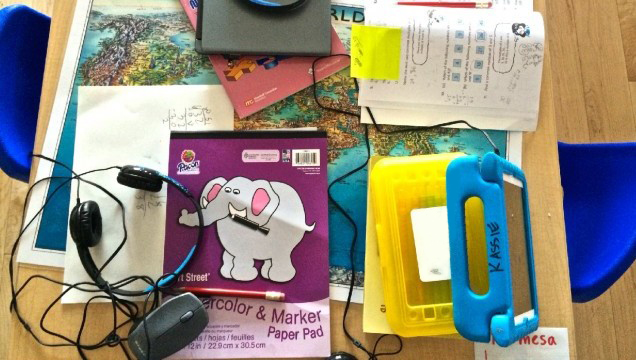
"caption": "A grade-schooler's desk at AltSchool",
"description": null,
"title": "new-and-improved-desk",
"credit": null,
"status": "inherit",
"isLoading": false,
"fetchFailed": false
},
"mindshift_33391": {
"type": "attachments",
"id": "mindshift_33391",
"meta": {
"index": "attachments_1716263798",
"site": "mindshift",
"id": "33391",
"found": true
},
"parent": 32783,
"imgSizes": {
"thumbnail": {
"file": "https://ww2.kqed.org/app/uploads/sites/23/2014/01/2280342987_0009b29238_z-e1389378534251-400x225.jpg",
"width": 400,
"mimeType": "image/jpeg",
"height": 225
},
"fd-sm": {
"file": "https://ww2.kqed.org/app/uploads/sites/23/2014/01/2280342987_0009b29238_z-e1389378534251-320x180.jpg",
"width": 320,
"mimeType": "image/jpeg",
"height": 180
},
"kqedFullSize": {
"file": "https://ww2.kqed.org/app/uploads/sites/23/2014/01/2280342987_0009b29238_z-e1389378534251.jpg",
"width": 640,
"height": 360
},
"guest-author-96": {
"file": "https://ww2.kqed.org/app/uploads/sites/23/2014/01/2280342987_0009b29238_z-e1389378534251-96x96.jpg",
"width": 96,
"mimeType": "image/jpeg",
"height": 96
},
"guest-author-64": {
"file": "https://ww2.kqed.org/app/uploads/sites/23/2014/01/2280342987_0009b29238_z-e1389378534251-64x64.jpg",
"width": 64,
"mimeType": "image/jpeg",
"height": 64
},
"detail": {
"file": "https://ww2.kqed.org/app/uploads/sites/23/2014/01/2280342987_0009b29238_z-e1389378534251-75x75.jpg",
"width": 75,
"mimeType": "image/jpeg",
"height": 75
},
"guest-author-32": {
"file": "https://ww2.kqed.org/app/uploads/sites/23/2014/01/2280342987_0009b29238_z-e1389378534251-32x32.jpg",
"width": 32,
"mimeType": "image/jpeg",
"height": 32
},
"guest-author-128": {
"file": "https://ww2.kqed.org/app/uploads/sites/23/2014/01/2280342987_0009b29238_z-e1389378534251-128x128.jpg",
"width": 128,
"mimeType": "image/jpeg",
"height": 128
}
},
"publishDate": 1389378494,
"modified": 1389378494,
"caption": null,
"description": null,
"title": "2280342987_0009b29238_z",
"credit": null,
"status": "inherit",
"isLoading": false,
"fetchFailed": false
},
"mindshift_28950": {
"type": "attachments",
"id": "mindshift_28950",
"meta": {
"index": "attachments_1716263798",
"site": "mindshift",
"id": "28950",
"found": true
},
"parent": 28696,
"imgSizes": {
"thumbnail": {
"file": "https://ww2.kqed.org/app/uploads/sites/23/2013/05/teacher-students-400x225.jpg",
"width": 400,
"mimeType": "image/jpeg",
"height": 225
},
"fd-sm": {
"file": "https://ww2.kqed.org/app/uploads/sites/23/2013/05/teacher-students-320x180.jpg",
"width": 320,
"mimeType": "image/jpeg",
"height": 180
},
"kqedFullSize": {
"file": "https://ww2.kqed.org/app/uploads/sites/23/2013/05/teacher-students.jpg",
"width": 640,
"height": 360
},
"guest-author-96": {
"file": "https://ww2.kqed.org/app/uploads/sites/23/2013/05/teacher-students-96x96.jpg",
"width": 96,
"mimeType": "image/jpeg",
"height": 96
},
"guest-author-64": {
"file": "https://ww2.kqed.org/app/uploads/sites/23/2013/05/teacher-students-64x64.jpg",
"width": 64,
"mimeType": "image/jpeg",
"height": 64
},
"detail": {
"file": "https://ww2.kqed.org/app/uploads/sites/23/2013/05/teacher-students-75x75.jpg",
"width": 75,
"mimeType": "image/jpeg",
"height": 75
},
"guest-author-32": {
"file": "https://ww2.kqed.org/app/uploads/sites/23/2013/05/teacher-students-32x32.jpg",
"width": 32,
"mimeType": "image/jpeg",
"height": 32
},
"guest-author-128": {
"file": "https://ww2.kqed.org/app/uploads/sites/23/2013/05/teacher-students-128x128.jpg",
"width": 128,
"mimeType": "image/jpeg",
"height": 128
}
},
"publishDate": 1369417119,
"modified": 1369417119,
"caption": null,
"description": null,
"title": "teacher-students",
"credit": null,
"status": "inherit",
"isLoading": false,
"fetchFailed": false
},
"mindshift_28456": {
"type": "attachments",
"id": "mindshift_28456",
"meta": {
"index": "attachments_1716263798",
"site": "mindshift",
"id": "28456",
"found": true
},
"parent": 28451,
"imgSizes": {
"thumbnail": {
"file": "https://ww2.kqed.org/app/uploads/sites/23/2013/04/scantron-400x208.jpg",
"width": 400,
"mimeType": "image/jpeg",
"height": 208
},
"fd-sm": {
"file": "https://ww2.kqed.org/app/uploads/sites/23/2013/04/scantron-320x167.jpg",
"width": 320,
"mimeType": "image/jpeg",
"height": 167
},
"kqedFullSize": {
"file": "https://ww2.kqed.org/app/uploads/sites/23/2013/04/scantron.jpg",
"width": 620,
"height": 323
},
"guest-author-96": {
"file": "https://ww2.kqed.org/app/uploads/sites/23/2013/04/scantron-96x96.jpg",
"width": 96,
"mimeType": "image/jpeg",
"height": 96
},
"guest-author-64": {
"file": "https://ww2.kqed.org/app/uploads/sites/23/2013/04/scantron-64x64.jpg",
"width": 64,
"mimeType": "image/jpeg",
"height": 64
},
"detail": {
"file": "https://ww2.kqed.org/app/uploads/sites/23/2013/04/scantron-75x75.jpg",
"width": 75,
"mimeType": "image/jpeg",
"height": 75
},
"guest-author-32": {
"file": "https://ww2.kqed.org/app/uploads/sites/23/2013/04/scantron-32x32.jpg",
"width": 32,
"mimeType": "image/jpeg",
"height": 32
},
"guest-author-128": {
"file": "https://ww2.kqed.org/app/uploads/sites/23/2013/04/scantron-128x128.jpg",
"width": 128,
"mimeType": "image/jpeg",
"height": 128
}
},
"publishDate": 1367016130,
"modified": 1367016130,
"caption": null,
"description": "Exam",
"title": "scantron",
"credit": null,
"status": "inherit",
"isLoading": false,
"fetchFailed": false
},
"mindshift_28096": {
"type": "attachments",
"id": "mindshift_28096",
"meta": {
"index": "attachments_1716263798",
"site": "mindshift",
"id": "28096",
"found": true
},
"parent": 28067,
"imgSizes": {
"twentyfourteen-full-width": {
"file": "https://ww2.kqed.org/app/uploads/sites/23/2013/04/batch-and-queue-976x576.jpg",
"width": 976,
"mimeType": "image/jpeg",
"height": 576
},
"thumbnail": {
"file": "https://ww2.kqed.org/app/uploads/sites/23/2013/04/batch-and-queue-400x262.jpg",
"width": 400,
"mimeType": "image/jpeg",
"height": 262
},
"fd-sm": {
"file": "https://ww2.kqed.org/app/uploads/sites/23/2013/04/batch-and-queue-320x210.jpg",
"width": 320,
"mimeType": "image/jpeg",
"height": 210
},
"post-thumbnail": {
"file": "https://ww2.kqed.org/app/uploads/sites/23/2013/04/batch-and-queue-672x372.jpg",
"width": 672,
"mimeType": "image/jpeg",
"height": 372
},
"kqedFullSize": {
"file": "https://ww2.kqed.org/app/uploads/sites/23/2013/04/batch-and-queue.jpg",
"width": 976,
"height": 639
},
"fd-med": {
"file": "https://ww2.kqed.org/app/uploads/sites/23/2013/04/batch-and-queue-768x503.jpg",
"width": 768,
"mimeType": "image/jpeg",
"height": 503
},
"guest-author-96": {
"file": "https://ww2.kqed.org/app/uploads/sites/23/2013/04/batch-and-queue-96x96.jpg",
"width": 96,
"mimeType": "image/jpeg",
"height": 96
},
"medium": {
"file": "https://ww2.kqed.org/app/uploads/sites/23/2013/04/batch-and-queue-800x524.jpg",
"width": 800,
"mimeType": "image/jpeg",
"height": 524
},
"guest-author-64": {
"file": "https://ww2.kqed.org/app/uploads/sites/23/2013/04/batch-and-queue-64x64.jpg",
"width": 64,
"mimeType": "image/jpeg",
"height": 64
},
"detail": {
"file": "https://ww2.kqed.org/app/uploads/sites/23/2013/04/batch-and-queue-75x75.jpg",
"width": 75,
"mimeType": "image/jpeg",
"height": 75
},
"guest-author-32": {
"file": "https://ww2.kqed.org/app/uploads/sites/23/2013/04/batch-and-queue-32x32.jpg",
"width": 32,
"mimeType": "image/jpeg",
"height": 32
},
"guest-author-128": {
"file": "https://ww2.kqed.org/app/uploads/sites/23/2013/04/batch-and-queue-128x128.jpg",
"width": 128,
"mimeType": "image/jpeg",
"height": 128
}
},
"publishDate": 1365466950,
"modified": 1365466950,
"caption": null,
"description": null,
"title": "batch-and-queue",
"credit": null,
"status": "inherit",
"isLoading": false,
"fetchFailed": false
}
},
"audioPlayerReducer": {
"postId": "stream_live",
"isPaused": true,
"isPlaying": false,
"pfsActive": false,
"pledgeModalIsOpen": true,
"playerDrawerIsOpen": false,
"liveAudioPlayStartedAt": 0,
"liveAudioPlayContext": ""
},
"authorsReducer": {
"katrinaschwartz": {
"type": "authors",
"id": "234",
"meta": {
"index": "authors_1716337520",
"id": "234",
"found": true
},
"name": "Katrina Schwartz",
"firstName": "Katrina",
"lastName": "Schwartz",
"slug": "katrinaschwartz",
"email": "kschwartz@kqed.org",
"display_author_email": false,
"staff_mastheads": [
"news"
],
"title": "Producer",
"bio": "Katrina Schwartz is a journalist based in San Francisco. She's worked at KPCC public radio in LA and has reported on air and online for KQED since 2010. She covered how teaching and learning is changing for MindShift between 2012 and 2020. She is the co-host of the MindShift podcast and now produces KQED's Bay Curious podcast.",
"avatar": "https://secure.gravatar.com/avatar/edb4ee79070447a018538c9aae6eeecf28786515b8a0c30e43b6b7dce5aa44c8?s=600&d=blank&r=g",
"twitter": "kschwart",
"bluesky": null,
"facebook": null,
"instagram": null,
"linkedin": null,
"sites": [
{
"site": "",
"roles": [
"editor"
]
},
{
"site": "news",
"roles": [
"editor"
]
},
{
"site": "mindshift",
"roles": [
"administrator"
]
},
{
"site": "stateofhealth",
"roles": [
"author"
]
},
{
"site": "science",
"roles": [
"editor"
]
}
],
"headData": {
"title": "Katrina Schwartz | KQED",
"description": "Producer",
"ogImgSrc": "https://secure.gravatar.com/avatar/edb4ee79070447a018538c9aae6eeecf28786515b8a0c30e43b6b7dce5aa44c8?s=600&d=blank&r=g",
"twImgSrc": "https://secure.gravatar.com/avatar/edb4ee79070447a018538c9aae6eeecf28786515b8a0c30e43b6b7dce5aa44c8?s=600&d=blank&r=g"
},
"isLoading": false,
"link": "/author/katrinaschwartz"
}
},
"pagesReducer": {
"mindshift_tag_competency-based-education": {
"type": "terms",
"id": "mindshift_1021",
"meta": {
"index": "terms_1716263798",
"site": "mindshift",
"id": "1021",
"score": 10.404507
},
"featImg": null,
"name": "competency-based education",
"description": null,
"taxonomy": "tag",
"headData": {
"twImgId": null,
"twTitle": null,
"ogTitle": null,
"ogImgId": null,
"twDescription": null,
"description": null,
"title": "competency-based education Archives | KQED Mindshift",
"ogDescription": null
},
"ttid": 1026,
"slug": "competency-based-education",
"isLoading": false,
"title": "competency-based education",
"pageMeta": {
"site": "mindshift",
"WpPageTemplate": "page-topic-editorial",
"currentPage": 2
},
"blocks": [
{
"blockName": "kqed/post-list",
"attrs": {
"layout": "cardArticle2",
"query": "posts/mindshift?tag=competency-based-education",
"seeMore": false,
"paginated": true,
"page": 2
}
},
{
"blockName": "kqed/ad"
}
]
}
},
"pfsSessionReducer": {},
"postsReducer": {
"stream_live": {
"type": "live",
"id": "stream_live",
"audioUrl": "https://streams.kqed.org/kqedradio",
"title": "Live Stream",
"excerpt": "Live Stream information currently unavailable.",
"link": "/radio",
"featImg": "",
"label": {
"name": "KQED Live",
"link": "/"
}
},
"stream_kqedNewscast": {
"type": "posts",
"id": "stream_kqedNewscast",
"audioUrl": "https://www.kqed.org/.stream/anon/radio/RDnews/newscast.mp3?_=1",
"title": "KQED Newscast",
"featImg": "",
"label": {
"name": "88.5 FM",
"link": "/"
}
},
"mindshift_34584": {
"type": "posts",
"id": "mindshift_34584",
"meta": {
"index": "posts_1716263798",
"site": "mindshift",
"id": "34584",
"score": null,
"sort": [
1397751260000
]
},
"parent": 0,
"labelTerm": {
"site": "mindshift"
},
"blocks": [],
"publishDate": 1397751260,
"format": "aside",
"disqusTitle": "The One Room Schoolhouse Goes High Tech",
"title": "The One Room Schoolhouse Goes High Tech",
"headTitle": "MindShift | KQED News",
"content": "\u003cfigure id=\"attachment_35103\" class=\"wp-caption center\" style=\"max-width: 636px\">\u003cimg class=\"size-full wp-image-35103\" src=\"http://ww2.kqed.org/mindshift/wp-content/uploads/sites/23/2014/04/new-and-improved-desk.jpg\" alt=\"A grade-schooler's desk at AltSchool.\" width=\"636\" height=\"360\" srcset=\"https://ww2.kqed.org/app/uploads/sites/23/2014/04/new-and-improved-desk.jpg 636w, https://ww2.kqed.org/app/uploads/sites/23/2014/04/new-and-improved-desk-400x226.jpg 400w, https://ww2.kqed.org/app/uploads/sites/23/2014/04/new-and-improved-desk-320x181.jpg 320w\" sizes=\"(max-width: 636px) 100vw, 636px\">\u003cfigcaption class=\"wp-caption-text\">A grade-schooler's desk at AltSchool in San Francisco.\u003c/figcaption>\u003c/figure>\n\u003ch3>\u003cem>Silicon Valley startup model meets progressive education.\u003c/em>\u003c/h3>\n\u003cp class=\"dropcap-serif\">In the heart of the tech boom, where new innovations always hold the promise of the perfect solution, a new private school in San Francisco is prototyping its first class this year. Armed with a team of engineers ready to build the necessary tech tools, the school is an experiment of sorts, attempting to capture the personal nature of the homeschool experience within the community of a modified school setting.\u003c/p>\n\u003cp>\u003ca href=\"https://www.altschool.com/\" target=\"_blank\">AltSchool\u003c/a> hasn’t officially opened yet -- it’s operating a pilot class of 20 students ranging in age from kindergarten to fifth grade in a storefront located in a formerly industrial part of town that's now lined with new lofts. Its founder and CEO \u003ca href=\"http://www.crunchbase.com/person/max-ventilla\" target=\"_blank\">Max Ventilla\u003c/a> is a former Google executive and comes to education with a Silicon Valley solutionist mentality. Ventilla is attempting to build a model that caters to each child’s interests, while providing opportunities for group work and collaboration.\u003c/p>\n\u003cp>“We really believe you can teach anything through the interests of a child,” Ventilla said. “So if there’s a student whose passionate about dolphins or medieval knights or the moon, that’s the lens they can use to learn about salinity or ethics or politics or history or estimation. And that’s actually very similar to how we parent.”\u003c/p>\n\u003cp>Ventilla doesn’t believe that kind of teaching can effectively take place in a large school building with a lot of bureaucratic culpability. At AltSchool, each classroom will be its own unit, and as it grows to multiple locations, will be housed in spaces the size of commercial storefronts in different parts of town. Each classroom will be given the flexibility to change and shift as the teacher sees fit and in reaction to the needs of families attending the school.\u003c/p>\n\u003cp>And in the true spirit of a startup, the school's ethos is to \"\u003ca href=\"http://theleanstartup.com/principles\" target=\"_blank\">fail fast\u003c/a>\" and pivot -- change direction -- when necessary.\u003c/p>\n\u003cp>[ad fullwidth]\u003c/p>\n\u003cp>“We take as one of our primary objectives the constant innovation of the platform and what’s happening in the classroom,” Ventilla said. “If it’s taking us a year to change things that needs to be changed, we’ve failed.”\u003c/p>\n\u003cp>\u003cstrong>FOCUS ON INDIVIDUALIZATION\u003c/strong>\u003c/p>\n\u003cp>While the school is using Common Core as a guideline for its teaching standards, students aren't grouped by grade level. Rather, students move through activities based on their skill and are broadly grouped in age ranges that include transitional kindergarten, “youngers,” “olders,” and middle school.\u003c/p>\n\u003cp>“We don’t think there’s such a thing as a grade,” Ventilla said. “Kids are at different levels across their academic and non-academic trajectories and it's about creating an environment of peers, people that push them, people that are good influences, but also people that they can be friends with and have intellectual peers.”\u003c/p>\n\u003cp>This is not a new concept, of course. Champions of \u003ca href=\"http://ww2.kqed.org/mindshift/tag/competency-based-education/\" target=\"_blank\">competency-based education \u003c/a>have been advocating this model for years, and \u003ca href=\"http://ww2.kqed.org/mindshift/tag/brightworks/\" target=\"_blank\">Brightworks\u003c/a>, a school that opened a few years ago just a few miles away that's focused on project based learning uses the same premise. In that way, it's less a brand new innovation and more of an amalgamation of different models borrowed from Montessori, Waldorf, homeschooling, and different education theorists, as evidenced by the books scattered around the school's office -- \u003cem>Finnish Lessons\u003c/em>, \u003cem>The Smartest Kids in the World\u003c/em>, \u003cem>5 Minds for the Future\u003c/em>, \u003cem>How Children Succeed.\u003c/em>\u003c/p>\n\u003cp>Another borrowed idea applied to AltSchool is the \u003ca href=\"http://schools.nyc.gov/NR/rdonlyres/9435AD08-90F3-42AA-838C-6372C3B5D2E6/0/SchoolofOneBrochure_FINAL.pdf\" target=\"_blank\">School of One model \u003c/a>in New York. Students at AltSchool work from an individual playlist the teacher puts together that's keyed to his or her interests. The teacher can keep track of student progress on a dashboard, ensure the tasks have been completed, and adjust activities depending on how students are progressing. For example, recently, AltSchool teacher Carolyn Wilson assigned a video about California's delta to one student, paired with questions about how water moves through the system.\u003c/p>\n\u003caside class=\"pullquote alignleft\">“We’re not trying to make existing schools work better. We are trying to actually advance a new model of a school.” \u003c/aside>\n\u003cp>\"He moved it to the 'done' column, but it wasn't done, so I told him he was turning me into a screaming monster,\" Wilson said. When she checked his work and saw he hadn't finished, Wilson tagged that assignment with a screaming monster icon and a note to the student telling him to go back and answer the questions and complete a reflection.\u003c/p>\n\u003cp>In addition to the individualized playlist, students are engaged in group projects that require them to work together and collaborate. “We’re developing tools and processes that allow us to build on the individual passions of one child, but we still continue to frame the group experience and to find things that everyone will engage in,” said Wilson, who's a long time educator. She described a student project while learning about the broad theme of San Francisco's historical and cultural geography of San Francisco: They started by painting a mural of the city together, arguing and compromising over what should be included. After visiting \u003ca href=\"http://www.spn.usace.army.mil/Missions/Recreation/BayModelVisitorCenter.aspx\" target=\"_blank\">a museum that describes the environmental factors\u003c/a> that created San Francisco Bay, the students painted another mural based on their new understanding.\u003c/p>\n\u003cp>During a recent visit to the pilot classroom, a group of six students with mixed ages sat on the floor listening to a teacher lead a group discussion, then migrated over to an art project with watercolor paints a few feet away in the same room. In this one-room schoolhouse, bookshelves are lined with books for kids of different reading levels, tables are set up for groups of three or four kids with workbooks, computers, and headphones, and a comfortable daybed with a blanket sits against one of the wall.\u003c/p>\n\u003cp>There are times in the day when students are working on independent projects and skills tailored to their skill level, interests, and needs. “We expose them to a lot of different things and then sit back and observe, listen to what they say, watch what really excites them, and then build on that and ask questions that go deeper,” Wilson said.\u003c/p>\n\u003cfigure id=\"attachment_35101\" class=\"wp-caption alignright\" style=\"max-width: 300px\">\u003cimg class=\"size-medium wp-image-35101\" src=\"http://ww2.kqed.org/mindshift/wp-content/uploads/sites/23/2014/04/class-300x225.jpeg\" alt=\"The first AltSchool class is in a storefront space in a loft building.\" width=\"300\" height=\"225\">\u003cfigcaption class=\"wp-caption-text\">The first AltSchool class is in a storefront space in a loft building.\u003c/figcaption>\u003c/figure>\n\u003cp>\u003cstrong>THE ROLE OF TECHNOLOGY\u003c/strong>\u003c/p>\n\u003cp>AltSchool is fundamentally a for-profit technology start-up, recently announcing \u003ca href=\"http://www.sfgate.com/education/article/AltSchool-gets-33-million-in-venture-capital-5327204.php\" target=\"_blank\">$33 million dollars in venture capital funding\u003c/a>. Slightly less than half of its current staff -- a total of about 25 people, including teachers -- are computer engineers. Despite the techy underpinnings, technology isn’t all that visually present in AltSchool classrooms the way it is in many schools with one-to-one programs or at a charter network like Rocketship, according to AltSchool staff. But technology is a pervasive part of this model behind the scenes.\u003c/p>\n\u003cp>“If you look at how learning gets personalized in most schools out there, it’s by sticking a kid in front of a screen,” said AltSchool Chief Technology Officer Komal Sethi. “That’s because it's easy. That’s not how we think about it.” Tech tools help students track their assignments, document their work, and allow teachers to stay on top of each student’s individual lesson plan. “We want the real-world, project-based learning to happen, we just want to be able to see that it’s happening,” Sethi said. And to that end, AltSchool classrooms are being videotaped and recorded in an effort to capture classroom moments that the teacher might have missed. “We’re basically trying to say, what can we observe that’s going on to help the teacher do the things she already does,” Sethi said.\u003c/p>\n\u003cp>The engineering team is working to build technology that will allow teachers to bookmark moments when the class gets particularly loud, for example, so they can go back to that moment and see if something needs to be modified in the instructional practice, or if there is a particular incident to observe later.\u003c/p>\n\u003cp>“That’s a moment when something happened that the teacher wanted to keep so she could go back and see what happened that allowed this breakthrough,” Ventilla said. He also believes parents will be grateful for having a video recording of breakthrough academic moments in their children’s lives, like when they first learn to read. The school’s engineers are working to create sensors sophisticated enough to pick up on students' facial expressions and then send a signal to the teacher's dashboard. He said the sensors would potentially help teachers know when a child is struggling, even if she’s in another part of the room. It's meant to give the teacher another set of eyes.\u003c/p>\n\u003cp>This model \u003ca href=\"http://www.edweek.org/ew/articles/2014/03/13/26google.h33.html\" target=\"_blank\">flies in the face of many student data privacy concerns\u003c/a> surfacing recently regarding collecting more data on students. The school and its developers keep the raw video and audio data for two years before trashing it, but can save particular moments to share with teachers or parents for much longer.\u003c/p>\n\u003cdiv id=\"attachment_35102\" class=\"module image left mceTemp\" style=\"width: 300px\">\u003c/div>\n\u003cfigure id=\"attachment_35102\" class=\"wp-caption center\" style=\"max-width: 640px\">\u003cimg class=\"size-large wp-image-35102\" src=\"http://ww2.kqed.org/mindshift/wp-content/uploads/sites/23/2014/04/mural-640x480.jpeg\" alt=\"A student-created mural of San Francisco Bay.\" width=\"640\" height=\"480\">\u003cfigcaption class=\"wp-caption-text\">A student-created mural of San Francisco Bay.\u003c/figcaption>\u003c/figure>\n\u003cp>\u003cstrong>ENGINEERS AND TEACHERS\u003c/strong>\u003c/p>\n\u003cp>AltSchool plans to launch officially next fall with several modular classrooms around San Francisco and surrounding cities, as well as in Silicon Valley at $19,100 per year. “Our model is attractive to families who know what they want educationally and come to us to have some of the logistics taken care of without having to reinvent the school,” said Anna Cueni, the school’s director of operations.\u003c/p>\n\u003cp>In addition to running schools, the company will be designing software for teachers’ needs. “Every one of our engineers spends time directly in the classroom, collaborates directly with students, and many of them actually teach during part of their week,” Ventilla said. Teachers and developers work together to design tech tools that meet specific classroom needs.\u003c/p>\n\u003cp>So far, developers have created the software that makes student playlists, the audio and video replay system that allows teachers to bookmark important moments in the classroom, and have made a weekly parent summary tool that makes it easy for teachers to curate and share insights about students each week. This close collaboration could create products that other schools find useful and eventually might license.\u003c/p>\n\u003cp>[ad floatright]\u003c/p>\n\u003cp>“We’re not trying to make existing schools work better,” Ventilla said. “We are trying to actually advance a new model of a school.” That said, if a charter network wanted to begin a whole new set of schools based on the AltSchool model, Ventilla wouldn’t be opposed. But he said the model would not work in a traditional large school building with a centralized administration and little flexibility.\u003c/p>\n\n",
"disqusIdentifier": "34584 http://blogs.kqed.org/mindshift/?p=34584",
"disqusUrl": "https://ww2.kqed.org/mindshift/2014/04/17/the-one-room-schoolhouse-goes-high-tech/",
"stats": {
"hasVideo": false,
"hasChartOrMap": false,
"hasAudio": false,
"hasPolis": false,
"wordCount": 1854,
"hasGoogleForm": false,
"hasGallery": false,
"hasHearkenModule": false,
"iframeSrcs": [],
"paragraphCount": 27
},
"modified": 1398108030,
"excerpt": "A new school in San Francisco is combining the Silicon Valley startup model with progressive education tactics, creating classrooms as individual entities, using sensoring technologies to track kids' progress, and building tech tools based on teacher requests.",
"headData": {
"twImgId": "",
"twTitle": "",
"ogTitle": "",
"ogImgId": "",
"twDescription": "",
"description": "A new school in San Francisco is combining the Silicon Valley startup model with progressive education tactics, creating classrooms as individual entities, using sensoring technologies to track kids' progress, and building tech tools based on teacher requests.",
"title": "The One Room Schoolhouse Goes High Tech | KQED",
"ogDescription": "",
"schema": {
"@context": "https://schema.org",
"@type": "Article",
"headline": "The One Room Schoolhouse Goes High Tech",
"datePublished": "2014-04-17T09:14:20-07:00",
"dateModified": "2014-04-21T12:20:30-07:00",
"image": "https://cdn.kqed.org/wp-content/uploads/2020/02/KQED-OG-Image@1x.png"
}
},
"guestAuthors": [],
"slug": "the-one-room-schoolhouse-goes-high-tech",
"status": "publish",
"path": "/mindshift/34584/the-one-room-schoolhouse-goes-high-tech",
"audioTrackLength": null,
"parsedContent": [
{
"type": "contentString",
"content": "\u003cdiv class=\"post-body\">\u003cp>\u003cfigure id=\"attachment_35103\" class=\"wp-caption center\" style=\"max-width: 636px\">\u003cimg class=\"size-full wp-image-35103\" src=\"http://ww2.kqed.org/mindshift/wp-content/uploads/sites/23/2014/04/new-and-improved-desk.jpg\" alt=\"A grade-schooler's desk at AltSchool.\" width=\"636\" height=\"360\" srcset=\"https://ww2.kqed.org/app/uploads/sites/23/2014/04/new-and-improved-desk.jpg 636w, https://ww2.kqed.org/app/uploads/sites/23/2014/04/new-and-improved-desk-400x226.jpg 400w, https://ww2.kqed.org/app/uploads/sites/23/2014/04/new-and-improved-desk-320x181.jpg 320w\" sizes=\"(max-width: 636px) 100vw, 636px\">\u003cfigcaption class=\"wp-caption-text\">A grade-schooler's desk at AltSchool in San Francisco.\u003c/figcaption>\u003c/figure>\n\u003ch3>\u003cem>Silicon Valley startup model meets progressive education.\u003c/em>\u003c/h3>\n\u003cp class=\"dropcap-serif\">In the heart of the tech boom, where new innovations always hold the promise of the perfect solution, a new private school in San Francisco is prototyping its first class this year. Armed with a team of engineers ready to build the necessary tech tools, the school is an experiment of sorts, attempting to capture the personal nature of the homeschool experience within the community of a modified school setting.\u003c/p>\n\u003cp>\u003ca href=\"https://www.altschool.com/\" target=\"_blank\">AltSchool\u003c/a> hasn’t officially opened yet -- it’s operating a pilot class of 20 students ranging in age from kindergarten to fifth grade in a storefront located in a formerly industrial part of town that's now lined with new lofts. Its founder and CEO \u003ca href=\"http://www.crunchbase.com/person/max-ventilla\" target=\"_blank\">Max Ventilla\u003c/a> is a former Google executive and comes to education with a Silicon Valley solutionist mentality. Ventilla is attempting to build a model that caters to each child’s interests, while providing opportunities for group work and collaboration.\u003c/p>\n\u003cp>“We really believe you can teach anything through the interests of a child,” Ventilla said. “So if there’s a student whose passionate about dolphins or medieval knights or the moon, that’s the lens they can use to learn about salinity or ethics or politics or history or estimation. And that’s actually very similar to how we parent.”\u003c/p>\n\u003cp>Ventilla doesn’t believe that kind of teaching can effectively take place in a large school building with a lot of bureaucratic culpability. At AltSchool, each classroom will be its own unit, and as it grows to multiple locations, will be housed in spaces the size of commercial storefronts in different parts of town. Each classroom will be given the flexibility to change and shift as the teacher sees fit and in reaction to the needs of families attending the school.\u003c/p>\n\u003cp>And in the true spirit of a startup, the school's ethos is to \"\u003ca href=\"http://theleanstartup.com/principles\" target=\"_blank\">fail fast\u003c/a>\" and pivot -- change direction -- when necessary.\u003c/p>\n\u003cp>\u003c/p>\u003c/div>",
"attributes": {
"named": {},
"numeric": []
}
},
{
"type": "component",
"content": "",
"name": "ad",
"attributes": {
"named": {
"label": "fullwidth"
},
"numeric": [
"fullwidth"
]
}
},
{
"type": "contentString",
"content": "\u003cdiv class=\"post-body\">\u003cp>\u003c/p>\n\u003cp>“We take as one of our primary objectives the constant innovation of the platform and what’s happening in the classroom,” Ventilla said. “If it’s taking us a year to change things that needs to be changed, we’ve failed.”\u003c/p>\n\u003cp>\u003cstrong>FOCUS ON INDIVIDUALIZATION\u003c/strong>\u003c/p>\n\u003cp>While the school is using Common Core as a guideline for its teaching standards, students aren't grouped by grade level. Rather, students move through activities based on their skill and are broadly grouped in age ranges that include transitional kindergarten, “youngers,” “olders,” and middle school.\u003c/p>\n\u003cp>“We don’t think there’s such a thing as a grade,” Ventilla said. “Kids are at different levels across their academic and non-academic trajectories and it's about creating an environment of peers, people that push them, people that are good influences, but also people that they can be friends with and have intellectual peers.”\u003c/p>\n\u003cp>This is not a new concept, of course. Champions of \u003ca href=\"http://ww2.kqed.org/mindshift/tag/competency-based-education/\" target=\"_blank\">competency-based education \u003c/a>have been advocating this model for years, and \u003ca href=\"http://ww2.kqed.org/mindshift/tag/brightworks/\" target=\"_blank\">Brightworks\u003c/a>, a school that opened a few years ago just a few miles away that's focused on project based learning uses the same premise. In that way, it's less a brand new innovation and more of an amalgamation of different models borrowed from Montessori, Waldorf, homeschooling, and different education theorists, as evidenced by the books scattered around the school's office -- \u003cem>Finnish Lessons\u003c/em>, \u003cem>The Smartest Kids in the World\u003c/em>, \u003cem>5 Minds for the Future\u003c/em>, \u003cem>How Children Succeed.\u003c/em>\u003c/p>\n\u003cp>Another borrowed idea applied to AltSchool is the \u003ca href=\"http://schools.nyc.gov/NR/rdonlyres/9435AD08-90F3-42AA-838C-6372C3B5D2E6/0/SchoolofOneBrochure_FINAL.pdf\" target=\"_blank\">School of One model \u003c/a>in New York. Students at AltSchool work from an individual playlist the teacher puts together that's keyed to his or her interests. The teacher can keep track of student progress on a dashboard, ensure the tasks have been completed, and adjust activities depending on how students are progressing. For example, recently, AltSchool teacher Carolyn Wilson assigned a video about California's delta to one student, paired with questions about how water moves through the system.\u003c/p>\n\u003caside class=\"pullquote alignleft\">“We’re not trying to make existing schools work better. We are trying to actually advance a new model of a school.” \u003c/aside>\n\u003cp>\"He moved it to the 'done' column, but it wasn't done, so I told him he was turning me into a screaming monster,\" Wilson said. When she checked his work and saw he hadn't finished, Wilson tagged that assignment with a screaming monster icon and a note to the student telling him to go back and answer the questions and complete a reflection.\u003c/p>\n\u003cp>In addition to the individualized playlist, students are engaged in group projects that require them to work together and collaborate. “We’re developing tools and processes that allow us to build on the individual passions of one child, but we still continue to frame the group experience and to find things that everyone will engage in,” said Wilson, who's a long time educator. She described a student project while learning about the broad theme of San Francisco's historical and cultural geography of San Francisco: They started by painting a mural of the city together, arguing and compromising over what should be included. After visiting \u003ca href=\"http://www.spn.usace.army.mil/Missions/Recreation/BayModelVisitorCenter.aspx\" target=\"_blank\">a museum that describes the environmental factors\u003c/a> that created San Francisco Bay, the students painted another mural based on their new understanding.\u003c/p>\n\u003cp>During a recent visit to the pilot classroom, a group of six students with mixed ages sat on the floor listening to a teacher lead a group discussion, then migrated over to an art project with watercolor paints a few feet away in the same room. In this one-room schoolhouse, bookshelves are lined with books for kids of different reading levels, tables are set up for groups of three or four kids with workbooks, computers, and headphones, and a comfortable daybed with a blanket sits against one of the wall.\u003c/p>\n\u003cp>There are times in the day when students are working on independent projects and skills tailored to their skill level, interests, and needs. “We expose them to a lot of different things and then sit back and observe, listen to what they say, watch what really excites them, and then build on that and ask questions that go deeper,” Wilson said.\u003c/p>\n\u003cfigure id=\"attachment_35101\" class=\"wp-caption alignright\" style=\"max-width: 300px\">\u003cimg class=\"size-medium wp-image-35101\" src=\"http://ww2.kqed.org/mindshift/wp-content/uploads/sites/23/2014/04/class-300x225.jpeg\" alt=\"The first AltSchool class is in a storefront space in a loft building.\" width=\"300\" height=\"225\">\u003cfigcaption class=\"wp-caption-text\">The first AltSchool class is in a storefront space in a loft building.\u003c/figcaption>\u003c/figure>\n\u003cp>\u003cstrong>THE ROLE OF TECHNOLOGY\u003c/strong>\u003c/p>\n\u003cp>AltSchool is fundamentally a for-profit technology start-up, recently announcing \u003ca href=\"http://www.sfgate.com/education/article/AltSchool-gets-33-million-in-venture-capital-5327204.php\" target=\"_blank\">$33 million dollars in venture capital funding\u003c/a>. Slightly less than half of its current staff -- a total of about 25 people, including teachers -- are computer engineers. Despite the techy underpinnings, technology isn’t all that visually present in AltSchool classrooms the way it is in many schools with one-to-one programs or at a charter network like Rocketship, according to AltSchool staff. But technology is a pervasive part of this model behind the scenes.\u003c/p>\n\u003cp>“If you look at how learning gets personalized in most schools out there, it’s by sticking a kid in front of a screen,” said AltSchool Chief Technology Officer Komal Sethi. “That’s because it's easy. That’s not how we think about it.” Tech tools help students track their assignments, document their work, and allow teachers to stay on top of each student’s individual lesson plan. “We want the real-world, project-based learning to happen, we just want to be able to see that it’s happening,” Sethi said. And to that end, AltSchool classrooms are being videotaped and recorded in an effort to capture classroom moments that the teacher might have missed. “We’re basically trying to say, what can we observe that’s going on to help the teacher do the things she already does,” Sethi said.\u003c/p>\n\u003cp>The engineering team is working to build technology that will allow teachers to bookmark moments when the class gets particularly loud, for example, so they can go back to that moment and see if something needs to be modified in the instructional practice, or if there is a particular incident to observe later.\u003c/p>\n\u003cp>“That’s a moment when something happened that the teacher wanted to keep so she could go back and see what happened that allowed this breakthrough,” Ventilla said. He also believes parents will be grateful for having a video recording of breakthrough academic moments in their children’s lives, like when they first learn to read. The school’s engineers are working to create sensors sophisticated enough to pick up on students' facial expressions and then send a signal to the teacher's dashboard. He said the sensors would potentially help teachers know when a child is struggling, even if she’s in another part of the room. It's meant to give the teacher another set of eyes.\u003c/p>\n\u003cp>This model \u003ca href=\"http://www.edweek.org/ew/articles/2014/03/13/26google.h33.html\" target=\"_blank\">flies in the face of many student data privacy concerns\u003c/a> surfacing recently regarding collecting more data on students. The school and its developers keep the raw video and audio data for two years before trashing it, but can save particular moments to share with teachers or parents for much longer.\u003c/p>\n\u003cdiv id=\"attachment_35102\" class=\"module image left mceTemp\" style=\"width: 300px\">\u003c/div>\n\u003cfigure id=\"attachment_35102\" class=\"wp-caption center\" style=\"max-width: 640px\">\u003cimg class=\"size-large wp-image-35102\" src=\"http://ww2.kqed.org/mindshift/wp-content/uploads/sites/23/2014/04/mural-640x480.jpeg\" alt=\"A student-created mural of San Francisco Bay.\" width=\"640\" height=\"480\">\u003cfigcaption class=\"wp-caption-text\">A student-created mural of San Francisco Bay.\u003c/figcaption>\u003c/figure>\n\u003cp>\u003cstrong>ENGINEERS AND TEACHERS\u003c/strong>\u003c/p>\n\u003cp>AltSchool plans to launch officially next fall with several modular classrooms around San Francisco and surrounding cities, as well as in Silicon Valley at $19,100 per year. “Our model is attractive to families who know what they want educationally and come to us to have some of the logistics taken care of without having to reinvent the school,” said Anna Cueni, the school’s director of operations.\u003c/p>\n\u003cp>In addition to running schools, the company will be designing software for teachers’ needs. “Every one of our engineers spends time directly in the classroom, collaborates directly with students, and many of them actually teach during part of their week,” Ventilla said. Teachers and developers work together to design tech tools that meet specific classroom needs.\u003c/p>\n\u003cp>So far, developers have created the software that makes student playlists, the audio and video replay system that allows teachers to bookmark important moments in the classroom, and have made a weekly parent summary tool that makes it easy for teachers to curate and share insights about students each week. This close collaboration could create products that other schools find useful and eventually might license.\u003c/p>\n\u003cp>\u003c/p>\u003c/div>",
"attributes": {
"named": {},
"numeric": []
}
},
{
"type": "component",
"content": "",
"name": "ad",
"attributes": {
"named": {
"label": "floatright"
},
"numeric": [
"floatright"
]
}
},
{
"type": "contentString",
"content": "\u003cdiv class=\"post-body\">\u003cp>\u003c/p>\n\u003cp>“We’re not trying to make existing schools work better,” Ventilla said. “We are trying to actually advance a new model of a school.” That said, if a charter network wanted to begin a whole new set of schools based on the AltSchool model, Ventilla wouldn’t be opposed. But he said the model would not work in a traditional large school building with a centralized administration and little flexibility.\u003c/p>\n\n\u003c/div>\u003c/p>",
"attributes": {
"named": {},
"numeric": []
}
}
],
"link": "/mindshift/34584/the-one-room-schoolhouse-goes-high-tech",
"authors": [
"234"
],
"categories": [
"mindshift_192"
],
"tags": [
"mindshift_20648",
"mindshift_20668",
"mindshift_1021",
"mindshift_1040",
"mindshift_992"
],
"featImg": "mindshift_35103",
"label": "mindshift"
},
"mindshift_32783": {
"type": "posts",
"id": "mindshift_32783",
"meta": {
"index": "posts_1716263798",
"site": "mindshift",
"id": "32783",
"score": null,
"sort": [
1389379167000
]
},
"parent": 0,
"labelTerm": {
"site": "mindshift"
},
"blocks": [],
"publishDate": 1389379167,
"format": "aside",
"disqusTitle": "Do Rigid College Admissions Leave Room for Creative Thinkers?",
"title": "Do Rigid College Admissions Leave Room for Creative Thinkers?",
"headTitle": "MindShift | KQED News",
"content": "\u003cfigure id=\"attachment_33391\" class=\"wp-caption center\" style=\"max-width: 640px\">\u003ca href=\"http://www.flickr.com/photos/brainchildvn/2280342987/sizes/z/in/photostream/\">\u003cimg class=\"size-full wp-image-33391\" src=\"http://ww2.kqed.org/mindshift/wp-content/uploads/sites/23/2014/01/2280342987_0009b29238_z-e1389378534251.jpg\" alt=\"2280342987_0009b29238_z\" width=\"640\" height=\"360\" srcset=\"https://ww2.kqed.org/app/uploads/sites/23/2014/01/2280342987_0009b29238_z-e1389378534251.jpg 640w, https://ww2.kqed.org/app/uploads/sites/23/2014/01/2280342987_0009b29238_z-e1389378534251-400x225.jpg 400w, https://ww2.kqed.org/app/uploads/sites/23/2014/01/2280342987_0009b29238_z-e1389378534251-320x180.jpg 320w\" sizes=\"(max-width: 640px) 100vw, 640px\">\u003c/a>\u003cfigcaption class=\"wp-caption-text\"> \u003c/figcaption>\u003c/figure>\n\u003cp class=\"dropcap-serif\">Getting kids into college is the main goal of many high schools. There are plenty of arguments about why higher education isn’t right for every student and myriad ideas about how young adults could productively spend time exploring their passions. But in most cases, high schools have a close eye on application requirements at universities and strive to produce “college ready” graduates, students who are equipped to make informed choices about the next phase of their lives and are prepared academically to succeed in college.\u003c/p>\n\u003cp>Universities say they're looking for students who are engaged citizens and independent thinkers with a desire to be a part of the school’s community. But many of the measures used to determine college admission don’t test for those qualities. Instead, colleges look at SAT or ACT test scores, the number of Advanced Placement classes a student has completed, GPAs and the ability to write a strong essay. There is often a disconnect between the kind of student colleges say they want and what students have to do to be admitted. That’s why high school graduates are increasingly becoming, “robo students” in the words of Stanford Lecturer Denise Pope, young people “doing school,” but not necessarily learning.\u003c/p>\n\u003cp>\u003cstrong>CHANGE COMING SLOWLY\u003c/strong>\u003c/p>\n\u003cp>Given this phenomenon, some universities and colleges are beginning to rethink their admission policies and recognize more directly how their requirements influence the kind of teaching and learning that happens at the K-12 level.\u003c/p>\n\u003caside class=\"pullquote alignleft\">“We need to send the message to high schools that we’re looking for more.”\u003c/aside>\n\u003cp>“I think that colleges need to change what they look for,” said \u003ca href=\"http://www.sagepub.com/authorDetails.nav?contribId=526373\">Robert Sternberg\u003c/a>, who recently resigned as president of the University of Wyoming (UW). “We should be admitting students for their active citizenship and leadership skills, the kinds of skills that are really important for life.” Sternberg spent 30 years as a professor at Yale University, five years as a dean at Tufts University and was the Provost of Oklahoma State University for three years before becoming President of UW. In all of these roles, Sternberg has pushed the institutions to rethink admissions policies.\u003c/p>\n\u003cp>[ad fullwidth]\u003c/p>\n\u003cp>“The tests we rely on so heavily really don’t measure creative thinking and they don’t measure common sense thinking, wisdom, ethics, work ethic -- they don’t measure your character,” Sternberg said. In his view, students go to college to develop into active and engaged citizens. If colleges kept that ultimate goal in mind in their admissions process, it would send a message to high schools about the skills that universities value and want to see in prospetive students.\u003c/p>\n\u003cp>Sternberg's research as a psychology professor at Yale centered on measuring intelligence and creativity shows how socialization steers the way kids develop. Kids who grow up in adverse circumstances learn to adapt with practical survival skills, while more affluent kids are often asked to focus on analytical and memory skills. The traditional college application process largely tests analytical skills, giving the kids who developed in an environment that valued those qualities an advantage. That system doesn’t allow colleges to admit the most creative and adaptable student populations, Sternberg said.\u003c/p>\n\u003cp>\u003cimg class=\"alignright size-medium wp-image-33399\" src=\"http://ww2.kqed.org/mindshift/wp-content/uploads/sites/23/2014/01/successful-intelligence2-300x466.jpg\" alt=\"successful-intelligence2\" width=\"300\" height=\"466\">While at Tufts, he helped the school pilot a new \u003ca href=\"http://www.insidehighered.com/news/2010/09/28/sternberg\">admissions policy based on testing students for their creative and practical skills\u003c/a> in addition to their analytical skills. The school found that the new method helped them better predict student success. The application asked questions like, “How would you persuade a friend of an idea that the friend didn’t immediately accept?” Or, “How could one of your personal passions positively affect the world?” Students could choose to express their answers in multiple ways including essays, creative YouTube videos, and through drawings. Admissions officers were trained to look for the thinking behind the answers, not just writing skills.\u003c/p>\n\u003cp>Tufts had to hire a few more admissions officers and retrain the existing ones, but Sternberg said gradually the student population began to change. “The benefits were much greater than the costs because admissions should be based on the mission of your college or university,” Sternberg said. “It changes the kids who are accepted and it begins to change how you think about what it means to have a talented student,” he said.\u003c/p>\n\u003cp>Students learn what's important for them to know from their environment. “The point is that what you ought to be measuring is how well they’ve learned the skills that allow them to adapt to the environment in which they grew up,” Sternberg said. That knowledge will help colleges understand how the student will adapt in a new environment. Tests weighted towards skill sets that weren’t necessary for survival in certain environments, make those students look comparatively much worse.\u003c/p>\n\u003cp>“We need to send the message to high schools that we’re looking for more,” Sternberg said. “The way to do that is augment what we use to admit kids.”\u003c/p>\n\u003cp>\u003cstrong>THE HIGH SCHOOL PERSPECTIVE\u003c/strong>\u003c/p>\n\u003cp>\u003ca href=\"http://www.scienceleadership.org/\">Science Leadership Academy\u003c/a> (SLA), a public magnet high school in Philadelphia is a fairly young school, just eight years old. But in that short time, it's developed a reputation around the country as a shining example of the merits of inquiry-based learning approach. Colleges sometimes have a difficult time understanding the school’s approach to developing autonomous, critical thinkers. For example, SLA doesn’t offer Advanced Placement (AP) courses, because making students take a summative test at the end of the year is antithetical to the concept of allowing students to guide their own learning based on interest and collaborative work -- and just as importantly, the value of the incremental learning process.\u003c/p>\n\u003cp>“You can never be a revolutionary at the expense of the kids,” said SLA principal Chris Lehmann. He says there are plenty of things that high schools can do that are innovative and different, but schools need to know when that is appropriate and when experimentation might hurt its students. SLA has a good track record of sending students to college, despite some of its non-traditional practices -- 97 percent are accepted to colleges.\u003c/p>\n\u003cp>Lehmann describes SLA as taking the traditionally recognizable school mold and stretching it to its edge. “One of the reasons we chose to do that was because we knew we had to get kids into college,” Lehmann said. “There are so many colleges who really want kids who can problem solve, who can lead, who can think and who have a really innovative mind,” he said. That’s why SLA invites college representatives to visit the school and observe for themselves the kind of learning taking place there.\u003c/p>\n\u003cp>“We’ve spent a lot of time bringing colleges to SLA and showing them what SLA kids can do,” Lehmann said. “What sells colleges on our kids is our kids,” he said. But that doesn’t mean it’s easy. Lehmann says a school doing something out of the mold always has to be prepared to argue for its approach, especially when it’s a new district school, not an established private one. Lehmann says he has been pleasantly surprised at how well college representatives respond to the SLA model.\u003c/p>\n\u003caside class=\"pullquote alignright\">“Colleges sometimes are slow to recognize the good work and best practice that is happening around them.\"\u003c/aside>\n\u003cp>Grades are another area where Science Leadership Academy has compromised between its ideal and what colleges want. Teachers give a lot of narrative and qualitative feedback on student work, but at the end of the class they also give students a letter grade -- that’s what colleges want to see. It’s a delicate balance between building school cultures and practices that genuinely reflect the values of its educators and playing within the system. It can be done -- but it takes extra effort and awareness.\u003c/p>\n\u003cp>While change is slow, Lehmann says some schools are beginning to shift how they teach to be more in line with SLA’s inquiry-based approach. Schools like Drexel University and MIT are trying out hands-on programs, and \u003ca href=\"http://www.rhobserver.com/20148/bard-elevates-its-entrance-exam/\">Bard is experimenting with its admissions strategy\u003c/a>. “Colleges sometimes are slow to recognize the good work and best practice that is happening around them,” Lehmann said.\u003c/p>\n\u003cp>“For me the evolution of education has to understand that it requires one part vision and one part history,” Lehmann said. “Let’s not think that we need to remake everything that has ever happened without an eye to the past. That’s when you make mistakes.”\u003c/p>\n\u003cp>\u003cstrong>THE MODERN WORLD REQUIRES HYBRID-THINKING\u003c/strong>\u003c/p>\n\u003cp>From the perspective of employers, college graduates need to be ready to enter a working world that requires flexible, adaptable, nimble thinkers and doers.\u003c/p>\n\u003cp>\u003ca href=\"http://www.jumpassociates.com/\">Jump Associates\u003c/a>, a strategy and information firm, is an example of a company that requires a more \"hybrid\" nature of skill sets in the working world. Companies hire Jump to solve complex, ambiguous problems. For example, the company worked with Samsung to try and come up with a tablet that would outshine Apple’s iPad before the iPad had even been released. There was very little information on hand, but a solution had to be reached.\u003c/p>\n\u003cp>“All of these organizations are facing problems of extreme ambiguity,” said Dev Patnaik, CEO of Jump Associates. ‘The world is changing, what do I do about that.’ In that situation the biggest problem is to define the problem.” To do that, Jump Associates tries to hire what they call “hybrid-thinkers,” people who are \"one part technologist, one part humanist and one part capitalist.\" “What we’ve learned is you start with people who have deep expertise in multiple disciplines at the same time,” Patnaik said.\u003c/p>\n\u003cp>But universities don’t often encourage that kind of cross-discipline thinking naturally. “Universities are set up to be incredibly siloed,” said Patnaik who teaches a class at Stanford. “These bigger more nebulous, more meaningful questions live in between and across these silos.” But it’s difficult to change the system because most people came up through that a system that encourages them to continually narrow their focus of study.\u003c/p>\n\u003caside class=\"pullquote alignleft\">“Universities are set up to be incredibly siloed.”\u003c/aside>\n\u003cp>Patnaik thinks the U.S. is getting off track by trying to compete with China and India in math and science because of the assumption that those fields lead to jobs. “I worry that the last five years of economic recession has made us all very scared, and when you’re scared, you start thinking, 'What’s in it for me in the short term,'” he said. He doesn’t think the U.S. will ever be as good at pumping out math and science majors as India or China, but if the it plays to its traditional strengths – creativity, innovation, bridging cognitive gaps – then there’s an opportunity to be the country that shapes the problem. “We’re throwing that all away out of fear and calling it STEM,” he said.\u003c/p>\n\u003cp>Jump Associates asks its employees to solve seemingly unsolvable problems. “We need people to come up with ideas about what ought to be designed,” Patnaik said. While universities are slowly evolving to meet this challenge, focusing on more interdisciplinary learning for instance, students are often still focused on learning to become “successful,” rather than on learning because it makes them well-rounded and productive humans.\u003c/p>\n\u003cp>\u003cstrong>UNIVERSITY OF THE FUTURE?\u003c/strong>\u003c/p>\n\u003cp>One start-up is tackling the notion of what an elite college education might look like. The \u003ca href=\"http://www.minervaproject.com/\">Minerva Project\u003c/a> received $25 million in seed money to produce what they call \"high quality\" higher education, entirely online. The university plans to accept its first class in September of 2014 and is working to finalize its hybrid curriculum and online delivery mechanisms.\u003c/p>\n\u003cp>“Our goal is to create leaders and innovators in a variety of disciplines that operate in a global context,” said \u003ca href=\"http://chronicle.com/article/Behavior-Expert-Seizes-Chance/138375/\">Stephen Kosslyn, dean of faculty at Minerva Project\u003c/a>. “That’s where we start.” By starting from scratch, the school is free of the traditions and expectations that become stumbling blocks for older institutions grappling with change.\u003c/p>\n\u003cp>Kosslyn has a lot of experience with tradition-laden institutions -- he was on the \u003ca href=\"http://isites.harvard.edu/icb/icb.do?keyword=kosslynlab\">faculty of Harvard\u003c/a> for more than 30 years, teaching psychology, and then as the Dean of Social Sciences. He’s familiar with slow moving initiatives to change the way universities run. “I was ready for something else,” Kosslyn said. “I wanted to do something that would really make a difference.”\u003c/p>\n\u003cp>The Minerva Project has thrown out all the assumptions about “college readiness” that have long existed. Instead, the founders focused on the skills students should have when they finish -- critical analysis, creative thinking and effective communication – and backed into thinking about how to get them to that point. Kosslyn admits that it’s difficult to define what is meant in each of those categories. Critical analysis involves critical thinking and the ability to evaluate tradeoffs and various outcomes. But critical thinking can also be more than one thing. “Breaking it down, we get to the point that we can teach things,” Kosslyn said.\u003c/p>\n\u003cp>Kosslyn and his team intend to help students prepare for an unknown future by developing skill sets that allow them to adapt. “We’re interested in cultivating habits of mind that become very effortless and automatic and allow you to do these things,” Kosslyn said. It also means they're looking for very different qualities in students they accept.\u003c/p>\n\u003cp>“We’re looking for a combination of cognitive abilities and personality characteristics,” Kosslyn said, not SAT scores. Minerva wants students that exhibit grit, an openness to new experiences, and maturity. They’re using a test they've created that tries to measure these qualities that's agnostic of a student's class, background, and country of origin, important for a university expecting a global population. But Kosslyn said those test won’t make or break an application. “What you need to do is look at the entire picture, including what they’ve done before,” he said.\u003c/p>\n\u003cp>Students who attend Minerva will have to be self-directed and good at working collaboratively. Their courses will be delivered online and the university will likely leverage the information on the web to require students to be independently motivated. “What you need is people who are really motivated and have enough ability that they can teach themselves or can function in a group that’s helping them to learn,” Kosslyn said.\u003c/p>\n\u003cp>The hope is that students will begin to know their own strengths and bring those to collaborations. “The problems we are faced with are complex enough that we will need to solve them in teams,” Kosslyn said. And since collaborative work is a required skill in most jobs, Minerva students will learn it.\u003c/p>\n\u003cp>In fact, in the first year the students will take four courses: multi-modal communication, complex systems, empirical systems, and computational sciences. The intention is for traditionally separate subjects to be integrated if they involve complimentary skills.\u003c/p>\n\u003cp>\u003cstrong>COMPETENCY-BASED UNIVERSITIES\u003c/strong>\u003c/p>\n\u003cp>As the Minerva experiment develops, some existing universities are taking steps to award college credit based on skills learned, not the amount of time they've been enrolled.\u003c/p>\n\u003cp>One approach to this problem is to standardize the definition by a college degree. “The learning and expectations should be the constant and if you can do it faster why should that be a problem,” said Jamie Marisotis, CEO of the \u003ca href=\"http://www.luminafoundation.org/\">Lumina Foundation\u003c/a>, an organization working to ensure that 60 percent of Americans have post-secondary degrees by 2025. The Lumina Foundation supports experiments like \u003ca href=\"http://collegeforamerica.org/\">College For America\u003c/a>, a project of Southern New Hampshire University and the \u003ca href=\"http://flex.wisconsin.edu/\">University of Wisconsin’s Flexible Option\u003c/a>. These programs are experimenting with degree programs based on mastering required skills and contents at a pace the student sets.\u003c/p>\n\u003cp>“Competency should not mean competency in tasks,” Marisotis said. “What we’re really talking about in terms of competency are those broader things like constructing an argument.” He’d like higher education to follow the example set by K-12 education with the Common Core State Standards, a set of broad criteria that students master before graduating.\u003c/p>\n\u003cp>By eliminating the four-year degree and making sure that every student graduates with a similar set of skills, \u003ca href=\"http://www.nytimes.com/2013/11/03/education/edlife/degrees-based-on-what-you-can-do-not-how-long-you-went.html?pagewanted=2&_r=2&hp\">a college education would become less expensive\u003c/a> and more accessible to a broader population. But, it would also undermine the pedagogical approaches of many university departments.\u003c/p>\n\u003cp>“I’m very sympathetic to the perspective of the faculty because what we’re talking about is very different than what they have done and what they’ve gone into their careers to do,” Marisotis said. He says those who want to see change in higher education need to be patient with faculty who are crucial to making any new system work.\u003c/p>\n\u003cp>“The main model is to produce high quality learners with high quality outcomes that they can apply in their lives,” Marisotis said. But to do that, he believes universities need to be clearer about what the learning expectations should be and where faculty fit into the vision.\u003c/p>\n\u003cp>[ad floatright]\u003c/p>\n\u003cp> \u003c/p>\n\n",
"disqusIdentifier": "32783 http://blogs.kqed.org/mindshift/?p=32783",
"disqusUrl": "https://ww2.kqed.org/mindshift/2014/01/10/do-rigid-college-admissions-leave-room-for-creative-thinkers/",
"stats": {
"hasVideo": false,
"hasChartOrMap": false,
"hasAudio": false,
"hasPolis": false,
"wordCount": 2974,
"hasGoogleForm": false,
"hasGallery": false,
"hasHearkenModule": false,
"iframeSrcs": [],
"paragraphCount": 44
},
"modified": 1389548281,
"excerpt": "Universities say they're looking for students who are engaged citizens and independent thinkers with a desire to be a part of the school’s community. But many of the measures used to determine college admission don’t test for those qualities. Instead, colleges look at SAT or ACT test scores, the number of Advanced Placement classes a student has completed, GPAs and the ability to write a strong essay. There is often a disconnect between the kind of student colleges say they want and what students have to do to be admitted.",
"headData": {
"twImgId": "",
"twTitle": "",
"ogTitle": "",
"ogImgId": "",
"twDescription": "",
"description": "Universities say they're looking for students who are engaged citizens and independent thinkers with a desire to be a part of the school’s community. But many of the measures used to determine college admission don’t test for those qualities. Instead, colleges look at SAT or ACT test scores, the number of Advanced Placement classes a student has completed, GPAs and the ability to write a strong essay. There is often a disconnect between the kind of student colleges say they want and what students have to do to be admitted.",
"title": "Do Rigid College Admissions Leave Room for Creative Thinkers? | KQED",
"ogDescription": "",
"schema": {
"@context": "https://schema.org",
"@type": "Article",
"headline": "Do Rigid College Admissions Leave Room for Creative Thinkers?",
"datePublished": "2014-01-10T10:39:27-08:00",
"dateModified": "2014-01-12T09:38:01-08:00",
"image": "https://cdn.kqed.org/wp-content/uploads/2020/02/KQED-OG-Image@1x.png"
}
},
"guestAuthors": [],
"slug": "do-rigid-college-admissions-leave-room-for-creative-thinkers",
"status": "publish",
"path": "/mindshift/32783/do-rigid-college-admissions-leave-room-for-creative-thinkers",
"audioTrackLength": null,
"parsedContent": [
{
"type": "contentString",
"content": "\u003cdiv class=\"post-body\">\u003cp>\u003cfigure id=\"attachment_33391\" class=\"wp-caption center\" style=\"max-width: 640px\">\u003ca href=\"http://www.flickr.com/photos/brainchildvn/2280342987/sizes/z/in/photostream/\">\u003cimg class=\"size-full wp-image-33391\" src=\"http://ww2.kqed.org/mindshift/wp-content/uploads/sites/23/2014/01/2280342987_0009b29238_z-e1389378534251.jpg\" alt=\"2280342987_0009b29238_z\" width=\"640\" height=\"360\" srcset=\"https://ww2.kqed.org/app/uploads/sites/23/2014/01/2280342987_0009b29238_z-e1389378534251.jpg 640w, https://ww2.kqed.org/app/uploads/sites/23/2014/01/2280342987_0009b29238_z-e1389378534251-400x225.jpg 400w, https://ww2.kqed.org/app/uploads/sites/23/2014/01/2280342987_0009b29238_z-e1389378534251-320x180.jpg 320w\" sizes=\"(max-width: 640px) 100vw, 640px\">\u003c/a>\u003cfigcaption class=\"wp-caption-text\"> \u003c/figcaption>\u003c/figure>\n\u003cp class=\"dropcap-serif\">Getting kids into college is the main goal of many high schools. There are plenty of arguments about why higher education isn’t right for every student and myriad ideas about how young adults could productively spend time exploring their passions. But in most cases, high schools have a close eye on application requirements at universities and strive to produce “college ready” graduates, students who are equipped to make informed choices about the next phase of their lives and are prepared academically to succeed in college.\u003c/p>\n\u003cp>Universities say they're looking for students who are engaged citizens and independent thinkers with a desire to be a part of the school’s community. But many of the measures used to determine college admission don’t test for those qualities. Instead, colleges look at SAT or ACT test scores, the number of Advanced Placement classes a student has completed, GPAs and the ability to write a strong essay. There is often a disconnect between the kind of student colleges say they want and what students have to do to be admitted. That’s why high school graduates are increasingly becoming, “robo students” in the words of Stanford Lecturer Denise Pope, young people “doing school,” but not necessarily learning.\u003c/p>\n\u003cp>\u003cstrong>CHANGE COMING SLOWLY\u003c/strong>\u003c/p>\n\u003cp>Given this phenomenon, some universities and colleges are beginning to rethink their admission policies and recognize more directly how their requirements influence the kind of teaching and learning that happens at the K-12 level.\u003c/p>\n\u003caside class=\"pullquote alignleft\">“We need to send the message to high schools that we’re looking for more.”\u003c/aside>\n\u003cp>“I think that colleges need to change what they look for,” said \u003ca href=\"http://www.sagepub.com/authorDetails.nav?contribId=526373\">Robert Sternberg\u003c/a>, who recently resigned as president of the University of Wyoming (UW). “We should be admitting students for their active citizenship and leadership skills, the kinds of skills that are really important for life.” Sternberg spent 30 years as a professor at Yale University, five years as a dean at Tufts University and was the Provost of Oklahoma State University for three years before becoming President of UW. In all of these roles, Sternberg has pushed the institutions to rethink admissions policies.\u003c/p>\n\u003cp>\u003c/p>\u003c/div>",
"attributes": {
"named": {},
"numeric": []
}
},
{
"type": "component",
"content": "",
"name": "ad",
"attributes": {
"named": {
"label": "fullwidth"
},
"numeric": [
"fullwidth"
]
}
},
{
"type": "contentString",
"content": "\u003cdiv class=\"post-body\">\u003cp>\u003c/p>\n\u003cp>“The tests we rely on so heavily really don’t measure creative thinking and they don’t measure common sense thinking, wisdom, ethics, work ethic -- they don’t measure your character,” Sternberg said. In his view, students go to college to develop into active and engaged citizens. If colleges kept that ultimate goal in mind in their admissions process, it would send a message to high schools about the skills that universities value and want to see in prospetive students.\u003c/p>\n\u003cp>Sternberg's research as a psychology professor at Yale centered on measuring intelligence and creativity shows how socialization steers the way kids develop. Kids who grow up in adverse circumstances learn to adapt with practical survival skills, while more affluent kids are often asked to focus on analytical and memory skills. The traditional college application process largely tests analytical skills, giving the kids who developed in an environment that valued those qualities an advantage. That system doesn’t allow colleges to admit the most creative and adaptable student populations, Sternberg said.\u003c/p>\n\u003cp>\u003cimg class=\"alignright size-medium wp-image-33399\" src=\"http://ww2.kqed.org/mindshift/wp-content/uploads/sites/23/2014/01/successful-intelligence2-300x466.jpg\" alt=\"successful-intelligence2\" width=\"300\" height=\"466\">While at Tufts, he helped the school pilot a new \u003ca href=\"http://www.insidehighered.com/news/2010/09/28/sternberg\">admissions policy based on testing students for their creative and practical skills\u003c/a> in addition to their analytical skills. The school found that the new method helped them better predict student success. The application asked questions like, “How would you persuade a friend of an idea that the friend didn’t immediately accept?” Or, “How could one of your personal passions positively affect the world?” Students could choose to express their answers in multiple ways including essays, creative YouTube videos, and through drawings. Admissions officers were trained to look for the thinking behind the answers, not just writing skills.\u003c/p>\n\u003cp>Tufts had to hire a few more admissions officers and retrain the existing ones, but Sternberg said gradually the student population began to change. “The benefits were much greater than the costs because admissions should be based on the mission of your college or university,” Sternberg said. “It changes the kids who are accepted and it begins to change how you think about what it means to have a talented student,” he said.\u003c/p>\n\u003cp>Students learn what's important for them to know from their environment. “The point is that what you ought to be measuring is how well they’ve learned the skills that allow them to adapt to the environment in which they grew up,” Sternberg said. That knowledge will help colleges understand how the student will adapt in a new environment. Tests weighted towards skill sets that weren’t necessary for survival in certain environments, make those students look comparatively much worse.\u003c/p>\n\u003cp>“We need to send the message to high schools that we’re looking for more,” Sternberg said. “The way to do that is augment what we use to admit kids.”\u003c/p>\n\u003cp>\u003cstrong>THE HIGH SCHOOL PERSPECTIVE\u003c/strong>\u003c/p>\n\u003cp>\u003ca href=\"http://www.scienceleadership.org/\">Science Leadership Academy\u003c/a> (SLA), a public magnet high school in Philadelphia is a fairly young school, just eight years old. But in that short time, it's developed a reputation around the country as a shining example of the merits of inquiry-based learning approach. Colleges sometimes have a difficult time understanding the school’s approach to developing autonomous, critical thinkers. For example, SLA doesn’t offer Advanced Placement (AP) courses, because making students take a summative test at the end of the year is antithetical to the concept of allowing students to guide their own learning based on interest and collaborative work -- and just as importantly, the value of the incremental learning process.\u003c/p>\n\u003cp>“You can never be a revolutionary at the expense of the kids,” said SLA principal Chris Lehmann. He says there are plenty of things that high schools can do that are innovative and different, but schools need to know when that is appropriate and when experimentation might hurt its students. SLA has a good track record of sending students to college, despite some of its non-traditional practices -- 97 percent are accepted to colleges.\u003c/p>\n\u003cp>Lehmann describes SLA as taking the traditionally recognizable school mold and stretching it to its edge. “One of the reasons we chose to do that was because we knew we had to get kids into college,” Lehmann said. “There are so many colleges who really want kids who can problem solve, who can lead, who can think and who have a really innovative mind,” he said. That’s why SLA invites college representatives to visit the school and observe for themselves the kind of learning taking place there.\u003c/p>\n\u003cp>“We’ve spent a lot of time bringing colleges to SLA and showing them what SLA kids can do,” Lehmann said. “What sells colleges on our kids is our kids,” he said. But that doesn’t mean it’s easy. Lehmann says a school doing something out of the mold always has to be prepared to argue for its approach, especially when it’s a new district school, not an established private one. Lehmann says he has been pleasantly surprised at how well college representatives respond to the SLA model.\u003c/p>\n\u003caside class=\"pullquote alignright\">“Colleges sometimes are slow to recognize the good work and best practice that is happening around them.\"\u003c/aside>\n\u003cp>Grades are another area where Science Leadership Academy has compromised between its ideal and what colleges want. Teachers give a lot of narrative and qualitative feedback on student work, but at the end of the class they also give students a letter grade -- that’s what colleges want to see. It’s a delicate balance between building school cultures and practices that genuinely reflect the values of its educators and playing within the system. It can be done -- but it takes extra effort and awareness.\u003c/p>\n\u003cp>While change is slow, Lehmann says some schools are beginning to shift how they teach to be more in line with SLA’s inquiry-based approach. Schools like Drexel University and MIT are trying out hands-on programs, and \u003ca href=\"http://www.rhobserver.com/20148/bard-elevates-its-entrance-exam/\">Bard is experimenting with its admissions strategy\u003c/a>. “Colleges sometimes are slow to recognize the good work and best practice that is happening around them,” Lehmann said.\u003c/p>\n\u003cp>“For me the evolution of education has to understand that it requires one part vision and one part history,” Lehmann said. “Let’s not think that we need to remake everything that has ever happened without an eye to the past. That’s when you make mistakes.”\u003c/p>\n\u003cp>\u003cstrong>THE MODERN WORLD REQUIRES HYBRID-THINKING\u003c/strong>\u003c/p>\n\u003cp>From the perspective of employers, college graduates need to be ready to enter a working world that requires flexible, adaptable, nimble thinkers and doers.\u003c/p>\n\u003cp>\u003ca href=\"http://www.jumpassociates.com/\">Jump Associates\u003c/a>, a strategy and information firm, is an example of a company that requires a more \"hybrid\" nature of skill sets in the working world. Companies hire Jump to solve complex, ambiguous problems. For example, the company worked with Samsung to try and come up with a tablet that would outshine Apple’s iPad before the iPad had even been released. There was very little information on hand, but a solution had to be reached.\u003c/p>\n\u003cp>“All of these organizations are facing problems of extreme ambiguity,” said Dev Patnaik, CEO of Jump Associates. ‘The world is changing, what do I do about that.’ In that situation the biggest problem is to define the problem.” To do that, Jump Associates tries to hire what they call “hybrid-thinkers,” people who are \"one part technologist, one part humanist and one part capitalist.\" “What we’ve learned is you start with people who have deep expertise in multiple disciplines at the same time,” Patnaik said.\u003c/p>\n\u003cp>But universities don’t often encourage that kind of cross-discipline thinking naturally. “Universities are set up to be incredibly siloed,” said Patnaik who teaches a class at Stanford. “These bigger more nebulous, more meaningful questions live in between and across these silos.” But it’s difficult to change the system because most people came up through that a system that encourages them to continually narrow their focus of study.\u003c/p>\n\u003caside class=\"pullquote alignleft\">“Universities are set up to be incredibly siloed.”\u003c/aside>\n\u003cp>Patnaik thinks the U.S. is getting off track by trying to compete with China and India in math and science because of the assumption that those fields lead to jobs. “I worry that the last five years of economic recession has made us all very scared, and when you’re scared, you start thinking, 'What’s in it for me in the short term,'” he said. He doesn’t think the U.S. will ever be as good at pumping out math and science majors as India or China, but if the it plays to its traditional strengths – creativity, innovation, bridging cognitive gaps – then there’s an opportunity to be the country that shapes the problem. “We’re throwing that all away out of fear and calling it STEM,” he said.\u003c/p>\n\u003cp>Jump Associates asks its employees to solve seemingly unsolvable problems. “We need people to come up with ideas about what ought to be designed,” Patnaik said. While universities are slowly evolving to meet this challenge, focusing on more interdisciplinary learning for instance, students are often still focused on learning to become “successful,” rather than on learning because it makes them well-rounded and productive humans.\u003c/p>\n\u003cp>\u003cstrong>UNIVERSITY OF THE FUTURE?\u003c/strong>\u003c/p>\n\u003cp>One start-up is tackling the notion of what an elite college education might look like. The \u003ca href=\"http://www.minervaproject.com/\">Minerva Project\u003c/a> received $25 million in seed money to produce what they call \"high quality\" higher education, entirely online. The university plans to accept its first class in September of 2014 and is working to finalize its hybrid curriculum and online delivery mechanisms.\u003c/p>\n\u003cp>“Our goal is to create leaders and innovators in a variety of disciplines that operate in a global context,” said \u003ca href=\"http://chronicle.com/article/Behavior-Expert-Seizes-Chance/138375/\">Stephen Kosslyn, dean of faculty at Minerva Project\u003c/a>. “That’s where we start.” By starting from scratch, the school is free of the traditions and expectations that become stumbling blocks for older institutions grappling with change.\u003c/p>\n\u003cp>Kosslyn has a lot of experience with tradition-laden institutions -- he was on the \u003ca href=\"http://isites.harvard.edu/icb/icb.do?keyword=kosslynlab\">faculty of Harvard\u003c/a> for more than 30 years, teaching psychology, and then as the Dean of Social Sciences. He’s familiar with slow moving initiatives to change the way universities run. “I was ready for something else,” Kosslyn said. “I wanted to do something that would really make a difference.”\u003c/p>\n\u003cp>The Minerva Project has thrown out all the assumptions about “college readiness” that have long existed. Instead, the founders focused on the skills students should have when they finish -- critical analysis, creative thinking and effective communication – and backed into thinking about how to get them to that point. Kosslyn admits that it’s difficult to define what is meant in each of those categories. Critical analysis involves critical thinking and the ability to evaluate tradeoffs and various outcomes. But critical thinking can also be more than one thing. “Breaking it down, we get to the point that we can teach things,” Kosslyn said.\u003c/p>\n\u003cp>Kosslyn and his team intend to help students prepare for an unknown future by developing skill sets that allow them to adapt. “We’re interested in cultivating habits of mind that become very effortless and automatic and allow you to do these things,” Kosslyn said. It also means they're looking for very different qualities in students they accept.\u003c/p>\n\u003cp>“We’re looking for a combination of cognitive abilities and personality characteristics,” Kosslyn said, not SAT scores. Minerva wants students that exhibit grit, an openness to new experiences, and maturity. They’re using a test they've created that tries to measure these qualities that's agnostic of a student's class, background, and country of origin, important for a university expecting a global population. But Kosslyn said those test won’t make or break an application. “What you need to do is look at the entire picture, including what they’ve done before,” he said.\u003c/p>\n\u003cp>Students who attend Minerva will have to be self-directed and good at working collaboratively. Their courses will be delivered online and the university will likely leverage the information on the web to require students to be independently motivated. “What you need is people who are really motivated and have enough ability that they can teach themselves or can function in a group that’s helping them to learn,” Kosslyn said.\u003c/p>\n\u003cp>The hope is that students will begin to know their own strengths and bring those to collaborations. “The problems we are faced with are complex enough that we will need to solve them in teams,” Kosslyn said. And since collaborative work is a required skill in most jobs, Minerva students will learn it.\u003c/p>\n\u003cp>In fact, in the first year the students will take four courses: multi-modal communication, complex systems, empirical systems, and computational sciences. The intention is for traditionally separate subjects to be integrated if they involve complimentary skills.\u003c/p>\n\u003cp>\u003cstrong>COMPETENCY-BASED UNIVERSITIES\u003c/strong>\u003c/p>\n\u003cp>As the Minerva experiment develops, some existing universities are taking steps to award college credit based on skills learned, not the amount of time they've been enrolled.\u003c/p>\n\u003cp>One approach to this problem is to standardize the definition by a college degree. “The learning and expectations should be the constant and if you can do it faster why should that be a problem,” said Jamie Marisotis, CEO of the \u003ca href=\"http://www.luminafoundation.org/\">Lumina Foundation\u003c/a>, an organization working to ensure that 60 percent of Americans have post-secondary degrees by 2025. The Lumina Foundation supports experiments like \u003ca href=\"http://collegeforamerica.org/\">College For America\u003c/a>, a project of Southern New Hampshire University and the \u003ca href=\"http://flex.wisconsin.edu/\">University of Wisconsin’s Flexible Option\u003c/a>. These programs are experimenting with degree programs based on mastering required skills and contents at a pace the student sets.\u003c/p>\n\u003cp>“Competency should not mean competency in tasks,” Marisotis said. “What we’re really talking about in terms of competency are those broader things like constructing an argument.” He’d like higher education to follow the example set by K-12 education with the Common Core State Standards, a set of broad criteria that students master before graduating.\u003c/p>\n\u003cp>By eliminating the four-year degree and making sure that every student graduates with a similar set of skills, \u003ca href=\"http://www.nytimes.com/2013/11/03/education/edlife/degrees-based-on-what-you-can-do-not-how-long-you-went.html?pagewanted=2&_r=2&hp\">a college education would become less expensive\u003c/a> and more accessible to a broader population. But, it would also undermine the pedagogical approaches of many university departments.\u003c/p>\n\u003cp>“I’m very sympathetic to the perspective of the faculty because what we’re talking about is very different than what they have done and what they’ve gone into their careers to do,” Marisotis said. He says those who want to see change in higher education need to be patient with faculty who are crucial to making any new system work.\u003c/p>\n\u003cp>“The main model is to produce high quality learners with high quality outcomes that they can apply in their lives,” Marisotis said. But to do that, he believes universities need to be clearer about what the learning expectations should be and where faculty fit into the vision.\u003c/p>\n\u003cp>\u003c/p>\u003c/div>",
"attributes": {
"named": {},
"numeric": []
}
},
{
"type": "component",
"content": "",
"name": "ad",
"attributes": {
"named": {
"label": "floatright"
},
"numeric": [
"floatright"
]
}
},
{
"type": "contentString",
"content": "\u003cdiv class=\"post-body\">\u003cp>\u003c/p>\n\u003cp> \u003c/p>\n\n\u003c/div>\u003c/p>",
"attributes": {
"named": {},
"numeric": []
}
}
],
"link": "/mindshift/32783/do-rigid-college-admissions-leave-room-for-creative-thinkers",
"authors": [
"234"
],
"categories": [
"mindshift_192"
],
"tags": [
"mindshift_1021",
"mindshift_862",
"mindshift_1040",
"mindshift_68",
"mindshift_869",
"mindshift_654",
"mindshift_956"
],
"featImg": "mindshift_33391",
"label": "mindshift"
},
"mindshift_32383": {
"type": "posts",
"id": "mindshift_32383",
"meta": {
"index": "posts_1716263798",
"site": "mindshift",
"id": "32383",
"score": null,
"sort": [
1383169411000
]
},
"parent": 0,
"labelTerm": {
"site": "mindshift"
},
"blocks": [],
"publishDate": 1383169411,
"format": "aside",
"disqusTitle": "Could This Be the Next Evolution in Higher Ed?",
"title": "Could This Be the Next Evolution in Higher Ed?",
"headTitle": "MindShift | KQED News",
"content": "\u003cp>There's a movement brewing to change the way colleges and universities award degrees from the credit-hour to a model that asks students to prove what they've learned, no matter how long it takes. In her \u003ca href=\"http://www.nytimes.com/2013/11/03/education/edlife/degrees-based-on-what-you-can-do-not-how-long-you-went.html?pagewanted=1&_r=1&hp\">New York Times article\u003c/a>, Anya Kamenetz describes how efforts to keep college costs down are spurring innovative ideas in higher education and spawning new colleges that use competency-based learning.\u003c/p>\n\u003cp>Critics say the move could diminish the value of a college degree.\u003c/p>\n\u003cdiv style=\"overflow: hidden\">\n\u003cdiv class=\"embedly\">\u003cimg class=\"thumb embedly-thumbnail-small\" src=\"http://graphics8.nytimes.com/images/2013/11/03/education/edl-03competency-t_CA0/edl-03competency-t_CA0-videoSixteenByNine600-v2.jpg\" alt=\"\">\u003ca class=\"embedly-title\" href=\"http://www.nytimes.com/2013/11/03/education/edlife/degrees-based-on-what-you-can-do-not-how-long-you-went.html?pagewanted=1&_r=1&hp\" target=\"_blank\">Degrees Based on What You Can Do, Not How Long You Went\u003c/a>IN 1893, Charles Eliot, president of Harvard, introduced to the National Education Association a novel concept: the credit hour. Roughly equivalent to one hour of lecture time a week for a 12- to 14-week semester, it became the basic unit of a college education, and the standard measure for transferring work between institutions.\n\u003cdiv class=\"embedly-clear\">\u003c/div>\n\u003cp>\u003cspan class=\"embedly-powered\" style=\"float: right\">\u003ca title=\"Powered by Embedly\" href=\"http://embed.ly/code?url=http%3A%2F%2Fwww.nytimes.com%2F2013%2F11%2F03%2Feducation%2Fedlife%2Fdegrees-based-on-what-you-can-do-not-how-long-you-went.html%3Fpagewanted%3D1%26_r%3D1%26hp\" target=\"_blank\">\u003cimg src=\"http://static.embed.ly/images/logos/embedly-powered-small-light.png\" alt=\"Embedly Powered\">\u003c/a>\u003c/span>\u003c/p>\n\u003cdiv class=\"media-attribution\">via \u003ca class=\"media-attribution-link\" href=\"http://www.nytimes.com\" target=\"_blank\">Nytimes\u003c/a>\u003c/div>\n\u003cdiv class=\"embedly-clear\">\u003c/div>\n\u003c/div>\n\u003c/div>\n\u003cp>[ad fullwidth]\u003c/p>\u003cp>\u003c/p>\n",
"disqusIdentifier": "32383 http://blogs.kqed.org/mindshift/?p=32383",
"disqusUrl": "https://ww2.kqed.org/mindshift/2013/10/30/could-this-be-the-next-evolution-in-higher-ed/",
"stats": {
"hasVideo": false,
"hasChartOrMap": false,
"hasAudio": false,
"hasPolis": false,
"wordCount": 150,
"hasGoogleForm": false,
"hasGallery": false,
"hasHearkenModule": false,
"iframeSrcs": [],
"paragraphCount": 5
},
"modified": 1383169411,
"excerpt": "There's a movement brewing to change the way colleges and universities award degrees from the credit-hour to a model that asks students to prove what they've learned, no matter how long it takes. ",
"headData": {
"twImgId": "",
"twTitle": "",
"ogTitle": "",
"ogImgId": "",
"twDescription": "",
"description": "There's a movement brewing to change the way colleges and universities award degrees from the credit-hour to a model that asks students to prove what they've learned, no matter how long it takes. ",
"title": "Could This Be the Next Evolution in Higher Ed? | KQED",
"ogDescription": "",
"schema": {
"@context": "https://schema.org",
"@type": "Article",
"headline": "Could This Be the Next Evolution in Higher Ed?",
"datePublished": "2013-10-30T14:43:31-07:00",
"dateModified": "2013-10-30T14:43:31-07:00",
"image": "https://cdn.kqed.org/wp-content/uploads/2020/02/KQED-OG-Image@1x.png"
}
},
"guestAuthors": [],
"slug": "could-this-be-the-next-evolution-in-higher-ed",
"status": "publish",
"path": "/mindshift/32383/could-this-be-the-next-evolution-in-higher-ed",
"audioTrackLength": null,
"parsedContent": [
{
"type": "contentString",
"content": "\u003cdiv class=\"post-body\">\u003cp>\u003cp>There's a movement brewing to change the way colleges and universities award degrees from the credit-hour to a model that asks students to prove what they've learned, no matter how long it takes. In her \u003ca href=\"http://www.nytimes.com/2013/11/03/education/edlife/degrees-based-on-what-you-can-do-not-how-long-you-went.html?pagewanted=1&_r=1&hp\">New York Times article\u003c/a>, Anya Kamenetz describes how efforts to keep college costs down are spurring innovative ideas in higher education and spawning new colleges that use competency-based learning.\u003c/p>\n\u003cp>Critics say the move could diminish the value of a college degree.\u003c/p>\n\u003cdiv style=\"overflow: hidden\">\n\u003cdiv class=\"embedly\">\u003cimg class=\"thumb embedly-thumbnail-small\" src=\"http://graphics8.nytimes.com/images/2013/11/03/education/edl-03competency-t_CA0/edl-03competency-t_CA0-videoSixteenByNine600-v2.jpg\" alt=\"\">\u003ca class=\"embedly-title\" href=\"http://www.nytimes.com/2013/11/03/education/edlife/degrees-based-on-what-you-can-do-not-how-long-you-went.html?pagewanted=1&_r=1&hp\" target=\"_blank\">Degrees Based on What You Can Do, Not How Long You Went\u003c/a>IN 1893, Charles Eliot, president of Harvard, introduced to the National Education Association a novel concept: the credit hour. Roughly equivalent to one hour of lecture time a week for a 12- to 14-week semester, it became the basic unit of a college education, and the standard measure for transferring work between institutions.\n\u003cdiv class=\"embedly-clear\">\u003c/div>\n\u003cp>\u003cspan class=\"embedly-powered\" style=\"float: right\">\u003ca title=\"Powered by Embedly\" href=\"http://embed.ly/code?url=http%3A%2F%2Fwww.nytimes.com%2F2013%2F11%2F03%2Feducation%2Fedlife%2Fdegrees-based-on-what-you-can-do-not-how-long-you-went.html%3Fpagewanted%3D1%26_r%3D1%26hp\" target=\"_blank\">\u003cimg src=\"http://static.embed.ly/images/logos/embedly-powered-small-light.png\" alt=\"Embedly Powered\">\u003c/a>\u003c/span>\u003c/p>\n\u003cdiv class=\"media-attribution\">via \u003ca class=\"media-attribution-link\" href=\"http://www.nytimes.com\" target=\"_blank\">Nytimes\u003c/a>\u003c/div>\n\u003cdiv class=\"embedly-clear\">\u003c/div>\n\u003c/div>\n\u003c/div>\n\u003cp>\u003c/p>\u003c/div>",
"attributes": {
"named": {},
"numeric": []
}
},
{
"type": "component",
"content": "",
"name": "ad",
"attributes": {
"named": {
"label": "fullwidth"
},
"numeric": [
"fullwidth"
]
}
},
{
"type": "contentString",
"content": "\u003cdiv class=\"post-body\">\u003cp>\u003c/p>\u003cp>\u003c/p>\n\u003c/div>\u003c/p>",
"attributes": {
"named": {},
"numeric": []
}
}
],
"link": "/mindshift/32383/could-this-be-the-next-evolution-in-higher-ed",
"authors": [
"234"
],
"categories": [
"mindshift_1"
],
"tags": [
"mindshift_1021",
"mindshift_68"
],
"label": "mindshift"
},
"mindshift_28696": {
"type": "posts",
"id": "mindshift_28696",
"meta": {
"index": "posts_1716263798",
"site": "mindshift",
"id": "28696",
"score": null,
"sort": [
1369153682000
]
},
"parent": 0,
"labelTerm": {
"site": "mindshift"
},
"blocks": [],
"publishDate": 1369153682,
"format": "aside",
"disqusTitle": "Flipped Classroom 2.0: Competency Learning With Videos",
"title": "Flipped Classroom 2.0: Competency Learning With Videos",
"headTitle": "MindShift | KQED News",
"content": "\u003cp>\u003ca href=\"http://www.flickr.com/photos/jeremywilburn/5229735592/sizes/z/in/photostream/\">\u003cimg src=\"http://ww2.kqed.org/mindshift/wp-content/uploads/sites/23/2013/05/teacher-students.jpg\" alt=\"teacher-students\" width=\"640\" height=\"360\" class=\"size-full wp-image-28950\" srcset=\"https://ww2.kqed.org/app/uploads/sites/23/2013/05/teacher-students.jpg 640w, https://ww2.kqed.org/app/uploads/sites/23/2013/05/teacher-students-400x225.jpg 400w, https://ww2.kqed.org/app/uploads/sites/23/2013/05/teacher-students-320x180.jpg 320w\" sizes=\"(max-width: 640px) 100vw, 640px\">\u003c/a>\u003c/p>\n\u003cp class=\"dropcap-serif\">The flipped classroom model generated \u003ca href=\"http://ww2.kqed.org/mindshift/2011/07/the-flip-why-i-love-it-how-i-use-it/\">a lot of excitement \u003c/a>initially, but more recently some educators -- even those who were initial advocates -- have \u003ca href=\"http://plpnetwork.com/2012/10/08/flip-love-affair/\">expressed disillusionment\u003c/a> with the idea of assigning students to watch instructional videos at home and work on problem solving and practice in class. Biggest criticisms: watching videos of lectures wasn't all that revolutionary, that it perpetuated bad teaching and raised questions about equal access to digital technology.\u003c/p>\n\u003cp>Now flipped classroom may have reached equilibrium, neither loved nor hated, just another potential tool for teachers -- if done well. “You never want to get stuck in a rut and keep doing the same thing over and over,” said \u003ca href=\"http://www.aaronsams.com/about-aaron/\">Aaron Sams\u003c/a>, a former high school chemistry teacher turned consultant who helped pioneer \u003ca href=\"http://flipped-learning.com/\">flipped classroom learning\u003c/a> in an \u003ca href=\"http://home.edweb.net/\">edWeb\u003c/a> webinar. “The flipped classroom is not about the video,” said \u003ca href=\"http://www.ted.com/speakers/jon_bergmann.html\">Jonathan Bergmann\u003c/a>, Sams’ fellow teacher who helped fine tune and improve a flipped classroom strategy. “It’s about the active engaged stuff you can do in your class.”\u003c/p>\n\u003caside class=\"pullquote alignright\">“There is no place for them to hide. They had to converse with me and tell me when they were ready to be assessed on something.”\u003c/aside>\n\u003cp>The two teachers admit when they started flipping their classrooms they put everything into video form. Now, they've taken a step back and realized some things shouldn't be in lecture form, and \u003c!--more-->therefore shouldn't be videos either. Instead, the two teachers have embraced what they call mastery learning, with an emphasis on students taking control of their own learning. Instructional videos are an optional part of a bigger move towards asynchronous learning.\u003c/p>\n\u003cp>“The best use of class time is to meet the individual needs of each learner, not driving the class with predetermined curriculum,” Sams said. So he and Bergmann decided to make watching the video lectures optional. The videos are available, but if students felt they could learn it better in some other way, they're encouraged to do what works best for them.\u003c/p>\n\u003cp>[ad fullwidth]\u003c/p>\n\u003cp style=\"text-align: center\">\u003cstrong>\u003cspan style=\"color: #808080\">[RELATED READING: \u003ca href=\"http://ww2.kqed.org/mindshift/2012/05/can-ted-talks-really-work-in-a-classroom/\">Can TED Talks Really Work in the Classroom?\u003c/a>]\u003c/span>\u003c/strong>\u003c/p>\n\u003cp>“One of the most important skills that any student can learn is where to go for information and resources,” Sams said. Instead of following a rigid curriculum, the two teachers decided on the key learning objectives of the class -- the things they felt their students really needed to know --and structured the class around those. Then they offered students a menu of resources that included instructional video, some sort of practice and links to the corresponding section of a textbook. The teachers became resources and helped provide benchmarks to keep students on track.\u003c/p>\n\u003cp>The educators say this method is working for them because they've decided to make their classrooms mastery based, whereby \"a student gets to the end of some learning unit and must pass whatever kind of assessment you have before he can move on,” Sams said -- very much like \u003ca href=\"http://ww2.kqed.org/mindshift/2013/04/to-break-the-mold-is-competency-learning-the-key/\">competency-based learning\u003c/a>. “There is no place for them to hide. They had to converse with me and tell me when they were ready to be assessed on something,” Sams said. When he taught in a more traditional way, Sams admitted there were students he hardly knew.\u003c/p>\n\u003cp>\u003cstrong>WHAT'S IT LOOK LIKE?\u003c/strong>\u003c/p>\n\u003cp>Working with a mastery-based model means students are not all learning the same thing at the same time. Bergmann said the first five minutes of class are essential to setting the class into productive motion by quickly assessing where students are and directing them to various stations around the room. ”Your class looks like organized chaos,” Bergmann said. “It’s very powerful.”\u003c/p>\n\u003caside class=\"pullquote alignleft\"> “The flipped classroom is not about the video. It’s about the active engaged stuff you can do in your class.”\u003c/aside>\n\u003cp>Students are scattered around the room learning a topic in their own way and teachers are walking around talking to students, answering questions and checking in on their progress. There’s no assigned homework, unless a student feels he needs to do some extra work to understand a concept. “The kids who are going to get most of my time are the kids who need it,” said Sams. “It’s the kids who are struggling or the kids who need me hovering over their shoulder.”\u003c/p>\n\u003cp>Sams and Bergmann soon realized that effective flipped classrooms didn’t include videos of science demonstrations. That’s the most exciting part of science and kids should get to see it up close. Since students were moving at different paces, Sams and Bergmann had to demonstrate the same thing multiple times. “We did demos for just a handful of students,” said Sams. “It was a far more intimate environment so we could converse with kids about what was going on.”\u003c/p>\n\u003cp>Disciplinary issues also diminished significantly. “When I was the guy up front, all the attention was supposed to be on me and it was really easy for a disruptive kid to pull the attention to himself,” said Sams. With everyone working on their own projects, one kid has much less power to disrupt.\u003c/p>\n\u003cp>\u003cstrong>ASSESSING WITH MASTERY MODEL\u003c/strong>\u003c/p>\n\u003cp>One of the most challenging parts of a messy, asynchronous classroom is that kids aren't all ready to be assessed at the same time, and when they do take a test, they might not pass. Sams’ and Bergmann's chemistry classes have formative assessments, constant checking in and talking about work with students on a daily basis.\u003c/p>\n\u003cp>The two teachers also spent two years building up a store of test questions in \u003ca href=\"https://moodle.org/\">Moodle\u003c/a>, a free learning management system that randomly generates tests. Those who fail the test can take another to prove mastery.\u003c/p>\n\u003cp>It took a lot of work to build up the system that now works smoothly and the process revealed challenges in the mastery model. “One of the dark sides of mastery is the demoralizing effect,” Bergmann said. He had students that he knew understood the material because of his daily work with them, but who couldn’t pass the tests. That’s a frustrating and demotivating experience for a student.\u003c/p>\n\u003cp>Sams and Bergmann turned to the \u003ca href=\"http://www.udlcenter.org/aboutudl\">Universal Design for Learning\u003c/a>, a set of curriculum principles that maintains students need more than one way to learn information and more than one way to demonstrate knowledge. Following the second principle, the two teachers allowed their students to show they understood the material any way they wanted. Sams said he received songs, welding projects and even hand-drawn graphic novels. He admits those didn’t help the students take standardized tests, but they showed chemistry understanding, his main goal.\u003c/p>\n\u003cp>If this all sounds messy, it is. Sams and Bergmann are the first to admit that there are challenges, especially around grading. But, they’ve discovered a way to take flipped learning to another level, offering it as one option in a smorgasbord of instructional materials and letting students have the autonomy to choose what works best for them. Kids got behind, but the teachers checked their progress along the way and structured the course so that the most necessary information was in the first four sections, with nice-to-know material in the fifth section.\u003c/p>\n\u003cp>[ad floatright]\u003c/p>\n\u003cp>“We would rather our kids actually know 80 percent of the content, instead of being exposed to 100 percent of the content,” said Bergmann.\u003c/p>\n\n",
"disqusIdentifier": "28696 http://blogs.kqed.org/mindshift/?p=28696",
"disqusUrl": "https://ww2.kqed.org/mindshift/2013/05/21/flipped-classroom-2-0-mastery-levelcomptenecy-learning-with-videos/",
"stats": {
"hasVideo": false,
"hasChartOrMap": false,
"hasAudio": false,
"hasPolis": false,
"wordCount": 1263,
"hasGoogleForm": false,
"hasGallery": false,
"hasHearkenModule": false,
"iframeSrcs": [],
"paragraphCount": 20
},
"modified": 1457134472,
"excerpt": null,
"headData": {
"twImgId": "",
"twTitle": "",
"ogTitle": "",
"ogImgId": "",
"twDescription": "",
"description": "The flipped classroom model generated a lot of excitement initially, but more recently some educators -- even those who were initial advocates -- have expressed disillusionment with the idea of assigning students to watch instructional videos at home and work on problem solving and practice in class. Biggest criticisms: watching videos of lectures wasn't all",
"title": "Flipped Classroom 2.0: Competency Learning With Videos | KQED",
"ogDescription": "",
"schema": {
"@context": "https://schema.org",
"@type": "Article",
"headline": "Flipped Classroom 2.0: Competency Learning With Videos",
"datePublished": "2013-05-21T09:28:02-07:00",
"dateModified": "2016-03-04T15:34:32-08:00",
"image": "https://cdn.kqed.org/wp-content/uploads/2020/02/KQED-OG-Image@1x.png"
}
},
"guestAuthors": [],
"slug": "flipped-classroom-2-0-mastery-levelcomptenecy-learning-with-videos",
"status": "publish",
"path": "/mindshift/28696/flipped-classroom-2-0-mastery-levelcomptenecy-learning-with-videos",
"audioTrackLength": null,
"parsedContent": [
{
"type": "contentString",
"content": "\u003cdiv class=\"post-body\">\u003cp>\u003cp>\u003ca href=\"http://www.flickr.com/photos/jeremywilburn/5229735592/sizes/z/in/photostream/\">\u003cimg src=\"http://ww2.kqed.org/mindshift/wp-content/uploads/sites/23/2013/05/teacher-students.jpg\" alt=\"teacher-students\" width=\"640\" height=\"360\" class=\"size-full wp-image-28950\" srcset=\"https://ww2.kqed.org/app/uploads/sites/23/2013/05/teacher-students.jpg 640w, https://ww2.kqed.org/app/uploads/sites/23/2013/05/teacher-students-400x225.jpg 400w, https://ww2.kqed.org/app/uploads/sites/23/2013/05/teacher-students-320x180.jpg 320w\" sizes=\"(max-width: 640px) 100vw, 640px\">\u003c/a>\u003c/p>\n\u003cp class=\"dropcap-serif\">The flipped classroom model generated \u003ca href=\"http://ww2.kqed.org/mindshift/2011/07/the-flip-why-i-love-it-how-i-use-it/\">a lot of excitement \u003c/a>initially, but more recently some educators -- even those who were initial advocates -- have \u003ca href=\"http://plpnetwork.com/2012/10/08/flip-love-affair/\">expressed disillusionment\u003c/a> with the idea of assigning students to watch instructional videos at home and work on problem solving and practice in class. Biggest criticisms: watching videos of lectures wasn't all that revolutionary, that it perpetuated bad teaching and raised questions about equal access to digital technology.\u003c/p>\n\u003cp>Now flipped classroom may have reached equilibrium, neither loved nor hated, just another potential tool for teachers -- if done well. “You never want to get stuck in a rut and keep doing the same thing over and over,” said \u003ca href=\"http://www.aaronsams.com/about-aaron/\">Aaron Sams\u003c/a>, a former high school chemistry teacher turned consultant who helped pioneer \u003ca href=\"http://flipped-learning.com/\">flipped classroom learning\u003c/a> in an \u003ca href=\"http://home.edweb.net/\">edWeb\u003c/a> webinar. “The flipped classroom is not about the video,” said \u003ca href=\"http://www.ted.com/speakers/jon_bergmann.html\">Jonathan Bergmann\u003c/a>, Sams’ fellow teacher who helped fine tune and improve a flipped classroom strategy. “It’s about the active engaged stuff you can do in your class.”\u003c/p>\n\u003caside class=\"pullquote alignright\">“There is no place for them to hide. They had to converse with me and tell me when they were ready to be assessed on something.”\u003c/aside>\n\u003cp>The two teachers admit when they started flipping their classrooms they put everything into video form. Now, they've taken a step back and realized some things shouldn't be in lecture form, and \u003c!--more-->therefore shouldn't be videos either. Instead, the two teachers have embraced what they call mastery learning, with an emphasis on students taking control of their own learning. Instructional videos are an optional part of a bigger move towards asynchronous learning.\u003c/p>\n\u003cp>“The best use of class time is to meet the individual needs of each learner, not driving the class with predetermined curriculum,” Sams said. So he and Bergmann decided to make watching the video lectures optional. The videos are available, but if students felt they could learn it better in some other way, they're encouraged to do what works best for them.\u003c/p>\n\u003cp>\u003c/p>\u003c/div>",
"attributes": {
"named": {},
"numeric": []
}
},
{
"type": "component",
"content": "",
"name": "ad",
"attributes": {
"named": {
"label": "fullwidth"
},
"numeric": [
"fullwidth"
]
}
},
{
"type": "contentString",
"content": "\u003cdiv class=\"post-body\">\u003cp>\u003c/p>\n\u003cp style=\"text-align: center\">\u003cstrong>\u003cspan style=\"color: #808080\">[RELATED READING: \u003ca href=\"http://ww2.kqed.org/mindshift/2012/05/can-ted-talks-really-work-in-a-classroom/\">Can TED Talks Really Work in the Classroom?\u003c/a>]\u003c/span>\u003c/strong>\u003c/p>\n\u003cp>“One of the most important skills that any student can learn is where to go for information and resources,” Sams said. Instead of following a rigid curriculum, the two teachers decided on the key learning objectives of the class -- the things they felt their students really needed to know --and structured the class around those. Then they offered students a menu of resources that included instructional video, some sort of practice and links to the corresponding section of a textbook. The teachers became resources and helped provide benchmarks to keep students on track.\u003c/p>\n\u003cp>The educators say this method is working for them because they've decided to make their classrooms mastery based, whereby \"a student gets to the end of some learning unit and must pass whatever kind of assessment you have before he can move on,” Sams said -- very much like \u003ca href=\"http://ww2.kqed.org/mindshift/2013/04/to-break-the-mold-is-competency-learning-the-key/\">competency-based learning\u003c/a>. “There is no place for them to hide. They had to converse with me and tell me when they were ready to be assessed on something,” Sams said. When he taught in a more traditional way, Sams admitted there were students he hardly knew.\u003c/p>\n\u003cp>\u003cstrong>WHAT'S IT LOOK LIKE?\u003c/strong>\u003c/p>\n\u003cp>Working with a mastery-based model means students are not all learning the same thing at the same time. Bergmann said the first five minutes of class are essential to setting the class into productive motion by quickly assessing where students are and directing them to various stations around the room. ”Your class looks like organized chaos,” Bergmann said. “It’s very powerful.”\u003c/p>\n\u003caside class=\"pullquote alignleft\"> “The flipped classroom is not about the video. It’s about the active engaged stuff you can do in your class.”\u003c/aside>\n\u003cp>Students are scattered around the room learning a topic in their own way and teachers are walking around talking to students, answering questions and checking in on their progress. There’s no assigned homework, unless a student feels he needs to do some extra work to understand a concept. “The kids who are going to get most of my time are the kids who need it,” said Sams. “It’s the kids who are struggling or the kids who need me hovering over their shoulder.”\u003c/p>\n\u003cp>Sams and Bergmann soon realized that effective flipped classrooms didn’t include videos of science demonstrations. That’s the most exciting part of science and kids should get to see it up close. Since students were moving at different paces, Sams and Bergmann had to demonstrate the same thing multiple times. “We did demos for just a handful of students,” said Sams. “It was a far more intimate environment so we could converse with kids about what was going on.”\u003c/p>\n\u003cp>Disciplinary issues also diminished significantly. “When I was the guy up front, all the attention was supposed to be on me and it was really easy for a disruptive kid to pull the attention to himself,” said Sams. With everyone working on their own projects, one kid has much less power to disrupt.\u003c/p>\n\u003cp>\u003cstrong>ASSESSING WITH MASTERY MODEL\u003c/strong>\u003c/p>\n\u003cp>One of the most challenging parts of a messy, asynchronous classroom is that kids aren't all ready to be assessed at the same time, and when they do take a test, they might not pass. Sams’ and Bergmann's chemistry classes have formative assessments, constant checking in and talking about work with students on a daily basis.\u003c/p>\n\u003cp>The two teachers also spent two years building up a store of test questions in \u003ca href=\"https://moodle.org/\">Moodle\u003c/a>, a free learning management system that randomly generates tests. Those who fail the test can take another to prove mastery.\u003c/p>\n\u003cp>It took a lot of work to build up the system that now works smoothly and the process revealed challenges in the mastery model. “One of the dark sides of mastery is the demoralizing effect,” Bergmann said. He had students that he knew understood the material because of his daily work with them, but who couldn’t pass the tests. That’s a frustrating and demotivating experience for a student.\u003c/p>\n\u003cp>Sams and Bergmann turned to the \u003ca href=\"http://www.udlcenter.org/aboutudl\">Universal Design for Learning\u003c/a>, a set of curriculum principles that maintains students need more than one way to learn information and more than one way to demonstrate knowledge. Following the second principle, the two teachers allowed their students to show they understood the material any way they wanted. Sams said he received songs, welding projects and even hand-drawn graphic novels. He admits those didn’t help the students take standardized tests, but they showed chemistry understanding, his main goal.\u003c/p>\n\u003cp>If this all sounds messy, it is. Sams and Bergmann are the first to admit that there are challenges, especially around grading. But, they’ve discovered a way to take flipped learning to another level, offering it as one option in a smorgasbord of instructional materials and letting students have the autonomy to choose what works best for them. Kids got behind, but the teachers checked their progress along the way and structured the course so that the most necessary information was in the first four sections, with nice-to-know material in the fifth section.\u003c/p>\n\u003cp>\u003c/p>\u003c/div>",
"attributes": {
"named": {},
"numeric": []
}
},
{
"type": "component",
"content": "",
"name": "ad",
"attributes": {
"named": {
"label": "floatright"
},
"numeric": [
"floatright"
]
}
},
{
"type": "contentString",
"content": "\u003cdiv class=\"post-body\">\u003cp>\u003c/p>\n\u003cp>“We would rather our kids actually know 80 percent of the content, instead of being exposed to 100 percent of the content,” said Bergmann.\u003c/p>\n\n\u003c/div>\u003c/p>",
"attributes": {
"named": {},
"numeric": []
}
}
],
"link": "/mindshift/28696/flipped-classroom-2-0-mastery-levelcomptenecy-learning-with-videos",
"authors": [
"234"
],
"categories": [
"mindshift_195",
"mindshift_193"
],
"tags": [
"mindshift_1021",
"mindshift_651",
"mindshift_1040",
"mindshift_873"
],
"featImg": "mindshift_28950",
"label": "mindshift"
},
"mindshift_28451": {
"type": "posts",
"id": "mindshift_28451",
"meta": {
"index": "posts_1716263798",
"site": "mindshift",
"id": "28451",
"score": null,
"sort": [
1367256718000
]
},
"parent": 0,
"labelTerm": {
"site": "mindshift",
"term": 20658
},
"blocks": [],
"publishDate": 1367256718,
"format": "aside",
"disqusTitle": "Report: Federal Rules Impede Competency-Based Learning ",
"title": "Report: Federal Rules Impede Competency-Based Learning ",
"headTitle": "ASSESSMENT | MindShift | KQED News",
"content": "\u003cfigure id=\"attachment_28456\" class=\"wp-caption alignright\" style=\"max-width: 620px\">\u003cimg class=\"size-full wp-image-28456\" title=\"\" src=\"http://ww2.kqed.org/mindshift/wp-content/uploads/sites/23/2013/04/scantron.jpg\" alt=\"scantron\" width=\"620\" height=\"323\" srcset=\"https://ww2.kqed.org/app/uploads/sites/23/2013/04/scantron.jpg 620w, https://ww2.kqed.org/app/uploads/sites/23/2013/04/scantron-400x208.jpg 400w, https://ww2.kqed.org/app/uploads/sites/23/2013/04/scantron-320x167.jpg 320w\" sizes=\"(max-width: 620px) 100vw, 620px\">\u003cfigcaption class=\"wp-caption-text\"> \u003c/figcaption>\u003c/figure>\n\u003cp class=\"dropcap-serif\">Competency-based learning, which allows students to progress at their own pace after they've shown mastery of a subject, rather than by their age, is quickly gaining momentum. Already, a few states like New Hampshire, Maine, and Oregon are moving towards implementing \u003ca href=\"http://ww2.kqed.org/mindshift/2013/04/to-break-the-mold-is-competency-learning-the-key/\">competency-based learning\u003c/a> models throughout the entire state. What's more, 40 states have at least district experimenting with the model. But despite this growth, its proponents say federal policies for accountability and assessment are holding the movement back.\u003c/p>\n\u003cp>\u003ca href=\"http://knowledgeworks.org/\">KnowledgeWorks\u003c/a>, an organization that supports three education-focused initiatives -- \u003ca href=\"http://knowledgeworks.org/impacting-schools-communities/new-tech-network\" target=\"_blank\">New Tech Network\u003c/a>, \u003ca href=\"http://knowledgeworks.org/impacting-schools-communities/edworks\" target=\"_blank\">EDWorks\u003c/a> and \u003ca href=\"http://knowledgeworks.org/impacting-schools-communities/strive\" target=\"_blank\">Strive\u003c/a> -- recently released a report highlighting the pain points between federal policy and a competency-based system. The report, \u003ca href=\"http://www.knowledgeworks.org/sites/default/files/Competency-Education-Series%20-Policy-Brief-One.pdf\">Competency Education Series: Policy Brief One [PDF]\u003c/a>, points out that, although the federal government has supported some aspects of competency-based learning, implementing the new model can be difficult because of federal restrictions.\u003c/p>\n\u003cp>“The greatest conflict stems from disconnect with the work on the ground and federal accountability and assessment systems,” the report states. “Implementers faced with this disconnect have no choice but to juggle two systems: one required by federal law and one developed by the educators, students, parents, and community leaders committed to successful implementation of competency education.”\u003c/p>\n\u003cp>\u003cstrong>CLASHES OVER TIME\u003c/strong>\u003c/p>\n\u003cp>Time is the biggest point of contention between the two systems. The federal government measures school accountability as well as student achievement through time-based modules. Seat time and annual test results are the primary ways that the government keeps schools accountable, \u003c!--more-->categorizes them, and targets them for intervention. And required end-of-year tests focus school instruction timelines in specific ways that do not allow students to move at their own pace, a key element of a competency-based system.\u003c/p>\n\u003cp>[ad fullwidth]\u003c/p>\n\u003cp>With the competency models, students take summative assessments at various times throughout the year. They demonstrate what they've learned as they're learning -- not just during one or two big testing seasons, as most schools do.\u003c/p>\n\u003cp>\u003cstrong>WHAT'S WORTH TESTING?\u003c/strong>\u003c/p>\n\u003cp>Another big difference between the two systems is \u003cem>what\u003c/em> gets tested. Competency-based learning focuses not just on content, but also on \"soft skills\" like communication, collaboration, and other higher-order thinking skills. In contrast, the federal assessments focus on the subjects of math and English Language Arts aligned with academic achievement standards, but not necessarily with core competencies. In other words, everything is based on a number score, not on whether the student can demonstrate that he can do each individual task determined to be a core competency.\u003c/p>\n\u003cp>Federal accountability standards track student achievement, not growth. Many competency-based models are tracking progression in career and college readiness as well as core competencies, and those can’t be reported to the federal government under the current rubrics.\u003c/p>\n\u003cp>\u003cstrong>COST\u003c/strong>\u003c/p>\n\u003cp>The report also identifies limited resources as a roadblock to improve assessments, which they agree are essential, in order to complement the competency-based system. States already spend a significant amount of money on required federal assessments, so there’s no additional money to invest in assessments that would allow for demonstration of mastery or to evaluate throughout a year and not just at the end.\u003c/p>\n\u003cp>\u003cstrong>NEXT STEPS\u003c/strong>\u003c/p>\n\u003cp>The KnowledgeWorks report doesn't give a smoking-gun solution for the various problems it raises. Instead, the group intends to continue investigating how federal policies could encourage competency-based learning by studying the effects of the few programs the government has decided to fund in this area. The organization also plans to pull together best practices from states moving ahead despite the challenges and to figure out how competency-based education could be assessed in a more comparative way.\u003c/p>\n\u003cp>\u003c/p>\n\u003cp> \u003c/p>\n\n",
"disqusIdentifier": "28451 http://blogs.kqed.org/mindshift/?p=28451",
"disqusUrl": "https://ww2.kqed.org/mindshift/2013/04/29/report-federal-rules-impede-competency-based-learning/",
"stats": {
"hasVideo": false,
"hasChartOrMap": false,
"hasAudio": false,
"hasPolis": false,
"wordCount": 616,
"hasGoogleForm": false,
"hasGallery": false,
"hasHearkenModule": false,
"iframeSrcs": [],
"paragraphCount": 14
},
"modified": 1367277587,
"excerpt": null,
"headData": {
"twImgId": "",
"twTitle": "",
"ogTitle": "",
"ogImgId": "",
"twDescription": "",
"description": "Competency-based learning, which allows students to progress at their own pace after they've shown mastery of a subject, rather than by their age, is quickly gaining momentum. Already, a few states like New Hampshire, Maine, and Oregon are moving towards implementing competency-based learning models throughout the entire state. What's more, 40 states have at least",
"title": "Report: Federal Rules Impede Competency-Based Learning | KQED",
"ogDescription": "",
"schema": {
"@context": "https://schema.org",
"@type": "Article",
"headline": "Report: Federal Rules Impede Competency-Based Learning ",
"datePublished": "2013-04-29T10:31:58-07:00",
"dateModified": "2013-04-29T16:19:47-07:00",
"image": "https://cdn.kqed.org/wp-content/uploads/2020/02/KQED-OG-Image@1x.png"
}
},
"guestAuthors": [],
"slug": "report-federal-rules-impede-competency-based-learning",
"status": "publish",
"path": "/mindshift/28451/report-federal-rules-impede-competency-based-learning",
"audioTrackLength": null,
"parsedContent": [
{
"type": "contentString",
"content": "\u003cdiv class=\"post-body\">\u003cp>\u003cfigure id=\"attachment_28456\" class=\"wp-caption alignright\" style=\"max-width: 620px\">\u003cimg class=\"size-full wp-image-28456\" title=\"\" src=\"http://ww2.kqed.org/mindshift/wp-content/uploads/sites/23/2013/04/scantron.jpg\" alt=\"scantron\" width=\"620\" height=\"323\" srcset=\"https://ww2.kqed.org/app/uploads/sites/23/2013/04/scantron.jpg 620w, https://ww2.kqed.org/app/uploads/sites/23/2013/04/scantron-400x208.jpg 400w, https://ww2.kqed.org/app/uploads/sites/23/2013/04/scantron-320x167.jpg 320w\" sizes=\"(max-width: 620px) 100vw, 620px\">\u003cfigcaption class=\"wp-caption-text\"> \u003c/figcaption>\u003c/figure>\n\u003cp class=\"dropcap-serif\">Competency-based learning, which allows students to progress at their own pace after they've shown mastery of a subject, rather than by their age, is quickly gaining momentum. Already, a few states like New Hampshire, Maine, and Oregon are moving towards implementing \u003ca href=\"http://ww2.kqed.org/mindshift/2013/04/to-break-the-mold-is-competency-learning-the-key/\">competency-based learning\u003c/a> models throughout the entire state. What's more, 40 states have at least district experimenting with the model. But despite this growth, its proponents say federal policies for accountability and assessment are holding the movement back.\u003c/p>\n\u003cp>\u003ca href=\"http://knowledgeworks.org/\">KnowledgeWorks\u003c/a>, an organization that supports three education-focused initiatives -- \u003ca href=\"http://knowledgeworks.org/impacting-schools-communities/new-tech-network\" target=\"_blank\">New Tech Network\u003c/a>, \u003ca href=\"http://knowledgeworks.org/impacting-schools-communities/edworks\" target=\"_blank\">EDWorks\u003c/a> and \u003ca href=\"http://knowledgeworks.org/impacting-schools-communities/strive\" target=\"_blank\">Strive\u003c/a> -- recently released a report highlighting the pain points between federal policy and a competency-based system. The report, \u003ca href=\"http://www.knowledgeworks.org/sites/default/files/Competency-Education-Series%20-Policy-Brief-One.pdf\">Competency Education Series: Policy Brief One [PDF]\u003c/a>, points out that, although the federal government has supported some aspects of competency-based learning, implementing the new model can be difficult because of federal restrictions.\u003c/p>\n\u003cp>“The greatest conflict stems from disconnect with the work on the ground and federal accountability and assessment systems,” the report states. “Implementers faced with this disconnect have no choice but to juggle two systems: one required by federal law and one developed by the educators, students, parents, and community leaders committed to successful implementation of competency education.”\u003c/p>\n\u003cp>\u003cstrong>CLASHES OVER TIME\u003c/strong>\u003c/p>\n\u003cp>Time is the biggest point of contention between the two systems. The federal government measures school accountability as well as student achievement through time-based modules. Seat time and annual test results are the primary ways that the government keeps schools accountable, \u003c!--more-->categorizes them, and targets them for intervention. And required end-of-year tests focus school instruction timelines in specific ways that do not allow students to move at their own pace, a key element of a competency-based system.\u003c/p>\n\u003cp>\u003c/p>\u003c/div>",
"attributes": {
"named": {},
"numeric": []
}
},
{
"type": "component",
"content": "",
"name": "ad",
"attributes": {
"named": {
"label": "fullwidth"
},
"numeric": [
"fullwidth"
]
}
},
{
"type": "contentString",
"content": "\u003cdiv class=\"post-body\">\u003cp>\u003c/p>\n\u003cp>With the competency models, students take summative assessments at various times throughout the year. They demonstrate what they've learned as they're learning -- not just during one or two big testing seasons, as most schools do.\u003c/p>\n\u003cp>\u003cstrong>WHAT'S WORTH TESTING?\u003c/strong>\u003c/p>\n\u003cp>Another big difference between the two systems is \u003cem>what\u003c/em> gets tested. Competency-based learning focuses not just on content, but also on \"soft skills\" like communication, collaboration, and other higher-order thinking skills. In contrast, the federal assessments focus on the subjects of math and English Language Arts aligned with academic achievement standards, but not necessarily with core competencies. In other words, everything is based on a number score, not on whether the student can demonstrate that he can do each individual task determined to be a core competency.\u003c/p>\n\u003cp>Federal accountability standards track student achievement, not growth. Many competency-based models are tracking progression in career and college readiness as well as core competencies, and those can’t be reported to the federal government under the current rubrics.\u003c/p>\n\u003cp>\u003cstrong>COST\u003c/strong>\u003c/p>\n\u003cp>The report also identifies limited resources as a roadblock to improve assessments, which they agree are essential, in order to complement the competency-based system. States already spend a significant amount of money on required federal assessments, so there’s no additional money to invest in assessments that would allow for demonstration of mastery or to evaluate throughout a year and not just at the end.\u003c/p>\n\u003cp>\u003cstrong>NEXT STEPS\u003c/strong>\u003c/p>\n\u003cp>The KnowledgeWorks report doesn't give a smoking-gun solution for the various problems it raises. Instead, the group intends to continue investigating how federal policies could encourage competency-based learning by studying the effects of the few programs the government has decided to fund in this area. The organization also plans to pull together best practices from states moving ahead despite the challenges and to figure out how competency-based education could be assessed in a more comparative way.\u003c/p>\n\u003cp>\u003c/p>\n\u003cp> \u003c/p>\n\n\u003c/div>\u003c/p>",
"attributes": {
"named": {},
"numeric": []
}
}
],
"link": "/mindshift/28451/report-federal-rules-impede-competency-based-learning",
"authors": [
"234"
],
"series": [
"mindshift_20658"
],
"categories": [
"mindshift_192",
"mindshift_194",
"mindshift_193"
],
"tags": [
"mindshift_108",
"mindshift_1021",
"mindshift_255",
"mindshift_628"
],
"featImg": "mindshift_28456",
"label": "mindshift_20658"
},
"mindshift_28067": {
"type": "posts",
"id": "mindshift_28067",
"meta": {
"index": "posts_1716263798",
"site": "mindshift",
"id": "28067",
"score": null,
"sort": [
1366216830000
]
},
"parent": 0,
"labelTerm": {
"site": "mindshift"
},
"blocks": [],
"publishDate": 1366216830,
"format": "aside",
"disqusTitle": "To Break the Mold, Is Competency Learning the Key?",
"title": "To Break the Mold, Is Competency Learning the Key?",
"headTitle": "MindShift | KQED News",
"content": "\u003cfigure id=\"attachment_28096\" class=\"wp-caption center\" style=\"max-width: 620px\">\u003ca href=\"http://www.flickr.com/photos/mike52ad/4676418746/in/photosof-mike52ad/\">\u003cimg class=\"size-large wp-image-28096\" title=\"\" src=\"http://ww2.kqed.org/mindshift/wp-content/uploads/sites/23/2013/04/batch-and-queue-620x405.jpg\" alt=\"batch-and-queue\" width=\"620\" height=\"405\">\u003c/a>\u003cfigcaption class=\"wp-caption-text\"> \u003c/figcaption>\u003c/figure>\n\u003cp class=\"dropcap-serif\">Ask an educator about what it's like teaching a room full of students, and you'll likely hear a similar refrain: No two kids learn the same way or grasp concepts at the exact same time.As a result, educators often say they resort to “teaching to the middle.”\u003c/p>\n\u003cp>More schools are starting to question whether traditional age-based classrooms are the best way to go, and to change the dynamic of teaching to the middle, they're experimenting with \u003ca href=\"http://www.edweek.org/dd/articles/2012/10/17/01competency.h06.html\">competency-based learning,\u003c/a> a system that moves kids along at different paces once they've shown they can grasp a key concept of a unit.\u003c/p>\n\u003cp>Kim Carter, executive director of \u003ca href=\"http://qedfoundation.org/\">QED Foundation,\u003c/a> is a big supporter of competency-based learning.\u003c/p>\n\u003cp>“The choice is, do we want an education system that’s obsolete or do we want a system that is valued and creates value,” Carter said. The foundation offers training, coaching and consulting that focuses on student agency, as well as communities of collaboration both inside and outside school. Eventually, she says, that pace should be negotiated, with the student gradually taking over more responsibility for her learning.\u003c/p>\n\u003cp>\u003cstrong>\u003c/strong>\u003c/p>\n\u003caside class=\"pullquote alignleft\">“If you are truly going to go competency based and not just have a veneer of change, it will require retooling our systems.”\u003c/aside>\n\u003cp>\u003c/p>\n\u003cp>[ad fullwidth]\u003c/p>\n\u003cp>Competency-based education is gaining momentum across the country. Already \u003ca href=\"http://www.education.nh.gov/innovations/hs_redesign/index.htm\">New Hampshire\u003c/a> and Maine schools have transitioned to the model. Schools in Oregon, Iowa, Minnesota, and many other states are following suit. The Common Core State Standards are also pointing in the direction \u003c!--more-->of requiring competency rather than just a passing grade. Though Carter says the language of the Common Core favors performance-based assessments -- students will have to show what they can do -- she thinks it’s unfortunate that a test will measure the learning, because at best, a test approximates meaningful assessment, but does not demonstrate real-world application of knowledge.\u003c/p>\n\u003cp>“The standardized tests that allow us to compare across states tell us nothing about the individual,” Carter said. “They were not designed to tell us anything about the individual; they are designed to measure the effectiveness of programs. That’s a very different thing.”\u003c/p>\n\u003cp>If learning becomes more personalized, tests should too. “The whole idea of competency is the ability to apply, document, and defend your learning,” Carter said. She proposes that schools use a common rubric to assess \"uncommon learning.\" In other words, she proposes teachers need to be strict in their expectations and required criteria, but more flexible in terms of how a student gets there. Students don’t all have to read the same book or create the same project, but they do have to demonstrate that they understand and can use the core competencies.\u003c/p>\n\u003cp>If a student gets 50 percent in a class in a traditional school, she fails and has to repeat the course or grade level until she scores higher, even if the score means that she understood half the material. Forcing her to repeat everything is inefficient and puts the student at a disadvantage for the rest of her academic career. In competency-based classrooms, students relearn and demonstrate competencies in only the areas that challenge them before moving forward.\u003c/p>\n\u003cp>“‘Batch and queue’” is horribly inefficient and destroys kids' concept of self,” Carter said. “It’s like \u003cimg title=\"More...\" src=\"http://ww2.kqed.org/mindshift/wp-includes/js/tinymce/plugins/wordpress/img/trans.gif\" alt=\"\">manufacturing, where you put everything through the same system and compare it to standards at the end. If it doesn’t match, put it through again.”\u003c/p>\n\u003cp>\u003cstrong>CHALLENGES TO IMPLEMENTATION\u003c/strong>\u003c/p>\n\u003cp>Shifting to a truly competency-based system means big changes for schools and would produce a ripple effect. “If you are truly going to go competency based and not just have a veneer of change, it will require retooling our systems,” said Carter.\u003c/p>\n\u003cp>Teacher training tailored to a competency-based education system is still one of the biggest hurdles. Many training courses have been the same for decades and don’t reflect some of the changing trends in education, Carter said. Successfully implementing a competency-based system is no easy feat -- it means valuing what a child can demonstrate he knows, rather than assuming a correctly answered test question signifies he can apply that knowledge.\u003c/p>\n\u003cp>“Competency-based education is a huge shift, not just in terms of actual practices, or what we do in the classroom, or how we document what happens in the classroom, but a change in what we believe,” Carter said. And teachers need to act their way into believing, they can’t just be told to do it. She points to nursing or other higher education programs that ensure graduates have the basic skills and competencies before they can progress as good models to follow.\u003c/p>\n\u003cp style=\"text-align: center\">\u003cstrong>[RELATED READING: \u003ca href=\"http://ww2.kqed.org/mindshift/2011/11/five-big-changes-to-the-future-of-teacher-education/\">Five Big Changes to the Future of Teacher Education\u003c/a>]\u003c/strong>\u003c/p>\n\u003cp>The other big barrier is teacher evaluations. Right now teachers are assessed by how well students do on a test. But understanding how well a student really knows the material should take more than that, just as teacher assessments should be based on more data points, Carter said. Teachers and students are trapped in the same system, one that is at odds with competency-based models.\u003c/p>\n\u003cp>“Our whole evaluation system is pretty young in the sense that we have only a few rudimentary means of assessing what students know,” Carter said.\u003c/p>\n\u003cp>\u003c/p>\n\u003cp>Ultimately, teachers need to be trained and supported in the same way as students. And for both groups the standards have to mean something. Carter fears that if the education system continues as it has been, it will not only be obsolete, it will provide diplomas that have little validity.\u003c/p>\n\n",
"disqusIdentifier": "28067 http://blogs.kqed.org/mindshift/?p=28067",
"disqusUrl": "https://ww2.kqed.org/mindshift/2013/04/17/to-break-the-mold-is-competency-learning-the-key/",
"stats": {
"hasVideo": false,
"hasChartOrMap": false,
"hasAudio": false,
"hasPolis": false,
"wordCount": 965,
"hasGoogleForm": false,
"hasGallery": false,
"hasHearkenModule": false,
"iframeSrcs": [],
"paragraphCount": 19
},
"modified": 1366218929,
"excerpt": null,
"headData": {
"twImgId": "",
"twTitle": "",
"ogTitle": "",
"ogImgId": "",
"twDescription": "",
"description": "Ask an educator about what it's like teaching a room full of students, and you'll likely hear a similar refrain: No two kids learn the same way or grasp concepts at the exact same time.As a result, educators often say they resort to “teaching to the middle.” More schools are starting to question whether traditional",
"title": "To Break the Mold, Is Competency Learning the Key? | KQED",
"ogDescription": "",
"schema": {
"@context": "https://schema.org",
"@type": "Article",
"headline": "To Break the Mold, Is Competency Learning the Key?",
"datePublished": "2013-04-17T09:40:30-07:00",
"dateModified": "2013-04-17T10:15:29-07:00",
"image": "https://cdn.kqed.org/wp-content/uploads/2020/02/KQED-OG-Image@1x.png"
}
},
"guestAuthors": [],
"slug": "to-break-the-mold-is-competency-learning-the-key",
"status": "publish",
"path": "/mindshift/28067/to-break-the-mold-is-competency-learning-the-key",
"audioTrackLength": null,
"parsedContent": [
{
"type": "contentString",
"content": "\u003cdiv class=\"post-body\">\u003cp>\u003cfigure id=\"attachment_28096\" class=\"wp-caption center\" style=\"max-width: 620px\">\u003ca href=\"http://www.flickr.com/photos/mike52ad/4676418746/in/photosof-mike52ad/\">\u003cimg class=\"size-large wp-image-28096\" title=\"\" src=\"http://ww2.kqed.org/mindshift/wp-content/uploads/sites/23/2013/04/batch-and-queue-620x405.jpg\" alt=\"batch-and-queue\" width=\"620\" height=\"405\">\u003c/a>\u003cfigcaption class=\"wp-caption-text\"> \u003c/figcaption>\u003c/figure>\n\u003cp class=\"dropcap-serif\">Ask an educator about what it's like teaching a room full of students, and you'll likely hear a similar refrain: No two kids learn the same way or grasp concepts at the exact same time.As a result, educators often say they resort to “teaching to the middle.”\u003c/p>\n\u003cp>More schools are starting to question whether traditional age-based classrooms are the best way to go, and to change the dynamic of teaching to the middle, they're experimenting with \u003ca href=\"http://www.edweek.org/dd/articles/2012/10/17/01competency.h06.html\">competency-based learning,\u003c/a> a system that moves kids along at different paces once they've shown they can grasp a key concept of a unit.\u003c/p>\n\u003cp>Kim Carter, executive director of \u003ca href=\"http://qedfoundation.org/\">QED Foundation,\u003c/a> is a big supporter of competency-based learning.\u003c/p>\n\u003cp>“The choice is, do we want an education system that’s obsolete or do we want a system that is valued and creates value,” Carter said. The foundation offers training, coaching and consulting that focuses on student agency, as well as communities of collaboration both inside and outside school. Eventually, she says, that pace should be negotiated, with the student gradually taking over more responsibility for her learning.\u003c/p>\n\u003cp>\u003cstrong>\u003c/strong>\u003c/p>\n\u003caside class=\"pullquote alignleft\">“If you are truly going to go competency based and not just have a veneer of change, it will require retooling our systems.”\u003c/aside>\n\u003cp>\u003c/p>\n\u003cp>\u003c/p>\u003c/div>",
"attributes": {
"named": {},
"numeric": []
}
},
{
"type": "component",
"content": "",
"name": "ad",
"attributes": {
"named": {
"label": "fullwidth"
},
"numeric": [
"fullwidth"
]
}
},
{
"type": "contentString",
"content": "\u003cdiv class=\"post-body\">\u003cp>\u003c/p>\n\u003cp>Competency-based education is gaining momentum across the country. Already \u003ca href=\"http://www.education.nh.gov/innovations/hs_redesign/index.htm\">New Hampshire\u003c/a> and Maine schools have transitioned to the model. Schools in Oregon, Iowa, Minnesota, and many other states are following suit. The Common Core State Standards are also pointing in the direction \u003c!--more-->of requiring competency rather than just a passing grade. Though Carter says the language of the Common Core favors performance-based assessments -- students will have to show what they can do -- she thinks it’s unfortunate that a test will measure the learning, because at best, a test approximates meaningful assessment, but does not demonstrate real-world application of knowledge.\u003c/p>\n\u003cp>“The standardized tests that allow us to compare across states tell us nothing about the individual,” Carter said. “They were not designed to tell us anything about the individual; they are designed to measure the effectiveness of programs. That’s a very different thing.”\u003c/p>\n\u003cp>If learning becomes more personalized, tests should too. “The whole idea of competency is the ability to apply, document, and defend your learning,” Carter said. She proposes that schools use a common rubric to assess \"uncommon learning.\" In other words, she proposes teachers need to be strict in their expectations and required criteria, but more flexible in terms of how a student gets there. Students don’t all have to read the same book or create the same project, but they do have to demonstrate that they understand and can use the core competencies.\u003c/p>\n\u003cp>If a student gets 50 percent in a class in a traditional school, she fails and has to repeat the course or grade level until she scores higher, even if the score means that she understood half the material. Forcing her to repeat everything is inefficient and puts the student at a disadvantage for the rest of her academic career. In competency-based classrooms, students relearn and demonstrate competencies in only the areas that challenge them before moving forward.\u003c/p>\n\u003cp>“‘Batch and queue’” is horribly inefficient and destroys kids' concept of self,” Carter said. “It’s like \u003cimg title=\"More...\" src=\"http://ww2.kqed.org/mindshift/wp-includes/js/tinymce/plugins/wordpress/img/trans.gif\" alt=\"\">manufacturing, where you put everything through the same system and compare it to standards at the end. If it doesn’t match, put it through again.”\u003c/p>\n\u003cp>\u003cstrong>CHALLENGES TO IMPLEMENTATION\u003c/strong>\u003c/p>\n\u003cp>Shifting to a truly competency-based system means big changes for schools and would produce a ripple effect. “If you are truly going to go competency based and not just have a veneer of change, it will require retooling our systems,” said Carter.\u003c/p>\n\u003cp>Teacher training tailored to a competency-based education system is still one of the biggest hurdles. Many training courses have been the same for decades and don’t reflect some of the changing trends in education, Carter said. Successfully implementing a competency-based system is no easy feat -- it means valuing what a child can demonstrate he knows, rather than assuming a correctly answered test question signifies he can apply that knowledge.\u003c/p>\n\u003cp>“Competency-based education is a huge shift, not just in terms of actual practices, or what we do in the classroom, or how we document what happens in the classroom, but a change in what we believe,” Carter said. And teachers need to act their way into believing, they can’t just be told to do it. She points to nursing or other higher education programs that ensure graduates have the basic skills and competencies before they can progress as good models to follow.\u003c/p>\n\u003cp style=\"text-align: center\">\u003cstrong>[RELATED READING: \u003ca href=\"http://ww2.kqed.org/mindshift/2011/11/five-big-changes-to-the-future-of-teacher-education/\">Five Big Changes to the Future of Teacher Education\u003c/a>]\u003c/strong>\u003c/p>\n\u003cp>The other big barrier is teacher evaluations. Right now teachers are assessed by how well students do on a test. But understanding how well a student really knows the material should take more than that, just as teacher assessments should be based on more data points, Carter said. Teachers and students are trapped in the same system, one that is at odds with competency-based models.\u003c/p>\n\u003cp>“Our whole evaluation system is pretty young in the sense that we have only a few rudimentary means of assessing what students know,” Carter said.\u003c/p>\n\u003cp>\u003c/p>\n\u003cp>Ultimately, teachers need to be trained and supported in the same way as students. And for both groups the standards have to mean something. Carter fears that if the education system continues as it has been, it will not only be obsolete, it will provide diplomas that have little validity.\u003c/p>\n\n\u003c/div>\u003c/p>",
"attributes": {
"named": {},
"numeric": []
}
}
],
"link": "/mindshift/28067/to-break-the-mold-is-competency-learning-the-key",
"authors": [
"234"
],
"categories": [
"mindshift_194",
"mindshift_193"
],
"tags": [
"mindshift_1021",
"mindshift_237",
"mindshift_208"
],
"featImg": "mindshift_28096",
"label": "mindshift"
}
},
"podcastsReducer": {
"isFetching": false,
"fetchFailed": false,
"hasFetched": false,
"podcasts": {}
},
"radioProgramsReducer": {
"isFetching": false,
"fetchFailed": false,
"hasFetched": false,
"radioPrograms": {}
},
"radioSearchSegmentsReducer": {},
"programsReducer": {
"all-things-considered": {
"id": "all-things-considered",
"title": "All Things Considered",
"info": "Every weekday, \u003cem>All Things Considered\u003c/em> hosts Robert Siegel, Audie Cornish, Ari Shapiro, and Kelly McEvers present the program's trademark mix of news, interviews, commentaries, reviews, and offbeat features. Michel Martin hosts on the weekends.",
"airtime": "MON-FRI 1pm-2pm, 4:30pm-6:30pm\u003cbr />SAT-SUN 5pm-6pm",
"imageSrc": "https://cdn.kqed.org/wp-content/uploads/2024/04/All-Things-Considered-Podcast-Tile-360x360-1.jpg",
"officialWebsiteLink": "https://www.npr.org/programs/all-things-considered/",
"meta": {
"site": "news",
"source": "npr"
},
"link": "/radio/program/all-things-considered"
},
"american-suburb-podcast": {
"id": "american-suburb-podcast",
"title": "American Suburb: The Podcast",
"tagline": "The flip side of gentrification, told through one town",
"info": "Gentrification is changing cities across America, forcing people from neighborhoods they have long called home. Call them the displaced. Now those priced out of the Bay Area are looking for a better life in an unlikely place. American Suburb follows this migration to one California town along the Delta, 45 miles from San Francisco. But is this once sleepy suburb ready for them?",
"imageSrc": "https://cdn.kqed.org/wp-content/uploads/2024/04/American-Suburb-Podcast-Tile-703x703-1.jpg",
"officialWebsiteLink": "/news/series/american-suburb-podcast",
"meta": {
"site": "news",
"source": "kqed",
"order": 19
},
"link": "/news/series/american-suburb-podcast/",
"subscribe": {
"npr": "https://rpb3r.app.goo.gl/RBrW",
"apple": "https://itunes.apple.com/WebObjects/MZStore.woa/wa/viewPodcast?mt=2&id=1287748328",
"tuneIn": "https://tunein.com/radio/American-Suburb-p1086805/",
"rss": "https://ww2.kqed.org/news/series/american-suburb-podcast/feed/podcast",
"google": "https://podcasts.google.com/feed/aHR0cHM6Ly9mZWVkcy5tZWdhcGhvbmUuZm0vS1FJTkMzMDExODgxNjA5"
}
},
"baycurious": {
"id": "baycurious",
"title": "Bay Curious",
"tagline": "Exploring the Bay Area, one question at a time",
"info": "KQED’s new podcast, Bay Curious, gets to the bottom of the mysteries — both profound and peculiar — that give the Bay Area its unique identity. And we’ll do it with your help! You ask the questions. You decide what Bay Curious investigates. And you join us on the journey to find the answers.",
"imageSrc": "https://cdn.kqed.org/wp-content/uploads/2024/04/Bay-Curious-Podcast-Tile-703x703-1.jpg",
"imageAlt": "KQED Bay Curious",
"officialWebsiteLink": "/news/series/baycurious",
"meta": {
"site": "news",
"source": "kqed",
"order": 3
},
"link": "/podcasts/baycurious",
"subscribe": {
"apple": "https://podcasts.apple.com/us/podcast/bay-curious/id1172473406",
"npr": "https://www.npr.org/podcasts/500557090/bay-curious",
"rss": "https://ww2.kqed.org/news/category/bay-curious-podcast/feed/podcast",
"amazon": "https://music.amazon.com/podcasts/9a90d476-aa04-455d-9a4c-0871ed6216d4/bay-curious",
"stitcher": "https://www.stitcher.com/podcast/kqed/bay-curious",
"spotify": "https://open.spotify.com/show/6O76IdmhixfijmhTZLIJ8k"
}
},
"bbc-world-service": {
"id": "bbc-world-service",
"title": "BBC World Service",
"info": "The day's top stories from BBC News compiled twice daily in the week, once at weekends.",
"airtime": "MON-FRI 9pm-10pm, TUE-FRI 1am-2am",
"imageSrc": "https://cdn.kqed.org/wp-content/uploads/2024/04/BBC-World-Service-Podcast-Tile-360x360-1.jpg",
"officialWebsiteLink": "https://www.bbc.co.uk/sounds/play/live:bbc_world_service",
"meta": {
"site": "news",
"source": "BBC World Service"
},
"link": "/radio/program/bbc-world-service",
"subscribe": {
"apple": "https://itunes.apple.com/us/podcast/global-news-podcast/id135067274?mt=2",
"tuneIn": "https://tunein.com/radio/BBC-World-Service-p455581/",
"rss": "https://podcasts.files.bbci.co.uk/p02nq0gn.rss"
}
},
"californiareport": {
"id": "californiareport",
"title": "The California Report",
"tagline": "California, day by day",
"info": "KQED’s statewide radio news program providing daily coverage of issues, trends and public policy decisions.",
"imageSrc": "https://cdn.kqed.org/wp-content/uploads/2024/04/The-California-Report-Podcast-Tile-703x703-1.jpg",
"imageAlt": "KQED The California Report",
"officialWebsiteLink": "/californiareport",
"meta": {
"site": "news",
"source": "kqed",
"order": 8
},
"link": "/californiareport",
"subscribe": {
"apple": "https://podcasts.apple.com/us/podcast/kqeds-the-california-report/id79681292",
"amazon": "https://music.amazon.com/podcasts/26099305-72af-4542-9dde-ac1807fe36d5/kqed-s-the-california-report",
"npr": "https://www.npr.org/podcasts/432285393/the-california-report",
"stitcher": "https://www.stitcher.com/podcast/kqedfm-kqeds-the-california-report-podcast-8838",
"rss": "https://ww2.kqed.org/news/tag/tcram/feed/podcast"
}
},
"californiareportmagazine": {
"id": "californiareportmagazine",
"title": "The California Report Magazine",
"tagline": "Your state, your stories",
"info": "Every week, The California Report Magazine takes you on a road trip for the ears: to visit the places and meet the people who make California unique. The in-depth storytelling podcast from the California Report.",
"airtime": "FRI 4:30pm-5pm, 6:30pm-7pm, 11pm-11:30pm",
"imageSrc": "https://cdn.kqed.org/wp-content/uploads/2024/04/The-California-Report-Magazine-Podcast-Tile-703x703-1.jpg",
"imageAlt": "KQED The California Report Magazine",
"officialWebsiteLink": "/californiareportmagazine",
"meta": {
"site": "news",
"source": "kqed",
"order": 10
},
"link": "/californiareportmagazine",
"subscribe": {
"apple": "https://podcasts.apple.com/us/podcast/the-california-report-magazine/id1314750545",
"google": "https://podcasts.google.com/feed/aHR0cHM6Ly9mZWVkcy5tZWdhcGhvbmUuZm0vS1FJTkM3NjkwNjk1OTAz",
"npr": "https://www.npr.org/podcasts/564733126/the-california-report-magazine",
"stitcher": "https://www.stitcher.com/podcast/kqed/the-california-report-magazine",
"rss": "https://ww2.kqed.org/news/tag/tcrmag/feed/podcast"
}
},
"city-arts": {
"id": "city-arts",
"title": "City Arts & Lectures",
"info": "A one-hour radio program to hear celebrated writers, artists and thinkers address contemporary ideas and values, often discussing the creative process. Please note: tapes or transcripts are not available",
"imageSrc": "https://ww2.kqed.org/radio/wp-content/uploads/sites/50/2018/05/cityartsandlecture-300x300.jpg",
"officialWebsiteLink": "https://www.cityarts.net/",
"airtime": "SUN 1pm-2pm, TUE 10pm, WED 1am",
"meta": {
"site": "news",
"source": "City Arts & Lectures"
},
"link": "https://www.cityarts.net",
"subscribe": {
"tuneIn": "https://tunein.com/radio/City-Arts-and-Lectures-p692/",
"rss": "https://www.cityarts.net/feed/"
}
},
"closealltabs": {
"id": "closealltabs",
"title": "Close All Tabs",
"tagline": "Your irreverent guide to the trends redefining our world",
"info": "Close All Tabs breaks down how digital culture shapes our world through thoughtful insights and irreverent humor.",
"imageSrc": "https://cdn.kqed.org/wp-content/uploads/2025/02/CAT_2_Tile-scaled.jpg",
"imageAlt": "KQED Close All Tabs",
"officialWebsiteLink": "/podcasts/closealltabs",
"meta": {
"site": "news",
"source": "kqed",
"order": 1
},
"link": "/podcasts/closealltabs",
"subscribe": {
"apple": "https://podcasts.apple.com/us/podcast/close-all-tabs/id214663465",
"rss": "https://feeds.megaphone.fm/KQINC6993880386",
"amazon": "https://music.amazon.com/podcasts/92d9d4ac-67a3-4eed-b10a-fb45d45b1ef2/close-all-tabs",
"spotify": "https://open.spotify.com/show/6LAJFHnGK1pYXYzv6SIol6?si=deb0cae19813417c"
}
},
"code-switch-life-kit": {
"id": "code-switch-life-kit",
"title": "Code Switch / Life Kit",
"info": "\u003cem>Code Switch\u003c/em>, which listeners will hear in the first part of the hour, has fearless and much-needed conversations about race. Hosted by journalists of color, the show tackles the subject of race head-on, exploring how it impacts every part of society — from politics and pop culture to history, sports and more.\u003cbr />\u003cbr />\u003cem>Life Kit\u003c/em>, which will be in the second part of the hour, guides you through spaces and feelings no one prepares you for — from finances to mental health, from workplace microaggressions to imposter syndrome, from relationships to parenting. The show features experts with real world experience and shares their knowledge. Because everyone needs a little help being human.\u003cbr />\u003cbr />\u003ca href=\"https://www.npr.org/podcasts/510312/codeswitch\">\u003cem>Code Switch\u003c/em> offical site and podcast\u003c/a>\u003cbr />\u003ca href=\"https://www.npr.org/lifekit\">\u003cem>Life Kit\u003c/em> offical site and podcast\u003c/a>\u003cbr />",
"airtime": "SUN 9pm-10pm",
"imageSrc": "https://cdn.kqed.org/wp-content/uploads/2024/04/Code-Switch-Life-Kit-Podcast-Tile-360x360-1.jpg",
"meta": {
"site": "radio",
"source": "npr"
},
"link": "/radio/program/code-switch-life-kit",
"subscribe": {
"apple": "https://podcasts.apple.com/podcast/1112190608?mt=2&at=11l79Y&ct=nprdirectory",
"google": "https://podcasts.google.com/feed/aHR0cHM6Ly93d3cubnByLm9yZy9yc3MvcG9kY2FzdC5waHA_aWQ9NTEwMzEy",
"spotify": "https://open.spotify.com/show/3bExJ9JQpkwNhoHvaIIuyV",
"rss": "https://feeds.npr.org/510312/podcast.xml"
}
},
"commonwealth-club": {
"id": "commonwealth-club",
"title": "Commonwealth Club of California Podcast",
"info": "The Commonwealth Club of California is the nation's oldest and largest public affairs forum. As a non-partisan forum, The Club brings to the public airwaves diverse viewpoints on important topics. The Club's weekly radio broadcast - the oldest in the U.S., dating back to 1924 - is carried across the nation on public radio stations and is now podcasting. Our website archive features audio of our recent programs, as well as selected speeches from our long and distinguished history. This podcast feed is usually updated twice a week and is always un-edited.",
"airtime": "THU 10pm, FRI 1am",
"imageSrc": "https://cdn.kqed.org/wp-content/uploads/2024/04/Commonwealth-Club-Podcast-Tile-360x360-1.jpg",
"officialWebsiteLink": "https://www.commonwealthclub.org/podcasts",
"meta": {
"site": "news",
"source": "Commonwealth Club of California"
},
"link": "/radio/program/commonwealth-club",
"subscribe": {
"apple": "https://itunes.apple.com/us/podcast/commonwealth-club-of-california-podcast/id976334034?mt=2",
"google": "https://podcasts.google.com/feed/aHR0cDovL3d3dy5jb21tb253ZWFsdGhjbHViLm9yZy9hdWRpby9wb2RjYXN0L3dlZWtseS54bWw",
"tuneIn": "https://tunein.com/radio/Commonwealth-Club-of-California-p1060/"
}
},
"forum": {
"id": "forum",
"title": "Forum",
"tagline": "The conversation starts here",
"info": "KQED’s live call-in program discussing local, state, national and international issues, as well as in-depth interviews.",
"airtime": "MON-FRI 9am-11am, 10pm-11pm",
"imageSrc": "https://cdn.kqed.org/wp-content/uploads/2024/04/Forum-Podcast-Tile-703x703-1.jpg",
"imageAlt": "KQED Forum with Mina Kim and Alexis Madrigal",
"officialWebsiteLink": "/forum",
"meta": {
"site": "news",
"source": "kqed",
"order": 9
},
"link": "/forum",
"subscribe": {
"apple": "https://podcasts.apple.com/us/podcast/kqeds-forum/id73329719",
"google": "https://podcasts.google.com/feed/aHR0cHM6Ly9mZWVkcy5tZWdhcGhvbmUuZm0vS1FJTkM5NTU3MzgxNjMz",
"npr": "https://www.npr.org/podcasts/432307980/forum",
"stitcher": "https://www.stitcher.com/podcast/kqedfm-kqeds-forum-podcast",
"rss": "https://feeds.megaphone.fm/KQINC9557381633"
}
},
"freakonomics-radio": {
"id": "freakonomics-radio",
"title": "Freakonomics Radio",
"info": "Freakonomics Radio is a one-hour award-winning podcast and public-radio project hosted by Stephen Dubner, with co-author Steve Levitt as a regular guest. It is produced in partnership with WNYC.",
"imageSrc": "https://ww2.kqed.org/news/wp-content/uploads/sites/10/2018/05/freakonomicsRadio.png",
"officialWebsiteLink": "http://freakonomics.com/",
"airtime": "SUN 1am-2am, SAT 3pm-4pm",
"meta": {
"site": "radio",
"source": "WNYC"
},
"link": "/radio/program/freakonomics-radio",
"subscribe": {
"npr": "https://rpb3r.app.goo.gl/4s8b",
"apple": "https://itunes.apple.com/us/podcast/freakonomics-radio/id354668519",
"tuneIn": "https://tunein.com/podcasts/WNYC-Podcasts/Freakonomics-Radio-p272293/",
"rss": "https://feeds.feedburner.com/freakonomicsradio"
}
},
"fresh-air": {
"id": "fresh-air",
"title": "Fresh Air",
"info": "Hosted by Terry Gross, \u003cem>Fresh Air from WHYY\u003c/em> is the Peabody Award-winning weekday magazine of contemporary arts and issues. One of public radio's most popular programs, Fresh Air features intimate conversations with today's biggest luminaries.",
"airtime": "MON-FRI 7pm-8pm",
"imageSrc": "https://cdn.kqed.org/wp-content/uploads/2024/04/Fresh-Air-Podcast-Tile-360x360-1.jpg",
"officialWebsiteLink": "https://www.npr.org/programs/fresh-air/",
"meta": {
"site": "radio",
"source": "npr"
},
"link": "/radio/program/fresh-air",
"subscribe": {
"npr": "https://rpb3r.app.goo.gl/4s8b",
"apple": "https://itunes.apple.com/WebObjects/MZStore.woa/wa/viewPodcast?s=143441&mt=2&id=214089682&at=11l79Y&ct=nprdirectory",
"tuneIn": "https://tunein.com/radio/Fresh-Air-p17/",
"rss": "https://feeds.npr.org/381444908/podcast.xml"
}
},
"here-and-now": {
"id": "here-and-now",
"title": "Here & Now",
"info": "A live production of NPR and WBUR Boston, in collaboration with stations across the country, Here & Now reflects the fluid world of news as it's happening in the middle of the day, with timely, in-depth news, interviews and conversation. Hosted by Robin Young, Jeremy Hobson and Tonya Mosley.",
"airtime": "MON-THU 11am-12pm",
"imageSrc": "https://cdn.kqed.org/wp-content/uploads/2024/04/Here-And-Now-Podcast-Tile-360x360-1.jpg",
"officialWebsiteLink": "http://www.wbur.org/hereandnow",
"meta": {
"site": "news",
"source": "npr"
},
"link": "/radio/program/here-and-now",
"subsdcribe": {
"apple": "https://itunes.apple.com/WebObjects/MZStore.woa/wa/viewPodcast?mt=2&id=426698661",
"tuneIn": "https://tunein.com/radio/Here--Now-p211/",
"rss": "https://feeds.npr.org/510051/podcast.xml"
}
},
"hidden-brain": {
"id": "hidden-brain",
"title": "Hidden Brain",
"info": "Shankar Vedantam uses science and storytelling to reveal the unconscious patterns that drive human behavior, shape our choices and direct our relationships.",
"imageSrc": "https://ww2.kqed.org/radio/wp-content/uploads/sites/50/2018/05/hiddenbrain.jpg",
"officialWebsiteLink": "https://www.npr.org/series/423302056/hidden-brain",
"airtime": "SUN 7pm-8pm",
"meta": {
"site": "news",
"source": "NPR"
},
"link": "/radio/program/hidden-brain",
"subscribe": {
"apple": "https://itunes.apple.com/us/podcast/hidden-brain/id1028908750?mt=2",
"tuneIn": "https://tunein.com/podcasts/Science-Podcasts/Hidden-Brain-p787503/",
"rss": "https://feeds.npr.org/510308/podcast.xml"
}
},
"how-i-built-this": {
"id": "how-i-built-this",
"title": "How I Built This with Guy Raz",
"info": "Guy Raz dives into the stories behind some of the world's best known companies. How I Built This weaves a narrative journey about innovators, entrepreneurs and idealists—and the movements they built.",
"imageSrc": "https://ww2.kqed.org/news/wp-content/uploads/sites/10/2018/05/howIBuiltThis.png",
"officialWebsiteLink": "https://www.npr.org/podcasts/510313/how-i-built-this",
"airtime": "SUN 7:30pm-8pm",
"meta": {
"site": "news",
"source": "npr"
},
"link": "/radio/program/how-i-built-this",
"subscribe": {
"npr": "https://rpb3r.app.goo.gl/3zxy",
"apple": "https://itunes.apple.com/us/podcast/how-i-built-this-with-guy-raz/id1150510297?mt=2",
"tuneIn": "https://tunein.com/podcasts/Arts--Culture-Podcasts/How-I-Built-This-p910896/",
"rss": "https://feeds.npr.org/510313/podcast.xml"
}
},
"hyphenacion": {
"id": "hyphenacion",
"title": "Hyphenación",
"tagline": "Where conversation and cultura meet",
"info": "What kind of no sabo word is Hyphenación? For us, it’s about living within a hyphenation. Like being a third-gen Mexican-American from the Texas border now living that Bay Area Chicano life. Like Xorje! Each week we bring together a couple of hyphenated Latinos to talk all about personal life choices: family, careers, relationships, belonging … everything is on the table. ",
"imageSrc": "https://cdn.kqed.org/wp-content/uploads/2025/03/Hyphenacion_FinalAssets_PodcastTile.png",
"imageAlt": "KQED Hyphenación",
"officialWebsiteLink": "/podcasts/hyphenacion",
"meta": {
"site": "news",
"source": "kqed",
"order": 15
},
"link": "/podcasts/hyphenacion",
"subscribe": {
"apple": "https://podcasts.apple.com/us/podcast/hyphenaci%C3%B3n/id1191591838",
"spotify": "https://open.spotify.com/show/2p3Fifq96nw9BPcmFdIq0o?si=39209f7b25774f38",
"youtube": "https://www.youtube.com/c/kqedarts",
"amazon": "https://music.amazon.com/podcasts/6c3dd23c-93fb-4aab-97ba-1725fa6315f1/hyphenaci%C3%B3n",
"rss": "https://feeds.megaphone.fm/KQINC2275451163"
}
},
"jerrybrown": {
"id": "jerrybrown",
"title": "The Political Mind of Jerry Brown",
"tagline": "Lessons from a lifetime in politics",
"info": "The Political Mind of Jerry Brown brings listeners the wisdom of the former Governor, Mayor, and presidential candidate. Scott Shafer interviewed Brown for more than 40 hours, covering the former governor's life and half-century in the political game – and Brown has some lessons he'd like to share. ",
"imageSrc": "https://cdn.kqed.org/wp-content/uploads/2024/04/The-Political-Mind-of-Jerry-Brown-Podcast-Tile-703x703-1.jpg",
"imageAlt": "KQED The Political Mind of Jerry Brown",
"officialWebsiteLink": "/podcasts/jerrybrown",
"meta": {
"site": "news",
"source": "kqed",
"order": 18
},
"link": "/podcasts/jerrybrown",
"subscribe": {
"npr": "https://www.npr.org/podcasts/790253322/the-political-mind-of-jerry-brown",
"apple": "https://itunes.apple.com/us/podcast/id1492194549",
"rss": "https://ww2.kqed.org/news/series/jerrybrown/feed/podcast/",
"tuneIn": "http://tun.in/pjGcK",
"stitcher": "https://www.stitcher.com/podcast/kqed/the-political-mind-of-jerry-brown",
"spotify": "https://open.spotify.com/show/54C1dmuyFyKMFttY6X2j6r?si=K8SgRCoISNK6ZbjpXrX5-w",
"amazon": "https://music.amazon.com/podcasts/44420f75-3b0e-4301-ab3b-16da6b09e543/the-political-mind-of-jerry-brown"
}
},
"latino-usa": {
"id": "latino-usa",
"title": "Latino USA",
"airtime": "MON 1am-2am, SUN 6pm-7pm",
"info": "Latino USA, the radio journal of news and culture, is the only national, English-language radio program produced from a Latino perspective.",
"imageSrc": "https://ww2.kqed.org/radio/wp-content/uploads/sites/50/2018/04/latinoUsa.jpg",
"officialWebsiteLink": "http://latinousa.org/",
"meta": {
"site": "news",
"source": "npr"
},
"link": "/radio/program/latino-usa",
"subscribe": {
"npr": "https://rpb3r.app.goo.gl/xtTd",
"apple": "https://itunes.apple.com/WebObjects/MZStore.woa/wa/viewPodcast?s=143441&mt=2&id=79681317&at=11l79Y&ct=nprdirectory",
"tuneIn": "https://tunein.com/radio/Latino-USA-p621/",
"rss": "https://feeds.npr.org/510016/podcast.xml"
}
},
"marketplace": {
"id": "marketplace",
"title": "Marketplace",
"info": "Our flagship program, helmed by Kai Ryssdal, examines what the day in money delivered, through stories, conversations, newsworthy numbers and more. Updated Monday through Friday at about 3:30 p.m. PT.",
"airtime": "MON-FRI 4pm-4:30pm, MON-WED 6:30pm-7pm",
"imageSrc": "https://cdn.kqed.org/wp-content/uploads/2024/04/Marketplace-Podcast-Tile-360x360-1.jpg",
"officialWebsiteLink": "https://www.marketplace.org/",
"meta": {
"site": "news",
"source": "American Public Media"
},
"link": "/radio/program/marketplace",
"subscribe": {
"apple": "https://itunes.apple.com/WebObjects/MZStore.woa/wa/viewPodcast?s=143441&mt=2&id=201853034&at=11l79Y&ct=nprdirectory",
"tuneIn": "https://tunein.com/radio/APM-Marketplace-p88/",
"rss": "https://feeds.publicradio.org/public_feeds/marketplace-pm/rss/rss"
}
},
"masters-of-scale": {
"id": "masters-of-scale",
"title": "Masters of Scale",
"info": "Masters of Scale is an original podcast in which LinkedIn co-founder and Greylock Partner Reid Hoffman sets out to describe and prove theories that explain how great entrepreneurs take their companies from zero to a gazillion in ingenious fashion.",
"airtime": "Every other Wednesday June 12 through October 16 at 8pm (repeats Thursdays at 2am)",
"imageSrc": "https://cdn.kqed.org/wp-content/uploads/2024/04/Masters-of-Scale-Podcast-Tile-360x360-1.jpg",
"officialWebsiteLink": "https://mastersofscale.com/",
"meta": {
"site": "radio",
"source": "WaitWhat"
},
"link": "/radio/program/masters-of-scale",
"subscribe": {
"apple": "http://mastersofscale.app.link/",
"rss": "https://rss.art19.com/masters-of-scale"
}
},
"mindshift": {
"id": "mindshift",
"title": "MindShift",
"tagline": "A podcast about the future of learning and how we raise our kids",
"info": "The MindShift podcast explores the innovations in education that are shaping how kids learn. Hosts Ki Sung and Katrina Schwartz introduce listeners to educators, researchers, parents and students who are developing effective ways to improve how kids learn. We cover topics like how fed-up administrators are developing surprising tactics to deal with classroom disruptions; how listening to podcasts are helping kids develop reading skills; the consequences of overparenting; and why interdisciplinary learning can engage students on all ends of the traditional achievement spectrum. This podcast is part of the MindShift education site, a division of KQED News. KQED is an NPR/PBS member station based in San Francisco. You can also visit the MindShift website for episodes and supplemental blog posts or tweet us \u003ca href=\"https://twitter.com/MindShiftKQED\">@MindShiftKQED\u003c/a> or visit us at \u003ca href=\"/mindshift\">MindShift.KQED.org\u003c/a>",
"imageSrc": "https://cdn.kqed.org/wp-content/uploads/2024/04/Mindshift-Podcast-Tile-703x703-1.jpg",
"imageAlt": "KQED MindShift: How We Will Learn",
"officialWebsiteLink": "/mindshift/",
"meta": {
"site": "news",
"source": "kqed",
"order": 12
},
"link": "/podcasts/mindshift",
"subscribe": {
"apple": "https://podcasts.apple.com/us/podcast/mindshift-podcast/id1078765985",
"google": "https://podcasts.google.com/feed/aHR0cHM6Ly9mZWVkcy5tZWdhcGhvbmUuZm0vS1FJTkM1NzY0NjAwNDI5",
"npr": "https://www.npr.org/podcasts/464615685/mind-shift-podcast",
"stitcher": "https://www.stitcher.com/podcast/kqed/stories-teachers-share",
"spotify": "https://open.spotify.com/show/0MxSpNYZKNprFLCl7eEtyx"
}
},
"morning-edition": {
"id": "morning-edition",
"title": "Morning Edition",
"info": "\u003cem>Morning Edition\u003c/em> takes listeners around the country and the world with multi-faceted stories and commentaries every weekday. Hosts Steve Inskeep, David Greene and Rachel Martin bring you the latest breaking news and features to prepare you for the day.",
"airtime": "MON-FRI 3am-9am",
"imageSrc": "https://cdn.kqed.org/wp-content/uploads/2024/04/Morning-Edition-Podcast-Tile-360x360-1.jpg",
"officialWebsiteLink": "https://www.npr.org/programs/morning-edition/",
"meta": {
"site": "news",
"source": "npr"
},
"link": "/radio/program/morning-edition"
},
"onourwatch": {
"id": "onourwatch",
"title": "On Our Watch",
"tagline": "Deeply-reported investigative journalism",
"info": "For decades, the process for how police police themselves has been inconsistent – if not opaque. In some states, like California, these proceedings were completely hidden. After a new police transparency law unsealed scores of internal affairs files, our reporters set out to examine these cases and the shadow world of police discipline. On Our Watch brings listeners into the rooms where officers are questioned and witnesses are interrogated to find out who this system is really protecting. Is it the officers, or the public they've sworn to serve?",
"imageSrc": "https://cdn.kqed.org/wp-content/uploads/2024/04/On-Our-Watch-Podcast-Tile-703x703-1.jpg",
"imageAlt": "On Our Watch from NPR and KQED",
"officialWebsiteLink": "/podcasts/onourwatch",
"meta": {
"site": "news",
"source": "kqed",
"order": 11
},
"link": "/podcasts/onourwatch",
"subscribe": {
"apple": "https://podcasts.apple.com/podcast/id1567098962",
"google": "https://podcasts.google.com/feed/aHR0cHM6Ly9mZWVkcy5ucHIub3JnLzUxMDM2MC9wb2RjYXN0LnhtbD9zYz1nb29nbGVwb2RjYXN0cw",
"npr": "https://rpb3r.app.goo.gl/onourwatch",
"spotify": "https://open.spotify.com/show/0OLWoyizopu6tY1XiuX70x",
"tuneIn": "https://tunein.com/radio/On-Our-Watch-p1436229/",
"stitcher": "https://www.stitcher.com/show/on-our-watch",
"rss": "https://feeds.npr.org/510360/podcast.xml"
}
},
"on-the-media": {
"id": "on-the-media",
"title": "On The Media",
"info": "Our weekly podcast explores how the media 'sausage' is made, casts an incisive eye on fluctuations in the marketplace of ideas, and examines threats to the freedom of information and expression in America and abroad. For one hour a week, the show tries to lift the veil from the process of \"making media,\" especially news media, because it's through that lens that we see the world and the world sees us",
"airtime": "SUN 2pm-3pm, MON 12am-1am",
"imageSrc": "https://ww2.kqed.org/radio/wp-content/uploads/sites/50/2018/04/onTheMedia.png",
"officialWebsiteLink": "https://www.wnycstudios.org/shows/otm",
"meta": {
"site": "news",
"source": "wnyc"
},
"link": "/radio/program/on-the-media",
"subscribe": {
"apple": "https://itunes.apple.com/us/podcast/on-the-media/id73330715?mt=2",
"tuneIn": "https://tunein.com/radio/On-the-Media-p69/",
"rss": "http://feeds.wnyc.org/onthemedia"
}
},
"pbs-newshour": {
"id": "pbs-newshour",
"title": "PBS NewsHour",
"info": "Analysis, background reports and updates from the PBS NewsHour putting today's news in context.",
"airtime": "MON-FRI 3pm-4pm",
"imageSrc": "https://cdn.kqed.org/wp-content/uploads/2024/04/PBS-News-Hour-Podcast-Tile-360x360-1.jpg",
"officialWebsiteLink": "https://www.pbs.org/newshour/",
"meta": {
"site": "news",
"source": "pbs"
},
"link": "/radio/program/pbs-newshour",
"subscribe": {
"apple": "https://itunes.apple.com/us/podcast/pbs-newshour-full-show/id394432287?mt=2",
"tuneIn": "https://tunein.com/radio/PBS-NewsHour---Full-Show-p425698/",
"rss": "https://www.pbs.org/newshour/feeds/rss/podcasts/show"
}
},
"perspectives": {
"id": "perspectives",
"title": "Perspectives",
"tagline": "KQED's series of daily listener commentaries since 1991",
"info": "KQED's series of daily listener commentaries since 1991.",
"imageSrc": "https://cdn.kqed.org/wp-content/uploads/2025/01/Perspectives_Tile_Final.jpg",
"imageAlt": "KQED Perspectives",
"officialWebsiteLink": "/perspectives/",
"meta": {
"site": "radio",
"source": "kqed",
"order": 14
},
"link": "/perspectives",
"subscribe": {
"apple": "https://podcasts.apple.com/us/podcast/id73801135",
"npr": "https://www.npr.org/podcasts/432309616/perspectives",
"rss": "https://ww2.kqed.org/perspectives/category/perspectives/feed/",
"google": "https://podcasts.google.com/feed/aHR0cHM6Ly93dzIua3FlZC5vcmcvcGVyc3BlY3RpdmVzL2NhdGVnb3J5L3BlcnNwZWN0aXZlcy9mZWVkLw"
}
},
"planet-money": {
"id": "planet-money",
"title": "Planet Money",
"info": "The economy explained. Imagine you could call up a friend and say, Meet me at the bar and tell me what's going on with the economy. Now imagine that's actually a fun evening.",
"airtime": "SUN 3pm-4pm",
"imageSrc": "https://ww2.kqed.org/radio/wp-content/uploads/sites/50/2018/04/planetmoney.jpg",
"officialWebsiteLink": "https://www.npr.org/sections/money/",
"meta": {
"site": "news",
"source": "npr"
},
"link": "/radio/program/planet-money",
"subscribe": {
"npr": "https://rpb3r.app.goo.gl/M4f5",
"apple": "https://itunes.apple.com/us/podcast/planet-money/id290783428?mt=2",
"tuneIn": "https://tunein.com/podcasts/Business--Economics-Podcasts/Planet-Money-p164680/",
"rss": "https://feeds.npr.org/510289/podcast.xml"
}
},
"politicalbreakdown": {
"id": "politicalbreakdown",
"title": "Political Breakdown",
"tagline": "Politics from a personal perspective",
"info": "Political Breakdown is a new series that explores the political intersection of California and the nation. Each week hosts Scott Shafer and Marisa Lagos are joined with a new special guest to unpack politics -- with personality — and offer an insider’s glimpse at how politics happens.",
"airtime": "THU 6:30pm-7pm",
"imageSrc": "https://cdn.kqed.org/wp-content/uploads/2024/04/Political-Breakdown-2024-Podcast-Tile-703x703-1.jpg",
"imageAlt": "KQED Political Breakdown",
"officialWebsiteLink": "/podcasts/politicalbreakdown",
"meta": {
"site": "radio",
"source": "kqed",
"order": 5
},
"link": "/podcasts/politicalbreakdown",
"subscribe": {
"apple": "https://podcasts.apple.com/us/podcast/political-breakdown/id1327641087",
"amazon": "https://music.amazon.com/podcasts/e0c2d153-ad36-4c8d-901d-f1da6a724824/political-breakdown",
"npr": "https://www.npr.org/podcasts/572155894/political-breakdown",
"stitcher": "https://www.stitcher.com/podcast/kqed/political-breakdown",
"spotify": "https://open.spotify.com/show/07RVyIjIdk2WDuVehvBMoN",
"rss": "https://ww2.kqed.org/news/tag/political-breakdown/feed/podcast"
}
},
"possible": {
"id": "possible",
"title": "Possible",
"info": "Possible is hosted by entrepreneur Reid Hoffman and writer Aria Finger. Together in Possible, Hoffman and Finger lead enlightening discussions about building a brighter collective future. The show features interviews with visionary guests like Trevor Noah, Sam Altman and Janette Sadik-Khan. Possible paints an optimistic portrait of the world we can create through science, policy, business, art and our shared humanity. It asks: What if everything goes right for once? How can we get there? Each episode also includes a short fiction story generated by advanced AI GPT-4, serving as a thought-provoking springboard to speculate how humanity could leverage technology for good.",
"airtime": "SUN 2pm",
"imageSrc": "https://cdn.kqed.org/wp-content/uploads/2024/04/Possible-Podcast-Tile-360x360-1.jpg",
"officialWebsiteLink": "https://www.possible.fm/",
"meta": {
"site": "news",
"source": "Possible"
},
"link": "/radio/program/possible",
"subscribe": {
"apple": "https://podcasts.apple.com/us/podcast/possible/id1677184070",
"spotify": "https://open.spotify.com/show/730YpdUSNlMyPQwNnyjp4k"
}
},
"pri-the-world": {
"id": "pri-the-world",
"title": "PRI's The World: Latest Edition",
"info": "Each weekday, host Marco Werman and his team of producers bring you the world's most interesting stories in an hour of radio that reminds us just how small our planet really is.",
"airtime": "MON-FRI 2pm-3pm",
"imageSrc": "https://cdn.kqed.org/wp-content/uploads/2024/04/The-World-Podcast-Tile-360x360-1.jpg",
"officialWebsiteLink": "https://www.pri.org/programs/the-world",
"meta": {
"site": "news",
"source": "PRI"
},
"link": "/radio/program/pri-the-world",
"subscribe": {
"apple": "https://itunes.apple.com/us/podcast/pris-the-world-latest-edition/id278196007?mt=2",
"tuneIn": "https://tunein.com/podcasts/News--Politics-Podcasts/PRIs-The-World-p24/",
"rss": "http://feeds.feedburner.com/pri/theworld"
}
},
"radiolab": {
"id": "radiolab",
"title": "Radiolab",
"info": "A two-time Peabody Award-winner, Radiolab is an investigation told through sounds and stories, and centered around one big idea. In the Radiolab world, information sounds like music and science and culture collide. Hosted by Jad Abumrad and Robert Krulwich, the show is designed for listeners who demand skepticism, but appreciate wonder. WNYC Studios is the producer of other leading podcasts including Freakonomics Radio, Death, Sex & Money, On the Media and many more.",
"airtime": "SUN 12am-1am, SAT 2pm-3pm",
"imageSrc": "https://ww2.kqed.org/radio/wp-content/uploads/sites/50/2018/04/radiolab1400.png",
"officialWebsiteLink": "https://www.wnycstudios.org/shows/radiolab/",
"meta": {
"site": "science",
"source": "WNYC"
},
"link": "/radio/program/radiolab",
"subscribe": {
"apple": "https://itunes.apple.com/us/podcast/radiolab/id152249110?mt=2",
"tuneIn": "https://tunein.com/radio/RadioLab-p68032/",
"rss": "https://feeds.wnyc.org/radiolab"
}
},
"reveal": {
"id": "reveal",
"title": "Reveal",
"info": "Created by The Center for Investigative Reporting and PRX, Reveal is public radios first one-hour weekly radio show and podcast dedicated to investigative reporting. Credible, fact based and without a partisan agenda, Reveal combines the power and artistry of driveway moment storytelling with data-rich reporting on critically important issues. The result is stories that inform and inspire, arming our listeners with information to right injustices, hold the powerful accountable and improve lives.Reveal is hosted by Al Letson and showcases the award-winning work of CIR and newsrooms large and small across the nation. In a radio and podcast market crowded with choices, Reveal focuses on important and often surprising stories that illuminate the world for our listeners.",
"airtime": "SAT 4pm-5pm",
"imageSrc": "https://ww2.kqed.org/radio/wp-content/uploads/sites/50/2018/04/reveal300px.png",
"officialWebsiteLink": "https://www.revealnews.org/episodes/",
"meta": {
"site": "news",
"source": "npr"
},
"link": "/radio/program/reveal",
"subscribe": {
"apple": "https://itunes.apple.com/us/podcast/reveal/id886009669",
"tuneIn": "https://tunein.com/radio/Reveal-p679597/",
"rss": "http://feeds.revealradio.org/revealpodcast"
}
},
"rightnowish": {
"id": "rightnowish",
"title": "Rightnowish",
"tagline": "Art is where you find it",
"info": "Rightnowish digs into life in the Bay Area right now… ish. Journalist Pendarvis Harshaw takes us to galleries painted on the sides of liquor stores in West Oakland. We'll dance in warehouses in the Bayview, make smoothies with kids in South Berkeley, and listen to classical music in a 1984 Cutlass Supreme in Richmond. Every week, Pen talks to movers and shakers about how the Bay Area shapes what they create, and how they shape the place we call home.",
"imageSrc": "https://cdn.kqed.org/wp-content/uploads/2024/04/Rightnowish-Podcast-Tile-500x500-1.jpg",
"imageAlt": "KQED Rightnowish with Pendarvis Harshaw",
"officialWebsiteLink": "/podcasts/rightnowish",
"meta": {
"site": "arts",
"source": "kqed",
"order": 16
},
"link": "/podcasts/rightnowish",
"subscribe": {
"npr": "https://www.npr.org/podcasts/721590300/rightnowish",
"rss": "https://ww2.kqed.org/arts/programs/rightnowish/feed/podcast",
"apple": "https://podcasts.apple.com/us/podcast/rightnowish/id1482187648",
"stitcher": "https://www.stitcher.com/podcast/kqed/rightnowish",
"google": "https://podcasts.google.com/feed/aHR0cHM6Ly9mZWVkcy5tZWdhcGhvbmUuZm0vS1FJTkMxMjU5MTY3NDc4",
"spotify": "https://open.spotify.com/show/7kEJuafTzTVan7B78ttz1I"
}
},
"science-friday": {
"id": "science-friday",
"title": "Science Friday",
"info": "Science Friday is a weekly science talk show, broadcast live over public radio stations nationwide. Each week, the show focuses on science topics that are in the news and tries to bring an educated, balanced discussion to bear on the scientific issues at hand. Panels of expert guests join host Ira Flatow, a veteran science journalist, to discuss science and to take questions from listeners during the call-in portion of the program.",
"airtime": "FRI 11am-1pm",
"imageSrc": "https://cdn.kqed.org/wp-content/uploads/2024/04/Science-Friday-Podcast-Tile-360x360-1.jpg",
"officialWebsiteLink": "https://www.wnycstudios.org/shows/science-friday",
"meta": {
"site": "news",
"source": "npr"
},
"link": "/radio/program/science-friday",
"subscribe": {
"apple": "https://itunes.apple.com/WebObjects/MZStore.woa/wa/viewPodcast?s=143441&mt=2&id=73329284&at=11l79Y&ct=nprdirectory",
"tuneIn": "https://tunein.com/radio/Science-Friday-p394/",
"rss": "http://feeds.wnyc.org/science-friday"
}
},
"snap-judgment": {
"id": "snap-judgment",
"title": "Snap Judgment",
"tagline": "Real stories with killer beats",
"info": "The Snap Judgment radio show and podcast mixes real stories with killer beats to produce cinematic, dramatic radio. Snap's musical brand of storytelling dares listeners to see the world through the eyes of another. This is storytelling... with a BEAT!! Snap first aired on public radio stations nationwide in July 2010. Today, Snap Judgment airs on over 450 public radio stations and is brought to the airwaves by KQED & PRX.",
"airtime": "SAT 1pm-2pm, 9pm-10pm",
"imageSrc": "https://cdn.kqed.org/wp-content/uploads/2024/05/Snap-Judgment-Podcast-Tile-703x703-1.jpg",
"imageAlt": "KQED Snap Judgment",
"officialWebsiteLink": "https://snapjudgment.org",
"meta": {
"site": "arts",
"source": "kqed",
"order": 4
},
"link": "https://snapjudgment.org",
"subscribe": {
"apple": "https://podcasts.apple.com/us/podcast/snap-judgment/id283657561",
"npr": "https://www.npr.org/podcasts/449018144/snap-judgment",
"stitcher": "https://www.pandora.com/podcast/snap-judgment/PC:241?source=stitcher-sunset",
"spotify": "https://open.spotify.com/show/3Cct7ZWmxHNAtLgBTqjC5v",
"rss": "https://snap.feed.snapjudgment.org/"
}
},
"soldout": {
"id": "soldout",
"title": "SOLD OUT: Rethinking Housing in America",
"tagline": "A new future for housing",
"info": "Sold Out: Rethinking Housing in America",
"imageSrc": "https://cdn.kqed.org/wp-content/uploads/2024/04/Sold-Out-Podcast-Tile-703x703-1.jpg",
"imageAlt": "KQED Sold Out: Rethinking Housing in America",
"officialWebsiteLink": "/podcasts/soldout",
"meta": {
"site": "news",
"source": "kqed",
"order": 13
},
"link": "/podcasts/soldout",
"subscribe": {
"npr": "https://www.npr.org/podcasts/911586047/s-o-l-d-o-u-t-a-new-future-for-housing",
"apple": "https://podcasts.apple.com/us/podcast/introducing-sold-out-rethinking-housing-in-america/id1531354937",
"rss": "https://feeds.megaphone.fm/soldout",
"spotify": "https://open.spotify.com/show/38dTBSk2ISFoPiyYNoKn1X",
"stitcher": "https://www.stitcher.com/podcast/kqed/sold-out-rethinking-housing-in-america",
"tunein": "https://tunein.com/radio/SOLD-OUT-Rethinking-Housing-in-America-p1365871/"
}
},
"spooked": {
"id": "spooked",
"title": "Spooked",
"tagline": "True-life supernatural stories",
"info": "",
"imageSrc": "https://cdn.kqed.org/wp-content/uploads/2024/10/Spooked-Podcast-Tile-703x703-1.jpg",
"imageAlt": "KQED Spooked",
"officialWebsiteLink": "https://spookedpodcast.org/",
"meta": {
"site": "news",
"source": "kqed",
"order": 7
},
"link": "https://spookedpodcast.org/",
"subscribe": {
"apple": "https://podcasts.apple.com/us/podcast/spooked/id1279361017",
"npr": "https://www.npr.org/podcasts/549547848/snap-judgment-presents-spooked",
"spotify": "https://open.spotify.com/show/76571Rfl3m7PLJQZKQIGCT",
"rss": "https://feeds.simplecast.com/TBotaapn"
}
},
"tech-nation": {
"id": "tech-nation",
"title": "Tech Nation Radio Podcast",
"info": "Tech Nation is a weekly public radio program, hosted by Dr. Moira Gunn. Founded in 1993, it has grown from a simple interview show to a multi-faceted production, featuring conversations with noted technology and science leaders, and a weekly science and technology-related commentary.",
"airtime": "FRI 10pm",
"imageSrc": "https://cdn.kqed.org/wp-content/uploads/2024/04/Tech-Nation-Radio-Podcast-Tile-360x360-1.jpg",
"officialWebsiteLink": "http://technation.podomatic.com/",
"meta": {
"site": "science",
"source": "Tech Nation Media"
},
"link": "/radio/program/tech-nation",
"subscribe": {
"rss": "https://technation.podomatic.com/rss2.xml"
}
},
"ted-radio-hour": {
"id": "ted-radio-hour",
"title": "TED Radio Hour",
"info": "The TED Radio Hour is a journey through fascinating ideas, astonishing inventions, fresh approaches to old problems, and new ways to think and create.",
"airtime": "SUN 3pm-4pm, SAT 10pm-11pm",
"imageSrc": "https://ww2.kqed.org/radio/wp-content/uploads/sites/50/2018/04/tedRadioHour.jpg",
"officialWebsiteLink": "https://www.npr.org/programs/ted-radio-hour/?showDate=2018-06-22",
"meta": {
"site": "news",
"source": "npr"
},
"link": "/radio/program/ted-radio-hour",
"subscribe": {
"npr": "https://rpb3r.app.goo.gl/8vsS",
"apple": "https://itunes.apple.com/WebObjects/MZStore.woa/wa/viewPodcast?s=143441&mt=2&id=523121474&at=11l79Y&ct=nprdirectory",
"tuneIn": "https://tunein.com/radio/TED-Radio-Hour-p418021/",
"rss": "https://feeds.npr.org/510298/podcast.xml"
}
},
"thebay": {
"id": "thebay",
"title": "The Bay",
"tagline": "Local news to keep you rooted",
"info": "Host Devin Katayama walks you through the biggest story of the day with reporters and newsmakers.",
"imageSrc": "https://cdn.kqed.org/wp-content/uploads/2024/04/The-Bay-Podcast-Tile-703x703-1.jpg",
"imageAlt": "KQED The Bay",
"officialWebsiteLink": "/podcasts/thebay",
"meta": {
"site": "radio",
"source": "kqed",
"order": 2
},
"link": "/podcasts/thebay",
"subscribe": {
"apple": "https://podcasts.apple.com/us/podcast/the-bay/id1350043452",
"amazon": "https://music.amazon.com/podcasts/d800ea4c-7a2c-42f2-b861-edaf78a5db0b/the-bay",
"npr": "https://www.npr.org/podcasts/586725995/the-bay",
"stitcher": "https://www.stitcher.com/podcast/kqed/the-bay",
"spotify": "https://open.spotify.com/show/4BIKBKIujizLHlIlBNaAqQ",
"rss": "https://feeds.megaphone.fm/KQINC8259786327"
}
},
"thelatest": {
"id": "thelatest",
"title": "The Latest",
"tagline": "Trusted local news in real time",
"info": "",
"imageSrc": "https://cdn.kqed.org/wp-content/uploads/2025/05/The-Latest-2025-Podcast-Tile-703x703-1.jpg",
"imageAlt": "KQED The Latest",
"officialWebsiteLink": "/thelatest",
"meta": {
"site": "news",
"source": "kqed",
"order": 6
},
"link": "/thelatest",
"subscribe": {
"apple": "https://podcasts.apple.com/us/podcast/the-latest-from-kqed/id1197721799",
"npr": "https://www.npr.org/podcasts/1257949365/the-latest-from-k-q-e-d",
"spotify": "https://open.spotify.com/show/5KIIXMgM9GTi5AepwOYvIZ?si=bd3053fec7244dba",
"rss": "https://feeds.megaphone.fm/KQINC9137121918"
}
},
"theleap": {
"id": "theleap",
"title": "The Leap",
"tagline": "What if you closed your eyes, and jumped?",
"info": "Stories about people making dramatic, risky changes, told by award-winning public radio reporter Judy Campbell.",
"imageSrc": "https://cdn.kqed.org/wp-content/uploads/2024/04/The-Leap-Podcast-Tile-703x703-1.jpg",
"imageAlt": "KQED The Leap",
"officialWebsiteLink": "/podcasts/theleap",
"meta": {
"site": "news",
"source": "kqed",
"order": 17
},
"link": "/podcasts/theleap",
"subscribe": {
"apple": "https://podcasts.apple.com/us/podcast/the-leap/id1046668171",
"npr": "https://www.npr.org/podcasts/447248267/the-leap",
"stitcher": "https://www.stitcher.com/podcast/kqed/the-leap",
"spotify": "https://open.spotify.com/show/3sSlVHHzU0ytLwuGs1SD1U",
"rss": "https://ww2.kqed.org/news/programs/the-leap/feed/podcast"
}
},
"the-moth-radio-hour": {
"id": "the-moth-radio-hour",
"title": "The Moth Radio Hour",
"info": "Since its launch in 1997, The Moth has presented thousands of true stories, told live and without notes, to standing-room-only crowds worldwide. Moth storytellers stand alone, under a spotlight, with only a microphone and a roomful of strangers. The storyteller and the audience embark on a high-wire act of shared experience which is both terrifying and exhilarating. Since 2008, The Moth podcast has featured many of our favorite stories told live on Moth stages around the country. For information on all of our programs and live events, visit themoth.org.",
"airtime": "SAT 8pm-9pm and SUN 11am-12pm",
"imageSrc": "https://ww2.kqed.org/radio/wp-content/uploads/sites/50/2018/04/theMoth.jpg",
"officialWebsiteLink": "https://themoth.org/",
"meta": {
"site": "arts",
"source": "prx"
},
"link": "/radio/program/the-moth-radio-hour",
"subscribe": {
"apple": "https://itunes.apple.com/us/podcast/the-moth-podcast/id275699983?mt=2",
"tuneIn": "https://tunein.com/radio/The-Moth-p273888/",
"rss": "http://feeds.themoth.org/themothpodcast"
}
},
"the-new-yorker-radio-hour": {
"id": "the-new-yorker-radio-hour",
"title": "The New Yorker Radio Hour",
"info": "The New Yorker Radio Hour is a weekly program presented by the magazine's editor, David Remnick, and produced by WNYC Studios and The New Yorker. Each episode features a diverse mix of interviews, profiles, storytelling, and an occasional burst of humor inspired by the magazine, and shaped by its writers, artists, and editors. This isn't a radio version of a magazine, but something all its own, reflecting the rich possibilities of audio storytelling and conversation. Theme music for the show was composed and performed by Merrill Garbus of tUnE-YArDs.",
"airtime": "SAT 10am-11am",
"imageSrc": "https://cdn.kqed.org/wp-content/uploads/2024/04/The-New-Yorker-Podcast-Tile-360x360-1.jpg",
"officialWebsiteLink": "https://www.wnycstudios.org/shows/tnyradiohour",
"meta": {
"site": "arts",
"source": "WNYC"
},
"link": "/radio/program/the-new-yorker-radio-hour",
"subscribe": {
"apple": "https://itunes.apple.com/us/podcast/id1050430296",
"tuneIn": "https://tunein.com/podcasts/WNYC-Podcasts/New-Yorker-Radio-Hour-p803804/",
"rss": "https://feeds.feedburner.com/newyorkerradiohour"
}
},
"the-sam-sanders-show": {
"id": "the-sam-sanders-show",
"title": "The Sam Sanders Show",
"info": "One of public radio's most dynamic voices, Sam Sanders helped launch The NPR Politics Podcast and hosted NPR's hit show It's Been A Minute. Now, the award-winning host returns with something brand new, The Sam Sanders Show. Every week, Sam Sanders and friends dig into the culture that shapes our lives: what's driving the biggest trends, how artists really think, and even the memes you can't stop scrolling past. Sam is beloved for his way of unpacking the world and bringing you up close to fresh currents and engaging conversations. The Sam Sanders Show is smart, funny and always a good time.",
"airtime": "FRI 12-1pm AND SAT 11am-12pm",
"imageSrc": "https://cdn.kqed.org/wp-content/uploads/2025/11/The-Sam-Sanders-Show-Podcast-Tile-400x400-1.jpg",
"officialWebsiteLink": "https://www.kcrw.com/shows/the-sam-sanders-show/latest",
"meta": {
"site": "arts",
"source": "KCRW"
},
"link": "https://www.kcrw.com/shows/the-sam-sanders-show/latest",
"subscribe": {
"rss": "https://feed.cdnstream1.com/zjb/feed/download/ac/28/59/ac28594c-e1d0-4231-8728-61865cdc80e8.xml"
}
},
"the-splendid-table": {
"id": "the-splendid-table",
"title": "The Splendid Table",
"info": "\u003cem>The Splendid Table\u003c/em> hosts our nation's conversations about cooking, sustainability and food culture.",
"imageSrc": "https://cdn.kqed.org/wp-content/uploads/2024/04/The-Splendid-Table-Podcast-Tile-360x360-1.jpg",
"officialWebsiteLink": "https://www.splendidtable.org/",
"airtime": "SUN 10-11 pm",
"meta": {
"site": "radio",
"source": "npr"
},
"link": "/radio/program/the-splendid-table"
},
"this-american-life": {
"id": "this-american-life",
"title": "This American Life",
"info": "This American Life is a weekly public radio show, heard by 2.2 million people on more than 500 stations. Another 2.5 million people download the weekly podcast. It is hosted by Ira Glass, produced in collaboration with Chicago Public Media, delivered to stations by PRX The Public Radio Exchange, and has won all of the major broadcasting awards.",
"airtime": "SAT 12pm-1pm, 7pm-8pm",
"imageSrc": "https://ww2.kqed.org/radio/wp-content/uploads/sites/50/2018/04/thisAmericanLife.png",
"officialWebsiteLink": "https://www.thisamericanlife.org/",
"meta": {
"site": "news",
"source": "wbez"
},
"link": "/radio/program/this-american-life",
"subscribe": {
"apple": "https://itunes.apple.com/WebObjects/MZStore.woa/wa/viewPodcast?s=143441&mt=2&id=201671138&at=11l79Y&ct=nprdirectory",
"rss": "https://www.thisamericanlife.org/podcast/rss.xml"
}
},
"tinydeskradio": {
"id": "tinydeskradio",
"title": "Tiny Desk Radio",
"info": "We're bringing the best of Tiny Desk to the airwaves, only on public radio.",
"airtime": "SUN 8pm and SAT 9pm",
"imageSrc": "https://cdn.kqed.org/wp-content/uploads/2025/04/300x300-For-Member-Station-Logo-Tiny-Desk-Radio-@2x.png",
"officialWebsiteLink": "https://www.npr.org/series/g-s1-52030/tiny-desk-radio",
"meta": {
"site": "news",
"source": "npr"
},
"link": "/radio/program/tinydeskradio",
"subscribe": {
"rss": "https://feeds.npr.org/g-s1-52030/rss.xml"
}
},
"wait-wait-dont-tell-me": {
"id": "wait-wait-dont-tell-me",
"title": "Wait Wait... Don't Tell Me!",
"info": "Peter Sagal and Bill Kurtis host the weekly NPR News quiz show alongside some of the best and brightest news and entertainment personalities.",
"airtime": "SUN 10am-11am, SAT 11am-12pm, SAT 6pm-7pm",
"imageSrc": "https://cdn.kqed.org/wp-content/uploads/2024/04/Wait-Wait-Podcast-Tile-300x300-1.jpg",
"officialWebsiteLink": "https://www.npr.org/programs/wait-wait-dont-tell-me/",
"meta": {
"site": "news",
"source": "npr"
},
"link": "/radio/program/wait-wait-dont-tell-me",
"subscribe": {
"npr": "https://rpb3r.app.goo.gl/Xogv",
"apple": "https://itunes.apple.com/WebObjects/MZStore.woa/wa/viewPodcast?s=143441&mt=2&id=121493804&at=11l79Y&ct=nprdirectory",
"tuneIn": "https://tunein.com/radio/Wait-Wait-Dont-Tell-Me-p46/",
"rss": "https://feeds.npr.org/344098539/podcast.xml"
}
},
"weekend-edition-saturday": {
"id": "weekend-edition-saturday",
"title": "Weekend Edition Saturday",
"info": "Weekend Edition Saturday wraps up the week's news and offers a mix of analysis and features on a wide range of topics, including arts, sports, entertainment, and human interest stories. The two-hour program is hosted by NPR's Peabody Award-winning Scott Simon.",
"airtime": "SAT 5am-10am",
"imageSrc": "https://cdn.kqed.org/wp-content/uploads/2024/04/Weekend-Edition-Podcast-Tile-360x360-1.jpg",
"officialWebsiteLink": "https://www.npr.org/programs/weekend-edition-saturday/",
"meta": {
"site": "news",
"source": "npr"
},
"link": "/radio/program/weekend-edition-saturday"
},
"weekend-edition-sunday": {
"id": "weekend-edition-sunday",
"title": "Weekend Edition Sunday",
"info": "Weekend Edition Sunday features interviews with newsmakers, artists, scientists, politicians, musicians, writers, theologians and historians. The program has covered news events from Nelson Mandela's 1990 release from a South African prison to the capture of Saddam Hussein.",
"airtime": "SUN 5am-10am",
"imageSrc": "https://cdn.kqed.org/wp-content/uploads/2024/04/Weekend-Edition-Podcast-Tile-360x360-1.jpg",
"officialWebsiteLink": "https://www.npr.org/programs/weekend-edition-sunday/",
"meta": {
"site": "news",
"source": "npr"
},
"link": "/radio/program/weekend-edition-sunday"
}
},
"racesReducer": {},
"racesGenElectionReducer": {},
"racesGenElection2026Reducer": {},
"racesGenElection2026PresidentialReducer": {},
"radioSchedulesReducer": {},
"listsReducer": {
"posts/mindshift?tag=competency-based-education": {
"isFetching": false,
"latestQuery": {
"from": 12,
"size": 12
},
"vitalsOnly": false,
"totalRequested": 6,
"isLoading": false,
"isLoadingMore": true,
"total": {
"value": 18,
"relation": "eq"
},
"items": [
"mindshift_34584",
"mindshift_32783",
"mindshift_32383",
"mindshift_28696",
"mindshift_28451",
"mindshift_28067"
],
"complete": true
}
},
"recallGuideReducer": {
"intros": {},
"policy": {},
"candidates": {}
},
"savedArticleReducer": {
"articles": [],
"status": {}
},
"newslettersReducer": {
"isFetching": false,
"fetchFailed": false,
"hasFetched": false,
"newsletters": {},
"isSubscribing": false,
"isUnsubscribing": false,
"subscribedNewsletters": {}
},
"termsReducer": {
"about": {
"name": "About",
"type": "terms",
"id": "about",
"slug": "about",
"link": "/about",
"taxonomy": "site"
},
"arts": {
"name": "Arts & Culture",
"grouping": [
"arts",
"pop",
"trulyca"
],
"description": "KQED Arts provides daily in-depth coverage of the Bay Area's music, art, film, performing arts, literature and arts news, as well as cultural commentary and criticism.",
"type": "terms",
"id": "arts",
"slug": "arts",
"link": "/arts",
"taxonomy": "site"
},
"artschool": {
"name": "Art School",
"parent": "arts",
"type": "terms",
"id": "artschool",
"slug": "artschool",
"link": "/artschool",
"taxonomy": "site"
},
"bayareabites": {
"name": "KQED food",
"grouping": [
"food",
"bayareabites",
"checkplease"
],
"parent": "food",
"type": "terms",
"id": "bayareabites",
"slug": "bayareabites",
"link": "/food",
"taxonomy": "site"
},
"bayareahiphop": {
"name": "Bay Area Hiphop",
"type": "terms",
"id": "bayareahiphop",
"slug": "bayareahiphop",
"link": "/bayareahiphop",
"taxonomy": "site"
},
"campaign21": {
"name": "Campaign 21",
"type": "terms",
"id": "campaign21",
"slug": "campaign21",
"link": "/campaign21",
"taxonomy": "site"
},
"careers": {
"name": "Careers",
"type": "terms",
"id": "careers",
"slug": "careers",
"link": "/careers",
"taxonomy": "site"
},
"checkplease": {
"name": "KQED food",
"grouping": [
"food",
"bayareabites",
"checkplease"
],
"parent": "food",
"type": "terms",
"id": "checkplease",
"slug": "checkplease",
"link": "/food",
"taxonomy": "site"
},
"education": {
"name": "Education",
"grouping": [
"education"
],
"type": "terms",
"id": "education",
"slug": "education",
"link": "/education",
"taxonomy": "site"
},
"elections": {
"name": "Elections",
"type": "terms",
"id": "elections",
"slug": "elections",
"link": "/elections",
"taxonomy": "site"
},
"events": {
"name": "Events",
"type": "terms",
"id": "events",
"slug": "events",
"link": "/events",
"taxonomy": "site"
},
"event": {
"name": "Event",
"alias": "events",
"type": "terms",
"id": "event",
"slug": "event",
"link": "/event",
"taxonomy": "site"
},
"filmschoolshorts": {
"name": "Film School Shorts",
"type": "terms",
"id": "filmschoolshorts",
"slug": "filmschoolshorts",
"link": "/filmschoolshorts",
"taxonomy": "site"
},
"food": {
"name": "KQED food",
"grouping": [
"food",
"bayareabites",
"checkplease"
],
"type": "terms",
"id": "food",
"slug": "food",
"link": "/food",
"taxonomy": "site"
},
"forum": {
"name": "Forum",
"relatedContentQuery": "posts/forum?",
"parent": "news",
"type": "terms",
"id": "forum",
"slug": "forum",
"link": "/forum",
"taxonomy": "site"
},
"futureofyou": {
"name": "Future of You",
"grouping": [
"science",
"futureofyou"
],
"parent": "science",
"type": "terms",
"id": "futureofyou",
"slug": "futureofyou",
"link": "/futureofyou",
"taxonomy": "site"
},
"jpepinheart": {
"name": "KQED food",
"relatedContentQuery": "posts/food,bayareabites,checkplease",
"parent": "food",
"type": "terms",
"id": "jpepinheart",
"slug": "jpepinheart",
"link": "/food",
"taxonomy": "site"
},
"liveblog": {
"name": "Live Blog",
"type": "terms",
"id": "liveblog",
"slug": "liveblog",
"link": "/liveblog",
"taxonomy": "site"
},
"livetv": {
"name": "Live TV",
"parent": "tv",
"type": "terms",
"id": "livetv",
"slug": "livetv",
"link": "/livetv",
"taxonomy": "site"
},
"lowdown": {
"name": "The Lowdown",
"relatedContentQuery": "posts/lowdown?",
"parent": "news",
"type": "terms",
"id": "lowdown",
"slug": "lowdown",
"link": "/lowdown",
"taxonomy": "site"
},
"mindshift": {
"name": "Mindshift",
"parent": "news",
"description": "MindShift explores the future of education by highlighting the innovative – and sometimes counterintuitive – ways educators and parents are helping all children succeed.",
"type": "terms",
"id": "mindshift",
"slug": "mindshift",
"link": "/mindshift",
"taxonomy": "site"
},
"news": {
"name": "News",
"grouping": [
"news",
"forum"
],
"type": "terms",
"id": "news",
"slug": "news",
"link": "/news",
"taxonomy": "site"
},
"newsletters": {
"name": "newsletters",
"type": "terms",
"id": "newsletters",
"slug": "newsletters",
"link": "/newsletters",
"taxonomy": "site"
},
"perspectives": {
"name": "Perspectives",
"parent": "radio",
"type": "terms",
"id": "perspectives",
"slug": "perspectives",
"link": "/perspectives",
"taxonomy": "site"
},
"podcasts": {
"name": "Podcasts",
"type": "terms",
"id": "podcasts",
"slug": "podcasts",
"link": "/podcasts",
"taxonomy": "site"
},
"pop": {
"name": "Pop",
"parent": "arts",
"type": "terms",
"id": "pop",
"slug": "pop",
"link": "/pop",
"taxonomy": "site"
},
"pressroom": {
"name": "Pressroom",
"type": "terms",
"id": "pressroom",
"slug": "pressroom",
"link": "/pressroom",
"taxonomy": "site"
},
"quest": {
"name": "Quest",
"parent": "science",
"type": "terms",
"id": "quest",
"slug": "quest",
"link": "/quest",
"taxonomy": "site"
},
"radio": {
"name": "Radio",
"grouping": [
"forum",
"perspectives"
],
"description": "Listen to KQED Public Radio – home of Forum and The California Report – on 88.5 FM in San Francisco, 89.3 FM in Sacramento, 88.3 FM in Santa Rosa and 88.1 FM in Martinez.",
"type": "terms",
"id": "radio",
"slug": "radio",
"link": "/radio",
"taxonomy": "site"
},
"root": {
"name": "KQED",
"image": "https://ww2.kqed.org/app/uploads/2020/02/KQED-OG-Image@1x.png",
"imageWidth": 1200,
"imageHeight": 630,
"headData": {
"title": "KQED | News, Radio, Podcasts, TV | Public Media for Northern California",
"description": "KQED provides public radio, television, and independent reporting on issues that matter to the Bay Area. We’re the NPR and PBS member station for Northern California."
},
"type": "terms",
"id": "root",
"slug": "root",
"link": "/root",
"taxonomy": "site"
},
"science": {
"name": "Science",
"grouping": [
"science",
"futureofyou"
],
"description": "KQED Science brings you award-winning science and environment coverage from the Bay Area and beyond.",
"type": "terms",
"id": "science",
"slug": "science",
"link": "/science",
"taxonomy": "site"
},
"stateofhealth": {
"name": "State of Health",
"parent": "science",
"type": "terms",
"id": "stateofhealth",
"slug": "stateofhealth",
"link": "/stateofhealth",
"taxonomy": "site"
},
"support": {
"name": "Support",
"type": "terms",
"id": "support",
"slug": "support",
"link": "/support",
"taxonomy": "site"
},
"thedolist": {
"name": "The Do List",
"parent": "arts",
"type": "terms",
"id": "thedolist",
"slug": "thedolist",
"link": "/thedolist",
"taxonomy": "site"
},
"trulyca": {
"name": "Truly CA",
"grouping": [
"arts",
"pop",
"trulyca"
],
"parent": "arts",
"type": "terms",
"id": "trulyca",
"slug": "trulyca",
"link": "/trulyca",
"taxonomy": "site"
},
"tv": {
"name": "TV",
"type": "terms",
"id": "tv",
"slug": "tv",
"link": "/tv",
"taxonomy": "site"
},
"voterguide": {
"name": "Voter Guide",
"parent": "elections",
"alias": "elections",
"type": "terms",
"id": "voterguide",
"slug": "voterguide",
"link": "/voterguide",
"taxonomy": "site"
},
"guiaelectoral": {
"name": "Guia Electoral",
"parent": "elections",
"alias": "elections",
"type": "terms",
"id": "guiaelectoral",
"slug": "guiaelectoral",
"link": "/guiaelectoral",
"taxonomy": "site"
},
"mindshift_tag_competency-based-education": {
"isLoading": true
},
"mindshift_1021": {
"type": "terms",
"id": "mindshift_1021",
"meta": {
"index": "terms_1716263798",
"site": "mindshift",
"id": "1021",
"found": true
},
"relationships": {},
"featImg": null,
"name": "competency-based education",
"description": null,
"taxonomy": "tag",
"headData": {
"twImgId": null,
"twTitle": null,
"ogTitle": null,
"ogImgId": null,
"twDescription": null,
"description": null,
"title": "competency-based education Archives | KQED Mindshift",
"ogDescription": null
},
"ttid": 1026,
"slug": "competency-based-education",
"isLoading": false,
"link": "/mindshift/tag/competency-based-education"
},
"mindshift_192": {
"type": "terms",
"id": "mindshift_192",
"meta": {
"index": "terms_1716263798",
"site": "mindshift",
"id": "192",
"found": true
},
"relationships": {},
"featImg": null,
"name": "Big Ideas",
"description": "The latest findings from experts in the field related to the future of learning.",
"taxonomy": "category",
"headData": {
"twImgId": null,
"twTitle": null,
"ogTitle": null,
"ogImgId": null,
"twDescription": null,
"description": "The latest findings from experts in the field related to the future of learning.",
"title": "Big Ideas Archives | KQED Mindshift",
"ogDescription": null
},
"ttid": 192,
"slug": "big-ideas",
"isLoading": false,
"link": "/mindshift/category/big-ideas"
},
"mindshift_20648": {
"type": "terms",
"id": "mindshift_20648",
"meta": {
"index": "terms_1716263798",
"site": "mindshift",
"id": "20648",
"found": true
},
"relationships": {},
"featImg": null,
"name": "Alt School",
"description": null,
"taxonomy": "tag",
"headData": {
"twImgId": null,
"twTitle": null,
"ogTitle": null,
"ogImgId": null,
"twDescription": null,
"description": null,
"title": "Alt School Archives | KQED Mindshift",
"ogDescription": null
},
"ttid": 19925,
"slug": "alt-school",
"isLoading": false,
"link": "/mindshift/tag/alt-school"
},
"mindshift_20668": {
"type": "terms",
"id": "mindshift_20668",
"meta": {
"index": "terms_1716263798",
"site": "mindshift",
"id": "20668",
"found": true
},
"relationships": {},
"featImg": null,
"name": "Bay Area",
"description": null,
"taxonomy": "tag",
"headData": {
"twImgId": null,
"twTitle": null,
"ogTitle": null,
"ogImgId": null,
"twDescription": null,
"description": null,
"title": "Bay Area Archives | KQED Mindshift",
"ogDescription": null
},
"ttid": 19945,
"slug": "bay-area",
"isLoading": false,
"link": "/mindshift/tag/bay-area"
},
"mindshift_1040": {
"type": "terms",
"id": "mindshift_1040",
"meta": {
"index": "terms_1716263798",
"site": "mindshift",
"id": "1040",
"found": true
},
"relationships": {},
"featImg": null,
"name": "full-image",
"description": null,
"taxonomy": "tag",
"headData": {
"twImgId": null,
"twTitle": null,
"ogTitle": null,
"ogImgId": null,
"twDescription": null,
"description": null,
"title": "full-image Archives | KQED Mindshift",
"ogDescription": null
},
"ttid": 1045,
"slug": "full-image",
"isLoading": false,
"link": "/mindshift/tag/full-image"
},
"mindshift_992": {
"type": "terms",
"id": "mindshift_992",
"meta": {
"index": "terms_1716263798",
"site": "mindshift",
"id": "992",
"found": true
},
"relationships": {},
"featImg": null,
"name": "progressive education",
"description": null,
"taxonomy": "tag",
"headData": {
"twImgId": null,
"twTitle": null,
"ogTitle": null,
"ogImgId": null,
"twDescription": null,
"description": null,
"title": "progressive education Archives | KQED Mindshift",
"ogDescription": null
},
"ttid": 997,
"slug": "progressive-education",
"isLoading": false,
"link": "/mindshift/tag/progressive-education"
},
"mindshift_862": {
"type": "terms",
"id": "mindshift_862",
"meta": {
"index": "terms_1716263798",
"site": "mindshift",
"id": "862",
"found": true
},
"relationships": {},
"featImg": null,
"name": "creativity",
"description": null,
"taxonomy": "tag",
"headData": {
"twImgId": null,
"twTitle": null,
"ogTitle": null,
"ogImgId": null,
"twDescription": null,
"description": null,
"title": "creativity Archives | KQED Mindshift",
"ogDescription": null
},
"ttid": 865,
"slug": "creativity",
"isLoading": false,
"link": "/mindshift/tag/creativity"
},
"mindshift_68": {
"type": "terms",
"id": "mindshift_68",
"meta": {
"index": "terms_1716263798",
"site": "mindshift",
"id": "68",
"found": true
},
"relationships": {},
"featImg": null,
"name": "Higher Education",
"description": null,
"taxonomy": "tag",
"headData": {
"twImgId": null,
"twTitle": null,
"ogTitle": null,
"ogImgId": null,
"twDescription": null,
"description": null,
"title": "Higher Education Archives - KQED Mindshift",
"ogDescription": null
},
"ttid": 68,
"slug": "higher-education",
"isLoading": false,
"link": "/mindshift/tag/higher-education"
},
"mindshift_869": {
"type": "terms",
"id": "mindshift_869",
"meta": {
"index": "terms_1716263798",
"site": "mindshift",
"id": "869",
"found": true
},
"relationships": {},
"featImg": null,
"name": "Minerva",
"description": null,
"taxonomy": "tag",
"headData": {
"twImgId": null,
"twTitle": null,
"ogTitle": null,
"ogImgId": null,
"twDescription": null,
"description": null,
"title": "Minerva Archives | KQED Mindshift",
"ogDescription": null
},
"ttid": 872,
"slug": "minerva",
"isLoading": false,
"link": "/mindshift/tag/minerva"
},
"mindshift_654": {
"type": "terms",
"id": "mindshift_654",
"meta": {
"index": "terms_1716263798",
"site": "mindshift",
"id": "654",
"found": true
},
"relationships": {},
"featImg": null,
"name": "MOOC",
"description": null,
"taxonomy": "tag",
"headData": {
"twImgId": null,
"twTitle": null,
"ogTitle": null,
"ogImgId": null,
"twDescription": null,
"description": null,
"title": "MOOC Archives | KQED Mindshift",
"ogDescription": null
},
"ttid": 657,
"slug": "mooc",
"isLoading": false,
"link": "/mindshift/tag/mooc"
},
"mindshift_956": {
"type": "terms",
"id": "mindshift_956",
"meta": {
"index": "terms_1716263798",
"site": "mindshift",
"id": "956",
"found": true
},
"relationships": {},
"featImg": null,
"name": "Science Leadership Academy",
"description": null,
"taxonomy": "tag",
"headData": {
"twImgId": null,
"twTitle": null,
"ogTitle": null,
"ogImgId": null,
"twDescription": null,
"description": null,
"title": "Science Leadership Academy Archives | KQED Mindshift",
"ogDescription": null
},
"ttid": 961,
"slug": "science-leadership-academy",
"isLoading": false,
"link": "/mindshift/tag/science-leadership-academy"
},
"mindshift_1": {
"type": "terms",
"id": "mindshift_1",
"meta": {
"index": "terms_1716263798",
"site": "mindshift",
"id": "1",
"found": true
},
"relationships": {},
"featImg": null,
"name": "Uncategorized",
"description": null,
"taxonomy": "category",
"headData": {
"twImgId": null,
"twTitle": null,
"ogTitle": null,
"ogImgId": null,
"twDescription": null,
"description": null,
"title": "Uncategorized Archives | KQED Mindshift",
"ogDescription": null
},
"ttid": 1,
"slug": "uncategorized",
"isLoading": false,
"link": "/mindshift/category/uncategorized"
},
"mindshift_195": {
"type": "terms",
"id": "mindshift_195",
"meta": {
"index": "terms_1716263798",
"site": "mindshift",
"id": "195",
"found": true
},
"relationships": {},
"featImg": null,
"name": "Digital Tools",
"description": "How devices, software, and the Internet are changing the classroom dynamic.",
"taxonomy": "category",
"headData": {
"twImgId": null,
"twTitle": null,
"ogTitle": null,
"ogImgId": null,
"twDescription": null,
"description": "How devices, software, and the Internet are changing the classroom dynamic.",
"title": "Digital Tools Archives | KQED Mindshift",
"ogDescription": null
},
"ttid": 195,
"slug": "digital-tools",
"isLoading": false,
"link": "/mindshift/category/digital-tools"
},
"mindshift_193": {
"type": "terms",
"id": "mindshift_193",
"meta": {
"index": "terms_1716263798",
"site": "mindshift",
"id": "193",
"found": true
},
"relationships": {},
"featImg": null,
"name": "Teaching Strategies",
"description": "Innovative ideas - projects, processes, curricula, and more - that are transforming how we teach and learn.",
"taxonomy": "category",
"headData": {
"twImgId": null,
"twTitle": null,
"ogTitle": null,
"ogImgId": null,
"twDescription": null,
"description": "Innovative ideas - projects, processes, curricula, and more - that are transforming how we teach and learn.",
"title": "Teaching Strategies Archives | KQED Mindshift",
"ogDescription": null
},
"ttid": 193,
"slug": "teaching-strategies",
"isLoading": false,
"link": "/mindshift/category/teaching-strategies"
},
"mindshift_651": {
"type": "terms",
"id": "mindshift_651",
"meta": {
"index": "terms_1716263798",
"site": "mindshift",
"id": "651",
"found": true
},
"relationships": {},
"featImg": null,
"name": "Flipped classroom",
"description": null,
"taxonomy": "tag",
"headData": {
"twImgId": null,
"twTitle": null,
"ogTitle": null,
"ogImgId": null,
"twDescription": null,
"description": null,
"title": "Flipped classroom Archives | KQED Mindshift",
"ogDescription": null
},
"ttid": 654,
"slug": "flipped-classroom",
"isLoading": false,
"link": "/mindshift/tag/flipped-classroom"
},
"mindshift_873": {
"type": "terms",
"id": "mindshift_873",
"meta": {
"index": "terms_1716263798",
"site": "mindshift",
"id": "873",
"found": true
},
"relationships": {},
"featImg": null,
"name": "mastery",
"description": null,
"taxonomy": "tag",
"headData": {
"twImgId": null,
"twTitle": null,
"ogTitle": null,
"ogImgId": null,
"twDescription": null,
"description": null,
"title": "mastery Archives | KQED Mindshift",
"ogDescription": null
},
"ttid": 876,
"slug": "mastery",
"isLoading": false,
"link": "/mindshift/tag/mastery"
},
"mindshift_20658": {
"type": "terms",
"id": "mindshift_20658",
"meta": {
"index": "terms_1716263798",
"site": "mindshift",
"id": "20658",
"found": true
},
"relationships": {},
"featImg": null,
"name": "ASSESSMENT",
"description": "Assessing, or measuring, students’ content knowledge and skills is one of the most complex and controversial topics of discussion in education. For more than 10 years, the word assessment has been synonymous with high stakes standardized tests, used to compare schools and states against one another, to allocate federal funding and increasingly to evaluate teachers. Many have argued that in their current state, \u003ca href=\"http://blogs.kqed.org/mindshift/2011/03/the-bubble-test-the-bane-of-learning/\">assessments have become accountability tools\u003c/a> that end up hurting teachers, rather than helpful tools for teachers.\r\n\r\nBut the \u003ca href=\"http://blogs.kqed.org/mindshift/2012/04/movement-against-standardized-testing-grows-as-parents-opt-out/\">movement against standardized testing grows\u003c/a>, as parents are choosing to opt their children out, even if it means \u003ca href=\"http://blogs.kqed.org/mindshift/2013/12/what-happens-when-parents-decide-to-opt-out-of-standardized-tests/\">there may be repercussions\u003c/a>.\r\n\r\nAmidst this backlash against standardized tests, many \u003ca href=\"http://blogs.kqed.org/mindshift/2013/06/will-new-tests-measure-any-valuable-skills/\">schools and teachers are finding ways to give students meaningful feedback\u003c/a> on their work before testing them, so they have time to improve or shift course. These \u003ca href=\"http://blogs.kqed.org/mindshift/2014/01/the-importance-of-low-stakes-student-feedback/\">formative assessments\u003c/a> -- check-ins on how well students are learning stage by stage -- help teachers recalibrate and meet students they are. To that end, educators will find a \u003ca href=\"http://blogs.kqed.org/mindshift/2013/09/are-teachers-and-ed-tech-businesses-working-towards-the-same-goal/\">slew of tech products\u003c/a> that promise to make these formative assessments easier.\r\n\r\nTake a look at the posts below, which provide examples of how teachers are using technology to help assess student learning moment by moment, including one effort to use \u003ca href=\"http://blogs.kqed.org/mindshift/2013/03/video-games-as-assessment-tools-game-changer/\">video games for assessment\u003c/a>.\r\n\r\n\u003cstrong>DIG INTO ASSESSMENT\u003c/strong>\r\n\r\n1. \u003ca href=\"http://blogs.kqed.org/mindshift/2014/01/the-importance-of-low-stakes-student-feedback/\">The Importance of Low-Stakes Student Feedback\u003c/a>\r\n\r\n2. \u003ca href=\"http://blogs.kqed.org/mindshift/2013/06/will-new-tests-measure-any-valuable-skills/\">Rethinking Assessment: Trusting Teachers to Evaluate Student Learning\u003c/a>\r\n\r\n3. \u003ca href=\"http://blogs.kqed.org/mindshift/2011/07/beyond-the-bubble-test-how-will-we-measure-learning/\">Beyond the Bubble Test: How Will We Measure Learning in the Future?\u003c/a>\r\n\r\n4. \u003ca href=\"http://blogs.kqed.org/mindshift/2013/04/in-an-era-of-global-competition-what-exactly-are-we-testing-for/\">In an Era of Global Competition, What Exactly Are We Testing For?\u003c/a>\r\n\r\n5. \u003ca href=\"http://blogs.kqed.org/mindshift/2012/03/how-do-you-measure-learning/\">How Do You Measure Learning?\u003c/a>\r\n\r\n6. \u003ca href=\"http://blogs.kqed.org/mindshift/2013/03/video-games-as-assessment-tools-game-changer/\">SimCityEDU: Using Games for Formative Assessment\u003c/a>\r\n\r\n7. \u003ca href=\"http://blogs.kqed.org/mindshift/2014/02/is-kindergarten-too-young-to-test/\">Is Kindergarten Too Young to Test?\u003c/a>\r\n\r\n8. \u003ca href=\"http://blogs.kqed.org/mindshift/2014/04/more-progressive-ways-to-measure-deeper-level-of-learning/\" target=\"_blank\">More Progressive Ways to Measure Deeper Level of Learning\u003c/a>",
"taxonomy": "series",
"headData": {
"twImgId": null,
"twTitle": null,
"ogTitle": null,
"ogImgId": null,
"twDescription": null,
"description": "Assessing, or measuring, students’ content knowledge and skills is one of the most complex and controversial topics of discussion in education. For more than 10 years, the word assessment has been synonymous with high stakes standardized tests, used to compare schools and states against one another, to allocate federal funding and increasingly to evaluate teachers. Many have argued that in their current state, assessments have become accountability tools that end up hurting teachers, rather than helpful tools for teachers. But the movement against standardized testing grows, as parents are choosing to opt their children out, even if it means there may be repercussions. Amidst this backlash against standardized tests, many schools and teachers are finding ways to give students meaningful feedback on their work before testing them, so they have time to improve or shift course. These formative assessments -- check-ins on how well students are learning stage by stage -- help teachers recalibrate and meet students they are. To that end, educators will find a slew of tech products that promise to make these formative assessments easier. Take a look at the posts below, which provide examples of how teachers are using technology to help assess student learning moment by moment, including one effort to use video games for assessment. DIG INTO ASSESSMENT 1. The Importance of Low-Stakes Student Feedback 2. Rethinking Assessment: Trusting Teachers to Evaluate Student Learning 3. Beyond the Bubble Test: How Will We Measure Learning in the Future? 4. In an Era of Global Competition, What Exactly Are We Testing For? 5. How Do You Measure Learning? 6. SimCityEDU: Using Games for Formative Assessment 7. Is Kindergarten Too Young to Test? 8. More Progressive Ways to Measure Deeper Level of Learning",
"title": "ASSESSMENT Archives | KQED Mindshift",
"ogDescription": null
},
"ttid": 19935,
"slug": "assessment-authentic-formative-summative-tests-testing",
"isLoading": false,
"link": "/mindshift/series/assessment-authentic-formative-summative-tests-testing"
},
"mindshift_194": {
"type": "terms",
"id": "mindshift_194",
"meta": {
"index": "terms_1716263798",
"site": "mindshift",
"id": "194",
"found": true
},
"relationships": {},
"featImg": null,
"name": "Culture",
"description": "How trends in technology – social networks, Internet privacy, cyberbullying – influence education.",
"taxonomy": "category",
"headData": {
"twImgId": null,
"twTitle": null,
"ogTitle": null,
"ogImgId": null,
"twDescription": null,
"description": "How trends in technology – social networks, Internet privacy, cyberbullying – influence education.",
"title": "Culture Archives | KQED Mindshift",
"ogDescription": null
},
"ttid": 194,
"slug": "culture",
"isLoading": false,
"link": "/mindshift/category/culture"
},
"mindshift_108": {
"type": "terms",
"id": "mindshift_108",
"meta": {
"index": "terms_1716263798",
"site": "mindshift",
"id": "108",
"found": true
},
"relationships": {},
"featImg": null,
"name": "assessment",
"description": null,
"taxonomy": "tag",
"headData": {
"twImgId": null,
"twTitle": null,
"ogTitle": null,
"ogImgId": null,
"twDescription": null,
"description": null,
"title": "assessment Archives | KQED Mindshift",
"ogDescription": null
},
"ttid": 108,
"slug": "assessments",
"isLoading": false,
"link": "/mindshift/tag/assessments"
},
"mindshift_255": {
"type": "terms",
"id": "mindshift_255",
"meta": {
"index": "terms_1716263798",
"site": "mindshift",
"id": "255",
"found": true
},
"relationships": {},
"featImg": null,
"name": "KnowledgeWorks",
"description": null,
"taxonomy": "tag",
"headData": {
"twImgId": null,
"twTitle": null,
"ogTitle": null,
"ogImgId": null,
"twDescription": null,
"description": null,
"title": "KnowledgeWorks Archives | KQED Mindshift",
"ogDescription": null
},
"ttid": 255,
"slug": "knowledgeworks",
"isLoading": false,
"link": "/mindshift/tag/knowledgeworks"
},
"mindshift_628": {
"type": "terms",
"id": "mindshift_628",
"meta": {
"index": "terms_1716263798",
"site": "mindshift",
"id": "628",
"found": true
},
"relationships": {},
"featImg": null,
"name": "SMARTER Balanced Assessment Consortium",
"description": null,
"taxonomy": "tag",
"headData": {
"twImgId": null,
"twTitle": null,
"ogTitle": null,
"ogImgId": null,
"twDescription": null,
"description": null,
"title": "SMARTER Balanced Assessment Consortium Archives | KQED Mindshift",
"ogDescription": null
},
"ttid": 631,
"slug": "smarter-balanced-assessment-consortium",
"isLoading": false,
"link": "/mindshift/tag/smarter-balanced-assessment-consortium"
},
"mindshift_237": {
"type": "terms",
"id": "mindshift_237",
"meta": {
"index": "terms_1716263798",
"site": "mindshift",
"id": "237",
"found": true
},
"relationships": {},
"featImg": null,
"name": "teacher evaluation",
"description": null,
"taxonomy": "tag",
"headData": {
"twImgId": null,
"twTitle": null,
"ogTitle": null,
"ogImgId": null,
"twDescription": null,
"description": null,
"title": "teacher evaluation Archives | KQED Mindshift",
"ogDescription": null
},
"ttid": 237,
"slug": "teacher-evaluation",
"isLoading": false,
"link": "/mindshift/tag/teacher-evaluation"
},
"mindshift_208": {
"type": "terms",
"id": "mindshift_208",
"meta": {
"index": "terms_1716263798",
"site": "mindshift",
"id": "208",
"found": true
},
"relationships": {},
"featImg": null,
"name": "teacher-training",
"description": null,
"taxonomy": "tag",
"headData": {
"twImgId": null,
"twTitle": null,
"ogTitle": null,
"ogImgId": null,
"twDescription": null,
"description": null,
"title": "teacher-training Archives | KQED Mindshift",
"ogDescription": null
},
"ttid": 208,
"slug": "teacher-training",
"isLoading": false,
"link": "/mindshift/tag/teacher-training"
}
},
"userPermissionsReducer": {
"wpLoggedIn": false
},
"eventsReducer": {},
"fssReducer": {},
"tvDailyScheduleReducer": {},
"tvWeeklyScheduleReducer": {},
"tvPrimetimeScheduleReducer": {},
"tvMonthlyScheduleReducer": {},
"userAccountReducer": {
"user": {
"email": null,
"emailStatus": "EMAIL_UNVALIDATED",
"loggedStatus": "LOGGED_OUT",
"loggingChecked": false,
"articles": [],
"firstName": null,
"lastName": null,
"phoneNumber": null,
"fetchingMembership": false,
"membershipError": false,
"memberships": [
{
"id": null,
"startDate": null,
"firstName": null,
"lastName": null,
"familyNumber": null,
"memberNumber": null,
"memberSince": null,
"expirationDate": null,
"pfsEligible": false,
"isSustaining": false,
"membershipLevel": "Prospect",
"membershipStatus": "Non Member",
"lastGiftDate": null,
"renewalDate": null,
"lastDonationAmount": null
}
]
},
"authModal": {
"isOpen": false,
"view": "LANDING_VIEW"
},
"error": null
},
"youthMediaReducer": {},
"checkPleaseReducer": {
"filterData": {
"region": {
"key": "Restaurant Region",
"filters": [
"Any Region"
]
},
"cuisine": {
"key": "Restaurant Cuisine",
"filters": [
"Any Cuisine"
]
}
},
"restaurantDataById": {},
"restaurantIdsSorted": [],
"error": null
},
"userAgentReducer": {
"userAgent": "Mozilla/5.0 AppleWebKit/537.36 (KHTML, like Gecko; compatible; ClaudeBot/1.0; +claudebot@anthropic.com)",
"isBot": true
},
"requestOutcomesReducer": {
"notFound": []
}
}