window.__IS_SSR__=true
window.__INITIAL_STATE__={
"attachmentsReducer": {
"audio_0": {
"type": "attachments",
"id": "audio_0",
"imgSizes": {
"kqedFullSize": {
"file": "https://ww2.kqed.org/news/wp-content/themes/KQED-unified/img/audio_bgs/background0.jpg"
}
}
},
"audio_1": {
"type": "attachments",
"id": "audio_1",
"imgSizes": {
"kqedFullSize": {
"file": "https://ww2.kqed.org/news/wp-content/themes/KQED-unified/img/audio_bgs/background1.jpg"
}
}
},
"audio_2": {
"type": "attachments",
"id": "audio_2",
"imgSizes": {
"kqedFullSize": {
"file": "https://ww2.kqed.org/news/wp-content/themes/KQED-unified/img/audio_bgs/background2.jpg"
}
}
},
"audio_3": {
"type": "attachments",
"id": "audio_3",
"imgSizes": {
"kqedFullSize": {
"file": "https://ww2.kqed.org/news/wp-content/themes/KQED-unified/img/audio_bgs/background3.jpg"
}
}
},
"audio_4": {
"type": "attachments",
"id": "audio_4",
"imgSizes": {
"kqedFullSize": {
"file": "https://ww2.kqed.org/news/wp-content/themes/KQED-unified/img/audio_bgs/background4.jpg"
}
}
},
"placeholder": {
"type": "attachments",
"id": "placeholder",
"imgSizes": {
"thumbnail": {
"file": "https://cdn.kqed.org/wp-content/uploads/2024/12/KQED-Default-Image-816638274-2000x1333-1-160x107.jpg",
"width": 160,
"height": 107,
"mimeType": "image/jpeg"
},
"medium": {
"file": "https://cdn.kqed.org/wp-content/uploads/2024/12/KQED-Default-Image-816638274-2000x1333-1-800x533.jpg",
"width": 800,
"height": 533,
"mimeType": "image/jpeg"
},
"medium_large": {
"file": "https://cdn.kqed.org/wp-content/uploads/2024/12/KQED-Default-Image-816638274-2000x1333-1-768x512.jpg",
"width": 768,
"height": 512,
"mimeType": "image/jpeg"
},
"large": {
"file": "https://cdn.kqed.org/wp-content/uploads/2024/12/KQED-Default-Image-816638274-2000x1333-1-1020x680.jpg",
"width": 1020,
"height": 680,
"mimeType": "image/jpeg"
},
"1536x1536": {
"file": "https://cdn.kqed.org/wp-content/uploads/2024/12/KQED-Default-Image-816638274-2000x1333-1-1536x1024.jpg",
"width": 1536,
"height": 1024,
"mimeType": "image/jpeg"
},
"fd-lrg": {
"file": "https://cdn.kqed.org/wp-content/uploads/2024/12/KQED-Default-Image-816638274-2000x1333-1-1536x1024.jpg",
"width": 1536,
"height": 1024,
"mimeType": "image/jpeg"
},
"fd-med": {
"file": "https://cdn.kqed.org/wp-content/uploads/2024/12/KQED-Default-Image-816638274-2000x1333-1-1020x680.jpg",
"width": 1020,
"height": 680,
"mimeType": "image/jpeg"
},
"fd-sm": {
"file": "https://cdn.kqed.org/wp-content/uploads/2024/12/KQED-Default-Image-816638274-2000x1333-1-800x533.jpg",
"width": 800,
"height": 533,
"mimeType": "image/jpeg"
},
"post-thumbnail": {
"file": "https://cdn.kqed.org/wp-content/uploads/2024/12/KQED-Default-Image-816638274-2000x1333-1-672x372.jpg",
"width": 672,
"height": 372,
"mimeType": "image/jpeg"
},
"twentyfourteen-full-width": {
"file": "https://cdn.kqed.org/wp-content/uploads/2024/12/KQED-Default-Image-816638274-2000x1333-1-1038x576.jpg",
"width": 1038,
"height": 576,
"mimeType": "image/jpeg"
},
"xxsmall": {
"file": "https://cdn.kqed.org/wp-content/uploads/2024/12/KQED-Default-Image-816638274-2000x1333-1-160x107.jpg",
"width": 160,
"height": 107,
"mimeType": "image/jpeg"
},
"xsmall": {
"file": "https://cdn.kqed.org/wp-content/uploads/2024/12/KQED-Default-Image-816638274-2000x1333-1-672x372.jpg",
"width": 672,
"height": 372,
"mimeType": "image/jpeg"
},
"small": {
"file": "https://cdn.kqed.org/wp-content/uploads/2024/12/KQED-Default-Image-816638274-2000x1333-1-672x372.jpg",
"width": 672,
"height": 372,
"mimeType": "image/jpeg"
},
"xlarge": {
"file": "https://cdn.kqed.org/wp-content/uploads/2024/12/KQED-Default-Image-816638274-2000x1333-1-1020x680.jpg",
"width": 1020,
"height": 680,
"mimeType": "image/jpeg"
},
"full-width": {
"file": "https://cdn.kqed.org/wp-content/uploads/2024/12/KQED-Default-Image-816638274-2000x1333-1-1920x1280.jpg",
"width": 1920,
"height": 1280,
"mimeType": "image/jpeg"
},
"guest-author-32": {
"file": "https://cdn.kqed.org/wp-content/uploads/2025/01/KQED-Default-Image-816638274-1333x1333-1-160x160.jpg",
"width": 32,
"height": 32,
"mimeType": "image/jpeg"
},
"guest-author-50": {
"file": "https://cdn.kqed.org/wp-content/uploads/2025/01/KQED-Default-Image-816638274-1333x1333-1-160x160.jpg",
"width": 50,
"height": 50,
"mimeType": "image/jpeg"
},
"guest-author-64": {
"file": "https://cdn.kqed.org/wp-content/uploads/2025/01/KQED-Default-Image-816638274-1333x1333-1-160x160.jpg",
"width": 64,
"height": 64,
"mimeType": "image/jpeg"
},
"guest-author-96": {
"file": "https://cdn.kqed.org/wp-content/uploads/2025/01/KQED-Default-Image-816638274-1333x1333-1-160x160.jpg",
"width": 96,
"height": 96,
"mimeType": "image/jpeg"
},
"guest-author-128": {
"file": "https://cdn.kqed.org/wp-content/uploads/2025/01/KQED-Default-Image-816638274-1333x1333-1-160x160.jpg",
"width": 128,
"height": 128,
"mimeType": "image/jpeg"
},
"detail": {
"file": "https://cdn.kqed.org/wp-content/uploads/2025/01/KQED-Default-Image-816638274-1333x1333-1-160x160.jpg",
"width": 160,
"height": 160,
"mimeType": "image/jpeg"
},
"kqedFullSize": {
"file": "https://cdn.kqed.org/wp-content/uploads/2024/12/KQED-Default-Image-816638274-2000x1333-1.jpg",
"width": 2000,
"height": 1333
}
}
},
"futureofyou_440581": {
"type": "attachments",
"id": "futureofyou_440581",
"meta": {
"index": "attachments_1716263798",
"site": "futureofyou",
"id": "440581",
"found": true
},
"parent": 440580,
"imgSizes": {
"small": {
"file": "https://ww2.kqed.org/app/uploads/sites/13/2018/03/women-bias-1_enl-a974a7a6b7e5648460e1045e7c18fd0e88f79546-520x358.jpg",
"width": 520,
"mimeType": "image/jpeg",
"height": 358
},
"twentyfourteen-full-width": {
"file": "https://ww2.kqed.org/app/uploads/sites/13/2018/03/women-bias-1_enl-a974a7a6b7e5648460e1045e7c18fd0e88f79546-1038x576.jpg",
"width": 1038,
"mimeType": "image/jpeg",
"height": 576
},
"thumbnail": {
"file": "https://ww2.kqed.org/app/uploads/sites/13/2018/03/women-bias-1_enl-a974a7a6b7e5648460e1045e7c18fd0e88f79546-160x110.jpg",
"width": 160,
"mimeType": "image/jpeg",
"height": 110
},
"fd-sm": {
"file": "https://ww2.kqed.org/app/uploads/sites/13/2018/03/women-bias-1_enl-a974a7a6b7e5648460e1045e7c18fd0e88f79546-960x661.jpg",
"width": 960,
"mimeType": "image/jpeg",
"height": 661
},
"post-thumbnail": {
"file": "https://ww2.kqed.org/app/uploads/sites/13/2018/03/women-bias-1_enl-a974a7a6b7e5648460e1045e7c18fd0e88f79546-672x372.jpg",
"width": 672,
"mimeType": "image/jpeg",
"height": 372
},
"xsmall": {
"file": "https://ww2.kqed.org/app/uploads/sites/13/2018/03/women-bias-1_enl-a974a7a6b7e5648460e1045e7c18fd0e88f79546-375x258.jpg",
"width": 375,
"mimeType": "image/jpeg",
"height": 258
},
"kqedFullSize": {
"file": "https://ww2.kqed.org/app/uploads/sites/13/2018/03/women-bias-1_enl-a974a7a6b7e5648460e1045e7c18fd0e88f79546.jpg",
"width": 2053,
"height": 1413
},
"large": {
"file": "https://ww2.kqed.org/app/uploads/sites/13/2018/03/women-bias-1_enl-a974a7a6b7e5648460e1045e7c18fd0e88f79546-1020x702.jpg",
"width": 1020,
"mimeType": "image/jpeg",
"height": 702
},
"xlarge": {
"file": "https://ww2.kqed.org/app/uploads/sites/13/2018/03/women-bias-1_enl-a974a7a6b7e5648460e1045e7c18fd0e88f79546-1180x812.jpg",
"width": 1180,
"mimeType": "image/jpeg",
"height": 812
},
"guest-author-50": {
"file": "https://ww2.kqed.org/app/uploads/sites/13/2018/03/women-bias-1_enl-a974a7a6b7e5648460e1045e7c18fd0e88f79546-50x50.jpg",
"width": 50,
"mimeType": "image/jpeg",
"height": 50
},
"guest-author-96": {
"file": "https://ww2.kqed.org/app/uploads/sites/13/2018/03/women-bias-1_enl-a974a7a6b7e5648460e1045e7c18fd0e88f79546-96x96.jpg",
"width": 96,
"mimeType": "image/jpeg",
"height": 96
},
"medium": {
"file": "https://ww2.kqed.org/app/uploads/sites/13/2018/03/women-bias-1_enl-a974a7a6b7e5648460e1045e7c18fd0e88f79546-800x551.jpg",
"width": 800,
"mimeType": "image/jpeg",
"height": 551
},
"guest-author-64": {
"file": "https://ww2.kqed.org/app/uploads/sites/13/2018/03/women-bias-1_enl-a974a7a6b7e5648460e1045e7c18fd0e88f79546-64x64.jpg",
"width": 64,
"mimeType": "image/jpeg",
"height": 64
},
"guest-author-32": {
"file": "https://ww2.kqed.org/app/uploads/sites/13/2018/03/women-bias-1_enl-a974a7a6b7e5648460e1045e7c18fd0e88f79546-32x32.jpg",
"width": 32,
"mimeType": "image/jpeg",
"height": 32
},
"fd-lrg": {
"file": "https://ww2.kqed.org/app/uploads/sites/13/2018/03/women-bias-1_enl-a974a7a6b7e5648460e1045e7c18fd0e88f79546-1920x1321.jpg",
"width": 1920,
"mimeType": "image/jpeg",
"height": 1321
},
"fd-med": {
"file": "https://ww2.kqed.org/app/uploads/sites/13/2018/03/women-bias-1_enl-a974a7a6b7e5648460e1045e7c18fd0e88f79546-1180x812.jpg",
"width": 1180,
"mimeType": "image/jpeg",
"height": 812
},
"full-width": {
"file": "https://ww2.kqed.org/app/uploads/sites/13/2018/03/women-bias-1_enl-a974a7a6b7e5648460e1045e7c18fd0e88f79546-1920x1321.jpg",
"width": 1920,
"mimeType": "image/jpeg",
"height": 1321
},
"detail": {
"file": "https://ww2.kqed.org/app/uploads/sites/13/2018/03/women-bias-1_enl-a974a7a6b7e5648460e1045e7c18fd0e88f79546-150x150.jpg",
"width": 150,
"mimeType": "image/jpeg",
"height": 150
},
"medium_large": {
"file": "https://ww2.kqed.org/app/uploads/sites/13/2018/03/women-bias-1_enl-a974a7a6b7e5648460e1045e7c18fd0e88f79546-768x529.jpg",
"width": 768,
"mimeType": "image/jpeg",
"height": 529
},
"guest-author-128": {
"file": "https://ww2.kqed.org/app/uploads/sites/13/2018/03/women-bias-1_enl-a974a7a6b7e5648460e1045e7c18fd0e88f79546-128x128.jpg",
"width": 128,
"mimeType": "image/jpeg",
"height": 128
},
"xxsmall": {
"file": "https://ww2.kqed.org/app/uploads/sites/13/2018/03/women-bias-1_enl-a974a7a6b7e5648460e1045e7c18fd0e88f79546-240x165.jpg",
"width": 240,
"mimeType": "image/jpeg",
"height": 165
}
},
"publishDate": 1522345322,
"modified": 1522346875,
"caption": "The author of a new book, Doing Harm, argues that a pattern of gender bias in medicine means women's pain may be going undiagnosed.",
"description": "The author of a new book, \u003cem>Doing Harm,\u003c/em> argues that a pattern of gender bias in medicine means women's pain may be going undiagnosed.",
"title": "The author of a new book, Doing Harm, argues that a pattern of gender bias in medicine means women's pain may be going undiagnosed.",
"credit": "PhotoAlto/Michele Constantini/Getty Images",
"status": "inherit",
"isLoading": false,
"fetchFailed": false
},
"futureofyou_440445": {
"type": "attachments",
"id": "futureofyou_440445",
"meta": {
"index": "attachments_1716263798",
"site": "futureofyou",
"id": "440445",
"found": true
},
"parent": 440444,
"imgSizes": {
"small": {
"file": "https://ww2.kqed.org/app/uploads/sites/13/2018/03/contraception-deserts_wide-65d7927548a3598e3d3e828e39fe86f7d12c4940-520x292.jpe",
"width": 520,
"mimeType": "image/jpeg",
"height": 292
},
"twentyfourteen-full-width": {
"file": "https://ww2.kqed.org/app/uploads/sites/13/2018/03/contraception-deserts_wide-65d7927548a3598e3d3e828e39fe86f7d12c4940-1038x576.jpe",
"width": 1038,
"mimeType": "image/jpeg",
"height": 576
},
"thumbnail": {
"file": "https://ww2.kqed.org/app/uploads/sites/13/2018/03/contraception-deserts_wide-65d7927548a3598e3d3e828e39fe86f7d12c4940-160x90.jpe",
"width": 160,
"mimeType": "image/jpeg",
"height": 90
},
"fd-sm": {
"file": "https://ww2.kqed.org/app/uploads/sites/13/2018/03/contraception-deserts_wide-65d7927548a3598e3d3e828e39fe86f7d12c4940-960x540.jpe",
"width": 960,
"mimeType": "image/jpeg",
"height": 540
},
"post-thumbnail": {
"file": "https://ww2.kqed.org/app/uploads/sites/13/2018/03/contraception-deserts_wide-65d7927548a3598e3d3e828e39fe86f7d12c4940-672x372.jpe",
"width": 672,
"mimeType": "image/jpeg",
"height": 372
},
"xsmall": {
"file": "https://ww2.kqed.org/app/uploads/sites/13/2018/03/contraception-deserts_wide-65d7927548a3598e3d3e828e39fe86f7d12c4940-375x211.jpe",
"width": 375,
"mimeType": "image/jpeg",
"height": 211
},
"kqedFullSize": {
"file": "https://ww2.kqed.org/app/uploads/sites/13/2018/03/contraception-deserts_wide-65d7927548a3598e3d3e828e39fe86f7d12c4940.jpe",
"width": 3000,
"height": 1687
},
"large": {
"file": "https://ww2.kqed.org/app/uploads/sites/13/2018/03/contraception-deserts_wide-65d7927548a3598e3d3e828e39fe86f7d12c4940-1020x574.jpe",
"width": 1020,
"mimeType": "image/jpeg",
"height": 574
},
"xlarge": {
"file": "https://ww2.kqed.org/app/uploads/sites/13/2018/03/contraception-deserts_wide-65d7927548a3598e3d3e828e39fe86f7d12c4940-1180x664.jpe",
"width": 1180,
"mimeType": "image/jpeg",
"height": 664
},
"guest-author-50": {
"file": "https://ww2.kqed.org/app/uploads/sites/13/2018/03/contraception-deserts_wide-65d7927548a3598e3d3e828e39fe86f7d12c4940-50x50.jpe",
"width": 50,
"mimeType": "image/jpeg",
"height": 50
},
"guest-author-96": {
"file": "https://ww2.kqed.org/app/uploads/sites/13/2018/03/contraception-deserts_wide-65d7927548a3598e3d3e828e39fe86f7d12c4940-96x96.jpe",
"width": 96,
"mimeType": "image/jpeg",
"height": 96
},
"medium": {
"file": "https://ww2.kqed.org/app/uploads/sites/13/2018/03/contraception-deserts_wide-65d7927548a3598e3d3e828e39fe86f7d12c4940-800x450.jpe",
"width": 800,
"mimeType": "image/jpeg",
"height": 450
},
"guest-author-64": {
"file": "https://ww2.kqed.org/app/uploads/sites/13/2018/03/contraception-deserts_wide-65d7927548a3598e3d3e828e39fe86f7d12c4940-64x64.jpe",
"width": 64,
"mimeType": "image/jpeg",
"height": 64
},
"guest-author-32": {
"file": "https://ww2.kqed.org/app/uploads/sites/13/2018/03/contraception-deserts_wide-65d7927548a3598e3d3e828e39fe86f7d12c4940-32x32.jpe",
"width": 32,
"mimeType": "image/jpeg",
"height": 32
},
"fd-lrg": {
"file": "https://ww2.kqed.org/app/uploads/sites/13/2018/03/contraception-deserts_wide-65d7927548a3598e3d3e828e39fe86f7d12c4940-1920x1080.jpe",
"width": 1920,
"mimeType": "image/jpeg",
"height": 1080
},
"fd-med": {
"file": "https://ww2.kqed.org/app/uploads/sites/13/2018/03/contraception-deserts_wide-65d7927548a3598e3d3e828e39fe86f7d12c4940-1180x664.jpe",
"width": 1180,
"mimeType": "image/jpeg",
"height": 664
},
"full-width": {
"file": "https://ww2.kqed.org/app/uploads/sites/13/2018/03/contraception-deserts_wide-65d7927548a3598e3d3e828e39fe86f7d12c4940-1920x1080.jpe",
"width": 1920,
"mimeType": "image/jpeg",
"height": 1080
},
"detail": {
"file": "https://ww2.kqed.org/app/uploads/sites/13/2018/03/contraception-deserts_wide-65d7927548a3598e3d3e828e39fe86f7d12c4940-150x150.jpe",
"width": 150,
"mimeType": "image/jpeg",
"height": 150
},
"medium_large": {
"file": "https://ww2.kqed.org/app/uploads/sites/13/2018/03/contraception-deserts_wide-65d7927548a3598e3d3e828e39fe86f7d12c4940-768x432.jpe",
"width": 768,
"mimeType": "image/jpeg",
"height": 432
},
"guest-author-128": {
"file": "https://ww2.kqed.org/app/uploads/sites/13/2018/03/contraception-deserts_wide-65d7927548a3598e3d3e828e39fe86f7d12c4940-128x128.jpe",
"width": 128,
"mimeType": "image/jpeg",
"height": 128
},
"xxsmall": {
"file": "https://ww2.kqed.org/app/uploads/sites/13/2018/03/contraception-deserts_wide-65d7927548a3598e3d3e828e39fe86f7d12c4940-240x135.jpe",
"width": 240,
"mimeType": "image/jpeg",
"height": 135
}
},
"publishDate": 1522072539,
"modified": 1522084489,
"caption": "Apps that deliver birth control pills in the mail help provide a service in \"contraception deserts\" where the local clinic may be miles away.",
"description": "Apps that deliver birth control pills in the mail help provide a service in \"contraception deserts\" where the local clinic may be miles away",
"title": "Apps that deliver birth control pills in the mail help provide a service in \"contraception deserts\" where the local clinic may be miles away.",
"credit": "Paige Vickers/NPR",
"status": "inherit",
"isLoading": false,
"fetchFailed": false
},
"futureofyou_132978": {
"type": "attachments",
"id": "futureofyou_132978",
"meta": {
"index": "attachments_1716263798",
"site": "futureofyou",
"id": "132978",
"found": true
},
"parent": 132976,
"imgSizes": {
"twentyfourteen-full-width": {
"file": "https://ww2.kqed.org/app/uploads/sites/13/2016/03/Mammogram-1038x576.jpg",
"width": 1038,
"mimeType": "image/jpeg",
"height": 576
},
"thumbnail": {
"file": "https://ww2.kqed.org/app/uploads/sites/13/2016/03/Mammogram-400x290.jpg",
"width": 400,
"mimeType": "image/jpeg",
"height": 290
},
"fd-sm": {
"file": "https://ww2.kqed.org/app/uploads/sites/13/2016/03/Mammogram-960x697.jpg",
"width": 960,
"mimeType": "image/jpeg",
"height": 697
},
"post-thumbnail": {
"file": "https://ww2.kqed.org/app/uploads/sites/13/2016/03/Mammogram-672x372.jpg",
"width": 672,
"mimeType": "image/jpeg",
"height": 372
},
"kqedFullSize": {
"file": "https://ww2.kqed.org/app/uploads/sites/13/2016/03/Mammogram.jpg",
"width": 1920,
"height": 1393
},
"large": {
"file": "https://ww2.kqed.org/app/uploads/sites/13/2016/03/Mammogram-1180x856.jpg",
"width": 1180,
"mimeType": "image/jpeg",
"height": 856
},
"guest-author-96": {
"file": "https://ww2.kqed.org/app/uploads/sites/13/2016/03/Mammogram-96x96.jpg",
"width": 96,
"mimeType": "image/jpeg",
"height": 96
},
"medium": {
"file": "https://ww2.kqed.org/app/uploads/sites/13/2016/03/Mammogram-800x580.jpg",
"width": 800,
"mimeType": "image/jpeg",
"height": 580
},
"guest-author-64": {
"file": "https://ww2.kqed.org/app/uploads/sites/13/2016/03/Mammogram-64x64.jpg",
"width": 64,
"mimeType": "image/jpeg",
"height": 64
},
"guest-author-32": {
"file": "https://ww2.kqed.org/app/uploads/sites/13/2016/03/Mammogram-32x32.jpg",
"width": 32,
"mimeType": "image/jpeg",
"height": 32
},
"fd-lrg": {
"file": "https://ww2.kqed.org/app/uploads/sites/13/2016/03/Mammogram-1920x1393.jpg",
"width": 1920,
"mimeType": "image/jpeg",
"height": 1393
},
"fd-med": {
"file": "https://ww2.kqed.org/app/uploads/sites/13/2016/03/Mammogram-1180x856.jpg",
"width": 1180,
"mimeType": "image/jpeg",
"height": 856
},
"detail": {
"file": "https://ww2.kqed.org/app/uploads/sites/13/2016/03/Mammogram-75x75.jpg",
"width": 75,
"mimeType": "image/jpeg",
"height": 75
},
"medium_large": {
"file": "https://ww2.kqed.org/app/uploads/sites/13/2016/03/Mammogram-768x557.jpg",
"width": 768,
"mimeType": "image/jpeg",
"height": 557
},
"guest-author-128": {
"file": "https://ww2.kqed.org/app/uploads/sites/13/2016/03/Mammogram-128x128.jpg",
"width": 128,
"mimeType": "image/jpeg",
"height": 128
}
},
"publishDate": 1458672659,
"modified": 1458672767,
"caption": "A new study identifies a gene that may help doctors diagnose breast cancer.",
"description": null,
"title": "Mammogram",
"credit": "Wikimedia Commons",
"status": "inherit",
"isLoading": false,
"fetchFailed": false
},
"futureofyou_66971": {
"type": "attachments",
"id": "futureofyou_66971",
"meta": {
"index": "attachments_1716263798",
"site": "futureofyou",
"id": "66971",
"found": true
},
"parent": 66238,
"imgSizes": {
"twentyfourteen-full-width": {
"file": "https://ww2.kqed.org/app/uploads/sites/13/2015/11/Midwife_home_appointment-1038x576.jpg",
"width": 1038,
"mimeType": "image/jpeg",
"height": 576
},
"thumbnail": {
"file": "https://ww2.kqed.org/app/uploads/sites/13/2015/11/Midwife_home_appointment-400x300.jpg",
"width": 400,
"mimeType": "image/jpeg",
"height": 300
},
"fd-sm": {
"file": "https://ww2.kqed.org/app/uploads/sites/13/2015/11/Midwife_home_appointment-960x720.jpg",
"width": 960,
"mimeType": "image/jpeg",
"height": 720
},
"post-thumbnail": {
"file": "https://ww2.kqed.org/app/uploads/sites/13/2015/11/Midwife_home_appointment-672x372.jpg",
"width": 672,
"mimeType": "image/jpeg",
"height": 372
},
"kqedFullSize": {
"file": "https://ww2.kqed.org/app/uploads/sites/13/2015/11/Midwife_home_appointment.jpg",
"width": 3264,
"height": 2448
},
"large": {
"file": "https://ww2.kqed.org/app/uploads/sites/13/2015/11/Midwife_home_appointment-1180x885.jpg",
"width": 1180,
"mimeType": "image/jpeg",
"height": 885
},
"guest-author-96": {
"file": "https://ww2.kqed.org/app/uploads/sites/13/2015/11/Midwife_home_appointment-96x96.jpg",
"width": 96,
"mimeType": "image/jpeg",
"height": 96
},
"medium": {
"file": "https://ww2.kqed.org/app/uploads/sites/13/2015/11/Midwife_home_appointment-800x600.jpg",
"width": 800,
"mimeType": "image/jpeg",
"height": 600
},
"guest-author-64": {
"file": "https://ww2.kqed.org/app/uploads/sites/13/2015/11/Midwife_home_appointment-64x64.jpg",
"width": 64,
"mimeType": "image/jpeg",
"height": 64
},
"guest-author-32": {
"file": "https://ww2.kqed.org/app/uploads/sites/13/2015/11/Midwife_home_appointment-32x32.jpg",
"width": 32,
"mimeType": "image/jpeg",
"height": 32
},
"fd-lrg": {
"file": "https://ww2.kqed.org/app/uploads/sites/13/2015/11/Midwife_home_appointment-1920x1440.jpg",
"width": 1920,
"mimeType": "image/jpeg",
"height": 1440
},
"fd-med": {
"file": "https://ww2.kqed.org/app/uploads/sites/13/2015/11/Midwife_home_appointment-1180x885.jpg",
"width": 1180,
"mimeType": "image/jpeg",
"height": 885
},
"detail": {
"file": "https://ww2.kqed.org/app/uploads/sites/13/2015/11/Midwife_home_appointment-75x75.jpg",
"width": 75,
"mimeType": "image/jpeg",
"height": 75
},
"guest-author-128": {
"file": "https://ww2.kqed.org/app/uploads/sites/13/2015/11/Midwife_home_appointment-128x128.jpg",
"width": 128,
"mimeType": "image/jpeg",
"height": 128
}
},
"publishDate": 1447460637,
"modified": 1447460654,
"caption": "A pregnant women receives a visit from a midwife. ",
"description": null,
"title": "Midwife_home_appointment",
"credit": "Wikimedia Commons",
"status": "inherit",
"isLoading": false,
"fetchFailed": false
},
"futureofyou_2707": {
"type": "attachments",
"id": "futureofyou_2707",
"meta": {
"index": "attachments_1716263798",
"site": "futureofyou",
"id": "2707",
"found": true
},
"parent": 2703,
"imgSizes": {
"twentyfourteen-full-width": {
"file": "https://ww2.kqed.org/app/uploads/sites/13/2015/05/womens-health-2-1038x576.jpg",
"width": 1038,
"mimeType": "image/jpeg",
"height": 576
},
"thumbnail": {
"file": "https://ww2.kqed.org/app/uploads/sites/13/2015/05/womens-health-2-400x268.jpg",
"width": 400,
"mimeType": "image/jpeg",
"height": 268
},
"fd-sm": {
"file": "https://ww2.kqed.org/app/uploads/sites/13/2015/05/womens-health-2-960x643.jpg",
"width": 960,
"mimeType": "image/jpeg",
"height": 643
},
"post-thumbnail": {
"file": "https://ww2.kqed.org/app/uploads/sites/13/2015/05/womens-health-2-672x372.jpg",
"width": 672,
"mimeType": "image/jpeg",
"height": 372
},
"kqedFullSize": {
"file": "https://ww2.kqed.org/app/uploads/sites/13/2015/05/womens-health-2.jpg",
"width": 2556,
"height": 1711
},
"large": {
"file": "https://ww2.kqed.org/app/uploads/sites/13/2015/05/womens-health-2-1180x790.jpg",
"width": 1180,
"mimeType": "image/jpeg",
"height": 790
},
"guest-author-96": {
"file": "https://ww2.kqed.org/app/uploads/sites/13/2015/05/womens-health-2-96x96.jpg",
"width": 96,
"mimeType": "image/jpeg",
"height": 96
},
"medium": {
"file": "https://ww2.kqed.org/app/uploads/sites/13/2015/05/womens-health-2-800x536.jpg",
"width": 800,
"mimeType": "image/jpeg",
"height": 536
},
"guest-author-64": {
"file": "https://ww2.kqed.org/app/uploads/sites/13/2015/05/womens-health-2-64x64.jpg",
"width": 64,
"mimeType": "image/jpeg",
"height": 64
},
"guest-author-32": {
"file": "https://ww2.kqed.org/app/uploads/sites/13/2015/05/womens-health-2-32x32.jpg",
"width": 32,
"mimeType": "image/jpeg",
"height": 32
},
"fd-med": {
"file": "https://ww2.kqed.org/app/uploads/sites/13/2015/05/womens-health-2-1180x790.jpg",
"width": 1180,
"mimeType": "image/jpeg",
"height": 790
},
"detail": {
"file": "https://ww2.kqed.org/app/uploads/sites/13/2015/05/womens-health-2-75x75.jpg",
"width": 75,
"mimeType": "image/jpeg",
"height": 75
},
"guest-author-128": {
"file": "https://ww2.kqed.org/app/uploads/sites/13/2015/05/womens-health-2-128x128.jpg",
"width": 128,
"mimeType": "image/jpeg",
"height": 128
}
},
"publishDate": 1430775907,
"modified": 1430775959,
"caption": "Women running a race to support cancer research ",
"description": null,
"title": "women's health 2",
"credit": " Alan Weir / Flickr",
"status": "inherit",
"isLoading": false,
"fetchFailed": false
},
"futureofyou_2987": {
"type": "attachments",
"id": "futureofyou_2987",
"meta": {
"index": "attachments_1716263798",
"site": "futureofyou",
"id": "2987",
"found": true
},
"parent": 2981,
"imgSizes": {
"twentyfourteen-full-width": {
"file": "https://ww2.kqed.org/app/uploads/sites/13/2015/05/krista-donaldson-1038x576.jpg",
"width": 1038,
"mimeType": "image/jpeg",
"height": 576
},
"thumbnail": {
"file": "https://ww2.kqed.org/app/uploads/sites/13/2015/05/krista-donaldson-400x266.jpg",
"width": 400,
"mimeType": "image/jpeg",
"height": 266
},
"fd-sm": {
"file": "https://ww2.kqed.org/app/uploads/sites/13/2015/05/krista-donaldson-960x639.jpg",
"width": 960,
"mimeType": "image/jpeg",
"height": 639
},
"post-thumbnail": {
"file": "https://ww2.kqed.org/app/uploads/sites/13/2015/05/krista-donaldson-672x372.jpg",
"width": 672,
"mimeType": "image/jpeg",
"height": 372
},
"kqedFullSize": {
"file": "https://ww2.kqed.org/app/uploads/sites/13/2015/05/krista-donaldson.jpg",
"width": 4000,
"height": 2664
},
"large": {
"file": "https://ww2.kqed.org/app/uploads/sites/13/2015/05/krista-donaldson-1180x786.jpg",
"width": 1180,
"mimeType": "image/jpeg",
"height": 786
},
"guest-author-96": {
"file": "https://ww2.kqed.org/app/uploads/sites/13/2015/05/krista-donaldson-96x96.jpg",
"width": 96,
"mimeType": "image/jpeg",
"height": 96
},
"medium": {
"file": "https://ww2.kqed.org/app/uploads/sites/13/2015/05/krista-donaldson-800x533.jpg",
"width": 800,
"mimeType": "image/jpeg",
"height": 533
},
"guest-author-64": {
"file": "https://ww2.kqed.org/app/uploads/sites/13/2015/05/krista-donaldson-64x64.jpg",
"width": 64,
"mimeType": "image/jpeg",
"height": 64
},
"guest-author-32": {
"file": "https://ww2.kqed.org/app/uploads/sites/13/2015/05/krista-donaldson-32x32.jpg",
"width": 32,
"mimeType": "image/jpeg",
"height": 32
},
"fd-med": {
"file": "https://ww2.kqed.org/app/uploads/sites/13/2015/05/krista-donaldson-1180x786.jpg",
"width": 1180,
"mimeType": "image/jpeg",
"height": 786
},
"detail": {
"file": "https://ww2.kqed.org/app/uploads/sites/13/2015/05/krista-donaldson-75x75.jpg",
"width": 75,
"mimeType": "image/jpeg",
"height": 75
},
"guest-author-128": {
"file": "https://ww2.kqed.org/app/uploads/sites/13/2015/05/krista-donaldson-128x128.jpg",
"width": 128,
"mimeType": "image/jpeg",
"height": 128
}
},
"publishDate": 1431475969,
"modified": 1431476034,
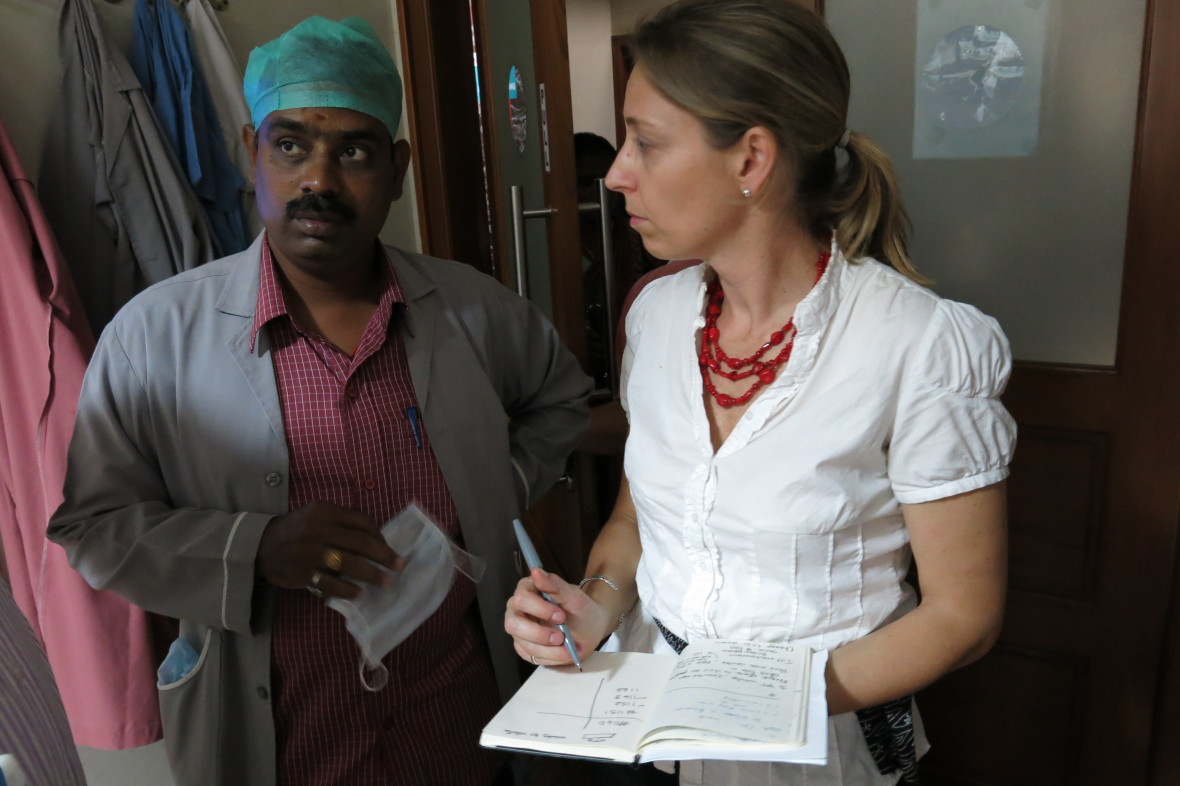
"caption": "D-Rev CEO Krista Donaldson interviews a doctor in the field ",
"description": null,
"title": "krista donaldson",
"credit": "D-Rev",
"status": "inherit",
"isLoading": false,
"fetchFailed": false
},
"futureofyou_2786": {
"type": "attachments",
"id": "futureofyou_2786",
"meta": {
"index": "attachments_1716263798",
"site": "futureofyou",
"id": "2786",
"found": true
},
"parent": 2712,
"imgSizes": {
"twentyfourteen-full-width": {
"file": "https://ww2.kqed.org/app/uploads/sites/13/2015/05/Unknown-1038x576.jpeg",
"width": 1038,
"mimeType": "image/jpeg",
"height": 576
},
"thumbnail": {
"file": "https://ww2.kqed.org/app/uploads/sites/13/2015/05/Unknown-400x222.jpeg",
"width": 400,
"mimeType": "image/jpeg",
"height": 222
},
"fd-sm": {
"file": "https://ww2.kqed.org/app/uploads/sites/13/2015/05/Unknown-960x533.jpeg",
"width": 960,
"mimeType": "image/jpeg",
"height": 533
},
"post-thumbnail": {
"file": "https://ww2.kqed.org/app/uploads/sites/13/2015/05/Unknown-672x372.jpeg",
"width": 672,
"mimeType": "image/jpeg",
"height": 372
},
"kqedFullSize": {
"file": "https://ww2.kqed.org/app/uploads/sites/13/2015/05/Unknown.jpeg",
"width": 2500,
"height": 1387
},
"large": {
"file": "https://ww2.kqed.org/app/uploads/sites/13/2015/05/Unknown-1180x655.jpeg",
"width": 1180,
"mimeType": "image/jpeg",
"height": 655
},
"guest-author-96": {
"file": "https://ww2.kqed.org/app/uploads/sites/13/2015/05/Unknown-96x96.jpeg",
"width": 96,
"mimeType": "image/jpeg",
"height": 96
},
"medium": {
"file": "https://ww2.kqed.org/app/uploads/sites/13/2015/05/Unknown-800x444.jpeg",
"width": 800,
"mimeType": "image/jpeg",
"height": 444
},
"guest-author-64": {
"file": "https://ww2.kqed.org/app/uploads/sites/13/2015/05/Unknown-64x64.jpeg",
"width": 64,
"mimeType": "image/jpeg",
"height": 64
},
"guest-author-32": {
"file": "https://ww2.kqed.org/app/uploads/sites/13/2015/05/Unknown-32x32.jpeg",
"width": 32,
"mimeType": "image/jpeg",
"height": 32
},
"fd-med": {
"file": "https://ww2.kqed.org/app/uploads/sites/13/2015/05/Unknown-1180x655.jpeg",
"width": 1180,
"mimeType": "image/jpeg",
"height": 655
},
"detail": {
"file": "https://ww2.kqed.org/app/uploads/sites/13/2015/05/Unknown-75x75.jpeg",
"width": 75,
"mimeType": "image/jpeg",
"height": 75
},
"guest-author-128": {
"file": "https://ww2.kqed.org/app/uploads/sites/13/2015/05/Unknown-128x128.jpeg",
"width": 128,
"mimeType": "image/jpeg",
"height": 128
}
},
"publishDate": 1430949669,
"modified": 1430949700,
"caption": "Ida Tin, founder of Clue, a fertility-tracking app",
"description": null,
"title": "Unknown",
"credit": "Clue ",
"status": "inherit",
"isLoading": false,
"fetchFailed": false
},
"futureofyou_2525": {
"type": "attachments",
"id": "futureofyou_2525",
"meta": {
"index": "attachments_1716263798",
"site": "futureofyou",
"id": "2525",
"found": true
},
"parent": 2522,
"imgSizes": {
"twentyfourteen-full-width": {
"file": "https://ww2.kqed.org/app/uploads/sites/13/2015/04/BRCAhillside-1038x576.jpg",
"width": 1038,
"mimeType": "image/jpeg",
"height": 576
},
"thumbnail": {
"file": "https://ww2.kqed.org/app/uploads/sites/13/2015/04/BRCAhillside-400x223.jpg",
"width": 400,
"mimeType": "image/jpeg",
"height": 223
},
"fd-sm": {
"file": "https://ww2.kqed.org/app/uploads/sites/13/2015/04/BRCAhillside-960x534.jpg",
"width": 960,
"mimeType": "image/jpeg",
"height": 534
},
"post-thumbnail": {
"file": "https://ww2.kqed.org/app/uploads/sites/13/2015/04/BRCAhillside-672x372.jpg",
"width": 672,
"mimeType": "image/jpeg",
"height": 372
},
"kqedFullSize": {
"file": "https://ww2.kqed.org/app/uploads/sites/13/2015/04/BRCAhillside.jpg",
"width": 1920,
"height": 1068
},
"large": {
"file": "https://ww2.kqed.org/app/uploads/sites/13/2015/04/BRCAhillside-1180x656.jpg",
"width": 1180,
"mimeType": "image/jpeg",
"height": 656
},
"guest-author-96": {
"file": "https://ww2.kqed.org/app/uploads/sites/13/2015/04/BRCAhillside-96x96.jpg",
"width": 96,
"mimeType": "image/jpeg",
"height": 96
},
"medium": {
"file": "https://ww2.kqed.org/app/uploads/sites/13/2015/04/BRCAhillside-800x445.jpg",
"width": 800,
"mimeType": "image/jpeg",
"height": 445
},
"guest-author-64": {
"file": "https://ww2.kqed.org/app/uploads/sites/13/2015/04/BRCAhillside-64x64.jpg",
"width": 64,
"mimeType": "image/jpeg",
"height": 64
},
"guest-author-32": {
"file": "https://ww2.kqed.org/app/uploads/sites/13/2015/04/BRCAhillside-32x32.jpg",
"width": 32,
"mimeType": "image/jpeg",
"height": 32
},
"fd-med": {
"file": "https://ww2.kqed.org/app/uploads/sites/13/2015/04/BRCAhillside-1180x656.jpg",
"width": 1180,
"mimeType": "image/jpeg",
"height": 656
},
"detail": {
"file": "https://ww2.kqed.org/app/uploads/sites/13/2015/04/BRCAhillside-75x75.jpg",
"width": 75,
"mimeType": "image/jpeg",
"height": 75
},
"guest-author-128": {
"file": "https://ww2.kqed.org/app/uploads/sites/13/2015/04/BRCAhillside-128x128.jpg",
"width": 128,
"mimeType": "image/jpeg",
"height": 128
}
},
"publishDate": 1430336300,
"modified": 1430495613,
"caption": "Color Genomics is offering an affordable genetic test for breast and ovarian cancer that includes the famous BRCA1 and BRCA2 genes.",
"description": null,
"title": "BRCAhillside",
"credit": null,
"status": "inherit",
"isLoading": false,
"fetchFailed": false
},
"futureofyou_2081": {
"type": "attachments",
"id": "futureofyou_2081",
"meta": {
"index": "attachments_1716263798",
"site": "futureofyou",
"id": "2081",
"found": true
},
"parent": 1819,
"imgSizes": {
"twentyfourteen-full-width": {
"file": "https://ww2.kqed.org/app/uploads/sites/13/2015/04/PATH_Uganda_cervical_cancer-1038x576.jpg",
"width": 1038,
"mimeType": "image/jpeg",
"height": 576
},
"thumbnail": {
"file": "https://ww2.kqed.org/app/uploads/sites/13/2015/04/PATH_Uganda_cervical_cancer-400x266.jpg",
"width": 400,
"mimeType": "image/jpeg",
"height": 266
},
"fd-sm": {
"file": "https://ww2.kqed.org/app/uploads/sites/13/2015/04/PATH_Uganda_cervical_cancer-320x213.jpg",
"width": 320,
"mimeType": "image/jpeg",
"height": 213
},
"post-thumbnail": {
"file": "https://ww2.kqed.org/app/uploads/sites/13/2015/04/PATH_Uganda_cervical_cancer-672x372.jpg",
"width": 672,
"mimeType": "image/jpeg",
"height": 372
},
"kqedFullSize": {
"file": "https://ww2.kqed.org/app/uploads/sites/13/2015/04/PATH_Uganda_cervical_cancer.jpg",
"width": 3931,
"height": 2616
},
"large": {
"file": "https://ww2.kqed.org/app/uploads/sites/13/2015/04/PATH_Uganda_cervical_cancer-1180x785.jpg",
"width": 1180,
"mimeType": "image/jpeg",
"height": 785
},
"guest-author-96": {
"file": "https://ww2.kqed.org/app/uploads/sites/13/2015/04/PATH_Uganda_cervical_cancer-96x96.jpg",
"width": 96,
"mimeType": "image/jpeg",
"height": 96
},
"medium": {
"file": "https://ww2.kqed.org/app/uploads/sites/13/2015/04/PATH_Uganda_cervical_cancer-800x532.jpg",
"width": 800,
"mimeType": "image/jpeg",
"height": 532
},
"guest-author-64": {
"file": "https://ww2.kqed.org/app/uploads/sites/13/2015/04/PATH_Uganda_cervical_cancer-64x64.jpg",
"width": 64,
"mimeType": "image/jpeg",
"height": 64
},
"guest-author-32": {
"file": "https://ww2.kqed.org/app/uploads/sites/13/2015/04/PATH_Uganda_cervical_cancer-32x32.jpg",
"width": 32,
"mimeType": "image/jpeg",
"height": 32
},
"fd-lrg": {
"file": "https://ww2.kqed.org/app/uploads/sites/13/2015/04/PATH_Uganda_cervical_cancer-1180x785.jpg",
"width": 1180,
"mimeType": "image/jpeg",
"height": 785
},
"fd-med": {
"file": "https://ww2.kqed.org/app/uploads/sites/13/2015/04/PATH_Uganda_cervical_cancer-768x511.jpg",
"width": 768,
"mimeType": "image/jpeg",
"height": 511
},
"detail": {
"file": "https://ww2.kqed.org/app/uploads/sites/13/2015/04/PATH_Uganda_cervical_cancer-75x75.jpg",
"width": 75,
"mimeType": "image/jpeg",
"height": 75
},
"guest-author-128": {
"file": "https://ww2.kqed.org/app/uploads/sites/13/2015/04/PATH_Uganda_cervical_cancer-128x128.jpg",
"width": 128,
"mimeType": "image/jpeg",
"height": 128
}
},
"publishDate": 1429569180,
"modified": 1429569267,
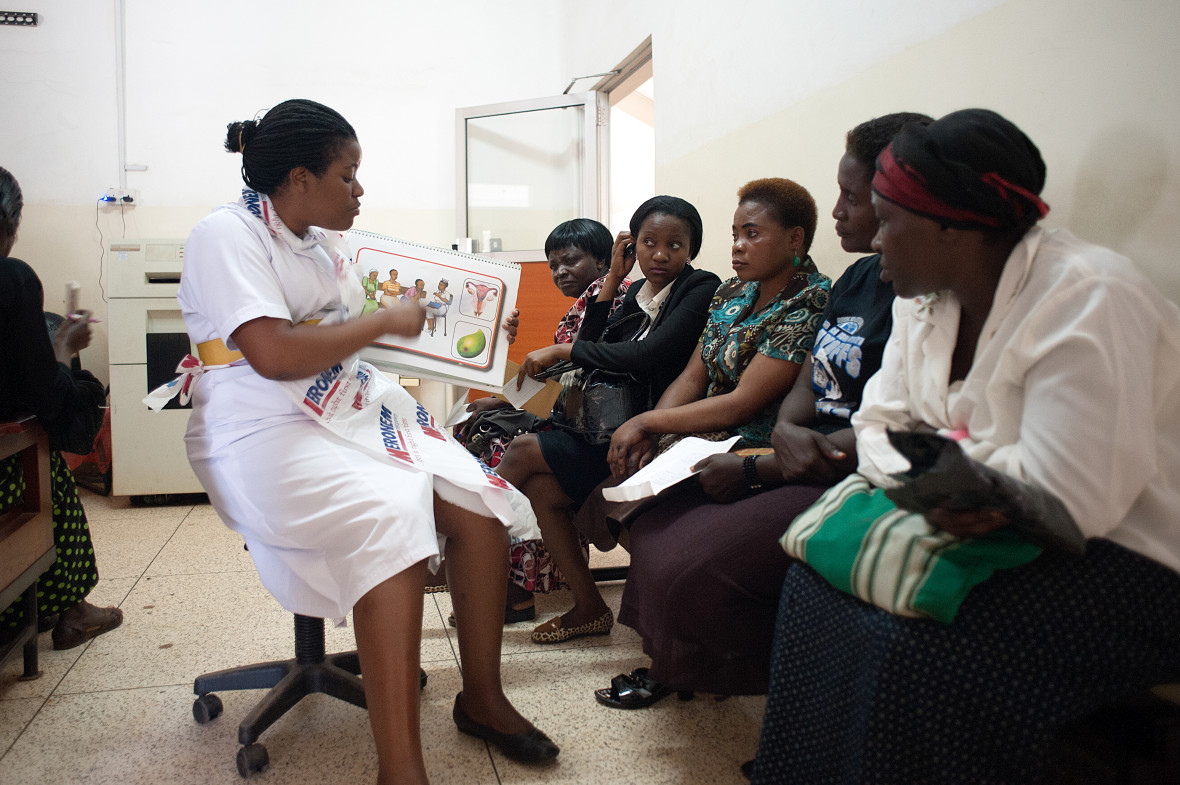
"caption": "A nurse holding a diagram of the female reproductive system speaks to a group of women Uganda Cancer Institute in Kampala Uganda",
"description": "A nurse holding a diagram of the female reproductive system speaks to a group of women Uganda Cancer Institute in Kampala Uganda",
"title": "Steve Davis visits Uganda Cancer Institute in Kampala Uganda",
"credit": "PATH/Will Boase",
"status": "inherit",
"isLoading": false,
"fetchFailed": false
}
},
"audioPlayerReducer": {
"postId": "stream_live",
"isPaused": true,
"isPlaying": false,
"pfsActive": false,
"pledgeModalIsOpen": true,
"playerDrawerIsOpen": false,
"liveAudioPlayStartedAt": 0,
"liveAudioPlayContext": ""
},
"authorsReducer": {
"2718": {
"type": "authors",
"id": "2718",
"meta": {
"override": true
},
"slug": "2718",
"name": "Gabrielle Guthrie",
"firstName": "Gabrielle",
"lastName": "Guthrie",
"bio": "Gabrielle Guthrie has a Masters in Design from Stanford University. She is co-founder of the women-centered design start up, Moxxly. She lives and works in San Francisco.",
"email": "gabrielle@moxxly.com",
"isLoading": false
},
"byline_futureofyou_440580": {
"type": "authors",
"id": "byline_futureofyou_440580",
"meta": {
"override": true
},
"slug": "byline_futureofyou_440580",
"name": "Terry Gross, NPR",
"isLoading": false
},
"byline_futureofyou_440444": {
"type": "authors",
"id": "byline_futureofyou_440444",
"meta": {
"override": true
},
"slug": "byline_futureofyou_440444",
"name": "Ashley Lopez, NPR\u003cbr />Lesley McClurg, KQED",
"isLoading": false
},
"cfarr": {
"type": "authors",
"id": "3252",
"meta": {
"index": "authors_1716337520",
"id": "3252",
"found": true
},
"name": "Christina Farr",
"firstName": "Christina",
"lastName": "Farr",
"slug": "cfarr",
"email": "cfarr@kqed.org",
"display_author_email": false,
"staff_mastheads": [],
"title": "KQED Contributor",
"bio": "Christina Farr (\u003ca href=\"https://twitter.com/chrissyfarr\">@chrissyfarr\u003c/a>) is the former editor and host of Future of You. She was previously with Reuters, covering digital health and Apple and before that, she reported for Venture Beat. Christina was born and raised in London and has graduate degrees from University of London and the Stanford School of Journalism. Farr’s work has appeared in a variety of publications, including the New York Times, the Daily Telegraph, the Bay Citizen and SFGate.com. She has appeared as a featured expert on NBC, ABC and Reuters TV, among others, and frequently speaks at health and technology conferences. She is also co-founder of Ladies Who Vino, a networking group for women in technology and business.",
"avatar": "https://secure.gravatar.com/avatar/22c63869a7901c61c15e204391c1261d?s=600&d=blank&r=g",
"twitter": null,
"facebook": null,
"instagram": null,
"linkedin": null,
"sites": [
{
"site": "futureofyou",
"roles": [
"administrator"
]
},
{
"site": "stateofhealth",
"roles": [
"author"
]
},
{
"site": "science",
"roles": []
}
],
"headData": {
"title": "Christina Farr | KQED",
"description": "KQED Contributor",
"ogImgSrc": "https://secure.gravatar.com/avatar/22c63869a7901c61c15e204391c1261d?s=600&d=blank&r=g",
"twImgSrc": "https://secure.gravatar.com/avatar/22c63869a7901c61c15e204391c1261d?s=600&d=blank&r=g"
},
"isLoading": false,
"link": "/author/cfarr"
},
"dr-barry-starr": {
"type": "authors",
"id": "6177",
"meta": {
"index": "authors_1716337520",
"id": "6177",
"found": true
},
"name": "Dr. Barry Starr",
"firstName": "Dr. Barry",
"lastName": "Starr",
"slug": "dr-barry-starr",
"email": "bstarr@thetech.org",
"display_author_email": false,
"staff_mastheads": [],
"title": "KQED Contributor",
"bio": "Dr. Barry Starr (\u003ca href=\"https://twitter.com/geneticsboy\">@geneticsboy\u003c/a>) is a Geneticist-in-Residence at The Tech Museum of Innovation in San Jose, CA and runs their Stanford at The Tech program. The program is part of an ongoing collaboration between the \u003ca href=\"http://genetics.stanford.edu/\">Stanford Department of Genetics\u003c/a> and \u003ca href=\"http://www.thetech.org/\">The Tech Museum of Innovation\u003c/a>. Together these two partners created the \u003ca href=\"http://www.thetech.org/exhibits/permanent/index.php?sGalKey=gtwt&galKey=lt\">Genetics: Technology with a Twist\u003c/a> exhibition.\r\n\r\nYou can also see \u003ca href=\"https://ww2.kqed.org/science/author/dr-barry-starr/\">additional posts by Barry at KQED Science\u003c/a>, and read his \u003ca href=\"http://science.kqed.org/quest/author/dr-barry-starr/\">previous contributions\u003c/a> to \u003ca href=\"http://science.kqed.org/quest/\">QUEST\u003c/a>, a project dedicated to exploring the Science of Sustainability.",
"avatar": "https://secure.gravatar.com/avatar/4a5680e4c642ea0f0f3041af16018969?s=600&d=blank&r=g",
"twitter": "geneticsboy",
"facebook": null,
"instagram": null,
"linkedin": null,
"sites": [
{
"site": "futureofyou",
"roles": []
},
{
"site": "science",
"roles": [
"author"
]
},
{
"site": "quest",
"roles": [
"subscriber"
]
}
],
"headData": {
"title": "Dr. Barry Starr | KQED",
"description": "KQED Contributor",
"ogImgSrc": "https://secure.gravatar.com/avatar/4a5680e4c642ea0f0f3041af16018969?s=600&d=blank&r=g",
"twImgSrc": "https://secure.gravatar.com/avatar/4a5680e4c642ea0f0f3041af16018969?s=600&d=blank&r=g"
},
"isLoading": false,
"link": "/author/dr-barry-starr"
},
"rgrant": {
"type": "authors",
"id": "6620",
"meta": {
"index": "authors_1716337520",
"id": "6620",
"found": true
},
"name": "Rebecca Grant",
"firstName": "Rebecca",
"lastName": "Grant",
"slug": "rgrant",
"email": "rebeccaggrant@gmail.com",
"display_author_email": false,
"staff_mastheads": [],
"title": null,
"bio": "Rebecca Grant is a freelance journalist who has published work in The Atlantic, Fast Company, Forbes, The Daily Dot, and others. She spent 2 years as a staff writer at VentureBeat reporting on the startup scene, as well as issues relating to social innovation and diversity in the tech industry. Before Venturebeat, she served as a Peace Corps Volunteer, conducting an education project in rural Thailand. She has a B.A. from Cornell University.",
"avatar": "https://secure.gravatar.com/avatar/acf522116cc10f32fb9bc84af7f1ea28?s=600&d=blank&r=g",
"twitter": null,
"facebook": null,
"instagram": null,
"linkedin": null,
"sites": [
{
"site": "futureofyou",
"roles": [
"contributor"
]
}
],
"headData": {
"title": "Rebecca Grant | KQED",
"description": null,
"ogImgSrc": "https://secure.gravatar.com/avatar/acf522116cc10f32fb9bc84af7f1ea28?s=600&d=blank&r=g",
"twImgSrc": "https://secure.gravatar.com/avatar/acf522116cc10f32fb9bc84af7f1ea28?s=600&d=blank&r=g"
},
"isLoading": false,
"link": "/author/rgrant"
}
},
"pagesReducer": {
"futureofyou_series_womens-health": {
"type": "terms",
"id": "futureofyou_219",
"meta": {
"index": "terms_1716263798",
"site": "futureofyou",
"id": "219",
"score": 14.138403
},
"featImg": null,
"name": "Women's Health",
"description": null,
"taxonomy": "series",
"headData": {
"twImgId": null,
"twTitle": null,
"ogTitle": null,
"ogImgId": null,
"twDescription": null,
"description": null,
"title": "Women's Health Archives | KQED Arts",
"ogDescription": null
},
"ttid": 219,
"slug": "womens-health",
"isLoading": false,
"title": "Women's Health",
"pageMeta": {
"site": "futureofyou",
"WpPageTemplate": "page-topic-editorial",
"currentPage": 2
},
"blocks": [
{
"blockName": "kqed/post-list",
"attrs": {
"layout": "cardArticle2",
"query": "posts/futureofyou?series=womens-health",
"seeMore": false,
"paginated": true,
"page": 2
}
},
{
"blockName": "kqed/ad"
}
]
}
},
"pfsSessionReducer": {},
"postsReducer": {
"stream_live": {
"type": "live",
"id": "stream_live",
"audioUrl": "https://streams.kqed.org/kqedradio",
"title": "Live Stream",
"excerpt": "Live Stream information currently unavailable.",
"link": "/radio",
"featImg": "",
"label": {
"name": "KQED Live",
"link": "/"
}
},
"stream_kqedNewscast": {
"type": "posts",
"id": "stream_kqedNewscast",
"audioUrl": "https://www.kqed.org/.stream/anon/radio/RDnews/newscast.mp3?_=1",
"title": "KQED Newscast",
"featImg": "",
"label": {
"name": "88.5 FM",
"link": "/"
}
},
"futureofyou_440580": {
"type": "posts",
"id": "futureofyou_440580",
"meta": {
"index": "posts_1716263798",
"site": "futureofyou",
"id": "440580",
"score": null,
"sort": [
1522346838000
]
},
"parent": 0,
"labelTerm": {},
"blocks": [],
"publishDate": 1522346838,
"format": "audio",
"disqusTitle": "How 'Bad Medicine' Dismisses And Misdiagnoses Women's Symptoms",
"title": "How 'Bad Medicine' Dismisses And Misdiagnoses Women's Symptoms",
"headTitle": "Women’s Health | Future of You | KQED Future of You | KQED Science",
"content": "\u003cp>[audio mp3=\"https://ww2.kqed.org/futureofyou/wp-content/uploads/sites/13/2018/03/20180327_fa_01.mp3\" autoplay=\"true\"][/audio]\u003c/p>\n\u003cp>When journalist Maya Dusenbery was in her 20s, she started experiencing progressive pain in her joints, which she learned was caused by \u003ca href=\"https://www.npr.org/tags/164632370/rheumatoid-arthritis\" target=\"_blank\" rel=\"noopener\">rheumatoid arthritis.\u003c/a>\u003c/p>\n\u003cp>As she began to research her own condition, Dusenbery realized how lucky she was to have been diagnosed relatively easily. Other women with similar symptoms, she says, \"experienced very long diagnostic delays and felt ... that their symptoms were not taken seriously.\"\u003c/p>\n\u003cp>Dusenbery says these experiences fit into a larger pattern of gender bias in medicine. Her new book, \u003cem>Doing Harm,\u003c/em> makes the case that women's symptoms are often dismissed and misdiagnosed — in part because of what she calls the \"systemic and unconscious bias that's rooted ... in what doctors, regardless of their own gender, are learning in medical schools.\"\u003c/p>\n\u003cp>\"I definitely believe that the fact that medicine has been historically and continues to be mainly run by men has been a source of these problems,\" she says. \"The medical knowledge that we have is just skewed towards knowing more about men's bodies and the conditions that disproportionately affect them.\"\u003c/p>\n\u003cp>[ad fullwidth]\u003c/p>\n\u003cp>Dusenbery is also the executive editor of \u003ca href=\"http://feministing.com/\" target=\"_blank\" rel=\"noopener\">Feministing\u003c/a>, a website of writing by young feminists about social, cultural and political issues.\u003c/p>\n\u003ch3 class=\"edTag\">\u003cstrong>Interview Highlights\u003c/strong>\u003c/h3>\n\u003cp>\u003cstrong>On how women have been left out of drug trials and medical observational studies\u003c/strong>\u003c/p>\n\u003cp>There was a lot of concern about including women in drug trials, specifically because of concerns about affecting their hypothetical fetuses. So in the '70s the FDA had a policy of prohibiting any woman of childbearing age from participating in early-stage drug trials.\u003c/p>\n\u003cp>But we also see that at that time, women were also excluded from studies that were just observational studies — not just drug trials. In the '90s, when there were congressional hearings about this problem, the public learned that women had been left out of things like a big observational study looking at normal human aging that was ongoing for 20 years. It started in the '50s, and for the first 20 years women had been left out of that.\u003c/p>\n\u003cp>\u003cstrong>On women's recent inclusion in National Institutes of Health studies \u003c/strong>\u003c/p>\n\u003cp>[In] 1993, Congress passed a law saying that women need to be included in NIH-funded clinical research. And in the aggregate, women do make up a majority of subjects in NIH research. However, we still don't know that women are necessarily adequately represented in all areas of research, because the NIH looks at the aggregate numbers, and the outside analyses that have been done show that women are still a little bit underrepresented.\u003c/p>\n\u003cp>More importantly, even though women are usually included in most studies today, it's still not the norm to really analyze results by gender to actually see if there are differences between men and women. So experts have described this to me as an \"add women and stir\" approach. Women are included, but we're still not getting the knowledge we need about ways that their symptoms or responses to treatment might differ from men.\u003c/p>\n\u003cp>\u003cstrong>On why some medicine affects men and women differently — and how that results in women receiving excessive doses of most drugs\u003c/strong>\u003c/p>\n\u003cp>There are a lot of factors that go into these recognized sex differences in drug metabolism and response. ... Percentage of body fat affects it. Hormones, different levels of enzymes — all of these things go into it. But really, probably the most straightforward [factor] is that, on average, men have a higher body weight than women. And yet, even that difference is not usually accounted for. We prescribe drugs based on this one-size-fits-all dosage, but that ends up meaning that, on average, women are being overdosed on most drugs.\u003c/p>\n\u003cp>\u003cstrong>On the difference between how men and women experience heart disease \u003c/strong>\u003c/p>\n\u003cp>Over the last couple of decades, there's been a recognition that for the first 35 years we were studying heart disease, we were really mostly studying it in men. And so there's been a concerted effort to go back and compare women's experiences to men's, which has led to the knowledge that women are more likely to have what are considered to be atypical symptoms. [And] the only reason they're considered \"atypical\" is because the norm has been this male model — so, atypical symptoms, like pain in the neck or shoulder, nausea, fatigue, lightheadedness. ...\u003c/p>\n\u003cp>Partly as a result of those differences in symptoms — which are still not always recognized by health care providers — women (especially younger women) are more likely to be turned away when they're having a heart attack, sent home. One study found it was younger women — so women under 55 — were seven times more likely than the average patient to be sent home mid-heart attack. ... Even if they're not sent home, you see longer delays [for women] to getting [electrocardiograms] and other diagnostic testing or interventions in the ER setting.\u003c/p>\n\u003cp>\u003cstrong>On how the subjective symptom of fatigue is dismissed in women\u003c/strong>\u003c/p>\n\u003cp>One of the most common [symptoms] that really is common across ... [the autoimmune diseases] is fatigue — a really deep, deep fatigue that isn't just being sleep-deprived from staying up too late. That fatigue, comparable to pain, is this very subjective symptom that's hard to communicate to other people. And I think that women are up against this real distrust of their own reports of their symptoms.\u003c/p>\n\u003cp>So conditions like autoimmune diseases that really are marked by these subjective symptoms of pain and fatigue, I think, are very easy to dismiss in women. ... Even though we do know about autoimmune diseases, during that diagnostic delay, women are often told, \"You're just stressed. You're tired.\" And [they] have a really hard time convincing doctors that this fatigue is abnormal.\u003c/p>\n\u003cp>\u003cstrong>On some female patients taking a male relative or spouse with them to doctors' appointments to vouch for them\u003c/strong>\u003c/p>\n\u003cp>I found this to be one of the most disturbing things that I found in my research: how many women reported that as they were fighting to get their symptoms taken seriously, [they] just sort of sensed that what they really needed was somebody to testify to their symptoms, to testify to their sanity, and felt that bringing a partner or a father or even a son would be helpful. And then [they] found that it was [helpful], that they were treated differently when there was that man in the room who was corroborating their reports.\u003c/p>\n\u003cp>[ad floatright]\u003c/p>\n\u003cp>\u003cem>Heidi Saman and Seth Kelley produced and edited this interview for broadcast. Bridget Bentz, Molly Seavy-Nesper and Scott Hensley adapted it for the Web.\u003c/em>\u003c/p>\n\u003cdiv class=\"fullattribution\">Copyright 2018 Fresh Air. To see more, visit \u003ca href=\"http://www.npr.org/programs/fresh-air/\" target=\"_blank\" rel=\"noopener\">Fresh Air\u003c/a>.\u003cimg src=\"https://www.google-analytics.com/__utm.gif?utmac=UA-5828686-4&utmdt=How+%27Bad+Medicine%27+Dismisses+And+Misdiagnoses+Women%27s+Symptoms&utme=8(APIKey)9(MDAxOTAwOTE4MDEyMTkxMDAzNjczZDljZA004)\">\u003c/div>\n\n",
"disqusIdentifier": "440580 https://ww2.kqed.org/futureofyou/?p=440580",
"disqusUrl": "https://ww2.kqed.org/futureofyou/2018/03/29/how-bad-medicine-dismisses-and-misdiagnoses-womens-symptoms/",
"stats": {
"hasVideo": false,
"hasChartOrMap": false,
"hasAudio": true,
"hasPolis": false,
"wordCount": 1136,
"hasGoogleForm": false,
"hasGallery": false,
"hasHearkenModule": false,
"iframeSrcs": [],
"paragraphCount": 24
},
"modified": 1522346881,
"excerpt": "Journalist Maya Dusenbery argues that medicine has a gender bias rooted in medical school training.",
"headData": {
"twImgId": "",
"twTitle": "",
"ogTitle": "",
"ogImgId": "",
"twDescription": "",
"description": "Journalist Maya Dusenbery argues that medicine has a gender bias rooted in medical school training.",
"title": "How 'Bad Medicine' Dismisses And Misdiagnoses Women's Symptoms | KQED",
"ogDescription": "",
"schema": {
"@context": "https://schema.org",
"@type": "Article",
"headline": "How 'Bad Medicine' Dismisses And Misdiagnoses Women's Symptoms",
"datePublished": "2018-03-29T11:07:18-07:00",
"dateModified": "2018-03-29T11:08:01-07:00",
"image": "https://cdn.kqed.org/wp-content/uploads/2020/02/KQED-OG-Image@1x.png"
}
},
"guestAuthors": [],
"slug": "how-bad-medicine-dismisses-and-misdiagnoses-womens-symptoms",
"status": "publish",
"nprApiLink": "http://api.npr.org/query?id=597159133&apiKey=MDAxOTAwOTE4MDEyMTkxMDAzNjczZDljZA004",
"nprStoryDate": "Tue, 27 Mar 2018 12:15:00 -0400",
"nprLastModifiedDate": "Wed, 28 Mar 2018 18:09:57 -0400",
"nprHtmlLink": "https://www.npr.org/sections/health-shots/2018/03/27/597159133/how-bad-medicine-dismisses-and-misdiagnoses-womens-symptoms?ft=nprml&f=597159133",
"nprAudio": "https://ondemand.npr.org/anon.npr-mp3/npr/fa/2018/03/20180327_fa_01.mp3?orgId=427869011&topicId=1128&d=1159&p=13&story=597159133&ft=nprml&f=597159133",
"nprImageAgency": "Getty Images",
"source": "Health",
"nprAudioM3u": "http://api.npr.org/m3u/1597344748-5b1788.m3u?orgId=427869011&topicId=1128&d=1159&p=13&story=597159133&ft=nprml&f=597159133",
"nprStoryId": "597159133",
"audioUrl": "https://ondemand.npr.org/anon.npr-mp3/npr/fa/2018/03/20180327_fa_01.mp3?orgId=427869011&topicId=1128&d=1159&p=13&story=597159133&siteplayer=true&dl=1",
"nprByline": "Terry Gross, NPR",
"nprImageCredit": "PhotoAlto/Michele Constantini",
"nprRetrievedStory": "1",
"nprPubDate": "Wed, 28 Mar 2018 18:09:00 -0400",
"path": "/futureofyou/440580/how-bad-medicine-dismisses-and-misdiagnoses-womens-symptoms",
"audioTrackLength": null,
"parsedContent": [
{
"type": "contentString",
"content": "\u003cdiv class=\"post-body\">\u003cp>\u003cp>\u003c/p>\u003c/div>",
"attributes": {
"named": {},
"numeric": []
}
},
{
"type": "component",
"content": "",
"name": "audio",
"attributes": {
"named": {
"mp3": "https://ww2.kqed.org/futureofyou/wp-content/uploads/sites/13/2018/03/20180327_fa_01.mp3",
"autoplay": "true",
"label": ""
},
"numeric": []
}
},
{
"type": "contentString",
"content": "\u003cdiv class=\"post-body\">\u003cp>\u003c/p>\n\u003cp>When journalist Maya Dusenbery was in her 20s, she started experiencing progressive pain in her joints, which she learned was caused by \u003ca href=\"https://www.npr.org/tags/164632370/rheumatoid-arthritis\" target=\"_blank\" rel=\"noopener\">rheumatoid arthritis.\u003c/a>\u003c/p>\n\u003cp>As she began to research her own condition, Dusenbery realized how lucky she was to have been diagnosed relatively easily. Other women with similar symptoms, she says, \"experienced very long diagnostic delays and felt ... that their symptoms were not taken seriously.\"\u003c/p>\n\u003cp>Dusenbery says these experiences fit into a larger pattern of gender bias in medicine. Her new book, \u003cem>Doing Harm,\u003c/em> makes the case that women's symptoms are often dismissed and misdiagnosed — in part because of what she calls the \"systemic and unconscious bias that's rooted ... in what doctors, regardless of their own gender, are learning in medical schools.\"\u003c/p>\n\u003cp>\"I definitely believe that the fact that medicine has been historically and continues to be mainly run by men has been a source of these problems,\" she says. \"The medical knowledge that we have is just skewed towards knowing more about men's bodies and the conditions that disproportionately affect them.\"\u003c/p>\n\u003cp>\u003c/p>\u003c/div>",
"attributes": {
"named": {},
"numeric": []
}
},
{
"type": "component",
"content": "",
"name": "ad",
"attributes": {
"named": {
"label": "fullwidth"
},
"numeric": [
"fullwidth"
]
}
},
{
"type": "contentString",
"content": "\u003cdiv class=\"post-body\">\u003cp>\u003c/p>\n\u003cp>Dusenbery is also the executive editor of \u003ca href=\"http://feministing.com/\" target=\"_blank\" rel=\"noopener\">Feministing\u003c/a>, a website of writing by young feminists about social, cultural and political issues.\u003c/p>\n\u003ch3 class=\"edTag\">\u003cstrong>Interview Highlights\u003c/strong>\u003c/h3>\n\u003cp>\u003cstrong>On how women have been left out of drug trials and medical observational studies\u003c/strong>\u003c/p>\n\u003cp>There was a lot of concern about including women in drug trials, specifically because of concerns about affecting their hypothetical fetuses. So in the '70s the FDA had a policy of prohibiting any woman of childbearing age from participating in early-stage drug trials.\u003c/p>\n\u003cp>But we also see that at that time, women were also excluded from studies that were just observational studies — not just drug trials. In the '90s, when there were congressional hearings about this problem, the public learned that women had been left out of things like a big observational study looking at normal human aging that was ongoing for 20 years. It started in the '50s, and for the first 20 years women had been left out of that.\u003c/p>\n\u003cp>\u003cstrong>On women's recent inclusion in National Institutes of Health studies \u003c/strong>\u003c/p>\n\u003cp>[In] 1993, Congress passed a law saying that women need to be included in NIH-funded clinical research. And in the aggregate, women do make up a majority of subjects in NIH research. However, we still don't know that women are necessarily adequately represented in all areas of research, because the NIH looks at the aggregate numbers, and the outside analyses that have been done show that women are still a little bit underrepresented.\u003c/p>\n\u003cp>More importantly, even though women are usually included in most studies today, it's still not the norm to really analyze results by gender to actually see if there are differences between men and women. So experts have described this to me as an \"add women and stir\" approach. Women are included, but we're still not getting the knowledge we need about ways that their symptoms or responses to treatment might differ from men.\u003c/p>\n\u003cp>\u003cstrong>On why some medicine affects men and women differently — and how that results in women receiving excessive doses of most drugs\u003c/strong>\u003c/p>\n\u003cp>There are a lot of factors that go into these recognized sex differences in drug metabolism and response. ... Percentage of body fat affects it. Hormones, different levels of enzymes — all of these things go into it. But really, probably the most straightforward [factor] is that, on average, men have a higher body weight than women. And yet, even that difference is not usually accounted for. We prescribe drugs based on this one-size-fits-all dosage, but that ends up meaning that, on average, women are being overdosed on most drugs.\u003c/p>\n\u003cp>\u003cstrong>On the difference between how men and women experience heart disease \u003c/strong>\u003c/p>\n\u003cp>Over the last couple of decades, there's been a recognition that for the first 35 years we were studying heart disease, we were really mostly studying it in men. And so there's been a concerted effort to go back and compare women's experiences to men's, which has led to the knowledge that women are more likely to have what are considered to be atypical symptoms. [And] the only reason they're considered \"atypical\" is because the norm has been this male model — so, atypical symptoms, like pain in the neck or shoulder, nausea, fatigue, lightheadedness. ...\u003c/p>\n\u003cp>Partly as a result of those differences in symptoms — which are still not always recognized by health care providers — women (especially younger women) are more likely to be turned away when they're having a heart attack, sent home. One study found it was younger women — so women under 55 — were seven times more likely than the average patient to be sent home mid-heart attack. ... Even if they're not sent home, you see longer delays [for women] to getting [electrocardiograms] and other diagnostic testing or interventions in the ER setting.\u003c/p>\n\u003cp>\u003cstrong>On how the subjective symptom of fatigue is dismissed in women\u003c/strong>\u003c/p>\n\u003cp>One of the most common [symptoms] that really is common across ... [the autoimmune diseases] is fatigue — a really deep, deep fatigue that isn't just being sleep-deprived from staying up too late. That fatigue, comparable to pain, is this very subjective symptom that's hard to communicate to other people. And I think that women are up against this real distrust of their own reports of their symptoms.\u003c/p>\n\u003cp>So conditions like autoimmune diseases that really are marked by these subjective symptoms of pain and fatigue, I think, are very easy to dismiss in women. ... Even though we do know about autoimmune diseases, during that diagnostic delay, women are often told, \"You're just stressed. You're tired.\" And [they] have a really hard time convincing doctors that this fatigue is abnormal.\u003c/p>\n\u003cp>\u003cstrong>On some female patients taking a male relative or spouse with them to doctors' appointments to vouch for them\u003c/strong>\u003c/p>\n\u003cp>I found this to be one of the most disturbing things that I found in my research: how many women reported that as they were fighting to get their symptoms taken seriously, [they] just sort of sensed that what they really needed was somebody to testify to their symptoms, to testify to their sanity, and felt that bringing a partner or a father or even a son would be helpful. And then [they] found that it was [helpful], that they were treated differently when there was that man in the room who was corroborating their reports.\u003c/p>\n\u003cp>\u003c/p>\u003c/div>",
"attributes": {
"named": {},
"numeric": []
}
},
{
"type": "component",
"content": "",
"name": "ad",
"attributes": {
"named": {
"label": "floatright"
},
"numeric": [
"floatright"
]
}
},
{
"type": "contentString",
"content": "\u003cdiv class=\"post-body\">\u003cp>\u003c/p>\n\u003cp>\u003cem>Heidi Saman and Seth Kelley produced and edited this interview for broadcast. Bridget Bentz, Molly Seavy-Nesper and Scott Hensley adapted it for the Web.\u003c/em>\u003c/p>\n\u003cdiv class=\"fullattribution\">Copyright 2018 Fresh Air. To see more, visit \u003ca href=\"http://www.npr.org/programs/fresh-air/\" target=\"_blank\" rel=\"noopener\">Fresh Air\u003c/a>.\u003cimg src=\"https://www.google-analytics.com/__utm.gif?utmac=UA-5828686-4&utmdt=How+%27Bad+Medicine%27+Dismisses+And+Misdiagnoses+Women%27s+Symptoms&utme=8(APIKey)9(MDAxOTAwOTE4MDEyMTkxMDAzNjczZDljZA004)\">\u003c/div>\n\n\u003c/div>\u003c/p>",
"attributes": {
"named": {},
"numeric": []
}
}
],
"link": "/futureofyou/440580/how-bad-medicine-dismisses-and-misdiagnoses-womens-symptoms",
"authors": [
"byline_futureofyou_440580"
],
"programs": [
"futureofyou_54"
],
"series": [
"futureofyou_219"
],
"categories": [
"futureofyou_1",
"futureofyou_73"
],
"tags": [
"futureofyou_190",
"futureofyou_61",
"futureofyou_1056",
"futureofyou_173",
"futureofyou_275"
],
"featImg": "futureofyou_440581",
"label": "source_futureofyou_440580"
},
"futureofyou_440444": {
"type": "posts",
"id": "futureofyou_440444",
"meta": {
"index": "posts_1716263798",
"site": "futureofyou",
"id": "440444",
"score": null,
"sort": [
1522073024000
]
},
"parent": 0,
"labelTerm": {},
"blocks": [],
"publishDate": 1522073024,
"format": "audio",
"disqusTitle": "Birth Control Apps Find a Big Market in 'Contraception Deserts'",
"title": "Birth Control Apps Find a Big Market in 'Contraception Deserts'",
"headTitle": "Women’s Health | Future of You | KQED Future of You | KQED Science",
"content": "\u003cp>[audio mp3=\"https://ww2.kqed.org/futureofyou/wp-content/uploads/sites/13/2018/03/20180326_me_birth_control_apps_find_a_big_market_in_contraception_deserts_.mp3\" autoplay=\"true\" preload=\"auto\"][/audio]\u003c/p>\n\u003cp>Rachel Ralph works long hours at an accounting firm in Oakland, Calif., and coordinates much of her life via the apps on her phone.\u003c/p>\n\u003cp>So when she first heard several months ago that she could order her usual brand of birth control pills \u003ca href=\"https://www.kqed.org/futureofyou/425267/mobile-app-designed-to-prevent-pregnancy-gets-eu-approval\" target=\"_blank\" rel=\"noopener\">via an app\u003c/a>, and have them delivered to her doorstep in a day or two, it seemed perfect. She was working 12-hour days.[contextly_sidebar id=\"BZOrcpBR3skDDUzwXqFtMkYivLh8tU2K\"]\u003c/p>\n\u003cp>\"Food was delivered, dinner was often delivered,\" Ralph says. \"Anything I could get sent to my house with little effort — the better.\"\u003c/p>\n\u003cp>Ralph ordered a three-month supply of pills via the app of a San Francisco-based company called \u003ca href=\"https://www.nurx.com/\" target=\"_blank\" rel=\"noopener\">NURX\u003c/a>. It's one of several digital ventures, including \u003ca href=\"https://www.mavenclinic.com/\" target=\"_blank\" rel=\"noopener\">Maven\u003c/a> and \u003ca href=\"https://www.lemonaidhealth.com/\" target=\"_blank\" rel=\"noopener\">Lemonaid Health\u003c/a>, that now provide several types of hormonal contraception without requiring a live visit to a doctor or other health care provider.\u003c/p>\n\u003cp>[ad fullwidth]\u003c/p>\n\u003cp>Women using these services in cities say they like the speed and no-hassle privacy they get by making a purchase through the app. And in some rural areas where women's health clinics are few and far between, being able \u003ca href=\"https://www.newsdeeply.com/water/articles/2018/03/26/report-how-los-angeles-could-source-its-water-locally%20https://www.apnews.com/870b745abdfe41dfa3bb79b49d60f117/Self-taught-rocket-scientist-blasts-off-into-California-sky%20https://www.apnews.com/870b745abdfe41dfa3bb79b49d60f117/Self-taught-rocket-scientist-blasts-off-into-California-sky%20https://www.npr.org/sections/goatsandsoda/2018/03/23/596435463/how-fast-can-an-outbreak-be-detected%20https://khn.org/news/trump-immigration-policies-put-immigrant-caregivers-and-elderly-patients-at-risk/\" target=\"_blank\" rel=\"noopener\">to buy prescription\u003c/a> contraceptives online — starting at around $15 for a month's supply — can be not only much more private, but much more affordable and less time-consuming than driving an hour or more to the closest clinic, or paying for a doctor's appointment.[contextly_sidebar id=\"8UyELd0sdLCUnKJd2rRKJEDknWqS1wDA\"]\u003c/p>\n\u003cp>NURX is now available in 18 states. It's popular in Texas, where many women live in what some health policy analysts call \"\u003ca href=\"https://www.washingtonpost.com/news/monkey-cage/wp/2016/09/26/contraception-deserts-are-what-you-get-when-you-cut-off-this-little-known-federal-program/?utm_term=.2c000aedfece\" target=\"_blank\" rel=\"noopener\">contraception deserts\u003c/a>\" — places that lack easy access to women's health services.\u003c/p>\n\u003cp>The company's process is pretty simple. After users log in to the NURX app, they fill out a questionnaire.\u003c/p>\n\u003cp>\"They tell us about their medical history,\" says Jessica Horowitz, a nurse practitioner with NURX who consults with patients via online chats. \"They give us a blood-pressure check.\"\u003c/p>\n\u003cp>A clinician like Horowitz then reviews the answers and, based on that, makes a suggestion about what type of hormonal contraception might be best for that individual — a pill, a ring or a patch are available, as well as emergency contraception\u003cstrong>.\u003c/strong> If the patient has a question about the product they're considering, they can send an instant message or call to chat with a provider.\u003c/p>\n\u003cp>\"It doesn't matter what time of day it is,\" Horowitz says. \"Someone responds.\"\u003c/p>\n\u003cp>Then NURX sends a prescription to a pharmacy and the drugs are mailed out via priority mail, or faster for emergency contraception. The cost of a month's supply of prescription birth control is often free to the patient, if they have health insurance, Horowitz says, and otherwise starts at $15 out-of-pocket for a month's supply, depending on the brand.[contextly_sidebar id=\"GekufaWZutErmbxmWrMVqC5SIpjD8lih\"]\u003c/p>\n\u003cp>For Claire Hammons, who lives and works in Llano, Texas, about 90 minutes outside of Austin, the low cost of the pills was as important as the convenience.\u003c/p>\n\u003cp>Hammons loves many aspects of life in her small town. \"There is a population of 3,000 people,\" she says. \"But we have a lot going on. We are a huge art town. We have the Llano River. We are surrounded by state parks.\"\u003c/p>\n\u003cp>Still, living there has its drawbacks, she says. There's only one doctor in town and there are no clinics nearby. This means getting health care isn't easy. And for Hammons, the main medicine she needs are birth control pills.\u003c/p>\n\u003cp>\"I've been taking birth control since I was 16 because of endometriosis,\" she explains.\u003c/p>\n\u003cp>If she can't get the pills, Hammons is in a lot of pain every month. A while back, she had a particularly hard time getting a prescription, because she lost her health insurance, and her out-of-pocket cost for a doctor's visit in Llano would have been $140.\u003c/p>\n\u003cp>\"I really did not have — literally — have the money to go to the doctor. Period,\" she says.\u003c/p>\n\u003cp>Hammons says she also couldn't afford to pay out of pocket to pick up the pills every month at a pharmacy.\u003c/p>\n\u003cp>Then, about six months ago, she went online and found NURX. The cost-savings, she says, was \"really amazing and ... saved me a lot.\"[contextly_sidebar id=\"93eYfIv1ZOkr9FnHiToO84fR8I08e0No\"]\u003c/p>\n\u003cp>Texas has become a big market for the app. Dr. Brook Randal, an emergency medicine physician in Austin who works as a provider for NURX, says her patients come from different backgrounds and use the app for different reasons.\u003c/p>\n\u003cp>\"A lot of them are low-income women who may not have a low-cost clinic available to them in the communities where they live,\" she says. \"And so we provide an important service for those women.\"\u003c/p>\n\u003cp>In 2013, the state \u003ca href=\"https://www.kqed.org/futureofyou/440262/landmark-report-concludes-abortion-in-u-s-is-safe\" target=\"_blank\" rel=\"noopener\">passed an abortion\u003c/a> bill that led half of all Texas clinics that performed abortions to close – clinics that often also provided birth control and other medical services to low-income women.\u003c/p>\n\u003cp>\"Many of those women will tell us that they would have had to drive a really long distance in order to get to a clinic where they can get birth control economically,\" Randal says.\u003c/p>\n\u003cp>And their access to birth control got even worse when Texas lawmakers cut funding for the state's family planning program, says \u003ca href=\"https://forabettertexas.org/meetourstaff.html\" target=\"_blank\" rel=\"noopener\">Stacey Pogue\u003c/a>, a health policy analyst with the \u003ca href=\"https://forabettertexas.org/whatwedoandwhy.html\" target=\"_blank\" rel=\"noopener\">Center for Public Policy Priorities\u003c/a> in Austin. The cuts came at a time when the state's population was growing and more women were seeking services, Pogue notes.\u003c/p>\n\u003cp>\"The ability of our safety net system to meet those needs and deliver health care — to actually get health care to women who are looking for contraceptives and well-woman exams — that has certainly been diminished,\" she says.\u003c/p>\n\u003cp>Apps like NURX that give women access to at least some types of contraceptives are definitely helpful, she says. But they aren't a comprehensive solution.\u003c/p>\n\u003cp>Some of the most effective types of birth control — IUDs and implants — aren't available through the apps, Pogue notes, because they require a visit to a health provider. And apps will never substitute for the missing medical clinics — places where, beyond contraception, women could also get life-saving services, such as pap smears, breast exams and cervical cancer screenings.\u003c/p>\n\u003cp>Texas is one of two states (Indiana is the other) where minors can't buy prescription birth control through NURX because of laws restricting minors' access to contraception.\u003c/p>\n\u003cp>[ad floatright]\u003c/p>\n\u003cp>\u003ca href=\"https://www.kqed.org/author/lesleymcclurg\" target=\"_blank\" rel=\"noopener\">\u003cem>Lesley McClurg\u003c/em>\u003c/a>\u003cem> covers mental health and consumer health stories for \u003c/em>\u003ca href=\"https://www.kqed.org/\" target=\"_blank\" rel=\"noopener\">KQED\u003c/a>\u003cem> in San Francisco, Calif. \u003c/em>\u003ca href=\"http://kut.org/people/ashley-lopez\" target=\"_blank\" rel=\"noopener\">\u003cem>Ashley Lopez\u003c/em>\u003c/a>\u003cem> reports on health care and politics for \u003ca href=\"http://kut.org/people/ashley-lopez\" target=\"_blank\" rel=\"noopener\">KUT\u003c/a>\u003c/em>\u003cem>, in Austin, Texas.\u003c/em>\u003c/p>\n\u003cdiv class=\"fullattribution\">Copyright 2018 NPR. To see more, visit http://www.npr.org/.\u003cimg src=\"https://www.google-analytics.com/__utm.gif?utmac=UA-5828686-4&utmdt=Birth+Control+Apps+Find+A+Big+Market+In+%27Contraception+Deserts%27+&utme=8(APIKey)9(MDAxOTAwOTE4MDEyMTkxMDAzNjczZDljZA004)\">\u003c/div>\n\n",
"disqusIdentifier": "440444 https://ww2.kqed.org/futureofyou/?p=440444",
"disqusUrl": "https://ww2.kqed.org/futureofyou/2018/03/26/birth-control-apps-find-a-big-market-in-contraception-deserts/",
"stats": {
"hasVideo": false,
"hasChartOrMap": false,
"hasAudio": true,
"hasPolis": false,
"wordCount": 1141,
"hasGoogleForm": false,
"hasGallery": false,
"hasHearkenModule": false,
"iframeSrcs": [],
"paragraphCount": 31
},
"modified": 1522088827,
"excerpt": "Women all over the country are trapped in places with no access to birth control. Now they can get it over the counter with an app. ",
"headData": {
"twImgId": "",
"twTitle": "",
"ogTitle": "",
"ogImgId": "",
"twDescription": "",
"description": "Women all over the country are trapped in places with no access to birth control. Now they can get it over the counter with an app. ",
"title": "Birth Control Apps Find a Big Market in 'Contraception Deserts' | KQED",
"ogDescription": "",
"schema": {
"@context": "https://schema.org",
"@type": "Article",
"headline": "Birth Control Apps Find a Big Market in 'Contraception Deserts'",
"datePublished": "2018-03-26T07:03:44-07:00",
"dateModified": "2018-03-26T11:27:07-07:00",
"image": "https://cdn.kqed.org/wp-content/uploads/2020/02/KQED-OG-Image@1x.png"
}
},
"guestAuthors": [],
"slug": "birth-control-apps-find-a-big-market-in-contraception-deserts",
"status": "publish",
"nprApiLink": "http://api.npr.org/query?id=595387963&apiKey=MDAxOTAwOTE4MDEyMTkxMDAzNjczZDljZA004",
"nprStoryDate": "Mon, 26 Mar 2018 05:00:00 -0400",
"nprLastModifiedDate": "Mon, 26 Mar 2018 08:53:24 -0400",
"nprHtmlLink": "https://www.npr.org/sections/health-shots/2018/03/26/595387963/birth-control-apps-find-a-big-market-in-contraception-deserts?ft=nprml&f=595387963",
"nprAudio": "https://ondemand.npr.org/anon.npr-mp3/npr/me/2018/03/20180326_me_birth_control_apps_find_a_big_market_in_contraception_deserts_.mp3?orgId=1&topicId=1128&d=398&p=3&story=595387963&ft=nprml&f=595387963",
"nprImageAgency": "Paige Vickers for NPR",
"source": "Health",
"nprAudioM3u": "http://api.npr.org/m3u/1596942419-bd1f05.m3u?orgId=1&topicId=1128&d=398&p=3&story=595387963&ft=nprml&f=595387963",
"nprStoryId": "595387963",
"audioUrl": "https://www.kqed.org/.stream/anon/radio/RDnews/2018/03/McClurgFullBSegBirthControl.mp3",
"nprByline": "Ashley Lopez, NPR\u003cbr />Lesley McClurg, KQED",
"nprRetrievedStory": "1",
"nprPubDate": "Mon, 26 Mar 2018 08:53:00 -0400",
"path": "/futureofyou/440444/birth-control-apps-find-a-big-market-in-contraception-deserts",
"audioTrackLength": null,
"parsedContent": [
{
"type": "contentString",
"content": "\u003cdiv class=\"post-body\">\u003cp>\u003cp>\u003c/p>\u003c/div>",
"attributes": {
"named": {},
"numeric": []
}
},
{
"type": "component",
"content": "",
"name": "audio",
"attributes": {
"named": {
"mp3": "https://ww2.kqed.org/futureofyou/wp-content/uploads/sites/13/2018/03/20180326_me_birth_control_apps_find_a_big_market_in_contraception_deserts_.mp3",
"autoplay": "true",
"preload": "auto",
"label": ""
},
"numeric": []
}
},
{
"type": "contentString",
"content": "\u003cdiv class=\"post-body\">\u003cp>\u003c/p>\n\u003cp>Rachel Ralph works long hours at an accounting firm in Oakland, Calif., and coordinates much of her life via the apps on her phone.\u003c/p>\n\u003cp>So when she first heard several months ago that she could order her usual brand of birth control pills \u003ca href=\"https://www.kqed.org/futureofyou/425267/mobile-app-designed-to-prevent-pregnancy-gets-eu-approval\" target=\"_blank\" rel=\"noopener\">via an app\u003c/a>, and have them delivered to her doorstep in a day or two, it seemed perfect. She was working 12-hour days.\u003c/p>\u003cp>\u003c/p>\u003cp>\u003c/p>\n\u003cp>\"Food was delivered, dinner was often delivered,\" Ralph says. \"Anything I could get sent to my house with little effort — the better.\"\u003c/p>\n\u003cp>Ralph ordered a three-month supply of pills via the app of a San Francisco-based company called \u003ca href=\"https://www.nurx.com/\" target=\"_blank\" rel=\"noopener\">NURX\u003c/a>. It's one of several digital ventures, including \u003ca href=\"https://www.mavenclinic.com/\" target=\"_blank\" rel=\"noopener\">Maven\u003c/a> and \u003ca href=\"https://www.lemonaidhealth.com/\" target=\"_blank\" rel=\"noopener\">Lemonaid Health\u003c/a>, that now provide several types of hormonal contraception without requiring a live visit to a doctor or other health care provider.\u003c/p>\n\u003cp>\u003c/p>\u003c/div>",
"attributes": {
"named": {},
"numeric": []
}
},
{
"type": "component",
"content": "",
"name": "ad",
"attributes": {
"named": {
"label": "fullwidth"
},
"numeric": [
"fullwidth"
]
}
},
{
"type": "contentString",
"content": "\u003cdiv class=\"post-body\">\u003cp>\u003c/p>\n\u003cp>Women using these services in cities say they like the speed and no-hassle privacy they get by making a purchase through the app. And in some rural areas where women's health clinics are few and far between, being able \u003ca href=\"https://www.newsdeeply.com/water/articles/2018/03/26/report-how-los-angeles-could-source-its-water-locally%20https://www.apnews.com/870b745abdfe41dfa3bb79b49d60f117/Self-taught-rocket-scientist-blasts-off-into-California-sky%20https://www.apnews.com/870b745abdfe41dfa3bb79b49d60f117/Self-taught-rocket-scientist-blasts-off-into-California-sky%20https://www.npr.org/sections/goatsandsoda/2018/03/23/596435463/how-fast-can-an-outbreak-be-detected%20https://khn.org/news/trump-immigration-policies-put-immigrant-caregivers-and-elderly-patients-at-risk/\" target=\"_blank\" rel=\"noopener\">to buy prescription\u003c/a> contraceptives online — starting at around $15 for a month's supply — can be not only much more private, but much more affordable and less time-consuming than driving an hour or more to the closest clinic, or paying for a doctor's appointment.\u003c/p>\u003cp>\u003c/p>\u003cp>\u003c/p>\n\u003cp>NURX is now available in 18 states. It's popular in Texas, where many women live in what some health policy analysts call \"\u003ca href=\"https://www.washingtonpost.com/news/monkey-cage/wp/2016/09/26/contraception-deserts-are-what-you-get-when-you-cut-off-this-little-known-federal-program/?utm_term=.2c000aedfece\" target=\"_blank\" rel=\"noopener\">contraception deserts\u003c/a>\" — places that lack easy access to women's health services.\u003c/p>\n\u003cp>The company's process is pretty simple. After users log in to the NURX app, they fill out a questionnaire.\u003c/p>\n\u003cp>\"They tell us about their medical history,\" says Jessica Horowitz, a nurse practitioner with NURX who consults with patients via online chats. \"They give us a blood-pressure check.\"\u003c/p>\n\u003cp>A clinician like Horowitz then reviews the answers and, based on that, makes a suggestion about what type of hormonal contraception might be best for that individual — a pill, a ring or a patch are available, as well as emergency contraception\u003cstrong>.\u003c/strong> If the patient has a question about the product they're considering, they can send an instant message or call to chat with a provider.\u003c/p>\n\u003cp>\"It doesn't matter what time of day it is,\" Horowitz says. \"Someone responds.\"\u003c/p>\n\u003cp>Then NURX sends a prescription to a pharmacy and the drugs are mailed out via priority mail, or faster for emergency contraception. The cost of a month's supply of prescription birth control is often free to the patient, if they have health insurance, Horowitz says, and otherwise starts at $15 out-of-pocket for a month's supply, depending on the brand.\u003c/p>\u003cp>\u003c/p>\u003cp>\u003c/p>\n\u003cp>For Claire Hammons, who lives and works in Llano, Texas, about 90 minutes outside of Austin, the low cost of the pills was as important as the convenience.\u003c/p>\n\u003cp>Hammons loves many aspects of life in her small town. \"There is a population of 3,000 people,\" she says. \"But we have a lot going on. We are a huge art town. We have the Llano River. We are surrounded by state parks.\"\u003c/p>\n\u003cp>Still, living there has its drawbacks, she says. There's only one doctor in town and there are no clinics nearby. This means getting health care isn't easy. And for Hammons, the main medicine she needs are birth control pills.\u003c/p>\n\u003cp>\"I've been taking birth control since I was 16 because of endometriosis,\" she explains.\u003c/p>\n\u003cp>If she can't get the pills, Hammons is in a lot of pain every month. A while back, she had a particularly hard time getting a prescription, because she lost her health insurance, and her out-of-pocket cost for a doctor's visit in Llano would have been $140.\u003c/p>\n\u003cp>\"I really did not have — literally — have the money to go to the doctor. Period,\" she says.\u003c/p>\n\u003cp>Hammons says she also couldn't afford to pay out of pocket to pick up the pills every month at a pharmacy.\u003c/p>\n\u003cp>Then, about six months ago, she went online and found NURX. The cost-savings, she says, was \"really amazing and ... saved me a lot.\"\u003c/p>\u003cp>\u003c/p>\u003cp>\u003c/p>\n\u003cp>Texas has become a big market for the app. Dr. Brook Randal, an emergency medicine physician in Austin who works as a provider for NURX, says her patients come from different backgrounds and use the app for different reasons.\u003c/p>\n\u003cp>\"A lot of them are low-income women who may not have a low-cost clinic available to them in the communities where they live,\" she says. \"And so we provide an important service for those women.\"\u003c/p>\n\u003cp>In 2013, the state \u003ca href=\"https://www.kqed.org/futureofyou/440262/landmark-report-concludes-abortion-in-u-s-is-safe\" target=\"_blank\" rel=\"noopener\">passed an abortion\u003c/a> bill that led half of all Texas clinics that performed abortions to close – clinics that often also provided birth control and other medical services to low-income women.\u003c/p>\n\u003cp>\"Many of those women will tell us that they would have had to drive a really long distance in order to get to a clinic where they can get birth control economically,\" Randal says.\u003c/p>\n\u003cp>And their access to birth control got even worse when Texas lawmakers cut funding for the state's family planning program, says \u003ca href=\"https://forabettertexas.org/meetourstaff.html\" target=\"_blank\" rel=\"noopener\">Stacey Pogue\u003c/a>, a health policy analyst with the \u003ca href=\"https://forabettertexas.org/whatwedoandwhy.html\" target=\"_blank\" rel=\"noopener\">Center for Public Policy Priorities\u003c/a> in Austin. The cuts came at a time when the state's population was growing and more women were seeking services, Pogue notes.\u003c/p>\n\u003cp>\"The ability of our safety net system to meet those needs and deliver health care — to actually get health care to women who are looking for contraceptives and well-woman exams — that has certainly been diminished,\" she says.\u003c/p>\n\u003cp>Apps like NURX that give women access to at least some types of contraceptives are definitely helpful, she says. But they aren't a comprehensive solution.\u003c/p>\n\u003cp>Some of the most effective types of birth control — IUDs and implants — aren't available through the apps, Pogue notes, because they require a visit to a health provider. And apps will never substitute for the missing medical clinics — places where, beyond contraception, women could also get life-saving services, such as pap smears, breast exams and cervical cancer screenings.\u003c/p>\n\u003cp>Texas is one of two states (Indiana is the other) where minors can't buy prescription birth control through NURX because of laws restricting minors' access to contraception.\u003c/p>\n\u003cp>\u003c/p>\u003c/div>",
"attributes": {
"named": {},
"numeric": []
}
},
{
"type": "component",
"content": "",
"name": "ad",
"attributes": {
"named": {
"label": "floatright"
},
"numeric": [
"floatright"
]
}
},
{
"type": "contentString",
"content": "\u003cdiv class=\"post-body\">\u003cp>\u003c/p>\n\u003cp>\u003ca href=\"https://www.kqed.org/author/lesleymcclurg\" target=\"_blank\" rel=\"noopener\">\u003cem>Lesley McClurg\u003c/em>\u003c/a>\u003cem> covers mental health and consumer health stories for \u003c/em>\u003ca href=\"https://www.kqed.org/\" target=\"_blank\" rel=\"noopener\">KQED\u003c/a>\u003cem> in San Francisco, Calif. \u003c/em>\u003ca href=\"http://kut.org/people/ashley-lopez\" target=\"_blank\" rel=\"noopener\">\u003cem>Ashley Lopez\u003c/em>\u003c/a>\u003cem> reports on health care and politics for \u003ca href=\"http://kut.org/people/ashley-lopez\" target=\"_blank\" rel=\"noopener\">KUT\u003c/a>\u003c/em>\u003cem>, in Austin, Texas.\u003c/em>\u003c/p>\n\u003cdiv class=\"fullattribution\">Copyright 2018 NPR. To see more, visit http://www.npr.org/.\u003cimg src=\"https://www.google-analytics.com/__utm.gif?utmac=UA-5828686-4&utmdt=Birth+Control+Apps+Find+A+Big+Market+In+%27Contraception+Deserts%27+&utme=8(APIKey)9(MDAxOTAwOTE4MDEyMTkxMDAzNjczZDljZA004)\">\u003c/div>\n\n\u003c/div>\u003c/p>",
"attributes": {
"named": {},
"numeric": []
}
}
],
"link": "/futureofyou/440444/birth-control-apps-find-a-big-market-in-contraception-deserts",
"authors": [
"byline_futureofyou_440444"
],
"programs": [
"futureofyou_54"
],
"series": [
"futureofyou_219"
],
"categories": [
"futureofyou_1060",
"futureofyou_1",
"futureofyou_73"
],
"tags": [
"futureofyou_542",
"futureofyou_1102",
"futureofyou_1275",
"futureofyou_80",
"futureofyou_347",
"futureofyou_35",
"futureofyou_275"
],
"collections": [
"futureofyou_1093"
],
"featImg": "futureofyou_440445",
"label": "source_futureofyou_440444"
},
"futureofyou_132976": {
"type": "posts",
"id": "futureofyou_132976",
"meta": {
"index": "posts_1716263798",
"site": "futureofyou",
"id": "132976",
"score": null,
"sort": [
1458835213000
]
},
"parent": 0,
"labelTerm": {
"site": "futureofyou",
"term": 219
},
"blocks": [],
"publishDate": 1458835213,
"format": "standard",
"disqusTitle": "Discovery May Lead to Earlier Diagnosis for Breast Cancer",
"title": "Discovery May Lead to Earlier Diagnosis for Breast Cancer",
"headTitle": "Women’s Health | KQED Future of You | KQED Science",
"content": "\u003cp>Doctors and patients know the earlier someone gets a cancer diagnosis, the better the chance that treatment will work. So anything that helps catch cancer at an earlier stage could help save lives.\u003c/p>\n\u003cp>Most cancers happen because of mistakes or mutations in the DNA of key genes. When any key gene is damaged, the chances the cell will grow uncontrollably go up. And cells growing uncontrollably is the very definition of cancer.\u003c/p>\n\u003caside class=\"pullquote alignright\">Most women are not born with a mutation in this gene. Instead, over a lifetime, they develop the mutations in their breast cells that can induce tumors.\u003c/aside>\n\u003cp>In a new \u003ca href=\"http://ajp.amjpathol.org/article/S0002-9440(16)00087-0/abstract\" target=\"_blank\">study\u003c/a> out this week researchers at the \u003ca href=\"http://www.augusta.edu/mcg/\" target=\"_blank\">Medical College of Georgia at Augusta University\u003c/a> have \u003ca href=\"http://jagwire.augusta.edu/archives/31680\" target=\"_blank\">found a gene\u003c/a> that may make it easier for doctors to find certain breast and possibly ovarian cancers at an earlier stage. Results from this study in the \u003ca href=\"http://ajp.amjpathol.org/\" target=\"_blank\">American Journal of Pathology\u003c/a> may even point to new treatments.\u003c/p>\n\u003cp>The researchers looked at 249 breast cancer samples and found that in more than 70 percent of them, a gene that is normally turned off in adults has mutated and turned on. And because the mutated gene is harder to detect in some of the later stage cancers the researchers looked at, it could be even more common than this.\u003c/p>\n\u003cp>The identified gene, GT198, has been associated with breast and ovarian cancer in the past but it is in this study where the researchers determined at least one way the mutated gene can cause a tumor to grow.\u003c/p>\n\u003cp>[ad fullwidth]\u003c/p>\n\u003cp>When GT198 is mutated, it can turn on other genes that encourage tumor growth.\u003c/p>\n\u003cp>\u003cstrong>How Might This Change Diagnosis or Treatment?\u003cbr>\n\u003c/strong>\u003cbr>\nThis finding suggests that doctors who find something suspicious in a breast exam could look for signs of a mutated GT198. The doctor would remove some tissue from the breast to see if the GT198 gene is on in a set of cells called stromal cells. If it is, a red flag would go up and the doctor could do some additional testing in order to discern whether there's a young tumor, leading to early treatment that could perhaps nip the breast cancer in the bud.\u003c/p>\n\u003caside class=\"pullquote alignright\">If the results hold up, a diagnostic test to find out whether the gene has mutated should be pretty straightforward to design.\u003c/aside>\n\u003cp>In the more distant future, scientists may design new treatments based on this mutated gene. For example, they might look for how to goose a patient’s immune system to attack only the cells where the gene is turned on. If we had \u003ca href=\"http://www.cancer.org/treatment/treatmentsandsideeffects/treatmenttypes/immunotherapy/immunotherapy-toc\" target=\"_blank\">immunotherapy\u003c/a> that killed only cancer cells, there might be fewer side effects than with current treatments like radiation and chemotherapy.\u003c/p>\n\u003cp>Another avenue for treatment based on this work would be to go after the protein that the GT198 gene \u003ca href=\"https://en.wikipedia.org/wiki/Genetic_code\" target=\"_blank\">helps build\u003c/a>. As is usually the case, it is the protein and not the gene itself that is doing the dirty work and causing the cancer. So perhaps researchers could find some small molecule that stops the protein from turning on tumor-encouraging genes. Ideally, this would at least slow down tumor growth.\u003c/p>\n\u003cp>The results will need to be confirmed at least in part by analyzing additional breast cancer samples. If the results hold up, then the diagnostic test to find out whether GT198 is turned on should be pretty straightforward to design. Treatments based on these findings would not be. They may not be available for quite a while.\u003c/p>\n\u003cp>\u003cstrong>Inherited or Spontaneous\u003c/strong>\u003c/p>\n\u003cp>Cancer happens when key genes are damaged. The DNA can be damaged from things in the environment like cigarette smoke or the ultraviolet light from the sun, or a cell can simply make a mistake when copying its DNA.\u003c/p>\n\u003cfigure id=\"attachment_132980\" class=\"wp-caption aligncenter\" style=\"max-width: 620px\">\u003cimg class=\"size-full wp-image-132980\" src=\"http://ww2.kqed.org/futureofyou/wp-content/uploads/sites/13/2016/03/DNAmutUV.jpg\" alt=\"Most cancers happen when key DNA is damaged or is copied incorrectly. (Wikimedia Commons)\" width=\"620\" height=\"364\" srcset=\"https://ww2.kqed.org/app/uploads/sites/13/2016/03/DNAmutUV.jpg 620w, https://ww2.kqed.org/app/uploads/sites/13/2016/03/DNAmutUV-400x235.jpg 400w\" sizes=\"(max-width: 620px) 100vw, 620px\">\u003cfigcaption class=\"wp-caption-text\">Most cancers happen when key DNA is damaged or is copied incorrectly. (\u003ca href=\"https://upload.wikimedia.org/wikipedia/commons/thumb/f/fd/DNA_UV_mutation.svg/2000px-DNA_UV_mutation.svg.png\">Wikimedia Commons\u003c/a>)\u003c/figcaption>\u003c/figure>\n\u003cp>Some people inherit mutated genes that make it more likely they'll develop cancer. \u003ca href=\"http://ww5.komen.org/BreastCancer/BRCA1andBRCA2.html\" target=\"_blank\">BRCA1\u003c/a>, the gene made famous by Angelina Jolie, is one of these. She inherited a mutated BRCA1 gene that raised her risk of developing breast (and ovarian) cancer later in life.\u003c/p>\n\u003cp>The authors of this study estimated from previous work that 4% of breast cancers that run in the family may have the mutated GT198 gene. But in the study, more than 70 percent of the breast cancers had a mutated GT198 gene, so it's clear many women had not inherited the mutation.\u003c/p>\n\u003cp>It turns out most women are not born with a mutated GT198 gene, but develop mutations in this gene in their breast cells over their lifetime.\u003c/p>\n\u003cp>This is how the vast majority of cancers develop. Mutations happen in our DNA as we live our lives.\u003c/p>\n\u003cp>\u003c/p>\n\u003cp>Still, researchers are working on a genetic test that looks for people born with a mutated GT198 gene. Like the test for mutant BRCA1/2 genes, it would help people find out if they're at a higher risk for developing breast cancer.\u003c/p>\n\n",
"disqusIdentifier": "132976 http://ww2.kqed.org/futureofyou/?p=132976",
"disqusUrl": "https://ww2.kqed.org/futureofyou/2016/03/24/discovery-may-lead-to-earlier-diagnosis-for-breast-cancer/",
"stats": {
"hasVideo": false,
"hasChartOrMap": false,
"hasAudio": false,
"hasPolis": false,
"wordCount": 821,
"hasGoogleForm": false,
"hasGallery": false,
"hasHearkenModule": false,
"iframeSrcs": [],
"paragraphCount": 19
},
"modified": 1476933910,
"excerpt": "Researchers have discovered a new gene that was mutated in more than 70 percent of breast cancers studied. ",
"headData": {
"twImgId": "",
"twTitle": "",
"ogTitle": "",
"ogImgId": "",
"twDescription": "",
"description": "Researchers have discovered a new gene that was mutated in more than 70 percent of breast cancers studied. ",
"title": "Discovery May Lead to Earlier Diagnosis for Breast Cancer | KQED",
"ogDescription": "",
"schema": {
"@context": "https://schema.org",
"@type": "Article",
"headline": "Discovery May Lead to Earlier Diagnosis for Breast Cancer",
"datePublished": "2016-03-24T09:00:13-07:00",
"dateModified": "2016-10-19T20:25:10-07:00",
"image": "https://cdn.kqed.org/wp-content/uploads/2020/02/KQED-OG-Image@1x.png"
}
},
"guestAuthors": [],
"slug": "discovery-may-lead-to-earlier-diagnosis-for-breast-cancer",
"status": "publish",
"path": "/futureofyou/132976/discovery-may-lead-to-earlier-diagnosis-for-breast-cancer",
"audioTrackLength": null,
"parsedContent": [
{
"type": "contentString",
"content": "\u003cdiv class=\"post-body\">\u003cp>\u003cp>Doctors and patients know the earlier someone gets a cancer diagnosis, the better the chance that treatment will work. So anything that helps catch cancer at an earlier stage could help save lives.\u003c/p>\n\u003cp>Most cancers happen because of mistakes or mutations in the DNA of key genes. When any key gene is damaged, the chances the cell will grow uncontrollably go up. And cells growing uncontrollably is the very definition of cancer.\u003c/p>\n\u003caside class=\"pullquote alignright\">Most women are not born with a mutation in this gene. Instead, over a lifetime, they develop the mutations in their breast cells that can induce tumors.\u003c/aside>\n\u003cp>In a new \u003ca href=\"http://ajp.amjpathol.org/article/S0002-9440(16)00087-0/abstract\" target=\"_blank\">study\u003c/a> out this week researchers at the \u003ca href=\"http://www.augusta.edu/mcg/\" target=\"_blank\">Medical College of Georgia at Augusta University\u003c/a> have \u003ca href=\"http://jagwire.augusta.edu/archives/31680\" target=\"_blank\">found a gene\u003c/a> that may make it easier for doctors to find certain breast and possibly ovarian cancers at an earlier stage. Results from this study in the \u003ca href=\"http://ajp.amjpathol.org/\" target=\"_blank\">American Journal of Pathology\u003c/a> may even point to new treatments.\u003c/p>\n\u003cp>The researchers looked at 249 breast cancer samples and found that in more than 70 percent of them, a gene that is normally turned off in adults has mutated and turned on. And because the mutated gene is harder to detect in some of the later stage cancers the researchers looked at, it could be even more common than this.\u003c/p>\n\u003cp>The identified gene, GT198, has been associated with breast and ovarian cancer in the past but it is in this study where the researchers determined at least one way the mutated gene can cause a tumor to grow.\u003c/p>\n\u003cp>\u003c/p>\u003c/div>",
"attributes": {
"named": {},
"numeric": []
}
},
{
"type": "component",
"content": "",
"name": "ad",
"attributes": {
"named": {
"label": "fullwidth"
},
"numeric": [
"fullwidth"
]
}
},
{
"type": "contentString",
"content": "\u003cdiv class=\"post-body\">\u003cp>\u003c/p>\n\u003cp>When GT198 is mutated, it can turn on other genes that encourage tumor growth.\u003c/p>\n\u003cp>\u003cstrong>How Might This Change Diagnosis or Treatment?\u003cbr>\n\u003c/strong>\u003cbr>\nThis finding suggests that doctors who find something suspicious in a breast exam could look for signs of a mutated GT198. The doctor would remove some tissue from the breast to see if the GT198 gene is on in a set of cells called stromal cells. If it is, a red flag would go up and the doctor could do some additional testing in order to discern whether there's a young tumor, leading to early treatment that could perhaps nip the breast cancer in the bud.\u003c/p>\n\u003caside class=\"pullquote alignright\">If the results hold up, a diagnostic test to find out whether the gene has mutated should be pretty straightforward to design.\u003c/aside>\n\u003cp>In the more distant future, scientists may design new treatments based on this mutated gene. For example, they might look for how to goose a patient’s immune system to attack only the cells where the gene is turned on. If we had \u003ca href=\"http://www.cancer.org/treatment/treatmentsandsideeffects/treatmenttypes/immunotherapy/immunotherapy-toc\" target=\"_blank\">immunotherapy\u003c/a> that killed only cancer cells, there might be fewer side effects than with current treatments like radiation and chemotherapy.\u003c/p>\n\u003cp>Another avenue for treatment based on this work would be to go after the protein that the GT198 gene \u003ca href=\"https://en.wikipedia.org/wiki/Genetic_code\" target=\"_blank\">helps build\u003c/a>. As is usually the case, it is the protein and not the gene itself that is doing the dirty work and causing the cancer. So perhaps researchers could find some small molecule that stops the protein from turning on tumor-encouraging genes. Ideally, this would at least slow down tumor growth.\u003c/p>\n\u003cp>The results will need to be confirmed at least in part by analyzing additional breast cancer samples. If the results hold up, then the diagnostic test to find out whether GT198 is turned on should be pretty straightforward to design. Treatments based on these findings would not be. They may not be available for quite a while.\u003c/p>\n\u003cp>\u003cstrong>Inherited or Spontaneous\u003c/strong>\u003c/p>\n\u003cp>Cancer happens when key genes are damaged. The DNA can be damaged from things in the environment like cigarette smoke or the ultraviolet light from the sun, or a cell can simply make a mistake when copying its DNA.\u003c/p>\n\u003cfigure id=\"attachment_132980\" class=\"wp-caption aligncenter\" style=\"max-width: 620px\">\u003cimg class=\"size-full wp-image-132980\" src=\"http://ww2.kqed.org/futureofyou/wp-content/uploads/sites/13/2016/03/DNAmutUV.jpg\" alt=\"Most cancers happen when key DNA is damaged or is copied incorrectly. (Wikimedia Commons)\" width=\"620\" height=\"364\" srcset=\"https://ww2.kqed.org/app/uploads/sites/13/2016/03/DNAmutUV.jpg 620w, https://ww2.kqed.org/app/uploads/sites/13/2016/03/DNAmutUV-400x235.jpg 400w\" sizes=\"(max-width: 620px) 100vw, 620px\">\u003cfigcaption class=\"wp-caption-text\">Most cancers happen when key DNA is damaged or is copied incorrectly. (\u003ca href=\"https://upload.wikimedia.org/wikipedia/commons/thumb/f/fd/DNA_UV_mutation.svg/2000px-DNA_UV_mutation.svg.png\">Wikimedia Commons\u003c/a>)\u003c/figcaption>\u003c/figure>\n\u003cp>Some people inherit mutated genes that make it more likely they'll develop cancer. \u003ca href=\"http://ww5.komen.org/BreastCancer/BRCA1andBRCA2.html\" target=\"_blank\">BRCA1\u003c/a>, the gene made famous by Angelina Jolie, is one of these. She inherited a mutated BRCA1 gene that raised her risk of developing breast (and ovarian) cancer later in life.\u003c/p>\n\u003cp>The authors of this study estimated from previous work that 4% of breast cancers that run in the family may have the mutated GT198 gene. But in the study, more than 70 percent of the breast cancers had a mutated GT198 gene, so it's clear many women had not inherited the mutation.\u003c/p>\n\u003cp>It turns out most women are not born with a mutated GT198 gene, but develop mutations in this gene in their breast cells over their lifetime.\u003c/p>\n\u003cp>This is how the vast majority of cancers develop. Mutations happen in our DNA as we live our lives.\u003c/p>\n\u003cp>\u003c/p>\n\u003cp>Still, researchers are working on a genetic test that looks for people born with a mutated GT198 gene. Like the test for mutant BRCA1/2 genes, it would help people find out if they're at a higher risk for developing breast cancer.\u003c/p>\n\n\u003c/div>\u003c/p>",
"attributes": {
"named": {},
"numeric": []
}
}
],
"link": "/futureofyou/132976/discovery-may-lead-to-earlier-diagnosis-for-breast-cancer",
"authors": [
"6177"
],
"series": [
"futureofyou_219"
],
"categories": [
"futureofyou_1062",
"futureofyou_1064"
],
"tags": [
"futureofyou_264",
"futureofyou_830",
"futureofyou_831",
"futureofyou_80"
],
"featImg": "futureofyou_132978",
"label": "futureofyou_219"
},
"futureofyou_66238": {
"type": "posts",
"id": "futureofyou_66238",
"meta": {
"index": "posts_1716263798",
"site": "futureofyou",
"id": "66238",
"score": null,
"sort": [
1447697851000
]
},
"parent": 0,
"labelTerm": {
"site": "futureofyou",
"term": 219
},
"blocks": [],
"publishDate": 1447697851,
"format": "standard",
"disqusTitle": "Can a New Screening Catch Fertility Issues Earlier?",
"title": "Can a New Screening Catch Fertility Issues Earlier?",
"headTitle": "Women’s Health | KQED Future of You | KQED Science",
"content": "\u003cp>Around 10 percent of women may have a biological clock that ticks even faster than normal.\u003c/p>\n\u003cp>These women, whose ovaries are older than their actual age because of something called \u003ca href=\"https://www.centerforhumanreprod.com/infertilityedu/causes/poa/\">premature ovarian aging\u003c/a> (POA), often don’t know there are any issues until they are already having problems getting pregnant. By then, the only options left may be expensive procedures like in vitro fertilization (IVF) or using an egg donor.\u003c/p>\n\u003cp>Ideally, these women would have a way to find about their fast-aging ovaries before they experience fertility issues. This is where a new set of tests from a startup called \u003ca href=\"https://www.whatsmyfertility.com/\">What’s My Fertility\u003c/a> comes in.\u003c/p>\n\u003caside class=\"pullquote alignright\">'Women should start thinking about their reproductive health at an earlier age.'\u003cbr>\n\u003ccite>Lynn M. Westphal, MD, Stanford University Medical Center\u003c/cite>\u003c/aside>\n\u003cp>What's My Fertility offers three blood tests, including a genetic test, as well as a questionnaire to help determine if a woman is at a higher risk for fertility troubles. If she is, then her doctor can do regular screenings to figure out when her number of eggs is likely to fall.\u003c/p>\n\u003cp>The questionnaire helps shed light on a patients' family history. If her mother or sister has POA, then she is at a higher risk for it too. Another factor is whether the patient has an autoimmune disease, like lupus. Women who have these diseases or who have relatives with them are at higher risk for POA as well.\u003c/p>\n\u003cp>[ad fullwidth]\u003c/p>\n\u003cp>Still another part of the screen is to look at a woman’s \u003ca href=\"https://en.wikipedia.org/wiki/FMR1\">FMR1 gene\u003c/a>. There are certain versions, or alleles, of this gene that can put women at a higher risk for POA. But like the other factors, these different gene versions are not a for sure thing. If you have them, you won’t automatically have trouble having children later in life. You’ll just be at a higher risk.\u003c/p>\n\u003cp>\u003cstrong>Will Women Be More Proactive?\u003c/strong>\u003c/p>\n\u003cp>In theory, women can then be more proactive about their fertility. She might decide to freeze her eggs or maybe have her first child at a younger age than she expected.\u003c/p>\n\u003cp>And experts say it isn’t just these 10 percent of women who need to know more about their fertility.\u003c/p>\n\u003cfigure id=\"attachment_66262\" class=\"wp-caption aligncenter\" style=\"max-width: 800px\">\u003ca href=\"http://ww2.kqed.org/futureofyou/wp-content/uploads/sites/13/2015/11/Oldermoms800.jpg\">\u003cimg class=\"size-full wp-image-66262\" src=\"http://ww2.kqed.org/futureofyou/wp-content/uploads/sites/13/2015/11/Oldermoms800.jpg\" alt=\"Women's fertility becomes more and more of an issue as women wait longer and longer to have kids. (CDC)\" width=\"800\" height=\"379\" srcset=\"https://ww2.kqed.org/app/uploads/sites/13/2015/11/Oldermoms800.jpg 800w, https://ww2.kqed.org/app/uploads/sites/13/2015/11/Oldermoms800-400x190.jpg 400w\" sizes=\"(max-width: 800px) 100vw, 800px\">\u003c/a>\u003cfigcaption class=\"wp-caption-text\">Women's fertility becomes more and more of an issue as women wait longer and longer to have kids. (\u003ca href=\"http://www.cdc.gov/nchs/data/databriefs/db152.htm\">CDC\u003c/a>)\u003c/figcaption>\u003c/figure>\n\u003cp>According to Lynn M. Westphal, MD, Professor of Obstetrics and Gynecology at Stanford University Medical Center, many women underestimate how hard it is for the average woman to get pregnant in their late thirties or early forties. They often arrive in her office with limited options.\u003c/p>\n\u003cp>That's unfortunate given that a simple blood test can determine a woman’s \u003ca href=\"https://en.wikipedia.org/wiki/Ovarian_reserve\">ovarian reserve\u003c/a> (OR), a scientific way of determining how many good eggs a female patient has left. If more women took this test earlier, they might avoid problems later.\u003c/p>\n\u003cp>And of course these issues become more and more important as women wait longer and longer to have their first child. According to the CDC, the number of women waiting until their late thirties and early forties to have their first child \u003ca href=\"http://www.cdc.gov/nchs/fastats/births.htm\">continues to go up\u003c/a>, year after year.\u003c/p>\n\u003cp>\u003c/p>\n\u003cp>What's My Fertility isn't the silver bullet solution, as there are many different factors that can affect a woman's fertility that aren't included in the screen. But it's a start, at least, in helping women initiate a conversation with their doctor -- and potentially improve their odds.\u003c/p>\n\n",
"disqusIdentifier": "66238 http://ww2.kqed.org/futureofyou/?p=66238",
"disqusUrl": "https://ww2.kqed.org/futureofyou/2015/11/16/can-a-new-screening-catch-fertility-issues-earlier/",
"stats": {
"hasVideo": false,
"hasChartOrMap": false,
"hasAudio": false,
"hasPolis": false,
"wordCount": 587,
"hasGoogleForm": false,
"hasGallery": false,
"hasHearkenModule": false,
"iframeSrcs": [],
"paragraphCount": 15
},
"modified": 1477273282,
"excerpt": "What's My Fertility offers three blood tests, including a genetic test, as well as a questionnaire to help determine if a woman is at a higher risk for fertility troubles. ",
"headData": {
"twImgId": "",
"twTitle": "",
"ogTitle": "",
"ogImgId": "",
"twDescription": "",
"description": "What's My Fertility offers three blood tests, including a genetic test, as well as a questionnaire to help determine if a woman is at a higher risk for fertility troubles. ",
"title": "Can a New Screening Catch Fertility Issues Earlier? | KQED",
"ogDescription": "",
"schema": {
"@context": "https://schema.org",
"@type": "Article",
"headline": "Can a New Screening Catch Fertility Issues Earlier?",
"datePublished": "2015-11-16T10:17:31-08:00",
"dateModified": "2016-10-23T18:41:22-07:00",
"image": "https://cdn.kqed.org/wp-content/uploads/2020/02/KQED-OG-Image@1x.png"
}
},
"guestAuthors": [],
"slug": "can-a-new-screening-catch-fertility-issues-earlier",
"status": "publish",
"path": "/futureofyou/66238/can-a-new-screening-catch-fertility-issues-earlier",
"audioTrackLength": null,
"parsedContent": [
{
"type": "contentString",
"content": "\u003cdiv class=\"post-body\">\u003cp>\u003cp>Around 10 percent of women may have a biological clock that ticks even faster than normal.\u003c/p>\n\u003cp>These women, whose ovaries are older than their actual age because of something called \u003ca href=\"https://www.centerforhumanreprod.com/infertilityedu/causes/poa/\">premature ovarian aging\u003c/a> (POA), often don’t know there are any issues until they are already having problems getting pregnant. By then, the only options left may be expensive procedures like in vitro fertilization (IVF) or using an egg donor.\u003c/p>\n\u003cp>Ideally, these women would have a way to find about their fast-aging ovaries before they experience fertility issues. This is where a new set of tests from a startup called \u003ca href=\"https://www.whatsmyfertility.com/\">What’s My Fertility\u003c/a> comes in.\u003c/p>\n\u003caside class=\"pullquote alignright\">'Women should start thinking about their reproductive health at an earlier age.'\u003cbr>\n\u003ccite>Lynn M. Westphal, MD, Stanford University Medical Center\u003c/cite>\u003c/aside>\n\u003cp>What's My Fertility offers three blood tests, including a genetic test, as well as a questionnaire to help determine if a woman is at a higher risk for fertility troubles. If she is, then her doctor can do regular screenings to figure out when her number of eggs is likely to fall.\u003c/p>\n\u003cp>The questionnaire helps shed light on a patients' family history. If her mother or sister has POA, then she is at a higher risk for it too. Another factor is whether the patient has an autoimmune disease, like lupus. Women who have these diseases or who have relatives with them are at higher risk for POA as well.\u003c/p>\n\u003cp>\u003c/p>\u003c/div>",
"attributes": {
"named": {},
"numeric": []
}
},
{
"type": "component",
"content": "",
"name": "ad",
"attributes": {
"named": {
"label": "fullwidth"
},
"numeric": [
"fullwidth"
]
}
},
{
"type": "contentString",
"content": "\u003cdiv class=\"post-body\">\u003cp>\u003c/p>\n\u003cp>Still another part of the screen is to look at a woman’s \u003ca href=\"https://en.wikipedia.org/wiki/FMR1\">FMR1 gene\u003c/a>. There are certain versions, or alleles, of this gene that can put women at a higher risk for POA. But like the other factors, these different gene versions are not a for sure thing. If you have them, you won’t automatically have trouble having children later in life. You’ll just be at a higher risk.\u003c/p>\n\u003cp>\u003cstrong>Will Women Be More Proactive?\u003c/strong>\u003c/p>\n\u003cp>In theory, women can then be more proactive about their fertility. She might decide to freeze her eggs or maybe have her first child at a younger age than she expected.\u003c/p>\n\u003cp>And experts say it isn’t just these 10 percent of women who need to know more about their fertility.\u003c/p>\n\u003cfigure id=\"attachment_66262\" class=\"wp-caption aligncenter\" style=\"max-width: 800px\">\u003ca href=\"http://ww2.kqed.org/futureofyou/wp-content/uploads/sites/13/2015/11/Oldermoms800.jpg\">\u003cimg class=\"size-full wp-image-66262\" src=\"http://ww2.kqed.org/futureofyou/wp-content/uploads/sites/13/2015/11/Oldermoms800.jpg\" alt=\"Women's fertility becomes more and more of an issue as women wait longer and longer to have kids. (CDC)\" width=\"800\" height=\"379\" srcset=\"https://ww2.kqed.org/app/uploads/sites/13/2015/11/Oldermoms800.jpg 800w, https://ww2.kqed.org/app/uploads/sites/13/2015/11/Oldermoms800-400x190.jpg 400w\" sizes=\"(max-width: 800px) 100vw, 800px\">\u003c/a>\u003cfigcaption class=\"wp-caption-text\">Women's fertility becomes more and more of an issue as women wait longer and longer to have kids. (\u003ca href=\"http://www.cdc.gov/nchs/data/databriefs/db152.htm\">CDC\u003c/a>)\u003c/figcaption>\u003c/figure>\n\u003cp>According to Lynn M. Westphal, MD, Professor of Obstetrics and Gynecology at Stanford University Medical Center, many women underestimate how hard it is for the average woman to get pregnant in their late thirties or early forties. They often arrive in her office with limited options.\u003c/p>\n\u003cp>That's unfortunate given that a simple blood test can determine a woman’s \u003ca href=\"https://en.wikipedia.org/wiki/Ovarian_reserve\">ovarian reserve\u003c/a> (OR), a scientific way of determining how many good eggs a female patient has left. If more women took this test earlier, they might avoid problems later.\u003c/p>\n\u003cp>And of course these issues become more and more important as women wait longer and longer to have their first child. According to the CDC, the number of women waiting until their late thirties and early forties to have their first child \u003ca href=\"http://www.cdc.gov/nchs/fastats/births.htm\">continues to go up\u003c/a>, year after year.\u003c/p>\n\u003cp>\u003c/p>\n\u003cp>What's My Fertility isn't the silver bullet solution, as there are many different factors that can affect a woman's fertility that aren't included in the screen. But it's a start, at least, in helping women initiate a conversation with their doctor -- and potentially improve their odds.\u003c/p>\n\n\u003c/div>\u003c/p>",
"attributes": {
"named": {},
"numeric": []
}
}
],
"link": "/futureofyou/66238/can-a-new-screening-catch-fertility-issues-earlier",
"authors": [
"6177"
],
"series": [
"futureofyou_219"
],
"categories": [
"futureofyou_1062"
],
"tags": [
"futureofyou_283",
"futureofyou_80"
],
"featImg": "futureofyou_66971",
"label": "futureofyou_219"
},
"futureofyou_2703": {
"type": "posts",
"id": "futureofyou_2703",
"meta": {
"index": "posts_1716263798",
"site": "futureofyou",
"id": "2703",
"score": null,
"sort": [
1431710107000
]
},
"parent": 0,
"labelTerm": {
"site": "futureofyou",
"term": 219
},
"blocks": [],
"publishDate": 1431710107,
"format": "standard",
"disqusTitle": "Women's Health is Too Often Overlooked; Will Digital Health be the Exception?",
"title": "Women's Health is Too Often Overlooked; Will Digital Health be the Exception?",
"headTitle": "Women’s Health | KQED Future of You | KQED Science",
"content": "\u003cdiv class=\"page\" title=\"Page 1\">\n\u003cdiv class=\"layoutArea\">\n\u003cdiv class=\"column\">\n\u003cp>\u003cem>Editor's note: This perspective comes from Gabrielle Guthrie. She is co- founder of the women-centered design start up, Moxxly, which is developing the world's first 'smart breast pump'. Gabrielle has a masters in design from Stanford University and lives and works in San Francisco.\u003c/em>\u003c/p>\n\u003cp>Women’s health is often assumed to be similar to men's health. Or not considered at all.\u003c/p>\n\u003cp>That needs to change.\u003c/p>\n\u003cp>In 1956, a clinical trial of the drug Thalidomide ran in the United States involving 875 people. Thalidomide was touted as a wonder drug for insomnia, headaches, and morning sickness. Pregnant women were among the participants. Within five years, Thalidomide \u003ca href=\"http://www.ncbi.nlm.nih.gov/pmc/articles/PMC1849348/\">was pulled from the market\u003c/a> under pressure from the public after it caused malformation of the limbs in 10,000 children and killed an additional 2,000.\u003c/p>\n\u003cp>Following the Thalidomide scare, the industry still considers women to be a higher risk – and therefore a more expensive – participant group. So without requirements in place for industry to include a balanced representation of women, study participants skew heavily male.\u003c/p>\n\u003cp>So now, what is known to be true for men has been assumed to be true for everyone.\u003c/p>\n\u003cp>This assumption is especially dangerous with heart disease, the number one cause of death for women in the United States. Despite its fatality rate – or perhaps because of it - men comprise 76 percent of all heart-related study participants, even after efforts from the FDA Office of Women’s Health has worked to promote gender and racial diversity in the face of industry’s biases toward white, male enrollment in medical studies.\u003c/p>\n\u003cp>\u003cstrong>So What’s the Big Deal?\u003c/strong>\u003c/p>\n\u003cp>The problem occurs when insights from research are applied universally.\u003c/p>\n\u003cp>That left arm tingle we all associate with a classic sign of a heart attack?\u003c/p>\n\u003cp>Turns out that’s actually a classic sign of a heart attack in a man. A woman having a heart attack \u003ca href=\"http://www.npr.org/blogs/health/2015/04/06/397281837/women-having-a-heart-attack-dont-get-treatment-fast-enough\">can present much different symptoms\u003c/a>, such as fatigue, dizziness, or nausea.\u003c/p>\n\u003cp>“Many, many women died because the way we’re taught to recognize a heart attack is based on the symptoms men present,” says Dr. Alicia Carrasco, an internist affiliated with University of California, San Francisco (UCSF) Medical Center.\u003c/p>\n\u003cp>Studies with a gender imbalance can have a double blind affect: Patients may not realize the severity of their symptoms and doctors are more likely to misdiagnose them, with potentially fatal consequences.\u003c/p>\n\u003cp>Heart disease research is not an isolated instance. Non-smoking women for example, are more likely than men to develop lung cancer and we don’t know why. Women are also at a greater risk for depression.\u003c/p>\n\u003cp>Breast cancer research stands as a strong exception to this rule, with $6 billion raised every year. From 2011 to 2013 the National Cancer Institute allocated more than double the amount of funding for breast cancer research than for prostate cancer research, even though one in 31 women will die of breast cancer and one in 38 men will die of prostate cancer.\u003c/p>\n\u003c/div>\n\u003c/div>\n\u003c/div>\n\u003cdiv class=\"page\" title=\"Page 2\">\n\u003cdiv class=\"layoutArea\">\n\u003cdiv class=\"column\">\n\u003cp>But as the NFL goes pink for all of October, heart disease continues to kill one in three American women, according to the American Heart Association. In other words women in the U.S. are ten times more likely to die of heart disease than of breast cancer.\u003c/p>\n\u003cp>Yet cardiovascular disease is still considered a man’s disease.\u003c/p>\n\u003cp>\u003cstrong>Can New Digital Health Tools Change the Ratio?\u003cbr>\n\u003c/strong>\u003c/p>\n\u003cp>This lack of education and understanding of women’s health spreads across the health landscape from research studies to new digital health products.\u003c/p>\n\u003cp>Apple’s \u003ca href=\"http://www.theverge.com/2014/9/25/6844021/apple-promised-an-expansive-health-app-so-why-cant-i-track\">oversight in not including menstruation cycles\u003c/a> in its HealthKit service’s otherwise comprehensive metrics stands as a recent example. Despite the flak it received in the press, the latest software update still doesn’t offer the one health metric many women of childbearing age care most about: Period-tracking.\u003c/p>\n\u003cp>Experts say these types of examples are a frequent oversight, as both the technology and health fields are dominated by men.\u003c/p>\n\u003cp>Which means health issues that affect women are often either overlooked, in the case of HealthKit, or they miss the mark. Most women’s health apps still rely on and reinforce stereotypes of femininity that many women don’t identify with. Yes I’m talking pinks and flowers for everything from period trackers to breastfeeding.\u003c/p>\n\u003cp>“It may not even be a conscious thing. There are just more male doctors,\" said Dr. Carrasco.\u003c/p>\n\u003cp>\"In order for this to change, we need more women in positions of power.\"\u003c/p>\n\u003cp>And engineers, entrepreneurs and venture capitalists.\u003c/p>\n\u003cp>In my opinion, we’re still in the stage of women’s digital health that is operating on stereotypes and assumptions.\u003c/p>\n\u003cp>But digital health offers a new opportunity of understanding beyond the white, male patient.\u003c/p>\n\u003cp>\"We don’t have to rely on scientific studies and pharmaceutical companies to advance female health when we can collect vast quantities of valuable data on our own,” \u003ca href=\"http://pixelhealth.net/author/ida-tin/\">writes Ida Tin\u003c/a>, chief executive of Clue, an app that is focused on fertility.\u003c/p>\n\u003cp>But in order to be successful, women’s digital health products have to be designed for and with women in mind.\u003c/p>\n\u003c/div>\n\u003c/div>\n\u003c/div>\n\u003cp>[ad fullwidth]\u003c/p>\u003cp>\u003c/p>\n",
"disqusIdentifier": "2703 http://ww2.kqed.org/futureofyou/?p=2703",
"disqusUrl": "https://ww2.kqed.org/futureofyou/2015/05/15/womens-health-is-too-often-overlooked-will-digital-health-be-the-exception/",
"stats": {
"hasVideo": false,
"hasChartOrMap": false,
"hasAudio": false,
"hasPolis": false,
"wordCount": 878,
"hasGoogleForm": false,
"hasGallery": false,
"hasHearkenModule": false,
"iframeSrcs": [],
"paragraphCount": 31
},
"modified": 1596839357,
"excerpt": "In order to be successful, women’s digital health products have to be designed for and with women in mind.",
"headData": {
"twImgId": "",
"twTitle": "",
"ogTitle": "",
"ogImgId": "",
"twDescription": "",
"description": "In order to be successful, women’s digital health products have to be designed for and with women in mind.",
"title": "Women’s Health is Too Often Overlooked; Will Digital Health be the Exception? - KQED Future of You",
"ogDescription": "",
"schema": {
"@context": "https://schema.org",
"@type": "Article",
"headline": "Women's Health is Too Often Overlooked; Will Digital Health be the Exception?",
"datePublished": "2015-05-15T10:15:07-07:00",
"dateModified": "2020-08-07T15:29:17-07:00",
"image": "https://cdn.kqed.org/wp-content/uploads/2020/02/KQED-OG-Image@1x.png"
}
},
"guestAuthors": [
{
"lastName": "Guthrie",
"yahooim": "",
"website": "",
"jabber": "",
"aim": "",
"displayName": "Gabrielle Guthrie",
"linkedAccount": "",
"description": "Gabrielle Guthrie has a Masters in Design from Stanford University. She is co-founder of the women-centered design start up, Moxxly. She lives and works in San Francisco.",
"type": "guest-author",
"userNicename": "gabrielle-guthrie",
"userLogin": "gabrielle-guthrie",
"firstName": "Gabrielle",
"userEmail": "gabrielle@moxxly.com",
"ID": "2718"
}
],
"slug": "womens-health-is-too-often-overlooked-will-digital-health-be-the-exception",
"status": "publish",
"templateType": "standard",
"featuredImageType": "standard",
"path": "/futureofyou/2703/womens-health-is-too-often-overlooked-will-digital-health-be-the-exception",
"audioTrackLength": null,
"parsedContent": [
{
"type": "contentString",
"content": "\u003cdiv class=\"post-body\">\u003cp>\u003cdiv class=\"page\" title=\"Page 1\">\n\u003cdiv class=\"layoutArea\">\n\u003cdiv class=\"column\">\n\u003cp>\u003cem>Editor's note: This perspective comes from Gabrielle Guthrie. She is co- founder of the women-centered design start up, Moxxly, which is developing the world's first 'smart breast pump'. Gabrielle has a masters in design from Stanford University and lives and works in San Francisco.\u003c/em>\u003c/p>\n\u003cp>Women’s health is often assumed to be similar to men's health. Or not considered at all.\u003c/p>\n\u003cp>That needs to change.\u003c/p>\n\u003cp>In 1956, a clinical trial of the drug Thalidomide ran in the United States involving 875 people. Thalidomide was touted as a wonder drug for insomnia, headaches, and morning sickness. Pregnant women were among the participants. Within five years, Thalidomide \u003ca href=\"http://www.ncbi.nlm.nih.gov/pmc/articles/PMC1849348/\">was pulled from the market\u003c/a> under pressure from the public after it caused malformation of the limbs in 10,000 children and killed an additional 2,000.\u003c/p>\n\u003cp>Following the Thalidomide scare, the industry still considers women to be a higher risk – and therefore a more expensive – participant group. So without requirements in place for industry to include a balanced representation of women, study participants skew heavily male.\u003c/p>\n\u003cp>So now, what is known to be true for men has been assumed to be true for everyone.\u003c/p>\n\u003cp>This assumption is especially dangerous with heart disease, the number one cause of death for women in the United States. Despite its fatality rate – or perhaps because of it - men comprise 76 percent of all heart-related study participants, even after efforts from the FDA Office of Women’s Health has worked to promote gender and racial diversity in the face of industry’s biases toward white, male enrollment in medical studies.\u003c/p>\n\u003cp>\u003cstrong>So What’s the Big Deal?\u003c/strong>\u003c/p>\n\u003cp>The problem occurs when insights from research are applied universally.\u003c/p>\n\u003cp>That left arm tingle we all associate with a classic sign of a heart attack?\u003c/p>\n\u003cp>Turns out that’s actually a classic sign of a heart attack in a man. A woman having a heart attack \u003ca href=\"http://www.npr.org/blogs/health/2015/04/06/397281837/women-having-a-heart-attack-dont-get-treatment-fast-enough\">can present much different symptoms\u003c/a>, such as fatigue, dizziness, or nausea.\u003c/p>\n\u003cp>“Many, many women died because the way we’re taught to recognize a heart attack is based on the symptoms men present,” says Dr. Alicia Carrasco, an internist affiliated with University of California, San Francisco (UCSF) Medical Center.\u003c/p>\n\u003cp>Studies with a gender imbalance can have a double blind affect: Patients may not realize the severity of their symptoms and doctors are more likely to misdiagnose them, with potentially fatal consequences.\u003c/p>\n\u003cp>Heart disease research is not an isolated instance. Non-smoking women for example, are more likely than men to develop lung cancer and we don’t know why. Women are also at a greater risk for depression.\u003c/p>\n\u003cp>Breast cancer research stands as a strong exception to this rule, with $6 billion raised every year. From 2011 to 2013 the National Cancer Institute allocated more than double the amount of funding for breast cancer research than for prostate cancer research, even though one in 31 women will die of breast cancer and one in 38 men will die of prostate cancer.\u003c/p>\n\u003c/div>\n\u003c/div>\n\u003c/div>\n\u003cdiv class=\"page\" title=\"Page 2\">\n\u003cdiv class=\"layoutArea\">\n\u003cdiv class=\"column\">\n\u003cp>But as the NFL goes pink for all of October, heart disease continues to kill one in three American women, according to the American Heart Association. In other words women in the U.S. are ten times more likely to die of heart disease than of breast cancer.\u003c/p>\n\u003cp>Yet cardiovascular disease is still considered a man’s disease.\u003c/p>\n\u003cp>\u003cstrong>Can New Digital Health Tools Change the Ratio?\u003cbr>\n\u003c/strong>\u003c/p>\n\u003cp>This lack of education and understanding of women’s health spreads across the health landscape from research studies to new digital health products.\u003c/p>\n\u003cp>Apple’s \u003ca href=\"http://www.theverge.com/2014/9/25/6844021/apple-promised-an-expansive-health-app-so-why-cant-i-track\">oversight in not including menstruation cycles\u003c/a> in its HealthKit service’s otherwise comprehensive metrics stands as a recent example. Despite the flak it received in the press, the latest software update still doesn’t offer the one health metric many women of childbearing age care most about: Period-tracking.\u003c/p>\n\u003cp>Experts say these types of examples are a frequent oversight, as both the technology and health fields are dominated by men.\u003c/p>\n\u003cp>Which means health issues that affect women are often either overlooked, in the case of HealthKit, or they miss the mark. Most women’s health apps still rely on and reinforce stereotypes of femininity that many women don’t identify with. Yes I’m talking pinks and flowers for everything from period trackers to breastfeeding.\u003c/p>\n\u003cp>“It may not even be a conscious thing. There are just more male doctors,\" said Dr. Carrasco.\u003c/p>\n\u003cp>\"In order for this to change, we need more women in positions of power.\"\u003c/p>\n\u003cp>And engineers, entrepreneurs and venture capitalists.\u003c/p>\n\u003cp>In my opinion, we’re still in the stage of women’s digital health that is operating on stereotypes and assumptions.\u003c/p>\n\u003cp>But digital health offers a new opportunity of understanding beyond the white, male patient.\u003c/p>\n\u003cp>\"We don’t have to rely on scientific studies and pharmaceutical companies to advance female health when we can collect vast quantities of valuable data on our own,” \u003ca href=\"http://pixelhealth.net/author/ida-tin/\">writes Ida Tin\u003c/a>, chief executive of Clue, an app that is focused on fertility.\u003c/p>\n\u003cp>But in order to be successful, women’s digital health products have to be designed for and with women in mind.\u003c/p>\n\u003c/div>\n\u003c/div>\n\u003c/div>\n\u003cp>\u003c/p>\u003c/div>",
"attributes": {
"named": {},
"numeric": []
}
},
{
"type": "component",
"content": "",
"name": "ad",
"attributes": {
"named": {
"label": "fullwidth"
},
"numeric": [
"fullwidth"
]
}
},
{
"type": "contentString",
"content": "\u003cdiv class=\"post-body\">\u003cp>\u003c/p>\u003cp>\u003c/p>\n\u003c/div>\u003c/p>",
"attributes": {
"named": {},
"numeric": []
}
}
],
"link": "/futureofyou/2703/womens-health-is-too-often-overlooked-will-digital-health-be-the-exception",
"authors": [
"2718"
],
"series": [
"futureofyou_172",
"futureofyou_219"
],
"categories": [
"futureofyou_1060",
"futureofyou_1062"
],
"tags": [
"futureofyou_235",
"futureofyou_264",
"futureofyou_103",
"futureofyou_175",
"futureofyou_34",
"futureofyou_273",
"futureofyou_80",
"futureofyou_269",
"futureofyou_276",
"futureofyou_275"
],
"featImg": "futureofyou_2707",
"label": "futureofyou_219"
},
"futureofyou_2981": {
"type": "posts",
"id": "futureofyou_2981",
"meta": {
"index": "posts_1716263798",
"site": "futureofyou",
"id": "2981",
"score": null,
"sort": [
1431619203000
]
},
"parent": 0,
"labelTerm": {
"site": "futureofyou",
"term": 219
},
"blocks": [],
"publishDate": 1431619203,
"format": "image",
"disqusTitle": "D-Rev CEO: We Build Medical Devices for People who Live on Less than $4 a Day",
"title": "D-Rev CEO: We Build Medical Devices for People who Live on Less than $4 a Day",
"headTitle": "Women’s Health | KQED Future of You | KQED Science",
"content": "\u003cp>Most medical equipment companies don't regularly top \"\u003ca href=\"http://www.fastcompany.com/most-innovative-companies/2013/d-rev\">most innovative\u003c/a>\" lists.\u003c/p>\n\u003cp>But \u003ca href=\"http://d-rev.org/\">D-Rev\u003c/a> isn't your typical medical device maker. The San Francisco-based non-profit wants to help the world's poorest individuals, who subsist on less than a few dollars per day. Its products include an \u003ca href=\"http://d-rev.org/projects/mobility/\">$80 prosthetic knee\u003c/a> and a \u003ca href=\"http://d-rev.org/2010/12/brilliance-is-licensed-to-phoenix-medical/\">phototherapy device\u003c/a> to treat infants with jaundice.\u003c/p>\n\u003cp>[Skip to the bottom of the article to watch a TED talk on the $80 ReMotion knee.]\u003c/p>\n\u003cp>What's unique about D-Rev is its approach to research. The company sends its small team of designers into the field -- whether it's a rural village in India or a remote hospital in Uganda -- to conduct interviews with patients, doctors and nurses.\u003c/p>\n\u003cp>During a recent conversation with a doctor based in rural India, D-Rev employees learned that many babies were dying of jaundice. The treatment devices were too expensive to maintain. The team brainstormed low-cost solutions and came up with \u003ca href=\"http://d-rev.org/projects/newborn-health/\">Brilliance\u003c/a>, a photo-therapy lamp that sells for $400, a fraction of the cost of its mainstream competitors.\u003c/p>\n\u003cp>[ad fullwidth]\u003c/p>\n\u003cp>\u003cem>KQED\u003c/em> sat down with Krista Donaldson, the company's chief executive, to discuss the ongoing challenges of running a medical non-profit and the opportunities for the future. Donaldson shared that D-Rev is considering a move into the U.S. market to help those in need closer to home.\u003c/p>\n\u003cp>This interview has been condensed and edited for brevity.\u003c/p>\n\u003cp>\u003cstrong>In the past few years, D-Rev seems to have exploded in the media. When did the company get its start?\u003c/strong>\u003c/p>\n\u003cp>It was started in 2008 as a skunk-works of technology for the developing world. I was brought in because a lot of the products were in stages of prototyping and weren't reaching users. I cancelled most of the projects and focused our attention on people who are living on less than $4 a day. Our core mission is to close the gap in quality health care by focusing on delivery and design.\u003c/p>\n\u003cp>\u003cstrong>What was the first product that you released as CEO?\u003c/strong>\u003c/p>\n\u003cp>It was the Brilliance photo-therapy device. We got the idea after a doctor from India approached us at a conference. He said that the global health community, which is very Western-driven, is focused on the 'big ticket items' like preterm births and asphyxia [\u003cspan class=\"st\">a potentially-fatal condition caused by a lack of oxygen in the blood\u003c/span>.] But he told us that at his hospital, many babies were dying of jaundice. We estimate that 6 million babies with severe jaundice are not receiving adequate treatment.\u003c/p>\n\u003cp>My colleague got intrigued about developing a device that would shine an intense, blue light onto the baby's skin as a safe and effective therapy. We had heard that a hospital in Uganda was putting babies in the sun to get treated. This isn't safe, but the doctor did that because it was his only option.\u003c/p>\n\u003cp>[Watch the video below to learn more about D-Rev's solution.]\u003c/p>\n\u003cp>[youtube http://www.youtube.com/watch?v=eOgPT0faICs]\u003c/p>\n\u003cp>\u003cstrong>Many medical device companies will donate surplus equipment to developing nations. So why would health providers buy a product from D-Rev?\u003c/strong>\u003c/p>\n\u003cp>The medical device industry is far behind in terms of design. The approach they often take when thinking about low-income people is to donate the stuff that isn't being used in the West. There are all sorts of problems with that, whether it's different electronic frequencies, plugs and outlets, fluctuating temperature standards, or broader cultural issues.\u003c/p>\n\u003cp>\u003cstrong>How about low-income people in the U.S. who struggle to access cost-effective therapies? Are you planning to build devices for the domestic market?\u003c/strong>\u003c/p>\n\u003cp>Yes. We are in the early exploration phases of looking into low-income amputees in the United States. If we do something, it'll be a version of our prosthetic knee. The problem is that devices are so expensive here that many low-income people we've spoken to say they are ordering stuff from China on eBay. We'll have more information about our next steps later in the year.\u003c/p>\n\u003cp>\u003cstrong>What's your design process like for developing a new medical device?\u003c/strong>\u003c/p>\n\u003caside class=\"pullquote alignright\">“ There were these teeny tiny babies that could fit in the palm of your hand. And they were under these photo-therapy devices that I could tell were ineffective in one glance.\"\u003cbr>\n\u003ccite>Krista Donaldson, CEO of D-Rev \u003c/cite>\u003c/aside>\n\u003cp>We start with a problem identified by a user, oftentimes a doctor at a rural clinic. One example might be a lack of high-quality, affordable prosthetic knees. We would ask questions to potential users like: 'Would you want a prosthetic that will help with your gait? Are you looking for a device that will help you to return to work?'\u003c/p>\n\u003cp>When we were doing the prototype of \u003ca href=\"http://d-rev.org/2014/10/learning-comet-rural-clinics-home-care-arent-ready-phototherapy/\">Comet\u003c/a>, an offshoot of our Brilliance phototherapy device, we drove around India and stopped at 20 different hospitals and clinics of all sizes to talk to the doctors. At this stage, we had four rough prototypes. Once you get more information, you can show the prototypes and get feedback. We also take into account cultural norms.\u003c/p>\n\u003cp>Once the product has been designed, we deal with things like regulation and intellectual property. Regulation is different in every country -- some have no requirements at all.\u003c/p>\n\u003cfigure id=\"attachment_2989\" class=\"wp-caption aligncenter\" style=\"max-width: 800px\">\u003cimg class=\"size-medium wp-image-2989\" src=\"http://ww2.kqed.org/futureofyou/wp-content/uploads/sites/13/2015/05/Krista-Donaldson-talking-to-an-amputee-800x533.jpg\" alt=\"Donaldson interviewing an amputee \" width=\"800\" height=\"533\" srcset=\"https://ww2.kqed.org/app/uploads/sites/13/2015/05/Krista-Donaldson-talking-to-an-amputee-800x533.jpg 800w, https://ww2.kqed.org/app/uploads/sites/13/2015/05/Krista-Donaldson-talking-to-an-amputee-400x267.jpg 400w, https://ww2.kqed.org/app/uploads/sites/13/2015/05/Krista-Donaldson-talking-to-an-amputee-960x640.jpg 960w, https://ww2.kqed.org/app/uploads/sites/13/2015/05/Krista-Donaldson-talking-to-an-amputee.jpg 1025w\" sizes=\"(max-width: 800px) 100vw, 800px\">\u003cfigcaption class=\"wp-caption-text\">Donaldson interviewing an amputee victim \u003ccite>(D-Rev)\u003c/cite>\u003c/figcaption>\u003c/figure>\n\u003cp>\u003cstrong>Travel to rural parts of the world is expensive. Is it an ongoing challenge to raise funding?\u003c/strong>\u003c/p>\n\u003cp>We are raising money constantly. It is a challenge because we are more like a medical device startup than a typical philanthropic organization. We don't fit neatly into a bucket within the global health community, like\u003ca href=\"http://www.usaid.gov/\"> USAID [the government agency responsible for administering foreign aid.] \u003c/a>Their typical idea of global health innovation tends to be very labs-based.\u003c/p>\n\u003cp>But we have had a lot of success with foundations and individuals. Some companies help us out too, like \u003ca href=\"http://autodesk.com\">Autodesk\u003c/a>, which provides free software.\u003c/p>\n\u003cp>One big frustration I have is that big funders want to see data about improving mortality rates. They are less inclined to fund devices that prevent brain damage, rather than just save lives. We have to make sure that people can live healthy lives.\u003c/p>\n\u003cp>\u003cstrong>Aside from funding, what are some of the biggest hurdles that the company faces?\u003c/strong>\u003c/p>\n\u003cp>A lot of our users have low-trust in medical devices in general, in large part due to poor quality of some of the less expensive ones. Doctors often say to us: 'Why is your product so cheap? What's wrong with it?'\u003c/p>\n\u003cp>Another lesson learned is that in many low-income countries the government will purchase large batches of medical devices for state hospitals. They put out a tender with specifications that companies need to meet. I expected there to be less corruption in that process. But I'm hoping that things will improve over time with greater transparency.\u003c/p>\n\u003cp>\u003cstrong>What is the core demographic for D-Rev's devices?\u003c/strong>\u003c/p>\n\u003cp>We don't have any good data yet. But we are starting to do some preliminary research on gender. We have learned that boy babies are brought in for jaundice far more frequently than the girls -- it's about two to one. But boys and girl babies are equally likely to suffer from jaundice.\u003c/p>\n\u003cfigure id=\"attachment_2993\" class=\"wp-caption alignright\" style=\"max-width: 326px\">\u003cimg class=\" wp-image-2993\" src=\"http://ww2.kqed.org/futureofyou/wp-content/uploads/sites/13/2015/05/Bangladesh-Photo-450x600.jpg\" alt=\"A snap of some data compiled by a hospital in Bangladesh\" width=\"326\" height=\"435\" srcset=\"https://ww2.kqed.org/app/uploads/sites/13/2015/05/Bangladesh-Photo-450x600.jpg 450w, https://ww2.kqed.org/app/uploads/sites/13/2015/05/Bangladesh-Photo-400x533.jpg 400w, https://ww2.kqed.org/app/uploads/sites/13/2015/05/Bangladesh-Photo.jpg 843w\" sizes=\"(max-width: 326px) 100vw, 326px\">\u003cfigcaption class=\"wp-caption-text\">A snap of some data compiled by a hospital in Bangladesh \u003ccite>(D-Rev)\u003c/cite>\u003c/figcaption>\u003c/figure>\n\u003cp>We had heard that stat anecdotally for a long time, but it wasn't really apparent until we were in a hospital in Bangladesh last year and spotted a board filled with the data. It clearly showed more male babies.\u003c/p>\n\u003cp>We're spotting similar trends with our research into prosthetics. Female amputees will come into the clinic less frequently than men. We think it may be related to social stigma.\u003c/p>\n\u003cp>\u003cstrong>What have been a few of your high and low points at D-Rev?\u003c/strong>\u003c/p>\n\u003cp>My background is that I worked in Kenya for a number of years designing water pumps for farmers. I don't have as much experience in health.\u003c/p>\n\u003cp>The first time I was in a hospital in India, it was very upsetting. I was a new mother myself. There were these teeny tiny babies that could fit in the palm of your hand. And they were under these photo-therapy devices that I could tell were ineffective in one glance.\u003c/p>\n\u003cp>It was a low point, because I couldn't help but step back and think, 'these are lives that could be damaged permanently, but it's all so easily fixed.' My goal now is for everyone on our team to undertake at least one trip like this a year.\u003c/p>\n\u003cp>A high-point involves meetings with our users. I met a young woman called Poornima, who lost her leg in a car accident. She lost her brother in that accident. Poornima had wanted to be an engineer. Now, she wears one of our prosthetic knees and is filled with renewed energy.\u003c/p>\n\u003cp>\u003cstrong>In SIlicon Valley, almost every company is fighting to hire good designers and engineers. Do you find it difficult to find and retain talent?\u003c/strong>\u003c/p>\n\u003cp>I have this frustration that the nonprofit sector pays very talented people not very much money because they have chosen this field. We try to pay people market salaries, despite the push-back from donors. I think our employees are worth even more than what we're paying them.\u003c/p>\n\u003cp>Overall though, we've done well with recruiting. Where it gets challenging is with more senior staff; people with nonprofit experience and medical device experience.\u003c/p>\n\u003cp>\u003cstrong>Any parting words of wisdom for would-be health entrepreneurs who want to help low-income people?\u003c/strong>\u003c/p>\n\u003cp>Get out there and get experience. Talk to people; learn how to frame questions. Every time I go on vacation for instance, I stop into clinics and hospitals that use our products. Whenever I do field work, I always learn new things.\u003c/p>\n\u003cp>[ad floatright]\u003c/p>\n\u003cp>[ted id=1895]\u003c/p>\n\n",
"disqusIdentifier": "2981 http://ww2.kqed.org/futureofyou/?p=2981",
"disqusUrl": "https://ww2.kqed.org/futureofyou/2015/05/14/d-rev-ceo-we-build-medical-devices-for-people-who-live-on-less-than-4-a-day/",
"stats": {
"hasVideo": true,
"hasChartOrMap": false,
"hasAudio": false,
"hasPolis": false,
"wordCount": 1658,
"hasGoogleForm": false,
"hasGallery": false,
"hasHearkenModule": false,
"iframeSrcs": [],
"paragraphCount": 46
},
"modified": 1477282577,
"excerpt": "D-Rev CEO Krista Donaldson on selling medical devices to hospitals and clinics in the world's poorest communities. ",
"headData": {
"twImgId": "",
"twTitle": "",
"ogTitle": "",
"ogImgId": "",
"twDescription": "",
"description": "D-Rev CEO Krista Donaldson on selling medical devices to hospitals and clinics in the world's poorest communities. ",
"title": "D-Rev CEO: We Build Medical Devices for People who Live on Less than $4 a Day | KQED",
"ogDescription": "",
"schema": {
"@context": "https://schema.org",
"@type": "Article",
"headline": "D-Rev CEO: We Build Medical Devices for People who Live on Less than $4 a Day",
"datePublished": "2015-05-14T09:00:03-07:00",
"dateModified": "2016-10-23T21:16:17-07:00",
"image": "https://cdn.kqed.org/wp-content/uploads/2020/02/KQED-OG-Image@1x.png"
}
},
"guestAuthors": [],
"slug": "d-rev-ceo-we-build-medical-devices-for-people-who-live-on-less-than-4-a-day",
"status": "publish",
"path": "/futureofyou/2981/d-rev-ceo-we-build-medical-devices-for-people-who-live-on-less-than-4-a-day",
"audioTrackLength": null,
"parsedContent": [
{
"type": "contentString",
"content": "\u003cdiv class=\"post-body\">\u003cp>\u003cp>Most medical equipment companies don't regularly top \"\u003ca href=\"http://www.fastcompany.com/most-innovative-companies/2013/d-rev\">most innovative\u003c/a>\" lists.\u003c/p>\n\u003cp>But \u003ca href=\"http://d-rev.org/\">D-Rev\u003c/a> isn't your typical medical device maker. The San Francisco-based non-profit wants to help the world's poorest individuals, who subsist on less than a few dollars per day. Its products include an \u003ca href=\"http://d-rev.org/projects/mobility/\">$80 prosthetic knee\u003c/a> and a \u003ca href=\"http://d-rev.org/2010/12/brilliance-is-licensed-to-phoenix-medical/\">phototherapy device\u003c/a> to treat infants with jaundice.\u003c/p>\n\u003cp>[Skip to the bottom of the article to watch a TED talk on the $80 ReMotion knee.]\u003c/p>\n\u003cp>What's unique about D-Rev is its approach to research. The company sends its small team of designers into the field -- whether it's a rural village in India or a remote hospital in Uganda -- to conduct interviews with patients, doctors and nurses.\u003c/p>\n\u003cp>During a recent conversation with a doctor based in rural India, D-Rev employees learned that many babies were dying of jaundice. The treatment devices were too expensive to maintain. The team brainstormed low-cost solutions and came up with \u003ca href=\"http://d-rev.org/projects/newborn-health/\">Brilliance\u003c/a>, a photo-therapy lamp that sells for $400, a fraction of the cost of its mainstream competitors.\u003c/p>\n\u003cp>\u003c/p>\u003c/div>",
"attributes": {
"named": {},
"numeric": []
}
},
{
"type": "component",
"content": "",
"name": "ad",
"attributes": {
"named": {
"label": "fullwidth"
},
"numeric": [
"fullwidth"
]
}
},
{
"type": "contentString",
"content": "\u003cdiv class=\"post-body\">\u003cp>\u003c/p>\n\u003cp>\u003cem>KQED\u003c/em> sat down with Krista Donaldson, the company's chief executive, to discuss the ongoing challenges of running a medical non-profit and the opportunities for the future. Donaldson shared that D-Rev is considering a move into the U.S. market to help those in need closer to home.\u003c/p>\n\u003cp>This interview has been condensed and edited for brevity.\u003c/p>\n\u003cp>\u003cstrong>In the past few years, D-Rev seems to have exploded in the media. When did the company get its start?\u003c/strong>\u003c/p>\n\u003cp>It was started in 2008 as a skunk-works of technology for the developing world. I was brought in because a lot of the products were in stages of prototyping and weren't reaching users. I cancelled most of the projects and focused our attention on people who are living on less than $4 a day. Our core mission is to close the gap in quality health care by focusing on delivery and design.\u003c/p>\n\u003cp>\u003cstrong>What was the first product that you released as CEO?\u003c/strong>\u003c/p>\n\u003cp>It was the Brilliance photo-therapy device. We got the idea after a doctor from India approached us at a conference. He said that the global health community, which is very Western-driven, is focused on the 'big ticket items' like preterm births and asphyxia [\u003cspan class=\"st\">a potentially-fatal condition caused by a lack of oxygen in the blood\u003c/span>.] But he told us that at his hospital, many babies were dying of jaundice. We estimate that 6 million babies with severe jaundice are not receiving adequate treatment.\u003c/p>\n\u003cp>My colleague got intrigued about developing a device that would shine an intense, blue light onto the baby's skin as a safe and effective therapy. We had heard that a hospital in Uganda was putting babies in the sun to get treated. This isn't safe, but the doctor did that because it was his only option.\u003c/p>\n\u003cp>[Watch the video below to learn more about D-Rev's solution.]\u003c/p>\n\u003cp>\u003c/p>\u003cp>\u003cspan class='utils-parseShortcode-shortcodes-__youtubeShortcode__embedYoutube'>\n \u003cspan class='utils-parseShortcode-shortcodes-__youtubeShortcode__embedYoutubeInside'>\n \u003ciframe\n loading='lazy'\n class='utils-parseShortcode-shortcodes-__youtubeShortcode__youtubePlayer'\n type='text/html'\n src='//www.youtube.com/embed/eOgPT0faICs'\n title='//www.youtube.com/embed/eOgPT0faICs'\n allowfullscreen='true'\n style='border:0;'>\u003c/iframe>\n \u003c/span>\n \u003c/span>\u003c/p>\u003cp>\u003c/p>\n\u003cp>\u003cstrong>Many medical device companies will donate surplus equipment to developing nations. So why would health providers buy a product from D-Rev?\u003c/strong>\u003c/p>\n\u003cp>The medical device industry is far behind in terms of design. The approach they often take when thinking about low-income people is to donate the stuff that isn't being used in the West. There are all sorts of problems with that, whether it's different electronic frequencies, plugs and outlets, fluctuating temperature standards, or broader cultural issues.\u003c/p>\n\u003cp>\u003cstrong>How about low-income people in the U.S. who struggle to access cost-effective therapies? Are you planning to build devices for the domestic market?\u003c/strong>\u003c/p>\n\u003cp>Yes. We are in the early exploration phases of looking into low-income amputees in the United States. If we do something, it'll be a version of our prosthetic knee. The problem is that devices are so expensive here that many low-income people we've spoken to say they are ordering stuff from China on eBay. We'll have more information about our next steps later in the year.\u003c/p>\n\u003cp>\u003cstrong>What's your design process like for developing a new medical device?\u003c/strong>\u003c/p>\n\u003caside class=\"pullquote alignright\">“ There were these teeny tiny babies that could fit in the palm of your hand. And they were under these photo-therapy devices that I could tell were ineffective in one glance.\"\u003cbr>\n\u003ccite>Krista Donaldson, CEO of D-Rev \u003c/cite>\u003c/aside>\n\u003cp>We start with a problem identified by a user, oftentimes a doctor at a rural clinic. One example might be a lack of high-quality, affordable prosthetic knees. We would ask questions to potential users like: 'Would you want a prosthetic that will help with your gait? Are you looking for a device that will help you to return to work?'\u003c/p>\n\u003cp>When we were doing the prototype of \u003ca href=\"http://d-rev.org/2014/10/learning-comet-rural-clinics-home-care-arent-ready-phototherapy/\">Comet\u003c/a>, an offshoot of our Brilliance phototherapy device, we drove around India and stopped at 20 different hospitals and clinics of all sizes to talk to the doctors. At this stage, we had four rough prototypes. Once you get more information, you can show the prototypes and get feedback. We also take into account cultural norms.\u003c/p>\n\u003cp>Once the product has been designed, we deal with things like regulation and intellectual property. Regulation is different in every country -- some have no requirements at all.\u003c/p>\n\u003cfigure id=\"attachment_2989\" class=\"wp-caption aligncenter\" style=\"max-width: 800px\">\u003cimg class=\"size-medium wp-image-2989\" src=\"http://ww2.kqed.org/futureofyou/wp-content/uploads/sites/13/2015/05/Krista-Donaldson-talking-to-an-amputee-800x533.jpg\" alt=\"Donaldson interviewing an amputee \" width=\"800\" height=\"533\" srcset=\"https://ww2.kqed.org/app/uploads/sites/13/2015/05/Krista-Donaldson-talking-to-an-amputee-800x533.jpg 800w, https://ww2.kqed.org/app/uploads/sites/13/2015/05/Krista-Donaldson-talking-to-an-amputee-400x267.jpg 400w, https://ww2.kqed.org/app/uploads/sites/13/2015/05/Krista-Donaldson-talking-to-an-amputee-960x640.jpg 960w, https://ww2.kqed.org/app/uploads/sites/13/2015/05/Krista-Donaldson-talking-to-an-amputee.jpg 1025w\" sizes=\"(max-width: 800px) 100vw, 800px\">\u003cfigcaption class=\"wp-caption-text\">Donaldson interviewing an amputee victim \u003ccite>(D-Rev)\u003c/cite>\u003c/figcaption>\u003c/figure>\n\u003cp>\u003cstrong>Travel to rural parts of the world is expensive. Is it an ongoing challenge to raise funding?\u003c/strong>\u003c/p>\n\u003cp>We are raising money constantly. It is a challenge because we are more like a medical device startup than a typical philanthropic organization. We don't fit neatly into a bucket within the global health community, like\u003ca href=\"http://www.usaid.gov/\"> USAID [the government agency responsible for administering foreign aid.] \u003c/a>Their typical idea of global health innovation tends to be very labs-based.\u003c/p>\n\u003cp>But we have had a lot of success with foundations and individuals. Some companies help us out too, like \u003ca href=\"http://autodesk.com\">Autodesk\u003c/a>, which provides free software.\u003c/p>\n\u003cp>One big frustration I have is that big funders want to see data about improving mortality rates. They are less inclined to fund devices that prevent brain damage, rather than just save lives. We have to make sure that people can live healthy lives.\u003c/p>\n\u003cp>\u003cstrong>Aside from funding, what are some of the biggest hurdles that the company faces?\u003c/strong>\u003c/p>\n\u003cp>A lot of our users have low-trust in medical devices in general, in large part due to poor quality of some of the less expensive ones. Doctors often say to us: 'Why is your product so cheap? What's wrong with it?'\u003c/p>\n\u003cp>Another lesson learned is that in many low-income countries the government will purchase large batches of medical devices for state hospitals. They put out a tender with specifications that companies need to meet. I expected there to be less corruption in that process. But I'm hoping that things will improve over time with greater transparency.\u003c/p>\n\u003cp>\u003cstrong>What is the core demographic for D-Rev's devices?\u003c/strong>\u003c/p>\n\u003cp>We don't have any good data yet. But we are starting to do some preliminary research on gender. We have learned that boy babies are brought in for jaundice far more frequently than the girls -- it's about two to one. But boys and girl babies are equally likely to suffer from jaundice.\u003c/p>\n\u003cfigure id=\"attachment_2993\" class=\"wp-caption alignright\" style=\"max-width: 326px\">\u003cimg class=\" wp-image-2993\" src=\"http://ww2.kqed.org/futureofyou/wp-content/uploads/sites/13/2015/05/Bangladesh-Photo-450x600.jpg\" alt=\"A snap of some data compiled by a hospital in Bangladesh\" width=\"326\" height=\"435\" srcset=\"https://ww2.kqed.org/app/uploads/sites/13/2015/05/Bangladesh-Photo-450x600.jpg 450w, https://ww2.kqed.org/app/uploads/sites/13/2015/05/Bangladesh-Photo-400x533.jpg 400w, https://ww2.kqed.org/app/uploads/sites/13/2015/05/Bangladesh-Photo.jpg 843w\" sizes=\"(max-width: 326px) 100vw, 326px\">\u003cfigcaption class=\"wp-caption-text\">A snap of some data compiled by a hospital in Bangladesh \u003ccite>(D-Rev)\u003c/cite>\u003c/figcaption>\u003c/figure>\n\u003cp>We had heard that stat anecdotally for a long time, but it wasn't really apparent until we were in a hospital in Bangladesh last year and spotted a board filled with the data. It clearly showed more male babies.\u003c/p>\n\u003cp>We're spotting similar trends with our research into prosthetics. Female amputees will come into the clinic less frequently than men. We think it may be related to social stigma.\u003c/p>\n\u003cp>\u003cstrong>What have been a few of your high and low points at D-Rev?\u003c/strong>\u003c/p>\n\u003cp>My background is that I worked in Kenya for a number of years designing water pumps for farmers. I don't have as much experience in health.\u003c/p>\n\u003cp>The first time I was in a hospital in India, it was very upsetting. I was a new mother myself. There were these teeny tiny babies that could fit in the palm of your hand. And they were under these photo-therapy devices that I could tell were ineffective in one glance.\u003c/p>\n\u003cp>It was a low point, because I couldn't help but step back and think, 'these are lives that could be damaged permanently, but it's all so easily fixed.' My goal now is for everyone on our team to undertake at least one trip like this a year.\u003c/p>\n\u003cp>A high-point involves meetings with our users. I met a young woman called Poornima, who lost her leg in a car accident. She lost her brother in that accident. Poornima had wanted to be an engineer. Now, she wears one of our prosthetic knees and is filled with renewed energy.\u003c/p>\n\u003cp>\u003cstrong>In SIlicon Valley, almost every company is fighting to hire good designers and engineers. Do you find it difficult to find and retain talent?\u003c/strong>\u003c/p>\n\u003cp>I have this frustration that the nonprofit sector pays very talented people not very much money because they have chosen this field. We try to pay people market salaries, despite the push-back from donors. I think our employees are worth even more than what we're paying them.\u003c/p>\n\u003cp>Overall though, we've done well with recruiting. Where it gets challenging is with more senior staff; people with nonprofit experience and medical device experience.\u003c/p>\n\u003cp>\u003cstrong>Any parting words of wisdom for would-be health entrepreneurs who want to help low-income people?\u003c/strong>\u003c/p>\n\u003cp>Get out there and get experience. Talk to people; learn how to frame questions. Every time I go on vacation for instance, I stop into clinics and hospitals that use our products. Whenever I do field work, I always learn new things.\u003c/p>\n\u003cp>\u003c/p>\u003c/div>",
"attributes": {
"named": {},
"numeric": []
}
},
{
"type": "component",
"content": "",
"name": "ad",
"attributes": {
"named": {
"label": "floatright"
},
"numeric": [
"floatright"
]
}
},
{
"type": "contentString",
"content": "\u003cdiv class=\"post-body\">\u003cp>\u003c/p>\n\u003cp>[ted id=1895]\u003c/p>\n\n\u003c/div>\u003c/p>",
"attributes": {
"named": {},
"numeric": []
}
}
],
"link": "/futureofyou/2981/d-rev-ceo-we-build-medical-devices-for-people-who-live-on-less-than-4-a-day",
"authors": [
"3252"
],
"series": [
"futureofyou_135",
"futureofyou_219"
],
"categories": [
"futureofyou_1062"
],
"tags": [
"futureofyou_316",
"futureofyou_320",
"futureofyou_322",
"futureofyou_80",
"futureofyou_317",
"futureofyou_321",
"futureofyou_319",
"futureofyou_323",
"futureofyou_318"
],
"featImg": "futureofyou_2987",
"label": "futureofyou_219"
},
"futureofyou_2712": {
"type": "posts",
"id": "futureofyou_2712",
"meta": {
"index": "posts_1716263798",
"site": "futureofyou",
"id": "2712",
"score": null,
"sort": [
1431019389000
]
},
"parent": 0,
"labelTerm": {
"site": "futureofyou",
"term": 219
},
"blocks": [],
"publishDate": 1431019389,
"format": "image",
"disqusTitle": "How These Mobile Apps are Helping Couples Conceive",
"title": "How These Mobile Apps are Helping Couples Conceive",
"headTitle": "Women’s Health | KQED Future of You | KQED Science",
"content": "\u003cp>Mobile devices are teaching modern women something their ancient counterparts knew thousands of years ago: How to track fertility.\u003c/p>\n\u003cp>This may seem like a niche opportunity, but a sizable chunk of the U.S. population suffers from fertility issues. According to the \u003ca href=\"http://www.cdc.gov/nchs/fastats/infertility.htm\">Centers for Disease Control and Prevention, \u003c/a>6.7 million women in the U.S. struggle with infertility, representing 10.9 percent of women aged 15 to 44.\u003c/p>\n\u003cp>About one-third of these cases is \u003ca href=\"https://www.centerforhumanreprod.com/infertilityedu/causes/unexplained/\">diagnosed as “unexplained infertility,”\u003c/a> meaning that doctors can find no underlying cause from diagnostic testing.\u003c/p>\n\u003cp>Over the past fifty years, the medical community has developed an arsenal of methods to overcome reproductive hurdles. Women can choose to freeze their eggs, take fertility drugs, get artificially inseminated, use a surrogate, or undergo in vitro fertilization (IVF) -- all options that cost tens, or even hundreds of thousands, of dollars.\u003c/p>\n\u003cp>However, when a woman struggles to conceive, a gap exists between the “keep trying” strategy and the decision to shell out a year’s salary or more for fertility treatments.\u003c/p>\n\u003cp>[ad fullwidth]\u003c/p>\n\u003cp>A new crop of fertility startups are working to bridge the gap.\u003c/p>\n\u003cfigure id=\"attachment_2787\" class=\"wp-caption alignleft\" style=\"max-width: 353px\">\u003cimg class=\" wp-image-2787\" src=\"http://ww2.kqed.org/futureofyou/wp-content/uploads/sites/13/2015/05/Unknown-1-450x600.jpeg\" alt=\"Kindara user Abby WInship\" width=\"353\" height=\"471\" srcset=\"https://ww2.kqed.org/app/uploads/sites/13/2015/05/Unknown-1-450x600.jpeg 450w, https://ww2.kqed.org/app/uploads/sites/13/2015/05/Unknown-1-400x533.jpeg 400w, https://ww2.kqed.org/app/uploads/sites/13/2015/05/Unknown-1-885x1180.jpeg 885w, https://ww2.kqed.org/app/uploads/sites/13/2015/05/Unknown-1-1180x1573.jpeg 1180w, https://ww2.kqed.org/app/uploads/sites/13/2015/05/Unknown-1-960x1280.jpeg 960w\" sizes=\"(max-width: 353px) 100vw, 353px\">\u003cfigcaption class=\"wp-caption-text\">Kindara user Abby WInship \u003ccite>(Kindara)\u003c/cite>\u003c/figcaption>\u003c/figure>\n\u003cp>“There is not much in the middle between doing nothing and undergoing assistive reproductive treatments, which can be quite invasive and stressful,\" said Will Sacks, cofounder and chief executive of a mobile app called \u003ca href=\"https://www.kindara.com/\">Kindara Health.\u003c/a>\u003c/p>\n\u003cp>Kindara, along with fellow fertility startups, are leveraging mobile devices, connected hardware and reproductive science to help women take their fertility into their own hands.\u003c/p>\n\u003cp>Kindara’s mobile product is based on \"\u003ca href=\"http://www.plannedparenthood.org/learn/birth-control/fertility-awareness\">Fertility Awareness Methods\u003c/a>\" where women chart their primary fertility signs to gauge what time of the month they are most fertile. Based on that data, Kindara provides charts that show women where they are in their cycle and their corresponding fertility levels.\u003c/p>\n\u003cp>In addition to the app, Kindara recently released a \u003ca href=\"https://kindara.com/wink\">connected fertility thermometer\u003c/a> called Wink that reads basal body temperature and automatically syncs that data to the app.\u003c/p>\n\u003cp>Sacks said Kindara’s overarching goal is to help women better understand their reproductive health, whether or not they are trying to get pregnant.\u003c/p>\n\u003cp>“The cultural messaging to women is that your body is owned partially by the state, partially by God, and it is a scary black box that it is best to ignore or stay away from,” Sacks said. “As a result, so many women never really have a relationship with their cycle or understand it.”\u003c/p>\n\u003cp>\u003cstrong>Can These Apps Help Women Get Pregnant? \u003c/strong>\u003c/p>\n\u003cp>Sacks founded Kindara with his girlfriend Kati Bicknell after the couple began practicing fertility awareness as an alternative to conventional birth control methods.\u003c/p>\n\u003cp>They realized there was a serious lack of available information about fertility awareness and wanted to build a company that made it easier to learn about and adhere to. While their initial interest was in tracking physiological signs as a form of birth control, 60 percent of women using Kindara are trying to get pregnant. According to Sacks, the app has helped over 60,000 women get pregnant since its launch two years ago.\u003c/p>\n\u003cfigure id=\"attachment_2788\" class=\"wp-caption alignright\" style=\"max-width: 436px\">\u003cimg class=\" wp-image-2788\" src=\"http://ww2.kqed.org/futureofyou/wp-content/uploads/sites/13/2015/05/Unknown-2.jpeg\" alt=\"Kirsten Karchmer, CEO of the Conceivable app\" width=\"436\" height=\"301\" srcset=\"https://ww2.kqed.org/app/uploads/sites/13/2015/05/Unknown-2.jpeg 745w, https://ww2.kqed.org/app/uploads/sites/13/2015/05/Unknown-2-400x276.jpeg 400w\" sizes=\"(max-width: 436px) 100vw, 436px\">\u003cfigcaption class=\"wp-caption-text\">Kirsten Karchmer, CEO of the Conceivable app \u003ccite>(Conceivable)\u003c/cite>\u003c/figcaption>\u003c/figure>\n\u003cp>Unlike Sacks, who admittedly knew nothing about fertility until somewhat recently, Kirsten Hurder-Karchmer had 15 years of experience running one of the largest fertility wellness clinics in North America before founding her fertility startup, \u003ca href=\"https://www.conceivable.com/\">Conceivable\u003c/a>. Austin, Texas-based Hurder-Karchmer is a reproductive acupuncturist who specializes in integrating Eastern and Western medicine to improve reproductive health.\u003c/p>\n\u003cp>Conceivable offers a version of her fertility program that is delivered via a mobile app. It addresses three key areas: Menstrual cycle, lifestyle, and mindfulness -- all \u003ca href=\"https://conceivable-static.s3.amazonaws.com/media/The_Science_Behind_Conceivable.pdf\">based on the findings of dozens of studies from peer-reviewed journals.\u003c/a>\u003c/p>\n\u003cp>“Lifestyle matters more than people think when it comes to getting pregnant,” Hurder-Karchmer said. “Diet, water consumption, weight, how active you are, your alcohol and tobacco use -- all these factors affect your fertility.\"\u003c/p>\n\u003cp>A\u003ca href=\"http://www.ncbi.nlm.nih.gov/pubmed/18226626\"> team of Harvard researchers\u003c/a> found that replacing animal sources of protein with vegetable sources of protein can reduce the risk of ovulatory infertility. \u003ca href=\"http://www.ncbi.nlm.nih.gov/pubmed/9797089\">A study from Hopkins\u003c/a> found that women who are attempting to conceive should abstain from consuming alcohol. And \u003ca href=\"http://www.ncbi.nlm.nih.gov/pubmed/?term=Stress+reduces+conception+probabilities+across+the+fertile+window\">NIH researchers \u003c/a>discovered that stress significantly reduces the probability of conception.\u003c/p>\n\u003cp>The Conceivable app uses these findings and many others to help women adopt a lifestyle that optimizes their fertility. The app provides veggie-centric meal plans and recipes; helps regulate daily consumption of water, soda, and alcoholic drinks; tracks sleeping patterns and exercise; and promotes therapeutic practices to help reduce stress and anxiety.\u003c/p>\n\u003cp>Participants in the program also receive three distinct herbal remedies a month. The herbal approach has drawn plenty of skepticism from devotees of Western medicine, but \u003ca href=\"http://www.ncbi.nlm.nih.gov/pubmed/22036524\">there are some recent studies\u003c/a> that suggest it can help.\u003c/p>\n\u003cp>Loriana Aldama, who recently tried out Conceivable, said she got pregnant in seven months, after trying IVF twice. Her fertility doctor had told her that her chances were \"slim to nothing.\"\u003c/p>\n\u003cp>\u003cstrong>Fertility Tracking Apps are a Big Trend\u003c/strong>\u003c/p>\n\u003cp>There has been a veritable flowering of fertility tracking apps over the past couple years.\u003c/p>\n\u003cp>Other well-known apps in the space include \u003ca href=\"http://www.helloclue.com/\">Clue\u003c/a>, \u003ca href=\"http://www.ovuline.com/\">Ovia Fertility\u003c/a>, \u003ca href=\"https://www.fertilityfriend.com/iphone/\">Fertility Friend,\u003c/a> \u003ca href=\"https://itunes.apple.com/us/app/lily-your-personal-private/id400529549?mt=8\">Lily\u003c/a>, and \u003ca href=\"https://glowing.com/\">Glow\u003c/a>, to name a few. Glow rocketed this sector into the spotlight after its founder -- well-known entrepreneur and PayPal cofounder Max Levchin -- \u003ca href=\"http://allthingsd.com/20130529/max-levchins-glow-fertility-app-the-full-session-video/\">unveiled Glow at the AllThingsD (now Recode) conference\u003c/a>, where he created a stir by discussing “cervical mucus” on stage.\u003c/p>\n\u003cp>But Clue founder Ida Tin said that while interest in this space is exciting, there is still a long way to go.\u003c/p>\n\u003cp>“I think we have a menstruation revolution going on and it is all coming from startups,” Tin said.\u003c/p>\n\u003cp>“No big players in the field have taken this completely foundational part of human life and turned it into a really serious grown up digital product. Female health has been so under-served, even though it is one of the biggest areas for spending in the health industry.”\u003c/p>\n\u003cp>Rather than tracking basal body temperature and cervical mucus -- like Kindara, Ovia, and Glow -- Clue uses the calendar method, which forecasts fertility based on your last period’s start and end dates, as well as additional information like mood or cramps.\u003c/p>\n\u003cp>Each of these apps functions by collecting intimate, highly personal data, which raises questions about privacy.\u003c/p>\n\u003caside class=\"pullquote alignleft\">\"I think we have a menstruation revolution going on and it is all coming from startups.\"\u003cbr>\n\u003ccite>Ida Tin, founder of the Clue app\u003c/cite>\u003c/aside>\n\u003cp>Advertisers are already targeting consumers with offers based on their purchasing behavior. Back in 2012, \u003ca href=\"http://www.forbes.com/sites/kashmirhill/2012/02/16/how-target-figured-out-a-teen-girl-was-pregnant-before-her-father-did/\">Target set off a firestorm\u003c/a> when it figured out that a teen girl was pregnant based on her purchases -- before her father knew -- and sent her pregnancy and baby-related coupons in the mail. Data from these fertility apps would take those capabilities to a whole new level. Or what if an employer was able to access that data to discover if an employee was pregnant or trying to be? That information could affect hiring, promotion, or salary decisions.\u003c/p>\n\u003cp>However, Kindara user Abby Winship Hoyes said that the benefits of using the app outweighs her privacy concerns.\u003c/p>\n\u003cp>“I am aware of the potential privacy concerns, but frankly, they never bothered me,” she said.\u003c/p>\n\u003cp>“As far as I'm concerned, if someone wants to troll through my often inconsistent and sometimes inaccurate data, more power to them. I should hope that I wouldn't suffer any discrimination based on what this data says about me.”\u003c/p>\n\u003cp>\u003cstrong>Ancient Wisdom in a Mobile App?\u003c/strong>\u003c/p>\n\u003cp>Each of these startups is essentially channeling ancient wisdom about fertility into the form of a mobile app. The apps are using new technology to resurrect decidedly low-tech fertility practices that existed thousands of years before IVF, smartphones, or gynecologists.\u003c/p>\n\u003cp>While these mobile apps are certainly helping to provide women with more options, Dr. Richard Paulson said it is important to remember there is only so much they can do. Dr. Paulson is the President Elect of the \u003ca href=\"https://www.asrm.org/\">American Society for Reproductive Medicine\u003c/a> and a professor of reproductive medicine at the University of Southern California.\u003c/p>\n\u003cp>“In my mind, mobile apps fit in right at the beginning by helping people making sure the woman has regular ovulation and that they are having sex at the correct time,\" he said.\u003c/p>\n\u003cp>If there is some impediment preventing someone from getting pregnant, the apps won’t help, said Paulson. And more specialized treatments like IVF may become simpler, cheaper and less expensive.\u003c/p>\n\u003cp>Fertility is a spectrum. Most women are not exclusively fertile or infertile -- their fertility fluctuates depending on a complicated interplay of factors.\u003c/p>\n\u003cp>These mobile apps take varied, but similar approaches to helping women understand these fluctuations and empowering them to take their fertility into their own hands. However, if there are physiological impediments to getting pregnant -- such as endometriosis or blocked fallopian tubes -- a mobile app can only play a limited role in overcoming them.\u003c/p>\n\u003cp>[ad floatright]\u003c/p>\n\u003cp>What they can help women overcome are social stigmas that keep them removed from their own reproductive health. We still live in a society where a \u003ca href=\"http://www.businessinsider.com/instagram-censored-a-photo-of-woman-on-her-period-2015-3\">modest image of period blood is considered obscene.\u003c/a> For the millions of women with“unexplained infertility,” those social impediments can be the tallest.\u003c/p>\n\n",
"disqusIdentifier": "2712 http://ww2.kqed.org/futureofyou/?p=2712",
"disqusUrl": "https://ww2.kqed.org/futureofyou/2015/05/07/how-these-mobile-apps-are-helping-couples-conceive/",
"stats": {
"hasVideo": false,
"hasChartOrMap": false,
"hasAudio": false,
"hasPolis": false,
"wordCount": 1559,
"hasGoogleForm": false,
"hasGallery": false,
"hasHearkenModule": false,
"iframeSrcs": [],
"paragraphCount": 44
},
"modified": 1477282647,
"excerpt": "These mobile apps are leveraging mobile devices, connected hardware and reproductive science to help women take their fertility into their own hands.",
"headData": {
"twImgId": "",
"twTitle": "",
"ogTitle": "",
"ogImgId": "",
"twDescription": "",
"description": "These mobile apps are leveraging mobile devices, connected hardware and reproductive science to help women take their fertility into their own hands.",
"title": "How These Mobile Apps are Helping Couples Conceive | KQED",
"ogDescription": "",
"schema": {
"@context": "https://schema.org",
"@type": "Article",
"headline": "How These Mobile Apps are Helping Couples Conceive",
"datePublished": "2015-05-07T10:23:09-07:00",
"dateModified": "2016-10-23T21:17:27-07:00",
"image": "https://cdn.kqed.org/wp-content/uploads/2020/02/KQED-OG-Image@1x.png"
}
},
"guestAuthors": [],
"slug": "how-these-mobile-apps-are-helping-couples-conceive",
"status": "publish",
"path": "/futureofyou/2712/how-these-mobile-apps-are-helping-couples-conceive",
"audioTrackLength": null,
"parsedContent": [
{
"type": "contentString",
"content": "\u003cdiv class=\"post-body\">\u003cp>\u003cp>Mobile devices are teaching modern women something their ancient counterparts knew thousands of years ago: How to track fertility.\u003c/p>\n\u003cp>This may seem like a niche opportunity, but a sizable chunk of the U.S. population suffers from fertility issues. According to the \u003ca href=\"http://www.cdc.gov/nchs/fastats/infertility.htm\">Centers for Disease Control and Prevention, \u003c/a>6.7 million women in the U.S. struggle with infertility, representing 10.9 percent of women aged 15 to 44.\u003c/p>\n\u003cp>About one-third of these cases is \u003ca href=\"https://www.centerforhumanreprod.com/infertilityedu/causes/unexplained/\">diagnosed as “unexplained infertility,”\u003c/a> meaning that doctors can find no underlying cause from diagnostic testing.\u003c/p>\n\u003cp>Over the past fifty years, the medical community has developed an arsenal of methods to overcome reproductive hurdles. Women can choose to freeze their eggs, take fertility drugs, get artificially inseminated, use a surrogate, or undergo in vitro fertilization (IVF) -- all options that cost tens, or even hundreds of thousands, of dollars.\u003c/p>\n\u003cp>However, when a woman struggles to conceive, a gap exists between the “keep trying” strategy and the decision to shell out a year’s salary or more for fertility treatments.\u003c/p>\n\u003cp>\u003c/p>\u003c/div>",
"attributes": {
"named": {},
"numeric": []
}
},
{
"type": "component",
"content": "",
"name": "ad",
"attributes": {
"named": {
"label": "fullwidth"
},
"numeric": [
"fullwidth"
]
}
},
{
"type": "contentString",
"content": "\u003cdiv class=\"post-body\">\u003cp>\u003c/p>\n\u003cp>A new crop of fertility startups are working to bridge the gap.\u003c/p>\n\u003cfigure id=\"attachment_2787\" class=\"wp-caption alignleft\" style=\"max-width: 353px\">\u003cimg class=\" wp-image-2787\" src=\"http://ww2.kqed.org/futureofyou/wp-content/uploads/sites/13/2015/05/Unknown-1-450x600.jpeg\" alt=\"Kindara user Abby WInship\" width=\"353\" height=\"471\" srcset=\"https://ww2.kqed.org/app/uploads/sites/13/2015/05/Unknown-1-450x600.jpeg 450w, https://ww2.kqed.org/app/uploads/sites/13/2015/05/Unknown-1-400x533.jpeg 400w, https://ww2.kqed.org/app/uploads/sites/13/2015/05/Unknown-1-885x1180.jpeg 885w, https://ww2.kqed.org/app/uploads/sites/13/2015/05/Unknown-1-1180x1573.jpeg 1180w, https://ww2.kqed.org/app/uploads/sites/13/2015/05/Unknown-1-960x1280.jpeg 960w\" sizes=\"(max-width: 353px) 100vw, 353px\">\u003cfigcaption class=\"wp-caption-text\">Kindara user Abby WInship \u003ccite>(Kindara)\u003c/cite>\u003c/figcaption>\u003c/figure>\n\u003cp>“There is not much in the middle between doing nothing and undergoing assistive reproductive treatments, which can be quite invasive and stressful,\" said Will Sacks, cofounder and chief executive of a mobile app called \u003ca href=\"https://www.kindara.com/\">Kindara Health.\u003c/a>\u003c/p>\n\u003cp>Kindara, along with fellow fertility startups, are leveraging mobile devices, connected hardware and reproductive science to help women take their fertility into their own hands.\u003c/p>\n\u003cp>Kindara’s mobile product is based on \"\u003ca href=\"http://www.plannedparenthood.org/learn/birth-control/fertility-awareness\">Fertility Awareness Methods\u003c/a>\" where women chart their primary fertility signs to gauge what time of the month they are most fertile. Based on that data, Kindara provides charts that show women where they are in their cycle and their corresponding fertility levels.\u003c/p>\n\u003cp>In addition to the app, Kindara recently released a \u003ca href=\"https://kindara.com/wink\">connected fertility thermometer\u003c/a> called Wink that reads basal body temperature and automatically syncs that data to the app.\u003c/p>\n\u003cp>Sacks said Kindara’s overarching goal is to help women better understand their reproductive health, whether or not they are trying to get pregnant.\u003c/p>\n\u003cp>“The cultural messaging to women is that your body is owned partially by the state, partially by God, and it is a scary black box that it is best to ignore or stay away from,” Sacks said. “As a result, so many women never really have a relationship with their cycle or understand it.”\u003c/p>\n\u003cp>\u003cstrong>Can These Apps Help Women Get Pregnant? \u003c/strong>\u003c/p>\n\u003cp>Sacks founded Kindara with his girlfriend Kati Bicknell after the couple began practicing fertility awareness as an alternative to conventional birth control methods.\u003c/p>\n\u003cp>They realized there was a serious lack of available information about fertility awareness and wanted to build a company that made it easier to learn about and adhere to. While their initial interest was in tracking physiological signs as a form of birth control, 60 percent of women using Kindara are trying to get pregnant. According to Sacks, the app has helped over 60,000 women get pregnant since its launch two years ago.\u003c/p>\n\u003cfigure id=\"attachment_2788\" class=\"wp-caption alignright\" style=\"max-width: 436px\">\u003cimg class=\" wp-image-2788\" src=\"http://ww2.kqed.org/futureofyou/wp-content/uploads/sites/13/2015/05/Unknown-2.jpeg\" alt=\"Kirsten Karchmer, CEO of the Conceivable app\" width=\"436\" height=\"301\" srcset=\"https://ww2.kqed.org/app/uploads/sites/13/2015/05/Unknown-2.jpeg 745w, https://ww2.kqed.org/app/uploads/sites/13/2015/05/Unknown-2-400x276.jpeg 400w\" sizes=\"(max-width: 436px) 100vw, 436px\">\u003cfigcaption class=\"wp-caption-text\">Kirsten Karchmer, CEO of the Conceivable app \u003ccite>(Conceivable)\u003c/cite>\u003c/figcaption>\u003c/figure>\n\u003cp>Unlike Sacks, who admittedly knew nothing about fertility until somewhat recently, Kirsten Hurder-Karchmer had 15 years of experience running one of the largest fertility wellness clinics in North America before founding her fertility startup, \u003ca href=\"https://www.conceivable.com/\">Conceivable\u003c/a>. Austin, Texas-based Hurder-Karchmer is a reproductive acupuncturist who specializes in integrating Eastern and Western medicine to improve reproductive health.\u003c/p>\n\u003cp>Conceivable offers a version of her fertility program that is delivered via a mobile app. It addresses three key areas: Menstrual cycle, lifestyle, and mindfulness -- all \u003ca href=\"https://conceivable-static.s3.amazonaws.com/media/The_Science_Behind_Conceivable.pdf\">based on the findings of dozens of studies from peer-reviewed journals.\u003c/a>\u003c/p>\n\u003cp>“Lifestyle matters more than people think when it comes to getting pregnant,” Hurder-Karchmer said. “Diet, water consumption, weight, how active you are, your alcohol and tobacco use -- all these factors affect your fertility.\"\u003c/p>\n\u003cp>A\u003ca href=\"http://www.ncbi.nlm.nih.gov/pubmed/18226626\"> team of Harvard researchers\u003c/a> found that replacing animal sources of protein with vegetable sources of protein can reduce the risk of ovulatory infertility. \u003ca href=\"http://www.ncbi.nlm.nih.gov/pubmed/9797089\">A study from Hopkins\u003c/a> found that women who are attempting to conceive should abstain from consuming alcohol. And \u003ca href=\"http://www.ncbi.nlm.nih.gov/pubmed/?term=Stress+reduces+conception+probabilities+across+the+fertile+window\">NIH researchers \u003c/a>discovered that stress significantly reduces the probability of conception.\u003c/p>\n\u003cp>The Conceivable app uses these findings and many others to help women adopt a lifestyle that optimizes their fertility. The app provides veggie-centric meal plans and recipes; helps regulate daily consumption of water, soda, and alcoholic drinks; tracks sleeping patterns and exercise; and promotes therapeutic practices to help reduce stress and anxiety.\u003c/p>\n\u003cp>Participants in the program also receive three distinct herbal remedies a month. The herbal approach has drawn plenty of skepticism from devotees of Western medicine, but \u003ca href=\"http://www.ncbi.nlm.nih.gov/pubmed/22036524\">there are some recent studies\u003c/a> that suggest it can help.\u003c/p>\n\u003cp>Loriana Aldama, who recently tried out Conceivable, said she got pregnant in seven months, after trying IVF twice. Her fertility doctor had told her that her chances were \"slim to nothing.\"\u003c/p>\n\u003cp>\u003cstrong>Fertility Tracking Apps are a Big Trend\u003c/strong>\u003c/p>\n\u003cp>There has been a veritable flowering of fertility tracking apps over the past couple years.\u003c/p>\n\u003cp>Other well-known apps in the space include \u003ca href=\"http://www.helloclue.com/\">Clue\u003c/a>, \u003ca href=\"http://www.ovuline.com/\">Ovia Fertility\u003c/a>, \u003ca href=\"https://www.fertilityfriend.com/iphone/\">Fertility Friend,\u003c/a> \u003ca href=\"https://itunes.apple.com/us/app/lily-your-personal-private/id400529549?mt=8\">Lily\u003c/a>, and \u003ca href=\"https://glowing.com/\">Glow\u003c/a>, to name a few. Glow rocketed this sector into the spotlight after its founder -- well-known entrepreneur and PayPal cofounder Max Levchin -- \u003ca href=\"http://allthingsd.com/20130529/max-levchins-glow-fertility-app-the-full-session-video/\">unveiled Glow at the AllThingsD (now Recode) conference\u003c/a>, where he created a stir by discussing “cervical mucus” on stage.\u003c/p>\n\u003cp>But Clue founder Ida Tin said that while interest in this space is exciting, there is still a long way to go.\u003c/p>\n\u003cp>“I think we have a menstruation revolution going on and it is all coming from startups,” Tin said.\u003c/p>\n\u003cp>“No big players in the field have taken this completely foundational part of human life and turned it into a really serious grown up digital product. Female health has been so under-served, even though it is one of the biggest areas for spending in the health industry.”\u003c/p>\n\u003cp>Rather than tracking basal body temperature and cervical mucus -- like Kindara, Ovia, and Glow -- Clue uses the calendar method, which forecasts fertility based on your last period’s start and end dates, as well as additional information like mood or cramps.\u003c/p>\n\u003cp>Each of these apps functions by collecting intimate, highly personal data, which raises questions about privacy.\u003c/p>\n\u003caside class=\"pullquote alignleft\">\"I think we have a menstruation revolution going on and it is all coming from startups.\"\u003cbr>\n\u003ccite>Ida Tin, founder of the Clue app\u003c/cite>\u003c/aside>\n\u003cp>Advertisers are already targeting consumers with offers based on their purchasing behavior. Back in 2012, \u003ca href=\"http://www.forbes.com/sites/kashmirhill/2012/02/16/how-target-figured-out-a-teen-girl-was-pregnant-before-her-father-did/\">Target set off a firestorm\u003c/a> when it figured out that a teen girl was pregnant based on her purchases -- before her father knew -- and sent her pregnancy and baby-related coupons in the mail. Data from these fertility apps would take those capabilities to a whole new level. Or what if an employer was able to access that data to discover if an employee was pregnant or trying to be? That information could affect hiring, promotion, or salary decisions.\u003c/p>\n\u003cp>However, Kindara user Abby Winship Hoyes said that the benefits of using the app outweighs her privacy concerns.\u003c/p>\n\u003cp>“I am aware of the potential privacy concerns, but frankly, they never bothered me,” she said.\u003c/p>\n\u003cp>“As far as I'm concerned, if someone wants to troll through my often inconsistent and sometimes inaccurate data, more power to them. I should hope that I wouldn't suffer any discrimination based on what this data says about me.”\u003c/p>\n\u003cp>\u003cstrong>Ancient Wisdom in a Mobile App?\u003c/strong>\u003c/p>\n\u003cp>Each of these startups is essentially channeling ancient wisdom about fertility into the form of a mobile app. The apps are using new technology to resurrect decidedly low-tech fertility practices that existed thousands of years before IVF, smartphones, or gynecologists.\u003c/p>\n\u003cp>While these mobile apps are certainly helping to provide women with more options, Dr. Richard Paulson said it is important to remember there is only so much they can do. Dr. Paulson is the President Elect of the \u003ca href=\"https://www.asrm.org/\">American Society for Reproductive Medicine\u003c/a> and a professor of reproductive medicine at the University of Southern California.\u003c/p>\n\u003cp>“In my mind, mobile apps fit in right at the beginning by helping people making sure the woman has regular ovulation and that they are having sex at the correct time,\" he said.\u003c/p>\n\u003cp>If there is some impediment preventing someone from getting pregnant, the apps won’t help, said Paulson. And more specialized treatments like IVF may become simpler, cheaper and less expensive.\u003c/p>\n\u003cp>Fertility is a spectrum. Most women are not exclusively fertile or infertile -- their fertility fluctuates depending on a complicated interplay of factors.\u003c/p>\n\u003cp>These mobile apps take varied, but similar approaches to helping women understand these fluctuations and empowering them to take their fertility into their own hands. However, if there are physiological impediments to getting pregnant -- such as endometriosis or blocked fallopian tubes -- a mobile app can only play a limited role in overcoming them.\u003c/p>\n\u003cp>\u003c/p>\u003c/div>",
"attributes": {
"named": {},
"numeric": []
}
},
{
"type": "component",
"content": "",
"name": "ad",
"attributes": {
"named": {
"label": "floatright"
},
"numeric": [
"floatright"
]
}
},
{
"type": "contentString",
"content": "\u003cdiv class=\"post-body\">\u003cp>\u003c/p>\n\u003cp>What they can help women overcome are social stigmas that keep them removed from their own reproductive health. We still live in a society where a \u003ca href=\"http://www.businessinsider.com/instagram-censored-a-photo-of-woman-on-her-period-2015-3\">modest image of period blood is considered obscene.\u003c/a> For the millions of women with“unexplained infertility,” those social impediments can be the tallest.\u003c/p>\n\n\u003c/div>\u003c/p>",
"attributes": {
"named": {},
"numeric": []
}
}
],
"link": "/futureofyou/2712/how-these-mobile-apps-are-helping-couples-conceive",
"authors": [
"6620"
],
"series": [
"futureofyou_172",
"futureofyou_219"
],
"categories": [
"futureofyou_1060"
],
"tags": [
"futureofyou_288",
"futureofyou_290",
"futureofyou_286",
"futureofyou_283",
"futureofyou_138",
"futureofyou_287",
"futureofyou_289",
"futureofyou_80",
"futureofyou_285",
"futureofyou_284",
"futureofyou_275"
],
"featImg": "futureofyou_2786",
"label": "futureofyou_219"
},
"futureofyou_2522": {
"type": "posts",
"id": "futureofyou_2522",
"meta": {
"index": "posts_1716263798",
"site": "futureofyou",
"id": "2522",
"score": null,
"sort": [
1430846022000
]
},
"parent": 0,
"labelTerm": {
"site": "futureofyou",
"term": 54
},
"blocks": [],
"publishDate": 1430846022,
"format": "standard",
"disqusTitle": "A Geneticist's Take on Cheaper Tests for Breast and Ovarian Cancer Risk",
"title": "A Geneticist's Take on Cheaper Tests for Breast and Ovarian Cancer Risk",
"headTitle": "Women’s Health | Future of You | KQED Future of You | KQED Science",
"content": "\u003cp>A startup in Burlingame, California called \u003ca href=\"https://getcolor.com/#/\">Color Genomics\u003c/a> is offering a genetic test for breast and ovarian cancer risk for only $249. Despite the relatively low cost, you’ll get a lot for your money.\u003c/p>\n\u003cp>The test looks at every base pair of 19 different genes including \u003ca href=\"http://www.nytimes.com/2013/05/14/opinion/my-medical-choice.html\">the two made famous by Angeline Jolie\u003c/a>, BRCA1 and BRCA2. Other tests like this that are currently on the market cost much more out of pocket ($2000 or more). And companies that look at only the most common differences that are at a similar price point would miss rare ones.\u003c/p>\n\u003cp>For example, the older version of \u003ca href=\"https://www.23andme.com/\">23andMe\u003c/a> looked at only the three most common variants in BRCA1 and BRCA2 genes. (To be fair this is back when \u003ca href=\"https://www.myriad.com/\">Myriad\u003c/a> owned the rights to BRCA1 and BRCA2 and so companies were constrained in what they could offer.)\u003c/p>\n\u003cp>[contextly_sidebar id=\"nS0QkX267XGS86eu7MyQQSDsy41eWHON\"]\u003c/p>\n\u003cp>\u003ca href=\"http://www.promethease.com/\">Promethease\u003c/a>, an online site that converts ancestry data from either 23andMe or \u003ca href=\"http://home.ancestry.com/\">AncestryDNA \u003c/a>into health and trait related data, gives you many more SNPs for BRCA1, BRCA2, and many other genes involved in breast cancer (and most every other disease or trait). But still, it and services like it can only see what they are looking for. There is no chance of finding rare changes not already included in the subset of DNA they analyze.\u003c/p>\n\u003cp>[ad fullwidth]\u003c/p>\n\u003cp>So this test sounds great—lots of data for very little money. Of course there are tradeoffs in everything.\u003c/p>\n\u003cp>A potential downside of sequencing entire genes is that you end up with too much of a good thing. You will probably find DNA differences in your gene(s) never before seen in anyone else who has been tested. They could be trouble, mean nothing, or be somewhere in between. (Heck they might even be helpful!)\u003c/p>\n\u003cp>Color Genomics deals with this potential problem in at least a couple of different ways. One is to come out and say that you are going to see some of these things and they don’t know what they mean. The other way is to provide genetic counseling as part of the service.\u003c/p>\n\u003cfigure id=\"attachment_2610\" class=\"wp-caption alignright\" style=\"max-width: 400px\">\u003ca href=\"http://ww2.kqed.org/futureofyou/wp-content/uploads/sites/13/2015/05/Crowd.jpg\">\u003cimg class=\"size-full wp-image-2610\" src=\"http://ww2.kqed.org/futureofyou/wp-content/uploads/sites/13/2015/05/Crowd.jpg\" alt=\"The more people tested, the more new variants will be found which potentially could help more people. (Wikimedia Commons)\" width=\"400\" height=\"258\">\u003c/a>\u003cfigcaption class=\"wp-caption-text\">The more people tested, the more new variants will be found which potentially could help more people. (\u003ca href=\"https://www.flickr.com/photos/jamescridland/613445810\">Flickr\u003c/a>)\u003c/figcaption>\u003c/figure>\n\u003cp>We will see if these are good enough to help patients deal with this much data. And hopefully they are.\u003c/p>\n\u003cp>The company plans to offer up any new variants they find in an anonymized form to \u003ca href=\"http://www.ncbi.nlm.nih.gov/clinvar/\">ClinVar\u003c/a>, a public database for this kind of information. This has the real potential to discover new variants that increase a woman’s risk for breast and ovarian cancer. And the more women (and men) tested, the more variants they’ll find.\u003c/p>\n\u003cp>Add to this the fact they plan to sponsor testing of women who can’t afford the test and that they want to study populations other than the ones of European descent normally studied and you have what looks like a win-win for the company, the customer and, to some extent, society. But of course, nothing is perfect…\u003c/p>\n\u003cp>\u003cstrong>Testing Too Many Women?\u003c/strong>\u003c/p>\n\u003cp>A key benefit and concern with this sort of testing is that many women without a family history of early breast and/or ovarian cancer will get tested. On the one hand this sort of testing can help women who for one reason or another have no family history of breast or ovarian cancer (adoption, BRCA mutation passed through the paternal line, etc.). As seen \u003ca href=\"http://blogs.kqed.org/science/2014/03/24/scanning-dna-for-health-risks-in-the-clinic-gets-an-incomplete-but-still-might-save-your-life/\">here\u003c/a>, women without a family history can still have BRCA1 variants that can lead to an increased risk for breast or ovarian cancer.\u003c/p>\n\u003cfigure id=\"attachment_2607\" class=\"wp-caption alignleft\" style=\"max-width: 300px\">\u003ca href=\"http://ww2.kqed.org/futureofyou/wp-content/uploads/sites/13/2015/05/GeneticCounselorVisit.jpg\">\u003cimg class=\"size-full wp-image-2607\" src=\"http://ww2.kqed.org/futureofyou/wp-content/uploads/sites/13/2015/05/GeneticCounselorVisit.jpg\" alt=\"Genetic counseling is an important part of any genetic test for breast or ovarian cancer and it comes as part of the service offered by Color Genomics. (Wikipedia Commons) \" width=\"300\" height=\"199\">\u003c/a>\u003cfigcaption class=\"wp-caption-text\">Genetic counseling is an important part of any genetic test for breast or ovarian cancer and it comes as part of the service offered by Color Genomics. (\u003ca href=\"http://upload.wikimedia.org/wikipedia/commons/4/4f/Geneticcounseling.jpg\">Wikipedia Commons\u003c/a>)\u003c/figcaption>\u003c/figure>\n\u003cp>The flip side of this is the test may find women with known variants that may not be as dangerous as they think. In the general population, a woman has about a \u003ca href=\"http://www.cancer.gov/cancertopics/types/breast/risk-fact-sheet\">12% chance of developing breast cancer\u003c/a> and a \u003ca href=\"http://seer.cancer.gov/statfacts/html/ovary.html\">1.3% chance of developing ovarian cancer\u003c/a> in her lifetime. With certain BRCA1 variants, the risk for breast cancer goes up to \u003ca href=\"http://inthefamily.kartemquin.com/content/brca-101#chances\">between 37% and 85%\u003c/a> and the risk for ovarian cancer goes up to \u003ca href=\"http://inthefamily.kartemquin.com/content/brca-101#chances\">between 16% and 60%\u003c/a>. This is lower than the older values you may have heard before.\u003c/p>\n\u003cp>From the wide range of risk, you can probably tell that the risk for developing breast cancer is not the same in different women with the same BRCA1 variants. The environment, each woman’s genetic background and a host of other factors all influence her chances for developing breast and/or ovarian cancer.\u003c/p>\n\u003cp>So this brings up the question of what a woman should do if she has a BRCA1 difference known to increase her risk for breast and ovarian cancer. The best treatment almost certainly depends on where she is within the range of risk but without family history, it is very hard to pin down her actual risk as opposed to her average risk.\u003c/p>\n\u003cfigure id=\"attachment_2613\" class=\"wp-caption alignright\" style=\"max-width: 500px\">\u003ca href=\"http://ww2.kqed.org/futureofyou/wp-content/uploads/sites/13/2015/05/DNAdata.jpg\">\u003cimg class=\"size-full wp-image-2613\" src=\"http://ww2.kqed.org/futureofyou/wp-content/uploads/sites/13/2015/05/DNAdata.jpg\" alt=\"How the data and the potential risks are presented to the customer is a critical part of genetic tests like the one offered by Color Genomics. (Flickr)\" width=\"500\" height=\"333\" srcset=\"https://ww2.kqed.org/app/uploads/sites/13/2015/05/DNAdata.jpg 500w, https://ww2.kqed.org/app/uploads/sites/13/2015/05/DNAdata-400x266.jpg 400w\" sizes=\"(max-width: 500px) 100vw, 500px\">\u003c/a>\u003cfigcaption class=\"wp-caption-text\">How the data and the potential risks are presented to the customer is a critical part of genetic tests like the one offered by Color Genomics. (\u003ca href=\"https://www.flickr.com/photos/auge_des_bison/4582553310\">Flickr\u003c/a>)\u003c/figcaption>\u003c/figure>\n\u003cp>Now none of this means women should not be tested. What it does mean is that how the data is presented to the customer is critical so she can make a truly informed decision based on her results. Genetic counseling will definitely help as well but the customer also needs to have a pretty solid understanding of what these risk numbers mean.\u003c/p>\n\u003cp>This also shows a bit why breast and ovarian cancer is such a tricky business. If someone came out with a similar sort of test for type 2 diabetes (which no one will soon), the treatment might be something simple like exercise more and eat less sugar. In this case, even if the risk was overblown, the remedy wouldn’t be so bad. If anything, the customer ends up healthier!\u003c/p>\n\u003cp>The same is obviously not true for removing one’s breasts and/or ovaries. This is a permanent treatment.\u003c/p>\n\u003cp>\u003cstrong>Less Revolutionary, More Evolutionary\u003c/strong>\u003c/p>\n\u003cp>Having said all of this, overall the test looks to be as good as a test like this can be at this time. It has the usual set of problems like making sure customers understand that a \u003ca href=\"http://genetics.thetech.org/ask/ask448\">negative result does not mean they aren’t necessarily at an increased risk of breast or ovarian cancer\u003c/a> and that a positive result does not mean they will for sure get cancer. But the company appears to be dealing with these issues pretty well.\u003c/p>\n\u003cp>The test has to be ordered by a doctor (although it sounds like they have some doctors lined up ready to order a kit for the customers) and the company gives complementary genetic counseling. This seems to be a great way to get genetic testing like this to as many people as possible.\u003c/p>\n\u003cp>In fact, the test really is a step back from the sort of testing 23andMe offered. Their testing was revolutionary—here is everything we know about all the DNA we look at, you don’t need a doctor to get the results, and you don’t need a genetic counselor to help interpret. This was so revolutionary that part of their service ended up getting\u003ca href=\"http://blogs.kqed.org/science/2013/12/09/consumer-genetic-testing-company-23andme-faces-its-own-test-from-the-fda/\"> shut down by the FDA\u003c/a>.\u003c/p>\n\u003cp>The test offered by Color Genomics is really more evolutionary. A simpler, cheaper way to get testing in a way that is just a bit different than the old way of doing it. It looks like Color Genomics learned some key lessons from 23andMe’s experiences. And this is a good thing for people who want to be tested.\u003c/p>\n\u003cp>[youtube http://www.youtube.com/watch?v=OGQrs-GFmqA&w=480&h=360]\u003c/p>\n\u003cp>[ad floatright]\u003c/p>\n\u003cp>\u003cem>A video showing unintended consequences of genetic tests\u003c/em>\u003c/p>\n\n",
"disqusIdentifier": "2522 http://ww2.kqed.org/futureofyou/?p=2522",
"disqusUrl": "https://ww2.kqed.org/futureofyou/2015/05/05/a-geneticists-take-on-cheaper-tests-for-breast-and-ovarian-cancer-risk/",
"stats": {
"hasVideo": true,
"hasChartOrMap": false,
"hasAudio": false,
"hasPolis": false,
"wordCount": 1321,
"hasGoogleForm": false,
"hasGallery": false,
"hasHearkenModule": false,
"iframeSrcs": [],
"paragraphCount": 28
},
"modified": 1477282688,
"excerpt": "Color Genomics is offering an affordable genetic test for breast and ovarian cancer that will make this testing accessible to many more women. ",
"headData": {
"twImgId": "",
"twTitle": "",
"ogTitle": "",
"ogImgId": "",
"twDescription": "",
"description": "Color Genomics is offering an affordable genetic test for breast and ovarian cancer that will make this testing accessible to many more women. ",
"title": "A Geneticist's Take on Cheaper Tests for Breast and Ovarian Cancer Risk | KQED",
"ogDescription": "",
"schema": {
"@context": "https://schema.org",
"@type": "Article",
"headline": "A Geneticist's Take on Cheaper Tests for Breast and Ovarian Cancer Risk",
"datePublished": "2015-05-05T10:13:42-07:00",
"dateModified": "2016-10-23T21:18:08-07:00",
"image": "https://cdn.kqed.org/wp-content/uploads/2020/02/KQED-OG-Image@1x.png"
}
},
"guestAuthors": [],
"slug": "a-geneticists-take-on-cheaper-tests-for-breast-and-ovarian-cancer-risk",
"status": "publish",
"path": "/futureofyou/2522/a-geneticists-take-on-cheaper-tests-for-breast-and-ovarian-cancer-risk",
"audioTrackLength": null,
"parsedContent": [
{
"type": "contentString",
"content": "\u003cdiv class=\"post-body\">\u003cp>\u003cp>A startup in Burlingame, California called \u003ca href=\"https://getcolor.com/#/\">Color Genomics\u003c/a> is offering a genetic test for breast and ovarian cancer risk for only $249. Despite the relatively low cost, you’ll get a lot for your money.\u003c/p>\n\u003cp>The test looks at every base pair of 19 different genes including \u003ca href=\"http://www.nytimes.com/2013/05/14/opinion/my-medical-choice.html\">the two made famous by Angeline Jolie\u003c/a>, BRCA1 and BRCA2. Other tests like this that are currently on the market cost much more out of pocket ($2000 or more). And companies that look at only the most common differences that are at a similar price point would miss rare ones.\u003c/p>\n\u003cp>For example, the older version of \u003ca href=\"https://www.23andme.com/\">23andMe\u003c/a> looked at only the three most common variants in BRCA1 and BRCA2 genes. (To be fair this is back when \u003ca href=\"https://www.myriad.com/\">Myriad\u003c/a> owned the rights to BRCA1 and BRCA2 and so companies were constrained in what they could offer.)\u003c/p>\n\u003cp>\u003c/p>\u003cp>\u003c/p>\u003cp>\u003c/p>\n\u003cp>\u003ca href=\"http://www.promethease.com/\">Promethease\u003c/a>, an online site that converts ancestry data from either 23andMe or \u003ca href=\"http://home.ancestry.com/\">AncestryDNA \u003c/a>into health and trait related data, gives you many more SNPs for BRCA1, BRCA2, and many other genes involved in breast cancer (and most every other disease or trait). But still, it and services like it can only see what they are looking for. There is no chance of finding rare changes not already included in the subset of DNA they analyze.\u003c/p>\n\u003cp>\u003c/p>\u003c/div>",
"attributes": {
"named": {},
"numeric": []
}
},
{
"type": "component",
"content": "",
"name": "ad",
"attributes": {
"named": {
"label": "fullwidth"
},
"numeric": [
"fullwidth"
]
}
},
{
"type": "contentString",
"content": "\u003cdiv class=\"post-body\">\u003cp>\u003c/p>\n\u003cp>So this test sounds great—lots of data for very little money. Of course there are tradeoffs in everything.\u003c/p>\n\u003cp>A potential downside of sequencing entire genes is that you end up with too much of a good thing. You will probably find DNA differences in your gene(s) never before seen in anyone else who has been tested. They could be trouble, mean nothing, or be somewhere in between. (Heck they might even be helpful!)\u003c/p>\n\u003cp>Color Genomics deals with this potential problem in at least a couple of different ways. One is to come out and say that you are going to see some of these things and they don’t know what they mean. The other way is to provide genetic counseling as part of the service.\u003c/p>\n\u003cfigure id=\"attachment_2610\" class=\"wp-caption alignright\" style=\"max-width: 400px\">\u003ca href=\"http://ww2.kqed.org/futureofyou/wp-content/uploads/sites/13/2015/05/Crowd.jpg\">\u003cimg class=\"size-full wp-image-2610\" src=\"http://ww2.kqed.org/futureofyou/wp-content/uploads/sites/13/2015/05/Crowd.jpg\" alt=\"The more people tested, the more new variants will be found which potentially could help more people. (Wikimedia Commons)\" width=\"400\" height=\"258\">\u003c/a>\u003cfigcaption class=\"wp-caption-text\">The more people tested, the more new variants will be found which potentially could help more people. (\u003ca href=\"https://www.flickr.com/photos/jamescridland/613445810\">Flickr\u003c/a>)\u003c/figcaption>\u003c/figure>\n\u003cp>We will see if these are good enough to help patients deal with this much data. And hopefully they are.\u003c/p>\n\u003cp>The company plans to offer up any new variants they find in an anonymized form to \u003ca href=\"http://www.ncbi.nlm.nih.gov/clinvar/\">ClinVar\u003c/a>, a public database for this kind of information. This has the real potential to discover new variants that increase a woman’s risk for breast and ovarian cancer. And the more women (and men) tested, the more variants they’ll find.\u003c/p>\n\u003cp>Add to this the fact they plan to sponsor testing of women who can’t afford the test and that they want to study populations other than the ones of European descent normally studied and you have what looks like a win-win for the company, the customer and, to some extent, society. But of course, nothing is perfect…\u003c/p>\n\u003cp>\u003cstrong>Testing Too Many Women?\u003c/strong>\u003c/p>\n\u003cp>A key benefit and concern with this sort of testing is that many women without a family history of early breast and/or ovarian cancer will get tested. On the one hand this sort of testing can help women who for one reason or another have no family history of breast or ovarian cancer (adoption, BRCA mutation passed through the paternal line, etc.). As seen \u003ca href=\"http://blogs.kqed.org/science/2014/03/24/scanning-dna-for-health-risks-in-the-clinic-gets-an-incomplete-but-still-might-save-your-life/\">here\u003c/a>, women without a family history can still have BRCA1 variants that can lead to an increased risk for breast or ovarian cancer.\u003c/p>\n\u003cfigure id=\"attachment_2607\" class=\"wp-caption alignleft\" style=\"max-width: 300px\">\u003ca href=\"http://ww2.kqed.org/futureofyou/wp-content/uploads/sites/13/2015/05/GeneticCounselorVisit.jpg\">\u003cimg class=\"size-full wp-image-2607\" src=\"http://ww2.kqed.org/futureofyou/wp-content/uploads/sites/13/2015/05/GeneticCounselorVisit.jpg\" alt=\"Genetic counseling is an important part of any genetic test for breast or ovarian cancer and it comes as part of the service offered by Color Genomics. (Wikipedia Commons) \" width=\"300\" height=\"199\">\u003c/a>\u003cfigcaption class=\"wp-caption-text\">Genetic counseling is an important part of any genetic test for breast or ovarian cancer and it comes as part of the service offered by Color Genomics. (\u003ca href=\"http://upload.wikimedia.org/wikipedia/commons/4/4f/Geneticcounseling.jpg\">Wikipedia Commons\u003c/a>)\u003c/figcaption>\u003c/figure>\n\u003cp>The flip side of this is the test may find women with known variants that may not be as dangerous as they think. In the general population, a woman has about a \u003ca href=\"http://www.cancer.gov/cancertopics/types/breast/risk-fact-sheet\">12% chance of developing breast cancer\u003c/a> and a \u003ca href=\"http://seer.cancer.gov/statfacts/html/ovary.html\">1.3% chance of developing ovarian cancer\u003c/a> in her lifetime. With certain BRCA1 variants, the risk for breast cancer goes up to \u003ca href=\"http://inthefamily.kartemquin.com/content/brca-101#chances\">between 37% and 85%\u003c/a> and the risk for ovarian cancer goes up to \u003ca href=\"http://inthefamily.kartemquin.com/content/brca-101#chances\">between 16% and 60%\u003c/a>. This is lower than the older values you may have heard before.\u003c/p>\n\u003cp>From the wide range of risk, you can probably tell that the risk for developing breast cancer is not the same in different women with the same BRCA1 variants. The environment, each woman’s genetic background and a host of other factors all influence her chances for developing breast and/or ovarian cancer.\u003c/p>\n\u003cp>So this brings up the question of what a woman should do if she has a BRCA1 difference known to increase her risk for breast and ovarian cancer. The best treatment almost certainly depends on where she is within the range of risk but without family history, it is very hard to pin down her actual risk as opposed to her average risk.\u003c/p>\n\u003cfigure id=\"attachment_2613\" class=\"wp-caption alignright\" style=\"max-width: 500px\">\u003ca href=\"http://ww2.kqed.org/futureofyou/wp-content/uploads/sites/13/2015/05/DNAdata.jpg\">\u003cimg class=\"size-full wp-image-2613\" src=\"http://ww2.kqed.org/futureofyou/wp-content/uploads/sites/13/2015/05/DNAdata.jpg\" alt=\"How the data and the potential risks are presented to the customer is a critical part of genetic tests like the one offered by Color Genomics. (Flickr)\" width=\"500\" height=\"333\" srcset=\"https://ww2.kqed.org/app/uploads/sites/13/2015/05/DNAdata.jpg 500w, https://ww2.kqed.org/app/uploads/sites/13/2015/05/DNAdata-400x266.jpg 400w\" sizes=\"(max-width: 500px) 100vw, 500px\">\u003c/a>\u003cfigcaption class=\"wp-caption-text\">How the data and the potential risks are presented to the customer is a critical part of genetic tests like the one offered by Color Genomics. (\u003ca href=\"https://www.flickr.com/photos/auge_des_bison/4582553310\">Flickr\u003c/a>)\u003c/figcaption>\u003c/figure>\n\u003cp>Now none of this means women should not be tested. What it does mean is that how the data is presented to the customer is critical so she can make a truly informed decision based on her results. Genetic counseling will definitely help as well but the customer also needs to have a pretty solid understanding of what these risk numbers mean.\u003c/p>\n\u003cp>This also shows a bit why breast and ovarian cancer is such a tricky business. If someone came out with a similar sort of test for type 2 diabetes (which no one will soon), the treatment might be something simple like exercise more and eat less sugar. In this case, even if the risk was overblown, the remedy wouldn’t be so bad. If anything, the customer ends up healthier!\u003c/p>\n\u003cp>The same is obviously not true for removing one’s breasts and/or ovaries. This is a permanent treatment.\u003c/p>\n\u003cp>\u003cstrong>Less Revolutionary, More Evolutionary\u003c/strong>\u003c/p>\n\u003cp>Having said all of this, overall the test looks to be as good as a test like this can be at this time. It has the usual set of problems like making sure customers understand that a \u003ca href=\"http://genetics.thetech.org/ask/ask448\">negative result does not mean they aren’t necessarily at an increased risk of breast or ovarian cancer\u003c/a> and that a positive result does not mean they will for sure get cancer. But the company appears to be dealing with these issues pretty well.\u003c/p>\n\u003cp>The test has to be ordered by a doctor (although it sounds like they have some doctors lined up ready to order a kit for the customers) and the company gives complementary genetic counseling. This seems to be a great way to get genetic testing like this to as many people as possible.\u003c/p>\n\u003cp>In fact, the test really is a step back from the sort of testing 23andMe offered. Their testing was revolutionary—here is everything we know about all the DNA we look at, you don’t need a doctor to get the results, and you don’t need a genetic counselor to help interpret. This was so revolutionary that part of their service ended up getting\u003ca href=\"http://blogs.kqed.org/science/2013/12/09/consumer-genetic-testing-company-23andme-faces-its-own-test-from-the-fda/\"> shut down by the FDA\u003c/a>.\u003c/p>\n\u003cp>The test offered by Color Genomics is really more evolutionary. A simpler, cheaper way to get testing in a way that is just a bit different than the old way of doing it. It looks like Color Genomics learned some key lessons from 23andMe’s experiences. And this is a good thing for people who want to be tested.\u003c/p>\n\u003cp>\u003c/p>\u003cp>\u003cspan class='utils-parseShortcode-shortcodes-__youtubeShortcode__embedYoutube'>\n \u003cspan class='utils-parseShortcode-shortcodes-__youtubeShortcode__embedYoutubeInside'>\n \u003ciframe\n loading='lazy'\n class='utils-parseShortcode-shortcodes-__youtubeShortcode__youtubePlayer'\n type='text/html'\n src='//www.youtube.com/embed/OGQrs-GFmqA'\n title='//www.youtube.com/embed/OGQrs-GFmqA'\n allowfullscreen='true'\n style='border:0;'>\u003c/iframe>\n \u003c/span>\n \u003c/span>\u003c/p>\u003cp>\u003c/p>\n\u003cp>\u003c/p>\u003c/div>",
"attributes": {
"named": {},
"numeric": []
}
},
{
"type": "component",
"content": "",
"name": "ad",
"attributes": {
"named": {
"label": "floatright"
},
"numeric": [
"floatright"
]
}
},
{
"type": "contentString",
"content": "\u003cdiv class=\"post-body\">\u003cp>\u003c/p>\n\u003cp>\u003cem>A video showing unintended consequences of genetic tests\u003c/em>\u003c/p>\n\n\u003c/div>\u003c/p>",
"attributes": {
"named": {},
"numeric": []
}
}
],
"link": "/futureofyou/2522/a-geneticists-take-on-cheaper-tests-for-breast-and-ovarian-cancer-risk",
"authors": [
"6177"
],
"programs": [
"futureofyou_54"
],
"series": [
"futureofyou_172",
"futureofyou_219"
],
"categories": [
"futureofyou_1064"
],
"tags": [
"futureofyou_263",
"futureofyou_264",
"futureofyou_266",
"futureofyou_80",
"futureofyou_265"
],
"featImg": "futureofyou_2525",
"label": "futureofyou_54"
},
"futureofyou_1819": {
"type": "posts",
"id": "futureofyou_1819",
"meta": {
"index": "posts_1716263798",
"site": "futureofyou",
"id": "1819",
"score": null,
"sort": [
1430156452000
]
},
"parent": 0,
"labelTerm": {
"site": "futureofyou",
"term": 54
},
"blocks": [],
"publishDate": 1430156452,
"format": "standard",
"disqusTitle": "Smartphones, Vinegar and the Future of Cervical Cancer Screening",
"title": "Smartphones, Vinegar and the Future of Cervical Cancer Screening",
"headTitle": "Women’s Health | Future of You | KQED Future of You | KQED Science",
"content": "\u003cp>100 years ago, cervical cancer reigned as the leading cause of cancer death for women in the United States\u003c/p>\n\u003cp>Then,\u003ca href=\"http://weill.cornell.edu/archives/blog/2011/06/george-papanicolaou-development-of-the-pap-smear.html\">\u003cspan style=\"color: #1155cc\"> a doctor at Cornell University\u003c/span>\u003c/a> began conducting studies on the sex cycle of guinea pigs and in 1915 realized that a similar “smear” technique could be applied to the study of human vaginal cells. A few decades of disinterest and skepticism later, the Pap smear became the standard cancer screening test for women. Today, \u003ca href=\"http://report.nih.gov/nihfactsheets/viewfactsheet.aspx?csid=76\">\u003cspan style=\"color: #1155cc\">the cervical cancer death rate has plunged by more than 50 percent and ranks 14th in frequency in the United States.\u003c/span>\u003c/a>\u003c/p>\n\u003cp>This is far from the case in developing countries, where \u003ca href=\"http://www.womendeliver.org/assets/CervicalCancer_final.pdf\">\u003cspan style=\"color: #1155cc\">cervical cancer is the most common cancer\u003c/span>\u003c/a> and the leading cause of cancer deaths among women. \u003ca href=\"http://www.wcrf.org/int/cancer-facts-figures/data-specific-cancers/cervical-cancer-statistics\">\u003cspan style=\"color: #1155cc\">Over 85 percent of cervical cancer cases occur\u003c/span>\u003c/a> in the developing world and these staggering rates are largely due to the lack of screening. Pap smears are rare and less than five percent of women receive any cervical cancer screening at all.\u003c/p>\n\u003cp>However, new research and innovations in cervical cancer screening are helping to increase its breadth and frequency in many of the world’s poorest countries. Moreover, these new approaches are actually more accurate, convenient, and cost-effective than the traditional Pap smear, not to mention less unpleasant. They let doctors and their patients bypass the Pap smear altogether, while the Pap smear’s dominance in the U.S. remains strong.\u003c/p>\n\u003cp>\u003cstrong>No Place for the Pap\u003c/strong>\u003c/p>\n\u003cp>[ad fullwidth]\u003c/p>\n\u003cp>Many women may be surprised to learn that the Pap smear only detects cancer about half of the time but repeating the test on a regular basis increases the chances of finding cancer since the disease is slow to develop.\u003c/p>\n\u003cp>Repeating the test regularly is often not an option in developing countries where a number of barriers -- time, money, distance, transportation, children, agricultural cycles, social stigmas -- prevent women from visiting health clinics. Paps also take a hefty amount of resources to administer and read.\u003c/p>\n\u003cp>“The Pap test is hard to implement in low resource settings because it requires expensive machines, labs, and trained technicians, as well as for women to make the trips to clinics,” said Dr. José Jerónimo, the senior adviser for women’s cancers in a reproductive health program called \u003ca href=\"http://www.path.org/our-work/reproductive-health.php\">PATH\u003c/a>.\u003c/p>\n\u003cp>\u003ca href=\"http://www.path.org/\">PATH\u003c/a> is an international nonprofit dedicated to accelerating health innovation in the developing world. The organization has a number of initiatives aimed at making cervical cancer screening and prevention more prevalent in under-resourced areas. A key part of its approach is a low-tech effort called “VIA”, which stands for visual inspection with acetic acid.\u003c/p>\n\u003cfigure id=\"attachment_2125\" class=\"wp-caption aligncenter\" style=\"max-width: 446px\">\u003cimg class=\" wp-image-2125\" src=\"http://ww2.kqed.org/futureofyou/wp-content/uploads/sites/13/2015/04/Unknown-4-800x450.jpeg\" alt=\"Many new technologies are deployed first in developing countries \" width=\"446\" height=\"251\" srcset=\"https://ww2.kqed.org/app/uploads/sites/13/2015/04/Unknown-4-800x450.jpeg 800w, https://ww2.kqed.org/app/uploads/sites/13/2015/04/Unknown-4-400x225.jpeg 400w, https://ww2.kqed.org/app/uploads/sites/13/2015/04/Unknown-4-1180x664.jpeg 1180w, https://ww2.kqed.org/app/uploads/sites/13/2015/04/Unknown-4-768x432.jpeg 768w, https://ww2.kqed.org/app/uploads/sites/13/2015/04/Unknown-4-320x180.jpeg 320w, https://ww2.kqed.org/app/uploads/sites/13/2015/04/Unknown-4.jpeg 1920w\" sizes=\"(max-width: 446px) 100vw, 446px\">\u003cfigcaption class=\"wp-caption-text\">Many new technologies are deployed first in developing countries \u003ccite>(TeamLiveLonger )\u003c/cite>\u003c/figcaption>\u003c/figure>\n\u003cp>This method involves swabbing the cervix with a 3 to 5 percent vinegar solution during a speculum exam, waiting for one minute, and then observing the cervix to see if white areas appear. In addition to being inexpensive and easy to administer, VIA also provides immediate results. It allows a patient to immediately receive guidance on next steps if the test is positive.\u003c/p>\n\u003cp>However, like the Pap, the vinegar technique only identifies 50 to 60 percent of precancerous cases, which is why PATH helped develop \u003ca href=\"http://www.path.org/news/press-room/147/\">a new molecular test called careHPV\u003c/a> that was developed and field tested for use in low-resource settings.\u003c/p>\n\u003cp>CareHPV can detect DNA from 14 cancer-causing types of HPV in 2.5 hours without extensive lab facilities, using an affordable machine the size of a toaster oven that runs on electricity or a battery. Women can collect their own samples using a small brush, without the need for a pelvic exam.\u003c/p>\n\u003cp>This approach is ideal for environments where health care resources are limited and testing is often administered by community health workers who visit people’s homes, as well as in places where stigmas against pelvic exams persist.\u003c/p>\n\u003cp>Dr. Jerónimo said that simply by allowing women to collect the sample themselves, coverage increases by 4 times.\u003c/p>\n\u003cfigure id=\"attachment_2124\" class=\"wp-caption aligncenter\" style=\"max-width: 443px\">\u003cimg class=\"wp-image-2124\" src=\"http://ww2.kqed.org/futureofyou/wp-content/uploads/sites/13/2015/04/Unknown-2-800x533.jpeg\" alt=\"A group of medical students learn how to send images \" width=\"443\" height=\"295\" srcset=\"https://ww2.kqed.org/app/uploads/sites/13/2015/04/Unknown-2-800x533.jpeg 800w, https://ww2.kqed.org/app/uploads/sites/13/2015/04/Unknown-2-400x266.jpeg 400w, https://ww2.kqed.org/app/uploads/sites/13/2015/04/Unknown-2-1180x786.jpeg 1180w, https://ww2.kqed.org/app/uploads/sites/13/2015/04/Unknown-2-768x511.jpeg 768w, https://ww2.kqed.org/app/uploads/sites/13/2015/04/Unknown-2-320x213.jpeg 320w\" sizes=\"(max-width: 443px) 100vw, 443px\">\u003cfigcaption class=\"wp-caption-text\">A group of medical students learn how to send images \u003ccite>(TeamLiveLonger )\u003c/cite>\u003c/figcaption>\u003c/figure>\n\u003cp>\u003cstrong>Texting, Calling, and Cervical Cancer Screening\u003c/strong>\u003c/p>\n\u003cp>\u003ca href=\"https://www.mobileodt.com/\">MobileODT\u003c/a> is a startup that makes a mobile colposcope, a long-range, Internet-connected magnifying glass that plugs into smartphones. The device provides a high-resolution image of cervical tissue, which can then be securely transmitted for diagnostics.\u003c/p>\n\u003cp>[Skip to the bottom to a video of how a mobile colposcope works.]\u003c/p>\n\u003cp>“There are very few labs or specialists in developing countries who are able to correctly assess cervical cancer at its early stages,” said MobileODT chief executive and cofounder Ariel Beery.\u003c/p>\n\u003cp>“What we seek to do is enable those same health workers who are already in the field to use a tool they use everyday — a mobile phone — to better visualize the cervix and collaborate with experts to process those images with greater accuracy.”\u003c/p>\n\u003cp>The advanced prototype of the mobile colposcope is currently being piloted in Kenya, Haiti, Mexico, Botswana and the U.S.. The startup ultimately hopes to use the data it collects to develop algorithms that are able to assess the risk of cervical cancer at any stage of the viruses’ development.\u003c/p>\n\u003cp>\u003ca href=\"https://www.indiegogo.com/projects/teamlivelonger-battling-cervical-cancer-in-haiti\">TeamLiveLonger\u003c/a> is another startup leveraging smartphone technology to combat cervical cancer, although its goal is to increase the feasibility of Pap smears, rather than replace them.\u003c/p>\n\u003cp>Founder Lou Auguste is of Haitian descent and worked as a first responder after the 2010 earthquake. There, he learned that Haitian women have the highest rate of mortality from cervical cancer in the world, with 54 per 100,000 women dying from the disease each year.\u003c/p>\n\u003cp>“Most women in Haiti have never been tested for cervical cancer or they don’t catch it before it is too late,” Auguste said.\u003c/p>\n\u003cp>“Doctors know how to perform pap smears but we realized there were only 5 pathologists in the whole country, so we needed to figure out a system for sending slides for consultations abroad.”\u003c/p>\n\u003cp>TeamLiveLonger developed an adaptor that connects a smartphone to a microscope to acquire images of slides. Its mobile technology then stitches the images together to produce a whole slide and securely transfers the images via a service called BitTorrent Sync (which enables the app to transfer large files over bad Internet connections) to a pathologist in the U.S. for analysis and diagnosis. TeamLiveLonger also built an electronic health record for mobile devices that makes it easy for health workers to keep cases updated and know when people come back to the clinic to receive results or treatment.\u003c/p>\n\u003cp>The Pap smear may not be the best method of screening for cervical cancer but it does hold the dubious distinction of being the most prevalent one. Innovation after innovation has emerged in this space over the past 20 years but their adoption is much faster in the developing world without the entrenched legacy of the Pap smear to overcome.\u003c/p>\n\u003cp>While women in Haiti, India, Nicaragua and Uganda get screened for cervical cancer with a brush and a mobile phone, it looks like women in the U.S. will have to endure the speculum for the foreseeable future.\u003c/p>\n\u003cp>[ad floatright]\u003c/p>\n\u003cp>[youtube http://www.youtube.com/watch?v=Mm5ogJT-M9k]\u003c/p>\n\n",
"disqusIdentifier": "1819 http://ww2.kqed.org/futureofyou/?p=1819",
"disqusUrl": "https://ww2.kqed.org/futureofyou/2015/04/27/smartphones-vinegar-and-the-future-of-cervical-cancer-screening/",
"stats": {
"hasVideo": true,
"hasChartOrMap": false,
"hasAudio": false,
"hasPolis": false,
"wordCount": 1207,
"hasGoogleForm": false,
"hasGallery": false,
"hasHearkenModule": false,
"iframeSrcs": [],
"paragraphCount": 30
},
"modified": 1430164393,
"excerpt": "Already dreading your next Pap smear? New medical screening tools offer a more affordable, less invasive alternative and women in the developing world are among the first to try them.",
"headData": {
"twImgId": "",
"twTitle": "",
"ogTitle": "",
"ogImgId": "",
"twDescription": "",
"description": "Already dreading your next Pap smear? New medical screening tools offer a more affordable, less invasive alternative and women in the developing world are among the first to try them.",
"title": "Smartphones, Vinegar and the Future of Cervical Cancer Screening | KQED",
"ogDescription": "",
"schema": {
"@context": "https://schema.org",
"@type": "Article",
"headline": "Smartphones, Vinegar and the Future of Cervical Cancer Screening",
"datePublished": "2015-04-27T10:40:52-07:00",
"dateModified": "2015-04-27T12:53:13-07:00",
"image": "https://cdn.kqed.org/wp-content/uploads/2020/02/KQED-OG-Image@1x.png"
}
},
"guestAuthors": [],
"slug": "smartphones-vinegar-and-the-future-of-cervical-cancer-screening",
"status": "publish",
"path": "/futureofyou/1819/smartphones-vinegar-and-the-future-of-cervical-cancer-screening",
"audioTrackLength": null,
"parsedContent": [
{
"type": "contentString",
"content": "\u003cdiv class=\"post-body\">\u003cp>\u003cp>100 years ago, cervical cancer reigned as the leading cause of cancer death for women in the United States\u003c/p>\n\u003cp>Then,\u003ca href=\"http://weill.cornell.edu/archives/blog/2011/06/george-papanicolaou-development-of-the-pap-smear.html\">\u003cspan style=\"color: #1155cc\"> a doctor at Cornell University\u003c/span>\u003c/a> began conducting studies on the sex cycle of guinea pigs and in 1915 realized that a similar “smear” technique could be applied to the study of human vaginal cells. A few decades of disinterest and skepticism later, the Pap smear became the standard cancer screening test for women. Today, \u003ca href=\"http://report.nih.gov/nihfactsheets/viewfactsheet.aspx?csid=76\">\u003cspan style=\"color: #1155cc\">the cervical cancer death rate has plunged by more than 50 percent and ranks 14th in frequency in the United States.\u003c/span>\u003c/a>\u003c/p>\n\u003cp>This is far from the case in developing countries, where \u003ca href=\"http://www.womendeliver.org/assets/CervicalCancer_final.pdf\">\u003cspan style=\"color: #1155cc\">cervical cancer is the most common cancer\u003c/span>\u003c/a> and the leading cause of cancer deaths among women. \u003ca href=\"http://www.wcrf.org/int/cancer-facts-figures/data-specific-cancers/cervical-cancer-statistics\">\u003cspan style=\"color: #1155cc\">Over 85 percent of cervical cancer cases occur\u003c/span>\u003c/a> in the developing world and these staggering rates are largely due to the lack of screening. Pap smears are rare and less than five percent of women receive any cervical cancer screening at all.\u003c/p>\n\u003cp>However, new research and innovations in cervical cancer screening are helping to increase its breadth and frequency in many of the world’s poorest countries. Moreover, these new approaches are actually more accurate, convenient, and cost-effective than the traditional Pap smear, not to mention less unpleasant. They let doctors and their patients bypass the Pap smear altogether, while the Pap smear’s dominance in the U.S. remains strong.\u003c/p>\n\u003cp>\u003cstrong>No Place for the Pap\u003c/strong>\u003c/p>\n\u003cp>\u003c/p>\u003c/div>",
"attributes": {
"named": {},
"numeric": []
}
},
{
"type": "component",
"content": "",
"name": "ad",
"attributes": {
"named": {
"label": "fullwidth"
},
"numeric": [
"fullwidth"
]
}
},
{
"type": "contentString",
"content": "\u003cdiv class=\"post-body\">\u003cp>\u003c/p>\n\u003cp>Many women may be surprised to learn that the Pap smear only detects cancer about half of the time but repeating the test on a regular basis increases the chances of finding cancer since the disease is slow to develop.\u003c/p>\n\u003cp>Repeating the test regularly is often not an option in developing countries where a number of barriers -- time, money, distance, transportation, children, agricultural cycles, social stigmas -- prevent women from visiting health clinics. Paps also take a hefty amount of resources to administer and read.\u003c/p>\n\u003cp>“The Pap test is hard to implement in low resource settings because it requires expensive machines, labs, and trained technicians, as well as for women to make the trips to clinics,” said Dr. José Jerónimo, the senior adviser for women’s cancers in a reproductive health program called \u003ca href=\"http://www.path.org/our-work/reproductive-health.php\">PATH\u003c/a>.\u003c/p>\n\u003cp>\u003ca href=\"http://www.path.org/\">PATH\u003c/a> is an international nonprofit dedicated to accelerating health innovation in the developing world. The organization has a number of initiatives aimed at making cervical cancer screening and prevention more prevalent in under-resourced areas. A key part of its approach is a low-tech effort called “VIA”, which stands for visual inspection with acetic acid.\u003c/p>\n\u003cfigure id=\"attachment_2125\" class=\"wp-caption aligncenter\" style=\"max-width: 446px\">\u003cimg class=\" wp-image-2125\" src=\"http://ww2.kqed.org/futureofyou/wp-content/uploads/sites/13/2015/04/Unknown-4-800x450.jpeg\" alt=\"Many new technologies are deployed first in developing countries \" width=\"446\" height=\"251\" srcset=\"https://ww2.kqed.org/app/uploads/sites/13/2015/04/Unknown-4-800x450.jpeg 800w, https://ww2.kqed.org/app/uploads/sites/13/2015/04/Unknown-4-400x225.jpeg 400w, https://ww2.kqed.org/app/uploads/sites/13/2015/04/Unknown-4-1180x664.jpeg 1180w, https://ww2.kqed.org/app/uploads/sites/13/2015/04/Unknown-4-768x432.jpeg 768w, https://ww2.kqed.org/app/uploads/sites/13/2015/04/Unknown-4-320x180.jpeg 320w, https://ww2.kqed.org/app/uploads/sites/13/2015/04/Unknown-4.jpeg 1920w\" sizes=\"(max-width: 446px) 100vw, 446px\">\u003cfigcaption class=\"wp-caption-text\">Many new technologies are deployed first in developing countries \u003ccite>(TeamLiveLonger )\u003c/cite>\u003c/figcaption>\u003c/figure>\n\u003cp>This method involves swabbing the cervix with a 3 to 5 percent vinegar solution during a speculum exam, waiting for one minute, and then observing the cervix to see if white areas appear. In addition to being inexpensive and easy to administer, VIA also provides immediate results. It allows a patient to immediately receive guidance on next steps if the test is positive.\u003c/p>\n\u003cp>However, like the Pap, the vinegar technique only identifies 50 to 60 percent of precancerous cases, which is why PATH helped develop \u003ca href=\"http://www.path.org/news/press-room/147/\">a new molecular test called careHPV\u003c/a> that was developed and field tested for use in low-resource settings.\u003c/p>\n\u003cp>CareHPV can detect DNA from 14 cancer-causing types of HPV in 2.5 hours without extensive lab facilities, using an affordable machine the size of a toaster oven that runs on electricity or a battery. Women can collect their own samples using a small brush, without the need for a pelvic exam.\u003c/p>\n\u003cp>This approach is ideal for environments where health care resources are limited and testing is often administered by community health workers who visit people’s homes, as well as in places where stigmas against pelvic exams persist.\u003c/p>\n\u003cp>Dr. Jerónimo said that simply by allowing women to collect the sample themselves, coverage increases by 4 times.\u003c/p>\n\u003cfigure id=\"attachment_2124\" class=\"wp-caption aligncenter\" style=\"max-width: 443px\">\u003cimg class=\"wp-image-2124\" src=\"http://ww2.kqed.org/futureofyou/wp-content/uploads/sites/13/2015/04/Unknown-2-800x533.jpeg\" alt=\"A group of medical students learn how to send images \" width=\"443\" height=\"295\" srcset=\"https://ww2.kqed.org/app/uploads/sites/13/2015/04/Unknown-2-800x533.jpeg 800w, https://ww2.kqed.org/app/uploads/sites/13/2015/04/Unknown-2-400x266.jpeg 400w, https://ww2.kqed.org/app/uploads/sites/13/2015/04/Unknown-2-1180x786.jpeg 1180w, https://ww2.kqed.org/app/uploads/sites/13/2015/04/Unknown-2-768x511.jpeg 768w, https://ww2.kqed.org/app/uploads/sites/13/2015/04/Unknown-2-320x213.jpeg 320w\" sizes=\"(max-width: 443px) 100vw, 443px\">\u003cfigcaption class=\"wp-caption-text\">A group of medical students learn how to send images \u003ccite>(TeamLiveLonger )\u003c/cite>\u003c/figcaption>\u003c/figure>\n\u003cp>\u003cstrong>Texting, Calling, and Cervical Cancer Screening\u003c/strong>\u003c/p>\n\u003cp>\u003ca href=\"https://www.mobileodt.com/\">MobileODT\u003c/a> is a startup that makes a mobile colposcope, a long-range, Internet-connected magnifying glass that plugs into smartphones. The device provides a high-resolution image of cervical tissue, which can then be securely transmitted for diagnostics.\u003c/p>\n\u003cp>[Skip to the bottom to a video of how a mobile colposcope works.]\u003c/p>\n\u003cp>“There are very few labs or specialists in developing countries who are able to correctly assess cervical cancer at its early stages,” said MobileODT chief executive and cofounder Ariel Beery.\u003c/p>\n\u003cp>“What we seek to do is enable those same health workers who are already in the field to use a tool they use everyday — a mobile phone — to better visualize the cervix and collaborate with experts to process those images with greater accuracy.”\u003c/p>\n\u003cp>The advanced prototype of the mobile colposcope is currently being piloted in Kenya, Haiti, Mexico, Botswana and the U.S.. The startup ultimately hopes to use the data it collects to develop algorithms that are able to assess the risk of cervical cancer at any stage of the viruses’ development.\u003c/p>\n\u003cp>\u003ca href=\"https://www.indiegogo.com/projects/teamlivelonger-battling-cervical-cancer-in-haiti\">TeamLiveLonger\u003c/a> is another startup leveraging smartphone technology to combat cervical cancer, although its goal is to increase the feasibility of Pap smears, rather than replace them.\u003c/p>\n\u003cp>Founder Lou Auguste is of Haitian descent and worked as a first responder after the 2010 earthquake. There, he learned that Haitian women have the highest rate of mortality from cervical cancer in the world, with 54 per 100,000 women dying from the disease each year.\u003c/p>\n\u003cp>“Most women in Haiti have never been tested for cervical cancer or they don’t catch it before it is too late,” Auguste said.\u003c/p>\n\u003cp>“Doctors know how to perform pap smears but we realized there were only 5 pathologists in the whole country, so we needed to figure out a system for sending slides for consultations abroad.”\u003c/p>\n\u003cp>TeamLiveLonger developed an adaptor that connects a smartphone to a microscope to acquire images of slides. Its mobile technology then stitches the images together to produce a whole slide and securely transfers the images via a service called BitTorrent Sync (which enables the app to transfer large files over bad Internet connections) to a pathologist in the U.S. for analysis and diagnosis. TeamLiveLonger also built an electronic health record for mobile devices that makes it easy for health workers to keep cases updated and know when people come back to the clinic to receive results or treatment.\u003c/p>\n\u003cp>The Pap smear may not be the best method of screening for cervical cancer but it does hold the dubious distinction of being the most prevalent one. Innovation after innovation has emerged in this space over the past 20 years but their adoption is much faster in the developing world without the entrenched legacy of the Pap smear to overcome.\u003c/p>\n\u003cp>While women in Haiti, India, Nicaragua and Uganda get screened for cervical cancer with a brush and a mobile phone, it looks like women in the U.S. will have to endure the speculum for the foreseeable future.\u003c/p>\n\u003cp>\u003c/p>\u003c/div>",
"attributes": {
"named": {},
"numeric": []
}
},
{
"type": "component",
"content": "",
"name": "ad",
"attributes": {
"named": {
"label": "floatright"
},
"numeric": [
"floatright"
]
}
},
{
"type": "contentString",
"content": "\u003cdiv class=\"post-body\">\u003cp>\u003c/p>\n\u003cp>\u003c/p>\u003cp>\u003cspan class='utils-parseShortcode-shortcodes-__youtubeShortcode__embedYoutube'>\n \u003cspan class='utils-parseShortcode-shortcodes-__youtubeShortcode__embedYoutubeInside'>\n \u003ciframe\n loading='lazy'\n class='utils-parseShortcode-shortcodes-__youtubeShortcode__youtubePlayer'\n type='text/html'\n src='//www.youtube.com/embed/Mm5ogJT-M9k'\n title='//www.youtube.com/embed/Mm5ogJT-M9k'\n allowfullscreen='true'\n style='border:0;'>\u003c/iframe>\n \u003c/span>\n \u003c/span>\u003c/p>\u003cp>\u003c/p>\n\n\u003c/div>\u003c/p>",
"attributes": {
"named": {},
"numeric": []
}
}
],
"link": "/futureofyou/1819/smartphones-vinegar-and-the-future-of-cervical-cancer-screening",
"authors": [
"6620"
],
"programs": [
"futureofyou_54"
],
"series": [
"futureofyou_219"
],
"categories": [
"futureofyou_1",
"futureofyou_73"
],
"tags": [
"futureofyou_213",
"futureofyou_34",
"futureofyou_61",
"futureofyou_80",
"futureofyou_173",
"futureofyou_214",
"futureofyou_216",
"futureofyou_218",
"futureofyou_217",
"futureofyou_215"
],
"featImg": "futureofyou_2081",
"label": "futureofyou_54"
}
},
"podcastsReducer": {
"isFetching": false,
"fetchFailed": false,
"hasFetched": false,
"podcasts": {}
},
"radioProgramsReducer": {
"isFetching": false,
"fetchFailed": false,
"hasFetched": false,
"radioPrograms": {}
},
"radioSearchSegmentsReducer": {},
"programsReducer": {
"all-things-considered": {
"id": "all-things-considered",
"title": "All Things Considered",
"info": "Every weekday, \u003cem>All Things Considered\u003c/em> hosts Robert Siegel, Audie Cornish, Ari Shapiro, and Kelly McEvers present the program's trademark mix of news, interviews, commentaries, reviews, and offbeat features. Michel Martin hosts on the weekends.",
"airtime": "MON-FRI 1pm-2pm, 4:30pm-6:30pm\u003cbr />SAT-SUN 5pm-6pm",
"imageSrc": "https://cdn.kqed.org/wp-content/uploads/2024/04/All-Things-Considered-Podcast-Tile-360x360-1.jpg",
"officialWebsiteLink": "https://www.npr.org/programs/all-things-considered/",
"meta": {
"site": "news",
"source": "npr"
},
"link": "/radio/program/all-things-considered"
},
"american-suburb-podcast": {
"id": "american-suburb-podcast",
"title": "American Suburb: The Podcast",
"tagline": "The flip side of gentrification, told through one town",
"info": "Gentrification is changing cities across America, forcing people from neighborhoods they have long called home. Call them the displaced. Now those priced out of the Bay Area are looking for a better life in an unlikely place. American Suburb follows this migration to one California town along the Delta, 45 miles from San Francisco. But is this once sleepy suburb ready for them?",
"imageSrc": "https://cdn.kqed.org/wp-content/uploads/2024/04/American-Suburb-Podcast-Tile-703x703-1.jpg",
"officialWebsiteLink": "/news/series/american-suburb-podcast",
"meta": {
"site": "news",
"source": "kqed",
"order": 19
},
"link": "/news/series/american-suburb-podcast/",
"subscribe": {
"npr": "https://rpb3r.app.goo.gl/RBrW",
"apple": "https://itunes.apple.com/WebObjects/MZStore.woa/wa/viewPodcast?mt=2&id=1287748328",
"tuneIn": "https://tunein.com/radio/American-Suburb-p1086805/",
"rss": "https://ww2.kqed.org/news/series/american-suburb-podcast/feed/podcast",
"google": "https://podcasts.google.com/feed/aHR0cHM6Ly9mZWVkcy5tZWdhcGhvbmUuZm0vS1FJTkMzMDExODgxNjA5"
}
},
"baycurious": {
"id": "baycurious",
"title": "Bay Curious",
"tagline": "Exploring the Bay Area, one question at a time",
"info": "KQED’s new podcast, Bay Curious, gets to the bottom of the mysteries — both profound and peculiar — that give the Bay Area its unique identity. And we’ll do it with your help! You ask the questions. You decide what Bay Curious investigates. And you join us on the journey to find the answers.",
"imageSrc": "https://cdn.kqed.org/wp-content/uploads/2024/04/Bay-Curious-Podcast-Tile-703x703-1.jpg",
"imageAlt": "KQED Bay Curious",
"officialWebsiteLink": "/news/series/baycurious",
"meta": {
"site": "news",
"source": "kqed",
"order": 3
},
"link": "/podcasts/baycurious",
"subscribe": {
"apple": "https://podcasts.apple.com/us/podcast/bay-curious/id1172473406",
"npr": "https://www.npr.org/podcasts/500557090/bay-curious",
"rss": "https://ww2.kqed.org/news/category/bay-curious-podcast/feed/podcast",
"amazon": "https://music.amazon.com/podcasts/9a90d476-aa04-455d-9a4c-0871ed6216d4/bay-curious",
"stitcher": "https://www.stitcher.com/podcast/kqed/bay-curious",
"spotify": "https://open.spotify.com/show/6O76IdmhixfijmhTZLIJ8k"
}
},
"bbc-world-service": {
"id": "bbc-world-service",
"title": "BBC World Service",
"info": "The day's top stories from BBC News compiled twice daily in the week, once at weekends.",
"airtime": "MON-FRI 9pm-10pm, TUE-FRI 1am-2am",
"imageSrc": "https://cdn.kqed.org/wp-content/uploads/2024/04/BBC-World-Service-Podcast-Tile-360x360-1.jpg",
"officialWebsiteLink": "https://www.bbc.co.uk/sounds/play/live:bbc_world_service",
"meta": {
"site": "news",
"source": "BBC World Service"
},
"link": "/radio/program/bbc-world-service",
"subscribe": {
"apple": "https://itunes.apple.com/us/podcast/global-news-podcast/id135067274?mt=2",
"tuneIn": "https://tunein.com/radio/BBC-World-Service-p455581/",
"rss": "https://podcasts.files.bbci.co.uk/p02nq0gn.rss"
}
},
"californiareport": {
"id": "californiareport",
"title": "The California Report",
"tagline": "California, day by day",
"info": "KQED’s statewide radio news program providing daily coverage of issues, trends and public policy decisions.",
"imageSrc": "https://cdn.kqed.org/wp-content/uploads/2024/04/The-California-Report-Podcast-Tile-703x703-1.jpg",
"imageAlt": "KQED The California Report",
"officialWebsiteLink": "/californiareport",
"meta": {
"site": "news",
"source": "kqed",
"order": 8
},
"link": "/californiareport",
"subscribe": {
"apple": "https://podcasts.apple.com/us/podcast/kqeds-the-california-report/id79681292",
"amazon": "https://music.amazon.com/podcasts/26099305-72af-4542-9dde-ac1807fe36d5/kqed-s-the-california-report",
"npr": "https://www.npr.org/podcasts/432285393/the-california-report",
"stitcher": "https://www.stitcher.com/podcast/kqedfm-kqeds-the-california-report-podcast-8838",
"rss": "https://ww2.kqed.org/news/tag/tcram/feed/podcast"
}
},
"californiareportmagazine": {
"id": "californiareportmagazine",
"title": "The California Report Magazine",
"tagline": "Your state, your stories",
"info": "Every week, The California Report Magazine takes you on a road trip for the ears: to visit the places and meet the people who make California unique. The in-depth storytelling podcast from the California Report.",
"airtime": "FRI 4:30pm-5pm, 6:30pm-7pm, 11pm-11:30pm",
"imageSrc": "https://cdn.kqed.org/wp-content/uploads/2024/04/The-California-Report-Magazine-Podcast-Tile-703x703-1.jpg",
"imageAlt": "KQED The California Report Magazine",
"officialWebsiteLink": "/californiareportmagazine",
"meta": {
"site": "news",
"source": "kqed",
"order": 10
},
"link": "/californiareportmagazine",
"subscribe": {
"apple": "https://podcasts.apple.com/us/podcast/the-california-report-magazine/id1314750545",
"google": "https://podcasts.google.com/feed/aHR0cHM6Ly9mZWVkcy5tZWdhcGhvbmUuZm0vS1FJTkM3NjkwNjk1OTAz",
"npr": "https://www.npr.org/podcasts/564733126/the-california-report-magazine",
"stitcher": "https://www.stitcher.com/podcast/kqed/the-california-report-magazine",
"rss": "https://ww2.kqed.org/news/tag/tcrmag/feed/podcast"
}
},
"city-arts": {
"id": "city-arts",
"title": "City Arts & Lectures",
"info": "A one-hour radio program to hear celebrated writers, artists and thinkers address contemporary ideas and values, often discussing the creative process. Please note: tapes or transcripts are not available",
"imageSrc": "https://ww2.kqed.org/radio/wp-content/uploads/sites/50/2018/05/cityartsandlecture-300x300.jpg",
"officialWebsiteLink": "https://www.cityarts.net/",
"airtime": "SUN 1pm-2pm, TUE 10pm, WED 1am",
"meta": {
"site": "news",
"source": "City Arts & Lectures"
},
"link": "https://www.cityarts.net",
"subscribe": {
"tuneIn": "https://tunein.com/radio/City-Arts-and-Lectures-p692/",
"rss": "https://www.cityarts.net/feed/"
}
},
"closealltabs": {
"id": "closealltabs",
"title": "Close All Tabs",
"tagline": "Your irreverent guide to the trends redefining our world",
"info": "Close All Tabs breaks down how digital culture shapes our world through thoughtful insights and irreverent humor.",
"imageSrc": "https://cdn.kqed.org/wp-content/uploads/2025/02/CAT_2_Tile-scaled.jpg",
"imageAlt": "KQED Close All Tabs",
"officialWebsiteLink": "/podcasts/closealltabs",
"meta": {
"site": "news",
"source": "kqed",
"order": 1
},
"link": "/podcasts/closealltabs",
"subscribe": {
"apple": "https://podcasts.apple.com/us/podcast/close-all-tabs/id214663465",
"rss": "https://feeds.megaphone.fm/KQINC6993880386",
"amazon": "https://music.amazon.com/podcasts/92d9d4ac-67a3-4eed-b10a-fb45d45b1ef2/close-all-tabs",
"spotify": "https://open.spotify.com/show/6LAJFHnGK1pYXYzv6SIol6?si=deb0cae19813417c"
}
},
"code-switch-life-kit": {
"id": "code-switch-life-kit",
"title": "Code Switch / Life Kit",
"info": "\u003cem>Code Switch\u003c/em>, which listeners will hear in the first part of the hour, has fearless and much-needed conversations about race. Hosted by journalists of color, the show tackles the subject of race head-on, exploring how it impacts every part of society — from politics and pop culture to history, sports and more.\u003cbr />\u003cbr />\u003cem>Life Kit\u003c/em>, which will be in the second part of the hour, guides you through spaces and feelings no one prepares you for — from finances to mental health, from workplace microaggressions to imposter syndrome, from relationships to parenting. The show features experts with real world experience and shares their knowledge. Because everyone needs a little help being human.\u003cbr />\u003cbr />\u003ca href=\"https://www.npr.org/podcasts/510312/codeswitch\">\u003cem>Code Switch\u003c/em> offical site and podcast\u003c/a>\u003cbr />\u003ca href=\"https://www.npr.org/lifekit\">\u003cem>Life Kit\u003c/em> offical site and podcast\u003c/a>\u003cbr />",
"airtime": "SUN 9pm-10pm",
"imageSrc": "https://cdn.kqed.org/wp-content/uploads/2024/04/Code-Switch-Life-Kit-Podcast-Tile-360x360-1.jpg",
"meta": {
"site": "radio",
"source": "npr"
},
"link": "/radio/program/code-switch-life-kit",
"subscribe": {
"apple": "https://podcasts.apple.com/podcast/1112190608?mt=2&at=11l79Y&ct=nprdirectory",
"google": "https://podcasts.google.com/feed/aHR0cHM6Ly93d3cubnByLm9yZy9yc3MvcG9kY2FzdC5waHA_aWQ9NTEwMzEy",
"spotify": "https://open.spotify.com/show/3bExJ9JQpkwNhoHvaIIuyV",
"rss": "https://feeds.npr.org/510312/podcast.xml"
}
},
"commonwealth-club": {
"id": "commonwealth-club",
"title": "Commonwealth Club of California Podcast",
"info": "The Commonwealth Club of California is the nation's oldest and largest public affairs forum. As a non-partisan forum, The Club brings to the public airwaves diverse viewpoints on important topics. The Club's weekly radio broadcast - the oldest in the U.S., dating back to 1924 - is carried across the nation on public radio stations and is now podcasting. Our website archive features audio of our recent programs, as well as selected speeches from our long and distinguished history. This podcast feed is usually updated twice a week and is always un-edited.",
"airtime": "THU 10pm, FRI 1am",
"imageSrc": "https://cdn.kqed.org/wp-content/uploads/2024/04/Commonwealth-Club-Podcast-Tile-360x360-1.jpg",
"officialWebsiteLink": "https://www.commonwealthclub.org/podcasts",
"meta": {
"site": "news",
"source": "Commonwealth Club of California"
},
"link": "/radio/program/commonwealth-club",
"subscribe": {
"apple": "https://itunes.apple.com/us/podcast/commonwealth-club-of-california-podcast/id976334034?mt=2",
"google": "https://podcasts.google.com/feed/aHR0cDovL3d3dy5jb21tb253ZWFsdGhjbHViLm9yZy9hdWRpby9wb2RjYXN0L3dlZWtseS54bWw",
"tuneIn": "https://tunein.com/radio/Commonwealth-Club-of-California-p1060/"
}
},
"forum": {
"id": "forum",
"title": "Forum",
"tagline": "The conversation starts here",
"info": "KQED’s live call-in program discussing local, state, national and international issues, as well as in-depth interviews.",
"airtime": "MON-FRI 9am-11am, 10pm-11pm",
"imageSrc": "https://cdn.kqed.org/wp-content/uploads/2024/04/Forum-Podcast-Tile-703x703-1.jpg",
"imageAlt": "KQED Forum with Mina Kim and Alexis Madrigal",
"officialWebsiteLink": "/forum",
"meta": {
"site": "news",
"source": "kqed",
"order": 9
},
"link": "/forum",
"subscribe": {
"apple": "https://podcasts.apple.com/us/podcast/kqeds-forum/id73329719",
"google": "https://podcasts.google.com/feed/aHR0cHM6Ly9mZWVkcy5tZWdhcGhvbmUuZm0vS1FJTkM5NTU3MzgxNjMz",
"npr": "https://www.npr.org/podcasts/432307980/forum",
"stitcher": "https://www.stitcher.com/podcast/kqedfm-kqeds-forum-podcast",
"rss": "https://feeds.megaphone.fm/KQINC9557381633"
}
},
"freakonomics-radio": {
"id": "freakonomics-radio",
"title": "Freakonomics Radio",
"info": "Freakonomics Radio is a one-hour award-winning podcast and public-radio project hosted by Stephen Dubner, with co-author Steve Levitt as a regular guest. It is produced in partnership with WNYC.",
"imageSrc": "https://ww2.kqed.org/news/wp-content/uploads/sites/10/2018/05/freakonomicsRadio.png",
"officialWebsiteLink": "http://freakonomics.com/",
"airtime": "SUN 1am-2am, SAT 3pm-4pm",
"meta": {
"site": "radio",
"source": "WNYC"
},
"link": "/radio/program/freakonomics-radio",
"subscribe": {
"npr": "https://rpb3r.app.goo.gl/4s8b",
"apple": "https://itunes.apple.com/us/podcast/freakonomics-radio/id354668519",
"tuneIn": "https://tunein.com/podcasts/WNYC-Podcasts/Freakonomics-Radio-p272293/",
"rss": "https://feeds.feedburner.com/freakonomicsradio"
}
},
"fresh-air": {
"id": "fresh-air",
"title": "Fresh Air",
"info": "Hosted by Terry Gross, \u003cem>Fresh Air from WHYY\u003c/em> is the Peabody Award-winning weekday magazine of contemporary arts and issues. One of public radio's most popular programs, Fresh Air features intimate conversations with today's biggest luminaries.",
"airtime": "MON-FRI 7pm-8pm",
"imageSrc": "https://cdn.kqed.org/wp-content/uploads/2024/04/Fresh-Air-Podcast-Tile-360x360-1.jpg",
"officialWebsiteLink": "https://www.npr.org/programs/fresh-air/",
"meta": {
"site": "radio",
"source": "npr"
},
"link": "/radio/program/fresh-air",
"subscribe": {
"npr": "https://rpb3r.app.goo.gl/4s8b",
"apple": "https://itunes.apple.com/WebObjects/MZStore.woa/wa/viewPodcast?s=143441&mt=2&id=214089682&at=11l79Y&ct=nprdirectory",
"tuneIn": "https://tunein.com/radio/Fresh-Air-p17/",
"rss": "https://feeds.npr.org/381444908/podcast.xml"
}
},
"here-and-now": {
"id": "here-and-now",
"title": "Here & Now",
"info": "A live production of NPR and WBUR Boston, in collaboration with stations across the country, Here & Now reflects the fluid world of news as it's happening in the middle of the day, with timely, in-depth news, interviews and conversation. Hosted by Robin Young, Jeremy Hobson and Tonya Mosley.",
"airtime": "MON-THU 11am-12pm",
"imageSrc": "https://cdn.kqed.org/wp-content/uploads/2024/04/Here-And-Now-Podcast-Tile-360x360-1.jpg",
"officialWebsiteLink": "http://www.wbur.org/hereandnow",
"meta": {
"site": "news",
"source": "npr"
},
"link": "/radio/program/here-and-now",
"subsdcribe": {
"apple": "https://itunes.apple.com/WebObjects/MZStore.woa/wa/viewPodcast?mt=2&id=426698661",
"tuneIn": "https://tunein.com/radio/Here--Now-p211/",
"rss": "https://feeds.npr.org/510051/podcast.xml"
}
},
"hidden-brain": {
"id": "hidden-brain",
"title": "Hidden Brain",
"info": "Shankar Vedantam uses science and storytelling to reveal the unconscious patterns that drive human behavior, shape our choices and direct our relationships.",
"imageSrc": "https://ww2.kqed.org/radio/wp-content/uploads/sites/50/2018/05/hiddenbrain.jpg",
"officialWebsiteLink": "https://www.npr.org/series/423302056/hidden-brain",
"airtime": "SUN 7pm-8pm",
"meta": {
"site": "news",
"source": "NPR"
},
"link": "/radio/program/hidden-brain",
"subscribe": {
"apple": "https://itunes.apple.com/us/podcast/hidden-brain/id1028908750?mt=2",
"tuneIn": "https://tunein.com/podcasts/Science-Podcasts/Hidden-Brain-p787503/",
"rss": "https://feeds.npr.org/510308/podcast.xml"
}
},
"how-i-built-this": {
"id": "how-i-built-this",
"title": "How I Built This with Guy Raz",
"info": "Guy Raz dives into the stories behind some of the world's best known companies. How I Built This weaves a narrative journey about innovators, entrepreneurs and idealists—and the movements they built.",
"imageSrc": "https://ww2.kqed.org/news/wp-content/uploads/sites/10/2018/05/howIBuiltThis.png",
"officialWebsiteLink": "https://www.npr.org/podcasts/510313/how-i-built-this",
"airtime": "SUN 7:30pm-8pm",
"meta": {
"site": "news",
"source": "npr"
},
"link": "/radio/program/how-i-built-this",
"subscribe": {
"npr": "https://rpb3r.app.goo.gl/3zxy",
"apple": "https://itunes.apple.com/us/podcast/how-i-built-this-with-guy-raz/id1150510297?mt=2",
"tuneIn": "https://tunein.com/podcasts/Arts--Culture-Podcasts/How-I-Built-This-p910896/",
"rss": "https://feeds.npr.org/510313/podcast.xml"
}
},
"hyphenacion": {
"id": "hyphenacion",
"title": "Hyphenación",
"tagline": "Where conversation and cultura meet",
"info": "What kind of no sabo word is Hyphenación? For us, it’s about living within a hyphenation. Like being a third-gen Mexican-American from the Texas border now living that Bay Area Chicano life. Like Xorje! Each week we bring together a couple of hyphenated Latinos to talk all about personal life choices: family, careers, relationships, belonging … everything is on the table. ",
"imageSrc": "https://cdn.kqed.org/wp-content/uploads/2025/03/Hyphenacion_FinalAssets_PodcastTile.png",
"imageAlt": "KQED Hyphenación",
"officialWebsiteLink": "/podcasts/hyphenacion",
"meta": {
"site": "news",
"source": "kqed",
"order": 15
},
"link": "/podcasts/hyphenacion",
"subscribe": {
"apple": "https://podcasts.apple.com/us/podcast/hyphenaci%C3%B3n/id1191591838",
"spotify": "https://open.spotify.com/show/2p3Fifq96nw9BPcmFdIq0o?si=39209f7b25774f38",
"youtube": "https://www.youtube.com/c/kqedarts",
"amazon": "https://music.amazon.com/podcasts/6c3dd23c-93fb-4aab-97ba-1725fa6315f1/hyphenaci%C3%B3n",
"rss": "https://feeds.megaphone.fm/KQINC2275451163"
}
},
"jerrybrown": {
"id": "jerrybrown",
"title": "The Political Mind of Jerry Brown",
"tagline": "Lessons from a lifetime in politics",
"info": "The Political Mind of Jerry Brown brings listeners the wisdom of the former Governor, Mayor, and presidential candidate. Scott Shafer interviewed Brown for more than 40 hours, covering the former governor's life and half-century in the political game – and Brown has some lessons he'd like to share. ",
"imageSrc": "https://cdn.kqed.org/wp-content/uploads/2024/04/The-Political-Mind-of-Jerry-Brown-Podcast-Tile-703x703-1.jpg",
"imageAlt": "KQED The Political Mind of Jerry Brown",
"officialWebsiteLink": "/podcasts/jerrybrown",
"meta": {
"site": "news",
"source": "kqed",
"order": 18
},
"link": "/podcasts/jerrybrown",
"subscribe": {
"npr": "https://www.npr.org/podcasts/790253322/the-political-mind-of-jerry-brown",
"apple": "https://itunes.apple.com/us/podcast/id1492194549",
"rss": "https://ww2.kqed.org/news/series/jerrybrown/feed/podcast/",
"tuneIn": "http://tun.in/pjGcK",
"stitcher": "https://www.stitcher.com/podcast/kqed/the-political-mind-of-jerry-brown",
"spotify": "https://open.spotify.com/show/54C1dmuyFyKMFttY6X2j6r?si=K8SgRCoISNK6ZbjpXrX5-w",
"amazon": "https://music.amazon.com/podcasts/44420f75-3b0e-4301-ab3b-16da6b09e543/the-political-mind-of-jerry-brown"
}
},
"latino-usa": {
"id": "latino-usa",
"title": "Latino USA",
"airtime": "MON 1am-2am, SUN 6pm-7pm",
"info": "Latino USA, the radio journal of news and culture, is the only national, English-language radio program produced from a Latino perspective.",
"imageSrc": "https://ww2.kqed.org/radio/wp-content/uploads/sites/50/2018/04/latinoUsa.jpg",
"officialWebsiteLink": "http://latinousa.org/",
"meta": {
"site": "news",
"source": "npr"
},
"link": "/radio/program/latino-usa",
"subscribe": {
"npr": "https://rpb3r.app.goo.gl/xtTd",
"apple": "https://itunes.apple.com/WebObjects/MZStore.woa/wa/viewPodcast?s=143441&mt=2&id=79681317&at=11l79Y&ct=nprdirectory",
"tuneIn": "https://tunein.com/radio/Latino-USA-p621/",
"rss": "https://feeds.npr.org/510016/podcast.xml"
}
},
"marketplace": {
"id": "marketplace",
"title": "Marketplace",
"info": "Our flagship program, helmed by Kai Ryssdal, examines what the day in money delivered, through stories, conversations, newsworthy numbers and more. Updated Monday through Friday at about 3:30 p.m. PT.",
"airtime": "MON-FRI 4pm-4:30pm, MON-WED 6:30pm-7pm",
"imageSrc": "https://cdn.kqed.org/wp-content/uploads/2024/04/Marketplace-Podcast-Tile-360x360-1.jpg",
"officialWebsiteLink": "https://www.marketplace.org/",
"meta": {
"site": "news",
"source": "American Public Media"
},
"link": "/radio/program/marketplace",
"subscribe": {
"apple": "https://itunes.apple.com/WebObjects/MZStore.woa/wa/viewPodcast?s=143441&mt=2&id=201853034&at=11l79Y&ct=nprdirectory",
"tuneIn": "https://tunein.com/radio/APM-Marketplace-p88/",
"rss": "https://feeds.publicradio.org/public_feeds/marketplace-pm/rss/rss"
}
},
"masters-of-scale": {
"id": "masters-of-scale",
"title": "Masters of Scale",
"info": "Masters of Scale is an original podcast in which LinkedIn co-founder and Greylock Partner Reid Hoffman sets out to describe and prove theories that explain how great entrepreneurs take their companies from zero to a gazillion in ingenious fashion.",
"airtime": "Every other Wednesday June 12 through October 16 at 8pm (repeats Thursdays at 2am)",
"imageSrc": "https://cdn.kqed.org/wp-content/uploads/2024/04/Masters-of-Scale-Podcast-Tile-360x360-1.jpg",
"officialWebsiteLink": "https://mastersofscale.com/",
"meta": {
"site": "radio",
"source": "WaitWhat"
},
"link": "/radio/program/masters-of-scale",
"subscribe": {
"apple": "http://mastersofscale.app.link/",
"rss": "https://rss.art19.com/masters-of-scale"
}
},
"mindshift": {
"id": "mindshift",
"title": "MindShift",
"tagline": "A podcast about the future of learning and how we raise our kids",
"info": "The MindShift podcast explores the innovations in education that are shaping how kids learn. Hosts Ki Sung and Katrina Schwartz introduce listeners to educators, researchers, parents and students who are developing effective ways to improve how kids learn. We cover topics like how fed-up administrators are developing surprising tactics to deal with classroom disruptions; how listening to podcasts are helping kids develop reading skills; the consequences of overparenting; and why interdisciplinary learning can engage students on all ends of the traditional achievement spectrum. This podcast is part of the MindShift education site, a division of KQED News. KQED is an NPR/PBS member station based in San Francisco. You can also visit the MindShift website for episodes and supplemental blog posts or tweet us \u003ca href=\"https://twitter.com/MindShiftKQED\">@MindShiftKQED\u003c/a> or visit us at \u003ca href=\"/mindshift\">MindShift.KQED.org\u003c/a>",
"imageSrc": "https://cdn.kqed.org/wp-content/uploads/2024/04/Mindshift-Podcast-Tile-703x703-1.jpg",
"imageAlt": "KQED MindShift: How We Will Learn",
"officialWebsiteLink": "/mindshift/",
"meta": {
"site": "news",
"source": "kqed",
"order": 12
},
"link": "/podcasts/mindshift",
"subscribe": {
"apple": "https://podcasts.apple.com/us/podcast/mindshift-podcast/id1078765985",
"google": "https://podcasts.google.com/feed/aHR0cHM6Ly9mZWVkcy5tZWdhcGhvbmUuZm0vS1FJTkM1NzY0NjAwNDI5",
"npr": "https://www.npr.org/podcasts/464615685/mind-shift-podcast",
"stitcher": "https://www.stitcher.com/podcast/kqed/stories-teachers-share",
"spotify": "https://open.spotify.com/show/0MxSpNYZKNprFLCl7eEtyx"
}
},
"morning-edition": {
"id": "morning-edition",
"title": "Morning Edition",
"info": "\u003cem>Morning Edition\u003c/em> takes listeners around the country and the world with multi-faceted stories and commentaries every weekday. Hosts Steve Inskeep, David Greene and Rachel Martin bring you the latest breaking news and features to prepare you for the day.",
"airtime": "MON-FRI 3am-9am",
"imageSrc": "https://cdn.kqed.org/wp-content/uploads/2024/04/Morning-Edition-Podcast-Tile-360x360-1.jpg",
"officialWebsiteLink": "https://www.npr.org/programs/morning-edition/",
"meta": {
"site": "news",
"source": "npr"
},
"link": "/radio/program/morning-edition"
},
"onourwatch": {
"id": "onourwatch",
"title": "On Our Watch",
"tagline": "Deeply-reported investigative journalism",
"info": "For decades, the process for how police police themselves has been inconsistent – if not opaque. In some states, like California, these proceedings were completely hidden. After a new police transparency law unsealed scores of internal affairs files, our reporters set out to examine these cases and the shadow world of police discipline. On Our Watch brings listeners into the rooms where officers are questioned and witnesses are interrogated to find out who this system is really protecting. Is it the officers, or the public they've sworn to serve?",
"imageSrc": "https://cdn.kqed.org/wp-content/uploads/2024/04/On-Our-Watch-Podcast-Tile-703x703-1.jpg",
"imageAlt": "On Our Watch from NPR and KQED",
"officialWebsiteLink": "/podcasts/onourwatch",
"meta": {
"site": "news",
"source": "kqed",
"order": 11
},
"link": "/podcasts/onourwatch",
"subscribe": {
"apple": "https://podcasts.apple.com/podcast/id1567098962",
"google": "https://podcasts.google.com/feed/aHR0cHM6Ly9mZWVkcy5ucHIub3JnLzUxMDM2MC9wb2RjYXN0LnhtbD9zYz1nb29nbGVwb2RjYXN0cw",
"npr": "https://rpb3r.app.goo.gl/onourwatch",
"spotify": "https://open.spotify.com/show/0OLWoyizopu6tY1XiuX70x",
"tuneIn": "https://tunein.com/radio/On-Our-Watch-p1436229/",
"stitcher": "https://www.stitcher.com/show/on-our-watch",
"rss": "https://feeds.npr.org/510360/podcast.xml"
}
},
"on-the-media": {
"id": "on-the-media",
"title": "On The Media",
"info": "Our weekly podcast explores how the media 'sausage' is made, casts an incisive eye on fluctuations in the marketplace of ideas, and examines threats to the freedom of information and expression in America and abroad. For one hour a week, the show tries to lift the veil from the process of \"making media,\" especially news media, because it's through that lens that we see the world and the world sees us",
"airtime": "SUN 2pm-3pm, MON 12am-1am",
"imageSrc": "https://ww2.kqed.org/radio/wp-content/uploads/sites/50/2018/04/onTheMedia.png",
"officialWebsiteLink": "https://www.wnycstudios.org/shows/otm",
"meta": {
"site": "news",
"source": "wnyc"
},
"link": "/radio/program/on-the-media",
"subscribe": {
"apple": "https://itunes.apple.com/us/podcast/on-the-media/id73330715?mt=2",
"tuneIn": "https://tunein.com/radio/On-the-Media-p69/",
"rss": "http://feeds.wnyc.org/onthemedia"
}
},
"pbs-newshour": {
"id": "pbs-newshour",
"title": "PBS NewsHour",
"info": "Analysis, background reports and updates from the PBS NewsHour putting today's news in context.",
"airtime": "MON-FRI 3pm-4pm",
"imageSrc": "https://cdn.kqed.org/wp-content/uploads/2024/04/PBS-News-Hour-Podcast-Tile-360x360-1.jpg",
"officialWebsiteLink": "https://www.pbs.org/newshour/",
"meta": {
"site": "news",
"source": "pbs"
},
"link": "/radio/program/pbs-newshour",
"subscribe": {
"apple": "https://itunes.apple.com/us/podcast/pbs-newshour-full-show/id394432287?mt=2",
"tuneIn": "https://tunein.com/radio/PBS-NewsHour---Full-Show-p425698/",
"rss": "https://www.pbs.org/newshour/feeds/rss/podcasts/show"
}
},
"perspectives": {
"id": "perspectives",
"title": "Perspectives",
"tagline": "KQED's series of daily listener commentaries since 1991",
"info": "KQED's series of daily listener commentaries since 1991.",
"imageSrc": "https://cdn.kqed.org/wp-content/uploads/2025/01/Perspectives_Tile_Final.jpg",
"imageAlt": "KQED Perspectives",
"officialWebsiteLink": "/perspectives/",
"meta": {
"site": "radio",
"source": "kqed",
"order": 14
},
"link": "/perspectives",
"subscribe": {
"apple": "https://podcasts.apple.com/us/podcast/id73801135",
"npr": "https://www.npr.org/podcasts/432309616/perspectives",
"rss": "https://ww2.kqed.org/perspectives/category/perspectives/feed/",
"google": "https://podcasts.google.com/feed/aHR0cHM6Ly93dzIua3FlZC5vcmcvcGVyc3BlY3RpdmVzL2NhdGVnb3J5L3BlcnNwZWN0aXZlcy9mZWVkLw"
}
},
"planet-money": {
"id": "planet-money",
"title": "Planet Money",
"info": "The economy explained. Imagine you could call up a friend and say, Meet me at the bar and tell me what's going on with the economy. Now imagine that's actually a fun evening.",
"airtime": "SUN 3pm-4pm",
"imageSrc": "https://ww2.kqed.org/radio/wp-content/uploads/sites/50/2018/04/planetmoney.jpg",
"officialWebsiteLink": "https://www.npr.org/sections/money/",
"meta": {
"site": "news",
"source": "npr"
},
"link": "/radio/program/planet-money",
"subscribe": {
"npr": "https://rpb3r.app.goo.gl/M4f5",
"apple": "https://itunes.apple.com/us/podcast/planet-money/id290783428?mt=2",
"tuneIn": "https://tunein.com/podcasts/Business--Economics-Podcasts/Planet-Money-p164680/",
"rss": "https://feeds.npr.org/510289/podcast.xml"
}
},
"politicalbreakdown": {
"id": "politicalbreakdown",
"title": "Political Breakdown",
"tagline": "Politics from a personal perspective",
"info": "Political Breakdown is a new series that explores the political intersection of California and the nation. Each week hosts Scott Shafer and Marisa Lagos are joined with a new special guest to unpack politics -- with personality — and offer an insider’s glimpse at how politics happens.",
"airtime": "THU 6:30pm-7pm",
"imageSrc": "https://cdn.kqed.org/wp-content/uploads/2024/04/Political-Breakdown-2024-Podcast-Tile-703x703-1.jpg",
"imageAlt": "KQED Political Breakdown",
"officialWebsiteLink": "/podcasts/politicalbreakdown",
"meta": {
"site": "radio",
"source": "kqed",
"order": 5
},
"link": "/podcasts/politicalbreakdown",
"subscribe": {
"apple": "https://podcasts.apple.com/us/podcast/political-breakdown/id1327641087",
"amazon": "https://music.amazon.com/podcasts/e0c2d153-ad36-4c8d-901d-f1da6a724824/political-breakdown",
"npr": "https://www.npr.org/podcasts/572155894/political-breakdown",
"stitcher": "https://www.stitcher.com/podcast/kqed/political-breakdown",
"spotify": "https://open.spotify.com/show/07RVyIjIdk2WDuVehvBMoN",
"rss": "https://ww2.kqed.org/news/tag/political-breakdown/feed/podcast"
}
},
"possible": {
"id": "possible",
"title": "Possible",
"info": "Possible is hosted by entrepreneur Reid Hoffman and writer Aria Finger. Together in Possible, Hoffman and Finger lead enlightening discussions about building a brighter collective future. The show features interviews with visionary guests like Trevor Noah, Sam Altman and Janette Sadik-Khan. Possible paints an optimistic portrait of the world we can create through science, policy, business, art and our shared humanity. It asks: What if everything goes right for once? How can we get there? Each episode also includes a short fiction story generated by advanced AI GPT-4, serving as a thought-provoking springboard to speculate how humanity could leverage technology for good.",
"airtime": "SUN 2pm",
"imageSrc": "https://cdn.kqed.org/wp-content/uploads/2024/04/Possible-Podcast-Tile-360x360-1.jpg",
"officialWebsiteLink": "https://www.possible.fm/",
"meta": {
"site": "news",
"source": "Possible"
},
"link": "/radio/program/possible",
"subscribe": {
"apple": "https://podcasts.apple.com/us/podcast/possible/id1677184070",
"spotify": "https://open.spotify.com/show/730YpdUSNlMyPQwNnyjp4k"
}
},
"pri-the-world": {
"id": "pri-the-world",
"title": "PRI's The World: Latest Edition",
"info": "Each weekday, host Marco Werman and his team of producers bring you the world's most interesting stories in an hour of radio that reminds us just how small our planet really is.",
"airtime": "MON-FRI 2pm-3pm",
"imageSrc": "https://cdn.kqed.org/wp-content/uploads/2024/04/The-World-Podcast-Tile-360x360-1.jpg",
"officialWebsiteLink": "https://www.pri.org/programs/the-world",
"meta": {
"site": "news",
"source": "PRI"
},
"link": "/radio/program/pri-the-world",
"subscribe": {
"apple": "https://itunes.apple.com/us/podcast/pris-the-world-latest-edition/id278196007?mt=2",
"tuneIn": "https://tunein.com/podcasts/News--Politics-Podcasts/PRIs-The-World-p24/",
"rss": "http://feeds.feedburner.com/pri/theworld"
}
},
"radiolab": {
"id": "radiolab",
"title": "Radiolab",
"info": "A two-time Peabody Award-winner, Radiolab is an investigation told through sounds and stories, and centered around one big idea. In the Radiolab world, information sounds like music and science and culture collide. Hosted by Jad Abumrad and Robert Krulwich, the show is designed for listeners who demand skepticism, but appreciate wonder. WNYC Studios is the producer of other leading podcasts including Freakonomics Radio, Death, Sex & Money, On the Media and many more.",
"airtime": "SUN 12am-1am, SAT 2pm-3pm",
"imageSrc": "https://ww2.kqed.org/radio/wp-content/uploads/sites/50/2018/04/radiolab1400.png",
"officialWebsiteLink": "https://www.wnycstudios.org/shows/radiolab/",
"meta": {
"site": "science",
"source": "WNYC"
},
"link": "/radio/program/radiolab",
"subscribe": {
"apple": "https://itunes.apple.com/us/podcast/radiolab/id152249110?mt=2",
"tuneIn": "https://tunein.com/radio/RadioLab-p68032/",
"rss": "https://feeds.wnyc.org/radiolab"
}
},
"reveal": {
"id": "reveal",
"title": "Reveal",
"info": "Created by The Center for Investigative Reporting and PRX, Reveal is public radios first one-hour weekly radio show and podcast dedicated to investigative reporting. Credible, fact based and without a partisan agenda, Reveal combines the power and artistry of driveway moment storytelling with data-rich reporting on critically important issues. The result is stories that inform and inspire, arming our listeners with information to right injustices, hold the powerful accountable and improve lives.Reveal is hosted by Al Letson and showcases the award-winning work of CIR and newsrooms large and small across the nation. In a radio and podcast market crowded with choices, Reveal focuses on important and often surprising stories that illuminate the world for our listeners.",
"airtime": "SAT 4pm-5pm",
"imageSrc": "https://ww2.kqed.org/radio/wp-content/uploads/sites/50/2018/04/reveal300px.png",
"officialWebsiteLink": "https://www.revealnews.org/episodes/",
"meta": {
"site": "news",
"source": "npr"
},
"link": "/radio/program/reveal",
"subscribe": {
"apple": "https://itunes.apple.com/us/podcast/reveal/id886009669",
"tuneIn": "https://tunein.com/radio/Reveal-p679597/",
"rss": "http://feeds.revealradio.org/revealpodcast"
}
},
"rightnowish": {
"id": "rightnowish",
"title": "Rightnowish",
"tagline": "Art is where you find it",
"info": "Rightnowish digs into life in the Bay Area right now… ish. Journalist Pendarvis Harshaw takes us to galleries painted on the sides of liquor stores in West Oakland. We'll dance in warehouses in the Bayview, make smoothies with kids in South Berkeley, and listen to classical music in a 1984 Cutlass Supreme in Richmond. Every week, Pen talks to movers and shakers about how the Bay Area shapes what they create, and how they shape the place we call home.",
"imageSrc": "https://cdn.kqed.org/wp-content/uploads/2024/04/Rightnowish-Podcast-Tile-500x500-1.jpg",
"imageAlt": "KQED Rightnowish with Pendarvis Harshaw",
"officialWebsiteLink": "/podcasts/rightnowish",
"meta": {
"site": "arts",
"source": "kqed",
"order": 16
},
"link": "/podcasts/rightnowish",
"subscribe": {
"npr": "https://www.npr.org/podcasts/721590300/rightnowish",
"rss": "https://ww2.kqed.org/arts/programs/rightnowish/feed/podcast",
"apple": "https://podcasts.apple.com/us/podcast/rightnowish/id1482187648",
"stitcher": "https://www.stitcher.com/podcast/kqed/rightnowish",
"google": "https://podcasts.google.com/feed/aHR0cHM6Ly9mZWVkcy5tZWdhcGhvbmUuZm0vS1FJTkMxMjU5MTY3NDc4",
"spotify": "https://open.spotify.com/show/7kEJuafTzTVan7B78ttz1I"
}
},
"science-friday": {
"id": "science-friday",
"title": "Science Friday",
"info": "Science Friday is a weekly science talk show, broadcast live over public radio stations nationwide. Each week, the show focuses on science topics that are in the news and tries to bring an educated, balanced discussion to bear on the scientific issues at hand. Panels of expert guests join host Ira Flatow, a veteran science journalist, to discuss science and to take questions from listeners during the call-in portion of the program.",
"airtime": "FRI 11am-1pm",
"imageSrc": "https://cdn.kqed.org/wp-content/uploads/2024/04/Science-Friday-Podcast-Tile-360x360-1.jpg",
"officialWebsiteLink": "https://www.wnycstudios.org/shows/science-friday",
"meta": {
"site": "news",
"source": "npr"
},
"link": "/radio/program/science-friday",
"subscribe": {
"apple": "https://itunes.apple.com/WebObjects/MZStore.woa/wa/viewPodcast?s=143441&mt=2&id=73329284&at=11l79Y&ct=nprdirectory",
"tuneIn": "https://tunein.com/radio/Science-Friday-p394/",
"rss": "http://feeds.wnyc.org/science-friday"
}
},
"snap-judgment": {
"id": "snap-judgment",
"title": "Snap Judgment",
"tagline": "Real stories with killer beats",
"info": "The Snap Judgment radio show and podcast mixes real stories with killer beats to produce cinematic, dramatic radio. Snap's musical brand of storytelling dares listeners to see the world through the eyes of another. This is storytelling... with a BEAT!! Snap first aired on public radio stations nationwide in July 2010. Today, Snap Judgment airs on over 450 public radio stations and is brought to the airwaves by KQED & PRX.",
"airtime": "SAT 1pm-2pm, 9pm-10pm",
"imageSrc": "https://cdn.kqed.org/wp-content/uploads/2024/05/Snap-Judgment-Podcast-Tile-703x703-1.jpg",
"imageAlt": "KQED Snap Judgment",
"officialWebsiteLink": "https://snapjudgment.org",
"meta": {
"site": "arts",
"source": "kqed",
"order": 4
},
"link": "https://snapjudgment.org",
"subscribe": {
"apple": "https://podcasts.apple.com/us/podcast/snap-judgment/id283657561",
"npr": "https://www.npr.org/podcasts/449018144/snap-judgment",
"stitcher": "https://www.pandora.com/podcast/snap-judgment/PC:241?source=stitcher-sunset",
"spotify": "https://open.spotify.com/show/3Cct7ZWmxHNAtLgBTqjC5v",
"rss": "https://snap.feed.snapjudgment.org/"
}
},
"soldout": {
"id": "soldout",
"title": "SOLD OUT: Rethinking Housing in America",
"tagline": "A new future for housing",
"info": "Sold Out: Rethinking Housing in America",
"imageSrc": "https://cdn.kqed.org/wp-content/uploads/2024/04/Sold-Out-Podcast-Tile-703x703-1.jpg",
"imageAlt": "KQED Sold Out: Rethinking Housing in America",
"officialWebsiteLink": "/podcasts/soldout",
"meta": {
"site": "news",
"source": "kqed",
"order": 13
},
"link": "/podcasts/soldout",
"subscribe": {
"npr": "https://www.npr.org/podcasts/911586047/s-o-l-d-o-u-t-a-new-future-for-housing",
"apple": "https://podcasts.apple.com/us/podcast/introducing-sold-out-rethinking-housing-in-america/id1531354937",
"rss": "https://feeds.megaphone.fm/soldout",
"spotify": "https://open.spotify.com/show/38dTBSk2ISFoPiyYNoKn1X",
"stitcher": "https://www.stitcher.com/podcast/kqed/sold-out-rethinking-housing-in-america",
"tunein": "https://tunein.com/radio/SOLD-OUT-Rethinking-Housing-in-America-p1365871/"
}
},
"spooked": {
"id": "spooked",
"title": "Spooked",
"tagline": "True-life supernatural stories",
"info": "",
"imageSrc": "https://cdn.kqed.org/wp-content/uploads/2024/10/Spooked-Podcast-Tile-703x703-1.jpg",
"imageAlt": "KQED Spooked",
"officialWebsiteLink": "https://spookedpodcast.org/",
"meta": {
"site": "news",
"source": "kqed",
"order": 7
},
"link": "https://spookedpodcast.org/",
"subscribe": {
"apple": "https://podcasts.apple.com/us/podcast/spooked/id1279361017",
"npr": "https://www.npr.org/podcasts/549547848/snap-judgment-presents-spooked",
"spotify": "https://open.spotify.com/show/76571Rfl3m7PLJQZKQIGCT",
"rss": "https://feeds.simplecast.com/TBotaapn"
}
},
"tech-nation": {
"id": "tech-nation",
"title": "Tech Nation Radio Podcast",
"info": "Tech Nation is a weekly public radio program, hosted by Dr. Moira Gunn. Founded in 1993, it has grown from a simple interview show to a multi-faceted production, featuring conversations with noted technology and science leaders, and a weekly science and technology-related commentary.",
"airtime": "FRI 10pm",
"imageSrc": "https://cdn.kqed.org/wp-content/uploads/2024/04/Tech-Nation-Radio-Podcast-Tile-360x360-1.jpg",
"officialWebsiteLink": "http://technation.podomatic.com/",
"meta": {
"site": "science",
"source": "Tech Nation Media"
},
"link": "/radio/program/tech-nation",
"subscribe": {
"rss": "https://technation.podomatic.com/rss2.xml"
}
},
"ted-radio-hour": {
"id": "ted-radio-hour",
"title": "TED Radio Hour",
"info": "The TED Radio Hour is a journey through fascinating ideas, astonishing inventions, fresh approaches to old problems, and new ways to think and create.",
"airtime": "SUN 3pm-4pm, SAT 10pm-11pm",
"imageSrc": "https://ww2.kqed.org/radio/wp-content/uploads/sites/50/2018/04/tedRadioHour.jpg",
"officialWebsiteLink": "https://www.npr.org/programs/ted-radio-hour/?showDate=2018-06-22",
"meta": {
"site": "news",
"source": "npr"
},
"link": "/radio/program/ted-radio-hour",
"subscribe": {
"npr": "https://rpb3r.app.goo.gl/8vsS",
"apple": "https://itunes.apple.com/WebObjects/MZStore.woa/wa/viewPodcast?s=143441&mt=2&id=523121474&at=11l79Y&ct=nprdirectory",
"tuneIn": "https://tunein.com/radio/TED-Radio-Hour-p418021/",
"rss": "https://feeds.npr.org/510298/podcast.xml"
}
},
"thebay": {
"id": "thebay",
"title": "The Bay",
"tagline": "Local news to keep you rooted",
"info": "Host Devin Katayama walks you through the biggest story of the day with reporters and newsmakers.",
"imageSrc": "https://cdn.kqed.org/wp-content/uploads/2024/04/The-Bay-Podcast-Tile-703x703-1.jpg",
"imageAlt": "KQED The Bay",
"officialWebsiteLink": "/podcasts/thebay",
"meta": {
"site": "radio",
"source": "kqed",
"order": 2
},
"link": "/podcasts/thebay",
"subscribe": {
"apple": "https://podcasts.apple.com/us/podcast/the-bay/id1350043452",
"amazon": "https://music.amazon.com/podcasts/d800ea4c-7a2c-42f2-b861-edaf78a5db0b/the-bay",
"npr": "https://www.npr.org/podcasts/586725995/the-bay",
"stitcher": "https://www.stitcher.com/podcast/kqed/the-bay",
"spotify": "https://open.spotify.com/show/4BIKBKIujizLHlIlBNaAqQ",
"rss": "https://feeds.megaphone.fm/KQINC8259786327"
}
},
"thelatest": {
"id": "thelatest",
"title": "The Latest",
"tagline": "Trusted local news in real time",
"info": "",
"imageSrc": "https://cdn.kqed.org/wp-content/uploads/2025/05/The-Latest-2025-Podcast-Tile-703x703-1.jpg",
"imageAlt": "KQED The Latest",
"officialWebsiteLink": "/thelatest",
"meta": {
"site": "news",
"source": "kqed",
"order": 6
},
"link": "/thelatest",
"subscribe": {
"apple": "https://podcasts.apple.com/us/podcast/the-latest-from-kqed/id1197721799",
"npr": "https://www.npr.org/podcasts/1257949365/the-latest-from-k-q-e-d",
"spotify": "https://open.spotify.com/show/5KIIXMgM9GTi5AepwOYvIZ?si=bd3053fec7244dba",
"rss": "https://feeds.megaphone.fm/KQINC9137121918"
}
},
"theleap": {
"id": "theleap",
"title": "The Leap",
"tagline": "What if you closed your eyes, and jumped?",
"info": "Stories about people making dramatic, risky changes, told by award-winning public radio reporter Judy Campbell.",
"imageSrc": "https://cdn.kqed.org/wp-content/uploads/2024/04/The-Leap-Podcast-Tile-703x703-1.jpg",
"imageAlt": "KQED The Leap",
"officialWebsiteLink": "/podcasts/theleap",
"meta": {
"site": "news",
"source": "kqed",
"order": 17
},
"link": "/podcasts/theleap",
"subscribe": {
"apple": "https://podcasts.apple.com/us/podcast/the-leap/id1046668171",
"npr": "https://www.npr.org/podcasts/447248267/the-leap",
"stitcher": "https://www.stitcher.com/podcast/kqed/the-leap",
"spotify": "https://open.spotify.com/show/3sSlVHHzU0ytLwuGs1SD1U",
"rss": "https://ww2.kqed.org/news/programs/the-leap/feed/podcast"
}
},
"the-moth-radio-hour": {
"id": "the-moth-radio-hour",
"title": "The Moth Radio Hour",
"info": "Since its launch in 1997, The Moth has presented thousands of true stories, told live and without notes, to standing-room-only crowds worldwide. Moth storytellers stand alone, under a spotlight, with only a microphone and a roomful of strangers. The storyteller and the audience embark on a high-wire act of shared experience which is both terrifying and exhilarating. Since 2008, The Moth podcast has featured many of our favorite stories told live on Moth stages around the country. For information on all of our programs and live events, visit themoth.org.",
"airtime": "SAT 8pm-9pm and SUN 11am-12pm",
"imageSrc": "https://ww2.kqed.org/radio/wp-content/uploads/sites/50/2018/04/theMoth.jpg",
"officialWebsiteLink": "https://themoth.org/",
"meta": {
"site": "arts",
"source": "prx"
},
"link": "/radio/program/the-moth-radio-hour",
"subscribe": {
"apple": "https://itunes.apple.com/us/podcast/the-moth-podcast/id275699983?mt=2",
"tuneIn": "https://tunein.com/radio/The-Moth-p273888/",
"rss": "http://feeds.themoth.org/themothpodcast"
}
},
"the-new-yorker-radio-hour": {
"id": "the-new-yorker-radio-hour",
"title": "The New Yorker Radio Hour",
"info": "The New Yorker Radio Hour is a weekly program presented by the magazine's editor, David Remnick, and produced by WNYC Studios and The New Yorker. Each episode features a diverse mix of interviews, profiles, storytelling, and an occasional burst of humor inspired by the magazine, and shaped by its writers, artists, and editors. This isn't a radio version of a magazine, but something all its own, reflecting the rich possibilities of audio storytelling and conversation. Theme music for the show was composed and performed by Merrill Garbus of tUnE-YArDs.",
"airtime": "SAT 10am-11am",
"imageSrc": "https://cdn.kqed.org/wp-content/uploads/2024/04/The-New-Yorker-Podcast-Tile-360x360-1.jpg",
"officialWebsiteLink": "https://www.wnycstudios.org/shows/tnyradiohour",
"meta": {
"site": "arts",
"source": "WNYC"
},
"link": "/radio/program/the-new-yorker-radio-hour",
"subscribe": {
"apple": "https://itunes.apple.com/us/podcast/id1050430296",
"tuneIn": "https://tunein.com/podcasts/WNYC-Podcasts/New-Yorker-Radio-Hour-p803804/",
"rss": "https://feeds.feedburner.com/newyorkerradiohour"
}
},
"the-sam-sanders-show": {
"id": "the-sam-sanders-show",
"title": "The Sam Sanders Show",
"info": "One of public radio's most dynamic voices, Sam Sanders helped launch The NPR Politics Podcast and hosted NPR's hit show It's Been A Minute. Now, the award-winning host returns with something brand new, The Sam Sanders Show. Every week, Sam Sanders and friends dig into the culture that shapes our lives: what's driving the biggest trends, how artists really think, and even the memes you can't stop scrolling past. Sam is beloved for his way of unpacking the world and bringing you up close to fresh currents and engaging conversations. The Sam Sanders Show is smart, funny and always a good time.",
"airtime": "FRI 12-1pm AND SAT 11am-12pm",
"imageSrc": "https://cdn.kqed.org/wp-content/uploads/2025/11/The-Sam-Sanders-Show-Podcast-Tile-400x400-1.jpg",
"officialWebsiteLink": "https://www.kcrw.com/shows/the-sam-sanders-show/latest",
"meta": {
"site": "arts",
"source": "KCRW"
},
"link": "https://www.kcrw.com/shows/the-sam-sanders-show/latest",
"subscribe": {
"rss": "https://feed.cdnstream1.com/zjb/feed/download/ac/28/59/ac28594c-e1d0-4231-8728-61865cdc80e8.xml"
}
},
"the-splendid-table": {
"id": "the-splendid-table",
"title": "The Splendid Table",
"info": "\u003cem>The Splendid Table\u003c/em> hosts our nation's conversations about cooking, sustainability and food culture.",
"imageSrc": "https://cdn.kqed.org/wp-content/uploads/2024/04/The-Splendid-Table-Podcast-Tile-360x360-1.jpg",
"officialWebsiteLink": "https://www.splendidtable.org/",
"airtime": "SUN 10-11 pm",
"meta": {
"site": "radio",
"source": "npr"
},
"link": "/radio/program/the-splendid-table"
},
"this-american-life": {
"id": "this-american-life",
"title": "This American Life",
"info": "This American Life is a weekly public radio show, heard by 2.2 million people on more than 500 stations. Another 2.5 million people download the weekly podcast. It is hosted by Ira Glass, produced in collaboration with Chicago Public Media, delivered to stations by PRX The Public Radio Exchange, and has won all of the major broadcasting awards.",
"airtime": "SAT 12pm-1pm, 7pm-8pm",
"imageSrc": "https://ww2.kqed.org/radio/wp-content/uploads/sites/50/2018/04/thisAmericanLife.png",
"officialWebsiteLink": "https://www.thisamericanlife.org/",
"meta": {
"site": "news",
"source": "wbez"
},
"link": "/radio/program/this-american-life",
"subscribe": {
"apple": "https://itunes.apple.com/WebObjects/MZStore.woa/wa/viewPodcast?s=143441&mt=2&id=201671138&at=11l79Y&ct=nprdirectory",
"rss": "https://www.thisamericanlife.org/podcast/rss.xml"
}
},
"tinydeskradio": {
"id": "tinydeskradio",
"title": "Tiny Desk Radio",
"info": "We're bringing the best of Tiny Desk to the airwaves, only on public radio.",
"airtime": "SUN 8pm and SAT 9pm",
"imageSrc": "https://cdn.kqed.org/wp-content/uploads/2025/04/300x300-For-Member-Station-Logo-Tiny-Desk-Radio-@2x.png",
"officialWebsiteLink": "https://www.npr.org/series/g-s1-52030/tiny-desk-radio",
"meta": {
"site": "news",
"source": "npr"
},
"link": "/radio/program/tinydeskradio",
"subscribe": {
"rss": "https://feeds.npr.org/g-s1-52030/rss.xml"
}
},
"wait-wait-dont-tell-me": {
"id": "wait-wait-dont-tell-me",
"title": "Wait Wait... Don't Tell Me!",
"info": "Peter Sagal and Bill Kurtis host the weekly NPR News quiz show alongside some of the best and brightest news and entertainment personalities.",
"airtime": "SUN 10am-11am, SAT 11am-12pm, SAT 6pm-7pm",
"imageSrc": "https://cdn.kqed.org/wp-content/uploads/2024/04/Wait-Wait-Podcast-Tile-300x300-1.jpg",
"officialWebsiteLink": "https://www.npr.org/programs/wait-wait-dont-tell-me/",
"meta": {
"site": "news",
"source": "npr"
},
"link": "/radio/program/wait-wait-dont-tell-me",
"subscribe": {
"npr": "https://rpb3r.app.goo.gl/Xogv",
"apple": "https://itunes.apple.com/WebObjects/MZStore.woa/wa/viewPodcast?s=143441&mt=2&id=121493804&at=11l79Y&ct=nprdirectory",
"tuneIn": "https://tunein.com/radio/Wait-Wait-Dont-Tell-Me-p46/",
"rss": "https://feeds.npr.org/344098539/podcast.xml"
}
},
"weekend-edition-saturday": {
"id": "weekend-edition-saturday",
"title": "Weekend Edition Saturday",
"info": "Weekend Edition Saturday wraps up the week's news and offers a mix of analysis and features on a wide range of topics, including arts, sports, entertainment, and human interest stories. The two-hour program is hosted by NPR's Peabody Award-winning Scott Simon.",
"airtime": "SAT 5am-10am",
"imageSrc": "https://cdn.kqed.org/wp-content/uploads/2024/04/Weekend-Edition-Podcast-Tile-360x360-1.jpg",
"officialWebsiteLink": "https://www.npr.org/programs/weekend-edition-saturday/",
"meta": {
"site": "news",
"source": "npr"
},
"link": "/radio/program/weekend-edition-saturday"
},
"weekend-edition-sunday": {
"id": "weekend-edition-sunday",
"title": "Weekend Edition Sunday",
"info": "Weekend Edition Sunday features interviews with newsmakers, artists, scientists, politicians, musicians, writers, theologians and historians. The program has covered news events from Nelson Mandela's 1990 release from a South African prison to the capture of Saddam Hussein.",
"airtime": "SUN 5am-10am",
"imageSrc": "https://cdn.kqed.org/wp-content/uploads/2024/04/Weekend-Edition-Podcast-Tile-360x360-1.jpg",
"officialWebsiteLink": "https://www.npr.org/programs/weekend-edition-sunday/",
"meta": {
"site": "news",
"source": "npr"
},
"link": "/radio/program/weekend-edition-sunday"
}
},
"racesReducer": {},
"racesGenElectionReducer": {},
"racesGenElection2026Reducer": {},
"radioSchedulesReducer": {},
"listsReducer": {
"posts/futureofyou?series=womens-health": {
"isFetching": false,
"latestQuery": {
"from": 12,
"size": 12
},
"vitalsOnly": false,
"totalRequested": 9,
"isLoading": false,
"isLoadingMore": true,
"total": {
"value": 21,
"relation": "eq"
},
"items": [
"futureofyou_440580",
"futureofyou_440444",
"futureofyou_132976",
"futureofyou_66238",
"futureofyou_2703",
"futureofyou_2981",
"futureofyou_2712",
"futureofyou_2522",
"futureofyou_1819"
],
"complete": true
}
},
"recallGuideReducer": {
"intros": {},
"policy": {},
"candidates": {}
},
"savedArticleReducer": {
"articles": [],
"status": {}
},
"newslettersReducer": {
"isFetching": false,
"fetchFailed": false,
"hasFetched": false,
"newsletters": {},
"isSubscribing": false,
"isUnsubscribing": false,
"subscribedNewsletters": {}
},
"termsReducer": {
"about": {
"name": "About",
"type": "terms",
"id": "about",
"slug": "about",
"link": "/about",
"taxonomy": "site"
},
"arts": {
"name": "Arts & Culture",
"grouping": [
"arts",
"pop",
"trulyca"
],
"description": "KQED Arts provides daily in-depth coverage of the Bay Area's music, art, film, performing arts, literature and arts news, as well as cultural commentary and criticism.",
"type": "terms",
"id": "arts",
"slug": "arts",
"link": "/arts",
"taxonomy": "site"
},
"artschool": {
"name": "Art School",
"parent": "arts",
"type": "terms",
"id": "artschool",
"slug": "artschool",
"link": "/artschool",
"taxonomy": "site"
},
"bayareabites": {
"name": "KQED food",
"grouping": [
"food",
"bayareabites",
"checkplease"
],
"parent": "food",
"type": "terms",
"id": "bayareabites",
"slug": "bayareabites",
"link": "/food",
"taxonomy": "site"
},
"bayareahiphop": {
"name": "Bay Area Hiphop",
"type": "terms",
"id": "bayareahiphop",
"slug": "bayareahiphop",
"link": "/bayareahiphop",
"taxonomy": "site"
},
"campaign21": {
"name": "Campaign 21",
"type": "terms",
"id": "campaign21",
"slug": "campaign21",
"link": "/campaign21",
"taxonomy": "site"
},
"careers": {
"name": "Careers",
"type": "terms",
"id": "careers",
"slug": "careers",
"link": "/careers",
"taxonomy": "site"
},
"checkplease": {
"name": "KQED food",
"grouping": [
"food",
"bayareabites",
"checkplease"
],
"parent": "food",
"type": "terms",
"id": "checkplease",
"slug": "checkplease",
"link": "/food",
"taxonomy": "site"
},
"education": {
"name": "Education",
"grouping": [
"education"
],
"type": "terms",
"id": "education",
"slug": "education",
"link": "/education",
"taxonomy": "site"
},
"elections": {
"name": "Elections",
"type": "terms",
"id": "elections",
"slug": "elections",
"link": "/elections",
"taxonomy": "site"
},
"events": {
"name": "Events",
"type": "terms",
"id": "events",
"slug": "events",
"link": "/events",
"taxonomy": "site"
},
"event": {
"name": "Event",
"alias": "events",
"type": "terms",
"id": "event",
"slug": "event",
"link": "/event",
"taxonomy": "site"
},
"filmschoolshorts": {
"name": "Film School Shorts",
"type": "terms",
"id": "filmschoolshorts",
"slug": "filmschoolshorts",
"link": "/filmschoolshorts",
"taxonomy": "site"
},
"food": {
"name": "KQED food",
"grouping": [
"food",
"bayareabites",
"checkplease"
],
"type": "terms",
"id": "food",
"slug": "food",
"link": "/food",
"taxonomy": "site"
},
"forum": {
"name": "Forum",
"relatedContentQuery": "posts/forum?",
"parent": "news",
"type": "terms",
"id": "forum",
"slug": "forum",
"link": "/forum",
"taxonomy": "site"
},
"futureofyou": {
"name": "Future of You",
"grouping": [
"science",
"futureofyou"
],
"parent": "science",
"type": "terms",
"id": "futureofyou",
"slug": "futureofyou",
"link": "/futureofyou",
"taxonomy": "site"
},
"jpepinheart": {
"name": "KQED food",
"relatedContentQuery": "posts/food,bayareabites,checkplease",
"parent": "food",
"type": "terms",
"id": "jpepinheart",
"slug": "jpepinheart",
"link": "/food",
"taxonomy": "site"
},
"liveblog": {
"name": "Live Blog",
"type": "terms",
"id": "liveblog",
"slug": "liveblog",
"link": "/liveblog",
"taxonomy": "site"
},
"livetv": {
"name": "Live TV",
"parent": "tv",
"type": "terms",
"id": "livetv",
"slug": "livetv",
"link": "/livetv",
"taxonomy": "site"
},
"lowdown": {
"name": "The Lowdown",
"relatedContentQuery": "posts/lowdown?",
"parent": "news",
"type": "terms",
"id": "lowdown",
"slug": "lowdown",
"link": "/lowdown",
"taxonomy": "site"
},
"mindshift": {
"name": "Mindshift",
"parent": "news",
"description": "MindShift explores the future of education by highlighting the innovative – and sometimes counterintuitive – ways educators and parents are helping all children succeed.",
"type": "terms",
"id": "mindshift",
"slug": "mindshift",
"link": "/mindshift",
"taxonomy": "site"
},
"news": {
"name": "News",
"grouping": [
"news",
"forum"
],
"type": "terms",
"id": "news",
"slug": "news",
"link": "/news",
"taxonomy": "site"
},
"newsletters": {
"name": "newsletters",
"type": "terms",
"id": "newsletters",
"slug": "newsletters",
"link": "/newsletters",
"taxonomy": "site"
},
"perspectives": {
"name": "Perspectives",
"parent": "radio",
"type": "terms",
"id": "perspectives",
"slug": "perspectives",
"link": "/perspectives",
"taxonomy": "site"
},
"podcasts": {
"name": "Podcasts",
"type": "terms",
"id": "podcasts",
"slug": "podcasts",
"link": "/podcasts",
"taxonomy": "site"
},
"pop": {
"name": "Pop",
"parent": "arts",
"type": "terms",
"id": "pop",
"slug": "pop",
"link": "/pop",
"taxonomy": "site"
},
"pressroom": {
"name": "Pressroom",
"type": "terms",
"id": "pressroom",
"slug": "pressroom",
"link": "/pressroom",
"taxonomy": "site"
},
"quest": {
"name": "Quest",
"parent": "science",
"type": "terms",
"id": "quest",
"slug": "quest",
"link": "/quest",
"taxonomy": "site"
},
"radio": {
"name": "Radio",
"grouping": [
"forum",
"perspectives"
],
"description": "Listen to KQED Public Radio – home of Forum and The California Report – on 88.5 FM in San Francisco, 89.3 FM in Sacramento, 88.3 FM in Santa Rosa and 88.1 FM in Martinez.",
"type": "terms",
"id": "radio",
"slug": "radio",
"link": "/radio",
"taxonomy": "site"
},
"root": {
"name": "KQED",
"image": "https://ww2.kqed.org/app/uploads/2020/02/KQED-OG-Image@1x.png",
"imageWidth": 1200,
"imageHeight": 630,
"headData": {
"title": "KQED | News, Radio, Podcasts, TV | Public Media for Northern California",
"description": "KQED provides public radio, television, and independent reporting on issues that matter to the Bay Area. We’re the NPR and PBS member station for Northern California."
},
"type": "terms",
"id": "root",
"slug": "root",
"link": "/root",
"taxonomy": "site"
},
"science": {
"name": "Science",
"grouping": [
"science",
"futureofyou"
],
"description": "KQED Science brings you award-winning science and environment coverage from the Bay Area and beyond.",
"type": "terms",
"id": "science",
"slug": "science",
"link": "/science",
"taxonomy": "site"
},
"stateofhealth": {
"name": "State of Health",
"parent": "science",
"type": "terms",
"id": "stateofhealth",
"slug": "stateofhealth",
"link": "/stateofhealth",
"taxonomy": "site"
},
"support": {
"name": "Support",
"type": "terms",
"id": "support",
"slug": "support",
"link": "/support",
"taxonomy": "site"
},
"thedolist": {
"name": "The Do List",
"parent": "arts",
"type": "terms",
"id": "thedolist",
"slug": "thedolist",
"link": "/thedolist",
"taxonomy": "site"
},
"trulyca": {
"name": "Truly CA",
"grouping": [
"arts",
"pop",
"trulyca"
],
"parent": "arts",
"type": "terms",
"id": "trulyca",
"slug": "trulyca",
"link": "/trulyca",
"taxonomy": "site"
},
"tv": {
"name": "TV",
"type": "terms",
"id": "tv",
"slug": "tv",
"link": "/tv",
"taxonomy": "site"
},
"voterguide": {
"name": "Voter Guide",
"parent": "elections",
"alias": "elections",
"type": "terms",
"id": "voterguide",
"slug": "voterguide",
"link": "/voterguide",
"taxonomy": "site"
},
"guiaelectoral": {
"name": "Guia Electoral",
"parent": "elections",
"alias": "elections",
"type": "terms",
"id": "guiaelectoral",
"slug": "guiaelectoral",
"link": "/guiaelectoral",
"taxonomy": "site"
},
"futureofyou_series_womens-health": {
"isLoading": true
},
"futureofyou_219": {
"type": "terms",
"id": "futureofyou_219",
"meta": {
"index": "terms_1716263798",
"site": "futureofyou",
"id": "219",
"found": true
},
"relationships": {},
"featImg": null,
"name": "Women's Health",
"description": null,
"taxonomy": "series",
"headData": {
"twImgId": null,
"twTitle": null,
"ogTitle": null,
"ogImgId": null,
"twDescription": null,
"description": null,
"title": "Women's Health Archives | KQED Arts",
"ogDescription": null
},
"ttid": 219,
"slug": "womens-health",
"isLoading": false,
"link": "/futureofyou/series/womens-health"
},
"source_futureofyou_440580": {
"type": "terms",
"id": "source_futureofyou_440580",
"meta": {
"override": true
},
"name": "Health",
"isLoading": false
},
"source_futureofyou_440444": {
"type": "terms",
"id": "source_futureofyou_440444",
"meta": {
"override": true
},
"name": "Health",
"isLoading": false
},
"futureofyou_54": {
"type": "terms",
"id": "futureofyou_54",
"meta": {
"index": "terms_1716263798",
"site": "futureofyou",
"id": "54",
"found": true
},
"relationships": {},
"featImg": null,
"name": "Future of You",
"description": null,
"taxonomy": "program",
"headData": {
"twImgId": null,
"twTitle": null,
"ogTitle": null,
"ogImgId": null,
"twDescription": null,
"description": null,
"title": "Future of You Archives | KQED Arts",
"ogDescription": null
},
"ttid": 54,
"slug": "future-of-you",
"isLoading": false,
"link": "/futureofyou/program/future-of-you"
},
"futureofyou_1": {
"type": "terms",
"id": "futureofyou_1",
"meta": {
"index": "terms_1716263798",
"site": "futureofyou",
"id": "1",
"found": true
},
"relationships": {},
"featImg": null,
"name": "KQED Future Of You",
"description": null,
"taxonomy": "category",
"headData": {
"twImgId": null,
"twTitle": null,
"ogTitle": null,
"ogImgId": null,
"twDescription": null,
"description": null,
"title": "KQED Future Of You Archives | KQED Arts",
"ogDescription": null
},
"ttid": 1,
"slug": "future-of-you",
"isLoading": false,
"link": "/futureofyou/category/future-of-you"
},
"futureofyou_73": {
"type": "terms",
"id": "futureofyou_73",
"meta": {
"index": "terms_1716263798",
"site": "futureofyou",
"id": "73",
"found": true
},
"relationships": {},
"featImg": null,
"name": "KQED News",
"description": null,
"taxonomy": "category",
"headData": {
"twImgId": null,
"twTitle": null,
"ogTitle": null,
"ogImgId": null,
"twDescription": null,
"description": null,
"title": "KQED News Archives | KQED Arts",
"ogDescription": null
},
"ttid": 73,
"slug": "kqed-news",
"isLoading": false,
"link": "/futureofyou/category/kqed-news"
},
"futureofyou_190": {
"type": "terms",
"id": "futureofyou_190",
"meta": {
"index": "terms_1716263798",
"site": "futureofyou",
"id": "190",
"found": true
},
"relationships": {},
"featImg": null,
"name": "doctors",
"description": null,
"taxonomy": "tag",
"headData": {
"twImgId": null,
"twTitle": null,
"ogTitle": null,
"ogImgId": null,
"twDescription": null,
"description": null,
"title": "doctors Archives | KQED Arts",
"ogDescription": null
},
"ttid": 190,
"slug": "doctors",
"isLoading": false,
"link": "/futureofyou/tag/doctors"
},
"futureofyou_61": {
"type": "terms",
"id": "futureofyou_61",
"meta": {
"index": "terms_1716263798",
"site": "futureofyou",
"id": "61",
"found": true
},
"relationships": {},
"featImg": null,
"name": "Health",
"description": null,
"taxonomy": "tag",
"headData": {
"twImgId": null,
"twTitle": null,
"ogTitle": null,
"ogImgId": null,
"twDescription": null,
"description": null,
"title": "Health Archives | KQED Arts",
"ogDescription": null
},
"ttid": 61,
"slug": "health",
"isLoading": false,
"link": "/futureofyou/tag/health"
},
"futureofyou_1056": {
"type": "terms",
"id": "futureofyou_1056",
"meta": {
"index": "terms_1716263798",
"site": "futureofyou",
"id": "1056",
"found": true
},
"relationships": {},
"featImg": null,
"name": "medical treatment",
"description": null,
"taxonomy": "tag",
"headData": {
"twImgId": null,
"twTitle": null,
"ogTitle": null,
"ogImgId": null,
"twDescription": null,
"description": null,
"title": "medical treatment Archives | KQED Arts",
"ogDescription": null
},
"ttid": 1056,
"slug": "medical-treatment",
"isLoading": false,
"link": "/futureofyou/tag/medical-treatment"
},
"futureofyou_173": {
"type": "terms",
"id": "futureofyou_173",
"meta": {
"index": "terms_1716263798",
"site": "futureofyou",
"id": "173",
"found": true
},
"relationships": {},
"featImg": null,
"name": "medicine",
"description": null,
"taxonomy": "tag",
"headData": {
"twImgId": null,
"twTitle": null,
"ogTitle": null,
"ogImgId": null,
"twDescription": null,
"description": null,
"title": "medicine Archives | KQED Arts",
"ogDescription": null
},
"ttid": 173,
"slug": "medicine",
"isLoading": false,
"link": "/futureofyou/tag/medicine"
},
"futureofyou_275": {
"type": "terms",
"id": "futureofyou_275",
"meta": {
"index": "terms_1716263798",
"site": "futureofyou",
"id": "275",
"found": true
},
"relationships": {},
"featImg": null,
"name": "women's health",
"description": null,
"taxonomy": "tag",
"headData": {
"twImgId": null,
"twTitle": null,
"ogTitle": null,
"ogImgId": null,
"twDescription": null,
"description": null,
"title": "women's health Archives | KQED Arts",
"ogDescription": null
},
"ttid": 275,
"slug": "womens-health",
"isLoading": false,
"link": "/futureofyou/tag/womens-health"
},
"futureofyou_1060": {
"type": "terms",
"id": "futureofyou_1060",
"meta": {
"index": "terms_1716263798",
"site": "futureofyou",
"id": "1060",
"found": true
},
"relationships": {},
"featImg": null,
"name": "DIY Health",
"description": null,
"taxonomy": "category",
"headData": {
"twImgId": null,
"twTitle": null,
"ogTitle": null,
"ogImgId": null,
"twDescription": null,
"description": null,
"title": "DIY Health Archives | KQED Arts",
"ogDescription": null
},
"ttid": 1060,
"slug": "diy-health",
"isLoading": false,
"link": "/futureofyou/category/diy-health"
},
"futureofyou_542": {
"type": "terms",
"id": "futureofyou_542",
"meta": {
"index": "terms_1716263798",
"site": "futureofyou",
"id": "542",
"found": true
},
"relationships": {},
"featImg": null,
"name": "apps",
"description": null,
"taxonomy": "tag",
"headData": {
"twImgId": null,
"twTitle": null,
"ogTitle": null,
"ogImgId": null,
"twDescription": null,
"description": null,
"title": "apps Archives | KQED Arts",
"ogDescription": null
},
"ttid": 542,
"slug": "apps",
"isLoading": false,
"link": "/futureofyou/tag/apps"
},
"futureofyou_1102": {
"type": "terms",
"id": "futureofyou_1102",
"meta": {
"index": "terms_1716263798",
"site": "futureofyou",
"id": "1102",
"found": true
},
"relationships": {},
"featImg": null,
"name": "birth control",
"description": null,
"taxonomy": "tag",
"headData": {
"twImgId": null,
"twTitle": null,
"ogTitle": null,
"ogImgId": null,
"twDescription": null,
"description": null,
"title": "birth control Archives | KQED Arts",
"ogDescription": null
},
"ttid": 1102,
"slug": "birth-control",
"isLoading": false,
"link": "/futureofyou/tag/birth-control"
},
"futureofyou_1275": {
"type": "terms",
"id": "futureofyou_1275",
"meta": {
"index": "terms_1716263798",
"site": "futureofyou",
"id": "1275",
"found": true
},
"relationships": {},
"featImg": null,
"name": "featured",
"description": null,
"taxonomy": "tag",
"headData": {
"twImgId": null,
"twTitle": null,
"ogTitle": null,
"ogImgId": null,
"twDescription": null,
"description": null,
"title": "featured Archives | KQED Arts",
"ogDescription": null
},
"ttid": 1275,
"slug": "featured",
"isLoading": false,
"link": "/futureofyou/tag/featured"
},
"futureofyou_80": {
"type": "terms",
"id": "futureofyou_80",
"meta": {
"index": "terms_1716263798",
"site": "futureofyou",
"id": "80",
"found": true
},
"relationships": {},
"featImg": null,
"name": "kqedscience",
"description": null,
"taxonomy": "tag",
"headData": {
"twImgId": null,
"twTitle": null,
"ogTitle": null,
"ogImgId": null,
"twDescription": null,
"description": null,
"title": "kqedscience Archives | KQED Arts",
"ogDescription": null
},
"ttid": 80,
"slug": "kqedscience",
"isLoading": false,
"link": "/futureofyou/tag/kqedscience"
},
"futureofyou_347": {
"type": "terms",
"id": "futureofyou_347",
"meta": {
"index": "terms_1716263798",
"site": "futureofyou",
"id": "347",
"found": true
},
"relationships": {},
"featImg": null,
"name": "reproductive health",
"description": null,
"taxonomy": "tag",
"headData": {
"twImgId": null,
"twTitle": null,
"ogTitle": null,
"ogImgId": null,
"twDescription": null,
"description": null,
"title": "reproductive health Archives | KQED Arts",
"ogDescription": null
},
"ttid": 347,
"slug": "reproductive-health",
"isLoading": false,
"link": "/futureofyou/tag/reproductive-health"
},
"futureofyou_35": {
"type": "terms",
"id": "futureofyou_35",
"meta": {
"index": "terms_1716263798",
"site": "futureofyou",
"id": "35",
"found": true
},
"relationships": {},
"featImg": null,
"name": "technology",
"description": null,
"taxonomy": "tag",
"headData": {
"twImgId": null,
"twTitle": null,
"ogTitle": null,
"ogImgId": null,
"twDescription": null,
"description": null,
"title": "technology Archives | KQED Arts",
"ogDescription": null
},
"ttid": 35,
"slug": "technology",
"isLoading": false,
"link": "/futureofyou/tag/technology"
},
"futureofyou_1093": {
"type": "terms",
"id": "futureofyou_1093",
"meta": {
"index": "terms_1716263798",
"site": "futureofyou",
"id": "1093",
"found": true
},
"relationships": {},
"featImg": null,
"name": "DIY Health",
"description": null,
"taxonomy": "collection",
"headData": {
"twImgId": null,
"twTitle": null,
"ogTitle": null,
"ogImgId": null,
"twDescription": null,
"description": null,
"title": "DIY Health Archives | KQED Arts",
"ogDescription": null
},
"ttid": 1093,
"slug": "diy-health",
"isLoading": false,
"link": "/futureofyou/collection/diy-health"
},
"futureofyou_1062": {
"type": "terms",
"id": "futureofyou_1062",
"meta": {
"index": "terms_1716263798",
"site": "futureofyou",
"id": "1062",
"found": true
},
"relationships": {},
"featImg": null,
"name": "Hope/Hype",
"description": null,
"taxonomy": "category",
"headData": {
"twImgId": null,
"twTitle": null,
"ogTitle": null,
"ogImgId": null,
"twDescription": null,
"description": null,
"title": "Hope/Hype Archives | KQED Arts",
"ogDescription": null
},
"ttid": 1062,
"slug": "hopehype",
"isLoading": false,
"link": "/futureofyou/category/hopehype"
},
"futureofyou_1064": {
"type": "terms",
"id": "futureofyou_1064",
"meta": {
"index": "terms_1716263798",
"site": "futureofyou",
"id": "1064",
"found": true
},
"relationships": {},
"featImg": null,
"name": "Your Genes",
"description": null,
"taxonomy": "category",
"headData": {
"twImgId": null,
"twTitle": null,
"ogTitle": null,
"ogImgId": null,
"twDescription": null,
"description": null,
"title": "Your Genes Archives | KQED Arts",
"ogDescription": null
},
"ttid": 1064,
"slug": "your-genes",
"isLoading": false,
"link": "/futureofyou/category/your-genes"
},
"futureofyou_264": {
"type": "terms",
"id": "futureofyou_264",
"meta": {
"index": "terms_1716263798",
"site": "futureofyou",
"id": "264",
"found": true
},
"relationships": {},
"featImg": null,
"name": "breast cancer",
"description": null,
"taxonomy": "tag",
"headData": {
"twImgId": null,
"twTitle": null,
"ogTitle": null,
"ogImgId": null,
"twDescription": null,
"description": null,
"title": "breast cancer Archives | KQED Arts",
"ogDescription": null
},
"ttid": 264,
"slug": "breast-cancer",
"isLoading": false,
"link": "/futureofyou/tag/breast-cancer"
},
"futureofyou_830": {
"type": "terms",
"id": "futureofyou_830",
"meta": {
"index": "terms_1716263798",
"site": "futureofyou",
"id": "830",
"found": true
},
"relationships": {},
"featImg": null,
"name": "gene",
"description": null,
"taxonomy": "tag",
"headData": {
"twImgId": null,
"twTitle": null,
"ogTitle": null,
"ogImgId": null,
"twDescription": null,
"description": null,
"title": "gene Archives | KQED Arts",
"ogDescription": null
},
"ttid": 830,
"slug": "gene",
"isLoading": false,
"link": "/futureofyou/tag/gene"
},
"futureofyou_831": {
"type": "terms",
"id": "futureofyou_831",
"meta": {
"index": "terms_1716263798",
"site": "futureofyou",
"id": "831",
"found": true
},
"relationships": {},
"featImg": null,
"name": "GT198",
"description": null,
"taxonomy": "tag",
"headData": {
"twImgId": null,
"twTitle": null,
"ogTitle": null,
"ogImgId": null,
"twDescription": null,
"description": null,
"title": "GT198 Archives | KQED Arts",
"ogDescription": null
},
"ttid": 831,
"slug": "gt198",
"isLoading": false,
"link": "/futureofyou/tag/gt198"
},
"futureofyou_283": {
"type": "terms",
"id": "futureofyou_283",
"meta": {
"index": "terms_1716263798",
"site": "futureofyou",
"id": "283",
"found": true
},
"relationships": {},
"featImg": null,
"name": "fertility",
"description": null,
"taxonomy": "tag",
"headData": {
"twImgId": null,
"twTitle": null,
"ogTitle": null,
"ogImgId": null,
"twDescription": null,
"description": null,
"title": "fertility Archives | KQED Arts",
"ogDescription": null
},
"ttid": 283,
"slug": "fertility",
"isLoading": false,
"link": "/futureofyou/tag/fertility"
},
"futureofyou_172": {
"type": "terms",
"id": "futureofyou_172",
"meta": {
"index": "terms_1716263798",
"site": "futureofyou",
"id": "172",
"found": true
},
"relationships": {},
"featImg": null,
"name": "Contributor",
"description": null,
"taxonomy": "series",
"headData": {
"twImgId": null,
"twTitle": null,
"ogTitle": null,
"ogImgId": null,
"twDescription": null,
"description": null,
"title": "Contributor Archives | KQED Arts",
"ogDescription": null
},
"ttid": 172,
"slug": "contributor",
"isLoading": false,
"link": "/futureofyou/series/contributor"
},
"futureofyou_235": {
"type": "terms",
"id": "futureofyou_235",
"meta": {
"index": "terms_1716263798",
"site": "futureofyou",
"id": "235",
"found": true
},
"relationships": {},
"featImg": null,
"name": "Apple",
"description": null,
"taxonomy": "tag",
"headData": {
"twImgId": null,
"twTitle": null,
"ogTitle": null,
"ogImgId": null,
"twDescription": null,
"description": null,
"title": "Apple Archives | KQED Arts",
"ogDescription": null
},
"ttid": 235,
"slug": "apple",
"isLoading": false,
"link": "/futureofyou/tag/apple"
},
"futureofyou_103": {
"type": "terms",
"id": "futureofyou_103",
"meta": {
"index": "terms_1716263798",
"site": "futureofyou",
"id": "103",
"found": true
},
"relationships": {},
"featImg": null,
"name": "cancer",
"description": null,
"taxonomy": "tag",
"headData": {
"twImgId": null,
"twTitle": null,
"ogTitle": null,
"ogImgId": null,
"twDescription": null,
"description": null,
"title": "cancer Archives | KQED Arts",
"ogDescription": null
},
"ttid": 103,
"slug": "cancer",
"isLoading": false,
"link": "/futureofyou/tag/cancer"
},
"futureofyou_175": {
"type": "terms",
"id": "futureofyou_175",
"meta": {
"index": "terms_1716263798",
"site": "futureofyou",
"id": "175",
"found": true
},
"relationships": {},
"featImg": null,
"name": "contributor",
"description": null,
"taxonomy": "tag",
"headData": {
"twImgId": null,
"twTitle": null,
"ogTitle": null,
"ogImgId": null,
"twDescription": null,
"description": null,
"title": "contributor Archives | KQED Arts",
"ogDescription": null
},
"ttid": 175,
"slug": "contributor",
"isLoading": false,
"link": "/futureofyou/tag/contributor"
},
"futureofyou_34": {
"type": "terms",
"id": "futureofyou_34",
"meta": {
"index": "terms_1716263798",
"site": "futureofyou",
"id": "34",
"found": true
},
"relationships": {},
"featImg": null,
"name": "Future of You",
"description": null,
"taxonomy": "tag",
"headData": {
"twImgId": null,
"twTitle": null,
"ogTitle": null,
"ogImgId": null,
"twDescription": null,
"description": null,
"title": "Future of You Archives | KQED Arts",
"ogDescription": null
},
"ttid": 34,
"slug": "future-of-you",
"isLoading": false,
"link": "/futureofyou/tag/future-of-you"
},
"futureofyou_273": {
"type": "terms",
"id": "futureofyou_273",
"meta": {
"index": "terms_1716263798",
"site": "futureofyou",
"id": "273",
"found": true
},
"relationships": {},
"featImg": null,
"name": "Gabrielle Guthrie",
"description": null,
"taxonomy": "tag",
"headData": {
"twImgId": null,
"twTitle": null,
"ogTitle": null,
"ogImgId": null,
"twDescription": null,
"description": null,
"title": "Gabrielle Guthrie Archives | KQED Arts",
"ogDescription": null
},
"ttid": 273,
"slug": "gabrielle-guthrie",
"isLoading": false,
"link": "/futureofyou/tag/gabrielle-guthrie"
},
"futureofyou_269": {
"type": "terms",
"id": "futureofyou_269",
"meta": {
"index": "terms_1716263798",
"site": "futureofyou",
"id": "269",
"found": true
},
"relationships": {},
"featImg": null,
"name": "researchkit",
"description": null,
"taxonomy": "tag",
"headData": {
"twImgId": null,
"twTitle": null,
"ogTitle": null,
"ogImgId": null,
"twDescription": null,
"description": null,
"title": "researchkit Archives | KQED Arts",
"ogDescription": null
},
"ttid": 269,
"slug": "researchkit",
"isLoading": false,
"link": "/futureofyou/tag/researchkit"
},
"futureofyou_276": {
"type": "terms",
"id": "futureofyou_276",
"meta": {
"index": "terms_1716263798",
"site": "futureofyou",
"id": "276",
"found": true
},
"relationships": {},
"featImg": null,
"name": "screening",
"description": null,
"taxonomy": "tag",
"headData": {
"twImgId": null,
"twTitle": null,
"ogTitle": null,
"ogImgId": null,
"twDescription": null,
"description": null,
"title": "screening Archives | KQED Arts",
"ogDescription": null
},
"ttid": 276,
"slug": "screening",
"isLoading": false,
"link": "/futureofyou/tag/screening"
},
"futureofyou_135": {
"type": "terms",
"id": "futureofyou_135",
"meta": {
"index": "terms_1716263798",
"site": "futureofyou",
"id": "135",
"found": true
},
"relationships": {},
"featImg": null,
"name": "Q&A",
"description": null,
"taxonomy": "series",
"headData": {
"twImgId": null,
"twTitle": null,
"ogTitle": null,
"ogImgId": null,
"twDescription": null,
"description": null,
"title": "Q&A Archives | KQED Arts",
"ogDescription": null
},
"ttid": 135,
"slug": "qa",
"isLoading": false,
"link": "/futureofyou/series/qa"
},
"futureofyou_316": {
"type": "terms",
"id": "futureofyou_316",
"meta": {
"index": "terms_1716263798",
"site": "futureofyou",
"id": "316",
"found": true
},
"relationships": {},
"featImg": null,
"name": "D-Rev",
"description": null,
"taxonomy": "tag",
"headData": {
"twImgId": null,
"twTitle": null,
"ogTitle": null,
"ogImgId": null,
"twDescription": null,
"description": null,
"title": "D-Rev Archives | KQED Arts",
"ogDescription": null
},
"ttid": 316,
"slug": "d-rev",
"isLoading": false,
"link": "/futureofyou/tag/d-rev"
},
"futureofyou_320": {
"type": "terms",
"id": "futureofyou_320",
"meta": {
"index": "terms_1716263798",
"site": "futureofyou",
"id": "320",
"found": true
},
"relationships": {},
"featImg": null,
"name": "developing countries",
"description": null,
"taxonomy": "tag",
"headData": {
"twImgId": null,
"twTitle": null,
"ogTitle": null,
"ogImgId": null,
"twDescription": null,
"description": null,
"title": "developing countries Archives | KQED Arts",
"ogDescription": null
},
"ttid": 320,
"slug": "developing-countries",
"isLoading": false,
"link": "/futureofyou/tag/developing-countries"
},
"futureofyou_322": {
"type": "terms",
"id": "futureofyou_322",
"meta": {
"index": "terms_1716263798",
"site": "futureofyou",
"id": "322",
"found": true
},
"relationships": {},
"featImg": null,
"name": "jaundice",
"description": null,
"taxonomy": "tag",
"headData": {
"twImgId": null,
"twTitle": null,
"ogTitle": null,
"ogImgId": null,
"twDescription": null,
"description": null,
"title": "jaundice Archives | KQED Arts",
"ogDescription": null
},
"ttid": 322,
"slug": "jaundice",
"isLoading": false,
"link": "/futureofyou/tag/jaundice"
},
"futureofyou_317": {
"type": "terms",
"id": "futureofyou_317",
"meta": {
"index": "terms_1716263798",
"site": "futureofyou",
"id": "317",
"found": true
},
"relationships": {},
"featImg": null,
"name": "Krista Donaldson",
"description": null,
"taxonomy": "tag",
"headData": {
"twImgId": null,
"twTitle": null,
"ogTitle": null,
"ogImgId": null,
"twDescription": null,
"description": null,
"title": "Krista Donaldson Archives | KQED Arts",
"ogDescription": null
},
"ttid": 317,
"slug": "krista-donaldson",
"isLoading": false,
"link": "/futureofyou/tag/krista-donaldson"
},
"futureofyou_321": {
"type": "terms",
"id": "futureofyou_321",
"meta": {
"index": "terms_1716263798",
"site": "futureofyou",
"id": "321",
"found": true
},
"relationships": {},
"featImg": null,
"name": "low income",
"description": null,
"taxonomy": "tag",
"headData": {
"twImgId": null,
"twTitle": null,
"ogTitle": null,
"ogImgId": null,
"twDescription": null,
"description": null,
"title": "low income Archives | KQED Arts",
"ogDescription": null
},
"ttid": 321,
"slug": "low-income",
"isLoading": false,
"link": "/futureofyou/tag/low-income"
},
"futureofyou_319": {
"type": "terms",
"id": "futureofyou_319",
"meta": {
"index": "terms_1716263798",
"site": "futureofyou",
"id": "319",
"found": true
},
"relationships": {},
"featImg": null,
"name": "medical device",
"description": null,
"taxonomy": "tag",
"headData": {
"twImgId": null,
"twTitle": null,
"ogTitle": null,
"ogImgId": null,
"twDescription": null,
"description": null,
"title": "medical device Archives | KQED Arts",
"ogDescription": null
},
"ttid": 319,
"slug": "medical-device",
"isLoading": false,
"link": "/futureofyou/tag/medical-device"
},
"futureofyou_323": {
"type": "terms",
"id": "futureofyou_323",
"meta": {
"index": "terms_1716263798",
"site": "futureofyou",
"id": "323",
"found": true
},
"relationships": {},
"featImg": null,
"name": "prosthetic",
"description": null,
"taxonomy": "tag",
"headData": {
"twImgId": null,
"twTitle": null,
"ogTitle": null,
"ogImgId": null,
"twDescription": null,
"description": null,
"title": "prosthetic Archives | KQED Arts",
"ogDescription": null
},
"ttid": 323,
"slug": "prosthetic",
"isLoading": false,
"link": "/futureofyou/tag/prosthetic"
},
"futureofyou_318": {
"type": "terms",
"id": "futureofyou_318",
"meta": {
"index": "terms_1716263798",
"site": "futureofyou",
"id": "318",
"found": true
},
"relationships": {},
"featImg": null,
"name": "TED",
"description": null,
"taxonomy": "tag",
"headData": {
"twImgId": null,
"twTitle": null,
"ogTitle": null,
"ogImgId": null,
"twDescription": null,
"description": null,
"title": "TED Archives | KQED Arts",
"ogDescription": null
},
"ttid": 318,
"slug": "ted",
"isLoading": false,
"link": "/futureofyou/tag/ted"
},
"futureofyou_288": {
"type": "terms",
"id": "futureofyou_288",
"meta": {
"index": "terms_1716263798",
"site": "futureofyou",
"id": "288",
"found": true
},
"relationships": {},
"featImg": null,
"name": "Clue",
"description": null,
"taxonomy": "tag",
"headData": {
"twImgId": null,
"twTitle": null,
"ogTitle": null,
"ogImgId": null,
"twDescription": null,
"description": null,
"title": "Clue Archives | KQED Arts",
"ogDescription": null
},
"ttid": 288,
"slug": "clue",
"isLoading": false,
"link": "/futureofyou/tag/clue"
},
"futureofyou_290": {
"type": "terms",
"id": "futureofyou_290",
"meta": {
"index": "terms_1716263798",
"site": "futureofyou",
"id": "290",
"found": true
},
"relationships": {},
"featImg": null,
"name": "Conceivable",
"description": null,
"taxonomy": "tag",
"headData": {
"twImgId": null,
"twTitle": null,
"ogTitle": null,
"ogImgId": null,
"twDescription": null,
"description": null,
"title": "Conceivable Archives | KQED Arts",
"ogDescription": null
},
"ttid": 290,
"slug": "conceivable",
"isLoading": false,
"link": "/futureofyou/tag/conceivable"
},
"futureofyou_286": {
"type": "terms",
"id": "futureofyou_286",
"meta": {
"index": "terms_1716263798",
"site": "futureofyou",
"id": "286",
"found": true
},
"relationships": {},
"featImg": null,
"name": "conceive",
"description": null,
"taxonomy": "tag",
"headData": {
"twImgId": null,
"twTitle": null,
"ogTitle": null,
"ogImgId": null,
"twDescription": null,
"description": null,
"title": "conceive Archives | KQED Arts",
"ogDescription": null
},
"ttid": 286,
"slug": "conceive",
"isLoading": false,
"link": "/futureofyou/tag/conceive"
},
"futureofyou_138": {
"type": "terms",
"id": "futureofyou_138",
"meta": {
"index": "terms_1716263798",
"site": "futureofyou",
"id": "138",
"found": true
},
"relationships": {},
"featImg": null,
"name": "futureofyou",
"description": null,
"taxonomy": "tag",
"headData": {
"twImgId": null,
"twTitle": null,
"ogTitle": null,
"ogImgId": null,
"twDescription": null,
"description": null,
"title": "futureofyou Archives | KQED Arts",
"ogDescription": null
},
"ttid": 138,
"slug": "futureofyou",
"isLoading": false,
"link": "/futureofyou/tag/futureofyou"
},
"futureofyou_287": {
"type": "terms",
"id": "futureofyou_287",
"meta": {
"index": "terms_1716263798",
"site": "futureofyou",
"id": "287",
"found": true
},
"relationships": {},
"featImg": null,
"name": "IVF",
"description": null,
"taxonomy": "tag",
"headData": {
"twImgId": null,
"twTitle": null,
"ogTitle": null,
"ogImgId": null,
"twDescription": null,
"description": null,
"title": "IVF Archives | KQED Arts",
"ogDescription": null
},
"ttid": 287,
"slug": "ivf",
"isLoading": false,
"link": "/futureofyou/tag/ivf"
},
"futureofyou_289": {
"type": "terms",
"id": "futureofyou_289",
"meta": {
"index": "terms_1716263798",
"site": "futureofyou",
"id": "289",
"found": true
},
"relationships": {},
"featImg": null,
"name": "Kindara",
"description": null,
"taxonomy": "tag",
"headData": {
"twImgId": null,
"twTitle": null,
"ogTitle": null,
"ogImgId": null,
"twDescription": null,
"description": null,
"title": "Kindara Archives | KQED Arts",
"ogDescription": null
},
"ttid": 289,
"slug": "kindara",
"isLoading": false,
"link": "/futureofyou/tag/kindara"
},
"futureofyou_285": {
"type": "terms",
"id": "futureofyou_285",
"meta": {
"index": "terms_1716263798",
"site": "futureofyou",
"id": "285",
"found": true
},
"relationships": {},
"featImg": null,
"name": "mobile apps",
"description": null,
"taxonomy": "tag",
"headData": {
"twImgId": null,
"twTitle": null,
"ogTitle": null,
"ogImgId": null,
"twDescription": null,
"description": null,
"title": "mobile apps Archives | KQED Arts",
"ogDescription": null
},
"ttid": 285,
"slug": "mobile-apps",
"isLoading": false,
"link": "/futureofyou/tag/mobile-apps"
},
"futureofyou_284": {
"type": "terms",
"id": "futureofyou_284",
"meta": {
"index": "terms_1716263798",
"site": "futureofyou",
"id": "284",
"found": true
},
"relationships": {},
"featImg": null,
"name": "tracking",
"description": null,
"taxonomy": "tag",
"headData": {
"twImgId": null,
"twTitle": null,
"ogTitle": null,
"ogImgId": null,
"twDescription": null,
"description": null,
"title": "tracking Archives | KQED Arts",
"ogDescription": null
},
"ttid": 284,
"slug": "tracking",
"isLoading": false,
"link": "/futureofyou/tag/tracking"
},
"futureofyou_263": {
"type": "terms",
"id": "futureofyou_263",
"meta": {
"index": "terms_1716263798",
"site": "futureofyou",
"id": "263",
"found": true
},
"relationships": {},
"featImg": null,
"name": "BRCA",
"description": null,
"taxonomy": "tag",
"headData": {
"twImgId": null,
"twTitle": null,
"ogTitle": null,
"ogImgId": null,
"twDescription": null,
"description": null,
"title": "BRCA Archives | KQED Arts",
"ogDescription": null
},
"ttid": 263,
"slug": "brca",
"isLoading": false,
"link": "/futureofyou/tag/brca"
},
"futureofyou_266": {
"type": "terms",
"id": "futureofyou_266",
"meta": {
"index": "terms_1716263798",
"site": "futureofyou",
"id": "266",
"found": true
},
"relationships": {},
"featImg": null,
"name": "genetic test",
"description": null,
"taxonomy": "tag",
"headData": {
"twImgId": null,
"twTitle": null,
"ogTitle": null,
"ogImgId": null,
"twDescription": null,
"description": null,
"title": "genetic test Archives | KQED Arts",
"ogDescription": null
},
"ttid": 266,
"slug": "genetic-test",
"isLoading": false,
"link": "/futureofyou/tag/genetic-test"
},
"futureofyou_265": {
"type": "terms",
"id": "futureofyou_265",
"meta": {
"index": "terms_1716263798",
"site": "futureofyou",
"id": "265",
"found": true
},
"relationships": {},
"featImg": null,
"name": "ovarian cancer",
"description": null,
"taxonomy": "tag",
"headData": {
"twImgId": null,
"twTitle": null,
"ogTitle": null,
"ogImgId": null,
"twDescription": null,
"description": null,
"title": "ovarian cancer Archives | KQED Arts",
"ogDescription": null
},
"ttid": 265,
"slug": "ovarian-cancer",
"isLoading": false,
"link": "/futureofyou/tag/ovarian-cancer"
},
"futureofyou_213": {
"type": "terms",
"id": "futureofyou_213",
"meta": {
"index": "terms_1716263798",
"site": "futureofyou",
"id": "213",
"found": true
},
"relationships": {},
"featImg": null,
"name": "cervical cancer",
"description": null,
"taxonomy": "tag",
"headData": {
"twImgId": null,
"twTitle": null,
"ogTitle": null,
"ogImgId": null,
"twDescription": null,
"description": null,
"title": "cervical cancer Archives | KQED Arts",
"ogDescription": null
},
"ttid": 213,
"slug": "cervical-cancer",
"isLoading": false,
"link": "/futureofyou/tag/cervical-cancer"
},
"futureofyou_214": {
"type": "terms",
"id": "futureofyou_214",
"meta": {
"index": "terms_1716263798",
"site": "futureofyou",
"id": "214",
"found": true
},
"relationships": {},
"featImg": null,
"name": "pap smear",
"description": null,
"taxonomy": "tag",
"headData": {
"twImgId": null,
"twTitle": null,
"ogTitle": null,
"ogImgId": null,
"twDescription": null,
"description": null,
"title": "pap smear Archives | KQED Arts",
"ogDescription": null
},
"ttid": 214,
"slug": "pap-smear",
"isLoading": false,
"link": "/futureofyou/tag/pap-smear"
},
"futureofyou_216": {
"type": "terms",
"id": "futureofyou_216",
"meta": {
"index": "terms_1716263798",
"site": "futureofyou",
"id": "216",
"found": true
},
"relationships": {},
"featImg": null,
"name": "public health",
"description": null,
"taxonomy": "tag",
"headData": {
"twImgId": null,
"twTitle": null,
"ogTitle": null,
"ogImgId": null,
"twDescription": null,
"description": null,
"title": "public health Archives | KQED Arts",
"ogDescription": null
},
"ttid": 216,
"slug": "public-health",
"isLoading": false,
"link": "/futureofyou/tag/public-health"
},
"futureofyou_218": {
"type": "terms",
"id": "futureofyou_218",
"meta": {
"index": "terms_1716263798",
"site": "futureofyou",
"id": "218",
"found": true
},
"relationships": {},
"featImg": null,
"name": "test",
"description": null,
"taxonomy": "tag",
"headData": {
"twImgId": null,
"twTitle": null,
"ogTitle": null,
"ogImgId": null,
"twDescription": null,
"description": null,
"title": "test Archives | KQED Arts",
"ogDescription": null
},
"ttid": 218,
"slug": "test",
"isLoading": false,
"link": "/futureofyou/tag/test"
},
"futureofyou_217": {
"type": "terms",
"id": "futureofyou_217",
"meta": {
"index": "terms_1716263798",
"site": "futureofyou",
"id": "217",
"found": true
},
"relationships": {},
"featImg": null,
"name": "VIA",
"description": null,
"taxonomy": "tag",
"headData": {
"twImgId": null,
"twTitle": null,
"ogTitle": null,
"ogImgId": null,
"twDescription": null,
"description": null,
"title": "VIA Archives | KQED Arts",
"ogDescription": null
},
"ttid": 217,
"slug": "via",
"isLoading": false,
"link": "/futureofyou/tag/via"
},
"futureofyou_215": {
"type": "terms",
"id": "futureofyou_215",
"meta": {
"index": "terms_1716263798",
"site": "futureofyou",
"id": "215",
"found": true
},
"relationships": {},
"featImg": null,
"name": "women",
"description": null,
"taxonomy": "tag",
"headData": {
"twImgId": null,
"twTitle": null,
"ogTitle": null,
"ogImgId": null,
"twDescription": null,
"description": null,
"title": "women Archives | KQED Arts",
"ogDescription": null
},
"ttid": 215,
"slug": "women",
"isLoading": false,
"link": "/futureofyou/tag/women"
}
},
"userPermissionsReducer": {
"wpLoggedIn": false
},
"eventsReducer": {},
"fssReducer": {},
"tvDailyScheduleReducer": {},
"tvWeeklyScheduleReducer": {},
"tvPrimetimeScheduleReducer": {},
"tvMonthlyScheduleReducer": {},
"userAccountReducer": {
"user": {
"email": null,
"emailStatus": "EMAIL_UNVALIDATED",
"loggedStatus": "LOGGED_OUT",
"loggingChecked": false,
"articles": [],
"firstName": null,
"lastName": null,
"phoneNumber": null,
"fetchingMembership": false,
"membershipError": false,
"memberships": [
{
"id": null,
"startDate": null,
"firstName": null,
"lastName": null,
"familyNumber": null,
"memberNumber": null,
"memberSince": null,
"expirationDate": null,
"pfsEligible": false,
"isSustaining": false,
"membershipLevel": "Prospect",
"membershipStatus": "Non Member",
"lastGiftDate": null,
"renewalDate": null,
"lastDonationAmount": null
}
]
},
"authModal": {
"isOpen": false,
"view": "LANDING_VIEW"
},
"error": null
},
"youthMediaReducer": {},
"checkPleaseReducer": {
"filterData": {
"region": {
"key": "Restaurant Region",
"filters": [
"Any Region"
]
},
"cuisine": {
"key": "Restaurant Cuisine",
"filters": [
"Any Cuisine"
]
}
},
"restaurantDataById": {},
"restaurantIdsSorted": [],
"error": null
},
"userAgentReducer": {
"userAgent": "Mozilla/5.0 AppleWebKit/537.36 (KHTML, like Gecko; compatible; ClaudeBot/1.0; +claudebot@anthropic.com)",
"isBot": true
},
"requestOutcomesReducer": {
"notFound": []
}
}