window.__IS_SSR__=true
window.__INITIAL_STATE__={
"attachmentsReducer": {
"audio_0": {
"type": "attachments",
"id": "audio_0",
"imgSizes": {
"kqedFullSize": {
"file": "https://ww2.kqed.org/news/wp-content/themes/KQED-unified/img/audio_bgs/background0.jpg"
}
}
},
"audio_1": {
"type": "attachments",
"id": "audio_1",
"imgSizes": {
"kqedFullSize": {
"file": "https://ww2.kqed.org/news/wp-content/themes/KQED-unified/img/audio_bgs/background1.jpg"
}
}
},
"audio_2": {
"type": "attachments",
"id": "audio_2",
"imgSizes": {
"kqedFullSize": {
"file": "https://ww2.kqed.org/news/wp-content/themes/KQED-unified/img/audio_bgs/background2.jpg"
}
}
},
"audio_3": {
"type": "attachments",
"id": "audio_3",
"imgSizes": {
"kqedFullSize": {
"file": "https://ww2.kqed.org/news/wp-content/themes/KQED-unified/img/audio_bgs/background3.jpg"
}
}
},
"audio_4": {
"type": "attachments",
"id": "audio_4",
"imgSizes": {
"kqedFullSize": {
"file": "https://ww2.kqed.org/news/wp-content/themes/KQED-unified/img/audio_bgs/background4.jpg"
}
}
},
"placeholder": {
"type": "attachments",
"id": "placeholder",
"imgSizes": {
"thumbnail": {
"file": "https://cdn.kqed.org/wp-content/uploads/2024/12/KQED-Default-Image-816638274-2000x1333-1-160x107.jpg",
"width": 160,
"height": 107,
"mimeType": "image/jpeg"
},
"medium": {
"file": "https://cdn.kqed.org/wp-content/uploads/2024/12/KQED-Default-Image-816638274-2000x1333-1-800x533.jpg",
"width": 800,
"height": 533,
"mimeType": "image/jpeg"
},
"medium_large": {
"file": "https://cdn.kqed.org/wp-content/uploads/2024/12/KQED-Default-Image-816638274-2000x1333-1-768x512.jpg",
"width": 768,
"height": 512,
"mimeType": "image/jpeg"
},
"large": {
"file": "https://cdn.kqed.org/wp-content/uploads/2024/12/KQED-Default-Image-816638274-2000x1333-1-1020x680.jpg",
"width": 1020,
"height": 680,
"mimeType": "image/jpeg"
},
"1536x1536": {
"file": "https://cdn.kqed.org/wp-content/uploads/2024/12/KQED-Default-Image-816638274-2000x1333-1-1536x1024.jpg",
"width": 1536,
"height": 1024,
"mimeType": "image/jpeg"
},
"fd-lrg": {
"file": "https://cdn.kqed.org/wp-content/uploads/2024/12/KQED-Default-Image-816638274-2000x1333-1-1536x1024.jpg",
"width": 1536,
"height": 1024,
"mimeType": "image/jpeg"
},
"fd-med": {
"file": "https://cdn.kqed.org/wp-content/uploads/2024/12/KQED-Default-Image-816638274-2000x1333-1-1020x680.jpg",
"width": 1020,
"height": 680,
"mimeType": "image/jpeg"
},
"fd-sm": {
"file": "https://cdn.kqed.org/wp-content/uploads/2024/12/KQED-Default-Image-816638274-2000x1333-1-800x533.jpg",
"width": 800,
"height": 533,
"mimeType": "image/jpeg"
},
"post-thumbnail": {
"file": "https://cdn.kqed.org/wp-content/uploads/2024/12/KQED-Default-Image-816638274-2000x1333-1-672x372.jpg",
"width": 672,
"height": 372,
"mimeType": "image/jpeg"
},
"twentyfourteen-full-width": {
"file": "https://cdn.kqed.org/wp-content/uploads/2024/12/KQED-Default-Image-816638274-2000x1333-1-1038x576.jpg",
"width": 1038,
"height": 576,
"mimeType": "image/jpeg"
},
"xxsmall": {
"file": "https://cdn.kqed.org/wp-content/uploads/2024/12/KQED-Default-Image-816638274-2000x1333-1-160x107.jpg",
"width": 160,
"height": 107,
"mimeType": "image/jpeg"
},
"xsmall": {
"file": "https://cdn.kqed.org/wp-content/uploads/2024/12/KQED-Default-Image-816638274-2000x1333-1-672x372.jpg",
"width": 672,
"height": 372,
"mimeType": "image/jpeg"
},
"small": {
"file": "https://cdn.kqed.org/wp-content/uploads/2024/12/KQED-Default-Image-816638274-2000x1333-1-672x372.jpg",
"width": 672,
"height": 372,
"mimeType": "image/jpeg"
},
"xlarge": {
"file": "https://cdn.kqed.org/wp-content/uploads/2024/12/KQED-Default-Image-816638274-2000x1333-1-1020x680.jpg",
"width": 1020,
"height": 680,
"mimeType": "image/jpeg"
},
"full-width": {
"file": "https://cdn.kqed.org/wp-content/uploads/2024/12/KQED-Default-Image-816638274-2000x1333-1-1920x1280.jpg",
"width": 1920,
"height": 1280,
"mimeType": "image/jpeg"
},
"guest-author-32": {
"file": "https://cdn.kqed.org/wp-content/uploads/2025/01/KQED-Default-Image-816638274-1333x1333-1-160x160.jpg",
"width": 32,
"height": 32,
"mimeType": "image/jpeg"
},
"guest-author-50": {
"file": "https://cdn.kqed.org/wp-content/uploads/2025/01/KQED-Default-Image-816638274-1333x1333-1-160x160.jpg",
"width": 50,
"height": 50,
"mimeType": "image/jpeg"
},
"guest-author-64": {
"file": "https://cdn.kqed.org/wp-content/uploads/2025/01/KQED-Default-Image-816638274-1333x1333-1-160x160.jpg",
"width": 64,
"height": 64,
"mimeType": "image/jpeg"
},
"guest-author-96": {
"file": "https://cdn.kqed.org/wp-content/uploads/2025/01/KQED-Default-Image-816638274-1333x1333-1-160x160.jpg",
"width": 96,
"height": 96,
"mimeType": "image/jpeg"
},
"guest-author-128": {
"file": "https://cdn.kqed.org/wp-content/uploads/2025/01/KQED-Default-Image-816638274-1333x1333-1-160x160.jpg",
"width": 128,
"height": 128,
"mimeType": "image/jpeg"
},
"detail": {
"file": "https://cdn.kqed.org/wp-content/uploads/2025/01/KQED-Default-Image-816638274-1333x1333-1-160x160.jpg",
"width": 160,
"height": 160,
"mimeType": "image/jpeg"
},
"kqedFullSize": {
"file": "https://cdn.kqed.org/wp-content/uploads/2024/12/KQED-Default-Image-816638274-2000x1333-1.jpg",
"width": 2000,
"height": 1333
}
}
},
"futureofyou_436907": {
"type": "attachments",
"id": "futureofyou_436907",
"meta": {
"index": "attachments_1716263798",
"site": "futureofyou",
"id": "436907",
"found": true
},
"parent": 436409,
"imgSizes": {
"small": {
"file": "https://ww2.kqed.org/app/uploads/sites/13/2017/11/Aisen-Photo-520x347.jpg",
"width": 520,
"mimeType": "image/jpeg",
"height": 347
},
"twentyfourteen-full-width": {
"file": "https://ww2.kqed.org/app/uploads/sites/13/2017/11/Aisen-Photo-1038x576.jpg",
"width": 1038,
"mimeType": "image/jpeg",
"height": 576
},
"thumbnail": {
"file": "https://ww2.kqed.org/app/uploads/sites/13/2017/11/Aisen-Photo-160x107.jpg",
"width": 160,
"mimeType": "image/jpeg",
"height": 107
},
"fd-sm": {
"file": "https://ww2.kqed.org/app/uploads/sites/13/2017/11/Aisen-Photo-960x640.jpg",
"width": 960,
"mimeType": "image/jpeg",
"height": 640
},
"post-thumbnail": {
"file": "https://ww2.kqed.org/app/uploads/sites/13/2017/11/Aisen-Photo-672x372.jpg",
"width": 672,
"mimeType": "image/jpeg",
"height": 372
},
"xsmall": {
"file": "https://ww2.kqed.org/app/uploads/sites/13/2017/11/Aisen-Photo-375x250.jpg",
"width": 375,
"mimeType": "image/jpeg",
"height": 250
},
"kqedFullSize": {
"file": "https://ww2.kqed.org/app/uploads/sites/13/2017/11/Aisen-Photo-e1510179237902.jpg",
"width": 1920,
"height": 1280
},
"large": {
"file": "https://ww2.kqed.org/app/uploads/sites/13/2017/11/Aisen-Photo-1020x680.jpg",
"width": 1020,
"mimeType": "image/jpeg",
"height": 680
},
"xlarge": {
"file": "https://ww2.kqed.org/app/uploads/sites/13/2017/11/Aisen-Photo-1180x787.jpg",
"width": 1180,
"mimeType": "image/jpeg",
"height": 787
},
"guest-author-50": {
"file": "https://ww2.kqed.org/app/uploads/sites/13/2017/11/Aisen-Photo-50x50.jpg",
"width": 50,
"mimeType": "image/jpeg",
"height": 50
},
"guest-author-96": {
"file": "https://ww2.kqed.org/app/uploads/sites/13/2017/11/Aisen-Photo-96x96.jpg",
"width": 96,
"mimeType": "image/jpeg",
"height": 96
},
"medium": {
"file": "https://ww2.kqed.org/app/uploads/sites/13/2017/11/Aisen-Photo-800x533.jpg",
"width": 800,
"mimeType": "image/jpeg",
"height": 533
},
"guest-author-64": {
"file": "https://ww2.kqed.org/app/uploads/sites/13/2017/11/Aisen-Photo-64x64.jpg",
"width": 64,
"mimeType": "image/jpeg",
"height": 64
},
"guest-author-32": {
"file": "https://ww2.kqed.org/app/uploads/sites/13/2017/11/Aisen-Photo-32x32.jpg",
"width": 32,
"mimeType": "image/jpeg",
"height": 32
},
"fd-lrg": {
"file": "https://ww2.kqed.org/app/uploads/sites/13/2017/11/Aisen-Photo-1920x1280.jpg",
"width": 1920,
"mimeType": "image/jpeg",
"height": 1280
},
"fd-med": {
"file": "https://ww2.kqed.org/app/uploads/sites/13/2017/11/Aisen-Photo-1180x787.jpg",
"width": 1180,
"mimeType": "image/jpeg",
"height": 787
},
"full-width": {
"file": "https://ww2.kqed.org/app/uploads/sites/13/2017/11/Aisen-Photo-1920x1280.jpg",
"width": 1920,
"mimeType": "image/jpeg",
"height": 1280
},
"detail": {
"file": "https://ww2.kqed.org/app/uploads/sites/13/2017/11/Aisen-Photo-150x150.jpg",
"width": 150,
"mimeType": "image/jpeg",
"height": 150
},
"medium_large": {
"file": "https://ww2.kqed.org/app/uploads/sites/13/2017/11/Aisen-Photo-768x512.jpg",
"width": 768,
"mimeType": "image/jpeg",
"height": 512
},
"guest-author-128": {
"file": "https://ww2.kqed.org/app/uploads/sites/13/2017/11/Aisen-Photo-128x128.jpg",
"width": 128,
"mimeType": "image/jpeg",
"height": 128
},
"xxsmall": {
"file": "https://ww2.kqed.org/app/uploads/sites/13/2017/11/Aisen-Photo-240x160.jpg",
"width": 240,
"mimeType": "image/jpeg",
"height": 160
}
},
"publishDate": 1510178616,
"modified": 1510187108,
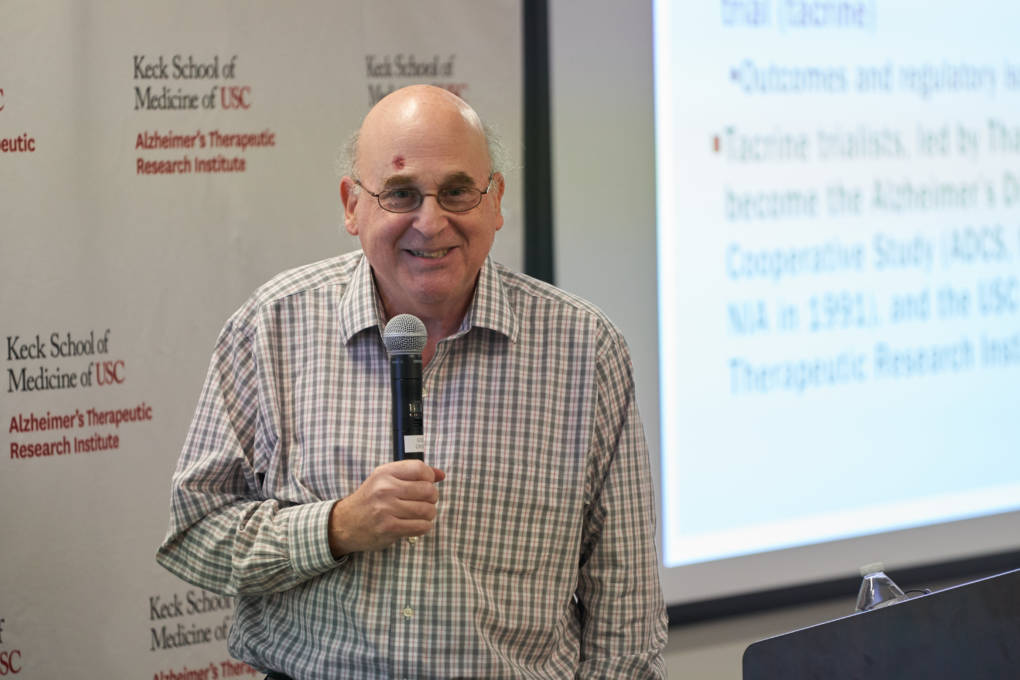
"caption": "Dr. Paul Aisen believes the so-called amyloid hypothesis of Alzheimer's disease is correct, but that the protein must be eradicated much earlier than previous clinical trials have tried.",
"description": null,
"title": "Aisen Photo",
"credit": "Keck School of Medicine of USC/John Riedy",
"status": "inherit",
"isLoading": false,
"fetchFailed": false
},
"futureofyou_244544": {
"type": "attachments",
"id": "futureofyou_244544",
"meta": {
"index": "attachments_1716263798",
"site": "futureofyou",
"id": "244544",
"found": true
},
"parent": 244518,
"imgSizes": {
"twentyfourteen-full-width": {
"file": "https://ww2.kqed.org/app/uploads/sites/13/2016/09/geneticslab-1038x576.jpg",
"width": 1038,
"mimeType": "image/jpeg",
"height": 576
},
"thumbnail": {
"file": "https://ww2.kqed.org/app/uploads/sites/13/2016/09/geneticslab-400x267.jpg",
"width": 400,
"mimeType": "image/jpeg",
"height": 267
},
"fd-sm": {
"file": "https://ww2.kqed.org/app/uploads/sites/13/2016/09/geneticslab-960x640.jpg",
"width": 960,
"mimeType": "image/jpeg",
"height": 640
},
"post-thumbnail": {
"file": "https://ww2.kqed.org/app/uploads/sites/13/2016/09/geneticslab-672x372.jpg",
"width": 672,
"mimeType": "image/jpeg",
"height": 372
},
"kqedFullSize": {
"file": "https://ww2.kqed.org/app/uploads/sites/13/2016/09/geneticslab-e1473787029781.jpg",
"width": 1920,
"height": 1280
},
"large": {
"file": "https://ww2.kqed.org/app/uploads/sites/13/2016/09/geneticslab-1180x787.jpg",
"width": 1180,
"mimeType": "image/jpeg",
"height": 787
},
"guest-author-50": {
"file": "https://ww2.kqed.org/app/uploads/sites/13/2016/09/geneticslab-50x50.jpg",
"width": 50,
"mimeType": "image/jpeg",
"height": 50
},
"guest-author-96": {
"file": "https://ww2.kqed.org/app/uploads/sites/13/2016/09/geneticslab-96x96.jpg",
"width": 96,
"mimeType": "image/jpeg",
"height": 96
},
"medium": {
"file": "https://ww2.kqed.org/app/uploads/sites/13/2016/09/geneticslab-800x533.jpg",
"width": 800,
"mimeType": "image/jpeg",
"height": 533
},
"guest-author-64": {
"file": "https://ww2.kqed.org/app/uploads/sites/13/2016/09/geneticslab-64x64.jpg",
"width": 64,
"mimeType": "image/jpeg",
"height": 64
},
"guest-author-32": {
"file": "https://ww2.kqed.org/app/uploads/sites/13/2016/09/geneticslab-32x32.jpg",
"width": 32,
"mimeType": "image/jpeg",
"height": 32
},
"fd-lrg": {
"file": "https://ww2.kqed.org/app/uploads/sites/13/2016/09/geneticslab-1920x1280.jpg",
"width": 1920,
"mimeType": "image/jpeg",
"height": 1280
},
"fd-med": {
"file": "https://ww2.kqed.org/app/uploads/sites/13/2016/09/geneticslab-1180x787.jpg",
"width": 1180,
"mimeType": "image/jpeg",
"height": 787
},
"detail": {
"file": "https://ww2.kqed.org/app/uploads/sites/13/2016/09/geneticslab-150x150.jpg",
"width": 150,
"mimeType": "image/jpeg",
"height": 150
},
"medium_large": {
"file": "https://ww2.kqed.org/app/uploads/sites/13/2016/09/geneticslab-768x512.jpg",
"width": 768,
"mimeType": "image/jpeg",
"height": 512
},
"guest-author-128": {
"file": "https://ww2.kqed.org/app/uploads/sites/13/2016/09/geneticslab-128x128.jpg",
"width": 128,
"mimeType": "image/jpeg",
"height": 128
}
},
"publishDate": 1473787012,
"modified": 1508776703,
"caption": null,
"description": "DNA molecule research or forensic science use.",
"title": "DNA research forensic science",
"credit": "Image from iStock",
"status": "inherit",
"isLoading": false,
"fetchFailed": false
},
"futureofyou_435325": {
"type": "attachments",
"id": "futureofyou_435325",
"meta": {
"index": "attachments_1716263798",
"site": "futureofyou",
"id": "435325",
"found": true
},
"parent": 435315,
"imgSizes": {
"small": {
"file": "https://ww2.kqed.org/app/uploads/sites/13/2017/09/iStock-629782518-520x345.jpg",
"width": 520,
"mimeType": "image/jpeg",
"height": 345
},
"twentyfourteen-full-width": {
"file": "https://ww2.kqed.org/app/uploads/sites/13/2017/09/iStock-629782518-1038x576.jpg",
"width": 1038,
"mimeType": "image/jpeg",
"height": 576
},
"thumbnail": {
"file": "https://ww2.kqed.org/app/uploads/sites/13/2017/09/iStock-629782518-160x106.jpg",
"width": 160,
"mimeType": "image/jpeg",
"height": 106
},
"fd-sm": {
"file": "https://ww2.kqed.org/app/uploads/sites/13/2017/09/iStock-629782518-960x636.jpg",
"width": 960,
"mimeType": "image/jpeg",
"height": 636
},
"post-thumbnail": {
"file": "https://ww2.kqed.org/app/uploads/sites/13/2017/09/iStock-629782518-672x372.jpg",
"width": 672,
"mimeType": "image/jpeg",
"height": 372
},
"xsmall": {
"file": "https://ww2.kqed.org/app/uploads/sites/13/2017/09/iStock-629782518-375x249.jpg",
"width": 375,
"mimeType": "image/jpeg",
"height": 249
},
"kqedFullSize": {
"file": "https://ww2.kqed.org/app/uploads/sites/13/2017/09/iStock-629782518.jpg",
"width": 3875,
"height": 2569
},
"large": {
"file": "https://ww2.kqed.org/app/uploads/sites/13/2017/09/iStock-629782518-1020x676.jpg",
"width": 1020,
"mimeType": "image/jpeg",
"height": 676
},
"xlarge": {
"file": "https://ww2.kqed.org/app/uploads/sites/13/2017/09/iStock-629782518-1180x782.jpg",
"width": 1180,
"mimeType": "image/jpeg",
"height": 782
},
"guest-author-50": {
"file": "https://ww2.kqed.org/app/uploads/sites/13/2017/09/iStock-629782518-50x50.jpg",
"width": 50,
"mimeType": "image/jpeg",
"height": 50
},
"guest-author-96": {
"file": "https://ww2.kqed.org/app/uploads/sites/13/2017/09/iStock-629782518-96x96.jpg",
"width": 96,
"mimeType": "image/jpeg",
"height": 96
},
"medium": {
"file": "https://ww2.kqed.org/app/uploads/sites/13/2017/09/iStock-629782518-800x530.jpg",
"width": 800,
"mimeType": "image/jpeg",
"height": 530
},
"guest-author-64": {
"file": "https://ww2.kqed.org/app/uploads/sites/13/2017/09/iStock-629782518-64x64.jpg",
"width": 64,
"mimeType": "image/jpeg",
"height": 64
},
"guest-author-32": {
"file": "https://ww2.kqed.org/app/uploads/sites/13/2017/09/iStock-629782518-32x32.jpg",
"width": 32,
"mimeType": "image/jpeg",
"height": 32
},
"fd-lrg": {
"file": "https://ww2.kqed.org/app/uploads/sites/13/2017/09/iStock-629782518-1920x1273.jpg",
"width": 1920,
"mimeType": "image/jpeg",
"height": 1273
},
"fd-med": {
"file": "https://ww2.kqed.org/app/uploads/sites/13/2017/09/iStock-629782518-1180x782.jpg",
"width": 1180,
"mimeType": "image/jpeg",
"height": 782
},
"full-width": {
"file": "https://ww2.kqed.org/app/uploads/sites/13/2017/09/iStock-629782518-1920x1273.jpg",
"width": 1920,
"mimeType": "image/jpeg",
"height": 1273
},
"detail": {
"file": "https://ww2.kqed.org/app/uploads/sites/13/2017/09/iStock-629782518-150x150.jpg",
"width": 150,
"mimeType": "image/jpeg",
"height": 150
},
"medium_large": {
"file": "https://ww2.kqed.org/app/uploads/sites/13/2017/09/iStock-629782518-768x509.jpg",
"width": 768,
"mimeType": "image/jpeg",
"height": 509
},
"guest-author-128": {
"file": "https://ww2.kqed.org/app/uploads/sites/13/2017/09/iStock-629782518-128x128.jpg",
"width": 128,
"mimeType": "image/jpeg",
"height": 128
},
"xxsmall": {
"file": "https://ww2.kqed.org/app/uploads/sites/13/2017/09/iStock-629782518-240x159.jpg",
"width": 240,
"mimeType": "image/jpeg",
"height": 159
}
},
"publishDate": 1504720725,
"modified": 1539024578,
"caption": "USC scientists have created the most detailed atlas yet of the brain's memory bank.",
"description": null,
"title": "abstract blue technological background",
"credit": "nevarpp/iStockphoto",
"status": "inherit",
"isLoading": false,
"fetchFailed": false
},
"futureofyou_435190": {
"type": "attachments",
"id": "futureofyou_435190",
"meta": {
"index": "attachments_1716263798",
"site": "futureofyou",
"id": "435190",
"found": true
},
"parent": 435189,
"imgSizes": {
"small": {
"file": "https://ww2.kqed.org/app/uploads/sites/13/2017/09/istock-671786304_custom-7e59ec5b26c92bd8d46ff8cdbfb580f9175a9b97-520x387.jpg",
"width": 520,
"mimeType": "image/jpeg",
"height": 387
},
"twentyfourteen-full-width": {
"file": "https://ww2.kqed.org/app/uploads/sites/13/2017/09/istock-671786304_custom-7e59ec5b26c92bd8d46ff8cdbfb580f9175a9b97-1038x576.jpg",
"width": 1038,
"mimeType": "image/jpeg",
"height": 576
},
"thumbnail": {
"file": "https://ww2.kqed.org/app/uploads/sites/13/2017/09/istock-671786304_custom-7e59ec5b26c92bd8d46ff8cdbfb580f9175a9b97-160x119.jpg",
"width": 160,
"mimeType": "image/jpeg",
"height": 119
},
"fd-sm": {
"file": "https://ww2.kqed.org/app/uploads/sites/13/2017/09/istock-671786304_custom-7e59ec5b26c92bd8d46ff8cdbfb580f9175a9b97-960x714.jpg",
"width": 960,
"mimeType": "image/jpeg",
"height": 714
},
"post-thumbnail": {
"file": "https://ww2.kqed.org/app/uploads/sites/13/2017/09/istock-671786304_custom-7e59ec5b26c92bd8d46ff8cdbfb580f9175a9b97-672x372.jpg",
"width": 672,
"mimeType": "image/jpeg",
"height": 372
},
"xsmall": {
"file": "https://ww2.kqed.org/app/uploads/sites/13/2017/09/istock-671786304_custom-7e59ec5b26c92bd8d46ff8cdbfb580f9175a9b97-375x279.jpg",
"width": 375,
"mimeType": "image/jpeg",
"height": 279
},
"kqedFullSize": {
"file": "https://ww2.kqed.org/app/uploads/sites/13/2017/09/istock-671786304_custom-7e59ec5b26c92bd8d46ff8cdbfb580f9175a9b97.jpg",
"width": 2000,
"height": 1488
},
"large": {
"file": "https://ww2.kqed.org/app/uploads/sites/13/2017/09/istock-671786304_custom-7e59ec5b26c92bd8d46ff8cdbfb580f9175a9b97-1020x759.jpg",
"width": 1020,
"mimeType": "image/jpeg",
"height": 759
},
"xlarge": {
"file": "https://ww2.kqed.org/app/uploads/sites/13/2017/09/istock-671786304_custom-7e59ec5b26c92bd8d46ff8cdbfb580f9175a9b97-1180x878.jpg",
"width": 1180,
"mimeType": "image/jpeg",
"height": 878
},
"guest-author-50": {
"file": "https://ww2.kqed.org/app/uploads/sites/13/2017/09/istock-671786304_custom-7e59ec5b26c92bd8d46ff8cdbfb580f9175a9b97-50x50.jpg",
"width": 50,
"mimeType": "image/jpeg",
"height": 50
},
"guest-author-96": {
"file": "https://ww2.kqed.org/app/uploads/sites/13/2017/09/istock-671786304_custom-7e59ec5b26c92bd8d46ff8cdbfb580f9175a9b97-96x96.jpg",
"width": 96,
"mimeType": "image/jpeg",
"height": 96
},
"medium": {
"file": "https://ww2.kqed.org/app/uploads/sites/13/2017/09/istock-671786304_custom-7e59ec5b26c92bd8d46ff8cdbfb580f9175a9b97-800x595.jpg",
"width": 800,
"mimeType": "image/jpeg",
"height": 595
},
"guest-author-64": {
"file": "https://ww2.kqed.org/app/uploads/sites/13/2017/09/istock-671786304_custom-7e59ec5b26c92bd8d46ff8cdbfb580f9175a9b97-64x64.jpg",
"width": 64,
"mimeType": "image/jpeg",
"height": 64
},
"guest-author-32": {
"file": "https://ww2.kqed.org/app/uploads/sites/13/2017/09/istock-671786304_custom-7e59ec5b26c92bd8d46ff8cdbfb580f9175a9b97-32x32.jpg",
"width": 32,
"mimeType": "image/jpeg",
"height": 32
},
"fd-lrg": {
"file": "https://ww2.kqed.org/app/uploads/sites/13/2017/09/istock-671786304_custom-7e59ec5b26c92bd8d46ff8cdbfb580f9175a9b97-1920x1428.jpg",
"width": 1920,
"mimeType": "image/jpeg",
"height": 1428
},
"fd-med": {
"file": "https://ww2.kqed.org/app/uploads/sites/13/2017/09/istock-671786304_custom-7e59ec5b26c92bd8d46ff8cdbfb580f9175a9b97-1180x878.jpg",
"width": 1180,
"mimeType": "image/jpeg",
"height": 878
},
"full-width": {
"file": "https://ww2.kqed.org/app/uploads/sites/13/2017/09/istock-671786304_custom-7e59ec5b26c92bd8d46ff8cdbfb580f9175a9b97-1920x1428.jpg",
"width": 1920,
"mimeType": "image/jpeg",
"height": 1428
},
"detail": {
"file": "https://ww2.kqed.org/app/uploads/sites/13/2017/09/istock-671786304_custom-7e59ec5b26c92bd8d46ff8cdbfb580f9175a9b97-150x150.jpg",
"width": 150,
"mimeType": "image/jpeg",
"height": 150
},
"medium_large": {
"file": "https://ww2.kqed.org/app/uploads/sites/13/2017/09/istock-671786304_custom-7e59ec5b26c92bd8d46ff8cdbfb580f9175a9b97-768x571.jpg",
"width": 768,
"mimeType": "image/jpeg",
"height": 571
},
"guest-author-128": {
"file": "https://ww2.kqed.org/app/uploads/sites/13/2017/09/istock-671786304_custom-7e59ec5b26c92bd8d46ff8cdbfb580f9175a9b97-128x128.jpg",
"width": 128,
"mimeType": "image/jpeg",
"height": 128
},
"xxsmall": {
"file": "https://ww2.kqed.org/app/uploads/sites/13/2017/09/istock-671786304_custom-7e59ec5b26c92bd8d46ff8cdbfb580f9175a9b97-240x179.jpg",
"width": 240,
"mimeType": "image/jpeg",
"height": 179
}
},
"publishDate": 1504644396,
"modified": 1504644959,
"caption": "The notion that every dog or cat should be neutered at 6 months isn't based on evidence, says veterinarian Brennen McKenzie, author of The SkeptVet blog. It depends on the breed and other factors. Talk to your vet, he advises, about pros, cons and timing.",
"description": "The notion that every dog or cat should be neutered at 6 months isn't based on evidence, says veterinarian \u003cstrong>\u003c/strong>Brennen McKenzie, author of The SkeptVet blog. It depends on the breed and other factors. Talk to your vet, he advises, about pros, cons and timing.",
"title": "The notion that every dog or cat should be neutered at 6 months isn't based on evidence, says veterinarian Brennen McKenzie, author of The SkeptVet blog. It depends on the breed and other factors. Talk to your vet, he advises, about pros, cons and timing.",
"credit": "katoosha/iStockphoto/Getty Images",
"status": "inherit",
"isLoading": false,
"fetchFailed": false
},
"futureofyou_434828": {
"type": "attachments",
"id": "futureofyou_434828",
"meta": {
"index": "attachments_1716263798",
"site": "futureofyou",
"id": "434828",
"found": true
},
"parent": 434812,
"imgSizes": {
"small": {
"file": "https://ww2.kqed.org/app/uploads/sites/13/2017/08/Screen-Shot-2017-08-11-at-4.53.32-PM-520x317.png",
"width": 520,
"mimeType": "image/png",
"height": 317
},
"twentyfourteen-full-width": {
"file": "https://ww2.kqed.org/app/uploads/sites/13/2017/08/Screen-Shot-2017-08-11-at-4.53.32-PM-1038x576.png",
"width": 1038,
"mimeType": "image/png",
"height": 576
},
"thumbnail": {
"file": "https://ww2.kqed.org/app/uploads/sites/13/2017/08/Screen-Shot-2017-08-11-at-4.53.32-PM-160x98.png",
"width": 160,
"mimeType": "image/png",
"height": 98
},
"fd-sm": {
"file": "https://ww2.kqed.org/app/uploads/sites/13/2017/08/Screen-Shot-2017-08-11-at-4.53.32-PM-960x586.png",
"width": 960,
"mimeType": "image/png",
"height": 586
},
"post-thumbnail": {
"file": "https://ww2.kqed.org/app/uploads/sites/13/2017/08/Screen-Shot-2017-08-11-at-4.53.32-PM-672x372.png",
"width": 672,
"mimeType": "image/png",
"height": 372
},
"xsmall": {
"file": "https://ww2.kqed.org/app/uploads/sites/13/2017/08/Screen-Shot-2017-08-11-at-4.53.32-PM-375x229.png",
"width": 375,
"mimeType": "image/png",
"height": 229
},
"kqedFullSize": {
"file": "https://ww2.kqed.org/app/uploads/sites/13/2017/08/Screen-Shot-2017-08-11-at-4.53.32-PM.png",
"width": 1258,
"height": 768
},
"large": {
"file": "https://ww2.kqed.org/app/uploads/sites/13/2017/08/Screen-Shot-2017-08-11-at-4.53.32-PM-1020x623.png",
"width": 1020,
"mimeType": "image/png",
"height": 623
},
"xlarge": {
"file": "https://ww2.kqed.org/app/uploads/sites/13/2017/08/Screen-Shot-2017-08-11-at-4.53.32-PM-1180x720.png",
"width": 1180,
"mimeType": "image/png",
"height": 720
},
"guest-author-50": {
"file": "https://ww2.kqed.org/app/uploads/sites/13/2017/08/Screen-Shot-2017-08-11-at-4.53.32-PM-50x50.png",
"width": 50,
"mimeType": "image/png",
"height": 50
},
"guest-author-96": {
"file": "https://ww2.kqed.org/app/uploads/sites/13/2017/08/Screen-Shot-2017-08-11-at-4.53.32-PM-96x96.png",
"width": 96,
"mimeType": "image/png",
"height": 96
},
"medium": {
"file": "https://ww2.kqed.org/app/uploads/sites/13/2017/08/Screen-Shot-2017-08-11-at-4.53.32-PM-800x488.png",
"width": 800,
"mimeType": "image/png",
"height": 488
},
"guest-author-64": {
"file": "https://ww2.kqed.org/app/uploads/sites/13/2017/08/Screen-Shot-2017-08-11-at-4.53.32-PM-64x64.png",
"width": 64,
"mimeType": "image/png",
"height": 64
},
"guest-author-32": {
"file": "https://ww2.kqed.org/app/uploads/sites/13/2017/08/Screen-Shot-2017-08-11-at-4.53.32-PM-32x32.png",
"width": 32,
"mimeType": "image/png",
"height": 32
},
"fd-med": {
"file": "https://ww2.kqed.org/app/uploads/sites/13/2017/08/Screen-Shot-2017-08-11-at-4.53.32-PM-1180x720.png",
"width": 1180,
"mimeType": "image/png",
"height": 720
},
"detail": {
"file": "https://ww2.kqed.org/app/uploads/sites/13/2017/08/Screen-Shot-2017-08-11-at-4.53.32-PM-150x150.png",
"width": 150,
"mimeType": "image/png",
"height": 150
},
"medium_large": {
"file": "https://ww2.kqed.org/app/uploads/sites/13/2017/08/Screen-Shot-2017-08-11-at-4.53.32-PM-768x469.png",
"width": 768,
"mimeType": "image/png",
"height": 469
},
"guest-author-128": {
"file": "https://ww2.kqed.org/app/uploads/sites/13/2017/08/Screen-Shot-2017-08-11-at-4.53.32-PM-128x128.png",
"width": 128,
"mimeType": "image/png",
"height": 128
},
"xxsmall": {
"file": "https://ww2.kqed.org/app/uploads/sites/13/2017/08/Screen-Shot-2017-08-11-at-4.53.32-PM-240x147.png",
"width": 240,
"mimeType": "image/png",
"height": 147
}
},
"publishDate": 1502495635,
"modified": 1502495694,
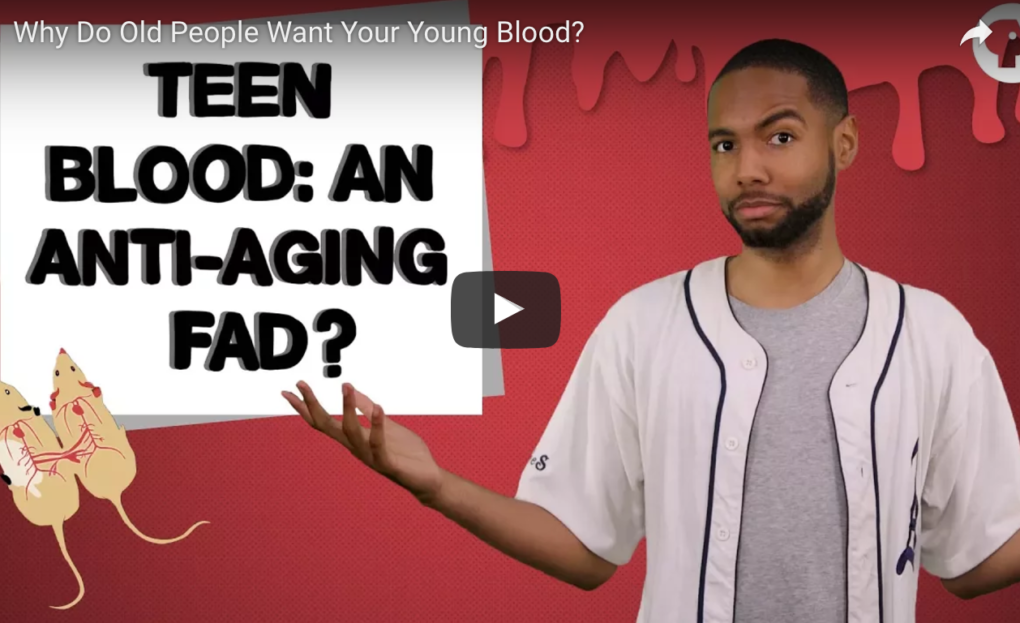
"caption": "Above The Noise examines the trend of infusing young blood into old people to reverse aging. ",
"description": null,
"title": "Screen Shot 2017-08-11 at 4.53.32 PM",
"credit": "Above the Noise/KQED",
"status": "inherit",
"isLoading": false,
"fetchFailed": false
},
"futureofyou_427965": {
"type": "attachments",
"id": "futureofyou_427965",
"meta": {
"index": "attachments_1716263798",
"site": "futureofyou",
"id": "427965",
"found": true
},
"parent": 427935,
"imgSizes": {
"small": {
"file": "https://ww2.kqed.org/app/uploads/sites/13/2017/07/IMG_0797-520x693.jpg",
"width": 520,
"mimeType": "image/jpeg",
"height": 693
},
"twentyfourteen-full-width": {
"file": "https://ww2.kqed.org/app/uploads/sites/13/2017/07/IMG_0797-1038x576.jpg",
"width": 1038,
"mimeType": "image/jpeg",
"height": 576
},
"thumbnail": {
"file": "https://ww2.kqed.org/app/uploads/sites/13/2017/07/IMG_0797-160x213.jpg",
"width": 160,
"mimeType": "image/jpeg",
"height": 213
},
"fd-sm": {
"file": "https://ww2.kqed.org/app/uploads/sites/13/2017/07/IMG_0797-960x1280.jpg",
"width": 960,
"mimeType": "image/jpeg",
"height": 1280
},
"post-thumbnail": {
"file": "https://ww2.kqed.org/app/uploads/sites/13/2017/07/IMG_0797-672x372.jpg",
"width": 672,
"mimeType": "image/jpeg",
"height": 372
},
"xsmall": {
"file": "https://ww2.kqed.org/app/uploads/sites/13/2017/07/IMG_0797-375x500.jpg",
"width": 375,
"mimeType": "image/jpeg",
"height": 500
},
"kqedFullSize": {
"file": "https://ww2.kqed.org/app/uploads/sites/13/2017/07/IMG_0797.jpg",
"width": 2448,
"height": 3264
},
"large": {
"file": "https://ww2.kqed.org/app/uploads/sites/13/2017/07/IMG_0797-1020x1360.jpg",
"width": 1020,
"mimeType": "image/jpeg",
"height": 1360
},
"xlarge": {
"file": "https://ww2.kqed.org/app/uploads/sites/13/2017/07/IMG_0797-1180x1573.jpg",
"width": 1180,
"mimeType": "image/jpeg",
"height": 1573
},
"guest-author-50": {
"file": "https://ww2.kqed.org/app/uploads/sites/13/2017/07/IMG_0797-50x50.jpg",
"width": 50,
"mimeType": "image/jpeg",
"height": 50
},
"guest-author-96": {
"file": "https://ww2.kqed.org/app/uploads/sites/13/2017/07/IMG_0797-96x96.jpg",
"width": 96,
"mimeType": "image/jpeg",
"height": 96
},
"medium": {
"file": "https://ww2.kqed.org/app/uploads/sites/13/2017/07/IMG_0797-800x1067.jpg",
"width": 800,
"mimeType": "image/jpeg",
"height": 1067
},
"guest-author-64": {
"file": "https://ww2.kqed.org/app/uploads/sites/13/2017/07/IMG_0797-64x64.jpg",
"width": 64,
"mimeType": "image/jpeg",
"height": 64
},
"guest-author-32": {
"file": "https://ww2.kqed.org/app/uploads/sites/13/2017/07/IMG_0797-32x32.jpg",
"width": 32,
"mimeType": "image/jpeg",
"height": 32
},
"fd-lrg": {
"file": "https://ww2.kqed.org/app/uploads/sites/13/2017/07/IMG_0797-1920x2560.jpg",
"width": 1920,
"mimeType": "image/jpeg",
"height": 2560
},
"fd-med": {
"file": "https://ww2.kqed.org/app/uploads/sites/13/2017/07/IMG_0797-1180x1573.jpg",
"width": 1180,
"mimeType": "image/jpeg",
"height": 1573
},
"full-width": {
"file": "https://ww2.kqed.org/app/uploads/sites/13/2017/07/IMG_0797-1920x2560.jpg",
"width": 1920,
"mimeType": "image/jpeg",
"height": 2560
},
"detail": {
"file": "https://ww2.kqed.org/app/uploads/sites/13/2017/07/IMG_0797-150x150.jpg",
"width": 150,
"mimeType": "image/jpeg",
"height": 150
},
"medium_large": {
"file": "https://ww2.kqed.org/app/uploads/sites/13/2017/07/IMG_0797-768x1024.jpg",
"width": 768,
"mimeType": "image/jpeg",
"height": 1024
},
"guest-author-128": {
"file": "https://ww2.kqed.org/app/uploads/sites/13/2017/07/IMG_0797-128x128.jpg",
"width": 128,
"mimeType": "image/jpeg",
"height": 128
},
"xxsmall": {
"file": "https://ww2.kqed.org/app/uploads/sites/13/2017/07/IMG_0797-240x320.jpg",
"width": 240,
"mimeType": "image/jpeg",
"height": 320
}
},
"publishDate": 1500409209,
"modified": 1500409373,
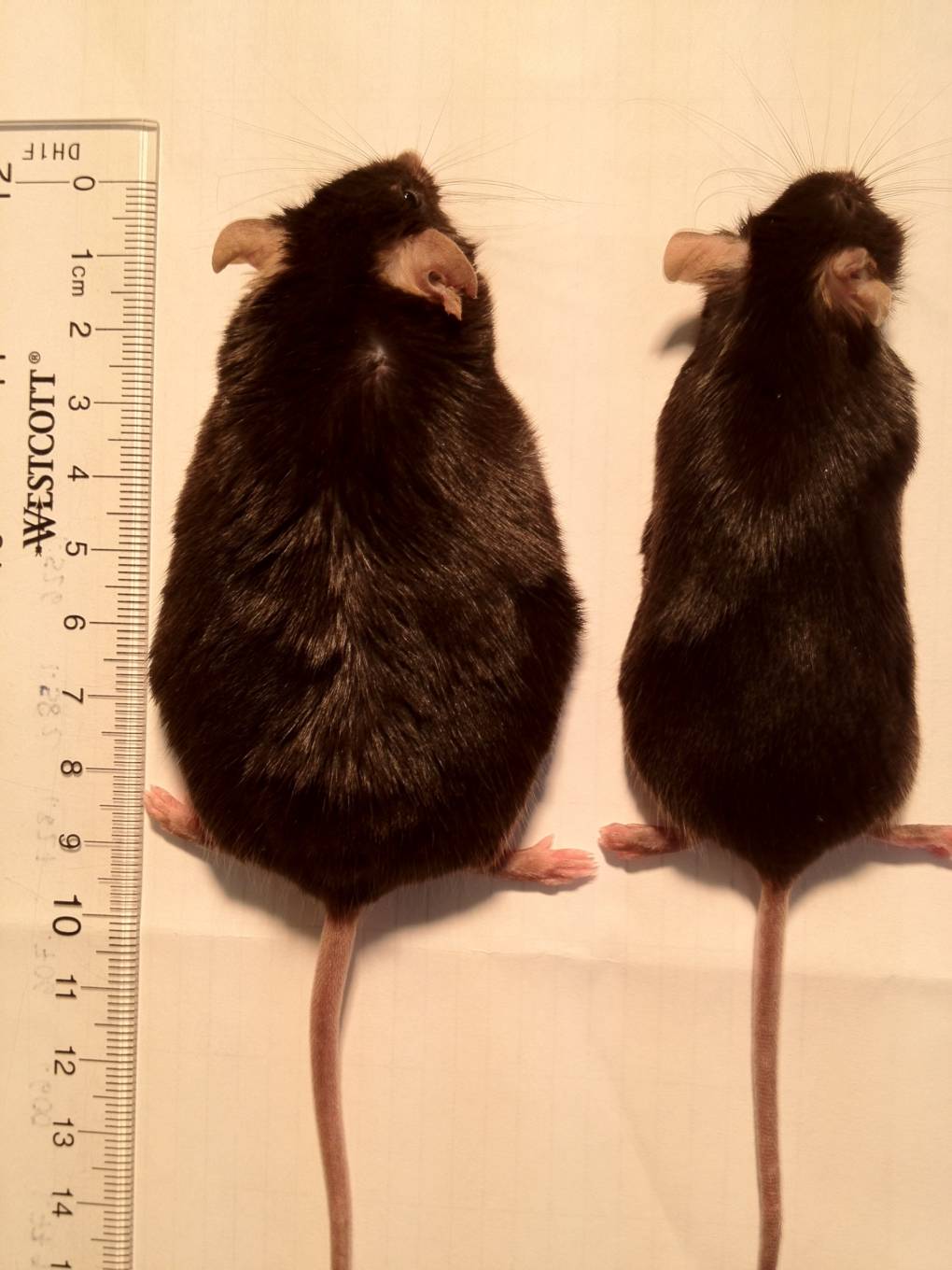
"caption": "Both of these mice ate the same high-fat diet. The one on the right was altered to remove its sense of smell. ",
"description": "Both of these mice ate the same high-fat diet. The one on the right was altered to remove its sense of smell. ",
"title": "mice obesity",
"credit": "Andrew Dillin and Celine Riera/UC Berkeley",
"status": "inherit",
"isLoading": false,
"fetchFailed": false
},
"futureofyou_367656": {
"type": "attachments",
"id": "futureofyou_367656",
"meta": {
"index": "attachments_1716263798",
"site": "futureofyou",
"id": "367656",
"found": true
},
"parent": 366983,
"imgSizes": {
"small": {
"file": "https://ww2.kqed.org/app/uploads/sites/13/2017/04/iStock-blood-520x433.jpg",
"width": 520,
"mimeType": "image/jpeg",
"height": 433
},
"twentyfourteen-full-width": {
"file": "https://ww2.kqed.org/app/uploads/sites/13/2017/04/iStock-blood-1038x576.jpg",
"width": 1038,
"mimeType": "image/jpeg",
"height": 576
},
"thumbnail": {
"file": "https://ww2.kqed.org/app/uploads/sites/13/2017/04/iStock-blood-160x133.jpg",
"width": 160,
"mimeType": "image/jpeg",
"height": 133
},
"fd-sm": {
"file": "https://ww2.kqed.org/app/uploads/sites/13/2017/04/iStock-blood-960x800.jpg",
"width": 960,
"mimeType": "image/jpeg",
"height": 800
},
"post-thumbnail": {
"file": "https://ww2.kqed.org/app/uploads/sites/13/2017/04/iStock-blood-672x372.jpg",
"width": 672,
"mimeType": "image/jpeg",
"height": 372
},
"xsmall": {
"file": "https://ww2.kqed.org/app/uploads/sites/13/2017/04/iStock-blood-375x313.jpg",
"width": 375,
"mimeType": "image/jpeg",
"height": 313
},
"kqedFullSize": {
"file": "https://ww2.kqed.org/app/uploads/sites/13/2017/04/iStock-blood.jpg",
"width": 1518,
"height": 1265
},
"large": {
"file": "https://ww2.kqed.org/app/uploads/sites/13/2017/04/iStock-blood-1020x850.jpg",
"width": 1020,
"mimeType": "image/jpeg",
"height": 850
},
"xlarge": {
"file": "https://ww2.kqed.org/app/uploads/sites/13/2017/04/iStock-blood-1180x983.jpg",
"width": 1180,
"mimeType": "image/jpeg",
"height": 983
},
"guest-author-50": {
"file": "https://ww2.kqed.org/app/uploads/sites/13/2017/04/iStock-blood-50x50.jpg",
"width": 50,
"mimeType": "image/jpeg",
"height": 50
},
"guest-author-96": {
"file": "https://ww2.kqed.org/app/uploads/sites/13/2017/04/iStock-blood-96x96.jpg",
"width": 96,
"mimeType": "image/jpeg",
"height": 96
},
"medium": {
"file": "https://ww2.kqed.org/app/uploads/sites/13/2017/04/iStock-blood-800x667.jpg",
"width": 800,
"mimeType": "image/jpeg",
"height": 667
},
"guest-author-64": {
"file": "https://ww2.kqed.org/app/uploads/sites/13/2017/04/iStock-blood-64x64.jpg",
"width": 64,
"mimeType": "image/jpeg",
"height": 64
},
"guest-author-32": {
"file": "https://ww2.kqed.org/app/uploads/sites/13/2017/04/iStock-blood-32x32.jpg",
"width": 32,
"mimeType": "image/jpeg",
"height": 32
},
"fd-med": {
"file": "https://ww2.kqed.org/app/uploads/sites/13/2017/04/iStock-blood-1180x983.jpg",
"width": 1180,
"mimeType": "image/jpeg",
"height": 983
},
"detail": {
"file": "https://ww2.kqed.org/app/uploads/sites/13/2017/04/iStock-blood-150x150.jpg",
"width": 150,
"mimeType": "image/jpeg",
"height": 150
},
"medium_large": {
"file": "https://ww2.kqed.org/app/uploads/sites/13/2017/04/iStock-blood-768x640.jpg",
"width": 768,
"mimeType": "image/jpeg",
"height": 640
},
"guest-author-128": {
"file": "https://ww2.kqed.org/app/uploads/sites/13/2017/04/iStock-blood-128x128.jpg",
"width": 128,
"mimeType": "image/jpeg",
"height": 128
},
"xxsmall": {
"file": "https://ww2.kqed.org/app/uploads/sites/13/2017/04/iStock-blood-240x200.jpg",
"width": 240,
"mimeType": "image/jpeg",
"height": 200
}
},
"publishDate": 1491512533,
"modified": 1491512586,
"caption": null,
"description": null,
"title": "blood donation, blood donor background",
"credit": "iStock",
"status": "inherit",
"isLoading": false,
"fetchFailed": false
},
"stateofhealth_323067": {
"type": "attachments",
"id": "stateofhealth_323067",
"meta": {
"index": "attachments_1716263798",
"site": "stateofhealth",
"id": "323067",
"found": true
},
"parent": 323065,
"imgSizes": {
"small": {
"file": "https://ww2.kqed.org/app/uploads/sites/27/2017/04/iStock-474665028-520x347.jpg",
"width": 520,
"mimeType": "image/jpeg",
"height": 347
},
"twentyfourteen-full-width": {
"file": "https://ww2.kqed.org/app/uploads/sites/27/2017/04/iStock-474665028-1038x576.jpg",
"width": 1038,
"mimeType": "image/jpeg",
"height": 576
},
"thumbnail": {
"file": "https://ww2.kqed.org/app/uploads/sites/27/2017/04/iStock-474665028-160x107.jpg",
"width": 160,
"mimeType": "image/jpeg",
"height": 107
},
"fd-sm": {
"file": "https://ww2.kqed.org/app/uploads/sites/27/2017/04/iStock-474665028-960x640.jpg",
"width": 960,
"mimeType": "image/jpeg",
"height": 640
},
"post-thumbnail": {
"file": "https://ww2.kqed.org/app/uploads/sites/27/2017/04/iStock-474665028-672x372.jpg",
"width": 672,
"mimeType": "image/jpeg",
"height": 372
},
"xsmall": {
"file": "https://ww2.kqed.org/app/uploads/sites/27/2017/04/iStock-474665028-375x250.jpg",
"width": 375,
"mimeType": "image/jpeg",
"height": 250
},
"kqedFullSize": {
"file": "https://ww2.kqed.org/app/uploads/sites/27/2017/04/iStock-474665028-e1493312454511.jpg",
"width": 1920,
"height": 1280
},
"large": {
"file": "https://ww2.kqed.org/app/uploads/sites/27/2017/04/iStock-474665028-1020x680.jpg",
"width": 1020,
"mimeType": "image/jpeg",
"height": 680
},
"xlarge": {
"file": "https://ww2.kqed.org/app/uploads/sites/27/2017/04/iStock-474665028-1180x787.jpg",
"width": 1180,
"mimeType": "image/jpeg",
"height": 787
},
"guest-author-50": {
"file": "https://ww2.kqed.org/app/uploads/sites/27/2017/04/iStock-474665028-50x50.jpg",
"width": 50,
"mimeType": "image/jpeg",
"height": 50
},
"guest-author-96": {
"file": "https://ww2.kqed.org/app/uploads/sites/27/2017/04/iStock-474665028-96x96.jpg",
"width": 96,
"mimeType": "image/jpeg",
"height": 96
},
"medium": {
"file": "https://ww2.kqed.org/app/uploads/sites/27/2017/04/iStock-474665028-800x533.jpg",
"width": 800,
"mimeType": "image/jpeg",
"height": 533
},
"guest-author-64": {
"file": "https://ww2.kqed.org/app/uploads/sites/27/2017/04/iStock-474665028-64x64.jpg",
"width": 64,
"mimeType": "image/jpeg",
"height": 64
},
"guest-author-32": {
"file": "https://ww2.kqed.org/app/uploads/sites/27/2017/04/iStock-474665028-32x32.jpg",
"width": 32,
"mimeType": "image/jpeg",
"height": 32
},
"fd-lrg": {
"file": "https://ww2.kqed.org/app/uploads/sites/27/2017/04/iStock-474665028-1920x1280.jpg",
"width": 1920,
"mimeType": "image/jpeg",
"height": 1280
},
"fd-med": {
"file": "https://ww2.kqed.org/app/uploads/sites/27/2017/04/iStock-474665028-1180x787.jpg",
"width": 1180,
"mimeType": "image/jpeg",
"height": 787
},
"full-width": {
"file": "https://ww2.kqed.org/app/uploads/sites/27/2017/04/iStock-474665028-1920x1280.jpg",
"width": 1920,
"mimeType": "image/jpeg",
"height": 1280
},
"detail": {
"file": "https://ww2.kqed.org/app/uploads/sites/27/2017/04/iStock-474665028-150x150.jpg",
"width": 150,
"mimeType": "image/jpeg",
"height": 150
},
"medium_large": {
"file": "https://ww2.kqed.org/app/uploads/sites/27/2017/04/iStock-474665028-768x512.jpg",
"width": 768,
"mimeType": "image/jpeg",
"height": 512
},
"guest-author-128": {
"file": "https://ww2.kqed.org/app/uploads/sites/27/2017/04/iStock-474665028-128x128.jpg",
"width": 128,
"mimeType": "image/jpeg",
"height": 128
},
"xxsmall": {
"file": "https://ww2.kqed.org/app/uploads/sites/27/2017/04/iStock-474665028-240x160.jpg",
"width": 240,
"mimeType": "image/jpeg",
"height": 160
}
},
"publishDate": 1493312408,
"modified": 1493312447,
"caption": null,
"description": null,
"title": "iStock-474665028",
"credit": "Getty images",
"status": "inherit",
"isLoading": false,
"fetchFailed": false
},
"futureofyou_215272": {
"type": "attachments",
"id": "futureofyou_215272",
"meta": {
"index": "attachments_1716263798",
"site": "futureofyou",
"id": "215272",
"found": true
},
"parent": 215268,
"imgSizes": {
"twentyfourteen-full-width": {
"file": "https://ww2.kqed.org/app/uploads/sites/13/2016/08/HolmesAACC-1038x576.png",
"width": 1038,
"mimeType": "image/png",
"height": 576
},
"thumbnail": {
"file": "https://ww2.kqed.org/app/uploads/sites/13/2016/08/HolmesAACC-400x228.png",
"width": 400,
"mimeType": "image/png",
"height": 228
},
"fd-sm": {
"file": "https://ww2.kqed.org/app/uploads/sites/13/2016/08/HolmesAACC-960x547.png",
"width": 960,
"mimeType": "image/png",
"height": 547
},
"post-thumbnail": {
"file": "https://ww2.kqed.org/app/uploads/sites/13/2016/08/HolmesAACC-672x372.png",
"width": 672,
"mimeType": "image/png",
"height": 372
},
"kqedFullSize": {
"file": "https://ww2.kqed.org/app/uploads/sites/13/2016/08/HolmesAACC.png",
"width": 1561,
"height": 889
},
"large": {
"file": "https://ww2.kqed.org/app/uploads/sites/13/2016/08/HolmesAACC-1180x672.png",
"width": 1180,
"mimeType": "image/png",
"height": 672
},
"guest-author-50": {
"file": "https://ww2.kqed.org/app/uploads/sites/13/2016/08/HolmesAACC-50x50.png",
"width": 50,
"mimeType": "image/png",
"height": 50
},
"guest-author-96": {
"file": "https://ww2.kqed.org/app/uploads/sites/13/2016/08/HolmesAACC-96x96.png",
"width": 96,
"mimeType": "image/png",
"height": 96
},
"medium": {
"file": "https://ww2.kqed.org/app/uploads/sites/13/2016/08/HolmesAACC-800x456.png",
"width": 800,
"mimeType": "image/png",
"height": 456
},
"guest-author-64": {
"file": "https://ww2.kqed.org/app/uploads/sites/13/2016/08/HolmesAACC-64x64.png",
"width": 64,
"mimeType": "image/png",
"height": 64
},
"guest-author-32": {
"file": "https://ww2.kqed.org/app/uploads/sites/13/2016/08/HolmesAACC-32x32.png",
"width": 32,
"mimeType": "image/png",
"height": 32
},
"fd-med": {
"file": "https://ww2.kqed.org/app/uploads/sites/13/2016/08/HolmesAACC-1180x672.png",
"width": 1180,
"mimeType": "image/png",
"height": 672
},
"detail": {
"file": "https://ww2.kqed.org/app/uploads/sites/13/2016/08/HolmesAACC-150x150.png",
"width": 150,
"mimeType": "image/png",
"height": 150
},
"medium_large": {
"file": "https://ww2.kqed.org/app/uploads/sites/13/2016/08/HolmesAACC-768x437.png",
"width": 768,
"mimeType": "image/png",
"height": 437
},
"guest-author-128": {
"file": "https://ww2.kqed.org/app/uploads/sites/13/2016/08/HolmesAACC-128x128.png",
"width": 128,
"mimeType": "image/png",
"height": 128
}
},
"publishDate": 1470146001,
"modified": 1492111910,
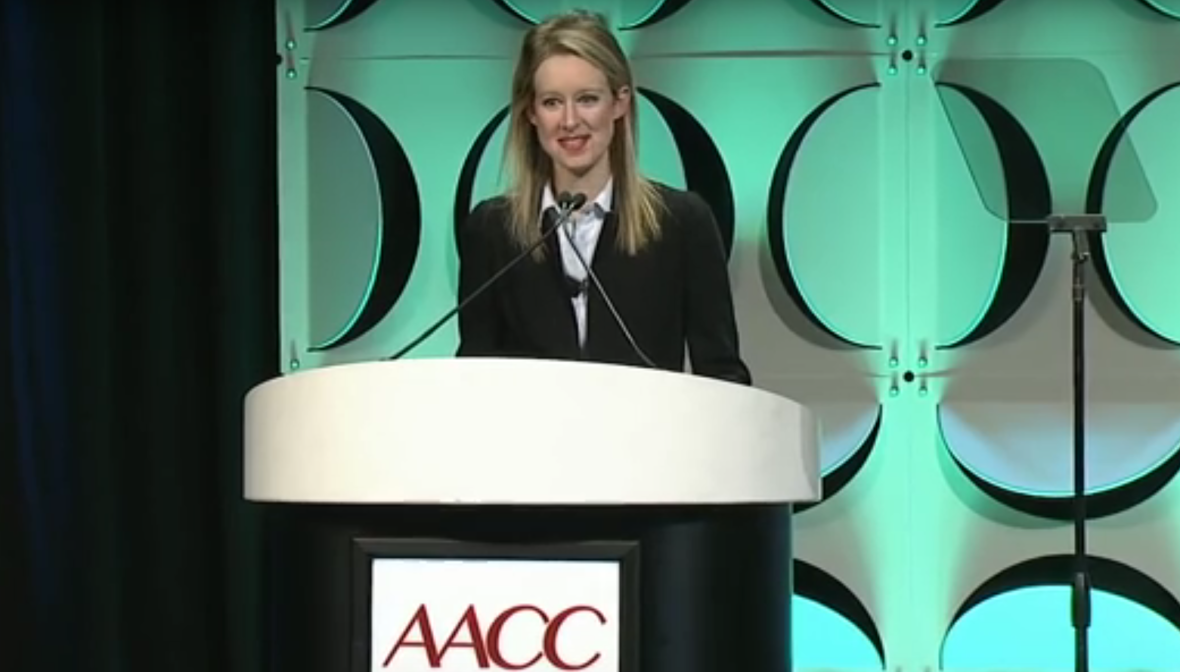
"caption": "Theranos founder and CEO Elizabeth Holmes presenting in front of thousands of lab experts at the American Association for Clinical Chemistry's annual meeting, Aug. 1, 2016.",
"description": "Theranos founder and CEO Elizabeth Holmes presenting at the AACC's annual meeting on Aug. 1, 2016.",
"title": "HolmesAACC",
"credit": "AACC video",
"status": "inherit",
"isLoading": false,
"fetchFailed": false
},
"futureofyou_125387": {
"type": "attachments",
"id": "futureofyou_125387",
"meta": {
"index": "attachments_1716263798",
"site": "futureofyou",
"id": "125387",
"found": true
},
"parent": 124434,
"imgSizes": {
"thumbnail": {
"file": "https://ww2.kqed.org/app/uploads/sites/13/2016/03/MotherBaby-400x266.jpg",
"width": 400,
"mimeType": "image/jpeg",
"height": 266
},
"post-thumbnail": {
"file": "https://ww2.kqed.org/app/uploads/sites/13/2016/03/MotherBaby-672x372.jpg",
"width": 672,
"mimeType": "image/jpeg",
"height": 372
},
"kqedFullSize": {
"file": "https://ww2.kqed.org/app/uploads/sites/13/2016/03/MotherBaby.jpg",
"width": 700,
"height": 466
},
"guest-author-96": {
"file": "https://ww2.kqed.org/app/uploads/sites/13/2016/03/MotherBaby-96x96.jpg",
"width": 96,
"mimeType": "image/jpeg",
"height": 96
},
"guest-author-64": {
"file": "https://ww2.kqed.org/app/uploads/sites/13/2016/03/MotherBaby-64x64.jpg",
"width": 64,
"mimeType": "image/jpeg",
"height": 64
},
"detail": {
"file": "https://ww2.kqed.org/app/uploads/sites/13/2016/03/MotherBaby-75x75.jpg",
"width": 75,
"mimeType": "image/jpeg",
"height": 75
},
"guest-author-32": {
"file": "https://ww2.kqed.org/app/uploads/sites/13/2016/03/MotherBaby-32x32.jpg",
"width": 32,
"mimeType": "image/jpeg",
"height": 32
},
"guest-author-128": {
"file": "https://ww2.kqed.org/app/uploads/sites/13/2016/03/MotherBaby-128x128.jpg",
"width": 128,
"mimeType": "image/jpeg",
"height": 128
}
},
"publishDate": 1457539029,
"modified": 1488241246,
"caption": "A new report makes recommendations for how researchers should approach gene editing in humans. ",
"description": null,
"title": "MotherBaby",
"credit": "Pixabay",
"status": "inherit",
"isLoading": false,
"fetchFailed": false
},
"futureofyou_314583": {
"type": "attachments",
"id": "futureofyou_314583",
"meta": {
"index": "attachments_1716263798",
"site": "futureofyou",
"id": "314583",
"found": true
},
"parent": 314582,
"imgSizes": {
"small": {
"file": "https://ww2.kqed.org/app/uploads/sites/13/2016/12/yoga-new_wide-638913552f36cda5d3af27012681b8ee5ed3f48e-520x292.jpg",
"width": 520,
"mimeType": "image/jpeg",
"height": 292
},
"twentyfourteen-full-width": {
"file": "https://ww2.kqed.org/app/uploads/sites/13/2016/12/yoga-new_wide-638913552f36cda5d3af27012681b8ee5ed3f48e-1038x576.jpg",
"width": 1038,
"mimeType": "image/jpeg",
"height": 576
},
"thumbnail": {
"file": "https://ww2.kqed.org/app/uploads/sites/13/2016/12/yoga-new_wide-638913552f36cda5d3af27012681b8ee5ed3f48e-160x90.jpg",
"width": 160,
"mimeType": "image/jpeg",
"height": 90
},
"fd-sm": {
"file": "https://ww2.kqed.org/app/uploads/sites/13/2016/12/yoga-new_wide-638913552f36cda5d3af27012681b8ee5ed3f48e-960x539.jpg",
"width": 960,
"mimeType": "image/jpeg",
"height": 539
},
"post-thumbnail": {
"file": "https://ww2.kqed.org/app/uploads/sites/13/2016/12/yoga-new_wide-638913552f36cda5d3af27012681b8ee5ed3f48e-672x372.jpg",
"width": 672,
"mimeType": "image/jpeg",
"height": 372
},
"xsmall": {
"file": "https://ww2.kqed.org/app/uploads/sites/13/2016/12/yoga-new_wide-638913552f36cda5d3af27012681b8ee5ed3f48e-375x211.jpg",
"width": 375,
"mimeType": "image/jpeg",
"height": 211
},
"kqedFullSize": {
"file": "https://ww2.kqed.org/app/uploads/sites/13/2016/12/yoga-new_wide-638913552f36cda5d3af27012681b8ee5ed3f48e.jpg",
"width": 1997,
"height": 1122
},
"large": {
"file": "https://ww2.kqed.org/app/uploads/sites/13/2016/12/yoga-new_wide-638913552f36cda5d3af27012681b8ee5ed3f48e-1020x573.jpg",
"width": 1020,
"mimeType": "image/jpeg",
"height": 573
},
"xlarge": {
"file": "https://ww2.kqed.org/app/uploads/sites/13/2016/12/yoga-new_wide-638913552f36cda5d3af27012681b8ee5ed3f48e-1180x663.jpg",
"width": 1180,
"mimeType": "image/jpeg",
"height": 663
},
"guest-author-50": {
"file": "https://ww2.kqed.org/app/uploads/sites/13/2016/12/yoga-new_wide-638913552f36cda5d3af27012681b8ee5ed3f48e-50x50.jpg",
"width": 50,
"mimeType": "image/jpeg",
"height": 50
},
"guest-author-96": {
"file": "https://ww2.kqed.org/app/uploads/sites/13/2016/12/yoga-new_wide-638913552f36cda5d3af27012681b8ee5ed3f48e-96x96.jpg",
"width": 96,
"mimeType": "image/jpeg",
"height": 96
},
"medium": {
"file": "https://ww2.kqed.org/app/uploads/sites/13/2016/12/yoga-new_wide-638913552f36cda5d3af27012681b8ee5ed3f48e-800x449.jpg",
"width": 800,
"mimeType": "image/jpeg",
"height": 449
},
"guest-author-64": {
"file": "https://ww2.kqed.org/app/uploads/sites/13/2016/12/yoga-new_wide-638913552f36cda5d3af27012681b8ee5ed3f48e-64x64.jpg",
"width": 64,
"mimeType": "image/jpeg",
"height": 64
},
"guest-author-32": {
"file": "https://ww2.kqed.org/app/uploads/sites/13/2016/12/yoga-new_wide-638913552f36cda5d3af27012681b8ee5ed3f48e-32x32.jpg",
"width": 32,
"mimeType": "image/jpeg",
"height": 32
},
"fd-lrg": {
"file": "https://ww2.kqed.org/app/uploads/sites/13/2016/12/yoga-new_wide-638913552f36cda5d3af27012681b8ee5ed3f48e-1920x1079.jpg",
"width": 1920,
"mimeType": "image/jpeg",
"height": 1079
},
"fd-med": {
"file": "https://ww2.kqed.org/app/uploads/sites/13/2016/12/yoga-new_wide-638913552f36cda5d3af27012681b8ee5ed3f48e-1180x663.jpg",
"width": 1180,
"mimeType": "image/jpeg",
"height": 663
},
"full-width": {
"file": "https://ww2.kqed.org/app/uploads/sites/13/2016/12/yoga-new_wide-638913552f36cda5d3af27012681b8ee5ed3f48e-1920x1079.jpg",
"width": 1920,
"mimeType": "image/jpeg",
"height": 1079
},
"detail": {
"file": "https://ww2.kqed.org/app/uploads/sites/13/2016/12/yoga-new_wide-638913552f36cda5d3af27012681b8ee5ed3f48e-150x150.jpg",
"width": 150,
"mimeType": "image/jpeg",
"height": 150
},
"medium_large": {
"file": "https://ww2.kqed.org/app/uploads/sites/13/2016/12/yoga-new_wide-638913552f36cda5d3af27012681b8ee5ed3f48e-768x431.jpg",
"width": 768,
"mimeType": "image/jpeg",
"height": 431
},
"guest-author-128": {
"file": "https://ww2.kqed.org/app/uploads/sites/13/2016/12/yoga-new_wide-638913552f36cda5d3af27012681b8ee5ed3f48e-128x128.jpg",
"width": 128,
"mimeType": "image/jpeg",
"height": 128
},
"xxsmall": {
"file": "https://ww2.kqed.org/app/uploads/sites/13/2016/12/yoga-new_wide-638913552f36cda5d3af27012681b8ee5ed3f48e-240x135.jpg",
"width": 240,
"mimeType": "image/jpeg",
"height": 135
}
},
"publishDate": 1483633959,
"modified": 1483633959,
"caption": null,
"description": "It's sometimes hard to assess the value of health claims about yoga, but if it relieves some pain, that may be enough.",
"title": "It's sometimes hard to assess the value of health claims about yoga, but if it relieves some pain, that may be enough.",
"credit": null,
"status": "inherit",
"isLoading": false,
"fetchFailed": false
}
},
"audioPlayerReducer": {
"postId": "stream_live",
"isPaused": true,
"isPlaying": false,
"pfsActive": false,
"pledgeModalIsOpen": true,
"playerDrawerIsOpen": false,
"liveAudioPlayStartedAt": 0,
"liveAudioPlayContext": ""
},
"authorsReducer": {
"byline_futureofyou_436409": {
"type": "authors",
"id": "byline_futureofyou_436409",
"meta": {
"override": true
},
"slug": "byline_futureofyou_436409",
"name": "Li Miao Lovett",
"isLoading": false
},
"byline_futureofyou_436290": {
"type": "authors",
"id": "byline_futureofyou_436290",
"meta": {
"override": true
},
"slug": "byline_futureofyou_436290",
"name": "Meghana Keshavan\u003c/br>\u003ca href=\"https://www.statnews.com/\">STAT\u003c/a>",
"isLoading": false
},
"byline_futureofyou_435315": {
"type": "authors",
"id": "byline_futureofyou_435315",
"meta": {
"override": true
},
"slug": "byline_futureofyou_435315",
"name": "Casey Ross and Ike Swetlitz\u003c/br>\u003ca href=\"https://www.statnews.com/2017/09/05/watson-ibm-cancer/\">STAT\u003c/a>",
"isLoading": false
},
"byline_futureofyou_435189": {
"type": "authors",
"id": "byline_futureofyou_435189",
"meta": {
"override": true
},
"slug": "byline_futureofyou_435189",
"name": "Ingfei Chen\u003c/br>NPR Shots",
"isLoading": false
},
"byline_futureofyou_434812": {
"type": "authors",
"id": "byline_futureofyou_434812",
"meta": {
"override": true
},
"slug": "byline_futureofyou_434812",
"name": "Above the Noise",
"isLoading": false
},
"byline_futureofyou_427935": {
"type": "authors",
"id": "byline_futureofyou_427935",
"meta": {
"override": true
},
"slug": "byline_futureofyou_427935",
"name": "\u003cstrong>Nikki Inglis\u003c/strong> ",
"isLoading": false
},
"byline_futureofyou_366983": {
"type": "authors",
"id": "byline_futureofyou_366983",
"meta": {
"override": true
},
"slug": "byline_futureofyou_366983",
"name": "Dana Smith",
"isLoading": false
},
"byline_stateofhealth_323065": {
"type": "authors",
"id": "byline_stateofhealth_323065",
"meta": {
"override": true
},
"slug": "byline_stateofhealth_323065",
"name": "\u003cstrong>\u003ca href=\"http://khn.org/news/author/liz-szabo/\" target=\"_blank\">Liz Szabo \u003c/strong>\u003c/a>\u003c/br>Kaiser Health News",
"isLoading": false
},
"byline_futureofyou_341795": {
"type": "authors",
"id": "byline_futureofyou_341795",
"meta": {
"override": true
},
"slug": "byline_futureofyou_341795",
"name": "Lauran Neergaard\u003cbr/>AP",
"isLoading": false
},
"byline_futureofyou_314582": {
"type": "authors",
"id": "byline_futureofyou_314582",
"meta": {
"override": true
},
"slug": "byline_futureofyou_314582",
"name": "Ann Finkbeiner\u003cbr />NPR Shots",
"isLoading": false
},
"jscott": {
"type": "authors",
"id": "8664",
"meta": {
"index": "authors_1716337520",
"id": "8664",
"found": true
},
"name": "Julia Scott",
"firstName": "Julia",
"lastName": "Scott",
"slug": "jscott",
"email": "jscott@kqed.org",
"display_author_email": false,
"staff_mastheads": [],
"title": "KQED Contributor",
"bio": "Julia Scott is a former editor with KQED News. Prior to KQED, she was an editor with \u003cem>Crosscurrents\u003c/em> at KALW Radio in San Francisco. As a freelance reporter, she has filed stories for \u003cem>The California Report, Marketplace, Nautilus\u003c/em> and \u003cem>The New York Times Magazine.\u003c/em>\r\n\r\nPrior to her work in radio, Julia was an environmental reporter for the \u003cem>San Jose Mercury News\u003c/em> and Bay Area News Group, where her work was recognized with awards from the California Newspaper Publishers Association and the Society of Professional Journalists. Her radio honors include awards and citations from the Sony Radio Academy Awards and the National Lesbian and Gay Journalists Association.\r\n\r\nJulia hails from Montreal, Canada and lives in Oakland. She is the editor of the humor collection\u003cem> DRIVEL: Deliciously Bad Writing by Your Favorite Authors.\u003c/em>",
"avatar": "https://secure.gravatar.com/avatar/7fe25e0cf81dec2d4f74f1d4737a2871?s=600&d=blank&r=g",
"twitter": "juliascribe",
"facebook": null,
"instagram": null,
"linkedin": null,
"sites": [
{
"site": "",
"roles": [
"editor"
]
},
{
"site": "arts",
"roles": [
"administrator"
]
},
{
"site": "news",
"roles": [
"subscriber"
]
},
{
"site": "futureofyou",
"roles": [
"editor"
]
},
{
"site": "science",
"roles": [
"administrator"
]
}
],
"headData": {
"title": "Julia Scott | KQED",
"description": "KQED Contributor",
"ogImgSrc": "https://secure.gravatar.com/avatar/7fe25e0cf81dec2d4f74f1d4737a2871?s=600&d=blank&r=g",
"twImgSrc": "https://secure.gravatar.com/avatar/7fe25e0cf81dec2d4f74f1d4737a2871?s=600&d=blank&r=g"
},
"isLoading": false,
"link": "/author/jscott"
}
},
"pagesReducer": {
"futureofyou_collection_hopehype": {
"type": "terms",
"id": "futureofyou_1097",
"meta": {
"index": "terms_1716263798",
"site": "futureofyou",
"id": "1097",
"score": 16.599659
},
"featImg": null,
"name": "Hope/Hype",
"description": null,
"taxonomy": "collection",
"headData": {
"twImgId": null,
"twTitle": null,
"ogTitle": null,
"ogImgId": null,
"twDescription": null,
"description": null,
"title": "Hope/Hype Archives | KQED Arts",
"ogDescription": null
},
"ttid": 1097,
"slug": "hopehype",
"isLoading": false,
"title": "Hope/Hype",
"pageMeta": {
"site": "futureofyou",
"WpPageTemplate": "page-topic-editorial",
"currentPage": 5
},
"blocks": [
{
"blockName": "kqed/post-list",
"attrs": {
"layout": "cardArticle2",
"query": "posts/futureofyou?collection=hopehype",
"seeMore": false,
"paginated": true,
"page": 5
}
},
{
"blockName": "kqed/ad"
}
]
}
},
"pfsSessionReducer": {},
"postsReducer": {
"stream_live": {
"type": "live",
"id": "stream_live",
"audioUrl": "https://streams.kqed.org/kqedradio",
"title": "Live Stream",
"excerpt": "Live Stream information currently unavailable.",
"link": "/radio",
"featImg": "",
"label": {
"name": "KQED Live",
"link": "/"
}
},
"stream_kqedNewscast": {
"type": "posts",
"id": "stream_kqedNewscast",
"audioUrl": "https://www.kqed.org/.stream/anon/radio/RDnews/newscast.mp3?_=1",
"title": "KQED Newscast",
"featImg": "",
"label": {
"name": "88.5 FM",
"link": "/"
}
},
"futureofyou_436409": {
"type": "posts",
"id": "futureofyou_436409",
"meta": {
"index": "posts_1716263798",
"site": "futureofyou",
"id": "436409",
"score": null,
"sort": [
1510591614000
]
},
"parent": 0,
"labelTerm": {},
"blocks": [],
"publishDate": 1510591614,
"format": "standard",
"disqusTitle": "Amyloid Approach to Alzheimer’s Has Repeatedly Failed. Early Intervention May Be Its Last Shot",
"title": "Amyloid Approach to Alzheimer’s Has Repeatedly Failed. Early Intervention May Be Its Last Shot",
"headTitle": "KQED Future of You | KQED Science",
"content": "\u003cp>Neuroscientist Paul Aisen has seen a lot of brains in patients afflicted with Alzheimer’s disease. In the tie-dye pattern characteristic of brain-imaging PET scans, researchers like Aisen are able to spot one of Alzheimer’s hallmarks: clumps of a certain type of protein that can be detected years before memory loss sets in.\u003c/p>\n\u003caside class=\"pullquote alignright\">'The amyloid story needs to be finished, and either it works or it doesn’t in the current trials.'\u003ccite>Dr. David Knopman, Mayo Clinic\u003c/cite>\u003c/aside>\n\u003cp>Long-term studies indicate this protein — known as amyloid beta — starts building up excessively in the brain 15 or 20 years \u003ca href=\"https://www.mayoclinic.org/medical-professionals/clinical-updates/neurosciences/preclinical-alzheimers-disease\" target=\"_blank\" rel=\"noopener\">before any signs \u003c/a>of memory loss or cognitive difficulties. Healthy brains are \u003ca href=\"https://www.ncbi.nlm.nih.gov/pubmed/24493463\" target=\"_blank\" rel=\"noopener\">generally free \u003c/a>from these fibers of accumulated amyloid that have been linked to brain cell damage seen in Alzheimer's patients.\u003c/p>\n\u003cp>About\u003ca href=\"https://www.alz.org/facts/\" target=\"_blank\" rel=\"noopener\"> 5.5 million Americans\u003c/a> currently have the disease, according to the Alzheimer's Association.\u003c/p>\n\u003cp>Researchers like Aisen, who teaches at the University of Southern California's Keck School of Medicine, are betting that the early targeting and destruction of amyloid proteins will stop the disease before it can wreak havoc on a patient’s mind, and even long before overt symptoms appear. It's a novel idea for tackling Alzheimer's, based on tools like brain-imaging PET scans and long-term studies that have tracked amyloid buildup along with declines in memory.\u003c/p>\n\u003cp>A group of clinical trials just underway or currently recruiting subjects will test this approach. If they fail, it could prove to be the nail in the coffin for treatment based on the \u003ca href=\"https://www.google.com/search?q=amyloid+hypothesis\" target=\"_blank\" rel=\"noopener\">amyloid hypothesis\u003c/a> -- the idea that eradicating amyloid plaque will prevent or cure the disease. Multiple trials targeting the protein after symptoms have already begun have shown \u003ca href=\"https://www.theatlantic.com/health/archive/2017/02/alzheimers-amyloid-hypothesis/517185/\" target=\"_blank\" rel=\"noopener\">disappointing results\u003c/a>, including Eli Lilly’s high-profile \u003ca href=\"https://ww2.kqed.org/futureofyou/2017/01/11/failure-of-experimental-alzheimers-drug-the-latest-blow-to-amyloid-hypothesis/\" target=\"_blank\" rel=\"noopener\">flop\u003c/a> last year with the drug solanezumab.\u003c/p>\n\u003cp>[ad fullwidth]\u003c/p>\n\u003cp>Dr. David Knopman, a clinician and researcher in cognitive disorders at the Mayo Clinic, thinks looking for drugs outside of amyloid targets “is critically important for the field.\" He mentions targeting the\u003ca href=\"http://blogs.sciencemag.org/pipeline/archives/2017/05/26/a-movement-towards-tau-in-alzheimers\" target=\"_blank\" rel=\"noopener\"> tau protein \u003c/a>as an approach researchers are excited about.\u003c/p>\n\u003cp>\"Even if an anti-amyloid agent did work,\" he says, \"there must be other processes downstream that could be more easily targeted or effective than amyloid.”\u003c/p>\n\u003cp>\u003cstrong>Amyloid, But Early\u003c/strong>\u003cbr>\n[contextly_sidebar id=\"cahpe4dxxqEqzeVeXObMxbAPDdMuyzx3\"]But according to Aisen, solanezumab is not dead yet. The problem with past trials, he believes, is they did not get to patients early enough.\u003c/p>\n\u003cp>“We strongly believe the effect will be greater in prevention trials that are underway, probably about 15 years earlier in the course of Alzheimer’s than the studies that were completed,\" he says.\u003c/p>\n\u003cp>This new crop of trials — five in total — have either recently begun or will soon get underway. Each trial is aiming to treat and prevent Alzheimer’s by targeting amyloid before cognitive symptoms ever develop.\u003c/p>\n\u003cp>Aisen is one of the lead scientists for the Anti-Amyloid Treatment in Asymptomatic Alzheimer’s (or A4) trial. As part of the trial, solanezumab will be given to seniors ages 65 to 85 who have elevated levels of amyloid plaque but no outward symptoms. Some of the 1,150 participants will receive the drug, an antibody that cleans up free-floating amyloid, over the course of four-and-a-half years, while others will get a placebo.\u003c/p>\n\u003cp>The participants will be monitored throughout for changes in memory and cognition, along with lab tests and brain imaging to detect physiological changes.\u003c/p>\n\u003cp>Another study known as the EARLY trial is still recruiting participants, ages 60 to 85, also healthy but at risk for Alzheimer's due to an elevated amyloid level or other factors. The treatment period lasts for four-and-a-half years with a drug that hampers the production of the protein. Both the A4 and the EARLY trials are coordinated by the \u003ca href=\"http://keck.usc.edu/atri/research/studies/\" target=\"_blank\" rel=\"noopener\">Alzheimer’s Therapeutic Research Institute\u003c/a>, which Aisen directs.\u003c/p>\n\u003cp>The \u003ca href=\"http://banneralz.org/research-clinical-trials/studies-currently-enrolling.aspx\" target=\"_blank\" rel=\"noopener\">Banner Alzheimer’s Institute\u003c/a> is conducting a trial on a different drug that also blocks the production of amyloid. Its Alzheimer’s Prevention Initiative program is still recruiting 1,300 participants worldwide for the trial, which will last 5 to 8 years. Known as the API Generation study, individuals ages 60 to 75 who are healthy but have a genetic profile that increases their risk for Alzheimer’s will be treated with one of two drugs. One targets amyloid in the brain for removal, and the other acts in a unique way that’s analogous to “the body being able to create its own vaccine,” says principal scientist Jessica Langbaum at Banner Alzheimer’s Institute.\u003c/p>\n\u003cp>Participants are selected based on a genetic risk factor known as APOE4, though they will not be made aware of this if they choose not to, says Langbaum. The study will also provide genetic counseling so that risk profiles aren’t misunderstood as prophecies of disease.\u003c/p>\n\u003cp>The Banner institute has created a registry called \u003ca href=\"http://banneralz.org/research-clinical-trials/genematch.aspx\" target=\"_blank\" rel=\"noopener\">GeneMatch\u003c/a> for Alzheimer's \u003ca href=\"http://banneralz.org/research-clinical-trials/studies-currently-enrolling.aspx\" target=\"_blank\" rel=\"noopener\">studies\u003c/a> currently enrolling people. These studies call for subjects as young as 40.\u003c/p>\n\u003cp>\u003cstrong>'Either It Works or It Doesn't'\u003c/strong>\u003c/p>\n\u003cp>In these three trials, even though the subjects have biochemical markers linked to the disease, the participants will not necessarily wind up with Alzheimer's.\u003c/p>\n\u003cp>Not so with two other two trials that are looking at a form of \u003ca href=\"https://www.mayoclinic.org/diseases-conditions/alzheimers-disease/in-depth/alzheimers/art-20048356\" target=\"_blank\" rel=\"noopener\">early onset Alzheimer’s. \u003c/a>These individuals all have one of a few rare genes in which the disease manifests before age 65, usually when people are in their 40s or 50s. About 5 percent of people with Alzheimer's fall into this category.\u003c/p>\n\u003cp>Will targeting amyloid in the asymptomatic stage keep dementia at bay? That’s the billion-dollar question. But it's going to take several years for the results to trickle in.\u003c/p>\n\u003cp>Says Knopman: \"The amyloid story needs to be finished, and either it works or it doesn't in the current trials.\"\u003c/p>\n\u003cp>\u003cem>Dr. Paul Aisen discusses early targeting of amyloid in 2014.\u003c/em>\u003c/p>\n\u003cp>\u003c/p>\n\u003cp>https://www.youtube.com/watch?v=99ysY7LOajQ\u003c/p>\n\n",
"disqusIdentifier": "436409 https://ww2.kqed.org/futureofyou/?p=436409",
"disqusUrl": "https://ww2.kqed.org/futureofyou/2017/11/13/new-trials-aim-to-stop-alzheimers-before-it-starts/",
"stats": {
"hasVideo": true,
"hasChartOrMap": false,
"hasAudio": false,
"hasPolis": false,
"wordCount": 1026,
"hasGoogleForm": false,
"hasGallery": false,
"hasHearkenModule": false,
"iframeSrcs": [],
"paragraphCount": 24
},
"modified": 1513096756,
"excerpt": "If the trials are unsuccessful, it could mean the end of the line for the idea that amyloid plaque is the real cause of the disease.",
"headData": {
"twImgId": "",
"twTitle": "",
"ogTitle": "",
"ogImgId": "",
"twDescription": "",
"description": "If the trials are unsuccessful, it could mean the end of the line for the idea that amyloid plaque is the real cause of the disease.",
"title": "Amyloid Approach to Alzheimer’s Has Repeatedly Failed. Early Intervention May Be Its Last Shot | KQED",
"ogDescription": "",
"schema": {
"@context": "https://schema.org",
"@type": "Article",
"headline": "Amyloid Approach to Alzheimer’s Has Repeatedly Failed. Early Intervention May Be Its Last Shot",
"datePublished": "2017-11-13T08:46:54-08:00",
"dateModified": "2017-12-12T08:39:16-08:00",
"image": "https://cdn.kqed.org/wp-content/uploads/2020/02/KQED-OG-Image@1x.png"
}
},
"guestAuthors": [],
"slug": "new-trials-aim-to-stop-alzheimers-before-it-starts",
"status": "publish",
"nprByline": "Li Miao Lovett",
"source": "KQED Future of You",
"path": "/futureofyou/436409/new-trials-aim-to-stop-alzheimers-before-it-starts",
"audioTrackLength": null,
"parsedContent": [
{
"type": "contentString",
"content": "\u003cdiv class=\"post-body\">\u003cp>\u003cp>Neuroscientist Paul Aisen has seen a lot of brains in patients afflicted with Alzheimer’s disease. In the tie-dye pattern characteristic of brain-imaging PET scans, researchers like Aisen are able to spot one of Alzheimer’s hallmarks: clumps of a certain type of protein that can be detected years before memory loss sets in.\u003c/p>\n\u003caside class=\"pullquote alignright\">'The amyloid story needs to be finished, and either it works or it doesn’t in the current trials.'\u003ccite>Dr. David Knopman, Mayo Clinic\u003c/cite>\u003c/aside>\n\u003cp>Long-term studies indicate this protein — known as amyloid beta — starts building up excessively in the brain 15 or 20 years \u003ca href=\"https://www.mayoclinic.org/medical-professionals/clinical-updates/neurosciences/preclinical-alzheimers-disease\" target=\"_blank\" rel=\"noopener\">before any signs \u003c/a>of memory loss or cognitive difficulties. Healthy brains are \u003ca href=\"https://www.ncbi.nlm.nih.gov/pubmed/24493463\" target=\"_blank\" rel=\"noopener\">generally free \u003c/a>from these fibers of accumulated amyloid that have been linked to brain cell damage seen in Alzheimer's patients.\u003c/p>\n\u003cp>About\u003ca href=\"https://www.alz.org/facts/\" target=\"_blank\" rel=\"noopener\"> 5.5 million Americans\u003c/a> currently have the disease, according to the Alzheimer's Association.\u003c/p>\n\u003cp>Researchers like Aisen, who teaches at the University of Southern California's Keck School of Medicine, are betting that the early targeting and destruction of amyloid proteins will stop the disease before it can wreak havoc on a patient’s mind, and even long before overt symptoms appear. It's a novel idea for tackling Alzheimer's, based on tools like brain-imaging PET scans and long-term studies that have tracked amyloid buildup along with declines in memory.\u003c/p>\n\u003cp>A group of clinical trials just underway or currently recruiting subjects will test this approach. If they fail, it could prove to be the nail in the coffin for treatment based on the \u003ca href=\"https://www.google.com/search?q=amyloid+hypothesis\" target=\"_blank\" rel=\"noopener\">amyloid hypothesis\u003c/a> -- the idea that eradicating amyloid plaque will prevent or cure the disease. Multiple trials targeting the protein after symptoms have already begun have shown \u003ca href=\"https://www.theatlantic.com/health/archive/2017/02/alzheimers-amyloid-hypothesis/517185/\" target=\"_blank\" rel=\"noopener\">disappointing results\u003c/a>, including Eli Lilly’s high-profile \u003ca href=\"https://ww2.kqed.org/futureofyou/2017/01/11/failure-of-experimental-alzheimers-drug-the-latest-blow-to-amyloid-hypothesis/\" target=\"_blank\" rel=\"noopener\">flop\u003c/a> last year with the drug solanezumab.\u003c/p>\n\u003cp>\u003c/p>\u003c/div>",
"attributes": {
"named": {},
"numeric": []
}
},
{
"type": "component",
"content": "",
"name": "ad",
"attributes": {
"named": {
"label": "fullwidth"
},
"numeric": [
"fullwidth"
]
}
},
{
"type": "contentString",
"content": "\u003cdiv class=\"post-body\">\u003cp>\u003c/p>\n\u003cp>Dr. David Knopman, a clinician and researcher in cognitive disorders at the Mayo Clinic, thinks looking for drugs outside of amyloid targets “is critically important for the field.\" He mentions targeting the\u003ca href=\"http://blogs.sciencemag.org/pipeline/archives/2017/05/26/a-movement-towards-tau-in-alzheimers\" target=\"_blank\" rel=\"noopener\"> tau protein \u003c/a>as an approach researchers are excited about.\u003c/p>\n\u003cp>\"Even if an anti-amyloid agent did work,\" he says, \"there must be other processes downstream that could be more easily targeted or effective than amyloid.”\u003c/p>\n\u003cp>\u003cstrong>Amyloid, But Early\u003c/strong>\u003cbr>\n\u003c/p>\u003cp>\u003c/p>\u003cp>But according to Aisen, solanezumab is not dead yet. The problem with past trials, he believes, is they did not get to patients early enough.\u003c/p>\n\u003cp>“We strongly believe the effect will be greater in prevention trials that are underway, probably about 15 years earlier in the course of Alzheimer’s than the studies that were completed,\" he says.\u003c/p>\n\u003cp>This new crop of trials — five in total — have either recently begun or will soon get underway. Each trial is aiming to treat and prevent Alzheimer’s by targeting amyloid before cognitive symptoms ever develop.\u003c/p>\n\u003cp>Aisen is one of the lead scientists for the Anti-Amyloid Treatment in Asymptomatic Alzheimer’s (or A4) trial. As part of the trial, solanezumab will be given to seniors ages 65 to 85 who have elevated levels of amyloid plaque but no outward symptoms. Some of the 1,150 participants will receive the drug, an antibody that cleans up free-floating amyloid, over the course of four-and-a-half years, while others will get a placebo.\u003c/p>\n\u003cp>The participants will be monitored throughout for changes in memory and cognition, along with lab tests and brain imaging to detect physiological changes.\u003c/p>\n\u003cp>Another study known as the EARLY trial is still recruiting participants, ages 60 to 85, also healthy but at risk for Alzheimer's due to an elevated amyloid level or other factors. The treatment period lasts for four-and-a-half years with a drug that hampers the production of the protein. Both the A4 and the EARLY trials are coordinated by the \u003ca href=\"http://keck.usc.edu/atri/research/studies/\" target=\"_blank\" rel=\"noopener\">Alzheimer’s Therapeutic Research Institute\u003c/a>, which Aisen directs.\u003c/p>\n\u003cp>The \u003ca href=\"http://banneralz.org/research-clinical-trials/studies-currently-enrolling.aspx\" target=\"_blank\" rel=\"noopener\">Banner Alzheimer’s Institute\u003c/a> is conducting a trial on a different drug that also blocks the production of amyloid. Its Alzheimer’s Prevention Initiative program is still recruiting 1,300 participants worldwide for the trial, which will last 5 to 8 years. Known as the API Generation study, individuals ages 60 to 75 who are healthy but have a genetic profile that increases their risk for Alzheimer’s will be treated with one of two drugs. One targets amyloid in the brain for removal, and the other acts in a unique way that’s analogous to “the body being able to create its own vaccine,” says principal scientist Jessica Langbaum at Banner Alzheimer’s Institute.\u003c/p>\n\u003cp>Participants are selected based on a genetic risk factor known as APOE4, though they will not be made aware of this if they choose not to, says Langbaum. The study will also provide genetic counseling so that risk profiles aren’t misunderstood as prophecies of disease.\u003c/p>\n\u003cp>The Banner institute has created a registry called \u003ca href=\"http://banneralz.org/research-clinical-trials/genematch.aspx\" target=\"_blank\" rel=\"noopener\">GeneMatch\u003c/a> for Alzheimer's \u003ca href=\"http://banneralz.org/research-clinical-trials/studies-currently-enrolling.aspx\" target=\"_blank\" rel=\"noopener\">studies\u003c/a> currently enrolling people. These studies call for subjects as young as 40.\u003c/p>\n\u003cp>\u003cstrong>'Either It Works or It Doesn't'\u003c/strong>\u003c/p>\n\u003cp>In these three trials, even though the subjects have biochemical markers linked to the disease, the participants will not necessarily wind up with Alzheimer's.\u003c/p>\n\u003cp>Not so with two other two trials that are looking at a form of \u003ca href=\"https://www.mayoclinic.org/diseases-conditions/alzheimers-disease/in-depth/alzheimers/art-20048356\" target=\"_blank\" rel=\"noopener\">early onset Alzheimer’s. \u003c/a>These individuals all have one of a few rare genes in which the disease manifests before age 65, usually when people are in their 40s or 50s. About 5 percent of people with Alzheimer's fall into this category.\u003c/p>\n\u003cp>Will targeting amyloid in the asymptomatic stage keep dementia at bay? That’s the billion-dollar question. But it's going to take several years for the results to trickle in.\u003c/p>\n\u003cp>Says Knopman: \"The amyloid story needs to be finished, and either it works or it doesn't in the current trials.\"\u003c/p>\n\u003cp>\u003cem>Dr. Paul Aisen discusses early targeting of amyloid in 2014.\u003c/em>\u003c/p>\n\u003cp>\u003c/p>\u003c/p>\u003cp>\u003cspan class='utils-parseShortcode-shortcodes-__youtubeShortcode__embedYoutube'>\n \u003cspan class='utils-parseShortcode-shortcodes-__youtubeShortcode__embedYoutubeInside'>\n \u003ciframe\n loading='lazy'\n class='utils-parseShortcode-shortcodes-__youtubeShortcode__youtubePlayer'\n type='text/html'\n src='//www.youtube.com/embed/99ysY7LOajQ'\n title='//www.youtube.com/embed/99ysY7LOajQ'\n allowfullscreen='true'\n style='border:0;'>\u003c/iframe>\n \u003c/span>\n \u003c/span>\u003c/p>\u003cp>\n\u003c/div>\u003c/p>",
"attributes": {
"named": {},
"numeric": []
}
}
],
"link": "/futureofyou/436409/new-trials-aim-to-stop-alzheimers-before-it-starts",
"authors": [
"byline_futureofyou_436409"
],
"categories": [
"futureofyou_452",
"futureofyou_1062",
"futureofyou_1",
"futureofyou_73"
],
"tags": [
"futureofyou_999",
"futureofyou_717",
"futureofyou_1275"
],
"collections": [
"futureofyou_1097"
],
"featImg": "futureofyou_436907",
"label": "source_futureofyou_436409"
},
"futureofyou_436290": {
"type": "posts",
"id": "futureofyou_436290",
"meta": {
"index": "posts_1716263798",
"site": "futureofyou",
"id": "436290",
"score": null,
"sort": [
1508776931000
]
},
"parent": 0,
"labelTerm": {},
"blocks": [],
"publishDate": 1508776931,
"format": "standard",
"disqusTitle": "Gene Therapy is Here, and It's Expensive. Who Will Pay for It?",
"title": "Gene Therapy is Here, and It's Expensive. Who Will Pay for It?",
"headTitle": "KQED Future of You | KQED Science",
"content": "\u003cp>Gene therapy has the potential to be a one-shot treatment that could reverse blindness, restore blood-clotting function to hemophiliacs, or even cure rare diseases outright. But what kind of price tag comes with that promise — and who will pay for it?\u003c/p>\n\u003caside class=\"pullquote alignright\">'The fact is, we need to move our 20th-century health care system to meet 21st-century scientific and medical breakthroughs.'\u003ccite>Jeff Marrazzo, Spark Therapeutics\u003c/cite>\u003c/aside>\n\u003cp>The question is no longer academic: Spark Therapeutics has \u003ca href=\"http://www.sciencemag.org/news/2017/10/fda-experts-offer-unanimous-endorsement-pioneering-gene-therapy-blindness\" target=\"_blank\" rel=\"noopener\">won\u003c/a> unanimous support from a Food and Drug Administration advisory panel for its gene therapy drug, Luxturna. It seems likely to win FDA approval in the coming months. But the cost will be hefty: Analysts estimate that Luxturna, which has been shown to restore vision in children with an inherited form of blindness, could cost $1 million per patient.\u003c/p>\n\u003cp>Will private insurers be willing to pay? What about taxpayers, via Medicaid and Medicare? And, importantly: What happens if patients — or insurers — do foot a hefty bill, only to find out the drug simply did not work for them?\u003c/p>\n\u003cp>“These one-shot cases are potentially transformative — but not every patient responds to the same extent with gene therapy,” said Dr. Mark McClellan, a former FDA commissioner who now leads the Duke-Margolis Center for Health Policy. “We’re definitely not all the way there yet.”\u003c/p>\n\u003cp>So McClellan has formed a consortium at Duke to brainstorm better ways to cover the costs. He’s bringing gene therapy companies like Spark, Bluebird Bio, and Pfizer to the table — along with insurers like Harvard Pilgrim and Anthem.\u003c/p>\n\u003cp>[ad fullwidth]\u003c/p>\n\u003cp>“The fact is, we need to move our 20th-century health care system to meet 21st-century scientific and medical breakthroughs,” said Jeff Marrazzo, CEO of Spark Therapeutics.\u003c/p>\n\u003cp>Gene therapies work by infusing a patient with engineered viruses armed with DNA that helps correct the molecular processes that go awry in an inherited disease. It’s costly, in part, because these viruses are more difficult and time-consuming to manufacture than a standard pharmaceutical drug.\u003c/p>\n\u003cp>On top of that, companies typically spend years in costly research and development before finding an approach that works and can win FDA approval. And in most of these diseases, there’s just a relatively small patient pool.\u003c/p>\n\u003cp>What’s more, when they work, the therapies can save patients and insurers big money down the road. Current hemophilia drugs, for instance, cost hundreds of thousands of dollars each year. If a patient could be cured with a one-time infusion — even one that costs $1 million — that might actually be quite cost-effective.\u003c/p>\n\u003cp>Given all that, companies do have good reason to charge a premium for their gene therapy products, McClellan said.\u003c/p>\n\u003cp>On the other hand, scientific breakthroughs mean nothing if they’re not accessible to patients.\u003c/p>\n\u003cp>“The concern is that if you get enough of these types of expensive therapies to hit the market, they’ll perhaps make the premiums unaffordable,” said Dr. Michael Sherman, chief medical officer of Boston-based insurer Harvard Pilgrim Health Care. “So we have to be creative to find the right balance of access and affordability.”\u003c/p>\n\u003cp>The main concept the consortium is kicking around: value-based payments. They’re a form of money-back guarantee, in that patients or their insurers pay for the therapy only if it actually proves effective in reversing or managing their disease.\u003c/p>\n\u003cp>And to make the cost burden lighter, one idea gaining steam is to break these costs into incremental payments over several years — and make those contingent on a patient’s sustained response. That way, if the treatment stops working for a given patient, he or she might not have to pay the full amount.\u003c/p>\n\u003cp>Novartis is taking a baby step in this direction with its newly approved CAR-T cancer drug, Kymriah. It’s priced at $475,000, but Novartis struck a deal with the Centers for Medicare and Medicaid Services: It gets paid only if Kymriah appears to be sending a patient’s cancer into remission a month after treatment.\u003c/p>\n\u003cp>“Paying for a gene therapy for as long as it’s working makes a tremendous amount of sense — but it comes with some challenges,” said Nick Leschly, CEO of Bluebird Bio, which is working on gene therapies for several rare diseases.\u003c/p>\n\u003cp>Among those challenges: What if the patient changes insurance companies a couple years after her gene therapy? Who foots the bill for the remaining payments? Would she even be able to get a new insurance plan with that kind of bill following her around?\u003c/p>\n\u003cp>Also: What if a patient fails to show up for checkups to determine if the drug is still working? That could be a way for him to evade the installment payments.\u003c/p>\n\u003cp>“If a patient decides not to come in, who shoulders that payment?” Leschly said. “Is it on the insurer to make sure the patient shows up?”\u003c/p>\n\u003cp>Still another challenge: What if a drug like Kymriah seems to be working after a month, triggering the insurer to pay the full amount — but then the next week, the patient’s cancer again gains the upper hand? Is there any mechanism for the insurer to claw back some of its payment?\u003c/p>\n\u003cp>The overarching problem is systemic, experts said: There’s simply no mechanism now for a company to spool out a million-dollar bill over several years while assessing the patient’s health and response to therapy at regular intervals.\u003c/p>\n\u003cp>“If we were to propose a model like this to a single commercial insurer, the financial penalties would be significant,” said Marrazzo, the Spark CEO. “The government’s existing price reporting mechanisms are too rigid — so we can’t financially make sense of doing it.”\u003c/p>\n\u003cp>Marrazzo wouldn’t tip his hand as to the price Spark will set for Luxturna. Typically, that comes only after FDA approval. He also declined to give specifics on potential payment models. But some analysts are predicting a fairly old-school approach: a one-time charge in the high six or seven figures for a one-time treatment.\u003c/p>\n\u003cp>As more gene therapies come on the market, experts say it will take a new level of cooperation between policy makers, drug companies, and insurers to come up with rational payment models.\u003c/p>\n\u003cp>“But we’re confident we can figure it out,” Leschly said. “Because if someone has a very serious disease, and we can cure it, the system will find a way to reward that.”\u003c/p>\n\u003cp>[ad floatright]\u003c/p>\n\u003cp>\u003cem>This \u003ca href=\"https://www.statnews.com/2017/10/13/gene-therapy-pricing/\" target=\"_blank\" rel=\"noopener\">story\u003c/a> was originally published by STAT, an online publication of Boston Globe Media that covers health, medicine, and scientific discovery.\u003c/em>\u003c/p>\n\n",
"disqusIdentifier": "436290 https://ww2.kqed.org/futureofyou/?p=436290",
"disqusUrl": "https://ww2.kqed.org/futureofyou/2017/10/23/gene-therapy-is-here-and-its-expensive-who-will-pay/",
"stats": {
"hasVideo": false,
"hasChartOrMap": false,
"hasAudio": false,
"hasPolis": false,
"wordCount": 1154,
"hasGoogleForm": false,
"hasGallery": false,
"hasHearkenModule": false,
"iframeSrcs": [],
"paragraphCount": 28
},
"modified": 1508857535,
"excerpt": "As the first gene therapies approach the market, drug makers, insurers, and patients are debating complex questions about cost, value, and payment plans.",
"headData": {
"twImgId": "",
"twTitle": "",
"ogTitle": "",
"ogImgId": "",
"twDescription": "",
"description": "As the first gene therapies approach the market, drug makers, insurers, and patients are debating complex questions about cost, value, and payment plans.",
"title": "Gene Therapy is Here, and It's Expensive. Who Will Pay for It? | KQED",
"ogDescription": "",
"schema": {
"@context": "https://schema.org",
"@type": "Article",
"headline": "Gene Therapy is Here, and It's Expensive. Who Will Pay for It?",
"datePublished": "2017-10-23T09:42:11-07:00",
"dateModified": "2017-10-24T08:05:35-07:00",
"image": "https://cdn.kqed.org/wp-content/uploads/2020/02/KQED-OG-Image@1x.png"
}
},
"guestAuthors": [],
"slug": "gene-therapy-is-here-and-its-expensive-who-will-pay",
"status": "publish",
"nprByline": "Meghana Keshavan\u003c/br>\u003ca href=\"https://www.statnews.com/\">STAT\u003c/a>",
"source": "Future of You",
"path": "/futureofyou/436290/gene-therapy-is-here-and-its-expensive-who-will-pay",
"audioTrackLength": null,
"parsedContent": [
{
"type": "contentString",
"content": "\u003cdiv class=\"post-body\">\u003cp>\u003cp>Gene therapy has the potential to be a one-shot treatment that could reverse blindness, restore blood-clotting function to hemophiliacs, or even cure rare diseases outright. But what kind of price tag comes with that promise — and who will pay for it?\u003c/p>\n\u003caside class=\"pullquote alignright\">'The fact is, we need to move our 20th-century health care system to meet 21st-century scientific and medical breakthroughs.'\u003ccite>Jeff Marrazzo, Spark Therapeutics\u003c/cite>\u003c/aside>\n\u003cp>The question is no longer academic: Spark Therapeutics has \u003ca href=\"http://www.sciencemag.org/news/2017/10/fda-experts-offer-unanimous-endorsement-pioneering-gene-therapy-blindness\" target=\"_blank\" rel=\"noopener\">won\u003c/a> unanimous support from a Food and Drug Administration advisory panel for its gene therapy drug, Luxturna. It seems likely to win FDA approval in the coming months. But the cost will be hefty: Analysts estimate that Luxturna, which has been shown to restore vision in children with an inherited form of blindness, could cost $1 million per patient.\u003c/p>\n\u003cp>Will private insurers be willing to pay? What about taxpayers, via Medicaid and Medicare? And, importantly: What happens if patients — or insurers — do foot a hefty bill, only to find out the drug simply did not work for them?\u003c/p>\n\u003cp>“These one-shot cases are potentially transformative — but not every patient responds to the same extent with gene therapy,” said Dr. Mark McClellan, a former FDA commissioner who now leads the Duke-Margolis Center for Health Policy. “We’re definitely not all the way there yet.”\u003c/p>\n\u003cp>So McClellan has formed a consortium at Duke to brainstorm better ways to cover the costs. He’s bringing gene therapy companies like Spark, Bluebird Bio, and Pfizer to the table — along with insurers like Harvard Pilgrim and Anthem.\u003c/p>\n\u003cp>\u003c/p>\u003c/div>",
"attributes": {
"named": {},
"numeric": []
}
},
{
"type": "component",
"content": "",
"name": "ad",
"attributes": {
"named": {
"label": "fullwidth"
},
"numeric": [
"fullwidth"
]
}
},
{
"type": "contentString",
"content": "\u003cdiv class=\"post-body\">\u003cp>\u003c/p>\n\u003cp>“The fact is, we need to move our 20th-century health care system to meet 21st-century scientific and medical breakthroughs,” said Jeff Marrazzo, CEO of Spark Therapeutics.\u003c/p>\n\u003cp>Gene therapies work by infusing a patient with engineered viruses armed with DNA that helps correct the molecular processes that go awry in an inherited disease. It’s costly, in part, because these viruses are more difficult and time-consuming to manufacture than a standard pharmaceutical drug.\u003c/p>\n\u003cp>On top of that, companies typically spend years in costly research and development before finding an approach that works and can win FDA approval. And in most of these diseases, there’s just a relatively small patient pool.\u003c/p>\n\u003cp>What’s more, when they work, the therapies can save patients and insurers big money down the road. Current hemophilia drugs, for instance, cost hundreds of thousands of dollars each year. If a patient could be cured with a one-time infusion — even one that costs $1 million — that might actually be quite cost-effective.\u003c/p>\n\u003cp>Given all that, companies do have good reason to charge a premium for their gene therapy products, McClellan said.\u003c/p>\n\u003cp>On the other hand, scientific breakthroughs mean nothing if they’re not accessible to patients.\u003c/p>\n\u003cp>“The concern is that if you get enough of these types of expensive therapies to hit the market, they’ll perhaps make the premiums unaffordable,” said Dr. Michael Sherman, chief medical officer of Boston-based insurer Harvard Pilgrim Health Care. “So we have to be creative to find the right balance of access and affordability.”\u003c/p>\n\u003cp>The main concept the consortium is kicking around: value-based payments. They’re a form of money-back guarantee, in that patients or their insurers pay for the therapy only if it actually proves effective in reversing or managing their disease.\u003c/p>\n\u003cp>And to make the cost burden lighter, one idea gaining steam is to break these costs into incremental payments over several years — and make those contingent on a patient’s sustained response. That way, if the treatment stops working for a given patient, he or she might not have to pay the full amount.\u003c/p>\n\u003cp>Novartis is taking a baby step in this direction with its newly approved CAR-T cancer drug, Kymriah. It’s priced at $475,000, but Novartis struck a deal with the Centers for Medicare and Medicaid Services: It gets paid only if Kymriah appears to be sending a patient’s cancer into remission a month after treatment.\u003c/p>\n\u003cp>“Paying for a gene therapy for as long as it’s working makes a tremendous amount of sense — but it comes with some challenges,” said Nick Leschly, CEO of Bluebird Bio, which is working on gene therapies for several rare diseases.\u003c/p>\n\u003cp>Among those challenges: What if the patient changes insurance companies a couple years after her gene therapy? Who foots the bill for the remaining payments? Would she even be able to get a new insurance plan with that kind of bill following her around?\u003c/p>\n\u003cp>Also: What if a patient fails to show up for checkups to determine if the drug is still working? That could be a way for him to evade the installment payments.\u003c/p>\n\u003cp>“If a patient decides not to come in, who shoulders that payment?” Leschly said. “Is it on the insurer to make sure the patient shows up?”\u003c/p>\n\u003cp>Still another challenge: What if a drug like Kymriah seems to be working after a month, triggering the insurer to pay the full amount — but then the next week, the patient’s cancer again gains the upper hand? Is there any mechanism for the insurer to claw back some of its payment?\u003c/p>\n\u003cp>The overarching problem is systemic, experts said: There’s simply no mechanism now for a company to spool out a million-dollar bill over several years while assessing the patient’s health and response to therapy at regular intervals.\u003c/p>\n\u003cp>“If we were to propose a model like this to a single commercial insurer, the financial penalties would be significant,” said Marrazzo, the Spark CEO. “The government’s existing price reporting mechanisms are too rigid — so we can’t financially make sense of doing it.”\u003c/p>\n\u003cp>Marrazzo wouldn’t tip his hand as to the price Spark will set for Luxturna. Typically, that comes only after FDA approval. He also declined to give specifics on potential payment models. But some analysts are predicting a fairly old-school approach: a one-time charge in the high six or seven figures for a one-time treatment.\u003c/p>\n\u003cp>As more gene therapies come on the market, experts say it will take a new level of cooperation between policy makers, drug companies, and insurers to come up with rational payment models.\u003c/p>\n\u003cp>“But we’re confident we can figure it out,” Leschly said. “Because if someone has a very serious disease, and we can cure it, the system will find a way to reward that.”\u003c/p>\n\u003cp>\u003c/p>\u003c/div>",
"attributes": {
"named": {},
"numeric": []
}
},
{
"type": "component",
"content": "",
"name": "ad",
"attributes": {
"named": {
"label": "floatright"
},
"numeric": [
"floatright"
]
}
},
{
"type": "contentString",
"content": "\u003cdiv class=\"post-body\">\u003cp>\u003c/p>\n\u003cp>\u003cem>This \u003ca href=\"https://www.statnews.com/2017/10/13/gene-therapy-pricing/\" target=\"_blank\" rel=\"noopener\">story\u003c/a> was originally published by STAT, an online publication of Boston Globe Media that covers health, medicine, and scientific discovery.\u003c/em>\u003c/p>\n\n\u003c/div>\u003c/p>",
"attributes": {
"named": {},
"numeric": []
}
}
],
"link": "/futureofyou/436290/gene-therapy-is-here-and-its-expensive-who-will-pay",
"authors": [
"byline_futureofyou_436290"
],
"categories": [
"futureofyou_452",
"futureofyou_1",
"futureofyou_1064"
],
"tags": [
"futureofyou_1275",
"futureofyou_1209",
"futureofyou_1381"
],
"collections": [
"futureofyou_1097"
],
"featImg": "futureofyou_244544",
"label": "source_futureofyou_436290"
},
"futureofyou_435315": {
"type": "posts",
"id": "futureofyou_435315",
"meta": {
"index": "posts_1716263798",
"site": "futureofyou",
"id": "435315",
"score": null,
"sort": [
1504722796000
]
},
"parent": 0,
"labelTerm": {
"site": "futureofyou",
"term": 1097
},
"blocks": [],
"publishDate": 1504722796,
"format": "standard",
"disqusTitle": "IBM Pitched Its Watson Supercomputer as a Revolution in Cancer Care. It’s Nowhere Close",
"title": "IBM Pitched Its Watson Supercomputer as a Revolution in Cancer Care. It’s Nowhere Close",
"headTitle": "KQED Future of You | KQED Science",
"content": "\u003cp>It was an audacious undertaking, even for one of the most storied American companies: With a single machine, IBM would tackle humanity’s most vexing diseases and revolutionize medicine.\u003c/p>\n\u003cp>Breathlessly promoting its signature brand — Watson — IBM sought to capture the world’s imagination, and it quickly zeroed in on a high-profile target: cancer.\u003c/p>\n\u003cp>But three years after IBM began selling Watson to recommend the best cancer treatments to doctors around the world, a STAT investigation has found that the supercomputer isn’t living up to the lofty expectations IBM created for it. It is still struggling with the basic step of learning about different forms of cancer. Only a few dozen hospitals have adopted the system, which is a long way from IBM’s goal of establishing dominance in a multibillion-dollar market. And at foreign hospitals, physicians complained its advice is biased toward American patients and methods of care.\u003c/p>\n\u003caside class=\"pullquote alignright\">IBM has not exposed the product to critical review by outside scientists or conducted clinical trials to assess its effectiveness.\u003c/aside>\n\u003cp>STAT examined Watson for Oncology’s use, marketing, and performance in hospitals across the world, from South Korea to Slovakia to South Florida. Reporters interviewed dozens of doctors, IBM executives, artificial intelligence experts, and others familiar with the system’s underlying technology and rollout.\u003c/p>\n\u003cp>The interviews suggest that IBM, in its rush to bolster flagging revenue, unleashed a product without fully assessing the challenges of deploying it in hospitals globally. While it has \u003ca href=\"https://www.youtube.com/watch?v=au4kzyJUlrA\" target=\"_blank\" rel=\"noopener noreferrer\">emphatically marketed\u003c/a> Watson for cancer care, IBM hasn’t published any scientific papers demonstrating how the technology affects physicians and patients. As a result, its flaws are getting exposed on the front lines of care by doctors and researchers who say that the system, while promising in some respects, remains undeveloped.\u003c/p>\n\u003cp>[ad fullwidth]\u003c/p>\n\u003cp>“Watson for Oncology is in their toddler stage, and we have to wait and actively engage, hopefully to help them grow healthy,” said Dr. Taewoo Kang, a South Korean cancer specialist who has used the product.\u003c/p>\n\u003cp>At its heart, Watson for Oncology uses the cloud-based supercomputer to digest massive amounts of data — from doctor’s notes to medical studies to clinical guidelines. But its treatment recommendations are not based on its own insights from these data. Instead, they are based exclusively on training by human overseers, who laboriously feed Watson information about how patients with specific characteristics should be treated.\u003c/p>\n\u003cp>IBM executives acknowledged \u003ca href=\"https://www.ibm.com/watson/health/oncology-and-genomics/oncology/\" target=\"_blank\" rel=\"noopener noreferrer\">Watson for Oncology\u003c/a>, which has been in development for nearly six years, is in its infancy. But they said it is improving rapidly, noting that by year’s end, the system will offer guidance about treatment for 12 cancers that account for 80 percent of the world’s cases. They said it’s saving doctors time and ensuring that patients get top-quality care.\u003c/p>\n\u003cp>“We’re seeing stories come in where patients are saying, ‘It gave me peace of mind,’” Watson Health general manager Deborah DiSanzo said. “That makes us feel extraordinarily good that what we’re doing is going to make a difference for patients and their physicians.”\u003c/p>\n\u003cp>But contrary to IBM’s depiction of Watson as a digital prodigy, the supercomputer’s abilities are limited.\u003c/p>\n\u003cp>Perhaps the most stunning overreach is in the company’s claim that Watson for Oncology, through artificial intelligence, can sift through reams of data to generate new insights and identify, as an IBM sales rep put it, “even new approaches” to cancer care. STAT found that the system doesn’t create new knowledge and is artificially intelligent only in the most rudimentary sense of the term.\u003c/p>\n\u003cp>While Watson became a household name by winning the TV game show “Jeopardy!”, its programming is akin to a different game-playing machine: the Mechanical Turk, a chess-playing robot of the 1700s, which dazzled audiences but hid a secret — a human operator shielded inside.\u003c/p>\n\u003cp>In the case of Watson for Oncology, those human operators are a couple dozen physicians at a single, though highly respected, U.S. hospital: Memorial Sloan Kettering Cancer Center in New York. Doctors there are empowered to input their own recommendations into Watson, even when the evidence supporting those recommendations is thin.\u003c/p>\n\u003cp>The actual capabilities of Watson for Oncology are not well-understood by the public, and even by some of the hospitals that use it. It’s taken nearly six years of painstaking work by data engineers and doctors to train Watson in just seven types of cancer, and keep the system updated with the latest knowledge.\u003c/p>\n\u003cp>“It’s been a struggle to update, I’ll be honest,” said Dr. Mark Kris, Memorial Sloan Kettering’s lead Watson trainer. He noted that treatment guidelines for every metastatic lung cancer patient worldwide recently changed in the course of one week after a research presentation at a cancer conference. “Changing the system of cognitive computing doesn’t turn around on a dime like that,” he said. “You have to put in the literature, you have to put in cases.”\u003c/p>\n\u003cp>Watson grew out of an effort to transform IBM from an old-guard hardware company to one that operates in the cloud and along the cutting edge of artificial intelligence. Despite its use in an array of industries — from banking to manufacturing — it has failed to end a streak of 21 consecutive quarters of declining revenue at IBM. In the most recent quarter, revenue even slid from the same period last year in IBM’s cognitive solutions division — which is built around Watson and is supposed to be the future of its business.\u003c/p>\n\u003cp>[contextly_sidebar id=\"Z4v10mXX1qddzeH6LkJrk48aWafwbS4D\"]In response to STAT’s questions, IBM said Watson, in health care and otherwise, remains on an upward trajectory and “is already an important part” of its $20 billion analytics business. Health care is a crucial part of the Watson enterprise. IBM employs 7,000 people in its Watson health division and sees the industry as a \u003ca href=\"https://www.ibm.com/investor/att/pdf/2017_Investor_Briefing_Financial_Discussion_charts.pdf\" target=\"_blank\" rel=\"noopener noreferrer\">$200 billion market\u003c/a> over the next several years. Only financial services, at $300 billion, is considered a bigger opportunity by the company.\u003c/p>\n\u003cp>At stake in the supercomputer’s performance is not just the fortunes of a famed global company. In the world of medicine, Watson is also something of a digital canary — the most visible attempt to use artificial intelligence to identify the best ways to prevent and treat disease. The system’s larger goal, IBM executives say, is to democratize medical knowledge so that every patient, no matter the person’s geography or income level, will be able to access the best care.\u003c/p>\n\u003cp>But in cancer treatment, the pursuit of that utopian ideal has faltered.\u003c/p>\n\u003cp>STAT’s investigation focused on Watson for Oncology because that product is the furthest along in clinical care, though Watson sells separate packages to analyze genomic information and match patients to clinical trials. It’s also applying Watson to other tasks, including honing \u003ca href=\"https://www.ibm.com/watson/health/value-based-care/population-health-management/\" target=\"_blank\" rel=\"noopener noreferrer\">preventive medicine practices\u003c/a> and reading \u003ca href=\"https://www.ibm.com/watson/health/imaging/\" target=\"_blank\" rel=\"noopener noreferrer\">medical images\u003c/a>.\u003c/p>\n\u003cp>Doctors’ reliance on Watson for Oncology varies among hospitals. While institutions with fewer specialists lean more heavily on its recommendations, others relegate the system to a background role, like a paralegal whose main skill is researching existing knowledge.\u003c/p>\n\u003cp>[contextly_sidebar id=\"AqsguTTnUCDkh8FM62DUnHUeMNt65aa2\"]Hospitals pay a per-patient fee for Watson for Oncology and other products enabled by the supercomputer. The amount depends on the number of products a hospital buys, and ranges between $200 and $1,000 per patient, according to DiSanzo. The system sometimes comes with consulting costs and is expensive to link with electronic medical records. At hospitals that don’t link it with their medical records, more time must be spent typing in patient information.\u003c/p>\n\u003cp>At Jupiter Medical Center in Florida, that task falls to nurse Jean Thompson, who spends about 90 minutes a week feeding data into the machine. Once she has completed that work, she clicks the “Ask Watson” button to get the supercomputer’s advice for treating patients.\u003c/p>\n\u003cp>On a recent morning, the results for a 73-year-old lung cancer patient were underwhelming: Watson recommended a chemotherapy regimen the oncologists had already flagged.\u003c/p>\n\u003cp>“It’s fine,” Dr. Sujal Shah, a medical oncologist, said of Watson’s treatment suggestion while discussing the case with colleagues.\u003c/p>\n\u003cp>He said later that the background information Watson provided, including medical journal articles, was helpful, giving him more confidence that using a specific chemotherapy was a sound idea. But the system did not directly help him make that decision, nor did it tell him anything he didn’t already know.\u003c/p>\n\u003cp>Jupiter is one of two U.S. hospitals that have adopted Watson for Oncology. The system has generated more business in India and Southeast Asia. Many doctors in those countries said Watson is saving time and helping more patients get quality care. But they also said its accuracy and overall value is limited by differing medical practices and economic circumstances.\u003c/p>\n\u003cp>Despite IBM’s marketing blitz, with years of high-profile Watson commercials featuring celebrities from Serena Williams to Bob Dylan to Jon Hamm, the company’s executives are not always gushing. In interviews with STAT, they acknowledged the system faces challenges and needs better integration with electronic medical records and more data on real patients to find patterns and suggest cutting-edge treatments.\u003c/p>\n\u003cp>“The goal as Watson gets smarter is for it to make some of those recommendations in a more automated way, to sort of suggest now may be the time and let us flip the switch” when a promising treatment option emerges, said Dr. Andrew Norden, a former IBM deputy health chief who left the company in early August. “As I describe it, you’re probably getting a sense it’s really hard and nuanced.”\u003c/p>\n\u003cp>Such nuance is absent from the careful narrative IBM has constructed to sell Watson.\u003c/p>\n\u003cp>https://www.youtube.com/watch?v=UpFHNGF4F8o\u003c/p>\n\u003cp>It is by design that there is not one independent, third-party study that examines whether Watson for Oncology can deliver. IBM has not exposed the product to critical review by outside scientists or conducted clinical trials to assess its effectiveness.\u003c/p>\n\u003cp>While it’s not unheard of for companies to avoid external vetting early on, IBM’s circumstances are unusual because Watson for Oncology is not in development — it has already been deployed around the world.\u003c/p>\n\u003cp>Yoon Sup Choi, a South Korean venture capitalist and researcher who wrote a book about artificial intelligence in health care, said IBM isn’t required by regulatory agencies to do a clinical trial in South Korea or America before selling the system to hospitals. And given that hospitals are already using the system, a clinical trial would be unlikely to improve business prospects.\u003c/p>\n\u003cp>“It’s too risky, right?” Choi said. “If the result of the clinical trial is not very good — [if] there’s a marginal clinical benefit from Watson — it’s really bad news to the whole IBM.”\u003c/p>\n\u003cp>Pilar Ossorio, a professor of law and bioethics at University of Wisconsin Law School, said Watson should be subject to tighter regulation because of its role in treating patients. “As an ethical matter, and as a scientific matter, you should have to prove that there’s safety and efficacy before you can just go do this,” she said.\u003c/p>\n\u003caside class=\"pullquote alignright\">'Artificial intelligence will be adopted in all medical fields in the future. If that trend, that change is inevitable, then why don’t we just start early?'\u003ccite> Dr. Uhn Lee, Watson program, Gachon University Gil Medical Center, South Korea\u003c/cite>\u003c/aside>\n\u003cp>Norden dismissed the suggestion IBM should have been required to conduct a clinical trial before commercializing Watson, noting that many practices in medicine are widely accepted even though they aren’t supported by a randomized controlled trial.\u003c/p>\n\u003cp>“Has there ever been a randomized trial of parachutes for paratroopers?” Norden asked. “And the answer is, of course not, because there is a very strong intuitive value proposition. … So I believe that bringing the best information to bear on medical decision making is a no-brainer.”\u003c/p>\n\u003cp>IBM said in its statement that it has collaborated with the research community and presented data on Watson at industry gatherings and in peer-reviewed journals. Some doctors said they didn’t need to see more research to know that the system is valuable. “Artificial intelligence will be adopted in all medical fields in the future,” said Dr. Uhn Lee, who runs the Watson program at Gachon University Gil Medical Center in South Korea. “If that trend, that change is inevitable, then why don’t we just start early?”\u003c/p>\n\u003cp>So far, the only studies about Watson for Oncology are conference abstracts. The full results haven’t been published in peer-reviewed journals — and every study, save one, was either conducted by a paying customer or included IBM staff on the author list, or both. Most trumpet positive results, showing that Watson saves doctors time and has a high concordance rate with their treatment recommendations.\u003c/p>\n\u003cp>The “concordance” studies comprise the vast majority of the public research on Watson for Oncology. Doctors will ask Watson for its advice for treating a slew of patients, and then compare its recommendations to those of oncologists. In an unpublished study from Denmark, the rate of agreement was about 33 percent — so the hospital decided not to buy the system. In other countries, the rate can be as high as \u003ca href=\"http://meetinglibrary.asco.org/record/145389/abstract\" target=\"_blank\" rel=\"noopener noreferrer\">96 percent\u003c/a> for some cancers. But showing that Watson agrees with the doctors proves only that it is competent in applying existing methods of care, not that it can improve them.\u003c/p>\n\u003cp>IBM executives said they are pursuing studies to examine the impact on doctors and patients, although none has been completed to date.\u003c/p>\n\u003cp>Questions about Watson have begun spilling into public view, including in a \u003ca href=\"http://gizmodo.com/why-everyone-is-hating-on-watson-including-the-people-w-1797510888\" target=\"_blank\" rel=\"noopener noreferrer\">recent Gizmodo story\u003c/a> headlined “Why Everyone is Hating on IBM Watson — Including the People Who Helped Make It.” The most prominent failure occurred last February when MD Anderson Cancer Center, part of the University of Texas, cancelled its partnership with Watson.\u003c/p>\n\u003cp>The MD Anderson alliance was essentially the \u003ca href=\"http://www.washingtonpost.com/sf/national/2015/06/27/watsons-next-feat-taking-on-cancer/?utm_term=.ada22b3eefb7\" target=\"_blank\" rel=\"noopener noreferrer\">early face\u003c/a> of Watson in health care. The Houston hospital was among IBM’s first partners, and it was using the system to create its own expert oncology adviser, similar to the one IBM was developing with Memorial Sloan Kettering. But the project disintegrated amid internal allegations of overspending, delays, and mismanagement. In all, MD Anderson spent more than three years and $60 million — much of it on outside consultants — before shelving the effort.\u003c/p>\n\u003cp>The hospital declined to answer questions. But the project leader, Dr. Lynda Chin, in her first media interview on the subject, told STAT about the challenges she faced. Chin left MD Anderson before the project collapsed; a subsequent audit flagged several violations of procurement rules under her leadership.\u003c/p>\n\u003caside class=\"pullquote alignright\">How do we ensure the most important tenet in medicine: Do no harm?\u003c/aside>\n\u003cp>Chin said that Watson is a powerful technology, but that it is exceedingly difficult to make functional in health care. She and her team encountered numerous roadblocks, some of which still have not been fully addressed by IBM — at MD Anderson or elsewhere.\u003c/p>\n\u003cp>The cancer hospital’s first major challenge involved getting the machine to deal with the idiosyncrasies of medical records: the acronyms, human errors, shorthand phrases, and different styles of writing. “Teaching a machine to read a record is a lot harder than anyone thought,” she said. Her team spent countless hours on that problem, trying to get Watson to extract valuable information from medical records so that it could apply them to its recommendations.\u003c/p>\n\u003cp>Chin said her team also wrestled with deploying the system in clinical practice. Watson, even if guided by doctors, is as close as medicine has ever gotten to allowing a machine to help decide the treatments delivered to human beings. That carries with it thorny questions, such as how to test the safety of a digital treatment adviser, how to ensure its compliance with regulations, and how to incorporate it into the daily work of doctors and nurses.\u003c/p>\n\u003cp>“Importantly,” Chin said. “How do we create an environment that can ensure the most important tenet in medicine: Do no harm?”\u003c/p>\n\u003cp>Finally, the project ran into a bigger obstacle: Even if you can get Watson to understand patient variables and make competent treatment recommendations, how do you get it access to enough patient data, from enough different sources, to derive insights that could significantly advance the standard of care?\u003c/p>\n\u003cp>Chin said that was a showstopper. Watson did not have a connected network of institutions feeding data about specific cohorts of patients. “You may have 10,000 patients for lung cancer. That is still not a very big number when you think about it,” she said.\u003c/p>\n\u003cp>With data from many more patients, Chin said, you could see patterns — “subsets [of patients] that respond a certain way, subsets that don’t, subsets that have a certain toxicity. That pattern would help with better personalized and precision medicine. But we can’t get there without the ability to actually have a way of aggregating them.”\u003c/p>\n\u003cp>IBM told STAT that Chin’s work was separate from the effort to create Watson for Oncology, which was validated by cancer specialists at Memorial Sloan Kettering prior to its deployment. The company said that Watson for Oncology can extract and summarize substantial text from patient records, though the information must be verified by a clinician, and that it has made significant progress in obtaining more data to improve Watson’s performance. It pointed to partnerships with the health care publisher Elsevier and the analytics firm \u003ca href=\"https://www-03.ibm.com/press/us/en/pressrelease/47031.wss\" target=\"_blank\" rel=\"noopener noreferrer\">Doctor Evidence\u003c/a>.\u003c/p>\n\u003cp>To date, more than 50 hospitals on five continents have agreements with IBM, or intermediary technology companies, to use Watson for Oncology to treat patients, and others are using the genomics and clinical trials products.\u003c/p>\n\u003cp>But the partnership with Memorial Sloan Kettering, and the product that grew out of it, resulted in complications that IBM has papered over with carefully parsed statements and misleading marketing.\u003c/p>\n\u003cp>In its press releases, IBM celebrates \u003ca href=\"https://www.mskcc.org/about/innovative-collaborations/watson-oncology\" target=\"_blank\" rel=\"noopener noreferrer\">Memorial Sloan Kettering’s role\u003c/a> as the only trainer of Watson. After all, who better to educate the system than doctors at one of the world’s most renowned cancer hospitals?\u003c/p>\n\u003cp>But several doctors said Memorial Sloan Kettering’s training injects bias into the system, because the treatment recommendations it puts into Watson don’t always comport with the practices of doctors elsewhere in the world.\u003c/p>\n\u003cp>Given the same clinical scenario, doctors can — and often do — disagree about the best course of action, whether to recommend surgery or chemotherapy, or another treatment. Those discrepancies are especially wide for second- and third-line treatments given after an initial therapy fails, where evidence of benefits is slimmer and consensus more elusive.\u003c/p>\n\u003cp>Rather than acknowledge this dilemma, IBM executives, in marketing materials and interviews, have sought to downplay it. In an interview with STAT, DiSanzo, the head of Watson Health, rejected the idea that Memorial Sloan Kettering’s involvement creates any bias at all.\u003c/p>\n\u003cp>“The bias is taken out by the sheer amount of data we have,” she said, referring to patient cases and millions of articles and studies fed into Watson.\u003c/p>\n\u003cp>But that mischaracterizes how Watson for Oncology works. (IBM later claimed that DiSanzo was referring to Watson in general.)\u003c/p>\n\u003cp>The system is essentially Memorial Sloan Kettering in a portable box. Its treatment recommendations are based entirely on the training provided by doctors, who determine what information Watson needs to devise its guidance as well as what those recommendations should be.\u003c/p>\n\u003cp>When users ask Watson for advice, the system also searches published literature — some of which is curated by Memorial Sloan Kettering — to provide relevant studies and background information to support its recommendation. But the recommendation itself is derived from the training provided by the hospital’s doctors, not the outside literature.\u003c/p>\n\u003cp>Doctors at Memorial Sloan Kettering acknowledged their influence on Watson. “We are not at all hesitant about inserting our bias, because I think our bias is based on the next best thing to prospective randomized trials, which is having a vast amount of experience,” said Dr. Andrew Seidman, one of the hospital’s lead trainers of Watson. “So it’s a very unapologetic bias.”\u003c/p>\n\u003cp>Seidman said the hospital is careful to keep its training grounded in clinical evidence when the evidence exists, but it is not shy about giving its recommendations when it doesn’t. “We want cancer care to be democratized,” he said. “We don’t want doctors who don’t have the thousands and thousands of patients’ experience on a more rare cancer to be handicapped. We want to share that knowledge base.”\u003c/p>\n\u003cp>At a recent training session of Watson on Manhattan’s Upper East Side, the tensions involved in programming the system were on full display. STAT sat in as Memorial Sloan Kettering doctors, led by Seidman, gathered with IBM engineers to train Watson to treat bladder cancer. Five IBM engineers sat on one side of the table. Across from them were three oncologists — one specializing in surgery, another in radiation, and a third in chemotherapy and targeted medicines.\u003c/p>\n\u003cp>Several minutes into the discussion, the question arose of which treatment to recommend for patients whose cancers persisted through six rounds of chemotherapy. The options in such cases tend to be as slim as the evidence supporting them. Should Watson recommend a radical surgery to remove the bladder? Dr. Tim Donahue, the surgical oncologist, noted that such surgery seldom cures patients and is not associated with improved survival in his experience.\u003c/p>\n\u003cp>Then what about another course of chemotherapy combined with radiation?\u003c/p>\n\u003cp>When Watson gives its recommendations, it puts the top recommendation in green, alternative options in orange, and not recommended options in red.\u003c/p>\n\u003cp>But in some clinical scenarios, it’s difficult to tell the colors apart.\u003c/p>\n\u003cp>“This is the hard part of this whole game,” Dr. Marisa Kollmeier, the radiation oncologist, said during the training. “There’s a lack of evidence. And you don’t know if something should be in green without evidence. We don’t have a randomized trial to support every decision.”\u003c/p>\n\u003cp>But the task in front of them required the doctors to press ahead. And they did, rifling through an array of clinical scenarios. In some cases, a large body of evidence backed up their answers. But many others fell into a gray area or were clouded by the inevitable uncertainty of patient preferences.\u003c/p>\n\u003cp>The meeting was one of many in a months-long process to bring Watson up to speed in bladder cancer. Subsequent sessions would involve feeding it data on real patient cases at Memorial Sloan Kettering, so doctors could reinforce Watson’s training with repetition.\u003c/p>\n\u003cp>That training does not teach Watson to base its recommendations on the outcomes of these patients, whether they lived, or died or survived longer than similar patients. Rather, Watson makes its recommendations based on the treatment preferences of Memorial Sloan Kettering physicians.\u003c/p>\n\u003cp>At some institutions using Watson, IBM’s lack of clarity on the cancer center’s role causes confusion. Some seem to think they are getting advice from doctors around the world.\u003c/p>\n\u003cp>“As we tell the patients, it’s like another consultation, but it’s a worldwide consultation,” said Dr. K. Adam Lee, medical director of thoracic oncology at Jupiter Medical Center, when STAT visited in June.\u003c/p>\n\u003caside class=\"pullquote alignright\">Oncologists at one hospital said they have dropped the project altogether after finding that local doctors agreed with Watson in only about 33 percent of cases.\u003c/aside>\n\u003cp>“Really worldwide,” added Kerri Ward, an oncology nurse at the hospital. “It pulls from 300 journals, just for oncology, the clinical database, so the national clinical database, journals, textbooks, and then Sloan Kettering is the one that’s feeding in the clinical [information] currently.”\u003c/p>\n\u003cp>Robert Garrett, the CEO of Hackensack Meridian Health, a group in New Jersey that is using a version of Watson for Oncology, said the information in Watson is “global.”\u003c/p>\n\u003cp>“If you’re a patient that has colon cancer, they have in their database, as I understand it, how colon cancer is treated around the world, by different clinicians, what’s been the most effective treatment for different phases of colon cancer,” Garrett said. “That’s what IBM Watson brings to the table.”\u003c/p>\n\u003cp>None of that accurately depicts how Watson for Oncology works.\u003c/p>\n\u003cp>Several doctors who have examined Watson in other countries told STAT that Memorial Sloan Kettering’s role has given them pause. Researchers in Denmark and the Netherlands said hospitals in their countries have not signed on with Watson because it is too focused on the preferences of a few American doctors.\u003c/p>\n\u003cp>Martijn van Oijen, an epidemiologist and associate professor at Academic Medical Center in the Netherlands, said Memorial Sloan Kettering is packed with top specialists but doesn’t have a monopoly on cancer expertise. “The bad thing is, it’s a U.S.-based hospital with a different approach than some other hospitals in the world,” said van Oijen, who’s involved in a national initiative to evaluate technologies like Watson and is a strong believer in using artificial intelligence to help cancer doctors.\u003c/p>\n\u003cp>In Denmark, oncologists at one hospital said they have dropped the project altogether after finding that local doctors agreed with Watson in only about 33 percent of cases.\u003c/p>\n\u003cp>“We had a discussion with [IBM] that they had a very limited view on the international literature, basically, putting too much stress on American studies, and too little stress on big, international, European, and other-part-of-the-world studies,” said Dr. Leif Jensen, who directs the center at Rigshospitalet in Copenhagen that contains the oncology department.\u003c/p>\n\u003cp>In countries where doctors were trained in the United States, or they use similar treatment guidelines as the Memorial Sloan Kettering doctors, Watson for Oncology can be helpful. Taiwan uses the same guidelines as Americans, so Watson’s advice will be useful there, said Dr. Jeng-Fong Chiou, vice superintendent of the Taipei Cancer Center at Taipei Medical University, which started using Watson for Oncology with patients in July.\u003c/p>\n\u003cp>But he also said there are differences between American and Taiwanese patients — his patients often receive lower doses of drugs to minimize side effects — and that his oncologists will have to make adjustments from Watson’s recommendations.\u003c/p>\n\u003cp>The generally affluent population treated at Memorial Sloan Kettering doesn’t reflect the diversity of people around the world. The cases used to train Watson therefore don’t take into account the economic and social issues faced by patients in poorer countries, noted Ossorio, the University of Wisconsin law professor.\u003c/p>\n\u003cp>“What it’s going to be learning is race, gender, and class bias,” she said. “We’re baking those social stratifications in, and we’re making the biases even less apparent and even less easy for people to recognize.”\u003c/p>\n\u003cp>Sometimes, the recommendations Watson gives diverge sharply from what doctors would say for reasons that have nothing to do with science, such as medical insurance. In a poster presented at the Global Breast Cancer Conference 2017 in South Korea, researchers reported that the treatment Watson most often recommended for breast cancer patients simply wasn’t covered by the national insurance system.\u003c/p>\n\u003cp>IBM said it has convened an international group of advisers to gather input on Watson’s performance. It also said that the system can be customized to reflect variations in treatment practices, differences in drug availability and financial considerations, and that the company recently introduced tools reduce the time and cost of adapting Watson.\u003c/p>\n\u003cp>In a response to STAT’s questions, Memorial Sloan Kettering said international journals are part of the literature it provides to Watson, including the Lancet, the European Journal of Cancer, Annals of Oncology, and the BMJ. “As we do in all areas of cancer research, we will continue to observe and study how Watson for Oncology impacts care internationally, follow the evidence, and work with IBM to optimize the system,” the hospital said.\u003c/p>\n\u003cp>Some hospitals abroad are customizing the system for their patients, adding information about local treatments. Nan Chen, who manages the Watson for Oncology program at Bumrungrad International Hospital in Thailand, said his oncologists use Japanese guidelines, not American guidelines, for treating gastric cancer.\u003c/p>\n\u003cp>But he said doctors can find this localization redundant or unnecessary: They are not that interested in being told the same guidance they just taught Watson.\u003c/p>\n\u003cp>“Our doctors say, this treatment is our own treatment, we know that,” Chen said. “You don’t need to turn around and put those treatments in Watson, and let Watson tell us what kind of treatment that we are using here in the hospital.”\u003c/p>\n\u003cp>Chen said this modified system is incredibly beneficial, however — to a hospital in the capital of Mongolia that employs zero oncology specialists.\u003c/p>\n\u003cp>At UB Songdo Hospital, of which Chen’s company is a majority owner, doctors are following Watson’s suggestions nearly 100 percent of the time. Patients who otherwise would have been treated by generalists with little, if any, cancer training are now benefiting from top-level expertise.\u003c/p>\n\u003cp>“That is the kind of thing that IBM is dreaming about,” Chen said.\u003c/p>\n\u003cp>In South Korea, Dr. Taewoo Kang, a surgical oncologist at Pusan National University Hospital who specializes in breast cancer, pointed to another important problem that Watson needs to solve. Right now, it provides supporting evidence for the recommendations it makes, but doesn’t actually explain how it came to recommend that particular treatment for that particular patient.\u003c/p>\n\u003cp>Kang said that, sometimes, he will ask Watson for advice on a patient whose cancer has not spread to the lymph nodes, and Watson will recommend a type of chemotherapy drug called a taxane. But, he said, that therapy is normally used only if the cancer has spread to the lymph nodes. And, to support the recommendation, Watson will show a study demonstrating the effectiveness of the taxane for patients whose cancer did spread to their lymph nodes.\u003c/p>\n\u003cp>Kang is left confused as to why Watson recommended a drug that he does not normally use for patients like the one in front of him. And Watson can’t tell him why.\u003c/p>\n\u003cp>For all the concerns, some doctors around the world who use Watson insist that artificial intelligence will one day revolutionize health care. They say that clinicians are realizing concrete benefits — saving doctors valuable time searching for studies, better educating patients, and undercutting hierarchies in the clinic that might interfere with evidence-based treatment.\u003c/p>\n\u003cp>In Taiwan, Chiou said Watson immediately provides the “best data” from the literature about a treatment — survival rates, for example — relieving doctors of the task of searching the literature to compare each possible treatment.\u003c/p>\n\u003cp>Watson’s information also empowers patients, said Lee, the doctor who runs the Watson program at \u003ca href=\"http://www.koreatimes.co.kr/www/news/tech/2017/02/129_216534.html\" target=\"_blank\" rel=\"noopener noreferrer\">Gil Medical Center\u003c/a> in South Korea. Previously, doctors verbally explained different treatment options to patients. Now, physicians can give patients a comprehensive packet prepared by Watson, which includes potential treatment plans along with relevant scientific articles. Patients can do their own research about these treatments, and maybe even disagree with the doctor about the right course of action.\u003c/p>\n\u003cp>“This is one of the most important and significant changes,” Lee said.\u003c/p>\n\u003cp>Watson also holds senior doctors accountable to the data. At Gil Medical Center, patients sit in a room with five doctors and Watson itself, the interface displayed on a flat-screen television in the so-called “Watson center.” Lee said that Watson’s presence has a huge influence on the doctors’ decision-making process, leveling the hierarchy that traditionally prioritized the opinion of the senior doctor over junior colleagues.\u003c/p>\n\u003cp>[contextly_sidebar id=\"N3UBaH9vbepyeyhmYce1xcyzU851QDHX\"]Watson gives the junior physicians quick and easy access to data that might prove their elders wrong, displaying on the screen information such as the survival rate right alongside a recommended treatment. It would be humiliating for senior doctors to continue to push for a different treatment in light of this evidence, Lee said.\u003c/p>\n\u003cp>At Manipal Hospitals in India, Dr. S.P. Somashekhar said that while there are some regional disparities in Watson’s recommendations for patients with rectal and breast cancer, those cases are outliers: For the vast majority of patients, the program matched the recommendations given to patients by the hospital’s tumor board — a group of 20 physicians that typically study their cases for a week and spend an hour discussing them.\u003c/p>\n\u003cp>That means that in a handful of seconds, Watson did what it takes 20 doctors over a week to accomplish. “That is so precious and very highly valuable,” Somashekhar said. “Our physicians cannot discuss every case. For every case we discuss in the tumor board, there are five cases which we cannot discuss.”\u003c/p>\n\u003cp>While those benefits are significant, they fall short of breakthrough discoveries that could predict or eradicate disease.\u003c/p>\n\u003cp>IBM executives said that doesn’t mean Watson can’t accomplish those feats. Norden, the former deputy health officer for Watson for Oncology and Genomics, said the goal is to ultimately bring together streams of clinical trial data and real-world patient data, so that Watson could begin to pinpoint the best treatments on its own.\u003c/p>\n\u003cp>“My own belief is that over time we will be better at measuring and reporting outcomes, and that data will be increasingly influential,” he said. “Where cancer care is today, I don’t think that any computing system is ready to be let out into the world without a measure of expert human oversight.”\u003c/p>\n\u003cp>The bigger question for IBM is not whether health care will see a revolution in artificial intelligence but who will drive it.\u003c/p>\n\u003cp>One former IBM employee says the company could become a victim of its own marketing success — the unrealistic expectations it set are obscuring real accomplishments.\u003c/p>\n\u003cp>“IBM ought to quit trying to cure cancer,” said Peter Greulich, a former IBM brand manager who has written several books about IBM’s history and modern challenges. “They turned the marketing engine loose without controlling how to build and construct a product.”\u003c/p>\n\u003caside class=\"pullquote alignright\">'All they want to hear is that Watson is the answer. And it always has the right answer, and you get it right away, and it will be cheaper. But like anything else, it’s kind of human.'\u003ccite>Dr. Mark Kris, Memorial Sloan Kettering’s lead Watson trainer\u003c/cite>\u003c/aside>\n\u003cp>Greulich said IBM needs to invest more money in Watson and hire more people to make it successful. In the 1960s, he said, IBM spent about 11.5 times its annual earnings to develop its mainframe computer, a line of business that still accounts for much of its profitability today.\u003c/p>\n\u003cp>If it were to make an equivalent investment in Watson, it would need to spend $137 billion. “The only thing it’s spent that much money on is stock buybacks,” Greulich said.\u003c/p>\n\u003cp>IBM said it created the market for artificial intelligence and is pleased with the pace of Watson’s growth, noting that it and other new business units grew by more than $20 billion in the past three years. “It took Facebook and Amazon more than 13 years to grow $20 billion,” the company said in a statement.\u003c/p>\n\u003cp>Since Watson’s “Jeopardy!” demonstration in 2011, hundreds of companies have begun developing health care products using artificial intelligence. These include countless startups, but IBM also faces stiff competition from industry titans such as Amazon, Microsoft, Google, and the Optum division of UnitedHealth Group.\u003c/p>\n\u003cp>Google’s DeepMind, for example, recently displayed its own game-playing prowess, using its AlphaGo program to defeat a world champion in Go, a 3,000-year-old Chinese board game.\u003c/p>\n\u003cp>DeepMind is working with hospitals in London, where it is learning to detect eye disease and speed up the process of targeting treatments for head and neck cancers, although it has run into \u003ca href=\"http://www.wired.co.uk/article/ai-healthcare-gp-deepmind-privacy-problems\" target=\"_blank\" rel=\"noopener noreferrer\">privacy concerns\u003c/a>.\u003c/p>\n\u003cp>Meanwhile, Amazon has launched a health care lab, where it is exploring opportunities to mine data from electronic health records and potentially build a virtual doctor’s assistant.\u003c/p>\n\u003cp>A recent \u003ca href=\"https://javatar.bluematrix.com/pdf/fO5xcWjc\" target=\"_blank\" rel=\"noopener noreferrer\">report \u003c/a>by the financial firm Jefferies said IBM is quickly losing ground to competitors. “IBM appears outgunned in the war for AI talent and will likely see increasing competition,” the firm concluded.\u003c/p>\n\u003cp>While not specific to Watson’s health care products, the report said potential clients are backing away from the system because of significant consulting costs associated with its implementation. It also noted that Amazon has 10 times the job listings of IBM, which recently didn’t renew a small number of contractors that worked for the company following its acquisition of Truven, a company it bought for $2.6 billion last year to gain access to 100 million patient records.\u003c/p>\n\u003cp>In its statement, IBM said that the workers’ contracts ended and that it is continuing to hire aggressively in the Cambridge, Mass.-based Watson Health and other units, with more than 5,000 positions open in the U.S.\u003c/p>\n\u003cp>But the outlook for Watson for Oncology is challenging, say those who have worked closest with it. Kris, the lead trainer at Memorial Sloan Kettering, said the system has the potential to improve care and ensure more patients get expert treatment. But like a medical student, Watson is just learning to perform in the real world.\u003c/p>\n\u003cp>“Nobody wants to hear this,” Kris said. “All they want to hear is that Watson is the answer. And it always has the right answer, and you get it right away, and it will be cheaper. But like anything else, it’s kind of human.”\u003c/p>\n\u003cp>[ad floatright]\u003c/p>\n\u003cp>\u003ci>\u003cspan style=\"font-weight: 400\">This \u003ca href=\"https://www.statnews.com/2017/09/05/watson-ibm-cancer/\" target=\"_blank\" rel=\"noopener noreferrer\">story \u003c/a>was originally published by STAT, an online publication of Boston Globe Media that covers health, medicine, and scientific discovery.\u003c/span>\u003c/i>\u003c/p>\n\n",
"disqusIdentifier": "435315 https://ww2.kqed.org/futureofyou/?p=435315",
"disqusUrl": "https://ww2.kqed.org/futureofyou/2017/09/06/ibm-pitched-its-watson-supercomputer-as-a-revolution-in-cancer-care-its-nowhere-close/",
"stats": {
"hasVideo": true,
"hasChartOrMap": false,
"hasAudio": false,
"hasPolis": false,
"wordCount": 6511,
"hasGoogleForm": false,
"hasGallery": false,
"hasHearkenModule": false,
"iframeSrcs": [],
"paragraphCount": 128
},
"modified": 1504727318,
"excerpt": "Three years after IBM began selling 'Watson for Oncology' to recommend cancer treatments, it's falling short of the lofty expectations IBM created for it.",
"headData": {
"twImgId": "",
"twTitle": "",
"ogTitle": "",
"ogImgId": "",
"twDescription": "",
"description": "Three years after IBM began selling 'Watson for Oncology' to recommend cancer treatments, it's falling short of the lofty expectations IBM created for it.",
"title": "IBM Pitched Its Watson Supercomputer as a Revolution in Cancer Care. It’s Nowhere Close | KQED",
"ogDescription": "",
"schema": {
"@context": "https://schema.org",
"@type": "Article",
"headline": "IBM Pitched Its Watson Supercomputer as a Revolution in Cancer Care. It’s Nowhere Close",
"datePublished": "2017-09-06T11:33:16-07:00",
"dateModified": "2017-09-06T12:48:38-07:00",
"image": "https://cdn.kqed.org/wp-content/uploads/2020/02/KQED-OG-Image@1x.png"
}
},
"guestAuthors": [],
"slug": "ibm-pitched-its-watson-supercomputer-as-a-revolution-in-cancer-care-its-nowhere-close",
"status": "publish",
"nprByline": "Casey Ross and Ike Swetlitz\u003c/br>\u003ca href=\"https://www.statnews.com/2017/09/05/watson-ibm-cancer/\">STAT\u003c/a>",
"path": "/futureofyou/435315/ibm-pitched-its-watson-supercomputer-as-a-revolution-in-cancer-care-its-nowhere-close",
"audioTrackLength": null,
"parsedContent": [
{
"type": "contentString",
"content": "\u003cdiv class=\"post-body\">\u003cp>\u003cp>It was an audacious undertaking, even for one of the most storied American companies: With a single machine, IBM would tackle humanity’s most vexing diseases and revolutionize medicine.\u003c/p>\n\u003cp>Breathlessly promoting its signature brand — Watson — IBM sought to capture the world’s imagination, and it quickly zeroed in on a high-profile target: cancer.\u003c/p>\n\u003cp>But three years after IBM began selling Watson to recommend the best cancer treatments to doctors around the world, a STAT investigation has found that the supercomputer isn’t living up to the lofty expectations IBM created for it. It is still struggling with the basic step of learning about different forms of cancer. Only a few dozen hospitals have adopted the system, which is a long way from IBM’s goal of establishing dominance in a multibillion-dollar market. And at foreign hospitals, physicians complained its advice is biased toward American patients and methods of care.\u003c/p>\n\u003caside class=\"pullquote alignright\">IBM has not exposed the product to critical review by outside scientists or conducted clinical trials to assess its effectiveness.\u003c/aside>\n\u003cp>STAT examined Watson for Oncology’s use, marketing, and performance in hospitals across the world, from South Korea to Slovakia to South Florida. Reporters interviewed dozens of doctors, IBM executives, artificial intelligence experts, and others familiar with the system’s underlying technology and rollout.\u003c/p>\n\u003cp>The interviews suggest that IBM, in its rush to bolster flagging revenue, unleashed a product without fully assessing the challenges of deploying it in hospitals globally. While it has \u003ca href=\"https://www.youtube.com/watch?v=au4kzyJUlrA\" target=\"_blank\" rel=\"noopener noreferrer\">emphatically marketed\u003c/a> Watson for cancer care, IBM hasn’t published any scientific papers demonstrating how the technology affects physicians and patients. As a result, its flaws are getting exposed on the front lines of care by doctors and researchers who say that the system, while promising in some respects, remains undeveloped.\u003c/p>\n\u003cp>\u003c/p>\u003c/div>",
"attributes": {
"named": {},
"numeric": []
}
},
{
"type": "component",
"content": "",
"name": "ad",
"attributes": {
"named": {
"label": "fullwidth"
},
"numeric": [
"fullwidth"
]
}
},
{
"type": "contentString",
"content": "\u003cdiv class=\"post-body\">\u003cp>\u003c/p>\n\u003cp>“Watson for Oncology is in their toddler stage, and we have to wait and actively engage, hopefully to help them grow healthy,” said Dr. Taewoo Kang, a South Korean cancer specialist who has used the product.\u003c/p>\n\u003cp>At its heart, Watson for Oncology uses the cloud-based supercomputer to digest massive amounts of data — from doctor’s notes to medical studies to clinical guidelines. But its treatment recommendations are not based on its own insights from these data. Instead, they are based exclusively on training by human overseers, who laboriously feed Watson information about how patients with specific characteristics should be treated.\u003c/p>\n\u003cp>IBM executives acknowledged \u003ca href=\"https://www.ibm.com/watson/health/oncology-and-genomics/oncology/\" target=\"_blank\" rel=\"noopener noreferrer\">Watson for Oncology\u003c/a>, which has been in development for nearly six years, is in its infancy. But they said it is improving rapidly, noting that by year’s end, the system will offer guidance about treatment for 12 cancers that account for 80 percent of the world’s cases. They said it’s saving doctors time and ensuring that patients get top-quality care.\u003c/p>\n\u003cp>“We’re seeing stories come in where patients are saying, ‘It gave me peace of mind,’” Watson Health general manager Deborah DiSanzo said. “That makes us feel extraordinarily good that what we’re doing is going to make a difference for patients and their physicians.”\u003c/p>\n\u003cp>But contrary to IBM’s depiction of Watson as a digital prodigy, the supercomputer’s abilities are limited.\u003c/p>\n\u003cp>Perhaps the most stunning overreach is in the company’s claim that Watson for Oncology, through artificial intelligence, can sift through reams of data to generate new insights and identify, as an IBM sales rep put it, “even new approaches” to cancer care. STAT found that the system doesn’t create new knowledge and is artificially intelligent only in the most rudimentary sense of the term.\u003c/p>\n\u003cp>While Watson became a household name by winning the TV game show “Jeopardy!”, its programming is akin to a different game-playing machine: the Mechanical Turk, a chess-playing robot of the 1700s, which dazzled audiences but hid a secret — a human operator shielded inside.\u003c/p>\n\u003cp>In the case of Watson for Oncology, those human operators are a couple dozen physicians at a single, though highly respected, U.S. hospital: Memorial Sloan Kettering Cancer Center in New York. Doctors there are empowered to input their own recommendations into Watson, even when the evidence supporting those recommendations is thin.\u003c/p>\n\u003cp>The actual capabilities of Watson for Oncology are not well-understood by the public, and even by some of the hospitals that use it. It’s taken nearly six years of painstaking work by data engineers and doctors to train Watson in just seven types of cancer, and keep the system updated with the latest knowledge.\u003c/p>\n\u003cp>“It’s been a struggle to update, I’ll be honest,” said Dr. Mark Kris, Memorial Sloan Kettering’s lead Watson trainer. He noted that treatment guidelines for every metastatic lung cancer patient worldwide recently changed in the course of one week after a research presentation at a cancer conference. “Changing the system of cognitive computing doesn’t turn around on a dime like that,” he said. “You have to put in the literature, you have to put in cases.”\u003c/p>\n\u003cp>Watson grew out of an effort to transform IBM from an old-guard hardware company to one that operates in the cloud and along the cutting edge of artificial intelligence. Despite its use in an array of industries — from banking to manufacturing — it has failed to end a streak of 21 consecutive quarters of declining revenue at IBM. In the most recent quarter, revenue even slid from the same period last year in IBM’s cognitive solutions division — which is built around Watson and is supposed to be the future of its business.\u003c/p>\n\u003cp>\u003c/p>\u003cp>\u003c/p>\u003cp>In response to STAT’s questions, IBM said Watson, in health care and otherwise, remains on an upward trajectory and “is already an important part” of its $20 billion analytics business. Health care is a crucial part of the Watson enterprise. IBM employs 7,000 people in its Watson health division and sees the industry as a \u003ca href=\"https://www.ibm.com/investor/att/pdf/2017_Investor_Briefing_Financial_Discussion_charts.pdf\" target=\"_blank\" rel=\"noopener noreferrer\">$200 billion market\u003c/a> over the next several years. Only financial services, at $300 billion, is considered a bigger opportunity by the company.\u003c/p>\n\u003cp>At stake in the supercomputer’s performance is not just the fortunes of a famed global company. In the world of medicine, Watson is also something of a digital canary — the most visible attempt to use artificial intelligence to identify the best ways to prevent and treat disease. The system’s larger goal, IBM executives say, is to democratize medical knowledge so that every patient, no matter the person’s geography or income level, will be able to access the best care.\u003c/p>\n\u003cp>But in cancer treatment, the pursuit of that utopian ideal has faltered.\u003c/p>\n\u003cp>STAT’s investigation focused on Watson for Oncology because that product is the furthest along in clinical care, though Watson sells separate packages to analyze genomic information and match patients to clinical trials. It’s also applying Watson to other tasks, including honing \u003ca href=\"https://www.ibm.com/watson/health/value-based-care/population-health-management/\" target=\"_blank\" rel=\"noopener noreferrer\">preventive medicine practices\u003c/a> and reading \u003ca href=\"https://www.ibm.com/watson/health/imaging/\" target=\"_blank\" rel=\"noopener noreferrer\">medical images\u003c/a>.\u003c/p>\n\u003cp>Doctors’ reliance on Watson for Oncology varies among hospitals. While institutions with fewer specialists lean more heavily on its recommendations, others relegate the system to a background role, like a paralegal whose main skill is researching existing knowledge.\u003c/p>\n\u003cp>\u003c/p>\u003cp>\u003c/p>\u003cp>Hospitals pay a per-patient fee for Watson for Oncology and other products enabled by the supercomputer. The amount depends on the number of products a hospital buys, and ranges between $200 and $1,000 per patient, according to DiSanzo. The system sometimes comes with consulting costs and is expensive to link with electronic medical records. At hospitals that don’t link it with their medical records, more time must be spent typing in patient information.\u003c/p>\n\u003cp>At Jupiter Medical Center in Florida, that task falls to nurse Jean Thompson, who spends about 90 minutes a week feeding data into the machine. Once she has completed that work, she clicks the “Ask Watson” button to get the supercomputer’s advice for treating patients.\u003c/p>\n\u003cp>On a recent morning, the results for a 73-year-old lung cancer patient were underwhelming: Watson recommended a chemotherapy regimen the oncologists had already flagged.\u003c/p>\n\u003cp>“It’s fine,” Dr. Sujal Shah, a medical oncologist, said of Watson’s treatment suggestion while discussing the case with colleagues.\u003c/p>\n\u003cp>He said later that the background information Watson provided, including medical journal articles, was helpful, giving him more confidence that using a specific chemotherapy was a sound idea. But the system did not directly help him make that decision, nor did it tell him anything he didn’t already know.\u003c/p>\n\u003cp>Jupiter is one of two U.S. hospitals that have adopted Watson for Oncology. The system has generated more business in India and Southeast Asia. Many doctors in those countries said Watson is saving time and helping more patients get quality care. But they also said its accuracy and overall value is limited by differing medical practices and economic circumstances.\u003c/p>\n\u003cp>Despite IBM’s marketing blitz, with years of high-profile Watson commercials featuring celebrities from Serena Williams to Bob Dylan to Jon Hamm, the company’s executives are not always gushing. In interviews with STAT, they acknowledged the system faces challenges and needs better integration with electronic medical records and more data on real patients to find patterns and suggest cutting-edge treatments.\u003c/p>\n\u003cp>“The goal as Watson gets smarter is for it to make some of those recommendations in a more automated way, to sort of suggest now may be the time and let us flip the switch” when a promising treatment option emerges, said Dr. Andrew Norden, a former IBM deputy health chief who left the company in early August. “As I describe it, you’re probably getting a sense it’s really hard and nuanced.”\u003c/p>\n\u003cp>Such nuance is absent from the careful narrative IBM has constructed to sell Watson.\u003c/p>\u003c/p>\u003cp>\u003cspan class='utils-parseShortcode-shortcodes-__youtubeShortcode__embedYoutube'>\n \u003cspan class='utils-parseShortcode-shortcodes-__youtubeShortcode__embedYoutubeInside'>\n \u003ciframe\n loading='lazy'\n class='utils-parseShortcode-shortcodes-__youtubeShortcode__youtubePlayer'\n type='text/html'\n src='//www.youtube.com/embed/UpFHNGF4F8o'\n title='//www.youtube.com/embed/UpFHNGF4F8o'\n allowfullscreen='true'\n style='border:0;'>\u003c/iframe>\n \u003c/span>\n \u003c/span>\u003c/p>\u003cp>\u003cp>It is by design that there is not one independent, third-party study that examines whether Watson for Oncology can deliver. IBM has not exposed the product to critical review by outside scientists or conducted clinical trials to assess its effectiveness.\u003c/p>\n\u003cp>While it’s not unheard of for companies to avoid external vetting early on, IBM’s circumstances are unusual because Watson for Oncology is not in development — it has already been deployed around the world.\u003c/p>\n\u003cp>Yoon Sup Choi, a South Korean venture capitalist and researcher who wrote a book about artificial intelligence in health care, said IBM isn’t required by regulatory agencies to do a clinical trial in South Korea or America before selling the system to hospitals. And given that hospitals are already using the system, a clinical trial would be unlikely to improve business prospects.\u003c/p>\n\u003cp>“It’s too risky, right?” Choi said. “If the result of the clinical trial is not very good — [if] there’s a marginal clinical benefit from Watson — it’s really bad news to the whole IBM.”\u003c/p>\n\u003cp>Pilar Ossorio, a professor of law and bioethics at University of Wisconsin Law School, said Watson should be subject to tighter regulation because of its role in treating patients. “As an ethical matter, and as a scientific matter, you should have to prove that there’s safety and efficacy before you can just go do this,” she said.\u003c/p>\n\u003caside class=\"pullquote alignright\">'Artificial intelligence will be adopted in all medical fields in the future. If that trend, that change is inevitable, then why don’t we just start early?'\u003ccite> Dr. Uhn Lee, Watson program, Gachon University Gil Medical Center, South Korea\u003c/cite>\u003c/aside>\n\u003cp>Norden dismissed the suggestion IBM should have been required to conduct a clinical trial before commercializing Watson, noting that many practices in medicine are widely accepted even though they aren’t supported by a randomized controlled trial.\u003c/p>\n\u003cp>“Has there ever been a randomized trial of parachutes for paratroopers?” Norden asked. “And the answer is, of course not, because there is a very strong intuitive value proposition. … So I believe that bringing the best information to bear on medical decision making is a no-brainer.”\u003c/p>\n\u003cp>IBM said in its statement that it has collaborated with the research community and presented data on Watson at industry gatherings and in peer-reviewed journals. Some doctors said they didn’t need to see more research to know that the system is valuable. “Artificial intelligence will be adopted in all medical fields in the future,” said Dr. Uhn Lee, who runs the Watson program at Gachon University Gil Medical Center in South Korea. “If that trend, that change is inevitable, then why don’t we just start early?”\u003c/p>\n\u003cp>So far, the only studies about Watson for Oncology are conference abstracts. The full results haven’t been published in peer-reviewed journals — and every study, save one, was either conducted by a paying customer or included IBM staff on the author list, or both. Most trumpet positive results, showing that Watson saves doctors time and has a high concordance rate with their treatment recommendations.\u003c/p>\n\u003cp>The “concordance” studies comprise the vast majority of the public research on Watson for Oncology. Doctors will ask Watson for its advice for treating a slew of patients, and then compare its recommendations to those of oncologists. In an unpublished study from Denmark, the rate of agreement was about 33 percent — so the hospital decided not to buy the system. In other countries, the rate can be as high as \u003ca href=\"http://meetinglibrary.asco.org/record/145389/abstract\" target=\"_blank\" rel=\"noopener noreferrer\">96 percent\u003c/a> for some cancers. But showing that Watson agrees with the doctors proves only that it is competent in applying existing methods of care, not that it can improve them.\u003c/p>\n\u003cp>IBM executives said they are pursuing studies to examine the impact on doctors and patients, although none has been completed to date.\u003c/p>\n\u003cp>Questions about Watson have begun spilling into public view, including in a \u003ca href=\"http://gizmodo.com/why-everyone-is-hating-on-watson-including-the-people-w-1797510888\" target=\"_blank\" rel=\"noopener noreferrer\">recent Gizmodo story\u003c/a> headlined “Why Everyone is Hating on IBM Watson — Including the People Who Helped Make It.” The most prominent failure occurred last February when MD Anderson Cancer Center, part of the University of Texas, cancelled its partnership with Watson.\u003c/p>\n\u003cp>The MD Anderson alliance was essentially the \u003ca href=\"http://www.washingtonpost.com/sf/national/2015/06/27/watsons-next-feat-taking-on-cancer/?utm_term=.ada22b3eefb7\" target=\"_blank\" rel=\"noopener noreferrer\">early face\u003c/a> of Watson in health care. The Houston hospital was among IBM’s first partners, and it was using the system to create its own expert oncology adviser, similar to the one IBM was developing with Memorial Sloan Kettering. But the project disintegrated amid internal allegations of overspending, delays, and mismanagement. In all, MD Anderson spent more than three years and $60 million — much of it on outside consultants — before shelving the effort.\u003c/p>\n\u003cp>The hospital declined to answer questions. But the project leader, Dr. Lynda Chin, in her first media interview on the subject, told STAT about the challenges she faced. Chin left MD Anderson before the project collapsed; a subsequent audit flagged several violations of procurement rules under her leadership.\u003c/p>\n\u003caside class=\"pullquote alignright\">How do we ensure the most important tenet in medicine: Do no harm?\u003c/aside>\n\u003cp>Chin said that Watson is a powerful technology, but that it is exceedingly difficult to make functional in health care. She and her team encountered numerous roadblocks, some of which still have not been fully addressed by IBM — at MD Anderson or elsewhere.\u003c/p>\n\u003cp>The cancer hospital’s first major challenge involved getting the machine to deal with the idiosyncrasies of medical records: the acronyms, human errors, shorthand phrases, and different styles of writing. “Teaching a machine to read a record is a lot harder than anyone thought,” she said. Her team spent countless hours on that problem, trying to get Watson to extract valuable information from medical records so that it could apply them to its recommendations.\u003c/p>\n\u003cp>Chin said her team also wrestled with deploying the system in clinical practice. Watson, even if guided by doctors, is as close as medicine has ever gotten to allowing a machine to help decide the treatments delivered to human beings. That carries with it thorny questions, such as how to test the safety of a digital treatment adviser, how to ensure its compliance with regulations, and how to incorporate it into the daily work of doctors and nurses.\u003c/p>\n\u003cp>“Importantly,” Chin said. “How do we create an environment that can ensure the most important tenet in medicine: Do no harm?”\u003c/p>\n\u003cp>Finally, the project ran into a bigger obstacle: Even if you can get Watson to understand patient variables and make competent treatment recommendations, how do you get it access to enough patient data, from enough different sources, to derive insights that could significantly advance the standard of care?\u003c/p>\n\u003cp>Chin said that was a showstopper. Watson did not have a connected network of institutions feeding data about specific cohorts of patients. “You may have 10,000 patients for lung cancer. That is still not a very big number when you think about it,” she said.\u003c/p>\n\u003cp>With data from many more patients, Chin said, you could see patterns — “subsets [of patients] that respond a certain way, subsets that don’t, subsets that have a certain toxicity. That pattern would help with better personalized and precision medicine. But we can’t get there without the ability to actually have a way of aggregating them.”\u003c/p>\n\u003cp>IBM told STAT that Chin’s work was separate from the effort to create Watson for Oncology, which was validated by cancer specialists at Memorial Sloan Kettering prior to its deployment. The company said that Watson for Oncology can extract and summarize substantial text from patient records, though the information must be verified by a clinician, and that it has made significant progress in obtaining more data to improve Watson’s performance. It pointed to partnerships with the health care publisher Elsevier and the analytics firm \u003ca href=\"https://www-03.ibm.com/press/us/en/pressrelease/47031.wss\" target=\"_blank\" rel=\"noopener noreferrer\">Doctor Evidence\u003c/a>.\u003c/p>\n\u003cp>To date, more than 50 hospitals on five continents have agreements with IBM, or intermediary technology companies, to use Watson for Oncology to treat patients, and others are using the genomics and clinical trials products.\u003c/p>\n\u003cp>But the partnership with Memorial Sloan Kettering, and the product that grew out of it, resulted in complications that IBM has papered over with carefully parsed statements and misleading marketing.\u003c/p>\n\u003cp>In its press releases, IBM celebrates \u003ca href=\"https://www.mskcc.org/about/innovative-collaborations/watson-oncology\" target=\"_blank\" rel=\"noopener noreferrer\">Memorial Sloan Kettering’s role\u003c/a> as the only trainer of Watson. After all, who better to educate the system than doctors at one of the world’s most renowned cancer hospitals?\u003c/p>\n\u003cp>But several doctors said Memorial Sloan Kettering’s training injects bias into the system, because the treatment recommendations it puts into Watson don’t always comport with the practices of doctors elsewhere in the world.\u003c/p>\n\u003cp>Given the same clinical scenario, doctors can — and often do — disagree about the best course of action, whether to recommend surgery or chemotherapy, or another treatment. Those discrepancies are especially wide for second- and third-line treatments given after an initial therapy fails, where evidence of benefits is slimmer and consensus more elusive.\u003c/p>\n\u003cp>Rather than acknowledge this dilemma, IBM executives, in marketing materials and interviews, have sought to downplay it. In an interview with STAT, DiSanzo, the head of Watson Health, rejected the idea that Memorial Sloan Kettering’s involvement creates any bias at all.\u003c/p>\n\u003cp>“The bias is taken out by the sheer amount of data we have,” she said, referring to patient cases and millions of articles and studies fed into Watson.\u003c/p>\n\u003cp>But that mischaracterizes how Watson for Oncology works. (IBM later claimed that DiSanzo was referring to Watson in general.)\u003c/p>\n\u003cp>The system is essentially Memorial Sloan Kettering in a portable box. Its treatment recommendations are based entirely on the training provided by doctors, who determine what information Watson needs to devise its guidance as well as what those recommendations should be.\u003c/p>\n\u003cp>When users ask Watson for advice, the system also searches published literature — some of which is curated by Memorial Sloan Kettering — to provide relevant studies and background information to support its recommendation. But the recommendation itself is derived from the training provided by the hospital’s doctors, not the outside literature.\u003c/p>\n\u003cp>Doctors at Memorial Sloan Kettering acknowledged their influence on Watson. “We are not at all hesitant about inserting our bias, because I think our bias is based on the next best thing to prospective randomized trials, which is having a vast amount of experience,” said Dr. Andrew Seidman, one of the hospital’s lead trainers of Watson. “So it’s a very unapologetic bias.”\u003c/p>\n\u003cp>Seidman said the hospital is careful to keep its training grounded in clinical evidence when the evidence exists, but it is not shy about giving its recommendations when it doesn’t. “We want cancer care to be democratized,” he said. “We don’t want doctors who don’t have the thousands and thousands of patients’ experience on a more rare cancer to be handicapped. We want to share that knowledge base.”\u003c/p>\n\u003cp>At a recent training session of Watson on Manhattan’s Upper East Side, the tensions involved in programming the system were on full display. STAT sat in as Memorial Sloan Kettering doctors, led by Seidman, gathered with IBM engineers to train Watson to treat bladder cancer. Five IBM engineers sat on one side of the table. Across from them were three oncologists — one specializing in surgery, another in radiation, and a third in chemotherapy and targeted medicines.\u003c/p>\n\u003cp>Several minutes into the discussion, the question arose of which treatment to recommend for patients whose cancers persisted through six rounds of chemotherapy. The options in such cases tend to be as slim as the evidence supporting them. Should Watson recommend a radical surgery to remove the bladder? Dr. Tim Donahue, the surgical oncologist, noted that such surgery seldom cures patients and is not associated with improved survival in his experience.\u003c/p>\n\u003cp>Then what about another course of chemotherapy combined with radiation?\u003c/p>\n\u003cp>When Watson gives its recommendations, it puts the top recommendation in green, alternative options in orange, and not recommended options in red.\u003c/p>\n\u003cp>But in some clinical scenarios, it’s difficult to tell the colors apart.\u003c/p>\n\u003cp>“This is the hard part of this whole game,” Dr. Marisa Kollmeier, the radiation oncologist, said during the training. “There’s a lack of evidence. And you don’t know if something should be in green without evidence. We don’t have a randomized trial to support every decision.”\u003c/p>\n\u003cp>But the task in front of them required the doctors to press ahead. And they did, rifling through an array of clinical scenarios. In some cases, a large body of evidence backed up their answers. But many others fell into a gray area or were clouded by the inevitable uncertainty of patient preferences.\u003c/p>\n\u003cp>The meeting was one of many in a months-long process to bring Watson up to speed in bladder cancer. Subsequent sessions would involve feeding it data on real patient cases at Memorial Sloan Kettering, so doctors could reinforce Watson’s training with repetition.\u003c/p>\n\u003cp>That training does not teach Watson to base its recommendations on the outcomes of these patients, whether they lived, or died or survived longer than similar patients. Rather, Watson makes its recommendations based on the treatment preferences of Memorial Sloan Kettering physicians.\u003c/p>\n\u003cp>At some institutions using Watson, IBM’s lack of clarity on the cancer center’s role causes confusion. Some seem to think they are getting advice from doctors around the world.\u003c/p>\n\u003cp>“As we tell the patients, it’s like another consultation, but it’s a worldwide consultation,” said Dr. K. Adam Lee, medical director of thoracic oncology at Jupiter Medical Center, when STAT visited in June.\u003c/p>\n\u003caside class=\"pullquote alignright\">Oncologists at one hospital said they have dropped the project altogether after finding that local doctors agreed with Watson in only about 33 percent of cases.\u003c/aside>\n\u003cp>“Really worldwide,” added Kerri Ward, an oncology nurse at the hospital. “It pulls from 300 journals, just for oncology, the clinical database, so the national clinical database, journals, textbooks, and then Sloan Kettering is the one that’s feeding in the clinical [information] currently.”\u003c/p>\n\u003cp>Robert Garrett, the CEO of Hackensack Meridian Health, a group in New Jersey that is using a version of Watson for Oncology, said the information in Watson is “global.”\u003c/p>\n\u003cp>“If you’re a patient that has colon cancer, they have in their database, as I understand it, how colon cancer is treated around the world, by different clinicians, what’s been the most effective treatment for different phases of colon cancer,” Garrett said. “That’s what IBM Watson brings to the table.”\u003c/p>\n\u003cp>None of that accurately depicts how Watson for Oncology works.\u003c/p>\n\u003cp>Several doctors who have examined Watson in other countries told STAT that Memorial Sloan Kettering’s role has given them pause. Researchers in Denmark and the Netherlands said hospitals in their countries have not signed on with Watson because it is too focused on the preferences of a few American doctors.\u003c/p>\n\u003cp>Martijn van Oijen, an epidemiologist and associate professor at Academic Medical Center in the Netherlands, said Memorial Sloan Kettering is packed with top specialists but doesn’t have a monopoly on cancer expertise. “The bad thing is, it’s a U.S.-based hospital with a different approach than some other hospitals in the world,” said van Oijen, who’s involved in a national initiative to evaluate technologies like Watson and is a strong believer in using artificial intelligence to help cancer doctors.\u003c/p>\n\u003cp>In Denmark, oncologists at one hospital said they have dropped the project altogether after finding that local doctors agreed with Watson in only about 33 percent of cases.\u003c/p>\n\u003cp>“We had a discussion with [IBM] that they had a very limited view on the international literature, basically, putting too much stress on American studies, and too little stress on big, international, European, and other-part-of-the-world studies,” said Dr. Leif Jensen, who directs the center at Rigshospitalet in Copenhagen that contains the oncology department.\u003c/p>\n\u003cp>In countries where doctors were trained in the United States, or they use similar treatment guidelines as the Memorial Sloan Kettering doctors, Watson for Oncology can be helpful. Taiwan uses the same guidelines as Americans, so Watson’s advice will be useful there, said Dr. Jeng-Fong Chiou, vice superintendent of the Taipei Cancer Center at Taipei Medical University, which started using Watson for Oncology with patients in July.\u003c/p>\n\u003cp>But he also said there are differences between American and Taiwanese patients — his patients often receive lower doses of drugs to minimize side effects — and that his oncologists will have to make adjustments from Watson’s recommendations.\u003c/p>\n\u003cp>The generally affluent population treated at Memorial Sloan Kettering doesn’t reflect the diversity of people around the world. The cases used to train Watson therefore don’t take into account the economic and social issues faced by patients in poorer countries, noted Ossorio, the University of Wisconsin law professor.\u003c/p>\n\u003cp>“What it’s going to be learning is race, gender, and class bias,” she said. “We’re baking those social stratifications in, and we’re making the biases even less apparent and even less easy for people to recognize.”\u003c/p>\n\u003cp>Sometimes, the recommendations Watson gives diverge sharply from what doctors would say for reasons that have nothing to do with science, such as medical insurance. In a poster presented at the Global Breast Cancer Conference 2017 in South Korea, researchers reported that the treatment Watson most often recommended for breast cancer patients simply wasn’t covered by the national insurance system.\u003c/p>\n\u003cp>IBM said it has convened an international group of advisers to gather input on Watson’s performance. It also said that the system can be customized to reflect variations in treatment practices, differences in drug availability and financial considerations, and that the company recently introduced tools reduce the time and cost of adapting Watson.\u003c/p>\n\u003cp>In a response to STAT’s questions, Memorial Sloan Kettering said international journals are part of the literature it provides to Watson, including the Lancet, the European Journal of Cancer, Annals of Oncology, and the BMJ. “As we do in all areas of cancer research, we will continue to observe and study how Watson for Oncology impacts care internationally, follow the evidence, and work with IBM to optimize the system,” the hospital said.\u003c/p>\n\u003cp>Some hospitals abroad are customizing the system for their patients, adding information about local treatments. Nan Chen, who manages the Watson for Oncology program at Bumrungrad International Hospital in Thailand, said his oncologists use Japanese guidelines, not American guidelines, for treating gastric cancer.\u003c/p>\n\u003cp>But he said doctors can find this localization redundant or unnecessary: They are not that interested in being told the same guidance they just taught Watson.\u003c/p>\n\u003cp>“Our doctors say, this treatment is our own treatment, we know that,” Chen said. “You don’t need to turn around and put those treatments in Watson, and let Watson tell us what kind of treatment that we are using here in the hospital.”\u003c/p>\n\u003cp>Chen said this modified system is incredibly beneficial, however — to a hospital in the capital of Mongolia that employs zero oncology specialists.\u003c/p>\n\u003cp>At UB Songdo Hospital, of which Chen’s company is a majority owner, doctors are following Watson’s suggestions nearly 100 percent of the time. Patients who otherwise would have been treated by generalists with little, if any, cancer training are now benefiting from top-level expertise.\u003c/p>\n\u003cp>“That is the kind of thing that IBM is dreaming about,” Chen said.\u003c/p>\n\u003cp>In South Korea, Dr. Taewoo Kang, a surgical oncologist at Pusan National University Hospital who specializes in breast cancer, pointed to another important problem that Watson needs to solve. Right now, it provides supporting evidence for the recommendations it makes, but doesn’t actually explain how it came to recommend that particular treatment for that particular patient.\u003c/p>\n\u003cp>Kang said that, sometimes, he will ask Watson for advice on a patient whose cancer has not spread to the lymph nodes, and Watson will recommend a type of chemotherapy drug called a taxane. But, he said, that therapy is normally used only if the cancer has spread to the lymph nodes. And, to support the recommendation, Watson will show a study demonstrating the effectiveness of the taxane for patients whose cancer did spread to their lymph nodes.\u003c/p>\n\u003cp>Kang is left confused as to why Watson recommended a drug that he does not normally use for patients like the one in front of him. And Watson can’t tell him why.\u003c/p>\n\u003cp>For all the concerns, some doctors around the world who use Watson insist that artificial intelligence will one day revolutionize health care. They say that clinicians are realizing concrete benefits — saving doctors valuable time searching for studies, better educating patients, and undercutting hierarchies in the clinic that might interfere with evidence-based treatment.\u003c/p>\n\u003cp>In Taiwan, Chiou said Watson immediately provides the “best data” from the literature about a treatment — survival rates, for example — relieving doctors of the task of searching the literature to compare each possible treatment.\u003c/p>\n\u003cp>Watson’s information also empowers patients, said Lee, the doctor who runs the Watson program at \u003ca href=\"http://www.koreatimes.co.kr/www/news/tech/2017/02/129_216534.html\" target=\"_blank\" rel=\"noopener noreferrer\">Gil Medical Center\u003c/a> in South Korea. Previously, doctors verbally explained different treatment options to patients. Now, physicians can give patients a comprehensive packet prepared by Watson, which includes potential treatment plans along with relevant scientific articles. Patients can do their own research about these treatments, and maybe even disagree with the doctor about the right course of action.\u003c/p>\n\u003cp>“This is one of the most important and significant changes,” Lee said.\u003c/p>\n\u003cp>Watson also holds senior doctors accountable to the data. At Gil Medical Center, patients sit in a room with five doctors and Watson itself, the interface displayed on a flat-screen television in the so-called “Watson center.” Lee said that Watson’s presence has a huge influence on the doctors’ decision-making process, leveling the hierarchy that traditionally prioritized the opinion of the senior doctor over junior colleagues.\u003c/p>\n\u003cp>\u003c/p>\u003cp>\u003c/p>\u003cp>Watson gives the junior physicians quick and easy access to data that might prove their elders wrong, displaying on the screen information such as the survival rate right alongside a recommended treatment. It would be humiliating for senior doctors to continue to push for a different treatment in light of this evidence, Lee said.\u003c/p>\n\u003cp>At Manipal Hospitals in India, Dr. S.P. Somashekhar said that while there are some regional disparities in Watson’s recommendations for patients with rectal and breast cancer, those cases are outliers: For the vast majority of patients, the program matched the recommendations given to patients by the hospital’s tumor board — a group of 20 physicians that typically study their cases for a week and spend an hour discussing them.\u003c/p>\n\u003cp>That means that in a handful of seconds, Watson did what it takes 20 doctors over a week to accomplish. “That is so precious and very highly valuable,” Somashekhar said. “Our physicians cannot discuss every case. For every case we discuss in the tumor board, there are five cases which we cannot discuss.”\u003c/p>\n\u003cp>While those benefits are significant, they fall short of breakthrough discoveries that could predict or eradicate disease.\u003c/p>\n\u003cp>IBM executives said that doesn’t mean Watson can’t accomplish those feats. Norden, the former deputy health officer for Watson for Oncology and Genomics, said the goal is to ultimately bring together streams of clinical trial data and real-world patient data, so that Watson could begin to pinpoint the best treatments on its own.\u003c/p>\n\u003cp>“My own belief is that over time we will be better at measuring and reporting outcomes, and that data will be increasingly influential,” he said. “Where cancer care is today, I don’t think that any computing system is ready to be let out into the world without a measure of expert human oversight.”\u003c/p>\n\u003cp>The bigger question for IBM is not whether health care will see a revolution in artificial intelligence but who will drive it.\u003c/p>\n\u003cp>One former IBM employee says the company could become a victim of its own marketing success — the unrealistic expectations it set are obscuring real accomplishments.\u003c/p>\n\u003cp>“IBM ought to quit trying to cure cancer,” said Peter Greulich, a former IBM brand manager who has written several books about IBM’s history and modern challenges. “They turned the marketing engine loose without controlling how to build and construct a product.”\u003c/p>\n\u003caside class=\"pullquote alignright\">'All they want to hear is that Watson is the answer. And it always has the right answer, and you get it right away, and it will be cheaper. But like anything else, it’s kind of human.'\u003ccite>Dr. Mark Kris, Memorial Sloan Kettering’s lead Watson trainer\u003c/cite>\u003c/aside>\n\u003cp>Greulich said IBM needs to invest more money in Watson and hire more people to make it successful. In the 1960s, he said, IBM spent about 11.5 times its annual earnings to develop its mainframe computer, a line of business that still accounts for much of its profitability today.\u003c/p>\n\u003cp>If it were to make an equivalent investment in Watson, it would need to spend $137 billion. “The only thing it’s spent that much money on is stock buybacks,” Greulich said.\u003c/p>\n\u003cp>IBM said it created the market for artificial intelligence and is pleased with the pace of Watson’s growth, noting that it and other new business units grew by more than $20 billion in the past three years. “It took Facebook and Amazon more than 13 years to grow $20 billion,” the company said in a statement.\u003c/p>\n\u003cp>Since Watson’s “Jeopardy!” demonstration in 2011, hundreds of companies have begun developing health care products using artificial intelligence. These include countless startups, but IBM also faces stiff competition from industry titans such as Amazon, Microsoft, Google, and the Optum division of UnitedHealth Group.\u003c/p>\n\u003cp>Google’s DeepMind, for example, recently displayed its own game-playing prowess, using its AlphaGo program to defeat a world champion in Go, a 3,000-year-old Chinese board game.\u003c/p>\n\u003cp>DeepMind is working with hospitals in London, where it is learning to detect eye disease and speed up the process of targeting treatments for head and neck cancers, although it has run into \u003ca href=\"http://www.wired.co.uk/article/ai-healthcare-gp-deepmind-privacy-problems\" target=\"_blank\" rel=\"noopener noreferrer\">privacy concerns\u003c/a>.\u003c/p>\n\u003cp>Meanwhile, Amazon has launched a health care lab, where it is exploring opportunities to mine data from electronic health records and potentially build a virtual doctor’s assistant.\u003c/p>\n\u003cp>A recent \u003ca href=\"https://javatar.bluematrix.com/pdf/fO5xcWjc\" target=\"_blank\" rel=\"noopener noreferrer\">report \u003c/a>by the financial firm Jefferies said IBM is quickly losing ground to competitors. “IBM appears outgunned in the war for AI talent and will likely see increasing competition,” the firm concluded.\u003c/p>\n\u003cp>While not specific to Watson’s health care products, the report said potential clients are backing away from the system because of significant consulting costs associated with its implementation. It also noted that Amazon has 10 times the job listings of IBM, which recently didn’t renew a small number of contractors that worked for the company following its acquisition of Truven, a company it bought for $2.6 billion last year to gain access to 100 million patient records.\u003c/p>\n\u003cp>In its statement, IBM said that the workers’ contracts ended and that it is continuing to hire aggressively in the Cambridge, Mass.-based Watson Health and other units, with more than 5,000 positions open in the U.S.\u003c/p>\n\u003cp>But the outlook for Watson for Oncology is challenging, say those who have worked closest with it. Kris, the lead trainer at Memorial Sloan Kettering, said the system has the potential to improve care and ensure more patients get expert treatment. But like a medical student, Watson is just learning to perform in the real world.\u003c/p>\n\u003cp>“Nobody wants to hear this,” Kris said. “All they want to hear is that Watson is the answer. And it always has the right answer, and you get it right away, and it will be cheaper. But like anything else, it’s kind of human.”\u003c/p>\n\u003cp>\u003c/p>\u003c/div>",
"attributes": {
"named": {},
"numeric": []
}
},
{
"type": "component",
"content": "",
"name": "ad",
"attributes": {
"named": {
"label": "floatright"
},
"numeric": [
"floatright"
]
}
},
{
"type": "contentString",
"content": "\u003cdiv class=\"post-body\">\u003cp>\u003c/p>\n\u003cp>\u003ci>\u003cspan style=\"font-weight: 400\">This \u003ca href=\"https://www.statnews.com/2017/09/05/watson-ibm-cancer/\" target=\"_blank\" rel=\"noopener noreferrer\">story \u003c/a>was originally published by STAT, an online publication of Boston Globe Media that covers health, medicine, and scientific discovery.\u003c/span>\u003c/i>\u003c/p>\n\n\u003c/div>\u003c/p>",
"attributes": {
"named": {},
"numeric": []
}
}
],
"link": "/futureofyou/435315/ibm-pitched-its-watson-supercomputer-as-a-revolution-in-cancer-care-its-nowhere-close",
"authors": [
"byline_futureofyou_435315"
],
"categories": [
"futureofyou_1062"
],
"tags": [
"futureofyou_849",
"futureofyou_103",
"futureofyou_1275",
"futureofyou_177",
"futureofyou_1014"
],
"collections": [
"futureofyou_1097"
],
"featImg": "futureofyou_435325",
"label": "futureofyou_1097"
},
"futureofyou_435189": {
"type": "posts",
"id": "futureofyou_435189",
"meta": {
"index": "posts_1716263798",
"site": "futureofyou",
"id": "435189",
"score": null,
"sort": [
1504681305000
]
},
"parent": 0,
"labelTerm": {
"site": "futureofyou",
"term": 1097
},
"blocks": [],
"publishDate": 1504681305,
"format": "standard",
"disqusTitle": "Pets Deserve Evidence-Based Medicine, Too, Says The SkeptVet",
"title": "Pets Deserve Evidence-Based Medicine, Too, Says The SkeptVet",
"headTitle": "KQED Future of You | KQED Science",
"content": "\u003cp>Hunting for good medical advice for your ailing kitty or pup? You'll find no shortage of ardent testimonials and ads for sketchy or unproven treatments on the Web.\u003c/p>\n\u003cp>Silicon Valley veterinarian Brennen McKenzie worries that some of the same pseudoscience that is \u003ca href=\"http://www.npr.org/sections/health-shots/2017/07/17/537711453/seeking-online-medical-advice-googles-top-results-arent-always-on-target\">rampant in human medicine\u003c/a> is leading pet owners astray.\u003c/p>\n\u003cp>McKenzie's blog, \u003ca href=\"http://skeptvet.com/Blog/\">The SkeptVet\u003c/a>, aims to bring a calm voice of evidence-based skepticism in analyzing medical options for dogs and cats. McKenzie works at the Adobe Animal Hospital in Los Altos, Calif., and is a past president of the \u003ca href=\"https://ebvma.org/\">Evidence-Based Veterinary Medicine Association\u003c/a>. Once a researcher who studied monkey behavior, he earned his veterinary medicine degree from the University of Pennsylvania in 2001.\u003c/p>\n\u003cp>The SkeptVet is a labor of love; McKenzie gets no outside funding for it. I recently spoke with him about blogging, pseudoscience and his 19-year-old pet corn snake. The interview has been edited for length and clarity.\u003c/p>\n\u003cp>\u003cstrong>Why does the world need skeptical veterinarians?\u003c/strong>\u003c/p>\n\u003cp>[ad fullwidth]\u003c/p>\n\u003cp>Pet owners need to know the pros and cons of health care options for their pets to make good decisions. \"Skeptic\" doesn't mean someone who automatically rejects new or unfamiliar ideas. It's someone who refrains from judging a claim until they have examined the evidence dispassionately — someone who gives preference to scientific evidence over personal experience, anecdote, tradition or history.\u003c/p>\n\u003caside class=\"pullquote alignright\">'I think the biggest misconception is that there is a simple, across-the-board, right answer to if and when you should neuter your pet. That's not the case, because biology is too complex for that.'\u003ccite>Brennen McKenzie, Veterinarian and author of The SkeptVet blog\u003c/cite>\u003c/aside>\n\u003cp>That's particularly critical on the Internet, where information about alternative therapies is most often marketing information. Or it's provided by people who obviously believe in these therapies and don't necessarily want to disclose their limitations. Pet owners who have a negative experience with a therapy rarely bother to tell anybody else about it.\u003c/p>\n\u003cp>\u003cstrong>In your writings, you speak out a lot against veterinary pseudoscience. What are some examples?\u003c/strong>\u003c/p>\n\u003cp>Pseudoscience takes the form both of recommending things that are not helpful and discouraging the use of things that are. There are certain therapies that we know are not helpful because there's been adequate research and study showing that. A classic example is \u003ca href=\"http://www.npr.org/sections/health-shots/2016/12/02/504004506/time-for-homeopathic-remedies-to-prove-that-they-work\">homeopathic remedies\u003c/a>, which true believers will argue can cure cancer, autoimmune disease or almost any illness, in both pets and in people.\u003c/p>\n\u003cp>\u003ca href=\"https://nccih.nih.gov/health/homeopathy\">Homeopathy\u003c/a> makes the claim that administering a substance that triggers disease symptoms can have curative powers, if it's diluted in water or alcohol to the point where none of it actually remains. The substance can be nearly anything — from a plant or animal to moonlight or a piece of the Berlin Wall. Homeopathy has never been shown to be useful in good-quality scientific studies.\u003c/p>\n\u003cp>These homeopathic products are available over the counter in most pharmacies despite being useless, because they are generally considered harmless (except, of course, when used as a substitute for effective medical treatment). Any direct harm of homeopathic remedies typically comes from improper production, which leads to biologically significant levels of the original material or to contaminants. That is uncommon, although of course it does occur.\u003c/p>\n\u003cp>On the flip side is pseudoscience that undermines what we know about science-based medicine. Take anti-vaccine activism: Some people claim that \u003ca href=\"http://skeptvet.com/Blog/2014/11/rabies-vaccines-aggression-in-dogs-pure-pseudoscientific-fear-mongering/\">veterinary vaccines\u003c/a> should be avoided because their risks are greater than their benefits and they cause all sorts of horrible diseases. But there's no evidence that vaccines actually do that.\u003c/p>\n\u003cp>\u003cstrong>What about widely used conventional treatments in veterinary medicine? Are there any that you think aren't warranted?\u003c/strong>\u003c/p>\n\u003cp>[contextly_sidebar id=\"Dg10cOLAGl70eg0BwDQjnHscBwgbn3wB\"]Sure. I mean, the beauty and frustration of science is that it progresses over time and that things that we believe at one point may not turn out to be true later. Or that as we refine our knowledge, we have to give up things that we believe in. There are definitely practices like that in conventional, science-based medicine.\u003c/p>\n\u003cp>One example is annual boosters of core veterinary vaccines for animals. Science has shown for quite a while that yearly boosters for certain specific diseases, such as distemper and parvovirus, are unproductive. It's not clear that it's harmful, but it's certainly not needed. I think that conventional veterinarians have been slow to give that up.\u003c/p>\n\u003cp>\u003cstrong>You've blogged about how there are a lot of misconceptions about the pros and cons of \u003c/strong>\u003ca href=\"http://skeptvet.com/Blog/2013/04/benefits-and-risks-of-neutering-an-evidence-based-approach/\">\u003cstrong>neutering a pet\u003c/strong>\u003c/a>\u003cstrong>. Where do people go wrong there?\u003c/strong>\u003c/p>\n\u003cp>I think the biggest misconception is that there is a simple, across-the-board, right answer to if and when you should neuter your pet. That's not the case, because biology is too complex for that. Broad rules such as \"every dog should be neutered at six months,\" or \"no pet should be neutered at all\" — none of those are justifiable because the answer is, frustratingly, \"It depends.\" It depends on the breed, on the age, on the particular balance of risks and benefits that you're talking about. The reality is that you should have a lengthy, nuanced discussion with your veterinarian about that.\u003c/p>\n\u003cp>\u003cstrong>Lots of pet owners will swear that their animals benefited from an alternative therapy, whether it's turmeric or \u003c/strong>\u003ca href=\"http://www.npr.org/sections/health-shots/2017/07/04/535060331/some-marijuana-derived-treatments-aim-to-soothe-skittish-pets\">\u003cstrong>cannabis-based extracts\u003c/strong>\u003c/a>\u003cstrong>. What's the trouble with relying on these anecdotes?\u003c/strong>\u003c/p>\n\u003cp>It's totally understandable why those kinds of experiences are compelling. But things that look to us like simple, straightforward relationships may not be. You know, the classic example is, every time I wash my car, it rains. We know that that is not a reasonable cause-and-effect relationship, because we understand how the weather works. But there were times in history when people believed that your personal actions could influence the weather.\u003c/p>\n\u003cp>Medicine is incredibly complex, and it is very difficult to identify a true response to a treatment simply by watching to see what happens, based only on our personal observations. Because there are so many factors involved in what happens next. And that's the reason why we have research studies that make an effort to control for sources of error. We know that science works better, because our own individual judgment and \u003ca href=\"http://skeptvet.com/Blog/2015/02/dont-believe-your-eyes-or-your-brain/\">observations are not reliable\u003c/a>.\u003c/p>\n\u003cp>\u003cstrong>What feedback do you get from readers?\u003c/strong>\u003c/p>\n\u003cp>With any controversial topic, I get a ton of \u003ca href=\"http://skeptvet.com/Blog/2015/05/skeptvet-gets-hate-mail-update-2015/\">hate mail\u003c/a>. A regular stream of \"How dare you — this worked for me and you're just awful\" or \"You're a tool of the pharmaceutical industry.\" But I also get a lot of people who write, \"Oh, thank God, finally, somebody is willing to ask questions or be critical of these things,\" because it's often so unpopular to do so.\u003c/p>\n\u003cp>\u003cstrong>Do you have pets?\u003c/strong>\u003c/p>\n\u003cp>I have two dogs: Max, a 10-year-old Boston terrier, and Brodie, a 4-year-old mutt from the shelter. And I have a 19-year-old corn snake named Tess. My wife, who is both afraid of snakes and a wonderfully supportive person, bought me a snake when I was in vet school because I wanted to learn more about exotic pets. I don't think she realized that corn snakes can live well into their 20s.\u003c/p>\n\u003cp>\u003cstrong>Have you ever tried a therapy for your pets that didn't have much scientific evidence behind it?\u003c/strong>\u003c/p>\n\u003cp>I previously had some dogs who were older and had arthritis, around when I first started practicing veterinary medicine. I put one of them on glucosamine because more experienced colleagues said it was helpful. I hadn't yet started looking at evidence-based medicine. I did not perceive any change in my dog, and overall, the scientific evidence of meaningful benefit from glucosamine is very weak.\u003c/p>\n\u003cp>[ad floatright]\u003c/p>\n\u003cp>But being a skeptic doesn't mean that I'm saying people should never use these kinds of things. There are definitely circumstances where trying something for which there is very little evidence is totally appropriate. I'm simply saying that pet owners need to be fully informed about the uncertainty and risks and benefits involved.\u003c/p>\n\u003cdiv class=\"fullattribution\">Copyright 2017 NPR. To see more, visit http://www.npr.org/.\u003cimg src=\"https://www.google-analytics.com/__utm.gif?utmac=UA-5828686-4&utmdt=Pets+Deserve+Evidence-Based+Medicine%2C+Too%2C+Says+The+SkeptVet&utme=8(APIKey)9(MDAxOTAwOTE4MDEyMTkxMDAzNjczZDljZA004)\">\u003c/div>\n\n",
"disqusIdentifier": "435189 https://ww2.kqed.org/futureofyou/?p=435189",
"disqusUrl": "https://ww2.kqed.org/futureofyou/2017/09/06/pets-deserve-evidence-based-medicine-too-says-the-skeptvet/",
"stats": {
"hasVideo": false,
"hasChartOrMap": false,
"hasAudio": false,
"hasPolis": false,
"wordCount": 1367,
"hasGoogleForm": false,
"hasGallery": false,
"hasHearkenModule": false,
"iframeSrcs": [],
"paragraphCount": 29
},
"modified": 1504645258,
"excerpt": "Veterinarian Brennen McKenzie writes The SkeptVet, a blog that pushes for evidence-based medicine instead of relying on tradition, anecdotes or pseudoscience in the treatment of cats and dogs.",
"headData": {
"twImgId": "",
"twTitle": "",
"ogTitle": "",
"ogImgId": "",
"twDescription": "",
"description": "Veterinarian Brennen McKenzie writes The SkeptVet, a blog that pushes for evidence-based medicine instead of relying on tradition, anecdotes or pseudoscience in the treatment of cats and dogs.",
"title": "Pets Deserve Evidence-Based Medicine, Too, Says The SkeptVet | KQED",
"ogDescription": "",
"schema": {
"@context": "https://schema.org",
"@type": "Article",
"headline": "Pets Deserve Evidence-Based Medicine, Too, Says The SkeptVet",
"datePublished": "2017-09-06T00:01:45-07:00",
"dateModified": "2017-09-05T14:00:58-07:00",
"image": "https://cdn.kqed.org/wp-content/uploads/2020/02/KQED-OG-Image@1x.png"
}
},
"guestAuthors": [],
"slug": "pets-deserve-evidence-based-medicine-too-says-the-skeptvet",
"status": "publish",
"nprApiLink": "http://api.npr.org/query?id=547420275&apiKey=MDAxOTAwOTE4MDEyMTkxMDAzNjczZDljZA004",
"nprByline": "Ingfei Chen\u003c/br>NPR Shots",
"nprStoryDate": "Sun, 03 Sep 2017 06:00:22 -0400",
"nprLastModifiedDate": "Sun, 03 Sep 2017 07:37:06 -0400",
"nprHtmlLink": "http://www.npr.org/sections/health-shots/2017/09/03/547420275/pets-deserve-evidence-based-medicine-too-says-the-skeptvet?ft=nprml&f=547420275",
"nprImageAgency": "iStockphoto/Getty Images",
"nprImageCredit": "katoosha",
"nprStoryId": "547420275",
"nprRetrievedStory": "1",
"nprPubDate": "Sun, 03 Sep 2017 07:37:00 -0400",
"path": "/futureofyou/435189/pets-deserve-evidence-based-medicine-too-says-the-skeptvet",
"audioTrackLength": null,
"parsedContent": [
{
"type": "contentString",
"content": "\u003cdiv class=\"post-body\">\u003cp>\u003cp>Hunting for good medical advice for your ailing kitty or pup? You'll find no shortage of ardent testimonials and ads for sketchy or unproven treatments on the Web.\u003c/p>\n\u003cp>Silicon Valley veterinarian Brennen McKenzie worries that some of the same pseudoscience that is \u003ca href=\"http://www.npr.org/sections/health-shots/2017/07/17/537711453/seeking-online-medical-advice-googles-top-results-arent-always-on-target\">rampant in human medicine\u003c/a> is leading pet owners astray.\u003c/p>\n\u003cp>McKenzie's blog, \u003ca href=\"http://skeptvet.com/Blog/\">The SkeptVet\u003c/a>, aims to bring a calm voice of evidence-based skepticism in analyzing medical options for dogs and cats. McKenzie works at the Adobe Animal Hospital in Los Altos, Calif., and is a past president of the \u003ca href=\"https://ebvma.org/\">Evidence-Based Veterinary Medicine Association\u003c/a>. Once a researcher who studied monkey behavior, he earned his veterinary medicine degree from the University of Pennsylvania in 2001.\u003c/p>\n\u003cp>The SkeptVet is a labor of love; McKenzie gets no outside funding for it. I recently spoke with him about blogging, pseudoscience and his 19-year-old pet corn snake. The interview has been edited for length and clarity.\u003c/p>\n\u003cp>\u003cstrong>Why does the world need skeptical veterinarians?\u003c/strong>\u003c/p>\n\u003cp>\u003c/p>\u003c/div>",
"attributes": {
"named": {},
"numeric": []
}
},
{
"type": "component",
"content": "",
"name": "ad",
"attributes": {
"named": {
"label": "fullwidth"
},
"numeric": [
"fullwidth"
]
}
},
{
"type": "contentString",
"content": "\u003cdiv class=\"post-body\">\u003cp>\u003c/p>\n\u003cp>Pet owners need to know the pros and cons of health care options for their pets to make good decisions. \"Skeptic\" doesn't mean someone who automatically rejects new or unfamiliar ideas. It's someone who refrains from judging a claim until they have examined the evidence dispassionately — someone who gives preference to scientific evidence over personal experience, anecdote, tradition or history.\u003c/p>\n\u003caside class=\"pullquote alignright\">'I think the biggest misconception is that there is a simple, across-the-board, right answer to if and when you should neuter your pet. That's not the case, because biology is too complex for that.'\u003ccite>Brennen McKenzie, Veterinarian and author of The SkeptVet blog\u003c/cite>\u003c/aside>\n\u003cp>That's particularly critical on the Internet, where information about alternative therapies is most often marketing information. Or it's provided by people who obviously believe in these therapies and don't necessarily want to disclose their limitations. Pet owners who have a negative experience with a therapy rarely bother to tell anybody else about it.\u003c/p>\n\u003cp>\u003cstrong>In your writings, you speak out a lot against veterinary pseudoscience. What are some examples?\u003c/strong>\u003c/p>\n\u003cp>Pseudoscience takes the form both of recommending things that are not helpful and discouraging the use of things that are. There are certain therapies that we know are not helpful because there's been adequate research and study showing that. A classic example is \u003ca href=\"http://www.npr.org/sections/health-shots/2016/12/02/504004506/time-for-homeopathic-remedies-to-prove-that-they-work\">homeopathic remedies\u003c/a>, which true believers will argue can cure cancer, autoimmune disease or almost any illness, in both pets and in people.\u003c/p>\n\u003cp>\u003ca href=\"https://nccih.nih.gov/health/homeopathy\">Homeopathy\u003c/a> makes the claim that administering a substance that triggers disease symptoms can have curative powers, if it's diluted in water or alcohol to the point where none of it actually remains. The substance can be nearly anything — from a plant or animal to moonlight or a piece of the Berlin Wall. Homeopathy has never been shown to be useful in good-quality scientific studies.\u003c/p>\n\u003cp>These homeopathic products are available over the counter in most pharmacies despite being useless, because they are generally considered harmless (except, of course, when used as a substitute for effective medical treatment). Any direct harm of homeopathic remedies typically comes from improper production, which leads to biologically significant levels of the original material or to contaminants. That is uncommon, although of course it does occur.\u003c/p>\n\u003cp>On the flip side is pseudoscience that undermines what we know about science-based medicine. Take anti-vaccine activism: Some people claim that \u003ca href=\"http://skeptvet.com/Blog/2014/11/rabies-vaccines-aggression-in-dogs-pure-pseudoscientific-fear-mongering/\">veterinary vaccines\u003c/a> should be avoided because their risks are greater than their benefits and they cause all sorts of horrible diseases. But there's no evidence that vaccines actually do that.\u003c/p>\n\u003cp>\u003cstrong>What about widely used conventional treatments in veterinary medicine? Are there any that you think aren't warranted?\u003c/strong>\u003c/p>\n\u003cp>\u003c/p>\u003cp>\u003c/p>\u003cp>Sure. I mean, the beauty and frustration of science is that it progresses over time and that things that we believe at one point may not turn out to be true later. Or that as we refine our knowledge, we have to give up things that we believe in. There are definitely practices like that in conventional, science-based medicine.\u003c/p>\n\u003cp>One example is annual boosters of core veterinary vaccines for animals. Science has shown for quite a while that yearly boosters for certain specific diseases, such as distemper and parvovirus, are unproductive. It's not clear that it's harmful, but it's certainly not needed. I think that conventional veterinarians have been slow to give that up.\u003c/p>\n\u003cp>\u003cstrong>You've blogged about how there are a lot of misconceptions about the pros and cons of \u003c/strong>\u003ca href=\"http://skeptvet.com/Blog/2013/04/benefits-and-risks-of-neutering-an-evidence-based-approach/\">\u003cstrong>neutering a pet\u003c/strong>\u003c/a>\u003cstrong>. Where do people go wrong there?\u003c/strong>\u003c/p>\n\u003cp>I think the biggest misconception is that there is a simple, across-the-board, right answer to if and when you should neuter your pet. That's not the case, because biology is too complex for that. Broad rules such as \"every dog should be neutered at six months,\" or \"no pet should be neutered at all\" — none of those are justifiable because the answer is, frustratingly, \"It depends.\" It depends on the breed, on the age, on the particular balance of risks and benefits that you're talking about. The reality is that you should have a lengthy, nuanced discussion with your veterinarian about that.\u003c/p>\n\u003cp>\u003cstrong>Lots of pet owners will swear that their animals benefited from an alternative therapy, whether it's turmeric or \u003c/strong>\u003ca href=\"http://www.npr.org/sections/health-shots/2017/07/04/535060331/some-marijuana-derived-treatments-aim-to-soothe-skittish-pets\">\u003cstrong>cannabis-based extracts\u003c/strong>\u003c/a>\u003cstrong>. What's the trouble with relying on these anecdotes?\u003c/strong>\u003c/p>\n\u003cp>It's totally understandable why those kinds of experiences are compelling. But things that look to us like simple, straightforward relationships may not be. You know, the classic example is, every time I wash my car, it rains. We know that that is not a reasonable cause-and-effect relationship, because we understand how the weather works. But there were times in history when people believed that your personal actions could influence the weather.\u003c/p>\n\u003cp>Medicine is incredibly complex, and it is very difficult to identify a true response to a treatment simply by watching to see what happens, based only on our personal observations. Because there are so many factors involved in what happens next. And that's the reason why we have research studies that make an effort to control for sources of error. We know that science works better, because our own individual judgment and \u003ca href=\"http://skeptvet.com/Blog/2015/02/dont-believe-your-eyes-or-your-brain/\">observations are not reliable\u003c/a>.\u003c/p>\n\u003cp>\u003cstrong>What feedback do you get from readers?\u003c/strong>\u003c/p>\n\u003cp>With any controversial topic, I get a ton of \u003ca href=\"http://skeptvet.com/Blog/2015/05/skeptvet-gets-hate-mail-update-2015/\">hate mail\u003c/a>. A regular stream of \"How dare you — this worked for me and you're just awful\" or \"You're a tool of the pharmaceutical industry.\" But I also get a lot of people who write, \"Oh, thank God, finally, somebody is willing to ask questions or be critical of these things,\" because it's often so unpopular to do so.\u003c/p>\n\u003cp>\u003cstrong>Do you have pets?\u003c/strong>\u003c/p>\n\u003cp>I have two dogs: Max, a 10-year-old Boston terrier, and Brodie, a 4-year-old mutt from the shelter. And I have a 19-year-old corn snake named Tess. My wife, who is both afraid of snakes and a wonderfully supportive person, bought me a snake when I was in vet school because I wanted to learn more about exotic pets. I don't think she realized that corn snakes can live well into their 20s.\u003c/p>\n\u003cp>\u003cstrong>Have you ever tried a therapy for your pets that didn't have much scientific evidence behind it?\u003c/strong>\u003c/p>\n\u003cp>I previously had some dogs who were older and had arthritis, around when I first started practicing veterinary medicine. I put one of them on glucosamine because more experienced colleagues said it was helpful. I hadn't yet started looking at evidence-based medicine. I did not perceive any change in my dog, and overall, the scientific evidence of meaningful benefit from glucosamine is very weak.\u003c/p>\n\u003cp>\u003c/p>\u003c/div>",
"attributes": {
"named": {},
"numeric": []
}
},
{
"type": "component",
"content": "",
"name": "ad",
"attributes": {
"named": {
"label": "floatright"
},
"numeric": [
"floatright"
]
}
},
{
"type": "contentString",
"content": "\u003cdiv class=\"post-body\">\u003cp>\u003c/p>\n\u003cp>But being a skeptic doesn't mean that I'm saying people should never use these kinds of things. There are definitely circumstances where trying something for which there is very little evidence is totally appropriate. I'm simply saying that pet owners need to be fully informed about the uncertainty and risks and benefits involved.\u003c/p>\n\u003cdiv class=\"fullattribution\">Copyright 2017 NPR. To see more, visit http://www.npr.org/.\u003cimg src=\"https://www.google-analytics.com/__utm.gif?utmac=UA-5828686-4&utmdt=Pets+Deserve+Evidence-Based+Medicine%2C+Too%2C+Says+The+SkeptVet&utme=8(APIKey)9(MDAxOTAwOTE4MDEyMTkxMDAzNjczZDljZA004)\">\u003c/div>\n\n\u003c/div>\u003c/p>",
"attributes": {
"named": {},
"numeric": []
}
}
],
"link": "/futureofyou/435189/pets-deserve-evidence-based-medicine-too-says-the-skeptvet",
"authors": [
"byline_futureofyou_435189"
],
"categories": [
"futureofyou_1"
],
"tags": [
"futureofyou_972",
"futureofyou_1275",
"futureofyou_1192",
"futureofyou_1147",
"futureofyou_1351"
],
"collections": [
"futureofyou_1097"
],
"featImg": "futureofyou_435190",
"label": "futureofyou_1097"
},
"futureofyou_434812": {
"type": "posts",
"id": "futureofyou_434812",
"meta": {
"index": "posts_1716263798",
"site": "futureofyou",
"id": "434812",
"score": null,
"sort": [
1502735444000
]
},
"parent": 0,
"labelTerm": {
"site": "futureofyou",
"term": 1097
},
"blocks": [],
"publishDate": 1502735444,
"format": "aside",
"disqusTitle": "Why Do Old People Want Your Young Blood? (Video)",
"title": "Why Do Old People Want Your Young Blood? (Video)",
"headTitle": "KQED Future of You | KQED Science",
"content": "\u003cp>https://www.youtube.com/watch?v=N88pPUWrc5k\u003c/p>\n\u003cp>The newest anti-aging trend sounds straight out of a vampire movie: injecting young blood into old people.\u003c/p>\n\u003cp>As alarming as that may sound, human trials have started to test whether blood from young people improves the health of older folks.\u003c/p>\n\u003cp>One \u003ca href=\"https://clinicaltrials.gov/ct2/show/NCT02803554?term=ambrosia+LLC&rank=1\" target=\"_blank\" rel=\"noopener noreferrer\">ongoing trial\u003c/a>, based in California, is infusing \"older\" people (ages 35 and above) with the blood of younger people (ages 16-25). The older group is then tested a month later for improvements in blood-borne indicators associated with aging and disease, such as insulin and hemoglobin levels.\u003c/p>\n\u003cp>While the science is still out on young blood's benefit to humans, a \u003ca href=\"https://www.nature.com/news/ageing-research-blood-to-blood-1.16762\" target=\"_blank\" rel=\"noopener noreferrer\">body of research\u003c/a> does indicate, in animal studies at least, that young blood can improve organ and tissue function and prolong the life of older animals.\u003c/p>\n\u003cp>[ad fullwidth]\u003c/p>\n\u003cp>\u003c/p>\n\u003cp>To learn more about the hope and hype surrounding young blood, watch the video above, from \"\u003ca href=\"https://www.youtube.com/channel/UC4K10PNjqgGLKA3lo5V8KdQ\" target=\"_blank\" rel=\"noopener noreferrer\">Above the Noise\u003c/a>,\" KQED's YouTube series for teens.\u003c/p>\n\n",
"disqusIdentifier": "434812 https://ww2.kqed.org/futureofyou/?p=434812",
"disqusUrl": "https://ww2.kqed.org/futureofyou/2017/08/14/why-do-old-people-want-your-young-blood-video/",
"stats": {
"hasVideo": true,
"hasChartOrMap": false,
"hasAudio": false,
"hasPolis": false,
"wordCount": 164,
"hasGoogleForm": false,
"hasGallery": false,
"hasHearkenModule": false,
"iframeSrcs": [],
"paragraphCount": 7
},
"modified": 1502821445,
"excerpt": "Human trials have started to test whether blood from young people improves the health of older folks.",
"headData": {
"twImgId": "",
"twTitle": "",
"ogTitle": "",
"ogImgId": "",
"twDescription": "",
"description": "Human trials have started to test whether blood from young people improves the health of older folks.",
"title": "Why Do Old People Want Your Young Blood? (Video) | KQED",
"ogDescription": "",
"schema": {
"@context": "https://schema.org",
"@type": "Article",
"headline": "Why Do Old People Want Your Young Blood? (Video)",
"datePublished": "2017-08-14T11:30:44-07:00",
"dateModified": "2017-08-15T11:24:05-07:00",
"image": "https://cdn.kqed.org/wp-content/uploads/2020/02/KQED-OG-Image@1x.png"
}
},
"guestAuthors": [],
"slug": "why-do-old-people-want-your-young-blood-video",
"status": "publish",
"nprByline": "Above the Noise",
"path": "/futureofyou/434812/why-do-old-people-want-your-young-blood-video",
"audioTrackLength": null,
"parsedContent": [
{
"type": "contentString",
"content": "\u003cdiv class=\"post-body\">\u003cp>\u003c/p>\u003cp>\u003cspan class='utils-parseShortcode-shortcodes-__youtubeShortcode__embedYoutube'>\n \u003cspan class='utils-parseShortcode-shortcodes-__youtubeShortcode__embedYoutubeInside'>\n \u003ciframe\n loading='lazy'\n class='utils-parseShortcode-shortcodes-__youtubeShortcode__youtubePlayer'\n type='text/html'\n src='//www.youtube.com/embed/N88pPUWrc5k'\n title='//www.youtube.com/embed/N88pPUWrc5k'\n allowfullscreen='true'\n style='border:0;'>\u003c/iframe>\n \u003c/span>\n \u003c/span>\u003c/p>\u003cp>\u003cp>The newest anti-aging trend sounds straight out of a vampire movie: injecting young blood into old people.\u003c/p>\n\u003cp>As alarming as that may sound, human trials have started to test whether blood from young people improves the health of older folks.\u003c/p>\n\u003cp>One \u003ca href=\"https://clinicaltrials.gov/ct2/show/NCT02803554?term=ambrosia+LLC&rank=1\" target=\"_blank\" rel=\"noopener noreferrer\">ongoing trial\u003c/a>, based in California, is infusing \"older\" people (ages 35 and above) with the blood of younger people (ages 16-25). The older group is then tested a month later for improvements in blood-borne indicators associated with aging and disease, such as insulin and hemoglobin levels.\u003c/p>\n\u003cp>While the science is still out on young blood's benefit to humans, a \u003ca href=\"https://www.nature.com/news/ageing-research-blood-to-blood-1.16762\" target=\"_blank\" rel=\"noopener noreferrer\">body of research\u003c/a> does indicate, in animal studies at least, that young blood can improve organ and tissue function and prolong the life of older animals.\u003c/p>\n\u003cp>\u003c/p>\u003c/div>",
"attributes": {
"named": {},
"numeric": []
}
},
{
"type": "component",
"content": "",
"name": "ad",
"attributes": {
"named": {
"label": "fullwidth"
},
"numeric": [
"fullwidth"
]
}
},
{
"type": "contentString",
"content": "\u003cdiv class=\"post-body\">\u003cp>\u003c/p>\n\u003cp>\u003c/p>\n\u003cp>To learn more about the hope and hype surrounding young blood, watch the video above, from \"\u003ca href=\"https://www.youtube.com/channel/UC4K10PNjqgGLKA3lo5V8KdQ\" target=\"_blank\" rel=\"noopener noreferrer\">Above the Noise\u003c/a>,\" KQED's YouTube series for teens.\u003c/p>\n\n\u003c/div>\u003c/p>",
"attributes": {
"named": {},
"numeric": []
}
}
],
"link": "/futureofyou/434812/why-do-old-people-want-your-young-blood-video",
"authors": [
"byline_futureofyou_434812"
],
"categories": [
"futureofyou_1062",
"futureofyou_1"
],
"tags": [
"futureofyou_532",
"futureofyou_1241",
"futureofyou_717",
"futureofyou_1337"
],
"collections": [
"futureofyou_1097"
],
"featImg": "futureofyou_434828",
"label": "futureofyou_1097"
},
"futureofyou_427935": {
"type": "posts",
"id": "futureofyou_427935",
"meta": {
"index": "posts_1716263798",
"site": "futureofyou",
"id": "427935",
"score": null,
"sort": [
1500474610000
]
},
"parent": 0,
"labelTerm": {},
"blocks": [],
"publishDate": 1500474610,
"format": "standard",
"disqusTitle": "Is There a Direct Link Between the Sense of Smell and Obesity?",
"title": "Is There a Direct Link Between the Sense of Smell and Obesity?",
"headTitle": "KQED Future of You | KQED Science",
"content": "\u003cp>Molecular biologist Celine Riera was walking down a street in France earlier this month when she smelled freshly baked croissants.\u003c/p>\n\u003cp>“I wasn’t hungry,” she says, “but I had to have one.”\u003c/p>\n\u003cp>Riera’s scent cells began sending a message to her body: “Hey, Celine, you’re about to eat food. Get ready to store it as fat to use later.”\u003c/p>\n\u003caside class=\"pullquote alignright\">'It wasn’t known that the sense of smell was actually driving metabolic rate.'\u003ccite>Andrew Dillin, UC Berkeley\u003c/cite>\u003c/aside>\n\u003cp>But what if her scent cells never sent that signal? Is it possible she could eat that croissant and perhaps not store it as fat? Does our sense of smell direct our body’s decisions on when to store fat and when to burn it?\u003c/p>\n\u003cp>Riera’s latest research offers a start to answering just that.\u003c/p>\n\u003cp>[ad fullwidth]\u003c/p>\n\u003cp>Riera is the lead author on a study released this month from UC Berkeley’s Dillin Lab and published in Cell Metabolism. It found that mice who lost their sense of smell burned more energy and fat while eating the same amount of food as mice who could smell just fine.\u003c/p>\n\u003cp>\u003cstrong>Same Diet, Two Results\u003c/strong>\u003c/p>\n\u003cp>The study tested two groups of mice that had been genetically modified to be susceptible to diphtheria in the sensory receptors in their noses. Researchers injected one group with the diphtheria toxin, temporarily wiping out their sense of smell. Both groups of mice were then fed a high-fat diet. After 12 weeks, the mice who could smell weighed 16 percent more than those who couldn’t. And the difference was made up entirely of fat.\u003c/p>\n\u003cp>[contextly_sidebar id=\"ZCpjW5Z35Z4t8PosUMPhGWqsT1kZErLP\"]The mice who couldn’t smell also seemed to be protected from other consequences of high-fat diets, such as inflammation in fat tissues, and insulin resistance that can lead to diabetes.\u003c/p>\n\u003cp>In a second experiment, researchers allowed a group of mice with typical smell to eat a high-fat diet, then injected half of the obese mice with diphtheria toxin. After they lost their sense of smell, these mice lost weight and showed less insulin resistance.\u003c/p>\n\u003cfigure id=\"attachment_428936\" class=\"wp-caption alignnone\" style=\"max-width: 800px\">\u003cimg class=\"wp-image-428936 size-medium\" src=\"https://ww2.kqed.org/futureofyou/wp-content/uploads/sites/13/2017/07/best-immunos-MOE-2-800x393.jpg\" alt=\"On the left is a close-up of the inside of the nose of a mouse who can smell, while the right is a mouse who can't.\" width=\"800\" height=\"393\" srcset=\"https://ww2.kqed.org/app/uploads/sites/13/2017/07/best-immunos-MOE-2-800x393.jpg 800w, https://ww2.kqed.org/app/uploads/sites/13/2017/07/best-immunos-MOE-2-160x79.jpg 160w, https://ww2.kqed.org/app/uploads/sites/13/2017/07/best-immunos-MOE-2-768x378.jpg 768w, https://ww2.kqed.org/app/uploads/sites/13/2017/07/best-immunos-MOE-2-240x118.jpg 240w, https://ww2.kqed.org/app/uploads/sites/13/2017/07/best-immunos-MOE-2-375x184.jpg 375w, https://ww2.kqed.org/app/uploads/sites/13/2017/07/best-immunos-MOE-2-520x256.jpg 520w, https://ww2.kqed.org/app/uploads/sites/13/2017/07/best-immunos-MOE-2.jpg 952w\" sizes=\"(max-width: 800px) 100vw, 800px\">\u003cfigcaption class=\"wp-caption-text\">To test the effects of smell on weight gain, researchers knocked out the olfactory neurons (stained in red) of mice before feeding them a high-fat diet. On the left is a close-up of the inside of the nose of a mouse who can smell, while the right is a mouse who can't. \u003ccite>(Andrew Dillin and Celine Riera/UC Berkeley)\u003c/cite>\u003c/figcaption>\u003c/figure>\n\u003cp>In both experiments, the mice that couldn’t smell weren’t eating less, nor were they more physically active.\u003c/p>\n\u003cp>So why were the mice who couldn’t smell expending more energy? Researchers say the answer has to do with a link between scent and metabolism.\u003c/p>\n\u003cp>\u003cstrong>The Link Between Scent and Metabolism\u003c/strong>\u003c/p>\n\u003cp>“We know that smell was integrated with us eating,” says Andrew Dillin, professor of molecular and cell biology at UC Berkeley and head of the Dillin Lab. “It wasn’t known that the sense of smell was actually driving metabolic rate.”\u003c/p>\n\u003cp>In other words, research had already established that when we’re hungry, our body sends out hormones and other signals that turn up our sense of smell so we can more find food more easily, dulling it once we’re well-fed.\u003c/p>\n\u003caside class=\"pullquote alignright\">Maybe interfering with the sense of smell can offer an obesity treatment that's less invasive than weight-loss surgery.\u003c/aside>\n\u003cp>What Riera and colleagues discovered is that when we smell food, the scent also sets in motion a chain reaction of nerves, hormones and physiological functions that change our metabolism and tell our bodies to store the food we’re about to eat.\u003c/p>\n\u003cp>The mice who couldn’t smell showed signs of a revved-up metabolism and their energy-storing white fat was turning to brown fat, which is easier to burn. These clues led researchers to find that these mice had far more noradrenaline in their systems. Noradrenaline is one of those chemicals that makes you feel that “adrenaline rush.”\u003c/p>\n\u003cp>It turns out, knocking out the mice’s sense of smell sends a signal to the hypothalamus - the part of the brain that regulates metabolism - to activate the sympathetic nervous system. The sympathetic nervous system regulates the “fight, flight or freeze,” response, and it was causing the mice to burn more energy and fat.\u003c/p>\n\u003cp>\u003cstrong>Unanswered Questions\u003c/strong>\u003c/p>\n\u003cp>Dr. Robert Lustig, a professor of pediatrics in the Division of Endocrinology at UC San Francisco says he hasn’t seen any previous study demonstrate this link between smell and metabolism, but that when he saw it, he thought, “Well, that makes sense.”\u003c/p>\n\u003cp>Lustig researches metabolic disorders -- specifically, how the hypothalamus plays a role in obesity.\u003c/p>\n\u003cp>What’s novel about Riera’s study, he says, is that it provides experimental evidence that, at least in mice, there’s a direct link between smell and metabolism, resulting in weight gain or loss.\u003c/p>\n\u003cp>Lustig believes the pathway between smelling your food and gaining weight, at least in humans, probably goes through a cranial nerve called the vagus nerve.\u003c/p>\n\u003cp>“We know that smell activates the vagus nerve,” he says. “We know activating vagus nerve increases the amount of insulin. What we don’t know in humans is that the whole pathway is connected.”\u003c/p>\n\u003cp>Lustig says that question remains unanswered, and that the UC Berkeley study doesn’t examine whether the vagus nerve is involved.\u003c/p>\n\u003cp>\u003cstrong>Can This Help Humans?\u003c/strong>\u003c/p>\n\u003cp>So far, the link between smell and metabolism is confined to mice. It also only applies to preventing severe weight gain or facilitating weight loss in mice who are already obese. There's no evidence that knocking out the sense of smell affects the weight of average mice.\u003c/p>\n\u003cp>Riera, having completed her post-doctoral work at Berkeley, has just opened her own lab at Cedars-Sinai Medical Center in Los Angeles, where she plans to continue her work in mice and, perhaps someday, expand upon it in clinical research with humans.\u003c/p>\n\u003cp>She hopes to look at how these findings can be integrated into treatment for food addiction and binge-eating among some people with obesity. Maybe, Riera says, interfering with sense of smell can offer an obesity treatment that steps in to inhibit the food addiction, and does so in a manner less invasive than weight-loss surgery. So far, there isn’t a treatment that safely blocks smell for humans, but Riera believes the nose may hold the key to treating obesity.\u003c/p>\n\u003cp>[ad floatright]\u003c/p>\n\u003cp>“We think that with olfaction we find maybe a milder way to do that,” she says. “Maybe if you can find a way to block the olfactory input, it would help.”\u003c/p>\n\n",
"disqusIdentifier": "427935 https://ww2.kqed.org/futureofyou/?p=427935",
"disqusUrl": "https://ww2.kqed.org/futureofyou/2017/07/19/mice-who-cant-smell-eat-high-fat-diet-without-weight-gain/",
"stats": {
"hasVideo": false,
"hasChartOrMap": false,
"hasAudio": false,
"hasPolis": false,
"wordCount": 1153,
"hasGoogleForm": false,
"hasGallery": false,
"hasHearkenModule": false,
"iframeSrcs": [],
"paragraphCount": 32
},
"modified": 1500833933,
"excerpt": "UC Berkeley researchers establish a link between the sense of smell and metabolism in mice, hoping it may lead to a treatment for obesity.",
"headData": {
"twImgId": "",
"twTitle": "",
"ogTitle": "",
"ogImgId": "",
"twDescription": "",
"description": "UC Berkeley researchers establish a link between the sense of smell and metabolism in mice, hoping it may lead to a treatment for obesity.",
"title": "Is There a Direct Link Between the Sense of Smell and Obesity? | KQED",
"ogDescription": "",
"schema": {
"@context": "https://schema.org",
"@type": "Article",
"headline": "Is There a Direct Link Between the Sense of Smell and Obesity?",
"datePublished": "2017-07-19T07:30:10-07:00",
"dateModified": "2017-07-23T11:18:53-07:00",
"image": "https://cdn.kqed.org/wp-content/uploads/2020/02/KQED-OG-Image@1x.png"
}
},
"guestAuthors": [],
"slug": "mice-who-cant-smell-eat-high-fat-diet-without-weight-gain",
"status": "publish",
"nprByline": "\u003cstrong>Nikki Inglis\u003c/strong> ",
"source": "Hope/Hype",
"path": "/futureofyou/427935/mice-who-cant-smell-eat-high-fat-diet-without-weight-gain",
"audioTrackLength": null,
"parsedContent": [
{
"type": "contentString",
"content": "\u003cdiv class=\"post-body\">\u003cp>\u003cp>Molecular biologist Celine Riera was walking down a street in France earlier this month when she smelled freshly baked croissants.\u003c/p>\n\u003cp>“I wasn’t hungry,” she says, “but I had to have one.”\u003c/p>\n\u003cp>Riera’s scent cells began sending a message to her body: “Hey, Celine, you’re about to eat food. Get ready to store it as fat to use later.”\u003c/p>\n\u003caside class=\"pullquote alignright\">'It wasn’t known that the sense of smell was actually driving metabolic rate.'\u003ccite>Andrew Dillin, UC Berkeley\u003c/cite>\u003c/aside>\n\u003cp>But what if her scent cells never sent that signal? Is it possible she could eat that croissant and perhaps not store it as fat? Does our sense of smell direct our body’s decisions on when to store fat and when to burn it?\u003c/p>\n\u003cp>Riera’s latest research offers a start to answering just that.\u003c/p>\n\u003cp>\u003c/p>\u003c/div>",
"attributes": {
"named": {},
"numeric": []
}
},
{
"type": "component",
"content": "",
"name": "ad",
"attributes": {
"named": {
"label": "fullwidth"
},
"numeric": [
"fullwidth"
]
}
},
{
"type": "contentString",
"content": "\u003cdiv class=\"post-body\">\u003cp>\u003c/p>\n\u003cp>Riera is the lead author on a study released this month from UC Berkeley’s Dillin Lab and published in Cell Metabolism. It found that mice who lost their sense of smell burned more energy and fat while eating the same amount of food as mice who could smell just fine.\u003c/p>\n\u003cp>\u003cstrong>Same Diet, Two Results\u003c/strong>\u003c/p>\n\u003cp>The study tested two groups of mice that had been genetically modified to be susceptible to diphtheria in the sensory receptors in their noses. Researchers injected one group with the diphtheria toxin, temporarily wiping out their sense of smell. Both groups of mice were then fed a high-fat diet. After 12 weeks, the mice who could smell weighed 16 percent more than those who couldn’t. And the difference was made up entirely of fat.\u003c/p>\n\u003cp>\u003c/p>\u003cp>\u003c/p>\u003cp>The mice who couldn’t smell also seemed to be protected from other consequences of high-fat diets, such as inflammation in fat tissues, and insulin resistance that can lead to diabetes.\u003c/p>\n\u003cp>In a second experiment, researchers allowed a group of mice with typical smell to eat a high-fat diet, then injected half of the obese mice with diphtheria toxin. After they lost their sense of smell, these mice lost weight and showed less insulin resistance.\u003c/p>\n\u003cfigure id=\"attachment_428936\" class=\"wp-caption alignnone\" style=\"max-width: 800px\">\u003cimg class=\"wp-image-428936 size-medium\" src=\"https://ww2.kqed.org/futureofyou/wp-content/uploads/sites/13/2017/07/best-immunos-MOE-2-800x393.jpg\" alt=\"On the left is a close-up of the inside of the nose of a mouse who can smell, while the right is a mouse who can't.\" width=\"800\" height=\"393\" srcset=\"https://ww2.kqed.org/app/uploads/sites/13/2017/07/best-immunos-MOE-2-800x393.jpg 800w, https://ww2.kqed.org/app/uploads/sites/13/2017/07/best-immunos-MOE-2-160x79.jpg 160w, https://ww2.kqed.org/app/uploads/sites/13/2017/07/best-immunos-MOE-2-768x378.jpg 768w, https://ww2.kqed.org/app/uploads/sites/13/2017/07/best-immunos-MOE-2-240x118.jpg 240w, https://ww2.kqed.org/app/uploads/sites/13/2017/07/best-immunos-MOE-2-375x184.jpg 375w, https://ww2.kqed.org/app/uploads/sites/13/2017/07/best-immunos-MOE-2-520x256.jpg 520w, https://ww2.kqed.org/app/uploads/sites/13/2017/07/best-immunos-MOE-2.jpg 952w\" sizes=\"(max-width: 800px) 100vw, 800px\">\u003cfigcaption class=\"wp-caption-text\">To test the effects of smell on weight gain, researchers knocked out the olfactory neurons (stained in red) of mice before feeding them a high-fat diet. On the left is a close-up of the inside of the nose of a mouse who can smell, while the right is a mouse who can't. \u003ccite>(Andrew Dillin and Celine Riera/UC Berkeley)\u003c/cite>\u003c/figcaption>\u003c/figure>\n\u003cp>In both experiments, the mice that couldn’t smell weren’t eating less, nor were they more physically active.\u003c/p>\n\u003cp>So why were the mice who couldn’t smell expending more energy? Researchers say the answer has to do with a link between scent and metabolism.\u003c/p>\n\u003cp>\u003cstrong>The Link Between Scent and Metabolism\u003c/strong>\u003c/p>\n\u003cp>“We know that smell was integrated with us eating,” says Andrew Dillin, professor of molecular and cell biology at UC Berkeley and head of the Dillin Lab. “It wasn’t known that the sense of smell was actually driving metabolic rate.”\u003c/p>\n\u003cp>In other words, research had already established that when we’re hungry, our body sends out hormones and other signals that turn up our sense of smell so we can more find food more easily, dulling it once we’re well-fed.\u003c/p>\n\u003caside class=\"pullquote alignright\">Maybe interfering with the sense of smell can offer an obesity treatment that's less invasive than weight-loss surgery.\u003c/aside>\n\u003cp>What Riera and colleagues discovered is that when we smell food, the scent also sets in motion a chain reaction of nerves, hormones and physiological functions that change our metabolism and tell our bodies to store the food we’re about to eat.\u003c/p>\n\u003cp>The mice who couldn’t smell showed signs of a revved-up metabolism and their energy-storing white fat was turning to brown fat, which is easier to burn. These clues led researchers to find that these mice had far more noradrenaline in their systems. Noradrenaline is one of those chemicals that makes you feel that “adrenaline rush.”\u003c/p>\n\u003cp>It turns out, knocking out the mice’s sense of smell sends a signal to the hypothalamus - the part of the brain that regulates metabolism - to activate the sympathetic nervous system. The sympathetic nervous system regulates the “fight, flight or freeze,” response, and it was causing the mice to burn more energy and fat.\u003c/p>\n\u003cp>\u003cstrong>Unanswered Questions\u003c/strong>\u003c/p>\n\u003cp>Dr. Robert Lustig, a professor of pediatrics in the Division of Endocrinology at UC San Francisco says he hasn’t seen any previous study demonstrate this link between smell and metabolism, but that when he saw it, he thought, “Well, that makes sense.”\u003c/p>\n\u003cp>Lustig researches metabolic disorders -- specifically, how the hypothalamus plays a role in obesity.\u003c/p>\n\u003cp>What’s novel about Riera’s study, he says, is that it provides experimental evidence that, at least in mice, there’s a direct link between smell and metabolism, resulting in weight gain or loss.\u003c/p>\n\u003cp>Lustig believes the pathway between smelling your food and gaining weight, at least in humans, probably goes through a cranial nerve called the vagus nerve.\u003c/p>\n\u003cp>“We know that smell activates the vagus nerve,” he says. “We know activating vagus nerve increases the amount of insulin. What we don’t know in humans is that the whole pathway is connected.”\u003c/p>\n\u003cp>Lustig says that question remains unanswered, and that the UC Berkeley study doesn’t examine whether the vagus nerve is involved.\u003c/p>\n\u003cp>\u003cstrong>Can This Help Humans?\u003c/strong>\u003c/p>\n\u003cp>So far, the link between smell and metabolism is confined to mice. It also only applies to preventing severe weight gain or facilitating weight loss in mice who are already obese. There's no evidence that knocking out the sense of smell affects the weight of average mice.\u003c/p>\n\u003cp>Riera, having completed her post-doctoral work at Berkeley, has just opened her own lab at Cedars-Sinai Medical Center in Los Angeles, where she plans to continue her work in mice and, perhaps someday, expand upon it in clinical research with humans.\u003c/p>\n\u003cp>She hopes to look at how these findings can be integrated into treatment for food addiction and binge-eating among some people with obesity. Maybe, Riera says, interfering with sense of smell can offer an obesity treatment that steps in to inhibit the food addiction, and does so in a manner less invasive than weight-loss surgery. So far, there isn’t a treatment that safely blocks smell for humans, but Riera believes the nose may hold the key to treating obesity.\u003c/p>\n\u003cp>\u003c/p>\u003c/div>",
"attributes": {
"named": {},
"numeric": []
}
},
{
"type": "component",
"content": "",
"name": "ad",
"attributes": {
"named": {
"label": "floatright"
},
"numeric": [
"floatright"
]
}
},
{
"type": "contentString",
"content": "\u003cdiv class=\"post-body\">\u003cp>\u003c/p>\n\u003cp>“We think that with olfaction we find maybe a milder way to do that,” she says. “Maybe if you can find a way to block the olfactory input, it would help.”\u003c/p>\n\n\u003c/div>\u003c/p>",
"attributes": {
"named": {},
"numeric": []
}
}
],
"link": "/futureofyou/427935/mice-who-cant-smell-eat-high-fat-diet-without-weight-gain",
"authors": [
"byline_futureofyou_427935"
],
"categories": [
"futureofyou_1062",
"futureofyou_1"
],
"tags": [
"futureofyou_1275",
"futureofyou_1325",
"futureofyou_978",
"futureofyou_562",
"futureofyou_1324"
],
"collections": [
"futureofyou_1097"
],
"featImg": "futureofyou_427965",
"label": "source_futureofyou_427935"
},
"futureofyou_366983": {
"type": "posts",
"id": "futureofyou_366983",
"meta": {
"index": "posts_1716263798",
"site": "futureofyou",
"id": "366983",
"score": null,
"sort": [
1498838441000
]
},
"parent": 0,
"labelTerm": {},
"blocks": [],
"publishDate": 1498838441,
"format": "standard",
"disqusTitle": "Blood From Young People May Be a Secret to Fighting Aging",
"title": "Blood From Young People May Be a Secret to Fighting Aging",
"headTitle": "KQED Future of You | KQED Science",
"content": "\u003cp>\u003cem>Originally published April 10, 2017\u003c/em>\u003c/p>\n\u003cp>A recent trend in anti-aging research sounds straight out of an episode of \"The Twilight Zone\"—or, if you’re younger than 40, the \"Twilight\" series. Scientists are infusing blood from young people into elderly individuals to improve health and delay the afflictions of aging.\u003c/p>\n\u003cp>It may sound creepy, but the potential health benefits of the practice are grounded in more than a decade of research. According to numerous animal studies from Stanford, UC Berkeley and Harvard, young blood can \u003ca href=\"http://science.sciencemag.org/content/344/6184/649\">rejuvenate aging muscles\u003c/a>, \u003ca href=\"http://www.cell.com/cell/abstract/S0092-8674(13)00456-X?_returnURL=http%3A%2F%2Flinkinghub.elsevier.com%2Fretrieve%2Fpii%2FS009286741300456X%3Fshowall%3Dtrue\">improve organ function\u003c/a>, help \u003ca href=\"http://www.nature.com/nature/journal/v477/n7362/full/nature10357.html\">generate new brain cells\u003c/a>, and even \u003ca href=\"http://www.nature.com/nm/journal/v20/n6/full/nm.3569.html\">improve cognition\u003c/a>. So far, these benefits have only been seen in mice.\u003c/p>\n\u003caside class=\"pullquote alignright\">'We’re trying to avoid creating expectations of a Eureka moment that we’ll have people who have severe Alzheimer’s disease acting as though they’re adolescents again.' \u003ccite>Joe McCracken, Alkahest\u003c/cite>\u003c/aside>\n\u003cp>Now, two Northern California startups, \u003ca href=\"http://www.alkahest.com/\">Alkahest\u003c/a> and \u003ca href=\"https://www.ambrosiaplasma.com/\">Ambrosia LLC\u003c/a>, are conducting the first studies that attempt to recreate these anti-aging effects in humans. The two companies are running separate clinical trials to infuse plasma from people under the age of 25 into older adults, in an attempt to reverse some of the negative effects of aging and treat age-related diseases.\u003c/p>\n\u003cp>Scientists think certain proteins in the blood either increase or decrease with aging and are behind age-related diseases such as dementia, diabetes and heart disease. Infusions of young blood may replenish helpful proteins that are lost over the years or block the production of damaging ones that typically increase with age.\u003c/p>\n\u003cp>[ad fullwidth]\u003c/p>\n\u003cp>Although Alkahest and Ambrosia were inspired by the same studies, their goals and approaches to research are very different.\u003c/p>\n\u003cp>\u003cstrong>The Academic\u003c/strong>\u003c/p>\n\u003cp>Stanford professor Tony Wyss-Coray co-founded San Carlos-based Alkahest in 2014, based on his \u003ca href=\"http://www.nature.com/nm/journal/v20/n6/abs/nm.3569.html\">findings\u003c/a> that transfusions of young blood into old mice improve learning and memory and promote the growth of new connections between cells in the hippocampus. That’s a key memory center located in the middle of the brain. Alkahest is now working to translate these benefits to patients with Alzheimer’s disease.\u003c/p>\n\u003cfigure id=\"attachment_368258\" class=\"wp-caption alignright\" style=\"max-width: 800px\">\u003ca href=\"https://ww2.kqed.org/futureofyou/wp-content/uploads/sites/13/2017/04/Wyss-Coray-2.jpg\">\u003cimg class=\"size-medium wp-image-368258\" src=\"https://ww2.kqed.org/futureofyou/wp-content/uploads/sites/13/2017/04/Wyss-Coray-2-800x600.jpg\" alt=\"STANFORD. CA., MAY 2, 2014--Dr. Tony Wyss-Coray, Professor of Neurology at Stanford School of Medicine in lab on Friday, May 2, 2014. ( Norbert von der Groeben/Stanford School of Medicine )\" width=\"800\" height=\"600\" srcset=\"https://ww2.kqed.org/app/uploads/sites/13/2017/04/Wyss-Coray-2-800x600.jpg 800w, https://ww2.kqed.org/app/uploads/sites/13/2017/04/Wyss-Coray-2-160x120.jpg 160w, https://ww2.kqed.org/app/uploads/sites/13/2017/04/Wyss-Coray-2-768x576.jpg 768w, https://ww2.kqed.org/app/uploads/sites/13/2017/04/Wyss-Coray-2-1020x765.jpg 1020w, https://ww2.kqed.org/app/uploads/sites/13/2017/04/Wyss-Coray-2-1180x885.jpg 1180w, https://ww2.kqed.org/app/uploads/sites/13/2017/04/Wyss-Coray-2-960x720.jpg 960w, https://ww2.kqed.org/app/uploads/sites/13/2017/04/Wyss-Coray-2-240x180.jpg 240w, https://ww2.kqed.org/app/uploads/sites/13/2017/04/Wyss-Coray-2-375x281.jpg 375w, https://ww2.kqed.org/app/uploads/sites/13/2017/04/Wyss-Coray-2-520x390.jpg 520w, https://ww2.kqed.org/app/uploads/sites/13/2017/04/Wyss-Coray-2.jpg 1200w\" sizes=\"(max-width: 800px) 100vw, 800px\">\u003c/a>\u003cfigcaption class=\"wp-caption-text\">Tony Wyss-Coray's clinical trial tested whether infusions of young blood are safe for patients with Alzheimer's disease; future trials may test whether the treatment would be beneficial. \u003ccite>(Norbert von der Groeben/Stanford School of Medicine)\u003c/cite>\u003c/figcaption>\u003c/figure>\n\u003cp>In 2014, Alkahest sponsored an FDA-approved \u003ca href=\"https://clinicaltrials.gov/ct2/show/NCT02256306\">clinical trial\u003c/a> at Stanford to give Alzheimer’s patients between the ages of 50 and 90 four small, weekly transfusions of plasma. The plasma is obtained from the \u003ca href=\"https://bloodcenter.stanford.edu/research/\">Stanford Blood Center\u003c/a>, which has a dedicated research arm that accepts blood donations specifically for Stanford clinical trials.\u003c/p>\n\u003cp>Joe McCracken, vice president of business development at Alkahest, says that for now, the study is focused on safety and feasibility rather than the efficacy of the treatment.\u003c/p>\n\u003cp>“We’re trying to avoid creating expectations of a Eureka moment that we’ll have people who have severe Alzheimer’s disease acting as though they’re adolescents again,” he says. “The expectation we have is that we will demonstrate that administration of young plasma to elderly patients with Alzheimer’s disease is safe.”\u003c/p>\n\u003cp>The patients are also undergoing memory assessments, brain scans and blood tests to detect any potential changes in disease symptoms. The trial has completed testing on all 18 patients, and McCracken hopes to publish the results by the end of the year. If all goes well, Alkahest plans to conduct a second, larger study to test for efficacy.\u003c/p>\n\u003cp>The company’s long-term goal is to identify the proteins in the blood that change with age, and then synthesize these factors into pharmaceutical drugs.\u003c/p>\n\u003cp>\u003cstrong>The Entrepreneur\u003c/strong>\u003c/p>\n\u003cp>Jesse Karmazin, CEO of Ambrosia, is taking an unconventional—and more controversial—approach to anti-aging research. Ambrosia, which has clinics in Monterey, California and Tampa, Florida, acts as a “pay-to-play” \u003ca href=\"https://clinicaltrials.gov/ct2/show/NCT02803554\">clinical trial\u003c/a>, giving one large plasma transfusion to anyone over the age of 35 for a fee of $8,000. The plasma is purchased from local blood banks, which often have a surplus of the material because hospitals typically only require red blood cells for medical procedures.\u003c/p>\n\u003cp>[contextly_sidebar id=\"Ge8xrkWvdt1iNqxT39StX0C8FxMNPAxq\"]Karmazin, who graduated from Stanford medical school, has gotten some heat for the price his participants are paying. He says his company has no investors, and without the fee the clinic and the study would be impossible. In contrast, Alkahest received a \u003ca href=\"http://www.grifols.com/en/web/international/view-news/-/new/grifols-to-make-a-major-equity-investment-in-alkahest\">$37.5 million investment in 2015 from Grifols\u003c/a>, a Spanish-based company that is the leading producer of blood- and plasma-based products.\u003c/p>\n\u003cp>“You don’t think about it, but you—or your insurance company—ultimately pay for the clinical trial over 20 years after the drug has been approved,” Karmazin says. “Companies patent the drug, they pay up front tens or even hundreds of millions of dollars [for a clinical trial], and then they hope to make a billion dollars over the next 20 years.”\u003c/p>\n\u003cp>Karmazin also justifies the cost of his study by saying that what people choose to do with their money is their decision.\u003c/p>\n\u003cp>“This amount of money for some people is nothing,” he says. “Not for me, I have $200,000 in loans.”\u003c/p>\n\u003cp>Ambrosia is analyzing data from its first 60 participants to look for changes in biomarkers of aging in the blood taken one month after treatment. The company doesn’t have any conclusive results yet.\u003c/p>\n\u003cp>It’s difficult to say whether Ambrosia’s study, as designed, is capable of producing conclusive results. Karmazin is accepting people with a vast range of ages and with different diseases or reasons for wanting the injection. That means the amount of data he gathers on any one condition will likely be limited and may not be useful.\u003c/p>\n\u003cp>\u003cstrong>The Question of Ethics\u003c/strong>\u003c/p>\n\u003cp>Neither company would comment on the work of the other, although Wyss-Coray took some shots in an article in \u003ca href=\"http://www.sciencemag.org/news/2016/08/young-blood-antiaging-trial-raises-questions\">\u003cem>Science\u003c/em>\u003c/a> last year, saying that Karmazin was “basically abusing people’s trust and the public excitement around” the research.\u003c/p>\n\u003cp>Bioethicist Karen Maschke from The Hastings Center, a research institute in New York, says the payment model of the Ambrosia trial “raises a lot of a red flags,” and that the design of the study sounds “very suspect.” She is particularly concerned that participants will think they are paying for a known therapy when in fact they are paying for an experimental and unproven procedure.\u003c/p>\n\u003cp>For his part, Karmazin says that he is \"totally transparent that it is experimental.” Consent documents for the trial do describe the procedure as experimental and do not guarantee any improvements.\u003c/p>\n\u003cp>There have been no serious adverse events from the transfusions reported by either company, and both researchers are optimistic the treatment will provide real benefits to patients.\u003c/p>\n\u003cp>[ad floatright]\u003c/p>\n\u003cp>\u003cem>Dana Smith is a freelance writer focusing on health and science, with a special interest in the brain. Her work has been featured in The Atlantic, The Guardian, Fast Company, Scientific American, Discover Magazine, and others. In a previous life, she received a Ph.D. in experimental psychology from the University of Cambridge. Find her on Twitter @smithdanag\u003c/em>\u003c/p>\n\n",
"disqusIdentifier": "366983 https://ww2.kqed.org/futureofyou/?p=366983",
"disqusUrl": "https://ww2.kqed.org/futureofyou/2017/06/30/blood-from-young-people-may-be-a-secret-to-fighting-aging/",
"stats": {
"hasVideo": false,
"hasChartOrMap": false,
"hasAudio": false,
"hasPolis": false,
"wordCount": 1226,
"hasGoogleForm": false,
"hasGallery": false,
"hasHearkenModule": false,
"iframeSrcs": [],
"paragraphCount": 29
},
"modified": 1498842196,
"excerpt": "Remember that study where scientists put blood from young mice into old mice and it reversed aging? Research has begun on humans.",
"headData": {
"twImgId": "",
"twTitle": "",
"ogTitle": "",
"ogImgId": "",
"twDescription": "",
"description": "Remember that study where scientists put blood from young mice into old mice and it reversed aging? Research has begun on humans.",
"title": "Blood From Young People May Be a Secret to Fighting Aging | KQED",
"ogDescription": "",
"schema": {
"@context": "https://schema.org",
"@type": "Article",
"headline": "Blood From Young People May Be a Secret to Fighting Aging",
"datePublished": "2017-06-30T09:00:41-07:00",
"dateModified": "2017-06-30T10:03:16-07:00",
"image": "https://cdn.kqed.org/wp-content/uploads/2020/02/KQED-OG-Image@1x.png"
}
},
"guestAuthors": [],
"slug": "blood-from-young-people-may-be-a-secret-to-fighting-aging",
"status": "publish",
"nprByline": "Dana Smith",
"source": "KQED Future of You",
"path": "/futureofyou/366983/blood-from-young-people-may-be-a-secret-to-fighting-aging",
"audioTrackLength": null,
"parsedContent": [
{
"type": "contentString",
"content": "\u003cdiv class=\"post-body\">\u003cp>\u003cp>\u003cem>Originally published April 10, 2017\u003c/em>\u003c/p>\n\u003cp>A recent trend in anti-aging research sounds straight out of an episode of \"The Twilight Zone\"—or, if you’re younger than 40, the \"Twilight\" series. Scientists are infusing blood from young people into elderly individuals to improve health and delay the afflictions of aging.\u003c/p>\n\u003cp>It may sound creepy, but the potential health benefits of the practice are grounded in more than a decade of research. According to numerous animal studies from Stanford, UC Berkeley and Harvard, young blood can \u003ca href=\"http://science.sciencemag.org/content/344/6184/649\">rejuvenate aging muscles\u003c/a>, \u003ca href=\"http://www.cell.com/cell/abstract/S0092-8674(13)00456-X?_returnURL=http%3A%2F%2Flinkinghub.elsevier.com%2Fretrieve%2Fpii%2FS009286741300456X%3Fshowall%3Dtrue\">improve organ function\u003c/a>, help \u003ca href=\"http://www.nature.com/nature/journal/v477/n7362/full/nature10357.html\">generate new brain cells\u003c/a>, and even \u003ca href=\"http://www.nature.com/nm/journal/v20/n6/full/nm.3569.html\">improve cognition\u003c/a>. So far, these benefits have only been seen in mice.\u003c/p>\n\u003caside class=\"pullquote alignright\">'We’re trying to avoid creating expectations of a Eureka moment that we’ll have people who have severe Alzheimer’s disease acting as though they’re adolescents again.' \u003ccite>Joe McCracken, Alkahest\u003c/cite>\u003c/aside>\n\u003cp>Now, two Northern California startups, \u003ca href=\"http://www.alkahest.com/\">Alkahest\u003c/a> and \u003ca href=\"https://www.ambrosiaplasma.com/\">Ambrosia LLC\u003c/a>, are conducting the first studies that attempt to recreate these anti-aging effects in humans. The two companies are running separate clinical trials to infuse plasma from people under the age of 25 into older adults, in an attempt to reverse some of the negative effects of aging and treat age-related diseases.\u003c/p>\n\u003cp>Scientists think certain proteins in the blood either increase or decrease with aging and are behind age-related diseases such as dementia, diabetes and heart disease. Infusions of young blood may replenish helpful proteins that are lost over the years or block the production of damaging ones that typically increase with age.\u003c/p>\n\u003cp>\u003c/p>\u003c/div>",
"attributes": {
"named": {},
"numeric": []
}
},
{
"type": "component",
"content": "",
"name": "ad",
"attributes": {
"named": {
"label": "fullwidth"
},
"numeric": [
"fullwidth"
]
}
},
{
"type": "contentString",
"content": "\u003cdiv class=\"post-body\">\u003cp>\u003c/p>\n\u003cp>Although Alkahest and Ambrosia were inspired by the same studies, their goals and approaches to research are very different.\u003c/p>\n\u003cp>\u003cstrong>The Academic\u003c/strong>\u003c/p>\n\u003cp>Stanford professor Tony Wyss-Coray co-founded San Carlos-based Alkahest in 2014, based on his \u003ca href=\"http://www.nature.com/nm/journal/v20/n6/abs/nm.3569.html\">findings\u003c/a> that transfusions of young blood into old mice improve learning and memory and promote the growth of new connections between cells in the hippocampus. That’s a key memory center located in the middle of the brain. Alkahest is now working to translate these benefits to patients with Alzheimer’s disease.\u003c/p>\n\u003cfigure id=\"attachment_368258\" class=\"wp-caption alignright\" style=\"max-width: 800px\">\u003ca href=\"https://ww2.kqed.org/futureofyou/wp-content/uploads/sites/13/2017/04/Wyss-Coray-2.jpg\">\u003cimg class=\"size-medium wp-image-368258\" src=\"https://ww2.kqed.org/futureofyou/wp-content/uploads/sites/13/2017/04/Wyss-Coray-2-800x600.jpg\" alt=\"STANFORD. CA., MAY 2, 2014--Dr. Tony Wyss-Coray, Professor of Neurology at Stanford School of Medicine in lab on Friday, May 2, 2014. ( Norbert von der Groeben/Stanford School of Medicine )\" width=\"800\" height=\"600\" srcset=\"https://ww2.kqed.org/app/uploads/sites/13/2017/04/Wyss-Coray-2-800x600.jpg 800w, https://ww2.kqed.org/app/uploads/sites/13/2017/04/Wyss-Coray-2-160x120.jpg 160w, https://ww2.kqed.org/app/uploads/sites/13/2017/04/Wyss-Coray-2-768x576.jpg 768w, https://ww2.kqed.org/app/uploads/sites/13/2017/04/Wyss-Coray-2-1020x765.jpg 1020w, https://ww2.kqed.org/app/uploads/sites/13/2017/04/Wyss-Coray-2-1180x885.jpg 1180w, https://ww2.kqed.org/app/uploads/sites/13/2017/04/Wyss-Coray-2-960x720.jpg 960w, https://ww2.kqed.org/app/uploads/sites/13/2017/04/Wyss-Coray-2-240x180.jpg 240w, https://ww2.kqed.org/app/uploads/sites/13/2017/04/Wyss-Coray-2-375x281.jpg 375w, https://ww2.kqed.org/app/uploads/sites/13/2017/04/Wyss-Coray-2-520x390.jpg 520w, https://ww2.kqed.org/app/uploads/sites/13/2017/04/Wyss-Coray-2.jpg 1200w\" sizes=\"(max-width: 800px) 100vw, 800px\">\u003c/a>\u003cfigcaption class=\"wp-caption-text\">Tony Wyss-Coray's clinical trial tested whether infusions of young blood are safe for patients with Alzheimer's disease; future trials may test whether the treatment would be beneficial. \u003ccite>(Norbert von der Groeben/Stanford School of Medicine)\u003c/cite>\u003c/figcaption>\u003c/figure>\n\u003cp>In 2014, Alkahest sponsored an FDA-approved \u003ca href=\"https://clinicaltrials.gov/ct2/show/NCT02256306\">clinical trial\u003c/a> at Stanford to give Alzheimer’s patients between the ages of 50 and 90 four small, weekly transfusions of plasma. The plasma is obtained from the \u003ca href=\"https://bloodcenter.stanford.edu/research/\">Stanford Blood Center\u003c/a>, which has a dedicated research arm that accepts blood donations specifically for Stanford clinical trials.\u003c/p>\n\u003cp>Joe McCracken, vice president of business development at Alkahest, says that for now, the study is focused on safety and feasibility rather than the efficacy of the treatment.\u003c/p>\n\u003cp>“We’re trying to avoid creating expectations of a Eureka moment that we’ll have people who have severe Alzheimer’s disease acting as though they’re adolescents again,” he says. “The expectation we have is that we will demonstrate that administration of young plasma to elderly patients with Alzheimer’s disease is safe.”\u003c/p>\n\u003cp>The patients are also undergoing memory assessments, brain scans and blood tests to detect any potential changes in disease symptoms. The trial has completed testing on all 18 patients, and McCracken hopes to publish the results by the end of the year. If all goes well, Alkahest plans to conduct a second, larger study to test for efficacy.\u003c/p>\n\u003cp>The company’s long-term goal is to identify the proteins in the blood that change with age, and then synthesize these factors into pharmaceutical drugs.\u003c/p>\n\u003cp>\u003cstrong>The Entrepreneur\u003c/strong>\u003c/p>\n\u003cp>Jesse Karmazin, CEO of Ambrosia, is taking an unconventional—and more controversial—approach to anti-aging research. Ambrosia, which has clinics in Monterey, California and Tampa, Florida, acts as a “pay-to-play” \u003ca href=\"https://clinicaltrials.gov/ct2/show/NCT02803554\">clinical trial\u003c/a>, giving one large plasma transfusion to anyone over the age of 35 for a fee of $8,000. The plasma is purchased from local blood banks, which often have a surplus of the material because hospitals typically only require red blood cells for medical procedures.\u003c/p>\n\u003cp>\u003c/p>\u003cp>\u003c/p>\u003cp>Karmazin, who graduated from Stanford medical school, has gotten some heat for the price his participants are paying. He says his company has no investors, and without the fee the clinic and the study would be impossible. In contrast, Alkahest received a \u003ca href=\"http://www.grifols.com/en/web/international/view-news/-/new/grifols-to-make-a-major-equity-investment-in-alkahest\">$37.5 million investment in 2015 from Grifols\u003c/a>, a Spanish-based company that is the leading producer of blood- and plasma-based products.\u003c/p>\n\u003cp>“You don’t think about it, but you—or your insurance company—ultimately pay for the clinical trial over 20 years after the drug has been approved,” Karmazin says. “Companies patent the drug, they pay up front tens or even hundreds of millions of dollars [for a clinical trial], and then they hope to make a billion dollars over the next 20 years.”\u003c/p>\n\u003cp>Karmazin also justifies the cost of his study by saying that what people choose to do with their money is their decision.\u003c/p>\n\u003cp>“This amount of money for some people is nothing,” he says. “Not for me, I have $200,000 in loans.”\u003c/p>\n\u003cp>Ambrosia is analyzing data from its first 60 participants to look for changes in biomarkers of aging in the blood taken one month after treatment. The company doesn’t have any conclusive results yet.\u003c/p>\n\u003cp>It’s difficult to say whether Ambrosia’s study, as designed, is capable of producing conclusive results. Karmazin is accepting people with a vast range of ages and with different diseases or reasons for wanting the injection. That means the amount of data he gathers on any one condition will likely be limited and may not be useful.\u003c/p>\n\u003cp>\u003cstrong>The Question of Ethics\u003c/strong>\u003c/p>\n\u003cp>Neither company would comment on the work of the other, although Wyss-Coray took some shots in an article in \u003ca href=\"http://www.sciencemag.org/news/2016/08/young-blood-antiaging-trial-raises-questions\">\u003cem>Science\u003c/em>\u003c/a> last year, saying that Karmazin was “basically abusing people’s trust and the public excitement around” the research.\u003c/p>\n\u003cp>Bioethicist Karen Maschke from The Hastings Center, a research institute in New York, says the payment model of the Ambrosia trial “raises a lot of a red flags,” and that the design of the study sounds “very suspect.” She is particularly concerned that participants will think they are paying for a known therapy when in fact they are paying for an experimental and unproven procedure.\u003c/p>\n\u003cp>For his part, Karmazin says that he is \"totally transparent that it is experimental.” Consent documents for the trial do describe the procedure as experimental and do not guarantee any improvements.\u003c/p>\n\u003cp>There have been no serious adverse events from the transfusions reported by either company, and both researchers are optimistic the treatment will provide real benefits to patients.\u003c/p>\n\u003cp>\u003c/p>\u003c/div>",
"attributes": {
"named": {},
"numeric": []
}
},
{
"type": "component",
"content": "",
"name": "ad",
"attributes": {
"named": {
"label": "floatright"
},
"numeric": [
"floatright"
]
}
},
{
"type": "contentString",
"content": "\u003cdiv class=\"post-body\">\u003cp>\u003c/p>\n\u003cp>\u003cem>Dana Smith is a freelance writer focusing on health and science, with a special interest in the brain. Her work has been featured in The Atlantic, The Guardian, Fast Company, Scientific American, Discover Magazine, and others. In a previous life, she received a Ph.D. in experimental psychology from the University of Cambridge. Find her on Twitter @smithdanag\u003c/em>\u003c/p>\n\n\u003c/div>\u003c/p>",
"attributes": {
"named": {},
"numeric": []
}
}
],
"link": "/futureofyou/366983/blood-from-young-people-may-be-a-secret-to-fighting-aging",
"authors": [
"byline_futureofyou_366983"
],
"categories": [
"futureofyou_452",
"futureofyou_1062",
"futureofyou_73"
],
"tags": [
"futureofyou_532",
"futureofyou_999",
"futureofyou_1241",
"futureofyou_1275",
"futureofyou_80"
],
"collections": [
"futureofyou_1097"
],
"featImg": "futureofyou_367656",
"label": "source_futureofyou_366983"
},
"stateofhealth_323065": {
"type": "posts",
"id": "stateofhealth_323065",
"meta": {
"index": "posts_1716263798",
"site": "stateofhealth",
"id": "323065",
"score": null,
"sort": [
1493312653000
]
},
"parent": 0,
"labelTerm": {
"site": "stateofhealth"
},
"blocks": [],
"publishDate": 1493312653,
"format": "standard",
"disqusTitle": "Hype Offers Hope -- and Risks -- to Cancer Patients",
"title": "Hype Offers Hope -- and Risks -- to Cancer Patients",
"headTitle": "State of Health | KQED News",
"content": "\u003cp>After Michael Uvanni’s older brother, James, was diagnosed with a deadly form of skin cancer, it seemed as if everyone told the family what they wanted to hear: Have hope. You can beat this, and we are here to help.\u003c/p>\n\u003cp>The brothers met with doctors at a half-dozen of the country’s best hospitals, all with impressive credentials that inspired confidence.\u003c/p>\n\u003cp>Michael Uvanni was in awe when he visited the University of Texas MD Anderson Cancer Center in Houston, one of the world’s most respected cancer hospitals. It was like seeing the Grand Canyon, said Uvanni, 66, of Rome, N.Y. “You never get used to the size and scope.”\u003c/p>\n\u003cp>Even the MD Anderson logo on buses and buildings — with “Cancer” crossed out in red, above the words “Making cancer history” — made the family’s battle seem winnable.\u003c/p>\n\u003cp>“I thought they were going to save him,” said Uvanni, an interior designer.\u003c/p>\n\u003cp>[ad fullwidth]\u003c/p>\n\u003cp>Patients and families are bombarded with the news that the country is winning the war against cancer. The news media hypes research results to attract readers. Drug companies promise “a chance to live longer” to boost sales. Hospitals woo paying customers with ads that appeal to patients’ fears and hopes.\u003c/p>\n\u003cp>“I’m starting to hear more and more that we are better than I think we really are,” said Dr. Otis Brawley, chief medical officer at the American Cancer Society. “We’re starting to believe our own bullshit.”\u003c/p>\n\u003cp>The consequences are real — and they can be deadly. Patients and their families have bought into treatments that either don’t work, cost a fortune or cause life-threatening side effects.\u003c/p>\n\u003cp>“We have a lot of patients who spend their families into bankruptcy getting a hyped therapy that [many] know is worthless,” Brawley said. Some choose a medicine that “has a lot of hype around it and unfortunately lose their chance for a cure.”\u003c/p>\n\u003cp>Although scientists have made important strides in recent years, and many early-stage cancers can now be cured, most of those with advanced cancer eventually die of their disease.\u003c/p>\n\u003cp>For Uvanni, hope gave way to crushing disappointment when his brother’s health declined and he died from metastatic melanoma in 2014.\u003c/p>\n\u003cp>“You get your hopes up, and then you are dropped off the edge of a cliff,” said Uvanni. “That’s the worst thing in the world.”\u003c/p>\n\u003cp>Caregivers like Uvanni can suffer prolonged grief and guilt if their loved ones are riddled with side effects and don’t survive as long as the family expected, noted Holly Prigerson, co-director of the Center for Research on End-of-Life Care at Weill Cornell Medical College.\u003c/p>\n\u003cp>For decades, researchers have rolled out new cancer therapies with great fanfare, announcing that science has at last found a key to ending one of the world’s great plagues, said Dr. Vinay Prasad, an assistant professor of medicine at Oregon Health & Science University. When such efforts fail to live up to expectations, the cancer world simply moves on to the next big idea.\u003c/p>\n\u003cp>Hyping early scientific results — based on lab tests or animal studies — can attract investors that allow researchers to continue their work. Positive results can lead biotech firms to be bought out by larger drug companies.\u003c/p>\n\u003cp>“It’s in the interest of almost every stakeholder in the health system to be optimistic about these therapies,” said Dr. Walid Gellad, co-director of the Center for Pharmaceutical Policy and Prescribing at the University of Pittsburgh.\u003c/p>\n\u003cp>Of course, there is plenty of money to be made.\u003c/p>\n\u003cp>The U.S. spent nearly $88 billion treating cancer in 2014, with patients paying nearly $4 billion out-of-pocket, according to the American Cancer Society Cancer Action Network. Spending on cancer, a disease that most afflicts the aging, is predicted to soar as people live longer.\u003c/p>\n\u003cp>“While many people are trying to make patients’ lives healthier and longer and better, there are others that are exploiting their vulnerability,” said Dr. Leonard Saltz, chief of the gastrointestinal oncology service at New York’s Memorial Sloan Kettering Cancer Center.\u003c/p>\n\u003cp>Others argue that the excitement about cancer research is justified. A spokeswoman for the Pharmaceutical Research and Manufacturers of America, an industry group, said cancer patients have good reason for optimism.\u003c/p>\n\u003cp>“We continue to see great strides in identifying the genetic mutations and related factors that can drive the seemingly random formation of abnormal cells in cancer,” spokeswoman Holly Campbell said in a statement. “In the last decade, we’ve seen a number of scientific advances transform the landscape of many cancers.”\u003c/p>\n\u003cp>\u003cstrong>Promises To Cure Abound\u003cbr>\n\u003c/strong>\u003cbr>\nEven the country’s top scientists sometimes get carried away.\u003c/p>\n\u003cp>In 1998, Nobel laureate James Watson — who co-discovered the structure of DNA — told The New York Times that scientists would “cure cancer in two years” using drugs that block tumor blood supplies. At that time, the drugs had succeeded only in mice.\u003c/p>\n\u003cp>In 2003, the director of the National Cancer Institute, Dr. Andrew von Eschenbach, announced a goal of “eliminating suffering and death due to cancer by 2015” by better understanding tumor genetics.\u003c/p>\n\u003cp>Last year, when President Barack Obama announced the Cancer Moonshot, which aims to accelerate and better coordinate research, he said, “Let’s make America the country that cures cancer once and for all.”\u003c/p>\n\u003cp>In a recent interview, von Eschenbach acknowledged he didn’t communicate his goal well.\u003c/p>\n\u003cp>“We all fall into that trap,” said von Eschenbach, now a senior fellow at the Milken Institute, a health and public policy think tank. “We’re offering what we have, but making it appear that it’s more than what it is.”\u003c/p>\n\u003cp>It’s easy to see how patients’ hopes are raised, said Timothy Turnham, former executive director at the Melanoma Research Foundation, an advocacy group. Researchers are frequently overly enthusiastic about early discoveries that have little chance of leading to a new drug.\u003c/p>\n\u003cp>“There is a disconnect between what researchers think is statistically significant and what is really significant for patients,” Turnham said. “Patients hear ‘progress,’ and they think that means they’re going to be cured.”\u003c/p>\n\u003cp>\u003cstrong>A Marketing Blitz\u003cbr>\n\u003c/strong>\u003cbr>\nUvanni said his brother’s experience was nothing like the sunny images in TV commercials, in which smiling cancer patients hug their grandchildren, hike in the mountains and lead dance classes.\u003c/p>\n\u003cp>A TV commercial for the Bristol-Myers Squibb drug Opdivo projects the words “a chance to live longer” on the side of skyscrapers, as a captivated crowd looks on. In much smaller type, a footnote reveals that lung cancer patients taking Opdivo lived just 3.2 months longer than others.\u003c/p>\n\u003cp>A TV ad for Merck’s Keytruda features reassuring images of a smiling, healthy patient hugging her family — not fighting for breath or struggling to walk. Although the commercial notes that the people in the ad are portrayed by actors, the commercial claims the drug provides “a chance for a longer life. It’s Tru.”\u003c/p>\n\u003cp>“Your heart sinks when you see those ads,” Uvanni said. Seeing the family depicted in the ad, he said “makes you wonder if they’re going down the same path that we did.”\u003c/p>\n\u003cp>The Keytruda ad notes that 71 percent of patients given the drug were alive “at the time of patient follow-up,” compared with 58 percent of those who received chemotherapy. The ad doesn’t mention that the “time of follow-up” was 11 months.\u003c/p>\n\u003cp>“It’s not false; it’s just incomplete,” said pharmacist Harold DeMonaco, a visiting scientist at the Massachusetts Institute of Technology in Boston. “They don’t give patients or the patients’ family enough information to make a reasonable decision.”\u003c/p>\n\u003cp>In an interview, Merck senior vice president Jill DeSimone said that the company aims to be responsible with its advertising, noting that the Keytruda ad reminds patients to talk to their doctors. “The physician is the ultimate decider on treatment,” DeSimone said.\u003c/p>\n\u003cp>In a statement, Bristol-Myers’ senior vice president Teresa Bitetti said that Opdivo ads play “an important role in educating patients about new treatment options and fostering informed conversations between patients and their doctors.”\u003c/p>\n\u003cp>Hospitals also have drawn criticism for overstating their success in treating cancer. In 1996, Cancer Treatment Centers of America, a for-profit chain, settled allegations from the Federal Trade Commission that “they made false and unsubstantiated claims in advertising and promoting their cancer treatments.”\u003c/p>\n\u003cp>The company’s current commercials — dozens of which are featured on their website — boast of offering “genomic testing” and “precision cancer treatment.”\u003c/p>\n\u003cp>The commercials don’t tell patients that these tests — which aim to pair cancer patients with drugs that target the specific mutations in their tumors — are rarely successful, Prasad said. In clinical trials, these tests have matched only 6.4 percent of patients with a drug, according to Prasad’s 2016 article in Nature. Because these drugs only manage to shrink a fraction of tumors, Prasad estimates that just 1.5 percent of patients actually benefit from precision oncology.\u003c/p>\n\u003cp>In a statement, Cancer Treatment Centers of America said, “We use national media to help educate cancer patients and their families about the latest diagnostic tools and treatment options. … All of our advertising undergoes meticulous review for clinical accuracy as well as legal approval to ensure we tell our story in an informative and responsible manner, and in compliance with federal guidelines.”\u003c/p>\n\u003cp>Spending on ads for hospitals that treat cancer soared 220 percent from $54 million in 2005 to $173 million in 2014, according to a 2016 article in JAMA Internal Medicine. Ads for Cancer Treatment Centers of America accounted for nearly 60 percent of all total cancer center advertising.\u003c/p>\n\u003cp>\u003cstrong>Targeting Melanoma\u003cbr>\n\u003c/strong>\u003cbr>\nFor more than a decade, the Food and Drug Administration approved no new treatments for metastatic melanoma. Patients typically died within a year of diagnosis.\u003c/p>\n\u003cp>Since 2011, however, the FDA has approved 11 new treatments, including several immunotherapies, which aim to harness the immune system to fight cancer. Last year, doctors leading a clinical trial announced that the median survival of patients taking the drug Keytruda had grown to two years. Forty percent of patients were alive three years later, according to the clinical trial, presented at the American Society of Clinical Oncology.\u003c/p>\n\u003cp>Researchers have tested immunotherapies against a variety of tumors, leading to approvals in lung cancer, kidney cancer, bladder cancer and others.\u003c/p>\n\u003cp>Such success has led doctors to label cancer immunotherapy as a “game changer.” Newspapers and magazines call it a “breakthrough.” And hospitals laud them as “a miracle in the making.”\u003c/p>\n\u003cp>Yet these treatments — which were initially assumed to be gentler than chemotherapy — can provoke fatal immune system attacks on the lungs, kidneys, heart and other organs.\u003c/p>\n\u003cp>And there are no approved immunotherapies for tumors of the breast, colon, prostate and pancreas.\u003c/p>\n\u003cp>Only about 10 percent of all cancer patients can expect to benefit from immunotherapy, Prasad said.\u003c/p>\n\u003cp>Uvanni’s brother — who tried immunotherapy, as well as a number of other approved and experimental treatments — survived 3½ years after his diagnosis. That might lead many oncologists to describe his story as a success.\u003c/p>\n\u003cp>Uvanni sees no reason to celebrate. He wanted more than short-term survival for his brother.\u003c/p>\n\u003cp>“I thought we were going to have a treatment where we’d at least have a good block of quality time,” Uvanni said.\u003c/p>\n\u003cp>But treatments meant to control the cancer only made him sick. Some caused flu-like symptoms, with fever, chills and shakes. Others left him nauseated, unable to eat or move his bowels. Others caused dangerous infections that sent him to the emergency room.\u003c/p>\n\u003cp>[ad floatright]\u003c/p>\n\u003cp>“I hope that if something like that happens to me,” Uvanni said, “I would be strong enough to say no to treatment.”\u003c/p>\n\n",
"disqusIdentifier": "323065 https://ww2.kqed.org/stateofhealth/?p=323065",
"disqusUrl": "https://ww2.kqed.org/stateofhealth/2017/04/27/hype-offers-hope-and-risks-to-cancer-patients/",
"stats": {
"hasVideo": false,
"hasChartOrMap": false,
"hasAudio": false,
"hasPolis": false,
"wordCount": 2090,
"hasGoogleForm": false,
"hasGallery": false,
"hasHearkenModule": false,
"iframeSrcs": [],
"paragraphCount": 56
},
"modified": 1493338808,
"excerpt": "Patients and their families have bought into treatments that either don’t work, cost a fortune or cause life-threatening side effects.",
"headData": {
"twImgId": "",
"twTitle": "",
"ogTitle": "",
"ogImgId": "",
"twDescription": "",
"description": "Patients and their families have bought into treatments that either don’t work, cost a fortune or cause life-threatening side effects.",
"title": "Hype Offers Hope -- and Risks -- to Cancer Patients | KQED",
"ogDescription": "",
"schema": {
"@context": "https://schema.org",
"@type": "Article",
"headline": "Hype Offers Hope -- and Risks -- to Cancer Patients",
"datePublished": "2017-04-27T10:04:13-07:00",
"dateModified": "2017-04-27T17:20:08-07:00",
"image": "https://cdn.kqed.org/wp-content/uploads/2020/02/KQED-OG-Image@1x.png"
}
},
"guestAuthors": [],
"slug": "hype-offers-hope-and-risks-to-cancer-patients",
"status": "publish",
"nprByline": "\u003cstrong>\u003ca href=\"http://khn.org/news/author/liz-szabo/\" target=\"_blank\">Liz Szabo \u003c/strong>\u003c/a>\u003c/br>Kaiser Health News",
"path": "/stateofhealth/323065/hype-offers-hope-and-risks-to-cancer-patients",
"audioTrackLength": null,
"parsedContent": [
{
"type": "contentString",
"content": "\u003cdiv class=\"post-body\">\u003cp>\u003cp>After Michael Uvanni’s older brother, James, was diagnosed with a deadly form of skin cancer, it seemed as if everyone told the family what they wanted to hear: Have hope. You can beat this, and we are here to help.\u003c/p>\n\u003cp>The brothers met with doctors at a half-dozen of the country’s best hospitals, all with impressive credentials that inspired confidence.\u003c/p>\n\u003cp>Michael Uvanni was in awe when he visited the University of Texas MD Anderson Cancer Center in Houston, one of the world’s most respected cancer hospitals. It was like seeing the Grand Canyon, said Uvanni, 66, of Rome, N.Y. “You never get used to the size and scope.”\u003c/p>\n\u003cp>Even the MD Anderson logo on buses and buildings — with “Cancer” crossed out in red, above the words “Making cancer history” — made the family’s battle seem winnable.\u003c/p>\n\u003cp>“I thought they were going to save him,” said Uvanni, an interior designer.\u003c/p>\n\u003cp>\u003c/p>\u003c/div>",
"attributes": {
"named": {},
"numeric": []
}
},
{
"type": "component",
"content": "",
"name": "ad",
"attributes": {
"named": {
"label": "fullwidth"
},
"numeric": [
"fullwidth"
]
}
},
{
"type": "contentString",
"content": "\u003cdiv class=\"post-body\">\u003cp>\u003c/p>\n\u003cp>Patients and families are bombarded with the news that the country is winning the war against cancer. The news media hypes research results to attract readers. Drug companies promise “a chance to live longer” to boost sales. Hospitals woo paying customers with ads that appeal to patients’ fears and hopes.\u003c/p>\n\u003cp>“I’m starting to hear more and more that we are better than I think we really are,” said Dr. Otis Brawley, chief medical officer at the American Cancer Society. “We’re starting to believe our own bullshit.”\u003c/p>\n\u003cp>The consequences are real — and they can be deadly. Patients and their families have bought into treatments that either don’t work, cost a fortune or cause life-threatening side effects.\u003c/p>\n\u003cp>“We have a lot of patients who spend their families into bankruptcy getting a hyped therapy that [many] know is worthless,” Brawley said. Some choose a medicine that “has a lot of hype around it and unfortunately lose their chance for a cure.”\u003c/p>\n\u003cp>Although scientists have made important strides in recent years, and many early-stage cancers can now be cured, most of those with advanced cancer eventually die of their disease.\u003c/p>\n\u003cp>For Uvanni, hope gave way to crushing disappointment when his brother’s health declined and he died from metastatic melanoma in 2014.\u003c/p>\n\u003cp>“You get your hopes up, and then you are dropped off the edge of a cliff,” said Uvanni. “That’s the worst thing in the world.”\u003c/p>\n\u003cp>Caregivers like Uvanni can suffer prolonged grief and guilt if their loved ones are riddled with side effects and don’t survive as long as the family expected, noted Holly Prigerson, co-director of the Center for Research on End-of-Life Care at Weill Cornell Medical College.\u003c/p>\n\u003cp>For decades, researchers have rolled out new cancer therapies with great fanfare, announcing that science has at last found a key to ending one of the world’s great plagues, said Dr. Vinay Prasad, an assistant professor of medicine at Oregon Health & Science University. When such efforts fail to live up to expectations, the cancer world simply moves on to the next big idea.\u003c/p>\n\u003cp>Hyping early scientific results — based on lab tests or animal studies — can attract investors that allow researchers to continue their work. Positive results can lead biotech firms to be bought out by larger drug companies.\u003c/p>\n\u003cp>“It’s in the interest of almost every stakeholder in the health system to be optimistic about these therapies,” said Dr. Walid Gellad, co-director of the Center for Pharmaceutical Policy and Prescribing at the University of Pittsburgh.\u003c/p>\n\u003cp>Of course, there is plenty of money to be made.\u003c/p>\n\u003cp>The U.S. spent nearly $88 billion treating cancer in 2014, with patients paying nearly $4 billion out-of-pocket, according to the American Cancer Society Cancer Action Network. Spending on cancer, a disease that most afflicts the aging, is predicted to soar as people live longer.\u003c/p>\n\u003cp>“While many people are trying to make patients’ lives healthier and longer and better, there are others that are exploiting their vulnerability,” said Dr. Leonard Saltz, chief of the gastrointestinal oncology service at New York’s Memorial Sloan Kettering Cancer Center.\u003c/p>\n\u003cp>Others argue that the excitement about cancer research is justified. A spokeswoman for the Pharmaceutical Research and Manufacturers of America, an industry group, said cancer patients have good reason for optimism.\u003c/p>\n\u003cp>“We continue to see great strides in identifying the genetic mutations and related factors that can drive the seemingly random formation of abnormal cells in cancer,” spokeswoman Holly Campbell said in a statement. “In the last decade, we’ve seen a number of scientific advances transform the landscape of many cancers.”\u003c/p>\n\u003cp>\u003cstrong>Promises To Cure Abound\u003cbr>\n\u003c/strong>\u003cbr>\nEven the country’s top scientists sometimes get carried away.\u003c/p>\n\u003cp>In 1998, Nobel laureate James Watson — who co-discovered the structure of DNA — told The New York Times that scientists would “cure cancer in two years” using drugs that block tumor blood supplies. At that time, the drugs had succeeded only in mice.\u003c/p>\n\u003cp>In 2003, the director of the National Cancer Institute, Dr. Andrew von Eschenbach, announced a goal of “eliminating suffering and death due to cancer by 2015” by better understanding tumor genetics.\u003c/p>\n\u003cp>Last year, when President Barack Obama announced the Cancer Moonshot, which aims to accelerate and better coordinate research, he said, “Let’s make America the country that cures cancer once and for all.”\u003c/p>\n\u003cp>In a recent interview, von Eschenbach acknowledged he didn’t communicate his goal well.\u003c/p>\n\u003cp>“We all fall into that trap,” said von Eschenbach, now a senior fellow at the Milken Institute, a health and public policy think tank. “We’re offering what we have, but making it appear that it’s more than what it is.”\u003c/p>\n\u003cp>It’s easy to see how patients’ hopes are raised, said Timothy Turnham, former executive director at the Melanoma Research Foundation, an advocacy group. Researchers are frequently overly enthusiastic about early discoveries that have little chance of leading to a new drug.\u003c/p>\n\u003cp>“There is a disconnect between what researchers think is statistically significant and what is really significant for patients,” Turnham said. “Patients hear ‘progress,’ and they think that means they’re going to be cured.”\u003c/p>\n\u003cp>\u003cstrong>A Marketing Blitz\u003cbr>\n\u003c/strong>\u003cbr>\nUvanni said his brother’s experience was nothing like the sunny images in TV commercials, in which smiling cancer patients hug their grandchildren, hike in the mountains and lead dance classes.\u003c/p>\n\u003cp>A TV commercial for the Bristol-Myers Squibb drug Opdivo projects the words “a chance to live longer” on the side of skyscrapers, as a captivated crowd looks on. In much smaller type, a footnote reveals that lung cancer patients taking Opdivo lived just 3.2 months longer than others.\u003c/p>\n\u003cp>A TV ad for Merck’s Keytruda features reassuring images of a smiling, healthy patient hugging her family — not fighting for breath or struggling to walk. Although the commercial notes that the people in the ad are portrayed by actors, the commercial claims the drug provides “a chance for a longer life. It’s Tru.”\u003c/p>\n\u003cp>“Your heart sinks when you see those ads,” Uvanni said. Seeing the family depicted in the ad, he said “makes you wonder if they’re going down the same path that we did.”\u003c/p>\n\u003cp>The Keytruda ad notes that 71 percent of patients given the drug were alive “at the time of patient follow-up,” compared with 58 percent of those who received chemotherapy. The ad doesn’t mention that the “time of follow-up” was 11 months.\u003c/p>\n\u003cp>“It’s not false; it’s just incomplete,” said pharmacist Harold DeMonaco, a visiting scientist at the Massachusetts Institute of Technology in Boston. “They don’t give patients or the patients’ family enough information to make a reasonable decision.”\u003c/p>\n\u003cp>In an interview, Merck senior vice president Jill DeSimone said that the company aims to be responsible with its advertising, noting that the Keytruda ad reminds patients to talk to their doctors. “The physician is the ultimate decider on treatment,” DeSimone said.\u003c/p>\n\u003cp>In a statement, Bristol-Myers’ senior vice president Teresa Bitetti said that Opdivo ads play “an important role in educating patients about new treatment options and fostering informed conversations between patients and their doctors.”\u003c/p>\n\u003cp>Hospitals also have drawn criticism for overstating their success in treating cancer. In 1996, Cancer Treatment Centers of America, a for-profit chain, settled allegations from the Federal Trade Commission that “they made false and unsubstantiated claims in advertising and promoting their cancer treatments.”\u003c/p>\n\u003cp>The company’s current commercials — dozens of which are featured on their website — boast of offering “genomic testing” and “precision cancer treatment.”\u003c/p>\n\u003cp>The commercials don’t tell patients that these tests — which aim to pair cancer patients with drugs that target the specific mutations in their tumors — are rarely successful, Prasad said. In clinical trials, these tests have matched only 6.4 percent of patients with a drug, according to Prasad’s 2016 article in Nature. Because these drugs only manage to shrink a fraction of tumors, Prasad estimates that just 1.5 percent of patients actually benefit from precision oncology.\u003c/p>\n\u003cp>In a statement, Cancer Treatment Centers of America said, “We use national media to help educate cancer patients and their families about the latest diagnostic tools and treatment options. … All of our advertising undergoes meticulous review for clinical accuracy as well as legal approval to ensure we tell our story in an informative and responsible manner, and in compliance with federal guidelines.”\u003c/p>\n\u003cp>Spending on ads for hospitals that treat cancer soared 220 percent from $54 million in 2005 to $173 million in 2014, according to a 2016 article in JAMA Internal Medicine. Ads for Cancer Treatment Centers of America accounted for nearly 60 percent of all total cancer center advertising.\u003c/p>\n\u003cp>\u003cstrong>Targeting Melanoma\u003cbr>\n\u003c/strong>\u003cbr>\nFor more than a decade, the Food and Drug Administration approved no new treatments for metastatic melanoma. Patients typically died within a year of diagnosis.\u003c/p>\n\u003cp>Since 2011, however, the FDA has approved 11 new treatments, including several immunotherapies, which aim to harness the immune system to fight cancer. Last year, doctors leading a clinical trial announced that the median survival of patients taking the drug Keytruda had grown to two years. Forty percent of patients were alive three years later, according to the clinical trial, presented at the American Society of Clinical Oncology.\u003c/p>\n\u003cp>Researchers have tested immunotherapies against a variety of tumors, leading to approvals in lung cancer, kidney cancer, bladder cancer and others.\u003c/p>\n\u003cp>Such success has led doctors to label cancer immunotherapy as a “game changer.” Newspapers and magazines call it a “breakthrough.” And hospitals laud them as “a miracle in the making.”\u003c/p>\n\u003cp>Yet these treatments — which were initially assumed to be gentler than chemotherapy — can provoke fatal immune system attacks on the lungs, kidneys, heart and other organs.\u003c/p>\n\u003cp>And there are no approved immunotherapies for tumors of the breast, colon, prostate and pancreas.\u003c/p>\n\u003cp>Only about 10 percent of all cancer patients can expect to benefit from immunotherapy, Prasad said.\u003c/p>\n\u003cp>Uvanni’s brother — who tried immunotherapy, as well as a number of other approved and experimental treatments — survived 3½ years after his diagnosis. That might lead many oncologists to describe his story as a success.\u003c/p>\n\u003cp>Uvanni sees no reason to celebrate. He wanted more than short-term survival for his brother.\u003c/p>\n\u003cp>“I thought we were going to have a treatment where we’d at least have a good block of quality time,” Uvanni said.\u003c/p>\n\u003cp>But treatments meant to control the cancer only made him sick. Some caused flu-like symptoms, with fever, chills and shakes. Others left him nauseated, unable to eat or move his bowels. Others caused dangerous infections that sent him to the emergency room.\u003c/p>\n\u003cp>\u003c/p>\u003c/div>",
"attributes": {
"named": {},
"numeric": []
}
},
{
"type": "component",
"content": "",
"name": "ad",
"attributes": {
"named": {
"label": "floatright"
},
"numeric": [
"floatright"
]
}
},
{
"type": "contentString",
"content": "\u003cdiv class=\"post-body\">\u003cp>\u003c/p>\n\u003cp>“I hope that if something like that happens to me,” Uvanni said, “I would be strong enough to say no to treatment.”\u003c/p>\n\n\u003c/div>\u003c/p>",
"attributes": {
"named": {},
"numeric": []
}
}
],
"link": "/stateofhealth/323065/hype-offers-hope-and-risks-to-cancer-patients",
"authors": [
"byline_stateofhealth_323065"
],
"categories": [
"stateofhealth_2407",
"stateofhealth_13"
],
"tags": [
"stateofhealth_3095",
"stateofhealth_16",
"stateofhealth_2892",
"stateofhealth_2808",
"stateofhealth_73",
"stateofhealth_3093",
"stateofhealth_2519",
"stateofhealth_3094"
],
"featImg": "stateofhealth_323067",
"label": "stateofhealth"
},
"futureofyou_371437": {
"type": "posts",
"id": "futureofyou_371437",
"meta": {
"index": "posts_1716263798",
"site": "futureofyou",
"id": "371437",
"score": null,
"sort": [
1493017845000
]
},
"parent": 0,
"labelTerm": {
"site": "futureofyou",
"term": 110
},
"blocks": [],
"publishDate": 1493017845,
"format": "standard",
"disqusTitle": "Post-Theranos, Can Silicon Valley and Biomed Get Along?",
"title": "Post-Theranos, Can Silicon Valley and Biomed Get Along?",
"headTitle": "Startup Culture | KQED Future of You | KQED Science",
"content": "\u003cp>Oil and water. Plaid and polka dots. Fish and peanut butter. We all know these things don't go together.\u003c/p>\n\u003cp>It's worth asking how well the \"get in hard, cash out fast\" tech ethos \u003cem>du jour\u003c/em> fits in with the plodding, regulation-heavy culture of health care. It's a valid question in the wake of the \u003ca href=\"https://ww2.kqed.org/futureofyou/2016/07/14/the-rise-and-fall-of-theranos-a-cartoon-history/\">Theranos flameout,\u003c/a> in which a Silicon Valley entrepreneur with no medical background, lots of hype and very little scientific scrutiny raised copious venture backing to revolutionize blood testing, only to see the technology fail in market.\u003c/p>\n\u003cp>Tech culture rewards disruptors. And those who can pivot on a dime.\u003c/p>\n\u003cp>But the process of getting a new drug or medical device to market is long and convoluted, a necessary drag. There's the academic papers subject to peer review, the many stages of clinical testing and government approval. Yes, it all takes years, but\u003ca href=\"http://www.slate.com/articles/health_and_science/science/2017/04/science_is_not_a_free_market_endeavor.html\"> it makes the science transparent\u003c/a>.\u003c/p>\n\u003cp>By contrast, Theranos CEO Elizabeth Holmes was secretive about how the company's technology worked, and the venture firms that pumped millions into Theranos either didn't have the details, or weren't scientifically literate enough to ask the questions that might have raised red flags.\u003c/p>\n\u003caside class=\"pullquote alignright\">'I think Silicon Valley is used to this kind of thing: take an idea that isn’t fully formed and get it out into the world without validation, and maybe it fails later on.'\u003ccite>Dr. Norman Paradis, Darmouth College\u003c/cite>\u003c/aside>\n\u003cp>Stanford professor Dr. John Ioannidis \u003ca href=\"https://www.washingtonpost.com/news/to-your-health/wp/2015/07/03/the-insanely-influential-stanford-professor-behind-biotech-firms-push-to-get-fda-approval-it-probably-doesnt-need/?utm_term=.386a29abd2f8\">saw the red flags early on\u003c/a> --some that even non-scientists could have discovered.\u003c/p>\n\u003cp>[ad fullwidth]\u003c/p>\n\u003cp>\"So the first thing that I did as a researcher, as a scientist, is check the scientific literature,\" he recently\u003ca href=\"http://www.npr.org/sections/alltechconsidered/2016/05/02/475972922/biotechs-theranos-offers-a-cautionary-tale-for-silicon-valley\"> told NPR.\u003c/a> \"How much do we know about what they [Theranos] do? And I couldn't find even a single paper.\"\u003c/p>\n\u003cp>Dr. Norman Paradis is a professor of medicine at Dartmouth College who works as a consultant for diagnostic startups. He has given presentations to venture firms, and he says the fact that Theranos got hundreds of millions of dollars and went to market without proving itself makes it \"a Silicon Valley event, and not a biomedical event.\"\u003c/p>\n\u003cp>\"I think Silicon Valley is used to this kind of thing: take an idea that isn’t fully formed and get it out into the world without validation, and maybe it fails later on.\" Whereas in the biomedical field you almost always need to have data early on.\u003c/p>\n\u003cp>So what happened? The wrong people were asking the questions, says Paradis. \"If you look at the list of who invested in Theranos, none of the venture capitalists who regularly do biomedical diagnostics were investors,\" he says. The firms with relevant medical expertise steered clear. \"Normally you show up to present an idea to these firms, they really know what you're talking about,\" he added.\u003c/p>\n\u003cp>At a conference it hosted in January, The Economist asked a panel of venture capitalists about the broader perception of a culture clash between scientists and Silicon Valley entrepreneurs ... and the Theranos example, specifically. The panelists represented three firms that invest in life science and healthcare ventures: Lisa Suennen from\u003ca href=\"https://www.geventures.com/\"> GE Ventures\u003c/a>, David Sabow from\u003ca href=\"https://www.svb.com/\"> Silicon Valley Bank\u003c/a>, and Emily Melton from \u003ca href=\"https://dfj.com/\">DFJ Venture Capital\u003c/a>.\u003c/p>\n\u003cp>Here's the full video:\u003c/p>\n\u003cp>\u003c!-- iframe plugin v.4.3 wordpress.org/plugins/iframe/ -->\u003cbr>\n\u003ciframe width=\"560\" height=\"315\" src=\"https://www.youtube.com/embed/6GAZcb9jyT0\" frameborder=\"0\" scrolling=\"yes\" class=\"iframe-class\">\u003c/iframe>\u003c/p>\n\u003cp>The panelists agreed that some of the accepted rules that govern much of today's startup development and commercialization seem to run counter to those of science-based startups in medicine and biotech. And that there is a tension between the two sides.\u003c/p>\n\u003cp>\"It's a solution sell versus a product sell,\" said Melton from DFJ. \"Investors think of things as products, whereas people on the health care side think of solutions.\"[contextly_sidebar id=\"MhTn4bRZadvdRBhNxWpIi87Ako9TIWSD\"]\u003c/p>\n\u003cp>Suennen from GE Ventures agreed. \"On the tech side, people are practically allergic to providing services,\" she said. But in the case of health care, \"You can’t take the people out of caring for people.\"\u003c/p>\n\u003cp>And, said Suennen, the timelines involved are vastly different.\u003cstrong>\u003cbr>\n\u003c/strong>\u003c/p>\n\u003cp>\"In the health care world, the time horizon for investments to mature and exit is pretty long compared to other marketplaces – usually 7 to 10 years,\" Suennen added.\u003c/p>\n\u003cp>Melton noted that won't deter some venture firms from investing in health care. \"We’re willing to be more patient if we feel like there’s a great opportunity at the end,\" she said, adding that, \"We do need to have a clear path to commercialization.\"\u003c/p>\n\u003cp>Of course a startup can't come to market without jumping through the hoops -- specifically, the FDA approval process. That's why these panelists said regulation is a -- gasp! -- \u003cem>good\u003c/em> thing. \"You need regulation in health care, for the most part, to make the market grow,\" Suennen said.\u003c/p>\n\u003cp>Everyone on the panel agreed that the next big thing in digital health or biomedicine will not emerge until tech innovators and medical experts work together: venture companies need the new ideas from the tech side combined with the health care knowledge. And that's starting to happen.\u003c/p>\n\u003cp>Since most biomedical startups are still in early funding stages, it will take a few years to see a new model of collaboration emerge and produce significant breakthroughs in biomed.\u003c/p>\n\u003cp>\"You need that life sciences perspective to understand how has it been done, what works, what doesn’t -- in order to totally revolutionize it,\" said Sabow, from Silicon Valley Bank. \"People who are trying to do it without that multidimensional perspective are going to spend a lot of money, get a lot of buzz, but not necessarily have the revolutionary impact they’re hoping for.\"\u003c/p>\n\u003cp>There was some awkwardness when Melton was asked about Theranos. Her firm, DFJ, pumped $500,000 in seed money into the venture early on. Interestingly, she all but said that her firm did not have access to data from Theranos when they cut the check.\u003c/p>\n\u003cp>\"I think transparency is critical. You can’t mess around with people’s lives and you can’t put products out there without being very transparent about what you’re doing. Data is very critical, and letting people have access to the data.\"\u003c/p>\n\u003cp>[ad floatright]\u003c/p>\n\u003cp>The Theranos debacle has a \"tragic\" element that goes beyond hundreds of lost jobs and lost investment, says Paradis. For \u003ca href=\"https://www.forbes.com/sites/petercohan/2016/04/15/can-theranos-raise-new-capital/#6b421282406b\">$750 million\u003c/a>, you could have funded at least seven good startups, he says. \"It's almost impossible to get a complete new diagnostic test developed, because funders are so conservative [when it comes to medical products],\" he says. \"That’s even less likely to happen now.\"\u003c/p>\n\n",
"disqusIdentifier": "371437 https://ww2.kqed.org/futureofyou/?p=371437",
"disqusUrl": "https://ww2.kqed.org/futureofyou/2017/04/24/post-theranos-can-silicon-valley-and-biomed-get-along/",
"stats": {
"hasVideo": true,
"hasChartOrMap": false,
"hasAudio": false,
"hasPolis": false,
"wordCount": 1108,
"hasGoogleForm": false,
"hasGallery": false,
"hasHearkenModule": false,
"iframeSrcs": [],
"paragraphCount": 28
},
"modified": 1493057767,
"excerpt": "Tech innovation can find common ground with scientific products in the health sector under certain conditions, VCs say.",
"headData": {
"twImgId": "",
"twTitle": "",
"ogTitle": "",
"ogImgId": "",
"twDescription": "",
"description": "Tech innovation can find common ground with scientific products in the health sector under certain conditions, VCs say.",
"title": "Post-Theranos, Can Silicon Valley and Biomed Get Along? | KQED",
"ogDescription": "",
"schema": {
"@context": "https://schema.org",
"@type": "Article",
"headline": "Post-Theranos, Can Silicon Valley and Biomed Get Along?",
"datePublished": "2017-04-24T00:10:45-07:00",
"dateModified": "2017-04-24T11:16:07-07:00",
"image": "https://cdn.kqed.org/wp-content/uploads/2020/02/KQED-OG-Image@1x.png"
}
},
"guestAuthors": [],
"slug": "post-theranos-can-silicon-valley-and-biomed-get-along",
"status": "publish",
"customPermalink": "2017/04/13/post-theranos-can-silicon-valley-and-biomed-get-along/",
"path": "/futureofyou/371437/post-theranos-can-silicon-valley-and-biomed-get-along",
"audioTrackLength": null,
"parsedContent": [
{
"type": "contentString",
"content": "\u003cdiv class=\"post-body\">\u003cp>\u003cp>Oil and water. Plaid and polka dots. Fish and peanut butter. We all know these things don't go together.\u003c/p>\n\u003cp>It's worth asking how well the \"get in hard, cash out fast\" tech ethos \u003cem>du jour\u003c/em> fits in with the plodding, regulation-heavy culture of health care. It's a valid question in the wake of the \u003ca href=\"https://ww2.kqed.org/futureofyou/2016/07/14/the-rise-and-fall-of-theranos-a-cartoon-history/\">Theranos flameout,\u003c/a> in which a Silicon Valley entrepreneur with no medical background, lots of hype and very little scientific scrutiny raised copious venture backing to revolutionize blood testing, only to see the technology fail in market.\u003c/p>\n\u003cp>Tech culture rewards disruptors. And those who can pivot on a dime.\u003c/p>\n\u003cp>But the process of getting a new drug or medical device to market is long and convoluted, a necessary drag. There's the academic papers subject to peer review, the many stages of clinical testing and government approval. Yes, it all takes years, but\u003ca href=\"http://www.slate.com/articles/health_and_science/science/2017/04/science_is_not_a_free_market_endeavor.html\"> it makes the science transparent\u003c/a>.\u003c/p>\n\u003cp>By contrast, Theranos CEO Elizabeth Holmes was secretive about how the company's technology worked, and the venture firms that pumped millions into Theranos either didn't have the details, or weren't scientifically literate enough to ask the questions that might have raised red flags.\u003c/p>\n\u003caside class=\"pullquote alignright\">'I think Silicon Valley is used to this kind of thing: take an idea that isn’t fully formed and get it out into the world without validation, and maybe it fails later on.'\u003ccite>Dr. Norman Paradis, Darmouth College\u003c/cite>\u003c/aside>\n\u003cp>Stanford professor Dr. John Ioannidis \u003ca href=\"https://www.washingtonpost.com/news/to-your-health/wp/2015/07/03/the-insanely-influential-stanford-professor-behind-biotech-firms-push-to-get-fda-approval-it-probably-doesnt-need/?utm_term=.386a29abd2f8\">saw the red flags early on\u003c/a> --some that even non-scientists could have discovered.\u003c/p>\n\u003cp>\u003c/p>\u003c/div>",
"attributes": {
"named": {},
"numeric": []
}
},
{
"type": "component",
"content": "",
"name": "ad",
"attributes": {
"named": {
"label": "fullwidth"
},
"numeric": [
"fullwidth"
]
}
},
{
"type": "contentString",
"content": "\u003cdiv class=\"post-body\">\u003cp>\u003c/p>\n\u003cp>\"So the first thing that I did as a researcher, as a scientist, is check the scientific literature,\" he recently\u003ca href=\"http://www.npr.org/sections/alltechconsidered/2016/05/02/475972922/biotechs-theranos-offers-a-cautionary-tale-for-silicon-valley\"> told NPR.\u003c/a> \"How much do we know about what they [Theranos] do? And I couldn't find even a single paper.\"\u003c/p>\n\u003cp>Dr. Norman Paradis is a professor of medicine at Dartmouth College who works as a consultant for diagnostic startups. He has given presentations to venture firms, and he says the fact that Theranos got hundreds of millions of dollars and went to market without proving itself makes it \"a Silicon Valley event, and not a biomedical event.\"\u003c/p>\n\u003cp>\"I think Silicon Valley is used to this kind of thing: take an idea that isn’t fully formed and get it out into the world without validation, and maybe it fails later on.\" Whereas in the biomedical field you almost always need to have data early on.\u003c/p>\n\u003cp>So what happened? The wrong people were asking the questions, says Paradis. \"If you look at the list of who invested in Theranos, none of the venture capitalists who regularly do biomedical diagnostics were investors,\" he says. The firms with relevant medical expertise steered clear. \"Normally you show up to present an idea to these firms, they really know what you're talking about,\" he added.\u003c/p>\n\u003cp>At a conference it hosted in January, The Economist asked a panel of venture capitalists about the broader perception of a culture clash between scientists and Silicon Valley entrepreneurs ... and the Theranos example, specifically. The panelists represented three firms that invest in life science and healthcare ventures: Lisa Suennen from\u003ca href=\"https://www.geventures.com/\"> GE Ventures\u003c/a>, David Sabow from\u003ca href=\"https://www.svb.com/\"> Silicon Valley Bank\u003c/a>, and Emily Melton from \u003ca href=\"https://dfj.com/\">DFJ Venture Capital\u003c/a>.\u003c/p>\n\u003cp>Here's the full video:\u003c/p>\n\u003cp>\u003c!-- iframe plugin v.4.3 wordpress.org/plugins/iframe/ -->\u003cbr>\n\u003ciframe width=\"560\" height=\"315\" src=\"https://www.youtube.com/embed/6GAZcb9jyT0\" frameborder=\"0\" scrolling=\"yes\" class=\"iframe-class\">\u003c/iframe>\u003c/p>\n\u003cp>The panelists agreed that some of the accepted rules that govern much of today's startup development and commercialization seem to run counter to those of science-based startups in medicine and biotech. And that there is a tension between the two sides.\u003c/p>\n\u003cp>\"It's a solution sell versus a product sell,\" said Melton from DFJ. \"Investors think of things as products, whereas people on the health care side think of solutions.\"\u003c/p>\u003cp>\u003c/p>\u003cp>\u003c/p>\n\u003cp>Suennen from GE Ventures agreed. \"On the tech side, people are practically allergic to providing services,\" she said. But in the case of health care, \"You can’t take the people out of caring for people.\"\u003c/p>\n\u003cp>And, said Suennen, the timelines involved are vastly different.\u003cstrong>\u003cbr>\n\u003c/strong>\u003c/p>\n\u003cp>\"In the health care world, the time horizon for investments to mature and exit is pretty long compared to other marketplaces – usually 7 to 10 years,\" Suennen added.\u003c/p>\n\u003cp>Melton noted that won't deter some venture firms from investing in health care. \"We’re willing to be more patient if we feel like there’s a great opportunity at the end,\" she said, adding that, \"We do need to have a clear path to commercialization.\"\u003c/p>\n\u003cp>Of course a startup can't come to market without jumping through the hoops -- specifically, the FDA approval process. That's why these panelists said regulation is a -- gasp! -- \u003cem>good\u003c/em> thing. \"You need regulation in health care, for the most part, to make the market grow,\" Suennen said.\u003c/p>\n\u003cp>Everyone on the panel agreed that the next big thing in digital health or biomedicine will not emerge until tech innovators and medical experts work together: venture companies need the new ideas from the tech side combined with the health care knowledge. And that's starting to happen.\u003c/p>\n\u003cp>Since most biomedical startups are still in early funding stages, it will take a few years to see a new model of collaboration emerge and produce significant breakthroughs in biomed.\u003c/p>\n\u003cp>\"You need that life sciences perspective to understand how has it been done, what works, what doesn’t -- in order to totally revolutionize it,\" said Sabow, from Silicon Valley Bank. \"People who are trying to do it without that multidimensional perspective are going to spend a lot of money, get a lot of buzz, but not necessarily have the revolutionary impact they’re hoping for.\"\u003c/p>\n\u003cp>There was some awkwardness when Melton was asked about Theranos. Her firm, DFJ, pumped $500,000 in seed money into the venture early on. Interestingly, she all but said that her firm did not have access to data from Theranos when they cut the check.\u003c/p>\n\u003cp>\"I think transparency is critical. You can’t mess around with people’s lives and you can’t put products out there without being very transparent about what you’re doing. Data is very critical, and letting people have access to the data.\"\u003c/p>\n\u003cp>\u003c/p>\u003c/div>",
"attributes": {
"named": {},
"numeric": []
}
},
{
"type": "component",
"content": "",
"name": "ad",
"attributes": {
"named": {
"label": "floatright"
},
"numeric": [
"floatright"
]
}
},
{
"type": "contentString",
"content": "\u003cdiv class=\"post-body\">\u003cp>\u003c/p>\n\u003cp>The Theranos debacle has a \"tragic\" element that goes beyond hundreds of lost jobs and lost investment, says Paradis. For \u003ca href=\"https://www.forbes.com/sites/petercohan/2016/04/15/can-theranos-raise-new-capital/#6b421282406b\">$750 million\u003c/a>, you could have funded at least seven good startups, he says. \"It's almost impossible to get a complete new diagnostic test developed, because funders are so conservative [when it comes to medical products],\" he says. \"That’s even less likely to happen now.\"\u003c/p>\n\n\u003c/div>\u003c/p>",
"attributes": {
"named": {},
"numeric": []
}
}
],
"link": "/futureofyou/371437/post-theranos-can-silicon-valley-and-biomed-get-along",
"authors": [
"8664"
],
"series": [
"futureofyou_110"
],
"categories": [
"futureofyou_1"
],
"tags": [
"futureofyou_1246",
"futureofyou_26",
"futureofyou_814",
"futureofyou_617",
"futureofyou_340"
],
"collections": [
"futureofyou_1097"
],
"featImg": "futureofyou_215272",
"label": "futureofyou_110"
},
"futureofyou_341795": {
"type": "posts",
"id": "futureofyou_341795",
"meta": {
"index": "posts_1716263798",
"site": "futureofyou",
"id": "341795",
"score": null,
"sort": [
1488384313000
]
},
"parent": 0,
"labelTerm": {
"site": "futureofyou",
"term": 1097
},
"blocks": [],
"publishDate": 1488384313,
"format": "standard",
"disqusTitle": "Will Gene Editing Wipe Out Inherited Diseases? Maybe One Day",
"title": "Will Gene Editing Wipe Out Inherited Diseases? Maybe One Day",
"headTitle": "KQED Future of You | KQED Science",
"content": "\u003cp>Don't expect designer babies any time soon — but a recent major ethics report leaves open the possibility of one day altering human heredity to fight genetic diseases, with stringent oversight, using new tools that precisely edit genes inside living cells.\u003c/p>\n\u003cp>What's called genome editing already is transforming biological research, and being used to develop treatments for patients struggling with a range of diseases.\u003c/p>\n\u003cp>The science is nowhere near ready for a huge next step that raises ethical questions — altering sperm, eggs or embryos so that babies don't inherit a disease that runs in the family, says\u003ca href=\"https://nam.edu/human-genome-editing-science-ethics-and-governance/\" target=\"_blank\"> a report\u003c/a> released last month from the \u003ca href=\"https://nam.edu/\" target=\"_blank\">National Academy of Sciences and National Academy of Medicine\u003c/a>.\u003c/p>\n\u003caside class=\"aligncenter noborder\">\n\u003c!-- iframe plugin v.4.3 wordpress.org/plugins/iframe/ -->\u003cbr>\n\u003ciframe width=\"640\" height=\"360\" src=\"https://player.vimeo.com/video/205455452\" frameborder=\"0\" scrolling=\"yes\" class=\"iframe-class\">\u003c/iframe>\n\u003cp class=\"wp-caption-text\">Human Genome Editing Consensus Study: Report Release from \u003ca href=\"https://vimeo.com/academies\">The National Academies\u003c/a>\u003c/p>\n\u003c/aside>\n\u003cp>But if scientists learn how to safely pass alterations of the genetic code to future generations, the panel said \"germline\" editing could be attempted under strict criteria, including that it targets a serious disease with no reasonable alternative and is conducted under rigorous oversight.\u003c/p>\n\u003cp>\"Caution is absolutely needed, but being cautious does not mean prohibition,\" said bioethicist \u003ca href=\"https://law.wisc.edu/profiles/racharo@wisc.edu\" target=\"_blank\">R. Alta Charo of the University of Wisconsin-Madison\u003c/a>.\u003c/p>\n\u003cp>[ad fullwidth]\u003c/p>\n\u003cp>\"This committee is not saying we will or should do germline — heritable — editing. What we are saying is that we can identify a set of strict conditions under which it would be permissible to do it,\" Charo added. \"But we are far, far away from being ready to try.\"\u003c/p>\n\u003cp>Genome editing should not go beyond healing the sick and enhance traits such as physical strength, what's commonly called \"designer babies,\" the panel stressed.\u003c/p>\n\u003cp>But the public should get involved in these debates now, to say what might one day be acceptable.\u003c/p>\n\u003cp>The long-awaited report offers advice — the prestigious academies cannot set policy. But it is considered a step toward creating international norms for responsible development of this powerful technology. The U.S. National Academies and its counterparts in Britain and China have been holding international meetings with the hope of doing just that.\u003c/p>\n\u003caside class=\"pullquote alignright\">The public should get involved in these debates now, to say what might one day be acceptable.\u003c/aside>\n\u003cp>\"Genome editing is a new tool for gene therapy and it has tremendous promise,\" Charo said. But, she added, it has to be pursued in a way that promotes well-being and is responsible, respectful and fair.\u003c/p>\n\u003cp>Genome editing is essentially a biological version of cut-and-paste software, allowing scientists to turn genes on or off, repair or modify them inside living cells. There are a few older methods but one with the wonky name \u003ca href=\"https://ww2.kqed.org/futureofyou/tag/crispr/\" target=\"_blank\">CRISPR-Cas9\u003c/a> is so much faster, cheaper and simpler to use that it has spurred an explosion of research.\u003c/p>\n\u003cp>Under development are ways to treat a range of diseases from sickle cell and hemophilia to cancer. In lab experiments using human cells or animals engineered with humanlike disorders, scientists are unraveling how gene defects fuel disease — and are even trying to grow transplantable human organs inside pigs.\u003c/p>\n\u003cp>That kind of research is very promising, is adequately regulated today and should continue at full speed, the National Academies panel concluded.\u003c/p>\n\u003cp>When it comes to the more sci fi-sounding uses, it's quite possible scientists will learn how to perform germline editing in five to 10 years, said panel co-chair \u003ca href=\"https://ki.mit.edu/people/faculty/hynes\" target=\"_blank\">Richard Hynes of the Massachusetts Institute of Technology\u003c/a>. Safety is one reason for caution, he said, as scientists will have to learn whether editing one gene has unwanted downstream effects.\u003c/p>\n\u003cp>Some critics argue that families plagued by inherited diseases already have other alternatives — adopt, use donated eggs, or undergo\u003cem> in vitro\u003c/em> fertilization and discard resulting embryos that inherit the bad gene. But Charo noted that sometimes parents carry two copies of a lethal gene, guaranteeing any children inherit it. Others oppose the discarding of embryos for religious reasons.\u003c/p>\n\u003cp>For some families, \"you can see there would be strong arguments for doing it\" if the other criteria are met, said \u003ca href=\"https://www.crick.ac.uk/research/a-z-researchers/researchers-k-o/robin-lovell-badge/\" target=\"_blank\">Robin Lovell-Badge of Britain's Francis Crick Institute\u003c/a>.\u003c/p>\n\u003cp>Some countries prohibit any germline editing research. Others, such as Britain, allow laboratory research with genome editing in embryos, not for pregnancy but to understand human development.\u003c/p>\n\u003cp>In the U.S., scientists can perform laboratory embryo research only with private, not government, funding. Any attempt at pregnancy would require permission from the Food and Drug Administration, which is currently prohibited from using federal funds to review any such request.\u003c/p>\n\u003cp>\u003c/p>\n\u003cp>\"The bottom line is there is no planetary government with enforcement power,\" Charo noted.\u003c/p>\n\n",
"disqusIdentifier": "341795 https://ww2.kqed.org/futureofyou/?p=341795",
"disqusUrl": "https://ww2.kqed.org/futureofyou/2017/03/01/will-gene-editing-wipe-out-inherited-diseases-maybe-one-day/",
"stats": {
"hasVideo": true,
"hasChartOrMap": false,
"hasAudio": false,
"hasPolis": false,
"wordCount": 761,
"hasGoogleForm": false,
"hasGallery": false,
"hasHearkenModule": false,
"iframeSrcs": [],
"paragraphCount": 21
},
"modified": 1488414291,
"excerpt": "An ethics report released last month allows for the possibility of one day altering human heredity to fight genetic diseases. It says no to designer babies though. ",
"headData": {
"twImgId": "",
"twTitle": "",
"ogTitle": "",
"ogImgId": "",
"twDescription": "",
"description": "An ethics report released last month allows for the possibility of one day altering human heredity to fight genetic diseases. It says no to designer babies though. ",
"title": "Will Gene Editing Wipe Out Inherited Diseases? Maybe One Day | KQED",
"ogDescription": "",
"schema": {
"@context": "https://schema.org",
"@type": "Article",
"headline": "Will Gene Editing Wipe Out Inherited Diseases? Maybe One Day",
"datePublished": "2017-03-01T08:05:13-08:00",
"dateModified": "2017-03-01T16:24:51-08:00",
"image": "https://cdn.kqed.org/wp-content/uploads/2020/02/KQED-OG-Image@1x.png"
}
},
"guestAuthors": [],
"slug": "will-gene-editing-wipe-out-inherited-diseases-maybe-one-day",
"status": "publish",
"nprByline": "Lauran Neergaard\u003cbr/>AP",
"path": "/futureofyou/341795/will-gene-editing-wipe-out-inherited-diseases-maybe-one-day",
"audioTrackLength": null,
"parsedContent": [
{
"type": "contentString",
"content": "\u003cdiv class=\"post-body\">\u003cp>\u003cp>Don't expect designer babies any time soon — but a recent major ethics report leaves open the possibility of one day altering human heredity to fight genetic diseases, with stringent oversight, using new tools that precisely edit genes inside living cells.\u003c/p>\n\u003cp>What's called genome editing already is transforming biological research, and being used to develop treatments for patients struggling with a range of diseases.\u003c/p>\n\u003cp>The science is nowhere near ready for a huge next step that raises ethical questions — altering sperm, eggs or embryos so that babies don't inherit a disease that runs in the family, says\u003ca href=\"https://nam.edu/human-genome-editing-science-ethics-and-governance/\" target=\"_blank\"> a report\u003c/a> released last month from the \u003ca href=\"https://nam.edu/\" target=\"_blank\">National Academy of Sciences and National Academy of Medicine\u003c/a>.\u003c/p>\n\u003caside class=\"aligncenter noborder\">\n\u003c!-- iframe plugin v.4.3 wordpress.org/plugins/iframe/ -->\u003cbr>\n\u003ciframe width=\"640\" height=\"360\" src=\"https://player.vimeo.com/video/205455452\" frameborder=\"0\" scrolling=\"yes\" class=\"iframe-class\">\u003c/iframe>\n\u003cp class=\"wp-caption-text\">Human Genome Editing Consensus Study: Report Release from \u003ca href=\"https://vimeo.com/academies\">The National Academies\u003c/a>\u003c/p>\n\u003c/aside>\n\u003cp>But if scientists learn how to safely pass alterations of the genetic code to future generations, the panel said \"germline\" editing could be attempted under strict criteria, including that it targets a serious disease with no reasonable alternative and is conducted under rigorous oversight.\u003c/p>\n\u003cp>\"Caution is absolutely needed, but being cautious does not mean prohibition,\" said bioethicist \u003ca href=\"https://law.wisc.edu/profiles/racharo@wisc.edu\" target=\"_blank\">R. Alta Charo of the University of Wisconsin-Madison\u003c/a>.\u003c/p>\n\u003cp>\u003c/p>\u003c/div>",
"attributes": {
"named": {},
"numeric": []
}
},
{
"type": "component",
"content": "",
"name": "ad",
"attributes": {
"named": {
"label": "fullwidth"
},
"numeric": [
"fullwidth"
]
}
},
{
"type": "contentString",
"content": "\u003cdiv class=\"post-body\">\u003cp>\u003c/p>\n\u003cp>\"This committee is not saying we will or should do germline — heritable — editing. What we are saying is that we can identify a set of strict conditions under which it would be permissible to do it,\" Charo added. \"But we are far, far away from being ready to try.\"\u003c/p>\n\u003cp>Genome editing should not go beyond healing the sick and enhance traits such as physical strength, what's commonly called \"designer babies,\" the panel stressed.\u003c/p>\n\u003cp>But the public should get involved in these debates now, to say what might one day be acceptable.\u003c/p>\n\u003cp>The long-awaited report offers advice — the prestigious academies cannot set policy. But it is considered a step toward creating international norms for responsible development of this powerful technology. The U.S. National Academies and its counterparts in Britain and China have been holding international meetings with the hope of doing just that.\u003c/p>\n\u003caside class=\"pullquote alignright\">The public should get involved in these debates now, to say what might one day be acceptable.\u003c/aside>\n\u003cp>\"Genome editing is a new tool for gene therapy and it has tremendous promise,\" Charo said. But, she added, it has to be pursued in a way that promotes well-being and is responsible, respectful and fair.\u003c/p>\n\u003cp>Genome editing is essentially a biological version of cut-and-paste software, allowing scientists to turn genes on or off, repair or modify them inside living cells. There are a few older methods but one with the wonky name \u003ca href=\"https://ww2.kqed.org/futureofyou/tag/crispr/\" target=\"_blank\">CRISPR-Cas9\u003c/a> is so much faster, cheaper and simpler to use that it has spurred an explosion of research.\u003c/p>\n\u003cp>Under development are ways to treat a range of diseases from sickle cell and hemophilia to cancer. In lab experiments using human cells or animals engineered with humanlike disorders, scientists are unraveling how gene defects fuel disease — and are even trying to grow transplantable human organs inside pigs.\u003c/p>\n\u003cp>That kind of research is very promising, is adequately regulated today and should continue at full speed, the National Academies panel concluded.\u003c/p>\n\u003cp>When it comes to the more sci fi-sounding uses, it's quite possible scientists will learn how to perform germline editing in five to 10 years, said panel co-chair \u003ca href=\"https://ki.mit.edu/people/faculty/hynes\" target=\"_blank\">Richard Hynes of the Massachusetts Institute of Technology\u003c/a>. Safety is one reason for caution, he said, as scientists will have to learn whether editing one gene has unwanted downstream effects.\u003c/p>\n\u003cp>Some critics argue that families plagued by inherited diseases already have other alternatives — adopt, use donated eggs, or undergo\u003cem> in vitro\u003c/em> fertilization and discard resulting embryos that inherit the bad gene. But Charo noted that sometimes parents carry two copies of a lethal gene, guaranteeing any children inherit it. Others oppose the discarding of embryos for religious reasons.\u003c/p>\n\u003cp>For some families, \"you can see there would be strong arguments for doing it\" if the other criteria are met, said \u003ca href=\"https://www.crick.ac.uk/research/a-z-researchers/researchers-k-o/robin-lovell-badge/\" target=\"_blank\">Robin Lovell-Badge of Britain's Francis Crick Institute\u003c/a>.\u003c/p>\n\u003cp>Some countries prohibit any germline editing research. Others, such as Britain, allow laboratory research with genome editing in embryos, not for pregnancy but to understand human development.\u003c/p>\n\u003cp>In the U.S., scientists can perform laboratory embryo research only with private, not government, funding. Any attempt at pregnancy would require permission from the Food and Drug Administration, which is currently prohibited from using federal funds to review any such request.\u003c/p>\n\u003cp>\u003c/p>\n\u003cp>\"The bottom line is there is no planetary government with enforcement power,\" Charo noted.\u003c/p>\n\n\u003c/div>\u003c/p>",
"attributes": {
"named": {},
"numeric": []
}
}
],
"link": "/futureofyou/341795/will-gene-editing-wipe-out-inherited-diseases-maybe-one-day",
"authors": [
"byline_futureofyou_341795"
],
"categories": [
"futureofyou_1"
],
"tags": [
"futureofyou_896",
"futureofyou_94",
"futureofyou_295"
],
"collections": [
"futureofyou_1097"
],
"featImg": "futureofyou_125387",
"label": "futureofyou_1097"
},
"futureofyou_314582": {
"type": "posts",
"id": "futureofyou_314582",
"meta": {
"index": "posts_1716263798",
"site": "futureofyou",
"id": "314582",
"score": null,
"sort": [
1484585895000
]
},
"parent": 0,
"labelTerm": {
"site": "futureofyou",
"term": 1097
},
"blocks": [],
"publishDate": 1484585895,
"format": "standard",
"disqusTitle": "A Skeptic Fact-Checks Yoga's Health Claims",
"title": "A Skeptic Fact-Checks Yoga's Health Claims",
"headTitle": "KQED Future of You | KQED Science",
"content": "\u003cp>I did not want to join yoga class. I hated those soft-spoken, beatific instructors. I worried that the people in the class could fold up like origami and I'd fold up like a bread stick. I understood the need for stretchy clothes but not for total anatomical disclosure. But my hip joints hurt and so did my shoulders, and my upper back hurt even more than my lower back and my brain would. not. shut. up. I asked my doctor about medication and he said he didn't like the side effects and was pretty sure I wouldn't, either.\u003c/p>\n\u003cp>So I signed up for Gentle Mind and Body Yoga, the pre-K of yoga classes. I think the principle is that you get into some pose that has cosmic implications and then hold the pose until you are enlightened or bored silly. I like the bridge pose, where you lie flat on your back and put a rubber block under your butt. I purely hate the eagle pose, where you wind your arms around each other and then wrap your legs around each other and stand on one foot; I drop like a sprayed mosquito.\u003c/p>\n\u003cp>The teacher is forgiving: \"Yogi's choice,\" she says, meaning that I'm now a yogi and I can do what I want. She says we're not trying to get anywhere, and I deeply appreciate not trying to get anywhere.\u003c/p>\n\u003caside class=\"pullquote alignright\">'Some b.s. you don't need a protocol to detect, so I didn't even try to find out whether twisting my body wrings the toxins out of my internal organs or whether breathing through my left nostril stimulates my right brain.'\u003c/aside>\n\u003cp>I enjoy a stretchy pose where you sit with a knee crossed over a leg and the opposite arm wrapped around the knee but the point is, says the teacher, to wring the toxins out of your internal organs. I'm not going to wring out my internal organs. Sometimes she wants us to lower our shoulders and raise our chests to open up our hearts — a phrase that gives me cardiac-surgical creeps. The best is the sponge or corpse pose, which is what it sounds like. I'm fully competent at being a sponge, except you're supposed to breathe in all the way up your left side and breathe out on your right because this activates your left and right brains. I just breathe on both sides.\u003c/p>\n\u003cp>Then we sit on some folded-up locally-sourced blankets that smell like unwashed humanity, with legs crossed. The teacher says this is called \u003cem>sukhasana\u003c/em> which means easy seat, but it's no such thing. So I stretch my legs out in front of me, yogi's choice. We end in \u003cem>sukhasana\u003c/em> with our hands in prayer and say to each other \u003cem>namaste\u003c/em>, which is apparently Sanskrit for the godhead in me salutes the godhead in you, but which my brain hears as \u003cem>basta\u003c/em>, which is Italian for stop it, enough.\u003c/p>\n\u003cp>[ad fullwidth]\u003c/p>\n\u003cp>I'm OK with all this, even the pretend science which I'm free to ignore or better yet, to subject to my fellow \u003ca href=\"http://www.lastwordonnothing.com/\">Last Word on Nothing \u003c/a>blogger Michelle Nijhuis' stellar \u003ca href=\"http://www.lastwordonnothing.com/2015/01/01/holiday-redux-the-pocket-guide-to-bullshit-prevention/\">B******* Prevention Protocol \u003c/a>(BPP), which in these days of blatant disinformation if you haven't read, clipped out and taped to your computer screen, you may as well join an ant colony.\u003c/p>\n\u003cp>Some b.s. you don't need a protocol to detect, so I didn't even try to find out whether twisting my body wrings the toxins out of my internal organs or whether breathing through my left nostril stimulates my right brain.\u003c/p>\n\u003cp>But it's true that after yoga, climbing steps doesn't hurt, waiting for Greek carryout promised 15 minutes ago isn't irritating, and on the drive home my brain doesn't do anything except drive. Does yoga work? I'd answer this, but working through the full BPP takes time.\u003c/p>\n\u003cp>So I took three shortcuts. One, I searched for yoga and efficacy in \u003ca href=\"https://www.ncbi.nlm.nih.gov/pubmed/?term=yoga+efficacy\">PubMed,\u003c/a> the database of the National Library of Medicine, and skimmed the titles of review articles. No answer, or rather, too many answers: yoga for cancer, chronic low back pain, diabetes, cystitis, sleep disorders, hypertension, schizophrenia, depression, multiple sclerosis. And that was just on the first page.\u003c/p>\n\u003cp>The second shortcut was no better. I searched the website of the \u003ca href=\"https://www.nap.edu/search/?rpp=20&ft=1&term=yoga++\">National Academies Press\u003c/a>, which publishes independent scientific analyses for the government. Yoga showed up in studies on pain management, alternative medicine, improving bus operators' health and teens' sleep habits, obesity, fitness, Gulf War syndrome, astronaut care and PTSD.\u003c/p>\n\u003cp>The third shortcut was the \u003ca href=\"http://www.cochrane.org/about-us\">Cochrane Reviews\u003c/a>, independent reviews of medical information: \u003ca href=\"http://www.cochrane.org/search/site/yoga%20efficacy\">same thing\u003c/a> – yoga for asthma, cardiovascular disease, epilepsy. Bill Broad has probably answered all these questions in his book \u003cem>The Science of Yoga\u003c/em>, but I'm not going to read it.\u003c/p>\n\u003cp>My rule for any one thing that affects so many different diseases and functions is that it affects none of them and completely fails the BPP. Or else it affects something huge and general like mood or immune function that in turn affects everything else.\u003c/p>\n\u003cp>What with lots of kinds of yogas, lots of different diseases, lots of different kinds of studies and difficult-to-quantify entities like mood or immune function, I'm giving up. I haven't a clue whether yoga helps at all, let alone how. You're on your own here. For myself, I'll keep going, not because it's not b.s. but because I like occasionally painless stairs and quiet brains. Besides, I'm finally getting competent at the infant version of the sun salute and I've learned never to look at the other people in the class. But I have no plans to advance to Beginning Yoga.\u003c/p>\n\u003cp>\u003c/p>\n\u003cp>\u003cem>Ann Finkbeiner is a science writer whose books include\u003c/em> \u003cem>\u003ca href=\"http://www.amazon.com/After-Death-Child-Living-through/dp/080185914X/ref=sr_1_2?s=books&ie=UTF8&qid=1455812511&sr=1-2&keywords=finkbeiner\" target=\"_blank\">After the Death of a Child\u003c/a>\u003c/em> \u003cem>and\u003c/em> \u003cem>\u003ca href=\"http://www.amazon.com/Jasons-Secret-History-Sciences-Postwar/dp/0143038478/ref=tmm_pap_swatch_0?_encoding=UTF8&qid=1455812511&sr=1-5\" target=\"_blank\">The Jasons\u003c/a>. She is co-founder of the blog\u003c/em> \u003cem>\u003ca href=\"http://www.lastwordonnothing.com/\" target=\"_blank\">The Last Word on Nothing\u003c/a>, where this\u003c/em> \u003cem>\u003ca href=\"http://www.lastwordonnothing.com/2016/02/17/what-happened-next/\">essay \u003c/a>first appeared.\u003c/em>\u003c/p>\n\u003cdiv class=\"fullattribution\">Copyright 2017 NPR. To see more, visit http://www.npr.org/.\u003cimg src=\"http://www.google-analytics.com/__utm.gif?utmac=UA-5828686-4&utmdt=A+Skeptic+Fact-Checks+Yoga%27s+Health+Claims+And+Goes+With+The+Om&utme=8(APIKey)9(MDAxOTAwOTE4MDEyMTkxMDAzNjczZDljZA004)\">\u003c/div>\n\n",
"disqusIdentifier": "314582 http://ww2.kqed.org/futureofyou/?p=314582",
"disqusUrl": "https://ww2.kqed.org/futureofyou/2017/01/16/a-skeptic-fact-checks-yogas-health-claims-and-goes-with-the-om/",
"stats": {
"hasVideo": false,
"hasChartOrMap": false,
"hasAudio": false,
"hasPolis": false,
"wordCount": 1020,
"hasGoogleForm": false,
"hasGallery": false,
"hasHearkenModule": false,
"iframeSrcs": [],
"paragraphCount": 16
},
"modified": 1484607043,
"excerpt": "Yoga has been promoted as the cure for many ills, from diabetes to insomnia. Scientific proof is mixed. But this skeptic says if yoga makes climbing the stairs hurt less, that's good enough.",
"headData": {
"twImgId": "",
"twTitle": "",
"ogTitle": "",
"ogImgId": "",
"twDescription": "",
"description": "Yoga has been promoted as the cure for many ills, from diabetes to insomnia. Scientific proof is mixed. But this skeptic says if yoga makes climbing the stairs hurt less, that's good enough.",
"title": "A Skeptic Fact-Checks Yoga's Health Claims | KQED",
"ogDescription": "",
"schema": {
"@context": "https://schema.org",
"@type": "Article",
"headline": "A Skeptic Fact-Checks Yoga's Health Claims",
"datePublished": "2017-01-16T08:58:15-08:00",
"dateModified": "2017-01-16T14:50:43-08:00",
"image": "https://cdn.kqed.org/wp-content/uploads/2020/02/KQED-OG-Image@1x.png"
}
},
"guestAuthors": [],
"slug": "a-skeptic-fact-checks-yogas-health-claims-and-goes-with-the-om",
"status": "publish",
"nprApiLink": "http://api.npr.org/query?id=505721419&apiKey=MDAxOTAwOTE4MDEyMTkxMDAzNjczZDljZA004",
"nprByline": "Ann Finkbeiner\u003cbr />NPR Shots",
"nprStoryDate": "Sat, 31 Dec 2016 10:00:04 -0500",
"nprLastModifiedDate": "Sat, 31 Dec 2016 10:00:04 -0500",
"nprHtmlLink": "http://www.npr.org/sections/health-shots/2016/12/31/505721419/a-skeptic-fact-checks-yogas-health-claims-and-goes-with-the-om?ft=nprml&f=505721419",
"nprImageAgency": "Jenn Liv for NPR",
"nprStoryId": "505721419",
"nprRetrievedStory": "1",
"nprPubDate": "Sat, 31 Dec 2016 10:00:00 -0500",
"path": "/futureofyou/314582/a-skeptic-fact-checks-yogas-health-claims-and-goes-with-the-om",
"audioTrackLength": null,
"parsedContent": [
{
"type": "contentString",
"content": "\u003cdiv class=\"post-body\">\u003cp>\u003cp>I did not want to join yoga class. I hated those soft-spoken, beatific instructors. I worried that the people in the class could fold up like origami and I'd fold up like a bread stick. I understood the need for stretchy clothes but not for total anatomical disclosure. But my hip joints hurt and so did my shoulders, and my upper back hurt even more than my lower back and my brain would. not. shut. up. I asked my doctor about medication and he said he didn't like the side effects and was pretty sure I wouldn't, either.\u003c/p>\n\u003cp>So I signed up for Gentle Mind and Body Yoga, the pre-K of yoga classes. I think the principle is that you get into some pose that has cosmic implications and then hold the pose until you are enlightened or bored silly. I like the bridge pose, where you lie flat on your back and put a rubber block under your butt. I purely hate the eagle pose, where you wind your arms around each other and then wrap your legs around each other and stand on one foot; I drop like a sprayed mosquito.\u003c/p>\n\u003cp>The teacher is forgiving: \"Yogi's choice,\" she says, meaning that I'm now a yogi and I can do what I want. She says we're not trying to get anywhere, and I deeply appreciate not trying to get anywhere.\u003c/p>\n\u003caside class=\"pullquote alignright\">'Some b.s. you don't need a protocol to detect, so I didn't even try to find out whether twisting my body wrings the toxins out of my internal organs or whether breathing through my left nostril stimulates my right brain.'\u003c/aside>\n\u003cp>I enjoy a stretchy pose where you sit with a knee crossed over a leg and the opposite arm wrapped around the knee but the point is, says the teacher, to wring the toxins out of your internal organs. I'm not going to wring out my internal organs. Sometimes she wants us to lower our shoulders and raise our chests to open up our hearts — a phrase that gives me cardiac-surgical creeps. The best is the sponge or corpse pose, which is what it sounds like. I'm fully competent at being a sponge, except you're supposed to breathe in all the way up your left side and breathe out on your right because this activates your left and right brains. I just breathe on both sides.\u003c/p>\n\u003cp>Then we sit on some folded-up locally-sourced blankets that smell like unwashed humanity, with legs crossed. The teacher says this is called \u003cem>sukhasana\u003c/em> which means easy seat, but it's no such thing. So I stretch my legs out in front of me, yogi's choice. We end in \u003cem>sukhasana\u003c/em> with our hands in prayer and say to each other \u003cem>namaste\u003c/em>, which is apparently Sanskrit for the godhead in me salutes the godhead in you, but which my brain hears as \u003cem>basta\u003c/em>, which is Italian for stop it, enough.\u003c/p>\n\u003cp>\u003c/p>\u003c/div>",
"attributes": {
"named": {},
"numeric": []
}
},
{
"type": "component",
"content": "",
"name": "ad",
"attributes": {
"named": {
"label": "fullwidth"
},
"numeric": [
"fullwidth"
]
}
},
{
"type": "contentString",
"content": "\u003cdiv class=\"post-body\">\u003cp>\u003c/p>\n\u003cp>I'm OK with all this, even the pretend science which I'm free to ignore or better yet, to subject to my fellow \u003ca href=\"http://www.lastwordonnothing.com/\">Last Word on Nothing \u003c/a>blogger Michelle Nijhuis' stellar \u003ca href=\"http://www.lastwordonnothing.com/2015/01/01/holiday-redux-the-pocket-guide-to-bullshit-prevention/\">B******* Prevention Protocol \u003c/a>(BPP), which in these days of blatant disinformation if you haven't read, clipped out and taped to your computer screen, you may as well join an ant colony.\u003c/p>\n\u003cp>Some b.s. you don't need a protocol to detect, so I didn't even try to find out whether twisting my body wrings the toxins out of my internal organs or whether breathing through my left nostril stimulates my right brain.\u003c/p>\n\u003cp>But it's true that after yoga, climbing steps doesn't hurt, waiting for Greek carryout promised 15 minutes ago isn't irritating, and on the drive home my brain doesn't do anything except drive. Does yoga work? I'd answer this, but working through the full BPP takes time.\u003c/p>\n\u003cp>So I took three shortcuts. One, I searched for yoga and efficacy in \u003ca href=\"https://www.ncbi.nlm.nih.gov/pubmed/?term=yoga+efficacy\">PubMed,\u003c/a> the database of the National Library of Medicine, and skimmed the titles of review articles. No answer, or rather, too many answers: yoga for cancer, chronic low back pain, diabetes, cystitis, sleep disorders, hypertension, schizophrenia, depression, multiple sclerosis. And that was just on the first page.\u003c/p>\n\u003cp>The second shortcut was no better. I searched the website of the \u003ca href=\"https://www.nap.edu/search/?rpp=20&ft=1&term=yoga++\">National Academies Press\u003c/a>, which publishes independent scientific analyses for the government. Yoga showed up in studies on pain management, alternative medicine, improving bus operators' health and teens' sleep habits, obesity, fitness, Gulf War syndrome, astronaut care and PTSD.\u003c/p>\n\u003cp>The third shortcut was the \u003ca href=\"http://www.cochrane.org/about-us\">Cochrane Reviews\u003c/a>, independent reviews of medical information: \u003ca href=\"http://www.cochrane.org/search/site/yoga%20efficacy\">same thing\u003c/a> – yoga for asthma, cardiovascular disease, epilepsy. Bill Broad has probably answered all these questions in his book \u003cem>The Science of Yoga\u003c/em>, but I'm not going to read it.\u003c/p>\n\u003cp>My rule for any one thing that affects so many different diseases and functions is that it affects none of them and completely fails the BPP. Or else it affects something huge and general like mood or immune function that in turn affects everything else.\u003c/p>\n\u003cp>What with lots of kinds of yogas, lots of different diseases, lots of different kinds of studies and difficult-to-quantify entities like mood or immune function, I'm giving up. I haven't a clue whether yoga helps at all, let alone how. You're on your own here. For myself, I'll keep going, not because it's not b.s. but because I like occasionally painless stairs and quiet brains. Besides, I'm finally getting competent at the infant version of the sun salute and I've learned never to look at the other people in the class. But I have no plans to advance to Beginning Yoga.\u003c/p>\n\u003cp>\u003c/p>\n\u003cp>\u003cem>Ann Finkbeiner is a science writer whose books include\u003c/em> \u003cem>\u003ca href=\"http://www.amazon.com/After-Death-Child-Living-through/dp/080185914X/ref=sr_1_2?s=books&ie=UTF8&qid=1455812511&sr=1-2&keywords=finkbeiner\" target=\"_blank\">After the Death of a Child\u003c/a>\u003c/em> \u003cem>and\u003c/em> \u003cem>\u003ca href=\"http://www.amazon.com/Jasons-Secret-History-Sciences-Postwar/dp/0143038478/ref=tmm_pap_swatch_0?_encoding=UTF8&qid=1455812511&sr=1-5\" target=\"_blank\">The Jasons\u003c/a>. She is co-founder of the blog\u003c/em> \u003cem>\u003ca href=\"http://www.lastwordonnothing.com/\" target=\"_blank\">The Last Word on Nothing\u003c/a>, where this\u003c/em> \u003cem>\u003ca href=\"http://www.lastwordonnothing.com/2016/02/17/what-happened-next/\">essay \u003c/a>first appeared.\u003c/em>\u003c/p>\n\u003cdiv class=\"fullattribution\">Copyright 2017 NPR. To see more, visit http://www.npr.org/.\u003cimg src=\"http://www.google-analytics.com/__utm.gif?utmac=UA-5828686-4&utmdt=A+Skeptic+Fact-Checks+Yoga%27s+Health+Claims+And+Goes+With+The+Om&utme=8(APIKey)9(MDAxOTAwOTE4MDEyMTkxMDAzNjczZDljZA004)\">\u003c/div>\n\n\u003c/div>\u003c/p>",
"attributes": {
"named": {},
"numeric": []
}
}
],
"link": "/futureofyou/314582/a-skeptic-fact-checks-yogas-health-claims-and-goes-with-the-om",
"authors": [
"byline_futureofyou_314582"
],
"categories": [
"futureofyou_1062",
"futureofyou_1"
],
"tags": [
"futureofyou_1160"
],
"collections": [
"futureofyou_1097"
],
"featImg": "futureofyou_314583",
"label": "futureofyou_1097"
}
},
"podcastsReducer": {
"isFetching": false,
"fetchFailed": false,
"hasFetched": false,
"podcasts": {}
},
"radioProgramsReducer": {
"isFetching": false,
"fetchFailed": false,
"hasFetched": false,
"radioPrograms": {}
},
"radioSearchSegmentsReducer": {},
"programsReducer": {
"all-things-considered": {
"id": "all-things-considered",
"title": "All Things Considered",
"info": "Every weekday, \u003cem>All Things Considered\u003c/em> hosts Robert Siegel, Audie Cornish, Ari Shapiro, and Kelly McEvers present the program's trademark mix of news, interviews, commentaries, reviews, and offbeat features. Michel Martin hosts on the weekends.",
"airtime": "MON-FRI 1pm-2pm, 4:30pm-6:30pm\u003cbr />SAT-SUN 5pm-6pm",
"imageSrc": "https://cdn.kqed.org/wp-content/uploads/2024/04/All-Things-Considered-Podcast-Tile-360x360-1.jpg",
"officialWebsiteLink": "https://www.npr.org/programs/all-things-considered/",
"meta": {
"site": "news",
"source": "npr"
},
"link": "/radio/program/all-things-considered"
},
"american-suburb-podcast": {
"id": "american-suburb-podcast",
"title": "American Suburb: The Podcast",
"tagline": "The flip side of gentrification, told through one town",
"info": "Gentrification is changing cities across America, forcing people from neighborhoods they have long called home. Call them the displaced. Now those priced out of the Bay Area are looking for a better life in an unlikely place. American Suburb follows this migration to one California town along the Delta, 45 miles from San Francisco. But is this once sleepy suburb ready for them?",
"imageSrc": "https://cdn.kqed.org/wp-content/uploads/2024/04/American-Suburb-Podcast-Tile-703x703-1.jpg",
"officialWebsiteLink": "/news/series/american-suburb-podcast",
"meta": {
"site": "news",
"source": "kqed",
"order": 19
},
"link": "/news/series/american-suburb-podcast/",
"subscribe": {
"npr": "https://rpb3r.app.goo.gl/RBrW",
"apple": "https://itunes.apple.com/WebObjects/MZStore.woa/wa/viewPodcast?mt=2&id=1287748328",
"tuneIn": "https://tunein.com/radio/American-Suburb-p1086805/",
"rss": "https://ww2.kqed.org/news/series/american-suburb-podcast/feed/podcast",
"google": "https://podcasts.google.com/feed/aHR0cHM6Ly9mZWVkcy5tZWdhcGhvbmUuZm0vS1FJTkMzMDExODgxNjA5"
}
},
"baycurious": {
"id": "baycurious",
"title": "Bay Curious",
"tagline": "Exploring the Bay Area, one question at a time",
"info": "KQED’s new podcast, Bay Curious, gets to the bottom of the mysteries — both profound and peculiar — that give the Bay Area its unique identity. And we’ll do it with your help! You ask the questions. You decide what Bay Curious investigates. And you join us on the journey to find the answers.",
"imageSrc": "https://cdn.kqed.org/wp-content/uploads/2024/04/Bay-Curious-Podcast-Tile-703x703-1.jpg",
"imageAlt": "KQED Bay Curious",
"officialWebsiteLink": "/news/series/baycurious",
"meta": {
"site": "news",
"source": "kqed",
"order": 3
},
"link": "/podcasts/baycurious",
"subscribe": {
"apple": "https://podcasts.apple.com/us/podcast/bay-curious/id1172473406",
"npr": "https://www.npr.org/podcasts/500557090/bay-curious",
"rss": "https://ww2.kqed.org/news/category/bay-curious-podcast/feed/podcast",
"amazon": "https://music.amazon.com/podcasts/9a90d476-aa04-455d-9a4c-0871ed6216d4/bay-curious",
"stitcher": "https://www.stitcher.com/podcast/kqed/bay-curious",
"spotify": "https://open.spotify.com/show/6O76IdmhixfijmhTZLIJ8k"
}
},
"bbc-world-service": {
"id": "bbc-world-service",
"title": "BBC World Service",
"info": "The day's top stories from BBC News compiled twice daily in the week, once at weekends.",
"airtime": "MON-FRI 9pm-10pm, TUE-FRI 1am-2am",
"imageSrc": "https://cdn.kqed.org/wp-content/uploads/2024/04/BBC-World-Service-Podcast-Tile-360x360-1.jpg",
"officialWebsiteLink": "https://www.bbc.co.uk/sounds/play/live:bbc_world_service",
"meta": {
"site": "news",
"source": "BBC World Service"
},
"link": "/radio/program/bbc-world-service",
"subscribe": {
"apple": "https://itunes.apple.com/us/podcast/global-news-podcast/id135067274?mt=2",
"tuneIn": "https://tunein.com/radio/BBC-World-Service-p455581/",
"rss": "https://podcasts.files.bbci.co.uk/p02nq0gn.rss"
}
},
"californiareport": {
"id": "californiareport",
"title": "The California Report",
"tagline": "California, day by day",
"info": "KQED’s statewide radio news program providing daily coverage of issues, trends and public policy decisions.",
"imageSrc": "https://cdn.kqed.org/wp-content/uploads/2024/04/The-California-Report-Podcast-Tile-703x703-1.jpg",
"imageAlt": "KQED The California Report",
"officialWebsiteLink": "/californiareport",
"meta": {
"site": "news",
"source": "kqed",
"order": 8
},
"link": "/californiareport",
"subscribe": {
"apple": "https://podcasts.apple.com/us/podcast/kqeds-the-california-report/id79681292",
"amazon": "https://music.amazon.com/podcasts/26099305-72af-4542-9dde-ac1807fe36d5/kqed-s-the-california-report",
"npr": "https://www.npr.org/podcasts/432285393/the-california-report",
"stitcher": "https://www.stitcher.com/podcast/kqedfm-kqeds-the-california-report-podcast-8838",
"rss": "https://ww2.kqed.org/news/tag/tcram/feed/podcast"
}
},
"californiareportmagazine": {
"id": "californiareportmagazine",
"title": "The California Report Magazine",
"tagline": "Your state, your stories",
"info": "Every week, The California Report Magazine takes you on a road trip for the ears: to visit the places and meet the people who make California unique. The in-depth storytelling podcast from the California Report.",
"airtime": "FRI 4:30pm-5pm, 6:30pm-7pm, 11pm-11:30pm",
"imageSrc": "https://cdn.kqed.org/wp-content/uploads/2024/04/The-California-Report-Magazine-Podcast-Tile-703x703-1.jpg",
"imageAlt": "KQED The California Report Magazine",
"officialWebsiteLink": "/californiareportmagazine",
"meta": {
"site": "news",
"source": "kqed",
"order": 10
},
"link": "/californiareportmagazine",
"subscribe": {
"apple": "https://podcasts.apple.com/us/podcast/the-california-report-magazine/id1314750545",
"google": "https://podcasts.google.com/feed/aHR0cHM6Ly9mZWVkcy5tZWdhcGhvbmUuZm0vS1FJTkM3NjkwNjk1OTAz",
"npr": "https://www.npr.org/podcasts/564733126/the-california-report-magazine",
"stitcher": "https://www.stitcher.com/podcast/kqed/the-california-report-magazine",
"rss": "https://ww2.kqed.org/news/tag/tcrmag/feed/podcast"
}
},
"city-arts": {
"id": "city-arts",
"title": "City Arts & Lectures",
"info": "A one-hour radio program to hear celebrated writers, artists and thinkers address contemporary ideas and values, often discussing the creative process. Please note: tapes or transcripts are not available",
"imageSrc": "https://ww2.kqed.org/radio/wp-content/uploads/sites/50/2018/05/cityartsandlecture-300x300.jpg",
"officialWebsiteLink": "https://www.cityarts.net/",
"airtime": "SUN 1pm-2pm, TUE 10pm, WED 1am",
"meta": {
"site": "news",
"source": "City Arts & Lectures"
},
"link": "https://www.cityarts.net",
"subscribe": {
"tuneIn": "https://tunein.com/radio/City-Arts-and-Lectures-p692/",
"rss": "https://www.cityarts.net/feed/"
}
},
"closealltabs": {
"id": "closealltabs",
"title": "Close All Tabs",
"tagline": "Your irreverent guide to the trends redefining our world",
"info": "Close All Tabs breaks down how digital culture shapes our world through thoughtful insights and irreverent humor.",
"imageSrc": "https://cdn.kqed.org/wp-content/uploads/2025/02/CAT_2_Tile-scaled.jpg",
"imageAlt": "KQED Close All Tabs",
"officialWebsiteLink": "/podcasts/closealltabs",
"meta": {
"site": "news",
"source": "kqed",
"order": 1
},
"link": "/podcasts/closealltabs",
"subscribe": {
"apple": "https://podcasts.apple.com/us/podcast/close-all-tabs/id214663465",
"rss": "https://feeds.megaphone.fm/KQINC6993880386",
"amazon": "https://music.amazon.com/podcasts/92d9d4ac-67a3-4eed-b10a-fb45d45b1ef2/close-all-tabs",
"spotify": "https://open.spotify.com/show/6LAJFHnGK1pYXYzv6SIol6?si=deb0cae19813417c"
}
},
"code-switch-life-kit": {
"id": "code-switch-life-kit",
"title": "Code Switch / Life Kit",
"info": "\u003cem>Code Switch\u003c/em>, which listeners will hear in the first part of the hour, has fearless and much-needed conversations about race. Hosted by journalists of color, the show tackles the subject of race head-on, exploring how it impacts every part of society — from politics and pop culture to history, sports and more.\u003cbr />\u003cbr />\u003cem>Life Kit\u003c/em>, which will be in the second part of the hour, guides you through spaces and feelings no one prepares you for — from finances to mental health, from workplace microaggressions to imposter syndrome, from relationships to parenting. The show features experts with real world experience and shares their knowledge. Because everyone needs a little help being human.\u003cbr />\u003cbr />\u003ca href=\"https://www.npr.org/podcasts/510312/codeswitch\">\u003cem>Code Switch\u003c/em> offical site and podcast\u003c/a>\u003cbr />\u003ca href=\"https://www.npr.org/lifekit\">\u003cem>Life Kit\u003c/em> offical site and podcast\u003c/a>\u003cbr />",
"airtime": "SUN 9pm-10pm",
"imageSrc": "https://cdn.kqed.org/wp-content/uploads/2024/04/Code-Switch-Life-Kit-Podcast-Tile-360x360-1.jpg",
"meta": {
"site": "radio",
"source": "npr"
},
"link": "/radio/program/code-switch-life-kit",
"subscribe": {
"apple": "https://podcasts.apple.com/podcast/1112190608?mt=2&at=11l79Y&ct=nprdirectory",
"google": "https://podcasts.google.com/feed/aHR0cHM6Ly93d3cubnByLm9yZy9yc3MvcG9kY2FzdC5waHA_aWQ9NTEwMzEy",
"spotify": "https://open.spotify.com/show/3bExJ9JQpkwNhoHvaIIuyV",
"rss": "https://feeds.npr.org/510312/podcast.xml"
}
},
"commonwealth-club": {
"id": "commonwealth-club",
"title": "Commonwealth Club of California Podcast",
"info": "The Commonwealth Club of California is the nation's oldest and largest public affairs forum. As a non-partisan forum, The Club brings to the public airwaves diverse viewpoints on important topics. The Club's weekly radio broadcast - the oldest in the U.S., dating back to 1924 - is carried across the nation on public radio stations and is now podcasting. Our website archive features audio of our recent programs, as well as selected speeches from our long and distinguished history. This podcast feed is usually updated twice a week and is always un-edited.",
"airtime": "THU 10pm, FRI 1am",
"imageSrc": "https://cdn.kqed.org/wp-content/uploads/2024/04/Commonwealth-Club-Podcast-Tile-360x360-1.jpg",
"officialWebsiteLink": "https://www.commonwealthclub.org/podcasts",
"meta": {
"site": "news",
"source": "Commonwealth Club of California"
},
"link": "/radio/program/commonwealth-club",
"subscribe": {
"apple": "https://itunes.apple.com/us/podcast/commonwealth-club-of-california-podcast/id976334034?mt=2",
"google": "https://podcasts.google.com/feed/aHR0cDovL3d3dy5jb21tb253ZWFsdGhjbHViLm9yZy9hdWRpby9wb2RjYXN0L3dlZWtseS54bWw",
"tuneIn": "https://tunein.com/radio/Commonwealth-Club-of-California-p1060/"
}
},
"forum": {
"id": "forum",
"title": "Forum",
"tagline": "The conversation starts here",
"info": "KQED’s live call-in program discussing local, state, national and international issues, as well as in-depth interviews.",
"airtime": "MON-FRI 9am-11am, 10pm-11pm",
"imageSrc": "https://cdn.kqed.org/wp-content/uploads/2024/04/Forum-Podcast-Tile-703x703-1.jpg",
"imageAlt": "KQED Forum with Mina Kim and Alexis Madrigal",
"officialWebsiteLink": "/forum",
"meta": {
"site": "news",
"source": "kqed",
"order": 9
},
"link": "/forum",
"subscribe": {
"apple": "https://podcasts.apple.com/us/podcast/kqeds-forum/id73329719",
"google": "https://podcasts.google.com/feed/aHR0cHM6Ly9mZWVkcy5tZWdhcGhvbmUuZm0vS1FJTkM5NTU3MzgxNjMz",
"npr": "https://www.npr.org/podcasts/432307980/forum",
"stitcher": "https://www.stitcher.com/podcast/kqedfm-kqeds-forum-podcast",
"rss": "https://feeds.megaphone.fm/KQINC9557381633"
}
},
"freakonomics-radio": {
"id": "freakonomics-radio",
"title": "Freakonomics Radio",
"info": "Freakonomics Radio is a one-hour award-winning podcast and public-radio project hosted by Stephen Dubner, with co-author Steve Levitt as a regular guest. It is produced in partnership with WNYC.",
"imageSrc": "https://ww2.kqed.org/news/wp-content/uploads/sites/10/2018/05/freakonomicsRadio.png",
"officialWebsiteLink": "http://freakonomics.com/",
"airtime": "SUN 1am-2am, SAT 3pm-4pm",
"meta": {
"site": "radio",
"source": "WNYC"
},
"link": "/radio/program/freakonomics-radio",
"subscribe": {
"npr": "https://rpb3r.app.goo.gl/4s8b",
"apple": "https://itunes.apple.com/us/podcast/freakonomics-radio/id354668519",
"tuneIn": "https://tunein.com/podcasts/WNYC-Podcasts/Freakonomics-Radio-p272293/",
"rss": "https://feeds.feedburner.com/freakonomicsradio"
}
},
"fresh-air": {
"id": "fresh-air",
"title": "Fresh Air",
"info": "Hosted by Terry Gross, \u003cem>Fresh Air from WHYY\u003c/em> is the Peabody Award-winning weekday magazine of contemporary arts and issues. One of public radio's most popular programs, Fresh Air features intimate conversations with today's biggest luminaries.",
"airtime": "MON-FRI 7pm-8pm",
"imageSrc": "https://cdn.kqed.org/wp-content/uploads/2024/04/Fresh-Air-Podcast-Tile-360x360-1.jpg",
"officialWebsiteLink": "https://www.npr.org/programs/fresh-air/",
"meta": {
"site": "radio",
"source": "npr"
},
"link": "/radio/program/fresh-air",
"subscribe": {
"npr": "https://rpb3r.app.goo.gl/4s8b",
"apple": "https://itunes.apple.com/WebObjects/MZStore.woa/wa/viewPodcast?s=143441&mt=2&id=214089682&at=11l79Y&ct=nprdirectory",
"tuneIn": "https://tunein.com/radio/Fresh-Air-p17/",
"rss": "https://feeds.npr.org/381444908/podcast.xml"
}
},
"here-and-now": {
"id": "here-and-now",
"title": "Here & Now",
"info": "A live production of NPR and WBUR Boston, in collaboration with stations across the country, Here & Now reflects the fluid world of news as it's happening in the middle of the day, with timely, in-depth news, interviews and conversation. Hosted by Robin Young, Jeremy Hobson and Tonya Mosley.",
"airtime": "MON-THU 11am-12pm",
"imageSrc": "https://cdn.kqed.org/wp-content/uploads/2024/04/Here-And-Now-Podcast-Tile-360x360-1.jpg",
"officialWebsiteLink": "http://www.wbur.org/hereandnow",
"meta": {
"site": "news",
"source": "npr"
},
"link": "/radio/program/here-and-now",
"subsdcribe": {
"apple": "https://itunes.apple.com/WebObjects/MZStore.woa/wa/viewPodcast?mt=2&id=426698661",
"tuneIn": "https://tunein.com/radio/Here--Now-p211/",
"rss": "https://feeds.npr.org/510051/podcast.xml"
}
},
"hidden-brain": {
"id": "hidden-brain",
"title": "Hidden Brain",
"info": "Shankar Vedantam uses science and storytelling to reveal the unconscious patterns that drive human behavior, shape our choices and direct our relationships.",
"imageSrc": "https://ww2.kqed.org/radio/wp-content/uploads/sites/50/2018/05/hiddenbrain.jpg",
"officialWebsiteLink": "https://www.npr.org/series/423302056/hidden-brain",
"airtime": "SUN 7pm-8pm",
"meta": {
"site": "news",
"source": "NPR"
},
"link": "/radio/program/hidden-brain",
"subscribe": {
"apple": "https://itunes.apple.com/us/podcast/hidden-brain/id1028908750?mt=2",
"tuneIn": "https://tunein.com/podcasts/Science-Podcasts/Hidden-Brain-p787503/",
"rss": "https://feeds.npr.org/510308/podcast.xml"
}
},
"how-i-built-this": {
"id": "how-i-built-this",
"title": "How I Built This with Guy Raz",
"info": "Guy Raz dives into the stories behind some of the world's best known companies. How I Built This weaves a narrative journey about innovators, entrepreneurs and idealists—and the movements they built.",
"imageSrc": "https://ww2.kqed.org/news/wp-content/uploads/sites/10/2018/05/howIBuiltThis.png",
"officialWebsiteLink": "https://www.npr.org/podcasts/510313/how-i-built-this",
"airtime": "SUN 7:30pm-8pm",
"meta": {
"site": "news",
"source": "npr"
},
"link": "/radio/program/how-i-built-this",
"subscribe": {
"npr": "https://rpb3r.app.goo.gl/3zxy",
"apple": "https://itunes.apple.com/us/podcast/how-i-built-this-with-guy-raz/id1150510297?mt=2",
"tuneIn": "https://tunein.com/podcasts/Arts--Culture-Podcasts/How-I-Built-This-p910896/",
"rss": "https://feeds.npr.org/510313/podcast.xml"
}
},
"hyphenacion": {
"id": "hyphenacion",
"title": "Hyphenación",
"tagline": "Where conversation and cultura meet",
"info": "What kind of no sabo word is Hyphenación? For us, it’s about living within a hyphenation. Like being a third-gen Mexican-American from the Texas border now living that Bay Area Chicano life. Like Xorje! Each week we bring together a couple of hyphenated Latinos to talk all about personal life choices: family, careers, relationships, belonging … everything is on the table. ",
"imageSrc": "https://cdn.kqed.org/wp-content/uploads/2025/03/Hyphenacion_FinalAssets_PodcastTile.png",
"imageAlt": "KQED Hyphenación",
"officialWebsiteLink": "/podcasts/hyphenacion",
"meta": {
"site": "news",
"source": "kqed",
"order": 15
},
"link": "/podcasts/hyphenacion",
"subscribe": {
"apple": "https://podcasts.apple.com/us/podcast/hyphenaci%C3%B3n/id1191591838",
"spotify": "https://open.spotify.com/show/2p3Fifq96nw9BPcmFdIq0o?si=39209f7b25774f38",
"youtube": "https://www.youtube.com/c/kqedarts",
"amazon": "https://music.amazon.com/podcasts/6c3dd23c-93fb-4aab-97ba-1725fa6315f1/hyphenaci%C3%B3n",
"rss": "https://feeds.megaphone.fm/KQINC2275451163"
}
},
"jerrybrown": {
"id": "jerrybrown",
"title": "The Political Mind of Jerry Brown",
"tagline": "Lessons from a lifetime in politics",
"info": "The Political Mind of Jerry Brown brings listeners the wisdom of the former Governor, Mayor, and presidential candidate. Scott Shafer interviewed Brown for more than 40 hours, covering the former governor's life and half-century in the political game – and Brown has some lessons he'd like to share. ",
"imageSrc": "https://cdn.kqed.org/wp-content/uploads/2024/04/The-Political-Mind-of-Jerry-Brown-Podcast-Tile-703x703-1.jpg",
"imageAlt": "KQED The Political Mind of Jerry Brown",
"officialWebsiteLink": "/podcasts/jerrybrown",
"meta": {
"site": "news",
"source": "kqed",
"order": 18
},
"link": "/podcasts/jerrybrown",
"subscribe": {
"npr": "https://www.npr.org/podcasts/790253322/the-political-mind-of-jerry-brown",
"apple": "https://itunes.apple.com/us/podcast/id1492194549",
"rss": "https://ww2.kqed.org/news/series/jerrybrown/feed/podcast/",
"tuneIn": "http://tun.in/pjGcK",
"stitcher": "https://www.stitcher.com/podcast/kqed/the-political-mind-of-jerry-brown",
"spotify": "https://open.spotify.com/show/54C1dmuyFyKMFttY6X2j6r?si=K8SgRCoISNK6ZbjpXrX5-w",
"amazon": "https://music.amazon.com/podcasts/44420f75-3b0e-4301-ab3b-16da6b09e543/the-political-mind-of-jerry-brown"
}
},
"latino-usa": {
"id": "latino-usa",
"title": "Latino USA",
"airtime": "MON 1am-2am, SUN 6pm-7pm",
"info": "Latino USA, the radio journal of news and culture, is the only national, English-language radio program produced from a Latino perspective.",
"imageSrc": "https://ww2.kqed.org/radio/wp-content/uploads/sites/50/2018/04/latinoUsa.jpg",
"officialWebsiteLink": "http://latinousa.org/",
"meta": {
"site": "news",
"source": "npr"
},
"link": "/radio/program/latino-usa",
"subscribe": {
"npr": "https://rpb3r.app.goo.gl/xtTd",
"apple": "https://itunes.apple.com/WebObjects/MZStore.woa/wa/viewPodcast?s=143441&mt=2&id=79681317&at=11l79Y&ct=nprdirectory",
"tuneIn": "https://tunein.com/radio/Latino-USA-p621/",
"rss": "https://feeds.npr.org/510016/podcast.xml"
}
},
"marketplace": {
"id": "marketplace",
"title": "Marketplace",
"info": "Our flagship program, helmed by Kai Ryssdal, examines what the day in money delivered, through stories, conversations, newsworthy numbers and more. Updated Monday through Friday at about 3:30 p.m. PT.",
"airtime": "MON-FRI 4pm-4:30pm, MON-WED 6:30pm-7pm",
"imageSrc": "https://cdn.kqed.org/wp-content/uploads/2024/04/Marketplace-Podcast-Tile-360x360-1.jpg",
"officialWebsiteLink": "https://www.marketplace.org/",
"meta": {
"site": "news",
"source": "American Public Media"
},
"link": "/radio/program/marketplace",
"subscribe": {
"apple": "https://itunes.apple.com/WebObjects/MZStore.woa/wa/viewPodcast?s=143441&mt=2&id=201853034&at=11l79Y&ct=nprdirectory",
"tuneIn": "https://tunein.com/radio/APM-Marketplace-p88/",
"rss": "https://feeds.publicradio.org/public_feeds/marketplace-pm/rss/rss"
}
},
"masters-of-scale": {
"id": "masters-of-scale",
"title": "Masters of Scale",
"info": "Masters of Scale is an original podcast in which LinkedIn co-founder and Greylock Partner Reid Hoffman sets out to describe and prove theories that explain how great entrepreneurs take their companies from zero to a gazillion in ingenious fashion.",
"airtime": "Every other Wednesday June 12 through October 16 at 8pm (repeats Thursdays at 2am)",
"imageSrc": "https://cdn.kqed.org/wp-content/uploads/2024/04/Masters-of-Scale-Podcast-Tile-360x360-1.jpg",
"officialWebsiteLink": "https://mastersofscale.com/",
"meta": {
"site": "radio",
"source": "WaitWhat"
},
"link": "/radio/program/masters-of-scale",
"subscribe": {
"apple": "http://mastersofscale.app.link/",
"rss": "https://rss.art19.com/masters-of-scale"
}
},
"mindshift": {
"id": "mindshift",
"title": "MindShift",
"tagline": "A podcast about the future of learning and how we raise our kids",
"info": "The MindShift podcast explores the innovations in education that are shaping how kids learn. Hosts Ki Sung and Katrina Schwartz introduce listeners to educators, researchers, parents and students who are developing effective ways to improve how kids learn. We cover topics like how fed-up administrators are developing surprising tactics to deal with classroom disruptions; how listening to podcasts are helping kids develop reading skills; the consequences of overparenting; and why interdisciplinary learning can engage students on all ends of the traditional achievement spectrum. This podcast is part of the MindShift education site, a division of KQED News. KQED is an NPR/PBS member station based in San Francisco. You can also visit the MindShift website for episodes and supplemental blog posts or tweet us \u003ca href=\"https://twitter.com/MindShiftKQED\">@MindShiftKQED\u003c/a> or visit us at \u003ca href=\"/mindshift\">MindShift.KQED.org\u003c/a>",
"imageSrc": "https://cdn.kqed.org/wp-content/uploads/2024/04/Mindshift-Podcast-Tile-703x703-1.jpg",
"imageAlt": "KQED MindShift: How We Will Learn",
"officialWebsiteLink": "/mindshift/",
"meta": {
"site": "news",
"source": "kqed",
"order": 12
},
"link": "/podcasts/mindshift",
"subscribe": {
"apple": "https://podcasts.apple.com/us/podcast/mindshift-podcast/id1078765985",
"google": "https://podcasts.google.com/feed/aHR0cHM6Ly9mZWVkcy5tZWdhcGhvbmUuZm0vS1FJTkM1NzY0NjAwNDI5",
"npr": "https://www.npr.org/podcasts/464615685/mind-shift-podcast",
"stitcher": "https://www.stitcher.com/podcast/kqed/stories-teachers-share",
"spotify": "https://open.spotify.com/show/0MxSpNYZKNprFLCl7eEtyx"
}
},
"morning-edition": {
"id": "morning-edition",
"title": "Morning Edition",
"info": "\u003cem>Morning Edition\u003c/em> takes listeners around the country and the world with multi-faceted stories and commentaries every weekday. Hosts Steve Inskeep, David Greene and Rachel Martin bring you the latest breaking news and features to prepare you for the day.",
"airtime": "MON-FRI 3am-9am",
"imageSrc": "https://cdn.kqed.org/wp-content/uploads/2024/04/Morning-Edition-Podcast-Tile-360x360-1.jpg",
"officialWebsiteLink": "https://www.npr.org/programs/morning-edition/",
"meta": {
"site": "news",
"source": "npr"
},
"link": "/radio/program/morning-edition"
},
"onourwatch": {
"id": "onourwatch",
"title": "On Our Watch",
"tagline": "Deeply-reported investigative journalism",
"info": "For decades, the process for how police police themselves has been inconsistent – if not opaque. In some states, like California, these proceedings were completely hidden. After a new police transparency law unsealed scores of internal affairs files, our reporters set out to examine these cases and the shadow world of police discipline. On Our Watch brings listeners into the rooms where officers are questioned and witnesses are interrogated to find out who this system is really protecting. Is it the officers, or the public they've sworn to serve?",
"imageSrc": "https://cdn.kqed.org/wp-content/uploads/2024/04/On-Our-Watch-Podcast-Tile-703x703-1.jpg",
"imageAlt": "On Our Watch from NPR and KQED",
"officialWebsiteLink": "/podcasts/onourwatch",
"meta": {
"site": "news",
"source": "kqed",
"order": 11
},
"link": "/podcasts/onourwatch",
"subscribe": {
"apple": "https://podcasts.apple.com/podcast/id1567098962",
"google": "https://podcasts.google.com/feed/aHR0cHM6Ly9mZWVkcy5ucHIub3JnLzUxMDM2MC9wb2RjYXN0LnhtbD9zYz1nb29nbGVwb2RjYXN0cw",
"npr": "https://rpb3r.app.goo.gl/onourwatch",
"spotify": "https://open.spotify.com/show/0OLWoyizopu6tY1XiuX70x",
"tuneIn": "https://tunein.com/radio/On-Our-Watch-p1436229/",
"stitcher": "https://www.stitcher.com/show/on-our-watch",
"rss": "https://feeds.npr.org/510360/podcast.xml"
}
},
"on-the-media": {
"id": "on-the-media",
"title": "On The Media",
"info": "Our weekly podcast explores how the media 'sausage' is made, casts an incisive eye on fluctuations in the marketplace of ideas, and examines threats to the freedom of information and expression in America and abroad. For one hour a week, the show tries to lift the veil from the process of \"making media,\" especially news media, because it's through that lens that we see the world and the world sees us",
"airtime": "SUN 2pm-3pm, MON 12am-1am",
"imageSrc": "https://ww2.kqed.org/radio/wp-content/uploads/sites/50/2018/04/onTheMedia.png",
"officialWebsiteLink": "https://www.wnycstudios.org/shows/otm",
"meta": {
"site": "news",
"source": "wnyc"
},
"link": "/radio/program/on-the-media",
"subscribe": {
"apple": "https://itunes.apple.com/us/podcast/on-the-media/id73330715?mt=2",
"tuneIn": "https://tunein.com/radio/On-the-Media-p69/",
"rss": "http://feeds.wnyc.org/onthemedia"
}
},
"pbs-newshour": {
"id": "pbs-newshour",
"title": "PBS NewsHour",
"info": "Analysis, background reports and updates from the PBS NewsHour putting today's news in context.",
"airtime": "MON-FRI 3pm-4pm",
"imageSrc": "https://cdn.kqed.org/wp-content/uploads/2024/04/PBS-News-Hour-Podcast-Tile-360x360-1.jpg",
"officialWebsiteLink": "https://www.pbs.org/newshour/",
"meta": {
"site": "news",
"source": "pbs"
},
"link": "/radio/program/pbs-newshour",
"subscribe": {
"apple": "https://itunes.apple.com/us/podcast/pbs-newshour-full-show/id394432287?mt=2",
"tuneIn": "https://tunein.com/radio/PBS-NewsHour---Full-Show-p425698/",
"rss": "https://www.pbs.org/newshour/feeds/rss/podcasts/show"
}
},
"perspectives": {
"id": "perspectives",
"title": "Perspectives",
"tagline": "KQED's series of daily listener commentaries since 1991",
"info": "KQED's series of daily listener commentaries since 1991.",
"imageSrc": "https://cdn.kqed.org/wp-content/uploads/2025/01/Perspectives_Tile_Final.jpg",
"imageAlt": "KQED Perspectives",
"officialWebsiteLink": "/perspectives/",
"meta": {
"site": "radio",
"source": "kqed",
"order": 14
},
"link": "/perspectives",
"subscribe": {
"apple": "https://podcasts.apple.com/us/podcast/id73801135",
"npr": "https://www.npr.org/podcasts/432309616/perspectives",
"rss": "https://ww2.kqed.org/perspectives/category/perspectives/feed/",
"google": "https://podcasts.google.com/feed/aHR0cHM6Ly93dzIua3FlZC5vcmcvcGVyc3BlY3RpdmVzL2NhdGVnb3J5L3BlcnNwZWN0aXZlcy9mZWVkLw"
}
},
"planet-money": {
"id": "planet-money",
"title": "Planet Money",
"info": "The economy explained. Imagine you could call up a friend and say, Meet me at the bar and tell me what's going on with the economy. Now imagine that's actually a fun evening.",
"airtime": "SUN 3pm-4pm",
"imageSrc": "https://ww2.kqed.org/radio/wp-content/uploads/sites/50/2018/04/planetmoney.jpg",
"officialWebsiteLink": "https://www.npr.org/sections/money/",
"meta": {
"site": "news",
"source": "npr"
},
"link": "/radio/program/planet-money",
"subscribe": {
"npr": "https://rpb3r.app.goo.gl/M4f5",
"apple": "https://itunes.apple.com/us/podcast/planet-money/id290783428?mt=2",
"tuneIn": "https://tunein.com/podcasts/Business--Economics-Podcasts/Planet-Money-p164680/",
"rss": "https://feeds.npr.org/510289/podcast.xml"
}
},
"politicalbreakdown": {
"id": "politicalbreakdown",
"title": "Political Breakdown",
"tagline": "Politics from a personal perspective",
"info": "Political Breakdown is a new series that explores the political intersection of California and the nation. Each week hosts Scott Shafer and Marisa Lagos are joined with a new special guest to unpack politics -- with personality — and offer an insider’s glimpse at how politics happens.",
"airtime": "THU 6:30pm-7pm",
"imageSrc": "https://cdn.kqed.org/wp-content/uploads/2024/04/Political-Breakdown-2024-Podcast-Tile-703x703-1.jpg",
"imageAlt": "KQED Political Breakdown",
"officialWebsiteLink": "/podcasts/politicalbreakdown",
"meta": {
"site": "radio",
"source": "kqed",
"order": 5
},
"link": "/podcasts/politicalbreakdown",
"subscribe": {
"apple": "https://podcasts.apple.com/us/podcast/political-breakdown/id1327641087",
"amazon": "https://music.amazon.com/podcasts/e0c2d153-ad36-4c8d-901d-f1da6a724824/political-breakdown",
"npr": "https://www.npr.org/podcasts/572155894/political-breakdown",
"stitcher": "https://www.stitcher.com/podcast/kqed/political-breakdown",
"spotify": "https://open.spotify.com/show/07RVyIjIdk2WDuVehvBMoN",
"rss": "https://ww2.kqed.org/news/tag/political-breakdown/feed/podcast"
}
},
"possible": {
"id": "possible",
"title": "Possible",
"info": "Possible is hosted by entrepreneur Reid Hoffman and writer Aria Finger. Together in Possible, Hoffman and Finger lead enlightening discussions about building a brighter collective future. The show features interviews with visionary guests like Trevor Noah, Sam Altman and Janette Sadik-Khan. Possible paints an optimistic portrait of the world we can create through science, policy, business, art and our shared humanity. It asks: What if everything goes right for once? How can we get there? Each episode also includes a short fiction story generated by advanced AI GPT-4, serving as a thought-provoking springboard to speculate how humanity could leverage technology for good.",
"airtime": "SUN 2pm",
"imageSrc": "https://cdn.kqed.org/wp-content/uploads/2024/04/Possible-Podcast-Tile-360x360-1.jpg",
"officialWebsiteLink": "https://www.possible.fm/",
"meta": {
"site": "news",
"source": "Possible"
},
"link": "/radio/program/possible",
"subscribe": {
"apple": "https://podcasts.apple.com/us/podcast/possible/id1677184070",
"spotify": "https://open.spotify.com/show/730YpdUSNlMyPQwNnyjp4k"
}
},
"pri-the-world": {
"id": "pri-the-world",
"title": "PRI's The World: Latest Edition",
"info": "Each weekday, host Marco Werman and his team of producers bring you the world's most interesting stories in an hour of radio that reminds us just how small our planet really is.",
"airtime": "MON-FRI 2pm-3pm",
"imageSrc": "https://cdn.kqed.org/wp-content/uploads/2024/04/The-World-Podcast-Tile-360x360-1.jpg",
"officialWebsiteLink": "https://www.pri.org/programs/the-world",
"meta": {
"site": "news",
"source": "PRI"
},
"link": "/radio/program/pri-the-world",
"subscribe": {
"apple": "https://itunes.apple.com/us/podcast/pris-the-world-latest-edition/id278196007?mt=2",
"tuneIn": "https://tunein.com/podcasts/News--Politics-Podcasts/PRIs-The-World-p24/",
"rss": "http://feeds.feedburner.com/pri/theworld"
}
},
"radiolab": {
"id": "radiolab",
"title": "Radiolab",
"info": "A two-time Peabody Award-winner, Radiolab is an investigation told through sounds and stories, and centered around one big idea. In the Radiolab world, information sounds like music and science and culture collide. Hosted by Jad Abumrad and Robert Krulwich, the show is designed for listeners who demand skepticism, but appreciate wonder. WNYC Studios is the producer of other leading podcasts including Freakonomics Radio, Death, Sex & Money, On the Media and many more.",
"airtime": "SUN 12am-1am, SAT 2pm-3pm",
"imageSrc": "https://ww2.kqed.org/radio/wp-content/uploads/sites/50/2018/04/radiolab1400.png",
"officialWebsiteLink": "https://www.wnycstudios.org/shows/radiolab/",
"meta": {
"site": "science",
"source": "WNYC"
},
"link": "/radio/program/radiolab",
"subscribe": {
"apple": "https://itunes.apple.com/us/podcast/radiolab/id152249110?mt=2",
"tuneIn": "https://tunein.com/radio/RadioLab-p68032/",
"rss": "https://feeds.wnyc.org/radiolab"
}
},
"reveal": {
"id": "reveal",
"title": "Reveal",
"info": "Created by The Center for Investigative Reporting and PRX, Reveal is public radios first one-hour weekly radio show and podcast dedicated to investigative reporting. Credible, fact based and without a partisan agenda, Reveal combines the power and artistry of driveway moment storytelling with data-rich reporting on critically important issues. The result is stories that inform and inspire, arming our listeners with information to right injustices, hold the powerful accountable and improve lives.Reveal is hosted by Al Letson and showcases the award-winning work of CIR and newsrooms large and small across the nation. In a radio and podcast market crowded with choices, Reveal focuses on important and often surprising stories that illuminate the world for our listeners.",
"airtime": "SAT 4pm-5pm",
"imageSrc": "https://ww2.kqed.org/radio/wp-content/uploads/sites/50/2018/04/reveal300px.png",
"officialWebsiteLink": "https://www.revealnews.org/episodes/",
"meta": {
"site": "news",
"source": "npr"
},
"link": "/radio/program/reveal",
"subscribe": {
"apple": "https://itunes.apple.com/us/podcast/reveal/id886009669",
"tuneIn": "https://tunein.com/radio/Reveal-p679597/",
"rss": "http://feeds.revealradio.org/revealpodcast"
}
},
"rightnowish": {
"id": "rightnowish",
"title": "Rightnowish",
"tagline": "Art is where you find it",
"info": "Rightnowish digs into life in the Bay Area right now… ish. Journalist Pendarvis Harshaw takes us to galleries painted on the sides of liquor stores in West Oakland. We'll dance in warehouses in the Bayview, make smoothies with kids in South Berkeley, and listen to classical music in a 1984 Cutlass Supreme in Richmond. Every week, Pen talks to movers and shakers about how the Bay Area shapes what they create, and how they shape the place we call home.",
"imageSrc": "https://cdn.kqed.org/wp-content/uploads/2024/04/Rightnowish-Podcast-Tile-500x500-1.jpg",
"imageAlt": "KQED Rightnowish with Pendarvis Harshaw",
"officialWebsiteLink": "/podcasts/rightnowish",
"meta": {
"site": "arts",
"source": "kqed",
"order": 16
},
"link": "/podcasts/rightnowish",
"subscribe": {
"npr": "https://www.npr.org/podcasts/721590300/rightnowish",
"rss": "https://ww2.kqed.org/arts/programs/rightnowish/feed/podcast",
"apple": "https://podcasts.apple.com/us/podcast/rightnowish/id1482187648",
"stitcher": "https://www.stitcher.com/podcast/kqed/rightnowish",
"google": "https://podcasts.google.com/feed/aHR0cHM6Ly9mZWVkcy5tZWdhcGhvbmUuZm0vS1FJTkMxMjU5MTY3NDc4",
"spotify": "https://open.spotify.com/show/7kEJuafTzTVan7B78ttz1I"
}
},
"science-friday": {
"id": "science-friday",
"title": "Science Friday",
"info": "Science Friday is a weekly science talk show, broadcast live over public radio stations nationwide. Each week, the show focuses on science topics that are in the news and tries to bring an educated, balanced discussion to bear on the scientific issues at hand. Panels of expert guests join host Ira Flatow, a veteran science journalist, to discuss science and to take questions from listeners during the call-in portion of the program.",
"airtime": "FRI 11am-1pm",
"imageSrc": "https://cdn.kqed.org/wp-content/uploads/2024/04/Science-Friday-Podcast-Tile-360x360-1.jpg",
"officialWebsiteLink": "https://www.wnycstudios.org/shows/science-friday",
"meta": {
"site": "news",
"source": "npr"
},
"link": "/radio/program/science-friday",
"subscribe": {
"apple": "https://itunes.apple.com/WebObjects/MZStore.woa/wa/viewPodcast?s=143441&mt=2&id=73329284&at=11l79Y&ct=nprdirectory",
"tuneIn": "https://tunein.com/radio/Science-Friday-p394/",
"rss": "http://feeds.wnyc.org/science-friday"
}
},
"snap-judgment": {
"id": "snap-judgment",
"title": "Snap Judgment",
"tagline": "Real stories with killer beats",
"info": "The Snap Judgment radio show and podcast mixes real stories with killer beats to produce cinematic, dramatic radio. Snap's musical brand of storytelling dares listeners to see the world through the eyes of another. This is storytelling... with a BEAT!! Snap first aired on public radio stations nationwide in July 2010. Today, Snap Judgment airs on over 450 public radio stations and is brought to the airwaves by KQED & PRX.",
"airtime": "SAT 1pm-2pm, 9pm-10pm",
"imageSrc": "https://cdn.kqed.org/wp-content/uploads/2024/05/Snap-Judgment-Podcast-Tile-703x703-1.jpg",
"imageAlt": "KQED Snap Judgment",
"officialWebsiteLink": "https://snapjudgment.org",
"meta": {
"site": "arts",
"source": "kqed",
"order": 4
},
"link": "https://snapjudgment.org",
"subscribe": {
"apple": "https://podcasts.apple.com/us/podcast/snap-judgment/id283657561",
"npr": "https://www.npr.org/podcasts/449018144/snap-judgment",
"stitcher": "https://www.pandora.com/podcast/snap-judgment/PC:241?source=stitcher-sunset",
"spotify": "https://open.spotify.com/show/3Cct7ZWmxHNAtLgBTqjC5v",
"rss": "https://snap.feed.snapjudgment.org/"
}
},
"soldout": {
"id": "soldout",
"title": "SOLD OUT: Rethinking Housing in America",
"tagline": "A new future for housing",
"info": "Sold Out: Rethinking Housing in America",
"imageSrc": "https://cdn.kqed.org/wp-content/uploads/2024/04/Sold-Out-Podcast-Tile-703x703-1.jpg",
"imageAlt": "KQED Sold Out: Rethinking Housing in America",
"officialWebsiteLink": "/podcasts/soldout",
"meta": {
"site": "news",
"source": "kqed",
"order": 13
},
"link": "/podcasts/soldout",
"subscribe": {
"npr": "https://www.npr.org/podcasts/911586047/s-o-l-d-o-u-t-a-new-future-for-housing",
"apple": "https://podcasts.apple.com/us/podcast/introducing-sold-out-rethinking-housing-in-america/id1531354937",
"rss": "https://feeds.megaphone.fm/soldout",
"spotify": "https://open.spotify.com/show/38dTBSk2ISFoPiyYNoKn1X",
"stitcher": "https://www.stitcher.com/podcast/kqed/sold-out-rethinking-housing-in-america",
"tunein": "https://tunein.com/radio/SOLD-OUT-Rethinking-Housing-in-America-p1365871/"
}
},
"spooked": {
"id": "spooked",
"title": "Spooked",
"tagline": "True-life supernatural stories",
"info": "",
"imageSrc": "https://cdn.kqed.org/wp-content/uploads/2024/10/Spooked-Podcast-Tile-703x703-1.jpg",
"imageAlt": "KQED Spooked",
"officialWebsiteLink": "https://spookedpodcast.org/",
"meta": {
"site": "news",
"source": "kqed",
"order": 7
},
"link": "https://spookedpodcast.org/",
"subscribe": {
"apple": "https://podcasts.apple.com/us/podcast/spooked/id1279361017",
"npr": "https://www.npr.org/podcasts/549547848/snap-judgment-presents-spooked",
"spotify": "https://open.spotify.com/show/76571Rfl3m7PLJQZKQIGCT",
"rss": "https://feeds.simplecast.com/TBotaapn"
}
},
"tech-nation": {
"id": "tech-nation",
"title": "Tech Nation Radio Podcast",
"info": "Tech Nation is a weekly public radio program, hosted by Dr. Moira Gunn. Founded in 1993, it has grown from a simple interview show to a multi-faceted production, featuring conversations with noted technology and science leaders, and a weekly science and technology-related commentary.",
"airtime": "FRI 10pm",
"imageSrc": "https://cdn.kqed.org/wp-content/uploads/2024/04/Tech-Nation-Radio-Podcast-Tile-360x360-1.jpg",
"officialWebsiteLink": "http://technation.podomatic.com/",
"meta": {
"site": "science",
"source": "Tech Nation Media"
},
"link": "/radio/program/tech-nation",
"subscribe": {
"rss": "https://technation.podomatic.com/rss2.xml"
}
},
"ted-radio-hour": {
"id": "ted-radio-hour",
"title": "TED Radio Hour",
"info": "The TED Radio Hour is a journey through fascinating ideas, astonishing inventions, fresh approaches to old problems, and new ways to think and create.",
"airtime": "SUN 3pm-4pm, SAT 10pm-11pm",
"imageSrc": "https://ww2.kqed.org/radio/wp-content/uploads/sites/50/2018/04/tedRadioHour.jpg",
"officialWebsiteLink": "https://www.npr.org/programs/ted-radio-hour/?showDate=2018-06-22",
"meta": {
"site": "news",
"source": "npr"
},
"link": "/radio/program/ted-radio-hour",
"subscribe": {
"npr": "https://rpb3r.app.goo.gl/8vsS",
"apple": "https://itunes.apple.com/WebObjects/MZStore.woa/wa/viewPodcast?s=143441&mt=2&id=523121474&at=11l79Y&ct=nprdirectory",
"tuneIn": "https://tunein.com/radio/TED-Radio-Hour-p418021/",
"rss": "https://feeds.npr.org/510298/podcast.xml"
}
},
"thebay": {
"id": "thebay",
"title": "The Bay",
"tagline": "Local news to keep you rooted",
"info": "Host Devin Katayama walks you through the biggest story of the day with reporters and newsmakers.",
"imageSrc": "https://cdn.kqed.org/wp-content/uploads/2024/04/The-Bay-Podcast-Tile-703x703-1.jpg",
"imageAlt": "KQED The Bay",
"officialWebsiteLink": "/podcasts/thebay",
"meta": {
"site": "radio",
"source": "kqed",
"order": 2
},
"link": "/podcasts/thebay",
"subscribe": {
"apple": "https://podcasts.apple.com/us/podcast/the-bay/id1350043452",
"amazon": "https://music.amazon.com/podcasts/d800ea4c-7a2c-42f2-b861-edaf78a5db0b/the-bay",
"npr": "https://www.npr.org/podcasts/586725995/the-bay",
"stitcher": "https://www.stitcher.com/podcast/kqed/the-bay",
"spotify": "https://open.spotify.com/show/4BIKBKIujizLHlIlBNaAqQ",
"rss": "https://feeds.megaphone.fm/KQINC8259786327"
}
},
"thelatest": {
"id": "thelatest",
"title": "The Latest",
"tagline": "Trusted local news in real time",
"info": "",
"imageSrc": "https://cdn.kqed.org/wp-content/uploads/2025/05/The-Latest-2025-Podcast-Tile-703x703-1.jpg",
"imageAlt": "KQED The Latest",
"officialWebsiteLink": "/thelatest",
"meta": {
"site": "news",
"source": "kqed",
"order": 6
},
"link": "/thelatest",
"subscribe": {
"apple": "https://podcasts.apple.com/us/podcast/the-latest-from-kqed/id1197721799",
"npr": "https://www.npr.org/podcasts/1257949365/the-latest-from-k-q-e-d",
"spotify": "https://open.spotify.com/show/5KIIXMgM9GTi5AepwOYvIZ?si=bd3053fec7244dba",
"rss": "https://feeds.megaphone.fm/KQINC9137121918"
}
},
"theleap": {
"id": "theleap",
"title": "The Leap",
"tagline": "What if you closed your eyes, and jumped?",
"info": "Stories about people making dramatic, risky changes, told by award-winning public radio reporter Judy Campbell.",
"imageSrc": "https://cdn.kqed.org/wp-content/uploads/2024/04/The-Leap-Podcast-Tile-703x703-1.jpg",
"imageAlt": "KQED The Leap",
"officialWebsiteLink": "/podcasts/theleap",
"meta": {
"site": "news",
"source": "kqed",
"order": 17
},
"link": "/podcasts/theleap",
"subscribe": {
"apple": "https://podcasts.apple.com/us/podcast/the-leap/id1046668171",
"npr": "https://www.npr.org/podcasts/447248267/the-leap",
"stitcher": "https://www.stitcher.com/podcast/kqed/the-leap",
"spotify": "https://open.spotify.com/show/3sSlVHHzU0ytLwuGs1SD1U",
"rss": "https://ww2.kqed.org/news/programs/the-leap/feed/podcast"
}
},
"the-moth-radio-hour": {
"id": "the-moth-radio-hour",
"title": "The Moth Radio Hour",
"info": "Since its launch in 1997, The Moth has presented thousands of true stories, told live and without notes, to standing-room-only crowds worldwide. Moth storytellers stand alone, under a spotlight, with only a microphone and a roomful of strangers. The storyteller and the audience embark on a high-wire act of shared experience which is both terrifying and exhilarating. Since 2008, The Moth podcast has featured many of our favorite stories told live on Moth stages around the country. For information on all of our programs and live events, visit themoth.org.",
"airtime": "SAT 8pm-9pm and SUN 11am-12pm",
"imageSrc": "https://ww2.kqed.org/radio/wp-content/uploads/sites/50/2018/04/theMoth.jpg",
"officialWebsiteLink": "https://themoth.org/",
"meta": {
"site": "arts",
"source": "prx"
},
"link": "/radio/program/the-moth-radio-hour",
"subscribe": {
"apple": "https://itunes.apple.com/us/podcast/the-moth-podcast/id275699983?mt=2",
"tuneIn": "https://tunein.com/radio/The-Moth-p273888/",
"rss": "http://feeds.themoth.org/themothpodcast"
}
},
"the-new-yorker-radio-hour": {
"id": "the-new-yorker-radio-hour",
"title": "The New Yorker Radio Hour",
"info": "The New Yorker Radio Hour is a weekly program presented by the magazine's editor, David Remnick, and produced by WNYC Studios and The New Yorker. Each episode features a diverse mix of interviews, profiles, storytelling, and an occasional burst of humor inspired by the magazine, and shaped by its writers, artists, and editors. This isn't a radio version of a magazine, but something all its own, reflecting the rich possibilities of audio storytelling and conversation. Theme music for the show was composed and performed by Merrill Garbus of tUnE-YArDs.",
"airtime": "SAT 10am-11am",
"imageSrc": "https://cdn.kqed.org/wp-content/uploads/2024/04/The-New-Yorker-Podcast-Tile-360x360-1.jpg",
"officialWebsiteLink": "https://www.wnycstudios.org/shows/tnyradiohour",
"meta": {
"site": "arts",
"source": "WNYC"
},
"link": "/radio/program/the-new-yorker-radio-hour",
"subscribe": {
"apple": "https://itunes.apple.com/us/podcast/id1050430296",
"tuneIn": "https://tunein.com/podcasts/WNYC-Podcasts/New-Yorker-Radio-Hour-p803804/",
"rss": "https://feeds.feedburner.com/newyorkerradiohour"
}
},
"the-sam-sanders-show": {
"id": "the-sam-sanders-show",
"title": "The Sam Sanders Show",
"info": "One of public radio's most dynamic voices, Sam Sanders helped launch The NPR Politics Podcast and hosted NPR's hit show It's Been A Minute. Now, the award-winning host returns with something brand new, The Sam Sanders Show. Every week, Sam Sanders and friends dig into the culture that shapes our lives: what's driving the biggest trends, how artists really think, and even the memes you can't stop scrolling past. Sam is beloved for his way of unpacking the world and bringing you up close to fresh currents and engaging conversations. The Sam Sanders Show is smart, funny and always a good time.",
"airtime": "FRI 12-1pm AND SAT 11am-12pm",
"imageSrc": "https://cdn.kqed.org/wp-content/uploads/2025/11/The-Sam-Sanders-Show-Podcast-Tile-400x400-1.jpg",
"officialWebsiteLink": "https://www.kcrw.com/shows/the-sam-sanders-show/latest",
"meta": {
"site": "arts",
"source": "KCRW"
},
"link": "https://www.kcrw.com/shows/the-sam-sanders-show/latest",
"subscribe": {
"rss": "https://feed.cdnstream1.com/zjb/feed/download/ac/28/59/ac28594c-e1d0-4231-8728-61865cdc80e8.xml"
}
},
"the-splendid-table": {
"id": "the-splendid-table",
"title": "The Splendid Table",
"info": "\u003cem>The Splendid Table\u003c/em> hosts our nation's conversations about cooking, sustainability and food culture.",
"imageSrc": "https://cdn.kqed.org/wp-content/uploads/2024/04/The-Splendid-Table-Podcast-Tile-360x360-1.jpg",
"officialWebsiteLink": "https://www.splendidtable.org/",
"airtime": "SUN 10-11 pm",
"meta": {
"site": "radio",
"source": "npr"
},
"link": "/radio/program/the-splendid-table"
},
"this-american-life": {
"id": "this-american-life",
"title": "This American Life",
"info": "This American Life is a weekly public radio show, heard by 2.2 million people on more than 500 stations. Another 2.5 million people download the weekly podcast. It is hosted by Ira Glass, produced in collaboration with Chicago Public Media, delivered to stations by PRX The Public Radio Exchange, and has won all of the major broadcasting awards.",
"airtime": "SAT 12pm-1pm, 7pm-8pm",
"imageSrc": "https://ww2.kqed.org/radio/wp-content/uploads/sites/50/2018/04/thisAmericanLife.png",
"officialWebsiteLink": "https://www.thisamericanlife.org/",
"meta": {
"site": "news",
"source": "wbez"
},
"link": "/radio/program/this-american-life",
"subscribe": {
"apple": "https://itunes.apple.com/WebObjects/MZStore.woa/wa/viewPodcast?s=143441&mt=2&id=201671138&at=11l79Y&ct=nprdirectory",
"rss": "https://www.thisamericanlife.org/podcast/rss.xml"
}
},
"tinydeskradio": {
"id": "tinydeskradio",
"title": "Tiny Desk Radio",
"info": "We're bringing the best of Tiny Desk to the airwaves, only on public radio.",
"airtime": "SUN 8pm and SAT 9pm",
"imageSrc": "https://cdn.kqed.org/wp-content/uploads/2025/04/300x300-For-Member-Station-Logo-Tiny-Desk-Radio-@2x.png",
"officialWebsiteLink": "https://www.npr.org/series/g-s1-52030/tiny-desk-radio",
"meta": {
"site": "news",
"source": "npr"
},
"link": "/radio/program/tinydeskradio",
"subscribe": {
"rss": "https://feeds.npr.org/g-s1-52030/rss.xml"
}
},
"wait-wait-dont-tell-me": {
"id": "wait-wait-dont-tell-me",
"title": "Wait Wait... Don't Tell Me!",
"info": "Peter Sagal and Bill Kurtis host the weekly NPR News quiz show alongside some of the best and brightest news and entertainment personalities.",
"airtime": "SUN 10am-11am, SAT 11am-12pm, SAT 6pm-7pm",
"imageSrc": "https://cdn.kqed.org/wp-content/uploads/2024/04/Wait-Wait-Podcast-Tile-300x300-1.jpg",
"officialWebsiteLink": "https://www.npr.org/programs/wait-wait-dont-tell-me/",
"meta": {
"site": "news",
"source": "npr"
},
"link": "/radio/program/wait-wait-dont-tell-me",
"subscribe": {
"npr": "https://rpb3r.app.goo.gl/Xogv",
"apple": "https://itunes.apple.com/WebObjects/MZStore.woa/wa/viewPodcast?s=143441&mt=2&id=121493804&at=11l79Y&ct=nprdirectory",
"tuneIn": "https://tunein.com/radio/Wait-Wait-Dont-Tell-Me-p46/",
"rss": "https://feeds.npr.org/344098539/podcast.xml"
}
},
"weekend-edition-saturday": {
"id": "weekend-edition-saturday",
"title": "Weekend Edition Saturday",
"info": "Weekend Edition Saturday wraps up the week's news and offers a mix of analysis and features on a wide range of topics, including arts, sports, entertainment, and human interest stories. The two-hour program is hosted by NPR's Peabody Award-winning Scott Simon.",
"airtime": "SAT 5am-10am",
"imageSrc": "https://cdn.kqed.org/wp-content/uploads/2024/04/Weekend-Edition-Podcast-Tile-360x360-1.jpg",
"officialWebsiteLink": "https://www.npr.org/programs/weekend-edition-saturday/",
"meta": {
"site": "news",
"source": "npr"
},
"link": "/radio/program/weekend-edition-saturday"
},
"weekend-edition-sunday": {
"id": "weekend-edition-sunday",
"title": "Weekend Edition Sunday",
"info": "Weekend Edition Sunday features interviews with newsmakers, artists, scientists, politicians, musicians, writers, theologians and historians. The program has covered news events from Nelson Mandela's 1990 release from a South African prison to the capture of Saddam Hussein.",
"airtime": "SUN 5am-10am",
"imageSrc": "https://cdn.kqed.org/wp-content/uploads/2024/04/Weekend-Edition-Podcast-Tile-360x360-1.jpg",
"officialWebsiteLink": "https://www.npr.org/programs/weekend-edition-sunday/",
"meta": {
"site": "news",
"source": "npr"
},
"link": "/radio/program/weekend-edition-sunday"
}
},
"racesReducer": {},
"racesGenElectionReducer": {},
"racesGenElection2026Reducer": {},
"racesGenElection2026PresidentialReducer": {},
"radioSchedulesReducer": {},
"listsReducer": {
"posts/futureofyou?collection=hopehype": {
"isFetching": false,
"latestQuery": {
"from": 48,
"size": 12
},
"vitalsOnly": false,
"totalRequested": 11,
"isLoading": false,
"isLoadingMore": true,
"total": {
"value": 59,
"relation": "eq"
},
"items": [
"futureofyou_436409",
"futureofyou_436290",
"futureofyou_435315",
"futureofyou_435189",
"futureofyou_434812",
"futureofyou_427935",
"futureofyou_366983",
"stateofhealth_323065",
"futureofyou_371437",
"futureofyou_341795",
"futureofyou_314582"
],
"complete": true
}
},
"recallGuideReducer": {
"intros": {},
"policy": {},
"candidates": {}
},
"savedArticleReducer": {
"articles": [],
"status": {}
},
"newslettersReducer": {
"isFetching": false,
"fetchFailed": false,
"hasFetched": false,
"newsletters": {},
"isSubscribing": false,
"isUnsubscribing": false,
"subscribedNewsletters": {}
},
"termsReducer": {
"about": {
"name": "About",
"type": "terms",
"id": "about",
"slug": "about",
"link": "/about",
"taxonomy": "site"
},
"arts": {
"name": "Arts & Culture",
"grouping": [
"arts",
"pop",
"trulyca"
],
"description": "KQED Arts provides daily in-depth coverage of the Bay Area's music, art, film, performing arts, literature and arts news, as well as cultural commentary and criticism.",
"type": "terms",
"id": "arts",
"slug": "arts",
"link": "/arts",
"taxonomy": "site"
},
"artschool": {
"name": "Art School",
"parent": "arts",
"type": "terms",
"id": "artschool",
"slug": "artschool",
"link": "/artschool",
"taxonomy": "site"
},
"bayareabites": {
"name": "KQED food",
"grouping": [
"food",
"bayareabites",
"checkplease"
],
"parent": "food",
"type": "terms",
"id": "bayareabites",
"slug": "bayareabites",
"link": "/food",
"taxonomy": "site"
},
"bayareahiphop": {
"name": "Bay Area Hiphop",
"type": "terms",
"id": "bayareahiphop",
"slug": "bayareahiphop",
"link": "/bayareahiphop",
"taxonomy": "site"
},
"campaign21": {
"name": "Campaign 21",
"type": "terms",
"id": "campaign21",
"slug": "campaign21",
"link": "/campaign21",
"taxonomy": "site"
},
"careers": {
"name": "Careers",
"type": "terms",
"id": "careers",
"slug": "careers",
"link": "/careers",
"taxonomy": "site"
},
"checkplease": {
"name": "KQED food",
"grouping": [
"food",
"bayareabites",
"checkplease"
],
"parent": "food",
"type": "terms",
"id": "checkplease",
"slug": "checkplease",
"link": "/food",
"taxonomy": "site"
},
"education": {
"name": "Education",
"grouping": [
"education"
],
"type": "terms",
"id": "education",
"slug": "education",
"link": "/education",
"taxonomy": "site"
},
"elections": {
"name": "Elections",
"type": "terms",
"id": "elections",
"slug": "elections",
"link": "/elections",
"taxonomy": "site"
},
"events": {
"name": "Events",
"type": "terms",
"id": "events",
"slug": "events",
"link": "/events",
"taxonomy": "site"
},
"event": {
"name": "Event",
"alias": "events",
"type": "terms",
"id": "event",
"slug": "event",
"link": "/event",
"taxonomy": "site"
},
"filmschoolshorts": {
"name": "Film School Shorts",
"type": "terms",
"id": "filmschoolshorts",
"slug": "filmschoolshorts",
"link": "/filmschoolshorts",
"taxonomy": "site"
},
"food": {
"name": "KQED food",
"grouping": [
"food",
"bayareabites",
"checkplease"
],
"type": "terms",
"id": "food",
"slug": "food",
"link": "/food",
"taxonomy": "site"
},
"forum": {
"name": "Forum",
"relatedContentQuery": "posts/forum?",
"parent": "news",
"type": "terms",
"id": "forum",
"slug": "forum",
"link": "/forum",
"taxonomy": "site"
},
"futureofyou": {
"name": "Future of You",
"grouping": [
"science",
"futureofyou"
],
"parent": "science",
"type": "terms",
"id": "futureofyou",
"slug": "futureofyou",
"link": "/futureofyou",
"taxonomy": "site"
},
"jpepinheart": {
"name": "KQED food",
"relatedContentQuery": "posts/food,bayareabites,checkplease",
"parent": "food",
"type": "terms",
"id": "jpepinheart",
"slug": "jpepinheart",
"link": "/food",
"taxonomy": "site"
},
"liveblog": {
"name": "Live Blog",
"type": "terms",
"id": "liveblog",
"slug": "liveblog",
"link": "/liveblog",
"taxonomy": "site"
},
"livetv": {
"name": "Live TV",
"parent": "tv",
"type": "terms",
"id": "livetv",
"slug": "livetv",
"link": "/livetv",
"taxonomy": "site"
},
"lowdown": {
"name": "The Lowdown",
"relatedContentQuery": "posts/lowdown?",
"parent": "news",
"type": "terms",
"id": "lowdown",
"slug": "lowdown",
"link": "/lowdown",
"taxonomy": "site"
},
"mindshift": {
"name": "Mindshift",
"parent": "news",
"description": "MindShift explores the future of education by highlighting the innovative – and sometimes counterintuitive – ways educators and parents are helping all children succeed.",
"type": "terms",
"id": "mindshift",
"slug": "mindshift",
"link": "/mindshift",
"taxonomy": "site"
},
"news": {
"name": "News",
"grouping": [
"news",
"forum"
],
"type": "terms",
"id": "news",
"slug": "news",
"link": "/news",
"taxonomy": "site"
},
"newsletters": {
"name": "newsletters",
"type": "terms",
"id": "newsletters",
"slug": "newsletters",
"link": "/newsletters",
"taxonomy": "site"
},
"perspectives": {
"name": "Perspectives",
"parent": "radio",
"type": "terms",
"id": "perspectives",
"slug": "perspectives",
"link": "/perspectives",
"taxonomy": "site"
},
"podcasts": {
"name": "Podcasts",
"type": "terms",
"id": "podcasts",
"slug": "podcasts",
"link": "/podcasts",
"taxonomy": "site"
},
"pop": {
"name": "Pop",
"parent": "arts",
"type": "terms",
"id": "pop",
"slug": "pop",
"link": "/pop",
"taxonomy": "site"
},
"pressroom": {
"name": "Pressroom",
"type": "terms",
"id": "pressroom",
"slug": "pressroom",
"link": "/pressroom",
"taxonomy": "site"
},
"quest": {
"name": "Quest",
"parent": "science",
"type": "terms",
"id": "quest",
"slug": "quest",
"link": "/quest",
"taxonomy": "site"
},
"radio": {
"name": "Radio",
"grouping": [
"forum",
"perspectives"
],
"description": "Listen to KQED Public Radio – home of Forum and The California Report – on 88.5 FM in San Francisco, 89.3 FM in Sacramento, 88.3 FM in Santa Rosa and 88.1 FM in Martinez.",
"type": "terms",
"id": "radio",
"slug": "radio",
"link": "/radio",
"taxonomy": "site"
},
"root": {
"name": "KQED",
"image": "https://ww2.kqed.org/app/uploads/2020/02/KQED-OG-Image@1x.png",
"imageWidth": 1200,
"imageHeight": 630,
"headData": {
"title": "KQED | News, Radio, Podcasts, TV | Public Media for Northern California",
"description": "KQED provides public radio, television, and independent reporting on issues that matter to the Bay Area. We’re the NPR and PBS member station for Northern California."
},
"type": "terms",
"id": "root",
"slug": "root",
"link": "/root",
"taxonomy": "site"
},
"science": {
"name": "Science",
"grouping": [
"science",
"futureofyou"
],
"description": "KQED Science brings you award-winning science and environment coverage from the Bay Area and beyond.",
"type": "terms",
"id": "science",
"slug": "science",
"link": "/science",
"taxonomy": "site"
},
"stateofhealth": {
"name": "State of Health",
"parent": "science",
"type": "terms",
"id": "stateofhealth",
"slug": "stateofhealth",
"link": "/stateofhealth",
"taxonomy": "site"
},
"support": {
"name": "Support",
"type": "terms",
"id": "support",
"slug": "support",
"link": "/support",
"taxonomy": "site"
},
"thedolist": {
"name": "The Do List",
"parent": "arts",
"type": "terms",
"id": "thedolist",
"slug": "thedolist",
"link": "/thedolist",
"taxonomy": "site"
},
"trulyca": {
"name": "Truly CA",
"grouping": [
"arts",
"pop",
"trulyca"
],
"parent": "arts",
"type": "terms",
"id": "trulyca",
"slug": "trulyca",
"link": "/trulyca",
"taxonomy": "site"
},
"tv": {
"name": "TV",
"type": "terms",
"id": "tv",
"slug": "tv",
"link": "/tv",
"taxonomy": "site"
},
"voterguide": {
"name": "Voter Guide",
"parent": "elections",
"alias": "elections",
"type": "terms",
"id": "voterguide",
"slug": "voterguide",
"link": "/voterguide",
"taxonomy": "site"
},
"guiaelectoral": {
"name": "Guia Electoral",
"parent": "elections",
"alias": "elections",
"type": "terms",
"id": "guiaelectoral",
"slug": "guiaelectoral",
"link": "/guiaelectoral",
"taxonomy": "site"
},
"futureofyou_collection_hopehype": {
"isLoading": true
},
"futureofyou_1097": {
"type": "terms",
"id": "futureofyou_1097",
"meta": {
"index": "terms_1716263798",
"site": "futureofyou",
"id": "1097",
"found": true
},
"relationships": {},
"featImg": null,
"name": "Hope/Hype",
"description": null,
"taxonomy": "collection",
"headData": {
"twImgId": null,
"twTitle": null,
"ogTitle": null,
"ogImgId": null,
"twDescription": null,
"description": null,
"title": "Hope/Hype Archives | KQED Arts",
"ogDescription": null
},
"ttid": 1097,
"slug": "hopehype",
"isLoading": false,
"link": "/futureofyou/collection/hopehype"
},
"source_futureofyou_436409": {
"type": "terms",
"id": "source_futureofyou_436409",
"meta": {
"override": true
},
"name": "KQED Future of You",
"isLoading": false
},
"source_futureofyou_436290": {
"type": "terms",
"id": "source_futureofyou_436290",
"meta": {
"override": true
},
"name": "Future of You",
"isLoading": false
},
"source_futureofyou_427935": {
"type": "terms",
"id": "source_futureofyou_427935",
"meta": {
"override": true
},
"name": "Hope/Hype",
"isLoading": false
},
"source_futureofyou_366983": {
"type": "terms",
"id": "source_futureofyou_366983",
"meta": {
"override": true
},
"name": "KQED Future of You",
"isLoading": false
},
"futureofyou_452": {
"type": "terms",
"id": "futureofyou_452",
"meta": {
"index": "terms_1716263798",
"site": "futureofyou",
"id": "452",
"found": true
},
"relationships": {},
"featImg": null,
"name": "Health Policy",
"description": null,
"taxonomy": "category",
"headData": {
"twImgId": null,
"twTitle": null,
"ogTitle": null,
"ogImgId": null,
"twDescription": null,
"description": null,
"title": "Health Policy Archives | KQED Arts",
"ogDescription": null
},
"ttid": 452,
"slug": "health-policy",
"isLoading": false,
"link": "/futureofyou/category/health-policy"
},
"futureofyou_1062": {
"type": "terms",
"id": "futureofyou_1062",
"meta": {
"index": "terms_1716263798",
"site": "futureofyou",
"id": "1062",
"found": true
},
"relationships": {},
"featImg": null,
"name": "Hope/Hype",
"description": null,
"taxonomy": "category",
"headData": {
"twImgId": null,
"twTitle": null,
"ogTitle": null,
"ogImgId": null,
"twDescription": null,
"description": null,
"title": "Hope/Hype Archives | KQED Arts",
"ogDescription": null
},
"ttid": 1062,
"slug": "hopehype",
"isLoading": false,
"link": "/futureofyou/category/hopehype"
},
"futureofyou_1": {
"type": "terms",
"id": "futureofyou_1",
"meta": {
"index": "terms_1716263798",
"site": "futureofyou",
"id": "1",
"found": true
},
"relationships": {},
"featImg": null,
"name": "KQED Future Of You",
"description": null,
"taxonomy": "category",
"headData": {
"twImgId": null,
"twTitle": null,
"ogTitle": null,
"ogImgId": null,
"twDescription": null,
"description": null,
"title": "KQED Future Of You Archives | KQED Arts",
"ogDescription": null
},
"ttid": 1,
"slug": "future-of-you",
"isLoading": false,
"link": "/futureofyou/category/future-of-you"
},
"futureofyou_73": {
"type": "terms",
"id": "futureofyou_73",
"meta": {
"index": "terms_1716263798",
"site": "futureofyou",
"id": "73",
"found": true
},
"relationships": {},
"featImg": null,
"name": "KQED News",
"description": null,
"taxonomy": "category",
"headData": {
"twImgId": null,
"twTitle": null,
"ogTitle": null,
"ogImgId": null,
"twDescription": null,
"description": null,
"title": "KQED News Archives | KQED Arts",
"ogDescription": null
},
"ttid": 73,
"slug": "kqed-news",
"isLoading": false,
"link": "/futureofyou/category/kqed-news"
},
"futureofyou_999": {
"type": "terms",
"id": "futureofyou_999",
"meta": {
"index": "terms_1716263798",
"site": "futureofyou",
"id": "999",
"found": true
},
"relationships": {},
"featImg": null,
"name": "Alzheimer's",
"description": null,
"taxonomy": "tag",
"headData": {
"twImgId": null,
"twTitle": null,
"ogTitle": null,
"ogImgId": null,
"twDescription": null,
"description": null,
"title": "Alzheimer's Archives | KQED Arts",
"ogDescription": null
},
"ttid": 999,
"slug": "alzheimers",
"isLoading": false,
"link": "/futureofyou/tag/alzheimers"
},
"futureofyou_717": {
"type": "terms",
"id": "futureofyou_717",
"meta": {
"index": "terms_1716263798",
"site": "futureofyou",
"id": "717",
"found": true
},
"relationships": {},
"featImg": null,
"name": "clinical trials",
"description": null,
"taxonomy": "tag",
"headData": {
"twImgId": null,
"twTitle": null,
"ogTitle": null,
"ogImgId": null,
"twDescription": null,
"description": null,
"title": "clinical trials Archives | KQED Arts",
"ogDescription": null
},
"ttid": 717,
"slug": "clinical-trials",
"isLoading": false,
"link": "/futureofyou/tag/clinical-trials"
},
"futureofyou_1275": {
"type": "terms",
"id": "futureofyou_1275",
"meta": {
"index": "terms_1716263798",
"site": "futureofyou",
"id": "1275",
"found": true
},
"relationships": {},
"featImg": null,
"name": "featured",
"description": null,
"taxonomy": "tag",
"headData": {
"twImgId": null,
"twTitle": null,
"ogTitle": null,
"ogImgId": null,
"twDescription": null,
"description": null,
"title": "featured Archives | KQED Arts",
"ogDescription": null
},
"ttid": 1275,
"slug": "featured",
"isLoading": false,
"link": "/futureofyou/tag/featured"
},
"futureofyou_1064": {
"type": "terms",
"id": "futureofyou_1064",
"meta": {
"index": "terms_1716263798",
"site": "futureofyou",
"id": "1064",
"found": true
},
"relationships": {},
"featImg": null,
"name": "Your Genes",
"description": null,
"taxonomy": "category",
"headData": {
"twImgId": null,
"twTitle": null,
"ogTitle": null,
"ogImgId": null,
"twDescription": null,
"description": null,
"title": "Your Genes Archives | KQED Arts",
"ogDescription": null
},
"ttid": 1064,
"slug": "your-genes",
"isLoading": false,
"link": "/futureofyou/category/your-genes"
},
"futureofyou_1209": {
"type": "terms",
"id": "futureofyou_1209",
"meta": {
"index": "terms_1716263798",
"site": "futureofyou",
"id": "1209",
"found": true
},
"relationships": {},
"featImg": null,
"name": "gene therapy",
"description": null,
"taxonomy": "tag",
"headData": {
"twImgId": null,
"twTitle": null,
"ogTitle": null,
"ogImgId": null,
"twDescription": null,
"description": null,
"title": "gene therapy Archives | KQED Arts",
"ogDescription": null
},
"ttid": 1209,
"slug": "gene-therapy",
"isLoading": false,
"link": "/futureofyou/tag/gene-therapy"
},
"futureofyou_1381": {
"type": "terms",
"id": "futureofyou_1381",
"meta": {
"index": "terms_1716263798",
"site": "futureofyou",
"id": "1381",
"found": true
},
"relationships": {},
"featImg": null,
"name": "genetics. Luxturna",
"description": null,
"taxonomy": "tag",
"headData": {
"twImgId": null,
"twTitle": null,
"ogTitle": null,
"ogImgId": null,
"twDescription": null,
"description": null,
"title": "genetics. Luxturna Archives | KQED Arts",
"ogDescription": null
},
"ttid": 1381,
"slug": "genetics-luxturna",
"isLoading": false,
"link": "/futureofyou/tag/genetics-luxturna"
},
"futureofyou_849": {
"type": "terms",
"id": "futureofyou_849",
"meta": {
"index": "terms_1716263798",
"site": "futureofyou",
"id": "849",
"found": true
},
"relationships": {},
"featImg": null,
"name": "artificial intelligence",
"description": null,
"taxonomy": "tag",
"headData": {
"twImgId": null,
"twTitle": null,
"ogTitle": null,
"ogImgId": null,
"twDescription": null,
"description": null,
"title": "artificial intelligence Archives | KQED Arts",
"ogDescription": null
},
"ttid": 849,
"slug": "artificial-intelligence",
"isLoading": false,
"link": "/futureofyou/tag/artificial-intelligence"
},
"futureofyou_103": {
"type": "terms",
"id": "futureofyou_103",
"meta": {
"index": "terms_1716263798",
"site": "futureofyou",
"id": "103",
"found": true
},
"relationships": {},
"featImg": null,
"name": "cancer",
"description": null,
"taxonomy": "tag",
"headData": {
"twImgId": null,
"twTitle": null,
"ogTitle": null,
"ogImgId": null,
"twDescription": null,
"description": null,
"title": "cancer Archives | KQED Arts",
"ogDescription": null
},
"ttid": 103,
"slug": "cancer",
"isLoading": false,
"link": "/futureofyou/tag/cancer"
},
"futureofyou_177": {
"type": "terms",
"id": "futureofyou_177",
"meta": {
"index": "terms_1716263798",
"site": "futureofyou",
"id": "177",
"found": true
},
"relationships": {},
"featImg": null,
"name": "hospitals",
"description": null,
"taxonomy": "tag",
"headData": {
"twImgId": null,
"twTitle": null,
"ogTitle": null,
"ogImgId": null,
"twDescription": null,
"description": null,
"title": "hospitals Archives | KQED Arts",
"ogDescription": null
},
"ttid": 177,
"slug": "hospitals",
"isLoading": false,
"link": "/futureofyou/tag/hospitals"
},
"futureofyou_1014": {
"type": "terms",
"id": "futureofyou_1014",
"meta": {
"index": "terms_1716263798",
"site": "futureofyou",
"id": "1014",
"found": true
},
"relationships": {},
"featImg": null,
"name": "IBM Watson",
"description": null,
"taxonomy": "tag",
"headData": {
"twImgId": null,
"twTitle": null,
"ogTitle": null,
"ogImgId": null,
"twDescription": null,
"description": null,
"title": "IBM Watson Archives | KQED Arts",
"ogDescription": null
},
"ttid": 1014,
"slug": "ibm-watson",
"isLoading": false,
"link": "/futureofyou/tag/ibm-watson"
},
"futureofyou_972": {
"type": "terms",
"id": "futureofyou_972",
"meta": {
"index": "terms_1716263798",
"site": "futureofyou",
"id": "972",
"found": true
},
"relationships": {},
"featImg": null,
"name": "alternative medicine",
"description": null,
"taxonomy": "tag",
"headData": {
"twImgId": null,
"twTitle": null,
"ogTitle": null,
"ogImgId": null,
"twDescription": null,
"description": null,
"title": "alternative medicine Archives | KQED Arts",
"ogDescription": null
},
"ttid": 972,
"slug": "alternative-medicine",
"isLoading": false,
"link": "/futureofyou/tag/alternative-medicine"
},
"futureofyou_1192": {
"type": "terms",
"id": "futureofyou_1192",
"meta": {
"index": "terms_1716263798",
"site": "futureofyou",
"id": "1192",
"found": true
},
"relationships": {},
"featImg": null,
"name": "homeopathy",
"description": null,
"taxonomy": "tag",
"headData": {
"twImgId": null,
"twTitle": null,
"ogTitle": null,
"ogImgId": null,
"twDescription": null,
"description": null,
"title": "homeopathy Archives | KQED Arts",
"ogDescription": null
},
"ttid": 1192,
"slug": "homeopathy",
"isLoading": false,
"link": "/futureofyou/tag/homeopathy"
},
"futureofyou_1147": {
"type": "terms",
"id": "futureofyou_1147",
"meta": {
"index": "terms_1716263798",
"site": "futureofyou",
"id": "1147",
"found": true
},
"relationships": {},
"featImg": null,
"name": "pets",
"description": null,
"taxonomy": "tag",
"headData": {
"twImgId": null,
"twTitle": null,
"ogTitle": null,
"ogImgId": null,
"twDescription": null,
"description": null,
"title": "pets Archives | KQED Arts",
"ogDescription": null
},
"ttid": 1147,
"slug": "pets",
"isLoading": false,
"link": "/futureofyou/tag/pets"
},
"futureofyou_1351": {
"type": "terms",
"id": "futureofyou_1351",
"meta": {
"index": "terms_1716263798",
"site": "futureofyou",
"id": "1351",
"found": true
},
"relationships": {},
"featImg": null,
"name": "snake oil",
"description": null,
"taxonomy": "tag",
"headData": {
"twImgId": null,
"twTitle": null,
"ogTitle": null,
"ogImgId": null,
"twDescription": null,
"description": null,
"title": "snake oil Archives | KQED Arts",
"ogDescription": null
},
"ttid": 1351,
"slug": "snake-oil",
"isLoading": false,
"link": "/futureofyou/tag/snake-oil"
},
"futureofyou_532": {
"type": "terms",
"id": "futureofyou_532",
"meta": {
"index": "terms_1716263798",
"site": "futureofyou",
"id": "532",
"found": true
},
"relationships": {},
"featImg": null,
"name": "Aging",
"description": null,
"taxonomy": "tag",
"headData": {
"twImgId": null,
"twTitle": null,
"ogTitle": null,
"ogImgId": null,
"twDescription": null,
"description": null,
"title": "Aging Archives | KQED Arts",
"ogDescription": null
},
"ttid": 532,
"slug": "aging",
"isLoading": false,
"link": "/futureofyou/tag/aging"
},
"futureofyou_1241": {
"type": "terms",
"id": "futureofyou_1241",
"meta": {
"index": "terms_1716263798",
"site": "futureofyou",
"id": "1241",
"found": true
},
"relationships": {},
"featImg": null,
"name": "blood",
"description": null,
"taxonomy": "tag",
"headData": {
"twImgId": null,
"twTitle": null,
"ogTitle": null,
"ogImgId": null,
"twDescription": null,
"description": null,
"title": "blood Archives | KQED Arts",
"ogDescription": null
},
"ttid": 1241,
"slug": "blood",
"isLoading": false,
"link": "/futureofyou/tag/blood"
},
"futureofyou_1337": {
"type": "terms",
"id": "futureofyou_1337",
"meta": {
"index": "terms_1716263798",
"site": "futureofyou",
"id": "1337",
"found": true
},
"relationships": {},
"featImg": null,
"name": "young blood",
"description": null,
"taxonomy": "tag",
"headData": {
"twImgId": null,
"twTitle": null,
"ogTitle": null,
"ogImgId": null,
"twDescription": null,
"description": null,
"title": "young blood Archives | KQED Arts",
"ogDescription": null
},
"ttid": 1337,
"slug": "young-blood",
"isLoading": false,
"link": "/futureofyou/tag/young-blood"
},
"futureofyou_1325": {
"type": "terms",
"id": "futureofyou_1325",
"meta": {
"index": "terms_1716263798",
"site": "futureofyou",
"id": "1325",
"found": true
},
"relationships": {},
"featImg": null,
"name": "metabolism",
"description": null,
"taxonomy": "tag",
"headData": {
"twImgId": null,
"twTitle": null,
"ogTitle": null,
"ogImgId": null,
"twDescription": null,
"description": null,
"title": "metabolism Archives | KQED Arts",
"ogDescription": null
},
"ttid": 1325,
"slug": "metabolism",
"isLoading": false,
"link": "/futureofyou/tag/metabolism"
},
"futureofyou_978": {
"type": "terms",
"id": "futureofyou_978",
"meta": {
"index": "terms_1716263798",
"site": "futureofyou",
"id": "978",
"found": true
},
"relationships": {},
"featImg": null,
"name": "mice",
"description": null,
"taxonomy": "tag",
"headData": {
"twImgId": null,
"twTitle": null,
"ogTitle": null,
"ogImgId": null,
"twDescription": null,
"description": null,
"title": "mice Archives | KQED Arts",
"ogDescription": null
},
"ttid": 978,
"slug": "mice",
"isLoading": false,
"link": "/futureofyou/tag/mice"
},
"futureofyou_562": {
"type": "terms",
"id": "futureofyou_562",
"meta": {
"index": "terms_1716263798",
"site": "futureofyou",
"id": "562",
"found": true
},
"relationships": {},
"featImg": null,
"name": "obesity",
"description": null,
"taxonomy": "tag",
"headData": {
"twImgId": null,
"twTitle": null,
"ogTitle": null,
"ogImgId": null,
"twDescription": null,
"description": null,
"title": "obesity Archives | KQED Arts",
"ogDescription": null
},
"ttid": 562,
"slug": "obesity",
"isLoading": false,
"link": "/futureofyou/tag/obesity"
},
"futureofyou_1324": {
"type": "terms",
"id": "futureofyou_1324",
"meta": {
"index": "terms_1716263798",
"site": "futureofyou",
"id": "1324",
"found": true
},
"relationships": {},
"featImg": null,
"name": "smell",
"description": null,
"taxonomy": "tag",
"headData": {
"twImgId": null,
"twTitle": null,
"ogTitle": null,
"ogImgId": null,
"twDescription": null,
"description": null,
"title": "smell Archives | KQED Arts",
"ogDescription": null
},
"ttid": 1324,
"slug": "smell",
"isLoading": false,
"link": "/futureofyou/tag/smell"
},
"futureofyou_80": {
"type": "terms",
"id": "futureofyou_80",
"meta": {
"index": "terms_1716263798",
"site": "futureofyou",
"id": "80",
"found": true
},
"relationships": {},
"featImg": null,
"name": "kqedscience",
"description": null,
"taxonomy": "tag",
"headData": {
"twImgId": null,
"twTitle": null,
"ogTitle": null,
"ogImgId": null,
"twDescription": null,
"description": null,
"title": "kqedscience Archives | KQED Arts",
"ogDescription": null
},
"ttid": 80,
"slug": "kqedscience",
"isLoading": false,
"link": "/futureofyou/tag/kqedscience"
},
"stateofhealth_2407": {
"type": "terms",
"id": "stateofhealth_2407",
"meta": {
"index": "terms_1716263798",
"site": "stateofhealth",
"id": "2407",
"found": true
},
"relationships": {},
"featImg": null,
"name": "Digital Health",
"description": null,
"taxonomy": "category",
"headData": {
"twImgId": null,
"twTitle": null,
"ogTitle": null,
"ogImgId": null,
"twDescription": null,
"description": null,
"title": "Digital Health Archives | KQED Arts",
"ogDescription": null
},
"ttid": 2418,
"slug": "digital-health",
"isLoading": false,
"link": "/stateofhealth/category/digital-health"
},
"stateofhealth_13": {
"type": "terms",
"id": "stateofhealth_13",
"meta": {
"index": "terms_1716263798",
"site": "stateofhealth",
"id": "13",
"found": true
},
"relationships": {},
"featImg": null,
"name": "Tests & Treatments",
"description": "Information and new research about advances in discovering and treating diseases and conditions.",
"taxonomy": "category",
"headData": {
"twImgId": null,
"twTitle": null,
"ogTitle": null,
"ogImgId": null,
"twDescription": null,
"description": "Information and new research about advances in discovering and treating diseases and conditions.",
"title": "Tests & Treatments Archives | KQED Arts",
"ogDescription": null
},
"ttid": 13,
"slug": "tests-treatments",
"isLoading": false,
"link": "/stateofhealth/category/tests-treatments"
},
"stateofhealth_3095": {
"type": "terms",
"id": "stateofhealth_3095",
"meta": {
"index": "terms_1716263798",
"site": "stateofhealth",
"id": "3095",
"found": true
},
"relationships": {},
"featImg": null,
"name": "Ads",
"description": null,
"taxonomy": "tag",
"headData": {
"twImgId": null,
"twTitle": null,
"ogTitle": null,
"ogImgId": null,
"twDescription": null,
"description": null,
"title": "Ads Archives | KQED Arts",
"ogDescription": null
},
"ttid": 3104,
"slug": "ads",
"isLoading": false,
"link": "/stateofhealth/tag/ads"
},
"stateofhealth_16": {
"type": "terms",
"id": "stateofhealth_16",
"meta": {
"index": "terms_1716263798",
"site": "stateofhealth",
"id": "16",
"found": true
},
"relationships": {},
"featImg": null,
"name": "cancer",
"description": null,
"taxonomy": "tag",
"headData": {
"twImgId": null,
"twTitle": null,
"ogTitle": null,
"ogImgId": null,
"twDescription": null,
"description": null,
"title": "cancer Archives | KQED Arts",
"ogDescription": null
},
"ttid": 16,
"slug": "cancer",
"isLoading": false,
"link": "/stateofhealth/tag/cancer"
},
"stateofhealth_2892": {
"type": "terms",
"id": "stateofhealth_2892",
"meta": {
"index": "terms_1716263798",
"site": "stateofhealth",
"id": "2892",
"found": true
},
"relationships": {},
"featImg": null,
"name": "Drugs",
"description": null,
"taxonomy": "tag",
"headData": {
"twImgId": null,
"twTitle": null,
"ogTitle": null,
"ogImgId": null,
"twDescription": null,
"description": null,
"title": "Drugs Archives | KQED Arts",
"ogDescription": null
},
"ttid": 2901,
"slug": "drugs",
"isLoading": false,
"link": "/stateofhealth/tag/drugs"
},
"stateofhealth_2808": {
"type": "terms",
"id": "stateofhealth_2808",
"meta": {
"index": "terms_1716263798",
"site": "stateofhealth",
"id": "2808",
"found": true
},
"relationships": {},
"featImg": null,
"name": "featured",
"description": null,
"taxonomy": "tag",
"headData": {
"twImgId": null,
"twTitle": null,
"ogTitle": null,
"ogImgId": null,
"twDescription": null,
"description": null,
"title": "featured Archives | KQED Arts",
"ogDescription": null
},
"ttid": 2817,
"slug": "featured",
"isLoading": false,
"link": "/stateofhealth/tag/featured"
},
"stateofhealth_73": {
"type": "terms",
"id": "stateofhealth_73",
"meta": {
"index": "terms_1716263798",
"site": "stateofhealth",
"id": "73",
"found": true
},
"relationships": {},
"featImg": null,
"name": "Hospitals",
"description": null,
"taxonomy": "tag",
"headData": {
"twImgId": null,
"twTitle": null,
"ogTitle": null,
"ogImgId": null,
"twDescription": null,
"description": null,
"title": "Hospitals Archives | KQED Arts",
"ogDescription": null
},
"ttid": 73,
"slug": "hospitals",
"isLoading": false,
"link": "/stateofhealth/tag/hospitals"
},
"stateofhealth_3093": {
"type": "terms",
"id": "stateofhealth_3093",
"meta": {
"index": "terms_1716263798",
"site": "stateofhealth",
"id": "3093",
"found": true
},
"relationships": {},
"featImg": null,
"name": "Hype",
"description": null,
"taxonomy": "tag",
"headData": {
"twImgId": null,
"twTitle": null,
"ogTitle": null,
"ogImgId": null,
"twDescription": null,
"description": null,
"title": "Hype Archives | KQED Arts",
"ogDescription": null
},
"ttid": 3102,
"slug": "hype",
"isLoading": false,
"link": "/stateofhealth/tag/hype"
},
"stateofhealth_2519": {
"type": "terms",
"id": "stateofhealth_2519",
"meta": {
"index": "terms_1716263798",
"site": "stateofhealth",
"id": "2519",
"found": true
},
"relationships": {},
"featImg": null,
"name": "News",
"description": null,
"taxonomy": "tag",
"headData": {
"twImgId": null,
"twTitle": null,
"ogTitle": null,
"ogImgId": null,
"twDescription": null,
"description": null,
"title": "News Archives | KQED Arts",
"ogDescription": null
},
"ttid": 2528,
"slug": "news",
"isLoading": false,
"link": "/stateofhealth/tag/news"
},
"stateofhealth_3094": {
"type": "terms",
"id": "stateofhealth_3094",
"meta": {
"index": "terms_1716263798",
"site": "stateofhealth",
"id": "3094",
"found": true
},
"relationships": {},
"featImg": null,
"name": "Treatments",
"description": null,
"taxonomy": "tag",
"headData": {
"twImgId": null,
"twTitle": null,
"ogTitle": null,
"ogImgId": null,
"twDescription": null,
"description": null,
"title": "Treatments Archives | KQED Arts",
"ogDescription": null
},
"ttid": 3103,
"slug": "treatments",
"isLoading": false,
"link": "/stateofhealth/tag/treatments"
},
"futureofyou_110": {
"type": "terms",
"id": "futureofyou_110",
"meta": {
"index": "terms_1716263798",
"site": "futureofyou",
"id": "110",
"found": true
},
"relationships": {},
"featImg": null,
"name": "Startup Culture",
"description": null,
"taxonomy": "series",
"headData": {
"twImgId": null,
"twTitle": null,
"ogTitle": null,
"ogImgId": null,
"twDescription": null,
"description": null,
"title": "Startup Culture Archives | KQED Arts",
"ogDescription": null
},
"ttid": 110,
"slug": "startup-culture",
"isLoading": false,
"link": "/futureofyou/series/startup-culture"
},
"futureofyou_1246": {
"type": "terms",
"id": "futureofyou_1246",
"meta": {
"index": "terms_1716263798",
"site": "futureofyou",
"id": "1246",
"found": true
},
"relationships": {},
"featImg": null,
"name": "biomedical research",
"description": null,
"taxonomy": "tag",
"headData": {
"twImgId": null,
"twTitle": null,
"ogTitle": null,
"ogImgId": null,
"twDescription": null,
"description": null,
"title": "biomedical research Archives | KQED Arts",
"ogDescription": null
},
"ttid": 1246,
"slug": "biomedical-research",
"isLoading": false,
"link": "/futureofyou/tag/biomedical-research"
},
"futureofyou_26": {
"type": "terms",
"id": "futureofyou_26",
"meta": {
"index": "terms_1716263798",
"site": "futureofyou",
"id": "26",
"found": true
},
"relationships": {},
"featImg": null,
"name": "digital health",
"description": null,
"taxonomy": "tag",
"headData": {
"twImgId": null,
"twTitle": null,
"ogTitle": null,
"ogImgId": null,
"twDescription": null,
"description": null,
"title": "digital health Archives | KQED Arts",
"ogDescription": null
},
"ttid": 26,
"slug": "digital-health",
"isLoading": false,
"link": "/futureofyou/tag/digital-health"
},
"futureofyou_814": {
"type": "terms",
"id": "futureofyou_814",
"meta": {
"index": "terms_1716263798",
"site": "futureofyou",
"id": "814",
"found": true
},
"relationships": {},
"featImg": null,
"name": "Elizabeth Holmes",
"description": null,
"taxonomy": "tag",
"headData": {
"twImgId": null,
"twTitle": null,
"ogTitle": null,
"ogImgId": null,
"twDescription": null,
"description": null,
"title": "Elizabeth Holmes Archives | KQED Arts",
"ogDescription": null
},
"ttid": 814,
"slug": "elizabeth-holmes",
"isLoading": false,
"link": "/futureofyou/tag/elizabeth-holmes"
},
"futureofyou_617": {
"type": "terms",
"id": "futureofyou_617",
"meta": {
"index": "terms_1716263798",
"site": "futureofyou",
"id": "617",
"found": true
},
"relationships": {},
"featImg": null,
"name": "theranos",
"description": null,
"taxonomy": "tag",
"headData": {
"twImgId": null,
"twTitle": null,
"ogTitle": null,
"ogImgId": null,
"twDescription": null,
"description": null,
"title": "theranos Archives | KQED Arts",
"ogDescription": null
},
"ttid": 617,
"slug": "theranos",
"isLoading": false,
"link": "/futureofyou/tag/theranos"
},
"futureofyou_340": {
"type": "terms",
"id": "futureofyou_340",
"meta": {
"index": "terms_1716263798",
"site": "futureofyou",
"id": "340",
"found": true
},
"relationships": {},
"featImg": null,
"name": "venture funding",
"description": null,
"taxonomy": "tag",
"headData": {
"twImgId": null,
"twTitle": null,
"ogTitle": null,
"ogImgId": null,
"twDescription": null,
"description": null,
"title": "venture funding Archives | KQED Arts",
"ogDescription": null
},
"ttid": 340,
"slug": "venture-funding",
"isLoading": false,
"link": "/futureofyou/tag/venture-funding"
},
"futureofyou_896": {
"type": "terms",
"id": "futureofyou_896",
"meta": {
"index": "terms_1716263798",
"site": "futureofyou",
"id": "896",
"found": true
},
"relationships": {},
"featImg": null,
"name": "Cas9",
"description": null,
"taxonomy": "tag",
"headData": {
"twImgId": null,
"twTitle": null,
"ogTitle": null,
"ogImgId": null,
"twDescription": null,
"description": null,
"title": "Cas9 Archives | KQED Arts",
"ogDescription": null
},
"ttid": 896,
"slug": "cas9",
"isLoading": false,
"link": "/futureofyou/tag/cas9"
},
"futureofyou_94": {
"type": "terms",
"id": "futureofyou_94",
"meta": {
"index": "terms_1716263798",
"site": "futureofyou",
"id": "94",
"found": true
},
"relationships": {},
"featImg": null,
"name": "CRISPR",
"description": null,
"taxonomy": "tag",
"headData": {
"twImgId": null,
"twTitle": null,
"ogTitle": null,
"ogImgId": null,
"twDescription": null,
"description": null,
"title": "CRISPR Archives | KQED Arts",
"ogDescription": null
},
"ttid": 94,
"slug": "crispr",
"isLoading": false,
"link": "/futureofyou/tag/crispr"
},
"futureofyou_295": {
"type": "terms",
"id": "futureofyou_295",
"meta": {
"index": "terms_1716263798",
"site": "futureofyou",
"id": "295",
"found": true
},
"relationships": {},
"featImg": null,
"name": "gene editing",
"description": null,
"taxonomy": "tag",
"headData": {
"twImgId": null,
"twTitle": null,
"ogTitle": null,
"ogImgId": null,
"twDescription": null,
"description": null,
"title": "gene editing Archives | KQED Arts",
"ogDescription": null
},
"ttid": 295,
"slug": "gene-editing",
"isLoading": false,
"link": "/futureofyou/tag/gene-editing"
},
"futureofyou_1160": {
"type": "terms",
"id": "futureofyou_1160",
"meta": {
"index": "terms_1716263798",
"site": "futureofyou",
"id": "1160",
"found": true
},
"relationships": {},
"featImg": null,
"name": "yoga",
"description": null,
"taxonomy": "tag",
"headData": {
"twImgId": null,
"twTitle": null,
"ogTitle": null,
"ogImgId": null,
"twDescription": null,
"description": null,
"title": "yoga Archives | KQED Arts",
"ogDescription": null
},
"ttid": 1160,
"slug": "yoga",
"isLoading": false,
"link": "/futureofyou/tag/yoga"
}
},
"userPermissionsReducer": {
"wpLoggedIn": false
},
"eventsReducer": {},
"fssReducer": {},
"tvDailyScheduleReducer": {},
"tvWeeklyScheduleReducer": {},
"tvPrimetimeScheduleReducer": {},
"tvMonthlyScheduleReducer": {},
"userAccountReducer": {
"user": {
"email": null,
"emailStatus": "EMAIL_UNVALIDATED",
"loggedStatus": "LOGGED_OUT",
"loggingChecked": false,
"articles": [],
"firstName": null,
"lastName": null,
"phoneNumber": null,
"fetchingMembership": false,
"membershipError": false,
"memberships": [
{
"id": null,
"startDate": null,
"firstName": null,
"lastName": null,
"familyNumber": null,
"memberNumber": null,
"memberSince": null,
"expirationDate": null,
"pfsEligible": false,
"isSustaining": false,
"membershipLevel": "Prospect",
"membershipStatus": "Non Member",
"lastGiftDate": null,
"renewalDate": null,
"lastDonationAmount": null
}
]
},
"authModal": {
"isOpen": false,
"view": "LANDING_VIEW"
},
"error": null
},
"youthMediaReducer": {},
"checkPleaseReducer": {
"filterData": {
"region": {
"key": "Restaurant Region",
"filters": [
"Any Region"
]
},
"cuisine": {
"key": "Restaurant Cuisine",
"filters": [
"Any Cuisine"
]
}
},
"restaurantDataById": {},
"restaurantIdsSorted": [],
"error": null
},
"userAgentReducer": {
"userAgent": "Mozilla/5.0 AppleWebKit/537.36 (KHTML, like Gecko; compatible; ClaudeBot/1.0; +claudebot@anthropic.com)",
"isBot": true
},
"requestOutcomesReducer": {
"notFound": []
}
}