window.__IS_SSR__=true
window.__INITIAL_STATE__={
"attachmentsReducer": {
"audio_0": {
"type": "attachments",
"id": "audio_0",
"imgSizes": {
"kqedFullSize": {
"file": "https://ww2.kqed.org/news/wp-content/themes/KQED-unified/img/audio_bgs/background0.jpg"
}
}
},
"audio_1": {
"type": "attachments",
"id": "audio_1",
"imgSizes": {
"kqedFullSize": {
"file": "https://ww2.kqed.org/news/wp-content/themes/KQED-unified/img/audio_bgs/background1.jpg"
}
}
},
"audio_2": {
"type": "attachments",
"id": "audio_2",
"imgSizes": {
"kqedFullSize": {
"file": "https://ww2.kqed.org/news/wp-content/themes/KQED-unified/img/audio_bgs/background2.jpg"
}
}
},
"audio_3": {
"type": "attachments",
"id": "audio_3",
"imgSizes": {
"kqedFullSize": {
"file": "https://ww2.kqed.org/news/wp-content/themes/KQED-unified/img/audio_bgs/background3.jpg"
}
}
},
"audio_4": {
"type": "attachments",
"id": "audio_4",
"imgSizes": {
"kqedFullSize": {
"file": "https://ww2.kqed.org/news/wp-content/themes/KQED-unified/img/audio_bgs/background4.jpg"
}
}
},
"placeholder": {
"type": "attachments",
"id": "placeholder",
"imgSizes": {
"thumbnail": {
"file": "https://cdn.kqed.org/wp-content/uploads/2024/12/KQED-Default-Image-816638274-2000x1333-1-160x107.jpg",
"width": 160,
"height": 107,
"mimeType": "image/jpeg"
},
"medium": {
"file": "https://cdn.kqed.org/wp-content/uploads/2024/12/KQED-Default-Image-816638274-2000x1333-1-800x533.jpg",
"width": 800,
"height": 533,
"mimeType": "image/jpeg"
},
"medium_large": {
"file": "https://cdn.kqed.org/wp-content/uploads/2024/12/KQED-Default-Image-816638274-2000x1333-1-768x512.jpg",
"width": 768,
"height": 512,
"mimeType": "image/jpeg"
},
"large": {
"file": "https://cdn.kqed.org/wp-content/uploads/2024/12/KQED-Default-Image-816638274-2000x1333-1-1020x680.jpg",
"width": 1020,
"height": 680,
"mimeType": "image/jpeg"
},
"1536x1536": {
"file": "https://cdn.kqed.org/wp-content/uploads/2024/12/KQED-Default-Image-816638274-2000x1333-1-1536x1024.jpg",
"width": 1536,
"height": 1024,
"mimeType": "image/jpeg"
},
"fd-lrg": {
"file": "https://cdn.kqed.org/wp-content/uploads/2024/12/KQED-Default-Image-816638274-2000x1333-1-1536x1024.jpg",
"width": 1536,
"height": 1024,
"mimeType": "image/jpeg"
},
"fd-med": {
"file": "https://cdn.kqed.org/wp-content/uploads/2024/12/KQED-Default-Image-816638274-2000x1333-1-1020x680.jpg",
"width": 1020,
"height": 680,
"mimeType": "image/jpeg"
},
"fd-sm": {
"file": "https://cdn.kqed.org/wp-content/uploads/2024/12/KQED-Default-Image-816638274-2000x1333-1-800x533.jpg",
"width": 800,
"height": 533,
"mimeType": "image/jpeg"
},
"post-thumbnail": {
"file": "https://cdn.kqed.org/wp-content/uploads/2024/12/KQED-Default-Image-816638274-2000x1333-1-672x372.jpg",
"width": 672,
"height": 372,
"mimeType": "image/jpeg"
},
"twentyfourteen-full-width": {
"file": "https://cdn.kqed.org/wp-content/uploads/2024/12/KQED-Default-Image-816638274-2000x1333-1-1038x576.jpg",
"width": 1038,
"height": 576,
"mimeType": "image/jpeg"
},
"xxsmall": {
"file": "https://cdn.kqed.org/wp-content/uploads/2024/12/KQED-Default-Image-816638274-2000x1333-1-160x107.jpg",
"width": 160,
"height": 107,
"mimeType": "image/jpeg"
},
"xsmall": {
"file": "https://cdn.kqed.org/wp-content/uploads/2024/12/KQED-Default-Image-816638274-2000x1333-1-672x372.jpg",
"width": 672,
"height": 372,
"mimeType": "image/jpeg"
},
"small": {
"file": "https://cdn.kqed.org/wp-content/uploads/2024/12/KQED-Default-Image-816638274-2000x1333-1-672x372.jpg",
"width": 672,
"height": 372,
"mimeType": "image/jpeg"
},
"xlarge": {
"file": "https://cdn.kqed.org/wp-content/uploads/2024/12/KQED-Default-Image-816638274-2000x1333-1-1020x680.jpg",
"width": 1020,
"height": 680,
"mimeType": "image/jpeg"
},
"full-width": {
"file": "https://cdn.kqed.org/wp-content/uploads/2024/12/KQED-Default-Image-816638274-2000x1333-1-1920x1280.jpg",
"width": 1920,
"height": 1280,
"mimeType": "image/jpeg"
},
"guest-author-32": {
"file": "https://cdn.kqed.org/wp-content/uploads/2025/01/KQED-Default-Image-816638274-1333x1333-1-160x160.jpg",
"width": 32,
"height": 32,
"mimeType": "image/jpeg"
},
"guest-author-50": {
"file": "https://cdn.kqed.org/wp-content/uploads/2025/01/KQED-Default-Image-816638274-1333x1333-1-160x160.jpg",
"width": 50,
"height": 50,
"mimeType": "image/jpeg"
},
"guest-author-64": {
"file": "https://cdn.kqed.org/wp-content/uploads/2025/01/KQED-Default-Image-816638274-1333x1333-1-160x160.jpg",
"width": 64,
"height": 64,
"mimeType": "image/jpeg"
},
"guest-author-96": {
"file": "https://cdn.kqed.org/wp-content/uploads/2025/01/KQED-Default-Image-816638274-1333x1333-1-160x160.jpg",
"width": 96,
"height": 96,
"mimeType": "image/jpeg"
},
"guest-author-128": {
"file": "https://cdn.kqed.org/wp-content/uploads/2025/01/KQED-Default-Image-816638274-1333x1333-1-160x160.jpg",
"width": 128,
"height": 128,
"mimeType": "image/jpeg"
},
"detail": {
"file": "https://cdn.kqed.org/wp-content/uploads/2025/01/KQED-Default-Image-816638274-1333x1333-1-160x160.jpg",
"width": 160,
"height": 160,
"mimeType": "image/jpeg"
},
"kqedFullSize": {
"file": "https://cdn.kqed.org/wp-content/uploads/2024/12/KQED-Default-Image-816638274-2000x1333-1.jpg",
"width": 2000,
"height": 1333
}
}
},
"futureofyou_76541": {
"type": "attachments",
"id": "futureofyou_76541",
"meta": {
"index": "attachments_1716263798",
"site": "futureofyou",
"id": "76541",
"found": true
},
"parent": 71930,
"imgSizes": {
"twentyfourteen-full-width": {
"file": "https://ww2.kqed.org/app/uploads/sites/13/2015/12/Flowy-e1449168655224-1038x576.jpg",
"width": 1038,
"mimeType": "image/jpeg",
"height": 576
},
"thumbnail": {
"file": "https://ww2.kqed.org/app/uploads/sites/13/2015/12/Flowy-e1449168655224-400x250.jpg",
"width": 400,
"mimeType": "image/jpeg",
"height": 250
},
"fd-sm": {
"file": "https://ww2.kqed.org/app/uploads/sites/13/2015/12/Flowy-e1449168655224-960x600.jpg",
"width": 960,
"mimeType": "image/jpeg",
"height": 600
},
"post-thumbnail": {
"file": "https://ww2.kqed.org/app/uploads/sites/13/2015/12/Flowy-e1449168655224-672x372.jpg",
"width": 672,
"mimeType": "image/jpeg",
"height": 372
},
"kqedFullSize": {
"file": "https://ww2.kqed.org/app/uploads/sites/13/2015/12/Flowy-e1449168655224.jpg",
"width": 1632,
"height": 1020
},
"large": {
"file": "https://ww2.kqed.org/app/uploads/sites/13/2015/12/Flowy-e1449168655224-1180x738.jpg",
"width": 1180,
"mimeType": "image/jpeg",
"height": 738
},
"guest-author-96": {
"file": "https://ww2.kqed.org/app/uploads/sites/13/2015/12/Flowy-e1449168655224-96x96.jpg",
"width": 96,
"mimeType": "image/jpeg",
"height": 96
},
"medium": {
"file": "https://ww2.kqed.org/app/uploads/sites/13/2015/12/Flowy-e1449168655224-800x500.jpg",
"width": 800,
"mimeType": "image/jpeg",
"height": 500
},
"guest-author-64": {
"file": "https://ww2.kqed.org/app/uploads/sites/13/2015/12/Flowy-e1449168655224-64x64.jpg",
"width": 64,
"mimeType": "image/jpeg",
"height": 64
},
"guest-author-32": {
"file": "https://ww2.kqed.org/app/uploads/sites/13/2015/12/Flowy-e1449168655224-32x32.jpg",
"width": 32,
"mimeType": "image/jpeg",
"height": 32
},
"fd-med": {
"file": "https://ww2.kqed.org/app/uploads/sites/13/2015/12/Flowy-e1449168655224-1180x738.jpg",
"width": 1180,
"mimeType": "image/jpeg",
"height": 738
},
"detail": {
"file": "https://ww2.kqed.org/app/uploads/sites/13/2015/12/Flowy-e1449168655224-75x75.jpg",
"width": 75,
"mimeType": "image/jpeg",
"height": 75
},
"guest-author-128": {
"file": "https://ww2.kqed.org/app/uploads/sites/13/2015/12/Flowy-e1449168655224-128x128.jpg",
"width": 128,
"mimeType": "image/jpeg",
"height": 128
}
},
"publishDate": 1449168554,
"modified": 1449168573,
"caption": "I tried out a game called Flowy to see if it could alleviate stress and anxiety.",
"description": null,
"title": "Flowy",
"credit": "Lindsey Hoshaw/KQED",
"status": "inherit",
"isLoading": false,
"fetchFailed": false
},
"futureofyou_68471": {
"type": "attachments",
"id": "futureofyou_68471",
"meta": {
"index": "attachments_1716263798",
"site": "futureofyou",
"id": "68471",
"found": true
},
"parent": 62692,
"imgSizes": {
"twentyfourteen-full-width": {
"file": "https://ww2.kqed.org/app/uploads/sites/13/2015/11/Dr-Kumar-and-HealthKit-1038x576.jpg",
"width": 1038,
"mimeType": "image/jpeg",
"height": 576
},
"thumbnail": {
"file": "https://ww2.kqed.org/app/uploads/sites/13/2015/11/Dr-Kumar-and-HealthKit-400x286.jpg",
"width": 400,
"mimeType": "image/jpeg",
"height": 286
},
"fd-sm": {
"file": "https://ww2.kqed.org/app/uploads/sites/13/2015/11/Dr-Kumar-and-HealthKit-960x686.jpg",
"width": 960,
"mimeType": "image/jpeg",
"height": 686
},
"post-thumbnail": {
"file": "https://ww2.kqed.org/app/uploads/sites/13/2015/11/Dr-Kumar-and-HealthKit-672x372.jpg",
"width": 672,
"mimeType": "image/jpeg",
"height": 372
},
"kqedFullSize": {
"file": "https://ww2.kqed.org/app/uploads/sites/13/2015/11/Dr-Kumar-and-HealthKit.jpg",
"width": 2795,
"height": 1996
},
"large": {
"file": "https://ww2.kqed.org/app/uploads/sites/13/2015/11/Dr-Kumar-and-HealthKit-1180x843.jpg",
"width": 1180,
"mimeType": "image/jpeg",
"height": 843
},
"guest-author-96": {
"file": "https://ww2.kqed.org/app/uploads/sites/13/2015/11/Dr-Kumar-and-HealthKit-96x96.jpg",
"width": 96,
"mimeType": "image/jpeg",
"height": 96
},
"medium": {
"file": "https://ww2.kqed.org/app/uploads/sites/13/2015/11/Dr-Kumar-and-HealthKit-800x571.jpg",
"width": 800,
"mimeType": "image/jpeg",
"height": 571
},
"guest-author-64": {
"file": "https://ww2.kqed.org/app/uploads/sites/13/2015/11/Dr-Kumar-and-HealthKit-64x64.jpg",
"width": 64,
"mimeType": "image/jpeg",
"height": 64
},
"guest-author-32": {
"file": "https://ww2.kqed.org/app/uploads/sites/13/2015/11/Dr-Kumar-and-HealthKit-32x32.jpg",
"width": 32,
"mimeType": "image/jpeg",
"height": 32
},
"fd-lrg": {
"file": "https://ww2.kqed.org/app/uploads/sites/13/2015/11/Dr-Kumar-and-HealthKit-1920x1371.jpg",
"width": 1920,
"mimeType": "image/jpeg",
"height": 1371
},
"fd-med": {
"file": "https://ww2.kqed.org/app/uploads/sites/13/2015/11/Dr-Kumar-and-HealthKit-1180x843.jpg",
"width": 1180,
"mimeType": "image/jpeg",
"height": 843
},
"detail": {
"file": "https://ww2.kqed.org/app/uploads/sites/13/2015/11/Dr-Kumar-and-HealthKit-75x75.jpg",
"width": 75,
"mimeType": "image/jpeg",
"height": 75
},
"guest-author-128": {
"file": "https://ww2.kqed.org/app/uploads/sites/13/2015/11/Dr-Kumar-and-HealthKit-128x128.jpg",
"width": 128,
"mimeType": "image/jpeg",
"height": 128
}
},
"publishDate": 1447718025,
"modified": 1447718060,
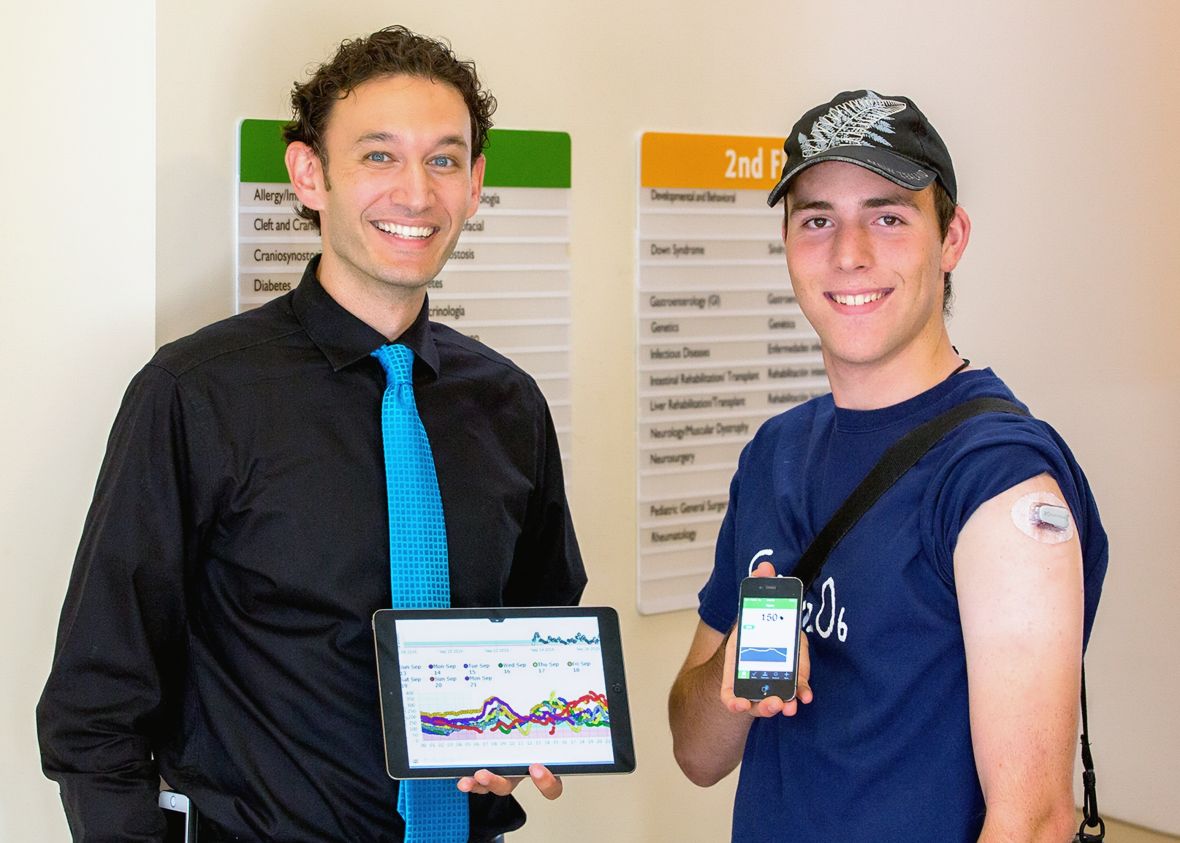
"caption": "Dr. Rajiv Kumar with his patient Blake Atkins. ",
"description": null,
"title": "Dr Kumar and HealthKit",
"credit": "Robert Dicks/Stanford Children's Hospital",
"status": "inherit",
"isLoading": false,
"fetchFailed": false
},
"futureofyou_66369": {
"type": "attachments",
"id": "futureofyou_66369",
"meta": {
"index": "attachments_1716263798",
"site": "futureofyou",
"id": "66369",
"found": true
},
"parent": 66347,
"imgSizes": {
"twentyfourteen-full-width": {
"file": "https://ww2.kqed.org/app/uploads/sites/13/2015/11/worriedwell-1038x576.png",
"width": 1038,
"mimeType": "image/png",
"height": 576
},
"thumbnail": {
"file": "https://ww2.kqed.org/app/uploads/sites/13/2015/11/worriedwell-400x235.png",
"width": 400,
"mimeType": "image/png",
"height": 235
},
"fd-sm": {
"file": "https://ww2.kqed.org/app/uploads/sites/13/2015/11/worriedwell-960x565.png",
"width": 960,
"mimeType": "image/png",
"height": 565
},
"post-thumbnail": {
"file": "https://ww2.kqed.org/app/uploads/sites/13/2015/11/worriedwell-672x372.png",
"width": 672,
"mimeType": "image/png",
"height": 372
},
"kqedFullSize": {
"file": "https://ww2.kqed.org/app/uploads/sites/13/2015/11/worriedwell.png",
"width": 1040,
"height": 612
},
"guest-author-96": {
"file": "https://ww2.kqed.org/app/uploads/sites/13/2015/11/worriedwell-96x96.png",
"width": 96,
"mimeType": "image/png",
"height": 96
},
"medium": {
"file": "https://ww2.kqed.org/app/uploads/sites/13/2015/11/worriedwell-800x471.png",
"width": 800,
"mimeType": "image/png",
"height": 471
},
"guest-author-64": {
"file": "https://ww2.kqed.org/app/uploads/sites/13/2015/11/worriedwell-64x64.png",
"width": 64,
"mimeType": "image/png",
"height": 64
},
"detail": {
"file": "https://ww2.kqed.org/app/uploads/sites/13/2015/11/worriedwell-75x75.png",
"width": 75,
"mimeType": "image/png",
"height": 75
},
"guest-author-32": {
"file": "https://ww2.kqed.org/app/uploads/sites/13/2015/11/worriedwell-32x32.png",
"width": 32,
"mimeType": "image/png",
"height": 32
},
"guest-author-128": {
"file": "https://ww2.kqed.org/app/uploads/sites/13/2015/11/worriedwell-128x128.png",
"width": 128,
"mimeType": "image/png",
"height": 128
}
},
"publishDate": 1447359578,
"modified": 1447359605,
"caption": "Many health app makers, including Vida, are targeting patients with chronic illnesses. ",
"description": null,
"title": "worriedwell",
"credit": "Vida Health ",
"status": "inherit",
"isLoading": false,
"fetchFailed": false
},
"futureofyou_62570": {
"type": "attachments",
"id": "futureofyou_62570",
"meta": {
"index": "attachments_1716263798",
"site": "futureofyou",
"id": "62570",
"found": true
},
"parent": 61717,
"imgSizes": {
"twentyfourteen-full-width": {
"file": "https://ww2.kqed.org/app/uploads/sites/13/2015/11/chow2-1038x576.jpg",
"width": 1038,
"mimeType": "image/jpeg",
"height": 576
},
"thumbnail": {
"file": "https://ww2.kqed.org/app/uploads/sites/13/2015/11/chow2-400x306.jpg",
"width": 400,
"mimeType": "image/jpeg",
"height": 306
},
"fd-sm": {
"file": "https://ww2.kqed.org/app/uploads/sites/13/2015/11/chow2-960x733.jpg",
"width": 960,
"mimeType": "image/jpeg",
"height": 733
},
"post-thumbnail": {
"file": "https://ww2.kqed.org/app/uploads/sites/13/2015/11/chow2-672x372.jpg",
"width": 672,
"mimeType": "image/jpeg",
"height": 372
},
"kqedFullSize": {
"file": "https://ww2.kqed.org/app/uploads/sites/13/2015/11/chow2.jpg",
"width": 2305,
"height": 1761
},
"large": {
"file": "https://ww2.kqed.org/app/uploads/sites/13/2015/11/chow2-1180x902.jpg",
"width": 1180,
"mimeType": "image/jpeg",
"height": 902
},
"guest-author-96": {
"file": "https://ww2.kqed.org/app/uploads/sites/13/2015/11/chow2-96x96.jpg",
"width": 96,
"mimeType": "image/jpeg",
"height": 96
},
"medium": {
"file": "https://ww2.kqed.org/app/uploads/sites/13/2015/11/chow2-785x600.jpg",
"width": 785,
"mimeType": "image/jpeg",
"height": 600
},
"guest-author-64": {
"file": "https://ww2.kqed.org/app/uploads/sites/13/2015/11/chow2-64x64.jpg",
"width": 64,
"mimeType": "image/jpeg",
"height": 64
},
"guest-author-32": {
"file": "https://ww2.kqed.org/app/uploads/sites/13/2015/11/chow2-32x32.jpg",
"width": 32,
"mimeType": "image/jpeg",
"height": 32
},
"fd-lrg": {
"file": "https://ww2.kqed.org/app/uploads/sites/13/2015/11/chow2-1920x1467.jpg",
"width": 1920,
"mimeType": "image/jpeg",
"height": 1467
},
"fd-med": {
"file": "https://ww2.kqed.org/app/uploads/sites/13/2015/11/chow2-1180x902.jpg",
"width": 1180,
"mimeType": "image/jpeg",
"height": 902
},
"detail": {
"file": "https://ww2.kqed.org/app/uploads/sites/13/2015/11/chow2-75x75.jpg",
"width": 75,
"mimeType": "image/jpeg",
"height": 75
},
"guest-author-128": {
"file": "https://ww2.kqed.org/app/uploads/sites/13/2015/11/chow2-128x128.jpg",
"width": 128,
"mimeType": "image/jpeg",
"height": 128
}
},
"publishDate": 1446660141,
"modified": 1446660151,
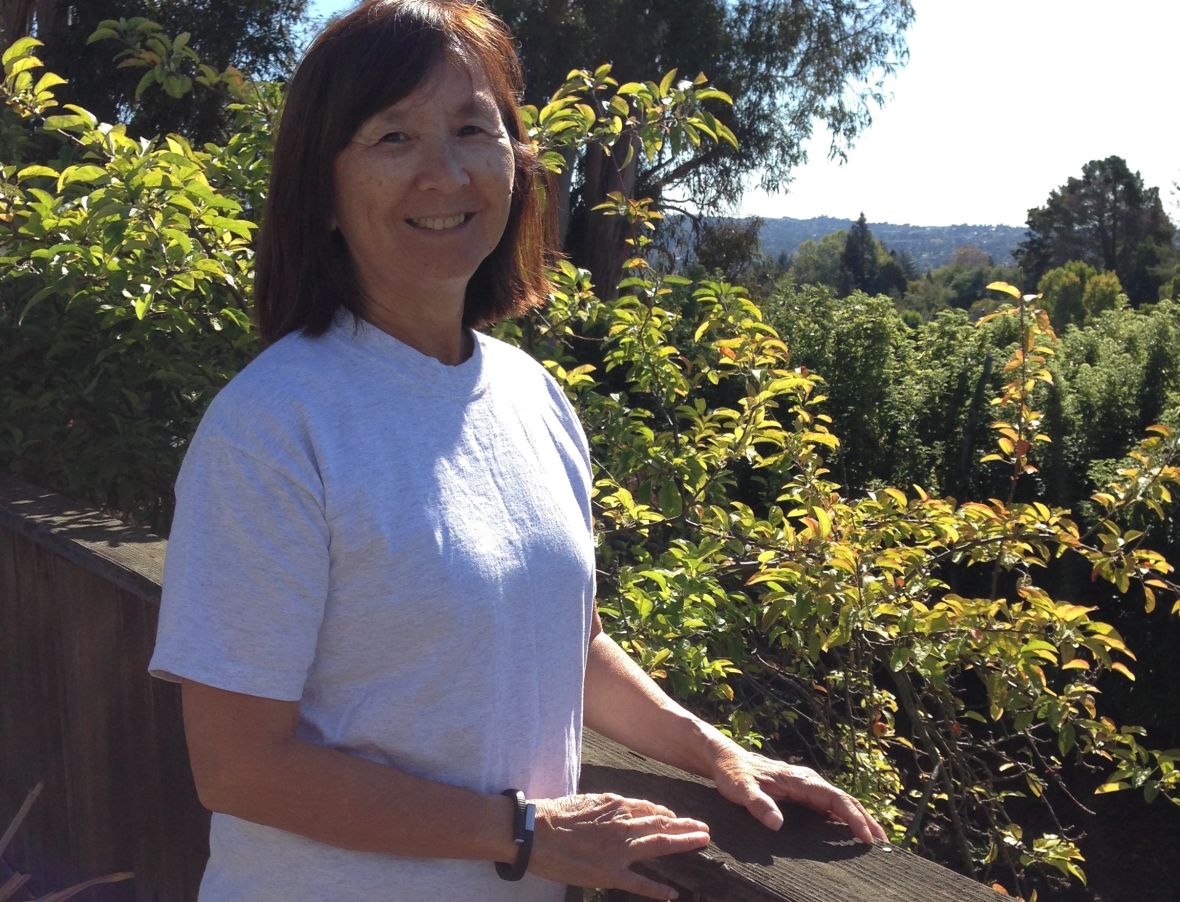
"caption": "Janice Chow renewed her exercise regimen after retiring. She uses a Jawbone to monitor her workouts. ",
"description": null,
"title": "chow2",
"credit": "Janice Chow",
"status": "inherit",
"isLoading": false,
"fetchFailed": false
},
"futureofyou_58692": {
"type": "attachments",
"id": "futureofyou_58692",
"meta": {
"index": "attachments_1716263798",
"site": "futureofyou",
"id": "58692",
"found": true
},
"parent": 58690,
"imgSizes": {
"twentyfourteen-full-width": {
"file": "https://ww2.kqed.org/app/uploads/sites/13/2015/10/2329876448_1102cb1d82_o-1038x576.jpg",
"width": 1038,
"mimeType": "image/jpeg",
"height": 576
},
"thumbnail": {
"file": "https://ww2.kqed.org/app/uploads/sites/13/2015/10/2329876448_1102cb1d82_o-400x266.jpg",
"width": 400,
"mimeType": "image/jpeg",
"height": 266
},
"fd-sm": {
"file": "https://ww2.kqed.org/app/uploads/sites/13/2015/10/2329876448_1102cb1d82_o-960x638.jpg",
"width": 960,
"mimeType": "image/jpeg",
"height": 638
},
"post-thumbnail": {
"file": "https://ww2.kqed.org/app/uploads/sites/13/2015/10/2329876448_1102cb1d82_o-672x372.jpg",
"width": 672,
"mimeType": "image/jpeg",
"height": 372
},
"kqedFullSize": {
"file": "https://ww2.kqed.org/app/uploads/sites/13/2015/10/2329876448_1102cb1d82_o.jpg",
"width": 3008,
"height": 2000
},
"large": {
"file": "https://ww2.kqed.org/app/uploads/sites/13/2015/10/2329876448_1102cb1d82_o-1180x785.jpg",
"width": 1180,
"mimeType": "image/jpeg",
"height": 785
},
"guest-author-96": {
"file": "https://ww2.kqed.org/app/uploads/sites/13/2015/10/2329876448_1102cb1d82_o-96x96.jpg",
"width": 96,
"mimeType": "image/jpeg",
"height": 96
},
"medium": {
"file": "https://ww2.kqed.org/app/uploads/sites/13/2015/10/2329876448_1102cb1d82_o-800x532.jpg",
"width": 800,
"mimeType": "image/jpeg",
"height": 532
},
"guest-author-64": {
"file": "https://ww2.kqed.org/app/uploads/sites/13/2015/10/2329876448_1102cb1d82_o-64x64.jpg",
"width": 64,
"mimeType": "image/jpeg",
"height": 64
},
"guest-author-32": {
"file": "https://ww2.kqed.org/app/uploads/sites/13/2015/10/2329876448_1102cb1d82_o-32x32.jpg",
"width": 32,
"mimeType": "image/jpeg",
"height": 32
},
"fd-lrg": {
"file": "https://ww2.kqed.org/app/uploads/sites/13/2015/10/2329876448_1102cb1d82_o-1920x1277.jpg",
"width": 1920,
"mimeType": "image/jpeg",
"height": 1277
},
"fd-med": {
"file": "https://ww2.kqed.org/app/uploads/sites/13/2015/10/2329876448_1102cb1d82_o-1180x785.jpg",
"width": 1180,
"mimeType": "image/jpeg",
"height": 785
},
"detail": {
"file": "https://ww2.kqed.org/app/uploads/sites/13/2015/10/2329876448_1102cb1d82_o-75x75.jpg",
"width": 75,
"mimeType": "image/jpeg",
"height": 75
},
"guest-author-128": {
"file": "https://ww2.kqed.org/app/uploads/sites/13/2015/10/2329876448_1102cb1d82_o-128x128.jpg",
"width": 128,
"mimeType": "image/jpeg",
"height": 128
}
},
"publishDate": 1445986365,
"modified": 1445986562,
"caption": null,
"description": null,
"title": "fitbit for newborn",
"credit": "Nathan Walker/flickr",
"status": "inherit",
"isLoading": false,
"fetchFailed": false
},
"futureofyou_56766": {
"type": "attachments",
"id": "futureofyou_56766",
"meta": {
"index": "attachments_1716263798",
"site": "futureofyou",
"id": "56766",
"found": true
},
"parent": 56765,
"imgSizes": {
"thumbnail": {
"file": "https://ww2.kqed.org/app/uploads/sites/13/2015/10/Smart-Specs-400x200.jpg",
"width": 400,
"mimeType": "image/jpeg",
"height": 200
},
"post-thumbnail": {
"file": "https://ww2.kqed.org/app/uploads/sites/13/2015/10/Smart-Specs-672x368.jpg",
"width": 672,
"mimeType": "image/jpeg",
"height": 368
},
"kqedFullSize": {
"file": "https://ww2.kqed.org/app/uploads/sites/13/2015/10/Smart-Specs.jpg",
"width": 735,
"height": 368
},
"guest-author-96": {
"file": "https://ww2.kqed.org/app/uploads/sites/13/2015/10/Smart-Specs-96x96.jpg",
"width": 96,
"mimeType": "image/jpeg",
"height": 96
},
"guest-author-64": {
"file": "https://ww2.kqed.org/app/uploads/sites/13/2015/10/Smart-Specs-64x64.jpg",
"width": 64,
"mimeType": "image/jpeg",
"height": 64
},
"detail": {
"file": "https://ww2.kqed.org/app/uploads/sites/13/2015/10/Smart-Specs-75x75.jpg",
"width": 75,
"mimeType": "image/jpeg",
"height": 75
},
"guest-author-32": {
"file": "https://ww2.kqed.org/app/uploads/sites/13/2015/10/Smart-Specs-32x32.jpg",
"width": 32,
"mimeType": "image/jpeg",
"height": 32
},
"guest-author-128": {
"file": "https://ww2.kqed.org/app/uploads/sites/13/2015/10/Smart-Specs-128x128.jpg",
"width": 128,
"mimeType": "image/jpeg",
"height": 128
}
},
"publishDate": 1445646865,
"modified": 1445646965,
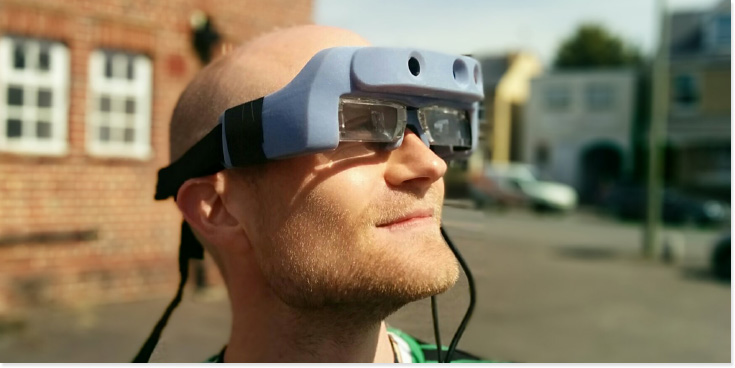
"caption": "The Smart Specs prototype was designed in collaboration with Google and the Royal National Institute of Blind People in the United Kingdom. ",
"description": "The Smart Specs prototype was designed in collaboration with Google and the Royal National Institute of Blind People in the United Kingdom. ",
"title": "blind technology",
"credit": "Va-ST ",
"status": "inherit",
"isLoading": false,
"fetchFailed": false
},
"futureofyou_56634": {
"type": "attachments",
"id": "futureofyou_56634",
"meta": {
"index": "attachments_1716263798",
"site": "futureofyou",
"id": "56634",
"found": true
},
"parent": 56633,
"imgSizes": {
"twentyfourteen-full-width": {
"file": "https://ww2.kqed.org/app/uploads/sites/13/2015/10/istock_000076527969_large-8d04b8e0c69387a8e0f1b1288e51b0750d6b09e7-1038x576.jpg",
"width": 1038,
"mimeType": "image/jpeg",
"height": 576
},
"thumbnail": {
"file": "https://ww2.kqed.org/app/uploads/sites/13/2015/10/istock_000076527969_large-8d04b8e0c69387a8e0f1b1288e51b0750d6b09e7-400x300.jpg",
"width": 400,
"mimeType": "image/jpeg",
"height": 300
},
"fd-sm": {
"file": "https://ww2.kqed.org/app/uploads/sites/13/2015/10/istock_000076527969_large-8d04b8e0c69387a8e0f1b1288e51b0750d6b09e7-960x720.jpg",
"width": 960,
"mimeType": "image/jpeg",
"height": 720
},
"post-thumbnail": {
"file": "https://ww2.kqed.org/app/uploads/sites/13/2015/10/istock_000076527969_large-8d04b8e0c69387a8e0f1b1288e51b0750d6b09e7-672x372.jpg",
"width": 672,
"mimeType": "image/jpeg",
"height": 372
},
"kqedFullSize": {
"file": "https://ww2.kqed.org/app/uploads/sites/13/2015/10/istock_000076527969_large-8d04b8e0c69387a8e0f1b1288e51b0750d6b09e7.jpg",
"width": 2155,
"height": 1616
},
"large": {
"file": "https://ww2.kqed.org/app/uploads/sites/13/2015/10/istock_000076527969_large-8d04b8e0c69387a8e0f1b1288e51b0750d6b09e7-1180x885.jpg",
"width": 1180,
"mimeType": "image/jpeg",
"height": 885
},
"guest-author-96": {
"file": "https://ww2.kqed.org/app/uploads/sites/13/2015/10/istock_000076527969_large-8d04b8e0c69387a8e0f1b1288e51b0750d6b09e7-96x96.jpg",
"width": 96,
"mimeType": "image/jpeg",
"height": 96
},
"medium": {
"file": "https://ww2.kqed.org/app/uploads/sites/13/2015/10/istock_000076527969_large-8d04b8e0c69387a8e0f1b1288e51b0750d6b09e7-800x600.jpg",
"width": 800,
"mimeType": "image/jpeg",
"height": 600
},
"guest-author-64": {
"file": "https://ww2.kqed.org/app/uploads/sites/13/2015/10/istock_000076527969_large-8d04b8e0c69387a8e0f1b1288e51b0750d6b09e7-64x64.jpg",
"width": 64,
"mimeType": "image/jpeg",
"height": 64
},
"guest-author-32": {
"file": "https://ww2.kqed.org/app/uploads/sites/13/2015/10/istock_000076527969_large-8d04b8e0c69387a8e0f1b1288e51b0750d6b09e7-32x32.jpg",
"width": 32,
"mimeType": "image/jpeg",
"height": 32
},
"fd-lrg": {
"file": "https://ww2.kqed.org/app/uploads/sites/13/2015/10/istock_000076527969_large-8d04b8e0c69387a8e0f1b1288e51b0750d6b09e7-1920x1440.jpg",
"width": 1920,
"mimeType": "image/jpeg",
"height": 1440
},
"fd-med": {
"file": "https://ww2.kqed.org/app/uploads/sites/13/2015/10/istock_000076527969_large-8d04b8e0c69387a8e0f1b1288e51b0750d6b09e7-1180x885.jpg",
"width": 1180,
"mimeType": "image/jpeg",
"height": 885
},
"detail": {
"file": "https://ww2.kqed.org/app/uploads/sites/13/2015/10/istock_000076527969_large-8d04b8e0c69387a8e0f1b1288e51b0750d6b09e7-75x75.jpg",
"width": 75,
"mimeType": "image/jpeg",
"height": 75
},
"guest-author-128": {
"file": "https://ww2.kqed.org/app/uploads/sites/13/2015/10/istock_000076527969_large-8d04b8e0c69387a8e0f1b1288e51b0750d6b09e7-128x128.jpg",
"width": 128,
"mimeType": "image/jpeg",
"height": 128
}
},
"publishDate": 1445624481,
"modified": 1445624578,
"caption": "African-American patients with chronic kidney disease were half as likely to use an electronic health portal than were non-black patients.",
"description": "African-American patients with chronic kidney disease were half as likely to use an electronic health portal than were non-black patients.",
"title": "African-American patients with chronic kidney disease were half as likely to use an electronic health portal than were non-black patients.",
"credit": "iStock",
"status": "inherit",
"isLoading": false,
"fetchFailed": false
},
"futureofyou_52652": {
"type": "attachments",
"id": "futureofyou_52652",
"meta": {
"index": "attachments_1716263798",
"site": "futureofyou",
"id": "52652",
"found": true
},
"parent": 52032,
"imgSizes": {
"twentyfourteen-full-width": {
"file": "https://ww2.kqed.org/app/uploads/sites/13/2015/10/alyssa-e1445637461476-1038x576.jpg",
"width": 1038,
"mimeType": "image/jpeg",
"height": 576
},
"thumbnail": {
"file": "https://ww2.kqed.org/app/uploads/sites/13/2015/10/alyssa-e1445637461476-400x341.jpg",
"width": 400,
"mimeType": "image/jpeg",
"height": 341
},
"fd-sm": {
"file": "https://ww2.kqed.org/app/uploads/sites/13/2015/10/alyssa-e1445637461476-960x819.jpg",
"width": 960,
"mimeType": "image/jpeg",
"height": 819
},
"post-thumbnail": {
"file": "https://ww2.kqed.org/app/uploads/sites/13/2015/10/alyssa-e1445637461476-672x372.jpg",
"width": 672,
"mimeType": "image/jpeg",
"height": 372
},
"kqedFullSize": {
"file": "https://ww2.kqed.org/app/uploads/sites/13/2015/10/alyssa-e1445637461476.jpg",
"width": 1475,
"height": 1259
},
"large": {
"file": "https://ww2.kqed.org/app/uploads/sites/13/2015/10/alyssa-e1445637461476-1180x1007.jpg",
"width": 1180,
"mimeType": "image/jpeg",
"height": 1007
},
"guest-author-96": {
"file": "https://ww2.kqed.org/app/uploads/sites/13/2015/10/alyssa-e1445637461476-96x96.jpg",
"width": 96,
"mimeType": "image/jpeg",
"height": 96
},
"medium": {
"file": "https://ww2.kqed.org/app/uploads/sites/13/2015/10/alyssa-e1445637461476-703x600.jpg",
"width": 703,
"mimeType": "image/jpeg",
"height": 600
},
"guest-author-64": {
"file": "https://ww2.kqed.org/app/uploads/sites/13/2015/10/alyssa-e1445637461476-64x64.jpg",
"width": 64,
"mimeType": "image/jpeg",
"height": 64
},
"guest-author-32": {
"file": "https://ww2.kqed.org/app/uploads/sites/13/2015/10/alyssa-e1445637461476-32x32.jpg",
"width": 32,
"mimeType": "image/jpeg",
"height": 32
},
"fd-med": {
"file": "https://ww2.kqed.org/app/uploads/sites/13/2015/10/alyssa-e1445637461476-1180x1007.jpg",
"width": 1180,
"mimeType": "image/jpeg",
"height": 1007
},
"detail": {
"file": "https://ww2.kqed.org/app/uploads/sites/13/2015/10/alyssa-e1445637461476-75x75.jpg",
"width": 75,
"mimeType": "image/jpeg",
"height": 75
},
"guest-author-128": {
"file": "https://ww2.kqed.org/app/uploads/sites/13/2015/10/alyssa-e1445637461476-128x128.jpg",
"width": 128,
"mimeType": "image/jpeg",
"height": 128
}
},
"publishDate": 1444948977,
"modified": 1444949168,
"caption": "Alyssa Padron, 20, has used apps to track her period for two years. ",
"description": null,
"title": "alyssa",
"credit": "Alyssa Padron",
"status": "inherit",
"isLoading": false,
"fetchFailed": false
},
"futureofyou_55245": {
"type": "attachments",
"id": "futureofyou_55245",
"meta": {
"index": "attachments_1716263798",
"site": "futureofyou",
"id": "55245",
"found": true
},
"parent": 55240,
"imgSizes": {
"twentyfourteen-full-width": {
"file": "https://ww2.kqed.org/app/uploads/sites/13/2015/10/23andme-ceo1-1038x576.png",
"width": 1038,
"mimeType": "image/png",
"height": 576
},
"thumbnail": {
"file": "https://ww2.kqed.org/app/uploads/sites/13/2015/10/23andme-ceo1-400x304.png",
"width": 400,
"mimeType": "image/png",
"height": 304
},
"fd-sm": {
"file": "https://ww2.kqed.org/app/uploads/sites/13/2015/10/23andme-ceo1-960x729.png",
"width": 960,
"mimeType": "image/png",
"height": 729
},
"post-thumbnail": {
"file": "https://ww2.kqed.org/app/uploads/sites/13/2015/10/23andme-ceo1-672x372.png",
"width": 672,
"mimeType": "image/png",
"height": 372
},
"kqedFullSize": {
"file": "https://ww2.kqed.org/app/uploads/sites/13/2015/10/23andme-ceo1.png",
"width": 1649,
"height": 1253
},
"large": {
"file": "https://ww2.kqed.org/app/uploads/sites/13/2015/10/23andme-ceo1-1180x897.png",
"width": 1180,
"mimeType": "image/png",
"height": 897
},
"guest-author-96": {
"file": "https://ww2.kqed.org/app/uploads/sites/13/2015/10/23andme-ceo1-96x96.png",
"width": 96,
"mimeType": "image/png",
"height": 96
},
"medium": {
"file": "https://ww2.kqed.org/app/uploads/sites/13/2015/10/23andme-ceo1-790x600.png",
"width": 790,
"mimeType": "image/png",
"height": 600
},
"guest-author-64": {
"file": "https://ww2.kqed.org/app/uploads/sites/13/2015/10/23andme-ceo1-64x64.png",
"width": 64,
"mimeType": "image/png",
"height": 64
},
"guest-author-32": {
"file": "https://ww2.kqed.org/app/uploads/sites/13/2015/10/23andme-ceo1-32x32.png",
"width": 32,
"mimeType": "image/png",
"height": 32
},
"fd-med": {
"file": "https://ww2.kqed.org/app/uploads/sites/13/2015/10/23andme-ceo1-1180x897.png",
"width": 1180,
"mimeType": "image/png",
"height": 897
},
"detail": {
"file": "https://ww2.kqed.org/app/uploads/sites/13/2015/10/23andme-ceo1-75x75.png",
"width": 75,
"mimeType": "image/png",
"height": 75
},
"guest-author-128": {
"file": "https://ww2.kqed.org/app/uploads/sites/13/2015/10/23andme-ceo1-128x128.png",
"width": 128,
"mimeType": "image/png",
"height": 128
}
},
"publishDate": 1445384764,
"modified": 1445384786,
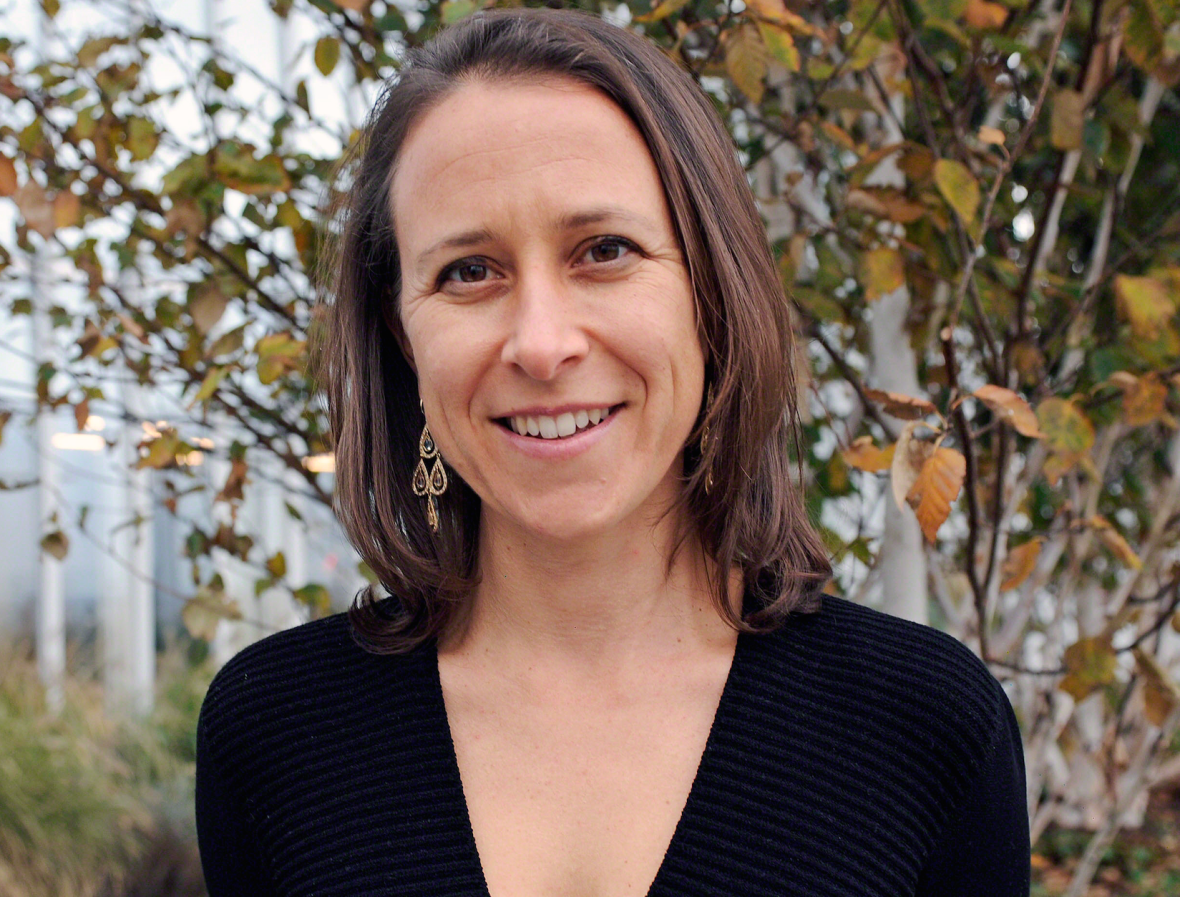
"caption": "23andMe CEO Anne Wojcicki is committed to delivering health information directly to you. ",
"description": null,
"title": "23andme ceo",
"credit": "23andMe",
"status": "inherit",
"isLoading": false,
"fetchFailed": false
},
"futureofyou_52163": {
"type": "attachments",
"id": "futureofyou_52163",
"meta": {
"index": "attachments_1716263798",
"site": "futureofyou",
"id": "52163",
"found": true
},
"parent": 52162,
"imgSizes": {
"twentyfourteen-full-width": {
"file": "https://ww2.kqed.org/app/uploads/sites/13/2015/10/InternationalSchoolMealsDayLaunchEvent-1038x576.jpg",
"width": 1038,
"mimeType": "image/jpeg",
"height": 576
},
"thumbnail": {
"file": "https://ww2.kqed.org/app/uploads/sites/13/2015/10/InternationalSchoolMealsDayLaunchEvent-400x284.jpg",
"width": 400,
"mimeType": "image/jpeg",
"height": 284
},
"fd-sm": {
"file": "https://ww2.kqed.org/app/uploads/sites/13/2015/10/InternationalSchoolMealsDayLaunchEvent-960x680.jpg",
"width": 960,
"mimeType": "image/jpeg",
"height": 680
},
"post-thumbnail": {
"file": "https://ww2.kqed.org/app/uploads/sites/13/2015/10/InternationalSchoolMealsDayLaunchEvent-672x372.jpg",
"width": 672,
"mimeType": "image/jpeg",
"height": 372
},
"kqedFullSize": {
"file": "https://ww2.kqed.org/app/uploads/sites/13/2015/10/InternationalSchoolMealsDayLaunchEvent.jpg",
"width": 4018,
"height": 2848
},
"large": {
"file": "https://ww2.kqed.org/app/uploads/sites/13/2015/10/InternationalSchoolMealsDayLaunchEvent-1180x836.jpg",
"width": 1180,
"mimeType": "image/jpeg",
"height": 836
},
"guest-author-96": {
"file": "https://ww2.kqed.org/app/uploads/sites/13/2015/10/InternationalSchoolMealsDayLaunchEvent-96x96.jpg",
"width": 96,
"mimeType": "image/jpeg",
"height": 96
},
"medium": {
"file": "https://ww2.kqed.org/app/uploads/sites/13/2015/10/InternationalSchoolMealsDayLaunchEvent-800x567.jpg",
"width": 800,
"mimeType": "image/jpeg",
"height": 567
},
"guest-author-64": {
"file": "https://ww2.kqed.org/app/uploads/sites/13/2015/10/InternationalSchoolMealsDayLaunchEvent-64x64.jpg",
"width": 64,
"mimeType": "image/jpeg",
"height": 64
},
"guest-author-32": {
"file": "https://ww2.kqed.org/app/uploads/sites/13/2015/10/InternationalSchoolMealsDayLaunchEvent-32x32.jpg",
"width": 32,
"mimeType": "image/jpeg",
"height": 32
},
"fd-lrg": {
"file": "https://ww2.kqed.org/app/uploads/sites/13/2015/10/InternationalSchoolMealsDayLaunchEvent-1920x1361.jpg",
"width": 1920,
"mimeType": "image/jpeg",
"height": 1361
},
"fd-med": {
"file": "https://ww2.kqed.org/app/uploads/sites/13/2015/10/InternationalSchoolMealsDayLaunchEvent-1180x836.jpg",
"width": 1180,
"mimeType": "image/jpeg",
"height": 836
},
"detail": {
"file": "https://ww2.kqed.org/app/uploads/sites/13/2015/10/InternationalSchoolMealsDayLaunchEvent-75x75.jpg",
"width": 75,
"mimeType": "image/jpeg",
"height": 75
},
"guest-author-128": {
"file": "https://ww2.kqed.org/app/uploads/sites/13/2015/10/InternationalSchoolMealsDayLaunchEvent-128x128.jpg",
"width": 128,
"mimeType": "image/jpeg",
"height": 128
}
},
"publishDate": 1444878613,
"modified": 1444878646,
"caption": "Kids eating a healthy school lunch. ",
"description": null,
"title": "InternationalSchoolMealsDayLaunchEvent",
"credit": "Wikimedia Commons",
"status": "inherit",
"isLoading": false,
"fetchFailed": false
},
"futureofyou_51080": {
"type": "attachments",
"id": "futureofyou_51080",
"meta": {
"index": "attachments_1716263798",
"site": "futureofyou",
"id": "51080",
"found": true
},
"parent": 51030,
"imgSizes": {
"twentyfourteen-full-width": {
"file": "https://ww2.kqed.org/app/uploads/sites/13/2015/10/Black_Nike_FuelBand-1-1038x576.jpg",
"width": 1038,
"mimeType": "image/jpeg",
"height": 576
},
"thumbnail": {
"file": "https://ww2.kqed.org/app/uploads/sites/13/2015/10/Black_Nike_FuelBand-1-400x300.jpg",
"width": 400,
"mimeType": "image/jpeg",
"height": 300
},
"fd-sm": {
"file": "https://ww2.kqed.org/app/uploads/sites/13/2015/10/Black_Nike_FuelBand-1-960x720.jpg",
"width": 960,
"mimeType": "image/jpeg",
"height": 720
},
"post-thumbnail": {
"file": "https://ww2.kqed.org/app/uploads/sites/13/2015/10/Black_Nike_FuelBand-1-672x372.jpg",
"width": 672,
"mimeType": "image/jpeg",
"height": 372
},
"kqedFullSize": {
"file": "https://ww2.kqed.org/app/uploads/sites/13/2015/10/Black_Nike_FuelBand-1.jpg",
"width": 3264,
"height": 2448
},
"large": {
"file": "https://ww2.kqed.org/app/uploads/sites/13/2015/10/Black_Nike_FuelBand-1-1180x885.jpg",
"width": 1180,
"mimeType": "image/jpeg",
"height": 885
},
"guest-author-96": {
"file": "https://ww2.kqed.org/app/uploads/sites/13/2015/10/Black_Nike_FuelBand-1-96x96.jpg",
"width": 96,
"mimeType": "image/jpeg",
"height": 96
},
"medium": {
"file": "https://ww2.kqed.org/app/uploads/sites/13/2015/10/Black_Nike_FuelBand-1-800x600.jpg",
"width": 800,
"mimeType": "image/jpeg",
"height": 600
},
"guest-author-64": {
"file": "https://ww2.kqed.org/app/uploads/sites/13/2015/10/Black_Nike_FuelBand-1-64x64.jpg",
"width": 64,
"mimeType": "image/jpeg",
"height": 64
},
"guest-author-32": {
"file": "https://ww2.kqed.org/app/uploads/sites/13/2015/10/Black_Nike_FuelBand-1-32x32.jpg",
"width": 32,
"mimeType": "image/jpeg",
"height": 32
},
"fd-lrg": {
"file": "https://ww2.kqed.org/app/uploads/sites/13/2015/10/Black_Nike_FuelBand-1-1920x1440.jpg",
"width": 1920,
"mimeType": "image/jpeg",
"height": 1440
},
"fd-med": {
"file": "https://ww2.kqed.org/app/uploads/sites/13/2015/10/Black_Nike_FuelBand-1-1180x885.jpg",
"width": 1180,
"mimeType": "image/jpeg",
"height": 885
},
"detail": {
"file": "https://ww2.kqed.org/app/uploads/sites/13/2015/10/Black_Nike_FuelBand-1-75x75.jpg",
"width": 75,
"mimeType": "image/jpeg",
"height": 75
},
"guest-author-128": {
"file": "https://ww2.kqed.org/app/uploads/sites/13/2015/10/Black_Nike_FuelBand-1-128x128.jpg",
"width": 128,
"mimeType": "image/jpeg",
"height": 128
}
},
"publishDate": 1444689112,
"modified": 1444689143,
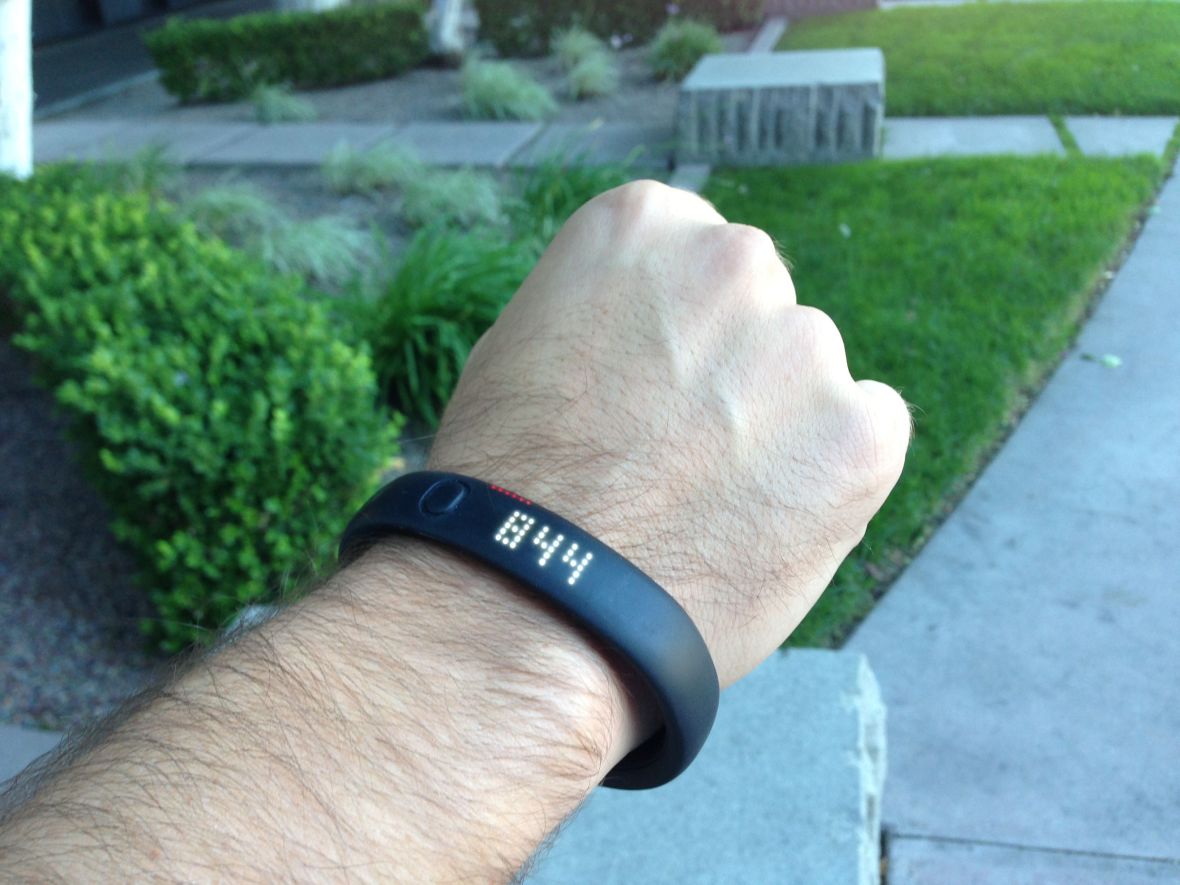
"caption": "Researchers tested the Nike Fuelband and nine other consumer trackers. ",
"description": null,
"title": "Black_Nike_FuelBand-1",
"credit": "Wikimedia Commons",
"status": "inherit",
"isLoading": false,
"fetchFailed": false
},
"futureofyou_50891": {
"type": "attachments",
"id": "futureofyou_50891",
"meta": {
"index": "attachments_1716263798",
"site": "futureofyou",
"id": "50891",
"found": true
},
"parent": 50869,
"imgSizes": {
"twentyfourteen-full-width": {
"file": "https://ww2.kqed.org/app/uploads/sites/13/2015/10/DNA_methylation-1038x576.jpg",
"width": 1038,
"mimeType": "image/jpeg",
"height": 576
},
"thumbnail": {
"file": "https://ww2.kqed.org/app/uploads/sites/13/2015/10/DNA_methylation-400x300.jpg",
"width": 400,
"mimeType": "image/jpeg",
"height": 300
},
"fd-sm": {
"file": "https://ww2.kqed.org/app/uploads/sites/13/2015/10/DNA_methylation-960x720.jpg",
"width": 960,
"mimeType": "image/jpeg",
"height": 720
},
"post-thumbnail": {
"file": "https://ww2.kqed.org/app/uploads/sites/13/2015/10/DNA_methylation-672x372.jpg",
"width": 672,
"mimeType": "image/jpeg",
"height": 372
},
"kqedFullSize": {
"file": "https://ww2.kqed.org/app/uploads/sites/13/2015/10/DNA_methylation.jpg",
"width": 6400,
"height": 4800
},
"large": {
"file": "https://ww2.kqed.org/app/uploads/sites/13/2015/10/DNA_methylation-1180x885.jpg",
"width": 1180,
"mimeType": "image/jpeg",
"height": 885
},
"guest-author-96": {
"file": "https://ww2.kqed.org/app/uploads/sites/13/2015/10/DNA_methylation-96x96.jpg",
"width": 96,
"mimeType": "image/jpeg",
"height": 96
},
"medium": {
"file": "https://ww2.kqed.org/app/uploads/sites/13/2015/10/DNA_methylation-800x600.jpg",
"width": 800,
"mimeType": "image/jpeg",
"height": 600
},
"guest-author-64": {
"file": "https://ww2.kqed.org/app/uploads/sites/13/2015/10/DNA_methylation-64x64.jpg",
"width": 64,
"mimeType": "image/jpeg",
"height": 64
},
"guest-author-32": {
"file": "https://ww2.kqed.org/app/uploads/sites/13/2015/10/DNA_methylation-32x32.jpg",
"width": 32,
"mimeType": "image/jpeg",
"height": 32
},
"fd-lrg": {
"file": "https://ww2.kqed.org/app/uploads/sites/13/2015/10/DNA_methylation-1920x1440.jpg",
"width": 1920,
"mimeType": "image/jpeg",
"height": 1440
},
"fd-med": {
"file": "https://ww2.kqed.org/app/uploads/sites/13/2015/10/DNA_methylation-1180x885.jpg",
"width": 1180,
"mimeType": "image/jpeg",
"height": 885
},
"detail": {
"file": "https://ww2.kqed.org/app/uploads/sites/13/2015/10/DNA_methylation-75x75.jpg",
"width": 75,
"mimeType": "image/jpeg",
"height": 75
},
"guest-author-128": {
"file": "https://ww2.kqed.org/app/uploads/sites/13/2015/10/DNA_methylation-128x128.jpg",
"width": 128,
"mimeType": "image/jpeg",
"height": 128
}
},
"publishDate": 1444433146,
"modified": 1444433172,
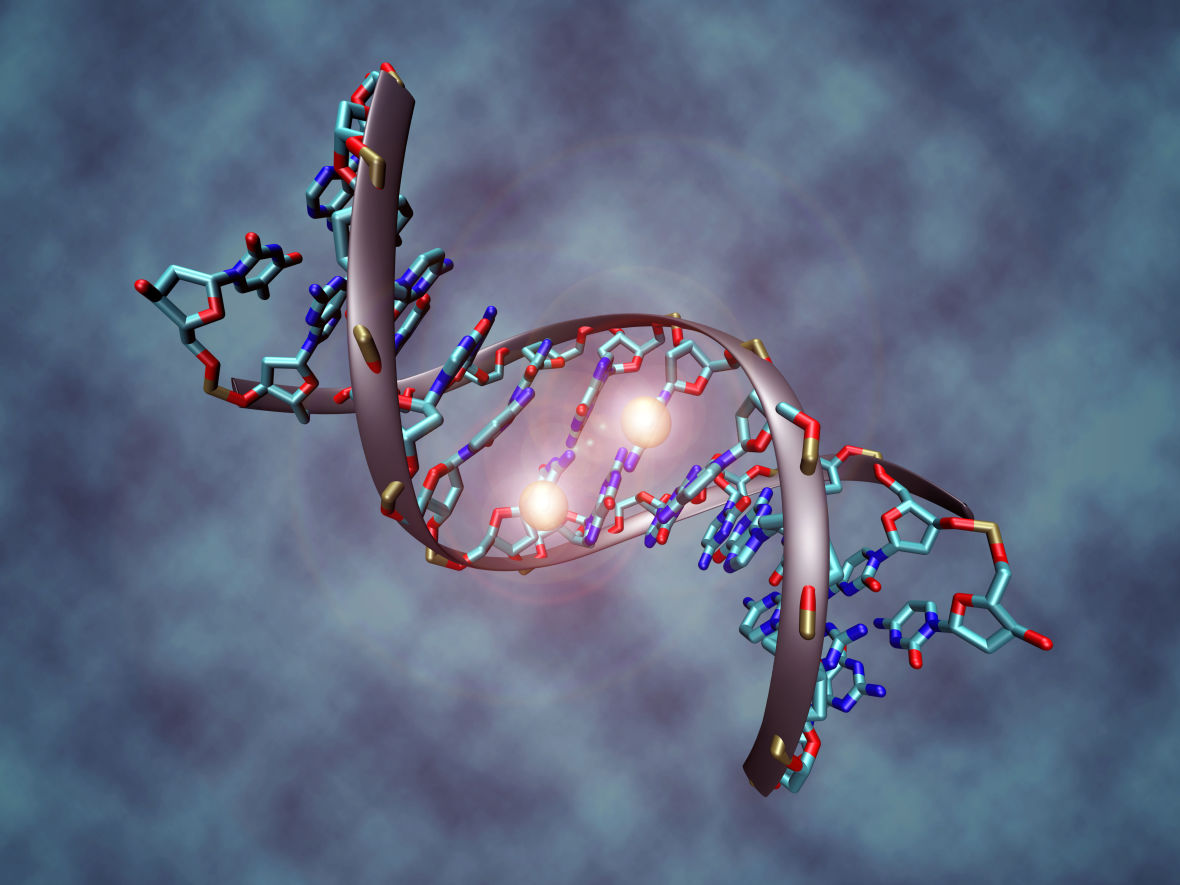
"caption": "Google Ventures is exploring ambitious bets in health care, including new technologies for gene-editing.",
"description": null,
"title": "DNA_methylation",
"credit": "Wikimedia Commons",
"status": "inherit",
"isLoading": false,
"fetchFailed": false
}
},
"audioPlayerReducer": {
"postId": "stream_live",
"isPaused": true,
"isPlaying": false,
"pfsActive": false,
"pledgeModalIsOpen": true,
"playerDrawerIsOpen": false,
"liveAudioPlayStartedAt": 0,
"liveAudioPlayContext": ""
},
"authorsReducer": {
"byline_futureofyou_61717": {
"type": "authors",
"id": "byline_futureofyou_61717",
"meta": {
"override": true
},
"slug": "byline_futureofyou_61717",
"name": "Signe Brewster ",
"isLoading": false
},
"byline_futureofyou_58690": {
"type": "authors",
"id": "byline_futureofyou_58690",
"meta": {
"override": true
},
"slug": "byline_futureofyou_58690",
"name": "Mallory Pickett",
"isLoading": false
},
"byline_futureofyou_56633": {
"type": "authors",
"id": "byline_futureofyou_56633",
"meta": {
"override": true
},
"slug": "byline_futureofyou_56633",
"name": "Lynne Shallcross",
"isLoading": false
},
"byline_futureofyou_52162": {
"type": "authors",
"id": "byline_futureofyou_52162",
"meta": {
"override": true
},
"slug": "byline_futureofyou_52162",
"name": "Thea Runyan, MPH",
"isLoading": false
},
"cfarr": {
"type": "authors",
"id": "3252",
"meta": {
"index": "authors_1716337520",
"id": "3252",
"found": true
},
"name": "Christina Farr",
"firstName": "Christina",
"lastName": "Farr",
"slug": "cfarr",
"email": "cfarr@kqed.org",
"display_author_email": false,
"staff_mastheads": [],
"title": "KQED Contributor",
"bio": "Christina Farr (\u003ca href=\"https://twitter.com/chrissyfarr\">@chrissyfarr\u003c/a>) is the former editor and host of Future of You. She was previously with Reuters, covering digital health and Apple and before that, she reported for Venture Beat. Christina was born and raised in London and has graduate degrees from University of London and the Stanford School of Journalism. Farr’s work has appeared in a variety of publications, including the New York Times, the Daily Telegraph, the Bay Citizen and SFGate.com. She has appeared as a featured expert on NBC, ABC and Reuters TV, among others, and frequently speaks at health and technology conferences. She is also co-founder of Ladies Who Vino, a networking group for women in technology and business.",
"avatar": "https://secure.gravatar.com/avatar/22c63869a7901c61c15e204391c1261d?s=600&d=blank&r=g",
"twitter": null,
"facebook": null,
"instagram": null,
"linkedin": null,
"sites": [
{
"site": "futureofyou",
"roles": [
"administrator"
]
},
{
"site": "stateofhealth",
"roles": [
"author"
]
},
{
"site": "science",
"roles": []
}
],
"headData": {
"title": "Christina Farr | KQED",
"description": "KQED Contributor",
"ogImgSrc": "https://secure.gravatar.com/avatar/22c63869a7901c61c15e204391c1261d?s=600&d=blank&r=g",
"twImgSrc": "https://secure.gravatar.com/avatar/22c63869a7901c61c15e204391c1261d?s=600&d=blank&r=g"
},
"isLoading": false,
"link": "/author/cfarr"
},
"rgrant": {
"type": "authors",
"id": "6620",
"meta": {
"index": "authors_1716337520",
"id": "6620",
"found": true
},
"name": "Rebecca Grant",
"firstName": "Rebecca",
"lastName": "Grant",
"slug": "rgrant",
"email": "rebeccaggrant@gmail.com",
"display_author_email": false,
"staff_mastheads": [],
"title": null,
"bio": "Rebecca Grant is a freelance journalist who has published work in The Atlantic, Fast Company, Forbes, The Daily Dot, and others. She spent 2 years as a staff writer at VentureBeat reporting on the startup scene, as well as issues relating to social innovation and diversity in the tech industry. Before Venturebeat, she served as a Peace Corps Volunteer, conducting an education project in rural Thailand. She has a B.A. from Cornell University.",
"avatar": "https://secure.gravatar.com/avatar/acf522116cc10f32fb9bc84af7f1ea28?s=600&d=blank&r=g",
"twitter": null,
"facebook": null,
"instagram": null,
"linkedin": null,
"sites": [
{
"site": "futureofyou",
"roles": [
"contributor"
]
}
],
"headData": {
"title": "Rebecca Grant | KQED",
"description": null,
"ogImgSrc": "https://secure.gravatar.com/avatar/acf522116cc10f32fb9bc84af7f1ea28?s=600&d=blank&r=g",
"twImgSrc": "https://secure.gravatar.com/avatar/acf522116cc10f32fb9bc84af7f1ea28?s=600&d=blank&r=g"
},
"isLoading": false,
"link": "/author/rgrant"
},
"jlipsky": {
"type": "authors",
"id": "11992",
"meta": {
"index": "authors_1716337520",
"id": "11992",
"found": true
},
"name": "Jessica Lipsky",
"firstName": "Jessica",
"lastName": "Lipsky",
"slug": "jlipsky",
"email": "jessica.lipsky@gmail.com",
"display_author_email": false,
"staff_mastheads": [],
"title": "KQED Contributor",
"bio": "Jessica Lipsky is a freelance writer who has contributed to the New York Times, the Washington Post, Columbia Journalism Review, NPR and more. She is the author of \u003cem>It Ain’t Retro: Daptone Records & The 21st-Century Soul Revolution\u003c/em>. Find her work \u003ca href=\"https://www.jlipsky.com/\">here\u003c/a>.",
"avatar": "https://secure.gravatar.com/avatar/07bb90ce7e446aa0abb4fe23b3437ebd?s=600&d=blank&r=g",
"twitter": null,
"facebook": null,
"instagram": null,
"linkedin": null,
"sites": [
{
"site": "arts",
"roles": [
"contributor"
]
},
{
"site": "futureofyou",
"roles": [
"contributor"
]
}
],
"headData": {
"title": "Jessica Lipsky | KQED",
"description": "KQED Contributor",
"ogImgSrc": "https://secure.gravatar.com/avatar/07bb90ce7e446aa0abb4fe23b3437ebd?s=600&d=blank&r=g",
"twImgSrc": "https://secure.gravatar.com/avatar/07bb90ce7e446aa0abb4fe23b3437ebd?s=600&d=blank&r=g"
},
"isLoading": false,
"link": "/author/jlipsky"
}
},
"pagesReducer": {
"futureofyou_category_diy-health": {
"type": "terms",
"id": "futureofyou_1060",
"meta": {
"index": "terms_1716263798",
"site": "futureofyou",
"id": "1060",
"score": 13.896381
},
"featImg": null,
"name": "DIY Health",
"description": null,
"taxonomy": "category",
"headData": {
"twImgId": null,
"twTitle": null,
"ogTitle": null,
"ogImgId": null,
"twDescription": null,
"description": null,
"title": "DIY Health Archives | KQED Arts",
"ogDescription": null
},
"ttid": 1060,
"slug": "diy-health",
"isLoading": false,
"title": "DIY Health",
"pageMeta": {
"site": "futureofyou",
"WpPageTemplate": "page-topic-editorial",
"currentPage": 20
},
"blocks": [
{
"blockName": "kqed/post-list",
"attrs": {
"layout": "cardArticle2",
"query": "posts/futureofyou?category=diy-health",
"seeMore": false,
"paginated": true,
"page": 20
}
},
{
"blockName": "kqed/ad"
}
]
}
},
"pfsSessionReducer": {},
"postsReducer": {
"stream_live": {
"type": "live",
"id": "stream_live",
"audioUrl": "https://streams.kqed.org/kqedradio",
"title": "Live Stream",
"excerpt": "Live Stream information currently unavailable.",
"link": "/radio",
"featImg": "",
"label": {
"name": "KQED Live",
"link": "/"
}
},
"stream_kqedNewscast": {
"type": "posts",
"id": "stream_kqedNewscast",
"audioUrl": "https://www.kqed.org/.stream/anon/radio/RDnews/newscast.mp3?_=1",
"title": "KQED Newscast",
"featImg": "",
"label": {
"name": "88.5 FM",
"link": "/"
}
},
"futureofyou_71930": {
"type": "posts",
"id": "futureofyou_71930",
"meta": {
"index": "posts_1716263798",
"site": "futureofyou",
"id": "71930",
"score": null,
"sort": [
1449162045000
]
},
"parent": 0,
"labelTerm": {
"site": "futureofyou"
},
"blocks": [],
"publishDate": 1449162045,
"format": "standard",
"disqusTitle": "Can This Game Help You Deal With Anxiety and Panic Attacks?",
"title": "Can This Game Help You Deal With Anxiety and Panic Attacks?",
"headTitle": "KQED Future of You | KQED Science",
"content": "\u003cp>Anxiety disorders are \u003ca href=\"http://www.adaa.org/about-adaa/press-room/facts-statistics\" target=\"_blank\">the most common mental illness\u003c/a> in America, affecting more than 40 million adults.\u003c/p>\n\u003cp>For many people with generalized anxiety or panic disorders, treatment typically includes medication, psychotherapy, or both. But in the future, it might become increasingly commonplace for doctors to prescribe a mobile app or game.\u003c/p>\n\u003cp>Playlab London, a London-based startup, recently developed a mobile game \u003ca href=\"https://www.flowygame.com/\" target=\"_blank\">called Flowy\u003c/a> that's designed to combat panic attacks. Flowy isn't intended to replace traditional forms of treatment, or provide an alternative to seeing a specialist.\u003c/p>\n\u003cp>I caught up with Playlab London's cofounder Simon Fox during a recent trip to the UK. Fox decided to develop the game after years of suffering from anxiety.\u003c/p>\n\u003cfigure id=\"attachment_72429\" class=\"wp-caption alignleft\" style=\"max-width: 337px\">\u003cimg class=\"size-medium wp-image-72429\" src=\"http://ww2.kqed.org/futureofyou/wp-content/uploads/sites/13/2015/12/screenshot1-337x600.png\" alt=\"Take a deep breath, before steering a ship around various obstacles.\" width=\"337\" height=\"600\" srcset=\"https://ww2.kqed.org/app/uploads/sites/13/2015/12/screenshot1-337x600.png 337w, https://ww2.kqed.org/app/uploads/sites/13/2015/12/screenshot1-400x711.png 400w, https://ww2.kqed.org/app/uploads/sites/13/2015/12/screenshot1-663x1180.png 663w, https://ww2.kqed.org/app/uploads/sites/13/2015/12/screenshot1.png 750w\" sizes=\"(max-width: 337px) 100vw, 337px\">\u003cfigcaption class=\"wp-caption-text\">Take a deep breath, before steering a ship around various obstacles. \u003ccite>(Christina Farr/KQED)\u003c/cite>\u003c/figcaption>\u003c/figure>\n\u003cp>\"It was six years ago. My life disintegrated and it took me a while to learn how to cope,\" he says. \"But that's what gave me the insight for Flowy.\"\u003c/p>\n\u003cp>[ad fullwidth]\u003c/p>\n\u003cp>After coming up with the idea, Fox says he interviewed top doctors in the U.K., including mental health professionals and trauma specialists, and incorporated their feedback and insights in the game.\u003c/p>\n\u003cp>Some 30,000 people around the world have used Flowy since its release in December of 2014. The game is currently in \"open beta,\" meaning the founders are still collecting feedback, and is available for free on Android and iOS. It has not received approval from the U.S. Food and Drug Administration to be used for clinical purposes.\u003c/p>\n\u003cp>Flowy is just one of a growing group of mobile apps that aim to help those with mental health issues. San Francisco-based \u003ca href=\"https://golantern.com/press/\" target=\"_blank\">Lantern\u003c/a> provides coaching from mental health professionals via its app. It also provides tools to help people with deep breathing, \u003ca href=\"http://www.npr.org/2010/12/06/131734718/just-breathe-body-has-a-built-in-stress-reliever\" target=\"_blank\">which copious research has shown\u003c/a> is a built-in stress reliever.\u003c/p>\n\u003cp>\u003cstrong>Can the Flowy Game Help You?\u003c/strong>\u003c/p>\n\u003cp>Flowy works by helping people regulate their breathing using tried-and-tested exercises. It also has some behavioral tracking features, so it can be used to track anxiety levels over time.\u003c/p>\n\u003caside class=\"pullquote alignright\">It caused me some anxiety how often I failed at the game.\u003c/aside>\n\u003cp>I gave the game a whirl to see if it could help me cope with stressful events during the workday. The game prompted me to take deep breaths, and then steer a tiny boat through various obstacles by tapping my finger on the screen.\u003c/p>\n\u003cp>I eventually got the hang of the game, but it took me a few tries. It's not immediately intuitive, despite the step-by-step instructions at the beginning. The first time I used it, I felt perplexed and frustrated that I couldn't figure it out.\u003c/p>\n\u003cp>It also caused me some anxiety to bump into an obstacle and fail, especially if I was on a rare winning streak. It didn't fill me with calm thoughts to see the \"game over\" screen. Instead, I felt a competitive urge to beat the system and try again. But that said, I think it did help me breathe a bit slower.\u003c/p>\n\u003cp>The reviews of the app are fairly mixed. Some people describe it as a \"godsend\" or \"life-saver\" that really helped them, and others say it needs a bit more work. One person said it made her feel more \"flustered,\" which isn't a good sign for an app that claims to reduce anxiety. A common criticism among users was that the boat moved a bit too fast -- and I'm inclined to agree with that.\u003c/p>\n\u003cp>\u003c/p>\n\u003cp>Bottom line: This game may help you, but try it out first during a calmer moment. I eventually got hooked on the game, but just for fun, not for reducing anxiety. And I wouldn't recommend using it for the first time in the midst of a panic attack.\u003c/p>\n\n",
"disqusIdentifier": "71930 http://ww2.kqed.org/futureofyou/?p=71930",
"disqusUrl": "https://ww2.kqed.org/futureofyou/2015/12/03/can-this-game-help-you-deal-with-anxiety-and-panic-attacks/",
"stats": {
"hasVideo": false,
"hasChartOrMap": false,
"hasAudio": false,
"hasPolis": false,
"wordCount": 662,
"hasGoogleForm": false,
"hasGallery": false,
"hasHearkenModule": false,
"iframeSrcs": [],
"paragraphCount": 17
},
"modified": 1477273129,
"excerpt": "I gave Flowy a whirl to find out if it could help with stress and anxiety. ",
"headData": {
"twImgId": "",
"twTitle": "",
"ogTitle": "",
"ogImgId": "",
"twDescription": "",
"description": "I gave Flowy a whirl to find out if it could help with stress and anxiety. ",
"title": "Can This Game Help You Deal With Anxiety and Panic Attacks? | KQED",
"ogDescription": "",
"schema": {
"@context": "https://schema.org",
"@type": "Article",
"headline": "Can This Game Help You Deal With Anxiety and Panic Attacks?",
"datePublished": "2015-12-03T09:00:45-08:00",
"dateModified": "2016-10-23T18:38:49-07:00",
"image": "https://cdn.kqed.org/wp-content/uploads/2020/02/KQED-OG-Image@1x.png"
}
},
"guestAuthors": [],
"slug": "can-this-game-help-you-deal-with-anxiety-and-panic-attacks",
"status": "publish",
"path": "/futureofyou/71930/can-this-game-help-you-deal-with-anxiety-and-panic-attacks",
"audioTrackLength": null,
"parsedContent": [
{
"type": "contentString",
"content": "\u003cdiv class=\"post-body\">\u003cp>\u003cp>Anxiety disorders are \u003ca href=\"http://www.adaa.org/about-adaa/press-room/facts-statistics\" target=\"_blank\">the most common mental illness\u003c/a> in America, affecting more than 40 million adults.\u003c/p>\n\u003cp>For many people with generalized anxiety or panic disorders, treatment typically includes medication, psychotherapy, or both. But in the future, it might become increasingly commonplace for doctors to prescribe a mobile app or game.\u003c/p>\n\u003cp>Playlab London, a London-based startup, recently developed a mobile game \u003ca href=\"https://www.flowygame.com/\" target=\"_blank\">called Flowy\u003c/a> that's designed to combat panic attacks. Flowy isn't intended to replace traditional forms of treatment, or provide an alternative to seeing a specialist.\u003c/p>\n\u003cp>I caught up with Playlab London's cofounder Simon Fox during a recent trip to the UK. Fox decided to develop the game after years of suffering from anxiety.\u003c/p>\n\u003cfigure id=\"attachment_72429\" class=\"wp-caption alignleft\" style=\"max-width: 337px\">\u003cimg class=\"size-medium wp-image-72429\" src=\"http://ww2.kqed.org/futureofyou/wp-content/uploads/sites/13/2015/12/screenshot1-337x600.png\" alt=\"Take a deep breath, before steering a ship around various obstacles.\" width=\"337\" height=\"600\" srcset=\"https://ww2.kqed.org/app/uploads/sites/13/2015/12/screenshot1-337x600.png 337w, https://ww2.kqed.org/app/uploads/sites/13/2015/12/screenshot1-400x711.png 400w, https://ww2.kqed.org/app/uploads/sites/13/2015/12/screenshot1-663x1180.png 663w, https://ww2.kqed.org/app/uploads/sites/13/2015/12/screenshot1.png 750w\" sizes=\"(max-width: 337px) 100vw, 337px\">\u003cfigcaption class=\"wp-caption-text\">Take a deep breath, before steering a ship around various obstacles. \u003ccite>(Christina Farr/KQED)\u003c/cite>\u003c/figcaption>\u003c/figure>\n\u003cp>\"It was six years ago. My life disintegrated and it took me a while to learn how to cope,\" he says. \"But that's what gave me the insight for Flowy.\"\u003c/p>\n\u003cp>\u003c/p>\u003c/div>",
"attributes": {
"named": {},
"numeric": []
}
},
{
"type": "component",
"content": "",
"name": "ad",
"attributes": {
"named": {
"label": "fullwidth"
},
"numeric": [
"fullwidth"
]
}
},
{
"type": "contentString",
"content": "\u003cdiv class=\"post-body\">\u003cp>\u003c/p>\n\u003cp>After coming up with the idea, Fox says he interviewed top doctors in the U.K., including mental health professionals and trauma specialists, and incorporated their feedback and insights in the game.\u003c/p>\n\u003cp>Some 30,000 people around the world have used Flowy since its release in December of 2014. The game is currently in \"open beta,\" meaning the founders are still collecting feedback, and is available for free on Android and iOS. It has not received approval from the U.S. Food and Drug Administration to be used for clinical purposes.\u003c/p>\n\u003cp>Flowy is just one of a growing group of mobile apps that aim to help those with mental health issues. San Francisco-based \u003ca href=\"https://golantern.com/press/\" target=\"_blank\">Lantern\u003c/a> provides coaching from mental health professionals via its app. It also provides tools to help people with deep breathing, \u003ca href=\"http://www.npr.org/2010/12/06/131734718/just-breathe-body-has-a-built-in-stress-reliever\" target=\"_blank\">which copious research has shown\u003c/a> is a built-in stress reliever.\u003c/p>\n\u003cp>\u003cstrong>Can the Flowy Game Help You?\u003c/strong>\u003c/p>\n\u003cp>Flowy works by helping people regulate their breathing using tried-and-tested exercises. It also has some behavioral tracking features, so it can be used to track anxiety levels over time.\u003c/p>\n\u003caside class=\"pullquote alignright\">It caused me some anxiety how often I failed at the game.\u003c/aside>\n\u003cp>I gave the game a whirl to see if it could help me cope with stressful events during the workday. The game prompted me to take deep breaths, and then steer a tiny boat through various obstacles by tapping my finger on the screen.\u003c/p>\n\u003cp>I eventually got the hang of the game, but it took me a few tries. It's not immediately intuitive, despite the step-by-step instructions at the beginning. The first time I used it, I felt perplexed and frustrated that I couldn't figure it out.\u003c/p>\n\u003cp>It also caused me some anxiety to bump into an obstacle and fail, especially if I was on a rare winning streak. It didn't fill me with calm thoughts to see the \"game over\" screen. Instead, I felt a competitive urge to beat the system and try again. But that said, I think it did help me breathe a bit slower.\u003c/p>\n\u003cp>The reviews of the app are fairly mixed. Some people describe it as a \"godsend\" or \"life-saver\" that really helped them, and others say it needs a bit more work. One person said it made her feel more \"flustered,\" which isn't a good sign for an app that claims to reduce anxiety. A common criticism among users was that the boat moved a bit too fast -- and I'm inclined to agree with that.\u003c/p>\n\u003cp>\u003c/p>\n\u003cp>Bottom line: This game may help you, but try it out first during a calmer moment. I eventually got hooked on the game, but just for fun, not for reducing anxiety. And I wouldn't recommend using it for the first time in the midst of a panic attack.\u003c/p>\n\n\u003c/div>\u003c/p>",
"attributes": {
"named": {},
"numeric": []
}
}
],
"link": "/futureofyou/71930/can-this-game-help-you-deal-with-anxiety-and-panic-attacks",
"authors": [
"3252"
],
"categories": [
"futureofyou_1060"
],
"tags": [
"futureofyou_80",
"futureofyou_204"
],
"featImg": "futureofyou_76541",
"label": "futureofyou"
},
"futureofyou_62692": {
"type": "posts",
"id": "futureofyou_62692",
"meta": {
"index": "posts_1716263798",
"site": "futureofyou",
"id": "62692",
"score": null,
"sort": [
1447786482000
]
},
"parent": 0,
"labelTerm": {
"site": "futureofyou"
},
"blocks": [],
"publishDate": 1447786482,
"format": "standard",
"disqusTitle": "How This Teen Uses an iPhone To Manage His Diabetes",
"title": "How This Teen Uses an iPhone To Manage His Diabetes",
"headTitle": "KQED Future of You | KQED Science",
"content": "\u003cp>Blake Atkins receives regular messages from his mom when he's at school. But unlike most teenagers, he doesn't seem to mind.\u003c/p>\n\u003cp>That's because Atkins, 15, who lives in San Carlos, was diagnosed with Type 1 diabetes four years ago. His mom, Lori, sends him a text whenever his blood sugar levels are out of the normal range.\u003c/p>\n\u003cp>\"I do like that my mom can look at my numbers,\" Atkins says. \"It keeps me sane. It helps keep her sane.\"\u003c/p>\n\u003cp>While enlisting caregivers might seem like a logical way to manage diabetes, it's only recently that such tools have been available. Health experts say sophisticated devices to monitor blood sugar have been around for years, but it's been a challenge to share health data securely with a smartphone -- and from there, add it to a patient's medical record.\u003c/p>\n\u003cp>\"Families of children living with diabetes have been seeking these kinds of tools for years,\" says Michael Chae, Bay Area regional director for the American Diabetes Association, \"and there have been people working on these solutions for some time.\"\u003c/p>\n\u003cp>[ad fullwidth]\u003c/p>\n\u003cp>But Chae hopes sharing glucose data via mobile technology will make a big difference for the \u003ca href=\"http://www.diabetes.org/diabetes-basics/statistics/\" target=\"_blank\">approximately 1.25 million patients in the U.S.\u003c/a> with Type 1 diabetes.\u003c/p>\n\u003cfigure id=\"attachment_68474\" class=\"wp-caption aligncenter\" style=\"max-width: 1920px\">\u003cimg class=\"size-full wp-image-68474\" src=\"http://ww2.kqed.org/futureofyou/wp-content/uploads/sites/13/2015/11/graphic.jpg\" alt=\"How data flows from Blake's continuous glucose monitor to his mobile phone, and from there, to his caregivers.\" width=\"1920\" height=\"960\" srcset=\"https://ww2.kqed.org/app/uploads/sites/13/2015/11/graphic.jpg 1920w, https://ww2.kqed.org/app/uploads/sites/13/2015/11/graphic-400x200.jpg 400w, https://ww2.kqed.org/app/uploads/sites/13/2015/11/graphic-800x400.jpg 800w, https://ww2.kqed.org/app/uploads/sites/13/2015/11/graphic-1180x590.jpg 1180w, https://ww2.kqed.org/app/uploads/sites/13/2015/11/graphic-960x480.jpg 960w\" sizes=\"(max-width: 1920px) 100vw, 1920px\">\u003cfigcaption class=\"wp-caption-text\">How data flows from Blake's continuous glucose monitor to his mobile phone, and from there, to his caregivers. \u003ccite>(David Pierce )\u003c/cite>\u003c/figcaption>\u003c/figure>\n\u003cp>\u003cstrong>'It Has Made My Life a Lot Easier'\u003c/strong>\u003c/p>\n\u003cp>For years, Lori Atkins had little insight into her son's health when he left for school. But she did the best she could in the evenings and on weekends to record Blake's blood sugar levels and his diet in a notebook.\u003c/p>\n\u003caside class=\"pullquote alignleft\">'I do like that my mom can look at my numbers. It keeps me sane. It helps keep her sane.'\u003cbr>\n\u003ccite>Blake Atkins, 15, a patient with diabetes \u003c/cite>\u003c/aside>\n\u003cp>But several months ago, her son's doctor Dr. Rajiv Kumar, an endocrinologist at Lucile Packard Children's Hospital, suggested the family enroll in a new pilot program that turns the iPhone into a sophisticated tool for home health monitoring.\u003c/p>\n\u003cp>The pilot is one of the first to take advantage of a new service from Apple, called \u003ca href=\"https://developer.apple.com/healthkit/\" target=\"_blank\">HealthKit\u003c/a>, which helps people view their health information in one place. Apple launched HealthKit in 2014 and is attracting the interest\u003ca href=\"http://www.reuters.com/article/2015/02/05/us-apple-hospitals-exclusive-idUSKBN0L90G920150205\" target=\"_blank\"> \u003c/a>of\u003ca href=\"http://www.reuters.com/article/2015/02/05/us-apple-hospitals-exclusive-idUSKBN0L90G920150205\" target=\"_blank\"> top hospitals\u003c/a>.\u003c/p>\n\u003cp>For Blake's doctor, it offers new opportunities to monitor his patients from home -- and potentially cut costs by decreasing the number of in-person consultations. Kumar says he can now see his patients' glucose levels with a three-hour time delay.\u003c/p>\n\u003cp>\"Last time he [Blake] was sick, I wrote Dr. Kumar an email with all this data I'd manually collected and waited for a response,\" she says. But now, Kumar can check in on a patients' blood sugar levels at any time and assess whether there's a serious problem.\u003c/p>\n\u003cp>Kumar says he doesn't have time to monitor a continuous stream of Blake's data. Instead, he receives a report every two weeks from the hospital with all of his patients' analyses and trends. The report clearly shows which patients consistently have the lowest blood sugar overnight, for instance.\u003c/p>\n\u003cp>\"It has made my life a lot easier and I worry less,\" says Kumar.\u003c/p>\n\u003cp>\u003cstrong>How Does It Work?\u003c/strong>\u003c/p>\n\u003cfigure id=\"attachment_68591\" class=\"wp-caption alignright\" style=\"max-width: 800px\">\u003cimg class=\"size-medium wp-image-68591\" src=\"http://ww2.kqed.org/futureofyou/wp-content/uploads/sites/13/2015/11/glucose-800x598.jpg\" alt=\"High glucose readings on a glucose meter. \" width=\"800\" height=\"598\" srcset=\"https://ww2.kqed.org/app/uploads/sites/13/2015/11/glucose-800x598.jpg 800w, https://ww2.kqed.org/app/uploads/sites/13/2015/11/glucose-400x299.jpg 400w, https://ww2.kqed.org/app/uploads/sites/13/2015/11/glucose-1180x881.jpg 1180w, https://ww2.kqed.org/app/uploads/sites/13/2015/11/glucose-1920x1434.jpg 1920w, https://ww2.kqed.org/app/uploads/sites/13/2015/11/glucose-960x717.jpg 960w\" sizes=\"(max-width: 800px) 100vw, 800px\">\u003cfigcaption class=\"wp-caption-text\">High glucose readings on a glucose meter. \u003ccite>(Mike Mozart/Flickr)\u003c/cite>\u003c/figcaption>\u003c/figure>\n\u003cp>How does data travel from Blake's glucose monitor to his mother and his doctor? The system is complex, but it typically works like this: He tracks his glucose levels using a Bluetooth-connected continuous glucose monitor or CGM, which was developed by a company called \u003ca href=\"http://www.dexcom.com/\">Dexcom\u003c/a>. The CGM measures glucose through a glucose sensor that is inserted under the skin.\u003c/p>\n\u003cp>With Blake's permission, the data then travel to his smartphone via Apple's HealthKit. From there, Blake's health information is sent to his medical record through an app that his doctor uses from \u003ca href=\"http://www.epic.com/\">Epic Systems\u003c/a>. Apple is currently partnered with Epic and half a dozen other electronic health record companies.\u003c/p>\n\u003cp>Blake's doctor can subsequently send him a secure message through Epic's app, which is called MyChart. His mother Lori can access the data in real-time as the designated caregiver.\u003c/p>\n\u003cp>\"I usually check in on Blake's glucose levels every lunchtime when he's at school,\" says Lori Atkins. \"He doesn't usually know or care, as it's all through the mobile phone.\"\u003c/p>\n\u003cp>\u003cstrong>Barriers to Adoption?\u003c/strong>\u003c/p>\n\u003cp>Doctors tell me these types of mobile monitoring programs can improve the outcome for patients and cut costs. They're particularly effective for patients with Type 1 diabetes, who often rely on educated guesswork to determine how much insulin they need.\u003c/p>\n\u003cp>\"Type 1 diabetes is a low-hanging fruit, from the perspective of the major health systems,\" says Suneil Koliwad, a researcher and endocrinologist at UCSF, who specializes in treating patients with diabetes.\u003c/p>\n\u003caside class=\"pullquote alignright\">'Such systems have tremendous potential to help doctors spot potential dangers that could become big problems.'\u003cbr>\n\u003ccite>Suneil Koliwad, Researcher and Clinician at UCSF \u003c/cite>\u003c/aside>\n\u003cp>The major challenge for patients and their doctors is to determine how much insulin to give and how to give it. A great \"first step,\" Koliwad says, is to analyze a patient's blood sugar levels over time. Eventually, health systems can use months and months of data to make a prediction about what will happen next.\u003c/p>\n\u003cp>\"Using technology, you can overcome the crux of the problem,\" he says. \"Mobile tools have tremendous potential to help doctors spot potential dangers that could become big problems.\"\u003c/p>\n\u003cp>But most doctors do not have time to pore over numbers in Excel spreadsheets. So Koliwad says hospitals either need to invest in tools to present this data clearly to doctors, or hire teams of people to monitor the data streams and be responsive to patients.\u003c/p>\n\u003cp>Once doctors are on board, health systems will need to convince the patients. And that might be a major challenge.\u003c/p>\n\u003cp>\"From talking to other parents I know that every teen's journey is different,\" says Lori Atkins. \"Some kids get this burnout where they don't want to test themselves or take their insulin. Even Blake could rebel next week and stop wearing his glucose monitor.\"\u003c/p>\n\u003cp>But Blake says it's unlikely that he'll give up or get embarrassed about his disease.\u003c/p>\n\u003cp>[ad floatright]\u003c/p>\n\u003cp>\"I don't really care what people think,\" he says. \"Anyways, I know that the alternative is grim. Having diabetes, it does make you grow up a bit.\"\u003c/p>\n\n",
"disqusIdentifier": "62692 http://ww2.kqed.org/futureofyou/?p=62692",
"disqusUrl": "https://ww2.kqed.org/futureofyou/2015/11/17/how-this-teen-uses-an-iphone-to-manage-his-diabetes/",
"stats": {
"hasVideo": false,
"hasChartOrMap": false,
"hasAudio": false,
"hasPolis": false,
"wordCount": 1157,
"hasGoogleForm": false,
"hasGallery": false,
"hasHearkenModule": false,
"iframeSrcs": [],
"paragraphCount": 31
},
"modified": 1477273185,
"excerpt": "A pilot program at Stanford Children's' Hospital helps patients with diabetes share their blood sugar levels in real-time with caregivers and doctors. ",
"headData": {
"twImgId": "",
"twTitle": "",
"ogTitle": "",
"ogImgId": "",
"twDescription": "",
"description": "A pilot program at Stanford Children's' Hospital helps patients with diabetes share their blood sugar levels in real-time with caregivers and doctors. ",
"title": "How This Teen Uses an iPhone To Manage His Diabetes | KQED",
"ogDescription": "",
"schema": {
"@context": "https://schema.org",
"@type": "Article",
"headline": "How This Teen Uses an iPhone To Manage His Diabetes",
"datePublished": "2015-11-17T10:54:42-08:00",
"dateModified": "2016-10-23T18:39:45-07:00",
"image": "https://cdn.kqed.org/wp-content/uploads/2020/02/KQED-OG-Image@1x.png"
}
},
"guestAuthors": [],
"slug": "how-this-teen-uses-an-iphone-to-manage-his-diabetes",
"status": "publish",
"path": "/futureofyou/62692/how-this-teen-uses-an-iphone-to-manage-his-diabetes",
"audioTrackLength": null,
"parsedContent": [
{
"type": "contentString",
"content": "\u003cdiv class=\"post-body\">\u003cp>\u003cp>Blake Atkins receives regular messages from his mom when he's at school. But unlike most teenagers, he doesn't seem to mind.\u003c/p>\n\u003cp>That's because Atkins, 15, who lives in San Carlos, was diagnosed with Type 1 diabetes four years ago. His mom, Lori, sends him a text whenever his blood sugar levels are out of the normal range.\u003c/p>\n\u003cp>\"I do like that my mom can look at my numbers,\" Atkins says. \"It keeps me sane. It helps keep her sane.\"\u003c/p>\n\u003cp>While enlisting caregivers might seem like a logical way to manage diabetes, it's only recently that such tools have been available. Health experts say sophisticated devices to monitor blood sugar have been around for years, but it's been a challenge to share health data securely with a smartphone -- and from there, add it to a patient's medical record.\u003c/p>\n\u003cp>\"Families of children living with diabetes have been seeking these kinds of tools for years,\" says Michael Chae, Bay Area regional director for the American Diabetes Association, \"and there have been people working on these solutions for some time.\"\u003c/p>\n\u003cp>\u003c/p>\u003c/div>",
"attributes": {
"named": {},
"numeric": []
}
},
{
"type": "component",
"content": "",
"name": "ad",
"attributes": {
"named": {
"label": "fullwidth"
},
"numeric": [
"fullwidth"
]
}
},
{
"type": "contentString",
"content": "\u003cdiv class=\"post-body\">\u003cp>\u003c/p>\n\u003cp>But Chae hopes sharing glucose data via mobile technology will make a big difference for the \u003ca href=\"http://www.diabetes.org/diabetes-basics/statistics/\" target=\"_blank\">approximately 1.25 million patients in the U.S.\u003c/a> with Type 1 diabetes.\u003c/p>\n\u003cfigure id=\"attachment_68474\" class=\"wp-caption aligncenter\" style=\"max-width: 1920px\">\u003cimg class=\"size-full wp-image-68474\" src=\"http://ww2.kqed.org/futureofyou/wp-content/uploads/sites/13/2015/11/graphic.jpg\" alt=\"How data flows from Blake's continuous glucose monitor to his mobile phone, and from there, to his caregivers.\" width=\"1920\" height=\"960\" srcset=\"https://ww2.kqed.org/app/uploads/sites/13/2015/11/graphic.jpg 1920w, https://ww2.kqed.org/app/uploads/sites/13/2015/11/graphic-400x200.jpg 400w, https://ww2.kqed.org/app/uploads/sites/13/2015/11/graphic-800x400.jpg 800w, https://ww2.kqed.org/app/uploads/sites/13/2015/11/graphic-1180x590.jpg 1180w, https://ww2.kqed.org/app/uploads/sites/13/2015/11/graphic-960x480.jpg 960w\" sizes=\"(max-width: 1920px) 100vw, 1920px\">\u003cfigcaption class=\"wp-caption-text\">How data flows from Blake's continuous glucose monitor to his mobile phone, and from there, to his caregivers. \u003ccite>(David Pierce )\u003c/cite>\u003c/figcaption>\u003c/figure>\n\u003cp>\u003cstrong>'It Has Made My Life a Lot Easier'\u003c/strong>\u003c/p>\n\u003cp>For years, Lori Atkins had little insight into her son's health when he left for school. But she did the best she could in the evenings and on weekends to record Blake's blood sugar levels and his diet in a notebook.\u003c/p>\n\u003caside class=\"pullquote alignleft\">'I do like that my mom can look at my numbers. It keeps me sane. It helps keep her sane.'\u003cbr>\n\u003ccite>Blake Atkins, 15, a patient with diabetes \u003c/cite>\u003c/aside>\n\u003cp>But several months ago, her son's doctor Dr. Rajiv Kumar, an endocrinologist at Lucile Packard Children's Hospital, suggested the family enroll in a new pilot program that turns the iPhone into a sophisticated tool for home health monitoring.\u003c/p>\n\u003cp>The pilot is one of the first to take advantage of a new service from Apple, called \u003ca href=\"https://developer.apple.com/healthkit/\" target=\"_blank\">HealthKit\u003c/a>, which helps people view their health information in one place. Apple launched HealthKit in 2014 and is attracting the interest\u003ca href=\"http://www.reuters.com/article/2015/02/05/us-apple-hospitals-exclusive-idUSKBN0L90G920150205\" target=\"_blank\"> \u003c/a>of\u003ca href=\"http://www.reuters.com/article/2015/02/05/us-apple-hospitals-exclusive-idUSKBN0L90G920150205\" target=\"_blank\"> top hospitals\u003c/a>.\u003c/p>\n\u003cp>For Blake's doctor, it offers new opportunities to monitor his patients from home -- and potentially cut costs by decreasing the number of in-person consultations. Kumar says he can now see his patients' glucose levels with a three-hour time delay.\u003c/p>\n\u003cp>\"Last time he [Blake] was sick, I wrote Dr. Kumar an email with all this data I'd manually collected and waited for a response,\" she says. But now, Kumar can check in on a patients' blood sugar levels at any time and assess whether there's a serious problem.\u003c/p>\n\u003cp>Kumar says he doesn't have time to monitor a continuous stream of Blake's data. Instead, he receives a report every two weeks from the hospital with all of his patients' analyses and trends. The report clearly shows which patients consistently have the lowest blood sugar overnight, for instance.\u003c/p>\n\u003cp>\"It has made my life a lot easier and I worry less,\" says Kumar.\u003c/p>\n\u003cp>\u003cstrong>How Does It Work?\u003c/strong>\u003c/p>\n\u003cfigure id=\"attachment_68591\" class=\"wp-caption alignright\" style=\"max-width: 800px\">\u003cimg class=\"size-medium wp-image-68591\" src=\"http://ww2.kqed.org/futureofyou/wp-content/uploads/sites/13/2015/11/glucose-800x598.jpg\" alt=\"High glucose readings on a glucose meter. \" width=\"800\" height=\"598\" srcset=\"https://ww2.kqed.org/app/uploads/sites/13/2015/11/glucose-800x598.jpg 800w, https://ww2.kqed.org/app/uploads/sites/13/2015/11/glucose-400x299.jpg 400w, https://ww2.kqed.org/app/uploads/sites/13/2015/11/glucose-1180x881.jpg 1180w, https://ww2.kqed.org/app/uploads/sites/13/2015/11/glucose-1920x1434.jpg 1920w, https://ww2.kqed.org/app/uploads/sites/13/2015/11/glucose-960x717.jpg 960w\" sizes=\"(max-width: 800px) 100vw, 800px\">\u003cfigcaption class=\"wp-caption-text\">High glucose readings on a glucose meter. \u003ccite>(Mike Mozart/Flickr)\u003c/cite>\u003c/figcaption>\u003c/figure>\n\u003cp>How does data travel from Blake's glucose monitor to his mother and his doctor? The system is complex, but it typically works like this: He tracks his glucose levels using a Bluetooth-connected continuous glucose monitor or CGM, which was developed by a company called \u003ca href=\"http://www.dexcom.com/\">Dexcom\u003c/a>. The CGM measures glucose through a glucose sensor that is inserted under the skin.\u003c/p>\n\u003cp>With Blake's permission, the data then travel to his smartphone via Apple's HealthKit. From there, Blake's health information is sent to his medical record through an app that his doctor uses from \u003ca href=\"http://www.epic.com/\">Epic Systems\u003c/a>. Apple is currently partnered with Epic and half a dozen other electronic health record companies.\u003c/p>\n\u003cp>Blake's doctor can subsequently send him a secure message through Epic's app, which is called MyChart. His mother Lori can access the data in real-time as the designated caregiver.\u003c/p>\n\u003cp>\"I usually check in on Blake's glucose levels every lunchtime when he's at school,\" says Lori Atkins. \"He doesn't usually know or care, as it's all through the mobile phone.\"\u003c/p>\n\u003cp>\u003cstrong>Barriers to Adoption?\u003c/strong>\u003c/p>\n\u003cp>Doctors tell me these types of mobile monitoring programs can improve the outcome for patients and cut costs. They're particularly effective for patients with Type 1 diabetes, who often rely on educated guesswork to determine how much insulin they need.\u003c/p>\n\u003cp>\"Type 1 diabetes is a low-hanging fruit, from the perspective of the major health systems,\" says Suneil Koliwad, a researcher and endocrinologist at UCSF, who specializes in treating patients with diabetes.\u003c/p>\n\u003caside class=\"pullquote alignright\">'Such systems have tremendous potential to help doctors spot potential dangers that could become big problems.'\u003cbr>\n\u003ccite>Suneil Koliwad, Researcher and Clinician at UCSF \u003c/cite>\u003c/aside>\n\u003cp>The major challenge for patients and their doctors is to determine how much insulin to give and how to give it. A great \"first step,\" Koliwad says, is to analyze a patient's blood sugar levels over time. Eventually, health systems can use months and months of data to make a prediction about what will happen next.\u003c/p>\n\u003cp>\"Using technology, you can overcome the crux of the problem,\" he says. \"Mobile tools have tremendous potential to help doctors spot potential dangers that could become big problems.\"\u003c/p>\n\u003cp>But most doctors do not have time to pore over numbers in Excel spreadsheets. So Koliwad says hospitals either need to invest in tools to present this data clearly to doctors, or hire teams of people to monitor the data streams and be responsive to patients.\u003c/p>\n\u003cp>Once doctors are on board, health systems will need to convince the patients. And that might be a major challenge.\u003c/p>\n\u003cp>\"From talking to other parents I know that every teen's journey is different,\" says Lori Atkins. \"Some kids get this burnout where they don't want to test themselves or take their insulin. Even Blake could rebel next week and stop wearing his glucose monitor.\"\u003c/p>\n\u003cp>But Blake says it's unlikely that he'll give up or get embarrassed about his disease.\u003c/p>\n\u003cp>\u003c/p>\u003c/div>",
"attributes": {
"named": {},
"numeric": []
}
},
{
"type": "component",
"content": "",
"name": "ad",
"attributes": {
"named": {
"label": "floatright"
},
"numeric": [
"floatright"
]
}
},
{
"type": "contentString",
"content": "\u003cdiv class=\"post-body\">\u003cp>\u003c/p>\n\u003cp>\"I don't really care what people think,\" he says. \"Anyways, I know that the alternative is grim. Having diabetes, it does make you grow up a bit.\"\u003c/p>\n\n\u003c/div>\u003c/p>",
"attributes": {
"named": {},
"numeric": []
}
}
],
"link": "/futureofyou/62692/how-this-teen-uses-an-iphone-to-manage-his-diabetes",
"authors": [
"3252"
],
"categories": [
"futureofyou_1060"
],
"tags": [
"futureofyou_61",
"futureofyou_469",
"futureofyou_80"
],
"featImg": "futureofyou_68471",
"label": "futureofyou"
},
"futureofyou_66347": {
"type": "posts",
"id": "futureofyou_66347",
"meta": {
"index": "posts_1716263798",
"site": "futureofyou",
"id": "66347",
"score": null,
"sort": [
1447434036000
]
},
"parent": 0,
"labelTerm": {
"site": "futureofyou"
},
"blocks": [],
"publishDate": 1447434036,
"format": "standard",
"disqusTitle": "Beyond Fitbits: Chronically Ill Use Apps For Health",
"title": "Beyond Fitbits: Chronically Ill Use Apps For Health",
"headTitle": "KQED Future of You | KQED Science",
"content": "\u003cp>James Metcalf is \u003ca href=\"http://www.cdc.gov/bloodpressure/facts.htm\">one of about 70 million Americans \u003c/a>who lives with high blood pressure, otherwise known as hypertension.\u003c/p>\n\u003cp>But six months ago, Metcalf started using a mobile app called \u003ca href=\"https://helloheartapp.com/\">Hello Heart \u003c/a>to monitor his blood pressure and remind him to take his meds. Six months after he started using the app, his blood pressure stabilized.\u003c/p>\n\u003cp>“I needed something that reminded me everyday to track my blood pressure and give me immediate feedback,\" says Metcalf, who lives in Missouri. \"The difference in how I feel now is night and day.”\u003c/p>\n\u003cp>The press has fixated on the apps and services that serve the healthiest segment of the population. But a new study has found that the most prevalent application of digital health technology is towards a humbler and more necessary goal: To help sick people live healthier lives.\u003c/p>\n\u003cp>The San Francisco-based venture fund \u003ca href=\"https://rockhealth.com/\">Rock Health\u003c/a> recently published its first \u003ca href=\"https://rockhealth.com/reports/digital-health-consumer-adoption-2015/\">survey on trends in digital health\u003c/a> based on responses from 4,000 American adults. One of the most striking results is that the so-called \"super adopters\" of digital health technology tend to be “younger, sicker, and significantly more likely to own a smartphone.”\u003c/p>\n\u003cp>[ad fullwidth]\u003c/p>\n\u003cp>“Adoption of digital health services skews towards sick people,\" says Malay Gandhi, managing director at Rock Health. \"If you use technology for other things in your life, why wouldn’t you also turn to technology for your health?”\u003c/p>\n\u003cp>\u003cstrong>The Myth of the 'Worried Well'\u003c/strong>\u003c/p>\n\u003cp>Digital health is one of the\u003ca href=\"https://rockhealth.com/reports/digital-health-2015-midyear/\"> fastest-growing\u003c/a> areas of technology, with new products and services increasingly serving as a means for people to engage with their health.\u003c/p>\n\u003cfigure id=\"attachment_66370\" class=\"wp-caption alignright\" style=\"max-width: 800px\">\u003cimg class=\"size-medium wp-image-66370\" src=\"http://ww2.kqed.org/futureofyou/wp-content/uploads/sites/13/2015/11/Unknown-800x600.jpeg\" alt=\"James Metcalf uses mobile health apps to help keep his blood pressure under control. \" width=\"800\" height=\"600\" srcset=\"https://ww2.kqed.org/app/uploads/sites/13/2015/11/Unknown-800x600.jpeg 800w, https://ww2.kqed.org/app/uploads/sites/13/2015/11/Unknown-400x300.jpeg 400w, https://ww2.kqed.org/app/uploads/sites/13/2015/11/Unknown-1180x885.jpeg 1180w, https://ww2.kqed.org/app/uploads/sites/13/2015/11/Unknown-960x720.jpeg 960w, https://ww2.kqed.org/app/uploads/sites/13/2015/11/Unknown.jpeg 1280w\" sizes=\"(max-width: 800px) 100vw, 800px\">\u003cfigcaption class=\"wp-caption-text\">James Metcalf uses mobile health apps to help keep his blood pressure under control. \u003ccite>(Hello Heart )\u003c/cite>\u003c/figcaption>\u003c/figure>\n\u003cp>Beyond gathering information, more and more people are using mobile devices to track everything from sleeping habits to menstrual cycles. Want a quick at-home workout? There’s an app for that. Want to monitor your baby’s vitals? \u003ca href=\"http://www.fastcodesign.com/3017180/the-owlet-baby-monitor-wearable-tech-for-infants\">There’s a sock for that. \u003c/a>\u003c/p>\n\u003cp>Certainly, there are digital health products out there that cater to those who are already at peak health and fitness. But doctors and digital health entrepreneurs say that this is not the norm.\u003c/p>\n\u003cp>“People who have multiple chronic conditions, who may be from places that are medically under-served, feel helpless and don’t know where to turn -- so they turn to the internet and mobile apps,\" said Dr. Connie Chen, the cofounder and Chief Medical Officer at \u003ca href=\"http://www.vida.com\">Vida\u003c/a>, a mobile app for personal health coaching.\u003c/p>\n\u003cfigure id=\"attachment_66371\" class=\"wp-caption alignleft\" style=\"max-width: 312px\">\u003cimg class=\" wp-image-66371\" src=\"http://ww2.kqed.org/futureofyou/wp-content/uploads/sites/13/2015/11/Unknown-3-337x600.jpeg\" alt=\"An app called Hello Heart is used by 40,000 people to manage heart disease. \" width=\"312\" height=\"555\" srcset=\"https://ww2.kqed.org/app/uploads/sites/13/2015/11/Unknown-3-337x600.jpeg 337w, https://ww2.kqed.org/app/uploads/sites/13/2015/11/Unknown-3.jpeg 375w\" sizes=\"(max-width: 312px) 100vw, 312px\">\u003cfigcaption class=\"wp-caption-text\">An app called Hello Heart is used by 40,000 people to manage heart disease. \u003ccite>(Hello Heart )\u003c/cite>\u003c/figcaption>\u003c/figure>\n\u003cp>\u003cstrong>Helping the Chronically Ill \u003c/strong>\u003c/p>\n\u003cp>The majority of people who use the Vida app are struggling with a chronic condition, like diabetes and high blood pressure, Chen explained. The goal of the app is to help people change their behavior and maintain healthy habits.\u003c/p>\n\u003cp>For Omaha, Nebraska-based JC Hammond, health apps have transformed the way she manages her severe asthma. Despite having asthma her whole life, or perhaps because of it, she often struggled to remember whether or not she had taken her medication.\u003c/p>\n\u003cp>“People think if you can’t breathe, you will remember to take your medicine,\" Hammond said. \"But if remembering to take your medicine becomes routine, you do it mindlessly or you don’t remember.\"\u003c/p>\n\u003cp>Hammond is currently using six different health apps, including \u003ca href=\"https://www.mangohealth.com/\">Mango Health\u003c/a>, which helps her take her medication on time, and a Walgreens app to manage her prescriptions. These digital health products have also enabled her to gain more insight into her disease.\u003c/p>\n\u003cp>“These apps help me identify patterns,” Hammond said. “I knew what triggered my asthma, but until recently, I had not really thought about what kinds of things in my daily routine could predispose me to having an attack or make it harder to manage my asthma.”\u003c/p>\n\u003caside class=\"pullquote alignleft\">'People who have multiple chronic conditions, who may be from places that are medically under-served, feel helpless and don’t know where to turn -- so they turn to the internet and mobile apps.'\u003cbr>\n\u003ccite>Connie Chen, Chief Medical Officer at Vida \u003c/cite>\u003c/aside>\n\u003cp>Bill McCain, who is based in New York, has diabetes and uses a Dexcom continuous glucose monitoring system, which attaches via a patch and reads the glucose value of the fluid just under the skin. It sends the value to his phone every three minutes. His wife also has the app on her phone, so she can check McCain’s blood sugar and receive notifications if it gets outside of specific ranges.\u003c/p>\n\u003cp>“Most people with diabetes check their blood sugar values 4 to 8 times per day,” McCain said. “I get 480 readings per day that aren't just a freeze-frame in time, but can show me whether my sugar levels are rising or falling and the slope of the change.\"\u003c/p>\n\u003cp>\u003cstrong>Gaining Legitimacy\u003cbr>\n\u003c/strong>\u003c/p>\n\u003cp>Earlier this year, \u003ca href=\"http://medcitynews.com/2015/03/omada/\">the CDC acknowledged for the first time the benefits of\u003c/a> three digital health apps that aim to support healthy eating habits and counter the onset of Type 2 diabetes. It recognized three mobile health technologies -- \u003ca href=\"https://omadahealth.com/\">Omada Health\u003c/a>,\u003ca href=\"https://www.noom.com/\"> Noom Health\u003c/a>, and \u003ca href=\"http://www.dpshealth.com/\">DPS Health\u003c/a> -- that meet the \u003ca href=\"http://www.cdc.gov/diabetes/prevention/pdf/dprp_standards_09-02-2011.pdf\">National Diabetes Prevention Program’s evidence-based standards\u003c/a>.\u003c/p>\n\u003cp>\u003c/p>\n\u003cp>This was a major step for digital health technology, especially for the apps that address chronic conditions. It paves the way for a not-so-distant future where doctors could prescribe apps to their patients, along with more traditional treatments. That might boost adherence, but also give doctors access to a greater collection of patient data.\u003c/p>\n\n",
"disqusIdentifier": "66347 http://ww2.kqed.org/futureofyou/?p=66347",
"disqusUrl": "https://ww2.kqed.org/futureofyou/2015/11/13/beyond-fitbits-chronically-ill-use-apps-for-health/",
"stats": {
"hasVideo": false,
"hasChartOrMap": false,
"hasAudio": false,
"hasPolis": false,
"wordCount": 940,
"hasGoogleForm": false,
"hasGallery": false,
"hasHearkenModule": false,
"iframeSrcs": [],
"paragraphCount": 24
},
"modified": 1477273292,
"excerpt": "A new study has found that the most prevalent application of digital health technology is to help sick people live healthier lives.",
"headData": {
"twImgId": "",
"twTitle": "",
"ogTitle": "",
"ogImgId": "",
"twDescription": "",
"description": "A new study has found that the most prevalent application of digital health technology is to help sick people live healthier lives.",
"title": "Beyond Fitbits: Chronically Ill Use Apps For Health | KQED",
"ogDescription": "",
"schema": {
"@context": "https://schema.org",
"@type": "Article",
"headline": "Beyond Fitbits: Chronically Ill Use Apps For Health",
"datePublished": "2015-11-13T09:00:36-08:00",
"dateModified": "2016-10-23T18:41:32-07:00",
"image": "https://cdn.kqed.org/wp-content/uploads/2020/02/KQED-OG-Image@1x.png"
}
},
"guestAuthors": [],
"slug": "beyond-fitbits-chronically-ill-use-apps-for-health",
"status": "publish",
"path": "/futureofyou/66347/beyond-fitbits-chronically-ill-use-apps-for-health",
"audioTrackLength": null,
"parsedContent": [
{
"type": "contentString",
"content": "\u003cdiv class=\"post-body\">\u003cp>\u003cp>James Metcalf is \u003ca href=\"http://www.cdc.gov/bloodpressure/facts.htm\">one of about 70 million Americans \u003c/a>who lives with high blood pressure, otherwise known as hypertension.\u003c/p>\n\u003cp>But six months ago, Metcalf started using a mobile app called \u003ca href=\"https://helloheartapp.com/\">Hello Heart \u003c/a>to monitor his blood pressure and remind him to take his meds. Six months after he started using the app, his blood pressure stabilized.\u003c/p>\n\u003cp>“I needed something that reminded me everyday to track my blood pressure and give me immediate feedback,\" says Metcalf, who lives in Missouri. \"The difference in how I feel now is night and day.”\u003c/p>\n\u003cp>The press has fixated on the apps and services that serve the healthiest segment of the population. But a new study has found that the most prevalent application of digital health technology is towards a humbler and more necessary goal: To help sick people live healthier lives.\u003c/p>\n\u003cp>The San Francisco-based venture fund \u003ca href=\"https://rockhealth.com/\">Rock Health\u003c/a> recently published its first \u003ca href=\"https://rockhealth.com/reports/digital-health-consumer-adoption-2015/\">survey on trends in digital health\u003c/a> based on responses from 4,000 American adults. One of the most striking results is that the so-called \"super adopters\" of digital health technology tend to be “younger, sicker, and significantly more likely to own a smartphone.”\u003c/p>\n\u003cp>\u003c/p>\u003c/div>",
"attributes": {
"named": {},
"numeric": []
}
},
{
"type": "component",
"content": "",
"name": "ad",
"attributes": {
"named": {
"label": "fullwidth"
},
"numeric": [
"fullwidth"
]
}
},
{
"type": "contentString",
"content": "\u003cdiv class=\"post-body\">\u003cp>\u003c/p>\n\u003cp>“Adoption of digital health services skews towards sick people,\" says Malay Gandhi, managing director at Rock Health. \"If you use technology for other things in your life, why wouldn’t you also turn to technology for your health?”\u003c/p>\n\u003cp>\u003cstrong>The Myth of the 'Worried Well'\u003c/strong>\u003c/p>\n\u003cp>Digital health is one of the\u003ca href=\"https://rockhealth.com/reports/digital-health-2015-midyear/\"> fastest-growing\u003c/a> areas of technology, with new products and services increasingly serving as a means for people to engage with their health.\u003c/p>\n\u003cfigure id=\"attachment_66370\" class=\"wp-caption alignright\" style=\"max-width: 800px\">\u003cimg class=\"size-medium wp-image-66370\" src=\"http://ww2.kqed.org/futureofyou/wp-content/uploads/sites/13/2015/11/Unknown-800x600.jpeg\" alt=\"James Metcalf uses mobile health apps to help keep his blood pressure under control. \" width=\"800\" height=\"600\" srcset=\"https://ww2.kqed.org/app/uploads/sites/13/2015/11/Unknown-800x600.jpeg 800w, https://ww2.kqed.org/app/uploads/sites/13/2015/11/Unknown-400x300.jpeg 400w, https://ww2.kqed.org/app/uploads/sites/13/2015/11/Unknown-1180x885.jpeg 1180w, https://ww2.kqed.org/app/uploads/sites/13/2015/11/Unknown-960x720.jpeg 960w, https://ww2.kqed.org/app/uploads/sites/13/2015/11/Unknown.jpeg 1280w\" sizes=\"(max-width: 800px) 100vw, 800px\">\u003cfigcaption class=\"wp-caption-text\">James Metcalf uses mobile health apps to help keep his blood pressure under control. \u003ccite>(Hello Heart )\u003c/cite>\u003c/figcaption>\u003c/figure>\n\u003cp>Beyond gathering information, more and more people are using mobile devices to track everything from sleeping habits to menstrual cycles. Want a quick at-home workout? There’s an app for that. Want to monitor your baby’s vitals? \u003ca href=\"http://www.fastcodesign.com/3017180/the-owlet-baby-monitor-wearable-tech-for-infants\">There’s a sock for that. \u003c/a>\u003c/p>\n\u003cp>Certainly, there are digital health products out there that cater to those who are already at peak health and fitness. But doctors and digital health entrepreneurs say that this is not the norm.\u003c/p>\n\u003cp>“People who have multiple chronic conditions, who may be from places that are medically under-served, feel helpless and don’t know where to turn -- so they turn to the internet and mobile apps,\" said Dr. Connie Chen, the cofounder and Chief Medical Officer at \u003ca href=\"http://www.vida.com\">Vida\u003c/a>, a mobile app for personal health coaching.\u003c/p>\n\u003cfigure id=\"attachment_66371\" class=\"wp-caption alignleft\" style=\"max-width: 312px\">\u003cimg class=\" wp-image-66371\" src=\"http://ww2.kqed.org/futureofyou/wp-content/uploads/sites/13/2015/11/Unknown-3-337x600.jpeg\" alt=\"An app called Hello Heart is used by 40,000 people to manage heart disease. \" width=\"312\" height=\"555\" srcset=\"https://ww2.kqed.org/app/uploads/sites/13/2015/11/Unknown-3-337x600.jpeg 337w, https://ww2.kqed.org/app/uploads/sites/13/2015/11/Unknown-3.jpeg 375w\" sizes=\"(max-width: 312px) 100vw, 312px\">\u003cfigcaption class=\"wp-caption-text\">An app called Hello Heart is used by 40,000 people to manage heart disease. \u003ccite>(Hello Heart )\u003c/cite>\u003c/figcaption>\u003c/figure>\n\u003cp>\u003cstrong>Helping the Chronically Ill \u003c/strong>\u003c/p>\n\u003cp>The majority of people who use the Vida app are struggling with a chronic condition, like diabetes and high blood pressure, Chen explained. The goal of the app is to help people change their behavior and maintain healthy habits.\u003c/p>\n\u003cp>For Omaha, Nebraska-based JC Hammond, health apps have transformed the way she manages her severe asthma. Despite having asthma her whole life, or perhaps because of it, she often struggled to remember whether or not she had taken her medication.\u003c/p>\n\u003cp>“People think if you can’t breathe, you will remember to take your medicine,\" Hammond said. \"But if remembering to take your medicine becomes routine, you do it mindlessly or you don’t remember.\"\u003c/p>\n\u003cp>Hammond is currently using six different health apps, including \u003ca href=\"https://www.mangohealth.com/\">Mango Health\u003c/a>, which helps her take her medication on time, and a Walgreens app to manage her prescriptions. These digital health products have also enabled her to gain more insight into her disease.\u003c/p>\n\u003cp>“These apps help me identify patterns,” Hammond said. “I knew what triggered my asthma, but until recently, I had not really thought about what kinds of things in my daily routine could predispose me to having an attack or make it harder to manage my asthma.”\u003c/p>\n\u003caside class=\"pullquote alignleft\">'People who have multiple chronic conditions, who may be from places that are medically under-served, feel helpless and don’t know where to turn -- so they turn to the internet and mobile apps.'\u003cbr>\n\u003ccite>Connie Chen, Chief Medical Officer at Vida \u003c/cite>\u003c/aside>\n\u003cp>Bill McCain, who is based in New York, has diabetes and uses a Dexcom continuous glucose monitoring system, which attaches via a patch and reads the glucose value of the fluid just under the skin. It sends the value to his phone every three minutes. His wife also has the app on her phone, so she can check McCain’s blood sugar and receive notifications if it gets outside of specific ranges.\u003c/p>\n\u003cp>“Most people with diabetes check their blood sugar values 4 to 8 times per day,” McCain said. “I get 480 readings per day that aren't just a freeze-frame in time, but can show me whether my sugar levels are rising or falling and the slope of the change.\"\u003c/p>\n\u003cp>\u003cstrong>Gaining Legitimacy\u003cbr>\n\u003c/strong>\u003c/p>\n\u003cp>Earlier this year, \u003ca href=\"http://medcitynews.com/2015/03/omada/\">the CDC acknowledged for the first time the benefits of\u003c/a> three digital health apps that aim to support healthy eating habits and counter the onset of Type 2 diabetes. It recognized three mobile health technologies -- \u003ca href=\"https://omadahealth.com/\">Omada Health\u003c/a>,\u003ca href=\"https://www.noom.com/\"> Noom Health\u003c/a>, and \u003ca href=\"http://www.dpshealth.com/\">DPS Health\u003c/a> -- that meet the \u003ca href=\"http://www.cdc.gov/diabetes/prevention/pdf/dprp_standards_09-02-2011.pdf\">National Diabetes Prevention Program’s evidence-based standards\u003c/a>.\u003c/p>\n\u003cp>\u003c/p>\n\u003cp>This was a major step for digital health technology, especially for the apps that address chronic conditions. It paves the way for a not-so-distant future where doctors could prescribe apps to their patients, along with more traditional treatments. That might boost adherence, but also give doctors access to a greater collection of patient data.\u003c/p>\n\n\u003c/div>\u003c/p>",
"attributes": {
"named": {},
"numeric": []
}
}
],
"link": "/futureofyou/66347/beyond-fitbits-chronically-ill-use-apps-for-health",
"authors": [
"6620"
],
"categories": [
"futureofyou_1060"
],
"tags": [
"futureofyou_542",
"futureofyou_80",
"futureofyou_655"
],
"featImg": "futureofyou_66369",
"label": "futureofyou"
},
"futureofyou_61717": {
"type": "posts",
"id": "futureofyou_61717",
"meta": {
"index": "posts_1716263798",
"site": "futureofyou",
"id": "61717",
"score": null,
"sort": [
1446659266000
]
},
"parent": 0,
"labelTerm": {
"site": "futureofyou"
},
"blocks": [],
"publishDate": 1446659266,
"format": "standard",
"disqusTitle": "How Seniors Are Taking Advantage of Wearable Tech",
"title": "How Seniors Are Taking Advantage of Wearable Tech",
"headTitle": "KQED Future of You | KQED Science",
"content": "\u003cp>When Elisabeth Handler, 71, of San Jose decided to commit to losing weight, she started using an activity tracker from Fitbit. Handler wears the tracker on her wrist to monitor her daily step count.\u003c/p>\n\u003cp>We rarely hear stories in the press about people who use wearable technology that aren't young, fit and generally healthy. But Handler is far from alone in finding value in apps and activity trackers later in life.\u003c/p>\n\u003cp>New research is finding that seniors are monitoring their health using wearable trackers at similar rates as their younger counterparts. A recent \u003cspan style=\"font-weight: 400\">\u003ca href=\"http://rockhealth.com/reports/digital-health-consumer-adoption-2015/\">survey\u003c/a> of \u003c/span>\u003cspan style=\"font-weight: 400\">4,017 Americans, conducted by \u003ca href=\"https://rockhealth.com/\">Rock Health\u003c/a>, found that demographic variables, like age and income, had no statistically significant effect on adoption of digital health. In other words, seniors are just as likely to use a Fitbit or Jawbone device as a millennial.\u003c/span>\u003c/p>\n\u003cfigure id=\"attachment_62089\" class=\"wp-caption alignright\" style=\"max-width: 302px\">\u003cimg class=\" wp-image-62089\" src=\"http://ww2.kqed.org/futureofyou/wp-content/uploads/sites/13/2015/11/elisabeth-588x600.jpg\" alt=\"Elisabeth Handler sports her Fitbit Flex at this year's Pinot Noir harvest in the Santa Cruz mountains. \" width=\"302\" height=\"308\" srcset=\"https://ww2.kqed.org/app/uploads/sites/13/2015/11/elisabeth-588x600.jpg 588w, https://ww2.kqed.org/app/uploads/sites/13/2015/11/elisabeth-400x409.jpg 400w, https://ww2.kqed.org/app/uploads/sites/13/2015/11/elisabeth-1155x1180.jpg 1155w, https://ww2.kqed.org/app/uploads/sites/13/2015/11/elisabeth-1180x1205.jpg 1180w, https://ww2.kqed.org/app/uploads/sites/13/2015/11/elisabeth-960x980.jpg 960w, https://ww2.kqed.org/app/uploads/sites/13/2015/11/elisabeth-32x32.jpg 32w, https://ww2.kqed.org/app/uploads/sites/13/2015/11/elisabeth-64x64.jpg 64w, https://ww2.kqed.org/app/uploads/sites/13/2015/11/elisabeth-75x75.jpg 75w, https://ww2.kqed.org/app/uploads/sites/13/2015/11/elisabeth.jpg 1363w\" sizes=\"(max-width: 302px) 100vw, 302px\">\u003cfigcaption class=\"wp-caption-text\">Elisabeth Handler sports her Fitbit Flex at this year's Pinot Noir harvest in the Santa Cruz mountains. \u003ccite>(Elisabeth Handler)\u003c/cite>\u003c/figcaption>\u003c/figure>\n\u003cp>\"We were surprised, but pleased, that age wasn't a significant factor in determining adoption, because it implies that digital health technologies are reaching the senior population,” said Rock Health's Teresa Wang, one of the researchers behind the survey.\u003c/p>\n\u003cp>\u003cstrong>How Can Seniors Benefit From Wearable Tech? \u003c/strong>\u003c/p>\n\u003cp>[ad fullwidth]\u003c/p>\n\u003cp>I spoke with several retired people over the age of 65, who said they had more time to tackle the health challenges they have been putting off for a lifetime. And wearable health trackers provided the data they needed to meet their goals.\u003c/p>\n\u003cp>“When I was working, I always said I wanted to exercise,” said Janice Chow, a 66-year-old resident of Castro Valley who uses a Jawbone Up24 tracker. “Now that I’m retired, I have time to exercise twice a day.”\u003c/p>\n\u003cp>Chow resumed regular exercise with activities she loved: Walking and hiking. She describes herself as \"technologically challenged,\" but when she received a wearable fitness tracker as a gift, she found it integrated easily into her workouts. It could tell her how many steps she had taken and how far she had hiked.\u003c/p>\n\u003cp>Her Jawbone device (and the several Fitbits she had previously lost) began inspiring her to do more. At its suggestion, she has integrated more dynamic activity into her workout regime.\u003c/p>\n\u003cp>“I take aerobics because the Jawbone would tell me, ‘Try to get your heart rate up,’” Chow said. “I’m trying to tone my muscles and be healthier. It motivates me to do more.”\u003c/p>\n\u003cp>\u003cb>'Awareness Around My Physical Life'\u003c/b>\u003c/p>\n\u003cp>Handler has been relying on technology to manage her health for years now. When she needed a new hip 11 years ago, she turned to the Internet to find a surgeon. Today, she uses an online portal to access her health records, make appointments and email doctors.\u003c/p>\n\u003cp>But her most enthusiastically-adopted piece of technology will always be her health tracker.\u003c/p>\n\u003cp>Handler said her health habits began to evolve when she retired from a traditional career in favor of working from home as a consultant. She signed up for a 30-week health program through Kaiser in 2013, during which she abided by a rigorous supervised diet and bought a treadmill desk. She quickly became frustrated with tracking her workouts on paper.\u003c/p>\n\u003cp>She had used pedometers in the past, but never felt like they were accurate enough. This time, she bought a Fitbit Flex, a thin wristband that can track factors like steps, calories burned and sleep patterns. She monitors the data it collects in an app called MyFitnessPal, which can also log her food consumption.\u003c/p>\n\u003caside class=\"pullquote alignright\">“It [my activity tracker] gave me a really tangible, un-fudgeable, un-manipulatable way of being honest about what I’m doing.\"\u003cbr>\n\u003ccite>Elisabeth Handler\u003c/cite>\u003c/aside>\n\u003cp>Handler eventually lost 50 pounds. She’s found it isn’t hard to keep active during the day if she keeps her exercise simple. During our interview, Handler admitted she was currently walking at a very slow speed on the treadmill.\u003c/p>\n\u003cp>“For me, the tracker was a very easy entry-point into kind of a whole ecosystem of awareness around my physical life,” Handler said. “It gave me a really tangible, un-fudgeable, un-manipulatable way of being honest about what I’m doing.\"\u003c/p>\n\u003cp>\u003cb>Tracking Sleep\u003c/b>\u003c/p>\n\u003cp>Both Handler and Chow said their wearables helped them improve their sleep. In Chow’s case, the reports she received on her sleeping patterns helped her improve her quality of sleep. When Handler paired her step counts with overnight reports, she realized more activity led to better sleep.\u003c/p>\n\u003cp>“If I have a high number of steps on Tuesday, Tuesday night I sleep better,” Handler said. “It’s a clear correlation. That to me was an enormous ‘aha.’”\u003c/p>\n\u003cp>The next step is, of course, to track more. Handler is eyeing an upgrade that would allow her to monitor her heart rate. Chow would like to start logging her water consumption--something the Jawbone app keeps bugging her to do. But she’s not quite sure how to do it.\u003c/p>\n\u003cp>\u003c/p>\n\u003cp>\u003cspan style=\"font-weight: 400\">“My daughter says she’ll help me figure that out,”she said. \u003c/span>\u003c/p>\n\n",
"disqusIdentifier": "61717 http://ww2.kqed.org/futureofyou/?p=61717",
"disqusUrl": "https://ww2.kqed.org/futureofyou/2015/11/04/how-seniors-are-taking-advantage-of-wearable-tech/",
"stats": {
"hasVideo": false,
"hasChartOrMap": false,
"hasAudio": false,
"hasPolis": false,
"wordCount": 898,
"hasGoogleForm": false,
"hasGallery": false,
"hasHearkenModule": false,
"iframeSrcs": [],
"paragraphCount": 24
},
"modified": 1477273402,
"excerpt": "New research is finding that seniors are monitoring their health using wearable trackers at similar rates as millennials. ",
"headData": {
"twImgId": "",
"twTitle": "",
"ogTitle": "",
"ogImgId": "",
"twDescription": "",
"description": "New research is finding that seniors are monitoring their health using wearable trackers at similar rates as millennials. ",
"title": "How Seniors Are Taking Advantage of Wearable Tech | KQED",
"ogDescription": "",
"schema": {
"@context": "https://schema.org",
"@type": "Article",
"headline": "How Seniors Are Taking Advantage of Wearable Tech",
"datePublished": "2015-11-04T09:47:46-08:00",
"dateModified": "2016-10-23T18:43:22-07:00",
"image": "https://cdn.kqed.org/wp-content/uploads/2020/02/KQED-OG-Image@1x.png"
}
},
"guestAuthors": [],
"slug": "how-seniors-are-taking-advantage-of-wearable-tech",
"status": "publish",
"nprByline": "Signe Brewster ",
"path": "/futureofyou/61717/how-seniors-are-taking-advantage-of-wearable-tech",
"audioTrackLength": null,
"parsedContent": [
{
"type": "contentString",
"content": "\u003cdiv class=\"post-body\">\u003cp>\u003cp>When Elisabeth Handler, 71, of San Jose decided to commit to losing weight, she started using an activity tracker from Fitbit. Handler wears the tracker on her wrist to monitor her daily step count.\u003c/p>\n\u003cp>We rarely hear stories in the press about people who use wearable technology that aren't young, fit and generally healthy. But Handler is far from alone in finding value in apps and activity trackers later in life.\u003c/p>\n\u003cp>New research is finding that seniors are monitoring their health using wearable trackers at similar rates as their younger counterparts. A recent \u003cspan style=\"font-weight: 400\">\u003ca href=\"http://rockhealth.com/reports/digital-health-consumer-adoption-2015/\">survey\u003c/a> of \u003c/span>\u003cspan style=\"font-weight: 400\">4,017 Americans, conducted by \u003ca href=\"https://rockhealth.com/\">Rock Health\u003c/a>, found that demographic variables, like age and income, had no statistically significant effect on adoption of digital health. In other words, seniors are just as likely to use a Fitbit or Jawbone device as a millennial.\u003c/span>\u003c/p>\n\u003cfigure id=\"attachment_62089\" class=\"wp-caption alignright\" style=\"max-width: 302px\">\u003cimg class=\" wp-image-62089\" src=\"http://ww2.kqed.org/futureofyou/wp-content/uploads/sites/13/2015/11/elisabeth-588x600.jpg\" alt=\"Elisabeth Handler sports her Fitbit Flex at this year's Pinot Noir harvest in the Santa Cruz mountains. \" width=\"302\" height=\"308\" srcset=\"https://ww2.kqed.org/app/uploads/sites/13/2015/11/elisabeth-588x600.jpg 588w, https://ww2.kqed.org/app/uploads/sites/13/2015/11/elisabeth-400x409.jpg 400w, https://ww2.kqed.org/app/uploads/sites/13/2015/11/elisabeth-1155x1180.jpg 1155w, https://ww2.kqed.org/app/uploads/sites/13/2015/11/elisabeth-1180x1205.jpg 1180w, https://ww2.kqed.org/app/uploads/sites/13/2015/11/elisabeth-960x980.jpg 960w, https://ww2.kqed.org/app/uploads/sites/13/2015/11/elisabeth-32x32.jpg 32w, https://ww2.kqed.org/app/uploads/sites/13/2015/11/elisabeth-64x64.jpg 64w, https://ww2.kqed.org/app/uploads/sites/13/2015/11/elisabeth-75x75.jpg 75w, https://ww2.kqed.org/app/uploads/sites/13/2015/11/elisabeth.jpg 1363w\" sizes=\"(max-width: 302px) 100vw, 302px\">\u003cfigcaption class=\"wp-caption-text\">Elisabeth Handler sports her Fitbit Flex at this year's Pinot Noir harvest in the Santa Cruz mountains. \u003ccite>(Elisabeth Handler)\u003c/cite>\u003c/figcaption>\u003c/figure>\n\u003cp>\"We were surprised, but pleased, that age wasn't a significant factor in determining adoption, because it implies that digital health technologies are reaching the senior population,” said Rock Health's Teresa Wang, one of the researchers behind the survey.\u003c/p>\n\u003cp>\u003cstrong>How Can Seniors Benefit From Wearable Tech? \u003c/strong>\u003c/p>\n\u003cp>\u003c/p>\u003c/div>",
"attributes": {
"named": {},
"numeric": []
}
},
{
"type": "component",
"content": "",
"name": "ad",
"attributes": {
"named": {
"label": "fullwidth"
},
"numeric": [
"fullwidth"
]
}
},
{
"type": "contentString",
"content": "\u003cdiv class=\"post-body\">\u003cp>\u003c/p>\n\u003cp>I spoke with several retired people over the age of 65, who said they had more time to tackle the health challenges they have been putting off for a lifetime. And wearable health trackers provided the data they needed to meet their goals.\u003c/p>\n\u003cp>“When I was working, I always said I wanted to exercise,” said Janice Chow, a 66-year-old resident of Castro Valley who uses a Jawbone Up24 tracker. “Now that I’m retired, I have time to exercise twice a day.”\u003c/p>\n\u003cp>Chow resumed regular exercise with activities she loved: Walking and hiking. She describes herself as \"technologically challenged,\" but when she received a wearable fitness tracker as a gift, she found it integrated easily into her workouts. It could tell her how many steps she had taken and how far she had hiked.\u003c/p>\n\u003cp>Her Jawbone device (and the several Fitbits she had previously lost) began inspiring her to do more. At its suggestion, she has integrated more dynamic activity into her workout regime.\u003c/p>\n\u003cp>“I take aerobics because the Jawbone would tell me, ‘Try to get your heart rate up,’” Chow said. “I’m trying to tone my muscles and be healthier. It motivates me to do more.”\u003c/p>\n\u003cp>\u003cb>'Awareness Around My Physical Life'\u003c/b>\u003c/p>\n\u003cp>Handler has been relying on technology to manage her health for years now. When she needed a new hip 11 years ago, she turned to the Internet to find a surgeon. Today, she uses an online portal to access her health records, make appointments and email doctors.\u003c/p>\n\u003cp>But her most enthusiastically-adopted piece of technology will always be her health tracker.\u003c/p>\n\u003cp>Handler said her health habits began to evolve when she retired from a traditional career in favor of working from home as a consultant. She signed up for a 30-week health program through Kaiser in 2013, during which she abided by a rigorous supervised diet and bought a treadmill desk. She quickly became frustrated with tracking her workouts on paper.\u003c/p>\n\u003cp>She had used pedometers in the past, but never felt like they were accurate enough. This time, she bought a Fitbit Flex, a thin wristband that can track factors like steps, calories burned and sleep patterns. She monitors the data it collects in an app called MyFitnessPal, which can also log her food consumption.\u003c/p>\n\u003caside class=\"pullquote alignright\">“It [my activity tracker] gave me a really tangible, un-fudgeable, un-manipulatable way of being honest about what I’m doing.\"\u003cbr>\n\u003ccite>Elisabeth Handler\u003c/cite>\u003c/aside>\n\u003cp>Handler eventually lost 50 pounds. She’s found it isn’t hard to keep active during the day if she keeps her exercise simple. During our interview, Handler admitted she was currently walking at a very slow speed on the treadmill.\u003c/p>\n\u003cp>“For me, the tracker was a very easy entry-point into kind of a whole ecosystem of awareness around my physical life,” Handler said. “It gave me a really tangible, un-fudgeable, un-manipulatable way of being honest about what I’m doing.\"\u003c/p>\n\u003cp>\u003cb>Tracking Sleep\u003c/b>\u003c/p>\n\u003cp>Both Handler and Chow said their wearables helped them improve their sleep. In Chow’s case, the reports she received on her sleeping patterns helped her improve her quality of sleep. When Handler paired her step counts with overnight reports, she realized more activity led to better sleep.\u003c/p>\n\u003cp>“If I have a high number of steps on Tuesday, Tuesday night I sleep better,” Handler said. “It’s a clear correlation. That to me was an enormous ‘aha.’”\u003c/p>\n\u003cp>The next step is, of course, to track more. Handler is eyeing an upgrade that would allow her to monitor her heart rate. Chow would like to start logging her water consumption--something the Jawbone app keeps bugging her to do. But she’s not quite sure how to do it.\u003c/p>\n\u003cp>\u003c/p>\n\u003cp>\u003cspan style=\"font-weight: 400\">“My daughter says she’ll help me figure that out,”she said. \u003c/span>\u003c/p>\n\n\u003c/div>\u003c/p>",
"attributes": {
"named": {},
"numeric": []
}
}
],
"link": "/futureofyou/61717/how-seniors-are-taking-advantage-of-wearable-tech",
"authors": [
"byline_futureofyou_61717"
],
"categories": [
"futureofyou_1060"
],
"tags": [
"futureofyou_469",
"futureofyou_80",
"futureofyou_643",
"futureofyou_25"
],
"featImg": "futureofyou_62570",
"label": "futureofyou"
},
"futureofyou_58690": {
"type": "posts",
"id": "futureofyou_58690",
"meta": {
"index": "posts_1716263798",
"site": "futureofyou",
"id": "58690",
"score": null,
"sort": [
1446138058000
]
},
"parent": 0,
"labelTerm": {
"site": "futureofyou",
"term": 172
},
"blocks": [],
"publishDate": 1446138058,
"format": "standard",
"disqusTitle": "'Fitbits' for Newborns. Really.",
"title": "'Fitbits' for Newborns. Really.",
"headTitle": "Contributor | KQED Future of You | KQED Science",
"content": "\u003cp>Ann Crady Weiss had always considered herself a relaxed person. But as soon she had her first child, everything changed. She found she was not a relaxed mother; she was an anxious wreck. She was determined to breast feed, but was constantly worried her daughter wasn’t eating enough.\u003c/p>\n\u003cp>“No one tells you before you have a baby, but you actually can’t tell how much is coming out,” Weiss recalls of breastfeeding, “You have no idea whether they’re getting enough.”\u003c/p>\n\u003cp>Her pediatrician counseled her to supplement with formula if she was worried, and Weiss bought a scale to weigh her baby at home. But she didn’t want to feed her daughter formula, the scale was bulky and clinical, and she wasn’t able to put her mind at ease.\u003c/p>\n\u003cfigure id=\"attachment_59179\" class=\"wp-caption alignright\" style=\"max-width: 422px\">\u003ca href=\"http://ww2.kqed.org/futureofyou/wp-content/uploads/sites/13/2015/10/4M0A1086_2.jpg\">\u003cimg class=\" wp-image-59179\" src=\"http://ww2.kqed.org/futureofyou/wp-content/uploads/sites/13/2015/10/4M0A1086_2-800x533.jpg\" alt=\"The Smart Pad changing table allows parents to track weight, diaper contents, and other metrics.\" width=\"422\" height=\"281\" srcset=\"https://ww2.kqed.org/app/uploads/sites/13/2015/10/4M0A1086_2-800x533.jpg 800w, https://ww2.kqed.org/app/uploads/sites/13/2015/10/4M0A1086_2-400x267.jpg 400w, https://ww2.kqed.org/app/uploads/sites/13/2015/10/4M0A1086_2-1180x787.jpg 1180w, https://ww2.kqed.org/app/uploads/sites/13/2015/10/4M0A1086_2-1920x1280.jpg 1920w, https://ww2.kqed.org/app/uploads/sites/13/2015/10/4M0A1086_2-960x640.jpg 960w\" sizes=\"(max-width: 422px) 100vw, 422px\">\u003c/a>\u003cfigcaption class=\"wp-caption-text\">The Smart Changing Pad allows parents to track weight, diaper contents, and other metrics. \u003ccite>(Hatch Baby)\u003c/cite>\u003c/figcaption>\u003c/figure>\n\u003cp>Despite her worries, Weiss’s daughter had a healthy infancy. When her son was born ten years later in 2012, Weiss didn’t want to go through the same anxiety. She noticed health trackers and other “smart” hardware products, like Fitbit and smart watches, had taken off, so she went shopping for a device to track her baby’s health and ease her growth anxieties.\u003c/p>\n\u003cp>“It felt like a product that must exist,” she says. But it didn’t—and that’s when Hatch Baby was born.\u003c/p>\n\u003cp>[ad fullwidth]\u003c/p>\n\u003cp>Weiss and her husband, David Weiss, co-founded Hatch Baby to create smart devices for parents. They just launched their first product: the “Smart Changing Pad” a Wi-Fi enabled changing pad with a built-in scale and an accompanying smartphone app.\u003c/p>\n\u003cp>Parents can track their baby’s every dirty diaper, feeding, and weigh-in, see how their baby’s growth compares to World Health Organization averages, and share the infant’s profile with up to three caregivers. Weiss says she hopes this information will provide new parents assurance that their baby is healthy. But is this much data healthy for the parents?\u003c/p>\n\u003cp>\u003cstrong>Millennial Parents, Quantified Babies\u003c/strong>\u003c/p>\n\u003cp>Margery Lackman, a pediatrician who’s been practicing in the Bay Area for over twenty-five years, says she was skeptical when she first heard about the Smart Changing Pad. “I thought, ah, another thing for parents to worry about,” she says. “But on the other hand, it is an objective way to tell what’s going on.”\u003c/p>\n\u003caside class=\"pullquote alignright\">'Human beings were designed to learn about each other by reading behavioral cues, not by counting calories or grams.'\u003ccite>Dr. Mary Beth Steinfeld, UC Davis\u003c/cite>\u003c/aside>\n\u003cp>Lackman says the Pad and the accompanying health-tracking app could be useful for her office to track babies they’re worried about. But for the everyday baby who’s not having any problems, she thinks the gadget will be mostly a “fun toy” for parents.\u003c/p>\n\u003cp>When Lackman’s own daughter was born, her experience was the opposite of Weiss’s. Lackman wasn’t worried about her daughter’s feeding, but at her daughter’s one-month check-up her pediatrician found the baby wasn’t gaining weight properly; Lackman’s milk supply was insufficient.\u003c/p>\n\u003cp>But Lackman doesn’t think having a Smart Changing Pad or home scale would have made a big difference for her baby’s health.\u003c/p>\n\u003cp>“I probably would have been in to the doctor earlier,” she says, but the difference wouldn’t have been more than a week because newborns already have check-ups bi-weekly. “I’m not sure the outcome would have been much different,” Lackman says. She started supplementing breastfeeding with formula, and her daughter gained weight normally.\u003c/p>\n\u003cfigure id=\"attachment_59183\" class=\"wp-caption alignleft\" style=\"max-width: 346px\">\u003ca href=\"http://ww2.kqed.org/futureofyou/wp-content/uploads/sites/13/2015/10/4M0A3979_2-e1446071283377.jpg\">\u003cimg class=\" wp-image-59183\" src=\"http://ww2.kqed.org/futureofyou/wp-content/uploads/sites/13/2015/10/4M0A3979_2-e1446071283377-612x600.jpg\" alt=\"With the Hatch Baby app, moms can get updates on how topics such as much their child ate.\" width=\"346\" height=\"339\" srcset=\"https://ww2.kqed.org/app/uploads/sites/13/2015/10/4M0A3979_2-e1446071283377-612x600.jpg 612w, https://ww2.kqed.org/app/uploads/sites/13/2015/10/4M0A3979_2-e1446071283377-400x392.jpg 400w, https://ww2.kqed.org/app/uploads/sites/13/2015/10/4M0A3979_2-e1446071283377-1180x1156.jpg 1180w, https://ww2.kqed.org/app/uploads/sites/13/2015/10/4M0A3979_2-e1446071283377-1920x1881.jpg 1920w, https://ww2.kqed.org/app/uploads/sites/13/2015/10/4M0A3979_2-e1446071283377-960x940.jpg 960w, https://ww2.kqed.org/app/uploads/sites/13/2015/10/4M0A3979_2-e1446071283377-32x32.jpg 32w, https://ww2.kqed.org/app/uploads/sites/13/2015/10/4M0A3979_2-e1446071283377-64x64.jpg 64w\" sizes=\"(max-width: 346px) 100vw, 346px\">\u003c/a>\u003cfigcaption class=\"wp-caption-text\">With the Hatch Baby app, moms can get updates on how topics such as much their child ate. \u003ccite>(Hatch Baby)\u003c/cite>\u003c/figcaption>\u003c/figure>\n\u003cp>The Smart Pad’s usefulness as a parenting tool probably depends on your parenting style, Lackman says. “I think some people want to know about every pee and every poop, and others really don’t.”\u003c/p>\n\u003cp>But Mary Beth Steinfeld, a clinical professor of developmental and behavioral pediatrics at UC Davis, and assistant director of an infant mental health-training program for medical professionals, isn’t sure the constant streams of data would be so harmless for all parents.\u003c/p>\n\u003cp>“If your baby’s doing well then it would be reassuring,” she says, “but if your baby’s not doing well, it could become a preoccupation.”\u003c/p>\n\u003cp>Steinfeld runs a feeding clinic to help new parents whose babies aren’t eating and gaining enough weight, and has seen this preoccupation first hand.\u003c/p>\n\u003cp>[contextly_sidebar id=\"H6rWX0ugg6QX0tEi0uQcPWapJQupTI3D\"]“There are children who are not gaining weight well, and those parents are very impacted by that information,” even without data-tracking devices, she says. Many of them weigh their children before and after feeding—not at Steinfeld’s recommendation but to calm their own nerves—and she sees how the baby’s weight is front and center in these parent’s minds.\u003c/p>\n\u003cp>“It can lead to real preoccupation of the mother, and if the mother’s preoccupied she’s not in the moment with you,” Steinfeld says.\u003c/p>\n\u003cp>A device like the Smart Pad that amplifies a parent’s preoccupation with their baby’s weight, if the baby’s not thriving, “has the potential to interfere with normal development of the relationship [between parent and child],” Steinfeld says. “I don’t know if it will be good or bad, it’s just an unknown.”\u003c/p>\n\u003cp>At Steinfeld’s clinic, instead of focusing on weight-tracking, she focuses on teaching parents to read baby hunger and satiety cues.\u003c/p>\n\u003cp>“It is important what’s going on between infants and parents,” she says. “Those first months help them learn about each other, and human beings were designed to learn about each other by reading behavioral cues, not by counting calories or grams.”\u003c/p>\n\u003cfigure id=\"attachment_59188\" class=\"wp-caption alignleft\" style=\"max-width: 293px\">\u003ca href=\"http://ww2.kqed.org/futureofyou/wp-content/uploads/sites/13/2015/10/ann_weisss.jpg\">\u003cimg class=\" wp-image-59188\" src=\"http://ww2.kqed.org/futureofyou/wp-content/uploads/sites/13/2015/10/ann_weisss-800x534.jpg\" alt=\"Ann Weiss says the Smart Changing Pad addresses anxiety parents have about their infant's growth.\" width=\"293\" height=\"195\" srcset=\"https://ww2.kqed.org/app/uploads/sites/13/2015/10/ann_weisss-800x534.jpg 800w, https://ww2.kqed.org/app/uploads/sites/13/2015/10/ann_weisss-400x267.jpg 400w, https://ww2.kqed.org/app/uploads/sites/13/2015/10/ann_weisss-960x640.jpg 960w, https://ww2.kqed.org/app/uploads/sites/13/2015/10/ann_weisss.jpg 1000w\" sizes=\"(max-width: 293px) 100vw, 293px\">\u003c/a>\u003cfigcaption class=\"wp-caption-text\">Ann Weiss says the Smart Changing Pad addresses anxiety parents have about their infant's growth. \u003ccite>(Hatch Baby)\u003c/cite>\u003c/figcaption>\u003c/figure>\n\u003cp>Weiss says she realizes that data from the Smart Changing Pad can’t replace this intuitive relationship. “There’s no question that’s important,” she says. “We don’t think it’s an ‘either/or’ thing, we think it’s an ‘and’ thing.”\u003c/p>\n\u003cp>But Steinfeld says she prefers to wait until she can review data on the device’s impact on parent-infant relationships and parent mental health before recommending it.\u003c/p>\n\u003cp>\u003cstrong>Best Baby Present: A Scale or a Book?\u003c/strong>\u003c/p>\n\u003cp>Whatever effect products like the Smart Changing Pad will have on modern parenting, the demand for them—and the potential for profit—is there.\u003c/p>\n\u003cp>“Parents of this generation are interested in data,” Weiss says. And investors agree: Hatch Baby raised more than $7 million in its first round of funding.\u003c/p>\n\u003cp>The Smart Changing Pad is cheaper than many home baby scales, so both Lackman and Steinfeld expect they could see Hatch Baby customers in their offices soon.\u003c/p>\n\u003cp>“It might actually make my life easier as a pediatrician, and it might save the parents a visit if everything’s going well,” says Lackman, whose patients are mostly healthily growing babies. “We’ll see if it drives them and me crazy or not.”\u003c/p>\n\u003cp>[ad floatright]\u003c/p>\n\u003cp>Steinfeld is sure it will appeal to many parents of feeding-challenged infants she works with. But she “wouldn’t give it to anybody for a baby gift right now,” she says. “I’d rather give them a book on baby cues and help them think of the baby as a person.”\u003c/p>\n\n",
"disqusIdentifier": "58690 http://ww2.kqed.org/futureofyou/?p=58690",
"disqusUrl": "https://ww2.kqed.org/futureofyou/2015/10/29/fitbits-for-newborns-really/",
"stats": {
"hasVideo": false,
"hasChartOrMap": false,
"hasAudio": false,
"hasPolis": false,
"wordCount": 1352,
"hasGoogleForm": false,
"hasGallery": false,
"hasHearkenModule": false,
"iframeSrcs": [],
"paragraphCount": 32
},
"modified": 1477273544,
"excerpt": "A digitized changing table collects data such as weight gain. But could all this data interfere with the most important thing: bonding with your baby?",
"headData": {
"twImgId": "",
"twTitle": "",
"ogTitle": "",
"ogImgId": "",
"twDescription": "",
"description": "A digitized changing table collects data such as weight gain. But could all this data interfere with the most important thing: bonding with your baby?",
"title": "'Fitbits' for Newborns. Really. | KQED",
"ogDescription": "",
"schema": {
"@context": "https://schema.org",
"@type": "Article",
"headline": "'Fitbits' for Newborns. Really.",
"datePublished": "2015-10-29T10:00:58-07:00",
"dateModified": "2016-10-23T18:45:44-07:00",
"image": "https://cdn.kqed.org/wp-content/uploads/2020/02/KQED-OG-Image@1x.png"
}
},
"guestAuthors": [],
"slug": "fitbits-for-newborns-really",
"status": "publish",
"nprByline": "Mallory Pickett",
"path": "/futureofyou/58690/fitbits-for-newborns-really",
"audioTrackLength": null,
"parsedContent": [
{
"type": "contentString",
"content": "\u003cdiv class=\"post-body\">\u003cp>\u003cp>Ann Crady Weiss had always considered herself a relaxed person. But as soon she had her first child, everything changed. She found she was not a relaxed mother; she was an anxious wreck. She was determined to breast feed, but was constantly worried her daughter wasn’t eating enough.\u003c/p>\n\u003cp>“No one tells you before you have a baby, but you actually can’t tell how much is coming out,” Weiss recalls of breastfeeding, “You have no idea whether they’re getting enough.”\u003c/p>\n\u003cp>Her pediatrician counseled her to supplement with formula if she was worried, and Weiss bought a scale to weigh her baby at home. But she didn’t want to feed her daughter formula, the scale was bulky and clinical, and she wasn’t able to put her mind at ease.\u003c/p>\n\u003cfigure id=\"attachment_59179\" class=\"wp-caption alignright\" style=\"max-width: 422px\">\u003ca href=\"http://ww2.kqed.org/futureofyou/wp-content/uploads/sites/13/2015/10/4M0A1086_2.jpg\">\u003cimg class=\" wp-image-59179\" src=\"http://ww2.kqed.org/futureofyou/wp-content/uploads/sites/13/2015/10/4M0A1086_2-800x533.jpg\" alt=\"The Smart Pad changing table allows parents to track weight, diaper contents, and other metrics.\" width=\"422\" height=\"281\" srcset=\"https://ww2.kqed.org/app/uploads/sites/13/2015/10/4M0A1086_2-800x533.jpg 800w, https://ww2.kqed.org/app/uploads/sites/13/2015/10/4M0A1086_2-400x267.jpg 400w, https://ww2.kqed.org/app/uploads/sites/13/2015/10/4M0A1086_2-1180x787.jpg 1180w, https://ww2.kqed.org/app/uploads/sites/13/2015/10/4M0A1086_2-1920x1280.jpg 1920w, https://ww2.kqed.org/app/uploads/sites/13/2015/10/4M0A1086_2-960x640.jpg 960w\" sizes=\"(max-width: 422px) 100vw, 422px\">\u003c/a>\u003cfigcaption class=\"wp-caption-text\">The Smart Changing Pad allows parents to track weight, diaper contents, and other metrics. \u003ccite>(Hatch Baby)\u003c/cite>\u003c/figcaption>\u003c/figure>\n\u003cp>Despite her worries, Weiss’s daughter had a healthy infancy. When her son was born ten years later in 2012, Weiss didn’t want to go through the same anxiety. She noticed health trackers and other “smart” hardware products, like Fitbit and smart watches, had taken off, so she went shopping for a device to track her baby’s health and ease her growth anxieties.\u003c/p>\n\u003cp>“It felt like a product that must exist,” she says. But it didn’t—and that’s when Hatch Baby was born.\u003c/p>\n\u003cp>\u003c/p>\u003c/div>",
"attributes": {
"named": {},
"numeric": []
}
},
{
"type": "component",
"content": "",
"name": "ad",
"attributes": {
"named": {
"label": "fullwidth"
},
"numeric": [
"fullwidth"
]
}
},
{
"type": "contentString",
"content": "\u003cdiv class=\"post-body\">\u003cp>\u003c/p>\n\u003cp>Weiss and her husband, David Weiss, co-founded Hatch Baby to create smart devices for parents. They just launched their first product: the “Smart Changing Pad” a Wi-Fi enabled changing pad with a built-in scale and an accompanying smartphone app.\u003c/p>\n\u003cp>Parents can track their baby’s every dirty diaper, feeding, and weigh-in, see how their baby’s growth compares to World Health Organization averages, and share the infant’s profile with up to three caregivers. Weiss says she hopes this information will provide new parents assurance that their baby is healthy. But is this much data healthy for the parents?\u003c/p>\n\u003cp>\u003cstrong>Millennial Parents, Quantified Babies\u003c/strong>\u003c/p>\n\u003cp>Margery Lackman, a pediatrician who’s been practicing in the Bay Area for over twenty-five years, says she was skeptical when she first heard about the Smart Changing Pad. “I thought, ah, another thing for parents to worry about,” she says. “But on the other hand, it is an objective way to tell what’s going on.”\u003c/p>\n\u003caside class=\"pullquote alignright\">'Human beings were designed to learn about each other by reading behavioral cues, not by counting calories or grams.'\u003ccite>Dr. Mary Beth Steinfeld, UC Davis\u003c/cite>\u003c/aside>\n\u003cp>Lackman says the Pad and the accompanying health-tracking app could be useful for her office to track babies they’re worried about. But for the everyday baby who’s not having any problems, she thinks the gadget will be mostly a “fun toy” for parents.\u003c/p>\n\u003cp>When Lackman’s own daughter was born, her experience was the opposite of Weiss’s. Lackman wasn’t worried about her daughter’s feeding, but at her daughter’s one-month check-up her pediatrician found the baby wasn’t gaining weight properly; Lackman’s milk supply was insufficient.\u003c/p>\n\u003cp>But Lackman doesn’t think having a Smart Changing Pad or home scale would have made a big difference for her baby’s health.\u003c/p>\n\u003cp>“I probably would have been in to the doctor earlier,” she says, but the difference wouldn’t have been more than a week because newborns already have check-ups bi-weekly. “I’m not sure the outcome would have been much different,” Lackman says. She started supplementing breastfeeding with formula, and her daughter gained weight normally.\u003c/p>\n\u003cfigure id=\"attachment_59183\" class=\"wp-caption alignleft\" style=\"max-width: 346px\">\u003ca href=\"http://ww2.kqed.org/futureofyou/wp-content/uploads/sites/13/2015/10/4M0A3979_2-e1446071283377.jpg\">\u003cimg class=\" wp-image-59183\" src=\"http://ww2.kqed.org/futureofyou/wp-content/uploads/sites/13/2015/10/4M0A3979_2-e1446071283377-612x600.jpg\" alt=\"With the Hatch Baby app, moms can get updates on how topics such as much their child ate.\" width=\"346\" height=\"339\" srcset=\"https://ww2.kqed.org/app/uploads/sites/13/2015/10/4M0A3979_2-e1446071283377-612x600.jpg 612w, https://ww2.kqed.org/app/uploads/sites/13/2015/10/4M0A3979_2-e1446071283377-400x392.jpg 400w, https://ww2.kqed.org/app/uploads/sites/13/2015/10/4M0A3979_2-e1446071283377-1180x1156.jpg 1180w, https://ww2.kqed.org/app/uploads/sites/13/2015/10/4M0A3979_2-e1446071283377-1920x1881.jpg 1920w, https://ww2.kqed.org/app/uploads/sites/13/2015/10/4M0A3979_2-e1446071283377-960x940.jpg 960w, https://ww2.kqed.org/app/uploads/sites/13/2015/10/4M0A3979_2-e1446071283377-32x32.jpg 32w, https://ww2.kqed.org/app/uploads/sites/13/2015/10/4M0A3979_2-e1446071283377-64x64.jpg 64w\" sizes=\"(max-width: 346px) 100vw, 346px\">\u003c/a>\u003cfigcaption class=\"wp-caption-text\">With the Hatch Baby app, moms can get updates on how topics such as much their child ate. \u003ccite>(Hatch Baby)\u003c/cite>\u003c/figcaption>\u003c/figure>\n\u003cp>The Smart Pad’s usefulness as a parenting tool probably depends on your parenting style, Lackman says. “I think some people want to know about every pee and every poop, and others really don’t.”\u003c/p>\n\u003cp>But Mary Beth Steinfeld, a clinical professor of developmental and behavioral pediatrics at UC Davis, and assistant director of an infant mental health-training program for medical professionals, isn’t sure the constant streams of data would be so harmless for all parents.\u003c/p>\n\u003cp>“If your baby’s doing well then it would be reassuring,” she says, “but if your baby’s not doing well, it could become a preoccupation.”\u003c/p>\n\u003cp>Steinfeld runs a feeding clinic to help new parents whose babies aren’t eating and gaining enough weight, and has seen this preoccupation first hand.\u003c/p>\n\u003cp>\u003c/p>\u003cp>\u003c/p>\u003cp>“There are children who are not gaining weight well, and those parents are very impacted by that information,” even without data-tracking devices, she says. Many of them weigh their children before and after feeding—not at Steinfeld’s recommendation but to calm their own nerves—and she sees how the baby’s weight is front and center in these parent’s minds.\u003c/p>\n\u003cp>“It can lead to real preoccupation of the mother, and if the mother’s preoccupied she’s not in the moment with you,” Steinfeld says.\u003c/p>\n\u003cp>A device like the Smart Pad that amplifies a parent’s preoccupation with their baby’s weight, if the baby’s not thriving, “has the potential to interfere with normal development of the relationship [between parent and child],” Steinfeld says. “I don’t know if it will be good or bad, it’s just an unknown.”\u003c/p>\n\u003cp>At Steinfeld’s clinic, instead of focusing on weight-tracking, she focuses on teaching parents to read baby hunger and satiety cues.\u003c/p>\n\u003cp>“It is important what’s going on between infants and parents,” she says. “Those first months help them learn about each other, and human beings were designed to learn about each other by reading behavioral cues, not by counting calories or grams.”\u003c/p>\n\u003cfigure id=\"attachment_59188\" class=\"wp-caption alignleft\" style=\"max-width: 293px\">\u003ca href=\"http://ww2.kqed.org/futureofyou/wp-content/uploads/sites/13/2015/10/ann_weisss.jpg\">\u003cimg class=\" wp-image-59188\" src=\"http://ww2.kqed.org/futureofyou/wp-content/uploads/sites/13/2015/10/ann_weisss-800x534.jpg\" alt=\"Ann Weiss says the Smart Changing Pad addresses anxiety parents have about their infant's growth.\" width=\"293\" height=\"195\" srcset=\"https://ww2.kqed.org/app/uploads/sites/13/2015/10/ann_weisss-800x534.jpg 800w, https://ww2.kqed.org/app/uploads/sites/13/2015/10/ann_weisss-400x267.jpg 400w, https://ww2.kqed.org/app/uploads/sites/13/2015/10/ann_weisss-960x640.jpg 960w, https://ww2.kqed.org/app/uploads/sites/13/2015/10/ann_weisss.jpg 1000w\" sizes=\"(max-width: 293px) 100vw, 293px\">\u003c/a>\u003cfigcaption class=\"wp-caption-text\">Ann Weiss says the Smart Changing Pad addresses anxiety parents have about their infant's growth. \u003ccite>(Hatch Baby)\u003c/cite>\u003c/figcaption>\u003c/figure>\n\u003cp>Weiss says she realizes that data from the Smart Changing Pad can’t replace this intuitive relationship. “There’s no question that’s important,” she says. “We don’t think it’s an ‘either/or’ thing, we think it’s an ‘and’ thing.”\u003c/p>\n\u003cp>But Steinfeld says she prefers to wait until she can review data on the device’s impact on parent-infant relationships and parent mental health before recommending it.\u003c/p>\n\u003cp>\u003cstrong>Best Baby Present: A Scale or a Book?\u003c/strong>\u003c/p>\n\u003cp>Whatever effect products like the Smart Changing Pad will have on modern parenting, the demand for them—and the potential for profit—is there.\u003c/p>\n\u003cp>“Parents of this generation are interested in data,” Weiss says. And investors agree: Hatch Baby raised more than $7 million in its first round of funding.\u003c/p>\n\u003cp>The Smart Changing Pad is cheaper than many home baby scales, so both Lackman and Steinfeld expect they could see Hatch Baby customers in their offices soon.\u003c/p>\n\u003cp>“It might actually make my life easier as a pediatrician, and it might save the parents a visit if everything’s going well,” says Lackman, whose patients are mostly healthily growing babies. “We’ll see if it drives them and me crazy or not.”\u003c/p>\n\u003cp>\u003c/p>\u003c/div>",
"attributes": {
"named": {},
"numeric": []
}
},
{
"type": "component",
"content": "",
"name": "ad",
"attributes": {
"named": {
"label": "floatright"
},
"numeric": [
"floatright"
]
}
},
{
"type": "contentString",
"content": "\u003cdiv class=\"post-body\">\u003cp>\u003c/p>\n\u003cp>Steinfeld is sure it will appeal to many parents of feeding-challenged infants she works with. But she “wouldn’t give it to anybody for a baby gift right now,” she says. “I’d rather give them a book on baby cues and help them think of the baby as a person.”\u003c/p>\n\n\u003c/div>\u003c/p>",
"attributes": {
"named": {},
"numeric": []
}
}
],
"link": "/futureofyou/58690/fitbits-for-newborns-really",
"authors": [
"byline_futureofyou_58690"
],
"series": [
"futureofyou_172"
],
"categories": [
"futureofyou_1060"
],
"tags": [
"futureofyou_631",
"futureofyou_49",
"futureofyou_630",
"futureofyou_632"
],
"featImg": "futureofyou_58692",
"label": "futureofyou_172"
},
"futureofyou_56765": {
"type": "posts",
"id": "futureofyou_56765",
"meta": {
"index": "posts_1716263798",
"site": "futureofyou",
"id": "56765",
"score": null,
"sort": [
1445969134000
]
},
"guestAuthors": [],
"slug": "emerging-technologies-for-the-blind-face-hurdles",
"title": "Emerging Technologies for the Blind Face Hurdles",
"publishDate": 1445969134,
"format": "standard",
"headTitle": "Emerging Technologies for the Blind Face Hurdles | KQED",
"labelTerm": {},
"content": "\u003cp>Wendy Poth has been blind most of her life. After losing her sight at age 8, Poth became the first blind person in the state of New York to graduate from a public high school. She didn’t stop there, going on to college and graduate school.\u003c/p>\n\u003cp>Now 61, Poth lives alone with the help of a few adaptive technologies — many sensor-laden devices speak to Poth and identify pills or call out temperature and weight of food when cooking. Like many visually impaired people, Poth also takes advantage of accessibility apps on her iPhone. Among her favorites are Light Detector, which tells Poth if the lights are on so guests won’t stumble in the dark, and TapTapSee, which uses voice-over to describe where things are in a room.\u003c/p>\n\u003cp>Apple offers dozens of accessibility apps designed for people with impaired vision, including screen readers that speak text from emails and websites, voice-to-text and voice-enabled GPS applications.\u003c/p>\n\u003cfigure id=\"attachment_58549\" class=\"wp-caption alignleft\" style=\"max-width: 359px\">\u003ca href=\"http://ww2.kqed.org/futureofyou/wp-content/uploads/sites/13/2015/10/Wendy-Poth.jpg\">\u003cimg loading=\"lazy\" decoding=\"async\" class=\" wp-image-58549\" src=\"http://ww2.kqed.org/futureofyou/wp-content/uploads/sites/13/2015/10/Wendy-Poth-600x600.jpg\" alt=\"Wendy Poth, at home in Wisconsin.\" width=\"359\" height=\"359\" srcset=\"https://cdn.kqed.org/wp-content/uploads/sites/13/2015/10/Wendy-Poth-600x600.jpg 600w, https://cdn.kqed.org/wp-content/uploads/sites/13/2015/10/Wendy-Poth-400x400.jpg 400w, https://cdn.kqed.org/wp-content/uploads/sites/13/2015/10/Wendy-Poth.jpg 960w, https://cdn.kqed.org/wp-content/uploads/sites/13/2015/10/Wendy-Poth-32x32.jpg 32w, https://cdn.kqed.org/wp-content/uploads/sites/13/2015/10/Wendy-Poth-64x64.jpg 64w, https://cdn.kqed.org/wp-content/uploads/sites/13/2015/10/Wendy-Poth-96x96.jpg 96w, https://cdn.kqed.org/wp-content/uploads/sites/13/2015/10/Wendy-Poth-128x128.jpg 128w, https://cdn.kqed.org/wp-content/uploads/sites/13/2015/10/Wendy-Poth-75x75.jpg 75w\" sizes=\"auto, (max-width: 359px) 100vw, 359px\">\u003c/a>\u003cfigcaption class=\"wp-caption-text\">Wendy Poth, at home in Kansas City. \u003ccite>(Courtesy of Wendy Poth)\u003c/cite>\u003c/figcaption>\u003c/figure>\n\u003cp>“Apple been such an amazing game-changer. I have my iPhone 6 in my hand half of my waking hours, at least,” Poth says, adding that old reading programs were prohibitively expensive and slow to update.\u003c/p>\n\u003cp>“Every time something was upgraded it would take six months to a year to reprogram what they needed,” she says. “Not to say that [Apple’s] new releases don’t have some glitches in how voice-over works, but there are glitches in new upgrades for both sighted and blind alike.”\u003c/p>\n\u003cp>[ad fullwidth]\u003c/p>\n\u003cp>San Francisco-based architect Chris Downey lost his vision in 2008 and says he doesn’t like to be too plugged-in. Downey, who designed the new LightHouse for the Blind building in downtown San Francisco, works with the help of a screen reader, a Braille blueprint printer and the inTACT Sketchpad. Where he previously used wax sticks to create drawings that would need to be copied, Downey can use the digitizing sketchpad to draw designs freehand.\u003c/p>\n\u003cp>“You can feel what you just drew,” says Downey. “It’s a product primarily developed and intended for children. We quickly realized its immense potential as a dynamic graphic interface for my work.”\u003c/p>\n\u003cfigure id=\"attachment_58554\" class=\"wp-caption alignright\" style=\"max-width: 464px\">\u003ca href=\"http://ww2.kqed.org/futureofyou/wp-content/uploads/sites/13/2015/10/eSight-2.jpg\">\u003cimg loading=\"lazy\" decoding=\"async\" class=\" wp-image-58554\" src=\"http://ww2.kqed.org/futureofyou/wp-content/uploads/sites/13/2015/10/eSight-2-742x600.jpg\" alt=\"Kevin, an eSight user, says the goggles replaced accommodations he previously used at school. Some eSight users want the AR goggles to read, others to see faces and shapes.\" width=\"464\" height=\"375\" srcset=\"https://cdn.kqed.org/wp-content/uploads/sites/13/2015/10/eSight-2-742x600.jpg 742w, https://cdn.kqed.org/wp-content/uploads/sites/13/2015/10/eSight-2-400x324.jpg 400w, https://cdn.kqed.org/wp-content/uploads/sites/13/2015/10/eSight-2.jpg 947w\" sizes=\"auto, (max-width: 464px) 100vw, 464px\">\u003c/a>\u003cfigcaption class=\"wp-caption-text\">Kevin, an eSight user, says the goggles replaced accommodations he previously used at school. Some eSight users want the AR goggles to read; others use them to see faces and shapes. \u003ccite>(eSight)\u003c/cite>\u003c/figcaption>\u003c/figure>\n\u003cp>Other technologies that are shaping up to play a huge role in helping the blind see are emerging wearable devices using virtual reality (VR) and augmented reality (AR). Facebook’s Oculus VR is one example.\u003c/p>\n\u003cp>Typically, virtual reality goggles are designed to immerse people in gaming. But their cameras and ultra-powerful computers can also provide exaggerated images or auditory help for the visually impaired. With augmented reality, computer-generated images add to the real world.\u003c/p>\n\u003cp>AR goggles are a great solution for the blind because they’re mobile and hands free, says Frank Jones, CTO and vice president of engineering at eSight. Using a high-definition camera, eSight’s headset magnifies whatever the wearer is looking at, in real time, and tilts to engage peripheral vision.\u003c/p>\n\u003cp>Similarly, Smart Specs from UK-based Va-ST (pronounced: “VAST”) use 3-D mapping and depth sensing to provide object and facial recognition assistance for some users who have limited vision. The result is a high-contrast black-and-white image that allows the user to more clearly see shapes and register distance.\u003c/p>\n\u003cp>“Human eye contact is clearly a very important part of human interaction,” he says. “So, we need to concern ourselves with allowing physical eye contact to take place while providing the vision system that allows users to see detail.”\u003c/p>\n\u003cfigure id=\"attachment_58558\" class=\"wp-caption alignright\" style=\"max-width: 545px\">\u003ca href=\"http://ww2.kqed.org/futureofyou/wp-content/uploads/sites/13/2015/10/meta-2.png\">\u003cimg loading=\"lazy\" decoding=\"async\" class=\" wp-image-58558\" src=\"http://ww2.kqed.org/futureofyou/wp-content/uploads/sites/13/2015/10/meta-2-800x450.png\" alt=\"This still from a Meta promo video shows how the goggles allow users to manipulate virtual objects.\" width=\"545\" height=\"307\" srcset=\"https://cdn.kqed.org/wp-content/uploads/sites/13/2015/10/meta-2-800x450.png 800w, https://cdn.kqed.org/wp-content/uploads/sites/13/2015/10/meta-2-400x225.png 400w, https://cdn.kqed.org/wp-content/uploads/sites/13/2015/10/meta-2-1180x664.png 1180w, https://cdn.kqed.org/wp-content/uploads/sites/13/2015/10/meta-2-1920x1080.png 1920w, https://cdn.kqed.org/wp-content/uploads/sites/13/2015/10/meta-2-960x540.png 960w\" sizes=\"auto, (max-width: 545px) 100vw, 545px\">\u003c/a>\u003cfigcaption class=\"wp-caption-text\">This still from a Meta promo video shows how the goggles allow users to manipulate virtual objects. \u003ccite>(Meta)\u003c/cite>\u003c/figcaption>\u003c/figure>\n\u003cp>There are several optical, mechanical, performance and software challenges to overcome before AR can reach its full potential. Jones says it’s critically important that high-definition images process extremely quickly, with no more than a few milliseconds of lag time, to combat vertigo in users. And the look of the device is also important.\u003c/p>\n\u003cp>Price is another huge factor that companies need to tackle; Va-ST hopes to sell its goggles for under $1,000 and eSight is offered for a cool $15,000. Although people who are blind tend to be early adopters of new technology, Downey notes, “the population, generally speaking, is underemployed and having to pay high prices to be able to see.”\u003c/p>\n\u003cp>However, like many emerging technologies, the price of augmented reality is all about perspective.\u003c/p>\n\u003cp>“My iPhone has replaced six other devices that I used to have, all of them more expensive than the single iPhone, each with their own power cord, interface, support mechanism – and none of it being local,” Downey says. “Maybe [AR] looks expensive but in the long run it’s more affordable.”\u003c/p>\n\u003cp>The mobile advising company Digi-Capital projects that AR will be a $120 billion business by the year 2020. There are conferences dedicated to augmented and virtual reality, and multiple forecasts expect medical wearables to represent a growing portion of the consumer electronics market.\u003c/p>\n\u003cp>Speaking from her home in Wisconsin, Poth says she is open to the idea of AR glasses. However, her most important tool is decidedly low-tech: a white cane to sweep the area in front of her while walking.\u003c/p>\n\u003cp>\u003c/p>\n\u003cp>“If somebody said you could have a cane or an iPhone, it would be a very, very hard decision. I would not want to live without either,” she says, laughing.\u003c/p>\n\n",
"blocks": [],
"excerpt": "For people who are blind, wearables using augmented reality and virtual reality can help, but still face challenges. ",
"status": "publish",
"parent": 0,
"modified": 1769542212,
"stats": {
"hasAudio": false,
"hasVideo": false,
"hasChartOrMap": false,
"iframeSrcs": [],
"hasGoogleForm": false,
"hasGallery": false,
"hasHearkenModule": false,
"hasPolis": false,
"paragraphCount": 21,
"wordCount": 972
},
"headData": {
"title": "Emerging Technologies for the Blind Face Hurdles",
"description": "For people who are blind, wearables using augmented reality and virtual reality can help, but still face challenges. ",
"ogTitle": "",
"ogDescription": "",
"ogImgId": "",
"twTitle": "",
"twDescription": "",
"twImgId": "",
"schema": {
"@context": "https://schema.org",
"@type": "Article",
"headline": "Emerging Technologies for the Blind Face Hurdles",
"datePublished": "2015-10-27T11:05:34-07:00",
"dateModified": "2026-01-27T11:30:12-08:00",
"image": "https://cdn.kqed.org/wp-content/uploads/2020/02/KQED-OG-Image@1x.png"
}
},
"primaryCategory": {
"termId": 1060,
"slug": "diy-health",
"name": "DIY Health"
},
"source": "Future of You",
"sticky": false,
"customPermalink": "emerging-technologies-for-the-blind-face-hurdles",
"templateType": "standard",
"featuredImageType": "standard",
"excludeFromSiteSearch": "Include",
"articleAge": "0",
"path": "/futureofyou/56765/emerging-technologies-for-the-blind-face-hurdles",
"audioTrackLength": null,
"parsedContent": [
{
"type": "contentString",
"content": "\u003cdiv class=\"post-body\">\u003cp>\u003cp>Wendy Poth has been blind most of her life. After losing her sight at age 8, Poth became the first blind person in the state of New York to graduate from a public high school. She didn’t stop there, going on to college and graduate school.\u003c/p>\n\u003cp>Now 61, Poth lives alone with the help of a few adaptive technologies — many sensor-laden devices speak to Poth and identify pills or call out temperature and weight of food when cooking. Like many visually impaired people, Poth also takes advantage of accessibility apps on her iPhone. Among her favorites are Light Detector, which tells Poth if the lights are on so guests won’t stumble in the dark, and TapTapSee, which uses voice-over to describe where things are in a room.\u003c/p>\n\u003cp>Apple offers dozens of accessibility apps designed for people with impaired vision, including screen readers that speak text from emails and websites, voice-to-text and voice-enabled GPS applications.\u003c/p>\n\u003cfigure id=\"attachment_58549\" class=\"wp-caption alignleft\" style=\"max-width: 359px\">\u003ca href=\"http://ww2.kqed.org/futureofyou/wp-content/uploads/sites/13/2015/10/Wendy-Poth.jpg\">\u003cimg loading=\"lazy\" decoding=\"async\" class=\" wp-image-58549\" src=\"http://ww2.kqed.org/futureofyou/wp-content/uploads/sites/13/2015/10/Wendy-Poth-600x600.jpg\" alt=\"Wendy Poth, at home in Wisconsin.\" width=\"359\" height=\"359\" srcset=\"https://cdn.kqed.org/wp-content/uploads/sites/13/2015/10/Wendy-Poth-600x600.jpg 600w, https://cdn.kqed.org/wp-content/uploads/sites/13/2015/10/Wendy-Poth-400x400.jpg 400w, https://cdn.kqed.org/wp-content/uploads/sites/13/2015/10/Wendy-Poth.jpg 960w, https://cdn.kqed.org/wp-content/uploads/sites/13/2015/10/Wendy-Poth-32x32.jpg 32w, https://cdn.kqed.org/wp-content/uploads/sites/13/2015/10/Wendy-Poth-64x64.jpg 64w, https://cdn.kqed.org/wp-content/uploads/sites/13/2015/10/Wendy-Poth-96x96.jpg 96w, https://cdn.kqed.org/wp-content/uploads/sites/13/2015/10/Wendy-Poth-128x128.jpg 128w, https://cdn.kqed.org/wp-content/uploads/sites/13/2015/10/Wendy-Poth-75x75.jpg 75w\" sizes=\"auto, (max-width: 359px) 100vw, 359px\">\u003c/a>\u003cfigcaption class=\"wp-caption-text\">Wendy Poth, at home in Kansas City. \u003ccite>(Courtesy of Wendy Poth)\u003c/cite>\u003c/figcaption>\u003c/figure>\n\u003cp>“Apple been such an amazing game-changer. I have my iPhone 6 in my hand half of my waking hours, at least,” Poth says, adding that old reading programs were prohibitively expensive and slow to update.\u003c/p>\n\u003cp>“Every time something was upgraded it would take six months to a year to reprogram what they needed,” she says. “Not to say that [Apple’s] new releases don’t have some glitches in how voice-over works, but there are glitches in new upgrades for both sighted and blind alike.”\u003c/p>\n\u003cp>\u003c/p>\u003c/div>",
"attributes": {
"named": {},
"numeric": []
}
},
{
"type": "component",
"content": "",
"name": "ad",
"attributes": {
"named": {
"label": "fullwidth"
},
"numeric": [
"fullwidth"
]
}
},
{
"type": "contentString",
"content": "\u003cdiv class=\"post-body\">\u003cp>\u003c/p>\n\u003cp>San Francisco-based architect Chris Downey lost his vision in 2008 and says he doesn’t like to be too plugged-in. Downey, who designed the new LightHouse for the Blind building in downtown San Francisco, works with the help of a screen reader, a Braille blueprint printer and the inTACT Sketchpad. Where he previously used wax sticks to create drawings that would need to be copied, Downey can use the digitizing sketchpad to draw designs freehand.\u003c/p>\n\u003cp>“You can feel what you just drew,” says Downey. “It’s a product primarily developed and intended for children. We quickly realized its immense potential as a dynamic graphic interface for my work.”\u003c/p>\n\u003cfigure id=\"attachment_58554\" class=\"wp-caption alignright\" style=\"max-width: 464px\">\u003ca href=\"http://ww2.kqed.org/futureofyou/wp-content/uploads/sites/13/2015/10/eSight-2.jpg\">\u003cimg loading=\"lazy\" decoding=\"async\" class=\" wp-image-58554\" src=\"http://ww2.kqed.org/futureofyou/wp-content/uploads/sites/13/2015/10/eSight-2-742x600.jpg\" alt=\"Kevin, an eSight user, says the goggles replaced accommodations he previously used at school. Some eSight users want the AR goggles to read, others to see faces and shapes.\" width=\"464\" height=\"375\" srcset=\"https://cdn.kqed.org/wp-content/uploads/sites/13/2015/10/eSight-2-742x600.jpg 742w, https://cdn.kqed.org/wp-content/uploads/sites/13/2015/10/eSight-2-400x324.jpg 400w, https://cdn.kqed.org/wp-content/uploads/sites/13/2015/10/eSight-2.jpg 947w\" sizes=\"auto, (max-width: 464px) 100vw, 464px\">\u003c/a>\u003cfigcaption class=\"wp-caption-text\">Kevin, an eSight user, says the goggles replaced accommodations he previously used at school. Some eSight users want the AR goggles to read; others use them to see faces and shapes. \u003ccite>(eSight)\u003c/cite>\u003c/figcaption>\u003c/figure>\n\u003cp>Other technologies that are shaping up to play a huge role in helping the blind see are emerging wearable devices using virtual reality (VR) and augmented reality (AR). Facebook’s Oculus VR is one example.\u003c/p>\n\u003cp>Typically, virtual reality goggles are designed to immerse people in gaming. But their cameras and ultra-powerful computers can also provide exaggerated images or auditory help for the visually impaired. With augmented reality, computer-generated images add to the real world.\u003c/p>\n\u003cp>AR goggles are a great solution for the blind because they’re mobile and hands free, says Frank Jones, CTO and vice president of engineering at eSight. Using a high-definition camera, eSight’s headset magnifies whatever the wearer is looking at, in real time, and tilts to engage peripheral vision.\u003c/p>\n\u003cp>Similarly, Smart Specs from UK-based Va-ST (pronounced: “VAST”) use 3-D mapping and depth sensing to provide object and facial recognition assistance for some users who have limited vision. The result is a high-contrast black-and-white image that allows the user to more clearly see shapes and register distance.\u003c/p>\n\u003cp>“Human eye contact is clearly a very important part of human interaction,” he says. “So, we need to concern ourselves with allowing physical eye contact to take place while providing the vision system that allows users to see detail.”\u003c/p>\n\u003cfigure id=\"attachment_58558\" class=\"wp-caption alignright\" style=\"max-width: 545px\">\u003ca href=\"http://ww2.kqed.org/futureofyou/wp-content/uploads/sites/13/2015/10/meta-2.png\">\u003cimg loading=\"lazy\" decoding=\"async\" class=\" wp-image-58558\" src=\"http://ww2.kqed.org/futureofyou/wp-content/uploads/sites/13/2015/10/meta-2-800x450.png\" alt=\"This still from a Meta promo video shows how the goggles allow users to manipulate virtual objects.\" width=\"545\" height=\"307\" srcset=\"https://cdn.kqed.org/wp-content/uploads/sites/13/2015/10/meta-2-800x450.png 800w, https://cdn.kqed.org/wp-content/uploads/sites/13/2015/10/meta-2-400x225.png 400w, https://cdn.kqed.org/wp-content/uploads/sites/13/2015/10/meta-2-1180x664.png 1180w, https://cdn.kqed.org/wp-content/uploads/sites/13/2015/10/meta-2-1920x1080.png 1920w, https://cdn.kqed.org/wp-content/uploads/sites/13/2015/10/meta-2-960x540.png 960w\" sizes=\"auto, (max-width: 545px) 100vw, 545px\">\u003c/a>\u003cfigcaption class=\"wp-caption-text\">This still from a Meta promo video shows how the goggles allow users to manipulate virtual objects. \u003ccite>(Meta)\u003c/cite>\u003c/figcaption>\u003c/figure>\n\u003cp>There are several optical, mechanical, performance and software challenges to overcome before AR can reach its full potential. Jones says it’s critically important that high-definition images process extremely quickly, with no more than a few milliseconds of lag time, to combat vertigo in users. And the look of the device is also important.\u003c/p>\n\u003cp>Price is another huge factor that companies need to tackle; Va-ST hopes to sell its goggles for under $1,000 and eSight is offered for a cool $15,000. Although people who are blind tend to be early adopters of new technology, Downey notes, “the population, generally speaking, is underemployed and having to pay high prices to be able to see.”\u003c/p>\n\u003cp>However, like many emerging technologies, the price of augmented reality is all about perspective.\u003c/p>\n\u003cp>“My iPhone has replaced six other devices that I used to have, all of them more expensive than the single iPhone, each with their own power cord, interface, support mechanism – and none of it being local,” Downey says. “Maybe [AR] looks expensive but in the long run it’s more affordable.”\u003c/p>\n\u003cp>The mobile advising company Digi-Capital projects that AR will be a $120 billion business by the year 2020. There are conferences dedicated to augmented and virtual reality, and multiple forecasts expect medical wearables to represent a growing portion of the consumer electronics market.\u003c/p>\n\u003cp>Speaking from her home in Wisconsin, Poth says she is open to the idea of AR glasses. However, her most important tool is decidedly low-tech: a white cane to sweep the area in front of her while walking.\u003c/p>\n\u003cp>\u003c/p>\n\u003cp>“If somebody said you could have a cane or an iPhone, it would be a very, very hard decision. I would not want to live without either,” she says, laughing.\u003c/p>\n\n\u003c/div>\u003c/p>",
"attributes": {
"named": {},
"numeric": []
}
}
],
"link": "/futureofyou/56765/emerging-technologies-for-the-blind-face-hurdles",
"authors": [
"11992"
],
"categories": [
"futureofyou_1060"
],
"tags": [
"futureofyou_627",
"futureofyou_626",
"futureofyou_80",
"futureofyou_380"
],
"featImg": "futureofyou_56766",
"label": "source_futureofyou_56765"
},
"futureofyou_56633": {
"type": "posts",
"id": "futureofyou_56633",
"meta": {
"index": "posts_1716263798",
"site": "futureofyou",
"id": "56633",
"score": null,
"sort": [
1445624713000
]
},
"parent": 0,
"labelTerm": {
"site": "futureofyou"
},
"blocks": [],
"publishDate": 1445624713,
"format": "standard",
"disqusTitle": "Do Online Health Tools Help the People That Need Them Most?",
"title": "Do Online Health Tools Help the People That Need Them Most?",
"headTitle": "KQED Future of You | KQED Science",
"content": "\u003cp>Tons of money has been poured into digital health technologies, from electronic health records to a smartphone case capable of taking an \u003ca href=\"http://www.alivecor.com/home\">electrocardiogram\u003c/a>. But not everyone may benefit, and e-health interventions may widen, not shrink, health disparities.\u003c/p>\n\u003cp>Patients who were poor, black, older, unmarried or on Medicare or Medicaid were less likely to use an electronic health record portal to manage their chronic kidney disease, according to a \u003ca href=\"http://cjasn.asnjournals.org/content/early/2015/10/22/CJN.01640215.abstract?sid=d0d0365c-03ed-4d69-bc9c-402ea923dc0b\">study\u003c/a> published Thursday in the \u003cem>Clinical Journal of the American Society of Nephrology\u003c/em>.\u003c/p>\n\u003cp>That's especially worrisome because there are already big differences along race and socioeconomic lines when it comes to chronic kidney disease, says senior author Khaled Abdel-Kader. \"When you see these disparities sort of reinforced by new technological disparities, that is a bit worrisome that we may be taking a step back,\" says Abdel-Kader, who is also an assistant professor of medicine at Vanderbilt University.\u003c/p>\n\u003cp>The study looked at roughly 2,800 patients at four university-affiliated nephrology offices in western Pennsylvania from 2010 through 2012. The online portal gave patients the ability to look at lab results, communicate with their providers, get prescription refills, review their medical information, schedule or change appointments and more.\u003c/p>\n\u003cp>Over the three-year period, almost 40 percent of the patients used the portal, but those patients were more likely to be white, married, young, on private insurance and with a higher neighborhood median household income.\u003c/p>\n\u003cp>[ad fullwidth]\u003c/p>\n\u003cp>The researchers also looked at blood pressure control, a factor that affects kidney disease and the likelihood of needing dialysis, as well as stroke and heart attack risk. They looked at whether patient use of the portal could lead to things like improved use of medication or more communication with providers, perhaps improving blood pressure as a result. While Abdel-Kader says the number of patients in the study wasn't large enough to say if there was a definite effect of use of the portal on blood pressure, there may be a modest benefit.\u003c/p>\n\u003cp>\"Despite the increasing availability of smartphones and other technologies to access the Internet, the adoption of e-health technologies does not appear to be equitable,\" Abdel-Kader says. \"As we feel we are advancing, we may actually perversely be reinforcing disparities that we had been making progress on.\"\u003c/p>\n\u003cp>Previous studies, including one looking at patients with diabetes, have found similar results, in that underserved populations are less likely to use patient portals, he says.\u003c/p>\n\u003cp>The solution, Abdel-Kader says, is to figure out why people aren't using the portals, and make sure they've got tools that work for them before things get worse.\u003c/p>\n\u003cp>While the barriers from patient to patient will vary, Abdel-Kader says in this case, obstacles might have included patients' confidence and skills in accessing health information on the web; comfort level in communicating with a provider via the portal; and worries about the security of the information and access to the Internet, whether via computer or smartphone.\u003c/p>\n\u003cp>Patients in the study could learn about the portal through fliers and pamphlets at the clinics, but they weren't given any training on how to sign up or use the portal.\u003c/p>\n\u003cp>When creating an e-health intervention, providers might consider surveying patients ahead of time to see how they access the Internet, whether they prefer to use a smartphone or a computer, or whether they might like to receive training, says \u003ca href=\"http://physiciandirectory.brighamandwomens.org/Details/12608\">Mallika Mendu\u003c/a>, an attending physician and director of quality and process improvement in the renal division at Brigham and Women's Hospital in Boston who co-authored an \u003ca href=\"http://cjasn.asnjournals.org/content/early/2015/10/22/CJN.10070915.full?sid=8c448e02-0674-48d8-910a-3a06380c033f\">accompanying editorial\u003c/a>. The key, Mendu says, is to better understand the patient population before creating the tools.\u003c/p>\n\u003cp>\"Even with all of the innovation exploding throughout the health care industry, there is a reluctance, a blind spot, to design for diversity in consumer engagement,\" says \u003ca href=\"http://www.rivetedpartners.com/about/\">Vanessa Mason\u003c/a>, founder of Riveted Partners, a digital health consultancy that advises enterprises and startups on consumer engagement and behavior change, in an email interview. \"Patient portals often export health care's one-size-fits-all mentality through technology, without considering issues such as lack of broadband internet access in the home and differences in digital literacy.\"\u003c/p>\n\u003cp>The potential for making existing health disparities even worse should be \"panic inducing,\" Mason says, given the high burden of chronic disease in vulnerable populations. But that presents an untapped opportunity as well: to design products and services tailored to those people, says Mason, who also serves on the health IT advisory board for the Transdisciplinary Collaborative Center for Health Disparities Research at Morehouse School of Medicine.\u003c/p>\n\u003cp>Like the researchers, Mason says people from underserved populations need to play a role in designing these interventions. For example, patients may think that text messaging is more convenient, she says, and is something that \"doesn't require people to spend their limited income on mobile data plans or broadband Internet at home.\"\u003c/p>\n\u003cp>\u003c/p>\n\u003cp>The field of medicine can't afford to be left behind, editorial co-author Mendu says. \"Whenever you can empower patients and help patients feel like they're really working with you as opposed to being told what to do I think there's a huge upside there.\"\u003c/p>\n\u003cdiv class=\"fullattribution\">Copyright 2015 NPR. To see more, visit http://www.npr.org/.\u003cimg src=\"http://www.google-analytics.com/__utm.gif?utmac=UA-5828686-4&utmdt=Online+Health+Tools+Might+Not+Help+The+People+Who+Need+It+Most&utme=8(APIKey)9(MDAxOTAwOTE4MDEyMTkxMDAzNjczZDljZA004)\">\u003c/div>\n\n",
"disqusIdentifier": "56633 http://ww2.kqed.org/futureofyou/?p=56633",
"disqusUrl": "https://ww2.kqed.org/futureofyou/2015/10/23/do-online-health-tools-help-the-people-that-need-them-most/",
"stats": {
"hasVideo": false,
"hasChartOrMap": false,
"hasAudio": false,
"hasPolis": false,
"wordCount": 875,
"hasGoogleForm": false,
"hasGallery": false,
"hasHearkenModule": false,
"iframeSrcs": [],
"paragraphCount": 18
},
"modified": 1477273623,
"excerpt": "An online portal to manage chronic kidney disease sounds great, but poor, older or black people were less likely to use it. That means the shift to e-health could make health disparities worse.",
"headData": {
"twImgId": "",
"twTitle": "",
"ogTitle": "",
"ogImgId": "",
"twDescription": "",
"description": "An online portal to manage chronic kidney disease sounds great, but poor, older or black people were less likely to use it. That means the shift to e-health could make health disparities worse.",
"title": "Do Online Health Tools Help the People That Need Them Most? | KQED",
"ogDescription": "",
"schema": {
"@context": "https://schema.org",
"@type": "Article",
"headline": "Do Online Health Tools Help the People That Need Them Most?",
"datePublished": "2015-10-23T11:25:13-07:00",
"dateModified": "2016-10-23T18:47:03-07:00",
"image": "https://cdn.kqed.org/wp-content/uploads/2020/02/KQED-OG-Image@1x.png"
}
},
"guestAuthors": [],
"slug": "do-online-health-tools-help-the-people-that-need-them-most",
"status": "publish",
"nprApiLink": "http://api.npr.org/query?id=450936409&apiKey=MDAxOTAwOTE4MDEyMTkxMDAzNjczZDljZA004",
"nprByline": "Lynne Shallcross",
"nprStoryDate": "Fri, 23 Oct 2015 08:56:00 -0400",
"nprLastModifiedDate": "Fri, 23 Oct 2015 13:18:33 -0400",
"nprHtmlLink": "http://www.npr.org/sections/health-shots/2015/10/23/450936409/online-health-tools-might-not-help-the-people-who-need-it-most?ft=nprml&f=450936409",
"nprStoryId": "450936409",
"nprRetrievedStory": "1",
"nprPubDate": "Fri, 23 Oct 2015 13:18:00 -0400",
"path": "/futureofyou/56633/do-online-health-tools-help-the-people-that-need-them-most",
"audioTrackLength": null,
"parsedContent": [
{
"type": "contentString",
"content": "\u003cdiv class=\"post-body\">\u003cp>\u003cp>Tons of money has been poured into digital health technologies, from electronic health records to a smartphone case capable of taking an \u003ca href=\"http://www.alivecor.com/home\">electrocardiogram\u003c/a>. But not everyone may benefit, and e-health interventions may widen, not shrink, health disparities.\u003c/p>\n\u003cp>Patients who were poor, black, older, unmarried or on Medicare or Medicaid were less likely to use an electronic health record portal to manage their chronic kidney disease, according to a \u003ca href=\"http://cjasn.asnjournals.org/content/early/2015/10/22/CJN.01640215.abstract?sid=d0d0365c-03ed-4d69-bc9c-402ea923dc0b\">study\u003c/a> published Thursday in the \u003cem>Clinical Journal of the American Society of Nephrology\u003c/em>.\u003c/p>\n\u003cp>That's especially worrisome because there are already big differences along race and socioeconomic lines when it comes to chronic kidney disease, says senior author Khaled Abdel-Kader. \"When you see these disparities sort of reinforced by new technological disparities, that is a bit worrisome that we may be taking a step back,\" says Abdel-Kader, who is also an assistant professor of medicine at Vanderbilt University.\u003c/p>\n\u003cp>The study looked at roughly 2,800 patients at four university-affiliated nephrology offices in western Pennsylvania from 2010 through 2012. The online portal gave patients the ability to look at lab results, communicate with their providers, get prescription refills, review their medical information, schedule or change appointments and more.\u003c/p>\n\u003cp>Over the three-year period, almost 40 percent of the patients used the portal, but those patients were more likely to be white, married, young, on private insurance and with a higher neighborhood median household income.\u003c/p>\n\u003cp>\u003c/p>\u003c/div>",
"attributes": {
"named": {},
"numeric": []
}
},
{
"type": "component",
"content": "",
"name": "ad",
"attributes": {
"named": {
"label": "fullwidth"
},
"numeric": [
"fullwidth"
]
}
},
{
"type": "contentString",
"content": "\u003cdiv class=\"post-body\">\u003cp>\u003c/p>\n\u003cp>The researchers also looked at blood pressure control, a factor that affects kidney disease and the likelihood of needing dialysis, as well as stroke and heart attack risk. They looked at whether patient use of the portal could lead to things like improved use of medication or more communication with providers, perhaps improving blood pressure as a result. While Abdel-Kader says the number of patients in the study wasn't large enough to say if there was a definite effect of use of the portal on blood pressure, there may be a modest benefit.\u003c/p>\n\u003cp>\"Despite the increasing availability of smartphones and other technologies to access the Internet, the adoption of e-health technologies does not appear to be equitable,\" Abdel-Kader says. \"As we feel we are advancing, we may actually perversely be reinforcing disparities that we had been making progress on.\"\u003c/p>\n\u003cp>Previous studies, including one looking at patients with diabetes, have found similar results, in that underserved populations are less likely to use patient portals, he says.\u003c/p>\n\u003cp>The solution, Abdel-Kader says, is to figure out why people aren't using the portals, and make sure they've got tools that work for them before things get worse.\u003c/p>\n\u003cp>While the barriers from patient to patient will vary, Abdel-Kader says in this case, obstacles might have included patients' confidence and skills in accessing health information on the web; comfort level in communicating with a provider via the portal; and worries about the security of the information and access to the Internet, whether via computer or smartphone.\u003c/p>\n\u003cp>Patients in the study could learn about the portal through fliers and pamphlets at the clinics, but they weren't given any training on how to sign up or use the portal.\u003c/p>\n\u003cp>When creating an e-health intervention, providers might consider surveying patients ahead of time to see how they access the Internet, whether they prefer to use a smartphone or a computer, or whether they might like to receive training, says \u003ca href=\"http://physiciandirectory.brighamandwomens.org/Details/12608\">Mallika Mendu\u003c/a>, an attending physician and director of quality and process improvement in the renal division at Brigham and Women's Hospital in Boston who co-authored an \u003ca href=\"http://cjasn.asnjournals.org/content/early/2015/10/22/CJN.10070915.full?sid=8c448e02-0674-48d8-910a-3a06380c033f\">accompanying editorial\u003c/a>. The key, Mendu says, is to better understand the patient population before creating the tools.\u003c/p>\n\u003cp>\"Even with all of the innovation exploding throughout the health care industry, there is a reluctance, a blind spot, to design for diversity in consumer engagement,\" says \u003ca href=\"http://www.rivetedpartners.com/about/\">Vanessa Mason\u003c/a>, founder of Riveted Partners, a digital health consultancy that advises enterprises and startups on consumer engagement and behavior change, in an email interview. \"Patient portals often export health care's one-size-fits-all mentality through technology, without considering issues such as lack of broadband internet access in the home and differences in digital literacy.\"\u003c/p>\n\u003cp>The potential for making existing health disparities even worse should be \"panic inducing,\" Mason says, given the high burden of chronic disease in vulnerable populations. But that presents an untapped opportunity as well: to design products and services tailored to those people, says Mason, who also serves on the health IT advisory board for the Transdisciplinary Collaborative Center for Health Disparities Research at Morehouse School of Medicine.\u003c/p>\n\u003cp>Like the researchers, Mason says people from underserved populations need to play a role in designing these interventions. For example, patients may think that text messaging is more convenient, she says, and is something that \"doesn't require people to spend their limited income on mobile data plans or broadband Internet at home.\"\u003c/p>\n\u003cp>\u003c/p>\n\u003cp>The field of medicine can't afford to be left behind, editorial co-author Mendu says. \"Whenever you can empower patients and help patients feel like they're really working with you as opposed to being told what to do I think there's a huge upside there.\"\u003c/p>\n\u003cdiv class=\"fullattribution\">Copyright 2015 NPR. To see more, visit http://www.npr.org/.\u003cimg src=\"http://www.google-analytics.com/__utm.gif?utmac=UA-5828686-4&utmdt=Online+Health+Tools+Might+Not+Help+The+People+Who+Need+It+Most&utme=8(APIKey)9(MDAxOTAwOTE4MDEyMTkxMDAzNjczZDljZA004)\">\u003c/div>\n\n\u003c/div>\u003c/p>",
"attributes": {
"named": {},
"numeric": []
}
}
],
"link": "/futureofyou/56633/do-online-health-tools-help-the-people-that-need-them-most",
"authors": [
"byline_futureofyou_56633"
],
"categories": [
"futureofyou_1060",
"futureofyou_1062"
],
"tags": [
"futureofyou_26",
"futureofyou_80",
"futureofyou_625"
],
"featImg": "futureofyou_56634",
"label": "futureofyou"
},
"futureofyou_52032": {
"type": "posts",
"id": "futureofyou_52032",
"meta": {
"index": "posts_1716263798",
"site": "futureofyou",
"id": "52032",
"score": null,
"sort": [
1445529656000
]
},
"parent": 0,
"labelTerm": {
"site": "futureofyou"
},
"blocks": [],
"publishDate": 1445529656,
"format": "standard",
"disqusTitle": "'Demystifying Womanhood with Data'",
"title": "'Demystifying Womanhood with Data'",
"headTitle": "KQED Future of You | KQED Science",
"content": "\u003cp>About \u003ca href=\"http://www.guttmacher.org/pubs/FB-ATSRH.html\" target=\"_blank\">half of all American teens\u003c/a>\u003cspan style=\"font-weight: 400\"> have had sex by the time they turn 17, according to a 2013 study, and many are woefully underprepared. \u003c/span>\u003c/p>\n\u003cp>A quarter of young women responding to a \u003ca href=\"http://www.guttmacher.org/pubs/journals/4410712.html\" target=\"_blank\">Guttmacher Institute survey\u003c/a> in 2009 had \"low\" knowledge about contraception. And \u003ca href=\"http://www.cdc.gov/mmwr/pdf/wk/mm63e0408.pdf\" target=\"_blank\">CDC data \u003c/a>for 2006 to 2010 found that 83 percent of sexually experienced teen girls reported no formal sex education until after they'd had sex for the first time.\u003c/p>\n\u003cp>These days, many young people are turning to a slew of mobile apps that aim to provide statistics, education and support. Some of these apps are teaching teens about sex and recommending birth control; others are helping young women better understand their menstrual cycle.\u003c/p>\n\u003caside class=\"pullquote alignright\">‘It’s a great place to go for sex advice. Questions range from ‘What is this discharge?’ to ‘Which dress do you like better?’’\u003ccite>Alyssa Padron\u003c/cite>\u003c/aside>\n\u003cp>Alyssa Padron, 20, starting using iPhone apps to track her period about two years ago. She dabbled with the Period Tracker Lite app, before switching to the \u003ca href=\"https://glowing.com/help/eve_by_glow\" target=\"_blank\">Eve \u003c/a>app after it launched in July. The Eve app resonated with her as it is designed for women her age who are not trying to get pregnant.\u003c/p>\n\u003cp>“I got my first period pretty late, when I was 17, and started tracking right away,” says Padron. “You obviously can’t control what your body does, but I like to feel prepared and to know what to expect.”\u003c/p>\n\u003cp>[ad fullwidth]\u003c/p>\n\u003cp>Dr. Jeanette Lager, an OB/GYN at UCSF Medical Center, says she sees a lot of young patients who track their menstrual cycles using their phones. She says it \"creates a more interactive conversation\" with patients.\u003c/p>\n\u003cp>“It makes it more efficient for doctors to take a quick glance,\" Lager says, \"and see what a patient’s cycle has been like for the past six months.\"\u003c/p>\n\u003cp>Period tracking is harmless enough, but Lager and other doctors are wary of apps that advise women on birth control options. Each patient's medical history is different, and selecting the optimal birth control method often requires an in-person discussion with a professional.\u003c/p>\n\u003cp>\u003cstrong>Logging Data and Asking Questions\u003c/strong>\u003c/p>\n\u003cp>Eve aims to teach young women like Padron about their sexual health and fertility. Beyond period tracking, it allows women to log their sexual activity, moods and symptoms. More importantly, it provides in-app communities where women can discuss sex-related topics and talk about the pros and cons of various birth control methods.\u003c/p>\n\u003cp>One in-app community is the \"sexplanations\" section, where users share their thoughts and experiences on range of topics, and are encouraged to “ask anything.”\u003c/p>\n\u003cp>“It’s a great place to go for sex advice,\" said Padron. \"Questions range from ‘what is this discharge?’ to ‘which dress do you like better?’”\u003c/p>\n\u003cfigure id=\"attachment_52651\" class=\"wp-caption alignleft\" style=\"max-width: 219px\">\u003cimg class=\" wp-image-52651\" src=\"http://ww2.kqed.org/futureofyou/wp-content/uploads/sites/13/2015/10/y7eBd8peoJgO7YbAcsZV-AaQLY8zOzXW1M930D9iZYA.png\" alt=\"A new app called Eve helps women avoid getting pregnant. \" width=\"219\" height=\"390\">\u003cfigcaption class=\"wp-caption-text\">A new app called Eve helps women avoid getting pregnant. \u003ccite>(Glow )\u003c/cite>\u003c/figcaption>\u003c/figure>\n\u003cp>Formerly known as Ruby, Eve is the latest product from a company called \u003ca href=\"https://glowing.com/\" target=\"_blank\">\u003cspan style=\"font-weight: 400\">Glow\u003c/span>\u003c/a>\u003cspan style=\"font-weight: 400\">, which was started by PayPal cofounder Max Levchin in an effort to “demystify womanhood” with data.\u003c/span>\u003c/p>\n\u003cp>Glow's latest version of Eve allows women to rate sex, and log it the morning after as opposed to the night of. They can also log exercise, indulgences like ice cream and, in an effort to make the app less \u003ca href=\"http://www.urbandictionary.com/define.php?term=Heteronormative\" target=\"_blank\">heteronormative\u003c/a>, sex with non-male partners.\u003c/p>\n\u003cp>Padron says app makers should make an effort to appeal to young audiences with an accessible tone that doesn't feel too scientific. She prefers using Eve as it asks explicitly about sex and includes \"cute little pictures that look like emojis.\"\u003c/p>\n\u003cp>The birth control section of the app was created in partnership with \u003ca href=\"https://bedsider.org/\" target=\"_blank\">Bedsider\u003c/a>, an online birth control support network, and includes information about an array of birth control options.\u003c/p>\n\u003cp>Overall, Lager is optimistic about the role mobile devices can play in educating young women about birth control and sexual health.\u003c/p>\n\u003cp>“I think the main risk or danger of an app like this,\" Lager says, \"is if someone were to go straight from the app to moving forward [with birth control], without having a discussion with a professional.\"\u003c/p>\n\u003cp>In some cases, she continued, mobile apps may prove to be a vital resource for young patients who are nervous about discussing their sexual health, or have difficulty accessing a provider.\u003c/p>\n\u003cp>\u003c/p>\n\u003cp>“Any opportunity for education is vital,\" Lager says. \"And teenage girls are on their phones all the time.\"\u003c/p>\n\n",
"disqusIdentifier": "52032 http://ww2.kqed.org/futureofyou/?p=52032",
"disqusUrl": "https://ww2.kqed.org/futureofyou/2015/10/22/young-women-use-mobile-apps-to-avoid-pregnancy/",
"stats": {
"hasVideo": false,
"hasChartOrMap": false,
"hasAudio": false,
"hasPolis": false,
"wordCount": 773,
"hasGoogleForm": false,
"hasGallery": false,
"hasHearkenModule": false,
"iframeSrcs": [],
"paragraphCount": 22
},
"modified": 1477273677,
"excerpt": "From tracking menstrual cycles to sex advice, mobile apps offer young women education and community.",
"headData": {
"twImgId": "",
"twTitle": "",
"ogTitle": "",
"ogImgId": "",
"twDescription": "",
"description": "From tracking menstrual cycles to sex advice, mobile apps offer young women education and community.",
"title": "'Demystifying Womanhood with Data' | KQED",
"ogDescription": "",
"schema": {
"@context": "https://schema.org",
"@type": "Article",
"headline": "'Demystifying Womanhood with Data'",
"datePublished": "2015-10-22T09:00:56-07:00",
"dateModified": "2016-10-23T18:47:57-07:00",
"image": "https://cdn.kqed.org/wp-content/uploads/2020/02/KQED-OG-Image@1x.png"
}
},
"guestAuthors": [],
"slug": "young-women-use-mobile-apps-to-avoid-pregnancy",
"status": "publish",
"path": "/futureofyou/52032/young-women-use-mobile-apps-to-avoid-pregnancy",
"audioTrackLength": null,
"parsedContent": [
{
"type": "contentString",
"content": "\u003cdiv class=\"post-body\">\u003cp>\u003cp>About \u003ca href=\"http://www.guttmacher.org/pubs/FB-ATSRH.html\" target=\"_blank\">half of all American teens\u003c/a>\u003cspan style=\"font-weight: 400\"> have had sex by the time they turn 17, according to a 2013 study, and many are woefully underprepared. \u003c/span>\u003c/p>\n\u003cp>A quarter of young women responding to a \u003ca href=\"http://www.guttmacher.org/pubs/journals/4410712.html\" target=\"_blank\">Guttmacher Institute survey\u003c/a> in 2009 had \"low\" knowledge about contraception. And \u003ca href=\"http://www.cdc.gov/mmwr/pdf/wk/mm63e0408.pdf\" target=\"_blank\">CDC data \u003c/a>for 2006 to 2010 found that 83 percent of sexually experienced teen girls reported no formal sex education until after they'd had sex for the first time.\u003c/p>\n\u003cp>These days, many young people are turning to a slew of mobile apps that aim to provide statistics, education and support. Some of these apps are teaching teens about sex and recommending birth control; others are helping young women better understand their menstrual cycle.\u003c/p>\n\u003caside class=\"pullquote alignright\">‘It’s a great place to go for sex advice. Questions range from ‘What is this discharge?’ to ‘Which dress do you like better?’’\u003ccite>Alyssa Padron\u003c/cite>\u003c/aside>\n\u003cp>Alyssa Padron, 20, starting using iPhone apps to track her period about two years ago. She dabbled with the Period Tracker Lite app, before switching to the \u003ca href=\"https://glowing.com/help/eve_by_glow\" target=\"_blank\">Eve \u003c/a>app after it launched in July. The Eve app resonated with her as it is designed for women her age who are not trying to get pregnant.\u003c/p>\n\u003cp>“I got my first period pretty late, when I was 17, and started tracking right away,” says Padron. “You obviously can’t control what your body does, but I like to feel prepared and to know what to expect.”\u003c/p>\n\u003cp>\u003c/p>\u003c/div>",
"attributes": {
"named": {},
"numeric": []
}
},
{
"type": "component",
"content": "",
"name": "ad",
"attributes": {
"named": {
"label": "fullwidth"
},
"numeric": [
"fullwidth"
]
}
},
{
"type": "contentString",
"content": "\u003cdiv class=\"post-body\">\u003cp>\u003c/p>\n\u003cp>Dr. Jeanette Lager, an OB/GYN at UCSF Medical Center, says she sees a lot of young patients who track their menstrual cycles using their phones. She says it \"creates a more interactive conversation\" with patients.\u003c/p>\n\u003cp>“It makes it more efficient for doctors to take a quick glance,\" Lager says, \"and see what a patient’s cycle has been like for the past six months.\"\u003c/p>\n\u003cp>Period tracking is harmless enough, but Lager and other doctors are wary of apps that advise women on birth control options. Each patient's medical history is different, and selecting the optimal birth control method often requires an in-person discussion with a professional.\u003c/p>\n\u003cp>\u003cstrong>Logging Data and Asking Questions\u003c/strong>\u003c/p>\n\u003cp>Eve aims to teach young women like Padron about their sexual health and fertility. Beyond period tracking, it allows women to log their sexual activity, moods and symptoms. More importantly, it provides in-app communities where women can discuss sex-related topics and talk about the pros and cons of various birth control methods.\u003c/p>\n\u003cp>One in-app community is the \"sexplanations\" section, where users share their thoughts and experiences on range of topics, and are encouraged to “ask anything.”\u003c/p>\n\u003cp>“It’s a great place to go for sex advice,\" said Padron. \"Questions range from ‘what is this discharge?’ to ‘which dress do you like better?’”\u003c/p>\n\u003cfigure id=\"attachment_52651\" class=\"wp-caption alignleft\" style=\"max-width: 219px\">\u003cimg class=\" wp-image-52651\" src=\"http://ww2.kqed.org/futureofyou/wp-content/uploads/sites/13/2015/10/y7eBd8peoJgO7YbAcsZV-AaQLY8zOzXW1M930D9iZYA.png\" alt=\"A new app called Eve helps women avoid getting pregnant. \" width=\"219\" height=\"390\">\u003cfigcaption class=\"wp-caption-text\">A new app called Eve helps women avoid getting pregnant. \u003ccite>(Glow )\u003c/cite>\u003c/figcaption>\u003c/figure>\n\u003cp>Formerly known as Ruby, Eve is the latest product from a company called \u003ca href=\"https://glowing.com/\" target=\"_blank\">\u003cspan style=\"font-weight: 400\">Glow\u003c/span>\u003c/a>\u003cspan style=\"font-weight: 400\">, which was started by PayPal cofounder Max Levchin in an effort to “demystify womanhood” with data.\u003c/span>\u003c/p>\n\u003cp>Glow's latest version of Eve allows women to rate sex, and log it the morning after as opposed to the night of. They can also log exercise, indulgences like ice cream and, in an effort to make the app less \u003ca href=\"http://www.urbandictionary.com/define.php?term=Heteronormative\" target=\"_blank\">heteronormative\u003c/a>, sex with non-male partners.\u003c/p>\n\u003cp>Padron says app makers should make an effort to appeal to young audiences with an accessible tone that doesn't feel too scientific. She prefers using Eve as it asks explicitly about sex and includes \"cute little pictures that look like emojis.\"\u003c/p>\n\u003cp>The birth control section of the app was created in partnership with \u003ca href=\"https://bedsider.org/\" target=\"_blank\">Bedsider\u003c/a>, an online birth control support network, and includes information about an array of birth control options.\u003c/p>\n\u003cp>Overall, Lager is optimistic about the role mobile devices can play in educating young women about birth control and sexual health.\u003c/p>\n\u003cp>“I think the main risk or danger of an app like this,\" Lager says, \"is if someone were to go straight from the app to moving forward [with birth control], without having a discussion with a professional.\"\u003c/p>\n\u003cp>In some cases, she continued, mobile apps may prove to be a vital resource for young patients who are nervous about discussing their sexual health, or have difficulty accessing a provider.\u003c/p>\n\u003cp>\u003c/p>\n\u003cp>“Any opportunity for education is vital,\" Lager says. \"And teenage girls are on their phones all the time.\"\u003c/p>\n\n\u003c/div>\u003c/p>",
"attributes": {
"named": {},
"numeric": []
}
}
],
"link": "/futureofyou/52032/young-women-use-mobile-apps-to-avoid-pregnancy",
"authors": [
"6620"
],
"categories": [
"futureofyou_1060"
],
"tags": [
"futureofyou_283",
"futureofyou_80",
"futureofyou_620",
"futureofyou_621"
],
"featImg": "futureofyou_52652",
"label": "futureofyou"
},
"futureofyou_55240": {
"type": "posts",
"id": "futureofyou_55240",
"meta": {
"index": "posts_1716263798",
"site": "futureofyou",
"id": "55240",
"score": null,
"sort": [
1445443790000
]
},
"parent": 0,
"labelTerm": {
"site": "futureofyou"
},
"blocks": [],
"publishDate": 1445443790,
"format": "standard",
"disqusTitle": "It's Back, 23andMe Relaunches Its Consumer Gene Test",
"title": "It's Back, 23andMe Relaunches Its Consumer Gene Test",
"headTitle": "KQED Future of You | KQED Science",
"content": "\u003cp>The genetic testing service \u003ca href=\"https://www.23andme.com\">23andMe\u003c/a> has relaunched a controversial test that, using just a few drops of spit, can tell you if you're a carrier for dozens of diseases.\u003c/p>\n\u003cp>It's not as extensive as its previous service, which could screen for hundreds of health risks, but the new modified test is approved by federal regulators, clearing a major hurdle that had placed the company's future in doubt.\u003c/p>\n\u003cp>In November of 2013, the startup was hit with \u003ca href=\"http://www.fda.gov/ICECI/EnforcementActions/WarningLetters/2013/ucm376296.htm\">a warning letter \u003c/a>from the Food and Drug Administration, ordering the company to stop selling and marketing its personal genome service, which tested for risks associated with diseases like breast cancer and Parkinson's Disease. While the company pondered how to prove the accuracy of its product to the FDA's satisfaction, 23andMe stripped down its genetic test to only deliver raw genetic data and ancestry information. The sales of its testing kits dropped.\u003c/p>\n\u003cp>\"We didn't understand the implications of that letter,\" said 23andMe's president Andy Page, in an interview earlier this week. \"We needed to hire a lot of people to get us back on track.\"\u003c/p>\n\u003cp>Since then, 23andMe has worked closely with regulators to bring its full test back to market. Earlier this year\u003cspan style=\"line-height: 1.5\">, the FDA approved its \u003c/span>\u003cspan style=\"line-height: 1.5\">carrier test\u003c/span>\u003cspan style=\"line-height: 1.5\"> for Bloom Syndrome, a rare disease associated with short stature and a higher cancer risk. At the time the FDA said it would not review other such carrier screening tests, clearing the way for the company to resume offering some health information.\u003c/span>\u003c/p>\n\u003cfigure id=\"attachment_55241\" class=\"wp-caption alignright\" style=\"max-width: 370px\">\u003cimg class=\" wp-image-55241\" src=\"http://ww2.kqed.org/futureofyou/wp-content/uploads/sites/13/2015/10/qDZjMl9WskAOEMsDU6M2BTlV1t_13PWBQqqsyieIlNo-785x600.png\" alt=\"The new test offers colorful reports about your ancestry and family history.\" width=\"370\" height=\"283\" srcset=\"https://ww2.kqed.org/app/uploads/sites/13/2015/10/qDZjMl9WskAOEMsDU6M2BTlV1t_13PWBQqqsyieIlNo-785x600.png 785w, https://ww2.kqed.org/app/uploads/sites/13/2015/10/qDZjMl9WskAOEMsDU6M2BTlV1t_13PWBQqqsyieIlNo-400x306.png 400w, https://ww2.kqed.org/app/uploads/sites/13/2015/10/qDZjMl9WskAOEMsDU6M2BTlV1t_13PWBQqqsyieIlNo-960x734.png 960w, https://ww2.kqed.org/app/uploads/sites/13/2015/10/qDZjMl9WskAOEMsDU6M2BTlV1t_13PWBQqqsyieIlNo.png 1005w\" sizes=\"(max-width: 370px) 100vw, 370px\">\u003cfigcaption class=\"wp-caption-text\">The new test offers colorful reports about your ancestry and family history. \u003ccite>(23andMe)\u003c/cite>\u003c/figcaption>\u003c/figure>\n\u003cp>Earlier this week, the company walked me through its redesigned product, which is available for $199. 23andMe bills this test as a major improvement on its previous efforts, despite that its roster of health tests is limited. It still doesn't include carrier tests for hereditary breast and ovarian cancer, as well as tests for drug responses and adverse drug reactions. Prior to the regulatory crackdown, 23andMe included these tests and more.\u003c/p>\n\u003cp>[ad fullwidth]\u003c/p>\n\u003cp>That said, the new website is better-designed and easier to navigate. The team clearly spent a lot of time replacing scientific jargon with conversational language to avoid confusion. This may well be a response to the FDA's concerns that people will misinterpret their results and take drastic steps, such as an unnecessary test or procedure.\u003c/p>\n\u003cp>23andMe also includes plenty of fun facts that are perfect for dinner party conversation, like the underlying genetic reason that you might be annoyed by the sound of other people chewing. Ancestry is still a major focus for the new test: You can now share and compare your genetic variants with other family-members and access a detailed report on your ethnicity.\u003c/p>\n\u003cp>\u003cstrong>More Than Just a Test \u003c/strong>\u003c/p>\n\u003cfigure id=\"attachment_55242\" class=\"wp-caption alignright\" style=\"max-width: 437px\">\u003cimg class=\" wp-image-55242\" src=\"http://ww2.kqed.org/futureofyou/wp-content/uploads/sites/13/2015/10/jQZ8kGSufzMG_ZDy7F4jTHGgYJsxALgSdQGWdYM5NEw-800x491.png\" alt=\"23andMe informs you whether you have a variant that is associated with Cystic Fibrosis. \" width=\"437\" height=\"267\" srcset=\"https://ww2.kqed.org/app/uploads/sites/13/2015/10/jQZ8kGSufzMG_ZDy7F4jTHGgYJsxALgSdQGWdYM5NEw-800x491.png 800w, https://ww2.kqed.org/app/uploads/sites/13/2015/10/jQZ8kGSufzMG_ZDy7F4jTHGgYJsxALgSdQGWdYM5NEw-400x245.png 400w, https://ww2.kqed.org/app/uploads/sites/13/2015/10/jQZ8kGSufzMG_ZDy7F4jTHGgYJsxALgSdQGWdYM5NEw-960x589.png 960w, https://ww2.kqed.org/app/uploads/sites/13/2015/10/jQZ8kGSufzMG_ZDy7F4jTHGgYJsxALgSdQGWdYM5NEw.png 1024w\" sizes=\"(max-width: 437px) 100vw, 437px\">\u003cfigcaption class=\"wp-caption-text\">23andMe informs you whether you have a variant that is associated with Cystic Fibrosis. \u003ccite>(23andMe )\u003c/cite>\u003c/figcaption>\u003c/figure>\n\u003cp>Only time will tell whether the new product will prove as compelling as 23andMe's original test. For one thing it is more expensive: The previous price point was $99.\u003c/p>\n\u003cp>People who take the test can opt in to clinical studies and research. Those who consent will receive the occasional survey question and an offer to join a clinical trial, according to Page. In the past few years, 23andMe has inked partnerships with a variety of pharmaceutical companies including Pfizer. According to 23andMe's privacy policy, these partners can only access your health data with your consent (with the \u003ca href=\"http://fusion.net/story/215204/law-enforcement-agencies-are-asking-ancestry-com-and-23andme-for-their-customers-dna/\">possible exception \u003c/a>of law enforcement.)\u003c/p>\n\u003cp>23andMe may have made a name for itself with its DNA test, but it is doing a lot of medical research behind the scenes. Given its vast store of patient data -- 1 million customers and counting -- the company is well poised to develop new medications. Page said 23andMe plans to spend some of the \u003ca href=\"http://www.bloomberg.com/news/articles/2015-10-14/23andme-funding-said-to-value-genetics-startup-at-1-1-billion\">$115 million i\u003c/a>t recently raised on two new labs: one for the therapeutics team to experiment with new drugs, and the other to develop more sophisticated gene-sequencing techniques.\u003c/p>\n\u003cp>Page declined to comment on whether 23andMe plans to offer more sophisticated DNA sequencing in the future. At present, it offers genotyping, which looks at genetic variants but not the exact sequence of a length of DNA. Sequencing technology has drastically come down in price in the past decade -- \u003ca href=\"http://www.nature.com/news/technology-the-1-000-genome-1.14901\">you can now sequence your whole genome for $1000\u003c/a> -- but it is still far more expensive than 23andMe's genotyping test.\u003c/p>\n\u003cp>\u003cstrong>The path forward for genetic testing? \u003c/strong>\u003c/p>\n\u003cp>23andMe is just one of a growing number of tests on the market that offer genealogical, health and wellness reports. But what's unique about its test is that the genetic test results are delivered directly to you, rather than through your doctor. \u003ca href=\"https://www.counsyl.com\">Counsyl,\u003c/a> another DNA testing service that is popular with would-be parents, requires a doctor's note.\u003c/p>\n\u003cfigure id=\"attachment_55243\" class=\"wp-caption alignright\" style=\"max-width: 800px\">\u003cimg class=\"size-medium wp-image-55243\" src=\"http://ww2.kqed.org/futureofyou/wp-content/uploads/sites/13/2015/10/FeKg2hXUKZd8E-8GlffcsJ28v9yJz2_L8toiQsuvuZ0-800x521.png\" alt=\"You don't need a doctor's note to purchase 23andMe's genetic testing kit. \" width=\"800\" height=\"521\" srcset=\"https://ww2.kqed.org/app/uploads/sites/13/2015/10/FeKg2hXUKZd8E-8GlffcsJ28v9yJz2_L8toiQsuvuZ0-800x521.png 800w, https://ww2.kqed.org/app/uploads/sites/13/2015/10/FeKg2hXUKZd8E-8GlffcsJ28v9yJz2_L8toiQsuvuZ0-400x261.png 400w, https://ww2.kqed.org/app/uploads/sites/13/2015/10/FeKg2hXUKZd8E-8GlffcsJ28v9yJz2_L8toiQsuvuZ0-960x625.png 960w, https://ww2.kqed.org/app/uploads/sites/13/2015/10/FeKg2hXUKZd8E-8GlffcsJ28v9yJz2_L8toiQsuvuZ0.png 1024w\" sizes=\"(max-width: 800px) 100vw, 800px\">\u003cfigcaption class=\"wp-caption-text\">You don't need a doctor's note to purchase 23andMe's genetic testing kit. \u003ccite>(23andMe)\u003c/cite>\u003c/figcaption>\u003c/figure>\n\u003cp>The FDA targeted 23andMe for its direct to consumer approach. But the company has not bowed to pressure from its critics. 23andMe's CEO Anne Wojciki \u003ca href=\"http://ww2.kqed.org/futureofyou/2015/04/10/23andme-ceo-we-are-now-the-poster-child-for-patient-empowerment/\">told me recently\u003c/a> that she is committed to sharing health data directly with consumers, even if it means years of paperwork: \"I’ve said many times that consumers with no background in medicine can understand complicated ideas.\"\u003c/p>\n\u003cp>But some health experts harbor mixed feelings about whether this is the safest approach.\u003c/p>\n\u003cp>Bob Wachter, interim chair of the department of medicine at UCSF, said he was glad the FDA stepped in when it did. But he does believe that 23andMe's approach is the future, especially if they can find a way to work with regulators.\u003c/p>\n\u003cp>\u003c/p>\n\u003cp>\"The pressure over time will be that more health information is available directly to the consumer\" he said. \"But this needs to be tapped periodically to make sure it doesn't get ahead of itself.\"\u003c/p>\n\n",
"disqusIdentifier": "55240 http://ww2.kqed.org/futureofyou/?p=55240",
"disqusUrl": "https://ww2.kqed.org/futureofyou/2015/10/21/its-back-23andme-relaunches-its-consumer-gene-test/",
"stats": {
"hasVideo": false,
"hasChartOrMap": false,
"hasAudio": false,
"hasPolis": false,
"wordCount": 1036,
"hasGoogleForm": false,
"hasGallery": false,
"hasHearkenModule": false,
"iframeSrcs": [],
"paragraphCount": 21
},
"modified": 1477273648,
"excerpt": "23andMe has relaunched its service that can tell you if you're a carrier for dozens of diseases with just a few drops of spit. ",
"headData": {
"twImgId": "",
"twTitle": "",
"ogTitle": "",
"ogImgId": "",
"twDescription": "",
"description": "23andMe has relaunched its service that can tell you if you're a carrier for dozens of diseases with just a few drops of spit. ",
"title": "It's Back, 23andMe Relaunches Its Consumer Gene Test | KQED",
"ogDescription": "",
"schema": {
"@context": "https://schema.org",
"@type": "Article",
"headline": "It's Back, 23andMe Relaunches Its Consumer Gene Test",
"datePublished": "2015-10-21T09:09:50-07:00",
"dateModified": "2016-10-23T18:47:28-07:00",
"image": "https://cdn.kqed.org/wp-content/uploads/2020/02/KQED-OG-Image@1x.png"
}
},
"guestAuthors": [],
"slug": "its-back-23andme-relaunches-its-consumer-gene-test",
"status": "publish",
"path": "/futureofyou/55240/its-back-23andme-relaunches-its-consumer-gene-test",
"audioTrackLength": null,
"parsedContent": [
{
"type": "contentString",
"content": "\u003cdiv class=\"post-body\">\u003cp>\u003cp>The genetic testing service \u003ca href=\"https://www.23andme.com\">23andMe\u003c/a> has relaunched a controversial test that, using just a few drops of spit, can tell you if you're a carrier for dozens of diseases.\u003c/p>\n\u003cp>It's not as extensive as its previous service, which could screen for hundreds of health risks, but the new modified test is approved by federal regulators, clearing a major hurdle that had placed the company's future in doubt.\u003c/p>\n\u003cp>In November of 2013, the startup was hit with \u003ca href=\"http://www.fda.gov/ICECI/EnforcementActions/WarningLetters/2013/ucm376296.htm\">a warning letter \u003c/a>from the Food and Drug Administration, ordering the company to stop selling and marketing its personal genome service, which tested for risks associated with diseases like breast cancer and Parkinson's Disease. While the company pondered how to prove the accuracy of its product to the FDA's satisfaction, 23andMe stripped down its genetic test to only deliver raw genetic data and ancestry information. The sales of its testing kits dropped.\u003c/p>\n\u003cp>\"We didn't understand the implications of that letter,\" said 23andMe's president Andy Page, in an interview earlier this week. \"We needed to hire a lot of people to get us back on track.\"\u003c/p>\n\u003cp>Since then, 23andMe has worked closely with regulators to bring its full test back to market. Earlier this year\u003cspan style=\"line-height: 1.5\">, the FDA approved its \u003c/span>\u003cspan style=\"line-height: 1.5\">carrier test\u003c/span>\u003cspan style=\"line-height: 1.5\"> for Bloom Syndrome, a rare disease associated with short stature and a higher cancer risk. At the time the FDA said it would not review other such carrier screening tests, clearing the way for the company to resume offering some health information.\u003c/span>\u003c/p>\n\u003cfigure id=\"attachment_55241\" class=\"wp-caption alignright\" style=\"max-width: 370px\">\u003cimg class=\" wp-image-55241\" src=\"http://ww2.kqed.org/futureofyou/wp-content/uploads/sites/13/2015/10/qDZjMl9WskAOEMsDU6M2BTlV1t_13PWBQqqsyieIlNo-785x600.png\" alt=\"The new test offers colorful reports about your ancestry and family history.\" width=\"370\" height=\"283\" srcset=\"https://ww2.kqed.org/app/uploads/sites/13/2015/10/qDZjMl9WskAOEMsDU6M2BTlV1t_13PWBQqqsyieIlNo-785x600.png 785w, https://ww2.kqed.org/app/uploads/sites/13/2015/10/qDZjMl9WskAOEMsDU6M2BTlV1t_13PWBQqqsyieIlNo-400x306.png 400w, https://ww2.kqed.org/app/uploads/sites/13/2015/10/qDZjMl9WskAOEMsDU6M2BTlV1t_13PWBQqqsyieIlNo-960x734.png 960w, https://ww2.kqed.org/app/uploads/sites/13/2015/10/qDZjMl9WskAOEMsDU6M2BTlV1t_13PWBQqqsyieIlNo.png 1005w\" sizes=\"(max-width: 370px) 100vw, 370px\">\u003cfigcaption class=\"wp-caption-text\">The new test offers colorful reports about your ancestry and family history. \u003ccite>(23andMe)\u003c/cite>\u003c/figcaption>\u003c/figure>\n\u003cp>Earlier this week, the company walked me through its redesigned product, which is available for $199. 23andMe bills this test as a major improvement on its previous efforts, despite that its roster of health tests is limited. It still doesn't include carrier tests for hereditary breast and ovarian cancer, as well as tests for drug responses and adverse drug reactions. Prior to the regulatory crackdown, 23andMe included these tests and more.\u003c/p>\n\u003cp>\u003c/p>\u003c/div>",
"attributes": {
"named": {},
"numeric": []
}
},
{
"type": "component",
"content": "",
"name": "ad",
"attributes": {
"named": {
"label": "fullwidth"
},
"numeric": [
"fullwidth"
]
}
},
{
"type": "contentString",
"content": "\u003cdiv class=\"post-body\">\u003cp>\u003c/p>\n\u003cp>That said, the new website is better-designed and easier to navigate. The team clearly spent a lot of time replacing scientific jargon with conversational language to avoid confusion. This may well be a response to the FDA's concerns that people will misinterpret their results and take drastic steps, such as an unnecessary test or procedure.\u003c/p>\n\u003cp>23andMe also includes plenty of fun facts that are perfect for dinner party conversation, like the underlying genetic reason that you might be annoyed by the sound of other people chewing. Ancestry is still a major focus for the new test: You can now share and compare your genetic variants with other family-members and access a detailed report on your ethnicity.\u003c/p>\n\u003cp>\u003cstrong>More Than Just a Test \u003c/strong>\u003c/p>\n\u003cfigure id=\"attachment_55242\" class=\"wp-caption alignright\" style=\"max-width: 437px\">\u003cimg class=\" wp-image-55242\" src=\"http://ww2.kqed.org/futureofyou/wp-content/uploads/sites/13/2015/10/jQZ8kGSufzMG_ZDy7F4jTHGgYJsxALgSdQGWdYM5NEw-800x491.png\" alt=\"23andMe informs you whether you have a variant that is associated with Cystic Fibrosis. \" width=\"437\" height=\"267\" srcset=\"https://ww2.kqed.org/app/uploads/sites/13/2015/10/jQZ8kGSufzMG_ZDy7F4jTHGgYJsxALgSdQGWdYM5NEw-800x491.png 800w, https://ww2.kqed.org/app/uploads/sites/13/2015/10/jQZ8kGSufzMG_ZDy7F4jTHGgYJsxALgSdQGWdYM5NEw-400x245.png 400w, https://ww2.kqed.org/app/uploads/sites/13/2015/10/jQZ8kGSufzMG_ZDy7F4jTHGgYJsxALgSdQGWdYM5NEw-960x589.png 960w, https://ww2.kqed.org/app/uploads/sites/13/2015/10/jQZ8kGSufzMG_ZDy7F4jTHGgYJsxALgSdQGWdYM5NEw.png 1024w\" sizes=\"(max-width: 437px) 100vw, 437px\">\u003cfigcaption class=\"wp-caption-text\">23andMe informs you whether you have a variant that is associated with Cystic Fibrosis. \u003ccite>(23andMe )\u003c/cite>\u003c/figcaption>\u003c/figure>\n\u003cp>Only time will tell whether the new product will prove as compelling as 23andMe's original test. For one thing it is more expensive: The previous price point was $99.\u003c/p>\n\u003cp>People who take the test can opt in to clinical studies and research. Those who consent will receive the occasional survey question and an offer to join a clinical trial, according to Page. In the past few years, 23andMe has inked partnerships with a variety of pharmaceutical companies including Pfizer. According to 23andMe's privacy policy, these partners can only access your health data with your consent (with the \u003ca href=\"http://fusion.net/story/215204/law-enforcement-agencies-are-asking-ancestry-com-and-23andme-for-their-customers-dna/\">possible exception \u003c/a>of law enforcement.)\u003c/p>\n\u003cp>23andMe may have made a name for itself with its DNA test, but it is doing a lot of medical research behind the scenes. Given its vast store of patient data -- 1 million customers and counting -- the company is well poised to develop new medications. Page said 23andMe plans to spend some of the \u003ca href=\"http://www.bloomberg.com/news/articles/2015-10-14/23andme-funding-said-to-value-genetics-startup-at-1-1-billion\">$115 million i\u003c/a>t recently raised on two new labs: one for the therapeutics team to experiment with new drugs, and the other to develop more sophisticated gene-sequencing techniques.\u003c/p>\n\u003cp>Page declined to comment on whether 23andMe plans to offer more sophisticated DNA sequencing in the future. At present, it offers genotyping, which looks at genetic variants but not the exact sequence of a length of DNA. Sequencing technology has drastically come down in price in the past decade -- \u003ca href=\"http://www.nature.com/news/technology-the-1-000-genome-1.14901\">you can now sequence your whole genome for $1000\u003c/a> -- but it is still far more expensive than 23andMe's genotyping test.\u003c/p>\n\u003cp>\u003cstrong>The path forward for genetic testing? \u003c/strong>\u003c/p>\n\u003cp>23andMe is just one of a growing number of tests on the market that offer genealogical, health and wellness reports. But what's unique about its test is that the genetic test results are delivered directly to you, rather than through your doctor. \u003ca href=\"https://www.counsyl.com\">Counsyl,\u003c/a> another DNA testing service that is popular with would-be parents, requires a doctor's note.\u003c/p>\n\u003cfigure id=\"attachment_55243\" class=\"wp-caption alignright\" style=\"max-width: 800px\">\u003cimg class=\"size-medium wp-image-55243\" src=\"http://ww2.kqed.org/futureofyou/wp-content/uploads/sites/13/2015/10/FeKg2hXUKZd8E-8GlffcsJ28v9yJz2_L8toiQsuvuZ0-800x521.png\" alt=\"You don't need a doctor's note to purchase 23andMe's genetic testing kit. \" width=\"800\" height=\"521\" srcset=\"https://ww2.kqed.org/app/uploads/sites/13/2015/10/FeKg2hXUKZd8E-8GlffcsJ28v9yJz2_L8toiQsuvuZ0-800x521.png 800w, https://ww2.kqed.org/app/uploads/sites/13/2015/10/FeKg2hXUKZd8E-8GlffcsJ28v9yJz2_L8toiQsuvuZ0-400x261.png 400w, https://ww2.kqed.org/app/uploads/sites/13/2015/10/FeKg2hXUKZd8E-8GlffcsJ28v9yJz2_L8toiQsuvuZ0-960x625.png 960w, https://ww2.kqed.org/app/uploads/sites/13/2015/10/FeKg2hXUKZd8E-8GlffcsJ28v9yJz2_L8toiQsuvuZ0.png 1024w\" sizes=\"(max-width: 800px) 100vw, 800px\">\u003cfigcaption class=\"wp-caption-text\">You don't need a doctor's note to purchase 23andMe's genetic testing kit. \u003ccite>(23andMe)\u003c/cite>\u003c/figcaption>\u003c/figure>\n\u003cp>The FDA targeted 23andMe for its direct to consumer approach. But the company has not bowed to pressure from its critics. 23andMe's CEO Anne Wojciki \u003ca href=\"http://ww2.kqed.org/futureofyou/2015/04/10/23andme-ceo-we-are-now-the-poster-child-for-patient-empowerment/\">told me recently\u003c/a> that she is committed to sharing health data directly with consumers, even if it means years of paperwork: \"I’ve said many times that consumers with no background in medicine can understand complicated ideas.\"\u003c/p>\n\u003cp>But some health experts harbor mixed feelings about whether this is the safest approach.\u003c/p>\n\u003cp>Bob Wachter, interim chair of the department of medicine at UCSF, said he was glad the FDA stepped in when it did. But he does believe that 23andMe's approach is the future, especially if they can find a way to work with regulators.\u003c/p>\n\u003cp>\u003c/p>\n\u003cp>\"The pressure over time will be that more health information is available directly to the consumer\" he said. \"But this needs to be tapped periodically to make sure it doesn't get ahead of itself.\"\u003c/p>\n\n\u003c/div>\u003c/p>",
"attributes": {
"named": {},
"numeric": []
}
}
],
"link": "/futureofyou/55240/its-back-23andme-relaunches-its-consumer-gene-test",
"authors": [
"3252"
],
"categories": [
"futureofyou_1060",
"futureofyou_1064"
],
"tags": [
"futureofyou_15",
"futureofyou_270",
"futureofyou_80"
],
"featImg": "futureofyou_55245",
"label": "futureofyou"
},
"futureofyou_52162": {
"type": "posts",
"id": "futureofyou_52162",
"meta": {
"index": "posts_1716263798",
"site": "futureofyou",
"id": "52162",
"score": null,
"sort": [
1445019684000
]
},
"parent": 0,
"labelTerm": {},
"blocks": [],
"publishDate": 1445019684,
"format": "standard",
"disqusTitle": "No, Jeb Bush: Money for Games to Combat Childhood Obesity is No Waste",
"title": "No, Jeb Bush: Money for Games to Combat Childhood Obesity is No Waste",
"headTitle": "Contributor | KQED Future of You | KQED Science",
"content": "\u003cfigure id=\"attachment_53085\" class=\"wp-caption alignright\" style=\"max-width: 236px\">\u003cimg class=\" wp-image-53085\" src=\"http://ww2.kqed.org/futureofyou/wp-content/uploads/sites/13/2015/10/DSC_8404-Edit-Edit-3-3-480x600.jpg\" alt=\"Thea Runyan, a Bay Area-based health educator. \" width=\"236\" height=\"295\" srcset=\"https://ww2.kqed.org/app/uploads/sites/13/2015/10/DSC_8404-Edit-Edit-3-3-480x600.jpg 480w, https://ww2.kqed.org/app/uploads/sites/13/2015/10/DSC_8404-Edit-Edit-3-3-400x500.jpg 400w, https://ww2.kqed.org/app/uploads/sites/13/2015/10/DSC_8404-Edit-Edit-3-3-944x1180.jpg 944w, https://ww2.kqed.org/app/uploads/sites/13/2015/10/DSC_8404-Edit-Edit-3-3-1920x2400.jpg 1920w, https://ww2.kqed.org/app/uploads/sites/13/2015/10/DSC_8404-Edit-Edit-3-3-1180x1475.jpg 1180w, https://ww2.kqed.org/app/uploads/sites/13/2015/10/DSC_8404-Edit-Edit-3-3-960x1200.jpg 960w\" sizes=\"(max-width: 236px) 100vw, 236px\">\u003cfigcaption class=\"wp-caption-text\">Thea Runyan, a Bay Area-based health educator specializing in weight loss programs for kids. \u003ccite>(Thea Runyan)\u003c/cite>\u003c/figcaption>\u003c/figure>\n\u003cp>\u003cem>\u003cstrong>Editor's Note:\u003c/strong> Thea Runyan, MPH, is a health educator and behavioral coach specializing in weight loss programs for obese and overweight children. I asked Runyan to share her views as she has spent over a decade developing both online and offline weight loss programs for kids. Runyan has developed a coaching app, which is based on principles she learned as a health educator, but she hasn't used federal funding.\u003c/em>\u003c/p>\n\u003cp>Earlier this week, presidential candidate \u003ca href=\"http://www.bostonglobe.com/news/politics/2015/10/13/jeb-bush-goes-after-anti-obesity-video-game-that-conservatives-love-hate/XJyPwoZcT17CNxnLI4VXLI/story.html\" target=\"_blank\">Jeb Bush described \u003c/a>a game that teaches children about healthy eating as a waste of \"scarce [federal] resources.\" The game, called “Mommio” is being developed with a $2 million grant from the National Institutes of Health.\u003c/p>\n\u003cp>I disagree with this assessment. In my fifteen years as a behavioral coach and health educator, I've seen a lot of inefficiency and waste. But I believe technology represents an opportunity to help us teach children healthy eating habits.\u003c/p>\n\u003cp>I applaud the government in supporting an initiative that is relevant, may be used by families, and is relatively cost-effective compared with the millions upon millions of dollars in grant money spent on \u003ca href=\"http://www.ncbi.nlm.nih.gov/books/NBK148737/\" target=\"_blank\">childhood obesity initiatives\u003c/a> across the country. Many of these programs are poorly coordinated (if at all), unmeasured and cannot be implemented at scale. And that's without counting the long-term medical costs linked to childhood obesity, which include Type 2 diabetes, heart disease and cancer.\u003c/p>\n\u003cp>\u003ca href=\"http://www.cdc.gov/healthyschools/obesity/facts.htm\" target=\"_blank\">According to the CDC,\u003c/a> the percentage of young children, aged 6 to 11, who are obese in the U.S. increased from 7 percent in 1980 to nearly 18 percent in 2012. And in 2012, fully one-third of all children and adolescents were overweight or obese.\u003c/p>\n\u003cp>[ad fullwidth]\u003c/p>\n\u003cp>For 12 years, I worked as a behavioral coach at the Lucile Packard Children's Hospital at Stanford. A large part of my job was to work with parents to create healthy environments for kids and teens. It was a major challenge for families to make healthy choices about food and exercise. Nutrition, in particular, proved to be very confusing for adults and kids.\u003c/p>\n\u003cp>There was clearly a need for a tool that would make it easier for families to access information that would support the healthy lifestyle changes they were making. We predicted that a mobile app with health education and behavior modification tools, combined with a brief weekly check-in with a coach, would be a fun and engaging way for families to make these changes.\u003c/p>\n\u003cp>After licensing the program from Stanford University, we secured private funding to create a mobile and online weight management program for kids, teens and their families.\u003c/p>\n\u003cp>When I started a mobile coaching app to help obese children and teens lose weight, called Kurbo, I saw first-hand that technology, including apps and games, can make it easier for families to navigate these challenging concepts. At Kurbo, we created a learning game called Red Raisins that teaches families which foods are healthy or not by labeling them as \"green,\" \"yellow\" and \"red.\" It also teaches how to count portion sizes and read labels. This is one of the most popular features of the app.\u003c/p>\n\u003caside class=\"pullquote alignright\">“Others [critics] have referred to me as a \"crazy nutrition mom\" or the \"food police.\"\u003cbr>\n\u003ccite>Thea Runyan, health educator and behavioral coach \u003c/cite>\u003c/aside>\n\u003cp>In my view, today's parents are far more likely to use a technology tool like Mommio than read a medical textbook, enroll in an expensive healthy eating program, or even seek advice from a doctor or dietician.\u003c/p>\n\u003cp>Still, like the CEO of Mommio, I've heard many criticisms over the years.\u003c/p>\n\u003cp>Some have argued that video games, app trackers and the rest are additional screen-time that contribute to a sedentary lifestyle. This is a silly and outdated view. Kids and parents are on their phones. Health educators need to meet them where they are. Others [critics] have referred to me as a \"crazy nutrition mom\" or the \"food police.\"\u003c/p>\n\u003cp>Unfortunately, the field is still nascent and we lack conclusive research to prove that technology can make a difference in the childhood obesity epidemic. But that makes it imperative for games like Mommio to get the funding they need, so we can track the impact.\u003c/p>\n\u003cp>\u003c/p>\n\u003cp>The bottom line is that $2 million is a very small price to pay if the game is able to improve health behaviors in millions of people.\u003c/p>\n\n",
"disqusIdentifier": "52162 http://ww2.kqed.org/futureofyou/?p=52162",
"disqusUrl": "https://ww2.kqed.org/futureofyou/2015/10/16/no-jeb-bush-money-for-games-to-combat-childhood-obesity-is-no-waste/",
"stats": {
"hasVideo": false,
"hasChartOrMap": false,
"hasAudio": false,
"hasPolis": false,
"wordCount": 780,
"hasGoogleForm": false,
"hasGallery": false,
"hasHearkenModule": false,
"iframeSrcs": [],
"paragraphCount": 16
},
"modified": 1514571565,
"excerpt": "Jeb Bush says a game that aims to help kids eat vegetables is a waste of tax dollars. As a veteran behavioral health coach, I believe his view is short-sighted. ",
"headData": {
"twImgId": "",
"twTitle": "",
"ogTitle": "",
"ogImgId": "",
"twDescription": "",
"description": "Jeb Bush says a game that aims to help kids eat vegetables is a waste of tax dollars. As a veteran behavioral health coach, I believe his view is short-sighted. ",
"title": "No, Jeb Bush: Money for Games to Combat Childhood Obesity is No Waste | KQED",
"ogDescription": "",
"schema": {
"@context": "https://schema.org",
"@type": "Article",
"headline": "No, Jeb Bush: Money for Games to Combat Childhood Obesity is No Waste",
"datePublished": "2015-10-16T11:21:24-07:00",
"dateModified": "2017-12-29T10:19:25-08:00",
"image": "https://cdn.kqed.org/wp-content/uploads/2020/02/KQED-OG-Image@1x.png"
}
},
"guestAuthors": [],
"slug": "no-jeb-bush-money-for-games-to-combat-childhood-obesity-is-no-waste",
"status": "publish",
"nprByline": "Thea Runyan, MPH",
"source": "Op-Ed",
"path": "/futureofyou/52162/no-jeb-bush-money-for-games-to-combat-childhood-obesity-is-no-waste",
"audioTrackLength": null,
"parsedContent": [
{
"type": "contentString",
"content": "\u003cdiv class=\"post-body\">\u003cp>\u003cfigure id=\"attachment_53085\" class=\"wp-caption alignright\" style=\"max-width: 236px\">\u003cimg class=\" wp-image-53085\" src=\"http://ww2.kqed.org/futureofyou/wp-content/uploads/sites/13/2015/10/DSC_8404-Edit-Edit-3-3-480x600.jpg\" alt=\"Thea Runyan, a Bay Area-based health educator. \" width=\"236\" height=\"295\" srcset=\"https://ww2.kqed.org/app/uploads/sites/13/2015/10/DSC_8404-Edit-Edit-3-3-480x600.jpg 480w, https://ww2.kqed.org/app/uploads/sites/13/2015/10/DSC_8404-Edit-Edit-3-3-400x500.jpg 400w, https://ww2.kqed.org/app/uploads/sites/13/2015/10/DSC_8404-Edit-Edit-3-3-944x1180.jpg 944w, https://ww2.kqed.org/app/uploads/sites/13/2015/10/DSC_8404-Edit-Edit-3-3-1920x2400.jpg 1920w, https://ww2.kqed.org/app/uploads/sites/13/2015/10/DSC_8404-Edit-Edit-3-3-1180x1475.jpg 1180w, https://ww2.kqed.org/app/uploads/sites/13/2015/10/DSC_8404-Edit-Edit-3-3-960x1200.jpg 960w\" sizes=\"(max-width: 236px) 100vw, 236px\">\u003cfigcaption class=\"wp-caption-text\">Thea Runyan, a Bay Area-based health educator specializing in weight loss programs for kids. \u003ccite>(Thea Runyan)\u003c/cite>\u003c/figcaption>\u003c/figure>\n\u003cp>\u003cem>\u003cstrong>Editor's Note:\u003c/strong> Thea Runyan, MPH, is a health educator and behavioral coach specializing in weight loss programs for obese and overweight children. I asked Runyan to share her views as she has spent over a decade developing both online and offline weight loss programs for kids. Runyan has developed a coaching app, which is based on principles she learned as a health educator, but she hasn't used federal funding.\u003c/em>\u003c/p>\n\u003cp>Earlier this week, presidential candidate \u003ca href=\"http://www.bostonglobe.com/news/politics/2015/10/13/jeb-bush-goes-after-anti-obesity-video-game-that-conservatives-love-hate/XJyPwoZcT17CNxnLI4VXLI/story.html\" target=\"_blank\">Jeb Bush described \u003c/a>a game that teaches children about healthy eating as a waste of \"scarce [federal] resources.\" The game, called “Mommio” is being developed with a $2 million grant from the National Institutes of Health.\u003c/p>\n\u003cp>I disagree with this assessment. In my fifteen years as a behavioral coach and health educator, I've seen a lot of inefficiency and waste. But I believe technology represents an opportunity to help us teach children healthy eating habits.\u003c/p>\n\u003cp>I applaud the government in supporting an initiative that is relevant, may be used by families, and is relatively cost-effective compared with the millions upon millions of dollars in grant money spent on \u003ca href=\"http://www.ncbi.nlm.nih.gov/books/NBK148737/\" target=\"_blank\">childhood obesity initiatives\u003c/a> across the country. Many of these programs are poorly coordinated (if at all), unmeasured and cannot be implemented at scale. And that's without counting the long-term medical costs linked to childhood obesity, which include Type 2 diabetes, heart disease and cancer.\u003c/p>\n\u003cp>\u003ca href=\"http://www.cdc.gov/healthyschools/obesity/facts.htm\" target=\"_blank\">According to the CDC,\u003c/a> the percentage of young children, aged 6 to 11, who are obese in the U.S. increased from 7 percent in 1980 to nearly 18 percent in 2012. And in 2012, fully one-third of all children and adolescents were overweight or obese.\u003c/p>\n\u003cp>\u003c/p>\u003c/div>",
"attributes": {
"named": {},
"numeric": []
}
},
{
"type": "component",
"content": "",
"name": "ad",
"attributes": {
"named": {
"label": "fullwidth"
},
"numeric": [
"fullwidth"
]
}
},
{
"type": "contentString",
"content": "\u003cdiv class=\"post-body\">\u003cp>\u003c/p>\n\u003cp>For 12 years, I worked as a behavioral coach at the Lucile Packard Children's Hospital at Stanford. A large part of my job was to work with parents to create healthy environments for kids and teens. It was a major challenge for families to make healthy choices about food and exercise. Nutrition, in particular, proved to be very confusing for adults and kids.\u003c/p>\n\u003cp>There was clearly a need for a tool that would make it easier for families to access information that would support the healthy lifestyle changes they were making. We predicted that a mobile app with health education and behavior modification tools, combined with a brief weekly check-in with a coach, would be a fun and engaging way for families to make these changes.\u003c/p>\n\u003cp>After licensing the program from Stanford University, we secured private funding to create a mobile and online weight management program for kids, teens and their families.\u003c/p>\n\u003cp>When I started a mobile coaching app to help obese children and teens lose weight, called Kurbo, I saw first-hand that technology, including apps and games, can make it easier for families to navigate these challenging concepts. At Kurbo, we created a learning game called Red Raisins that teaches families which foods are healthy or not by labeling them as \"green,\" \"yellow\" and \"red.\" It also teaches how to count portion sizes and read labels. This is one of the most popular features of the app.\u003c/p>\n\u003caside class=\"pullquote alignright\">“Others [critics] have referred to me as a \"crazy nutrition mom\" or the \"food police.\"\u003cbr>\n\u003ccite>Thea Runyan, health educator and behavioral coach \u003c/cite>\u003c/aside>\n\u003cp>In my view, today's parents are far more likely to use a technology tool like Mommio than read a medical textbook, enroll in an expensive healthy eating program, or even seek advice from a doctor or dietician.\u003c/p>\n\u003cp>Still, like the CEO of Mommio, I've heard many criticisms over the years.\u003c/p>\n\u003cp>Some have argued that video games, app trackers and the rest are additional screen-time that contribute to a sedentary lifestyle. This is a silly and outdated view. Kids and parents are on their phones. Health educators need to meet them where they are. Others [critics] have referred to me as a \"crazy nutrition mom\" or the \"food police.\"\u003c/p>\n\u003cp>Unfortunately, the field is still nascent and we lack conclusive research to prove that technology can make a difference in the childhood obesity epidemic. But that makes it imperative for games like Mommio to get the funding they need, so we can track the impact.\u003c/p>\n\u003cp>\u003c/p>\n\u003cp>The bottom line is that $2 million is a very small price to pay if the game is able to improve health behaviors in millions of people.\u003c/p>\n\n\u003c/div>\u003c/p>",
"attributes": {
"named": {},
"numeric": []
}
}
],
"link": "/futureofyou/52162/no-jeb-bush-money-for-games-to-combat-childhood-obesity-is-no-waste",
"authors": [
"byline_futureofyou_52162"
],
"series": [
"futureofyou_172"
],
"categories": [
"futureofyou_1060",
"futureofyou_1062"
],
"tags": [
"futureofyou_618",
"futureofyou_34",
"futureofyou_619",
"futureofyou_615",
"futureofyou_562"
],
"featImg": "futureofyou_52163",
"label": "source_futureofyou_52162"
},
"futureofyou_51030": {
"type": "posts",
"id": "futureofyou_51030",
"meta": {
"index": "posts_1716263798",
"site": "futureofyou",
"id": "51030",
"score": null,
"sort": [
1444847405000
]
},
"parent": 0,
"labelTerm": {
"site": "futureofyou"
},
"blocks": [],
"publishDate": 1444847405,
"format": "standard",
"disqusTitle": "Which Activity Trackers are the Most Reliable?",
"title": "Which Activity Trackers are the Most Reliable?",
"headTitle": "KQED Future of You | KQED Science",
"content": "\u003cp>These days, anyone can buy a basic fitness tracker for less than $100. But can you trust the device to provide accurate data about your steps?\u003c/p>\n\u003cp>According to new research published this week from a\u003ca href=\"http://bmcsportsscimedrehabil.biomedcentral.com/articles/10.1186/s13102-015-0018-5\"> group of researchers\u003c/a> at the \u003ca href=\"https://www.hanze.nl/eng\">Hanze University of Applied Sciences\u003c/a> in the Netherlands, most of the popular activity trackers will do.\u003c/p>\n\u003cfigure id=\"attachment_51084\" class=\"wp-caption alignright\" style=\"max-width: 287px\">\u003cimg class=\" wp-image-51084\" src=\"http://ww2.kqed.org/futureofyou/wp-content/uploads/sites/13/2015/10/misfit-800x600.jpg\" alt=\"Wearable maker Misfit is known for its small, jewel-like trackers.\" width=\"287\" height=\"215\" srcset=\"https://ww2.kqed.org/app/uploads/sites/13/2015/10/misfit-800x600.jpg 800w, https://ww2.kqed.org/app/uploads/sites/13/2015/10/misfit-400x300.jpg 400w, https://ww2.kqed.org/app/uploads/sites/13/2015/10/misfit-1180x885.jpg 1180w, https://ww2.kqed.org/app/uploads/sites/13/2015/10/misfit-1920x1440.jpg 1920w, https://ww2.kqed.org/app/uploads/sites/13/2015/10/misfit-960x720.jpg 960w, https://ww2.kqed.org/app/uploads/sites/13/2015/10/misfit.jpg 2048w\" sizes=\"(max-width: 287px) 100vw, 287px\">\u003cfigcaption class=\"wp-caption-text\">Wearable maker Misfit is known for its small, jewel-like trackers. \u003ccite>(Yosomono/Flickr)\u003c/cite>\u003c/figcaption>\u003c/figure>\n\u003cp>The researchers found that seven of the top ten consumer devices and smartphone apps were reliable at tracking steps, and five showed high accuracy when tested in laboratory conditions.\u003c/p>\n\u003cp>I was somewhat surprised to learn that the less expensive trackers, like the $69.99 Misfit Shine or $59.95 Fitbit Zip, weren't any less reliable than their more pricey counterparts.\u003c/p>\n\u003cp>\"The activity trackers performed better than we expected in general,\" said Martijn de Groot, \u003ca href=\"http://ww2.kqed.org/futureofyou/2015/06/19/training-the-next-generation-of-quantified-nurses/\">one of the authors of the paper.\u003c/a> De Groot is also a research director at the \u003ca href=\"http://www.qsinstitute.org/\">Quantified Institute\u003c/a>, which specializes in wearable technology. \"Only the Nike Fuelband was disappointing,\" he told me.\u003c/p>\n\u003cp>[ad fullwidth]\u003c/p>\n\u003cp>The wearables market has exploded in the past few years. \u003ca href=\"https://www.idc.com/getdoc.jsp?containerId=255356\">The research firm IDC\u003c/a> predicts that the number of trackers shipped will jump from around 20 million in 2014 to over 120 million in 2019. Some devices emphasize style and affordability; others offer far more sophisticated data than just step counts, like sleep quality and heart rate.\u003c/p>\n\u003cp>[Editors' Note: I first met de Groot at the 'Quantified Self' conference in San Francisco, where he presented on a new program to teach nurses and other health professionals about statistics..\u003ca href=\"http://ww2.kqed.org/futureofyou/2015/06/19/training-the-next-generation-of-quantified-nurses/\"> More on that here.\u003c/a>]\u003c/p>\n\u003cp>\u003cstrong>The Results?\u003c/strong>\u003c/p>\n\u003cp>The Moves app for the iPhone and Nike Fuelband were the least accurate and reliable, according to the researchers, while the Jawbone UP, Misfit Shine, Withings Pulse, Fitbit Zip and Lumoback scored high on both counts. \u003ca href=\"http://www.ijbnpa.org/content/pdf/s12966-015-0201-9.pdf\">These results echo previous studies\u003c/a>, which found that the Fitbit and Withings devices were strong performers.\u003c/p>\n\u003cp>The researchers kicked off the experiment a year ago and recruited more than 50 healthy adult volunteers. What stood out to me about the study is that it's among the first to test the fitness trackers both in the lab and in \"free living conditions,\" meaning in the participants' daily lives. A device might perform well in lab conditions for the purposes of academic studies, but not in the real world.\u003c/p>\n\u003caside class=\"pullquote alignright\">“The activity trackers performed better than we expected in general.\"\u003cbr>\n\u003ccite>Martijn de Groot, a principal investor at the \u003ca href=\"https://www.hanze.nl/eng\">Hanze University of Applied Sciences\u003c/a>\u003c/cite>\u003c/aside>\n\u003cp>For the lab portion of the research, the participants were asked to walk twice on a treadmill for 30 minutes while wearing all ten trackers and an \u003ca href=\"http://www.paltech.plus.com/products.htm\">ActivPAL\u003c/a>, an accelerometer-based monitor worn on the thigh that is commonly used by researchers as the \"gold standard.\"\u003c/p>\n\u003cp>The participants were subsequently asked to sport all of the devices during a regular workday, but to abstain from cycling, driving or any other activity that might skew the results by damaging the tracker or shifting the wearing position.\u003c/p>\n\u003cfigure id=\"attachment_51082\" class=\"wp-caption alignleft\" style=\"max-width: 290px\">\u003cimg class=\" wp-image-51082\" src=\"http://ww2.kqed.org/futureofyou/wp-content/uploads/sites/13/2015/10/Fitibit_Flex-800x573.jpg\" alt=\"Fitbit devices were among the most accurate, according to the study.\" width=\"290\" height=\"208\" srcset=\"https://ww2.kqed.org/app/uploads/sites/13/2015/10/Fitibit_Flex-800x573.jpg 800w, https://ww2.kqed.org/app/uploads/sites/13/2015/10/Fitibit_Flex-400x286.jpg 400w, https://ww2.kqed.org/app/uploads/sites/13/2015/10/Fitibit_Flex-1180x845.jpg 1180w, https://ww2.kqed.org/app/uploads/sites/13/2015/10/Fitibit_Flex-1920x1374.jpg 1920w, https://ww2.kqed.org/app/uploads/sites/13/2015/10/Fitibit_Flex-960x687.jpg 960w\" sizes=\"(max-width: 290px) 100vw, 290px\">\u003cfigcaption class=\"wp-caption-text\">Fitbit devices were among the most accurate, according to the study. \u003ccite>(Wikimedia Commons)\u003c/cite>\u003c/figcaption>\u003c/figure>\n\u003cp>By performing statistical analysis to compare the results from the trackers and the gold standard, the researchers were able to assess the validity and reliability of the devices. According to de Groot, the latter is more important for most people. If the feedback is off, but off by about the same amount every day, then it's still useful for workout purposes.\u003c/p>\n\u003cp>For patients with serious medical conditions, De Groot said he would suggest a device that is worn on the pelvis or chest, rather than on the wrist.\u003c/p>\n\u003cp>Wrist-worn activity trackers are more prone to errors when we vigorously move our arms during the day, he said. But it also depends on what you're trying to measure: To track lower-limb activity like cycling, for instance, he would suggest a device worn on the ankle.\u003c/p>\n\u003cp>In an interview, De Groot shared some of the limitations to the study. The researchers did not test for long-distance tracking or other measurements, including sleep. Moreover, they carried out the experiments one year ago. The Moves app, which is the only one that relies on the iPhone's in-built accelerometer, likely improved in the more recently-released iPhone 6 and 6 Plus.\u003c/p>\n\u003cp>\u003c/p>\n\u003cp>\u003cem>Which wearable tracker do you use? Do you use it regularly, and have you experienced any issues? Share your story with me at cfarr@kqed.org\u003c/em>\u003c/p>\n\n",
"disqusIdentifier": "51030 http://ww2.kqed.org/futureofyou/?p=51030",
"disqusUrl": "https://ww2.kqed.org/futureofyou/2015/10/14/which-activity-trackers-are-the-most-reliable/",
"stats": {
"hasVideo": false,
"hasChartOrMap": false,
"hasAudio": false,
"hasPolis": false,
"wordCount": 800,
"hasGoogleForm": false,
"hasGallery": false,
"hasHearkenModule": false,
"iframeSrcs": [],
"paragraphCount": 19
},
"modified": 1477273708,
"excerpt": "These days, anyone can buy a basic fitness tracker for less than $100. But can you trust the device to provide accurate data about your steps?",
"headData": {
"twImgId": "",
"twTitle": "",
"ogTitle": "",
"ogImgId": "",
"twDescription": "",
"description": "These days, anyone can buy a basic fitness tracker for less than $100. But can you trust the device to provide accurate data about your steps?",
"title": "Which Activity Trackers are the Most Reliable? | KQED",
"ogDescription": "",
"schema": {
"@context": "https://schema.org",
"@type": "Article",
"headline": "Which Activity Trackers are the Most Reliable?",
"datePublished": "2015-10-14T11:30:05-07:00",
"dateModified": "2016-10-23T18:48:28-07:00",
"image": "https://cdn.kqed.org/wp-content/uploads/2020/02/KQED-OG-Image@1x.png"
}
},
"guestAuthors": [],
"slug": "which-activity-trackers-are-the-most-reliable",
"status": "publish",
"path": "/futureofyou/51030/which-activity-trackers-are-the-most-reliable",
"audioTrackLength": null,
"parsedContent": [
{
"type": "contentString",
"content": "\u003cdiv class=\"post-body\">\u003cp>\u003cp>These days, anyone can buy a basic fitness tracker for less than $100. But can you trust the device to provide accurate data about your steps?\u003c/p>\n\u003cp>According to new research published this week from a\u003ca href=\"http://bmcsportsscimedrehabil.biomedcentral.com/articles/10.1186/s13102-015-0018-5\"> group of researchers\u003c/a> at the \u003ca href=\"https://www.hanze.nl/eng\">Hanze University of Applied Sciences\u003c/a> in the Netherlands, most of the popular activity trackers will do.\u003c/p>\n\u003cfigure id=\"attachment_51084\" class=\"wp-caption alignright\" style=\"max-width: 287px\">\u003cimg class=\" wp-image-51084\" src=\"http://ww2.kqed.org/futureofyou/wp-content/uploads/sites/13/2015/10/misfit-800x600.jpg\" alt=\"Wearable maker Misfit is known for its small, jewel-like trackers.\" width=\"287\" height=\"215\" srcset=\"https://ww2.kqed.org/app/uploads/sites/13/2015/10/misfit-800x600.jpg 800w, https://ww2.kqed.org/app/uploads/sites/13/2015/10/misfit-400x300.jpg 400w, https://ww2.kqed.org/app/uploads/sites/13/2015/10/misfit-1180x885.jpg 1180w, https://ww2.kqed.org/app/uploads/sites/13/2015/10/misfit-1920x1440.jpg 1920w, https://ww2.kqed.org/app/uploads/sites/13/2015/10/misfit-960x720.jpg 960w, https://ww2.kqed.org/app/uploads/sites/13/2015/10/misfit.jpg 2048w\" sizes=\"(max-width: 287px) 100vw, 287px\">\u003cfigcaption class=\"wp-caption-text\">Wearable maker Misfit is known for its small, jewel-like trackers. \u003ccite>(Yosomono/Flickr)\u003c/cite>\u003c/figcaption>\u003c/figure>\n\u003cp>The researchers found that seven of the top ten consumer devices and smartphone apps were reliable at tracking steps, and five showed high accuracy when tested in laboratory conditions.\u003c/p>\n\u003cp>I was somewhat surprised to learn that the less expensive trackers, like the $69.99 Misfit Shine or $59.95 Fitbit Zip, weren't any less reliable than their more pricey counterparts.\u003c/p>\n\u003cp>\"The activity trackers performed better than we expected in general,\" said Martijn de Groot, \u003ca href=\"http://ww2.kqed.org/futureofyou/2015/06/19/training-the-next-generation-of-quantified-nurses/\">one of the authors of the paper.\u003c/a> De Groot is also a research director at the \u003ca href=\"http://www.qsinstitute.org/\">Quantified Institute\u003c/a>, which specializes in wearable technology. \"Only the Nike Fuelband was disappointing,\" he told me.\u003c/p>\n\u003cp>\u003c/p>\u003c/div>",
"attributes": {
"named": {},
"numeric": []
}
},
{
"type": "component",
"content": "",
"name": "ad",
"attributes": {
"named": {
"label": "fullwidth"
},
"numeric": [
"fullwidth"
]
}
},
{
"type": "contentString",
"content": "\u003cdiv class=\"post-body\">\u003cp>\u003c/p>\n\u003cp>The wearables market has exploded in the past few years. \u003ca href=\"https://www.idc.com/getdoc.jsp?containerId=255356\">The research firm IDC\u003c/a> predicts that the number of trackers shipped will jump from around 20 million in 2014 to over 120 million in 2019. Some devices emphasize style and affordability; others offer far more sophisticated data than just step counts, like sleep quality and heart rate.\u003c/p>\n\u003cp>[Editors' Note: I first met de Groot at the 'Quantified Self' conference in San Francisco, where he presented on a new program to teach nurses and other health professionals about statistics..\u003ca href=\"http://ww2.kqed.org/futureofyou/2015/06/19/training-the-next-generation-of-quantified-nurses/\"> More on that here.\u003c/a>]\u003c/p>\n\u003cp>\u003cstrong>The Results?\u003c/strong>\u003c/p>\n\u003cp>The Moves app for the iPhone and Nike Fuelband were the least accurate and reliable, according to the researchers, while the Jawbone UP, Misfit Shine, Withings Pulse, Fitbit Zip and Lumoback scored high on both counts. \u003ca href=\"http://www.ijbnpa.org/content/pdf/s12966-015-0201-9.pdf\">These results echo previous studies\u003c/a>, which found that the Fitbit and Withings devices were strong performers.\u003c/p>\n\u003cp>The researchers kicked off the experiment a year ago and recruited more than 50 healthy adult volunteers. What stood out to me about the study is that it's among the first to test the fitness trackers both in the lab and in \"free living conditions,\" meaning in the participants' daily lives. A device might perform well in lab conditions for the purposes of academic studies, but not in the real world.\u003c/p>\n\u003caside class=\"pullquote alignright\">“The activity trackers performed better than we expected in general.\"\u003cbr>\n\u003ccite>Martijn de Groot, a principal investor at the \u003ca href=\"https://www.hanze.nl/eng\">Hanze University of Applied Sciences\u003c/a>\u003c/cite>\u003c/aside>\n\u003cp>For the lab portion of the research, the participants were asked to walk twice on a treadmill for 30 minutes while wearing all ten trackers and an \u003ca href=\"http://www.paltech.plus.com/products.htm\">ActivPAL\u003c/a>, an accelerometer-based monitor worn on the thigh that is commonly used by researchers as the \"gold standard.\"\u003c/p>\n\u003cp>The participants were subsequently asked to sport all of the devices during a regular workday, but to abstain from cycling, driving or any other activity that might skew the results by damaging the tracker or shifting the wearing position.\u003c/p>\n\u003cfigure id=\"attachment_51082\" class=\"wp-caption alignleft\" style=\"max-width: 290px\">\u003cimg class=\" wp-image-51082\" src=\"http://ww2.kqed.org/futureofyou/wp-content/uploads/sites/13/2015/10/Fitibit_Flex-800x573.jpg\" alt=\"Fitbit devices were among the most accurate, according to the study.\" width=\"290\" height=\"208\" srcset=\"https://ww2.kqed.org/app/uploads/sites/13/2015/10/Fitibit_Flex-800x573.jpg 800w, https://ww2.kqed.org/app/uploads/sites/13/2015/10/Fitibit_Flex-400x286.jpg 400w, https://ww2.kqed.org/app/uploads/sites/13/2015/10/Fitibit_Flex-1180x845.jpg 1180w, https://ww2.kqed.org/app/uploads/sites/13/2015/10/Fitibit_Flex-1920x1374.jpg 1920w, https://ww2.kqed.org/app/uploads/sites/13/2015/10/Fitibit_Flex-960x687.jpg 960w\" sizes=\"(max-width: 290px) 100vw, 290px\">\u003cfigcaption class=\"wp-caption-text\">Fitbit devices were among the most accurate, according to the study. \u003ccite>(Wikimedia Commons)\u003c/cite>\u003c/figcaption>\u003c/figure>\n\u003cp>By performing statistical analysis to compare the results from the trackers and the gold standard, the researchers were able to assess the validity and reliability of the devices. According to de Groot, the latter is more important for most people. If the feedback is off, but off by about the same amount every day, then it's still useful for workout purposes.\u003c/p>\n\u003cp>For patients with serious medical conditions, De Groot said he would suggest a device that is worn on the pelvis or chest, rather than on the wrist.\u003c/p>\n\u003cp>Wrist-worn activity trackers are more prone to errors when we vigorously move our arms during the day, he said. But it also depends on what you're trying to measure: To track lower-limb activity like cycling, for instance, he would suggest a device worn on the ankle.\u003c/p>\n\u003cp>In an interview, De Groot shared some of the limitations to the study. The researchers did not test for long-distance tracking or other measurements, including sleep. Moreover, they carried out the experiments one year ago. The Moves app, which is the only one that relies on the iPhone's in-built accelerometer, likely improved in the more recently-released iPhone 6 and 6 Plus.\u003c/p>\n\u003cp>\u003c/p>\n\u003cp>\u003cem>Which wearable tracker do you use? Do you use it regularly, and have you experienced any issues? Share your story with me at cfarr@kqed.org\u003c/em>\u003c/p>\n\n\u003c/div>\u003c/p>",
"attributes": {
"named": {},
"numeric": []
}
}
],
"link": "/futureofyou/51030/which-activity-trackers-are-the-most-reliable",
"authors": [
"3252"
],
"categories": [
"futureofyou_1060"
],
"tags": [
"futureofyou_614",
"futureofyou_138",
"futureofyou_469",
"futureofyou_80",
"futureofyou_25"
],
"featImg": "futureofyou_51080",
"label": "futureofyou"
},
"futureofyou_50869": {
"type": "posts",
"id": "futureofyou_50869",
"meta": {
"index": "posts_1716263798",
"site": "futureofyou",
"id": "50869",
"score": null,
"sort": [
1444665639000
]
},
"parent": 0,
"labelTerm": {
"site": "futureofyou"
},
"blocks": [],
"publishDate": 1444665639,
"format": "standard",
"disqusTitle": "Why Google Ventures is Making Moonshots in Health (Q&A)",
"title": "Why Google Ventures is Making Moonshots in Health (Q&A)",
"headTitle": "KQED Future of You | KQED Science",
"content": "\u003cp>Google Ventures' strategy for investing in health care? Bring together some of the smartest scientists and technologists in the room, and see what happens.\u003c/p>\n\u003cp>During its six-year history, Google's investment arm has poured millions of dollars into an array of startups, whether it's \u003ca href=\"https://www.hioscar.com/\">a new brand of health insurance\u003c/a> or \u003ca href=\"http://www.synapdx.com/\">a blood test to diagnose \u003c/a>people with autism earlier than ever before. In the wake of the Affordable Care Act and other reforms, \u003ca href=\"http://blogs.wsj.com/digits/2014/12/15/google-ventures-shifts-focus-to-healthcare/\">health care has become the primary focus \u003c/a>for the firm.\u003c/p>\n\u003cp>Google Ventures invests in some trendy areas, like health technology. Investors poured $4.1 billion into digital health in 2014, which is nearly equivalent to the previous three years combined, \u003ca href=\"http://rockhealth.com/reports/digital-health-funding/\">according to venture firm Rock Health\u003c/a>. But Google is also keeping a close watch on more ambitious and emerging opportunities, like gene-editing and \u003ca href=\"http://ww2.kqed.org/futureofyou/2015/05/18/tracing-your-microbiome-back-to-you/\">therapies that leverage our knowledge of the microbiome\u003c/a>, which are poised to transform medicine in the coming years.\u003c/p>\n\u003cfigure id=\"attachment_50890\" class=\"wp-caption alignleft\" style=\"max-width: 251px\">\u003cimg class=\" wp-image-50890\" src=\"http://ww2.kqed.org/futureofyou/wp-content/uploads/sites/13/2015/10/krishna2-600x600.jpg\" alt=\"Google Ventures' Dr. Krishna Yeshwant focuses on investing in emerging technologies for health care. \" width=\"251\" height=\"251\" srcset=\"https://ww2.kqed.org/app/uploads/sites/13/2015/10/krishna2-600x600.jpg 600w, https://ww2.kqed.org/app/uploads/sites/13/2015/10/krishna2-400x400.jpg 400w, https://ww2.kqed.org/app/uploads/sites/13/2015/10/krishna2-32x32.jpg 32w, https://ww2.kqed.org/app/uploads/sites/13/2015/10/krishna2-64x64.jpg 64w, https://ww2.kqed.org/app/uploads/sites/13/2015/10/krishna2-96x96.jpg 96w, https://ww2.kqed.org/app/uploads/sites/13/2015/10/krishna2-128x128.jpg 128w, https://ww2.kqed.org/app/uploads/sites/13/2015/10/krishna2-75x75.jpg 75w, https://ww2.kqed.org/app/uploads/sites/13/2015/10/krishna2.jpg 620w\" sizes=\"(max-width: 251px) 100vw, 251px\">\u003cfigcaption class=\"wp-caption-text\">Google Ventures' Dr. Krishna Yeshwant focuses on biotech and life sciences investment. \u003ccite>(Google Ventures)\u003c/cite>\u003c/figcaption>\u003c/figure>\n\u003cp>Last week, I sat down for coffee with Dr. Krishna Yeshwant, an investor at Google Ventures who specializes in health and life sciences. Yeshwant has a medical degree and he still practices part-time, which gives him a unique perspective on how technology is changing health care. This interview has been condensed and edited for brevity.\u003c/p>\n\u003cp>\u003cstrong>What's different about Google Ventures compared to all of the other venture capital firms that are investing in health care?\u003c/strong>\u003c/p>\n\u003cp>[ad fullwidth]\u003c/p>\n\u003cp>That's easy. It's all about the team, which is comprised of doctors and science Ph.D.s. Multiple investors in our group, myself included, are currently practicing medicine. We understand how the science development cycles work, the patient pain-points, and the complexity, and we don't shy away from it.\u003c/p>\n\u003cp>\u003cstrong>Do most of the entrepreneurs that you invest in have a background in technology, health care or both?\u003c/strong>\u003c/p>\n\u003cp>We can take a life sciences entrepreneur and expose them to the latest machine-learning technology, and help them tie that in to their business, and vice versa. One company we invested in that is doing that well is \u003ca href=\"http://www.flatiron.com/\">Flatiron Health\u003c/a> (an oncology tech startup) in New York City. They brought together life scientists with computer scientists. The only drawback is that it's hard to come up with a culture that supports both these types.\u003c/p>\n\u003caside class=\"pullquote alignright\">'I hope we see something as big as Google for consumer health.'\u003cbr>\n\u003ccite>Krishna Yeshwant, Google Ventures Partner \u003c/cite>\u003c/aside>\n\u003cp>\u003cstrong>Are you planning to invest more in consumer health, including wearable devices and mobile medical apps? \u003c/strong>\u003c/p>\n\u003cp>We aren't seeing a huge level of adoption in consumer health. I'd be the first on the boat, though, if I saw something that is really catching on. We really need more tools for prevention, rather than treating those who are already sick. I hope we see something as big as Google for consumer health.\u003c/p>\n\u003cp>\u003cstrong>What consumer or patient-focused startup idea would get you really excited that doesn't exist yet? \u003c/strong>\u003c/p>\n\u003cp>Gosh, there are many things that I know it's not, like \u003ca href=\"https://www.healthit.gov/providers-professionals/faqs/what-patient-portal\">patient portals.\u003c/a> I am really impressed with \u003ca href=\"http://www.onemedical.com/\">One Medical\u003c/a>, which is an actual doctor's office but also offers software for patients and doctors to communicate with each other. With most consumer health products, what's so often missing is the 'why' factor? Why would a patient open up this app? Where's the value?\u003c/p>\n\u003cp>One of the problems is that most consumer health companies aren't going through a regulatory approval process with the FDA, which would make them more valuable from a clinical perspective. But the person who is experienced with regulation and the person who knows how to build a successful consumer experience aren't typically at the same startup.\u003c/p>\n\u003cp>\u003cstrong>At a recent conference, I heard fellow venture capitalist Chamath Palihapitiya talk about all the venture firms that claim to invest in health care, but are really \"tourists.\" They look at the space for a while and then back off because health care is hard and doesn't result in quick returns. Does Google Ventures fall into this camp? \u003c/strong>\u003c/p>\n\u003cp>I wouldn't consider us tourist VCs. Bill Maris (president and CEO of Google Ventures) and Larry Page (the CEO of Google's parent company, Alphabet) have given us the ability to pull our firm into health care in a big way. We were investing back in 2009 before health care was a hot area. It panned out well. A third of our fund is now dedicated to life sciences, and everyone on the team feels strongly that the health system is broken in so many ways.\u003c/p>\n\u003cp>\u003cstrong>What are some of your more ambitious investments in health care?\u003c/strong>\u003c/p>\n\u003cp>We're looking at CRISPR (a breakthrough gene-editing technology). One startup we invested in is \u003ca href=\"http://editasmedicine.com/\">Editas Medicine\u003c/a>, which is looking to use genome editing to develop new therapies for disease. With CRISPR, we're talking about extracting immune cells, editing DNA and re-inserting them. Blood cancers are an early focus, but I could see auto-immune diseases being next.\u003c/p>\n\u003caside class=\"pullquote alignright\">“A third of our fund is now dedicated to life sciences, and everyone on the team feels strongly that the health system is broken in so many ways.\"\u003cbr>\n\u003ccite>Krisha Yeshvant, Google Ventures Partner \u003c/cite>\u003c/aside>\n\u003cp>\u003cstrong>You recently got involved with a revamp of Harvard Medical School's curriculum. What needs to change to make medical schools more relevant? \u003c/strong>\u003c/p>\n\u003cp>The special advisor to the Dean of Harvard Medical School invited me in a year ago to talk to the board about what's going right and what's going wrong with entrepreneurship. The school introduced a new curriculum a few months back, which represents a major shift to focus more on collaborative thinking. Medicine is no longer a thing we practice alone. It's me and about 15 other people, including coaches and nurses. Other new areas of focus are statistics, genetics, and the changing role of data in health care.\u003c/p>\n\u003cp>\u003cstrong>I recently \u003ca href=\"http://www.npr.org/sections/health-shots/2015/09/06/437570402/why-google-is-going-all-in-on-diabetes\">interviewed Google Life Sciences\u003c/a>, which is making headway into developing new technologies for diabetes management. Are you working with that team? \u003c/strong>\u003c/p>\n\u003cp>Google Life Sciences is their own entity. If it makes sense for us, we'll look at technology to help patients manage diabetes as it's a profoundly impactful disease. I'm particularly interested in exploring investment opportunities to help people with Type 2 diabetes.\u003c/p>\n\u003cp>As a side point, when I was studying for my medical boards, there was a table for lung cancer with six different disease types that we had to memorize. Now there are more than 60. That same pattern will pan out in other disease areas. Diabetes is a chronic disease that is already so complex, and is only set to become more so. Many genes are partially involved as opposed to one gene, and we need a software infrastructure to study that.\u003c/p>\n\u003cp>\u003cstrong>It's now trendy for scientists to research the microbiome and the gut. Is this something you're looking into from an investment standpoint? \u003c/strong>\u003c/p>\n\u003cp>[ad floatright]\u003c/p>\n\u003cp>Yes. Everyone experiences a drug or food differently because of the microbiome. How shall we modulate that in the future? This is one of the few emerging areas that will be as big as gene-editing.\u003c/p>\n\n",
"disqusIdentifier": "50869 http://ww2.kqed.org/futureofyou/?p=50869",
"disqusUrl": "https://ww2.kqed.org/futureofyou/2015/10/12/why-google-ventures-is-making-moonshots-in-health-qa/",
"stats": {
"hasVideo": false,
"hasChartOrMap": false,
"hasAudio": false,
"hasPolis": false,
"wordCount": 1254,
"hasGoogleForm": false,
"hasGallery": false,
"hasHearkenModule": false,
"iframeSrcs": [],
"paragraphCount": 26
},
"modified": 1477273852,
"excerpt": "A conversation with Dr. Krishna Yeshwant about Google's strategy for investing in health startups.",
"headData": {
"twImgId": "",
"twTitle": "",
"ogTitle": "",
"ogImgId": "",
"twDescription": "",
"description": "A conversation with Dr. Krishna Yeshwant about Google's strategy for investing in health startups.",
"title": "Why Google Ventures is Making Moonshots in Health (Q&A) | KQED",
"ogDescription": "",
"schema": {
"@context": "https://schema.org",
"@type": "Article",
"headline": "Why Google Ventures is Making Moonshots in Health (Q&A)",
"datePublished": "2015-10-12T09:00:39-07:00",
"dateModified": "2016-10-23T18:50:52-07:00",
"image": "https://cdn.kqed.org/wp-content/uploads/2020/02/KQED-OG-Image@1x.png"
}
},
"guestAuthors": [],
"slug": "why-google-ventures-is-making-moonshots-in-health-qa",
"status": "publish",
"path": "/futureofyou/50869/why-google-ventures-is-making-moonshots-in-health-qa",
"audioTrackLength": null,
"parsedContent": [
{
"type": "contentString",
"content": "\u003cdiv class=\"post-body\">\u003cp>\u003cp>Google Ventures' strategy for investing in health care? Bring together some of the smartest scientists and technologists in the room, and see what happens.\u003c/p>\n\u003cp>During its six-year history, Google's investment arm has poured millions of dollars into an array of startups, whether it's \u003ca href=\"https://www.hioscar.com/\">a new brand of health insurance\u003c/a> or \u003ca href=\"http://www.synapdx.com/\">a blood test to diagnose \u003c/a>people with autism earlier than ever before. In the wake of the Affordable Care Act and other reforms, \u003ca href=\"http://blogs.wsj.com/digits/2014/12/15/google-ventures-shifts-focus-to-healthcare/\">health care has become the primary focus \u003c/a>for the firm.\u003c/p>\n\u003cp>Google Ventures invests in some trendy areas, like health technology. Investors poured $4.1 billion into digital health in 2014, which is nearly equivalent to the previous three years combined, \u003ca href=\"http://rockhealth.com/reports/digital-health-funding/\">according to venture firm Rock Health\u003c/a>. But Google is also keeping a close watch on more ambitious and emerging opportunities, like gene-editing and \u003ca href=\"http://ww2.kqed.org/futureofyou/2015/05/18/tracing-your-microbiome-back-to-you/\">therapies that leverage our knowledge of the microbiome\u003c/a>, which are poised to transform medicine in the coming years.\u003c/p>\n\u003cfigure id=\"attachment_50890\" class=\"wp-caption alignleft\" style=\"max-width: 251px\">\u003cimg class=\" wp-image-50890\" src=\"http://ww2.kqed.org/futureofyou/wp-content/uploads/sites/13/2015/10/krishna2-600x600.jpg\" alt=\"Google Ventures' Dr. Krishna Yeshwant focuses on investing in emerging technologies for health care. \" width=\"251\" height=\"251\" srcset=\"https://ww2.kqed.org/app/uploads/sites/13/2015/10/krishna2-600x600.jpg 600w, https://ww2.kqed.org/app/uploads/sites/13/2015/10/krishna2-400x400.jpg 400w, https://ww2.kqed.org/app/uploads/sites/13/2015/10/krishna2-32x32.jpg 32w, https://ww2.kqed.org/app/uploads/sites/13/2015/10/krishna2-64x64.jpg 64w, https://ww2.kqed.org/app/uploads/sites/13/2015/10/krishna2-96x96.jpg 96w, https://ww2.kqed.org/app/uploads/sites/13/2015/10/krishna2-128x128.jpg 128w, https://ww2.kqed.org/app/uploads/sites/13/2015/10/krishna2-75x75.jpg 75w, https://ww2.kqed.org/app/uploads/sites/13/2015/10/krishna2.jpg 620w\" sizes=\"(max-width: 251px) 100vw, 251px\">\u003cfigcaption class=\"wp-caption-text\">Google Ventures' Dr. Krishna Yeshwant focuses on biotech and life sciences investment. \u003ccite>(Google Ventures)\u003c/cite>\u003c/figcaption>\u003c/figure>\n\u003cp>Last week, I sat down for coffee with Dr. Krishna Yeshwant, an investor at Google Ventures who specializes in health and life sciences. Yeshwant has a medical degree and he still practices part-time, which gives him a unique perspective on how technology is changing health care. This interview has been condensed and edited for brevity.\u003c/p>\n\u003cp>\u003cstrong>What's different about Google Ventures compared to all of the other venture capital firms that are investing in health care?\u003c/strong>\u003c/p>\n\u003cp>\u003c/p>\u003c/div>",
"attributes": {
"named": {},
"numeric": []
}
},
{
"type": "component",
"content": "",
"name": "ad",
"attributes": {
"named": {
"label": "fullwidth"
},
"numeric": [
"fullwidth"
]
}
},
{
"type": "contentString",
"content": "\u003cdiv class=\"post-body\">\u003cp>\u003c/p>\n\u003cp>That's easy. It's all about the team, which is comprised of doctors and science Ph.D.s. Multiple investors in our group, myself included, are currently practicing medicine. We understand how the science development cycles work, the patient pain-points, and the complexity, and we don't shy away from it.\u003c/p>\n\u003cp>\u003cstrong>Do most of the entrepreneurs that you invest in have a background in technology, health care or both?\u003c/strong>\u003c/p>\n\u003cp>We can take a life sciences entrepreneur and expose them to the latest machine-learning technology, and help them tie that in to their business, and vice versa. One company we invested in that is doing that well is \u003ca href=\"http://www.flatiron.com/\">Flatiron Health\u003c/a> (an oncology tech startup) in New York City. They brought together life scientists with computer scientists. The only drawback is that it's hard to come up with a culture that supports both these types.\u003c/p>\n\u003caside class=\"pullquote alignright\">'I hope we see something as big as Google for consumer health.'\u003cbr>\n\u003ccite>Krishna Yeshwant, Google Ventures Partner \u003c/cite>\u003c/aside>\n\u003cp>\u003cstrong>Are you planning to invest more in consumer health, including wearable devices and mobile medical apps? \u003c/strong>\u003c/p>\n\u003cp>We aren't seeing a huge level of adoption in consumer health. I'd be the first on the boat, though, if I saw something that is really catching on. We really need more tools for prevention, rather than treating those who are already sick. I hope we see something as big as Google for consumer health.\u003c/p>\n\u003cp>\u003cstrong>What consumer or patient-focused startup idea would get you really excited that doesn't exist yet? \u003c/strong>\u003c/p>\n\u003cp>Gosh, there are many things that I know it's not, like \u003ca href=\"https://www.healthit.gov/providers-professionals/faqs/what-patient-portal\">patient portals.\u003c/a> I am really impressed with \u003ca href=\"http://www.onemedical.com/\">One Medical\u003c/a>, which is an actual doctor's office but also offers software for patients and doctors to communicate with each other. With most consumer health products, what's so often missing is the 'why' factor? Why would a patient open up this app? Where's the value?\u003c/p>\n\u003cp>One of the problems is that most consumer health companies aren't going through a regulatory approval process with the FDA, which would make them more valuable from a clinical perspective. But the person who is experienced with regulation and the person who knows how to build a successful consumer experience aren't typically at the same startup.\u003c/p>\n\u003cp>\u003cstrong>At a recent conference, I heard fellow venture capitalist Chamath Palihapitiya talk about all the venture firms that claim to invest in health care, but are really \"tourists.\" They look at the space for a while and then back off because health care is hard and doesn't result in quick returns. Does Google Ventures fall into this camp? \u003c/strong>\u003c/p>\n\u003cp>I wouldn't consider us tourist VCs. Bill Maris (president and CEO of Google Ventures) and Larry Page (the CEO of Google's parent company, Alphabet) have given us the ability to pull our firm into health care in a big way. We were investing back in 2009 before health care was a hot area. It panned out well. A third of our fund is now dedicated to life sciences, and everyone on the team feels strongly that the health system is broken in so many ways.\u003c/p>\n\u003cp>\u003cstrong>What are some of your more ambitious investments in health care?\u003c/strong>\u003c/p>\n\u003cp>We're looking at CRISPR (a breakthrough gene-editing technology). One startup we invested in is \u003ca href=\"http://editasmedicine.com/\">Editas Medicine\u003c/a>, which is looking to use genome editing to develop new therapies for disease. With CRISPR, we're talking about extracting immune cells, editing DNA and re-inserting them. Blood cancers are an early focus, but I could see auto-immune diseases being next.\u003c/p>\n\u003caside class=\"pullquote alignright\">“A third of our fund is now dedicated to life sciences, and everyone on the team feels strongly that the health system is broken in so many ways.\"\u003cbr>\n\u003ccite>Krisha Yeshvant, Google Ventures Partner \u003c/cite>\u003c/aside>\n\u003cp>\u003cstrong>You recently got involved with a revamp of Harvard Medical School's curriculum. What needs to change to make medical schools more relevant? \u003c/strong>\u003c/p>\n\u003cp>The special advisor to the Dean of Harvard Medical School invited me in a year ago to talk to the board about what's going right and what's going wrong with entrepreneurship. The school introduced a new curriculum a few months back, which represents a major shift to focus more on collaborative thinking. Medicine is no longer a thing we practice alone. It's me and about 15 other people, including coaches and nurses. Other new areas of focus are statistics, genetics, and the changing role of data in health care.\u003c/p>\n\u003cp>\u003cstrong>I recently \u003ca href=\"http://www.npr.org/sections/health-shots/2015/09/06/437570402/why-google-is-going-all-in-on-diabetes\">interviewed Google Life Sciences\u003c/a>, which is making headway into developing new technologies for diabetes management. Are you working with that team? \u003c/strong>\u003c/p>\n\u003cp>Google Life Sciences is their own entity. If it makes sense for us, we'll look at technology to help patients manage diabetes as it's a profoundly impactful disease. I'm particularly interested in exploring investment opportunities to help people with Type 2 diabetes.\u003c/p>\n\u003cp>As a side point, when I was studying for my medical boards, there was a table for lung cancer with six different disease types that we had to memorize. Now there are more than 60. That same pattern will pan out in other disease areas. Diabetes is a chronic disease that is already so complex, and is only set to become more so. Many genes are partially involved as opposed to one gene, and we need a software infrastructure to study that.\u003c/p>\n\u003cp>\u003cstrong>It's now trendy for scientists to research the microbiome and the gut. Is this something you're looking into from an investment standpoint? \u003c/strong>\u003c/p>\n\u003cp>\u003c/p>\u003c/div>",
"attributes": {
"named": {},
"numeric": []
}
},
{
"type": "component",
"content": "",
"name": "ad",
"attributes": {
"named": {
"label": "floatright"
},
"numeric": [
"floatright"
]
}
},
{
"type": "contentString",
"content": "\u003cdiv class=\"post-body\">\u003cp>\u003c/p>\n\u003cp>Yes. Everyone experiences a drug or food differently because of the microbiome. How shall we modulate that in the future? This is one of the few emerging areas that will be as big as gene-editing.\u003c/p>\n\n\u003c/div>\u003c/p>",
"attributes": {
"named": {},
"numeric": []
}
}
],
"link": "/futureofyou/50869/why-google-ventures-is-making-moonshots-in-health-qa",
"authors": [
"3252"
],
"categories": [
"futureofyou_1060",
"futureofyou_1062"
],
"tags": [
"futureofyou_612",
"futureofyou_80",
"futureofyou_611",
"futureofyou_170"
],
"featImg": "futureofyou_50891",
"label": "futureofyou"
}
},
"podcastsReducer": {
"isFetching": false,
"fetchFailed": false,
"hasFetched": false,
"podcasts": {}
},
"radioProgramsReducer": {
"isFetching": false,
"fetchFailed": false,
"hasFetched": false,
"radioPrograms": {}
},
"radioSearchSegmentsReducer": {},
"programsReducer": {
"all-things-considered": {
"id": "all-things-considered",
"title": "All Things Considered",
"info": "Every weekday, \u003cem>All Things Considered\u003c/em> hosts Robert Siegel, Audie Cornish, Ari Shapiro, and Kelly McEvers present the program's trademark mix of news, interviews, commentaries, reviews, and offbeat features. Michel Martin hosts on the weekends.",
"airtime": "MON-FRI 1pm-2pm, 4:30pm-6:30pm\u003cbr />SAT-SUN 5pm-6pm",
"imageSrc": "https://cdn.kqed.org/wp-content/uploads/2024/04/All-Things-Considered-Podcast-Tile-360x360-1.jpg",
"officialWebsiteLink": "https://www.npr.org/programs/all-things-considered/",
"meta": {
"site": "news",
"source": "npr"
},
"link": "/radio/program/all-things-considered"
},
"american-suburb-podcast": {
"id": "american-suburb-podcast",
"title": "American Suburb: The Podcast",
"tagline": "The flip side of gentrification, told through one town",
"info": "Gentrification is changing cities across America, forcing people from neighborhoods they have long called home. Call them the displaced. Now those priced out of the Bay Area are looking for a better life in an unlikely place. American Suburb follows this migration to one California town along the Delta, 45 miles from San Francisco. But is this once sleepy suburb ready for them?",
"imageSrc": "https://cdn.kqed.org/wp-content/uploads/2024/04/American-Suburb-Podcast-Tile-703x703-1.jpg",
"officialWebsiteLink": "/news/series/american-suburb-podcast",
"meta": {
"site": "news",
"source": "kqed",
"order": 19
},
"link": "/news/series/american-suburb-podcast/",
"subscribe": {
"npr": "https://rpb3r.app.goo.gl/RBrW",
"apple": "https://itunes.apple.com/WebObjects/MZStore.woa/wa/viewPodcast?mt=2&id=1287748328",
"tuneIn": "https://tunein.com/radio/American-Suburb-p1086805/",
"rss": "https://ww2.kqed.org/news/series/american-suburb-podcast/feed/podcast",
"google": "https://podcasts.google.com/feed/aHR0cHM6Ly9mZWVkcy5tZWdhcGhvbmUuZm0vS1FJTkMzMDExODgxNjA5"
}
},
"baycurious": {
"id": "baycurious",
"title": "Bay Curious",
"tagline": "Exploring the Bay Area, one question at a time",
"info": "KQED’s new podcast, Bay Curious, gets to the bottom of the mysteries — both profound and peculiar — that give the Bay Area its unique identity. And we’ll do it with your help! You ask the questions. You decide what Bay Curious investigates. And you join us on the journey to find the answers.",
"imageSrc": "https://cdn.kqed.org/wp-content/uploads/2024/04/Bay-Curious-Podcast-Tile-703x703-1.jpg",
"imageAlt": "KQED Bay Curious",
"officialWebsiteLink": "/news/series/baycurious",
"meta": {
"site": "news",
"source": "kqed",
"order": 3
},
"link": "/podcasts/baycurious",
"subscribe": {
"apple": "https://podcasts.apple.com/us/podcast/bay-curious/id1172473406",
"npr": "https://www.npr.org/podcasts/500557090/bay-curious",
"rss": "https://ww2.kqed.org/news/category/bay-curious-podcast/feed/podcast",
"amazon": "https://music.amazon.com/podcasts/9a90d476-aa04-455d-9a4c-0871ed6216d4/bay-curious",
"stitcher": "https://www.stitcher.com/podcast/kqed/bay-curious",
"spotify": "https://open.spotify.com/show/6O76IdmhixfijmhTZLIJ8k"
}
},
"bbc-world-service": {
"id": "bbc-world-service",
"title": "BBC World Service",
"info": "The day's top stories from BBC News compiled twice daily in the week, once at weekends.",
"airtime": "MON-FRI 9pm-10pm, TUE-FRI 1am-2am",
"imageSrc": "https://cdn.kqed.org/wp-content/uploads/2024/04/BBC-World-Service-Podcast-Tile-360x360-1.jpg",
"officialWebsiteLink": "https://www.bbc.co.uk/sounds/play/live:bbc_world_service",
"meta": {
"site": "news",
"source": "BBC World Service"
},
"link": "/radio/program/bbc-world-service",
"subscribe": {
"apple": "https://itunes.apple.com/us/podcast/global-news-podcast/id135067274?mt=2",
"tuneIn": "https://tunein.com/radio/BBC-World-Service-p455581/",
"rss": "https://podcasts.files.bbci.co.uk/p02nq0gn.rss"
}
},
"californiareport": {
"id": "californiareport",
"title": "The California Report",
"tagline": "California, day by day",
"info": "KQED’s statewide radio news program providing daily coverage of issues, trends and public policy decisions.",
"imageSrc": "https://cdn.kqed.org/wp-content/uploads/2024/04/The-California-Report-Podcast-Tile-703x703-1.jpg",
"imageAlt": "KQED The California Report",
"officialWebsiteLink": "/californiareport",
"meta": {
"site": "news",
"source": "kqed",
"order": 8
},
"link": "/californiareport",
"subscribe": {
"apple": "https://podcasts.apple.com/us/podcast/kqeds-the-california-report/id79681292",
"amazon": "https://music.amazon.com/podcasts/26099305-72af-4542-9dde-ac1807fe36d5/kqed-s-the-california-report",
"npr": "https://www.npr.org/podcasts/432285393/the-california-report",
"stitcher": "https://www.stitcher.com/podcast/kqedfm-kqeds-the-california-report-podcast-8838",
"rss": "https://ww2.kqed.org/news/tag/tcram/feed/podcast"
}
},
"californiareportmagazine": {
"id": "californiareportmagazine",
"title": "The California Report Magazine",
"tagline": "Your state, your stories",
"info": "Every week, The California Report Magazine takes you on a road trip for the ears: to visit the places and meet the people who make California unique. The in-depth storytelling podcast from the California Report.",
"airtime": "FRI 4:30pm-5pm, 6:30pm-7pm, 11pm-11:30pm",
"imageSrc": "https://cdn.kqed.org/wp-content/uploads/2024/04/The-California-Report-Magazine-Podcast-Tile-703x703-1.jpg",
"imageAlt": "KQED The California Report Magazine",
"officialWebsiteLink": "/californiareportmagazine",
"meta": {
"site": "news",
"source": "kqed",
"order": 10
},
"link": "/californiareportmagazine",
"subscribe": {
"apple": "https://podcasts.apple.com/us/podcast/the-california-report-magazine/id1314750545",
"google": "https://podcasts.google.com/feed/aHR0cHM6Ly9mZWVkcy5tZWdhcGhvbmUuZm0vS1FJTkM3NjkwNjk1OTAz",
"npr": "https://www.npr.org/podcasts/564733126/the-california-report-magazine",
"stitcher": "https://www.stitcher.com/podcast/kqed/the-california-report-magazine",
"rss": "https://ww2.kqed.org/news/tag/tcrmag/feed/podcast"
}
},
"city-arts": {
"id": "city-arts",
"title": "City Arts & Lectures",
"info": "A one-hour radio program to hear celebrated writers, artists and thinkers address contemporary ideas and values, often discussing the creative process. Please note: tapes or transcripts are not available",
"imageSrc": "https://ww2.kqed.org/radio/wp-content/uploads/sites/50/2018/05/cityartsandlecture-300x300.jpg",
"officialWebsiteLink": "https://www.cityarts.net/",
"airtime": "SUN 1pm-2pm, TUE 10pm, WED 1am",
"meta": {
"site": "news",
"source": "City Arts & Lectures"
},
"link": "https://www.cityarts.net",
"subscribe": {
"tuneIn": "https://tunein.com/radio/City-Arts-and-Lectures-p692/",
"rss": "https://www.cityarts.net/feed/"
}
},
"closealltabs": {
"id": "closealltabs",
"title": "Close All Tabs",
"tagline": "Your irreverent guide to the trends redefining our world",
"info": "Close All Tabs breaks down how digital culture shapes our world through thoughtful insights and irreverent humor.",
"imageSrc": "https://cdn.kqed.org/wp-content/uploads/2025/02/CAT_2_Tile-scaled.jpg",
"imageAlt": "KQED Close All Tabs",
"officialWebsiteLink": "/podcasts/closealltabs",
"meta": {
"site": "news",
"source": "kqed",
"order": 1
},
"link": "/podcasts/closealltabs",
"subscribe": {
"apple": "https://podcasts.apple.com/us/podcast/close-all-tabs/id214663465",
"rss": "https://feeds.megaphone.fm/KQINC6993880386",
"amazon": "https://music.amazon.com/podcasts/92d9d4ac-67a3-4eed-b10a-fb45d45b1ef2/close-all-tabs",
"spotify": "https://open.spotify.com/show/6LAJFHnGK1pYXYzv6SIol6?si=deb0cae19813417c"
}
},
"code-switch-life-kit": {
"id": "code-switch-life-kit",
"title": "Code Switch / Life Kit",
"info": "\u003cem>Code Switch\u003c/em>, which listeners will hear in the first part of the hour, has fearless and much-needed conversations about race. Hosted by journalists of color, the show tackles the subject of race head-on, exploring how it impacts every part of society — from politics and pop culture to history, sports and more.\u003cbr />\u003cbr />\u003cem>Life Kit\u003c/em>, which will be in the second part of the hour, guides you through spaces and feelings no one prepares you for — from finances to mental health, from workplace microaggressions to imposter syndrome, from relationships to parenting. The show features experts with real world experience and shares their knowledge. Because everyone needs a little help being human.\u003cbr />\u003cbr />\u003ca href=\"https://www.npr.org/podcasts/510312/codeswitch\">\u003cem>Code Switch\u003c/em> offical site and podcast\u003c/a>\u003cbr />\u003ca href=\"https://www.npr.org/lifekit\">\u003cem>Life Kit\u003c/em> offical site and podcast\u003c/a>\u003cbr />",
"airtime": "SUN 9pm-10pm",
"imageSrc": "https://cdn.kqed.org/wp-content/uploads/2024/04/Code-Switch-Life-Kit-Podcast-Tile-360x360-1.jpg",
"meta": {
"site": "radio",
"source": "npr"
},
"link": "/radio/program/code-switch-life-kit",
"subscribe": {
"apple": "https://podcasts.apple.com/podcast/1112190608?mt=2&at=11l79Y&ct=nprdirectory",
"google": "https://podcasts.google.com/feed/aHR0cHM6Ly93d3cubnByLm9yZy9yc3MvcG9kY2FzdC5waHA_aWQ9NTEwMzEy",
"spotify": "https://open.spotify.com/show/3bExJ9JQpkwNhoHvaIIuyV",
"rss": "https://feeds.npr.org/510312/podcast.xml"
}
},
"commonwealth-club": {
"id": "commonwealth-club",
"title": "Commonwealth Club of California Podcast",
"info": "The Commonwealth Club of California is the nation's oldest and largest public affairs forum. As a non-partisan forum, The Club brings to the public airwaves diverse viewpoints on important topics. The Club's weekly radio broadcast - the oldest in the U.S., dating back to 1924 - is carried across the nation on public radio stations and is now podcasting. Our website archive features audio of our recent programs, as well as selected speeches from our long and distinguished history. This podcast feed is usually updated twice a week and is always un-edited.",
"airtime": "THU 10pm, FRI 1am",
"imageSrc": "https://cdn.kqed.org/wp-content/uploads/2024/04/Commonwealth-Club-Podcast-Tile-360x360-1.jpg",
"officialWebsiteLink": "https://www.commonwealthclub.org/podcasts",
"meta": {
"site": "news",
"source": "Commonwealth Club of California"
},
"link": "/radio/program/commonwealth-club",
"subscribe": {
"apple": "https://itunes.apple.com/us/podcast/commonwealth-club-of-california-podcast/id976334034?mt=2",
"google": "https://podcasts.google.com/feed/aHR0cDovL3d3dy5jb21tb253ZWFsdGhjbHViLm9yZy9hdWRpby9wb2RjYXN0L3dlZWtseS54bWw",
"tuneIn": "https://tunein.com/radio/Commonwealth-Club-of-California-p1060/"
}
},
"forum": {
"id": "forum",
"title": "Forum",
"tagline": "The conversation starts here",
"info": "KQED’s live call-in program discussing local, state, national and international issues, as well as in-depth interviews.",
"airtime": "MON-FRI 9am-11am, 10pm-11pm",
"imageSrc": "https://cdn.kqed.org/wp-content/uploads/2024/04/Forum-Podcast-Tile-703x703-1.jpg",
"imageAlt": "KQED Forum with Mina Kim and Alexis Madrigal",
"officialWebsiteLink": "/forum",
"meta": {
"site": "news",
"source": "kqed",
"order": 9
},
"link": "/forum",
"subscribe": {
"apple": "https://podcasts.apple.com/us/podcast/kqeds-forum/id73329719",
"google": "https://podcasts.google.com/feed/aHR0cHM6Ly9mZWVkcy5tZWdhcGhvbmUuZm0vS1FJTkM5NTU3MzgxNjMz",
"npr": "https://www.npr.org/podcasts/432307980/forum",
"stitcher": "https://www.stitcher.com/podcast/kqedfm-kqeds-forum-podcast",
"rss": "https://feeds.megaphone.fm/KQINC9557381633"
}
},
"freakonomics-radio": {
"id": "freakonomics-radio",
"title": "Freakonomics Radio",
"info": "Freakonomics Radio is a one-hour award-winning podcast and public-radio project hosted by Stephen Dubner, with co-author Steve Levitt as a regular guest. It is produced in partnership with WNYC.",
"imageSrc": "https://ww2.kqed.org/news/wp-content/uploads/sites/10/2018/05/freakonomicsRadio.png",
"officialWebsiteLink": "http://freakonomics.com/",
"airtime": "SUN 1am-2am, SAT 3pm-4pm",
"meta": {
"site": "radio",
"source": "WNYC"
},
"link": "/radio/program/freakonomics-radio",
"subscribe": {
"npr": "https://rpb3r.app.goo.gl/4s8b",
"apple": "https://itunes.apple.com/us/podcast/freakonomics-radio/id354668519",
"tuneIn": "https://tunein.com/podcasts/WNYC-Podcasts/Freakonomics-Radio-p272293/",
"rss": "https://feeds.feedburner.com/freakonomicsradio"
}
},
"fresh-air": {
"id": "fresh-air",
"title": "Fresh Air",
"info": "Hosted by Terry Gross, \u003cem>Fresh Air from WHYY\u003c/em> is the Peabody Award-winning weekday magazine of contemporary arts and issues. One of public radio's most popular programs, Fresh Air features intimate conversations with today's biggest luminaries.",
"airtime": "MON-FRI 7pm-8pm",
"imageSrc": "https://cdn.kqed.org/wp-content/uploads/2024/04/Fresh-Air-Podcast-Tile-360x360-1.jpg",
"officialWebsiteLink": "https://www.npr.org/programs/fresh-air/",
"meta": {
"site": "radio",
"source": "npr"
},
"link": "/radio/program/fresh-air",
"subscribe": {
"npr": "https://rpb3r.app.goo.gl/4s8b",
"apple": "https://itunes.apple.com/WebObjects/MZStore.woa/wa/viewPodcast?s=143441&mt=2&id=214089682&at=11l79Y&ct=nprdirectory",
"tuneIn": "https://tunein.com/radio/Fresh-Air-p17/",
"rss": "https://feeds.npr.org/381444908/podcast.xml"
}
},
"here-and-now": {
"id": "here-and-now",
"title": "Here & Now",
"info": "A live production of NPR and WBUR Boston, in collaboration with stations across the country, Here & Now reflects the fluid world of news as it's happening in the middle of the day, with timely, in-depth news, interviews and conversation. Hosted by Robin Young, Jeremy Hobson and Tonya Mosley.",
"airtime": "MON-THU 11am-12pm",
"imageSrc": "https://cdn.kqed.org/wp-content/uploads/2024/04/Here-And-Now-Podcast-Tile-360x360-1.jpg",
"officialWebsiteLink": "http://www.wbur.org/hereandnow",
"meta": {
"site": "news",
"source": "npr"
},
"link": "/radio/program/here-and-now",
"subsdcribe": {
"apple": "https://itunes.apple.com/WebObjects/MZStore.woa/wa/viewPodcast?mt=2&id=426698661",
"tuneIn": "https://tunein.com/radio/Here--Now-p211/",
"rss": "https://feeds.npr.org/510051/podcast.xml"
}
},
"hidden-brain": {
"id": "hidden-brain",
"title": "Hidden Brain",
"info": "Shankar Vedantam uses science and storytelling to reveal the unconscious patterns that drive human behavior, shape our choices and direct our relationships.",
"imageSrc": "https://ww2.kqed.org/radio/wp-content/uploads/sites/50/2018/05/hiddenbrain.jpg",
"officialWebsiteLink": "https://www.npr.org/series/423302056/hidden-brain",
"airtime": "SUN 7pm-8pm",
"meta": {
"site": "news",
"source": "NPR"
},
"link": "/radio/program/hidden-brain",
"subscribe": {
"apple": "https://itunes.apple.com/us/podcast/hidden-brain/id1028908750?mt=2",
"tuneIn": "https://tunein.com/podcasts/Science-Podcasts/Hidden-Brain-p787503/",
"rss": "https://feeds.npr.org/510308/podcast.xml"
}
},
"how-i-built-this": {
"id": "how-i-built-this",
"title": "How I Built This with Guy Raz",
"info": "Guy Raz dives into the stories behind some of the world's best known companies. How I Built This weaves a narrative journey about innovators, entrepreneurs and idealists—and the movements they built.",
"imageSrc": "https://ww2.kqed.org/news/wp-content/uploads/sites/10/2018/05/howIBuiltThis.png",
"officialWebsiteLink": "https://www.npr.org/podcasts/510313/how-i-built-this",
"airtime": "SUN 7:30pm-8pm",
"meta": {
"site": "news",
"source": "npr"
},
"link": "/radio/program/how-i-built-this",
"subscribe": {
"npr": "https://rpb3r.app.goo.gl/3zxy",
"apple": "https://itunes.apple.com/us/podcast/how-i-built-this-with-guy-raz/id1150510297?mt=2",
"tuneIn": "https://tunein.com/podcasts/Arts--Culture-Podcasts/How-I-Built-This-p910896/",
"rss": "https://feeds.npr.org/510313/podcast.xml"
}
},
"hyphenacion": {
"id": "hyphenacion",
"title": "Hyphenación",
"tagline": "Where conversation and cultura meet",
"info": "What kind of no sabo word is Hyphenación? For us, it’s about living within a hyphenation. Like being a third-gen Mexican-American from the Texas border now living that Bay Area Chicano life. Like Xorje! Each week we bring together a couple of hyphenated Latinos to talk all about personal life choices: family, careers, relationships, belonging … everything is on the table. ",
"imageSrc": "https://cdn.kqed.org/wp-content/uploads/2025/03/Hyphenacion_FinalAssets_PodcastTile.png",
"imageAlt": "KQED Hyphenación",
"officialWebsiteLink": "/podcasts/hyphenacion",
"meta": {
"site": "news",
"source": "kqed",
"order": 15
},
"link": "/podcasts/hyphenacion",
"subscribe": {
"apple": "https://podcasts.apple.com/us/podcast/hyphenaci%C3%B3n/id1191591838",
"spotify": "https://open.spotify.com/show/2p3Fifq96nw9BPcmFdIq0o?si=39209f7b25774f38",
"youtube": "https://www.youtube.com/c/kqedarts",
"amazon": "https://music.amazon.com/podcasts/6c3dd23c-93fb-4aab-97ba-1725fa6315f1/hyphenaci%C3%B3n",
"rss": "https://feeds.megaphone.fm/KQINC2275451163"
}
},
"jerrybrown": {
"id": "jerrybrown",
"title": "The Political Mind of Jerry Brown",
"tagline": "Lessons from a lifetime in politics",
"info": "The Political Mind of Jerry Brown brings listeners the wisdom of the former Governor, Mayor, and presidential candidate. Scott Shafer interviewed Brown for more than 40 hours, covering the former governor's life and half-century in the political game – and Brown has some lessons he'd like to share. ",
"imageSrc": "https://cdn.kqed.org/wp-content/uploads/2024/04/The-Political-Mind-of-Jerry-Brown-Podcast-Tile-703x703-1.jpg",
"imageAlt": "KQED The Political Mind of Jerry Brown",
"officialWebsiteLink": "/podcasts/jerrybrown",
"meta": {
"site": "news",
"source": "kqed",
"order": 18
},
"link": "/podcasts/jerrybrown",
"subscribe": {
"npr": "https://www.npr.org/podcasts/790253322/the-political-mind-of-jerry-brown",
"apple": "https://itunes.apple.com/us/podcast/id1492194549",
"rss": "https://ww2.kqed.org/news/series/jerrybrown/feed/podcast/",
"tuneIn": "http://tun.in/pjGcK",
"stitcher": "https://www.stitcher.com/podcast/kqed/the-political-mind-of-jerry-brown",
"spotify": "https://open.spotify.com/show/54C1dmuyFyKMFttY6X2j6r?si=K8SgRCoISNK6ZbjpXrX5-w",
"amazon": "https://music.amazon.com/podcasts/44420f75-3b0e-4301-ab3b-16da6b09e543/the-political-mind-of-jerry-brown"
}
},
"latino-usa": {
"id": "latino-usa",
"title": "Latino USA",
"airtime": "MON 1am-2am, SUN 6pm-7pm",
"info": "Latino USA, the radio journal of news and culture, is the only national, English-language radio program produced from a Latino perspective.",
"imageSrc": "https://ww2.kqed.org/radio/wp-content/uploads/sites/50/2018/04/latinoUsa.jpg",
"officialWebsiteLink": "http://latinousa.org/",
"meta": {
"site": "news",
"source": "npr"
},
"link": "/radio/program/latino-usa",
"subscribe": {
"npr": "https://rpb3r.app.goo.gl/xtTd",
"apple": "https://itunes.apple.com/WebObjects/MZStore.woa/wa/viewPodcast?s=143441&mt=2&id=79681317&at=11l79Y&ct=nprdirectory",
"tuneIn": "https://tunein.com/radio/Latino-USA-p621/",
"rss": "https://feeds.npr.org/510016/podcast.xml"
}
},
"marketplace": {
"id": "marketplace",
"title": "Marketplace",
"info": "Our flagship program, helmed by Kai Ryssdal, examines what the day in money delivered, through stories, conversations, newsworthy numbers and more. Updated Monday through Friday at about 3:30 p.m. PT.",
"airtime": "MON-FRI 4pm-4:30pm, MON-WED 6:30pm-7pm",
"imageSrc": "https://cdn.kqed.org/wp-content/uploads/2024/04/Marketplace-Podcast-Tile-360x360-1.jpg",
"officialWebsiteLink": "https://www.marketplace.org/",
"meta": {
"site": "news",
"source": "American Public Media"
},
"link": "/radio/program/marketplace",
"subscribe": {
"apple": "https://itunes.apple.com/WebObjects/MZStore.woa/wa/viewPodcast?s=143441&mt=2&id=201853034&at=11l79Y&ct=nprdirectory",
"tuneIn": "https://tunein.com/radio/APM-Marketplace-p88/",
"rss": "https://feeds.publicradio.org/public_feeds/marketplace-pm/rss/rss"
}
},
"masters-of-scale": {
"id": "masters-of-scale",
"title": "Masters of Scale",
"info": "Masters of Scale is an original podcast in which LinkedIn co-founder and Greylock Partner Reid Hoffman sets out to describe and prove theories that explain how great entrepreneurs take their companies from zero to a gazillion in ingenious fashion.",
"airtime": "Every other Wednesday June 12 through October 16 at 8pm (repeats Thursdays at 2am)",
"imageSrc": "https://cdn.kqed.org/wp-content/uploads/2024/04/Masters-of-Scale-Podcast-Tile-360x360-1.jpg",
"officialWebsiteLink": "https://mastersofscale.com/",
"meta": {
"site": "radio",
"source": "WaitWhat"
},
"link": "/radio/program/masters-of-scale",
"subscribe": {
"apple": "http://mastersofscale.app.link/",
"rss": "https://rss.art19.com/masters-of-scale"
}
},
"mindshift": {
"id": "mindshift",
"title": "MindShift",
"tagline": "A podcast about the future of learning and how we raise our kids",
"info": "The MindShift podcast explores the innovations in education that are shaping how kids learn. Hosts Ki Sung and Katrina Schwartz introduce listeners to educators, researchers, parents and students who are developing effective ways to improve how kids learn. We cover topics like how fed-up administrators are developing surprising tactics to deal with classroom disruptions; how listening to podcasts are helping kids develop reading skills; the consequences of overparenting; and why interdisciplinary learning can engage students on all ends of the traditional achievement spectrum. This podcast is part of the MindShift education site, a division of KQED News. KQED is an NPR/PBS member station based in San Francisco. You can also visit the MindShift website for episodes and supplemental blog posts or tweet us \u003ca href=\"https://twitter.com/MindShiftKQED\">@MindShiftKQED\u003c/a> or visit us at \u003ca href=\"/mindshift\">MindShift.KQED.org\u003c/a>",
"imageSrc": "https://cdn.kqed.org/wp-content/uploads/2024/04/Mindshift-Podcast-Tile-703x703-1.jpg",
"imageAlt": "KQED MindShift: How We Will Learn",
"officialWebsiteLink": "/mindshift/",
"meta": {
"site": "news",
"source": "kqed",
"order": 12
},
"link": "/podcasts/mindshift",
"subscribe": {
"apple": "https://podcasts.apple.com/us/podcast/mindshift-podcast/id1078765985",
"google": "https://podcasts.google.com/feed/aHR0cHM6Ly9mZWVkcy5tZWdhcGhvbmUuZm0vS1FJTkM1NzY0NjAwNDI5",
"npr": "https://www.npr.org/podcasts/464615685/mind-shift-podcast",
"stitcher": "https://www.stitcher.com/podcast/kqed/stories-teachers-share",
"spotify": "https://open.spotify.com/show/0MxSpNYZKNprFLCl7eEtyx"
}
},
"morning-edition": {
"id": "morning-edition",
"title": "Morning Edition",
"info": "\u003cem>Morning Edition\u003c/em> takes listeners around the country and the world with multi-faceted stories and commentaries every weekday. Hosts Steve Inskeep, David Greene and Rachel Martin bring you the latest breaking news and features to prepare you for the day.",
"airtime": "MON-FRI 3am-9am",
"imageSrc": "https://cdn.kqed.org/wp-content/uploads/2024/04/Morning-Edition-Podcast-Tile-360x360-1.jpg",
"officialWebsiteLink": "https://www.npr.org/programs/morning-edition/",
"meta": {
"site": "news",
"source": "npr"
},
"link": "/radio/program/morning-edition"
},
"onourwatch": {
"id": "onourwatch",
"title": "On Our Watch",
"tagline": "Deeply-reported investigative journalism",
"info": "For decades, the process for how police police themselves has been inconsistent – if not opaque. In some states, like California, these proceedings were completely hidden. After a new police transparency law unsealed scores of internal affairs files, our reporters set out to examine these cases and the shadow world of police discipline. On Our Watch brings listeners into the rooms where officers are questioned and witnesses are interrogated to find out who this system is really protecting. Is it the officers, or the public they've sworn to serve?",
"imageSrc": "https://cdn.kqed.org/wp-content/uploads/2024/04/On-Our-Watch-Podcast-Tile-703x703-1.jpg",
"imageAlt": "On Our Watch from NPR and KQED",
"officialWebsiteLink": "/podcasts/onourwatch",
"meta": {
"site": "news",
"source": "kqed",
"order": 11
},
"link": "/podcasts/onourwatch",
"subscribe": {
"apple": "https://podcasts.apple.com/podcast/id1567098962",
"google": "https://podcasts.google.com/feed/aHR0cHM6Ly9mZWVkcy5ucHIub3JnLzUxMDM2MC9wb2RjYXN0LnhtbD9zYz1nb29nbGVwb2RjYXN0cw",
"npr": "https://rpb3r.app.goo.gl/onourwatch",
"spotify": "https://open.spotify.com/show/0OLWoyizopu6tY1XiuX70x",
"tuneIn": "https://tunein.com/radio/On-Our-Watch-p1436229/",
"stitcher": "https://www.stitcher.com/show/on-our-watch",
"rss": "https://feeds.npr.org/510360/podcast.xml"
}
},
"on-the-media": {
"id": "on-the-media",
"title": "On The Media",
"info": "Our weekly podcast explores how the media 'sausage' is made, casts an incisive eye on fluctuations in the marketplace of ideas, and examines threats to the freedom of information and expression in America and abroad. For one hour a week, the show tries to lift the veil from the process of \"making media,\" especially news media, because it's through that lens that we see the world and the world sees us",
"airtime": "SUN 2pm-3pm, MON 12am-1am",
"imageSrc": "https://ww2.kqed.org/radio/wp-content/uploads/sites/50/2018/04/onTheMedia.png",
"officialWebsiteLink": "https://www.wnycstudios.org/shows/otm",
"meta": {
"site": "news",
"source": "wnyc"
},
"link": "/radio/program/on-the-media",
"subscribe": {
"apple": "https://itunes.apple.com/us/podcast/on-the-media/id73330715?mt=2",
"tuneIn": "https://tunein.com/radio/On-the-Media-p69/",
"rss": "http://feeds.wnyc.org/onthemedia"
}
},
"pbs-newshour": {
"id": "pbs-newshour",
"title": "PBS NewsHour",
"info": "Analysis, background reports and updates from the PBS NewsHour putting today's news in context.",
"airtime": "MON-FRI 3pm-4pm",
"imageSrc": "https://cdn.kqed.org/wp-content/uploads/2024/04/PBS-News-Hour-Podcast-Tile-360x360-1.jpg",
"officialWebsiteLink": "https://www.pbs.org/newshour/",
"meta": {
"site": "news",
"source": "pbs"
},
"link": "/radio/program/pbs-newshour",
"subscribe": {
"apple": "https://itunes.apple.com/us/podcast/pbs-newshour-full-show/id394432287?mt=2",
"tuneIn": "https://tunein.com/radio/PBS-NewsHour---Full-Show-p425698/",
"rss": "https://www.pbs.org/newshour/feeds/rss/podcasts/show"
}
},
"perspectives": {
"id": "perspectives",
"title": "Perspectives",
"tagline": "KQED's series of daily listener commentaries since 1991",
"info": "KQED's series of daily listener commentaries since 1991.",
"imageSrc": "https://cdn.kqed.org/wp-content/uploads/2025/01/Perspectives_Tile_Final.jpg",
"imageAlt": "KQED Perspectives",
"officialWebsiteLink": "/perspectives/",
"meta": {
"site": "radio",
"source": "kqed",
"order": 14
},
"link": "/perspectives",
"subscribe": {
"apple": "https://podcasts.apple.com/us/podcast/id73801135",
"npr": "https://www.npr.org/podcasts/432309616/perspectives",
"rss": "https://ww2.kqed.org/perspectives/category/perspectives/feed/",
"google": "https://podcasts.google.com/feed/aHR0cHM6Ly93dzIua3FlZC5vcmcvcGVyc3BlY3RpdmVzL2NhdGVnb3J5L3BlcnNwZWN0aXZlcy9mZWVkLw"
}
},
"planet-money": {
"id": "planet-money",
"title": "Planet Money",
"info": "The economy explained. Imagine you could call up a friend and say, Meet me at the bar and tell me what's going on with the economy. Now imagine that's actually a fun evening.",
"airtime": "SUN 3pm-4pm",
"imageSrc": "https://ww2.kqed.org/radio/wp-content/uploads/sites/50/2018/04/planetmoney.jpg",
"officialWebsiteLink": "https://www.npr.org/sections/money/",
"meta": {
"site": "news",
"source": "npr"
},
"link": "/radio/program/planet-money",
"subscribe": {
"npr": "https://rpb3r.app.goo.gl/M4f5",
"apple": "https://itunes.apple.com/us/podcast/planet-money/id290783428?mt=2",
"tuneIn": "https://tunein.com/podcasts/Business--Economics-Podcasts/Planet-Money-p164680/",
"rss": "https://feeds.npr.org/510289/podcast.xml"
}
},
"politicalbreakdown": {
"id": "politicalbreakdown",
"title": "Political Breakdown",
"tagline": "Politics from a personal perspective",
"info": "Political Breakdown is a new series that explores the political intersection of California and the nation. Each week hosts Scott Shafer and Marisa Lagos are joined with a new special guest to unpack politics -- with personality — and offer an insider’s glimpse at how politics happens.",
"airtime": "THU 6:30pm-7pm",
"imageSrc": "https://cdn.kqed.org/wp-content/uploads/2024/04/Political-Breakdown-2024-Podcast-Tile-703x703-1.jpg",
"imageAlt": "KQED Political Breakdown",
"officialWebsiteLink": "/podcasts/politicalbreakdown",
"meta": {
"site": "radio",
"source": "kqed",
"order": 5
},
"link": "/podcasts/politicalbreakdown",
"subscribe": {
"apple": "https://podcasts.apple.com/us/podcast/political-breakdown/id1327641087",
"amazon": "https://music.amazon.com/podcasts/e0c2d153-ad36-4c8d-901d-f1da6a724824/political-breakdown",
"npr": "https://www.npr.org/podcasts/572155894/political-breakdown",
"stitcher": "https://www.stitcher.com/podcast/kqed/political-breakdown",
"spotify": "https://open.spotify.com/show/07RVyIjIdk2WDuVehvBMoN",
"rss": "https://ww2.kqed.org/news/tag/political-breakdown/feed/podcast"
}
},
"possible": {
"id": "possible",
"title": "Possible",
"info": "Possible is hosted by entrepreneur Reid Hoffman and writer Aria Finger. Together in Possible, Hoffman and Finger lead enlightening discussions about building a brighter collective future. The show features interviews with visionary guests like Trevor Noah, Sam Altman and Janette Sadik-Khan. Possible paints an optimistic portrait of the world we can create through science, policy, business, art and our shared humanity. It asks: What if everything goes right for once? How can we get there? Each episode also includes a short fiction story generated by advanced AI GPT-4, serving as a thought-provoking springboard to speculate how humanity could leverage technology for good.",
"airtime": "SUN 2pm",
"imageSrc": "https://cdn.kqed.org/wp-content/uploads/2024/04/Possible-Podcast-Tile-360x360-1.jpg",
"officialWebsiteLink": "https://www.possible.fm/",
"meta": {
"site": "news",
"source": "Possible"
},
"link": "/radio/program/possible",
"subscribe": {
"apple": "https://podcasts.apple.com/us/podcast/possible/id1677184070",
"spotify": "https://open.spotify.com/show/730YpdUSNlMyPQwNnyjp4k"
}
},
"pri-the-world": {
"id": "pri-the-world",
"title": "PRI's The World: Latest Edition",
"info": "Each weekday, host Marco Werman and his team of producers bring you the world's most interesting stories in an hour of radio that reminds us just how small our planet really is.",
"airtime": "MON-FRI 2pm-3pm",
"imageSrc": "https://cdn.kqed.org/wp-content/uploads/2024/04/The-World-Podcast-Tile-360x360-1.jpg",
"officialWebsiteLink": "https://www.pri.org/programs/the-world",
"meta": {
"site": "news",
"source": "PRI"
},
"link": "/radio/program/pri-the-world",
"subscribe": {
"apple": "https://itunes.apple.com/us/podcast/pris-the-world-latest-edition/id278196007?mt=2",
"tuneIn": "https://tunein.com/podcasts/News--Politics-Podcasts/PRIs-The-World-p24/",
"rss": "http://feeds.feedburner.com/pri/theworld"
}
},
"radiolab": {
"id": "radiolab",
"title": "Radiolab",
"info": "A two-time Peabody Award-winner, Radiolab is an investigation told through sounds and stories, and centered around one big idea. In the Radiolab world, information sounds like music and science and culture collide. Hosted by Jad Abumrad and Robert Krulwich, the show is designed for listeners who demand skepticism, but appreciate wonder. WNYC Studios is the producer of other leading podcasts including Freakonomics Radio, Death, Sex & Money, On the Media and many more.",
"airtime": "SUN 12am-1am, SAT 2pm-3pm",
"imageSrc": "https://ww2.kqed.org/radio/wp-content/uploads/sites/50/2018/04/radiolab1400.png",
"officialWebsiteLink": "https://www.wnycstudios.org/shows/radiolab/",
"meta": {
"site": "science",
"source": "WNYC"
},
"link": "/radio/program/radiolab",
"subscribe": {
"apple": "https://itunes.apple.com/us/podcast/radiolab/id152249110?mt=2",
"tuneIn": "https://tunein.com/radio/RadioLab-p68032/",
"rss": "https://feeds.wnyc.org/radiolab"
}
},
"reveal": {
"id": "reveal",
"title": "Reveal",
"info": "Created by The Center for Investigative Reporting and PRX, Reveal is public radios first one-hour weekly radio show and podcast dedicated to investigative reporting. Credible, fact based and without a partisan agenda, Reveal combines the power and artistry of driveway moment storytelling with data-rich reporting on critically important issues. The result is stories that inform and inspire, arming our listeners with information to right injustices, hold the powerful accountable and improve lives.Reveal is hosted by Al Letson and showcases the award-winning work of CIR and newsrooms large and small across the nation. In a radio and podcast market crowded with choices, Reveal focuses on important and often surprising stories that illuminate the world for our listeners.",
"airtime": "SAT 4pm-5pm",
"imageSrc": "https://ww2.kqed.org/radio/wp-content/uploads/sites/50/2018/04/reveal300px.png",
"officialWebsiteLink": "https://www.revealnews.org/episodes/",
"meta": {
"site": "news",
"source": "npr"
},
"link": "/radio/program/reveal",
"subscribe": {
"apple": "https://itunes.apple.com/us/podcast/reveal/id886009669",
"tuneIn": "https://tunein.com/radio/Reveal-p679597/",
"rss": "http://feeds.revealradio.org/revealpodcast"
}
},
"rightnowish": {
"id": "rightnowish",
"title": "Rightnowish",
"tagline": "Art is where you find it",
"info": "Rightnowish digs into life in the Bay Area right now… ish. Journalist Pendarvis Harshaw takes us to galleries painted on the sides of liquor stores in West Oakland. We'll dance in warehouses in the Bayview, make smoothies with kids in South Berkeley, and listen to classical music in a 1984 Cutlass Supreme in Richmond. Every week, Pen talks to movers and shakers about how the Bay Area shapes what they create, and how they shape the place we call home.",
"imageSrc": "https://cdn.kqed.org/wp-content/uploads/2024/04/Rightnowish-Podcast-Tile-500x500-1.jpg",
"imageAlt": "KQED Rightnowish with Pendarvis Harshaw",
"officialWebsiteLink": "/podcasts/rightnowish",
"meta": {
"site": "arts",
"source": "kqed",
"order": 16
},
"link": "/podcasts/rightnowish",
"subscribe": {
"npr": "https://www.npr.org/podcasts/721590300/rightnowish",
"rss": "https://ww2.kqed.org/arts/programs/rightnowish/feed/podcast",
"apple": "https://podcasts.apple.com/us/podcast/rightnowish/id1482187648",
"stitcher": "https://www.stitcher.com/podcast/kqed/rightnowish",
"google": "https://podcasts.google.com/feed/aHR0cHM6Ly9mZWVkcy5tZWdhcGhvbmUuZm0vS1FJTkMxMjU5MTY3NDc4",
"spotify": "https://open.spotify.com/show/7kEJuafTzTVan7B78ttz1I"
}
},
"science-friday": {
"id": "science-friday",
"title": "Science Friday",
"info": "Science Friday is a weekly science talk show, broadcast live over public radio stations nationwide. Each week, the show focuses on science topics that are in the news and tries to bring an educated, balanced discussion to bear on the scientific issues at hand. Panels of expert guests join host Ira Flatow, a veteran science journalist, to discuss science and to take questions from listeners during the call-in portion of the program.",
"airtime": "FRI 11am-1pm",
"imageSrc": "https://cdn.kqed.org/wp-content/uploads/2024/04/Science-Friday-Podcast-Tile-360x360-1.jpg",
"officialWebsiteLink": "https://www.wnycstudios.org/shows/science-friday",
"meta": {
"site": "news",
"source": "npr"
},
"link": "/radio/program/science-friday",
"subscribe": {
"apple": "https://itunes.apple.com/WebObjects/MZStore.woa/wa/viewPodcast?s=143441&mt=2&id=73329284&at=11l79Y&ct=nprdirectory",
"tuneIn": "https://tunein.com/radio/Science-Friday-p394/",
"rss": "http://feeds.wnyc.org/science-friday"
}
},
"snap-judgment": {
"id": "snap-judgment",
"title": "Snap Judgment",
"tagline": "Real stories with killer beats",
"info": "The Snap Judgment radio show and podcast mixes real stories with killer beats to produce cinematic, dramatic radio. Snap's musical brand of storytelling dares listeners to see the world through the eyes of another. This is storytelling... with a BEAT!! Snap first aired on public radio stations nationwide in July 2010. Today, Snap Judgment airs on over 450 public radio stations and is brought to the airwaves by KQED & PRX.",
"airtime": "SAT 1pm-2pm, 9pm-10pm",
"imageSrc": "https://cdn.kqed.org/wp-content/uploads/2024/05/Snap-Judgment-Podcast-Tile-703x703-1.jpg",
"imageAlt": "KQED Snap Judgment",
"officialWebsiteLink": "https://snapjudgment.org",
"meta": {
"site": "arts",
"source": "kqed",
"order": 4
},
"link": "https://snapjudgment.org",
"subscribe": {
"apple": "https://podcasts.apple.com/us/podcast/snap-judgment/id283657561",
"npr": "https://www.npr.org/podcasts/449018144/snap-judgment",
"stitcher": "https://www.pandora.com/podcast/snap-judgment/PC:241?source=stitcher-sunset",
"spotify": "https://open.spotify.com/show/3Cct7ZWmxHNAtLgBTqjC5v",
"rss": "https://snap.feed.snapjudgment.org/"
}
},
"soldout": {
"id": "soldout",
"title": "SOLD OUT: Rethinking Housing in America",
"tagline": "A new future for housing",
"info": "Sold Out: Rethinking Housing in America",
"imageSrc": "https://cdn.kqed.org/wp-content/uploads/2024/04/Sold-Out-Podcast-Tile-703x703-1.jpg",
"imageAlt": "KQED Sold Out: Rethinking Housing in America",
"officialWebsiteLink": "/podcasts/soldout",
"meta": {
"site": "news",
"source": "kqed",
"order": 13
},
"link": "/podcasts/soldout",
"subscribe": {
"npr": "https://www.npr.org/podcasts/911586047/s-o-l-d-o-u-t-a-new-future-for-housing",
"apple": "https://podcasts.apple.com/us/podcast/introducing-sold-out-rethinking-housing-in-america/id1531354937",
"rss": "https://feeds.megaphone.fm/soldout",
"spotify": "https://open.spotify.com/show/38dTBSk2ISFoPiyYNoKn1X",
"stitcher": "https://www.stitcher.com/podcast/kqed/sold-out-rethinking-housing-in-america",
"tunein": "https://tunein.com/radio/SOLD-OUT-Rethinking-Housing-in-America-p1365871/"
}
},
"spooked": {
"id": "spooked",
"title": "Spooked",
"tagline": "True-life supernatural stories",
"info": "",
"imageSrc": "https://cdn.kqed.org/wp-content/uploads/2024/10/Spooked-Podcast-Tile-703x703-1.jpg",
"imageAlt": "KQED Spooked",
"officialWebsiteLink": "https://spookedpodcast.org/",
"meta": {
"site": "news",
"source": "kqed",
"order": 7
},
"link": "https://spookedpodcast.org/",
"subscribe": {
"apple": "https://podcasts.apple.com/us/podcast/spooked/id1279361017",
"npr": "https://www.npr.org/podcasts/549547848/snap-judgment-presents-spooked",
"spotify": "https://open.spotify.com/show/76571Rfl3m7PLJQZKQIGCT",
"rss": "https://feeds.simplecast.com/TBotaapn"
}
},
"tech-nation": {
"id": "tech-nation",
"title": "Tech Nation Radio Podcast",
"info": "Tech Nation is a weekly public radio program, hosted by Dr. Moira Gunn. Founded in 1993, it has grown from a simple interview show to a multi-faceted production, featuring conversations with noted technology and science leaders, and a weekly science and technology-related commentary.",
"airtime": "FRI 10pm",
"imageSrc": "https://cdn.kqed.org/wp-content/uploads/2024/04/Tech-Nation-Radio-Podcast-Tile-360x360-1.jpg",
"officialWebsiteLink": "http://technation.podomatic.com/",
"meta": {
"site": "science",
"source": "Tech Nation Media"
},
"link": "/radio/program/tech-nation",
"subscribe": {
"rss": "https://technation.podomatic.com/rss2.xml"
}
},
"ted-radio-hour": {
"id": "ted-radio-hour",
"title": "TED Radio Hour",
"info": "The TED Radio Hour is a journey through fascinating ideas, astonishing inventions, fresh approaches to old problems, and new ways to think and create.",
"airtime": "SUN 3pm-4pm, SAT 10pm-11pm",
"imageSrc": "https://ww2.kqed.org/radio/wp-content/uploads/sites/50/2018/04/tedRadioHour.jpg",
"officialWebsiteLink": "https://www.npr.org/programs/ted-radio-hour/?showDate=2018-06-22",
"meta": {
"site": "news",
"source": "npr"
},
"link": "/radio/program/ted-radio-hour",
"subscribe": {
"npr": "https://rpb3r.app.goo.gl/8vsS",
"apple": "https://itunes.apple.com/WebObjects/MZStore.woa/wa/viewPodcast?s=143441&mt=2&id=523121474&at=11l79Y&ct=nprdirectory",
"tuneIn": "https://tunein.com/radio/TED-Radio-Hour-p418021/",
"rss": "https://feeds.npr.org/510298/podcast.xml"
}
},
"thebay": {
"id": "thebay",
"title": "The Bay",
"tagline": "Local news to keep you rooted",
"info": "Host Devin Katayama walks you through the biggest story of the day with reporters and newsmakers.",
"imageSrc": "https://cdn.kqed.org/wp-content/uploads/2024/04/The-Bay-Podcast-Tile-703x703-1.jpg",
"imageAlt": "KQED The Bay",
"officialWebsiteLink": "/podcasts/thebay",
"meta": {
"site": "radio",
"source": "kqed",
"order": 2
},
"link": "/podcasts/thebay",
"subscribe": {
"apple": "https://podcasts.apple.com/us/podcast/the-bay/id1350043452",
"amazon": "https://music.amazon.com/podcasts/d800ea4c-7a2c-42f2-b861-edaf78a5db0b/the-bay",
"npr": "https://www.npr.org/podcasts/586725995/the-bay",
"stitcher": "https://www.stitcher.com/podcast/kqed/the-bay",
"spotify": "https://open.spotify.com/show/4BIKBKIujizLHlIlBNaAqQ",
"rss": "https://feeds.megaphone.fm/KQINC8259786327"
}
},
"thelatest": {
"id": "thelatest",
"title": "The Latest",
"tagline": "Trusted local news in real time",
"info": "",
"imageSrc": "https://cdn.kqed.org/wp-content/uploads/2025/05/The-Latest-2025-Podcast-Tile-703x703-1.jpg",
"imageAlt": "KQED The Latest",
"officialWebsiteLink": "/thelatest",
"meta": {
"site": "news",
"source": "kqed",
"order": 6
},
"link": "/thelatest",
"subscribe": {
"apple": "https://podcasts.apple.com/us/podcast/the-latest-from-kqed/id1197721799",
"npr": "https://www.npr.org/podcasts/1257949365/the-latest-from-k-q-e-d",
"spotify": "https://open.spotify.com/show/5KIIXMgM9GTi5AepwOYvIZ?si=bd3053fec7244dba",
"rss": "https://feeds.megaphone.fm/KQINC9137121918"
}
},
"theleap": {
"id": "theleap",
"title": "The Leap",
"tagline": "What if you closed your eyes, and jumped?",
"info": "Stories about people making dramatic, risky changes, told by award-winning public radio reporter Judy Campbell.",
"imageSrc": "https://cdn.kqed.org/wp-content/uploads/2024/04/The-Leap-Podcast-Tile-703x703-1.jpg",
"imageAlt": "KQED The Leap",
"officialWebsiteLink": "/podcasts/theleap",
"meta": {
"site": "news",
"source": "kqed",
"order": 17
},
"link": "/podcasts/theleap",
"subscribe": {
"apple": "https://podcasts.apple.com/us/podcast/the-leap/id1046668171",
"npr": "https://www.npr.org/podcasts/447248267/the-leap",
"stitcher": "https://www.stitcher.com/podcast/kqed/the-leap",
"spotify": "https://open.spotify.com/show/3sSlVHHzU0ytLwuGs1SD1U",
"rss": "https://ww2.kqed.org/news/programs/the-leap/feed/podcast"
}
},
"the-moth-radio-hour": {
"id": "the-moth-radio-hour",
"title": "The Moth Radio Hour",
"info": "Since its launch in 1997, The Moth has presented thousands of true stories, told live and without notes, to standing-room-only crowds worldwide. Moth storytellers stand alone, under a spotlight, with only a microphone and a roomful of strangers. The storyteller and the audience embark on a high-wire act of shared experience which is both terrifying and exhilarating. Since 2008, The Moth podcast has featured many of our favorite stories told live on Moth stages around the country. For information on all of our programs and live events, visit themoth.org.",
"airtime": "SAT 8pm-9pm and SUN 11am-12pm",
"imageSrc": "https://ww2.kqed.org/radio/wp-content/uploads/sites/50/2018/04/theMoth.jpg",
"officialWebsiteLink": "https://themoth.org/",
"meta": {
"site": "arts",
"source": "prx"
},
"link": "/radio/program/the-moth-radio-hour",
"subscribe": {
"apple": "https://itunes.apple.com/us/podcast/the-moth-podcast/id275699983?mt=2",
"tuneIn": "https://tunein.com/radio/The-Moth-p273888/",
"rss": "http://feeds.themoth.org/themothpodcast"
}
},
"the-new-yorker-radio-hour": {
"id": "the-new-yorker-radio-hour",
"title": "The New Yorker Radio Hour",
"info": "The New Yorker Radio Hour is a weekly program presented by the magazine's editor, David Remnick, and produced by WNYC Studios and The New Yorker. Each episode features a diverse mix of interviews, profiles, storytelling, and an occasional burst of humor inspired by the magazine, and shaped by its writers, artists, and editors. This isn't a radio version of a magazine, but something all its own, reflecting the rich possibilities of audio storytelling and conversation. Theme music for the show was composed and performed by Merrill Garbus of tUnE-YArDs.",
"airtime": "SAT 10am-11am",
"imageSrc": "https://cdn.kqed.org/wp-content/uploads/2024/04/The-New-Yorker-Podcast-Tile-360x360-1.jpg",
"officialWebsiteLink": "https://www.wnycstudios.org/shows/tnyradiohour",
"meta": {
"site": "arts",
"source": "WNYC"
},
"link": "/radio/program/the-new-yorker-radio-hour",
"subscribe": {
"apple": "https://itunes.apple.com/us/podcast/id1050430296",
"tuneIn": "https://tunein.com/podcasts/WNYC-Podcasts/New-Yorker-Radio-Hour-p803804/",
"rss": "https://feeds.feedburner.com/newyorkerradiohour"
}
},
"the-sam-sanders-show": {
"id": "the-sam-sanders-show",
"title": "The Sam Sanders Show",
"info": "One of public radio's most dynamic voices, Sam Sanders helped launch The NPR Politics Podcast and hosted NPR's hit show It's Been A Minute. Now, the award-winning host returns with something brand new, The Sam Sanders Show. Every week, Sam Sanders and friends dig into the culture that shapes our lives: what's driving the biggest trends, how artists really think, and even the memes you can't stop scrolling past. Sam is beloved for his way of unpacking the world and bringing you up close to fresh currents and engaging conversations. The Sam Sanders Show is smart, funny and always a good time.",
"airtime": "FRI 12-1pm AND SAT 11am-12pm",
"imageSrc": "https://cdn.kqed.org/wp-content/uploads/2025/11/The-Sam-Sanders-Show-Podcast-Tile-400x400-1.jpg",
"officialWebsiteLink": "https://www.kcrw.com/shows/the-sam-sanders-show/latest",
"meta": {
"site": "arts",
"source": "KCRW"
},
"link": "https://www.kcrw.com/shows/the-sam-sanders-show/latest",
"subscribe": {
"rss": "https://feed.cdnstream1.com/zjb/feed/download/ac/28/59/ac28594c-e1d0-4231-8728-61865cdc80e8.xml"
}
},
"the-splendid-table": {
"id": "the-splendid-table",
"title": "The Splendid Table",
"info": "\u003cem>The Splendid Table\u003c/em> hosts our nation's conversations about cooking, sustainability and food culture.",
"imageSrc": "https://cdn.kqed.org/wp-content/uploads/2024/04/The-Splendid-Table-Podcast-Tile-360x360-1.jpg",
"officialWebsiteLink": "https://www.splendidtable.org/",
"airtime": "SUN 10-11 pm",
"meta": {
"site": "radio",
"source": "npr"
},
"link": "/radio/program/the-splendid-table"
},
"this-american-life": {
"id": "this-american-life",
"title": "This American Life",
"info": "This American Life is a weekly public radio show, heard by 2.2 million people on more than 500 stations. Another 2.5 million people download the weekly podcast. It is hosted by Ira Glass, produced in collaboration with Chicago Public Media, delivered to stations by PRX The Public Radio Exchange, and has won all of the major broadcasting awards.",
"airtime": "SAT 12pm-1pm, 7pm-8pm",
"imageSrc": "https://ww2.kqed.org/radio/wp-content/uploads/sites/50/2018/04/thisAmericanLife.png",
"officialWebsiteLink": "https://www.thisamericanlife.org/",
"meta": {
"site": "news",
"source": "wbez"
},
"link": "/radio/program/this-american-life",
"subscribe": {
"apple": "https://itunes.apple.com/WebObjects/MZStore.woa/wa/viewPodcast?s=143441&mt=2&id=201671138&at=11l79Y&ct=nprdirectory",
"rss": "https://www.thisamericanlife.org/podcast/rss.xml"
}
},
"tinydeskradio": {
"id": "tinydeskradio",
"title": "Tiny Desk Radio",
"info": "We're bringing the best of Tiny Desk to the airwaves, only on public radio.",
"airtime": "SUN 8pm and SAT 9pm",
"imageSrc": "https://cdn.kqed.org/wp-content/uploads/2025/04/300x300-For-Member-Station-Logo-Tiny-Desk-Radio-@2x.png",
"officialWebsiteLink": "https://www.npr.org/series/g-s1-52030/tiny-desk-radio",
"meta": {
"site": "news",
"source": "npr"
},
"link": "/radio/program/tinydeskradio",
"subscribe": {
"rss": "https://feeds.npr.org/g-s1-52030/rss.xml"
}
},
"wait-wait-dont-tell-me": {
"id": "wait-wait-dont-tell-me",
"title": "Wait Wait... Don't Tell Me!",
"info": "Peter Sagal and Bill Kurtis host the weekly NPR News quiz show alongside some of the best and brightest news and entertainment personalities.",
"airtime": "SUN 10am-11am, SAT 11am-12pm, SAT 6pm-7pm",
"imageSrc": "https://cdn.kqed.org/wp-content/uploads/2024/04/Wait-Wait-Podcast-Tile-300x300-1.jpg",
"officialWebsiteLink": "https://www.npr.org/programs/wait-wait-dont-tell-me/",
"meta": {
"site": "news",
"source": "npr"
},
"link": "/radio/program/wait-wait-dont-tell-me",
"subscribe": {
"npr": "https://rpb3r.app.goo.gl/Xogv",
"apple": "https://itunes.apple.com/WebObjects/MZStore.woa/wa/viewPodcast?s=143441&mt=2&id=121493804&at=11l79Y&ct=nprdirectory",
"tuneIn": "https://tunein.com/radio/Wait-Wait-Dont-Tell-Me-p46/",
"rss": "https://feeds.npr.org/344098539/podcast.xml"
}
},
"weekend-edition-saturday": {
"id": "weekend-edition-saturday",
"title": "Weekend Edition Saturday",
"info": "Weekend Edition Saturday wraps up the week's news and offers a mix of analysis and features on a wide range of topics, including arts, sports, entertainment, and human interest stories. The two-hour program is hosted by NPR's Peabody Award-winning Scott Simon.",
"airtime": "SAT 5am-10am",
"imageSrc": "https://cdn.kqed.org/wp-content/uploads/2024/04/Weekend-Edition-Podcast-Tile-360x360-1.jpg",
"officialWebsiteLink": "https://www.npr.org/programs/weekend-edition-saturday/",
"meta": {
"site": "news",
"source": "npr"
},
"link": "/radio/program/weekend-edition-saturday"
},
"weekend-edition-sunday": {
"id": "weekend-edition-sunday",
"title": "Weekend Edition Sunday",
"info": "Weekend Edition Sunday features interviews with newsmakers, artists, scientists, politicians, musicians, writers, theologians and historians. The program has covered news events from Nelson Mandela's 1990 release from a South African prison to the capture of Saddam Hussein.",
"airtime": "SUN 5am-10am",
"imageSrc": "https://cdn.kqed.org/wp-content/uploads/2024/04/Weekend-Edition-Podcast-Tile-360x360-1.jpg",
"officialWebsiteLink": "https://www.npr.org/programs/weekend-edition-sunday/",
"meta": {
"site": "news",
"source": "npr"
},
"link": "/radio/program/weekend-edition-sunday"
}
},
"racesReducer": {},
"racesGenElectionReducer": {},
"racesGenElection2026Reducer": {},
"racesGenElection2026PresidentialReducer": {},
"radioSchedulesReducer": {},
"listsReducer": {
"posts/futureofyou?category=diy-health": {
"isFetching": false,
"latestQuery": {
"from": 228,
"size": 12
},
"vitalsOnly": false,
"totalRequested": 12,
"isLoading": false,
"isLoadingMore": true,
"total": {
"value": 290,
"relation": "eq"
},
"items": [
"futureofyou_71930",
"futureofyou_62692",
"futureofyou_66347",
"futureofyou_61717",
"futureofyou_58690",
"futureofyou_56765",
"futureofyou_56633",
"futureofyou_52032",
"futureofyou_55240",
"futureofyou_52162",
"futureofyou_51030",
"futureofyou_50869"
],
"complete": true
}
},
"recallGuideReducer": {
"intros": {},
"policy": {},
"candidates": {}
},
"savedArticleReducer": {
"articles": [],
"status": {}
},
"newslettersReducer": {
"isFetching": false,
"fetchFailed": false,
"hasFetched": false,
"newsletters": {},
"isSubscribing": false,
"isUnsubscribing": false,
"subscribedNewsletters": {}
},
"termsReducer": {
"about": {
"name": "About",
"type": "terms",
"id": "about",
"slug": "about",
"link": "/about",
"taxonomy": "site"
},
"arts": {
"name": "Arts & Culture",
"grouping": [
"arts",
"pop",
"trulyca"
],
"description": "KQED Arts provides daily in-depth coverage of the Bay Area's music, art, film, performing arts, literature and arts news, as well as cultural commentary and criticism.",
"type": "terms",
"id": "arts",
"slug": "arts",
"link": "/arts",
"taxonomy": "site"
},
"artschool": {
"name": "Art School",
"parent": "arts",
"type": "terms",
"id": "artschool",
"slug": "artschool",
"link": "/artschool",
"taxonomy": "site"
},
"bayareabites": {
"name": "KQED food",
"grouping": [
"food",
"bayareabites",
"checkplease"
],
"parent": "food",
"type": "terms",
"id": "bayareabites",
"slug": "bayareabites",
"link": "/food",
"taxonomy": "site"
},
"bayareahiphop": {
"name": "Bay Area Hiphop",
"type": "terms",
"id": "bayareahiphop",
"slug": "bayareahiphop",
"link": "/bayareahiphop",
"taxonomy": "site"
},
"campaign21": {
"name": "Campaign 21",
"type": "terms",
"id": "campaign21",
"slug": "campaign21",
"link": "/campaign21",
"taxonomy": "site"
},
"careers": {
"name": "Careers",
"type": "terms",
"id": "careers",
"slug": "careers",
"link": "/careers",
"taxonomy": "site"
},
"checkplease": {
"name": "KQED food",
"grouping": [
"food",
"bayareabites",
"checkplease"
],
"parent": "food",
"type": "terms",
"id": "checkplease",
"slug": "checkplease",
"link": "/food",
"taxonomy": "site"
},
"education": {
"name": "Education",
"grouping": [
"education"
],
"type": "terms",
"id": "education",
"slug": "education",
"link": "/education",
"taxonomy": "site"
},
"elections": {
"name": "Elections",
"type": "terms",
"id": "elections",
"slug": "elections",
"link": "/elections",
"taxonomy": "site"
},
"events": {
"name": "Events",
"type": "terms",
"id": "events",
"slug": "events",
"link": "/events",
"taxonomy": "site"
},
"event": {
"name": "Event",
"alias": "events",
"type": "terms",
"id": "event",
"slug": "event",
"link": "/event",
"taxonomy": "site"
},
"filmschoolshorts": {
"name": "Film School Shorts",
"type": "terms",
"id": "filmschoolshorts",
"slug": "filmschoolshorts",
"link": "/filmschoolshorts",
"taxonomy": "site"
},
"food": {
"name": "KQED food",
"grouping": [
"food",
"bayareabites",
"checkplease"
],
"type": "terms",
"id": "food",
"slug": "food",
"link": "/food",
"taxonomy": "site"
},
"forum": {
"name": "Forum",
"relatedContentQuery": "posts/forum?",
"parent": "news",
"type": "terms",
"id": "forum",
"slug": "forum",
"link": "/forum",
"taxonomy": "site"
},
"futureofyou": {
"name": "Future of You",
"grouping": [
"science",
"futureofyou"
],
"parent": "science",
"type": "terms",
"id": "futureofyou",
"slug": "futureofyou",
"link": "/futureofyou",
"taxonomy": "site"
},
"jpepinheart": {
"name": "KQED food",
"relatedContentQuery": "posts/food,bayareabites,checkplease",
"parent": "food",
"type": "terms",
"id": "jpepinheart",
"slug": "jpepinheart",
"link": "/food",
"taxonomy": "site"
},
"liveblog": {
"name": "Live Blog",
"type": "terms",
"id": "liveblog",
"slug": "liveblog",
"link": "/liveblog",
"taxonomy": "site"
},
"livetv": {
"name": "Live TV",
"parent": "tv",
"type": "terms",
"id": "livetv",
"slug": "livetv",
"link": "/livetv",
"taxonomy": "site"
},
"lowdown": {
"name": "The Lowdown",
"relatedContentQuery": "posts/lowdown?",
"parent": "news",
"type": "terms",
"id": "lowdown",
"slug": "lowdown",
"link": "/lowdown",
"taxonomy": "site"
},
"mindshift": {
"name": "Mindshift",
"parent": "news",
"description": "MindShift explores the future of education by highlighting the innovative – and sometimes counterintuitive – ways educators and parents are helping all children succeed.",
"type": "terms",
"id": "mindshift",
"slug": "mindshift",
"link": "/mindshift",
"taxonomy": "site"
},
"news": {
"name": "News",
"grouping": [
"news",
"forum"
],
"type": "terms",
"id": "news",
"slug": "news",
"link": "/news",
"taxonomy": "site"
},
"newsletters": {
"name": "newsletters",
"type": "terms",
"id": "newsletters",
"slug": "newsletters",
"link": "/newsletters",
"taxonomy": "site"
},
"perspectives": {
"name": "Perspectives",
"parent": "radio",
"type": "terms",
"id": "perspectives",
"slug": "perspectives",
"link": "/perspectives",
"taxonomy": "site"
},
"podcasts": {
"name": "Podcasts",
"type": "terms",
"id": "podcasts",
"slug": "podcasts",
"link": "/podcasts",
"taxonomy": "site"
},
"pop": {
"name": "Pop",
"parent": "arts",
"type": "terms",
"id": "pop",
"slug": "pop",
"link": "/pop",
"taxonomy": "site"
},
"pressroom": {
"name": "Pressroom",
"type": "terms",
"id": "pressroom",
"slug": "pressroom",
"link": "/pressroom",
"taxonomy": "site"
},
"quest": {
"name": "Quest",
"parent": "science",
"type": "terms",
"id": "quest",
"slug": "quest",
"link": "/quest",
"taxonomy": "site"
},
"radio": {
"name": "Radio",
"grouping": [
"forum",
"perspectives"
],
"description": "Listen to KQED Public Radio – home of Forum and The California Report – on 88.5 FM in San Francisco, 89.3 FM in Sacramento, 88.3 FM in Santa Rosa and 88.1 FM in Martinez.",
"type": "terms",
"id": "radio",
"slug": "radio",
"link": "/radio",
"taxonomy": "site"
},
"root": {
"name": "KQED",
"image": "https://ww2.kqed.org/app/uploads/2020/02/KQED-OG-Image@1x.png",
"imageWidth": 1200,
"imageHeight": 630,
"headData": {
"title": "KQED | News, Radio, Podcasts, TV | Public Media for Northern California",
"description": "KQED provides public radio, television, and independent reporting on issues that matter to the Bay Area. We’re the NPR and PBS member station for Northern California."
},
"type": "terms",
"id": "root",
"slug": "root",
"link": "/root",
"taxonomy": "site"
},
"science": {
"name": "Science",
"grouping": [
"science",
"futureofyou"
],
"description": "KQED Science brings you award-winning science and environment coverage from the Bay Area and beyond.",
"type": "terms",
"id": "science",
"slug": "science",
"link": "/science",
"taxonomy": "site"
},
"stateofhealth": {
"name": "State of Health",
"parent": "science",
"type": "terms",
"id": "stateofhealth",
"slug": "stateofhealth",
"link": "/stateofhealth",
"taxonomy": "site"
},
"support": {
"name": "Support",
"type": "terms",
"id": "support",
"slug": "support",
"link": "/support",
"taxonomy": "site"
},
"thedolist": {
"name": "The Do List",
"parent": "arts",
"type": "terms",
"id": "thedolist",
"slug": "thedolist",
"link": "/thedolist",
"taxonomy": "site"
},
"trulyca": {
"name": "Truly CA",
"grouping": [
"arts",
"pop",
"trulyca"
],
"parent": "arts",
"type": "terms",
"id": "trulyca",
"slug": "trulyca",
"link": "/trulyca",
"taxonomy": "site"
},
"tv": {
"name": "TV",
"type": "terms",
"id": "tv",
"slug": "tv",
"link": "/tv",
"taxonomy": "site"
},
"voterguide": {
"name": "Voter Guide",
"parent": "elections",
"alias": "elections",
"type": "terms",
"id": "voterguide",
"slug": "voterguide",
"link": "/voterguide",
"taxonomy": "site"
},
"guiaelectoral": {
"name": "Guia Electoral",
"parent": "elections",
"alias": "elections",
"type": "terms",
"id": "guiaelectoral",
"slug": "guiaelectoral",
"link": "/guiaelectoral",
"taxonomy": "site"
},
"futureofyou_category_diy-health": {
"isLoading": true
},
"futureofyou_1060": {
"type": "terms",
"id": "futureofyou_1060",
"meta": {
"index": "terms_1716263798",
"site": "futureofyou",
"id": "1060",
"found": true
},
"relationships": {},
"featImg": null,
"name": "DIY Health",
"description": null,
"taxonomy": "category",
"headData": {
"twImgId": null,
"twTitle": null,
"ogTitle": null,
"ogImgId": null,
"twDescription": null,
"description": null,
"title": "DIY Health Archives | KQED Arts",
"ogDescription": null
},
"ttid": 1060,
"slug": "diy-health",
"isLoading": false,
"link": "/futureofyou/category/diy-health"
},
"source_futureofyou_56765": {
"type": "terms",
"id": "source_futureofyou_56765",
"meta": {
"override": true
},
"name": "Future of You",
"isLoading": false
},
"source_futureofyou_52162": {
"type": "terms",
"id": "source_futureofyou_52162",
"meta": {
"override": true
},
"name": "Op-Ed",
"isLoading": false
},
"futureofyou_80": {
"type": "terms",
"id": "futureofyou_80",
"meta": {
"index": "terms_1716263798",
"site": "futureofyou",
"id": "80",
"found": true
},
"relationships": {},
"featImg": null,
"name": "kqedscience",
"description": null,
"taxonomy": "tag",
"headData": {
"twImgId": null,
"twTitle": null,
"ogTitle": null,
"ogImgId": null,
"twDescription": null,
"description": null,
"title": "kqedscience Archives | KQED Arts",
"ogDescription": null
},
"ttid": 80,
"slug": "kqedscience",
"isLoading": false,
"link": "/futureofyou/tag/kqedscience"
},
"futureofyou_204": {
"type": "terms",
"id": "futureofyou_204",
"meta": {
"index": "terms_1716263798",
"site": "futureofyou",
"id": "204",
"found": true
},
"relationships": {},
"featImg": null,
"name": "mental health",
"description": null,
"taxonomy": "tag",
"headData": {
"twImgId": null,
"twTitle": null,
"ogTitle": null,
"ogImgId": null,
"twDescription": null,
"description": null,
"title": "mental health Archives | KQED Arts",
"ogDescription": null
},
"ttid": 204,
"slug": "mental-health",
"isLoading": false,
"link": "/futureofyou/tag/mental-health"
},
"futureofyou_61": {
"type": "terms",
"id": "futureofyou_61",
"meta": {
"index": "terms_1716263798",
"site": "futureofyou",
"id": "61",
"found": true
},
"relationships": {},
"featImg": null,
"name": "Health",
"description": null,
"taxonomy": "tag",
"headData": {
"twImgId": null,
"twTitle": null,
"ogTitle": null,
"ogImgId": null,
"twDescription": null,
"description": null,
"title": "Health Archives | KQED Arts",
"ogDescription": null
},
"ttid": 61,
"slug": "health",
"isLoading": false,
"link": "/futureofyou/tag/health"
},
"futureofyou_469": {
"type": "terms",
"id": "futureofyou_469",
"meta": {
"index": "terms_1716263798",
"site": "futureofyou",
"id": "469",
"found": true
},
"relationships": {},
"featImg": null,
"name": "health policy",
"description": null,
"taxonomy": "tag",
"headData": {
"twImgId": null,
"twTitle": null,
"ogTitle": null,
"ogImgId": null,
"twDescription": null,
"description": null,
"title": "health policy Archives | KQED Arts",
"ogDescription": null
},
"ttid": 469,
"slug": "health-policy",
"isLoading": false,
"link": "/futureofyou/tag/health-policy"
},
"futureofyou_542": {
"type": "terms",
"id": "futureofyou_542",
"meta": {
"index": "terms_1716263798",
"site": "futureofyou",
"id": "542",
"found": true
},
"relationships": {},
"featImg": null,
"name": "apps",
"description": null,
"taxonomy": "tag",
"headData": {
"twImgId": null,
"twTitle": null,
"ogTitle": null,
"ogImgId": null,
"twDescription": null,
"description": null,
"title": "apps Archives | KQED Arts",
"ogDescription": null
},
"ttid": 542,
"slug": "apps",
"isLoading": false,
"link": "/futureofyou/tag/apps"
},
"futureofyou_655": {
"type": "terms",
"id": "futureofyou_655",
"meta": {
"index": "terms_1716263798",
"site": "futureofyou",
"id": "655",
"found": true
},
"relationships": {},
"featImg": null,
"name": "mobilehealth",
"description": null,
"taxonomy": "tag",
"headData": {
"twImgId": null,
"twTitle": null,
"ogTitle": null,
"ogImgId": null,
"twDescription": null,
"description": null,
"title": "mobilehealth Archives | KQED Arts",
"ogDescription": null
},
"ttid": 655,
"slug": "mobilehealth",
"isLoading": false,
"link": "/futureofyou/tag/mobilehealth"
},
"futureofyou_643": {
"type": "terms",
"id": "futureofyou_643",
"meta": {
"index": "terms_1716263798",
"site": "futureofyou",
"id": "643",
"found": true
},
"relationships": {},
"featImg": null,
"name": "seniors",
"description": null,
"taxonomy": "tag",
"headData": {
"twImgId": null,
"twTitle": null,
"ogTitle": null,
"ogImgId": null,
"twDescription": null,
"description": null,
"title": "seniors Archives | KQED Arts",
"ogDescription": null
},
"ttid": 643,
"slug": "seniors",
"isLoading": false,
"link": "/futureofyou/tag/seniors"
},
"futureofyou_25": {
"type": "terms",
"id": "futureofyou_25",
"meta": {
"index": "terms_1716263798",
"site": "futureofyou",
"id": "25",
"found": true
},
"relationships": {},
"featImg": null,
"name": "wearables",
"description": null,
"taxonomy": "tag",
"headData": {
"twImgId": null,
"twTitle": null,
"ogTitle": null,
"ogImgId": null,
"twDescription": null,
"description": null,
"title": "wearables Archives | KQED Arts",
"ogDescription": null
},
"ttid": 25,
"slug": "wearables",
"isLoading": false,
"link": "/futureofyou/tag/wearables"
},
"futureofyou_172": {
"type": "terms",
"id": "futureofyou_172",
"meta": {
"index": "terms_1716263798",
"site": "futureofyou",
"id": "172",
"found": true
},
"relationships": {},
"featImg": null,
"name": "Contributor",
"description": null,
"taxonomy": "series",
"headData": {
"twImgId": null,
"twTitle": null,
"ogTitle": null,
"ogImgId": null,
"twDescription": null,
"description": null,
"title": "Contributor Archives | KQED Arts",
"ogDescription": null
},
"ttid": 172,
"slug": "contributor",
"isLoading": false,
"link": "/futureofyou/series/contributor"
},
"futureofyou_631": {
"type": "terms",
"id": "futureofyou_631",
"meta": {
"index": "terms_1716263798",
"site": "futureofyou",
"id": "631",
"found": true
},
"relationships": {},
"featImg": null,
"name": "babies",
"description": null,
"taxonomy": "tag",
"headData": {
"twImgId": null,
"twTitle": null,
"ogTitle": null,
"ogImgId": null,
"twDescription": null,
"description": null,
"title": "babies Archives | KQED Arts",
"ogDescription": null
},
"ttid": 631,
"slug": "babies",
"isLoading": false,
"link": "/futureofyou/tag/babies"
},
"futureofyou_49": {
"type": "terms",
"id": "futureofyou_49",
"meta": {
"index": "terms_1716263798",
"site": "futureofyou",
"id": "49",
"found": true
},
"relationships": {},
"featImg": null,
"name": "Fitbit",
"description": null,
"taxonomy": "tag",
"headData": {
"twImgId": null,
"twTitle": null,
"ogTitle": null,
"ogImgId": null,
"twDescription": null,
"description": null,
"title": "Fitbit Archives | KQED Arts",
"ogDescription": null
},
"ttid": 49,
"slug": "fitbit",
"isLoading": false,
"link": "/futureofyou/tag/fitbit"
},
"futureofyou_630": {
"type": "terms",
"id": "futureofyou_630",
"meta": {
"index": "terms_1716263798",
"site": "futureofyou",
"id": "630",
"found": true
},
"relationships": {},
"featImg": null,
"name": "parenting",
"description": null,
"taxonomy": "tag",
"headData": {
"twImgId": null,
"twTitle": null,
"ogTitle": null,
"ogImgId": null,
"twDescription": null,
"description": null,
"title": "parenting Archives | KQED Arts",
"ogDescription": null
},
"ttid": 630,
"slug": "parenting",
"isLoading": false,
"link": "/futureofyou/tag/parenting"
},
"futureofyou_632": {
"type": "terms",
"id": "futureofyou_632",
"meta": {
"index": "terms_1716263798",
"site": "futureofyou",
"id": "632",
"found": true
},
"relationships": {},
"featImg": null,
"name": "Smart Changing Pad",
"description": null,
"taxonomy": "tag",
"headData": {
"twImgId": null,
"twTitle": null,
"ogTitle": null,
"ogImgId": null,
"twDescription": null,
"description": null,
"title": "Smart Changing Pad Archives | KQED Arts",
"ogDescription": null
},
"ttid": 632,
"slug": "smart-changing-pad",
"isLoading": false,
"link": "/futureofyou/tag/smart-changing-pad"
},
"futureofyou_627": {
"type": "terms",
"id": "futureofyou_627",
"meta": {
"index": "terms_1716263798",
"site": "futureofyou",
"id": "627",
"found": true
},
"relationships": {},
"featImg": null,
"name": "augmented reality",
"description": null,
"taxonomy": "tag",
"headData": {
"twImgId": null,
"twTitle": null,
"ogTitle": null,
"ogImgId": null,
"twDescription": null,
"description": null,
"title": "augmented reality Archives | KQED Arts",
"ogDescription": null
},
"ttid": 627,
"slug": "augmented-reality",
"isLoading": false,
"link": "/futureofyou/tag/augmented-reality"
},
"futureofyou_626": {
"type": "terms",
"id": "futureofyou_626",
"meta": {
"index": "terms_1716263798",
"site": "futureofyou",
"id": "626",
"found": true
},
"relationships": {},
"featImg": null,
"name": "blind",
"description": null,
"taxonomy": "tag",
"headData": {
"twImgId": null,
"twTitle": null,
"ogTitle": null,
"ogImgId": null,
"twDescription": null,
"description": null,
"title": "blind Archives | KQED Arts",
"ogDescription": null
},
"ttid": 626,
"slug": "blind",
"isLoading": false,
"link": "/futureofyou/tag/blind"
},
"futureofyou_380": {
"type": "terms",
"id": "futureofyou_380",
"meta": {
"index": "terms_1716263798",
"site": "futureofyou",
"id": "380",
"found": true
},
"relationships": {},
"featImg": null,
"name": "virtual reality",
"description": null,
"taxonomy": "tag",
"headData": {
"twImgId": null,
"twTitle": null,
"ogTitle": null,
"ogImgId": null,
"twDescription": null,
"description": null,
"title": "virtual reality Archives | KQED Arts",
"ogDescription": null
},
"ttid": 380,
"slug": "virtual-reality",
"isLoading": false,
"link": "/futureofyou/tag/virtual-reality"
},
"futureofyou_1062": {
"type": "terms",
"id": "futureofyou_1062",
"meta": {
"index": "terms_1716263798",
"site": "futureofyou",
"id": "1062",
"found": true
},
"relationships": {},
"featImg": null,
"name": "Hope/Hype",
"description": null,
"taxonomy": "category",
"headData": {
"twImgId": null,
"twTitle": null,
"ogTitle": null,
"ogImgId": null,
"twDescription": null,
"description": null,
"title": "Hope/Hype Archives | KQED Arts",
"ogDescription": null
},
"ttid": 1062,
"slug": "hopehype",
"isLoading": false,
"link": "/futureofyou/category/hopehype"
},
"futureofyou_26": {
"type": "terms",
"id": "futureofyou_26",
"meta": {
"index": "terms_1716263798",
"site": "futureofyou",
"id": "26",
"found": true
},
"relationships": {},
"featImg": null,
"name": "digital health",
"description": null,
"taxonomy": "tag",
"headData": {
"twImgId": null,
"twTitle": null,
"ogTitle": null,
"ogImgId": null,
"twDescription": null,
"description": null,
"title": "digital health Archives | KQED Arts",
"ogDescription": null
},
"ttid": 26,
"slug": "digital-health",
"isLoading": false,
"link": "/futureofyou/tag/digital-health"
},
"futureofyou_625": {
"type": "terms",
"id": "futureofyou_625",
"meta": {
"index": "terms_1716263798",
"site": "futureofyou",
"id": "625",
"found": true
},
"relationships": {},
"featImg": null,
"name": "online tools",
"description": null,
"taxonomy": "tag",
"headData": {
"twImgId": null,
"twTitle": null,
"ogTitle": null,
"ogImgId": null,
"twDescription": null,
"description": null,
"title": "online tools Archives | KQED Arts",
"ogDescription": null
},
"ttid": 625,
"slug": "online-tools",
"isLoading": false,
"link": "/futureofyou/tag/online-tools"
},
"futureofyou_283": {
"type": "terms",
"id": "futureofyou_283",
"meta": {
"index": "terms_1716263798",
"site": "futureofyou",
"id": "283",
"found": true
},
"relationships": {},
"featImg": null,
"name": "fertility",
"description": null,
"taxonomy": "tag",
"headData": {
"twImgId": null,
"twTitle": null,
"ogTitle": null,
"ogImgId": null,
"twDescription": null,
"description": null,
"title": "fertility Archives | KQED Arts",
"ogDescription": null
},
"ttid": 283,
"slug": "fertility",
"isLoading": false,
"link": "/futureofyou/tag/fertility"
},
"futureofyou_620": {
"type": "terms",
"id": "futureofyou_620",
"meta": {
"index": "terms_1716263798",
"site": "futureofyou",
"id": "620",
"found": true
},
"relationships": {},
"featImg": null,
"name": "menstruation",
"description": null,
"taxonomy": "tag",
"headData": {
"twImgId": null,
"twTitle": null,
"ogTitle": null,
"ogImgId": null,
"twDescription": null,
"description": null,
"title": "menstruation Archives | KQED Arts",
"ogDescription": null
},
"ttid": 620,
"slug": "menstruation",
"isLoading": false,
"link": "/futureofyou/tag/menstruation"
},
"futureofyou_621": {
"type": "terms",
"id": "futureofyou_621",
"meta": {
"index": "terms_1716263798",
"site": "futureofyou",
"id": "621",
"found": true
},
"relationships": {},
"featImg": null,
"name": "period-tracker",
"description": null,
"taxonomy": "tag",
"headData": {
"twImgId": null,
"twTitle": null,
"ogTitle": null,
"ogImgId": null,
"twDescription": null,
"description": null,
"title": "period-tracker Archives | KQED Arts",
"ogDescription": null
},
"ttid": 621,
"slug": "period-tracker",
"isLoading": false,
"link": "/futureofyou/tag/period-tracker"
},
"futureofyou_1064": {
"type": "terms",
"id": "futureofyou_1064",
"meta": {
"index": "terms_1716263798",
"site": "futureofyou",
"id": "1064",
"found": true
},
"relationships": {},
"featImg": null,
"name": "Your Genes",
"description": null,
"taxonomy": "category",
"headData": {
"twImgId": null,
"twTitle": null,
"ogTitle": null,
"ogImgId": null,
"twDescription": null,
"description": null,
"title": "Your Genes Archives | KQED Arts",
"ogDescription": null
},
"ttid": 1064,
"slug": "your-genes",
"isLoading": false,
"link": "/futureofyou/category/your-genes"
},
"futureofyou_15": {
"type": "terms",
"id": "futureofyou_15",
"meta": {
"index": "terms_1716263798",
"site": "futureofyou",
"id": "15",
"found": true
},
"relationships": {},
"featImg": null,
"name": "23andMe",
"description": null,
"taxonomy": "tag",
"headData": {
"twImgId": null,
"twTitle": null,
"ogTitle": null,
"ogImgId": null,
"twDescription": null,
"description": null,
"title": "23andMe Archives | KQED Arts",
"ogDescription": null
},
"ttid": 15,
"slug": "23andme",
"isLoading": false,
"link": "/futureofyou/tag/23andme"
},
"futureofyou_270": {
"type": "terms",
"id": "futureofyou_270",
"meta": {
"index": "terms_1716263798",
"site": "futureofyou",
"id": "270",
"found": true
},
"relationships": {},
"featImg": null,
"name": "kqednews",
"description": null,
"taxonomy": "tag",
"headData": {
"twImgId": null,
"twTitle": null,
"ogTitle": null,
"ogImgId": null,
"twDescription": null,
"description": null,
"title": "kqednews Archives | KQED Arts",
"ogDescription": null
},
"ttid": 270,
"slug": "kqednews",
"isLoading": false,
"link": "/futureofyou/tag/kqednews"
},
"futureofyou_618": {
"type": "terms",
"id": "futureofyou_618",
"meta": {
"index": "terms_1716263798",
"site": "futureofyou",
"id": "618",
"found": true
},
"relationships": {},
"featImg": null,
"name": "childhood obesity",
"description": null,
"taxonomy": "tag",
"headData": {
"twImgId": null,
"twTitle": null,
"ogTitle": null,
"ogImgId": null,
"twDescription": null,
"description": null,
"title": "childhood obesity Archives | KQED Arts",
"ogDescription": null
},
"ttid": 618,
"slug": "childhood-obesity",
"isLoading": false,
"link": "/futureofyou/tag/childhood-obesity"
},
"futureofyou_34": {
"type": "terms",
"id": "futureofyou_34",
"meta": {
"index": "terms_1716263798",
"site": "futureofyou",
"id": "34",
"found": true
},
"relationships": {},
"featImg": null,
"name": "Future of You",
"description": null,
"taxonomy": "tag",
"headData": {
"twImgId": null,
"twTitle": null,
"ogTitle": null,
"ogImgId": null,
"twDescription": null,
"description": null,
"title": "Future of You Archives | KQED Arts",
"ogDescription": null
},
"ttid": 34,
"slug": "future-of-you",
"isLoading": false,
"link": "/futureofyou/tag/future-of-you"
},
"futureofyou_619": {
"type": "terms",
"id": "futureofyou_619",
"meta": {
"index": "terms_1716263798",
"site": "futureofyou",
"id": "619",
"found": true
},
"relationships": {},
"featImg": null,
"name": "Jeb Bush",
"description": null,
"taxonomy": "tag",
"headData": {
"twImgId": null,
"twTitle": null,
"ogTitle": null,
"ogImgId": null,
"twDescription": null,
"description": null,
"title": "Jeb Bush Archives | KQED Arts",
"ogDescription": null
},
"ttid": 619,
"slug": "jeb-bush",
"isLoading": false,
"link": "/futureofyou/tag/jeb-bush"
},
"futureofyou_615": {
"type": "terms",
"id": "futureofyou_615",
"meta": {
"index": "terms_1716263798",
"site": "futureofyou",
"id": "615",
"found": true
},
"relationships": {},
"featImg": null,
"name": "mommio",
"description": null,
"taxonomy": "tag",
"headData": {
"twImgId": null,
"twTitle": null,
"ogTitle": null,
"ogImgId": null,
"twDescription": null,
"description": null,
"title": "mommio Archives | KQED Arts",
"ogDescription": null
},
"ttid": 615,
"slug": "mommio",
"isLoading": false,
"link": "/futureofyou/tag/mommio"
},
"futureofyou_562": {
"type": "terms",
"id": "futureofyou_562",
"meta": {
"index": "terms_1716263798",
"site": "futureofyou",
"id": "562",
"found": true
},
"relationships": {},
"featImg": null,
"name": "obesity",
"description": null,
"taxonomy": "tag",
"headData": {
"twImgId": null,
"twTitle": null,
"ogTitle": null,
"ogImgId": null,
"twDescription": null,
"description": null,
"title": "obesity Archives | KQED Arts",
"ogDescription": null
},
"ttid": 562,
"slug": "obesity",
"isLoading": false,
"link": "/futureofyou/tag/obesity"
},
"futureofyou_614": {
"type": "terms",
"id": "futureofyou_614",
"meta": {
"index": "terms_1716263798",
"site": "futureofyou",
"id": "614",
"found": true
},
"relationships": {},
"featImg": null,
"name": "accuracy",
"description": null,
"taxonomy": "tag",
"headData": {
"twImgId": null,
"twTitle": null,
"ogTitle": null,
"ogImgId": null,
"twDescription": null,
"description": null,
"title": "accuracy Archives | KQED Arts",
"ogDescription": null
},
"ttid": 614,
"slug": "accuracy",
"isLoading": false,
"link": "/futureofyou/tag/accuracy"
},
"futureofyou_138": {
"type": "terms",
"id": "futureofyou_138",
"meta": {
"index": "terms_1716263798",
"site": "futureofyou",
"id": "138",
"found": true
},
"relationships": {},
"featImg": null,
"name": "futureofyou",
"description": null,
"taxonomy": "tag",
"headData": {
"twImgId": null,
"twTitle": null,
"ogTitle": null,
"ogImgId": null,
"twDescription": null,
"description": null,
"title": "futureofyou Archives | KQED Arts",
"ogDescription": null
},
"ttid": 138,
"slug": "futureofyou",
"isLoading": false,
"link": "/futureofyou/tag/futureofyou"
},
"futureofyou_612": {
"type": "terms",
"id": "futureofyou_612",
"meta": {
"index": "terms_1716263798",
"site": "futureofyou",
"id": "612",
"found": true
},
"relationships": {},
"featImg": null,
"name": "Google Ventures",
"description": null,
"taxonomy": "tag",
"headData": {
"twImgId": null,
"twTitle": null,
"ogTitle": null,
"ogImgId": null,
"twDescription": null,
"description": null,
"title": "Google Ventures Archives | KQED Arts",
"ogDescription": null
},
"ttid": 612,
"slug": "google-ventures",
"isLoading": false,
"link": "/futureofyou/tag/google-ventures"
},
"futureofyou_611": {
"type": "terms",
"id": "futureofyou_611",
"meta": {
"index": "terms_1716263798",
"site": "futureofyou",
"id": "611",
"found": true
},
"relationships": {},
"featImg": null,
"name": "krishna yeshwant",
"description": null,
"taxonomy": "tag",
"headData": {
"twImgId": null,
"twTitle": null,
"ogTitle": null,
"ogImgId": null,
"twDescription": null,
"description": null,
"title": "krishna yeshwant Archives | KQED Arts",
"ogDescription": null
},
"ttid": 611,
"slug": "krishna-yeshwant",
"isLoading": false,
"link": "/futureofyou/tag/krishna-yeshwant"
},
"futureofyou_170": {
"type": "terms",
"id": "futureofyou_170",
"meta": {
"index": "terms_1716263798",
"site": "futureofyou",
"id": "170",
"found": true
},
"relationships": {},
"featImg": null,
"name": "Q&A",
"description": null,
"taxonomy": "tag",
"headData": {
"twImgId": null,
"twTitle": null,
"ogTitle": null,
"ogImgId": null,
"twDescription": null,
"description": null,
"title": "Q&A Archives | KQED Arts",
"ogDescription": null
},
"ttid": 170,
"slug": "qa",
"isLoading": false,
"link": "/futureofyou/tag/qa"
}
},
"userPermissionsReducer": {
"wpLoggedIn": false
},
"eventsReducer": {},
"fssReducer": {},
"tvDailyScheduleReducer": {},
"tvWeeklyScheduleReducer": {},
"tvPrimetimeScheduleReducer": {},
"tvMonthlyScheduleReducer": {},
"userAccountReducer": {
"user": {
"email": null,
"emailStatus": "EMAIL_UNVALIDATED",
"loggedStatus": "LOGGED_OUT",
"loggingChecked": false,
"articles": [],
"firstName": null,
"lastName": null,
"phoneNumber": null,
"fetchingMembership": false,
"membershipError": false,
"memberships": [
{
"id": null,
"startDate": null,
"firstName": null,
"lastName": null,
"familyNumber": null,
"memberNumber": null,
"memberSince": null,
"expirationDate": null,
"pfsEligible": false,
"isSustaining": false,
"membershipLevel": "Prospect",
"membershipStatus": "Non Member",
"lastGiftDate": null,
"renewalDate": null,
"lastDonationAmount": null
}
]
},
"authModal": {
"isOpen": false,
"view": "LANDING_VIEW"
},
"error": null
},
"youthMediaReducer": {},
"checkPleaseReducer": {
"filterData": {
"region": {
"key": "Restaurant Region",
"filters": [
"Any Region"
]
},
"cuisine": {
"key": "Restaurant Cuisine",
"filters": [
"Any Cuisine"
]
}
},
"restaurantDataById": {},
"restaurantIdsSorted": [],
"error": null
},
"userAgentReducer": {
"userAgent": "Mozilla/5.0 AppleWebKit/537.36 (KHTML, like Gecko; compatible; ClaudeBot/1.0; +claudebot@anthropic.com)",
"isBot": true
},
"requestOutcomesReducer": {
"notFound": []
}
}