window.__IS_SSR__=true
window.__INITIAL_STATE__={
"attachmentsReducer": {
"audio_0": {
"type": "attachments",
"id": "audio_0",
"imgSizes": {
"kqedFullSize": {
"file": "https://ww2.kqed.org/news/wp-content/themes/KQED-unified/img/audio_bgs/background0.jpg"
}
}
},
"audio_1": {
"type": "attachments",
"id": "audio_1",
"imgSizes": {
"kqedFullSize": {
"file": "https://ww2.kqed.org/news/wp-content/themes/KQED-unified/img/audio_bgs/background1.jpg"
}
}
},
"audio_2": {
"type": "attachments",
"id": "audio_2",
"imgSizes": {
"kqedFullSize": {
"file": "https://ww2.kqed.org/news/wp-content/themes/KQED-unified/img/audio_bgs/background2.jpg"
}
}
},
"audio_3": {
"type": "attachments",
"id": "audio_3",
"imgSizes": {
"kqedFullSize": {
"file": "https://ww2.kqed.org/news/wp-content/themes/KQED-unified/img/audio_bgs/background3.jpg"
}
}
},
"audio_4": {
"type": "attachments",
"id": "audio_4",
"imgSizes": {
"kqedFullSize": {
"file": "https://ww2.kqed.org/news/wp-content/themes/KQED-unified/img/audio_bgs/background4.jpg"
}
}
},
"placeholder": {
"type": "attachments",
"id": "placeholder",
"imgSizes": {
"thumbnail": {
"file": "https://cdn.kqed.org/wp-content/uploads/2024/12/KQED-Default-Image-816638274-2000x1333-1-160x107.jpg",
"width": 160,
"height": 107,
"mimeType": "image/jpeg"
},
"medium": {
"file": "https://cdn.kqed.org/wp-content/uploads/2024/12/KQED-Default-Image-816638274-2000x1333-1-800x533.jpg",
"width": 800,
"height": 533,
"mimeType": "image/jpeg"
},
"medium_large": {
"file": "https://cdn.kqed.org/wp-content/uploads/2024/12/KQED-Default-Image-816638274-2000x1333-1-768x512.jpg",
"width": 768,
"height": 512,
"mimeType": "image/jpeg"
},
"large": {
"file": "https://cdn.kqed.org/wp-content/uploads/2024/12/KQED-Default-Image-816638274-2000x1333-1-1020x680.jpg",
"width": 1020,
"height": 680,
"mimeType": "image/jpeg"
},
"1536x1536": {
"file": "https://cdn.kqed.org/wp-content/uploads/2024/12/KQED-Default-Image-816638274-2000x1333-1-1536x1024.jpg",
"width": 1536,
"height": 1024,
"mimeType": "image/jpeg"
},
"fd-lrg": {
"file": "https://cdn.kqed.org/wp-content/uploads/2024/12/KQED-Default-Image-816638274-2000x1333-1-1536x1024.jpg",
"width": 1536,
"height": 1024,
"mimeType": "image/jpeg"
},
"fd-med": {
"file": "https://cdn.kqed.org/wp-content/uploads/2024/12/KQED-Default-Image-816638274-2000x1333-1-1020x680.jpg",
"width": 1020,
"height": 680,
"mimeType": "image/jpeg"
},
"fd-sm": {
"file": "https://cdn.kqed.org/wp-content/uploads/2024/12/KQED-Default-Image-816638274-2000x1333-1-800x533.jpg",
"width": 800,
"height": 533,
"mimeType": "image/jpeg"
},
"post-thumbnail": {
"file": "https://cdn.kqed.org/wp-content/uploads/2024/12/KQED-Default-Image-816638274-2000x1333-1-672x372.jpg",
"width": 672,
"height": 372,
"mimeType": "image/jpeg"
},
"twentyfourteen-full-width": {
"file": "https://cdn.kqed.org/wp-content/uploads/2024/12/KQED-Default-Image-816638274-2000x1333-1-1038x576.jpg",
"width": 1038,
"height": 576,
"mimeType": "image/jpeg"
},
"xxsmall": {
"file": "https://cdn.kqed.org/wp-content/uploads/2024/12/KQED-Default-Image-816638274-2000x1333-1-160x107.jpg",
"width": 160,
"height": 107,
"mimeType": "image/jpeg"
},
"xsmall": {
"file": "https://cdn.kqed.org/wp-content/uploads/2024/12/KQED-Default-Image-816638274-2000x1333-1-672x372.jpg",
"width": 672,
"height": 372,
"mimeType": "image/jpeg"
},
"small": {
"file": "https://cdn.kqed.org/wp-content/uploads/2024/12/KQED-Default-Image-816638274-2000x1333-1-672x372.jpg",
"width": 672,
"height": 372,
"mimeType": "image/jpeg"
},
"xlarge": {
"file": "https://cdn.kqed.org/wp-content/uploads/2024/12/KQED-Default-Image-816638274-2000x1333-1-1020x680.jpg",
"width": 1020,
"height": 680,
"mimeType": "image/jpeg"
},
"full-width": {
"file": "https://cdn.kqed.org/wp-content/uploads/2024/12/KQED-Default-Image-816638274-2000x1333-1-1920x1280.jpg",
"width": 1920,
"height": 1280,
"mimeType": "image/jpeg"
},
"guest-author-32": {
"file": "https://cdn.kqed.org/wp-content/uploads/2025/01/KQED-Default-Image-816638274-1333x1333-1-160x160.jpg",
"width": 32,
"height": 32,
"mimeType": "image/jpeg"
},
"guest-author-50": {
"file": "https://cdn.kqed.org/wp-content/uploads/2025/01/KQED-Default-Image-816638274-1333x1333-1-160x160.jpg",
"width": 50,
"height": 50,
"mimeType": "image/jpeg"
},
"guest-author-64": {
"file": "https://cdn.kqed.org/wp-content/uploads/2025/01/KQED-Default-Image-816638274-1333x1333-1-160x160.jpg",
"width": 64,
"height": 64,
"mimeType": "image/jpeg"
},
"guest-author-96": {
"file": "https://cdn.kqed.org/wp-content/uploads/2025/01/KQED-Default-Image-816638274-1333x1333-1-160x160.jpg",
"width": 96,
"height": 96,
"mimeType": "image/jpeg"
},
"guest-author-128": {
"file": "https://cdn.kqed.org/wp-content/uploads/2025/01/KQED-Default-Image-816638274-1333x1333-1-160x160.jpg",
"width": 128,
"height": 128,
"mimeType": "image/jpeg"
},
"detail": {
"file": "https://cdn.kqed.org/wp-content/uploads/2025/01/KQED-Default-Image-816638274-1333x1333-1-160x160.jpg",
"width": 160,
"height": 160,
"mimeType": "image/jpeg"
},
"kqedFullSize": {
"file": "https://cdn.kqed.org/wp-content/uploads/2024/12/KQED-Default-Image-816638274-2000x1333-1.jpg",
"width": 2000,
"height": 1333
}
}
},
"bayareabites_104671": {
"type": "attachments",
"id": "bayareabites_104671",
"meta": {
"index": "attachments_1716263798",
"site": "bayareabites",
"id": "104671",
"found": true
},
"parent": 104670,
"imgSizes": {
"twentyfourteen-full-width": {
"file": "https://ww2.kqed.org/app/uploads/sites/24/2015/12/sangria_enl-ea9466009871cbd1d4ddddd0c2412cc4b1a7751c-1038x576.jpg",
"width": 1038,
"mimeType": "image/jpeg",
"height": 576
},
"thumbnail": {
"file": "https://ww2.kqed.org/app/uploads/sites/24/2015/12/sangria_enl-ea9466009871cbd1d4ddddd0c2412cc4b1a7751c-400x256.jpg",
"width": 400,
"mimeType": "image/jpeg",
"height": 256
},
"fd-sm": {
"file": "https://ww2.kqed.org/app/uploads/sites/24/2015/12/sangria_enl-ea9466009871cbd1d4ddddd0c2412cc4b1a7751c-960x615.jpg",
"width": 960,
"mimeType": "image/jpeg",
"height": 615
},
"post-thumbnail": {
"file": "https://ww2.kqed.org/app/uploads/sites/24/2015/12/sangria_enl-ea9466009871cbd1d4ddddd0c2412cc4b1a7751c-672x372.jpg",
"width": 672,
"mimeType": "image/jpeg",
"height": 372
},
"kqedFullSize": {
"file": "https://ww2.kqed.org/app/uploads/sites/24/2015/12/sangria_enl-ea9466009871cbd1d4ddddd0c2412cc4b1a7751c.jpg",
"width": 2154,
"height": 1381
},
"large": {
"file": "https://ww2.kqed.org/app/uploads/sites/24/2015/12/sangria_enl-ea9466009871cbd1d4ddddd0c2412cc4b1a7751c-1440x923.jpg",
"width": 1440,
"mimeType": "image/jpeg",
"height": 923
},
"guest-author-96": {
"file": "https://ww2.kqed.org/app/uploads/sites/24/2015/12/sangria_enl-ea9466009871cbd1d4ddddd0c2412cc4b1a7751c-96x96.jpg",
"width": 96,
"mimeType": "image/jpeg",
"height": 96
},
"medium": {
"file": "https://ww2.kqed.org/app/uploads/sites/24/2015/12/sangria_enl-ea9466009871cbd1d4ddddd0c2412cc4b1a7751c-800x513.jpg",
"width": 800,
"mimeType": "image/jpeg",
"height": 513
},
"guest-author-64": {
"file": "https://ww2.kqed.org/app/uploads/sites/24/2015/12/sangria_enl-ea9466009871cbd1d4ddddd0c2412cc4b1a7751c-64x64.jpg",
"width": 64,
"mimeType": "image/jpeg",
"height": 64
},
"guest-author-32": {
"file": "https://ww2.kqed.org/app/uploads/sites/24/2015/12/sangria_enl-ea9466009871cbd1d4ddddd0c2412cc4b1a7751c-32x32.jpg",
"width": 32,
"mimeType": "image/jpeg",
"height": 32
},
"cat_post_thumb_sizecategory-posts-2": {
"file": "https://ww2.kqed.org/app/uploads/sites/24/2015/12/sangria_enl-ea9466009871cbd1d4ddddd0c2412cc4b1a7751c-150x150.jpg",
"width": 150,
"mimeType": "image/jpeg",
"height": 150
},
"fd-lrg": {
"file": "https://ww2.kqed.org/app/uploads/sites/24/2015/12/sangria_enl-ea9466009871cbd1d4ddddd0c2412cc4b1a7751c-1920x1231.jpg",
"width": 1920,
"mimeType": "image/jpeg",
"height": 1231
},
"fd-med": {
"file": "https://ww2.kqed.org/app/uploads/sites/24/2015/12/sangria_enl-ea9466009871cbd1d4ddddd0c2412cc4b1a7751c-1180x757.jpg",
"width": 1180,
"mimeType": "image/jpeg",
"height": 757
},
"detail": {
"file": "https://ww2.kqed.org/app/uploads/sites/24/2015/12/sangria_enl-ea9466009871cbd1d4ddddd0c2412cc4b1a7751c-75x75.jpg",
"width": 75,
"mimeType": "image/jpeg",
"height": 75
},
"medium_large": {
"file": "https://ww2.kqed.org/app/uploads/sites/24/2015/12/sangria_enl-ea9466009871cbd1d4ddddd0c2412cc4b1a7751c-768x492.jpg",
"width": 768,
"mimeType": "image/jpeg",
"height": 492
},
"guest-author-128": {
"file": "https://ww2.kqed.org/app/uploads/sites/24/2015/12/sangria_enl-ea9466009871cbd1d4ddddd0c2412cc4b1a7751c-128x128.jpg",
"width": 128,
"mimeType": "image/jpeg",
"height": 128
}
},
"publishDate": 1449870341,
"modified": 1449870589,
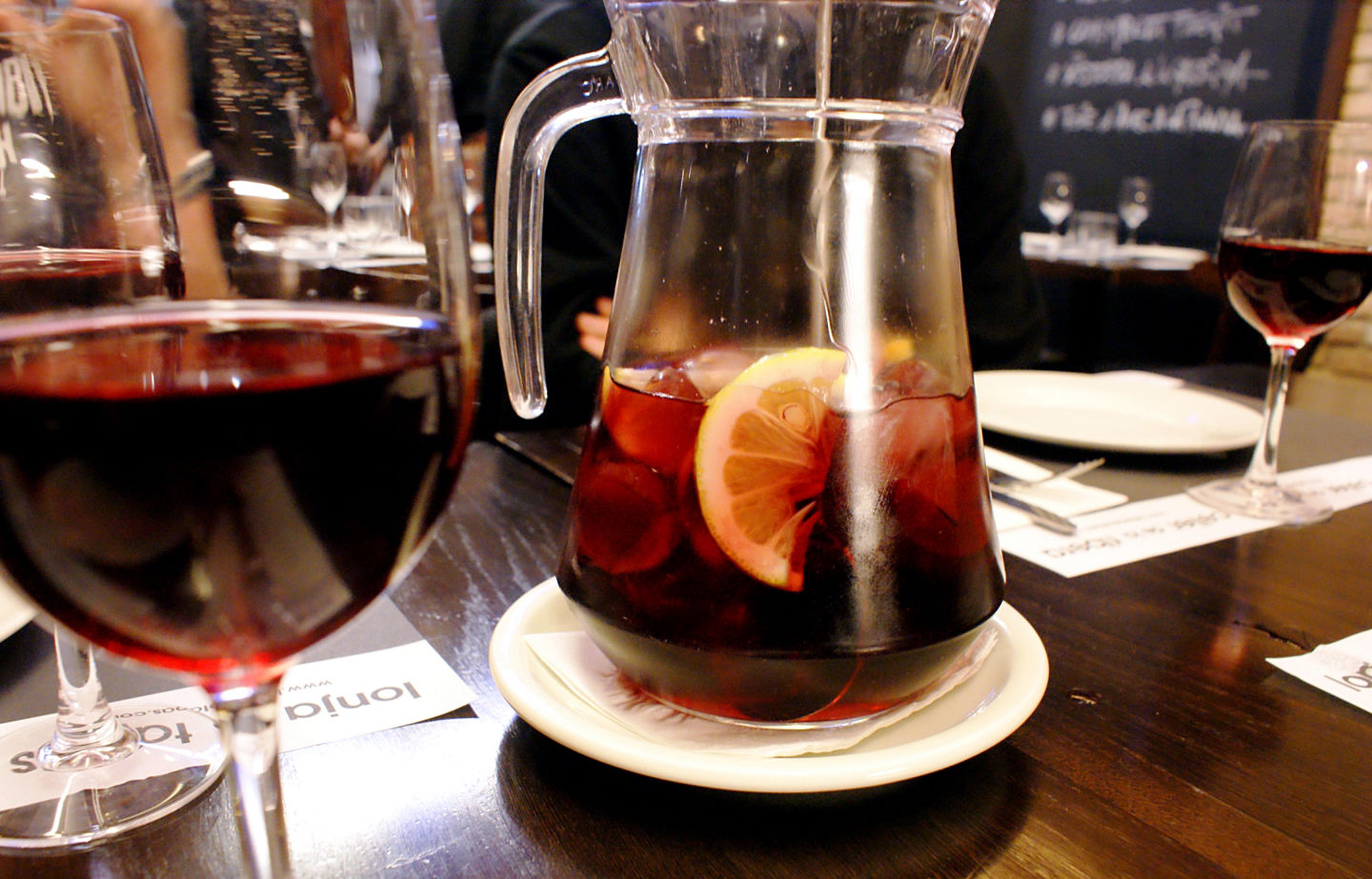
"caption": "Some bars are blending leftover wine with fruit to make sangria.",
"description": "Some bars are blending leftover wine with fruit to make sangri",
"title": "Some bars are blending leftover wine with fruit to make sangria.",
"credit": "Bastien Deceuninck/Flickr",
"status": "inherit",
"isLoading": false,
"fetchFailed": false
},
"bayareabites_104389": {
"type": "attachments",
"id": "bayareabites_104389",
"meta": {
"index": "attachments_1716263798",
"site": "bayareabites",
"id": "104389",
"found": true
},
"parent": 104388,
"imgSizes": {
"twentyfourteen-full-width": {
"file": "https://ww2.kqed.org/app/uploads/sites/24/2015/12/0.2-aerial_small-6aac298f58745448bc487d1f70262e2a8abb11b1-1038x576.jpg",
"width": 1038,
"mimeType": "image/jpeg",
"height": 576
},
"thumbnail": {
"file": "https://ww2.kqed.org/app/uploads/sites/24/2015/12/0.2-aerial_small-6aac298f58745448bc487d1f70262e2a8abb11b1-400x300.jpg",
"width": 400,
"mimeType": "image/jpeg",
"height": 300
},
"fd-sm": {
"file": "https://ww2.kqed.org/app/uploads/sites/24/2015/12/0.2-aerial_small-6aac298f58745448bc487d1f70262e2a8abb11b1-960x720.jpg",
"width": 960,
"mimeType": "image/jpeg",
"height": 720
},
"post-thumbnail": {
"file": "https://ww2.kqed.org/app/uploads/sites/24/2015/12/0.2-aerial_small-6aac298f58745448bc487d1f70262e2a8abb11b1-672x372.jpg",
"width": 672,
"mimeType": "image/jpeg",
"height": 372
},
"kqedFullSize": {
"file": "https://ww2.kqed.org/app/uploads/sites/24/2015/12/0.2-aerial_small-6aac298f58745448bc487d1f70262e2a8abb11b1.jpg",
"width": 1998,
"height": 1499
},
"large": {
"file": "https://ww2.kqed.org/app/uploads/sites/24/2015/12/0.2-aerial_small-6aac298f58745448bc487d1f70262e2a8abb11b1-1440x1080.jpg",
"width": 1440,
"mimeType": "image/jpeg",
"height": 1080
},
"guest-author-96": {
"file": "https://ww2.kqed.org/app/uploads/sites/24/2015/12/0.2-aerial_small-6aac298f58745448bc487d1f70262e2a8abb11b1-96x96.jpg",
"width": 96,
"mimeType": "image/jpeg",
"height": 96
},
"medium": {
"file": "https://ww2.kqed.org/app/uploads/sites/24/2015/12/0.2-aerial_small-6aac298f58745448bc487d1f70262e2a8abb11b1-800x600.jpg",
"width": 800,
"mimeType": "image/jpeg",
"height": 600
},
"guest-author-64": {
"file": "https://ww2.kqed.org/app/uploads/sites/24/2015/12/0.2-aerial_small-6aac298f58745448bc487d1f70262e2a8abb11b1-64x64.jpg",
"width": 64,
"mimeType": "image/jpeg",
"height": 64
},
"guest-author-32": {
"file": "https://ww2.kqed.org/app/uploads/sites/24/2015/12/0.2-aerial_small-6aac298f58745448bc487d1f70262e2a8abb11b1-32x32.jpg",
"width": 32,
"mimeType": "image/jpeg",
"height": 32
},
"cat_post_thumb_sizecategory-posts-2": {
"file": "https://ww2.kqed.org/app/uploads/sites/24/2015/12/0.2-aerial_small-6aac298f58745448bc487d1f70262e2a8abb11b1-150x150.jpg",
"width": 150,
"mimeType": "image/jpeg",
"height": 150
},
"fd-lrg": {
"file": "https://ww2.kqed.org/app/uploads/sites/24/2015/12/0.2-aerial_small-6aac298f58745448bc487d1f70262e2a8abb11b1-1920x1440.jpg",
"width": 1920,
"mimeType": "image/jpeg",
"height": 1440
},
"fd-med": {
"file": "https://ww2.kqed.org/app/uploads/sites/24/2015/12/0.2-aerial_small-6aac298f58745448bc487d1f70262e2a8abb11b1-1180x885.jpg",
"width": 1180,
"mimeType": "image/jpeg",
"height": 885
},
"detail": {
"file": "https://ww2.kqed.org/app/uploads/sites/24/2015/12/0.2-aerial_small-6aac298f58745448bc487d1f70262e2a8abb11b1-75x75.jpg",
"width": 75,
"mimeType": "image/jpeg",
"height": 75
},
"guest-author-128": {
"file": "https://ww2.kqed.org/app/uploads/sites/24/2015/12/0.2-aerial_small-6aac298f58745448bc487d1f70262e2a8abb11b1-128x128.jpg",
"width": 128,
"mimeType": "image/jpeg",
"height": 128
}
},
"publishDate": 1449523265,
"modified": 1449523378,
"caption": "Las Cañadas is an ecological cooperative in Veracruz, Mexico that's working to sequester carbon and mitigate climate change while producing food, materials, chemicals and energy.",
"description": "Las Cañadas is an ecological cooperative in Veracruz, Mexico that's working to sequester carbon and mitigate climate change while producing food, materials, chemicals and energ",
"title": "Las Cañadas is an ecological cooperative in Veracruz, Mexico that's working to sequester carbon and mitigate climate change while producing food, materials, chemicals and energy.",
"credit": "Courtesy of Ricardo Romero/Chelsea Green Publishing",
"status": "inherit",
"isLoading": false,
"fetchFailed": false
},
"bayareabites_104076": {
"type": "attachments",
"id": "bayareabites_104076",
"meta": {
"index": "attachments_1716263798",
"site": "bayareabites",
"id": "104076",
"found": true
},
"parent": 104073,
"imgSizes": {
"twentyfourteen-full-width": {
"file": "https://ww2.kqed.org/app/uploads/sites/24/2015/11/ReGrained12Packs-1038x576.jpg",
"width": 1038,
"mimeType": "image/jpeg",
"height": 576
},
"thumbnail": {
"file": "https://ww2.kqed.org/app/uploads/sites/24/2015/11/ReGrained12Packs-400x267.jpg",
"width": 400,
"mimeType": "image/jpeg",
"height": 267
},
"fd-sm": {
"file": "https://ww2.kqed.org/app/uploads/sites/24/2015/11/ReGrained12Packs-960x640.jpg",
"width": 960,
"mimeType": "image/jpeg",
"height": 640
},
"post-thumbnail": {
"file": "https://ww2.kqed.org/app/uploads/sites/24/2015/11/ReGrained12Packs-672x372.jpg",
"width": 672,
"mimeType": "image/jpeg",
"height": 372
},
"kqedFullSize": {
"file": "https://ww2.kqed.org/app/uploads/sites/24/2015/11/ReGrained12Packs.jpg",
"width": 5184,
"height": 3456
},
"large": {
"file": "https://ww2.kqed.org/app/uploads/sites/24/2015/11/ReGrained12Packs-1440x960.jpg",
"width": 1440,
"mimeType": "image/jpeg",
"height": 960
},
"guest-author-96": {
"file": "https://ww2.kqed.org/app/uploads/sites/24/2015/11/ReGrained12Packs-96x96.jpg",
"width": 96,
"mimeType": "image/jpeg",
"height": 96
},
"medium": {
"file": "https://ww2.kqed.org/app/uploads/sites/24/2015/11/ReGrained12Packs-800x533.jpg",
"width": 800,
"mimeType": "image/jpeg",
"height": 533
},
"guest-author-64": {
"file": "https://ww2.kqed.org/app/uploads/sites/24/2015/11/ReGrained12Packs-64x64.jpg",
"width": 64,
"mimeType": "image/jpeg",
"height": 64
},
"guest-author-32": {
"file": "https://ww2.kqed.org/app/uploads/sites/24/2015/11/ReGrained12Packs-32x32.jpg",
"width": 32,
"mimeType": "image/jpeg",
"height": 32
},
"cat_post_thumb_sizecategory-posts-2": {
"file": "https://ww2.kqed.org/app/uploads/sites/24/2015/11/ReGrained12Packs-150x150.jpg",
"width": 150,
"mimeType": "image/jpeg",
"height": 150
},
"fd-lrg": {
"file": "https://ww2.kqed.org/app/uploads/sites/24/2015/11/ReGrained12Packs-1920x1280.jpg",
"width": 1920,
"mimeType": "image/jpeg",
"height": 1280
},
"fd-med": {
"file": "https://ww2.kqed.org/app/uploads/sites/24/2015/11/ReGrained12Packs-1180x787.jpg",
"width": 1180,
"mimeType": "image/jpeg",
"height": 787
},
"detail": {
"file": "https://ww2.kqed.org/app/uploads/sites/24/2015/11/ReGrained12Packs-75x75.jpg",
"width": 75,
"mimeType": "image/jpeg",
"height": 75
},
"guest-author-128": {
"file": "https://ww2.kqed.org/app/uploads/sites/24/2015/11/ReGrained12Packs-128x128.jpg",
"width": 128,
"mimeType": "image/jpeg",
"height": 128
}
},
"publishDate": 1448663092,
"modified": 1448692357,
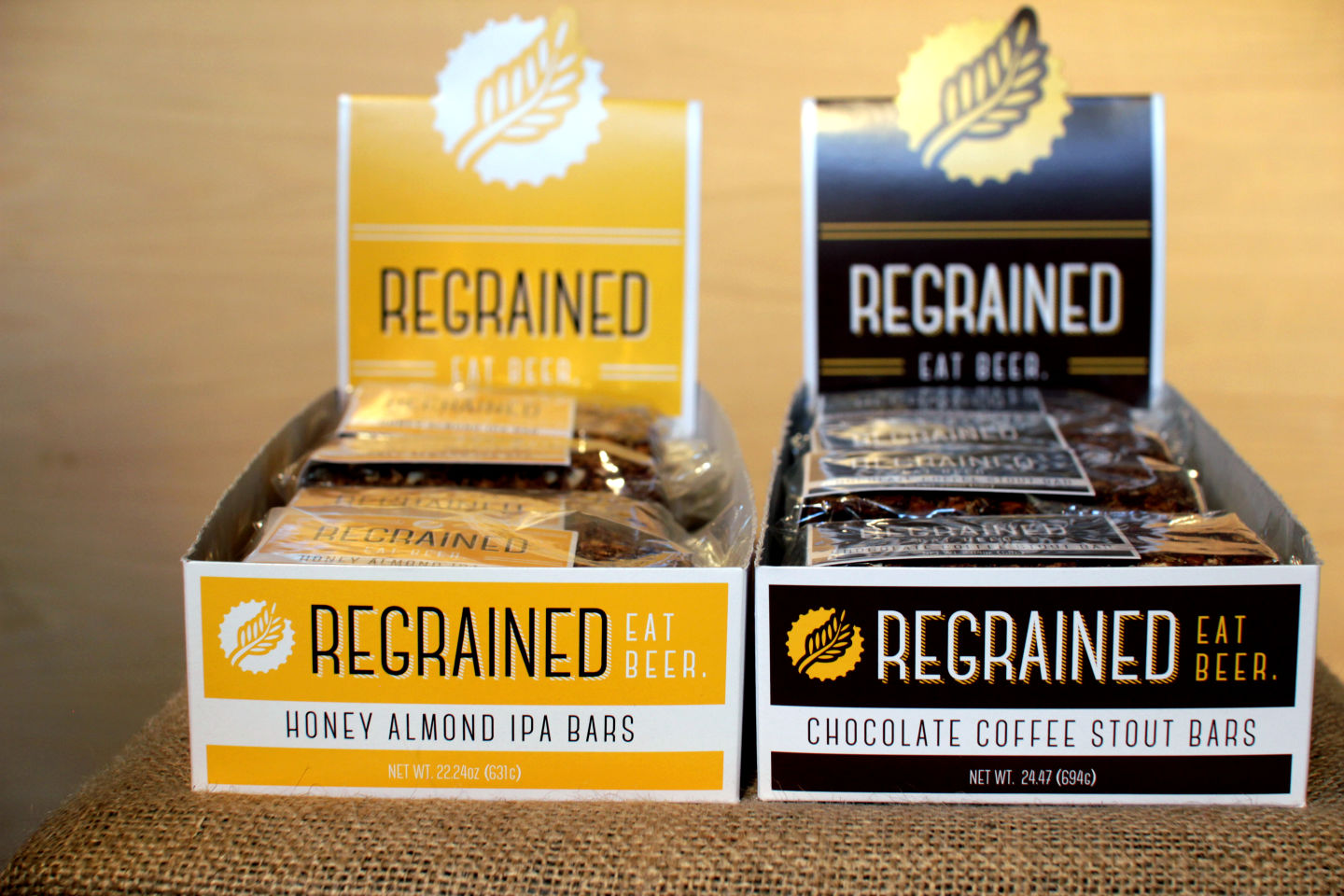
"caption": "Regrained takes spent grains used in beer brewing to make snack bars.",
"description": null,
"title": "ReGrained12Packs",
"credit": "Marc Atkinson/Jesse Rogala",
"status": "inherit",
"isLoading": false,
"fetchFailed": false
},
"bayareabites_104053": {
"type": "attachments",
"id": "bayareabites_104053",
"meta": {
"index": "attachments_1716263798",
"site": "bayareabites",
"id": "104053",
"found": true
},
"parent": 104051,
"imgSizes": {
"thumbnail": {
"file": "https://ww2.kqed.org/app/uploads/sites/24/2015/11/shutterstock-salmon-400x266.jpg",
"width": 400,
"mimeType": "image/jpeg",
"height": 266
},
"post-thumbnail": {
"file": "https://ww2.kqed.org/app/uploads/sites/24/2015/11/shutterstock-salmon-672x372.jpg",
"width": 672,
"mimeType": "image/jpeg",
"height": 372
},
"kqedFullSize": {
"file": "https://ww2.kqed.org/app/uploads/sites/24/2015/11/shutterstock-salmon.jpg",
"width": 680,
"height": 452
},
"cat_post_thumb_sizecategory-posts-2": {
"file": "https://ww2.kqed.org/app/uploads/sites/24/2015/11/shutterstock-salmon-150x150.jpg",
"width": 150,
"mimeType": "image/jpeg",
"height": 150
},
"guest-author-96": {
"file": "https://ww2.kqed.org/app/uploads/sites/24/2015/11/shutterstock-salmon-96x96.jpg",
"width": 96,
"mimeType": "image/jpeg",
"height": 96
},
"guest-author-64": {
"file": "https://ww2.kqed.org/app/uploads/sites/24/2015/11/shutterstock-salmon-64x64.jpg",
"width": 64,
"mimeType": "image/jpeg",
"height": 64
},
"detail": {
"file": "https://ww2.kqed.org/app/uploads/sites/24/2015/11/shutterstock-salmon-75x75.jpg",
"width": 75,
"mimeType": "image/jpeg",
"height": 75
},
"guest-author-32": {
"file": "https://ww2.kqed.org/app/uploads/sites/24/2015/11/shutterstock-salmon-32x32.jpg",
"width": 32,
"mimeType": "image/jpeg",
"height": 32
},
"guest-author-128": {
"file": "https://ww2.kqed.org/app/uploads/sites/24/2015/11/shutterstock-salmon-128x128.jpg",
"width": 128,
"mimeType": "image/jpeg",
"height": 128
}
},
"publishDate": 1448477121,
"modified": 1448477145,
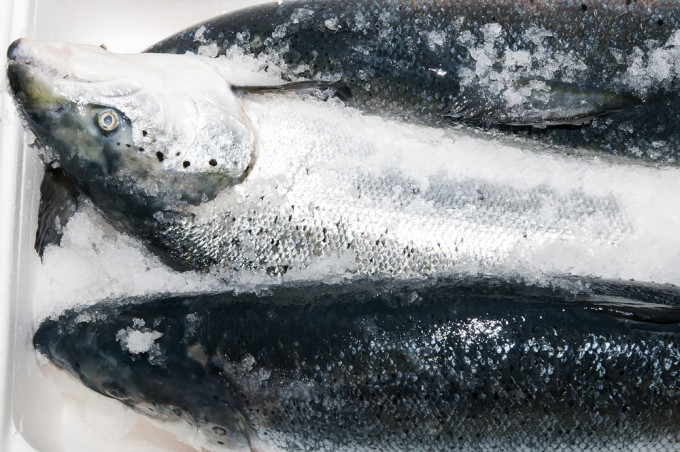
"caption": "Salmon",
"description": "Salmon",
"title": "Salmon",
"credit": "Shutterstock",
"status": "inherit",
"isLoading": false,
"fetchFailed": false
},
"bayareabites_103849": {
"type": "attachments",
"id": "bayareabites_103849",
"meta": {
"index": "attachments_1716263798",
"site": "bayareabites",
"id": "103849",
"found": true
},
"parent": 103847,
"imgSizes": {
"twentyfourteen-full-width": {
"file": "https://ww2.kqed.org/app/uploads/sites/24/2015/11/BuyingPoultry-Homepage-screenshot-e1447873721678-1038x576.png",
"width": 1038,
"mimeType": "image/png",
"height": 576
},
"thumbnail": {
"file": "https://ww2.kqed.org/app/uploads/sites/24/2015/11/BuyingPoultry-Homepage-screenshot-e1447873721678-400x225.png",
"width": 400,
"mimeType": "image/png",
"height": 225
},
"fd-sm": {
"file": "https://ww2.kqed.org/app/uploads/sites/24/2015/11/BuyingPoultry-Homepage-screenshot-e1447873721678-960x540.png",
"width": 960,
"mimeType": "image/png",
"height": 540
},
"post-thumbnail": {
"file": "https://ww2.kqed.org/app/uploads/sites/24/2015/11/BuyingPoultry-Homepage-screenshot-e1447873721678-672x372.png",
"width": 672,
"mimeType": "image/png",
"height": 372
},
"kqedFullSize": {
"file": "https://ww2.kqed.org/app/uploads/sites/24/2015/11/BuyingPoultry-Homepage-screenshot-e1447873721678.png",
"width": 1920,
"height": 1080
},
"large": {
"file": "https://ww2.kqed.org/app/uploads/sites/24/2015/11/BuyingPoultry-Homepage-screenshot-e1447873721678-1440x810.png",
"width": 1440,
"mimeType": "image/png",
"height": 810
},
"guest-author-96": {
"file": "https://ww2.kqed.org/app/uploads/sites/24/2015/11/BuyingPoultry-Homepage-screenshot-e1447873721678-96x96.png",
"width": 96,
"mimeType": "image/png",
"height": 96
},
"medium": {
"file": "https://ww2.kqed.org/app/uploads/sites/24/2015/11/BuyingPoultry-Homepage-screenshot-e1447873721678-800x450.png",
"width": 800,
"mimeType": "image/png",
"height": 450
},
"guest-author-64": {
"file": "https://ww2.kqed.org/app/uploads/sites/24/2015/11/BuyingPoultry-Homepage-screenshot-e1447873721678-64x64.png",
"width": 64,
"mimeType": "image/png",
"height": 64
},
"guest-author-32": {
"file": "https://ww2.kqed.org/app/uploads/sites/24/2015/11/BuyingPoultry-Homepage-screenshot-e1447873721678-32x32.png",
"width": 32,
"mimeType": "image/png",
"height": 32
},
"cat_post_thumb_sizecategory-posts-2": {
"file": "https://ww2.kqed.org/app/uploads/sites/24/2015/11/BuyingPoultry-Homepage-screenshot-e1447873721678-150x150.png",
"width": 150,
"mimeType": "image/png",
"height": 150
},
"fd-lrg": {
"file": "https://ww2.kqed.org/app/uploads/sites/24/2015/11/BuyingPoultry-Homepage-screenshot-e1447873721678-1920x1080.png",
"width": 1920,
"mimeType": "image/png",
"height": 1080
},
"fd-med": {
"file": "https://ww2.kqed.org/app/uploads/sites/24/2015/11/BuyingPoultry-Homepage-screenshot-e1447873721678-1180x664.png",
"width": 1180,
"mimeType": "image/png",
"height": 664
},
"detail": {
"file": "https://ww2.kqed.org/app/uploads/sites/24/2015/11/BuyingPoultry-Homepage-screenshot-e1447873721678-75x75.png",
"width": 75,
"mimeType": "image/png",
"height": 75
},
"guest-author-128": {
"file": "https://ww2.kqed.org/app/uploads/sites/24/2015/11/BuyingPoultry-Homepage-screenshot-e1447873721678-128x128.png",
"width": 128,
"mimeType": "image/png",
"height": 128
}
},
"publishDate": 1447868235,
"modified": 1447877950,
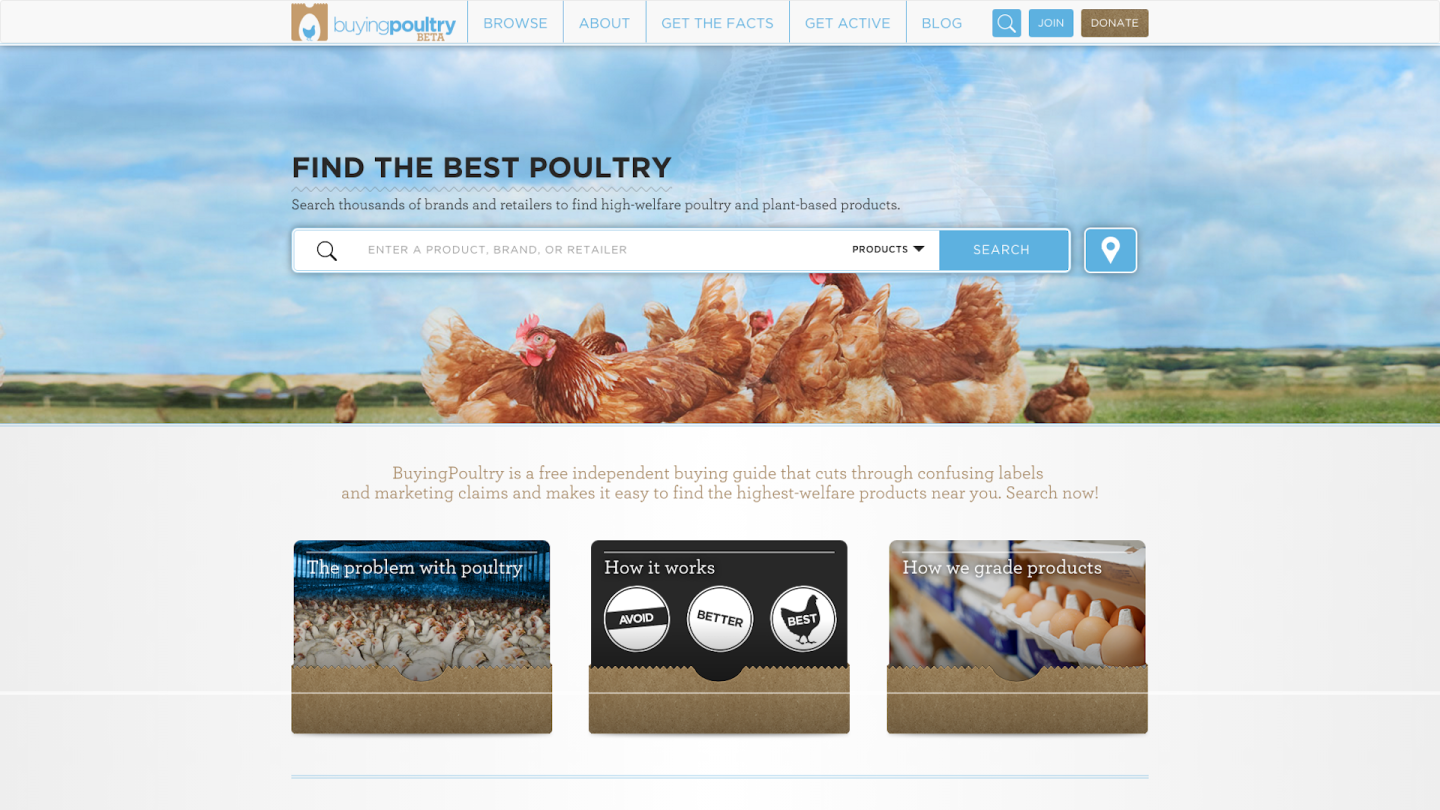
"caption": "BuyingPoultry.com is a new website from Farm Forward, a national nonprofit that promotes conscientious food choices and educates about animal cruelty on traditional factory farms.",
"description": "BuyingPoultry.com is a new website from Farm Forward, a national nonprofit that promotes conscientious food choices and educates about animal cruelty on traditional factory farms.",
"title": "BuyingPoultry.com is a new website from Farm Forward, a national nonprofit that promotes conscientious food choices and educates about animal cruelty on traditional factory farms.",
"credit": "Farm Forward",
"status": "inherit",
"isLoading": false,
"fetchFailed": false
},
"bayareabites_103738": {
"type": "attachments",
"id": "bayareabites_103738",
"meta": {
"index": "attachments_1716263798",
"site": "bayareabites",
"id": "103738",
"found": true
},
"parent": 0,
"imgSizes": {
"twentyfourteen-full-width": {
"file": "https://ww2.kqed.org/app/uploads/sites/24/2015/11/edited11-1038x576.jpg",
"width": 1038,
"mimeType": "image/jpeg",
"height": 576
},
"thumbnail": {
"file": "https://ww2.kqed.org/app/uploads/sites/24/2015/11/edited11-400x267.jpg",
"width": 400,
"mimeType": "image/jpeg",
"height": 267
},
"fd-sm": {
"file": "https://ww2.kqed.org/app/uploads/sites/24/2015/11/edited11-960x641.jpg",
"width": 960,
"mimeType": "image/jpeg",
"height": 641
},
"post-thumbnail": {
"file": "https://ww2.kqed.org/app/uploads/sites/24/2015/11/edited11-672x372.jpg",
"width": 672,
"mimeType": "image/jpeg",
"height": 372
},
"kqedFullSize": {
"file": "https://ww2.kqed.org/app/uploads/sites/24/2015/11/edited11.jpg",
"width": 1920,
"height": 1281
},
"large": {
"file": "https://ww2.kqed.org/app/uploads/sites/24/2015/11/edited11-1440x961.jpg",
"width": 1440,
"mimeType": "image/jpeg",
"height": 961
},
"guest-author-96": {
"file": "https://ww2.kqed.org/app/uploads/sites/24/2015/11/edited11-96x96.jpg",
"width": 96,
"mimeType": "image/jpeg",
"height": 96
},
"medium": {
"file": "https://ww2.kqed.org/app/uploads/sites/24/2015/11/edited11-800x534.jpg",
"width": 800,
"mimeType": "image/jpeg",
"height": 534
},
"guest-author-64": {
"file": "https://ww2.kqed.org/app/uploads/sites/24/2015/11/edited11-64x64.jpg",
"width": 64,
"mimeType": "image/jpeg",
"height": 64
},
"guest-author-32": {
"file": "https://ww2.kqed.org/app/uploads/sites/24/2015/11/edited11-32x32.jpg",
"width": 32,
"mimeType": "image/jpeg",
"height": 32
},
"cat_post_thumb_sizecategory-posts-2": {
"file": "https://ww2.kqed.org/app/uploads/sites/24/2015/11/edited11-150x150.jpg",
"width": 150,
"mimeType": "image/jpeg",
"height": 150
},
"fd-lrg": {
"file": "https://ww2.kqed.org/app/uploads/sites/24/2015/11/edited11-1920x1281.jpg",
"width": 1920,
"mimeType": "image/jpeg",
"height": 1281
},
"fd-med": {
"file": "https://ww2.kqed.org/app/uploads/sites/24/2015/11/edited11-1180x787.jpg",
"width": 1180,
"mimeType": "image/jpeg",
"height": 787
},
"detail": {
"file": "https://ww2.kqed.org/app/uploads/sites/24/2015/11/edited11-75x75.jpg",
"width": 75,
"mimeType": "image/jpeg",
"height": 75
},
"guest-author-128": {
"file": "https://ww2.kqed.org/app/uploads/sites/24/2015/11/edited11-128x128.jpg",
"width": 128,
"mimeType": "image/jpeg",
"height": 128
}
},
"publishDate": 1447286590,
"modified": 1447298743,
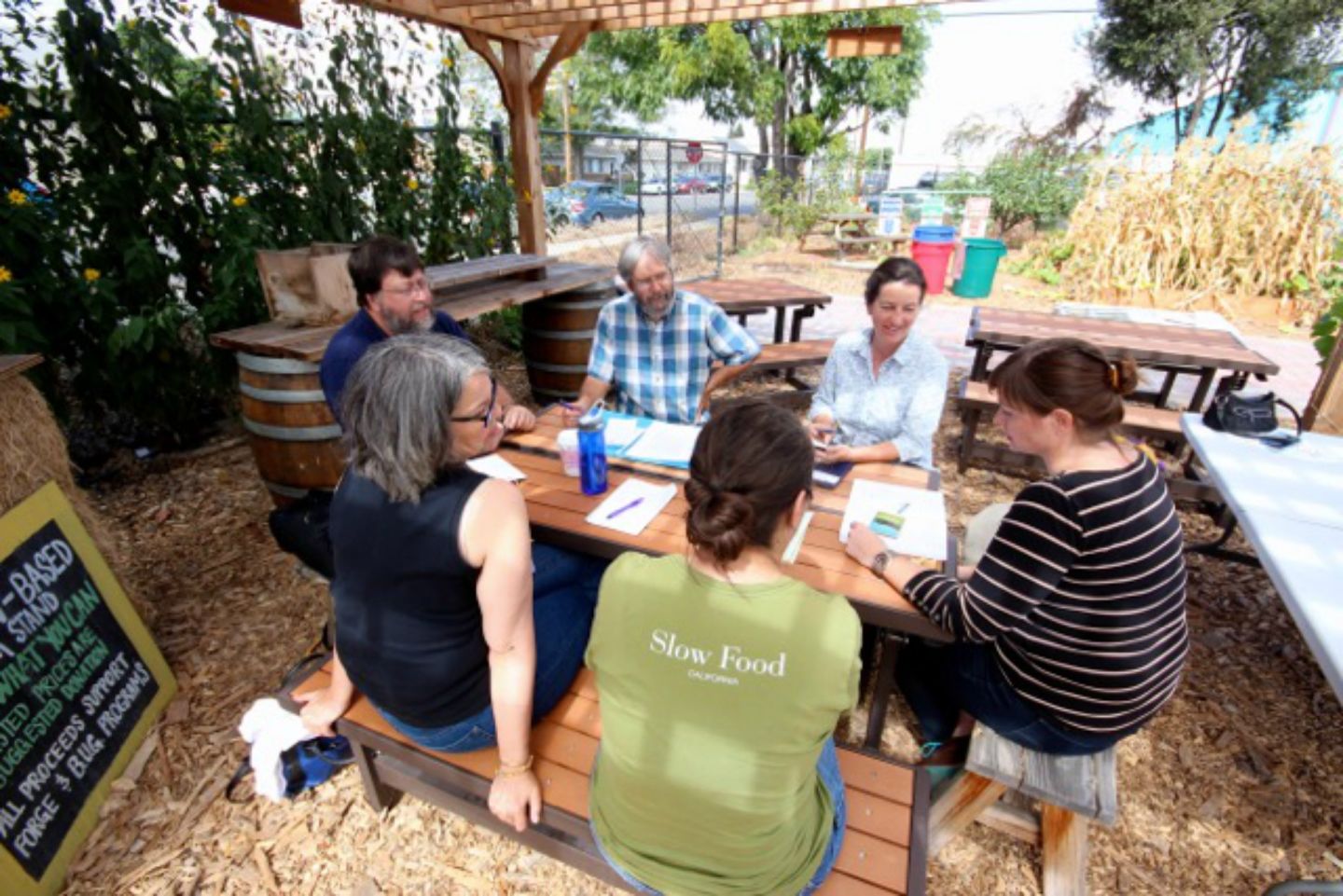
"caption": "Members from the California Food Policy Council Central Valley/Mountain region chatting at the CAFPC statewide meeting in 2014.",
"description": "Members from the California Food Policy Council Central Valley/Mountain region chatting at the CAFPC statewide meeting in 2014.",
"title": "Members from the California Food Policy Council Central Valley/Mountain region chatting at the CAFPC statewide meeting in 2014.",
"credit": "Doris Meier",
"status": "inherit",
"isLoading": false,
"fetchFailed": false
},
"bayareabites_103014": {
"type": "attachments",
"id": "bayareabites_103014",
"meta": {
"index": "attachments_1716263798",
"site": "bayareabites",
"id": "103014",
"found": true
},
"parent": 102968,
"imgSizes": {
"twentyfourteen-full-width": {
"file": "https://ww2.kqed.org/app/uploads/sites/24/2015/11/cheyenne-1038x576.jpg",
"width": 1038,
"mimeType": "image/jpeg",
"height": 576
},
"thumbnail": {
"file": "https://ww2.kqed.org/app/uploads/sites/24/2015/11/cheyenne-400x267.jpg",
"width": 400,
"mimeType": "image/jpeg",
"height": 267
},
"fd-sm": {
"file": "https://ww2.kqed.org/app/uploads/sites/24/2015/11/cheyenne-960x640.jpg",
"width": 960,
"mimeType": "image/jpeg",
"height": 640
},
"post-thumbnail": {
"file": "https://ww2.kqed.org/app/uploads/sites/24/2015/11/cheyenne-672x372.jpg",
"width": 672,
"mimeType": "image/jpeg",
"height": 372
},
"kqedFullSize": {
"file": "https://ww2.kqed.org/app/uploads/sites/24/2015/11/cheyenne.jpg",
"width": 2048,
"height": 1365
},
"large": {
"file": "https://ww2.kqed.org/app/uploads/sites/24/2015/11/cheyenne-1440x960.jpg",
"width": 1440,
"mimeType": "image/jpeg",
"height": 960
},
"guest-author-96": {
"file": "https://ww2.kqed.org/app/uploads/sites/24/2015/11/cheyenne-96x96.jpg",
"width": 96,
"mimeType": "image/jpeg",
"height": 96
},
"medium": {
"file": "https://ww2.kqed.org/app/uploads/sites/24/2015/11/cheyenne-800x533.jpg",
"width": 800,
"mimeType": "image/jpeg",
"height": 533
},
"guest-author-64": {
"file": "https://ww2.kqed.org/app/uploads/sites/24/2015/11/cheyenne-64x64.jpg",
"width": 64,
"mimeType": "image/jpeg",
"height": 64
},
"guest-author-32": {
"file": "https://ww2.kqed.org/app/uploads/sites/24/2015/11/cheyenne-32x32.jpg",
"width": 32,
"mimeType": "image/jpeg",
"height": 32
},
"cat_post_thumb_sizecategory-posts-2": {
"file": "https://ww2.kqed.org/app/uploads/sites/24/2015/11/cheyenne-150x150.jpg",
"width": 150,
"mimeType": "image/jpeg",
"height": 150
},
"fd-lrg": {
"file": "https://ww2.kqed.org/app/uploads/sites/24/2015/11/cheyenne-1920x1280.jpg",
"width": 1920,
"mimeType": "image/jpeg",
"height": 1280
},
"fd-med": {
"file": "https://ww2.kqed.org/app/uploads/sites/24/2015/11/cheyenne-1180x786.jpg",
"width": 1180,
"mimeType": "image/jpeg",
"height": 786
},
"detail": {
"file": "https://ww2.kqed.org/app/uploads/sites/24/2015/11/cheyenne-75x75.jpg",
"width": 75,
"mimeType": "image/jpeg",
"height": 75
},
"guest-author-128": {
"file": "https://ww2.kqed.org/app/uploads/sites/24/2015/11/cheyenne-128x128.jpg",
"width": 128,
"mimeType": "image/jpeg",
"height": 128
}
},
"publishDate": 1446776247,
"modified": 1446776263,
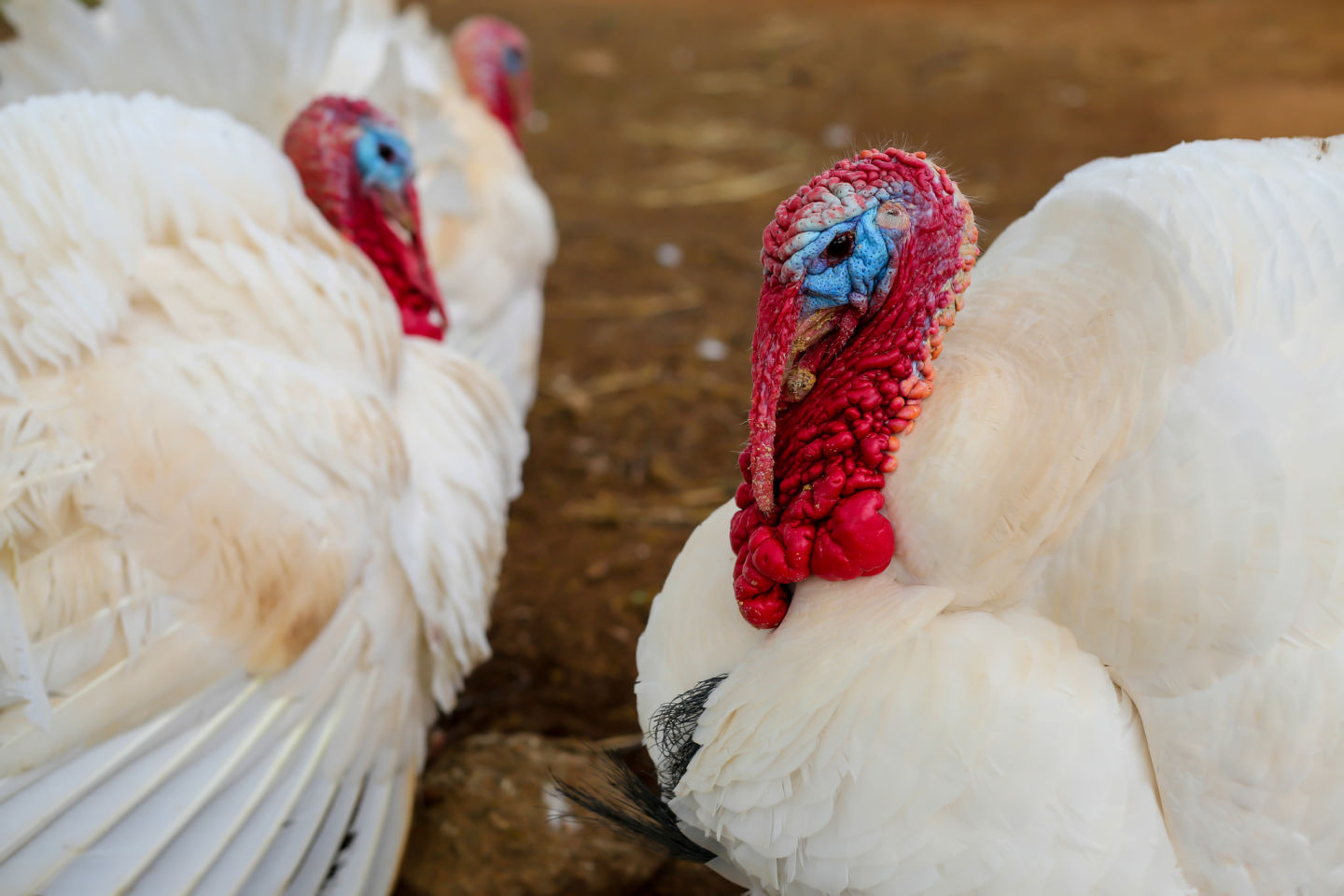
"caption": "Cheyenne was one of the turkeys left in a box in Animal Place's driveway.",
"description": "Cheyenne was one of the turkeys left in a box in Animal Place's driveway.",
"title": "Cheyenne was one of the turkeys left in a box in Animal Place's driveway.",
"credit": "Courtesy of Animal Place",
"status": "inherit",
"isLoading": false,
"fetchFailed": false
},
"bayareabites_103319": {
"type": "attachments",
"id": "bayareabites_103319",
"meta": {
"index": "attachments_1716263798",
"site": "bayareabites",
"id": "103319",
"found": true
},
"parent": 103318,
"imgSizes": {
"twentyfourteen-full-width": {
"file": "https://ww2.kqed.org/app/uploads/sites/24/2015/11/gettyimages-482696700_custom-3b2d86bc315805c0070f8c4b608510712b8875be-1038x576.jpg",
"width": 1038,
"mimeType": "image/jpeg",
"height": 576
},
"thumbnail": {
"file": "https://ww2.kqed.org/app/uploads/sites/24/2015/11/gettyimages-482696700_custom-3b2d86bc315805c0070f8c4b608510712b8875be-400x266.jpg",
"width": 400,
"mimeType": "image/jpeg",
"height": 266
},
"fd-sm": {
"file": "https://ww2.kqed.org/app/uploads/sites/24/2015/11/gettyimages-482696700_custom-3b2d86bc315805c0070f8c4b608510712b8875be-960x639.jpg",
"width": 960,
"mimeType": "image/jpeg",
"height": 639
},
"post-thumbnail": {
"file": "https://ww2.kqed.org/app/uploads/sites/24/2015/11/gettyimages-482696700_custom-3b2d86bc315805c0070f8c4b608510712b8875be-672x372.jpg",
"width": 672,
"mimeType": "image/jpeg",
"height": 372
},
"kqedFullSize": {
"file": "https://ww2.kqed.org/app/uploads/sites/24/2015/11/gettyimages-482696700_custom-3b2d86bc315805c0070f8c4b608510712b8875be.jpg",
"width": 3000,
"height": 1998
},
"large": {
"file": "https://ww2.kqed.org/app/uploads/sites/24/2015/11/gettyimages-482696700_custom-3b2d86bc315805c0070f8c4b608510712b8875be-1440x959.jpg",
"width": 1440,
"mimeType": "image/jpeg",
"height": 959
},
"guest-author-96": {
"file": "https://ww2.kqed.org/app/uploads/sites/24/2015/11/gettyimages-482696700_custom-3b2d86bc315805c0070f8c4b608510712b8875be-96x96.jpg",
"width": 96,
"mimeType": "image/jpeg",
"height": 96
},
"medium": {
"file": "https://ww2.kqed.org/app/uploads/sites/24/2015/11/gettyimages-482696700_custom-3b2d86bc315805c0070f8c4b608510712b8875be-800x533.jpg",
"width": 800,
"mimeType": "image/jpeg",
"height": 533
},
"guest-author-64": {
"file": "https://ww2.kqed.org/app/uploads/sites/24/2015/11/gettyimages-482696700_custom-3b2d86bc315805c0070f8c4b608510712b8875be-64x64.jpg",
"width": 64,
"mimeType": "image/jpeg",
"height": 64
},
"guest-author-32": {
"file": "https://ww2.kqed.org/app/uploads/sites/24/2015/11/gettyimages-482696700_custom-3b2d86bc315805c0070f8c4b608510712b8875be-32x32.jpg",
"width": 32,
"mimeType": "image/jpeg",
"height": 32
},
"cat_post_thumb_sizecategory-posts-2": {
"file": "https://ww2.kqed.org/app/uploads/sites/24/2015/11/gettyimages-482696700_custom-3b2d86bc315805c0070f8c4b608510712b8875be-150x150.jpg",
"width": 150,
"mimeType": "image/jpeg",
"height": 150
},
"fd-lrg": {
"file": "https://ww2.kqed.org/app/uploads/sites/24/2015/11/gettyimages-482696700_custom-3b2d86bc315805c0070f8c4b608510712b8875be-1920x1279.jpg",
"width": 1920,
"mimeType": "image/jpeg",
"height": 1279
},
"fd-med": {
"file": "https://ww2.kqed.org/app/uploads/sites/24/2015/11/gettyimages-482696700_custom-3b2d86bc315805c0070f8c4b608510712b8875be-1180x786.jpg",
"width": 1180,
"mimeType": "image/jpeg",
"height": 786
},
"detail": {
"file": "https://ww2.kqed.org/app/uploads/sites/24/2015/11/gettyimages-482696700_custom-3b2d86bc315805c0070f8c4b608510712b8875be-75x75.jpg",
"width": 75,
"mimeType": "image/jpeg",
"height": 75
},
"guest-author-128": {
"file": "https://ww2.kqed.org/app/uploads/sites/24/2015/11/gettyimages-482696700_custom-3b2d86bc315805c0070f8c4b608510712b8875be-128x128.jpg",
"width": 128,
"mimeType": "image/jpeg",
"height": 128
}
},
"publishDate": 1447061301,
"modified": 1447061341,
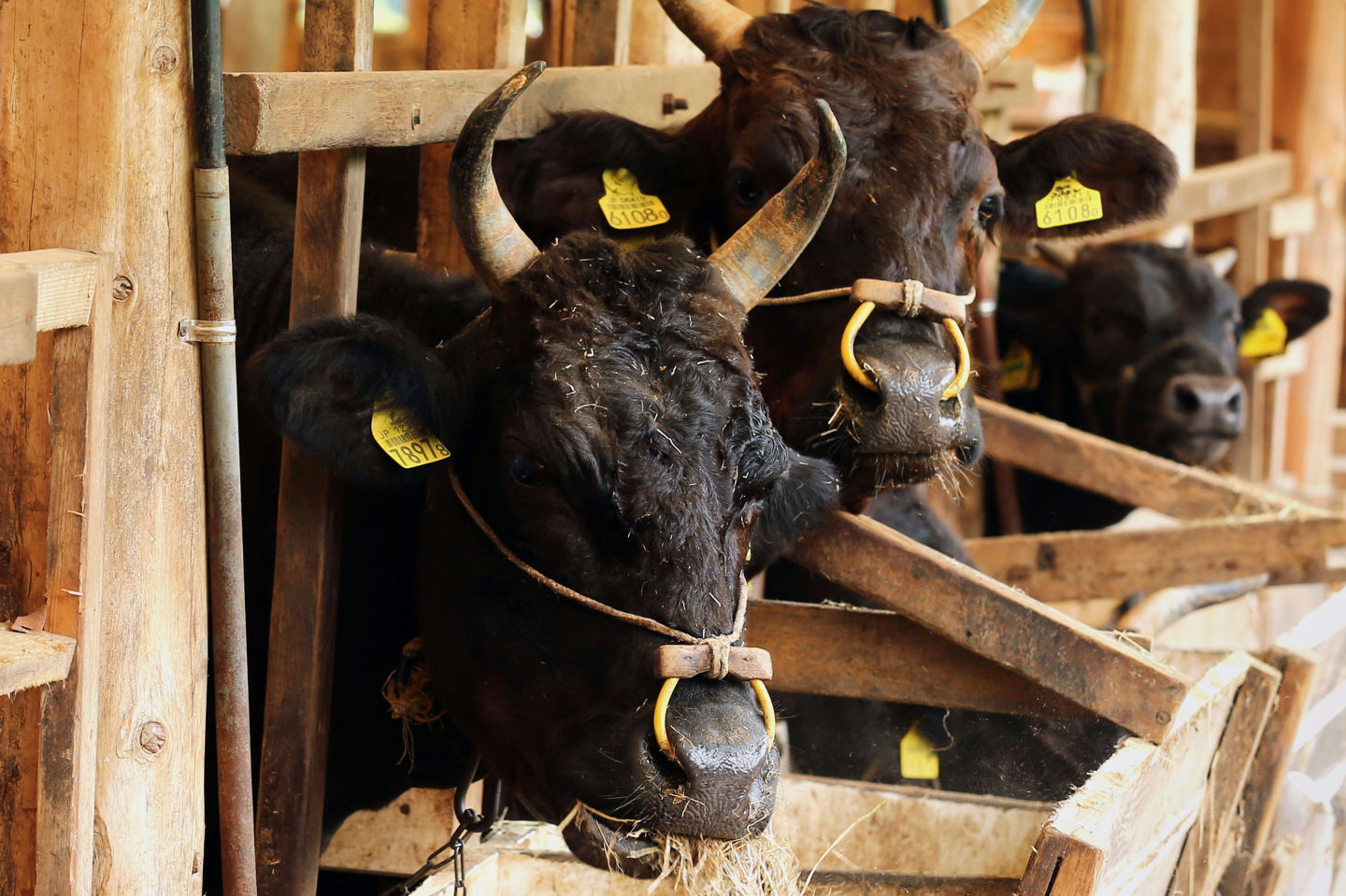
"caption": "Tajima Wagyu beef cows at a cattle farm in Yabu City, Hyogo Prefecture, Japan. Japan won a provision in the new Pacific Rim trade deal that would push tariffs back up if its beef imports surge.",
"description": "Tajima Wagyu beef cows at a cattle farm in Yabu City, Hyogo Prefecture, Japan. Japan won a provision in the new Pacific Rim trade deal that would push tariffs back up if its beef imports surge",
"title": "Tajima Wagyu beef cows at a cattle farm in Yabu City, Hyogo Prefecture, Japan. Japan won a provision in the new Pacific Rim trade deal that would push tariffs back up if its beef imports surge.",
"credit": "Buddhika Weerasinghe/Bloomberg/Getty Images ",
"status": "inherit",
"isLoading": false,
"fetchFailed": false
},
"bayareabites_103046": {
"type": "attachments",
"id": "bayareabites_103046",
"meta": {
"index": "attachments_1716263798",
"site": "bayareabites",
"id": "103046",
"found": true
},
"parent": 103045,
"imgSizes": {
"twentyfourteen-full-width": {
"file": "https://ww2.kqed.org/app/uploads/sites/24/2015/11/20070330amrunderwater047_custom-76dfe9a18f2d588fceca68e5a885756d53a910b4-1038x576.jpg",
"width": 1038,
"mimeType": "image/jpeg",
"height": 576
},
"thumbnail": {
"file": "https://ww2.kqed.org/app/uploads/sites/24/2015/11/20070330amrunderwater047_custom-76dfe9a18f2d588fceca68e5a885756d53a910b4-400x266.jpg",
"width": 400,
"mimeType": "image/jpeg",
"height": 266
},
"fd-sm": {
"file": "https://ww2.kqed.org/app/uploads/sites/24/2015/11/20070330amrunderwater047_custom-76dfe9a18f2d588fceca68e5a885756d53a910b4-960x639.jpg",
"width": 960,
"mimeType": "image/jpeg",
"height": 639
},
"post-thumbnail": {
"file": "https://ww2.kqed.org/app/uploads/sites/24/2015/11/20070330amrunderwater047_custom-76dfe9a18f2d588fceca68e5a885756d53a910b4-672x372.jpg",
"width": 672,
"mimeType": "image/jpeg",
"height": 372
},
"kqedFullSize": {
"file": "https://ww2.kqed.org/app/uploads/sites/24/2015/11/20070330amrunderwater047_custom-76dfe9a18f2d588fceca68e5a885756d53a910b4.jpg",
"width": 3000,
"height": 1998
},
"large": {
"file": "https://ww2.kqed.org/app/uploads/sites/24/2015/11/20070330amrunderwater047_custom-76dfe9a18f2d588fceca68e5a885756d53a910b4-1440x959.jpg",
"width": 1440,
"mimeType": "image/jpeg",
"height": 959
},
"guest-author-96": {
"file": "https://ww2.kqed.org/app/uploads/sites/24/2015/11/20070330amrunderwater047_custom-76dfe9a18f2d588fceca68e5a885756d53a910b4-96x96.jpg",
"width": 96,
"mimeType": "image/jpeg",
"height": 96
},
"medium": {
"file": "https://ww2.kqed.org/app/uploads/sites/24/2015/11/20070330amrunderwater047_custom-76dfe9a18f2d588fceca68e5a885756d53a910b4-800x533.jpg",
"width": 800,
"mimeType": "image/jpeg",
"height": 533
},
"guest-author-64": {
"file": "https://ww2.kqed.org/app/uploads/sites/24/2015/11/20070330amrunderwater047_custom-76dfe9a18f2d588fceca68e5a885756d53a910b4-64x64.jpg",
"width": 64,
"mimeType": "image/jpeg",
"height": 64
},
"guest-author-32": {
"file": "https://ww2.kqed.org/app/uploads/sites/24/2015/11/20070330amrunderwater047_custom-76dfe9a18f2d588fceca68e5a885756d53a910b4-32x32.jpg",
"width": 32,
"mimeType": "image/jpeg",
"height": 32
},
"cat_post_thumb_sizecategory-posts-2": {
"file": "https://ww2.kqed.org/app/uploads/sites/24/2015/11/20070330amrunderwater047_custom-76dfe9a18f2d588fceca68e5a885756d53a910b4-150x150.jpg",
"width": 150,
"mimeType": "image/jpeg",
"height": 150
},
"fd-lrg": {
"file": "https://ww2.kqed.org/app/uploads/sites/24/2015/11/20070330amrunderwater047_custom-76dfe9a18f2d588fceca68e5a885756d53a910b4-1920x1279.jpg",
"width": 1920,
"mimeType": "image/jpeg",
"height": 1279
},
"fd-med": {
"file": "https://ww2.kqed.org/app/uploads/sites/24/2015/11/20070330amrunderwater047_custom-76dfe9a18f2d588fceca68e5a885756d53a910b4-1180x786.jpg",
"width": 1180,
"mimeType": "image/jpeg",
"height": 786
},
"detail": {
"file": "https://ww2.kqed.org/app/uploads/sites/24/2015/11/20070330amrunderwater047_custom-76dfe9a18f2d588fceca68e5a885756d53a910b4-75x75.jpg",
"width": 75,
"mimeType": "image/jpeg",
"height": 75
},
"guest-author-128": {
"file": "https://ww2.kqed.org/app/uploads/sites/24/2015/11/20070330amrunderwater047_custom-76dfe9a18f2d588fceca68e5a885756d53a910b4-128x128.jpg",
"width": 128,
"mimeType": "image/jpeg",
"height": 128
}
},
"publishDate": 1446838570,
"modified": 1446859611,
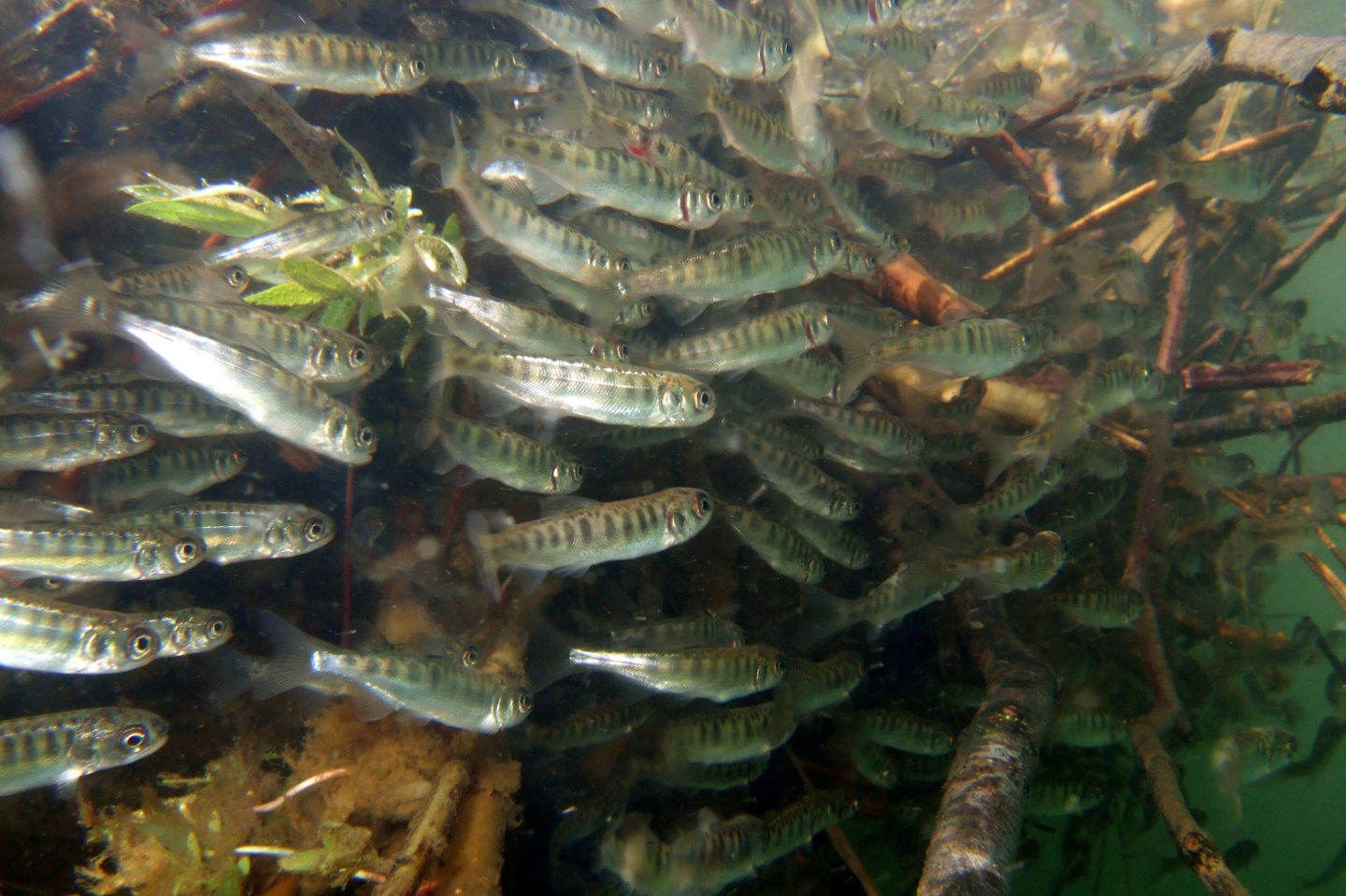
"caption": "Juvenile Chinook salmon swim in the American River in California. The state's salmon fishery, which centers around fall-run Chinook, has been estimated to be worth $1.4 billion, with the fish finding their way into markets and restaurants.",
"description": "Juvenile Chinook salmon swim in the American River in California. The state's salmon fishery, which centers around fall-run Chinook, has been estimated to be worth $1.4 billion, with the fish finding their way into markets and restaurants.",
"title": "Juvenile Chinook salmon swim in the American River in California. The state's salmon fishery, which centers around fall-run Chinook, has been estimated to be worth $1.4 billion, with the fish finding their way into markets and restaurants.",
"credit": "Courtesy of John Hannon/USBR",
"status": "inherit",
"isLoading": false,
"fetchFailed": false
},
"bayareabites_102728": {
"type": "attachments",
"id": "bayareabites_102728",
"meta": {
"index": "attachments_1716263798",
"site": "bayareabites",
"id": "102728",
"found": true
},
"parent": 102727,
"imgSizes": {
"twentyfourteen-full-width": {
"file": "https://ww2.kqed.org/app/uploads/sites/24/2015/10/294913729_01cbdf0ba0_o_wide-1b8a5af1c4aed0a9244fdf0a18362cfeeda79b3b-1038x576.jpg",
"width": 1038,
"mimeType": "image/jpeg",
"height": 576
},
"thumbnail": {
"file": "https://ww2.kqed.org/app/uploads/sites/24/2015/10/294913729_01cbdf0ba0_o_wide-1b8a5af1c4aed0a9244fdf0a18362cfeeda79b3b-400x225.jpg",
"width": 400,
"mimeType": "image/jpeg",
"height": 225
},
"fd-sm": {
"file": "https://ww2.kqed.org/app/uploads/sites/24/2015/10/294913729_01cbdf0ba0_o_wide-1b8a5af1c4aed0a9244fdf0a18362cfeeda79b3b-960x540.jpg",
"width": 960,
"mimeType": "image/jpeg",
"height": 540
},
"post-thumbnail": {
"file": "https://ww2.kqed.org/app/uploads/sites/24/2015/10/294913729_01cbdf0ba0_o_wide-1b8a5af1c4aed0a9244fdf0a18362cfeeda79b3b-672x372.jpg",
"width": 672,
"mimeType": "image/jpeg",
"height": 372
},
"kqedFullSize": {
"file": "https://ww2.kqed.org/app/uploads/sites/24/2015/10/294913729_01cbdf0ba0_o_wide-1b8a5af1c4aed0a9244fdf0a18362cfeeda79b3b.jpg",
"width": 2592,
"height": 1458
},
"large": {
"file": "https://ww2.kqed.org/app/uploads/sites/24/2015/10/294913729_01cbdf0ba0_o_wide-1b8a5af1c4aed0a9244fdf0a18362cfeeda79b3b-1440x810.jpg",
"width": 1440,
"mimeType": "image/jpeg",
"height": 810
},
"guest-author-96": {
"file": "https://ww2.kqed.org/app/uploads/sites/24/2015/10/294913729_01cbdf0ba0_o_wide-1b8a5af1c4aed0a9244fdf0a18362cfeeda79b3b-96x96.jpg",
"width": 96,
"mimeType": "image/jpeg",
"height": 96
},
"medium": {
"file": "https://ww2.kqed.org/app/uploads/sites/24/2015/10/294913729_01cbdf0ba0_o_wide-1b8a5af1c4aed0a9244fdf0a18362cfeeda79b3b-800x450.jpg",
"width": 800,
"mimeType": "image/jpeg",
"height": 450
},
"guest-author-64": {
"file": "https://ww2.kqed.org/app/uploads/sites/24/2015/10/294913729_01cbdf0ba0_o_wide-1b8a5af1c4aed0a9244fdf0a18362cfeeda79b3b-64x64.jpg",
"width": 64,
"mimeType": "image/jpeg",
"height": 64
},
"guest-author-32": {
"file": "https://ww2.kqed.org/app/uploads/sites/24/2015/10/294913729_01cbdf0ba0_o_wide-1b8a5af1c4aed0a9244fdf0a18362cfeeda79b3b-32x32.jpg",
"width": 32,
"mimeType": "image/jpeg",
"height": 32
},
"cat_post_thumb_sizecategory-posts-2": {
"file": "https://ww2.kqed.org/app/uploads/sites/24/2015/10/294913729_01cbdf0ba0_o_wide-1b8a5af1c4aed0a9244fdf0a18362cfeeda79b3b-150x150.jpg",
"width": 150,
"mimeType": "image/jpeg",
"height": 150
},
"fd-lrg": {
"file": "https://ww2.kqed.org/app/uploads/sites/24/2015/10/294913729_01cbdf0ba0_o_wide-1b8a5af1c4aed0a9244fdf0a18362cfeeda79b3b-1920x1080.jpg",
"width": 1920,
"mimeType": "image/jpeg",
"height": 1080
},
"fd-med": {
"file": "https://ww2.kqed.org/app/uploads/sites/24/2015/10/294913729_01cbdf0ba0_o_wide-1b8a5af1c4aed0a9244fdf0a18362cfeeda79b3b-1180x664.jpg",
"width": 1180,
"mimeType": "image/jpeg",
"height": 664
},
"detail": {
"file": "https://ww2.kqed.org/app/uploads/sites/24/2015/10/294913729_01cbdf0ba0_o_wide-1b8a5af1c4aed0a9244fdf0a18362cfeeda79b3b-75x75.jpg",
"width": 75,
"mimeType": "image/jpeg",
"height": 75
},
"guest-author-128": {
"file": "https://ww2.kqed.org/app/uploads/sites/24/2015/10/294913729_01cbdf0ba0_o_wide-1b8a5af1c4aed0a9244fdf0a18362cfeeda79b3b-128x128.jpg",
"width": 128,
"mimeType": "image/jpeg",
"height": 128
}
},
"publishDate": 1446247480,
"modified": 1446252742,
"caption": "You probably wouldn't want to eat these Jack O'Lanterns since they've been carved and sitting out. But this variety of pumpkin is perfectly edible and nutritious.",
"description": "You probably wouldn't want to eat these Jack O'Lanterns since they've been carved and sitting out. But this variety of pumpkin is perfectly edible and nutritious.",
"title": "You probably wouldn't want to eat these Jack O'Lanterns since they've been carved and sitting out. But this variety of pumpkin is perfectly edible and nutritious.",
"credit": "\u003ca href=\"https://www.flickr.com/photos/wildcat_dunny/294913729\" target=\"_blank\">Wildcat Dunny/Flickr\u003c/a>",
"status": "inherit",
"isLoading": false,
"fetchFailed": false
},
"bayareabites_102066": {
"type": "attachments",
"id": "bayareabites_102066",
"meta": {
"index": "attachments_1716263798",
"site": "bayareabites",
"id": "102066",
"found": true
},
"parent": 102065,
"imgSizes": {
"twentyfourteen-full-width": {
"file": "https://ww2.kqed.org/app/uploads/sites/24/2015/10/pumpkins10115_patch_wide-b56fbd3bd58f81bf828910bbbde10254b959d1d1-1038x576.jpg",
"width": 1038,
"mimeType": "image/jpeg",
"height": 576
},
"thumbnail": {
"file": "https://ww2.kqed.org/app/uploads/sites/24/2015/10/pumpkins10115_patch_wide-b56fbd3bd58f81bf828910bbbde10254b959d1d1-400x225.jpg",
"width": 400,
"mimeType": "image/jpeg",
"height": 225
},
"fd-sm": {
"file": "https://ww2.kqed.org/app/uploads/sites/24/2015/10/pumpkins10115_patch_wide-b56fbd3bd58f81bf828910bbbde10254b959d1d1-960x540.jpg",
"width": 960,
"mimeType": "image/jpeg",
"height": 540
},
"post-thumbnail": {
"file": "https://ww2.kqed.org/app/uploads/sites/24/2015/10/pumpkins10115_patch_wide-b56fbd3bd58f81bf828910bbbde10254b959d1d1-672x372.jpg",
"width": 672,
"mimeType": "image/jpeg",
"height": 372
},
"kqedFullSize": {
"file": "https://ww2.kqed.org/app/uploads/sites/24/2015/10/pumpkins10115_patch_wide-b56fbd3bd58f81bf828910bbbde10254b959d1d1.jpg",
"width": 2863,
"height": 1610
},
"large": {
"file": "https://ww2.kqed.org/app/uploads/sites/24/2015/10/pumpkins10115_patch_wide-b56fbd3bd58f81bf828910bbbde10254b959d1d1-1440x810.jpg",
"width": 1440,
"mimeType": "image/jpeg",
"height": 810
},
"guest-author-96": {
"file": "https://ww2.kqed.org/app/uploads/sites/24/2015/10/pumpkins10115_patch_wide-b56fbd3bd58f81bf828910bbbde10254b959d1d1-96x96.jpg",
"width": 96,
"mimeType": "image/jpeg",
"height": 96
},
"medium": {
"file": "https://ww2.kqed.org/app/uploads/sites/24/2015/10/pumpkins10115_patch_wide-b56fbd3bd58f81bf828910bbbde10254b959d1d1-800x450.jpg",
"width": 800,
"mimeType": "image/jpeg",
"height": 450
},
"guest-author-64": {
"file": "https://ww2.kqed.org/app/uploads/sites/24/2015/10/pumpkins10115_patch_wide-b56fbd3bd58f81bf828910bbbde10254b959d1d1-64x64.jpg",
"width": 64,
"mimeType": "image/jpeg",
"height": 64
},
"guest-author-32": {
"file": "https://ww2.kqed.org/app/uploads/sites/24/2015/10/pumpkins10115_patch_wide-b56fbd3bd58f81bf828910bbbde10254b959d1d1-32x32.jpg",
"width": 32,
"mimeType": "image/jpeg",
"height": 32
},
"cat_post_thumb_sizecategory-posts-2": {
"file": "https://ww2.kqed.org/app/uploads/sites/24/2015/10/pumpkins10115_patch_wide-b56fbd3bd58f81bf828910bbbde10254b959d1d1-150x150.jpg",
"width": 150,
"mimeType": "image/jpeg",
"height": 150
},
"fd-lrg": {
"file": "https://ww2.kqed.org/app/uploads/sites/24/2015/10/pumpkins10115_patch_wide-b56fbd3bd58f81bf828910bbbde10254b959d1d1-1920x1080.jpg",
"width": 1920,
"mimeType": "image/jpeg",
"height": 1080
},
"fd-med": {
"file": "https://ww2.kqed.org/app/uploads/sites/24/2015/10/pumpkins10115_patch_wide-b56fbd3bd58f81bf828910bbbde10254b959d1d1-1180x664.jpg",
"width": 1180,
"mimeType": "image/jpeg",
"height": 664
},
"detail": {
"file": "https://ww2.kqed.org/app/uploads/sites/24/2015/10/pumpkins10115_patch_wide-b56fbd3bd58f81bf828910bbbde10254b959d1d1-75x75.jpg",
"width": 75,
"mimeType": "image/jpeg",
"height": 75
},
"guest-author-128": {
"file": "https://ww2.kqed.org/app/uploads/sites/24/2015/10/pumpkins10115_patch_wide-b56fbd3bd58f81bf828910bbbde10254b959d1d1-128x128.jpg",
"width": 128,
"mimeType": "image/jpeg",
"height": 128
}
},
"publishDate": 1444668690,
"modified": 1444668890,
"caption": "The pumpkin patch at Waldoch Farm in Lino Lakes, Minn.",
"description": "The pumpkin patch at Waldoch Farm in Lino Lakes, Minn.",
"title": "The pumpkin patch at Waldoch Farm in Lino Lakes, Minn.",
"credit": "Kaomi Goetz for NPR ",
"status": "inherit",
"isLoading": false,
"fetchFailed": false
},
"bayareabites_101994": {
"type": "attachments",
"id": "bayareabites_101994",
"meta": {
"index": "attachments_1716263798",
"site": "bayareabites",
"id": "101994",
"found": true
},
"parent": 101993,
"imgSizes": {
"twentyfourteen-full-width": {
"file": "https://ww2.kqed.org/app/uploads/sites/24/2015/10/stamets-mushroom-tree_wide-45267aa512f5e4098fe4285558a7413edca1ad4b-1038x576.jpg",
"width": 1038,
"mimeType": "image/jpeg",
"height": 576
},
"thumbnail": {
"file": "https://ww2.kqed.org/app/uploads/sites/24/2015/10/stamets-mushroom-tree_wide-45267aa512f5e4098fe4285558a7413edca1ad4b-400x225.jpg",
"width": 400,
"mimeType": "image/jpeg",
"height": 225
},
"fd-sm": {
"file": "https://ww2.kqed.org/app/uploads/sites/24/2015/10/stamets-mushroom-tree_wide-45267aa512f5e4098fe4285558a7413edca1ad4b-960x540.jpg",
"width": 960,
"mimeType": "image/jpeg",
"height": 540
},
"post-thumbnail": {
"file": "https://ww2.kqed.org/app/uploads/sites/24/2015/10/stamets-mushroom-tree_wide-45267aa512f5e4098fe4285558a7413edca1ad4b-672x372.jpg",
"width": 672,
"mimeType": "image/jpeg",
"height": 372
},
"kqedFullSize": {
"file": "https://ww2.kqed.org/app/uploads/sites/24/2015/10/stamets-mushroom-tree_wide-45267aa512f5e4098fe4285558a7413edca1ad4b.jpg",
"width": 1917,
"height": 1078
},
"large": {
"file": "https://ww2.kqed.org/app/uploads/sites/24/2015/10/stamets-mushroom-tree_wide-45267aa512f5e4098fe4285558a7413edca1ad4b-1440x810.jpg",
"width": 1440,
"mimeType": "image/jpeg",
"height": 810
},
"guest-author-96": {
"file": "https://ww2.kqed.org/app/uploads/sites/24/2015/10/stamets-mushroom-tree_wide-45267aa512f5e4098fe4285558a7413edca1ad4b-96x96.jpg",
"width": 96,
"mimeType": "image/jpeg",
"height": 96
},
"medium": {
"file": "https://ww2.kqed.org/app/uploads/sites/24/2015/10/stamets-mushroom-tree_wide-45267aa512f5e4098fe4285558a7413edca1ad4b-800x450.jpg",
"width": 800,
"mimeType": "image/jpeg",
"height": 450
},
"guest-author-64": {
"file": "https://ww2.kqed.org/app/uploads/sites/24/2015/10/stamets-mushroom-tree_wide-45267aa512f5e4098fe4285558a7413edca1ad4b-64x64.jpg",
"width": 64,
"mimeType": "image/jpeg",
"height": 64
},
"guest-author-32": {
"file": "https://ww2.kqed.org/app/uploads/sites/24/2015/10/stamets-mushroom-tree_wide-45267aa512f5e4098fe4285558a7413edca1ad4b-32x32.jpg",
"width": 32,
"mimeType": "image/jpeg",
"height": 32
},
"cat_post_thumb_sizecategory-posts-2": {
"file": "https://ww2.kqed.org/app/uploads/sites/24/2015/10/stamets-mushroom-tree_wide-45267aa512f5e4098fe4285558a7413edca1ad4b-150x150.jpg",
"width": 150,
"mimeType": "image/jpeg",
"height": 150
},
"fd-med": {
"file": "https://ww2.kqed.org/app/uploads/sites/24/2015/10/stamets-mushroom-tree_wide-45267aa512f5e4098fe4285558a7413edca1ad4b-1180x664.jpg",
"width": 1180,
"mimeType": "image/jpeg",
"height": 664
},
"detail": {
"file": "https://ww2.kqed.org/app/uploads/sites/24/2015/10/stamets-mushroom-tree_wide-45267aa512f5e4098fe4285558a7413edca1ad4b-75x75.jpg",
"width": 75,
"mimeType": "image/jpeg",
"height": 75
},
"guest-author-128": {
"file": "https://ww2.kqed.org/app/uploads/sites/24/2015/10/stamets-mushroom-tree_wide-45267aa512f5e4098fe4285558a7413edca1ad4b-128x128.jpg",
"width": 128,
"mimeType": "image/jpeg",
"height": 128
}
},
"publishDate": 1444428006,
"modified": 1444428006,
"caption": null,
"description": "mushroom expert Paul Stamets.",
"title": "mushroom expert Paul Stamets.",
"credit": null,
"status": "inherit",
"isLoading": false,
"fetchFailed": false
}
},
"audioPlayerReducer": {
"postId": "stream_live",
"isPaused": true,
"isPlaying": false,
"pfsActive": false,
"pledgeModalIsOpen": true,
"playerDrawerIsOpen": false,
"liveAudioPlayStartedAt": 0,
"liveAudioPlayContext": ""
},
"authorsReducer": {
"byline_bayareabites_104670": {
"type": "authors",
"id": "byline_bayareabites_104670",
"meta": {
"override": true
},
"slug": "byline_bayareabites_104670",
"name": "Alastair Bland, \u003ca href=\"https://ww2.kqed.org/bayareabites/author/nprfood/\">NPR Food\u003c/a>",
"isLoading": false
},
"byline_bayareabites_104388": {
"type": "authors",
"id": "byline_bayareabites_104388",
"meta": {
"override": true
},
"slug": "byline_bayareabites_104388",
"name": "Alastair Bland, \u003ca href=\"https://ww2.kqed.org/bayareabites/author/nprfood/\">NPR Food\u003c/a>",
"isLoading": false
},
"byline_bayareabites_103318": {
"type": "authors",
"id": "byline_bayareabites_103318",
"meta": {
"override": true
},
"slug": "byline_bayareabites_103318",
"name": "Tracie McMillan, \u003ca href=\"https://ww2.kqed.org/bayareabites/author/nprfood/\">NPR Food\u003c/a>",
"isLoading": false
},
"byline_bayareabites_103045": {
"type": "authors",
"id": "byline_bayareabites_103045",
"meta": {
"override": true
},
"slug": "byline_bayareabites_103045",
"name": "Alastair Bland, \u003ca href=\"https://ww2.kqed.org/bayareabites/author/nprfood/\">NPR Food\u003c/a>",
"isLoading": false
},
"byline_bayareabites_102727": {
"type": "authors",
"id": "byline_bayareabites_102727",
"meta": {
"override": true
},
"slug": "byline_bayareabites_102727",
"name": "Alastair Bland, \u003ca href=\"https://ww2.kqed.org/bayareabites/author/nprfood/\">NPR Food\u003c/a>",
"isLoading": false
},
"byline_bayareabites_102065": {
"type": "authors",
"id": "byline_bayareabites_102065",
"meta": {
"override": true
},
"slug": "byline_bayareabites_102065",
"name": "Kaomi Goetz, \u003ca href=\"https://ww2.kqed.org/bayareabites/category/npr-food/\">NPR Food\u003c/a>",
"isLoading": false
},
"byline_bayareabites_101993": {
"type": "authors",
"id": "byline_bayareabites_101993",
"meta": {
"override": true
},
"slug": "byline_bayareabites_101993",
"name": "Ken Christensen, \u003ca href=\"http://earthfix.info/\">EarthFix\u003c/a> at NPR Food",
"isLoading": false
},
"shelbypope": {
"type": "authors",
"id": "5566",
"meta": {
"index": "authors_1716337520",
"id": "5566",
"found": true
},
"name": "Shelby Pope",
"firstName": "Shelby",
"lastName": "Pope",
"slug": "shelbypope",
"email": "shelbylpope@gmail.com",
"display_author_email": false,
"staff_mastheads": [],
"title": "KQED Contributor",
"bio": "Shelby Pope is a freelance writer living and eating her way through the East Bay. She’s written about food, art and science for publications including the Smithsonian, Lucky Peach, and the Washington Post's pet blog. When she’s not taste testing sourdough bread to find the Bay Area’s best loaf, you can find her on Twitter \u003ca href=\"https://twitter.com/shelbylpope\">@shelbylpope\u003c/a> or at \u003ca href=\"https://shelbypope.com/\">shelbypope.com\u003c/a>",
"avatar": "https://secure.gravatar.com/avatar/df74e904399e45720e48e36c6e1ae7a90c32216eb2c9c82f3b2e1a9641b507d3?s=600&d=blank&r=g",
"twitter": "shelbylpope",
"bluesky": null,
"facebook": null,
"instagram": null,
"linkedin": null,
"sites": [
{
"site": "arts",
"roles": [
"subscriber"
]
},
{
"site": "food",
"roles": [
"subscriber"
]
}
],
"headData": {
"title": "Shelby Pope | KQED",
"description": "KQED Contributor",
"ogImgSrc": "https://secure.gravatar.com/avatar/df74e904399e45720e48e36c6e1ae7a90c32216eb2c9c82f3b2e1a9641b507d3?s=600&d=blank&r=g",
"twImgSrc": "https://secure.gravatar.com/avatar/df74e904399e45720e48e36c6e1ae7a90c32216eb2c9c82f3b2e1a9641b507d3?s=600&d=blank&r=g"
},
"isLoading": false,
"link": "/author/shelbypope"
},
"alexandrawall": {
"type": "authors",
"id": "5567",
"meta": {
"index": "authors_1716337520",
"id": "5567",
"found": true
},
"name": "Alix Wall",
"firstName": "Alix",
"lastName": "Wall",
"slug": "alexandrawall",
"email": "alixwall@sbcglobal.net",
"display_author_email": false,
"staff_mastheads": [],
"title": null,
"bio": "Alix Wall appeared in her hometown paper in Riverside, California as “Chef of the Week” when she was 15 years old, and in high school, she founded “The Bon Appetit Club.” After working as a journalist for many years, Alix became a certified natural foods chef from Bauman College in Berkeley. While she cooks part-time healthy, organic meals for busy families, she is also a contributing editor of j. weekly, the Bay Area’s Jewish newspaper, in which she has a monthly food column. Her food writing can also be found on Berkeleyside’s NOSH and in Edible East Bay. In addition to food, she loves writing about how couples met and fell in love, which she does for The San Francisco Chronicle’s Style section and j. weekly. In 2016, she founded The Illuminoshi: The Not-So-Secret Society of Bay Area Jewish Food Professionals. She is also writer/producer for a documentary-in-progress called \u003ca href=\"https://www.lonelychildmovie.com/\">The Lonely Child\u003c/a>. Follow Alix on Twitter \u003ca href=\"https://twitter.com/WallAlix\">@WallAlix\u003c/a>.",
"avatar": "https://secure.gravatar.com/avatar/421a27f26a185be932f8d567b499b1f1?s=600&d=blank&r=g",
"twitter": null,
"facebook": null,
"instagram": null,
"linkedin": null,
"sites": [
{
"site": "bayareabites",
"roles": [
"contributor"
]
},
{
"site": "food",
"roles": [
"contributor"
]
}
],
"headData": {
"title": "Alix Wall | KQED",
"description": null,
"ogImgSrc": "https://secure.gravatar.com/avatar/421a27f26a185be932f8d567b499b1f1?s=600&d=blank&r=g",
"twImgSrc": "https://secure.gravatar.com/avatar/421a27f26a185be932f8d567b499b1f1?s=600&d=blank&r=g"
},
"isLoading": false,
"link": "/author/alexandrawall"
},
"civileat": {
"type": "authors",
"id": "5583",
"meta": {
"index": "authors_1716337520",
"id": "5583",
"found": true
},
"name": "Civil Eats",
"firstName": "Civil",
"lastName": "Eats",
"slug": "civileat",
"email": "twilight@civileats.com",
"display_author_email": false,
"staff_mastheads": [],
"title": null,
"bio": "\u003ca href=\"http://civileats.com/\">Civil Eats\u003c/a> is a daily news source for critical thought about the American food system. We publish stories that shift the conversation around sustainable agriculture in an effort to build economically and socially just communities. Follow Civil Eats on Twitter \u003ca href=\"https://twitter.com/CivilEats\">@civileats\u003c/a> and on \u003ca href=\"https://www.facebook.com/pages/Civil-Eats/56766540637\">Facebook\u003c/a>.",
"avatar": "https://secure.gravatar.com/avatar/8f6f50bfb6403afe7cbc194b66cc1d4d?s=600&d=blank&r=g",
"twitter": "CivilEats",
"facebook": "/pages/Civil-Eats/56766540637?ref=hl",
"instagram": null,
"linkedin": null,
"sites": [
{
"site": "bayareabites",
"roles": [
"contributor"
]
},
{
"site": "food",
"roles": [
"contributor"
]
}
],
"headData": {
"title": "Civil Eats | KQED",
"description": null,
"ogImgSrc": "https://secure.gravatar.com/avatar/8f6f50bfb6403afe7cbc194b66cc1d4d?s=600&d=blank&r=g",
"twImgSrc": "https://secure.gravatar.com/avatar/8f6f50bfb6403afe7cbc194b66cc1d4d?s=600&d=blank&r=g"
},
"isLoading": false,
"link": "/author/civileat"
}
},
"pagesReducer": {
"bayareabites_category_sustainability": {
"type": "terms",
"id": "bayareabites_60",
"meta": {
"index": "terms_1716263798",
"site": "bayareabites",
"id": "60",
"score": 12.370369
},
"featImg": null,
"name": "sustainability, environment, climate change",
"description": null,
"taxonomy": "category",
"headData": {
"twImgId": null,
"twTitle": null,
"ogTitle": null,
"ogImgId": null,
"twDescription": null,
"description": null,
"title": "sustainability, environment, climate change Archives | KQED Bay Area Bites",
"ogDescription": null
},
"ttid": 23,
"slug": "sustainability",
"isLoading": false,
"title": "sustainability, environment, climate change",
"pageMeta": {
"site": "bayareabites",
"WpPageTemplate": "page-topic-editorial",
"currentPage": 15
},
"blocks": [
{
"blockName": "kqed/post-list",
"attrs": {
"layout": "cardArticle2",
"query": "posts/bayareabites?category=sustainability",
"seeMore": false,
"paginated": true,
"page": 15
}
},
{
"blockName": "kqed/ad"
}
]
}
},
"pfsSessionReducer": {},
"postsReducer": {
"stream_live": {
"type": "live",
"id": "stream_live",
"audioUrl": "https://streams.kqed.org/kqedradio",
"title": "Live Stream",
"excerpt": "Live Stream information currently unavailable.",
"link": "/radio",
"featImg": "",
"label": {
"name": "KQED Live",
"link": "/"
}
},
"stream_kqedNewscast": {
"type": "posts",
"id": "stream_kqedNewscast",
"audioUrl": "https://www.kqed.org/.stream/anon/radio/RDnews/newscast.mp3?_=1",
"title": "KQED Newscast",
"featImg": "",
"label": {
"name": "88.5 FM",
"link": "/"
}
},
"bayareabites_104670": {
"type": "posts",
"id": "bayareabites_104670",
"meta": {
"index": "posts_1716263798",
"site": "bayareabites",
"id": "104670",
"score": null,
"sort": [
1449870954000
]
},
"parent": 0,
"labelTerm": {},
"blocks": [],
"publishDate": 1449870954,
"format": "standard",
"disqusTitle": "To Go Green, Bars Try To Reuse Their Booze",
"title": "To Go Green, Bars Try To Reuse Their Booze",
"headTitle": "Bay Area Bites | KQED Food",
"content": "\u003cp>You probably don't waste a whole lot of wine or booze in your own home. But bars and restaurants throw out alcohol all the time.\u003c/p>\n\u003cp>The booze, wine and beer left behind in customers' drinks have to be discarded per food safety law, of course.\u003c/p>\n\u003cp>But what about the wine bottles designated for serving by the glass? Those dregs often go right down the drain.\u003c/p>\n\u003cp>Just as the restaurant industry has been waking up to its significant contribution to the \u003ca href=\"http://www.npr.org/sections/thesalt/2015/09/16/440825159/its-time-to-get-serious-about-reducing-food-waste-feds-say\">food waste problem\u003c/a> — and coming up with creative solutions — bartenders are realizing they can also turn some of their waste into something useful. It's just one dimension of the new \u003ca href=\"http://www.foodandwine.com/blogs/5-ways-chefs-wage-war-against-waste\">sustainability movement\u003c/a> in the drinking industry that's seeking ways to reduce water use, packaging waste and energy.\u003c/p>\n\u003cp>Ryan McIlwraith is a chef who co-owns Comstock Saloon in San Francisco. He's also preparing to open a Spanish-themed restaurant called Bellota with partner Jonny Raglin.\u003c/p>\n\u003cp>[ad fullwidth]\u003c/p>\n\u003cp>For his new venture, McIlwraith has been investing in used wine barrels and ceramic\u003cstrong> \u003c/strong>vinegar crocks with plans to turn leftover alcohol into vinegar. The process involves inoculating wine, beer or other alcoholic drinks with bacteria called acetobacter. They convert the alcohol into acetic acid — what gives vinegar that punchy kick. Eventually he hopes to supply most of his restaurant's needs with a homemade product.\u003c/p>\n\u003cfigure id=\"attachment_104676\" class=\"wp-caption alignright\" style=\"max-width: 400px\">\u003cimg src=\"http://ww2.kqed.org/bayareabites/wp-content/uploads/sites/24/2015/12/lemons-400x601.jpg\" alt=\"Making craft cocktails can generate heaps of fruit rinds, spent flavorings and spices. Some can be repurposed for mixers or condiments like marmalade.\" width=\"400\" height=\"601\" class=\"size-thumbnail wp-image-104676\" srcset=\"https://ww2.kqed.org/app/uploads/sites/24/2015/12/lemons-400x601.jpg 400w, https://ww2.kqed.org/app/uploads/sites/24/2015/12/lemons-800x1201.jpg 800w, https://ww2.kqed.org/app/uploads/sites/24/2015/12/lemons-768x1153.jpg 768w, https://ww2.kqed.org/app/uploads/sites/24/2015/12/lemons-1180x1772.jpg 1180w, https://ww2.kqed.org/app/uploads/sites/24/2015/12/lemons-960x1441.jpg 960w, https://ww2.kqed.org/app/uploads/sites/24/2015/12/lemons.jpg 1400w\" sizes=\"(max-width: 400px) 100vw, 400px\">\u003cfigcaption class=\"wp-caption-text\">Making craft cocktails can generate heaps of fruit rinds, spent flavorings and spices. Some can be repurposed for mixers or condiments like marmalade. \u003ccite>(Chiot's Run/Flickr)\u003c/cite>\u003c/figcaption>\u003c/figure>\n\u003cp>There are plenty of other ways to use old wine and cider in Spanish cooking, he says. Both can be used for marinading beef, braising pork, preserving seafood and pickling some vegetables. Raglin says he likes to make vermouth by simmering white wine that has been opened for too long with herbs and caramel and fortifying with brandy.\u003c/p>\n\u003cp>\"A lot of this will be a learning process for us, but there are a lot of ideas to play with for how to use up our alcohol without throwing it away,\" McIlwraith says.\u003c/p>\n\u003cp>San Francisco seems to be emerging as a hub for sustainability innovation at bars. \u003ca href=\"http://www.theperennialsf.com/\">The Perennial\u003c/a> is a restaurant and bar slated to open there in January that's partnering with the nonprofit \u003ca href=\"http://www.zerofoodprint.org/\">ZeroFoodprint\u003c/a> to lower its greenhouse gas emissions and use as little water and generate as little waste as possible. According to beverage director Jennifer Colliau, one of the biggest problems in the liquor industry are laws that prohibit the use of bottles larger than 1.75 liters and prohibit distilleries from reusing bottles that have been used before. So, more bottles are used, and often they are thrown in the trash. \u003c/p>\n\u003cp> \"Buying spirits in kegs would be an easy system that has been working for years in other industries,\" she says. (Kegs are one reason bars usually have very little leftover beer — they get tapped until they're empty.)\u003c/p>\n\u003cp> To use less water than standard bars, Colliau says The Perennial will chill cocktails in the fridge instead of shaking them in ice and discarding the ice. She says unused fresh citrus juices will be used to make sherbet. (A lot of bars typically throw out the juice they don't use.)\u003c/p>\n\u003cp>Drinking establishments elsewhere in the country are also trying to curb their waste both to cut their costs and to lower their environmental impact. The \u003ca href=\"http://www.damnfinedrinks.com/\">Sportsman's Club\u003c/a> in Chicago combines leftover aperitifs, liqueurs and spirits into amaro liqueur.\u003c/p>\n\u003cp>At \u003ca href=\"http://www.stlouisarch.hyatt.com/en/hotel/dining/REDBar.html\">RED Bar\u003c/a>, at the St. Louis Hyatt Regency hotel, leftover wine is blended and steeped with fruit, then served as sangria, according to a \u003ca href=\"http://www.foodfanatics.com/business/getting-rid-of-liquor-at-bars\">US Foods blog post\u003c/a>. (Most sangria is made with fresh bottles of wine.)\u003c/p>\n\u003cp>Concern about waste is driving other forms of innovation in the drinks industry, according to Chad Arnholt, co-founder of the \u003ca href=\"http://tinroofdrinkcommunity.com/\">Tin Roof Drink Community\u003c/a>, a San Francisco-based sustainability consulting firm for bars that's working with The Perennial, among other establishments. \u003cstrong>\u003c/strong>\u003c/p>\n\u003cp>Making craft cocktails can generate heaps of fruit rinds, spent flavorings and spices, according to Arnholt, who also tends bar at San Francisco's Comstock Saloon. They can be composted, or sometimes repurposed for making bitters. That's also true for other cocktail ingredients like gum syrup, sour mix and fruit-flavored syrups.\u003c/p>\n\u003cp>Such homemade products are primarily creative pursuits, Arnholt says. However, bypassing commercial suppliers and the packaging waste and transport miles associated with them is an added environmental benefit, he says.\u003c/p>\n\u003cp>Arnholt says he's also seeing better communication between restaurants' bars and kitchens. Whereas the bar may once have juiced a fruit — say, a melon — and discarded the pulp, chefs are increasingly making use of such edible byproducts, he says, turning them into sorbets and other desserts.\u003c/p>\n\u003cp>For example, at \u003ca href=\"http://www.trenchermen.com/\">Trenchermen\u003c/a>, in Chicago, citrus rinds from both kitchen and bar are turned into marmalade, chef Patrick Sheerin tells The Salt by email.\u003c/p>\n\u003cp>Arnholt notes that several nights ago at Comstock, as he was finishing a bartending shift, the restaurant's chef brought him a jar containing brine from pickled pears.\u003c/p>\n\u003cp>\"He said, 'Hey, maybe you can make me a cocktail with this,' \" Arnholt says. \"I said, 'Why not?' I mean, you're saving money, you're reusing ingredients and it's good.\"\u003c/p>\n\u003chr>\n\u003cp>\u003cem>Alastair Bland is a freelance writer based in San Francisco who covers food, agriculture and the environment.\u003c/em> \u003c/p>\n\u003cp>\u003c/p>\n\u003cp> \u003cem>Copyright 2015 \u003ca href=\"http://www.npr.org/\" target=\"_blank\">NPR\u003c/a>.\u003c/em>\u003c/p>\n\n",
"disqusIdentifier": "104670 http://ww2.kqed.org/bayareabites/?p=104670",
"disqusUrl": "https://ww2.kqed.org/bayareabites/2015/12/11/to-go-green-bars-try-to-reuse-their-booze/",
"stats": {
"hasVideo": false,
"hasChartOrMap": false,
"hasAudio": false,
"hasPolis": false,
"wordCount": 901,
"hasGoogleForm": false,
"hasGallery": false,
"hasHearkenModule": false,
"iframeSrcs": [],
"paragraphCount": 24
},
"modified": 1449870954,
"excerpt": "Bartenders are finding novel ways to reuse leftover wine and spent ingredients from cocktail-making. It's just one part of a nascent movement toward sustainability in the industry.",
"headData": {
"twImgId": "",
"twTitle": "",
"ogTitle": "",
"ogImgId": "",
"twDescription": "",
"description": "Bartenders are finding novel ways to reuse leftover wine and spent ingredients from cocktail-making. It's just one part of a nascent movement toward sustainability in the industry.",
"title": "To Go Green, Bars Try To Reuse Their Booze | KQED",
"ogDescription": "",
"schema": {
"@context": "https://schema.org",
"@type": "Article",
"headline": "To Go Green, Bars Try To Reuse Their Booze",
"datePublished": "2015-12-11T13:55:54-08:00",
"dateModified": "2015-12-11T13:55:54-08:00",
"image": "https://cdn.kqed.org/wp-content/uploads/2020/02/KQED-OG-Image@1x.png"
}
},
"guestAuthors": [],
"slug": "to-go-green-bars-try-to-reuse-their-booze",
"status": "publish",
"sourceUrl": "https://ww2.kqed.org/bayareabites/category/sustainability/",
"nprApiLink": "http://api.npr.org/query?id=459211509&apiKey=MDAxOTAwOTE4MDEyMTkxMDAzNjczZDljZA004",
"nprByline": "Alastair Bland, \u003ca href=\"https://ww2.kqed.org/bayareabites/author/nprfood/\">NPR Food\u003c/a>",
"nprStoryDate": "Fri, 11 Dec 2015 14:24:00 -0500",
"nprLastModifiedDate": "Fri, 11 Dec 2015 14:57:47 -0500",
"nprHtmlLink": "http://www.npr.org/sections/thesalt/2015/12/11/459211509/to-go-green-bars-try-to-reuse-their-booze?ft=nprml&f=459211509",
"nprImageAgency": "Bastien Deceuninck/Flickr",
"source": "Sustainability, Food Waste",
"nprStoryId": "459211509",
"nprRetrievedStory": "1",
"nprPubDate": "Fri, 11 Dec 2015 14:57:00 -0500",
"path": "/bayareabites/104670/to-go-green-bars-try-to-reuse-their-booze",
"audioTrackLength": null,
"parsedContent": [
{
"type": "contentString",
"content": "\u003cdiv class=\"post-body\">\u003cp>\u003cp>You probably don't waste a whole lot of wine or booze in your own home. But bars and restaurants throw out alcohol all the time.\u003c/p>\n\u003cp>The booze, wine and beer left behind in customers' drinks have to be discarded per food safety law, of course.\u003c/p>\n\u003cp>But what about the wine bottles designated for serving by the glass? Those dregs often go right down the drain.\u003c/p>\n\u003cp>Just as the restaurant industry has been waking up to its significant contribution to the \u003ca href=\"http://www.npr.org/sections/thesalt/2015/09/16/440825159/its-time-to-get-serious-about-reducing-food-waste-feds-say\">food waste problem\u003c/a> — and coming up with creative solutions — bartenders are realizing they can also turn some of their waste into something useful. It's just one dimension of the new \u003ca href=\"http://www.foodandwine.com/blogs/5-ways-chefs-wage-war-against-waste\">sustainability movement\u003c/a> in the drinking industry that's seeking ways to reduce water use, packaging waste and energy.\u003c/p>\n\u003cp>Ryan McIlwraith is a chef who co-owns Comstock Saloon in San Francisco. He's also preparing to open a Spanish-themed restaurant called Bellota with partner Jonny Raglin.\u003c/p>\n\u003cp>\u003c/p>\u003c/div>",
"attributes": {
"named": {},
"numeric": []
}
},
{
"type": "component",
"content": "",
"name": "ad",
"attributes": {
"named": {
"label": "fullwidth"
},
"numeric": [
"fullwidth"
]
}
},
{
"type": "contentString",
"content": "\u003cdiv class=\"post-body\">\u003cp>\u003c/p>\n\u003cp>For his new venture, McIlwraith has been investing in used wine barrels and ceramic\u003cstrong> \u003c/strong>vinegar crocks with plans to turn leftover alcohol into vinegar. The process involves inoculating wine, beer or other alcoholic drinks with bacteria called acetobacter. They convert the alcohol into acetic acid — what gives vinegar that punchy kick. Eventually he hopes to supply most of his restaurant's needs with a homemade product.\u003c/p>\n\u003cfigure id=\"attachment_104676\" class=\"wp-caption alignright\" style=\"max-width: 400px\">\u003cimg src=\"http://ww2.kqed.org/bayareabites/wp-content/uploads/sites/24/2015/12/lemons-400x601.jpg\" alt=\"Making craft cocktails can generate heaps of fruit rinds, spent flavorings and spices. Some can be repurposed for mixers or condiments like marmalade.\" width=\"400\" height=\"601\" class=\"size-thumbnail wp-image-104676\" srcset=\"https://ww2.kqed.org/app/uploads/sites/24/2015/12/lemons-400x601.jpg 400w, https://ww2.kqed.org/app/uploads/sites/24/2015/12/lemons-800x1201.jpg 800w, https://ww2.kqed.org/app/uploads/sites/24/2015/12/lemons-768x1153.jpg 768w, https://ww2.kqed.org/app/uploads/sites/24/2015/12/lemons-1180x1772.jpg 1180w, https://ww2.kqed.org/app/uploads/sites/24/2015/12/lemons-960x1441.jpg 960w, https://ww2.kqed.org/app/uploads/sites/24/2015/12/lemons.jpg 1400w\" sizes=\"(max-width: 400px) 100vw, 400px\">\u003cfigcaption class=\"wp-caption-text\">Making craft cocktails can generate heaps of fruit rinds, spent flavorings and spices. Some can be repurposed for mixers or condiments like marmalade. \u003ccite>(Chiot's Run/Flickr)\u003c/cite>\u003c/figcaption>\u003c/figure>\n\u003cp>There are plenty of other ways to use old wine and cider in Spanish cooking, he says. Both can be used for marinading beef, braising pork, preserving seafood and pickling some vegetables. Raglin says he likes to make vermouth by simmering white wine that has been opened for too long with herbs and caramel and fortifying with brandy.\u003c/p>\n\u003cp>\"A lot of this will be a learning process for us, but there are a lot of ideas to play with for how to use up our alcohol without throwing it away,\" McIlwraith says.\u003c/p>\n\u003cp>San Francisco seems to be emerging as a hub for sustainability innovation at bars. \u003ca href=\"http://www.theperennialsf.com/\">The Perennial\u003c/a> is a restaurant and bar slated to open there in January that's partnering with the nonprofit \u003ca href=\"http://www.zerofoodprint.org/\">ZeroFoodprint\u003c/a> to lower its greenhouse gas emissions and use as little water and generate as little waste as possible. According to beverage director Jennifer Colliau, one of the biggest problems in the liquor industry are laws that prohibit the use of bottles larger than 1.75 liters and prohibit distilleries from reusing bottles that have been used before. So, more bottles are used, and often they are thrown in the trash. \u003c/p>\n\u003cp> \"Buying spirits in kegs would be an easy system that has been working for years in other industries,\" she says. (Kegs are one reason bars usually have very little leftover beer — they get tapped until they're empty.)\u003c/p>\n\u003cp> To use less water than standard bars, Colliau says The Perennial will chill cocktails in the fridge instead of shaking them in ice and discarding the ice. She says unused fresh citrus juices will be used to make sherbet. (A lot of bars typically throw out the juice they don't use.)\u003c/p>\n\u003cp>Drinking establishments elsewhere in the country are also trying to curb their waste both to cut their costs and to lower their environmental impact. The \u003ca href=\"http://www.damnfinedrinks.com/\">Sportsman's Club\u003c/a> in Chicago combines leftover aperitifs, liqueurs and spirits into amaro liqueur.\u003c/p>\n\u003cp>At \u003ca href=\"http://www.stlouisarch.hyatt.com/en/hotel/dining/REDBar.html\">RED Bar\u003c/a>, at the St. Louis Hyatt Regency hotel, leftover wine is blended and steeped with fruit, then served as sangria, according to a \u003ca href=\"http://www.foodfanatics.com/business/getting-rid-of-liquor-at-bars\">US Foods blog post\u003c/a>. (Most sangria is made with fresh bottles of wine.)\u003c/p>\n\u003cp>Concern about waste is driving other forms of innovation in the drinks industry, according to Chad Arnholt, co-founder of the \u003ca href=\"http://tinroofdrinkcommunity.com/\">Tin Roof Drink Community\u003c/a>, a San Francisco-based sustainability consulting firm for bars that's working with The Perennial, among other establishments. \u003cstrong>\u003c/strong>\u003c/p>\n\u003cp>Making craft cocktails can generate heaps of fruit rinds, spent flavorings and spices, according to Arnholt, who also tends bar at San Francisco's Comstock Saloon. They can be composted, or sometimes repurposed for making bitters. That's also true for other cocktail ingredients like gum syrup, sour mix and fruit-flavored syrups.\u003c/p>\n\u003cp>Such homemade products are primarily creative pursuits, Arnholt says. However, bypassing commercial suppliers and the packaging waste and transport miles associated with them is an added environmental benefit, he says.\u003c/p>\n\u003cp>Arnholt says he's also seeing better communication between restaurants' bars and kitchens. Whereas the bar may once have juiced a fruit — say, a melon — and discarded the pulp, chefs are increasingly making use of such edible byproducts, he says, turning them into sorbets and other desserts.\u003c/p>\n\u003cp>For example, at \u003ca href=\"http://www.trenchermen.com/\">Trenchermen\u003c/a>, in Chicago, citrus rinds from both kitchen and bar are turned into marmalade, chef Patrick Sheerin tells The Salt by email.\u003c/p>\n\u003cp>Arnholt notes that several nights ago at Comstock, as he was finishing a bartending shift, the restaurant's chef brought him a jar containing brine from pickled pears.\u003c/p>\n\u003cp>\"He said, 'Hey, maybe you can make me a cocktail with this,' \" Arnholt says. \"I said, 'Why not?' I mean, you're saving money, you're reusing ingredients and it's good.\"\u003c/p>\n\u003chr>\n\u003cp>\u003cem>Alastair Bland is a freelance writer based in San Francisco who covers food, agriculture and the environment.\u003c/em> \u003c/p>\n\u003cp>\u003c/p>\n\u003cp> \u003cem>Copyright 2015 \u003ca href=\"http://www.npr.org/\" target=\"_blank\">NPR\u003c/a>.\u003c/em>\u003c/p>\n\n\u003c/div>\u003c/p>",
"attributes": {
"named": {},
"numeric": []
}
}
],
"link": "/bayareabites/104670/to-go-green-bars-try-to-reuse-their-booze",
"authors": [
"byline_bayareabites_104670"
],
"categories": [
"bayareabites_1244",
"bayareabites_60",
"bayareabites_119"
],
"tags": [
"bayareabites_8359",
"bayareabites_836",
"bayareabites_8932",
"bayareabites_3707",
"bayareabites_14742",
"bayareabites_14748"
],
"featImg": "bayareabites_104671",
"label": "source_bayareabites_104670"
},
"bayareabites_104388": {
"type": "posts",
"id": "bayareabites_104388",
"meta": {
"index": "posts_1716263798",
"site": "bayareabites",
"id": "104388",
"score": null,
"sort": [
1449523813000
]
},
"parent": 0,
"labelTerm": {},
"blocks": [],
"publishDate": 1449523813,
"format": "standard",
"disqusTitle": "Carbon Farming Gets A Nod At Paris Climate Conference",
"title": "Carbon Farming Gets A Nod At Paris Climate Conference",
"headTitle": "Bay Area Bites | KQED Food",
"content": "\u003cp>This week, world leaders \u003ca href=\"http://www.npr.org/2015/12/07/458742069/talks-in-paris-to-reach-a-treaty-on-global-warming-enter-final-week\">are hashing out\u003c/a> a binding agreement in Paris at the 2015 U.N. Climate Change Conference for curbing greenhouse gas emissions. And for the first time, \u003ca href=\"http://newsroom.unfccc.int/lpaa/agriculture/press-release-lpaa-focus-agriculture-at-cop21/\">they've made\u003c/a> the capture of carbon in soil a formal part of the global response to the climate crisis.\u003c/p>\n\u003cp>\"This is a game changer because soil carbon is now central to how the world manages climate change. I am stunned,\" says \u003ca href=\"http://www.ifoam.bio/en/andre-leu\">André Leu\u003c/a>, president of IFOAM — Organics International, an organization that promotes organic agriculture and carbon farming worldwide.\u003c/p>\n\u003cp>Leu is referring to the United Nations Lima-Paris Action Agenda, a sort of side deal aimed at \"robust global action towards low carbon and resilient societies.\" On Dec. 1, countries, businesses and NGOs signed on to a series of new commitments under the agenda, including several on agriculture.\u003c/p>\n\u003cp>Currently, the Earth's atmosphere contains about 400 parts per million of carbon dioxide. Eric Toensmeier, a lecturer at Yale and the author of \u003ca href=\"http://www.chelseagreen.com/the-carbon-farming-solution\">The Carbon Farming Solution\u003c/a>, a book due out in February, says the atmosphere's carbon dioxide levels must be cut to 350 parts per million or lower to curb climate change.\u003c/p>\n\u003cp>Toensmeier and Leu are among a growing number of environmental advocates who say one of the best opportunities for drawing carbon back to Earth is for farmers and other land managers to try to sequester more carbon in the soil.\u003c/p>\n\u003cp>[ad fullwidth]\u003c/p>\n\u003cp>\"Reducing emissions is essential, but eventually it still gets us to catastrophic climate change,\" says Toensmeier, who's attending the Paris talks on behalf of the group \u003ca href=\"http://www.drawdown.org/\">Project Drawdown\u003c/a>. \"The level of emissions in the atmosphere now is already past a tipping point. That means we have to sequester carbon.\"\u003c/p>\n\u003cp>Using photosynthesis, plants draw carbon from the air and deposit it in the soil. And farming is a simple way of growing crops and managing soil that, under the right conditions, encourages the buildup of carbon in the ground. In addition to countering global warming, carbon-rich soil can be more productive and hold water better than soil with lower carbon content.\u003c/p>\n\u003cp>https://youtu.be/NxqBzrx9yIE\u003c/p>\n\u003cp>There are two basic ways for farmers to capture it, says \u003ca href=\"http://www.appleseedpermaculture.com/about/team/\">Connor Stedman\u003c/a>, an agricultural consultant in the Hudson Valley with the firm AppleSeed Permaculture.\u003c/p>\n\u003cp>\"You can put carbon in soil, and you can put carbon in long-lived perennial plants, especially trees,\" says Stedman.\u003c/p>\n\u003cp>And you can start, according to Torri Estrada, managing director with the \u003ca href=\"http://www.carboncycle.org/\">Carbon Cycle Institute\u003c/a> in northern California, by disturbing the land as little as possible.\u003c/p>\n\u003cp>In conventional industrial agriculture, the soil is often tilled or plowed to disrupt weeds and prepare the land for planting. But turning the soil this way (or overgrazing animals on rangelands) introduces oxygen to the carbon. The carbon and oxygen then can bond into carbon dioxide – a greenhouse gas.\u003c/p>\n\u003cp>As food production has intensified, between 50 and 80 percent of the soil carbon has been lost around the world, \u003ca href=\"http://www.sciencefriday.com/articles/a-savior-in-soil/\">according to\u003c/a> researchers at the Ohio State University's Carbon Management and Sequestration Center.\u003c/p>\n\u003cp>Gabe Brown grows oats, alfalfa, peas, clover and other field crops in North Dakota. He says that when he bought his land in 1991, his soil's carbon level registered at a dismal 1.9 percent on average. \"It was a tan, lifeless powder,\" says Brown, who delivers seminars around the nation on carbon farming and has become a sort of guru of the movement.\u003c/p>\n\u003cp>But then he decided not to till or plow to boost carbon levels in his soil. And his efforts have paid off. \"Now, [the soil] looks like black cottage cheese,\" he says, adding that his yields are as much as 25 percent greater than those of conventional farms nearby, and his soil is up to 6 percent carbon on average.\u003c/p>\n\u003cp>According to Stedman, healthy, undisturbed soil rich in organic matter can contain anywhere from 8 to 20 percent carbon. In addition to minimal tilling and plowing, another way to sequester carbon in soil is to add compost. Cover crops add carbon, too, and also reduce erosion.\u003cstrong>\u003c/strong>\u003c/p>\n\u003cp>But to make a real dent in the carbon dioxide emissions – and climate change — with carbon farming, Stedman says farmers globally would have to deposit on average just over 25 tons of atmospheric carbon into each acre of the Earth's arable land. That could take decades. And that assumes carbon emissions could also be halted and that all farmers in the world actually participate. Stedman says that, realistically, since only some farmers will be actively trying to sequester carbon in coming decades, it may require depositing much more than 25 tons per acre.\u003c/p>\n\u003cp>There's another possible wrinkle in the scheme, says\u003cstrong> \u003c/strong>Peter Donovan, a board member of the \u003ca href=\"http://soilcarboncoalition.org/\">Soil Carbon Coalition\u003c/a>. As carbon is drawn from the atmosphere and into the Earth, the ocean will release some of its own carbon into the air, which could substantially offset the progress of sequestration.\u003c/p>\n\u003cp>Ecologist \u003ca href=\"http://oaec.org/about-us/staff/brock-dolman/\">Brock Dolman\u003c/a> agrees the task at hand is massive.\u003c/p>\n\u003cp>\"Business as usual with conventional agriculture is just contributing to greenhouse gases, soil erosion, ocean dead zones, all of the above,\" says Dolman, co-founder of the Occidental Arts and Ecology Center in northern California, which promotes sustainable agriculture. \"But to not move forward with carbon farming ... well, somebody would have to tell me what else we are going to do.\"\u003c/p>\n\u003cp>There are signs beyond the \u003ca href=\"http://newsroom.unfccc.int/lpaa/agriculture/press-release-lpaa-focus-agriculture-at-cop21/\">Lima-Paris Action Agenda\u003c/a>, announced in Paris on Dec. 1, that the carbon farming movement is moving forward.\u003c/p>\n\u003cp>The Carbon Cycle Institute is working with local governments to teach the basics of carbon farming to growers and ranchers around California.\u003c/p>\n\u003cp>In France, the Ministry of Agriculture, Agrifood and Forestry has launched an international \u003ca href=\"http://newsroom.unfccc.int/media/408539/4-per-1000-initiative.pdf\">campaign\u003c/a> to increase soil carbon content.\u003c/p>\n\u003cp>There are \u003ca href=\"http://www3.epa.gov/climatechange/ccs/\">other ways\u003c/a> to sequester carbon besides agriculture and forestry, such as capturing emissions from power plants and piping the carbon to underground storage spaces.\u003c/p>\n\u003cp>But Estrada says doing so by farming makes the most sense.\u003c/p>\n\u003cp>\"Photosynthesis and soil has been working for billions of years,\" he says. \"It's the longest running [research and development] project around, so why not use the simple, well proven one that we know works?\"\u003c/p>\n\u003chr>\n\u003cp>\u003cem>Alastair Bland is a freelance writer based in San Francisco who covers food, agriculture and the environment.\u003c/em> \u003c/p>\n\u003cp>[ad floatright]\u003c/p>\n\u003cp>\u003cem>Copyright 2015 \u003ca href=\"http://www.npr.org/\" target=\"_blank\">NPR\u003c/a>.\u003c/em> \u003c/p>\n\n",
"disqusIdentifier": "104388 http://ww2.kqed.org/bayareabites/?p=104388",
"disqusUrl": "https://ww2.kqed.org/bayareabites/2015/12/07/carbon-farming-gets-a-nod-at-paris-climate-conference/",
"stats": {
"hasVideo": false,
"hasChartOrMap": false,
"hasAudio": false,
"hasPolis": false,
"wordCount": 1054,
"hasGoogleForm": false,
"hasGallery": false,
"hasHearkenModule": false,
"iframeSrcs": [],
"paragraphCount": 29
},
"modified": 1449523813,
"excerpt": "Using farmland to capture carbon rather than release it into the atmosphere is called carbon farming. The idea is taking off and countries and institutions have endorsed a new agenda promoting it.",
"headData": {
"twImgId": "",
"twTitle": "",
"ogTitle": "",
"ogImgId": "",
"twDescription": "",
"description": "Using farmland to capture carbon rather than release it into the atmosphere is called carbon farming. The idea is taking off and countries and institutions have endorsed a new agenda promoting it.",
"title": "Carbon Farming Gets A Nod At Paris Climate Conference | KQED",
"ogDescription": "",
"schema": {
"@context": "https://schema.org",
"@type": "Article",
"headline": "Carbon Farming Gets A Nod At Paris Climate Conference",
"datePublished": "2015-12-07T13:30:13-08:00",
"dateModified": "2015-12-07T13:30:13-08:00",
"image": "https://cdn.kqed.org/wp-content/uploads/2020/02/KQED-OG-Image@1x.png"
}
},
"guestAuthors": [],
"slug": "carbon-farming-gets-a-nod-at-paris-climate-conference",
"status": "publish",
"sourceUrl": "https://ww2.kqed.org/bayareabites/category/sustainability/",
"nprApiLink": "http://api.npr.org/query?id=458063708&apiKey=MDAxOTAwOTE4MDEyMTkxMDAzNjczZDljZA004",
"nprByline": "Alastair Bland, \u003ca href=\"https://ww2.kqed.org/bayareabites/author/nprfood/\">NPR Food\u003c/a>",
"nprStoryDate": "Mon, 07 Dec 2015 11:11:00 -0500",
"nprLastModifiedDate": "Mon, 07 Dec 2015 13:33:18 -0500",
"nprHtmlLink": "http://www.npr.org/sections/thesalt/2015/12/07/458063708/carbon-farming-gets-a-nod-at-paris-climate-conference?ft=nprml&f=458063708",
"nprImageAgency": "Courtesy of Ricardo Romero/Chelsea Green Publishing",
"source": "Sustainability, Environment, Climate Change",
"nprStoryId": "458063708",
"nprRetrievedStory": "1",
"nprPubDate": "Mon, 07 Dec 2015 13:33:00 -0500",
"path": "/bayareabites/104388/carbon-farming-gets-a-nod-at-paris-climate-conference",
"audioTrackLength": null,
"parsedContent": [
{
"type": "contentString",
"content": "\u003cdiv class=\"post-body\">\u003cp>\u003cp>This week, world leaders \u003ca href=\"http://www.npr.org/2015/12/07/458742069/talks-in-paris-to-reach-a-treaty-on-global-warming-enter-final-week\">are hashing out\u003c/a> a binding agreement in Paris at the 2015 U.N. Climate Change Conference for curbing greenhouse gas emissions. And for the first time, \u003ca href=\"http://newsroom.unfccc.int/lpaa/agriculture/press-release-lpaa-focus-agriculture-at-cop21/\">they've made\u003c/a> the capture of carbon in soil a formal part of the global response to the climate crisis.\u003c/p>\n\u003cp>\"This is a game changer because soil carbon is now central to how the world manages climate change. I am stunned,\" says \u003ca href=\"http://www.ifoam.bio/en/andre-leu\">André Leu\u003c/a>, president of IFOAM — Organics International, an organization that promotes organic agriculture and carbon farming worldwide.\u003c/p>\n\u003cp>Leu is referring to the United Nations Lima-Paris Action Agenda, a sort of side deal aimed at \"robust global action towards low carbon and resilient societies.\" On Dec. 1, countries, businesses and NGOs signed on to a series of new commitments under the agenda, including several on agriculture.\u003c/p>\n\u003cp>Currently, the Earth's atmosphere contains about 400 parts per million of carbon dioxide. Eric Toensmeier, a lecturer at Yale and the author of \u003ca href=\"http://www.chelseagreen.com/the-carbon-farming-solution\">The Carbon Farming Solution\u003c/a>, a book due out in February, says the atmosphere's carbon dioxide levels must be cut to 350 parts per million or lower to curb climate change.\u003c/p>\n\u003cp>Toensmeier and Leu are among a growing number of environmental advocates who say one of the best opportunities for drawing carbon back to Earth is for farmers and other land managers to try to sequester more carbon in the soil.\u003c/p>\n\u003cp>\u003c/p>\u003c/div>",
"attributes": {
"named": {},
"numeric": []
}
},
{
"type": "component",
"content": "",
"name": "ad",
"attributes": {
"named": {
"label": "fullwidth"
},
"numeric": [
"fullwidth"
]
}
},
{
"type": "contentString",
"content": "\u003cdiv class=\"post-body\">\u003cp>\u003c/p>\n\u003cp>\"Reducing emissions is essential, but eventually it still gets us to catastrophic climate change,\" says Toensmeier, who's attending the Paris talks on behalf of the group \u003ca href=\"http://www.drawdown.org/\">Project Drawdown\u003c/a>. \"The level of emissions in the atmosphere now is already past a tipping point. That means we have to sequester carbon.\"\u003c/p>\n\u003cp>Using photosynthesis, plants draw carbon from the air and deposit it in the soil. And farming is a simple way of growing crops and managing soil that, under the right conditions, encourages the buildup of carbon in the ground. In addition to countering global warming, carbon-rich soil can be more productive and hold water better than soil with lower carbon content.\u003c/p>\u003c/p>\u003cp>\u003cspan class='utils-parseShortcode-shortcodes-__youtubeShortcode__embedYoutube'>\n \u003cspan class='utils-parseShortcode-shortcodes-__youtubeShortcode__embedYoutubeInside'>\n \u003ciframe\n loading='lazy'\n class='utils-parseShortcode-shortcodes-__youtubeShortcode__youtubePlayer'\n type='text/html'\n src='//www.youtube.com/embed/NxqBzrx9yIE'\n title='//www.youtube.com/embed/NxqBzrx9yIE'\n allowfullscreen='true'\n style='border:0;'>\u003c/iframe>\n \u003c/span>\n \u003c/span>\u003c/p>\u003cp>\u003cp>There are two basic ways for farmers to capture it, says \u003ca href=\"http://www.appleseedpermaculture.com/about/team/\">Connor Stedman\u003c/a>, an agricultural consultant in the Hudson Valley with the firm AppleSeed Permaculture.\u003c/p>\n\u003cp>\"You can put carbon in soil, and you can put carbon in long-lived perennial plants, especially trees,\" says Stedman.\u003c/p>\n\u003cp>And you can start, according to Torri Estrada, managing director with the \u003ca href=\"http://www.carboncycle.org/\">Carbon Cycle Institute\u003c/a> in northern California, by disturbing the land as little as possible.\u003c/p>\n\u003cp>In conventional industrial agriculture, the soil is often tilled or plowed to disrupt weeds and prepare the land for planting. But turning the soil this way (or overgrazing animals on rangelands) introduces oxygen to the carbon. The carbon and oxygen then can bond into carbon dioxide – a greenhouse gas.\u003c/p>\n\u003cp>As food production has intensified, between 50 and 80 percent of the soil carbon has been lost around the world, \u003ca href=\"http://www.sciencefriday.com/articles/a-savior-in-soil/\">according to\u003c/a> researchers at the Ohio State University's Carbon Management and Sequestration Center.\u003c/p>\n\u003cp>Gabe Brown grows oats, alfalfa, peas, clover and other field crops in North Dakota. He says that when he bought his land in 1991, his soil's carbon level registered at a dismal 1.9 percent on average. \"It was a tan, lifeless powder,\" says Brown, who delivers seminars around the nation on carbon farming and has become a sort of guru of the movement.\u003c/p>\n\u003cp>But then he decided not to till or plow to boost carbon levels in his soil. And his efforts have paid off. \"Now, [the soil] looks like black cottage cheese,\" he says, adding that his yields are as much as 25 percent greater than those of conventional farms nearby, and his soil is up to 6 percent carbon on average.\u003c/p>\n\u003cp>According to Stedman, healthy, undisturbed soil rich in organic matter can contain anywhere from 8 to 20 percent carbon. In addition to minimal tilling and plowing, another way to sequester carbon in soil is to add compost. Cover crops add carbon, too, and also reduce erosion.\u003cstrong>\u003c/strong>\u003c/p>\n\u003cp>But to make a real dent in the carbon dioxide emissions – and climate change — with carbon farming, Stedman says farmers globally would have to deposit on average just over 25 tons of atmospheric carbon into each acre of the Earth's arable land. That could take decades. And that assumes carbon emissions could also be halted and that all farmers in the world actually participate. Stedman says that, realistically, since only some farmers will be actively trying to sequester carbon in coming decades, it may require depositing much more than 25 tons per acre.\u003c/p>\n\u003cp>There's another possible wrinkle in the scheme, says\u003cstrong> \u003c/strong>Peter Donovan, a board member of the \u003ca href=\"http://soilcarboncoalition.org/\">Soil Carbon Coalition\u003c/a>. As carbon is drawn from the atmosphere and into the Earth, the ocean will release some of its own carbon into the air, which could substantially offset the progress of sequestration.\u003c/p>\n\u003cp>Ecologist \u003ca href=\"http://oaec.org/about-us/staff/brock-dolman/\">Brock Dolman\u003c/a> agrees the task at hand is massive.\u003c/p>\n\u003cp>\"Business as usual with conventional agriculture is just contributing to greenhouse gases, soil erosion, ocean dead zones, all of the above,\" says Dolman, co-founder of the Occidental Arts and Ecology Center in northern California, which promotes sustainable agriculture. \"But to not move forward with carbon farming ... well, somebody would have to tell me what else we are going to do.\"\u003c/p>\n\u003cp>There are signs beyond the \u003ca href=\"http://newsroom.unfccc.int/lpaa/agriculture/press-release-lpaa-focus-agriculture-at-cop21/\">Lima-Paris Action Agenda\u003c/a>, announced in Paris on Dec. 1, that the carbon farming movement is moving forward.\u003c/p>\n\u003cp>The Carbon Cycle Institute is working with local governments to teach the basics of carbon farming to growers and ranchers around California.\u003c/p>\n\u003cp>In France, the Ministry of Agriculture, Agrifood and Forestry has launched an international \u003ca href=\"http://newsroom.unfccc.int/media/408539/4-per-1000-initiative.pdf\">campaign\u003c/a> to increase soil carbon content.\u003c/p>\n\u003cp>There are \u003ca href=\"http://www3.epa.gov/climatechange/ccs/\">other ways\u003c/a> to sequester carbon besides agriculture and forestry, such as capturing emissions from power plants and piping the carbon to underground storage spaces.\u003c/p>\n\u003cp>But Estrada says doing so by farming makes the most sense.\u003c/p>\n\u003cp>\"Photosynthesis and soil has been working for billions of years,\" he says. \"It's the longest running [research and development] project around, so why not use the simple, well proven one that we know works?\"\u003c/p>\n\u003chr>\n\u003cp>\u003cem>Alastair Bland is a freelance writer based in San Francisco who covers food, agriculture and the environment.\u003c/em> \u003c/p>\n\u003cp>\u003c/p>\u003c/div>",
"attributes": {
"named": {},
"numeric": []
}
},
{
"type": "component",
"content": "",
"name": "ad",
"attributes": {
"named": {
"label": "floatright"
},
"numeric": [
"floatright"
]
}
},
{
"type": "contentString",
"content": "\u003cdiv class=\"post-body\">\u003cp>\u003c/p>\n\u003cp>\u003cem>Copyright 2015 \u003ca href=\"http://www.npr.org/\" target=\"_blank\">NPR\u003c/a>.\u003c/em> \u003c/p>\n\n\u003c/div>\u003c/p>",
"attributes": {
"named": {},
"numeric": []
}
}
],
"link": "/bayareabites/104388/carbon-farming-gets-a-nod-at-paris-climate-conference",
"authors": [
"byline_bayareabites_104388"
],
"categories": [
"bayareabites_1874",
"bayareabites_10916",
"bayareabites_358",
"bayareabites_60"
],
"tags": [
"bayareabites_15126",
"bayareabites_836",
"bayareabites_15127"
],
"featImg": "bayareabites_104389",
"label": "source_bayareabites_104388"
},
"bayareabites_104073": {
"type": "posts",
"id": "bayareabites_104073",
"meta": {
"index": "posts_1716263798",
"site": "bayareabites",
"id": "104073",
"score": null,
"sort": [
1448916467000
]
},
"parent": 0,
"labelTerm": {
"site": "bayareabites"
},
"blocks": [],
"publishDate": 1448916467,
"format": "standard",
"disqusTitle": "San Francisco's ReGrained Upcycles Beer Grains into Granola Bars",
"title": "San Francisco's ReGrained Upcycles Beer Grains into Granola Bars",
"headTitle": "Bay Area Bites | KQED Food",
"content": "\u003cp>A San Francisco-based company that makes granola bars out of grains leftover from the beer-making process has launched \u003ca href=\"https://www.barnraiser.us/projects/eat-beer-help-regrained-grow\" target=\"_blank\">a crowdfunding campaign\u003c/a> on \u003ca href=\"http://ww2.kqed.org/bayareabites/2014/08/15/barnraiser-hopes-to-change-the-food-system-one-project-at-a-time/\" target=\"_blank\">Barnraiser\u003c/a>. This platform provides the opportunity for sustainable food businesses to raise money to help them grow to the next level.\u003c/p>\n\u003cp>\u003ca href=\"http://www.regrained.com\" target=\"_blank\">ReGrained\u003c/a>, which has been selling its snack bars at outlets like \u003ca href=\"http://www.rainbow.coop\" target=\"_blank\">Rainbow Grocery\u003c/a> and at the \u003ca href=\"http://www.treasureislandflea.com\" target=\"_blank\">Treasure Island Flea\u003c/a>, is hoping to enhance the product's recipe, improve packaging and increase production volume with this next round of funding.\u003c/p>\n\u003cp>“We have all these things we want to do to our product before we put the pedal to the medal and get regional distribution,” said Dan Kurzrock, ReGrained’s “executive grain officer,” as well as cofounder of the company with his business partner Jordan Schwartz.\u003c/p>\n\u003cp>Kurzrock and Schwartz, who both hail from the Peninsula, have known each other since childhood and attended UCLA together. By then, Schwartz had developed an avid interested in all things food-related, and Kurzrock had become a serious homebrewer, brewing five gallons of beer about every other week.\u003c/p>\n\u003cp>Like any homebrewer learns, that kind of habit produces an enormous amount of waste. Kurzrock was generating 15 to 20 pounds of spent grains with every five gallons of beer he made.\u003c/p>\n\u003cp>[ad fullwidth]\u003c/p>\n\u003cp>Coming from a household where food was never wasted, he was suddenly faced with a big problem: what to do with such large quantities of spent grains.\u003c/p>\n\u003cfigure id=\"attachment_104077\" class=\"wp-caption aligncenter\" style=\"max-width: 800px\">\u003ca href=\"http://ww2.kqed.org/bayareabites/wp-content/uploads/sites/24/2015/11/FoundersSmiling.png\">\u003cimg class=\"size-medium wp-image-104077\" src=\"http://ww2.kqed.org/bayareabites/wp-content/uploads/sites/24/2015/11/FoundersSmiling-800x448.png\" alt=\"Dan Kurzrock, left, and Jordan Schwartz came up with the idea for ReGrained while still in college at UCLA. \" width=\"800\" height=\"448\" srcset=\"https://ww2.kqed.org/app/uploads/sites/24/2015/11/FoundersSmiling-800x448.png 800w, https://ww2.kqed.org/app/uploads/sites/24/2015/11/FoundersSmiling-400x224.png 400w, https://ww2.kqed.org/app/uploads/sites/24/2015/11/FoundersSmiling-960x538.png 960w, https://ww2.kqed.org/app/uploads/sites/24/2015/11/FoundersSmiling.png 1016w\" sizes=\"(max-width: 800px) 100vw, 800px\">\u003c/a>\u003cfigcaption class=\"wp-caption-text\">Dan Kurzrock, left, and Jordan Schwartz came up with the idea for ReGrained while still in college at UCLA. \u003ccite>(Marc Atkinson/Jesse Rogala)\u003c/cite>\u003c/figcaption>\u003c/figure>\n\u003cp>“I was living in a fraternity house where I didn’t have a yard or compost service,” he said. “It smelled great, so I tried it, and it tasted kind of like oatmeal,” which led him to wonder if there was anything edible that could be made from it.\u003c/p>\n\u003cp>In online forums for homebrewers, he learned that it was commonly used to bake bread.\u003c/p>\n\u003cp>“I had never made bread before, but I started by making 20 loaves to see if I could sell it to people to buy the next round of ingredients for my next batch of homebrew. People were interested without even trying it. They loved that it came from the beer-making process and the story of it, which got me thinking about the bigger opportunity here,” said Kurzrock.\u003c/p>\n\u003cp>Ever the entrepreneur, Kurzrock realized that bread has a short shelf-life. He wondered what other products could be created with the spent grains, and that’s when he came up with the idea to make snack bars.\u003c/p>\n\u003cp>Since they first launched in 2012, they have produced two types of bars: honey almond IPA and chocolate coffee stout. Eventually, they’d like to branch out to produce other foods as well.\u003c/p>\n\u003cp>While the company has partnerships with three San Francisco breweries – \u003ca href=\"http://magnoliapub.com\" target=\"_blank\">Magnolia Gastropub & Brewery\u003c/a>, \u003ca href=\"http://21st-amendment.com\" target=\"_blank\">21\u003csup>st\u003c/sup> Amendment\u003c/a> and \u003ca href=\"https://www.triplevoodoo.com/\" target=\"_blank\">Triple VooDoo Brewery\u003c/a> – Kurzrock emphasized that the amount of grains they are using for their products is still a drop in the proverbial food-grade container.\u003c/p>\n\u003cfigure id=\"attachment_104078\" class=\"wp-caption aligncenter\" style=\"max-width: 800px\">\u003ca href=\"http://ww2.kqed.org/bayareabites/wp-content/uploads/sites/24/2015/11/FoundersBaking.png\">\u003cimg class=\"size-medium wp-image-104078\" src=\"http://ww2.kqed.org/bayareabites/wp-content/uploads/sites/24/2015/11/FoundersBaking-800x450.png\" alt=\"The founders busy at work making bars.\" width=\"800\" height=\"450\" srcset=\"https://ww2.kqed.org/app/uploads/sites/24/2015/11/FoundersBaking-800x450.png 800w, https://ww2.kqed.org/app/uploads/sites/24/2015/11/FoundersBaking-400x225.png 400w, https://ww2.kqed.org/app/uploads/sites/24/2015/11/FoundersBaking-960x540.png 960w, https://ww2.kqed.org/app/uploads/sites/24/2015/11/FoundersBaking.png 1013w\" sizes=\"(max-width: 800px) 100vw, 800px\">\u003c/a>\u003cfigcaption class=\"wp-caption-text\">The founders busy at work making bars. \u003ccite>(Marc Atkinson/Jesse Rogala)\u003c/cite>\u003c/figcaption>\u003c/figure>\n\u003cp>“We make a very insignificant dent,” he said. “We take a quarter of a brewery’s waste from one day of production every two weeks or so. They work with us because they like what we’re doing and want to see us grow, but it doesn’t mean we’re diverting all of the grain.”\u003c/p>\n\u003cp>Many breweries that are in more rural areas have relationships with nearby farms, where they give their \u003ca href=\"http://ww2.kqed.org/bayareabites/2014/06/18/going-against-the-grain-proposed-fda-rule-threatens-hidden-world-of-spent-grain/\" target=\"_blank\">spent grains to farmers\u003c/a>, who feed it to their animals. The farmers may then provide the brewery’s restaurant with produce or meat in return.\u003c/p>\n\u003cp>“It’s that kind of thinking that inspires us. But in the ecosystem of breweries, there are now a really concentrated number of them opening up in urban areas,” said Kurzrock. “If you’re a farmer, why would you come into the city, when you have breweries five miles from your property?”\u003c/p>\n\u003cp>If the funding campaign succeeds -- it ends December 10 -- the team wants to improve the packaging as well as the recipe as the bars are currently a bit too crumbly. Automating the system would also speed up the production process considerably, allowing them to make more bars at a time.\u003c/p>\n\u003cp>Most of the ingredients in the bars are organic and Kurzrock pointed out that the grain itself is made up of both protein and dietary fiber. “This is a really big opportunity to have a sustainable plant-based source of nutrition,” though Kurzrock pointed out the taste is the most important thing to determine whether they will win over consumers or not.\u003c/p>\n\u003cp>I was able to taste the current recipe and could see why they want to improve the crumbliness factor. (It should be noted that despite the company’s “Eat Beer” slogan, there is no actual alcohol in the bars). While at first they tasted a bit dry, I found them to be comparable to other snack bars on the market. The Honey Almond IPA bar had strong cinnamon notes, while the Chocolate Coffee Stout Bar could be a excellent afternoon pick-me-up.\u003c/p>\n\u003cp>Although the company hopes to offer other products in addition to snack bars down the road, Kurzrock said the campaign is also just as much about raising broader awareness about their brand.\u003c/p>\n\u003cfigure id=\"attachment_104079\" class=\"wp-caption aligncenter\" style=\"max-width: 800px\">\u003ca href=\"http://ww2.kqed.org/bayareabites/wp-content/uploads/sites/24/2015/11/SpentGrainInVat.png\">\u003cimg class=\"size-medium wp-image-104079\" src=\"http://ww2.kqed.org/bayareabites/wp-content/uploads/sites/24/2015/11/SpentGrainInVat-800x449.png\" alt=\"The amount of spent grain breweries go through is staggering, and it's high in dietary fiber and protein.\" width=\"800\" height=\"449\" srcset=\"https://ww2.kqed.org/app/uploads/sites/24/2015/11/SpentGrainInVat-800x449.png 800w, https://ww2.kqed.org/app/uploads/sites/24/2015/11/SpentGrainInVat-400x224.png 400w, https://ww2.kqed.org/app/uploads/sites/24/2015/11/SpentGrainInVat-960x538.png 960w, https://ww2.kqed.org/app/uploads/sites/24/2015/11/SpentGrainInVat.png 1111w\" sizes=\"(max-width: 800px) 100vw, 800px\">\u003c/a>\u003cfigcaption class=\"wp-caption-text\">The amount of spent grain breweries go through is staggering, and it's high in dietary fiber and protein. \u003ccite>(Marc Atkinson/Jesse Rogala)\u003c/cite>\u003c/figcaption>\u003c/figure>\n\u003cp>With the company’s motto of “Brew Good, Bake Good, Do Good,” Kurzrock said they’d like to be able to contribute in more meaningful ways in the future.\u003c/p>\n\u003cp>\u003c/p>\n\u003cp>“We’re doing good in the form of taking some waste and turning it into a healthy sustainable food,\" he said. \"But as we grow, we’d like to be a player in our community, working with urban farmers, and having more of a social mission beyond our core mission of reimagining beer waste as a resource.”\u003c/p>\n\n",
"disqusIdentifier": "104073 http://ww2.kqed.org/bayareabites/?p=104073",
"disqusUrl": "https://ww2.kqed.org/bayareabites/2015/11/30/san-franciscos-regrained-upcycles-beer-grains-into-granola-bars/",
"stats": {
"hasVideo": false,
"hasChartOrMap": false,
"hasAudio": false,
"hasPolis": false,
"wordCount": 1049,
"hasGoogleForm": false,
"hasGallery": false,
"hasHearkenModule": false,
"iframeSrcs": [],
"paragraphCount": 23
},
"modified": 1546993603,
"excerpt": "ReGrained takes spent grain from the beer brewing process and turns it into food. They're now trying to raise funds on Barnraiser to take their company to the next level.",
"headData": {
"twImgId": "",
"twTitle": "",
"ogTitle": "",
"ogImgId": "",
"twDescription": "",
"description": "ReGrained takes spent grain from the beer brewing process and turns it into food. They're now trying to raise funds on Barnraiser to take their company to the next level.",
"title": "San Francisco's ReGrained Upcycles Beer Grains into Granola Bars | KQED",
"ogDescription": "",
"schema": {
"@context": "https://schema.org",
"@type": "Article",
"headline": "San Francisco's ReGrained Upcycles Beer Grains into Granola Bars",
"datePublished": "2015-11-30T12:47:47-08:00",
"dateModified": "2019-01-08T16:26:43-08:00",
"image": "https://cdn.kqed.org/wp-content/uploads/2020/02/KQED-OG-Image@1x.png"
}
},
"guestAuthors": [],
"slug": "san-franciscos-regrained-upcycles-beer-grains-into-granola-bars",
"status": "publish",
"path": "/bayareabites/104073/san-franciscos-regrained-upcycles-beer-grains-into-granola-bars",
"audioTrackLength": null,
"parsedContent": [
{
"type": "contentString",
"content": "\u003cdiv class=\"post-body\">\u003cp>\u003cp>A San Francisco-based company that makes granola bars out of grains leftover from the beer-making process has launched \u003ca href=\"https://www.barnraiser.us/projects/eat-beer-help-regrained-grow\" target=\"_blank\">a crowdfunding campaign\u003c/a> on \u003ca href=\"http://ww2.kqed.org/bayareabites/2014/08/15/barnraiser-hopes-to-change-the-food-system-one-project-at-a-time/\" target=\"_blank\">Barnraiser\u003c/a>. This platform provides the opportunity for sustainable food businesses to raise money to help them grow to the next level.\u003c/p>\n\u003cp>\u003ca href=\"http://www.regrained.com\" target=\"_blank\">ReGrained\u003c/a>, which has been selling its snack bars at outlets like \u003ca href=\"http://www.rainbow.coop\" target=\"_blank\">Rainbow Grocery\u003c/a> and at the \u003ca href=\"http://www.treasureislandflea.com\" target=\"_blank\">Treasure Island Flea\u003c/a>, is hoping to enhance the product's recipe, improve packaging and increase production volume with this next round of funding.\u003c/p>\n\u003cp>“We have all these things we want to do to our product before we put the pedal to the medal and get regional distribution,” said Dan Kurzrock, ReGrained’s “executive grain officer,” as well as cofounder of the company with his business partner Jordan Schwartz.\u003c/p>\n\u003cp>Kurzrock and Schwartz, who both hail from the Peninsula, have known each other since childhood and attended UCLA together. By then, Schwartz had developed an avid interested in all things food-related, and Kurzrock had become a serious homebrewer, brewing five gallons of beer about every other week.\u003c/p>\n\u003cp>Like any homebrewer learns, that kind of habit produces an enormous amount of waste. Kurzrock was generating 15 to 20 pounds of spent grains with every five gallons of beer he made.\u003c/p>\n\u003cp>\u003c/p>\u003c/div>",
"attributes": {
"named": {},
"numeric": []
}
},
{
"type": "component",
"content": "",
"name": "ad",
"attributes": {
"named": {
"label": "fullwidth"
},
"numeric": [
"fullwidth"
]
}
},
{
"type": "contentString",
"content": "\u003cdiv class=\"post-body\">\u003cp>\u003c/p>\n\u003cp>Coming from a household where food was never wasted, he was suddenly faced with a big problem: what to do with such large quantities of spent grains.\u003c/p>\n\u003cfigure id=\"attachment_104077\" class=\"wp-caption aligncenter\" style=\"max-width: 800px\">\u003ca href=\"http://ww2.kqed.org/bayareabites/wp-content/uploads/sites/24/2015/11/FoundersSmiling.png\">\u003cimg class=\"size-medium wp-image-104077\" src=\"http://ww2.kqed.org/bayareabites/wp-content/uploads/sites/24/2015/11/FoundersSmiling-800x448.png\" alt=\"Dan Kurzrock, left, and Jordan Schwartz came up with the idea for ReGrained while still in college at UCLA. \" width=\"800\" height=\"448\" srcset=\"https://ww2.kqed.org/app/uploads/sites/24/2015/11/FoundersSmiling-800x448.png 800w, https://ww2.kqed.org/app/uploads/sites/24/2015/11/FoundersSmiling-400x224.png 400w, https://ww2.kqed.org/app/uploads/sites/24/2015/11/FoundersSmiling-960x538.png 960w, https://ww2.kqed.org/app/uploads/sites/24/2015/11/FoundersSmiling.png 1016w\" sizes=\"(max-width: 800px) 100vw, 800px\">\u003c/a>\u003cfigcaption class=\"wp-caption-text\">Dan Kurzrock, left, and Jordan Schwartz came up with the idea for ReGrained while still in college at UCLA. \u003ccite>(Marc Atkinson/Jesse Rogala)\u003c/cite>\u003c/figcaption>\u003c/figure>\n\u003cp>“I was living in a fraternity house where I didn’t have a yard or compost service,” he said. “It smelled great, so I tried it, and it tasted kind of like oatmeal,” which led him to wonder if there was anything edible that could be made from it.\u003c/p>\n\u003cp>In online forums for homebrewers, he learned that it was commonly used to bake bread.\u003c/p>\n\u003cp>“I had never made bread before, but I started by making 20 loaves to see if I could sell it to people to buy the next round of ingredients for my next batch of homebrew. People were interested without even trying it. They loved that it came from the beer-making process and the story of it, which got me thinking about the bigger opportunity here,” said Kurzrock.\u003c/p>\n\u003cp>Ever the entrepreneur, Kurzrock realized that bread has a short shelf-life. He wondered what other products could be created with the spent grains, and that’s when he came up with the idea to make snack bars.\u003c/p>\n\u003cp>Since they first launched in 2012, they have produced two types of bars: honey almond IPA and chocolate coffee stout. Eventually, they’d like to branch out to produce other foods as well.\u003c/p>\n\u003cp>While the company has partnerships with three San Francisco breweries – \u003ca href=\"http://magnoliapub.com\" target=\"_blank\">Magnolia Gastropub & Brewery\u003c/a>, \u003ca href=\"http://21st-amendment.com\" target=\"_blank\">21\u003csup>st\u003c/sup> Amendment\u003c/a> and \u003ca href=\"https://www.triplevoodoo.com/\" target=\"_blank\">Triple VooDoo Brewery\u003c/a> – Kurzrock emphasized that the amount of grains they are using for their products is still a drop in the proverbial food-grade container.\u003c/p>\n\u003cfigure id=\"attachment_104078\" class=\"wp-caption aligncenter\" style=\"max-width: 800px\">\u003ca href=\"http://ww2.kqed.org/bayareabites/wp-content/uploads/sites/24/2015/11/FoundersBaking.png\">\u003cimg class=\"size-medium wp-image-104078\" src=\"http://ww2.kqed.org/bayareabites/wp-content/uploads/sites/24/2015/11/FoundersBaking-800x450.png\" alt=\"The founders busy at work making bars.\" width=\"800\" height=\"450\" srcset=\"https://ww2.kqed.org/app/uploads/sites/24/2015/11/FoundersBaking-800x450.png 800w, https://ww2.kqed.org/app/uploads/sites/24/2015/11/FoundersBaking-400x225.png 400w, https://ww2.kqed.org/app/uploads/sites/24/2015/11/FoundersBaking-960x540.png 960w, https://ww2.kqed.org/app/uploads/sites/24/2015/11/FoundersBaking.png 1013w\" sizes=\"(max-width: 800px) 100vw, 800px\">\u003c/a>\u003cfigcaption class=\"wp-caption-text\">The founders busy at work making bars. \u003ccite>(Marc Atkinson/Jesse Rogala)\u003c/cite>\u003c/figcaption>\u003c/figure>\n\u003cp>“We make a very insignificant dent,” he said. “We take a quarter of a brewery’s waste from one day of production every two weeks or so. They work with us because they like what we’re doing and want to see us grow, but it doesn’t mean we’re diverting all of the grain.”\u003c/p>\n\u003cp>Many breweries that are in more rural areas have relationships with nearby farms, where they give their \u003ca href=\"http://ww2.kqed.org/bayareabites/2014/06/18/going-against-the-grain-proposed-fda-rule-threatens-hidden-world-of-spent-grain/\" target=\"_blank\">spent grains to farmers\u003c/a>, who feed it to their animals. The farmers may then provide the brewery’s restaurant with produce or meat in return.\u003c/p>\n\u003cp>“It’s that kind of thinking that inspires us. But in the ecosystem of breweries, there are now a really concentrated number of them opening up in urban areas,” said Kurzrock. “If you’re a farmer, why would you come into the city, when you have breweries five miles from your property?”\u003c/p>\n\u003cp>If the funding campaign succeeds -- it ends December 10 -- the team wants to improve the packaging as well as the recipe as the bars are currently a bit too crumbly. Automating the system would also speed up the production process considerably, allowing them to make more bars at a time.\u003c/p>\n\u003cp>Most of the ingredients in the bars are organic and Kurzrock pointed out that the grain itself is made up of both protein and dietary fiber. “This is a really big opportunity to have a sustainable plant-based source of nutrition,” though Kurzrock pointed out the taste is the most important thing to determine whether they will win over consumers or not.\u003c/p>\n\u003cp>I was able to taste the current recipe and could see why they want to improve the crumbliness factor. (It should be noted that despite the company’s “Eat Beer” slogan, there is no actual alcohol in the bars). While at first they tasted a bit dry, I found them to be comparable to other snack bars on the market. The Honey Almond IPA bar had strong cinnamon notes, while the Chocolate Coffee Stout Bar could be a excellent afternoon pick-me-up.\u003c/p>\n\u003cp>Although the company hopes to offer other products in addition to snack bars down the road, Kurzrock said the campaign is also just as much about raising broader awareness about their brand.\u003c/p>\n\u003cfigure id=\"attachment_104079\" class=\"wp-caption aligncenter\" style=\"max-width: 800px\">\u003ca href=\"http://ww2.kqed.org/bayareabites/wp-content/uploads/sites/24/2015/11/SpentGrainInVat.png\">\u003cimg class=\"size-medium wp-image-104079\" src=\"http://ww2.kqed.org/bayareabites/wp-content/uploads/sites/24/2015/11/SpentGrainInVat-800x449.png\" alt=\"The amount of spent grain breweries go through is staggering, and it's high in dietary fiber and protein.\" width=\"800\" height=\"449\" srcset=\"https://ww2.kqed.org/app/uploads/sites/24/2015/11/SpentGrainInVat-800x449.png 800w, https://ww2.kqed.org/app/uploads/sites/24/2015/11/SpentGrainInVat-400x224.png 400w, https://ww2.kqed.org/app/uploads/sites/24/2015/11/SpentGrainInVat-960x538.png 960w, https://ww2.kqed.org/app/uploads/sites/24/2015/11/SpentGrainInVat.png 1111w\" sizes=\"(max-width: 800px) 100vw, 800px\">\u003c/a>\u003cfigcaption class=\"wp-caption-text\">The amount of spent grain breweries go through is staggering, and it's high in dietary fiber and protein. \u003ccite>(Marc Atkinson/Jesse Rogala)\u003c/cite>\u003c/figcaption>\u003c/figure>\n\u003cp>With the company’s motto of “Brew Good, Bake Good, Do Good,” Kurzrock said they’d like to be able to contribute in more meaningful ways in the future.\u003c/p>\n\u003cp>\u003c/p>\n\u003cp>“We’re doing good in the form of taking some waste and turning it into a healthy sustainable food,\" he said. \"But as we grow, we’d like to be a player in our community, working with urban farmers, and having more of a social mission beyond our core mission of reimagining beer waste as a resource.”\u003c/p>\n\n\u003c/div>\u003c/p>",
"attributes": {
"named": {},
"numeric": []
}
}
],
"link": "/bayareabites/104073/san-franciscos-regrained-upcycles-beer-grains-into-granola-bars",
"authors": [
"5567"
],
"categories": [
"bayareabites_109",
"bayareabites_301",
"bayareabites_1875",
"bayareabites_60"
],
"tags": [
"bayareabites_14453",
"bayareabites_14753",
"bayareabites_836",
"bayareabites_14775",
"bayareabites_3707",
"bayareabites_14745",
"bayareabites_14742"
],
"featImg": "bayareabites_104076",
"label": "bayareabites"
},
"bayareabites_104051": {
"type": "posts",
"id": "bayareabites_104051",
"meta": {
"index": "posts_1716263798",
"site": "bayareabites",
"id": "104051",
"score": null,
"sort": [
1448812426000
]
},
"parent": 0,
"labelTerm": {
"site": "bayareabites"
},
"blocks": [],
"publishDate": 1448812426,
"format": "standard",
"disqusTitle": "GMO Salmon is Coming to a Store Near You. Will You Know When it Arrives?",
"title": "GMO Salmon is Coming to a Store Near You. Will You Know When it Arrives?",
"headTitle": "Bay Area Bites | KQED Food",
"content": "\u003cp>Late last week, the U.S. Food and Drug Administration (FDA) approved AquAdvantage salmon—the first edible genetically engineered animal to earn such an approval. The salmon, produced by \u003ca href=\"http://www.prnewswire.com/news-releases/fda-approves-aquadvantage-salmon-300181839.html\">AquaBounty Technologies\u003c/a>, are genetically engineered (GE) with DNA that causes them to grow to market size much faster than other salmon. And while many advocates have shown concern over the fish in recent years, the FDA has declared it safe to eat.\u003c/p>\n\u003cp>The AquAdvantage salmon will only be raised in contained, inland facilities in Panama, from eggs produced in Canada. Once harvested, they will be imported for sale in the U.S. But exactly when they could show up on store shelves remains uncertain. “It is too early to discuss commercialization plans, but there are several paths to market that are being considered,” \u003ca href=\"https://aquabounty.com\">AquaBounty\u003c/a> spokesperson Dave Conley told Civil Eats.\u003cspan id=\"more-23470\">\u003c/span>\u003c/p>\n\u003cp>When the GE salmon does reach consumer audiences, will consumers be able to identify it? Probably not.\u003c/p>\n\u003cp>According to the “\u003ca href=\"http://www.fda.gov/Food/GuidanceRegulation/GuidanceDocumentsRegulatoryInformation/ucm469802.htm#C\">voluntary guidelines for GMO labeling\u003c/a>” the FDA proposed when they approved the salmon last week, that decision will be left entirely up to the companies selling the fish. In their guidelines the FDA is suggesting—not requiring—that manufacturers “should consider” keeping records documenting whether or not their product is genetically engineered. The agency has also proposed that if companies \u003cem>do\u003c/em> opt to label the salmon, the labels they use must meet existing \u003ca href=\"http://www.fda.gov/Food/GuidanceRegulation/GuidanceDocumentsRegulatoryInformation/ucm469802.htm#C\">FDA rules\u003c/a> that manufacturers’ claims are “truthful and not misleading.”\u003c/p>\n\u003cp>But \u003ca href=\"https://www.foodandwaterwatch.org/abo\">Food & Water Watch\u003c/a> assistant director Patty Lovera says the odds that companies will disclose this information are incredibly low. In fact, she has yet to seen a food company do so. “The practical effect of voluntary labeling is no labeling,” she told Civil Eats.\u003c/p>\n\u003cp>[ad fullwidth]\u003c/p>\n\u003cp>\u003cstrong>A Guessing Game for Consumers\u003c/strong>\u003c/p>\n\u003cp>When it comes to fresh or frozen fish, eagle-eyed shoppers will, however, have a few clues with which to work. Because the AquAdvantage salmon will be raised in Panama, it will have to carry the \u003ca href=\"http://www.ams.usda.gov/rules-regulations/cool\">country-of-origin\u003c/a> (COOL) label required by the U.S. Department of Agriculture (USDA). These rules also require imported fish sold by retailers to be labeled as “farm-raised” or “wild caught.” So if shoppers see “farm-raised” and “Product of Panama” all on one package, the salmon \u003cem>could well be\u003c/em> genetically engineered by AquaBounty.\u003c/p>\n\u003cp>Right now, \u003ca href=\"http://www.centerforfoodsafety.org\">Center for Food Safety\u003c/a> policy analyst Jaydee Hanson says, “no other salmon is being raised commercially in Panama.” But there’s no guarantee that will remain the case.\u003c/p>\n\u003cp>Fish that has been processed—cooked or combined with other ingredients in a product like a frozen entrée with sauce or a salmon burger—has another set of labeling rules entirely. Salmon in these forms are exempt from \u003ca href=\"http://www.ams.usda.gov/rules-regulations/cool\">COOL requirements\u003c/a>. So are restaurants and what the USDA calls “food service establishments,” like cafeterias. The agency explains that while restaurant suppliers must make country-of-origin information and farmed or wild caught information “available” to their buyers, the restaurants themselves are not required to share this information with their customers.\u003c/p>\n\u003cp>Either way, if the FDA’s proposed voluntary labeling guidelines are approved, Just Label It executive director Scott Faber says, “consumers will have no way of knowing whether the salmon they are buying comes from nature or from a lab.”\u003c/p>\n\u003cp>\u003ca href=\"http://www.prnewswire.com/news-releases/fda-approves-aquadvantage-salmon-300181839.html\">AquaBounty maintains\u003c/a>, however, that their GE salmon will be “traceable.”\u003c/p>\n\u003cp>\u003cstrong>The Lawsuits\u003c/strong>\u003c/p>\n\u003cp>The FDA has rejected petitions from Food &Water Watch asking that GE salmon be considered under food additive regulations rather than animal drug laws that it has used for this approval. The FDA has also rejected a Center for Food Safety (CFS) petition asking that labeling be mandatory for all food containing GE ingredients. CFS says it will bring a \u003ca href=\"http://www.centerforfoodsafety.org/press-releases/4131/fda-approves-first-genetically-engineered-animal-for-human-consumption-over-the-objections-of-millions\">new lawsuit\u003c/a> against the FDA for its approval of AquaBounty’s GE salmon. Other groups, including Food & Water Watch, are also considering legal action.\u003c/p>\n\u003cp>“We recognize that some consumers are interested in knowing whether food ingredients are derived from GE sources,” said Susan Mayne, director of the FDA’s Center for Food Safety and Applied Nutrition, in a statement. But so far, FDA is leaving this up to manufacturers and setting \u003ca href=\"http://www.fda.gov/Food/GuidanceRegulation/GuidanceDocumentsRegulatoryInformation/ucm469802.htm#C\">strict rules for companies claiming to be GMO-free\u003c/a>.\u003c/p>\n\u003cp>\u003cstrong>Is GE Salmon an “Animal Drug”?\u003c/strong>\u003c/p>\n\u003cp>On a technical note, AquaBounty’s salmon was approved through legal maneuvering under the federal Food, Drug, and Cosmetic Act that has allowed the GE salmon to be approved as an “animal drug.” And it turns out, this could further obscure what the public knows about GE fish—or other GE food animals that may eventually be approved.\u003c/p>\n\u003cp>“Lawyers at FDA figured out they could use the definition of a drug in the Food, Drug, and Cosmetic Act, [which says] a drug involves any substance that is intended to change the structure or function of an organism,” Dartmouth College professor of environmental studies and Union of Concerned Scientists board chair Anne Kapuscinski explained to Civil Eats. “They said, ‘we could stretch that to cover the transgene inserted into an animal whose intent is to change the function of the organism.’”\u003c/p>\n\u003cp>Why does this matter to general public? Because the Food, Drug, and Cosmetic Act “requires the FDA to keep the entire drug application process secret unless the applicant wants to make it public,” Kapuscinski explained. In the case of the AquaBounty GE salmon, the process was made public, but “that doesn’t mean others will be,” she said.\u003c/p>\n\u003cp>“The concern is about future applications. If they’re secret, how are we to know if the FDA is going to maintain adequate scientific rigor for assessing environmental risks,” Kapuscinski said.\u003c/p>\n\u003cp>There may indeed be other GE animals in the pipeline. For example, research is also apparently underway for a \u003ca href=\"http://www.ars.usda.gov/research/projects/projects.htm?accn_no=425211\">genetically engineered pig\u003c/a>. In that case, scientists hope to reduce the animal’s odor and alter its taste.\u003c/p>\n\u003cp>Kapuscinski and colleagues have submitted extensive comments to the FDA pointing out environmental concerns, including potential gaps in information about how the GE salmon will be kept contained in Panama. \u003ca href=\"http://www.fda.gov/AnimalVeterinary/DevelopmentApprovalProcess/GeneticEngineering/GeneticallyEngineeredAnimals/ucm473238.htm\">According to the FDA\u003c/a>, both Canadian and Panamanian facilities have \u003ca href=\"http://www.fda.gov/AnimalVeterinary/DevelopmentApprovalProcess/GeneticEngineering/GeneticallyEngineeredAnimals/ucm473238.htm\">numerous measures\u003c/a> to prevent eggs or fish from escaping. In addition, the fish “produced for food in Panama will be an all-female, reproductively sterile population.”\u003c/p>\n\u003cp>In addition, Hanson points to inadequacies in the food safety review process. These include concerns about the \u003ca href=\"http://www.centerforfoodsafety.org/files/cfs-appendix-2-aquaadvantage-risk-assessment_56192.pdf\">small number of samples\u003c/a> put through safety tests, including those for potential allergens.\u003c/p>\n\u003cp>Of course, retailers’ willingness is another important piece of the puzzle. Several including \u003ca href=\"http://www.seattletimes.com/business/retail/costco-says-it-wont-sell-genetically-modified-salmon/\">Costco\u003c/a>, \u003ca href=\"http://csrsite.safeway.com/home/report-overview/position-statements/\">Safeway\u003c/a>, and Kroger have said they have no plans to sell the AquAdvantage salmon. \u003ca href=\"http://www.rodalesorganiclife.com/food/stores-wont-sell-genetically-engineered-salmon\">Other supermarket chains and retailers\u003c/a>, including Target, Whole Foods, Trader Joe’s, and Aldi have made similar announcements. Last week, Walmart—a likely candidate—said it was too busy with “Black Friday” planning to comment.\u003c/p>\n\u003cp>Advocates are also concerned about the precedent this approval sets. Although the U.S. is the first nation to approve the salmon, Food and Water Watch’s Lovera says, “We’re very concerned about foreign markets. A lot of people take the FDA as a green-light.”\u003c/p>\n\u003cp>\u003cem>The FDA’s proposed voluntary guidelines on labeling for both GE salmon and other GE foods is open for public comment for 60 days beginning November 23rd.\u003c/em>\u003c/p>\n\u003cp>[ad floatright]\u003c/p>\n\u003cp>\u003cstrong>About the Writer\u003c/strong>\u003cbr>\nElizabeth Grossman is a Portland, Oregon-based journalist specializing in environmental and science issues. She is the author of Chasing Molecules, High Tech Trash, Watershed and other books. Her work has appeared in a variety of publications, including \u003cem>Scientific American\u003c/em>, \u003cem>Environmental Health Perspectives\u003c/em>, Yale e360, \u003cem>Ensia\u003c/em>, \u003cem>High Country News\u003c/em>, The Pump Handle, Chemical Watch, \u003cem>Washington Post\u003c/em>, TheAtlantic.com, Salon, \u003cem>The Nation\u003c/em>, and \u003cem>Mother Jones\u003c/em>.\u003c/p>\n\n",
"disqusIdentifier": "104051 http://ww2.kqed.org/bayareabites/?p=104051",
"disqusUrl": "https://ww2.kqed.org/bayareabites/2015/11/29/gmo-salmon-is-coming-to-a-store-near-you-will-you-know-when-it-arrives/",
"stats": {
"hasVideo": false,
"hasChartOrMap": false,
"hasAudio": false,
"hasPolis": false,
"wordCount": 1349,
"hasGoogleForm": false,
"hasGallery": false,
"hasHearkenModule": false,
"iframeSrcs": [],
"paragraphCount": 28
},
"modified": 1448812501,
"excerpt": "If you’re choosing salmon, here’s what labels will—and won’t—tell you about the first edible genetically engineered animal approved for sale.",
"headData": {
"twImgId": "",
"twTitle": "",
"ogTitle": "",
"ogImgId": "",
"twDescription": "",
"description": "If you’re choosing salmon, here’s what labels will—and won’t—tell you about the first edible genetically engineered animal approved for sale.",
"title": "GMO Salmon is Coming to a Store Near You. Will You Know When it Arrives? | KQED",
"ogDescription": "",
"schema": {
"@context": "https://schema.org",
"@type": "Article",
"headline": "GMO Salmon is Coming to a Store Near You. Will You Know When it Arrives?",
"datePublished": "2015-11-29T07:53:46-08:00",
"dateModified": "2015-11-29T07:55:01-08:00",
"image": "https://cdn.kqed.org/wp-content/uploads/2020/02/KQED-OG-Image@1x.png"
}
},
"guestAuthors": [],
"slug": "gmo-salmon-is-coming-to-a-store-near-you-will-you-know-when-it-arrives",
"status": "publish",
"path": "/bayareabites/104051/gmo-salmon-is-coming-to-a-store-near-you-will-you-know-when-it-arrives",
"audioTrackLength": null,
"parsedContent": [
{
"type": "contentString",
"content": "\u003cdiv class=\"post-body\">\u003cp>\u003cp>Late last week, the U.S. Food and Drug Administration (FDA) approved AquAdvantage salmon—the first edible genetically engineered animal to earn such an approval. The salmon, produced by \u003ca href=\"http://www.prnewswire.com/news-releases/fda-approves-aquadvantage-salmon-300181839.html\">AquaBounty Technologies\u003c/a>, are genetically engineered (GE) with DNA that causes them to grow to market size much faster than other salmon. And while many advocates have shown concern over the fish in recent years, the FDA has declared it safe to eat.\u003c/p>\n\u003cp>The AquAdvantage salmon will only be raised in contained, inland facilities in Panama, from eggs produced in Canada. Once harvested, they will be imported for sale in the U.S. But exactly when they could show up on store shelves remains uncertain. “It is too early to discuss commercialization plans, but there are several paths to market that are being considered,” \u003ca href=\"https://aquabounty.com\">AquaBounty\u003c/a> spokesperson Dave Conley told Civil Eats.\u003cspan id=\"more-23470\">\u003c/span>\u003c/p>\n\u003cp>When the GE salmon does reach consumer audiences, will consumers be able to identify it? Probably not.\u003c/p>\n\u003cp>According to the “\u003ca href=\"http://www.fda.gov/Food/GuidanceRegulation/GuidanceDocumentsRegulatoryInformation/ucm469802.htm#C\">voluntary guidelines for GMO labeling\u003c/a>” the FDA proposed when they approved the salmon last week, that decision will be left entirely up to the companies selling the fish. In their guidelines the FDA is suggesting—not requiring—that manufacturers “should consider” keeping records documenting whether or not their product is genetically engineered. The agency has also proposed that if companies \u003cem>do\u003c/em> opt to label the salmon, the labels they use must meet existing \u003ca href=\"http://www.fda.gov/Food/GuidanceRegulation/GuidanceDocumentsRegulatoryInformation/ucm469802.htm#C\">FDA rules\u003c/a> that manufacturers’ claims are “truthful and not misleading.”\u003c/p>\n\u003cp>But \u003ca href=\"https://www.foodandwaterwatch.org/abo\">Food & Water Watch\u003c/a> assistant director Patty Lovera says the odds that companies will disclose this information are incredibly low. In fact, she has yet to seen a food company do so. “The practical effect of voluntary labeling is no labeling,” she told Civil Eats.\u003c/p>\n\u003cp>\u003c/p>\u003c/div>",
"attributes": {
"named": {},
"numeric": []
}
},
{
"type": "component",
"content": "",
"name": "ad",
"attributes": {
"named": {
"label": "fullwidth"
},
"numeric": [
"fullwidth"
]
}
},
{
"type": "contentString",
"content": "\u003cdiv class=\"post-body\">\u003cp>\u003c/p>\n\u003cp>\u003cstrong>A Guessing Game for Consumers\u003c/strong>\u003c/p>\n\u003cp>When it comes to fresh or frozen fish, eagle-eyed shoppers will, however, have a few clues with which to work. Because the AquAdvantage salmon will be raised in Panama, it will have to carry the \u003ca href=\"http://www.ams.usda.gov/rules-regulations/cool\">country-of-origin\u003c/a> (COOL) label required by the U.S. Department of Agriculture (USDA). These rules also require imported fish sold by retailers to be labeled as “farm-raised” or “wild caught.” So if shoppers see “farm-raised” and “Product of Panama” all on one package, the salmon \u003cem>could well be\u003c/em> genetically engineered by AquaBounty.\u003c/p>\n\u003cp>Right now, \u003ca href=\"http://www.centerforfoodsafety.org\">Center for Food Safety\u003c/a> policy analyst Jaydee Hanson says, “no other salmon is being raised commercially in Panama.” But there’s no guarantee that will remain the case.\u003c/p>\n\u003cp>Fish that has been processed—cooked or combined with other ingredients in a product like a frozen entrée with sauce or a salmon burger—has another set of labeling rules entirely. Salmon in these forms are exempt from \u003ca href=\"http://www.ams.usda.gov/rules-regulations/cool\">COOL requirements\u003c/a>. So are restaurants and what the USDA calls “food service establishments,” like cafeterias. The agency explains that while restaurant suppliers must make country-of-origin information and farmed or wild caught information “available” to their buyers, the restaurants themselves are not required to share this information with their customers.\u003c/p>\n\u003cp>Either way, if the FDA’s proposed voluntary labeling guidelines are approved, Just Label It executive director Scott Faber says, “consumers will have no way of knowing whether the salmon they are buying comes from nature or from a lab.”\u003c/p>\n\u003cp>\u003ca href=\"http://www.prnewswire.com/news-releases/fda-approves-aquadvantage-salmon-300181839.html\">AquaBounty maintains\u003c/a>, however, that their GE salmon will be “traceable.”\u003c/p>\n\u003cp>\u003cstrong>The Lawsuits\u003c/strong>\u003c/p>\n\u003cp>The FDA has rejected petitions from Food &Water Watch asking that GE salmon be considered under food additive regulations rather than animal drug laws that it has used for this approval. The FDA has also rejected a Center for Food Safety (CFS) petition asking that labeling be mandatory for all food containing GE ingredients. CFS says it will bring a \u003ca href=\"http://www.centerforfoodsafety.org/press-releases/4131/fda-approves-first-genetically-engineered-animal-for-human-consumption-over-the-objections-of-millions\">new lawsuit\u003c/a> against the FDA for its approval of AquaBounty’s GE salmon. Other groups, including Food & Water Watch, are also considering legal action.\u003c/p>\n\u003cp>“We recognize that some consumers are interested in knowing whether food ingredients are derived from GE sources,” said Susan Mayne, director of the FDA’s Center for Food Safety and Applied Nutrition, in a statement. But so far, FDA is leaving this up to manufacturers and setting \u003ca href=\"http://www.fda.gov/Food/GuidanceRegulation/GuidanceDocumentsRegulatoryInformation/ucm469802.htm#C\">strict rules for companies claiming to be GMO-free\u003c/a>.\u003c/p>\n\u003cp>\u003cstrong>Is GE Salmon an “Animal Drug”?\u003c/strong>\u003c/p>\n\u003cp>On a technical note, AquaBounty’s salmon was approved through legal maneuvering under the federal Food, Drug, and Cosmetic Act that has allowed the GE salmon to be approved as an “animal drug.” And it turns out, this could further obscure what the public knows about GE fish—or other GE food animals that may eventually be approved.\u003c/p>\n\u003cp>“Lawyers at FDA figured out they could use the definition of a drug in the Food, Drug, and Cosmetic Act, [which says] a drug involves any substance that is intended to change the structure or function of an organism,” Dartmouth College professor of environmental studies and Union of Concerned Scientists board chair Anne Kapuscinski explained to Civil Eats. “They said, ‘we could stretch that to cover the transgene inserted into an animal whose intent is to change the function of the organism.’”\u003c/p>\n\u003cp>Why does this matter to general public? Because the Food, Drug, and Cosmetic Act “requires the FDA to keep the entire drug application process secret unless the applicant wants to make it public,” Kapuscinski explained. In the case of the AquaBounty GE salmon, the process was made public, but “that doesn’t mean others will be,” she said.\u003c/p>\n\u003cp>“The concern is about future applications. If they’re secret, how are we to know if the FDA is going to maintain adequate scientific rigor for assessing environmental risks,” Kapuscinski said.\u003c/p>\n\u003cp>There may indeed be other GE animals in the pipeline. For example, research is also apparently underway for a \u003ca href=\"http://www.ars.usda.gov/research/projects/projects.htm?accn_no=425211\">genetically engineered pig\u003c/a>. In that case, scientists hope to reduce the animal’s odor and alter its taste.\u003c/p>\n\u003cp>Kapuscinski and colleagues have submitted extensive comments to the FDA pointing out environmental concerns, including potential gaps in information about how the GE salmon will be kept contained in Panama. \u003ca href=\"http://www.fda.gov/AnimalVeterinary/DevelopmentApprovalProcess/GeneticEngineering/GeneticallyEngineeredAnimals/ucm473238.htm\">According to the FDA\u003c/a>, both Canadian and Panamanian facilities have \u003ca href=\"http://www.fda.gov/AnimalVeterinary/DevelopmentApprovalProcess/GeneticEngineering/GeneticallyEngineeredAnimals/ucm473238.htm\">numerous measures\u003c/a> to prevent eggs or fish from escaping. In addition, the fish “produced for food in Panama will be an all-female, reproductively sterile population.”\u003c/p>\n\u003cp>In addition, Hanson points to inadequacies in the food safety review process. These include concerns about the \u003ca href=\"http://www.centerforfoodsafety.org/files/cfs-appendix-2-aquaadvantage-risk-assessment_56192.pdf\">small number of samples\u003c/a> put through safety tests, including those for potential allergens.\u003c/p>\n\u003cp>Of course, retailers’ willingness is another important piece of the puzzle. Several including \u003ca href=\"http://www.seattletimes.com/business/retail/costco-says-it-wont-sell-genetically-modified-salmon/\">Costco\u003c/a>, \u003ca href=\"http://csrsite.safeway.com/home/report-overview/position-statements/\">Safeway\u003c/a>, and Kroger have said they have no plans to sell the AquAdvantage salmon. \u003ca href=\"http://www.rodalesorganiclife.com/food/stores-wont-sell-genetically-engineered-salmon\">Other supermarket chains and retailers\u003c/a>, including Target, Whole Foods, Trader Joe’s, and Aldi have made similar announcements. Last week, Walmart—a likely candidate—said it was too busy with “Black Friday” planning to comment.\u003c/p>\n\u003cp>Advocates are also concerned about the precedent this approval sets. Although the U.S. is the first nation to approve the salmon, Food and Water Watch’s Lovera says, “We’re very concerned about foreign markets. A lot of people take the FDA as a green-light.”\u003c/p>\n\u003cp>\u003cem>The FDA’s proposed voluntary guidelines on labeling for both GE salmon and other GE foods is open for public comment for 60 days beginning November 23rd.\u003c/em>\u003c/p>\n\u003cp>\u003c/p>\u003c/div>",
"attributes": {
"named": {},
"numeric": []
}
},
{
"type": "component",
"content": "",
"name": "ad",
"attributes": {
"named": {
"label": "floatright"
},
"numeric": [
"floatright"
]
}
},
{
"type": "contentString",
"content": "\u003cdiv class=\"post-body\">\u003cp>\u003c/p>\n\u003cp>\u003cstrong>About the Writer\u003c/strong>\u003cbr>\nElizabeth Grossman is a Portland, Oregon-based journalist specializing in environmental and science issues. She is the author of Chasing Molecules, High Tech Trash, Watershed and other books. Her work has appeared in a variety of publications, including \u003cem>Scientific American\u003c/em>, \u003cem>Environmental Health Perspectives\u003c/em>, Yale e360, \u003cem>Ensia\u003c/em>, \u003cem>High Country News\u003c/em>, The Pump Handle, Chemical Watch, \u003cem>Washington Post\u003c/em>, TheAtlantic.com, Salon, \u003cem>The Nation\u003c/em>, and \u003cem>Mother Jones\u003c/em>.\u003c/p>\n\n\u003c/div>\u003c/p>",
"attributes": {
"named": {},
"numeric": []
}
}
],
"link": "/bayareabites/104051/gmo-salmon-is-coming-to-a-store-near-you-will-you-know-when-it-arrives",
"authors": [
"5583"
],
"categories": [
"bayareabites_13718",
"bayareabites_10028",
"bayareabites_4084",
"bayareabites_2035",
"bayareabites_358",
"bayareabites_60"
],
"tags": [
"bayareabites_2608",
"bayareabites_15109",
"bayareabites_11354",
"bayareabites_10771",
"bayareabites_10787",
"bayareabites_80"
],
"featImg": "bayareabites_104053",
"label": "bayareabites"
},
"bayareabites_103847": {
"type": "posts",
"id": "bayareabites_103847",
"meta": {
"index": "posts_1716263798",
"site": "bayareabites",
"id": "103847",
"score": null,
"sort": [
1447877966000
]
},
"parent": 0,
"labelTerm": {},
"blocks": [],
"publishDate": 1447877966,
"format": "standard",
"disqusTitle": "Farm Forward's New Website Helps Consumers Buy Better Poultry",
"title": "Farm Forward's New Website Helps Consumers Buy Better Poultry",
"headTitle": "Bay Area Bites | KQED Food",
"content": "\u003cp>The nonprofit animal advocacy group \u003ca href=\"http://farmforward.com\" target=\"_blank\">Farm Forward\u003c/a> hopes \u003ca href=\"http://buyingpoultry.com\" target=\"_blank\">its new website, BuyingPoultry.com,\u003c/a> will do for poultry what the Monterey Bay Aquarium’s \u003ca href=\"http://www.seafoodwatch.org\" target=\"_blank\">Seafood Watch\u003c/a> wallet cards and app did for fish. \u003c/p>\n\u003cp>But farm-raised poultry, unlike fish, isn’t in any danger of becoming extinct in this country. According to Portland, Oregon-based Farm Forward, some eight billion chickens and turkeys are raised for food in the United States annually, and 99 percent of those come from factory farms.\u003c/p>\n\u003cp>While consumers are more interested in where their food comes from than ever before, trying to find out details, especially when it comes to meat, can be incredibly difficult. \u003c/p>\n\u003cp>“If you want to find out how this animal was raised, it’s usually virtually impossible. There’s a tremendous amount of work to bring some level of transparency to all of these products on the market,” said Andrew deCoriolis, director of strategic programs and engagement at Farm Forward.\u003c/p>\n\u003cfigure id=\"attachment_103850\" class=\"wp-caption aligncenter\" style=\"max-width: 1920px\">\u003cimg src=\"http://ww2.kqed.org/bayareabites/wp-content/uploads/sites/24/2015/11/Cornish-hybrid-chicken.jpg\" alt=\"This factory-farmed chicken is how the majority of American chickens are raised.\" width=\"1920\" height=\"1299\" class=\"size-full wp-image-103850\" srcset=\"https://ww2.kqed.org/app/uploads/sites/24/2015/11/Cornish-hybrid-chicken.jpg 1920w, https://ww2.kqed.org/app/uploads/sites/24/2015/11/Cornish-hybrid-chicken-400x271.jpg 400w, https://ww2.kqed.org/app/uploads/sites/24/2015/11/Cornish-hybrid-chicken-800x541.jpg 800w, https://ww2.kqed.org/app/uploads/sites/24/2015/11/Cornish-hybrid-chicken-1440x974.jpg 1440w, https://ww2.kqed.org/app/uploads/sites/24/2015/11/Cornish-hybrid-chicken-1180x798.jpg 1180w, https://ww2.kqed.org/app/uploads/sites/24/2015/11/Cornish-hybrid-chicken-960x650.jpg 960w\" sizes=\"(max-width: 1920px) 100vw, 1920px\">\u003cfigcaption class=\"wp-caption-text\">This factory-farmed chicken is how the majority of American chickens are raised. \u003ccite>(Farm Forward)\u003c/cite>\u003c/figcaption>\u003c/figure>\n\u003cp>Just in time for the Thanksgiving holidays, \u003ca href=\"http://buyingpoultry.com/\" target=\"_blank\">BuyingPoultry.com\u003c/a> launched today for consumers.\u003c/p>\n\u003cp>[ad fullwidth]\u003c/p>\n\u003cp>This project has been three years in the making, deCoriolis said, to meet the growing demand for this kind of information.\u003c/p>\n\u003cblockquote>\u003cp>“Consumers needed a buying guide that was rooted in science, with farmers and experts helping them buy products aligned with their values,” said deCoriolis. “With BuyingPoultry, we hope to help people make the best food choices for them, and connect great farmers to thoughtful consumers.”\u003c/p>\u003c/blockquote>\n\u003cp>Given that there’s a heightened awareness about how animals are treated in factory farms, “most consumers know that chickens and turkeys are some of the most abused farm animals in America,” he said. “They want to buy products that come from places that have higher standards when it comes to animal welfare.”\u003c/p>\n\u003cp>Unfortunately, the food industry is rife with labels that consumers may think mean one thing, when they actually mean something different, said deCoriolis.\u003c/p>\n\u003cp>For example, many think the “all-natural” label means that “the animals go outside and the chickens and turkeys feel the sunshine and run on pasture,” said deCoriolis, which couldn’t be further from reality.\u003c/p>\n\u003cp>“It just means that there’s no synthetic or unnatural ingredients in the meat products. In short, it couldn’t be more different what the label means and what consumers want it to mean,” he said.\u003c/p>\n\u003cp>Providing clarity for those labels is one mission of the BuyingPoultry site, as it includes a \u003ca href=\"http://buyingpoultry.com/blog/glossary\" target=\"_blank\">glossary\u003c/a> for all of those terms that are likely to be misunderstood by consumers. Moreover, it’s also meant to be consulted when shoppers are at their local market, unsure of which brand of eggs to buy.\u003c/p>\n\u003cp>While some Bay Area residents already get their meat and eggs from farmers markets and specialty grocers that supply meat from small, local farms, more do not. And despite its reputation as being ahead of the latest food trends, San Francisco ranks fifth on a list of American cities where it’s easiest to find higher-welfare ranked animal products, behind New York City, Washington D.C., Atlanta and Seattle.\u003c/p>\n\u003cp>“We compiled a database of just about every poultry product sold in the U.S. and we graded them on an A to F scale,” said deCoriolis, adding that the smallest farms that sell at farmers markets are not likely to be included.\u003c/p>\n\u003cfigure id=\"attachment_103851\" class=\"wp-caption alignnone\" style=\"max-width: 800px\">\u003ca href=\"http://ww2.kqed.org/bayareabites/wp-content/uploads/sites/24/2015/11/Andrew-deCoriolis.jpg\">\u003cimg class=\"wp-image-103851 size-medium\" src=\"http://ww2.kqed.org/bayareabites/wp-content/uploads/sites/24/2015/11/Andrew-deCoriolis-800x800.jpg\" alt=\"Andrew deCoriolis\" width=\"800\" height=\"800\" srcset=\"https://ww2.kqed.org/app/uploads/sites/24/2015/11/Andrew-deCoriolis.jpg 800w, https://ww2.kqed.org/app/uploads/sites/24/2015/11/Andrew-deCoriolis-400x400.jpg 400w, https://ww2.kqed.org/app/uploads/sites/24/2015/11/Andrew-deCoriolis-32x32.jpg 32w, https://ww2.kqed.org/app/uploads/sites/24/2015/11/Andrew-deCoriolis-64x64.jpg 64w, https://ww2.kqed.org/app/uploads/sites/24/2015/11/Andrew-deCoriolis-96x96.jpg 96w, https://ww2.kqed.org/app/uploads/sites/24/2015/11/Andrew-deCoriolis-128x128.jpg 128w, https://ww2.kqed.org/app/uploads/sites/24/2015/11/Andrew-deCoriolis-150x150.jpg 150w, https://ww2.kqed.org/app/uploads/sites/24/2015/11/Andrew-deCoriolis-75x75.jpg 75w\" sizes=\"(max-width: 800px) 100vw, 800px\">\u003c/a>\u003cfigcaption class=\"wp-caption-text\">Andrew deCoriolis of Farm Forward\u003c/figcaption>\u003c/figure>\n\u003cp>“We worked with a group of animal welfare experts and farmers to create this system that describes the best conditions and the worst.”\u003c/p>\n\u003cp>Noting that these experts are some of the most well-respected in the industry, deCoriolis said that consulting the site before you buy “is like having a group of experts going shopping with you.”\u003c/p>\n\u003cp>To try out the site, I typed in “\u003ca href=\"http://www.maryschickens.com/organicchicken.htm\">Mary’s Chicken\u003c/a>” which is carried at my local market, to see how it ranked, and found that even when I buy organic, which I do, it’s only ranked a C. The chickens have been altered genetically to achieve increased growth rates, and they have some access to outdoors -- but it’s not as much as it could be.\u003c/p>\n\u003cp>Even the larger grocery chains are carrying products that may get a “better” ranking, due to customer demand, said deCoriolis.\u003c/p>\n\u003cp>\u003c/p>\n\u003cp>“Obviously if everyone could go to these farms and take a look and ask questions, that would be great,” he said. “But it’s not practical or possible.”\u003c/p>\n\n",
"disqusIdentifier": "103847 http://ww2.kqed.org/bayareabites/?p=103847",
"disqusUrl": "https://ww2.kqed.org/bayareabites/2015/11/18/buying-better-poultry-new-website-helps-consumers-make-informed-choices/",
"stats": {
"hasVideo": false,
"hasChartOrMap": false,
"hasAudio": false,
"hasPolis": false,
"wordCount": 789,
"hasGoogleForm": false,
"hasGallery": false,
"hasHearkenModule": false,
"iframeSrcs": [],
"paragraphCount": 21
},
"modified": 1448161839,
"excerpt": "An organization called Farm Forward hopes its new website will do for poultry what the Monterey Bay Aquarium’s Seafood Watch wallet cards and app did for fish.",
"headData": {
"twImgId": "",
"twTitle": "",
"ogTitle": "",
"ogImgId": "",
"twDescription": "",
"description": "An organization called Farm Forward hopes its new website will do for poultry what the Monterey Bay Aquarium’s Seafood Watch wallet cards and app did for fish.",
"title": "Farm Forward's New Website Helps Consumers Buy Better Poultry | KQED",
"ogDescription": "",
"schema": {
"@context": "https://schema.org",
"@type": "Article",
"headline": "Farm Forward's New Website Helps Consumers Buy Better Poultry",
"datePublished": "2015-11-18T12:19:26-08:00",
"dateModified": "2015-11-21T19:10:39-08:00",
"image": "https://cdn.kqed.org/wp-content/uploads/2020/02/KQED-OG-Image@1x.png"
}
},
"guestAuthors": [],
"slug": "buying-better-poultry-new-website-helps-consumers-make-informed-choices",
"status": "publish",
"sourceUrl": "http://ww2.kqed.org/bayareabites/category/politics-activism-food-safety/",
"source": "Politics, Activism & Food Safety",
"path": "/bayareabites/103847/buying-better-poultry-new-website-helps-consumers-make-informed-choices",
"audioTrackLength": null,
"parsedContent": [
{
"type": "contentString",
"content": "\u003cdiv class=\"post-body\">\u003cp>\u003cp>The nonprofit animal advocacy group \u003ca href=\"http://farmforward.com\" target=\"_blank\">Farm Forward\u003c/a> hopes \u003ca href=\"http://buyingpoultry.com\" target=\"_blank\">its new website, BuyingPoultry.com,\u003c/a> will do for poultry what the Monterey Bay Aquarium’s \u003ca href=\"http://www.seafoodwatch.org\" target=\"_blank\">Seafood Watch\u003c/a> wallet cards and app did for fish. \u003c/p>\n\u003cp>But farm-raised poultry, unlike fish, isn’t in any danger of becoming extinct in this country. According to Portland, Oregon-based Farm Forward, some eight billion chickens and turkeys are raised for food in the United States annually, and 99 percent of those come from factory farms.\u003c/p>\n\u003cp>While consumers are more interested in where their food comes from than ever before, trying to find out details, especially when it comes to meat, can be incredibly difficult. \u003c/p>\n\u003cp>“If you want to find out how this animal was raised, it’s usually virtually impossible. There’s a tremendous amount of work to bring some level of transparency to all of these products on the market,” said Andrew deCoriolis, director of strategic programs and engagement at Farm Forward.\u003c/p>\n\u003cfigure id=\"attachment_103850\" class=\"wp-caption aligncenter\" style=\"max-width: 1920px\">\u003cimg src=\"http://ww2.kqed.org/bayareabites/wp-content/uploads/sites/24/2015/11/Cornish-hybrid-chicken.jpg\" alt=\"This factory-farmed chicken is how the majority of American chickens are raised.\" width=\"1920\" height=\"1299\" class=\"size-full wp-image-103850\" srcset=\"https://ww2.kqed.org/app/uploads/sites/24/2015/11/Cornish-hybrid-chicken.jpg 1920w, https://ww2.kqed.org/app/uploads/sites/24/2015/11/Cornish-hybrid-chicken-400x271.jpg 400w, https://ww2.kqed.org/app/uploads/sites/24/2015/11/Cornish-hybrid-chicken-800x541.jpg 800w, https://ww2.kqed.org/app/uploads/sites/24/2015/11/Cornish-hybrid-chicken-1440x974.jpg 1440w, https://ww2.kqed.org/app/uploads/sites/24/2015/11/Cornish-hybrid-chicken-1180x798.jpg 1180w, https://ww2.kqed.org/app/uploads/sites/24/2015/11/Cornish-hybrid-chicken-960x650.jpg 960w\" sizes=\"(max-width: 1920px) 100vw, 1920px\">\u003cfigcaption class=\"wp-caption-text\">This factory-farmed chicken is how the majority of American chickens are raised. \u003ccite>(Farm Forward)\u003c/cite>\u003c/figcaption>\u003c/figure>\n\u003cp>Just in time for the Thanksgiving holidays, \u003ca href=\"http://buyingpoultry.com/\" target=\"_blank\">BuyingPoultry.com\u003c/a> launched today for consumers.\u003c/p>\n\u003cp>\u003c/p>\u003c/div>",
"attributes": {
"named": {},
"numeric": []
}
},
{
"type": "component",
"content": "",
"name": "ad",
"attributes": {
"named": {
"label": "fullwidth"
},
"numeric": [
"fullwidth"
]
}
},
{
"type": "contentString",
"content": "\u003cdiv class=\"post-body\">\u003cp>\u003c/p>\n\u003cp>This project has been three years in the making, deCoriolis said, to meet the growing demand for this kind of information.\u003c/p>\n\u003cblockquote>\u003cp>“Consumers needed a buying guide that was rooted in science, with farmers and experts helping them buy products aligned with their values,” said deCoriolis. “With BuyingPoultry, we hope to help people make the best food choices for them, and connect great farmers to thoughtful consumers.”\u003c/p>\u003c/blockquote>\n\u003cp>Given that there’s a heightened awareness about how animals are treated in factory farms, “most consumers know that chickens and turkeys are some of the most abused farm animals in America,” he said. “They want to buy products that come from places that have higher standards when it comes to animal welfare.”\u003c/p>\n\u003cp>Unfortunately, the food industry is rife with labels that consumers may think mean one thing, when they actually mean something different, said deCoriolis.\u003c/p>\n\u003cp>For example, many think the “all-natural” label means that “the animals go outside and the chickens and turkeys feel the sunshine and run on pasture,” said deCoriolis, which couldn’t be further from reality.\u003c/p>\n\u003cp>“It just means that there’s no synthetic or unnatural ingredients in the meat products. In short, it couldn’t be more different what the label means and what consumers want it to mean,” he said.\u003c/p>\n\u003cp>Providing clarity for those labels is one mission of the BuyingPoultry site, as it includes a \u003ca href=\"http://buyingpoultry.com/blog/glossary\" target=\"_blank\">glossary\u003c/a> for all of those terms that are likely to be misunderstood by consumers. Moreover, it’s also meant to be consulted when shoppers are at their local market, unsure of which brand of eggs to buy.\u003c/p>\n\u003cp>While some Bay Area residents already get their meat and eggs from farmers markets and specialty grocers that supply meat from small, local farms, more do not. And despite its reputation as being ahead of the latest food trends, San Francisco ranks fifth on a list of American cities where it’s easiest to find higher-welfare ranked animal products, behind New York City, Washington D.C., Atlanta and Seattle.\u003c/p>\n\u003cp>“We compiled a database of just about every poultry product sold in the U.S. and we graded them on an A to F scale,” said deCoriolis, adding that the smallest farms that sell at farmers markets are not likely to be included.\u003c/p>\n\u003cfigure id=\"attachment_103851\" class=\"wp-caption alignnone\" style=\"max-width: 800px\">\u003ca href=\"http://ww2.kqed.org/bayareabites/wp-content/uploads/sites/24/2015/11/Andrew-deCoriolis.jpg\">\u003cimg class=\"wp-image-103851 size-medium\" src=\"http://ww2.kqed.org/bayareabites/wp-content/uploads/sites/24/2015/11/Andrew-deCoriolis-800x800.jpg\" alt=\"Andrew deCoriolis\" width=\"800\" height=\"800\" srcset=\"https://ww2.kqed.org/app/uploads/sites/24/2015/11/Andrew-deCoriolis.jpg 800w, https://ww2.kqed.org/app/uploads/sites/24/2015/11/Andrew-deCoriolis-400x400.jpg 400w, https://ww2.kqed.org/app/uploads/sites/24/2015/11/Andrew-deCoriolis-32x32.jpg 32w, https://ww2.kqed.org/app/uploads/sites/24/2015/11/Andrew-deCoriolis-64x64.jpg 64w, https://ww2.kqed.org/app/uploads/sites/24/2015/11/Andrew-deCoriolis-96x96.jpg 96w, https://ww2.kqed.org/app/uploads/sites/24/2015/11/Andrew-deCoriolis-128x128.jpg 128w, https://ww2.kqed.org/app/uploads/sites/24/2015/11/Andrew-deCoriolis-150x150.jpg 150w, https://ww2.kqed.org/app/uploads/sites/24/2015/11/Andrew-deCoriolis-75x75.jpg 75w\" sizes=\"(max-width: 800px) 100vw, 800px\">\u003c/a>\u003cfigcaption class=\"wp-caption-text\">Andrew deCoriolis of Farm Forward\u003c/figcaption>\u003c/figure>\n\u003cp>“We worked with a group of animal welfare experts and farmers to create this system that describes the best conditions and the worst.”\u003c/p>\n\u003cp>Noting that these experts are some of the most well-respected in the industry, deCoriolis said that consulting the site before you buy “is like having a group of experts going shopping with you.”\u003c/p>\n\u003cp>To try out the site, I typed in “\u003ca href=\"http://www.maryschickens.com/organicchicken.htm\">Mary’s Chicken\u003c/a>” which is carried at my local market, to see how it ranked, and found that even when I buy organic, which I do, it’s only ranked a C. The chickens have been altered genetically to achieve increased growth rates, and they have some access to outdoors -- but it’s not as much as it could be.\u003c/p>\n\u003cp>Even the larger grocery chains are carrying products that may get a “better” ranking, due to customer demand, said deCoriolis.\u003c/p>\n\u003cp>\u003c/p>\n\u003cp>“Obviously if everyone could go to these farms and take a look and ask questions, that would be great,” he said. “But it’s not practical or possible.”\u003c/p>\n\n\u003c/div>\u003c/p>",
"attributes": {
"named": {},
"numeric": []
}
}
],
"link": "/bayareabites/103847/buying-better-poultry-new-website-helps-consumers-make-informed-choices",
"authors": [
"5567"
],
"categories": [
"bayareabites_109",
"bayareabites_4084",
"bayareabites_2035",
"bayareabites_60"
],
"tags": [
"bayareabites_15103",
"bayareabites_621",
"bayareabites_15102",
"bayareabites_14490",
"bayareabites_9494",
"bayareabites_543"
],
"featImg": "bayareabites_103849",
"label": "source_bayareabites_103847"
},
"bayareabites_103739": {
"type": "posts",
"id": "bayareabites_103739",
"meta": {
"index": "posts_1716263798",
"site": "bayareabites",
"id": "103739",
"score": null,
"sort": [
1447426802000
]
},
"parent": 0,
"labelTerm": {},
"blocks": [],
"publishDate": 1447426802,
"format": "standard",
"disqusTitle": "How Oakland's Roots of Change is Transforming Food Policy in California",
"title": "How Oakland's Roots of Change is Transforming Food Policy in California",
"headTitle": "Bay Area Bites | KQED Food",
"content": "\u003cp>What's the difference between free range and organic chickens? Should I eat \u003ca href=\"http://www.theguardian.com/commentisfree/2013/jan/16/vegans-stomach-unpalatable-truth-quinoa\" target=\"_blank\">quinoa\u003c/a>? And tell me again why organic spinach is twice the cost of conventional? Given the complexity of contemporary food systems and their related issues, it's not surprising that some consumers latch onto simplistic answers to these confusing series of questions: GMOs = always bad! Small, organic farms = going to save the world! Big ag = the enemy!\u003c/p>\n\u003cp>The Oakland-based organization \u003ca href=\"http://www.rootsofchange.org/\" target=\"_blank\">Roots of Change\u003c/a> avoids this kind of easy thinking through their groundbreaking policy work, educational initiatives, and their engaging social media presence. They post a steady stream of topical articles on their \u003ca href=\"http://facebook.com/rootsofchange\" target=\"_blank\">Facebook page\u003c/a> -- with added commentary -- which attracts varied opinions from their fans. These well-intentioned commenters occasionally reduce complicated issues into black-and-white, \"good guys vs. bad guys\" arguments.\u003c/p>\n\u003cp>Roots of Change genuinely wants to change this dynamic. Their social media manager diplomatically steps into these online debates by gently pointing out hidden facets of the convoluted processes that shape our food systems -- thus encouraging a more balanced discussion.\u003c/p>\n\u003cp>In response to an \u003ca href=\"https://www.facebook.com/rootsofchange/photos/a.102897345876.103231.87964505876/10153073645310877/?type=3&theater\" target=\"_blank\">individual who advocated that Foster Farms be shut down\u003c/a> due to concerns over one of its poultry processing plant's water usage, the manager wrote,“It is a bit more complex.\" Then he/she went on to explain that Foster contracts with several local farms.\u003c/p>\n\u003cp>\"If you put [them] out of business, you could hurt just those farmers you'd like to see flourish. A better way would be to grow the market for local, organic and sustainably raised birds and attract producers to that marketplace. But no matter what, it takes water to process chickens, lots of water.”\u003c/p>\n\u003cp>[ad fullwidth]\u003c/p>\n\u003cp>This willingness to think broadly and to deeply engage with the community has made Roots Of Change a formidable organization. (They’ve also attracted a broad audience on Facebook with over 60,000 followers.) The group describes themselves as a “think and do tank,” and their goal is to change current food systems through policy work.\u003c/p>\n\u003cp>Since their inception in 2002, they've laid the foundation for lasting change through many projects, such as helping San Francisco and Los Angeles create viable, effective food policies. They were \u003ca href=\"http://www.rootsofchange.org/policy-watch/roc-sponsored-leg/\" target=\"_blank\">instrumental in shaping Market Match\u003c/a>, the statewide incentive program that matches nutritional benefits like WIC and CalFresh at farmers markets. And they helped influence \u003ca href=\"https://www.cdfa.ca.gov/agvision/\" target=\"_blank\">Ag Vision\u003c/a>, the state’s plan for a healthy agricultural future.\u003c/p>\n\u003cfigure id=\"attachment_103737\" class=\"wp-caption aligncenter\" style=\"max-width: 1920px\">\u003cimg class=\"wp-image-103737 size-full\" src=\"http://ww2.kqed.org/bayareabites/wp-content/uploads/sites/24/2015/11/edited21.jpg\" alt=\"Celebrating the passage of nutrition incentive matching legislation AB 1321 at Heart of the City Farmers Market in September. From left: Christina Oatfield, Eli Zigas, Peter Ruddock, Michael Dimock, Assemblymember Phil Ting, Kate Creps, Martin Bourque, Xavier Morales, Allen Moy.\" width=\"1920\" height=\"1279\" srcset=\"https://ww2.kqed.org/app/uploads/sites/24/2015/11/edited21.jpg 1920w, https://ww2.kqed.org/app/uploads/sites/24/2015/11/edited21-400x266.jpg 400w, https://ww2.kqed.org/app/uploads/sites/24/2015/11/edited21-800x533.jpg 800w, https://ww2.kqed.org/app/uploads/sites/24/2015/11/edited21-1440x959.jpg 1440w, https://ww2.kqed.org/app/uploads/sites/24/2015/11/edited21-1180x786.jpg 1180w, https://ww2.kqed.org/app/uploads/sites/24/2015/11/edited21-960x640.jpg 960w\" sizes=\"(max-width: 1920px) 100vw, 1920px\">\u003cfigcaption class=\"wp-caption-text\">Celebrating the passage of nutrition incentive matching legislation AB 1321 at Heart of the City Farmers Market in September. From left: Christina Oatfield, Eli Zigas, Peter Ruddock, Michael Dimock, Assemblymember Phil Ting, Kate Creps, Martin Bourque, Xavier Morales, Allen Moy. \u003ccite>(Doris Meier)\u003c/cite>\u003c/figcaption>\u003c/figure>\n\u003cp>“Our goal is to catalyze the food movement, [and] provide road maps to victories for transforming the food system,” said Michael Dimock, president of Roots of Change.\u003c/p>\n\u003cp>In the past few years, the group’s main initiative has been the \u003ca href=\"http://www.rootsofchange.org/projects/california-food-policy-council/\" target=\"_blank\">California Food Policy Council\u003c/a>. This group of 29 regional food policy councils works together to share ideas, resources, and lobbies on behalf of food and ag-related issues in Sacramento.\u003c/p>\n\u003cp>The council’s broad goals means that their work can't be narrowly classified. They encompass all aspects of the food system, from the environmental impacts of raising meat to fast food workers’ fight for fair wages.\u003c/p>\n\u003cp>“We have a long history of working with all elements, what we call grass tops to grassroots,” Dimock said.\u003c/p>\n\u003cp>It took a spirited debate in the early days of the council to agree on their six main focus areas: healthy food access; ecological farming systems; small farm viability; farm labor; school food environments; and reasonable food system infrastructure. Council members include advocates from a range of fields, including public health, social justice, local economies, environmentalism and labor.\u003c/p>\n\u003cp>One of Roots Of Change's biggest goals, Dimock said, was to “bring more democracy [and] more people to the food system, because there were too few interest groups controlling the evolution of the food system. That approach has proved to be politically powerful. If you can bring a broad cross section of people into a policy debate, it’s clear that, ‘Wow, people from all walks of life support this. We can get bills passed.’”\u003c/p>\n\u003cfigure id=\"attachment_103736\" class=\"wp-caption aligncenter\" style=\"max-width: 1920px\">\u003cimg class=\"wp-image-103736 size-full\" src=\"http://ww2.kqed.org/bayareabites/wp-content/uploads/sites/24/2015/11/edited31.jpg\" alt=\"The group discusses their 2013 Legislative Report on Food & Farming at the capitol building in Sacramento in early 2014. From left: Michael Dimock, Y. Armando Nieto, Assemblymember Roger Dickinson, D’Artagnan Scorza, Matthew Marsom, Brenda Ruiz.\" width=\"1920\" height=\"1281\" srcset=\"https://ww2.kqed.org/app/uploads/sites/24/2015/11/edited31.jpg 1920w, https://ww2.kqed.org/app/uploads/sites/24/2015/11/edited31-400x267.jpg 400w, https://ww2.kqed.org/app/uploads/sites/24/2015/11/edited31-800x534.jpg 800w, https://ww2.kqed.org/app/uploads/sites/24/2015/11/edited31-1440x961.jpg 1440w, https://ww2.kqed.org/app/uploads/sites/24/2015/11/edited31-1180x787.jpg 1180w, https://ww2.kqed.org/app/uploads/sites/24/2015/11/edited31-960x641.jpg 960w\" sizes=\"(max-width: 1920px) 100vw, 1920px\">\u003cfigcaption class=\"wp-caption-text\">The group discusses their 2013 Legislative Report on Food & Farming at the Capitol Building in Sacramento in early 2014. From left: Michael Dimock, Y. Armando Nieto, Assemblymember Roger Dickinson, D’Artagnan Scorza, Matthew Marsom, Brenda Ruiz. \u003ccite>(Doris Meier)\u003c/cite>\u003c/figcaption>\u003c/figure>\n\u003cp>When people learn about their work, Dimock says they often assume that mainstream agricultural groups are the enemy, but it’s not true. Agricultural groups, representing farmers weakened by the drought and in search of solutions, have supported Roots of Change on important legislation like climate change bills.\u003c/p>\n\u003cp>“We try to include farmers in all of the conversations we have around the development of bills so that we can take into account their needs. Our long-term vision is that agriculture remain vibrant and central to the California culture and economy. Part of what makes us California is our incredible diversity, and the innovation and farming systems here,” he said, noting California’s storied history that spans the early days of organic farming to landmark events in the food justice movement. “Ag has to remain at the center of our culture.”\u003c/p>\n\u003cp>Roots of Change’s success hasn’t been without its challenges. In 2008 and 2009, \u003ca href=\"http://www.rootsofchange.org/projects/working-diversity-fierce-allies-project/\" target=\"_blank\">the group recognized \u003c/a>that they were struggling with issues of racism and classism and sought outside help. (They're not alone in \u003ca href=\"http://munchies.vice.com/articles/the-new-food-movement-has-a-problem-with-race\" target=\"_blank\">facing this type of criticism regarding diversity\u003c/a>, however.) Following that, the group embarked on a two-year process with Oakland’s \u003ca href=\"http://www.peoplesgrocery.org/roots_of_change\" target=\"_blank\">People’s Grocery\u003c/a> to improve their \"cultural competency\" and unite on common goals.\u003c/p>\n\u003cp>Currently, Dimock said, their biggest problems revolve around funding -- like many non-profits. Historically, the group’s funding has been foundation-based, but as Roots of Change increases their lobbying efforts, many foundations can’t allocate funds for such explicitly political goals.\u003c/p>\n\u003cp>But Dimock is optimistic about the future of the organization. One of their most recent successes was the signing of bill \u003ca href=\"http://asmdc.org/members/a80/news-room/press-releases/governor-brown-signs-gonzalez-bill-protecting-grocery-workers-jobs\" target=\"_blank\">AB 359\u003c/a> into law by Governor Brown this summer. The new law helps protect grocery store workers from being fired when a store changes owners and is the first statewide law of its kind.\u003c/p>\n\u003cp>In the next few weeks, Roots of Change will release their yearly legislative report, which outlines the group’s goals for reworking the state's food system, the policies they support, and reveals how politicians across the state voted. The report also serves as a reminder to politicians that their constituents care about food issues -- while praising those who acknowledge them and calling out those who don’t.\u003c/p>\n\u003cp>[ad floatright]\u003c/p>\n\u003cp>And in the coming years, they're planning to expand the California Food Policy Council across the country, creating a collaborative national group that enacts long-term policy change around food systems.\u003c/p>\n\n",
"disqusIdentifier": "103739 http://ww2.kqed.org/bayareabites/?p=103739",
"disqusUrl": "https://ww2.kqed.org/bayareabites/2015/11/13/how-oaklands-roots-of-change-transforms-food-policy-in-california/",
"stats": {
"hasVideo": false,
"hasChartOrMap": false,
"hasAudio": false,
"hasPolis": false,
"wordCount": 1235,
"hasGoogleForm": false,
"hasGallery": false,
"hasHearkenModule": false,
"iframeSrcs": [],
"paragraphCount": 22
},
"modified": 1448008698,
"excerpt": "This Oakland organization takes an all-inclusive approach to changing food systems statewide. ",
"headData": {
"twImgId": "",
"twTitle": "",
"ogTitle": "",
"ogImgId": "",
"twDescription": "",
"description": "This Oakland organization takes an all-inclusive approach to changing food systems statewide. ",
"title": "How Oakland's Roots of Change is Transforming Food Policy in California | KQED",
"ogDescription": "",
"schema": {
"@context": "https://schema.org",
"@type": "Article",
"headline": "How Oakland's Roots of Change is Transforming Food Policy in California",
"datePublished": "2015-11-13T07:00:02-08:00",
"dateModified": "2015-11-20T00:38:18-08:00",
"image": "https://cdn.kqed.org/wp-content/uploads/2020/02/KQED-OG-Image@1x.png"
}
},
"guestAuthors": [],
"slug": "how-oaklands-roots-of-change-transforms-food-policy-in-california",
"status": "publish",
"sourceUrl": "http://ww2.kqed.org/bayareabites/category/politics-activism-food-safety/",
"source": "Politics, Activism & Food Safety",
"path": "/bayareabites/103739/how-oaklands-roots-of-change-transforms-food-policy-in-california",
"audioTrackLength": null,
"parsedContent": [
{
"type": "contentString",
"content": "\u003cdiv class=\"post-body\">\u003cp>\u003cp>What's the difference between free range and organic chickens? Should I eat \u003ca href=\"http://www.theguardian.com/commentisfree/2013/jan/16/vegans-stomach-unpalatable-truth-quinoa\" target=\"_blank\">quinoa\u003c/a>? And tell me again why organic spinach is twice the cost of conventional? Given the complexity of contemporary food systems and their related issues, it's not surprising that some consumers latch onto simplistic answers to these confusing series of questions: GMOs = always bad! Small, organic farms = going to save the world! Big ag = the enemy!\u003c/p>\n\u003cp>The Oakland-based organization \u003ca href=\"http://www.rootsofchange.org/\" target=\"_blank\">Roots of Change\u003c/a> avoids this kind of easy thinking through their groundbreaking policy work, educational initiatives, and their engaging social media presence. They post a steady stream of topical articles on their \u003ca href=\"http://facebook.com/rootsofchange\" target=\"_blank\">Facebook page\u003c/a> -- with added commentary -- which attracts varied opinions from their fans. These well-intentioned commenters occasionally reduce complicated issues into black-and-white, \"good guys vs. bad guys\" arguments.\u003c/p>\n\u003cp>Roots of Change genuinely wants to change this dynamic. Their social media manager diplomatically steps into these online debates by gently pointing out hidden facets of the convoluted processes that shape our food systems -- thus encouraging a more balanced discussion.\u003c/p>\n\u003cp>In response to an \u003ca href=\"https://www.facebook.com/rootsofchange/photos/a.102897345876.103231.87964505876/10153073645310877/?type=3&theater\" target=\"_blank\">individual who advocated that Foster Farms be shut down\u003c/a> due to concerns over one of its poultry processing plant's water usage, the manager wrote,“It is a bit more complex.\" Then he/she went on to explain that Foster contracts with several local farms.\u003c/p>\n\u003cp>\"If you put [them] out of business, you could hurt just those farmers you'd like to see flourish. A better way would be to grow the market for local, organic and sustainably raised birds and attract producers to that marketplace. But no matter what, it takes water to process chickens, lots of water.”\u003c/p>\n\u003cp>\u003c/p>\u003c/div>",
"attributes": {
"named": {},
"numeric": []
}
},
{
"type": "component",
"content": "",
"name": "ad",
"attributes": {
"named": {
"label": "fullwidth"
},
"numeric": [
"fullwidth"
]
}
},
{
"type": "contentString",
"content": "\u003cdiv class=\"post-body\">\u003cp>\u003c/p>\n\u003cp>This willingness to think broadly and to deeply engage with the community has made Roots Of Change a formidable organization. (They’ve also attracted a broad audience on Facebook with over 60,000 followers.) The group describes themselves as a “think and do tank,” and their goal is to change current food systems through policy work.\u003c/p>\n\u003cp>Since their inception in 2002, they've laid the foundation for lasting change through many projects, such as helping San Francisco and Los Angeles create viable, effective food policies. They were \u003ca href=\"http://www.rootsofchange.org/policy-watch/roc-sponsored-leg/\" target=\"_blank\">instrumental in shaping Market Match\u003c/a>, the statewide incentive program that matches nutritional benefits like WIC and CalFresh at farmers markets. And they helped influence \u003ca href=\"https://www.cdfa.ca.gov/agvision/\" target=\"_blank\">Ag Vision\u003c/a>, the state’s plan for a healthy agricultural future.\u003c/p>\n\u003cfigure id=\"attachment_103737\" class=\"wp-caption aligncenter\" style=\"max-width: 1920px\">\u003cimg class=\"wp-image-103737 size-full\" src=\"http://ww2.kqed.org/bayareabites/wp-content/uploads/sites/24/2015/11/edited21.jpg\" alt=\"Celebrating the passage of nutrition incentive matching legislation AB 1321 at Heart of the City Farmers Market in September. From left: Christina Oatfield, Eli Zigas, Peter Ruddock, Michael Dimock, Assemblymember Phil Ting, Kate Creps, Martin Bourque, Xavier Morales, Allen Moy.\" width=\"1920\" height=\"1279\" srcset=\"https://ww2.kqed.org/app/uploads/sites/24/2015/11/edited21.jpg 1920w, https://ww2.kqed.org/app/uploads/sites/24/2015/11/edited21-400x266.jpg 400w, https://ww2.kqed.org/app/uploads/sites/24/2015/11/edited21-800x533.jpg 800w, https://ww2.kqed.org/app/uploads/sites/24/2015/11/edited21-1440x959.jpg 1440w, https://ww2.kqed.org/app/uploads/sites/24/2015/11/edited21-1180x786.jpg 1180w, https://ww2.kqed.org/app/uploads/sites/24/2015/11/edited21-960x640.jpg 960w\" sizes=\"(max-width: 1920px) 100vw, 1920px\">\u003cfigcaption class=\"wp-caption-text\">Celebrating the passage of nutrition incentive matching legislation AB 1321 at Heart of the City Farmers Market in September. From left: Christina Oatfield, Eli Zigas, Peter Ruddock, Michael Dimock, Assemblymember Phil Ting, Kate Creps, Martin Bourque, Xavier Morales, Allen Moy. \u003ccite>(Doris Meier)\u003c/cite>\u003c/figcaption>\u003c/figure>\n\u003cp>“Our goal is to catalyze the food movement, [and] provide road maps to victories for transforming the food system,” said Michael Dimock, president of Roots of Change.\u003c/p>\n\u003cp>In the past few years, the group’s main initiative has been the \u003ca href=\"http://www.rootsofchange.org/projects/california-food-policy-council/\" target=\"_blank\">California Food Policy Council\u003c/a>. This group of 29 regional food policy councils works together to share ideas, resources, and lobbies on behalf of food and ag-related issues in Sacramento.\u003c/p>\n\u003cp>The council’s broad goals means that their work can't be narrowly classified. They encompass all aspects of the food system, from the environmental impacts of raising meat to fast food workers’ fight for fair wages.\u003c/p>\n\u003cp>“We have a long history of working with all elements, what we call grass tops to grassroots,” Dimock said.\u003c/p>\n\u003cp>It took a spirited debate in the early days of the council to agree on their six main focus areas: healthy food access; ecological farming systems; small farm viability; farm labor; school food environments; and reasonable food system infrastructure. Council members include advocates from a range of fields, including public health, social justice, local economies, environmentalism and labor.\u003c/p>\n\u003cp>One of Roots Of Change's biggest goals, Dimock said, was to “bring more democracy [and] more people to the food system, because there were too few interest groups controlling the evolution of the food system. That approach has proved to be politically powerful. If you can bring a broad cross section of people into a policy debate, it’s clear that, ‘Wow, people from all walks of life support this. We can get bills passed.’”\u003c/p>\n\u003cfigure id=\"attachment_103736\" class=\"wp-caption aligncenter\" style=\"max-width: 1920px\">\u003cimg class=\"wp-image-103736 size-full\" src=\"http://ww2.kqed.org/bayareabites/wp-content/uploads/sites/24/2015/11/edited31.jpg\" alt=\"The group discusses their 2013 Legislative Report on Food & Farming at the capitol building in Sacramento in early 2014. From left: Michael Dimock, Y. Armando Nieto, Assemblymember Roger Dickinson, D’Artagnan Scorza, Matthew Marsom, Brenda Ruiz.\" width=\"1920\" height=\"1281\" srcset=\"https://ww2.kqed.org/app/uploads/sites/24/2015/11/edited31.jpg 1920w, https://ww2.kqed.org/app/uploads/sites/24/2015/11/edited31-400x267.jpg 400w, https://ww2.kqed.org/app/uploads/sites/24/2015/11/edited31-800x534.jpg 800w, https://ww2.kqed.org/app/uploads/sites/24/2015/11/edited31-1440x961.jpg 1440w, https://ww2.kqed.org/app/uploads/sites/24/2015/11/edited31-1180x787.jpg 1180w, https://ww2.kqed.org/app/uploads/sites/24/2015/11/edited31-960x641.jpg 960w\" sizes=\"(max-width: 1920px) 100vw, 1920px\">\u003cfigcaption class=\"wp-caption-text\">The group discusses their 2013 Legislative Report on Food & Farming at the Capitol Building in Sacramento in early 2014. From left: Michael Dimock, Y. Armando Nieto, Assemblymember Roger Dickinson, D’Artagnan Scorza, Matthew Marsom, Brenda Ruiz. \u003ccite>(Doris Meier)\u003c/cite>\u003c/figcaption>\u003c/figure>\n\u003cp>When people learn about their work, Dimock says they often assume that mainstream agricultural groups are the enemy, but it’s not true. Agricultural groups, representing farmers weakened by the drought and in search of solutions, have supported Roots of Change on important legislation like climate change bills.\u003c/p>\n\u003cp>“We try to include farmers in all of the conversations we have around the development of bills so that we can take into account their needs. Our long-term vision is that agriculture remain vibrant and central to the California culture and economy. Part of what makes us California is our incredible diversity, and the innovation and farming systems here,” he said, noting California’s storied history that spans the early days of organic farming to landmark events in the food justice movement. “Ag has to remain at the center of our culture.”\u003c/p>\n\u003cp>Roots of Change’s success hasn’t been without its challenges. In 2008 and 2009, \u003ca href=\"http://www.rootsofchange.org/projects/working-diversity-fierce-allies-project/\" target=\"_blank\">the group recognized \u003c/a>that they were struggling with issues of racism and classism and sought outside help. (They're not alone in \u003ca href=\"http://munchies.vice.com/articles/the-new-food-movement-has-a-problem-with-race\" target=\"_blank\">facing this type of criticism regarding diversity\u003c/a>, however.) Following that, the group embarked on a two-year process with Oakland’s \u003ca href=\"http://www.peoplesgrocery.org/roots_of_change\" target=\"_blank\">People’s Grocery\u003c/a> to improve their \"cultural competency\" and unite on common goals.\u003c/p>\n\u003cp>Currently, Dimock said, their biggest problems revolve around funding -- like many non-profits. Historically, the group’s funding has been foundation-based, but as Roots of Change increases their lobbying efforts, many foundations can’t allocate funds for such explicitly political goals.\u003c/p>\n\u003cp>But Dimock is optimistic about the future of the organization. One of their most recent successes was the signing of bill \u003ca href=\"http://asmdc.org/members/a80/news-room/press-releases/governor-brown-signs-gonzalez-bill-protecting-grocery-workers-jobs\" target=\"_blank\">AB 359\u003c/a> into law by Governor Brown this summer. The new law helps protect grocery store workers from being fired when a store changes owners and is the first statewide law of its kind.\u003c/p>\n\u003cp>In the next few weeks, Roots of Change will release their yearly legislative report, which outlines the group’s goals for reworking the state's food system, the policies they support, and reveals how politicians across the state voted. The report also serves as a reminder to politicians that their constituents care about food issues -- while praising those who acknowledge them and calling out those who don’t.\u003c/p>\n\u003cp>\u003c/p>\u003c/div>",
"attributes": {
"named": {},
"numeric": []
}
},
{
"type": "component",
"content": "",
"name": "ad",
"attributes": {
"named": {
"label": "floatright"
},
"numeric": [
"floatright"
]
}
},
{
"type": "contentString",
"content": "\u003cdiv class=\"post-body\">\u003cp>\u003c/p>\n\u003cp>And in the coming years, they're planning to expand the California Food Policy Council across the country, creating a collaborative national group that enacts long-term policy change around food systems.\u003c/p>\n\n\u003c/div>\u003c/p>",
"attributes": {
"named": {},
"numeric": []
}
}
],
"link": "/bayareabites/103739/how-oaklands-roots-of-change-transforms-food-policy-in-california",
"authors": [
"5566"
],
"categories": [
"bayareabites_109",
"bayareabites_1962",
"bayareabites_95",
"bayareabites_10028",
"bayareabites_2554",
"bayareabites_366",
"bayareabites_2035",
"bayareabites_60"
],
"tags": [
"bayareabites_129",
"bayareabites_11497",
"bayareabites_669",
"bayareabites_15090",
"bayareabites_15089"
],
"featImg": "bayareabites_103738",
"label": "source_bayareabites_103739"
},
"bayareabites_102968": {
"type": "posts",
"id": "bayareabites_102968",
"meta": {
"index": "posts_1716263798",
"site": "bayareabites",
"id": "102968",
"score": null,
"sort": [
1447254054000
]
},
"parent": 0,
"labelTerm": {
"site": "bayareabites"
},
"blocks": [],
"publishDate": 1447254054,
"format": "image",
"disqusTitle": "Animal Place Offers a Compassionate Thanksgiving Alternative for Turkeys",
"title": "Animal Place Offers a Compassionate Thanksgiving Alternative for Turkeys",
"headTitle": "Bay Area Bites | KQED Food",
"content": "\u003cp>Thanksgiving can be a difficult holiday if you’re a vegan. Just ask Patricia Seals. The Martinez resident stopped eating all animal products in 2008 and was looking for a different way to celebrate.\u003c/p>\n\u003cp>For the past six years, she has joined vegans and their friends at the annual Thank the Turkeys event at Grass Valley’s \u003ca href=\"http://animalplace.org/\" target=\"_blank\">Animal Place\u003c/a>, a sanctuary for rescued farm animals.\u003c/p>\n\u003cp>This year's Thank the Turkeys is taking place Saturday, November 21 from 11 a.m. to 5 p.m. Tickets cost $65 for adults and $45 for children, and includes a multi-course vegan meal catered by \u003ca href=\"http://www.sanctuarybistro.com\" target=\"_blank\">Sanctuary Bistro\u003c/a> in Berkeley. \u003ca href=\"http://events.r20.constantcontact.com/register/event?oeidk=a07eblt2ujde32ed510&llr=yx8spybab\" target=\"_blank\">Pre-registration is required\u003c/a>.\u003c/p>\n\u003cfigure id=\"attachment_103015\" class=\"wp-caption aligncenter\" style=\"max-width: 800px\">\u003cimg class=\"size-medium wp-image-103015\" src=\"http://ww2.kqed.org/bayareabites/wp-content/uploads/sites/24/2015/11/santuarybistrofamily-800x533.jpg\" alt=\"The owners of Berkeley's Sanctuary Bistro, Barry Horton and Jennifer Jones Horton, are supporters of Animal Place.\" width=\"800\" height=\"533\" srcset=\"https://ww2.kqed.org/app/uploads/sites/24/2015/11/santuarybistrofamily-800x533.jpg 800w, https://ww2.kqed.org/app/uploads/sites/24/2015/11/santuarybistrofamily-400x267.jpg 400w, https://ww2.kqed.org/app/uploads/sites/24/2015/11/santuarybistrofamily-1440x960.jpg 1440w, https://ww2.kqed.org/app/uploads/sites/24/2015/11/santuarybistrofamily-1180x786.jpg 1180w, https://ww2.kqed.org/app/uploads/sites/24/2015/11/santuarybistrofamily-960x640.jpg 960w\" sizes=\"(max-width: 800px) 100vw, 800px\">\u003cfigcaption class=\"wp-caption-text\">The owners of Berkeley's Sanctuary Bistro, Barry Horton and Jennifer Jones Horton, are supporters of Animal Place. \u003ccite>(Courtesy of Animal Place)\u003c/cite>\u003c/figcaption>\u003c/figure>\n\u003cp>“It’s a good way for people who love animals to celebrate the holiday, and have good food and good company in a completely cruelty-free and compassionate way,” said Seals.\u003c/p>\n\u003cp>Besides the vegan meal, the hallmark of the event is an opportunity to interact with chickens and turkeys -- as well as other animals -- that have been rescued from farms. One of those turkeys is Jude. In 2012, when his peers were being rounded up to be taken to the slaughterhouse before Thanksgiving, Jude, who had spent his life on a free-range farm in Petaluma, managed to hide in a corner of the barn.\u003c/p>\n\u003cfigure id=\"attachment_103013\" class=\"wp-caption alignright\" style=\"max-width: 400px\">\u003cimg class=\"size-thumbnail wp-image-103013\" src=\"http://ww2.kqed.org/bayareabites/wp-content/uploads/sites/24/2015/11/jude-e1446776431366-400x469.jpg\" alt=\"Jude was rescued when he avoided the Thanksgiving slaughter.\" width=\"400\" height=\"469\" srcset=\"https://ww2.kqed.org/app/uploads/sites/24/2015/11/jude-e1446776431366-400x469.jpg 400w, https://ww2.kqed.org/app/uploads/sites/24/2015/11/jude-e1446776431366-800x939.jpg 800w, https://ww2.kqed.org/app/uploads/sites/24/2015/11/jude-e1446776431366-1180x1385.jpg 1180w, https://ww2.kqed.org/app/uploads/sites/24/2015/11/jude-e1446776431366-960x1127.jpg 960w, https://ww2.kqed.org/app/uploads/sites/24/2015/11/jude-e1446776431366.jpg 1365w\" sizes=\"(max-width: 400px) 100vw, 400px\">\u003cfigcaption class=\"wp-caption-text\">Jude was rescued when he avoided the Thanksgiving slaughter. \u003ccite>(Courtesy of Animal Place)\u003c/cite>\u003c/figcaption>\u003c/figure>\n\u003cp>A neighbor called Animal Place to tell them about Jude, and Animal Place \u003ca href=\"https://www.youtube.com/watch?v=5-FiwWF_6nY&feature=youtu.be\" target=\"_blank\">rescue workers came and got him\u003c/a>.\u003c/p>\n\u003cp>[ad fullwidth]\u003c/p>\n\u003cp>“We started Thank the Turkeys six years ago as a way to introduce the public as well as our supporters to the amazing turkeys and other animals who live in our sanctuary,” said Marji Beach, Animal Place’s education director.\u003c/p>\n\u003cp>“We kill 45 million turkeys for Thanksgiving every year,” said Beach. “Our event is for people to see you can have a delicious plant-based Thanksgiving dinner and cut out the cruelty, by not having a large bird as the centerpiece, and have them as our friends.”\u003c/p>\n\u003cp>Of the 14 turkeys at Animal Place, “most of them have been rescued directly from farms or were cruelty cases,” said Beach. “And a few came to us a few weeks before Thanksgiving one year, someone had rescued them from a farm, and left them in a box in our driveway.”\u003c/p>\n\u003cfigure id=\"attachment_103014\" class=\"wp-caption aligncenter\" style=\"max-width: 800px\">\u003cimg class=\"size-medium wp-image-103014\" src=\"http://ww2.kqed.org/bayareabites/wp-content/uploads/sites/24/2015/11/cheyenne-800x533.jpg\" alt=\"Cheyenne was one of the turkeys left in a box in Animal Place's driveway.\" width=\"800\" height=\"533\" srcset=\"https://ww2.kqed.org/app/uploads/sites/24/2015/11/cheyenne-800x533.jpg 800w, https://ww2.kqed.org/app/uploads/sites/24/2015/11/cheyenne-400x267.jpg 400w, https://ww2.kqed.org/app/uploads/sites/24/2015/11/cheyenne-1440x960.jpg 1440w, https://ww2.kqed.org/app/uploads/sites/24/2015/11/cheyenne-1180x786.jpg 1180w, https://ww2.kqed.org/app/uploads/sites/24/2015/11/cheyenne-960x640.jpg 960w\" sizes=\"(max-width: 800px) 100vw, 800px\">\u003cfigcaption class=\"wp-caption-text\">Cheyenne was one of the turkeys left in a box in Animal Place's driveway. \u003ccite>(Courtesy of Animal Place)\u003c/cite>\u003c/figcaption>\u003c/figure>\n\u003cp>Animal Place serves as a sanctuary for farm animals that would most often be killed, either for meat or because they are no longer useful to the farmer. The turkeys that reside there are not a large part of the population, but “they have a lot of special needs,” said Beach. “It can be tough to take care of them, but we take as many as we physically and financially can care for.”\u003c/p>\n\u003cp>Because the turkeys are bred specifically for human consumption, they have very large breast muscles, which causes them multiple health problems, said Beach.\u003c/p>\n\u003cp>“They can have arthritis, joint problems, heart attacks, or they can’t fly or perch,” she said. “They often can’t do most behaviors they want to do because they’ve been bred to be really big.”\u003c/p>\n\u003cp>At the upcoming event, visitors will be able to interact with all the animals at the sanctuary, and feed sweet potato pie to the chickens and turkeys.\u003c/p>\n\u003cp>“Everyone loves that,” said Beach.\u003c/p>\n\u003cp>Photographers will be on hand to capture guests feeding pie to the animals. Jeffrey Masson, a best-selling author who specializes in the emotional life of animals, is the featured guest speaker.\u003c/p>\n\u003cp>The menu will feature such dishes as cremini mushroom caps filled with walnut and mushroom pate, and portabello and spinach bread pudding in a soy custard.\u003c/p>\n\u003cp>While Beach sees new faces every year, there are quite a few, like Seals, to whom this has become their Thanksgiving tradition.\u003c/p>\n\u003cfigure id=\"attachment_103109\" class=\"wp-caption aligncenter\" style=\"max-width: 1920px\">\u003cimg src=\"http://ww2.kqed.org/bayareabites/wp-content/uploads/sites/24/2015/11/Patricia1920.jpg\" alt=\"Patricia Seals at another Animal Place event. \" width=\"1920\" height=\"1440\" class=\"size-full wp-image-103109\" srcset=\"https://ww2.kqed.org/app/uploads/sites/24/2015/11/Patricia1920.jpg 1920w, https://ww2.kqed.org/app/uploads/sites/24/2015/11/Patricia1920-400x300.jpg 400w, https://ww2.kqed.org/app/uploads/sites/24/2015/11/Patricia1920-800x600.jpg 800w, https://ww2.kqed.org/app/uploads/sites/24/2015/11/Patricia1920-1440x1080.jpg 1440w, https://ww2.kqed.org/app/uploads/sites/24/2015/11/Patricia1920-1180x885.jpg 1180w, https://ww2.kqed.org/app/uploads/sites/24/2015/11/Patricia1920-960x720.jpg 960w\" sizes=\"(max-width: 1920px) 100vw, 1920px\">\u003cfigcaption class=\"wp-caption-text\">Patricia Seals at another Animal Place event. \u003ccite>(Courtesy of Patricia Seals)\u003c/cite>\u003c/figcaption>\u003c/figure>\n\u003cp>Seals said the event has saved her sanity in some ways, as she’s grateful to have the opportunity to mark the holiday by showing appreciation for the turkeys when “everyone else is throwing turkeys into their shopping carts.”\u003c/p>\n\u003cp>Given that Martinez is not exactly a vegan hotspot, she added, she appreciates the sense of community she feels at Animal Place.\u003c/p>\n\u003cp>“I always go alone, but I’m never alone,” she said. “The people there are happy to sit and talk with you and you’re among friends there.”\u003c/p>\n\u003cp>Both Seals and Beach said that non-vegans are welcome too, as some attendees bring their non-vegan family members.\u003c/p>\n\u003cp>\u003c/p>\n\u003cp>“A lot who come to the event are vegan or veg-curious who maybe don’t have a supportive family or network of friends to have a vegan dinner, so this is their chance,” said Beach. “But most of all, this is a fun day to come together with people who appreciate turkeys for who they are and not as something to eat.”\u003c/p>\n\n",
"disqusIdentifier": "102968 http://ww2.kqed.org/bayareabites/?p=102968",
"disqusUrl": "https://ww2.kqed.org/bayareabites/2015/11/11/animal-place-offers-a-compassionate-thanksgiving-alternative-for-turkeys/",
"stats": {
"hasVideo": false,
"hasChartOrMap": false,
"hasAudio": false,
"hasPolis": false,
"wordCount": 900,
"hasGoogleForm": false,
"hasGallery": false,
"hasHearkenModule": false,
"iframeSrcs": [],
"paragraphCount": 24
},
"modified": 1447201680,
"excerpt": "Looking for a cruelty-free, vegan-friendly way to celebrate Thanksgiving? Animal Place's Thank the Turkeys event might be just the ticket.",
"headData": {
"twImgId": "",
"twTitle": "",
"ogTitle": "",
"ogImgId": "",
"twDescription": "",
"description": "Looking for a cruelty-free, vegan-friendly way to celebrate Thanksgiving? Animal Place's Thank the Turkeys event might be just the ticket.",
"title": "Animal Place Offers a Compassionate Thanksgiving Alternative for Turkeys | KQED",
"ogDescription": "",
"schema": {
"@context": "https://schema.org",
"@type": "Article",
"headline": "Animal Place Offers a Compassionate Thanksgiving Alternative for Turkeys",
"datePublished": "2015-11-11T07:00:54-08:00",
"dateModified": "2015-11-10T16:28:00-08:00",
"image": "https://cdn.kqed.org/wp-content/uploads/2020/02/KQED-OG-Image@1x.png"
}
},
"guestAuthors": [],
"slug": "animal-place-offers-a-compassionate-thanksgiving-alternative-for-turkeys",
"status": "publish",
"path": "/bayareabites/102968/animal-place-offers-a-compassionate-thanksgiving-alternative-for-turkeys",
"audioTrackLength": null,
"parsedContent": [
{
"type": "contentString",
"content": "\u003cdiv class=\"post-body\">\u003cp>\u003cp>Thanksgiving can be a difficult holiday if you’re a vegan. Just ask Patricia Seals. The Martinez resident stopped eating all animal products in 2008 and was looking for a different way to celebrate.\u003c/p>\n\u003cp>For the past six years, she has joined vegans and their friends at the annual Thank the Turkeys event at Grass Valley’s \u003ca href=\"http://animalplace.org/\" target=\"_blank\">Animal Place\u003c/a>, a sanctuary for rescued farm animals.\u003c/p>\n\u003cp>This year's Thank the Turkeys is taking place Saturday, November 21 from 11 a.m. to 5 p.m. Tickets cost $65 for adults and $45 for children, and includes a multi-course vegan meal catered by \u003ca href=\"http://www.sanctuarybistro.com\" target=\"_blank\">Sanctuary Bistro\u003c/a> in Berkeley. \u003ca href=\"http://events.r20.constantcontact.com/register/event?oeidk=a07eblt2ujde32ed510&llr=yx8spybab\" target=\"_blank\">Pre-registration is required\u003c/a>.\u003c/p>\n\u003cfigure id=\"attachment_103015\" class=\"wp-caption aligncenter\" style=\"max-width: 800px\">\u003cimg class=\"size-medium wp-image-103015\" src=\"http://ww2.kqed.org/bayareabites/wp-content/uploads/sites/24/2015/11/santuarybistrofamily-800x533.jpg\" alt=\"The owners of Berkeley's Sanctuary Bistro, Barry Horton and Jennifer Jones Horton, are supporters of Animal Place.\" width=\"800\" height=\"533\" srcset=\"https://ww2.kqed.org/app/uploads/sites/24/2015/11/santuarybistrofamily-800x533.jpg 800w, https://ww2.kqed.org/app/uploads/sites/24/2015/11/santuarybistrofamily-400x267.jpg 400w, https://ww2.kqed.org/app/uploads/sites/24/2015/11/santuarybistrofamily-1440x960.jpg 1440w, https://ww2.kqed.org/app/uploads/sites/24/2015/11/santuarybistrofamily-1180x786.jpg 1180w, https://ww2.kqed.org/app/uploads/sites/24/2015/11/santuarybistrofamily-960x640.jpg 960w\" sizes=\"(max-width: 800px) 100vw, 800px\">\u003cfigcaption class=\"wp-caption-text\">The owners of Berkeley's Sanctuary Bistro, Barry Horton and Jennifer Jones Horton, are supporters of Animal Place. \u003ccite>(Courtesy of Animal Place)\u003c/cite>\u003c/figcaption>\u003c/figure>\n\u003cp>“It’s a good way for people who love animals to celebrate the holiday, and have good food and good company in a completely cruelty-free and compassionate way,” said Seals.\u003c/p>\n\u003cp>Besides the vegan meal, the hallmark of the event is an opportunity to interact with chickens and turkeys -- as well as other animals -- that have been rescued from farms. One of those turkeys is Jude. In 2012, when his peers were being rounded up to be taken to the slaughterhouse before Thanksgiving, Jude, who had spent his life on a free-range farm in Petaluma, managed to hide in a corner of the barn.\u003c/p>\n\u003cfigure id=\"attachment_103013\" class=\"wp-caption alignright\" style=\"max-width: 400px\">\u003cimg class=\"size-thumbnail wp-image-103013\" src=\"http://ww2.kqed.org/bayareabites/wp-content/uploads/sites/24/2015/11/jude-e1446776431366-400x469.jpg\" alt=\"Jude was rescued when he avoided the Thanksgiving slaughter.\" width=\"400\" height=\"469\" srcset=\"https://ww2.kqed.org/app/uploads/sites/24/2015/11/jude-e1446776431366-400x469.jpg 400w, https://ww2.kqed.org/app/uploads/sites/24/2015/11/jude-e1446776431366-800x939.jpg 800w, https://ww2.kqed.org/app/uploads/sites/24/2015/11/jude-e1446776431366-1180x1385.jpg 1180w, https://ww2.kqed.org/app/uploads/sites/24/2015/11/jude-e1446776431366-960x1127.jpg 960w, https://ww2.kqed.org/app/uploads/sites/24/2015/11/jude-e1446776431366.jpg 1365w\" sizes=\"(max-width: 400px) 100vw, 400px\">\u003cfigcaption class=\"wp-caption-text\">Jude was rescued when he avoided the Thanksgiving slaughter. \u003ccite>(Courtesy of Animal Place)\u003c/cite>\u003c/figcaption>\u003c/figure>\n\u003cp>A neighbor called Animal Place to tell them about Jude, and Animal Place \u003ca href=\"https://www.youtube.com/watch?v=5-FiwWF_6nY&feature=youtu.be\" target=\"_blank\">rescue workers came and got him\u003c/a>.\u003c/p>\n\u003cp>\u003c/p>\u003c/div>",
"attributes": {
"named": {},
"numeric": []
}
},
{
"type": "component",
"content": "",
"name": "ad",
"attributes": {
"named": {
"label": "fullwidth"
},
"numeric": [
"fullwidth"
]
}
},
{
"type": "contentString",
"content": "\u003cdiv class=\"post-body\">\u003cp>\u003c/p>\n\u003cp>“We started Thank the Turkeys six years ago as a way to introduce the public as well as our supporters to the amazing turkeys and other animals who live in our sanctuary,” said Marji Beach, Animal Place’s education director.\u003c/p>\n\u003cp>“We kill 45 million turkeys for Thanksgiving every year,” said Beach. “Our event is for people to see you can have a delicious plant-based Thanksgiving dinner and cut out the cruelty, by not having a large bird as the centerpiece, and have them as our friends.”\u003c/p>\n\u003cp>Of the 14 turkeys at Animal Place, “most of them have been rescued directly from farms or were cruelty cases,” said Beach. “And a few came to us a few weeks before Thanksgiving one year, someone had rescued them from a farm, and left them in a box in our driveway.”\u003c/p>\n\u003cfigure id=\"attachment_103014\" class=\"wp-caption aligncenter\" style=\"max-width: 800px\">\u003cimg class=\"size-medium wp-image-103014\" src=\"http://ww2.kqed.org/bayareabites/wp-content/uploads/sites/24/2015/11/cheyenne-800x533.jpg\" alt=\"Cheyenne was one of the turkeys left in a box in Animal Place's driveway.\" width=\"800\" height=\"533\" srcset=\"https://ww2.kqed.org/app/uploads/sites/24/2015/11/cheyenne-800x533.jpg 800w, https://ww2.kqed.org/app/uploads/sites/24/2015/11/cheyenne-400x267.jpg 400w, https://ww2.kqed.org/app/uploads/sites/24/2015/11/cheyenne-1440x960.jpg 1440w, https://ww2.kqed.org/app/uploads/sites/24/2015/11/cheyenne-1180x786.jpg 1180w, https://ww2.kqed.org/app/uploads/sites/24/2015/11/cheyenne-960x640.jpg 960w\" sizes=\"(max-width: 800px) 100vw, 800px\">\u003cfigcaption class=\"wp-caption-text\">Cheyenne was one of the turkeys left in a box in Animal Place's driveway. \u003ccite>(Courtesy of Animal Place)\u003c/cite>\u003c/figcaption>\u003c/figure>\n\u003cp>Animal Place serves as a sanctuary for farm animals that would most often be killed, either for meat or because they are no longer useful to the farmer. The turkeys that reside there are not a large part of the population, but “they have a lot of special needs,” said Beach. “It can be tough to take care of them, but we take as many as we physically and financially can care for.”\u003c/p>\n\u003cp>Because the turkeys are bred specifically for human consumption, they have very large breast muscles, which causes them multiple health problems, said Beach.\u003c/p>\n\u003cp>“They can have arthritis, joint problems, heart attacks, or they can’t fly or perch,” she said. “They often can’t do most behaviors they want to do because they’ve been bred to be really big.”\u003c/p>\n\u003cp>At the upcoming event, visitors will be able to interact with all the animals at the sanctuary, and feed sweet potato pie to the chickens and turkeys.\u003c/p>\n\u003cp>“Everyone loves that,” said Beach.\u003c/p>\n\u003cp>Photographers will be on hand to capture guests feeding pie to the animals. Jeffrey Masson, a best-selling author who specializes in the emotional life of animals, is the featured guest speaker.\u003c/p>\n\u003cp>The menu will feature such dishes as cremini mushroom caps filled with walnut and mushroom pate, and portabello and spinach bread pudding in a soy custard.\u003c/p>\n\u003cp>While Beach sees new faces every year, there are quite a few, like Seals, to whom this has become their Thanksgiving tradition.\u003c/p>\n\u003cfigure id=\"attachment_103109\" class=\"wp-caption aligncenter\" style=\"max-width: 1920px\">\u003cimg src=\"http://ww2.kqed.org/bayareabites/wp-content/uploads/sites/24/2015/11/Patricia1920.jpg\" alt=\"Patricia Seals at another Animal Place event. \" width=\"1920\" height=\"1440\" class=\"size-full wp-image-103109\" srcset=\"https://ww2.kqed.org/app/uploads/sites/24/2015/11/Patricia1920.jpg 1920w, https://ww2.kqed.org/app/uploads/sites/24/2015/11/Patricia1920-400x300.jpg 400w, https://ww2.kqed.org/app/uploads/sites/24/2015/11/Patricia1920-800x600.jpg 800w, https://ww2.kqed.org/app/uploads/sites/24/2015/11/Patricia1920-1440x1080.jpg 1440w, https://ww2.kqed.org/app/uploads/sites/24/2015/11/Patricia1920-1180x885.jpg 1180w, https://ww2.kqed.org/app/uploads/sites/24/2015/11/Patricia1920-960x720.jpg 960w\" sizes=\"(max-width: 1920px) 100vw, 1920px\">\u003cfigcaption class=\"wp-caption-text\">Patricia Seals at another Animal Place event. \u003ccite>(Courtesy of Patricia Seals)\u003c/cite>\u003c/figcaption>\u003c/figure>\n\u003cp>Seals said the event has saved her sanity in some ways, as she’s grateful to have the opportunity to mark the holiday by showing appreciation for the turkeys when “everyone else is throwing turkeys into their shopping carts.”\u003c/p>\n\u003cp>Given that Martinez is not exactly a vegan hotspot, she added, she appreciates the sense of community she feels at Animal Place.\u003c/p>\n\u003cp>“I always go alone, but I’m never alone,” she said. “The people there are happy to sit and talk with you and you’re among friends there.”\u003c/p>\n\u003cp>Both Seals and Beach said that non-vegans are welcome too, as some attendees bring their non-vegan family members.\u003c/p>\n\u003cp>\u003c/p>\n\u003cp>“A lot who come to the event are vegan or veg-curious who maybe don’t have a supportive family or network of friends to have a vegan dinner, so this is their chance,” said Beach. “But most of all, this is a fun day to come together with people who appreciate turkeys for who they are and not as something to eat.”\u003c/p>\n\n\u003c/div>\u003c/p>",
"attributes": {
"named": {},
"numeric": []
}
}
],
"link": "/bayareabites/102968/animal-place-offers-a-compassionate-thanksgiving-alternative-for-turkeys",
"authors": [
"5567"
],
"categories": [
"bayareabites_109",
"bayareabites_50",
"bayareabites_1763",
"bayareabites_2035",
"bayareabites_60",
"bayareabites_1873"
],
"tags": [
"bayareabites_8964",
"bayareabites_13929",
"bayareabites_15042",
"bayareabites_530",
"bayareabites_1871"
],
"featImg": "bayareabites_103014",
"label": "bayareabites"
},
"bayareabites_103318": {
"type": "posts",
"id": "bayareabites_103318",
"meta": {
"index": "posts_1716263798",
"site": "bayareabites",
"id": "103318",
"score": null,
"sort": [
1447061717000
]
},
"parent": 0,
"labelTerm": {},
"blocks": [],
"publishDate": 1447061717,
"format": "standard",
"disqusTitle": "How Obama's Trade Deal Might Stir Up Your Dinner",
"title": "How Obama's Trade Deal Might Stir Up Your Dinner",
"headTitle": "Bay Area Bites | KQED Food",
"content": "\u003cp>When President Obama announced the details of the Trans-Pacific Partnership on Thursday — and released them on \u003ca href=\"https://medium.com/the-trans-pacific-partnership\">Medium.com\u003c/a> — there was a lot of talk about labor, the environment and manufacturing. But trade deals have a way of changing the way we eat, too.\u003c/p>\n\u003cp>Consider NAFTA, which \u003ca href=\"http://www.npr.org/sections/thesalt/2015/02/13/385754265/how-nafta-changed-american-and-mexican-food-forever\">boosted\u003c/a> the availability of cheap avocados and winter tomatoes for Americans, while expanding Wal-Mart and processed food in Mexico. So now that we know the details of this new Pacific Rim trade deal, what might it mean for dinner — both in the U.S. and the 11 other nations party to the treaty? Herewith, a cheat sheet on the 2,000-plus-page deal:\u003c/p>\n\u003ch3>Food Safety\u003c/h3>\n\u003cp>Supporters of the TPP highlight the fact that the chapter on food safety and inspections will bring other countries up to U.S. standards, and set rapid deadlines for resolving disputes over rejected shipments. Critics say the agreement gives \u003ca href=\"http://www.foodandwaterwatch.org/news/tpp-details-released-and-it%25E2%2580%2599s-worse-we-thought\">countries new power to challenge food safety laws\u003c/a>, which could be framed as \"barriers to trade.\"\u003c/p>\n\u003cp>\"It's hard right now for inspectors to make sure everything is safe,\" said Karen Hansen-Kuhn, director of trade, technology and global governance for the Institute for Agriculture and Trade Policy. Currently, about \u003ca href=\"http://www.nbcnews.com/id/44701433/ns/health-food_safety/t/flood-food-imported-us-only-percent-inspected/\">2 percent of food imported to the U.S\u003c/a>. is inspected. With more imports coming in, pressure to resolve disputes quickly, and no mandate for more regulatory staff, says Hansen-Kuhn, it's unlikely that inspections will improve.\u003c/p>\n\u003ch3>\u003cstrong>GMOS\u003c/strong>\u003c/h3>\n\u003cp>Since \u003ca href=\"http://www.businessinsider.com/afp-us-says-new-eu-plan-for-gmo-imports-is-no-solution-2015-4\">rules on genetically modified foods differ from country to country\u003c/a>, the agreement's market access chapter includes a section on \"products of biotechnology\" — think engineered corn and soy — and sets up a protocol for importing countries to decide on product safety. It also establishes a working group for the topic, suggesting that there's plenty more to be worked out.\u003c/p>\n\u003ch3>Dairy, Meat And Booze\u003c/h3>\n\u003cp>The TPP does away with more than 18,000 tariffs in the countries party to the deal. American producers will gain access to new markets — and foreign producers will get access to ours. That includes a lot of food, much of which could become cheaper here, as low-cost imports intensify competition on price.\u003c/p>\n\u003cp>[ad fullwidth]\u003c/p>\n\u003cp>\u003cstrong>Dairy:\u003c/strong> After significant battle during negotiations, Canada and New Zealand agreed to modest tariff reductions on dairy, opening their markets to American milk and cheese. In return, Americans may see more New Zealand milk — \u003ca href=\"http://www.thecollectivedairy.com/nz/our-products/suckie-spouch-apple-bircher/\">apple bircher \"yogurt suckies\"\u003c/a>, anyone? — on shelves.\u003c/p>\n\u003cp>\u003cstrong>Pork:\u003c/strong> The American pork industry has become a net exporter in the last 20 years, says Nick Giordano, vice president for global government affairs at the National Pork Producers Council. The TPP will pave the way for exports to continue to grow. But America also imports a significant amount of pork. Tariff reductions on imports here could make all that foreign pork cheaper, and push prices down in the U.S. — but also potentially threaten the livelihood of hog farmers.\u003c/p>\n\u003cp>\u003cstrong>Beef:\u003c/strong> The agreement doesn't do much for American beef producers, says the \u003ca href=\"http://www.nfu.org/nfu-says-tpp-will-fail-family-farmers-and-ranchers/3620\">National Farmer's Union\u003c/a>, because Japan won a \u003ca href=\"http://www.bloomberg.com/news/articles/2015-10-06/tpp-to-cut-food-costs-for-japan-on-lower-tariffs-more-imports\">provision\u003c/a> that would push tariffs back up if imports surged. \u003ca href=\"http://www.r-calfusa.com/r-calf-usa-says-tpp-will-worsen-cattle-and-sheep-price-volatility/\">Smaller beef producers in the U.S. say\u003c/a> that increased competition from imports will put more farmers out of business.\u003c/p>\n\u003cp>\u003cstrong>Booze:\u003c/strong> California's \u003ca href=\"http://www.wineinstitute.org/resources/pressroom/10062015\">Wine Institute has been supportive of the TPP\u003c/a>, as have \u003ca href=\"http://www.just-drinks.com/analysis/what-does-the-trans-pacific-partnership-mean-for-the-drinks-industry-focus_id118361.aspx\">most American drink industry group\u003c/a>s — think Kentucky bourbon — because the deal opens the massive Pacific market to their products. It also should mean lower prices here for Pacific Rim wines and spirits, like New Zealand's sauvignon blancs and Japanese \u003ca href=\"http://www.forbes.com/sites/larryolmsted/2013/08/06/the-best-spirit-youve-probably-never-tasted-japans-shochu/\">shochu\u003c/a> — though the Office of the U.S. Trade Representative notes that American wine tariffs are already pretty low.\u003c/p>\n\u003ch3>\u003cstrong>Labeling Issues\u003c/strong>\u003c/h3>\n\u003cp>\u003cstrong>Junk food:\u003c/strong> Prepackaged food companies can be required to list all ingredients in their foods and additives, but regulators are required to provide importer companies the same confidentiality afforded domestic ones — i.e. no requesting, say, the formula for Coca-Cola to verify nutrition information and then sharing it with a local producer. So those food labels should still tell you whether or not you can \u003ca href=\"http://www.npr.org/templates/story/story.php?storyId=89876927\">pronounce what you're eating\u003c/a>.\u003c/p>\n\u003cp>\u003cstrong>Organic Products:\u003c/strong> Countries can enforce organic standards and are encouraged to come up with a way to unify them across borders. But there's no provision about whether stricter or looser standards should prevail. According to the agreement's draft text, if a country \"maintains requirements relating to the production, processing, or labeling of products as organic, it shall enforce such requirements.\" the U.S.T.R. was unable to provide specifics by press time.\u003c/p>\n\u003cp>\u003cstrong>Challenging other nations' laws:\u003c/strong> The Investor State Dispute Settlement provision — which Elizabeth Warren called \"the TPP clause everyone should oppose\" — gives member states the power to challenge other states' laws that impact trade and sales. This provision gives member states the power to challenge other states' laws that impact trade and sales. The clause is similar to the provision in NAFTA that overturned a Mexican tax on high-fructose corn syrup in favor of American companies' right to sell it, though the TPP does contain explicit language giving countries the right to \"regulate in the public interest.\" No word yet from USTR\u003cstrong> \u003c/strong>on whether labeling provisions for genetic modification and country of origin would reach that standard, or who defines \"public interest.\"\u003c/p>\n\u003chr>\n\u003cp>\u003cem>Tracie McMillan is the author of \u003c/em>\u003ca href=\"http://www.americanwayofeating.com/\">The American Way of Eating,\u003c/a>\u003cem> a \u003c/em>New York Times \u003cem>best-seller, and a senior fellow at the Schuster Institute for Investigative Journalism at Brandeis University. You can follow her on Twitter @tmmcmillan.\u003c/em> \u003c/p>\n\u003cp>\u003c/p>\n\u003cp>\u003cem>Copyright 2015 \u003ca href=\"http://www.npr.org/\" target=\"_blank\">NPR\u003c/a>.\u003c/em> \u003c/p>\n\n",
"disqusIdentifier": "103318 http://ww2.kqed.org/bayareabites/?p=103318",
"disqusUrl": "https://ww2.kqed.org/bayareabites/2015/11/09/how-obamas-trade-deal-might-stir-up-your-dinner/",
"stats": {
"hasVideo": false,
"hasChartOrMap": false,
"hasAudio": false,
"hasPolis": false,
"wordCount": 933,
"hasGoogleForm": false,
"hasGallery": false,
"hasHearkenModule": false,
"iframeSrcs": [],
"paragraphCount": 17
},
"modified": 1447061717,
"excerpt": "Trade deals don't just affect labor and manufacturing. They also have a way of changing the way we eat. From food safety to booze imports, we offer a cheat sheet on the new Pacific Rim trade deal.",
"headData": {
"twImgId": "",
"twTitle": "",
"ogTitle": "",
"ogImgId": "",
"twDescription": "",
"description": "Trade deals don't just affect labor and manufacturing. They also have a way of changing the way we eat. From food safety to booze imports, we offer a cheat sheet on the new Pacific Rim trade deal.",
"title": "How Obama's Trade Deal Might Stir Up Your Dinner | KQED",
"ogDescription": "",
"schema": {
"@context": "https://schema.org",
"@type": "Article",
"headline": "How Obama's Trade Deal Might Stir Up Your Dinner",
"datePublished": "2015-11-09T01:35:17-08:00",
"dateModified": "2015-11-09T01:35:17-08:00",
"image": "https://cdn.kqed.org/wp-content/uploads/2020/02/KQED-OG-Image@1x.png"
}
},
"guestAuthors": [],
"slug": "how-obamas-trade-deal-might-stir-up-your-dinner",
"status": "publish",
"sourceUrl": "https://ww2.kqed.org/bayareabites/category/politics-activism-food-safety/",
"nprApiLink": "http://api.npr.org/query?id=455054676&apiKey=MDAxOTAwOTE4MDEyMTkxMDAzNjczZDljZA004",
"nprByline": "Tracie McMillan, \u003ca href=\"https://ww2.kqed.org/bayareabites/author/nprfood/\">NPR Food\u003c/a>",
"nprStoryDate": "Sun, 08 Nov 2015 10:28:00 -0500",
"nprLastModifiedDate": "Sun, 08 Nov 2015 20:00:43 -0500",
"nprHtmlLink": "http://www.npr.org/sections/thesalt/2015/11/08/455054676/how-obama-s-trrade-deal-might-change-your-dinner?ft=nprml&f=455054676",
"source": "Politics, Activism & Food Safety",
"nprStoryId": "455054676",
"nprRetrievedStory": "1",
"nprPubDate": "Sun, 08 Nov 2015 20:00:00 -0500",
"path": "/bayareabites/103318/how-obamas-trade-deal-might-stir-up-your-dinner",
"audioTrackLength": null,
"parsedContent": [
{
"type": "contentString",
"content": "\u003cdiv class=\"post-body\">\u003cp>\u003cp>When President Obama announced the details of the Trans-Pacific Partnership on Thursday — and released them on \u003ca href=\"https://medium.com/the-trans-pacific-partnership\">Medium.com\u003c/a> — there was a lot of talk about labor, the environment and manufacturing. But trade deals have a way of changing the way we eat, too.\u003c/p>\n\u003cp>Consider NAFTA, which \u003ca href=\"http://www.npr.org/sections/thesalt/2015/02/13/385754265/how-nafta-changed-american-and-mexican-food-forever\">boosted\u003c/a> the availability of cheap avocados and winter tomatoes for Americans, while expanding Wal-Mart and processed food in Mexico. So now that we know the details of this new Pacific Rim trade deal, what might it mean for dinner — both in the U.S. and the 11 other nations party to the treaty? Herewith, a cheat sheet on the 2,000-plus-page deal:\u003c/p>\n\u003ch3>Food Safety\u003c/h3>\n\u003cp>Supporters of the TPP highlight the fact that the chapter on food safety and inspections will bring other countries up to U.S. standards, and set rapid deadlines for resolving disputes over rejected shipments. Critics say the agreement gives \u003ca href=\"http://www.foodandwaterwatch.org/news/tpp-details-released-and-it%25E2%2580%2599s-worse-we-thought\">countries new power to challenge food safety laws\u003c/a>, which could be framed as \"barriers to trade.\"\u003c/p>\n\u003cp>\"It's hard right now for inspectors to make sure everything is safe,\" said Karen Hansen-Kuhn, director of trade, technology and global governance for the Institute for Agriculture and Trade Policy. Currently, about \u003ca href=\"http://www.nbcnews.com/id/44701433/ns/health-food_safety/t/flood-food-imported-us-only-percent-inspected/\">2 percent of food imported to the U.S\u003c/a>. is inspected. With more imports coming in, pressure to resolve disputes quickly, and no mandate for more regulatory staff, says Hansen-Kuhn, it's unlikely that inspections will improve.\u003c/p>\n\u003ch3>\u003cstrong>GMOS\u003c/strong>\u003c/h3>\n\u003cp>Since \u003ca href=\"http://www.businessinsider.com/afp-us-says-new-eu-plan-for-gmo-imports-is-no-solution-2015-4\">rules on genetically modified foods differ from country to country\u003c/a>, the agreement's market access chapter includes a section on \"products of biotechnology\" — think engineered corn and soy — and sets up a protocol for importing countries to decide on product safety. It also establishes a working group for the topic, suggesting that there's plenty more to be worked out.\u003c/p>\n\u003ch3>Dairy, Meat And Booze\u003c/h3>\n\u003cp>The TPP does away with more than 18,000 tariffs in the countries party to the deal. American producers will gain access to new markets — and foreign producers will get access to ours. That includes a lot of food, much of which could become cheaper here, as low-cost imports intensify competition on price.\u003c/p>\n\u003cp>\u003c/p>\u003c/div>",
"attributes": {
"named": {},
"numeric": []
}
},
{
"type": "component",
"content": "",
"name": "ad",
"attributes": {
"named": {
"label": "fullwidth"
},
"numeric": [
"fullwidth"
]
}
},
{
"type": "contentString",
"content": "\u003cdiv class=\"post-body\">\u003cp>\u003c/p>\n\u003cp>\u003cstrong>Dairy:\u003c/strong> After significant battle during negotiations, Canada and New Zealand agreed to modest tariff reductions on dairy, opening their markets to American milk and cheese. In return, Americans may see more New Zealand milk — \u003ca href=\"http://www.thecollectivedairy.com/nz/our-products/suckie-spouch-apple-bircher/\">apple bircher \"yogurt suckies\"\u003c/a>, anyone? — on shelves.\u003c/p>\n\u003cp>\u003cstrong>Pork:\u003c/strong> The American pork industry has become a net exporter in the last 20 years, says Nick Giordano, vice president for global government affairs at the National Pork Producers Council. The TPP will pave the way for exports to continue to grow. But America also imports a significant amount of pork. Tariff reductions on imports here could make all that foreign pork cheaper, and push prices down in the U.S. — but also potentially threaten the livelihood of hog farmers.\u003c/p>\n\u003cp>\u003cstrong>Beef:\u003c/strong> The agreement doesn't do much for American beef producers, says the \u003ca href=\"http://www.nfu.org/nfu-says-tpp-will-fail-family-farmers-and-ranchers/3620\">National Farmer's Union\u003c/a>, because Japan won a \u003ca href=\"http://www.bloomberg.com/news/articles/2015-10-06/tpp-to-cut-food-costs-for-japan-on-lower-tariffs-more-imports\">provision\u003c/a> that would push tariffs back up if imports surged. \u003ca href=\"http://www.r-calfusa.com/r-calf-usa-says-tpp-will-worsen-cattle-and-sheep-price-volatility/\">Smaller beef producers in the U.S. say\u003c/a> that increased competition from imports will put more farmers out of business.\u003c/p>\n\u003cp>\u003cstrong>Booze:\u003c/strong> California's \u003ca href=\"http://www.wineinstitute.org/resources/pressroom/10062015\">Wine Institute has been supportive of the TPP\u003c/a>, as have \u003ca href=\"http://www.just-drinks.com/analysis/what-does-the-trans-pacific-partnership-mean-for-the-drinks-industry-focus_id118361.aspx\">most American drink industry group\u003c/a>s — think Kentucky bourbon — because the deal opens the massive Pacific market to their products. It also should mean lower prices here for Pacific Rim wines and spirits, like New Zealand's sauvignon blancs and Japanese \u003ca href=\"http://www.forbes.com/sites/larryolmsted/2013/08/06/the-best-spirit-youve-probably-never-tasted-japans-shochu/\">shochu\u003c/a> — though the Office of the U.S. Trade Representative notes that American wine tariffs are already pretty low.\u003c/p>\n\u003ch3>\u003cstrong>Labeling Issues\u003c/strong>\u003c/h3>\n\u003cp>\u003cstrong>Junk food:\u003c/strong> Prepackaged food companies can be required to list all ingredients in their foods and additives, but regulators are required to provide importer companies the same confidentiality afforded domestic ones — i.e. no requesting, say, the formula for Coca-Cola to verify nutrition information and then sharing it with a local producer. So those food labels should still tell you whether or not you can \u003ca href=\"http://www.npr.org/templates/story/story.php?storyId=89876927\">pronounce what you're eating\u003c/a>.\u003c/p>\n\u003cp>\u003cstrong>Organic Products:\u003c/strong> Countries can enforce organic standards and are encouraged to come up with a way to unify them across borders. But there's no provision about whether stricter or looser standards should prevail. According to the agreement's draft text, if a country \"maintains requirements relating to the production, processing, or labeling of products as organic, it shall enforce such requirements.\" the U.S.T.R. was unable to provide specifics by press time.\u003c/p>\n\u003cp>\u003cstrong>Challenging other nations' laws:\u003c/strong> The Investor State Dispute Settlement provision — which Elizabeth Warren called \"the TPP clause everyone should oppose\" — gives member states the power to challenge other states' laws that impact trade and sales. This provision gives member states the power to challenge other states' laws that impact trade and sales. The clause is similar to the provision in NAFTA that overturned a Mexican tax on high-fructose corn syrup in favor of American companies' right to sell it, though the TPP does contain explicit language giving countries the right to \"regulate in the public interest.\" No word yet from USTR\u003cstrong> \u003c/strong>on whether labeling provisions for genetic modification and country of origin would reach that standard, or who defines \"public interest.\"\u003c/p>\n\u003chr>\n\u003cp>\u003cem>Tracie McMillan is the author of \u003c/em>\u003ca href=\"http://www.americanwayofeating.com/\">The American Way of Eating,\u003c/a>\u003cem> a \u003c/em>New York Times \u003cem>best-seller, and a senior fellow at the Schuster Institute for Investigative Journalism at Brandeis University. You can follow her on Twitter @tmmcmillan.\u003c/em> \u003c/p>\n\u003cp>\u003c/p>\n\u003cp>\u003cem>Copyright 2015 \u003ca href=\"http://www.npr.org/\" target=\"_blank\">NPR\u003c/a>.\u003c/em> \u003c/p>\n\n\u003c/div>\u003c/p>",
"attributes": {
"named": {},
"numeric": []
}
}
],
"link": "/bayareabites/103318/how-obamas-trade-deal-might-stir-up-your-dinner",
"authors": [
"byline_bayareabites_103318"
],
"categories": [
"bayareabites_10028",
"bayareabites_10916",
"bayareabites_2035",
"bayareabites_358",
"bayareabites_60"
],
"tags": [
"bayareabites_11855",
"bayareabites_14454"
],
"featImg": "bayareabites_103319",
"label": "source_bayareabites_103318"
},
"bayareabites_103045": {
"type": "posts",
"id": "bayareabites_103045",
"meta": {
"index": "posts_1716263798",
"site": "bayareabites",
"id": "103045",
"score": null,
"sort": [
1446859782000
]
},
"parent": 0,
"labelTerm": {
"site": "bayareabites"
},
"blocks": [],
"publishDate": 1446859782,
"format": "standard",
"disqusTitle": "Big Trouble Looms For California Salmon — And For Fishermen",
"title": "Big Trouble Looms For California Salmon — And For Fishermen",
"headTitle": "Bay Area Bites | KQED Food",
"content": "\u003cp>The West Coast's historic drought has strained many Californians – from farmers who've watched their lands dry up, to rural residents forced to drink and cook with bottled water. Now, thanks to a blazing hot summer and unusually warm water, things are looking pretty bad for salmon, too – and for the fishermen whose livelihoods depend on them.\u003c/p>\n\u003cp>Preliminary counts of juvenile winter-run Chinook are at extreme low levels. These are salmon that are born during the summer in California's Sacramento River and begin to swim downstream in the fall.\u003c/p>\n\u003cp>Unusually warm water in recent months has caused high mortality for the young salmon, which are very temperature sensitive in their early life stages. Most years, about 25 percent of the eggs laid and fertilized by spawning winter-run fish survive. This summer and fall, the survival rate may be as low as 5 percent, according to Jim Smith, project leader with the U.S. Fish and Wildlife Service's Red Bluff office.\u003c/p>\n\u003cp>\"That's not good,\" Smith tells The Salt.\u003c/p>\n\u003cp>Worse, it's the second year in a row this has happened. Most Chinook salmon live on a three-year life cycle, which means one more year like the last two could essentially wipe out the winter run. To protect them, fishing for Chinook in the ocean may be restricted in the years ahead, when winter-run fish born in 2014 and 2015 have become big enough to bite a baited hook. The hope is that the few young fish that survived the recent warm-water die-offs will make it through adulthood and eventually return to the river to spawn.\u003c/p>\n\u003cp>[ad fullwidth]\u003c/p>\n\u003cp>Sacramento River winter-run Chinook are already protected by law from anglers. It's mostly the Chinook salmon of the relatively abundant fall run – a genetically distinct strain – that wind up in the fish boxes and coolers of California's commercial and recreational fishermen. The state's salmon fishery has been estimated to be worth $1.4 billion, with the fish finding their way into markets and restaurants.\u003c/p>\n\u003cfigure id=\"attachment_103047\" class=\"wp-caption aligncenter\" style=\"max-width: 1920px\">\u003cimg src=\"http://ww2.kqed.org/bayareabites/wp-content/uploads/sites/24/2015/11/img_0685-001_custom-74c360fa4a5448e095e2b335ce61e32f92592927-e1446859665709.jpg\" alt=\"Chinook salmon swim in the Stanislaus River, a tributary of the San Joaquin River, in California.\" width=\"1920\" height=\"1288\" class=\"size-full wp-image-103047\">\u003cfigcaption class=\"wp-caption-text\">Chinook salmon swim in the Stanislaus River, a tributary of the San Joaquin River, in California. \u003ccite>(Courtesy of John Hannon/USBR)\u003c/cite>\u003c/figcaption>\u003c/figure>\n\u003cp>The trouble is, winter-run and fall-run Chinook\u003cstrong> — \u003c/strong>when mingled together in the ocean – are all but impossible to tell apart by eye. In fact, many of the protected fish are almost certainly caught and killed every year.\u003c/p>\n\u003cp>So, when estimated numbers of winter-run fish drop too low, fishing restrictions for all ocean Chinook in certain regions along the California coast may be imposed to protect them. Peter Dygert, a biologist with the \u003ca href=\"http://www.westcoast.fisheries.noaa.gov/about_us/sustainable_fisheries_division.html\">sustainable fisheries division\u003c/a> of the National Marine Fisheries Service, says fishing regulations for 2016, including size limits and season duration, will be determined at meetings in March and April – and the recent spawning failures of winter-run Chinook will factor into the decision making.\u003c/p>\n\u003cp>The water supply issues in Lake Shasta haven't only affected the winter run. Adult fall-run Chinook are currently returning into the Sacramento River to spawn at very low levels, according to Smith. And in 2013 and 2014, meager river flows caused high juvenile mortality of this commercially important fish.\u003c/p>\n\u003cp>Bay Area commercial salmon fisherman Mike Hudson feels the situation is unfair. \"We're all aware that fishermen haven't caused this problem,\" he says. \"The way they manage water in the Central Valley has killed thousands of fish, and we might get shut down to save a few hundred.\"\u003c/p>\n\u003cp>The U.S. Bureau of Reclamation is required by federal law to make sure enough cold water is available throughout the year at the bottom of Lake Shasta, a large reservoir at the north end of the Sacramento Valley. This cold water is critical for successful salmon spawning in the river below. For fertilized Chinook eggs, water temperatures in the high 50s and up can be lethal. Temperatures in the low-to-mid 50s are more ideal.\u003c/p>\n\u003cp>However, in 2014 and 2015, the bureau failed to meet basic temperature requirements for salmon. Louis Moore, public affairs specialist with the Bureau of Reclamation, says a faulty temperature gauge deep in the lake is to blame. Inaccurate readings, he says, threw off calculations in 2015.\u003c/p>\n\u003cp>That resulted in too much water released from the reservoir early in the season – and not enough cold water left later for the benefit of fish.\u003c/p>\n\u003cp>Many in the environmental community are not sold on this story.\u003c/p>\n\u003cp>\"All of that is either negligence or incompetence,\" says Jon Rosenfield, a conservation biologist with the \u003ca href=\"http://www.bay.org/\" target=\"_blank\">The Bay Institute\u003c/a>, an environmental group in San Francisco. \"Why did they only have one temperature gauge? Saying the thermometer broke is like saying, 'The dog ate my homework.' \"\u003c/p>\n\u003cp>Rosenfield says the bureau chose to favor farmers over environmental laws, including the Endangered Species Act.\u003c/p>\n\u003cp>Of course, many farmers have been hit hard by the drought. Growers in parts of the San Joaquin Valley have been receiving none of their usual irrigation allotments and have had to resort to heavy use of groundwater – reserves that are becoming seriously stressed.\u003c/p>\n\u003cp>But in parts of the Central Valley, farmers have what are called senior water rights. This means they are last in line to get cut off when shortages occur. Rosenfield says these farmers, including rice growers near where the endangered salmon spawn, experienced only minimal cutbacks in 2015.\u003c/p>\n\u003cp>Even though these farmers have senior rights, favoring them over endangered fish is illegal, according to \u003ca href=\"http://www.nrdc.org/about/staff/kate-poole\" target=\"_blank\">Kate Poole\u003c/a>, a senior attorney with the Natural Resources Defense Council's water program. She tells The Salt that protecting endangered species is supposed to be prioritized over diverting flows to farmland.\u003c/p>\n\u003cp>John Hannon, a Bureau of Reclamation fisheries biologist, agrees that a miscalculation was made earlier in the year, leading to unfavorable conditions in the cold water supply. However, he says the problems now affecting winter-run salmon have been caused mostly by Mother Nature.\u003c/p>\n\u003cp>\"It just didn't rain enough,\" Hannon says.\u003c/p>\n\u003cp>If the drought persists through this winter, Rosenfield believes fish must be provided with generous flows while California farmers, who sold a record \u003ca href=\"http://www.npr.org/sections/thesalt/2015/08/27/434649587/despite-the-drought-california-farms-see-record-sales\" target=\"_blank\">$54 billion in crops in 2014\u003c/a>, must take one for the team.\u003c/p>\n\u003cp>\"Because extinction is forever, and though economic losses for farmers are painful, they aren't forever,\" Rosenfield says.\u003c/p>\n\u003chr>\n\u003cp>\u003cem>Alastair Bland is a freelance writer based in San Francisco who covers food, agriculture and the environment.\u003c/em> \u003c/p>\n\u003cp>[ad floatright]\u003c/p>\n\u003cp> \u003cem>Copyright 2015 \u003ca href=\"http://www.npr.org/\" target=\"_blank\">NPR\u003c/a>.\u003c/em> \u003c/p>\n\n",
"disqusIdentifier": "103045 http://ww2.kqed.org/bayareabites/?p=103045",
"disqusUrl": "https://ww2.kqed.org/bayareabites/2015/11/06/big-trouble-looms-for-california-salmon-and-for-fishermen/",
"stats": {
"hasVideo": false,
"hasChartOrMap": false,
"hasAudio": false,
"hasPolis": false,
"wordCount": 1082,
"hasGoogleForm": false,
"hasGallery": false,
"hasHearkenModule": false,
"iframeSrcs": [],
"paragraphCount": 27
},
"modified": 1446859782,
"excerpt": "Thanks to a blazing hot summer and unusually warm water, early counts of juvenile winter-run Chinook are at extreme low levels. To protect them, regulators may restrict ocean fishing.",
"headData": {
"twImgId": "",
"twTitle": "",
"ogTitle": "",
"ogImgId": "",
"twDescription": "",
"description": "Thanks to a blazing hot summer and unusually warm water, early counts of juvenile winter-run Chinook are at extreme low levels. To protect them, regulators may restrict ocean fishing.",
"title": "Big Trouble Looms For California Salmon — And For Fishermen | KQED",
"ogDescription": "",
"schema": {
"@context": "https://schema.org",
"@type": "Article",
"headline": "Big Trouble Looms For California Salmon — And For Fishermen",
"datePublished": "2015-11-06T17:29:42-08:00",
"dateModified": "2015-11-06T17:29:42-08:00",
"image": "https://cdn.kqed.org/wp-content/uploads/2020/02/KQED-OG-Image@1x.png"
}
},
"guestAuthors": [],
"slug": "big-trouble-looms-for-california-salmon-and-for-fishermen",
"status": "publish",
"nprApiLink": "http://api.npr.org/query?id=454926680&apiKey=MDAxOTAwOTE4MDEyMTkxMDAzNjczZDljZA004",
"nprByline": "Alastair Bland, \u003ca href=\"https://ww2.kqed.org/bayareabites/author/nprfood/\">NPR Food\u003c/a>",
"nprStoryDate": "Fri, 06 Nov 2015 13:28:00 -0500",
"nprLastModifiedDate": "Fri, 06 Nov 2015 13:28:53 -0500",
"nprHtmlLink": "http://www.npr.org/sections/thesalt/2015/11/06/454926680/big-trouble-looms-for-california-salmon-and-for-fishermen?ft=nprml&f=454926680",
"nprStoryId": "454926680",
"nprRetrievedStory": "1",
"nprPubDate": "Fri, 06 Nov 2015 13:28:00 -0500",
"path": "/bayareabites/103045/big-trouble-looms-for-california-salmon-and-for-fishermen",
"audioTrackLength": null,
"parsedContent": [
{
"type": "contentString",
"content": "\u003cdiv class=\"post-body\">\u003cp>\u003cp>The West Coast's historic drought has strained many Californians – from farmers who've watched their lands dry up, to rural residents forced to drink and cook with bottled water. Now, thanks to a blazing hot summer and unusually warm water, things are looking pretty bad for salmon, too – and for the fishermen whose livelihoods depend on them.\u003c/p>\n\u003cp>Preliminary counts of juvenile winter-run Chinook are at extreme low levels. These are salmon that are born during the summer in California's Sacramento River and begin to swim downstream in the fall.\u003c/p>\n\u003cp>Unusually warm water in recent months has caused high mortality for the young salmon, which are very temperature sensitive in their early life stages. Most years, about 25 percent of the eggs laid and fertilized by spawning winter-run fish survive. This summer and fall, the survival rate may be as low as 5 percent, according to Jim Smith, project leader with the U.S. Fish and Wildlife Service's Red Bluff office.\u003c/p>\n\u003cp>\"That's not good,\" Smith tells The Salt.\u003c/p>\n\u003cp>Worse, it's the second year in a row this has happened. Most Chinook salmon live on a three-year life cycle, which means one more year like the last two could essentially wipe out the winter run. To protect them, fishing for Chinook in the ocean may be restricted in the years ahead, when winter-run fish born in 2014 and 2015 have become big enough to bite a baited hook. The hope is that the few young fish that survived the recent warm-water die-offs will make it through adulthood and eventually return to the river to spawn.\u003c/p>\n\u003cp>\u003c/p>\u003c/div>",
"attributes": {
"named": {},
"numeric": []
}
},
{
"type": "component",
"content": "",
"name": "ad",
"attributes": {
"named": {
"label": "fullwidth"
},
"numeric": [
"fullwidth"
]
}
},
{
"type": "contentString",
"content": "\u003cdiv class=\"post-body\">\u003cp>\u003c/p>\n\u003cp>Sacramento River winter-run Chinook are already protected by law from anglers. It's mostly the Chinook salmon of the relatively abundant fall run – a genetically distinct strain – that wind up in the fish boxes and coolers of California's commercial and recreational fishermen. The state's salmon fishery has been estimated to be worth $1.4 billion, with the fish finding their way into markets and restaurants.\u003c/p>\n\u003cfigure id=\"attachment_103047\" class=\"wp-caption aligncenter\" style=\"max-width: 1920px\">\u003cimg src=\"http://ww2.kqed.org/bayareabites/wp-content/uploads/sites/24/2015/11/img_0685-001_custom-74c360fa4a5448e095e2b335ce61e32f92592927-e1446859665709.jpg\" alt=\"Chinook salmon swim in the Stanislaus River, a tributary of the San Joaquin River, in California.\" width=\"1920\" height=\"1288\" class=\"size-full wp-image-103047\">\u003cfigcaption class=\"wp-caption-text\">Chinook salmon swim in the Stanislaus River, a tributary of the San Joaquin River, in California. \u003ccite>(Courtesy of John Hannon/USBR)\u003c/cite>\u003c/figcaption>\u003c/figure>\n\u003cp>The trouble is, winter-run and fall-run Chinook\u003cstrong> — \u003c/strong>when mingled together in the ocean – are all but impossible to tell apart by eye. In fact, many of the protected fish are almost certainly caught and killed every year.\u003c/p>\n\u003cp>So, when estimated numbers of winter-run fish drop too low, fishing restrictions for all ocean Chinook in certain regions along the California coast may be imposed to protect them. Peter Dygert, a biologist with the \u003ca href=\"http://www.westcoast.fisheries.noaa.gov/about_us/sustainable_fisheries_division.html\">sustainable fisheries division\u003c/a> of the National Marine Fisheries Service, says fishing regulations for 2016, including size limits and season duration, will be determined at meetings in March and April – and the recent spawning failures of winter-run Chinook will factor into the decision making.\u003c/p>\n\u003cp>The water supply issues in Lake Shasta haven't only affected the winter run. Adult fall-run Chinook are currently returning into the Sacramento River to spawn at very low levels, according to Smith. And in 2013 and 2014, meager river flows caused high juvenile mortality of this commercially important fish.\u003c/p>\n\u003cp>Bay Area commercial salmon fisherman Mike Hudson feels the situation is unfair. \"We're all aware that fishermen haven't caused this problem,\" he says. \"The way they manage water in the Central Valley has killed thousands of fish, and we might get shut down to save a few hundred.\"\u003c/p>\n\u003cp>The U.S. Bureau of Reclamation is required by federal law to make sure enough cold water is available throughout the year at the bottom of Lake Shasta, a large reservoir at the north end of the Sacramento Valley. This cold water is critical for successful salmon spawning in the river below. For fertilized Chinook eggs, water temperatures in the high 50s and up can be lethal. Temperatures in the low-to-mid 50s are more ideal.\u003c/p>\n\u003cp>However, in 2014 and 2015, the bureau failed to meet basic temperature requirements for salmon. Louis Moore, public affairs specialist with the Bureau of Reclamation, says a faulty temperature gauge deep in the lake is to blame. Inaccurate readings, he says, threw off calculations in 2015.\u003c/p>\n\u003cp>That resulted in too much water released from the reservoir early in the season – and not enough cold water left later for the benefit of fish.\u003c/p>\n\u003cp>Many in the environmental community are not sold on this story.\u003c/p>\n\u003cp>\"All of that is either negligence or incompetence,\" says Jon Rosenfield, a conservation biologist with the \u003ca href=\"http://www.bay.org/\" target=\"_blank\">The Bay Institute\u003c/a>, an environmental group in San Francisco. \"Why did they only have one temperature gauge? Saying the thermometer broke is like saying, 'The dog ate my homework.' \"\u003c/p>\n\u003cp>Rosenfield says the bureau chose to favor farmers over environmental laws, including the Endangered Species Act.\u003c/p>\n\u003cp>Of course, many farmers have been hit hard by the drought. Growers in parts of the San Joaquin Valley have been receiving none of their usual irrigation allotments and have had to resort to heavy use of groundwater – reserves that are becoming seriously stressed.\u003c/p>\n\u003cp>But in parts of the Central Valley, farmers have what are called senior water rights. This means they are last in line to get cut off when shortages occur. Rosenfield says these farmers, including rice growers near where the endangered salmon spawn, experienced only minimal cutbacks in 2015.\u003c/p>\n\u003cp>Even though these farmers have senior rights, favoring them over endangered fish is illegal, according to \u003ca href=\"http://www.nrdc.org/about/staff/kate-poole\" target=\"_blank\">Kate Poole\u003c/a>, a senior attorney with the Natural Resources Defense Council's water program. She tells The Salt that protecting endangered species is supposed to be prioritized over diverting flows to farmland.\u003c/p>\n\u003cp>John Hannon, a Bureau of Reclamation fisheries biologist, agrees that a miscalculation was made earlier in the year, leading to unfavorable conditions in the cold water supply. However, he says the problems now affecting winter-run salmon have been caused mostly by Mother Nature.\u003c/p>\n\u003cp>\"It just didn't rain enough,\" Hannon says.\u003c/p>\n\u003cp>If the drought persists through this winter, Rosenfield believes fish must be provided with generous flows while California farmers, who sold a record \u003ca href=\"http://www.npr.org/sections/thesalt/2015/08/27/434649587/despite-the-drought-california-farms-see-record-sales\" target=\"_blank\">$54 billion in crops in 2014\u003c/a>, must take one for the team.\u003c/p>\n\u003cp>\"Because extinction is forever, and though economic losses for farmers are painful, they aren't forever,\" Rosenfield says.\u003c/p>\n\u003chr>\n\u003cp>\u003cem>Alastair Bland is a freelance writer based in San Francisco who covers food, agriculture and the environment.\u003c/em> \u003c/p>\n\u003cp>\u003c/p>\u003c/div>",
"attributes": {
"named": {},
"numeric": []
}
},
{
"type": "component",
"content": "",
"name": "ad",
"attributes": {
"named": {
"label": "floatright"
},
"numeric": [
"floatright"
]
}
},
{
"type": "contentString",
"content": "\u003cdiv class=\"post-body\">\u003cp>\u003c/p>\n\u003cp> \u003cem>Copyright 2015 \u003ca href=\"http://www.npr.org/\" target=\"_blank\">NPR\u003c/a>.\u003c/em> \u003c/p>\n\n\u003c/div>\u003c/p>",
"attributes": {
"named": {},
"numeric": []
}
}
],
"link": "/bayareabites/103045/big-trouble-looms-for-california-salmon-and-for-fishermen",
"authors": [
"byline_bayareabites_103045"
],
"categories": [
"bayareabites_10028",
"bayareabites_10916",
"bayareabites_60"
],
"tags": [
"bayareabites_250",
"bayareabites_836",
"bayareabites_15070",
"bayareabites_80"
],
"featImg": "bayareabites_103046",
"label": "bayareabites"
},
"bayareabites_102727": {
"type": "posts",
"id": "bayareabites_102727",
"meta": {
"index": "posts_1716263798",
"site": "bayareabites",
"id": "102727",
"score": null,
"sort": [
1446253034000
]
},
"parent": 0,
"labelTerm": {
"site": "bayareabites"
},
"blocks": [],
"publishDate": 1446253034,
"format": "standard",
"disqusTitle": "Do We Waste A Lot Of Pumpkins We Could Be Eating?",
"title": "Do We Waste A Lot Of Pumpkins We Could Be Eating?",
"headTitle": "Bay Area Bites | KQED Food",
"content": "\u003cp>Pumpkins of \u003ca href=\"http://www.nutritionletter.tufts.edu/issues/8_10/current-articles/Healthy-Ideas-for-Pumpkin-Eaters_911-1.html\">almost any variety\u003c/a> have flesh high in fiber and beta carotene. Their seeds, delicious when toasted or baked, can be rich in vitamin B-12, potassium and protein.\u003c/p>\n\u003cp>But we didn't eat the vast majority of the 1.91 billion pounds of pumpkins grown in the U.S. in 2014, according to the U.S. Department of Agriculture. Instead we, of course, carved faces into them, set them aglow and perhaps left them to sit outside for days. And then we tossed them.\u003c/p>\n\u003cp>Earlier this week, the U.S. Energy Department \u003ca href=\"http://energy.gov/articles/turn-your-halloween-pumpkins-power\">warned\u003c/a> that when Halloween pumpkins end up in the landfill, they generate greenhouse gas emissions. The agency is hoping to turn them into energy and fuel one day soon.\u003c/p>\n\u003cp>That got us wondering: Could we be eating more pumpkins, too? About \u003ca href=\"http://quickstats.nass.usda.gov/results/F9E4691D-7876-34A4-A79D-9655DBD4CDC6\">a fifth\u003c/a> of the pumpkins we grow are processed for food products liked canned pumpkin. But given all the \u003ca href=\"http://www.npr.org/tags/141123294/food-waste\">attention\u003c/a> on food waste these days, it seems a shame that so many of the rest of these fresh, nutritious \u003ca href=\"http://www.thepumpkinfarm.com/faq.html\">fruits\u003c/a> never make it onto the table.\u003c/p>\n\u003cfigure id=\"attachment_102729\" class=\"wp-caption aligncenter\" style=\"max-width: 1920px\">\u003cimg src=\"http://ww2.kqed.org/bayareabites/wp-content/uploads/sites/24/2015/10/img_1831_wide-494c8eacfc73710dbeacd4d827606f7a634a5e9b-e1446252789921.jpg\" alt=\"Prepping a Howden pumpkin – the most common variety for decorative uses — for soup.\" width=\"1920\" height=\"1079\" class=\"size-full wp-image-102729\">\u003cfigcaption class=\"wp-caption-text\">Prepping a Howden pumpkin – the most common variety for decorative uses — for soup. \u003ccite>(Alastair Bland for NPR)\u003c/cite>\u003c/figcaption>\u003c/figure>\n\u003cp>The Howden pumpkin – the most common variety for decorative uses – has been bred for size, shape, color and having a handle-like stem for easy carrying, according to \u003ca href=\"http://extension.missouri.edu/stegenevieve/directory.aspx\">Katie Kammler\u003c/a>, horticulture specialist with the University of Missouri Extension. \"If it was my choice, [carving pumpkins] are not what I'd want to eat,\" Kammler says. Instead, she'd prefer one of the smaller, denser, sweeter varieties – like the jack-be-little, Jarrahdale, sugar pie, Hubbard or kabocha, which have been selected over time for flavor and texture.\u003c/p>\n\u003cp>[ad fullwidth]\u003c/p>\n\u003cp>New York Chef Dan Barber, who has lately \u003ca href=\"http://www.npr.org/sections/thesalt/2015/09/23/441460163/don-t-toss-that-sour-milk-10-tips-cut-food-waste-in-your-kitchen\">been trying to raise awareness\u003c/a> around food waste, agrees Halloween pumpkins aren't so delicious (but are perfectly edible).\u003c/p>\n\u003cp>\"You could forgo the carving, and repurpose your intact pumpkin for some slightly sub-par puree,\" he tells The Salt by email. \"If you go that route, I'd recommend using the puree for baking; sugar and spices will go a long way in improving the taste.\"\u003c/p>\n\u003cp>Or how about coconut milk? That's what we added to pumpkin soup – with very good results.\u003c/p>\n\u003cfigure id=\"attachment_102730\" class=\"wp-caption aligncenter\" style=\"max-width: 1920px\">\u003cimg src=\"http://ww2.kqed.org/bayareabites/wp-content/uploads/sites/24/2015/10/img_1843_wide-90b356ef93fb488f22695008476c910c511baf59-e1446252834608.jpg\" alt=\"Adding coconut milk to curried pumpkin soup will give you very good results.\" width=\"1920\" height=\"1079\" class=\"size-full wp-image-102730\">\u003cfigcaption class=\"wp-caption-text\">Adding coconut milk to curried pumpkin soup will give you very good results. \u003ccite>(Alastair Bland for NPR)\u003c/cite>\u003c/figcaption>\u003c/figure>\n\u003cp>We purchased a 12-pound Howden pumpkin and turned to \u003ca href=\"http://www.epicurious.com/recipes/food/views/curried-pumpkin-soup-232968\">this Epicurious recipe\u003c/a> for curried pumpkin soup for inspiration.\u003c/p>\n\u003cp>We scooped about five cups of flesh out of the skin and coarsely chopped it. We then simmered it with coconut oil, onions, ginger and garlic. Adding spices, coconut milk and fish broth, we let it bubble away for 40 minutes before pureeing in a blender. The resulting soup was spicy and rich, and seemed to be a great way to use a carving pumpkin, which is naturally a bit more watery than a Hubbard or kabocha.\u003c/p>\n\u003cp>Now, granted, eating your Halloween pumpkin this way means not carving it.\u003c/p>\n\u003cp>So what if you already carved it? By the time Nov. 1 rolls around, it admittedly could be pretty nasty.\u003c/p>\n\u003cp>When we asked the Food and Drug Administration whether they recommended eating Halloween pumpkins, spokeswoman Lauren Sucher demurred. \"They may have been left outside for days and exposed to dirt and insects, and possibly wax and smoke,\" she says. \"The FDA recommends that consumers who want to use their pumpkins for food set aside those parts, such as pumpkin seeds, and roast them soon after carving.\"\u003c/p>\n\u003cp>Another government agency – the one most concerned with food waste – agrees that there isn't much of a movement to eat Halloween pumpkins. Jean Buzby, an economist with USDA's Economic Research Center, says she isn't way of any significant efforts to curb pumpkin waste or make better nutritional use of them. \u003cstrong>\u003c/strong>\u003c/p>\n\u003cp>But this doesn't mean there aren't better things to do with unwanted or rotting pumpkins than putting them in landfills. Kammler says they make great livestock feed.\u003c/p>\n\u003cp>Another suggestion from Chef Dan Barber? \"Donate your pumpkin to compost at your local farmer's market—so if it doesn't feed us, at least it's feeding critters below ground.\"\u003c/p>\n\u003cp>Or next time, just buy the flavorful varieties instead and enjoy them in the prime of the season.\u003c/p>\n\u003chr>\n\u003cp>\u003cem>Alastair Bland is a freelance writer based in San Francisco who covers food, agriculture and the environment.\u003c/em> \u003c/p>\n\u003cp>\u003c/p>\n\u003cp>\u003cem>Copyright 2015 \u003ca href=\"http://www.npr.org/\" target=\"_blank\">NPR\u003c/a>.\u003c/em> \u003c/p>\n\n",
"disqusIdentifier": "102727 http://ww2.kqed.org/bayareabites/?p=102727",
"disqusUrl": "https://ww2.kqed.org/bayareabites/2015/10/30/do-we-waste-a-lot-of-pumpkins-we-could-be-eating/",
"stats": {
"hasVideo": false,
"hasChartOrMap": false,
"hasAudio": false,
"hasPolis": false,
"wordCount": 750,
"hasGoogleForm": false,
"hasGallery": false,
"hasHearkenModule": false,
"iframeSrcs": [],
"paragraphCount": 21
},
"modified": 1446253034,
"excerpt": "Halloween pumpkins are nutritious and perfectly edible — if they haven't been carved and left outside for days. And yet we throw almost all of them away. Here's what happened when we cooked with one.",
"headData": {
"twImgId": "",
"twTitle": "",
"ogTitle": "",
"ogImgId": "",
"twDescription": "",
"description": "Halloween pumpkins are nutritious and perfectly edible — if they haven't been carved and left outside for days. And yet we throw almost all of them away. Here's what happened when we cooked with one.",
"title": "Do We Waste A Lot Of Pumpkins We Could Be Eating? | KQED",
"ogDescription": "",
"schema": {
"@context": "https://schema.org",
"@type": "Article",
"headline": "Do We Waste A Lot Of Pumpkins We Could Be Eating?",
"datePublished": "2015-10-30T17:57:14-07:00",
"dateModified": "2015-10-30T17:57:14-07:00",
"image": "https://cdn.kqed.org/wp-content/uploads/2020/02/KQED-OG-Image@1x.png"
}
},
"guestAuthors": [],
"slug": "do-we-waste-a-lot-of-pumpkins-we-could-be-eating",
"status": "publish",
"nprApiLink": "http://api.npr.org/query?id=452856477&apiKey=MDAxOTAwOTE4MDEyMTkxMDAzNjczZDljZA004",
"nprByline": "Alastair Bland, \u003ca href=\"https://ww2.kqed.org/bayareabites/author/nprfood/\">NPR Food\u003c/a>",
"nprStoryDate": "Fri, 30 Oct 2015 17:05:00 -0400",
"nprLastModifiedDate": "Fri, 30 Oct 2015 17:09:15 -0400",
"nprHtmlLink": "http://www.npr.org/sections/thesalt/2015/10/30/452856477/are-we-wasting-millions-of-jack-o-lanterns-that-we-could-be-eating?ft=nprml&f=452856477",
"nprStoryId": "452856477",
"nprRetrievedStory": "1",
"nprPubDate": "Fri, 30 Oct 2015 17:09:00 -0400",
"path": "/bayareabites/102727/do-we-waste-a-lot-of-pumpkins-we-could-be-eating",
"audioTrackLength": null,
"parsedContent": [
{
"type": "contentString",
"content": "\u003cdiv class=\"post-body\">\u003cp>\u003cp>Pumpkins of \u003ca href=\"http://www.nutritionletter.tufts.edu/issues/8_10/current-articles/Healthy-Ideas-for-Pumpkin-Eaters_911-1.html\">almost any variety\u003c/a> have flesh high in fiber and beta carotene. Their seeds, delicious when toasted or baked, can be rich in vitamin B-12, potassium and protein.\u003c/p>\n\u003cp>But we didn't eat the vast majority of the 1.91 billion pounds of pumpkins grown in the U.S. in 2014, according to the U.S. Department of Agriculture. Instead we, of course, carved faces into them, set them aglow and perhaps left them to sit outside for days. And then we tossed them.\u003c/p>\n\u003cp>Earlier this week, the U.S. Energy Department \u003ca href=\"http://energy.gov/articles/turn-your-halloween-pumpkins-power\">warned\u003c/a> that when Halloween pumpkins end up in the landfill, they generate greenhouse gas emissions. The agency is hoping to turn them into energy and fuel one day soon.\u003c/p>\n\u003cp>That got us wondering: Could we be eating more pumpkins, too? About \u003ca href=\"http://quickstats.nass.usda.gov/results/F9E4691D-7876-34A4-A79D-9655DBD4CDC6\">a fifth\u003c/a> of the pumpkins we grow are processed for food products liked canned pumpkin. But given all the \u003ca href=\"http://www.npr.org/tags/141123294/food-waste\">attention\u003c/a> on food waste these days, it seems a shame that so many of the rest of these fresh, nutritious \u003ca href=\"http://www.thepumpkinfarm.com/faq.html\">fruits\u003c/a> never make it onto the table.\u003c/p>\n\u003cfigure id=\"attachment_102729\" class=\"wp-caption aligncenter\" style=\"max-width: 1920px\">\u003cimg src=\"http://ww2.kqed.org/bayareabites/wp-content/uploads/sites/24/2015/10/img_1831_wide-494c8eacfc73710dbeacd4d827606f7a634a5e9b-e1446252789921.jpg\" alt=\"Prepping a Howden pumpkin – the most common variety for decorative uses — for soup.\" width=\"1920\" height=\"1079\" class=\"size-full wp-image-102729\">\u003cfigcaption class=\"wp-caption-text\">Prepping a Howden pumpkin – the most common variety for decorative uses — for soup. \u003ccite>(Alastair Bland for NPR)\u003c/cite>\u003c/figcaption>\u003c/figure>\n\u003cp>The Howden pumpkin – the most common variety for decorative uses – has been bred for size, shape, color and having a handle-like stem for easy carrying, according to \u003ca href=\"http://extension.missouri.edu/stegenevieve/directory.aspx\">Katie Kammler\u003c/a>, horticulture specialist with the University of Missouri Extension. \"If it was my choice, [carving pumpkins] are not what I'd want to eat,\" Kammler says. Instead, she'd prefer one of the smaller, denser, sweeter varieties – like the jack-be-little, Jarrahdale, sugar pie, Hubbard or kabocha, which have been selected over time for flavor and texture.\u003c/p>\n\u003cp>\u003c/p>\u003c/div>",
"attributes": {
"named": {},
"numeric": []
}
},
{
"type": "component",
"content": "",
"name": "ad",
"attributes": {
"named": {
"label": "fullwidth"
},
"numeric": [
"fullwidth"
]
}
},
{
"type": "contentString",
"content": "\u003cdiv class=\"post-body\">\u003cp>\u003c/p>\n\u003cp>New York Chef Dan Barber, who has lately \u003ca href=\"http://www.npr.org/sections/thesalt/2015/09/23/441460163/don-t-toss-that-sour-milk-10-tips-cut-food-waste-in-your-kitchen\">been trying to raise awareness\u003c/a> around food waste, agrees Halloween pumpkins aren't so delicious (but are perfectly edible).\u003c/p>\n\u003cp>\"You could forgo the carving, and repurpose your intact pumpkin for some slightly sub-par puree,\" he tells The Salt by email. \"If you go that route, I'd recommend using the puree for baking; sugar and spices will go a long way in improving the taste.\"\u003c/p>\n\u003cp>Or how about coconut milk? That's what we added to pumpkin soup – with very good results.\u003c/p>\n\u003cfigure id=\"attachment_102730\" class=\"wp-caption aligncenter\" style=\"max-width: 1920px\">\u003cimg src=\"http://ww2.kqed.org/bayareabites/wp-content/uploads/sites/24/2015/10/img_1843_wide-90b356ef93fb488f22695008476c910c511baf59-e1446252834608.jpg\" alt=\"Adding coconut milk to curried pumpkin soup will give you very good results.\" width=\"1920\" height=\"1079\" class=\"size-full wp-image-102730\">\u003cfigcaption class=\"wp-caption-text\">Adding coconut milk to curried pumpkin soup will give you very good results. \u003ccite>(Alastair Bland for NPR)\u003c/cite>\u003c/figcaption>\u003c/figure>\n\u003cp>We purchased a 12-pound Howden pumpkin and turned to \u003ca href=\"http://www.epicurious.com/recipes/food/views/curried-pumpkin-soup-232968\">this Epicurious recipe\u003c/a> for curried pumpkin soup for inspiration.\u003c/p>\n\u003cp>We scooped about five cups of flesh out of the skin and coarsely chopped it. We then simmered it with coconut oil, onions, ginger and garlic. Adding spices, coconut milk and fish broth, we let it bubble away for 40 minutes before pureeing in a blender. The resulting soup was spicy and rich, and seemed to be a great way to use a carving pumpkin, which is naturally a bit more watery than a Hubbard or kabocha.\u003c/p>\n\u003cp>Now, granted, eating your Halloween pumpkin this way means not carving it.\u003c/p>\n\u003cp>So what if you already carved it? By the time Nov. 1 rolls around, it admittedly could be pretty nasty.\u003c/p>\n\u003cp>When we asked the Food and Drug Administration whether they recommended eating Halloween pumpkins, spokeswoman Lauren Sucher demurred. \"They may have been left outside for days and exposed to dirt and insects, and possibly wax and smoke,\" she says. \"The FDA recommends that consumers who want to use their pumpkins for food set aside those parts, such as pumpkin seeds, and roast them soon after carving.\"\u003c/p>\n\u003cp>Another government agency – the one most concerned with food waste – agrees that there isn't much of a movement to eat Halloween pumpkins. Jean Buzby, an economist with USDA's Economic Research Center, says she isn't way of any significant efforts to curb pumpkin waste or make better nutritional use of them. \u003cstrong>\u003c/strong>\u003c/p>\n\u003cp>But this doesn't mean there aren't better things to do with unwanted or rotting pumpkins than putting them in landfills. Kammler says they make great livestock feed.\u003c/p>\n\u003cp>Another suggestion from Chef Dan Barber? \"Donate your pumpkin to compost at your local farmer's market—so if it doesn't feed us, at least it's feeding critters below ground.\"\u003c/p>\n\u003cp>Or next time, just buy the flavorful varieties instead and enjoy them in the prime of the season.\u003c/p>\n\u003chr>\n\u003cp>\u003cem>Alastair Bland is a freelance writer based in San Francisco who covers food, agriculture and the environment.\u003c/em> \u003c/p>\n\u003cp>\u003c/p>\n\u003cp>\u003cem>Copyright 2015 \u003ca href=\"http://www.npr.org/\" target=\"_blank\">NPR\u003c/a>.\u003c/em> \u003c/p>\n\n\u003c/div>\u003c/p>",
"attributes": {
"named": {},
"numeric": []
}
}
],
"link": "/bayareabites/102727/do-we-waste-a-lot-of-pumpkins-we-could-be-eating",
"authors": [
"byline_bayareabites_102727"
],
"categories": [
"bayareabites_1763",
"bayareabites_10916",
"bayareabites_2035",
"bayareabites_60"
],
"tags": [
"bayareabites_41",
"bayareabites_2896"
],
"featImg": "bayareabites_102728",
"label": "bayareabites"
},
"bayareabites_102065": {
"type": "posts",
"id": "bayareabites_102065",
"meta": {
"index": "posts_1716263798",
"site": "bayareabites",
"id": "102065",
"score": null,
"sort": [
1444669199000
]
},
"parent": 0,
"labelTerm": {
"site": "bayareabites"
},
"blocks": [],
"publishDate": 1444669199,
"format": "audio",
"disqusTitle": "A Spooky Tale In Time For Halloween: Weather Cuts Into Pumpkin Crop",
"title": "A Spooky Tale In Time For Halloween: Weather Cuts Into Pumpkin Crop",
"headTitle": "Bay Area Bites | KQED Food",
"content": "\u003cp>\u003cstrong>Listen to the Story on Morning Edition:\u003c/strong>\u003cbr>\nhttp://pd.npr.org/anon.npr-mp3/npr/me/2015/10/20151012_me_a_spooky_tale_in_time_for_halloween_weather_cuts_into_pumpkin_crop.mp3\u003c/p>\n\u003cp>It's pumpkin-selling season, and crowds are flocking to farms to pick out their own jack-o-lanterns. But this year, challenging weather conditions have cut the supply of pumpkins — both for carving and canning.\u003c/p>\n\u003cp>Heavy summer rains in parts of the Midwest and elsewhere have left many farmers short on pumpkins. And in California, drought has squeezed the crop.\u003c/p>\n\u003cp>All of that is also affecting canned puree makers, who consume about half of all pumpkins. Among those affected is Libby's, the largest U.S. producer of canned pumpkins. Libby's fills its cans with pumpkins that come mostly from Illinois, America's leading pumpkin producer.\u003c/p>\n\u003cp>Roz O'Hearn, a spokesperson for Libby's parent company, Nestle USA, says that rainy weather in Illinois cut the crop by half compared with 2014.\u003c/p>\n\u003cp>[ad fullwidth]\u003c/p>\n\u003cp>\"We think there's enough pumpkin to carry us through Thanksgiving,\" O'Hearn says. \"But we generally plant enough pumpkin so we have a cushion to carry us into the next year. And it doesn't look like that cushion is going to be there this year.\"\u003c/p>\n\u003cp>O'Hearn says she doesn't expect that lack of a cushion to affect prices this fall.\u003c/p>\n\u003cp>Pumpkins are a $145 million industry, according to statistics from the National Agricultural Statistics Service. That's a small amount compared to other produce. But demand for pumpkins is rising — production is up nearly 30 percent over five years.\u003c/p>\n\u003cp>O'Hearn says there should be enough supply to fill our pumpkin pies through Thanksgiving — but after that, she says, there's going to be a shortage until the next harvest.\u003c/p>\n\u003cfigure id=\"attachment_102067\" class=\"wp-caption aligncenter\" style=\"max-width: 1920px\">\u003cimg src=\"http://ww2.kqed.org/bayareabites/wp-content/uploads/sites/24/2015/10/pumpkins10115_coppinger2_custom-b96b6ff65934b9520270cfbad752d772568affe0-e1444668931387.jpg\" alt=\"Kevin Coppinger took his nearly 3-year-old daughter, Mae, to choose a pumpkin at Waldoch Farm. The farm added a corn maze about five years ago. Owner Doug Joyer says adding such attractions has allowed him to live solely off income from the farm.\" width=\"1920\" height=\"1425\" class=\"size-full wp-image-102067\">\u003cfigcaption class=\"wp-caption-text\">Kevin Coppinger took his nearly 3-year-old daughter, Mae, to choose a pumpkin at Waldoch Farm. The farm added a corn maze about five years ago. Owner Doug Joyer says adding such attractions has allowed him to live solely off income from the farm. \u003ccite>(Kaomi Goetz for NPR )\u003c/cite>\u003c/figcaption>\u003c/figure>\n\u003cp>Increasingly, some pumpkin growers are navigating shortages by selling not just pumpkins but family fun — with attractions like corn mazes and petting zoos.\u003c/p>\n\u003cp>For instance, at \u003ca href=\"http://www.waldochfarm.com/html/waldoch_history.php\">Waldoch Farm\u003c/a>, a Minnesota farm just north of the Twin Cities, admission starts at $10. Add a hot cider and a hot dog, and a family of four could end up dropping $50 or more.\u003c/p>\n\u003cp>Doug Joyer of Waldoch Farm is a fourth-generation farmer, but the first in his family to rely solely on the farm for income. He says he added a corn maze five years ago by popular request.\u003c/p>\n\u003cp>\"People called us asking if we did a corn maze,\" Joyer says. \"They kind of assumed we had a corn maze if we had a pumpkin patch.\"\u003c/p>\n\u003cp>Joyer's farm sells decorative and small-pie pumpkins, which are also experiencing a shortage — though it's not as severe as the one facing pumpkins used for processing.\u003c/p>\n\u003cp>\u003ca href=\"https://www.linkedin.com/in/paulhugunin\">Paul Hugunin\u003c/a>, a marketing manager with the Minnesota Department of Agriculture, has watched farm culture for the past 27 years. He says this addition of entertainment is how a lot of pumpkin farms are staying profitable even when the harvest is light.\u003c/p>\n\u003cp>\"The biggest change we see with pumpkins is not so much the number of farms growing them or the number of pumpkins they're raising,\" Hugunin says. \"It's what goes along with that.\" \u003c/p>\n\u003cp>\u003c/p>\n\u003cp>\u003cem>Copyright 2015 \u003ca href=\"http://www.npr.org/\" target=\"_blank\">NPR\u003c/a>.\u003c/em> \u003c/p>\n\n",
"disqusIdentifier": "102065 http://ww2.kqed.org/bayareabites/?p=102065",
"disqusUrl": "https://ww2.kqed.org/bayareabites/2015/10/12/a-spooky-tale-in-time-for-halloween-weather-cuts-into-pumpkin-crop/",
"stats": {
"hasVideo": false,
"hasChartOrMap": false,
"hasAudio": false,
"hasPolis": false,
"wordCount": 577,
"hasGoogleForm": false,
"hasGallery": false,
"hasHearkenModule": false,
"iframeSrcs": [],
"paragraphCount": 19
},
"modified": 1444669199,
"excerpt": "Heavy rains have damaged much of the crop in the Midwest. Canned pumpkin giant Libby's says there should be enough to fill your pies for Thanksgiving, but after that, things will be tight.",
"headData": {
"twImgId": "",
"twTitle": "",
"ogTitle": "",
"ogImgId": "",
"twDescription": "",
"description": "Heavy rains have damaged much of the crop in the Midwest. Canned pumpkin giant Libby's says there should be enough to fill your pies for Thanksgiving, but after that, things will be tight.",
"title": "A Spooky Tale In Time For Halloween: Weather Cuts Into Pumpkin Crop | KQED",
"ogDescription": "",
"schema": {
"@context": "https://schema.org",
"@type": "Article",
"headline": "A Spooky Tale In Time For Halloween: Weather Cuts Into Pumpkin Crop",
"datePublished": "2015-10-12T09:59:59-07:00",
"dateModified": "2015-10-12T09:59:59-07:00",
"image": "https://cdn.kqed.org/wp-content/uploads/2020/02/KQED-OG-Image@1x.png"
}
},
"guestAuthors": [],
"slug": "a-spooky-tale-in-time-for-halloween-weather-cuts-into-pumpkin-crop",
"status": "publish",
"nprApiLink": "http://api.npr.org/query?id=447200324&apiKey=MDAxOTAwOTE4MDEyMTkxMDAzNjczZDljZA004",
"nprByline": "Kaomi Goetz, \u003ca href=\"https://ww2.kqed.org/bayareabites/category/npr-food/\">NPR Food\u003c/a>",
"nprStoryDate": "Mon, 12 Oct 2015 04:30:00 -0400",
"nprLastModifiedDate": "Mon, 12 Oct 2015 05:45:54 -0400",
"nprHtmlLink": "http://www.npr.org/sections/thesalt/2015/10/12/447200324/a-spooky-tale-in-time-for-halloween-weather-cuts-into-pumpkin-crop?ft=nprml&f=447200324",
"nprAudio": "http://pd.npr.org/anon.npr-mp3/npr/me/2015/10/20151012_me_a_spooky_tale_in_time_for_halloween_weather_cuts_into_pumpkin_crop.mp3?orgId=1&topicId=1053&d=227&p=3&story=447200324&t=progseg&e=447911048&seg=20&ft=nprml&f=447200324",
"nprAudioM3u": "http://api.npr.org/m3u/1447911282-ed4c25.m3u?orgId=1&topicId=1053&d=227&p=3&story=447200324&t=progseg&e=447911048&seg=20&ft=nprml&f=447200324",
"nprStoryId": "447200324",
"nprRetrievedStory": "1",
"nprPubDate": "Mon, 12 Oct 2015 09:05:00 -0400",
"path": "/bayareabites/102065/a-spooky-tale-in-time-for-halloween-weather-cuts-into-pumpkin-crop",
"audioUrl": "http://pd.npr.org/anon.npr-mp3/npr/me/2015/10/20151012_me_a_spooky_tale_in_time_for_halloween_weather_cuts_into_pumpkin_crop.mp3?orgId=1&topicId=1053&d=227&p=3&story=447200324&t=progseg&e=447911048&seg=20&ft=nprml&f=447200324",
"audioTrackLength": null,
"parsedContent": [
{
"type": "contentString",
"content": "\u003cdiv class=\"post-body\">\u003cp>\u003cp>\u003cstrong>Listen to the Story on Morning Edition:\u003c/strong>\u003cbr>\nhttp://pd.npr.org/anon.npr-mp3/npr/me/2015/10/20151012_me_a_spooky_tale_in_time_for_halloween_weather_cuts_into_pumpkin_crop.mp3\u003c/p>\n\u003cp>It's pumpkin-selling season, and crowds are flocking to farms to pick out their own jack-o-lanterns. But this year, challenging weather conditions have cut the supply of pumpkins — both for carving and canning.\u003c/p>\n\u003cp>Heavy summer rains in parts of the Midwest and elsewhere have left many farmers short on pumpkins. And in California, drought has squeezed the crop.\u003c/p>\n\u003cp>All of that is also affecting canned puree makers, who consume about half of all pumpkins. Among those affected is Libby's, the largest U.S. producer of canned pumpkins. Libby's fills its cans with pumpkins that come mostly from Illinois, America's leading pumpkin producer.\u003c/p>\n\u003cp>Roz O'Hearn, a spokesperson for Libby's parent company, Nestle USA, says that rainy weather in Illinois cut the crop by half compared with 2014.\u003c/p>\n\u003cp>\u003c/p>\u003c/div>",
"attributes": {
"named": {},
"numeric": []
}
},
{
"type": "component",
"content": "",
"name": "ad",
"attributes": {
"named": {
"label": "fullwidth"
},
"numeric": [
"fullwidth"
]
}
},
{
"type": "contentString",
"content": "\u003cdiv class=\"post-body\">\u003cp>\u003c/p>\n\u003cp>\"We think there's enough pumpkin to carry us through Thanksgiving,\" O'Hearn says. \"But we generally plant enough pumpkin so we have a cushion to carry us into the next year. And it doesn't look like that cushion is going to be there this year.\"\u003c/p>\n\u003cp>O'Hearn says she doesn't expect that lack of a cushion to affect prices this fall.\u003c/p>\n\u003cp>Pumpkins are a $145 million industry, according to statistics from the National Agricultural Statistics Service. That's a small amount compared to other produce. But demand for pumpkins is rising — production is up nearly 30 percent over five years.\u003c/p>\n\u003cp>O'Hearn says there should be enough supply to fill our pumpkin pies through Thanksgiving — but after that, she says, there's going to be a shortage until the next harvest.\u003c/p>\n\u003cfigure id=\"attachment_102067\" class=\"wp-caption aligncenter\" style=\"max-width: 1920px\">\u003cimg src=\"http://ww2.kqed.org/bayareabites/wp-content/uploads/sites/24/2015/10/pumpkins10115_coppinger2_custom-b96b6ff65934b9520270cfbad752d772568affe0-e1444668931387.jpg\" alt=\"Kevin Coppinger took his nearly 3-year-old daughter, Mae, to choose a pumpkin at Waldoch Farm. The farm added a corn maze about five years ago. Owner Doug Joyer says adding such attractions has allowed him to live solely off income from the farm.\" width=\"1920\" height=\"1425\" class=\"size-full wp-image-102067\">\u003cfigcaption class=\"wp-caption-text\">Kevin Coppinger took his nearly 3-year-old daughter, Mae, to choose a pumpkin at Waldoch Farm. The farm added a corn maze about five years ago. Owner Doug Joyer says adding such attractions has allowed him to live solely off income from the farm. \u003ccite>(Kaomi Goetz for NPR )\u003c/cite>\u003c/figcaption>\u003c/figure>\n\u003cp>Increasingly, some pumpkin growers are navigating shortages by selling not just pumpkins but family fun — with attractions like corn mazes and petting zoos.\u003c/p>\n\u003cp>For instance, at \u003ca href=\"http://www.waldochfarm.com/html/waldoch_history.php\">Waldoch Farm\u003c/a>, a Minnesota farm just north of the Twin Cities, admission starts at $10. Add a hot cider and a hot dog, and a family of four could end up dropping $50 or more.\u003c/p>\n\u003cp>Doug Joyer of Waldoch Farm is a fourth-generation farmer, but the first in his family to rely solely on the farm for income. He says he added a corn maze five years ago by popular request.\u003c/p>\n\u003cp>\"People called us asking if we did a corn maze,\" Joyer says. \"They kind of assumed we had a corn maze if we had a pumpkin patch.\"\u003c/p>\n\u003cp>Joyer's farm sells decorative and small-pie pumpkins, which are also experiencing a shortage — though it's not as severe as the one facing pumpkins used for processing.\u003c/p>\n\u003cp>\u003ca href=\"https://www.linkedin.com/in/paulhugunin\">Paul Hugunin\u003c/a>, a marketing manager with the Minnesota Department of Agriculture, has watched farm culture for the past 27 years. He says this addition of entertainment is how a lot of pumpkin farms are staying profitable even when the harvest is light.\u003c/p>\n\u003cp>\"The biggest change we see with pumpkins is not so much the number of farms growing them or the number of pumpkins they're raising,\" Hugunin says. \"It's what goes along with that.\" \u003c/p>\n\u003cp>\u003c/p>\n\u003cp>\u003cem>Copyright 2015 \u003ca href=\"http://www.npr.org/\" target=\"_blank\">NPR\u003c/a>.\u003c/em> \u003c/p>\n\n\u003c/div>\u003c/p>",
"attributes": {
"named": {},
"numeric": []
}
}
],
"link": "/bayareabites/102065/a-spooky-tale-in-time-for-halloween-weather-cuts-into-pumpkin-crop",
"authors": [
"byline_bayareabites_102065"
],
"categories": [
"bayareabites_1874",
"bayareabites_10916",
"bayareabites_60"
],
"tags": [
"bayareabites_14958",
"bayareabites_11813",
"bayareabites_41",
"bayareabites_8486",
"bayareabites_14960",
"bayareabites_1302",
"bayareabites_11272",
"bayareabites_2996",
"bayareabites_2896",
"bayareabites_530"
],
"featImg": "bayareabites_102066",
"label": "bayareabites"
},
"bayareabites_101993": {
"type": "posts",
"id": "bayareabites_101993",
"meta": {
"index": "posts_1716263798",
"site": "bayareabites",
"id": "101993",
"score": null,
"sort": [
1444429008000
]
},
"parent": 0,
"labelTerm": {
"site": "bayareabites"
},
"blocks": [],
"publishDate": 1444429008,
"format": "aside",
"disqusTitle": "Could A Mushroom Save The Honeybee?",
"title": "Could A Mushroom Save The Honeybee?",
"headTitle": "Bay Area Bites | KQED Food",
"content": "\u003cfigure id=\"attachment_101995\" class=\"wp-caption aligncenter\" style=\"max-width: 1438px\">\u003cimg src=\"http://ww2.kqed.org/bayareabites/wp-content/uploads/sites/24/2015/10/honeybee-1-ada8df793816e8a4612a4b62e7cc2c693422ceb0.jpg\" alt=\"A honeybee is seen on the countertop of entomologist Steve Sheppard's lab at Washington State University. Sheppard is studying whether he can boost honeybees' immunity using liquid extracted from wood-rotting mushrooms.\" width=\"1438\" height=\"1078\" class=\"size-full wp-image-101995\" srcset=\"https://ww2.kqed.org/app/uploads/sites/24/2015/10/honeybee-1-ada8df793816e8a4612a4b62e7cc2c693422ceb0.jpg 1438w, https://ww2.kqed.org/app/uploads/sites/24/2015/10/honeybee-1-ada8df793816e8a4612a4b62e7cc2c693422ceb0-400x300.jpg 400w, https://ww2.kqed.org/app/uploads/sites/24/2015/10/honeybee-1-ada8df793816e8a4612a4b62e7cc2c693422ceb0-800x600.jpg 800w, https://ww2.kqed.org/app/uploads/sites/24/2015/10/honeybee-1-ada8df793816e8a4612a4b62e7cc2c693422ceb0-1180x885.jpg 1180w, https://ww2.kqed.org/app/uploads/sites/24/2015/10/honeybee-1-ada8df793816e8a4612a4b62e7cc2c693422ceb0-960x720.jpg 960w\" sizes=\"(max-width: 1438px) 100vw, 1438px\">\u003cfigcaption class=\"wp-caption-text\">A honeybee is seen on the countertop of entomologist Steve Sheppard's lab at Washington State University. Sheppard is studying whether he can boost honeybees' immunity using liquid extracted from wood-rotting mushrooms. \u003ccite>(Ken Christensen/Courtesy of EarthFix/KCTS 9 )\u003c/cite>\u003c/figcaption>\u003c/figure>\n\u003cp>Honeybees need a healthy diet of pollen, nectar and water. But at a bee laboratory in eastern Washington state, \u003ca href=\"http://entomology.wsu.edu/blog/faculty/pullman/sheppard/\">Steve Sheppard\u003c/a> fills their feeding tubes with murky brown liquid from the forest.\u003c/p>\n\u003cp>His bees are getting a healthy dose of mushroom juice.\u003c/p>\n\u003cp>\"If this does what we hope, it will be truly revolutionary,\" says Sheppard, who heads the Department of Entomology at Washington State University. \"Beekeepers are running out of options.\"\u003c/p>\n\u003cp>Commercial honeybees, which pollinate $15 billion worth of crops in the United States annually, have teetered on the brink of collapse for nearly a decade. A third of all bee colonies have died each year since 2006, on average, according to the U.S. Department of Agriculture.\u003c/p>\n\u003cp>Scientists say the mysterious phenomenon, known as colony collapse disorder, may be the result of at least \u003ca href=\"http://journals.plos.org/plosone/article?id=10.1371/journal.pone.0006481\" target=\"_blank\">60 environmental factors\u003c/a> that combine to cripple honeybees — including pesticides, disease, malnutrition, loss of habitat and climate change.\u003c/p>\n\u003cp>[ad fullwidth]\u003c/p>\n\u003cp>Beekeepers, however, say the honeybee's single greatest threat is a virus-carrying parasite called the varroa mite.\u003c/p>\n\u003cp>Sheppard has spent decades breeding western honeybees to better tolerate the mite and its viruses. But he hasn't had much success, he says.\u003c/p>\n\u003cp>Varroa mites have devastated U.S. beehives since the late 1980s, when they arrived here from Asia. In 1996, half of the colonies east of the Mississippi River died due to mite infestations.\u003c/p>\n\u003cp>https://youtu.be/Y_lqIUlON1s\u003c/p>\n\u003cp>The reddish-brown pests, which are no bigger than the head of a pin, invade colonies and multiply rapidly. They \u003ca href=\"http://www.ars.usda.gov/Research/docs.htm?docid=2744&page=14\" target=\"_blank\">hide among bee larvae\u003c/a> developing in the honeycomb, feed on infant bee blood and lay several eggs each.\u003c/p>\n\u003cp>\"It would be like having something the size of a pancake feeding on you,\" Sheppard says.\u003c/p>\n\u003cp>Honeybees that emerge from the infected hives typically carry illnesses, like a virus that results in deformed wings that prevent bees from flying.\u003c/p>\n\u003cp>If beekeepers don't intervene, the varroa mite can destroy a colony in less than two years. Meanwhile, the pest reproduces so rapidly, it builds resistance to chemical pesticides more quickly than solutions can be invented, Sheppard says.\u003c/p>\n\u003cp>That's why he decided to try an unconventional approach last year, after local mushroom expert \u003ca href=\"http://www.fungi.com/about-paul-stamets.html\">Paul Stamets\u003c/a> called him with an idea to help arm the honeybee in its fight against the mite.\u003c/p>\n\u003cp>\"We've gone to the moon, we've gone to Mars, but we don't know the way of the bee?\" says Stamets, who owns the medicinal mushroom company Fungi Perfecti near Olympia, Wash.\u003c/p>\n\u003cp>The self-taught mycologist says he noticed a relationship between honeybees and mushrooms when he observed bees sipping on sugar-rich fungal roots growing in his backyard.\u003c/p>\n\u003cp>\"I looked down, and they were sucking on my mycelium,\" he says.\u003c/p>\n\u003cp>Now he thinks he knows why.\u003c/p>\n\u003cp>In recent years, his research has shown that rare fungi found in the old-growth forests of western Washington can help fight other viruses and diseases, including tuberculosis, smallpox and bird flu. He wondered if the honeybee would see similar health benefits from wood-rotting mushrooms.\u003c/p>\n\u003cp>\"Bees have immune systems, just like we do,\" he says. \"These mushrooms are like miniature pharmaceutical factories.\"\u003c/p>\n\u003cp>Stamets and Sheppard are feeding liquid extracts of those forest mushrooms to mite-infected honeybees. Initial findings suggest that five species of the wood-rotting fungi can reduce the honeybees' viruses and increase their lifespans.\u003c/p>\n\u003cp>In addition, the scientists are trying to fight honeybee viruses by taking aim at the varroa mite itself. Insect-killing fungi have been used as an alternative to synthetic chemical pesticides for years, and \u003ca href=\"http://www.ncbi.nlm.nih.gov/pubmed/20512613\" target=\"_blank\">previous studies\u003c/a> show that one type of entomopathogenic fungus can weaken varroa mites in beehives.\u003c/p>\n\u003cfigure id=\"attachment_101996\" class=\"wp-caption aligncenter\" style=\"max-width: 1891px\">\u003cimg src=\"http://ww2.kqed.org/bayareabites/wp-content/uploads/sites/24/2015/10/stamets-culture-edit-1_wide-c96e7dd548e868ed1ccf36d9b2e1cc4b6154d871.jpg\" alt=\"Paul Stamets cultures mycelium at his laboratory near Olympia, Wash.\" width=\"1891\" height=\"1063\" class=\"size-full wp-image-101996\" srcset=\"https://ww2.kqed.org/app/uploads/sites/24/2015/10/stamets-culture-edit-1_wide-c96e7dd548e868ed1ccf36d9b2e1cc4b6154d871.jpg 1891w, https://ww2.kqed.org/app/uploads/sites/24/2015/10/stamets-culture-edit-1_wide-c96e7dd548e868ed1ccf36d9b2e1cc4b6154d871-400x225.jpg 400w, https://ww2.kqed.org/app/uploads/sites/24/2015/10/stamets-culture-edit-1_wide-c96e7dd548e868ed1ccf36d9b2e1cc4b6154d871-800x450.jpg 800w, https://ww2.kqed.org/app/uploads/sites/24/2015/10/stamets-culture-edit-1_wide-c96e7dd548e868ed1ccf36d9b2e1cc4b6154d871-1440x809.jpg 1440w, https://ww2.kqed.org/app/uploads/sites/24/2015/10/stamets-culture-edit-1_wide-c96e7dd548e868ed1ccf36d9b2e1cc4b6154d871-1180x663.jpg 1180w, https://ww2.kqed.org/app/uploads/sites/24/2015/10/stamets-culture-edit-1_wide-c96e7dd548e868ed1ccf36d9b2e1cc4b6154d871-960x540.jpg 960w\" sizes=\"(max-width: 1891px) 100vw, 1891px\">\u003cfigcaption class=\"wp-caption-text\">Paul Stamets cultures mycelium at his laboratory near Olympia, Wash. \u003ccite>( Ken Christensen/Courtesy of EarthFix/KCTS 9 )\u003c/cite>\u003c/figcaption>\u003c/figure>\n\u003cp>Paul Stamets thinks \u003ca href=\"http://www.google.com/patents/US7122176\" target=\"_blank\">his version of the fungus\u003c/a> will be more effective. So far, the results of the experiments in Sheppard's lab look promising.\u003c/p>\n\u003cp>\"The product seems to be killing mites without harming bees,\" Sheppard says.\u003c/p>\n\u003cp>This fall, the scientists plan to expand both experiments by partnering with commercial beekeepers like Eric Olson, who runs the largest commercial beekeeping operation in Washington.\u003c/p>\n\u003cp>Olson says two-thirds of his beehives died five years ago because of a varroa mite infestation. After several years successfully controlling the pest, he arrived this year in California for almond pollination season and nearly half of his bees had died during the winter.\u003c/p>\n\u003cp>He spent $770,000 to buy replacement hives, he says.\u003c/p>\n\u003cp>\"I was lucky that I had the cash and the connections to recover from that,\" he says.\u003c/p>\n\u003cp>Olson recently donated about $50,000 to Sheppard's department to help find a solution to the mite. Looking at the bees in one of his hives, he says, \"I'm really concerned about whether these little girls will survive.\"\u003c/p>\n\u003chr>\n\u003cp>\u003cem>\u003ca href=\"http://www.opb.org/contributor/ken-christensen/\">Ken Christensen\u003c/a> is an associate video producer at KCTS9 in Seattle, Wash., as part of \u003ca href=\"http://earthfix.info/\">EarthFix,\u003c/a> a public media collaboration reporting on the environment. This \u003ca href=\"http://www.opb.org/news/article/could-a-mushroom-save-the-honeybee/\">story\u003c/a> first appeared on the EarthFix site.\u003c/em> \u003c/p>\n\u003cp>\u003c/p>\n\u003cp>\u003cem>Copyright 2015 \u003ca href=\"http://earthfix.info/\">ERTHFX\u003c/a>.\u003c/em> \u003c/p>\n\n",
"disqusIdentifier": "101993 http://ww2.kqed.org/bayareabites/?p=101993",
"disqusUrl": "https://ww2.kqed.org/bayareabites/2015/10/09/could-a-mushroom-save-the-honeybee/",
"stats": {
"hasVideo": false,
"hasChartOrMap": false,
"hasAudio": false,
"hasPolis": false,
"wordCount": 877,
"hasGoogleForm": false,
"hasGallery": false,
"hasHearkenModule": false,
"iframeSrcs": [],
"paragraphCount": 32
},
"modified": 1444429008,
"excerpt": "The bees that pollinate crops are on the brink of collapse. One big reason why: a virus-carrying mite. Now, researchers think a rare fungi could boost bees' immune system and attack the mite itself.",
"headData": {
"twImgId": "",
"twTitle": "",
"ogTitle": "",
"ogImgId": "",
"twDescription": "",
"description": "The bees that pollinate crops are on the brink of collapse. One big reason why: a virus-carrying mite. Now, researchers think a rare fungi could boost bees' immune system and attack the mite itself.",
"title": "Could A Mushroom Save The Honeybee? | KQED",
"ogDescription": "",
"schema": {
"@context": "https://schema.org",
"@type": "Article",
"headline": "Could A Mushroom Save The Honeybee?",
"datePublished": "2015-10-09T15:16:48-07:00",
"dateModified": "2015-10-09T15:16:48-07:00",
"image": "https://cdn.kqed.org/wp-content/uploads/2020/02/KQED-OG-Image@1x.png"
}
},
"guestAuthors": [],
"slug": "could-a-mushroom-save-the-honeybee",
"status": "publish",
"nprApiLink": "http://api.npr.org/query?id=446928755&apiKey=MDAxOTAwOTE4MDEyMTkxMDAzNjczZDljZA004",
"nprByline": "Ken Christensen, \u003ca href=\"http://earthfix.info/\">EarthFix\u003c/a> at NPR Food",
"nprStoryDate": "Fri, 09 Oct 2015 10:46:00 -0400",
"nprLastModifiedDate": "Fri, 09 Oct 2015 10:46:19 -0400",
"nprHtmlLink": "http://www.npr.org/sections/thesalt/2015/10/09/446928755/could-a-mushroom-save-the-honeybee?ft=nprml&f=446928755",
"nprStoryId": "446928755",
"nprRetrievedStory": "1",
"nprPubDate": "Fri, 09 Oct 2015 10:46:00 -0400",
"path": "/bayareabites/101993/could-a-mushroom-save-the-honeybee",
"audioTrackLength": null,
"parsedContent": [
{
"type": "contentString",
"content": "\u003cdiv class=\"post-body\">\u003cp>\u003cfigure id=\"attachment_101995\" class=\"wp-caption aligncenter\" style=\"max-width: 1438px\">\u003cimg src=\"http://ww2.kqed.org/bayareabites/wp-content/uploads/sites/24/2015/10/honeybee-1-ada8df793816e8a4612a4b62e7cc2c693422ceb0.jpg\" alt=\"A honeybee is seen on the countertop of entomologist Steve Sheppard's lab at Washington State University. Sheppard is studying whether he can boost honeybees' immunity using liquid extracted from wood-rotting mushrooms.\" width=\"1438\" height=\"1078\" class=\"size-full wp-image-101995\" srcset=\"https://ww2.kqed.org/app/uploads/sites/24/2015/10/honeybee-1-ada8df793816e8a4612a4b62e7cc2c693422ceb0.jpg 1438w, https://ww2.kqed.org/app/uploads/sites/24/2015/10/honeybee-1-ada8df793816e8a4612a4b62e7cc2c693422ceb0-400x300.jpg 400w, https://ww2.kqed.org/app/uploads/sites/24/2015/10/honeybee-1-ada8df793816e8a4612a4b62e7cc2c693422ceb0-800x600.jpg 800w, https://ww2.kqed.org/app/uploads/sites/24/2015/10/honeybee-1-ada8df793816e8a4612a4b62e7cc2c693422ceb0-1180x885.jpg 1180w, https://ww2.kqed.org/app/uploads/sites/24/2015/10/honeybee-1-ada8df793816e8a4612a4b62e7cc2c693422ceb0-960x720.jpg 960w\" sizes=\"(max-width: 1438px) 100vw, 1438px\">\u003cfigcaption class=\"wp-caption-text\">A honeybee is seen on the countertop of entomologist Steve Sheppard's lab at Washington State University. Sheppard is studying whether he can boost honeybees' immunity using liquid extracted from wood-rotting mushrooms. \u003ccite>(Ken Christensen/Courtesy of EarthFix/KCTS 9 )\u003c/cite>\u003c/figcaption>\u003c/figure>\n\u003cp>Honeybees need a healthy diet of pollen, nectar and water. But at a bee laboratory in eastern Washington state, \u003ca href=\"http://entomology.wsu.edu/blog/faculty/pullman/sheppard/\">Steve Sheppard\u003c/a> fills their feeding tubes with murky brown liquid from the forest.\u003c/p>\n\u003cp>His bees are getting a healthy dose of mushroom juice.\u003c/p>\n\u003cp>\"If this does what we hope, it will be truly revolutionary,\" says Sheppard, who heads the Department of Entomology at Washington State University. \"Beekeepers are running out of options.\"\u003c/p>\n\u003cp>Commercial honeybees, which pollinate $15 billion worth of crops in the United States annually, have teetered on the brink of collapse for nearly a decade. A third of all bee colonies have died each year since 2006, on average, according to the U.S. Department of Agriculture.\u003c/p>\n\u003cp>Scientists say the mysterious phenomenon, known as colony collapse disorder, may be the result of at least \u003ca href=\"http://journals.plos.org/plosone/article?id=10.1371/journal.pone.0006481\" target=\"_blank\">60 environmental factors\u003c/a> that combine to cripple honeybees — including pesticides, disease, malnutrition, loss of habitat and climate change.\u003c/p>\n\u003cp>\u003c/p>\u003c/div>",
"attributes": {
"named": {},
"numeric": []
}
},
{
"type": "component",
"content": "",
"name": "ad",
"attributes": {
"named": {
"label": "fullwidth"
},
"numeric": [
"fullwidth"
]
}
},
{
"type": "contentString",
"content": "\u003cdiv class=\"post-body\">\u003cp>\u003c/p>\n\u003cp>Beekeepers, however, say the honeybee's single greatest threat is a virus-carrying parasite called the varroa mite.\u003c/p>\n\u003cp>Sheppard has spent decades breeding western honeybees to better tolerate the mite and its viruses. But he hasn't had much success, he says.\u003c/p>\n\u003cp>Varroa mites have devastated U.S. beehives since the late 1980s, when they arrived here from Asia. In 1996, half of the colonies east of the Mississippi River died due to mite infestations.\u003c/p>\u003c/p>\u003cp>\u003cspan class='utils-parseShortcode-shortcodes-__youtubeShortcode__embedYoutube'>\n \u003cspan class='utils-parseShortcode-shortcodes-__youtubeShortcode__embedYoutubeInside'>\n \u003ciframe\n loading='lazy'\n class='utils-parseShortcode-shortcodes-__youtubeShortcode__youtubePlayer'\n type='text/html'\n src='//www.youtube.com/embed/Y_lqIUlON1s'\n title='//www.youtube.com/embed/Y_lqIUlON1s'\n allowfullscreen='true'\n style='border:0;'>\u003c/iframe>\n \u003c/span>\n \u003c/span>\u003c/p>\u003cp>\u003cp>The reddish-brown pests, which are no bigger than the head of a pin, invade colonies and multiply rapidly. They \u003ca href=\"http://www.ars.usda.gov/Research/docs.htm?docid=2744&page=14\" target=\"_blank\">hide among bee larvae\u003c/a> developing in the honeycomb, feed on infant bee blood and lay several eggs each.\u003c/p>\n\u003cp>\"It would be like having something the size of a pancake feeding on you,\" Sheppard says.\u003c/p>\n\u003cp>Honeybees that emerge from the infected hives typically carry illnesses, like a virus that results in deformed wings that prevent bees from flying.\u003c/p>\n\u003cp>If beekeepers don't intervene, the varroa mite can destroy a colony in less than two years. Meanwhile, the pest reproduces so rapidly, it builds resistance to chemical pesticides more quickly than solutions can be invented, Sheppard says.\u003c/p>\n\u003cp>That's why he decided to try an unconventional approach last year, after local mushroom expert \u003ca href=\"http://www.fungi.com/about-paul-stamets.html\">Paul Stamets\u003c/a> called him with an idea to help arm the honeybee in its fight against the mite.\u003c/p>\n\u003cp>\"We've gone to the moon, we've gone to Mars, but we don't know the way of the bee?\" says Stamets, who owns the medicinal mushroom company Fungi Perfecti near Olympia, Wash.\u003c/p>\n\u003cp>The self-taught mycologist says he noticed a relationship between honeybees and mushrooms when he observed bees sipping on sugar-rich fungal roots growing in his backyard.\u003c/p>\n\u003cp>\"I looked down, and they were sucking on my mycelium,\" he says.\u003c/p>\n\u003cp>Now he thinks he knows why.\u003c/p>\n\u003cp>In recent years, his research has shown that rare fungi found in the old-growth forests of western Washington can help fight other viruses and diseases, including tuberculosis, smallpox and bird flu. He wondered if the honeybee would see similar health benefits from wood-rotting mushrooms.\u003c/p>\n\u003cp>\"Bees have immune systems, just like we do,\" he says. \"These mushrooms are like miniature pharmaceutical factories.\"\u003c/p>\n\u003cp>Stamets and Sheppard are feeding liquid extracts of those forest mushrooms to mite-infected honeybees. Initial findings suggest that five species of the wood-rotting fungi can reduce the honeybees' viruses and increase their lifespans.\u003c/p>\n\u003cp>In addition, the scientists are trying to fight honeybee viruses by taking aim at the varroa mite itself. Insect-killing fungi have been used as an alternative to synthetic chemical pesticides for years, and \u003ca href=\"http://www.ncbi.nlm.nih.gov/pubmed/20512613\" target=\"_blank\">previous studies\u003c/a> show that one type of entomopathogenic fungus can weaken varroa mites in beehives.\u003c/p>\n\u003cfigure id=\"attachment_101996\" class=\"wp-caption aligncenter\" style=\"max-width: 1891px\">\u003cimg src=\"http://ww2.kqed.org/bayareabites/wp-content/uploads/sites/24/2015/10/stamets-culture-edit-1_wide-c96e7dd548e868ed1ccf36d9b2e1cc4b6154d871.jpg\" alt=\"Paul Stamets cultures mycelium at his laboratory near Olympia, Wash.\" width=\"1891\" height=\"1063\" class=\"size-full wp-image-101996\" srcset=\"https://ww2.kqed.org/app/uploads/sites/24/2015/10/stamets-culture-edit-1_wide-c96e7dd548e868ed1ccf36d9b2e1cc4b6154d871.jpg 1891w, https://ww2.kqed.org/app/uploads/sites/24/2015/10/stamets-culture-edit-1_wide-c96e7dd548e868ed1ccf36d9b2e1cc4b6154d871-400x225.jpg 400w, https://ww2.kqed.org/app/uploads/sites/24/2015/10/stamets-culture-edit-1_wide-c96e7dd548e868ed1ccf36d9b2e1cc4b6154d871-800x450.jpg 800w, https://ww2.kqed.org/app/uploads/sites/24/2015/10/stamets-culture-edit-1_wide-c96e7dd548e868ed1ccf36d9b2e1cc4b6154d871-1440x809.jpg 1440w, https://ww2.kqed.org/app/uploads/sites/24/2015/10/stamets-culture-edit-1_wide-c96e7dd548e868ed1ccf36d9b2e1cc4b6154d871-1180x663.jpg 1180w, https://ww2.kqed.org/app/uploads/sites/24/2015/10/stamets-culture-edit-1_wide-c96e7dd548e868ed1ccf36d9b2e1cc4b6154d871-960x540.jpg 960w\" sizes=\"(max-width: 1891px) 100vw, 1891px\">\u003cfigcaption class=\"wp-caption-text\">Paul Stamets cultures mycelium at his laboratory near Olympia, Wash. \u003ccite>( Ken Christensen/Courtesy of EarthFix/KCTS 9 )\u003c/cite>\u003c/figcaption>\u003c/figure>\n\u003cp>Paul Stamets thinks \u003ca href=\"http://www.google.com/patents/US7122176\" target=\"_blank\">his version of the fungus\u003c/a> will be more effective. So far, the results of the experiments in Sheppard's lab look promising.\u003c/p>\n\u003cp>\"The product seems to be killing mites without harming bees,\" Sheppard says.\u003c/p>\n\u003cp>This fall, the scientists plan to expand both experiments by partnering with commercial beekeepers like Eric Olson, who runs the largest commercial beekeeping operation in Washington.\u003c/p>\n\u003cp>Olson says two-thirds of his beehives died five years ago because of a varroa mite infestation. After several years successfully controlling the pest, he arrived this year in California for almond pollination season and nearly half of his bees had died during the winter.\u003c/p>\n\u003cp>He spent $770,000 to buy replacement hives, he says.\u003c/p>\n\u003cp>\"I was lucky that I had the cash and the connections to recover from that,\" he says.\u003c/p>\n\u003cp>Olson recently donated about $50,000 to Sheppard's department to help find a solution to the mite. Looking at the bees in one of his hives, he says, \"I'm really concerned about whether these little girls will survive.\"\u003c/p>\n\u003chr>\n\u003cp>\u003cem>\u003ca href=\"http://www.opb.org/contributor/ken-christensen/\">Ken Christensen\u003c/a> is an associate video producer at KCTS9 in Seattle, Wash., as part of \u003ca href=\"http://earthfix.info/\">EarthFix,\u003c/a> a public media collaboration reporting on the environment. This \u003ca href=\"http://www.opb.org/news/article/could-a-mushroom-save-the-honeybee/\">story\u003c/a> first appeared on the EarthFix site.\u003c/em> \u003c/p>\n\u003cp>\u003c/p>\n\u003cp>\u003cem>Copyright 2015 \u003ca href=\"http://earthfix.info/\">ERTHFX\u003c/a>.\u003c/em> \u003c/p>\n\n\u003c/div>\u003c/p>",
"attributes": {
"named": {},
"numeric": []
}
}
],
"link": "/bayareabites/101993/could-a-mushroom-save-the-honeybee",
"authors": [
"byline_bayareabites_101993"
],
"categories": [
"bayareabites_4084",
"bayareabites_10916",
"bayareabites_358",
"bayareabites_60"
],
"tags": [
"bayareabites_875",
"bayareabites_11677",
"bayareabites_14949",
"bayareabites_877",
"bayareabites_11695",
"bayareabites_538",
"bayareabites_14948"
],
"featImg": "bayareabites_101994",
"label": "bayareabites"
}
},
"podcastsReducer": {
"isFetching": false,
"fetchFailed": false,
"hasFetched": false,
"podcasts": {}
},
"radioProgramsReducer": {
"isFetching": false,
"fetchFailed": false,
"hasFetched": false,
"radioPrograms": {}
},
"radioSearchSegmentsReducer": {},
"programsReducer": {
"all-things-considered": {
"id": "all-things-considered",
"title": "All Things Considered",
"info": "Every weekday, \u003cem>All Things Considered\u003c/em> hosts Robert Siegel, Audie Cornish, Ari Shapiro, and Kelly McEvers present the program's trademark mix of news, interviews, commentaries, reviews, and offbeat features. Michel Martin hosts on the weekends.",
"airtime": "MON-FRI 1pm-2pm, 4:30pm-6:30pm\u003cbr />SAT-SUN 5pm-6pm",
"imageSrc": "https://cdn.kqed.org/wp-content/uploads/2024/04/All-Things-Considered-Podcast-Tile-360x360-1.jpg",
"officialWebsiteLink": "https://www.npr.org/programs/all-things-considered/",
"meta": {
"site": "news",
"source": "npr"
},
"link": "/radio/program/all-things-considered"
},
"american-suburb-podcast": {
"id": "american-suburb-podcast",
"title": "American Suburb: The Podcast",
"tagline": "The flip side of gentrification, told through one town",
"info": "Gentrification is changing cities across America, forcing people from neighborhoods they have long called home. Call them the displaced. Now those priced out of the Bay Area are looking for a better life in an unlikely place. American Suburb follows this migration to one California town along the Delta, 45 miles from San Francisco. But is this once sleepy suburb ready for them?",
"imageSrc": "https://cdn.kqed.org/wp-content/uploads/2024/04/American-Suburb-Podcast-Tile-703x703-1.jpg",
"officialWebsiteLink": "/news/series/american-suburb-podcast",
"meta": {
"site": "news",
"source": "kqed",
"order": 19
},
"link": "/news/series/american-suburb-podcast/",
"subscribe": {
"npr": "https://rpb3r.app.goo.gl/RBrW",
"apple": "https://itunes.apple.com/WebObjects/MZStore.woa/wa/viewPodcast?mt=2&id=1287748328",
"tuneIn": "https://tunein.com/radio/American-Suburb-p1086805/",
"rss": "https://ww2.kqed.org/news/series/american-suburb-podcast/feed/podcast",
"google": "https://podcasts.google.com/feed/aHR0cHM6Ly9mZWVkcy5tZWdhcGhvbmUuZm0vS1FJTkMzMDExODgxNjA5"
}
},
"baycurious": {
"id": "baycurious",
"title": "Bay Curious",
"tagline": "Exploring the Bay Area, one question at a time",
"info": "KQED’s new podcast, Bay Curious, gets to the bottom of the mysteries — both profound and peculiar — that give the Bay Area its unique identity. And we’ll do it with your help! You ask the questions. You decide what Bay Curious investigates. And you join us on the journey to find the answers.",
"imageSrc": "https://cdn.kqed.org/wp-content/uploads/2024/04/Bay-Curious-Podcast-Tile-703x703-1.jpg",
"imageAlt": "KQED Bay Curious",
"officialWebsiteLink": "/news/series/baycurious",
"meta": {
"site": "news",
"source": "kqed",
"order": 3
},
"link": "/podcasts/baycurious",
"subscribe": {
"apple": "https://podcasts.apple.com/us/podcast/bay-curious/id1172473406",
"npr": "https://www.npr.org/podcasts/500557090/bay-curious",
"rss": "https://ww2.kqed.org/news/category/bay-curious-podcast/feed/podcast",
"amazon": "https://music.amazon.com/podcasts/9a90d476-aa04-455d-9a4c-0871ed6216d4/bay-curious",
"stitcher": "https://www.stitcher.com/podcast/kqed/bay-curious",
"spotify": "https://open.spotify.com/show/6O76IdmhixfijmhTZLIJ8k"
}
},
"bbc-world-service": {
"id": "bbc-world-service",
"title": "BBC World Service",
"info": "The day's top stories from BBC News compiled twice daily in the week, once at weekends.",
"airtime": "MON-FRI 9pm-10pm, TUE-FRI 1am-2am",
"imageSrc": "https://cdn.kqed.org/wp-content/uploads/2024/04/BBC-World-Service-Podcast-Tile-360x360-1.jpg",
"officialWebsiteLink": "https://www.bbc.co.uk/sounds/play/live:bbc_world_service",
"meta": {
"site": "news",
"source": "BBC World Service"
},
"link": "/radio/program/bbc-world-service",
"subscribe": {
"apple": "https://itunes.apple.com/us/podcast/global-news-podcast/id135067274?mt=2",
"tuneIn": "https://tunein.com/radio/BBC-World-Service-p455581/",
"rss": "https://podcasts.files.bbci.co.uk/p02nq0gn.rss"
}
},
"californiareport": {
"id": "californiareport",
"title": "The California Report",
"tagline": "California, day by day",
"info": "KQED’s statewide radio news program providing daily coverage of issues, trends and public policy decisions.",
"imageSrc": "https://cdn.kqed.org/wp-content/uploads/2024/04/The-California-Report-Podcast-Tile-703x703-1.jpg",
"imageAlt": "KQED The California Report",
"officialWebsiteLink": "/californiareport",
"meta": {
"site": "news",
"source": "kqed",
"order": 8
},
"link": "/californiareport",
"subscribe": {
"apple": "https://podcasts.apple.com/us/podcast/kqeds-the-california-report/id79681292",
"amazon": "https://music.amazon.com/podcasts/26099305-72af-4542-9dde-ac1807fe36d5/kqed-s-the-california-report",
"npr": "https://www.npr.org/podcasts/432285393/the-california-report",
"stitcher": "https://www.stitcher.com/podcast/kqedfm-kqeds-the-california-report-podcast-8838",
"rss": "https://ww2.kqed.org/news/tag/tcram/feed/podcast"
}
},
"californiareportmagazine": {
"id": "californiareportmagazine",
"title": "The California Report Magazine",
"tagline": "Your state, your stories",
"info": "Every week, The California Report Magazine takes you on a road trip for the ears: to visit the places and meet the people who make California unique. The in-depth storytelling podcast from the California Report.",
"airtime": "FRI 4:30pm-5pm, 6:30pm-7pm, 11pm-11:30pm",
"imageSrc": "https://cdn.kqed.org/wp-content/uploads/2024/04/The-California-Report-Magazine-Podcast-Tile-703x703-1.jpg",
"imageAlt": "KQED The California Report Magazine",
"officialWebsiteLink": "/californiareportmagazine",
"meta": {
"site": "news",
"source": "kqed",
"order": 10
},
"link": "/californiareportmagazine",
"subscribe": {
"apple": "https://podcasts.apple.com/us/podcast/the-california-report-magazine/id1314750545",
"google": "https://podcasts.google.com/feed/aHR0cHM6Ly9mZWVkcy5tZWdhcGhvbmUuZm0vS1FJTkM3NjkwNjk1OTAz",
"npr": "https://www.npr.org/podcasts/564733126/the-california-report-magazine",
"stitcher": "https://www.stitcher.com/podcast/kqed/the-california-report-magazine",
"rss": "https://ww2.kqed.org/news/tag/tcrmag/feed/podcast"
}
},
"city-arts": {
"id": "city-arts",
"title": "City Arts & Lectures",
"info": "A one-hour radio program to hear celebrated writers, artists and thinkers address contemporary ideas and values, often discussing the creative process. Please note: tapes or transcripts are not available",
"imageSrc": "https://ww2.kqed.org/radio/wp-content/uploads/sites/50/2018/05/cityartsandlecture-300x300.jpg",
"officialWebsiteLink": "https://www.cityarts.net/",
"airtime": "SUN 1pm-2pm, TUE 10pm, WED 1am",
"meta": {
"site": "news",
"source": "City Arts & Lectures"
},
"link": "https://www.cityarts.net",
"subscribe": {
"tuneIn": "https://tunein.com/radio/City-Arts-and-Lectures-p692/",
"rss": "https://www.cityarts.net/feed/"
}
},
"closealltabs": {
"id": "closealltabs",
"title": "Close All Tabs",
"tagline": "Your irreverent guide to the trends redefining our world",
"info": "Close All Tabs breaks down how digital culture shapes our world through thoughtful insights and irreverent humor.",
"imageSrc": "https://cdn.kqed.org/wp-content/uploads/2025/02/CAT_2_Tile-scaled.jpg",
"imageAlt": "KQED Close All Tabs",
"officialWebsiteLink": "/podcasts/closealltabs",
"meta": {
"site": "news",
"source": "kqed",
"order": 1
},
"link": "/podcasts/closealltabs",
"subscribe": {
"apple": "https://podcasts.apple.com/us/podcast/close-all-tabs/id214663465",
"rss": "https://feeds.megaphone.fm/KQINC6993880386",
"amazon": "https://music.amazon.com/podcasts/92d9d4ac-67a3-4eed-b10a-fb45d45b1ef2/close-all-tabs",
"spotify": "https://open.spotify.com/show/6LAJFHnGK1pYXYzv6SIol6?si=deb0cae19813417c"
}
},
"code-switch-life-kit": {
"id": "code-switch-life-kit",
"title": "Code Switch / Life Kit",
"info": "\u003cem>Code Switch\u003c/em>, which listeners will hear in the first part of the hour, has fearless and much-needed conversations about race. Hosted by journalists of color, the show tackles the subject of race head-on, exploring how it impacts every part of society — from politics and pop culture to history, sports and more.\u003cbr />\u003cbr />\u003cem>Life Kit\u003c/em>, which will be in the second part of the hour, guides you through spaces and feelings no one prepares you for — from finances to mental health, from workplace microaggressions to imposter syndrome, from relationships to parenting. The show features experts with real world experience and shares their knowledge. Because everyone needs a little help being human.\u003cbr />\u003cbr />\u003ca href=\"https://www.npr.org/podcasts/510312/codeswitch\">\u003cem>Code Switch\u003c/em> offical site and podcast\u003c/a>\u003cbr />\u003ca href=\"https://www.npr.org/lifekit\">\u003cem>Life Kit\u003c/em> offical site and podcast\u003c/a>\u003cbr />",
"airtime": "SUN 9pm-10pm",
"imageSrc": "https://cdn.kqed.org/wp-content/uploads/2024/04/Code-Switch-Life-Kit-Podcast-Tile-360x360-1.jpg",
"meta": {
"site": "radio",
"source": "npr"
},
"link": "/radio/program/code-switch-life-kit",
"subscribe": {
"apple": "https://podcasts.apple.com/podcast/1112190608?mt=2&at=11l79Y&ct=nprdirectory",
"google": "https://podcasts.google.com/feed/aHR0cHM6Ly93d3cubnByLm9yZy9yc3MvcG9kY2FzdC5waHA_aWQ9NTEwMzEy",
"spotify": "https://open.spotify.com/show/3bExJ9JQpkwNhoHvaIIuyV",
"rss": "https://feeds.npr.org/510312/podcast.xml"
}
},
"commonwealth-club": {
"id": "commonwealth-club",
"title": "Commonwealth Club of California Podcast",
"info": "The Commonwealth Club of California is the nation's oldest and largest public affairs forum. As a non-partisan forum, The Club brings to the public airwaves diverse viewpoints on important topics. The Club's weekly radio broadcast - the oldest in the U.S., dating back to 1924 - is carried across the nation on public radio stations and is now podcasting. Our website archive features audio of our recent programs, as well as selected speeches from our long and distinguished history. This podcast feed is usually updated twice a week and is always un-edited.",
"airtime": "THU 10pm, FRI 1am",
"imageSrc": "https://cdn.kqed.org/wp-content/uploads/2024/04/Commonwealth-Club-Podcast-Tile-360x360-1.jpg",
"officialWebsiteLink": "https://www.commonwealthclub.org/podcasts",
"meta": {
"site": "news",
"source": "Commonwealth Club of California"
},
"link": "/radio/program/commonwealth-club",
"subscribe": {
"apple": "https://itunes.apple.com/us/podcast/commonwealth-club-of-california-podcast/id976334034?mt=2",
"google": "https://podcasts.google.com/feed/aHR0cDovL3d3dy5jb21tb253ZWFsdGhjbHViLm9yZy9hdWRpby9wb2RjYXN0L3dlZWtseS54bWw",
"tuneIn": "https://tunein.com/radio/Commonwealth-Club-of-California-p1060/"
}
},
"forum": {
"id": "forum",
"title": "Forum",
"tagline": "The conversation starts here",
"info": "KQED’s live call-in program discussing local, state, national and international issues, as well as in-depth interviews.",
"airtime": "MON-FRI 9am-11am, 10pm-11pm",
"imageSrc": "https://cdn.kqed.org/wp-content/uploads/2024/04/Forum-Podcast-Tile-703x703-1.jpg",
"imageAlt": "KQED Forum with Mina Kim and Alexis Madrigal",
"officialWebsiteLink": "/forum",
"meta": {
"site": "news",
"source": "kqed",
"order": 9
},
"link": "/forum",
"subscribe": {
"apple": "https://podcasts.apple.com/us/podcast/kqeds-forum/id73329719",
"google": "https://podcasts.google.com/feed/aHR0cHM6Ly9mZWVkcy5tZWdhcGhvbmUuZm0vS1FJTkM5NTU3MzgxNjMz",
"npr": "https://www.npr.org/podcasts/432307980/forum",
"stitcher": "https://www.stitcher.com/podcast/kqedfm-kqeds-forum-podcast",
"rss": "https://feeds.megaphone.fm/KQINC9557381633"
}
},
"freakonomics-radio": {
"id": "freakonomics-radio",
"title": "Freakonomics Radio",
"info": "Freakonomics Radio is a one-hour award-winning podcast and public-radio project hosted by Stephen Dubner, with co-author Steve Levitt as a regular guest. It is produced in partnership with WNYC.",
"imageSrc": "https://ww2.kqed.org/news/wp-content/uploads/sites/10/2018/05/freakonomicsRadio.png",
"officialWebsiteLink": "http://freakonomics.com/",
"airtime": "SUN 1am-2am, SAT 3pm-4pm",
"meta": {
"site": "radio",
"source": "WNYC"
},
"link": "/radio/program/freakonomics-radio",
"subscribe": {
"npr": "https://rpb3r.app.goo.gl/4s8b",
"apple": "https://itunes.apple.com/us/podcast/freakonomics-radio/id354668519",
"tuneIn": "https://tunein.com/podcasts/WNYC-Podcasts/Freakonomics-Radio-p272293/",
"rss": "https://feeds.feedburner.com/freakonomicsradio"
}
},
"fresh-air": {
"id": "fresh-air",
"title": "Fresh Air",
"info": "Hosted by Terry Gross, \u003cem>Fresh Air from WHYY\u003c/em> is the Peabody Award-winning weekday magazine of contemporary arts and issues. One of public radio's most popular programs, Fresh Air features intimate conversations with today's biggest luminaries.",
"airtime": "MON-FRI 7pm-8pm",
"imageSrc": "https://cdn.kqed.org/wp-content/uploads/2024/04/Fresh-Air-Podcast-Tile-360x360-1.jpg",
"officialWebsiteLink": "https://www.npr.org/programs/fresh-air/",
"meta": {
"site": "radio",
"source": "npr"
},
"link": "/radio/program/fresh-air",
"subscribe": {
"npr": "https://rpb3r.app.goo.gl/4s8b",
"apple": "https://itunes.apple.com/WebObjects/MZStore.woa/wa/viewPodcast?s=143441&mt=2&id=214089682&at=11l79Y&ct=nprdirectory",
"tuneIn": "https://tunein.com/radio/Fresh-Air-p17/",
"rss": "https://feeds.npr.org/381444908/podcast.xml"
}
},
"here-and-now": {
"id": "here-and-now",
"title": "Here & Now",
"info": "A live production of NPR and WBUR Boston, in collaboration with stations across the country, Here & Now reflects the fluid world of news as it's happening in the middle of the day, with timely, in-depth news, interviews and conversation. Hosted by Robin Young, Jeremy Hobson and Tonya Mosley.",
"airtime": "MON-THU 11am-12pm",
"imageSrc": "https://cdn.kqed.org/wp-content/uploads/2024/04/Here-And-Now-Podcast-Tile-360x360-1.jpg",
"officialWebsiteLink": "http://www.wbur.org/hereandnow",
"meta": {
"site": "news",
"source": "npr"
},
"link": "/radio/program/here-and-now",
"subsdcribe": {
"apple": "https://itunes.apple.com/WebObjects/MZStore.woa/wa/viewPodcast?mt=2&id=426698661",
"tuneIn": "https://tunein.com/radio/Here--Now-p211/",
"rss": "https://feeds.npr.org/510051/podcast.xml"
}
},
"hidden-brain": {
"id": "hidden-brain",
"title": "Hidden Brain",
"info": "Shankar Vedantam uses science and storytelling to reveal the unconscious patterns that drive human behavior, shape our choices and direct our relationships.",
"imageSrc": "https://ww2.kqed.org/radio/wp-content/uploads/sites/50/2018/05/hiddenbrain.jpg",
"officialWebsiteLink": "https://www.npr.org/series/423302056/hidden-brain",
"airtime": "SUN 7pm-8pm",
"meta": {
"site": "news",
"source": "NPR"
},
"link": "/radio/program/hidden-brain",
"subscribe": {
"apple": "https://itunes.apple.com/us/podcast/hidden-brain/id1028908750?mt=2",
"tuneIn": "https://tunein.com/podcasts/Science-Podcasts/Hidden-Brain-p787503/",
"rss": "https://feeds.npr.org/510308/podcast.xml"
}
},
"how-i-built-this": {
"id": "how-i-built-this",
"title": "How I Built This with Guy Raz",
"info": "Guy Raz dives into the stories behind some of the world's best known companies. How I Built This weaves a narrative journey about innovators, entrepreneurs and idealists—and the movements they built.",
"imageSrc": "https://ww2.kqed.org/news/wp-content/uploads/sites/10/2018/05/howIBuiltThis.png",
"officialWebsiteLink": "https://www.npr.org/podcasts/510313/how-i-built-this",
"airtime": "SUN 7:30pm-8pm",
"meta": {
"site": "news",
"source": "npr"
},
"link": "/radio/program/how-i-built-this",
"subscribe": {
"npr": "https://rpb3r.app.goo.gl/3zxy",
"apple": "https://itunes.apple.com/us/podcast/how-i-built-this-with-guy-raz/id1150510297?mt=2",
"tuneIn": "https://tunein.com/podcasts/Arts--Culture-Podcasts/How-I-Built-This-p910896/",
"rss": "https://feeds.npr.org/510313/podcast.xml"
}
},
"hyphenacion": {
"id": "hyphenacion",
"title": "Hyphenación",
"tagline": "Where conversation and cultura meet",
"info": "What kind of no sabo word is Hyphenación? For us, it’s about living within a hyphenation. Like being a third-gen Mexican-American from the Texas border now living that Bay Area Chicano life. Like Xorje! Each week we bring together a couple of hyphenated Latinos to talk all about personal life choices: family, careers, relationships, belonging … everything is on the table. ",
"imageSrc": "https://cdn.kqed.org/wp-content/uploads/2025/03/Hyphenacion_FinalAssets_PodcastTile.png",
"imageAlt": "KQED Hyphenación",
"officialWebsiteLink": "/podcasts/hyphenacion",
"meta": {
"site": "news",
"source": "kqed",
"order": 15
},
"link": "/podcasts/hyphenacion",
"subscribe": {
"apple": "https://podcasts.apple.com/us/podcast/hyphenaci%C3%B3n/id1191591838",
"spotify": "https://open.spotify.com/show/2p3Fifq96nw9BPcmFdIq0o?si=39209f7b25774f38",
"youtube": "https://www.youtube.com/c/kqedarts",
"amazon": "https://music.amazon.com/podcasts/6c3dd23c-93fb-4aab-97ba-1725fa6315f1/hyphenaci%C3%B3n",
"rss": "https://feeds.megaphone.fm/KQINC2275451163"
}
},
"jerrybrown": {
"id": "jerrybrown",
"title": "The Political Mind of Jerry Brown",
"tagline": "Lessons from a lifetime in politics",
"info": "The Political Mind of Jerry Brown brings listeners the wisdom of the former Governor, Mayor, and presidential candidate. Scott Shafer interviewed Brown for more than 40 hours, covering the former governor's life and half-century in the political game – and Brown has some lessons he'd like to share. ",
"imageSrc": "https://cdn.kqed.org/wp-content/uploads/2024/04/The-Political-Mind-of-Jerry-Brown-Podcast-Tile-703x703-1.jpg",
"imageAlt": "KQED The Political Mind of Jerry Brown",
"officialWebsiteLink": "/podcasts/jerrybrown",
"meta": {
"site": "news",
"source": "kqed",
"order": 18
},
"link": "/podcasts/jerrybrown",
"subscribe": {
"npr": "https://www.npr.org/podcasts/790253322/the-political-mind-of-jerry-brown",
"apple": "https://itunes.apple.com/us/podcast/id1492194549",
"rss": "https://ww2.kqed.org/news/series/jerrybrown/feed/podcast/",
"tuneIn": "http://tun.in/pjGcK",
"stitcher": "https://www.stitcher.com/podcast/kqed/the-political-mind-of-jerry-brown",
"spotify": "https://open.spotify.com/show/54C1dmuyFyKMFttY6X2j6r?si=K8SgRCoISNK6ZbjpXrX5-w",
"amazon": "https://music.amazon.com/podcasts/44420f75-3b0e-4301-ab3b-16da6b09e543/the-political-mind-of-jerry-brown"
}
},
"latino-usa": {
"id": "latino-usa",
"title": "Latino USA",
"airtime": "MON 1am-2am, SUN 6pm-7pm",
"info": "Latino USA, the radio journal of news and culture, is the only national, English-language radio program produced from a Latino perspective.",
"imageSrc": "https://ww2.kqed.org/radio/wp-content/uploads/sites/50/2018/04/latinoUsa.jpg",
"officialWebsiteLink": "http://latinousa.org/",
"meta": {
"site": "news",
"source": "npr"
},
"link": "/radio/program/latino-usa",
"subscribe": {
"npr": "https://rpb3r.app.goo.gl/xtTd",
"apple": "https://itunes.apple.com/WebObjects/MZStore.woa/wa/viewPodcast?s=143441&mt=2&id=79681317&at=11l79Y&ct=nprdirectory",
"tuneIn": "https://tunein.com/radio/Latino-USA-p621/",
"rss": "https://feeds.npr.org/510016/podcast.xml"
}
},
"marketplace": {
"id": "marketplace",
"title": "Marketplace",
"info": "Our flagship program, helmed by Kai Ryssdal, examines what the day in money delivered, through stories, conversations, newsworthy numbers and more. Updated Monday through Friday at about 3:30 p.m. PT.",
"airtime": "MON-FRI 4pm-4:30pm, MON-WED 6:30pm-7pm",
"imageSrc": "https://cdn.kqed.org/wp-content/uploads/2024/04/Marketplace-Podcast-Tile-360x360-1.jpg",
"officialWebsiteLink": "https://www.marketplace.org/",
"meta": {
"site": "news",
"source": "American Public Media"
},
"link": "/radio/program/marketplace",
"subscribe": {
"apple": "https://itunes.apple.com/WebObjects/MZStore.woa/wa/viewPodcast?s=143441&mt=2&id=201853034&at=11l79Y&ct=nprdirectory",
"tuneIn": "https://tunein.com/radio/APM-Marketplace-p88/",
"rss": "https://feeds.publicradio.org/public_feeds/marketplace-pm/rss/rss"
}
},
"masters-of-scale": {
"id": "masters-of-scale",
"title": "Masters of Scale",
"info": "Masters of Scale is an original podcast in which LinkedIn co-founder and Greylock Partner Reid Hoffman sets out to describe and prove theories that explain how great entrepreneurs take their companies from zero to a gazillion in ingenious fashion.",
"airtime": "Every other Wednesday June 12 through October 16 at 8pm (repeats Thursdays at 2am)",
"imageSrc": "https://cdn.kqed.org/wp-content/uploads/2024/04/Masters-of-Scale-Podcast-Tile-360x360-1.jpg",
"officialWebsiteLink": "https://mastersofscale.com/",
"meta": {
"site": "radio",
"source": "WaitWhat"
},
"link": "/radio/program/masters-of-scale",
"subscribe": {
"apple": "http://mastersofscale.app.link/",
"rss": "https://rss.art19.com/masters-of-scale"
}
},
"mindshift": {
"id": "mindshift",
"title": "MindShift",
"tagline": "A podcast about the future of learning and how we raise our kids",
"info": "The MindShift podcast explores the innovations in education that are shaping how kids learn. Hosts Ki Sung and Katrina Schwartz introduce listeners to educators, researchers, parents and students who are developing effective ways to improve how kids learn. We cover topics like how fed-up administrators are developing surprising tactics to deal with classroom disruptions; how listening to podcasts are helping kids develop reading skills; the consequences of overparenting; and why interdisciplinary learning can engage students on all ends of the traditional achievement spectrum. This podcast is part of the MindShift education site, a division of KQED News. KQED is an NPR/PBS member station based in San Francisco. You can also visit the MindShift website for episodes and supplemental blog posts or tweet us \u003ca href=\"https://twitter.com/MindShiftKQED\">@MindShiftKQED\u003c/a> or visit us at \u003ca href=\"/mindshift\">MindShift.KQED.org\u003c/a>",
"imageSrc": "https://cdn.kqed.org/wp-content/uploads/2024/04/Mindshift-Podcast-Tile-703x703-1.jpg",
"imageAlt": "KQED MindShift: How We Will Learn",
"officialWebsiteLink": "/mindshift/",
"meta": {
"site": "news",
"source": "kqed",
"order": 12
},
"link": "/podcasts/mindshift",
"subscribe": {
"apple": "https://podcasts.apple.com/us/podcast/mindshift-podcast/id1078765985",
"google": "https://podcasts.google.com/feed/aHR0cHM6Ly9mZWVkcy5tZWdhcGhvbmUuZm0vS1FJTkM1NzY0NjAwNDI5",
"npr": "https://www.npr.org/podcasts/464615685/mind-shift-podcast",
"stitcher": "https://www.stitcher.com/podcast/kqed/stories-teachers-share",
"spotify": "https://open.spotify.com/show/0MxSpNYZKNprFLCl7eEtyx"
}
},
"morning-edition": {
"id": "morning-edition",
"title": "Morning Edition",
"info": "\u003cem>Morning Edition\u003c/em> takes listeners around the country and the world with multi-faceted stories and commentaries every weekday. Hosts Steve Inskeep, David Greene and Rachel Martin bring you the latest breaking news and features to prepare you for the day.",
"airtime": "MON-FRI 3am-9am",
"imageSrc": "https://cdn.kqed.org/wp-content/uploads/2024/04/Morning-Edition-Podcast-Tile-360x360-1.jpg",
"officialWebsiteLink": "https://www.npr.org/programs/morning-edition/",
"meta": {
"site": "news",
"source": "npr"
},
"link": "/radio/program/morning-edition"
},
"onourwatch": {
"id": "onourwatch",
"title": "On Our Watch",
"tagline": "Deeply-reported investigative journalism",
"info": "For decades, the process for how police police themselves has been inconsistent – if not opaque. In some states, like California, these proceedings were completely hidden. After a new police transparency law unsealed scores of internal affairs files, our reporters set out to examine these cases and the shadow world of police discipline. On Our Watch brings listeners into the rooms where officers are questioned and witnesses are interrogated to find out who this system is really protecting. Is it the officers, or the public they've sworn to serve?",
"imageSrc": "https://cdn.kqed.org/wp-content/uploads/2024/04/On-Our-Watch-Podcast-Tile-703x703-1.jpg",
"imageAlt": "On Our Watch from NPR and KQED",
"officialWebsiteLink": "/podcasts/onourwatch",
"meta": {
"site": "news",
"source": "kqed",
"order": 11
},
"link": "/podcasts/onourwatch",
"subscribe": {
"apple": "https://podcasts.apple.com/podcast/id1567098962",
"google": "https://podcasts.google.com/feed/aHR0cHM6Ly9mZWVkcy5ucHIub3JnLzUxMDM2MC9wb2RjYXN0LnhtbD9zYz1nb29nbGVwb2RjYXN0cw",
"npr": "https://rpb3r.app.goo.gl/onourwatch",
"spotify": "https://open.spotify.com/show/0OLWoyizopu6tY1XiuX70x",
"tuneIn": "https://tunein.com/radio/On-Our-Watch-p1436229/",
"stitcher": "https://www.stitcher.com/show/on-our-watch",
"rss": "https://feeds.npr.org/510360/podcast.xml"
}
},
"on-the-media": {
"id": "on-the-media",
"title": "On The Media",
"info": "Our weekly podcast explores how the media 'sausage' is made, casts an incisive eye on fluctuations in the marketplace of ideas, and examines threats to the freedom of information and expression in America and abroad. For one hour a week, the show tries to lift the veil from the process of \"making media,\" especially news media, because it's through that lens that we see the world and the world sees us",
"airtime": "SUN 2pm-3pm, MON 12am-1am",
"imageSrc": "https://ww2.kqed.org/radio/wp-content/uploads/sites/50/2018/04/onTheMedia.png",
"officialWebsiteLink": "https://www.wnycstudios.org/shows/otm",
"meta": {
"site": "news",
"source": "wnyc"
},
"link": "/radio/program/on-the-media",
"subscribe": {
"apple": "https://itunes.apple.com/us/podcast/on-the-media/id73330715?mt=2",
"tuneIn": "https://tunein.com/radio/On-the-Media-p69/",
"rss": "http://feeds.wnyc.org/onthemedia"
}
},
"pbs-newshour": {
"id": "pbs-newshour",
"title": "PBS NewsHour",
"info": "Analysis, background reports and updates from the PBS NewsHour putting today's news in context.",
"airtime": "MON-FRI 3pm-4pm",
"imageSrc": "https://cdn.kqed.org/wp-content/uploads/2024/04/PBS-News-Hour-Podcast-Tile-360x360-1.jpg",
"officialWebsiteLink": "https://www.pbs.org/newshour/",
"meta": {
"site": "news",
"source": "pbs"
},
"link": "/radio/program/pbs-newshour",
"subscribe": {
"apple": "https://itunes.apple.com/us/podcast/pbs-newshour-full-show/id394432287?mt=2",
"tuneIn": "https://tunein.com/radio/PBS-NewsHour---Full-Show-p425698/",
"rss": "https://www.pbs.org/newshour/feeds/rss/podcasts/show"
}
},
"perspectives": {
"id": "perspectives",
"title": "Perspectives",
"tagline": "KQED's series of daily listener commentaries since 1991",
"info": "KQED's series of daily listener commentaries since 1991.",
"imageSrc": "https://cdn.kqed.org/wp-content/uploads/2025/01/Perspectives_Tile_Final.jpg",
"imageAlt": "KQED Perspectives",
"officialWebsiteLink": "/perspectives/",
"meta": {
"site": "radio",
"source": "kqed",
"order": 14
},
"link": "/perspectives",
"subscribe": {
"apple": "https://podcasts.apple.com/us/podcast/id73801135",
"npr": "https://www.npr.org/podcasts/432309616/perspectives",
"rss": "https://ww2.kqed.org/perspectives/category/perspectives/feed/",
"google": "https://podcasts.google.com/feed/aHR0cHM6Ly93dzIua3FlZC5vcmcvcGVyc3BlY3RpdmVzL2NhdGVnb3J5L3BlcnNwZWN0aXZlcy9mZWVkLw"
}
},
"planet-money": {
"id": "planet-money",
"title": "Planet Money",
"info": "The economy explained. Imagine you could call up a friend and say, Meet me at the bar and tell me what's going on with the economy. Now imagine that's actually a fun evening.",
"airtime": "SUN 3pm-4pm",
"imageSrc": "https://ww2.kqed.org/radio/wp-content/uploads/sites/50/2018/04/planetmoney.jpg",
"officialWebsiteLink": "https://www.npr.org/sections/money/",
"meta": {
"site": "news",
"source": "npr"
},
"link": "/radio/program/planet-money",
"subscribe": {
"npr": "https://rpb3r.app.goo.gl/M4f5",
"apple": "https://itunes.apple.com/us/podcast/planet-money/id290783428?mt=2",
"tuneIn": "https://tunein.com/podcasts/Business--Economics-Podcasts/Planet-Money-p164680/",
"rss": "https://feeds.npr.org/510289/podcast.xml"
}
},
"politicalbreakdown": {
"id": "politicalbreakdown",
"title": "Political Breakdown",
"tagline": "Politics from a personal perspective",
"info": "Political Breakdown is a new series that explores the political intersection of California and the nation. Each week hosts Scott Shafer and Marisa Lagos are joined with a new special guest to unpack politics -- with personality — and offer an insider’s glimpse at how politics happens.",
"airtime": "THU 6:30pm-7pm",
"imageSrc": "https://cdn.kqed.org/wp-content/uploads/2024/04/Political-Breakdown-2024-Podcast-Tile-703x703-1.jpg",
"imageAlt": "KQED Political Breakdown",
"officialWebsiteLink": "/podcasts/politicalbreakdown",
"meta": {
"site": "radio",
"source": "kqed",
"order": 5
},
"link": "/podcasts/politicalbreakdown",
"subscribe": {
"apple": "https://podcasts.apple.com/us/podcast/political-breakdown/id1327641087",
"amazon": "https://music.amazon.com/podcasts/e0c2d153-ad36-4c8d-901d-f1da6a724824/political-breakdown",
"npr": "https://www.npr.org/podcasts/572155894/political-breakdown",
"stitcher": "https://www.stitcher.com/podcast/kqed/political-breakdown",
"spotify": "https://open.spotify.com/show/07RVyIjIdk2WDuVehvBMoN",
"rss": "https://ww2.kqed.org/news/tag/political-breakdown/feed/podcast"
}
},
"possible": {
"id": "possible",
"title": "Possible",
"info": "Possible is hosted by entrepreneur Reid Hoffman and writer Aria Finger. Together in Possible, Hoffman and Finger lead enlightening discussions about building a brighter collective future. The show features interviews with visionary guests like Trevor Noah, Sam Altman and Janette Sadik-Khan. Possible paints an optimistic portrait of the world we can create through science, policy, business, art and our shared humanity. It asks: What if everything goes right for once? How can we get there? Each episode also includes a short fiction story generated by advanced AI GPT-4, serving as a thought-provoking springboard to speculate how humanity could leverage technology for good.",
"airtime": "SUN 2pm",
"imageSrc": "https://cdn.kqed.org/wp-content/uploads/2024/04/Possible-Podcast-Tile-360x360-1.jpg",
"officialWebsiteLink": "https://www.possible.fm/",
"meta": {
"site": "news",
"source": "Possible"
},
"link": "/radio/program/possible",
"subscribe": {
"apple": "https://podcasts.apple.com/us/podcast/possible/id1677184070",
"spotify": "https://open.spotify.com/show/730YpdUSNlMyPQwNnyjp4k"
}
},
"pri-the-world": {
"id": "pri-the-world",
"title": "PRI's The World: Latest Edition",
"info": "Each weekday, host Marco Werman and his team of producers bring you the world's most interesting stories in an hour of radio that reminds us just how small our planet really is.",
"airtime": "MON-FRI 2pm-3pm",
"imageSrc": "https://cdn.kqed.org/wp-content/uploads/2024/04/The-World-Podcast-Tile-360x360-1.jpg",
"officialWebsiteLink": "https://www.pri.org/programs/the-world",
"meta": {
"site": "news",
"source": "PRI"
},
"link": "/radio/program/pri-the-world",
"subscribe": {
"apple": "https://itunes.apple.com/us/podcast/pris-the-world-latest-edition/id278196007?mt=2",
"tuneIn": "https://tunein.com/podcasts/News--Politics-Podcasts/PRIs-The-World-p24/",
"rss": "http://feeds.feedburner.com/pri/theworld"
}
},
"radiolab": {
"id": "radiolab",
"title": "Radiolab",
"info": "A two-time Peabody Award-winner, Radiolab is an investigation told through sounds and stories, and centered around one big idea. In the Radiolab world, information sounds like music and science and culture collide. Hosted by Jad Abumrad and Robert Krulwich, the show is designed for listeners who demand skepticism, but appreciate wonder. WNYC Studios is the producer of other leading podcasts including Freakonomics Radio, Death, Sex & Money, On the Media and many more.",
"airtime": "SUN 12am-1am, SAT 2pm-3pm",
"imageSrc": "https://ww2.kqed.org/radio/wp-content/uploads/sites/50/2018/04/radiolab1400.png",
"officialWebsiteLink": "https://www.wnycstudios.org/shows/radiolab/",
"meta": {
"site": "science",
"source": "WNYC"
},
"link": "/radio/program/radiolab",
"subscribe": {
"apple": "https://itunes.apple.com/us/podcast/radiolab/id152249110?mt=2",
"tuneIn": "https://tunein.com/radio/RadioLab-p68032/",
"rss": "https://feeds.wnyc.org/radiolab"
}
},
"reveal": {
"id": "reveal",
"title": "Reveal",
"info": "Created by The Center for Investigative Reporting and PRX, Reveal is public radios first one-hour weekly radio show and podcast dedicated to investigative reporting. Credible, fact based and without a partisan agenda, Reveal combines the power and artistry of driveway moment storytelling with data-rich reporting on critically important issues. The result is stories that inform and inspire, arming our listeners with information to right injustices, hold the powerful accountable and improve lives.Reveal is hosted by Al Letson and showcases the award-winning work of CIR and newsrooms large and small across the nation. In a radio and podcast market crowded with choices, Reveal focuses on important and often surprising stories that illuminate the world for our listeners.",
"airtime": "SAT 4pm-5pm",
"imageSrc": "https://ww2.kqed.org/radio/wp-content/uploads/sites/50/2018/04/reveal300px.png",
"officialWebsiteLink": "https://www.revealnews.org/episodes/",
"meta": {
"site": "news",
"source": "npr"
},
"link": "/radio/program/reveal",
"subscribe": {
"apple": "https://itunes.apple.com/us/podcast/reveal/id886009669",
"tuneIn": "https://tunein.com/radio/Reveal-p679597/",
"rss": "http://feeds.revealradio.org/revealpodcast"
}
},
"rightnowish": {
"id": "rightnowish",
"title": "Rightnowish",
"tagline": "Art is where you find it",
"info": "Rightnowish digs into life in the Bay Area right now… ish. Journalist Pendarvis Harshaw takes us to galleries painted on the sides of liquor stores in West Oakland. We'll dance in warehouses in the Bayview, make smoothies with kids in South Berkeley, and listen to classical music in a 1984 Cutlass Supreme in Richmond. Every week, Pen talks to movers and shakers about how the Bay Area shapes what they create, and how they shape the place we call home.",
"imageSrc": "https://cdn.kqed.org/wp-content/uploads/2024/04/Rightnowish-Podcast-Tile-500x500-1.jpg",
"imageAlt": "KQED Rightnowish with Pendarvis Harshaw",
"officialWebsiteLink": "/podcasts/rightnowish",
"meta": {
"site": "arts",
"source": "kqed",
"order": 16
},
"link": "/podcasts/rightnowish",
"subscribe": {
"npr": "https://www.npr.org/podcasts/721590300/rightnowish",
"rss": "https://ww2.kqed.org/arts/programs/rightnowish/feed/podcast",
"apple": "https://podcasts.apple.com/us/podcast/rightnowish/id1482187648",
"stitcher": "https://www.stitcher.com/podcast/kqed/rightnowish",
"google": "https://podcasts.google.com/feed/aHR0cHM6Ly9mZWVkcy5tZWdhcGhvbmUuZm0vS1FJTkMxMjU5MTY3NDc4",
"spotify": "https://open.spotify.com/show/7kEJuafTzTVan7B78ttz1I"
}
},
"science-friday": {
"id": "science-friday",
"title": "Science Friday",
"info": "Science Friday is a weekly science talk show, broadcast live over public radio stations nationwide. Each week, the show focuses on science topics that are in the news and tries to bring an educated, balanced discussion to bear on the scientific issues at hand. Panels of expert guests join host Ira Flatow, a veteran science journalist, to discuss science and to take questions from listeners during the call-in portion of the program.",
"airtime": "FRI 11am-1pm",
"imageSrc": "https://cdn.kqed.org/wp-content/uploads/2024/04/Science-Friday-Podcast-Tile-360x360-1.jpg",
"officialWebsiteLink": "https://www.wnycstudios.org/shows/science-friday",
"meta": {
"site": "news",
"source": "npr"
},
"link": "/radio/program/science-friday",
"subscribe": {
"apple": "https://itunes.apple.com/WebObjects/MZStore.woa/wa/viewPodcast?s=143441&mt=2&id=73329284&at=11l79Y&ct=nprdirectory",
"tuneIn": "https://tunein.com/radio/Science-Friday-p394/",
"rss": "http://feeds.wnyc.org/science-friday"
}
},
"snap-judgment": {
"id": "snap-judgment",
"title": "Snap Judgment",
"tagline": "Real stories with killer beats",
"info": "The Snap Judgment radio show and podcast mixes real stories with killer beats to produce cinematic, dramatic radio. Snap's musical brand of storytelling dares listeners to see the world through the eyes of another. This is storytelling... with a BEAT!! Snap first aired on public radio stations nationwide in July 2010. Today, Snap Judgment airs on over 450 public radio stations and is brought to the airwaves by KQED & PRX.",
"airtime": "SAT 1pm-2pm, 9pm-10pm",
"imageSrc": "https://cdn.kqed.org/wp-content/uploads/2024/05/Snap-Judgment-Podcast-Tile-703x703-1.jpg",
"imageAlt": "KQED Snap Judgment",
"officialWebsiteLink": "https://snapjudgment.org",
"meta": {
"site": "arts",
"source": "kqed",
"order": 4
},
"link": "https://snapjudgment.org",
"subscribe": {
"apple": "https://podcasts.apple.com/us/podcast/snap-judgment/id283657561",
"npr": "https://www.npr.org/podcasts/449018144/snap-judgment",
"stitcher": "https://www.pandora.com/podcast/snap-judgment/PC:241?source=stitcher-sunset",
"spotify": "https://open.spotify.com/show/3Cct7ZWmxHNAtLgBTqjC5v",
"rss": "https://snap.feed.snapjudgment.org/"
}
},
"soldout": {
"id": "soldout",
"title": "SOLD OUT: Rethinking Housing in America",
"tagline": "A new future for housing",
"info": "Sold Out: Rethinking Housing in America",
"imageSrc": "https://cdn.kqed.org/wp-content/uploads/2024/04/Sold-Out-Podcast-Tile-703x703-1.jpg",
"imageAlt": "KQED Sold Out: Rethinking Housing in America",
"officialWebsiteLink": "/podcasts/soldout",
"meta": {
"site": "news",
"source": "kqed",
"order": 13
},
"link": "/podcasts/soldout",
"subscribe": {
"npr": "https://www.npr.org/podcasts/911586047/s-o-l-d-o-u-t-a-new-future-for-housing",
"apple": "https://podcasts.apple.com/us/podcast/introducing-sold-out-rethinking-housing-in-america/id1531354937",
"rss": "https://feeds.megaphone.fm/soldout",
"spotify": "https://open.spotify.com/show/38dTBSk2ISFoPiyYNoKn1X",
"stitcher": "https://www.stitcher.com/podcast/kqed/sold-out-rethinking-housing-in-america",
"tunein": "https://tunein.com/radio/SOLD-OUT-Rethinking-Housing-in-America-p1365871/"
}
},
"spooked": {
"id": "spooked",
"title": "Spooked",
"tagline": "True-life supernatural stories",
"info": "",
"imageSrc": "https://cdn.kqed.org/wp-content/uploads/2024/10/Spooked-Podcast-Tile-703x703-1.jpg",
"imageAlt": "KQED Spooked",
"officialWebsiteLink": "https://spookedpodcast.org/",
"meta": {
"site": "news",
"source": "kqed",
"order": 7
},
"link": "https://spookedpodcast.org/",
"subscribe": {
"apple": "https://podcasts.apple.com/us/podcast/spooked/id1279361017",
"npr": "https://www.npr.org/podcasts/549547848/snap-judgment-presents-spooked",
"spotify": "https://open.spotify.com/show/76571Rfl3m7PLJQZKQIGCT",
"rss": "https://feeds.simplecast.com/TBotaapn"
}
},
"tech-nation": {
"id": "tech-nation",
"title": "Tech Nation Radio Podcast",
"info": "Tech Nation is a weekly public radio program, hosted by Dr. Moira Gunn. Founded in 1993, it has grown from a simple interview show to a multi-faceted production, featuring conversations with noted technology and science leaders, and a weekly science and technology-related commentary.",
"airtime": "FRI 10pm",
"imageSrc": "https://cdn.kqed.org/wp-content/uploads/2024/04/Tech-Nation-Radio-Podcast-Tile-360x360-1.jpg",
"officialWebsiteLink": "http://technation.podomatic.com/",
"meta": {
"site": "science",
"source": "Tech Nation Media"
},
"link": "/radio/program/tech-nation",
"subscribe": {
"rss": "https://technation.podomatic.com/rss2.xml"
}
},
"ted-radio-hour": {
"id": "ted-radio-hour",
"title": "TED Radio Hour",
"info": "The TED Radio Hour is a journey through fascinating ideas, astonishing inventions, fresh approaches to old problems, and new ways to think and create.",
"airtime": "SUN 3pm-4pm, SAT 10pm-11pm",
"imageSrc": "https://ww2.kqed.org/radio/wp-content/uploads/sites/50/2018/04/tedRadioHour.jpg",
"officialWebsiteLink": "https://www.npr.org/programs/ted-radio-hour/?showDate=2018-06-22",
"meta": {
"site": "news",
"source": "npr"
},
"link": "/radio/program/ted-radio-hour",
"subscribe": {
"npr": "https://rpb3r.app.goo.gl/8vsS",
"apple": "https://itunes.apple.com/WebObjects/MZStore.woa/wa/viewPodcast?s=143441&mt=2&id=523121474&at=11l79Y&ct=nprdirectory",
"tuneIn": "https://tunein.com/radio/TED-Radio-Hour-p418021/",
"rss": "https://feeds.npr.org/510298/podcast.xml"
}
},
"thebay": {
"id": "thebay",
"title": "The Bay",
"tagline": "Local news to keep you rooted",
"info": "Host Devin Katayama walks you through the biggest story of the day with reporters and newsmakers.",
"imageSrc": "https://cdn.kqed.org/wp-content/uploads/2024/04/The-Bay-Podcast-Tile-703x703-1.jpg",
"imageAlt": "KQED The Bay",
"officialWebsiteLink": "/podcasts/thebay",
"meta": {
"site": "radio",
"source": "kqed",
"order": 2
},
"link": "/podcasts/thebay",
"subscribe": {
"apple": "https://podcasts.apple.com/us/podcast/the-bay/id1350043452",
"amazon": "https://music.amazon.com/podcasts/d800ea4c-7a2c-42f2-b861-edaf78a5db0b/the-bay",
"npr": "https://www.npr.org/podcasts/586725995/the-bay",
"stitcher": "https://www.stitcher.com/podcast/kqed/the-bay",
"spotify": "https://open.spotify.com/show/4BIKBKIujizLHlIlBNaAqQ",
"rss": "https://feeds.megaphone.fm/KQINC8259786327"
}
},
"thelatest": {
"id": "thelatest",
"title": "The Latest",
"tagline": "Trusted local news in real time",
"info": "",
"imageSrc": "https://cdn.kqed.org/wp-content/uploads/2025/05/The-Latest-2025-Podcast-Tile-703x703-1.jpg",
"imageAlt": "KQED The Latest",
"officialWebsiteLink": "/thelatest",
"meta": {
"site": "news",
"source": "kqed",
"order": 6
},
"link": "/thelatest",
"subscribe": {
"apple": "https://podcasts.apple.com/us/podcast/the-latest-from-kqed/id1197721799",
"npr": "https://www.npr.org/podcasts/1257949365/the-latest-from-k-q-e-d",
"spotify": "https://open.spotify.com/show/5KIIXMgM9GTi5AepwOYvIZ?si=bd3053fec7244dba",
"rss": "https://feeds.megaphone.fm/KQINC9137121918"
}
},
"theleap": {
"id": "theleap",
"title": "The Leap",
"tagline": "What if you closed your eyes, and jumped?",
"info": "Stories about people making dramatic, risky changes, told by award-winning public radio reporter Judy Campbell.",
"imageSrc": "https://cdn.kqed.org/wp-content/uploads/2024/04/The-Leap-Podcast-Tile-703x703-1.jpg",
"imageAlt": "KQED The Leap",
"officialWebsiteLink": "/podcasts/theleap",
"meta": {
"site": "news",
"source": "kqed",
"order": 17
},
"link": "/podcasts/theleap",
"subscribe": {
"apple": "https://podcasts.apple.com/us/podcast/the-leap/id1046668171",
"npr": "https://www.npr.org/podcasts/447248267/the-leap",
"stitcher": "https://www.stitcher.com/podcast/kqed/the-leap",
"spotify": "https://open.spotify.com/show/3sSlVHHzU0ytLwuGs1SD1U",
"rss": "https://ww2.kqed.org/news/programs/the-leap/feed/podcast"
}
},
"the-moth-radio-hour": {
"id": "the-moth-radio-hour",
"title": "The Moth Radio Hour",
"info": "Since its launch in 1997, The Moth has presented thousands of true stories, told live and without notes, to standing-room-only crowds worldwide. Moth storytellers stand alone, under a spotlight, with only a microphone and a roomful of strangers. The storyteller and the audience embark on a high-wire act of shared experience which is both terrifying and exhilarating. Since 2008, The Moth podcast has featured many of our favorite stories told live on Moth stages around the country. For information on all of our programs and live events, visit themoth.org.",
"airtime": "SAT 8pm-9pm and SUN 11am-12pm",
"imageSrc": "https://ww2.kqed.org/radio/wp-content/uploads/sites/50/2018/04/theMoth.jpg",
"officialWebsiteLink": "https://themoth.org/",
"meta": {
"site": "arts",
"source": "prx"
},
"link": "/radio/program/the-moth-radio-hour",
"subscribe": {
"apple": "https://itunes.apple.com/us/podcast/the-moth-podcast/id275699983?mt=2",
"tuneIn": "https://tunein.com/radio/The-Moth-p273888/",
"rss": "http://feeds.themoth.org/themothpodcast"
}
},
"the-new-yorker-radio-hour": {
"id": "the-new-yorker-radio-hour",
"title": "The New Yorker Radio Hour",
"info": "The New Yorker Radio Hour is a weekly program presented by the magazine's editor, David Remnick, and produced by WNYC Studios and The New Yorker. Each episode features a diverse mix of interviews, profiles, storytelling, and an occasional burst of humor inspired by the magazine, and shaped by its writers, artists, and editors. This isn't a radio version of a magazine, but something all its own, reflecting the rich possibilities of audio storytelling and conversation. Theme music for the show was composed and performed by Merrill Garbus of tUnE-YArDs.",
"airtime": "SAT 10am-11am",
"imageSrc": "https://cdn.kqed.org/wp-content/uploads/2024/04/The-New-Yorker-Podcast-Tile-360x360-1.jpg",
"officialWebsiteLink": "https://www.wnycstudios.org/shows/tnyradiohour",
"meta": {
"site": "arts",
"source": "WNYC"
},
"link": "/radio/program/the-new-yorker-radio-hour",
"subscribe": {
"apple": "https://itunes.apple.com/us/podcast/id1050430296",
"tuneIn": "https://tunein.com/podcasts/WNYC-Podcasts/New-Yorker-Radio-Hour-p803804/",
"rss": "https://feeds.feedburner.com/newyorkerradiohour"
}
},
"the-sam-sanders-show": {
"id": "the-sam-sanders-show",
"title": "The Sam Sanders Show",
"info": "One of public radio's most dynamic voices, Sam Sanders helped launch The NPR Politics Podcast and hosted NPR's hit show It's Been A Minute. Now, the award-winning host returns with something brand new, The Sam Sanders Show. Every week, Sam Sanders and friends dig into the culture that shapes our lives: what's driving the biggest trends, how artists really think, and even the memes you can't stop scrolling past. Sam is beloved for his way of unpacking the world and bringing you up close to fresh currents and engaging conversations. The Sam Sanders Show is smart, funny and always a good time.",
"airtime": "FRI 12-1pm AND SAT 11am-12pm",
"imageSrc": "https://cdn.kqed.org/wp-content/uploads/2025/11/The-Sam-Sanders-Show-Podcast-Tile-400x400-1.jpg",
"officialWebsiteLink": "https://www.kcrw.com/shows/the-sam-sanders-show/latest",
"meta": {
"site": "arts",
"source": "KCRW"
},
"link": "https://www.kcrw.com/shows/the-sam-sanders-show/latest",
"subscribe": {
"rss": "https://feed.cdnstream1.com/zjb/feed/download/ac/28/59/ac28594c-e1d0-4231-8728-61865cdc80e8.xml"
}
},
"the-splendid-table": {
"id": "the-splendid-table",
"title": "The Splendid Table",
"info": "\u003cem>The Splendid Table\u003c/em> hosts our nation's conversations about cooking, sustainability and food culture.",
"imageSrc": "https://cdn.kqed.org/wp-content/uploads/2024/04/The-Splendid-Table-Podcast-Tile-360x360-1.jpg",
"officialWebsiteLink": "https://www.splendidtable.org/",
"airtime": "SUN 10-11 pm",
"meta": {
"site": "radio",
"source": "npr"
},
"link": "/radio/program/the-splendid-table"
},
"this-american-life": {
"id": "this-american-life",
"title": "This American Life",
"info": "This American Life is a weekly public radio show, heard by 2.2 million people on more than 500 stations. Another 2.5 million people download the weekly podcast. It is hosted by Ira Glass, produced in collaboration with Chicago Public Media, delivered to stations by PRX The Public Radio Exchange, and has won all of the major broadcasting awards.",
"airtime": "SAT 12pm-1pm, 7pm-8pm",
"imageSrc": "https://ww2.kqed.org/radio/wp-content/uploads/sites/50/2018/04/thisAmericanLife.png",
"officialWebsiteLink": "https://www.thisamericanlife.org/",
"meta": {
"site": "news",
"source": "wbez"
},
"link": "/radio/program/this-american-life",
"subscribe": {
"apple": "https://itunes.apple.com/WebObjects/MZStore.woa/wa/viewPodcast?s=143441&mt=2&id=201671138&at=11l79Y&ct=nprdirectory",
"rss": "https://www.thisamericanlife.org/podcast/rss.xml"
}
},
"tinydeskradio": {
"id": "tinydeskradio",
"title": "Tiny Desk Radio",
"info": "We're bringing the best of Tiny Desk to the airwaves, only on public radio.",
"airtime": "SUN 8pm and SAT 9pm",
"imageSrc": "https://cdn.kqed.org/wp-content/uploads/2025/04/300x300-For-Member-Station-Logo-Tiny-Desk-Radio-@2x.png",
"officialWebsiteLink": "https://www.npr.org/series/g-s1-52030/tiny-desk-radio",
"meta": {
"site": "news",
"source": "npr"
},
"link": "/radio/program/tinydeskradio",
"subscribe": {
"rss": "https://feeds.npr.org/g-s1-52030/rss.xml"
}
},
"wait-wait-dont-tell-me": {
"id": "wait-wait-dont-tell-me",
"title": "Wait Wait... Don't Tell Me!",
"info": "Peter Sagal and Bill Kurtis host the weekly NPR News quiz show alongside some of the best and brightest news and entertainment personalities.",
"airtime": "SUN 10am-11am, SAT 11am-12pm, SAT 6pm-7pm",
"imageSrc": "https://cdn.kqed.org/wp-content/uploads/2024/04/Wait-Wait-Podcast-Tile-300x300-1.jpg",
"officialWebsiteLink": "https://www.npr.org/programs/wait-wait-dont-tell-me/",
"meta": {
"site": "news",
"source": "npr"
},
"link": "/radio/program/wait-wait-dont-tell-me",
"subscribe": {
"npr": "https://rpb3r.app.goo.gl/Xogv",
"apple": "https://itunes.apple.com/WebObjects/MZStore.woa/wa/viewPodcast?s=143441&mt=2&id=121493804&at=11l79Y&ct=nprdirectory",
"tuneIn": "https://tunein.com/radio/Wait-Wait-Dont-Tell-Me-p46/",
"rss": "https://feeds.npr.org/344098539/podcast.xml"
}
},
"weekend-edition-saturday": {
"id": "weekend-edition-saturday",
"title": "Weekend Edition Saturday",
"info": "Weekend Edition Saturday wraps up the week's news and offers a mix of analysis and features on a wide range of topics, including arts, sports, entertainment, and human interest stories. The two-hour program is hosted by NPR's Peabody Award-winning Scott Simon.",
"airtime": "SAT 5am-10am",
"imageSrc": "https://cdn.kqed.org/wp-content/uploads/2024/04/Weekend-Edition-Podcast-Tile-360x360-1.jpg",
"officialWebsiteLink": "https://www.npr.org/programs/weekend-edition-saturday/",
"meta": {
"site": "news",
"source": "npr"
},
"link": "/radio/program/weekend-edition-saturday"
},
"weekend-edition-sunday": {
"id": "weekend-edition-sunday",
"title": "Weekend Edition Sunday",
"info": "Weekend Edition Sunday features interviews with newsmakers, artists, scientists, politicians, musicians, writers, theologians and historians. The program has covered news events from Nelson Mandela's 1990 release from a South African prison to the capture of Saddam Hussein.",
"airtime": "SUN 5am-10am",
"imageSrc": "https://cdn.kqed.org/wp-content/uploads/2024/04/Weekend-Edition-Podcast-Tile-360x360-1.jpg",
"officialWebsiteLink": "https://www.npr.org/programs/weekend-edition-sunday/",
"meta": {
"site": "news",
"source": "npr"
},
"link": "/radio/program/weekend-edition-sunday"
}
},
"racesReducer": {},
"racesGenElectionReducer": {},
"racesGenElection2026Reducer": {},
"racesGenElection2026PresidentialReducer": {},
"radioSchedulesReducer": {},
"listsReducer": {
"posts/bayareabites?category=sustainability": {
"isFetching": false,
"latestQuery": {
"from": 168,
"size": 12
},
"vitalsOnly": false,
"totalRequested": 12,
"isLoading": false,
"isLoadingMore": true,
"total": {
"value": 513,
"relation": "eq"
},
"items": [
"bayareabites_104670",
"bayareabites_104388",
"bayareabites_104073",
"bayareabites_104051",
"bayareabites_103847",
"bayareabites_103739",
"bayareabites_102968",
"bayareabites_103318",
"bayareabites_103045",
"bayareabites_102727",
"bayareabites_102065",
"bayareabites_101993"
],
"complete": true
}
},
"recallGuideReducer": {
"intros": {},
"policy": {},
"candidates": {}
},
"savedArticleReducer": {
"articles": [],
"status": {}
},
"newslettersReducer": {
"isFetching": false,
"fetchFailed": false,
"hasFetched": false,
"newsletters": {},
"isSubscribing": false,
"isUnsubscribing": false,
"subscribedNewsletters": {}
},
"termsReducer": {
"about": {
"name": "About",
"type": "terms",
"id": "about",
"slug": "about",
"link": "/about",
"taxonomy": "site"
},
"arts": {
"name": "Arts & Culture",
"grouping": [
"arts",
"pop",
"trulyca"
],
"description": "KQED Arts provides daily in-depth coverage of the Bay Area's music, art, film, performing arts, literature and arts news, as well as cultural commentary and criticism.",
"type": "terms",
"id": "arts",
"slug": "arts",
"link": "/arts",
"taxonomy": "site"
},
"artschool": {
"name": "Art School",
"parent": "arts",
"type": "terms",
"id": "artschool",
"slug": "artschool",
"link": "/artschool",
"taxonomy": "site"
},
"bayareabites": {
"name": "KQED food",
"grouping": [
"food",
"bayareabites",
"checkplease"
],
"parent": "food",
"type": "terms",
"id": "bayareabites",
"slug": "bayareabites",
"link": "/food",
"taxonomy": "site"
},
"bayareahiphop": {
"name": "Bay Area Hiphop",
"type": "terms",
"id": "bayareahiphop",
"slug": "bayareahiphop",
"link": "/bayareahiphop",
"taxonomy": "site"
},
"campaign21": {
"name": "Campaign 21",
"type": "terms",
"id": "campaign21",
"slug": "campaign21",
"link": "/campaign21",
"taxonomy": "site"
},
"careers": {
"name": "Careers",
"type": "terms",
"id": "careers",
"slug": "careers",
"link": "/careers",
"taxonomy": "site"
},
"checkplease": {
"name": "KQED food",
"grouping": [
"food",
"bayareabites",
"checkplease"
],
"parent": "food",
"type": "terms",
"id": "checkplease",
"slug": "checkplease",
"link": "/food",
"taxonomy": "site"
},
"education": {
"name": "Education",
"grouping": [
"education"
],
"type": "terms",
"id": "education",
"slug": "education",
"link": "/education",
"taxonomy": "site"
},
"elections": {
"name": "Elections",
"type": "terms",
"id": "elections",
"slug": "elections",
"link": "/elections",
"taxonomy": "site"
},
"events": {
"name": "Events",
"type": "terms",
"id": "events",
"slug": "events",
"link": "/events",
"taxonomy": "site"
},
"event": {
"name": "Event",
"alias": "events",
"type": "terms",
"id": "event",
"slug": "event",
"link": "/event",
"taxonomy": "site"
},
"filmschoolshorts": {
"name": "Film School Shorts",
"type": "terms",
"id": "filmschoolshorts",
"slug": "filmschoolshorts",
"link": "/filmschoolshorts",
"taxonomy": "site"
},
"food": {
"name": "KQED food",
"grouping": [
"food",
"bayareabites",
"checkplease"
],
"type": "terms",
"id": "food",
"slug": "food",
"link": "/food",
"taxonomy": "site"
},
"forum": {
"name": "Forum",
"relatedContentQuery": "posts/forum?",
"parent": "news",
"type": "terms",
"id": "forum",
"slug": "forum",
"link": "/forum",
"taxonomy": "site"
},
"futureofyou": {
"name": "Future of You",
"grouping": [
"science",
"futureofyou"
],
"parent": "science",
"type": "terms",
"id": "futureofyou",
"slug": "futureofyou",
"link": "/futureofyou",
"taxonomy": "site"
},
"jpepinheart": {
"name": "KQED food",
"relatedContentQuery": "posts/food,bayareabites,checkplease",
"parent": "food",
"type": "terms",
"id": "jpepinheart",
"slug": "jpepinheart",
"link": "/food",
"taxonomy": "site"
},
"liveblog": {
"name": "Live Blog",
"type": "terms",
"id": "liveblog",
"slug": "liveblog",
"link": "/liveblog",
"taxonomy": "site"
},
"livetv": {
"name": "Live TV",
"parent": "tv",
"type": "terms",
"id": "livetv",
"slug": "livetv",
"link": "/livetv",
"taxonomy": "site"
},
"lowdown": {
"name": "The Lowdown",
"relatedContentQuery": "posts/lowdown?",
"parent": "news",
"type": "terms",
"id": "lowdown",
"slug": "lowdown",
"link": "/lowdown",
"taxonomy": "site"
},
"mindshift": {
"name": "Mindshift",
"parent": "news",
"description": "MindShift explores the future of education by highlighting the innovative – and sometimes counterintuitive – ways educators and parents are helping all children succeed.",
"type": "terms",
"id": "mindshift",
"slug": "mindshift",
"link": "/mindshift",
"taxonomy": "site"
},
"news": {
"name": "News",
"grouping": [
"news",
"forum"
],
"type": "terms",
"id": "news",
"slug": "news",
"link": "/news",
"taxonomy": "site"
},
"newsletters": {
"name": "newsletters",
"type": "terms",
"id": "newsletters",
"slug": "newsletters",
"link": "/newsletters",
"taxonomy": "site"
},
"perspectives": {
"name": "Perspectives",
"parent": "radio",
"type": "terms",
"id": "perspectives",
"slug": "perspectives",
"link": "/perspectives",
"taxonomy": "site"
},
"podcasts": {
"name": "Podcasts",
"type": "terms",
"id": "podcasts",
"slug": "podcasts",
"link": "/podcasts",
"taxonomy": "site"
},
"pop": {
"name": "Pop",
"parent": "arts",
"type": "terms",
"id": "pop",
"slug": "pop",
"link": "/pop",
"taxonomy": "site"
},
"pressroom": {
"name": "Pressroom",
"type": "terms",
"id": "pressroom",
"slug": "pressroom",
"link": "/pressroom",
"taxonomy": "site"
},
"quest": {
"name": "Quest",
"parent": "science",
"type": "terms",
"id": "quest",
"slug": "quest",
"link": "/quest",
"taxonomy": "site"
},
"radio": {
"name": "Radio",
"grouping": [
"forum",
"perspectives"
],
"description": "Listen to KQED Public Radio – home of Forum and The California Report – on 88.5 FM in San Francisco, 89.3 FM in Sacramento, 88.3 FM in Santa Rosa and 88.1 FM in Martinez.",
"type": "terms",
"id": "radio",
"slug": "radio",
"link": "/radio",
"taxonomy": "site"
},
"root": {
"name": "KQED",
"image": "https://ww2.kqed.org/app/uploads/2020/02/KQED-OG-Image@1x.png",
"imageWidth": 1200,
"imageHeight": 630,
"headData": {
"title": "KQED | News, Radio, Podcasts, TV | Public Media for Northern California",
"description": "KQED provides public radio, television, and independent reporting on issues that matter to the Bay Area. We’re the NPR and PBS member station for Northern California."
},
"type": "terms",
"id": "root",
"slug": "root",
"link": "/root",
"taxonomy": "site"
},
"science": {
"name": "Science",
"grouping": [
"science",
"futureofyou"
],
"description": "KQED Science brings you award-winning science and environment coverage from the Bay Area and beyond.",
"type": "terms",
"id": "science",
"slug": "science",
"link": "/science",
"taxonomy": "site"
},
"stateofhealth": {
"name": "State of Health",
"parent": "science",
"type": "terms",
"id": "stateofhealth",
"slug": "stateofhealth",
"link": "/stateofhealth",
"taxonomy": "site"
},
"support": {
"name": "Support",
"type": "terms",
"id": "support",
"slug": "support",
"link": "/support",
"taxonomy": "site"
},
"thedolist": {
"name": "The Do List",
"parent": "arts",
"type": "terms",
"id": "thedolist",
"slug": "thedolist",
"link": "/thedolist",
"taxonomy": "site"
},
"trulyca": {
"name": "Truly CA",
"grouping": [
"arts",
"pop",
"trulyca"
],
"parent": "arts",
"type": "terms",
"id": "trulyca",
"slug": "trulyca",
"link": "/trulyca",
"taxonomy": "site"
},
"tv": {
"name": "TV",
"type": "terms",
"id": "tv",
"slug": "tv",
"link": "/tv",
"taxonomy": "site"
},
"voterguide": {
"name": "Voter Guide",
"parent": "elections",
"alias": "elections",
"type": "terms",
"id": "voterguide",
"slug": "voterguide",
"link": "/voterguide",
"taxonomy": "site"
},
"guiaelectoral": {
"name": "Guia Electoral",
"parent": "elections",
"alias": "elections",
"type": "terms",
"id": "guiaelectoral",
"slug": "guiaelectoral",
"link": "/guiaelectoral",
"taxonomy": "site"
},
"bayareabites_category_sustainability": {
"isLoading": true
},
"bayareabites_60": {
"type": "terms",
"id": "bayareabites_60",
"meta": {
"index": "terms_1716263798",
"site": "bayareabites",
"id": "60",
"found": true
},
"relationships": {},
"featImg": null,
"name": "sustainability, environment, climate change",
"description": null,
"taxonomy": "category",
"headData": {
"twImgId": null,
"twTitle": null,
"ogTitle": null,
"ogImgId": null,
"twDescription": null,
"description": null,
"title": "sustainability, environment, climate change Archives | KQED Bay Area Bites",
"ogDescription": null
},
"ttid": 23,
"slug": "sustainability",
"isLoading": false,
"link": "/bayareabites/category/sustainability"
},
"source_bayareabites_104670": {
"type": "terms",
"id": "source_bayareabites_104670",
"meta": {
"override": true
},
"name": "Sustainability, Food Waste",
"link": "https://ww2.kqed.org/bayareabites/category/sustainability/",
"isLoading": false
},
"source_bayareabites_104388": {
"type": "terms",
"id": "source_bayareabites_104388",
"meta": {
"override": true
},
"name": "Sustainability, Environment, Climate Change",
"link": "https://ww2.kqed.org/bayareabites/category/sustainability/",
"isLoading": false
},
"source_bayareabites_103847": {
"type": "terms",
"id": "source_bayareabites_103847",
"meta": {
"override": true
},
"name": "Politics, Activism & Food Safety",
"link": "http://ww2.kqed.org/bayareabites/category/politics-activism-food-safety/",
"isLoading": false
},
"source_bayareabites_103739": {
"type": "terms",
"id": "source_bayareabites_103739",
"meta": {
"override": true
},
"name": "Politics, Activism & Food Safety",
"link": "http://ww2.kqed.org/bayareabites/category/politics-activism-food-safety/",
"isLoading": false
},
"source_bayareabites_103318": {
"type": "terms",
"id": "source_bayareabites_103318",
"meta": {
"override": true
},
"name": "Politics, Activism & Food Safety",
"link": "https://ww2.kqed.org/bayareabites/category/politics-activism-food-safety/",
"isLoading": false
},
"bayareabites_1244": {
"type": "terms",
"id": "bayareabites_1244",
"meta": {
"index": "terms_1716263798",
"site": "bayareabites",
"id": "1244",
"found": true
},
"relationships": {},
"featImg": null,
"name": "cocktails and spirits",
"description": null,
"taxonomy": "category",
"headData": {
"twImgId": null,
"twTitle": null,
"ogTitle": null,
"ogImgId": null,
"twDescription": null,
"description": null,
"title": "cocktails and spirits Archives | KQED Bay Area Bites",
"ogDescription": null
},
"ttid": 53,
"slug": "cocktails-and-spirits",
"isLoading": false,
"link": "/bayareabites/category/cocktails-and-spirits"
},
"bayareabites_119": {
"type": "terms",
"id": "bayareabites_119",
"meta": {
"index": "terms_1716263798",
"site": "bayareabites",
"id": "119",
"found": true
},
"relationships": {},
"featImg": null,
"name": "wine",
"description": null,
"taxonomy": "category",
"headData": {
"twImgId": null,
"twTitle": null,
"ogTitle": null,
"ogImgId": null,
"twDescription": null,
"description": null,
"title": "wine Archives | KQED Bay Area Bites",
"ogDescription": null
},
"ttid": 83,
"slug": "wine",
"isLoading": false,
"link": "/bayareabites/category/wine"
},
"bayareabites_8359": {
"type": "terms",
"id": "bayareabites_8359",
"meta": {
"index": "terms_1716263798",
"site": "bayareabites",
"id": "8359",
"found": true
},
"relationships": {},
"featImg": null,
"name": "alcohol",
"description": null,
"taxonomy": "tag",
"headData": {
"twImgId": null,
"twTitle": null,
"ogTitle": null,
"ogImgId": null,
"twDescription": null,
"description": null,
"title": "alcohol Archives | KQED Bay Area Bites",
"ogDescription": null
},
"ttid": 2812,
"slug": "alcohol",
"isLoading": false,
"link": "/bayareabites/tag/alcohol"
},
"bayareabites_836": {
"type": "terms",
"id": "bayareabites_836",
"meta": {
"index": "terms_1716263798",
"site": "bayareabites",
"id": "836",
"found": true
},
"relationships": {},
"featImg": null,
"name": "climate change",
"description": null,
"taxonomy": "tag",
"headData": {
"twImgId": null,
"twTitle": null,
"ogTitle": null,
"ogImgId": null,
"twDescription": null,
"description": null,
"title": "climate change Archives | KQED Bay Area Bites",
"ogDescription": null
},
"ttid": 834,
"slug": "climate-change",
"isLoading": false,
"link": "/bayareabites/tag/climate-change"
},
"bayareabites_8932": {
"type": "terms",
"id": "bayareabites_8932",
"meta": {
"index": "terms_1716263798",
"site": "bayareabites",
"id": "8932",
"found": true
},
"relationships": {},
"featImg": null,
"name": "environment",
"description": null,
"taxonomy": "tag",
"headData": {
"twImgId": null,
"twTitle": null,
"ogTitle": null,
"ogImgId": null,
"twDescription": null,
"description": null,
"title": "environment Archives | KQED Bay Area Bites",
"ogDescription": null
},
"ttid": 3385,
"slug": "environment",
"isLoading": false,
"link": "/bayareabites/tag/environment"
},
"bayareabites_3707": {
"type": "terms",
"id": "bayareabites_3707",
"meta": {
"index": "terms_1716263798",
"site": "bayareabites",
"id": "3707",
"found": true
},
"relationships": {},
"featImg": null,
"name": "food waste",
"description": null,
"taxonomy": "tag",
"headData": {
"twImgId": null,
"twTitle": null,
"ogTitle": null,
"ogImgId": null,
"twDescription": null,
"description": null,
"title": "food waste Archives | KQED Bay Area Bites",
"ogDescription": null
},
"ttid": 2448,
"slug": "food-waste",
"isLoading": false,
"link": "/bayareabites/tag/food-waste"
},
"bayareabites_14742": {
"type": "terms",
"id": "bayareabites_14742",
"meta": {
"index": "terms_1716263798",
"site": "bayareabites",
"id": "14742",
"found": true
},
"relationships": {},
"featImg": null,
"name": "sustainability, environment, climate change",
"description": null,
"taxonomy": "tag",
"headData": {
"twImgId": null,
"twTitle": null,
"ogTitle": null,
"ogImgId": null,
"twDescription": null,
"description": null,
"title": "sustainability, environment, climate change Archives | KQED Bay Area Bites",
"ogDescription": null
},
"ttid": 818,
"slug": "sustainability",
"isLoading": false,
"link": "/bayareabites/tag/sustainability"
},
"bayareabites_14748": {
"type": "terms",
"id": "bayareabites_14748",
"meta": {
"index": "terms_1716263798",
"site": "bayareabites",
"id": "14748",
"found": true
},
"relationships": {},
"featImg": null,
"name": "wine",
"description": null,
"taxonomy": "tag",
"headData": {
"twImgId": null,
"twTitle": null,
"ogTitle": null,
"ogImgId": null,
"twDescription": null,
"description": null,
"title": "wine Archives | KQED Bay Area Bites",
"ogDescription": null
},
"ttid": 930,
"slug": "wine",
"isLoading": false,
"link": "/bayareabites/tag/wine"
},
"bayareabites_1874": {
"type": "terms",
"id": "bayareabites_1874",
"meta": {
"index": "terms_1716263798",
"site": "bayareabites",
"id": "1874",
"found": true
},
"relationships": {},
"featImg": null,
"name": "farmers and farms",
"description": null,
"taxonomy": "category",
"headData": {
"twImgId": null,
"twTitle": null,
"ogTitle": null,
"ogImgId": null,
"twDescription": null,
"description": null,
"title": "farmers and farms Archives | KQED Bay Area Bites",
"ogDescription": null
},
"ttid": 1452,
"slug": "farmers-farmers-markets",
"isLoading": false,
"link": "/bayareabites/category/farmers-farmers-markets"
},
"bayareabites_10916": {
"type": "terms",
"id": "bayareabites_10916",
"meta": {
"index": "terms_1716263798",
"site": "bayareabites",
"id": "10916",
"found": true
},
"relationships": {},
"featImg": null,
"name": "NPR food",
"description": null,
"taxonomy": "category",
"headData": {
"twImgId": null,
"twTitle": null,
"ogTitle": null,
"ogImgId": null,
"twDescription": null,
"description": null,
"title": "NPR food Archives | KQED Bay Area Bites",
"ogDescription": null
},
"ttid": 5375,
"slug": "npr-food",
"isLoading": false,
"link": "/bayareabites/category/npr-food"
},
"bayareabites_358": {
"type": "terms",
"id": "bayareabites_358",
"meta": {
"index": "terms_1716263798",
"site": "bayareabites",
"id": "358",
"found": true
},
"relationships": {},
"featImg": null,
"name": "science",
"description": null,
"taxonomy": "category",
"headData": {
"twImgId": null,
"twTitle": null,
"ogTitle": null,
"ogImgId": null,
"twDescription": null,
"description": null,
"title": "science Archives | KQED Bay Area Bites",
"ogDescription": null
},
"ttid": 7943,
"slug": "science",
"isLoading": false,
"link": "/bayareabites/category/science"
},
"bayareabites_15126": {
"type": "terms",
"id": "bayareabites_15126",
"meta": {
"index": "terms_1716263798",
"site": "bayareabites",
"id": "15126",
"found": true
},
"relationships": {},
"featImg": null,
"name": "Carbon Farming",
"description": null,
"taxonomy": "tag",
"headData": {
"twImgId": null,
"twTitle": null,
"ogTitle": null,
"ogImgId": null,
"twDescription": null,
"description": null,
"title": "Carbon Farming Archives | KQED Bay Area Bites",
"ogDescription": null
},
"ttid": 99456,
"slug": "carbon-farming",
"isLoading": false,
"link": "/bayareabites/tag/carbon-farming"
},
"bayareabites_15127": {
"type": "terms",
"id": "bayareabites_15127",
"meta": {
"index": "terms_1716263798",
"site": "bayareabites",
"id": "15127",
"found": true
},
"relationships": {},
"featImg": null,
"name": "Paris Climate Conference",
"description": null,
"taxonomy": "tag",
"headData": {
"twImgId": null,
"twTitle": null,
"ogTitle": null,
"ogImgId": null,
"twDescription": null,
"description": null,
"title": "Paris Climate Conference Archives | KQED Bay Area Bites",
"ogDescription": null
},
"ttid": 99457,
"slug": "paris-climate-conference",
"isLoading": false,
"link": "/bayareabites/tag/paris-climate-conference"
},
"bayareabites_109": {
"type": "terms",
"id": "bayareabites_109",
"meta": {
"index": "terms_1716263798",
"site": "bayareabites",
"id": "109",
"found": true
},
"relationships": {},
"featImg": null,
"name": "bay area",
"description": null,
"taxonomy": "category",
"headData": {
"twImgId": null,
"twTitle": null,
"ogTitle": null,
"ogImgId": null,
"twDescription": null,
"description": null,
"title": "bay area Archives | KQED Bay Area Bites",
"ogDescription": null
},
"ttid": 73,
"slug": "bay-area",
"isLoading": false,
"link": "/bayareabites/category/bay-area"
},
"bayareabites_301": {
"type": "terms",
"id": "bayareabites_301",
"meta": {
"index": "terms_1716263798",
"site": "bayareabites",
"id": "301",
"found": true
},
"relationships": {},
"featImg": null,
"name": "beer",
"description": "Beer",
"taxonomy": "category",
"headData": {
"twImgId": null,
"twTitle": null,
"ogTitle": null,
"ogImgId": null,
"twDescription": null,
"description": "beer",
"title": "beer Archives | KQED Bay Area Bites",
"ogDescription": null
},
"ttid": 1071,
"slug": "beer",
"isLoading": false,
"link": "/bayareabites/category/beer"
},
"bayareabites_1875": {
"type": "terms",
"id": "bayareabites_1875",
"meta": {
"index": "terms_1716263798",
"site": "bayareabites",
"id": "1875",
"found": true
},
"relationships": {},
"featImg": null,
"name": "local food businesses",
"description": null,
"taxonomy": "category",
"headData": {
"twImgId": null,
"twTitle": null,
"ogTitle": null,
"ogImgId": null,
"twDescription": null,
"description": null,
"title": "local food businesses Archives | KQED Bay Area Bites",
"ogDescription": null
},
"ttid": 1453,
"slug": "local-food-businesses",
"isLoading": false,
"link": "/bayareabites/category/local-food-businesses"
},
"bayareabites_14453": {
"type": "terms",
"id": "bayareabites_14453",
"meta": {
"index": "terms_1716263798",
"site": "bayareabites",
"id": "14453",
"found": true
},
"relationships": {},
"featImg": null,
"name": "bay area",
"description": null,
"taxonomy": "tag",
"headData": {
"twImgId": null,
"twTitle": null,
"ogTitle": null,
"ogImgId": null,
"twDescription": null,
"description": null,
"title": "bay area Archives | KQED Bay Area Bites",
"ogDescription": null
},
"ttid": 98829,
"slug": "bay-area",
"isLoading": false,
"link": "/bayareabites/tag/bay-area"
},
"bayareabites_14753": {
"type": "terms",
"id": "bayareabites_14753",
"meta": {
"index": "terms_1716263798",
"site": "bayareabites",
"id": "14753",
"found": true
},
"relationships": {},
"featImg": null,
"name": "beer",
"description": null,
"taxonomy": "tag",
"headData": {
"twImgId": null,
"twTitle": null,
"ogTitle": null,
"ogImgId": null,
"twDescription": null,
"description": null,
"title": "beer Archives | KQED Bay Area Bites",
"ogDescription": null
},
"ttid": 266,
"slug": "beer",
"isLoading": false,
"link": "/bayareabites/tag/beer"
},
"bayareabites_14775": {
"type": "terms",
"id": "bayareabites_14775",
"meta": {
"index": "terms_1716263798",
"site": "bayareabites",
"id": "14775",
"found": true
},
"relationships": {},
"featImg": null,
"name": "food news",
"description": null,
"taxonomy": "tag",
"headData": {
"twImgId": null,
"twTitle": null,
"ogTitle": null,
"ogImgId": null,
"twDescription": null,
"description": null,
"title": "food news Archives | KQED Bay Area Bites",
"ogDescription": null
},
"ttid": 4482,
"slug": "food-news",
"isLoading": false,
"link": "/bayareabites/tag/food-news"
},
"bayareabites_14745": {
"type": "terms",
"id": "bayareabites_14745",
"meta": {
"index": "terms_1716263798",
"site": "bayareabites",
"id": "14745",
"found": true
},
"relationships": {},
"featImg": null,
"name": "san francisco",
"description": null,
"taxonomy": "tag",
"headData": {
"twImgId": null,
"twTitle": null,
"ogTitle": null,
"ogImgId": null,
"twDescription": null,
"description": null,
"title": "san francisco Archives | KQED Bay Area Bites",
"ogDescription": null
},
"ttid": 817,
"slug": "san-francisco",
"isLoading": false,
"link": "/bayareabites/tag/san-francisco"
},
"bayareabites_13718": {
"type": "terms",
"id": "bayareabites_13718",
"meta": {
"index": "terms_1716263798",
"site": "bayareabites",
"id": "13718",
"found": true
},
"relationships": {},
"featImg": null,
"name": "Civil Eats",
"description": null,
"taxonomy": "category",
"headData": {
"twImgId": null,
"twTitle": null,
"ogTitle": null,
"ogImgId": null,
"twDescription": null,
"description": null,
"title": "Civil Eats Archives | KQED Bay Area Bites",
"ogDescription": null
},
"ttid": 8190,
"slug": "civil-eats",
"isLoading": false,
"link": "/bayareabites/category/civil-eats"
},
"bayareabites_10028": {
"type": "terms",
"id": "bayareabites_10028",
"meta": {
"index": "terms_1716263798",
"site": "bayareabites",
"id": "10028",
"found": true
},
"relationships": {},
"featImg": null,
"name": "food news",
"description": null,
"taxonomy": "category",
"headData": {
"twImgId": null,
"twTitle": null,
"ogTitle": null,
"ogImgId": null,
"twDescription": null,
"description": null,
"title": "food news Archives | KQED Bay Area Bites",
"ogDescription": null
},
"ttid": 8301,
"slug": "food-news",
"isLoading": false,
"link": "/bayareabites/category/food-news"
},
"bayareabites_4084": {
"type": "terms",
"id": "bayareabites_4084",
"meta": {
"index": "terms_1716263798",
"site": "bayareabites",
"id": "4084",
"found": true
},
"relationships": {},
"featImg": null,
"name": "food trends and technology",
"description": null,
"taxonomy": "category",
"headData": {
"twImgId": null,
"twTitle": null,
"ogTitle": null,
"ogImgId": null,
"twDescription": null,
"description": null,
"title": "food trends and technology Archives | KQED Bay Area Bites",
"ogDescription": null
},
"ttid": 2573,
"slug": "food-and-technology",
"isLoading": false,
"link": "/bayareabites/category/food-and-technology"
},
"bayareabites_2035": {
"type": "terms",
"id": "bayareabites_2035",
"meta": {
"index": "terms_1716263798",
"site": "bayareabites",
"id": "2035",
"found": true
},
"relationships": {},
"featImg": null,
"name": "politics, activism, food safety",
"description": null,
"taxonomy": "category",
"headData": {
"twImgId": null,
"twTitle": null,
"ogTitle": null,
"ogImgId": null,
"twDescription": null,
"description": null,
"title": "politics, activism, food safety Archives | KQED Bay Area Bites",
"ogDescription": null
},
"ttid": 943,
"slug": "politics-activism-food-safety",
"isLoading": false,
"link": "/bayareabites/category/politics-activism-food-safety"
},
"bayareabites_2608": {
"type": "terms",
"id": "bayareabites_2608",
"meta": {
"index": "terms_1716263798",
"site": "bayareabites",
"id": "2608",
"found": true
},
"relationships": {},
"featImg": null,
"name": "FDA",
"description": null,
"taxonomy": "tag",
"headData": {
"twImgId": null,
"twTitle": null,
"ogTitle": null,
"ogImgId": null,
"twDescription": null,
"description": null,
"title": "FDA Archives | KQED Bay Area Bites",
"ogDescription": null
},
"ttid": 1862,
"slug": "fda",
"isLoading": false,
"link": "/bayareabites/tag/fda"
},
"bayareabites_15109": {
"type": "terms",
"id": "bayareabites_15109",
"meta": {
"index": "terms_1716263798",
"site": "bayareabites",
"id": "15109",
"found": true
},
"relationships": {},
"featImg": null,
"name": "GE salmon",
"description": null,
"taxonomy": "tag",
"headData": {
"twImgId": null,
"twTitle": null,
"ogTitle": null,
"ogImgId": null,
"twDescription": null,
"description": null,
"title": "GE salmon Archives | KQED Bay Area Bites",
"ogDescription": null
},
"ttid": 99439,
"slug": "ge-salmon",
"isLoading": false,
"link": "/bayareabites/tag/ge-salmon"
},
"bayareabites_11354": {
"type": "terms",
"id": "bayareabites_11354",
"meta": {
"index": "terms_1716263798",
"site": "bayareabites",
"id": "11354",
"found": true
},
"relationships": {},
"featImg": null,
"name": "genetically engineered",
"description": null,
"taxonomy": "tag",
"headData": {
"twImgId": null,
"twTitle": null,
"ogTitle": null,
"ogImgId": null,
"twDescription": null,
"description": null,
"title": "genetically engineered Archives | KQED Bay Area Bites",
"ogDescription": null
},
"ttid": 5813,
"slug": "genetically-engineered",
"isLoading": false,
"link": "/bayareabites/tag/genetically-engineered"
},
"bayareabites_10771": {
"type": "terms",
"id": "bayareabites_10771",
"meta": {
"index": "terms_1716263798",
"site": "bayareabites",
"id": "10771",
"found": true
},
"relationships": {},
"featImg": null,
"name": "GMO",
"description": null,
"taxonomy": "tag",
"headData": {
"twImgId": null,
"twTitle": null,
"ogTitle": null,
"ogImgId": null,
"twDescription": null,
"description": null,
"title": "GMO Archives | KQED Bay Area Bites",
"ogDescription": null
},
"ttid": 5225,
"slug": "gmo",
"isLoading": false,
"link": "/bayareabites/tag/gmo"
},
"bayareabites_10787": {
"type": "terms",
"id": "bayareabites_10787",
"meta": {
"index": "terms_1716263798",
"site": "bayareabites",
"id": "10787",
"found": true
},
"relationships": {},
"featImg": null,
"name": "GMOs",
"description": null,
"taxonomy": "tag",
"headData": {
"twImgId": null,
"twTitle": null,
"ogTitle": null,
"ogImgId": null,
"twDescription": null,
"description": null,
"title": "GMOs Archives | KQED Bay Area Bites",
"ogDescription": null
},
"ttid": 5241,
"slug": "gmos",
"isLoading": false,
"link": "/bayareabites/tag/gmos"
},
"bayareabites_80": {
"type": "terms",
"id": "bayareabites_80",
"meta": {
"index": "terms_1716263798",
"site": "bayareabites",
"id": "80",
"found": true
},
"relationships": {},
"featImg": null,
"name": "salmon",
"description": null,
"taxonomy": "tag",
"headData": {
"twImgId": null,
"twTitle": null,
"ogTitle": null,
"ogImgId": null,
"twDescription": null,
"description": null,
"title": "salmon Archives | KQED Bay Area Bites",
"ogDescription": null
},
"ttid": 44,
"slug": "salmon",
"isLoading": false,
"link": "/bayareabites/tag/salmon"
},
"bayareabites_15103": {
"type": "terms",
"id": "bayareabites_15103",
"meta": {
"index": "terms_1716263798",
"site": "bayareabites",
"id": "15103",
"found": true
},
"relationships": {},
"featImg": null,
"name": "Andrew deCoriolis",
"description": null,
"taxonomy": "tag",
"headData": {
"twImgId": null,
"twTitle": null,
"ogTitle": null,
"ogImgId": null,
"twDescription": null,
"description": null,
"title": "Andrew deCoriolis Archives | KQED Bay Area Bites",
"ogDescription": null
},
"ttid": 99433,
"slug": "andrew-decoriolis",
"isLoading": false,
"link": "/bayareabites/tag/andrew-decoriolis"
},
"bayareabites_621": {
"type": "terms",
"id": "bayareabites_621",
"meta": {
"index": "terms_1716263798",
"site": "bayareabites",
"id": "621",
"found": true
},
"relationships": {},
"featImg": null,
"name": "chicken",
"description": null,
"taxonomy": "tag",
"headData": {
"twImgId": null,
"twTitle": null,
"ogTitle": null,
"ogImgId": null,
"twDescription": null,
"description": null,
"title": "chicken Archives | KQED Bay Area Bites",
"ogDescription": null
},
"ttid": 586,
"slug": "chicken",
"isLoading": false,
"link": "/bayareabites/tag/chicken"
},
"bayareabites_15102": {
"type": "terms",
"id": "bayareabites_15102",
"meta": {
"index": "terms_1716263798",
"site": "bayareabites",
"id": "15102",
"found": true
},
"relationships": {},
"featImg": null,
"name": "Farm Forward",
"description": null,
"taxonomy": "tag",
"headData": {
"twImgId": null,
"twTitle": null,
"ogTitle": null,
"ogImgId": null,
"twDescription": null,
"description": null,
"title": "Farm Forward Archives | KQED Bay Area Bites",
"ogDescription": null
},
"ttid": 99432,
"slug": "farm-forward",
"isLoading": false,
"link": "/bayareabites/tag/farm-forward"
},
"bayareabites_14490": {
"type": "terms",
"id": "bayareabites_14490",
"meta": {
"index": "terms_1716263798",
"site": "bayareabites",
"id": "14490",
"found": true
},
"relationships": {},
"featImg": null,
"name": "poultry farming",
"description": null,
"taxonomy": "tag",
"headData": {
"twImgId": null,
"twTitle": null,
"ogTitle": null,
"ogImgId": null,
"twDescription": null,
"description": null,
"title": "poultry farming Archives | KQED Bay Area Bites",
"ogDescription": null
},
"ttid": 98866,
"slug": "poultry-farming",
"isLoading": false,
"link": "/bayareabites/tag/poultry-farming"
},
"bayareabites_9494": {
"type": "terms",
"id": "bayareabites_9494",
"meta": {
"index": "terms_1716263798",
"site": "bayareabites",
"id": "9494",
"found": true
},
"relationships": {},
"featImg": null,
"name": "seafood watch",
"description": null,
"taxonomy": "tag",
"headData": {
"twImgId": null,
"twTitle": null,
"ogTitle": null,
"ogImgId": null,
"twDescription": null,
"description": null,
"title": "seafood watch Archives | KQED Bay Area Bites",
"ogDescription": null
},
"ttid": 3948,
"slug": "seafood-watch",
"isLoading": false,
"link": "/bayareabites/tag/seafood-watch"
},
"bayareabites_543": {
"type": "terms",
"id": "bayareabites_543",
"meta": {
"index": "terms_1716263798",
"site": "bayareabites",
"id": "543",
"found": true
},
"relationships": {},
"featImg": null,
"name": "turkey",
"description": null,
"taxonomy": "tag",
"headData": {
"twImgId": null,
"twTitle": null,
"ogTitle": null,
"ogImgId": null,
"twDescription": null,
"description": null,
"title": "turkey Archives | KQED Bay Area Bites",
"ogDescription": null
},
"ttid": 508,
"slug": "turkey",
"isLoading": false,
"link": "/bayareabites/tag/turkey"
},
"bayareabites_1962": {
"type": "terms",
"id": "bayareabites_1962",
"meta": {
"index": "terms_1716263798",
"site": "bayareabites",
"id": "1962",
"found": true
},
"relationships": {},
"featImg": null,
"name": "economy and food costs",
"description": null,
"taxonomy": "category",
"headData": {
"twImgId": null,
"twTitle": null,
"ogTitle": null,
"ogImgId": null,
"twDescription": null,
"description": null,
"title": "economy and food costs Archives | KQED Bay Area Bites",
"ogDescription": null
},
"ttid": 1488,
"slug": "economy-and-food-costs",
"isLoading": false,
"link": "/bayareabites/category/economy-and-food-costs"
},
"bayareabites_95": {
"type": "terms",
"id": "bayareabites_95",
"meta": {
"index": "terms_1716263798",
"site": "bayareabites",
"id": "95",
"found": true
},
"relationships": {},
"featImg": null,
"name": "farmers markets",
"description": null,
"taxonomy": "category",
"headData": {
"twImgId": null,
"twTitle": null,
"ogTitle": null,
"ogImgId": null,
"twDescription": null,
"description": null,
"title": "farmers markets Archives | KQED Bay Area Bites",
"ogDescription": null
},
"ttid": 59,
"slug": "farmers-markets",
"isLoading": false,
"link": "/bayareabites/category/farmers-markets"
},
"bayareabites_2554": {
"type": "terms",
"id": "bayareabites_2554",
"meta": {
"index": "terms_1716263798",
"site": "bayareabites",
"id": "2554",
"found": true
},
"relationships": {},
"featImg": null,
"name": "gardening and urban farming",
"description": null,
"taxonomy": "category",
"headData": {
"twImgId": null,
"twTitle": null,
"ogTitle": null,
"ogImgId": null,
"twDescription": null,
"description": null,
"title": "gardening and urban farming Archives | KQED Bay Area Bites",
"ogDescription": null
},
"ttid": 1016,
"slug": "gardening-and-urban-farming",
"isLoading": false,
"link": "/bayareabites/category/gardening-and-urban-farming"
},
"bayareabites_366": {
"type": "terms",
"id": "bayareabites_366",
"meta": {
"index": "terms_1716263798",
"site": "bayareabites",
"id": "366",
"found": true
},
"relationships": {},
"featImg": null,
"name": "oakland",
"description": null,
"taxonomy": "category",
"headData": {
"twImgId": null,
"twTitle": null,
"ogTitle": null,
"ogImgId": null,
"twDescription": null,
"description": null,
"title": "oakland Archives | KQED Bay Area Bites",
"ogDescription": null
},
"ttid": 7635,
"slug": "oakland",
"isLoading": false,
"link": "/bayareabites/category/oakland"
},
"bayareabites_129": {
"type": "terms",
"id": "bayareabites_129",
"meta": {
"index": "terms_1716263798",
"site": "bayareabites",
"id": "129",
"found": true
},
"relationships": {},
"featImg": null,
"name": "agriculture",
"description": null,
"taxonomy": "tag",
"headData": {
"twImgId": null,
"twTitle": null,
"ogTitle": null,
"ogImgId": null,
"twDescription": null,
"description": null,
"title": "agriculture Archives | KQED Bay Area Bites",
"ogDescription": null
},
"ttid": 93,
"slug": "agriculture",
"isLoading": false,
"link": "/bayareabites/tag/agriculture"
},
"bayareabites_11497": {
"type": "terms",
"id": "bayareabites_11497",
"meta": {
"index": "terms_1716263798",
"site": "bayareabites",
"id": "11497",
"found": true
},
"relationships": {},
"featImg": null,
"name": "food policy",
"description": null,
"taxonomy": "tag",
"headData": {
"twImgId": null,
"twTitle": null,
"ogTitle": null,
"ogImgId": null,
"twDescription": null,
"description": null,
"title": "food policy Archives | KQED Bay Area Bites",
"ogDescription": null
},
"ttid": 5958,
"slug": "food-policy",
"isLoading": false,
"link": "/bayareabites/tag/food-policy"
},
"bayareabites_669": {
"type": "terms",
"id": "bayareabites_669",
"meta": {
"index": "terms_1716263798",
"site": "bayareabites",
"id": "669",
"found": true
},
"relationships": {},
"featImg": null,
"name": "food politics",
"description": null,
"taxonomy": "tag",
"headData": {
"twImgId": null,
"twTitle": null,
"ogTitle": null,
"ogImgId": null,
"twDescription": null,
"description": null,
"title": "food politics Archives | KQED Bay Area Bites",
"ogDescription": null
},
"ttid": 2061,
"slug": "food-politics",
"isLoading": false,
"link": "/bayareabites/tag/food-politics"
},
"bayareabites_15090": {
"type": "terms",
"id": "bayareabites_15090",
"meta": {
"index": "terms_1716263798",
"site": "bayareabites",
"id": "15090",
"found": true
},
"relationships": {},
"featImg": null,
"name": "Michael Dimock",
"description": null,
"taxonomy": "tag",
"headData": {
"twImgId": null,
"twTitle": null,
"ogTitle": null,
"ogImgId": null,
"twDescription": null,
"description": null,
"title": "Michael Dimock Archives | KQED Bay Area Bites",
"ogDescription": null
},
"ttid": 99420,
"slug": "michael-dimock",
"isLoading": false,
"link": "/bayareabites/tag/michael-dimock"
},
"bayareabites_15089": {
"type": "terms",
"id": "bayareabites_15089",
"meta": {
"index": "terms_1716263798",
"site": "bayareabites",
"id": "15089",
"found": true
},
"relationships": {},
"featImg": null,
"name": "Roots of Change",
"description": null,
"taxonomy": "tag",
"headData": {
"twImgId": null,
"twTitle": null,
"ogTitle": null,
"ogImgId": null,
"twDescription": null,
"description": null,
"title": "Roots of Change Archives | KQED Bay Area Bites",
"ogDescription": null
},
"ttid": 99419,
"slug": "roots-of-change",
"isLoading": false,
"link": "/bayareabites/tag/roots-of-change"
},
"bayareabites_50": {
"type": "terms",
"id": "bayareabites_50",
"meta": {
"index": "terms_1716263798",
"site": "bayareabites",
"id": "50",
"found": true
},
"relationships": {},
"featImg": null,
"name": "events",
"description": null,
"taxonomy": "category",
"headData": {
"twImgId": null,
"twTitle": null,
"ogTitle": null,
"ogImgId": null,
"twDescription": null,
"description": null,
"title": "events Archives | KQED Bay Area Bites",
"ogDescription": null
},
"ttid": 750,
"slug": "events",
"isLoading": false,
"link": "/bayareabites/category/events"
},
"bayareabites_1763": {
"type": "terms",
"id": "bayareabites_1763",
"meta": {
"index": "terms_1716263798",
"site": "bayareabites",
"id": "1763",
"found": true
},
"relationships": {},
"featImg": null,
"name": "holidays and traditions",
"description": null,
"taxonomy": "category",
"headData": {
"twImgId": null,
"twTitle": null,
"ogTitle": null,
"ogImgId": null,
"twDescription": null,
"description": null,
"title": "holidays and traditions Archives | KQED Bay Area Bites",
"ogDescription": null
},
"ttid": 1254,
"slug": "holidays-and-traditions",
"isLoading": false,
"link": "/bayareabites/category/holidays-and-traditions"
},
"bayareabites_1873": {
"type": "terms",
"id": "bayareabites_1873",
"meta": {
"index": "terms_1716263798",
"site": "bayareabites",
"id": "1873",
"found": true
},
"relationships": {},
"featImg": null,
"name": "vegetarian and vegan",
"description": null,
"taxonomy": "category",
"headData": {
"twImgId": null,
"twTitle": null,
"ogTitle": null,
"ogImgId": null,
"twDescription": null,
"description": null,
"title": "vegetarian and vegan Archives | KQED Bay Area Bites",
"ogDescription": null
},
"ttid": 1451,
"slug": "vegetarian-and-vegan",
"isLoading": false,
"link": "/bayareabites/category/vegetarian-and-vegan"
},
"bayareabites_8964": {
"type": "terms",
"id": "bayareabites_8964",
"meta": {
"index": "terms_1716263798",
"site": "bayareabites",
"id": "8964",
"found": true
},
"relationships": {},
"featImg": null,
"name": "Animal Place",
"description": null,
"taxonomy": "tag",
"headData": {
"twImgId": null,
"twTitle": null,
"ogTitle": null,
"ogImgId": null,
"twDescription": null,
"description": null,
"title": "Animal Place Archives | KQED Bay Area Bites",
"ogDescription": null
},
"ttid": 3417,
"slug": "animal-place",
"isLoading": false,
"link": "/bayareabites/tag/animal-place"
},
"bayareabites_13929": {
"type": "terms",
"id": "bayareabites_13929",
"meta": {
"index": "terms_1716263798",
"site": "bayareabites",
"id": "13929",
"found": true
},
"relationships": {},
"featImg": null,
"name": "sanctuary bistro",
"description": null,
"taxonomy": "tag",
"headData": {
"twImgId": null,
"twTitle": null,
"ogTitle": null,
"ogImgId": null,
"twDescription": null,
"description": null,
"title": "sanctuary bistro Archives | KQED Bay Area Bites",
"ogDescription": null
},
"ttid": 8403,
"slug": "sanctuary-bistro",
"isLoading": false,
"link": "/bayareabites/tag/sanctuary-bistro"
},
"bayareabites_15042": {
"type": "terms",
"id": "bayareabites_15042",
"meta": {
"index": "terms_1716263798",
"site": "bayareabites",
"id": "15042",
"found": true
},
"relationships": {},
"featImg": null,
"name": "Thank the Turkeys",
"description": null,
"taxonomy": "tag",
"headData": {
"twImgId": null,
"twTitle": null,
"ogTitle": null,
"ogImgId": null,
"twDescription": null,
"description": null,
"title": "Thank the Turkeys Archives | KQED Bay Area Bites",
"ogDescription": null
},
"ttid": 99372,
"slug": "thank-the-turkeys",
"isLoading": false,
"link": "/bayareabites/tag/thank-the-turkeys"
},
"bayareabites_530": {
"type": "terms",
"id": "bayareabites_530",
"meta": {
"index": "terms_1716263798",
"site": "bayareabites",
"id": "530",
"found": true
},
"relationships": {},
"featImg": null,
"name": "thanksgiving",
"description": null,
"taxonomy": "tag",
"headData": {
"twImgId": null,
"twTitle": null,
"ogTitle": null,
"ogImgId": null,
"twDescription": null,
"description": null,
"title": "thanksgiving Archives | KQED Bay Area Bites",
"ogDescription": null
},
"ttid": 495,
"slug": "thanksgiving",
"isLoading": false,
"link": "/bayareabites/tag/thanksgiving"
},
"bayareabites_1871": {
"type": "terms",
"id": "bayareabites_1871",
"meta": {
"index": "terms_1716263798",
"site": "bayareabites",
"id": "1871",
"found": true
},
"relationships": {},
"featImg": null,
"name": "vegan",
"description": null,
"taxonomy": "tag",
"headData": {
"twImgId": null,
"twTitle": null,
"ogTitle": null,
"ogImgId": null,
"twDescription": null,
"description": null,
"title": "vegan Archives | KQED Bay Area Bites",
"ogDescription": null
},
"ttid": 1450,
"slug": "vegan",
"isLoading": false,
"link": "/bayareabites/tag/vegan"
},
"bayareabites_11855": {
"type": "terms",
"id": "bayareabites_11855",
"meta": {
"index": "terms_1716263798",
"site": "bayareabites",
"id": "11855",
"found": true
},
"relationships": {},
"featImg": null,
"name": "president obama",
"description": null,
"taxonomy": "tag",
"headData": {
"twImgId": null,
"twTitle": null,
"ogTitle": null,
"ogImgId": null,
"twDescription": null,
"description": null,
"title": "president obama Archives | KQED Bay Area Bites",
"ogDescription": null
},
"ttid": 6317,
"slug": "president-obama",
"isLoading": false,
"link": "/bayareabites/tag/president-obama"
},
"bayareabites_14454": {
"type": "terms",
"id": "bayareabites_14454",
"meta": {
"index": "terms_1716263798",
"site": "bayareabites",
"id": "14454",
"found": true
},
"relationships": {},
"featImg": null,
"name": "Trans-Pacific Partnership",
"description": null,
"taxonomy": "tag",
"headData": {
"twImgId": null,
"twTitle": null,
"ogTitle": null,
"ogImgId": null,
"twDescription": null,
"description": null,
"title": "Trans-Pacific Partnership Archives | KQED Bay Area Bites",
"ogDescription": null
},
"ttid": 98830,
"slug": "trans-pacific-partnership",
"isLoading": false,
"link": "/bayareabites/tag/trans-pacific-partnership"
},
"bayareabites_250": {
"type": "terms",
"id": "bayareabites_250",
"meta": {
"index": "terms_1716263798",
"site": "bayareabites",
"id": "250",
"found": true
},
"relationships": {},
"featImg": null,
"name": "California",
"description": null,
"taxonomy": "tag",
"headData": {
"twImgId": null,
"twTitle": null,
"ogTitle": null,
"ogImgId": null,
"twDescription": null,
"description": null,
"title": "California Archives | KQED Bay Area Bites",
"ogDescription": null
},
"ttid": 215,
"slug": "california",
"isLoading": false,
"link": "/bayareabites/tag/california"
},
"bayareabites_15070": {
"type": "terms",
"id": "bayareabites_15070",
"meta": {
"index": "terms_1716263798",
"site": "bayareabites",
"id": "15070",
"found": true
},
"relationships": {},
"featImg": null,
"name": "fisherman",
"description": null,
"taxonomy": "tag",
"headData": {
"twImgId": null,
"twTitle": null,
"ogTitle": null,
"ogImgId": null,
"twDescription": null,
"description": null,
"title": "fisherman Archives | KQED Bay Area Bites",
"ogDescription": null
},
"ttid": 99400,
"slug": "fisherman",
"isLoading": false,
"link": "/bayareabites/tag/fisherman"
},
"bayareabites_41": {
"type": "terms",
"id": "bayareabites_41",
"meta": {
"index": "terms_1716263798",
"site": "bayareabites",
"id": "41",
"found": true
},
"relationships": {},
"featImg": null,
"name": "halloween",
"description": null,
"taxonomy": "tag",
"headData": {
"twImgId": null,
"twTitle": null,
"ogTitle": null,
"ogImgId": null,
"twDescription": null,
"description": null,
"title": "halloween Archives | KQED Bay Area Bites",
"ogDescription": null
},
"ttid": 3,
"slug": "halloween",
"isLoading": false,
"link": "/bayareabites/tag/halloween"
},
"bayareabites_2896": {
"type": "terms",
"id": "bayareabites_2896",
"meta": {
"index": "terms_1716263798",
"site": "bayareabites",
"id": "2896",
"found": true
},
"relationships": {},
"featImg": null,
"name": "pumpkins",
"description": null,
"taxonomy": "tag",
"headData": {
"twImgId": null,
"twTitle": null,
"ogTitle": null,
"ogImgId": null,
"twDescription": null,
"description": null,
"title": "pumpkins Archives | KQED Bay Area Bites",
"ogDescription": null
},
"ttid": 2026,
"slug": "pumpkins",
"isLoading": false,
"link": "/bayareabites/tag/pumpkins"
},
"bayareabites_14958": {
"type": "terms",
"id": "bayareabites_14958",
"meta": {
"index": "terms_1716263798",
"site": "bayareabites",
"id": "14958",
"found": true
},
"relationships": {},
"featImg": null,
"name": "CA drought",
"description": null,
"taxonomy": "tag",
"headData": {
"twImgId": null,
"twTitle": null,
"ogTitle": null,
"ogImgId": null,
"twDescription": null,
"description": null,
"title": "CA drought Archives | KQED Bay Area Bites",
"ogDescription": null
},
"ttid": 99288,
"slug": "ca-drought",
"isLoading": false,
"link": "/bayareabites/tag/ca-drought"
},
"bayareabites_11813": {
"type": "terms",
"id": "bayareabites_11813",
"meta": {
"index": "terms_1716263798",
"site": "bayareabites",
"id": "11813",
"found": true
},
"relationships": {},
"featImg": null,
"name": "drought",
"description": null,
"taxonomy": "tag",
"headData": {
"twImgId": null,
"twTitle": null,
"ogTitle": null,
"ogImgId": null,
"twDescription": null,
"description": null,
"title": "drought Archives | KQED Bay Area Bites",
"ogDescription": null
},
"ttid": 6275,
"slug": "drought",
"isLoading": false,
"link": "/bayareabites/tag/drought"
},
"bayareabites_8486": {
"type": "terms",
"id": "bayareabites_8486",
"meta": {
"index": "terms_1716263798",
"site": "bayareabites",
"id": "8486",
"found": true
},
"relationships": {},
"featImg": null,
"name": "jack o' lanterns",
"description": null,
"taxonomy": "tag",
"headData": {
"twImgId": null,
"twTitle": null,
"ogTitle": null,
"ogImgId": null,
"twDescription": null,
"description": null,
"title": "jack o' lanterns Archives | KQED Bay Area Bites",
"ogDescription": null
},
"ttid": 2939,
"slug": "jack-o-lanterns",
"isLoading": false,
"link": "/bayareabites/tag/jack-o-lanterns"
},
"bayareabites_14960": {
"type": "terms",
"id": "bayareabites_14960",
"meta": {
"index": "terms_1716263798",
"site": "bayareabites",
"id": "14960",
"found": true
},
"relationships": {},
"featImg": null,
"name": "Libby's",
"description": null,
"taxonomy": "tag",
"headData": {
"twImgId": null,
"twTitle": null,
"ogTitle": null,
"ogImgId": null,
"twDescription": null,
"description": null,
"title": "Libby's Archives | KQED Bay Area Bites",
"ogDescription": null
},
"ttid": 99290,
"slug": "libbys",
"isLoading": false,
"link": "/bayareabites/tag/libbys"
},
"bayareabites_1302": {
"type": "terms",
"id": "bayareabites_1302",
"meta": {
"index": "terms_1716263798",
"site": "bayareabites",
"id": "1302",
"found": true
},
"relationships": {},
"featImg": null,
"name": "Minnesota",
"description": null,
"taxonomy": "tag",
"headData": {
"twImgId": null,
"twTitle": null,
"ogTitle": null,
"ogImgId": null,
"twDescription": null,
"description": null,
"title": "Minnesota Archives | KQED Bay Area Bites",
"ogDescription": null
},
"ttid": 1140,
"slug": "minnesota",
"isLoading": false,
"link": "/bayareabites/tag/minnesota"
},
"bayareabites_11272": {
"type": "terms",
"id": "bayareabites_11272",
"meta": {
"index": "terms_1716263798",
"site": "bayareabites",
"id": "11272",
"found": true
},
"relationships": {},
"featImg": null,
"name": "nestle",
"description": null,
"taxonomy": "tag",
"headData": {
"twImgId": null,
"twTitle": null,
"ogTitle": null,
"ogImgId": null,
"twDescription": null,
"description": null,
"title": "nestle Archives | KQED Bay Area Bites",
"ogDescription": null
},
"ttid": 5731,
"slug": "nestle",
"isLoading": false,
"link": "/bayareabites/tag/nestle"
},
"bayareabites_2996": {
"type": "terms",
"id": "bayareabites_2996",
"meta": {
"index": "terms_1716263798",
"site": "bayareabites",
"id": "2996",
"found": true
},
"relationships": {},
"featImg": null,
"name": "pumpkin pie",
"description": null,
"taxonomy": "tag",
"headData": {
"twImgId": null,
"twTitle": null,
"ogTitle": null,
"ogImgId": null,
"twDescription": null,
"description": null,
"title": "pumpkin pie Archives | KQED Bay Area Bites",
"ogDescription": null
},
"ttid": 2091,
"slug": "pumpkin-pie",
"isLoading": false,
"link": "/bayareabites/tag/pumpkin-pie"
},
"bayareabites_875": {
"type": "terms",
"id": "bayareabites_875",
"meta": {
"index": "terms_1716263798",
"site": "bayareabites",
"id": "875",
"found": true
},
"relationships": {},
"featImg": null,
"name": "bees",
"description": null,
"taxonomy": "tag",
"headData": {
"twImgId": null,
"twTitle": null,
"ogTitle": null,
"ogImgId": null,
"twDescription": null,
"description": null,
"title": "bees Archives | KQED Bay Area Bites",
"ogDescription": null
},
"ttid": 852,
"slug": "bees",
"isLoading": false,
"link": "/bayareabites/tag/bees"
},
"bayareabites_11677": {
"type": "terms",
"id": "bayareabites_11677",
"meta": {
"index": "terms_1716263798",
"site": "bayareabites",
"id": "11677",
"found": true
},
"relationships": {},
"featImg": null,
"name": "colony collapse disorder",
"description": null,
"taxonomy": "tag",
"headData": {
"twImgId": null,
"twTitle": null,
"ogTitle": null,
"ogImgId": null,
"twDescription": null,
"description": null,
"title": "colony collapse disorder Archives | KQED Bay Area Bites",
"ogDescription": null
},
"ttid": 6139,
"slug": "colony-collapse-disorder",
"isLoading": false,
"link": "/bayareabites/tag/colony-collapse-disorder"
},
"bayareabites_14949": {
"type": "terms",
"id": "bayareabites_14949",
"meta": {
"index": "terms_1716263798",
"site": "bayareabites",
"id": "14949",
"found": true
},
"relationships": {},
"featImg": null,
"name": "EarthFix",
"description": null,
"taxonomy": "tag",
"headData": {
"twImgId": null,
"twTitle": null,
"ogTitle": null,
"ogImgId": null,
"twDescription": null,
"description": null,
"title": "EarthFix Archives | KQED Bay Area Bites",
"ogDescription": null
},
"ttid": 99279,
"slug": "earthfix",
"isLoading": false,
"link": "/bayareabites/tag/earthfix"
},
"bayareabites_877": {
"type": "terms",
"id": "bayareabites_877",
"meta": {
"index": "terms_1716263798",
"site": "bayareabites",
"id": "877",
"found": true
},
"relationships": {},
"featImg": null,
"name": "honeybees",
"description": null,
"taxonomy": "tag",
"headData": {
"twImgId": null,
"twTitle": null,
"ogTitle": null,
"ogImgId": null,
"twDescription": null,
"description": null,
"title": "honeybees Archives | KQED Bay Area Bites",
"ogDescription": null
},
"ttid": 854,
"slug": "honeybees",
"isLoading": false,
"link": "/bayareabites/tag/honeybees"
},
"bayareabites_11695": {
"type": "terms",
"id": "bayareabites_11695",
"meta": {
"index": "terms_1716263798",
"site": "bayareabites",
"id": "11695",
"found": true
},
"relationships": {},
"featImg": null,
"name": "mites",
"description": null,
"taxonomy": "tag",
"headData": {
"twImgId": null,
"twTitle": null,
"ogTitle": null,
"ogImgId": null,
"twDescription": null,
"description": null,
"title": "mites Archives | KQED Bay Area Bites",
"ogDescription": null
},
"ttid": 6157,
"slug": "mites",
"isLoading": false,
"link": "/bayareabites/tag/mites"
},
"bayareabites_538": {
"type": "terms",
"id": "bayareabites_538",
"meta": {
"index": "terms_1716263798",
"site": "bayareabites",
"id": "538",
"found": true
},
"relationships": {},
"featImg": null,
"name": "mushrooms",
"description": null,
"taxonomy": "tag",
"headData": {
"twImgId": null,
"twTitle": null,
"ogTitle": null,
"ogImgId": null,
"twDescription": null,
"description": null,
"title": "mushrooms Archives | KQED Bay Area Bites",
"ogDescription": null
},
"ttid": 503,
"slug": "mushrooms",
"isLoading": false,
"link": "/bayareabites/tag/mushrooms"
},
"bayareabites_14948": {
"type": "terms",
"id": "bayareabites_14948",
"meta": {
"index": "terms_1716263798",
"site": "bayareabites",
"id": "14948",
"found": true
},
"relationships": {},
"featImg": null,
"name": "Paul Stamets",
"description": null,
"taxonomy": "tag",
"headData": {
"twImgId": null,
"twTitle": null,
"ogTitle": null,
"ogImgId": null,
"twDescription": null,
"description": null,
"title": "Paul Stamets Archives | KQED Bay Area Bites",
"ogDescription": null
},
"ttid": 99278,
"slug": "paul-stamets",
"isLoading": false,
"link": "/bayareabites/tag/paul-stamets"
}
},
"userPermissionsReducer": {
"wpLoggedIn": false
},
"eventsReducer": {},
"fssReducer": {},
"tvDailyScheduleReducer": {},
"tvWeeklyScheduleReducer": {},
"tvPrimetimeScheduleReducer": {},
"tvMonthlyScheduleReducer": {},
"userAccountReducer": {
"user": {
"email": null,
"emailStatus": "EMAIL_UNVALIDATED",
"loggedStatus": "LOGGED_OUT",
"loggingChecked": false,
"articles": [],
"firstName": null,
"lastName": null,
"phoneNumber": null,
"fetchingMembership": false,
"membershipError": false,
"memberships": [
{
"id": null,
"startDate": null,
"firstName": null,
"lastName": null,
"familyNumber": null,
"memberNumber": null,
"memberSince": null,
"expirationDate": null,
"pfsEligible": false,
"isSustaining": false,
"membershipLevel": "Prospect",
"membershipStatus": "Non Member",
"lastGiftDate": null,
"renewalDate": null,
"lastDonationAmount": null
}
]
},
"authModal": {
"isOpen": false,
"view": "LANDING_VIEW"
},
"error": null
},
"youthMediaReducer": {},
"checkPleaseReducer": {
"filterData": {
"region": {
"key": "Restaurant Region",
"filters": [
"Any Region"
]
},
"cuisine": {
"key": "Restaurant Cuisine",
"filters": [
"Any Cuisine"
]
}
},
"restaurantDataById": {},
"restaurantIdsSorted": [],
"error": null
},
"userAgentReducer": {
"userAgent": "Mozilla/5.0 AppleWebKit/537.36 (KHTML, like Gecko; compatible; ClaudeBot/1.0; +claudebot@anthropic.com)",
"isBot": true
},
"requestOutcomesReducer": {
"notFound": []
}
}