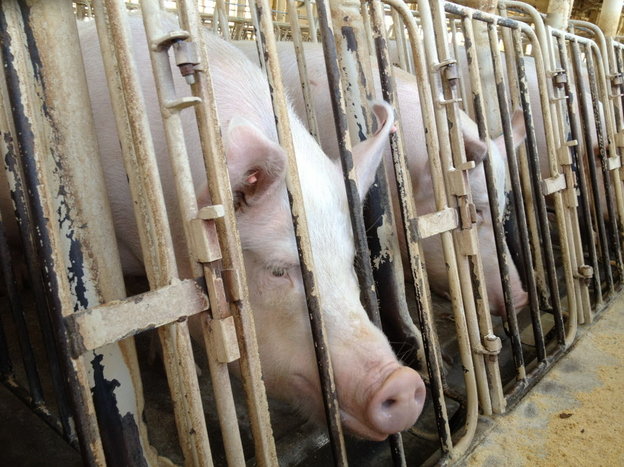
window.__IS_SSR__=true
window.__INITIAL_STATE__={
"attachmentsReducer": {
"audio_0": {
"type": "attachments",
"id": "audio_0",
"imgSizes": {
"kqedFullSize": {
"file": "https://ww2.kqed.org/news/wp-content/themes/KQED-unified/img/audio_bgs/background0.jpg"
}
}
},
"audio_1": {
"type": "attachments",
"id": "audio_1",
"imgSizes": {
"kqedFullSize": {
"file": "https://ww2.kqed.org/news/wp-content/themes/KQED-unified/img/audio_bgs/background1.jpg"
}
}
},
"audio_2": {
"type": "attachments",
"id": "audio_2",
"imgSizes": {
"kqedFullSize": {
"file": "https://ww2.kqed.org/news/wp-content/themes/KQED-unified/img/audio_bgs/background2.jpg"
}
}
},
"audio_3": {
"type": "attachments",
"id": "audio_3",
"imgSizes": {
"kqedFullSize": {
"file": "https://ww2.kqed.org/news/wp-content/themes/KQED-unified/img/audio_bgs/background3.jpg"
}
}
},
"audio_4": {
"type": "attachments",
"id": "audio_4",
"imgSizes": {
"kqedFullSize": {
"file": "https://ww2.kqed.org/news/wp-content/themes/KQED-unified/img/audio_bgs/background4.jpg"
}
}
},
"placeholder": {
"type": "attachments",
"id": "placeholder",
"imgSizes": {
"thumbnail": {
"file": "https://cdn.kqed.org/wp-content/uploads/2024/12/KQED-Default-Image-816638274-2000x1333-1-160x107.jpg",
"width": 160,
"height": 107,
"mimeType": "image/jpeg"
},
"medium": {
"file": "https://cdn.kqed.org/wp-content/uploads/2024/12/KQED-Default-Image-816638274-2000x1333-1-800x533.jpg",
"width": 800,
"height": 533,
"mimeType": "image/jpeg"
},
"medium_large": {
"file": "https://cdn.kqed.org/wp-content/uploads/2024/12/KQED-Default-Image-816638274-2000x1333-1-768x512.jpg",
"width": 768,
"height": 512,
"mimeType": "image/jpeg"
},
"large": {
"file": "https://cdn.kqed.org/wp-content/uploads/2024/12/KQED-Default-Image-816638274-2000x1333-1-1020x680.jpg",
"width": 1020,
"height": 680,
"mimeType": "image/jpeg"
},
"1536x1536": {
"file": "https://cdn.kqed.org/wp-content/uploads/2024/12/KQED-Default-Image-816638274-2000x1333-1-1536x1024.jpg",
"width": 1536,
"height": 1024,
"mimeType": "image/jpeg"
},
"fd-lrg": {
"file": "https://cdn.kqed.org/wp-content/uploads/2024/12/KQED-Default-Image-816638274-2000x1333-1-1536x1024.jpg",
"width": 1536,
"height": 1024,
"mimeType": "image/jpeg"
},
"fd-med": {
"file": "https://cdn.kqed.org/wp-content/uploads/2024/12/KQED-Default-Image-816638274-2000x1333-1-1020x680.jpg",
"width": 1020,
"height": 680,
"mimeType": "image/jpeg"
},
"fd-sm": {
"file": "https://cdn.kqed.org/wp-content/uploads/2024/12/KQED-Default-Image-816638274-2000x1333-1-800x533.jpg",
"width": 800,
"height": 533,
"mimeType": "image/jpeg"
},
"post-thumbnail": {
"file": "https://cdn.kqed.org/wp-content/uploads/2024/12/KQED-Default-Image-816638274-2000x1333-1-672x372.jpg",
"width": 672,
"height": 372,
"mimeType": "image/jpeg"
},
"twentyfourteen-full-width": {
"file": "https://cdn.kqed.org/wp-content/uploads/2024/12/KQED-Default-Image-816638274-2000x1333-1-1038x576.jpg",
"width": 1038,
"height": 576,
"mimeType": "image/jpeg"
},
"xxsmall": {
"file": "https://cdn.kqed.org/wp-content/uploads/2024/12/KQED-Default-Image-816638274-2000x1333-1-160x107.jpg",
"width": 160,
"height": 107,
"mimeType": "image/jpeg"
},
"xsmall": {
"file": "https://cdn.kqed.org/wp-content/uploads/2024/12/KQED-Default-Image-816638274-2000x1333-1-672x372.jpg",
"width": 672,
"height": 372,
"mimeType": "image/jpeg"
},
"small": {
"file": "https://cdn.kqed.org/wp-content/uploads/2024/12/KQED-Default-Image-816638274-2000x1333-1-672x372.jpg",
"width": 672,
"height": 372,
"mimeType": "image/jpeg"
},
"xlarge": {
"file": "https://cdn.kqed.org/wp-content/uploads/2024/12/KQED-Default-Image-816638274-2000x1333-1-1020x680.jpg",
"width": 1020,
"height": 680,
"mimeType": "image/jpeg"
},
"full-width": {
"file": "https://cdn.kqed.org/wp-content/uploads/2024/12/KQED-Default-Image-816638274-2000x1333-1-1920x1280.jpg",
"width": 1920,
"height": 1280,
"mimeType": "image/jpeg"
},
"guest-author-32": {
"file": "https://cdn.kqed.org/wp-content/uploads/2025/01/KQED-Default-Image-816638274-1333x1333-1-160x160.jpg",
"width": 32,
"height": 32,
"mimeType": "image/jpeg"
},
"guest-author-50": {
"file": "https://cdn.kqed.org/wp-content/uploads/2025/01/KQED-Default-Image-816638274-1333x1333-1-160x160.jpg",
"width": 50,
"height": 50,
"mimeType": "image/jpeg"
},
"guest-author-64": {
"file": "https://cdn.kqed.org/wp-content/uploads/2025/01/KQED-Default-Image-816638274-1333x1333-1-160x160.jpg",
"width": 64,
"height": 64,
"mimeType": "image/jpeg"
},
"guest-author-96": {
"file": "https://cdn.kqed.org/wp-content/uploads/2025/01/KQED-Default-Image-816638274-1333x1333-1-160x160.jpg",
"width": 96,
"height": 96,
"mimeType": "image/jpeg"
},
"guest-author-128": {
"file": "https://cdn.kqed.org/wp-content/uploads/2025/01/KQED-Default-Image-816638274-1333x1333-1-160x160.jpg",
"width": 128,
"height": 128,
"mimeType": "image/jpeg"
},
"detail": {
"file": "https://cdn.kqed.org/wp-content/uploads/2025/01/KQED-Default-Image-816638274-1333x1333-1-160x160.jpg",
"width": 160,
"height": 160,
"mimeType": "image/jpeg"
},
"kqedFullSize": {
"file": "https://cdn.kqed.org/wp-content/uploads/2024/12/KQED-Default-Image-816638274-2000x1333-1.jpg",
"width": 2000,
"height": 1333
}
}
},
"bayareabites_75857": {
"type": "attachments",
"id": "bayareabites_75857",
"meta": {
"index": "attachments_1716263798",
"site": "bayareabites",
"id": "75857",
"found": true
},
"parent": 75856,
"imgSizes": {
"kqedFullSize": {
"file": "https://ww2.kqed.org/app/uploads/sites/24/2013/12/champagnebottles_wide-5e17f36b2ca815fbdfc7eeb2fa21d833aee2219e.jpg",
"width": 898,
"height": 505
}
},
"publishDate": 1388538292,
"modified": 1388538292,
"caption": "Each bottle of Champagne contains around 50 million bubbles. But will any of them accelerate the inebriation process? Photo: Victor Bezrukov/Flickr",
"description": "Each bottle of Champagne contains around 50 million bubbles. But will any of them accelerate the inebriation process?",
"title": "Each bottle of Champagne contains around 50 million bubbles. But will any of them accelerate the inebriation process?",
"credit": null,
"status": "inherit",
"isLoading": false,
"fetchFailed": false
},
"bayareabites_75797": {
"type": "attachments",
"id": "bayareabites_75797",
"meta": {
"index": "attachments_1716263798",
"site": "bayareabites",
"id": "75797",
"found": true
},
"parent": 75796,
"imgSizes": {
"kqedFullSize": {
"file": "https://ww2.kqed.org/app/uploads/sites/24/2013/12/undefined-50fac454c27f97ad181dcf84eaa03a016c0d6db3-e1388425815708.jpg",
"width": 640,
"height": 480
}
},
"publishDate": 1388425420,
"modified": 1388425420,
"caption": "Studies suggest cinnamon can help control blood sugar, but if you want to incorporate more of this spice in your diet, consider using the Ceylon variety. Photo: iStockphoto",
"description": null,
"title": "Studies suggest cinnamon can help control blood sugar, but if you want to incorporate more of this spice in your diet, consider using the Ceylon variety.",
"credit": null,
"status": "inherit",
"isLoading": false,
"fetchFailed": false
},
"bayareabites_75759": {
"type": "attachments",
"id": "bayareabites_75759",
"meta": {
"index": "attachments_1716263798",
"site": "bayareabites",
"id": "75759",
"found": true
},
"parent": 75751,
"imgSizes": {
"kqedFullSize": {
"file": "https://ww2.kqed.org/app/uploads/sites/24/2013/12/pigs.jpg",
"width": 624,
"height": 467
}
},
"publishDate": 1388164193,
"modified": 1388164193,
"caption": null,
"description": null,
"title": "pigs",
"credit": null,
"status": "inherit",
"isLoading": false,
"fetchFailed": false
},
"bayareabites_75728": {
"type": "attachments",
"id": "bayareabites_75728",
"meta": {
"index": "attachments_1716263798",
"site": "bayareabites",
"id": "75728",
"found": true
},
"parent": 75727,
"imgSizes": {
"kqedFullSize": {
"file": "https://ww2.kqed.org/app/uploads/sites/24/2013/12/geoduck-farming-ddbc86e30f4bc0aa32f4d14a2da776b9b6195388-e1388076062797.jpg",
"width": 640,
"height": 480
}
},
"publishDate": 1388075579,
"modified": 1388075579,
"caption": "A geoduck farm near Totten Inlet, Washington. Photo: KBCS/Bellvue/Seattle/Flickr",
"description": "A geoduck farm near Totten Inlet, Washington.",
"title": "A geoduck farm near Totten Inlet, Washington.",
"credit": null,
"status": "inherit",
"isLoading": false,
"fetchFailed": false
},
"bayareabites_75400": {
"type": "attachments",
"id": "bayareabites_75400",
"meta": {
"index": "attachments_1716263798",
"site": "bayareabites",
"id": "75400",
"found": true
},
"parent": 75399,
"imgSizes": {
"kqedFullSize": {
"file": "https://ww2.kqed.org/app/uploads/sites/24/2013/12/tractor_salinas_wide-6fcfb6aaffca2c193ccc2e4f4c4bb97b1dc4b603-e1387500186476.jpg",
"width": 640,
"height": 360
}
},
"publishDate": 1387498369,
"modified": 1387498369,
"caption": "A lettuce thinner created by an agricultural tech startup uses cameras and sensors to thin lettuce rows. Salinas, Calif., has hired a venture capital fund to help it attract other high-tech agricultural companies to the area. Photo: Courtesy of Foothill Packing Inc.",
"description": null,
"title": "A lettuce thinner created by an agricultural tech startup uses cameras and sensors to thin lettuce rows. Salinas, Calif., has hired a venture capital fund to help it attract other high-tech agricultural companies to the area.",
"credit": null,
"status": "inherit",
"isLoading": false,
"fetchFailed": false
},
"bayareabites_75376": {
"type": "attachments",
"id": "bayareabites_75376",
"meta": {
"index": "attachments_1716263798",
"site": "bayareabites",
"id": "75376",
"found": true
},
"parent": 75375,
"imgSizes": {
"kqedFullSize": {
"file": "https://ww2.kqed.org/app/uploads/sites/24/2013/12/hunger_gleaning_019_wide-b53b2523f4f1433b8abb470eef8627d114c478f1-e1387475813686.jpg",
"width": 640,
"height": 360
}
},
"publishDate": 1387475335,
"modified": 1387475335,
"caption": "Sarah Ramirez runs an organization that brings excess produce to the hungry. Here, she gleans apples from a front yard. Photo: Scott Anger/KQED",
"description": null,
"title": "Sarah Ramirez runs an organization that brings excess produce to the hungry. Here, she gleans apples from a front yard.",
"credit": null,
"status": "inherit",
"isLoading": false,
"fetchFailed": false
},
"bayareabites_75286": {
"type": "attachments",
"id": "bayareabites_75286",
"meta": {
"index": "attachments_1716263798",
"site": "bayareabites",
"id": "75286",
"found": true
},
"parent": 75285,
"imgSizes": {
"kqedFullSize": {
"file": "https://ww2.kqed.org/app/uploads/sites/24/2013/12/hunger_food-bank_016-1_wide-34e5e8961df57f5e66e547bfe451026794fd141a-e1387387299249.jpg",
"width": 640,
"height": 360
}
},
"publishDate": 1387386792,
"modified": 1387386792,
"caption": "Food banks have become a primary source of nutrition for rural farmworker communities in the Central Valley. Photo: Scott Anger/KQED",
"description": null,
"title": "Food banks have become a primary source of nutrition for rural farmworker communities in the Central Valley.",
"credit": null,
"status": "inherit",
"isLoading": false,
"fetchFailed": false
},
"bayareabites_75229": {
"type": "attachments",
"id": "bayareabites_75229",
"meta": {
"index": "attachments_1716263798",
"site": "bayareabites",
"id": "75229",
"found": true
},
"parent": 75228,
"imgSizes": {
"kqedFullSize": {
"file": "https://ww2.kqed.org/app/uploads/sites/24/2013/12/vitamins-33f1bf1892798589644b24a946995bcde804a0bc.jpg",
"width": 734,
"height": 551
}
},
"publishDate": 1387320105,
"modified": 1387320105,
"caption": "Though some people might need more of specific vitamins, multivitamins don't help most people, studies say. Photo: iStockphoto",
"description": "Though some people might need more of specific vitamins, multivitamins don't help most people, studies say.",
"title": "Though some people might need more of specific vitamins, multivitamins don't help most people, studies say.",
"credit": null,
"status": "inherit",
"isLoading": false,
"fetchFailed": false
},
"bayareabites_75220": {
"type": "attachments",
"id": "bayareabites_75220",
"meta": {
"index": "attachments_1716263798",
"site": "bayareabites",
"id": "75220",
"found": true
},
"parent": 75219,
"imgSizes": {
"kqedFullSize": {
"file": "https://ww2.kqed.org/app/uploads/sites/24/2013/12/kenya-e78018b5d9656a9bf3a772f79d13f965003ca9bf-e1387300166749.jpg",
"width": 640,
"height": 480
}
},
"publishDate": 1387299755,
"modified": 1387299755,
"caption": "Somali refugees lead their herds of goats home for the night outside Dadaab, Kenya. A new study shows that animals in many parts of the developing world require more food — and generate more greenhouse emissions — than animals in wealthy countries. Photo: Rebecca Blackwell/AP",
"description": null,
"title": "Somali refugees lead their herds of goats home for the night outside Dadaab, Kenya. A new study shows that animals in many parts of the developing world require more food — and generate more greenhouse emissions — than animals in wealthy countries.",
"credit": null,
"status": "inherit",
"isLoading": false,
"fetchFailed": false
},
"bayareabites_75145": {
"type": "attachments",
"id": "bayareabites_75145",
"meta": {
"index": "attachments_1716263798",
"site": "bayareabites",
"id": "75145",
"found": true
},
"parent": 75144,
"imgSizes": {
"kqedFullSize": {
"file": "https://ww2.kqed.org/app/uploads/sites/24/2013/12/sriracha_wide-7f6243f7bf1df471547cc61dc6dcaf203125d69b-e1387218393374.jpg",
"width": 640,
"height": 359
}
},
"publishDate": 1387217335,
"modified": 1387217335,
"caption": "Can't get enough of Sriracha? Now it can fill your belly and your screens. Photo: Nick Ut/AP",
"description": null,
"title": "Can't get enough of Sriracha? Now it can fill your belly and your screens.",
"credit": null,
"status": "inherit",
"isLoading": false,
"fetchFailed": false
},
"bayareabites_75091": {
"type": "attachments",
"id": "bayareabites_75091",
"meta": {
"index": "attachments_1716263798",
"site": "bayareabites",
"id": "75091",
"found": true
},
"parent": 75090,
"imgSizes": {
"kqedFullSize": {
"file": "https://ww2.kqed.org/app/uploads/sites/24/2013/12/ap31737928267_wide-a1bb2bae99ca4ff43795eb103cc7ffee87e2129f-e1386999794861.jpg",
"width": 640,
"height": 359
}
},
"publishDate": 1386979843,
"modified": 1386979843,
"caption": "Oranges ripen in a Plant City, Fla., grove on Wednesday. Growers in Florida, Texas and California are worried about citrus greening, a disease that makes the fruit bitter and unmarketable. Photo: Chris O'Meara/AP",
"description": null,
"title": "Oranges ripen in a Plant City, Fla., grove on Wednesday. Growers in Florida, Texas and California are worried about citrus greening, a disease that makes the fruit bitter and unmarketable.",
"credit": null,
"status": "inherit",
"isLoading": false,
"fetchFailed": false
},
"bayareabites_75079": {
"type": "attachments",
"id": "bayareabites_75079",
"meta": {
"index": "attachments_1716263798",
"site": "bayareabites",
"id": "75079",
"found": true
},
"parent": 75078,
"imgSizes": {
"kqedFullSize": {
"file": "https://ww2.kqed.org/app/uploads/sites/24/2013/12/dead-fish_wide-9b6eefc8843a8539bef58d594ecc121b5fa80f83.jpg",
"width": 858,
"height": 481
}
},
"publishDate": 1386960602,
"modified": 1386960602,
"caption": "\"A lot of people are eating seafood all the time, and fish are eating plastic all the time, so I think that's a problem,\" a marine toxicologist says. Photo: iStockphoto.com",
"description": "\"A lot of people are eating seafood all the time, and fish are eating plastic all the time, so I think that's a problem,\" a marine toxicologist says.",
"title": "\"A lot of people are eating seafood all the time, and fish are eating plastic all the time, so I think that's a problem,\" a marine toxicologist says.",
"credit": null,
"status": "inherit",
"isLoading": false,
"fetchFailed": false
}
},
"audioPlayerReducer": {
"postId": "stream_live",
"isPaused": true,
"isPlaying": false,
"pfsActive": false,
"pledgeModalIsOpen": true,
"playerDrawerIsOpen": false,
"liveAudioPlayStartedAt": 0,
"liveAudioPlayContext": ""
},
"authorsReducer": {
"byline_bayareabites_75856": {
"type": "authors",
"id": "byline_bayareabites_75856",
"meta": {
"override": true
},
"slug": "byline_bayareabites_75856",
"name": "Michaeleen Doucleff",
"isLoading": false
},
"byline_bayareabites_75796": {
"type": "authors",
"id": "byline_bayareabites_75796",
"meta": {
"override": true
},
"slug": "byline_bayareabites_75796",
"name": "Allison Aubrey",
"isLoading": false
},
"byline_bayareabites_75751": {
"type": "authors",
"id": "byline_bayareabites_75751",
"meta": {
"override": true
},
"slug": "byline_bayareabites_75751",
"name": "Eliza Barclay",
"isLoading": false
},
"byline_bayareabites_75727": {
"type": "authors",
"id": "byline_bayareabites_75727",
"meta": {
"override": true
},
"slug": "byline_bayareabites_75727",
"name": "Ashley Ahearn",
"isLoading": false
},
"byline_bayareabites_75399": {
"type": "authors",
"id": "byline_bayareabites_75399",
"meta": {
"override": true
},
"slug": "byline_bayareabites_75399",
"name": "Aarti Shahani",
"isLoading": false
},
"byline_bayareabites_75285": {
"type": "authors",
"id": "byline_bayareabites_75285",
"meta": {
"override": true
},
"slug": "byline_bayareabites_75285",
"name": "Sasha Khokha",
"isLoading": false
},
"byline_bayareabites_75228": {
"type": "authors",
"id": "byline_bayareabites_75228",
"meta": {
"override": true
},
"slug": "byline_bayareabites_75228",
"name": "Nancy Shute",
"isLoading": false
},
"byline_bayareabites_75219": {
"type": "authors",
"id": "byline_bayareabites_75219",
"meta": {
"override": true
},
"slug": "byline_bayareabites_75219",
"name": "Eliza Barclay",
"isLoading": false
},
"byline_bayareabites_75144": {
"type": "authors",
"id": "byline_bayareabites_75144",
"meta": {
"override": true
},
"slug": "byline_bayareabites_75144",
"name": "Maria Godoy",
"isLoading": false
},
"byline_bayareabites_75090": {
"type": "authors",
"id": "byline_bayareabites_75090",
"meta": {
"override": true
},
"slug": "byline_bayareabites_75090",
"name": "Greg Allen",
"isLoading": false
},
"byline_bayareabites_75078": {
"type": "authors",
"id": "byline_bayareabites_75078",
"meta": {
"override": true
},
"slug": "byline_bayareabites_75078",
"name": "Eliza Barclay",
"isLoading": false
},
"nprfood": {
"type": "authors",
"id": "5403",
"meta": {
"index": "authors_1716337520",
"id": "5403",
"found": true
},
"name": "NPR Food",
"firstName": "NPR Food",
"lastName": null,
"slug": "nprfood",
"email": "nprfood@kqed.org",
"display_author_email": false,
"staff_mastheads": [],
"title": null,
"bio": "Food and Health-related stories from NPR including NPR Radio; NPR's food blog, \"The Salt\"; NPR's Health News blog, \"Shots\"; NPR's Breaking News blog \"The Two-Way\"; NPR's global stories blog \"Goats and Soda,\" NPR's economy explainer \"Planet Money\"; food-related technology news from NPR's \"All Tech Considered\"; and food series \"Kitchen Window.\"",
"avatar": "https://secure.gravatar.com/avatar/c4b735bb26404fa18ce2447d32e64291?s=600&d=blank&r=g",
"twitter": "nprfood",
"facebook": null,
"instagram": null,
"linkedin": null,
"sites": [
{
"site": "bayareabites",
"roles": [
"contributor"
]
},
{
"site": "food",
"roles": [
"contributor"
]
}
],
"headData": {
"title": "NPR Food | KQED",
"description": null,
"ogImgSrc": "https://secure.gravatar.com/avatar/c4b735bb26404fa18ce2447d32e64291?s=600&d=blank&r=g",
"twImgSrc": "https://secure.gravatar.com/avatar/c4b735bb26404fa18ce2447d32e64291?s=600&d=blank&r=g"
},
"isLoading": false,
"link": "/author/nprfood"
}
},
"pagesReducer": {
"bayareabites_category_npr-food": {
"type": "terms",
"id": "bayareabites_10916",
"meta": {
"index": "terms_1716263798",
"site": "bayareabites",
"id": "10916",
"score": 13.894751
},
"featImg": null,
"name": "NPR food",
"description": null,
"taxonomy": "category",
"headData": {
"twImgId": null,
"twTitle": null,
"ogTitle": null,
"ogImgId": null,
"twDescription": null,
"description": null,
"title": "NPR food Archives | KQED Bay Area Bites",
"ogDescription": null
},
"ttid": 5375,
"slug": "npr-food",
"isLoading": false,
"title": "NPR food",
"pageMeta": {
"site": "bayareabites",
"WpPageTemplate": "page-topic-editorial",
"currentPage": 58
},
"blocks": [
{
"blockName": "kqed/post-list",
"attrs": {
"layout": "cardArticle2",
"query": "posts/bayareabites?category=npr-food",
"seeMore": false,
"paginated": true,
"page": 58
}
},
{
"blockName": "kqed/ad"
}
]
}
},
"pfsSessionReducer": {},
"postsReducer": {
"stream_live": {
"type": "live",
"id": "stream_live",
"audioUrl": "https://hls.kqed.org/hls/kqed_app/playlist.m3u8",
"title": "Live Stream",
"excerpt": "Live Stream information currently unavailable.",
"link": "/radio",
"featImg": "",
"label": {
"name": "KQED Live",
"link": "/"
}
},
"stream_kqedNewscast": {
"type": "posts",
"id": "stream_kqedNewscast",
"audioUrl": "https://www.kqed.org/.stream/anon/radio/RDnews/newscast.mp3?_=1",
"title": "KQED Newscast",
"featImg": "",
"label": {
"name": "88.5 FM",
"link": "/"
}
},
"bayareabites_75856": {
"type": "posts",
"id": "bayareabites_75856",
"meta": {
"index": "posts_1716263798",
"site": "bayareabites",
"id": "75856",
"score": null,
"sort": [
1388538743000
]
},
"parent": 0,
"labelTerm": {
"site": "bayareabites"
},
"blocks": [],
"publishDate": 1388538743,
"format": "aside",
"disqusTitle": "Does Champagne Actually Get You Drunk Faster?",
"title": "Does Champagne Actually Get You Drunk Faster?",
"headTitle": "Bay Area Bites | KQED Food",
"content": "\u003cfigure id=\"attachment_75857\" class=\"wp-caption aligncenter\" style=\"max-width: 898px\">\u003ca href=\"http://ww2.kqed.org/bayareabites/wp-content/uploads/sites/24/2013/12/champagnebottles_wide-5e17f36b2ca815fbdfc7eeb2fa21d833aee2219e.jpg\">\u003cimg src=\"http://ww2.kqed.org/bayareabites/wp-content/uploads/sites/24/2013/12/champagnebottles_wide-5e17f36b2ca815fbdfc7eeb2fa21d833aee2219e.jpg\" alt=\"Each bottle of Champagne contains around 50 million bubbles. But will any of them accelerate the inebriation process? Photo: Victor Bezrukov/Flickr\" width=\"898\" height=\"505\" class=\"size-full wp-image-75857\">\u003c/a>\u003cfigcaption class=\"wp-caption-text\">Each bottle of Champagne contains around 50 million bubbles. But will any of them accelerate the inebriation process? Photo: Victor Bezrukov/\u003ca href=\"http://www.flickr.com/photos/21745851@N00/5373327467/in/photolist-9bPH42-fGL5EC-eyJgbX-auSFV6-9dRLrp-bGMrPF-9daPrW-ahfwxh-iwmcjx-aoUi3W-a6iToy-bQ2TjZ-9REAvC-eBSvV1-96YdUZ-8sZuGJ\">Flickr\u003c/a>\u003c/figcaption>\u003c/figure>\n\u003cp>Post by Michaeleen Doucleff, \u003ca href=\"http://www.npr.org/blogs/thesalt/2013/12/31/258588280/does-champagne-actually-get-you-drunker\">The Salt at NPR Food\u003c/a> (12/31/13)\u003c/p>\n\u003cp>Every time I spend New Year's Eve with my mom, she tells me the same thing: \"Be careful with that Champagne, honey. The bubbles go straight to the head. And it won't be pretty tomorrow.\"\u003c/p>\n\u003cp>Thanks, Mom. Glad you're looking after me after all these years.\u003c/p>\n\u003cp>But is she right?\u003c/p>\n\u003cp>The internet will sure tell you so. Search for \"Champagne, bubbles and drunk,\" and you'll get articles entitled \"Why Bubbles Make You More Giggly\" and \"Fizz in bubbly will get you drunk faster.\"\u003c/p>\n\u003cp>[ad fullwidth]\u003c/p>\n\u003cp>But if you dig a little deeper, the scientific evidence is about as thin as the stem on a \u003ca href=\"http://www.riedelusa.net/celebration-glass-happy-valentine-s-day.html\">Reidel\u003c/a> Champagne flute.\u003c/p>\n\u003cp>Among the first researchers to investigate the bubbles was a group in England that \u003ca href=\"http://alcalc.oxfordjournals.org/content/38/4/381.full\">published\u003c/a> a study looking at how quickly alcohol entered the blood when people drank a bubbly Champagne versus a degassed one. \"We found that the blood alcohol levels of the people drinking the gas champagne were higher for the first twenty minutes, suggesting that it had got into the blood stream a lot quicker,\" the lead researcher on the study, Fran Ridout \u003ca href=\"http://www.thenakedscientists.com/HTML/content/interviews/interview/1037/\">told\u003c/a> \u003cem>The Naked Scientist\u003c/em>.\u003c/p>\n\u003cp>Ridout's study got a lot of attention at the time, and it helped cement the belief that those beautiful tiny spheres of carbon dioxide are to blame for the nasty New Year's Day hangover.\u003c/p>\n\u003cp>Case closed, right? Not quite.\u003c/p>\n\u003cp>Ridout's study was riddled with, shall we say, holes. First off, the experiment she references involved only six people. And the difference in blood alcohol levels between the bubbly and flat Champagne vanished about 35 minutes after consumption. The margins of error on all the data points were also gigantic. I'd trust the findings about as far as I could throw a barrel of Moet et Chandon.\u003c/p>\n\u003cp>A few years later, another team in Manchester, England, \u003ca href=\"http://www.sciencedirect.com/science/article/pii/S1752928X06003003\">performed\u003c/a> a similar, more rigorous experiment. Instead of Champagne, Steven Robinson and his colleagues gave volunteers vodka mixed with either still or carbonated water.\u003c/p>\n\u003cp>This time, the study had 21 subjects. And the results were slightly clearer. Adding the gaseous mixer bumped up the initial rate of alcohol absorption into the blood by about 50 percent — on average.\u003c/p>\n\u003cp>But this rate varied wildly among the volunteers. Three of the 21 volunteers adsorbed the bubbly cocktail more \u003cem>slowly\u003c/em> than the flat one, and for four subjects, the carbonation made no difference at all.\u003c/p>\n\u003cp>So it looks like Mom — and the internet — could be partly right. In some people, one small study tells us that carbonation might initially increase the rate that alcohol gets into the blood and to your brain.\u003c/p>\n\u003cp>But even then, the heightened effect is temporary. After about 45 minutes, you're going to feel essentially the same as if you had knocked back a glass of bubble-less chardonnay or pinot noir.\u003c/p>\n\u003cp>So why would a splash of carbonation accelerate inebriation in the first place?\u003c/p>\n\u003cp>[youtube //www.youtube.com/watch?v=L6dzUOYTQtQ]\u003c/p>\n\u003cp>No one knows for sure. But there's one leading hypothesis: The carbon dioxide gas rushes the alcohol from the stomach into the small intestine. See my colleague Adam Cole's \u003ca href=\"http://www.npr.org/blogs/thesalt/2012/03/16/148745383/drunk-on-biology-for-st-patricks-day\">wonderful video\u003c/a> on the science of drinking and hangovers above.\u003c/p>\n\u003cp>Alcohol primarily gets into the blood by seeping through the lining of the small intestine. The little alcohol molecule is also absorbed through the stomach, but more slowly. And it can even start breaking down, which inactivates it, while it's hanging out in the stomach.\u003c/p>\n\u003cp>Some studies, dating back to the 1950s, \u003ca href=\"http://www.nejm.org/doi/full/10.1056/NEJM195203272461304\">found\u003c/a> that carbon dioxide gas actually accelerates the movement of food and liquids from the stomach into the small intestine. But alas, even this connection has been tough to replicate more recently and remains up for debate.\u003c/p>\n\u003cp>On the other hand, there's no question that food delays the emptying of the stomach contents into the small intestine. So all those bar snacks and cookies you chow on tonight should slow down inebriation.\u003c/p>\n\u003cp>\u003c/p>\n\u003cp>But if you ring in 2014 with a brutal hangover, don't blame the bubbles.\u003cbr>\n\u003cem>\u003cbr>\nCopyright 2013 \u003ca href=\"http://www.npr.org/\">NPR\u003c/a>.\u003c/em> \u003c/p>\n\n",
"disqusIdentifier": "75856 http://blogs.kqed.org/bayareabites/?p=75856",
"disqusUrl": "https://ww2.kqed.org/bayareabites/2013/12/31/does-champagne-actually-get-you-drunk-faster/",
"stats": {
"hasVideo": true,
"hasChartOrMap": false,
"hasAudio": false,
"hasPolis": false,
"wordCount": 716,
"hasGoogleForm": false,
"hasGallery": false,
"hasHearkenModule": false,
"iframeSrcs": [],
"paragraphCount": 24
},
"modified": 1388538743,
"excerpt": "Search for \"Champagne, bubbles and drunk,\" and you'll get headlines like \"Why Bubbles Make You More Giggly.\" But when we took a close look at the science supporting the urban legend, we weren't impressed. The effect doesn't happen to everyone, and when it does, it's just temporary.",
"headData": {
"twImgId": "",
"twTitle": "",
"ogTitle": "",
"ogImgId": "",
"twDescription": "",
"description": "Search for "Champagne, bubbles and drunk," and you'll get headlines like "Why Bubbles Make You More Giggly." But when we took a close look at the science supporting the urban legend, we weren't impressed. The effect doesn't happen to everyone, and when it does, it's just temporary.",
"title": "Does Champagne Actually Get You Drunk Faster? | KQED",
"ogDescription": "",
"schema": {
"@context": "https://schema.org",
"@type": "Article",
"headline": "Does Champagne Actually Get You Drunk Faster?",
"datePublished": "2013-12-31T17:12:23-08:00",
"dateModified": "2013-12-31T17:12:23-08:00",
"image": "https://cdn.kqed.org/wp-content/uploads/2020/02/KQED-OG-Image@1x.png"
}
},
"guestAuthors": [],
"slug": "does-champagne-actually-get-you-drunk-faster",
"status": "publish",
"nprApiLink": "http://api.npr.org/query?id=258588280&apiKey=MDAxOTAwOTE4MDEyMTkxMDAzNjczZDljZA004",
"nprByline": "Michaeleen Doucleff",
"nprStoryDate": "Tue, 31 Dec 2013 14:13:00 -0500",
"nprLastModifiedDate": "Tue, 31 Dec 2013 15:39:14 -0500",
"nprHtmlLink": "http://www.npr.org/blogs/thesalt/2013/12/31/258588280/does-champagne-actually-get-you-drunker?ft=3&f=258588280",
"nprStoryId": "258588280",
"nprRetrievedStory": "1",
"nprPubDate": "Tue, 31 Dec 2013 15:39:00 -0500",
"path": "/bayareabites/75856/does-champagne-actually-get-you-drunk-faster",
"audioTrackLength": null,
"parsedContent": [
{
"type": "contentString",
"content": "\u003cdiv class=\"post-body\">\u003cp>\u003cfigure id=\"attachment_75857\" class=\"wp-caption aligncenter\" style=\"max-width: 898px\">\u003ca href=\"http://ww2.kqed.org/bayareabites/wp-content/uploads/sites/24/2013/12/champagnebottles_wide-5e17f36b2ca815fbdfc7eeb2fa21d833aee2219e.jpg\">\u003cimg src=\"http://ww2.kqed.org/bayareabites/wp-content/uploads/sites/24/2013/12/champagnebottles_wide-5e17f36b2ca815fbdfc7eeb2fa21d833aee2219e.jpg\" alt=\"Each bottle of Champagne contains around 50 million bubbles. But will any of them accelerate the inebriation process? Photo: Victor Bezrukov/Flickr\" width=\"898\" height=\"505\" class=\"size-full wp-image-75857\">\u003c/a>\u003cfigcaption class=\"wp-caption-text\">Each bottle of Champagne contains around 50 million bubbles. But will any of them accelerate the inebriation process? Photo: Victor Bezrukov/\u003ca href=\"http://www.flickr.com/photos/21745851@N00/5373327467/in/photolist-9bPH42-fGL5EC-eyJgbX-auSFV6-9dRLrp-bGMrPF-9daPrW-ahfwxh-iwmcjx-aoUi3W-a6iToy-bQ2TjZ-9REAvC-eBSvV1-96YdUZ-8sZuGJ\">Flickr\u003c/a>\u003c/figcaption>\u003c/figure>\n\u003cp>Post by Michaeleen Doucleff, \u003ca href=\"http://www.npr.org/blogs/thesalt/2013/12/31/258588280/does-champagne-actually-get-you-drunker\">The Salt at NPR Food\u003c/a> (12/31/13)\u003c/p>\n\u003cp>Every time I spend New Year's Eve with my mom, she tells me the same thing: \"Be careful with that Champagne, honey. The bubbles go straight to the head. And it won't be pretty tomorrow.\"\u003c/p>\n\u003cp>Thanks, Mom. Glad you're looking after me after all these years.\u003c/p>\n\u003cp>But is she right?\u003c/p>\n\u003cp>The internet will sure tell you so. Search for \"Champagne, bubbles and drunk,\" and you'll get articles entitled \"Why Bubbles Make You More Giggly\" and \"Fizz in bubbly will get you drunk faster.\"\u003c/p>\n\u003cp>\u003c/p>\u003c/div>",
"attributes": {
"named": {},
"numeric": []
}
},
{
"type": "component",
"content": "",
"name": "ad",
"attributes": {
"named": {
"label": "fullwidth"
},
"numeric": [
"fullwidth"
]
}
},
{
"type": "contentString",
"content": "\u003cdiv class=\"post-body\">\u003cp>\u003c/p>\n\u003cp>But if you dig a little deeper, the scientific evidence is about as thin as the stem on a \u003ca href=\"http://www.riedelusa.net/celebration-glass-happy-valentine-s-day.html\">Reidel\u003c/a> Champagne flute.\u003c/p>\n\u003cp>Among the first researchers to investigate the bubbles was a group in England that \u003ca href=\"http://alcalc.oxfordjournals.org/content/38/4/381.full\">published\u003c/a> a study looking at how quickly alcohol entered the blood when people drank a bubbly Champagne versus a degassed one. \"We found that the blood alcohol levels of the people drinking the gas champagne were higher for the first twenty minutes, suggesting that it had got into the blood stream a lot quicker,\" the lead researcher on the study, Fran Ridout \u003ca href=\"http://www.thenakedscientists.com/HTML/content/interviews/interview/1037/\">told\u003c/a> \u003cem>The Naked Scientist\u003c/em>.\u003c/p>\n\u003cp>Ridout's study got a lot of attention at the time, and it helped cement the belief that those beautiful tiny spheres of carbon dioxide are to blame for the nasty New Year's Day hangover.\u003c/p>\n\u003cp>Case closed, right? Not quite.\u003c/p>\n\u003cp>Ridout's study was riddled with, shall we say, holes. First off, the experiment she references involved only six people. And the difference in blood alcohol levels between the bubbly and flat Champagne vanished about 35 minutes after consumption. The margins of error on all the data points were also gigantic. I'd trust the findings about as far as I could throw a barrel of Moet et Chandon.\u003c/p>\n\u003cp>A few years later, another team in Manchester, England, \u003ca href=\"http://www.sciencedirect.com/science/article/pii/S1752928X06003003\">performed\u003c/a> a similar, more rigorous experiment. Instead of Champagne, Steven Robinson and his colleagues gave volunteers vodka mixed with either still or carbonated water.\u003c/p>\n\u003cp>This time, the study had 21 subjects. And the results were slightly clearer. Adding the gaseous mixer bumped up the initial rate of alcohol absorption into the blood by about 50 percent — on average.\u003c/p>\n\u003cp>But this rate varied wildly among the volunteers. Three of the 21 volunteers adsorbed the bubbly cocktail more \u003cem>slowly\u003c/em> than the flat one, and for four subjects, the carbonation made no difference at all.\u003c/p>\n\u003cp>So it looks like Mom — and the internet — could be partly right. In some people, one small study tells us that carbonation might initially increase the rate that alcohol gets into the blood and to your brain.\u003c/p>\n\u003cp>But even then, the heightened effect is temporary. After about 45 minutes, you're going to feel essentially the same as if you had knocked back a glass of bubble-less chardonnay or pinot noir.\u003c/p>\n\u003cp>So why would a splash of carbonation accelerate inebriation in the first place?\u003c/p>\n\u003cp>\u003c/p>\u003cp>\u003cspan class='utils-parseShortcode-shortcodes-__youtubeShortcode__embedYoutube'>\n \u003cspan class='utils-parseShortcode-shortcodes-__youtubeShortcode__embedYoutubeInside'>\n \u003ciframe\n loading='lazy'\n class='utils-parseShortcode-shortcodes-__youtubeShortcode__youtubePlayer'\n type='text/html'\n src='//www.youtube.com/embed/L6dzUOYTQtQ'\n title='//www.youtube.com/embed/L6dzUOYTQtQ'\n allowfullscreen='true'\n style='border:0;'>\u003c/iframe>\n \u003c/span>\n \u003c/span>\u003c/p>\u003cp>\u003c/p>\n\u003cp>No one knows for sure. But there's one leading hypothesis: The carbon dioxide gas rushes the alcohol from the stomach into the small intestine. See my colleague Adam Cole's \u003ca href=\"http://www.npr.org/blogs/thesalt/2012/03/16/148745383/drunk-on-biology-for-st-patricks-day\">wonderful video\u003c/a> on the science of drinking and hangovers above.\u003c/p>\n\u003cp>Alcohol primarily gets into the blood by seeping through the lining of the small intestine. The little alcohol molecule is also absorbed through the stomach, but more slowly. And it can even start breaking down, which inactivates it, while it's hanging out in the stomach.\u003c/p>\n\u003cp>Some studies, dating back to the 1950s, \u003ca href=\"http://www.nejm.org/doi/full/10.1056/NEJM195203272461304\">found\u003c/a> that carbon dioxide gas actually accelerates the movement of food and liquids from the stomach into the small intestine. But alas, even this connection has been tough to replicate more recently and remains up for debate.\u003c/p>\n\u003cp>On the other hand, there's no question that food delays the emptying of the stomach contents into the small intestine. So all those bar snacks and cookies you chow on tonight should slow down inebriation.\u003c/p>\n\u003cp>\u003c/p>\n\u003cp>But if you ring in 2014 with a brutal hangover, don't blame the bubbles.\u003cbr>\n\u003cem>\u003cbr>\nCopyright 2013 \u003ca href=\"http://www.npr.org/\">NPR\u003c/a>.\u003c/em> \u003c/p>\n\n\u003c/div>\u003c/p>",
"attributes": {
"named": {},
"numeric": []
}
}
],
"link": "/bayareabites/75856/does-champagne-actually-get-you-drunk-faster",
"authors": [
"byline_bayareabites_75856"
],
"categories": [
"bayareabites_10916",
"bayareabites_119"
],
"tags": [
"bayareabites_1693",
"bayareabites_12857",
"bayareabites_3202",
"bayareabites_12858"
],
"featImg": "bayareabites_75857",
"label": "bayareabites"
},
"bayareabites_75796": {
"type": "posts",
"id": "bayareabites_75796",
"meta": {
"index": "posts_1716263798",
"site": "bayareabites",
"id": "75796",
"score": null,
"sort": [
1388426362000
]
},
"parent": 0,
"labelTerm": {
"site": "bayareabites"
},
"blocks": [],
"publishDate": 1388426362,
"format": "aside",
"disqusTitle": "Cinnamon Can Help Lower Blood Sugar, But One Variety May Be Best",
"title": "Cinnamon Can Help Lower Blood Sugar, But One Variety May Be Best",
"headTitle": "Bay Area Bites | KQED Food",
"content": "\u003cfigure id=\"attachment_75797\" class=\"wp-caption aligncenter\" style=\"max-width: 640px\">\u003ca href=\"http://ww2.kqed.org/bayareabites/wp-content/uploads/sites/24/2013/12/undefined-50fac454c27f97ad181dcf84eaa03a016c0d6db3-e1388425815708.jpg\">\u003cimg src=\"http://ww2.kqed.org/bayareabites/wp-content/uploads/sites/24/2013/12/undefined-50fac454c27f97ad181dcf84eaa03a016c0d6db3-e1388425815708.jpg\" alt=\"Studies suggest cinnamon can help control blood sugar, but if you want to incorporate more of this spice in your diet, consider using the Ceylon variety. Photo: iStockphoto\" width=\"640\" height=\"480\" class=\"size-full wp-image-75797\">\u003c/a>\u003cfigcaption class=\"wp-caption-text\">Studies suggest cinnamon can help control blood sugar, but if you want to incorporate more of this spice in your diet, consider using the Ceylon variety. Photo: iStockphoto\u003c/figcaption>\u003c/figure>\n\u003cp>\u003cstrong>Listen to the Story\u003c/strong> on \u003ca href=\"http://www.npr.org/blogs/thesalt/2013/12/30/255778250/cinnamon-can-help-lower-blood-sugar-but-one-variety-may-be-best\">Morning Edition\u003c/a> [audio src=\"http://pd.npr.org/anon.npr-mp3/npr/me/2013/12/20131230_me_can_cinnamon_lower_blood_sugar.mp3\"] \u003c/p>\n\u003cp>Post by Allison Aubrey, \u003ca href=\"http://www.npr.org/blogs/thesalt/2013/12/30/255778250/cinnamon-can-help-lower-blood-sugar-but-one-variety-may-be-best\">The Salt at NPR Food\u003c/a> (12/30/13)\u003c/p>\n\u003cp>If I say cinnamon, you say ... sugar? It's a popular combination, of course.\u003c/p>\n\u003cp>But if you're interested in the health-promoting effects of cinnamon, you may want to think anew about the spice.\u003c/p>\n\u003cp>For instance, says \u003ca href=\"http://www.bourbonsteakdc.com/the-team/\">John Critchley\u003c/a>, executive chef at Bourbon Steak Restaurant in Washington, D.C., why not add it to savory dishes? He uses cinnamon to create a spice and herb rub for lamb loin. He also whips up a great spinach salad with raisins, pine nuts and cinnamon.\u003c/p>\n\u003cp>[ad fullwidth]\u003c/p>\n\u003cp>Critchley is a fan of the intense aromatics in cinnamon, especially in Saigon — a cousin of the cassia varieties of cinnamon most commonly used in the U.S. and Europe. And he says adding cinnamon to spice blends is a great way to layer flavors when you're cooking.\u003c/p>\n\u003cp>And when you start to look at the potential health-promoting effects of the spice, there's even more incentive to experiment with it in the kitchen.\u003c/p>\n\u003cp>Cinnamon comes from the bark of trees. It has long been considered a medicinal plant. There are several varieties, harvested from southern China to Southeast Asia.\u003c/p>\n\u003cfigure id=\"attachment_75798\" class=\"wp-caption alignleft\" style=\"max-width: 290px\">\u003ca href=\"http://ww2.kqed.org/bayareabites/wp-content/uploads/sites/24/2013/12/photo-4-0c4229720330492e87849be3624fc40eb18f9236.jpg\">\u003cimg src=\"http://ww2.kqed.org/bayareabites/wp-content/uploads/sites/24/2013/12/photo-4-0c4229720330492e87849be3624fc40eb18f9236-290x217.jpg\" alt=\"John Critchley, executive chef at Bourbon Steak Restaurant in Washington, D.C., uses cinnamon in many savory dishes, including a spice and herb rub for lamb loin. Photo: Allison Aubrey/NPR\" width=\"290\" height=\"217\" class=\"size-medium wp-image-75798\">\u003c/a>\u003cfigcaption class=\"wp-caption-text\">John Critchley, executive chef at Bourbon Steak Restaurant in Washington, D.C., uses cinnamon in many savory dishes, including a spice and herb rub for lamb loin. Photo: Allison Aubrey/NPR\u003c/figcaption>\u003c/figure>\n\u003cp>For years, there have been hints that adding cinnamon to your diet can help control blood sugar. And a recent spate of studies adds to the evidence that the effect is real.\u003c/p>\n\u003cp>\"Yes, it does work,\" says \u003ca href=\"http://nutrition.ucdavis.edu/faculty/davis/\">Paul Davis\u003c/a>, a research nutritionist with the University of California, Davis. He authored a recent \u003ca href=\"http://www.ncbi.nlm.nih.gov/pubmed/?term=Davis+Yokoyama+Cinnamon\">meta-analysis\u003c/a> published in the \u003cem>Journal of Medicinal Food\u003c/em> that concluded that cinnamon lowers fasting blood glucose.\u003c/p>\n\u003cp>\"According to our results, it's a modest effect of about 3 to 5 percent,\" Davis says. This is about the level of reduction found in the older generation of diabetes drugs, he says.\u003c/p>\n\u003cp>That makes the findings of interest not just to the 25 million Americans who already have diabetes, but also to the 80 million other people — \u003ca href=\"http://www.diabetes.org/diabetes-basics/diabetes-statistics/\">nearly 1 in 4\u003c/a> of us — who have elevated fasting blood-glucose levels. Doctors refer to this as pre-diabetes, meaning blood sugar that doesn't meet the cutoff for a diagnosis of diabetes but that does indicate a high risk of developing the disease.\u003c/p>\n\u003cp>There's also a recent \u003ca href=\"http://www.ncbi.nlm.nih.gov/pubmed/24019277\">meta-analysis\u003c/a> concluding that cinnamon can help lower lipid levels, including LDL cholesterol (the unhealthy type) and triglycerides.\u003c/p>\n\u003cp>What's not well understood is exactly how much cinnamon is optimal, and whether the effect is transient. It's hard to tell from the studies whether it leads to a significant, long-term reduction in blood sugar.\u003c/p>\n\u003cp>For people who already have diabetes, cinnamon is not an alternative to medication. But for people with pre-diabetes who are interested in using diet to manage their blood sugar, it's one of many strategies worth considering, says diabetes educator \u003ca href=\"http://local.yahoo.com/info-84616310-suhl-emmy-rjoslin-diabetes-center-boston\">Emmy Suhl\u003c/a> of the Joslin Diabetes Center in Boston.\u003c/p>\n\u003cp>\"The evidence is still inconclusive,\" Suhl notes, but cinnamon \"is inexpensive,\" \"and it tastes good.\"\u003c/p>\n\u003cp>So, is there an ideal variety of cinnamon to be sprinkling into your oatmeal, or blending into your spice rubs and salads?\u003c/p>\n\u003cp>Well, as we \u003ca href=\"http://www.npr.org/blogs/thesalt/2013/12/25/256602581/when-is-cinnamon-spice-not-so-nice-the-great-danish-debate\">recently reported\u003c/a> in The Salt, cassia cinnamon is the variety you are most likely to encounter in a grocery store. But cassia can contain high levels of coumarin, a naturally occurring ingredient that, when eaten in large enough amounts, can cause reversible liver toxicity in a small group of individuals sensitive to it.\u003c/p>\n\u003cp>\"So the warning is, for cinnamon lovers, is to beware of excessive intake of cassia,\" says diabetes educator Angela Ginn.\u003c/p>\n\u003cp>And \u003ca href=\"http://pharmacy.olemiss.edu/php/sopquery3.php?id=18\">Ikhlas Khan\u003c/a>, a researcher at the University of Mississippi's School of Pharmacy who recently looked at the amounts of coumarin in cinnamon-flavored foods in the U.S., recently told The Salt that people who do want to use cinnamon for medicinal purposes should consult their doctor before taking large amounts.\u003c/p>\n\u003cp>Some experts suggest investing instead in Ceylon cinnamon, a milder — and pricier — variety of the spice that comes from a tree distinct from but related to cassia.\u003c/p>\n\u003cp>How much cassia is too much? For an adult who is sensitive to coumarin, the limit is about a teaspoon a day, according to the \u003ca href=\"http://www.efsa.europa.eu/en/efsajournal/pub/104.htm\">daily tolerable intake\u003c/a> set by the European Food Safety Authority.\u003c/p>\n\u003cp>So if you're a cinnamon lover and your goal is to increase your daily intake, using Ceylon cinnamon can reduce the risk of consuming too much coumarin.\u003c/p>\n\u003cp>Another option: cinnamon capsules. In many of the studies evaluating the benefits of cinnamon, researchers have used cinnamon supplements. And as word has spread about the potential health benefits, sales of supplements have grown — about 20 percent over the past few years, totaling $32 million in 2012, according to the \u003cem>Nutrition Business Journal\u003c/em>.\u003c/p>\n\u003cp>\u003c/p>\n\u003cp>\u003cem>Copyright 2013 \u003ca href=\"http://www.npr.org/\">NPR\u003c/a>.\u003c/em> \u003c/p>\n\n",
"disqusIdentifier": "75796 http://blogs.kqed.org/bayareabites/?p=75796",
"disqusUrl": "https://ww2.kqed.org/bayareabites/2013/12/30/cinnamon-can-help-lower-blood-sugar-but-one-variety-may-be-best/",
"stats": {
"hasVideo": false,
"hasChartOrMap": false,
"hasAudio": true,
"hasPolis": false,
"wordCount": 883,
"hasGoogleForm": false,
"hasGallery": false,
"hasHearkenModule": false,
"iframeSrcs": [],
"paragraphCount": 27
},
"modified": 1388429417,
"excerpt": "For years, there have been hints that adding cinnamon to your diet can help control blood sugar. And a recent spate of studies adds to the evidence that the effect is real. But if you want to incorporate more of this aromatic spice in your diet, the variety may matter.",
"headData": {
"twImgId": "",
"twTitle": "",
"ogTitle": "",
"ogImgId": "",
"twDescription": "",
"description": "For years, there have been hints that adding cinnamon to your diet can help control blood sugar. And a recent spate of studies adds to the evidence that the effect is real. But if you want to incorporate more of this aromatic spice in your diet, the variety may matter.",
"title": "Cinnamon Can Help Lower Blood Sugar, But One Variety May Be Best | KQED",
"ogDescription": "",
"schema": {
"@context": "https://schema.org",
"@type": "Article",
"headline": "Cinnamon Can Help Lower Blood Sugar, But One Variety May Be Best",
"datePublished": "2013-12-30T09:59:22-08:00",
"dateModified": "2013-12-30T10:50:17-08:00",
"image": "https://cdn.kqed.org/wp-content/uploads/2020/02/KQED-OG-Image@1x.png"
}
},
"guestAuthors": [],
"slug": "cinnamon-can-help-lower-blood-sugar-but-one-variety-may-be-best",
"status": "publish",
"nprApiLink": "http://api.npr.org/query?id=255778250&apiKey=MDAxOTAwOTE4MDEyMTkxMDAzNjczZDljZA004",
"nprByline": "Allison Aubrey",
"nprStoryDate": "Mon, 30 Dec 2013 00:00:00 -0500",
"nprLastModifiedDate": "Mon, 30 Dec 2013 09:26:56 -0500",
"nprHtmlLink": "http://www.npr.org/blogs/thesalt/2013/12/30/255778250/cinnamon-can-help-lower-blood-sugar-but-one-variety-may-be-best?ft=3&f=255778250",
"nprAudio": "http://pd.npr.org/anon.npr-mp3/npr/me/2013/12/20131230_me_can_cinnamon_lower_blood_sugar.mp3?orgId=1&topicId=1134&ft=3&f=255778250",
"nprAudioM3u": "http://api.npr.org/m3u/1258301822-c4ba72.m3u?orgId=1&topicId=1134&ft=3&f=255778250",
"nprStoryId": "255778250",
"nprRetrievedStory": "1",
"nprPubDate": "Mon, 30 Dec 2013 09:26:00 -0500",
"path": "/bayareabites/75796/cinnamon-can-help-lower-blood-sugar-but-one-variety-may-be-best",
"audioUrl": "http://pd.npr.org/anon.npr-mp3/npr/me/2013/12/20131230_me_can_cinnamon_lower_blood_sugar.mp3?orgId=1&topicId=1134&ft=3&f=25577825",
"audioDuration": null,
"audioTrackLength": null,
"parsedContent": [
{
"type": "contentString",
"content": "\u003cdiv class=\"post-body\">\u003cp>\u003cfigure id=\"attachment_75797\" class=\"wp-caption aligncenter\" style=\"max-width: 640px\">\u003ca href=\"http://ww2.kqed.org/bayareabites/wp-content/uploads/sites/24/2013/12/undefined-50fac454c27f97ad181dcf84eaa03a016c0d6db3-e1388425815708.jpg\">\u003cimg src=\"http://ww2.kqed.org/bayareabites/wp-content/uploads/sites/24/2013/12/undefined-50fac454c27f97ad181dcf84eaa03a016c0d6db3-e1388425815708.jpg\" alt=\"Studies suggest cinnamon can help control blood sugar, but if you want to incorporate more of this spice in your diet, consider using the Ceylon variety. Photo: iStockphoto\" width=\"640\" height=\"480\" class=\"size-full wp-image-75797\">\u003c/a>\u003cfigcaption class=\"wp-caption-text\">Studies suggest cinnamon can help control blood sugar, but if you want to incorporate more of this spice in your diet, consider using the Ceylon variety. Photo: iStockphoto\u003c/figcaption>\u003c/figure>\n\u003cp>\u003cstrong>Listen to the Story\u003c/strong> on \u003ca href=\"http://www.npr.org/blogs/thesalt/2013/12/30/255778250/cinnamon-can-help-lower-blood-sugar-but-one-variety-may-be-best\">Morning Edition\u003c/a> \u003c/p>\u003c/div>",
"attributes": {
"named": {},
"numeric": []
}
},
{
"type": "component",
"content": "",
"name": "audio",
"attributes": {
"named": {
"src": "http://pd.npr.org/anon.npr-mp3/npr/me/2013/12/20131230_me_can_cinnamon_lower_blood_sugar.mp3",
"label": ""
},
"numeric": []
}
},
{
"type": "contentString",
"content": "\u003cdiv class=\"post-body\">\u003cp> \u003c/p>\n\u003cp>Post by Allison Aubrey, \u003ca href=\"http://www.npr.org/blogs/thesalt/2013/12/30/255778250/cinnamon-can-help-lower-blood-sugar-but-one-variety-may-be-best\">The Salt at NPR Food\u003c/a> (12/30/13)\u003c/p>\n\u003cp>If I say cinnamon, you say ... sugar? It's a popular combination, of course.\u003c/p>\n\u003cp>But if you're interested in the health-promoting effects of cinnamon, you may want to think anew about the spice.\u003c/p>\n\u003cp>For instance, says \u003ca href=\"http://www.bourbonsteakdc.com/the-team/\">John Critchley\u003c/a>, executive chef at Bourbon Steak Restaurant in Washington, D.C., why not add it to savory dishes? He uses cinnamon to create a spice and herb rub for lamb loin. He also whips up a great spinach salad with raisins, pine nuts and cinnamon.\u003c/p>\n\u003cp>\u003c/p>\u003c/div>",
"attributes": {
"named": {},
"numeric": []
}
},
{
"type": "component",
"content": "",
"name": "ad",
"attributes": {
"named": {
"label": "fullwidth"
},
"numeric": [
"fullwidth"
]
}
},
{
"type": "contentString",
"content": "\u003cdiv class=\"post-body\">\u003cp>\u003c/p>\n\u003cp>Critchley is a fan of the intense aromatics in cinnamon, especially in Saigon — a cousin of the cassia varieties of cinnamon most commonly used in the U.S. and Europe. And he says adding cinnamon to spice blends is a great way to layer flavors when you're cooking.\u003c/p>\n\u003cp>And when you start to look at the potential health-promoting effects of the spice, there's even more incentive to experiment with it in the kitchen.\u003c/p>\n\u003cp>Cinnamon comes from the bark of trees. It has long been considered a medicinal plant. There are several varieties, harvested from southern China to Southeast Asia.\u003c/p>\n\u003cfigure id=\"attachment_75798\" class=\"wp-caption alignleft\" style=\"max-width: 290px\">\u003ca href=\"http://ww2.kqed.org/bayareabites/wp-content/uploads/sites/24/2013/12/photo-4-0c4229720330492e87849be3624fc40eb18f9236.jpg\">\u003cimg src=\"http://ww2.kqed.org/bayareabites/wp-content/uploads/sites/24/2013/12/photo-4-0c4229720330492e87849be3624fc40eb18f9236-290x217.jpg\" alt=\"John Critchley, executive chef at Bourbon Steak Restaurant in Washington, D.C., uses cinnamon in many savory dishes, including a spice and herb rub for lamb loin. Photo: Allison Aubrey/NPR\" width=\"290\" height=\"217\" class=\"size-medium wp-image-75798\">\u003c/a>\u003cfigcaption class=\"wp-caption-text\">John Critchley, executive chef at Bourbon Steak Restaurant in Washington, D.C., uses cinnamon in many savory dishes, including a spice and herb rub for lamb loin. Photo: Allison Aubrey/NPR\u003c/figcaption>\u003c/figure>\n\u003cp>For years, there have been hints that adding cinnamon to your diet can help control blood sugar. And a recent spate of studies adds to the evidence that the effect is real.\u003c/p>\n\u003cp>\"Yes, it does work,\" says \u003ca href=\"http://nutrition.ucdavis.edu/faculty/davis/\">Paul Davis\u003c/a>, a research nutritionist with the University of California, Davis. He authored a recent \u003ca href=\"http://www.ncbi.nlm.nih.gov/pubmed/?term=Davis+Yokoyama+Cinnamon\">meta-analysis\u003c/a> published in the \u003cem>Journal of Medicinal Food\u003c/em> that concluded that cinnamon lowers fasting blood glucose.\u003c/p>\n\u003cp>\"According to our results, it's a modest effect of about 3 to 5 percent,\" Davis says. This is about the level of reduction found in the older generation of diabetes drugs, he says.\u003c/p>\n\u003cp>That makes the findings of interest not just to the 25 million Americans who already have diabetes, but also to the 80 million other people — \u003ca href=\"http://www.diabetes.org/diabetes-basics/diabetes-statistics/\">nearly 1 in 4\u003c/a> of us — who have elevated fasting blood-glucose levels. Doctors refer to this as pre-diabetes, meaning blood sugar that doesn't meet the cutoff for a diagnosis of diabetes but that does indicate a high risk of developing the disease.\u003c/p>\n\u003cp>There's also a recent \u003ca href=\"http://www.ncbi.nlm.nih.gov/pubmed/24019277\">meta-analysis\u003c/a> concluding that cinnamon can help lower lipid levels, including LDL cholesterol (the unhealthy type) and triglycerides.\u003c/p>\n\u003cp>What's not well understood is exactly how much cinnamon is optimal, and whether the effect is transient. It's hard to tell from the studies whether it leads to a significant, long-term reduction in blood sugar.\u003c/p>\n\u003cp>For people who already have diabetes, cinnamon is not an alternative to medication. But for people with pre-diabetes who are interested in using diet to manage their blood sugar, it's one of many strategies worth considering, says diabetes educator \u003ca href=\"http://local.yahoo.com/info-84616310-suhl-emmy-rjoslin-diabetes-center-boston\">Emmy Suhl\u003c/a> of the Joslin Diabetes Center in Boston.\u003c/p>\n\u003cp>\"The evidence is still inconclusive,\" Suhl notes, but cinnamon \"is inexpensive,\" \"and it tastes good.\"\u003c/p>\n\u003cp>So, is there an ideal variety of cinnamon to be sprinkling into your oatmeal, or blending into your spice rubs and salads?\u003c/p>\n\u003cp>Well, as we \u003ca href=\"http://www.npr.org/blogs/thesalt/2013/12/25/256602581/when-is-cinnamon-spice-not-so-nice-the-great-danish-debate\">recently reported\u003c/a> in The Salt, cassia cinnamon is the variety you are most likely to encounter in a grocery store. But cassia can contain high levels of coumarin, a naturally occurring ingredient that, when eaten in large enough amounts, can cause reversible liver toxicity in a small group of individuals sensitive to it.\u003c/p>\n\u003cp>\"So the warning is, for cinnamon lovers, is to beware of excessive intake of cassia,\" says diabetes educator Angela Ginn.\u003c/p>\n\u003cp>And \u003ca href=\"http://pharmacy.olemiss.edu/php/sopquery3.php?id=18\">Ikhlas Khan\u003c/a>, a researcher at the University of Mississippi's School of Pharmacy who recently looked at the amounts of coumarin in cinnamon-flavored foods in the U.S., recently told The Salt that people who do want to use cinnamon for medicinal purposes should consult their doctor before taking large amounts.\u003c/p>\n\u003cp>Some experts suggest investing instead in Ceylon cinnamon, a milder — and pricier — variety of the spice that comes from a tree distinct from but related to cassia.\u003c/p>\n\u003cp>How much cassia is too much? For an adult who is sensitive to coumarin, the limit is about a teaspoon a day, according to the \u003ca href=\"http://www.efsa.europa.eu/en/efsajournal/pub/104.htm\">daily tolerable intake\u003c/a> set by the European Food Safety Authority.\u003c/p>\n\u003cp>So if you're a cinnamon lover and your goal is to increase your daily intake, using Ceylon cinnamon can reduce the risk of consuming too much coumarin.\u003c/p>\n\u003cp>Another option: cinnamon capsules. In many of the studies evaluating the benefits of cinnamon, researchers have used cinnamon supplements. And as word has spread about the potential health benefits, sales of supplements have grown — about 20 percent over the past few years, totaling $32 million in 2012, according to the \u003cem>Nutrition Business Journal\u003c/em>.\u003c/p>\n\u003cp>\u003c/p>\n\u003cp>\u003cem>Copyright 2013 \u003ca href=\"http://www.npr.org/\">NPR\u003c/a>.\u003c/em> \u003c/p>\n\n\u003c/div>\u003c/p>",
"attributes": {
"named": {},
"numeric": []
}
}
],
"link": "/bayareabites/75796/cinnamon-can-help-lower-blood-sugar-but-one-variety-may-be-best",
"authors": [
"byline_bayareabites_75796"
],
"categories": [
"bayareabites_1245",
"bayareabites_10916",
"bayareabites_34"
],
"tags": [
"bayareabites_11222",
"bayareabites_12852",
"bayareabites_12854",
"bayareabites_1479",
"bayareabites_12853",
"bayareabites_10921"
],
"featImg": "bayareabites_75797",
"label": "bayareabites"
},
"bayareabites_75751": {
"type": "posts",
"id": "bayareabites_75751",
"meta": {
"index": "posts_1716263798",
"site": "bayareabites",
"id": "75751",
"score": null,
"sort": [
1388164469000
]
},
"parent": 0,
"labelTerm": {
"site": "bayareabites"
},
"blocks": [],
"publishDate": 1388164469,
"format": "aside",
"disqusTitle": "2013 Was The Year Bills To Criminalize Animal Cruelty Videos Failed",
"title": "2013 Was The Year Bills To Criminalize Animal Cruelty Videos Failed",
"headTitle": "Bay Area Bites | KQED Food",
"content": "\u003cfigure id=\"attachment_75752\" class=\"wp-caption aligncenter\" style=\"max-width: 1024px\">\u003ca href=\"http://ww2.kqed.org/bayareabites/wp-content/uploads/sites/24/2013/12/pigs-fffe58b09c339d9d1e979a71f2aa749b25bbf20f.jpg\">\u003cimg src=\"http://ww2.kqed.org/bayareabites/wp-content/uploads/sites/24/2013/12/pigs-fffe58b09c339d9d1e979a71f2aa749b25bbf20f.jpg\" alt=\"A Humane Society investigation of a Wyoming pig breeding facility to the introduction of an ag-gag bill in Wyoming, which eventually failed. Photo: Courtesy of Humane Society of the U.S.\" width=\"1024\" height=\"767\" class=\"size-full wp-image-75752\">\u003c/a>\u003cfigcaption class=\"wp-caption-text\">A Humane Society investigation of a Wyoming pig breeding facility to the introduction of an ag-gag bill in Wyoming, which eventually failed. Photo: Courtesy of Humane Society of the U.S.\u003c/figcaption>\u003c/figure>\n\u003cp>Post by Eliza Barclay, \u003ca href=\"http://www.npr.org/blogs/thesalt/2013/12/19/255549796/2013-was-the-year-every-new-ag-gag-bill-failed\">The Salt at NPR Food\u003c/a> (12/27/13)\u003c/p>\n\u003cp>The past year was a busy one for the animal welfare activists who've turned their hidden cameras on confinement facilities where huge numbers of food animals are raised.\u003c/p>\n\u003cp>Livestock producers — and the policymakers they influence — were just as busy trying to make it illegal for activists to enter these facilities undercover.\u003c/p>\n\u003cp>You see, for the last several years, groups like the Humane Society of the U.S. and Mercy for Animals have caught some workers abusing animals red-handed. The groups say this abuse happens regularly out of view of the public and the law, and to expose it, they have to send in activists posing as ordinary workers, armed with video cameras.\u003c/p>\n\u003cp>The shocking videos made public have rankled animal agriculture groups, and strained their relationships with retailers. They \u003ca href=\"http://nationalhogfarmer.com/blog/when-bad-videos-happen-good-pork-producers\">typically respond\u003c/a> that the videos aren't representative — they merely show one employee, doing the wrong thing at the wrong time. Industry groups, in turn, have pressured legislators in several states to introduce measures intended to protect them from these kinds of incursions into their business.\u003c/p>\n\u003cp>[ad fullwidth]\u003c/p>\n\u003cp>The colloquial term for this legislation is ag-gag. It refers to laws that make it illegal to photograph or shoot videos of internal operations of farms where food animals are being raised. And awareness of such laws is growing: \"Ag gag\" was featured as one of the \u003ca href=\"http://www.nytimes.com/2013/12/22/opinion/sunday/a-wordnado-of-words-in-2013.html\">words of the year\u003c/a> in Sunday's \u003cem>New York Times\u003c/em>.\u003c/p>\n\u003cp>Three states signed ag-gag bill into law in 2011 and 2012, setting new legal precedents. This year, a flurry of legislation — 15 ag-gag bills — was introduced in 11 states, but interestingly, \u003cem>not a single one passed.\u003c/em> (Indeed, in some states, more than one measure was introduced: Tennessee and Arkansas each had two, while Indiana had three.)\u003c/p>\n\u003cp>What explains the failure of these bills, which either didn't get enough votes or were vetoed by governors? For details, we turned to \u003ca href=\"http://www.humanesociety.org/about/leadership/subject_experts/matthew-dominguez.html\">Matt Dominguez\u003c/a>, who spent 2013 traveling around the U.S. fighting various ag-gag bills for the Humane Society of the U.S.\u003c/p>\n\u003cp>According to Dominguez, ag-gag laws failed this year because of a large and broad coalition opposing them that tapped its grass-roots network to hammer legislators with emails, phone calls and online campaigns. The coalition included animal welfare groups, of course, but also environmental groups like Food and Water Watch, and organizations that advocate for a free press, like the National Press Photographers Association, and legal issues, like the American Civil Liberties Union.\u003c/p>\n\u003cp>The coalition also had public opinion on its side. A 2012 nationwide \u003ca href=\"http://www.aspca.org/about-us/press-releases/aspca-research-shows-americans-overwhelmingly-support-investigations-expose\">poll\u003c/a> commissioned by the American Society for the Prevention of Cruelty to Animals showed that 71 percent of Americans support undercover investigative efforts by animal welfare organizations to expose animal abuse on industrial farms, and 64 percent oppose making such efforts illegal.\u003c/p>\n\u003cp>Another advantage was high-profile media coverage from \u003ca href=\"http://www.nytimes.com/2013/04/07/us/taping-of-farm-cruelty-is-becoming-the-crime.html?_r=0\">The New York Times\u003c/a>,\u003ca href=\"http://www.motherjones.com/environment/2013/06/ag-gag-laws-mowmar-farms\"> Mother Jones\u003c/a> and \u003ca href=\"http://www.rollingstone.com/feature/belly-beast-meat-factory-farms-animal-activists?src=longreads\">Rolling Stone\u003c/a>, plus dozens of editorials in newspapers condemning ag-gag, says Dominguez.\u003c/p>\n\u003cp>Despite the vociferous opposition, the trend seems to be towards more bills, not fewer, especially if investigations continue to paint damaging portraits of the industry.\u003c/p>\n\u003cp>\"We do an investigation that shows cruelty, and a legislator introduces one of these bills to criminalize investigations themselves,\" says Dominguez. He cited the example of the 2012 HSUS \u003ca href=\"http://www.humanesociety.org/news/press_releases/2012/05/wyoming_pig_investigation_050812.html#id=album-142&num=content-2668\">investigation\u003c/a> that showed workers throwing piglets at Wyoming Premium Farms, which prompted Wyoming state legislator Sue Wallis to introduce an ag-gag bill in 2013.\u003c/p>\n\u003cp>What's more, says Dominguez, lawmakers are trying to find new ways to keep activists off the farm. The original ag-gag bills made it illegal to take photos and video, but now some states are instead attempting to pass mandatory reporting bills. They would require anyone who witnesses and videotapes abuse on a farm to turn recordings over to the state within 24 to 48 hours.\u003c/p>\n\u003cp>\"It seems like it would be pro-animal, but it means you can't document a series of abuses,\" Dominguez says. \"And then the industry can say, 'This is an isolated incident.' \"\u003c/p>\n\u003cp>As we \u003ca href=\"http://ww2.kqed.org/bayareabites/2013/04/11/a-legal-twist-in-the-effort-to-ban-cameras-from-livestock-plants/\">reported\u003c/a> earlier in the year, California introduced a measure that would have required that anyone who videotapes or records animal abuse turn over a copy of the evidence to police within 48 hours. It failed.\u003c/p>\n\u003cp>So, what might next year hold for animal activists fighting ag-gag laws?\u003c/p>\n\u003cp>Dominguez expects that 2014 will be a lot like 2013, and that 10 to 15 bills will come back in various states, since many legislators work on a two-year cycle.\u003c/p>\n\u003cp>\"They'll likely come back in the states where we've been fighting, and in new states,\" says Dominguez. \"Lawmakers view it that they were beat by animal rights groups. They'll tweak the bills, make them more like animal protection bills to dupe the public.\"\u003c/p>\n\u003cp>\u003c/p>\n\u003cp>\u003cem>Copyright 2013 \u003ca href=\"http://www.npr.org/\">NPR\u003c/a>.\u003c/em>\u003c/p>\n\n",
"disqusIdentifier": "75751 http://blogs.kqed.org/bayareabites/?p=75751",
"disqusUrl": "https://ww2.kqed.org/bayareabites/2013/12/27/2013-was-the-year-bills-to-criminalize-animal-cruelty-videos-failed/",
"stats": {
"hasVideo": false,
"hasChartOrMap": false,
"hasAudio": false,
"hasPolis": false,
"wordCount": 855,
"hasGoogleForm": false,
"hasGallery": false,
"hasHearkenModule": false,
"iframeSrcs": [],
"paragraphCount": 22
},
"modified": 1388164469,
"excerpt": "This year, 15 bills in 11 states attempted to make undercover videos on farms illegal. Not a single one passed. Activists say a broad-based coalition that tapped the grass-roots concern for animal welfare helped defeat the measures.",
"headData": {
"twImgId": "",
"twTitle": "",
"ogTitle": "",
"ogImgId": "",
"twDescription": "",
"description": "This year, 15 bills in 11 states attempted to make undercover videos on farms illegal. Not a single one passed. Activists say a broad-based coalition that tapped the grass-roots concern for animal welfare helped defeat the measures.",
"title": "2013 Was The Year Bills To Criminalize Animal Cruelty Videos Failed | KQED",
"ogDescription": "",
"schema": {
"@context": "https://schema.org",
"@type": "Article",
"headline": "2013 Was The Year Bills To Criminalize Animal Cruelty Videos Failed",
"datePublished": "2013-12-27T09:14:29-08:00",
"dateModified": "2013-12-27T09:14:29-08:00",
"image": "https://cdn.kqed.org/wp-content/uploads/2020/02/KQED-OG-Image@1x.png"
}
},
"guestAuthors": [],
"slug": "2013-was-the-year-bills-to-criminalize-animal-cruelty-videos-failed",
"status": "publish",
"nprApiLink": "http://api.npr.org/query?id=255549796&apiKey=MDAxOTAwOTE4MDEyMTkxMDAzNjczZDljZA004",
"nprByline": "Eliza Barclay",
"nprStoryDate": "Fri, 27 Dec 2013 10:39:00 -0500",
"nprLastModifiedDate": "Fri, 27 Dec 2013 11:52:19 -0500",
"nprHtmlLink": "http://www.npr.org/blogs/thesalt/2013/12/19/255549796/2013-was-the-year-every-new-ag-gag-bill-failed?ft=3&f=255549796",
"nprStoryId": "255549796",
"nprRetrievedStory": "1",
"nprPubDate": "Fri, 27 Dec 2013 11:52:00 -0500",
"path": "/bayareabites/75751/2013-was-the-year-bills-to-criminalize-animal-cruelty-videos-failed",
"audioTrackLength": null,
"parsedContent": [
{
"type": "contentString",
"content": "\u003cdiv class=\"post-body\">\u003cp>\u003cfigure id=\"attachment_75752\" class=\"wp-caption aligncenter\" style=\"max-width: 1024px\">\u003ca href=\"http://ww2.kqed.org/bayareabites/wp-content/uploads/sites/24/2013/12/pigs-fffe58b09c339d9d1e979a71f2aa749b25bbf20f.jpg\">\u003cimg src=\"http://ww2.kqed.org/bayareabites/wp-content/uploads/sites/24/2013/12/pigs-fffe58b09c339d9d1e979a71f2aa749b25bbf20f.jpg\" alt=\"A Humane Society investigation of a Wyoming pig breeding facility to the introduction of an ag-gag bill in Wyoming, which eventually failed. Photo: Courtesy of Humane Society of the U.S.\" width=\"1024\" height=\"767\" class=\"size-full wp-image-75752\">\u003c/a>\u003cfigcaption class=\"wp-caption-text\">A Humane Society investigation of a Wyoming pig breeding facility to the introduction of an ag-gag bill in Wyoming, which eventually failed. Photo: Courtesy of Humane Society of the U.S.\u003c/figcaption>\u003c/figure>\n\u003cp>Post by Eliza Barclay, \u003ca href=\"http://www.npr.org/blogs/thesalt/2013/12/19/255549796/2013-was-the-year-every-new-ag-gag-bill-failed\">The Salt at NPR Food\u003c/a> (12/27/13)\u003c/p>\n\u003cp>The past year was a busy one for the animal welfare activists who've turned their hidden cameras on confinement facilities where huge numbers of food animals are raised.\u003c/p>\n\u003cp>Livestock producers — and the policymakers they influence — were just as busy trying to make it illegal for activists to enter these facilities undercover.\u003c/p>\n\u003cp>You see, for the last several years, groups like the Humane Society of the U.S. and Mercy for Animals have caught some workers abusing animals red-handed. The groups say this abuse happens regularly out of view of the public and the law, and to expose it, they have to send in activists posing as ordinary workers, armed with video cameras.\u003c/p>\n\u003cp>The shocking videos made public have rankled animal agriculture groups, and strained their relationships with retailers. They \u003ca href=\"http://nationalhogfarmer.com/blog/when-bad-videos-happen-good-pork-producers\">typically respond\u003c/a> that the videos aren't representative — they merely show one employee, doing the wrong thing at the wrong time. Industry groups, in turn, have pressured legislators in several states to introduce measures intended to protect them from these kinds of incursions into their business.\u003c/p>\n\u003cp>\u003c/p>\u003c/div>",
"attributes": {
"named": {},
"numeric": []
}
},
{
"type": "component",
"content": "",
"name": "ad",
"attributes": {
"named": {
"label": "fullwidth"
},
"numeric": [
"fullwidth"
]
}
},
{
"type": "contentString",
"content": "\u003cdiv class=\"post-body\">\u003cp>\u003c/p>\n\u003cp>The colloquial term for this legislation is ag-gag. It refers to laws that make it illegal to photograph or shoot videos of internal operations of farms where food animals are being raised. And awareness of such laws is growing: \"Ag gag\" was featured as one of the \u003ca href=\"http://www.nytimes.com/2013/12/22/opinion/sunday/a-wordnado-of-words-in-2013.html\">words of the year\u003c/a> in Sunday's \u003cem>New York Times\u003c/em>.\u003c/p>\n\u003cp>Three states signed ag-gag bill into law in 2011 and 2012, setting new legal precedents. This year, a flurry of legislation — 15 ag-gag bills — was introduced in 11 states, but interestingly, \u003cem>not a single one passed.\u003c/em> (Indeed, in some states, more than one measure was introduced: Tennessee and Arkansas each had two, while Indiana had three.)\u003c/p>\n\u003cp>What explains the failure of these bills, which either didn't get enough votes or were vetoed by governors? For details, we turned to \u003ca href=\"http://www.humanesociety.org/about/leadership/subject_experts/matthew-dominguez.html\">Matt Dominguez\u003c/a>, who spent 2013 traveling around the U.S. fighting various ag-gag bills for the Humane Society of the U.S.\u003c/p>\n\u003cp>According to Dominguez, ag-gag laws failed this year because of a large and broad coalition opposing them that tapped its grass-roots network to hammer legislators with emails, phone calls and online campaigns. The coalition included animal welfare groups, of course, but also environmental groups like Food and Water Watch, and organizations that advocate for a free press, like the National Press Photographers Association, and legal issues, like the American Civil Liberties Union.\u003c/p>\n\u003cp>The coalition also had public opinion on its side. A 2012 nationwide \u003ca href=\"http://www.aspca.org/about-us/press-releases/aspca-research-shows-americans-overwhelmingly-support-investigations-expose\">poll\u003c/a> commissioned by the American Society for the Prevention of Cruelty to Animals showed that 71 percent of Americans support undercover investigative efforts by animal welfare organizations to expose animal abuse on industrial farms, and 64 percent oppose making such efforts illegal.\u003c/p>\n\u003cp>Another advantage was high-profile media coverage from \u003ca href=\"http://www.nytimes.com/2013/04/07/us/taping-of-farm-cruelty-is-becoming-the-crime.html?_r=0\">The New York Times\u003c/a>,\u003ca href=\"http://www.motherjones.com/environment/2013/06/ag-gag-laws-mowmar-farms\"> Mother Jones\u003c/a> and \u003ca href=\"http://www.rollingstone.com/feature/belly-beast-meat-factory-farms-animal-activists?src=longreads\">Rolling Stone\u003c/a>, plus dozens of editorials in newspapers condemning ag-gag, says Dominguez.\u003c/p>\n\u003cp>Despite the vociferous opposition, the trend seems to be towards more bills, not fewer, especially if investigations continue to paint damaging portraits of the industry.\u003c/p>\n\u003cp>\"We do an investigation that shows cruelty, and a legislator introduces one of these bills to criminalize investigations themselves,\" says Dominguez. He cited the example of the 2012 HSUS \u003ca href=\"http://www.humanesociety.org/news/press_releases/2012/05/wyoming_pig_investigation_050812.html#id=album-142&num=content-2668\">investigation\u003c/a> that showed workers throwing piglets at Wyoming Premium Farms, which prompted Wyoming state legislator Sue Wallis to introduce an ag-gag bill in 2013.\u003c/p>\n\u003cp>What's more, says Dominguez, lawmakers are trying to find new ways to keep activists off the farm. The original ag-gag bills made it illegal to take photos and video, but now some states are instead attempting to pass mandatory reporting bills. They would require anyone who witnesses and videotapes abuse on a farm to turn recordings over to the state within 24 to 48 hours.\u003c/p>\n\u003cp>\"It seems like it would be pro-animal, but it means you can't document a series of abuses,\" Dominguez says. \"And then the industry can say, 'This is an isolated incident.' \"\u003c/p>\n\u003cp>As we \u003ca href=\"http://ww2.kqed.org/bayareabites/2013/04/11/a-legal-twist-in-the-effort-to-ban-cameras-from-livestock-plants/\">reported\u003c/a> earlier in the year, California introduced a measure that would have required that anyone who videotapes or records animal abuse turn over a copy of the evidence to police within 48 hours. It failed.\u003c/p>\n\u003cp>So, what might next year hold for animal activists fighting ag-gag laws?\u003c/p>\n\u003cp>Dominguez expects that 2014 will be a lot like 2013, and that 10 to 15 bills will come back in various states, since many legislators work on a two-year cycle.\u003c/p>\n\u003cp>\"They'll likely come back in the states where we've been fighting, and in new states,\" says Dominguez. \"Lawmakers view it that they were beat by animal rights groups. They'll tweak the bills, make them more like animal protection bills to dupe the public.\"\u003c/p>\n\u003cp>\u003c/p>\n\u003cp>\u003cem>Copyright 2013 \u003ca href=\"http://www.npr.org/\">NPR\u003c/a>.\u003c/em>\u003c/p>\n\n\u003c/div>\u003c/p>",
"attributes": {
"named": {},
"numeric": []
}
}
],
"link": "/bayareabites/75751/2013-was-the-year-bills-to-criminalize-animal-cruelty-videos-failed",
"authors": [
"byline_bayareabites_75751"
],
"categories": [
"bayareabites_1874",
"bayareabites_10916",
"bayareabites_2035"
],
"tags": [
"bayareabites_11540",
"bayareabites_11539",
"bayareabites_12575",
"bayareabites_9887",
"bayareabites_99",
"bayareabites_12850",
"bayareabites_8914",
"bayareabites_10921"
],
"featImg": "bayareabites_75759",
"label": "bayareabites"
},
"bayareabites_75727": {
"type": "posts",
"id": "bayareabites_75727",
"meta": {
"index": "posts_1716263798",
"site": "bayareabites",
"id": "75727",
"score": null,
"sort": [
1388076235000
]
},
"parent": 0,
"labelTerm": {
"site": "bayareabites"
},
"blocks": [],
"publishDate": 1388076235,
"format": "aside",
"disqusTitle": "Pacific Northwest Suffers After China Bans Shellfish Imports",
"title": "Pacific Northwest Suffers After China Bans Shellfish Imports",
"headTitle": "Bay Area Bites | KQED Food",
"content": "\u003cfigure id=\"attachment_75728\" class=\"wp-caption aligncenter\" style=\"max-width: 640px\">\u003ca href=\"http://ww2.kqed.org/bayareabites/wp-content/uploads/sites/24/2013/12/geoduck-farming-ddbc86e30f4bc0aa32f4d14a2da776b9b6195388-e1388076062797.jpg\">\u003cimg src=\"http://ww2.kqed.org/bayareabites/wp-content/uploads/sites/24/2013/12/geoduck-farming-ddbc86e30f4bc0aa32f4d14a2da776b9b6195388-e1388076062797.jpg\" alt=\"A geoduck farm near Totten Inlet, Washington. Photo: KBCS/Bellvue/Seattle/Flickr\" width=\"640\" height=\"480\" class=\"size-full wp-image-75728\">\u003c/a>\u003cfigcaption class=\"wp-caption-text\">A geoduck farm near Totten Inlet, Washington. Photo: KBCS/Bellvue/Seattle/Flickr\u003c/figcaption>\u003c/figure>\n\u003cp>\u003cstrong>Listen to the Story\u003c/strong> on \u003ca href=\"http://www.npr.org/blogs/thesalt/2013/12/26/257255752/pacific-northwest-suffers-after-china-bans-shellfish-imports\">Morning Edition\u003c/a> [audio src=\"http://pd.npr.org/anon.npr-mp3/npr/me/2013/12/20131226_me_pacific_northwest_suffers_after_china_bans_shelfish_imports.mp3\"] \u003c/p>\n\u003cp>Post by \u003ca href=\"http://nwpr.drupal.publicbroadcasting.net/people/ashley-ahearn\">Ashley Ahearn\u003c/a>, \u003ca href=\"http://www.npr.org/blogs/thesalt/2013/12/26/257255752/pacific-northwest-suffers-after-china-bans-shellfish-imports\">The Salt at NPR Food\u003c/a> (12/26/13)\u003c/p>\n\u003cp>China has closed its doors to all shellfish imports from an area that stretches from northern California to Alaska. The state of Washington says it's losing as much as $600,000 a week.\u003c/p>\n\u003cp>Among the shellfish not being harvested is the geoduck, a long-necked clam that can fetch up to $150 per pound in China. It's a major export for the Pacific Northwest.\u003c/p>\n\u003cp>The Chinese government instituted the ban earlier this month after finding two bad clams. One from Alaska had high levels of the biotoxin that causes paralytic shellfish poisoning. The other came from Washington's Puget Sound and tested high for inorganic arsenic. Officials in Washington state do not test for arsenic in shellfish. \u003c/p>\n\u003cp>[ad fullwidth]\u003c/p>\n\u003cp>Ninety percent of the geoduck harvested in Washington is sold to China and Hong Kong, and the ban's impact is being felt by members of the Suquamish Tribe near Seattle.\u003c/p>\n\u003cp>\"As you can see, we dive right out here in this area,\" says Lydia Sigo as she stands on a dock on the tribe's reservation. \"That's all just houses, and that's where we get the majority of our pounds is off this tract right here.\"\u003c/p>\n\u003cp>It's quiet on the water, with no boats anywhere to be seen. The tribe is losing $20,000 each day the ban is in place.\u003c/p>\n\u003cp>\"That's been really frustrating because there's about 25 divers in our tribe, and that's 25 families that really need to pay their mortgage or pay their rent,\" Sigo says. \"For me, I can't keep going on like this for very long.\"\u003c/p>\n\u003cp>To make matters worse, Sigo says, 40 percent of the money the tribal divers get from selling their geoducks goes to support tribal elders.\u003c/p>\n\u003cp>\"So this is affecting the entire tribe, and other state divers, geoduck farms, people all over the state — it's a huge industry, and we all spend that money in our local economies,\" Sigo says.\u003c/p>\n\u003cp>The shellfish industry in Washington is worth $270 million annually, and China is the biggest market for exports. This is the broadest shellfish ban the Chinese have ever put in place. But it's not the first time China has banned a major import from the U.S.\u003c/p>\n\u003cp>Beef imports from the U.S. have been banned for the past 10 years over fears related to mad cow disease. More recently, China rejected about a half-million tons of U.S. corn because it was genetically modified.\u003c/p>\n\u003cp>Chinese officials have been slow to reveal details of their shellfish testing methods. That has prompted some to raise concerns about political motivations behind the shellfish ban.\u003c/p>\n\u003cp>\"It is possible that it could be retaliation for something that has happened in the past,\" says Tabitha Mallory, a postdoctoral research fellow at the Princeton-Harvard China and the World Program.\u003c/p>\n\u003cp>In 2010 China banned salmon imports from Norway after the Nobel Peace Prize was awarded to Chinese political activist Liu Xiaobo.\u003c/p>\n\u003cp>Mallory says it's unclear what kind of larger political statement China could be making with the shellfish ban. \"It's good to consider all the possible motivations for this, but I don't think that we should write off the possibility that it is a legitimate accusation.\"\u003c/p>\n\u003cp>The contaminated clam was harvested near the former site of a copper smelter in Tacoma, which had leached arsenic into the surrounding area. Washington state officials have closed the area and are testing shellfish for arsenic. Federal officials have sent a letter to China asking for the ban to be lifted.\u003c/p>\n\u003cp>All of this comes at a particularly bad time. Geoduck is a delicacy in China, with peak demand for the clam around Chinese New Year, which falls on Jan. 31.\u003c/p>\n\u003cp>\u003c/p>\n\u003cp>\u003cem>Copyright 2013 \u003ca href=\"http://www.npr.org/\">NPR\u003c/a>.\u003c/em> \u003c/p>\n\n",
"disqusIdentifier": "75727 http://blogs.kqed.org/bayareabites/?p=75727",
"disqusUrl": "https://ww2.kqed.org/bayareabites/2013/12/26/pacific-northwest-suffers-after-china-bans-shellfish-imports/",
"stats": {
"hasVideo": false,
"hasChartOrMap": false,
"hasAudio": true,
"hasPolis": false,
"wordCount": 676,
"hasGoogleForm": false,
"hasGallery": false,
"hasHearkenModule": false,
"iframeSrcs": [],
"paragraphCount": 22
},
"modified": 1388076235,
"excerpt": "Earlier this month, China imposed a ban on shellfish imports from most of the U.S. West Coast after finding two bad clams. The move is hitting Washington state particularly hard. State agencies estimate businesses there are losing as much as $600,000 a week.",
"headData": {
"twImgId": "",
"twTitle": "",
"ogTitle": "",
"ogImgId": "",
"twDescription": "",
"description": "Earlier this month, China imposed a ban on shellfish imports from most of the U.S. West Coast after finding two bad clams. The move is hitting Washington state particularly hard. State agencies estimate businesses there are losing as much as $600,000 a week.",
"title": "Pacific Northwest Suffers After China Bans Shellfish Imports | KQED",
"ogDescription": "",
"schema": {
"@context": "https://schema.org",
"@type": "Article",
"headline": "Pacific Northwest Suffers After China Bans Shellfish Imports",
"datePublished": "2013-12-26T08:43:55-08:00",
"dateModified": "2013-12-26T08:43:55-08:00",
"image": "https://cdn.kqed.org/wp-content/uploads/2020/02/KQED-OG-Image@1x.png"
}
},
"guestAuthors": [],
"slug": "pacific-northwest-suffers-after-china-bans-shellfish-imports",
"status": "publish",
"nprApiLink": "http://api.npr.org/query?id=257255752&apiKey=MDAxOTAwOTE4MDEyMTkxMDAzNjczZDljZA004",
"nprByline": "Ashley Ahearn",
"nprStoryDate": "Thu, 26 Dec 2013 00:00:00 -0500",
"nprLastModifiedDate": "Thu, 26 Dec 2013 10:23:47 -0500",
"nprHtmlLink": "http://www.npr.org/blogs/thesalt/2013/12/26/257255752/pacific-northwest-suffers-after-china-bans-shellfish-imports?ft=3&f=257255752",
"nprAudio": "http://pd.npr.org/anon.npr-mp3/npr/me/2013/12/20131226_me_pacific_northwest_suffers_after_china_bans_shelfish_imports.mp3?orgId=1&topicId=1006&ft=3&f=257255752",
"nprAudioM3u": "http://api.npr.org/m3u/1257255753-67cff1.m3u?orgId=1&topicId=1006&ft=3&f=257255752",
"nprStoryId": "257255752",
"nprRetrievedStory": "1",
"nprPubDate": "Thu, 26 Dec 2013 10:23:00 -0500",
"path": "/bayareabites/75727/pacific-northwest-suffers-after-china-bans-shellfish-imports",
"audioUrl": "http://pd.npr.org/anon.npr-mp3/npr/me/2013/12/20131226_me_pacific_northwest_suffers_after_china_bans_shelfish_imports.mp3?orgId=1&topicId=1006&ft=3&f=257255752",
"audioDuration": null,
"audioTrackLength": null,
"parsedContent": [
{
"type": "contentString",
"content": "\u003cdiv class=\"post-body\">\u003cp>\u003cfigure id=\"attachment_75728\" class=\"wp-caption aligncenter\" style=\"max-width: 640px\">\u003ca href=\"http://ww2.kqed.org/bayareabites/wp-content/uploads/sites/24/2013/12/geoduck-farming-ddbc86e30f4bc0aa32f4d14a2da776b9b6195388-e1388076062797.jpg\">\u003cimg src=\"http://ww2.kqed.org/bayareabites/wp-content/uploads/sites/24/2013/12/geoduck-farming-ddbc86e30f4bc0aa32f4d14a2da776b9b6195388-e1388076062797.jpg\" alt=\"A geoduck farm near Totten Inlet, Washington. Photo: KBCS/Bellvue/Seattle/Flickr\" width=\"640\" height=\"480\" class=\"size-full wp-image-75728\">\u003c/a>\u003cfigcaption class=\"wp-caption-text\">A geoduck farm near Totten Inlet, Washington. Photo: KBCS/Bellvue/Seattle/Flickr\u003c/figcaption>\u003c/figure>\n\u003cp>\u003cstrong>Listen to the Story\u003c/strong> on \u003ca href=\"http://www.npr.org/blogs/thesalt/2013/12/26/257255752/pacific-northwest-suffers-after-china-bans-shellfish-imports\">Morning Edition\u003c/a> \u003c/p>\u003c/div>",
"attributes": {
"named": {},
"numeric": []
}
},
{
"type": "component",
"content": "",
"name": "audio",
"attributes": {
"named": {
"src": "http://pd.npr.org/anon.npr-mp3/npr/me/2013/12/20131226_me_pacific_northwest_suffers_after_china_bans_shelfish_imports.mp3",
"label": ""
},
"numeric": []
}
},
{
"type": "contentString",
"content": "\u003cdiv class=\"post-body\">\u003cp> \u003c/p>\n\u003cp>Post by \u003ca href=\"http://nwpr.drupal.publicbroadcasting.net/people/ashley-ahearn\">Ashley Ahearn\u003c/a>, \u003ca href=\"http://www.npr.org/blogs/thesalt/2013/12/26/257255752/pacific-northwest-suffers-after-china-bans-shellfish-imports\">The Salt at NPR Food\u003c/a> (12/26/13)\u003c/p>\n\u003cp>China has closed its doors to all shellfish imports from an area that stretches from northern California to Alaska. The state of Washington says it's losing as much as $600,000 a week.\u003c/p>\n\u003cp>Among the shellfish not being harvested is the geoduck, a long-necked clam that can fetch up to $150 per pound in China. It's a major export for the Pacific Northwest.\u003c/p>\n\u003cp>The Chinese government instituted the ban earlier this month after finding two bad clams. One from Alaska had high levels of the biotoxin that causes paralytic shellfish poisoning. The other came from Washington's Puget Sound and tested high for inorganic arsenic. Officials in Washington state do not test for arsenic in shellfish. \u003c/p>\n\u003cp>\u003c/p>\u003c/div>",
"attributes": {
"named": {},
"numeric": []
}
},
{
"type": "component",
"content": "",
"name": "ad",
"attributes": {
"named": {
"label": "fullwidth"
},
"numeric": [
"fullwidth"
]
}
},
{
"type": "contentString",
"content": "\u003cdiv class=\"post-body\">\u003cp>\u003c/p>\n\u003cp>Ninety percent of the geoduck harvested in Washington is sold to China and Hong Kong, and the ban's impact is being felt by members of the Suquamish Tribe near Seattle.\u003c/p>\n\u003cp>\"As you can see, we dive right out here in this area,\" says Lydia Sigo as she stands on a dock on the tribe's reservation. \"That's all just houses, and that's where we get the majority of our pounds is off this tract right here.\"\u003c/p>\n\u003cp>It's quiet on the water, with no boats anywhere to be seen. The tribe is losing $20,000 each day the ban is in place.\u003c/p>\n\u003cp>\"That's been really frustrating because there's about 25 divers in our tribe, and that's 25 families that really need to pay their mortgage or pay their rent,\" Sigo says. \"For me, I can't keep going on like this for very long.\"\u003c/p>\n\u003cp>To make matters worse, Sigo says, 40 percent of the money the tribal divers get from selling their geoducks goes to support tribal elders.\u003c/p>\n\u003cp>\"So this is affecting the entire tribe, and other state divers, geoduck farms, people all over the state — it's a huge industry, and we all spend that money in our local economies,\" Sigo says.\u003c/p>\n\u003cp>The shellfish industry in Washington is worth $270 million annually, and China is the biggest market for exports. This is the broadest shellfish ban the Chinese have ever put in place. But it's not the first time China has banned a major import from the U.S.\u003c/p>\n\u003cp>Beef imports from the U.S. have been banned for the past 10 years over fears related to mad cow disease. More recently, China rejected about a half-million tons of U.S. corn because it was genetically modified.\u003c/p>\n\u003cp>Chinese officials have been slow to reveal details of their shellfish testing methods. That has prompted some to raise concerns about political motivations behind the shellfish ban.\u003c/p>\n\u003cp>\"It is possible that it could be retaliation for something that has happened in the past,\" says Tabitha Mallory, a postdoctoral research fellow at the Princeton-Harvard China and the World Program.\u003c/p>\n\u003cp>In 2010 China banned salmon imports from Norway after the Nobel Peace Prize was awarded to Chinese political activist Liu Xiaobo.\u003c/p>\n\u003cp>Mallory says it's unclear what kind of larger political statement China could be making with the shellfish ban. \"It's good to consider all the possible motivations for this, but I don't think that we should write off the possibility that it is a legitimate accusation.\"\u003c/p>\n\u003cp>The contaminated clam was harvested near the former site of a copper smelter in Tacoma, which had leached arsenic into the surrounding area. Washington state officials have closed the area and are testing shellfish for arsenic. Federal officials have sent a letter to China asking for the ban to be lifted.\u003c/p>\n\u003cp>All of this comes at a particularly bad time. Geoduck is a delicacy in China, with peak demand for the clam around Chinese New Year, which falls on Jan. 31.\u003c/p>\n\u003cp>\u003c/p>\n\u003cp>\u003cem>Copyright 2013 \u003ca href=\"http://www.npr.org/\">NPR\u003c/a>.\u003c/em> \u003c/p>\n\n\u003c/div>\u003c/p>",
"attributes": {
"named": {},
"numeric": []
}
}
],
"link": "/bayareabites/75727/pacific-northwest-suffers-after-china-bans-shellfish-imports",
"authors": [
"byline_bayareabites_75727"
],
"categories": [
"bayareabites_1962",
"bayareabites_1245",
"bayareabites_10916",
"bayareabites_2035",
"bayareabites_34"
],
"tags": [
"bayareabites_11520",
"bayareabites_12844",
"bayareabites_272",
"bayareabites_11696",
"bayareabites_12843",
"bayareabites_436",
"bayareabites_435",
"bayareabites_10921"
],
"featImg": "bayareabites_75728",
"label": "bayareabites"
},
"bayareabites_75399": {
"type": "posts",
"id": "bayareabites_75399",
"meta": {
"index": "posts_1716263798",
"site": "bayareabites",
"id": "75399",
"score": null,
"sort": [
1387559262000
]
},
"parent": 0,
"labelTerm": {
"site": "bayareabites"
},
"blocks": [],
"publishDate": 1387559262,
"format": "aside",
"disqusTitle": "A City Turns To Lettuce Fields To Grow High-Tech Startups",
"title": "A City Turns To Lettuce Fields To Grow High-Tech Startups",
"headTitle": "Bay Area Bites | KQED Food",
"content": "\u003cfigure id=\"attachment_75400\" class=\"wp-caption aligncenter\" style=\"max-width: 640px\">\u003ca href=\"http://ww2.kqed.org/bayareabites/wp-content/uploads/sites/24/2013/12/tractor_salinas_wide-6fcfb6aaffca2c193ccc2e4f4c4bb97b1dc4b603-e1387500186476.jpg\">\u003cimg src=\"http://ww2.kqed.org/bayareabites/wp-content/uploads/sites/24/2013/12/tractor_salinas_wide-6fcfb6aaffca2c193ccc2e4f4c4bb97b1dc4b603-e1387500186476.jpg\" alt=\"A lettuce thinner created by an agricultural tech startup uses cameras and sensors to thin lettuce rows. Salinas, Calif., has hired a venture capital fund to help it attract other high-tech agricultural companies to the area. Photo: Courtesy of Foothill Packing Inc.\" width=\"640\" height=\"360\" class=\"size-full wp-image-75400\">\u003c/a>\u003cfigcaption class=\"wp-caption-text\">A lettuce thinner created by an agricultural tech startup uses cameras and sensors to thin lettuce rows. Salinas, Calif., has hired a venture capital fund to help it attract other high-tech agricultural companies to the area. Photo: Courtesy of Foothill Packing Inc.\u003c/figcaption>\u003c/figure>\n\u003cp>\u003cstrong>Listen to the Story\u003c/strong> on \u003ca href=\"hhttp://www.npr.org/blogs/alltechconsidered/2013/12/19/255528018/a-city-turns-to-lettuce-fields-to-grow-high-tech-startups\">All Things Considered\u003c/a> [audio src=\"http://pd.npr.org/anon.npr-mp3/npr/atc/2013/12/20131219_atc_salinas_tech.mp3\"] \u003c/p>\n\u003cp>Story by Aarti Shahani, KQED News, \u003ca href=\"http://www.npr.org/blogs/alltechconsidered/2013/12/19/255528018/a-city-turns-to-lettuce-fields-to-grow-high-tech-startups\">All Tech Considered at NPR\u003c/a> (12/19/13)\u003c/p>\n\u003cp>Salinas is just one hour south of California's Silicon Valley, but generations behind when it comes to technology. Many of its sprawling lettuce farms are stuck in the era of rakes and hoes.\u003c/p>\n\u003cp>City officials are hoping to change that — and also spur some job growth — by investing in high-tech agriculture.\u003c/p>\n\u003cp>At Taylor Farms in Salinas, Andrew Fernandez, the company's vice president of product, is stepping on heads of crunchy romaine lettuce, making his way over to a very big tractor. It's a water jet knife machine, and it's on the cutting edge of lettuce farming technology.\u003c/p>\n\u003cp>[ad fullwidth]\u003c/p>\n\u003cp>Water pistols shooting at 20,000 pounds per square inch are supposed to pick the lettuce out of the ground. But the water jet knives keep blowing the lettuce heads apart and killing the crop, Fernandez says. So he's willing to change his product to something this new machine can handle.\u003c/p>\n\u003cp>\"So we're spending money and time right now to try to figure out an upright, light-bulb-shaped romaine lettuce that tastes the same as iceberg, that handles the same in the process,\" he says.\u003c/p>\n\u003cp>\u003cstrong>Growing Demand For Smart Farm Equipment\u003c/strong>\u003c/p>\n\u003cp>Producing lettuce is backbreaking work — far behind tomatoes and \u003ca href=\"http://apps.npr.org/tshirt/#/cotton\">cotton\u003c/a> when it comes to machine automation. But now, fewer and fewer migrants are coming here from Mexico, so farms like Taylor have to invest in technology.\u003c/p>\n\u003cp>That worker shortage is creating an opportunity for people like Tom Taggart, the technology director at Foothill Packing, an agricultural-tech startup in the city. He's demonstrating a lettuce thinner that's controlled by a MacBook.\u003c/p>\n\u003cp>\"Inside this compartment up here, we've mounted a mini Mac computer ... and it houses the lettuce program that does all this magical stuff,\" Taggart explains.\u003c/p>\n\u003cp>\"So the driver, who probably has limited computer aptitude, can get on here and operate this at the lowest common level,\" he adds. \"It's a touch screen and just a push of a series of buttons.\"\u003c/p>\n\u003cp>The tractor thins out heads of lettuce using cameras and sensors. They direct the nozzles to spray a killing agent.\u003c/p>\n\u003cp>\"The system says, 'Burn these, save that,' \" Taggart explains.\u003c/p>\n\u003cp>The final product: Heads of lettuce that are exactly 10 inches apart. And the MacBook sends off a digital record of the crops in real time.\u003c/p>\n\u003cp>\"This goes through the Internet, right into our accounting department, so they can do the billing,\" Taggart says. \"Pretty slick stuff.\"\u003c/p>\n\u003cp>The smart tractor seems very slick, but it's pretty simple when you consider what Salinas' neighbors over in Silicon Valley are doing with their digital tools.\u003c/p>\n\u003cp>The city of Salinas is trying to speed up this game of catch-up by becoming an investor.\u003c/p>\n\u003cp>\"We've put in close to $300,000,\" says\u003cstrong>\u003cem> \u003c/em>\u003c/strong>Ray Corpuz, Salinas' city manager. He says the city has something no one else has: the best lettuce fields in the country. So why not turn them into laboratories and attract tech investors?\u003c/p>\n\u003cp>\u003cstrong>Creating A Startup Incubator For Farming\u003c/strong>\u003c/p>\n\u003cp>The city has hired a venture capital firm, San Jose-based SVG Partners. The venture fund is trying to raise $50 million to pay for a startup incubator — a common way to attract talent in Silicon Valley.\u003c/p>\n\u003cp>\"We're actually setting up a new business model, actually, for ... most local governments, for most cities,\" Corpuz says. \"None of them, that I know, in the state of California are doing this.\"\u003c/p>\n\u003cp>Corpuz says it's a dramatic move. The midsized city is known for gang violence. Last year the single largest employer, Capital One Bank, shut down its local branch and more than 800 people lost their jobs.\u003c/p>\n\u003cp>\"So the economic setback was probably $60 million annually in payroll, which was quite a hit for us,\" Corpuz says.\u003c/p>\n\u003cp>These unemployed workers aren't going to pick lettuce for $9.50 an hour, but the thinking is, maybe they'd work for ag-tech companies.\u003c/p>\n\u003cp>When Corpuz tells other city managers about the venture fund effort, they have their doubts.\u003c/p>\n\u003cp>\"It's risky. Sounds like a great idea, but it sounds risky,\" they tell him.\u003c/p>\n\u003cp>But Salinas residents don't have much to lose by trying. On a recent Saturday morning, college students and laid-off workers from Capital One showed up at the local community college to practice pitching their ideas. A vice chair with the venture capital firm is here to coach them.\u003c/p>\n\u003cp>Jessica Landa, a local college student, is here to pitch an idea for green homes. \"Basically, the pocket house is a tiny micro-grid home, and it's built with several sustainable aspects, such as solar panels so that you don't have to connect to a macro-grid,\" she explains.\u003c/p>\n\u003cp>\u003c/p>\n\u003cp>The next step is for the Salinas native and her counterparts to take their plans to Silicon Valley investors. \u003c/p>\n\n",
"disqusIdentifier": "75399 http://blogs.kqed.org/bayareabites/?p=75399",
"disqusUrl": "https://ww2.kqed.org/bayareabites/2013/12/20/a-city-turns-to-lettuce-fields-to-grow-high-tech-startups/",
"stats": {
"hasVideo": false,
"hasChartOrMap": false,
"hasAudio": true,
"hasPolis": false,
"wordCount": 890,
"hasGoogleForm": false,
"hasGallery": false,
"hasHearkenModule": false,
"iframeSrcs": [],
"paragraphCount": 32
},
"modified": 1387559262,
"excerpt": "Salinas, Calif., is just an hour from Silicon Valley, but production at many local lettuce farms is decidedly low-tech. City officials here decided it's time for an upgrade — and have hired a venture capital firm to help Salinas transition into a high-tech agricultural hub.",
"headData": {
"twImgId": "",
"twTitle": "",
"ogTitle": "",
"ogImgId": "",
"twDescription": "",
"description": "Salinas, Calif., is just an hour from Silicon Valley, but production at many local lettuce farms is decidedly low-tech. City officials here decided it's time for an upgrade — and have hired a venture capital firm to help Salinas transition into a high-tech agricultural hub.",
"title": "A City Turns To Lettuce Fields To Grow High-Tech Startups | KQED",
"ogDescription": "",
"schema": {
"@context": "https://schema.org",
"@type": "Article",
"headline": "A City Turns To Lettuce Fields To Grow High-Tech Startups",
"datePublished": "2013-12-20T09:07:42-08:00",
"dateModified": "2013-12-20T09:07:42-08:00",
"image": "https://cdn.kqed.org/wp-content/uploads/2020/02/KQED-OG-Image@1x.png"
}
},
"guestAuthors": [],
"slug": "a-city-turns-to-lettuce-fields-to-grow-high-tech-startups",
"status": "publish",
"nprApiLink": "http://api.npr.org/query?id=255528018&apiKey=MDAxOTAwOTE4MDEyMTkxMDAzNjczZDljZA004",
"nprByline": "Aarti Shahani",
"nprStoryDate": "Thu, 19 Dec 2013 16:00:00 -0500",
"nprLastModifiedDate": "Thu, 19 Dec 2013 18:41:31 -0500",
"nprHtmlLink": "http://www.npr.org/blogs/alltechconsidered/2013/12/19/255528018/a-city-turns-to-lettuce-fields-to-grow-high-tech-startups?ft=3&f=255528018",
"nprAudio": "http://pd.npr.org/anon.npr-mp3/npr/atc/2013/12/20131219_atc_salinas_tech.mp3?orgId=150&topicId=1006&ft=3&f=255528018",
"nprAudioM3u": "http://api.npr.org/m3u/1255574355-23c833.m3u?orgId=150&topicId=1006&ft=3&f=255528018",
"nprStoryId": "255528018",
"nprRetrievedStory": "1",
"nprPubDate": "Thu, 19 Dec 2013 18:41:00 -0500",
"path": "/bayareabites/75399/a-city-turns-to-lettuce-fields-to-grow-high-tech-startups",
"audioUrl": "http://pd.npr.org/anon.npr-mp3/npr/atc/2013/12/20131219_atc_salinas_tech.mp3",
"audioDuration": null,
"audioTrackLength": null,
"parsedContent": [
{
"type": "contentString",
"content": "\u003cdiv class=\"post-body\">\u003cp>\u003cfigure id=\"attachment_75400\" class=\"wp-caption aligncenter\" style=\"max-width: 640px\">\u003ca href=\"http://ww2.kqed.org/bayareabites/wp-content/uploads/sites/24/2013/12/tractor_salinas_wide-6fcfb6aaffca2c193ccc2e4f4c4bb97b1dc4b603-e1387500186476.jpg\">\u003cimg src=\"http://ww2.kqed.org/bayareabites/wp-content/uploads/sites/24/2013/12/tractor_salinas_wide-6fcfb6aaffca2c193ccc2e4f4c4bb97b1dc4b603-e1387500186476.jpg\" alt=\"A lettuce thinner created by an agricultural tech startup uses cameras and sensors to thin lettuce rows. Salinas, Calif., has hired a venture capital fund to help it attract other high-tech agricultural companies to the area. Photo: Courtesy of Foothill Packing Inc.\" width=\"640\" height=\"360\" class=\"size-full wp-image-75400\">\u003c/a>\u003cfigcaption class=\"wp-caption-text\">A lettuce thinner created by an agricultural tech startup uses cameras and sensors to thin lettuce rows. Salinas, Calif., has hired a venture capital fund to help it attract other high-tech agricultural companies to the area. Photo: Courtesy of Foothill Packing Inc.\u003c/figcaption>\u003c/figure>\n\u003cp>\u003cstrong>Listen to the Story\u003c/strong> on \u003ca href=\"hhttp://www.npr.org/blogs/alltechconsidered/2013/12/19/255528018/a-city-turns-to-lettuce-fields-to-grow-high-tech-startups\">All Things Considered\u003c/a> \u003c/p>\u003c/div>",
"attributes": {
"named": {},
"numeric": []
}
},
{
"type": "component",
"content": "",
"name": "audio",
"attributes": {
"named": {
"src": "http://pd.npr.org/anon.npr-mp3/npr/atc/2013/12/20131219_atc_salinas_tech.mp3",
"label": ""
},
"numeric": []
}
},
{
"type": "contentString",
"content": "\u003cdiv class=\"post-body\">\u003cp> \u003c/p>\n\u003cp>Story by Aarti Shahani, KQED News, \u003ca href=\"http://www.npr.org/blogs/alltechconsidered/2013/12/19/255528018/a-city-turns-to-lettuce-fields-to-grow-high-tech-startups\">All Tech Considered at NPR\u003c/a> (12/19/13)\u003c/p>\n\u003cp>Salinas is just one hour south of California's Silicon Valley, but generations behind when it comes to technology. Many of its sprawling lettuce farms are stuck in the era of rakes and hoes.\u003c/p>\n\u003cp>City officials are hoping to change that — and also spur some job growth — by investing in high-tech agriculture.\u003c/p>\n\u003cp>At Taylor Farms in Salinas, Andrew Fernandez, the company's vice president of product, is stepping on heads of crunchy romaine lettuce, making his way over to a very big tractor. It's a water jet knife machine, and it's on the cutting edge of lettuce farming technology.\u003c/p>\n\u003cp>\u003c/p>\u003c/div>",
"attributes": {
"named": {},
"numeric": []
}
},
{
"type": "component",
"content": "",
"name": "ad",
"attributes": {
"named": {
"label": "fullwidth"
},
"numeric": [
"fullwidth"
]
}
},
{
"type": "contentString",
"content": "\u003cdiv class=\"post-body\">\u003cp>\u003c/p>\n\u003cp>Water pistols shooting at 20,000 pounds per square inch are supposed to pick the lettuce out of the ground. But the water jet knives keep blowing the lettuce heads apart and killing the crop, Fernandez says. So he's willing to change his product to something this new machine can handle.\u003c/p>\n\u003cp>\"So we're spending money and time right now to try to figure out an upright, light-bulb-shaped romaine lettuce that tastes the same as iceberg, that handles the same in the process,\" he says.\u003c/p>\n\u003cp>\u003cstrong>Growing Demand For Smart Farm Equipment\u003c/strong>\u003c/p>\n\u003cp>Producing lettuce is backbreaking work — far behind tomatoes and \u003ca href=\"http://apps.npr.org/tshirt/#/cotton\">cotton\u003c/a> when it comes to machine automation. But now, fewer and fewer migrants are coming here from Mexico, so farms like Taylor have to invest in technology.\u003c/p>\n\u003cp>That worker shortage is creating an opportunity for people like Tom Taggart, the technology director at Foothill Packing, an agricultural-tech startup in the city. He's demonstrating a lettuce thinner that's controlled by a MacBook.\u003c/p>\n\u003cp>\"Inside this compartment up here, we've mounted a mini Mac computer ... and it houses the lettuce program that does all this magical stuff,\" Taggart explains.\u003c/p>\n\u003cp>\"So the driver, who probably has limited computer aptitude, can get on here and operate this at the lowest common level,\" he adds. \"It's a touch screen and just a push of a series of buttons.\"\u003c/p>\n\u003cp>The tractor thins out heads of lettuce using cameras and sensors. They direct the nozzles to spray a killing agent.\u003c/p>\n\u003cp>\"The system says, 'Burn these, save that,' \" Taggart explains.\u003c/p>\n\u003cp>The final product: Heads of lettuce that are exactly 10 inches apart. And the MacBook sends off a digital record of the crops in real time.\u003c/p>\n\u003cp>\"This goes through the Internet, right into our accounting department, so they can do the billing,\" Taggart says. \"Pretty slick stuff.\"\u003c/p>\n\u003cp>The smart tractor seems very slick, but it's pretty simple when you consider what Salinas' neighbors over in Silicon Valley are doing with their digital tools.\u003c/p>\n\u003cp>The city of Salinas is trying to speed up this game of catch-up by becoming an investor.\u003c/p>\n\u003cp>\"We've put in close to $300,000,\" says\u003cstrong>\u003cem> \u003c/em>\u003c/strong>Ray Corpuz, Salinas' city manager. He says the city has something no one else has: the best lettuce fields in the country. So why not turn them into laboratories and attract tech investors?\u003c/p>\n\u003cp>\u003cstrong>Creating A Startup Incubator For Farming\u003c/strong>\u003c/p>\n\u003cp>The city has hired a venture capital firm, San Jose-based SVG Partners. The venture fund is trying to raise $50 million to pay for a startup incubator — a common way to attract talent in Silicon Valley.\u003c/p>\n\u003cp>\"We're actually setting up a new business model, actually, for ... most local governments, for most cities,\" Corpuz says. \"None of them, that I know, in the state of California are doing this.\"\u003c/p>\n\u003cp>Corpuz says it's a dramatic move. The midsized city is known for gang violence. Last year the single largest employer, Capital One Bank, shut down its local branch and more than 800 people lost their jobs.\u003c/p>\n\u003cp>\"So the economic setback was probably $60 million annually in payroll, which was quite a hit for us,\" Corpuz says.\u003c/p>\n\u003cp>These unemployed workers aren't going to pick lettuce for $9.50 an hour, but the thinking is, maybe they'd work for ag-tech companies.\u003c/p>\n\u003cp>When Corpuz tells other city managers about the venture fund effort, they have their doubts.\u003c/p>\n\u003cp>\"It's risky. Sounds like a great idea, but it sounds risky,\" they tell him.\u003c/p>\n\u003cp>But Salinas residents don't have much to lose by trying. On a recent Saturday morning, college students and laid-off workers from Capital One showed up at the local community college to practice pitching their ideas. A vice chair with the venture capital firm is here to coach them.\u003c/p>\n\u003cp>Jessica Landa, a local college student, is here to pitch an idea for green homes. \"Basically, the pocket house is a tiny micro-grid home, and it's built with several sustainable aspects, such as solar panels so that you don't have to connect to a macro-grid,\" she explains.\u003c/p>\n\u003cp>\u003c/p>\n\u003cp>The next step is for the Salinas native and her counterparts to take their plans to Silicon Valley investors. \u003c/p>\n\n\u003c/div>\u003c/p>",
"attributes": {
"named": {},
"numeric": []
}
}
],
"link": "/bayareabites/75399/a-city-turns-to-lettuce-fields-to-grow-high-tech-startups",
"authors": [
"byline_bayareabites_75399"
],
"categories": [
"bayareabites_1874",
"bayareabites_4084",
"bayareabites_45",
"bayareabites_10916"
],
"tags": [
"bayareabites_12290",
"bayareabites_12404",
"bayareabites_12825",
"bayareabites_268",
"bayareabites_12822",
"bayareabites_12824",
"bayareabites_12823"
],
"featImg": "bayareabites_75400",
"label": "bayareabites"
},
"bayareabites_75375": {
"type": "posts",
"id": "bayareabites_75375",
"meta": {
"index": "posts_1716263798",
"site": "bayareabites",
"id": "75375",
"score": null,
"sort": [
1387476389000
]
},
"parent": 0,
"labelTerm": {
"site": "bayareabites"
},
"blocks": [],
"publishDate": 1387476389,
"format": "aside",
"disqusTitle": "This Stanford Ph.D. Became A Fruit Picker To Feed California's Hungry",
"title": "This Stanford Ph.D. Became A Fruit Picker To Feed California's Hungry",
"headTitle": "Bay Area Bites | KQED Food",
"content": "\u003cfigure id=\"attachment_75376\" class=\"wp-caption aligncenter\" style=\"max-width: 640px\">\u003ca href=\"http://ww2.kqed.org/bayareabites/wp-content/uploads/sites/24/2013/12/hunger_gleaning_019_wide-b53b2523f4f1433b8abb470eef8627d114c478f1-e1387475813686.jpg\">\u003cimg src=\"http://ww2.kqed.org/bayareabites/wp-content/uploads/sites/24/2013/12/hunger_gleaning_019_wide-b53b2523f4f1433b8abb470eef8627d114c478f1-e1387475813686.jpg\" alt=\"Sarah Ramirez runs an organization that brings excess produce to the hungry. Here, she gleans apples from a front yard. Photo: Scott Anger/KQED\" width=\"640\" height=\"360\" class=\"size-full wp-image-75376\">\u003c/a>\u003cfigcaption class=\"wp-caption-text\">Sarah Ramirez runs an organization that brings excess produce to the hungry. Here, she gleans apples from a front yard. Photo: Scott Anger/KQED\u003c/figcaption>\u003c/figure>\n\u003cp>\u003cstrong>Listen to the Story\u003c/strong> on \u003ca href=\"http://www.npr.org/blogs/thesalt/2013/12/19/255252581/this-stanford-ph-d-became-a-fruit-picker-to-feed-californias-hungry\">Morning Edition\u003c/a> [audio src=\"http://pd.npr.org/anon.npr-mp3/npr/me/2013/12/20131219_me_farmworker_hunger_2.mp3\"] \u003c/p>\n\u003cp>Story by Sasha Khokha, \u003ca href=\"http://www.kqed.org/news/specialcoverage/hungerinthevalleyofplenty/index.jsp\">KQED News/CIR\u003c/a> at \u003ca href=\"http://www.npr.org/blogs/thesalt/2013/12/19/255252581/this-stanford-ph-d-became-a-fruit-picker-to-feed-californias-hungry\">The Salt at NPR Food\u003c/a> (12/19/13)\u003c/p>\n\u003cp>By some estimates, we Americans throw away about \u003ca href=\"http://www.nrdc.org/food/files/wasted-food-ip.pdf\" target=\"_blank\">40 percent of our food\u003c/a>, from the cabbage that's wilting in our refrigerators, to the fruit that's falling off the orange tree in our neighbor's backyard.\u003c/p>\n\u003cp>In California's Central Valley, one woman has started a grassroots effort to feed hungry people by rescuing some of that produce.\u003c/p>\n\u003cp>At first glance, Sarah Ramirez's decision to leave a bright future as an epidemiologist with a doctorate from Stanford University to become a fruit picker might seem downright crazy. To understand her motivations, you first need to know a little about the economics of California's Central Valley, where Ramirez grew up, the daughter of farmworkers.\u003c/p>\n\u003cp>[ad fullwidth]\u003c/p>\n\u003cp>Many farms in the Central Valley supply fruits and vegetables for major supermarket chains across the country. Farmer Peter Mesias says those stores demand perfect produce to meet consumer's expectations.\u003c/p>\n\u003cp>I visited \u003ca href=\"https://www.facebook.com/pages/Abe-El-Produce-Fruit-Stands/130420460324490\">Mesias' farm\u003c/a> this summer. He walked me through a squash field dense with prickly leaves, picked a zucchini and showed it to me.\u003c/p>\n\u003cp>\"Right off the bat, you can see there's a nick, there's a little bit of a crook,\" he said. \"That couldn't be packed in a box.\"\u003c/p>\n\u003cp>So that means supermarkets won't buy it. They prefer smaller, tender squash.\u003c/p>\n\u003cp>This year, Mesias ended up with acres of excess squash, and he hoped the local food bank would come take some of the imperfect fruit before he plowed it under.\u003c/p>\n\u003cp>[youtube //www.youtube.com/watch?v=5r_3J8MVkX0]\u003c/p>\n\u003cp>Food bank director Sandy Beals says it's not uncommon for food banks to hear from farmers like Mesias.\u003c/p>\n\u003cp>\"And if we can pick it, we can have it. I mean, how tempting is that?, \" Beals says.\u003c/p>\n\u003cp>But Beals says she can't easily send her staff to pick excess crops. The liability is too high.\u003c/p>\n\u003cp>\"Somebody falls off a ladder and gets hurt. One incident like that could very easily put us belly up,\" she says.\u003c/p>\n\u003cp>And that's too bad. The \u003ca href=\"http://www.foodlinktc.org/\">food bank\u003c/a> that Beals helps run in Tulare County, Calif., serves one out of four county residents, many of them farmworkers. She says she's desperate for donations — she sometimes has to beg for an extension on the food bank's electricity bill so that she can keep the freezers running.\u003c/p>\n\u003cp>And that's where Sarah Ramirez comes in.\u003c/p>\n\u003cp>Ramirez has made it her mission to rescue produce from commercial fields and people's backyards. And as an individual, she can sign a liability waiver saying she won't sue if she gets hurt picking crops.\u003c/p>\n\u003cp>Ramirez grew up in Pixley, Calif., a rural town that John Steinbeck described in \u003cem>The Grapes of Wrath\u003c/em>. She went on to earn a Ph.D. at Stanford and become Tulare County's epidemiologist, where she noticed some troubling trends: high rates of diabetes and obesity, paired with widespread food insecurity.\u003c/p>\n\u003cp>Ramirez says she noticed that a lot fruit in the region went unharvested. \"And yet, at the same time, we have hunger and food insecurity,\" she says. \"And it seems like we should be able to put a need with a surplus. Let's put the pieces together.\"\u003c/p>\n\u003cp>Ramirez recently moved back to Pixley to start a grassroots effort called \u003ca href=\"http://www.behealthytulare.com/\">Be Healthy Tulare\u003c/a>, a shoestring operation she and her husband fund themselves and operate out of their home in a trailer park.\u003c/p>\n\u003cp>\"If I think about the overwhelming nature of the problem, it's so much easier not to do anything. And there's a lot of people who say the problem is so big, nothing we can ever do will fix it,\" Ramirez says. \"Well, if we all took that position, nothing would ever get done.\"\u003c/p>\n\u003cp>Ramirez says she wanted to take action. So she decided to give up the prestige of a high-powered career to return to her roots, to the kind of work that her parents, who labored in the fields, tried to make sure she'd never have to do.\u003c/p>\n\u003cp>\"One of our team members says I should be wearing a t-shirt that says, 'I have a Ph.D. and I pick fruit,' \" Ramirez says.\u003c/p>\n\u003cp>Food bank director Sandy Beals says Ramirez's work is making a big difference.\u003c/p>\n\u003cp>\"There is extreme unemployment, very high poverty and not a lot of hope that things will get better,\" Beals says. \"And [Ramirez's] goal is to give people hope. And hope is the most important thing people can have.\"\u003c/p>\n\u003cp>This year, Ramirez and her tiny band of volunteers have gleaned 20,000 pounds of produce from farms and backyards.\u003c/p>\n\u003cp>And Be Healthy Tulare is doing more than just picking fruit. On weekends, Ramirez ties a colorful bandana on her head and gets out her sharp knives to hold \"food labs,\" nutrition classes to teach people how to incorporate more produce into their diets. They whip up delicacies like peach-cucumber gazpacho in the community kitchen of the Pixley trailer park.\u003c/p>\n\u003cp>They've also started a community garden to grow their own produce, and it's equipped with an outdoor propane stove.\u003c/p>\n\u003cp>That's where Maria Arevalo is sautéing some eggplant she's just harvested. She worked in the fields for some 40 years before recently retiring.\u003c/p>\n\u003cp>\"Vegetables used to look kind of tempting to me,\" she explains in Spanish, standing over an outdoor propane stove. \"But I didn't know how to cook them. My mother never cooked them. People here can't afford them. They're a luxury.\"\u003c/p>\n\u003cp>But now Arevalo is eating fruit and vegetables grown in the organic garden. And it's paying off. She says her blood pressure is now under control. And her community's getting healthier, too. \u003c/p>\n\u003cp>\u003c/p>\n\u003cp>\u003cstrong>More Information:\u003c/strong>\u003cbr>\n\u003ca href=\"http://www.kqed.org/news/specialcoverage/hungerinthevalleyofplenty/index.jsp\">\u003cstrong>Hunger in the Valley of Plenty\u003c/strong>\u003c/a> (Collaboration between KQED and \u003ca href=\"http://cironline.org/reports/video-hunger-valley-plenty-5364\">CIR\u003c/a>)\u003c/p>\n\n",
"disqusIdentifier": "75375 http://blogs.kqed.org/bayareabites/?p=75375",
"disqusUrl": "https://ww2.kqed.org/bayareabites/2013/12/19/this-stanford-ph-d-became-a-fruit-picker-to-feed-californias-hungry/",
"stats": {
"hasVideo": true,
"hasChartOrMap": false,
"hasAudio": true,
"hasPolis": false,
"wordCount": 1029,
"hasGoogleForm": false,
"hasGallery": false,
"hasHearkenModule": false,
"iframeSrcs": [],
"paragraphCount": 35
},
"modified": 1387476510,
"excerpt": "Sarah Ramirez left a high-prestige career to bring California's bounty of unsellable fruit to food banks in the state's Central Valley. Her grassroots organization is trying to address a regional conundrum: While many area farms end up with imperfect fruit that can't be sold to supermarkets, local farmworkers struggle to afford fresh produce.",
"headData": {
"twImgId": "",
"twTitle": "",
"ogTitle": "",
"ogImgId": "",
"twDescription": "",
"description": "Sarah Ramirez left a high-prestige career to bring California's bounty of unsellable fruit to food banks in the state's Central Valley. Her grassroots organization is trying to address a regional conundrum: While many area farms end up with imperfect fruit that can't be sold to supermarkets, local farmworkers struggle to afford fresh produce.",
"title": "This Stanford Ph.D. Became A Fruit Picker To Feed California's Hungry | KQED",
"ogDescription": "",
"schema": {
"@context": "https://schema.org",
"@type": "Article",
"headline": "This Stanford Ph.D. Became A Fruit Picker To Feed California's Hungry",
"datePublished": "2013-12-19T10:06:29-08:00",
"dateModified": "2013-12-19T10:08:30-08:00",
"image": "https://cdn.kqed.org/wp-content/uploads/2020/02/KQED-OG-Image@1x.png"
}
},
"guestAuthors": [],
"slug": "this-stanford-ph-d-became-a-fruit-picker-to-feed-californias-hungry",
"status": "publish",
"nprApiLink": "http://api.npr.org/query?id=255252581&apiKey=MDAxOTAwOTE4MDEyMTkxMDAzNjczZDljZA004",
"nprStoryDate": "Thu, 19 Dec 2013 05:00:00 -0500",
"nprLastModifiedDate": "Thu, 19 Dec 2013 07:20:26 -0500",
"nprHtmlLink": "http://www.npr.org/blogs/thesalt/2013/12/19/255252581/this-stanford-ph-d-became-a-fruit-picker-to-feed-californias-hungry?ft=3&f=255252581",
"nprAudio": "http://pd.npr.org/anon.npr-mp3/npr/me/2013/12/20131219_me_farmworker_hunger_2.mp3?orgId=150&topicId=1053&ft=3&f=255252581",
"nprAudioM3u": "http://api.npr.org/m3u/1255422122-a5d4c4.m3u?orgId=150&topicId=1053&ft=3&f=255252581",
"nprStoryId": "255252581",
"nprRetrievedStory": "1",
"nprPubDate": "Thu, 19 Dec 2013 12:08:00 -0500",
"path": "/bayareabites/75375/this-stanford-ph-d-became-a-fruit-picker-to-feed-californias-hungry",
"audioUrl": "http://pd.npr.org/anon.npr-mp3/npr/me/2013/12/20131219_me_farmworker_hunger_2.mp3?orgId=150&topicId=1053&ft=3&f=255252581",
"audioDuration": null,
"audioTrackLength": null,
"parsedContent": [
{
"type": "contentString",
"content": "\u003cdiv class=\"post-body\">\u003cp>\u003cfigure id=\"attachment_75376\" class=\"wp-caption aligncenter\" style=\"max-width: 640px\">\u003ca href=\"http://ww2.kqed.org/bayareabites/wp-content/uploads/sites/24/2013/12/hunger_gleaning_019_wide-b53b2523f4f1433b8abb470eef8627d114c478f1-e1387475813686.jpg\">\u003cimg src=\"http://ww2.kqed.org/bayareabites/wp-content/uploads/sites/24/2013/12/hunger_gleaning_019_wide-b53b2523f4f1433b8abb470eef8627d114c478f1-e1387475813686.jpg\" alt=\"Sarah Ramirez runs an organization that brings excess produce to the hungry. Here, she gleans apples from a front yard. Photo: Scott Anger/KQED\" width=\"640\" height=\"360\" class=\"size-full wp-image-75376\">\u003c/a>\u003cfigcaption class=\"wp-caption-text\">Sarah Ramirez runs an organization that brings excess produce to the hungry. Here, she gleans apples from a front yard. Photo: Scott Anger/KQED\u003c/figcaption>\u003c/figure>\n\u003cp>\u003cstrong>Listen to the Story\u003c/strong> on \u003ca href=\"http://www.npr.org/blogs/thesalt/2013/12/19/255252581/this-stanford-ph-d-became-a-fruit-picker-to-feed-californias-hungry\">Morning Edition\u003c/a> \u003c/p>\u003c/div>",
"attributes": {
"named": {},
"numeric": []
}
},
{
"type": "component",
"content": "",
"name": "audio",
"attributes": {
"named": {
"src": "http://pd.npr.org/anon.npr-mp3/npr/me/2013/12/20131219_me_farmworker_hunger_2.mp3",
"label": ""
},
"numeric": []
}
},
{
"type": "contentString",
"content": "\u003cdiv class=\"post-body\">\u003cp> \u003c/p>\n\u003cp>Story by Sasha Khokha, \u003ca href=\"http://www.kqed.org/news/specialcoverage/hungerinthevalleyofplenty/index.jsp\">KQED News/CIR\u003c/a> at \u003ca href=\"http://www.npr.org/blogs/thesalt/2013/12/19/255252581/this-stanford-ph-d-became-a-fruit-picker-to-feed-californias-hungry\">The Salt at NPR Food\u003c/a> (12/19/13)\u003c/p>\n\u003cp>By some estimates, we Americans throw away about \u003ca href=\"http://www.nrdc.org/food/files/wasted-food-ip.pdf\" target=\"_blank\">40 percent of our food\u003c/a>, from the cabbage that's wilting in our refrigerators, to the fruit that's falling off the orange tree in our neighbor's backyard.\u003c/p>\n\u003cp>In California's Central Valley, one woman has started a grassroots effort to feed hungry people by rescuing some of that produce.\u003c/p>\n\u003cp>At first glance, Sarah Ramirez's decision to leave a bright future as an epidemiologist with a doctorate from Stanford University to become a fruit picker might seem downright crazy. To understand her motivations, you first need to know a little about the economics of California's Central Valley, where Ramirez grew up, the daughter of farmworkers.\u003c/p>\n\u003cp>\u003c/p>\u003c/div>",
"attributes": {
"named": {},
"numeric": []
}
},
{
"type": "component",
"content": "",
"name": "ad",
"attributes": {
"named": {
"label": "fullwidth"
},
"numeric": [
"fullwidth"
]
}
},
{
"type": "contentString",
"content": "\u003cdiv class=\"post-body\">\u003cp>\u003c/p>\n\u003cp>Many farms in the Central Valley supply fruits and vegetables for major supermarket chains across the country. Farmer Peter Mesias says those stores demand perfect produce to meet consumer's expectations.\u003c/p>\n\u003cp>I visited \u003ca href=\"https://www.facebook.com/pages/Abe-El-Produce-Fruit-Stands/130420460324490\">Mesias' farm\u003c/a> this summer. He walked me through a squash field dense with prickly leaves, picked a zucchini and showed it to me.\u003c/p>\n\u003cp>\"Right off the bat, you can see there's a nick, there's a little bit of a crook,\" he said. \"That couldn't be packed in a box.\"\u003c/p>\n\u003cp>So that means supermarkets won't buy it. They prefer smaller, tender squash.\u003c/p>\n\u003cp>This year, Mesias ended up with acres of excess squash, and he hoped the local food bank would come take some of the imperfect fruit before he plowed it under.\u003c/p>\n\u003cp>\u003c/p>\u003cp>\u003cspan class='utils-parseShortcode-shortcodes-__youtubeShortcode__embedYoutube'>\n \u003cspan class='utils-parseShortcode-shortcodes-__youtubeShortcode__embedYoutubeInside'>\n \u003ciframe\n loading='lazy'\n class='utils-parseShortcode-shortcodes-__youtubeShortcode__youtubePlayer'\n type='text/html'\n src='//www.youtube.com/embed/5r_3J8MVkX0'\n title='//www.youtube.com/embed/5r_3J8MVkX0'\n allowfullscreen='true'\n style='border:0;'>\u003c/iframe>\n \u003c/span>\n \u003c/span>\u003c/p>\u003cp>\u003c/p>\n\u003cp>Food bank director Sandy Beals says it's not uncommon for food banks to hear from farmers like Mesias.\u003c/p>\n\u003cp>\"And if we can pick it, we can have it. I mean, how tempting is that?, \" Beals says.\u003c/p>\n\u003cp>But Beals says she can't easily send her staff to pick excess crops. The liability is too high.\u003c/p>\n\u003cp>\"Somebody falls off a ladder and gets hurt. One incident like that could very easily put us belly up,\" she says.\u003c/p>\n\u003cp>And that's too bad. The \u003ca href=\"http://www.foodlinktc.org/\">food bank\u003c/a> that Beals helps run in Tulare County, Calif., serves one out of four county residents, many of them farmworkers. She says she's desperate for donations — she sometimes has to beg for an extension on the food bank's electricity bill so that she can keep the freezers running.\u003c/p>\n\u003cp>And that's where Sarah Ramirez comes in.\u003c/p>\n\u003cp>Ramirez has made it her mission to rescue produce from commercial fields and people's backyards. And as an individual, she can sign a liability waiver saying she won't sue if she gets hurt picking crops.\u003c/p>\n\u003cp>Ramirez grew up in Pixley, Calif., a rural town that John Steinbeck described in \u003cem>The Grapes of Wrath\u003c/em>. She went on to earn a Ph.D. at Stanford and become Tulare County's epidemiologist, where she noticed some troubling trends: high rates of diabetes and obesity, paired with widespread food insecurity.\u003c/p>\n\u003cp>Ramirez says she noticed that a lot fruit in the region went unharvested. \"And yet, at the same time, we have hunger and food insecurity,\" she says. \"And it seems like we should be able to put a need with a surplus. Let's put the pieces together.\"\u003c/p>\n\u003cp>Ramirez recently moved back to Pixley to start a grassroots effort called \u003ca href=\"http://www.behealthytulare.com/\">Be Healthy Tulare\u003c/a>, a shoestring operation she and her husband fund themselves and operate out of their home in a trailer park.\u003c/p>\n\u003cp>\"If I think about the overwhelming nature of the problem, it's so much easier not to do anything. And there's a lot of people who say the problem is so big, nothing we can ever do will fix it,\" Ramirez says. \"Well, if we all took that position, nothing would ever get done.\"\u003c/p>\n\u003cp>Ramirez says she wanted to take action. So she decided to give up the prestige of a high-powered career to return to her roots, to the kind of work that her parents, who labored in the fields, tried to make sure she'd never have to do.\u003c/p>\n\u003cp>\"One of our team members says I should be wearing a t-shirt that says, 'I have a Ph.D. and I pick fruit,' \" Ramirez says.\u003c/p>\n\u003cp>Food bank director Sandy Beals says Ramirez's work is making a big difference.\u003c/p>\n\u003cp>\"There is extreme unemployment, very high poverty and not a lot of hope that things will get better,\" Beals says. \"And [Ramirez's] goal is to give people hope. And hope is the most important thing people can have.\"\u003c/p>\n\u003cp>This year, Ramirez and her tiny band of volunteers have gleaned 20,000 pounds of produce from farms and backyards.\u003c/p>\n\u003cp>And Be Healthy Tulare is doing more than just picking fruit. On weekends, Ramirez ties a colorful bandana on her head and gets out her sharp knives to hold \"food labs,\" nutrition classes to teach people how to incorporate more produce into their diets. They whip up delicacies like peach-cucumber gazpacho in the community kitchen of the Pixley trailer park.\u003c/p>\n\u003cp>They've also started a community garden to grow their own produce, and it's equipped with an outdoor propane stove.\u003c/p>\n\u003cp>That's where Maria Arevalo is sautéing some eggplant she's just harvested. She worked in the fields for some 40 years before recently retiring.\u003c/p>\n\u003cp>\"Vegetables used to look kind of tempting to me,\" she explains in Spanish, standing over an outdoor propane stove. \"But I didn't know how to cook them. My mother never cooked them. People here can't afford them. They're a luxury.\"\u003c/p>\n\u003cp>But now Arevalo is eating fruit and vegetables grown in the organic garden. And it's paying off. She says her blood pressure is now under control. And her community's getting healthier, too. \u003c/p>\n\u003cp>\u003c/p>\n\u003cp>\u003cstrong>More Information:\u003c/strong>\u003cbr>\n\u003ca href=\"http://www.kqed.org/news/specialcoverage/hungerinthevalleyofplenty/index.jsp\">\u003cstrong>Hunger in the Valley of Plenty\u003c/strong>\u003c/a> (Collaboration between KQED and \u003ca href=\"http://cironline.org/reports/video-hunger-valley-plenty-5364\">CIR\u003c/a>)\u003c/p>\n\n\u003c/div>\u003c/p>",
"attributes": {
"named": {},
"numeric": []
}
}
],
"link": "/bayareabites/75375/this-stanford-ph-d-became-a-fruit-picker-to-feed-californias-hungry",
"authors": [
"5403"
],
"categories": [
"bayareabites_1962",
"bayareabites_1874",
"bayareabites_3032",
"bayareabites_4084",
"bayareabites_2554",
"bayareabites_1245",
"bayareabites_45",
"bayareabites_10916",
"bayareabites_2035"
],
"tags": [
"bayareabites_12816",
"bayareabites_12819",
"bayareabites_249",
"bayareabites_12818",
"bayareabites_12815",
"bayareabites_8572",
"bayareabites_248",
"bayareabites_12820",
"bayareabites_12817"
],
"featImg": "bayareabites_75376",
"label": "bayareabites"
},
"bayareabites_75285": {
"type": "posts",
"id": "bayareabites_75285",
"meta": {
"index": "posts_1716263798",
"site": "bayareabites",
"id": "75285",
"score": null,
"sort": [
1387387580000
]
},
"parent": 0,
"labelTerm": {
"site": "bayareabites"
},
"blocks": [],
"publishDate": 1387387580,
"format": "aside",
"disqusTitle": "Amid Fields Of Plenty, A Farmworker's Wife Struggles To Feed Her Family",
"title": "Amid Fields Of Plenty, A Farmworker's Wife Struggles To Feed Her Family",
"headTitle": "Bay Area Bites | KQED Food",
"content": "\u003cfigure id=\"attachment_75286\" class=\"wp-caption aligncenter\" style=\"max-width: 640px\">\u003ca href=\"http://ww2.kqed.org/bayareabites/wp-content/uploads/sites/24/2013/12/hunger_food-bank_016-1_wide-34e5e8961df57f5e66e547bfe451026794fd141a-e1387387299249.jpg\">\u003cimg src=\"http://ww2.kqed.org/bayareabites/wp-content/uploads/sites/24/2013/12/hunger_food-bank_016-1_wide-34e5e8961df57f5e66e547bfe451026794fd141a-e1387387299249.jpg\" alt=\"Food banks have become a primary source of nutrition for rural farmworker communities in the Central Valley. Photo: Scott Anger/KQED\" width=\"640\" height=\"360\" class=\"size-full wp-image-75286\">\u003c/a>\u003cfigcaption class=\"wp-caption-text\">Food banks have become a primary source of nutrition for rural farmworker communities in the Central Valley. Photo: Scott Anger/KQED\u003c/figcaption>\u003c/figure>\n\u003cp>\u003cstrong>Listen to the Story\u003c/strong> on \u003ca href=\"http://www.npr.org/blogs/thesalt/2013/12/17/252004699/amid-fields-of-plenty-farmworkers-struggle-to-feed-their-families\">Morning Edition\u003c/a> [audio src=\"http://pd.npr.org/anon.npr-mp3/npr/me/2013/12/20131218_me_farmworker_hunger_1.mp3\"] \u003c/p>\n\u003cp>Post by Sasha Khokha, \u003ca href=\"http://www.kqed.org/news/specialcoverage/hungerinthevalleyofplenty/index.jsp\">KQED News/CIR\u003c/a>, \u003ca href=\"http://www.npr.org/blogs/thesalt/2013/12/17/252004699/amid-fields-of-plenty-farmworkers-struggle-to-feed-their-families\">The Salt at NPR Food\u003c/a> (12/18/13)\u003c/p>\n\u003cp>California's San Joaquin Valley is one of the most productive farm regions in the world. But many farmworkers struggle to feed their families fresh and healthy food because they can't afford to buy the produce that grows all around them.\u003c/p>\n\u003cp>The Ortiz family in Raisin City, Calif., faces this very problem.\u003c/p>\n\u003cp>While Oscar Ortiz is out working in an almond orchard, his wife, Jessica Ortiz, is trying to figure out what to feed their five kids tonight.\u003c/p>\n\u003cp>[ad fullwidth]\u003c/p>\n\u003cp>To get to Ortiz's kitchen, you have to step over some rotting floorboards in the crowded living room, peel back a curtain and wait for your eyes to adjust to the dim light. You can see Jessica Ortiz's face better when she cracks open the refrigerator door.\u003c/p>\n\u003cp>She has a few eggs, some potatoes and half a bag of breakfast cereal.\u003c/p>\n\u003cp>\"We don't have milk. Their bologna, ham, all their sandwich stuff, bread — we don't have. Our freezer is totally empty,\" she says.\u003c/p>\n\u003cp>Raisin City is a town of about 400 surrounded by vineyards. Many field workers here are from Mexico. But others, like the Ortizes, were born and raised in California.\u003c/p>\n\u003cp>[youtube //www.youtube.com/watch?v=_ZTxYVdMfLs]\u003c/p>\n\u003cp>Jessica Ortiz dropped out of high school her senior year after getting pregnant with their first child. The family's job prospects might be better in a bigger city. But here the only work is seasonal, often part-time field work. Oscar Ortiz averages $170 a week.\u003c/p>\n\u003cp>Jessica Ortiz pays the rent with cash aid from the government that varies depending on Oscar's income in the fields.\u003c/p>\n\u003cp>\"He's out there picking for almost the whole world, and, I mean, he only brings like so much money home to feed his own family,\" Ortiz says. \"We have many, many field workers that do that. They're out there providing for everybody else's family and barely bring home enough to take care of their own.\"\u003c/p>\n\u003cp>Their monthly food stamp allotment of $800 goes quickly at the local mini-mart in Raisin City.\u003c/p>\n\u003cp>Ortiz walks there with her kids to pick up groceries. She can rattle off the price of almost everything the market sells, part of her careful calculation to balance the household budget for seven people.\u003c/p>\n\u003cp>\"For a gallon of milk, it's like $4.99. For eggs, it's like $3.50. A loaf of bread is $3.50,\" she says. These prices are much higher than in big grocery stores.\u003c/p>\n\u003cfigure id=\"attachment_75287\" class=\"wp-caption alignleft\" style=\"max-width: 290px\">\u003ca href=\"http://ww2.kqed.org/bayareabites/wp-content/uploads/sites/24/2013/12/hunger_005-1-a92e796360aab32682d360a689440f8a182eea0f.jpg\">\u003cimg src=\"http://ww2.kqed.org/bayareabites/wp-content/uploads/sites/24/2013/12/hunger_005-1-a92e796360aab32682d360a689440f8a182eea0f-290x217.jpg\" alt=\"Jessica Ortiz often worries about what to feed her family. Photo: Scott Anger/KQED\" width=\"290\" height=\"217\" class=\"size-medium wp-image-75287\">\u003c/a>\u003cfigcaption class=\"wp-caption-text\">Jessica Ortiz often worries about what to feed her family. Photo: Scott Anger/KQED\u003c/figcaption>\u003c/figure>\n\u003cp>But getting to big grocery stores in the nearby city of Fresno isn't easy. It's a 25-mile trip that turns into an all-day task, since the Ortizes don't have a car, and the bus only comes once a day.\u003c/p>\n\u003cp>\"We could tell people, 'Yes, you're supposed to eat so many servings of fruits and vegetables,' \" says Sarah Ramirez, an epidemiologist in California's Central Valley. \"It's easy to say and not take into account the environment — the fact that in these communities, sometimes soft drinks are more affordable than water,\" Ramirez says.\u003c/p>\n\u003cp>This region ranks among the highest in the nation when it comes to food insecurity, or families not knowing where their next meal is coming from.\u003c/p>\n\u003cp>But it's also struggling with an epidemic of obesity and diabetes.\u003c/p>\n\u003cp>\"The food system here locally is beyond broken,\" Ramirez says.\u003c/p>\n\u003cp>Food banks have become a primary source of nutrition for residents in dozens of rural towns, including Raisin City.\u003c/p>\n\u003cp>Once a month, the Fresno-based food bank has a produce giveaway in Raisin City, so that farmworker families can share in some of the bounty they help to harvest.\u003c/p>\n\u003cp>Hundreds of residents, including Jessica Ortiz, show up for this giveaway. Some arrive hours in advance to make sure they're at the head of the line.\u003c/p>\n\u003cp>\"My kids, they'll run home from school and be like, 'What did we get?' \" Ortiz says. \"My baby loves bananas. So if he happens to get bananas, he thinks he won the race.\" \u003c/p>\n\u003cp>\u003c/p>\n\u003cp>\u003cstrong>More Information:\u003c/strong>\u003cbr>\n\u003ca href=\"http://www.kqed.org/news/specialcoverage/hungerinthevalleyofplenty/index.jsp\">\u003cstrong>Hunger in the Valley of Plenty\u003c/strong>\u003c/a> (Collaboration between KQED and \u003ca href=\"http://cironline.org/reports/video-hunger-valley-plenty-5364\">CIR\u003c/a>)\u003c/p>\n\n",
"disqusIdentifier": "75285 http://blogs.kqed.org/bayareabites/?p=75285",
"disqusUrl": "https://ww2.kqed.org/bayareabites/2013/12/18/amid-fields-of-plenty-a-farmworkers-wife-struggles-to-feed-her-family/",
"stats": {
"hasVideo": true,
"hasChartOrMap": false,
"hasAudio": true,
"hasPolis": false,
"wordCount": 762,
"hasGoogleForm": false,
"hasGallery": false,
"hasHearkenModule": false,
"iframeSrcs": [],
"paragraphCount": 28
},
"modified": 1387476481,
"excerpt": "Many can't afford to buy the fresh produce that grows all around them, and some areas that grow enormous amounts of produce are among the highest in the nation when it comes to food insecurity.",
"headData": {
"twImgId": "",
"twTitle": "",
"ogTitle": "",
"ogImgId": "",
"twDescription": "",
"description": "Many can't afford to buy the fresh produce that grows all around them, and some areas that grow enormous amounts of produce are among the highest in the nation when it comes to food insecurity.",
"title": "Amid Fields Of Plenty, A Farmworker's Wife Struggles To Feed Her Family | KQED",
"ogDescription": "",
"schema": {
"@context": "https://schema.org",
"@type": "Article",
"headline": "Amid Fields Of Plenty, A Farmworker's Wife Struggles To Feed Her Family",
"datePublished": "2013-12-18T09:26:20-08:00",
"dateModified": "2013-12-19T10:08:01-08:00",
"image": "https://cdn.kqed.org/wp-content/uploads/2020/02/KQED-OG-Image@1x.png"
}
},
"guestAuthors": [],
"slug": "amid-fields-of-plenty-a-farmworkers-wife-struggles-to-feed-her-family",
"status": "publish",
"nprApiLink": "http://api.npr.org/query?id=252004699&apiKey=MDAxOTAwOTE4MDEyMTkxMDAzNjczZDljZA004",
"nprByline": "Sasha Khokha",
"nprStoryDate": "Wed, 18 Dec 2013 04:00:00 -0500",
"nprLastModifiedDate": "Wed, 18 Dec 2013 10:25:12 -0500",
"nprHtmlLink": "http://www.npr.org/blogs/thesalt/2013/12/17/252004699/amid-fields-of-plenty-farmworkers-struggle-to-feed-their-families?ft=3&f=252004699",
"nprAudio": "http://pd.npr.org/anon.npr-mp3/npr/me/2013/12/20131218_me_farmworker_hunger_1.mp3?orgId=150&topicId=1053&ft=3&f=252004699",
"nprAudioM3u": "http://api.npr.org/m3u/1255199516-45dbd4.m3u?orgId=150&topicId=1053&ft=3&f=252004699",
"nprStoryId": "252004699",
"nprRetrievedStory": "1",
"nprPubDate": "Wed, 18 Dec 2013 10:25:00 -0500",
"path": "/bayareabites/75285/amid-fields-of-plenty-a-farmworkers-wife-struggles-to-feed-her-family",
"audioUrl": "http://pd.npr.org/anon.npr-mp3/npr/me/2013/12/20131218_me_farmworker_hunger_1.mp3?orgId=150&topicId=1053&ft=3&f=252004699",
"audioDuration": null,
"audioTrackLength": null,
"parsedContent": [
{
"type": "contentString",
"content": "\u003cdiv class=\"post-body\">\u003cp>\u003cfigure id=\"attachment_75286\" class=\"wp-caption aligncenter\" style=\"max-width: 640px\">\u003ca href=\"http://ww2.kqed.org/bayareabites/wp-content/uploads/sites/24/2013/12/hunger_food-bank_016-1_wide-34e5e8961df57f5e66e547bfe451026794fd141a-e1387387299249.jpg\">\u003cimg src=\"http://ww2.kqed.org/bayareabites/wp-content/uploads/sites/24/2013/12/hunger_food-bank_016-1_wide-34e5e8961df57f5e66e547bfe451026794fd141a-e1387387299249.jpg\" alt=\"Food banks have become a primary source of nutrition for rural farmworker communities in the Central Valley. Photo: Scott Anger/KQED\" width=\"640\" height=\"360\" class=\"size-full wp-image-75286\">\u003c/a>\u003cfigcaption class=\"wp-caption-text\">Food banks have become a primary source of nutrition for rural farmworker communities in the Central Valley. Photo: Scott Anger/KQED\u003c/figcaption>\u003c/figure>\n\u003cp>\u003cstrong>Listen to the Story\u003c/strong> on \u003ca href=\"http://www.npr.org/blogs/thesalt/2013/12/17/252004699/amid-fields-of-plenty-farmworkers-struggle-to-feed-their-families\">Morning Edition\u003c/a> \u003c/p>\u003c/div>",
"attributes": {
"named": {},
"numeric": []
}
},
{
"type": "component",
"content": "",
"name": "audio",
"attributes": {
"named": {
"src": "http://pd.npr.org/anon.npr-mp3/npr/me/2013/12/20131218_me_farmworker_hunger_1.mp3",
"label": ""
},
"numeric": []
}
},
{
"type": "contentString",
"content": "\u003cdiv class=\"post-body\">\u003cp> \u003c/p>\n\u003cp>Post by Sasha Khokha, \u003ca href=\"http://www.kqed.org/news/specialcoverage/hungerinthevalleyofplenty/index.jsp\">KQED News/CIR\u003c/a>, \u003ca href=\"http://www.npr.org/blogs/thesalt/2013/12/17/252004699/amid-fields-of-plenty-farmworkers-struggle-to-feed-their-families\">The Salt at NPR Food\u003c/a> (12/18/13)\u003c/p>\n\u003cp>California's San Joaquin Valley is one of the most productive farm regions in the world. But many farmworkers struggle to feed their families fresh and healthy food because they can't afford to buy the produce that grows all around them.\u003c/p>\n\u003cp>The Ortiz family in Raisin City, Calif., faces this very problem.\u003c/p>\n\u003cp>While Oscar Ortiz is out working in an almond orchard, his wife, Jessica Ortiz, is trying to figure out what to feed their five kids tonight.\u003c/p>\n\u003cp>\u003c/p>\u003c/div>",
"attributes": {
"named": {},
"numeric": []
}
},
{
"type": "component",
"content": "",
"name": "ad",
"attributes": {
"named": {
"label": "fullwidth"
},
"numeric": [
"fullwidth"
]
}
},
{
"type": "contentString",
"content": "\u003cdiv class=\"post-body\">\u003cp>\u003c/p>\n\u003cp>To get to Ortiz's kitchen, you have to step over some rotting floorboards in the crowded living room, peel back a curtain and wait for your eyes to adjust to the dim light. You can see Jessica Ortiz's face better when she cracks open the refrigerator door.\u003c/p>\n\u003cp>She has a few eggs, some potatoes and half a bag of breakfast cereal.\u003c/p>\n\u003cp>\"We don't have milk. Their bologna, ham, all their sandwich stuff, bread — we don't have. Our freezer is totally empty,\" she says.\u003c/p>\n\u003cp>Raisin City is a town of about 400 surrounded by vineyards. Many field workers here are from Mexico. But others, like the Ortizes, were born and raised in California.\u003c/p>\n\u003cp>\u003c/p>\u003cp>\u003cspan class='utils-parseShortcode-shortcodes-__youtubeShortcode__embedYoutube'>\n \u003cspan class='utils-parseShortcode-shortcodes-__youtubeShortcode__embedYoutubeInside'>\n \u003ciframe\n loading='lazy'\n class='utils-parseShortcode-shortcodes-__youtubeShortcode__youtubePlayer'\n type='text/html'\n src='//www.youtube.com/embed/_ZTxYVdMfLs'\n title='//www.youtube.com/embed/_ZTxYVdMfLs'\n allowfullscreen='true'\n style='border:0;'>\u003c/iframe>\n \u003c/span>\n \u003c/span>\u003c/p>\u003cp>\u003c/p>\n\u003cp>Jessica Ortiz dropped out of high school her senior year after getting pregnant with their first child. The family's job prospects might be better in a bigger city. But here the only work is seasonal, often part-time field work. Oscar Ortiz averages $170 a week.\u003c/p>\n\u003cp>Jessica Ortiz pays the rent with cash aid from the government that varies depending on Oscar's income in the fields.\u003c/p>\n\u003cp>\"He's out there picking for almost the whole world, and, I mean, he only brings like so much money home to feed his own family,\" Ortiz says. \"We have many, many field workers that do that. They're out there providing for everybody else's family and barely bring home enough to take care of their own.\"\u003c/p>\n\u003cp>Their monthly food stamp allotment of $800 goes quickly at the local mini-mart in Raisin City.\u003c/p>\n\u003cp>Ortiz walks there with her kids to pick up groceries. She can rattle off the price of almost everything the market sells, part of her careful calculation to balance the household budget for seven people.\u003c/p>\n\u003cp>\"For a gallon of milk, it's like $4.99. For eggs, it's like $3.50. A loaf of bread is $3.50,\" she says. These prices are much higher than in big grocery stores.\u003c/p>\n\u003cfigure id=\"attachment_75287\" class=\"wp-caption alignleft\" style=\"max-width: 290px\">\u003ca href=\"http://ww2.kqed.org/bayareabites/wp-content/uploads/sites/24/2013/12/hunger_005-1-a92e796360aab32682d360a689440f8a182eea0f.jpg\">\u003cimg src=\"http://ww2.kqed.org/bayareabites/wp-content/uploads/sites/24/2013/12/hunger_005-1-a92e796360aab32682d360a689440f8a182eea0f-290x217.jpg\" alt=\"Jessica Ortiz often worries about what to feed her family. Photo: Scott Anger/KQED\" width=\"290\" height=\"217\" class=\"size-medium wp-image-75287\">\u003c/a>\u003cfigcaption class=\"wp-caption-text\">Jessica Ortiz often worries about what to feed her family. Photo: Scott Anger/KQED\u003c/figcaption>\u003c/figure>\n\u003cp>But getting to big grocery stores in the nearby city of Fresno isn't easy. It's a 25-mile trip that turns into an all-day task, since the Ortizes don't have a car, and the bus only comes once a day.\u003c/p>\n\u003cp>\"We could tell people, 'Yes, you're supposed to eat so many servings of fruits and vegetables,' \" says Sarah Ramirez, an epidemiologist in California's Central Valley. \"It's easy to say and not take into account the environment — the fact that in these communities, sometimes soft drinks are more affordable than water,\" Ramirez says.\u003c/p>\n\u003cp>This region ranks among the highest in the nation when it comes to food insecurity, or families not knowing where their next meal is coming from.\u003c/p>\n\u003cp>But it's also struggling with an epidemic of obesity and diabetes.\u003c/p>\n\u003cp>\"The food system here locally is beyond broken,\" Ramirez says.\u003c/p>\n\u003cp>Food banks have become a primary source of nutrition for residents in dozens of rural towns, including Raisin City.\u003c/p>\n\u003cp>Once a month, the Fresno-based food bank has a produce giveaway in Raisin City, so that farmworker families can share in some of the bounty they help to harvest.\u003c/p>\n\u003cp>Hundreds of residents, including Jessica Ortiz, show up for this giveaway. Some arrive hours in advance to make sure they're at the head of the line.\u003c/p>\n\u003cp>\"My kids, they'll run home from school and be like, 'What did we get?' \" Ortiz says. \"My baby loves bananas. So if he happens to get bananas, he thinks he won the race.\" \u003c/p>\n\u003cp>\u003c/p>\n\u003cp>\u003cstrong>More Information:\u003c/strong>\u003cbr>\n\u003ca href=\"http://www.kqed.org/news/specialcoverage/hungerinthevalleyofplenty/index.jsp\">\u003cstrong>Hunger in the Valley of Plenty\u003c/strong>\u003c/a> (Collaboration between KQED and \u003ca href=\"http://cironline.org/reports/video-hunger-valley-plenty-5364\">CIR\u003c/a>)\u003c/p>\n\n\u003c/div>\u003c/p>",
"attributes": {
"named": {},
"numeric": []
}
}
],
"link": "/bayareabites/75285/amid-fields-of-plenty-a-farmworkers-wife-struggles-to-feed-her-family",
"authors": [
"byline_bayareabites_75285"
],
"categories": [
"bayareabites_1962",
"bayareabites_1874",
"bayareabites_3032",
"bayareabites_1246",
"bayareabites_45",
"bayareabites_10916",
"bayareabites_1593",
"bayareabites_316"
],
"tags": [
"bayareabites_250",
"bayareabites_12810",
"bayareabites_248",
"bayareabites_12820",
"bayareabites_12811"
],
"featImg": "bayareabites_75286",
"label": "bayareabites"
},
"bayareabites_75228": {
"type": "posts",
"id": "bayareabites_75228",
"meta": {
"index": "posts_1716263798",
"site": "bayareabites",
"id": "75228",
"score": null,
"sort": [
1387320409000
]
},
"parent": 0,
"labelTerm": {
"site": "bayareabites"
},
"blocks": [],
"publishDate": 1387320409,
"format": "aside",
"disqusTitle": "The Case Against Multivitamins Grows Stronger",
"title": "The Case Against Multivitamins Grows Stronger",
"headTitle": "Bay Area Bites | KQED Food",
"content": "\u003cp>Post by Nancy Shute, \u003ca href=\"http://www.npr.org/blogs/health/2013/12/17/251955878/the-case-against-multivitamins-grows-stronger\">Shots at NPR Health\u003c/a> (12/17/13)\u003c/p>\n\u003cfigure id=\"attachment_75229\" class=\"wp-caption alignleft\" style=\"max-width: 290px\">\u003ca href=\"http://ww2.kqed.org/bayareabites/wp-content/uploads/sites/24/2013/12/vitamins-33f1bf1892798589644b24a946995bcde804a0bc.jpg\">\u003cimg src=\"http://ww2.kqed.org/bayareabites/wp-content/uploads/sites/24/2013/12/vitamins-33f1bf1892798589644b24a946995bcde804a0bc-290x217.jpg\" alt=\"Though some people might need more of specific vitamins, multivitamins don't help most people, studies say. Photo: iStockphoto\" width=\"290\" height=\"217\" class=\"size-medium wp-image-75229\">\u003c/a>\u003cfigcaption class=\"wp-caption-text\">Though some people might need more of specific vitamins, multivitamins don't help most people, studies say. Photo: iStockphoto\u003c/figcaption>\u003c/figure>\n\u003cp>When I was growing up my mom gave me a multivitamin every day as a defense against unnamed dread diseases.\u003c/p>\n\u003cp>But it looks like Mom was wasting her money. Evidence continues to mount that vitamin supplements don't help most people and can actually cause diseases that people are taking them to prevent, like cancer.\u003c/p>\n\u003cp>Three studies published Monday add to multivitamins' bad rap. One review found no benefit in \u003ca href=\"http://annals.org/article.aspx?articleid=1767855\">preventing early death\u003c/a>, heart disease or cancer. Another found that taking multivitamins did nothing to stave off \u003ca href=\"http://annals.org/article.aspx?articleid=1789250\">cognitive decline\u003c/a> with aging. A third found that \u003ca href=\"http://annals.org/article.aspx?articleid=1789248\">high-dose multivitamins\u003c/a> didn't help people who had had one heart attack avoid another.\u003c/p>\n\u003cp>\"Enough is enough,\" declares an \u003ca href=\"http://annals.org/article.aspx?articleid=1789253\">editorial\u003c/a> accompanying the studies in \u003cem>Annals of Internal Medicine\u003c/em>. \"Stop wasting money on vitamin and mineral supplements.\"\u003c/p>\n\u003cp>[ad fullwidth]\u003c/p>\n\u003cp>But enough is not enough for the American public. We spend $28 billion a year on vitamin supplements and are projected to spend more. About 40 percent of Americans take multivitamins, the editorial says.\u003c/p>\n\u003cp>Even people who know about all these studies showing no benefit continue to buy multivitamins for their families. Like, uh, me. They couldn't hurt, right?\u003c/p>\n\u003cp>In most cases, no. But $28 billion is a lot to spend on a worthless medical treatment. So I called up \u003ca href=\"http://ccb.jhu.edu/people/salzberg/Salzberg/About_Me.html\">Steven Salzberg\u003c/a>, a professor of medicine at Johns Hopkins who has written about Americans' love affair with vitamins, to find out why we're so reluctant to give up the habit.\u003c/p>\n\u003cp>\"I think this is a great example of how our intuition leads us astray,\" Salzberg told Shots. \"It seems reasonable that if a little bit of something is good for you, then more should be better for you. It's not true. Supplementation with extra vitamins or micronutrients doesn't really benefit you if you don't have a deficiency.\"\u003c/p>\n\u003cp>Vitamin deficiencies can kill, and that discovery has made for some great medical detective stories. Salzberg points to James Lind, a Scottish physician who proved in 1747 that citrus juice could cure scurvy, which had killed more sailors than all wars combined. It was not until much later that scientists discovered that the magic ingredient was vitamin C.\u003c/p>\n\u003cp>Lack of vitamin D causes rickets. Lack of niacin causes pellagra, which was a big problem in the Southern U.S. in the early 1900s. Lack of vitamin A causes blindness. And lack of folic acid can cause spina bifida, a crippling deformity.\u003c/p>\n\u003cp>Better nutrition and vitamin-fortified foods have made these problems pretty much history.\u003c/p>\n\u003cp>Now when public health officials talk about vitamin deficiencies and health, they're talking about specific populations and specific vitamins. Young women tend to be low on iodine, which is key for brain development in a fetus, according to a 2012 \u003ca href=\"http://www.cdc.gov/nutritionreport/\">report\u003c/a> from the Centers for Disease Control and Prevention. And Mexican-American women and young children are more likely to be iron deficient. But even in that group, we're talking about 11 percent of the children, and 13 percent of the women.\u003c/p>\n\u003cp>Recent studies have shown that too much \u003ca href=\"http://www.nlm.nih.gov/medlineplus/druginfo/natural/999.html\">beta carotene\u003c/a> and \u003ca href=\"http://ods.od.nih.gov/factsheets/VitaminE-QuickFacts/\">vitamin E\u003c/a> can cause cancer, and it's long been known that excess \u003ca href=\"http://ods.od.nih.gov/factsheets/VitaminA-HealthProfessional/\">vitamin A \u003c/a>can cause liver damage, coma and death. That's what happened to Arctic explorers when they ate too much polar bear liver, which is rich in vitamin A.\u003c/p>\n\u003cp>\"You need a balance,\" Salzberg says. But he agrees with the \u003cem>Annals\u003c/em> editorial — enough already. \"The vast majority of people taking multivitamins and other supplemental vitamins don't need them. I don't need them, so I stopped.\"\u003c/p>\n\u003cp>I'm still struggling with the notion that mother didn't know best. But maybe when the current bottle of kids' chewable vitamins runs out, I won't buy more. \u003c/p>\n\u003cp>\u003c/p>\n\u003cp>\u003cem>Copyright 2013 \u003ca href=\"http://www.npr.org/\">NPR\u003c/a>.\u003c/em> \u003c/p>\n\n",
"disqusIdentifier": "75228 http://blogs.kqed.org/bayareabites/?p=75228",
"disqusUrl": "https://ww2.kqed.org/bayareabites/2013/12/17/the-case-against-multivitamins-grows-stronger/",
"stats": {
"hasVideo": false,
"hasChartOrMap": false,
"hasAudio": false,
"hasPolis": false,
"wordCount": 659,
"hasGoogleForm": false,
"hasGallery": false,
"hasHearkenModule": false,
"iframeSrcs": [],
"paragraphCount": 19
},
"modified": 1387320409,
"excerpt": "Vitamin deficiencies can cause deadly diseases like scurvy, and other major health problems like spina bifida. But for most people, adding a multivitamin to their daily routine doesn't affect their health at all, studies say. Still, 40 percent of Americans continue to take multivitamins.",
"headData": {
"twImgId": "",
"twTitle": "",
"ogTitle": "",
"ogImgId": "",
"twDescription": "",
"description": "Vitamin deficiencies can cause deadly diseases like scurvy, and other major health problems like spina bifida. But for most people, adding a multivitamin to their daily routine doesn't affect their health at all, studies say. Still, 40 percent of Americans continue to take multivitamins.",
"title": "The Case Against Multivitamins Grows Stronger | KQED",
"ogDescription": "",
"schema": {
"@context": "https://schema.org",
"@type": "Article",
"headline": "The Case Against Multivitamins Grows Stronger",
"datePublished": "2013-12-17T14:46:49-08:00",
"dateModified": "2013-12-17T14:46:49-08:00",
"image": "https://cdn.kqed.org/wp-content/uploads/2020/02/KQED-OG-Image@1x.png"
}
},
"guestAuthors": [],
"slug": "the-case-against-multivitamins-grows-stronger",
"status": "publish",
"nprApiLink": "http://api.npr.org/query?id=251955878&apiKey=MDAxOTAwOTE4MDEyMTkxMDAzNjczZDljZA004",
"nprByline": "Nancy Shute",
"nprStoryDate": "Tue, 17 Dec 2013 12:37:00 -0500",
"nprLastModifiedDate": "Tue, 17 Dec 2013 16:51:59 -0500",
"nprHtmlLink": "http://www.npr.org/blogs/health/2013/12/17/251955878/the-case-against-multivitamins-grows-stronger?ft=3&f=251955878",
"nprStoryId": "251955878",
"nprRetrievedStory": "1",
"nprPubDate": "Tue, 17 Dec 2013 16:51:00 -0500",
"path": "/bayareabites/75228/the-case-against-multivitamins-grows-stronger",
"audioTrackLength": null,
"parsedContent": [
{
"type": "contentString",
"content": "\u003cdiv class=\"post-body\">\u003cp>\u003cp>Post by Nancy Shute, \u003ca href=\"http://www.npr.org/blogs/health/2013/12/17/251955878/the-case-against-multivitamins-grows-stronger\">Shots at NPR Health\u003c/a> (12/17/13)\u003c/p>\n\u003cfigure id=\"attachment_75229\" class=\"wp-caption alignleft\" style=\"max-width: 290px\">\u003ca href=\"http://ww2.kqed.org/bayareabites/wp-content/uploads/sites/24/2013/12/vitamins-33f1bf1892798589644b24a946995bcde804a0bc.jpg\">\u003cimg src=\"http://ww2.kqed.org/bayareabites/wp-content/uploads/sites/24/2013/12/vitamins-33f1bf1892798589644b24a946995bcde804a0bc-290x217.jpg\" alt=\"Though some people might need more of specific vitamins, multivitamins don't help most people, studies say. Photo: iStockphoto\" width=\"290\" height=\"217\" class=\"size-medium wp-image-75229\">\u003c/a>\u003cfigcaption class=\"wp-caption-text\">Though some people might need more of specific vitamins, multivitamins don't help most people, studies say. Photo: iStockphoto\u003c/figcaption>\u003c/figure>\n\u003cp>When I was growing up my mom gave me a multivitamin every day as a defense against unnamed dread diseases.\u003c/p>\n\u003cp>But it looks like Mom was wasting her money. Evidence continues to mount that vitamin supplements don't help most people and can actually cause diseases that people are taking them to prevent, like cancer.\u003c/p>\n\u003cp>Three studies published Monday add to multivitamins' bad rap. One review found no benefit in \u003ca href=\"http://annals.org/article.aspx?articleid=1767855\">preventing early death\u003c/a>, heart disease or cancer. Another found that taking multivitamins did nothing to stave off \u003ca href=\"http://annals.org/article.aspx?articleid=1789250\">cognitive decline\u003c/a> with aging. A third found that \u003ca href=\"http://annals.org/article.aspx?articleid=1789248\">high-dose multivitamins\u003c/a> didn't help people who had had one heart attack avoid another.\u003c/p>\n\u003cp>\"Enough is enough,\" declares an \u003ca href=\"http://annals.org/article.aspx?articleid=1789253\">editorial\u003c/a> accompanying the studies in \u003cem>Annals of Internal Medicine\u003c/em>. \"Stop wasting money on vitamin and mineral supplements.\"\u003c/p>\n\u003cp>\u003c/p>\u003c/div>",
"attributes": {
"named": {},
"numeric": []
}
},
{
"type": "component",
"content": "",
"name": "ad",
"attributes": {
"named": {
"label": "fullwidth"
},
"numeric": [
"fullwidth"
]
}
},
{
"type": "contentString",
"content": "\u003cdiv class=\"post-body\">\u003cp>\u003c/p>\n\u003cp>But enough is not enough for the American public. We spend $28 billion a year on vitamin supplements and are projected to spend more. About 40 percent of Americans take multivitamins, the editorial says.\u003c/p>\n\u003cp>Even people who know about all these studies showing no benefit continue to buy multivitamins for their families. Like, uh, me. They couldn't hurt, right?\u003c/p>\n\u003cp>In most cases, no. But $28 billion is a lot to spend on a worthless medical treatment. So I called up \u003ca href=\"http://ccb.jhu.edu/people/salzberg/Salzberg/About_Me.html\">Steven Salzberg\u003c/a>, a professor of medicine at Johns Hopkins who has written about Americans' love affair with vitamins, to find out why we're so reluctant to give up the habit.\u003c/p>\n\u003cp>\"I think this is a great example of how our intuition leads us astray,\" Salzberg told Shots. \"It seems reasonable that if a little bit of something is good for you, then more should be better for you. It's not true. Supplementation with extra vitamins or micronutrients doesn't really benefit you if you don't have a deficiency.\"\u003c/p>\n\u003cp>Vitamin deficiencies can kill, and that discovery has made for some great medical detective stories. Salzberg points to James Lind, a Scottish physician who proved in 1747 that citrus juice could cure scurvy, which had killed more sailors than all wars combined. It was not until much later that scientists discovered that the magic ingredient was vitamin C.\u003c/p>\n\u003cp>Lack of vitamin D causes rickets. Lack of niacin causes pellagra, which was a big problem in the Southern U.S. in the early 1900s. Lack of vitamin A causes blindness. And lack of folic acid can cause spina bifida, a crippling deformity.\u003c/p>\n\u003cp>Better nutrition and vitamin-fortified foods have made these problems pretty much history.\u003c/p>\n\u003cp>Now when public health officials talk about vitamin deficiencies and health, they're talking about specific populations and specific vitamins. Young women tend to be low on iodine, which is key for brain development in a fetus, according to a 2012 \u003ca href=\"http://www.cdc.gov/nutritionreport/\">report\u003c/a> from the Centers for Disease Control and Prevention. And Mexican-American women and young children are more likely to be iron deficient. But even in that group, we're talking about 11 percent of the children, and 13 percent of the women.\u003c/p>\n\u003cp>Recent studies have shown that too much \u003ca href=\"http://www.nlm.nih.gov/medlineplus/druginfo/natural/999.html\">beta carotene\u003c/a> and \u003ca href=\"http://ods.od.nih.gov/factsheets/VitaminE-QuickFacts/\">vitamin E\u003c/a> can cause cancer, and it's long been known that excess \u003ca href=\"http://ods.od.nih.gov/factsheets/VitaminA-HealthProfessional/\">vitamin A \u003c/a>can cause liver damage, coma and death. That's what happened to Arctic explorers when they ate too much polar bear liver, which is rich in vitamin A.\u003c/p>\n\u003cp>\"You need a balance,\" Salzberg says. But he agrees with the \u003cem>Annals\u003c/em> editorial — enough already. \"The vast majority of people taking multivitamins and other supplemental vitamins don't need them. I don't need them, so I stopped.\"\u003c/p>\n\u003cp>I'm still struggling with the notion that mother didn't know best. But maybe when the current bottle of kids' chewable vitamins runs out, I won't buy more. \u003c/p>\n\u003cp>\u003c/p>\n\u003cp>\u003cem>Copyright 2013 \u003ca href=\"http://www.npr.org/\">NPR\u003c/a>.\u003c/em> \u003c/p>\n\n\u003c/div>\u003c/p>",
"attributes": {
"named": {},
"numeric": []
}
}
],
"link": "/bayareabites/75228/the-case-against-multivitamins-grows-stronger",
"authors": [
"byline_bayareabites_75228"
],
"categories": [
"bayareabites_1245",
"bayareabites_10916"
],
"tags": [
"bayareabites_1270",
"bayareabites_12809",
"bayareabites_11018",
"bayareabites_12463",
"bayareabites_1598"
],
"featImg": "bayareabites_75229",
"label": "bayareabites"
},
"bayareabites_75219": {
"type": "posts",
"id": "bayareabites_75219",
"meta": {
"index": "posts_1716263798",
"site": "bayareabites",
"id": "75219",
"score": null,
"sort": [
1387300470000
]
},
"parent": 0,
"labelTerm": {
"site": "bayareabites"
},
"blocks": [],
"publishDate": 1387300470,
"format": "aside",
"disqusTitle": "Industrial Meat Bad, Small Farm Good? It's Not So Simple",
"title": "Industrial Meat Bad, Small Farm Good? It's Not So Simple",
"headTitle": "Bay Area Bites | KQED Food",
"content": "\u003cfigure id=\"attachment_75220\" class=\"wp-caption aligncenter\" style=\"max-width: 640px\">\u003ca href=\"http://ww2.kqed.org/bayareabites/wp-content/uploads/sites/24/2013/12/kenya-e78018b5d9656a9bf3a772f79d13f965003ca9bf-e1387300166749.jpg\">\u003cimg src=\"http://ww2.kqed.org/bayareabites/wp-content/uploads/sites/24/2013/12/kenya-e78018b5d9656a9bf3a772f79d13f965003ca9bf-e1387300166749.jpg\" alt=\"Somali refugees lead their herds of goats home for the night outside Dadaab, Kenya. A new study shows that animals in many parts of the developing world require more food — and generate more greenhouse emissions — than animals in wealthy countries. Photo: Rebecca Blackwell/AP\" width=\"640\" height=\"480\" class=\"size-full wp-image-75220\">\u003c/a>\u003cfigcaption class=\"wp-caption-text\">Somali refugees lead their herds of goats home for the night outside Dadaab, Kenya. A new study shows that animals in many parts of the developing world require more food — and generate more greenhouse emissions — than animals in wealthy countries. Photo: Rebecca Blackwell/AP\u003c/figcaption>\u003c/figure>\n\u003cp>Post by Eliza Barclay, \u003ca href=\"http://www.npr.org/blogs/thesalt/2013/12/16/251611230/big-meat-bad-small-farm-good-it-s-not-so-simple\">The Salt at NPR Food\u003c/a> (12/17/13)\u003c/p>\n\u003cp>To feed all 7 billion of us, address climate change and live longer, we all need to eat less meat. From \u003ca href=\"http://ww2.kqed.org/bayareabites/2013/11/26/al-gore-goes-vegan-following-in-footsteps-of-bill-clinton/\">Al Gore\u003c/a> to the Meatless Monday movement to \u003ca href=\"http://www.npr.org/blogs/thesalt/2012/03/12/148457233/death-by-bacon-study-finds-eating-meat-is-risky\">Harvard epidemiologists\u003c/a>, that's been the resounding advice offered to consumers lately.\u003c/p>\n\u003cp>But hold up a minute, says \u003ca href=\"http://scholar.google.com/citations?user=_vmjCiYAAAAJ&hl=en\">Mario Herrero\u003c/a>, the chief research scientist at Australia's national science agency, the CSIRO. Writing off food animals as greedy, inefficient polluters of land and water, artery cloggers and robbers of food from the mouths of hungry babes is perhaps a bit brash, he says.\u003c/p>\n\u003cp>Instead, it's important to see the global livestock sector as a super diverse system of tiny backyards and massive feedlots that defies generalizations, Herrero tells The Salt. Shifting to this view is becoming more and more important as we plan for a future of 9 billion people on Earth by mid-century.\u003c/p>\n\u003cp>It's also one of the takeaways of a \u003ca href=\"http://www.pnas.org/content/early/2013/12/12/1308149110\">assessment of global livestock systems\u003c/a> by Herrero published Monday in the \u003cem>Proceedings of the National Academy of Sciences. \u003c/em>Inside the vast dataset are new calculations of how livestock use land, how efficiently they convert feed into food for humans and their greenhouse gas emissions.\u003c/p>\n\u003cp>[ad fullwidth]\u003c/p>\n\u003cp>Given the range of human nutritional needs and the different ways of raising livestock, Herrero and co-authors argue, decisions about how to make meat and milk production more sustainable should probably be local ones. In other words, there's no \"one-size-fits-all\" blueprint for sustainability for farmers.\u003c/p>\n\u003cp>That's because when it comes to raising livestock, the contradictions abound, the authors note.\u003c/p>\n\u003cp>One example? While animals provide nutrients for farmers' crops (think \u003ca href=\"http://www.npr.org/blogs/thesalt/2013/11/21/246386290/organic-farmers-bash-fda-restrictions-on-manure-use\">manure\u003c/a>), their waste also pollutes the land and water. While grazing animals can be beneficial to a grassland ecosystem, overgrazing can destroy it. Questions of health can be equally complex: Animal milk and meat are critically important sources of protein and other nutrients for many people – especially the poor – but they also contribute to obesity and chronic disease.\u003c/p>\n\u003cp>What this means is that a cattleman raising 10 cows on cruddy grassland in Zambia and the manager of a major Kansas feedlot have starkly different priorities when it comes to how they manage resources.\u003c/p>\n\u003cp>And the authors say the same goes for consumer choices about animal products in rich countries versus those in poor countries: While most Americans could forgo a third serving of bacon for the week, mothers in Cambodia may very well need to seek out more milk and chicken for their children.\u003c/p>\n\u003cp>But that nuanced global perspective is missing from the conversation about meat production, Hererro says. When we think about the global environmental impacts, we tend to imagine industrial U.S. cattle or hog producers spewing emissions and waste into the environment.\u003c/p>\n\u003cp>But according to the \u003cem>PNAS\u003c/em> paper, smaller producers in the developing world account for the most emissions from livestock, including 75 percent of emissions from cattle and other ruminants (like goats) and 56 percent from poultry and pigs. That's mainly because of the sheer number of animals — millions more than those raised in Europe and the U.S.\u003c/p>\n\u003cp>And when it's harder to feed animals, they also produce more emissions. For example, cattle scrounging for food in arid East Africa might release the equivalent of 1,000 pounds of carbon for every pound of protein they produce. Compare that with many parts of the U.S. and Europe, where a cow might generate about 10 pounds of carbon per pound of protein.\u003c/p>\n\u003cp>The paper also reminds us that India is the world's biggest producer of milk and China, the largest producer of pork. Asia accounts for 55 percent of global pork production, dwarfing Europe (26 percent) and the U.S. (17 percent).\u003c/p>\n\u003cp>\"The developing world is where the demand is growing the most, and it's also where we need to find better solutions for protecting resources,\" Herrero tells The Salt. That's going to mean getting more meat and milk out of each animal, with better feed on better managed land.\u003c/p>\n\u003cp>The study found that everywhere, smaller livestock like pigs and poultry convert feed into protein more efficiently — and have a smaller impact on the climate — than beef and dairy cows.\u003c/p>\n\u003cp>That might suggest that for maximum efficiency (and fewer emissions), we should focus on getting protein mainly from pigs and chickens. But as Herrero argues, there's a big tradeoff there.\u003c/p>\n\u003cp>\"Pigs and poultry may be reservoirs of [diseases that can be transmitted to humans], like the flu, so we really need systems diversity,\" says Herrero.\u003c/p>\n\u003cp>Given all this complexity, what's a conscientious consumer to do?\u003c/p>\n\u003cp>Even though choosing to eat less meat won't dismantle industrial meat or stem the rising number of livestock animals on Earth, it still makes sense for consumers in the developed world, Herrero says.\u003c/p>\n\u003cp>\"If we account for how much we consume in general terms — and the fact that we are responsible for most of the world's carbon dioxide emissions — then we should modify our diets and eat fewer animals products, if we can,\" he says. \"We have a higher responsibility, because we are the ones that can make that choice.\" \u003c/p>\n\u003cp>\u003c/p>\n\u003cp>\u003cem>Copyright 2013 \u003ca href=\"http://www.npr.org/\">NPR\u003c/a>.\u003c/em> \u003c/p>\n\n",
"disqusIdentifier": "75219 http://blogs.kqed.org/bayareabites/?p=75219",
"disqusUrl": "https://ww2.kqed.org/bayareabites/2013/12/17/industrial-meat-bad-small-farm-good-its-not-so-simple/",
"stats": {
"hasVideo": false,
"hasChartOrMap": false,
"hasAudio": false,
"hasPolis": false,
"wordCount": 932,
"hasGoogleForm": false,
"hasGallery": false,
"hasHearkenModule": false,
"iframeSrcs": [],
"paragraphCount": 24
},
"modified": 1387300470,
"excerpt": "When it comes to making livestock agriculture more sustainable, there's no one-size-fits-all approach. That's the conclusion of a study of livestock around the world.",
"headData": {
"twImgId": "",
"twTitle": "",
"ogTitle": "",
"ogImgId": "",
"twDescription": "",
"description": "When it comes to making livestock agriculture more sustainable, there's no one-size-fits-all approach. That's the conclusion of a study of livestock around the world.",
"title": "Industrial Meat Bad, Small Farm Good? It's Not So Simple | KQED",
"ogDescription": "",
"schema": {
"@context": "https://schema.org",
"@type": "Article",
"headline": "Industrial Meat Bad, Small Farm Good? It's Not So Simple",
"datePublished": "2013-12-17T09:14:30-08:00",
"dateModified": "2013-12-17T09:14:30-08:00",
"image": "https://cdn.kqed.org/wp-content/uploads/2020/02/KQED-OG-Image@1x.png"
}
},
"guestAuthors": [],
"slug": "industrial-meat-bad-small-farm-good-its-not-so-simple",
"status": "publish",
"nprApiLink": "http://api.npr.org/query?id=251611230&apiKey=MDAxOTAwOTE4MDEyMTkxMDAzNjczZDljZA004",
"nprByline": "Eliza Barclay",
"nprStoryDate": "Tue, 17 Dec 2013 11:01:00 -0500",
"nprLastModifiedDate": "Tue, 17 Dec 2013 11:03:31 -0500",
"nprHtmlLink": "http://www.npr.org/blogs/thesalt/2013/12/16/251611230/big-meat-bad-small-farm-good-it-s-not-so-simple?ft=3&f=251611230",
"nprStoryId": "251611230",
"nprRetrievedStory": "1",
"nprPubDate": "Tue, 17 Dec 2013 11:53:00 -0500",
"path": "/bayareabites/75219/industrial-meat-bad-small-farm-good-its-not-so-simple",
"audioTrackLength": null,
"parsedContent": [
{
"type": "contentString",
"content": "\u003cdiv class=\"post-body\">\u003cp>\u003cfigure id=\"attachment_75220\" class=\"wp-caption aligncenter\" style=\"max-width: 640px\">\u003ca href=\"http://ww2.kqed.org/bayareabites/wp-content/uploads/sites/24/2013/12/kenya-e78018b5d9656a9bf3a772f79d13f965003ca9bf-e1387300166749.jpg\">\u003cimg src=\"http://ww2.kqed.org/bayareabites/wp-content/uploads/sites/24/2013/12/kenya-e78018b5d9656a9bf3a772f79d13f965003ca9bf-e1387300166749.jpg\" alt=\"Somali refugees lead their herds of goats home for the night outside Dadaab, Kenya. A new study shows that animals in many parts of the developing world require more food — and generate more greenhouse emissions — than animals in wealthy countries. Photo: Rebecca Blackwell/AP\" width=\"640\" height=\"480\" class=\"size-full wp-image-75220\">\u003c/a>\u003cfigcaption class=\"wp-caption-text\">Somali refugees lead their herds of goats home for the night outside Dadaab, Kenya. A new study shows that animals in many parts of the developing world require more food — and generate more greenhouse emissions — than animals in wealthy countries. Photo: Rebecca Blackwell/AP\u003c/figcaption>\u003c/figure>\n\u003cp>Post by Eliza Barclay, \u003ca href=\"http://www.npr.org/blogs/thesalt/2013/12/16/251611230/big-meat-bad-small-farm-good-it-s-not-so-simple\">The Salt at NPR Food\u003c/a> (12/17/13)\u003c/p>\n\u003cp>To feed all 7 billion of us, address climate change and live longer, we all need to eat less meat. From \u003ca href=\"http://ww2.kqed.org/bayareabites/2013/11/26/al-gore-goes-vegan-following-in-footsteps-of-bill-clinton/\">Al Gore\u003c/a> to the Meatless Monday movement to \u003ca href=\"http://www.npr.org/blogs/thesalt/2012/03/12/148457233/death-by-bacon-study-finds-eating-meat-is-risky\">Harvard epidemiologists\u003c/a>, that's been the resounding advice offered to consumers lately.\u003c/p>\n\u003cp>But hold up a minute, says \u003ca href=\"http://scholar.google.com/citations?user=_vmjCiYAAAAJ&hl=en\">Mario Herrero\u003c/a>, the chief research scientist at Australia's national science agency, the CSIRO. Writing off food animals as greedy, inefficient polluters of land and water, artery cloggers and robbers of food from the mouths of hungry babes is perhaps a bit brash, he says.\u003c/p>\n\u003cp>Instead, it's important to see the global livestock sector as a super diverse system of tiny backyards and massive feedlots that defies generalizations, Herrero tells The Salt. Shifting to this view is becoming more and more important as we plan for a future of 9 billion people on Earth by mid-century.\u003c/p>\n\u003cp>It's also one of the takeaways of a \u003ca href=\"http://www.pnas.org/content/early/2013/12/12/1308149110\">assessment of global livestock systems\u003c/a> by Herrero published Monday in the \u003cem>Proceedings of the National Academy of Sciences. \u003c/em>Inside the vast dataset are new calculations of how livestock use land, how efficiently they convert feed into food for humans and their greenhouse gas emissions.\u003c/p>\n\u003cp>\u003c/p>\u003c/div>",
"attributes": {
"named": {},
"numeric": []
}
},
{
"type": "component",
"content": "",
"name": "ad",
"attributes": {
"named": {
"label": "fullwidth"
},
"numeric": [
"fullwidth"
]
}
},
{
"type": "contentString",
"content": "\u003cdiv class=\"post-body\">\u003cp>\u003c/p>\n\u003cp>Given the range of human nutritional needs and the different ways of raising livestock, Herrero and co-authors argue, decisions about how to make meat and milk production more sustainable should probably be local ones. In other words, there's no \"one-size-fits-all\" blueprint for sustainability for farmers.\u003c/p>\n\u003cp>That's because when it comes to raising livestock, the contradictions abound, the authors note.\u003c/p>\n\u003cp>One example? While animals provide nutrients for farmers' crops (think \u003ca href=\"http://www.npr.org/blogs/thesalt/2013/11/21/246386290/organic-farmers-bash-fda-restrictions-on-manure-use\">manure\u003c/a>), their waste also pollutes the land and water. While grazing animals can be beneficial to a grassland ecosystem, overgrazing can destroy it. Questions of health can be equally complex: Animal milk and meat are critically important sources of protein and other nutrients for many people – especially the poor – but they also contribute to obesity and chronic disease.\u003c/p>\n\u003cp>What this means is that a cattleman raising 10 cows on cruddy grassland in Zambia and the manager of a major Kansas feedlot have starkly different priorities when it comes to how they manage resources.\u003c/p>\n\u003cp>And the authors say the same goes for consumer choices about animal products in rich countries versus those in poor countries: While most Americans could forgo a third serving of bacon for the week, mothers in Cambodia may very well need to seek out more milk and chicken for their children.\u003c/p>\n\u003cp>But that nuanced global perspective is missing from the conversation about meat production, Hererro says. When we think about the global environmental impacts, we tend to imagine industrial U.S. cattle or hog producers spewing emissions and waste into the environment.\u003c/p>\n\u003cp>But according to the \u003cem>PNAS\u003c/em> paper, smaller producers in the developing world account for the most emissions from livestock, including 75 percent of emissions from cattle and other ruminants (like goats) and 56 percent from poultry and pigs. That's mainly because of the sheer number of animals — millions more than those raised in Europe and the U.S.\u003c/p>\n\u003cp>And when it's harder to feed animals, they also produce more emissions. For example, cattle scrounging for food in arid East Africa might release the equivalent of 1,000 pounds of carbon for every pound of protein they produce. Compare that with many parts of the U.S. and Europe, where a cow might generate about 10 pounds of carbon per pound of protein.\u003c/p>\n\u003cp>The paper also reminds us that India is the world's biggest producer of milk and China, the largest producer of pork. Asia accounts for 55 percent of global pork production, dwarfing Europe (26 percent) and the U.S. (17 percent).\u003c/p>\n\u003cp>\"The developing world is where the demand is growing the most, and it's also where we need to find better solutions for protecting resources,\" Herrero tells The Salt. That's going to mean getting more meat and milk out of each animal, with better feed on better managed land.\u003c/p>\n\u003cp>The study found that everywhere, smaller livestock like pigs and poultry convert feed into protein more efficiently — and have a smaller impact on the climate — than beef and dairy cows.\u003c/p>\n\u003cp>That might suggest that for maximum efficiency (and fewer emissions), we should focus on getting protein mainly from pigs and chickens. But as Herrero argues, there's a big tradeoff there.\u003c/p>\n\u003cp>\"Pigs and poultry may be reservoirs of [diseases that can be transmitted to humans], like the flu, so we really need systems diversity,\" says Herrero.\u003c/p>\n\u003cp>Given all this complexity, what's a conscientious consumer to do?\u003c/p>\n\u003cp>Even though choosing to eat less meat won't dismantle industrial meat or stem the rising number of livestock animals on Earth, it still makes sense for consumers in the developed world, Herrero says.\u003c/p>\n\u003cp>\"If we account for how much we consume in general terms — and the fact that we are responsible for most of the world's carbon dioxide emissions — then we should modify our diets and eat fewer animals products, if we can,\" he says. \"We have a higher responsibility, because we are the ones that can make that choice.\" \u003c/p>\n\u003cp>\u003c/p>\n\u003cp>\u003cem>Copyright 2013 \u003ca href=\"http://www.npr.org/\">NPR\u003c/a>.\u003c/em> \u003c/p>\n\n\u003c/div>\u003c/p>",
"attributes": {
"named": {},
"numeric": []
}
}
],
"link": "/bayareabites/75219/industrial-meat-bad-small-farm-good-its-not-so-simple",
"authors": [
"byline_bayareabites_75219"
],
"categories": [
"bayareabites_1962",
"bayareabites_1874",
"bayareabites_4084",
"bayareabites_1245",
"bayareabites_10916",
"bayareabites_2035",
"bayareabites_60"
],
"tags": [
"bayareabites_12808",
"bayareabites_836",
"bayareabites_12807",
"bayareabites_8914",
"bayareabites_243",
"bayareabites_2613",
"bayareabites_12790",
"bayareabites_10921"
],
"featImg": "bayareabites_75220",
"label": "bayareabites"
},
"bayareabites_75144": {
"type": "posts",
"id": "bayareabites_75144",
"meta": {
"index": "posts_1716263798",
"site": "bayareabites",
"id": "75144",
"score": null,
"sort": [
1387218629000
]
},
"parent": 0,
"labelTerm": {
"site": "bayareabites"
},
"blocks": [],
"publishDate": 1387218629,
"format": "aside",
"disqusTitle": "Sriracha: First, The Crisis. Now, The Movie",
"title": "Sriracha: First, The Crisis. Now, The Movie",
"headTitle": "Bay Area Bites | KQED Food",
"content": "\u003cfigure id=\"attachment_75145\" class=\"wp-caption aligncenter\" style=\"max-width: 640px\">\u003ca href=\"http://ww2.kqed.org/bayareabites/wp-content/uploads/sites/24/2013/12/sriracha_wide-7f6243f7bf1df471547cc61dc6dcaf203125d69b-e1387218393374.jpg\">\u003cimg src=\"http://ww2.kqed.org/bayareabites/wp-content/uploads/sites/24/2013/12/sriracha_wide-7f6243f7bf1df471547cc61dc6dcaf203125d69b-e1387218393374.jpg\" alt=\"Can't get enough of Sriracha? Now it can fill your belly and your screens. Photo: Nick Ut/AP\" width=\"640\" height=\"359\" class=\"size-full wp-image-75145\">\u003c/a>\u003cfigcaption class=\"wp-caption-text\">Can't get enough of Sriracha? Now it can fill your belly and your screens. Photo: Nick Ut/AP\u003c/figcaption>\u003c/figure>\n\u003cp>Post by Maria Godoy, \u003ca href=\"http://www.npr.org/blogs/thesalt/2013/12/15/250850323/sriracha-first-the-crisis-now-the-movie\">The Salt at NPR Food\u003c/a> (12/15/13)\u003c/p>\n\u003cp>Lately, it seems as if news about Sriracha has been as ubiquitous as the much-loved hot sauce itself.\u003c/p>\n\u003cp>First, there was the panic over a potential shortage, after a judge ordered the California factory where Sriracha is made to partially shut down, as our friends on the Two-Way blog have \u003ca href=\"http://www.npr.org/blogs/thetwo-way/2013/11/27/247479787/judge-orders-sriracha-factory-to-cool-it\">reported\u003c/a>.\u003c/p>\n\u003cp>Now, this red hot culinary phenomenon is starring in its own documentary.\u003c/p>\n\u003cp>Released this past week on Vimeo, \u003ca href=\"http://vimeo.com/ondemand/sriracha/79918470\">\u003cem>Sriracha\u003c/em>\u003c/a> is a 33-minute movie from filmmaker Griffin Hammond that traces the origins of the incredibly popular condiment, a pureed blend of garlic, red jalapenos, sugar, salt and vinegar that has addicted many a palate.\u003c/p>\n\u003cp>[ad fullwidth]\u003c/p>\n\u003cp>[vimeo 79918470] \u003c/p>\n\u003cp>The Asian chili sauce, we learn, is truly international — and truly American.\u003c/p>\n\u003cp>The film follows the rise of Huy Fong Foods and its founder, David Tran, a Vietnamese refugee who found fortune in America with his version of a sauce whose roots lie in a coastal town in Thailand. (That town, appropriately, is named Si Racha.)\u003c/p>\n\u003cp>Last year, Huy Fong sold more than $60 million worth of sauce, \u003cem>The Los Angeles Times\u003c/em> has \u003ca href=\"http://articles.latimes.com/2013/apr/12/business/la-fi-himi-tran-20130414\">reported\u003c/a>. And as Hammond's film notes, the company's revenues grow about 20 percent a year, all without any advertising.\u003c/p>\n\u003cp>That explosive growth has been driven by fans who at times can exhibit a cult-like devotion to the rooster sauce, and they get their fair share of screen time. Also plentiful are the factoids — for example, that bird that adorns every bottle? It's a nod to the fact that Tran was born in the Chinese year of the rooster. What does seem to be missing from Hammond's film, as L.V. Anderson \u003ca href=\"http://www.slate.com/blogs/browbeat/2013/12/12/sriracha_the_movie_griffin_hammond_s_documentary_about_david_tran_reviewed.html\">laments\u003c/a> over at Slate, is a less-than-raphsodic view of the sauce.\u003c/p>\n\u003cp>Of course, such quibbles are unlikely to deter die-hard Sriracha lovers from watching Hammond's film. After all, if you're the type to snatch up\u003ca href=\"http://blogs.ocweekly.com/stickaforkinit/2012/11/introducing_sriracha_lip_balm.php\"> Sriracha-flavored lip balm\u003c/a> or have ever felt tempted to \u003ca href=\"http://foodandink.blogspot.com/2007/12/sriracha-tattoo.html\">tattoo that rooster label\u003c/a>\u003ca href=\"http://foodandink.blogspot.com/2007/12/sriracha-tattoo.html\"> \u003c/a>on your leg, then why not shell out the five bucks it costs to stream this movie ode to your savory beloved on your screen? \u003c/p>\n\u003cp>\u003c/p>\n\u003cp>\u003cem>Copyright 2013 \u003ca href=\"http://www.npr.org/\">NPR\u003c/a>.\u003c/em> \u003c/p>\n\n",
"disqusIdentifier": "75144 http://blogs.kqed.org/bayareabites/?p=75144",
"disqusUrl": "https://ww2.kqed.org/bayareabites/2013/12/16/sriracha-first-the-crisis-now-the-movie/",
"stats": {
"hasVideo": true,
"hasChartOrMap": false,
"hasAudio": false,
"hasPolis": false,
"wordCount": 395,
"hasGoogleForm": false,
"hasGallery": false,
"hasHearkenModule": false,
"iframeSrcs": [],
"paragraphCount": 14
},
"modified": 1387218763,
"excerpt": "Can't get enough of that extraordinarily popular hot sauce? Now you can eat it up with your eyes. A new 33-minute documentary traces the rise of Sriracha and the man behind the condiment phenomenon.",
"headData": {
"twImgId": "",
"twTitle": "",
"ogTitle": "",
"ogImgId": "",
"twDescription": "",
"description": "Can't get enough of that extraordinarily popular hot sauce? Now you can eat it up with your eyes. A new 33-minute documentary traces the rise of Sriracha and the man behind the condiment phenomenon.",
"title": "Sriracha: First, The Crisis. Now, The Movie | KQED",
"ogDescription": "",
"schema": {
"@context": "https://schema.org",
"@type": "Article",
"headline": "Sriracha: First, The Crisis. Now, The Movie",
"datePublished": "2013-12-16T10:30:29-08:00",
"dateModified": "2013-12-16T10:32:43-08:00",
"image": "https://cdn.kqed.org/wp-content/uploads/2020/02/KQED-OG-Image@1x.png"
}
},
"guestAuthors": [],
"slug": "sriracha-first-the-crisis-now-the-movie",
"status": "publish",
"nprApiLink": "http://api.npr.org/query?id=250850323&apiKey=MDAxOTAwOTE4MDEyMTkxMDAzNjczZDljZA004",
"nprByline": "Maria Godoy",
"nprStoryDate": "Sun, 15 Dec 2013 08:43:00 -0500",
"nprLastModifiedDate": "Mon, 16 Dec 2013 12:23:17 -0500",
"nprHtmlLink": "http://www.npr.org/blogs/thesalt/2013/12/15/250850323/sriracha-first-the-crisis-now-the-movie?ft=3&f=250850323",
"nprStoryId": "250850323",
"nprRetrievedStory": "1",
"nprPubDate": "Mon, 16 Dec 2013 12:23:00 -0500",
"path": "/bayareabites/75144/sriracha-first-the-crisis-now-the-movie",
"audioTrackLength": null,
"parsedContent": [
{
"type": "contentString",
"content": "\u003cdiv class=\"post-body\">\u003cp>\u003cfigure id=\"attachment_75145\" class=\"wp-caption aligncenter\" style=\"max-width: 640px\">\u003ca href=\"http://ww2.kqed.org/bayareabites/wp-content/uploads/sites/24/2013/12/sriracha_wide-7f6243f7bf1df471547cc61dc6dcaf203125d69b-e1387218393374.jpg\">\u003cimg src=\"http://ww2.kqed.org/bayareabites/wp-content/uploads/sites/24/2013/12/sriracha_wide-7f6243f7bf1df471547cc61dc6dcaf203125d69b-e1387218393374.jpg\" alt=\"Can't get enough of Sriracha? Now it can fill your belly and your screens. Photo: Nick Ut/AP\" width=\"640\" height=\"359\" class=\"size-full wp-image-75145\">\u003c/a>\u003cfigcaption class=\"wp-caption-text\">Can't get enough of Sriracha? Now it can fill your belly and your screens. Photo: Nick Ut/AP\u003c/figcaption>\u003c/figure>\n\u003cp>Post by Maria Godoy, \u003ca href=\"http://www.npr.org/blogs/thesalt/2013/12/15/250850323/sriracha-first-the-crisis-now-the-movie\">The Salt at NPR Food\u003c/a> (12/15/13)\u003c/p>\n\u003cp>Lately, it seems as if news about Sriracha has been as ubiquitous as the much-loved hot sauce itself.\u003c/p>\n\u003cp>First, there was the panic over a potential shortage, after a judge ordered the California factory where Sriracha is made to partially shut down, as our friends on the Two-Way blog have \u003ca href=\"http://www.npr.org/blogs/thetwo-way/2013/11/27/247479787/judge-orders-sriracha-factory-to-cool-it\">reported\u003c/a>.\u003c/p>\n\u003cp>Now, this red hot culinary phenomenon is starring in its own documentary.\u003c/p>\n\u003cp>Released this past week on Vimeo, \u003ca href=\"http://vimeo.com/ondemand/sriracha/79918470\">\u003cem>Sriracha\u003c/em>\u003c/a> is a 33-minute movie from filmmaker Griffin Hammond that traces the origins of the incredibly popular condiment, a pureed blend of garlic, red jalapenos, sugar, salt and vinegar that has addicted many a palate.\u003c/p>\n\u003cp>\u003c/p>\u003c/div>",
"attributes": {
"named": {},
"numeric": []
}
},
{
"type": "component",
"content": "",
"name": "ad",
"attributes": {
"named": {
"label": "fullwidth"
},
"numeric": [
"fullwidth"
]
}
},
{
"type": "contentString",
"content": "\u003cdiv class=\"post-body\">\u003cp>\u003c/p>\n\u003cp>\u003c/p>\u003c/div>",
"attributes": {
"named": {},
"numeric": []
}
},
{
"type": "component",
"content": "",
"name": "vimeo",
"attributes": {
"named": {
"label": "79918470"
},
"numeric": [
"79918470"
]
}
},
{
"type": "contentString",
"content": "\u003cdiv class=\"post-body\">\u003cp> \u003c/p>\n\u003cp>The Asian chili sauce, we learn, is truly international — and truly American.\u003c/p>\n\u003cp>The film follows the rise of Huy Fong Foods and its founder, David Tran, a Vietnamese refugee who found fortune in America with his version of a sauce whose roots lie in a coastal town in Thailand. (That town, appropriately, is named Si Racha.)\u003c/p>\n\u003cp>Last year, Huy Fong sold more than $60 million worth of sauce, \u003cem>The Los Angeles Times\u003c/em> has \u003ca href=\"http://articles.latimes.com/2013/apr/12/business/la-fi-himi-tran-20130414\">reported\u003c/a>. And as Hammond's film notes, the company's revenues grow about 20 percent a year, all without any advertising.\u003c/p>\n\u003cp>That explosive growth has been driven by fans who at times can exhibit a cult-like devotion to the rooster sauce, and they get their fair share of screen time. Also plentiful are the factoids — for example, that bird that adorns every bottle? It's a nod to the fact that Tran was born in the Chinese year of the rooster. What does seem to be missing from Hammond's film, as L.V. Anderson \u003ca href=\"http://www.slate.com/blogs/browbeat/2013/12/12/sriracha_the_movie_griffin_hammond_s_documentary_about_david_tran_reviewed.html\">laments\u003c/a> over at Slate, is a less-than-raphsodic view of the sauce.\u003c/p>\n\u003cp>Of course, such quibbles are unlikely to deter die-hard Sriracha lovers from watching Hammond's film. After all, if you're the type to snatch up\u003ca href=\"http://blogs.ocweekly.com/stickaforkinit/2012/11/introducing_sriracha_lip_balm.php\"> Sriracha-flavored lip balm\u003c/a> or have ever felt tempted to \u003ca href=\"http://foodandink.blogspot.com/2007/12/sriracha-tattoo.html\">tattoo that rooster label\u003c/a>\u003ca href=\"http://foodandink.blogspot.com/2007/12/sriracha-tattoo.html\"> \u003c/a>on your leg, then why not shell out the five bucks it costs to stream this movie ode to your savory beloved on your screen? \u003c/p>\n\u003cp>\u003c/p>\n\u003cp>\u003cem>Copyright 2013 \u003ca href=\"http://www.npr.org/\">NPR\u003c/a>.\u003c/em> \u003c/p>\n\n\u003c/div>\u003c/p>",
"attributes": {
"named": {},
"numeric": []
}
}
],
"link": "/bayareabites/75144/sriracha-first-the-crisis-now-the-movie",
"authors": [
"byline_bayareabites_75144"
],
"categories": [
"bayareabites_10916",
"bayareabites_1593"
],
"tags": [
"bayareabites_12802",
"bayareabites_12803",
"bayareabites_12801",
"bayareabites_12800",
"bayareabites_10921"
],
"featImg": "bayareabites_75145",
"label": "bayareabites"
},
"bayareabites_75090": {
"type": "posts",
"id": "bayareabites_75090",
"meta": {
"index": "posts_1716263798",
"site": "bayareabites",
"id": "75090",
"score": null,
"sort": [
1386999927000
]
},
"parent": 0,
"labelTerm": {
"site": "bayareabites"
},
"blocks": [],
"publishDate": 1386999927,
"format": "aside",
"disqusTitle": "USDA Steps Up The Fight To Save Florida's Oranges",
"title": "USDA Steps Up The Fight To Save Florida's Oranges",
"headTitle": "Bay Area Bites | KQED Food",
"content": "\u003cfigure id=\"attachment_75091\" class=\"wp-caption aligncenter\" style=\"max-width: 640px\">\u003ca href=\"http://ww2.kqed.org/bayareabites/wp-content/uploads/sites/24/2013/12/ap31737928267_wide-a1bb2bae99ca4ff43795eb103cc7ffee87e2129f-e1386999794861.jpg\">\u003cimg src=\"http://ww2.kqed.org/bayareabites/wp-content/uploads/sites/24/2013/12/ap31737928267_wide-a1bb2bae99ca4ff43795eb103cc7ffee87e2129f-e1386999794861.jpg\" alt=\"Oranges ripen in a Plant City, Fla., grove on Wednesday. Growers in Florida, Texas and California are worried about citrus greening, a disease that makes the fruit bitter and unmarketable. Photo: Chris O'Meara/AP\" width=\"640\" height=\"359\" class=\"size-full wp-image-75091\">\u003c/a>\u003cfigcaption class=\"wp-caption-text\">Oranges ripen in a Plant City, Fla., grove on Wednesday. Growers in Florida, Texas and California are worried about citrus greening, a disease that makes the fruit bitter and unmarketable. Photo: Chris O'Meara/AP\u003c/figcaption>\u003c/figure>\n\u003cp>\u003cstrong>Listen to the Story\u003c/strong> on \u003ca href=\"http://www.npr.org/blogs/thesalt/2013/12/13/250590355/usda-steps-up-the-fight-to-save-floridas-oranges\">Morning Edition\u003c/a> [audio src=\"http://pd.npr.org/anon.npr-mp3/npr/me/2013/12/20131213_me_07.mp3\"] \u003c/p>\n\u003cp>Post by \u003ca href=\"http://www.npr.org/people/2100171/greg-allen\">Greg Allen\u003c/a>, \u003ca href=\"http://www.npr.org/blogs/thesalt/2013/12/13/250590355/usda-steps-up-the-fight-to-save-floridas-oranges\">The Salt at NPR Food\u003c/a> (12/13/13)\u003c/p>\n\u003cp>The citrus industry is facing a crisis. It's called citrus greening — a disease that has devastated orange production in Florida since it first showed up eight years ago. Now the U.S. Department of Agriculture has announced a new effort to try to control the disease before it destroys the nation's citrus industry.\u003c/p>\n\u003cp>Citrus greening is carried by psyllids, tiny insects no bigger than a pinhead. It is caused by a bacterium that makes the fruit bitter and unmarketable. In California, Texas, and especially in Florida, where it first took root, many fear the disease could wipe out America's production of oranges, grapefruits and lemons.\u003c/p>\n\u003cp>It's a disease imported from Asia. Since its was first discovered in Florida in 2005, citrus greening has cost the industry $4 billion and 6,000 jobs, says \u003ca href=\"http://www.nytimes.com/2013/07/28/science/a-race-to-save-the-orange-by-altering-its-dna.html?_r=0\">Jack Payne\u003c/a>, the senior vice president for agriculture and natural resources at the University of Florida. Payne says all of Florida's citrus groves are infected.\u003c/p>\n\u003cp>[ad fullwidth]\u003c/p>\n\u003cp>\"We have so many growers now in a $9 billion industry just hanging on by their fingernails, literally, trying to get a cure for this terrible disease,\" he says.\u003c/p>\n\u003cp>In Florida, because of the disease, USDA says the orange crop will be off 9 percent from last season. It's the second straight year that production has declined and the lowest citrus harvest in Florida in nearly 25 years.\u003c/p>\n\u003cp>Scientists are trying to develop disease-resistant trees. They're experimenting with different rootstocks and \u003ca href=\"http://www.nytimes.com/2013/07/28/science/a-race-to-save-the-orange-by-altering-its-dna.html?_r=0\">genetically modified trees\u003c/a>. But so far, there hasn't been a breakthrough.\u003c/p>\n\u003cp>To help the effort, Agriculture Secretary Tom Vilsack announced Thursday that several agencies within USDA are coming together to coordinate research and the fight to stop citrus greening. He said, \"We felt it was necessary for us to have a more coordinated effort with the state and local partners and with the industry.\"\u003cbr> Vilsack says USDA has already spent $250 million combating citrus greening. With this announcement, he says, the agency is making an additional $1 million available for research immediately. And $9 million more in research funding is in the farm bill that's currently before Congress.\u003c/p>\n\u003cp>A spokesman with \u003ca href=\"http://flcitrusmutual.com/Default.aspx\">Florida Citrus Mutual\u003c/a>, a grower's group, said they welcome the additional funding and the new coordinated approach to citrus greening. But a priority for Florida growers is the creation of a federal Citrus Research Trust Fund that could provide $30 million in funding to stop greening before it wipes out the industry. \u003c/p>\n\u003cp>\u003c/p>\n\u003cp>\u003cem>Copyright 2013 \u003ca href=\"http://www.npr.org/\">NPR\u003c/a>.\u003c/em> \u003c/p>\n\n",
"disqusIdentifier": "75090 http://blogs.kqed.org/bayareabites/?p=75090",
"disqusUrl": "https://ww2.kqed.org/bayareabites/2013/12/13/usda-steps-up-the-fight-to-save-floridas-oranges/",
"stats": {
"hasVideo": false,
"hasChartOrMap": false,
"hasAudio": true,
"hasPolis": false,
"wordCount": 488,
"hasGoogleForm": false,
"hasGallery": false,
"hasHearkenModule": false,
"iframeSrcs": [],
"paragraphCount": 13
},
"modified": 1386999927,
"excerpt": "The agency is launching a new coordinated research effort to stop citrus greening, a disease imported from Asia that turns fruit bitter and unmarketable. It first turned up in Florida eight years. Now, it threatens to destroy the nation's citrus industry.",
"headData": {
"twImgId": "",
"twTitle": "",
"ogTitle": "",
"ogImgId": "",
"twDescription": "",
"description": "The agency is launching a new coordinated research effort to stop citrus greening, a disease imported from Asia that turns fruit bitter and unmarketable. It first turned up in Florida eight years. Now, it threatens to destroy the nation's citrus industry.",
"title": "USDA Steps Up The Fight To Save Florida's Oranges | KQED",
"ogDescription": "",
"schema": {
"@context": "https://schema.org",
"@type": "Article",
"headline": "USDA Steps Up The Fight To Save Florida's Oranges",
"datePublished": "2013-12-13T21:45:27-08:00",
"dateModified": "2013-12-13T21:45:27-08:00",
"image": "https://cdn.kqed.org/wp-content/uploads/2020/02/KQED-OG-Image@1x.png"
}
},
"guestAuthors": [],
"slug": "usda-steps-up-the-fight-to-save-floridas-oranges",
"status": "publish",
"nprApiLink": "http://api.npr.org/query?id=250590355&apiKey=MDAxOTAwOTE4MDEyMTkxMDAzNjczZDljZA004",
"nprByline": "Greg Allen",
"nprStoryDate": "Fri, 13 Dec 2013 04:00:00 -0500",
"nprLastModifiedDate": "Fri, 13 Dec 2013 10:04:56 -0500",
"nprHtmlLink": "http://www.npr.org/blogs/thesalt/2013/12/13/250590355/usda-steps-up-the-fight-to-save-floridas-oranges?ft=3&f=250590355",
"nprAudio": "http://pd.npr.org/anon.npr-mp3/npr/me/2013/12/20131213_me_07.mp3?orgId=1&topicId=1053&ft=3&f=250590355",
"nprAudioM3u": "http://api.npr.org/m3u/1250656096-72cc24.m3u?orgId=1&topicId=1053&ft=3&f=250590355",
"nprStoryId": "250590355",
"nprRetrievedStory": "1",
"nprPubDate": "Fri, 13 Dec 2013 07:52:00 -0500",
"path": "/bayareabites/75090/usda-steps-up-the-fight-to-save-floridas-oranges",
"audioUrl": "http://pd.npr.org/anon.npr-mp3/npr/me/2013/12/20131213_me_07.mp3?orgId=1&topicId=1053&ft=3&f=250590355",
"audioDuration": null,
"audioTrackLength": null,
"parsedContent": [
{
"type": "contentString",
"content": "\u003cdiv class=\"post-body\">\u003cp>\u003cfigure id=\"attachment_75091\" class=\"wp-caption aligncenter\" style=\"max-width: 640px\">\u003ca href=\"http://ww2.kqed.org/bayareabites/wp-content/uploads/sites/24/2013/12/ap31737928267_wide-a1bb2bae99ca4ff43795eb103cc7ffee87e2129f-e1386999794861.jpg\">\u003cimg src=\"http://ww2.kqed.org/bayareabites/wp-content/uploads/sites/24/2013/12/ap31737928267_wide-a1bb2bae99ca4ff43795eb103cc7ffee87e2129f-e1386999794861.jpg\" alt=\"Oranges ripen in a Plant City, Fla., grove on Wednesday. Growers in Florida, Texas and California are worried about citrus greening, a disease that makes the fruit bitter and unmarketable. Photo: Chris O'Meara/AP\" width=\"640\" height=\"359\" class=\"size-full wp-image-75091\">\u003c/a>\u003cfigcaption class=\"wp-caption-text\">Oranges ripen in a Plant City, Fla., grove on Wednesday. Growers in Florida, Texas and California are worried about citrus greening, a disease that makes the fruit bitter and unmarketable. Photo: Chris O'Meara/AP\u003c/figcaption>\u003c/figure>\n\u003cp>\u003cstrong>Listen to the Story\u003c/strong> on \u003ca href=\"http://www.npr.org/blogs/thesalt/2013/12/13/250590355/usda-steps-up-the-fight-to-save-floridas-oranges\">Morning Edition\u003c/a> \u003c/p>\u003c/div>",
"attributes": {
"named": {},
"numeric": []
}
},
{
"type": "component",
"content": "",
"name": "audio",
"attributes": {
"named": {
"src": "http://pd.npr.org/anon.npr-mp3/npr/me/2013/12/20131213_me_07.mp3",
"label": ""
},
"numeric": []
}
},
{
"type": "contentString",
"content": "\u003cdiv class=\"post-body\">\u003cp> \u003c/p>\n\u003cp>Post by \u003ca href=\"http://www.npr.org/people/2100171/greg-allen\">Greg Allen\u003c/a>, \u003ca href=\"http://www.npr.org/blogs/thesalt/2013/12/13/250590355/usda-steps-up-the-fight-to-save-floridas-oranges\">The Salt at NPR Food\u003c/a> (12/13/13)\u003c/p>\n\u003cp>The citrus industry is facing a crisis. It's called citrus greening — a disease that has devastated orange production in Florida since it first showed up eight years ago. Now the U.S. Department of Agriculture has announced a new effort to try to control the disease before it destroys the nation's citrus industry.\u003c/p>\n\u003cp>Citrus greening is carried by psyllids, tiny insects no bigger than a pinhead. It is caused by a bacterium that makes the fruit bitter and unmarketable. In California, Texas, and especially in Florida, where it first took root, many fear the disease could wipe out America's production of oranges, grapefruits and lemons.\u003c/p>\n\u003cp>It's a disease imported from Asia. Since its was first discovered in Florida in 2005, citrus greening has cost the industry $4 billion and 6,000 jobs, says \u003ca href=\"http://www.nytimes.com/2013/07/28/science/a-race-to-save-the-orange-by-altering-its-dna.html?_r=0\">Jack Payne\u003c/a>, the senior vice president for agriculture and natural resources at the University of Florida. Payne says all of Florida's citrus groves are infected.\u003c/p>\n\u003cp>\u003c/p>\u003c/div>",
"attributes": {
"named": {},
"numeric": []
}
},
{
"type": "component",
"content": "",
"name": "ad",
"attributes": {
"named": {
"label": "fullwidth"
},
"numeric": [
"fullwidth"
]
}
},
{
"type": "contentString",
"content": "\u003cdiv class=\"post-body\">\u003cp>\u003c/p>\n\u003cp>\"We have so many growers now in a $9 billion industry just hanging on by their fingernails, literally, trying to get a cure for this terrible disease,\" he says.\u003c/p>\n\u003cp>In Florida, because of the disease, USDA says the orange crop will be off 9 percent from last season. It's the second straight year that production has declined and the lowest citrus harvest in Florida in nearly 25 years.\u003c/p>\n\u003cp>Scientists are trying to develop disease-resistant trees. They're experimenting with different rootstocks and \u003ca href=\"http://www.nytimes.com/2013/07/28/science/a-race-to-save-the-orange-by-altering-its-dna.html?_r=0\">genetically modified trees\u003c/a>. But so far, there hasn't been a breakthrough.\u003c/p>\n\u003cp>To help the effort, Agriculture Secretary Tom Vilsack announced Thursday that several agencies within USDA are coming together to coordinate research and the fight to stop citrus greening. He said, \"We felt it was necessary for us to have a more coordinated effort with the state and local partners and with the industry.\"\u003cbr> Vilsack says USDA has already spent $250 million combating citrus greening. With this announcement, he says, the agency is making an additional $1 million available for research immediately. And $9 million more in research funding is in the farm bill that's currently before Congress.\u003c/p>\n\u003cp>A spokesman with \u003ca href=\"http://flcitrusmutual.com/Default.aspx\">Florida Citrus Mutual\u003c/a>, a grower's group, said they welcome the additional funding and the new coordinated approach to citrus greening. But a priority for Florida growers is the creation of a federal Citrus Research Trust Fund that could provide $30 million in funding to stop greening before it wipes out the industry. \u003c/p>\n\u003cp>\u003c/p>\n\u003cp>\u003cem>Copyright 2013 \u003ca href=\"http://www.npr.org/\">NPR\u003c/a>.\u003c/em> \u003c/p>\n\n\u003c/div>\u003c/p>",
"attributes": {
"named": {},
"numeric": []
}
}
],
"link": "/bayareabites/75090/usda-steps-up-the-fight-to-save-floridas-oranges",
"authors": [
"byline_bayareabites_75090"
],
"categories": [
"bayareabites_1874",
"bayareabites_4084",
"bayareabites_10916",
"bayareabites_34",
"bayareabites_60"
],
"tags": [
"bayareabites_55",
"bayareabites_12793",
"bayareabites_11348",
"bayareabites_12792",
"bayareabites_12795",
"bayareabites_10109",
"bayareabites_12794",
"bayareabites_10921",
"bayareabites_8913"
],
"featImg": "bayareabites_75091",
"label": "bayareabites"
},
"bayareabites_75078": {
"type": "posts",
"id": "bayareabites_75078",
"meta": {
"index": "posts_1716263798",
"site": "bayareabites",
"id": "75078",
"score": null,
"sort": [
1386962247000
]
},
"parent": 0,
"labelTerm": {
"site": "bayareabites"
},
"blocks": [],
"publishDate": 1386962247,
"format": "aside",
"disqusTitle": "How Plastic In The Ocean Is Contaminating Your Seafood",
"title": "How Plastic In The Ocean Is Contaminating Your Seafood",
"headTitle": "Bay Area Bites | KQED Food",
"content": "\u003cfigure id=\"attachment_75079\" class=\"wp-caption aligncenter\" style=\"max-width: 858px\">\u003ca href=\"http://ww2.kqed.org/bayareabites/wp-content/uploads/sites/24/2013/12/dead-fish_wide-9b6eefc8843a8539bef58d594ecc121b5fa80f83.jpg\">\u003cimg src=\"http://ww2.kqed.org/bayareabites/wp-content/uploads/sites/24/2013/12/dead-fish_wide-9b6eefc8843a8539bef58d594ecc121b5fa80f83.jpg\" alt=\""A lot of people are eating seafood all the time, and fish are eating plastic all the time, so I think that's a problem," a marine toxicologist says. Photo: iStockphoto.com\" width=\"858\" height=\"481\" class=\"size-full wp-image-75079\">\u003c/a>\u003cfigcaption class=\"wp-caption-text\">\"A lot of people are eating seafood all the time, and fish are eating plastic all the time, so I think that's a problem,\" a marine toxicologist says. Photo: iStockphoto.com\u003c/figcaption>\u003c/figure>\n\u003cp>Post by Eliza Barclay, \u003ca href=\"http://www.npr.org/blogs/thesalt/2013/12/12/250438904/how-plastic-in-the-ocean-is-contaminating-your-seafood\">The Salt at NPR Food\u003c/a> (12/13/13)\u003c/p>\n\u003cp>We've long known that the fish we eat are exposed to toxic chemicals in the rivers, bays and oceans they inhabit. The substance that's gotten the most attention — because it has shown up at disturbingly high levels in some fish — is \u003ca href=\"http://www.npr.org/blogs/thesalt/2013/11/20/246398619/moms-to-be-are-eating-fish-but-choosing-low-mercury-options\">mercury\u003c/a>.\u003c/p>\n\u003cp>But mercury is just one of a slew of synthetic and organic pollutants that fish can ingest and absorb into their tissue. Sometimes it's because we're dumping chemicals right into the ocean. But as a \u003ca href=\"http://www.nature.com/srep/2013/131121/srep03263/full/srep03263.html\">study\u003c/a> published recently in \u003cem>Nature, Scientific Reports\u003c/em> helps illuminate, sometimes fish get chemicals from the plastic debris they ingest.\u003c/p>\n\u003cp>\"The ocean is basically a toilet bowl for all of our chemical pollutants and waste in general,\" says \u003ca href=\"http://www-rohan.sdsu.edu/~crochman/Welcome.html\">Chelsea Rochman\u003c/a>, a postdoctoral researcher at the University of California, Davis, who authored the study. \"Eventually, we start to see those contaminants high up in the food chain, in seafood and wildlife.\"\u003c/p>\n\u003cp>For many years, scientists have known that chemicals will move up the food chain as predators absorb the chemicals consumed by their prey. That's why the biggest, fattiest fish, like tuna and swordfish, tend to have the highest levels of mercury, polychlorinated biphenyls (PCBs) and other dioxins. (And that's concerning, given that canned tuna was the second most popular fish consumed in the U.S. in 2012, \u003ca href=\"http://www.aboutseafood.com/press/press-releases/seafood-s-top-10-most-popular-illustrate-america-s-comfort-zone\">according to\u003c/a> the National Fisheries Institute.)\u003c/p>\n\u003cp>[ad fullwidth]\u003c/p>\n\u003cp>What scientists didn't know was exactly what role plastics played in transferring these chemicals into the food chain. To find out, Rochman and her co-authors fed medaka, a fish species often used in experiments, three different diets.\u003c/p>\n\u003cp>One group of medaka got regular fish food, one group got a diet that was 10 percent \"clean\" plastic (with no pollutants) and a third group got a diet with 10 percent plastic that had been soaking in the San Diego Bay for several months. When they tested the fish two months later, they found that the ones on the marine plastic diet had much higher levels of persistent organic pollutants.\u003c/p>\n\u003cp>\"Plastics — when they end up in the ocean — are a sponge for chemicals already out there,\" says Rochman. \"We found that when the plastic interacts with the juices in the [fish's] stomach, the chemicals come off of plastic and are transferred into the bloodstream or tissue.\" The fish on the marine plastic diet were also more likely to have tumors and liver problems.\u003c/p>\n\u003cp>While it's impossible to know whether any given fish you buy at the seafood counter has consumed this much plastic, Rochman's findings do have implications for human health, she notes. \"A lot of people are eating seafood all the time, and fish are eating plastic all the time, so I think that's a problem.\"\u003c/p>\n\u003cp>And there's a lot of plastic out there in the open ocean. As Edward Humes, author of \u003cem>Garbology\u003c/em>, \u003ca href=\"http://www.npr.org/2012/04/26/150735732/following-garbages-long-journey-around-the-earth\">told\u003c/a> \u003cem>Fresh Air\u003c/em>'s Terry Gross in 2012, the weight of plastic finding its way into the sea each year is estimated to be equivalent to the weight of 40 aircraft carriers.\u003c/p>\n\u003cp>Consider the five massive gyres of trash particles swirling around in the Indian, Atlantic and Pacific oceans alone. Those gyres, Hume told Gross, contain \"plastic that has been weathered and broken down by the elements into these little bits, and it's getting into the food chain.\"\u003c/p>\n\u003cp>One of those gyres is the infamous \u003ca href=\"http://www.npr.org/blogs/thetwo-way/2012/05/09/152350088/study-plastic-garbage-in-pacific-ocean-has-increased-100-fold-in-40-years\">Great Pacific Garbage Patch\u003c/a>. Fish could encounter the plastic in those gyres, but also much closer to shore, says Rochman.\u003c/p>\n\u003cp>Even so, \u003ca href=\"http://jama.jamanetwork.com/article.aspx?articleid=203640\">the consensus\u003c/a> in the public health community still seems to be that the benefits of eating fish — because of their omega-3 fatty acids, among other assets — exceed the potential risks. And many researchers advocating for Americans to increase their fish consumption argue that the levels of dioxins, PCBs and other toxic chemicals in fish are generally too low to be of concern.\u003c/p>\n\u003cp>The Environmental Protection Agency does put out \u003ca href=\"http://water.epa.gov/scitech/swguidance/fishshellfish/fishadvisories/general.cfm\">advisories\u003c/a> to warn consumers when fish get contaminated with chemicals in local U.S. waters. But a lot of our seafood now comes from foreign waters, which the EPA does not monitor. Just a \u003ca href=\"http://www.gao.gov/assets/650/649010.pdf\">tiny fraction\u003c/a> of imported fish get tested for contaminants.\u003c/p>\n\u003cp>As for Rochman, she says her research in marine toxicology has persuaded her to eat seafood no more than twice per week. And she now avoids swordfish altogether. \u003c/p>\n\u003cp>\u003c/p>\n\u003cp>\u003cem>Copyright 2013 \u003ca href=\"http://www.npr.org/\">NPR\u003c/a>.\u003c/em> \u003c/p>\n\n",
"disqusIdentifier": "75078 http://blogs.kqed.org/bayareabites/?p=75078",
"disqusUrl": "https://ww2.kqed.org/bayareabites/2013/12/13/how-plastic-in-the-ocean-is-contaminating-your-seafood/",
"stats": {
"hasVideo": false,
"hasChartOrMap": false,
"hasAudio": false,
"hasPolis": false,
"wordCount": 779,
"hasGoogleForm": false,
"hasGallery": false,
"hasHearkenModule": false,
"iframeSrcs": [],
"paragraphCount": 18
},
"modified": 1386962247,
"excerpt": "Fish can absorb toxic chemicals that have been dumped into waterways, but they can also get them from eating plastic. And there's a lot of plastic in the open ocean, which scientists say can act like a sponge, soaking up the chemicals already out there.",
"headData": {
"twImgId": "",
"twTitle": "",
"ogTitle": "",
"ogImgId": "",
"twDescription": "",
"description": "Fish can absorb toxic chemicals that have been dumped into waterways, but they can also get them from eating plastic. And there's a lot of plastic in the open ocean, which scientists say can act like a sponge, soaking up the chemicals already out there.",
"title": "How Plastic In The Ocean Is Contaminating Your Seafood | KQED",
"ogDescription": "",
"schema": {
"@context": "https://schema.org",
"@type": "Article",
"headline": "How Plastic In The Ocean Is Contaminating Your Seafood",
"datePublished": "2013-12-13T11:17:27-08:00",
"dateModified": "2013-12-13T11:17:27-08:00",
"image": "https://cdn.kqed.org/wp-content/uploads/2020/02/KQED-OG-Image@1x.png"
}
},
"guestAuthors": [],
"slug": "how-plastic-in-the-ocean-is-contaminating-your-seafood",
"status": "publish",
"nprApiLink": "http://api.npr.org/query?id=250438904&apiKey=MDAxOTAwOTE4MDEyMTkxMDAzNjczZDljZA004",
"nprByline": "Eliza Barclay",
"nprStoryDate": "Fri, 13 Dec 2013 10:07:00 -0500",
"nprLastModifiedDate": "Fri, 13 Dec 2013 10:08:19 -0500",
"nprHtmlLink": "http://www.npr.org/blogs/thesalt/2013/12/12/250438904/how-plastic-in-the-ocean-is-contaminating-your-seafood?ft=3&f=250438904",
"nprStoryId": "250438904",
"nprRetrievedStory": "1",
"nprPubDate": "Fri, 13 Dec 2013 10:08:00 -0500",
"path": "/bayareabites/75078/how-plastic-in-the-ocean-is-contaminating-your-seafood",
"audioTrackLength": null,
"parsedContent": [
{
"type": "contentString",
"content": "\u003cdiv class=\"post-body\">\u003cp>\u003cfigure id=\"attachment_75079\" class=\"wp-caption aligncenter\" style=\"max-width: 858px\">\u003ca href=\"http://ww2.kqed.org/bayareabites/wp-content/uploads/sites/24/2013/12/dead-fish_wide-9b6eefc8843a8539bef58d594ecc121b5fa80f83.jpg\">\u003cimg src=\"http://ww2.kqed.org/bayareabites/wp-content/uploads/sites/24/2013/12/dead-fish_wide-9b6eefc8843a8539bef58d594ecc121b5fa80f83.jpg\" alt=\""A lot of people are eating seafood all the time, and fish are eating plastic all the time, so I think that's a problem," a marine toxicologist says. Photo: iStockphoto.com\" width=\"858\" height=\"481\" class=\"size-full wp-image-75079\">\u003c/a>\u003cfigcaption class=\"wp-caption-text\">\"A lot of people are eating seafood all the time, and fish are eating plastic all the time, so I think that's a problem,\" a marine toxicologist says. Photo: iStockphoto.com\u003c/figcaption>\u003c/figure>\n\u003cp>Post by Eliza Barclay, \u003ca href=\"http://www.npr.org/blogs/thesalt/2013/12/12/250438904/how-plastic-in-the-ocean-is-contaminating-your-seafood\">The Salt at NPR Food\u003c/a> (12/13/13)\u003c/p>\n\u003cp>We've long known that the fish we eat are exposed to toxic chemicals in the rivers, bays and oceans they inhabit. The substance that's gotten the most attention — because it has shown up at disturbingly high levels in some fish — is \u003ca href=\"http://www.npr.org/blogs/thesalt/2013/11/20/246398619/moms-to-be-are-eating-fish-but-choosing-low-mercury-options\">mercury\u003c/a>.\u003c/p>\n\u003cp>But mercury is just one of a slew of synthetic and organic pollutants that fish can ingest and absorb into their tissue. Sometimes it's because we're dumping chemicals right into the ocean. But as a \u003ca href=\"http://www.nature.com/srep/2013/131121/srep03263/full/srep03263.html\">study\u003c/a> published recently in \u003cem>Nature, Scientific Reports\u003c/em> helps illuminate, sometimes fish get chemicals from the plastic debris they ingest.\u003c/p>\n\u003cp>\"The ocean is basically a toilet bowl for all of our chemical pollutants and waste in general,\" says \u003ca href=\"http://www-rohan.sdsu.edu/~crochman/Welcome.html\">Chelsea Rochman\u003c/a>, a postdoctoral researcher at the University of California, Davis, who authored the study. \"Eventually, we start to see those contaminants high up in the food chain, in seafood and wildlife.\"\u003c/p>\n\u003cp>For many years, scientists have known that chemicals will move up the food chain as predators absorb the chemicals consumed by their prey. That's why the biggest, fattiest fish, like tuna and swordfish, tend to have the highest levels of mercury, polychlorinated biphenyls (PCBs) and other dioxins. (And that's concerning, given that canned tuna was the second most popular fish consumed in the U.S. in 2012, \u003ca href=\"http://www.aboutseafood.com/press/press-releases/seafood-s-top-10-most-popular-illustrate-america-s-comfort-zone\">according to\u003c/a> the National Fisheries Institute.)\u003c/p>\n\u003cp>\u003c/p>\u003c/div>",
"attributes": {
"named": {},
"numeric": []
}
},
{
"type": "component",
"content": "",
"name": "ad",
"attributes": {
"named": {
"label": "fullwidth"
},
"numeric": [
"fullwidth"
]
}
},
{
"type": "contentString",
"content": "\u003cdiv class=\"post-body\">\u003cp>\u003c/p>\n\u003cp>What scientists didn't know was exactly what role plastics played in transferring these chemicals into the food chain. To find out, Rochman and her co-authors fed medaka, a fish species often used in experiments, three different diets.\u003c/p>\n\u003cp>One group of medaka got regular fish food, one group got a diet that was 10 percent \"clean\" plastic (with no pollutants) and a third group got a diet with 10 percent plastic that had been soaking in the San Diego Bay for several months. When they tested the fish two months later, they found that the ones on the marine plastic diet had much higher levels of persistent organic pollutants.\u003c/p>\n\u003cp>\"Plastics — when they end up in the ocean — are a sponge for chemicals already out there,\" says Rochman. \"We found that when the plastic interacts with the juices in the [fish's] stomach, the chemicals come off of plastic and are transferred into the bloodstream or tissue.\" The fish on the marine plastic diet were also more likely to have tumors and liver problems.\u003c/p>\n\u003cp>While it's impossible to know whether any given fish you buy at the seafood counter has consumed this much plastic, Rochman's findings do have implications for human health, she notes. \"A lot of people are eating seafood all the time, and fish are eating plastic all the time, so I think that's a problem.\"\u003c/p>\n\u003cp>And there's a lot of plastic out there in the open ocean. As Edward Humes, author of \u003cem>Garbology\u003c/em>, \u003ca href=\"http://www.npr.org/2012/04/26/150735732/following-garbages-long-journey-around-the-earth\">told\u003c/a> \u003cem>Fresh Air\u003c/em>'s Terry Gross in 2012, the weight of plastic finding its way into the sea each year is estimated to be equivalent to the weight of 40 aircraft carriers.\u003c/p>\n\u003cp>Consider the five massive gyres of trash particles swirling around in the Indian, Atlantic and Pacific oceans alone. Those gyres, Hume told Gross, contain \"plastic that has been weathered and broken down by the elements into these little bits, and it's getting into the food chain.\"\u003c/p>\n\u003cp>One of those gyres is the infamous \u003ca href=\"http://www.npr.org/blogs/thetwo-way/2012/05/09/152350088/study-plastic-garbage-in-pacific-ocean-has-increased-100-fold-in-40-years\">Great Pacific Garbage Patch\u003c/a>. Fish could encounter the plastic in those gyres, but also much closer to shore, says Rochman.\u003c/p>\n\u003cp>Even so, \u003ca href=\"http://jama.jamanetwork.com/article.aspx?articleid=203640\">the consensus\u003c/a> in the public health community still seems to be that the benefits of eating fish — because of their omega-3 fatty acids, among other assets — exceed the potential risks. And many researchers advocating for Americans to increase their fish consumption argue that the levels of dioxins, PCBs and other toxic chemicals in fish are generally too low to be of concern.\u003c/p>\n\u003cp>The Environmental Protection Agency does put out \u003ca href=\"http://water.epa.gov/scitech/swguidance/fishshellfish/fishadvisories/general.cfm\">advisories\u003c/a> to warn consumers when fish get contaminated with chemicals in local U.S. waters. But a lot of our seafood now comes from foreign waters, which the EPA does not monitor. Just a \u003ca href=\"http://www.gao.gov/assets/650/649010.pdf\">tiny fraction\u003c/a> of imported fish get tested for contaminants.\u003c/p>\n\u003cp>As for Rochman, she says her research in marine toxicology has persuaded her to eat seafood no more than twice per week. And she now avoids swordfish altogether. \u003c/p>\n\u003cp>\u003c/p>\n\u003cp>\u003cem>Copyright 2013 \u003ca href=\"http://www.npr.org/\">NPR\u003c/a>.\u003c/em> \u003c/p>\n\n\u003c/div>\u003c/p>",
"attributes": {
"named": {},
"numeric": []
}
}
],
"link": "/bayareabites/75078/how-plastic-in-the-ocean-is-contaminating-your-seafood",
"authors": [
"byline_bayareabites_75078"
],
"categories": [
"bayareabites_1245",
"bayareabites_10916",
"bayareabites_60"
],
"tags": [
"bayareabites_12641",
"bayareabites_376",
"bayareabites_9720",
"bayareabites_12790",
"bayareabites_323",
"bayareabites_10921"
],
"featImg": "bayareabites_75079",
"label": "bayareabites"
}
},
"podcastsReducer": {
"isFetching": false,
"fetchFailed": false,
"hasFetched": false,
"podcasts": {}
},
"radioProgramsReducer": {
"isFetching": false,
"fetchFailed": false,
"hasFetched": false,
"radioPrograms": {}
},
"radioSearchSegmentsReducer": {},
"programsReducer": {
"all-things-considered": {
"id": "all-things-considered",
"title": "All Things Considered",
"info": "Every weekday, \u003cem>All Things Considered\u003c/em> hosts Robert Siegel, Audie Cornish, Ari Shapiro, and Kelly McEvers present the program's trademark mix of news, interviews, commentaries, reviews, and offbeat features. Michel Martin hosts on the weekends.",
"airtime": "MON-FRI 1pm-2pm, 4:30pm-6:30pm\u003cbr />SAT-SUN 5pm-6pm",
"imageSrc": "https://cdn.kqed.org/wp-content/uploads/2024/04/All-Things-Considered-Podcast-Tile-360x360-1.jpg",
"officialWebsiteLink": "https://www.npr.org/programs/all-things-considered/",
"meta": {
"site": "news",
"source": "npr"
},
"link": "/radio/program/all-things-considered"
},
"american-suburb-podcast": {
"id": "american-suburb-podcast",
"title": "American Suburb: The Podcast",
"tagline": "The flip side of gentrification, told through one town",
"info": "Gentrification is changing cities across America, forcing people from neighborhoods they have long called home. Call them the displaced. Now those priced out of the Bay Area are looking for a better life in an unlikely place. American Suburb follows this migration to one California town along the Delta, 45 miles from San Francisco. But is this once sleepy suburb ready for them?",
"imageSrc": "https://cdn.kqed.org/wp-content/uploads/2024/04/American-Suburb-Podcast-Tile-703x703-1.jpg",
"officialWebsiteLink": "/news/series/american-suburb-podcast",
"meta": {
"site": "news",
"source": "kqed",
"order": 19
},
"link": "/news/series/american-suburb-podcast/",
"subscribe": {
"npr": "https://rpb3r.app.goo.gl/RBrW",
"apple": "https://itunes.apple.com/WebObjects/MZStore.woa/wa/viewPodcast?mt=2&id=1287748328",
"tuneIn": "https://tunein.com/radio/American-Suburb-p1086805/",
"rss": "https://ww2.kqed.org/news/series/american-suburb-podcast/feed/podcast",
"google": "https://podcasts.google.com/feed/aHR0cHM6Ly9mZWVkcy5tZWdhcGhvbmUuZm0vS1FJTkMzMDExODgxNjA5"
}
},
"baycurious": {
"id": "baycurious",
"title": "Bay Curious",
"tagline": "Exploring the Bay Area, one question at a time",
"info": "KQED’s new podcast, Bay Curious, gets to the bottom of the mysteries — both profound and peculiar — that give the Bay Area its unique identity. And we’ll do it with your help! You ask the questions. You decide what Bay Curious investigates. And you join us on the journey to find the answers.",
"imageSrc": "https://cdn.kqed.org/wp-content/uploads/2024/04/Bay-Curious-Podcast-Tile-703x703-1.jpg",
"imageAlt": "KQED Bay Curious",
"officialWebsiteLink": "/news/series/baycurious",
"meta": {
"site": "news",
"source": "kqed",
"order": 3
},
"link": "/podcasts/baycurious",
"subscribe": {
"apple": "https://podcasts.apple.com/us/podcast/bay-curious/id1172473406",
"npr": "https://www.npr.org/podcasts/500557090/bay-curious",
"rss": "https://ww2.kqed.org/news/category/bay-curious-podcast/feed/podcast",
"amazon": "https://music.amazon.com/podcasts/9a90d476-aa04-455d-9a4c-0871ed6216d4/bay-curious",
"stitcher": "https://www.stitcher.com/podcast/kqed/bay-curious",
"spotify": "https://open.spotify.com/show/6O76IdmhixfijmhTZLIJ8k"
}
},
"bbc-world-service": {
"id": "bbc-world-service",
"title": "BBC World Service",
"info": "The day's top stories from BBC News compiled twice daily in the week, once at weekends.",
"airtime": "MON-FRI 9pm-10pm, TUE-FRI 1am-2am",
"imageSrc": "https://cdn.kqed.org/wp-content/uploads/2024/04/BBC-World-Service-Podcast-Tile-360x360-1.jpg",
"officialWebsiteLink": "https://www.bbc.co.uk/sounds/play/live:bbc_world_service",
"meta": {
"site": "news",
"source": "BBC World Service"
},
"link": "/radio/program/bbc-world-service",
"subscribe": {
"apple": "https://itunes.apple.com/us/podcast/global-news-podcast/id135067274?mt=2",
"tuneIn": "https://tunein.com/radio/BBC-World-Service-p455581/",
"rss": "https://podcasts.files.bbci.co.uk/p02nq0gn.rss"
}
},
"californiareport": {
"id": "californiareport",
"title": "The California Report",
"tagline": "California, day by day",
"info": "KQED’s statewide radio news program providing daily coverage of issues, trends and public policy decisions.",
"imageSrc": "https://cdn.kqed.org/wp-content/uploads/2024/04/The-California-Report-Podcast-Tile-703x703-1.jpg",
"imageAlt": "KQED The California Report",
"officialWebsiteLink": "/californiareport",
"meta": {
"site": "news",
"source": "kqed",
"order": 8
},
"link": "/californiareport",
"subscribe": {
"apple": "https://podcasts.apple.com/us/podcast/kqeds-the-california-report/id79681292",
"amazon": "https://music.amazon.com/podcasts/26099305-72af-4542-9dde-ac1807fe36d5/kqed-s-the-california-report",
"npr": "https://www.npr.org/podcasts/432285393/the-california-report",
"stitcher": "https://www.stitcher.com/podcast/kqedfm-kqeds-the-california-report-podcast-8838",
"rss": "https://ww2.kqed.org/news/tag/tcram/feed/podcast"
}
},
"californiareportmagazine": {
"id": "californiareportmagazine",
"title": "The California Report Magazine",
"tagline": "Your state, your stories",
"info": "Every week, The California Report Magazine takes you on a road trip for the ears: to visit the places and meet the people who make California unique. The in-depth storytelling podcast from the California Report.",
"airtime": "FRI 4:30pm-5pm, 6:30pm-7pm, 11pm-11:30pm",
"imageSrc": "https://cdn.kqed.org/wp-content/uploads/2024/04/The-California-Report-Magazine-Podcast-Tile-703x703-1.jpg",
"imageAlt": "KQED The California Report Magazine",
"officialWebsiteLink": "/californiareportmagazine",
"meta": {
"site": "news",
"source": "kqed",
"order": 10
},
"link": "/californiareportmagazine",
"subscribe": {
"apple": "https://podcasts.apple.com/us/podcast/the-california-report-magazine/id1314750545",
"google": "https://podcasts.google.com/feed/aHR0cHM6Ly9mZWVkcy5tZWdhcGhvbmUuZm0vS1FJTkM3NjkwNjk1OTAz",
"npr": "https://www.npr.org/podcasts/564733126/the-california-report-magazine",
"stitcher": "https://www.stitcher.com/podcast/kqed/the-california-report-magazine",
"rss": "https://ww2.kqed.org/news/tag/tcrmag/feed/podcast"
}
},
"city-arts": {
"id": "city-arts",
"title": "City Arts & Lectures",
"info": "A one-hour radio program to hear celebrated writers, artists and thinkers address contemporary ideas and values, often discussing the creative process. Please note: tapes or transcripts are not available",
"imageSrc": "https://ww2.kqed.org/radio/wp-content/uploads/sites/50/2018/05/cityartsandlecture-300x300.jpg",
"officialWebsiteLink": "https://www.cityarts.net/",
"airtime": "SUN 1pm-2pm, TUE 10pm, WED 1am",
"meta": {
"site": "news",
"source": "City Arts & Lectures"
},
"link": "https://www.cityarts.net",
"subscribe": {
"tuneIn": "https://tunein.com/radio/City-Arts-and-Lectures-p692/",
"rss": "https://www.cityarts.net/feed/"
}
},
"closealltabs": {
"id": "closealltabs",
"title": "Close All Tabs",
"tagline": "Your irreverent guide to the trends redefining our world",
"info": "Close All Tabs breaks down how digital culture shapes our world through thoughtful insights and irreverent humor.",
"imageSrc": "https://cdn.kqed.org/wp-content/uploads/2025/02/CAT_2_Tile-scaled.jpg",
"imageAlt": "KQED Close All Tabs",
"officialWebsiteLink": "/podcasts/closealltabs",
"meta": {
"site": "news",
"source": "kqed",
"order": 1
},
"link": "/podcasts/closealltabs",
"subscribe": {
"apple": "https://podcasts.apple.com/us/podcast/close-all-tabs/id214663465",
"rss": "https://feeds.megaphone.fm/KQINC6993880386",
"amazon": "https://music.amazon.com/podcasts/92d9d4ac-67a3-4eed-b10a-fb45d45b1ef2/close-all-tabs",
"spotify": "https://open.spotify.com/show/6LAJFHnGK1pYXYzv6SIol6?si=deb0cae19813417c"
}
},
"code-switch-life-kit": {
"id": "code-switch-life-kit",
"title": "Code Switch / Life Kit",
"info": "\u003cem>Code Switch\u003c/em>, which listeners will hear in the first part of the hour, has fearless and much-needed conversations about race. Hosted by journalists of color, the show tackles the subject of race head-on, exploring how it impacts every part of society — from politics and pop culture to history, sports and more.\u003cbr />\u003cbr />\u003cem>Life Kit\u003c/em>, which will be in the second part of the hour, guides you through spaces and feelings no one prepares you for — from finances to mental health, from workplace microaggressions to imposter syndrome, from relationships to parenting. The show features experts with real world experience and shares their knowledge. Because everyone needs a little help being human.\u003cbr />\u003cbr />\u003ca href=\"https://www.npr.org/podcasts/510312/codeswitch\">\u003cem>Code Switch\u003c/em> offical site and podcast\u003c/a>\u003cbr />\u003ca href=\"https://www.npr.org/lifekit\">\u003cem>Life Kit\u003c/em> offical site and podcast\u003c/a>\u003cbr />",
"airtime": "SUN 9pm-10pm",
"imageSrc": "https://cdn.kqed.org/wp-content/uploads/2024/04/Code-Switch-Life-Kit-Podcast-Tile-360x360-1.jpg",
"meta": {
"site": "radio",
"source": "npr"
},
"link": "/radio/program/code-switch-life-kit",
"subscribe": {
"apple": "https://podcasts.apple.com/podcast/1112190608?mt=2&at=11l79Y&ct=nprdirectory",
"google": "https://podcasts.google.com/feed/aHR0cHM6Ly93d3cubnByLm9yZy9yc3MvcG9kY2FzdC5waHA_aWQ9NTEwMzEy",
"spotify": "https://open.spotify.com/show/3bExJ9JQpkwNhoHvaIIuyV",
"rss": "https://feeds.npr.org/510312/podcast.xml"
}
},
"commonwealth-club": {
"id": "commonwealth-club",
"title": "Commonwealth Club of California Podcast",
"info": "The Commonwealth Club of California is the nation's oldest and largest public affairs forum. As a non-partisan forum, The Club brings to the public airwaves diverse viewpoints on important topics. The Club's weekly radio broadcast - the oldest in the U.S., dating back to 1924 - is carried across the nation on public radio stations and is now podcasting. Our website archive features audio of our recent programs, as well as selected speeches from our long and distinguished history. This podcast feed is usually updated twice a week and is always un-edited.",
"airtime": "THU 10pm, FRI 1am",
"imageSrc": "https://cdn.kqed.org/wp-content/uploads/2024/04/Commonwealth-Club-Podcast-Tile-360x360-1.jpg",
"officialWebsiteLink": "https://www.commonwealthclub.org/podcasts",
"meta": {
"site": "news",
"source": "Commonwealth Club of California"
},
"link": "/radio/program/commonwealth-club",
"subscribe": {
"apple": "https://itunes.apple.com/us/podcast/commonwealth-club-of-california-podcast/id976334034?mt=2",
"google": "https://podcasts.google.com/feed/aHR0cDovL3d3dy5jb21tb253ZWFsdGhjbHViLm9yZy9hdWRpby9wb2RjYXN0L3dlZWtseS54bWw",
"tuneIn": "https://tunein.com/radio/Commonwealth-Club-of-California-p1060/"
}
},
"forum": {
"id": "forum",
"title": "Forum",
"tagline": "The conversation starts here",
"info": "KQED’s live call-in program discussing local, state, national and international issues, as well as in-depth interviews.",
"airtime": "MON-FRI 9am-11am, 10pm-11pm",
"imageSrc": "https://cdn.kqed.org/wp-content/uploads/2024/04/Forum-Podcast-Tile-703x703-1.jpg",
"imageAlt": "KQED Forum with Mina Kim and Alexis Madrigal",
"officialWebsiteLink": "/forum",
"meta": {
"site": "news",
"source": "kqed",
"order": 9
},
"link": "/forum",
"subscribe": {
"apple": "https://podcasts.apple.com/us/podcast/kqeds-forum/id73329719",
"google": "https://podcasts.google.com/feed/aHR0cHM6Ly9mZWVkcy5tZWdhcGhvbmUuZm0vS1FJTkM5NTU3MzgxNjMz",
"npr": "https://www.npr.org/podcasts/432307980/forum",
"stitcher": "https://www.stitcher.com/podcast/kqedfm-kqeds-forum-podcast",
"rss": "https://feeds.megaphone.fm/KQINC9557381633"
}
},
"freakonomics-radio": {
"id": "freakonomics-radio",
"title": "Freakonomics Radio",
"info": "Freakonomics Radio is a one-hour award-winning podcast and public-radio project hosted by Stephen Dubner, with co-author Steve Levitt as a regular guest. It is produced in partnership with WNYC.",
"imageSrc": "https://ww2.kqed.org/news/wp-content/uploads/sites/10/2018/05/freakonomicsRadio.png",
"officialWebsiteLink": "http://freakonomics.com/",
"airtime": "SUN 1am-2am, SAT 3pm-4pm",
"meta": {
"site": "radio",
"source": "WNYC"
},
"link": "/radio/program/freakonomics-radio",
"subscribe": {
"npr": "https://rpb3r.app.goo.gl/4s8b",
"apple": "https://itunes.apple.com/us/podcast/freakonomics-radio/id354668519",
"tuneIn": "https://tunein.com/podcasts/WNYC-Podcasts/Freakonomics-Radio-p272293/",
"rss": "https://feeds.feedburner.com/freakonomicsradio"
}
},
"fresh-air": {
"id": "fresh-air",
"title": "Fresh Air",
"info": "Hosted by Terry Gross, \u003cem>Fresh Air from WHYY\u003c/em> is the Peabody Award-winning weekday magazine of contemporary arts and issues. One of public radio's most popular programs, Fresh Air features intimate conversations with today's biggest luminaries.",
"airtime": "MON-FRI 7pm-8pm",
"imageSrc": "https://cdn.kqed.org/wp-content/uploads/2024/04/Fresh-Air-Podcast-Tile-360x360-1.jpg",
"officialWebsiteLink": "https://www.npr.org/programs/fresh-air/",
"meta": {
"site": "radio",
"source": "npr"
},
"link": "/radio/program/fresh-air",
"subscribe": {
"npr": "https://rpb3r.app.goo.gl/4s8b",
"apple": "https://itunes.apple.com/WebObjects/MZStore.woa/wa/viewPodcast?s=143441&mt=2&id=214089682&at=11l79Y&ct=nprdirectory",
"tuneIn": "https://tunein.com/radio/Fresh-Air-p17/",
"rss": "https://feeds.npr.org/381444908/podcast.xml"
}
},
"here-and-now": {
"id": "here-and-now",
"title": "Here & Now",
"info": "A live production of NPR and WBUR Boston, in collaboration with stations across the country, Here & Now reflects the fluid world of news as it's happening in the middle of the day, with timely, in-depth news, interviews and conversation. Hosted by Robin Young, Jeremy Hobson and Tonya Mosley.",
"airtime": "MON-THU 11am-12pm",
"imageSrc": "https://cdn.kqed.org/wp-content/uploads/2024/04/Here-And-Now-Podcast-Tile-360x360-1.jpg",
"officialWebsiteLink": "http://www.wbur.org/hereandnow",
"meta": {
"site": "news",
"source": "npr"
},
"link": "/radio/program/here-and-now",
"subsdcribe": {
"apple": "https://itunes.apple.com/WebObjects/MZStore.woa/wa/viewPodcast?mt=2&id=426698661",
"tuneIn": "https://tunein.com/radio/Here--Now-p211/",
"rss": "https://feeds.npr.org/510051/podcast.xml"
}
},
"hidden-brain": {
"id": "hidden-brain",
"title": "Hidden Brain",
"info": "Shankar Vedantam uses science and storytelling to reveal the unconscious patterns that drive human behavior, shape our choices and direct our relationships.",
"imageSrc": "https://ww2.kqed.org/radio/wp-content/uploads/sites/50/2018/05/hiddenbrain.jpg",
"officialWebsiteLink": "https://www.npr.org/series/423302056/hidden-brain",
"airtime": "SUN 7pm-8pm",
"meta": {
"site": "news",
"source": "NPR"
},
"link": "/radio/program/hidden-brain",
"subscribe": {
"apple": "https://itunes.apple.com/us/podcast/hidden-brain/id1028908750?mt=2",
"tuneIn": "https://tunein.com/podcasts/Science-Podcasts/Hidden-Brain-p787503/",
"rss": "https://feeds.npr.org/510308/podcast.xml"
}
},
"how-i-built-this": {
"id": "how-i-built-this",
"title": "How I Built This with Guy Raz",
"info": "Guy Raz dives into the stories behind some of the world's best known companies. How I Built This weaves a narrative journey about innovators, entrepreneurs and idealists—and the movements they built.",
"imageSrc": "https://ww2.kqed.org/news/wp-content/uploads/sites/10/2018/05/howIBuiltThis.png",
"officialWebsiteLink": "https://www.npr.org/podcasts/510313/how-i-built-this",
"airtime": "SUN 7:30pm-8pm",
"meta": {
"site": "news",
"source": "npr"
},
"link": "/radio/program/how-i-built-this",
"subscribe": {
"npr": "https://rpb3r.app.goo.gl/3zxy",
"apple": "https://itunes.apple.com/us/podcast/how-i-built-this-with-guy-raz/id1150510297?mt=2",
"tuneIn": "https://tunein.com/podcasts/Arts--Culture-Podcasts/How-I-Built-This-p910896/",
"rss": "https://feeds.npr.org/510313/podcast.xml"
}
},
"hyphenacion": {
"id": "hyphenacion",
"title": "Hyphenación",
"tagline": "Where conversation and cultura meet",
"info": "What kind of no sabo word is Hyphenación? For us, it’s about living within a hyphenation. Like being a third-gen Mexican-American from the Texas border now living that Bay Area Chicano life. Like Xorje! Each week we bring together a couple of hyphenated Latinos to talk all about personal life choices: family, careers, relationships, belonging … everything is on the table. ",
"imageSrc": "https://cdn.kqed.org/wp-content/uploads/2025/03/Hyphenacion_FinalAssets_PodcastTile.png",
"imageAlt": "KQED Hyphenación",
"officialWebsiteLink": "/podcasts/hyphenacion",
"meta": {
"site": "news",
"source": "kqed",
"order": 15
},
"link": "/podcasts/hyphenacion",
"subscribe": {
"apple": "https://podcasts.apple.com/us/podcast/hyphenaci%C3%B3n/id1191591838",
"spotify": "https://open.spotify.com/show/2p3Fifq96nw9BPcmFdIq0o?si=39209f7b25774f38",
"youtube": "https://www.youtube.com/c/kqedarts",
"amazon": "https://music.amazon.com/podcasts/6c3dd23c-93fb-4aab-97ba-1725fa6315f1/hyphenaci%C3%B3n",
"rss": "https://feeds.megaphone.fm/KQINC2275451163"
}
},
"jerrybrown": {
"id": "jerrybrown",
"title": "The Political Mind of Jerry Brown",
"tagline": "Lessons from a lifetime in politics",
"info": "The Political Mind of Jerry Brown brings listeners the wisdom of the former Governor, Mayor, and presidential candidate. Scott Shafer interviewed Brown for more than 40 hours, covering the former governor's life and half-century in the political game – and Brown has some lessons he'd like to share. ",
"imageSrc": "https://cdn.kqed.org/wp-content/uploads/2024/04/The-Political-Mind-of-Jerry-Brown-Podcast-Tile-703x703-1.jpg",
"imageAlt": "KQED The Political Mind of Jerry Brown",
"officialWebsiteLink": "/podcasts/jerrybrown",
"meta": {
"site": "news",
"source": "kqed",
"order": 18
},
"link": "/podcasts/jerrybrown",
"subscribe": {
"npr": "https://www.npr.org/podcasts/790253322/the-political-mind-of-jerry-brown",
"apple": "https://itunes.apple.com/us/podcast/id1492194549",
"rss": "https://ww2.kqed.org/news/series/jerrybrown/feed/podcast/",
"tuneIn": "http://tun.in/pjGcK",
"stitcher": "https://www.stitcher.com/podcast/kqed/the-political-mind-of-jerry-brown",
"spotify": "https://open.spotify.com/show/54C1dmuyFyKMFttY6X2j6r?si=K8SgRCoISNK6ZbjpXrX5-w",
"amazon": "https://music.amazon.com/podcasts/44420f75-3b0e-4301-ab3b-16da6b09e543/the-political-mind-of-jerry-brown"
}
},
"latino-usa": {
"id": "latino-usa",
"title": "Latino USA",
"airtime": "MON 1am-2am, SUN 6pm-7pm",
"info": "Latino USA, the radio journal of news and culture, is the only national, English-language radio program produced from a Latino perspective.",
"imageSrc": "https://ww2.kqed.org/radio/wp-content/uploads/sites/50/2018/04/latinoUsa.jpg",
"officialWebsiteLink": "http://latinousa.org/",
"meta": {
"site": "news",
"source": "npr"
},
"link": "/radio/program/latino-usa",
"subscribe": {
"npr": "https://rpb3r.app.goo.gl/xtTd",
"apple": "https://itunes.apple.com/WebObjects/MZStore.woa/wa/viewPodcast?s=143441&mt=2&id=79681317&at=11l79Y&ct=nprdirectory",
"tuneIn": "https://tunein.com/radio/Latino-USA-p621/",
"rss": "https://feeds.npr.org/510016/podcast.xml"
}
},
"marketplace": {
"id": "marketplace",
"title": "Marketplace",
"info": "Our flagship program, helmed by Kai Ryssdal, examines what the day in money delivered, through stories, conversations, newsworthy numbers and more. Updated Monday through Friday at about 3:30 p.m. PT.",
"airtime": "MON-FRI 4pm-4:30pm, MON-WED 6:30pm-7pm",
"imageSrc": "https://cdn.kqed.org/wp-content/uploads/2024/04/Marketplace-Podcast-Tile-360x360-1.jpg",
"officialWebsiteLink": "https://www.marketplace.org/",
"meta": {
"site": "news",
"source": "American Public Media"
},
"link": "/radio/program/marketplace",
"subscribe": {
"apple": "https://itunes.apple.com/WebObjects/MZStore.woa/wa/viewPodcast?s=143441&mt=2&id=201853034&at=11l79Y&ct=nprdirectory",
"tuneIn": "https://tunein.com/radio/APM-Marketplace-p88/",
"rss": "https://feeds.publicradio.org/public_feeds/marketplace-pm/rss/rss"
}
},
"masters-of-scale": {
"id": "masters-of-scale",
"title": "Masters of Scale",
"info": "Masters of Scale is an original podcast in which LinkedIn co-founder and Greylock Partner Reid Hoffman sets out to describe and prove theories that explain how great entrepreneurs take their companies from zero to a gazillion in ingenious fashion.",
"airtime": "Every other Wednesday June 12 through October 16 at 8pm (repeats Thursdays at 2am)",
"imageSrc": "https://cdn.kqed.org/wp-content/uploads/2024/04/Masters-of-Scale-Podcast-Tile-360x360-1.jpg",
"officialWebsiteLink": "https://mastersofscale.com/",
"meta": {
"site": "radio",
"source": "WaitWhat"
},
"link": "/radio/program/masters-of-scale",
"subscribe": {
"apple": "http://mastersofscale.app.link/",
"rss": "https://rss.art19.com/masters-of-scale"
}
},
"mindshift": {
"id": "mindshift",
"title": "MindShift",
"tagline": "A podcast about the future of learning and how we raise our kids",
"info": "The MindShift podcast explores the innovations in education that are shaping how kids learn. Hosts Ki Sung and Katrina Schwartz introduce listeners to educators, researchers, parents and students who are developing effective ways to improve how kids learn. We cover topics like how fed-up administrators are developing surprising tactics to deal with classroom disruptions; how listening to podcasts are helping kids develop reading skills; the consequences of overparenting; and why interdisciplinary learning can engage students on all ends of the traditional achievement spectrum. This podcast is part of the MindShift education site, a division of KQED News. KQED is an NPR/PBS member station based in San Francisco. You can also visit the MindShift website for episodes and supplemental blog posts or tweet us \u003ca href=\"https://twitter.com/MindShiftKQED\">@MindShiftKQED\u003c/a> or visit us at \u003ca href=\"/mindshift\">MindShift.KQED.org\u003c/a>",
"imageSrc": "https://cdn.kqed.org/wp-content/uploads/2024/04/Mindshift-Podcast-Tile-703x703-1.jpg",
"imageAlt": "KQED MindShift: How We Will Learn",
"officialWebsiteLink": "/mindshift/",
"meta": {
"site": "news",
"source": "kqed",
"order": 12
},
"link": "/podcasts/mindshift",
"subscribe": {
"apple": "https://podcasts.apple.com/us/podcast/mindshift-podcast/id1078765985",
"google": "https://podcasts.google.com/feed/aHR0cHM6Ly9mZWVkcy5tZWdhcGhvbmUuZm0vS1FJTkM1NzY0NjAwNDI5",
"npr": "https://www.npr.org/podcasts/464615685/mind-shift-podcast",
"stitcher": "https://www.stitcher.com/podcast/kqed/stories-teachers-share",
"spotify": "https://open.spotify.com/show/0MxSpNYZKNprFLCl7eEtyx"
}
},
"morning-edition": {
"id": "morning-edition",
"title": "Morning Edition",
"info": "\u003cem>Morning Edition\u003c/em> takes listeners around the country and the world with multi-faceted stories and commentaries every weekday. Hosts Steve Inskeep, David Greene and Rachel Martin bring you the latest breaking news and features to prepare you for the day.",
"airtime": "MON-FRI 3am-9am",
"imageSrc": "https://cdn.kqed.org/wp-content/uploads/2024/04/Morning-Edition-Podcast-Tile-360x360-1.jpg",
"officialWebsiteLink": "https://www.npr.org/programs/morning-edition/",
"meta": {
"site": "news",
"source": "npr"
},
"link": "/radio/program/morning-edition"
},
"onourwatch": {
"id": "onourwatch",
"title": "On Our Watch",
"tagline": "Deeply-reported investigative journalism",
"info": "For decades, the process for how police police themselves has been inconsistent – if not opaque. In some states, like California, these proceedings were completely hidden. After a new police transparency law unsealed scores of internal affairs files, our reporters set out to examine these cases and the shadow world of police discipline. On Our Watch brings listeners into the rooms where officers are questioned and witnesses are interrogated to find out who this system is really protecting. Is it the officers, or the public they've sworn to serve?",
"imageSrc": "https://cdn.kqed.org/wp-content/uploads/2024/04/On-Our-Watch-Podcast-Tile-703x703-1.jpg",
"imageAlt": "On Our Watch from NPR and KQED",
"officialWebsiteLink": "/podcasts/onourwatch",
"meta": {
"site": "news",
"source": "kqed",
"order": 11
},
"link": "/podcasts/onourwatch",
"subscribe": {
"apple": "https://podcasts.apple.com/podcast/id1567098962",
"google": "https://podcasts.google.com/feed/aHR0cHM6Ly9mZWVkcy5ucHIub3JnLzUxMDM2MC9wb2RjYXN0LnhtbD9zYz1nb29nbGVwb2RjYXN0cw",
"npr": "https://rpb3r.app.goo.gl/onourwatch",
"spotify": "https://open.spotify.com/show/0OLWoyizopu6tY1XiuX70x",
"tuneIn": "https://tunein.com/radio/On-Our-Watch-p1436229/",
"stitcher": "https://www.stitcher.com/show/on-our-watch",
"rss": "https://feeds.npr.org/510360/podcast.xml"
}
},
"on-the-media": {
"id": "on-the-media",
"title": "On The Media",
"info": "Our weekly podcast explores how the media 'sausage' is made, casts an incisive eye on fluctuations in the marketplace of ideas, and examines threats to the freedom of information and expression in America and abroad. For one hour a week, the show tries to lift the veil from the process of \"making media,\" especially news media, because it's through that lens that we see the world and the world sees us",
"airtime": "SUN 2pm-3pm, MON 12am-1am",
"imageSrc": "https://ww2.kqed.org/radio/wp-content/uploads/sites/50/2018/04/onTheMedia.png",
"officialWebsiteLink": "https://www.wnycstudios.org/shows/otm",
"meta": {
"site": "news",
"source": "wnyc"
},
"link": "/radio/program/on-the-media",
"subscribe": {
"apple": "https://itunes.apple.com/us/podcast/on-the-media/id73330715?mt=2",
"tuneIn": "https://tunein.com/radio/On-the-Media-p69/",
"rss": "http://feeds.wnyc.org/onthemedia"
}
},
"pbs-newshour": {
"id": "pbs-newshour",
"title": "PBS NewsHour",
"info": "Analysis, background reports and updates from the PBS NewsHour putting today's news in context.",
"airtime": "MON-FRI 3pm-4pm",
"imageSrc": "https://cdn.kqed.org/wp-content/uploads/2024/04/PBS-News-Hour-Podcast-Tile-360x360-1.jpg",
"officialWebsiteLink": "https://www.pbs.org/newshour/",
"meta": {
"site": "news",
"source": "pbs"
},
"link": "/radio/program/pbs-newshour",
"subscribe": {
"apple": "https://itunes.apple.com/us/podcast/pbs-newshour-full-show/id394432287?mt=2",
"tuneIn": "https://tunein.com/radio/PBS-NewsHour---Full-Show-p425698/",
"rss": "https://www.pbs.org/newshour/feeds/rss/podcasts/show"
}
},
"perspectives": {
"id": "perspectives",
"title": "Perspectives",
"tagline": "KQED's series of daily listener commentaries since 1991",
"info": "KQED's series of daily listener commentaries since 1991.",
"imageSrc": "https://cdn.kqed.org/wp-content/uploads/2025/01/Perspectives_Tile_Final.jpg",
"imageAlt": "KQED Perspectives",
"officialWebsiteLink": "/perspectives/",
"meta": {
"site": "radio",
"source": "kqed",
"order": 14
},
"link": "/perspectives",
"subscribe": {
"apple": "https://podcasts.apple.com/us/podcast/id73801135",
"npr": "https://www.npr.org/podcasts/432309616/perspectives",
"rss": "https://ww2.kqed.org/perspectives/category/perspectives/feed/",
"google": "https://podcasts.google.com/feed/aHR0cHM6Ly93dzIua3FlZC5vcmcvcGVyc3BlY3RpdmVzL2NhdGVnb3J5L3BlcnNwZWN0aXZlcy9mZWVkLw"
}
},
"planet-money": {
"id": "planet-money",
"title": "Planet Money",
"info": "The economy explained. Imagine you could call up a friend and say, Meet me at the bar and tell me what's going on with the economy. Now imagine that's actually a fun evening.",
"airtime": "SUN 3pm-4pm",
"imageSrc": "https://ww2.kqed.org/radio/wp-content/uploads/sites/50/2018/04/planetmoney.jpg",
"officialWebsiteLink": "https://www.npr.org/sections/money/",
"meta": {
"site": "news",
"source": "npr"
},
"link": "/radio/program/planet-money",
"subscribe": {
"npr": "https://rpb3r.app.goo.gl/M4f5",
"apple": "https://itunes.apple.com/us/podcast/planet-money/id290783428?mt=2",
"tuneIn": "https://tunein.com/podcasts/Business--Economics-Podcasts/Planet-Money-p164680/",
"rss": "https://feeds.npr.org/510289/podcast.xml"
}
},
"politicalbreakdown": {
"id": "politicalbreakdown",
"title": "Political Breakdown",
"tagline": "Politics from a personal perspective",
"info": "Political Breakdown is a new series that explores the political intersection of California and the nation. Each week hosts Scott Shafer and Marisa Lagos are joined with a new special guest to unpack politics -- with personality — and offer an insider’s glimpse at how politics happens.",
"airtime": "THU 6:30pm-7pm",
"imageSrc": "https://cdn.kqed.org/wp-content/uploads/2024/04/Political-Breakdown-2024-Podcast-Tile-703x703-1.jpg",
"imageAlt": "KQED Political Breakdown",
"officialWebsiteLink": "/podcasts/politicalbreakdown",
"meta": {
"site": "radio",
"source": "kqed",
"order": 5
},
"link": "/podcasts/politicalbreakdown",
"subscribe": {
"apple": "https://podcasts.apple.com/us/podcast/political-breakdown/id1327641087",
"amazon": "https://music.amazon.com/podcasts/e0c2d153-ad36-4c8d-901d-f1da6a724824/political-breakdown",
"npr": "https://www.npr.org/podcasts/572155894/political-breakdown",
"stitcher": "https://www.stitcher.com/podcast/kqed/political-breakdown",
"spotify": "https://open.spotify.com/show/07RVyIjIdk2WDuVehvBMoN",
"rss": "https://ww2.kqed.org/news/tag/political-breakdown/feed/podcast"
}
},
"possible": {
"id": "possible",
"title": "Possible",
"info": "Possible is hosted by entrepreneur Reid Hoffman and writer Aria Finger. Together in Possible, Hoffman and Finger lead enlightening discussions about building a brighter collective future. The show features interviews with visionary guests like Trevor Noah, Sam Altman and Janette Sadik-Khan. Possible paints an optimistic portrait of the world we can create through science, policy, business, art and our shared humanity. It asks: What if everything goes right for once? How can we get there? Each episode also includes a short fiction story generated by advanced AI GPT-4, serving as a thought-provoking springboard to speculate how humanity could leverage technology for good.",
"airtime": "SUN 2pm",
"imageSrc": "https://cdn.kqed.org/wp-content/uploads/2024/04/Possible-Podcast-Tile-360x360-1.jpg",
"officialWebsiteLink": "https://www.possible.fm/",
"meta": {
"site": "news",
"source": "Possible"
},
"link": "/radio/program/possible",
"subscribe": {
"apple": "https://podcasts.apple.com/us/podcast/possible/id1677184070",
"spotify": "https://open.spotify.com/show/730YpdUSNlMyPQwNnyjp4k"
}
},
"pri-the-world": {
"id": "pri-the-world",
"title": "PRI's The World: Latest Edition",
"info": "Each weekday, host Marco Werman and his team of producers bring you the world's most interesting stories in an hour of radio that reminds us just how small our planet really is.",
"airtime": "MON-FRI 2pm-3pm",
"imageSrc": "https://cdn.kqed.org/wp-content/uploads/2024/04/The-World-Podcast-Tile-360x360-1.jpg",
"officialWebsiteLink": "https://www.pri.org/programs/the-world",
"meta": {
"site": "news",
"source": "PRI"
},
"link": "/radio/program/pri-the-world",
"subscribe": {
"apple": "https://itunes.apple.com/us/podcast/pris-the-world-latest-edition/id278196007?mt=2",
"tuneIn": "https://tunein.com/podcasts/News--Politics-Podcasts/PRIs-The-World-p24/",
"rss": "http://feeds.feedburner.com/pri/theworld"
}
},
"radiolab": {
"id": "radiolab",
"title": "Radiolab",
"info": "A two-time Peabody Award-winner, Radiolab is an investigation told through sounds and stories, and centered around one big idea. In the Radiolab world, information sounds like music and science and culture collide. Hosted by Jad Abumrad and Robert Krulwich, the show is designed for listeners who demand skepticism, but appreciate wonder. WNYC Studios is the producer of other leading podcasts including Freakonomics Radio, Death, Sex & Money, On the Media and many more.",
"airtime": "SUN 12am-1am, SAT 2pm-3pm",
"imageSrc": "https://ww2.kqed.org/radio/wp-content/uploads/sites/50/2018/04/radiolab1400.png",
"officialWebsiteLink": "https://www.wnycstudios.org/shows/radiolab/",
"meta": {
"site": "science",
"source": "WNYC"
},
"link": "/radio/program/radiolab",
"subscribe": {
"apple": "https://itunes.apple.com/us/podcast/radiolab/id152249110?mt=2",
"tuneIn": "https://tunein.com/radio/RadioLab-p68032/",
"rss": "https://feeds.wnyc.org/radiolab"
}
},
"reveal": {
"id": "reveal",
"title": "Reveal",
"info": "Created by The Center for Investigative Reporting and PRX, Reveal is public radios first one-hour weekly radio show and podcast dedicated to investigative reporting. Credible, fact based and without a partisan agenda, Reveal combines the power and artistry of driveway moment storytelling with data-rich reporting on critically important issues. The result is stories that inform and inspire, arming our listeners with information to right injustices, hold the powerful accountable and improve lives.Reveal is hosted by Al Letson and showcases the award-winning work of CIR and newsrooms large and small across the nation. In a radio and podcast market crowded with choices, Reveal focuses on important and often surprising stories that illuminate the world for our listeners.",
"airtime": "SAT 4pm-5pm",
"imageSrc": "https://ww2.kqed.org/radio/wp-content/uploads/sites/50/2018/04/reveal300px.png",
"officialWebsiteLink": "https://www.revealnews.org/episodes/",
"meta": {
"site": "news",
"source": "npr"
},
"link": "/radio/program/reveal",
"subscribe": {
"apple": "https://itunes.apple.com/us/podcast/reveal/id886009669",
"tuneIn": "https://tunein.com/radio/Reveal-p679597/",
"rss": "http://feeds.revealradio.org/revealpodcast"
}
},
"rightnowish": {
"id": "rightnowish",
"title": "Rightnowish",
"tagline": "Art is where you find it",
"info": "Rightnowish digs into life in the Bay Area right now… ish. Journalist Pendarvis Harshaw takes us to galleries painted on the sides of liquor stores in West Oakland. We'll dance in warehouses in the Bayview, make smoothies with kids in South Berkeley, and listen to classical music in a 1984 Cutlass Supreme in Richmond. Every week, Pen talks to movers and shakers about how the Bay Area shapes what they create, and how they shape the place we call home.",
"imageSrc": "https://cdn.kqed.org/wp-content/uploads/2024/04/Rightnowish-Podcast-Tile-500x500-1.jpg",
"imageAlt": "KQED Rightnowish with Pendarvis Harshaw",
"officialWebsiteLink": "/podcasts/rightnowish",
"meta": {
"site": "arts",
"source": "kqed",
"order": 16
},
"link": "/podcasts/rightnowish",
"subscribe": {
"npr": "https://www.npr.org/podcasts/721590300/rightnowish",
"rss": "https://ww2.kqed.org/arts/programs/rightnowish/feed/podcast",
"apple": "https://podcasts.apple.com/us/podcast/rightnowish/id1482187648",
"stitcher": "https://www.stitcher.com/podcast/kqed/rightnowish",
"google": "https://podcasts.google.com/feed/aHR0cHM6Ly9mZWVkcy5tZWdhcGhvbmUuZm0vS1FJTkMxMjU5MTY3NDc4",
"spotify": "https://open.spotify.com/show/7kEJuafTzTVan7B78ttz1I"
}
},
"science-friday": {
"id": "science-friday",
"title": "Science Friday",
"info": "Science Friday is a weekly science talk show, broadcast live over public radio stations nationwide. Each week, the show focuses on science topics that are in the news and tries to bring an educated, balanced discussion to bear on the scientific issues at hand. Panels of expert guests join host Ira Flatow, a veteran science journalist, to discuss science and to take questions from listeners during the call-in portion of the program.",
"airtime": "FRI 11am-1pm",
"imageSrc": "https://cdn.kqed.org/wp-content/uploads/2024/04/Science-Friday-Podcast-Tile-360x360-1.jpg",
"officialWebsiteLink": "https://www.wnycstudios.org/shows/science-friday",
"meta": {
"site": "news",
"source": "npr"
},
"link": "/radio/program/science-friday",
"subscribe": {
"apple": "https://itunes.apple.com/WebObjects/MZStore.woa/wa/viewPodcast?s=143441&mt=2&id=73329284&at=11l79Y&ct=nprdirectory",
"tuneIn": "https://tunein.com/radio/Science-Friday-p394/",
"rss": "http://feeds.wnyc.org/science-friday"
}
},
"snap-judgment": {
"id": "snap-judgment",
"title": "Snap Judgment",
"tagline": "Real stories with killer beats",
"info": "The Snap Judgment radio show and podcast mixes real stories with killer beats to produce cinematic, dramatic radio. Snap's musical brand of storytelling dares listeners to see the world through the eyes of another. This is storytelling... with a BEAT!! Snap first aired on public radio stations nationwide in July 2010. Today, Snap Judgment airs on over 450 public radio stations and is brought to the airwaves by KQED & PRX.",
"airtime": "SAT 1pm-2pm, 9pm-10pm",
"imageSrc": "https://cdn.kqed.org/wp-content/uploads/2024/05/Snap-Judgment-Podcast-Tile-703x703-1.jpg",
"imageAlt": "KQED Snap Judgment",
"officialWebsiteLink": "https://snapjudgment.org",
"meta": {
"site": "arts",
"source": "kqed",
"order": 4
},
"link": "https://snapjudgment.org",
"subscribe": {
"apple": "https://podcasts.apple.com/us/podcast/snap-judgment/id283657561",
"npr": "https://www.npr.org/podcasts/449018144/snap-judgment",
"stitcher": "https://www.pandora.com/podcast/snap-judgment/PC:241?source=stitcher-sunset",
"spotify": "https://open.spotify.com/show/3Cct7ZWmxHNAtLgBTqjC5v",
"rss": "https://snap.feed.snapjudgment.org/"
}
},
"soldout": {
"id": "soldout",
"title": "SOLD OUT: Rethinking Housing in America",
"tagline": "A new future for housing",
"info": "Sold Out: Rethinking Housing in America",
"imageSrc": "https://cdn.kqed.org/wp-content/uploads/2024/04/Sold-Out-Podcast-Tile-703x703-1.jpg",
"imageAlt": "KQED Sold Out: Rethinking Housing in America",
"officialWebsiteLink": "/podcasts/soldout",
"meta": {
"site": "news",
"source": "kqed",
"order": 13
},
"link": "/podcasts/soldout",
"subscribe": {
"npr": "https://www.npr.org/podcasts/911586047/s-o-l-d-o-u-t-a-new-future-for-housing",
"apple": "https://podcasts.apple.com/us/podcast/introducing-sold-out-rethinking-housing-in-america/id1531354937",
"rss": "https://feeds.megaphone.fm/soldout",
"spotify": "https://open.spotify.com/show/38dTBSk2ISFoPiyYNoKn1X",
"stitcher": "https://www.stitcher.com/podcast/kqed/sold-out-rethinking-housing-in-america",
"tunein": "https://tunein.com/radio/SOLD-OUT-Rethinking-Housing-in-America-p1365871/"
}
},
"spooked": {
"id": "spooked",
"title": "Spooked",
"tagline": "True-life supernatural stories",
"info": "",
"imageSrc": "https://cdn.kqed.org/wp-content/uploads/2024/10/Spooked-Podcast-Tile-703x703-1.jpg",
"imageAlt": "KQED Spooked",
"officialWebsiteLink": "https://spookedpodcast.org/",
"meta": {
"site": "news",
"source": "kqed",
"order": 7
},
"link": "https://spookedpodcast.org/",
"subscribe": {
"apple": "https://podcasts.apple.com/us/podcast/spooked/id1279361017",
"npr": "https://www.npr.org/podcasts/549547848/snap-judgment-presents-spooked",
"spotify": "https://open.spotify.com/show/76571Rfl3m7PLJQZKQIGCT",
"rss": "https://feeds.simplecast.com/TBotaapn"
}
},
"tech-nation": {
"id": "tech-nation",
"title": "Tech Nation Radio Podcast",
"info": "Tech Nation is a weekly public radio program, hosted by Dr. Moira Gunn. Founded in 1993, it has grown from a simple interview show to a multi-faceted production, featuring conversations with noted technology and science leaders, and a weekly science and technology-related commentary.",
"airtime": "FRI 10pm",
"imageSrc": "https://cdn.kqed.org/wp-content/uploads/2024/04/Tech-Nation-Radio-Podcast-Tile-360x360-1.jpg",
"officialWebsiteLink": "http://technation.podomatic.com/",
"meta": {
"site": "science",
"source": "Tech Nation Media"
},
"link": "/radio/program/tech-nation",
"subscribe": {
"rss": "https://technation.podomatic.com/rss2.xml"
}
},
"ted-radio-hour": {
"id": "ted-radio-hour",
"title": "TED Radio Hour",
"info": "The TED Radio Hour is a journey through fascinating ideas, astonishing inventions, fresh approaches to old problems, and new ways to think and create.",
"airtime": "SUN 3pm-4pm, SAT 10pm-11pm",
"imageSrc": "https://ww2.kqed.org/radio/wp-content/uploads/sites/50/2018/04/tedRadioHour.jpg",
"officialWebsiteLink": "https://www.npr.org/programs/ted-radio-hour/?showDate=2018-06-22",
"meta": {
"site": "news",
"source": "npr"
},
"link": "/radio/program/ted-radio-hour",
"subscribe": {
"npr": "https://rpb3r.app.goo.gl/8vsS",
"apple": "https://itunes.apple.com/WebObjects/MZStore.woa/wa/viewPodcast?s=143441&mt=2&id=523121474&at=11l79Y&ct=nprdirectory",
"tuneIn": "https://tunein.com/radio/TED-Radio-Hour-p418021/",
"rss": "https://feeds.npr.org/510298/podcast.xml"
}
},
"thebay": {
"id": "thebay",
"title": "The Bay",
"tagline": "Local news to keep you rooted",
"info": "Host Devin Katayama walks you through the biggest story of the day with reporters and newsmakers.",
"imageSrc": "https://cdn.kqed.org/wp-content/uploads/2024/04/The-Bay-Podcast-Tile-703x703-1.jpg",
"imageAlt": "KQED The Bay",
"officialWebsiteLink": "/podcasts/thebay",
"meta": {
"site": "radio",
"source": "kqed",
"order": 2
},
"link": "/podcasts/thebay",
"subscribe": {
"apple": "https://podcasts.apple.com/us/podcast/the-bay/id1350043452",
"amazon": "https://music.amazon.com/podcasts/d800ea4c-7a2c-42f2-b861-edaf78a5db0b/the-bay",
"npr": "https://www.npr.org/podcasts/586725995/the-bay",
"stitcher": "https://www.stitcher.com/podcast/kqed/the-bay",
"spotify": "https://open.spotify.com/show/4BIKBKIujizLHlIlBNaAqQ",
"rss": "https://feeds.megaphone.fm/KQINC8259786327"
}
},
"thelatest": {
"id": "thelatest",
"title": "The Latest",
"tagline": "Trusted local news in real time",
"info": "",
"imageSrc": "https://cdn.kqed.org/wp-content/uploads/2025/05/The-Latest-2025-Podcast-Tile-703x703-1.jpg",
"imageAlt": "KQED The Latest",
"officialWebsiteLink": "/thelatest",
"meta": {
"site": "news",
"source": "kqed",
"order": 6
},
"link": "/thelatest",
"subscribe": {
"apple": "https://podcasts.apple.com/us/podcast/the-latest-from-kqed/id1197721799",
"npr": "https://www.npr.org/podcasts/1257949365/the-latest-from-k-q-e-d",
"spotify": "https://open.spotify.com/show/5KIIXMgM9GTi5AepwOYvIZ?si=bd3053fec7244dba",
"rss": "https://feeds.megaphone.fm/KQINC9137121918"
}
},
"theleap": {
"id": "theleap",
"title": "The Leap",
"tagline": "What if you closed your eyes, and jumped?",
"info": "Stories about people making dramatic, risky changes, told by award-winning public radio reporter Judy Campbell.",
"imageSrc": "https://cdn.kqed.org/wp-content/uploads/2024/04/The-Leap-Podcast-Tile-703x703-1.jpg",
"imageAlt": "KQED The Leap",
"officialWebsiteLink": "/podcasts/theleap",
"meta": {
"site": "news",
"source": "kqed",
"order": 17
},
"link": "/podcasts/theleap",
"subscribe": {
"apple": "https://podcasts.apple.com/us/podcast/the-leap/id1046668171",
"npr": "https://www.npr.org/podcasts/447248267/the-leap",
"stitcher": "https://www.stitcher.com/podcast/kqed/the-leap",
"spotify": "https://open.spotify.com/show/3sSlVHHzU0ytLwuGs1SD1U",
"rss": "https://ww2.kqed.org/news/programs/the-leap/feed/podcast"
}
},
"the-moth-radio-hour": {
"id": "the-moth-radio-hour",
"title": "The Moth Radio Hour",
"info": "Since its launch in 1997, The Moth has presented thousands of true stories, told live and without notes, to standing-room-only crowds worldwide. Moth storytellers stand alone, under a spotlight, with only a microphone and a roomful of strangers. The storyteller and the audience embark on a high-wire act of shared experience which is both terrifying and exhilarating. Since 2008, The Moth podcast has featured many of our favorite stories told live on Moth stages around the country. For information on all of our programs and live events, visit themoth.org.",
"airtime": "SAT 8pm-9pm and SUN 11am-12pm",
"imageSrc": "https://ww2.kqed.org/radio/wp-content/uploads/sites/50/2018/04/theMoth.jpg",
"officialWebsiteLink": "https://themoth.org/",
"meta": {
"site": "arts",
"source": "prx"
},
"link": "/radio/program/the-moth-radio-hour",
"subscribe": {
"apple": "https://itunes.apple.com/us/podcast/the-moth-podcast/id275699983?mt=2",
"tuneIn": "https://tunein.com/radio/The-Moth-p273888/",
"rss": "http://feeds.themoth.org/themothpodcast"
}
},
"the-new-yorker-radio-hour": {
"id": "the-new-yorker-radio-hour",
"title": "The New Yorker Radio Hour",
"info": "The New Yorker Radio Hour is a weekly program presented by the magazine's editor, David Remnick, and produced by WNYC Studios and The New Yorker. Each episode features a diverse mix of interviews, profiles, storytelling, and an occasional burst of humor inspired by the magazine, and shaped by its writers, artists, and editors. This isn't a radio version of a magazine, but something all its own, reflecting the rich possibilities of audio storytelling and conversation. Theme music for the show was composed and performed by Merrill Garbus of tUnE-YArDs.",
"airtime": "SAT 10am-11am",
"imageSrc": "https://cdn.kqed.org/wp-content/uploads/2024/04/The-New-Yorker-Podcast-Tile-360x360-1.jpg",
"officialWebsiteLink": "https://www.wnycstudios.org/shows/tnyradiohour",
"meta": {
"site": "arts",
"source": "WNYC"
},
"link": "/radio/program/the-new-yorker-radio-hour",
"subscribe": {
"apple": "https://itunes.apple.com/us/podcast/id1050430296",
"tuneIn": "https://tunein.com/podcasts/WNYC-Podcasts/New-Yorker-Radio-Hour-p803804/",
"rss": "https://feeds.feedburner.com/newyorkerradiohour"
}
},
"the-sam-sanders-show": {
"id": "the-sam-sanders-show",
"title": "The Sam Sanders Show",
"info": "One of public radio's most dynamic voices, Sam Sanders helped launch The NPR Politics Podcast and hosted NPR's hit show It's Been A Minute. Now, the award-winning host returns with something brand new, The Sam Sanders Show. Every week, Sam Sanders and friends dig into the culture that shapes our lives: what's driving the biggest trends, how artists really think, and even the memes you can't stop scrolling past. Sam is beloved for his way of unpacking the world and bringing you up close to fresh currents and engaging conversations. The Sam Sanders Show is smart, funny and always a good time.",
"airtime": "FRI 12-1pm AND SAT 11am-12pm",
"imageSrc": "https://cdn.kqed.org/wp-content/uploads/2025/11/The-Sam-Sanders-Show-Podcast-Tile-400x400-1.jpg",
"officialWebsiteLink": "https://www.kcrw.com/shows/the-sam-sanders-show/latest",
"meta": {
"site": "arts",
"source": "KCRW"
},
"link": "https://www.kcrw.com/shows/the-sam-sanders-show/latest",
"subscribe": {
"rss": "https://feed.cdnstream1.com/zjb/feed/download/ac/28/59/ac28594c-e1d0-4231-8728-61865cdc80e8.xml"
}
},
"the-splendid-table": {
"id": "the-splendid-table",
"title": "The Splendid Table",
"info": "\u003cem>The Splendid Table\u003c/em> hosts our nation's conversations about cooking, sustainability and food culture.",
"imageSrc": "https://cdn.kqed.org/wp-content/uploads/2024/04/The-Splendid-Table-Podcast-Tile-360x360-1.jpg",
"officialWebsiteLink": "https://www.splendidtable.org/",
"airtime": "SUN 10-11 pm",
"meta": {
"site": "radio",
"source": "npr"
},
"link": "/radio/program/the-splendid-table"
},
"this-american-life": {
"id": "this-american-life",
"title": "This American Life",
"info": "This American Life is a weekly public radio show, heard by 2.2 million people on more than 500 stations. Another 2.5 million people download the weekly podcast. It is hosted by Ira Glass, produced in collaboration with Chicago Public Media, delivered to stations by PRX The Public Radio Exchange, and has won all of the major broadcasting awards.",
"airtime": "SAT 12pm-1pm, 7pm-8pm",
"imageSrc": "https://ww2.kqed.org/radio/wp-content/uploads/sites/50/2018/04/thisAmericanLife.png",
"officialWebsiteLink": "https://www.thisamericanlife.org/",
"meta": {
"site": "news",
"source": "wbez"
},
"link": "/radio/program/this-american-life",
"subscribe": {
"apple": "https://itunes.apple.com/WebObjects/MZStore.woa/wa/viewPodcast?s=143441&mt=2&id=201671138&at=11l79Y&ct=nprdirectory",
"rss": "https://www.thisamericanlife.org/podcast/rss.xml"
}
},
"tinydeskradio": {
"id": "tinydeskradio",
"title": "Tiny Desk Radio",
"info": "We're bringing the best of Tiny Desk to the airwaves, only on public radio.",
"airtime": "SUN 8pm and SAT 9pm",
"imageSrc": "https://cdn.kqed.org/wp-content/uploads/2025/04/300x300-For-Member-Station-Logo-Tiny-Desk-Radio-@2x.png",
"officialWebsiteLink": "https://www.npr.org/series/g-s1-52030/tiny-desk-radio",
"meta": {
"site": "news",
"source": "npr"
},
"link": "/radio/program/tinydeskradio",
"subscribe": {
"rss": "https://feeds.npr.org/g-s1-52030/rss.xml"
}
},
"wait-wait-dont-tell-me": {
"id": "wait-wait-dont-tell-me",
"title": "Wait Wait... Don't Tell Me!",
"info": "Peter Sagal and Bill Kurtis host the weekly NPR News quiz show alongside some of the best and brightest news and entertainment personalities.",
"airtime": "SUN 10am-11am, SAT 11am-12pm, SAT 6pm-7pm",
"imageSrc": "https://cdn.kqed.org/wp-content/uploads/2024/04/Wait-Wait-Podcast-Tile-300x300-1.jpg",
"officialWebsiteLink": "https://www.npr.org/programs/wait-wait-dont-tell-me/",
"meta": {
"site": "news",
"source": "npr"
},
"link": "/radio/program/wait-wait-dont-tell-me",
"subscribe": {
"npr": "https://rpb3r.app.goo.gl/Xogv",
"apple": "https://itunes.apple.com/WebObjects/MZStore.woa/wa/viewPodcast?s=143441&mt=2&id=121493804&at=11l79Y&ct=nprdirectory",
"tuneIn": "https://tunein.com/radio/Wait-Wait-Dont-Tell-Me-p46/",
"rss": "https://feeds.npr.org/344098539/podcast.xml"
}
},
"weekend-edition-saturday": {
"id": "weekend-edition-saturday",
"title": "Weekend Edition Saturday",
"info": "Weekend Edition Saturday wraps up the week's news and offers a mix of analysis and features on a wide range of topics, including arts, sports, entertainment, and human interest stories. The two-hour program is hosted by NPR's Peabody Award-winning Scott Simon.",
"airtime": "SAT 5am-10am",
"imageSrc": "https://cdn.kqed.org/wp-content/uploads/2024/04/Weekend-Edition-Podcast-Tile-360x360-1.jpg",
"officialWebsiteLink": "https://www.npr.org/programs/weekend-edition-saturday/",
"meta": {
"site": "news",
"source": "npr"
},
"link": "/radio/program/weekend-edition-saturday"
},
"weekend-edition-sunday": {
"id": "weekend-edition-sunday",
"title": "Weekend Edition Sunday",
"info": "Weekend Edition Sunday features interviews with newsmakers, artists, scientists, politicians, musicians, writers, theologians and historians. The program has covered news events from Nelson Mandela's 1990 release from a South African prison to the capture of Saddam Hussein.",
"airtime": "SUN 5am-10am",
"imageSrc": "https://cdn.kqed.org/wp-content/uploads/2024/04/Weekend-Edition-Podcast-Tile-360x360-1.jpg",
"officialWebsiteLink": "https://www.npr.org/programs/weekend-edition-sunday/",
"meta": {
"site": "news",
"source": "npr"
},
"link": "/radio/program/weekend-edition-sunday"
}
},
"racesReducer": {},
"racesGenElectionReducer": {},
"racesGenElection2026Reducer": {},
"racesGenElection2026PresidentialReducer": {},
"radioSchedulesReducer": {},
"listsReducer": {
"posts/bayareabites?category=npr-food": {
"isFetching": false,
"latestQuery": {
"from": 684,
"size": 12
},
"vitalsOnly": false,
"totalRequested": 12,
"isLoading": false,
"isLoadingMore": true,
"total": {
"value": 1108,
"relation": "eq"
},
"items": [
"bayareabites_75856",
"bayareabites_75796",
"bayareabites_75751",
"bayareabites_75727",
"bayareabites_75399",
"bayareabites_75375",
"bayareabites_75285",
"bayareabites_75228",
"bayareabites_75219",
"bayareabites_75144",
"bayareabites_75090",
"bayareabites_75078"
],
"complete": true
}
},
"recallGuideReducer": {
"intros": {},
"policy": {},
"candidates": {}
},
"savedArticleReducer": {
"articles": [],
"status": {}
},
"newslettersReducer": {
"isFetching": false,
"fetchFailed": false,
"hasFetched": false,
"newsletters": {},
"isSubscribing": false,
"isUnsubscribing": false,
"subscribedNewsletters": {}
},
"termsReducer": {
"about": {
"name": "About",
"type": "terms",
"id": "about",
"slug": "about",
"link": "/about",
"taxonomy": "site"
},
"arts": {
"name": "Arts & Culture",
"grouping": [
"arts",
"pop",
"trulyca"
],
"description": "KQED Arts provides daily in-depth coverage of the Bay Area's music, art, film, performing arts, literature and arts news, as well as cultural commentary and criticism.",
"type": "terms",
"id": "arts",
"slug": "arts",
"link": "/arts",
"taxonomy": "site"
},
"artschool": {
"name": "Art School",
"parent": "arts",
"type": "terms",
"id": "artschool",
"slug": "artschool",
"link": "/artschool",
"taxonomy": "site"
},
"bayareabites": {
"name": "KQED food",
"grouping": [
"food",
"bayareabites",
"checkplease"
],
"parent": "food",
"type": "terms",
"id": "bayareabites",
"slug": "bayareabites",
"link": "/food",
"taxonomy": "site"
},
"bayareahiphop": {
"name": "Bay Area Hiphop",
"type": "terms",
"id": "bayareahiphop",
"slug": "bayareahiphop",
"link": "/bayareahiphop",
"taxonomy": "site"
},
"campaign21": {
"name": "Campaign 21",
"type": "terms",
"id": "campaign21",
"slug": "campaign21",
"link": "/campaign21",
"taxonomy": "site"
},
"careers": {
"name": "Careers",
"type": "terms",
"id": "careers",
"slug": "careers",
"link": "/careers",
"taxonomy": "site"
},
"checkplease": {
"name": "KQED food",
"grouping": [
"food",
"bayareabites",
"checkplease"
],
"parent": "food",
"type": "terms",
"id": "checkplease",
"slug": "checkplease",
"link": "/food",
"taxonomy": "site"
},
"education": {
"name": "Education",
"grouping": [
"education"
],
"type": "terms",
"id": "education",
"slug": "education",
"link": "/education",
"taxonomy": "site"
},
"elections": {
"name": "Elections",
"type": "terms",
"id": "elections",
"slug": "elections",
"link": "/elections",
"taxonomy": "site"
},
"events": {
"name": "Events",
"type": "terms",
"id": "events",
"slug": "events",
"link": "/events",
"taxonomy": "site"
},
"event": {
"name": "Event",
"alias": "events",
"type": "terms",
"id": "event",
"slug": "event",
"link": "/event",
"taxonomy": "site"
},
"filmschoolshorts": {
"name": "Film School Shorts",
"type": "terms",
"id": "filmschoolshorts",
"slug": "filmschoolshorts",
"link": "/filmschoolshorts",
"taxonomy": "site"
},
"food": {
"name": "KQED food",
"grouping": [
"food",
"bayareabites",
"checkplease"
],
"type": "terms",
"id": "food",
"slug": "food",
"link": "/food",
"taxonomy": "site"
},
"forum": {
"name": "Forum",
"relatedContentQuery": "posts/forum?",
"parent": "news",
"type": "terms",
"id": "forum",
"slug": "forum",
"link": "/forum",
"taxonomy": "site"
},
"futureofyou": {
"name": "Future of You",
"grouping": [
"science",
"futureofyou"
],
"parent": "science",
"type": "terms",
"id": "futureofyou",
"slug": "futureofyou",
"link": "/futureofyou",
"taxonomy": "site"
},
"jpepinheart": {
"name": "KQED food",
"relatedContentQuery": "posts/food,bayareabites,checkplease",
"parent": "food",
"type": "terms",
"id": "jpepinheart",
"slug": "jpepinheart",
"link": "/food",
"taxonomy": "site"
},
"liveblog": {
"name": "Live Blog",
"type": "terms",
"id": "liveblog",
"slug": "liveblog",
"link": "/liveblog",
"taxonomy": "site"
},
"livetv": {
"name": "Live TV",
"parent": "tv",
"type": "terms",
"id": "livetv",
"slug": "livetv",
"link": "/livetv",
"taxonomy": "site"
},
"lowdown": {
"name": "The Lowdown",
"relatedContentQuery": "posts/lowdown?",
"parent": "news",
"type": "terms",
"id": "lowdown",
"slug": "lowdown",
"link": "/lowdown",
"taxonomy": "site"
},
"mindshift": {
"name": "Mindshift",
"parent": "news",
"description": "MindShift explores the future of education by highlighting the innovative – and sometimes counterintuitive – ways educators and parents are helping all children succeed.",
"type": "terms",
"id": "mindshift",
"slug": "mindshift",
"link": "/mindshift",
"taxonomy": "site"
},
"news": {
"name": "News",
"grouping": [
"news",
"forum"
],
"type": "terms",
"id": "news",
"slug": "news",
"link": "/news",
"taxonomy": "site"
},
"newsletters": {
"name": "newsletters",
"type": "terms",
"id": "newsletters",
"slug": "newsletters",
"link": "/newsletters",
"taxonomy": "site"
},
"perspectives": {
"name": "Perspectives",
"parent": "radio",
"type": "terms",
"id": "perspectives",
"slug": "perspectives",
"link": "/perspectives",
"taxonomy": "site"
},
"podcasts": {
"name": "Podcasts",
"type": "terms",
"id": "podcasts",
"slug": "podcasts",
"link": "/podcasts",
"taxonomy": "site"
},
"pop": {
"name": "Pop",
"parent": "arts",
"type": "terms",
"id": "pop",
"slug": "pop",
"link": "/pop",
"taxonomy": "site"
},
"pressroom": {
"name": "Pressroom",
"type": "terms",
"id": "pressroom",
"slug": "pressroom",
"link": "/pressroom",
"taxonomy": "site"
},
"quest": {
"name": "Quest",
"parent": "science",
"type": "terms",
"id": "quest",
"slug": "quest",
"link": "/quest",
"taxonomy": "site"
},
"radio": {
"name": "Radio",
"grouping": [
"forum",
"perspectives"
],
"description": "Listen to KQED Public Radio – home of Forum and The California Report – on 88.5 FM in San Francisco, 89.3 FM in Sacramento, 88.3 FM in Santa Rosa and 88.1 FM in Martinez.",
"type": "terms",
"id": "radio",
"slug": "radio",
"link": "/radio",
"taxonomy": "site"
},
"root": {
"name": "KQED",
"image": "https://ww2.kqed.org/app/uploads/2020/02/KQED-OG-Image@1x.png",
"imageWidth": 1200,
"imageHeight": 630,
"headData": {
"title": "KQED | News, Radio, Podcasts, TV | Public Media for Northern California",
"description": "KQED provides public radio, television, and independent reporting on issues that matter to the Bay Area. We’re the NPR and PBS member station for Northern California."
},
"type": "terms",
"id": "root",
"slug": "root",
"link": "/root",
"taxonomy": "site"
},
"science": {
"name": "Science",
"grouping": [
"science",
"futureofyou"
],
"description": "KQED Science brings you award-winning science and environment coverage from the Bay Area and beyond.",
"type": "terms",
"id": "science",
"slug": "science",
"link": "/science",
"taxonomy": "site"
},
"stateofhealth": {
"name": "State of Health",
"parent": "science",
"type": "terms",
"id": "stateofhealth",
"slug": "stateofhealth",
"link": "/stateofhealth",
"taxonomy": "site"
},
"support": {
"name": "Support",
"type": "terms",
"id": "support",
"slug": "support",
"link": "/support",
"taxonomy": "site"
},
"thedolist": {
"name": "The Do List",
"parent": "arts",
"type": "terms",
"id": "thedolist",
"slug": "thedolist",
"link": "/thedolist",
"taxonomy": "site"
},
"trulyca": {
"name": "Truly CA",
"grouping": [
"arts",
"pop",
"trulyca"
],
"parent": "arts",
"type": "terms",
"id": "trulyca",
"slug": "trulyca",
"link": "/trulyca",
"taxonomy": "site"
},
"tv": {
"name": "TV",
"type": "terms",
"id": "tv",
"slug": "tv",
"link": "/tv",
"taxonomy": "site"
},
"voterguide": {
"name": "Voter Guide",
"parent": "elections",
"alias": "elections",
"type": "terms",
"id": "voterguide",
"slug": "voterguide",
"link": "/voterguide",
"taxonomy": "site"
},
"guiaelectoral": {
"name": "Guia Electoral",
"parent": "elections",
"alias": "elections",
"type": "terms",
"id": "guiaelectoral",
"slug": "guiaelectoral",
"link": "/guiaelectoral",
"taxonomy": "site"
},
"bayareabites_category_npr-food": {
"isLoading": true
},
"bayareabites_10916": {
"type": "terms",
"id": "bayareabites_10916",
"meta": {
"index": "terms_1716263798",
"site": "bayareabites",
"id": "10916",
"found": true
},
"relationships": {},
"featImg": null,
"name": "NPR food",
"description": null,
"taxonomy": "category",
"headData": {
"twImgId": null,
"twTitle": null,
"ogTitle": null,
"ogImgId": null,
"twDescription": null,
"description": null,
"title": "NPR food Archives | KQED Bay Area Bites",
"ogDescription": null
},
"ttid": 5375,
"slug": "npr-food",
"isLoading": false,
"link": "/bayareabites/category/npr-food"
},
"bayareabites_119": {
"type": "terms",
"id": "bayareabites_119",
"meta": {
"index": "terms_1716263798",
"site": "bayareabites",
"id": "119",
"found": true
},
"relationships": {},
"featImg": null,
"name": "wine",
"description": null,
"taxonomy": "category",
"headData": {
"twImgId": null,
"twTitle": null,
"ogTitle": null,
"ogImgId": null,
"twDescription": null,
"description": null,
"title": "wine Archives | KQED Bay Area Bites",
"ogDescription": null
},
"ttid": 83,
"slug": "wine",
"isLoading": false,
"link": "/bayareabites/category/wine"
},
"bayareabites_1693": {
"type": "terms",
"id": "bayareabites_1693",
"meta": {
"index": "terms_1716263798",
"site": "bayareabites",
"id": "1693",
"found": true
},
"relationships": {},
"featImg": null,
"name": "champagne",
"description": null,
"taxonomy": "tag",
"headData": {
"twImgId": null,
"twTitle": null,
"ogTitle": null,
"ogImgId": null,
"twDescription": null,
"description": null,
"title": "champagne Archives | KQED Bay Area Bites",
"ogDescription": null
},
"ttid": 1351,
"slug": "champagne",
"isLoading": false,
"link": "/bayareabites/tag/champagne"
},
"bayareabites_12857": {
"type": "terms",
"id": "bayareabites_12857",
"meta": {
"index": "terms_1716263798",
"site": "bayareabites",
"id": "12857",
"found": true
},
"relationships": {},
"featImg": null,
"name": "drunk",
"description": null,
"taxonomy": "tag",
"headData": {
"twImgId": null,
"twTitle": null,
"ogTitle": null,
"ogImgId": null,
"twDescription": null,
"description": null,
"title": "drunk Archives | KQED Bay Area Bites",
"ogDescription": null
},
"ttid": 7320,
"slug": "drunk",
"isLoading": false,
"link": "/bayareabites/tag/drunk"
},
"bayareabites_3202": {
"type": "terms",
"id": "bayareabites_3202",
"meta": {
"index": "terms_1716263798",
"site": "bayareabites",
"id": "3202",
"found": true
},
"relationships": {},
"featImg": null,
"name": "new year's eve",
"description": null,
"taxonomy": "tag",
"headData": {
"twImgId": null,
"twTitle": null,
"ogTitle": null,
"ogImgId": null,
"twDescription": null,
"description": null,
"title": "new year's eve Archives | KQED Bay Area Bites",
"ogDescription": null
},
"ttid": 2195,
"slug": "new-years-eve",
"isLoading": false,
"link": "/bayareabites/tag/new-years-eve"
},
"bayareabites_12858": {
"type": "terms",
"id": "bayareabites_12858",
"meta": {
"index": "terms_1716263798",
"site": "bayareabites",
"id": "12858",
"found": true
},
"relationships": {},
"featImg": null,
"name": "Reidel",
"description": null,
"taxonomy": "tag",
"headData": {
"twImgId": null,
"twTitle": null,
"ogTitle": null,
"ogImgId": null,
"twDescription": null,
"description": null,
"title": "Reidel Archives | KQED Bay Area Bites",
"ogDescription": null
},
"ttid": 7321,
"slug": "reidel",
"isLoading": false,
"link": "/bayareabites/tag/reidel"
},
"bayareabites_1245": {
"type": "terms",
"id": "bayareabites_1245",
"meta": {
"index": "terms_1716263798",
"site": "bayareabites",
"id": "1245",
"found": true
},
"relationships": {},
"featImg": null,
"name": "health and nutrition",
"description": null,
"taxonomy": "category",
"headData": {
"twImgId": null,
"twTitle": null,
"ogTitle": null,
"ogImgId": null,
"twDescription": null,
"description": null,
"title": "health and nutrition Archives | KQED Bay Area Bites",
"ogDescription": null
},
"ttid": 1078,
"slug": "health-and-nutrition",
"isLoading": false,
"link": "/bayareabites/category/health-and-nutrition"
},
"bayareabites_34": {
"type": "terms",
"id": "bayareabites_34",
"meta": {
"index": "terms_1716263798",
"site": "bayareabites",
"id": "34",
"found": true
},
"relationships": {},
"featImg": null,
"name": "radio",
"description": null,
"taxonomy": "category",
"headData": {
"twImgId": null,
"twTitle": null,
"ogTitle": null,
"ogImgId": null,
"twDescription": null,
"description": null,
"title": "radio Archives | KQED Bay Area Bites",
"ogDescription": null
},
"ttid": 1158,
"slug": "radio",
"isLoading": false,
"link": "/bayareabites/category/radio"
},
"bayareabites_11222": {
"type": "terms",
"id": "bayareabites_11222",
"meta": {
"index": "terms_1716263798",
"site": "bayareabites",
"id": "11222",
"found": true
},
"relationships": {},
"featImg": null,
"name": "blood sugar",
"description": null,
"taxonomy": "tag",
"headData": {
"twImgId": null,
"twTitle": null,
"ogTitle": null,
"ogImgId": null,
"twDescription": null,
"description": null,
"title": "blood sugar Archives | KQED Bay Area Bites",
"ogDescription": null
},
"ttid": 5681,
"slug": "blood-sugar",
"isLoading": false,
"link": "/bayareabites/tag/blood-sugar"
},
"bayareabites_12852": {
"type": "terms",
"id": "bayareabites_12852",
"meta": {
"index": "terms_1716263798",
"site": "bayareabites",
"id": "12852",
"found": true
},
"relationships": {},
"featImg": null,
"name": "cassia cinnamon",
"description": null,
"taxonomy": "tag",
"headData": {
"twImgId": null,
"twTitle": null,
"ogTitle": null,
"ogImgId": null,
"twDescription": null,
"description": null,
"title": "cassia cinnamon Archives | KQED Bay Area Bites",
"ogDescription": null
},
"ttid": 7315,
"slug": "cassia-cinnamon",
"isLoading": false,
"link": "/bayareabites/tag/cassia-cinnamon"
},
"bayareabites_12854": {
"type": "terms",
"id": "bayareabites_12854",
"meta": {
"index": "terms_1716263798",
"site": "bayareabites",
"id": "12854",
"found": true
},
"relationships": {},
"featImg": null,
"name": "Ceylon cinnamon",
"description": null,
"taxonomy": "tag",
"headData": {
"twImgId": null,
"twTitle": null,
"ogTitle": null,
"ogImgId": null,
"twDescription": null,
"description": null,
"title": "Ceylon cinnamon Archives | KQED Bay Area Bites",
"ogDescription": null
},
"ttid": 7317,
"slug": "ceylon-cinnamon",
"isLoading": false,
"link": "/bayareabites/tag/ceylon-cinnamon"
},
"bayareabites_1479": {
"type": "terms",
"id": "bayareabites_1479",
"meta": {
"index": "terms_1716263798",
"site": "bayareabites",
"id": "1479",
"found": true
},
"relationships": {},
"featImg": null,
"name": "cinnamon",
"description": null,
"taxonomy": "tag",
"headData": {
"twImgId": null,
"twTitle": null,
"ogTitle": null,
"ogImgId": null,
"twDescription": null,
"description": null,
"title": "cinnamon Archives | KQED Bay Area Bites",
"ogDescription": null
},
"ttid": 1236,
"slug": "cinnamon",
"isLoading": false,
"link": "/bayareabites/tag/cinnamon"
},
"bayareabites_12853": {
"type": "terms",
"id": "bayareabites_12853",
"meta": {
"index": "terms_1716263798",
"site": "bayareabites",
"id": "12853",
"found": true
},
"relationships": {},
"featImg": null,
"name": "coumarin",
"description": null,
"taxonomy": "tag",
"headData": {
"twImgId": null,
"twTitle": null,
"ogTitle": null,
"ogImgId": null,
"twDescription": null,
"description": null,
"title": "coumarin Archives | KQED Bay Area Bites",
"ogDescription": null
},
"ttid": 7316,
"slug": "coumarin",
"isLoading": false,
"link": "/bayareabites/tag/coumarin"
},
"bayareabites_10921": {
"type": "terms",
"id": "bayareabites_10921",
"meta": {
"index": "terms_1716263798",
"site": "bayareabites",
"id": "10921",
"found": true
},
"relationships": {},
"featImg": null,
"name": "the salt",
"description": null,
"taxonomy": "tag",
"headData": {
"twImgId": null,
"twTitle": null,
"ogTitle": null,
"ogImgId": null,
"twDescription": null,
"description": null,
"title": "the salt Archives | KQED Bay Area Bites",
"ogDescription": null
},
"ttid": 5380,
"slug": "the-salt",
"isLoading": false,
"link": "/bayareabites/tag/the-salt"
},
"bayareabites_1874": {
"type": "terms",
"id": "bayareabites_1874",
"meta": {
"index": "terms_1716263798",
"site": "bayareabites",
"id": "1874",
"found": true
},
"relationships": {},
"featImg": null,
"name": "farmers and farms",
"description": null,
"taxonomy": "category",
"headData": {
"twImgId": null,
"twTitle": null,
"ogTitle": null,
"ogImgId": null,
"twDescription": null,
"description": null,
"title": "farmers and farms Archives | KQED Bay Area Bites",
"ogDescription": null
},
"ttid": 1452,
"slug": "farmers-farmers-markets",
"isLoading": false,
"link": "/bayareabites/category/farmers-farmers-markets"
},
"bayareabites_2035": {
"type": "terms",
"id": "bayareabites_2035",
"meta": {
"index": "terms_1716263798",
"site": "bayareabites",
"id": "2035",
"found": true
},
"relationships": {},
"featImg": null,
"name": "politics, activism, food safety",
"description": null,
"taxonomy": "category",
"headData": {
"twImgId": null,
"twTitle": null,
"ogTitle": null,
"ogImgId": null,
"twDescription": null,
"description": null,
"title": "politics, activism, food safety Archives | KQED Bay Area Bites",
"ogDescription": null
},
"ttid": 943,
"slug": "politics-activism-food-safety",
"isLoading": false,
"link": "/bayareabites/category/politics-activism-food-safety"
},
"bayareabites_11540": {
"type": "terms",
"id": "bayareabites_11540",
"meta": {
"index": "terms_1716263798",
"site": "bayareabites",
"id": "11540",
"found": true
},
"relationships": {},
"featImg": null,
"name": "ag gag",
"description": null,
"taxonomy": "tag",
"headData": {
"twImgId": null,
"twTitle": null,
"ogTitle": null,
"ogImgId": null,
"twDescription": null,
"description": null,
"title": "ag gag Archives | KQED Bay Area Bites",
"ogDescription": null
},
"ttid": 6002,
"slug": "ag-gag",
"isLoading": false,
"link": "/bayareabites/tag/ag-gag"
},
"bayareabites_11539": {
"type": "terms",
"id": "bayareabites_11539",
"meta": {
"index": "terms_1716263798",
"site": "bayareabites",
"id": "11539",
"found": true
},
"relationships": {},
"featImg": null,
"name": "animal abuse",
"description": null,
"taxonomy": "tag",
"headData": {
"twImgId": null,
"twTitle": null,
"ogTitle": null,
"ogImgId": null,
"twDescription": null,
"description": null,
"title": "animal abuse Archives | KQED Bay Area Bites",
"ogDescription": null
},
"ttid": 6001,
"slug": "animal-abuse",
"isLoading": false,
"link": "/bayareabites/tag/animal-abuse"
},
"bayareabites_12575": {
"type": "terms",
"id": "bayareabites_12575",
"meta": {
"index": "terms_1716263798",
"site": "bayareabites",
"id": "12575",
"found": true
},
"relationships": {},
"featImg": null,
"name": "animal activism",
"description": null,
"taxonomy": "tag",
"headData": {
"twImgId": null,
"twTitle": null,
"ogTitle": null,
"ogImgId": null,
"twDescription": null,
"description": null,
"title": "animal activism Archives | KQED Bay Area Bites",
"ogDescription": null
},
"ttid": 7038,
"slug": "animal-activism",
"isLoading": false,
"link": "/bayareabites/tag/animal-activism"
},
"bayareabites_9887": {
"type": "terms",
"id": "bayareabites_9887",
"meta": {
"index": "terms_1716263798",
"site": "bayareabites",
"id": "9887",
"found": true
},
"relationships": {},
"featImg": null,
"name": "animal rights",
"description": null,
"taxonomy": "tag",
"headData": {
"twImgId": null,
"twTitle": null,
"ogTitle": null,
"ogImgId": null,
"twDescription": null,
"description": null,
"title": "animal rights Archives | KQED Bay Area Bites",
"ogDescription": null
},
"ttid": 4341,
"slug": "animal-rights",
"isLoading": false,
"link": "/bayareabites/tag/animal-rights"
},
"bayareabites_99": {
"type": "terms",
"id": "bayareabites_99",
"meta": {
"index": "terms_1716263798",
"site": "bayareabites",
"id": "99",
"found": true
},
"relationships": {},
"featImg": null,
"name": "animal welfare",
"description": null,
"taxonomy": "tag",
"headData": {
"twImgId": null,
"twTitle": null,
"ogTitle": null,
"ogImgId": null,
"twDescription": null,
"description": null,
"title": "animal welfare Archives | KQED Bay Area Bites",
"ogDescription": null
},
"ttid": 63,
"slug": "animal-welfare",
"isLoading": false,
"link": "/bayareabites/tag/animal-welfare"
},
"bayareabites_12850": {
"type": "terms",
"id": "bayareabites_12850",
"meta": {
"index": "terms_1716263798",
"site": "bayareabites",
"id": "12850",
"found": true
},
"relationships": {},
"featImg": null,
"name": "big agriculture",
"description": null,
"taxonomy": "tag",
"headData": {
"twImgId": null,
"twTitle": null,
"ogTitle": null,
"ogImgId": null,
"twDescription": null,
"description": null,
"title": "big agriculture Archives | KQED Bay Area Bites",
"ogDescription": null
},
"ttid": 7313,
"slug": "big-agriculture",
"isLoading": false,
"link": "/bayareabites/tag/big-agriculture"
},
"bayareabites_8914": {
"type": "terms",
"id": "bayareabites_8914",
"meta": {
"index": "terms_1716263798",
"site": "bayareabites",
"id": "8914",
"found": true
},
"relationships": {},
"featImg": null,
"name": "livestock",
"description": null,
"taxonomy": "tag",
"headData": {
"twImgId": null,
"twTitle": null,
"ogTitle": null,
"ogImgId": null,
"twDescription": null,
"description": null,
"title": "livestock Archives | KQED Bay Area Bites",
"ogDescription": null
},
"ttid": 3367,
"slug": "livestock",
"isLoading": false,
"link": "/bayareabites/tag/livestock"
},
"bayareabites_1962": {
"type": "terms",
"id": "bayareabites_1962",
"meta": {
"index": "terms_1716263798",
"site": "bayareabites",
"id": "1962",
"found": true
},
"relationships": {},
"featImg": null,
"name": "economy and food costs",
"description": null,
"taxonomy": "category",
"headData": {
"twImgId": null,
"twTitle": null,
"ogTitle": null,
"ogImgId": null,
"twDescription": null,
"description": null,
"title": "economy and food costs Archives | KQED Bay Area Bites",
"ogDescription": null
},
"ttid": 1488,
"slug": "economy-and-food-costs",
"isLoading": false,
"link": "/bayareabites/category/economy-and-food-costs"
},
"bayareabites_11520": {
"type": "terms",
"id": "bayareabites_11520",
"meta": {
"index": "terms_1716263798",
"site": "bayareabites",
"id": "11520",
"found": true
},
"relationships": {},
"featImg": null,
"name": "arsenic",
"description": null,
"taxonomy": "tag",
"headData": {
"twImgId": null,
"twTitle": null,
"ogTitle": null,
"ogImgId": null,
"twDescription": null,
"description": null,
"title": "arsenic Archives | KQED Bay Area Bites",
"ogDescription": null
},
"ttid": 5981,
"slug": "arsenic",
"isLoading": false,
"link": "/bayareabites/tag/arsenic"
},
"bayareabites_12844": {
"type": "terms",
"id": "bayareabites_12844",
"meta": {
"index": "terms_1716263798",
"site": "bayareabites",
"id": "12844",
"found": true
},
"relationships": {},
"featImg": null,
"name": "biotoxin",
"description": null,
"taxonomy": "tag",
"headData": {
"twImgId": null,
"twTitle": null,
"ogTitle": null,
"ogImgId": null,
"twDescription": null,
"description": null,
"title": "biotoxin Archives | KQED Bay Area Bites",
"ogDescription": null
},
"ttid": 7307,
"slug": "biotoxin",
"isLoading": false,
"link": "/bayareabites/tag/biotoxin"
},
"bayareabites_272": {
"type": "terms",
"id": "bayareabites_272",
"meta": {
"index": "terms_1716263798",
"site": "bayareabites",
"id": "272",
"found": true
},
"relationships": {},
"featImg": null,
"name": "china",
"description": null,
"taxonomy": "tag",
"headData": {
"twImgId": null,
"twTitle": null,
"ogTitle": null,
"ogImgId": null,
"twDescription": null,
"description": null,
"title": "china Archives | KQED Bay Area Bites",
"ogDescription": null
},
"ttid": 237,
"slug": "china",
"isLoading": false,
"link": "/bayareabites/tag/china"
},
"bayareabites_11696": {
"type": "terms",
"id": "bayareabites_11696",
"meta": {
"index": "terms_1716263798",
"site": "bayareabites",
"id": "11696",
"found": true
},
"relationships": {},
"featImg": null,
"name": "imports",
"description": null,
"taxonomy": "tag",
"headData": {
"twImgId": null,
"twTitle": null,
"ogTitle": null,
"ogImgId": null,
"twDescription": null,
"description": null,
"title": "imports Archives | KQED Bay Area Bites",
"ogDescription": null
},
"ttid": 6158,
"slug": "imports",
"isLoading": false,
"link": "/bayareabites/tag/imports"
},
"bayareabites_12843": {
"type": "terms",
"id": "bayareabites_12843",
"meta": {
"index": "terms_1716263798",
"site": "bayareabites",
"id": "12843",
"found": true
},
"relationships": {},
"featImg": null,
"name": "long-necked clam",
"description": null,
"taxonomy": "tag",
"headData": {
"twImgId": null,
"twTitle": null,
"ogTitle": null,
"ogImgId": null,
"twDescription": null,
"description": null,
"title": "long-necked clam Archives | KQED Bay Area Bites",
"ogDescription": null
},
"ttid": 7306,
"slug": "long-necked-clam",
"isLoading": false,
"link": "/bayareabites/tag/long-necked-clam"
},
"bayareabites_436": {
"type": "terms",
"id": "bayareabites_436",
"meta": {
"index": "terms_1716263798",
"site": "bayareabites",
"id": "436",
"found": true
},
"relationships": {},
"featImg": null,
"name": "pacific northwest",
"description": null,
"taxonomy": "tag",
"headData": {
"twImgId": null,
"twTitle": null,
"ogTitle": null,
"ogImgId": null,
"twDescription": null,
"description": null,
"title": "pacific northwest Archives | KQED Bay Area Bites",
"ogDescription": null
},
"ttid": 401,
"slug": "pacific-northwest",
"isLoading": false,
"link": "/bayareabites/tag/pacific-northwest"
},
"bayareabites_435": {
"type": "terms",
"id": "bayareabites_435",
"meta": {
"index": "terms_1716263798",
"site": "bayareabites",
"id": "435",
"found": true
},
"relationships": {},
"featImg": null,
"name": "shellfish",
"description": null,
"taxonomy": "tag",
"headData": {
"twImgId": null,
"twTitle": null,
"ogTitle": null,
"ogImgId": null,
"twDescription": null,
"description": null,
"title": "shellfish Archives | KQED Bay Area Bites",
"ogDescription": null
},
"ttid": 400,
"slug": "shellfish",
"isLoading": false,
"link": "/bayareabites/tag/shellfish"
},
"bayareabites_4084": {
"type": "terms",
"id": "bayareabites_4084",
"meta": {
"index": "terms_1716263798",
"site": "bayareabites",
"id": "4084",
"found": true
},
"relationships": {},
"featImg": null,
"name": "food trends and technology",
"description": null,
"taxonomy": "category",
"headData": {
"twImgId": null,
"twTitle": null,
"ogTitle": null,
"ogImgId": null,
"twDescription": null,
"description": null,
"title": "food trends and technology Archives | KQED Bay Area Bites",
"ogDescription": null
},
"ttid": 2573,
"slug": "food-and-technology",
"isLoading": false,
"link": "/bayareabites/category/food-and-technology"
},
"bayareabites_45": {
"type": "terms",
"id": "bayareabites_45",
"meta": {
"index": "terms_1716263798",
"site": "bayareabites",
"id": "45",
"found": true
},
"relationships": {},
"featImg": null,
"name": "KQED",
"description": null,
"taxonomy": "category",
"headData": {
"twImgId": null,
"twTitle": null,
"ogTitle": null,
"ogImgId": null,
"twDescription": null,
"description": null,
"title": "KQED Archives | KQED Bay Area Bites",
"ogDescription": null
},
"ttid": 7,
"slug": "kqed",
"isLoading": false,
"link": "/bayareabites/category/kqed"
},
"bayareabites_12290": {
"type": "terms",
"id": "bayareabites_12290",
"meta": {
"index": "terms_1716263798",
"site": "bayareabites",
"id": "12290",
"found": true
},
"relationships": {},
"featImg": null,
"name": "all tech considered",
"description": null,
"taxonomy": "tag",
"headData": {
"twImgId": null,
"twTitle": null,
"ogTitle": null,
"ogImgId": null,
"twDescription": null,
"description": null,
"title": "all tech considered Archives | KQED Bay Area Bites",
"ogDescription": null
},
"ttid": 6752,
"slug": "all-tech-considered",
"isLoading": false,
"link": "/bayareabites/tag/all-tech-considered"
},
"bayareabites_12404": {
"type": "terms",
"id": "bayareabites_12404",
"meta": {
"index": "terms_1716263798",
"site": "bayareabites",
"id": "12404",
"found": true
},
"relationships": {},
"featImg": null,
"name": "high-tech agriculture",
"description": null,
"taxonomy": "tag",
"headData": {
"twImgId": null,
"twTitle": null,
"ogTitle": null,
"ogImgId": null,
"twDescription": null,
"description": null,
"title": "high-tech agriculture Archives | KQED Bay Area Bites",
"ogDescription": null
},
"ttid": 6866,
"slug": "high-tech-agriculture",
"isLoading": false,
"link": "/bayareabites/tag/high-tech-agriculture"
},
"bayareabites_12825": {
"type": "terms",
"id": "bayareabites_12825",
"meta": {
"index": "terms_1716263798",
"site": "bayareabites",
"id": "12825",
"found": true
},
"relationships": {},
"featImg": null,
"name": "lettuce",
"description": null,
"taxonomy": "tag",
"headData": {
"twImgId": null,
"twTitle": null,
"ogTitle": null,
"ogImgId": null,
"twDescription": null,
"description": null,
"title": "lettuce Archives | KQED Bay Area Bites",
"ogDescription": null
},
"ttid": 7288,
"slug": "lettuce",
"isLoading": false,
"link": "/bayareabites/tag/lettuce"
},
"bayareabites_268": {
"type": "terms",
"id": "bayareabites_268",
"meta": {
"index": "terms_1716263798",
"site": "bayareabites",
"id": "268",
"found": true
},
"relationships": {},
"featImg": null,
"name": "salinas",
"description": null,
"taxonomy": "tag",
"headData": {
"twImgId": null,
"twTitle": null,
"ogTitle": null,
"ogImgId": null,
"twDescription": null,
"description": null,
"title": "salinas Archives | KQED Bay Area Bites",
"ogDescription": null
},
"ttid": 233,
"slug": "salinas",
"isLoading": false,
"link": "/bayareabites/tag/salinas"
},
"bayareabites_12822": {
"type": "terms",
"id": "bayareabites_12822",
"meta": {
"index": "terms_1716263798",
"site": "bayareabites",
"id": "12822",
"found": true
},
"relationships": {},
"featImg": null,
"name": "silicon valley",
"description": null,
"taxonomy": "tag",
"headData": {
"twImgId": null,
"twTitle": null,
"ogTitle": null,
"ogImgId": null,
"twDescription": null,
"description": null,
"title": "silicon valley Archives | KQED Bay Area Bites",
"ogDescription": null
},
"ttid": 7285,
"slug": "silicon-valley",
"isLoading": false,
"link": "/bayareabites/tag/silicon-valley"
},
"bayareabites_12824": {
"type": "terms",
"id": "bayareabites_12824",
"meta": {
"index": "terms_1716263798",
"site": "bayareabites",
"id": "12824",
"found": true
},
"relationships": {},
"featImg": null,
"name": "smart farm equipment",
"description": null,
"taxonomy": "tag",
"headData": {
"twImgId": null,
"twTitle": null,
"ogTitle": null,
"ogImgId": null,
"twDescription": null,
"description": null,
"title": "smart farm equipment Archives | KQED Bay Area Bites",
"ogDescription": null
},
"ttid": 7287,
"slug": "smart-farm-equipment",
"isLoading": false,
"link": "/bayareabites/tag/smart-farm-equipment"
},
"bayareabites_12823": {
"type": "terms",
"id": "bayareabites_12823",
"meta": {
"index": "terms_1716263798",
"site": "bayareabites",
"id": "12823",
"found": true
},
"relationships": {},
"featImg": null,
"name": "taylor farms",
"description": null,
"taxonomy": "tag",
"headData": {
"twImgId": null,
"twTitle": null,
"ogTitle": null,
"ogImgId": null,
"twDescription": null,
"description": null,
"title": "taylor farms Archives | KQED Bay Area Bites",
"ogDescription": null
},
"ttid": 7286,
"slug": "taylor-farms",
"isLoading": false,
"link": "/bayareabites/tag/taylor-farms"
},
"bayareabites_3032": {
"type": "terms",
"id": "bayareabites_3032",
"meta": {
"index": "terms_1716263798",
"site": "bayareabites",
"id": "3032",
"found": true
},
"relationships": {},
"featImg": null,
"name": "food banks, hunger, volunteer",
"description": null,
"taxonomy": "category",
"headData": {
"twImgId": null,
"twTitle": null,
"ogTitle": null,
"ogImgId": null,
"twDescription": null,
"description": null,
"title": "food banks, hunger, volunteer Archives | KQED Bay Area Bites",
"ogDescription": null
},
"ttid": 2109,
"slug": "food-banks-hunger-volunteer",
"isLoading": false,
"link": "/bayareabites/category/food-banks-hunger-volunteer"
},
"bayareabites_2554": {
"type": "terms",
"id": "bayareabites_2554",
"meta": {
"index": "terms_1716263798",
"site": "bayareabites",
"id": "2554",
"found": true
},
"relationships": {},
"featImg": null,
"name": "gardening and urban farming",
"description": null,
"taxonomy": "category",
"headData": {
"twImgId": null,
"twTitle": null,
"ogTitle": null,
"ogImgId": null,
"twDescription": null,
"description": null,
"title": "gardening and urban farming Archives | KQED Bay Area Bites",
"ogDescription": null
},
"ttid": 1016,
"slug": "gardening-and-urban-farming",
"isLoading": false,
"link": "/bayareabites/category/gardening-and-urban-farming"
},
"bayareabites_12816": {
"type": "terms",
"id": "bayareabites_12816",
"meta": {
"index": "terms_1716263798",
"site": "bayareabites",
"id": "12816",
"found": true
},
"relationships": {},
"featImg": null,
"name": "be healthy tulare",
"description": null,
"taxonomy": "tag",
"headData": {
"twImgId": null,
"twTitle": null,
"ogTitle": null,
"ogImgId": null,
"twDescription": null,
"description": null,
"title": "be healthy tulare Archives | KQED Bay Area Bites",
"ogDescription": null
},
"ttid": 7279,
"slug": "be-healthy-tulare",
"isLoading": false,
"link": "/bayareabites/tag/be-healthy-tulare"
},
"bayareabites_12819": {
"type": "terms",
"id": "bayareabites_12819",
"meta": {
"index": "terms_1716263798",
"site": "bayareabites",
"id": "12819",
"found": true
},
"relationships": {},
"featImg": null,
"name": "CIR",
"description": null,
"taxonomy": "tag",
"headData": {
"twImgId": null,
"twTitle": null,
"ogTitle": null,
"ogImgId": null,
"twDescription": null,
"description": null,
"title": "CIR Archives | KQED Bay Area Bites",
"ogDescription": null
},
"ttid": 7282,
"slug": "cir",
"isLoading": false,
"link": "/bayareabites/tag/cir"
},
"bayareabites_249": {
"type": "terms",
"id": "bayareabites_249",
"meta": {
"index": "terms_1716263798",
"site": "bayareabites",
"id": "249",
"found": true
},
"relationships": {},
"featImg": null,
"name": "food bank",
"description": null,
"taxonomy": "tag",
"headData": {
"twImgId": null,
"twTitle": null,
"ogTitle": null,
"ogImgId": null,
"twDescription": null,
"description": null,
"title": "food bank Archives | KQED Bay Area Bites",
"ogDescription": null
},
"ttid": 214,
"slug": "food-bank",
"isLoading": false,
"link": "/bayareabites/tag/food-bank"
},
"bayareabites_12818": {
"type": "terms",
"id": "bayareabites_12818",
"meta": {
"index": "terms_1716263798",
"site": "bayareabites",
"id": "12818",
"found": true
},
"relationships": {},
"featImg": null,
"name": "fresno",
"description": null,
"taxonomy": "tag",
"headData": {
"twImgId": null,
"twTitle": null,
"ogTitle": null,
"ogImgId": null,
"twDescription": null,
"description": null,
"title": "fresno Archives | KQED Bay Area Bites",
"ogDescription": null
},
"ttid": 7281,
"slug": "fresno",
"isLoading": false,
"link": "/bayareabites/tag/fresno"
},
"bayareabites_12815": {
"type": "terms",
"id": "bayareabites_12815",
"meta": {
"index": "terms_1716263798",
"site": "bayareabites",
"id": "12815",
"found": true
},
"relationships": {},
"featImg": null,
"name": "fruit picker",
"description": null,
"taxonomy": "tag",
"headData": {
"twImgId": null,
"twTitle": null,
"ogTitle": null,
"ogImgId": null,
"twDescription": null,
"description": null,
"title": "fruit picker Archives | KQED Bay Area Bites",
"ogDescription": null
},
"ttid": 7278,
"slug": "fruit-picker",
"isLoading": false,
"link": "/bayareabites/tag/fruit-picker"
},
"bayareabites_8572": {
"type": "terms",
"id": "bayareabites_8572",
"meta": {
"index": "terms_1716263798",
"site": "bayareabites",
"id": "8572",
"found": true
},
"relationships": {},
"featImg": null,
"name": "gleaning",
"description": null,
"taxonomy": "tag",
"headData": {
"twImgId": null,
"twTitle": null,
"ogTitle": null,
"ogImgId": null,
"twDescription": null,
"description": null,
"title": "gleaning Archives | KQED Bay Area Bites",
"ogDescription": null
},
"ttid": 3025,
"slug": "gleaning",
"isLoading": false,
"link": "/bayareabites/tag/gleaning"
},
"bayareabites_248": {
"type": "terms",
"id": "bayareabites_248",
"meta": {
"index": "terms_1716263798",
"site": "bayareabites",
"id": "248",
"found": true
},
"relationships": {},
"featImg": null,
"name": "hunger",
"description": null,
"taxonomy": "tag",
"headData": {
"twImgId": null,
"twTitle": null,
"ogTitle": null,
"ogImgId": null,
"twDescription": null,
"description": null,
"title": "hunger Archives | KQED Bay Area Bites",
"ogDescription": null
},
"ttid": 213,
"slug": "hunger",
"isLoading": false,
"link": "/bayareabites/tag/hunger"
},
"bayareabites_12820": {
"type": "terms",
"id": "bayareabites_12820",
"meta": {
"index": "terms_1716263798",
"site": "bayareabites",
"id": "12820",
"found": true
},
"relationships": {},
"featImg": null,
"name": "hunger in the valley of plenty",
"description": null,
"taxonomy": "tag",
"headData": {
"twImgId": null,
"twTitle": null,
"ogTitle": null,
"ogImgId": null,
"twDescription": null,
"description": null,
"title": "hunger in the valley of plenty Archives | KQED Bay Area Bites",
"ogDescription": null
},
"ttid": 7283,
"slug": "hunger-in-the-valley-of-plenty",
"isLoading": false,
"link": "/bayareabites/tag/hunger-in-the-valley-of-plenty"
},
"bayareabites_12817": {
"type": "terms",
"id": "bayareabites_12817",
"meta": {
"index": "terms_1716263798",
"site": "bayareabites",
"id": "12817",
"found": true
},
"relationships": {},
"featImg": null,
"name": "Sarah Ramirez",
"description": null,
"taxonomy": "tag",
"headData": {
"twImgId": null,
"twTitle": null,
"ogTitle": null,
"ogImgId": null,
"twDescription": null,
"description": null,
"title": "Sarah Ramirez Archives | KQED Bay Area Bites",
"ogDescription": null
},
"ttid": 7280,
"slug": "sarah-ramirez",
"isLoading": false,
"link": "/bayareabites/tag/sarah-ramirez"
},
"bayareabites_1246": {
"type": "terms",
"id": "bayareabites_1246",
"meta": {
"index": "terms_1716263798",
"site": "bayareabites",
"id": "1246",
"found": true
},
"relationships": {},
"featImg": null,
"name": "kids and family",
"description": null,
"taxonomy": "category",
"headData": {
"twImgId": null,
"twTitle": null,
"ogTitle": null,
"ogImgId": null,
"twDescription": null,
"description": null,
"title": "kids and family Archives | KQED Bay Area Bites",
"ogDescription": null
},
"ttid": 1085,
"slug": "kids-and-family",
"isLoading": false,
"link": "/bayareabites/category/kids-and-family"
},
"bayareabites_1593": {
"type": "terms",
"id": "bayareabites_1593",
"meta": {
"index": "terms_1716263798",
"site": "bayareabites",
"id": "1593",
"found": true
},
"relationships": {},
"featImg": null,
"name": "tv, film, video, photography",
"description": null,
"taxonomy": "category",
"headData": {
"twImgId": null,
"twTitle": null,
"ogTitle": null,
"ogImgId": null,
"twDescription": null,
"description": null,
"title": "tv, film, video, photography Archives | KQED Bay Area Bites",
"ogDescription": null
},
"ttid": 9,
"slug": "tv-film-video",
"isLoading": false,
"link": "/bayareabites/category/tv-film-video"
},
"bayareabites_316": {
"type": "terms",
"id": "bayareabites_316",
"meta": {
"index": "terms_1716263798",
"site": "bayareabites",
"id": "316",
"found": true
},
"relationships": {},
"featImg": null,
"name": "video",
"description": null,
"taxonomy": "category",
"headData": {
"twImgId": null,
"twTitle": null,
"ogTitle": null,
"ogImgId": null,
"twDescription": null,
"description": null,
"title": "video Archives | KQED Bay Area Bites",
"ogDescription": null
},
"ttid": 5360,
"slug": "video",
"isLoading": false,
"link": "/bayareabites/category/video"
},
"bayareabites_250": {
"type": "terms",
"id": "bayareabites_250",
"meta": {
"index": "terms_1716263798",
"site": "bayareabites",
"id": "250",
"found": true
},
"relationships": {},
"featImg": null,
"name": "California",
"description": null,
"taxonomy": "tag",
"headData": {
"twImgId": null,
"twTitle": null,
"ogTitle": null,
"ogImgId": null,
"twDescription": null,
"description": null,
"title": "California Archives | KQED Bay Area Bites",
"ogDescription": null
},
"ttid": 215,
"slug": "california",
"isLoading": false,
"link": "/bayareabites/tag/california"
},
"bayareabites_12810": {
"type": "terms",
"id": "bayareabites_12810",
"meta": {
"index": "terms_1716263798",
"site": "bayareabites",
"id": "12810",
"found": true
},
"relationships": {},
"featImg": null,
"name": "farmerworker",
"description": null,
"taxonomy": "tag",
"headData": {
"twImgId": null,
"twTitle": null,
"ogTitle": null,
"ogImgId": null,
"twDescription": null,
"description": null,
"title": "farmerworker Archives | KQED Bay Area Bites",
"ogDescription": null
},
"ttid": 7273,
"slug": "farmerworker",
"isLoading": false,
"link": "/bayareabites/tag/farmerworker"
},
"bayareabites_12811": {
"type": "terms",
"id": "bayareabites_12811",
"meta": {
"index": "terms_1716263798",
"site": "bayareabites",
"id": "12811",
"found": true
},
"relationships": {},
"featImg": null,
"name": "san joaquin valley",
"description": null,
"taxonomy": "tag",
"headData": {
"twImgId": null,
"twTitle": null,
"ogTitle": null,
"ogImgId": null,
"twDescription": null,
"description": null,
"title": "san joaquin valley Archives | KQED Bay Area Bites",
"ogDescription": null
},
"ttid": 7274,
"slug": "san-joaquin-valley",
"isLoading": false,
"link": "/bayareabites/tag/san-joaquin-valley"
},
"bayareabites_1270": {
"type": "terms",
"id": "bayareabites_1270",
"meta": {
"index": "terms_1716263798",
"site": "bayareabites",
"id": "1270",
"found": true
},
"relationships": {},
"featImg": null,
"name": "health",
"description": null,
"taxonomy": "tag",
"headData": {
"twImgId": null,
"twTitle": null,
"ogTitle": null,
"ogImgId": null,
"twDescription": null,
"description": null,
"title": "health Archives | KQED Bay Area Bites",
"ogDescription": null
},
"ttid": 1113,
"slug": "health",
"isLoading": false,
"link": "/bayareabites/tag/health"
},
"bayareabites_12809": {
"type": "terms",
"id": "bayareabites_12809",
"meta": {
"index": "terms_1716263798",
"site": "bayareabites",
"id": "12809",
"found": true
},
"relationships": {},
"featImg": null,
"name": "multivitamins",
"description": null,
"taxonomy": "tag",
"headData": {
"twImgId": null,
"twTitle": null,
"ogTitle": null,
"ogImgId": null,
"twDescription": null,
"description": null,
"title": "multivitamins Archives | KQED Bay Area Bites",
"ogDescription": null
},
"ttid": 7272,
"slug": "multivitamins",
"isLoading": false,
"link": "/bayareabites/tag/multivitamins"
},
"bayareabites_11018": {
"type": "terms",
"id": "bayareabites_11018",
"meta": {
"index": "terms_1716263798",
"site": "bayareabites",
"id": "11018",
"found": true
},
"relationships": {},
"featImg": null,
"name": "shots",
"description": null,
"taxonomy": "tag",
"headData": {
"twImgId": null,
"twTitle": null,
"ogTitle": null,
"ogImgId": null,
"twDescription": null,
"description": null,
"title": "shots Archives | KQED Bay Area Bites",
"ogDescription": null
},
"ttid": 5477,
"slug": "shots",
"isLoading": false,
"link": "/bayareabites/tag/shots"
},
"bayareabites_12463": {
"type": "terms",
"id": "bayareabites_12463",
"meta": {
"index": "terms_1716263798",
"site": "bayareabites",
"id": "12463",
"found": true
},
"relationships": {},
"featImg": null,
"name": "supplements",
"description": null,
"taxonomy": "tag",
"headData": {
"twImgId": null,
"twTitle": null,
"ogTitle": null,
"ogImgId": null,
"twDescription": null,
"description": null,
"title": "supplements Archives | KQED Bay Area Bites",
"ogDescription": null
},
"ttid": 6925,
"slug": "supplements",
"isLoading": false,
"link": "/bayareabites/tag/supplements"
},
"bayareabites_1598": {
"type": "terms",
"id": "bayareabites_1598",
"meta": {
"index": "terms_1716263798",
"site": "bayareabites",
"id": "1598",
"found": true
},
"relationships": {},
"featImg": null,
"name": "vitamins",
"description": null,
"taxonomy": "tag",
"headData": {
"twImgId": null,
"twTitle": null,
"ogTitle": null,
"ogImgId": null,
"twDescription": null,
"description": null,
"title": "vitamins Archives | KQED Bay Area Bites",
"ogDescription": null
},
"ttid": 1300,
"slug": "vitamins",
"isLoading": false,
"link": "/bayareabites/tag/vitamins"
},
"bayareabites_60": {
"type": "terms",
"id": "bayareabites_60",
"meta": {
"index": "terms_1716263798",
"site": "bayareabites",
"id": "60",
"found": true
},
"relationships": {},
"featImg": null,
"name": "sustainability, environment, climate change",
"description": null,
"taxonomy": "category",
"headData": {
"twImgId": null,
"twTitle": null,
"ogTitle": null,
"ogImgId": null,
"twDescription": null,
"description": null,
"title": "sustainability, environment, climate change Archives | KQED Bay Area Bites",
"ogDescription": null
},
"ttid": 23,
"slug": "sustainability",
"isLoading": false,
"link": "/bayareabites/category/sustainability"
},
"bayareabites_12808": {
"type": "terms",
"id": "bayareabites_12808",
"meta": {
"index": "terms_1716263798",
"site": "bayareabites",
"id": "12808",
"found": true
},
"relationships": {},
"featImg": null,
"name": "carbon emissions",
"description": null,
"taxonomy": "tag",
"headData": {
"twImgId": null,
"twTitle": null,
"ogTitle": null,
"ogImgId": null,
"twDescription": null,
"description": null,
"title": "carbon emissions Archives | KQED Bay Area Bites",
"ogDescription": null
},
"ttid": 7271,
"slug": "carbon-emissions",
"isLoading": false,
"link": "/bayareabites/tag/carbon-emissions"
},
"bayareabites_836": {
"type": "terms",
"id": "bayareabites_836",
"meta": {
"index": "terms_1716263798",
"site": "bayareabites",
"id": "836",
"found": true
},
"relationships": {},
"featImg": null,
"name": "climate change",
"description": null,
"taxonomy": "tag",
"headData": {
"twImgId": null,
"twTitle": null,
"ogTitle": null,
"ogImgId": null,
"twDescription": null,
"description": null,
"title": "climate change Archives | KQED Bay Area Bites",
"ogDescription": null
},
"ttid": 834,
"slug": "climate-change",
"isLoading": false,
"link": "/bayareabites/tag/climate-change"
},
"bayareabites_12807": {
"type": "terms",
"id": "bayareabites_12807",
"meta": {
"index": "terms_1716263798",
"site": "bayareabites",
"id": "12807",
"found": true
},
"relationships": {},
"featImg": null,
"name": "industrialized meat",
"description": null,
"taxonomy": "tag",
"headData": {
"twImgId": null,
"twTitle": null,
"ogTitle": null,
"ogImgId": null,
"twDescription": null,
"description": null,
"title": "industrialized meat Archives | KQED Bay Area Bites",
"ogDescription": null
},
"ttid": 7270,
"slug": "industrialized-meat",
"isLoading": false,
"link": "/bayareabites/tag/industrialized-meat"
},
"bayareabites_243": {
"type": "terms",
"id": "bayareabites_243",
"meta": {
"index": "terms_1716263798",
"site": "bayareabites",
"id": "243",
"found": true
},
"relationships": {},
"featImg": null,
"name": "meat",
"description": null,
"taxonomy": "tag",
"headData": {
"twImgId": null,
"twTitle": null,
"ogTitle": null,
"ogImgId": null,
"twDescription": null,
"description": null,
"title": "meat Archives | KQED Bay Area Bites",
"ogDescription": null
},
"ttid": 208,
"slug": "meat",
"isLoading": false,
"link": "/bayareabites/tag/meat"
},
"bayareabites_2613": {
"type": "terms",
"id": "bayareabites_2613",
"meta": {
"index": "terms_1716263798",
"site": "bayareabites",
"id": "2613",
"found": true
},
"relationships": {},
"featImg": null,
"name": "obesity",
"description": null,
"taxonomy": "tag",
"headData": {
"twImgId": null,
"twTitle": null,
"ogTitle": null,
"ogImgId": null,
"twDescription": null,
"description": null,
"title": "obesity Archives | KQED Bay Area Bites",
"ogDescription": null
},
"ttid": 1907,
"slug": "obesity",
"isLoading": false,
"link": "/bayareabites/tag/obesity"
},
"bayareabites_12790": {
"type": "terms",
"id": "bayareabites_12790",
"meta": {
"index": "terms_1716263798",
"site": "bayareabites",
"id": "12790",
"found": true
},
"relationships": {},
"featImg": null,
"name": "pollution",
"description": null,
"taxonomy": "tag",
"headData": {
"twImgId": null,
"twTitle": null,
"ogTitle": null,
"ogImgId": null,
"twDescription": null,
"description": null,
"title": "pollution Archives | KQED Bay Area Bites",
"ogDescription": null
},
"ttid": 7253,
"slug": "pollution",
"isLoading": false,
"link": "/bayareabites/tag/pollution"
},
"bayareabites_12802": {
"type": "terms",
"id": "bayareabites_12802",
"meta": {
"index": "terms_1716263798",
"site": "bayareabites",
"id": "12802",
"found": true
},
"relationships": {},
"featImg": null,
"name": "David Tran",
"description": null,
"taxonomy": "tag",
"headData": {
"twImgId": null,
"twTitle": null,
"ogTitle": null,
"ogImgId": null,
"twDescription": null,
"description": null,
"title": "David Tran Archives | KQED Bay Area Bites",
"ogDescription": null
},
"ttid": 7265,
"slug": "david-tran",
"isLoading": false,
"link": "/bayareabites/tag/david-tran"
},
"bayareabites_12803": {
"type": "terms",
"id": "bayareabites_12803",
"meta": {
"index": "terms_1716263798",
"site": "bayareabites",
"id": "12803",
"found": true
},
"relationships": {},
"featImg": null,
"name": "Griffin Hammond",
"description": null,
"taxonomy": "tag",
"headData": {
"twImgId": null,
"twTitle": null,
"ogTitle": null,
"ogImgId": null,
"twDescription": null,
"description": null,
"title": "Griffin Hammond Archives | KQED Bay Area Bites",
"ogDescription": null
},
"ttid": 7266,
"slug": "griffin-hammond",
"isLoading": false,
"link": "/bayareabites/tag/griffin-hammond"
},
"bayareabites_12801": {
"type": "terms",
"id": "bayareabites_12801",
"meta": {
"index": "terms_1716263798",
"site": "bayareabites",
"id": "12801",
"found": true
},
"relationships": {},
"featImg": null,
"name": "Huy Fong Foods",
"description": null,
"taxonomy": "tag",
"headData": {
"twImgId": null,
"twTitle": null,
"ogTitle": null,
"ogImgId": null,
"twDescription": null,
"description": null,
"title": "Huy Fong Foods Archives | KQED Bay Area Bites",
"ogDescription": null
},
"ttid": 7264,
"slug": "huy-fong-foods",
"isLoading": false,
"link": "/bayareabites/tag/huy-fong-foods"
},
"bayareabites_12800": {
"type": "terms",
"id": "bayareabites_12800",
"meta": {
"index": "terms_1716263798",
"site": "bayareabites",
"id": "12800",
"found": true
},
"relationships": {},
"featImg": null,
"name": "Sriracha",
"description": null,
"taxonomy": "tag",
"headData": {
"twImgId": null,
"twTitle": null,
"ogTitle": null,
"ogImgId": null,
"twDescription": null,
"description": null,
"title": "Sriracha Archives | KQED Bay Area Bites",
"ogDescription": null
},
"ttid": 7263,
"slug": "sriracha",
"isLoading": false,
"link": "/bayareabites/tag/sriracha"
},
"bayareabites_55": {
"type": "terms",
"id": "bayareabites_55",
"meta": {
"index": "terms_1716263798",
"site": "bayareabites",
"id": "55",
"found": true
},
"relationships": {},
"featImg": null,
"name": "citrus",
"description": null,
"taxonomy": "tag",
"headData": {
"twImgId": null,
"twTitle": null,
"ogTitle": null,
"ogImgId": null,
"twDescription": null,
"description": null,
"title": "citrus Archives | KQED Bay Area Bites",
"ogDescription": null
},
"ttid": 18,
"slug": "citrus",
"isLoading": false,
"link": "/bayareabites/tag/citrus"
},
"bayareabites_12793": {
"type": "terms",
"id": "bayareabites_12793",
"meta": {
"index": "terms_1716263798",
"site": "bayareabites",
"id": "12793",
"found": true
},
"relationships": {},
"featImg": null,
"name": "citrus greening",
"description": null,
"taxonomy": "tag",
"headData": {
"twImgId": null,
"twTitle": null,
"ogTitle": null,
"ogImgId": null,
"twDescription": null,
"description": null,
"title": "citrus greening Archives | KQED Bay Area Bites",
"ogDescription": null
},
"ttid": 7256,
"slug": "citrus-greening",
"isLoading": false,
"link": "/bayareabites/tag/citrus-greening"
},
"bayareabites_11348": {
"type": "terms",
"id": "bayareabites_11348",
"meta": {
"index": "terms_1716263798",
"site": "bayareabites",
"id": "11348",
"found": true
},
"relationships": {},
"featImg": null,
"name": "disease",
"description": null,
"taxonomy": "tag",
"headData": {
"twImgId": null,
"twTitle": null,
"ogTitle": null,
"ogImgId": null,
"twDescription": null,
"description": null,
"title": "disease Archives | KQED Bay Area Bites",
"ogDescription": null
},
"ttid": 5807,
"slug": "disease",
"isLoading": false,
"link": "/bayareabites/tag/disease"
},
"bayareabites_12792": {
"type": "terms",
"id": "bayareabites_12792",
"meta": {
"index": "terms_1716263798",
"site": "bayareabites",
"id": "12792",
"found": true
},
"relationships": {},
"featImg": null,
"name": "florida oranges",
"description": null,
"taxonomy": "tag",
"headData": {
"twImgId": null,
"twTitle": null,
"ogTitle": null,
"ogImgId": null,
"twDescription": null,
"description": null,
"title": "florida oranges Archives | KQED Bay Area Bites",
"ogDescription": null
},
"ttid": 7255,
"slug": "florida-oranges",
"isLoading": false,
"link": "/bayareabites/tag/florida-oranges"
},
"bayareabites_12795": {
"type": "terms",
"id": "bayareabites_12795",
"meta": {
"index": "terms_1716263798",
"site": "bayareabites",
"id": "12795",
"found": true
},
"relationships": {},
"featImg": null,
"name": "genetically modified trees",
"description": null,
"taxonomy": "tag",
"headData": {
"twImgId": null,
"twTitle": null,
"ogTitle": null,
"ogImgId": null,
"twDescription": null,
"description": null,
"title": "genetically modified trees Archives | KQED Bay Area Bites",
"ogDescription": null
},
"ttid": 7258,
"slug": "genetically-modified-trees",
"isLoading": false,
"link": "/bayareabites/tag/genetically-modified-trees"
},
"bayareabites_10109": {
"type": "terms",
"id": "bayareabites_10109",
"meta": {
"index": "terms_1716263798",
"site": "bayareabites",
"id": "10109",
"found": true
},
"relationships": {},
"featImg": null,
"name": "oranges",
"description": null,
"taxonomy": "tag",
"headData": {
"twImgId": null,
"twTitle": null,
"ogTitle": null,
"ogImgId": null,
"twDescription": null,
"description": null,
"title": "oranges Archives | KQED Bay Area Bites",
"ogDescription": null
},
"ttid": 4563,
"slug": "oranges",
"isLoading": false,
"link": "/bayareabites/tag/oranges"
},
"bayareabites_12794": {
"type": "terms",
"id": "bayareabites_12794",
"meta": {
"index": "terms_1716263798",
"site": "bayareabites",
"id": "12794",
"found": true
},
"relationships": {},
"featImg": null,
"name": "psyllids",
"description": null,
"taxonomy": "tag",
"headData": {
"twImgId": null,
"twTitle": null,
"ogTitle": null,
"ogImgId": null,
"twDescription": null,
"description": null,
"title": "psyllids Archives | KQED Bay Area Bites",
"ogDescription": null
},
"ttid": 7257,
"slug": "psyllids",
"isLoading": false,
"link": "/bayareabites/tag/psyllids"
},
"bayareabites_8913": {
"type": "terms",
"id": "bayareabites_8913",
"meta": {
"index": "terms_1716263798",
"site": "bayareabites",
"id": "8913",
"found": true
},
"relationships": {},
"featImg": null,
"name": "usda",
"description": null,
"taxonomy": "tag",
"headData": {
"twImgId": null,
"twTitle": null,
"ogTitle": null,
"ogImgId": null,
"twDescription": null,
"description": null,
"title": "usda Archives | KQED Bay Area Bites",
"ogDescription": null
},
"ttid": 3366,
"slug": "usda",
"isLoading": false,
"link": "/bayareabites/tag/usda"
},
"bayareabites_12641": {
"type": "terms",
"id": "bayareabites_12641",
"meta": {
"index": "terms_1716263798",
"site": "bayareabites",
"id": "12641",
"found": true
},
"relationships": {},
"featImg": null,
"name": "contamination",
"description": null,
"taxonomy": "tag",
"headData": {
"twImgId": null,
"twTitle": null,
"ogTitle": null,
"ogImgId": null,
"twDescription": null,
"description": null,
"title": "contamination Archives | KQED Bay Area Bites",
"ogDescription": null
},
"ttid": 7104,
"slug": "contamination",
"isLoading": false,
"link": "/bayareabites/tag/contamination"
},
"bayareabites_376": {
"type": "terms",
"id": "bayareabites_376",
"meta": {
"index": "terms_1716263798",
"site": "bayareabites",
"id": "376",
"found": true
},
"relationships": {},
"featImg": null,
"name": "fish",
"description": null,
"taxonomy": "tag",
"headData": {
"twImgId": null,
"twTitle": null,
"ogTitle": null,
"ogImgId": null,
"twDescription": null,
"description": null,
"title": "fish Archives | KQED Bay Area Bites",
"ogDescription": null
},
"ttid": 341,
"slug": "fish",
"isLoading": false,
"link": "/bayareabites/tag/fish"
},
"bayareabites_9720": {
"type": "terms",
"id": "bayareabites_9720",
"meta": {
"index": "terms_1716263798",
"site": "bayareabites",
"id": "9720",
"found": true
},
"relationships": {},
"featImg": null,
"name": "plastic",
"description": null,
"taxonomy": "tag",
"headData": {
"twImgId": null,
"twTitle": null,
"ogTitle": null,
"ogImgId": null,
"twDescription": null,
"description": null,
"title": "plastic Archives | KQED Bay Area Bites",
"ogDescription": null
},
"ttid": 4174,
"slug": "plastic",
"isLoading": false,
"link": "/bayareabites/tag/plastic"
},
"bayareabites_323": {
"type": "terms",
"id": "bayareabites_323",
"meta": {
"index": "terms_1716263798",
"site": "bayareabites",
"id": "323",
"found": true
},
"relationships": {},
"featImg": null,
"name": "seafood",
"description": null,
"taxonomy": "tag",
"headData": {
"twImgId": null,
"twTitle": null,
"ogTitle": null,
"ogImgId": null,
"twDescription": null,
"description": null,
"title": "seafood Archives | KQED Bay Area Bites",
"ogDescription": null
},
"ttid": 288,
"slug": "seafood",
"isLoading": false,
"link": "/bayareabites/tag/seafood"
}
},
"userPermissionsReducer": {
"wpLoggedIn": false
},
"eventsReducer": {},
"fssReducer": {},
"tvDailyScheduleReducer": {},
"tvWeeklyScheduleReducer": {},
"tvPrimetimeScheduleReducer": {},
"tvMonthlyScheduleReducer": {},
"userAccountReducer": {
"user": {
"email": null,
"emailStatus": "EMAIL_UNVALIDATED",
"loggedStatus": "LOGGED_OUT",
"loggingChecked": false,
"articles": [],
"firstName": null,
"lastName": null,
"phoneNumber": null,
"fetchingMembership": false,
"membershipError": false,
"memberships": [
{
"id": null,
"startDate": null,
"firstName": null,
"lastName": null,
"familyNumber": null,
"memberNumber": null,
"memberSince": null,
"expirationDate": null,
"pfsEligible": false,
"isSustaining": false,
"membershipLevel": "Prospect",
"membershipStatus": "Non Member",
"lastGiftDate": null,
"renewalDate": null,
"lastDonationAmount": null
}
]
},
"authModal": {
"isOpen": false,
"view": "LANDING_VIEW"
},
"error": null
},
"youthMediaReducer": {},
"checkPleaseReducer": {
"filterData": {
"region": {
"key": "Restaurant Region",
"filters": [
"Any Region"
]
},
"cuisine": {
"key": "Restaurant Cuisine",
"filters": [
"Any Cuisine"
]
}
},
"restaurantDataById": {},
"restaurantIdsSorted": [],
"error": null
},
"userAgentReducer": {
"userAgent": "Mozilla/5.0 AppleWebKit/537.36 (KHTML, like Gecko; compatible; ClaudeBot/1.0; +claudebot@anthropic.com)",
"isBot": true
},
"requestOutcomesReducer": {
"notFound": []
},
"navPromosReducer": {
"isFetching": false,
"fetchFailed": false,
"hasFetched": true,
"promos": {
"news": {
"name": "2026 Voter Guide",
"link": "/voterguide",
"imageURL": "https://cdn.kqed.org/wp-content/uploads/2026/10/Nav-News-Nov2026ElectionCoverage@2x-7bd4aad4.png",
"description": "Get informed in minutes with our Voter Guide for California’s November 3 election."
},
"podcasts-radio": {},
"video-tv": {},
"events": {},
"support": {}
}
}
}