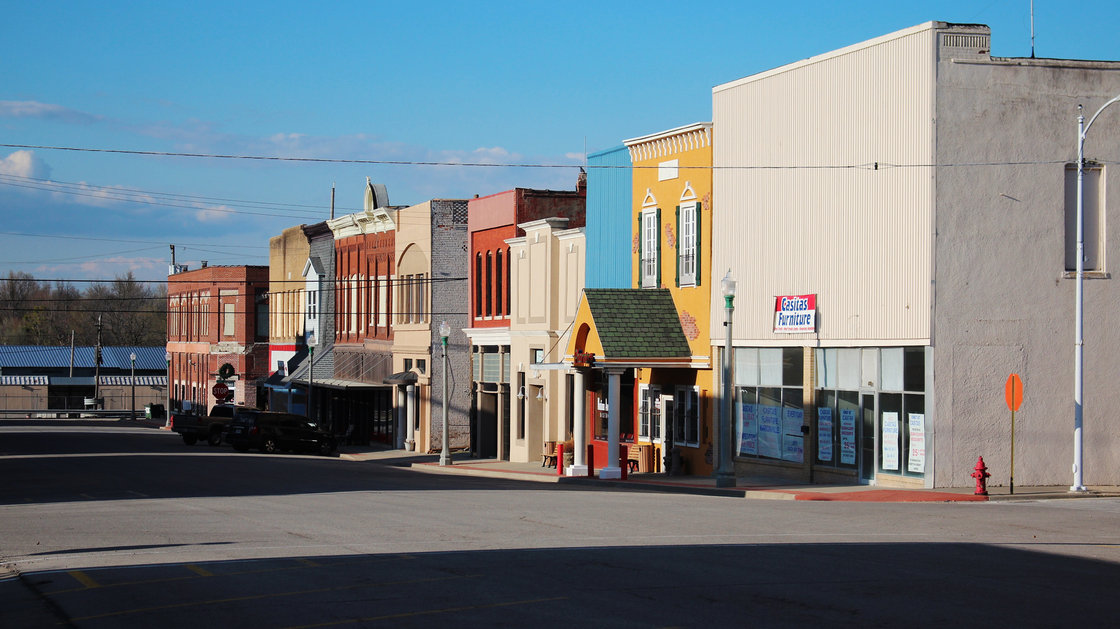
window.__IS_SSR__=true
window.__INITIAL_STATE__={
"attachmentsReducer": {
"audio_0": {
"type": "attachments",
"id": "audio_0",
"imgSizes": {
"kqedFullSize": {
"file": "https://ww2.kqed.org/news/wp-content/themes/KQED-unified/img/audio_bgs/background0.jpg"
}
}
},
"audio_1": {
"type": "attachments",
"id": "audio_1",
"imgSizes": {
"kqedFullSize": {
"file": "https://ww2.kqed.org/news/wp-content/themes/KQED-unified/img/audio_bgs/background1.jpg"
}
}
},
"audio_2": {
"type": "attachments",
"id": "audio_2",
"imgSizes": {
"kqedFullSize": {
"file": "https://ww2.kqed.org/news/wp-content/themes/KQED-unified/img/audio_bgs/background2.jpg"
}
}
},
"audio_3": {
"type": "attachments",
"id": "audio_3",
"imgSizes": {
"kqedFullSize": {
"file": "https://ww2.kqed.org/news/wp-content/themes/KQED-unified/img/audio_bgs/background3.jpg"
}
}
},
"audio_4": {
"type": "attachments",
"id": "audio_4",
"imgSizes": {
"kqedFullSize": {
"file": "https://ww2.kqed.org/news/wp-content/themes/KQED-unified/img/audio_bgs/background4.jpg"
}
}
},
"placeholder": {
"type": "attachments",
"id": "placeholder",
"imgSizes": {
"thumbnail": {
"file": "https://cdn.kqed.org/wp-content/uploads/2024/12/KQED-Default-Image-816638274-2000x1333-1-160x107.jpg",
"width": 160,
"height": 107,
"mimeType": "image/jpeg"
},
"medium": {
"file": "https://cdn.kqed.org/wp-content/uploads/2024/12/KQED-Default-Image-816638274-2000x1333-1-800x533.jpg",
"width": 800,
"height": 533,
"mimeType": "image/jpeg"
},
"medium_large": {
"file": "https://cdn.kqed.org/wp-content/uploads/2024/12/KQED-Default-Image-816638274-2000x1333-1-768x512.jpg",
"width": 768,
"height": 512,
"mimeType": "image/jpeg"
},
"large": {
"file": "https://cdn.kqed.org/wp-content/uploads/2024/12/KQED-Default-Image-816638274-2000x1333-1-1020x680.jpg",
"width": 1020,
"height": 680,
"mimeType": "image/jpeg"
},
"1536x1536": {
"file": "https://cdn.kqed.org/wp-content/uploads/2024/12/KQED-Default-Image-816638274-2000x1333-1-1536x1024.jpg",
"width": 1536,
"height": 1024,
"mimeType": "image/jpeg"
},
"fd-lrg": {
"file": "https://cdn.kqed.org/wp-content/uploads/2024/12/KQED-Default-Image-816638274-2000x1333-1-1536x1024.jpg",
"width": 1536,
"height": 1024,
"mimeType": "image/jpeg"
},
"fd-med": {
"file": "https://cdn.kqed.org/wp-content/uploads/2024/12/KQED-Default-Image-816638274-2000x1333-1-1020x680.jpg",
"width": 1020,
"height": 680,
"mimeType": "image/jpeg"
},
"fd-sm": {
"file": "https://cdn.kqed.org/wp-content/uploads/2024/12/KQED-Default-Image-816638274-2000x1333-1-800x533.jpg",
"width": 800,
"height": 533,
"mimeType": "image/jpeg"
},
"post-thumbnail": {
"file": "https://cdn.kqed.org/wp-content/uploads/2024/12/KQED-Default-Image-816638274-2000x1333-1-672x372.jpg",
"width": 672,
"height": 372,
"mimeType": "image/jpeg"
},
"twentyfourteen-full-width": {
"file": "https://cdn.kqed.org/wp-content/uploads/2024/12/KQED-Default-Image-816638274-2000x1333-1-1038x576.jpg",
"width": 1038,
"height": 576,
"mimeType": "image/jpeg"
},
"xxsmall": {
"file": "https://cdn.kqed.org/wp-content/uploads/2024/12/KQED-Default-Image-816638274-2000x1333-1-160x107.jpg",
"width": 160,
"height": 107,
"mimeType": "image/jpeg"
},
"xsmall": {
"file": "https://cdn.kqed.org/wp-content/uploads/2024/12/KQED-Default-Image-816638274-2000x1333-1-672x372.jpg",
"width": 672,
"height": 372,
"mimeType": "image/jpeg"
},
"small": {
"file": "https://cdn.kqed.org/wp-content/uploads/2024/12/KQED-Default-Image-816638274-2000x1333-1-672x372.jpg",
"width": 672,
"height": 372,
"mimeType": "image/jpeg"
},
"xlarge": {
"file": "https://cdn.kqed.org/wp-content/uploads/2024/12/KQED-Default-Image-816638274-2000x1333-1-1020x680.jpg",
"width": 1020,
"height": 680,
"mimeType": "image/jpeg"
},
"full-width": {
"file": "https://cdn.kqed.org/wp-content/uploads/2024/12/KQED-Default-Image-816638274-2000x1333-1-1920x1280.jpg",
"width": 1920,
"height": 1280,
"mimeType": "image/jpeg"
},
"guest-author-32": {
"file": "https://cdn.kqed.org/wp-content/uploads/2025/01/KQED-Default-Image-816638274-1333x1333-1-160x160.jpg",
"width": 32,
"height": 32,
"mimeType": "image/jpeg"
},
"guest-author-50": {
"file": "https://cdn.kqed.org/wp-content/uploads/2025/01/KQED-Default-Image-816638274-1333x1333-1-160x160.jpg",
"width": 50,
"height": 50,
"mimeType": "image/jpeg"
},
"guest-author-64": {
"file": "https://cdn.kqed.org/wp-content/uploads/2025/01/KQED-Default-Image-816638274-1333x1333-1-160x160.jpg",
"width": 64,
"height": 64,
"mimeType": "image/jpeg"
},
"guest-author-96": {
"file": "https://cdn.kqed.org/wp-content/uploads/2025/01/KQED-Default-Image-816638274-1333x1333-1-160x160.jpg",
"width": 96,
"height": 96,
"mimeType": "image/jpeg"
},
"guest-author-128": {
"file": "https://cdn.kqed.org/wp-content/uploads/2025/01/KQED-Default-Image-816638274-1333x1333-1-160x160.jpg",
"width": 128,
"height": 128,
"mimeType": "image/jpeg"
},
"detail": {
"file": "https://cdn.kqed.org/wp-content/uploads/2025/01/KQED-Default-Image-816638274-1333x1333-1-160x160.jpg",
"width": 160,
"height": 160,
"mimeType": "image/jpeg"
},
"kqedFullSize": {
"file": "https://cdn.kqed.org/wp-content/uploads/2024/12/KQED-Default-Image-816638274-2000x1333-1.jpg",
"width": 2000,
"height": 1333
}
}
},
"bayareabites_83607": {
"type": "attachments",
"id": "bayareabites_83607",
"meta": {
"index": "attachments_1716263798",
"site": "bayareabites",
"id": "83607",
"found": true
},
"parent": 83606,
"imgSizes": {
"kqedFullSize": {
"file": "https://ww2.kqed.org/app/uploads/sites/24/2014/06/kylie-kwong-edit_enl-b9ec037027ab9b0beea688fd85f5816aee416fae.jpg",
"width": 1599,
"height": 1078
}
},
"publishDate": 1403023732,
"modified": 1403023732,
"caption": "Australian celebrity chef and author Kylie Kwong (left) teaches a cooking workshop at Yaama Dhiyaan, a cooking and hospitality school for at-risk aborginal youth. Photo: The Kitchen Sisters",
"description": "Australian celebrity chef and author Kylie Kwong (left) teaches a cooking workshop at Yaama Dhiyaan, a cooking and hospitality school for at-risk aborginal youth.",
"title": "Australian celebrity chef and author Kylie Kwong (left) teaches a cooking workshop at Yaama Dhiyaan, a cooking and hospitality school for at-risk aborginal youth.",
"credit": null,
"status": "inherit",
"isLoading": false,
"fetchFailed": false
},
"bayareabites_83601": {
"type": "attachments",
"id": "bayareabites_83601",
"meta": {
"index": "attachments_1716263798",
"site": "bayareabites",
"id": "83601",
"found": true
},
"parent": 83593,
"imgSizes": {
"kqedFullSize": {
"file": "https://ww2.kqed.org/app/uploads/sites/24/2014/06/farming-smalltown.jpg",
"width": 1120,
"height": 629
}
},
"publishDate": 1402965149,
"modified": 1402965149,
"caption": "When families give up farming and move away, it drains life out of small communities. Photo: Dan Charles/NPR",
"description": null,
"title": "farming-smalltown",
"credit": null,
"status": "inherit",
"isLoading": false,
"fetchFailed": false
},
"bayareabites_83585": {
"type": "attachments",
"id": "bayareabites_83585",
"meta": {
"index": "attachments_1716263798",
"site": "bayareabites",
"id": "83585",
"found": true
},
"parent": 83584,
"imgSizes": {
"kqedFullSize": {
"file": "https://ww2.kqed.org/app/uploads/sites/24/2014/06/space-coffee1-c7461fbc48d97d0ecfa613e97613886c88540e4a.jpg",
"width": 2139,
"height": 1603
}
},
"publishDate": 1402963225,
"modified": 1402963225,
"caption": "The new ISSpresso orbital espresso machine. Photo: Argotec",
"description": "The new ISSpresso orbital espresso machine.",
"title": "The new ISSpresso orbital espresso machine.",
"credit": null,
"status": "inherit",
"isLoading": false,
"fetchFailed": false
},
"bayareabites_83486": {
"type": "attachments",
"id": "bayareabites_83486",
"meta": {
"index": "attachments_1716263798",
"site": "bayareabites",
"id": "83486",
"found": true
},
"parent": 83485,
"imgSizes": {
"kqedFullSize": {
"file": "https://ww2.kqed.org/app/uploads/sites/24/2014/06/chia-powder-0a7b55b0f1a5db1f7416b1d96a55ca26fe6693aa.jpg",
"width": 1599,
"height": 1198
}
},
"publishDate": 1402764494,
"modified": 1402764494,
"caption": "Salmonella has recently been found in ground chia seed powder, a superfood being put in everything from smoothies to cereal. Photo: Marek Uliasz/iStockphoto",
"description": "Salmonella has recently been found in ground chia seed powder, a superfood being put in everything from smoothies to cereal.",
"title": "Salmonella has recently been found in ground chia seed powder, a superfood being put in everything from smoothies to cereal.",
"credit": null,
"status": "inherit",
"isLoading": false,
"fetchFailed": false
},
"bayareabites_83310": {
"type": "attachments",
"id": "bayareabites_83310",
"meta": {
"index": "attachments_1716263798",
"site": "bayareabites",
"id": "83310",
"found": true
},
"parent": 83305,
"imgSizes": {
"kqedFullSize": {
"file": "https://ww2.kqed.org/app/uploads/sites/24/2014/06/pom-wonderful.jpg",
"width": 489,
"height": 367
}
},
"publishDate": 1402619800,
"modified": 1402619800,
"caption": "After POM Wonderful's victory at the Supreme Court, the fate of its lawsuit will be decided by jury in an upcoming trial, if it is not settled out of court beforehand. Photo: Red Blossom Photography/Flickr",
"description": "After POM Wonderful's victory at the Supreme Court, the fate of its lawsuit will be decided by jury in an upcoming trial, if it is not settled out of court beforehand.",
"title": "4423515535_ee37ca9c30_o",
"credit": null,
"status": "inherit",
"isLoading": false,
"fetchFailed": false
},
"bayareabites_83295": {
"type": "attachments",
"id": "bayareabites_83295",
"meta": {
"index": "attachments_1716263798",
"site": "bayareabites",
"id": "83295",
"found": true
},
"parent": 83290,
"imgSizes": {
"kqedFullSize": {
"file": "https://ww2.kqed.org/app/uploads/sites/24/2014/06/cheese-aging.jpg",
"width": 1120,
"height": 839
}
},
"publishDate": 1402602016,
"modified": 1402602016,
"caption": "Cheese aging on wooden boards in a cheese cave at Jasper Hill Farm in Greensboro, Vt. Photo: DJ Mitchell/Flickr",
"description": null,
"title": "cheese-aging",
"credit": null,
"status": "inherit",
"isLoading": false,
"fetchFailed": false
},
"bayareabites_83278": {
"type": "attachments",
"id": "bayareabites_83278",
"meta": {
"index": "attachments_1716263798",
"site": "bayareabites",
"id": "83278",
"found": true
},
"parent": 83277,
"imgSizes": {
"kqedFullSize": {
"file": "https://ww2.kqed.org/app/uploads/sites/24/2014/06/oyster-farm-1-eb18afbe4602b3018258ce221e80c5e9dbffad62.jpg",
"width": 1800,
"height": 1349
}
},
"publishDate": 1402582970,
"modified": 1402582970,
"caption": "The Drakes Bay Oyster Farm caters to local residents and restaurants. But unless its lease is renewed, its days are numbered. Photo: Richard Gonzales/NPR",
"description": "The Drakes Bay Oyster Farm caters to local residents and restaurants. But unless its lease is renewed, its days are numbered.",
"title": "The Drakes Bay Oyster Farm caters to local residents and restaurants. But unless its lease is renewed, its days are numbered.",
"credit": null,
"status": "inherit",
"isLoading": false,
"fetchFailed": false
},
"bayareabites_83213": {
"type": "attachments",
"id": "bayareabites_83213",
"meta": {
"index": "attachments_1716263798",
"site": "bayareabites",
"id": "83213",
"found": true
},
"parent": 83212,
"imgSizes": {
"kqedFullSize": {
"file": "https://ww2.kqed.org/app/uploads/sites/24/2014/06/schwan-pizza-d1f8ac165fe755069a4d9b6e453bcfb3c8856d33.jpg",
"width": 2941,
"height": 2208
}
},
"publishDate": 1402517287,
"modified": 1402517287,
"caption": "Patrick McCoy (right) and Harry Fowler of the Schwan Food Co. show off their company's Big Daddy's pizza at the School Nutrition Association's national conference in Chicago in 2007. Photo: Brian Kersey/AP",
"description": "Patrick McCoy (right) and Harry Fowler of the Schwan Food Company show off their company's Big Daddy pizza at the School Nutrition Association's national conference in Chicago in 2007.",
"title": "Patrick McCoy (right) and Harry Fowler of the Schwan Food Co. show off their company's Big Daddy's pizza at the School Nutrition Association's national conference in Chicago in 2007.",
"credit": null,
"status": "inherit",
"isLoading": false,
"fetchFailed": false
},
"bayareabites_83134": {
"type": "attachments",
"id": "bayareabites_83134",
"meta": {
"index": "attachments_1716263798",
"site": "bayareabites",
"id": "83134",
"found": true
},
"parent": 83133,
"imgSizes": {
"kqedFullSize": {
"file": "https://ww2.kqed.org/app/uploads/sites/24/2014/06/nasa-salad-f925b40b2a4983fe2d66eaa17638158bdfdeb4e9.jpg",
"width": 1800,
"height": 1348
}
},
"publishDate": 1402418835,
"modified": 1402418835,
"caption": "Astronaut Steve \"Swanny\" Swanson tends to lettuce plants growing at the International Space Station that may one day make it into his salad. Photo: Courtesy of NASA",
"description": "Astronaut Steve \"Swanny\" Swanson tends to lettuce plants growing at the International Space Station that may one day make it into his salad.",
"title": "Astronaut Steve \"Swanny\" Swanson tends to lettuce plants growing at the International Space Station that may one day make it into his salad.",
"credit": null,
"status": "inherit",
"isLoading": false,
"fetchFailed": false
},
"bayareabites_83086": {
"type": "attachments",
"id": "bayareabites_83086",
"meta": {
"index": "attachments_1716263798",
"site": "bayareabites",
"id": "83086",
"found": true
},
"parent": 83085,
"imgSizes": {
"kqedFullSize": {
"file": "https://ww2.kqed.org/app/uploads/sites/24/2014/06/california-water-1-854c8e12adc44a6c34e64fc47f248cf7fa996066.jpg",
"width": 1599,
"height": 1198
}
},
"publishDate": 1402360257,
"modified": 1402360257,
"caption": "Allen Peterson's farm, near the city of Turlock, Calif., lies next to a concrete-lined canal full of water. He's one of the lucky ones. Photo: Dan Charles/NPR",
"description": "Allen Peterson's farm, near the city of Turlock, Calif., lies next to a concrete-lined canal full of water. He's one of the lucky ones.",
"title": "Allen Peterson's farm, near the city of Turlock, Calif., lies next to a concrete-lined canal full of water. He's one of the lucky ones.",
"credit": null,
"status": "inherit",
"isLoading": false,
"fetchFailed": false
},
"bayareabites_83034": {
"type": "attachments",
"id": "bayareabites_83034",
"meta": {
"index": "attachments_1716263798",
"site": "bayareabites",
"id": "83034",
"found": true
},
"parent": 83031,
"imgSizes": {
"kqedFullSize": {
"file": "https://ww2.kqed.org/app/uploads/sites/24/2014/06/fish-farming-e8a3fcdc35d43fd39a2a5d5e9ef86a77ad7c13351.jpg",
"width": 1599,
"height": 1198
}
},
"publishDate": 1402115957,
"modified": 1402115957,
"caption": "Carp are collected at a breeding farm near the Belarus village of Ozerny in November 2013. Researchers say there's a lot the aquaculture industry can do to be more efficient. Photo: Viktor Drachev/AFP/Getty Images",
"description": "Carp are collected at a breeding farm near the Belarus village of Ozerny in November 2013. Researchers say there's a lot the aquaculture industry can do to be more efficient.",
"title": "Carp are collected at a breeding farm near the Belarus village of Ozerny in November 2013. Researchers say there's a lot the aquaculture industry can do to be more efficient.",
"credit": null,
"status": "inherit",
"isLoading": false,
"fetchFailed": false
},
"bayareabites_82919": {
"type": "attachments",
"id": "bayareabites_82919",
"meta": {
"index": "attachments_1716263798",
"site": "bayareabites",
"id": "82919",
"found": true
},
"parent": 82918,
"imgSizes": {
"kqedFullSize": {
"file": "https://ww2.kqed.org/app/uploads/sites/24/2014/06/grasshopperburger-48651a64aa87e15525c219c328d7e3f01482c63a.jpg",
"width": 2666,
"height": 1998
}
},
"publishDate": 1402001069,
"modified": 1402001069,
"caption": null,
"description": "A Grasshopper Burger topped with Mexican spice mealworms.",
"title": "A Grasshopper Burger topped with Mexican spice mealworms.",
"credit": null,
"status": "inherit",
"isLoading": false,
"fetchFailed": false
}
},
"audioPlayerReducer": {
"postId": "stream_live",
"isPaused": true,
"isPlaying": false,
"pfsActive": false,
"pledgeModalIsOpen": true,
"playerDrawerIsOpen": false,
"liveAudioPlayStartedAt": 0,
"liveAudioPlayContext": ""
},
"authorsReducer": {
"byline_bayareabites_83606": {
"type": "authors",
"id": "byline_bayareabites_83606",
"meta": {
"override": true
},
"slug": "byline_bayareabites_83606",
"name": "The Kitchen Sisters",
"isLoading": false
},
"byline_bayareabites_83593": {
"type": "authors",
"id": "byline_bayareabites_83593",
"meta": {
"override": true
},
"slug": "byline_bayareabites_83593",
"name": "Dan Charles",
"isLoading": false
},
"byline_bayareabites_83584": {
"type": "authors",
"id": "byline_bayareabites_83584",
"meta": {
"override": true
},
"slug": "byline_bayareabites_83584",
"name": "Scott Neuman",
"isLoading": false
},
"byline_bayareabites_83485": {
"type": "authors",
"id": "byline_bayareabites_83485",
"meta": {
"override": true
},
"slug": "byline_bayareabites_83485",
"name": "Allison Aubrey",
"isLoading": false
},
"byline_bayareabites_83305": {
"type": "authors",
"id": "byline_bayareabites_83305",
"meta": {
"override": true
},
"slug": "byline_bayareabites_83305",
"name": "Nina Totenberg",
"isLoading": false
},
"byline_bayareabites_83290": {
"type": "authors",
"id": "byline_bayareabites_83290",
"meta": {
"override": true
},
"slug": "byline_bayareabites_83290",
"name": "April Fulton",
"isLoading": false
},
"byline_bayareabites_83277": {
"type": "authors",
"id": "byline_bayareabites_83277",
"meta": {
"override": true
},
"slug": "byline_bayareabites_83277",
"name": "Richard Gonzales",
"isLoading": false
},
"byline_bayareabites_83212": {
"type": "authors",
"id": "byline_bayareabites_83212",
"meta": {
"override": true
},
"slug": "byline_bayareabites_83212",
"name": "Peter Overby",
"isLoading": false
},
"byline_bayareabites_83133": {
"type": "authors",
"id": "byline_bayareabites_83133",
"meta": {
"override": true
},
"slug": "byline_bayareabites_83133",
"name": "April Fulton",
"isLoading": false
},
"byline_bayareabites_83085": {
"type": "authors",
"id": "byline_bayareabites_83085",
"meta": {
"override": true
},
"slug": "byline_bayareabites_83085",
"name": "Dan Charles",
"isLoading": false
},
"byline_bayareabites_83031": {
"type": "authors",
"id": "byline_bayareabites_83031",
"meta": {
"override": true
},
"slug": "byline_bayareabites_83031",
"name": "Maanvi Singh",
"isLoading": false
},
"byline_bayareabites_82918": {
"type": "authors",
"id": "byline_bayareabites_82918",
"meta": {
"override": true
},
"slug": "byline_bayareabites_82918",
"name": "Eliza Barclay",
"isLoading": false
}
},
"pagesReducer": {
"bayareabites_category_npr-food": {
"type": "terms",
"id": "bayareabites_10916",
"meta": {
"index": "terms_1716263798",
"site": "bayareabites",
"id": "10916",
"score": 13.894751
},
"featImg": null,
"name": "NPR food",
"description": null,
"taxonomy": "category",
"headData": {
"twImgId": null,
"twTitle": null,
"ogTitle": null,
"ogImgId": null,
"twDescription": null,
"description": null,
"title": "NPR food Archives | KQED Bay Area Bites",
"ogDescription": null
},
"ttid": 5375,
"slug": "npr-food",
"isLoading": false,
"title": "NPR food",
"pageMeta": {
"site": "bayareabites",
"WpPageTemplate": "page-topic-editorial",
"currentPage": 41
},
"blocks": [
{
"blockName": "kqed/post-list",
"attrs": {
"layout": "cardArticle2",
"query": "posts/bayareabites?category=npr-food",
"seeMore": false,
"paginated": true,
"page": 41
}
},
{
"blockName": "kqed/ad"
}
]
}
},
"pfsSessionReducer": {},
"postsReducer": {
"stream_live": {
"type": "live",
"id": "stream_live",
"audioUrl": "https://hls.kqed.org/hls/kqed_app/playlist.m3u8",
"title": "Live Stream",
"excerpt": "Live Stream information currently unavailable.",
"link": "/radio",
"featImg": "",
"label": {
"name": "KQED Live",
"link": "/"
}
},
"stream_kqedNewscast": {
"type": "posts",
"id": "stream_kqedNewscast",
"audioUrl": "https://www.kqed.org/.stream/anon/radio/RDnews/newscast.mp3?_=1",
"title": "KQED Newscast",
"featImg": "",
"label": {
"name": "88.5 FM",
"link": "/"
}
},
"bayareabites_83606": {
"type": "posts",
"id": "bayareabites_83606",
"meta": {
"index": "posts_1716263798",
"site": "bayareabites",
"id": "83606",
"score": null,
"sort": [
1403025533000
]
},
"parent": 0,
"labelTerm": {
"site": "bayareabites"
},
"blocks": [],
"publishDate": 1403025533,
"format": "aside",
"disqusTitle": "In Yabbies And Cappuccino, A Culinary Lifeline For Aboriginal Youth",
"title": "In Yabbies And Cappuccino, A Culinary Lifeline For Aboriginal Youth",
"headTitle": "Bay Area Bites | KQED Food",
"content": "\u003cfigure id=\"attachment_83607\" class=\"wp-caption aligncenter\" style=\"max-width: 1599px\">\u003ca href=\"http://ww2.kqed.org/bayareabites/wp-content/uploads/sites/24/2014/06/kylie-kwong-edit_enl-b9ec037027ab9b0beea688fd85f5816aee416fae.jpg\">\u003cimg class=\"size-full wp-image-83607\" src=\"http://ww2.kqed.org/bayareabites/wp-content/uploads/sites/24/2014/06/kylie-kwong-edit_enl-b9ec037027ab9b0beea688fd85f5816aee416fae.jpg\" alt=\"Australian celebrity chef and author Kylie Kwong (left) teaches a cooking workshop at Yaama Dhiyaan, a cooking and hospitality school for at-risk aborginal youth. Photo: The Kitchen Sisters\" width=\"1599\" height=\"1078\">\u003c/a>\u003cfigcaption class=\"wp-caption-text\">Australian celebrity chef and author Kylie Kwong (left) teaches a cooking workshop at Yaama Dhiyaan, a cooking and hospitality school for at-risk aborginal youth. Photo: The Kitchen Sisters\u003c/figcaption>\u003c/figure>\n\u003cp>\u003cstrong>Listen to the Story\u003c/strong> on \u003ca href=\"http://www.npr.org/blogs/thesalt/2014/06/17/322569875/in-yabbies-and-cappuccino-a-culinary-lifeline-for-aboriginal-youth\">Morning Edition\u003c/a>\u003c/p>\n\u003cp>[audio src=\"http://pd.npr.org/anon.npr-mp3/npr/me/2014/06/20140617_me_in_yabbies_and_cappuccino_a_culinary_lifeline_for_aboriginal_youth.mp3\"]\u003c/p>\n\u003cp>by \u003ca href=\"http://www.npr.org/people/5252035/the-kitchen-sisters\">The Kitchen Sisters\u003c/a>, \u003ca href=\"http://www.npr.org/blogs/thesalt/2014/06/17/322569875/in-yabbies-and-cappuccino-a-culinary-lifeline-for-aboriginal-youth\">The Salt at NPR Food\u003c/a> (6/17/14)\u003c/p>\n\u003cp>If you teach an aboriginal man (or woman) to make a cappuccino, can you feed his career for a lifetime?\u003c/p>\n\u003cp>That's the hope at Yaama Dhiyaan, a cooking and hospitality school for at-risk indigenous young people in Australia.\u003c/p>\n\u003cp>[ad fullwidth]\u003c/p>\n\u003cp>Students there are learning the skills to be cooks, restaurant and hotel workers, and caterers. The school is also helping to reconnect them to their culture, disrupted when many of their grandparents were kidnapped off the land, forced into missionary schools and denied the right to vote until the 1960s.\u003c/p>\n\u003cp>Aunty Beryl Van-Oploo is an aboriginal elder who heads the school. She is from the Gamillera tribe and grew up on a reservation about 500 miles from Sydney in New South Wales.\u003c/p>\n\u003cfigure id=\"attachment_83608\" class=\"wp-caption alignleft\" style=\"max-width: 290px\">\u003ca href=\"http://ww2.kqed.org/bayareabites/wp-content/uploads/sites/24/2014/06/aunty-beryl-edit-f91d5cb11bb2876ff7145d504832b843c31239d5.jpg\">\u003cimg class=\"size-medium wp-image-83608\" src=\"http://ww2.kqed.org/bayareabites/wp-content/uploads/sites/24/2014/06/aunty-beryl-edit-f91d5cb11bb2876ff7145d504832b843c31239d5-290x217.jpg\" alt=\"Aunty Beryl Van-Oploo heads Yaama Dhiyaan, the first cooking and hospitality training college for at-risk indigenous young people in Australia. Photo: The Kitchen Sisters\" width=\"290\" height=\"217\">\u003c/a>\u003cfigcaption class=\"wp-caption-text\">Aunty Beryl Van-Oploo heads Yaama Dhiyaan, the first cooking and hospitality training college for at-risk indigenous young people in Australia. Photo: The Kitchen Sisters\u003c/figcaption>\u003c/figure>\n\u003cp>\"They asked me to name the school,\" says Aunty Beryl, \"so I thought I might as well say 'hello' in my own Yuwaalaraay language. \u003cem>Yaama\u003c/em> means 'hello' and \u003cem>Dhiyaan \u003c/em>means 'family.' So it's 'Hello family and friends' when you come here.\"\u003c/p>\n\u003cp>Among the skills the students learn at Yaama Dhiyaan is how to make cappuccinos and other specialty coffee drinks.\u003c/p>\n\u003cp>\"A lot of aboriginal people wouldn't go near a cappuccino machine,\" she laughs. \"Actually, we don't drink it. We were never brought up with coffee. ... We were tea drinkers.\"\u003c/p>\n\u003cp>The school takes about 20 students per session for the eight-week cooking and hospitality course.\u003c/p>\n\u003cp>\"I've been cooking all my life. I'm from the bush,\" says James Wilden, a 20-year-old student who recently completed the program. \"I've cooked kangaroo, goanna [a local lizard], yabbies [crustaceans].\"\u003c/p>\n\u003cp>Wilden grew up in a family with 15 brothers and eight sisters. Times got hard. He and most of his brothers have been in and out of jail all their lives. While he was in the school, Wilden was incarcerated in a jail but was allowed to leave to take daily classes at Yaama Dhiyaan.\u003c/p>\n\u003cp>\"When I was younger I made some bad decisions,\" Wilden says. \"That's why I'm in this course: to make my life better.\"\u003c/p>\n\u003cfigure id=\"attachment_83609\" class=\"wp-caption alignleft\" style=\"max-width: 290px\">\u003ca href=\"http://ww2.kqed.org/bayareabites/wp-content/uploads/sites/24/2014/06/james-edit-3f94b5edf9db51b8ba3a3101c41e3313986fccf8.jpg\">\u003cimg class=\"size-medium wp-image-83609\" src=\"http://ww2.kqed.org/bayareabites/wp-content/uploads/sites/24/2014/06/james-edit-3f94b5edf9db51b8ba3a3101c41e3313986fccf8-290x217.jpg\" alt=\"When James Wilden was a student in Yaama Dhiyaan's hospitality program, he was incarcerated in jail. He has since found work cooking in restaurants in Australia's Northern Territory. Photo: The Kitchen Sisters\" width=\"290\" height=\"217\">\u003c/a>\u003cfigcaption class=\"wp-caption-text\">When James Wilden was a student in Yaama Dhiyaan's hospitality program, he was incarcerated in jail. He has since found work cooking in restaurants in Australia's Northern Territory. Photo: The Kitchen Sisters\u003c/figcaption>\u003c/figure>\n\u003cp>\"Most of the people in our class are aboriginal — boys, girls, mothers, fathers, cousins,\" says 20-year-old Molly Meribito. Her family is from the Bundjalung tribe from the border of Queensland and New South Wales. She got pregnant at 16, and since she hasn't had much to do lately, her family recommended that she go learn with Aunty Beryl.\u003c/p>\n\u003cp>\"We're lucky if we get 12 to stay\" in the program, says Aunty Beryl.\u003c/p>\n\u003cp>\"Sometimes they can't cope,\" says Aunty Beryl. \"When you're ready, you come back. And we've had that happen to one of our young lads. He went away for a year, and he came back and he said, 'Aunty Beryl, I'm ready to be a chef.' \"\u003c/p>\n\u003cp>\u003cstrong>Classified As Unemployable\u003c/strong>\u003c/p>\n\u003cp>Australia's history of racial discrimination against the Aborigines is a long one. And young members of this minority group who have criminal records and previous drug histories, or who got pregnant as teenagers, are not who people usually want to hire.\u003c/p>\n\u003cp>\"Traditionally, the students that we train are classified as unemployable — that's what the society has labeled them as,\" says Dani Hore, who manages the Aboriginal Employment Program that oversees Yaama Dhiyaan.\u003c/p>\n\u003cp>The Employment Program also offers a carpentry and construction course downstairs from the cooking school. Aunty Beryl's students prepare lunch each day for themselves and the students studying to be electricians, carpenters and plumbers.\u003c/p>\n\u003cp>\"So many young people don't even have a home to live in,\" Hore says. \"One student, who we actually got employment for, was living in a tree. He had nowhere to live, and the tree was safe because it was up off the ground.\"\u003c/p>\n\u003cp>\u003cstrong>Bush Tucker\u003c/strong>\u003c/p>\n\u003cp>Just as many chefs and traditional cooks in Australia are interested in integrating traditional foods into modern-day cooking, the students are learning to prepare and eat Chinese stir-fry, French baguettes, Italian pasta.\u003c/p>\n\u003cp>The through line is cooking fresh, local and seasonal whenever possible. That, for Aunty Beryl, leads to bush tucker.\u003c/p>\n\u003cp>\"Bush tucker is what we got off the land, and that is why we are introducing it again, connecting students to their culture through food,\" says Aunty Beryl.\u003c/p>\n\u003cp>\"You have your fruits, nuts, yams,\" Aunty Beryl lists. \"You have your meats — kangaroo, wallaby, wild buffaloes up north.\u003c/p>\n\u003cp>There's also lemon myrtle, quandongs (an indigenous peach), marigold (a native spinach), wattleseeds from the Acacia tree, and salt bush, a shrub that covers large areas of dry, inland Australia.\u003c/p>\n\u003cp>\"You have your seafood like barramundi,\" she adds. \"It's got a real bushy sort of flavor. It's got that woody, tart flavor. Wrap it in gum leaves and throw it on an open fire. Then it will cook in its own oils.\"\u003c/p>\n\u003cp>Another favorite of Aunty Beryl is the finger lime. \"I call it the aboriginal caviar,\" she says. \"When you split it and open it up, it's got little lime modules inside that look like caviar. They are really great on fresh oysters.\"\u003c/p>\n\u003cp>\u003cstrong>You Can't Eat Your Totem\u003c/strong>\u003c/p>\n\u003cp>The students are also learning to make emu prosciutto. But Aunty Beryl doesn't eat the ostrichlike bird that some say tastes like steak.\u003c/p>\n\u003cp>\"My totem is an emu, so I don't eat it,\" she says. \"It's an animal that we worship.\" A totem is a being, an animal or plant, that serves as a sacred symbol to an aboriginal clan or tribe. A totem connects people, ancestors and mythic past.\u003c/p>\n\u003cfigure id=\"attachment_83610\" class=\"wp-caption alignleft\" style=\"max-width: 290px\">\u003ca href=\"http://ww2.kqed.org/bayareabites/wp-content/uploads/sites/24/2014/06/logo-edit-bfff8a159727dee67298809ca526d1c05f5733b6.jpg\">\u003cimg class=\"size-medium wp-image-83610\" src=\"http://ww2.kqed.org/bayareabites/wp-content/uploads/sites/24/2014/06/logo-edit-bfff8a159727dee67298809ca526d1c05f5733b6-290x217.jpg\" alt=\"The logo of Yaama Dhiyaan Hospitality Training Center in Sydney features an emu, the totem of Aunty Beryl, the aboriginal elder who heads the program. Among the indigenous tribes of Australia, it is forbidden to eat your totem. Photo: The Kitchen Sisters\" width=\"290\" height=\"217\">\u003c/a>\u003cfigcaption class=\"wp-caption-text\">The logo of Yaama Dhiyaan Hospitality Training Center in Sydney features an emu, the totem of Aunty Beryl, the aboriginal elder who heads the program. Among the indigenous tribes of Australia, it is forbidden to eat your totem. Photo: The Kitchen Sisters\u003c/figcaption>\u003c/figure>\n\u003cp>\"Kangaroo, goanna, dolphins — whatever totem your aboriginal tribe has, you can't kill, touch or eat,\" says student James Wilden. \"I'm an emu. If I kill an emu, it's like killing my brother, my sister or my mother.\"\u003c/p>\n\u003cp>Ricardo Golding's totem is a turtle. He has come to Yaama Dhiyaan just out of high school. \"I had nothing to do,\" says the 17-year-old. \"I'm not that smart, but I'm doing my work. I used to get picked on a lot at school, because of the sound of my voice. The way I act. I was very afraid to go into class. I missed out on a lot of lessons. Here, the cooking is the part I like the most.\"\u003c/p>\n\u003cp>\"The biggest thing our students or anybody has to deal with,\" says Aunty Beryl, \"is their self-confidence.\"\u003c/p>\n\u003cp>\u003cstrong>The Stolen Generation\u003c/strong>\u003c/p>\n\u003cp>The history of the treatment of native cultures in Australia is a dark one. Whole generations of children were taken away from their parents, forced into missionary schools, native language forbidden, traditional foods taken away, whole clans forced off their own lands and onto reservations, cultures denied the right to vote until the 1960s.\u003c/p>\n\u003cp>Jamie Rayburch works with Aunty Beryl, helping out with the hospitality and training program. \"My grandfather was part of the 'Stolen Generation.' He was stolen away when he was 5 years old and put into a cattle ranch and then into an all-boys orphanage. He never knew his parents. My grandmother's the same.\"\u003c/p>\n\u003cp>\"I'm 24 years old,\" says Jamie, \"and I'm still trying to understand what that's all about and how that affected my family, my culture, myself. I think that this generation — the Stolen Generation — has kind of almost been forgotten, where our culture came from, where the food derives from as well.\"\u003c/p>\n\u003cp>Dani Hore from the Employment Program says the aboriginal teachers and mentors at Yaama Dhiyaan are providing important role models for the youth.\u003c/p>\n\u003cp>\"Once these young people come to Yaama Dhiyaan,\" says Dani, \"they know that they are in a caring, loving environment where they are going to be taught vocational skills. But they are also going to be taught about self-respect and self-esteem and life skills that a parent would normally teach about punctuality, cleanliness, how to talk to people, how to eat together. It's a very short period of time, but it's quite transformational.\"\u003c/p>\n\u003cp>\u003cstrong>'It's James' Journey Now'\u003c/strong>\u003c/p>\n\u003cp>Along with learning to make lemon myrtle rose tarts, the perfect long black coffee and emu prosciutto, and how to card people and look for fake IDs to make sure people walking into a bar are old enough to drink — all skills required in Australia's hospitality and cooking industry — Yaama Dhiyaan is providing a vision for a future, and a sense of community.\u003c/p>\n\u003cp>James Wilden is preparing to graduate from his program in the next few weeks.\u003c/p>\n\u003cp>\"I just love cooking,\" James says. \"I love the smell. When I get out and get out of trouble, I want to be a chef.\"\u003c/p>\n\u003cp>James is eager to start his work, but he tears up at the thought of leaving the deep community of this Australian hidden kitchen.\u003c/p>\n\u003cp>Before he gets too broken up, Aunty Beryl speaks for her school. \"We're looking at James going up into the Northern Territory and becoming an apprentice chef up there. I know James will be a success because his heart is in it. At the end of the day, it's James' journey now, once he leaves here. But, we're only a phone call away, because that's what Yaama's all about that. We're always going to be there as part of his journey.\"\u003c/p>\n\u003cp>\u003cstrong>More From The Kitchen Sisters\u003c/strong>\u003c/p>\n\u003cp>The \u003ca href=\"http://www.kitchensisters.org/\">The Kitchen Sisters\u003c/a>, Davia Nelson and Nikki Silva, are Peabody Award-winning independent producers who create radio and multimedia stories for NPR and public broadcast. Their \u003ca href=\"http://www.npr.org/series/91851784/hidden-kitchens-the-kitchen-sisters\">Hidden Kitchen\u003c/a> series travels the world, chronicling little-known kitchen rituals and traditions that explore how communities come together through food — from modern-day Sicily to medieval England, the Australian Outback to the desert oasis of California.\u003c/p>\n\u003cp>[ad floatright]\u003c/p>\n\u003cp>Copyright 2014 \u003ca href=\"http://www.npr.org/\">NPR\u003c/a>.\u003c/p>\n\n",
"disqusIdentifier": "83606 http://blogs.kqed.org/bayareabites/?p=83606",
"disqusUrl": "https://ww2.kqed.org/bayareabites/2014/06/17/in-yabbies-and-cappuccino-a-culinary-lifeline-for-aboriginal-youth/",
"stats": {
"hasVideo": false,
"hasChartOrMap": false,
"hasAudio": true,
"hasPolis": false,
"wordCount": 1805,
"hasGoogleForm": false,
"hasGallery": false,
"hasHearkenModule": false,
"iframeSrcs": [],
"paragraphCount": 52
},
"modified": 1552419755,
"excerpt": "Australia has a long, dark history of racial discrimination against the Aborigines. A cooking and hospitality program tries to help youth discover their culture and build confidence and competence.",
"headData": {
"twImgId": "",
"twTitle": "",
"ogTitle": "",
"ogImgId": "",
"twDescription": "",
"description": "Australia has a long, dark history of racial discrimination against the Aborigines. A cooking and hospitality program tries to help youth discover their culture and build confidence and competence.",
"title": "In Yabbies And Cappuccino, A Culinary Lifeline For Aboriginal Youth | KQED",
"ogDescription": "",
"schema": {
"@context": "https://schema.org",
"@type": "Article",
"headline": "In Yabbies And Cappuccino, A Culinary Lifeline For Aboriginal Youth",
"datePublished": "2014-06-17T10:18:53-07:00",
"dateModified": "2019-03-12T12:42:35-07:00",
"image": "https://cdn.kqed.org/wp-content/uploads/2020/02/KQED-OG-Image@1x.png"
}
},
"guestAuthors": [],
"slug": "in-yabbies-and-cappuccino-a-culinary-lifeline-for-aboriginal-youth",
"status": "publish",
"nprApiLink": "http://api.npr.org/query?id=322569875&apiKey=MDAxOTAwOTE4MDEyMTkxMDAzNjczZDljZA004",
"nprByline": "The Kitchen Sisters",
"nprStoryDate": "Tue, 17 Jun 2014 04:41:00 -0400",
"nprLastModifiedDate": "Tue, 17 Jun 2014 09:10:05 -0400",
"nprHtmlLink": "http://www.npr.org/blogs/thesalt/2014/06/17/322569875/in-yabbies-and-cappuccino-a-culinary-lifeline-for-aboriginal-youth?ft=3&f=322569875",
"nprAudio": "http://pd.npr.org/anon.npr-mp3/npr/me/2014/06/20140617_me_in_yabbies_and_cappuccino_a_culinary_lifeline_for_aboriginal_youth.mp3?orgId=1&topicId=1053&aggIds=91851784&ft=3&f=322569875",
"audioTrackLength": 458,
"nprAudioM3u": "http://api.npr.org/m3u/1322800447-e9c671.m3u?orgId=1&topicId=1053&aggIds=91851784&ft=3&f=322569875",
"nprStoryId": "322569875",
"nprRetrievedStory": "1",
"nprPubDate": "Tue, 17 Jun 2014 09:10:00 -0400",
"path": "/bayareabites/83606/in-yabbies-and-cappuccino-a-culinary-lifeline-for-aboriginal-youth",
"audioUrl": "http://pd.npr.org/anon.npr-mp3/npr/me/2014/06/20140617_me_in_yabbies_and_cappuccino_a_culinary_lifeline_for_aboriginal_youth.mp3",
"audioDuration": null,
"parsedContent": [
{
"type": "contentString",
"content": "\u003cdiv class=\"post-body\">\u003cp>\u003cfigure id=\"attachment_83607\" class=\"wp-caption aligncenter\" style=\"max-width: 1599px\">\u003ca href=\"http://ww2.kqed.org/bayareabites/wp-content/uploads/sites/24/2014/06/kylie-kwong-edit_enl-b9ec037027ab9b0beea688fd85f5816aee416fae.jpg\">\u003cimg class=\"size-full wp-image-83607\" src=\"http://ww2.kqed.org/bayareabites/wp-content/uploads/sites/24/2014/06/kylie-kwong-edit_enl-b9ec037027ab9b0beea688fd85f5816aee416fae.jpg\" alt=\"Australian celebrity chef and author Kylie Kwong (left) teaches a cooking workshop at Yaama Dhiyaan, a cooking and hospitality school for at-risk aborginal youth. Photo: The Kitchen Sisters\" width=\"1599\" height=\"1078\">\u003c/a>\u003cfigcaption class=\"wp-caption-text\">Australian celebrity chef and author Kylie Kwong (left) teaches a cooking workshop at Yaama Dhiyaan, a cooking and hospitality school for at-risk aborginal youth. Photo: The Kitchen Sisters\u003c/figcaption>\u003c/figure>\n\u003cp>\u003cstrong>Listen to the Story\u003c/strong> on \u003ca href=\"http://www.npr.org/blogs/thesalt/2014/06/17/322569875/in-yabbies-and-cappuccino-a-culinary-lifeline-for-aboriginal-youth\">Morning Edition\u003c/a>\u003c/p>\n\u003cp>\u003c/p>\u003c/div>",
"attributes": {
"named": {},
"numeric": []
}
},
{
"type": "component",
"content": "",
"name": "audio",
"attributes": {
"named": {
"src": "http://pd.npr.org/anon.npr-mp3/npr/me/2014/06/20140617_me_in_yabbies_and_cappuccino_a_culinary_lifeline_for_aboriginal_youth.mp3",
"label": ""
},
"numeric": []
}
},
{
"type": "contentString",
"content": "\u003cdiv class=\"post-body\">\u003cp>\u003c/p>\n\u003cp>by \u003ca href=\"http://www.npr.org/people/5252035/the-kitchen-sisters\">The Kitchen Sisters\u003c/a>, \u003ca href=\"http://www.npr.org/blogs/thesalt/2014/06/17/322569875/in-yabbies-and-cappuccino-a-culinary-lifeline-for-aboriginal-youth\">The Salt at NPR Food\u003c/a> (6/17/14)\u003c/p>\n\u003cp>If you teach an aboriginal man (or woman) to make a cappuccino, can you feed his career for a lifetime?\u003c/p>\n\u003cp>That's the hope at Yaama Dhiyaan, a cooking and hospitality school for at-risk indigenous young people in Australia.\u003c/p>\n\u003cp>\u003c/p>\u003c/div>",
"attributes": {
"named": {},
"numeric": []
}
},
{
"type": "component",
"content": "",
"name": "ad",
"attributes": {
"named": {
"label": "fullwidth"
},
"numeric": [
"fullwidth"
]
}
},
{
"type": "contentString",
"content": "\u003cdiv class=\"post-body\">\u003cp>\u003c/p>\n\u003cp>Students there are learning the skills to be cooks, restaurant and hotel workers, and caterers. The school is also helping to reconnect them to their culture, disrupted when many of their grandparents were kidnapped off the land, forced into missionary schools and denied the right to vote until the 1960s.\u003c/p>\n\u003cp>Aunty Beryl Van-Oploo is an aboriginal elder who heads the school. She is from the Gamillera tribe and grew up on a reservation about 500 miles from Sydney in New South Wales.\u003c/p>\n\u003cfigure id=\"attachment_83608\" class=\"wp-caption alignleft\" style=\"max-width: 290px\">\u003ca href=\"http://ww2.kqed.org/bayareabites/wp-content/uploads/sites/24/2014/06/aunty-beryl-edit-f91d5cb11bb2876ff7145d504832b843c31239d5.jpg\">\u003cimg class=\"size-medium wp-image-83608\" src=\"http://ww2.kqed.org/bayareabites/wp-content/uploads/sites/24/2014/06/aunty-beryl-edit-f91d5cb11bb2876ff7145d504832b843c31239d5-290x217.jpg\" alt=\"Aunty Beryl Van-Oploo heads Yaama Dhiyaan, the first cooking and hospitality training college for at-risk indigenous young people in Australia. Photo: The Kitchen Sisters\" width=\"290\" height=\"217\">\u003c/a>\u003cfigcaption class=\"wp-caption-text\">Aunty Beryl Van-Oploo heads Yaama Dhiyaan, the first cooking and hospitality training college for at-risk indigenous young people in Australia. Photo: The Kitchen Sisters\u003c/figcaption>\u003c/figure>\n\u003cp>\"They asked me to name the school,\" says Aunty Beryl, \"so I thought I might as well say 'hello' in my own Yuwaalaraay language. \u003cem>Yaama\u003c/em> means 'hello' and \u003cem>Dhiyaan \u003c/em>means 'family.' So it's 'Hello family and friends' when you come here.\"\u003c/p>\n\u003cp>Among the skills the students learn at Yaama Dhiyaan is how to make cappuccinos and other specialty coffee drinks.\u003c/p>\n\u003cp>\"A lot of aboriginal people wouldn't go near a cappuccino machine,\" she laughs. \"Actually, we don't drink it. We were never brought up with coffee. ... We were tea drinkers.\"\u003c/p>\n\u003cp>The school takes about 20 students per session for the eight-week cooking and hospitality course.\u003c/p>\n\u003cp>\"I've been cooking all my life. I'm from the bush,\" says James Wilden, a 20-year-old student who recently completed the program. \"I've cooked kangaroo, goanna [a local lizard], yabbies [crustaceans].\"\u003c/p>\n\u003cp>Wilden grew up in a family with 15 brothers and eight sisters. Times got hard. He and most of his brothers have been in and out of jail all their lives. While he was in the school, Wilden was incarcerated in a jail but was allowed to leave to take daily classes at Yaama Dhiyaan.\u003c/p>\n\u003cp>\"When I was younger I made some bad decisions,\" Wilden says. \"That's why I'm in this course: to make my life better.\"\u003c/p>\n\u003cfigure id=\"attachment_83609\" class=\"wp-caption alignleft\" style=\"max-width: 290px\">\u003ca href=\"http://ww2.kqed.org/bayareabites/wp-content/uploads/sites/24/2014/06/james-edit-3f94b5edf9db51b8ba3a3101c41e3313986fccf8.jpg\">\u003cimg class=\"size-medium wp-image-83609\" src=\"http://ww2.kqed.org/bayareabites/wp-content/uploads/sites/24/2014/06/james-edit-3f94b5edf9db51b8ba3a3101c41e3313986fccf8-290x217.jpg\" alt=\"When James Wilden was a student in Yaama Dhiyaan's hospitality program, he was incarcerated in jail. He has since found work cooking in restaurants in Australia's Northern Territory. Photo: The Kitchen Sisters\" width=\"290\" height=\"217\">\u003c/a>\u003cfigcaption class=\"wp-caption-text\">When James Wilden was a student in Yaama Dhiyaan's hospitality program, he was incarcerated in jail. He has since found work cooking in restaurants in Australia's Northern Territory. Photo: The Kitchen Sisters\u003c/figcaption>\u003c/figure>\n\u003cp>\"Most of the people in our class are aboriginal — boys, girls, mothers, fathers, cousins,\" says 20-year-old Molly Meribito. Her family is from the Bundjalung tribe from the border of Queensland and New South Wales. She got pregnant at 16, and since she hasn't had much to do lately, her family recommended that she go learn with Aunty Beryl.\u003c/p>\n\u003cp>\"We're lucky if we get 12 to stay\" in the program, says Aunty Beryl.\u003c/p>\n\u003cp>\"Sometimes they can't cope,\" says Aunty Beryl. \"When you're ready, you come back. And we've had that happen to one of our young lads. He went away for a year, and he came back and he said, 'Aunty Beryl, I'm ready to be a chef.' \"\u003c/p>\n\u003cp>\u003cstrong>Classified As Unemployable\u003c/strong>\u003c/p>\n\u003cp>Australia's history of racial discrimination against the Aborigines is a long one. And young members of this minority group who have criminal records and previous drug histories, or who got pregnant as teenagers, are not who people usually want to hire.\u003c/p>\n\u003cp>\"Traditionally, the students that we train are classified as unemployable — that's what the society has labeled them as,\" says Dani Hore, who manages the Aboriginal Employment Program that oversees Yaama Dhiyaan.\u003c/p>\n\u003cp>The Employment Program also offers a carpentry and construction course downstairs from the cooking school. Aunty Beryl's students prepare lunch each day for themselves and the students studying to be electricians, carpenters and plumbers.\u003c/p>\n\u003cp>\"So many young people don't even have a home to live in,\" Hore says. \"One student, who we actually got employment for, was living in a tree. He had nowhere to live, and the tree was safe because it was up off the ground.\"\u003c/p>\n\u003cp>\u003cstrong>Bush Tucker\u003c/strong>\u003c/p>\n\u003cp>Just as many chefs and traditional cooks in Australia are interested in integrating traditional foods into modern-day cooking, the students are learning to prepare and eat Chinese stir-fry, French baguettes, Italian pasta.\u003c/p>\n\u003cp>The through line is cooking fresh, local and seasonal whenever possible. That, for Aunty Beryl, leads to bush tucker.\u003c/p>\n\u003cp>\"Bush tucker is what we got off the land, and that is why we are introducing it again, connecting students to their culture through food,\" says Aunty Beryl.\u003c/p>\n\u003cp>\"You have your fruits, nuts, yams,\" Aunty Beryl lists. \"You have your meats — kangaroo, wallaby, wild buffaloes up north.\u003c/p>\n\u003cp>There's also lemon myrtle, quandongs (an indigenous peach), marigold (a native spinach), wattleseeds from the Acacia tree, and salt bush, a shrub that covers large areas of dry, inland Australia.\u003c/p>\n\u003cp>\"You have your seafood like barramundi,\" she adds. \"It's got a real bushy sort of flavor. It's got that woody, tart flavor. Wrap it in gum leaves and throw it on an open fire. Then it will cook in its own oils.\"\u003c/p>\n\u003cp>Another favorite of Aunty Beryl is the finger lime. \"I call it the aboriginal caviar,\" she says. \"When you split it and open it up, it's got little lime modules inside that look like caviar. They are really great on fresh oysters.\"\u003c/p>\n\u003cp>\u003cstrong>You Can't Eat Your Totem\u003c/strong>\u003c/p>\n\u003cp>The students are also learning to make emu prosciutto. But Aunty Beryl doesn't eat the ostrichlike bird that some say tastes like steak.\u003c/p>\n\u003cp>\"My totem is an emu, so I don't eat it,\" she says. \"It's an animal that we worship.\" A totem is a being, an animal or plant, that serves as a sacred symbol to an aboriginal clan or tribe. A totem connects people, ancestors and mythic past.\u003c/p>\n\u003cfigure id=\"attachment_83610\" class=\"wp-caption alignleft\" style=\"max-width: 290px\">\u003ca href=\"http://ww2.kqed.org/bayareabites/wp-content/uploads/sites/24/2014/06/logo-edit-bfff8a159727dee67298809ca526d1c05f5733b6.jpg\">\u003cimg class=\"size-medium wp-image-83610\" src=\"http://ww2.kqed.org/bayareabites/wp-content/uploads/sites/24/2014/06/logo-edit-bfff8a159727dee67298809ca526d1c05f5733b6-290x217.jpg\" alt=\"The logo of Yaama Dhiyaan Hospitality Training Center in Sydney features an emu, the totem of Aunty Beryl, the aboriginal elder who heads the program. Among the indigenous tribes of Australia, it is forbidden to eat your totem. Photo: The Kitchen Sisters\" width=\"290\" height=\"217\">\u003c/a>\u003cfigcaption class=\"wp-caption-text\">The logo of Yaama Dhiyaan Hospitality Training Center in Sydney features an emu, the totem of Aunty Beryl, the aboriginal elder who heads the program. Among the indigenous tribes of Australia, it is forbidden to eat your totem. Photo: The Kitchen Sisters\u003c/figcaption>\u003c/figure>\n\u003cp>\"Kangaroo, goanna, dolphins — whatever totem your aboriginal tribe has, you can't kill, touch or eat,\" says student James Wilden. \"I'm an emu. If I kill an emu, it's like killing my brother, my sister or my mother.\"\u003c/p>\n\u003cp>Ricardo Golding's totem is a turtle. He has come to Yaama Dhiyaan just out of high school. \"I had nothing to do,\" says the 17-year-old. \"I'm not that smart, but I'm doing my work. I used to get picked on a lot at school, because of the sound of my voice. The way I act. I was very afraid to go into class. I missed out on a lot of lessons. Here, the cooking is the part I like the most.\"\u003c/p>\n\u003cp>\"The biggest thing our students or anybody has to deal with,\" says Aunty Beryl, \"is their self-confidence.\"\u003c/p>\n\u003cp>\u003cstrong>The Stolen Generation\u003c/strong>\u003c/p>\n\u003cp>The history of the treatment of native cultures in Australia is a dark one. Whole generations of children were taken away from their parents, forced into missionary schools, native language forbidden, traditional foods taken away, whole clans forced off their own lands and onto reservations, cultures denied the right to vote until the 1960s.\u003c/p>\n\u003cp>Jamie Rayburch works with Aunty Beryl, helping out with the hospitality and training program. \"My grandfather was part of the 'Stolen Generation.' He was stolen away when he was 5 years old and put into a cattle ranch and then into an all-boys orphanage. He never knew his parents. My grandmother's the same.\"\u003c/p>\n\u003cp>\"I'm 24 years old,\" says Jamie, \"and I'm still trying to understand what that's all about and how that affected my family, my culture, myself. I think that this generation — the Stolen Generation — has kind of almost been forgotten, where our culture came from, where the food derives from as well.\"\u003c/p>\n\u003cp>Dani Hore from the Employment Program says the aboriginal teachers and mentors at Yaama Dhiyaan are providing important role models for the youth.\u003c/p>\n\u003cp>\"Once these young people come to Yaama Dhiyaan,\" says Dani, \"they know that they are in a caring, loving environment where they are going to be taught vocational skills. But they are also going to be taught about self-respect and self-esteem and life skills that a parent would normally teach about punctuality, cleanliness, how to talk to people, how to eat together. It's a very short period of time, but it's quite transformational.\"\u003c/p>\n\u003cp>\u003cstrong>'It's James' Journey Now'\u003c/strong>\u003c/p>\n\u003cp>Along with learning to make lemon myrtle rose tarts, the perfect long black coffee and emu prosciutto, and how to card people and look for fake IDs to make sure people walking into a bar are old enough to drink — all skills required in Australia's hospitality and cooking industry — Yaama Dhiyaan is providing a vision for a future, and a sense of community.\u003c/p>\n\u003cp>James Wilden is preparing to graduate from his program in the next few weeks.\u003c/p>\n\u003cp>\"I just love cooking,\" James says. \"I love the smell. When I get out and get out of trouble, I want to be a chef.\"\u003c/p>\n\u003cp>James is eager to start his work, but he tears up at the thought of leaving the deep community of this Australian hidden kitchen.\u003c/p>\n\u003cp>Before he gets too broken up, Aunty Beryl speaks for her school. \"We're looking at James going up into the Northern Territory and becoming an apprentice chef up there. I know James will be a success because his heart is in it. At the end of the day, it's James' journey now, once he leaves here. But, we're only a phone call away, because that's what Yaama's all about that. We're always going to be there as part of his journey.\"\u003c/p>\n\u003cp>\u003cstrong>More From The Kitchen Sisters\u003c/strong>\u003c/p>\n\u003cp>The \u003ca href=\"http://www.kitchensisters.org/\">The Kitchen Sisters\u003c/a>, Davia Nelson and Nikki Silva, are Peabody Award-winning independent producers who create radio and multimedia stories for NPR and public broadcast. Their \u003ca href=\"http://www.npr.org/series/91851784/hidden-kitchens-the-kitchen-sisters\">Hidden Kitchen\u003c/a> series travels the world, chronicling little-known kitchen rituals and traditions that explore how communities come together through food — from modern-day Sicily to medieval England, the Australian Outback to the desert oasis of California.\u003c/p>\n\u003cp>\u003c/p>\u003c/div>",
"attributes": {
"named": {},
"numeric": []
}
},
{
"type": "component",
"content": "",
"name": "ad",
"attributes": {
"named": {
"label": "floatright"
},
"numeric": [
"floatright"
]
}
},
{
"type": "contentString",
"content": "\u003cdiv class=\"post-body\">\u003cp>\u003c/p>\n\u003cp>Copyright 2014 \u003ca href=\"http://www.npr.org/\">NPR\u003c/a>.\u003c/p>\n\n\u003c/div>\u003c/p>",
"attributes": {
"named": {},
"numeric": []
}
}
],
"link": "/bayareabites/83606/in-yabbies-and-cappuccino-a-culinary-lifeline-for-aboriginal-youth",
"authors": [
"byline_bayareabites_83606"
],
"categories": [
"bayareabites_1146",
"bayareabites_10916",
"bayareabites_34"
],
"tags": [
"bayareabites_16344",
"bayareabites_701",
"bayareabites_16272",
"bayareabites_9006",
"bayareabites_10921"
],
"featImg": "bayareabites_83607",
"label": "bayareabites"
},
"bayareabites_83593": {
"type": "posts",
"id": "bayareabites_83593",
"meta": {
"index": "posts_1716263798",
"site": "bayareabites",
"id": "83593",
"score": null,
"sort": [
1402965357000
]
},
"parent": 0,
"labelTerm": {
"site": "bayareabites"
},
"blocks": [],
"publishDate": 1402965357,
"format": "aside",
"disqusTitle": "In The Making Of Megafarms, A Few Winners And Many Losers",
"title": "In The Making Of Megafarms, A Few Winners And Many Losers",
"headTitle": "Bay Area Bites | KQED Food",
"content": "\u003cfigure id=\"attachment_83601\" class=\"wp-caption aligncenter\" style=\"max-width: 1120px\">\u003ca href=\"http://ww2.kqed.org/bayareabites/wp-content/uploads/sites/24/2014/06/farming-smalltown.jpg\">\u003cimg src=\"http://ww2.kqed.org/bayareabites/wp-content/uploads/sites/24/2014/06/farming-smalltown.jpg\" alt=\"When families give up farming and move away, it drains life out of small communities. Photo: Dan Charles/NPR\" width=\"1120\" height=\"629\" class=\"size-full wp-image-83601\">\u003c/a>\u003cfigcaption class=\"wp-caption-text\">When families give up farming and move away, it drains life out of small communities. Photo: Dan Charles/NPR\u003c/figcaption>\u003c/figure>\n\u003cp>\u003cstrong>Listen to the Story\u003c/strong> on \u003ca href=\"http://www.npr.org/blogs/thesalt/2014/06/16/321705130/in-the-making-of-megafarms-a-few-winners-and-many-losers\">All Things Considered\u003c/a> [audio src=\"http://pd.npr.org/anon.npr-mp3/npr/atc/2014/06/20140616_atc_how_the_rise_of_the_megafarms_drained_small_heartland_towns.mp3\"] \u003c/p>\n\u003cp>by \u003ca href=\"http://www.npr.org/people/143160021/daniel-charles\">Dan Charles\u003c/a>, \u003ca href=\"http://www.npr.org/blogs/thesalt/2014/06/16/321705130/in-the-making-of-megafarms-a-few-winners-and-many-losers\">The Salt at NPR Food\u003c/a> (6/16/14)\u003c/p>\n\u003cp>It seems that everybody, going back at least to \u003ca href=\"http://www.monticello.org/site/jefferson/quotations-agriculture\">Thomas Jefferson\u003c/a>, loves small family farms.\u003c/p>\n\u003cp>Yet those beloved small farms are becoming increasingly irrelevant. Big farms are taking over.\u003c/p>\n\u003cp>According to the \u003ca href=\"http://www.agcensus.usda.gov/\">latest census of American agriculture\u003c/a>, released this year, there are two million farms in America. But just four percent of those farms account for two-thirds of all agricultural production.\u003c/p>\n\u003cp>[ad fullwidth]\u003c/p>\n\u003cp>There are, of course, mixed feelings about this trend, even among farmers themselves. Talking to people in rural communities, one hears resignation, sadness, even some anger. Because as farms grow bigger, many small towns are shrinking and even dying.\u003c/p>\n\u003cp>To understand this trend from the inside, I made an appointment to meet Todd Zenger, a young man in his thirties who's among the top grain producers in Kansas.\u003c/p>\n\u003cp>As I drove to meet him, I became increasingly confused. My GPS took me into a suburban development east of Manhattan, Kans., past neatly trimmed lawns and well-appointed houses. There wasn't a field or tractor in sight.\u003c/p>\n\u003cp>Eventually I arrived at the house where Zenger and his wife Ty live. It is also the operations center of their farm.\u003c/p>\n\u003cp>The fields are far away — hours away by car, in three completely separate parts of Kansas. But Zenger can sit at his desk and look down at them through Google maps.\u003c/p>\n\u003cp>\"This is our Greensburg farm,\" he says, pointing to the outlines of irrigated circles in south-central Kansas. \"This is our Goodland farm. This is our Jewell farm.\" Goodland is in the northwest corner of Kansas. Jewell is in north-central Kansas.\u003c/p>\n\u003cp>His computer is linked directly to equipment on the farms. Zenger can check the moisture of corn in his grain bins from here. He can see what workers are doing with the farm equipment almost minute by minute. \"This pink line is where our tractor drove in the last 24 hours,\" he says.\u003c/p>\n\u003cfigure id=\"attachment_83594\" class=\"wp-caption alignleft\" style=\"max-width: 290px\">\u003ca href=\"http://ww2.kqed.org/bayareabites/wp-content/uploads/sites/24/2014/06/BigFarmPortrait-4746285473545215f1b9357271454711e3354fda.jpg\">\u003cimg src=\"http://ww2.kqed.org/bayareabites/wp-content/uploads/sites/24/2014/06/BigFarmPortrait-4746285473545215f1b9357271454711e3354fda-290x217.jpg\" alt=\"Todd Zenger (seated) with his father-in-law, Roger Oplinger. Photo: Dan Charles/NPR\" width=\"290\" height=\"217\" class=\"size-medium wp-image-83594\">\u003c/a>\u003cfigcaption class=\"wp-caption-text\">Todd Zenger (seated) with his father-in-law, Roger Oplinger. Photo: Dan Charles/NPR\u003c/figcaption>\u003c/figure>\n\u003cp>This operation covers 16,000 acres; 25 square miles of Kansas farmland. It's almost certainly in the top 1 percent of American farms, in terms of sales. Half a century ago, there were probably dozens of farms on that land, and dozens of families. Yet Zenger and his father-in-law now manage this farm with just seven full-time employees.\u003c/p>\n\u003cp>Those workers plant the seeds, spread the fertilizer and keep the irrigation water flowing. Zenger spends more of his time making big-ticket decisions: what seeds to buy, or when to sell their harvest.\u003c/p>\n\u003cp>\"I'm in here, most days, paying attention to the grain markets,\" he says. \"You have to forward contract, you have to hedge, locking in profits.\"\u003c/p>\n\u003cp>The story of how this farm got so large helps explain how American agriculture has changed over the past few decades. And it illustrates some of the costs.\u003c/p>\n\u003cp>That story begins with the white-haired man who's standing behind Todd Zenger, just listening. This is his father in law, Roger Oplinger.\u003c/p>\n\u003cp>Oplinger grew up on a very small farm near the tiny town of Jewell, in north-central Kansas. He rode horses and milked cows by hand. But he had ambition. \"The natural thing for me as a farm kid was, I wanted to do things differently. I wanted to use automation. I wanted to farm more acres,\" he recalls.\u003c/p>\n\u003cp>He started with 80 acres that he bought from his grandfather, raising hogs and growing crops. Eventually he decided to just focus on growing crops: wheat, sorghum, soybeans and corn.\u003c/p>\n\u003cp>He worked hard and took big risks. \"We were probably on the edge of bankruptcy every year from 1980 until 1995,\" he says.\u003c/p>\n\u003cp>Not everyone survived. Oplinger was among the fortunate ones. More than most, he also pushed to get bigger. \"I don't care what you do in capitalism, the natural process is to grow, and be profitable,\" Oplinger says.\u003c/p>\n\u003cp>He saw opportunity in new technology: tractors that steer themselves, using GPS; bigger planters and harvesters. Farmers could afford to buy that equipment if they were big, and the technology made it a lot easier to farm more acres.\u003c/p>\n\u003cp>Put that together, and growth meant bigger profits — which made it possible for him to buy even more land.\u003c/p>\n\u003cp>It was a path to prosperity. But listening to Oplinger talk about it, I also sense a painful side of that journey.\u003c/p>\n\u003cp>He only lives part of the year now in Jewell, his home town. He says that it's become a lonely place for him. Some people in town don't even talk to him anymore.\u003c/p>\n\u003cp>\"I hate to say it,\" Oplinger says, and pauses for a while before continuing: \"But there's a lot of jealousy.\"\u003c/p>\n\u003cp>When there's a land auction, and he walks in, it gets real quiet. You know what other farmers are thinking, he says: \"How much is too much? How much is enough?\"\u003c/p>\n\u003cp>So Oplinger feels like he has to defend himself, and the scale of his farm.\u003c/p>\n\u003cp>\"Our farm grew to be large in a way that I have a very good conscience about — a clear conscience,\" he says.\u003c/p>\n\u003cp>Some farms grow at the expense of other people, he says. But his farm expanded, in many cases, because farm families came to him and his wife and asked them to rent their land, or buy their farms. \"They could no longer, within their family, farm and get the return from the land that they wanted,\" Oplinger says.\u003c/p>\n\u003cp>But Oplinger admits that such decisions come with a cost. When families give up farming and move away, it drains life out of small communities. And this is the source of much of the resentment aimed at big-time farming.\u003c/p>\n\u003cfigure id=\"attachment_83595\" class=\"wp-caption aligncenter\" style=\"max-width: 3455px\">\u003ca href=\"http://ww2.kqed.org/bayareabites/wp-content/uploads/sites/24/2014/06/BigFarmHomestead_wide-47cca5b18e7542d85a4feac65bf96ae5cf20f7c7.jpg\">\u003cimg src=\"http://ww2.kqed.org/bayareabites/wp-content/uploads/sites/24/2014/06/BigFarmHomestead_wide-47cca5b18e7542d85a4feac65bf96ae5cf20f7c7.jpg\" alt=\"An abandoned farmstead near Wheaton, Kans. Photo: Dan Charles/NPR\" width=\"3455\" height=\"1941\" class=\"size-full wp-image-83595\">\u003c/a>\u003cfigcaption class=\"wp-caption-text\">An abandoned farmstead near Wheaton, Kans. Photo: Dan Charles/NPR\u003c/figcaption>\u003c/figure>\n\u003cp>Oplinger's home town of Jewell, for example, no longer has its own schools. \u003cbr>The population of Jewell County has fallen by half over the past 50 years. There's no longer a store in the entire county where you can buy a pair of dress shoes, or a new suit.\u003c/p>\n\u003cp>Donn Teske is a Kansas farmer who's watched these changes carefully. He's vice president of the \u003ca href=\"http://www.nfu.org/index.php\">National Farmers Union\u003c/a>.\u003c/p>\n\u003cp>He also lives near the town of Wheaton, Kan., where the stained glass windows of Wheaton Congregational Church, still the most impressive building in town, are now partly boarded up.\u003c/p>\n\u003cfigure id=\"attachment_83596\" class=\"wp-caption alignleft\" style=\"max-width: 290px\">\u003ca href=\"http://ww2.kqed.org/bayareabites/wp-content/uploads/sites/24/2014/06/BigFarmPortrait2-3bbbb9dfb27d952a2857a167996debf53d17a7e9.jpg\">\u003cimg src=\"http://ww2.kqed.org/bayareabites/wp-content/uploads/sites/24/2014/06/BigFarmPortrait2-3bbbb9dfb27d952a2857a167996debf53d17a7e9-290x217.jpg\" alt=\"Donn Teske looks through family heirlooms in a house where his ancestors lived near Wheaton, Kans. Photo: Dan Charles/NPR\" width=\"290\" height=\"217\" class=\"size-medium wp-image-83596\">\u003c/a>\u003cfigcaption class=\"wp-caption-text\">Donn Teske looks through family heirlooms in a house where his ancestors lived near Wheaton, Kans. Photo: Dan Charles/NPR\u003c/figcaption>\u003c/figure>\n\u003cp>Teske has deep roots in this community. As he drives me around the rolling grasslands and fields, he pulls out pictures of ancestors who built a new life here, starting with his great-great-grandfather Michael Teske who emigrated from Germany in 1868.\u003c/p>\n\u003cp>Teske points out a tree-lined homestead where old friends once lived. \"Where his house set there's no house, and the barn will soon be torn down, and there's another segment of the local community that's gone.\"\u003c/p>\n\u003cp>It's happening lots of places, he says. Western Kansas is starting to look like the panhandle of Texas, where \"there's nothing left but huge modern farms and boarded-up main streets of county seats. And that's really sad to see.\"\u003c/p>\n\u003cp>Teske doesn't really have a solution. Economic competition between neighbors is a fact of farm life, he says, as is the sight of young people moving away because they see opportunity somewhere else, leaving family farms with no farmers.\u003c/p>\n\u003cp>In fact, Teske says, the same thing might happen with his farm. \"We've survived on the farm, we raised four kids here. I'm proud of all my kids, they're going to be fine, but I don't know if any of them will come back to the farm.\"\u003c/p>\n\u003cp>Meanwhile, Oplinger and his wife Barbara are handing over management of their megafarm to their daughter Ky and her husband, Todd Zenger.\u003c/p>\n\u003cp>So you could say that this big farm is succeeding in keeping the family tradition alive. It's the cutting edge of agriculture, and an opportunity for the next generation.\u003c/p>\n\u003cp>But that younger generation isn't exactly on the farm. The Zengers live a long way from the little town of Jewell.\u003c/p>\n\u003cp>[ad floatright]\u003c/p>\n\u003cp> \u003cem>Copyright 2014 \u003ca href=\"http://www.npr.org/\">NPR\u003c/a>.\u003c/em> \u003c/p>\n\n",
"disqusIdentifier": "83593 http://blogs.kqed.org/bayareabites/?p=83593",
"disqusUrl": "https://ww2.kqed.org/bayareabites/2014/06/16/in-the-making-of-megafarms-a-few-winners-and-many-losers/",
"stats": {
"hasVideo": false,
"hasChartOrMap": false,
"hasAudio": true,
"hasPolis": false,
"wordCount": 1445,
"hasGoogleForm": false,
"hasGallery": false,
"hasHearkenModule": false,
"iframeSrcs": [],
"paragraphCount": 45
},
"modified": 1402965357,
"excerpt": "A tiny fraction of America's 2 million farmers produces most of our food. They are the winners of a long-running competition for land and profits that has also drained the life out of small towns.",
"headData": {
"twImgId": "",
"twTitle": "",
"ogTitle": "",
"ogImgId": "",
"twDescription": "",
"description": "A tiny fraction of America's 2 million farmers produces most of our food. They are the winners of a long-running competition for land and profits that has also drained the life out of small towns.",
"title": "In The Making Of Megafarms, A Few Winners And Many Losers | KQED",
"ogDescription": "",
"schema": {
"@context": "https://schema.org",
"@type": "Article",
"headline": "In The Making Of Megafarms, A Few Winners And Many Losers",
"datePublished": "2014-06-16T17:35:57-07:00",
"dateModified": "2014-06-16T17:35:57-07:00",
"image": "https://cdn.kqed.org/wp-content/uploads/2020/02/KQED-OG-Image@1x.png"
}
},
"guestAuthors": [],
"slug": "in-the-making-of-megafarms-a-few-winners-and-many-losers",
"status": "publish",
"nprApiLink": "http://api.npr.org/query?id=321705130&apiKey=MDAxOTAwOTE4MDEyMTkxMDAzNjczZDljZA004",
"nprByline": "Dan Charles",
"nprStoryDate": "Mon, 16 Jun 2014 17:19:00 -0400",
"nprLastModifiedDate": "Mon, 16 Jun 2014 17:29:00 -0400",
"nprHtmlLink": "http://www.npr.org/blogs/thesalt/2014/06/16/321705130/in-the-making-of-megafarms-a-few-winners-and-many-losers?ft=3&f=321705130",
"nprAudio": "http://pd.npr.org/anon.npr-mp3/npr/atc/2014/06/20140616_atc_how_the_rise_of_the_megafarms_drained_small_heartland_towns.mp3?orgId=1&topicId=1053&ft=3&f=321705130",
"nprAudioM3u": "http://api.npr.org/m3u/1322597936-bd59ad.m3u?orgId=1&topicId=1053&ft=3&f=321705130",
"nprStoryId": "321705130",
"nprRetrievedStory": "1",
"nprPubDate": "Mon, 16 Jun 2014 20:20:00 -0400",
"path": "/bayareabites/83593/in-the-making-of-megafarms-a-few-winners-and-many-losers",
"audioUrl": "http://pd.npr.org/anon.npr-mp3/npr/atc/2014/06/20140616_atc_how_the_rise_of_the_megafarms_drained_small_heartland_towns.mp3",
"audioDuration": null,
"audioTrackLength": null,
"parsedContent": [
{
"type": "contentString",
"content": "\u003cdiv class=\"post-body\">\u003cp>\u003cfigure id=\"attachment_83601\" class=\"wp-caption aligncenter\" style=\"max-width: 1120px\">\u003ca href=\"http://ww2.kqed.org/bayareabites/wp-content/uploads/sites/24/2014/06/farming-smalltown.jpg\">\u003cimg src=\"http://ww2.kqed.org/bayareabites/wp-content/uploads/sites/24/2014/06/farming-smalltown.jpg\" alt=\"When families give up farming and move away, it drains life out of small communities. Photo: Dan Charles/NPR\" width=\"1120\" height=\"629\" class=\"size-full wp-image-83601\">\u003c/a>\u003cfigcaption class=\"wp-caption-text\">When families give up farming and move away, it drains life out of small communities. Photo: Dan Charles/NPR\u003c/figcaption>\u003c/figure>\n\u003cp>\u003cstrong>Listen to the Story\u003c/strong> on \u003ca href=\"http://www.npr.org/blogs/thesalt/2014/06/16/321705130/in-the-making-of-megafarms-a-few-winners-and-many-losers\">All Things Considered\u003c/a> \u003c/p>\u003c/div>",
"attributes": {
"named": {},
"numeric": []
}
},
{
"type": "component",
"content": "",
"name": "audio",
"attributes": {
"named": {
"src": "http://pd.npr.org/anon.npr-mp3/npr/atc/2014/06/20140616_atc_how_the_rise_of_the_megafarms_drained_small_heartland_towns.mp3",
"label": ""
},
"numeric": []
}
},
{
"type": "contentString",
"content": "\u003cdiv class=\"post-body\">\u003cp> \u003c/p>\n\u003cp>by \u003ca href=\"http://www.npr.org/people/143160021/daniel-charles\">Dan Charles\u003c/a>, \u003ca href=\"http://www.npr.org/blogs/thesalt/2014/06/16/321705130/in-the-making-of-megafarms-a-few-winners-and-many-losers\">The Salt at NPR Food\u003c/a> (6/16/14)\u003c/p>\n\u003cp>It seems that everybody, going back at least to \u003ca href=\"http://www.monticello.org/site/jefferson/quotations-agriculture\">Thomas Jefferson\u003c/a>, loves small family farms.\u003c/p>\n\u003cp>Yet those beloved small farms are becoming increasingly irrelevant. Big farms are taking over.\u003c/p>\n\u003cp>According to the \u003ca href=\"http://www.agcensus.usda.gov/\">latest census of American agriculture\u003c/a>, released this year, there are two million farms in America. But just four percent of those farms account for two-thirds of all agricultural production.\u003c/p>\n\u003cp>\u003c/p>\u003c/div>",
"attributes": {
"named": {},
"numeric": []
}
},
{
"type": "component",
"content": "",
"name": "ad",
"attributes": {
"named": {
"label": "fullwidth"
},
"numeric": [
"fullwidth"
]
}
},
{
"type": "contentString",
"content": "\u003cdiv class=\"post-body\">\u003cp>\u003c/p>\n\u003cp>There are, of course, mixed feelings about this trend, even among farmers themselves. Talking to people in rural communities, one hears resignation, sadness, even some anger. Because as farms grow bigger, many small towns are shrinking and even dying.\u003c/p>\n\u003cp>To understand this trend from the inside, I made an appointment to meet Todd Zenger, a young man in his thirties who's among the top grain producers in Kansas.\u003c/p>\n\u003cp>As I drove to meet him, I became increasingly confused. My GPS took me into a suburban development east of Manhattan, Kans., past neatly trimmed lawns and well-appointed houses. There wasn't a field or tractor in sight.\u003c/p>\n\u003cp>Eventually I arrived at the house where Zenger and his wife Ty live. It is also the operations center of their farm.\u003c/p>\n\u003cp>The fields are far away — hours away by car, in three completely separate parts of Kansas. But Zenger can sit at his desk and look down at them through Google maps.\u003c/p>\n\u003cp>\"This is our Greensburg farm,\" he says, pointing to the outlines of irrigated circles in south-central Kansas. \"This is our Goodland farm. This is our Jewell farm.\" Goodland is in the northwest corner of Kansas. Jewell is in north-central Kansas.\u003c/p>\n\u003cp>His computer is linked directly to equipment on the farms. Zenger can check the moisture of corn in his grain bins from here. He can see what workers are doing with the farm equipment almost minute by minute. \"This pink line is where our tractor drove in the last 24 hours,\" he says.\u003c/p>\n\u003cfigure id=\"attachment_83594\" class=\"wp-caption alignleft\" style=\"max-width: 290px\">\u003ca href=\"http://ww2.kqed.org/bayareabites/wp-content/uploads/sites/24/2014/06/BigFarmPortrait-4746285473545215f1b9357271454711e3354fda.jpg\">\u003cimg src=\"http://ww2.kqed.org/bayareabites/wp-content/uploads/sites/24/2014/06/BigFarmPortrait-4746285473545215f1b9357271454711e3354fda-290x217.jpg\" alt=\"Todd Zenger (seated) with his father-in-law, Roger Oplinger. Photo: Dan Charles/NPR\" width=\"290\" height=\"217\" class=\"size-medium wp-image-83594\">\u003c/a>\u003cfigcaption class=\"wp-caption-text\">Todd Zenger (seated) with his father-in-law, Roger Oplinger. Photo: Dan Charles/NPR\u003c/figcaption>\u003c/figure>\n\u003cp>This operation covers 16,000 acres; 25 square miles of Kansas farmland. It's almost certainly in the top 1 percent of American farms, in terms of sales. Half a century ago, there were probably dozens of farms on that land, and dozens of families. Yet Zenger and his father-in-law now manage this farm with just seven full-time employees.\u003c/p>\n\u003cp>Those workers plant the seeds, spread the fertilizer and keep the irrigation water flowing. Zenger spends more of his time making big-ticket decisions: what seeds to buy, or when to sell their harvest.\u003c/p>\n\u003cp>\"I'm in here, most days, paying attention to the grain markets,\" he says. \"You have to forward contract, you have to hedge, locking in profits.\"\u003c/p>\n\u003cp>The story of how this farm got so large helps explain how American agriculture has changed over the past few decades. And it illustrates some of the costs.\u003c/p>\n\u003cp>That story begins with the white-haired man who's standing behind Todd Zenger, just listening. This is his father in law, Roger Oplinger.\u003c/p>\n\u003cp>Oplinger grew up on a very small farm near the tiny town of Jewell, in north-central Kansas. He rode horses and milked cows by hand. But he had ambition. \"The natural thing for me as a farm kid was, I wanted to do things differently. I wanted to use automation. I wanted to farm more acres,\" he recalls.\u003c/p>\n\u003cp>He started with 80 acres that he bought from his grandfather, raising hogs and growing crops. Eventually he decided to just focus on growing crops: wheat, sorghum, soybeans and corn.\u003c/p>\n\u003cp>He worked hard and took big risks. \"We were probably on the edge of bankruptcy every year from 1980 until 1995,\" he says.\u003c/p>\n\u003cp>Not everyone survived. Oplinger was among the fortunate ones. More than most, he also pushed to get bigger. \"I don't care what you do in capitalism, the natural process is to grow, and be profitable,\" Oplinger says.\u003c/p>\n\u003cp>He saw opportunity in new technology: tractors that steer themselves, using GPS; bigger planters and harvesters. Farmers could afford to buy that equipment if they were big, and the technology made it a lot easier to farm more acres.\u003c/p>\n\u003cp>Put that together, and growth meant bigger profits — which made it possible for him to buy even more land.\u003c/p>\n\u003cp>It was a path to prosperity. But listening to Oplinger talk about it, I also sense a painful side of that journey.\u003c/p>\n\u003cp>He only lives part of the year now in Jewell, his home town. He says that it's become a lonely place for him. Some people in town don't even talk to him anymore.\u003c/p>\n\u003cp>\"I hate to say it,\" Oplinger says, and pauses for a while before continuing: \"But there's a lot of jealousy.\"\u003c/p>\n\u003cp>When there's a land auction, and he walks in, it gets real quiet. You know what other farmers are thinking, he says: \"How much is too much? How much is enough?\"\u003c/p>\n\u003cp>So Oplinger feels like he has to defend himself, and the scale of his farm.\u003c/p>\n\u003cp>\"Our farm grew to be large in a way that I have a very good conscience about — a clear conscience,\" he says.\u003c/p>\n\u003cp>Some farms grow at the expense of other people, he says. But his farm expanded, in many cases, because farm families came to him and his wife and asked them to rent their land, or buy their farms. \"They could no longer, within their family, farm and get the return from the land that they wanted,\" Oplinger says.\u003c/p>\n\u003cp>But Oplinger admits that such decisions come with a cost. When families give up farming and move away, it drains life out of small communities. And this is the source of much of the resentment aimed at big-time farming.\u003c/p>\n\u003cfigure id=\"attachment_83595\" class=\"wp-caption aligncenter\" style=\"max-width: 3455px\">\u003ca href=\"http://ww2.kqed.org/bayareabites/wp-content/uploads/sites/24/2014/06/BigFarmHomestead_wide-47cca5b18e7542d85a4feac65bf96ae5cf20f7c7.jpg\">\u003cimg src=\"http://ww2.kqed.org/bayareabites/wp-content/uploads/sites/24/2014/06/BigFarmHomestead_wide-47cca5b18e7542d85a4feac65bf96ae5cf20f7c7.jpg\" alt=\"An abandoned farmstead near Wheaton, Kans. Photo: Dan Charles/NPR\" width=\"3455\" height=\"1941\" class=\"size-full wp-image-83595\">\u003c/a>\u003cfigcaption class=\"wp-caption-text\">An abandoned farmstead near Wheaton, Kans. Photo: Dan Charles/NPR\u003c/figcaption>\u003c/figure>\n\u003cp>Oplinger's home town of Jewell, for example, no longer has its own schools. \u003cbr>The population of Jewell County has fallen by half over the past 50 years. There's no longer a store in the entire county where you can buy a pair of dress shoes, or a new suit.\u003c/p>\n\u003cp>Donn Teske is a Kansas farmer who's watched these changes carefully. He's vice president of the \u003ca href=\"http://www.nfu.org/index.php\">National Farmers Union\u003c/a>.\u003c/p>\n\u003cp>He also lives near the town of Wheaton, Kan., where the stained glass windows of Wheaton Congregational Church, still the most impressive building in town, are now partly boarded up.\u003c/p>\n\u003cfigure id=\"attachment_83596\" class=\"wp-caption alignleft\" style=\"max-width: 290px\">\u003ca href=\"http://ww2.kqed.org/bayareabites/wp-content/uploads/sites/24/2014/06/BigFarmPortrait2-3bbbb9dfb27d952a2857a167996debf53d17a7e9.jpg\">\u003cimg src=\"http://ww2.kqed.org/bayareabites/wp-content/uploads/sites/24/2014/06/BigFarmPortrait2-3bbbb9dfb27d952a2857a167996debf53d17a7e9-290x217.jpg\" alt=\"Donn Teske looks through family heirlooms in a house where his ancestors lived near Wheaton, Kans. Photo: Dan Charles/NPR\" width=\"290\" height=\"217\" class=\"size-medium wp-image-83596\">\u003c/a>\u003cfigcaption class=\"wp-caption-text\">Donn Teske looks through family heirlooms in a house where his ancestors lived near Wheaton, Kans. Photo: Dan Charles/NPR\u003c/figcaption>\u003c/figure>\n\u003cp>Teske has deep roots in this community. As he drives me around the rolling grasslands and fields, he pulls out pictures of ancestors who built a new life here, starting with his great-great-grandfather Michael Teske who emigrated from Germany in 1868.\u003c/p>\n\u003cp>Teske points out a tree-lined homestead where old friends once lived. \"Where his house set there's no house, and the barn will soon be torn down, and there's another segment of the local community that's gone.\"\u003c/p>\n\u003cp>It's happening lots of places, he says. Western Kansas is starting to look like the panhandle of Texas, where \"there's nothing left but huge modern farms and boarded-up main streets of county seats. And that's really sad to see.\"\u003c/p>\n\u003cp>Teske doesn't really have a solution. Economic competition between neighbors is a fact of farm life, he says, as is the sight of young people moving away because they see opportunity somewhere else, leaving family farms with no farmers.\u003c/p>\n\u003cp>In fact, Teske says, the same thing might happen with his farm. \"We've survived on the farm, we raised four kids here. I'm proud of all my kids, they're going to be fine, but I don't know if any of them will come back to the farm.\"\u003c/p>\n\u003cp>Meanwhile, Oplinger and his wife Barbara are handing over management of their megafarm to their daughter Ky and her husband, Todd Zenger.\u003c/p>\n\u003cp>So you could say that this big farm is succeeding in keeping the family tradition alive. It's the cutting edge of agriculture, and an opportunity for the next generation.\u003c/p>\n\u003cp>But that younger generation isn't exactly on the farm. The Zengers live a long way from the little town of Jewell.\u003c/p>\n\u003cp>\u003c/p>\u003c/div>",
"attributes": {
"named": {},
"numeric": []
}
},
{
"type": "component",
"content": "",
"name": "ad",
"attributes": {
"named": {
"label": "floatright"
},
"numeric": [
"floatright"
]
}
},
{
"type": "contentString",
"content": "\u003cdiv class=\"post-body\">\u003cp>\u003c/p>\n\u003cp> \u003cem>Copyright 2014 \u003ca href=\"http://www.npr.org/\">NPR\u003c/a>.\u003c/em> \u003c/p>\n\n\u003c/div>\u003c/p>",
"attributes": {
"named": {},
"numeric": []
}
}
],
"link": "/bayareabites/83593/in-the-making-of-megafarms-a-few-winners-and-many-losers",
"authors": [
"byline_bayareabites_83593"
],
"categories": [
"bayareabites_1874",
"bayareabites_4084",
"bayareabites_10916",
"bayareabites_2035",
"bayareabites_34"
],
"tags": [
"bayareabites_11270",
"bayareabites_134",
"bayareabites_1057",
"bayareabites_13469",
"bayareabites_10921"
],
"featImg": "bayareabites_83601",
"label": "bayareabites"
},
"bayareabites_83584": {
"type": "posts",
"id": "bayareabites_83584",
"meta": {
"index": "posts_1716263798",
"site": "bayareabites",
"id": "83584",
"score": null,
"sort": [
1402963701000
]
},
"parent": 0,
"labelTerm": {
"site": "bayareabites"
},
"blocks": [],
"publishDate": 1402963701,
"format": "aside",
"disqusTitle": "Finally! A Decent Espresso On The International Space Station",
"title": "Finally! A Decent Espresso On The International Space Station",
"headTitle": "Bay Area Bites | KQED Food",
"content": "\u003cfigure id=\"attachment_83585\" class=\"wp-caption aligncenter\" style=\"max-width: 2139px\">\u003ca href=\"http://ww2.kqed.org/bayareabites/wp-content/uploads/sites/24/2014/06/space-coffee1-c7461fbc48d97d0ecfa613e97613886c88540e4a.jpg\">\u003cimg src=\"http://ww2.kqed.org/bayareabites/wp-content/uploads/sites/24/2014/06/space-coffee1-c7461fbc48d97d0ecfa613e97613886c88540e4a.jpg\" alt=\"The new ISSpresso orbital espresso machine. Photo: Argotec\" width=\"2139\" height=\"1603\" class=\"size-full wp-image-83585\">\u003c/a>\u003cfigcaption class=\"wp-caption-text\">The new ISSpresso orbital espresso machine. Photo: Argotec\u003c/figcaption>\u003c/figure>\n\u003cp>by \u003ca href=\"http://www.npr.org/people/131724812/scott-neuman\">Scott Neuman\u003c/a>, \u003ca href=\"http://www.npr.org/blogs/thetwo-way/2014/06/16/322595897/finally-a-decent-espresso-on-the-international-space-station\">The Two-Way at NPR\u003c/a> (6/16/14)\u003c/p>\n\u003cp>Italian astronaut \u003ca href=\"https://twitter.com/astro_luca\">Luca Parmitano\u003c/a>, during his stay on the International Space Station last year, said the one thing he missed was a real cup of espresso.\u003c/p>\n\u003cp>Engineers on the ground in Italy were way ahead of him.\u003c/p>\n\u003cp>They had already been hard at work solving the problems of zero-G espresso and now they're ready to launch ISSpresso, \"the first capsule-based espresso system able to work in the extreme conditions of space.\"\u003c/p>\n\u003cp>According to a \u003ca href=\"http://www.lavazza.com/en/.content/document/pdf/PR_Italian-espresso-in-orbit.pdf\">news release\u003c/a>, \"ISSpresso is a veritable technological and engineering jewel, able to deliver a perfect espresso in weightless environment.\"\u003c/p>\n\u003cp>[ad fullwidth]\u003c/p>\n\u003cp>The project is a joint venture by \u003ca href=\"http://www.argotec.it/argotec/\">Argotec\u003c/a>, an Italian aerospace firm that is a leader in the space food sector, coffee company \u003ca href=\"http://www.lavazza.com/en/\">Lavazza\u003c/a> and the \u003ca href=\"http://www.asi.it/en\">Italian space agency, ASI.\u003c/a>\u003c/p>\n\u003cp>[youtube //www.youtube.com/watch?v=cx45rg8Q-Cw]\u003c/p>\n\u003cp>\"[Today] we are in a position to overcome the limits of weightlessness and enjoy a good espresso,\" says Giuseppe Lavazza, vice president of Lavazza. He emphasizes that unlike the so-called \"coffee\" the ISS astronauts had been forced to drink until now, the ISSpresso would deliver \"a real coffee, that which one drinks in a café. Good, hot and steaming.\"\u003c/p>\n\u003cp>\u003ca href=\"http://phys.org/news/2014-06-italians-isspresso-machine-iss.html#jCp\">According to Phys.org: \u003c/a>\"The new machine will use a capsule system (instead of a full ground system) and will be capable of making not just espresso, but several other hot beverages including caffè lungo and coffee. The company notes that the plastic tube that usually conveys hot water inside a normal espresso machine has been replaced by steel tube, making the unit capable of withstanding very high pressure. They also added multiple redundant systems (and likely resistance to vibration) to ensure continued service for many years to come.\"\u003c/p>\n\u003cp>Lavazza is also launching a \u003ca href=\"http://www.lavazza.com/en/at-home/espresso-cappuccino/rivo/coffee-blends/\">consumer version of its capsule-based espresso\u003c/a> to work in a \u003ca href=\"http://www.lavazza.com/en/at-home/espresso-cappuccino/rivo/\">Keurig espresso maker. \u003c/a>\u003c/p>\n\u003cp> And, \u003ca href=\"http://www.collectspace.com/news/news-061614a-isspresso-espresso-coffee-space.html\">Collect Space reports:\u003c/a>\u003c/p>\n\u003cblockquote>\n\u003cp>\"The ISSpresso, while the first coffee machine, is not the first beverage dispenser to be developed for astronauts in space. In the mid-1990s, the Coca-Cola Company flew on two space shuttle flights fountains to dispense carbonated soft drinks. The results however, were not what Coca-Cola expected and the project was canceled.\u003c/p>\n\u003cp> \"The beverages currently flown to the station, including fruit drinks, tea and coffee, are dry powders packaged in Capri-Sun-like foil pouches. On orbit, the astronauts add water — recycled from the crew's urine and other waste water — to the drinks and then insert a clamped straw to avoid the liquid from floating out.\"\u003c/p>\n\u003c/blockquote>\n\u003cp>\u003c/p>\n\u003cp>\u003cem>Copyright 2014 \u003ca href=\"http://www.npr.org/\">NPR\u003c/a>.\u003c/em> \u003c/p>\n\n",
"disqusIdentifier": "83584 http://blogs.kqed.org/bayareabites/?p=83584",
"disqusUrl": "https://ww2.kqed.org/bayareabites/2014/06/16/finally-a-decent-espresso-on-the-international-space-station/",
"stats": {
"hasVideo": true,
"hasChartOrMap": false,
"hasAudio": false,
"hasPolis": false,
"wordCount": 443,
"hasGoogleForm": false,
"hasGallery": false,
"hasHearkenModule": false,
"iframeSrcs": [],
"paragraphCount": 16
},
"modified": 1402963701,
"excerpt": "An Italian aerospace firm, in conjunction with coffee company Lavazza and the Italian space agency, have jointly developed a system for producing zero-G espresso.",
"headData": {
"twImgId": "",
"twTitle": "",
"ogTitle": "",
"ogImgId": "",
"twDescription": "",
"description": "An Italian aerospace firm, in conjunction with coffee company Lavazza and the Italian space agency, have jointly developed a system for producing zero-G espresso.",
"title": "Finally! A Decent Espresso On The International Space Station | KQED",
"ogDescription": "",
"schema": {
"@context": "https://schema.org",
"@type": "Article",
"headline": "Finally! A Decent Espresso On The International Space Station",
"datePublished": "2014-06-16T17:08:21-07:00",
"dateModified": "2014-06-16T17:08:21-07:00",
"image": "https://cdn.kqed.org/wp-content/uploads/2020/02/KQED-OG-Image@1x.png"
}
},
"guestAuthors": [],
"slug": "finally-a-decent-espresso-on-the-international-space-station",
"status": "publish",
"nprApiLink": "http://api.npr.org/query?id=322595897&apiKey=MDAxOTAwOTE4MDEyMTkxMDAzNjczZDljZA004",
"nprByline": "Scott Neuman",
"nprStoryDate": "Mon, 16 Jun 2014 16:06:00 -0400",
"nprLastModifiedDate": "Mon, 16 Jun 2014 16:13:09 -0400",
"nprHtmlLink": "http://www.npr.org/blogs/thetwo-way/2014/06/16/322595897/finally-a-decent-espresso-on-the-international-space-station?ft=3&f=322595897",
"nprStoryId": "322595897",
"nprRetrievedStory": "1",
"nprPubDate": "Mon, 16 Jun 2014 16:13:00 -0400",
"path": "/bayareabites/83584/finally-a-decent-espresso-on-the-international-space-station",
"audioTrackLength": null,
"parsedContent": [
{
"type": "contentString",
"content": "\u003cdiv class=\"post-body\">\u003cp>\u003cfigure id=\"attachment_83585\" class=\"wp-caption aligncenter\" style=\"max-width: 2139px\">\u003ca href=\"http://ww2.kqed.org/bayareabites/wp-content/uploads/sites/24/2014/06/space-coffee1-c7461fbc48d97d0ecfa613e97613886c88540e4a.jpg\">\u003cimg src=\"http://ww2.kqed.org/bayareabites/wp-content/uploads/sites/24/2014/06/space-coffee1-c7461fbc48d97d0ecfa613e97613886c88540e4a.jpg\" alt=\"The new ISSpresso orbital espresso machine. Photo: Argotec\" width=\"2139\" height=\"1603\" class=\"size-full wp-image-83585\">\u003c/a>\u003cfigcaption class=\"wp-caption-text\">The new ISSpresso orbital espresso machine. Photo: Argotec\u003c/figcaption>\u003c/figure>\n\u003cp>by \u003ca href=\"http://www.npr.org/people/131724812/scott-neuman\">Scott Neuman\u003c/a>, \u003ca href=\"http://www.npr.org/blogs/thetwo-way/2014/06/16/322595897/finally-a-decent-espresso-on-the-international-space-station\">The Two-Way at NPR\u003c/a> (6/16/14)\u003c/p>\n\u003cp>Italian astronaut \u003ca href=\"https://twitter.com/astro_luca\">Luca Parmitano\u003c/a>, during his stay on the International Space Station last year, said the one thing he missed was a real cup of espresso.\u003c/p>\n\u003cp>Engineers on the ground in Italy were way ahead of him.\u003c/p>\n\u003cp>They had already been hard at work solving the problems of zero-G espresso and now they're ready to launch ISSpresso, \"the first capsule-based espresso system able to work in the extreme conditions of space.\"\u003c/p>\n\u003cp>According to a \u003ca href=\"http://www.lavazza.com/en/.content/document/pdf/PR_Italian-espresso-in-orbit.pdf\">news release\u003c/a>, \"ISSpresso is a veritable technological and engineering jewel, able to deliver a perfect espresso in weightless environment.\"\u003c/p>\n\u003cp>\u003c/p>\u003c/div>",
"attributes": {
"named": {},
"numeric": []
}
},
{
"type": "component",
"content": "",
"name": "ad",
"attributes": {
"named": {
"label": "fullwidth"
},
"numeric": [
"fullwidth"
]
}
},
{
"type": "contentString",
"content": "\u003cdiv class=\"post-body\">\u003cp>\u003c/p>\n\u003cp>The project is a joint venture by \u003ca href=\"http://www.argotec.it/argotec/\">Argotec\u003c/a>, an Italian aerospace firm that is a leader in the space food sector, coffee company \u003ca href=\"http://www.lavazza.com/en/\">Lavazza\u003c/a> and the \u003ca href=\"http://www.asi.it/en\">Italian space agency, ASI.\u003c/a>\u003c/p>\n\u003cp>\u003c/p>\u003cp>\u003cspan class='utils-parseShortcode-shortcodes-__youtubeShortcode__embedYoutube'>\n \u003cspan class='utils-parseShortcode-shortcodes-__youtubeShortcode__embedYoutubeInside'>\n \u003ciframe\n loading='lazy'\n class='utils-parseShortcode-shortcodes-__youtubeShortcode__youtubePlayer'\n type='text/html'\n src='//www.youtube.com/embed/cx45rg8Q-Cw'\n title='//www.youtube.com/embed/cx45rg8Q-Cw'\n allowfullscreen='true'\n style='border:0;'>\u003c/iframe>\n \u003c/span>\n \u003c/span>\u003c/p>\u003cp>\u003c/p>\n\u003cp>\"[Today] we are in a position to overcome the limits of weightlessness and enjoy a good espresso,\" says Giuseppe Lavazza, vice president of Lavazza. He emphasizes that unlike the so-called \"coffee\" the ISS astronauts had been forced to drink until now, the ISSpresso would deliver \"a real coffee, that which one drinks in a café. Good, hot and steaming.\"\u003c/p>\n\u003cp>\u003ca href=\"http://phys.org/news/2014-06-italians-isspresso-machine-iss.html#jCp\">According to Phys.org: \u003c/a>\"The new machine will use a capsule system (instead of a full ground system) and will be capable of making not just espresso, but several other hot beverages including caffè lungo and coffee. The company notes that the plastic tube that usually conveys hot water inside a normal espresso machine has been replaced by steel tube, making the unit capable of withstanding very high pressure. They also added multiple redundant systems (and likely resistance to vibration) to ensure continued service for many years to come.\"\u003c/p>\n\u003cp>Lavazza is also launching a \u003ca href=\"http://www.lavazza.com/en/at-home/espresso-cappuccino/rivo/coffee-blends/\">consumer version of its capsule-based espresso\u003c/a> to work in a \u003ca href=\"http://www.lavazza.com/en/at-home/espresso-cappuccino/rivo/\">Keurig espresso maker. \u003c/a>\u003c/p>\n\u003cp> And, \u003ca href=\"http://www.collectspace.com/news/news-061614a-isspresso-espresso-coffee-space.html\">Collect Space reports:\u003c/a>\u003c/p>\n\u003cblockquote>\n\u003cp>\"The ISSpresso, while the first coffee machine, is not the first beverage dispenser to be developed for astronauts in space. In the mid-1990s, the Coca-Cola Company flew on two space shuttle flights fountains to dispense carbonated soft drinks. The results however, were not what Coca-Cola expected and the project was canceled.\u003c/p>\n\u003cp> \"The beverages currently flown to the station, including fruit drinks, tea and coffee, are dry powders packaged in Capri-Sun-like foil pouches. On orbit, the astronauts add water — recycled from the crew's urine and other waste water — to the drinks and then insert a clamped straw to avoid the liquid from floating out.\"\u003c/p>\n\u003c/blockquote>\n\u003cp>\u003c/p>\n\u003cp>\u003cem>Copyright 2014 \u003ca href=\"http://www.npr.org/\">NPR\u003c/a>.\u003c/em> \u003c/p>\n\n\u003c/div>\u003c/p>",
"attributes": {
"named": {},
"numeric": []
}
}
],
"link": "/bayareabites/83584/finally-a-decent-espresso-on-the-international-space-station",
"authors": [
"byline_bayareabites_83584"
],
"categories": [
"bayareabites_13306",
"bayareabites_4084",
"bayareabites_10916",
"bayareabites_1248"
],
"tags": [
"bayareabites_12757",
"bayareabites_13468",
"bayareabites_13467",
"bayareabites_13447",
"bayareabites_13448",
"bayareabites_11465"
],
"featImg": "bayareabites_83585",
"label": "bayareabites"
},
"bayareabites_83485": {
"type": "posts",
"id": "bayareabites_83485",
"meta": {
"index": "posts_1716263798",
"site": "bayareabites",
"id": "83485",
"score": null,
"sort": [
1402764881000
]
},
"parent": 0,
"labelTerm": {
"site": "bayareabites"
},
"blocks": [],
"publishDate": 1402764881,
"format": "aside",
"disqusTitle": "Salmonella Outbreak Linked To Chia Seed Powders, CDC Says",
"title": "Salmonella Outbreak Linked To Chia Seed Powders, CDC Says",
"headTitle": "Bay Area Bites | KQED Food",
"content": "\u003cfigure id=\"attachment_83486\" class=\"wp-caption aligncenter\" style=\"max-width: 1599px\">\u003ca href=\"http://ww2.kqed.org/bayareabites/wp-content/uploads/sites/24/2014/06/chia-powder-0a7b55b0f1a5db1f7416b1d96a55ca26fe6693aa.jpg\">\u003cimg src=\"http://ww2.kqed.org/bayareabites/wp-content/uploads/sites/24/2014/06/chia-powder-0a7b55b0f1a5db1f7416b1d96a55ca26fe6693aa.jpg\" alt=\"Salmonella has recently been found in ground chia seed powder, a superfood being put in everything from smoothies to cereal. Photo: Marek Uliasz/iStockphoto\" width=\"1599\" height=\"1198\" class=\"size-full wp-image-83486\">\u003c/a>\u003cfigcaption class=\"wp-caption-text\">Salmonella has recently been found in ground chia seed powder, a superfood being put in everything from smoothies to cereal. Photo: Marek Uliasz/iStockphoto\u003c/figcaption>\u003c/figure>\n\u003cp>by Allison Aubrey, \u003ca href=\"http://www.npr.org/blogs/thesalt/2014/06/13/321675080/salmonella-outbreak-linked-to-chia-seed-powders-cdc-says\">The Salt at NPR Food\u003c/a> (6/13/14)\u003c/p>\n\u003cp>The Centers for Disease Control and Prevention is investigating an ongoing salmonella outbreak linked to ...chicken? Nope, this time it's chia seed powder — which is made from tiny black and white chia seeds that are sprouted and ground.\u003c/p>\n\u003cp>Chia seed products have achieved the status of superfood, thanks to their high nutrient levels. And now they're popping up in everything from smoothies to cereal. But — as we've learned from \u003ca href=\"http://www.npr.org/blogs/thesalt/2012/01/27/145922622/from-health-food-to-health-risk-sprouts-slip-off-the-menu\">numerous outbreaks\u003c/a> of sprouts — foodborne bugs can be formidable in these kinds of products.\u003c/p>\n\u003cp>The CDC reports that 21 people in 12 states have been sickened by the salmonella outbreak so far. And investigators are focusing their efforts on chia seed powder products. (Typically, investigators home in on a particular food after interviewing people who got sick in the outbreak to find out which foods they have eaten in common.)\u003c/p>\n\u003cp>Companies in the U.S. and Canada have issued multiple recalls.\u003c/p>\n\u003cfigure id=\"attachment_83487\" class=\"wp-caption alignleft\" style=\"max-width: 290px\">\u003ca href=\"http://ww2.kqed.org/bayareabites/wp-content/uploads/sites/24/2014/06/recalled-chia_enl-d88dca86e24b25b434c745931512c1212fb7dd97.jpg\">\u003cimg src=\"http://ww2.kqed.org/bayareabites/wp-content/uploads/sites/24/2014/06/recalled-chia_enl-d88dca86e24b25b434c745931512c1212fb7dd97-290x179.jpg\" alt=\"The Centers for Disease Control and Prevention on Friday issued a warning about chia powder because of possible salmonella contamination. Photo: AP\" width=\"290\" height=\"179\" class=\"size-medium wp-image-83487\">\u003c/a>\u003cfigcaption class=\"wp-caption-text\">The Centers for Disease Control and Prevention on Friday issued a warning about chia powder because of possible salmonella contamination. Photo: AP\u003c/figcaption>\u003c/figure>\n\u003cp>Recently, Navitas Naturals announced it was \u003ca href=\"http://secure.navitasnaturals.com/images/uploads/pages/File/2014_6_6%20Chia%20Seed%20Powder.pdf\">expanding\u003c/a> its original voluntary \u003ca href=\"https://secure.navitasnaturals.com/images/uploads/pages/File/Revised_2014_5_28%20Chia%20Seed%20Powder.pdf\">recall\u003c/a> begun in May. Affected products include a smoothie mix and an organic sprouted chia powder with certain best-by dates, which were distributed nationally.\u003c/p>\n\u003cp>[ad fullwidth]\u003c/p>\n\u003cp>\"Based on investigations by FDA and California Department of Public Health, one of our suppliers, Health Matters America Inc./Organic Traditions, has expanded their recall of Chia products. As a result, we are expanding our voluntary recall to include a broader date range of products,\" wrote Navitas Natural CEO Zach Adelman.\u003c/p>\n\u003cp>\"Our business depends on providing safe and healthy food, and we will not take chances with our consumers' wellbeing,\" Adelman continued.\u003c/p>\n\u003cp>The CDC says the recalled products have a long shelf life. So consumers who have chia powder in their pantries can check the CDC website for \u003ca href=\"http://www.fda.gov/Safety/Recalls/ucm400186.htm\">images\u003c/a> of the retail products as well as \u003ca href=\"http://www.cdc.gov/salmonella/newport-05-14/advice-consumers.html\">details\u003c/a> including the sizes, UPC codes and best-by dates.\u003c/p>\n\u003cp>Salmonella causes diarrhea, fever and cramps that can begin 12 to 72 hours after eating the food that was contaminated.\u003c/p>\n\u003cp>The CDC says most people recover within a week without seeking treatment, but young children (up to age 5), older adults and people with weakened immune systems may have more serious illnesses.\u003c/p>\n\u003cp>\u003c/p>\n\u003cp> \u003cem>Copyright 2014 \u003ca href=\"http://www.npr.org/\">NPR\u003c/a>.\u003c/em> \u003c/p>\n\n",
"disqusIdentifier": "83485 http://blogs.kqed.org/bayareabites/?p=83485",
"disqusUrl": "https://ww2.kqed.org/bayareabites/2014/06/14/salmonella-outbreak-linked-to-chia-seed-powders-cdc-says/",
"stats": {
"hasVideo": false,
"hasChartOrMap": false,
"hasAudio": false,
"hasPolis": false,
"wordCount": 421,
"hasGoogleForm": false,
"hasGallery": false,
"hasHearkenModule": false,
"iframeSrcs": [],
"paragraphCount": 14
},
"modified": 1402764881,
"excerpt": "Recalls of chia seed powders expand as 21 people in 12 states have been sickened by salmonella tied to the powder. The powder has a long shelf life, so consumers should check their pantries.",
"headData": {
"twImgId": "",
"twTitle": "",
"ogTitle": "",
"ogImgId": "",
"twDescription": "",
"description": "Recalls of chia seed powders expand as 21 people in 12 states have been sickened by salmonella tied to the powder. The powder has a long shelf life, so consumers should check their pantries.",
"title": "Salmonella Outbreak Linked To Chia Seed Powders, CDC Says | KQED",
"ogDescription": "",
"schema": {
"@context": "https://schema.org",
"@type": "Article",
"headline": "Salmonella Outbreak Linked To Chia Seed Powders, CDC Says",
"datePublished": "2014-06-14T09:54:41-07:00",
"dateModified": "2014-06-14T09:54:41-07:00",
"image": "https://cdn.kqed.org/wp-content/uploads/2020/02/KQED-OG-Image@1x.png"
}
},
"guestAuthors": [],
"slug": "salmonella-outbreak-linked-to-chia-seed-powders-cdc-says",
"status": "publish",
"nprApiLink": "http://api.npr.org/query?id=321675080&apiKey=MDAxOTAwOTE4MDEyMTkxMDAzNjczZDljZA004",
"nprByline": "Allison Aubrey",
"nprStoryDate": "Fri, 13 Jun 2014 15:13:00 -0400",
"nprLastModifiedDate": "Fri, 13 Jun 2014 16:25:29 -0400",
"nprHtmlLink": "http://www.npr.org/blogs/thesalt/2014/06/13/321675080/salmonella-outbreak-linked-to-chia-seed-powders-cdc-says?ft=3&f=321675080",
"nprStoryId": "321675080",
"nprRetrievedStory": "1",
"nprPubDate": "Fri, 13 Jun 2014 16:25:00 -0400",
"path": "/bayareabites/83485/salmonella-outbreak-linked-to-chia-seed-powders-cdc-says",
"audioTrackLength": null,
"parsedContent": [
{
"type": "contentString",
"content": "\u003cdiv class=\"post-body\">\u003cp>\u003cfigure id=\"attachment_83486\" class=\"wp-caption aligncenter\" style=\"max-width: 1599px\">\u003ca href=\"http://ww2.kqed.org/bayareabites/wp-content/uploads/sites/24/2014/06/chia-powder-0a7b55b0f1a5db1f7416b1d96a55ca26fe6693aa.jpg\">\u003cimg src=\"http://ww2.kqed.org/bayareabites/wp-content/uploads/sites/24/2014/06/chia-powder-0a7b55b0f1a5db1f7416b1d96a55ca26fe6693aa.jpg\" alt=\"Salmonella has recently been found in ground chia seed powder, a superfood being put in everything from smoothies to cereal. Photo: Marek Uliasz/iStockphoto\" width=\"1599\" height=\"1198\" class=\"size-full wp-image-83486\">\u003c/a>\u003cfigcaption class=\"wp-caption-text\">Salmonella has recently been found in ground chia seed powder, a superfood being put in everything from smoothies to cereal. Photo: Marek Uliasz/iStockphoto\u003c/figcaption>\u003c/figure>\n\u003cp>by Allison Aubrey, \u003ca href=\"http://www.npr.org/blogs/thesalt/2014/06/13/321675080/salmonella-outbreak-linked-to-chia-seed-powders-cdc-says\">The Salt at NPR Food\u003c/a> (6/13/14)\u003c/p>\n\u003cp>The Centers for Disease Control and Prevention is investigating an ongoing salmonella outbreak linked to ...chicken? Nope, this time it's chia seed powder — which is made from tiny black and white chia seeds that are sprouted and ground.\u003c/p>\n\u003cp>Chia seed products have achieved the status of superfood, thanks to their high nutrient levels. And now they're popping up in everything from smoothies to cereal. But — as we've learned from \u003ca href=\"http://www.npr.org/blogs/thesalt/2012/01/27/145922622/from-health-food-to-health-risk-sprouts-slip-off-the-menu\">numerous outbreaks\u003c/a> of sprouts — foodborne bugs can be formidable in these kinds of products.\u003c/p>\n\u003cp>The CDC reports that 21 people in 12 states have been sickened by the salmonella outbreak so far. And investigators are focusing their efforts on chia seed powder products. (Typically, investigators home in on a particular food after interviewing people who got sick in the outbreak to find out which foods they have eaten in common.)\u003c/p>\n\u003cp>Companies in the U.S. and Canada have issued multiple recalls.\u003c/p>\n\u003cfigure id=\"attachment_83487\" class=\"wp-caption alignleft\" style=\"max-width: 290px\">\u003ca href=\"http://ww2.kqed.org/bayareabites/wp-content/uploads/sites/24/2014/06/recalled-chia_enl-d88dca86e24b25b434c745931512c1212fb7dd97.jpg\">\u003cimg src=\"http://ww2.kqed.org/bayareabites/wp-content/uploads/sites/24/2014/06/recalled-chia_enl-d88dca86e24b25b434c745931512c1212fb7dd97-290x179.jpg\" alt=\"The Centers for Disease Control and Prevention on Friday issued a warning about chia powder because of possible salmonella contamination. Photo: AP\" width=\"290\" height=\"179\" class=\"size-medium wp-image-83487\">\u003c/a>\u003cfigcaption class=\"wp-caption-text\">The Centers for Disease Control and Prevention on Friday issued a warning about chia powder because of possible salmonella contamination. Photo: AP\u003c/figcaption>\u003c/figure>\n\u003cp>Recently, Navitas Naturals announced it was \u003ca href=\"http://secure.navitasnaturals.com/images/uploads/pages/File/2014_6_6%20Chia%20Seed%20Powder.pdf\">expanding\u003c/a> its original voluntary \u003ca href=\"https://secure.navitasnaturals.com/images/uploads/pages/File/Revised_2014_5_28%20Chia%20Seed%20Powder.pdf\">recall\u003c/a> begun in May. Affected products include a smoothie mix and an organic sprouted chia powder with certain best-by dates, which were distributed nationally.\u003c/p>\n\u003cp>\u003c/p>\u003c/div>",
"attributes": {
"named": {},
"numeric": []
}
},
{
"type": "component",
"content": "",
"name": "ad",
"attributes": {
"named": {
"label": "fullwidth"
},
"numeric": [
"fullwidth"
]
}
},
{
"type": "contentString",
"content": "\u003cdiv class=\"post-body\">\u003cp>\u003c/p>\n\u003cp>\"Based on investigations by FDA and California Department of Public Health, one of our suppliers, Health Matters America Inc./Organic Traditions, has expanded their recall of Chia products. As a result, we are expanding our voluntary recall to include a broader date range of products,\" wrote Navitas Natural CEO Zach Adelman.\u003c/p>\n\u003cp>\"Our business depends on providing safe and healthy food, and we will not take chances with our consumers' wellbeing,\" Adelman continued.\u003c/p>\n\u003cp>The CDC says the recalled products have a long shelf life. So consumers who have chia powder in their pantries can check the CDC website for \u003ca href=\"http://www.fda.gov/Safety/Recalls/ucm400186.htm\">images\u003c/a> of the retail products as well as \u003ca href=\"http://www.cdc.gov/salmonella/newport-05-14/advice-consumers.html\">details\u003c/a> including the sizes, UPC codes and best-by dates.\u003c/p>\n\u003cp>Salmonella causes diarrhea, fever and cramps that can begin 12 to 72 hours after eating the food that was contaminated.\u003c/p>\n\u003cp>The CDC says most people recover within a week without seeking treatment, but young children (up to age 5), older adults and people with weakened immune systems may have more serious illnesses.\u003c/p>\n\u003cp>\u003c/p>\n\u003cp> \u003cem>Copyright 2014 \u003ca href=\"http://www.npr.org/\">NPR\u003c/a>.\u003c/em> \u003c/p>\n\n\u003c/div>\u003c/p>",
"attributes": {
"named": {},
"numeric": []
}
}
],
"link": "/bayareabites/83485/salmonella-outbreak-linked-to-chia-seed-powders-cdc-says",
"authors": [
"byline_bayareabites_83485"
],
"categories": [
"bayareabites_1245",
"bayareabites_10916",
"bayareabites_2035"
],
"tags": [
"bayareabites_10274",
"bayareabites_10275",
"bayareabites_888",
"bayareabites_2037",
"bayareabites_10921"
],
"featImg": "bayareabites_83486",
"label": "bayareabites"
},
"bayareabites_83305": {
"type": "posts",
"id": "bayareabites_83305",
"meta": {
"index": "posts_1716263798",
"site": "bayareabites",
"id": "83305",
"score": null,
"sort": [
1402620061000
]
},
"parent": 0,
"labelTerm": {
"site": "bayareabites"
},
"blocks": [],
"publishDate": 1402620061,
"format": "aside",
"disqusTitle": "POM Wonderful Wins A Round In Food Fight With Coca-Cola ",
"title": "POM Wonderful Wins A Round In Food Fight With Coca-Cola ",
"headTitle": "Bay Area Bites | KQED Food",
"content": "\u003cp>\u003cstrong>Listen to the Story\u003c/strong> on \u003ca href=\"http://www.npr.org/blogs/thesalt/2014/06/12/321390014/pom-wonderful-wins-a-round-in-food-fight-with-coca-cola\">All Things Considered\u003c/a> [audio src=\"http://pd.npr.org/anon.npr-mp3/npr/atc/2014/06/20140612_atc_pom_wonderful.mp3\"] \u003c/p>\n\u003cp>by Nina Totenberg, \u003ca href=\"http://www.npr.org/blogs/thesalt/2014/06/12/321390014/pom-wonderful-wins-a-round-in-food-fight-with-coca-cola\">The Salt at NPR Food\u003c/a> (6/12/14)\u003c/p>\n\u003cfigure id=\"attachment_83310\" class=\"wp-caption alignleft\" style=\"max-width: 300px\">\u003ca href=\"http://ww2.kqed.org/bayareabites/wp-content/uploads/sites/24/2014/06/pom-wonderful.jpg\">\u003cimg src=\"http://ww2.kqed.org/bayareabites/wp-content/uploads/sites/24/2014/06/pom-wonderful.jpg\" alt=\"After POM Wonderful's victory at the Supreme Court, the fate of its lawsuit will be decided by jury in an upcoming trial, if it is not settled out of court beforehand. Photo: Red Blossom Photography/Flickr\" width=\"300\" class=\"size-full wp-image-83310\">\u003c/a>\u003cfigcaption class=\"wp-caption-text\">After POM Wonderful's victory at the Supreme Court, the fate of its lawsuit will be decided by jury in an upcoming trial, if it is not settled out of court beforehand. Photo: Red Blossom Photography/Flickr\u003c/figcaption>\u003c/figure>\n\u003cp>A food fight at the U.S. Supreme Court ended in a unanimous decision on Thursday.\u003c/p>\n\u003cp>The justices ruled that POM Wonderful can go forward with a lawsuit alleging Coca-Cola Co. tricked consumers and stole business from POM with false and misleading juice labels.\u003c/p>\n\u003cp>The case centers on a product aimed at health-conscious consumers: pomegranate-blueberry juice.\u003c/p>\n\u003cp>[ad fullwidth]\u003c/p>\n\u003cp>One version is made by POM Wonderful, a grower of pomegranates; the other, produced by Coca-Cola's Minute Maid division, says in large print that it is pomegranate-blueberry juice, too. The Coca-Cola product is almost five times cheaper. Only if you read down to the small print on the label do you see why: While POM's juice is 85 percent pomegranate and 15 percent blueberry juice, the Coca-Cola product is just 0.5 percent pomegranate and blueberry juice — combined.\u003c/p>\n\u003cp>POM sued Coca-Cola, claiming that it was losing sales because Coca-Cola's label and advertising were misleading consumers into believing they were getting a juice combination consisting mainly of pomegranate and blueberry juices when, in fact, the juice was more than 99 percent apple and grape juices, which are far cheaper. POM asked for damages and a court order barring such labeling.\u003c/p>\n\u003cp>Two lower courts ruled against POM, agreeing with Coca-Cola that because its label complies with the requirements of the Federal Food, Drug and Cosmetic Act, it is immune to suits under another law, called the Lanham Act.\u003c/p>\n\u003cfigure id=\"attachment_83306\" class=\"wp-caption alignleft\" style=\"max-width: 315px\">\u003ca href=\"http://ww2.kqed.org/bayareabites/wp-content/uploads/sites/24/2014/06/minute-maid_vert-9a98ddce1b9f0a7d77eb663de3e35e4f4fc63799.jpg\">\u003cimg src=\"http://ww2.kqed.org/bayareabites/wp-content/uploads/sites/24/2014/06/minute-maid_vert-9a98ddce1b9f0a7d77eb663de3e35e4f4fc63799.jpg\" alt=\"POM sued Coca-Cola, claiming that it was losing sales because the label and advertising for its Minute Maid pomegranate-blueberry drink were misleading consumers into believing they were getting a juice combination consisting mainly of pomegranate and blueberry juices when, in fact, the juice was more than 99 percent apple and grape juices, which are far cheaper. Photo: Courtesy of the Coca-Cola Co.\" width=\"315\" height=\"420\" class=\"size-full wp-image-83306\">\u003c/a>\u003cfigcaption class=\"wp-caption-text\">POM sued Coca-Cola, claiming that it was losing sales because the label and advertising for its Minute Maid pomegranate-blueberry drink were misleading consumers into believing they were getting a juice combination consisting mainly of pomegranate and blueberry juices when, in fact, the juice was more than 99 percent apple and grape juices, which are far cheaper. Photo: Courtesy of the Coca-Cola Co.\u003c/figcaption>\u003c/figure>\n\u003cp>On Thursday, however, the Supreme Court disagreed with Coca-Cola, giving the green light for POM's lawsuit to go forward. Summarizing the decision from the bench, Justice Anthony Kennedy said that \"the position Coca-Cola takes in this court\" is that because it complied with the Food and Drug Act's labeling requirements, it could \"mislead and trick consumers\" without being subject to liability.\u003c/p>\n\u003cp>That assertion, he said, is \"incorrect.\" The Lanham Act and the Food and Drug Act are supposed to work together: The former allows competitors to bring civil lawsuits to protect their commercial interests from unfair competition, while the latter protects public health and safety. To the extent that they both cover labels, Justice Kennedy said, FDA regulations are not a ceiling that insulates companies from being sued by competitors.\u003c/p>\n\u003cp>Rather, the Lanham Act is the yin to the FDA's yang, because it should \"provide incentives for manufacturers to behave well.\"\u003c/p>\n\u003cp>POM Wonderful co-owner Lynda Resnick gave the credit for the victory to her husband, Stewart, who, she noted, has insisted on pursuing this case for more than five years, all the way to the Supreme Court.\u003c/p>\n\u003cp>\"He is kind of a 21st century John Wayne,\" said Resnick, and \"very much wants what's right for the food industry and for the American consumer.\"\u003c/p>\n\u003cp>Just how broad the repercussions will be for the food and beverage industry is unclear. After all, Thursday's Supreme Court decision allows competitors, but not consumers, to bring suits like the one at issue in the Supreme Court ruling.\u003c/p>\n\u003cp>\"I don't know whether it will change the landscape of labeling,\" said associate professor Diana R.H. Winters, of Indiana University law school. \"I think food companies will have to look more closely at their labeling now.\"\u003c/p>\n\u003cp>The POM Wonderful suit will now proceed to trial, if it is not settled. It will be a jury that decides whether Coca-Cola did anything wrong and, if so, how much the company should pay POM in damages.\u003c/p>\n\u003cp>POM Wonderful is on the defensive in another suit that's slowly wending its way to the Supreme Court.\u003c/p>\n\u003cp>The Federal Trade Commission \u003ca href=\"http://www.npr.org/blogs/health/2010/09/27/130156237/pomegranate-juice-may-not-be-so-wonderful-says-ftc\">accused \u003c/a>the company of its own deceptive advertising. The FTC ordered POM to stop advertising health benefits for its juice until it can prove those benefits with clinical trials involving human subjects. POM challenged the FTC order, lost in federal District Court and is appealing. \u003c/p>\n\u003cp>\u003c/p>\n\u003cp>\u003cem>Copyright 2014 \u003ca href=\"http://www.npr.org/\">NPR\u003c/a>.\u003c/em> \u003c/p>\n\n",
"disqusIdentifier": "83305 http://blogs.kqed.org/bayareabites/?p=83305",
"disqusUrl": "https://ww2.kqed.org/bayareabites/2014/06/12/pom-wonderful-wins-a-round-in-food-fight-with-coca-cola/",
"stats": {
"hasVideo": false,
"hasChartOrMap": false,
"hasAudio": true,
"hasPolis": false,
"wordCount": 791,
"hasGoogleForm": false,
"hasGallery": false,
"hasHearkenModule": false,
"iframeSrcs": [],
"paragraphCount": 21
},
"modified": 1402620061,
"excerpt": "By a unanimous decision, the Supreme Court ruled that POM Wonderful's lawsuit against the Coca-Cola Co. may go on. The repercussions of the case for the food and beverage industry are unclear.",
"headData": {
"twImgId": "",
"twTitle": "",
"ogTitle": "",
"ogImgId": "",
"twDescription": "",
"description": "By a unanimous decision, the Supreme Court ruled that POM Wonderful's lawsuit against the Coca-Cola Co. may go on. The repercussions of the case for the food and beverage industry are unclear.",
"title": "POM Wonderful Wins A Round In Food Fight With Coca-Cola | KQED",
"ogDescription": "",
"schema": {
"@context": "https://schema.org",
"@type": "Article",
"headline": "POM Wonderful Wins A Round In Food Fight With Coca-Cola ",
"datePublished": "2014-06-12T17:41:01-07:00",
"dateModified": "2014-06-12T17:41:01-07:00",
"image": "https://cdn.kqed.org/wp-content/uploads/2020/02/KQED-OG-Image@1x.png"
}
},
"guestAuthors": [],
"slug": "pom-wonderful-wins-a-round-in-food-fight-with-coca-cola",
"status": "publish",
"nprApiLink": "http://api.npr.org/query?id=321390014&apiKey=MDAxOTAwOTE4MDEyMTkxMDAzNjczZDljZA004",
"nprByline": "Nina Totenberg",
"nprStoryDate": "Thu, 12 Jun 2014 18:41:00 -0400",
"nprLastModifiedDate": "Thu, 12 Jun 2014 20:16:12 -0400",
"nprHtmlLink": "http://www.npr.org/blogs/thesalt/2014/06/12/321390014/pom-wonderful-wins-a-round-in-food-fight-with-coca-cola?ft=3&f=321390014",
"nprAudio": "http://pd.npr.org/anon.npr-mp3/npr/atc/2014/06/20140612_atc_pom_wonderful.mp3?orgId=1&topicId=1053&ft=3&f=321390014",
"nprAudioM3u": "http://api.npr.org/m3u/1321392886-846c26.m3u?orgId=1&topicId=1053&ft=3&f=321390014",
"nprStoryId": "321390014",
"nprRetrievedStory": "1",
"nprPubDate": "Thu, 12 Jun 2014 20:16:00 -0400",
"path": "/bayareabites/83305/pom-wonderful-wins-a-round-in-food-fight-with-coca-cola",
"audioUrl": "http://pd.npr.org/anon.npr-mp3/npr/atc/2014/06/20140612_atc_pom_wonderful.mp3",
"audioDuration": null,
"audioTrackLength": null,
"parsedContent": [
{
"type": "contentString",
"content": "\u003cdiv class=\"post-body\">\u003cp>\u003cp>\u003cstrong>Listen to the Story\u003c/strong> on \u003ca href=\"http://www.npr.org/blogs/thesalt/2014/06/12/321390014/pom-wonderful-wins-a-round-in-food-fight-with-coca-cola\">All Things Considered\u003c/a> \u003c/p>\u003c/div>",
"attributes": {
"named": {},
"numeric": []
}
},
{
"type": "component",
"content": "",
"name": "audio",
"attributes": {
"named": {
"src": "http://pd.npr.org/anon.npr-mp3/npr/atc/2014/06/20140612_atc_pom_wonderful.mp3",
"label": ""
},
"numeric": []
}
},
{
"type": "contentString",
"content": "\u003cdiv class=\"post-body\">\u003cp> \u003c/p>\n\u003cp>by Nina Totenberg, \u003ca href=\"http://www.npr.org/blogs/thesalt/2014/06/12/321390014/pom-wonderful-wins-a-round-in-food-fight-with-coca-cola\">The Salt at NPR Food\u003c/a> (6/12/14)\u003c/p>\n\u003cfigure id=\"attachment_83310\" class=\"wp-caption alignleft\" style=\"max-width: 300px\">\u003ca href=\"http://ww2.kqed.org/bayareabites/wp-content/uploads/sites/24/2014/06/pom-wonderful.jpg\">\u003cimg src=\"http://ww2.kqed.org/bayareabites/wp-content/uploads/sites/24/2014/06/pom-wonderful.jpg\" alt=\"After POM Wonderful's victory at the Supreme Court, the fate of its lawsuit will be decided by jury in an upcoming trial, if it is not settled out of court beforehand. Photo: Red Blossom Photography/Flickr\" width=\"300\" class=\"size-full wp-image-83310\">\u003c/a>\u003cfigcaption class=\"wp-caption-text\">After POM Wonderful's victory at the Supreme Court, the fate of its lawsuit will be decided by jury in an upcoming trial, if it is not settled out of court beforehand. Photo: Red Blossom Photography/Flickr\u003c/figcaption>\u003c/figure>\n\u003cp>A food fight at the U.S. Supreme Court ended in a unanimous decision on Thursday.\u003c/p>\n\u003cp>The justices ruled that POM Wonderful can go forward with a lawsuit alleging Coca-Cola Co. tricked consumers and stole business from POM with false and misleading juice labels.\u003c/p>\n\u003cp>The case centers on a product aimed at health-conscious consumers: pomegranate-blueberry juice.\u003c/p>\n\u003cp>\u003c/p>\u003c/div>",
"attributes": {
"named": {},
"numeric": []
}
},
{
"type": "component",
"content": "",
"name": "ad",
"attributes": {
"named": {
"label": "fullwidth"
},
"numeric": [
"fullwidth"
]
}
},
{
"type": "contentString",
"content": "\u003cdiv class=\"post-body\">\u003cp>\u003c/p>\n\u003cp>One version is made by POM Wonderful, a grower of pomegranates; the other, produced by Coca-Cola's Minute Maid division, says in large print that it is pomegranate-blueberry juice, too. The Coca-Cola product is almost five times cheaper. Only if you read down to the small print on the label do you see why: While POM's juice is 85 percent pomegranate and 15 percent blueberry juice, the Coca-Cola product is just 0.5 percent pomegranate and blueberry juice — combined.\u003c/p>\n\u003cp>POM sued Coca-Cola, claiming that it was losing sales because Coca-Cola's label and advertising were misleading consumers into believing they were getting a juice combination consisting mainly of pomegranate and blueberry juices when, in fact, the juice was more than 99 percent apple and grape juices, which are far cheaper. POM asked for damages and a court order barring such labeling.\u003c/p>\n\u003cp>Two lower courts ruled against POM, agreeing with Coca-Cola that because its label complies with the requirements of the Federal Food, Drug and Cosmetic Act, it is immune to suits under another law, called the Lanham Act.\u003c/p>\n\u003cfigure id=\"attachment_83306\" class=\"wp-caption alignleft\" style=\"max-width: 315px\">\u003ca href=\"http://ww2.kqed.org/bayareabites/wp-content/uploads/sites/24/2014/06/minute-maid_vert-9a98ddce1b9f0a7d77eb663de3e35e4f4fc63799.jpg\">\u003cimg src=\"http://ww2.kqed.org/bayareabites/wp-content/uploads/sites/24/2014/06/minute-maid_vert-9a98ddce1b9f0a7d77eb663de3e35e4f4fc63799.jpg\" alt=\"POM sued Coca-Cola, claiming that it was losing sales because the label and advertising for its Minute Maid pomegranate-blueberry drink were misleading consumers into believing they were getting a juice combination consisting mainly of pomegranate and blueberry juices when, in fact, the juice was more than 99 percent apple and grape juices, which are far cheaper. Photo: Courtesy of the Coca-Cola Co.\" width=\"315\" height=\"420\" class=\"size-full wp-image-83306\">\u003c/a>\u003cfigcaption class=\"wp-caption-text\">POM sued Coca-Cola, claiming that it was losing sales because the label and advertising for its Minute Maid pomegranate-blueberry drink were misleading consumers into believing they were getting a juice combination consisting mainly of pomegranate and blueberry juices when, in fact, the juice was more than 99 percent apple and grape juices, which are far cheaper. Photo: Courtesy of the Coca-Cola Co.\u003c/figcaption>\u003c/figure>\n\u003cp>On Thursday, however, the Supreme Court disagreed with Coca-Cola, giving the green light for POM's lawsuit to go forward. Summarizing the decision from the bench, Justice Anthony Kennedy said that \"the position Coca-Cola takes in this court\" is that because it complied with the Food and Drug Act's labeling requirements, it could \"mislead and trick consumers\" without being subject to liability.\u003c/p>\n\u003cp>That assertion, he said, is \"incorrect.\" The Lanham Act and the Food and Drug Act are supposed to work together: The former allows competitors to bring civil lawsuits to protect their commercial interests from unfair competition, while the latter protects public health and safety. To the extent that they both cover labels, Justice Kennedy said, FDA regulations are not a ceiling that insulates companies from being sued by competitors.\u003c/p>\n\u003cp>Rather, the Lanham Act is the yin to the FDA's yang, because it should \"provide incentives for manufacturers to behave well.\"\u003c/p>\n\u003cp>POM Wonderful co-owner Lynda Resnick gave the credit for the victory to her husband, Stewart, who, she noted, has insisted on pursuing this case for more than five years, all the way to the Supreme Court.\u003c/p>\n\u003cp>\"He is kind of a 21st century John Wayne,\" said Resnick, and \"very much wants what's right for the food industry and for the American consumer.\"\u003c/p>\n\u003cp>Just how broad the repercussions will be for the food and beverage industry is unclear. After all, Thursday's Supreme Court decision allows competitors, but not consumers, to bring suits like the one at issue in the Supreme Court ruling.\u003c/p>\n\u003cp>\"I don't know whether it will change the landscape of labeling,\" said associate professor Diana R.H. Winters, of Indiana University law school. \"I think food companies will have to look more closely at their labeling now.\"\u003c/p>\n\u003cp>The POM Wonderful suit will now proceed to trial, if it is not settled. It will be a jury that decides whether Coca-Cola did anything wrong and, if so, how much the company should pay POM in damages.\u003c/p>\n\u003cp>POM Wonderful is on the defensive in another suit that's slowly wending its way to the Supreme Court.\u003c/p>\n\u003cp>The Federal Trade Commission \u003ca href=\"http://www.npr.org/blogs/health/2010/09/27/130156237/pomegranate-juice-may-not-be-so-wonderful-says-ftc\">accused \u003c/a>the company of its own deceptive advertising. The FTC ordered POM to stop advertising health benefits for its juice until it can prove those benefits with clinical trials involving human subjects. POM challenged the FTC order, lost in federal District Court and is appealing. \u003c/p>\n\u003cp>\u003c/p>\n\u003cp>\u003cem>Copyright 2014 \u003ca href=\"http://www.npr.org/\">NPR\u003c/a>.\u003c/em> \u003c/p>\n\n\u003c/div>\u003c/p>",
"attributes": {
"named": {},
"numeric": []
}
}
],
"link": "/bayareabites/83305/pom-wonderful-wins-a-round-in-food-fight-with-coca-cola",
"authors": [
"byline_bayareabites_83305"
],
"categories": [
"bayareabites_1245",
"bayareabites_10916",
"bayareabites_2035",
"bayareabites_34"
],
"tags": [
"bayareabites_11107",
"bayareabites_13460",
"bayareabites_10921"
],
"featImg": "bayareabites_83310",
"label": "bayareabites"
},
"bayareabites_83290": {
"type": "posts",
"id": "bayareabites_83290",
"meta": {
"index": "posts_1716263798",
"site": "bayareabites",
"id": "83290",
"score": null,
"sort": [
1402602163000
]
},
"parent": 0,
"labelTerm": {
"site": "bayareabites"
},
"blocks": [],
"publishDate": 1402602163,
"format": "aside",
"disqusTitle": "Has The FDA Brought On A Cheese Apocalypse? Probably Not",
"title": "Has The FDA Brought On A Cheese Apocalypse? Probably Not",
"headTitle": "Bay Area Bites | KQED Food",
"content": "\u003cfigure id=\"attachment_83295\" class=\"wp-caption aligncenter\" style=\"max-width: 1120px\">\u003ca href=\"http://ww2.kqed.org/bayareabites/wp-content/uploads/sites/24/2014/06/cheese-aging.jpg\">\u003cimg src=\"http://ww2.kqed.org/bayareabites/wp-content/uploads/sites/24/2014/06/cheese-aging.jpg\" alt=\"Cheese aging on wooden boards in a cheese cave at Jasper Hill Farm in Greensboro, Vt. Photo: DJ Mitchell/Flickr\" width=\"1120\" height=\"839\" class=\"size-full wp-image-83295\">\u003c/a>\u003cfigcaption class=\"wp-caption-text\">Cheese aging on wooden boards in a cheese cave at Jasper Hill Farm in Greensboro, Vt. Photo: \u003ca href=\"https://www.flickr.com/photos/38911797@N07/3799590036\">DJ Mitchell/Flickr\u003c/a>\u003c/figcaption>\u003c/figure>\n\u003cp>by April Fulton, \u003ca href=\"http://www.npr.org/blogs/thesalt/2014/06/12/321239442/has-the-fda-brought-on-a-cheese-apocalypse-probably-not\">The Salt at NPR Food\u003c/a> (6/12/14)\u003c/p>\n\u003cp>The Food and Drug Administration official who recently suggested that the wooden boards used to age cheese for centuries may be unsafe probably did not expect to start a cheese storm. But she did.\u003c/p>\n\u003cp>In a letter to the New York State Department of Agriculture and Markets, FDA dairy safety chief Monica Metz wrote:\u003c/p>\n\u003cblockquote>\n\u003cp>\"The porous structure of wood enables it to absorb and retain bacteria, therefore bacteria generally colonize not only the surface but also the inside layers of wood. The shelves or boards used for aging make direct contact with finished products; hence they could be a potential source of pathogenic microorganisms in the finished products.\"\u003c/p>\n\u003c/blockquote>\n\u003cp>Distress \u003ca href=\"http://cheeseunderground.blogspot.com/2014/06/fda-further-clarifies-stance-on-aging.html?m=1\">rippled\u003c/a> through the U.S. cheese-making community, as cheesemakers took this to mean they'd have to do away with \u003ca href=\"http://www.cheesemaking.com/Wood4Aging.html\">the boards\u003c/a> they count on to hold moisture, allow the cheese to breathe and improve its flavor profile. For some, that might mean the end of their business altogether.\u003c/p>\n\u003cp>Many of the best American cheeses (and by American, we don't mean those plastic-wrapped singles) are aged on wooden boards. These include Cabot's Clothbound Cheddar and Pleasant Ridge Reserve, a gruyere-like raw-milk cheese. Plenty of European cheese artisans use them, too — to make delicious delicacies like Comte and Reblochon.\u003c/p>\n\u003cp>[ad fullwidth]\u003c/p>\n\u003cp>The FDA, for its part, is worried about the bad bacteria, like listeria, that can grow on improperly cleaned surfaces and cause illness and death.\u003c/p>\n\u003cp>\"Wood is hard to clean –- that's why they don't allow wooden pallets for some things,\" former FDA food safety chief \u003ca href=\"http://achesongroup.com/about-us/david-acheson/\">David Acheson\u003c/a> tells The Salt. And wooden cutting boards? They are not allowed in commercial food service prep, although there are many methods home cooks swear by, including \u003ca href=\"http://www.foodnetwork.com/how-to/articles/5-ways-to-clean-a-wooden-cutting-board.html\">spraying\u003c/a> with diluted vinegar or bleach.\u003c/p>\n\u003cp>As for the cheese aging boards, \"There's no question there's a risk,\" Acheson says, but the question is, how much. \"I'm not aware of any evidence that the wooden boards on which cheese is aged led to listeria outbreaks,\" he says.\u003c/p>\n\u003cp>Although it's not the first time FDA has picked a \u003ca href=\"http://www.npr.org/blogs/thesalt/2013/05/11/180570160/tiny-mites-spark-big-battle-over-imports-of-french-cheese\">battle over bugs\u003c/a> — mimolette, anyone? — this time, \"it really put a rocket under the cheese industry,\" he says.\u003c/p>\n\u003cp>\"The very pillar that we built our niche business on is the ability to age our cheese on wood planks, an art that has been practiced in Europe for thousands of years,\" Wisconsin cheesemaker Chris Roelli told the blog \u003ca href=\"http://cheeseunderground.blogspot.com/2014/06/game-changer-fda-rules-no-wooden-boards.html?m=1\">Cheese Underground\u003c/a> — one of the first to report on the issue.\u003c/p>\n\u003cp>Cheesemakers have already gotten members of Congress involved to prevent the FDA from taking away their boards. Rep. Peter Welsh of Vermont and several bipartisan colleagues sent \u003ca href=\"http://www.cheesesociety.org/wp-content/uploads/2014/06/Cheese-Lovers-of-the-House-Unite.pdf\">this letter\u003c/a> to other House members, which reads in part:\u003c/p>\n\u003cp>\"Artisan cheese makers already have rigorous protocols in place to assure the safety of their product. Instead of banning a centuries-old aging process and triggering a possible trade war with Europe, the FDA should take a deep breath and work collaboratively with food scientists and cheese makers to ensure their products meet the high standards expected by cheese loving consumers around the world.\"\u003c/p>\n\u003cp>By Tuesday night, it seemed the FDA had taken a \u003ca href=\"http://www.forbes.com/sites/gregorymcneal/2014/06/10/fda-backs-down-in-fight-over-aged-cheese/\">deep breath\u003c/a> and suggesting a dialogue with cheesemakers about the cleanliness of wooden boards.\u003c/p>\n\u003cp>The American Cheese Society \u003ca href=\"http://www.cheesesociety.org/wp-content/uploads/2014/06/ACS-Statement-on-Safety-of-Aging-Cheese-on-Wood.pdf\">concurs\u003c/a> that so far, there's no evidence that boards used to age cheese have gotten people sick.\u003c/p>\n\u003cp>So how do you clean a wooden cheese aging board? The ACS recommends kiln, air and heat drying, as well as sanitizing with \"acceptable products.\" \u003c/p>\n\u003cp>\u003c/p>\n\u003cp>\u003cem>Copyright 2014 \u003ca href=\"http://www.npr.org/\">NPR\u003c/a>.\u003c/em> \u003c/p>\n\n",
"disqusIdentifier": "83290 http://blogs.kqed.org/bayareabites/?p=83290",
"disqusUrl": "https://ww2.kqed.org/bayareabites/2014/06/12/has-the-fda-brought-on-a-cheese-apocalypse-probably-not/",
"stats": {
"hasVideo": false,
"hasChartOrMap": false,
"hasAudio": false,
"hasPolis": false,
"wordCount": 630,
"hasGoogleForm": false,
"hasGallery": false,
"hasHearkenModule": false,
"iframeSrcs": [],
"paragraphCount": 19
},
"modified": 1402602163,
"excerpt": "An FDA official warned that wooden boards used to age cheese could harbor harmful bacteria. But cheesemakers say they've long had safety measures in place to prevent any contamination from the boards.",
"headData": {
"twImgId": "",
"twTitle": "",
"ogTitle": "",
"ogImgId": "",
"twDescription": "",
"description": "An FDA official warned that wooden boards used to age cheese could harbor harmful bacteria. But cheesemakers say they've long had safety measures in place to prevent any contamination from the boards.",
"title": "Has The FDA Brought On A Cheese Apocalypse? Probably Not | KQED",
"ogDescription": "",
"schema": {
"@context": "https://schema.org",
"@type": "Article",
"headline": "Has The FDA Brought On A Cheese Apocalypse? Probably Not",
"datePublished": "2014-06-12T12:42:43-07:00",
"dateModified": "2014-06-12T12:42:43-07:00",
"image": "https://cdn.kqed.org/wp-content/uploads/2020/02/KQED-OG-Image@1x.png"
}
},
"guestAuthors": [],
"slug": "has-the-fda-brought-on-a-cheese-apocalypse-probably-not",
"status": "publish",
"nprApiLink": "http://api.npr.org/query?id=321239442&apiKey=MDAxOTAwOTE4MDEyMTkxMDAzNjczZDljZA004",
"nprByline": "April Fulton",
"nprStoryDate": "Thu, 12 Jun 2014 12:10:00 -0400",
"nprLastModifiedDate": "Thu, 12 Jun 2014 12:39:21 -0400",
"nprHtmlLink": "http://www.npr.org/blogs/thesalt/2014/06/12/321239442/has-the-fda-brought-on-a-cheese-apocalypse-probably-not?ft=3&f=321239442",
"nprStoryId": "321239442",
"nprRetrievedStory": "1",
"nprPubDate": "Thu, 12 Jun 2014 12:39:00 -0400",
"path": "/bayareabites/83290/has-the-fda-brought-on-a-cheese-apocalypse-probably-not",
"audioTrackLength": null,
"parsedContent": [
{
"type": "contentString",
"content": "\u003cdiv class=\"post-body\">\u003cp>\u003cfigure id=\"attachment_83295\" class=\"wp-caption aligncenter\" style=\"max-width: 1120px\">\u003ca href=\"http://ww2.kqed.org/bayareabites/wp-content/uploads/sites/24/2014/06/cheese-aging.jpg\">\u003cimg src=\"http://ww2.kqed.org/bayareabites/wp-content/uploads/sites/24/2014/06/cheese-aging.jpg\" alt=\"Cheese aging on wooden boards in a cheese cave at Jasper Hill Farm in Greensboro, Vt. Photo: DJ Mitchell/Flickr\" width=\"1120\" height=\"839\" class=\"size-full wp-image-83295\">\u003c/a>\u003cfigcaption class=\"wp-caption-text\">Cheese aging on wooden boards in a cheese cave at Jasper Hill Farm in Greensboro, Vt. Photo: \u003ca href=\"https://www.flickr.com/photos/38911797@N07/3799590036\">DJ Mitchell/Flickr\u003c/a>\u003c/figcaption>\u003c/figure>\n\u003cp>by April Fulton, \u003ca href=\"http://www.npr.org/blogs/thesalt/2014/06/12/321239442/has-the-fda-brought-on-a-cheese-apocalypse-probably-not\">The Salt at NPR Food\u003c/a> (6/12/14)\u003c/p>\n\u003cp>The Food and Drug Administration official who recently suggested that the wooden boards used to age cheese for centuries may be unsafe probably did not expect to start a cheese storm. But she did.\u003c/p>\n\u003cp>In a letter to the New York State Department of Agriculture and Markets, FDA dairy safety chief Monica Metz wrote:\u003c/p>\n\u003cblockquote>\n\u003cp>\"The porous structure of wood enables it to absorb and retain bacteria, therefore bacteria generally colonize not only the surface but also the inside layers of wood. The shelves or boards used for aging make direct contact with finished products; hence they could be a potential source of pathogenic microorganisms in the finished products.\"\u003c/p>\n\u003c/blockquote>\n\u003cp>Distress \u003ca href=\"http://cheeseunderground.blogspot.com/2014/06/fda-further-clarifies-stance-on-aging.html?m=1\">rippled\u003c/a> through the U.S. cheese-making community, as cheesemakers took this to mean they'd have to do away with \u003ca href=\"http://www.cheesemaking.com/Wood4Aging.html\">the boards\u003c/a> they count on to hold moisture, allow the cheese to breathe and improve its flavor profile. For some, that might mean the end of their business altogether.\u003c/p>\n\u003cp>Many of the best American cheeses (and by American, we don't mean those plastic-wrapped singles) are aged on wooden boards. These include Cabot's Clothbound Cheddar and Pleasant Ridge Reserve, a gruyere-like raw-milk cheese. Plenty of European cheese artisans use them, too — to make delicious delicacies like Comte and Reblochon.\u003c/p>\n\u003cp>\u003c/p>\u003c/div>",
"attributes": {
"named": {},
"numeric": []
}
},
{
"type": "component",
"content": "",
"name": "ad",
"attributes": {
"named": {
"label": "fullwidth"
},
"numeric": [
"fullwidth"
]
}
},
{
"type": "contentString",
"content": "\u003cdiv class=\"post-body\">\u003cp>\u003c/p>\n\u003cp>The FDA, for its part, is worried about the bad bacteria, like listeria, that can grow on improperly cleaned surfaces and cause illness and death.\u003c/p>\n\u003cp>\"Wood is hard to clean –- that's why they don't allow wooden pallets for some things,\" former FDA food safety chief \u003ca href=\"http://achesongroup.com/about-us/david-acheson/\">David Acheson\u003c/a> tells The Salt. And wooden cutting boards? They are not allowed in commercial food service prep, although there are many methods home cooks swear by, including \u003ca href=\"http://www.foodnetwork.com/how-to/articles/5-ways-to-clean-a-wooden-cutting-board.html\">spraying\u003c/a> with diluted vinegar or bleach.\u003c/p>\n\u003cp>As for the cheese aging boards, \"There's no question there's a risk,\" Acheson says, but the question is, how much. \"I'm not aware of any evidence that the wooden boards on which cheese is aged led to listeria outbreaks,\" he says.\u003c/p>\n\u003cp>Although it's not the first time FDA has picked a \u003ca href=\"http://www.npr.org/blogs/thesalt/2013/05/11/180570160/tiny-mites-spark-big-battle-over-imports-of-french-cheese\">battle over bugs\u003c/a> — mimolette, anyone? — this time, \"it really put a rocket under the cheese industry,\" he says.\u003c/p>\n\u003cp>\"The very pillar that we built our niche business on is the ability to age our cheese on wood planks, an art that has been practiced in Europe for thousands of years,\" Wisconsin cheesemaker Chris Roelli told the blog \u003ca href=\"http://cheeseunderground.blogspot.com/2014/06/game-changer-fda-rules-no-wooden-boards.html?m=1\">Cheese Underground\u003c/a> — one of the first to report on the issue.\u003c/p>\n\u003cp>Cheesemakers have already gotten members of Congress involved to prevent the FDA from taking away their boards. Rep. Peter Welsh of Vermont and several bipartisan colleagues sent \u003ca href=\"http://www.cheesesociety.org/wp-content/uploads/2014/06/Cheese-Lovers-of-the-House-Unite.pdf\">this letter\u003c/a> to other House members, which reads in part:\u003c/p>\n\u003cp>\"Artisan cheese makers already have rigorous protocols in place to assure the safety of their product. Instead of banning a centuries-old aging process and triggering a possible trade war with Europe, the FDA should take a deep breath and work collaboratively with food scientists and cheese makers to ensure their products meet the high standards expected by cheese loving consumers around the world.\"\u003c/p>\n\u003cp>By Tuesday night, it seemed the FDA had taken a \u003ca href=\"http://www.forbes.com/sites/gregorymcneal/2014/06/10/fda-backs-down-in-fight-over-aged-cheese/\">deep breath\u003c/a> and suggesting a dialogue with cheesemakers about the cleanliness of wooden boards.\u003c/p>\n\u003cp>The American Cheese Society \u003ca href=\"http://www.cheesesociety.org/wp-content/uploads/2014/06/ACS-Statement-on-Safety-of-Aging-Cheese-on-Wood.pdf\">concurs\u003c/a> that so far, there's no evidence that boards used to age cheese have gotten people sick.\u003c/p>\n\u003cp>So how do you clean a wooden cheese aging board? The ACS recommends kiln, air and heat drying, as well as sanitizing with \"acceptable products.\" \u003c/p>\n\u003cp>\u003c/p>\n\u003cp>\u003cem>Copyright 2014 \u003ca href=\"http://www.npr.org/\">NPR\u003c/a>.\u003c/em> \u003c/p>\n\n\u003c/div>\u003c/p>",
"attributes": {
"named": {},
"numeric": []
}
}
],
"link": "/bayareabites/83290/has-the-fda-brought-on-a-cheese-apocalypse-probably-not",
"authors": [
"byline_bayareabites_83290"
],
"categories": [
"bayareabites_188",
"bayareabites_1245",
"bayareabites_10916",
"bayareabites_2035"
],
"tags": [
"bayareabites_13459",
"bayareabites_14750",
"bayareabites_2608",
"bayareabites_10921"
],
"featImg": "bayareabites_83295",
"label": "bayareabites"
},
"bayareabites_83277": {
"type": "posts",
"id": "bayareabites_83277",
"meta": {
"index": "posts_1716263798",
"site": "bayareabites",
"id": "83277",
"score": null,
"sort": [
1402583548000
]
},
"parent": 0,
"labelTerm": {
"site": "bayareabites"
},
"blocks": [],
"publishDate": 1402583548,
"format": "aside",
"disqusTitle": "Fight Over Calif. Oyster Company Splits Chefs And Land Defenders",
"title": "Fight Over Calif. Oyster Company Splits Chefs And Land Defenders",
"headTitle": "Bay Area Bites | KQED Food",
"content": "\u003cfigure id=\"attachment_83278\" class=\"wp-caption aligncenter\" style=\"max-width: 1800px\">\u003ca href=\"http://ww2.kqed.org/bayareabites/wp-content/uploads/sites/24/2014/06/oyster-farm-1-eb18afbe4602b3018258ce221e80c5e9dbffad62.jpg\">\u003cimg src=\"http://ww2.kqed.org/bayareabites/wp-content/uploads/sites/24/2014/06/oyster-farm-1-eb18afbe4602b3018258ce221e80c5e9dbffad62.jpg\" alt=\"The Drakes Bay Oyster Farm caters to local residents and restaurants. But unless its lease is renewed, its days are numbered. Photo: Richard Gonzales/NPR\" width=\"1800\" height=\"1349\" class=\"size-full wp-image-83278\">\u003c/a>\u003cfigcaption class=\"wp-caption-text\">The Drakes Bay Oyster Farm caters to local residents and restaurants. But unless its lease is renewed, its days are numbered. Photo: Richard Gonzales/NPR\u003c/figcaption>\u003c/figure>\n\u003cp>\u003cstrong>Listen to the Story\u003c/strong> on \u003ca href=\"http://www.npr.org/blogs/thesalt/2014/06/12/319069034/fight-over-calif-oyster-company-splits-chefs-and-land-defenders\">Morning Edition\u003c/a> [audio src=\"http://pd.npr.org/anon.npr-mp3/npr/me/2014/06/20140612_me_fight_over_calif_oyster_company_splits_chefs_and_land_defenders.mp3\"] \u003c/p>\n\u003cp>by Richard Gonzales, \u003ca href=\"http://www.npr.org/blogs/thesalt/2014/06/12/319069034/fight-over-calif-oyster-company-splits-chefs-and-land-defenders\">The Salt at NPR Food\u003c/a> (6/12/14)\u003c/p>\n\u003cp>Drive just an hour and half north of San Francisco and you're in Drakes Estero, or estuary, named for the first English explorer to lay claim to California.\u003c/p>\n\u003cp>This near-pristine, wind-whipped marine wilderness is a federally protected home for large beds of eelgrass, the base of the marine food chain. The Estero hosts the largest colony of harbor seals on the West Coast, and tens of thousands of resident and migratory birds.\u003c/p>\n\u003cp>It's also home to the \u003ca href=\"http://www.drakesbayoyster.com/\">Drakes Bay Oyster Company\u003c/a>.\u003c/p>\n\u003cp>[ad fullwidth]\u003c/p>\n\u003cp>The company plants and harvests about eight million oysters a year, and employs 30 people. Worth an estimated $1.5 million, it's one of the state's largest commercial shellfish operations.\u003c/p>\n\u003cp>But its future is now in the hands of the U.S. Supreme Court. Drakes Bay Oyster Co. sits on federal land, and its lease has expired. The oyster company is fighting to stay open, while some environmental groups are pushing back. And the debate is dividing the residents of western Marin County.\u003c/p>\n\u003cp>When Kevin Lunny, who owns the company, bought the operation back in 2004, it had only eight years left on a 40 year federal lease. And the National Park Service told him it wouldn't renew that lease.\u003c/p>\n\u003cp>Fast forward to November 2012, when then Secretary of the Interior, Ken Salazar, ordered Lunny to wrap up operations within 90 days. But with the pro-bono help of libertarian legal groups, Lunny sued the federal government, arguing that Salazar abused his power.\u003c/p>\n\u003cfigure id=\"attachment_83279\" class=\"wp-caption alignleft\" style=\"max-width: 290px\">\u003ca href=\"http://ww2.kqed.org/bayareabites/wp-content/uploads/sites/24/2014/06/oyster-farm-2-46a6cda216807a4e716431b6efa95419d66a31bf.jpg\">\u003cimg src=\"http://ww2.kqed.org/bayareabites/wp-content/uploads/sites/24/2014/06/oyster-farm-2-46a6cda216807a4e716431b6efa95419d66a31bf-290x217.jpg\" alt=\"Kevin Lunney says he hopes the Supreme Court will take up his case. Photo: Richard Gonzales/NPR\" width=\"290\" height=\"217\" class=\"size-medium wp-image-83279\">\u003c/a>\u003cfigcaption class=\"wp-caption-text\">Kevin Lunney says he hopes the Supreme Court will take up his case. Photo: Richard Gonzales/NPR\u003c/figcaption>\u003c/figure>\n\u003cp>\"Its a renewable permit,\" Lunny says. \"To renew the permit changes absolutely nothing, it sets no precedent at all because we're already here ... we've already been permitted to be here and it's simply a renewal.\"\u003c/p>\n\u003cp>Some local and national environmental groups disagree. They say a deal is a deal, and it's time for the oyster company to leave.\u003c/p>\n\u003cp>\"This is a landlord-tenant situation and the landlord gave them seven years notice to say we're going to want our property back now,\" says Amy Trainer, the executive director of the \u003ca href=\"http://eacmarin.org/\">West Marin Environmental Action Committee\u003c/a>. \"It's time that we get it back.\"\u003c/p>\n\u003cp>Trainer says there are hundreds, if not thousands, of federal leases on public lands across the country, and allowing the oyster farm to remain would set a bad precedent.\u003c/p>\n\u003cp>\"I really fear it would embolden other lease holders in our National Park System, our forest service areas, and our wilderness areas to fight simply because they didn't like the contract,\" she says.\u003c/p>\n\u003cp>But some local food advocates such as celebrated chef Alice Waters, have come to Lunny's defense. She \u003ca href=\"http://www.ptreyeslight.com/article/alice-waters-joins-oyster-cause\">signed onto\u003c/a> a brief filed in the court earlier this year because she supports cooking \"based on the finest and freshest seasonal ingredients that are produced sustainably and locally, such as shellfish from Drake's Bay Oyster Farm.\"\u003c/p>\n\u003cp>Still, not everyone agrees.\u003c/p>\n\u003cp>As you drive to and through Point Reyes Station, the small town near the oyster farm, you'll see lots of blue and white signs that read \"Save Our Drakes Bay Oyster Farm.\" There's one hanging over Sean Bracken's auto repair shop.\u003c/p>\n\u003cp>\"There's no reason why anyone should be put out of business when they're actually doing something that's natural with the area out there, in growing the oysters,\" Bracken says. \"That's why I put the sign up over the door.\"\u003c/p>\n\u003cp>And he says he's had only one customer complain about the sign.\u003c/p>\n\u003cp>The controversy has all but exhausted the community, says Tom Batey, a retired businessman who's against the oyster farm staying in business.\u003c/p>\n\u003cp>\"It started out where it would just sort of get in the way of dinner parties and now its been going on for years,\" Batey says. \"There are people in town who don't speak to each other anymore. But I'm hoping that as a community, there can be some sort of healing.\"\u003c/p>\n\u003cp>Before that's ever likely to happen, the Drakes Bay Oyster awaits word from the Supreme Court, which will decide whether it will take up the case by the end of June. After losing two rounds in lower courts, the farm operators hope the high court will hear their appeal. \u003c/p>\n\u003cp>\u003c/p>\n\u003cp>\u003cem>Copyright 2014 \u003ca href=\"http://www.npr.org/\">NPR\u003c/a>.\u003c/em> \u003c/p>\n\n",
"disqusIdentifier": "83277 http://blogs.kqed.org/bayareabites/?p=83277",
"disqusUrl": "https://ww2.kqed.org/bayareabites/2014/06/12/fight-over-calif-oyster-company-splits-chefs-and-land-defenders/",
"stats": {
"hasVideo": false,
"hasChartOrMap": false,
"hasAudio": true,
"hasPolis": false,
"wordCount": 789,
"hasGoogleForm": false,
"hasGallery": false,
"hasHearkenModule": false,
"iframeSrcs": [],
"paragraphCount": 25
},
"modified": 1402583548,
"excerpt": "Drakes Bay Oyster Company is resisting the expiration of its lease in Marin County, Calif. The debate may reach the Supreme Court, and it's dividing residents of the San Francisco Bay Area.",
"headData": {
"twImgId": "",
"twTitle": "",
"ogTitle": "",
"ogImgId": "",
"twDescription": "",
"description": "Drakes Bay Oyster Company is resisting the expiration of its lease in Marin County, Calif. The debate may reach the Supreme Court, and it's dividing residents of the San Francisco Bay Area.",
"title": "Fight Over Calif. Oyster Company Splits Chefs And Land Defenders | KQED",
"ogDescription": "",
"schema": {
"@context": "https://schema.org",
"@type": "Article",
"headline": "Fight Over Calif. Oyster Company Splits Chefs And Land Defenders",
"datePublished": "2014-06-12T07:32:28-07:00",
"dateModified": "2014-06-12T07:32:28-07:00",
"image": "https://cdn.kqed.org/wp-content/uploads/2020/02/KQED-OG-Image@1x.png"
}
},
"guestAuthors": [],
"slug": "fight-over-calif-oyster-company-splits-chefs-and-land-defenders",
"status": "publish",
"nprApiLink": "http://api.npr.org/query?id=319069034&apiKey=MDAxOTAwOTE4MDEyMTkxMDAzNjczZDljZA004",
"nprByline": "Richard Gonzales",
"nprStoryDate": "Thu, 12 Jun 2014 03:09:00 -0400",
"nprLastModifiedDate": "Thu, 12 Jun 2014 09:39:59 -0400",
"nprHtmlLink": "http://www.npr.org/blogs/thesalt/2014/06/12/319069034/fight-over-calif-oyster-company-splits-chefs-and-land-defenders?ft=3&f=319069034",
"nprAudio": "http://pd.npr.org/anon.npr-mp3/npr/me/2014/06/20140612_me_fight_over_calif_oyster_company_splits_chefs_and_land_defenders.mp3?orgId=1&topicId=1053&ft=3&f=319069034",
"nprAudioM3u": "http://api.npr.org/m3u/1321218359-d26919.m3u?orgId=1&topicId=1053&ft=3&f=319069034",
"nprStoryId": "319069034",
"nprRetrievedStory": "1",
"nprPubDate": "Thu, 12 Jun 2014 09:40:00 -0400",
"path": "/bayareabites/83277/fight-over-calif-oyster-company-splits-chefs-and-land-defenders",
"audioUrl": "http://pd.npr.org/anon.npr-mp3/npr/me/2014/06/20140612_me_fight_over_calif_oyster_company_splits_chefs_and_land_defenders.mp3",
"audioDuration": null,
"audioTrackLength": null,
"parsedContent": [
{
"type": "contentString",
"content": "\u003cdiv class=\"post-body\">\u003cp>\u003cfigure id=\"attachment_83278\" class=\"wp-caption aligncenter\" style=\"max-width: 1800px\">\u003ca href=\"http://ww2.kqed.org/bayareabites/wp-content/uploads/sites/24/2014/06/oyster-farm-1-eb18afbe4602b3018258ce221e80c5e9dbffad62.jpg\">\u003cimg src=\"http://ww2.kqed.org/bayareabites/wp-content/uploads/sites/24/2014/06/oyster-farm-1-eb18afbe4602b3018258ce221e80c5e9dbffad62.jpg\" alt=\"The Drakes Bay Oyster Farm caters to local residents and restaurants. But unless its lease is renewed, its days are numbered. Photo: Richard Gonzales/NPR\" width=\"1800\" height=\"1349\" class=\"size-full wp-image-83278\">\u003c/a>\u003cfigcaption class=\"wp-caption-text\">The Drakes Bay Oyster Farm caters to local residents and restaurants. But unless its lease is renewed, its days are numbered. Photo: Richard Gonzales/NPR\u003c/figcaption>\u003c/figure>\n\u003cp>\u003cstrong>Listen to the Story\u003c/strong> on \u003ca href=\"http://www.npr.org/blogs/thesalt/2014/06/12/319069034/fight-over-calif-oyster-company-splits-chefs-and-land-defenders\">Morning Edition\u003c/a> \u003c/p>\u003c/div>",
"attributes": {
"named": {},
"numeric": []
}
},
{
"type": "component",
"content": "",
"name": "audio",
"attributes": {
"named": {
"src": "http://pd.npr.org/anon.npr-mp3/npr/me/2014/06/20140612_me_fight_over_calif_oyster_company_splits_chefs_and_land_defenders.mp3",
"label": ""
},
"numeric": []
}
},
{
"type": "contentString",
"content": "\u003cdiv class=\"post-body\">\u003cp> \u003c/p>\n\u003cp>by Richard Gonzales, \u003ca href=\"http://www.npr.org/blogs/thesalt/2014/06/12/319069034/fight-over-calif-oyster-company-splits-chefs-and-land-defenders\">The Salt at NPR Food\u003c/a> (6/12/14)\u003c/p>\n\u003cp>Drive just an hour and half north of San Francisco and you're in Drakes Estero, or estuary, named for the first English explorer to lay claim to California.\u003c/p>\n\u003cp>This near-pristine, wind-whipped marine wilderness is a federally protected home for large beds of eelgrass, the base of the marine food chain. The Estero hosts the largest colony of harbor seals on the West Coast, and tens of thousands of resident and migratory birds.\u003c/p>\n\u003cp>It's also home to the \u003ca href=\"http://www.drakesbayoyster.com/\">Drakes Bay Oyster Company\u003c/a>.\u003c/p>\n\u003cp>\u003c/p>\u003c/div>",
"attributes": {
"named": {},
"numeric": []
}
},
{
"type": "component",
"content": "",
"name": "ad",
"attributes": {
"named": {
"label": "fullwidth"
},
"numeric": [
"fullwidth"
]
}
},
{
"type": "contentString",
"content": "\u003cdiv class=\"post-body\">\u003cp>\u003c/p>\n\u003cp>The company plants and harvests about eight million oysters a year, and employs 30 people. Worth an estimated $1.5 million, it's one of the state's largest commercial shellfish operations.\u003c/p>\n\u003cp>But its future is now in the hands of the U.S. Supreme Court. Drakes Bay Oyster Co. sits on federal land, and its lease has expired. The oyster company is fighting to stay open, while some environmental groups are pushing back. And the debate is dividing the residents of western Marin County.\u003c/p>\n\u003cp>When Kevin Lunny, who owns the company, bought the operation back in 2004, it had only eight years left on a 40 year federal lease. And the National Park Service told him it wouldn't renew that lease.\u003c/p>\n\u003cp>Fast forward to November 2012, when then Secretary of the Interior, Ken Salazar, ordered Lunny to wrap up operations within 90 days. But with the pro-bono help of libertarian legal groups, Lunny sued the federal government, arguing that Salazar abused his power.\u003c/p>\n\u003cfigure id=\"attachment_83279\" class=\"wp-caption alignleft\" style=\"max-width: 290px\">\u003ca href=\"http://ww2.kqed.org/bayareabites/wp-content/uploads/sites/24/2014/06/oyster-farm-2-46a6cda216807a4e716431b6efa95419d66a31bf.jpg\">\u003cimg src=\"http://ww2.kqed.org/bayareabites/wp-content/uploads/sites/24/2014/06/oyster-farm-2-46a6cda216807a4e716431b6efa95419d66a31bf-290x217.jpg\" alt=\"Kevin Lunney says he hopes the Supreme Court will take up his case. Photo: Richard Gonzales/NPR\" width=\"290\" height=\"217\" class=\"size-medium wp-image-83279\">\u003c/a>\u003cfigcaption class=\"wp-caption-text\">Kevin Lunney says he hopes the Supreme Court will take up his case. Photo: Richard Gonzales/NPR\u003c/figcaption>\u003c/figure>\n\u003cp>\"Its a renewable permit,\" Lunny says. \"To renew the permit changes absolutely nothing, it sets no precedent at all because we're already here ... we've already been permitted to be here and it's simply a renewal.\"\u003c/p>\n\u003cp>Some local and national environmental groups disagree. They say a deal is a deal, and it's time for the oyster company to leave.\u003c/p>\n\u003cp>\"This is a landlord-tenant situation and the landlord gave them seven years notice to say we're going to want our property back now,\" says Amy Trainer, the executive director of the \u003ca href=\"http://eacmarin.org/\">West Marin Environmental Action Committee\u003c/a>. \"It's time that we get it back.\"\u003c/p>\n\u003cp>Trainer says there are hundreds, if not thousands, of federal leases on public lands across the country, and allowing the oyster farm to remain would set a bad precedent.\u003c/p>\n\u003cp>\"I really fear it would embolden other lease holders in our National Park System, our forest service areas, and our wilderness areas to fight simply because they didn't like the contract,\" she says.\u003c/p>\n\u003cp>But some local food advocates such as celebrated chef Alice Waters, have come to Lunny's defense. She \u003ca href=\"http://www.ptreyeslight.com/article/alice-waters-joins-oyster-cause\">signed onto\u003c/a> a brief filed in the court earlier this year because she supports cooking \"based on the finest and freshest seasonal ingredients that are produced sustainably and locally, such as shellfish from Drake's Bay Oyster Farm.\"\u003c/p>\n\u003cp>Still, not everyone agrees.\u003c/p>\n\u003cp>As you drive to and through Point Reyes Station, the small town near the oyster farm, you'll see lots of blue and white signs that read \"Save Our Drakes Bay Oyster Farm.\" There's one hanging over Sean Bracken's auto repair shop.\u003c/p>\n\u003cp>\"There's no reason why anyone should be put out of business when they're actually doing something that's natural with the area out there, in growing the oysters,\" Bracken says. \"That's why I put the sign up over the door.\"\u003c/p>\n\u003cp>And he says he's had only one customer complain about the sign.\u003c/p>\n\u003cp>The controversy has all but exhausted the community, says Tom Batey, a retired businessman who's against the oyster farm staying in business.\u003c/p>\n\u003cp>\"It started out where it would just sort of get in the way of dinner parties and now its been going on for years,\" Batey says. \"There are people in town who don't speak to each other anymore. But I'm hoping that as a community, there can be some sort of healing.\"\u003c/p>\n\u003cp>Before that's ever likely to happen, the Drakes Bay Oyster awaits word from the Supreme Court, which will decide whether it will take up the case by the end of June. After losing two rounds in lower courts, the farm operators hope the high court will hear their appeal. \u003c/p>\n\u003cp>\u003c/p>\n\u003cp>\u003cem>Copyright 2014 \u003ca href=\"http://www.npr.org/\">NPR\u003c/a>.\u003c/em> \u003c/p>\n\n\u003c/div>\u003c/p>",
"attributes": {
"named": {},
"numeric": []
}
}
],
"link": "/bayareabites/83277/fight-over-calif-oyster-company-splits-chefs-and-land-defenders",
"authors": [
"byline_bayareabites_83277"
],
"categories": [
"bayareabites_109",
"bayareabites_1875",
"bayareabites_10916",
"bayareabites_2035",
"bayareabites_34",
"bayareabites_60"
],
"tags": [
"bayareabites_10898",
"bayareabites_10921"
],
"featImg": "bayareabites_83278",
"label": "bayareabites"
},
"bayareabites_83212": {
"type": "posts",
"id": "bayareabites_83212",
"meta": {
"index": "posts_1716263798",
"site": "bayareabites",
"id": "83212",
"score": null,
"sort": [
1402517834000
]
},
"parent": 0,
"labelTerm": {
"site": "bayareabites"
},
"blocks": [],
"publishDate": 1402517834,
"format": "aside",
"disqusTitle": "Lobbyists Loom Behind The Scenes Of School Nutrition Fight",
"title": "Lobbyists Loom Behind The Scenes Of School Nutrition Fight",
"headTitle": "Bay Area Bites | KQED Food",
"content": "\u003cfigure id=\"attachment_83213\" class=\"wp-caption aligncenter\" style=\"max-width: 2941px\">\u003ca href=\"http://ww2.kqed.org/bayareabites/wp-content/uploads/sites/24/2014/06/schwan-pizza-d1f8ac165fe755069a4d9b6e453bcfb3c8856d33.jpg\">\u003cimg src=\"http://ww2.kqed.org/bayareabites/wp-content/uploads/sites/24/2014/06/schwan-pizza-d1f8ac165fe755069a4d9b6e453bcfb3c8856d33.jpg\" alt=\"Patrick McCoy (right) and Harry Fowler of the Schwan Food Co. show off their company's Big Daddy's pizza at the School Nutrition Association's national conference in Chicago in 2007. Photo: Brian Kersey/AP\" width=\"2941\" height=\"2208\" class=\"size-full wp-image-83213\">\u003c/a>\u003cfigcaption class=\"wp-caption-text\">Patrick McCoy (right) and Harry Fowler of the Schwan Food Co. show off their company's Big Daddy's pizza at the School Nutrition Association's national conference in Chicago in 2007. Photo: Brian Kersey/AP\u003c/figcaption>\u003c/figure>\n\u003cp>\u003cstrong>Listen to the Story\u003c/strong> on \u003ca href=\"http://www.npr.org/blogs/thesalt/2014/06/11/320753007/behind-the-scenes-of-school-nutrition-fight-big-food-money-flows\">Morning Edition\u003c/a> [audio src=\"http://pd.npr.org/anon.npr-mp3/npr/me/2014/06/20140611_me_behind_the_scenes_of_school_nutrition_fight_big_food_money_flows.mp3\"] \u003c/p>\n\u003cp>by \u003ca href=\"http://www.npr.org/people/2778302/peter-overby\">Peter Overby\u003c/a>, \u003ca href=\"http://www.npr.org/blogs/thesalt/2014/06/11/320753007/behind-the-scenes-of-school-nutrition-fight-big-food-money-flows\">The Salt at NPR Food\u003c/a> (6/11/14)\u003c/p>\n\u003cp>The \u003ca href=\"http://www.schoolnutrition.org/\">School Nutrition Association\u003c/a> — what you might call the national organization for lunch ladies (and gents) — says it was trying to improve the healthfulness of school lunches.\u003c/p>\n\u003cp>But it says the U.S. Agriculture Department didn't help when things got tough, so it went to Congress. House Republicans provided help, but they also put the group in the middle of a partisan battle over what to feed America's school students.\u003c/p>\n\u003cp>Alabama Republican Rep. Robert Aderholt, who chairs the subcommittee that decides how much money the school nutrition program gets each year, is not a fan of the \u003ca href=\"http://www.fns.usda.gov/school-meals/healthy-hunger-free-kids-act\">Healthy Hunger-Free Kids Act,\u003c/a> as it stands. \"This is where the heavy hand of the government is coming down and trying to dictate to local school systems,\" he said at a meeting of the House Appropriations Committee in May.\u003c/p>\n\u003cp>[ad fullwidth]\u003c/p>\n\u003cp>As we've \u003ca href=\"http://www.npr.org/blogs/thesalt/2014/05/30/317161292/health-advocates-lament-gop-move-to-relax-school-lunch-rules\">reported\u003c/a>, he is pushing for a one-year waiver of the new nutrition rules if a district can show the standards cost too much. \"It only gives the schools more time to adjust,\" he says.\u003c/p>\n\u003cp>But the proposal goes beyond what the School Nutrition Association initially asked for.\u003c/p>\n\u003cp>Under Aderholt's provision, school districts can get a yearlong waiver from all of the standards set by the new standards — even those already in effect.\u003c/p>\n\u003cp>Democrats say Republicans just want to kill off the nutrition standards next year. During the May committee meeting, Florida Rep. Debbie Wasserman Schultz asked Aderholt if Republicans intended to eliminate the nutrition standards.\u003c/p>\n\u003cp>\"Not in this bill,\" he said, prompting other lawmakers to laugh. \"There are movements out there that would like to change it ... but this does not do that.\"\u003c/p>\n\u003cp>Back in 2010, the SNA vigorously supported the Healthy Hunger-Free Kids Act. Now it embraces Aderholt's provision, although president Leah Schmidt, a nutritionist from Kansas City, Mo., says the group only asked for help on four specific issues.\u003c/p>\n\u003cp>\"The waiver was not one of our original asks,\" she says.\u003c/p>\n\u003cp>In the past, those issues might have been fixed in talks with the USDA, but the association dismissed a lobbyist with good USDA connections last year. The new lobbyists have good connections with congressional Republicans, and now Schmidt sounds a lot like Aderholt.\u003c/p>\n\u003cp>\"These overprescriptive regulations have made it really difficult for a lot of our members. And we are in this for our members,\" she says.\u003c/p>\n\u003cp>As the Environmental Working Group noted Tuesday in a \u003ca href=\"http://www.ewg.org/agmag/2014/06/pizza-and-french-fry-lobbyists-also-speak-lunch-ladies#.U5dIRL9MuTI.twitter\">blog post\u003c/a>, \u003ca href=\"http://990s.foundationcenter.org/990_pdf_archive/840/840445578/840445578_201207_990O.pdf\">tax records\u003c/a> show that $6.7 million of $10.5 million the School Nutrition Association collected in 2012 came from \u003ca href=\"http://docs.schoolnutrition.org/meetingsandevents/anc2014/sponsors.asp\">sponsorship fees\u003c/a> from food companies like Schwan's Food Service, a \u003ca href=\"http://www.mprnews.org/story/2011/11/18/schwan-foods-pizza-as-vegetable-minnesota-delegation\">major provider\u003c/a> of pizza to schools.\u003c/p>\n\u003cp>And the SNA may also be getting some corporate lobbying help. Schwan's Food Service reported that it was lobbying on the school nutrition issue. Company officials didn't respond to NPR's phone calls.\u003c/p>\n\u003cp>Two other big players in school nutrition — ConAgra and the American Frozen Food Institute — tell NPR they're sitting out the fight over the waiver.\u003c/p>\n\u003cp>The shift in SNA's approach also means it is up against its old liberal-leaning allies who want the nutrition standards to stay, including the Center for Science in the Public Interest.\u003c/p>\n\u003cp>\"Instead of working cooperatively to try to help those schools that are struggling, SNA is working with a number of conservatives that completely oppose the school nutrition standards and are trying to gut them,\" says Margo Wootan, the center's director of food policy.\u003c/p>\n\u003cp>And the pressure is on. First lady Michelle Obama is \u003ca href=\"http://ww2.kqed.org/bayareabites/2014/05/27/first-lady-fights-to-keep-healthful-school-lunch-law-intact/\">stepping up\u003c/a> her efforts to save the standards, and 19 former presidents of the SNA are asking Congress to reject the waiver. \u003c/p>\n\u003cp>\u003c/p>\n\u003cp>\u003cem>Copyright 2014 \u003ca href=\"http://www.npr.org/\">NPR\u003c/a>.\u003c/em> \u003c/p>\n\n",
"disqusIdentifier": "83212 http://blogs.kqed.org/bayareabites/?p=83212",
"disqusUrl": "https://ww2.kqed.org/bayareabites/2014/06/11/lobbyists-loom-behind-the-scenes-of-school-nutrition-fight/",
"stats": {
"hasVideo": false,
"hasChartOrMap": false,
"hasAudio": true,
"hasPolis": false,
"wordCount": 691,
"hasGoogleForm": false,
"hasGallery": false,
"hasHearkenModule": false,
"iframeSrcs": [],
"paragraphCount": 23
},
"modified": 1402517834,
"excerpt": "School food service administrators once supported new healthy food requirements on the nation's school lunch program. But now, they want the rules delayed. And they're getting swept up in politics.",
"headData": {
"twImgId": "",
"twTitle": "",
"ogTitle": "",
"ogImgId": "",
"twDescription": "",
"description": "School food service administrators once supported new healthy food requirements on the nation's school lunch program. But now, they want the rules delayed. And they're getting swept up in politics.",
"title": "Lobbyists Loom Behind The Scenes Of School Nutrition Fight | KQED",
"ogDescription": "",
"schema": {
"@context": "https://schema.org",
"@type": "Article",
"headline": "Lobbyists Loom Behind The Scenes Of School Nutrition Fight",
"datePublished": "2014-06-11T13:17:14-07:00",
"dateModified": "2014-06-11T13:17:14-07:00",
"image": "https://cdn.kqed.org/wp-content/uploads/2020/02/KQED-OG-Image@1x.png"
}
},
"guestAuthors": [],
"slug": "lobbyists-loom-behind-the-scenes-of-school-nutrition-fight",
"status": "publish",
"nprApiLink": "http://api.npr.org/query?id=320753007&apiKey=MDAxOTAwOTE4MDEyMTkxMDAzNjczZDljZA004",
"nprByline": "Peter Overby",
"nprStoryDate": "Wed, 11 Jun 2014 05:25:00 -0400",
"nprLastModifiedDate": "Wed, 11 Jun 2014 13:48:05 -0400",
"nprHtmlLink": "http://www.npr.org/blogs/thesalt/2014/06/11/320753007/behind-the-scenes-of-school-nutrition-fight-big-food-money-flows?ft=3&f=320753007",
"nprAudio": "http://pd.npr.org/anon.npr-mp3/npr/me/2014/06/20140611_me_behind_the_scenes_of_school_nutrition_fight_big_food_money_flows.mp3?orgId=1&topicId=1053&ft=3&f=320753007",
"nprAudioM3u": "http://api.npr.org/m3u/1320882476-eb6fdc.m3u?orgId=1&topicId=1053&ft=3&f=320753007",
"nprStoryId": "320753007",
"nprRetrievedStory": "1",
"nprPubDate": "Wed, 11 Jun 2014 13:48:00 -0400",
"path": "/bayareabites/83212/lobbyists-loom-behind-the-scenes-of-school-nutrition-fight",
"audioUrl": "http://pd.npr.org/anon.npr-mp3/npr/me/2014/06/20140611_me_behind_the_scenes_of_school_nutrition_fight_big_food_money_flows.mp3",
"audioDuration": null,
"audioTrackLength": null,
"parsedContent": [
{
"type": "contentString",
"content": "\u003cdiv class=\"post-body\">\u003cp>\u003cfigure id=\"attachment_83213\" class=\"wp-caption aligncenter\" style=\"max-width: 2941px\">\u003ca href=\"http://ww2.kqed.org/bayareabites/wp-content/uploads/sites/24/2014/06/schwan-pizza-d1f8ac165fe755069a4d9b6e453bcfb3c8856d33.jpg\">\u003cimg src=\"http://ww2.kqed.org/bayareabites/wp-content/uploads/sites/24/2014/06/schwan-pizza-d1f8ac165fe755069a4d9b6e453bcfb3c8856d33.jpg\" alt=\"Patrick McCoy (right) and Harry Fowler of the Schwan Food Co. show off their company's Big Daddy's pizza at the School Nutrition Association's national conference in Chicago in 2007. Photo: Brian Kersey/AP\" width=\"2941\" height=\"2208\" class=\"size-full wp-image-83213\">\u003c/a>\u003cfigcaption class=\"wp-caption-text\">Patrick McCoy (right) and Harry Fowler of the Schwan Food Co. show off their company's Big Daddy's pizza at the School Nutrition Association's national conference in Chicago in 2007. Photo: Brian Kersey/AP\u003c/figcaption>\u003c/figure>\n\u003cp>\u003cstrong>Listen to the Story\u003c/strong> on \u003ca href=\"http://www.npr.org/blogs/thesalt/2014/06/11/320753007/behind-the-scenes-of-school-nutrition-fight-big-food-money-flows\">Morning Edition\u003c/a> \u003c/p>\u003c/div>",
"attributes": {
"named": {},
"numeric": []
}
},
{
"type": "component",
"content": "",
"name": "audio",
"attributes": {
"named": {
"src": "http://pd.npr.org/anon.npr-mp3/npr/me/2014/06/20140611_me_behind_the_scenes_of_school_nutrition_fight_big_food_money_flows.mp3",
"label": ""
},
"numeric": []
}
},
{
"type": "contentString",
"content": "\u003cdiv class=\"post-body\">\u003cp> \u003c/p>\n\u003cp>by \u003ca href=\"http://www.npr.org/people/2778302/peter-overby\">Peter Overby\u003c/a>, \u003ca href=\"http://www.npr.org/blogs/thesalt/2014/06/11/320753007/behind-the-scenes-of-school-nutrition-fight-big-food-money-flows\">The Salt at NPR Food\u003c/a> (6/11/14)\u003c/p>\n\u003cp>The \u003ca href=\"http://www.schoolnutrition.org/\">School Nutrition Association\u003c/a> — what you might call the national organization for lunch ladies (and gents) — says it was trying to improve the healthfulness of school lunches.\u003c/p>\n\u003cp>But it says the U.S. Agriculture Department didn't help when things got tough, so it went to Congress. House Republicans provided help, but they also put the group in the middle of a partisan battle over what to feed America's school students.\u003c/p>\n\u003cp>Alabama Republican Rep. Robert Aderholt, who chairs the subcommittee that decides how much money the school nutrition program gets each year, is not a fan of the \u003ca href=\"http://www.fns.usda.gov/school-meals/healthy-hunger-free-kids-act\">Healthy Hunger-Free Kids Act,\u003c/a> as it stands. \"This is where the heavy hand of the government is coming down and trying to dictate to local school systems,\" he said at a meeting of the House Appropriations Committee in May.\u003c/p>\n\u003cp>\u003c/p>\u003c/div>",
"attributes": {
"named": {},
"numeric": []
}
},
{
"type": "component",
"content": "",
"name": "ad",
"attributes": {
"named": {
"label": "fullwidth"
},
"numeric": [
"fullwidth"
]
}
},
{
"type": "contentString",
"content": "\u003cdiv class=\"post-body\">\u003cp>\u003c/p>\n\u003cp>As we've \u003ca href=\"http://www.npr.org/blogs/thesalt/2014/05/30/317161292/health-advocates-lament-gop-move-to-relax-school-lunch-rules\">reported\u003c/a>, he is pushing for a one-year waiver of the new nutrition rules if a district can show the standards cost too much. \"It only gives the schools more time to adjust,\" he says.\u003c/p>\n\u003cp>But the proposal goes beyond what the School Nutrition Association initially asked for.\u003c/p>\n\u003cp>Under Aderholt's provision, school districts can get a yearlong waiver from all of the standards set by the new standards — even those already in effect.\u003c/p>\n\u003cp>Democrats say Republicans just want to kill off the nutrition standards next year. During the May committee meeting, Florida Rep. Debbie Wasserman Schultz asked Aderholt if Republicans intended to eliminate the nutrition standards.\u003c/p>\n\u003cp>\"Not in this bill,\" he said, prompting other lawmakers to laugh. \"There are movements out there that would like to change it ... but this does not do that.\"\u003c/p>\n\u003cp>Back in 2010, the SNA vigorously supported the Healthy Hunger-Free Kids Act. Now it embraces Aderholt's provision, although president Leah Schmidt, a nutritionist from Kansas City, Mo., says the group only asked for help on four specific issues.\u003c/p>\n\u003cp>\"The waiver was not one of our original asks,\" she says.\u003c/p>\n\u003cp>In the past, those issues might have been fixed in talks with the USDA, but the association dismissed a lobbyist with good USDA connections last year. The new lobbyists have good connections with congressional Republicans, and now Schmidt sounds a lot like Aderholt.\u003c/p>\n\u003cp>\"These overprescriptive regulations have made it really difficult for a lot of our members. And we are in this for our members,\" she says.\u003c/p>\n\u003cp>As the Environmental Working Group noted Tuesday in a \u003ca href=\"http://www.ewg.org/agmag/2014/06/pizza-and-french-fry-lobbyists-also-speak-lunch-ladies#.U5dIRL9MuTI.twitter\">blog post\u003c/a>, \u003ca href=\"http://990s.foundationcenter.org/990_pdf_archive/840/840445578/840445578_201207_990O.pdf\">tax records\u003c/a> show that $6.7 million of $10.5 million the School Nutrition Association collected in 2012 came from \u003ca href=\"http://docs.schoolnutrition.org/meetingsandevents/anc2014/sponsors.asp\">sponsorship fees\u003c/a> from food companies like Schwan's Food Service, a \u003ca href=\"http://www.mprnews.org/story/2011/11/18/schwan-foods-pizza-as-vegetable-minnesota-delegation\">major provider\u003c/a> of pizza to schools.\u003c/p>\n\u003cp>And the SNA may also be getting some corporate lobbying help. Schwan's Food Service reported that it was lobbying on the school nutrition issue. Company officials didn't respond to NPR's phone calls.\u003c/p>\n\u003cp>Two other big players in school nutrition — ConAgra and the American Frozen Food Institute — tell NPR they're sitting out the fight over the waiver.\u003c/p>\n\u003cp>The shift in SNA's approach also means it is up against its old liberal-leaning allies who want the nutrition standards to stay, including the Center for Science in the Public Interest.\u003c/p>\n\u003cp>\"Instead of working cooperatively to try to help those schools that are struggling, SNA is working with a number of conservatives that completely oppose the school nutrition standards and are trying to gut them,\" says Margo Wootan, the center's director of food policy.\u003c/p>\n\u003cp>And the pressure is on. First lady Michelle Obama is \u003ca href=\"http://ww2.kqed.org/bayareabites/2014/05/27/first-lady-fights-to-keep-healthful-school-lunch-law-intact/\">stepping up\u003c/a> her efforts to save the standards, and 19 former presidents of the SNA are asking Congress to reject the waiver. \u003c/p>\n\u003cp>\u003c/p>\n\u003cp>\u003cem>Copyright 2014 \u003ca href=\"http://www.npr.org/\">NPR\u003c/a>.\u003c/em> \u003c/p>\n\n\u003c/div>\u003c/p>",
"attributes": {
"named": {},
"numeric": []
}
}
],
"link": "/bayareabites/83212/lobbyists-loom-behind-the-scenes-of-school-nutrition-fight",
"authors": [
"byline_bayareabites_83212"
],
"categories": [
"bayareabites_1245",
"bayareabites_1246",
"bayareabites_10916",
"bayareabites_2035",
"bayareabites_34"
],
"tags": [
"bayareabites_9530",
"bayareabites_8750",
"bayareabites_450",
"bayareabites_13453",
"bayareabites_10921"
],
"featImg": "bayareabites_83213",
"label": "bayareabites"
},
"bayareabites_83133": {
"type": "posts",
"id": "bayareabites_83133",
"meta": {
"index": "posts_1716263798",
"site": "bayareabites",
"id": "83133",
"score": null,
"sort": [
1402419228000
]
},
"parent": 0,
"labelTerm": {
"site": "bayareabites"
},
"blocks": [],
"publishDate": 1402419228,
"format": "aside",
"disqusTitle": "The Salad Frontier: Why Astronauts Need To Grow Lettuce In Space",
"title": "The Salad Frontier: Why Astronauts Need To Grow Lettuce In Space",
"headTitle": "Bay Area Bites | KQED Food",
"content": "\u003cfigure id=\"attachment_83134\" class=\"wp-caption aligncenter\" style=\"max-width: 1800px\">\u003ca href=\"http://ww2.kqed.org/bayareabites/wp-content/uploads/sites/24/2014/06/nasa-salad-f925b40b2a4983fe2d66eaa17638158bdfdeb4e9.jpg\">\u003cimg src=\"http://ww2.kqed.org/bayareabites/wp-content/uploads/sites/24/2014/06/nasa-salad-f925b40b2a4983fe2d66eaa17638158bdfdeb4e9.jpg\" alt='Astronaut Steve \"Swanny\" Swanson tends to lettuce plants growing at the International Space Station that may one day make it into his salad. Photo: Courtesy of NASA' width=\"1800\" height=\"1348\" class=\"size-full wp-image-83134\">\u003c/a>\u003cfigcaption class=\"wp-caption-text\">Astronaut Steve \"Swanny\" Swanson tends to lettuce plants growing at the International Space Station that may one day make it into his salad. Photo: Courtesy of NASA\u003c/figcaption>\u003c/figure>\n\u003cp>by April Fulton, \u003ca href=\"http://www.npr.org/blogs/thesalt/2014/06/10/320321553/the-salad-frontier-why-astronauts-need-to-grow-lettuce-in-space\">The Salt at NPR Food\u003c/a> (6/10/14)\u003c/p>\n\u003cp>Have you ever craved a salad, I mean \u003cem>really\u003c/em> craved a salad because you've been eating a lot of freeze-dried meat and beans?\u003c/p>\n\u003cp>Astronauts who spend months on end in space sure do miss their greens. That's why NASA is embarking on a program to get astronauts growing their own food. First stop is the International Space Station and a vegetable production system called \u003ca href=\"http://www.nasa.gov/content/veggie-plant-growth-system-activated-on-international-space-station/\">Veg-01\u003c/a>, or \"Veggie.\"\u003c/p>\n\u003cp>We've brought you stories before about \u003ca href=\"http://ww2.kqed.org/bayareabites/2013/08/16/eating-on-mars-be-sure-to-pack-the-tortillas/\">cooking food\u003c/a> in space and why astronauts \u003ca href=\"http://www.npr.org/blogs/thesalt/2012/02/23/147294191/why-astronauts-crave-tabasco-sauce\">love hot sauce\u003c/a>, but as for growing food, NASA is just in the seedling stage with Veggie.\u003c/p>\n\u003cp>Veggie is a 1.5-foot long capsule that glows like an otherworldly purple jellyfish. Inside are six Outredgeous lettuce plants (a red Romaine variety), some growing better than others, NASA says. They are scheduled for harvest Tuesday.\u003c/p>\n\u003cp>[ad fullwidth]\u003c/p>\n\u003cp>The eerie purple glow comes from grow lights similar to those used in greenhouses on Earth. Veggie has 132 red, 32 green, and 32 blue LED lights, says Gioia Massa, the scientist in charge, to get the plants going in the right direction.\u003c/p>\n\u003cfigure id=\"attachment_83135\" class=\"wp-caption aligncenter\" style=\"max-width: 1800px\">\u003ca href=\"http://ww2.kqed.org/bayareabites/wp-content/uploads/sites/24/2014/06/nasa-salad-2-a59f576111828814e4bc104977714fc91c6e97c3.jpg\">\u003cimg src=\"http://ww2.kqed.org/bayareabites/wp-content/uploads/sites/24/2014/06/nasa-salad-2-a59f576111828814e4bc104977714fc91c6e97c3.jpg\" alt=\"How does your garden grow? An astronaut checks on his lettuce plants aboard the International Space Station. Photo: Courtesy of NASA\" width=\"1800\" height=\"1349\" class=\"size-full wp-image-83135\">\u003c/a>\u003cfigcaption class=\"wp-caption-text\">How does your garden grow? An astronaut checks on his lettuce plants aboard the International Space Station. Photo: Courtesy of NASA\u003c/figcaption>\u003c/figure>\n\u003cp>\"Most plants are really just fine with red and blue lights ... for photosynthesis,\" Massa says. But the green lights are in there because otherwise, the plants look pretty unappetizing to humans. \"They look gray and purple in that kind of light,\" she says.\u003c/p>\n\u003cp>Astronaut Steve \"Swanny\" Swanson, who tends the plants in sunglasses, jokes that he's \"getting a tan while growing lettuce.\"\u003c/p>\n\u003cp>The Veggie growing unit took years to develop. Because of the lack of gravity and other atmospheric challenges on the ISS, it has its own heat and air exchange systems.\u003c/p>\n\u003cp>\"We call it a bellows,\" Massa says. There's a fan, drawing air from the station's internal atmosphere up and passing it out through a vent, sending oxygen out and carbon dioxide in – a bonus air cleaner for the ISS. The access side of Veggie has a \"flexible accordion structure. It's attached up at the top with magnets, but you can take it down to photograph,\" she says, so NASA can keep tabs on the seedlings.\u003c/p>\n\u003cp>The bottom of the unit is made of screens covered in plant pillows – little sealed off packets of seeds and fertilizer and a wicking material so the plants can take up water. That part has not worked as well as hoped, so some of the plants got a little stressed before they added extra water, Massa says.\u003c/p>\n\u003cp>So will the astronauts get to taste the greens Tuesday, when they're set to be harvested? Nope — at least not right way.\u003c/p>\n\u003cp>The scientists at NASA want to make sure the lettuce didn't pick up any pathogens first, so the specimens will be frozen and sent back to Earth for testing in the fall.\u003c/p>\n\u003cp>\"We test for E. coli, salmonella — the standard food pathogens. We also test total fungi, yeast and molds,\" says Massa.\u003c/p>\n\u003cp>While they don't expect to find anything dangerous, there could be things in the air coming from the humans that the plants pick up. \"We don't sterilize the crew,\" she says.\u003c/p>\n\u003cp>Growing lettuce is space is clearly a whole lot of work. Is it really necessary when prepared foods are so readily available? Yes, says Massa.\u003c/p>\n\u003cp>\"It's expensive to send food, and food is heavy,\" she says, with the packaging required. And as there are longer missions planned for Mars and beyond in the future, the costs could be prohibitive.\u003c/p>\n\u003cp>But there are mental health benefits for the astronauts-turned-gardeners as well.\u003c/p>\n\u003cp>\"The psychology of having something growing you can eat — it's very satisfying – most of the time, when you're not fighting off pests or something,\" Massa says.\u003c/p>\n\u003cp>No word yet on whether any extraterrestrial garden pests have shown up to spoil the party.\u003c/p>\n\u003cp>\u003c/p>\n\u003cp>\u003cem>Copyright 2014 \u003ca href=\"http://www.npr.org/\">NPR\u003c/a>.\u003c/em> \u003c/p>\n\n",
"disqusIdentifier": "83133 http://blogs.kqed.org/bayareabites/?p=83133",
"disqusUrl": "https://ww2.kqed.org/bayareabites/2014/06/10/the-salad-frontier-why-astronauts-need-to-grow-lettuce-in-space/",
"stats": {
"hasVideo": false,
"hasChartOrMap": false,
"hasAudio": false,
"hasPolis": false,
"wordCount": 707,
"hasGoogleForm": false,
"hasGallery": false,
"hasHearkenModule": false,
"iframeSrcs": [],
"paragraphCount": 23
},
"modified": 1402419228,
"excerpt": "With the help of grow lights and air exchange fans, NASA is growing lettuce on the International Space Station. The scheme could help keep food costs down — and keep astronauts happy tending plants.",
"headData": {
"twImgId": "",
"twTitle": "",
"ogTitle": "",
"ogImgId": "",
"twDescription": "",
"description": "With the help of grow lights and air exchange fans, NASA is growing lettuce on the International Space Station. The scheme could help keep food costs down — and keep astronauts happy tending plants.",
"title": "The Salad Frontier: Why Astronauts Need To Grow Lettuce In Space | KQED",
"ogDescription": "",
"schema": {
"@context": "https://schema.org",
"@type": "Article",
"headline": "The Salad Frontier: Why Astronauts Need To Grow Lettuce In Space",
"datePublished": "2014-06-10T09:53:48-07:00",
"dateModified": "2014-06-10T09:53:48-07:00",
"image": "https://cdn.kqed.org/wp-content/uploads/2020/02/KQED-OG-Image@1x.png"
}
},
"guestAuthors": [],
"slug": "the-salad-frontier-why-astronauts-need-to-grow-lettuce-in-space",
"status": "publish",
"nprApiLink": "http://api.npr.org/query?id=320321553&apiKey=MDAxOTAwOTE4MDEyMTkxMDAzNjczZDljZA004",
"nprByline": "April Fulton",
"nprStoryDate": "Tue, 10 Jun 2014 12:04:00 -0400",
"nprLastModifiedDate": "Tue, 10 Jun 2014 12:04:00 -0400",
"nprHtmlLink": "http://www.npr.org/blogs/thesalt/2014/06/10/320321553/the-salad-frontier-why-astronauts-need-to-grow-lettuce-in-space?ft=3&f=320321553",
"nprStoryId": "320321553",
"nprRetrievedStory": "1",
"nprPubDate": "Tue, 10 Jun 2014 12:04:00 -0400",
"path": "/bayareabites/83133/the-salad-frontier-why-astronauts-need-to-grow-lettuce-in-space",
"audioTrackLength": null,
"parsedContent": [
{
"type": "contentString",
"content": "\u003cdiv class=\"post-body\">\u003cp>\u003cfigure id=\"attachment_83134\" class=\"wp-caption aligncenter\" style=\"max-width: 1800px\">\u003ca href=\"http://ww2.kqed.org/bayareabites/wp-content/uploads/sites/24/2014/06/nasa-salad-f925b40b2a4983fe2d66eaa17638158bdfdeb4e9.jpg\">\u003cimg src=\"http://ww2.kqed.org/bayareabites/wp-content/uploads/sites/24/2014/06/nasa-salad-f925b40b2a4983fe2d66eaa17638158bdfdeb4e9.jpg\" alt='Astronaut Steve \"Swanny\" Swanson tends to lettuce plants growing at the International Space Station that may one day make it into his salad. Photo: Courtesy of NASA' width=\"1800\" height=\"1348\" class=\"size-full wp-image-83134\">\u003c/a>\u003cfigcaption class=\"wp-caption-text\">Astronaut Steve \"Swanny\" Swanson tends to lettuce plants growing at the International Space Station that may one day make it into his salad. Photo: Courtesy of NASA\u003c/figcaption>\u003c/figure>\n\u003cp>by April Fulton, \u003ca href=\"http://www.npr.org/blogs/thesalt/2014/06/10/320321553/the-salad-frontier-why-astronauts-need-to-grow-lettuce-in-space\">The Salt at NPR Food\u003c/a> (6/10/14)\u003c/p>\n\u003cp>Have you ever craved a salad, I mean \u003cem>really\u003c/em> craved a salad because you've been eating a lot of freeze-dried meat and beans?\u003c/p>\n\u003cp>Astronauts who spend months on end in space sure do miss their greens. That's why NASA is embarking on a program to get astronauts growing their own food. First stop is the International Space Station and a vegetable production system called \u003ca href=\"http://www.nasa.gov/content/veggie-plant-growth-system-activated-on-international-space-station/\">Veg-01\u003c/a>, or \"Veggie.\"\u003c/p>\n\u003cp>We've brought you stories before about \u003ca href=\"http://ww2.kqed.org/bayareabites/2013/08/16/eating-on-mars-be-sure-to-pack-the-tortillas/\">cooking food\u003c/a> in space and why astronauts \u003ca href=\"http://www.npr.org/blogs/thesalt/2012/02/23/147294191/why-astronauts-crave-tabasco-sauce\">love hot sauce\u003c/a>, but as for growing food, NASA is just in the seedling stage with Veggie.\u003c/p>\n\u003cp>Veggie is a 1.5-foot long capsule that glows like an otherworldly purple jellyfish. Inside are six Outredgeous lettuce plants (a red Romaine variety), some growing better than others, NASA says. They are scheduled for harvest Tuesday.\u003c/p>\n\u003cp>\u003c/p>\u003c/div>",
"attributes": {
"named": {},
"numeric": []
}
},
{
"type": "component",
"content": "",
"name": "ad",
"attributes": {
"named": {
"label": "fullwidth"
},
"numeric": [
"fullwidth"
]
}
},
{
"type": "contentString",
"content": "\u003cdiv class=\"post-body\">\u003cp>\u003c/p>\n\u003cp>The eerie purple glow comes from grow lights similar to those used in greenhouses on Earth. Veggie has 132 red, 32 green, and 32 blue LED lights, says Gioia Massa, the scientist in charge, to get the plants going in the right direction.\u003c/p>\n\u003cfigure id=\"attachment_83135\" class=\"wp-caption aligncenter\" style=\"max-width: 1800px\">\u003ca href=\"http://ww2.kqed.org/bayareabites/wp-content/uploads/sites/24/2014/06/nasa-salad-2-a59f576111828814e4bc104977714fc91c6e97c3.jpg\">\u003cimg src=\"http://ww2.kqed.org/bayareabites/wp-content/uploads/sites/24/2014/06/nasa-salad-2-a59f576111828814e4bc104977714fc91c6e97c3.jpg\" alt=\"How does your garden grow? An astronaut checks on his lettuce plants aboard the International Space Station. Photo: Courtesy of NASA\" width=\"1800\" height=\"1349\" class=\"size-full wp-image-83135\">\u003c/a>\u003cfigcaption class=\"wp-caption-text\">How does your garden grow? An astronaut checks on his lettuce plants aboard the International Space Station. Photo: Courtesy of NASA\u003c/figcaption>\u003c/figure>\n\u003cp>\"Most plants are really just fine with red and blue lights ... for photosynthesis,\" Massa says. But the green lights are in there because otherwise, the plants look pretty unappetizing to humans. \"They look gray and purple in that kind of light,\" she says.\u003c/p>\n\u003cp>Astronaut Steve \"Swanny\" Swanson, who tends the plants in sunglasses, jokes that he's \"getting a tan while growing lettuce.\"\u003c/p>\n\u003cp>The Veggie growing unit took years to develop. Because of the lack of gravity and other atmospheric challenges on the ISS, it has its own heat and air exchange systems.\u003c/p>\n\u003cp>\"We call it a bellows,\" Massa says. There's a fan, drawing air from the station's internal atmosphere up and passing it out through a vent, sending oxygen out and carbon dioxide in – a bonus air cleaner for the ISS. The access side of Veggie has a \"flexible accordion structure. It's attached up at the top with magnets, but you can take it down to photograph,\" she says, so NASA can keep tabs on the seedlings.\u003c/p>\n\u003cp>The bottom of the unit is made of screens covered in plant pillows – little sealed off packets of seeds and fertilizer and a wicking material so the plants can take up water. That part has not worked as well as hoped, so some of the plants got a little stressed before they added extra water, Massa says.\u003c/p>\n\u003cp>So will the astronauts get to taste the greens Tuesday, when they're set to be harvested? Nope — at least not right way.\u003c/p>\n\u003cp>The scientists at NASA want to make sure the lettuce didn't pick up any pathogens first, so the specimens will be frozen and sent back to Earth for testing in the fall.\u003c/p>\n\u003cp>\"We test for E. coli, salmonella — the standard food pathogens. We also test total fungi, yeast and molds,\" says Massa.\u003c/p>\n\u003cp>While they don't expect to find anything dangerous, there could be things in the air coming from the humans that the plants pick up. \"We don't sterilize the crew,\" she says.\u003c/p>\n\u003cp>Growing lettuce is space is clearly a whole lot of work. Is it really necessary when prepared foods are so readily available? Yes, says Massa.\u003c/p>\n\u003cp>\"It's expensive to send food, and food is heavy,\" she says, with the packaging required. And as there are longer missions planned for Mars and beyond in the future, the costs could be prohibitive.\u003c/p>\n\u003cp>But there are mental health benefits for the astronauts-turned-gardeners as well.\u003c/p>\n\u003cp>\"The psychology of having something growing you can eat — it's very satisfying – most of the time, when you're not fighting off pests or something,\" Massa says.\u003c/p>\n\u003cp>No word yet on whether any extraterrestrial garden pests have shown up to spoil the party.\u003c/p>\n\u003cp>\u003c/p>\n\u003cp>\u003cem>Copyright 2014 \u003ca href=\"http://www.npr.org/\">NPR\u003c/a>.\u003c/em> \u003c/p>\n\n\u003c/div>\u003c/p>",
"attributes": {
"named": {},
"numeric": []
}
}
],
"link": "/bayareabites/83133/the-salad-frontier-why-astronauts-need-to-grow-lettuce-in-space",
"authors": [
"byline_bayareabites_83133"
],
"categories": [
"bayareabites_4084",
"bayareabites_2554",
"bayareabites_10916"
],
"tags": [
"bayareabites_12757",
"bayareabites_12233",
"bayareabites_13447",
"bayareabites_13448",
"bayareabites_10921"
],
"featImg": "bayareabites_83134",
"label": "bayareabites"
},
"bayareabites_83085": {
"type": "posts",
"id": "bayareabites_83085",
"meta": {
"index": "posts_1716263798",
"site": "bayareabites",
"id": "83085",
"score": null,
"sort": [
1402361811000
]
},
"parent": 0,
"labelTerm": {
"site": "bayareabites"
},
"blocks": [],
"publishDate": 1402361811,
"format": "aside",
"disqusTitle": "California Farmers Ask: Hey Buddy, Can You Spare Some Water?",
"title": "California Farmers Ask: Hey Buddy, Can You Spare Some Water?",
"headTitle": "Bay Area Bites | KQED Food",
"content": "\u003cfigure id=\"attachment_83086\" class=\"wp-caption aligncenter\" style=\"max-width: 1599px\">\u003ca href=\"http://ww2.kqed.org/bayareabites/wp-content/uploads/sites/24/2014/06/california-water-1-854c8e12adc44a6c34e64fc47f248cf7fa996066.jpg\">\u003cimg src=\"http://ww2.kqed.org/bayareabites/wp-content/uploads/sites/24/2014/06/california-water-1-854c8e12adc44a6c34e64fc47f248cf7fa996066.jpg\" alt=\"Allen Peterson's farm, near the city of Turlock, Calif., lies next to a concrete-lined canal full of water. He's one of the lucky ones. Photo: Dan Charles/NPR\" width=\"1599\" height=\"1198\" class=\"size-full wp-image-83086\">\u003c/a>\u003cfigcaption class=\"wp-caption-text\">Allen Peterson's farm, near the city of Turlock, Calif., lies next to a concrete-lined canal full of water. He's one of the lucky ones. Photo: Dan Charles/NPR\u003c/figcaption>\u003c/figure>\n\u003cp>\u003cstrong>Listen to the Story\u003c/strong> on \u003ca href=\"http://www.npr.org/blogs/thesalt/2014/06/09/317011698/california-farmers-ask-hey-buddy-can-you-spare-some-water\">All Things Considered\u003c/a> [audio src=\"http://pd.npr.org/anon.npr-mp3/npr/atc/2014/06/20140609_atc_california_farmers_ask_hey_buddy_can_you_spare_some_water.mp3\"] \u003c/p>\n\u003cp>by \u003ca href=\"http://www.npr.org/people/143160021/daniel-charles\">Dan Charles\u003c/a>, \u003ca href=\"http://www.npr.org/blogs/thesalt/2014/06/09/317011698/california-farmers-ask-hey-buddy-can-you-spare-some-water\">The Salt at NPR Food\u003c/a> (6/9/14)\u003c/p>\n\u003cp>Imagine if a gallon of milk cost three dollars in your town, but 100 miles away it cost $100, or even $200.\u003c/p>\n\u003cp>Something similar is happening right now in California with water that farmers use to irrigate their crops. Some farmers are paying 50 or even 100 times more for that water than others who live just an hour's drive away.\u003c/p>\n\u003cp>The situation is provoking debate about whether water in California should move more freely, so that it can be sold to the highest bidder.\u003c/p>\n\u003cp>[ad fullwidth]\u003c/p>\n\u003cp>For all of you who aren't intimately familiar with the wacky and wonderful world of California water, here's some background.\u003c/p>\n\u003cp>California is America's \u003ca href=\"http://www.cdfa.ca.gov/statistics/\">biggest\u003c/a> agricultural state, but its vineyards, orchards and vegetable fields don't actually get enough rainfall to grow a crop. Some of those fields — notably the \"salad bowl\" of the Salinas Valley — get their water from wells.\u003c/p>\n\u003cp>The majority, though, depend on water from \u003ca href=\"http://www.aquafornia.com/index.php/where-does-californias-water-come-from/\">far away\u003c/a>, mainly from melting snow in the mountains. Dams capture it, pumps and canals distribute it and lawyers argue over who gets to use it.\u003c/p>\n\u003cp>Some end up with much more water than others.\u003c/p>\n\u003cp>Let's start with one of the fortunate ones: Allen Peterson, who grows almonds near the city of Turlock, Calif. A concrete-lined canal full of water runs right past his orchards. \"The water's coming from Lake Don Pedro, on the Tuolumne River,\" Peterson explains.\u003c/p>\n\u003cp>The \u003ca href=\"http://www.tid.org/\">Turlock Irrigation District\u003c/a> started building dams on the Tuolumne more than a century ago. Now, every farm in this district gets a share of the lake's water. This year, it's less than usual, but still enough to grow a crop of almonds.\u003c/p>\n\u003cp>That secure source of water is as much a part of Peterson's farm as the land itself. It's also a family legacy. \"My grandfather, and even people before him, built this irrigation system,\" Peterson says. \"He scraped canals, built this thing up. They sacrificed a lot to have this irrigation system. And our land prices have reflected that ever since.\"\u003c/p>\n\u003cp>His land is valuable. The water itself, though, comes cheaply. Peterson is paying the district just under $30 this year for each acre-foot of water. (That's enough water to cover an acre of land to a depth of one foot.)\u003c/p>\n\u003cp>Meanwhile, there are farmers not far away, on the other side of California's Central Valley, who've been paying much, much more.\u003c/p>\n\u003cp>\"We've had water that's sold for upwards of $2,000 an acre-foot,\" says Sarah Woolf, a farmer and water consultant in Five Points, southwest of Fresno. \"It was horrible.\"\u003c/p>\n\u003cp>Woolf and I are standing in an almond orchard that's alive thanks to that expensive water.\u003c/p>\n\u003cp>It's part of the \u003ca href=\"http://www.westlandswater.org/\">Westlands Water District\u003c/a>, which came late to the California water party. It tapped into the state-wide system of aqueducts just 50 years ago. So under California's water laws, when there's not enough water for everyone farmers here are the first to be cut off.\u003c/p>\n\u003cp>They were cut off this year. The owner of this orchard turned to Woolf to help him buy enough water to keep these trees alive. Woolf located a few farmers outside the Westlands area with rights to water that they were willing to sell.\u003c/p>\n\u003cp>The actual transfer of water was just a matter of aquatic bookkeeping. The sellers gave up their rights to draw some water from California's aqueducts, and this farmer was able to use that amount of water instead.\u003c/p>\n\u003cp>But this kind of exchange doesn't happen very often. In some places, it's banned. The Turlock Irrigation District, for instance, doesn't allow farmers to sell any of their $30 water outside the district.\u003c/p>\n\u003cp>This is why farmers are paying such wildly different prices. The water's not allowed to move.\u003c/p>\n\u003cp>Economist \u003ca href=\"http://agecon.ucdavis.edu/people/faculty/richard-howitt/\">Richard Howitt\u003c/a>, at the University of California, Davis, believes that this is really unfortunate. Irrigation water should flow more freely to the places where it's needed most, he says. A free market in water would leave everyone better off. \"It should be good for both producers and consumers to have more efficient use of our basic natural resource,\" he says.\u003c/p>\n\u003cp>There are some physical barriers to moving the water around. Very few aqueducts and rivers run between water-rich areas like Turlock, on the eastern side of the Central Valley, and thirsty areas to the west.\u003c/p>\n\u003cp>But Howitt says that problem could be solved. \"With small engineering changes, we could move the water from east to west, from the $20 region to the $2,000 region,\" he says.\u003c/p>\n\u003cp>The emotional and political barriers are more difficult to overcome. Many farmers just don't want to sell something that's so central to the life of their community. \"If we sold our water off, the jobs would go away here, too. There would be less commerce going on in our county,\" says Peterson, the farmer in Turlock.\u003c/p>\n\u003cp>Howett, the UC Davis economist, says farmers also don't want to raise any questions about their legal rights to water. \"They are worried that if they sold the water, they would be admitting that they didn't 'need' it.\"\u003c/p>\n\u003cp>In that case, others might try to claim it. Environmentalists, for instance, would like more water to flow into California's rivers and wetlands.\u003c/p>\n\u003cp>Woolf, the farmer and water consultant in Five Points, says that's why farmers who do sell water sometimes won't admit it.\u003c/p>\n\u003cp>\"There's definitely a [feeling of] 'hush-hush, I don't want to talk about it, they'll take my water away,' \" she says. \"And I don't blame them for that.\"\u003c/p>\n\u003cp>If California's water-rich farmers didn't have to worry that someone might take their water, they might be more willing to sell it, she says. And everybody would benefit.\u003c/p>\n\u003cp>\u003c/p>\n\u003cp>\u003cem>Copyright 2014 \u003ca href=\"http://www.npr.org/\">NPR\u003c/a>.\u003c/em> \u003c/p>\n\n",
"disqusIdentifier": "83085 http://blogs.kqed.org/bayareabites/?p=83085",
"disqusUrl": "https://ww2.kqed.org/bayareabites/2014/06/09/california-farmers-ask-hey-buddy-can-you-spare-some-water/",
"stats": {
"hasVideo": false,
"hasChartOrMap": false,
"hasAudio": true,
"hasPolis": false,
"wordCount": 1055,
"hasGoogleForm": false,
"hasGallery": false,
"hasHearkenModule": false,
"iframeSrcs": [],
"paragraphCount": 33
},
"modified": 1402361811,
"excerpt": "Water is scarce in California, and prices are all over the map. Some farmers are paying almost 100 times more than others. Should water flow to the highest bidder?",
"headData": {
"twImgId": "",
"twTitle": "",
"ogTitle": "",
"ogImgId": "",
"twDescription": "",
"description": "Water is scarce in California, and prices are all over the map. Some farmers are paying almost 100 times more than others. Should water flow to the highest bidder?",
"title": "California Farmers Ask: Hey Buddy, Can You Spare Some Water? | KQED",
"ogDescription": "",
"schema": {
"@context": "https://schema.org",
"@type": "Article",
"headline": "California Farmers Ask: Hey Buddy, Can You Spare Some Water?",
"datePublished": "2014-06-09T17:56:51-07:00",
"dateModified": "2014-06-09T17:56:51-07:00",
"image": "https://cdn.kqed.org/wp-content/uploads/2020/02/KQED-OG-Image@1x.png"
}
},
"guestAuthors": [],
"slug": "california-farmers-ask-hey-buddy-can-you-spare-some-water",
"status": "publish",
"nprApiLink": "http://api.npr.org/query?id=317011698&apiKey=MDAxOTAwOTE4MDEyMTkxMDAzNjczZDljZA004",
"nprByline": "Dan Charles",
"nprStoryDate": "Mon, 09 Jun 2014 16:03:00 -0400",
"nprLastModifiedDate": "Mon, 09 Jun 2014 17:18:28 -0400",
"nprHtmlLink": "http://www.npr.org/blogs/thesalt/2014/06/09/317011698/california-farmers-ask-hey-buddy-can-you-spare-some-water?ft=3&f=317011698",
"nprAudio": "http://pd.npr.org/anon.npr-mp3/npr/atc/2014/06/20140609_atc_california_farmers_ask_hey_buddy_can_you_spare_some_water.mp3?orgId=1&topicId=1053&ft=3&f=317011698",
"nprAudioM3u": "http://api.npr.org/m3u/1320375670-3a7570.m3u?orgId=1&topicId=1053&ft=3&f=317011698",
"nprStoryId": "317011698",
"nprRetrievedStory": "1",
"nprPubDate": "Mon, 09 Jun 2014 18:42:00 -0400",
"path": "/bayareabites/83085/california-farmers-ask-hey-buddy-can-you-spare-some-water",
"audioUrl": "http://pd.npr.org/anon.npr-mp3/npr/atc/2014/06/20140609_atc_california_farmers_ask_hey_buddy_can_you_spare_some_water.mp3",
"audioDuration": null,
"audioTrackLength": null,
"parsedContent": [
{
"type": "contentString",
"content": "\u003cdiv class=\"post-body\">\u003cp>\u003cfigure id=\"attachment_83086\" class=\"wp-caption aligncenter\" style=\"max-width: 1599px\">\u003ca href=\"http://ww2.kqed.org/bayareabites/wp-content/uploads/sites/24/2014/06/california-water-1-854c8e12adc44a6c34e64fc47f248cf7fa996066.jpg\">\u003cimg src=\"http://ww2.kqed.org/bayareabites/wp-content/uploads/sites/24/2014/06/california-water-1-854c8e12adc44a6c34e64fc47f248cf7fa996066.jpg\" alt=\"Allen Peterson's farm, near the city of Turlock, Calif., lies next to a concrete-lined canal full of water. He's one of the lucky ones. Photo: Dan Charles/NPR\" width=\"1599\" height=\"1198\" class=\"size-full wp-image-83086\">\u003c/a>\u003cfigcaption class=\"wp-caption-text\">Allen Peterson's farm, near the city of Turlock, Calif., lies next to a concrete-lined canal full of water. He's one of the lucky ones. Photo: Dan Charles/NPR\u003c/figcaption>\u003c/figure>\n\u003cp>\u003cstrong>Listen to the Story\u003c/strong> on \u003ca href=\"http://www.npr.org/blogs/thesalt/2014/06/09/317011698/california-farmers-ask-hey-buddy-can-you-spare-some-water\">All Things Considered\u003c/a> \u003c/p>\u003c/div>",
"attributes": {
"named": {},
"numeric": []
}
},
{
"type": "component",
"content": "",
"name": "audio",
"attributes": {
"named": {
"src": "http://pd.npr.org/anon.npr-mp3/npr/atc/2014/06/20140609_atc_california_farmers_ask_hey_buddy_can_you_spare_some_water.mp3",
"label": ""
},
"numeric": []
}
},
{
"type": "contentString",
"content": "\u003cdiv class=\"post-body\">\u003cp> \u003c/p>\n\u003cp>by \u003ca href=\"http://www.npr.org/people/143160021/daniel-charles\">Dan Charles\u003c/a>, \u003ca href=\"http://www.npr.org/blogs/thesalt/2014/06/09/317011698/california-farmers-ask-hey-buddy-can-you-spare-some-water\">The Salt at NPR Food\u003c/a> (6/9/14)\u003c/p>\n\u003cp>Imagine if a gallon of milk cost three dollars in your town, but 100 miles away it cost $100, or even $200.\u003c/p>\n\u003cp>Something similar is happening right now in California with water that farmers use to irrigate their crops. Some farmers are paying 50 or even 100 times more for that water than others who live just an hour's drive away.\u003c/p>\n\u003cp>The situation is provoking debate about whether water in California should move more freely, so that it can be sold to the highest bidder.\u003c/p>\n\u003cp>\u003c/p>\u003c/div>",
"attributes": {
"named": {},
"numeric": []
}
},
{
"type": "component",
"content": "",
"name": "ad",
"attributes": {
"named": {
"label": "fullwidth"
},
"numeric": [
"fullwidth"
]
}
},
{
"type": "contentString",
"content": "\u003cdiv class=\"post-body\">\u003cp>\u003c/p>\n\u003cp>For all of you who aren't intimately familiar with the wacky and wonderful world of California water, here's some background.\u003c/p>\n\u003cp>California is America's \u003ca href=\"http://www.cdfa.ca.gov/statistics/\">biggest\u003c/a> agricultural state, but its vineyards, orchards and vegetable fields don't actually get enough rainfall to grow a crop. Some of those fields — notably the \"salad bowl\" of the Salinas Valley — get their water from wells.\u003c/p>\n\u003cp>The majority, though, depend on water from \u003ca href=\"http://www.aquafornia.com/index.php/where-does-californias-water-come-from/\">far away\u003c/a>, mainly from melting snow in the mountains. Dams capture it, pumps and canals distribute it and lawyers argue over who gets to use it.\u003c/p>\n\u003cp>Some end up with much more water than others.\u003c/p>\n\u003cp>Let's start with one of the fortunate ones: Allen Peterson, who grows almonds near the city of Turlock, Calif. A concrete-lined canal full of water runs right past his orchards. \"The water's coming from Lake Don Pedro, on the Tuolumne River,\" Peterson explains.\u003c/p>\n\u003cp>The \u003ca href=\"http://www.tid.org/\">Turlock Irrigation District\u003c/a> started building dams on the Tuolumne more than a century ago. Now, every farm in this district gets a share of the lake's water. This year, it's less than usual, but still enough to grow a crop of almonds.\u003c/p>\n\u003cp>That secure source of water is as much a part of Peterson's farm as the land itself. It's also a family legacy. \"My grandfather, and even people before him, built this irrigation system,\" Peterson says. \"He scraped canals, built this thing up. They sacrificed a lot to have this irrigation system. And our land prices have reflected that ever since.\"\u003c/p>\n\u003cp>His land is valuable. The water itself, though, comes cheaply. Peterson is paying the district just under $30 this year for each acre-foot of water. (That's enough water to cover an acre of land to a depth of one foot.)\u003c/p>\n\u003cp>Meanwhile, there are farmers not far away, on the other side of California's Central Valley, who've been paying much, much more.\u003c/p>\n\u003cp>\"We've had water that's sold for upwards of $2,000 an acre-foot,\" says Sarah Woolf, a farmer and water consultant in Five Points, southwest of Fresno. \"It was horrible.\"\u003c/p>\n\u003cp>Woolf and I are standing in an almond orchard that's alive thanks to that expensive water.\u003c/p>\n\u003cp>It's part of the \u003ca href=\"http://www.westlandswater.org/\">Westlands Water District\u003c/a>, which came late to the California water party. It tapped into the state-wide system of aqueducts just 50 years ago. So under California's water laws, when there's not enough water for everyone farmers here are the first to be cut off.\u003c/p>\n\u003cp>They were cut off this year. The owner of this orchard turned to Woolf to help him buy enough water to keep these trees alive. Woolf located a few farmers outside the Westlands area with rights to water that they were willing to sell.\u003c/p>\n\u003cp>The actual transfer of water was just a matter of aquatic bookkeeping. The sellers gave up their rights to draw some water from California's aqueducts, and this farmer was able to use that amount of water instead.\u003c/p>\n\u003cp>But this kind of exchange doesn't happen very often. In some places, it's banned. The Turlock Irrigation District, for instance, doesn't allow farmers to sell any of their $30 water outside the district.\u003c/p>\n\u003cp>This is why farmers are paying such wildly different prices. The water's not allowed to move.\u003c/p>\n\u003cp>Economist \u003ca href=\"http://agecon.ucdavis.edu/people/faculty/richard-howitt/\">Richard Howitt\u003c/a>, at the University of California, Davis, believes that this is really unfortunate. Irrigation water should flow more freely to the places where it's needed most, he says. A free market in water would leave everyone better off. \"It should be good for both producers and consumers to have more efficient use of our basic natural resource,\" he says.\u003c/p>\n\u003cp>There are some physical barriers to moving the water around. Very few aqueducts and rivers run between water-rich areas like Turlock, on the eastern side of the Central Valley, and thirsty areas to the west.\u003c/p>\n\u003cp>But Howitt says that problem could be solved. \"With small engineering changes, we could move the water from east to west, from the $20 region to the $2,000 region,\" he says.\u003c/p>\n\u003cp>The emotional and political barriers are more difficult to overcome. Many farmers just don't want to sell something that's so central to the life of their community. \"If we sold our water off, the jobs would go away here, too. There would be less commerce going on in our county,\" says Peterson, the farmer in Turlock.\u003c/p>\n\u003cp>Howett, the UC Davis economist, says farmers also don't want to raise any questions about their legal rights to water. \"They are worried that if they sold the water, they would be admitting that they didn't 'need' it.\"\u003c/p>\n\u003cp>In that case, others might try to claim it. Environmentalists, for instance, would like more water to flow into California's rivers and wetlands.\u003c/p>\n\u003cp>Woolf, the farmer and water consultant in Five Points, says that's why farmers who do sell water sometimes won't admit it.\u003c/p>\n\u003cp>\"There's definitely a [feeling of] 'hush-hush, I don't want to talk about it, they'll take my water away,' \" she says. \"And I don't blame them for that.\"\u003c/p>\n\u003cp>If California's water-rich farmers didn't have to worry that someone might take their water, they might be more willing to sell it, she says. And everybody would benefit.\u003c/p>\n\u003cp>\u003c/p>\n\u003cp>\u003cem>Copyright 2014 \u003ca href=\"http://www.npr.org/\">NPR\u003c/a>.\u003c/em> \u003c/p>\n\n\u003c/div>\u003c/p>",
"attributes": {
"named": {},
"numeric": []
}
}
],
"link": "/bayareabites/83085/california-farmers-ask-hey-buddy-can-you-spare-some-water",
"authors": [
"byline_bayareabites_83085"
],
"categories": [
"bayareabites_1874",
"bayareabites_10916",
"bayareabites_34",
"bayareabites_60"
],
"tags": [
"bayareabites_250",
"bayareabites_11270",
"bayareabites_11813",
"bayareabites_134",
"bayareabites_10921",
"bayareabites_1344"
],
"featImg": "bayareabites_83086",
"label": "bayareabites"
},
"bayareabites_83031": {
"type": "posts",
"id": "bayareabites_83031",
"meta": {
"index": "posts_1716263798",
"site": "bayareabites",
"id": "83031",
"score": null,
"sort": [
1402118397000
]
},
"parent": 0,
"labelTerm": {
"site": "bayareabites"
},
"blocks": [],
"publishDate": 1402118397,
"format": "aside",
"disqusTitle": "Can Farmed Fish Feed The World Without Destroying The Environment?",
"title": "Can Farmed Fish Feed The World Without Destroying The Environment?",
"headTitle": "Bay Area Bites | KQED Food",
"content": "\u003cfigure id=\"attachment_83034\" class=\"wp-caption aligncenter\" style=\"max-width: 1599px\">\u003ca href=\"http://ww2.kqed.org/bayareabites/wp-content/uploads/sites/24/2014/06/fish-farming-e8a3fcdc35d43fd39a2a5d5e9ef86a77ad7c13351.jpg\">\u003cimg src=\"http://ww2.kqed.org/bayareabites/wp-content/uploads/sites/24/2014/06/fish-farming-e8a3fcdc35d43fd39a2a5d5e9ef86a77ad7c13351.jpg\" alt=\"Carp are collected at a breeding farm near the Belarus village of Ozerny in November 2013. Researchers say there's a lot the aquaculture industry can do to be more efficient. Photo: Viktor Drachev/AFP/Getty Images\" width=\"1599\" height=\"1198\" class=\"size-full wp-image-83034\">\u003c/a>\u003cfigcaption class=\"wp-caption-text\">Carp are collected at a breeding farm near the Belarus village of Ozerny in November 2013. Researchers say there's a lot the aquaculture industry can do to be more efficient. Photo: Viktor Drachev/AFP/Getty Images\u003c/figcaption>\u003c/figure>\n\u003cp>by Maanvi Singh, \u003ca href=\"http://www.npr.org/blogs/thesalt/2014/06/06/319247280/can-farmed-fish-feed-the-world-without-destroying-the-environment\">The Salt at NPR Food\u003c/a> (6/6/14)\u003c/p>\n\u003cp>We Americans love our fried shrimp, our \u003ca href=\"http://ww2.kqed.org/bayareabites/2014/05/23/sushis-secret-why-we-get-hooked-on-raw-fish/\">sushi\u003c/a> and our fish sticks. And a lot of other people around the world count on fish as a critical part of their diet, too. According to the Food and Agriculture Organization, fish now accounts for almost 17 percent of the world's intake of protein — in some coastal and island countries it's as high as 70 percent.\u003c/p>\n\u003cp>To keep up with the world's growing population and its appetite for seafood, we can't just rely on wild fish. Already, we're getting more of it from aquaculture.\u003c/p>\n\u003cp>And that farmed fish production will have to more than double by 2050 to meet demand, according to a \u003ca href=\"http://www.wri.org/sites/default/files/WRI14_WorkingPaper_WRR5_FINAL_online.pdf\">report\u003c/a> by the \u003ca href=\"http://www.wri.org/\">World Resources Institute\u003c/a>. The potential environmental implications of that are pretty daunting.\u003c/p>\n\u003cfigure id=\"attachment_83037\" class=\"wp-caption aligncenter\" style=\"max-width: 2400px\">\u003ca href=\"http://ww2.kqed.org/bayareabites/wp-content/uploads/sites/24/2014/06/wrr5_additional_figures5-b6966b41f0521be22c376fbdc9bf4e2c8fac970d1.jpg\">\u003cimg src=\"http://ww2.kqed.org/bayareabites/wp-content/uploads/sites/24/2014/06/wrr5_additional_figures5-b6966b41f0521be22c376fbdc9bf4e2c8fac970d1.jpg\" alt=\"Aquaculture will have to more than double by 2050 to meet the demand for seafood. Graph: World Resource Institute\" width=\"2400\" height=\"1798\" class=\"size-full wp-image-83037\">\u003c/a>\u003cfigcaption class=\"wp-caption-text\">Aquaculture will have to more than double by 2050 to meet the demand for seafood. Graph: World Resource Institute\u003c/figcaption>\u003c/figure>\n\u003cp>\"The world's oceans and rivers and lakes are fished to their limit,\" says Richard Waite, a researcher with WRI. So the aquaculture industry has to step up, he says. \"But if [aquaculture] were to more than double, and we don't improve the sector's efficiency, its environmental impact will double as well.\"\u003c/p>\n\u003cp>[ad fullwidth]\u003c/p>\n\u003cp>But if it's done right, aquaculture can grow without taking a major toll on the environment, the WRI researchers say.\u003c/p>\n\u003cp>Fish and shellfish are already among the most eco-friendly sources of animal protein, Waite tells The Salt. They don't emit anywhere near the amount of greenhouse gases that \u003ca href=\"http://www.npr.org/blogs/thesalt/2014/04/11/301794415/gassy-cows-are-warming-the-planet-and-theyre-here-to-stay\">cows do\u003c/a>, and most farmed fish convert feed into edible meat very efficiently.\u003c/p>\n\u003cp>Producing an additional 80 million tons of farmed fish per year by 2050, Waite says, would be much easier on the planet than producing an additional 80 million tons of beef. So sustainable farmed fish may be a great way to help feed the world's poor, the report says.\u003c/p>\n\u003cp>But large-scale aquaculture can have significant environmental consequences. It can take a lot of wild fish to \u003ca href=\"http://www.npr.org/blogs/thesalt/2011/10/14/141273483/scientists-seek-a-break-in-aquacultures-fish-eat-fish-chain\">feed\u003c/a> certain farmed fish. And when tons of fish are crowded together, they create a lot of waste, which can \u003ca href=\"http://www.npr.org/blogs/thesalt/2013/05/02/180596020/can-salmon-farming-be-sustainable-maybe-if-you-head-inland\">pollute the ocean\u003c/a>. Fish farms can also be breeding grounds for disease. Plus, shrimp farming in Indonesia is at least partly responsible for the region's \u003ca href=\"http://www.npr.org/2012/04/30/151548173/drama-amid-indonesias-disappearing-mangroves\">declining mangrove\u003c/a> forests.\u003c/p>\n\u003cfigure id=\"attachment_83035\" class=\"wp-caption aligncenter\" style=\"max-width: 1099px\">\u003ca href=\"http://ww2.kqed.org/bayareabites/wp-content/uploads/sites/24/2014/06/wrr5_additional_figures_npr2-ba8c883f20c4543e1526e4636202d34c444f4b85.jpg\">\u003cimg src=\"http://ww2.kqed.org/bayareabites/wp-content/uploads/sites/24/2014/06/wrr5_additional_figures_npr2-ba8c883f20c4543e1526e4636202d34c444f4b85.jpg\" alt=\"Aquaculture has gotten a bit more efficient over the past few years. Photo: World Resource Institute\" width=\"1099\" height=\"824\" class=\"size-full wp-image-83035\">\u003c/a>\u003cfigcaption class=\"wp-caption-text\">Aquaculture has gotten a bit more efficient over the past few years. Photo: World Resource Institute\u003c/figcaption>\u003c/figure>\n\u003cp>It doesn't have to be that way, the researchers say. \"There's a lot the industry can do to become more efficient,\" Waite tells us.\u003c/p>\n\u003cp>Some are trying to boost efficiency by building fish factories on land, as NPR's Dan Charles \u003ca href=\"http://www.npr.org/blogs/thesalt/2014/04/07/298333029/the-future-of-clean-green-fish-farming-could-be-indoor-factories\">reported\u003c/a> in April.\u003c/p>\n\u003cp>Re-evaluating what we feed farmed fish will also help a lot, Waite adds. Over the past 20 years, farms have greatly reduced the amount of fish meal they use in their feed, the report finds. As we've noted, a few salmon farms in South Africa are replacing fish meal with \u003ca href=\"http://www.npr.org/blogs/thesalt/2012/10/15/162961073/how-fly-farming-may-help-more-fish-stay-in-the-sea\">fly meal\u003c/a> to take fish farms' pressure off the oceans.\u003c/p>\n\u003cp>And while fish farmers will naturally want to become more efficient and productive, since it makes them more money, Waite says, it also helps when governments provide incentives to adopt sustainable practices.\u003c/p>\n\u003cp>What can consumers do?\u003c/p>\n\u003cp>The report recommends eating more seafood that's lower on the food chain. Tilapia, catfish, carp — as well as mollusks like oysters, scallops and clams — don't require as much feed. \"Mollusks are the planet's most environmentally sustainable source of animal protein,\" Waite says. \"They don't use any land, they don't use any freshwater and they actually clean up the environment around them.\"\u003c/p>\n\u003cp>Overall, Waite says, aquaculture doesn't have to be destructive. But it's also not a panacea for the environment or world hunger. \"It can be done well or it can be done badly,\" he says. \u003c/p>\n\u003cp>\u003c/p>\n\u003cp>\u003cem>Copyright 2014 \u003ca href=\"http://www.npr.org/\">NPR\u003c/a>.\u003c/em> \u003c/p>\n\n",
"disqusIdentifier": "83031 http://blogs.kqed.org/bayareabites/?p=83031",
"disqusUrl": "https://ww2.kqed.org/bayareabites/2014/06/06/can-farmed-fish-feed-the-world-without-destroying-the-environment/",
"stats": {
"hasVideo": false,
"hasChartOrMap": false,
"hasAudio": false,
"hasPolis": false,
"wordCount": 703,
"hasGoogleForm": false,
"hasGallery": false,
"hasHearkenModule": false,
"iframeSrcs": [],
"paragraphCount": 19
},
"modified": 1402118397,
"excerpt": "Farmed fish production will have to more than double by 2050 to keep up with global demand, a report finds. And aquaculture can be far more sustainable than meat production, the researchers say.",
"headData": {
"twImgId": "",
"twTitle": "",
"ogTitle": "",
"ogImgId": "",
"twDescription": "",
"description": "Farmed fish production will have to more than double by 2050 to keep up with global demand, a report finds. And aquaculture can be far more sustainable than meat production, the researchers say.",
"title": "Can Farmed Fish Feed The World Without Destroying The Environment? | KQED",
"ogDescription": "",
"schema": {
"@context": "https://schema.org",
"@type": "Article",
"headline": "Can Farmed Fish Feed The World Without Destroying The Environment?",
"datePublished": "2014-06-06T22:19:57-07:00",
"dateModified": "2014-06-06T22:19:57-07:00",
"image": "https://cdn.kqed.org/wp-content/uploads/2020/02/KQED-OG-Image@1x.png"
}
},
"guestAuthors": [],
"slug": "can-farmed-fish-feed-the-world-without-destroying-the-environment",
"status": "publish",
"nprApiLink": "http://api.npr.org/query?id=319247280&apiKey=MDAxOTAwOTE4MDEyMTkxMDAzNjczZDljZA004",
"nprByline": "Maanvi Singh",
"nprStoryDate": "Fri, 06 Jun 2014 12:27:00 -0400",
"nprLastModifiedDate": "Fri, 06 Jun 2014 15:01:42 -0400",
"nprHtmlLink": "http://www.npr.org/blogs/thesalt/2014/06/06/319247280/can-farmed-fish-feed-the-world-without-destroying-the-environment?ft=3&f=319247280",
"nprStoryId": "319247280",
"nprRetrievedStory": "1",
"nprPubDate": "Fri, 06 Jun 2014 15:01:00 -0400",
"path": "/bayareabites/83031/can-farmed-fish-feed-the-world-without-destroying-the-environment",
"audioTrackLength": null,
"parsedContent": [
{
"type": "contentString",
"content": "\u003cdiv class=\"post-body\">\u003cp>\u003cfigure id=\"attachment_83034\" class=\"wp-caption aligncenter\" style=\"max-width: 1599px\">\u003ca href=\"http://ww2.kqed.org/bayareabites/wp-content/uploads/sites/24/2014/06/fish-farming-e8a3fcdc35d43fd39a2a5d5e9ef86a77ad7c13351.jpg\">\u003cimg src=\"http://ww2.kqed.org/bayareabites/wp-content/uploads/sites/24/2014/06/fish-farming-e8a3fcdc35d43fd39a2a5d5e9ef86a77ad7c13351.jpg\" alt=\"Carp are collected at a breeding farm near the Belarus village of Ozerny in November 2013. Researchers say there's a lot the aquaculture industry can do to be more efficient. Photo: Viktor Drachev/AFP/Getty Images\" width=\"1599\" height=\"1198\" class=\"size-full wp-image-83034\">\u003c/a>\u003cfigcaption class=\"wp-caption-text\">Carp are collected at a breeding farm near the Belarus village of Ozerny in November 2013. Researchers say there's a lot the aquaculture industry can do to be more efficient. Photo: Viktor Drachev/AFP/Getty Images\u003c/figcaption>\u003c/figure>\n\u003cp>by Maanvi Singh, \u003ca href=\"http://www.npr.org/blogs/thesalt/2014/06/06/319247280/can-farmed-fish-feed-the-world-without-destroying-the-environment\">The Salt at NPR Food\u003c/a> (6/6/14)\u003c/p>\n\u003cp>We Americans love our fried shrimp, our \u003ca href=\"http://ww2.kqed.org/bayareabites/2014/05/23/sushis-secret-why-we-get-hooked-on-raw-fish/\">sushi\u003c/a> and our fish sticks. And a lot of other people around the world count on fish as a critical part of their diet, too. According to the Food and Agriculture Organization, fish now accounts for almost 17 percent of the world's intake of protein — in some coastal and island countries it's as high as 70 percent.\u003c/p>\n\u003cp>To keep up with the world's growing population and its appetite for seafood, we can't just rely on wild fish. Already, we're getting more of it from aquaculture.\u003c/p>\n\u003cp>And that farmed fish production will have to more than double by 2050 to meet demand, according to a \u003ca href=\"http://www.wri.org/sites/default/files/WRI14_WorkingPaper_WRR5_FINAL_online.pdf\">report\u003c/a> by the \u003ca href=\"http://www.wri.org/\">World Resources Institute\u003c/a>. The potential environmental implications of that are pretty daunting.\u003c/p>\n\u003cfigure id=\"attachment_83037\" class=\"wp-caption aligncenter\" style=\"max-width: 2400px\">\u003ca href=\"http://ww2.kqed.org/bayareabites/wp-content/uploads/sites/24/2014/06/wrr5_additional_figures5-b6966b41f0521be22c376fbdc9bf4e2c8fac970d1.jpg\">\u003cimg src=\"http://ww2.kqed.org/bayareabites/wp-content/uploads/sites/24/2014/06/wrr5_additional_figures5-b6966b41f0521be22c376fbdc9bf4e2c8fac970d1.jpg\" alt=\"Aquaculture will have to more than double by 2050 to meet the demand for seafood. Graph: World Resource Institute\" width=\"2400\" height=\"1798\" class=\"size-full wp-image-83037\">\u003c/a>\u003cfigcaption class=\"wp-caption-text\">Aquaculture will have to more than double by 2050 to meet the demand for seafood. Graph: World Resource Institute\u003c/figcaption>\u003c/figure>\n\u003cp>\"The world's oceans and rivers and lakes are fished to their limit,\" says Richard Waite, a researcher with WRI. So the aquaculture industry has to step up, he says. \"But if [aquaculture] were to more than double, and we don't improve the sector's efficiency, its environmental impact will double as well.\"\u003c/p>\n\u003cp>\u003c/p>\u003c/div>",
"attributes": {
"named": {},
"numeric": []
}
},
{
"type": "component",
"content": "",
"name": "ad",
"attributes": {
"named": {
"label": "fullwidth"
},
"numeric": [
"fullwidth"
]
}
},
{
"type": "contentString",
"content": "\u003cdiv class=\"post-body\">\u003cp>\u003c/p>\n\u003cp>But if it's done right, aquaculture can grow without taking a major toll on the environment, the WRI researchers say.\u003c/p>\n\u003cp>Fish and shellfish are already among the most eco-friendly sources of animal protein, Waite tells The Salt. They don't emit anywhere near the amount of greenhouse gases that \u003ca href=\"http://www.npr.org/blogs/thesalt/2014/04/11/301794415/gassy-cows-are-warming-the-planet-and-theyre-here-to-stay\">cows do\u003c/a>, and most farmed fish convert feed into edible meat very efficiently.\u003c/p>\n\u003cp>Producing an additional 80 million tons of farmed fish per year by 2050, Waite says, would be much easier on the planet than producing an additional 80 million tons of beef. So sustainable farmed fish may be a great way to help feed the world's poor, the report says.\u003c/p>\n\u003cp>But large-scale aquaculture can have significant environmental consequences. It can take a lot of wild fish to \u003ca href=\"http://www.npr.org/blogs/thesalt/2011/10/14/141273483/scientists-seek-a-break-in-aquacultures-fish-eat-fish-chain\">feed\u003c/a> certain farmed fish. And when tons of fish are crowded together, they create a lot of waste, which can \u003ca href=\"http://www.npr.org/blogs/thesalt/2013/05/02/180596020/can-salmon-farming-be-sustainable-maybe-if-you-head-inland\">pollute the ocean\u003c/a>. Fish farms can also be breeding grounds for disease. Plus, shrimp farming in Indonesia is at least partly responsible for the region's \u003ca href=\"http://www.npr.org/2012/04/30/151548173/drama-amid-indonesias-disappearing-mangroves\">declining mangrove\u003c/a> forests.\u003c/p>\n\u003cfigure id=\"attachment_83035\" class=\"wp-caption aligncenter\" style=\"max-width: 1099px\">\u003ca href=\"http://ww2.kqed.org/bayareabites/wp-content/uploads/sites/24/2014/06/wrr5_additional_figures_npr2-ba8c883f20c4543e1526e4636202d34c444f4b85.jpg\">\u003cimg src=\"http://ww2.kqed.org/bayareabites/wp-content/uploads/sites/24/2014/06/wrr5_additional_figures_npr2-ba8c883f20c4543e1526e4636202d34c444f4b85.jpg\" alt=\"Aquaculture has gotten a bit more efficient over the past few years. Photo: World Resource Institute\" width=\"1099\" height=\"824\" class=\"size-full wp-image-83035\">\u003c/a>\u003cfigcaption class=\"wp-caption-text\">Aquaculture has gotten a bit more efficient over the past few years. Photo: World Resource Institute\u003c/figcaption>\u003c/figure>\n\u003cp>It doesn't have to be that way, the researchers say. \"There's a lot the industry can do to become more efficient,\" Waite tells us.\u003c/p>\n\u003cp>Some are trying to boost efficiency by building fish factories on land, as NPR's Dan Charles \u003ca href=\"http://www.npr.org/blogs/thesalt/2014/04/07/298333029/the-future-of-clean-green-fish-farming-could-be-indoor-factories\">reported\u003c/a> in April.\u003c/p>\n\u003cp>Re-evaluating what we feed farmed fish will also help a lot, Waite adds. Over the past 20 years, farms have greatly reduced the amount of fish meal they use in their feed, the report finds. As we've noted, a few salmon farms in South Africa are replacing fish meal with \u003ca href=\"http://www.npr.org/blogs/thesalt/2012/10/15/162961073/how-fly-farming-may-help-more-fish-stay-in-the-sea\">fly meal\u003c/a> to take fish farms' pressure off the oceans.\u003c/p>\n\u003cp>And while fish farmers will naturally want to become more efficient and productive, since it makes them more money, Waite says, it also helps when governments provide incentives to adopt sustainable practices.\u003c/p>\n\u003cp>What can consumers do?\u003c/p>\n\u003cp>The report recommends eating more seafood that's lower on the food chain. Tilapia, catfish, carp — as well as mollusks like oysters, scallops and clams — don't require as much feed. \"Mollusks are the planet's most environmentally sustainable source of animal protein,\" Waite says. \"They don't use any land, they don't use any freshwater and they actually clean up the environment around them.\"\u003c/p>\n\u003cp>Overall, Waite says, aquaculture doesn't have to be destructive. But it's also not a panacea for the environment or world hunger. \"It can be done well or it can be done badly,\" he says. \u003c/p>\n\u003cp>\u003c/p>\n\u003cp>\u003cem>Copyright 2014 \u003ca href=\"http://www.npr.org/\">NPR\u003c/a>.\u003c/em> \u003c/p>\n\n\u003c/div>\u003c/p>",
"attributes": {
"named": {},
"numeric": []
}
}
],
"link": "/bayareabites/83031/can-farmed-fish-feed-the-world-without-destroying-the-environment",
"authors": [
"byline_bayareabites_83031"
],
"categories": [
"bayareabites_1874",
"bayareabites_10916",
"bayareabites_60"
],
"tags": [
"bayareabites_9549",
"bayareabites_836",
"bayareabites_8932",
"bayareabites_12718",
"bayareabites_14742",
"bayareabites_10921"
],
"featImg": "bayareabites_83034",
"label": "bayareabites"
},
"bayareabites_82918": {
"type": "posts",
"id": "bayareabites_82918",
"meta": {
"index": "posts_1716263798",
"site": "bayareabites",
"id": "82918",
"score": null,
"sort": [
1402001607000
]
},
"parent": 0,
"labelTerm": {
"site": "bayareabites"
},
"blocks": [],
"publishDate": 1402001607,
"format": "aside",
"disqusTitle": "At 'Pestaurant,' Grasshopper Burgers Win Over Eaters Who Say 'Yuck'",
"title": "At 'Pestaurant,' Grasshopper Burgers Win Over Eaters Who Say 'Yuck'",
"headTitle": "Bay Area Bites | KQED Food",
"content": "\u003cfigure id=\"attachment_82920\" class=\"wp-caption aligncenter\" style=\"max-width: 3009px\">\u003ca href=\"http://ww2.kqed.org/bayareabites/wp-content/uploads/sites/24/2014/06/bug2_custom-a50429b8367921d812adc974c240e56f5faa4713.jpg\">\u003cimg src=\"http://ww2.kqed.org/bayareabites/wp-content/uploads/sites/24/2014/06/bug2_custom-a50429b8367921d812adc974c240e56f5faa4713.jpg\" alt=\"Andres Escobar, a Pestaurant attendee, enjoys a grasshopper burger garnished with Mexican spice mealworms. Photos: Maggie Starbard/NPR\" width=\"3009\" height=\"999\" class=\"size-full wp-image-82920\">\u003c/a>\u003cfigcaption class=\"wp-caption-text\">Andres Escobar, a Pestaurant attendee, enjoys a grasshopper burger garnished with Mexican spice mealworms. Photos: Maggie Starbard/NPR\u003c/figcaption>\u003c/figure>\n\u003cp>by Eliza Barclay, \u003ca href=\"http://www.npr.org/blogs/thesalt/2014/06/05/318573980/at-pestaurant-grasshopper-burgers-win-over-eaters-who-say-yuck\">The Salt at NPR Food\u003c/a> (6/5/14) \u003c/p>\n\u003cp>If you're a scientist and you work for a pest control company, you're used to thinking about bugs as the enemy you're trained to kill.\u003c/p>\n\u003cp>Now try putting one in your mouth.\u003c/p>\n\u003cp>It took some mental rearranging for Nancy Troyano, an entomologist for Ehrlich Pest Control. But on Wednesday she did it for the first time in her life.\u003c/p>\n\u003cp>\"I'm used to looking at grasshoppers under a microscope,\" Troyano tells The Salt. \"I know what their internal organs and the spines on their legs look like, so I was kind of thinking about them.\"\u003c/p>\n\u003cfigure id=\"attachment_82921\" class=\"wp-caption alignleft\" style=\"max-width: 290px\">\u003ca href=\"http://ww2.kqed.org/bayareabites/wp-content/uploads/sites/24/2014/06/bug5-cb7e1ebff998b5bb63a8a156cc5e401021cfaa9d.jpg\">\u003cimg src=\"http://ww2.kqed.org/bayareabites/wp-content/uploads/sites/24/2014/06/bug5-cb7e1ebff998b5bb63a8a156cc5e401021cfaa9d-290x217.jpg\" alt=\"Nancy Troyano, an entomologist with Ehrlich, tries her very first insect. Photo: Maggie Starbard/NPR\" width=\"290\" height=\"217\" class=\"size-medium wp-image-82921\">\u003c/a>\u003cfigcaption class=\"wp-caption-text\">Nancy Troyano, an entomologist with Ehrlich, tries her very first insect. Photo: Maggie Starbard/NPR\u003c/figcaption>\u003c/figure>\n\u003cp>Troyano actually had no intention of eating any insects at the event. Her company sponsored the tasting at the Occidental Grill in Washington, D.C., just a half block from the White House, and she was there to talk about what the company does.\u003c/p>\n\u003cp>[ad fullwidth]\u003c/p>\n\u003cp>But then her boss, Ehrlich CEO John Myers, pressured her into it. And she was pleasantly surprised: \"It didn't taste so bad — kind of like baked potato chips.\"\u003c/p>\n\u003cp>Troyano was among many skeptics who found much to like about the pop-up Pestaurant, which drew tourists and Washingtonians onto the Occidental's patio for about four hours Wednesday to taste grasshopper burgers, roasted crickets, Mexican spice mealworms and ant lollipops. It was one of 12 Pestaurant events sponsored by Ehrlich and its parent company around the world.\u003c/p>\n\u003cp>John Mongini, from Flagstaff, Ariz., initially winced at his first taste of cricket. But after a few chews, he relaxed, describing them as \"kind of like sunflower seeds.\"\u003c/p>\n\u003cp>Perhaps the greatest gastronomic success of the snacks laid out for the noshing were the turkey burgers with ground-up and whole grasshoppers mixed in.\u003c/p>\n\u003cp>The juicy, grilled burgers were garnished with peppers and lettuce and served with an array of gourmet condiments. And there were two key reasons they were delicious: They'd been concocted the night before by Rodney Scruggs, the Occidental's executive chef. And they included a brilliant secret ingredient: duck fat, to keep them moist.\u003c/p>\n\u003cfigure id=\"attachment_82922\" class=\"wp-caption aligncenter\" style=\"max-width: 3007px\">\u003ca href=\"http://ww2.kqed.org/bayareabites/wp-content/uploads/sites/24/2014/06/bug4_custom-caafc8494e65bbe58e79994618fb87516c17bc48.jpg\">\u003cimg src=\"http://ww2.kqed.org/bayareabites/wp-content/uploads/sites/24/2014/06/bug4_custom-caafc8494e65bbe58e79994618fb87516c17bc48.jpg\" alt=\"John Mongini from Flagstaff, Ariz., munches on a cricket. Wincing at first, Mongini eventually decides he likes them. Photos: Maggie Starbard/NPR\" width=\"3007\" height=\"998\" class=\"size-full wp-image-82922\">\u003c/a>\u003cfigcaption class=\"wp-caption-text\">John Mongini from Flagstaff, Ariz., munches on a cricket. Wincing at first, Mongini eventually decides he likes them. Photos: Maggie Starbard/NPR\u003c/figcaption>\u003c/figure>\n\u003cp>\"I've never cooked with insects before, so this was new territory for me, but it took on a life of its own,\" Scruggs says. \"The grasshoppers gave the burgers a musty, earthy flavor, like a dried mushroom.\"\u003c/p>\n\u003cp>The match-up, however, of one of Washington's most iconic grand dame restaurants and a pest control company headquartered in Reading, Pa., was a bit puzzling.\u003c/p>\n\u003cp>Why exactly would exterminators throw a free luncheon to give out grasshoppers, mealworms and scorpions?\u003c/p>\n\u003cp>\"We're not recycling insects that were captured in people's homes,\" Ehrlich's CEO John Myers insists.\u003c/p>\n\u003cp>Moreover, says Troyano, the only bugs being served that could be considered pests would be the crickets: \"They're occasional home invaders.\"\u003c/p>\n\u003cp>Instead, Ehrlich was there for three reasons: \"to have fun, raise awareness about the serious business of pest control and raise money for hunger,\" says Myers.\u003c/p>\n\u003cfigure id=\"attachment_82923\" class=\"wp-caption aligncenter\" style=\"max-width: 3007px\">\u003ca href=\"http://ww2.kqed.org/bayareabites/wp-content/uploads/sites/24/2014/06/bug3_custom-3a54bb53b5a57be688271b4609f7266337a318fd.jpg\">\u003cimg src=\"http://ww2.kqed.org/bayareabites/wp-content/uploads/sites/24/2014/06/bug3_custom-3a54bb53b5a57be688271b4609f7266337a318fd.jpg\" alt=\"Katherine Eklund, with D.C Central Kitchen, competes in a cricket eating competition. Photo: Maggie Starbard/NPR\" width=\"3007\" height=\"998\" class=\"size-full wp-image-82923\">\u003c/a>\u003cfigcaption class=\"wp-caption-text\">Katherine Eklund, with D.C Central Kitchen, competes in a cricket eating competition. Photo: Maggie Starbard/NPR\u003c/figcaption>\u003c/figure>\n\u003cp>The idea, Myers says, came from Ehrlich's parent company, Rentokil, which sponsored the \u003ca href=\"http://www.rentokil.co.uk/pestaurant/\">first Pestaurant\u003c/a> in London in 2013. \"They expected 200 people and got 2,000,\" he says.\u003c/p>\n\u003cp>For the charity part of the event, Ehrlich had committed to donate a few dollars for everyone who tried the bugs to D.C. Central Kitchen, a local non-profit. And while Ehrlich isn't in the business of raising insects or directly promoting their consumption, Myers notes that he does see them as a viable solution to hunger.\u003c/p>\n\u003cfigure id=\"attachment_82924\" class=\"wp-caption aligncenter\" style=\"max-width: 2999px\">\u003ca href=\"http://ww2.kqed.org/bayareabites/wp-content/uploads/sites/24/2014/06/bug1_custom-85f3bf9ccb70ee9ae683886a599d795ce676bbe3.jpg\">\u003cimg src=\"http://ww2.kqed.org/bayareabites/wp-content/uploads/sites/24/2014/06/bug1_custom-85f3bf9ccb70ee9ae683886a599d795ce676bbe3.jpg\" alt=\"Matt Schnarr bites into a mealworm lollipop. The Pestaurant also had ant and cricket lollipops available to taste. Photos: Maggie Starbard/NPR\" width=\"2999\" height=\"996\" class=\"size-full wp-image-82924\">\u003c/a>\u003cfigcaption class=\"wp-caption-text\">Matt Schnarr bites into a mealworm lollipop. The Pestaurant also had ant and cricket lollipops available to taste. Photos: Maggie Starbard/NPR\u003c/figcaption>\u003c/figure>\n\u003cp>As we \u003ca href=\"http://ww2.kqed.org/bayareabites/2013/05/14/maybe-its-time-to-swap-burgers-for-bugs-says-u-n/\">reported\u003c/a> last year, insect cuisine isn't just a kooky San Francisco fad anymore. The U.N.'s agricultural arm has been speaking up why insects should be an option for dinner.\u003c/p>\n\u003cp>Among the attendees of the D.C. Pestaurant was \u003ca href=\"http://www.usda.gov/wps/portal/usda/usdahome?contentidonly=true&contentid=bio_ramaswamy.xml\">Sonny Ramaswany\u003c/a>, director of the National Institute of Food and Agriculture at the U.S. Department of Agriculture.\u003c/p>\n\u003cp>In an email to The Salt, Ramaswany says he was pleased to see so many people partaking in bugs at the event. After all, insects are nutritious, and more efficient and better for the environment than other protein sources.\u003c/p>\n\u003cp>\"Edible insects are going to be part of the toolkit for us to achieve global food security,\" he says. \"Unfortunately in Western countries we will need to overcome the 'yuck' factor, and events like Pestaurant will go a long ways to help people overcome the same.\"\u003c/p>\n\u003cp>USDA, too, is now on the entomophagy bandwagon. In May, Ramaswany gave the keynote address at the \u003ca href=\"http://www.wageningenur.nl/en/show/Insects-to-feed-the-world.htm\">Insects as Food Conference\u003c/a>, hosted by the Food and Agriculture Organization and Wageningen University in the Netherlands. (He also recently wrote this \u003ca href=\"http://blogs.usda.gov/2014/05/16/insects-for-dinner-potential-tool-in-the-toolkit-to-achieve-global-food-security/\">blog post\u003c/a> about why everyone should get on board with eating bugs.) \u003c/p>\n\u003cp>\u003c/p>\n\u003cp>\u003cem>Copyright 2014 \u003ca href=\"http://www.npr.org/\">NPR\u003c/a>.\u003c/em> \u003c/p>\n\n",
"disqusIdentifier": "82918 http://blogs.kqed.org/bayareabites/?p=82918",
"disqusUrl": "https://ww2.kqed.org/bayareabites/2014/06/05/at-pestaurant-grasshopper-burgers-win-over-eaters-who-say-yuck/",
"stats": {
"hasVideo": false,
"hasChartOrMap": false,
"hasAudio": false,
"hasPolis": false,
"wordCount": 881,
"hasGoogleForm": false,
"hasGallery": false,
"hasHearkenModule": false,
"iframeSrcs": [],
"paragraphCount": 27
},
"modified": 1402001607,
"excerpt": "A pest control company and a venerable Washington, D.C., grill teamed up to offer gourmet bugs to anyone who'd try them. The selection included roasted crickets, spiced mealworms and ant lollipops.",
"headData": {
"twImgId": "",
"twTitle": "",
"ogTitle": "",
"ogImgId": "",
"twDescription": "",
"description": "A pest control company and a venerable Washington, D.C., grill teamed up to offer gourmet bugs to anyone who'd try them. The selection included roasted crickets, spiced mealworms and ant lollipops.",
"title": "At 'Pestaurant,' Grasshopper Burgers Win Over Eaters Who Say 'Yuck' | KQED",
"ogDescription": "",
"schema": {
"@context": "https://schema.org",
"@type": "Article",
"headline": "At 'Pestaurant,' Grasshopper Burgers Win Over Eaters Who Say 'Yuck'",
"datePublished": "2014-06-05T13:53:27-07:00",
"dateModified": "2014-06-05T13:53:27-07:00",
"image": "https://cdn.kqed.org/wp-content/uploads/2020/02/KQED-OG-Image@1x.png"
}
},
"guestAuthors": [],
"slug": "at-pestaurant-grasshopper-burgers-win-over-eaters-who-say-yuck",
"status": "publish",
"nprApiLink": "http://api.npr.org/query?id=318573980&apiKey=MDAxOTAwOTE4MDEyMTkxMDAzNjczZDljZA004",
"nprByline": "Eliza Barclay",
"nprStoryDate": "Thu, 05 Jun 2014 11:53:00 -0400",
"nprLastModifiedDate": "Thu, 05 Jun 2014 15:40:37 -0400",
"nprHtmlLink": "http://www.npr.org/blogs/thesalt/2014/06/05/318573980/at-pestaurant-grasshopper-burgers-win-over-eaters-who-say-yuck?ft=3&f=318573980",
"nprStoryId": "318573980",
"nprRetrievedStory": "1",
"nprPubDate": "Thu, 05 Jun 2014 15:40:00 -0400",
"path": "/bayareabites/82918/at-pestaurant-grasshopper-burgers-win-over-eaters-who-say-yuck",
"audioTrackLength": null,
"parsedContent": [
{
"type": "contentString",
"content": "\u003cdiv class=\"post-body\">\u003cp>\u003cfigure id=\"attachment_82920\" class=\"wp-caption aligncenter\" style=\"max-width: 3009px\">\u003ca href=\"http://ww2.kqed.org/bayareabites/wp-content/uploads/sites/24/2014/06/bug2_custom-a50429b8367921d812adc974c240e56f5faa4713.jpg\">\u003cimg src=\"http://ww2.kqed.org/bayareabites/wp-content/uploads/sites/24/2014/06/bug2_custom-a50429b8367921d812adc974c240e56f5faa4713.jpg\" alt=\"Andres Escobar, a Pestaurant attendee, enjoys a grasshopper burger garnished with Mexican spice mealworms. Photos: Maggie Starbard/NPR\" width=\"3009\" height=\"999\" class=\"size-full wp-image-82920\">\u003c/a>\u003cfigcaption class=\"wp-caption-text\">Andres Escobar, a Pestaurant attendee, enjoys a grasshopper burger garnished with Mexican spice mealworms. Photos: Maggie Starbard/NPR\u003c/figcaption>\u003c/figure>\n\u003cp>by Eliza Barclay, \u003ca href=\"http://www.npr.org/blogs/thesalt/2014/06/05/318573980/at-pestaurant-grasshopper-burgers-win-over-eaters-who-say-yuck\">The Salt at NPR Food\u003c/a> (6/5/14) \u003c/p>\n\u003cp>If you're a scientist and you work for a pest control company, you're used to thinking about bugs as the enemy you're trained to kill.\u003c/p>\n\u003cp>Now try putting one in your mouth.\u003c/p>\n\u003cp>It took some mental rearranging for Nancy Troyano, an entomologist for Ehrlich Pest Control. But on Wednesday she did it for the first time in her life.\u003c/p>\n\u003cp>\"I'm used to looking at grasshoppers under a microscope,\" Troyano tells The Salt. \"I know what their internal organs and the spines on their legs look like, so I was kind of thinking about them.\"\u003c/p>\n\u003cfigure id=\"attachment_82921\" class=\"wp-caption alignleft\" style=\"max-width: 290px\">\u003ca href=\"http://ww2.kqed.org/bayareabites/wp-content/uploads/sites/24/2014/06/bug5-cb7e1ebff998b5bb63a8a156cc5e401021cfaa9d.jpg\">\u003cimg src=\"http://ww2.kqed.org/bayareabites/wp-content/uploads/sites/24/2014/06/bug5-cb7e1ebff998b5bb63a8a156cc5e401021cfaa9d-290x217.jpg\" alt=\"Nancy Troyano, an entomologist with Ehrlich, tries her very first insect. Photo: Maggie Starbard/NPR\" width=\"290\" height=\"217\" class=\"size-medium wp-image-82921\">\u003c/a>\u003cfigcaption class=\"wp-caption-text\">Nancy Troyano, an entomologist with Ehrlich, tries her very first insect. Photo: Maggie Starbard/NPR\u003c/figcaption>\u003c/figure>\n\u003cp>Troyano actually had no intention of eating any insects at the event. Her company sponsored the tasting at the Occidental Grill in Washington, D.C., just a half block from the White House, and she was there to talk about what the company does.\u003c/p>\n\u003cp>\u003c/p>\u003c/div>",
"attributes": {
"named": {},
"numeric": []
}
},
{
"type": "component",
"content": "",
"name": "ad",
"attributes": {
"named": {
"label": "fullwidth"
},
"numeric": [
"fullwidth"
]
}
},
{
"type": "contentString",
"content": "\u003cdiv class=\"post-body\">\u003cp>\u003c/p>\n\u003cp>But then her boss, Ehrlich CEO John Myers, pressured her into it. And she was pleasantly surprised: \"It didn't taste so bad — kind of like baked potato chips.\"\u003c/p>\n\u003cp>Troyano was among many skeptics who found much to like about the pop-up Pestaurant, which drew tourists and Washingtonians onto the Occidental's patio for about four hours Wednesday to taste grasshopper burgers, roasted crickets, Mexican spice mealworms and ant lollipops. It was one of 12 Pestaurant events sponsored by Ehrlich and its parent company around the world.\u003c/p>\n\u003cp>John Mongini, from Flagstaff, Ariz., initially winced at his first taste of cricket. But after a few chews, he relaxed, describing them as \"kind of like sunflower seeds.\"\u003c/p>\n\u003cp>Perhaps the greatest gastronomic success of the snacks laid out for the noshing were the turkey burgers with ground-up and whole grasshoppers mixed in.\u003c/p>\n\u003cp>The juicy, grilled burgers were garnished with peppers and lettuce and served with an array of gourmet condiments. And there were two key reasons they were delicious: They'd been concocted the night before by Rodney Scruggs, the Occidental's executive chef. And they included a brilliant secret ingredient: duck fat, to keep them moist.\u003c/p>\n\u003cfigure id=\"attachment_82922\" class=\"wp-caption aligncenter\" style=\"max-width: 3007px\">\u003ca href=\"http://ww2.kqed.org/bayareabites/wp-content/uploads/sites/24/2014/06/bug4_custom-caafc8494e65bbe58e79994618fb87516c17bc48.jpg\">\u003cimg src=\"http://ww2.kqed.org/bayareabites/wp-content/uploads/sites/24/2014/06/bug4_custom-caafc8494e65bbe58e79994618fb87516c17bc48.jpg\" alt=\"John Mongini from Flagstaff, Ariz., munches on a cricket. Wincing at first, Mongini eventually decides he likes them. Photos: Maggie Starbard/NPR\" width=\"3007\" height=\"998\" class=\"size-full wp-image-82922\">\u003c/a>\u003cfigcaption class=\"wp-caption-text\">John Mongini from Flagstaff, Ariz., munches on a cricket. Wincing at first, Mongini eventually decides he likes them. Photos: Maggie Starbard/NPR\u003c/figcaption>\u003c/figure>\n\u003cp>\"I've never cooked with insects before, so this was new territory for me, but it took on a life of its own,\" Scruggs says. \"The grasshoppers gave the burgers a musty, earthy flavor, like a dried mushroom.\"\u003c/p>\n\u003cp>The match-up, however, of one of Washington's most iconic grand dame restaurants and a pest control company headquartered in Reading, Pa., was a bit puzzling.\u003c/p>\n\u003cp>Why exactly would exterminators throw a free luncheon to give out grasshoppers, mealworms and scorpions?\u003c/p>\n\u003cp>\"We're not recycling insects that were captured in people's homes,\" Ehrlich's CEO John Myers insists.\u003c/p>\n\u003cp>Moreover, says Troyano, the only bugs being served that could be considered pests would be the crickets: \"They're occasional home invaders.\"\u003c/p>\n\u003cp>Instead, Ehrlich was there for three reasons: \"to have fun, raise awareness about the serious business of pest control and raise money for hunger,\" says Myers.\u003c/p>\n\u003cfigure id=\"attachment_82923\" class=\"wp-caption aligncenter\" style=\"max-width: 3007px\">\u003ca href=\"http://ww2.kqed.org/bayareabites/wp-content/uploads/sites/24/2014/06/bug3_custom-3a54bb53b5a57be688271b4609f7266337a318fd.jpg\">\u003cimg src=\"http://ww2.kqed.org/bayareabites/wp-content/uploads/sites/24/2014/06/bug3_custom-3a54bb53b5a57be688271b4609f7266337a318fd.jpg\" alt=\"Katherine Eklund, with D.C Central Kitchen, competes in a cricket eating competition. Photo: Maggie Starbard/NPR\" width=\"3007\" height=\"998\" class=\"size-full wp-image-82923\">\u003c/a>\u003cfigcaption class=\"wp-caption-text\">Katherine Eklund, with D.C Central Kitchen, competes in a cricket eating competition. Photo: Maggie Starbard/NPR\u003c/figcaption>\u003c/figure>\n\u003cp>The idea, Myers says, came from Ehrlich's parent company, Rentokil, which sponsored the \u003ca href=\"http://www.rentokil.co.uk/pestaurant/\">first Pestaurant\u003c/a> in London in 2013. \"They expected 200 people and got 2,000,\" he says.\u003c/p>\n\u003cp>For the charity part of the event, Ehrlich had committed to donate a few dollars for everyone who tried the bugs to D.C. Central Kitchen, a local non-profit. And while Ehrlich isn't in the business of raising insects or directly promoting their consumption, Myers notes that he does see them as a viable solution to hunger.\u003c/p>\n\u003cfigure id=\"attachment_82924\" class=\"wp-caption aligncenter\" style=\"max-width: 2999px\">\u003ca href=\"http://ww2.kqed.org/bayareabites/wp-content/uploads/sites/24/2014/06/bug1_custom-85f3bf9ccb70ee9ae683886a599d795ce676bbe3.jpg\">\u003cimg src=\"http://ww2.kqed.org/bayareabites/wp-content/uploads/sites/24/2014/06/bug1_custom-85f3bf9ccb70ee9ae683886a599d795ce676bbe3.jpg\" alt=\"Matt Schnarr bites into a mealworm lollipop. The Pestaurant also had ant and cricket lollipops available to taste. Photos: Maggie Starbard/NPR\" width=\"2999\" height=\"996\" class=\"size-full wp-image-82924\">\u003c/a>\u003cfigcaption class=\"wp-caption-text\">Matt Schnarr bites into a mealworm lollipop. The Pestaurant also had ant and cricket lollipops available to taste. Photos: Maggie Starbard/NPR\u003c/figcaption>\u003c/figure>\n\u003cp>As we \u003ca href=\"http://ww2.kqed.org/bayareabites/2013/05/14/maybe-its-time-to-swap-burgers-for-bugs-says-u-n/\">reported\u003c/a> last year, insect cuisine isn't just a kooky San Francisco fad anymore. The U.N.'s agricultural arm has been speaking up why insects should be an option for dinner.\u003c/p>\n\u003cp>Among the attendees of the D.C. Pestaurant was \u003ca href=\"http://www.usda.gov/wps/portal/usda/usdahome?contentidonly=true&contentid=bio_ramaswamy.xml\">Sonny Ramaswany\u003c/a>, director of the National Institute of Food and Agriculture at the U.S. Department of Agriculture.\u003c/p>\n\u003cp>In an email to The Salt, Ramaswany says he was pleased to see so many people partaking in bugs at the event. After all, insects are nutritious, and more efficient and better for the environment than other protein sources.\u003c/p>\n\u003cp>\"Edible insects are going to be part of the toolkit for us to achieve global food security,\" he says. \"Unfortunately in Western countries we will need to overcome the 'yuck' factor, and events like Pestaurant will go a long ways to help people overcome the same.\"\u003c/p>\n\u003cp>USDA, too, is now on the entomophagy bandwagon. In May, Ramaswany gave the keynote address at the \u003ca href=\"http://www.wageningenur.nl/en/show/Insects-to-feed-the-world.htm\">Insects as Food Conference\u003c/a>, hosted by the Food and Agriculture Organization and Wageningen University in the Netherlands. (He also recently wrote this \u003ca href=\"http://blogs.usda.gov/2014/05/16/insects-for-dinner-potential-tool-in-the-toolkit-to-achieve-global-food-security/\">blog post\u003c/a> about why everyone should get on board with eating bugs.) \u003c/p>\n\u003cp>\u003c/p>\n\u003cp>\u003cem>Copyright 2014 \u003ca href=\"http://www.npr.org/\">NPR\u003c/a>.\u003c/em> \u003c/p>\n\n\u003c/div>\u003c/p>",
"attributes": {
"named": {},
"numeric": []
}
}
],
"link": "/bayareabites/82918/at-pestaurant-grasshopper-burgers-win-over-eaters-who-say-yuck",
"authors": [
"byline_bayareabites_82918"
],
"categories": [
"bayareabites_4084",
"bayareabites_10916"
],
"tags": [
"bayareabites_10015",
"bayareabites_12056",
"bayareabites_10361",
"bayareabites_13440",
"bayareabites_10921"
],
"featImg": "bayareabites_82919",
"label": "bayareabites"
}
},
"podcastsReducer": {
"isFetching": false,
"fetchFailed": false,
"hasFetched": false,
"podcasts": {}
},
"radioProgramsReducer": {
"isFetching": false,
"fetchFailed": false,
"hasFetched": false,
"radioPrograms": {}
},
"radioSearchSegmentsReducer": {},
"programsReducer": {
"all-things-considered": {
"id": "all-things-considered",
"title": "All Things Considered",
"info": "Every weekday, \u003cem>All Things Considered\u003c/em> hosts Robert Siegel, Audie Cornish, Ari Shapiro, and Kelly McEvers present the program's trademark mix of news, interviews, commentaries, reviews, and offbeat features. Michel Martin hosts on the weekends.",
"airtime": "MON-FRI 1pm-2pm, 4:30pm-6:30pm\u003cbr />SAT-SUN 5pm-6pm",
"imageSrc": "https://cdn.kqed.org/wp-content/uploads/2024/04/All-Things-Considered-Podcast-Tile-360x360-1.jpg",
"officialWebsiteLink": "https://www.npr.org/programs/all-things-considered/",
"meta": {
"site": "news",
"source": "npr"
},
"link": "/radio/program/all-things-considered"
},
"american-suburb-podcast": {
"id": "american-suburb-podcast",
"title": "American Suburb: The Podcast",
"tagline": "The flip side of gentrification, told through one town",
"info": "Gentrification is changing cities across America, forcing people from neighborhoods they have long called home. Call them the displaced. Now those priced out of the Bay Area are looking for a better life in an unlikely place. American Suburb follows this migration to one California town along the Delta, 45 miles from San Francisco. But is this once sleepy suburb ready for them?",
"imageSrc": "https://cdn.kqed.org/wp-content/uploads/2024/04/American-Suburb-Podcast-Tile-703x703-1.jpg",
"officialWebsiteLink": "/news/series/american-suburb-podcast",
"meta": {
"site": "news",
"source": "kqed",
"order": 19
},
"link": "/news/series/american-suburb-podcast/",
"subscribe": {
"npr": "https://rpb3r.app.goo.gl/RBrW",
"apple": "https://itunes.apple.com/WebObjects/MZStore.woa/wa/viewPodcast?mt=2&id=1287748328",
"tuneIn": "https://tunein.com/radio/American-Suburb-p1086805/",
"rss": "https://ww2.kqed.org/news/series/american-suburb-podcast/feed/podcast",
"google": "https://podcasts.google.com/feed/aHR0cHM6Ly9mZWVkcy5tZWdhcGhvbmUuZm0vS1FJTkMzMDExODgxNjA5"
}
},
"baycurious": {
"id": "baycurious",
"title": "Bay Curious",
"tagline": "Exploring the Bay Area, one question at a time",
"info": "KQED’s new podcast, Bay Curious, gets to the bottom of the mysteries — both profound and peculiar — that give the Bay Area its unique identity. And we’ll do it with your help! You ask the questions. You decide what Bay Curious investigates. And you join us on the journey to find the answers.",
"imageSrc": "https://cdn.kqed.org/wp-content/uploads/2024/04/Bay-Curious-Podcast-Tile-703x703-1.jpg",
"imageAlt": "KQED Bay Curious",
"officialWebsiteLink": "/news/series/baycurious",
"meta": {
"site": "news",
"source": "kqed",
"order": 3
},
"link": "/podcasts/baycurious",
"subscribe": {
"apple": "https://podcasts.apple.com/us/podcast/bay-curious/id1172473406",
"npr": "https://www.npr.org/podcasts/500557090/bay-curious",
"rss": "https://ww2.kqed.org/news/category/bay-curious-podcast/feed/podcast",
"amazon": "https://music.amazon.com/podcasts/9a90d476-aa04-455d-9a4c-0871ed6216d4/bay-curious",
"stitcher": "https://www.stitcher.com/podcast/kqed/bay-curious",
"spotify": "https://open.spotify.com/show/6O76IdmhixfijmhTZLIJ8k"
}
},
"bbc-world-service": {
"id": "bbc-world-service",
"title": "BBC World Service",
"info": "The day's top stories from BBC News compiled twice daily in the week, once at weekends.",
"airtime": "MON-FRI 9pm-10pm, TUE-FRI 1am-2am",
"imageSrc": "https://cdn.kqed.org/wp-content/uploads/2024/04/BBC-World-Service-Podcast-Tile-360x360-1.jpg",
"officialWebsiteLink": "https://www.bbc.co.uk/sounds/play/live:bbc_world_service",
"meta": {
"site": "news",
"source": "BBC World Service"
},
"link": "/radio/program/bbc-world-service",
"subscribe": {
"apple": "https://itunes.apple.com/us/podcast/global-news-podcast/id135067274?mt=2",
"tuneIn": "https://tunein.com/radio/BBC-World-Service-p455581/",
"rss": "https://podcasts.files.bbci.co.uk/p02nq0gn.rss"
}
},
"californiareport": {
"id": "californiareport",
"title": "The California Report",
"tagline": "California, day by day",
"info": "KQED’s statewide radio news program providing daily coverage of issues, trends and public policy decisions.",
"imageSrc": "https://cdn.kqed.org/wp-content/uploads/2024/04/The-California-Report-Podcast-Tile-703x703-1.jpg",
"imageAlt": "KQED The California Report",
"officialWebsiteLink": "/californiareport",
"meta": {
"site": "news",
"source": "kqed",
"order": 8
},
"link": "/californiareport",
"subscribe": {
"apple": "https://podcasts.apple.com/us/podcast/kqeds-the-california-report/id79681292",
"amazon": "https://music.amazon.com/podcasts/26099305-72af-4542-9dde-ac1807fe36d5/kqed-s-the-california-report",
"npr": "https://www.npr.org/podcasts/432285393/the-california-report",
"stitcher": "https://www.stitcher.com/podcast/kqedfm-kqeds-the-california-report-podcast-8838",
"rss": "https://ww2.kqed.org/news/tag/tcram/feed/podcast"
}
},
"californiareportmagazine": {
"id": "californiareportmagazine",
"title": "The California Report Magazine",
"tagline": "Your state, your stories",
"info": "Every week, The California Report Magazine takes you on a road trip for the ears: to visit the places and meet the people who make California unique. The in-depth storytelling podcast from the California Report.",
"airtime": "FRI 4:30pm-5pm, 6:30pm-7pm, 11pm-11:30pm",
"imageSrc": "https://cdn.kqed.org/wp-content/uploads/2024/04/The-California-Report-Magazine-Podcast-Tile-703x703-1.jpg",
"imageAlt": "KQED The California Report Magazine",
"officialWebsiteLink": "/californiareportmagazine",
"meta": {
"site": "news",
"source": "kqed",
"order": 10
},
"link": "/californiareportmagazine",
"subscribe": {
"apple": "https://podcasts.apple.com/us/podcast/the-california-report-magazine/id1314750545",
"google": "https://podcasts.google.com/feed/aHR0cHM6Ly9mZWVkcy5tZWdhcGhvbmUuZm0vS1FJTkM3NjkwNjk1OTAz",
"npr": "https://www.npr.org/podcasts/564733126/the-california-report-magazine",
"stitcher": "https://www.stitcher.com/podcast/kqed/the-california-report-magazine",
"rss": "https://ww2.kqed.org/news/tag/tcrmag/feed/podcast"
}
},
"city-arts": {
"id": "city-arts",
"title": "City Arts & Lectures",
"info": "A one-hour radio program to hear celebrated writers, artists and thinkers address contemporary ideas and values, often discussing the creative process. Please note: tapes or transcripts are not available",
"imageSrc": "https://ww2.kqed.org/radio/wp-content/uploads/sites/50/2018/05/cityartsandlecture-300x300.jpg",
"officialWebsiteLink": "https://www.cityarts.net/",
"airtime": "SUN 1pm-2pm, TUE 10pm, WED 1am",
"meta": {
"site": "news",
"source": "City Arts & Lectures"
},
"link": "https://www.cityarts.net",
"subscribe": {
"tuneIn": "https://tunein.com/radio/City-Arts-and-Lectures-p692/",
"rss": "https://www.cityarts.net/feed/"
}
},
"closealltabs": {
"id": "closealltabs",
"title": "Close All Tabs",
"tagline": "Your irreverent guide to the trends redefining our world",
"info": "Close All Tabs breaks down how digital culture shapes our world through thoughtful insights and irreverent humor.",
"imageSrc": "https://cdn.kqed.org/wp-content/uploads/2025/02/CAT_2_Tile-scaled.jpg",
"imageAlt": "KQED Close All Tabs",
"officialWebsiteLink": "/podcasts/closealltabs",
"meta": {
"site": "news",
"source": "kqed",
"order": 1
},
"link": "/podcasts/closealltabs",
"subscribe": {
"apple": "https://podcasts.apple.com/us/podcast/close-all-tabs/id214663465",
"rss": "https://feeds.megaphone.fm/KQINC6993880386",
"amazon": "https://music.amazon.com/podcasts/92d9d4ac-67a3-4eed-b10a-fb45d45b1ef2/close-all-tabs",
"spotify": "https://open.spotify.com/show/6LAJFHnGK1pYXYzv6SIol6?si=deb0cae19813417c"
}
},
"code-switch-life-kit": {
"id": "code-switch-life-kit",
"title": "Code Switch / Life Kit",
"info": "\u003cem>Code Switch\u003c/em>, which listeners will hear in the first part of the hour, has fearless and much-needed conversations about race. Hosted by journalists of color, the show tackles the subject of race head-on, exploring how it impacts every part of society — from politics and pop culture to history, sports and more.\u003cbr />\u003cbr />\u003cem>Life Kit\u003c/em>, which will be in the second part of the hour, guides you through spaces and feelings no one prepares you for — from finances to mental health, from workplace microaggressions to imposter syndrome, from relationships to parenting. The show features experts with real world experience and shares their knowledge. Because everyone needs a little help being human.\u003cbr />\u003cbr />\u003ca href=\"https://www.npr.org/podcasts/510312/codeswitch\">\u003cem>Code Switch\u003c/em> offical site and podcast\u003c/a>\u003cbr />\u003ca href=\"https://www.npr.org/lifekit\">\u003cem>Life Kit\u003c/em> offical site and podcast\u003c/a>\u003cbr />",
"airtime": "SUN 9pm-10pm",
"imageSrc": "https://cdn.kqed.org/wp-content/uploads/2024/04/Code-Switch-Life-Kit-Podcast-Tile-360x360-1.jpg",
"meta": {
"site": "radio",
"source": "npr"
},
"link": "/radio/program/code-switch-life-kit",
"subscribe": {
"apple": "https://podcasts.apple.com/podcast/1112190608?mt=2&at=11l79Y&ct=nprdirectory",
"google": "https://podcasts.google.com/feed/aHR0cHM6Ly93d3cubnByLm9yZy9yc3MvcG9kY2FzdC5waHA_aWQ9NTEwMzEy",
"spotify": "https://open.spotify.com/show/3bExJ9JQpkwNhoHvaIIuyV",
"rss": "https://feeds.npr.org/510312/podcast.xml"
}
},
"commonwealth-club": {
"id": "commonwealth-club",
"title": "Commonwealth Club of California Podcast",
"info": "The Commonwealth Club of California is the nation's oldest and largest public affairs forum. As a non-partisan forum, The Club brings to the public airwaves diverse viewpoints on important topics. The Club's weekly radio broadcast - the oldest in the U.S., dating back to 1924 - is carried across the nation on public radio stations and is now podcasting. Our website archive features audio of our recent programs, as well as selected speeches from our long and distinguished history. This podcast feed is usually updated twice a week and is always un-edited.",
"airtime": "THU 10pm, FRI 1am",
"imageSrc": "https://cdn.kqed.org/wp-content/uploads/2024/04/Commonwealth-Club-Podcast-Tile-360x360-1.jpg",
"officialWebsiteLink": "https://www.commonwealthclub.org/podcasts",
"meta": {
"site": "news",
"source": "Commonwealth Club of California"
},
"link": "/radio/program/commonwealth-club",
"subscribe": {
"apple": "https://itunes.apple.com/us/podcast/commonwealth-club-of-california-podcast/id976334034?mt=2",
"google": "https://podcasts.google.com/feed/aHR0cDovL3d3dy5jb21tb253ZWFsdGhjbHViLm9yZy9hdWRpby9wb2RjYXN0L3dlZWtseS54bWw",
"tuneIn": "https://tunein.com/radio/Commonwealth-Club-of-California-p1060/"
}
},
"forum": {
"id": "forum",
"title": "Forum",
"tagline": "The conversation starts here",
"info": "KQED’s live call-in program discussing local, state, national and international issues, as well as in-depth interviews.",
"airtime": "MON-FRI 9am-11am, 10pm-11pm",
"imageSrc": "https://cdn.kqed.org/wp-content/uploads/2024/04/Forum-Podcast-Tile-703x703-1.jpg",
"imageAlt": "KQED Forum with Mina Kim and Alexis Madrigal",
"officialWebsiteLink": "/forum",
"meta": {
"site": "news",
"source": "kqed",
"order": 9
},
"link": "/forum",
"subscribe": {
"apple": "https://podcasts.apple.com/us/podcast/kqeds-forum/id73329719",
"google": "https://podcasts.google.com/feed/aHR0cHM6Ly9mZWVkcy5tZWdhcGhvbmUuZm0vS1FJTkM5NTU3MzgxNjMz",
"npr": "https://www.npr.org/podcasts/432307980/forum",
"stitcher": "https://www.stitcher.com/podcast/kqedfm-kqeds-forum-podcast",
"rss": "https://feeds.megaphone.fm/KQINC9557381633"
}
},
"freakonomics-radio": {
"id": "freakonomics-radio",
"title": "Freakonomics Radio",
"info": "Freakonomics Radio is a one-hour award-winning podcast and public-radio project hosted by Stephen Dubner, with co-author Steve Levitt as a regular guest. It is produced in partnership with WNYC.",
"imageSrc": "https://ww2.kqed.org/news/wp-content/uploads/sites/10/2018/05/freakonomicsRadio.png",
"officialWebsiteLink": "http://freakonomics.com/",
"airtime": "SUN 1am-2am, SAT 3pm-4pm",
"meta": {
"site": "radio",
"source": "WNYC"
},
"link": "/radio/program/freakonomics-radio",
"subscribe": {
"npr": "https://rpb3r.app.goo.gl/4s8b",
"apple": "https://itunes.apple.com/us/podcast/freakonomics-radio/id354668519",
"tuneIn": "https://tunein.com/podcasts/WNYC-Podcasts/Freakonomics-Radio-p272293/",
"rss": "https://feeds.feedburner.com/freakonomicsradio"
}
},
"fresh-air": {
"id": "fresh-air",
"title": "Fresh Air",
"info": "Hosted by Terry Gross, \u003cem>Fresh Air from WHYY\u003c/em> is the Peabody Award-winning weekday magazine of contemporary arts and issues. One of public radio's most popular programs, Fresh Air features intimate conversations with today's biggest luminaries.",
"airtime": "MON-FRI 7pm-8pm",
"imageSrc": "https://cdn.kqed.org/wp-content/uploads/2024/04/Fresh-Air-Podcast-Tile-360x360-1.jpg",
"officialWebsiteLink": "https://www.npr.org/programs/fresh-air/",
"meta": {
"site": "radio",
"source": "npr"
},
"link": "/radio/program/fresh-air",
"subscribe": {
"npr": "https://rpb3r.app.goo.gl/4s8b",
"apple": "https://itunes.apple.com/WebObjects/MZStore.woa/wa/viewPodcast?s=143441&mt=2&id=214089682&at=11l79Y&ct=nprdirectory",
"tuneIn": "https://tunein.com/radio/Fresh-Air-p17/",
"rss": "https://feeds.npr.org/381444908/podcast.xml"
}
},
"here-and-now": {
"id": "here-and-now",
"title": "Here & Now",
"info": "A live production of NPR and WBUR Boston, in collaboration with stations across the country, Here & Now reflects the fluid world of news as it's happening in the middle of the day, with timely, in-depth news, interviews and conversation. Hosted by Robin Young, Jeremy Hobson and Tonya Mosley.",
"airtime": "MON-THU 11am-12pm",
"imageSrc": "https://cdn.kqed.org/wp-content/uploads/2024/04/Here-And-Now-Podcast-Tile-360x360-1.jpg",
"officialWebsiteLink": "http://www.wbur.org/hereandnow",
"meta": {
"site": "news",
"source": "npr"
},
"link": "/radio/program/here-and-now",
"subsdcribe": {
"apple": "https://itunes.apple.com/WebObjects/MZStore.woa/wa/viewPodcast?mt=2&id=426698661",
"tuneIn": "https://tunein.com/radio/Here--Now-p211/",
"rss": "https://feeds.npr.org/510051/podcast.xml"
}
},
"hidden-brain": {
"id": "hidden-brain",
"title": "Hidden Brain",
"info": "Shankar Vedantam uses science and storytelling to reveal the unconscious patterns that drive human behavior, shape our choices and direct our relationships.",
"imageSrc": "https://ww2.kqed.org/radio/wp-content/uploads/sites/50/2018/05/hiddenbrain.jpg",
"officialWebsiteLink": "https://www.npr.org/series/423302056/hidden-brain",
"airtime": "SUN 7pm-8pm",
"meta": {
"site": "news",
"source": "NPR"
},
"link": "/radio/program/hidden-brain",
"subscribe": {
"apple": "https://itunes.apple.com/us/podcast/hidden-brain/id1028908750?mt=2",
"tuneIn": "https://tunein.com/podcasts/Science-Podcasts/Hidden-Brain-p787503/",
"rss": "https://feeds.npr.org/510308/podcast.xml"
}
},
"how-i-built-this": {
"id": "how-i-built-this",
"title": "How I Built This with Guy Raz",
"info": "Guy Raz dives into the stories behind some of the world's best known companies. How I Built This weaves a narrative journey about innovators, entrepreneurs and idealists—and the movements they built.",
"imageSrc": "https://ww2.kqed.org/news/wp-content/uploads/sites/10/2018/05/howIBuiltThis.png",
"officialWebsiteLink": "https://www.npr.org/podcasts/510313/how-i-built-this",
"airtime": "SUN 7:30pm-8pm",
"meta": {
"site": "news",
"source": "npr"
},
"link": "/radio/program/how-i-built-this",
"subscribe": {
"npr": "https://rpb3r.app.goo.gl/3zxy",
"apple": "https://itunes.apple.com/us/podcast/how-i-built-this-with-guy-raz/id1150510297?mt=2",
"tuneIn": "https://tunein.com/podcasts/Arts--Culture-Podcasts/How-I-Built-This-p910896/",
"rss": "https://feeds.npr.org/510313/podcast.xml"
}
},
"hyphenacion": {
"id": "hyphenacion",
"title": "Hyphenación",
"tagline": "Where conversation and cultura meet",
"info": "What kind of no sabo word is Hyphenación? For us, it’s about living within a hyphenation. Like being a third-gen Mexican-American from the Texas border now living that Bay Area Chicano life. Like Xorje! Each week we bring together a couple of hyphenated Latinos to talk all about personal life choices: family, careers, relationships, belonging … everything is on the table. ",
"imageSrc": "https://cdn.kqed.org/wp-content/uploads/2025/03/Hyphenacion_FinalAssets_PodcastTile.png",
"imageAlt": "KQED Hyphenación",
"officialWebsiteLink": "/podcasts/hyphenacion",
"meta": {
"site": "news",
"source": "kqed",
"order": 15
},
"link": "/podcasts/hyphenacion",
"subscribe": {
"apple": "https://podcasts.apple.com/us/podcast/hyphenaci%C3%B3n/id1191591838",
"spotify": "https://open.spotify.com/show/2p3Fifq96nw9BPcmFdIq0o?si=39209f7b25774f38",
"youtube": "https://www.youtube.com/c/kqedarts",
"amazon": "https://music.amazon.com/podcasts/6c3dd23c-93fb-4aab-97ba-1725fa6315f1/hyphenaci%C3%B3n",
"rss": "https://feeds.megaphone.fm/KQINC2275451163"
}
},
"jerrybrown": {
"id": "jerrybrown",
"title": "The Political Mind of Jerry Brown",
"tagline": "Lessons from a lifetime in politics",
"info": "The Political Mind of Jerry Brown brings listeners the wisdom of the former Governor, Mayor, and presidential candidate. Scott Shafer interviewed Brown for more than 40 hours, covering the former governor's life and half-century in the political game – and Brown has some lessons he'd like to share. ",
"imageSrc": "https://cdn.kqed.org/wp-content/uploads/2024/04/The-Political-Mind-of-Jerry-Brown-Podcast-Tile-703x703-1.jpg",
"imageAlt": "KQED The Political Mind of Jerry Brown",
"officialWebsiteLink": "/podcasts/jerrybrown",
"meta": {
"site": "news",
"source": "kqed",
"order": 18
},
"link": "/podcasts/jerrybrown",
"subscribe": {
"npr": "https://www.npr.org/podcasts/790253322/the-political-mind-of-jerry-brown",
"apple": "https://itunes.apple.com/us/podcast/id1492194549",
"rss": "https://ww2.kqed.org/news/series/jerrybrown/feed/podcast/",
"tuneIn": "http://tun.in/pjGcK",
"stitcher": "https://www.stitcher.com/podcast/kqed/the-political-mind-of-jerry-brown",
"spotify": "https://open.spotify.com/show/54C1dmuyFyKMFttY6X2j6r?si=K8SgRCoISNK6ZbjpXrX5-w",
"amazon": "https://music.amazon.com/podcasts/44420f75-3b0e-4301-ab3b-16da6b09e543/the-political-mind-of-jerry-brown"
}
},
"latino-usa": {
"id": "latino-usa",
"title": "Latino USA",
"airtime": "MON 1am-2am, SUN 6pm-7pm",
"info": "Latino USA, the radio journal of news and culture, is the only national, English-language radio program produced from a Latino perspective.",
"imageSrc": "https://ww2.kqed.org/radio/wp-content/uploads/sites/50/2018/04/latinoUsa.jpg",
"officialWebsiteLink": "http://latinousa.org/",
"meta": {
"site": "news",
"source": "npr"
},
"link": "/radio/program/latino-usa",
"subscribe": {
"npr": "https://rpb3r.app.goo.gl/xtTd",
"apple": "https://itunes.apple.com/WebObjects/MZStore.woa/wa/viewPodcast?s=143441&mt=2&id=79681317&at=11l79Y&ct=nprdirectory",
"tuneIn": "https://tunein.com/radio/Latino-USA-p621/",
"rss": "https://feeds.npr.org/510016/podcast.xml"
}
},
"marketplace": {
"id": "marketplace",
"title": "Marketplace",
"info": "Our flagship program, helmed by Kai Ryssdal, examines what the day in money delivered, through stories, conversations, newsworthy numbers and more. Updated Monday through Friday at about 3:30 p.m. PT.",
"airtime": "MON-FRI 4pm-4:30pm, MON-WED 6:30pm-7pm",
"imageSrc": "https://cdn.kqed.org/wp-content/uploads/2024/04/Marketplace-Podcast-Tile-360x360-1.jpg",
"officialWebsiteLink": "https://www.marketplace.org/",
"meta": {
"site": "news",
"source": "American Public Media"
},
"link": "/radio/program/marketplace",
"subscribe": {
"apple": "https://itunes.apple.com/WebObjects/MZStore.woa/wa/viewPodcast?s=143441&mt=2&id=201853034&at=11l79Y&ct=nprdirectory",
"tuneIn": "https://tunein.com/radio/APM-Marketplace-p88/",
"rss": "https://feeds.publicradio.org/public_feeds/marketplace-pm/rss/rss"
}
},
"masters-of-scale": {
"id": "masters-of-scale",
"title": "Masters of Scale",
"info": "Masters of Scale is an original podcast in which LinkedIn co-founder and Greylock Partner Reid Hoffman sets out to describe and prove theories that explain how great entrepreneurs take their companies from zero to a gazillion in ingenious fashion.",
"airtime": "Every other Wednesday June 12 through October 16 at 8pm (repeats Thursdays at 2am)",
"imageSrc": "https://cdn.kqed.org/wp-content/uploads/2024/04/Masters-of-Scale-Podcast-Tile-360x360-1.jpg",
"officialWebsiteLink": "https://mastersofscale.com/",
"meta": {
"site": "radio",
"source": "WaitWhat"
},
"link": "/radio/program/masters-of-scale",
"subscribe": {
"apple": "http://mastersofscale.app.link/",
"rss": "https://rss.art19.com/masters-of-scale"
}
},
"mindshift": {
"id": "mindshift",
"title": "MindShift",
"tagline": "A podcast about the future of learning and how we raise our kids",
"info": "The MindShift podcast explores the innovations in education that are shaping how kids learn. Hosts Ki Sung and Katrina Schwartz introduce listeners to educators, researchers, parents and students who are developing effective ways to improve how kids learn. We cover topics like how fed-up administrators are developing surprising tactics to deal with classroom disruptions; how listening to podcasts are helping kids develop reading skills; the consequences of overparenting; and why interdisciplinary learning can engage students on all ends of the traditional achievement spectrum. This podcast is part of the MindShift education site, a division of KQED News. KQED is an NPR/PBS member station based in San Francisco. You can also visit the MindShift website for episodes and supplemental blog posts or tweet us \u003ca href=\"https://twitter.com/MindShiftKQED\">@MindShiftKQED\u003c/a> or visit us at \u003ca href=\"/mindshift\">MindShift.KQED.org\u003c/a>",
"imageSrc": "https://cdn.kqed.org/wp-content/uploads/2024/04/Mindshift-Podcast-Tile-703x703-1.jpg",
"imageAlt": "KQED MindShift: How We Will Learn",
"officialWebsiteLink": "/mindshift/",
"meta": {
"site": "news",
"source": "kqed",
"order": 12
},
"link": "/podcasts/mindshift",
"subscribe": {
"apple": "https://podcasts.apple.com/us/podcast/mindshift-podcast/id1078765985",
"google": "https://podcasts.google.com/feed/aHR0cHM6Ly9mZWVkcy5tZWdhcGhvbmUuZm0vS1FJTkM1NzY0NjAwNDI5",
"npr": "https://www.npr.org/podcasts/464615685/mind-shift-podcast",
"stitcher": "https://www.stitcher.com/podcast/kqed/stories-teachers-share",
"spotify": "https://open.spotify.com/show/0MxSpNYZKNprFLCl7eEtyx"
}
},
"morning-edition": {
"id": "morning-edition",
"title": "Morning Edition",
"info": "\u003cem>Morning Edition\u003c/em> takes listeners around the country and the world with multi-faceted stories and commentaries every weekday. Hosts Steve Inskeep, David Greene and Rachel Martin bring you the latest breaking news and features to prepare you for the day.",
"airtime": "MON-FRI 3am-9am",
"imageSrc": "https://cdn.kqed.org/wp-content/uploads/2024/04/Morning-Edition-Podcast-Tile-360x360-1.jpg",
"officialWebsiteLink": "https://www.npr.org/programs/morning-edition/",
"meta": {
"site": "news",
"source": "npr"
},
"link": "/radio/program/morning-edition"
},
"onourwatch": {
"id": "onourwatch",
"title": "On Our Watch",
"tagline": "Deeply-reported investigative journalism",
"info": "For decades, the process for how police police themselves has been inconsistent – if not opaque. In some states, like California, these proceedings were completely hidden. After a new police transparency law unsealed scores of internal affairs files, our reporters set out to examine these cases and the shadow world of police discipline. On Our Watch brings listeners into the rooms where officers are questioned and witnesses are interrogated to find out who this system is really protecting. Is it the officers, or the public they've sworn to serve?",
"imageSrc": "https://cdn.kqed.org/wp-content/uploads/2024/04/On-Our-Watch-Podcast-Tile-703x703-1.jpg",
"imageAlt": "On Our Watch from NPR and KQED",
"officialWebsiteLink": "/podcasts/onourwatch",
"meta": {
"site": "news",
"source": "kqed",
"order": 11
},
"link": "/podcasts/onourwatch",
"subscribe": {
"apple": "https://podcasts.apple.com/podcast/id1567098962",
"google": "https://podcasts.google.com/feed/aHR0cHM6Ly9mZWVkcy5ucHIub3JnLzUxMDM2MC9wb2RjYXN0LnhtbD9zYz1nb29nbGVwb2RjYXN0cw",
"npr": "https://rpb3r.app.goo.gl/onourwatch",
"spotify": "https://open.spotify.com/show/0OLWoyizopu6tY1XiuX70x",
"tuneIn": "https://tunein.com/radio/On-Our-Watch-p1436229/",
"stitcher": "https://www.stitcher.com/show/on-our-watch",
"rss": "https://feeds.npr.org/510360/podcast.xml"
}
},
"on-the-media": {
"id": "on-the-media",
"title": "On The Media",
"info": "Our weekly podcast explores how the media 'sausage' is made, casts an incisive eye on fluctuations in the marketplace of ideas, and examines threats to the freedom of information and expression in America and abroad. For one hour a week, the show tries to lift the veil from the process of \"making media,\" especially news media, because it's through that lens that we see the world and the world sees us",
"airtime": "SUN 2pm-3pm, MON 12am-1am",
"imageSrc": "https://ww2.kqed.org/radio/wp-content/uploads/sites/50/2018/04/onTheMedia.png",
"officialWebsiteLink": "https://www.wnycstudios.org/shows/otm",
"meta": {
"site": "news",
"source": "wnyc"
},
"link": "/radio/program/on-the-media",
"subscribe": {
"apple": "https://itunes.apple.com/us/podcast/on-the-media/id73330715?mt=2",
"tuneIn": "https://tunein.com/radio/On-the-Media-p69/",
"rss": "http://feeds.wnyc.org/onthemedia"
}
},
"pbs-newshour": {
"id": "pbs-newshour",
"title": "PBS NewsHour",
"info": "Analysis, background reports and updates from the PBS NewsHour putting today's news in context.",
"airtime": "MON-FRI 3pm-4pm",
"imageSrc": "https://cdn.kqed.org/wp-content/uploads/2024/04/PBS-News-Hour-Podcast-Tile-360x360-1.jpg",
"officialWebsiteLink": "https://www.pbs.org/newshour/",
"meta": {
"site": "news",
"source": "pbs"
},
"link": "/radio/program/pbs-newshour",
"subscribe": {
"apple": "https://itunes.apple.com/us/podcast/pbs-newshour-full-show/id394432287?mt=2",
"tuneIn": "https://tunein.com/radio/PBS-NewsHour---Full-Show-p425698/",
"rss": "https://www.pbs.org/newshour/feeds/rss/podcasts/show"
}
},
"perspectives": {
"id": "perspectives",
"title": "Perspectives",
"tagline": "KQED's series of daily listener commentaries since 1991",
"info": "KQED's series of daily listener commentaries since 1991.",
"imageSrc": "https://cdn.kqed.org/wp-content/uploads/2025/01/Perspectives_Tile_Final.jpg",
"imageAlt": "KQED Perspectives",
"officialWebsiteLink": "/perspectives/",
"meta": {
"site": "radio",
"source": "kqed",
"order": 14
},
"link": "/perspectives",
"subscribe": {
"apple": "https://podcasts.apple.com/us/podcast/id73801135",
"npr": "https://www.npr.org/podcasts/432309616/perspectives",
"rss": "https://ww2.kqed.org/perspectives/category/perspectives/feed/",
"google": "https://podcasts.google.com/feed/aHR0cHM6Ly93dzIua3FlZC5vcmcvcGVyc3BlY3RpdmVzL2NhdGVnb3J5L3BlcnNwZWN0aXZlcy9mZWVkLw"
}
},
"planet-money": {
"id": "planet-money",
"title": "Planet Money",
"info": "The economy explained. Imagine you could call up a friend and say, Meet me at the bar and tell me what's going on with the economy. Now imagine that's actually a fun evening.",
"airtime": "SUN 3pm-4pm",
"imageSrc": "https://ww2.kqed.org/radio/wp-content/uploads/sites/50/2018/04/planetmoney.jpg",
"officialWebsiteLink": "https://www.npr.org/sections/money/",
"meta": {
"site": "news",
"source": "npr"
},
"link": "/radio/program/planet-money",
"subscribe": {
"npr": "https://rpb3r.app.goo.gl/M4f5",
"apple": "https://itunes.apple.com/us/podcast/planet-money/id290783428?mt=2",
"tuneIn": "https://tunein.com/podcasts/Business--Economics-Podcasts/Planet-Money-p164680/",
"rss": "https://feeds.npr.org/510289/podcast.xml"
}
},
"politicalbreakdown": {
"id": "politicalbreakdown",
"title": "Political Breakdown",
"tagline": "Politics from a personal perspective",
"info": "Political Breakdown is a new series that explores the political intersection of California and the nation. Each week hosts Scott Shafer and Marisa Lagos are joined with a new special guest to unpack politics -- with personality — and offer an insider’s glimpse at how politics happens.",
"airtime": "THU 6:30pm-7pm",
"imageSrc": "https://cdn.kqed.org/wp-content/uploads/2024/04/Political-Breakdown-2024-Podcast-Tile-703x703-1.jpg",
"imageAlt": "KQED Political Breakdown",
"officialWebsiteLink": "/podcasts/politicalbreakdown",
"meta": {
"site": "radio",
"source": "kqed",
"order": 5
},
"link": "/podcasts/politicalbreakdown",
"subscribe": {
"apple": "https://podcasts.apple.com/us/podcast/political-breakdown/id1327641087",
"amazon": "https://music.amazon.com/podcasts/e0c2d153-ad36-4c8d-901d-f1da6a724824/political-breakdown",
"npr": "https://www.npr.org/podcasts/572155894/political-breakdown",
"stitcher": "https://www.stitcher.com/podcast/kqed/political-breakdown",
"spotify": "https://open.spotify.com/show/07RVyIjIdk2WDuVehvBMoN",
"rss": "https://ww2.kqed.org/news/tag/political-breakdown/feed/podcast"
}
},
"possible": {
"id": "possible",
"title": "Possible",
"info": "Possible is hosted by entrepreneur Reid Hoffman and writer Aria Finger. Together in Possible, Hoffman and Finger lead enlightening discussions about building a brighter collective future. The show features interviews with visionary guests like Trevor Noah, Sam Altman and Janette Sadik-Khan. Possible paints an optimistic portrait of the world we can create through science, policy, business, art and our shared humanity. It asks: What if everything goes right for once? How can we get there? Each episode also includes a short fiction story generated by advanced AI GPT-4, serving as a thought-provoking springboard to speculate how humanity could leverage technology for good.",
"airtime": "SUN 2pm",
"imageSrc": "https://cdn.kqed.org/wp-content/uploads/2024/04/Possible-Podcast-Tile-360x360-1.jpg",
"officialWebsiteLink": "https://www.possible.fm/",
"meta": {
"site": "news",
"source": "Possible"
},
"link": "/radio/program/possible",
"subscribe": {
"apple": "https://podcasts.apple.com/us/podcast/possible/id1677184070",
"spotify": "https://open.spotify.com/show/730YpdUSNlMyPQwNnyjp4k"
}
},
"pri-the-world": {
"id": "pri-the-world",
"title": "PRI's The World: Latest Edition",
"info": "Each weekday, host Marco Werman and his team of producers bring you the world's most interesting stories in an hour of radio that reminds us just how small our planet really is.",
"airtime": "MON-FRI 2pm-3pm",
"imageSrc": "https://cdn.kqed.org/wp-content/uploads/2024/04/The-World-Podcast-Tile-360x360-1.jpg",
"officialWebsiteLink": "https://www.pri.org/programs/the-world",
"meta": {
"site": "news",
"source": "PRI"
},
"link": "/radio/program/pri-the-world",
"subscribe": {
"apple": "https://itunes.apple.com/us/podcast/pris-the-world-latest-edition/id278196007?mt=2",
"tuneIn": "https://tunein.com/podcasts/News--Politics-Podcasts/PRIs-The-World-p24/",
"rss": "http://feeds.feedburner.com/pri/theworld"
}
},
"radiolab": {
"id": "radiolab",
"title": "Radiolab",
"info": "A two-time Peabody Award-winner, Radiolab is an investigation told through sounds and stories, and centered around one big idea. In the Radiolab world, information sounds like music and science and culture collide. Hosted by Jad Abumrad and Robert Krulwich, the show is designed for listeners who demand skepticism, but appreciate wonder. WNYC Studios is the producer of other leading podcasts including Freakonomics Radio, Death, Sex & Money, On the Media and many more.",
"airtime": "SUN 12am-1am, SAT 2pm-3pm",
"imageSrc": "https://ww2.kqed.org/radio/wp-content/uploads/sites/50/2018/04/radiolab1400.png",
"officialWebsiteLink": "https://www.wnycstudios.org/shows/radiolab/",
"meta": {
"site": "science",
"source": "WNYC"
},
"link": "/radio/program/radiolab",
"subscribe": {
"apple": "https://itunes.apple.com/us/podcast/radiolab/id152249110?mt=2",
"tuneIn": "https://tunein.com/radio/RadioLab-p68032/",
"rss": "https://feeds.wnyc.org/radiolab"
}
},
"reveal": {
"id": "reveal",
"title": "Reveal",
"info": "Created by The Center for Investigative Reporting and PRX, Reveal is public radios first one-hour weekly radio show and podcast dedicated to investigative reporting. Credible, fact based and without a partisan agenda, Reveal combines the power and artistry of driveway moment storytelling with data-rich reporting on critically important issues. The result is stories that inform and inspire, arming our listeners with information to right injustices, hold the powerful accountable and improve lives.Reveal is hosted by Al Letson and showcases the award-winning work of CIR and newsrooms large and small across the nation. In a radio and podcast market crowded with choices, Reveal focuses on important and often surprising stories that illuminate the world for our listeners.",
"airtime": "SAT 4pm-5pm",
"imageSrc": "https://ww2.kqed.org/radio/wp-content/uploads/sites/50/2018/04/reveal300px.png",
"officialWebsiteLink": "https://www.revealnews.org/episodes/",
"meta": {
"site": "news",
"source": "npr"
},
"link": "/radio/program/reveal",
"subscribe": {
"apple": "https://itunes.apple.com/us/podcast/reveal/id886009669",
"tuneIn": "https://tunein.com/radio/Reveal-p679597/",
"rss": "http://feeds.revealradio.org/revealpodcast"
}
},
"rightnowish": {
"id": "rightnowish",
"title": "Rightnowish",
"tagline": "Art is where you find it",
"info": "Rightnowish digs into life in the Bay Area right now… ish. Journalist Pendarvis Harshaw takes us to galleries painted on the sides of liquor stores in West Oakland. We'll dance in warehouses in the Bayview, make smoothies with kids in South Berkeley, and listen to classical music in a 1984 Cutlass Supreme in Richmond. Every week, Pen talks to movers and shakers about how the Bay Area shapes what they create, and how they shape the place we call home.",
"imageSrc": "https://cdn.kqed.org/wp-content/uploads/2024/04/Rightnowish-Podcast-Tile-500x500-1.jpg",
"imageAlt": "KQED Rightnowish with Pendarvis Harshaw",
"officialWebsiteLink": "/podcasts/rightnowish",
"meta": {
"site": "arts",
"source": "kqed",
"order": 16
},
"link": "/podcasts/rightnowish",
"subscribe": {
"npr": "https://www.npr.org/podcasts/721590300/rightnowish",
"rss": "https://ww2.kqed.org/arts/programs/rightnowish/feed/podcast",
"apple": "https://podcasts.apple.com/us/podcast/rightnowish/id1482187648",
"stitcher": "https://www.stitcher.com/podcast/kqed/rightnowish",
"google": "https://podcasts.google.com/feed/aHR0cHM6Ly9mZWVkcy5tZWdhcGhvbmUuZm0vS1FJTkMxMjU5MTY3NDc4",
"spotify": "https://open.spotify.com/show/7kEJuafTzTVan7B78ttz1I"
}
},
"science-friday": {
"id": "science-friday",
"title": "Science Friday",
"info": "Science Friday is a weekly science talk show, broadcast live over public radio stations nationwide. Each week, the show focuses on science topics that are in the news and tries to bring an educated, balanced discussion to bear on the scientific issues at hand. Panels of expert guests join host Ira Flatow, a veteran science journalist, to discuss science and to take questions from listeners during the call-in portion of the program.",
"airtime": "FRI 11am-1pm",
"imageSrc": "https://cdn.kqed.org/wp-content/uploads/2024/04/Science-Friday-Podcast-Tile-360x360-1.jpg",
"officialWebsiteLink": "https://www.wnycstudios.org/shows/science-friday",
"meta": {
"site": "news",
"source": "npr"
},
"link": "/radio/program/science-friday",
"subscribe": {
"apple": "https://itunes.apple.com/WebObjects/MZStore.woa/wa/viewPodcast?s=143441&mt=2&id=73329284&at=11l79Y&ct=nprdirectory",
"tuneIn": "https://tunein.com/radio/Science-Friday-p394/",
"rss": "http://feeds.wnyc.org/science-friday"
}
},
"snap-judgment": {
"id": "snap-judgment",
"title": "Snap Judgment",
"tagline": "Real stories with killer beats",
"info": "The Snap Judgment radio show and podcast mixes real stories with killer beats to produce cinematic, dramatic radio. Snap's musical brand of storytelling dares listeners to see the world through the eyes of another. This is storytelling... with a BEAT!! Snap first aired on public radio stations nationwide in July 2010. Today, Snap Judgment airs on over 450 public radio stations and is brought to the airwaves by KQED & PRX.",
"airtime": "SAT 1pm-2pm, 9pm-10pm",
"imageSrc": "https://cdn.kqed.org/wp-content/uploads/2024/05/Snap-Judgment-Podcast-Tile-703x703-1.jpg",
"imageAlt": "KQED Snap Judgment",
"officialWebsiteLink": "https://snapjudgment.org",
"meta": {
"site": "arts",
"source": "kqed",
"order": 4
},
"link": "https://snapjudgment.org",
"subscribe": {
"apple": "https://podcasts.apple.com/us/podcast/snap-judgment/id283657561",
"npr": "https://www.npr.org/podcasts/449018144/snap-judgment",
"stitcher": "https://www.pandora.com/podcast/snap-judgment/PC:241?source=stitcher-sunset",
"spotify": "https://open.spotify.com/show/3Cct7ZWmxHNAtLgBTqjC5v",
"rss": "https://snap.feed.snapjudgment.org/"
}
},
"soldout": {
"id": "soldout",
"title": "SOLD OUT: Rethinking Housing in America",
"tagline": "A new future for housing",
"info": "Sold Out: Rethinking Housing in America",
"imageSrc": "https://cdn.kqed.org/wp-content/uploads/2024/04/Sold-Out-Podcast-Tile-703x703-1.jpg",
"imageAlt": "KQED Sold Out: Rethinking Housing in America",
"officialWebsiteLink": "/podcasts/soldout",
"meta": {
"site": "news",
"source": "kqed",
"order": 13
},
"link": "/podcasts/soldout",
"subscribe": {
"npr": "https://www.npr.org/podcasts/911586047/s-o-l-d-o-u-t-a-new-future-for-housing",
"apple": "https://podcasts.apple.com/us/podcast/introducing-sold-out-rethinking-housing-in-america/id1531354937",
"rss": "https://feeds.megaphone.fm/soldout",
"spotify": "https://open.spotify.com/show/38dTBSk2ISFoPiyYNoKn1X",
"stitcher": "https://www.stitcher.com/podcast/kqed/sold-out-rethinking-housing-in-america",
"tunein": "https://tunein.com/radio/SOLD-OUT-Rethinking-Housing-in-America-p1365871/"
}
},
"spooked": {
"id": "spooked",
"title": "Spooked",
"tagline": "True-life supernatural stories",
"info": "",
"imageSrc": "https://cdn.kqed.org/wp-content/uploads/2024/10/Spooked-Podcast-Tile-703x703-1.jpg",
"imageAlt": "KQED Spooked",
"officialWebsiteLink": "https://spookedpodcast.org/",
"meta": {
"site": "news",
"source": "kqed",
"order": 7
},
"link": "https://spookedpodcast.org/",
"subscribe": {
"apple": "https://podcasts.apple.com/us/podcast/spooked/id1279361017",
"npr": "https://www.npr.org/podcasts/549547848/snap-judgment-presents-spooked",
"spotify": "https://open.spotify.com/show/76571Rfl3m7PLJQZKQIGCT",
"rss": "https://feeds.simplecast.com/TBotaapn"
}
},
"tech-nation": {
"id": "tech-nation",
"title": "Tech Nation Radio Podcast",
"info": "Tech Nation is a weekly public radio program, hosted by Dr. Moira Gunn. Founded in 1993, it has grown from a simple interview show to a multi-faceted production, featuring conversations with noted technology and science leaders, and a weekly science and technology-related commentary.",
"airtime": "FRI 10pm",
"imageSrc": "https://cdn.kqed.org/wp-content/uploads/2024/04/Tech-Nation-Radio-Podcast-Tile-360x360-1.jpg",
"officialWebsiteLink": "http://technation.podomatic.com/",
"meta": {
"site": "science",
"source": "Tech Nation Media"
},
"link": "/radio/program/tech-nation",
"subscribe": {
"rss": "https://technation.podomatic.com/rss2.xml"
}
},
"ted-radio-hour": {
"id": "ted-radio-hour",
"title": "TED Radio Hour",
"info": "The TED Radio Hour is a journey through fascinating ideas, astonishing inventions, fresh approaches to old problems, and new ways to think and create.",
"airtime": "SUN 3pm-4pm, SAT 10pm-11pm",
"imageSrc": "https://ww2.kqed.org/radio/wp-content/uploads/sites/50/2018/04/tedRadioHour.jpg",
"officialWebsiteLink": "https://www.npr.org/programs/ted-radio-hour/?showDate=2018-06-22",
"meta": {
"site": "news",
"source": "npr"
},
"link": "/radio/program/ted-radio-hour",
"subscribe": {
"npr": "https://rpb3r.app.goo.gl/8vsS",
"apple": "https://itunes.apple.com/WebObjects/MZStore.woa/wa/viewPodcast?s=143441&mt=2&id=523121474&at=11l79Y&ct=nprdirectory",
"tuneIn": "https://tunein.com/radio/TED-Radio-Hour-p418021/",
"rss": "https://feeds.npr.org/510298/podcast.xml"
}
},
"thebay": {
"id": "thebay",
"title": "The Bay",
"tagline": "Local news to keep you rooted",
"info": "Host Devin Katayama walks you through the biggest story of the day with reporters and newsmakers.",
"imageSrc": "https://cdn.kqed.org/wp-content/uploads/2024/04/The-Bay-Podcast-Tile-703x703-1.jpg",
"imageAlt": "KQED The Bay",
"officialWebsiteLink": "/podcasts/thebay",
"meta": {
"site": "radio",
"source": "kqed",
"order": 2
},
"link": "/podcasts/thebay",
"subscribe": {
"apple": "https://podcasts.apple.com/us/podcast/the-bay/id1350043452",
"amazon": "https://music.amazon.com/podcasts/d800ea4c-7a2c-42f2-b861-edaf78a5db0b/the-bay",
"npr": "https://www.npr.org/podcasts/586725995/the-bay",
"stitcher": "https://www.stitcher.com/podcast/kqed/the-bay",
"spotify": "https://open.spotify.com/show/4BIKBKIujizLHlIlBNaAqQ",
"rss": "https://feeds.megaphone.fm/KQINC8259786327"
}
},
"thelatest": {
"id": "thelatest",
"title": "The Latest",
"tagline": "Trusted local news in real time",
"info": "",
"imageSrc": "https://cdn.kqed.org/wp-content/uploads/2025/05/The-Latest-2025-Podcast-Tile-703x703-1.jpg",
"imageAlt": "KQED The Latest",
"officialWebsiteLink": "/thelatest",
"meta": {
"site": "news",
"source": "kqed",
"order": 6
},
"link": "/thelatest",
"subscribe": {
"apple": "https://podcasts.apple.com/us/podcast/the-latest-from-kqed/id1197721799",
"npr": "https://www.npr.org/podcasts/1257949365/the-latest-from-k-q-e-d",
"spotify": "https://open.spotify.com/show/5KIIXMgM9GTi5AepwOYvIZ?si=bd3053fec7244dba",
"rss": "https://feeds.megaphone.fm/KQINC9137121918"
}
},
"theleap": {
"id": "theleap",
"title": "The Leap",
"tagline": "What if you closed your eyes, and jumped?",
"info": "Stories about people making dramatic, risky changes, told by award-winning public radio reporter Judy Campbell.",
"imageSrc": "https://cdn.kqed.org/wp-content/uploads/2024/04/The-Leap-Podcast-Tile-703x703-1.jpg",
"imageAlt": "KQED The Leap",
"officialWebsiteLink": "/podcasts/theleap",
"meta": {
"site": "news",
"source": "kqed",
"order": 17
},
"link": "/podcasts/theleap",
"subscribe": {
"apple": "https://podcasts.apple.com/us/podcast/the-leap/id1046668171",
"npr": "https://www.npr.org/podcasts/447248267/the-leap",
"stitcher": "https://www.stitcher.com/podcast/kqed/the-leap",
"spotify": "https://open.spotify.com/show/3sSlVHHzU0ytLwuGs1SD1U",
"rss": "https://ww2.kqed.org/news/programs/the-leap/feed/podcast"
}
},
"the-moth-radio-hour": {
"id": "the-moth-radio-hour",
"title": "The Moth Radio Hour",
"info": "Since its launch in 1997, The Moth has presented thousands of true stories, told live and without notes, to standing-room-only crowds worldwide. Moth storytellers stand alone, under a spotlight, with only a microphone and a roomful of strangers. The storyteller and the audience embark on a high-wire act of shared experience which is both terrifying and exhilarating. Since 2008, The Moth podcast has featured many of our favorite stories told live on Moth stages around the country. For information on all of our programs and live events, visit themoth.org.",
"airtime": "SAT 8pm-9pm and SUN 11am-12pm",
"imageSrc": "https://ww2.kqed.org/radio/wp-content/uploads/sites/50/2018/04/theMoth.jpg",
"officialWebsiteLink": "https://themoth.org/",
"meta": {
"site": "arts",
"source": "prx"
},
"link": "/radio/program/the-moth-radio-hour",
"subscribe": {
"apple": "https://itunes.apple.com/us/podcast/the-moth-podcast/id275699983?mt=2",
"tuneIn": "https://tunein.com/radio/The-Moth-p273888/",
"rss": "http://feeds.themoth.org/themothpodcast"
}
},
"the-new-yorker-radio-hour": {
"id": "the-new-yorker-radio-hour",
"title": "The New Yorker Radio Hour",
"info": "The New Yorker Radio Hour is a weekly program presented by the magazine's editor, David Remnick, and produced by WNYC Studios and The New Yorker. Each episode features a diverse mix of interviews, profiles, storytelling, and an occasional burst of humor inspired by the magazine, and shaped by its writers, artists, and editors. This isn't a radio version of a magazine, but something all its own, reflecting the rich possibilities of audio storytelling and conversation. Theme music for the show was composed and performed by Merrill Garbus of tUnE-YArDs.",
"airtime": "SAT 10am-11am",
"imageSrc": "https://cdn.kqed.org/wp-content/uploads/2024/04/The-New-Yorker-Podcast-Tile-360x360-1.jpg",
"officialWebsiteLink": "https://www.wnycstudios.org/shows/tnyradiohour",
"meta": {
"site": "arts",
"source": "WNYC"
},
"link": "/radio/program/the-new-yorker-radio-hour",
"subscribe": {
"apple": "https://itunes.apple.com/us/podcast/id1050430296",
"tuneIn": "https://tunein.com/podcasts/WNYC-Podcasts/New-Yorker-Radio-Hour-p803804/",
"rss": "https://feeds.feedburner.com/newyorkerradiohour"
}
},
"the-sam-sanders-show": {
"id": "the-sam-sanders-show",
"title": "The Sam Sanders Show",
"info": "One of public radio's most dynamic voices, Sam Sanders helped launch The NPR Politics Podcast and hosted NPR's hit show It's Been A Minute. Now, the award-winning host returns with something brand new, The Sam Sanders Show. Every week, Sam Sanders and friends dig into the culture that shapes our lives: what's driving the biggest trends, how artists really think, and even the memes you can't stop scrolling past. Sam is beloved for his way of unpacking the world and bringing you up close to fresh currents and engaging conversations. The Sam Sanders Show is smart, funny and always a good time.",
"airtime": "FRI 12-1pm AND SAT 11am-12pm",
"imageSrc": "https://cdn.kqed.org/wp-content/uploads/2025/11/The-Sam-Sanders-Show-Podcast-Tile-400x400-1.jpg",
"officialWebsiteLink": "https://www.kcrw.com/shows/the-sam-sanders-show/latest",
"meta": {
"site": "arts",
"source": "KCRW"
},
"link": "https://www.kcrw.com/shows/the-sam-sanders-show/latest",
"subscribe": {
"rss": "https://feed.cdnstream1.com/zjb/feed/download/ac/28/59/ac28594c-e1d0-4231-8728-61865cdc80e8.xml"
}
},
"the-splendid-table": {
"id": "the-splendid-table",
"title": "The Splendid Table",
"info": "\u003cem>The Splendid Table\u003c/em> hosts our nation's conversations about cooking, sustainability and food culture.",
"imageSrc": "https://cdn.kqed.org/wp-content/uploads/2024/04/The-Splendid-Table-Podcast-Tile-360x360-1.jpg",
"officialWebsiteLink": "https://www.splendidtable.org/",
"airtime": "SUN 10-11 pm",
"meta": {
"site": "radio",
"source": "npr"
},
"link": "/radio/program/the-splendid-table"
},
"this-american-life": {
"id": "this-american-life",
"title": "This American Life",
"info": "This American Life is a weekly public radio show, heard by 2.2 million people on more than 500 stations. Another 2.5 million people download the weekly podcast. It is hosted by Ira Glass, produced in collaboration with Chicago Public Media, delivered to stations by PRX The Public Radio Exchange, and has won all of the major broadcasting awards.",
"airtime": "SAT 12pm-1pm, 7pm-8pm",
"imageSrc": "https://ww2.kqed.org/radio/wp-content/uploads/sites/50/2018/04/thisAmericanLife.png",
"officialWebsiteLink": "https://www.thisamericanlife.org/",
"meta": {
"site": "news",
"source": "wbez"
},
"link": "/radio/program/this-american-life",
"subscribe": {
"apple": "https://itunes.apple.com/WebObjects/MZStore.woa/wa/viewPodcast?s=143441&mt=2&id=201671138&at=11l79Y&ct=nprdirectory",
"rss": "https://www.thisamericanlife.org/podcast/rss.xml"
}
},
"tinydeskradio": {
"id": "tinydeskradio",
"title": "Tiny Desk Radio",
"info": "We're bringing the best of Tiny Desk to the airwaves, only on public radio.",
"airtime": "SUN 8pm and SAT 9pm",
"imageSrc": "https://cdn.kqed.org/wp-content/uploads/2025/04/300x300-For-Member-Station-Logo-Tiny-Desk-Radio-@2x.png",
"officialWebsiteLink": "https://www.npr.org/series/g-s1-52030/tiny-desk-radio",
"meta": {
"site": "news",
"source": "npr"
},
"link": "/radio/program/tinydeskradio",
"subscribe": {
"rss": "https://feeds.npr.org/g-s1-52030/rss.xml"
}
},
"wait-wait-dont-tell-me": {
"id": "wait-wait-dont-tell-me",
"title": "Wait Wait... Don't Tell Me!",
"info": "Peter Sagal and Bill Kurtis host the weekly NPR News quiz show alongside some of the best and brightest news and entertainment personalities.",
"airtime": "SUN 10am-11am, SAT 11am-12pm, SAT 6pm-7pm",
"imageSrc": "https://cdn.kqed.org/wp-content/uploads/2024/04/Wait-Wait-Podcast-Tile-300x300-1.jpg",
"officialWebsiteLink": "https://www.npr.org/programs/wait-wait-dont-tell-me/",
"meta": {
"site": "news",
"source": "npr"
},
"link": "/radio/program/wait-wait-dont-tell-me",
"subscribe": {
"npr": "https://rpb3r.app.goo.gl/Xogv",
"apple": "https://itunes.apple.com/WebObjects/MZStore.woa/wa/viewPodcast?s=143441&mt=2&id=121493804&at=11l79Y&ct=nprdirectory",
"tuneIn": "https://tunein.com/radio/Wait-Wait-Dont-Tell-Me-p46/",
"rss": "https://feeds.npr.org/344098539/podcast.xml"
}
},
"weekend-edition-saturday": {
"id": "weekend-edition-saturday",
"title": "Weekend Edition Saturday",
"info": "Weekend Edition Saturday wraps up the week's news and offers a mix of analysis and features on a wide range of topics, including arts, sports, entertainment, and human interest stories. The two-hour program is hosted by NPR's Peabody Award-winning Scott Simon.",
"airtime": "SAT 5am-10am",
"imageSrc": "https://cdn.kqed.org/wp-content/uploads/2024/04/Weekend-Edition-Podcast-Tile-360x360-1.jpg",
"officialWebsiteLink": "https://www.npr.org/programs/weekend-edition-saturday/",
"meta": {
"site": "news",
"source": "npr"
},
"link": "/radio/program/weekend-edition-saturday"
},
"weekend-edition-sunday": {
"id": "weekend-edition-sunday",
"title": "Weekend Edition Sunday",
"info": "Weekend Edition Sunday features interviews with newsmakers, artists, scientists, politicians, musicians, writers, theologians and historians. The program has covered news events from Nelson Mandela's 1990 release from a South African prison to the capture of Saddam Hussein.",
"airtime": "SUN 5am-10am",
"imageSrc": "https://cdn.kqed.org/wp-content/uploads/2024/04/Weekend-Edition-Podcast-Tile-360x360-1.jpg",
"officialWebsiteLink": "https://www.npr.org/programs/weekend-edition-sunday/",
"meta": {
"site": "news",
"source": "npr"
},
"link": "/radio/program/weekend-edition-sunday"
}
},
"racesReducer": {},
"racesGenElectionReducer": {},
"racesGenElection2026Reducer": {},
"racesGenElection2026PresidentialReducer": {},
"radioSchedulesReducer": {},
"listsReducer": {
"posts/bayareabites?category=npr-food": {
"isFetching": false,
"latestQuery": {
"from": 480,
"size": 12
},
"vitalsOnly": false,
"totalRequested": 12,
"isLoading": false,
"isLoadingMore": true,
"total": {
"value": 1108,
"relation": "eq"
},
"items": [
"bayareabites_83606",
"bayareabites_83593",
"bayareabites_83584",
"bayareabites_83485",
"bayareabites_83305",
"bayareabites_83290",
"bayareabites_83277",
"bayareabites_83212",
"bayareabites_83133",
"bayareabites_83085",
"bayareabites_83031",
"bayareabites_82918"
],
"complete": true
}
},
"recallGuideReducer": {
"intros": {},
"policy": {},
"candidates": {}
},
"savedArticleReducer": {
"articles": [],
"status": {}
},
"newslettersReducer": {
"isFetching": false,
"fetchFailed": false,
"hasFetched": false,
"newsletters": {},
"isSubscribing": false,
"isUnsubscribing": false,
"subscribedNewsletters": {}
},
"termsReducer": {
"about": {
"name": "About",
"type": "terms",
"id": "about",
"slug": "about",
"link": "/about",
"taxonomy": "site"
},
"arts": {
"name": "Arts & Culture",
"grouping": [
"arts",
"pop",
"trulyca"
],
"description": "KQED Arts provides daily in-depth coverage of the Bay Area's music, art, film, performing arts, literature and arts news, as well as cultural commentary and criticism.",
"type": "terms",
"id": "arts",
"slug": "arts",
"link": "/arts",
"taxonomy": "site"
},
"artschool": {
"name": "Art School",
"parent": "arts",
"type": "terms",
"id": "artschool",
"slug": "artschool",
"link": "/artschool",
"taxonomy": "site"
},
"bayareabites": {
"name": "KQED food",
"grouping": [
"food",
"bayareabites",
"checkplease"
],
"parent": "food",
"type": "terms",
"id": "bayareabites",
"slug": "bayareabites",
"link": "/food",
"taxonomy": "site"
},
"bayareahiphop": {
"name": "Bay Area Hiphop",
"type": "terms",
"id": "bayareahiphop",
"slug": "bayareahiphop",
"link": "/bayareahiphop",
"taxonomy": "site"
},
"campaign21": {
"name": "Campaign 21",
"type": "terms",
"id": "campaign21",
"slug": "campaign21",
"link": "/campaign21",
"taxonomy": "site"
},
"careers": {
"name": "Careers",
"type": "terms",
"id": "careers",
"slug": "careers",
"link": "/careers",
"taxonomy": "site"
},
"checkplease": {
"name": "KQED food",
"grouping": [
"food",
"bayareabites",
"checkplease"
],
"parent": "food",
"type": "terms",
"id": "checkplease",
"slug": "checkplease",
"link": "/food",
"taxonomy": "site"
},
"education": {
"name": "Education",
"grouping": [
"education"
],
"type": "terms",
"id": "education",
"slug": "education",
"link": "/education",
"taxonomy": "site"
},
"elections": {
"name": "Elections",
"type": "terms",
"id": "elections",
"slug": "elections",
"link": "/elections",
"taxonomy": "site"
},
"events": {
"name": "Events",
"type": "terms",
"id": "events",
"slug": "events",
"link": "/events",
"taxonomy": "site"
},
"event": {
"name": "Event",
"alias": "events",
"type": "terms",
"id": "event",
"slug": "event",
"link": "/event",
"taxonomy": "site"
},
"filmschoolshorts": {
"name": "Film School Shorts",
"type": "terms",
"id": "filmschoolshorts",
"slug": "filmschoolshorts",
"link": "/filmschoolshorts",
"taxonomy": "site"
},
"food": {
"name": "KQED food",
"grouping": [
"food",
"bayareabites",
"checkplease"
],
"type": "terms",
"id": "food",
"slug": "food",
"link": "/food",
"taxonomy": "site"
},
"forum": {
"name": "Forum",
"relatedContentQuery": "posts/forum?",
"parent": "news",
"type": "terms",
"id": "forum",
"slug": "forum",
"link": "/forum",
"taxonomy": "site"
},
"futureofyou": {
"name": "Future of You",
"grouping": [
"science",
"futureofyou"
],
"parent": "science",
"type": "terms",
"id": "futureofyou",
"slug": "futureofyou",
"link": "/futureofyou",
"taxonomy": "site"
},
"jpepinheart": {
"name": "KQED food",
"relatedContentQuery": "posts/food,bayareabites,checkplease",
"parent": "food",
"type": "terms",
"id": "jpepinheart",
"slug": "jpepinheart",
"link": "/food",
"taxonomy": "site"
},
"liveblog": {
"name": "Live Blog",
"type": "terms",
"id": "liveblog",
"slug": "liveblog",
"link": "/liveblog",
"taxonomy": "site"
},
"livetv": {
"name": "Live TV",
"parent": "tv",
"type": "terms",
"id": "livetv",
"slug": "livetv",
"link": "/livetv",
"taxonomy": "site"
},
"lowdown": {
"name": "The Lowdown",
"relatedContentQuery": "posts/lowdown?",
"parent": "news",
"type": "terms",
"id": "lowdown",
"slug": "lowdown",
"link": "/lowdown",
"taxonomy": "site"
},
"mindshift": {
"name": "Mindshift",
"parent": "news",
"description": "MindShift explores the future of education by highlighting the innovative – and sometimes counterintuitive – ways educators and parents are helping all children succeed.",
"type": "terms",
"id": "mindshift",
"slug": "mindshift",
"link": "/mindshift",
"taxonomy": "site"
},
"news": {
"name": "News",
"grouping": [
"news",
"forum"
],
"type": "terms",
"id": "news",
"slug": "news",
"link": "/news",
"taxonomy": "site"
},
"newsletters": {
"name": "newsletters",
"type": "terms",
"id": "newsletters",
"slug": "newsletters",
"link": "/newsletters",
"taxonomy": "site"
},
"perspectives": {
"name": "Perspectives",
"parent": "radio",
"type": "terms",
"id": "perspectives",
"slug": "perspectives",
"link": "/perspectives",
"taxonomy": "site"
},
"podcasts": {
"name": "Podcasts",
"type": "terms",
"id": "podcasts",
"slug": "podcasts",
"link": "/podcasts",
"taxonomy": "site"
},
"pop": {
"name": "Pop",
"parent": "arts",
"type": "terms",
"id": "pop",
"slug": "pop",
"link": "/pop",
"taxonomy": "site"
},
"pressroom": {
"name": "Pressroom",
"type": "terms",
"id": "pressroom",
"slug": "pressroom",
"link": "/pressroom",
"taxonomy": "site"
},
"quest": {
"name": "Quest",
"parent": "science",
"type": "terms",
"id": "quest",
"slug": "quest",
"link": "/quest",
"taxonomy": "site"
},
"radio": {
"name": "Radio",
"grouping": [
"forum",
"perspectives"
],
"description": "Listen to KQED Public Radio – home of Forum and The California Report – on 88.5 FM in San Francisco, 89.3 FM in Sacramento, 88.3 FM in Santa Rosa and 88.1 FM in Martinez.",
"type": "terms",
"id": "radio",
"slug": "radio",
"link": "/radio",
"taxonomy": "site"
},
"root": {
"name": "KQED",
"image": "https://ww2.kqed.org/app/uploads/2020/02/KQED-OG-Image@1x.png",
"imageWidth": 1200,
"imageHeight": 630,
"headData": {
"title": "KQED | News, Radio, Podcasts, TV | Public Media for Northern California",
"description": "KQED provides public radio, television, and independent reporting on issues that matter to the Bay Area. We’re the NPR and PBS member station for Northern California."
},
"type": "terms",
"id": "root",
"slug": "root",
"link": "/root",
"taxonomy": "site"
},
"science": {
"name": "Science",
"grouping": [
"science",
"futureofyou"
],
"description": "KQED Science brings you award-winning science and environment coverage from the Bay Area and beyond.",
"type": "terms",
"id": "science",
"slug": "science",
"link": "/science",
"taxonomy": "site"
},
"stateofhealth": {
"name": "State of Health",
"parent": "science",
"type": "terms",
"id": "stateofhealth",
"slug": "stateofhealth",
"link": "/stateofhealth",
"taxonomy": "site"
},
"support": {
"name": "Support",
"type": "terms",
"id": "support",
"slug": "support",
"link": "/support",
"taxonomy": "site"
},
"thedolist": {
"name": "The Do List",
"parent": "arts",
"type": "terms",
"id": "thedolist",
"slug": "thedolist",
"link": "/thedolist",
"taxonomy": "site"
},
"trulyca": {
"name": "Truly CA",
"grouping": [
"arts",
"pop",
"trulyca"
],
"parent": "arts",
"type": "terms",
"id": "trulyca",
"slug": "trulyca",
"link": "/trulyca",
"taxonomy": "site"
},
"tv": {
"name": "TV",
"type": "terms",
"id": "tv",
"slug": "tv",
"link": "/tv",
"taxonomy": "site"
},
"voterguide": {
"name": "Voter Guide",
"parent": "elections",
"alias": "elections",
"type": "terms",
"id": "voterguide",
"slug": "voterguide",
"link": "/voterguide",
"taxonomy": "site"
},
"guiaelectoral": {
"name": "Guia Electoral",
"parent": "elections",
"alias": "elections",
"type": "terms",
"id": "guiaelectoral",
"slug": "guiaelectoral",
"link": "/guiaelectoral",
"taxonomy": "site"
},
"bayareabites_category_npr-food": {
"isLoading": true
},
"bayareabites_10916": {
"type": "terms",
"id": "bayareabites_10916",
"meta": {
"index": "terms_1716263798",
"site": "bayareabites",
"id": "10916",
"found": true
},
"relationships": {},
"featImg": null,
"name": "NPR food",
"description": null,
"taxonomy": "category",
"headData": {
"twImgId": null,
"twTitle": null,
"ogTitle": null,
"ogImgId": null,
"twDescription": null,
"description": null,
"title": "NPR food Archives | KQED Bay Area Bites",
"ogDescription": null
},
"ttid": 5375,
"slug": "npr-food",
"isLoading": false,
"link": "/bayareabites/category/npr-food"
},
"bayareabites_1146": {
"type": "terms",
"id": "bayareabites_1146",
"meta": {
"index": "terms_1716263798",
"site": "bayareabites",
"id": "1146",
"found": true
},
"relationships": {},
"featImg": null,
"name": "hospitality",
"description": null,
"taxonomy": "category",
"headData": {
"twImgId": null,
"twTitle": null,
"ogTitle": null,
"ogImgId": null,
"twDescription": null,
"description": null,
"title": "hospitality Archives | KQED Bay Area Bites",
"ogDescription": null
},
"ttid": 1460,
"slug": "hospitality",
"isLoading": false,
"link": "/bayareabites/category/hospitality"
},
"bayareabites_34": {
"type": "terms",
"id": "bayareabites_34",
"meta": {
"index": "terms_1716263798",
"site": "bayareabites",
"id": "34",
"found": true
},
"relationships": {},
"featImg": null,
"name": "radio",
"description": null,
"taxonomy": "category",
"headData": {
"twImgId": null,
"twTitle": null,
"ogTitle": null,
"ogImgId": null,
"twDescription": null,
"description": null,
"title": "radio Archives | KQED Bay Area Bites",
"ogDescription": null
},
"ttid": 1158,
"slug": "radio",
"isLoading": false,
"link": "/bayareabites/category/radio"
},
"bayareabites_16344": {
"type": "terms",
"id": "bayareabites_16344",
"meta": {
"index": "terms_1716263798",
"site": "bayareabites",
"id": "16344",
"found": true
},
"relationships": {},
"featImg": null,
"name": "aboriginal",
"description": null,
"taxonomy": "tag",
"headData": {
"twImgId": null,
"twTitle": null,
"ogTitle": null,
"ogImgId": null,
"twDescription": null,
"description": null,
"title": "aboriginal Archives | KQED Bay Area Bites",
"ogDescription": null
},
"ttid": 100674,
"slug": "aboriginal",
"isLoading": false,
"link": "/bayareabites/tag/aboriginal"
},
"bayareabites_701": {
"type": "terms",
"id": "bayareabites_701",
"meta": {
"index": "terms_1716263798",
"site": "bayareabites",
"id": "701",
"found": true
},
"relationships": {},
"featImg": null,
"name": "australia",
"description": null,
"taxonomy": "tag",
"headData": {
"twImgId": null,
"twTitle": null,
"ogTitle": null,
"ogImgId": null,
"twDescription": null,
"description": null,
"title": "australia Archives | KQED Bay Area Bites",
"ogDescription": null
},
"ttid": 666,
"slug": "australia",
"isLoading": false,
"link": "/bayareabites/tag/australia"
},
"bayareabites_16272": {
"type": "terms",
"id": "bayareabites_16272",
"meta": {
"index": "terms_1716263798",
"site": "bayareabites",
"id": "16272",
"found": true
},
"relationships": {},
"featImg": null,
"name": "npr food",
"description": null,
"taxonomy": "tag",
"headData": {
"twImgId": null,
"twTitle": null,
"ogTitle": null,
"ogImgId": null,
"twDescription": null,
"description": null,
"title": "npr food Archives | KQED Bay Area Bites",
"ogDescription": null
},
"ttid": 100602,
"slug": "npr-food",
"isLoading": false,
"link": "/bayareabites/tag/npr-food"
},
"bayareabites_9006": {
"type": "terms",
"id": "bayareabites_9006",
"meta": {
"index": "terms_1716263798",
"site": "bayareabites",
"id": "9006",
"found": true
},
"relationships": {},
"featImg": null,
"name": "the kitchen sisters",
"description": null,
"taxonomy": "tag",
"headData": {
"twImgId": null,
"twTitle": null,
"ogTitle": null,
"ogImgId": null,
"twDescription": null,
"description": null,
"title": "the kitchen sisters Archives | KQED Bay Area Bites",
"ogDescription": null
},
"ttid": 3459,
"slug": "the-kitchen-sisters",
"isLoading": false,
"link": "/bayareabites/tag/the-kitchen-sisters"
},
"bayareabites_10921": {
"type": "terms",
"id": "bayareabites_10921",
"meta": {
"index": "terms_1716263798",
"site": "bayareabites",
"id": "10921",
"found": true
},
"relationships": {},
"featImg": null,
"name": "the salt",
"description": null,
"taxonomy": "tag",
"headData": {
"twImgId": null,
"twTitle": null,
"ogTitle": null,
"ogImgId": null,
"twDescription": null,
"description": null,
"title": "the salt Archives | KQED Bay Area Bites",
"ogDescription": null
},
"ttid": 5380,
"slug": "the-salt",
"isLoading": false,
"link": "/bayareabites/tag/the-salt"
},
"bayareabites_1874": {
"type": "terms",
"id": "bayareabites_1874",
"meta": {
"index": "terms_1716263798",
"site": "bayareabites",
"id": "1874",
"found": true
},
"relationships": {},
"featImg": null,
"name": "farmers and farms",
"description": null,
"taxonomy": "category",
"headData": {
"twImgId": null,
"twTitle": null,
"ogTitle": null,
"ogImgId": null,
"twDescription": null,
"description": null,
"title": "farmers and farms Archives | KQED Bay Area Bites",
"ogDescription": null
},
"ttid": 1452,
"slug": "farmers-farmers-markets",
"isLoading": false,
"link": "/bayareabites/category/farmers-farmers-markets"
},
"bayareabites_4084": {
"type": "terms",
"id": "bayareabites_4084",
"meta": {
"index": "terms_1716263798",
"site": "bayareabites",
"id": "4084",
"found": true
},
"relationships": {},
"featImg": null,
"name": "food trends and technology",
"description": null,
"taxonomy": "category",
"headData": {
"twImgId": null,
"twTitle": null,
"ogTitle": null,
"ogImgId": null,
"twDescription": null,
"description": null,
"title": "food trends and technology Archives | KQED Bay Area Bites",
"ogDescription": null
},
"ttid": 2573,
"slug": "food-and-technology",
"isLoading": false,
"link": "/bayareabites/category/food-and-technology"
},
"bayareabites_2035": {
"type": "terms",
"id": "bayareabites_2035",
"meta": {
"index": "terms_1716263798",
"site": "bayareabites",
"id": "2035",
"found": true
},
"relationships": {},
"featImg": null,
"name": "politics, activism, food safety",
"description": null,
"taxonomy": "category",
"headData": {
"twImgId": null,
"twTitle": null,
"ogTitle": null,
"ogImgId": null,
"twDescription": null,
"description": null,
"title": "politics, activism, food safety Archives | KQED Bay Area Bites",
"ogDescription": null
},
"ttid": 943,
"slug": "politics-activism-food-safety",
"isLoading": false,
"link": "/bayareabites/category/politics-activism-food-safety"
},
"bayareabites_11270": {
"type": "terms",
"id": "bayareabites_11270",
"meta": {
"index": "terms_1716263798",
"site": "bayareabites",
"id": "11270",
"found": true
},
"relationships": {},
"featImg": null,
"name": "dan charles",
"description": null,
"taxonomy": "tag",
"headData": {
"twImgId": null,
"twTitle": null,
"ogTitle": null,
"ogImgId": null,
"twDescription": null,
"description": null,
"title": "dan charles Archives | KQED Bay Area Bites",
"ogDescription": null
},
"ttid": 5729,
"slug": "dan-charles",
"isLoading": false,
"link": "/bayareabites/tag/dan-charles"
},
"bayareabites_134": {
"type": "terms",
"id": "bayareabites_134",
"meta": {
"index": "terms_1716263798",
"site": "bayareabites",
"id": "134",
"found": true
},
"relationships": {},
"featImg": null,
"name": "farmers",
"description": null,
"taxonomy": "tag",
"headData": {
"twImgId": null,
"twTitle": null,
"ogTitle": null,
"ogImgId": null,
"twDescription": null,
"description": null,
"title": "farmers Archives | KQED Bay Area Bites",
"ogDescription": null
},
"ttid": 99,
"slug": "farmers",
"isLoading": false,
"link": "/bayareabites/tag/farmers"
},
"bayareabites_1057": {
"type": "terms",
"id": "bayareabites_1057",
"meta": {
"index": "terms_1716263798",
"site": "bayareabites",
"id": "1057",
"found": true
},
"relationships": {},
"featImg": null,
"name": "farms",
"description": null,
"taxonomy": "tag",
"headData": {
"twImgId": null,
"twTitle": null,
"ogTitle": null,
"ogImgId": null,
"twDescription": null,
"description": null,
"title": "farms Archives | KQED Bay Area Bites",
"ogDescription": null
},
"ttid": 958,
"slug": "farms",
"isLoading": false,
"link": "/bayareabites/tag/farms"
},
"bayareabites_13469": {
"type": "terms",
"id": "bayareabites_13469",
"meta": {
"index": "terms_1716263798",
"site": "bayareabites",
"id": "13469",
"found": true
},
"relationships": {},
"featImg": null,
"name": "small towns",
"description": null,
"taxonomy": "tag",
"headData": {
"twImgId": null,
"twTitle": null,
"ogTitle": null,
"ogImgId": null,
"twDescription": null,
"description": null,
"title": "small towns Archives | KQED Bay Area Bites",
"ogDescription": null
},
"ttid": 7938,
"slug": "small-towns",
"isLoading": false,
"link": "/bayareabites/tag/small-towns"
},
"bayareabites_13306": {
"type": "terms",
"id": "bayareabites_13306",
"meta": {
"index": "terms_1716263798",
"site": "bayareabites",
"id": "13306",
"found": true
},
"relationships": {},
"featImg": null,
"name": "beverages",
"description": null,
"taxonomy": "category",
"headData": {
"twImgId": null,
"twTitle": null,
"ogTitle": null,
"ogImgId": null,
"twDescription": null,
"description": null,
"title": "beverages Archives | KQED Bay Area Bites",
"ogDescription": null
},
"ttid": 7773,
"slug": "beverages",
"isLoading": false,
"link": "/bayareabites/category/beverages"
},
"bayareabites_1248": {
"type": "terms",
"id": "bayareabites_1248",
"meta": {
"index": "terms_1716263798",
"site": "bayareabites",
"id": "1248",
"found": true
},
"relationships": {},
"featImg": null,
"name": "tea and coffee",
"description": null,
"taxonomy": "category",
"headData": {
"twImgId": null,
"twTitle": null,
"ogTitle": null,
"ogImgId": null,
"twDescription": null,
"description": null,
"title": "tea and coffee Archives | KQED Bay Area Bites",
"ogDescription": null
},
"ttid": 1086,
"slug": "tea-and-coffee",
"isLoading": false,
"link": "/bayareabites/category/tea-and-coffee"
},
"bayareabites_12757": {
"type": "terms",
"id": "bayareabites_12757",
"meta": {
"index": "terms_1716263798",
"site": "bayareabites",
"id": "12757",
"found": true
},
"relationships": {},
"featImg": null,
"name": "astronauts",
"description": null,
"taxonomy": "tag",
"headData": {
"twImgId": null,
"twTitle": null,
"ogTitle": null,
"ogImgId": null,
"twDescription": null,
"description": null,
"title": "astronauts Archives | KQED Bay Area Bites",
"ogDescription": null
},
"ttid": 7220,
"slug": "astronauts",
"isLoading": false,
"link": "/bayareabites/tag/astronauts"
},
"bayareabites_13468": {
"type": "terms",
"id": "bayareabites_13468",
"meta": {
"index": "terms_1716263798",
"site": "bayareabites",
"id": "13468",
"found": true
},
"relationships": {},
"featImg": null,
"name": "espresso",
"description": null,
"taxonomy": "tag",
"headData": {
"twImgId": null,
"twTitle": null,
"ogTitle": null,
"ogImgId": null,
"twDescription": null,
"description": null,
"title": "espresso Archives | KQED Bay Area Bites",
"ogDescription": null
},
"ttid": 7937,
"slug": "espresso",
"isLoading": false,
"link": "/bayareabites/tag/espresso"
},
"bayareabites_13467": {
"type": "terms",
"id": "bayareabites_13467",
"meta": {
"index": "terms_1716263798",
"site": "bayareabites",
"id": "13467",
"found": true
},
"relationships": {},
"featImg": null,
"name": "ISSpresso",
"description": null,
"taxonomy": "tag",
"headData": {
"twImgId": null,
"twTitle": null,
"ogTitle": null,
"ogImgId": null,
"twDescription": null,
"description": null,
"title": "ISSpresso Archives | KQED Bay Area Bites",
"ogDescription": null
},
"ttid": 7936,
"slug": "isspresso",
"isLoading": false,
"link": "/bayareabites/tag/isspresso"
},
"bayareabites_13447": {
"type": "terms",
"id": "bayareabites_13447",
"meta": {
"index": "terms_1716263798",
"site": "bayareabites",
"id": "13447",
"found": true
},
"relationships": {},
"featImg": null,
"name": "space",
"description": null,
"taxonomy": "tag",
"headData": {
"twImgId": null,
"twTitle": null,
"ogTitle": null,
"ogImgId": null,
"twDescription": null,
"description": null,
"title": "space Archives | KQED Bay Area Bites",
"ogDescription": null
},
"ttid": 7916,
"slug": "space",
"isLoading": false,
"link": "/bayareabites/tag/space"
},
"bayareabites_13448": {
"type": "terms",
"id": "bayareabites_13448",
"meta": {
"index": "terms_1716263798",
"site": "bayareabites",
"id": "13448",
"found": true
},
"relationships": {},
"featImg": null,
"name": "space station",
"description": null,
"taxonomy": "tag",
"headData": {
"twImgId": null,
"twTitle": null,
"ogTitle": null,
"ogImgId": null,
"twDescription": null,
"description": null,
"title": "space station Archives | KQED Bay Area Bites",
"ogDescription": null
},
"ttid": 7917,
"slug": "space-station",
"isLoading": false,
"link": "/bayareabites/tag/space-station"
},
"bayareabites_11465": {
"type": "terms",
"id": "bayareabites_11465",
"meta": {
"index": "terms_1716263798",
"site": "bayareabites",
"id": "11465",
"found": true
},
"relationships": {},
"featImg": null,
"name": "the two-way",
"description": null,
"taxonomy": "tag",
"headData": {
"twImgId": null,
"twTitle": null,
"ogTitle": null,
"ogImgId": null,
"twDescription": null,
"description": null,
"title": "the two-way Archives | KQED Bay Area Bites",
"ogDescription": null
},
"ttid": 5926,
"slug": "the-two-way",
"isLoading": false,
"link": "/bayareabites/tag/the-two-way"
},
"bayareabites_1245": {
"type": "terms",
"id": "bayareabites_1245",
"meta": {
"index": "terms_1716263798",
"site": "bayareabites",
"id": "1245",
"found": true
},
"relationships": {},
"featImg": null,
"name": "health and nutrition",
"description": null,
"taxonomy": "category",
"headData": {
"twImgId": null,
"twTitle": null,
"ogTitle": null,
"ogImgId": null,
"twDescription": null,
"description": null,
"title": "health and nutrition Archives | KQED Bay Area Bites",
"ogDescription": null
},
"ttid": 1078,
"slug": "health-and-nutrition",
"isLoading": false,
"link": "/bayareabites/category/health-and-nutrition"
},
"bayareabites_10274": {
"type": "terms",
"id": "bayareabites_10274",
"meta": {
"index": "terms_1716263798",
"site": "bayareabites",
"id": "10274",
"found": true
},
"relationships": {},
"featImg": null,
"name": "chia",
"description": null,
"taxonomy": "tag",
"headData": {
"twImgId": null,
"twTitle": null,
"ogTitle": null,
"ogImgId": null,
"twDescription": null,
"description": null,
"title": "chia Archives | KQED Bay Area Bites",
"ogDescription": null
},
"ttid": 4728,
"slug": "chia",
"isLoading": false,
"link": "/bayareabites/tag/chia"
},
"bayareabites_10275": {
"type": "terms",
"id": "bayareabites_10275",
"meta": {
"index": "terms_1716263798",
"site": "bayareabites",
"id": "10275",
"found": true
},
"relationships": {},
"featImg": null,
"name": "chia seeds",
"description": null,
"taxonomy": "tag",
"headData": {
"twImgId": null,
"twTitle": null,
"ogTitle": null,
"ogImgId": null,
"twDescription": null,
"description": null,
"title": "chia seeds Archives | KQED Bay Area Bites",
"ogDescription": null
},
"ttid": 4729,
"slug": "chia-seeds",
"isLoading": false,
"link": "/bayareabites/tag/chia-seeds"
},
"bayareabites_888": {
"type": "terms",
"id": "bayareabites_888",
"meta": {
"index": "terms_1716263798",
"site": "bayareabites",
"id": "888",
"found": true
},
"relationships": {},
"featImg": null,
"name": "recall",
"description": null,
"taxonomy": "tag",
"headData": {
"twImgId": null,
"twTitle": null,
"ogTitle": null,
"ogImgId": null,
"twDescription": null,
"description": null,
"title": "recall Archives | KQED Bay Area Bites",
"ogDescription": null
},
"ttid": 1537,
"slug": "recall",
"isLoading": false,
"link": "/bayareabites/tag/recall"
},
"bayareabites_2037": {
"type": "terms",
"id": "bayareabites_2037",
"meta": {
"index": "terms_1716263798",
"site": "bayareabites",
"id": "2037",
"found": true
},
"relationships": {},
"featImg": null,
"name": "salmonella",
"description": null,
"taxonomy": "tag",
"headData": {
"twImgId": null,
"twTitle": null,
"ogTitle": null,
"ogImgId": null,
"twDescription": null,
"description": null,
"title": "salmonella Archives | KQED Bay Area Bites",
"ogDescription": null
},
"ttid": 1536,
"slug": "salmonella",
"isLoading": false,
"link": "/bayareabites/tag/salmonella"
},
"bayareabites_11107": {
"type": "terms",
"id": "bayareabites_11107",
"meta": {
"index": "terms_1716263798",
"site": "bayareabites",
"id": "11107",
"found": true
},
"relationships": {},
"featImg": null,
"name": "coca-cola",
"description": null,
"taxonomy": "tag",
"headData": {
"twImgId": null,
"twTitle": null,
"ogTitle": null,
"ogImgId": null,
"twDescription": null,
"description": null,
"title": "coca-cola Archives | KQED Bay Area Bites",
"ogDescription": null
},
"ttid": 5566,
"slug": "coca-cola",
"isLoading": false,
"link": "/bayareabites/tag/coca-cola"
},
"bayareabites_13460": {
"type": "terms",
"id": "bayareabites_13460",
"meta": {
"index": "terms_1716263798",
"site": "bayareabites",
"id": "13460",
"found": true
},
"relationships": {},
"featImg": null,
"name": "POM Wonderful",
"description": null,
"taxonomy": "tag",
"headData": {
"twImgId": null,
"twTitle": null,
"ogTitle": null,
"ogImgId": null,
"twDescription": null,
"description": null,
"title": "POM Wonderful Archives | KQED Bay Area Bites",
"ogDescription": null
},
"ttid": 7929,
"slug": "pom-wonderful",
"isLoading": false,
"link": "/bayareabites/tag/pom-wonderful"
},
"bayareabites_188": {
"type": "terms",
"id": "bayareabites_188",
"meta": {
"index": "terms_1716263798",
"site": "bayareabites",
"id": "188",
"found": true
},
"relationships": {},
"featImg": null,
"name": "cheese",
"description": null,
"taxonomy": "category",
"headData": {
"twImgId": null,
"twTitle": null,
"ogTitle": null,
"ogImgId": null,
"twDescription": null,
"description": null,
"title": "cheese Archives | KQED Bay Area Bites",
"ogDescription": null
},
"ttid": 5989,
"slug": "cheese",
"isLoading": false,
"link": "/bayareabites/category/cheese"
},
"bayareabites_13459": {
"type": "terms",
"id": "bayareabites_13459",
"meta": {
"index": "terms_1716263798",
"site": "bayareabites",
"id": "13459",
"found": true
},
"relationships": {},
"featImg": null,
"name": "American Cheese Society",
"description": null,
"taxonomy": "tag",
"headData": {
"twImgId": null,
"twTitle": null,
"ogTitle": null,
"ogImgId": null,
"twDescription": null,
"description": null,
"title": "American Cheese Society Archives | KQED Bay Area Bites",
"ogDescription": null
},
"ttid": 7928,
"slug": "american-cheese-society",
"isLoading": false,
"link": "/bayareabites/tag/american-cheese-society"
},
"bayareabites_14750": {
"type": "terms",
"id": "bayareabites_14750",
"meta": {
"index": "terms_1716263798",
"site": "bayareabites",
"id": "14750",
"found": true
},
"relationships": {},
"featImg": null,
"name": "cheese",
"description": null,
"taxonomy": "tag",
"headData": {
"twImgId": null,
"twTitle": null,
"ogTitle": null,
"ogImgId": null,
"twDescription": null,
"description": null,
"title": "cheese Archives | KQED Bay Area Bites",
"ogDescription": null
},
"ttid": 153,
"slug": "cheese",
"isLoading": false,
"link": "/bayareabites/tag/cheese"
},
"bayareabites_2608": {
"type": "terms",
"id": "bayareabites_2608",
"meta": {
"index": "terms_1716263798",
"site": "bayareabites",
"id": "2608",
"found": true
},
"relationships": {},
"featImg": null,
"name": "FDA",
"description": null,
"taxonomy": "tag",
"headData": {
"twImgId": null,
"twTitle": null,
"ogTitle": null,
"ogImgId": null,
"twDescription": null,
"description": null,
"title": "FDA Archives | KQED Bay Area Bites",
"ogDescription": null
},
"ttid": 1862,
"slug": "fda",
"isLoading": false,
"link": "/bayareabites/tag/fda"
},
"bayareabites_109": {
"type": "terms",
"id": "bayareabites_109",
"meta": {
"index": "terms_1716263798",
"site": "bayareabites",
"id": "109",
"found": true
},
"relationships": {},
"featImg": null,
"name": "bay area",
"description": null,
"taxonomy": "category",
"headData": {
"twImgId": null,
"twTitle": null,
"ogTitle": null,
"ogImgId": null,
"twDescription": null,
"description": null,
"title": "bay area Archives | KQED Bay Area Bites",
"ogDescription": null
},
"ttid": 73,
"slug": "bay-area",
"isLoading": false,
"link": "/bayareabites/category/bay-area"
},
"bayareabites_1875": {
"type": "terms",
"id": "bayareabites_1875",
"meta": {
"index": "terms_1716263798",
"site": "bayareabites",
"id": "1875",
"found": true
},
"relationships": {},
"featImg": null,
"name": "local food businesses",
"description": null,
"taxonomy": "category",
"headData": {
"twImgId": null,
"twTitle": null,
"ogTitle": null,
"ogImgId": null,
"twDescription": null,
"description": null,
"title": "local food businesses Archives | KQED Bay Area Bites",
"ogDescription": null
},
"ttid": 1453,
"slug": "local-food-businesses",
"isLoading": false,
"link": "/bayareabites/category/local-food-businesses"
},
"bayareabites_60": {
"type": "terms",
"id": "bayareabites_60",
"meta": {
"index": "terms_1716263798",
"site": "bayareabites",
"id": "60",
"found": true
},
"relationships": {},
"featImg": null,
"name": "sustainability, environment, climate change",
"description": null,
"taxonomy": "category",
"headData": {
"twImgId": null,
"twTitle": null,
"ogTitle": null,
"ogImgId": null,
"twDescription": null,
"description": null,
"title": "sustainability, environment, climate change Archives | KQED Bay Area Bites",
"ogDescription": null
},
"ttid": 23,
"slug": "sustainability",
"isLoading": false,
"link": "/bayareabites/category/sustainability"
},
"bayareabites_10898": {
"type": "terms",
"id": "bayareabites_10898",
"meta": {
"index": "terms_1716263798",
"site": "bayareabites",
"id": "10898",
"found": true
},
"relationships": {},
"featImg": null,
"name": "Drakes Bay Oyster Company",
"description": null,
"taxonomy": "tag",
"headData": {
"twImgId": null,
"twTitle": null,
"ogTitle": null,
"ogImgId": null,
"twDescription": null,
"description": null,
"title": "Drakes Bay Oyster Company Archives | KQED Bay Area Bites",
"ogDescription": null
},
"ttid": 5356,
"slug": "drakes-bay-oyster-company",
"isLoading": false,
"link": "/bayareabites/tag/drakes-bay-oyster-company"
},
"bayareabites_1246": {
"type": "terms",
"id": "bayareabites_1246",
"meta": {
"index": "terms_1716263798",
"site": "bayareabites",
"id": "1246",
"found": true
},
"relationships": {},
"featImg": null,
"name": "kids and family",
"description": null,
"taxonomy": "category",
"headData": {
"twImgId": null,
"twTitle": null,
"ogTitle": null,
"ogImgId": null,
"twDescription": null,
"description": null,
"title": "kids and family Archives | KQED Bay Area Bites",
"ogDescription": null
},
"ttid": 1085,
"slug": "kids-and-family",
"isLoading": false,
"link": "/bayareabites/category/kids-and-family"
},
"bayareabites_9530": {
"type": "terms",
"id": "bayareabites_9530",
"meta": {
"index": "terms_1716263798",
"site": "bayareabites",
"id": "9530",
"found": true
},
"relationships": {},
"featImg": null,
"name": "First Lady Michelle Obama",
"description": null,
"taxonomy": "tag",
"headData": {
"twImgId": null,
"twTitle": null,
"ogTitle": null,
"ogImgId": null,
"twDescription": null,
"description": null,
"title": "First Lady Michelle Obama Archives | KQED Bay Area Bites",
"ogDescription": null
},
"ttid": 3984,
"slug": "first-lady-michelle-obama",
"isLoading": false,
"link": "/bayareabites/tag/first-lady-michelle-obama"
},
"bayareabites_8750": {
"type": "terms",
"id": "bayareabites_8750",
"meta": {
"index": "terms_1716263798",
"site": "bayareabites",
"id": "8750",
"found": true
},
"relationships": {},
"featImg": null,
"name": "healthy hunger free kids act",
"description": null,
"taxonomy": "tag",
"headData": {
"twImgId": null,
"twTitle": null,
"ogTitle": null,
"ogImgId": null,
"twDescription": null,
"description": null,
"title": "healthy hunger free kids act Archives | KQED Bay Area Bites",
"ogDescription": null
},
"ttid": 3203,
"slug": "healthy-hunger-free-kids-act",
"isLoading": false,
"link": "/bayareabites/tag/healthy-hunger-free-kids-act"
},
"bayareabites_450": {
"type": "terms",
"id": "bayareabites_450",
"meta": {
"index": "terms_1716263798",
"site": "bayareabites",
"id": "450",
"found": true
},
"relationships": {},
"featImg": null,
"name": "school lunch",
"description": null,
"taxonomy": "tag",
"headData": {
"twImgId": null,
"twTitle": null,
"ogTitle": null,
"ogImgId": null,
"twDescription": null,
"description": null,
"title": "school lunch Archives | KQED Bay Area Bites",
"ogDescription": null
},
"ttid": 415,
"slug": "school-lunch",
"isLoading": false,
"link": "/bayareabites/tag/school-lunch"
},
"bayareabites_13453": {
"type": "terms",
"id": "bayareabites_13453",
"meta": {
"index": "terms_1716263798",
"site": "bayareabites",
"id": "13453",
"found": true
},
"relationships": {},
"featImg": null,
"name": "School Nutrition Association",
"description": null,
"taxonomy": "tag",
"headData": {
"twImgId": null,
"twTitle": null,
"ogTitle": null,
"ogImgId": null,
"twDescription": null,
"description": null,
"title": "School Nutrition Association Archives | KQED Bay Area Bites",
"ogDescription": null
},
"ttid": 7922,
"slug": "school-nutrition-association",
"isLoading": false,
"link": "/bayareabites/tag/school-nutrition-association"
},
"bayareabites_2554": {
"type": "terms",
"id": "bayareabites_2554",
"meta": {
"index": "terms_1716263798",
"site": "bayareabites",
"id": "2554",
"found": true
},
"relationships": {},
"featImg": null,
"name": "gardening and urban farming",
"description": null,
"taxonomy": "category",
"headData": {
"twImgId": null,
"twTitle": null,
"ogTitle": null,
"ogImgId": null,
"twDescription": null,
"description": null,
"title": "gardening and urban farming Archives | KQED Bay Area Bites",
"ogDescription": null
},
"ttid": 1016,
"slug": "gardening-and-urban-farming",
"isLoading": false,
"link": "/bayareabites/category/gardening-and-urban-farming"
},
"bayareabites_12233": {
"type": "terms",
"id": "bayareabites_12233",
"meta": {
"index": "terms_1716263798",
"site": "bayareabites",
"id": "12233",
"found": true
},
"relationships": {},
"featImg": null,
"name": "NASA",
"description": null,
"taxonomy": "tag",
"headData": {
"twImgId": null,
"twTitle": null,
"ogTitle": null,
"ogImgId": null,
"twDescription": null,
"description": null,
"title": "NASA Archives | KQED Bay Area Bites",
"ogDescription": null
},
"ttid": 6695,
"slug": "nasa",
"isLoading": false,
"link": "/bayareabites/tag/nasa"
},
"bayareabites_250": {
"type": "terms",
"id": "bayareabites_250",
"meta": {
"index": "terms_1716263798",
"site": "bayareabites",
"id": "250",
"found": true
},
"relationships": {},
"featImg": null,
"name": "California",
"description": null,
"taxonomy": "tag",
"headData": {
"twImgId": null,
"twTitle": null,
"ogTitle": null,
"ogImgId": null,
"twDescription": null,
"description": null,
"title": "California Archives | KQED Bay Area Bites",
"ogDescription": null
},
"ttid": 215,
"slug": "california",
"isLoading": false,
"link": "/bayareabites/tag/california"
},
"bayareabites_11813": {
"type": "terms",
"id": "bayareabites_11813",
"meta": {
"index": "terms_1716263798",
"site": "bayareabites",
"id": "11813",
"found": true
},
"relationships": {},
"featImg": null,
"name": "drought",
"description": null,
"taxonomy": "tag",
"headData": {
"twImgId": null,
"twTitle": null,
"ogTitle": null,
"ogImgId": null,
"twDescription": null,
"description": null,
"title": "drought Archives | KQED Bay Area Bites",
"ogDescription": null
},
"ttid": 6275,
"slug": "drought",
"isLoading": false,
"link": "/bayareabites/tag/drought"
},
"bayareabites_1344": {
"type": "terms",
"id": "bayareabites_1344",
"meta": {
"index": "terms_1716263798",
"site": "bayareabites",
"id": "1344",
"found": true
},
"relationships": {},
"featImg": null,
"name": "water",
"description": null,
"taxonomy": "tag",
"headData": {
"twImgId": null,
"twTitle": null,
"ogTitle": null,
"ogImgId": null,
"twDescription": null,
"description": null,
"title": "water Archives | KQED Bay Area Bites",
"ogDescription": null
},
"ttid": 1295,
"slug": "water",
"isLoading": false,
"link": "/bayareabites/tag/water"
},
"bayareabites_9549": {
"type": "terms",
"id": "bayareabites_9549",
"meta": {
"index": "terms_1716263798",
"site": "bayareabites",
"id": "9549",
"found": true
},
"relationships": {},
"featImg": null,
"name": "aquaculture",
"description": null,
"taxonomy": "tag",
"headData": {
"twImgId": null,
"twTitle": null,
"ogTitle": null,
"ogImgId": null,
"twDescription": null,
"description": null,
"title": "aquaculture Archives | KQED Bay Area Bites",
"ogDescription": null
},
"ttid": 4003,
"slug": "aquaculture",
"isLoading": false,
"link": "/bayareabites/tag/aquaculture"
},
"bayareabites_836": {
"type": "terms",
"id": "bayareabites_836",
"meta": {
"index": "terms_1716263798",
"site": "bayareabites",
"id": "836",
"found": true
},
"relationships": {},
"featImg": null,
"name": "climate change",
"description": null,
"taxonomy": "tag",
"headData": {
"twImgId": null,
"twTitle": null,
"ogTitle": null,
"ogImgId": null,
"twDescription": null,
"description": null,
"title": "climate change Archives | KQED Bay Area Bites",
"ogDescription": null
},
"ttid": 834,
"slug": "climate-change",
"isLoading": false,
"link": "/bayareabites/tag/climate-change"
},
"bayareabites_8932": {
"type": "terms",
"id": "bayareabites_8932",
"meta": {
"index": "terms_1716263798",
"site": "bayareabites",
"id": "8932",
"found": true
},
"relationships": {},
"featImg": null,
"name": "environment",
"description": null,
"taxonomy": "tag",
"headData": {
"twImgId": null,
"twTitle": null,
"ogTitle": null,
"ogImgId": null,
"twDescription": null,
"description": null,
"title": "environment Archives | KQED Bay Area Bites",
"ogDescription": null
},
"ttid": 3385,
"slug": "environment",
"isLoading": false,
"link": "/bayareabites/tag/environment"
},
"bayareabites_12718": {
"type": "terms",
"id": "bayareabites_12718",
"meta": {
"index": "terms_1716263798",
"site": "bayareabites",
"id": "12718",
"found": true
},
"relationships": {},
"featImg": null,
"name": "farmed fish",
"description": null,
"taxonomy": "tag",
"headData": {
"twImgId": null,
"twTitle": null,
"ogTitle": null,
"ogImgId": null,
"twDescription": null,
"description": null,
"title": "farmed fish Archives | KQED Bay Area Bites",
"ogDescription": null
},
"ttid": 7181,
"slug": "farmed-fish",
"isLoading": false,
"link": "/bayareabites/tag/farmed-fish"
},
"bayareabites_14742": {
"type": "terms",
"id": "bayareabites_14742",
"meta": {
"index": "terms_1716263798",
"site": "bayareabites",
"id": "14742",
"found": true
},
"relationships": {},
"featImg": null,
"name": "sustainability, environment, climate change",
"description": null,
"taxonomy": "tag",
"headData": {
"twImgId": null,
"twTitle": null,
"ogTitle": null,
"ogImgId": null,
"twDescription": null,
"description": null,
"title": "sustainability, environment, climate change Archives | KQED Bay Area Bites",
"ogDescription": null
},
"ttid": 818,
"slug": "sustainability",
"isLoading": false,
"link": "/bayareabites/tag/sustainability"
},
"bayareabites_10015": {
"type": "terms",
"id": "bayareabites_10015",
"meta": {
"index": "terms_1716263798",
"site": "bayareabites",
"id": "10015",
"found": true
},
"relationships": {},
"featImg": null,
"name": "eating insects",
"description": null,
"taxonomy": "tag",
"headData": {
"twImgId": null,
"twTitle": null,
"ogTitle": null,
"ogImgId": null,
"twDescription": null,
"description": null,
"title": "eating insects Archives | KQED Bay Area Bites",
"ogDescription": null
},
"ttid": 4469,
"slug": "eating-insects",
"isLoading": false,
"link": "/bayareabites/tag/eating-insects"
},
"bayareabites_12056": {
"type": "terms",
"id": "bayareabites_12056",
"meta": {
"index": "terms_1716263798",
"site": "bayareabites",
"id": "12056",
"found": true
},
"relationships": {},
"featImg": null,
"name": "insects",
"description": null,
"taxonomy": "tag",
"headData": {
"twImgId": null,
"twTitle": null,
"ogTitle": null,
"ogImgId": null,
"twDescription": null,
"description": null,
"title": "insects Archives | KQED Bay Area Bites",
"ogDescription": null
},
"ttid": 6518,
"slug": "insects",
"isLoading": false,
"link": "/bayareabites/tag/insects"
},
"bayareabites_10361": {
"type": "terms",
"id": "bayareabites_10361",
"meta": {
"index": "terms_1716263798",
"site": "bayareabites",
"id": "10361",
"found": true
},
"relationships": {},
"featImg": null,
"name": "mealworms",
"description": null,
"taxonomy": "tag",
"headData": {
"twImgId": null,
"twTitle": null,
"ogTitle": null,
"ogImgId": null,
"twDescription": null,
"description": null,
"title": "mealworms Archives | KQED Bay Area Bites",
"ogDescription": null
},
"ttid": 4815,
"slug": "mealworms",
"isLoading": false,
"link": "/bayareabites/tag/mealworms"
},
"bayareabites_13440": {
"type": "terms",
"id": "bayareabites_13440",
"meta": {
"index": "terms_1716263798",
"site": "bayareabites",
"id": "13440",
"found": true
},
"relationships": {},
"featImg": null,
"name": "Pestaurant",
"description": null,
"taxonomy": "tag",
"headData": {
"twImgId": null,
"twTitle": null,
"ogTitle": null,
"ogImgId": null,
"twDescription": null,
"description": null,
"title": "Pestaurant Archives | KQED Bay Area Bites",
"ogDescription": null
},
"ttid": 7909,
"slug": "pestaurant",
"isLoading": false,
"link": "/bayareabites/tag/pestaurant"
}
},
"userPermissionsReducer": {
"wpLoggedIn": false
},
"eventsReducer": {},
"fssReducer": {},
"tvDailyScheduleReducer": {},
"tvWeeklyScheduleReducer": {},
"tvPrimetimeScheduleReducer": {},
"tvMonthlyScheduleReducer": {},
"userAccountReducer": {
"user": {
"email": null,
"emailStatus": "EMAIL_UNVALIDATED",
"loggedStatus": "LOGGED_OUT",
"loggingChecked": false,
"articles": [],
"firstName": null,
"lastName": null,
"phoneNumber": null,
"fetchingMembership": false,
"membershipError": false,
"memberships": [
{
"id": null,
"startDate": null,
"firstName": null,
"lastName": null,
"familyNumber": null,
"memberNumber": null,
"memberSince": null,
"expirationDate": null,
"pfsEligible": false,
"isSustaining": false,
"membershipLevel": "Prospect",
"membershipStatus": "Non Member",
"lastGiftDate": null,
"renewalDate": null,
"lastDonationAmount": null
}
]
},
"authModal": {
"isOpen": false,
"view": "LANDING_VIEW"
},
"error": null
},
"youthMediaReducer": {},
"checkPleaseReducer": {
"filterData": {
"region": {
"key": "Restaurant Region",
"filters": [
"Any Region"
]
},
"cuisine": {
"key": "Restaurant Cuisine",
"filters": [
"Any Cuisine"
]
}
},
"restaurantDataById": {},
"restaurantIdsSorted": [],
"error": null
},
"userAgentReducer": {
"userAgent": "Mozilla/5.0 AppleWebKit/537.36 (KHTML, like Gecko; compatible; ClaudeBot/1.0; +claudebot@anthropic.com)",
"isBot": true
},
"requestOutcomesReducer": {
"notFound": []
},
"navPromosReducer": {
"isFetching": false,
"fetchFailed": false,
"hasFetched": true,
"promos": {
"news": {
"name": "2026 Voter Guide",
"link": "/voterguide",
"imageURL": "https://cdn.kqed.org/wp-content/uploads/2026/10/Nav-News-Nov2026ElectionCoverage@2x-7bd4aad4.png",
"description": "Get informed in minutes with our Voter Guide for California’s November 3 election."
},
"podcasts-radio": {},
"video-tv": {},
"events": {},
"support": {}
}
}
}