window.__IS_SSR__=true
window.__INITIAL_STATE__={
"attachmentsReducer": {
"audio_0": {
"type": "attachments",
"id": "audio_0",
"imgSizes": {
"kqedFullSize": {
"file": "https://ww2.kqed.org/news/wp-content/themes/KQED-unified/img/audio_bgs/background0.jpg"
}
}
},
"audio_1": {
"type": "attachments",
"id": "audio_1",
"imgSizes": {
"kqedFullSize": {
"file": "https://ww2.kqed.org/news/wp-content/themes/KQED-unified/img/audio_bgs/background1.jpg"
}
}
},
"audio_2": {
"type": "attachments",
"id": "audio_2",
"imgSizes": {
"kqedFullSize": {
"file": "https://ww2.kqed.org/news/wp-content/themes/KQED-unified/img/audio_bgs/background2.jpg"
}
}
},
"audio_3": {
"type": "attachments",
"id": "audio_3",
"imgSizes": {
"kqedFullSize": {
"file": "https://ww2.kqed.org/news/wp-content/themes/KQED-unified/img/audio_bgs/background3.jpg"
}
}
},
"audio_4": {
"type": "attachments",
"id": "audio_4",
"imgSizes": {
"kqedFullSize": {
"file": "https://ww2.kqed.org/news/wp-content/themes/KQED-unified/img/audio_bgs/background4.jpg"
}
}
},
"placeholder": {
"type": "attachments",
"id": "placeholder",
"imgSizes": {
"thumbnail": {
"file": "https://cdn.kqed.org/wp-content/uploads/2024/12/KQED-Default-Image-816638274-2000x1333-1-160x107.jpg",
"width": 160,
"height": 107,
"mimeType": "image/jpeg"
},
"medium": {
"file": "https://cdn.kqed.org/wp-content/uploads/2024/12/KQED-Default-Image-816638274-2000x1333-1-800x533.jpg",
"width": 800,
"height": 533,
"mimeType": "image/jpeg"
},
"medium_large": {
"file": "https://cdn.kqed.org/wp-content/uploads/2024/12/KQED-Default-Image-816638274-2000x1333-1-768x512.jpg",
"width": 768,
"height": 512,
"mimeType": "image/jpeg"
},
"large": {
"file": "https://cdn.kqed.org/wp-content/uploads/2024/12/KQED-Default-Image-816638274-2000x1333-1-1020x680.jpg",
"width": 1020,
"height": 680,
"mimeType": "image/jpeg"
},
"1536x1536": {
"file": "https://cdn.kqed.org/wp-content/uploads/2024/12/KQED-Default-Image-816638274-2000x1333-1-1536x1024.jpg",
"width": 1536,
"height": 1024,
"mimeType": "image/jpeg"
},
"fd-lrg": {
"file": "https://cdn.kqed.org/wp-content/uploads/2024/12/KQED-Default-Image-816638274-2000x1333-1-1536x1024.jpg",
"width": 1536,
"height": 1024,
"mimeType": "image/jpeg"
},
"fd-med": {
"file": "https://cdn.kqed.org/wp-content/uploads/2024/12/KQED-Default-Image-816638274-2000x1333-1-1020x680.jpg",
"width": 1020,
"height": 680,
"mimeType": "image/jpeg"
},
"fd-sm": {
"file": "https://cdn.kqed.org/wp-content/uploads/2024/12/KQED-Default-Image-816638274-2000x1333-1-800x533.jpg",
"width": 800,
"height": 533,
"mimeType": "image/jpeg"
},
"post-thumbnail": {
"file": "https://cdn.kqed.org/wp-content/uploads/2024/12/KQED-Default-Image-816638274-2000x1333-1-672x372.jpg",
"width": 672,
"height": 372,
"mimeType": "image/jpeg"
},
"twentyfourteen-full-width": {
"file": "https://cdn.kqed.org/wp-content/uploads/2024/12/KQED-Default-Image-816638274-2000x1333-1-1038x576.jpg",
"width": 1038,
"height": 576,
"mimeType": "image/jpeg"
},
"xxsmall": {
"file": "https://cdn.kqed.org/wp-content/uploads/2024/12/KQED-Default-Image-816638274-2000x1333-1-160x107.jpg",
"width": 160,
"height": 107,
"mimeType": "image/jpeg"
},
"xsmall": {
"file": "https://cdn.kqed.org/wp-content/uploads/2024/12/KQED-Default-Image-816638274-2000x1333-1-672x372.jpg",
"width": 672,
"height": 372,
"mimeType": "image/jpeg"
},
"small": {
"file": "https://cdn.kqed.org/wp-content/uploads/2024/12/KQED-Default-Image-816638274-2000x1333-1-672x372.jpg",
"width": 672,
"height": 372,
"mimeType": "image/jpeg"
},
"xlarge": {
"file": "https://cdn.kqed.org/wp-content/uploads/2024/12/KQED-Default-Image-816638274-2000x1333-1-1020x680.jpg",
"width": 1020,
"height": 680,
"mimeType": "image/jpeg"
},
"full-width": {
"file": "https://cdn.kqed.org/wp-content/uploads/2024/12/KQED-Default-Image-816638274-2000x1333-1-1920x1280.jpg",
"width": 1920,
"height": 1280,
"mimeType": "image/jpeg"
},
"guest-author-32": {
"file": "https://cdn.kqed.org/wp-content/uploads/2025/01/KQED-Default-Image-816638274-1333x1333-1-160x160.jpg",
"width": 32,
"height": 32,
"mimeType": "image/jpeg"
},
"guest-author-50": {
"file": "https://cdn.kqed.org/wp-content/uploads/2025/01/KQED-Default-Image-816638274-1333x1333-1-160x160.jpg",
"width": 50,
"height": 50,
"mimeType": "image/jpeg"
},
"guest-author-64": {
"file": "https://cdn.kqed.org/wp-content/uploads/2025/01/KQED-Default-Image-816638274-1333x1333-1-160x160.jpg",
"width": 64,
"height": 64,
"mimeType": "image/jpeg"
},
"guest-author-96": {
"file": "https://cdn.kqed.org/wp-content/uploads/2025/01/KQED-Default-Image-816638274-1333x1333-1-160x160.jpg",
"width": 96,
"height": 96,
"mimeType": "image/jpeg"
},
"guest-author-128": {
"file": "https://cdn.kqed.org/wp-content/uploads/2025/01/KQED-Default-Image-816638274-1333x1333-1-160x160.jpg",
"width": 128,
"height": 128,
"mimeType": "image/jpeg"
},
"detail": {
"file": "https://cdn.kqed.org/wp-content/uploads/2025/01/KQED-Default-Image-816638274-1333x1333-1-160x160.jpg",
"width": 160,
"height": 160,
"mimeType": "image/jpeg"
},
"kqedFullSize": {
"file": "https://cdn.kqed.org/wp-content/uploads/2024/12/KQED-Default-Image-816638274-2000x1333-1.jpg",
"width": 2000,
"height": 1333
}
}
},
"bayareabites_59876": {
"type": "attachments",
"id": "bayareabites_59876",
"meta": {
"index": "attachments_1716263798",
"site": "bayareabites",
"id": "59876",
"found": true
},
"parent": 59722,
"imgSizes": {
"kqedFullSize": {
"file": "https://ww2.kqed.org/app/uploads/sites/24/2013/04/IACP400x300.jpg",
"width": 400,
"height": 300
}
},
"publishDate": 1365791275,
"modified": 1365791275,
"caption": null,
"description": null,
"title": "IACP400x300",
"credit": null,
"status": "inherit",
"isLoading": false,
"fetchFailed": false
},
"bayareabites_59632": {
"type": "attachments",
"id": "bayareabites_59632",
"meta": {
"index": "attachments_1716263798",
"site": "bayareabites",
"id": "59632",
"found": true
},
"parent": 59631,
"imgSizes": {
"kqedFullSize": {
"file": "https://ww2.kqed.org/app/uploads/sites/24/2013/04/boost1_vert-593421b8ae6f1a4dd23aa51b30ee7484e0bc4159.jpg",
"width": 200,
"height": 265
}
},
"publishDate": 1365357476,
"modified": 1365357476,
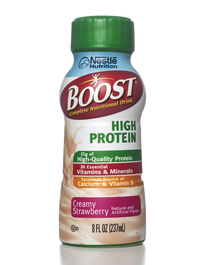
"caption": "Nestle makes a range of products under the Boost brand marketed as liquid nutritional supplements or meal replacements. But nutritionists say they can't compete with all the benefits of eating real food. Photo: iStockphoto.com",
"description": "Nestle makes a range of products under the Boost brand marketed as liquid nutritional supplements or meal replacements. But nutritionists say they can't compete with all the benefits of eating real food.",
"title": "Nestle makes a range of products under the Boost brand marketed as liquid nutritional supplements or meal replacements. But nutritionists say they can't compete with all the benefits of eating real food.",
"credit": null,
"status": "inherit",
"isLoading": false,
"fetchFailed": false
},
"bayareabites_59653": {
"type": "attachments",
"id": "bayareabites_59653",
"meta": {
"index": "attachments_1716263798",
"site": "bayareabites",
"id": "59653",
"found": true
},
"parent": 59652,
"imgSizes": {
"kqedFullSize": {
"file": "https://ww2.kqed.org/app/uploads/sites/24/2013/04/fruitchocolatecc-970d55f14f5dc0049fc35ef8bb61b5b5bcbf3c87.jpg",
"width": 200,
"height": 149
}
},
"publishDate": 1365459179,
"modified": 1365459179,
"caption": null,
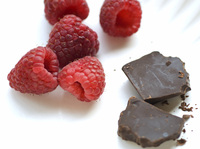
"description": "You could cut up to half the fat from chocolate without sacrificing taste by infusing it with fruit juice, scientists say.",
"title": "You could cut up to half the fat from chocolate without sacrificing taste by infusing it with fruit juice, scientists say.",
"credit": null,
"status": "inherit",
"isLoading": false,
"fetchFailed": false
},
"bayareabites_59622": {
"type": "attachments",
"id": "bayareabites_59622",
"meta": {
"index": "attachments_1716263798",
"site": "bayareabites",
"id": "59622",
"found": true
},
"parent": 59621,
"imgSizes": {
"kqedFullSize": {
"file": "https://ww2.kqed.org/app/uploads/sites/24/2013/04/kimchi_wide-79f3946ffc8866c2747ad436b2c432d2f1b90b0e.jpg",
"width": 200,
"height": 112
}
},
"publishDate": 1365356451,
"modified": 1365356451,
"caption": null,
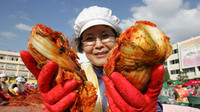
"description": "Kimchi is a traditional pungent fermented Korean dish made of vegetables with a variety of seasonings.",
"title": "Kimchi is a traditional pungent fermented Korean dish made of vegetables with a variety of seasonings.",
"credit": null,
"status": "inherit",
"isLoading": false,
"fetchFailed": false
},
"bayareabites_59397": {
"type": "attachments",
"id": "bayareabites_59397",
"meta": {
"index": "attachments_1716263798",
"site": "bayareabites",
"id": "59397",
"found": true
},
"parent": 59355,
"imgSizes": {
"kqedFullSize": {
"file": "https://ww2.kqed.org/app/uploads/sites/24/2013/04/cauliflower400x300.jpg",
"width": 400,
"height": 300
}
},
"publishDate": 1364964345,
"modified": 1364964345,
"caption": null,
"description": null,
"title": "cauliflower400x300",
"credit": null,
"status": "inherit",
"isLoading": false,
"fetchFailed": false
},
"bayareabites_58855": {
"type": "attachments",
"id": "bayareabites_58855",
"meta": {
"index": "attachments_1716263798",
"site": "bayareabites",
"id": "58855",
"found": true
},
"parent": 58854,
"imgSizes": {
"kqedFullSize": {
"file": "https://ww2.kqed.org/app/uploads/sites/24/2013/03/istock_000019222056small-9e8e5b9965b358bff023caebec5de00b6a377fad.jpg",
"width": 200,
"height": 149
}
},
"publishDate": 1364331277,
"modified": 1364331277,
"caption": null,
"description": "Spices are common targets for food fraudsters.",
"title": "Spices are common targets for food fraudsters.",
"credit": null,
"status": "inherit",
"isLoading": false,
"fetchFailed": false
},
"bayareabites_58788": {
"type": "attachments",
"id": "bayareabites_58788",
"meta": {
"index": "attachments_1716263798",
"site": "bayareabites",
"id": "58788",
"found": true
},
"parent": 58787,
"imgSizes": {
"kqedFullSize": {
"file": "https://ww2.kqed.org/app/uploads/sites/24/2013/03/ap100322112986-9188eadeb3c1e910451ce408d08eaf0e6af3f943.jpg",
"width": 200,
"height": 149
}
},
"publishDate": 1364260929,
"modified": 1364260929,
"caption": null,
"description": "Workers clear honey from dead beehives at a bee farm east of Merced, Calif.",
"title": "Workers clear honey from dead beehives at a bee farm east of Merced, Calif.",
"credit": null,
"status": "inherit",
"isLoading": false,
"fetchFailed": false
},
"bayareabites_58731": {
"type": "attachments",
"id": "bayareabites_58731",
"meta": {
"index": "attachments_1716263798",
"site": "bayareabites",
"id": "58731",
"found": true
},
"parent": 58730,
"imgSizes": {
"kqedFullSize": {
"file": "https://ww2.kqed.org/app/uploads/sites/24/2013/03/istock_000008966528medium-41f30f2486a65f385a49e076826cd712e07c242d.jpg",
"width": 200,
"height": 149
}
},
"publishDate": 1364159821,
"modified": 1364159821,
"caption": null,
"description": "Backyard chickens can be a great hobby. They can also spread disease.",
"title": "Backyard chickens can be a great hobby. They can also spread disease.",
"credit": null,
"status": "inherit",
"isLoading": false,
"fetchFailed": false
},
"bayareabites_58668": {
"type": "attachments",
"id": "bayareabites_58668",
"meta": {
"index": "attachments_1716263798",
"site": "bayareabites",
"id": "58668",
"found": true
},
"parent": 58667,
"imgSizes": {
"kqedFullSize": {
"file": "https://ww2.kqed.org/app/uploads/sites/24/2013/03/21706062_h20522415_wide-b608947f501d6436d0b8cf4a50d79d41f2a25972.jpg",
"width": 200,
"height": 112
}
},
"publishDate": 1363911276,
"modified": 1363911276,
"caption": null,
"description": "Farmers harvest a sugar beet crop in Gilcrest, Colo.",
"title": "Farmers harvest a sugar beet crop in Gilcrest, Colo.",
"credit": null,
"status": "inherit",
"isLoading": false,
"fetchFailed": false
},
"bayareabites_58576": {
"type": "attachments",
"id": "bayareabites_58576",
"meta": {
"index": "attachments_1716263798",
"site": "bayareabites",
"id": "58576",
"found": true
},
"parent": 58575,
"imgSizes": {
"kqedFullSize": {
"file": "https://ww2.kqed.org/app/uploads/sites/24/2013/03/pick-n-pay-291eb137d8c0dbfda5fcb1ab9b68fa213861b3fd.jpg",
"width": 200,
"height": 150
}
},
"publishDate": 1363730587,
"modified": 1363730587,
"caption": null,
"description": "A shopper at a branch of South African retailer Pick n Pay in Johannesburg. Health insurer Discovery offers rebates on health food at the chain to its members who enroll in a health promotion program.",
"title": "A shopper at a branch of South African retailer Pick n Pay in Johannesburg. Health insurer Discovery offers rebates on health food at the chain to its members who enroll in a health promotion program.",
"credit": null,
"status": "inherit",
"isLoading": false,
"fetchFailed": false
}
},
"audioPlayerReducer": {
"postId": "stream_live",
"isPaused": true,
"isPlaying": false,
"pfsActive": false,
"pledgeModalIsOpen": true,
"playerDrawerIsOpen": false,
"liveAudioPlayStartedAt": 0,
"liveAudioPlayContext": ""
},
"authorsReducer": {
"byline_bayareabites_59631": {
"type": "authors",
"id": "byline_bayareabites_59631",
"meta": {
"override": true
},
"slug": "byline_bayareabites_59631",
"name": "Eliza Barclay",
"isLoading": false
},
"byline_bayareabites_59652": {
"type": "authors",
"id": "byline_bayareabites_59652",
"meta": {
"override": true
},
"slug": "byline_bayareabites_59652",
"name": "Audrey Carlsen",
"isLoading": false
},
"byline_bayareabites_59621": {
"type": "authors",
"id": "byline_bayareabites_59621",
"meta": {
"override": true
},
"slug": "byline_bayareabites_59621",
"name": "Bonny Wolf",
"isLoading": false
},
"byline_bayareabites_59339": {
"type": "authors",
"id": "byline_bayareabites_59339",
"meta": {
"override": true
},
"slug": "byline_bayareabites_59339",
"name": "Alastair Bland",
"isLoading": false
},
"byline_bayareabites_58854": {
"type": "authors",
"id": "byline_bayareabites_58854",
"meta": {
"override": true
},
"slug": "byline_bayareabites_58854",
"name": "Nancy Shute",
"isLoading": false
},
"byline_bayareabites_58787": {
"type": "authors",
"id": "byline_bayareabites_58787",
"meta": {
"override": true
},
"slug": "byline_bayareabites_58787",
"name": "Dan Charles",
"isLoading": false
},
"byline_bayareabites_58730": {
"type": "authors",
"id": "byline_bayareabites_58730",
"meta": {
"override": true
},
"slug": "byline_bayareabites_58730",
"name": "Nancy Shute",
"isLoading": false
},
"byline_bayareabites_58667": {
"type": "authors",
"id": "byline_bayareabites_58667",
"meta": {
"override": true
},
"slug": "byline_bayareabites_58667",
"name": "Maria Godoy",
"isLoading": false
},
"byline_bayareabites_58570": {
"type": "authors",
"id": "byline_bayareabites_58570",
"meta": {
"override": true
},
"slug": "byline_bayareabites_58570",
"name": "Camila Domonoske",
"isLoading": false
},
"byline_bayareabites_58575": {
"type": "authors",
"id": "byline_bayareabites_58575",
"meta": {
"override": true
},
"slug": "byline_bayareabites_58575",
"name": "Allison Aubrey",
"isLoading": false
},
"maryladd": {
"type": "authors",
"id": "5092",
"meta": {
"index": "authors_1716337520",
"id": "5092",
"found": true
},
"name": "Mary Ladd",
"firstName": "Mary",
"lastName": "Ladd",
"slug": "maryladd",
"email": "writereadeat@gmail.com",
"display_author_email": false,
"staff_mastheads": [],
"title": null,
"bio": "Mary Ladd is a freelance writer and event professional based in her hometown of San Francisco. Her writing has been featured in SF Weekly, Tasting Table, the San Francisco Chronicle and elsewhere. She has shuttled \u003ca href=\"http://sf.eater.com/archives/2009/03/26/eater_map_mr_bourdains_san_francisco_whereabouts.php\">Anthony Bourdain\u003c/a> around town and mastered the art of properly loading a catering van in a flash. Mary has eaten the world’s hottest burger and loves to cook and eat. Follow her at \u003ca href=\"https://twitter.com/mladdfood\">@mladdfood\u003c/a>",
"avatar": "https://secure.gravatar.com/avatar/dab53b49e4e893d0d1e6a7ec6ed29e27?s=600&d=blank&r=g",
"twitter": "mladdfood",
"facebook": null,
"instagram": null,
"linkedin": null,
"sites": [
{
"site": "bayareabites",
"roles": [
"contributor"
]
}
],
"headData": {
"title": "Mary Ladd | KQED",
"description": null,
"ogImgSrc": "https://secure.gravatar.com/avatar/dab53b49e4e893d0d1e6a7ec6ed29e27?s=600&d=blank&r=g",
"twImgSrc": "https://secure.gravatar.com/avatar/dab53b49e4e893d0d1e6a7ec6ed29e27?s=600&d=blank&r=g"
},
"isLoading": false,
"link": "/author/maryladd"
},
"darathompson": {
"type": "authors",
"id": "5402",
"meta": {
"index": "authors_1716337520",
"id": "5402",
"found": true
},
"name": "Dara Thompson",
"firstName": "Dara",
"lastName": "Thompson",
"slug": "darathompson",
"email": "drdarathompson@yahoo.com",
"display_author_email": false,
"staff_mastheads": [],
"title": null,
"bio": "\u003ca href=\"http://solutionsnaturopathiccare.com/\">Dara Thompson N.D.\u003c/a> is a Naturopathic Doctor practicing in Mill Valley, CA . She is passionate about medicine, and believes that the food we eat is an integral part of healing. Dr. Thompson studied cell and molecular biology at The Massachusetts Institute of Technology and UC Santa Cruz. She received her doctorate in naturopathic medicine at National College of Natural Medicine in Portland, Oregon, where she worked her way through school catering and teaching cooking classes. Dr. Thompson specializes in environmental medicine and providing supportive care for cancer patients. You can follow her \u003ca href=\"http://solutionsnaturopathiccare.com/blog/\">food and nutrition blog\u003c/a>.",
"avatar": "https://secure.gravatar.com/avatar/7918a53f14a1253cb107c6f45a0fe63b?s=600&d=blank&r=g",
"twitter": null,
"facebook": null,
"instagram": null,
"linkedin": null,
"sites": [
{
"site": "bayareabites",
"roles": [
"contributor"
]
}
],
"headData": {
"title": "Dara Thompson | KQED",
"description": null,
"ogImgSrc": "https://secure.gravatar.com/avatar/7918a53f14a1253cb107c6f45a0fe63b?s=600&d=blank&r=g",
"twImgSrc": "https://secure.gravatar.com/avatar/7918a53f14a1253cb107c6f45a0fe63b?s=600&d=blank&r=g"
},
"isLoading": false,
"link": "/author/darathompson"
}
},
"pagesReducer": {
"bayareabites_category_food-and-technology": {
"type": "terms",
"id": "bayareabites_4084",
"meta": {
"index": "terms_1716263798",
"site": "bayareabites",
"id": "4084",
"score": 14.405394
},
"featImg": null,
"name": "food trends and technology",
"description": null,
"taxonomy": "category",
"headData": {
"twImgId": null,
"twTitle": null,
"ogTitle": null,
"ogImgId": null,
"twDescription": null,
"description": null,
"title": "food trends and technology Archives | KQED Bay Area Bites",
"ogDescription": null
},
"ttid": 2573,
"slug": "food-and-technology",
"isLoading": false,
"title": "food trends and technology",
"pageMeta": {
"site": "bayareabites",
"WpPageTemplate": "page-topic-editorial",
"currentPage": 55
},
"blocks": [
{
"blockName": "kqed/post-list",
"attrs": {
"layout": "cardArticle2",
"query": "posts/bayareabites?category=food-and-technology",
"seeMore": false,
"paginated": true,
"page": 55
}
},
{
"blockName": "kqed/ad"
}
]
}
},
"pfsSessionReducer": {},
"postsReducer": {
"stream_live": {
"type": "live",
"id": "stream_live",
"audioUrl": "https://streams.kqed.org/kqedradio",
"title": "Live Stream",
"excerpt": "Live Stream information currently unavailable.",
"link": "/radio",
"featImg": "",
"label": {
"name": "KQED Live",
"link": "/"
}
},
"stream_kqedNewscast": {
"type": "posts",
"id": "stream_kqedNewscast",
"audioUrl": "https://www.kqed.org/.stream/anon/radio/RDnews/newscast.mp3?_=1",
"title": "KQED Newscast",
"featImg": "",
"label": {
"name": "88.5 FM",
"link": "/"
}
},
"bayareabites_59722": {
"type": "posts",
"id": "bayareabites_59722",
"meta": {
"index": "posts_1716263798",
"site": "bayareabites",
"id": "59722",
"score": null,
"sort": [
1365795124000
]
},
"parent": 0,
"labelTerm": {
"site": "bayareabites"
},
"blocks": [],
"publishDate": 1365795124,
"format": "aside",
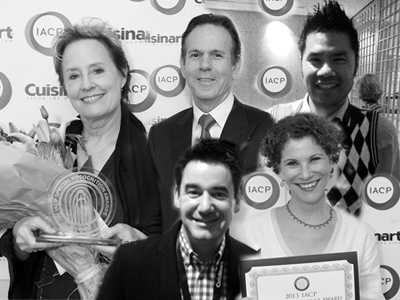
"disqusTitle": "IACP in San Francisco: Conference Highlights and Awards",
"title": "IACP in San Francisco: Conference Highlights and Awards",
"headTitle": "Bay Area Bites | KQED Food",
"content": "\u003cp>\u003ca href=\"http://ww2.kqed.org/bayareabites/wp-content/uploads/sites/24/2013/04/ThomasKeller640.jpg\">\u003cimg src=\"http://ww2.kqed.org/bayareabites/wp-content/uploads/sites/24/2013/04/ThomasKeller640-190x190.jpg\" title=\"Thomas Keller at IACP Awards in San Francisco.\" alt=\"Thomas Keller at IACP Awards in San Francisco. Photo: Gamma Nine via IACP\" width=\"190\" height=\"190\" class=\"alignnone size-thumbnail wp-image-59846\">\u003c/a>\u003ca href=\"http://ww2.kqed.org/bayareabites/wp-content/uploads/sites/24/2013/04/AliceWaters_MYan.jpg\">\u003cimg src=\"http://ww2.kqed.org/bayareabites/wp-content/uploads/sites/24/2013/04/AliceWaters_MYan-190x190.jpg\" title=\"Alice Waters and Martin Yan at IACP Awards in San Francisco.\" alt=\"Alice Waters and Martin Yan at IACP Awards in San Francisco. Photo: Gamma Nine via IACP\" width=\"190\" height=\"190\" class=\"alignnone size-thumbnail wp-image-59835\">\u003c/a>\u003ca href=\"http://ww2.kqed.org/bayareabites/wp-content/uploads/sites/24/2013/04/joanneweir640-use.jpg\">\u003cimg src=\"http://ww2.kqed.org/bayareabites/wp-content/uploads/sites/24/2013/04/joanneweir640-use-190x190.jpg\" title=\"Joanne Weir at IACP Awards in San Francisco.\" alt=\"Joanne Weir at IACP Awards in San Francisco. Photo: Gamma Nine via IACP\" width=\"190\" height=\"190\" class=\"alignnone size-thumbnail wp-image-59842\">\u003c/a>\u003cbr>\n\u003ca href=\"http://ww2.kqed.org/bayareabites/wp-content/uploads/sites/24/2013/04/Phan_Angkana500.jpg\">\u003cimg src=\"http://ww2.kqed.org/bayareabites/wp-content/uploads/sites/24/2013/04/Phan_Angkana500-190x190.jpg\" title=\"IACP award winner Chef Charles Phan with his wife Angkana Kurutach.\" alt=\"IACP award winner Chef Charles Phan with his wife Angkana Kurutach. Photo: Mary Ladd\" width=\"190\" height=\"190\" class=\"alignnone size-thumbnail wp-image-59844\">\u003c/a>\u003ca href=\"http://ww2.kqed.org/bayareabites/wp-content/uploads/sites/24/2013/04/IrvinLinwins500.jpg\">\u003cimg src=\"http://ww2.kqed.org/bayareabites/wp-content/uploads/sites/24/2013/04/IrvinLinwins500-190x190.jpg\" title=\"Irvin Lin with his IACP award.\" alt=\"Irvin Lin with his IACP award. Photo: Mary Ladd\" width=\"190\" height=\"190\" class=\"alignnone size-thumbnail wp-image-59839\">\u003c/a>\u003ca href=\"http://ww2.kqed.org/bayareabites/wp-content/uploads/sites/24/2013/04/Joel_riddell_ChefJohn560.jpg\">\u003cimg src=\"http://ww2.kqed.org/bayareabites/wp-content/uploads/sites/24/2013/04/Joel_riddell_ChefJohn560-190x190.jpg\" title=\"IACP Award winner Joel Riddell with Chef John Mitzewich.\" alt=\"IACP Award winner Joel Riddell with Chef John Mitzewich. Photo: Mary Ladd\" width=\"190\" height=\"190\" class=\"alignnone size-thumbnail wp-image-59843\">\u003c/a>\u003c/p>\n\u003cp>We wish this one was televised, too: \u003ca href=\"http://ww2.kqed.org/bayareabites/2013/03/08/alice-waters-on-chez-panisse-fire-video/\">Alice Waters\u003c/a>, \u003ca href=\"http://ww2.kqed.org/bayareabites/2013/01/27/martin-yan-m-y-china-vietnam-travels-and-chinese-new-year/\">Martin Yan\u003c/a>, \u003ca href=\"http://www.joanneweir.com/index.php\">Joanne Weir\u003c/a>, \u003ca href=\"http://virginiawillis.com/\">Virginia Willis\u003c/a>, \u003ca href=\"http://www.newmansownorganics.com/nells_corner_bio.html\">Nell Newman\u003c/a>, \u003ca href=\"https://twitter.com/Rick_Bayless\">Rick Bayless\u003c/a>, \u003ca href=\"https://twitter.com/Chef_Keller\">Thomas Keller\u003c/a>, \u003ca href=\"http://ww2.kqed.org/bayareabites/tag/charles-phan/\">Charles Phan\u003c/a>, \u003ca href=\"http://www.talk910.com/pages/diningaround.html\">Joel Riddell\u003c/a> and \u003ca href=\"http://www.eatthelove.com/\">Irvin Lin\u003c/a> were among the folks who took the stage for Tuesday night’s 2013 \u003ca href=\"http://www.iacp.com/\">International Association of Culinary Professionals\u003c/a> (IACP) awards ceremony in San Francisco. \u003ca href=\"http://www.foodcommunityculture.org/\">Oakland Food Connection\u003c/a> and food incubator \u003ca href=\"http://www.lacocinasf.org/\">La Cocina\u003c/a> were also honored. IACP's professional awards are widely viewed in the food world as something of a gold standard for cookbooks, food writing, digital media and culinary tours. The awards marked the closing night of the organization’s 35th annual conference, which went with a “\u003ca href=\"http://www.iacp.com/attend/more/2013_conference_theme\">Dirt to Digital\u003c/a>” theme this year.\u003c/p>\n\u003cp>Check out the full \u003ca href=\"http://www.iacp.com/documents/IACP_AwardsFinalists_2013.pdf\">list of award finalists\u003c/a> and the grand \u003ca href=\"https://www.iacp.com/documents/IACP35_AwardWinners_2013_FINAL.pdf\">list of winners\u003c/a>. While the awards ceremony stretched out over a few hours and was oddly lacking \u003cem>any\u003c/em> form of culinary nourishment (there were definite rumblings after the ceremony about that), it offered quirks, songs and even a few dick jokes courtesy of \u003ca href=\"http://www.libbiesummers.com/\">Libbie Summers\u003c/a>, whose \u003ca href=\"http://www.saltedandstyled.com/\">Salted and Styled\u003c/a> blog won for Best Culinary Blog. On the other end of the spectrum, the evening kicked off with all guests looking up and saying “thank you” as a dedication to publisher \u003ca href=\"http://www.workman.com/blog/2013/04/peter-workman-10191938-472013/\">Peter Workman\u003c/a>, who passed away just this week. It was also emotional for Lifetime Achievement Award winner \u003ca href=\"https://twitter.com/AliceWaters\">Alice Waters\u003c/a>, who gratefully accepted her prize and joked in her speech that while she cannot farm, “I am a picker,” which got the audience laughing--wise words from the founder of \u003ca href=\"http://www.chezpanisse.com/\">Chez Panisse\u003c/a> and the \u003ca href=\"http://edibleschoolyard.org/\">Edible Schoolyard\u003c/a>. Waters also professed her admiration for cooking teachers because: “I cannot teach.” She immediately went on to acknowledge IACP attendee and stalwart \u003ca href=\"http://www.cookingisfun.ie/pages/\">Darina Allen\u003c/a>, whose Ballymaloe cooking school she visits every year (for her birthday).\u003c/p>\n\u003cp>When \u003ca href=\"http://ww2.kqed.org/bayareabites/2012/10/04/an-interview-with-charles-phan-author-of-vietnamese-home-cooking/\">Charles Phan\u003c/a> won in the Chefs and Restaurants cookbook category for his “Vietnamese Home Cooking” (co-authored with \u003ca href=\"http://www.tastingtable.com/press_release/internal/7740/Jessica_Battilana_Senior_Editor.htm\">Tasting Table\u003c/a> Senior Editor Jessica Battilana), he confessed that he did not have a speech but had enjoyed some bourbon to presumably get warmed up. Phan thanked Battilana, his agent and wife, Angkana. “My wife made sure I turned the book manuscript in, so I wouldn’t have to return the book advance money to Ten Speed Press.” \u003c/p>\n\u003cp>“\u003ca href=\"http://www.amazon.com/Jerusalem-A-Cookbook-Yotam-Ottolenghi/dp/1607743949\">Jerusalem: A Cookbook\u003c/a>” by Yotam Ottolenghi, Sami Tamimi, received the award for Cookbook of the Year, and \u003ca href=\"http://www.foodpolitics.com/about/\">Marion Nestle\u003c/a> garnered a prize in the Food Matters category for her weighty tome, “Why Calories Count: From Science to Politics.” The deeply satisfying sugar-rush images in the \u003ca href=\"http://www.amazon.com/Bouchon-Bakery-Thomas-Keller/dp/1579654355/ref=sr_1_1?s=books&ie=UTF8&qid=1365787021&sr=1-1&keywords=Bouchon+Bakery\">Bouchon Bakery\u003c/a> cookbook garnered an award for Food Photography and Styling, and the \u003ca href=\"http://www.talk910.com/pages/diningaround.html\">Dining Around with Joel Riddell\u003c/a> radio show won in the Long Format Audio category. The team at \u003ca href=\"http://ww2.kqed.org/bayareabites/2012/08/17/publish-like-a-local-nion-mcevoy-and-chronicle-books/\">Chronicle Books\u003c/a> may still be celebrating given their author Diane Morgan won for her book, \"\u003ca href=\"http://www.amazon.com/Roots-Definitive-Compendium-more-Recipes/dp/0811878376/ref=sr_1_1?s=books&ie=UTF8&qid=1365786976&sr=1-1&keywords=Roots%3A+The+Definitive+Compendium+with+more+than+225+Recipes.\">Roots: The Definitive Compendium with more than 225 Recipes.\u003c/a>\" \u003c/p>\n\u003cp>[ad fullwidth]\u003c/p>\n\u003cp>Culinary Tour Operator of the Year went to \u003ca href=\"http://www.copitarestaurant.com/\">Copita\u003c/a> chef \u003ca href=\"http://www.joanneweir.com/index.php\">Joanne Weir\u003c/a>, who shared that as a child, she told her father that she wanted to be a bus driver, so that she could drive a bus on every road in the world. Her confession seemed to scare him a little. Weir dedicated her prize to him because he passed away last year. Food blogger Irvin Lin won the Best in Show prize for his photography, and he asked the IACP crowd to “hire me, I'm available,\" a sentiment which was echoed by the next winner.\u003c/p>\n\u003cp>The conference itself is that rare chance to possibly figure out how to eke out a living doing things in the culinary field--it can be exciting but also daunting in the number of possibilities it presents. There were various declarations for members to support each other and that each one \"stands on the shoulders\" of those who have come before and after them. That may sound hokey and like general conference speak yet three people we spoke with found these pronouncements to be inspiring.\u003c/p>\n\u003cp>Many attendees shared with Bay Area Bites that the chance of learning from so many different people doing interesting things is one of the main draws of shelling out \u003ca href=\"http://www.iacp.com/attend/more/program_registration_2\">$750 to $950\u003c/a> to register for the full conference—that’s on top of the $280 it costs to initially join IACP. Off the record, we were told that IACP is in the midst of something of a revamp and that costs and programming issues have been noted if not yet changed. These folks said that they attend as much for the learning sessions on, say, the meaning of restaurant reviews in the era of Yelp to getting a lowdown on sourdough or video content strategy. The coffee breaks are also highly valued and networking even happens in the bathrooms. Yes, really. \u003c/p>\n\u003cp>Kale salad and eating local may remain a big trend, but IACP attendees see much, much more at play in the food world. We asked some notable thought leaders to answer a few questions in person: \u003c/p>\n\u003cul>\n\u003cli>\u003cstrong>What is this conference about for you?\u003c/strong>\u003c/li>\n\u003cli>\u003cstrong>The theme of the conference is Dirt to Digital; what does it mean to you?\u003c/strong>\u003c/li>\n\u003cli>\u003cstrong>How does the theme translate to the food industry?\u003c/strong>\u003c/li>\n\u003cli>\u003cstrong>What did you learn about in the workshops and what are the clear trends that emerged from the conference?\u003c/strong>\u003c/li>\n\u003c/ul>\n\u003cp>Here are insights from Corby Kummer, Danielle Gould, Sandor Katz, Joanne Weir and Sarah Copeland. Their responses have been edited for length and clarity.\u003c/p>\n\u003cp>\u003ca href=\"http://ww2.kqed.org/bayareabites/wp-content/uploads/sites/24/2013/04/CorbyKummer500.jpg\">\u003cimg src=\"http://ww2.kqed.org/bayareabites/wp-content/uploads/sites/24/2013/04/CorbyKummer500-190x190.jpg\" alt=\"Corby Kummer . Photo: Mary Ladd\" width=\"190\" height=\"190\" class=\"alignleft size-thumbnail wp-image-59838\">\u003c/a>\u003ca href=\"http://www.theatlantic.com/corby-kummer/\">Corby Kummer\u003c/a> is a senior editor at The Atlantic magazine. Known as \u003ca href=\"https://twitter.com/CKummer\">“the dean of food writing,”\u003c/a> Kummer’s 1990 Atlantic series about coffee is a benchmark for excellence in long-form food writing. He is the author of “The Joy of Coffee,” based on his Atlantic series, and the recently published “The Pleasures of Slow Food.” Kummer is the recipient of three James Beard Journalism Awards, including the MFK Fisher Distinguished Writing Award.\u003c/p>\n\u003cp>\u003cstrong>Kummer:\u003c/strong> This conference is about seeing people who are following food issues on the level of the home cook. It’s about how the things that we in the media are interested in and write about play out in real life and the home of a consumer.\u003c/p>\n\u003cp>IACP has always been the most connected to the real world of any group because it’s people making their living as culinary professionals. They are in touch with sustainability, farming and local issues. I thought the conference was brilliantly named \"Dirt to Digital\" because online is where all of the IACP members need to be marketing themselves and their products.\u003c/p>\n\u003cp>With social media, no one yet knows how to master it but everyone’s trying to learn. IACP has always been at the forefront of practical and real world applications. That’s a unique role because being so smartly focused attracts the most interesting, lively and active people in the food world. And I’ll take any opportunity to connect with them.\u003c/p>\n\u003chr>\n\u003cp>\u003ca href=\"http://ww2.kqed.org/bayareabites/wp-content/uploads/sites/24/2013/04/danielle-gould.jpeg\">\u003cimg src=\"http://ww2.kqed.org/bayareabites/wp-content/uploads/sites/24/2013/04/danielle-gould-190x190.jpeg\" alt=\"Danielle Gould\" width=\"190\" height=\"190\" class=\"alignright size-thumbnail wp-image-59886\">\u003c/a>\u003ca href=\"https://twitter.com/dhgisme\">Danielle Gould\u003c/a> is the Founder and CEO of \u003ca href=\"http://www.foodtechconnect.com/\">Food+Tech Connect\u003c/a>, a media company and network for innovators transforming the business of food. Through news and analysis, events, and custom research, Gould helps companies of all sizes drive innovation and understand how information and technology are changing the way food is produced, distributed, and consumed. She is also a founding member of the Culinary Institute of America’s Sustainable Business Leadership Council and is a regular contributor to Forbes.\u003c/p>\n\u003cp>\u003cstrong>Gould:\u003c/strong> This is my first time at IACP and they invited me to talk about food and tech trends and hackathons as a model for food innovation. Our panel touched on the opportunity and the medium, as well as how to demystify technology. It is also about helping people understand the knowledge and the challenges that are out there. We’re trying to empower people to put that knowledge out there where they’re collaborating with designers and developers to solve that problem. I travel the whole country and spread the gospel and learn about how people are thinking. It’s about using technology to help solve problems, spread messages and improve business models and just accelerate innovation that’s happening on a small scale. \u003c/p>\n\u003cp>In the past, a book would take you two years and a product would take 18 months. For a food producer or chef, that means that it takes awhile to market things. Technology offers opportunities: now you can self-publish that cookbook in close to real time, and get feedback on your product. \u003c/p>\n\u003cp>\"Dirt to Digital\" is at the heart of what food technology is. You’re looking across the supply chain, and food is interconnected. It is a system, and that goes to the consumer. A lot of times when people think of digital, they think of consumers. Emerging trends and what role technology is for each trend is a part of that. Technology is very broad and means so much to so many different people.\u003c/p>\n\u003cp>I just love learning how people respond to technology and food and how they use it. The other major takeaway was a lot of the panels weren't very popular or not as sexy but were about funding. Everyone’s having trouble making money in the food space. \u003c/p>\n\u003chr>\n\u003cp>\u003ca href=\"http://ww2.kqed.org/bayareabites/wp-content/uploads/sites/24/2013/04/BruceAidellsSandor560.jpg\">\u003cimg src=\"http://ww2.kqed.org/bayareabites/wp-content/uploads/sites/24/2013/04/BruceAidellsSandor560-190x190.jpg\" title=\"Karen MacKenzie, Bruce Aidells and Sandor Katz at IACP Awards. Photo: Mary Ladd\" alt=\"Karen MacKenzie, Bruce Aidells and Sandor Katz at IACP Awards. Photo: Mary Ladd\" width=\"190\" height=\"190\" class=\"alignleft size-thumbnail wp-image-59837\">\u003c/a>\u003ca href=\"http://www.wildfermentation.com/who-is-sandorkraut/\">Sandor Ellix Katz\u003c/a>, “one of the unlikely rock stars of the American food scene” according to The New York Times, is a self-taught fermentation experimentalist. His books “The Art of Fermentation” and “Wild Fermentation,” and the fermentation workshops he has taught across North America and beyond, have helped to catalyze a broad revival of the fermentation arts.\u003c/p>\n\u003cp>\u003cstrong>Katz:\u003c/strong> I’ve never been to IACP before. I don’t think of myself as a culinary professional. The work that I do is demystifying and sharing skills with people who aren’t necessarily culinary professionals. The highlight for me has been to meet people whose books are influential. [Katz was sitting with \u003ca href=\"http://ww2.kqed.org/bayareabites/2012/12/10/everything-you-need-to-know-about-bruce-aidells/\">Bruce Aidells\u003c/a> when we caught up with him and Aidells shared the table with us while we caught up.]\u003c/p>\n\u003cp>\u003cstrong>Aidells:\u003c/strong> What’s good sauerkraut without good sausages?\u003c/p>\n\u003cp>\u003cstrong>Katz:\u003c/strong> A kraut -- quesadilla is my fast food, and I make it with Pepper Jack. That’s one of my standard meals.\u003c/p>\n\u003cp>The theme of the conference is significant. What does \"Dirt to Digital\" mean? I was just on this panel that was high tech versus low tech yet I don’t necessarily see things that way. I’m interested in understanding these processes in their simplicity. So that doesn’t mean you can’t use technology to have more control over the processes. It’s very empowering to see how the underlying principles don't need equipment. If you get involved in sausage making, you can use a funnel for the casing. You can also just be there with you hands, pushing the meat through to the casing. \u003c/p>\n\u003cp>For cheese, you can buy nice molds, perhaps. There are elegant crocks to make things but you can also do it with a jar that’s already in your pantry. I appreciate the conference and there’s much information spreading by digital means but it may be telling people how to use their hands. \u003c/p>\n\u003chr>\n\u003cp>\u003ca href=\"http://ww2.kqed.org/bayareabites/wp-content/uploads/sites/24/2013/04/JoanneWeir500.jpg\">\u003cimg src=\"http://ww2.kqed.org/bayareabites/wp-content/uploads/sites/24/2013/04/JoanneWeir500-190x190.jpg\" alt=\"Joanne Weir at IACP Awards. Photo: Mary Ladd\" width=\"190\" height=\"190\" class=\"alignright size-thumbnail wp-image-59841\">\u003c/a>Joanne Weir is a James Beard award-winning cookbook author, cooking teacher, host and executive producer for the award-winning television series Joanne Weir’s Cooking Confidence. She is the chef-owner of \u003ca href=\"http://ww2.kqed.org/bayareabites/2012/04/29/copita-tequileria-y-comida-joanne-weir-and-larry-mindel%E2%80%99s-mexico-in-sausalito/\">Copita\u003c/a>, a tequileria and restaurant in Sausalito. The author of 17 cookbooks, including the newly released “Cooking Confidence,” Joanne is the Culinary Editor at Large at Fine Cooking! magazine. She travels and teaches extensively around the world as well as in her studio kitchen.\u003c/p>\n\u003cp>\u003cstrong>Weir:\u003c/strong> This conference was so interesting because I’ve approached it differently as a restaurateur this year. I usually approach it as “I write for magazines” or my cookbooks or how to fill your cooking classes. This time I’m taking in things that are really different. I want to sit in on the reviewing and Yelping session. \u003c/p>\n\u003cp>I still love to see all the people I know when I come to IACP. And I love that it’s in SF and I get to share Copita--they’re going over by ferry. I did a tour on Saturday and people loved it. I’ve shared in a different way and am still excited about my restaurant.\u003c/p>\n\u003cp>For me with \"Dirt to Digital,\" I don’t know if I put the two together. Yet every single thing I do is fresh. I have an organic farm -- and my next series is called \"Fresh\" for TV. I am always interested in digital media. The market has changed and the whole landscape is changing. My hope is it that it goes back to dirt and less digital. Is that so 'Chez Panisse' of me? (laughs) I do digital but food is still my passion. Perhaps next year the IACP theme should be \"Back to Passion.\"\u003c/p>\n\u003cp>IACP is pretty current on things. What they’ve done this year is now bloggers have been integrated. I left feeling in past years that I had to do so much on my own blog. I’ve always done food that is following my passion and on what brings about major possibilities for me. I attended a book session that talked about book advance spending and how book tours are back and rely on the digital medium.\u003c/p>\n\u003cp>My trend is always Mexican, and that comes with owning Copita. I saw the trendologist \u003ca href=\"http://www.ccdinnovation.com/about/staff/nielsen.php\">Kara Nielsen\u003c/a> here and she said, \"You couldn’t be in a more trendy thing, with Mexican food and tequila.\" \u003c/p>\n\u003cp>I do modern Mexican food. \u003c/p>\n\u003cp>We used to think of Italian red tablecloths and Chianti -- yet now Italian food has come a long way. One of the trends here is taking cuisines and elevating and educating around the cuisine. Thomas Keller was talking about that and I have seen that in this conference. \u003c/p>\n\u003chr>\n\u003cp>\u003ca href=\"http://ww2.kqed.org/bayareabites/wp-content/uploads/sites/24/2013/04/SarahCopeland500.jpg\">\u003cimg src=\"http://ww2.kqed.org/bayareabites/wp-content/uploads/sites/24/2013/04/SarahCopeland500-190x190.jpg\" alt=\"Sarah Copeland at IACP Awards. Photo: Mary Ladd\" width=\"190\" height=\"190\" class=\"alignleft size-thumbnail wp-image-59845\">\u003c/a>\u003ca href=\"http://edibleliving.com/\">Sarah Copeland\u003c/a> is the Food Director at \u003ca href=\"http://www.realsimple.com/\">Real Simple\u003c/a> and author of “\u003ca href=\"http://www.chroniclebooks.com/the-newlywed-cookbook.html\">The Newlywed Cookbook\u003c/a>: Fresh Ideas and Modern Recipes for Cooking With and For Each Other.” Her book, “Feast” will be published in December this year and she has authored numerous articles and recipes for Real Simple, Saveur, Food & Wine, Health, Martha Stewart Living, Better Homes & Gardens and Food Network Magazine. She has appeared as a guest on The Martha Stewart Show, Good Morning America and ABC News Now.\u003c/p>\n\u003cp>\u003cstrong>Copeland:\u003c/strong> A lot of the conference is about relationships. I see faces from every different facet of my career and have been reconnecting and catching up on what people are doing that is new and exciting. There’s a chance to celebrate successes while hopefully helping a few people too.\u003c/p>\n\u003cp>On \"Dirt to Digital,\" one of the most challenging things of this industry from my perspective is that I started in print. That part has changed so dramatically in ten years or even five years. For most food people who are in love with food, it is very tactile how we communicate yet that is changing so much. The dirt part communicates place, smell, and touch, which are all the good things. It includes the agriculture, and the farmer. There are so many layers and it is complex with dirt. That’s how food is to me: we touch humanity and civilization, nutrition and wellness. In the digital sphere, how do you capture that? I think we are all figuring that out. \u003c/p>\n\u003cp>I did a panel on recipes and copyright for the conference. There were folks from Pillsbury there who were trying to figure out their contest. We also had teachers, bakery owners and bloggers. As Food Director at Real Simple, I have to be savvy and think about those aspects. \u003c/p>\n\u003cp>[ad floatright]\u003c/p>\n\u003cp>On almost every panel I ask, 'What’s the best panel?' This year, everyone is focusing on video. I worked at the Food Network -- and yet this industry has been print for so long. With \u003ca href=\"http://www.youtube.com/user/TheOfficialHungry\">Hungry\u003c/a> and YouTube and different avenues, it’s just so video-focused. The trailer for my first book is a minute and a half but my next one will probably be half that, to seventy-five seconds. My new book 'Feast' from Chronicle Books is coming out in December and I’ve learned a few things that I’ll do differently. I am coming away from the conference with the feeling that there is room for every voice and every talent. If you are generous, they will help you, too.\u003c/p>\n\n",
"disqusIdentifier": "59722 http://blogs.kqed.org/bayareabites/?p=59722",
"disqusUrl": "https://ww2.kqed.org/bayareabites/2013/04/12/iacp-in-san-francisco-conference-highlights-and-awards/",
"stats": {
"hasVideo": false,
"hasChartOrMap": false,
"hasAudio": false,
"hasPolis": false,
"wordCount": 2807,
"hasGoogleForm": false,
"hasGallery": false,
"hasHearkenModule": false,
"iframeSrcs": [],
"paragraphCount": 40
},
"modified": 1366006494,
"excerpt": "The International Association of Culinary Professionals wrapped up its 35th annual conference in San Francisco with a \"Dirt to Digital\" theme and awards ceremony. ",
"headData": {
"twImgId": "",
"twTitle": "",
"ogTitle": "",
"ogImgId": "",
"twDescription": "",
"description": "The International Association of Culinary Professionals wrapped up its 35th annual conference in San Francisco with a "Dirt to Digital" theme and awards ceremony. ",
"title": "IACP in San Francisco: Conference Highlights and Awards | KQED",
"ogDescription": "",
"schema": {
"@context": "https://schema.org",
"@type": "Article",
"headline": "IACP in San Francisco: Conference Highlights and Awards",
"datePublished": "2013-04-12T12:32:04-07:00",
"dateModified": "2013-04-14T23:14:54-07:00",
"image": "https://cdn.kqed.org/wp-content/uploads/2020/02/KQED-OG-Image@1x.png"
}
},
"guestAuthors": [],
"slug": "iacp-in-san-francisco-conference-highlights-and-awards",
"status": "publish",
"path": "/bayareabites/59722/iacp-in-san-francisco-conference-highlights-and-awards",
"audioTrackLength": null,
"parsedContent": [
{
"type": "contentString",
"content": "\u003cdiv class=\"post-body\">\u003cp>\u003cp>\u003ca href=\"http://ww2.kqed.org/bayareabites/wp-content/uploads/sites/24/2013/04/ThomasKeller640.jpg\">\u003cimg src=\"http://ww2.kqed.org/bayareabites/wp-content/uploads/sites/24/2013/04/ThomasKeller640-190x190.jpg\" title=\"Thomas Keller at IACP Awards in San Francisco.\" alt=\"Thomas Keller at IACP Awards in San Francisco. Photo: Gamma Nine via IACP\" width=\"190\" height=\"190\" class=\"alignnone size-thumbnail wp-image-59846\">\u003c/a>\u003ca href=\"http://ww2.kqed.org/bayareabites/wp-content/uploads/sites/24/2013/04/AliceWaters_MYan.jpg\">\u003cimg src=\"http://ww2.kqed.org/bayareabites/wp-content/uploads/sites/24/2013/04/AliceWaters_MYan-190x190.jpg\" title=\"Alice Waters and Martin Yan at IACP Awards in San Francisco.\" alt=\"Alice Waters and Martin Yan at IACP Awards in San Francisco. Photo: Gamma Nine via IACP\" width=\"190\" height=\"190\" class=\"alignnone size-thumbnail wp-image-59835\">\u003c/a>\u003ca href=\"http://ww2.kqed.org/bayareabites/wp-content/uploads/sites/24/2013/04/joanneweir640-use.jpg\">\u003cimg src=\"http://ww2.kqed.org/bayareabites/wp-content/uploads/sites/24/2013/04/joanneweir640-use-190x190.jpg\" title=\"Joanne Weir at IACP Awards in San Francisco.\" alt=\"Joanne Weir at IACP Awards in San Francisco. Photo: Gamma Nine via IACP\" width=\"190\" height=\"190\" class=\"alignnone size-thumbnail wp-image-59842\">\u003c/a>\u003cbr>\n\u003ca href=\"http://ww2.kqed.org/bayareabites/wp-content/uploads/sites/24/2013/04/Phan_Angkana500.jpg\">\u003cimg src=\"http://ww2.kqed.org/bayareabites/wp-content/uploads/sites/24/2013/04/Phan_Angkana500-190x190.jpg\" title=\"IACP award winner Chef Charles Phan with his wife Angkana Kurutach.\" alt=\"IACP award winner Chef Charles Phan with his wife Angkana Kurutach. Photo: Mary Ladd\" width=\"190\" height=\"190\" class=\"alignnone size-thumbnail wp-image-59844\">\u003c/a>\u003ca href=\"http://ww2.kqed.org/bayareabites/wp-content/uploads/sites/24/2013/04/IrvinLinwins500.jpg\">\u003cimg src=\"http://ww2.kqed.org/bayareabites/wp-content/uploads/sites/24/2013/04/IrvinLinwins500-190x190.jpg\" title=\"Irvin Lin with his IACP award.\" alt=\"Irvin Lin with his IACP award. Photo: Mary Ladd\" width=\"190\" height=\"190\" class=\"alignnone size-thumbnail wp-image-59839\">\u003c/a>\u003ca href=\"http://ww2.kqed.org/bayareabites/wp-content/uploads/sites/24/2013/04/Joel_riddell_ChefJohn560.jpg\">\u003cimg src=\"http://ww2.kqed.org/bayareabites/wp-content/uploads/sites/24/2013/04/Joel_riddell_ChefJohn560-190x190.jpg\" title=\"IACP Award winner Joel Riddell with Chef John Mitzewich.\" alt=\"IACP Award winner Joel Riddell with Chef John Mitzewich. Photo: Mary Ladd\" width=\"190\" height=\"190\" class=\"alignnone size-thumbnail wp-image-59843\">\u003c/a>\u003c/p>\n\u003cp>We wish this one was televised, too: \u003ca href=\"http://ww2.kqed.org/bayareabites/2013/03/08/alice-waters-on-chez-panisse-fire-video/\">Alice Waters\u003c/a>, \u003ca href=\"http://ww2.kqed.org/bayareabites/2013/01/27/martin-yan-m-y-china-vietnam-travels-and-chinese-new-year/\">Martin Yan\u003c/a>, \u003ca href=\"http://www.joanneweir.com/index.php\">Joanne Weir\u003c/a>, \u003ca href=\"http://virginiawillis.com/\">Virginia Willis\u003c/a>, \u003ca href=\"http://www.newmansownorganics.com/nells_corner_bio.html\">Nell Newman\u003c/a>, \u003ca href=\"https://twitter.com/Rick_Bayless\">Rick Bayless\u003c/a>, \u003ca href=\"https://twitter.com/Chef_Keller\">Thomas Keller\u003c/a>, \u003ca href=\"http://ww2.kqed.org/bayareabites/tag/charles-phan/\">Charles Phan\u003c/a>, \u003ca href=\"http://www.talk910.com/pages/diningaround.html\">Joel Riddell\u003c/a> and \u003ca href=\"http://www.eatthelove.com/\">Irvin Lin\u003c/a> were among the folks who took the stage for Tuesday night’s 2013 \u003ca href=\"http://www.iacp.com/\">International Association of Culinary Professionals\u003c/a> (IACP) awards ceremony in San Francisco. \u003ca href=\"http://www.foodcommunityculture.org/\">Oakland Food Connection\u003c/a> and food incubator \u003ca href=\"http://www.lacocinasf.org/\">La Cocina\u003c/a> were also honored. IACP's professional awards are widely viewed in the food world as something of a gold standard for cookbooks, food writing, digital media and culinary tours. The awards marked the closing night of the organization’s 35th annual conference, which went with a “\u003ca href=\"http://www.iacp.com/attend/more/2013_conference_theme\">Dirt to Digital\u003c/a>” theme this year.\u003c/p>\n\u003cp>Check out the full \u003ca href=\"http://www.iacp.com/documents/IACP_AwardsFinalists_2013.pdf\">list of award finalists\u003c/a> and the grand \u003ca href=\"https://www.iacp.com/documents/IACP35_AwardWinners_2013_FINAL.pdf\">list of winners\u003c/a>. While the awards ceremony stretched out over a few hours and was oddly lacking \u003cem>any\u003c/em> form of culinary nourishment (there were definite rumblings after the ceremony about that), it offered quirks, songs and even a few dick jokes courtesy of \u003ca href=\"http://www.libbiesummers.com/\">Libbie Summers\u003c/a>, whose \u003ca href=\"http://www.saltedandstyled.com/\">Salted and Styled\u003c/a> blog won for Best Culinary Blog. On the other end of the spectrum, the evening kicked off with all guests looking up and saying “thank you” as a dedication to publisher \u003ca href=\"http://www.workman.com/blog/2013/04/peter-workman-10191938-472013/\">Peter Workman\u003c/a>, who passed away just this week. It was also emotional for Lifetime Achievement Award winner \u003ca href=\"https://twitter.com/AliceWaters\">Alice Waters\u003c/a>, who gratefully accepted her prize and joked in her speech that while she cannot farm, “I am a picker,” which got the audience laughing--wise words from the founder of \u003ca href=\"http://www.chezpanisse.com/\">Chez Panisse\u003c/a> and the \u003ca href=\"http://edibleschoolyard.org/\">Edible Schoolyard\u003c/a>. Waters also professed her admiration for cooking teachers because: “I cannot teach.” She immediately went on to acknowledge IACP attendee and stalwart \u003ca href=\"http://www.cookingisfun.ie/pages/\">Darina Allen\u003c/a>, whose Ballymaloe cooking school she visits every year (for her birthday).\u003c/p>\n\u003cp>When \u003ca href=\"http://ww2.kqed.org/bayareabites/2012/10/04/an-interview-with-charles-phan-author-of-vietnamese-home-cooking/\">Charles Phan\u003c/a> won in the Chefs and Restaurants cookbook category for his “Vietnamese Home Cooking” (co-authored with \u003ca href=\"http://www.tastingtable.com/press_release/internal/7740/Jessica_Battilana_Senior_Editor.htm\">Tasting Table\u003c/a> Senior Editor Jessica Battilana), he confessed that he did not have a speech but had enjoyed some bourbon to presumably get warmed up. Phan thanked Battilana, his agent and wife, Angkana. “My wife made sure I turned the book manuscript in, so I wouldn’t have to return the book advance money to Ten Speed Press.” \u003c/p>\n\u003cp>“\u003ca href=\"http://www.amazon.com/Jerusalem-A-Cookbook-Yotam-Ottolenghi/dp/1607743949\">Jerusalem: A Cookbook\u003c/a>” by Yotam Ottolenghi, Sami Tamimi, received the award for Cookbook of the Year, and \u003ca href=\"http://www.foodpolitics.com/about/\">Marion Nestle\u003c/a> garnered a prize in the Food Matters category for her weighty tome, “Why Calories Count: From Science to Politics.” The deeply satisfying sugar-rush images in the \u003ca href=\"http://www.amazon.com/Bouchon-Bakery-Thomas-Keller/dp/1579654355/ref=sr_1_1?s=books&ie=UTF8&qid=1365787021&sr=1-1&keywords=Bouchon+Bakery\">Bouchon Bakery\u003c/a> cookbook garnered an award for Food Photography and Styling, and the \u003ca href=\"http://www.talk910.com/pages/diningaround.html\">Dining Around with Joel Riddell\u003c/a> radio show won in the Long Format Audio category. The team at \u003ca href=\"http://ww2.kqed.org/bayareabites/2012/08/17/publish-like-a-local-nion-mcevoy-and-chronicle-books/\">Chronicle Books\u003c/a> may still be celebrating given their author Diane Morgan won for her book, \"\u003ca href=\"http://www.amazon.com/Roots-Definitive-Compendium-more-Recipes/dp/0811878376/ref=sr_1_1?s=books&ie=UTF8&qid=1365786976&sr=1-1&keywords=Roots%3A+The+Definitive+Compendium+with+more+than+225+Recipes.\">Roots: The Definitive Compendium with more than 225 Recipes.\u003c/a>\" \u003c/p>\n\u003cp>\u003c/p>\u003c/div>",
"attributes": {
"named": {},
"numeric": []
}
},
{
"type": "component",
"content": "",
"name": "ad",
"attributes": {
"named": {
"label": "fullwidth"
},
"numeric": [
"fullwidth"
]
}
},
{
"type": "contentString",
"content": "\u003cdiv class=\"post-body\">\u003cp>\u003c/p>\n\u003cp>Culinary Tour Operator of the Year went to \u003ca href=\"http://www.copitarestaurant.com/\">Copita\u003c/a> chef \u003ca href=\"http://www.joanneweir.com/index.php\">Joanne Weir\u003c/a>, who shared that as a child, she told her father that she wanted to be a bus driver, so that she could drive a bus on every road in the world. Her confession seemed to scare him a little. Weir dedicated her prize to him because he passed away last year. Food blogger Irvin Lin won the Best in Show prize for his photography, and he asked the IACP crowd to “hire me, I'm available,\" a sentiment which was echoed by the next winner.\u003c/p>\n\u003cp>The conference itself is that rare chance to possibly figure out how to eke out a living doing things in the culinary field--it can be exciting but also daunting in the number of possibilities it presents. There were various declarations for members to support each other and that each one \"stands on the shoulders\" of those who have come before and after them. That may sound hokey and like general conference speak yet three people we spoke with found these pronouncements to be inspiring.\u003c/p>\n\u003cp>Many attendees shared with Bay Area Bites that the chance of learning from so many different people doing interesting things is one of the main draws of shelling out \u003ca href=\"http://www.iacp.com/attend/more/program_registration_2\">$750 to $950\u003c/a> to register for the full conference—that’s on top of the $280 it costs to initially join IACP. Off the record, we were told that IACP is in the midst of something of a revamp and that costs and programming issues have been noted if not yet changed. These folks said that they attend as much for the learning sessions on, say, the meaning of restaurant reviews in the era of Yelp to getting a lowdown on sourdough or video content strategy. The coffee breaks are also highly valued and networking even happens in the bathrooms. Yes, really. \u003c/p>\n\u003cp>Kale salad and eating local may remain a big trend, but IACP attendees see much, much more at play in the food world. We asked some notable thought leaders to answer a few questions in person: \u003c/p>\n\u003cul>\n\u003cli>\u003cstrong>What is this conference about for you?\u003c/strong>\u003c/li>\n\u003cli>\u003cstrong>The theme of the conference is Dirt to Digital; what does it mean to you?\u003c/strong>\u003c/li>\n\u003cli>\u003cstrong>How does the theme translate to the food industry?\u003c/strong>\u003c/li>\n\u003cli>\u003cstrong>What did you learn about in the workshops and what are the clear trends that emerged from the conference?\u003c/strong>\u003c/li>\n\u003c/ul>\n\u003cp>Here are insights from Corby Kummer, Danielle Gould, Sandor Katz, Joanne Weir and Sarah Copeland. Their responses have been edited for length and clarity.\u003c/p>\n\u003cp>\u003ca href=\"http://ww2.kqed.org/bayareabites/wp-content/uploads/sites/24/2013/04/CorbyKummer500.jpg\">\u003cimg src=\"http://ww2.kqed.org/bayareabites/wp-content/uploads/sites/24/2013/04/CorbyKummer500-190x190.jpg\" alt=\"Corby Kummer . Photo: Mary Ladd\" width=\"190\" height=\"190\" class=\"alignleft size-thumbnail wp-image-59838\">\u003c/a>\u003ca href=\"http://www.theatlantic.com/corby-kummer/\">Corby Kummer\u003c/a> is a senior editor at The Atlantic magazine. Known as \u003ca href=\"https://twitter.com/CKummer\">“the dean of food writing,”\u003c/a> Kummer’s 1990 Atlantic series about coffee is a benchmark for excellence in long-form food writing. He is the author of “The Joy of Coffee,” based on his Atlantic series, and the recently published “The Pleasures of Slow Food.” Kummer is the recipient of three James Beard Journalism Awards, including the MFK Fisher Distinguished Writing Award.\u003c/p>\n\u003cp>\u003cstrong>Kummer:\u003c/strong> This conference is about seeing people who are following food issues on the level of the home cook. It’s about how the things that we in the media are interested in and write about play out in real life and the home of a consumer.\u003c/p>\n\u003cp>IACP has always been the most connected to the real world of any group because it’s people making their living as culinary professionals. They are in touch with sustainability, farming and local issues. I thought the conference was brilliantly named \"Dirt to Digital\" because online is where all of the IACP members need to be marketing themselves and their products.\u003c/p>\n\u003cp>With social media, no one yet knows how to master it but everyone’s trying to learn. IACP has always been at the forefront of practical and real world applications. That’s a unique role because being so smartly focused attracts the most interesting, lively and active people in the food world. And I’ll take any opportunity to connect with them.\u003c/p>\n\u003chr>\n\u003cp>\u003ca href=\"http://ww2.kqed.org/bayareabites/wp-content/uploads/sites/24/2013/04/danielle-gould.jpeg\">\u003cimg src=\"http://ww2.kqed.org/bayareabites/wp-content/uploads/sites/24/2013/04/danielle-gould-190x190.jpeg\" alt=\"Danielle Gould\" width=\"190\" height=\"190\" class=\"alignright size-thumbnail wp-image-59886\">\u003c/a>\u003ca href=\"https://twitter.com/dhgisme\">Danielle Gould\u003c/a> is the Founder and CEO of \u003ca href=\"http://www.foodtechconnect.com/\">Food+Tech Connect\u003c/a>, a media company and network for innovators transforming the business of food. Through news and analysis, events, and custom research, Gould helps companies of all sizes drive innovation and understand how information and technology are changing the way food is produced, distributed, and consumed. She is also a founding member of the Culinary Institute of America’s Sustainable Business Leadership Council and is a regular contributor to Forbes.\u003c/p>\n\u003cp>\u003cstrong>Gould:\u003c/strong> This is my first time at IACP and they invited me to talk about food and tech trends and hackathons as a model for food innovation. Our panel touched on the opportunity and the medium, as well as how to demystify technology. It is also about helping people understand the knowledge and the challenges that are out there. We’re trying to empower people to put that knowledge out there where they’re collaborating with designers and developers to solve that problem. I travel the whole country and spread the gospel and learn about how people are thinking. It’s about using technology to help solve problems, spread messages and improve business models and just accelerate innovation that’s happening on a small scale. \u003c/p>\n\u003cp>In the past, a book would take you two years and a product would take 18 months. For a food producer or chef, that means that it takes awhile to market things. Technology offers opportunities: now you can self-publish that cookbook in close to real time, and get feedback on your product. \u003c/p>\n\u003cp>\"Dirt to Digital\" is at the heart of what food technology is. You’re looking across the supply chain, and food is interconnected. It is a system, and that goes to the consumer. A lot of times when people think of digital, they think of consumers. Emerging trends and what role technology is for each trend is a part of that. Technology is very broad and means so much to so many different people.\u003c/p>\n\u003cp>I just love learning how people respond to technology and food and how they use it. The other major takeaway was a lot of the panels weren't very popular or not as sexy but were about funding. Everyone’s having trouble making money in the food space. \u003c/p>\n\u003chr>\n\u003cp>\u003ca href=\"http://ww2.kqed.org/bayareabites/wp-content/uploads/sites/24/2013/04/BruceAidellsSandor560.jpg\">\u003cimg src=\"http://ww2.kqed.org/bayareabites/wp-content/uploads/sites/24/2013/04/BruceAidellsSandor560-190x190.jpg\" title=\"Karen MacKenzie, Bruce Aidells and Sandor Katz at IACP Awards. Photo: Mary Ladd\" alt=\"Karen MacKenzie, Bruce Aidells and Sandor Katz at IACP Awards. Photo: Mary Ladd\" width=\"190\" height=\"190\" class=\"alignleft size-thumbnail wp-image-59837\">\u003c/a>\u003ca href=\"http://www.wildfermentation.com/who-is-sandorkraut/\">Sandor Ellix Katz\u003c/a>, “one of the unlikely rock stars of the American food scene” according to The New York Times, is a self-taught fermentation experimentalist. His books “The Art of Fermentation” and “Wild Fermentation,” and the fermentation workshops he has taught across North America and beyond, have helped to catalyze a broad revival of the fermentation arts.\u003c/p>\n\u003cp>\u003cstrong>Katz:\u003c/strong> I’ve never been to IACP before. I don’t think of myself as a culinary professional. The work that I do is demystifying and sharing skills with people who aren’t necessarily culinary professionals. The highlight for me has been to meet people whose books are influential. [Katz was sitting with \u003ca href=\"http://ww2.kqed.org/bayareabites/2012/12/10/everything-you-need-to-know-about-bruce-aidells/\">Bruce Aidells\u003c/a> when we caught up with him and Aidells shared the table with us while we caught up.]\u003c/p>\n\u003cp>\u003cstrong>Aidells:\u003c/strong> What’s good sauerkraut without good sausages?\u003c/p>\n\u003cp>\u003cstrong>Katz:\u003c/strong> A kraut -- quesadilla is my fast food, and I make it with Pepper Jack. That’s one of my standard meals.\u003c/p>\n\u003cp>The theme of the conference is significant. What does \"Dirt to Digital\" mean? I was just on this panel that was high tech versus low tech yet I don’t necessarily see things that way. I’m interested in understanding these processes in their simplicity. So that doesn’t mean you can’t use technology to have more control over the processes. It’s very empowering to see how the underlying principles don't need equipment. If you get involved in sausage making, you can use a funnel for the casing. You can also just be there with you hands, pushing the meat through to the casing. \u003c/p>\n\u003cp>For cheese, you can buy nice molds, perhaps. There are elegant crocks to make things but you can also do it with a jar that’s already in your pantry. I appreciate the conference and there’s much information spreading by digital means but it may be telling people how to use their hands. \u003c/p>\n\u003chr>\n\u003cp>\u003ca href=\"http://ww2.kqed.org/bayareabites/wp-content/uploads/sites/24/2013/04/JoanneWeir500.jpg\">\u003cimg src=\"http://ww2.kqed.org/bayareabites/wp-content/uploads/sites/24/2013/04/JoanneWeir500-190x190.jpg\" alt=\"Joanne Weir at IACP Awards. Photo: Mary Ladd\" width=\"190\" height=\"190\" class=\"alignright size-thumbnail wp-image-59841\">\u003c/a>Joanne Weir is a James Beard award-winning cookbook author, cooking teacher, host and executive producer for the award-winning television series Joanne Weir’s Cooking Confidence. She is the chef-owner of \u003ca href=\"http://ww2.kqed.org/bayareabites/2012/04/29/copita-tequileria-y-comida-joanne-weir-and-larry-mindel%E2%80%99s-mexico-in-sausalito/\">Copita\u003c/a>, a tequileria and restaurant in Sausalito. The author of 17 cookbooks, including the newly released “Cooking Confidence,” Joanne is the Culinary Editor at Large at Fine Cooking! magazine. She travels and teaches extensively around the world as well as in her studio kitchen.\u003c/p>\n\u003cp>\u003cstrong>Weir:\u003c/strong> This conference was so interesting because I’ve approached it differently as a restaurateur this year. I usually approach it as “I write for magazines” or my cookbooks or how to fill your cooking classes. This time I’m taking in things that are really different. I want to sit in on the reviewing and Yelping session. \u003c/p>\n\u003cp>I still love to see all the people I know when I come to IACP. And I love that it’s in SF and I get to share Copita--they’re going over by ferry. I did a tour on Saturday and people loved it. I’ve shared in a different way and am still excited about my restaurant.\u003c/p>\n\u003cp>For me with \"Dirt to Digital,\" I don’t know if I put the two together. Yet every single thing I do is fresh. I have an organic farm -- and my next series is called \"Fresh\" for TV. I am always interested in digital media. The market has changed and the whole landscape is changing. My hope is it that it goes back to dirt and less digital. Is that so 'Chez Panisse' of me? (laughs) I do digital but food is still my passion. Perhaps next year the IACP theme should be \"Back to Passion.\"\u003c/p>\n\u003cp>IACP is pretty current on things. What they’ve done this year is now bloggers have been integrated. I left feeling in past years that I had to do so much on my own blog. I’ve always done food that is following my passion and on what brings about major possibilities for me. I attended a book session that talked about book advance spending and how book tours are back and rely on the digital medium.\u003c/p>\n\u003cp>My trend is always Mexican, and that comes with owning Copita. I saw the trendologist \u003ca href=\"http://www.ccdinnovation.com/about/staff/nielsen.php\">Kara Nielsen\u003c/a> here and she said, \"You couldn’t be in a more trendy thing, with Mexican food and tequila.\" \u003c/p>\n\u003cp>I do modern Mexican food. \u003c/p>\n\u003cp>We used to think of Italian red tablecloths and Chianti -- yet now Italian food has come a long way. One of the trends here is taking cuisines and elevating and educating around the cuisine. Thomas Keller was talking about that and I have seen that in this conference. \u003c/p>\n\u003chr>\n\u003cp>\u003ca href=\"http://ww2.kqed.org/bayareabites/wp-content/uploads/sites/24/2013/04/SarahCopeland500.jpg\">\u003cimg src=\"http://ww2.kqed.org/bayareabites/wp-content/uploads/sites/24/2013/04/SarahCopeland500-190x190.jpg\" alt=\"Sarah Copeland at IACP Awards. Photo: Mary Ladd\" width=\"190\" height=\"190\" class=\"alignleft size-thumbnail wp-image-59845\">\u003c/a>\u003ca href=\"http://edibleliving.com/\">Sarah Copeland\u003c/a> is the Food Director at \u003ca href=\"http://www.realsimple.com/\">Real Simple\u003c/a> and author of “\u003ca href=\"http://www.chroniclebooks.com/the-newlywed-cookbook.html\">The Newlywed Cookbook\u003c/a>: Fresh Ideas and Modern Recipes for Cooking With and For Each Other.” Her book, “Feast” will be published in December this year and she has authored numerous articles and recipes for Real Simple, Saveur, Food & Wine, Health, Martha Stewart Living, Better Homes & Gardens and Food Network Magazine. She has appeared as a guest on The Martha Stewart Show, Good Morning America and ABC News Now.\u003c/p>\n\u003cp>\u003cstrong>Copeland:\u003c/strong> A lot of the conference is about relationships. I see faces from every different facet of my career and have been reconnecting and catching up on what people are doing that is new and exciting. There’s a chance to celebrate successes while hopefully helping a few people too.\u003c/p>\n\u003cp>On \"Dirt to Digital,\" one of the most challenging things of this industry from my perspective is that I started in print. That part has changed so dramatically in ten years or even five years. For most food people who are in love with food, it is very tactile how we communicate yet that is changing so much. The dirt part communicates place, smell, and touch, which are all the good things. It includes the agriculture, and the farmer. There are so many layers and it is complex with dirt. That’s how food is to me: we touch humanity and civilization, nutrition and wellness. In the digital sphere, how do you capture that? I think we are all figuring that out. \u003c/p>\n\u003cp>I did a panel on recipes and copyright for the conference. There were folks from Pillsbury there who were trying to figure out their contest. We also had teachers, bakery owners and bloggers. As Food Director at Real Simple, I have to be savvy and think about those aspects. \u003c/p>\n\u003cp>\u003c/p>\u003c/div>",
"attributes": {
"named": {},
"numeric": []
}
},
{
"type": "component",
"content": "",
"name": "ad",
"attributes": {
"named": {
"label": "floatright"
},
"numeric": [
"floatright"
]
}
},
{
"type": "contentString",
"content": "\u003cdiv class=\"post-body\">\u003cp>\u003c/p>\n\u003cp>On almost every panel I ask, 'What’s the best panel?' This year, everyone is focusing on video. I worked at the Food Network -- and yet this industry has been print for so long. With \u003ca href=\"http://www.youtube.com/user/TheOfficialHungry\">Hungry\u003c/a> and YouTube and different avenues, it’s just so video-focused. The trailer for my first book is a minute and a half but my next one will probably be half that, to seventy-five seconds. My new book 'Feast' from Chronicle Books is coming out in December and I’ve learned a few things that I’ll do differently. I am coming away from the conference with the feeling that there is room for every voice and every talent. If you are generous, they will help you, too.\u003c/p>\n\n\u003c/div>\u003c/p>",
"attributes": {
"named": {},
"numeric": []
}
}
],
"link": "/bayareabites/59722/iacp-in-san-francisco-conference-highlights-and-awards",
"authors": [
"5092"
],
"categories": [
"bayareabites_2998",
"bayareabites_1516",
"bayareabites_109",
"bayareabites_2254",
"bayareabites_63",
"bayareabites_588",
"bayareabites_2695",
"bayareabites_64",
"bayareabites_1653",
"bayareabites_50",
"bayareabites_1865",
"bayareabites_2090",
"bayareabites_4084",
"bayareabites_1245",
"bayareabites_1146",
"bayareabites_1875",
"bayareabites_1807",
"bayareabites_90",
"bayareabites_1873"
],
"tags": [
"bayareabites_234",
"bayareabites_10665",
"bayareabites_3205",
"bayareabites_11528",
"bayareabites_11529",
"bayareabites_11530",
"bayareabites_4079",
"bayareabites_14745",
"bayareabites_3787"
],
"featImg": "bayareabites_59876",
"label": "bayareabites"
},
"bayareabites_59631": {
"type": "posts",
"id": "bayareabites_59631",
"meta": {
"index": "posts_1716263798",
"site": "bayareabites",
"id": "59631",
"score": null,
"sort": [
1365543198000
]
},
"parent": 0,
"labelTerm": {
"site": "bayareabites"
},
"blocks": [],
"publishDate": 1365543198,
"format": "aside",
"disqusTitle": "Apparently, Some People Can't Be Bothered With Food",
"title": "Apparently, Some People Can't Be Bothered With Food",
"headTitle": "Bay Area Bites | KQED Food",
"content": "\u003cp>Post by Eliza Barclay, \u003ca href=\"http://www.npr.org/blogs/thesalt/2013/04/03/176175513/bored-with-food-an-all-liquid-diet-is-not-such-a-hot-idea\">The Salt at NPR Food\u003c/a> (4/7/13)\u003c/p>\n\u003cfigure id=\"attachment_59633\" class=\"wp-caption alignleft\" style=\"max-width: 200px\">\u003ca href=\"http://ww2.kqed.org/bayareabites/wp-content/uploads/sites/24/2013/04/dietdrink-ae4525c5f81837c6cdf008cdaa61787290a9e055.jpg\">\u003cimg src=\"http://ww2.kqed.org/bayareabites/wp-content/uploads/sites/24/2013/04/dietdrink-ae4525c5f81837c6cdf008cdaa61787290a9e055.jpg\" alt=\"There are people who don't like food? Yes. But liquid meal replacements may not be their best bet. Photo: iStockphoto.com\" width=\"200\" height=\"150\" class=\"size-full wp-image-59633\">\u003c/a>\u003cfigcaption class=\"wp-caption-text\">There are people who don't like food? Yes. But liquid meal replacements may not be their best bet.\u003cbr>Photo: iStockphoto.com\u003c/figcaption>\u003c/figure>\n\u003cp>We're accustomed to offbeat food ideas here at The Salt. But even we had to pause over recent headlines about a guy who bragged about finding a way around eating.\u003c/p>\n\u003cp>Rob Rhinehart's \u003ca href=\"http://robrhinehart.com/\">blog\u003c/a> details his two-month experiment consuming mostly Soylent, a concoction he invented to provide all the nutrition and none of the hassle of food. It first attracted the attention of \u003ca href=\"http://www.vice.com/read/rob-rhinehart-no-longer-requires-food\">Vice\u003c/a>, and then \u003cem>The Washington Post,\u003c/em> which \u003ca href=\"http://www.washingtonpost.com/blogs/wonkblog/wp/2013/03/14/rob-rhinehart-has-a-crazy-plan-to-let-you-go-without-food-forever-it-just-might-work/\">said\u003c/a> that his plan just might work. Rhinehart, a 24-year-old electrical engineer in San Francisco, soon found himself inundated with queries from people interested in testing Soylent. He'd apparently hit on something that resonated with others.\u003c/p>\n\u003cp>But wait a minute, we wondered: What exactly is so bothersome about eating food?\u003c/p>\n\u003cp>\"I resented the time, money and effort [that] the purchase, preparation, consumption, and clean-up of food was consuming,\" Rhinehart writes on the blog. His liquid solution has left him feeling sated, leaner and more focused, he writes. And in an email to The Salt, he added: \"Personally, I've found separating the social and cultural enjoyment of food from food as 'fuel' has vastly improved my quality of life.\"\u003c/p>\n\u003cp>[ad fullwidth]\u003c/p>\n\u003cp>Strange as it may seem to those of us who adore food, there is a veritable subculture of otherwise healthy people who find eating to be a nuisance. When I did an informal poll of my colleagues and friends, a few said they could relate to Rhinehart and his interest in an alternative to food. (For the record, they were all young men.)\u003c/p>\n\u003cp>Of course, there are also people who have difficulty with food for much more serious reasons — food allergies or other illnesses (think the late \u003ca href=\"http://www.nytimes.com/2010/09/01/dining/01ebert.html?pagewanted=all?src=tp\">Roger Ebert\u003c/a>), as well as people with eating disorders or dreams of weight loss.\u003c/p>\n\u003cp>\u003ca href=\"http://www2.sph.unc.edu/index.php?option=com_profiles&profileAction=ProfDetail&pid=714055314\">Amanda Holliday\u003c/a>, an assistant professor of nutrition at the University of North Carolina, Chapel Hill, says she has come across a lot of people who've given up on food. \"Some feel overwhelmed by all the choices,\" she tells The Salt. \"Others feel defeated by having to choose something healthy.\" Holliday also has patients with dementia, for whom chewing and swallowing is problematic.\u003c/p>\n\u003cp>But is it really possible to come up with a meal replacement product that's equivalent to a diverse diet of real food?\u003c/p>\n\u003cfigure id=\"attachment_59673\" class=\"wp-caption alignleft\" style=\"max-width: 300px\">\u003ca href=\"http://ww2.kqed.org/bayareabites/wp-content/uploads/sites/24/2013/04/boost.jpg\">\u003cimg src=\"http://ww2.kqed.org/bayareabites/wp-content/uploads/sites/24/2013/04/boost.jpg\" alt=\"Nestle makes a range of products under the Boost brand marketed as liquid nutritional supplements or meal replacements. But nutritionists say they can't compete with all the benefits of eating real food. Photo: iStockphoto.com\" width=\"300\" class=\"size-full wp-image-59673\">\u003c/a>\u003cfigcaption class=\"wp-caption-text\">Nestle makes a range of products under the Boost brand marketed as liquid nutritional supplements or meal replacements. But nutritionists say they can't compete with all the benefits of eating real food. Photo: iStockphoto.com\u003c/figcaption>\u003c/figure>\n\u003cp>Big food companies have tried with liquid meal-replacement products like Ensure, made by Abbott, or Boost, made by Nestle. Holliday and other nutritionists recommend these products to sick people who really can't eat — but they have reservations about them for the rest of us.\u003c/p>\n\u003cp>Even though such meal replacements may be packed with micronutrients, they're missing the other beneficial components of real food that haven't yet been isolated, Holliday says. And these products may include processed ingredients like high fructose corn syrup.\u003c/p>\n\u003cp>\"In the hospital nutrition world, we're still looking for products based on real food,\" she says. \"We could make them ourselves, but there's labor involved.\"\u003c/p>\n\u003cp>Rhinehart hasn't released his Soylent recipe, but he tweeted that it has \"ingredients produced by the food processing industry by the megaton.\"\u003c/p>\n\u003cp>But the \"food averse\" should think twice before turning to Rhinehart, or any other rogue inventor, for a silver bullet meal replacement, warns \u003ca href=\"http://www.cumc.columbia.edu/ihn/faculty_/akabas\">Sharon Akabas\u003c/a> with the Institute of Human Nutrition at Columbia University.\u003c/p>\n\u003cp>Akabas takes issue with Rhinehart's scorn for nutrition science. She calls it \"hubris\" for Rhinehart to assume that he can calculate exactly what his body needs, based on loose proportions of micronutrient recommendations gleaned from biochemistry textbooks.\u003c/p>\n\u003cp>In fact, says Akabas, nutrition science has learned a lot about what the body needs by studying the effects of certain foods and diets over decades.\u003c/p>\n\u003cp>\"For someone to do something for two months and say they feel better is pretty meaningless,\" she says.\u003c/p>\n\u003cp>She is, however, sympathetic to the anxiety that many people feel about food: \"People are exasperated with the complexity of advice they're getting and the mixed messages from the industry,\" she says. \"There are ways of simplifying food to the point that wouldn't take much effort or cost much. But there is no equivalent of manna — a single food with everything we need.\" \u003c/p>\n\u003cp>\u003c/p>\n\u003cp> \u003cem>Copyright 2013 \u003ca href=\"http://www.npr.org/\">NPR\u003c/a>.\u003c/em> \u003c/p>\n\n",
"disqusIdentifier": "59631 http://blogs.kqed.org/bayareabites/?p=59631",
"disqusUrl": "https://ww2.kqed.org/bayareabites/2013/04/09/apparently-some-people-cant-be-bothered-with-food/",
"stats": {
"hasVideo": false,
"hasChartOrMap": false,
"hasAudio": false,
"hasPolis": false,
"wordCount": 777,
"hasGoogleForm": false,
"hasGallery": false,
"hasHearkenModule": false,
"iframeSrcs": [],
"paragraphCount": 21
},
"modified": 1365543198,
"excerpt": "Believe it or not, there's a veritable subculture of otherwise healthy people who simply don't like eating real food. But liquid meal replacements may not be their best bet if they want an alternative.",
"headData": {
"twImgId": "",
"twTitle": "",
"ogTitle": "",
"ogImgId": "",
"twDescription": "",
"description": "Believe it or not, there's a veritable subculture of otherwise healthy people who simply don't like eating real food. But liquid meal replacements may not be their best bet if they want an alternative.",
"title": "Apparently, Some People Can't Be Bothered With Food | KQED",
"ogDescription": "",
"schema": {
"@context": "https://schema.org",
"@type": "Article",
"headline": "Apparently, Some People Can't Be Bothered With Food",
"datePublished": "2013-04-09T14:33:18-07:00",
"dateModified": "2013-04-09T14:33:18-07:00",
"image": "https://cdn.kqed.org/wp-content/uploads/2020/02/KQED-OG-Image@1x.png"
}
},
"guestAuthors": [],
"slug": "apparently-some-people-cant-be-bothered-with-food",
"status": "publish",
"nprApiLink": "http://api.npr.org/query?id=176175513&apiKey=MDAxOTAwOTE4MDEyMTkxMDAzNjczZDljZA004",
"nprByline": "Eliza Barclay",
"nprStoryDate": "Sun, 07 Apr 2013 12:40:00 -0400",
"nprLastModifiedDate": "Sun, 07 Apr 2013 12:50:13 -0400",
"nprHtmlLink": "http://www.npr.org/blogs/thesalt/2013/04/03/176175513/bored-with-food-an-all-liquid-diet-is-not-such-a-hot-idea?ft=3&f=176175513",
"nprStoryId": "176175513",
"nprRetrievedStory": "1",
"nprPubDate": "Sun, 07 Apr 2013 12:50:00 -0400",
"path": "/bayareabites/59631/apparently-some-people-cant-be-bothered-with-food",
"audioTrackLength": null,
"parsedContent": [
{
"type": "contentString",
"content": "\u003cdiv class=\"post-body\">\u003cp>\u003cp>Post by Eliza Barclay, \u003ca href=\"http://www.npr.org/blogs/thesalt/2013/04/03/176175513/bored-with-food-an-all-liquid-diet-is-not-such-a-hot-idea\">The Salt at NPR Food\u003c/a> (4/7/13)\u003c/p>\n\u003cfigure id=\"attachment_59633\" class=\"wp-caption alignleft\" style=\"max-width: 200px\">\u003ca href=\"http://ww2.kqed.org/bayareabites/wp-content/uploads/sites/24/2013/04/dietdrink-ae4525c5f81837c6cdf008cdaa61787290a9e055.jpg\">\u003cimg src=\"http://ww2.kqed.org/bayareabites/wp-content/uploads/sites/24/2013/04/dietdrink-ae4525c5f81837c6cdf008cdaa61787290a9e055.jpg\" alt=\"There are people who don't like food? Yes. But liquid meal replacements may not be their best bet. Photo: iStockphoto.com\" width=\"200\" height=\"150\" class=\"size-full wp-image-59633\">\u003c/a>\u003cfigcaption class=\"wp-caption-text\">There are people who don't like food? Yes. But liquid meal replacements may not be their best bet.\u003cbr>Photo: iStockphoto.com\u003c/figcaption>\u003c/figure>\n\u003cp>We're accustomed to offbeat food ideas here at The Salt. But even we had to pause over recent headlines about a guy who bragged about finding a way around eating.\u003c/p>\n\u003cp>Rob Rhinehart's \u003ca href=\"http://robrhinehart.com/\">blog\u003c/a> details his two-month experiment consuming mostly Soylent, a concoction he invented to provide all the nutrition and none of the hassle of food. It first attracted the attention of \u003ca href=\"http://www.vice.com/read/rob-rhinehart-no-longer-requires-food\">Vice\u003c/a>, and then \u003cem>The Washington Post,\u003c/em> which \u003ca href=\"http://www.washingtonpost.com/blogs/wonkblog/wp/2013/03/14/rob-rhinehart-has-a-crazy-plan-to-let-you-go-without-food-forever-it-just-might-work/\">said\u003c/a> that his plan just might work. Rhinehart, a 24-year-old electrical engineer in San Francisco, soon found himself inundated with queries from people interested in testing Soylent. He'd apparently hit on something that resonated with others.\u003c/p>\n\u003cp>But wait a minute, we wondered: What exactly is so bothersome about eating food?\u003c/p>\n\u003cp>\"I resented the time, money and effort [that] the purchase, preparation, consumption, and clean-up of food was consuming,\" Rhinehart writes on the blog. His liquid solution has left him feeling sated, leaner and more focused, he writes. And in an email to The Salt, he added: \"Personally, I've found separating the social and cultural enjoyment of food from food as 'fuel' has vastly improved my quality of life.\"\u003c/p>\n\u003cp>\u003c/p>\u003c/div>",
"attributes": {
"named": {},
"numeric": []
}
},
{
"type": "component",
"content": "",
"name": "ad",
"attributes": {
"named": {
"label": "fullwidth"
},
"numeric": [
"fullwidth"
]
}
},
{
"type": "contentString",
"content": "\u003cdiv class=\"post-body\">\u003cp>\u003c/p>\n\u003cp>Strange as it may seem to those of us who adore food, there is a veritable subculture of otherwise healthy people who find eating to be a nuisance. When I did an informal poll of my colleagues and friends, a few said they could relate to Rhinehart and his interest in an alternative to food. (For the record, they were all young men.)\u003c/p>\n\u003cp>Of course, there are also people who have difficulty with food for much more serious reasons — food allergies or other illnesses (think the late \u003ca href=\"http://www.nytimes.com/2010/09/01/dining/01ebert.html?pagewanted=all?src=tp\">Roger Ebert\u003c/a>), as well as people with eating disorders or dreams of weight loss.\u003c/p>\n\u003cp>\u003ca href=\"http://www2.sph.unc.edu/index.php?option=com_profiles&profileAction=ProfDetail&pid=714055314\">Amanda Holliday\u003c/a>, an assistant professor of nutrition at the University of North Carolina, Chapel Hill, says she has come across a lot of people who've given up on food. \"Some feel overwhelmed by all the choices,\" she tells The Salt. \"Others feel defeated by having to choose something healthy.\" Holliday also has patients with dementia, for whom chewing and swallowing is problematic.\u003c/p>\n\u003cp>But is it really possible to come up with a meal replacement product that's equivalent to a diverse diet of real food?\u003c/p>\n\u003cfigure id=\"attachment_59673\" class=\"wp-caption alignleft\" style=\"max-width: 300px\">\u003ca href=\"http://ww2.kqed.org/bayareabites/wp-content/uploads/sites/24/2013/04/boost.jpg\">\u003cimg src=\"http://ww2.kqed.org/bayareabites/wp-content/uploads/sites/24/2013/04/boost.jpg\" alt=\"Nestle makes a range of products under the Boost brand marketed as liquid nutritional supplements or meal replacements. But nutritionists say they can't compete with all the benefits of eating real food. Photo: iStockphoto.com\" width=\"300\" class=\"size-full wp-image-59673\">\u003c/a>\u003cfigcaption class=\"wp-caption-text\">Nestle makes a range of products under the Boost brand marketed as liquid nutritional supplements or meal replacements. But nutritionists say they can't compete with all the benefits of eating real food. Photo: iStockphoto.com\u003c/figcaption>\u003c/figure>\n\u003cp>Big food companies have tried with liquid meal-replacement products like Ensure, made by Abbott, or Boost, made by Nestle. Holliday and other nutritionists recommend these products to sick people who really can't eat — but they have reservations about them for the rest of us.\u003c/p>\n\u003cp>Even though such meal replacements may be packed with micronutrients, they're missing the other beneficial components of real food that haven't yet been isolated, Holliday says. And these products may include processed ingredients like high fructose corn syrup.\u003c/p>\n\u003cp>\"In the hospital nutrition world, we're still looking for products based on real food,\" she says. \"We could make them ourselves, but there's labor involved.\"\u003c/p>\n\u003cp>Rhinehart hasn't released his Soylent recipe, but he tweeted that it has \"ingredients produced by the food processing industry by the megaton.\"\u003c/p>\n\u003cp>But the \"food averse\" should think twice before turning to Rhinehart, or any other rogue inventor, for a silver bullet meal replacement, warns \u003ca href=\"http://www.cumc.columbia.edu/ihn/faculty_/akabas\">Sharon Akabas\u003c/a> with the Institute of Human Nutrition at Columbia University.\u003c/p>\n\u003cp>Akabas takes issue with Rhinehart's scorn for nutrition science. She calls it \"hubris\" for Rhinehart to assume that he can calculate exactly what his body needs, based on loose proportions of micronutrient recommendations gleaned from biochemistry textbooks.\u003c/p>\n\u003cp>In fact, says Akabas, nutrition science has learned a lot about what the body needs by studying the effects of certain foods and diets over decades.\u003c/p>\n\u003cp>\"For someone to do something for two months and say they feel better is pretty meaningless,\" she says.\u003c/p>\n\u003cp>She is, however, sympathetic to the anxiety that many people feel about food: \"People are exasperated with the complexity of advice they're getting and the mixed messages from the industry,\" she says. \"There are ways of simplifying food to the point that wouldn't take much effort or cost much. But there is no equivalent of manna — a single food with everything we need.\" \u003c/p>\n\u003cp>\u003c/p>\n\u003cp> \u003cem>Copyright 2013 \u003ca href=\"http://www.npr.org/\">NPR\u003c/a>.\u003c/em> \u003c/p>\n\n\u003c/div>\u003c/p>",
"attributes": {
"named": {},
"numeric": []
}
}
],
"link": "/bayareabites/59631/apparently-some-people-cant-be-bothered-with-food",
"authors": [
"byline_bayareabites_59631"
],
"categories": [
"bayareabites_4084",
"bayareabites_1245",
"bayareabites_10916"
],
"tags": [
"bayareabites_11515",
"bayareabites_11516",
"bayareabites_11514",
"bayareabites_10921"
],
"featImg": "bayareabites_59632",
"label": "bayareabites"
},
"bayareabites_59652": {
"type": "posts",
"id": "bayareabites_59652",
"meta": {
"index": "posts_1716263798",
"site": "bayareabites",
"id": "59652",
"score": null,
"sort": [
1365459646000
]
},
"parent": 0,
"labelTerm": {
"site": "bayareabites"
},
"blocks": [],
"publishDate": 1365459646,
"format": "aside",
"disqusTitle": "Reduced Guilt? Chocolate Gets A Healthy, Fruity Makeover",
"title": "Reduced Guilt? Chocolate Gets A Healthy, Fruity Makeover",
"headTitle": "Bay Area Bites | KQED Food",
"content": "\u003cfigure id=\"attachment_59657\" class=\"wp-caption aligncenter\" style=\"max-width: 1024px\">\u003ca href=\"http://ww2.kqed.org/bayareabites/wp-content/uploads/sites/24/2013/04/fruitchocolate.jpg\">\u003cimg src=\"http://ww2.kqed.org/bayareabites/wp-content/uploads/sites/24/2013/04/fruitchocolate-1024x767.jpg\" alt=\"You could cut up to half the fat from chocolate without sacrificing taste by infusing it with fruit juice, scientists say. Photo: iStockphoto\" width=\"1024\" height=\"767\" class=\"size-large wp-image-59657\">\u003c/a>\u003cfigcaption class=\"wp-caption-text\">You could cut up to half the fat from chocolate without sacrificing taste by infusing it with fruit juice, scientists say.\u003cbr>Photo: iStockphoto\u003c/figcaption>\u003c/figure>\n\u003cp>Post by Audrey Carlsen, \u003ca href=\"http://www.npr.org/blogs/thesalt/2013/04/08/176573384/reduced-guilt-chocolate-gets-a-healthy-fruity-makeover\">The Salt at NPR Food\u003c/a> (4/8/13)\u003c/p>\n\u003cp>Chocoholics, rejoice!\u003c/p>\n\u003cp>British scientists have developed a new fruit-juice-infused chocolate that they say has up to 50 percent less fat than the regular stuff. And it's tasty, too.\u003c/p>\n\u003cp>The scientists, led by University of Warwick's \u003ca href=\"http://bonlab.chem.warwick.ac.uk/?q=people\">Stefan Bon\u003c/a>, created the hybrid chocolate using a blender to generate microscopic droplets of fruit juice fine enough to blend into molten chocolate.\u003c/p>\n\u003cp>Bon and \u003ca href=\"http://bonlab.chem.warwick.ac.uk/\">his team\u003c/a> presented their research on Sunday at the annual meeting of the American Chemical Society in New Orleans.\u003c/p>\n\u003cp>[ad fullwidth]\u003c/p>\n\u003cp>According to Bon, these \"micro-bubbles\" of juice preserve that oh-so-satisfying velvety texture of chocolate, while also replacing much of the fat content. \"This approach maintains the things that make chocolate 'chocolatey,' but with fruit juice instead of fat,\" he explains.\u003c/p>\n\u003cp>Sneaking fruit juice into chocolate may not change the \"mouth feel\" of the much-beloved treat, but Bon admits that it does subtly affect the taste.\u003c/p>\n\u003cp>\"Obviously, the blend of fruit juice and chocolate gives it a twist,\" he writes in an email to The Salt. However, since the juice is spread out in the chocolate, Bon says that the taste isn't overwhelming and instead gives the chocolate \"a hint of juice flavor.\"\u003c/p>\n\u003cp>So far, Bon's team has made chocolate infused with apple, orange and cranberry juice. And if you don't like fruit in your chocolate, don't worry. The scientists say that it's also possible to use other fluids to lower chocolate's fat content — diet soda, vitamin C water, even alcohol (though that raises a whole new set of issues.)\u003c/p>\n\u003cp>For the boozy chocolate, the scientists had to develop a completely different infusion method. Instead of using a blender, they thickened up the chocolate using particles of \u003ca href=\"http://www.agargel.com.br/agar-tec-en.html\">agar gel\u003c/a>, often used as a stabilizing agent in food.\u003c/p>\n\u003cp>\"Using this alternative technique, we can not only introduce fruit juice and water, but also alcoholic beverages,\" writes Bon.\u003c/p>\n\u003cp>Although chocolate contains antioxidants, the potential health benefits of indulging in this treat can be negated by its high fat content if you overindulge. According to Bon, a two-ounce serving of dark chocolate can contain around 20 percent of your total daily \u003ca href=\"http://www.healthcalculators.org/calculators/fat.asp\">recommended fat intake\u003c/a>.\u003c/p>\n\u003cp>\"We have established the chemistry that's a starting point for healthier chocolate,\" says Bon.\u003c/p>\n\u003cp>But don't run out to the candy store quite yet. Bon says that it's now up to the food industry to \"take the next steps and use the technology to make tasty, lower-fat chocolate bars.\"\u003c/p>\n\u003cp>And while some \u003ca href=\"http://www.washingtonpost.com/wp-dyn/content/article/2007/04/26/AR2007042602824.html\">chocolate purists\u003c/a> may disagree, I, for one, see no problem sinking my teeth into a delicious bar of reduced-guilt chocolatey goodness. \u003c/p>\n\u003cp>\u003c/p>\n\u003cp>\u003cem>Copyright 2013 \u003ca href=\"http://www.npr.org/\">NPR\u003c/a>.\u003c/em> \u003c/p>\n\n",
"disqusIdentifier": "59652 http://blogs.kqed.org/bayareabites/?p=59652",
"disqusUrl": "https://ww2.kqed.org/bayareabites/2013/04/08/reduced-guilt-chocolate-gets-a-healthy-fruity-makeover/",
"stats": {
"hasVideo": false,
"hasChartOrMap": false,
"hasAudio": false,
"hasPolis": false,
"wordCount": 483,
"hasGoogleForm": false,
"hasGallery": false,
"hasHearkenModule": false,
"iframeSrcs": [],
"paragraphCount": 18
},
"modified": 1365459646,
"excerpt": "Scientists have developed a type of chocolate infused with micro-bubbles of fruit juice that they say can replace up to half of the fat found in normal chocolate. This hybrid treat, they say, provides a tasty, more healthful alternative to regular chocolate.",
"headData": {
"twImgId": "",
"twTitle": "",
"ogTitle": "",
"ogImgId": "",
"twDescription": "",
"description": "Scientists have developed a type of chocolate infused with micro-bubbles of fruit juice that they say can replace up to half of the fat found in normal chocolate. This hybrid treat, they say, provides a tasty, more healthful alternative to regular chocolate.",
"title": "Reduced Guilt? Chocolate Gets A Healthy, Fruity Makeover | KQED",
"ogDescription": "",
"schema": {
"@context": "https://schema.org",
"@type": "Article",
"headline": "Reduced Guilt? Chocolate Gets A Healthy, Fruity Makeover",
"datePublished": "2013-04-08T15:20:46-07:00",
"dateModified": "2013-04-08T15:20:46-07:00",
"image": "https://cdn.kqed.org/wp-content/uploads/2020/02/KQED-OG-Image@1x.png"
}
},
"guestAuthors": [],
"slug": "reduced-guilt-chocolate-gets-a-healthy-fruity-makeover",
"status": "publish",
"nprApiLink": "http://api.npr.org/query?id=176573384&apiKey=MDAxOTAwOTE4MDEyMTkxMDAzNjczZDljZA004",
"nprByline": "Audrey Carlsen",
"nprStoryDate": "Mon, 08 Apr 2013 17:54:00 -0400",
"nprLastModifiedDate": "Mon, 08 Apr 2013 17:54:19 -0400",
"nprHtmlLink": "http://www.npr.org/blogs/thesalt/2013/04/08/176573384/reduced-guilt-chocolate-gets-a-healthy-fruity-makeover?ft=3&f=176573384",
"nprStoryId": "176573384",
"nprRetrievedStory": "1",
"nprPubDate": "Mon, 08 Apr 2013 17:54:00 -0400",
"path": "/bayareabites/59652/reduced-guilt-chocolate-gets-a-healthy-fruity-makeover",
"audioTrackLength": null,
"parsedContent": [
{
"type": "contentString",
"content": "\u003cdiv class=\"post-body\">\u003cp>\u003cfigure id=\"attachment_59657\" class=\"wp-caption aligncenter\" style=\"max-width: 1024px\">\u003ca href=\"http://ww2.kqed.org/bayareabites/wp-content/uploads/sites/24/2013/04/fruitchocolate.jpg\">\u003cimg src=\"http://ww2.kqed.org/bayareabites/wp-content/uploads/sites/24/2013/04/fruitchocolate-1024x767.jpg\" alt=\"You could cut up to half the fat from chocolate without sacrificing taste by infusing it with fruit juice, scientists say. Photo: iStockphoto\" width=\"1024\" height=\"767\" class=\"size-large wp-image-59657\">\u003c/a>\u003cfigcaption class=\"wp-caption-text\">You could cut up to half the fat from chocolate without sacrificing taste by infusing it with fruit juice, scientists say.\u003cbr>Photo: iStockphoto\u003c/figcaption>\u003c/figure>\n\u003cp>Post by Audrey Carlsen, \u003ca href=\"http://www.npr.org/blogs/thesalt/2013/04/08/176573384/reduced-guilt-chocolate-gets-a-healthy-fruity-makeover\">The Salt at NPR Food\u003c/a> (4/8/13)\u003c/p>\n\u003cp>Chocoholics, rejoice!\u003c/p>\n\u003cp>British scientists have developed a new fruit-juice-infused chocolate that they say has up to 50 percent less fat than the regular stuff. And it's tasty, too.\u003c/p>\n\u003cp>The scientists, led by University of Warwick's \u003ca href=\"http://bonlab.chem.warwick.ac.uk/?q=people\">Stefan Bon\u003c/a>, created the hybrid chocolate using a blender to generate microscopic droplets of fruit juice fine enough to blend into molten chocolate.\u003c/p>\n\u003cp>Bon and \u003ca href=\"http://bonlab.chem.warwick.ac.uk/\">his team\u003c/a> presented their research on Sunday at the annual meeting of the American Chemical Society in New Orleans.\u003c/p>\n\u003cp>\u003c/p>\u003c/div>",
"attributes": {
"named": {},
"numeric": []
}
},
{
"type": "component",
"content": "",
"name": "ad",
"attributes": {
"named": {
"label": "fullwidth"
},
"numeric": [
"fullwidth"
]
}
},
{
"type": "contentString",
"content": "\u003cdiv class=\"post-body\">\u003cp>\u003c/p>\n\u003cp>According to Bon, these \"micro-bubbles\" of juice preserve that oh-so-satisfying velvety texture of chocolate, while also replacing much of the fat content. \"This approach maintains the things that make chocolate 'chocolatey,' but with fruit juice instead of fat,\" he explains.\u003c/p>\n\u003cp>Sneaking fruit juice into chocolate may not change the \"mouth feel\" of the much-beloved treat, but Bon admits that it does subtly affect the taste.\u003c/p>\n\u003cp>\"Obviously, the blend of fruit juice and chocolate gives it a twist,\" he writes in an email to The Salt. However, since the juice is spread out in the chocolate, Bon says that the taste isn't overwhelming and instead gives the chocolate \"a hint of juice flavor.\"\u003c/p>\n\u003cp>So far, Bon's team has made chocolate infused with apple, orange and cranberry juice. And if you don't like fruit in your chocolate, don't worry. The scientists say that it's also possible to use other fluids to lower chocolate's fat content — diet soda, vitamin C water, even alcohol (though that raises a whole new set of issues.)\u003c/p>\n\u003cp>For the boozy chocolate, the scientists had to develop a completely different infusion method. Instead of using a blender, they thickened up the chocolate using particles of \u003ca href=\"http://www.agargel.com.br/agar-tec-en.html\">agar gel\u003c/a>, often used as a stabilizing agent in food.\u003c/p>\n\u003cp>\"Using this alternative technique, we can not only introduce fruit juice and water, but also alcoholic beverages,\" writes Bon.\u003c/p>\n\u003cp>Although chocolate contains antioxidants, the potential health benefits of indulging in this treat can be negated by its high fat content if you overindulge. According to Bon, a two-ounce serving of dark chocolate can contain around 20 percent of your total daily \u003ca href=\"http://www.healthcalculators.org/calculators/fat.asp\">recommended fat intake\u003c/a>.\u003c/p>\n\u003cp>\"We have established the chemistry that's a starting point for healthier chocolate,\" says Bon.\u003c/p>\n\u003cp>But don't run out to the candy store quite yet. Bon says that it's now up to the food industry to \"take the next steps and use the technology to make tasty, lower-fat chocolate bars.\"\u003c/p>\n\u003cp>And while some \u003ca href=\"http://www.washingtonpost.com/wp-dyn/content/article/2007/04/26/AR2007042602824.html\">chocolate purists\u003c/a> may disagree, I, for one, see no problem sinking my teeth into a delicious bar of reduced-guilt chocolatey goodness. \u003c/p>\n\u003cp>\u003c/p>\n\u003cp>\u003cem>Copyright 2013 \u003ca href=\"http://www.npr.org/\">NPR\u003c/a>.\u003c/em> \u003c/p>\n\n\u003c/div>\u003c/p>",
"attributes": {
"named": {},
"numeric": []
}
}
],
"link": "/bayareabites/59652/reduced-guilt-chocolate-gets-a-healthy-fruity-makeover",
"authors": [
"byline_bayareabites_59652"
],
"categories": [
"bayareabites_1653",
"bayareabites_4084",
"bayareabites_1245",
"bayareabites_10916"
],
"tags": [
"bayareabites_11519",
"bayareabites_147",
"bayareabites_11518",
"bayareabites_11517"
],
"featImg": "bayareabites_59653",
"label": "bayareabites"
},
"bayareabites_59621": {
"type": "posts",
"id": "bayareabites_59621",
"meta": {
"index": "posts_1716263798",
"site": "bayareabites",
"id": "59621",
"score": null,
"sort": [
1365357154000
]
},
"parent": 0,
"labelTerm": {
"site": "bayareabites"
},
"blocks": [],
"publishDate": 1365357154,
"format": "aside",
"disqusTitle": "Why You Shouldn't Wrinkle Your Nose At Fermentation",
"title": "Why You Shouldn't Wrinkle Your Nose At Fermentation",
"headTitle": "Bay Area Bites | KQED Food",
"content": "\u003cfigure id=\"attachment_59626\" class=\"wp-caption aligncenter\" style=\"max-width: 1024px\">\u003ca href=\"http://ww2.kqed.org/bayareabites/wp-content/uploads/sites/24/2013/04/kimchi.jpg\">\u003cimg src=\"http://ww2.kqed.org/bayareabites/wp-content/uploads/sites/24/2013/04/kimchi-1024x576.jpg\" alt=\"Kimchi is a traditional pungent fermented Korean dish made of vegetables with a variety of seasonings. Photo: Chung Sung-Jun/Getty Images\" width=\"1024\" height=\"576\" class=\"size-large wp-image-59626\">\u003c/a>\u003cfigcaption class=\"wp-caption-text\">Kimchi is a traditional pungent fermented Korean dish made of vegetables with a variety of seasonings.\u003cbr>Photo: Chung Sung-Jun/Getty Images\u003c/figcaption>\u003c/figure>\n\u003cp>\u003cstrong>Listen to the Story\u003c/strong> on \u003ca href=\"http://www.npr.org/2013/04/07/176463491/why-you-shouldnt-wrinkle-your-nose-at-fermentation\">Weekend Edition Sunday\u003c/a>\u003cbr>\n [audio src=\"http://pd.npr.org/anon.npr-mp3/npr/wesun/2013/04/20130407_wesun_07.mp3\"] \u003c/p>\n\u003cp>Post by \u003ca href=\"http://www.npr.org/people/4486742/bonny-wolf\">Bonny Wolf\u003c/a>, \u003ca href=\"http://www.npr.org/2013/04/07/176463491/why-you-shouldnt-wrinkle-your-nose-at-fermentation\">The Salt at NPR Food\u003c/a> (4/7/13)\u003c/p>\n\u003cp>It's delicious, it's nutritious and it's basically rotten. Fermentation is a hot culinary trend, and, as \u003cem>Weekend Edition\u003c/em> food commentator Bonny Wolf explains, the preservation process gives food a flavor unique to time and place.\u003c/p>\n\u003cp>People you know may intentionally be growing bacteria in their homes — on food, outside the refrigerator. And they are doing it to make food safe, and nutritious.\u003c/p>\n\u003cp>They are doing what cooks have always done: fermenting food.\u003c/p>\n\u003cp>[ad fullwidth]\u003c/p>\n\u003cp>For decades, we have fought against bacteria in our food. And now we're being told to make love — not war — on germs.\u003c/p>\n\u003cp>Before you wrinkle your nose, consider this: If you have ever eaten bread, cheese, chocolate or yogurt, or drunk beer, wine or coffee, you have had fermented food.\u003c/p>\n\u003cp>There \u003cem>are\u003c/em> bad bacteria. But many are beneficial.\u003c/p>\n\u003cp>OK, non-scientists, stick with me. Fermentation is the process in which bacteria and yeasts feed on the sugars in food. That creates lactic acid, a preservative. It is what Bill Schindler, a fermenter and anthropology professor at Washington College, calls \"controlled rotting.\" The results are the probiotic foods you hear about: miso, tempeh, the fermented tea called kombucha.\u003c/p>\n\u003cp>The nutrients are intact, the foods are easier to digest, and new flavors have been created.\u003c/p>\n\u003cp>Katy Chang, an award-winning kimchi maker, says fermentation is magic. You make nutrients and flavors that didn't exist before, using what's in the air around you.\u003c/p>\n\u003cp>This taste of time and place gives your food what some fermenters call \"microbial terroir.\" Yeah, like in wine.\u003c/p>\n\u003cp>Chefs, artisan food producers and just plain folk have been touched by fermentation magic. New York superchef David Chang is working with a Harvard microbiologist to \u003ca href=\"http://www.sciencedirect.com/science/article/pii/S1878450X11000047\">try new things\u003c/a> at his Momofuku fermentation lab, like pistachio miso cashew tamari.\u003c/p>\n\u003cp>Sandor Katz is considered the guru of fermenting food. He calls himself a \"fermentation revivalist,\" trying to bring back an ancient tradition.\u003c/p>\n\u003cp>In his introduction to Katz's book, \u003cem>The Art of Fermentation\u003c/em>, food writer Michael Pollan says we've been living in an age of Purell. He calls fermentation \"an eloquent protest against the homogenization of flavors and food now rolling like a great, undifferentiated lawn across the globe.\"\u003c/p>\n\u003cp>Katz says he wants to demystify fermentation so people won't be afraid. Then, maybe, we can all feel the magic.\u003c/p>\n\u003cp>\u003cem>Bonny Wolf is managing editor of \u003ca href=\"http://www.americanfoodroots.com/\">American Food Roots\u003c/a>.\u003c/em>\u003c/p>\n\u003cp>\u003c/p>\n\u003cp> \u003cem>Copyright 2013 \u003ca href=\"http://www.npr.org/\">NPR\u003c/a>.\u003c/em> \u003c/p>\n\n",
"disqusIdentifier": "59621 http://blogs.kqed.org/bayareabites/?p=59621",
"disqusUrl": "https://ww2.kqed.org/bayareabites/2013/04/07/why-you-shouldnt-wrinkle-your-nose-at-fermentation/",
"stats": {
"hasVideo": false,
"hasChartOrMap": false,
"hasAudio": true,
"hasPolis": false,
"wordCount": 461,
"hasGoogleForm": false,
"hasGallery": false,
"hasHearkenModule": false,
"iframeSrcs": [],
"paragraphCount": 20
},
"modified": 1365357154,
"excerpt": "It's delicious, it's nutritious and it's basically rotten. Fermentation is the hot culinary trend, and as \u003cem>Weekend Edition\u003c/em> food commentator Bonny Wolf explains, the preservation process gives food a flavor unique to time and place.",
"headData": {
"twImgId": "",
"twTitle": "",
"ogTitle": "",
"ogImgId": "",
"twDescription": "",
"description": "It's delicious, it's nutritious and it's basically rotten. Fermentation is the hot culinary trend, and as Weekend Edition food commentator Bonny Wolf explains, the preservation process gives food a flavor unique to time and place.",
"title": "Why You Shouldn't Wrinkle Your Nose At Fermentation | KQED",
"ogDescription": "",
"schema": {
"@context": "https://schema.org",
"@type": "Article",
"headline": "Why You Shouldn't Wrinkle Your Nose At Fermentation",
"datePublished": "2013-04-07T10:52:34-07:00",
"dateModified": "2013-04-07T10:52:34-07:00",
"image": "https://cdn.kqed.org/wp-content/uploads/2020/02/KQED-OG-Image@1x.png"
}
},
"guestAuthors": [],
"slug": "why-you-shouldnt-wrinkle-your-nose-at-fermentation",
"status": "publish",
"nprApiLink": "http://api.npr.org/query?id=176463491&apiKey=MDAxOTAwOTE4MDEyMTkxMDAzNjczZDljZA004",
"nprByline": "Bonny Wolf",
"nprStoryDate": "Sun, 07 Apr 2013 08:00:00 -0400",
"nprLastModifiedDate": "Sun, 07 Apr 2013 13:08:08 -0400",
"nprHtmlLink": "http://www.npr.org/2013/04/07/176463491/why-you-shouldnt-wrinkle-your-nose-at-fermentation?ft=3&f=176463491",
"nprAudio": "http://pd.npr.org/anon.npr-mp3/npr/wesun/2013/04/20130407_wesun_07.mp3?orgId=1&topicId=1060&ft=3&f=176463491",
"nprAudioM3u": "http://api.npr.org/m3u/1176482773-7e9833.m3u?orgId=1&topicId=1060&ft=3&f=176463491",
"nprStoryId": "176463491",
"nprRetrievedStory": "1",
"nprPubDate": "Sun, 07 Apr 2013 13:08:00 -0400",
"path": "/bayareabites/59621/why-you-shouldnt-wrinkle-your-nose-at-fermentation",
"audioUrl": "http://pd.npr.org/anon.npr-mp3/npr/wesun/2013/04/20130407_wesun_07.mp3?orgId=1&topicId=1060&ft=3&f=176463491",
"audioDuration": null,
"audioTrackLength": null,
"parsedContent": [
{
"type": "contentString",
"content": "\u003cdiv class=\"post-body\">\u003cp>\u003cfigure id=\"attachment_59626\" class=\"wp-caption aligncenter\" style=\"max-width: 1024px\">\u003ca href=\"http://ww2.kqed.org/bayareabites/wp-content/uploads/sites/24/2013/04/kimchi.jpg\">\u003cimg src=\"http://ww2.kqed.org/bayareabites/wp-content/uploads/sites/24/2013/04/kimchi-1024x576.jpg\" alt=\"Kimchi is a traditional pungent fermented Korean dish made of vegetables with a variety of seasonings. Photo: Chung Sung-Jun/Getty Images\" width=\"1024\" height=\"576\" class=\"size-large wp-image-59626\">\u003c/a>\u003cfigcaption class=\"wp-caption-text\">Kimchi is a traditional pungent fermented Korean dish made of vegetables with a variety of seasonings.\u003cbr>Photo: Chung Sung-Jun/Getty Images\u003c/figcaption>\u003c/figure>\n\u003cp>\u003cstrong>Listen to the Story\u003c/strong> on \u003ca href=\"http://www.npr.org/2013/04/07/176463491/why-you-shouldnt-wrinkle-your-nose-at-fermentation\">Weekend Edition Sunday\u003c/a>\u003cbr>\n \u003c/p>\u003c/div>",
"attributes": {
"named": {},
"numeric": []
}
},
{
"type": "component",
"content": "",
"name": "audio",
"attributes": {
"named": {
"src": "http://pd.npr.org/anon.npr-mp3/npr/wesun/2013/04/20130407_wesun_07.mp3",
"label": ""
},
"numeric": []
}
},
{
"type": "contentString",
"content": "\u003cdiv class=\"post-body\">\u003cp> \u003c/p>\n\u003cp>Post by \u003ca href=\"http://www.npr.org/people/4486742/bonny-wolf\">Bonny Wolf\u003c/a>, \u003ca href=\"http://www.npr.org/2013/04/07/176463491/why-you-shouldnt-wrinkle-your-nose-at-fermentation\">The Salt at NPR Food\u003c/a> (4/7/13)\u003c/p>\n\u003cp>It's delicious, it's nutritious and it's basically rotten. Fermentation is a hot culinary trend, and, as \u003cem>Weekend Edition\u003c/em> food commentator Bonny Wolf explains, the preservation process gives food a flavor unique to time and place.\u003c/p>\n\u003cp>People you know may intentionally be growing bacteria in their homes — on food, outside the refrigerator. And they are doing it to make food safe, and nutritious.\u003c/p>\n\u003cp>They are doing what cooks have always done: fermenting food.\u003c/p>\n\u003cp>\u003c/p>\u003c/div>",
"attributes": {
"named": {},
"numeric": []
}
},
{
"type": "component",
"content": "",
"name": "ad",
"attributes": {
"named": {
"label": "fullwidth"
},
"numeric": [
"fullwidth"
]
}
},
{
"type": "contentString",
"content": "\u003cdiv class=\"post-body\">\u003cp>\u003c/p>\n\u003cp>For decades, we have fought against bacteria in our food. And now we're being told to make love — not war — on germs.\u003c/p>\n\u003cp>Before you wrinkle your nose, consider this: If you have ever eaten bread, cheese, chocolate or yogurt, or drunk beer, wine or coffee, you have had fermented food.\u003c/p>\n\u003cp>There \u003cem>are\u003c/em> bad bacteria. But many are beneficial.\u003c/p>\n\u003cp>OK, non-scientists, stick with me. Fermentation is the process in which bacteria and yeasts feed on the sugars in food. That creates lactic acid, a preservative. It is what Bill Schindler, a fermenter and anthropology professor at Washington College, calls \"controlled rotting.\" The results are the probiotic foods you hear about: miso, tempeh, the fermented tea called kombucha.\u003c/p>\n\u003cp>The nutrients are intact, the foods are easier to digest, and new flavors have been created.\u003c/p>\n\u003cp>Katy Chang, an award-winning kimchi maker, says fermentation is magic. You make nutrients and flavors that didn't exist before, using what's in the air around you.\u003c/p>\n\u003cp>This taste of time and place gives your food what some fermenters call \"microbial terroir.\" Yeah, like in wine.\u003c/p>\n\u003cp>Chefs, artisan food producers and just plain folk have been touched by fermentation magic. New York superchef David Chang is working with a Harvard microbiologist to \u003ca href=\"http://www.sciencedirect.com/science/article/pii/S1878450X11000047\">try new things\u003c/a> at his Momofuku fermentation lab, like pistachio miso cashew tamari.\u003c/p>\n\u003cp>Sandor Katz is considered the guru of fermenting food. He calls himself a \"fermentation revivalist,\" trying to bring back an ancient tradition.\u003c/p>\n\u003cp>In his introduction to Katz's book, \u003cem>The Art of Fermentation\u003c/em>, food writer Michael Pollan says we've been living in an age of Purell. He calls fermentation \"an eloquent protest against the homogenization of flavors and food now rolling like a great, undifferentiated lawn across the globe.\"\u003c/p>\n\u003cp>Katz says he wants to demystify fermentation so people won't be afraid. Then, maybe, we can all feel the magic.\u003c/p>\n\u003cp>\u003cem>Bonny Wolf is managing editor of \u003ca href=\"http://www.americanfoodroots.com/\">American Food Roots\u003c/a>.\u003c/em>\u003c/p>\n\u003cp>\u003c/p>\n\u003cp> \u003cem>Copyright 2013 \u003ca href=\"http://www.npr.org/\">NPR\u003c/a>.\u003c/em> \u003c/p>\n\n\u003c/div>\u003c/p>",
"attributes": {
"named": {},
"numeric": []
}
}
],
"link": "/bayareabites/59621/why-you-shouldnt-wrinkle-your-nose-at-fermentation",
"authors": [
"byline_bayareabites_59621"
],
"categories": [
"bayareabites_2695",
"bayareabites_2638",
"bayareabites_4084",
"bayareabites_1245",
"bayareabites_10916",
"bayareabites_34"
],
"tags": [
"bayareabites_11511",
"bayareabites_11510",
"bayareabites_1499",
"bayareabites_1585",
"bayareabites_11512",
"bayareabites_184",
"bayareabites_11513",
"bayareabites_10921"
],
"featImg": "bayareabites_59622",
"label": "bayareabites"
},
"bayareabites_59355": {
"type": "posts",
"id": "bayareabites_59355",
"meta": {
"index": "posts_1716263798",
"site": "bayareabites",
"id": "59355",
"score": null,
"sort": [
1365014804000
]
},
"parent": 0,
"labelTerm": {
"site": "bayareabites"
},
"blocks": [],
"publishDate": 1365014804,
"format": "aside",
"disqusTitle": "The Longevity Kitchen: A Valuable Resource for People with Allergies and Special Diets",
"title": "The Longevity Kitchen: A Valuable Resource for People with Allergies and Special Diets",
"headTitle": "Bay Area Bites | KQED Food",
"content": "\u003cblockquote>\u003cp>“I’m always going to err on the side of whole foods, that’s my philosophy.” Rebecca Katz\n\u003c/p>\u003c/blockquote>\n\u003cfigure id=\"attachment_59382\" class=\"wp-caption alignleft\" style=\"max-width: 160px\">\u003ca href=\"http://ww2.kqed.org/bayareabites/wp-content/uploads/sites/24/2013/04/rebecca-katz600.jpg\">\u003cimg src=\"http://ww2.kqed.org/bayareabites/wp-content/uploads/sites/24/2013/04/rebecca-katz600.jpg\" alt=\"Rebecca Katz. Photo courtesy of Rebecca Katz\" width=\"160\" class=\"size-full wp-image-59382\">\u003c/a>\u003cfigcaption class=\"wp-caption-text\">Rebecca Katz. Photo courtesy of Rebecca Katz\u003c/figcaption>\u003c/figure>\n\u003cp>\u003ca href=\"http://rebeccakatz.com/\">Rebecca Katz\u003c/a>, author of \u003ca href=\"http://rebeccakatz.com/books/one-bite-at-a-time/\">One Bite at a Time\u003c/a> and \u003ca href=\"http://rebeccakatz.com/books/the-cancer-fighting-kitchen/\">The Cancer Fighting Kitchen\u003c/a> has come out with a new book and this time it is for the rest of us. In \u003ca href=\"http://rebeccakatz.com/books/the-longevity-kitchen/\">The Longevity Kitchen\u003c/a>, Katz and her co-author Mat Edelson combine decades of practical cooking experience with up-to-date science on nutrition and disease prevention. The book is a feast for the senses, full of beautiful photos and recipes that burst with flavor.\u003c/p>\n\u003cp>(Get recipes for \u003cem>Golden Roasted Cauliflower\u003c/em> and \u003cem>Bella’s Moroccan Spiced Sweet Potato Salad\u003c/em> below)\u003c/p>\n\u003cp>Included in the book is a list of the \u003ca href=\"http://rebeccakatz.com/culinary-rx/\">Super 16 Power Foods\u003c/a>, foods that “nibble for nibble offer the highest levels of antioxidants.” I liked the list, but it was missing some of my favorite medicinal foods. Where was the broccoli with its anti-cancer and hormone balancing effects; or turmeric, the potent \u003ca href=\"http://ww2.kqed.org/bayareabites/2013/01/28/5-essential-foods-that-reduce-inflammation-and-optimize-health/\">anti-inflammatory\u003c/a>, anti-cancer Asian spice? So, I was pleased to find that the second chapter of the book contained a culinary pharmacy -- a list of over 80 foods that are used as ingredients throughout the book along with their various health benefits. Here I found turmeric, medicinal mushrooms, broccoli and many more. There are also notes included with many of the recipes that talk about the health benefits of specific ingredients. These notes go into greater detail and explain the benefits of important foods that aren’t included in the Super 16 or the Culinary Pharmacy like \u003ca href=\"http://ww2.kqed.org/bayareabites/2013/01/28/5-essential-foods-that-reduce-inflammation-and-optimize-health/\">flax seeds\u003c/a>.\u003c/p>\n\u003cp>\u003ca href=\"http://ww2.kqed.org/bayareabites/wp-content/uploads/sites/24/2013/03/longevity-kitchen600.jpg\">\u003cimg src=\"http://ww2.kqed.org/bayareabites/wp-content/uploads/sites/24/2013/03/longevity-kitchen600.jpg\" alt=\"The Longevity Kitchen by Rebecca Katz and Mat Edelson\" width=\"250\" class=\"alignright size-full wp-image-58215\">\u003c/a>\u003c/p>\n\u003cul>\u003cstrong>Here are the three major reasons why I found \"The Longevity Kitchen\" to be a valuable resource.\u003c/strong>\n\u003cli>\u003cstrong>The first is quality.\u003c/strong> The ingredients in the recipes are truly health promoting. Katz emphasizes fresh, organic, unrefined foods in each recipe.\u003c/li>\n\u003cli>\u003cstrong>The second reason is that the book is almost entirely gluten-free.\u003c/strong> There are a few recipes that contain gluten but most include easy substitutions for people with sensitivities. In fact, many of the recipes are also free of eggs, dairy, soy and sugar making \"The Longevity Kitchen\" a valuable resource for people with allergies and special diets.\u003c/li>\n\u003cli>\u003cstrong>The third and most important reason is that the food actually tastes good.\u003c/strong> I have tested recipes from every section of the book, from \u003cem>Latin Kale\u003c/em> to \u003cem>Mango Lassi\u003c/em> and they have all been delicious. I have served these dishes to friends and even to my four-year-old twins. People love them. I got so many compliments on the \u003cem>Parsley Mint Drizzle\u003c/em> that it felt like cheating; its only six ingredients in the blender after all.\u003c/li>\n\u003c/ul>\n\u003cp>As a naturopathic doctor I focus on optimal nutrition for each patient, and this often involves diet change. It is relatively easy for me to tell people what they should and shouldn’t eat. It is much harder to tell them how to prepare those foods. This book does an excellent job of bridging the gap and making healthy food accessible and flavorful. One caveat is that most of these recipes require some basic cooking skills to prepare. People who don’t already know how to \u003ca href=\"http://www.jamieshomecookingskills.com/skills-specific.php?skill=howto-videos\">chop, dice, mince or zest\u003c/a> may need to brush up before attempting them. \u003c/p>\n\u003cp>[ad fullwidth]\u003c/p>\n\u003cp>This month I had the opportunity to interview \u003ca href=\"https://twitter.com/RebeccaKatzYum\">Rebecca Katz\u003c/a> about her new book and her philosophy on food. Excerpts from our interview are transcribed below. The content has been edited for length and clarity.\u003c/p>\n\u003cp>\u003cstrong>Your previous two books, \"One Bite at a Time\" and \"The Cancer Fighting Kitchen\" were specifically targeted to cancer patients and their families and this book is targeted to the general public. I’m wondering why you made that shift?\u003c/strong>\u003c/p>\n\u003cp>\u003cstrong>Katz:\u003c/strong> If I had one more person come up to me and say, “these books are great, but when are you going to write a book for the rest of us.” ...A lot of people are afraid of the word “cancer.” So even though the recipes in both of those books are yummy for everybody, number one -- people who have been through cancer and are on the other side don’t want to look at the word anymore. Number two -- there was a larger audience to reach. Many of the same rules apply when we are talking about eating for a cancer-fighting diet and eating for longevity. We are still dealing with the major chronic issues that we all face which are free radical damage, inflammation, and getting a lot of antioxidants. Nothing really changes. What changes is the way the story is told, but not the principles of eating. One of the challenges with this book, in dealing with the topic of longevity was how to grab people’s attention and make it relevant to their lives. \u003c/p>\n\u003cp>\u003cstrong>Absolutely, one of the things I experience in working with people with cancer is that I’ve become really passionate about prevention. You see all of the steps that led to the development of the disease and you want to help other people make changes earlier.\u003c/strong>\u003c/p>\n\u003cp>\u003cstrong>Katz:\u003c/strong> There are very few things in our lives that we have control over. But one of the things we do have control over is what we put in our bodies and it can be a joyful experience. We are talking about longevity and our connection with food being one of joy. This is a book about all of the things that you can have, not simply a list about all of the things that you can’t have. \u003c/p>\n\u003cp>\u003cstrong>I was really interested in your list of 16 foods. I was a little surprised to see coffee, chocolate and green tea on the list. We know that all of those foods have a very strong profile of phytochemicals. But I wonder if you believe that people need some level of stimulation to be optimally healthy and happy?\u003c/strong>\u003c/p>\n\u003cp>\u003cstrong>Katz:\u003c/strong> Honestly it was really hard to get it down to 16. Here was my criteria, number one was the antioxidant properties, number two was some of the latest research coming out on brain health which shows that a little stimulation can go a long way. But really every recipe and every ingredient in that book could be considered on that top sixteen. So I was really looking for a blend of nutrient dense, antioxidants, phytochemicals, the right amount of stimulation and I wanted people to look at that list and be able to recognize those foods. I also think there is a psychological component -- giving people permission to indulge in some of the foods that they resonate with. Food is such an emotional issue and if you take away everything, people really get upset. When I take something away, I always have to give something back. Just because you want to eat well and be healthy doesn’t mean you should be relegated to the sidelines.\u003c/p>\n\u003cp>\u003cstrong>How did you become a cookbook author, specifically one focusing on cancer prevention and longevity?\u003c/strong>\u003c/p>\n\u003cp>\u003cstrong>Katz:\u003c/strong> I had a motivation at the very beginning. My father was diagnosed with throat cancer in 2000. I took a leave of absence and went to take care of him and I didn’t know anything about cooking for people with cancer even though I was trained chef. There was nothing out there! There was nothing. So my father was my guinea pig. Food was the platform of his life, so it was not an option not to feed him well. Then I got a wonderful opportunity (to work) at \u003ca href=\"http://www.commonweal.org/programs/cancer-help.html\">Commonweal Cancer Health Program\u003c/a>. I really believe, truly, in that connection to food and to being a nourisher -- I felt like I had found my calling. \u003ca href=\"http://rebeccakatz.com/books/one-bite-at-a-time/\">One Bite at a Time\u003c/a> came out of my experience working with people individually and \u003ca href=\"http://rebeccakatz.com/books/the-cancer-fighting-kitchen/\">The Cancer Fighting Kitchen\u003c/a> came out because there was so much new science appearing. I was now at a different level, I had gotten my masters of science in nutrition, I was witness to this evolution. I look back and think, wow what a wonderful gift.\u003c/p>\n\u003cp>\u003cstrong>I think that is the gift that everyone is looking for in a career, being able to find the thing that you are meant to do in the world and be paid for it.\u003c/strong>\u003c/p>\n\u003cp>\u003cstrong>Katz:\u003c/strong> Yes, I feel incredibly grateful.\u003c/p>\n\u003cp>\u003cstrong>EVENT:\u003c/strong>\u003cbr>\nApril 5, 7:15pm: \u003ca href=\"http://www.bookpassage.com/event/rebecca-katz-longevity-kitchen\">Rebecca Katz will be signing books at Book Passage in Corte Madera\u003c/a> \u003c/p>\n\u003cp>\u003cstrong>RECIPES:\u003c/strong> \u003c/p>\n\u003ch3>\u003ca name=\"cauliflower\">\u003c/a>Golden Roasted Cauliflower\u003c/h3>\n\u003cp>Roasting cauliflower completely transforms it into a candy-like delight that yields to a gentle fork. The spices—cumin, coriander, and turmeric—really make this dish sing. Turmeric has anti-cancer and anti-inflammatory properties, and holds great promise for maintaining (and possibly improving) brain health. \u003c/p>\n\u003cfigure id=\"attachment_59381\" class=\"wp-caption aligncenter\" style=\"max-width: 400px\">\u003ca href=\"http://ww2.kqed.org/bayareabites/wp-content/uploads/sites/24/2013/04/cauliflower600.jpg\">\u003cimg src=\"http://ww2.kqed.org/bayareabites/wp-content/uploads/sites/24/2013/04/cauliflower600.jpg\" alt=\"Golden Roasted Cauliflower. Photo: The Longevity Kitchen\" width=\"400\" class=\"size-full wp-image-59381\">\u003c/a>\u003cfigcaption class=\"wp-caption-text\">Golden Roasted Cauliflower. Photo: The Longevity Kitchen\u003c/figcaption>\u003c/figure>\n\u003cp>\u003cem>Serves 4\u003c/em>\u003c/p>\n\u003cp>1 medium head of cauliflower (about 2 1/2 to 3 pounds) cut into 1 1/2 inch florets (about 8 cups)\u003cbr>\n2 tablespoons of extra virgin olive oil\u003cbr>\n1/2 teaspoon sea salt\u003cbr>\n1/4 teaspoon freshly ground pepper\u003cbr>\n1/2 teaspoon cumin\u003cbr>\n1/4 teaspoon coriander\u003cbr>\n1/2 teaspoon turmeric\u003cbr>\n1 tablespoon minced garlic\u003cbr>\n1 teaspoon lemon juice\u003cbr>\n1 tablespoon finely chopped parsley or cilantro \u003c/p>\n\u003cp>Place the rack in the middle of the oven and preheat to 450°F. Line a baking sheet with parchment paper.\u003c/p>\n\u003cp>Toss the cauliflower with 2 tablespoons olive oil, salt, pepper, cumin, coriander, turmeric and garlic. Spread the cauliflower mixture in an even layer on the prepared pan. Bake until the cauliflower is golden and tender, about 25 to 35 minutes. Toss with spritz with fresh lemon juice and parsley or cilantro.\u003c/p>\n\u003cp>\u003cem>Variations:\u003c/em> If you’re not in a spicy mood, omit the spices and toss the cauliflower with olive, salt and pepper. You’ll love how sweet this vegetable tastes after its oven “sauna.”\u003c/p>\n\u003cp>\u003cem>Prep Time:\u003c/em> 10 minutes Cook Time: 25 minutes\u003cbr>\nStorage: Store refrigerated in airtight container for 2 days\u003c/p>\n\u003cp>\u003cem>Notes:\u003c/em> Chopping cauliflower releases enzymes that increase the bioavailability of its nutrients. Delaying cooking for 5-10 minutes after cutting helps insure that heat won’t destroy these enzymes’ effectiveness. Also, the enzymes need Vitamin C to activate, which can be accomplished with a hit of lemon or lime juice. \u003c/p>\n\u003chr>\n\u003ch3>\u003ca name=\"sweetpotato\">\u003c/a>Bella’s Moroccan Spiced Sweet Potato Salad\u003c/h3>\n\u003cp>This is proof that exposure to vegetables expands one’s horizons, whether they have two legs or four. My 8 year old Portuguese Water dog Bella had become known around our house for her love of carrots. She literally comes running every time she hears the carrot peeler come out of the drawer. We figured ‘hmmm, that’s different for a dog,’ and played the approving parents. Well, she’s expanded her palate (or maybe she just likes orange-colored veggies). Now she’s on to sweet potatoes. No sooner do they hit the counter, than she’s dancing and singing around my feet. I quarter and square off the potatoes so she gets the ends, and she’s been known to get some serious hang time under her paws as she leaps for a toss. Seriously, Air Bud has nothing on Bella. Maybe she heard about how good sweet potatoes are for health. Their natural sweetness is perfectly balanced with high fiber content, slowing the rush of sugar into your system. That’s great for vasculature and mood. All I can say is, whenever I make this salad, Bella’s awfully happy.\u003c/p>\n\u003cfigure id=\"attachment_59380\" class=\"wp-caption aligncenter\" style=\"max-width: 400px\">\u003ca href=\"http://ww2.kqed.org/bayareabites/wp-content/uploads/sites/24/2013/04/BellaSweetPotato600.jpg\">\u003cimg src=\"http://ww2.kqed.org/bayareabites/wp-content/uploads/sites/24/2013/04/BellaSweetPotato600.jpg\" alt=\"Bella’s Moroccan Spiced Sweet Potato Salad. Photo: Courtesy of The Longevity Kitchen\" width=\"400\" class=\"size-full wp-image-59380\">\u003c/a>\u003cfigcaption class=\"wp-caption-text\">Bella’s Moroccan Spiced Sweet Potato Salad. Photo: Courtesy of The Longevity Kitchen\u003c/figcaption>\u003c/figure>\n\u003cp>\u003cem>Serves 6\u003c/em>\u003c/p>\n\u003cp>2 tablespoons olive oil\u003cbr>\n1 cup onion, diced small\u003cbr>\n1 teaspoon freshly grated ginger or 1/2 teaspoon ground ginger\u003cbr>\n1 teaspoon cumin\u003cbr>\n1/2 teaspoon sweet paprika\u003cbr>\n1 pound orange-fleshed sweet potatoes or yams, peeled and cut into 1/2 inch cubes (2 medium sweet potatoes)\u003cbr>\n1/2 teaspoon sea salt,\u003cbr>\n1/2 cup filtered water\u003cbr>\n1/4 cup freshly squeezed orange juice (preferably blood orange)\u003cbr>\n1 teaspoon lemon zest\u003cbr>\n1 teaspoon orange zest\u003cbr>\n2 teaspoons maple syrup\u003cbr>\n2 tablespoon lemon juice\u003cbr>\n12 pitted kalamata olives cut in half\u003cbr>\n1/4 cup finely chopped flat-leaf parsley\u003cbr>\n1/4 cup toasted almonds or pistachios roughly chopped\u003c/p>\n\u003cp>Heat the olive oil in a deep sauté pan over medium heat, then add the onion and a generous pinch of salt and sauté for 3 to 5 minutes until onions are translucent and slightly golden. Add the ginger, cumin, paprika to the onions and sauté for 1 minute. Add the sweet potatoes, sea salt, the water, orange juice, and zests. Cook covered for 20 minutes, remove lid and continue cooking until potatoes are tender and the liquid is reduced to almost a glaze. Add the maple syrup and the lemon juice, and olives. Gently combine. Taste and add another pinch of salt or squeeze of lemon juice if desired. Transfer the potatoes to a bowl and garnish with the parsley and nuts. Serve at room temperature. \u003c/p>\n\u003cp>\u003cem>Prep Time:\u003c/em> 20 minutes\u003cbr>\n\u003cem>Cook Time:\u003c/em> 30 minutes\u003cbr>\n\u003cem>Storage:\u003c/em> Store refrigerated in airtight container for 5 days.\u003c/p>\n\u003cp>[ad floatright]\u003c/p>\n\u003cp>\u003cem>Recipes courtesy of Rebecca Katz, The Longevity Kitchen\u003c/em>\u003c/p>\n\n",
"disqusIdentifier": "59355 http://blogs.kqed.org/bayareabites/?p=59355",
"disqusUrl": "https://ww2.kqed.org/bayareabites/2013/04/03/the-longevity-kitchen-a-valuable-resource-for-people-with-allergies-and-special-diets/",
"stats": {
"hasVideo": false,
"hasChartOrMap": false,
"hasAudio": false,
"hasPolis": false,
"wordCount": 2219,
"hasGoogleForm": false,
"hasGallery": false,
"hasHearkenModule": false,
"iframeSrcs": [],
"paragraphCount": 35
},
"modified": 1388699161,
"excerpt": "In the Longevity Kitchen, Rebecca Katz has created a cookbook focused on optimizing health in combination with making delicious food. This books is a hidden treasure for people with allergies or food sensitivities.",
"headData": {
"twImgId": "",
"twTitle": "",
"ogTitle": "",
"ogImgId": "",
"twDescription": "",
"description": "In the Longevity Kitchen, Rebecca Katz has created a cookbook focused on optimizing health in combination with making delicious food. This books is a hidden treasure for people with allergies or food sensitivities.",
"title": "The Longevity Kitchen: A Valuable Resource for People with Allergies and Special Diets | KQED",
"ogDescription": "",
"schema": {
"@context": "https://schema.org",
"@type": "Article",
"headline": "The Longevity Kitchen: A Valuable Resource for People with Allergies and Special Diets",
"datePublished": "2013-04-03T11:46:44-07:00",
"dateModified": "2014-01-02T13:46:01-08:00",
"image": "https://cdn.kqed.org/wp-content/uploads/2020/02/KQED-OG-Image@1x.png"
}
},
"guestAuthors": [],
"slug": "the-longevity-kitchen-a-valuable-resource-for-people-with-allergies-and-special-diets",
"status": "publish",
"path": "/bayareabites/59355/the-longevity-kitchen-a-valuable-resource-for-people-with-allergies-and-special-diets",
"audioTrackLength": null,
"parsedContent": [
{
"type": "contentString",
"content": "\u003cdiv class=\"post-body\">\u003cp>\u003cblockquote>\u003cp>“I’m always going to err on the side of whole foods, that’s my philosophy.” Rebecca Katz\n\u003c/p>\u003c/blockquote>\n\u003cfigure id=\"attachment_59382\" class=\"wp-caption alignleft\" style=\"max-width: 160px\">\u003ca href=\"http://ww2.kqed.org/bayareabites/wp-content/uploads/sites/24/2013/04/rebecca-katz600.jpg\">\u003cimg src=\"http://ww2.kqed.org/bayareabites/wp-content/uploads/sites/24/2013/04/rebecca-katz600.jpg\" alt=\"Rebecca Katz. Photo courtesy of Rebecca Katz\" width=\"160\" class=\"size-full wp-image-59382\">\u003c/a>\u003cfigcaption class=\"wp-caption-text\">Rebecca Katz. Photo courtesy of Rebecca Katz\u003c/figcaption>\u003c/figure>\n\u003cp>\u003ca href=\"http://rebeccakatz.com/\">Rebecca Katz\u003c/a>, author of \u003ca href=\"http://rebeccakatz.com/books/one-bite-at-a-time/\">One Bite at a Time\u003c/a> and \u003ca href=\"http://rebeccakatz.com/books/the-cancer-fighting-kitchen/\">The Cancer Fighting Kitchen\u003c/a> has come out with a new book and this time it is for the rest of us. In \u003ca href=\"http://rebeccakatz.com/books/the-longevity-kitchen/\">The Longevity Kitchen\u003c/a>, Katz and her co-author Mat Edelson combine decades of practical cooking experience with up-to-date science on nutrition and disease prevention. The book is a feast for the senses, full of beautiful photos and recipes that burst with flavor.\u003c/p>\n\u003cp>(Get recipes for \u003cem>Golden Roasted Cauliflower\u003c/em> and \u003cem>Bella’s Moroccan Spiced Sweet Potato Salad\u003c/em> below)\u003c/p>\n\u003cp>Included in the book is a list of the \u003ca href=\"http://rebeccakatz.com/culinary-rx/\">Super 16 Power Foods\u003c/a>, foods that “nibble for nibble offer the highest levels of antioxidants.” I liked the list, but it was missing some of my favorite medicinal foods. Where was the broccoli with its anti-cancer and hormone balancing effects; or turmeric, the potent \u003ca href=\"http://ww2.kqed.org/bayareabites/2013/01/28/5-essential-foods-that-reduce-inflammation-and-optimize-health/\">anti-inflammatory\u003c/a>, anti-cancer Asian spice? So, I was pleased to find that the second chapter of the book contained a culinary pharmacy -- a list of over 80 foods that are used as ingredients throughout the book along with their various health benefits. Here I found turmeric, medicinal mushrooms, broccoli and many more. There are also notes included with many of the recipes that talk about the health benefits of specific ingredients. These notes go into greater detail and explain the benefits of important foods that aren’t included in the Super 16 or the Culinary Pharmacy like \u003ca href=\"http://ww2.kqed.org/bayareabites/2013/01/28/5-essential-foods-that-reduce-inflammation-and-optimize-health/\">flax seeds\u003c/a>.\u003c/p>\n\u003cp>\u003ca href=\"http://ww2.kqed.org/bayareabites/wp-content/uploads/sites/24/2013/03/longevity-kitchen600.jpg\">\u003cimg src=\"http://ww2.kqed.org/bayareabites/wp-content/uploads/sites/24/2013/03/longevity-kitchen600.jpg\" alt=\"The Longevity Kitchen by Rebecca Katz and Mat Edelson\" width=\"250\" class=\"alignright size-full wp-image-58215\">\u003c/a>\u003c/p>\n\u003cul>\u003cstrong>Here are the three major reasons why I found \"The Longevity Kitchen\" to be a valuable resource.\u003c/strong>\n\u003cli>\u003cstrong>The first is quality.\u003c/strong> The ingredients in the recipes are truly health promoting. Katz emphasizes fresh, organic, unrefined foods in each recipe.\u003c/li>\n\u003cli>\u003cstrong>The second reason is that the book is almost entirely gluten-free.\u003c/strong> There are a few recipes that contain gluten but most include easy substitutions for people with sensitivities. In fact, many of the recipes are also free of eggs, dairy, soy and sugar making \"The Longevity Kitchen\" a valuable resource for people with allergies and special diets.\u003c/li>\n\u003cli>\u003cstrong>The third and most important reason is that the food actually tastes good.\u003c/strong> I have tested recipes from every section of the book, from \u003cem>Latin Kale\u003c/em> to \u003cem>Mango Lassi\u003c/em> and they have all been delicious. I have served these dishes to friends and even to my four-year-old twins. People love them. I got so many compliments on the \u003cem>Parsley Mint Drizzle\u003c/em> that it felt like cheating; its only six ingredients in the blender after all.\u003c/li>\n\u003c/ul>\n\u003cp>As a naturopathic doctor I focus on optimal nutrition for each patient, and this often involves diet change. It is relatively easy for me to tell people what they should and shouldn’t eat. It is much harder to tell them how to prepare those foods. This book does an excellent job of bridging the gap and making healthy food accessible and flavorful. One caveat is that most of these recipes require some basic cooking skills to prepare. People who don’t already know how to \u003ca href=\"http://www.jamieshomecookingskills.com/skills-specific.php?skill=howto-videos\">chop, dice, mince or zest\u003c/a> may need to brush up before attempting them. \u003c/p>\n\u003cp>\u003c/p>\u003c/div>",
"attributes": {
"named": {},
"numeric": []
}
},
{
"type": "component",
"content": "",
"name": "ad",
"attributes": {
"named": {
"label": "fullwidth"
},
"numeric": [
"fullwidth"
]
}
},
{
"type": "contentString",
"content": "\u003cdiv class=\"post-body\">\u003cp>\u003c/p>\n\u003cp>This month I had the opportunity to interview \u003ca href=\"https://twitter.com/RebeccaKatzYum\">Rebecca Katz\u003c/a> about her new book and her philosophy on food. Excerpts from our interview are transcribed below. The content has been edited for length and clarity.\u003c/p>\n\u003cp>\u003cstrong>Your previous two books, \"One Bite at a Time\" and \"The Cancer Fighting Kitchen\" were specifically targeted to cancer patients and their families and this book is targeted to the general public. I’m wondering why you made that shift?\u003c/strong>\u003c/p>\n\u003cp>\u003cstrong>Katz:\u003c/strong> If I had one more person come up to me and say, “these books are great, but when are you going to write a book for the rest of us.” ...A lot of people are afraid of the word “cancer.” So even though the recipes in both of those books are yummy for everybody, number one -- people who have been through cancer and are on the other side don’t want to look at the word anymore. Number two -- there was a larger audience to reach. Many of the same rules apply when we are talking about eating for a cancer-fighting diet and eating for longevity. We are still dealing with the major chronic issues that we all face which are free radical damage, inflammation, and getting a lot of antioxidants. Nothing really changes. What changes is the way the story is told, but not the principles of eating. One of the challenges with this book, in dealing with the topic of longevity was how to grab people’s attention and make it relevant to their lives. \u003c/p>\n\u003cp>\u003cstrong>Absolutely, one of the things I experience in working with people with cancer is that I’ve become really passionate about prevention. You see all of the steps that led to the development of the disease and you want to help other people make changes earlier.\u003c/strong>\u003c/p>\n\u003cp>\u003cstrong>Katz:\u003c/strong> There are very few things in our lives that we have control over. But one of the things we do have control over is what we put in our bodies and it can be a joyful experience. We are talking about longevity and our connection with food being one of joy. This is a book about all of the things that you can have, not simply a list about all of the things that you can’t have. \u003c/p>\n\u003cp>\u003cstrong>I was really interested in your list of 16 foods. I was a little surprised to see coffee, chocolate and green tea on the list. We know that all of those foods have a very strong profile of phytochemicals. But I wonder if you believe that people need some level of stimulation to be optimally healthy and happy?\u003c/strong>\u003c/p>\n\u003cp>\u003cstrong>Katz:\u003c/strong> Honestly it was really hard to get it down to 16. Here was my criteria, number one was the antioxidant properties, number two was some of the latest research coming out on brain health which shows that a little stimulation can go a long way. But really every recipe and every ingredient in that book could be considered on that top sixteen. So I was really looking for a blend of nutrient dense, antioxidants, phytochemicals, the right amount of stimulation and I wanted people to look at that list and be able to recognize those foods. I also think there is a psychological component -- giving people permission to indulge in some of the foods that they resonate with. Food is such an emotional issue and if you take away everything, people really get upset. When I take something away, I always have to give something back. Just because you want to eat well and be healthy doesn’t mean you should be relegated to the sidelines.\u003c/p>\n\u003cp>\u003cstrong>How did you become a cookbook author, specifically one focusing on cancer prevention and longevity?\u003c/strong>\u003c/p>\n\u003cp>\u003cstrong>Katz:\u003c/strong> I had a motivation at the very beginning. My father was diagnosed with throat cancer in 2000. I took a leave of absence and went to take care of him and I didn’t know anything about cooking for people with cancer even though I was trained chef. There was nothing out there! There was nothing. So my father was my guinea pig. Food was the platform of his life, so it was not an option not to feed him well. Then I got a wonderful opportunity (to work) at \u003ca href=\"http://www.commonweal.org/programs/cancer-help.html\">Commonweal Cancer Health Program\u003c/a>. I really believe, truly, in that connection to food and to being a nourisher -- I felt like I had found my calling. \u003ca href=\"http://rebeccakatz.com/books/one-bite-at-a-time/\">One Bite at a Time\u003c/a> came out of my experience working with people individually and \u003ca href=\"http://rebeccakatz.com/books/the-cancer-fighting-kitchen/\">The Cancer Fighting Kitchen\u003c/a> came out because there was so much new science appearing. I was now at a different level, I had gotten my masters of science in nutrition, I was witness to this evolution. I look back and think, wow what a wonderful gift.\u003c/p>\n\u003cp>\u003cstrong>I think that is the gift that everyone is looking for in a career, being able to find the thing that you are meant to do in the world and be paid for it.\u003c/strong>\u003c/p>\n\u003cp>\u003cstrong>Katz:\u003c/strong> Yes, I feel incredibly grateful.\u003c/p>\n\u003cp>\u003cstrong>EVENT:\u003c/strong>\u003cbr>\nApril 5, 7:15pm: \u003ca href=\"http://www.bookpassage.com/event/rebecca-katz-longevity-kitchen\">Rebecca Katz will be signing books at Book Passage in Corte Madera\u003c/a> \u003c/p>\n\u003cp>\u003cstrong>RECIPES:\u003c/strong> \u003c/p>\n\u003ch3>\u003ca name=\"cauliflower\">\u003c/a>Golden Roasted Cauliflower\u003c/h3>\n\u003cp>Roasting cauliflower completely transforms it into a candy-like delight that yields to a gentle fork. The spices—cumin, coriander, and turmeric—really make this dish sing. Turmeric has anti-cancer and anti-inflammatory properties, and holds great promise for maintaining (and possibly improving) brain health. \u003c/p>\n\u003cfigure id=\"attachment_59381\" class=\"wp-caption aligncenter\" style=\"max-width: 400px\">\u003ca href=\"http://ww2.kqed.org/bayareabites/wp-content/uploads/sites/24/2013/04/cauliflower600.jpg\">\u003cimg src=\"http://ww2.kqed.org/bayareabites/wp-content/uploads/sites/24/2013/04/cauliflower600.jpg\" alt=\"Golden Roasted Cauliflower. Photo: The Longevity Kitchen\" width=\"400\" class=\"size-full wp-image-59381\">\u003c/a>\u003cfigcaption class=\"wp-caption-text\">Golden Roasted Cauliflower. Photo: The Longevity Kitchen\u003c/figcaption>\u003c/figure>\n\u003cp>\u003cem>Serves 4\u003c/em>\u003c/p>\n\u003cp>1 medium head of cauliflower (about 2 1/2 to 3 pounds) cut into 1 1/2 inch florets (about 8 cups)\u003cbr>\n2 tablespoons of extra virgin olive oil\u003cbr>\n1/2 teaspoon sea salt\u003cbr>\n1/4 teaspoon freshly ground pepper\u003cbr>\n1/2 teaspoon cumin\u003cbr>\n1/4 teaspoon coriander\u003cbr>\n1/2 teaspoon turmeric\u003cbr>\n1 tablespoon minced garlic\u003cbr>\n1 teaspoon lemon juice\u003cbr>\n1 tablespoon finely chopped parsley or cilantro \u003c/p>\n\u003cp>Place the rack in the middle of the oven and preheat to 450°F. Line a baking sheet with parchment paper.\u003c/p>\n\u003cp>Toss the cauliflower with 2 tablespoons olive oil, salt, pepper, cumin, coriander, turmeric and garlic. Spread the cauliflower mixture in an even layer on the prepared pan. Bake until the cauliflower is golden and tender, about 25 to 35 minutes. Toss with spritz with fresh lemon juice and parsley or cilantro.\u003c/p>\n\u003cp>\u003cem>Variations:\u003c/em> If you’re not in a spicy mood, omit the spices and toss the cauliflower with olive, salt and pepper. You’ll love how sweet this vegetable tastes after its oven “sauna.”\u003c/p>\n\u003cp>\u003cem>Prep Time:\u003c/em> 10 minutes Cook Time: 25 minutes\u003cbr>\nStorage: Store refrigerated in airtight container for 2 days\u003c/p>\n\u003cp>\u003cem>Notes:\u003c/em> Chopping cauliflower releases enzymes that increase the bioavailability of its nutrients. Delaying cooking for 5-10 minutes after cutting helps insure that heat won’t destroy these enzymes’ effectiveness. Also, the enzymes need Vitamin C to activate, which can be accomplished with a hit of lemon or lime juice. \u003c/p>\n\u003chr>\n\u003ch3>\u003ca name=\"sweetpotato\">\u003c/a>Bella’s Moroccan Spiced Sweet Potato Salad\u003c/h3>\n\u003cp>This is proof that exposure to vegetables expands one’s horizons, whether they have two legs or four. My 8 year old Portuguese Water dog Bella had become known around our house for her love of carrots. She literally comes running every time she hears the carrot peeler come out of the drawer. We figured ‘hmmm, that’s different for a dog,’ and played the approving parents. Well, she’s expanded her palate (or maybe she just likes orange-colored veggies). Now she’s on to sweet potatoes. No sooner do they hit the counter, than she’s dancing and singing around my feet. I quarter and square off the potatoes so she gets the ends, and she’s been known to get some serious hang time under her paws as she leaps for a toss. Seriously, Air Bud has nothing on Bella. Maybe she heard about how good sweet potatoes are for health. Their natural sweetness is perfectly balanced with high fiber content, slowing the rush of sugar into your system. That’s great for vasculature and mood. All I can say is, whenever I make this salad, Bella’s awfully happy.\u003c/p>\n\u003cfigure id=\"attachment_59380\" class=\"wp-caption aligncenter\" style=\"max-width: 400px\">\u003ca href=\"http://ww2.kqed.org/bayareabites/wp-content/uploads/sites/24/2013/04/BellaSweetPotato600.jpg\">\u003cimg src=\"http://ww2.kqed.org/bayareabites/wp-content/uploads/sites/24/2013/04/BellaSweetPotato600.jpg\" alt=\"Bella’s Moroccan Spiced Sweet Potato Salad. Photo: Courtesy of The Longevity Kitchen\" width=\"400\" class=\"size-full wp-image-59380\">\u003c/a>\u003cfigcaption class=\"wp-caption-text\">Bella’s Moroccan Spiced Sweet Potato Salad. Photo: Courtesy of The Longevity Kitchen\u003c/figcaption>\u003c/figure>\n\u003cp>\u003cem>Serves 6\u003c/em>\u003c/p>\n\u003cp>2 tablespoons olive oil\u003cbr>\n1 cup onion, diced small\u003cbr>\n1 teaspoon freshly grated ginger or 1/2 teaspoon ground ginger\u003cbr>\n1 teaspoon cumin\u003cbr>\n1/2 teaspoon sweet paprika\u003cbr>\n1 pound orange-fleshed sweet potatoes or yams, peeled and cut into 1/2 inch cubes (2 medium sweet potatoes)\u003cbr>\n1/2 teaspoon sea salt,\u003cbr>\n1/2 cup filtered water\u003cbr>\n1/4 cup freshly squeezed orange juice (preferably blood orange)\u003cbr>\n1 teaspoon lemon zest\u003cbr>\n1 teaspoon orange zest\u003cbr>\n2 teaspoons maple syrup\u003cbr>\n2 tablespoon lemon juice\u003cbr>\n12 pitted kalamata olives cut in half\u003cbr>\n1/4 cup finely chopped flat-leaf parsley\u003cbr>\n1/4 cup toasted almonds or pistachios roughly chopped\u003c/p>\n\u003cp>Heat the olive oil in a deep sauté pan over medium heat, then add the onion and a generous pinch of salt and sauté for 3 to 5 minutes until onions are translucent and slightly golden. Add the ginger, cumin, paprika to the onions and sauté for 1 minute. Add the sweet potatoes, sea salt, the water, orange juice, and zests. Cook covered for 20 minutes, remove lid and continue cooking until potatoes are tender and the liquid is reduced to almost a glaze. Add the maple syrup and the lemon juice, and olives. Gently combine. Taste and add another pinch of salt or squeeze of lemon juice if desired. Transfer the potatoes to a bowl and garnish with the parsley and nuts. Serve at room temperature. \u003c/p>\n\u003cp>\u003cem>Prep Time:\u003c/em> 20 minutes\u003cbr>\n\u003cem>Cook Time:\u003c/em> 30 minutes\u003cbr>\n\u003cem>Storage:\u003c/em> Store refrigerated in airtight container for 5 days.\u003c/p>\n\u003cp>\u003c/p>\u003c/div>",
"attributes": {
"named": {},
"numeric": []
}
},
{
"type": "component",
"content": "",
"name": "ad",
"attributes": {
"named": {
"label": "floatright"
},
"numeric": [
"floatright"
]
}
},
{
"type": "contentString",
"content": "\u003cdiv class=\"post-body\">\u003cp>\u003c/p>\n\u003cp>\u003cem>Recipes courtesy of Rebecca Katz, The Longevity Kitchen\u003c/em>\u003c/p>\n\n\u003c/div>\u003c/p>",
"attributes": {
"named": {},
"numeric": []
}
}
],
"link": "/bayareabites/59355/the-longevity-kitchen-a-valuable-resource-for-people-with-allergies-and-special-diets",
"authors": [
"5402"
],
"categories": [
"bayareabites_752",
"bayareabites_2254",
"bayareabites_63",
"bayareabites_588",
"bayareabites_2695",
"bayareabites_50",
"bayareabites_4084",
"bayareabites_1245",
"bayareabites_12869",
"bayareabites_1246",
"bayareabites_12",
"bayareabites_1873"
],
"tags": [
"bayareabites_10625",
"bayareabites_10343",
"bayareabites_2398",
"bayareabites_11483",
"bayareabites_138",
"bayareabites_11096",
"bayareabites_11345",
"bayareabites_11482",
"bayareabites_11069",
"bayareabites_11062",
"bayareabites_11344",
"bayareabites_2636"
],
"featImg": "bayareabites_59397",
"label": "bayareabites"
},
"bayareabites_59339": {
"type": "posts",
"id": "bayareabites_59339",
"meta": {
"index": "posts_1716263798",
"site": "bayareabites",
"id": "59339",
"score": null,
"sort": [
1364927956000
]
},
"parent": 0,
"labelTerm": {
"site": "bayareabites"
},
"blocks": [],
"publishDate": 1364927956,
"format": "aside",
"disqusTitle": "From Pets To Plates: Why More People Are Eating Guinea Pigs",
"title": "From Pets To Plates: Why More People Are Eating Guinea Pigs",
"headTitle": "Bay Area Bites | KQED Food",
"content": "\u003cfigure id=\"attachment_59348\" class=\"wp-caption aligncenter\" style=\"max-width: 1024px\">\u003ca href=\"http://ww2.kqed.org/bayareabites/wp-content/uploads/sites/24/2013/04/guineapig.jpg\">\u003cimg src=\"http://ww2.kqed.org/bayareabites/wp-content/uploads/sites/24/2013/04/guineapig-1024x681.jpg\" alt=\"Guinea pigs at a farm for the animals in Puno, Peru, where they're considered a delicacy. Photo: Phil Whitehouse/via Flickr\" width=\"1024\" height=\"681\" class=\"size-large wp-image-59348\">\u003c/a>\u003cfigcaption class=\"wp-caption-text\">Guinea pigs at a farm for the animals in Puno, Peru, where they're considered a delicacy. Photo: Phil Whitehouse/via Flickr\u003c/figcaption>\u003c/figure>\n\u003cp>Post by Alastair Bland, \u003ca href=\"http://www.npr.org/blogs/thesalt/2013/03/12/174105739/from-pets-to-plates-why-more-people-are-eating-guinea-pigs\">The Salt at NPR Food\u003c/a> (4/2/13)\u003c/p>\n\u003cp>You may best know the guinea pig as a nervous little pet that lives in a cage and eats alfalfa pellets.\u003c/p>\n\u003cp>Now, the rodents are increasingly showing up on plates in the United States.\u003c/p>\n\u003cp>South American restaurants on both coasts seem to be pushing the trend, answering to demand mostly from Andean expats for what is considered a fine and valuable food in Ecuador, Peru and Colombia. Middle-class foodies with a taste for exotic delicacies are also ordering, photographing and blogging about guinea pig. The animals — called \u003cem>cuyes\u003c/em> in Spanish — are usually cooked whole, often grilled, sometimes deep fried. Many diners eat every last morsel, literally from head to toe.\u003c/p>\n\u003cfigure id=\"attachment_59349\" class=\"wp-caption alignleft\" style=\"max-width: 290px\">\u003ca href=\"http://ww2.kqed.org/bayareabites/wp-content/uploads/sites/24/2013/04/guineapigongrill.jpg\">\u003cimg src=\"http://ww2.kqed.org/bayareabites/wp-content/uploads/sites/24/2013/04/guineapigongrill-290x162.jpg\" alt=\"Guinea pigs on the grill Photo: Courtesy of Curtiss Calleo\" width=\"290\" height=\"162\" class=\"size-medium wp-image-59349\">\u003c/a>\u003cfigcaption class=\"wp-caption-text\">Guinea pigs on the grill Photo: Courtesy of Curtiss Calleo\u003c/figcaption>\u003c/figure>\n\u003cp>But there may be more to gain from eating guinea pig than bizarre foods bragging rights. According to activists, eating guinea pig is good for the environment.\u003c/p>\n\u003cp>[ad fullwidth]\u003c/p>\n\u003cp>\u003ca href=\"ttp://blog.nature.org/science/author/mmiller/\">Matt Miller\u003c/a>, an Idaho-based science writer with The Nature Conservancy, says rodents and other small livestock represent a low-impact meat alternative to carbon-costly beef. Miller, who is writing a book about the ecological benefits of eating unconventional meats, visited Colombia several years ago. At the time, he says, conservation groups were expressing concern about local ranchers clearing forest to provide pasture for their cattle — activity that was causing erosion and water pollution.\u003c/p>\n\u003cp>\"They were encouraging people to switch from cattle to guinea pigs,\" Miller says. \"Guinea pigs don't require the land that cattle do. They can be kept in backyards, or in your home. They're docile and easy to raise.\"\u003c/p>\n\u003cp>The Little Rock-based humanitarian organization Heifer International, which assists communities in enhancing their economies and streamlining local food production, is also promoting guinea pig husbandry in Peru, Ecuador and Guatemala. \u003ca href=\"http://www.heifer.org/blog/author/jason-woods\">Jason Woods\u003c/a>, the nonprofit's Americas regional program assistant, says guinea pigs — which he says usually weigh no more than 2 pounds — are twice as efficient as cows at turning food, like hay and compost scraps, into meat: To render a pound of meat, a cow, he explains, may require 8 pounds of feed. A guinea pig only needs 4.\u003c/p>\n\u003cp>To help start a home guinea pig farm, Heifer International typically supplies a family with one male and seven females. In just months, such a collection may have doubled in size. Woods says a guinea pig herd consisting of two males and 20 females can sustain itself while providing meat for a family of six.\u003c/p>\n\u003cp>In the United States, most guinea pigs intended for human consumption come from Peru as whole, frozen, hairless rodents in plastic bags.\u003c/p>\n\u003cp>The Salt contacted several federal regulatory agencies, including USDA and Fish and Wildlife, but none seemed to track guinea pig imports. However, we spoke with the owners of two Peruvian food importers who said \u003cem>cuy\u003c/em> consumption in the United States is certainly rising. Neither would speak on record, but each said they are now importing more guinea pigs than ever before.\u003c/p>\n\u003cp>At one company, in Connecticut, imports have nearly doubled since 2008 — from 600 guinea pigs per year then to more than 1,000 today.\u003c/p>\n\u003cp>\u003ca href=\"%20http:/www.yelp.com/biz/urubamba-jackson-heights\">Urubamba\u003c/a>, a Peruvian restaurant in Queens, wasn't serving guinea pig at all eight years ago. Since then, demand has climbed every year, according to Carlos Atorga, who opened Urubamba in 1976.\u003c/p>\n\u003cp>Now, Urubamba customers can expect \u003cem>cuy\u003c/em> on the menu about one weekend each month. The animals go for $17 a plate, each \u003cem>cuy\u003c/em> splayed down the middle like a lobster and served with a front leg and a back, an eye, an ear and a nostril.\u003c/p>\n\u003cp>In San Francisco, \u003ca href=\"http://sfchefsfoodwine.com/personalities/diego-oka/\">Diego Oka\u003c/a>, a native of Peru and the executive chef of La Mar Cebicheria, serves imported Peruvian \u003cem>cuy\u003c/em> every summer around Peru's July 28 Independence Day. Oka marinates and deep-fries his guinea pigs for a dish called \u003cem>cuy chactado\u003c/em>. He says the nose, ears and fingery little hands are the best bites of all — but Oka removes the animals' extremities to avoid offending sensitive diners.\u003c/p>\n\u003cp>In Los Angeles, Helen Springut, co-founder of the adventurous eaters club \u003ca href=\"http://www.gastronauts.net/new_site/\">Gastronauts\u003c/a>, says guinea pig is a food worth pursuing only as a cultural experience. She says the meat can be tough and stringy.\u003c/p>\n\u003cp>I ate a quarter of a grilled guinea pig recently during a cycling trip in Ecuador. The sinewy meat was dry and sparse, and I went away hungry. But others describe what sounds like a different creature.\u003c/p>\n\u003cp>Miller at The Nature Conservancy says guinea pig is \"delicious, very tender and hard to compare to anything else\" — not even chicken. Chef Astorga at Urubamba says \u003cem>cuy\u003c/em> — which he describes as \"about the size of a squirrel\" — has \"tender flesh and very tender skin.\" La Mar Cebicheria's Chef Oka says \u003cem>cuy\u003c/em> is \"very oily, like pork combined with rabbit.\"\u003c/p>\n\u003cp>While guinea pig may be attaining star status as a hold-your-nose-and-roll-the-camera bizarre food, whether an animal so favored as a pet in the United States will become a mainstream piece of protein is, perhaps, doubtful.\u003c/p>\n\u003cp>\u003c/p>\n\u003cp>\"There's a clear cultural prejudice against eating guinea pigs, and rodents in general, in the United States,\" Miller says. \"But finding ways to reduce our carbon footprint is a good idea, and so is eating small livestock, like guinea pigs.\"\u003cbr>\n\u003cem>\u003cbr>\nCopyright 2013 \u003ca href=\"http://www.npr.org/\">NPR\u003c/a>.\u003c/em> \u003c/p>\n\n",
"disqusIdentifier": "59339 http://blogs.kqed.org/bayareabites/?p=59339",
"disqusUrl": "https://ww2.kqed.org/bayareabites/2013/04/02/from-pets-to-plates-why-more-people-are-eating-guinea-pigs/",
"stats": {
"hasVideo": false,
"hasChartOrMap": false,
"hasAudio": false,
"hasPolis": false,
"wordCount": 928,
"hasGoogleForm": false,
"hasGallery": false,
"hasHearkenModule": false,
"iframeSrcs": [],
"paragraphCount": 22
},
"modified": 1364928917,
"excerpt": "Guinea pigs are popular pets in the U.S., but in parts of South America, they're a delicacy. Some environmental and humanitarian groups are making a real push to encourage guinea pig farming as an eco-friendly alternative to beef. And the animals are also showing up in more U.S. restaurants.",
"headData": {
"twImgId": "",
"twTitle": "",
"ogTitle": "",
"ogImgId": "",
"twDescription": "",
"description": "Guinea pigs are popular pets in the U.S., but in parts of South America, they're a delicacy. Some environmental and humanitarian groups are making a real push to encourage guinea pig farming as an eco-friendly alternative to beef. And the animals are also showing up in more U.S. restaurants.",
"title": "From Pets To Plates: Why More People Are Eating Guinea Pigs | KQED",
"ogDescription": "",
"schema": {
"@context": "https://schema.org",
"@type": "Article",
"headline": "From Pets To Plates: Why More People Are Eating Guinea Pigs",
"datePublished": "2013-04-02T11:39:16-07:00",
"dateModified": "2013-04-02T11:55:17-07:00",
"image": "https://cdn.kqed.org/wp-content/uploads/2020/02/KQED-OG-Image@1x.png"
}
},
"guestAuthors": [],
"slug": "from-pets-to-plates-why-more-people-are-eating-guinea-pigs",
"status": "publish",
"nprApiLink": "http://api.npr.org/query?id=174105739&apiKey=MDAxOTAwOTE4MDEyMTkxMDAzNjczZDljZA004",
"nprByline": "Alastair Bland",
"nprStoryDate": "Tue, 02 Apr 2013 11:54:00 -0400",
"nprLastModifiedDate": "Tue, 02 Apr 2013 13:32:47 -0400",
"nprHtmlLink": "http://www.npr.org/blogs/thesalt/2013/03/12/174105739/from-pets-to-plates-why-more-people-are-eating-guinea-pigs?ft=3&f=174105739",
"nprStoryId": "174105739",
"nprRetrievedStory": "1",
"nprPubDate": "Tue, 02 Apr 2013 13:32:00 -0400",
"path": "/bayareabites/59339/from-pets-to-plates-why-more-people-are-eating-guinea-pigs",
"audioTrackLength": null,
"parsedContent": [
{
"type": "contentString",
"content": "\u003cdiv class=\"post-body\">\u003cp>\u003cfigure id=\"attachment_59348\" class=\"wp-caption aligncenter\" style=\"max-width: 1024px\">\u003ca href=\"http://ww2.kqed.org/bayareabites/wp-content/uploads/sites/24/2013/04/guineapig.jpg\">\u003cimg src=\"http://ww2.kqed.org/bayareabites/wp-content/uploads/sites/24/2013/04/guineapig-1024x681.jpg\" alt=\"Guinea pigs at a farm for the animals in Puno, Peru, where they're considered a delicacy. Photo: Phil Whitehouse/via Flickr\" width=\"1024\" height=\"681\" class=\"size-large wp-image-59348\">\u003c/a>\u003cfigcaption class=\"wp-caption-text\">Guinea pigs at a farm for the animals in Puno, Peru, where they're considered a delicacy. Photo: Phil Whitehouse/via Flickr\u003c/figcaption>\u003c/figure>\n\u003cp>Post by Alastair Bland, \u003ca href=\"http://www.npr.org/blogs/thesalt/2013/03/12/174105739/from-pets-to-plates-why-more-people-are-eating-guinea-pigs\">The Salt at NPR Food\u003c/a> (4/2/13)\u003c/p>\n\u003cp>You may best know the guinea pig as a nervous little pet that lives in a cage and eats alfalfa pellets.\u003c/p>\n\u003cp>Now, the rodents are increasingly showing up on plates in the United States.\u003c/p>\n\u003cp>South American restaurants on both coasts seem to be pushing the trend, answering to demand mostly from Andean expats for what is considered a fine and valuable food in Ecuador, Peru and Colombia. Middle-class foodies with a taste for exotic delicacies are also ordering, photographing and blogging about guinea pig. The animals — called \u003cem>cuyes\u003c/em> in Spanish — are usually cooked whole, often grilled, sometimes deep fried. Many diners eat every last morsel, literally from head to toe.\u003c/p>\n\u003cfigure id=\"attachment_59349\" class=\"wp-caption alignleft\" style=\"max-width: 290px\">\u003ca href=\"http://ww2.kqed.org/bayareabites/wp-content/uploads/sites/24/2013/04/guineapigongrill.jpg\">\u003cimg src=\"http://ww2.kqed.org/bayareabites/wp-content/uploads/sites/24/2013/04/guineapigongrill-290x162.jpg\" alt=\"Guinea pigs on the grill Photo: Courtesy of Curtiss Calleo\" width=\"290\" height=\"162\" class=\"size-medium wp-image-59349\">\u003c/a>\u003cfigcaption class=\"wp-caption-text\">Guinea pigs on the grill Photo: Courtesy of Curtiss Calleo\u003c/figcaption>\u003c/figure>\n\u003cp>But there may be more to gain from eating guinea pig than bizarre foods bragging rights. According to activists, eating guinea pig is good for the environment.\u003c/p>\n\u003cp>\u003c/p>\u003c/div>",
"attributes": {
"named": {},
"numeric": []
}
},
{
"type": "component",
"content": "",
"name": "ad",
"attributes": {
"named": {
"label": "fullwidth"
},
"numeric": [
"fullwidth"
]
}
},
{
"type": "contentString",
"content": "\u003cdiv class=\"post-body\">\u003cp>\u003c/p>\n\u003cp>\u003ca href=\"ttp://blog.nature.org/science/author/mmiller/\">Matt Miller\u003c/a>, an Idaho-based science writer with The Nature Conservancy, says rodents and other small livestock represent a low-impact meat alternative to carbon-costly beef. Miller, who is writing a book about the ecological benefits of eating unconventional meats, visited Colombia several years ago. At the time, he says, conservation groups were expressing concern about local ranchers clearing forest to provide pasture for their cattle — activity that was causing erosion and water pollution.\u003c/p>\n\u003cp>\"They were encouraging people to switch from cattle to guinea pigs,\" Miller says. \"Guinea pigs don't require the land that cattle do. They can be kept in backyards, or in your home. They're docile and easy to raise.\"\u003c/p>\n\u003cp>The Little Rock-based humanitarian organization Heifer International, which assists communities in enhancing their economies and streamlining local food production, is also promoting guinea pig husbandry in Peru, Ecuador and Guatemala. \u003ca href=\"http://www.heifer.org/blog/author/jason-woods\">Jason Woods\u003c/a>, the nonprofit's Americas regional program assistant, says guinea pigs — which he says usually weigh no more than 2 pounds — are twice as efficient as cows at turning food, like hay and compost scraps, into meat: To render a pound of meat, a cow, he explains, may require 8 pounds of feed. A guinea pig only needs 4.\u003c/p>\n\u003cp>To help start a home guinea pig farm, Heifer International typically supplies a family with one male and seven females. In just months, such a collection may have doubled in size. Woods says a guinea pig herd consisting of two males and 20 females can sustain itself while providing meat for a family of six.\u003c/p>\n\u003cp>In the United States, most guinea pigs intended for human consumption come from Peru as whole, frozen, hairless rodents in plastic bags.\u003c/p>\n\u003cp>The Salt contacted several federal regulatory agencies, including USDA and Fish and Wildlife, but none seemed to track guinea pig imports. However, we spoke with the owners of two Peruvian food importers who said \u003cem>cuy\u003c/em> consumption in the United States is certainly rising. Neither would speak on record, but each said they are now importing more guinea pigs than ever before.\u003c/p>\n\u003cp>At one company, in Connecticut, imports have nearly doubled since 2008 — from 600 guinea pigs per year then to more than 1,000 today.\u003c/p>\n\u003cp>\u003ca href=\"%20http:/www.yelp.com/biz/urubamba-jackson-heights\">Urubamba\u003c/a>, a Peruvian restaurant in Queens, wasn't serving guinea pig at all eight years ago. Since then, demand has climbed every year, according to Carlos Atorga, who opened Urubamba in 1976.\u003c/p>\n\u003cp>Now, Urubamba customers can expect \u003cem>cuy\u003c/em> on the menu about one weekend each month. The animals go for $17 a plate, each \u003cem>cuy\u003c/em> splayed down the middle like a lobster and served with a front leg and a back, an eye, an ear and a nostril.\u003c/p>\n\u003cp>In San Francisco, \u003ca href=\"http://sfchefsfoodwine.com/personalities/diego-oka/\">Diego Oka\u003c/a>, a native of Peru and the executive chef of La Mar Cebicheria, serves imported Peruvian \u003cem>cuy\u003c/em> every summer around Peru's July 28 Independence Day. Oka marinates and deep-fries his guinea pigs for a dish called \u003cem>cuy chactado\u003c/em>. He says the nose, ears and fingery little hands are the best bites of all — but Oka removes the animals' extremities to avoid offending sensitive diners.\u003c/p>\n\u003cp>In Los Angeles, Helen Springut, co-founder of the adventurous eaters club \u003ca href=\"http://www.gastronauts.net/new_site/\">Gastronauts\u003c/a>, says guinea pig is a food worth pursuing only as a cultural experience. She says the meat can be tough and stringy.\u003c/p>\n\u003cp>I ate a quarter of a grilled guinea pig recently during a cycling trip in Ecuador. The sinewy meat was dry and sparse, and I went away hungry. But others describe what sounds like a different creature.\u003c/p>\n\u003cp>Miller at The Nature Conservancy says guinea pig is \"delicious, very tender and hard to compare to anything else\" — not even chicken. Chef Astorga at Urubamba says \u003cem>cuy\u003c/em> — which he describes as \"about the size of a squirrel\" — has \"tender flesh and very tender skin.\" La Mar Cebicheria's Chef Oka says \u003cem>cuy\u003c/em> is \"very oily, like pork combined with rabbit.\"\u003c/p>\n\u003cp>While guinea pig may be attaining star status as a hold-your-nose-and-roll-the-camera bizarre food, whether an animal so favored as a pet in the United States will become a mainstream piece of protein is, perhaps, doubtful.\u003c/p>\n\u003cp>\u003c/p>\n\u003cp>\"There's a clear cultural prejudice against eating guinea pigs, and rodents in general, in the United States,\" Miller says. \"But finding ways to reduce our carbon footprint is a good idea, and so is eating small livestock, like guinea pigs.\"\u003cbr>\n\u003cem>\u003cbr>\nCopyright 2013 \u003ca href=\"http://www.npr.org/\">NPR\u003c/a>.\u003c/em> \u003c/p>\n\n\u003c/div>\u003c/p>",
"attributes": {
"named": {},
"numeric": []
}
}
],
"link": "/bayareabites/59339/from-pets-to-plates-why-more-people-are-eating-guinea-pigs",
"authors": [
"byline_bayareabites_59339"
],
"categories": [
"bayareabites_4084",
"bayareabites_10916",
"bayareabites_60"
],
"tags": [
"bayareabites_11479",
"bayareabites_11478",
"bayareabites_11481",
"bayareabites_11480",
"bayareabites_10921"
],
"label": "bayareabites"
},
"bayareabites_58854": {
"type": "posts",
"id": "bayareabites_58854",
"meta": {
"index": "posts_1716263798",
"site": "bayareabites",
"id": "58854",
"score": null,
"sort": [
1364331552000
]
},
"parent": 0,
"labelTerm": {
"site": "bayareabites"
},
"blocks": [],
"publishDate": 1364331552,
"format": "aside",
"disqusTitle": "Food Fraud Database Lets Us All Play Detective",
"title": "Food Fraud Database Lets Us All Play Detective",
"headTitle": "Bay Area Bites | KQED Food",
"content": "\u003cfigure id=\"attachment_58858\" class=\"wp-caption alignnone\" style=\"max-width: 1024px\">\u003ca href=\"http://ww2.kqed.org/bayareabites/wp-content/uploads/sites/24/2013/03/spices.jpg\">\u003cimg src=\"http://ww2.kqed.org/bayareabites/wp-content/uploads/sites/24/2013/03/spices-1024x767.jpg\" alt=\"Spices are common targets for food fraudsters. Photo: iStockphoto.com\" width=\"1024\" height=\"767\" class=\"size-large wp-image-58858\">\u003c/a>\u003cfigcaption class=\"wp-caption-text\">Spices are common targets for food fraudsters. Photo: iStockphoto.com\u003c/figcaption>\u003c/figure>\n\u003cp>Post by Nancy Shute, \u003ca href=\"http://www.npr.org/blogs/thesalt/2013/03/26/175377244/food-fraud-database-lets-us-all-play-detective\">The Salt at NPR Food\u003c/a> (3/26/13)\u003c/p>\n\u003cp>By now we know that not every food is what it seems.\u003c/p>\n\u003cp>Beef might be \u003ca href=\"http://www.npr.org/blogs/thesalt/2013/02/15/172124931/romanian-horsement-in-british-lasagna-reveals-complex-global-food-trade\">horse meat\u003c/a>, and \u003ca href=\"http://www.npr.org/blogs/thesalt/2013/02/21/172589997/one-in-three-fish-sold-at-restaurants-and-grocery-stores-is-mislabeled\">tuna \u003c/a>might be much cheaper escolar. Extra virgin \u003ca href=\"http://www.npr.org/2011/12/12/143154180/losing-virginity-olive-oils-scandalous-industry\">olive oil\u003c/a> is often nothing of the kind.\u003c/p>\n\u003cp>But if you really want to get paranoid, peek into the \u003ca href=\"http://www.usp.org/food-ingredients/food-fraud-database\">USP Food Fraud Database\u003c/a>. It's a searchable trove of humankind's ceaseless efforts to swindle, hoodwink, and defraud with food, worldwide.\u003c/p>\n\u003cp>That's where I learned that hucksters sometimes use \u003ca href=\"http://www.sigmaaldrich.com/technical-documents/articles/analytix/sudan-red-dye-standards.html\">Sudan red dye\u003c/a> to amp up paprika, which in its natural state is often a demure reddish brown. Sudan red is a potent carcinogen, banned for use in food worldwide. Eeek!\u003c/p>\n\u003cp>[ad fullwidth]\u003c/p>\n\u003cp>Spices, milk and vegetable oils are the most common fraudulent foodstuffs, according to Markus Lipp, senior director of food standards for US Pharmacopeia.\u003c/p>\n\u003cp>\"If I go to India, I may find there is completely fake milk on the market,\" Lipp told The Salt. \"Milk that never saw a cow.\"\u003c/p>\n\u003cp>The nonprofit organization makes its living by establishing industry standards for pharmaceuticals and foods. The food fraud database first launched in 2010, but a big upgrade in January added reports from scholarly journals and the media in 2011 and 2012. The list now includes about 2,000 foods. The goal is to be useful to regulators and purchasers, but since the database is free, we civilians can snoop around in it, too.\u003c/p>\n\u003cp>Price is clearly a driver of deception. \u003ca href=\"http://www.npr.org/2010/12/07/131728204/saffron-you-can-have-too-much-of-a-good-thing\">Saffron\u003c/a> is the world's most expensive spice, and efforts to fake it date back to the ancient Greeks. The USP database lists 109 phony saffron substitutes, including marigold flowers, corn silk, gypsum, chalk, and strands of cotton or plastic thread.\u003c/p>\n\u003cp>To a lay person, the cost savings involved in some of these food scams seem hardly worth the effort. Or maybe it's just that the margins in the food industry can be so razor-thin that even a tiny profit margin is enough to encourage fakery.\u003c/p>\n\u003cp>Take clouding agents, for example. They're used to give juices, jams and sports drinks an appealing cloudy appearance. Palm oil, which is cheap and food safe, is frequently used. But the database details problems with palm oil being replaced by \u003ca href=\"http://www.foodsafety.gov.mo/e/faq/detail.aspx?id=c0aef066-3caa-462f-9b03-dc988aa45099\">phthalates \u003c/a>in Taiwan. Those are chemicals used in plastic manufacturing — they're not meant for human consumption — and there's concern that they could interfere with human hormones.\u003c/p>\n\u003cp>That kind of substitution may not be a concern in the United States. But we do have to deal with \"maple\" syrup that has no relationship to a tree, and watered-down lemon juice. Juices including apple and pomegranate are particularly vulnerable to fraud, Lipp says, and can be faked entirely with water, sugar and citric acid.\u003c/p>\n\u003cp>Food fraud sleuths can report incidents to the \u003ca href=\"http://www.usp.org/food-ingredients/food-fraud-database\">database\u003c/a>.\u003c/p>\n\u003cp>\"Everyone in the supply chain needs to work together and share information and maintain vigilance,\" Lipp says. \"We cannot relinquish the safety of our food to adulterers.\" \u003c/p>\n\u003cp>\u003c/p>\n\u003cp>\u003cem>Copyright 2013 \u003ca href=\"http://www.npr.org/\">NPR\u003c/a>. \u003c/em>\u003c/p>\n\n",
"disqusIdentifier": "58854 http://blogs.kqed.org/bayareabites/?p=58854",
"disqusUrl": "https://ww2.kqed.org/bayareabites/2013/03/26/food-fraud-database-lets-us-all-play-detective/",
"stats": {
"hasVideo": false,
"hasChartOrMap": false,
"hasAudio": false,
"hasPolis": false,
"wordCount": 514,
"hasGoogleForm": false,
"hasGallery": false,
"hasHearkenModule": false,
"iframeSrcs": [],
"paragraphCount": 17
},
"modified": 1364331552,
"excerpt": "Spices colored with carcinogens? Milk that \"never saw a cow?\" A free global database opens the door on the many ways that people adulterate or fake food.",
"headData": {
"twImgId": "",
"twTitle": "",
"ogTitle": "",
"ogImgId": "",
"twDescription": "",
"description": "Spices colored with carcinogens? Milk that "never saw a cow?" A free global database opens the door on the many ways that people adulterate or fake food.",
"title": "Food Fraud Database Lets Us All Play Detective | KQED",
"ogDescription": "",
"schema": {
"@context": "https://schema.org",
"@type": "Article",
"headline": "Food Fraud Database Lets Us All Play Detective",
"datePublished": "2013-03-26T13:59:12-07:00",
"dateModified": "2013-03-26T13:59:12-07:00",
"image": "https://cdn.kqed.org/wp-content/uploads/2020/02/KQED-OG-Image@1x.png"
}
},
"guestAuthors": [],
"slug": "food-fraud-database-lets-us-all-play-detective",
"status": "publish",
"nprApiLink": "http://api.npr.org/query?id=175377244&apiKey=MDAxOTAwOTE4MDEyMTkxMDAzNjczZDljZA004",
"nprByline": "Nancy Shute",
"nprStoryDate": "Tue, 26 Mar 2013 15:38:00 -0400",
"nprLastModifiedDate": "Tue, 26 Mar 2013 15:39:04 -0400",
"nprHtmlLink": "http://www.npr.org/blogs/thesalt/2013/03/26/175377244/food-fraud-database-lets-us-all-play-detective?ft=3&f=175377244",
"nprStoryId": "175377244",
"nprRetrievedStory": "1",
"nprPubDate": "Tue, 26 Mar 2013 15:39:00 -0400",
"path": "/bayareabites/58854/food-fraud-database-lets-us-all-play-detective",
"audioTrackLength": null,
"parsedContent": [
{
"type": "contentString",
"content": "\u003cdiv class=\"post-body\">\u003cp>\u003cfigure id=\"attachment_58858\" class=\"wp-caption alignnone\" style=\"max-width: 1024px\">\u003ca href=\"http://ww2.kqed.org/bayareabites/wp-content/uploads/sites/24/2013/03/spices.jpg\">\u003cimg src=\"http://ww2.kqed.org/bayareabites/wp-content/uploads/sites/24/2013/03/spices-1024x767.jpg\" alt=\"Spices are common targets for food fraudsters. Photo: iStockphoto.com\" width=\"1024\" height=\"767\" class=\"size-large wp-image-58858\">\u003c/a>\u003cfigcaption class=\"wp-caption-text\">Spices are common targets for food fraudsters. Photo: iStockphoto.com\u003c/figcaption>\u003c/figure>\n\u003cp>Post by Nancy Shute, \u003ca href=\"http://www.npr.org/blogs/thesalt/2013/03/26/175377244/food-fraud-database-lets-us-all-play-detective\">The Salt at NPR Food\u003c/a> (3/26/13)\u003c/p>\n\u003cp>By now we know that not every food is what it seems.\u003c/p>\n\u003cp>Beef might be \u003ca href=\"http://www.npr.org/blogs/thesalt/2013/02/15/172124931/romanian-horsement-in-british-lasagna-reveals-complex-global-food-trade\">horse meat\u003c/a>, and \u003ca href=\"http://www.npr.org/blogs/thesalt/2013/02/21/172589997/one-in-three-fish-sold-at-restaurants-and-grocery-stores-is-mislabeled\">tuna \u003c/a>might be much cheaper escolar. Extra virgin \u003ca href=\"http://www.npr.org/2011/12/12/143154180/losing-virginity-olive-oils-scandalous-industry\">olive oil\u003c/a> is often nothing of the kind.\u003c/p>\n\u003cp>But if you really want to get paranoid, peek into the \u003ca href=\"http://www.usp.org/food-ingredients/food-fraud-database\">USP Food Fraud Database\u003c/a>. It's a searchable trove of humankind's ceaseless efforts to swindle, hoodwink, and defraud with food, worldwide.\u003c/p>\n\u003cp>That's where I learned that hucksters sometimes use \u003ca href=\"http://www.sigmaaldrich.com/technical-documents/articles/analytix/sudan-red-dye-standards.html\">Sudan red dye\u003c/a> to amp up paprika, which in its natural state is often a demure reddish brown. Sudan red is a potent carcinogen, banned for use in food worldwide. Eeek!\u003c/p>\n\u003cp>\u003c/p>\u003c/div>",
"attributes": {
"named": {},
"numeric": []
}
},
{
"type": "component",
"content": "",
"name": "ad",
"attributes": {
"named": {
"label": "fullwidth"
},
"numeric": [
"fullwidth"
]
}
},
{
"type": "contentString",
"content": "\u003cdiv class=\"post-body\">\u003cp>\u003c/p>\n\u003cp>Spices, milk and vegetable oils are the most common fraudulent foodstuffs, according to Markus Lipp, senior director of food standards for US Pharmacopeia.\u003c/p>\n\u003cp>\"If I go to India, I may find there is completely fake milk on the market,\" Lipp told The Salt. \"Milk that never saw a cow.\"\u003c/p>\n\u003cp>The nonprofit organization makes its living by establishing industry standards for pharmaceuticals and foods. The food fraud database first launched in 2010, but a big upgrade in January added reports from scholarly journals and the media in 2011 and 2012. The list now includes about 2,000 foods. The goal is to be useful to regulators and purchasers, but since the database is free, we civilians can snoop around in it, too.\u003c/p>\n\u003cp>Price is clearly a driver of deception. \u003ca href=\"http://www.npr.org/2010/12/07/131728204/saffron-you-can-have-too-much-of-a-good-thing\">Saffron\u003c/a> is the world's most expensive spice, and efforts to fake it date back to the ancient Greeks. The USP database lists 109 phony saffron substitutes, including marigold flowers, corn silk, gypsum, chalk, and strands of cotton or plastic thread.\u003c/p>\n\u003cp>To a lay person, the cost savings involved in some of these food scams seem hardly worth the effort. Or maybe it's just that the margins in the food industry can be so razor-thin that even a tiny profit margin is enough to encourage fakery.\u003c/p>\n\u003cp>Take clouding agents, for example. They're used to give juices, jams and sports drinks an appealing cloudy appearance. Palm oil, which is cheap and food safe, is frequently used. But the database details problems with palm oil being replaced by \u003ca href=\"http://www.foodsafety.gov.mo/e/faq/detail.aspx?id=c0aef066-3caa-462f-9b03-dc988aa45099\">phthalates \u003c/a>in Taiwan. Those are chemicals used in plastic manufacturing — they're not meant for human consumption — and there's concern that they could interfere with human hormones.\u003c/p>\n\u003cp>That kind of substitution may not be a concern in the United States. But we do have to deal with \"maple\" syrup that has no relationship to a tree, and watered-down lemon juice. Juices including apple and pomegranate are particularly vulnerable to fraud, Lipp says, and can be faked entirely with water, sugar and citric acid.\u003c/p>\n\u003cp>Food fraud sleuths can report incidents to the \u003ca href=\"http://www.usp.org/food-ingredients/food-fraud-database\">database\u003c/a>.\u003c/p>\n\u003cp>\"Everyone in the supply chain needs to work together and share information and maintain vigilance,\" Lipp says. \"We cannot relinquish the safety of our food to adulterers.\" \u003c/p>\n\u003cp>\u003c/p>\n\u003cp>\u003cem>Copyright 2013 \u003ca href=\"http://www.npr.org/\">NPR\u003c/a>. \u003c/em>\u003c/p>\n\n\u003c/div>\u003c/p>",
"attributes": {
"named": {},
"numeric": []
}
}
],
"link": "/bayareabites/58854/food-fraud-database-lets-us-all-play-detective",
"authors": [
"byline_bayareabites_58854"
],
"categories": [
"bayareabites_4084",
"bayareabites_10916",
"bayareabites_2035"
],
"tags": [
"bayareabites_10012",
"bayareabites_11447",
"bayareabites_11259",
"bayareabites_136",
"bayareabites_10921",
"bayareabites_11448"
],
"featImg": "bayareabites_58855",
"label": "bayareabites"
},
"bayareabites_58787": {
"type": "posts",
"id": "bayareabites_58787",
"meta": {
"index": "posts_1716263798",
"site": "bayareabites",
"id": "58787",
"score": null,
"sort": [
1364265054000
]
},
"parent": 0,
"labelTerm": {
"site": "bayareabites"
},
"blocks": [],
"publishDate": 1364265054,
"format": "aside",
"disqusTitle": "Are Agriculture's Most Popular Insecticides Killing Our Bees?",
"title": "Are Agriculture's Most Popular Insecticides Killing Our Bees?",
"headTitle": "Bay Area Bites | KQED Food",
"content": "\u003cfigure id=\"attachment_58793\" class=\"wp-caption aligncenter\" style=\"max-width: 1024px\">\u003ca href=\"http://ww2.kqed.org/bayareabites/wp-content/uploads/sites/24/2013/03/bees1.jpg\">\u003cimg src=\"http://ww2.kqed.org/bayareabites/wp-content/uploads/sites/24/2013/03/bees1-1024x767.jpg\" alt=\"Workers clear honey from dead beehives at a bee farm east of Merced, Calif. Photo: Marcio Jose Sanchez/AP\" width=\"1024\" height=\"767\" class=\"size-large wp-image-58793\">\u003c/a>\u003cfigcaption class=\"wp-caption-text\">Workers clear honey from dead beehives at a bee farm east of Merced, Calif. Photo: Marcio Jose Sanchez/AP\u003c/figcaption>\u003c/figure>\n\u003cp>\u003cstrong>Listen to the Story\u003c/strong> on \u003ca href=\"http://www.npr.org/blogs/thesalt/2013/03/25/175278607/are-agricultures-most-popular-insecticides-killing-our-bees\">All Things Considered\u003c/a>\u003cbr>\n [audio src=\"http://pd.npr.org/anon.npr-mp3/npr/atc/2013/03/20130325_atc_16.mp3\"] \u003c/p>\n\u003cp>Post by \u003ca href=\"http://www.npr.org/people/143160021/daniel-charles\">Dan Charles\u003c/a>, \u003ca href=\"http://www.npr.org/blogs/thesalt/2013/03/25/175278607/are-agricultures-most-popular-insecticides-killing-our-bees\">The Salt at NPR Food\u003c/a> (3/25/13)\u003c/p>\n\u003cp>Environmentalists and beekeepers are \u003ca href=\"http://www.panna.org/blog/bees-need-help-now-time-ante\">calling\u003c/a> on the government to ban some of the country's most widely used insect-killing chemicals.\u003c/p>\n\u003cp>The pesticides, called neonicotinoids, became popular among farmers during the 1990s. They're \u003ca href=\"http://www.epa.gov/opp00001/about/intheworks/clothianidin-registration-status.html\">used\u003c/a> to coat the seeds of many agricultural crops, including the biggest crop of all: corn. Neonics, as they're called, protect those crops from insect pests.\u003c/p>\n\u003cp>But they may also be killing bees.\u003c/p>\n\u003cp>[ad fullwidth]\u003c/p>\n\u003cp>\u003ca href=\"http://www3.ag.purdue.edu/entm/pages/ckrupke.aspx\">Christian Krupke\u003c/a>, a professor of entomology at Purdue University in Indiana, is among the scientists whose research has alarmed beekeepers. Last month, I caught up with Krupke at a DoubleTree Hotel in Bloomington, Ill., where he was giving a talk to several hundred farmers and the agricultural consultants who advise them about seeds, fertilizer and pesticides. The meeting was organized by \u003ca href=\"http://www.growmark.com/Pages/home.aspx\">GrowMark\u003c/a>, a farm supply company.\u003c/p>\n\u003cp>This was a skeptical audience, filled with people who make their livings using or selling pesticides. They listened quietly as Krupke laid out the reasons why neonicotinoids have fallen under suspicion.\u003c/p>\n\u003cp>These pesticides are typically applied to seeds — mainly of corn, but also other crops — as a sticky coating before planting. When a seed sprouts and grows, the chemicals spread through the whole plant. So insects, such as aphids, that try to eat the plant also get a dose of poison.\u003c/p>\n\u003cp>But could they be killing more than aphids? Krupke put up a picture of a beehive surrounded by a carpet of dead honeybees. In several places across the Midwest, there have been reports of bees dying in large numbers like this. And tests detected the presence of neonics on them.\u003c/p>\n\u003cp>It seemed like a mystery. How could bees come into contact with chemicals that are buried in soil with crop seeds?\u003c/p>\n\u003cp>Krupke put up another slide: a picture of a huge machine that's used for planting corn. This equipment is apparently part of the answer.\u003c/p>\n\u003cp>These machines use air pressure to move seeds from storage bin to soil. A slippery powder — talc or graphite — keeps everything flowing smoothly. The air, along with some of the powder, then blows out through a vent.\u003c/p>\n\u003cp>Krupke explained how he \u003ca href=\"http://www.plosone.org/article/info%3Adoi%2F10.1371%2Fjournal.pone.0029268\">tested\u003c/a> that planter exhaust and found amazing levels of neonic pesticides: 700,000 times more than what it takes to kill a honeybee.\u003c/p>\n\u003cp>That toxic dust lands on nearby flowers, such as dandelions. If bees feed on pollen from those flowers, that dust easily can kill them. A tell-tale clue: These bee die-offs all happened during corn-planting season.\u003c/p>\n\u003cp>The farmers clapped politely when Krupke's talk was over. There weren't many questions.\u003c/p>\n\u003cp>Krupke has given this talk to several farm groups. Most farmers just listen, he says, but some are moved to action.\u003c/p>\n\u003cp>Each time, \"it's probably at least two or three people who will say, 'I care enough about this problem that I will seek to not use these materials,' \" he says.\u003c/p>\n\u003cp>Some environmentalists believe that this shouldn't be left up to farmers to decide. They say the Environmental Protection Agency needs to step in.\u003c/p>\n\u003cp>Last week, a coalition of environmental groups and beekeepers \u003ca href=\"http://www.beyondpesticides.org/pollinators/documents/2013-03-21NeonicsBeesComplaint.pdf\">sued\u003c/a> the EPA, demanding that the courts force the agency to revoke its earlier approval of two of the most prominent neonicotinoids — clothianidin and thiamethoxam.\u003c/p>\n\u003cp>\"The EPA should immediately take these two neonicotinoid pesticides off the market,\" says \u003ca href=\"http://civileats.com/2012/04/18/faces-visions-of-the-food-movement-paul-towers/\">Paul Towers\u003c/a>, from the \u003ca href=\"http://www.panna.org/\">Pesticide Action Network\u003c/a>.\u003c/p>\n\u003cp>Towers says that the problem with these pesticides goes well beyond those cases where lots of bees died all at once — maybe because of toxic dust from corn planters.\u003c/p>\n\u003cp>Neonics also show up in the pollen of corn, canola and sunflowers that grow from treated seed. Bees feed on that pollen. The amount of pesticide they get is so small that it won't kill the bees outright. But Towers says it may have \u003ca href=\"http://www.sciencemag.org/content/335/6076/1555.summary\">other effects\u003c/a>: \"Disorientation; reduced ability to gather food; impaired memory and learning; and lack of ability to communicate with other bees.\"\u003c/p>\n\u003cp>Towers says this low-level exposure to neonics, from millions of acres of seed-treated crops, may be weakening honeybee hives, killing them slowly.\u003c/p>\n\u003cp>\u003ca href=\"http://www.bayercropscience.us/who-we-are/\">Bayer CropScience\u003c/a>, the biggest seller of these pesticides, insists that most studies show that neonics are quite safe.\u003c/p>\n\u003cp>David Fischer, the company's director of ecotoxicology, says that in the real world, one cannot observe these chemicals causing any widespread harm to bees. For instance, he says, \"in Canada, virtually all the canola is grown from neonicotinoid-treated seed. And the health of bees in that area of Canada, the prairie provinces, is as good as anywhere else in Canada.\"\u003c/p>\n\u003cp>Yet Bayer CropScience is \u003ca href=\"https://connect.bayercropscience.us/2013/02/27/bayer-bee-care-tour-launches-in-corn-belt-states/\">reacting\u003c/a> to reports of bee kills. The company is working on a new system for planting corn that replaces the powder in planting machinery with a waxy substitute. The company says just making that change can cut the amount of neonics released from corn planters by 50 percent.\u003c/p>\n\u003cp>For critics of these pesticides, though, cutting releases in half isn't good enough. \u003c/p>\n\u003cp>\u003c/p>\n\u003cp> \u003cem>Copyright 2013 \u003ca href=\"http://www.npr.org/\">NPR\u003c/a>.\u003c/em> \u003c/p>\n\n",
"disqusIdentifier": "58787 http://blogs.kqed.org/bayareabites/?p=58787",
"disqusUrl": "https://ww2.kqed.org/bayareabites/2013/03/25/are-agricultures-most-popular-insecticides-killing-our-bees/",
"stats": {
"hasVideo": false,
"hasChartOrMap": false,
"hasAudio": true,
"hasPolis": false,
"wordCount": 888,
"hasGoogleForm": false,
"hasGallery": false,
"hasHearkenModule": false,
"iframeSrcs": [],
"paragraphCount": 30
},
"modified": 1364265054,
"excerpt": "Neonicotinoids are pesticides widely used to coat the seeds of agricultural plants, especially corn. But some evidence suggests these chemicals may also be poisoning bees. A tell-tale clue: reports of massive bee die-offs that all took place during corn-planting season.",
"headData": {
"twImgId": "",
"twTitle": "",
"ogTitle": "",
"ogImgId": "",
"twDescription": "",
"description": "Neonicotinoids are pesticides widely used to coat the seeds of agricultural plants, especially corn. But some evidence suggests these chemicals may also be poisoning bees. A tell-tale clue: reports of massive bee die-offs that all took place during corn-planting season.",
"title": "Are Agriculture's Most Popular Insecticides Killing Our Bees? | KQED",
"ogDescription": "",
"schema": {
"@context": "https://schema.org",
"@type": "Article",
"headline": "Are Agriculture's Most Popular Insecticides Killing Our Bees?",
"datePublished": "2013-03-25T19:30:54-07:00",
"dateModified": "2013-03-25T19:30:54-07:00",
"image": "https://cdn.kqed.org/wp-content/uploads/2020/02/KQED-OG-Image@1x.png"
}
},
"guestAuthors": [],
"slug": "are-agricultures-most-popular-insecticides-killing-our-bees",
"status": "publish",
"nprApiLink": "http://api.npr.org/query?id=175278607&apiKey=MDAxOTAwOTE4MDEyMTkxMDAzNjczZDljZA004",
"nprByline": "Dan Charles",
"nprStoryDate": "Mon, 25 Mar 2013 15:00:00 -0400",
"nprLastModifiedDate": "Mon, 25 Mar 2013 18:39:49 -0400",
"nprHtmlLink": "http://www.npr.org/blogs/thesalt/2013/03/25/175278607/are-agricultures-most-popular-insecticides-killing-our-bees?ft=3&f=175278607",
"nprAudio": "http://pd.npr.org/anon.npr-mp3/npr/atc/2013/03/20130325_atc_16.mp3?orgId=1&topicId=1025&ft=3&f=175278607",
"nprAudioM3u": "http://api.npr.org/m3u/1175302819-fe0b2c.m3u?orgId=1&topicId=1025&ft=3&f=175278607",
"nprStoryId": "175278607",
"nprRetrievedStory": "1",
"nprPubDate": "Mon, 25 Mar 2013 18:39:00 -0400",
"path": "/bayareabites/58787/are-agricultures-most-popular-insecticides-killing-our-bees",
"audioUrl": "http://pd.npr.org/anon.npr-mp3/npr/atc/2013/03/20130325_atc_16.mp3?orgId=1&topicId=1025&ft=3&f=175278607",
"audioDuration": null,
"audioTrackLength": null,
"parsedContent": [
{
"type": "contentString",
"content": "\u003cdiv class=\"post-body\">\u003cp>\u003cfigure id=\"attachment_58793\" class=\"wp-caption aligncenter\" style=\"max-width: 1024px\">\u003ca href=\"http://ww2.kqed.org/bayareabites/wp-content/uploads/sites/24/2013/03/bees1.jpg\">\u003cimg src=\"http://ww2.kqed.org/bayareabites/wp-content/uploads/sites/24/2013/03/bees1-1024x767.jpg\" alt=\"Workers clear honey from dead beehives at a bee farm east of Merced, Calif. Photo: Marcio Jose Sanchez/AP\" width=\"1024\" height=\"767\" class=\"size-large wp-image-58793\">\u003c/a>\u003cfigcaption class=\"wp-caption-text\">Workers clear honey from dead beehives at a bee farm east of Merced, Calif. Photo: Marcio Jose Sanchez/AP\u003c/figcaption>\u003c/figure>\n\u003cp>\u003cstrong>Listen to the Story\u003c/strong> on \u003ca href=\"http://www.npr.org/blogs/thesalt/2013/03/25/175278607/are-agricultures-most-popular-insecticides-killing-our-bees\">All Things Considered\u003c/a>\u003cbr>\n \u003c/p>\u003c/div>",
"attributes": {
"named": {},
"numeric": []
}
},
{
"type": "component",
"content": "",
"name": "audio",
"attributes": {
"named": {
"src": "http://pd.npr.org/anon.npr-mp3/npr/atc/2013/03/20130325_atc_16.mp3",
"label": ""
},
"numeric": []
}
},
{
"type": "contentString",
"content": "\u003cdiv class=\"post-body\">\u003cp> \u003c/p>\n\u003cp>Post by \u003ca href=\"http://www.npr.org/people/143160021/daniel-charles\">Dan Charles\u003c/a>, \u003ca href=\"http://www.npr.org/blogs/thesalt/2013/03/25/175278607/are-agricultures-most-popular-insecticides-killing-our-bees\">The Salt at NPR Food\u003c/a> (3/25/13)\u003c/p>\n\u003cp>Environmentalists and beekeepers are \u003ca href=\"http://www.panna.org/blog/bees-need-help-now-time-ante\">calling\u003c/a> on the government to ban some of the country's most widely used insect-killing chemicals.\u003c/p>\n\u003cp>The pesticides, called neonicotinoids, became popular among farmers during the 1990s. They're \u003ca href=\"http://www.epa.gov/opp00001/about/intheworks/clothianidin-registration-status.html\">used\u003c/a> to coat the seeds of many agricultural crops, including the biggest crop of all: corn. Neonics, as they're called, protect those crops from insect pests.\u003c/p>\n\u003cp>But they may also be killing bees.\u003c/p>\n\u003cp>\u003c/p>\u003c/div>",
"attributes": {
"named": {},
"numeric": []
}
},
{
"type": "component",
"content": "",
"name": "ad",
"attributes": {
"named": {
"label": "fullwidth"
},
"numeric": [
"fullwidth"
]
}
},
{
"type": "contentString",
"content": "\u003cdiv class=\"post-body\">\u003cp>\u003c/p>\n\u003cp>\u003ca href=\"http://www3.ag.purdue.edu/entm/pages/ckrupke.aspx\">Christian Krupke\u003c/a>, a professor of entomology at Purdue University in Indiana, is among the scientists whose research has alarmed beekeepers. Last month, I caught up with Krupke at a DoubleTree Hotel in Bloomington, Ill., where he was giving a talk to several hundred farmers and the agricultural consultants who advise them about seeds, fertilizer and pesticides. The meeting was organized by \u003ca href=\"http://www.growmark.com/Pages/home.aspx\">GrowMark\u003c/a>, a farm supply company.\u003c/p>\n\u003cp>This was a skeptical audience, filled with people who make their livings using or selling pesticides. They listened quietly as Krupke laid out the reasons why neonicotinoids have fallen under suspicion.\u003c/p>\n\u003cp>These pesticides are typically applied to seeds — mainly of corn, but also other crops — as a sticky coating before planting. When a seed sprouts and grows, the chemicals spread through the whole plant. So insects, such as aphids, that try to eat the plant also get a dose of poison.\u003c/p>\n\u003cp>But could they be killing more than aphids? Krupke put up a picture of a beehive surrounded by a carpet of dead honeybees. In several places across the Midwest, there have been reports of bees dying in large numbers like this. And tests detected the presence of neonics on them.\u003c/p>\n\u003cp>It seemed like a mystery. How could bees come into contact with chemicals that are buried in soil with crop seeds?\u003c/p>\n\u003cp>Krupke put up another slide: a picture of a huge machine that's used for planting corn. This equipment is apparently part of the answer.\u003c/p>\n\u003cp>These machines use air pressure to move seeds from storage bin to soil. A slippery powder — talc or graphite — keeps everything flowing smoothly. The air, along with some of the powder, then blows out through a vent.\u003c/p>\n\u003cp>Krupke explained how he \u003ca href=\"http://www.plosone.org/article/info%3Adoi%2F10.1371%2Fjournal.pone.0029268\">tested\u003c/a> that planter exhaust and found amazing levels of neonic pesticides: 700,000 times more than what it takes to kill a honeybee.\u003c/p>\n\u003cp>That toxic dust lands on nearby flowers, such as dandelions. If bees feed on pollen from those flowers, that dust easily can kill them. A tell-tale clue: These bee die-offs all happened during corn-planting season.\u003c/p>\n\u003cp>The farmers clapped politely when Krupke's talk was over. There weren't many questions.\u003c/p>\n\u003cp>Krupke has given this talk to several farm groups. Most farmers just listen, he says, but some are moved to action.\u003c/p>\n\u003cp>Each time, \"it's probably at least two or three people who will say, 'I care enough about this problem that I will seek to not use these materials,' \" he says.\u003c/p>\n\u003cp>Some environmentalists believe that this shouldn't be left up to farmers to decide. They say the Environmental Protection Agency needs to step in.\u003c/p>\n\u003cp>Last week, a coalition of environmental groups and beekeepers \u003ca href=\"http://www.beyondpesticides.org/pollinators/documents/2013-03-21NeonicsBeesComplaint.pdf\">sued\u003c/a> the EPA, demanding that the courts force the agency to revoke its earlier approval of two of the most prominent neonicotinoids — clothianidin and thiamethoxam.\u003c/p>\n\u003cp>\"The EPA should immediately take these two neonicotinoid pesticides off the market,\" says \u003ca href=\"http://civileats.com/2012/04/18/faces-visions-of-the-food-movement-paul-towers/\">Paul Towers\u003c/a>, from the \u003ca href=\"http://www.panna.org/\">Pesticide Action Network\u003c/a>.\u003c/p>\n\u003cp>Towers says that the problem with these pesticides goes well beyond those cases where lots of bees died all at once — maybe because of toxic dust from corn planters.\u003c/p>\n\u003cp>Neonics also show up in the pollen of corn, canola and sunflowers that grow from treated seed. Bees feed on that pollen. The amount of pesticide they get is so small that it won't kill the bees outright. But Towers says it may have \u003ca href=\"http://www.sciencemag.org/content/335/6076/1555.summary\">other effects\u003c/a>: \"Disorientation; reduced ability to gather food; impaired memory and learning; and lack of ability to communicate with other bees.\"\u003c/p>\n\u003cp>Towers says this low-level exposure to neonics, from millions of acres of seed-treated crops, may be weakening honeybee hives, killing them slowly.\u003c/p>\n\u003cp>\u003ca href=\"http://www.bayercropscience.us/who-we-are/\">Bayer CropScience\u003c/a>, the biggest seller of these pesticides, insists that most studies show that neonics are quite safe.\u003c/p>\n\u003cp>David Fischer, the company's director of ecotoxicology, says that in the real world, one cannot observe these chemicals causing any widespread harm to bees. For instance, he says, \"in Canada, virtually all the canola is grown from neonicotinoid-treated seed. And the health of bees in that area of Canada, the prairie provinces, is as good as anywhere else in Canada.\"\u003c/p>\n\u003cp>Yet Bayer CropScience is \u003ca href=\"https://connect.bayercropscience.us/2013/02/27/bayer-bee-care-tour-launches-in-corn-belt-states/\">reacting\u003c/a> to reports of bee kills. The company is working on a new system for planting corn that replaces the powder in planting machinery with a waxy substitute. The company says just making that change can cut the amount of neonics released from corn planters by 50 percent.\u003c/p>\n\u003cp>For critics of these pesticides, though, cutting releases in half isn't good enough. \u003c/p>\n\u003cp>\u003c/p>\n\u003cp> \u003cem>Copyright 2013 \u003ca href=\"http://www.npr.org/\">NPR\u003c/a>.\u003c/em> \u003c/p>\n\n\u003c/div>\u003c/p>",
"attributes": {
"named": {},
"numeric": []
}
}
],
"link": "/bayareabites/58787/are-agricultures-most-popular-insecticides-killing-our-bees",
"authors": [
"byline_bayareabites_58787"
],
"categories": [
"bayareabites_1874",
"bayareabites_4084",
"bayareabites_2554",
"bayareabites_1245",
"bayareabites_10916",
"bayareabites_34",
"bayareabites_60"
],
"tags": [
"bayareabites_875",
"bayareabites_11446",
"bayareabites_11445",
"bayareabites_10921"
],
"featImg": "bayareabites_58788",
"label": "bayareabites"
},
"bayareabites_58730": {
"type": "posts",
"id": "bayareabites_58730",
"meta": {
"index": "posts_1716263798",
"site": "bayareabites",
"id": "58730",
"score": null,
"sort": [
1364160094000
]
},
"parent": 0,
"labelTerm": {
"site": "bayareabites"
},
"blocks": [],
"publishDate": 1364160094,
"format": "aside",
"disqusTitle": "Backyard Chickens: Cute, Trendy Spreaders Of Salmonella",
"title": "Backyard Chickens: Cute, Trendy Spreaders Of Salmonella",
"headTitle": "Bay Area Bites | KQED Food",
"content": "\u003cfigure id=\"attachment_58735\" class=\"wp-caption aligncenter\" style=\"max-width: 666px\">\u003ca href=\"http://ww2.kqed.org/bayareabites/wp-content/uploads/sites/24/2013/03/chix.jpg\">\u003cimg src=\"http://ww2.kqed.org/bayareabites/wp-content/uploads/sites/24/2013/03/chix.jpg\" alt=\"Backyard chickens can be a great hobby. They can also spread disease. Photo: iStockphoto.com\" width=\"666\" height=\"500\" class=\"size-full wp-image-58735\">\u003c/a>\u003cfigcaption class=\"wp-caption-text\">Backyard chickens can be a great hobby. They can also spread disease. Photo: iStockphoto.com\u003c/figcaption>\u003c/figure>\n\u003cp>Post by Nancy Shute, \u003ca href=\"http://www.npr.org/blogs/thesalt/2013/03/24/175057536/backyard-chickens-cute-trendy-spreaders-of-salmonella\">The Salt at NPR Food\u003c/a> (3/24/13)\u003c/p>\n\u003cp>Backyard chickens have become a coveted suburban accessory, one that packages cuteness, convenience and local food production in one fluffy feathered package.\u003c/p>\n\u003cp>But animal husbandry can be a nasty business, a fact that's often glossed over by poultry partisans like \u003ca href=\"http://www.marthastewart.com/264904/backyard-chickens-for-beginners\">Martha Stewart\u003c/a> and \u003cem>New Yorker\u003c/em> writer \u003ca href=\"http://www.newyorker.com/reporting/2009/09/28/090928fa_fact_orlean\">Susan Orlean\u003c/a>.\u003c/p>\n\u003cp>\u003cem>Morbidity and Mortality Weekly Report\u003c/em> doesn't do gloss. In its latest \u003ca href=\"http://www.cdc.gov/mmwr/preview/mmwrhtml/mm6211a5.htm?s_cid=mm6211a5_w\">edition\u003c/a>, this chronicle of all things contagious reports on a 2012 salmonella outbreak among 195 people in 27 states.\u003c/p>\n\u003cp>Most had had contact with live chickens, and many had purchased the birds from an Ohio mail-order hatchery for backyard flocks.\u003c/p>\n\u003cblockquote>\u003cp>\"This outbreak investigation identified the largest number of human illnesses ever linked to contact with live poultry during a single outbreak,\" the \u003cem>MMWR\u003c/em> report concludes, \"and it underscores the ongoing risk for human salmonellosis linked to backyard flocks.\"\u003c/p>\u003c/blockquote>\n\u003cp>The hatchery that was the source of the birds participated in a program to eliminate the spread of salmonella strains that cause illness in birds, but doesn't certify the poultry as free of strains that could infect people.\u003c/p>\n\u003cp>[ad fullwidth]\u003c/p>\n\u003cp>But it's no surprise to anybody in the zoonotic disease world that chickens can spread human disease. Remember those warnings not to buy baby chicks for Easter presents? One big reason is that they can \u003ca href=\"http://www.cdc.gov/healthypets/diseases/salmonellosis.htm\">spread salmonella\u003c/a>.\u003c/p>\n\u003cp>Humans can get salmonella from chickens by touching them or their manure, \u003ca href=\"http://www.cdc.gov/features/salmonellapoultry/\">according to the CDC\u003c/a>. The birds can spread the bacteria even when they look healthy. The agency says the best way to reduce risk is to wash hands after handling birds — and make sure that children wash their hands, too.\u003c/p>\n\u003cp>Public health officials are also worried about backyard flocks and bird flu. The USDA provides \u003ca href=\"http://www.aphis.usda.gov/animal_health/birdbiosecurity/\">tips\u003c/a> on how to keep domestic fowl from playing a role in a future global pandemic, with no less than backyard poultry expert \u003ca href=\"http://www.chickenwhisperer.net/\">Andy Schneider\u003c/a>, aka The Chicken Whisperer, as their spokesperson.\u003c/p>\n\u003cp>Buying eggs from the supermarket is a relatively recent invention, as Orlean has pointed out. So maybe the return of backyard chickens is a return to normal. And that's normal, germs included. \u003c/p>\n\u003cp>\u003c/p>\n\u003cp>\u003cem>Copyright 2013 \u003ca href=\"http://www.npr.org/\">NPR\u003c/a>.\u003c/em> \u003c/p>\n\n",
"disqusIdentifier": "58730 http://blogs.kqed.org/bayareabites/?p=58730",
"disqusUrl": "https://ww2.kqed.org/bayareabites/2013/03/24/backyard-chickens-cute-trendy-spreaders-of-salmonella/",
"stats": {
"hasVideo": false,
"hasChartOrMap": false,
"hasAudio": false,
"hasPolis": false,
"wordCount": 382,
"hasGoogleForm": false,
"hasGallery": false,
"hasHearkenModule": false,
"iframeSrcs": [],
"paragraphCount": 14
},
"modified": 1364160094,
"excerpt": "Backyard chickens have become a hot trend, loved as a source of healthy local food and fluffy wonderfulness. But backyard birds have also sparked outbreaks of salmonella, the CDC warns.",
"headData": {
"twImgId": "",
"twTitle": "",
"ogTitle": "",
"ogImgId": "",
"twDescription": "",
"description": "Backyard chickens have become a hot trend, loved as a source of healthy local food and fluffy wonderfulness. But backyard birds have also sparked outbreaks of salmonella, the CDC warns.",
"title": "Backyard Chickens: Cute, Trendy Spreaders Of Salmonella | KQED",
"ogDescription": "",
"schema": {
"@context": "https://schema.org",
"@type": "Article",
"headline": "Backyard Chickens: Cute, Trendy Spreaders Of Salmonella",
"datePublished": "2013-03-24T14:21:34-07:00",
"dateModified": "2013-03-24T14:21:34-07:00",
"image": "https://cdn.kqed.org/wp-content/uploads/2020/02/KQED-OG-Image@1x.png"
}
},
"guestAuthors": [],
"slug": "backyard-chickens-cute-trendy-spreaders-of-salmonella",
"status": "publish",
"nprApiLink": "http://api.npr.org/query?id=175057536&apiKey=MDAxOTAwOTE4MDEyMTkxMDAzNjczZDljZA004",
"nprByline": "Nancy Shute",
"nprStoryDate": "Sun, 24 Mar 2013 11:59:00 -0400",
"nprLastModifiedDate": "Sun, 24 Mar 2013 11:59:20 -0400",
"nprHtmlLink": "http://www.npr.org/blogs/thesalt/2013/03/24/175057536/backyard-chickens-cute-trendy-spreaders-of-salmonella?ft=3&f=175057536",
"nprStoryId": "175057536",
"nprRetrievedStory": "1",
"nprPubDate": "Sun, 24 Mar 2013 11:59:00 -0400",
"path": "/bayareabites/58730/backyard-chickens-cute-trendy-spreaders-of-salmonella",
"audioTrackLength": null,
"parsedContent": [
{
"type": "contentString",
"content": "\u003cdiv class=\"post-body\">\u003cp>\u003cfigure id=\"attachment_58735\" class=\"wp-caption aligncenter\" style=\"max-width: 666px\">\u003ca href=\"http://ww2.kqed.org/bayareabites/wp-content/uploads/sites/24/2013/03/chix.jpg\">\u003cimg src=\"http://ww2.kqed.org/bayareabites/wp-content/uploads/sites/24/2013/03/chix.jpg\" alt=\"Backyard chickens can be a great hobby. They can also spread disease. Photo: iStockphoto.com\" width=\"666\" height=\"500\" class=\"size-full wp-image-58735\">\u003c/a>\u003cfigcaption class=\"wp-caption-text\">Backyard chickens can be a great hobby. They can also spread disease. Photo: iStockphoto.com\u003c/figcaption>\u003c/figure>\n\u003cp>Post by Nancy Shute, \u003ca href=\"http://www.npr.org/blogs/thesalt/2013/03/24/175057536/backyard-chickens-cute-trendy-spreaders-of-salmonella\">The Salt at NPR Food\u003c/a> (3/24/13)\u003c/p>\n\u003cp>Backyard chickens have become a coveted suburban accessory, one that packages cuteness, convenience and local food production in one fluffy feathered package.\u003c/p>\n\u003cp>But animal husbandry can be a nasty business, a fact that's often glossed over by poultry partisans like \u003ca href=\"http://www.marthastewart.com/264904/backyard-chickens-for-beginners\">Martha Stewart\u003c/a> and \u003cem>New Yorker\u003c/em> writer \u003ca href=\"http://www.newyorker.com/reporting/2009/09/28/090928fa_fact_orlean\">Susan Orlean\u003c/a>.\u003c/p>\n\u003cp>\u003cem>Morbidity and Mortality Weekly Report\u003c/em> doesn't do gloss. In its latest \u003ca href=\"http://www.cdc.gov/mmwr/preview/mmwrhtml/mm6211a5.htm?s_cid=mm6211a5_w\">edition\u003c/a>, this chronicle of all things contagious reports on a 2012 salmonella outbreak among 195 people in 27 states.\u003c/p>\n\u003cp>Most had had contact with live chickens, and many had purchased the birds from an Ohio mail-order hatchery for backyard flocks.\u003c/p>\n\u003cblockquote>\u003cp>\"This outbreak investigation identified the largest number of human illnesses ever linked to contact with live poultry during a single outbreak,\" the \u003cem>MMWR\u003c/em> report concludes, \"and it underscores the ongoing risk for human salmonellosis linked to backyard flocks.\"\u003c/p>\u003c/blockquote>\n\u003cp>The hatchery that was the source of the birds participated in a program to eliminate the spread of salmonella strains that cause illness in birds, but doesn't certify the poultry as free of strains that could infect people.\u003c/p>\n\u003cp>\u003c/p>\u003c/div>",
"attributes": {
"named": {},
"numeric": []
}
},
{
"type": "component",
"content": "",
"name": "ad",
"attributes": {
"named": {
"label": "fullwidth"
},
"numeric": [
"fullwidth"
]
}
},
{
"type": "contentString",
"content": "\u003cdiv class=\"post-body\">\u003cp>\u003c/p>\n\u003cp>But it's no surprise to anybody in the zoonotic disease world that chickens can spread human disease. Remember those warnings not to buy baby chicks for Easter presents? One big reason is that they can \u003ca href=\"http://www.cdc.gov/healthypets/diseases/salmonellosis.htm\">spread salmonella\u003c/a>.\u003c/p>\n\u003cp>Humans can get salmonella from chickens by touching them or their manure, \u003ca href=\"http://www.cdc.gov/features/salmonellapoultry/\">according to the CDC\u003c/a>. The birds can spread the bacteria even when they look healthy. The agency says the best way to reduce risk is to wash hands after handling birds — and make sure that children wash their hands, too.\u003c/p>\n\u003cp>Public health officials are also worried about backyard flocks and bird flu. The USDA provides \u003ca href=\"http://www.aphis.usda.gov/animal_health/birdbiosecurity/\">tips\u003c/a> on how to keep domestic fowl from playing a role in a future global pandemic, with no less than backyard poultry expert \u003ca href=\"http://www.chickenwhisperer.net/\">Andy Schneider\u003c/a>, aka The Chicken Whisperer, as their spokesperson.\u003c/p>\n\u003cp>Buying eggs from the supermarket is a relatively recent invention, as Orlean has pointed out. So maybe the return of backyard chickens is a return to normal. And that's normal, germs included. \u003c/p>\n\u003cp>\u003c/p>\n\u003cp>\u003cem>Copyright 2013 \u003ca href=\"http://www.npr.org/\">NPR\u003c/a>.\u003c/em> \u003c/p>\n\n\u003c/div>\u003c/p>",
"attributes": {
"named": {},
"numeric": []
}
}
],
"link": "/bayareabites/58730/backyard-chickens-cute-trendy-spreaders-of-salmonella",
"authors": [
"byline_bayareabites_58730"
],
"categories": [
"bayareabites_2638",
"bayareabites_4084",
"bayareabites_2554",
"bayareabites_10916"
],
"tags": [
"bayareabites_4082",
"bayareabites_10566",
"bayareabites_8249",
"bayareabites_8914",
"bayareabites_10921",
"bayareabites_9162"
],
"featImg": "bayareabites_58731",
"label": "bayareabites"
},
"bayareabites_58667": {
"type": "posts",
"id": "bayareabites_58667",
"meta": {
"index": "posts_1716263798",
"site": "bayareabites",
"id": "58667",
"score": null,
"sort": [
1363912434000
]
},
"parent": 0,
"labelTerm": {
"site": "bayareabites"
},
"blocks": [],
"publishDate": 1363912434,
"format": "aside",
"disqusTitle": "Did Congress Just Give GMOs A Free Pass In The Courts?",
"title": "Did Congress Just Give GMOs A Free Pass In The Courts?",
"headTitle": "Bay Area Bites | KQED Food",
"content": "\u003cfigure id=\"attachment_58672\" class=\"wp-caption aligncenter\" style=\"max-width: 890px\">\u003ca href=\"http://ww2.kqed.org/bayareabites/wp-content/uploads/sites/24/2013/03/farmers-sugarbeets.jpg\">\u003cimg src=\"http://ww2.kqed.org/bayareabites/wp-content/uploads/sites/24/2013/03/farmers-sugarbeets.jpg\" alt=\"Farmers harvest a sugar beet crop in Gilcrest, Colo. Photo: Matthew Staver/Landov\" width=\"890\" height=\"500\" class=\"size-full wp-image-58672\">\u003c/a>\u003cfigcaption class=\"wp-caption-text\">Farmers harvest a sugar beet crop in Gilcrest, Colo. Photo: Matthew Staver/Landov\u003c/figcaption>\u003c/figure>\n\u003cp>Post by Maria Godoy, \u003ca href=\"http://www.npr.org/blogs/thesalt/2013/03/21/174973235/did-congress-just-give-gmos-a-free-pass-in-the-courts\">The Salt at NPR Food\u003c/a> (3/21/13)\u003c/p>\n\u003cp>Tucked inside a short-term funding measure that Congress approved Thursday is a provision that critics are denouncing as a \"\u003ca href=\"http://action.fooddemocracynow.org/sign/stop_the_monsanto_protection_act/\">Monsanto Protection Act\u003c/a>.\"\u003c/p>\n\u003cp>The so-called \"biotech rider\" was included in legislation that won \u003ca href=\"http://www.washingtonpost.com/politics/house-approves-resolution-to-keep-the-goverment-running-bill-heads-to-white-house/2013/03/21/b06e0e92-922e-11e2-9cfd-36d6c9b5d7ad_story.html\">final approval\u003c/a> from the House, avoiding a shutdown of the federal government on March 27, when the current funding was set to expire. The provision was slipped into the legislation anonymously. It explicitly grants the U.S. Department of Agriculture the authority to override a judicial ruling stopping the planting of a genetically modified crop.\u003c/p>\n\u003cp>On the face of it, that sounds pretty bad. And when environmental and organic farming groups got wind of it earlier this month, they mounted a campaign urging voters to call and email their senators and voice their outrage over the provision, which they denounced as a \"\u003ca href=\"http://www.foodandwaterwatch.org/pressreleases/senate-passes-stopgap-spending-measure-full-of-special-interest-favors/\">giveaway\u003c/a> to genetically engineered seed companies\" and even an act of \"\u003ca href=\"http://www.cornucopia.org/\">fascism.\u003c/a>\" Also dismayed was Montana Democrat Jon Tester, the Senate's lone active farmer, who had offered an amendment to strike the provision from the funding resolution.\u003c/p>\n\u003cp>The provision \"tells USDA to ignore any judicial ruling regarding the planting of genetically modified crops,\" Tester \u003ca href=\"http://www.tester.senate.gov/?p=press_release&id=2821\">said\u003c/a> in remarks prepared for delivery on the Senate floor last week.\u003c/p>\n\u003cp>[ad fullwidth]\u003c/p>\n\u003cp>But a closer look at the language of the provision suggests it may not be granting the USDA any powers it doesn't already have.\u003c/p>\n\u003cp>\"It's not clear that this provision radically changes the powers USDA has under the law,\" Greg Jaffe, director of the Biotechnology Project at the \u003ca href=\"http://www.cspinet.org/index.html\">Center for Science in the Public Interest\u003c/a>, tells The Salt.\u003c/p>\n\u003cp>If you read the provision closely (it's on page 78, Sec. 735, of \u003ca href=\"http://www.npr.org/documents/2013/mar/house_CR.pdf\">this PDF\u003c/a>), you'll see that it authorizes the USDA to grant \"temporary\" permission for GMO crops to be planted, even if a judge has ruled that such crops were not properly approved, only while the necessary environmental reviews are completed. That's an authority that the USDA has, in fact, already exercised in the past.\u003c/p>\n\u003cp>Back in 2010, a federal judge in San Francisco ruled that the USDA had approved genetically modified sugar beets for commercial planting without adequately assessing their potential environmental impact. The ruling effectively banned future plantings of GMO sugar beets — which made up most of the country's crop — and raised the specter of a \u003ca href=\"http://www.fastcompany.com/1707301/monsanto-sugar-beet-battle-may-lead-sugar-shortage\">sugar shortage\u003c/a>.\u003c/p>\n\u003cp>So two giant biotech seed producers — Monsanto and Germany's KWS — petitioned the USDA to issue a \"partial deregulation\": Essentially, farmers \u003ca href=\"http://www.nytimes.com/2011/02/05/business/05beet.html\">got the go-ahead\u003c/a> to keep planting the beets until the USDA's environmental assessment of the crop was complete.\u003c/p>\n\u003cp>At the time, the USDA's decision infuriated environmental groups and the organic industry. So it's easy to see why these same groups now take umbrage at an act of Congress that seems to encourage the USDA to approve first, assess later when it comes to GMO crops involved in a legal dispute.\u003c/p>\n\u003cp>Says Jaffe: \"It clearly \u003cem>is\u003c/em> a strong statement from Congress that USDA should exercise those powers, maybe in more situations than they might otherwise do it.\"\u003c/p>\n\u003cp>But unlike \u003ca href=\"http://www.sourcewatch.org/index.php?title=Biotech_Riders_in_the_2012_Farm_Bill\">controversial biotech language\u003c/a> inserted into the farm bill last year that never made it into law, Jaffe notes, the newly enacted provision does not seek to limit the government's ability to conduct environmental reviews of biotech crops.\u003c/p>\n\u003cp>And for opponents of the new biotech rider, there's this silver lining: Like the rest of the stopgap funding legislation, it expires in six months.\u003c/p>\n\u003cp>\u003c/p>\n\u003cp>\u003cem>Copyright 2013 \u003ca href=\"http://www.npr.org/\">NPR\u003c/a>.\u003c/em> \u003c/p>\n\n",
"disqusIdentifier": "58667 http://blogs.kqed.org/bayareabites/?p=58667",
"disqusUrl": "https://ww2.kqed.org/bayareabites/2013/03/21/did-congress-just-give-gmos-a-free-pass-in-the-courts/",
"stats": {
"hasVideo": false,
"hasChartOrMap": false,
"hasAudio": false,
"hasPolis": false,
"wordCount": 610,
"hasGoogleForm": false,
"hasGallery": false,
"hasHearkenModule": false,
"iframeSrcs": [],
"paragraphCount": 17
},
"modified": 1363912434,
"excerpt": "Congress on Thursday approved stopgap funding legislation that includes language explicitly granting the USDA authority to override a judge's ruling against genetically modified crops. Critics denounce the measure as the \"Monsanto Protection Act.\" But it seems to be codifying powers the USDA already has exercised in the past.",
"headData": {
"twImgId": "",
"twTitle": "",
"ogTitle": "",
"ogImgId": "",
"twDescription": "",
"description": "Congress on Thursday approved stopgap funding legislation that includes language explicitly granting the USDA authority to override a judge's ruling against genetically modified crops. Critics denounce the measure as the "Monsanto Protection Act." But it seems to be codifying powers the USDA already has exercised in the past.",
"title": "Did Congress Just Give GMOs A Free Pass In The Courts? | KQED",
"ogDescription": "",
"schema": {
"@context": "https://schema.org",
"@type": "Article",
"headline": "Did Congress Just Give GMOs A Free Pass In The Courts?",
"datePublished": "2013-03-21T17:33:54-07:00",
"dateModified": "2013-03-21T17:33:54-07:00",
"image": "https://cdn.kqed.org/wp-content/uploads/2020/02/KQED-OG-Image@1x.png"
}
},
"guestAuthors": [],
"slug": "did-congress-just-give-gmos-a-free-pass-in-the-courts",
"status": "publish",
"nprApiLink": "http://api.npr.org/query?id=174973235&apiKey=MDAxOTAwOTE4MDEyMTkxMDAzNjczZDljZA004",
"nprByline": "Maria Godoy",
"nprStoryDate": "Thu, 21 Mar 2013 17:59:00 -0400",
"nprLastModifiedDate": "Thu, 21 Mar 2013 18:28:28 -0400",
"nprHtmlLink": "http://www.npr.org/blogs/thesalt/2013/03/21/174973235/did-congress-just-give-gmos-a-free-pass-in-the-courts?ft=3&f=174973235",
"nprStoryId": "174973235",
"nprRetrievedStory": "1",
"nprPubDate": "Thu, 21 Mar 2013 18:28:00 -0400",
"path": "/bayareabites/58667/did-congress-just-give-gmos-a-free-pass-in-the-courts",
"audioTrackLength": null,
"parsedContent": [
{
"type": "contentString",
"content": "\u003cdiv class=\"post-body\">\u003cp>\u003cfigure id=\"attachment_58672\" class=\"wp-caption aligncenter\" style=\"max-width: 890px\">\u003ca href=\"http://ww2.kqed.org/bayareabites/wp-content/uploads/sites/24/2013/03/farmers-sugarbeets.jpg\">\u003cimg src=\"http://ww2.kqed.org/bayareabites/wp-content/uploads/sites/24/2013/03/farmers-sugarbeets.jpg\" alt=\"Farmers harvest a sugar beet crop in Gilcrest, Colo. Photo: Matthew Staver/Landov\" width=\"890\" height=\"500\" class=\"size-full wp-image-58672\">\u003c/a>\u003cfigcaption class=\"wp-caption-text\">Farmers harvest a sugar beet crop in Gilcrest, Colo. Photo: Matthew Staver/Landov\u003c/figcaption>\u003c/figure>\n\u003cp>Post by Maria Godoy, \u003ca href=\"http://www.npr.org/blogs/thesalt/2013/03/21/174973235/did-congress-just-give-gmos-a-free-pass-in-the-courts\">The Salt at NPR Food\u003c/a> (3/21/13)\u003c/p>\n\u003cp>Tucked inside a short-term funding measure that Congress approved Thursday is a provision that critics are denouncing as a \"\u003ca href=\"http://action.fooddemocracynow.org/sign/stop_the_monsanto_protection_act/\">Monsanto Protection Act\u003c/a>.\"\u003c/p>\n\u003cp>The so-called \"biotech rider\" was included in legislation that won \u003ca href=\"http://www.washingtonpost.com/politics/house-approves-resolution-to-keep-the-goverment-running-bill-heads-to-white-house/2013/03/21/b06e0e92-922e-11e2-9cfd-36d6c9b5d7ad_story.html\">final approval\u003c/a> from the House, avoiding a shutdown of the federal government on March 27, when the current funding was set to expire. The provision was slipped into the legislation anonymously. It explicitly grants the U.S. Department of Agriculture the authority to override a judicial ruling stopping the planting of a genetically modified crop.\u003c/p>\n\u003cp>On the face of it, that sounds pretty bad. And when environmental and organic farming groups got wind of it earlier this month, they mounted a campaign urging voters to call and email their senators and voice their outrage over the provision, which they denounced as a \"\u003ca href=\"http://www.foodandwaterwatch.org/pressreleases/senate-passes-stopgap-spending-measure-full-of-special-interest-favors/\">giveaway\u003c/a> to genetically engineered seed companies\" and even an act of \"\u003ca href=\"http://www.cornucopia.org/\">fascism.\u003c/a>\" Also dismayed was Montana Democrat Jon Tester, the Senate's lone active farmer, who had offered an amendment to strike the provision from the funding resolution.\u003c/p>\n\u003cp>The provision \"tells USDA to ignore any judicial ruling regarding the planting of genetically modified crops,\" Tester \u003ca href=\"http://www.tester.senate.gov/?p=press_release&id=2821\">said\u003c/a> in remarks prepared for delivery on the Senate floor last week.\u003c/p>\n\u003cp>\u003c/p>\u003c/div>",
"attributes": {
"named": {},
"numeric": []
}
},
{
"type": "component",
"content": "",
"name": "ad",
"attributes": {
"named": {
"label": "fullwidth"
},
"numeric": [
"fullwidth"
]
}
},
{
"type": "contentString",
"content": "\u003cdiv class=\"post-body\">\u003cp>\u003c/p>\n\u003cp>But a closer look at the language of the provision suggests it may not be granting the USDA any powers it doesn't already have.\u003c/p>\n\u003cp>\"It's not clear that this provision radically changes the powers USDA has under the law,\" Greg Jaffe, director of the Biotechnology Project at the \u003ca href=\"http://www.cspinet.org/index.html\">Center for Science in the Public Interest\u003c/a>, tells The Salt.\u003c/p>\n\u003cp>If you read the provision closely (it's on page 78, Sec. 735, of \u003ca href=\"http://www.npr.org/documents/2013/mar/house_CR.pdf\">this PDF\u003c/a>), you'll see that it authorizes the USDA to grant \"temporary\" permission for GMO crops to be planted, even if a judge has ruled that such crops were not properly approved, only while the necessary environmental reviews are completed. That's an authority that the USDA has, in fact, already exercised in the past.\u003c/p>\n\u003cp>Back in 2010, a federal judge in San Francisco ruled that the USDA had approved genetically modified sugar beets for commercial planting without adequately assessing their potential environmental impact. The ruling effectively banned future plantings of GMO sugar beets — which made up most of the country's crop — and raised the specter of a \u003ca href=\"http://www.fastcompany.com/1707301/monsanto-sugar-beet-battle-may-lead-sugar-shortage\">sugar shortage\u003c/a>.\u003c/p>\n\u003cp>So two giant biotech seed producers — Monsanto and Germany's KWS — petitioned the USDA to issue a \"partial deregulation\": Essentially, farmers \u003ca href=\"http://www.nytimes.com/2011/02/05/business/05beet.html\">got the go-ahead\u003c/a> to keep planting the beets until the USDA's environmental assessment of the crop was complete.\u003c/p>\n\u003cp>At the time, the USDA's decision infuriated environmental groups and the organic industry. So it's easy to see why these same groups now take umbrage at an act of Congress that seems to encourage the USDA to approve first, assess later when it comes to GMO crops involved in a legal dispute.\u003c/p>\n\u003cp>Says Jaffe: \"It clearly \u003cem>is\u003c/em> a strong statement from Congress that USDA should exercise those powers, maybe in more situations than they might otherwise do it.\"\u003c/p>\n\u003cp>But unlike \u003ca href=\"http://www.sourcewatch.org/index.php?title=Biotech_Riders_in_the_2012_Farm_Bill\">controversial biotech language\u003c/a> inserted into the farm bill last year that never made it into law, Jaffe notes, the newly enacted provision does not seek to limit the government's ability to conduct environmental reviews of biotech crops.\u003c/p>\n\u003cp>And for opponents of the new biotech rider, there's this silver lining: Like the rest of the stopgap funding legislation, it expires in six months.\u003c/p>\n\u003cp>\u003c/p>\n\u003cp>\u003cem>Copyright 2013 \u003ca href=\"http://www.npr.org/\">NPR\u003c/a>.\u003c/em> \u003c/p>\n\n\u003c/div>\u003c/p>",
"attributes": {
"named": {},
"numeric": []
}
}
],
"link": "/bayareabites/58667/did-congress-just-give-gmos-a-free-pass-in-the-courts",
"authors": [
"byline_bayareabites_58667"
],
"categories": [
"bayareabites_4084",
"bayareabites_1245",
"bayareabites_10916",
"bayareabites_2035",
"bayareabites_60"
],
"tags": [
"bayareabites_11431",
"bayareabites_11353",
"bayareabites_10771",
"bayareabites_10773",
"bayareabites_11430",
"bayareabites_10921"
],
"featImg": "bayareabites_58668",
"label": "bayareabites"
},
"bayareabites_58570": {
"type": "posts",
"id": "bayareabites_58570",
"meta": {
"index": "posts_1716263798",
"site": "bayareabites",
"id": "58570",
"score": null,
"sort": [
1363734178000
]
},
"parent": 0,
"labelTerm": {
"site": "bayareabites"
},
"blocks": [],
"publishDate": 1363734178,
"format": "aside",
"disqusTitle": "'Drunken Botanist' Takes A Garden Tour Of The Liquor Cabinet",
"title": "'Drunken Botanist' Takes A Garden Tour Of The Liquor Cabinet",
"headTitle": "Bay Area Bites | KQED Food",
"content": "\u003cp>\u003cstrong>Listen to the Story\u003c/strong> on \u003ca href=\"http://www.npr.org/blogs/thesalt/2013/03/19/174642359/drunken-botanist-takes-a-garden-tour-of-the-liquor-cabinet\">Morning Edition\u003c/a>\u003cbr>\n [audio src=\"http://pd.npr.org/anon.npr-mp3/npr/me/2013/03/20130319_me_18.mp3\"] \u003c/p>\n\u003cp>Post by Camila Domonoske, \u003ca href=\"http://www.npr.org/blogs/thesalt/2013/03/19/174642359/drunken-botanist-takes-a-garden-tour-of-the-liquor-cabinet\">The Salt at NPR Food\u003c/a> (3/19/13)\u003c/p>\n\u003cfigure id=\"attachment_58586\" class=\"wp-caption aligncenter\" style=\"max-width: 1024px\">\u003ca href=\"http://ww2.kqed.org/bayareabites/wp-content/uploads/sites/24/2013/03/drunken-botanist.jpg\">\u003cimg src=\"http://ww2.kqed.org/bayareabites/wp-content/uploads/sites/24/2013/03/botanist-cherry_wide1-1024x573.jpg\" alt=\"Koehler's Medicinal Plants/Image courtesy Missouri Botanical Garden. http://www.botanicus.org\" width=\"1024\" height=\"573\" class=\"size-large wp-image-58586\">\u003c/a>\u003cfigcaption class=\"wp-caption-text\">The cherry, prunus cerasus — specifically, the variety marasca — is the only plant that appears in the Manhattan cocktail in an easily recognizable form. But as author Amy Stewart explains, the maraschino garnish is far from the only horticultural element of the cocktail. See below for the rest of the ingredients in a Manhattan. Koehler's Medicinal Plants/Image courtesy Missouri Botanical Garden. http://www.botanicus.org\u003c/figcaption>\u003c/figure>\n\u003cp>\u003ca href=\"http://www.npr.org/books/titles/174632411/the-drunken-botanist-the-plants-that-created-the-worlds-great-drinks\">\u003cimg src=\"http://ww2.kqed.org/bayareabites/wp-content/uploads/sites/24/2013/03/botanist-drunken-209x290.jpg\" alt=\"The Drunken Botanist: The Plants That Created the World's Great Drinks by Amy Stewart\" width=\"209\" height=\"290\" class=\"alignleft size-medium wp-image-58587\">\u003c/a>The next time you're sipping on a glass of something boozy, consider the plants behind your beverage. Some of them might spring immediately to mind: grapes in your wineglass, rye in your whiskey bottle, juniper in your gin and tonic. But what about sorghum and coriander? Cinchona and bitter orange?\u003c/p>\n\u003cp>An incredible diversity of grains, herbs and fruits goes into the world's alcoholic drinks, which means that for the botanically minded, a trip to the liquor store is a little different than it is for the rest of us. Amy Stewart explains what it's like in her new book, \u003cem>The Drunken Botanist.\u003c/em> She once stopped by a liquor store with some fellow gardeners and got a little distracted, she writes:\u003c/p>\n\u003cblockquote>\u003cp>\n\"There wasn't a bottle in the store that we couldn't assign a genus and species to. Bourbon? \u003cem>Zea mays,\u003c/em> an overgrown grass. Absinthe?\u003cem> \u003c/em>\u003cem>Artemisia absinthium,\u003c/em> a much-misunderstood Mediterranean herb. Polish vodka? \u003cem>Solanum tuberosum \u003c/em>... Suddenly we weren't in a liquor store anymore. We were in a fantastical greenhouse, the world's most exotic botanical garden, the sort of strange and overgrown conservatory we only encounter in our dreams.\"\n\u003c/p>\u003c/blockquote>\n\u003cp>As Stewart explains to NPR's Renee Montagne, that trip led straight to the writing of \u003cem>The Drunken Botanist.\u003c/em> \"I was talking about [how] we, as gardeners, should be more interested in this stuff. I mean, look at a bottle of gin. There's nothing in that bottle that isn't a plant. And the evening wears on, and I finally said, 'Somebody ought to write a book about this!' And all my friends said, 'Yeah, why don't you do it? You're the one who can't shut up about it!'\"\u003c/p>\n\u003cfigure id=\"attachment_58589\" class=\"wp-caption aligncenter\" style=\"max-width: 349px\">\u003ca href=\"http://ww2.kqed.org/bayareabites/wp-content/uploads/sites/24/2013/03/drunken-botanist1.jpg\">\u003cimg src=\"http://ww2.kqed.org/bayareabites/wp-content/uploads/sites/24/2013/03/drunken-botanist1.jpg\" alt=\"Koehler's Medicinal Plants/Image courtesy Missouri Botanical Garden. http://www.botanicus.org\" width=\"349\" height=\"500\" class=\"size-full wp-image-58589\">\u003c/a>\u003cfigcaption class=\"wp-caption-text\">Two parts whiskey ... American whiskeys are often aged in white oak barrels (Quercus alba). Koehler's Medicinal Plants/Image courtesy Missouri Botanical Garden. http://www.botanicus.org\u003c/figcaption>\u003c/figure>\n\u003cp>So she did, writing a book that makes familiar drinks seem new again. Stewart describes beer by way of the challenges of wheat fermentation, and her discussion of gin starts with how to pick juniper berries. Through this horticultural lens, a mixed drink becomes a cornucopia of plants: A Manhattan may contain just three ingredients and a garnish, but Stewart says that a single glass holds over 20 plants.\u003c/p>\n\u003cp>[ad fullwidth]\u003c/p>\n\u003cp>\"You can start with the whiskey, which would contain barley, rye and wheat or corn. And of course it's been soaked in an oak barrel, so let's not forget that that's another plant, the oak tree, that has a huge role in cocktails,\" she explains. \"And then you add sweet vermouth, which is a wine base — so there's your grapes — and then vermouth has a lot of spices and herbs. And then you splash on some Angostura bitters, and Angostura bitters have, oddly enough, not Angostura bark, but has a lot of other roots and seeds. And the final ingredient in a Manhattan is, of course, a cherry, and so there's one more plant.\"\u003c/p>\n\u003cfigure id=\"attachment_58590\" class=\"wp-caption aligncenter\" style=\"max-width: 359px\">\u003ca href=\"http://ww2.kqed.org/bayareabites/wp-content/uploads/sites/24/2013/03/drunken-botanist3.jpg\">\u003cimg src=\"http://ww2.kqed.org/bayareabites/wp-content/uploads/sites/24/2013/03/drunken-botanist3.jpg\" alt=\"Koehler's Medicinal Plants/Image courtesy Missouri Botanical Garden. http://www.botanicus.org\" width=\"359\" height=\"500\" class=\"size-full wp-image-58590\">\u003c/a>\u003cfigcaption class=\"wp-caption-text\">One part sweet vermouth ... As a fortified wine, vermouth started out as Vitis Vinifera. After fermentation, the wine met a host of other botanicals as well. Koehler's Medicinal Plants/Image courtesy Missouri Botanical Garden. http://www.botanicus.org\u003c/figcaption>\u003c/figure>\n\u003cp>\u003cem>The Drunken Botanist\u003c/em> is organized by ingredient, with entries for plants both common (barley is found in beer, vodka and whiskey) and unusual (violet liqueurs aren't exactly a liquor cabinet staple). But Stewart argues that some odd-sounding plants are actually surprisingly common — like sorghum, for example. It's not a familiar grain for most Americans, but elsewhere in the world it's an alcohol staple.\u003c/p>\n\u003cp>\"It's grown across Africa and used to make this homemade beer, this cloudy, opaque beer,\" Stewart says. \"It's also grown across Asia, and particularly in China, where it's used to make \u003cem>mao-tai\u003c/em>. ... I think that sorghum might actually be the plan that turns up in more alcohol around the world than any other, believe it or not.\"\u003c/p>\n\u003cfigure id=\"attachment_58591\" class=\"wp-caption aligncenter\" style=\"max-width: 350px\">\u003ca href=\"http://ww2.kqed.org/bayareabites/wp-content/uploads/sites/24/2013/03/drunken-botanist4gentia.jpg\">\u003cimg src=\"http://ww2.kqed.org/bayareabites/wp-content/uploads/sites/24/2013/03/drunken-botanist4gentia.jpg\" alt=\"Koehler's Medicinal Plants/ Image courtesy Missouri Botanical Garden. http://www.botanicus.org\" width=\"350\" height=\"500\" class=\"size-full wp-image-58591\">\u003c/a>\u003cfigcaption class=\"wp-caption-text\">One or two dashes of Angostura bitters ... Angostura bitters do not, in fact, use Angostura bark; rather, the tincture draws its flavor from a flowering plant, Gentiana lutea. Koehler's Medicinal Plants/ Image courtesy Missouri Botanical Garden. http://www.botanicus.org\u003c/figcaption>\u003c/figure>\n\u003cp>In addition to featuring cocktail recipes, Stewart includes growing information for many of the ingredients she describes. Some plants, like barley, are not for the faint of heart, but others are beginner-friendly: Stewart recommends that home mixologist-gardeners check out the Mexican sour gherkin cucumber.\u003c/p>\n\u003cp>\"It's not technically a cucumber, but it's very closely related,\" she explains. \"The fruits are the size of a grape and they're green with little white markings, so they actually look like miniature watermelons. And they taste great: They're sort of a little more tart than a regular cucumber, but they just look extraordinary.\"\u003c/p>\n\u003cp>And the best part, for those of us who lack Stewart's green thumb? \"The vines happen to be very prolific, so you do not have to be a very good gardener.\"\u003c/p>\n\u003cp>\u003c/p>\n\u003cp>As someone who has managed to underwater a cactus, I'll drink to that.\u003cbr>\n\u003cem>\u003cbr>\nCopyright 2013 \u003ca href=\"http://www.npr.org/\">NPR\u003c/a>.\u003c/em>\u003c/p>\n\n",
"disqusIdentifier": "58570 http://blogs.kqed.org/bayareabites/?p=58570",
"disqusUrl": "https://ww2.kqed.org/bayareabites/2013/03/19/drunken-botanist-takes-a-garden-tour-of-the-liquor-cabinet/",
"stats": {
"hasVideo": false,
"hasChartOrMap": false,
"hasAudio": true,
"hasPolis": false,
"wordCount": 970,
"hasGoogleForm": false,
"hasGallery": false,
"hasHearkenModule": false,
"iframeSrcs": [],
"paragraphCount": 16
},
"modified": 1363734178,
"excerpt": "An incredible diversity of grains, herbs and fruits goes into the world's alcoholic drinks, as writer Amy Stewart explains. Her new book describes the plants behind cocktails and other boozy beverages and features drink recipes and growing instructions.",
"headData": {
"twImgId": "",
"twTitle": "",
"ogTitle": "",
"ogImgId": "",
"twDescription": "",
"description": "An incredible diversity of grains, herbs and fruits goes into the world's alcoholic drinks, as writer Amy Stewart explains. Her new book describes the plants behind cocktails and other boozy beverages and features drink recipes and growing instructions.",
"title": "'Drunken Botanist' Takes A Garden Tour Of The Liquor Cabinet | KQED",
"ogDescription": "",
"schema": {
"@context": "https://schema.org",
"@type": "Article",
"headline": "'Drunken Botanist' Takes A Garden Tour Of The Liquor Cabinet",
"datePublished": "2013-03-19T16:02:58-07:00",
"dateModified": "2013-03-19T16:02:58-07:00",
"image": "https://cdn.kqed.org/wp-content/uploads/2020/02/KQED-OG-Image@1x.png"
}
},
"guestAuthors": [],
"slug": "drunken-botanist-takes-a-garden-tour-of-the-liquor-cabinet",
"status": "publish",
"nprApiLink": "http://api.npr.org/query?id=174642359&apiKey=MDAxOTAwOTE4MDEyMTkxMDAzNjczZDljZA004",
"nprByline": "Camila Domonoske",
"nprStoryDate": "Tue, 19 Mar 2013 04:00:00 -0400",
"nprLastModifiedDate": "Tue, 19 Mar 2013 11:13:49 -0400",
"nprHtmlLink": "http://www.npr.org/blogs/thesalt/2013/03/19/174642359/drunken-botanist-takes-a-garden-tour-of-the-liquor-cabinet?ft=3&f=174642359",
"nprAudio": "http://pd.npr.org/anon.npr-mp3/npr/me/2013/03/20130319_me_18.mp3?orgId=1&topicId=1053&ft=3&f=174642359",
"nprAudioM3u": "http://api.npr.org/m3u/1174708749-90d7e9.m3u?orgId=1&topicId=1053&ft=3&f=174642359",
"nprStoryId": "174642359",
"nprRetrievedStory": "1",
"nprPubDate": "Tue, 19 Mar 2013 11:13:00 -0400",
"path": "/bayareabites/58570/drunken-botanist-takes-a-garden-tour-of-the-liquor-cabinet",
"audioUrl": "http://pd.npr.org/anon.npr-mp3/npr/me/2013/03/20130319_me_18.mp3?orgId=1&topicId=1053&ft=3&f=174642359",
"audioDuration": null,
"audioTrackLength": null,
"parsedContent": [
{
"type": "contentString",
"content": "\u003cdiv class=\"post-body\">\u003cp>\u003cp>\u003cstrong>Listen to the Story\u003c/strong> on \u003ca href=\"http://www.npr.org/blogs/thesalt/2013/03/19/174642359/drunken-botanist-takes-a-garden-tour-of-the-liquor-cabinet\">Morning Edition\u003c/a>\u003cbr>\n \u003c/p>\u003c/div>",
"attributes": {
"named": {},
"numeric": []
}
},
{
"type": "component",
"content": "",
"name": "audio",
"attributes": {
"named": {
"src": "http://pd.npr.org/anon.npr-mp3/npr/me/2013/03/20130319_me_18.mp3",
"label": ""
},
"numeric": []
}
},
{
"type": "contentString",
"content": "\u003cdiv class=\"post-body\">\u003cp> \u003c/p>\n\u003cp>Post by Camila Domonoske, \u003ca href=\"http://www.npr.org/blogs/thesalt/2013/03/19/174642359/drunken-botanist-takes-a-garden-tour-of-the-liquor-cabinet\">The Salt at NPR Food\u003c/a> (3/19/13)\u003c/p>\n\u003cfigure id=\"attachment_58586\" class=\"wp-caption aligncenter\" style=\"max-width: 1024px\">\u003ca href=\"http://ww2.kqed.org/bayareabites/wp-content/uploads/sites/24/2013/03/drunken-botanist.jpg\">\u003cimg src=\"http://ww2.kqed.org/bayareabites/wp-content/uploads/sites/24/2013/03/botanist-cherry_wide1-1024x573.jpg\" alt=\"Koehler's Medicinal Plants/Image courtesy Missouri Botanical Garden. http://www.botanicus.org\" width=\"1024\" height=\"573\" class=\"size-large wp-image-58586\">\u003c/a>\u003cfigcaption class=\"wp-caption-text\">The cherry, prunus cerasus — specifically, the variety marasca — is the only plant that appears in the Manhattan cocktail in an easily recognizable form. But as author Amy Stewart explains, the maraschino garnish is far from the only horticultural element of the cocktail. See below for the rest of the ingredients in a Manhattan. Koehler's Medicinal Plants/Image courtesy Missouri Botanical Garden. http://www.botanicus.org\u003c/figcaption>\u003c/figure>\n\u003cp>\u003ca href=\"http://www.npr.org/books/titles/174632411/the-drunken-botanist-the-plants-that-created-the-worlds-great-drinks\">\u003cimg src=\"http://ww2.kqed.org/bayareabites/wp-content/uploads/sites/24/2013/03/botanist-drunken-209x290.jpg\" alt=\"The Drunken Botanist: The Plants That Created the World's Great Drinks by Amy Stewart\" width=\"209\" height=\"290\" class=\"alignleft size-medium wp-image-58587\">\u003c/a>The next time you're sipping on a glass of something boozy, consider the plants behind your beverage. Some of them might spring immediately to mind: grapes in your wineglass, rye in your whiskey bottle, juniper in your gin and tonic. But what about sorghum and coriander? Cinchona and bitter orange?\u003c/p>\n\u003cp>An incredible diversity of grains, herbs and fruits goes into the world's alcoholic drinks, which means that for the botanically minded, a trip to the liquor store is a little different than it is for the rest of us. Amy Stewart explains what it's like in her new book, \u003cem>The Drunken Botanist.\u003c/em> She once stopped by a liquor store with some fellow gardeners and got a little distracted, she writes:\u003c/p>\n\u003cblockquote>\u003cp>\n\"There wasn't a bottle in the store that we couldn't assign a genus and species to. Bourbon? \u003cem>Zea mays,\u003c/em> an overgrown grass. Absinthe?\u003cem> \u003c/em>\u003cem>Artemisia absinthium,\u003c/em> a much-misunderstood Mediterranean herb. Polish vodka? \u003cem>Solanum tuberosum \u003c/em>... Suddenly we weren't in a liquor store anymore. We were in a fantastical greenhouse, the world's most exotic botanical garden, the sort of strange and overgrown conservatory we only encounter in our dreams.\"\n\u003c/p>\u003c/blockquote>\n\u003cp>As Stewart explains to NPR's Renee Montagne, that trip led straight to the writing of \u003cem>The Drunken Botanist.\u003c/em> \"I was talking about [how] we, as gardeners, should be more interested in this stuff. I mean, look at a bottle of gin. There's nothing in that bottle that isn't a plant. And the evening wears on, and I finally said, 'Somebody ought to write a book about this!' And all my friends said, 'Yeah, why don't you do it? You're the one who can't shut up about it!'\"\u003c/p>\n\u003cfigure id=\"attachment_58589\" class=\"wp-caption aligncenter\" style=\"max-width: 349px\">\u003ca href=\"http://ww2.kqed.org/bayareabites/wp-content/uploads/sites/24/2013/03/drunken-botanist1.jpg\">\u003cimg src=\"http://ww2.kqed.org/bayareabites/wp-content/uploads/sites/24/2013/03/drunken-botanist1.jpg\" alt=\"Koehler's Medicinal Plants/Image courtesy Missouri Botanical Garden. http://www.botanicus.org\" width=\"349\" height=\"500\" class=\"size-full wp-image-58589\">\u003c/a>\u003cfigcaption class=\"wp-caption-text\">Two parts whiskey ... American whiskeys are often aged in white oak barrels (Quercus alba). Koehler's Medicinal Plants/Image courtesy Missouri Botanical Garden. http://www.botanicus.org\u003c/figcaption>\u003c/figure>\n\u003cp>So she did, writing a book that makes familiar drinks seem new again. Stewart describes beer by way of the challenges of wheat fermentation, and her discussion of gin starts with how to pick juniper berries. Through this horticultural lens, a mixed drink becomes a cornucopia of plants: A Manhattan may contain just three ingredients and a garnish, but Stewart says that a single glass holds over 20 plants.\u003c/p>\n\u003cp>\u003c/p>\u003c/div>",
"attributes": {
"named": {},
"numeric": []
}
},
{
"type": "component",
"content": "",
"name": "ad",
"attributes": {
"named": {
"label": "fullwidth"
},
"numeric": [
"fullwidth"
]
}
},
{
"type": "contentString",
"content": "\u003cdiv class=\"post-body\">\u003cp>\u003c/p>\n\u003cp>\"You can start with the whiskey, which would contain barley, rye and wheat or corn. And of course it's been soaked in an oak barrel, so let's not forget that that's another plant, the oak tree, that has a huge role in cocktails,\" she explains. \"And then you add sweet vermouth, which is a wine base — so there's your grapes — and then vermouth has a lot of spices and herbs. And then you splash on some Angostura bitters, and Angostura bitters have, oddly enough, not Angostura bark, but has a lot of other roots and seeds. And the final ingredient in a Manhattan is, of course, a cherry, and so there's one more plant.\"\u003c/p>\n\u003cfigure id=\"attachment_58590\" class=\"wp-caption aligncenter\" style=\"max-width: 359px\">\u003ca href=\"http://ww2.kqed.org/bayareabites/wp-content/uploads/sites/24/2013/03/drunken-botanist3.jpg\">\u003cimg src=\"http://ww2.kqed.org/bayareabites/wp-content/uploads/sites/24/2013/03/drunken-botanist3.jpg\" alt=\"Koehler's Medicinal Plants/Image courtesy Missouri Botanical Garden. http://www.botanicus.org\" width=\"359\" height=\"500\" class=\"size-full wp-image-58590\">\u003c/a>\u003cfigcaption class=\"wp-caption-text\">One part sweet vermouth ... As a fortified wine, vermouth started out as Vitis Vinifera. After fermentation, the wine met a host of other botanicals as well. Koehler's Medicinal Plants/Image courtesy Missouri Botanical Garden. http://www.botanicus.org\u003c/figcaption>\u003c/figure>\n\u003cp>\u003cem>The Drunken Botanist\u003c/em> is organized by ingredient, with entries for plants both common (barley is found in beer, vodka and whiskey) and unusual (violet liqueurs aren't exactly a liquor cabinet staple). But Stewart argues that some odd-sounding plants are actually surprisingly common — like sorghum, for example. It's not a familiar grain for most Americans, but elsewhere in the world it's an alcohol staple.\u003c/p>\n\u003cp>\"It's grown across Africa and used to make this homemade beer, this cloudy, opaque beer,\" Stewart says. \"It's also grown across Asia, and particularly in China, where it's used to make \u003cem>mao-tai\u003c/em>. ... I think that sorghum might actually be the plan that turns up in more alcohol around the world than any other, believe it or not.\"\u003c/p>\n\u003cfigure id=\"attachment_58591\" class=\"wp-caption aligncenter\" style=\"max-width: 350px\">\u003ca href=\"http://ww2.kqed.org/bayareabites/wp-content/uploads/sites/24/2013/03/drunken-botanist4gentia.jpg\">\u003cimg src=\"http://ww2.kqed.org/bayareabites/wp-content/uploads/sites/24/2013/03/drunken-botanist4gentia.jpg\" alt=\"Koehler's Medicinal Plants/ Image courtesy Missouri Botanical Garden. http://www.botanicus.org\" width=\"350\" height=\"500\" class=\"size-full wp-image-58591\">\u003c/a>\u003cfigcaption class=\"wp-caption-text\">One or two dashes of Angostura bitters ... Angostura bitters do not, in fact, use Angostura bark; rather, the tincture draws its flavor from a flowering plant, Gentiana lutea. Koehler's Medicinal Plants/ Image courtesy Missouri Botanical Garden. http://www.botanicus.org\u003c/figcaption>\u003c/figure>\n\u003cp>In addition to featuring cocktail recipes, Stewart includes growing information for many of the ingredients she describes. Some plants, like barley, are not for the faint of heart, but others are beginner-friendly: Stewart recommends that home mixologist-gardeners check out the Mexican sour gherkin cucumber.\u003c/p>\n\u003cp>\"It's not technically a cucumber, but it's very closely related,\" she explains. \"The fruits are the size of a grape and they're green with little white markings, so they actually look like miniature watermelons. And they taste great: They're sort of a little more tart than a regular cucumber, but they just look extraordinary.\"\u003c/p>\n\u003cp>And the best part, for those of us who lack Stewart's green thumb? \"The vines happen to be very prolific, so you do not have to be a very good gardener.\"\u003c/p>\n\u003cp>\u003c/p>\n\u003cp>As someone who has managed to underwater a cactus, I'll drink to that.\u003cbr>\n\u003cem>\u003cbr>\nCopyright 2013 \u003ca href=\"http://www.npr.org/\">NPR\u003c/a>.\u003c/em>\u003c/p>\n\n\u003c/div>\u003c/p>",
"attributes": {
"named": {},
"numeric": []
}
}
],
"link": "/bayareabites/58570/drunken-botanist-takes-a-garden-tour-of-the-liquor-cabinet",
"authors": [
"byline_bayareabites_58570"
],
"categories": [
"bayareabites_2638",
"bayareabites_4084",
"bayareabites_2554",
"bayareabites_1245",
"bayareabites_10916",
"bayareabites_34"
],
"tags": [
"bayareabites_11414",
"bayareabites_11412",
"bayareabites_11413",
"bayareabites_10957",
"bayareabites_10921"
],
"label": "bayareabites"
},
"bayareabites_58575": {
"type": "posts",
"id": "bayareabites_58575",
"meta": {
"index": "posts_1716263798",
"site": "bayareabites",
"id": "58575",
"score": null,
"sort": [
1363730951000
]
},
"parent": 0,
"labelTerm": {
"site": "bayareabites"
},
"blocks": [],
"publishDate": 1363730951,
"format": "aside",
"disqusTitle": "Cash Back On Broccoli: Health Insurers Nudge Shoppers To Be Well ",
"title": "Cash Back On Broccoli: Health Insurers Nudge Shoppers To Be Well ",
"headTitle": "Bay Area Bites | KQED Food",
"content": "\u003cfigure id=\"attachment_58580\" class=\"wp-caption aligncenter\" style=\"max-width: 1024px\">\u003ca href=\"http://ww2.kqed.org/bayareabites/wp-content/uploads/sites/24/2013/03/pick-n-pay.jpg\">\u003cimg src=\"http://ww2.kqed.org/bayareabites/wp-content/uploads/sites/24/2013/03/pick-n-pay-1024x768.jpg\" alt=\"A shopper at a branch of South African retailer Pick n Pay in Johannesburg. Health insurer Discovery offers rebates on health food at the chain to its members who enroll in a health promotion program. Photo: SIPHIWE SIBEKO/Reuters/Landov\" width=\"1024\" height=\"768\" class=\"size-large wp-image-58580\">\u003c/a>\u003cfigcaption class=\"wp-caption-text\">A shopper at a branch of South African retailer Pick n Pay in Johannesburg. Health insurer Discovery offers rebates on health food at the chain to its members who enroll in a health promotion program.\u003cbr>Photo: SIPHIWE SIBEKO/Reuters/Landov\u003c/figcaption>\u003c/figure>\n\u003cp>Post by Allison Aubrey, \u003ca href=\"http://www.npr.org/blogs/thesalt/2013/03/18/174667020/cash-back-on-broccoli-health-insurers-nudge-shoppers-to-be-well\">The Salt at NPR Food\u003c/a> (3/19/13)\u003c/p>\n\u003cp>At $2.50 a pound, broccoli may seem too expensive. But cut the price by 25 percent, and our thinking about whether we should buy it may change.\u003c/p>\n\u003cp>A \u003ca href=\"http://www.ajpmonline.org/webfiles/images/journals/amepre/AMEPRE_3774%5B3%5D-stamped-031913.pdf\">study\u003c/a> published in the \u003cem>American Journal of Preventive Medicine\u003c/em> concludes that rebates on healthy food purchases lead to significant changes in what people put in their grocery carts.\u003c/p>\n\u003cp>It was actually South Africa's largest insurer, Discovery, in partnership with Vitality Group, that decided to offer 10 percent and 25 percent cash-back rebates to members of its health promotion program on fruits, vegetables, non-fat dairy and other \u003ca href=\"http://www.discovery.co.za\">healthful foods\u003c/a> at one supermarket chain. (To get the 25 percent rebate, members had to fill out a questionnaire.)\u003c/p>\n\u003cp>Researchers at the RAND Corporation then looked at their spending on these foods and found that they increased 9.3 percent (calculated as a ratio of spending on healthy food to total food spending) with the 25 percent rebate. A 10 percent rebate nudged people to buy healthier stuff, too, just a little less — a 6 percent increase.\u003c/p>\n\u003cp>[ad fullwidth]\u003c/p>\n\u003cp>\"People did react fairly strong,\" says \u003ca href=\"http://www.rand.org/about/people/s/sturm_roland.html\">Roland Sturm\u003c/a> of RAND Corporation in Santa Monica, Calif., the study's lead author. Even the smaller rebate was \"enough to change behavior.\"\u003c/p>\n\u003cp>The analysis looked at the purchases of more than 170,000 households, 60 percent of which were eligible for the rebate.\u003c/p>\n\u003cp>In the U.S., Wal-Mart and a company called HumanaVitality are now testing a similar healthful food incentives \u003ca href=\"http://www.prnewswire.com/news-releases/walmart-and-humanavitality-partner-for-first-of-its-kind-healthier-food-program-designed-to-incentivize-wellness-in-america-170286676.html\">pilot program\u003c/a>. Members of HumanaVitality, a partnership between the Vitality Group (owned by Discovery) and health insurer Humana, save 5 percent when they buy foods with the \u003ca href=\"http://corporate.walmart.com/global-responsibility/hunger-nutrition/great-for-you\">Great For You\u003c/a> label at Wal-Mart.\u003c/p>\n\u003cp>But is a 5 percent rebate, or discount, enough to motivate people to change their shopping patterns? It's not clear. HumanaVitality will find out when they analyze the results in September.\u003c/p>\n\u003cp>Derek Yach of the Vitality Group acknowledges that a 10 percent rebate would be better than 5 percent. As my colleague Dan Charles \u003ca href=\"http://www.npr.org/blogs/thesalt/2013/01/28/169733003/how-one-man-tried-to-slim-down-big-soda-from-the-inside\">has reported\u003c/a>, Yach, a former PepsiCo vice president, and Vitality Group, are at the forefront of this movement to try to incentivize wellness.\u003c/p>\n\u003cp>But Yach says the findings of the RAND study suggest that diets can be shifted. And this, he believes, has huge implications for public policy.\u003c/p>\n\u003cp>Some two-thirds of healthcare spending is linked to lifestyle diseases such as obesity, Type-2 diabetes that can be prevented or controlled by healthier diets and lifestyle. So the insurers sponsoring these incentive programs are hoping they'll help curb future healthcare costs.\u003c/p>\n\u003cp>While the study is among the first to evaluate a large rebate program, it's important to look at what shoppers did with the cash they got back. Did they use the 25 percent savings on broccoli to buy doughnuts? Nope — they increased their spending on healthy foods.\u003c/p>\n\u003cp>But incentive programs have also been known to fall flat. As we've \u003ca href=\"http://www.npr.org/templates/story/story.php?storyId=124610428\">reported,\u003c/a> researchers at the University of Buffalo found that subsidizing healthy food led to the unintended consequence of people spending more on high-calorie, low-nutrient foods. This was a small study that took place in a simulated market setting, not a real grocery store.\u003c/p>\n\u003cp>\u003c/p>\n\u003cp>But this new study shows that over the long-term, it may be possible to nudge people towards wellness by consistently making healthy food cheaper.\u003cbr>\n\u003cem>\u003cbr>\nCopyright 2013 \u003ca href=\"http://www.npr.org/\">NPR\u003c/a>.\u003c/em> \u003c/p>\n\n",
"disqusIdentifier": "58575 http://blogs.kqed.org/bayareabites/?p=58575",
"disqusUrl": "https://ww2.kqed.org/bayareabites/2013/03/19/cash-back-on-broccoli-health-insurers-nudge-shoppers-to-be-well/",
"stats": {
"hasVideo": false,
"hasChartOrMap": false,
"hasAudio": false,
"hasPolis": false,
"wordCount": 615,
"hasGoogleForm": false,
"hasGallery": false,
"hasHearkenModule": false,
"iframeSrcs": [],
"paragraphCount": 17
},
"modified": 1370304482,
"excerpt": "Rebates on healthy foods purchases can influence what put in their grocery carts, a study found. People spent 9 percent more on fruits, vegetables, non-fat dairy and other healthful foods when they got a 25 percent rebate on them.",
"headData": {
"twImgId": "",
"twTitle": "",
"ogTitle": "",
"ogImgId": "",
"twDescription": "",
"description": "Rebates on healthy foods purchases can influence what put in their grocery carts, a study found. People spent 9 percent more on fruits, vegetables, non-fat dairy and other healthful foods when they got a 25 percent rebate on them.",
"title": "Cash Back On Broccoli: Health Insurers Nudge Shoppers To Be Well | KQED",
"ogDescription": "",
"schema": {
"@context": "https://schema.org",
"@type": "Article",
"headline": "Cash Back On Broccoli: Health Insurers Nudge Shoppers To Be Well ",
"datePublished": "2013-03-19T15:09:11-07:00",
"dateModified": "2013-06-03T17:08:02-07:00",
"image": "https://cdn.kqed.org/wp-content/uploads/2020/02/KQED-OG-Image@1x.png"
}
},
"guestAuthors": [],
"slug": "cash-back-on-broccoli-health-insurers-nudge-shoppers-to-be-well",
"status": "publish",
"nprApiLink": "http://api.npr.org/query?id=174667020&apiKey=MDAxOTAwOTE4MDEyMTkxMDAzNjczZDljZA004",
"nprByline": "Allison Aubrey",
"nprStoryDate": "Tue, 19 Mar 2013 16:43:00 -0400",
"nprLastModifiedDate": "Tue, 19 Mar 2013 16:49:42 -0400",
"nprHtmlLink": "http://www.npr.org/blogs/thesalt/2013/03/18/174667020/cash-back-on-broccoli-health-insurers-nudge-shoppers-to-be-well?ft=3&f=174667020",
"nprStoryId": "174667020",
"nprRetrievedStory": "1",
"nprPubDate": "Tue, 19 Mar 2013 16:49:00 -0400",
"path": "/bayareabites/58575/cash-back-on-broccoli-health-insurers-nudge-shoppers-to-be-well",
"audioTrackLength": null,
"parsedContent": [
{
"type": "contentString",
"content": "\u003cdiv class=\"post-body\">\u003cp>\u003cfigure id=\"attachment_58580\" class=\"wp-caption aligncenter\" style=\"max-width: 1024px\">\u003ca href=\"http://ww2.kqed.org/bayareabites/wp-content/uploads/sites/24/2013/03/pick-n-pay.jpg\">\u003cimg src=\"http://ww2.kqed.org/bayareabites/wp-content/uploads/sites/24/2013/03/pick-n-pay-1024x768.jpg\" alt=\"A shopper at a branch of South African retailer Pick n Pay in Johannesburg. Health insurer Discovery offers rebates on health food at the chain to its members who enroll in a health promotion program. Photo: SIPHIWE SIBEKO/Reuters/Landov\" width=\"1024\" height=\"768\" class=\"size-large wp-image-58580\">\u003c/a>\u003cfigcaption class=\"wp-caption-text\">A shopper at a branch of South African retailer Pick n Pay in Johannesburg. Health insurer Discovery offers rebates on health food at the chain to its members who enroll in a health promotion program.\u003cbr>Photo: SIPHIWE SIBEKO/Reuters/Landov\u003c/figcaption>\u003c/figure>\n\u003cp>Post by Allison Aubrey, \u003ca href=\"http://www.npr.org/blogs/thesalt/2013/03/18/174667020/cash-back-on-broccoli-health-insurers-nudge-shoppers-to-be-well\">The Salt at NPR Food\u003c/a> (3/19/13)\u003c/p>\n\u003cp>At $2.50 a pound, broccoli may seem too expensive. But cut the price by 25 percent, and our thinking about whether we should buy it may change.\u003c/p>\n\u003cp>A \u003ca href=\"http://www.ajpmonline.org/webfiles/images/journals/amepre/AMEPRE_3774%5B3%5D-stamped-031913.pdf\">study\u003c/a> published in the \u003cem>American Journal of Preventive Medicine\u003c/em> concludes that rebates on healthy food purchases lead to significant changes in what people put in their grocery carts.\u003c/p>\n\u003cp>It was actually South Africa's largest insurer, Discovery, in partnership with Vitality Group, that decided to offer 10 percent and 25 percent cash-back rebates to members of its health promotion program on fruits, vegetables, non-fat dairy and other \u003ca href=\"http://www.discovery.co.za\">healthful foods\u003c/a> at one supermarket chain. (To get the 25 percent rebate, members had to fill out a questionnaire.)\u003c/p>\n\u003cp>Researchers at the RAND Corporation then looked at their spending on these foods and found that they increased 9.3 percent (calculated as a ratio of spending on healthy food to total food spending) with the 25 percent rebate. A 10 percent rebate nudged people to buy healthier stuff, too, just a little less — a 6 percent increase.\u003c/p>\n\u003cp>\u003c/p>\u003c/div>",
"attributes": {
"named": {},
"numeric": []
}
},
{
"type": "component",
"content": "",
"name": "ad",
"attributes": {
"named": {
"label": "fullwidth"
},
"numeric": [
"fullwidth"
]
}
},
{
"type": "contentString",
"content": "\u003cdiv class=\"post-body\">\u003cp>\u003c/p>\n\u003cp>\"People did react fairly strong,\" says \u003ca href=\"http://www.rand.org/about/people/s/sturm_roland.html\">Roland Sturm\u003c/a> of RAND Corporation in Santa Monica, Calif., the study's lead author. Even the smaller rebate was \"enough to change behavior.\"\u003c/p>\n\u003cp>The analysis looked at the purchases of more than 170,000 households, 60 percent of which were eligible for the rebate.\u003c/p>\n\u003cp>In the U.S., Wal-Mart and a company called HumanaVitality are now testing a similar healthful food incentives \u003ca href=\"http://www.prnewswire.com/news-releases/walmart-and-humanavitality-partner-for-first-of-its-kind-healthier-food-program-designed-to-incentivize-wellness-in-america-170286676.html\">pilot program\u003c/a>. Members of HumanaVitality, a partnership between the Vitality Group (owned by Discovery) and health insurer Humana, save 5 percent when they buy foods with the \u003ca href=\"http://corporate.walmart.com/global-responsibility/hunger-nutrition/great-for-you\">Great For You\u003c/a> label at Wal-Mart.\u003c/p>\n\u003cp>But is a 5 percent rebate, or discount, enough to motivate people to change their shopping patterns? It's not clear. HumanaVitality will find out when they analyze the results in September.\u003c/p>\n\u003cp>Derek Yach of the Vitality Group acknowledges that a 10 percent rebate would be better than 5 percent. As my colleague Dan Charles \u003ca href=\"http://www.npr.org/blogs/thesalt/2013/01/28/169733003/how-one-man-tried-to-slim-down-big-soda-from-the-inside\">has reported\u003c/a>, Yach, a former PepsiCo vice president, and Vitality Group, are at the forefront of this movement to try to incentivize wellness.\u003c/p>\n\u003cp>But Yach says the findings of the RAND study suggest that diets can be shifted. And this, he believes, has huge implications for public policy.\u003c/p>\n\u003cp>Some two-thirds of healthcare spending is linked to lifestyle diseases such as obesity, Type-2 diabetes that can be prevented or controlled by healthier diets and lifestyle. So the insurers sponsoring these incentive programs are hoping they'll help curb future healthcare costs.\u003c/p>\n\u003cp>While the study is among the first to evaluate a large rebate program, it's important to look at what shoppers did with the cash they got back. Did they use the 25 percent savings on broccoli to buy doughnuts? Nope — they increased their spending on healthy foods.\u003c/p>\n\u003cp>But incentive programs have also been known to fall flat. As we've \u003ca href=\"http://www.npr.org/templates/story/story.php?storyId=124610428\">reported,\u003c/a> researchers at the University of Buffalo found that subsidizing healthy food led to the unintended consequence of people spending more on high-calorie, low-nutrient foods. This was a small study that took place in a simulated market setting, not a real grocery store.\u003c/p>\n\u003cp>\u003c/p>\n\u003cp>But this new study shows that over the long-term, it may be possible to nudge people towards wellness by consistently making healthy food cheaper.\u003cbr>\n\u003cem>\u003cbr>\nCopyright 2013 \u003ca href=\"http://www.npr.org/\">NPR\u003c/a>.\u003c/em> \u003c/p>\n\n\u003c/div>\u003c/p>",
"attributes": {
"named": {},
"numeric": []
}
}
],
"link": "/bayareabites/58575/cash-back-on-broccoli-health-insurers-nudge-shoppers-to-be-well",
"authors": [
"byline_bayareabites_58575"
],
"categories": [
"bayareabites_1962",
"bayareabites_4084",
"bayareabites_1245",
"bayareabites_10916",
"bayareabites_2035"
],
"tags": [
"bayareabites_11415",
"bayareabites_11418",
"bayareabites_11417",
"bayareabites_10921",
"bayareabites_11141"
],
"featImg": "bayareabites_58576",
"label": "bayareabites"
}
},
"podcastsReducer": {
"isFetching": false,
"fetchFailed": false,
"hasFetched": false,
"podcasts": {}
},
"radioProgramsReducer": {
"isFetching": false,
"fetchFailed": false,
"hasFetched": false,
"radioPrograms": {}
},
"radioSearchSegmentsReducer": {},
"programsReducer": {
"all-things-considered": {
"id": "all-things-considered",
"title": "All Things Considered",
"info": "Every weekday, \u003cem>All Things Considered\u003c/em> hosts Robert Siegel, Audie Cornish, Ari Shapiro, and Kelly McEvers present the program's trademark mix of news, interviews, commentaries, reviews, and offbeat features. Michel Martin hosts on the weekends.",
"airtime": "MON-FRI 1pm-2pm, 4:30pm-6:30pm\u003cbr />SAT-SUN 5pm-6pm",
"imageSrc": "https://cdn.kqed.org/wp-content/uploads/2024/04/All-Things-Considered-Podcast-Tile-360x360-1.jpg",
"officialWebsiteLink": "https://www.npr.org/programs/all-things-considered/",
"meta": {
"site": "news",
"source": "npr"
},
"link": "/radio/program/all-things-considered"
},
"american-suburb-podcast": {
"id": "american-suburb-podcast",
"title": "American Suburb: The Podcast",
"tagline": "The flip side of gentrification, told through one town",
"info": "Gentrification is changing cities across America, forcing people from neighborhoods they have long called home. Call them the displaced. Now those priced out of the Bay Area are looking for a better life in an unlikely place. American Suburb follows this migration to one California town along the Delta, 45 miles from San Francisco. But is this once sleepy suburb ready for them?",
"imageSrc": "https://cdn.kqed.org/wp-content/uploads/2024/04/American-Suburb-Podcast-Tile-703x703-1.jpg",
"officialWebsiteLink": "/news/series/american-suburb-podcast",
"meta": {
"site": "news",
"source": "kqed",
"order": 19
},
"link": "/news/series/american-suburb-podcast/",
"subscribe": {
"npr": "https://rpb3r.app.goo.gl/RBrW",
"apple": "https://itunes.apple.com/WebObjects/MZStore.woa/wa/viewPodcast?mt=2&id=1287748328",
"tuneIn": "https://tunein.com/radio/American-Suburb-p1086805/",
"rss": "https://ww2.kqed.org/news/series/american-suburb-podcast/feed/podcast",
"google": "https://podcasts.google.com/feed/aHR0cHM6Ly9mZWVkcy5tZWdhcGhvbmUuZm0vS1FJTkMzMDExODgxNjA5"
}
},
"baycurious": {
"id": "baycurious",
"title": "Bay Curious",
"tagline": "Exploring the Bay Area, one question at a time",
"info": "KQED’s new podcast, Bay Curious, gets to the bottom of the mysteries — both profound and peculiar — that give the Bay Area its unique identity. And we’ll do it with your help! You ask the questions. You decide what Bay Curious investigates. And you join us on the journey to find the answers.",
"imageSrc": "https://cdn.kqed.org/wp-content/uploads/2024/04/Bay-Curious-Podcast-Tile-703x703-1.jpg",
"imageAlt": "KQED Bay Curious",
"officialWebsiteLink": "/news/series/baycurious",
"meta": {
"site": "news",
"source": "kqed",
"order": 3
},
"link": "/podcasts/baycurious",
"subscribe": {
"apple": "https://podcasts.apple.com/us/podcast/bay-curious/id1172473406",
"npr": "https://www.npr.org/podcasts/500557090/bay-curious",
"rss": "https://ww2.kqed.org/news/category/bay-curious-podcast/feed/podcast",
"amazon": "https://music.amazon.com/podcasts/9a90d476-aa04-455d-9a4c-0871ed6216d4/bay-curious",
"stitcher": "https://www.stitcher.com/podcast/kqed/bay-curious",
"spotify": "https://open.spotify.com/show/6O76IdmhixfijmhTZLIJ8k"
}
},
"bbc-world-service": {
"id": "bbc-world-service",
"title": "BBC World Service",
"info": "The day's top stories from BBC News compiled twice daily in the week, once at weekends.",
"airtime": "MON-FRI 9pm-10pm, TUE-FRI 1am-2am",
"imageSrc": "https://cdn.kqed.org/wp-content/uploads/2024/04/BBC-World-Service-Podcast-Tile-360x360-1.jpg",
"officialWebsiteLink": "https://www.bbc.co.uk/sounds/play/live:bbc_world_service",
"meta": {
"site": "news",
"source": "BBC World Service"
},
"link": "/radio/program/bbc-world-service",
"subscribe": {
"apple": "https://itunes.apple.com/us/podcast/global-news-podcast/id135067274?mt=2",
"tuneIn": "https://tunein.com/radio/BBC-World-Service-p455581/",
"rss": "https://podcasts.files.bbci.co.uk/p02nq0gn.rss"
}
},
"californiareport": {
"id": "californiareport",
"title": "The California Report",
"tagline": "California, day by day",
"info": "KQED’s statewide radio news program providing daily coverage of issues, trends and public policy decisions.",
"imageSrc": "https://cdn.kqed.org/wp-content/uploads/2024/04/The-California-Report-Podcast-Tile-703x703-1.jpg",
"imageAlt": "KQED The California Report",
"officialWebsiteLink": "/californiareport",
"meta": {
"site": "news",
"source": "kqed",
"order": 8
},
"link": "/californiareport",
"subscribe": {
"apple": "https://podcasts.apple.com/us/podcast/kqeds-the-california-report/id79681292",
"amazon": "https://music.amazon.com/podcasts/26099305-72af-4542-9dde-ac1807fe36d5/kqed-s-the-california-report",
"npr": "https://www.npr.org/podcasts/432285393/the-california-report",
"stitcher": "https://www.stitcher.com/podcast/kqedfm-kqeds-the-california-report-podcast-8838",
"rss": "https://ww2.kqed.org/news/tag/tcram/feed/podcast"
}
},
"californiareportmagazine": {
"id": "californiareportmagazine",
"title": "The California Report Magazine",
"tagline": "Your state, your stories",
"info": "Every week, The California Report Magazine takes you on a road trip for the ears: to visit the places and meet the people who make California unique. The in-depth storytelling podcast from the California Report.",
"airtime": "FRI 4:30pm-5pm, 6:30pm-7pm, 11pm-11:30pm",
"imageSrc": "https://cdn.kqed.org/wp-content/uploads/2024/04/The-California-Report-Magazine-Podcast-Tile-703x703-1.jpg",
"imageAlt": "KQED The California Report Magazine",
"officialWebsiteLink": "/californiareportmagazine",
"meta": {
"site": "news",
"source": "kqed",
"order": 10
},
"link": "/californiareportmagazine",
"subscribe": {
"apple": "https://podcasts.apple.com/us/podcast/the-california-report-magazine/id1314750545",
"google": "https://podcasts.google.com/feed/aHR0cHM6Ly9mZWVkcy5tZWdhcGhvbmUuZm0vS1FJTkM3NjkwNjk1OTAz",
"npr": "https://www.npr.org/podcasts/564733126/the-california-report-magazine",
"stitcher": "https://www.stitcher.com/podcast/kqed/the-california-report-magazine",
"rss": "https://ww2.kqed.org/news/tag/tcrmag/feed/podcast"
}
},
"city-arts": {
"id": "city-arts",
"title": "City Arts & Lectures",
"info": "A one-hour radio program to hear celebrated writers, artists and thinkers address contemporary ideas and values, often discussing the creative process. Please note: tapes or transcripts are not available",
"imageSrc": "https://ww2.kqed.org/radio/wp-content/uploads/sites/50/2018/05/cityartsandlecture-300x300.jpg",
"officialWebsiteLink": "https://www.cityarts.net/",
"airtime": "SUN 1pm-2pm, TUE 10pm, WED 1am",
"meta": {
"site": "news",
"source": "City Arts & Lectures"
},
"link": "https://www.cityarts.net",
"subscribe": {
"tuneIn": "https://tunein.com/radio/City-Arts-and-Lectures-p692/",
"rss": "https://www.cityarts.net/feed/"
}
},
"closealltabs": {
"id": "closealltabs",
"title": "Close All Tabs",
"tagline": "Your irreverent guide to the trends redefining our world",
"info": "Close All Tabs breaks down how digital culture shapes our world through thoughtful insights and irreverent humor.",
"imageSrc": "https://cdn.kqed.org/wp-content/uploads/2025/02/CAT_2_Tile-scaled.jpg",
"imageAlt": "KQED Close All Tabs",
"officialWebsiteLink": "/podcasts/closealltabs",
"meta": {
"site": "news",
"source": "kqed",
"order": 1
},
"link": "/podcasts/closealltabs",
"subscribe": {
"apple": "https://podcasts.apple.com/us/podcast/close-all-tabs/id214663465",
"rss": "https://feeds.megaphone.fm/KQINC6993880386",
"amazon": "https://music.amazon.com/podcasts/92d9d4ac-67a3-4eed-b10a-fb45d45b1ef2/close-all-tabs",
"spotify": "https://open.spotify.com/show/6LAJFHnGK1pYXYzv6SIol6?si=deb0cae19813417c"
}
},
"code-switch-life-kit": {
"id": "code-switch-life-kit",
"title": "Code Switch / Life Kit",
"info": "\u003cem>Code Switch\u003c/em>, which listeners will hear in the first part of the hour, has fearless and much-needed conversations about race. Hosted by journalists of color, the show tackles the subject of race head-on, exploring how it impacts every part of society — from politics and pop culture to history, sports and more.\u003cbr />\u003cbr />\u003cem>Life Kit\u003c/em>, which will be in the second part of the hour, guides you through spaces and feelings no one prepares you for — from finances to mental health, from workplace microaggressions to imposter syndrome, from relationships to parenting. The show features experts with real world experience and shares their knowledge. Because everyone needs a little help being human.\u003cbr />\u003cbr />\u003ca href=\"https://www.npr.org/podcasts/510312/codeswitch\">\u003cem>Code Switch\u003c/em> offical site and podcast\u003c/a>\u003cbr />\u003ca href=\"https://www.npr.org/lifekit\">\u003cem>Life Kit\u003c/em> offical site and podcast\u003c/a>\u003cbr />",
"airtime": "SUN 9pm-10pm",
"imageSrc": "https://cdn.kqed.org/wp-content/uploads/2024/04/Code-Switch-Life-Kit-Podcast-Tile-360x360-1.jpg",
"meta": {
"site": "radio",
"source": "npr"
},
"link": "/radio/program/code-switch-life-kit",
"subscribe": {
"apple": "https://podcasts.apple.com/podcast/1112190608?mt=2&at=11l79Y&ct=nprdirectory",
"google": "https://podcasts.google.com/feed/aHR0cHM6Ly93d3cubnByLm9yZy9yc3MvcG9kY2FzdC5waHA_aWQ9NTEwMzEy",
"spotify": "https://open.spotify.com/show/3bExJ9JQpkwNhoHvaIIuyV",
"rss": "https://feeds.npr.org/510312/podcast.xml"
}
},
"commonwealth-club": {
"id": "commonwealth-club",
"title": "Commonwealth Club of California Podcast",
"info": "The Commonwealth Club of California is the nation's oldest and largest public affairs forum. As a non-partisan forum, The Club brings to the public airwaves diverse viewpoints on important topics. The Club's weekly radio broadcast - the oldest in the U.S., dating back to 1924 - is carried across the nation on public radio stations and is now podcasting. Our website archive features audio of our recent programs, as well as selected speeches from our long and distinguished history. This podcast feed is usually updated twice a week and is always un-edited.",
"airtime": "THU 10pm, FRI 1am",
"imageSrc": "https://cdn.kqed.org/wp-content/uploads/2024/04/Commonwealth-Club-Podcast-Tile-360x360-1.jpg",
"officialWebsiteLink": "https://www.commonwealthclub.org/podcasts",
"meta": {
"site": "news",
"source": "Commonwealth Club of California"
},
"link": "/radio/program/commonwealth-club",
"subscribe": {
"apple": "https://itunes.apple.com/us/podcast/commonwealth-club-of-california-podcast/id976334034?mt=2",
"google": "https://podcasts.google.com/feed/aHR0cDovL3d3dy5jb21tb253ZWFsdGhjbHViLm9yZy9hdWRpby9wb2RjYXN0L3dlZWtseS54bWw",
"tuneIn": "https://tunein.com/radio/Commonwealth-Club-of-California-p1060/"
}
},
"forum": {
"id": "forum",
"title": "Forum",
"tagline": "The conversation starts here",
"info": "KQED’s live call-in program discussing local, state, national and international issues, as well as in-depth interviews.",
"airtime": "MON-FRI 9am-11am, 10pm-11pm",
"imageSrc": "https://cdn.kqed.org/wp-content/uploads/2024/04/Forum-Podcast-Tile-703x703-1.jpg",
"imageAlt": "KQED Forum with Mina Kim and Alexis Madrigal",
"officialWebsiteLink": "/forum",
"meta": {
"site": "news",
"source": "kqed",
"order": 9
},
"link": "/forum",
"subscribe": {
"apple": "https://podcasts.apple.com/us/podcast/kqeds-forum/id73329719",
"google": "https://podcasts.google.com/feed/aHR0cHM6Ly9mZWVkcy5tZWdhcGhvbmUuZm0vS1FJTkM5NTU3MzgxNjMz",
"npr": "https://www.npr.org/podcasts/432307980/forum",
"stitcher": "https://www.stitcher.com/podcast/kqedfm-kqeds-forum-podcast",
"rss": "https://feeds.megaphone.fm/KQINC9557381633"
}
},
"freakonomics-radio": {
"id": "freakonomics-radio",
"title": "Freakonomics Radio",
"info": "Freakonomics Radio is a one-hour award-winning podcast and public-radio project hosted by Stephen Dubner, with co-author Steve Levitt as a regular guest. It is produced in partnership with WNYC.",
"imageSrc": "https://ww2.kqed.org/news/wp-content/uploads/sites/10/2018/05/freakonomicsRadio.png",
"officialWebsiteLink": "http://freakonomics.com/",
"airtime": "SUN 1am-2am, SAT 3pm-4pm",
"meta": {
"site": "radio",
"source": "WNYC"
},
"link": "/radio/program/freakonomics-radio",
"subscribe": {
"npr": "https://rpb3r.app.goo.gl/4s8b",
"apple": "https://itunes.apple.com/us/podcast/freakonomics-radio/id354668519",
"tuneIn": "https://tunein.com/podcasts/WNYC-Podcasts/Freakonomics-Radio-p272293/",
"rss": "https://feeds.feedburner.com/freakonomicsradio"
}
},
"fresh-air": {
"id": "fresh-air",
"title": "Fresh Air",
"info": "Hosted by Terry Gross, \u003cem>Fresh Air from WHYY\u003c/em> is the Peabody Award-winning weekday magazine of contemporary arts and issues. One of public radio's most popular programs, Fresh Air features intimate conversations with today's biggest luminaries.",
"airtime": "MON-FRI 7pm-8pm",
"imageSrc": "https://cdn.kqed.org/wp-content/uploads/2024/04/Fresh-Air-Podcast-Tile-360x360-1.jpg",
"officialWebsiteLink": "https://www.npr.org/programs/fresh-air/",
"meta": {
"site": "radio",
"source": "npr"
},
"link": "/radio/program/fresh-air",
"subscribe": {
"npr": "https://rpb3r.app.goo.gl/4s8b",
"apple": "https://itunes.apple.com/WebObjects/MZStore.woa/wa/viewPodcast?s=143441&mt=2&id=214089682&at=11l79Y&ct=nprdirectory",
"tuneIn": "https://tunein.com/radio/Fresh-Air-p17/",
"rss": "https://feeds.npr.org/381444908/podcast.xml"
}
},
"here-and-now": {
"id": "here-and-now",
"title": "Here & Now",
"info": "A live production of NPR and WBUR Boston, in collaboration with stations across the country, Here & Now reflects the fluid world of news as it's happening in the middle of the day, with timely, in-depth news, interviews and conversation. Hosted by Robin Young, Jeremy Hobson and Tonya Mosley.",
"airtime": "MON-THU 11am-12pm",
"imageSrc": "https://cdn.kqed.org/wp-content/uploads/2024/04/Here-And-Now-Podcast-Tile-360x360-1.jpg",
"officialWebsiteLink": "http://www.wbur.org/hereandnow",
"meta": {
"site": "news",
"source": "npr"
},
"link": "/radio/program/here-and-now",
"subsdcribe": {
"apple": "https://itunes.apple.com/WebObjects/MZStore.woa/wa/viewPodcast?mt=2&id=426698661",
"tuneIn": "https://tunein.com/radio/Here--Now-p211/",
"rss": "https://feeds.npr.org/510051/podcast.xml"
}
},
"hidden-brain": {
"id": "hidden-brain",
"title": "Hidden Brain",
"info": "Shankar Vedantam uses science and storytelling to reveal the unconscious patterns that drive human behavior, shape our choices and direct our relationships.",
"imageSrc": "https://ww2.kqed.org/radio/wp-content/uploads/sites/50/2018/05/hiddenbrain.jpg",
"officialWebsiteLink": "https://www.npr.org/series/423302056/hidden-brain",
"airtime": "SUN 7pm-8pm",
"meta": {
"site": "news",
"source": "NPR"
},
"link": "/radio/program/hidden-brain",
"subscribe": {
"apple": "https://itunes.apple.com/us/podcast/hidden-brain/id1028908750?mt=2",
"tuneIn": "https://tunein.com/podcasts/Science-Podcasts/Hidden-Brain-p787503/",
"rss": "https://feeds.npr.org/510308/podcast.xml"
}
},
"how-i-built-this": {
"id": "how-i-built-this",
"title": "How I Built This with Guy Raz",
"info": "Guy Raz dives into the stories behind some of the world's best known companies. How I Built This weaves a narrative journey about innovators, entrepreneurs and idealists—and the movements they built.",
"imageSrc": "https://ww2.kqed.org/news/wp-content/uploads/sites/10/2018/05/howIBuiltThis.png",
"officialWebsiteLink": "https://www.npr.org/podcasts/510313/how-i-built-this",
"airtime": "SUN 7:30pm-8pm",
"meta": {
"site": "news",
"source": "npr"
},
"link": "/radio/program/how-i-built-this",
"subscribe": {
"npr": "https://rpb3r.app.goo.gl/3zxy",
"apple": "https://itunes.apple.com/us/podcast/how-i-built-this-with-guy-raz/id1150510297?mt=2",
"tuneIn": "https://tunein.com/podcasts/Arts--Culture-Podcasts/How-I-Built-This-p910896/",
"rss": "https://feeds.npr.org/510313/podcast.xml"
}
},
"hyphenacion": {
"id": "hyphenacion",
"title": "Hyphenación",
"tagline": "Where conversation and cultura meet",
"info": "What kind of no sabo word is Hyphenación? For us, it’s about living within a hyphenation. Like being a third-gen Mexican-American from the Texas border now living that Bay Area Chicano life. Like Xorje! Each week we bring together a couple of hyphenated Latinos to talk all about personal life choices: family, careers, relationships, belonging … everything is on the table. ",
"imageSrc": "https://cdn.kqed.org/wp-content/uploads/2025/03/Hyphenacion_FinalAssets_PodcastTile.png",
"imageAlt": "KQED Hyphenación",
"officialWebsiteLink": "/podcasts/hyphenacion",
"meta": {
"site": "news",
"source": "kqed",
"order": 15
},
"link": "/podcasts/hyphenacion",
"subscribe": {
"apple": "https://podcasts.apple.com/us/podcast/hyphenaci%C3%B3n/id1191591838",
"spotify": "https://open.spotify.com/show/2p3Fifq96nw9BPcmFdIq0o?si=39209f7b25774f38",
"youtube": "https://www.youtube.com/c/kqedarts",
"amazon": "https://music.amazon.com/podcasts/6c3dd23c-93fb-4aab-97ba-1725fa6315f1/hyphenaci%C3%B3n",
"rss": "https://feeds.megaphone.fm/KQINC2275451163"
}
},
"jerrybrown": {
"id": "jerrybrown",
"title": "The Political Mind of Jerry Brown",
"tagline": "Lessons from a lifetime in politics",
"info": "The Political Mind of Jerry Brown brings listeners the wisdom of the former Governor, Mayor, and presidential candidate. Scott Shafer interviewed Brown for more than 40 hours, covering the former governor's life and half-century in the political game – and Brown has some lessons he'd like to share. ",
"imageSrc": "https://cdn.kqed.org/wp-content/uploads/2024/04/The-Political-Mind-of-Jerry-Brown-Podcast-Tile-703x703-1.jpg",
"imageAlt": "KQED The Political Mind of Jerry Brown",
"officialWebsiteLink": "/podcasts/jerrybrown",
"meta": {
"site": "news",
"source": "kqed",
"order": 18
},
"link": "/podcasts/jerrybrown",
"subscribe": {
"npr": "https://www.npr.org/podcasts/790253322/the-political-mind-of-jerry-brown",
"apple": "https://itunes.apple.com/us/podcast/id1492194549",
"rss": "https://ww2.kqed.org/news/series/jerrybrown/feed/podcast/",
"tuneIn": "http://tun.in/pjGcK",
"stitcher": "https://www.stitcher.com/podcast/kqed/the-political-mind-of-jerry-brown",
"spotify": "https://open.spotify.com/show/54C1dmuyFyKMFttY6X2j6r?si=K8SgRCoISNK6ZbjpXrX5-w",
"amazon": "https://music.amazon.com/podcasts/44420f75-3b0e-4301-ab3b-16da6b09e543/the-political-mind-of-jerry-brown"
}
},
"latino-usa": {
"id": "latino-usa",
"title": "Latino USA",
"airtime": "MON 1am-2am, SUN 6pm-7pm",
"info": "Latino USA, the radio journal of news and culture, is the only national, English-language radio program produced from a Latino perspective.",
"imageSrc": "https://ww2.kqed.org/radio/wp-content/uploads/sites/50/2018/04/latinoUsa.jpg",
"officialWebsiteLink": "http://latinousa.org/",
"meta": {
"site": "news",
"source": "npr"
},
"link": "/radio/program/latino-usa",
"subscribe": {
"npr": "https://rpb3r.app.goo.gl/xtTd",
"apple": "https://itunes.apple.com/WebObjects/MZStore.woa/wa/viewPodcast?s=143441&mt=2&id=79681317&at=11l79Y&ct=nprdirectory",
"tuneIn": "https://tunein.com/radio/Latino-USA-p621/",
"rss": "https://feeds.npr.org/510016/podcast.xml"
}
},
"marketplace": {
"id": "marketplace",
"title": "Marketplace",
"info": "Our flagship program, helmed by Kai Ryssdal, examines what the day in money delivered, through stories, conversations, newsworthy numbers and more. Updated Monday through Friday at about 3:30 p.m. PT.",
"airtime": "MON-FRI 4pm-4:30pm, MON-WED 6:30pm-7pm",
"imageSrc": "https://cdn.kqed.org/wp-content/uploads/2024/04/Marketplace-Podcast-Tile-360x360-1.jpg",
"officialWebsiteLink": "https://www.marketplace.org/",
"meta": {
"site": "news",
"source": "American Public Media"
},
"link": "/radio/program/marketplace",
"subscribe": {
"apple": "https://itunes.apple.com/WebObjects/MZStore.woa/wa/viewPodcast?s=143441&mt=2&id=201853034&at=11l79Y&ct=nprdirectory",
"tuneIn": "https://tunein.com/radio/APM-Marketplace-p88/",
"rss": "https://feeds.publicradio.org/public_feeds/marketplace-pm/rss/rss"
}
},
"masters-of-scale": {
"id": "masters-of-scale",
"title": "Masters of Scale",
"info": "Masters of Scale is an original podcast in which LinkedIn co-founder and Greylock Partner Reid Hoffman sets out to describe and prove theories that explain how great entrepreneurs take their companies from zero to a gazillion in ingenious fashion.",
"airtime": "Every other Wednesday June 12 through October 16 at 8pm (repeats Thursdays at 2am)",
"imageSrc": "https://cdn.kqed.org/wp-content/uploads/2024/04/Masters-of-Scale-Podcast-Tile-360x360-1.jpg",
"officialWebsiteLink": "https://mastersofscale.com/",
"meta": {
"site": "radio",
"source": "WaitWhat"
},
"link": "/radio/program/masters-of-scale",
"subscribe": {
"apple": "http://mastersofscale.app.link/",
"rss": "https://rss.art19.com/masters-of-scale"
}
},
"mindshift": {
"id": "mindshift",
"title": "MindShift",
"tagline": "A podcast about the future of learning and how we raise our kids",
"info": "The MindShift podcast explores the innovations in education that are shaping how kids learn. Hosts Ki Sung and Katrina Schwartz introduce listeners to educators, researchers, parents and students who are developing effective ways to improve how kids learn. We cover topics like how fed-up administrators are developing surprising tactics to deal with classroom disruptions; how listening to podcasts are helping kids develop reading skills; the consequences of overparenting; and why interdisciplinary learning can engage students on all ends of the traditional achievement spectrum. This podcast is part of the MindShift education site, a division of KQED News. KQED is an NPR/PBS member station based in San Francisco. You can also visit the MindShift website for episodes and supplemental blog posts or tweet us \u003ca href=\"https://twitter.com/MindShiftKQED\">@MindShiftKQED\u003c/a> or visit us at \u003ca href=\"/mindshift\">MindShift.KQED.org\u003c/a>",
"imageSrc": "https://cdn.kqed.org/wp-content/uploads/2024/04/Mindshift-Podcast-Tile-703x703-1.jpg",
"imageAlt": "KQED MindShift: How We Will Learn",
"officialWebsiteLink": "/mindshift/",
"meta": {
"site": "news",
"source": "kqed",
"order": 12
},
"link": "/podcasts/mindshift",
"subscribe": {
"apple": "https://podcasts.apple.com/us/podcast/mindshift-podcast/id1078765985",
"google": "https://podcasts.google.com/feed/aHR0cHM6Ly9mZWVkcy5tZWdhcGhvbmUuZm0vS1FJTkM1NzY0NjAwNDI5",
"npr": "https://www.npr.org/podcasts/464615685/mind-shift-podcast",
"stitcher": "https://www.stitcher.com/podcast/kqed/stories-teachers-share",
"spotify": "https://open.spotify.com/show/0MxSpNYZKNprFLCl7eEtyx"
}
},
"morning-edition": {
"id": "morning-edition",
"title": "Morning Edition",
"info": "\u003cem>Morning Edition\u003c/em> takes listeners around the country and the world with multi-faceted stories and commentaries every weekday. Hosts Steve Inskeep, David Greene and Rachel Martin bring you the latest breaking news and features to prepare you for the day.",
"airtime": "MON-FRI 3am-9am",
"imageSrc": "https://cdn.kqed.org/wp-content/uploads/2024/04/Morning-Edition-Podcast-Tile-360x360-1.jpg",
"officialWebsiteLink": "https://www.npr.org/programs/morning-edition/",
"meta": {
"site": "news",
"source": "npr"
},
"link": "/radio/program/morning-edition"
},
"onourwatch": {
"id": "onourwatch",
"title": "On Our Watch",
"tagline": "Deeply-reported investigative journalism",
"info": "For decades, the process for how police police themselves has been inconsistent – if not opaque. In some states, like California, these proceedings were completely hidden. After a new police transparency law unsealed scores of internal affairs files, our reporters set out to examine these cases and the shadow world of police discipline. On Our Watch brings listeners into the rooms where officers are questioned and witnesses are interrogated to find out who this system is really protecting. Is it the officers, or the public they've sworn to serve?",
"imageSrc": "https://cdn.kqed.org/wp-content/uploads/2024/04/On-Our-Watch-Podcast-Tile-703x703-1.jpg",
"imageAlt": "On Our Watch from NPR and KQED",
"officialWebsiteLink": "/podcasts/onourwatch",
"meta": {
"site": "news",
"source": "kqed",
"order": 11
},
"link": "/podcasts/onourwatch",
"subscribe": {
"apple": "https://podcasts.apple.com/podcast/id1567098962",
"google": "https://podcasts.google.com/feed/aHR0cHM6Ly9mZWVkcy5ucHIub3JnLzUxMDM2MC9wb2RjYXN0LnhtbD9zYz1nb29nbGVwb2RjYXN0cw",
"npr": "https://rpb3r.app.goo.gl/onourwatch",
"spotify": "https://open.spotify.com/show/0OLWoyizopu6tY1XiuX70x",
"tuneIn": "https://tunein.com/radio/On-Our-Watch-p1436229/",
"stitcher": "https://www.stitcher.com/show/on-our-watch",
"rss": "https://feeds.npr.org/510360/podcast.xml"
}
},
"on-the-media": {
"id": "on-the-media",
"title": "On The Media",
"info": "Our weekly podcast explores how the media 'sausage' is made, casts an incisive eye on fluctuations in the marketplace of ideas, and examines threats to the freedom of information and expression in America and abroad. For one hour a week, the show tries to lift the veil from the process of \"making media,\" especially news media, because it's through that lens that we see the world and the world sees us",
"airtime": "SUN 2pm-3pm, MON 12am-1am",
"imageSrc": "https://ww2.kqed.org/radio/wp-content/uploads/sites/50/2018/04/onTheMedia.png",
"officialWebsiteLink": "https://www.wnycstudios.org/shows/otm",
"meta": {
"site": "news",
"source": "wnyc"
},
"link": "/radio/program/on-the-media",
"subscribe": {
"apple": "https://itunes.apple.com/us/podcast/on-the-media/id73330715?mt=2",
"tuneIn": "https://tunein.com/radio/On-the-Media-p69/",
"rss": "http://feeds.wnyc.org/onthemedia"
}
},
"pbs-newshour": {
"id": "pbs-newshour",
"title": "PBS NewsHour",
"info": "Analysis, background reports and updates from the PBS NewsHour putting today's news in context.",
"airtime": "MON-FRI 3pm-4pm",
"imageSrc": "https://cdn.kqed.org/wp-content/uploads/2024/04/PBS-News-Hour-Podcast-Tile-360x360-1.jpg",
"officialWebsiteLink": "https://www.pbs.org/newshour/",
"meta": {
"site": "news",
"source": "pbs"
},
"link": "/radio/program/pbs-newshour",
"subscribe": {
"apple": "https://itunes.apple.com/us/podcast/pbs-newshour-full-show/id394432287?mt=2",
"tuneIn": "https://tunein.com/radio/PBS-NewsHour---Full-Show-p425698/",
"rss": "https://www.pbs.org/newshour/feeds/rss/podcasts/show"
}
},
"perspectives": {
"id": "perspectives",
"title": "Perspectives",
"tagline": "KQED's series of daily listener commentaries since 1991",
"info": "KQED's series of daily listener commentaries since 1991.",
"imageSrc": "https://cdn.kqed.org/wp-content/uploads/2025/01/Perspectives_Tile_Final.jpg",
"imageAlt": "KQED Perspectives",
"officialWebsiteLink": "/perspectives/",
"meta": {
"site": "radio",
"source": "kqed",
"order": 14
},
"link": "/perspectives",
"subscribe": {
"apple": "https://podcasts.apple.com/us/podcast/id73801135",
"npr": "https://www.npr.org/podcasts/432309616/perspectives",
"rss": "https://ww2.kqed.org/perspectives/category/perspectives/feed/",
"google": "https://podcasts.google.com/feed/aHR0cHM6Ly93dzIua3FlZC5vcmcvcGVyc3BlY3RpdmVzL2NhdGVnb3J5L3BlcnNwZWN0aXZlcy9mZWVkLw"
}
},
"planet-money": {
"id": "planet-money",
"title": "Planet Money",
"info": "The economy explained. Imagine you could call up a friend and say, Meet me at the bar and tell me what's going on with the economy. Now imagine that's actually a fun evening.",
"airtime": "SUN 3pm-4pm",
"imageSrc": "https://ww2.kqed.org/radio/wp-content/uploads/sites/50/2018/04/planetmoney.jpg",
"officialWebsiteLink": "https://www.npr.org/sections/money/",
"meta": {
"site": "news",
"source": "npr"
},
"link": "/radio/program/planet-money",
"subscribe": {
"npr": "https://rpb3r.app.goo.gl/M4f5",
"apple": "https://itunes.apple.com/us/podcast/planet-money/id290783428?mt=2",
"tuneIn": "https://tunein.com/podcasts/Business--Economics-Podcasts/Planet-Money-p164680/",
"rss": "https://feeds.npr.org/510289/podcast.xml"
}
},
"politicalbreakdown": {
"id": "politicalbreakdown",
"title": "Political Breakdown",
"tagline": "Politics from a personal perspective",
"info": "Political Breakdown is a new series that explores the political intersection of California and the nation. Each week hosts Scott Shafer and Marisa Lagos are joined with a new special guest to unpack politics -- with personality — and offer an insider’s glimpse at how politics happens.",
"airtime": "THU 6:30pm-7pm",
"imageSrc": "https://cdn.kqed.org/wp-content/uploads/2024/04/Political-Breakdown-2024-Podcast-Tile-703x703-1.jpg",
"imageAlt": "KQED Political Breakdown",
"officialWebsiteLink": "/podcasts/politicalbreakdown",
"meta": {
"site": "radio",
"source": "kqed",
"order": 5
},
"link": "/podcasts/politicalbreakdown",
"subscribe": {
"apple": "https://podcasts.apple.com/us/podcast/political-breakdown/id1327641087",
"amazon": "https://music.amazon.com/podcasts/e0c2d153-ad36-4c8d-901d-f1da6a724824/political-breakdown",
"npr": "https://www.npr.org/podcasts/572155894/political-breakdown",
"stitcher": "https://www.stitcher.com/podcast/kqed/political-breakdown",
"spotify": "https://open.spotify.com/show/07RVyIjIdk2WDuVehvBMoN",
"rss": "https://ww2.kqed.org/news/tag/political-breakdown/feed/podcast"
}
},
"possible": {
"id": "possible",
"title": "Possible",
"info": "Possible is hosted by entrepreneur Reid Hoffman and writer Aria Finger. Together in Possible, Hoffman and Finger lead enlightening discussions about building a brighter collective future. The show features interviews with visionary guests like Trevor Noah, Sam Altman and Janette Sadik-Khan. Possible paints an optimistic portrait of the world we can create through science, policy, business, art and our shared humanity. It asks: What if everything goes right for once? How can we get there? Each episode also includes a short fiction story generated by advanced AI GPT-4, serving as a thought-provoking springboard to speculate how humanity could leverage technology for good.",
"airtime": "SUN 2pm",
"imageSrc": "https://cdn.kqed.org/wp-content/uploads/2024/04/Possible-Podcast-Tile-360x360-1.jpg",
"officialWebsiteLink": "https://www.possible.fm/",
"meta": {
"site": "news",
"source": "Possible"
},
"link": "/radio/program/possible",
"subscribe": {
"apple": "https://podcasts.apple.com/us/podcast/possible/id1677184070",
"spotify": "https://open.spotify.com/show/730YpdUSNlMyPQwNnyjp4k"
}
},
"pri-the-world": {
"id": "pri-the-world",
"title": "PRI's The World: Latest Edition",
"info": "Each weekday, host Marco Werman and his team of producers bring you the world's most interesting stories in an hour of radio that reminds us just how small our planet really is.",
"airtime": "MON-FRI 2pm-3pm",
"imageSrc": "https://cdn.kqed.org/wp-content/uploads/2024/04/The-World-Podcast-Tile-360x360-1.jpg",
"officialWebsiteLink": "https://www.pri.org/programs/the-world",
"meta": {
"site": "news",
"source": "PRI"
},
"link": "/radio/program/pri-the-world",
"subscribe": {
"apple": "https://itunes.apple.com/us/podcast/pris-the-world-latest-edition/id278196007?mt=2",
"tuneIn": "https://tunein.com/podcasts/News--Politics-Podcasts/PRIs-The-World-p24/",
"rss": "http://feeds.feedburner.com/pri/theworld"
}
},
"radiolab": {
"id": "radiolab",
"title": "Radiolab",
"info": "A two-time Peabody Award-winner, Radiolab is an investigation told through sounds and stories, and centered around one big idea. In the Radiolab world, information sounds like music and science and culture collide. Hosted by Jad Abumrad and Robert Krulwich, the show is designed for listeners who demand skepticism, but appreciate wonder. WNYC Studios is the producer of other leading podcasts including Freakonomics Radio, Death, Sex & Money, On the Media and many more.",
"airtime": "SUN 12am-1am, SAT 2pm-3pm",
"imageSrc": "https://ww2.kqed.org/radio/wp-content/uploads/sites/50/2018/04/radiolab1400.png",
"officialWebsiteLink": "https://www.wnycstudios.org/shows/radiolab/",
"meta": {
"site": "science",
"source": "WNYC"
},
"link": "/radio/program/radiolab",
"subscribe": {
"apple": "https://itunes.apple.com/us/podcast/radiolab/id152249110?mt=2",
"tuneIn": "https://tunein.com/radio/RadioLab-p68032/",
"rss": "https://feeds.wnyc.org/radiolab"
}
},
"reveal": {
"id": "reveal",
"title": "Reveal",
"info": "Created by The Center for Investigative Reporting and PRX, Reveal is public radios first one-hour weekly radio show and podcast dedicated to investigative reporting. Credible, fact based and without a partisan agenda, Reveal combines the power and artistry of driveway moment storytelling with data-rich reporting on critically important issues. The result is stories that inform and inspire, arming our listeners with information to right injustices, hold the powerful accountable and improve lives.Reveal is hosted by Al Letson and showcases the award-winning work of CIR and newsrooms large and small across the nation. In a radio and podcast market crowded with choices, Reveal focuses on important and often surprising stories that illuminate the world for our listeners.",
"airtime": "SAT 4pm-5pm",
"imageSrc": "https://ww2.kqed.org/radio/wp-content/uploads/sites/50/2018/04/reveal300px.png",
"officialWebsiteLink": "https://www.revealnews.org/episodes/",
"meta": {
"site": "news",
"source": "npr"
},
"link": "/radio/program/reveal",
"subscribe": {
"apple": "https://itunes.apple.com/us/podcast/reveal/id886009669",
"tuneIn": "https://tunein.com/radio/Reveal-p679597/",
"rss": "http://feeds.revealradio.org/revealpodcast"
}
},
"rightnowish": {
"id": "rightnowish",
"title": "Rightnowish",
"tagline": "Art is where you find it",
"info": "Rightnowish digs into life in the Bay Area right now… ish. Journalist Pendarvis Harshaw takes us to galleries painted on the sides of liquor stores in West Oakland. We'll dance in warehouses in the Bayview, make smoothies with kids in South Berkeley, and listen to classical music in a 1984 Cutlass Supreme in Richmond. Every week, Pen talks to movers and shakers about how the Bay Area shapes what they create, and how they shape the place we call home.",
"imageSrc": "https://cdn.kqed.org/wp-content/uploads/2024/04/Rightnowish-Podcast-Tile-500x500-1.jpg",
"imageAlt": "KQED Rightnowish with Pendarvis Harshaw",
"officialWebsiteLink": "/podcasts/rightnowish",
"meta": {
"site": "arts",
"source": "kqed",
"order": 16
},
"link": "/podcasts/rightnowish",
"subscribe": {
"npr": "https://www.npr.org/podcasts/721590300/rightnowish",
"rss": "https://ww2.kqed.org/arts/programs/rightnowish/feed/podcast",
"apple": "https://podcasts.apple.com/us/podcast/rightnowish/id1482187648",
"stitcher": "https://www.stitcher.com/podcast/kqed/rightnowish",
"google": "https://podcasts.google.com/feed/aHR0cHM6Ly9mZWVkcy5tZWdhcGhvbmUuZm0vS1FJTkMxMjU5MTY3NDc4",
"spotify": "https://open.spotify.com/show/7kEJuafTzTVan7B78ttz1I"
}
},
"science-friday": {
"id": "science-friday",
"title": "Science Friday",
"info": "Science Friday is a weekly science talk show, broadcast live over public radio stations nationwide. Each week, the show focuses on science topics that are in the news and tries to bring an educated, balanced discussion to bear on the scientific issues at hand. Panels of expert guests join host Ira Flatow, a veteran science journalist, to discuss science and to take questions from listeners during the call-in portion of the program.",
"airtime": "FRI 11am-1pm",
"imageSrc": "https://cdn.kqed.org/wp-content/uploads/2024/04/Science-Friday-Podcast-Tile-360x360-1.jpg",
"officialWebsiteLink": "https://www.wnycstudios.org/shows/science-friday",
"meta": {
"site": "news",
"source": "npr"
},
"link": "/radio/program/science-friday",
"subscribe": {
"apple": "https://itunes.apple.com/WebObjects/MZStore.woa/wa/viewPodcast?s=143441&mt=2&id=73329284&at=11l79Y&ct=nprdirectory",
"tuneIn": "https://tunein.com/radio/Science-Friday-p394/",
"rss": "http://feeds.wnyc.org/science-friday"
}
},
"snap-judgment": {
"id": "snap-judgment",
"title": "Snap Judgment",
"tagline": "Real stories with killer beats",
"info": "The Snap Judgment radio show and podcast mixes real stories with killer beats to produce cinematic, dramatic radio. Snap's musical brand of storytelling dares listeners to see the world through the eyes of another. This is storytelling... with a BEAT!! Snap first aired on public radio stations nationwide in July 2010. Today, Snap Judgment airs on over 450 public radio stations and is brought to the airwaves by KQED & PRX.",
"airtime": "SAT 1pm-2pm, 9pm-10pm",
"imageSrc": "https://cdn.kqed.org/wp-content/uploads/2024/05/Snap-Judgment-Podcast-Tile-703x703-1.jpg",
"imageAlt": "KQED Snap Judgment",
"officialWebsiteLink": "https://snapjudgment.org",
"meta": {
"site": "arts",
"source": "kqed",
"order": 4
},
"link": "https://snapjudgment.org",
"subscribe": {
"apple": "https://podcasts.apple.com/us/podcast/snap-judgment/id283657561",
"npr": "https://www.npr.org/podcasts/449018144/snap-judgment",
"stitcher": "https://www.pandora.com/podcast/snap-judgment/PC:241?source=stitcher-sunset",
"spotify": "https://open.spotify.com/show/3Cct7ZWmxHNAtLgBTqjC5v",
"rss": "https://snap.feed.snapjudgment.org/"
}
},
"soldout": {
"id": "soldout",
"title": "SOLD OUT: Rethinking Housing in America",
"tagline": "A new future for housing",
"info": "Sold Out: Rethinking Housing in America",
"imageSrc": "https://cdn.kqed.org/wp-content/uploads/2024/04/Sold-Out-Podcast-Tile-703x703-1.jpg",
"imageAlt": "KQED Sold Out: Rethinking Housing in America",
"officialWebsiteLink": "/podcasts/soldout",
"meta": {
"site": "news",
"source": "kqed",
"order": 13
},
"link": "/podcasts/soldout",
"subscribe": {
"npr": "https://www.npr.org/podcasts/911586047/s-o-l-d-o-u-t-a-new-future-for-housing",
"apple": "https://podcasts.apple.com/us/podcast/introducing-sold-out-rethinking-housing-in-america/id1531354937",
"rss": "https://feeds.megaphone.fm/soldout",
"spotify": "https://open.spotify.com/show/38dTBSk2ISFoPiyYNoKn1X",
"stitcher": "https://www.stitcher.com/podcast/kqed/sold-out-rethinking-housing-in-america",
"tunein": "https://tunein.com/radio/SOLD-OUT-Rethinking-Housing-in-America-p1365871/"
}
},
"spooked": {
"id": "spooked",
"title": "Spooked",
"tagline": "True-life supernatural stories",
"info": "",
"imageSrc": "https://cdn.kqed.org/wp-content/uploads/2024/10/Spooked-Podcast-Tile-703x703-1.jpg",
"imageAlt": "KQED Spooked",
"officialWebsiteLink": "https://spookedpodcast.org/",
"meta": {
"site": "news",
"source": "kqed",
"order": 7
},
"link": "https://spookedpodcast.org/",
"subscribe": {
"apple": "https://podcasts.apple.com/us/podcast/spooked/id1279361017",
"npr": "https://www.npr.org/podcasts/549547848/snap-judgment-presents-spooked",
"spotify": "https://open.spotify.com/show/76571Rfl3m7PLJQZKQIGCT",
"rss": "https://feeds.simplecast.com/TBotaapn"
}
},
"tech-nation": {
"id": "tech-nation",
"title": "Tech Nation Radio Podcast",
"info": "Tech Nation is a weekly public radio program, hosted by Dr. Moira Gunn. Founded in 1993, it has grown from a simple interview show to a multi-faceted production, featuring conversations with noted technology and science leaders, and a weekly science and technology-related commentary.",
"airtime": "FRI 10pm",
"imageSrc": "https://cdn.kqed.org/wp-content/uploads/2024/04/Tech-Nation-Radio-Podcast-Tile-360x360-1.jpg",
"officialWebsiteLink": "http://technation.podomatic.com/",
"meta": {
"site": "science",
"source": "Tech Nation Media"
},
"link": "/radio/program/tech-nation",
"subscribe": {
"rss": "https://technation.podomatic.com/rss2.xml"
}
},
"ted-radio-hour": {
"id": "ted-radio-hour",
"title": "TED Radio Hour",
"info": "The TED Radio Hour is a journey through fascinating ideas, astonishing inventions, fresh approaches to old problems, and new ways to think and create.",
"airtime": "SUN 3pm-4pm, SAT 10pm-11pm",
"imageSrc": "https://ww2.kqed.org/radio/wp-content/uploads/sites/50/2018/04/tedRadioHour.jpg",
"officialWebsiteLink": "https://www.npr.org/programs/ted-radio-hour/?showDate=2018-06-22",
"meta": {
"site": "news",
"source": "npr"
},
"link": "/radio/program/ted-radio-hour",
"subscribe": {
"npr": "https://rpb3r.app.goo.gl/8vsS",
"apple": "https://itunes.apple.com/WebObjects/MZStore.woa/wa/viewPodcast?s=143441&mt=2&id=523121474&at=11l79Y&ct=nprdirectory",
"tuneIn": "https://tunein.com/radio/TED-Radio-Hour-p418021/",
"rss": "https://feeds.npr.org/510298/podcast.xml"
}
},
"thebay": {
"id": "thebay",
"title": "The Bay",
"tagline": "Local news to keep you rooted",
"info": "Host Devin Katayama walks you through the biggest story of the day with reporters and newsmakers.",
"imageSrc": "https://cdn.kqed.org/wp-content/uploads/2024/04/The-Bay-Podcast-Tile-703x703-1.jpg",
"imageAlt": "KQED The Bay",
"officialWebsiteLink": "/podcasts/thebay",
"meta": {
"site": "radio",
"source": "kqed",
"order": 2
},
"link": "/podcasts/thebay",
"subscribe": {
"apple": "https://podcasts.apple.com/us/podcast/the-bay/id1350043452",
"amazon": "https://music.amazon.com/podcasts/d800ea4c-7a2c-42f2-b861-edaf78a5db0b/the-bay",
"npr": "https://www.npr.org/podcasts/586725995/the-bay",
"stitcher": "https://www.stitcher.com/podcast/kqed/the-bay",
"spotify": "https://open.spotify.com/show/4BIKBKIujizLHlIlBNaAqQ",
"rss": "https://feeds.megaphone.fm/KQINC8259786327"
}
},
"thelatest": {
"id": "thelatest",
"title": "The Latest",
"tagline": "Trusted local news in real time",
"info": "",
"imageSrc": "https://cdn.kqed.org/wp-content/uploads/2025/05/The-Latest-2025-Podcast-Tile-703x703-1.jpg",
"imageAlt": "KQED The Latest",
"officialWebsiteLink": "/thelatest",
"meta": {
"site": "news",
"source": "kqed",
"order": 6
},
"link": "/thelatest",
"subscribe": {
"apple": "https://podcasts.apple.com/us/podcast/the-latest-from-kqed/id1197721799",
"npr": "https://www.npr.org/podcasts/1257949365/the-latest-from-k-q-e-d",
"spotify": "https://open.spotify.com/show/5KIIXMgM9GTi5AepwOYvIZ?si=bd3053fec7244dba",
"rss": "https://feeds.megaphone.fm/KQINC9137121918"
}
},
"theleap": {
"id": "theleap",
"title": "The Leap",
"tagline": "What if you closed your eyes, and jumped?",
"info": "Stories about people making dramatic, risky changes, told by award-winning public radio reporter Judy Campbell.",
"imageSrc": "https://cdn.kqed.org/wp-content/uploads/2024/04/The-Leap-Podcast-Tile-703x703-1.jpg",
"imageAlt": "KQED The Leap",
"officialWebsiteLink": "/podcasts/theleap",
"meta": {
"site": "news",
"source": "kqed",
"order": 17
},
"link": "/podcasts/theleap",
"subscribe": {
"apple": "https://podcasts.apple.com/us/podcast/the-leap/id1046668171",
"npr": "https://www.npr.org/podcasts/447248267/the-leap",
"stitcher": "https://www.stitcher.com/podcast/kqed/the-leap",
"spotify": "https://open.spotify.com/show/3sSlVHHzU0ytLwuGs1SD1U",
"rss": "https://ww2.kqed.org/news/programs/the-leap/feed/podcast"
}
},
"the-moth-radio-hour": {
"id": "the-moth-radio-hour",
"title": "The Moth Radio Hour",
"info": "Since its launch in 1997, The Moth has presented thousands of true stories, told live and without notes, to standing-room-only crowds worldwide. Moth storytellers stand alone, under a spotlight, with only a microphone and a roomful of strangers. The storyteller and the audience embark on a high-wire act of shared experience which is both terrifying and exhilarating. Since 2008, The Moth podcast has featured many of our favorite stories told live on Moth stages around the country. For information on all of our programs and live events, visit themoth.org.",
"airtime": "SAT 8pm-9pm and SUN 11am-12pm",
"imageSrc": "https://ww2.kqed.org/radio/wp-content/uploads/sites/50/2018/04/theMoth.jpg",
"officialWebsiteLink": "https://themoth.org/",
"meta": {
"site": "arts",
"source": "prx"
},
"link": "/radio/program/the-moth-radio-hour",
"subscribe": {
"apple": "https://itunes.apple.com/us/podcast/the-moth-podcast/id275699983?mt=2",
"tuneIn": "https://tunein.com/radio/The-Moth-p273888/",
"rss": "http://feeds.themoth.org/themothpodcast"
}
},
"the-new-yorker-radio-hour": {
"id": "the-new-yorker-radio-hour",
"title": "The New Yorker Radio Hour",
"info": "The New Yorker Radio Hour is a weekly program presented by the magazine's editor, David Remnick, and produced by WNYC Studios and The New Yorker. Each episode features a diverse mix of interviews, profiles, storytelling, and an occasional burst of humor inspired by the magazine, and shaped by its writers, artists, and editors. This isn't a radio version of a magazine, but something all its own, reflecting the rich possibilities of audio storytelling and conversation. Theme music for the show was composed and performed by Merrill Garbus of tUnE-YArDs.",
"airtime": "SAT 10am-11am",
"imageSrc": "https://cdn.kqed.org/wp-content/uploads/2024/04/The-New-Yorker-Podcast-Tile-360x360-1.jpg",
"officialWebsiteLink": "https://www.wnycstudios.org/shows/tnyradiohour",
"meta": {
"site": "arts",
"source": "WNYC"
},
"link": "/radio/program/the-new-yorker-radio-hour",
"subscribe": {
"apple": "https://itunes.apple.com/us/podcast/id1050430296",
"tuneIn": "https://tunein.com/podcasts/WNYC-Podcasts/New-Yorker-Radio-Hour-p803804/",
"rss": "https://feeds.feedburner.com/newyorkerradiohour"
}
},
"the-sam-sanders-show": {
"id": "the-sam-sanders-show",
"title": "The Sam Sanders Show",
"info": "One of public radio's most dynamic voices, Sam Sanders helped launch The NPR Politics Podcast and hosted NPR's hit show It's Been A Minute. Now, the award-winning host returns with something brand new, The Sam Sanders Show. Every week, Sam Sanders and friends dig into the culture that shapes our lives: what's driving the biggest trends, how artists really think, and even the memes you can't stop scrolling past. Sam is beloved for his way of unpacking the world and bringing you up close to fresh currents and engaging conversations. The Sam Sanders Show is smart, funny and always a good time.",
"airtime": "FRI 12-1pm AND SAT 11am-12pm",
"imageSrc": "https://cdn.kqed.org/wp-content/uploads/2025/11/The-Sam-Sanders-Show-Podcast-Tile-400x400-1.jpg",
"officialWebsiteLink": "https://www.kcrw.com/shows/the-sam-sanders-show/latest",
"meta": {
"site": "arts",
"source": "KCRW"
},
"link": "https://www.kcrw.com/shows/the-sam-sanders-show/latest",
"subscribe": {
"rss": "https://feed.cdnstream1.com/zjb/feed/download/ac/28/59/ac28594c-e1d0-4231-8728-61865cdc80e8.xml"
}
},
"the-splendid-table": {
"id": "the-splendid-table",
"title": "The Splendid Table",
"info": "\u003cem>The Splendid Table\u003c/em> hosts our nation's conversations about cooking, sustainability and food culture.",
"imageSrc": "https://cdn.kqed.org/wp-content/uploads/2024/04/The-Splendid-Table-Podcast-Tile-360x360-1.jpg",
"officialWebsiteLink": "https://www.splendidtable.org/",
"airtime": "SUN 10-11 pm",
"meta": {
"site": "radio",
"source": "npr"
},
"link": "/radio/program/the-splendid-table"
},
"this-american-life": {
"id": "this-american-life",
"title": "This American Life",
"info": "This American Life is a weekly public radio show, heard by 2.2 million people on more than 500 stations. Another 2.5 million people download the weekly podcast. It is hosted by Ira Glass, produced in collaboration with Chicago Public Media, delivered to stations by PRX The Public Radio Exchange, and has won all of the major broadcasting awards.",
"airtime": "SAT 12pm-1pm, 7pm-8pm",
"imageSrc": "https://ww2.kqed.org/radio/wp-content/uploads/sites/50/2018/04/thisAmericanLife.png",
"officialWebsiteLink": "https://www.thisamericanlife.org/",
"meta": {
"site": "news",
"source": "wbez"
},
"link": "/radio/program/this-american-life",
"subscribe": {
"apple": "https://itunes.apple.com/WebObjects/MZStore.woa/wa/viewPodcast?s=143441&mt=2&id=201671138&at=11l79Y&ct=nprdirectory",
"rss": "https://www.thisamericanlife.org/podcast/rss.xml"
}
},
"tinydeskradio": {
"id": "tinydeskradio",
"title": "Tiny Desk Radio",
"info": "We're bringing the best of Tiny Desk to the airwaves, only on public radio.",
"airtime": "SUN 8pm and SAT 9pm",
"imageSrc": "https://cdn.kqed.org/wp-content/uploads/2025/04/300x300-For-Member-Station-Logo-Tiny-Desk-Radio-@2x.png",
"officialWebsiteLink": "https://www.npr.org/series/g-s1-52030/tiny-desk-radio",
"meta": {
"site": "news",
"source": "npr"
},
"link": "/radio/program/tinydeskradio",
"subscribe": {
"rss": "https://feeds.npr.org/g-s1-52030/rss.xml"
}
},
"wait-wait-dont-tell-me": {
"id": "wait-wait-dont-tell-me",
"title": "Wait Wait... Don't Tell Me!",
"info": "Peter Sagal and Bill Kurtis host the weekly NPR News quiz show alongside some of the best and brightest news and entertainment personalities.",
"airtime": "SUN 10am-11am, SAT 11am-12pm, SAT 6pm-7pm",
"imageSrc": "https://cdn.kqed.org/wp-content/uploads/2024/04/Wait-Wait-Podcast-Tile-300x300-1.jpg",
"officialWebsiteLink": "https://www.npr.org/programs/wait-wait-dont-tell-me/",
"meta": {
"site": "news",
"source": "npr"
},
"link": "/radio/program/wait-wait-dont-tell-me",
"subscribe": {
"npr": "https://rpb3r.app.goo.gl/Xogv",
"apple": "https://itunes.apple.com/WebObjects/MZStore.woa/wa/viewPodcast?s=143441&mt=2&id=121493804&at=11l79Y&ct=nprdirectory",
"tuneIn": "https://tunein.com/radio/Wait-Wait-Dont-Tell-Me-p46/",
"rss": "https://feeds.npr.org/344098539/podcast.xml"
}
},
"weekend-edition-saturday": {
"id": "weekend-edition-saturday",
"title": "Weekend Edition Saturday",
"info": "Weekend Edition Saturday wraps up the week's news and offers a mix of analysis and features on a wide range of topics, including arts, sports, entertainment, and human interest stories. The two-hour program is hosted by NPR's Peabody Award-winning Scott Simon.",
"airtime": "SAT 5am-10am",
"imageSrc": "https://cdn.kqed.org/wp-content/uploads/2024/04/Weekend-Edition-Podcast-Tile-360x360-1.jpg",
"officialWebsiteLink": "https://www.npr.org/programs/weekend-edition-saturday/",
"meta": {
"site": "news",
"source": "npr"
},
"link": "/radio/program/weekend-edition-saturday"
},
"weekend-edition-sunday": {
"id": "weekend-edition-sunday",
"title": "Weekend Edition Sunday",
"info": "Weekend Edition Sunday features interviews with newsmakers, artists, scientists, politicians, musicians, writers, theologians and historians. The program has covered news events from Nelson Mandela's 1990 release from a South African prison to the capture of Saddam Hussein.",
"airtime": "SUN 5am-10am",
"imageSrc": "https://cdn.kqed.org/wp-content/uploads/2024/04/Weekend-Edition-Podcast-Tile-360x360-1.jpg",
"officialWebsiteLink": "https://www.npr.org/programs/weekend-edition-sunday/",
"meta": {
"site": "news",
"source": "npr"
},
"link": "/radio/program/weekend-edition-sunday"
}
},
"racesReducer": {},
"racesGenElectionReducer": {},
"racesGenElection2026Reducer": {},
"radioSchedulesReducer": {},
"listsReducer": {
"posts/bayareabites?category=food-and-technology": {
"isFetching": false,
"latestQuery": {
"from": 648,
"size": 12
},
"vitalsOnly": false,
"totalRequested": 12,
"isLoading": false,
"isLoadingMore": true,
"total": {
"value": 743,
"relation": "eq"
},
"items": [
"bayareabites_59722",
"bayareabites_59631",
"bayareabites_59652",
"bayareabites_59621",
"bayareabites_59355",
"bayareabites_59339",
"bayareabites_58854",
"bayareabites_58787",
"bayareabites_58730",
"bayareabites_58667",
"bayareabites_58570",
"bayareabites_58575"
],
"complete": true
}
},
"recallGuideReducer": {
"intros": {},
"policy": {},
"candidates": {}
},
"savedArticleReducer": {
"articles": [],
"status": {}
},
"newslettersReducer": {
"isFetching": false,
"fetchFailed": false,
"hasFetched": false,
"newsletters": {},
"isSubscribing": false,
"isUnsubscribing": false,
"subscribedNewsletters": {}
},
"termsReducer": {
"about": {
"name": "About",
"type": "terms",
"id": "about",
"slug": "about",
"link": "/about",
"taxonomy": "site"
},
"arts": {
"name": "Arts & Culture",
"grouping": [
"arts",
"pop",
"trulyca"
],
"description": "KQED Arts provides daily in-depth coverage of the Bay Area's music, art, film, performing arts, literature and arts news, as well as cultural commentary and criticism.",
"type": "terms",
"id": "arts",
"slug": "arts",
"link": "/arts",
"taxonomy": "site"
},
"artschool": {
"name": "Art School",
"parent": "arts",
"type": "terms",
"id": "artschool",
"slug": "artschool",
"link": "/artschool",
"taxonomy": "site"
},
"bayareabites": {
"name": "KQED food",
"grouping": [
"food",
"bayareabites",
"checkplease"
],
"parent": "food",
"type": "terms",
"id": "bayareabites",
"slug": "bayareabites",
"link": "/food",
"taxonomy": "site"
},
"bayareahiphop": {
"name": "Bay Area Hiphop",
"type": "terms",
"id": "bayareahiphop",
"slug": "bayareahiphop",
"link": "/bayareahiphop",
"taxonomy": "site"
},
"campaign21": {
"name": "Campaign 21",
"type": "terms",
"id": "campaign21",
"slug": "campaign21",
"link": "/campaign21",
"taxonomy": "site"
},
"careers": {
"name": "Careers",
"type": "terms",
"id": "careers",
"slug": "careers",
"link": "/careers",
"taxonomy": "site"
},
"checkplease": {
"name": "KQED food",
"grouping": [
"food",
"bayareabites",
"checkplease"
],
"parent": "food",
"type": "terms",
"id": "checkplease",
"slug": "checkplease",
"link": "/food",
"taxonomy": "site"
},
"education": {
"name": "Education",
"grouping": [
"education"
],
"type": "terms",
"id": "education",
"slug": "education",
"link": "/education",
"taxonomy": "site"
},
"elections": {
"name": "Elections",
"type": "terms",
"id": "elections",
"slug": "elections",
"link": "/elections",
"taxonomy": "site"
},
"events": {
"name": "Events",
"type": "terms",
"id": "events",
"slug": "events",
"link": "/events",
"taxonomy": "site"
},
"event": {
"name": "Event",
"alias": "events",
"type": "terms",
"id": "event",
"slug": "event",
"link": "/event",
"taxonomy": "site"
},
"filmschoolshorts": {
"name": "Film School Shorts",
"type": "terms",
"id": "filmschoolshorts",
"slug": "filmschoolshorts",
"link": "/filmschoolshorts",
"taxonomy": "site"
},
"food": {
"name": "KQED food",
"grouping": [
"food",
"bayareabites",
"checkplease"
],
"type": "terms",
"id": "food",
"slug": "food",
"link": "/food",
"taxonomy": "site"
},
"forum": {
"name": "Forum",
"relatedContentQuery": "posts/forum?",
"parent": "news",
"type": "terms",
"id": "forum",
"slug": "forum",
"link": "/forum",
"taxonomy": "site"
},
"futureofyou": {
"name": "Future of You",
"grouping": [
"science",
"futureofyou"
],
"parent": "science",
"type": "terms",
"id": "futureofyou",
"slug": "futureofyou",
"link": "/futureofyou",
"taxonomy": "site"
},
"jpepinheart": {
"name": "KQED food",
"relatedContentQuery": "posts/food,bayareabites,checkplease",
"parent": "food",
"type": "terms",
"id": "jpepinheart",
"slug": "jpepinheart",
"link": "/food",
"taxonomy": "site"
},
"liveblog": {
"name": "Live Blog",
"type": "terms",
"id": "liveblog",
"slug": "liveblog",
"link": "/liveblog",
"taxonomy": "site"
},
"livetv": {
"name": "Live TV",
"parent": "tv",
"type": "terms",
"id": "livetv",
"slug": "livetv",
"link": "/livetv",
"taxonomy": "site"
},
"lowdown": {
"name": "The Lowdown",
"relatedContentQuery": "posts/lowdown?",
"parent": "news",
"type": "terms",
"id": "lowdown",
"slug": "lowdown",
"link": "/lowdown",
"taxonomy": "site"
},
"mindshift": {
"name": "Mindshift",
"parent": "news",
"description": "MindShift explores the future of education by highlighting the innovative – and sometimes counterintuitive – ways educators and parents are helping all children succeed.",
"type": "terms",
"id": "mindshift",
"slug": "mindshift",
"link": "/mindshift",
"taxonomy": "site"
},
"news": {
"name": "News",
"grouping": [
"news",
"forum"
],
"type": "terms",
"id": "news",
"slug": "news",
"link": "/news",
"taxonomy": "site"
},
"newsletters": {
"name": "newsletters",
"type": "terms",
"id": "newsletters",
"slug": "newsletters",
"link": "/newsletters",
"taxonomy": "site"
},
"perspectives": {
"name": "Perspectives",
"parent": "radio",
"type": "terms",
"id": "perspectives",
"slug": "perspectives",
"link": "/perspectives",
"taxonomy": "site"
},
"podcasts": {
"name": "Podcasts",
"type": "terms",
"id": "podcasts",
"slug": "podcasts",
"link": "/podcasts",
"taxonomy": "site"
},
"pop": {
"name": "Pop",
"parent": "arts",
"type": "terms",
"id": "pop",
"slug": "pop",
"link": "/pop",
"taxonomy": "site"
},
"pressroom": {
"name": "Pressroom",
"type": "terms",
"id": "pressroom",
"slug": "pressroom",
"link": "/pressroom",
"taxonomy": "site"
},
"quest": {
"name": "Quest",
"parent": "science",
"type": "terms",
"id": "quest",
"slug": "quest",
"link": "/quest",
"taxonomy": "site"
},
"radio": {
"name": "Radio",
"grouping": [
"forum",
"perspectives"
],
"description": "Listen to KQED Public Radio – home of Forum and The California Report – on 88.5 FM in San Francisco, 89.3 FM in Sacramento, 88.3 FM in Santa Rosa and 88.1 FM in Martinez.",
"type": "terms",
"id": "radio",
"slug": "radio",
"link": "/radio",
"taxonomy": "site"
},
"root": {
"name": "KQED",
"image": "https://ww2.kqed.org/app/uploads/2020/02/KQED-OG-Image@1x.png",
"imageWidth": 1200,
"imageHeight": 630,
"headData": {
"title": "KQED | News, Radio, Podcasts, TV | Public Media for Northern California",
"description": "KQED provides public radio, television, and independent reporting on issues that matter to the Bay Area. We’re the NPR and PBS member station for Northern California."
},
"type": "terms",
"id": "root",
"slug": "root",
"link": "/root",
"taxonomy": "site"
},
"science": {
"name": "Science",
"grouping": [
"science",
"futureofyou"
],
"description": "KQED Science brings you award-winning science and environment coverage from the Bay Area and beyond.",
"type": "terms",
"id": "science",
"slug": "science",
"link": "/science",
"taxonomy": "site"
},
"stateofhealth": {
"name": "State of Health",
"parent": "science",
"type": "terms",
"id": "stateofhealth",
"slug": "stateofhealth",
"link": "/stateofhealth",
"taxonomy": "site"
},
"support": {
"name": "Support",
"type": "terms",
"id": "support",
"slug": "support",
"link": "/support",
"taxonomy": "site"
},
"thedolist": {
"name": "The Do List",
"parent": "arts",
"type": "terms",
"id": "thedolist",
"slug": "thedolist",
"link": "/thedolist",
"taxonomy": "site"
},
"trulyca": {
"name": "Truly CA",
"grouping": [
"arts",
"pop",
"trulyca"
],
"parent": "arts",
"type": "terms",
"id": "trulyca",
"slug": "trulyca",
"link": "/trulyca",
"taxonomy": "site"
},
"tv": {
"name": "TV",
"type": "terms",
"id": "tv",
"slug": "tv",
"link": "/tv",
"taxonomy": "site"
},
"voterguide": {
"name": "Voter Guide",
"parent": "elections",
"alias": "elections",
"type": "terms",
"id": "voterguide",
"slug": "voterguide",
"link": "/voterguide",
"taxonomy": "site"
},
"guiaelectoral": {
"name": "Guia Electoral",
"parent": "elections",
"alias": "elections",
"type": "terms",
"id": "guiaelectoral",
"slug": "guiaelectoral",
"link": "/guiaelectoral",
"taxonomy": "site"
},
"bayareabites_category_food-and-technology": {
"isLoading": true
},
"bayareabites_4084": {
"type": "terms",
"id": "bayareabites_4084",
"meta": {
"index": "terms_1716263798",
"site": "bayareabites",
"id": "4084",
"found": true
},
"relationships": {},
"featImg": null,
"name": "food trends and technology",
"description": null,
"taxonomy": "category",
"headData": {
"twImgId": null,
"twTitle": null,
"ogTitle": null,
"ogImgId": null,
"twDescription": null,
"description": null,
"title": "food trends and technology Archives | KQED Bay Area Bites",
"ogDescription": null
},
"ttid": 2573,
"slug": "food-and-technology",
"isLoading": false,
"link": "/bayareabites/category/food-and-technology"
},
"bayareabites_2998": {
"type": "terms",
"id": "bayareabites_2998",
"meta": {
"index": "terms_1716263798",
"site": "bayareabites",
"id": "2998",
"found": true
},
"relationships": {},
"featImg": null,
"name": "asian food and drink",
"description": null,
"taxonomy": "category",
"headData": {
"twImgId": null,
"twTitle": null,
"ogTitle": null,
"ogImgId": null,
"twDescription": null,
"description": null,
"title": "asian food and drink Archives | KQED Bay Area Bites",
"ogDescription": null
},
"ttid": 58,
"slug": "asian-food-and-drink",
"isLoading": false,
"link": "/bayareabites/category/asian-food-and-drink"
},
"bayareabites_1516": {
"type": "terms",
"id": "bayareabites_1516",
"meta": {
"index": "terms_1716263798",
"site": "bayareabites",
"id": "1516",
"found": true
},
"relationships": {},
"featImg": null,
"name": "baking and bakeries",
"description": null,
"taxonomy": "category",
"headData": {
"twImgId": null,
"twTitle": null,
"ogTitle": null,
"ogImgId": null,
"twDescription": null,
"description": null,
"title": "baking and bakeries Archives | KQED Bay Area Bites",
"ogDescription": null
},
"ttid": 1253,
"slug": "baking-and-bakeries",
"isLoading": false,
"link": "/bayareabites/category/baking-and-bakeries"
},
"bayareabites_109": {
"type": "terms",
"id": "bayareabites_109",
"meta": {
"index": "terms_1716263798",
"site": "bayareabites",
"id": "109",
"found": true
},
"relationships": {},
"featImg": null,
"name": "bay area",
"description": null,
"taxonomy": "category",
"headData": {
"twImgId": null,
"twTitle": null,
"ogTitle": null,
"ogImgId": null,
"twDescription": null,
"description": null,
"title": "bay area Archives | KQED Bay Area Bites",
"ogDescription": null
},
"ttid": 73,
"slug": "bay-area",
"isLoading": false,
"link": "/bayareabites/category/bay-area"
},
"bayareabites_2254": {
"type": "terms",
"id": "bayareabites_2254",
"meta": {
"index": "terms_1716263798",
"site": "bayareabites",
"id": "2254",
"found": true
},
"relationships": {},
"featImg": null,
"name": "books, magazines, newspapers",
"description": null,
"taxonomy": "category",
"headData": {
"twImgId": null,
"twTitle": null,
"ogTitle": null,
"ogImgId": null,
"twDescription": null,
"description": null,
"title": "books, magazines, newspapers Archives | KQED Bay Area Bites",
"ogDescription": null
},
"ttid": 11,
"slug": "books-and-magazines",
"isLoading": false,
"link": "/bayareabites/category/books-and-magazines"
},
"bayareabites_63": {
"type": "terms",
"id": "bayareabites_63",
"meta": {
"index": "terms_1716263798",
"site": "bayareabites",
"id": "63",
"found": true
},
"relationships": {},
"featImg": null,
"name": "chefs",
"description": null,
"taxonomy": "category",
"headData": {
"twImgId": null,
"twTitle": null,
"ogTitle": null,
"ogImgId": null,
"twDescription": null,
"description": null,
"title": "chefs Archives | KQED Bay Area Bites",
"ogDescription": null
},
"ttid": 27,
"slug": "chefs",
"isLoading": false,
"link": "/bayareabites/category/chefs"
},
"bayareabites_588": {
"type": "terms",
"id": "bayareabites_588",
"meta": {
"index": "terms_1716263798",
"site": "bayareabites",
"id": "588",
"found": true
},
"relationships": {},
"featImg": null,
"name": "cookbooks",
"description": null,
"taxonomy": "category",
"headData": {
"twImgId": null,
"twTitle": null,
"ogTitle": null,
"ogImgId": null,
"twDescription": null,
"description": null,
"title": "cookbooks Archives | KQED Bay Area Bites",
"ogDescription": null
},
"ttid": 76,
"slug": "cookbooks",
"isLoading": false,
"link": "/bayareabites/category/cookbooks"
},
"bayareabites_2695": {
"type": "terms",
"id": "bayareabites_2695",
"meta": {
"index": "terms_1716263798",
"site": "bayareabites",
"id": "2695",
"found": true
},
"relationships": {},
"featImg": null,
"name": "cooking techniques and tips",
"description": null,
"taxonomy": "category",
"headData": {
"twImgId": null,
"twTitle": null,
"ogTitle": null,
"ogImgId": null,
"twDescription": null,
"description": null,
"title": "cooking techniques and tips Archives | KQED Bay Area Bites",
"ogDescription": null
},
"ttid": 1905,
"slug": "cooking-techniques-and-tips",
"isLoading": false,
"link": "/bayareabites/category/cooking-techniques-and-tips"
},
"bayareabites_64": {
"type": "terms",
"id": "bayareabites_64",
"meta": {
"index": "terms_1716263798",
"site": "bayareabites",
"id": "64",
"found": true
},
"relationships": {},
"featImg": null,
"name": "culinary education and classes",
"description": null,
"taxonomy": "category",
"headData": {
"twImgId": null,
"twTitle": null,
"ogTitle": null,
"ogImgId": null,
"twDescription": null,
"description": null,
"title": "culinary education and classes Archives | KQED Bay Area Bites",
"ogDescription": null
},
"ttid": 28,
"slug": "culinary-education",
"isLoading": false,
"link": "/bayareabites/category/culinary-education"
},
"bayareabites_1653": {
"type": "terms",
"id": "bayareabites_1653",
"meta": {
"index": "terms_1716263798",
"site": "bayareabites",
"id": "1653",
"found": true
},
"relationships": {},
"featImg": null,
"name": "dessert and chocolate",
"description": null,
"taxonomy": "category",
"headData": {
"twImgId": null,
"twTitle": null,
"ogTitle": null,
"ogImgId": null,
"twDescription": null,
"description": null,
"title": "dessert and chocolate Archives | KQED Bay Area Bites",
"ogDescription": null
},
"ttid": 12,
"slug": "dessert-and-chocolate",
"isLoading": false,
"link": "/bayareabites/category/dessert-and-chocolate"
},
"bayareabites_50": {
"type": "terms",
"id": "bayareabites_50",
"meta": {
"index": "terms_1716263798",
"site": "bayareabites",
"id": "50",
"found": true
},
"relationships": {},
"featImg": null,
"name": "events",
"description": null,
"taxonomy": "category",
"headData": {
"twImgId": null,
"twTitle": null,
"ogTitle": null,
"ogImgId": null,
"twDescription": null,
"description": null,
"title": "events Archives | KQED Bay Area Bites",
"ogDescription": null
},
"ttid": 750,
"slug": "events",
"isLoading": false,
"link": "/bayareabites/category/events"
},
"bayareabites_1865": {
"type": "terms",
"id": "bayareabites_1865",
"meta": {
"index": "terms_1716263798",
"site": "bayareabites",
"id": "1865",
"found": true
},
"relationships": {},
"featImg": null,
"name": "food bloggers and social media",
"description": null,
"taxonomy": "category",
"headData": {
"twImgId": null,
"twTitle": null,
"ogTitle": null,
"ogImgId": null,
"twDescription": null,
"description": null,
"title": "food bloggers and social media Archives | KQED Bay Area Bites",
"ogDescription": null
},
"ttid": 1240,
"slug": "food-bloggers-and-social-media",
"isLoading": false,
"link": "/bayareabites/category/food-bloggers-and-social-media"
},
"bayareabites_2090": {
"type": "terms",
"id": "bayareabites_2090",
"meta": {
"index": "terms_1716263798",
"site": "bayareabites",
"id": "2090",
"found": true
},
"relationships": {},
"featImg": null,
"name": "food history and celebrities",
"description": null,
"taxonomy": "category",
"headData": {
"twImgId": null,
"twTitle": null,
"ogTitle": null,
"ogImgId": null,
"twDescription": null,
"description": null,
"title": "food history and celebrities Archives | KQED Bay Area Bites",
"ogDescription": null
},
"ttid": 1561,
"slug": "food-history-and-celebrities",
"isLoading": false,
"link": "/bayareabites/category/food-history-and-celebrities"
},
"bayareabites_1245": {
"type": "terms",
"id": "bayareabites_1245",
"meta": {
"index": "terms_1716263798",
"site": "bayareabites",
"id": "1245",
"found": true
},
"relationships": {},
"featImg": null,
"name": "health and nutrition",
"description": null,
"taxonomy": "category",
"headData": {
"twImgId": null,
"twTitle": null,
"ogTitle": null,
"ogImgId": null,
"twDescription": null,
"description": null,
"title": "health and nutrition Archives | KQED Bay Area Bites",
"ogDescription": null
},
"ttid": 1078,
"slug": "health-and-nutrition",
"isLoading": false,
"link": "/bayareabites/category/health-and-nutrition"
},
"bayareabites_1146": {
"type": "terms",
"id": "bayareabites_1146",
"meta": {
"index": "terms_1716263798",
"site": "bayareabites",
"id": "1146",
"found": true
},
"relationships": {},
"featImg": null,
"name": "hospitality",
"description": null,
"taxonomy": "category",
"headData": {
"twImgId": null,
"twTitle": null,
"ogTitle": null,
"ogImgId": null,
"twDescription": null,
"description": null,
"title": "hospitality Archives | KQED Bay Area Bites",
"ogDescription": null
},
"ttid": 1460,
"slug": "hospitality",
"isLoading": false,
"link": "/bayareabites/category/hospitality"
},
"bayareabites_1875": {
"type": "terms",
"id": "bayareabites_1875",
"meta": {
"index": "terms_1716263798",
"site": "bayareabites",
"id": "1875",
"found": true
},
"relationships": {},
"featImg": null,
"name": "local food businesses",
"description": null,
"taxonomy": "category",
"headData": {
"twImgId": null,
"twTitle": null,
"ogTitle": null,
"ogImgId": null,
"twDescription": null,
"description": null,
"title": "local food businesses Archives | KQED Bay Area Bites",
"ogDescription": null
},
"ttid": 1453,
"slug": "local-food-businesses",
"isLoading": false,
"link": "/bayareabites/category/local-food-businesses"
},
"bayareabites_1807": {
"type": "terms",
"id": "bayareabites_1807",
"meta": {
"index": "terms_1716263798",
"site": "bayareabites",
"id": "1807",
"found": true
},
"relationships": {},
"featImg": null,
"name": "restaurants, bars, cafes, pop-ups",
"description": null,
"taxonomy": "category",
"headData": {
"twImgId": null,
"twTitle": null,
"ogTitle": null,
"ogImgId": null,
"twDescription": null,
"description": null,
"title": "restaurants, bars, cafes, pop-ups Archives | KQED Bay Area Bites",
"ogDescription": null
},
"ttid": 56,
"slug": "restaurants-and-bars",
"isLoading": false,
"link": "/bayareabites/category/restaurants-and-bars"
},
"bayareabites_90": {
"type": "terms",
"id": "bayareabites_90",
"meta": {
"index": "terms_1716263798",
"site": "bayareabites",
"id": "90",
"found": true
},
"relationships": {},
"featImg": null,
"name": "san francisco",
"description": null,
"taxonomy": "category",
"headData": {
"twImgId": null,
"twTitle": null,
"ogTitle": null,
"ogImgId": null,
"twDescription": null,
"description": null,
"title": "san francisco Archives | KQED Bay Area Bites",
"ogDescription": null
},
"ttid": 54,
"slug": "san-francisco",
"isLoading": false,
"link": "/bayareabites/category/san-francisco"
},
"bayareabites_1873": {
"type": "terms",
"id": "bayareabites_1873",
"meta": {
"index": "terms_1716263798",
"site": "bayareabites",
"id": "1873",
"found": true
},
"relationships": {},
"featImg": null,
"name": "vegetarian and vegan",
"description": null,
"taxonomy": "category",
"headData": {
"twImgId": null,
"twTitle": null,
"ogTitle": null,
"ogImgId": null,
"twDescription": null,
"description": null,
"title": "vegetarian and vegan Archives | KQED Bay Area Bites",
"ogDescription": null
},
"ttid": 1451,
"slug": "vegetarian-and-vegan",
"isLoading": false,
"link": "/bayareabites/category/vegetarian-and-vegan"
},
"bayareabites_234": {
"type": "terms",
"id": "bayareabites_234",
"meta": {
"index": "terms_1716263798",
"site": "bayareabites",
"id": "234",
"found": true
},
"relationships": {},
"featImg": null,
"name": "alice waters",
"description": null,
"taxonomy": "tag",
"headData": {
"twImgId": null,
"twTitle": null,
"ogTitle": null,
"ogImgId": null,
"twDescription": null,
"description": null,
"title": "alice waters Archives | KQED Bay Area Bites",
"ogDescription": null
},
"ttid": 199,
"slug": "alice-waters",
"isLoading": false,
"link": "/bayareabites/tag/alice-waters"
},
"bayareabites_10665": {
"type": "terms",
"id": "bayareabites_10665",
"meta": {
"index": "terms_1716263798",
"site": "bayareabites",
"id": "10665",
"found": true
},
"relationships": {},
"featImg": null,
"name": "chronicle books",
"description": null,
"taxonomy": "tag",
"headData": {
"twImgId": null,
"twTitle": null,
"ogTitle": null,
"ogImgId": null,
"twDescription": null,
"description": null,
"title": "chronicle books Archives | KQED Bay Area Bites",
"ogDescription": null
},
"ttid": 5119,
"slug": "chronicle-books",
"isLoading": false,
"link": "/bayareabites/tag/chronicle-books"
},
"bayareabites_3205": {
"type": "terms",
"id": "bayareabites_3205",
"meta": {
"index": "terms_1716263798",
"site": "bayareabites",
"id": "3205",
"found": true
},
"relationships": {},
"featImg": null,
"name": "IACP",
"description": null,
"taxonomy": "tag",
"headData": {
"twImgId": null,
"twTitle": null,
"ogTitle": null,
"ogImgId": null,
"twDescription": null,
"description": null,
"title": "IACP Archives | KQED Bay Area Bites",
"ogDescription": null
},
"ttid": 2196,
"slug": "iacp",
"isLoading": false,
"link": "/bayareabites/tag/iacp"
},
"bayareabites_11528": {
"type": "terms",
"id": "bayareabites_11528",
"meta": {
"index": "terms_1716263798",
"site": "bayareabites",
"id": "11528",
"found": true
},
"relationships": {},
"featImg": null,
"name": "International Association",
"description": null,
"taxonomy": "tag",
"headData": {
"twImgId": null,
"twTitle": null,
"ogTitle": null,
"ogImgId": null,
"twDescription": null,
"description": null,
"title": "International Association Archives | KQED Bay Area Bites",
"ogDescription": null
},
"ttid": 5990,
"slug": "international-association",
"isLoading": false,
"link": "/bayareabites/tag/international-association"
},
"bayareabites_11529": {
"type": "terms",
"id": "bayareabites_11529",
"meta": {
"index": "terms_1716263798",
"site": "bayareabites",
"id": "11529",
"found": true
},
"relationships": {},
"featImg": null,
"name": "irvin lin",
"description": null,
"taxonomy": "tag",
"headData": {
"twImgId": null,
"twTitle": null,
"ogTitle": null,
"ogImgId": null,
"twDescription": null,
"description": null,
"title": "irvin lin Archives | KQED Bay Area Bites",
"ogDescription": null
},
"ttid": 5991,
"slug": "irvin-lin",
"isLoading": false,
"link": "/bayareabites/tag/irvin-lin"
},
"bayareabites_11530": {
"type": "terms",
"id": "bayareabites_11530",
"meta": {
"index": "terms_1716263798",
"site": "bayareabites",
"id": "11530",
"found": true
},
"relationships": {},
"featImg": null,
"name": "joel riddell",
"description": null,
"taxonomy": "tag",
"headData": {
"twImgId": null,
"twTitle": null,
"ogTitle": null,
"ogImgId": null,
"twDescription": null,
"description": null,
"title": "joel riddell Archives | KQED Bay Area Bites",
"ogDescription": null
},
"ttid": 5992,
"slug": "joel-riddell",
"isLoading": false,
"link": "/bayareabites/tag/joel-riddell"
},
"bayareabites_4079": {
"type": "terms",
"id": "bayareabites_4079",
"meta": {
"index": "terms_1716263798",
"site": "bayareabites",
"id": "4079",
"found": true
},
"relationships": {},
"featImg": null,
"name": "rick bayless",
"description": null,
"taxonomy": "tag",
"headData": {
"twImgId": null,
"twTitle": null,
"ogTitle": null,
"ogImgId": null,
"twDescription": null,
"description": null,
"title": "rick bayless Archives | KQED Bay Area Bites",
"ogDescription": null
},
"ttid": 2569,
"slug": "rick-bayless",
"isLoading": false,
"link": "/bayareabites/tag/rick-bayless"
},
"bayareabites_14745": {
"type": "terms",
"id": "bayareabites_14745",
"meta": {
"index": "terms_1716263798",
"site": "bayareabites",
"id": "14745",
"found": true
},
"relationships": {},
"featImg": null,
"name": "san francisco",
"description": null,
"taxonomy": "tag",
"headData": {
"twImgId": null,
"twTitle": null,
"ogTitle": null,
"ogImgId": null,
"twDescription": null,
"description": null,
"title": "san francisco Archives | KQED Bay Area Bites",
"ogDescription": null
},
"ttid": 817,
"slug": "san-francisco",
"isLoading": false,
"link": "/bayareabites/tag/san-francisco"
},
"bayareabites_3787": {
"type": "terms",
"id": "bayareabites_3787",
"meta": {
"index": "terms_1716263798",
"site": "bayareabites",
"id": "3787",
"found": true
},
"relationships": {},
"featImg": null,
"name": "thomas keller",
"description": null,
"taxonomy": "tag",
"headData": {
"twImgId": null,
"twTitle": null,
"ogTitle": null,
"ogImgId": null,
"twDescription": null,
"description": null,
"title": "thomas keller Archives | KQED Bay Area Bites",
"ogDescription": null
},
"ttid": 2467,
"slug": "thomas-keller",
"isLoading": false,
"link": "/bayareabites/tag/thomas-keller"
},
"bayareabites_10916": {
"type": "terms",
"id": "bayareabites_10916",
"meta": {
"index": "terms_1716263798",
"site": "bayareabites",
"id": "10916",
"found": true
},
"relationships": {},
"featImg": null,
"name": "NPR food",
"description": null,
"taxonomy": "category",
"headData": {
"twImgId": null,
"twTitle": null,
"ogTitle": null,
"ogImgId": null,
"twDescription": null,
"description": null,
"title": "NPR food Archives | KQED Bay Area Bites",
"ogDescription": null
},
"ttid": 5375,
"slug": "npr-food",
"isLoading": false,
"link": "/bayareabites/category/npr-food"
},
"bayareabites_11515": {
"type": "terms",
"id": "bayareabites_11515",
"meta": {
"index": "terms_1716263798",
"site": "bayareabites",
"id": "11515",
"found": true
},
"relationships": {},
"featImg": null,
"name": "liquid diet",
"description": null,
"taxonomy": "tag",
"headData": {
"twImgId": null,
"twTitle": null,
"ogTitle": null,
"ogImgId": null,
"twDescription": null,
"description": null,
"title": "liquid diet Archives | KQED Bay Area Bites",
"ogDescription": null
},
"ttid": 5976,
"slug": "liquid-diet",
"isLoading": false,
"link": "/bayareabites/tag/liquid-diet"
},
"bayareabites_11516": {
"type": "terms",
"id": "bayareabites_11516",
"meta": {
"index": "terms_1716263798",
"site": "bayareabites",
"id": "11516",
"found": true
},
"relationships": {},
"featImg": null,
"name": "roger ebert",
"description": null,
"taxonomy": "tag",
"headData": {
"twImgId": null,
"twTitle": null,
"ogTitle": null,
"ogImgId": null,
"twDescription": null,
"description": null,
"title": "roger ebert Archives | KQED Bay Area Bites",
"ogDescription": null
},
"ttid": 5977,
"slug": "roger-ebert",
"isLoading": false,
"link": "/bayareabites/tag/roger-ebert"
},
"bayareabites_11514": {
"type": "terms",
"id": "bayareabites_11514",
"meta": {
"index": "terms_1716263798",
"site": "bayareabites",
"id": "11514",
"found": true
},
"relationships": {},
"featImg": null,
"name": "soylent",
"description": null,
"taxonomy": "tag",
"headData": {
"twImgId": null,
"twTitle": null,
"ogTitle": null,
"ogImgId": null,
"twDescription": null,
"description": null,
"title": "soylent Archives | KQED Bay Area Bites",
"ogDescription": null
},
"ttid": 5975,
"slug": "soylent",
"isLoading": false,
"link": "/bayareabites/tag/soylent"
},
"bayareabites_10921": {
"type": "terms",
"id": "bayareabites_10921",
"meta": {
"index": "terms_1716263798",
"site": "bayareabites",
"id": "10921",
"found": true
},
"relationships": {},
"featImg": null,
"name": "the salt",
"description": null,
"taxonomy": "tag",
"headData": {
"twImgId": null,
"twTitle": null,
"ogTitle": null,
"ogImgId": null,
"twDescription": null,
"description": null,
"title": "the salt Archives | KQED Bay Area Bites",
"ogDescription": null
},
"ttid": 5380,
"slug": "the-salt",
"isLoading": false,
"link": "/bayareabites/tag/the-salt"
},
"bayareabites_11519": {
"type": "terms",
"id": "bayareabites_11519",
"meta": {
"index": "terms_1716263798",
"site": "bayareabites",
"id": "11519",
"found": true
},
"relationships": {},
"featImg": null,
"name": "agar gel",
"description": null,
"taxonomy": "tag",
"headData": {
"twImgId": null,
"twTitle": null,
"ogTitle": null,
"ogImgId": null,
"twDescription": null,
"description": null,
"title": "agar gel Archives | KQED Bay Area Bites",
"ogDescription": null
},
"ttid": 5980,
"slug": "agar-gel",
"isLoading": false,
"link": "/bayareabites/tag/agar-gel"
},
"bayareabites_147": {
"type": "terms",
"id": "bayareabites_147",
"meta": {
"index": "terms_1716263798",
"site": "bayareabites",
"id": "147",
"found": true
},
"relationships": {},
"featImg": null,
"name": "chocolate",
"description": null,
"taxonomy": "tag",
"headData": {
"twImgId": null,
"twTitle": null,
"ogTitle": null,
"ogImgId": null,
"twDescription": null,
"description": null,
"title": "chocolate Archives | KQED Bay Area Bites",
"ogDescription": null
},
"ttid": 112,
"slug": "chocolate",
"isLoading": false,
"link": "/bayareabites/tag/chocolate"
},
"bayareabites_11518": {
"type": "terms",
"id": "bayareabites_11518",
"meta": {
"index": "terms_1716263798",
"site": "bayareabites",
"id": "11518",
"found": true
},
"relationships": {},
"featImg": null,
"name": "fat",
"description": null,
"taxonomy": "tag",
"headData": {
"twImgId": null,
"twTitle": null,
"ogTitle": null,
"ogImgId": null,
"twDescription": null,
"description": null,
"title": "fat Archives | KQED Bay Area Bites",
"ogDescription": null
},
"ttid": 5979,
"slug": "fat",
"isLoading": false,
"link": "/bayareabites/tag/fat"
},
"bayareabites_11517": {
"type": "terms",
"id": "bayareabites_11517",
"meta": {
"index": "terms_1716263798",
"site": "bayareabites",
"id": "11517",
"found": true
},
"relationships": {},
"featImg": null,
"name": "fruit-juice-infused chocolate",
"description": null,
"taxonomy": "tag",
"headData": {
"twImgId": null,
"twTitle": null,
"ogTitle": null,
"ogImgId": null,
"twDescription": null,
"description": null,
"title": "fruit-juice-infused chocolate Archives | KQED Bay Area Bites",
"ogDescription": null
},
"ttid": 5978,
"slug": "fruit-juice-infused-chocolate",
"isLoading": false,
"link": "/bayareabites/tag/fruit-juice-infused-chocolate"
},
"bayareabites_2638": {
"type": "terms",
"id": "bayareabites_2638",
"meta": {
"index": "terms_1716263798",
"site": "bayareabites",
"id": "2638",
"found": true
},
"relationships": {},
"featImg": null,
"name": "DIY, foraging, urban homesteading",
"description": null,
"taxonomy": "category",
"headData": {
"twImgId": null,
"twTitle": null,
"ogTitle": null,
"ogImgId": null,
"twDescription": null,
"description": null,
"title": "DIY, foraging, urban homesteading Archives | KQED Bay Area Bites",
"ogDescription": null
},
"ttid": 1880,
"slug": "diy-and-urban-homesteading",
"isLoading": false,
"link": "/bayareabites/category/diy-and-urban-homesteading"
},
"bayareabites_34": {
"type": "terms",
"id": "bayareabites_34",
"meta": {
"index": "terms_1716263798",
"site": "bayareabites",
"id": "34",
"found": true
},
"relationships": {},
"featImg": null,
"name": "radio",
"description": null,
"taxonomy": "category",
"headData": {
"twImgId": null,
"twTitle": null,
"ogTitle": null,
"ogImgId": null,
"twDescription": null,
"description": null,
"title": "radio Archives | KQED Bay Area Bites",
"ogDescription": null
},
"ttid": 1158,
"slug": "radio",
"isLoading": false,
"link": "/bayareabites/category/radio"
},
"bayareabites_11511": {
"type": "terms",
"id": "bayareabites_11511",
"meta": {
"index": "terms_1716263798",
"site": "bayareabites",
"id": "11511",
"found": true
},
"relationships": {},
"featImg": null,
"name": "bonny wolf",
"description": null,
"taxonomy": "tag",
"headData": {
"twImgId": null,
"twTitle": null,
"ogTitle": null,
"ogImgId": null,
"twDescription": null,
"description": null,
"title": "bonny wolf Archives | KQED Bay Area Bites",
"ogDescription": null
},
"ttid": 5972,
"slug": "bonny-wolf",
"isLoading": false,
"link": "/bayareabites/tag/bonny-wolf"
},
"bayareabites_11510": {
"type": "terms",
"id": "bayareabites_11510",
"meta": {
"index": "terms_1716263798",
"site": "bayareabites",
"id": "11510",
"found": true
},
"relationships": {},
"featImg": null,
"name": "fermentation",
"description": null,
"taxonomy": "tag",
"headData": {
"twImgId": null,
"twTitle": null,
"ogTitle": null,
"ogImgId": null,
"twDescription": null,
"description": null,
"title": "fermentation Archives | KQED Bay Area Bites",
"ogDescription": null
},
"ttid": 5971,
"slug": "fermentation",
"isLoading": false,
"link": "/bayareabites/tag/fermentation"
},
"bayareabites_1499": {
"type": "terms",
"id": "bayareabites_1499",
"meta": {
"index": "terms_1716263798",
"site": "bayareabites",
"id": "1499",
"found": true
},
"relationships": {},
"featImg": null,
"name": "kimchi",
"description": null,
"taxonomy": "tag",
"headData": {
"twImgId": null,
"twTitle": null,
"ogTitle": null,
"ogImgId": null,
"twDescription": null,
"description": null,
"title": "kimchi Archives | KQED Bay Area Bites",
"ogDescription": null
},
"ttid": 1245,
"slug": "kimchi",
"isLoading": false,
"link": "/bayareabites/tag/kimchi"
},
"bayareabites_1585": {
"type": "terms",
"id": "bayareabites_1585",
"meta": {
"index": "terms_1716263798",
"site": "bayareabites",
"id": "1585",
"found": true
},
"relationships": {},
"featImg": null,
"name": "kombucha",
"description": null,
"taxonomy": "tag",
"headData": {
"twImgId": null,
"twTitle": null,
"ogTitle": null,
"ogImgId": null,
"twDescription": null,
"description": null,
"title": "kombucha Archives | KQED Bay Area Bites",
"ogDescription": null
},
"ttid": 1287,
"slug": "kombucha",
"isLoading": false,
"link": "/bayareabites/tag/kombucha"
},
"bayareabites_11512": {
"type": "terms",
"id": "bayareabites_11512",
"meta": {
"index": "terms_1716263798",
"site": "bayareabites",
"id": "11512",
"found": true
},
"relationships": {},
"featImg": null,
"name": "miso",
"description": null,
"taxonomy": "tag",
"headData": {
"twImgId": null,
"twTitle": null,
"ogTitle": null,
"ogImgId": null,
"twDescription": null,
"description": null,
"title": "miso Archives | KQED Bay Area Bites",
"ogDescription": null
},
"ttid": 5973,
"slug": "miso",
"isLoading": false,
"link": "/bayareabites/tag/miso"
},
"bayareabites_184": {
"type": "terms",
"id": "bayareabites_184",
"meta": {
"index": "terms_1716263798",
"site": "bayareabites",
"id": "184",
"found": true
},
"relationships": {},
"featImg": null,
"name": "probiotics",
"description": null,
"taxonomy": "tag",
"headData": {
"twImgId": null,
"twTitle": null,
"ogTitle": null,
"ogImgId": null,
"twDescription": null,
"description": null,
"title": "probiotics Archives | KQED Bay Area Bites",
"ogDescription": null
},
"ttid": 149,
"slug": "probiotics",
"isLoading": false,
"link": "/bayareabites/tag/probiotics"
},
"bayareabites_11513": {
"type": "terms",
"id": "bayareabites_11513",
"meta": {
"index": "terms_1716263798",
"site": "bayareabites",
"id": "11513",
"found": true
},
"relationships": {},
"featImg": null,
"name": "tempeh",
"description": null,
"taxonomy": "tag",
"headData": {
"twImgId": null,
"twTitle": null,
"ogTitle": null,
"ogImgId": null,
"twDescription": null,
"description": null,
"title": "tempeh Archives | KQED Bay Area Bites",
"ogDescription": null
},
"ttid": 5974,
"slug": "tempeh",
"isLoading": false,
"link": "/bayareabites/tag/tempeh"
},
"bayareabites_752": {
"type": "terms",
"id": "bayareabites_752",
"meta": {
"index": "terms_1716263798",
"site": "bayareabites",
"id": "752",
"found": true
},
"relationships": {},
"featImg": null,
"name": "Bay Area Bites Food + Drink",
"description": null,
"taxonomy": "category",
"headData": {
"twImgId": null,
"twTitle": null,
"ogTitle": null,
"ogImgId": null,
"twDescription": null,
"description": null,
"title": "Bay Area Bites Food + Drink Archives | KQED Bay Area Bites",
"ogDescription": null
},
"ttid": 1,
"slug": "food-and-drink",
"isLoading": false,
"link": "/bayareabites/category/food-and-drink"
},
"bayareabites_12869": {
"type": "terms",
"id": "bayareabites_12869",
"meta": {
"index": "terms_1716263798",
"site": "bayareabites",
"id": "12869",
"found": true
},
"relationships": {},
"featImg": null,
"name": "healthy recipes and guides",
"description": null,
"taxonomy": "category",
"headData": {
"twImgId": null,
"twTitle": null,
"ogTitle": null,
"ogImgId": null,
"twDescription": null,
"description": null,
"title": "healthy recipes and guides Archives | KQED Bay Area Bites",
"ogDescription": null
},
"ttid": 7332,
"slug": "healthy-recipes",
"isLoading": false,
"link": "/bayareabites/category/healthy-recipes"
},
"bayareabites_1246": {
"type": "terms",
"id": "bayareabites_1246",
"meta": {
"index": "terms_1716263798",
"site": "bayareabites",
"id": "1246",
"found": true
},
"relationships": {},
"featImg": null,
"name": "kids and family",
"description": null,
"taxonomy": "category",
"headData": {
"twImgId": null,
"twTitle": null,
"ogTitle": null,
"ogImgId": null,
"twDescription": null,
"description": null,
"title": "kids and family Archives | KQED Bay Area Bites",
"ogDescription": null
},
"ttid": 1085,
"slug": "kids-and-family",
"isLoading": false,
"link": "/bayareabites/category/kids-and-family"
},
"bayareabites_12": {
"type": "terms",
"id": "bayareabites_12",
"meta": {
"index": "terms_1716263798",
"site": "bayareabites",
"id": "12",
"found": true
},
"relationships": {},
"featImg": null,
"name": "recipes",
"description": null,
"taxonomy": "category",
"headData": {
"twImgId": null,
"twTitle": null,
"ogTitle": null,
"ogImgId": null,
"twDescription": null,
"description": null,
"title": "recipes Archives | KQED Bay Area Bites",
"ogDescription": null
},
"ttid": 10,
"slug": "recipes",
"isLoading": false,
"link": "/bayareabites/category/recipes"
},
"bayareabites_10625": {
"type": "terms",
"id": "bayareabites_10625",
"meta": {
"index": "terms_1716263798",
"site": "bayareabites",
"id": "10625",
"found": true
},
"relationships": {},
"featImg": null,
"name": "allergies",
"description": null,
"taxonomy": "tag",
"headData": {
"twImgId": null,
"twTitle": null,
"ogTitle": null,
"ogImgId": null,
"twDescription": null,
"description": null,
"title": "allergies Archives | KQED Bay Area Bites",
"ogDescription": null
},
"ttid": 5079,
"slug": "allergies",
"isLoading": false,
"link": "/bayareabites/tag/allergies"
},
"bayareabites_10343": {
"type": "terms",
"id": "bayareabites_10343",
"meta": {
"index": "terms_1716263798",
"site": "bayareabites",
"id": "10343",
"found": true
},
"relationships": {},
"featImg": null,
"name": "celiac disease",
"description": null,
"taxonomy": "tag",
"headData": {
"twImgId": null,
"twTitle": null,
"ogTitle": null,
"ogImgId": null,
"twDescription": null,
"description": null,
"title": "celiac disease Archives | KQED Bay Area Bites",
"ogDescription": null
},
"ttid": 4797,
"slug": "celiac-disease",
"isLoading": false,
"link": "/bayareabites/tag/celiac-disease"
},
"bayareabites_2398": {
"type": "terms",
"id": "bayareabites_2398",
"meta": {
"index": "terms_1716263798",
"site": "bayareabites",
"id": "2398",
"found": true
},
"relationships": {},
"featImg": null,
"name": "food allergies",
"description": null,
"taxonomy": "tag",
"headData": {
"twImgId": null,
"twTitle": null,
"ogTitle": null,
"ogImgId": null,
"twDescription": null,
"description": null,
"title": "food allergies Archives | KQED Bay Area Bites",
"ogDescription": null
},
"ttid": 1782,
"slug": "food-allergies",
"isLoading": false,
"link": "/bayareabites/tag/food-allergies"
},
"bayareabites_11483": {
"type": "terms",
"id": "bayareabites_11483",
"meta": {
"index": "terms_1716263798",
"site": "bayareabites",
"id": "11483",
"found": true
},
"relationships": {},
"featImg": null,
"name": "gluten intolerence",
"description": null,
"taxonomy": "tag",
"headData": {
"twImgId": null,
"twTitle": null,
"ogTitle": null,
"ogImgId": null,
"twDescription": null,
"description": null,
"title": "gluten intolerence Archives | KQED Bay Area Bites",
"ogDescription": null
},
"ttid": 5944,
"slug": "gluten-intolerence",
"isLoading": false,
"link": "/bayareabites/tag/gluten-intolerence"
},
"bayareabites_138": {
"type": "terms",
"id": "bayareabites_138",
"meta": {
"index": "terms_1716263798",
"site": "bayareabites",
"id": "138",
"found": true
},
"relationships": {},
"featImg": null,
"name": "gluten-free",
"description": null,
"taxonomy": "tag",
"headData": {
"twImgId": null,
"twTitle": null,
"ogTitle": null,
"ogImgId": null,
"twDescription": null,
"description": null,
"title": "gluten-free Archives | KQED Bay Area Bites",
"ogDescription": null
},
"ttid": 103,
"slug": "gluten-free",
"isLoading": false,
"link": "/bayareabites/tag/gluten-free"
},
"bayareabites_11096": {
"type": "terms",
"id": "bayareabites_11096",
"meta": {
"index": "terms_1716263798",
"site": "bayareabites",
"id": "11096",
"found": true
},
"relationships": {},
"featImg": null,
"name": "inflammation",
"description": null,
"taxonomy": "tag",
"headData": {
"twImgId": null,
"twTitle": null,
"ogTitle": null,
"ogImgId": null,
"twDescription": null,
"description": null,
"title": "inflammation Archives | KQED Bay Area Bites",
"ogDescription": null
},
"ttid": 5555,
"slug": "inflammation",
"isLoading": false,
"link": "/bayareabites/tag/inflammation"
},
"bayareabites_11345": {
"type": "terms",
"id": "bayareabites_11345",
"meta": {
"index": "terms_1716263798",
"site": "bayareabites",
"id": "11345",
"found": true
},
"relationships": {},
"featImg": null,
"name": "Rebecca Katz",
"description": null,
"taxonomy": "tag",
"headData": {
"twImgId": null,
"twTitle": null,
"ogTitle": null,
"ogImgId": null,
"twDescription": null,
"description": null,
"title": "Rebecca Katz Archives | KQED Bay Area Bites",
"ogDescription": null
},
"ttid": 5804,
"slug": "rebecca-katz",
"isLoading": false,
"link": "/bayareabites/tag/rebecca-katz"
},
"bayareabites_11482": {
"type": "terms",
"id": "bayareabites_11482",
"meta": {
"index": "terms_1716263798",
"site": "bayareabites",
"id": "11482",
"found": true
},
"relationships": {},
"featImg": null,
"name": "super 16 power foods",
"description": null,
"taxonomy": "tag",
"headData": {
"twImgId": null,
"twTitle": null,
"ogTitle": null,
"ogImgId": null,
"twDescription": null,
"description": null,
"title": "super 16 power foods Archives | KQED Bay Area Bites",
"ogDescription": null
},
"ttid": 5943,
"slug": "super-16-power-foods",
"isLoading": false,
"link": "/bayareabites/tag/super-16-power-foods"
},
"bayareabites_11069": {
"type": "terms",
"id": "bayareabites_11069",
"meta": {
"index": "terms_1716263798",
"site": "bayareabites",
"id": "11069",
"found": true
},
"relationships": {},
"featImg": null,
"name": "superfoods",
"description": null,
"taxonomy": "tag",
"headData": {
"twImgId": null,
"twTitle": null,
"ogTitle": null,
"ogImgId": null,
"twDescription": null,
"description": null,
"title": "superfoods Archives | KQED Bay Area Bites",
"ogDescription": null
},
"ttid": 5528,
"slug": "superfoods",
"isLoading": false,
"link": "/bayareabites/tag/superfoods"
},
"bayareabites_11062": {
"type": "terms",
"id": "bayareabites_11062",
"meta": {
"index": "terms_1716263798",
"site": "bayareabites",
"id": "11062",
"found": true
},
"relationships": {},
"featImg": null,
"name": "The Cancer-Fighting Kitchen",
"description": null,
"taxonomy": "tag",
"headData": {
"twImgId": null,
"twTitle": null,
"ogTitle": null,
"ogImgId": null,
"twDescription": null,
"description": null,
"title": "The Cancer-Fighting Kitchen Archives | KQED Bay Area Bites",
"ogDescription": null
},
"ttid": 5521,
"slug": "the-cancer-fighting-kitchen",
"isLoading": false,
"link": "/bayareabites/tag/the-cancer-fighting-kitchen"
},
"bayareabites_11344": {
"type": "terms",
"id": "bayareabites_11344",
"meta": {
"index": "terms_1716263798",
"site": "bayareabites",
"id": "11344",
"found": true
},
"relationships": {},
"featImg": null,
"name": "The Longevity Kitchen",
"description": null,
"taxonomy": "tag",
"headData": {
"twImgId": null,
"twTitle": null,
"ogTitle": null,
"ogImgId": null,
"twDescription": null,
"description": null,
"title": "The Longevity Kitchen Archives | KQED Bay Area Bites",
"ogDescription": null
},
"ttid": 5803,
"slug": "the-longevity-kitchen",
"isLoading": false,
"link": "/bayareabites/tag/the-longevity-kitchen"
},
"bayareabites_2636": {
"type": "terms",
"id": "bayareabites_2636",
"meta": {
"index": "terms_1716263798",
"site": "bayareabites",
"id": "2636",
"found": true
},
"relationships": {},
"featImg": null,
"name": "tumeric",
"description": null,
"taxonomy": "tag",
"headData": {
"twImgId": null,
"twTitle": null,
"ogTitle": null,
"ogImgId": null,
"twDescription": null,
"description": null,
"title": "tumeric Archives | KQED Bay Area Bites",
"ogDescription": null
},
"ttid": 1877,
"slug": "tumeric",
"isLoading": false,
"link": "/bayareabites/tag/tumeric"
},
"bayareabites_60": {
"type": "terms",
"id": "bayareabites_60",
"meta": {
"index": "terms_1716263798",
"site": "bayareabites",
"id": "60",
"found": true
},
"relationships": {},
"featImg": null,
"name": "sustainability, environment, climate change",
"description": null,
"taxonomy": "category",
"headData": {
"twImgId": null,
"twTitle": null,
"ogTitle": null,
"ogImgId": null,
"twDescription": null,
"description": null,
"title": "sustainability, environment, climate change Archives | KQED Bay Area Bites",
"ogDescription": null
},
"ttid": 23,
"slug": "sustainability",
"isLoading": false,
"link": "/bayareabites/category/sustainability"
},
"bayareabites_11479": {
"type": "terms",
"id": "bayareabites_11479",
"meta": {
"index": "terms_1716263798",
"site": "bayareabites",
"id": "11479",
"found": true
},
"relationships": {},
"featImg": null,
"name": "cuy",
"description": null,
"taxonomy": "tag",
"headData": {
"twImgId": null,
"twTitle": null,
"ogTitle": null,
"ogImgId": null,
"twDescription": null,
"description": null,
"title": "cuy Archives | KQED Bay Area Bites",
"ogDescription": null
},
"ttid": 5940,
"slug": "cuy",
"isLoading": false,
"link": "/bayareabites/tag/cuy"
},
"bayareabites_11478": {
"type": "terms",
"id": "bayareabites_11478",
"meta": {
"index": "terms_1716263798",
"site": "bayareabites",
"id": "11478",
"found": true
},
"relationships": {},
"featImg": null,
"name": "guinea pigs",
"description": null,
"taxonomy": "tag",
"headData": {
"twImgId": null,
"twTitle": null,
"ogTitle": null,
"ogImgId": null,
"twDescription": null,
"description": null,
"title": "guinea pigs Archives | KQED Bay Area Bites",
"ogDescription": null
},
"ttid": 5939,
"slug": "guinea-pigs",
"isLoading": false,
"link": "/bayareabites/tag/guinea-pigs"
},
"bayareabites_11481": {
"type": "terms",
"id": "bayareabites_11481",
"meta": {
"index": "terms_1716263798",
"site": "bayareabites",
"id": "11481",
"found": true
},
"relationships": {},
"featImg": null,
"name": "rodents",
"description": null,
"taxonomy": "tag",
"headData": {
"twImgId": null,
"twTitle": null,
"ogTitle": null,
"ogImgId": null,
"twDescription": null,
"description": null,
"title": "rodents Archives | KQED Bay Area Bites",
"ogDescription": null
},
"ttid": 5942,
"slug": "rodents",
"isLoading": false,
"link": "/bayareabites/tag/rodents"
},
"bayareabites_11480": {
"type": "terms",
"id": "bayareabites_11480",
"meta": {
"index": "terms_1716263798",
"site": "bayareabites",
"id": "11480",
"found": true
},
"relationships": {},
"featImg": null,
"name": "south america",
"description": null,
"taxonomy": "tag",
"headData": {
"twImgId": null,
"twTitle": null,
"ogTitle": null,
"ogImgId": null,
"twDescription": null,
"description": null,
"title": "south america Archives | KQED Bay Area Bites",
"ogDescription": null
},
"ttid": 5941,
"slug": "south-america",
"isLoading": false,
"link": "/bayareabites/tag/south-america"
},
"bayareabites_2035": {
"type": "terms",
"id": "bayareabites_2035",
"meta": {
"index": "terms_1716263798",
"site": "bayareabites",
"id": "2035",
"found": true
},
"relationships": {},
"featImg": null,
"name": "politics, activism, food safety",
"description": null,
"taxonomy": "category",
"headData": {
"twImgId": null,
"twTitle": null,
"ogTitle": null,
"ogImgId": null,
"twDescription": null,
"description": null,
"title": "politics, activism, food safety Archives | KQED Bay Area Bites",
"ogDescription": null
},
"ttid": 943,
"slug": "politics-activism-food-safety",
"isLoading": false,
"link": "/bayareabites/category/politics-activism-food-safety"
},
"bayareabites_10012": {
"type": "terms",
"id": "bayareabites_10012",
"meta": {
"index": "terms_1716263798",
"site": "bayareabites",
"id": "10012",
"found": true
},
"relationships": {},
"featImg": null,
"name": "food fraud",
"description": null,
"taxonomy": "tag",
"headData": {
"twImgId": null,
"twTitle": null,
"ogTitle": null,
"ogImgId": null,
"twDescription": null,
"description": null,
"title": "food fraud Archives | KQED Bay Area Bites",
"ogDescription": null
},
"ttid": 4466,
"slug": "food-fraud",
"isLoading": false,
"link": "/bayareabites/tag/food-fraud"
},
"bayareabites_11447": {
"type": "terms",
"id": "bayareabites_11447",
"meta": {
"index": "terms_1716263798",
"site": "bayareabites",
"id": "11447",
"found": true
},
"relationships": {},
"featImg": null,
"name": "horse",
"description": null,
"taxonomy": "tag",
"headData": {
"twImgId": null,
"twTitle": null,
"ogTitle": null,
"ogImgId": null,
"twDescription": null,
"description": null,
"title": "horse Archives | KQED Bay Area Bites",
"ogDescription": null
},
"ttid": 5907,
"slug": "horse",
"isLoading": false,
"link": "/bayareabites/tag/horse"
},
"bayareabites_11259": {
"type": "terms",
"id": "bayareabites_11259",
"meta": {
"index": "terms_1716263798",
"site": "bayareabites",
"id": "11259",
"found": true
},
"relationships": {},
"featImg": null,
"name": "horse meat",
"description": null,
"taxonomy": "tag",
"headData": {
"twImgId": null,
"twTitle": null,
"ogTitle": null,
"ogImgId": null,
"twDescription": null,
"description": null,
"title": "horse meat Archives | KQED Bay Area Bites",
"ogDescription": null
},
"ttid": 5718,
"slug": "horse-meat",
"isLoading": false,
"link": "/bayareabites/tag/horse-meat"
},
"bayareabites_136": {
"type": "terms",
"id": "bayareabites_136",
"meta": {
"index": "terms_1716263798",
"site": "bayareabites",
"id": "136",
"found": true
},
"relationships": {},
"featImg": null,
"name": "spices",
"description": null,
"taxonomy": "tag",
"headData": {
"twImgId": null,
"twTitle": null,
"ogTitle": null,
"ogImgId": null,
"twDescription": null,
"description": null,
"title": "spices Archives | KQED Bay Area Bites",
"ogDescription": null
},
"ttid": 101,
"slug": "spices",
"isLoading": false,
"link": "/bayareabites/tag/spices"
},
"bayareabites_11448": {
"type": "terms",
"id": "bayareabites_11448",
"meta": {
"index": "terms_1716263798",
"site": "bayareabites",
"id": "11448",
"found": true
},
"relationships": {},
"featImg": null,
"name": "USP Food Fraud Database",
"description": null,
"taxonomy": "tag",
"headData": {
"twImgId": null,
"twTitle": null,
"ogTitle": null,
"ogImgId": null,
"twDescription": null,
"description": null,
"title": "USP Food Fraud Database Archives | KQED Bay Area Bites",
"ogDescription": null
},
"ttid": 5908,
"slug": "usp-food-fraud-database",
"isLoading": false,
"link": "/bayareabites/tag/usp-food-fraud-database"
},
"bayareabites_1874": {
"type": "terms",
"id": "bayareabites_1874",
"meta": {
"index": "terms_1716263798",
"site": "bayareabites",
"id": "1874",
"found": true
},
"relationships": {},
"featImg": null,
"name": "farmers and farms",
"description": null,
"taxonomy": "category",
"headData": {
"twImgId": null,
"twTitle": null,
"ogTitle": null,
"ogImgId": null,
"twDescription": null,
"description": null,
"title": "farmers and farms Archives | KQED Bay Area Bites",
"ogDescription": null
},
"ttid": 1452,
"slug": "farmers-farmers-markets",
"isLoading": false,
"link": "/bayareabites/category/farmers-farmers-markets"
},
"bayareabites_2554": {
"type": "terms",
"id": "bayareabites_2554",
"meta": {
"index": "terms_1716263798",
"site": "bayareabites",
"id": "2554",
"found": true
},
"relationships": {},
"featImg": null,
"name": "gardening and urban farming",
"description": null,
"taxonomy": "category",
"headData": {
"twImgId": null,
"twTitle": null,
"ogTitle": null,
"ogImgId": null,
"twDescription": null,
"description": null,
"title": "gardening and urban farming Archives | KQED Bay Area Bites",
"ogDescription": null
},
"ttid": 1016,
"slug": "gardening-and-urban-farming",
"isLoading": false,
"link": "/bayareabites/category/gardening-and-urban-farming"
},
"bayareabites_875": {
"type": "terms",
"id": "bayareabites_875",
"meta": {
"index": "terms_1716263798",
"site": "bayareabites",
"id": "875",
"found": true
},
"relationships": {},
"featImg": null,
"name": "bees",
"description": null,
"taxonomy": "tag",
"headData": {
"twImgId": null,
"twTitle": null,
"ogTitle": null,
"ogImgId": null,
"twDescription": null,
"description": null,
"title": "bees Archives | KQED Bay Area Bites",
"ogDescription": null
},
"ttid": 852,
"slug": "bees",
"isLoading": false,
"link": "/bayareabites/tag/bees"
},
"bayareabites_11446": {
"type": "terms",
"id": "bayareabites_11446",
"meta": {
"index": "terms_1716263798",
"site": "bayareabites",
"id": "11446",
"found": true
},
"relationships": {},
"featImg": null,
"name": "neonicotinoids",
"description": null,
"taxonomy": "tag",
"headData": {
"twImgId": null,
"twTitle": null,
"ogTitle": null,
"ogImgId": null,
"twDescription": null,
"description": null,
"title": "neonicotinoids Archives | KQED Bay Area Bites",
"ogDescription": null
},
"ttid": 5906,
"slug": "neonicotinoids",
"isLoading": false,
"link": "/bayareabites/tag/neonicotinoids"
},
"bayareabites_11445": {
"type": "terms",
"id": "bayareabites_11445",
"meta": {
"index": "terms_1716263798",
"site": "bayareabites",
"id": "11445",
"found": true
},
"relationships": {},
"featImg": null,
"name": "pesticides",
"description": null,
"taxonomy": "tag",
"headData": {
"twImgId": null,
"twTitle": null,
"ogTitle": null,
"ogImgId": null,
"twDescription": null,
"description": null,
"title": "pesticides Archives | KQED Bay Area Bites",
"ogDescription": null
},
"ttid": 5905,
"slug": "pesticides",
"isLoading": false,
"link": "/bayareabites/tag/pesticides"
},
"bayareabites_4082": {
"type": "terms",
"id": "bayareabites_4082",
"meta": {
"index": "terms_1716263798",
"site": "bayareabites",
"id": "4082",
"found": true
},
"relationships": {},
"featImg": null,
"name": "animal husbandry",
"description": null,
"taxonomy": "tag",
"headData": {
"twImgId": null,
"twTitle": null,
"ogTitle": null,
"ogImgId": null,
"twDescription": null,
"description": null,
"title": "animal husbandry Archives | KQED Bay Area Bites",
"ogDescription": null
},
"ttid": 2572,
"slug": "animal-husbandry",
"isLoading": false,
"link": "/bayareabites/tag/animal-husbandry"
},
"bayareabites_10566": {
"type": "terms",
"id": "bayareabites_10566",
"meta": {
"index": "terms_1716263798",
"site": "bayareabites",
"id": "10566",
"found": true
},
"relationships": {},
"featImg": null,
"name": "backyard chickens",
"description": null,
"taxonomy": "tag",
"headData": {
"twImgId": null,
"twTitle": null,
"ogTitle": null,
"ogImgId": null,
"twDescription": null,
"description": null,
"title": "backyard chickens Archives | KQED Bay Area Bites",
"ogDescription": null
},
"ttid": 5020,
"slug": "backyard-chickens",
"isLoading": false,
"link": "/bayareabites/tag/backyard-chickens"
},
"bayareabites_8249": {
"type": "terms",
"id": "bayareabites_8249",
"meta": {
"index": "terms_1716263798",
"site": "bayareabites",
"id": "8249",
"found": true
},
"relationships": {},
"featImg": null,
"name": "chickens",
"description": null,
"taxonomy": "tag",
"headData": {
"twImgId": null,
"twTitle": null,
"ogTitle": null,
"ogImgId": null,
"twDescription": null,
"description": null,
"title": "chickens Archives | KQED Bay Area Bites",
"ogDescription": null
},
"ttid": 2702,
"slug": "chickens",
"isLoading": false,
"link": "/bayareabites/tag/chickens"
},
"bayareabites_8914": {
"type": "terms",
"id": "bayareabites_8914",
"meta": {
"index": "terms_1716263798",
"site": "bayareabites",
"id": "8914",
"found": true
},
"relationships": {},
"featImg": null,
"name": "livestock",
"description": null,
"taxonomy": "tag",
"headData": {
"twImgId": null,
"twTitle": null,
"ogTitle": null,
"ogImgId": null,
"twDescription": null,
"description": null,
"title": "livestock Archives | KQED Bay Area Bites",
"ogDescription": null
},
"ttid": 3367,
"slug": "livestock",
"isLoading": false,
"link": "/bayareabites/tag/livestock"
},
"bayareabites_9162": {
"type": "terms",
"id": "bayareabites_9162",
"meta": {
"index": "terms_1716263798",
"site": "bayareabites",
"id": "9162",
"found": true
},
"relationships": {},
"featImg": null,
"name": "urban homesteading",
"description": null,
"taxonomy": "tag",
"headData": {
"twImgId": null,
"twTitle": null,
"ogTitle": null,
"ogImgId": null,
"twDescription": null,
"description": null,
"title": "urban homesteading Archives | KQED Bay Area Bites",
"ogDescription": null
},
"ttid": 3616,
"slug": "urban-homesteading",
"isLoading": false,
"link": "/bayareabites/tag/urban-homesteading"
},
"bayareabites_11431": {
"type": "terms",
"id": "bayareabites_11431",
"meta": {
"index": "terms_1716263798",
"site": "bayareabites",
"id": "11431",
"found": true
},
"relationships": {},
"featImg": null,
"name": "biotech rider",
"description": null,
"taxonomy": "tag",
"headData": {
"twImgId": null,
"twTitle": null,
"ogTitle": null,
"ogImgId": null,
"twDescription": null,
"description": null,
"title": "biotech rider Archives | KQED Bay Area Bites",
"ogDescription": null
},
"ttid": 5891,
"slug": "biotech-rider",
"isLoading": false,
"link": "/bayareabites/tag/biotech-rider"
},
"bayareabites_11353": {
"type": "terms",
"id": "bayareabites_11353",
"meta": {
"index": "terms_1716263798",
"site": "bayareabites",
"id": "11353",
"found": true
},
"relationships": {},
"featImg": null,
"name": "GE food",
"description": null,
"taxonomy": "tag",
"headData": {
"twImgId": null,
"twTitle": null,
"ogTitle": null,
"ogImgId": null,
"twDescription": null,
"description": null,
"title": "GE food Archives | KQED Bay Area Bites",
"ogDescription": null
},
"ttid": 5812,
"slug": "ge-food",
"isLoading": false,
"link": "/bayareabites/tag/ge-food"
},
"bayareabites_10771": {
"type": "terms",
"id": "bayareabites_10771",
"meta": {
"index": "terms_1716263798",
"site": "bayareabites",
"id": "10771",
"found": true
},
"relationships": {},
"featImg": null,
"name": "GMO",
"description": null,
"taxonomy": "tag",
"headData": {
"twImgId": null,
"twTitle": null,
"ogTitle": null,
"ogImgId": null,
"twDescription": null,
"description": null,
"title": "GMO Archives | KQED Bay Area Bites",
"ogDescription": null
},
"ttid": 5225,
"slug": "gmo",
"isLoading": false,
"link": "/bayareabites/tag/gmo"
},
"bayareabites_10773": {
"type": "terms",
"id": "bayareabites_10773",
"meta": {
"index": "terms_1716263798",
"site": "bayareabites",
"id": "10773",
"found": true
},
"relationships": {},
"featImg": null,
"name": "Monsanto",
"description": null,
"taxonomy": "tag",
"headData": {
"twImgId": null,
"twTitle": null,
"ogTitle": null,
"ogImgId": null,
"twDescription": null,
"description": null,
"title": "Monsanto Archives | KQED Bay Area Bites",
"ogDescription": null
},
"ttid": 5227,
"slug": "monsanto",
"isLoading": false,
"link": "/bayareabites/tag/monsanto"
},
"bayareabites_11430": {
"type": "terms",
"id": "bayareabites_11430",
"meta": {
"index": "terms_1716263798",
"site": "bayareabites",
"id": "11430",
"found": true
},
"relationships": {},
"featImg": null,
"name": "Monsanto Protection Act",
"description": null,
"taxonomy": "tag",
"headData": {
"twImgId": null,
"twTitle": null,
"ogTitle": null,
"ogImgId": null,
"twDescription": null,
"description": null,
"title": "Monsanto Protection Act Archives | KQED Bay Area Bites",
"ogDescription": null
},
"ttid": 5890,
"slug": "monsanto-protection-act",
"isLoading": false,
"link": "/bayareabites/tag/monsanto-protection-act"
},
"bayareabites_11414": {
"type": "terms",
"id": "bayareabites_11414",
"meta": {
"index": "terms_1716263798",
"site": "bayareabites",
"id": "11414",
"found": true
},
"relationships": {},
"featImg": null,
"name": "amy stewart",
"description": null,
"taxonomy": "tag",
"headData": {
"twImgId": null,
"twTitle": null,
"ogTitle": null,
"ogImgId": null,
"twDescription": null,
"description": null,
"title": "amy stewart Archives | KQED Bay Area Bites",
"ogDescription": null
},
"ttid": 5874,
"slug": "amy-stewart",
"isLoading": false,
"link": "/bayareabites/tag/amy-stewart"
},
"bayareabites_11412": {
"type": "terms",
"id": "bayareabites_11412",
"meta": {
"index": "terms_1716263798",
"site": "bayareabites",
"id": "11412",
"found": true
},
"relationships": {},
"featImg": null,
"name": "botanist",
"description": null,
"taxonomy": "tag",
"headData": {
"twImgId": null,
"twTitle": null,
"ogTitle": null,
"ogImgId": null,
"twDescription": null,
"description": null,
"title": "botanist Archives | KQED Bay Area Bites",
"ogDescription": null
},
"ttid": 5872,
"slug": "botanist",
"isLoading": false,
"link": "/bayareabites/tag/botanist"
},
"bayareabites_11413": {
"type": "terms",
"id": "bayareabites_11413",
"meta": {
"index": "terms_1716263798",
"site": "bayareabites",
"id": "11413",
"found": true
},
"relationships": {},
"featImg": null,
"name": "drunken botanist",
"description": null,
"taxonomy": "tag",
"headData": {
"twImgId": null,
"twTitle": null,
"ogTitle": null,
"ogImgId": null,
"twDescription": null,
"description": null,
"title": "drunken botanist Archives | KQED Bay Area Bites",
"ogDescription": null
},
"ttid": 5873,
"slug": "drunken-botanist",
"isLoading": false,
"link": "/bayareabites/tag/drunken-botanist"
},
"bayareabites_10957": {
"type": "terms",
"id": "bayareabites_10957",
"meta": {
"index": "terms_1716263798",
"site": "bayareabites",
"id": "10957",
"found": true
},
"relationships": {},
"featImg": null,
"name": "morning edition",
"description": null,
"taxonomy": "tag",
"headData": {
"twImgId": null,
"twTitle": null,
"ogTitle": null,
"ogImgId": null,
"twDescription": null,
"description": null,
"title": "morning edition Archives | KQED Bay Area Bites",
"ogDescription": null
},
"ttid": 5416,
"slug": "morning-edition",
"isLoading": false,
"link": "/bayareabites/tag/morning-edition"
},
"bayareabites_1962": {
"type": "terms",
"id": "bayareabites_1962",
"meta": {
"index": "terms_1716263798",
"site": "bayareabites",
"id": "1962",
"found": true
},
"relationships": {},
"featImg": null,
"name": "economy and food costs",
"description": null,
"taxonomy": "category",
"headData": {
"twImgId": null,
"twTitle": null,
"ogTitle": null,
"ogImgId": null,
"twDescription": null,
"description": null,
"title": "economy and food costs Archives | KQED Bay Area Bites",
"ogDescription": null
},
"ttid": 1488,
"slug": "economy-and-food-costs",
"isLoading": false,
"link": "/bayareabites/category/economy-and-food-costs"
},
"bayareabites_11415": {
"type": "terms",
"id": "bayareabites_11415",
"meta": {
"index": "terms_1716263798",
"site": "bayareabites",
"id": "11415",
"found": true
},
"relationships": {},
"featImg": null,
"name": "health insurance",
"description": null,
"taxonomy": "tag",
"headData": {
"twImgId": null,
"twTitle": null,
"ogTitle": null,
"ogImgId": null,
"twDescription": null,
"description": null,
"title": "health insurance Archives | KQED Bay Area Bites",
"ogDescription": null
},
"ttid": 5875,
"slug": "health-insurance",
"isLoading": false,
"link": "/bayareabites/tag/health-insurance"
},
"bayareabites_11418": {
"type": "terms",
"id": "bayareabites_11418",
"meta": {
"index": "terms_1716263798",
"site": "bayareabites",
"id": "11418",
"found": true
},
"relationships": {},
"featImg": null,
"name": "HumanaVitality",
"description": null,
"taxonomy": "tag",
"headData": {
"twImgId": null,
"twTitle": null,
"ogTitle": null,
"ogImgId": null,
"twDescription": null,
"description": null,
"title": "HumanaVitality Archives | KQED Bay Area Bites",
"ogDescription": null
},
"ttid": 5878,
"slug": "humanavitality",
"isLoading": false,
"link": "/bayareabites/tag/humanavitality"
},
"bayareabites_11417": {
"type": "terms",
"id": "bayareabites_11417",
"meta": {
"index": "terms_1716263798",
"site": "bayareabites",
"id": "11417",
"found": true
},
"relationships": {},
"featImg": null,
"name": "RAND Corporation",
"description": null,
"taxonomy": "tag",
"headData": {
"twImgId": null,
"twTitle": null,
"ogTitle": null,
"ogImgId": null,
"twDescription": null,
"description": null,
"title": "RAND Corporation Archives | KQED Bay Area Bites",
"ogDescription": null
},
"ttid": 5877,
"slug": "rand-corporation",
"isLoading": false,
"link": "/bayareabites/tag/rand-corporation"
},
"bayareabites_11141": {
"type": "terms",
"id": "bayareabites_11141",
"meta": {
"index": "terms_1716263798",
"site": "bayareabites",
"id": "11141",
"found": true
},
"relationships": {},
"featImg": null,
"name": "Wal-Mart",
"description": null,
"taxonomy": "tag",
"headData": {
"twImgId": null,
"twTitle": null,
"ogTitle": null,
"ogImgId": null,
"twDescription": null,
"description": null,
"title": "Wal-Mart Archives | KQED Bay Area Bites",
"ogDescription": null
},
"ttid": 5600,
"slug": "wal-mart",
"isLoading": false,
"link": "/bayareabites/tag/wal-mart"
}
},
"userPermissionsReducer": {
"wpLoggedIn": false
},
"eventsReducer": {},
"fssReducer": {},
"tvDailyScheduleReducer": {},
"tvWeeklyScheduleReducer": {},
"tvPrimetimeScheduleReducer": {},
"tvMonthlyScheduleReducer": {},
"userAccountReducer": {
"user": {
"email": null,
"emailStatus": "EMAIL_UNVALIDATED",
"loggedStatus": "LOGGED_OUT",
"loggingChecked": false,
"articles": [],
"firstName": null,
"lastName": null,
"phoneNumber": null,
"fetchingMembership": false,
"membershipError": false,
"memberships": [
{
"id": null,
"startDate": null,
"firstName": null,
"lastName": null,
"familyNumber": null,
"memberNumber": null,
"memberSince": null,
"expirationDate": null,
"pfsEligible": false,
"isSustaining": false,
"membershipLevel": "Prospect",
"membershipStatus": "Non Member",
"lastGiftDate": null,
"renewalDate": null,
"lastDonationAmount": null
}
]
},
"authModal": {
"isOpen": false,
"view": "LANDING_VIEW"
},
"error": null
},
"youthMediaReducer": {},
"checkPleaseReducer": {
"filterData": {
"region": {
"key": "Restaurant Region",
"filters": [
"Any Region"
]
},
"cuisine": {
"key": "Restaurant Cuisine",
"filters": [
"Any Cuisine"
]
}
},
"restaurantDataById": {},
"restaurantIdsSorted": [],
"error": null
},
"userAgentReducer": {
"userAgent": "Mozilla/5.0 AppleWebKit/537.36 (KHTML, like Gecko; compatible; ClaudeBot/1.0; +claudebot@anthropic.com)",
"isBot": true
},
"requestOutcomesReducer": {
"notFound": []
}
}