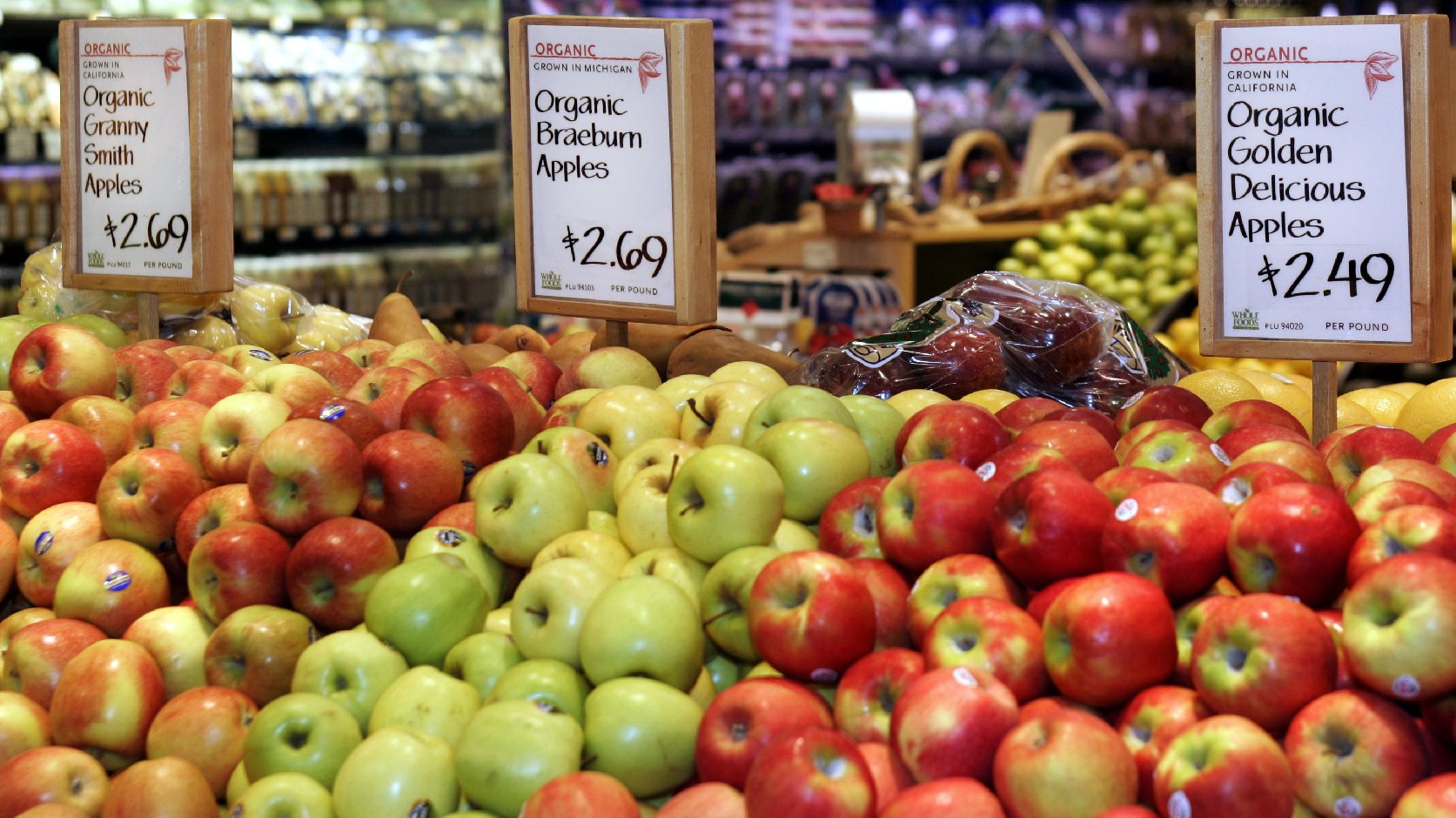
window.__IS_SSR__=true
window.__INITIAL_STATE__={
"attachmentsReducer": {
"audio_0": {
"type": "attachments",
"id": "audio_0",
"imgSizes": {
"kqedFullSize": {
"file": "https://ww2.kqed.org/news/wp-content/themes/KQED-unified/img/audio_bgs/background0.jpg"
}
}
},
"audio_1": {
"type": "attachments",
"id": "audio_1",
"imgSizes": {
"kqedFullSize": {
"file": "https://ww2.kqed.org/news/wp-content/themes/KQED-unified/img/audio_bgs/background1.jpg"
}
}
},
"audio_2": {
"type": "attachments",
"id": "audio_2",
"imgSizes": {
"kqedFullSize": {
"file": "https://ww2.kqed.org/news/wp-content/themes/KQED-unified/img/audio_bgs/background2.jpg"
}
}
},
"audio_3": {
"type": "attachments",
"id": "audio_3",
"imgSizes": {
"kqedFullSize": {
"file": "https://ww2.kqed.org/news/wp-content/themes/KQED-unified/img/audio_bgs/background3.jpg"
}
}
},
"audio_4": {
"type": "attachments",
"id": "audio_4",
"imgSizes": {
"kqedFullSize": {
"file": "https://ww2.kqed.org/news/wp-content/themes/KQED-unified/img/audio_bgs/background4.jpg"
}
}
},
"placeholder": {
"type": "attachments",
"id": "placeholder",
"imgSizes": {
"thumbnail": {
"file": "https://cdn.kqed.org/wp-content/uploads/2024/12/KQED-Default-Image-816638274-2000x1333-1-160x107.jpg",
"width": 160,
"height": 107,
"mimeType": "image/jpeg"
},
"medium": {
"file": "https://cdn.kqed.org/wp-content/uploads/2024/12/KQED-Default-Image-816638274-2000x1333-1-800x533.jpg",
"width": 800,
"height": 533,
"mimeType": "image/jpeg"
},
"medium_large": {
"file": "https://cdn.kqed.org/wp-content/uploads/2024/12/KQED-Default-Image-816638274-2000x1333-1-768x512.jpg",
"width": 768,
"height": 512,
"mimeType": "image/jpeg"
},
"large": {
"file": "https://cdn.kqed.org/wp-content/uploads/2024/12/KQED-Default-Image-816638274-2000x1333-1-1020x680.jpg",
"width": 1020,
"height": 680,
"mimeType": "image/jpeg"
},
"1536x1536": {
"file": "https://cdn.kqed.org/wp-content/uploads/2024/12/KQED-Default-Image-816638274-2000x1333-1-1536x1024.jpg",
"width": 1536,
"height": 1024,
"mimeType": "image/jpeg"
},
"fd-lrg": {
"file": "https://cdn.kqed.org/wp-content/uploads/2024/12/KQED-Default-Image-816638274-2000x1333-1-1536x1024.jpg",
"width": 1536,
"height": 1024,
"mimeType": "image/jpeg"
},
"fd-med": {
"file": "https://cdn.kqed.org/wp-content/uploads/2024/12/KQED-Default-Image-816638274-2000x1333-1-1020x680.jpg",
"width": 1020,
"height": 680,
"mimeType": "image/jpeg"
},
"fd-sm": {
"file": "https://cdn.kqed.org/wp-content/uploads/2024/12/KQED-Default-Image-816638274-2000x1333-1-800x533.jpg",
"width": 800,
"height": 533,
"mimeType": "image/jpeg"
},
"post-thumbnail": {
"file": "https://cdn.kqed.org/wp-content/uploads/2024/12/KQED-Default-Image-816638274-2000x1333-1-672x372.jpg",
"width": 672,
"height": 372,
"mimeType": "image/jpeg"
},
"twentyfourteen-full-width": {
"file": "https://cdn.kqed.org/wp-content/uploads/2024/12/KQED-Default-Image-816638274-2000x1333-1-1038x576.jpg",
"width": 1038,
"height": 576,
"mimeType": "image/jpeg"
},
"xxsmall": {
"file": "https://cdn.kqed.org/wp-content/uploads/2024/12/KQED-Default-Image-816638274-2000x1333-1-160x107.jpg",
"width": 160,
"height": 107,
"mimeType": "image/jpeg"
},
"xsmall": {
"file": "https://cdn.kqed.org/wp-content/uploads/2024/12/KQED-Default-Image-816638274-2000x1333-1-672x372.jpg",
"width": 672,
"height": 372,
"mimeType": "image/jpeg"
},
"small": {
"file": "https://cdn.kqed.org/wp-content/uploads/2024/12/KQED-Default-Image-816638274-2000x1333-1-672x372.jpg",
"width": 672,
"height": 372,
"mimeType": "image/jpeg"
},
"xlarge": {
"file": "https://cdn.kqed.org/wp-content/uploads/2024/12/KQED-Default-Image-816638274-2000x1333-1-1020x680.jpg",
"width": 1020,
"height": 680,
"mimeType": "image/jpeg"
},
"full-width": {
"file": "https://cdn.kqed.org/wp-content/uploads/2024/12/KQED-Default-Image-816638274-2000x1333-1-1920x1280.jpg",
"width": 1920,
"height": 1280,
"mimeType": "image/jpeg"
},
"guest-author-32": {
"file": "https://cdn.kqed.org/wp-content/uploads/2025/01/KQED-Default-Image-816638274-1333x1333-1-160x160.jpg",
"width": 32,
"height": 32,
"mimeType": "image/jpeg"
},
"guest-author-50": {
"file": "https://cdn.kqed.org/wp-content/uploads/2025/01/KQED-Default-Image-816638274-1333x1333-1-160x160.jpg",
"width": 50,
"height": 50,
"mimeType": "image/jpeg"
},
"guest-author-64": {
"file": "https://cdn.kqed.org/wp-content/uploads/2025/01/KQED-Default-Image-816638274-1333x1333-1-160x160.jpg",
"width": 64,
"height": 64,
"mimeType": "image/jpeg"
},
"guest-author-96": {
"file": "https://cdn.kqed.org/wp-content/uploads/2025/01/KQED-Default-Image-816638274-1333x1333-1-160x160.jpg",
"width": 96,
"height": 96,
"mimeType": "image/jpeg"
},
"guest-author-128": {
"file": "https://cdn.kqed.org/wp-content/uploads/2025/01/KQED-Default-Image-816638274-1333x1333-1-160x160.jpg",
"width": 128,
"height": 128,
"mimeType": "image/jpeg"
},
"detail": {
"file": "https://cdn.kqed.org/wp-content/uploads/2025/01/KQED-Default-Image-816638274-1333x1333-1-160x160.jpg",
"width": 160,
"height": 160,
"mimeType": "image/jpeg"
},
"kqedFullSize": {
"file": "https://cdn.kqed.org/wp-content/uploads/2024/12/KQED-Default-Image-816638274-2000x1333-1.jpg",
"width": 2000,
"height": 1333
}
}
},
"bayareabites_82882": {
"type": "attachments",
"id": "bayareabites_82882",
"meta": {
"index": "attachments_1716263798",
"site": "bayareabites",
"id": "82882",
"found": true
},
"parent": 82881,
"imgSizes": {
"kqedFullSize": {
"file": "https://ww2.kqed.org/app/uploads/sites/24/2014/06/low-alcohol-wine-1b-4566691e3e0f31fa56bc8e92ad751fa75e9041bc.jpg",
"width": 1599,
"height": 1198
}
},
"publishDate": 1401981377,
"modified": 1401981377,
"caption": "A selection of low-alcohol wines, including a Riesling from Germany, a Vinho Verde from Portugal and a Txakoli from the Basque region of Spain. Photo: Meredith Rizzo/NPR",
"description": "A selection of low-alcohol wines, including a Riesling from Germany, a Vinho Verde from Portugal and a Txakoli from the Basque region of Spain.",
"title": "A selection of low-alcohol wines, including a Riesling from Germany, a Vinho Verde from Portugal and a Txakoli from the Basque region of Spain.",
"credit": null,
"status": "inherit",
"isLoading": false,
"fetchFailed": false
},
"bayareabites_82782": {
"type": "attachments",
"id": "bayareabites_82782",
"meta": {
"index": "attachments_1716263798",
"site": "bayareabites",
"id": "82782",
"found": true
},
"parent": 82781,
"imgSizes": {
"kqedFullSize": {
"file": "https://ww2.kqed.org/app/uploads/sites/24/2014/06/philippe_hubert_slide-f9313655df965457a08776d5cbc4b4cf156b94fa.jpg",
"width": 1200,
"height": 799
}
},
"publishDate": 1401811092,
"modified": 1401811092,
"caption": "French physicist Philippe Hubert uses gamma rays to detect radioactivity in wine. \"In the wine is the story of the Atomic Age,\" he says. Photo: C J Walker/Courtesy of William Koch",
"description": "French physicist Philippe Hubert uses gamma rays to detect radioactivity in wine. \"In the wine is the story of the Atomic Age,\" he says.",
"title": "French physicist Philippe Hubert uses gamma rays to detect radioactivity in wine. \"In the wine is the story of the Atomic Age,\" he says.",
"credit": null,
"status": "inherit",
"isLoading": false,
"fetchFailed": false
},
"bayareabites_82425": {
"type": "attachments",
"id": "bayareabites_82425",
"meta": {
"index": "attachments_1716263798",
"site": "bayareabites",
"id": "82425",
"found": true
},
"parent": 82424,
"imgSizes": {
"kqedFullSize": {
"file": "https://ww2.kqed.org/app/uploads/sites/24/2014/05/yelp-1_wide-c07e41ca11053d2d7c30aafa94556b2ea5e53f5f.jpg",
"width": 1800,
"height": 1011
}
},
"publishDate": 1400821045,
"modified": 1400821045,
"caption": "The Yelp app maps out restaurant locations in Manhattan. Photo: Meredith Rizzo/NPR",
"description": null,
"title": "The Yelp app ",
"credit": null,
"status": "inherit",
"isLoading": false,
"fetchFailed": false
},
"bayareabites_82418": {
"type": "attachments",
"id": "bayareabites_82418",
"meta": {
"index": "attachments_1716263798",
"site": "bayareabites",
"id": "82418",
"found": true
},
"parent": 82417,
"imgSizes": {
"kqedFullSize": {
"file": "https://ww2.kqed.org/app/uploads/sites/24/2014/05/gluten-bread-34d95b215f09fec51216616011ad2772dd288685.jpg",
"width": 911,
"height": 683
}
},
"publishDate": 1400793988,
"modified": 1400793988,
"caption": null,
"description": "The wheat and grains in many breads contain gluten.",
"title": "The wheat and grains in many breads contain gluten.",
"credit": null,
"status": "inherit",
"isLoading": false,
"fetchFailed": false
},
"bayareabites_82296": {
"type": "attachments",
"id": "bayareabites_82296",
"meta": {
"index": "attachments_1716263798",
"site": "bayareabites",
"id": "82296",
"found": true
},
"parent": 82295,
"imgSizes": {
"kqedFullSize": {
"file": "https://ww2.kqed.org/app/uploads/sites/24/2014/05/01_mike_lewis_cisr_asian_citrus_psyllid_wide-4b55dbef10c21f7f272b478cf523e4672230e124.jpg",
"width": 2000,
"height": 1123
}
},
"publishDate": 1400515539,
"modified": 1400515539,
"caption": "The parasitic wasp Tamarixia radiata is the natural enemy of the invasive Asian citrus psyllid. Photo: Mike Lewis/Center for Invasive Species Research, UC Riverside",
"description": "The parasitic wasp \u003cem>Tamarixia radiata\u003c/em> is the natural enemy of the invasive Asian citrus psyllid.",
"title": "psyllid",
"credit": null,
"status": "inherit",
"isLoading": false,
"fetchFailed": false
},
"bayareabites_82112": {
"type": "attachments",
"id": "bayareabites_82112",
"meta": {
"index": "attachments_1716263798",
"site": "bayareabites",
"id": "82112",
"found": true
},
"parent": 81544,
"imgSizes": {
"kqedFullSize": {
"file": "https://ww2.kqed.org/app/uploads/sites/24/2014/05/packed-jars640x360.jpg",
"width": 640,
"height": 360
}
},
"publishDate": 1400098655,
"modified": 1400098655,
"caption": "Transforming spring vegetables into pickles is a great way to preserve their flavor for the coming year. Photo: Kate Williams",
"description": null,
"title": "packed-jars640x360",
"credit": null,
"status": "inherit",
"isLoading": false,
"fetchFailed": false
},
"bayareabites_82287": {
"type": "attachments",
"id": "bayareabites_82287",
"meta": {
"index": "attachments_1716263798",
"site": "bayareabites",
"id": "82287",
"found": true
},
"parent": 82286,
"imgSizes": {
"kqedFullSize": {
"file": "https://ww2.kqed.org/app/uploads/sites/24/2014/05/soda-fa7ce4178b884106b072879b474f01a1fa52b57e.jpg",
"width": 2624,
"height": 1966
}
},
"publishDate": 1400514848,
"modified": 1400514848,
"caption": "Samples from Dry Soda, Spindrift, Q and Veri Organic, four small companies that are trying to win back soda lovers by lowering the sugar. Photo: Maggie Starbard/NPR",
"description": null,
"title": "Samples ",
"credit": null,
"status": "inherit",
"isLoading": false,
"fetchFailed": false
},
"bayareabites_82152": {
"type": "attachments",
"id": "bayareabites_82152",
"meta": {
"index": "attachments_1716263798",
"site": "bayareabites",
"id": "82152",
"found": true
},
"parent": 82151,
"imgSizes": {
"kqedFullSize": {
"file": "https://ww2.kqed.org/app/uploads/sites/24/2014/05/20140420_162904_wide-1e79f957465a387ab698f1e6e5c12820a615d5df.jpg",
"width": 3263,
"height": 1833
}
},
"publishDate": 1400105941,
"modified": 1400105941,
"caption": "The MagicalButter food truck is called The Samich. Photo: Courtesy of MagicalButter",
"description": "The MagicalButter food truck is called The Samich.",
"title": "The MagicalButter food truck is called The Samich.",
"credit": null,
"status": "inherit",
"isLoading": false,
"fetchFailed": false
},
"bayareabites_82084": {
"type": "attachments",
"id": "bayareabites_82084",
"meta": {
"index": "attachments_1716263798",
"site": "bayareabites",
"id": "82084",
"found": true
},
"parent": 82083,
"imgSizes": {
"kqedFullSize": {
"file": "https://ww2.kqed.org/app/uploads/sites/24/2014/05/glass-gems-original-38b3ee92e1369aa8ee375c2562171f1c9c24f7fe.jpg",
"width": 2816,
"height": 2110
}
},
"publishDate": 1400082736,
"modified": 1400082736,
"caption": "The nearly translucent Glass Gem Corn looks more like a work of art than a vegetable. Photo: Greg Schoen/Native Seeds",
"description": "The nearly translucent Glass Gem Corn looks more like a work of art than a vegetable.",
"title": "The nearly translucent Glass Gem Corn looks more like a work of art than a vegetable.",
"credit": null,
"status": "inherit",
"isLoading": false,
"fetchFailed": false
},
"bayareabites_81572": {
"type": "attachments",
"id": "bayareabites_81572",
"meta": {
"index": "attachments_1716263798",
"site": "bayareabites",
"id": "81572",
"found": true
},
"parent": 81567,
"imgSizes": {
"kqedFullSize": {
"file": "https://ww2.kqed.org/app/uploads/sites/24/2014/05/vermont-grocery.jpg",
"width": 1120,
"height": 629
}
},
"publishDate": 1399509331,
"modified": 1399509331,
"caption": "Customers shop for produce at the Hunger Mountain Co-op in Montpelier, Vt., in 2013. Photo: Toby Talbot/AP",
"description": null,
"title": "vermont-grocery",
"credit": null,
"status": "inherit",
"isLoading": false,
"fetchFailed": false
},
"bayareabites_81532": {
"type": "attachments",
"id": "bayareabites_81532",
"meta": {
"index": "attachments_1716263798",
"site": "bayareabites",
"id": "81532",
"found": true
},
"parent": 81531,
"imgSizes": {
"kqedFullSize": {
"file": "https://ww2.kqed.org/app/uploads/sites/24/2014/05/img_2516-383632f8be0572487ce0fe6d6ddf09d55fde08f1.jpe",
"width": 1119,
"height": 839
}
},
"publishDate": 1399483439,
"modified": 1399483439,
"caption": null,
"description": "Duck eggs, including the exotic black egg from a Cayuga duck.",
"title": "Duck eggs, including the exotic black egg from a Cayuga duck.",
"credit": null,
"status": "inherit",
"isLoading": false,
"fetchFailed": false
},
"bayareabites_81302": {
"type": "attachments",
"id": "bayareabites_81302",
"meta": {
"index": "attachments_1716263798",
"site": "bayareabites",
"id": "81302",
"found": true
},
"parent": 81301,
"imgSizes": {
"kqedFullSize": {
"file": "https://ww2.kqed.org/app/uploads/sites/24/2014/05/102969543_wide-49d31465c1ed8cc1c501e6d720ecfc86f9393f29.jpg",
"width": 1673,
"height": 940
}
},
"publishDate": 1399133532,
"modified": 1399133532,
"caption": "The National Organic Standards Board voted to no longer allow farmers to use the antibiotic streptomycin on organic apple and pear trees. Photo: Jeff Haynes/AFP/Getty Images",
"description": null,
"title": "The National Organic Standards Board voted to no longer allow farmers to use the antibiotic streptomycin on organic apple and pear trees.",
"credit": null,
"status": "inherit",
"isLoading": false,
"fetchFailed": false
}
},
"audioPlayerReducer": {
"postId": "stream_live",
"isPaused": true,
"isPlaying": false,
"pfsActive": false,
"pledgeModalIsOpen": true,
"playerDrawerIsOpen": false,
"liveAudioPlayStartedAt": 0,
"liveAudioPlayContext": ""
},
"authorsReducer": {
"byline_bayareabites_82881": {
"type": "authors",
"id": "byline_bayareabites_82881",
"meta": {
"override": true
},
"slug": "byline_bayareabites_82881",
"name": "Allison Aubrey",
"isLoading": false
},
"byline_bayareabites_82781": {
"type": "authors",
"id": "byline_bayareabites_82781",
"meta": {
"override": true
},
"slug": "byline_bayareabites_82781",
"name": "The Kitchen Sisters",
"isLoading": false
},
"byline_bayareabites_82424": {
"type": "authors",
"id": "byline_bayareabites_82424",
"meta": {
"override": true
},
"slug": "byline_bayareabites_82424",
"name": "Richard Knox",
"isLoading": false
},
"byline_bayareabites_82417": {
"type": "authors",
"id": "byline_bayareabites_82417",
"meta": {
"override": true
},
"slug": "byline_bayareabites_82417",
"name": "Eliza Barclay",
"isLoading": false
},
"byline_bayareabites_82295": {
"type": "authors",
"id": "byline_bayareabites_82295",
"meta": {
"override": true
},
"slug": "byline_bayareabites_82295",
"name": "Steven Jackson",
"isLoading": false
},
"byline_bayareabites_82286": {
"type": "authors",
"id": "byline_bayareabites_82286",
"meta": {
"override": true
},
"slug": "byline_bayareabites_82286",
"name": "Marc Silver",
"isLoading": false
},
"byline_bayareabites_82151": {
"type": "authors",
"id": "byline_bayareabites_82151",
"meta": {
"override": true
},
"slug": "byline_bayareabites_82151",
"name": "Luke Runyon",
"isLoading": false
},
"byline_bayareabites_82083": {
"type": "authors",
"id": "byline_bayareabites_82083",
"meta": {
"override": true
},
"slug": "byline_bayareabites_82083",
"name": "Sáša Woodruff",
"isLoading": false
},
"byline_bayareabites_81567": {
"type": "authors",
"id": "byline_bayareabites_81567",
"meta": {
"override": true
},
"slug": "byline_bayareabites_81567",
"name": "Jane Lindholm",
"isLoading": false
},
"byline_bayareabites_81531": {
"type": "authors",
"id": "byline_bayareabites_81531",
"meta": {
"override": true
},
"slug": "byline_bayareabites_81531",
"name": "Eliza Barclay",
"isLoading": false
},
"byline_bayareabites_81301": {
"type": "authors",
"id": "byline_bayareabites_81301",
"meta": {
"override": true
},
"slug": "byline_bayareabites_81301",
"name": "Dan Charles",
"isLoading": false
},
"katewilliams": {
"type": "authors",
"id": "5485",
"meta": {
"index": "authors_1716337520",
"id": "5485",
"found": true
},
"name": "Kate Williams",
"firstName": "Kate",
"lastName": "Williams",
"slug": "katewilliams",
"email": "williaka@gmail.com",
"display_author_email": false,
"staff_mastheads": [],
"title": null,
"bio": "Kate Williams grew up outside of Atlanta, where twenty-pound baskets of peaches were an end-of-summer tradition. After spending time in Boston developing recipes for America's Test Kitchen and pretending to be a New Englander, she moved to sunny Berkeley. Here she works as a personal chef and food writer, covering topics ranging from taco trucks to modernist cookbooks. In addition to KQED's Bay Area Bites, Kate's work appears on Serious Eats, Berkeleyside NOSH, The Oxford American, America's Test Kitchen cookbooks, and Food52.",
"avatar": "https://secure.gravatar.com/avatar/25623fe56e181fe8b6ee92fd0ea077de?s=600&d=blank&r=g",
"twitter": "KateHWilliams",
"facebook": null,
"instagram": null,
"linkedin": null,
"sites": [
{
"site": "bayareabites",
"roles": [
"contributor"
]
},
{
"site": "food",
"roles": [
"contributor"
]
}
],
"headData": {
"title": "Kate Williams | KQED",
"description": null,
"ogImgSrc": "https://secure.gravatar.com/avatar/25623fe56e181fe8b6ee92fd0ea077de?s=600&d=blank&r=g",
"twImgSrc": "https://secure.gravatar.com/avatar/25623fe56e181fe8b6ee92fd0ea077de?s=600&d=blank&r=g"
},
"isLoading": false,
"link": "/author/katewilliams"
}
},
"pagesReducer": {
"bayareabites_category_food-and-technology": {
"type": "terms",
"id": "bayareabites_4084",
"meta": {
"index": "terms_1716263798",
"site": "bayareabites",
"id": "4084",
"score": 14.405603
},
"featImg": null,
"name": "food trends and technology",
"description": null,
"taxonomy": "category",
"headData": {
"twImgId": null,
"twTitle": null,
"ogTitle": null,
"ogImgId": null,
"twDescription": null,
"description": null,
"title": "food trends and technology Archives | KQED Bay Area Bites",
"ogDescription": null
},
"ttid": 2573,
"slug": "food-and-technology",
"isLoading": false,
"title": "food trends and technology",
"pageMeta": {
"site": "bayareabites",
"WpPageTemplate": "page-topic-editorial",
"currentPage": 37
},
"blocks": [
{
"blockName": "kqed/post-list",
"attrs": {
"layout": "cardArticle2",
"query": "posts/bayareabites?category=food-and-technology",
"seeMore": false,
"paginated": true,
"page": 37
}
},
{
"blockName": "kqed/ad"
}
]
}
},
"pfsSessionReducer": {},
"postsReducer": {
"stream_live": {
"type": "live",
"id": "stream_live",
"audioUrl": "https://streams.kqed.org/kqedradio",
"title": "Live Stream",
"excerpt": "Live Stream information currently unavailable.",
"link": "/radio",
"featImg": "",
"label": {
"name": "KQED Live",
"link": "/"
}
},
"stream_kqedNewscast": {
"type": "posts",
"id": "stream_kqedNewscast",
"audioUrl": "https://www.kqed.org/.stream/anon/radio/RDnews/newscast.mp3?_=1",
"title": "KQED Newscast",
"featImg": "",
"label": {
"name": "88.5 FM",
"link": "/"
}
},
"bayareabites_82881": {
"type": "posts",
"id": "bayareabites_82881",
"meta": {
"index": "posts_1716263798",
"site": "bayareabites",
"id": "82881",
"score": null,
"sort": [
1401982563000
]
},
"parent": 0,
"labelTerm": {
"site": "bayareabites"
},
"blocks": [],
"publishDate": 1401982563,
"format": "aside",
"disqusTitle": "The Secret's In The Sugar: Lower-Alcohol Wines Are Taking Off",
"title": "The Secret's In The Sugar: Lower-Alcohol Wines Are Taking Off",
"headTitle": "Bay Area Bites | KQED Food",
"content": "\u003cfigure id=\"attachment_82882\" class=\"wp-caption aligncenter\" style=\"max-width: 1599px\">\u003ca href=\"http://ww2.kqed.org/bayareabites/wp-content/uploads/sites/24/2014/06/low-alcohol-wine-1b-4566691e3e0f31fa56bc8e92ad751fa75e9041bc.jpg\">\u003cimg src=\"http://ww2.kqed.org/bayareabites/wp-content/uploads/sites/24/2014/06/low-alcohol-wine-1b-4566691e3e0f31fa56bc8e92ad751fa75e9041bc.jpg\" alt=\"A selection of low-alcohol wines, including a Riesling from Germany, a Vinho Verde from Portugal and a Txakoli from the Basque region of Spain. Photo: Meredith Rizzo/NPR\" width=\"1599\" height=\"1198\" class=\"size-full wp-image-82882\">\u003c/a>\u003cfigcaption class=\"wp-caption-text\">A selection of low-alcohol wines, including a Riesling from Germany, a Vinho Verde from Portugal and a Txakoli from the Basque region of Spain. Photo: Meredith Rizzo/NPR\u003c/figcaption>\u003c/figure>\n\u003cp>\u003cstrong>Listen to the Story\u003c/strong> on \u003ca href=\"http://www.npr.org/blogs/thesalt/2014/06/05/314923045/the-secrets-in-the-sugar-lower-alcohol-wines-are-taking-off\">Morning Edition\u003c/a> [audio src=\"http://pd.npr.org/anon.npr-mp3/npr/me/2014/06/20140605_me_the_secrets_in_the_sugar_lower-alcohol_wines_are_taking_off.mp3\"] \u003c/p>\n\u003cp>by Allison Aubrey, \u003ca href=\"http://www.npr.org/blogs/thesalt/2014/06/05/314923045/the-secrets-in-the-sugar-lower-alcohol-wines-are-taking-off\">The Salt at NPR Food\u003c/a> (6/5/14)\u003c/p>\n\u003cp>Big, bold wines have their fans. But with the arrival of summer, make room for a bumper crop of lighter, more subtle wines.\u003c/p>\n\u003cp>\"Low-alcohol wines are super hot right now,\" says wine writer \u003ca href=\"http://katherinecole.com/\">Katherine Cole\u003c/a>.\u003c/p>\n\u003cp>There's Txakoli, or Txakolina, wines from the Basque region of Spain, Rieslings from Germany and New York state, and Vinho Verde from Portugal, to name a few.\u003c/p>\n\u003cp>[ad fullwidth]\u003c/p>\n\u003cp>These wines typically hover in the 9 percent to 11 percent alcohol range. This compares to about 13 percent to 14 percent in a typical California chardonnay.\u003c/p>\n\u003cp>\"We're seeing [from our stores] more requests for more balanced, light-bodied, lower-alcohol wines,\" \u003ca href=\"http://media.wholefoodsmarket.com/experts/subject-experts/devon-broglie-ms\">Devon Broglie\u003c/a>, sommelier and global wine buyer for Whole Foods, tells us. \"And I see this trend gaining momentum.\"\u003c/p>\n\u003cp>So, what explains the trend? For starters, \"budding wine aficionados are more cash-strapped than their predecessors,\" Cole says. And these same consumers also value novelty: \"They want to look around the corner to new wines, made from quirkier, more obscure grapes,\" she says.\u003c/p>\n\u003cp>Cole says a Txakoli may offer more \"bang for the buck than, say, an over-oaked, overpriced, higher-alcohol California chardonnay.\" And she says other wine grapes Americans aren't as familiar with, such as gamay noir (a high-yield grape used to make Beaujolais), are gaining traction too. One producer is a small Portland-based winery, \u003ca href=\"http://www.oregonlive.com/foodday/index.ssf/2013/09/urban_winery_goes_underground.html\">Bow & Arrow\u003c/a>.\u003c/p>\n\u003cp>There are several factors that determine alcohol levels. The climate and grape varietals play a role. And winemakers have several techniques that can manipulate alcohol concentrations.\u003c/p>\n\u003cp>For instance, they can halt the conversion of sugar in the grapes to alcohol, keeping more sugar in the wine. Moscato wines, which are known for a signature sweetness and have \u003ca href=\"http://www.npr.org/blogs/codeswitch/2013/06/27/196210549/MOSCATO\">gained popularity\u003c/a> in recent years, are a good example of that.\u003c/p>\n\u003cp>In other cases, winemakers use grape varietals that don't concentrate high amounts of sugar. And they can adjust how long grapes stay on the vine.\u003c/p>\n\u003cp>\"Lower alcohol is indicative of grapes that were picked not overripe but maybe just [barely] ripe,\" Broglie says.\u003c/p>\n\u003cfigure id=\"attachment_82883\" class=\"wp-caption aligncenter\" style=\"max-width: 1599px\">\u003ca href=\"http://ww2.kqed.org/bayareabites/wp-content/uploads/sites/24/2014/06/low-alcohol-wine-2-1bef9627a5b4aeb75843818b0b402ab68e32ef29.jpg\">\u003cimg src=\"http://ww2.kqed.org/bayareabites/wp-content/uploads/sites/24/2014/06/low-alcohol-wine-2-1bef9627a5b4aeb75843818b0b402ab68e32ef29.jpg\" alt=\"Ganeta Txakolina from Spain (clockwise from left), Mia Dolcea Moscato D'Asti from Italy, Aveleda Vinho Verde from Portugal and Clean Slate Riesling from Germany. Photo: Meredith Rizzo/NPR\" width=\"1599\" height=\"1198\" class=\"size-full wp-image-82883\">\u003c/a>\u003cfigcaption class=\"wp-caption-text\">Ganeta Txakolina from Spain (clockwise from left), Mia Dolcea Moscato D'Asti from Italy, Aveleda Vinho Verde from Portugal and Clean Slate Riesling from Germany. Photo: Meredith Rizzo/NPR\u003c/figcaption>\u003c/figure>\n\u003cp>Vinho Verde — which translates from the Portuguese as green wine, or young wine — is a good example. These wines, which have been dubbed \u003ca href=\"http://www.nytimes.com/2013/07/03/dining/vinho-verde-portuguese-for-cheap-and-cheerful.html?_r=0\">\"cheap and cheerful\"\u003c/a> by \u003cem>New York Times\u003c/em> wine critic Eric Asimov, are traditionally produced from valley-grown grapes that don't get super ripe, so sugar concentrations are lower. And since it's the sugar that converts to alcohol, as a result there's less alcohol.\u003c/p>\n\u003cp>And why the lower price points? In the case of Vinho Verde wines, part of the story is geography.\u003c/p>\n\u003cp>Portuguese winemakers can produce wine more cheaply compared with, say, French winemakers. In part, there's not as much pruning or fussing over the grapes.\u003c/p>\n\u003cp>And unlike champagne, which is aged before it's sold, Vinho Verde is produced to be consumed quickly.\u003c/p>\n\u003cp>Some wine critics \u003ca href=\"http://www.alcoholprofessor.com/blog/2014/04/23/vinho-verde-a-splash-of-summer-vinous-joy/\"> love\u003c/a> Vinho Verde, and say the good value is not lost on consumers. Imports into the U.S. have \u003ca href=\"http://www.thedrinksbusiness.com/2014/03/new-wave-vinho-verde-threatens-regions-landscape/\">risen quickly\u003c/a>.\u003c/p>\n\u003cp>Cole says, in many instances, \"higher-alcohol wines can cost more because they're made from grapevines that have been pruned down to squeeze the highest concentration of flavor from each berry.\" And the cost of the labor behind this intensive technique can add up.\u003c/p>\n\u003cp>The move to lower alcohol concentrations is not just about cost. In fact, often it's an afterthought. What's driving the trend is changing preferences in wine styles.\u003c/p>\n\u003cp>Broglie says after years of winemakers pushing the envelope to produce overripe grapes that make bold, hit-you-over-the-head wines, the tide has turned.\u003c/p>\n\u003cp>\"Now we're seeing a natural trend in the other direction, to more subtlety in wines,\" Broglie says. \"And I see this continuing.\"\u003c/p>\n\u003cp>Wine writer Dave McIntyre agrees. \"There is a move to roll back alcohol levels from the blockbuster 14 to 15 percent and higher wines so popular the last 15 years or so.\"\u003c/p>\n\u003cp>McIntyre says there are also some wine companies purposely making\u003ca href=\"http://www.thedrinksbusiness.com/2013/04/top-10-low-calorie-wine-brands/\"> low-cal, lower-alcohol wines\u003c/a> marketed to diet-minded consumers. Take, for instance \u003ca href=\"http://skinnygirlcocktails.com/the-cocktails\">Skinny Girl \u003c/a> and \u003ca href=\"http://www.theskinnyvine.com/wines.html#slim-chardonnay\">The Skinny Vine\u003c/a>, which makes Slim Chardonnay, Mini Moscato and Thin Zin, which has just 7.5 percent alcohol.\u003c/p>\n\u003cp>And in other cases, the move to more balance and subtlety has winemakers experimenting with all kinds of techniques.\u003c/p>\n\u003cp>McIntyre\u003ca href=\"http://www.washingtonpost.com/wp-dyn/content/story/2009/01/06/ST2009010601478.html\"> profiled\u003c/a> a New Zealand producer who makes a sauvignon blanc and a Riesling at about 9 percent alcohol, which is 25 percent lower than what's typical. \"And he does nothing more than picking some leaves off the vine to inhibit sugar growth.\"\u003c/p>\n\u003cp>The lower-alcohol trend goes beyond just vino. Beer-wine crossovers are starting to catch on. For instance, Odell Brewing in Colorado makes a Riesling-pale ale mashup with 7.6 percent alcohol. And newer takes on hard ciders such as \u003ca href=\"http://www.snakebiteusa.com/\">Snake Bite\u003c/a>, with 5.1 percent alcohol content, are getting notice too.\u003c/p>\n\u003cp>But don't expect to see a downward trend in alcohol in many red wines.\u003c/p>\n\u003cp>\"The low-alcohol reds are a challenge for winemakers,\" explains Andrew Waterhouse, a professor of oenology at the University of California, Davis. \"[Lower-alcohol wines] have a more subtle complex taste and higher acidity than wines made from riper grapes.\"\u003c/p>\n\u003cp>And he says the trend has been that most consumers prefer the distinctive fruity tastes that arise in very ripe red grapes. \u003c/p>\n\u003cp>\u003c/p>\n\u003cp>\u003cem>Copyright 2014 \u003ca href=\"http://www.npr.org/\">NPR\u003c/a>.\u003c/em> \u003c/p>\n\n",
"disqusIdentifier": "82881 http://blogs.kqed.org/bayareabites/?p=82881",
"disqusUrl": "https://ww2.kqed.org/bayareabites/2014/06/05/the-secrets-in-the-sugar-lower-alcohol-wines-are-taking-off/",
"stats": {
"hasVideo": false,
"hasChartOrMap": false,
"hasAudio": true,
"hasPolis": false,
"wordCount": 989,
"hasGoogleForm": false,
"hasGallery": false,
"hasHearkenModule": false,
"iframeSrcs": [],
"paragraphCount": 33
},
"modified": 1401982563,
"excerpt": "This summer is bringing a bumper crop of lighter, more subtle wines like Vinho Verde, Riesling and Txakoli. While lower in alcohol, these wines are also winning fans for their low cost.",
"headData": {
"twImgId": "",
"twTitle": "",
"ogTitle": "",
"ogImgId": "",
"twDescription": "",
"description": "This summer is bringing a bumper crop of lighter, more subtle wines like Vinho Verde, Riesling and Txakoli. While lower in alcohol, these wines are also winning fans for their low cost.",
"title": "The Secret's In The Sugar: Lower-Alcohol Wines Are Taking Off | KQED",
"ogDescription": "",
"schema": {
"@context": "https://schema.org",
"@type": "Article",
"headline": "The Secret's In The Sugar: Lower-Alcohol Wines Are Taking Off",
"datePublished": "2014-06-05T08:36:03-07:00",
"dateModified": "2014-06-05T08:36:03-07:00",
"image": "https://cdn.kqed.org/wp-content/uploads/2020/02/KQED-OG-Image@1x.png"
}
},
"guestAuthors": [],
"slug": "the-secrets-in-the-sugar-lower-alcohol-wines-are-taking-off",
"status": "publish",
"nprApiLink": "http://api.npr.org/query?id=314923045&apiKey=MDAxOTAwOTE4MDEyMTkxMDAzNjczZDljZA004",
"nprByline": "Allison Aubrey",
"nprStoryDate": "Thu, 05 Jun 2014 03:29:00 -0400",
"nprLastModifiedDate": "Thu, 05 Jun 2014 08:37:37 -0400",
"nprHtmlLink": "http://www.npr.org/blogs/thesalt/2014/06/05/314923045/the-secrets-in-the-sugar-lower-alcohol-wines-are-taking-off?ft=3&f=314923045",
"nprAudio": "http://pd.npr.org/anon.npr-mp3/npr/me/2014/06/20140605_me_the_secrets_in_the_sugar_lower-alcohol_wines_are_taking_off.mp3?orgId=1&topicId=1053&ft=3&f=314923045",
"nprAudioM3u": "http://api.npr.org/m3u/1319030402-a8d8e9.m3u?orgId=1&topicId=1053&ft=3&f=314923045",
"nprStoryId": "314923045",
"nprRetrievedStory": "1",
"nprPubDate": "Thu, 05 Jun 2014 08:37:00 -0400",
"path": "/bayareabites/82881/the-secrets-in-the-sugar-lower-alcohol-wines-are-taking-off",
"audioUrl": "http://pd.npr.org/anon.npr-mp3/npr/me/2014/06/20140605_me_the_secrets_in_the_sugar_lower-alcohol_wines_are_taking_off.mp3",
"audioDuration": null,
"audioTrackLength": null,
"parsedContent": [
{
"type": "contentString",
"content": "\u003cdiv class=\"post-body\">\u003cp>\u003cfigure id=\"attachment_82882\" class=\"wp-caption aligncenter\" style=\"max-width: 1599px\">\u003ca href=\"http://ww2.kqed.org/bayareabites/wp-content/uploads/sites/24/2014/06/low-alcohol-wine-1b-4566691e3e0f31fa56bc8e92ad751fa75e9041bc.jpg\">\u003cimg src=\"http://ww2.kqed.org/bayareabites/wp-content/uploads/sites/24/2014/06/low-alcohol-wine-1b-4566691e3e0f31fa56bc8e92ad751fa75e9041bc.jpg\" alt=\"A selection of low-alcohol wines, including a Riesling from Germany, a Vinho Verde from Portugal and a Txakoli from the Basque region of Spain. Photo: Meredith Rizzo/NPR\" width=\"1599\" height=\"1198\" class=\"size-full wp-image-82882\">\u003c/a>\u003cfigcaption class=\"wp-caption-text\">A selection of low-alcohol wines, including a Riesling from Germany, a Vinho Verde from Portugal and a Txakoli from the Basque region of Spain. Photo: Meredith Rizzo/NPR\u003c/figcaption>\u003c/figure>\n\u003cp>\u003cstrong>Listen to the Story\u003c/strong> on \u003ca href=\"http://www.npr.org/blogs/thesalt/2014/06/05/314923045/the-secrets-in-the-sugar-lower-alcohol-wines-are-taking-off\">Morning Edition\u003c/a> \u003c/p>\u003c/div>",
"attributes": {
"named": {},
"numeric": []
}
},
{
"type": "component",
"content": "",
"name": "audio",
"attributes": {
"named": {
"src": "http://pd.npr.org/anon.npr-mp3/npr/me/2014/06/20140605_me_the_secrets_in_the_sugar_lower-alcohol_wines_are_taking_off.mp3",
"label": ""
},
"numeric": []
}
},
{
"type": "contentString",
"content": "\u003cdiv class=\"post-body\">\u003cp> \u003c/p>\n\u003cp>by Allison Aubrey, \u003ca href=\"http://www.npr.org/blogs/thesalt/2014/06/05/314923045/the-secrets-in-the-sugar-lower-alcohol-wines-are-taking-off\">The Salt at NPR Food\u003c/a> (6/5/14)\u003c/p>\n\u003cp>Big, bold wines have their fans. But with the arrival of summer, make room for a bumper crop of lighter, more subtle wines.\u003c/p>\n\u003cp>\"Low-alcohol wines are super hot right now,\" says wine writer \u003ca href=\"http://katherinecole.com/\">Katherine Cole\u003c/a>.\u003c/p>\n\u003cp>There's Txakoli, or Txakolina, wines from the Basque region of Spain, Rieslings from Germany and New York state, and Vinho Verde from Portugal, to name a few.\u003c/p>\n\u003cp>\u003c/p>\u003c/div>",
"attributes": {
"named": {},
"numeric": []
}
},
{
"type": "component",
"content": "",
"name": "ad",
"attributes": {
"named": {
"label": "fullwidth"
},
"numeric": [
"fullwidth"
]
}
},
{
"type": "contentString",
"content": "\u003cdiv class=\"post-body\">\u003cp>\u003c/p>\n\u003cp>These wines typically hover in the 9 percent to 11 percent alcohol range. This compares to about 13 percent to 14 percent in a typical California chardonnay.\u003c/p>\n\u003cp>\"We're seeing [from our stores] more requests for more balanced, light-bodied, lower-alcohol wines,\" \u003ca href=\"http://media.wholefoodsmarket.com/experts/subject-experts/devon-broglie-ms\">Devon Broglie\u003c/a>, sommelier and global wine buyer for Whole Foods, tells us. \"And I see this trend gaining momentum.\"\u003c/p>\n\u003cp>So, what explains the trend? For starters, \"budding wine aficionados are more cash-strapped than their predecessors,\" Cole says. And these same consumers also value novelty: \"They want to look around the corner to new wines, made from quirkier, more obscure grapes,\" she says.\u003c/p>\n\u003cp>Cole says a Txakoli may offer more \"bang for the buck than, say, an over-oaked, overpriced, higher-alcohol California chardonnay.\" And she says other wine grapes Americans aren't as familiar with, such as gamay noir (a high-yield grape used to make Beaujolais), are gaining traction too. One producer is a small Portland-based winery, \u003ca href=\"http://www.oregonlive.com/foodday/index.ssf/2013/09/urban_winery_goes_underground.html\">Bow & Arrow\u003c/a>.\u003c/p>\n\u003cp>There are several factors that determine alcohol levels. The climate and grape varietals play a role. And winemakers have several techniques that can manipulate alcohol concentrations.\u003c/p>\n\u003cp>For instance, they can halt the conversion of sugar in the grapes to alcohol, keeping more sugar in the wine. Moscato wines, which are known for a signature sweetness and have \u003ca href=\"http://www.npr.org/blogs/codeswitch/2013/06/27/196210549/MOSCATO\">gained popularity\u003c/a> in recent years, are a good example of that.\u003c/p>\n\u003cp>In other cases, winemakers use grape varietals that don't concentrate high amounts of sugar. And they can adjust how long grapes stay on the vine.\u003c/p>\n\u003cp>\"Lower alcohol is indicative of grapes that were picked not overripe but maybe just [barely] ripe,\" Broglie says.\u003c/p>\n\u003cfigure id=\"attachment_82883\" class=\"wp-caption aligncenter\" style=\"max-width: 1599px\">\u003ca href=\"http://ww2.kqed.org/bayareabites/wp-content/uploads/sites/24/2014/06/low-alcohol-wine-2-1bef9627a5b4aeb75843818b0b402ab68e32ef29.jpg\">\u003cimg src=\"http://ww2.kqed.org/bayareabites/wp-content/uploads/sites/24/2014/06/low-alcohol-wine-2-1bef9627a5b4aeb75843818b0b402ab68e32ef29.jpg\" alt=\"Ganeta Txakolina from Spain (clockwise from left), Mia Dolcea Moscato D'Asti from Italy, Aveleda Vinho Verde from Portugal and Clean Slate Riesling from Germany. Photo: Meredith Rizzo/NPR\" width=\"1599\" height=\"1198\" class=\"size-full wp-image-82883\">\u003c/a>\u003cfigcaption class=\"wp-caption-text\">Ganeta Txakolina from Spain (clockwise from left), Mia Dolcea Moscato D'Asti from Italy, Aveleda Vinho Verde from Portugal and Clean Slate Riesling from Germany. Photo: Meredith Rizzo/NPR\u003c/figcaption>\u003c/figure>\n\u003cp>Vinho Verde — which translates from the Portuguese as green wine, or young wine — is a good example. These wines, which have been dubbed \u003ca href=\"http://www.nytimes.com/2013/07/03/dining/vinho-verde-portuguese-for-cheap-and-cheerful.html?_r=0\">\"cheap and cheerful\"\u003c/a> by \u003cem>New York Times\u003c/em> wine critic Eric Asimov, are traditionally produced from valley-grown grapes that don't get super ripe, so sugar concentrations are lower. And since it's the sugar that converts to alcohol, as a result there's less alcohol.\u003c/p>\n\u003cp>And why the lower price points? In the case of Vinho Verde wines, part of the story is geography.\u003c/p>\n\u003cp>Portuguese winemakers can produce wine more cheaply compared with, say, French winemakers. In part, there's not as much pruning or fussing over the grapes.\u003c/p>\n\u003cp>And unlike champagne, which is aged before it's sold, Vinho Verde is produced to be consumed quickly.\u003c/p>\n\u003cp>Some wine critics \u003ca href=\"http://www.alcoholprofessor.com/blog/2014/04/23/vinho-verde-a-splash-of-summer-vinous-joy/\"> love\u003c/a> Vinho Verde, and say the good value is not lost on consumers. Imports into the U.S. have \u003ca href=\"http://www.thedrinksbusiness.com/2014/03/new-wave-vinho-verde-threatens-regions-landscape/\">risen quickly\u003c/a>.\u003c/p>\n\u003cp>Cole says, in many instances, \"higher-alcohol wines can cost more because they're made from grapevines that have been pruned down to squeeze the highest concentration of flavor from each berry.\" And the cost of the labor behind this intensive technique can add up.\u003c/p>\n\u003cp>The move to lower alcohol concentrations is not just about cost. In fact, often it's an afterthought. What's driving the trend is changing preferences in wine styles.\u003c/p>\n\u003cp>Broglie says after years of winemakers pushing the envelope to produce overripe grapes that make bold, hit-you-over-the-head wines, the tide has turned.\u003c/p>\n\u003cp>\"Now we're seeing a natural trend in the other direction, to more subtlety in wines,\" Broglie says. \"And I see this continuing.\"\u003c/p>\n\u003cp>Wine writer Dave McIntyre agrees. \"There is a move to roll back alcohol levels from the blockbuster 14 to 15 percent and higher wines so popular the last 15 years or so.\"\u003c/p>\n\u003cp>McIntyre says there are also some wine companies purposely making\u003ca href=\"http://www.thedrinksbusiness.com/2013/04/top-10-low-calorie-wine-brands/\"> low-cal, lower-alcohol wines\u003c/a> marketed to diet-minded consumers. Take, for instance \u003ca href=\"http://skinnygirlcocktails.com/the-cocktails\">Skinny Girl \u003c/a> and \u003ca href=\"http://www.theskinnyvine.com/wines.html#slim-chardonnay\">The Skinny Vine\u003c/a>, which makes Slim Chardonnay, Mini Moscato and Thin Zin, which has just 7.5 percent alcohol.\u003c/p>\n\u003cp>And in other cases, the move to more balance and subtlety has winemakers experimenting with all kinds of techniques.\u003c/p>\n\u003cp>McIntyre\u003ca href=\"http://www.washingtonpost.com/wp-dyn/content/story/2009/01/06/ST2009010601478.html\"> profiled\u003c/a> a New Zealand producer who makes a sauvignon blanc and a Riesling at about 9 percent alcohol, which is 25 percent lower than what's typical. \"And he does nothing more than picking some leaves off the vine to inhibit sugar growth.\"\u003c/p>\n\u003cp>The lower-alcohol trend goes beyond just vino. Beer-wine crossovers are starting to catch on. For instance, Odell Brewing in Colorado makes a Riesling-pale ale mashup with 7.6 percent alcohol. And newer takes on hard ciders such as \u003ca href=\"http://www.snakebiteusa.com/\">Snake Bite\u003c/a>, with 5.1 percent alcohol content, are getting notice too.\u003c/p>\n\u003cp>But don't expect to see a downward trend in alcohol in many red wines.\u003c/p>\n\u003cp>\"The low-alcohol reds are a challenge for winemakers,\" explains Andrew Waterhouse, a professor of oenology at the University of California, Davis. \"[Lower-alcohol wines] have a more subtle complex taste and higher acidity than wines made from riper grapes.\"\u003c/p>\n\u003cp>And he says the trend has been that most consumers prefer the distinctive fruity tastes that arise in very ripe red grapes. \u003c/p>\n\u003cp>\u003c/p>\n\u003cp>\u003cem>Copyright 2014 \u003ca href=\"http://www.npr.org/\">NPR\u003c/a>.\u003c/em> \u003c/p>\n\n\u003c/div>\u003c/p>",
"attributes": {
"named": {},
"numeric": []
}
}
],
"link": "/bayareabites/82881/the-secrets-in-the-sugar-lower-alcohol-wines-are-taking-off",
"authors": [
"byline_bayareabites_82881"
],
"categories": [
"bayareabites_13306",
"bayareabites_1962",
"bayareabites_4084",
"bayareabites_10916",
"bayareabites_34",
"bayareabites_119"
],
"tags": [
"bayareabites_13439",
"bayareabites_10921",
"bayareabites_13438"
],
"featImg": "bayareabites_82882",
"label": "bayareabites"
},
"bayareabites_82781": {
"type": "posts",
"id": "bayareabites_82781",
"meta": {
"index": "posts_1716263798",
"site": "bayareabites",
"id": "82781",
"score": null,
"sort": [
1401811791000
]
},
"parent": 0,
"labelTerm": {
"site": "bayareabites"
},
"blocks": [],
"publishDate": 1401811791,
"format": "aside",
"disqusTitle": "How Atomic Particles Helped Solve A Wine Fraud Mystery",
"title": "How Atomic Particles Helped Solve A Wine Fraud Mystery",
"headTitle": "Bay Area Bites | KQED Food",
"content": "\u003cfigure id=\"attachment_82782\" class=\"wp-caption aligncenter\" style=\"max-width: 1200px\">\u003ca href=\"http://ww2.kqed.org/bayareabites/wp-content/uploads/sites/24/2014/06/philippe_hubert_slide-f9313655df965457a08776d5cbc4b4cf156b94fa.jpg\">\u003cimg src=\"http://ww2.kqed.org/bayareabites/wp-content/uploads/sites/24/2014/06/philippe_hubert_slide-f9313655df965457a08776d5cbc4b4cf156b94fa.jpg\" alt='French physicist Philippe Hubert uses gamma rays to detect radioactivity in wine. \"In the wine is the story of the Atomic Age,\" he says. Photo: C J Walker/Courtesy of William Koch' width=\"1200\" height=\"799\" class=\"size-full wp-image-82782\">\u003c/a>\u003cfigcaption class=\"wp-caption-text\">French physicist Philippe Hubert uses gamma rays to detect radioactivity in wine. \"In the wine is the story of the Atomic Age,\" he says. Photo: C J Walker/Courtesy of William Koch\u003c/figcaption>\u003c/figure>\n\u003cp>\u003cstrong>Listen to the Story\u003c/strong> on \u003ca href=\"http://www.npr.org/blogs/thesalt/2014/06/03/318241738/how-atomic-particles-became-the-smoking-gun-in-wine-fraud-mystery\">Morning Edition\u003c/a>\u003cbr>\nhttp://pd.npr.org/anon.npr-mp3/npr/me/2014/06/20140603_me_how_atomic_particles_became_the_smoking_gun_in_wine_fraud_mystery.mp3\u003c/p>\n\u003cp>In a laboratory, deep under a mile-high stretch of the Alps on the French-Italian border, \u003ca href=\"http://www.cenbg.in2p3.fr/-La-composition-du-groupe-?lang=en\">Philippe Hubert\u003c/a>, a physicist at the University of Bordeaux, is testing the authenticity of a bottle of wine.\u003c/p>\n\u003cp>\"We are looking for radioactivity in the wine,\" says Hubert. \"Most of the time the collectors send me bottles of wine because they want to know if it is fake or not.\"\u003c/p>\n\u003cp>By taking the bottle in the hand and putting it close to a detector, Hubert records the gamma rays. The level of those gamma rays emitted can often tell him something about when the wine was bottled. For example, if it was bottled before about 1945, there shouldn't be any cesium 137 — radioactive evidence of exploded nuclear bombs and the Atomic Age — in the wine.\u003c/p>\n\u003cp>But that's not the only way to do it. Maureen Downey, wine detective and founder of \u003ca href=\"http://www.chaiconsulting.com/about-us/maureen-downey/\">Chai Consulting\u003c/a> wine appraisal and authentication in San Francisco, has a toolkit of items she uses to forensically examine bottles of wine — razor blades, magnifying glasses, jewelers loupes, flashlights, blue light.\u003c/p>\n\u003cp>[ad fullwidth]\u003c/p>\n\u003cp>\"Counterfeit wines have become a much bigger problem of late,\" says Downey. \"In the last year, I myself have written reports for about $5 million worth of fakes.\"\u003c/p>\n\u003cp>And as fraud goes up, experts are going to greater lengths than ever before to authenticate wine — the fibers of the label paper, the tiny pits in the glass, the depth of the punt in the bottom of the bottle, all hold clues. And so do the corks.\u003c/p>\n\u003cp>\"Fraudsters put a lot of work into trying to make their corks look distressed,\" says \u003ca href=\"http://www.ft.com/life-arts/jancis-robinson\">Jancis Robinson\u003c/a>, a longtime wine writer for \u003cem>The Financial Times\u003c/em>. \"It's important that the label look like it's been around the block a bit, so they might rub it with a bit of earth or coffee grounds.\"\u003c/p>\n\u003cp>\u003cstrong>Uncovering The Jefferson Bottles\u003c/strong>\u003c/p>\n\u003cp>\"There are two ways to counterfeit wine,\" says \u003ca href=\"http://www.patrickraddenkeefe.com/bio/\">Patrick Radden Keefe\u003c/a>, a staff writer at \u003ca href=\"http://www.newyorker.com/\">The New Yorker\u003c/a>. \"You're either messing with the bottle or you're messing with the wine itself.\" He wrote a story a few years ago about one of the most intriguing fakes of all: \u003ca href=\"http://www.newyorker.com/reporting/2007/09/03/070903fa_fact_keefe\">the Jefferson bottles\u003c/a>.\u003c/p>\n\u003cfigure id=\"attachment_82783\" class=\"wp-caption aligncenter\" style=\"max-width: 1000px\">\u003ca href=\"http://ww2.kqed.org/bayareabites/wp-content/uploads/sites/24/2014/06/atomic-wine-tj-wine_custom-28dba66d3b0ff140085afd025d39bf16abaca645.jpg\">\u003cimg src=\"http://ww2.kqed.org/bayareabites/wp-content/uploads/sites/24/2014/06/atomic-wine-tj-wine_custom-28dba66d3b0ff140085afd025d39bf16abaca645.jpg\" alt='The \"Jefferson bottles\" that Bill Koch paid some half a million dollars for and later discovered were fakes. Photo: CJ Walker/Courtesy of William Koch' width=\"1000\" height=\"808\" class=\"size-full wp-image-82783\">\u003c/a>\u003cfigcaption class=\"wp-caption-text\">The \"Jefferson bottles\" that Bill Koch paid some half a million dollars for and later discovered were fakes. Photo: CJ Walker/Courtesy of William Koch\u003c/figcaption>\u003c/figure>\n\u003cp>The saga of the Jefferson bottles begins in 1985 at a wine auction at Christie's in London where they auctioned off a bottle of 1787 Lafite, from one of the finest vineyards in France.\u003c/p>\n\u003cp>\"It was a very old bottle inscribed in a spindly hand with 1787, Lafite, and the letters 'Th.J,' \"\u003cstrong> \u003c/strong>says Keefe. \"Christie's said that evidence suggested that this bottle came from a collection of old French wines which had belonged to Thomas Jefferson.\"\u003c/p>\n\u003cp>The bottle sold for about $157,000 to the \u003ca href=\"http://www.forbes.com/sites/deborahljacobs/2013/04/08/in-billionaires-legal-crusade-against-counterfeit-wine-money-is-the-least-of-it/\">Forbes family\u003c/a> — the most expensive bottle of wine ever sold at auction. Keefe says that when Malcolm Forbes was told he'd won the bid, he said, \"It's more fun than the opera glasses Lincoln was holding when he was shot. And we have those, too.\"\u003c/p>\n\u003cp>After that, wine collectors began jockeying to get hold of other Jefferson bottles as they began to emerge on the market. Bill Koch, whose brothers Charles and David of Koch Industries are often referred to as the Koch brothers, is an avid collector of art, Western Americana and wine. He purchased four of the Jefferson bottles in the late 1980s for a half-million dollars.\u003c/p>\n\u003cp>\"When people came to visit and have wine in his capacious wine cellar at his home in Palm Beach,\" says Keefe, \"Bill Koch would proudly show off his Jefferson bottles.\"\u003c/p>\n\u003cp>In 2005, when the Museum of Fine Arts in Boston was preparing for an exhibit of Koch's collection, it contacted the \u003ca href=\"http://www.monticello.org/site/about/thomas-jefferson-foundation\">Thomas Jefferson Foundation\u003c/a> at Monticello to verify the provenance of the wines.\u003c/p>\n\u003cp>\"All of us at Monticello at that time were very skeptical\u003cstrong> \u003c/strong>about any connection between Jefferson and these wine bottles,\" says \u003ca href=\"http://www.monticello.org/site/plantation-and-slavery/cinder-stanton-author-those-who-labor-my-happiness-slavery-thomas-jeffer\">Lucia (Cinder) Stanton\u003c/a>, a senior historian who has worked at Monticello for over 30 years.\u003c/p>\n\u003cp>Jefferson was the \"leading wine connoisseur of the Republic, the presiding expert in French wine in this country,\" Stanton says. He ordered wine for George Washington, and he wrote out descriptions of the first growths and best wines in France for a number of American merchants.\u003c/p>\n\u003cp>He was also a meticulous record keeper who recorded every aspect of his life in detail. When he returned from France he had the wines he'd purchased for himself and President Washington carefully shipped to the U.S. According to his detailed books, they all arrived intact, she says.\u003c/p>\n\u003cp>\"In his vast records of over 60,000 documents,\" says Stanton, \"there was nothing that suggested Jefferson had ever ordered any of these wines. In the so-called Jefferson bottles, there were about a dozen bottles including a 1784 and a 1787 Chateaux d'Yquem, a 1787 Lafite, a Margaux. Most of them were 1787, a vintage Jefferson never ordered in his life.\"\u003c/p>\n\u003cp>\u003cstrong>'Saddle Up'\u003c/strong>\u003c/p>\n\u003cp>When Bill Koch realized that he had potentially been crossed, he contacted Jim Elroy, a former FBI agent.\u003c/p>\n\u003cp>\"Elroy is a kind of a genial, bloodhound of a guy,\" says Keefe, the reporter. The ringtone on his cellphone is the whistled theme to the Clint Eastwood cowboy film, \u003cem>The Good, The Bad and the Ugly\u003c/em>. \"So Koch says to Elroy: 'Saddle up.' And Elroy did.\"\u003c/p>\n\u003cp>Elroy put together a team of wine experts, including a former Scotland Yard inspector in England and a former MI5 agent in Germany, and launched an international investigation.\u003c/p>\n\u003cp>\"I identified the perpetrator as a man named Hardy Rodenstock,\" says Elroy.\u003c/p>\n\u003cfigure id=\"attachment_82791\" class=\"wp-caption aligncenter\" style=\"max-width: 1120px\">\u003ca href=\"http://ww2.kqed.org/bayareabites/wp-content/uploads/sites/24/2014/06/lafite-kitchensisters.jpg\">\u003cimg src=\"http://ww2.kqed.org/bayareabites/wp-content/uploads/sites/24/2014/06/lafite-kitchensisters.jpg\" alt=\"Bottles of vintage wine dating back to the end of the 18th century are carefully labeled and stored in the cellars of Chateau Lafite Rothschild, Bordeaux, France. Photo: Adam Woolfitt/Corbis\" width=\"1120\" height=\"628\" class=\"size-full wp-image-82791\">\u003c/a>\u003cfigcaption class=\"wp-caption-text\">Bottles of vintage wine dating back to the end of the 18th century are carefully labeled and stored in the cellars of Chateau Lafite Rothschild, Bordeaux, France. Photo: Adam Woolfitt/Corbis\u003c/figcaption>\u003c/figure>\n\u003cp>Hardy Rodenstock was a former music publisher who managed German pop acts. He had been a fixture on the European wine scene since the 1980s. He was well-known for hosting lavish, flamboyant wine tastings inviting celebrities, dignitaries and wine critics.\u003c/p>\n\u003cp>\"Hardy I met quite a few times,\" says wine expert Jancis Robinson. \"Hardy supposedly found the Jefferson bottles in a bricked-up cellar in Paris, but he couldn't give anymore details. He was never specific about exactly how many bottles there were.\"\u003c/p>\n\u003cp>\u003cstrong>The Cesium 137 Test \u003c/strong>\u003c/p>\n\u003cp>Jim Elroy had a hunch that the wine in the Jefferson bottles did not date back to the 18th century, but he needed a way to prove it, preferably without opening the bottle and destroying its contents.\u003c/p>\n\u003cfigure id=\"attachment_82784\" class=\"wp-caption aligncenter\" style=\"max-width: 3282px\">\u003ca href=\"http://ww2.kqed.org/bayareabites/wp-content/uploads/sites/24/2014/06/17532707_h5983090-07318bc3d05e76ed1b922adbfb8193327b82ff77.jpg\">\u003cimg src=\"http://ww2.kqed.org/bayareabites/wp-content/uploads/sites/24/2014/06/17532707_h5983090-07318bc3d05e76ed1b922adbfb8193327b82ff77.jpg\" alt=\"Herve Guegan of the Nuclear Research Centre of Bordeaux runs a test on a 1944 vintage bottle of Medoc wine. Photo: Regis Duvignau/Reuters /Landov\" width=\"3282\" height=\"2463\" class=\"size-full wp-image-82784\">\u003c/a>\u003cfigcaption class=\"wp-caption-text\">Herve Guegan of the Nuclear Research Centre of Bordeaux runs a test on a 1944 vintage bottle of Medoc wine. Photo: Regis Duvignau/Reuters /Landov\u003c/figcaption>\u003c/figure>\n\u003cp>\"I started looking in \u003cem>Scientific American\u003c/em> magazine,\" said Elroy, \"and I found an article that Philippe Hubert, a French physicist, had written about using low-level gamma ray detection for cesium 137 to date wine. Cesium 137 did not exist on this planet until we exploded the first atomic bomb.\"\u003c/p>\n\u003cp>As physicist Philippe Hubert explains: \"The cesium radioactivity we find in the wines reflects exactly the history of the Atomic Age. It is radioactive isotope, which is not natural. It's a fission product. First you had the development of the nuclear bomb: Hiroshima, Nagasaki. Then in the '50s and '60s, the Cold War between the U.S. and Soviets, and the nuclear atmospheric tests. Then in 1986 — the Chernobyl accident, which released a lot of cesium activity into the atmosphere. And then Fukushima Daiichi in Japan — we are following that.\"\u003c/p>\n\u003cp>This radioactivity is everywhere on Earth — in our food, clothing, the cells of our body. \"It is in the atmosphere,\" says Hubert. \"And then with rain this radioactivity falls on the grapes. When you make the wine, this comes into the wine and stays into the wine.\"\u003cstrong>\u003c/strong>\u003c/p>\n\u003cp>Jim Elroy was confident that this was going to be the smoking gun that would prove Rodenstock guilty of fabricating the Jefferson bottles. He personally flew to the French-Italian border where Hubert was going to do the test, carrying the Jefferson bottles in bulletproof cases.\u003c/p>\n\u003cp>\"By looking at the level of gamma rays emitted from a bottle of wine,\" Elroy explains, Hubert could determine when the wine was bottle. Obviously, if it was bottled before about 1945, there shouldn't be any Cesium 137 in the wine.\"\u003c/p>\n\u003cp>The experiment took place a mile underground to shield the test from the gamma rays in the atmosphere. \"In order to shield the detector even further,\" says Elroy, \"we had to use lead that was smelted prior to 1945. In this case, it was Roman lead smelted shortly after the birth of Christ.\"\u003c/p>\n\u003cp>Hubert subjected the Jefferson bottles to the test. \"We don't need to open the bottles,\" says Hubert. \"The gamma rays can escape the wine and cross the thickness of the glass without any problem.\"\u003c/p>\n\u003cp>\"Unfortunately,\" says Hubert, \"we could not detect any cesium inside the wine.\"\u003c/p>\n\u003cp>So it was certain that the wine had been bottled before the Atomic Age. But there was no way this test could prove whether or not this wine was as old as Jefferson.\u003c/p>\n\u003cp>\u003cstrong>Recipes And Dentistry Provide More Clues\u003c/strong>\u003c/p>\n\u003cp>Counterfeiting wine is nothing new. People have been doing it for centuries. \"Louis XIV had a royal decree that all of the wine barrels coming from the Côtes du Rhône area had to be stamped with a CDR to prove that they were Côtes du Rhône,\" says wine detective Maureen Downey.\u003c/p>\n\u003cp>In modern times, fraudster Rudy Kurniawan, who is now in jail for creating and selling counterfeit wine, built an entire laboratory in his condo in California.\u003c/p>\n\u003cp>\"Kurniawan's kitchen was literally a factory for making counterfeit wine,\" says Downey, who went through the evidence with the FBI. \"He had recipes written on bottles in his kitchen. For example, his recipe for 1945 Mouton Rothschild said: one-half 1988 Pichon Melant; one-quarter oxidized Bordeaux; and one-quarter Napa Cab.\"\u003c/p>\n\u003cp>\"You're not talking about plonk that is being put into these bottles,\" says Downey. \"These are careful recipes. I don't know if Kurniawan was a great chef or a chemist.\"\u003c/p>\n\u003cp>And what about those Jefferson bottles? Bill Koch's investigators tracked down the people in Germany who had engraved the Jefferson bottles with Th.J. They used a modern dentist tool that could not possibly have existed in the time of Thomas Jefferson.\u003c/p>\n\u003cp>\"One expert likens it to Abraham Lincoln holding an iPhone,\" says Downey. \"When you've got Abraham Lincoln in a photograph holding an iPhone, we've got a problem.\" \u003c/p>\n\u003cp>\u003cstrong>More From The Kitchen Sisters\u003c/strong>\u003c/p>\n\u003cp>The \u003ca href=\"http://www.kitchensisters.org/\">The Kitchen Sisters\u003c/a>, Davia Nelson and Nikki Silva, are Peabody Award-winning independent producers who create radio and multimedia stories for NPR and public broadcast. Their \u003ca href=\"http://www.npr.org/series/91851784/hidden-kitchens-the-kitchen-sisters\">Hidden Kitchen\u003c/a> series travels the world, chronicling little-known kitchen rituals and traditions that explore how communities come together through food — from modern-day Sicily to medieval England, the Australian Outback to the desert oasis of California.\u003c/p>\n\u003cp>[ad floatright]\u003c/p>\n\u003cp>\u003cem>Copyright 2014 \u003ca href=\"http://www.npr.org/\">NPR\u003c/a>. \u003c/em>\u003c/p>\n\n",
"disqusIdentifier": "82781 http://blogs.kqed.org/bayareabites/?p=82781",
"disqusUrl": "https://ww2.kqed.org/bayareabites/2014/06/03/how-atomic-particles-helped-solve-a-wine-fraud-mystery/",
"stats": {
"hasVideo": false,
"hasChartOrMap": false,
"hasAudio": false,
"hasPolis": false,
"wordCount": 1934,
"hasGoogleForm": false,
"hasGallery": false,
"hasHearkenModule": false,
"iframeSrcs": [],
"paragraphCount": 50
},
"modified": 1409350606,
"excerpt": "By testing for radiation, detectives showed that wine bottles purportedly from Thomas Jefferson's collection were fake. And with wine fraud rising, authentication is getting even more sophisticated.",
"headData": {
"twImgId": "",
"twTitle": "",
"ogTitle": "",
"ogImgId": "",
"twDescription": "",
"description": "By testing for radiation, detectives showed that wine bottles purportedly from Thomas Jefferson's collection were fake. And with wine fraud rising, authentication is getting even more sophisticated.",
"title": "How Atomic Particles Helped Solve A Wine Fraud Mystery | KQED",
"ogDescription": "",
"schema": {
"@context": "https://schema.org",
"@type": "Article",
"headline": "How Atomic Particles Helped Solve A Wine Fraud Mystery",
"datePublished": "2014-06-03T09:09:51-07:00",
"dateModified": "2014-08-29T15:16:46-07:00",
"image": "https://cdn.kqed.org/wp-content/uploads/2020/02/KQED-OG-Image@1x.png"
}
},
"guestAuthors": [],
"slug": "how-atomic-particles-helped-solve-a-wine-fraud-mystery",
"status": "publish",
"nprApiLink": "http://api.npr.org/query?id=318241738&apiKey=MDAxOTAwOTE4MDEyMTkxMDAzNjczZDljZA004",
"nprByline": "The Kitchen Sisters",
"nprStoryDate": "Tue, 03 Jun 2014 03:31:00 -0400",
"nprLastModifiedDate": "Tue, 03 Jun 2014 11:46:42 -0400",
"nprHtmlLink": "http://www.npr.org/blogs/thesalt/2014/06/03/318241738/how-atomic-particles-became-the-smoking-gun-in-wine-fraud-mystery?ft=3&f=318241738",
"nprAudio": "http://pd.npr.org/anon.npr-mp3/npr/me/2014/06/20140603_me_how_atomic_particles_became_the_smoking_gun_in_wine_fraud_mystery.mp3?orgId=1&topicId=1053&aggIds=91851784&ft=3&f=318241738",
"nprAudioM3u": "http://api.npr.org/m3u/1318414924-911ed8.m3u?orgId=1&topicId=1053&aggIds=91851784&ft=3&f=318241738",
"nprStoryId": "318241738",
"nprRetrievedStory": "1",
"nprPubDate": "Tue, 03 Jun 2014 11:46:00 -0400",
"path": "/bayareabites/82781/how-atomic-particles-helped-solve-a-wine-fraud-mystery",
"audioUrl": "http://pd.npr.org/anon.npr-mp3/npr/me/2014/06/20140603_me_how_atomic_particles_became_the_smoking_gun_in_wine_fraud_mystery.mp3",
"audioDuration": null,
"audioTrackLength": null,
"parsedContent": [
{
"type": "contentString",
"content": "\u003cdiv class=\"post-body\">\u003cp>\u003cfigure id=\"attachment_82782\" class=\"wp-caption aligncenter\" style=\"max-width: 1200px\">\u003ca href=\"http://ww2.kqed.org/bayareabites/wp-content/uploads/sites/24/2014/06/philippe_hubert_slide-f9313655df965457a08776d5cbc4b4cf156b94fa.jpg\">\u003cimg src=\"http://ww2.kqed.org/bayareabites/wp-content/uploads/sites/24/2014/06/philippe_hubert_slide-f9313655df965457a08776d5cbc4b4cf156b94fa.jpg\" alt='French physicist Philippe Hubert uses gamma rays to detect radioactivity in wine. \"In the wine is the story of the Atomic Age,\" he says. Photo: C J Walker/Courtesy of William Koch' width=\"1200\" height=\"799\" class=\"size-full wp-image-82782\">\u003c/a>\u003cfigcaption class=\"wp-caption-text\">French physicist Philippe Hubert uses gamma rays to detect radioactivity in wine. \"In the wine is the story of the Atomic Age,\" he says. Photo: C J Walker/Courtesy of William Koch\u003c/figcaption>\u003c/figure>\n\u003cp>\u003cstrong>Listen to the Story\u003c/strong> on \u003ca href=\"http://www.npr.org/blogs/thesalt/2014/06/03/318241738/how-atomic-particles-became-the-smoking-gun-in-wine-fraud-mystery\">Morning Edition\u003c/a>\u003cbr>\nhttp://pd.npr.org/anon.npr-mp3/npr/me/2014/06/20140603_me_how_atomic_particles_became_the_smoking_gun_in_wine_fraud_mystery.mp3\u003c/p>\n\u003cp>In a laboratory, deep under a mile-high stretch of the Alps on the French-Italian border, \u003ca href=\"http://www.cenbg.in2p3.fr/-La-composition-du-groupe-?lang=en\">Philippe Hubert\u003c/a>, a physicist at the University of Bordeaux, is testing the authenticity of a bottle of wine.\u003c/p>\n\u003cp>\"We are looking for radioactivity in the wine,\" says Hubert. \"Most of the time the collectors send me bottles of wine because they want to know if it is fake or not.\"\u003c/p>\n\u003cp>By taking the bottle in the hand and putting it close to a detector, Hubert records the gamma rays. The level of those gamma rays emitted can often tell him something about when the wine was bottled. For example, if it was bottled before about 1945, there shouldn't be any cesium 137 — radioactive evidence of exploded nuclear bombs and the Atomic Age — in the wine.\u003c/p>\n\u003cp>But that's not the only way to do it. Maureen Downey, wine detective and founder of \u003ca href=\"http://www.chaiconsulting.com/about-us/maureen-downey/\">Chai Consulting\u003c/a> wine appraisal and authentication in San Francisco, has a toolkit of items she uses to forensically examine bottles of wine — razor blades, magnifying glasses, jewelers loupes, flashlights, blue light.\u003c/p>\n\u003cp>\u003c/p>\u003c/div>",
"attributes": {
"named": {},
"numeric": []
}
},
{
"type": "component",
"content": "",
"name": "ad",
"attributes": {
"named": {
"label": "fullwidth"
},
"numeric": [
"fullwidth"
]
}
},
{
"type": "contentString",
"content": "\u003cdiv class=\"post-body\">\u003cp>\u003c/p>\n\u003cp>\"Counterfeit wines have become a much bigger problem of late,\" says Downey. \"In the last year, I myself have written reports for about $5 million worth of fakes.\"\u003c/p>\n\u003cp>And as fraud goes up, experts are going to greater lengths than ever before to authenticate wine — the fibers of the label paper, the tiny pits in the glass, the depth of the punt in the bottom of the bottle, all hold clues. And so do the corks.\u003c/p>\n\u003cp>\"Fraudsters put a lot of work into trying to make their corks look distressed,\" says \u003ca href=\"http://www.ft.com/life-arts/jancis-robinson\">Jancis Robinson\u003c/a>, a longtime wine writer for \u003cem>The Financial Times\u003c/em>. \"It's important that the label look like it's been around the block a bit, so they might rub it with a bit of earth or coffee grounds.\"\u003c/p>\n\u003cp>\u003cstrong>Uncovering The Jefferson Bottles\u003c/strong>\u003c/p>\n\u003cp>\"There are two ways to counterfeit wine,\" says \u003ca href=\"http://www.patrickraddenkeefe.com/bio/\">Patrick Radden Keefe\u003c/a>, a staff writer at \u003ca href=\"http://www.newyorker.com/\">The New Yorker\u003c/a>. \"You're either messing with the bottle or you're messing with the wine itself.\" He wrote a story a few years ago about one of the most intriguing fakes of all: \u003ca href=\"http://www.newyorker.com/reporting/2007/09/03/070903fa_fact_keefe\">the Jefferson bottles\u003c/a>.\u003c/p>\n\u003cfigure id=\"attachment_82783\" class=\"wp-caption aligncenter\" style=\"max-width: 1000px\">\u003ca href=\"http://ww2.kqed.org/bayareabites/wp-content/uploads/sites/24/2014/06/atomic-wine-tj-wine_custom-28dba66d3b0ff140085afd025d39bf16abaca645.jpg\">\u003cimg src=\"http://ww2.kqed.org/bayareabites/wp-content/uploads/sites/24/2014/06/atomic-wine-tj-wine_custom-28dba66d3b0ff140085afd025d39bf16abaca645.jpg\" alt='The \"Jefferson bottles\" that Bill Koch paid some half a million dollars for and later discovered were fakes. Photo: CJ Walker/Courtesy of William Koch' width=\"1000\" height=\"808\" class=\"size-full wp-image-82783\">\u003c/a>\u003cfigcaption class=\"wp-caption-text\">The \"Jefferson bottles\" that Bill Koch paid some half a million dollars for and later discovered were fakes. Photo: CJ Walker/Courtesy of William Koch\u003c/figcaption>\u003c/figure>\n\u003cp>The saga of the Jefferson bottles begins in 1985 at a wine auction at Christie's in London where they auctioned off a bottle of 1787 Lafite, from one of the finest vineyards in France.\u003c/p>\n\u003cp>\"It was a very old bottle inscribed in a spindly hand with 1787, Lafite, and the letters 'Th.J,' \"\u003cstrong> \u003c/strong>says Keefe. \"Christie's said that evidence suggested that this bottle came from a collection of old French wines which had belonged to Thomas Jefferson.\"\u003c/p>\n\u003cp>The bottle sold for about $157,000 to the \u003ca href=\"http://www.forbes.com/sites/deborahljacobs/2013/04/08/in-billionaires-legal-crusade-against-counterfeit-wine-money-is-the-least-of-it/\">Forbes family\u003c/a> — the most expensive bottle of wine ever sold at auction. Keefe says that when Malcolm Forbes was told he'd won the bid, he said, \"It's more fun than the opera glasses Lincoln was holding when he was shot. And we have those, too.\"\u003c/p>\n\u003cp>After that, wine collectors began jockeying to get hold of other Jefferson bottles as they began to emerge on the market. Bill Koch, whose brothers Charles and David of Koch Industries are often referred to as the Koch brothers, is an avid collector of art, Western Americana and wine. He purchased four of the Jefferson bottles in the late 1980s for a half-million dollars.\u003c/p>\n\u003cp>\"When people came to visit and have wine in his capacious wine cellar at his home in Palm Beach,\" says Keefe, \"Bill Koch would proudly show off his Jefferson bottles.\"\u003c/p>\n\u003cp>In 2005, when the Museum of Fine Arts in Boston was preparing for an exhibit of Koch's collection, it contacted the \u003ca href=\"http://www.monticello.org/site/about/thomas-jefferson-foundation\">Thomas Jefferson Foundation\u003c/a> at Monticello to verify the provenance of the wines.\u003c/p>\n\u003cp>\"All of us at Monticello at that time were very skeptical\u003cstrong> \u003c/strong>about any connection between Jefferson and these wine bottles,\" says \u003ca href=\"http://www.monticello.org/site/plantation-and-slavery/cinder-stanton-author-those-who-labor-my-happiness-slavery-thomas-jeffer\">Lucia (Cinder) Stanton\u003c/a>, a senior historian who has worked at Monticello for over 30 years.\u003c/p>\n\u003cp>Jefferson was the \"leading wine connoisseur of the Republic, the presiding expert in French wine in this country,\" Stanton says. He ordered wine for George Washington, and he wrote out descriptions of the first growths and best wines in France for a number of American merchants.\u003c/p>\n\u003cp>He was also a meticulous record keeper who recorded every aspect of his life in detail. When he returned from France he had the wines he'd purchased for himself and President Washington carefully shipped to the U.S. According to his detailed books, they all arrived intact, she says.\u003c/p>\n\u003cp>\"In his vast records of over 60,000 documents,\" says Stanton, \"there was nothing that suggested Jefferson had ever ordered any of these wines. In the so-called Jefferson bottles, there were about a dozen bottles including a 1784 and a 1787 Chateaux d'Yquem, a 1787 Lafite, a Margaux. Most of them were 1787, a vintage Jefferson never ordered in his life.\"\u003c/p>\n\u003cp>\u003cstrong>'Saddle Up'\u003c/strong>\u003c/p>\n\u003cp>When Bill Koch realized that he had potentially been crossed, he contacted Jim Elroy, a former FBI agent.\u003c/p>\n\u003cp>\"Elroy is a kind of a genial, bloodhound of a guy,\" says Keefe, the reporter. The ringtone on his cellphone is the whistled theme to the Clint Eastwood cowboy film, \u003cem>The Good, The Bad and the Ugly\u003c/em>. \"So Koch says to Elroy: 'Saddle up.' And Elroy did.\"\u003c/p>\n\u003cp>Elroy put together a team of wine experts, including a former Scotland Yard inspector in England and a former MI5 agent in Germany, and launched an international investigation.\u003c/p>\n\u003cp>\"I identified the perpetrator as a man named Hardy Rodenstock,\" says Elroy.\u003c/p>\n\u003cfigure id=\"attachment_82791\" class=\"wp-caption aligncenter\" style=\"max-width: 1120px\">\u003ca href=\"http://ww2.kqed.org/bayareabites/wp-content/uploads/sites/24/2014/06/lafite-kitchensisters.jpg\">\u003cimg src=\"http://ww2.kqed.org/bayareabites/wp-content/uploads/sites/24/2014/06/lafite-kitchensisters.jpg\" alt=\"Bottles of vintage wine dating back to the end of the 18th century are carefully labeled and stored in the cellars of Chateau Lafite Rothschild, Bordeaux, France. Photo: Adam Woolfitt/Corbis\" width=\"1120\" height=\"628\" class=\"size-full wp-image-82791\">\u003c/a>\u003cfigcaption class=\"wp-caption-text\">Bottles of vintage wine dating back to the end of the 18th century are carefully labeled and stored in the cellars of Chateau Lafite Rothschild, Bordeaux, France. Photo: Adam Woolfitt/Corbis\u003c/figcaption>\u003c/figure>\n\u003cp>Hardy Rodenstock was a former music publisher who managed German pop acts. He had been a fixture on the European wine scene since the 1980s. He was well-known for hosting lavish, flamboyant wine tastings inviting celebrities, dignitaries and wine critics.\u003c/p>\n\u003cp>\"Hardy I met quite a few times,\" says wine expert Jancis Robinson. \"Hardy supposedly found the Jefferson bottles in a bricked-up cellar in Paris, but he couldn't give anymore details. He was never specific about exactly how many bottles there were.\"\u003c/p>\n\u003cp>\u003cstrong>The Cesium 137 Test \u003c/strong>\u003c/p>\n\u003cp>Jim Elroy had a hunch that the wine in the Jefferson bottles did not date back to the 18th century, but he needed a way to prove it, preferably without opening the bottle and destroying its contents.\u003c/p>\n\u003cfigure id=\"attachment_82784\" class=\"wp-caption aligncenter\" style=\"max-width: 3282px\">\u003ca href=\"http://ww2.kqed.org/bayareabites/wp-content/uploads/sites/24/2014/06/17532707_h5983090-07318bc3d05e76ed1b922adbfb8193327b82ff77.jpg\">\u003cimg src=\"http://ww2.kqed.org/bayareabites/wp-content/uploads/sites/24/2014/06/17532707_h5983090-07318bc3d05e76ed1b922adbfb8193327b82ff77.jpg\" alt=\"Herve Guegan of the Nuclear Research Centre of Bordeaux runs a test on a 1944 vintage bottle of Medoc wine. Photo: Regis Duvignau/Reuters /Landov\" width=\"3282\" height=\"2463\" class=\"size-full wp-image-82784\">\u003c/a>\u003cfigcaption class=\"wp-caption-text\">Herve Guegan of the Nuclear Research Centre of Bordeaux runs a test on a 1944 vintage bottle of Medoc wine. Photo: Regis Duvignau/Reuters /Landov\u003c/figcaption>\u003c/figure>\n\u003cp>\"I started looking in \u003cem>Scientific American\u003c/em> magazine,\" said Elroy, \"and I found an article that Philippe Hubert, a French physicist, had written about using low-level gamma ray detection for cesium 137 to date wine. Cesium 137 did not exist on this planet until we exploded the first atomic bomb.\"\u003c/p>\n\u003cp>As physicist Philippe Hubert explains: \"The cesium radioactivity we find in the wines reflects exactly the history of the Atomic Age. It is radioactive isotope, which is not natural. It's a fission product. First you had the development of the nuclear bomb: Hiroshima, Nagasaki. Then in the '50s and '60s, the Cold War between the U.S. and Soviets, and the nuclear atmospheric tests. Then in 1986 — the Chernobyl accident, which released a lot of cesium activity into the atmosphere. And then Fukushima Daiichi in Japan — we are following that.\"\u003c/p>\n\u003cp>This radioactivity is everywhere on Earth — in our food, clothing, the cells of our body. \"It is in the atmosphere,\" says Hubert. \"And then with rain this radioactivity falls on the grapes. When you make the wine, this comes into the wine and stays into the wine.\"\u003cstrong>\u003c/strong>\u003c/p>\n\u003cp>Jim Elroy was confident that this was going to be the smoking gun that would prove Rodenstock guilty of fabricating the Jefferson bottles. He personally flew to the French-Italian border where Hubert was going to do the test, carrying the Jefferson bottles in bulletproof cases.\u003c/p>\n\u003cp>\"By looking at the level of gamma rays emitted from a bottle of wine,\" Elroy explains, Hubert could determine when the wine was bottle. Obviously, if it was bottled before about 1945, there shouldn't be any Cesium 137 in the wine.\"\u003c/p>\n\u003cp>The experiment took place a mile underground to shield the test from the gamma rays in the atmosphere. \"In order to shield the detector even further,\" says Elroy, \"we had to use lead that was smelted prior to 1945. In this case, it was Roman lead smelted shortly after the birth of Christ.\"\u003c/p>\n\u003cp>Hubert subjected the Jefferson bottles to the test. \"We don't need to open the bottles,\" says Hubert. \"The gamma rays can escape the wine and cross the thickness of the glass without any problem.\"\u003c/p>\n\u003cp>\"Unfortunately,\" says Hubert, \"we could not detect any cesium inside the wine.\"\u003c/p>\n\u003cp>So it was certain that the wine had been bottled before the Atomic Age. But there was no way this test could prove whether or not this wine was as old as Jefferson.\u003c/p>\n\u003cp>\u003cstrong>Recipes And Dentistry Provide More Clues\u003c/strong>\u003c/p>\n\u003cp>Counterfeiting wine is nothing new. People have been doing it for centuries. \"Louis XIV had a royal decree that all of the wine barrels coming from the Côtes du Rhône area had to be stamped with a CDR to prove that they were Côtes du Rhône,\" says wine detective Maureen Downey.\u003c/p>\n\u003cp>In modern times, fraudster Rudy Kurniawan, who is now in jail for creating and selling counterfeit wine, built an entire laboratory in his condo in California.\u003c/p>\n\u003cp>\"Kurniawan's kitchen was literally a factory for making counterfeit wine,\" says Downey, who went through the evidence with the FBI. \"He had recipes written on bottles in his kitchen. For example, his recipe for 1945 Mouton Rothschild said: one-half 1988 Pichon Melant; one-quarter oxidized Bordeaux; and one-quarter Napa Cab.\"\u003c/p>\n\u003cp>\"You're not talking about plonk that is being put into these bottles,\" says Downey. \"These are careful recipes. I don't know if Kurniawan was a great chef or a chemist.\"\u003c/p>\n\u003cp>And what about those Jefferson bottles? Bill Koch's investigators tracked down the people in Germany who had engraved the Jefferson bottles with Th.J. They used a modern dentist tool that could not possibly have existed in the time of Thomas Jefferson.\u003c/p>\n\u003cp>\"One expert likens it to Abraham Lincoln holding an iPhone,\" says Downey. \"When you've got Abraham Lincoln in a photograph holding an iPhone, we've got a problem.\" \u003c/p>\n\u003cp>\u003cstrong>More From The Kitchen Sisters\u003c/strong>\u003c/p>\n\u003cp>The \u003ca href=\"http://www.kitchensisters.org/\">The Kitchen Sisters\u003c/a>, Davia Nelson and Nikki Silva, are Peabody Award-winning independent producers who create radio and multimedia stories for NPR and public broadcast. Their \u003ca href=\"http://www.npr.org/series/91851784/hidden-kitchens-the-kitchen-sisters\">Hidden Kitchen\u003c/a> series travels the world, chronicling little-known kitchen rituals and traditions that explore how communities come together through food — from modern-day Sicily to medieval England, the Australian Outback to the desert oasis of California.\u003c/p>\n\u003cp>\u003c/p>\u003c/div>",
"attributes": {
"named": {},
"numeric": []
}
},
{
"type": "component",
"content": "",
"name": "ad",
"attributes": {
"named": {
"label": "floatright"
},
"numeric": [
"floatright"
]
}
},
{
"type": "contentString",
"content": "\u003cdiv class=\"post-body\">\u003cp>\u003c/p>\n\u003cp>\u003cem>Copyright 2014 \u003ca href=\"http://www.npr.org/\">NPR\u003c/a>. \u003c/em>\u003c/p>\n\n\u003c/div>\u003c/p>",
"attributes": {
"named": {},
"numeric": []
}
}
],
"link": "/bayareabites/82781/how-atomic-particles-helped-solve-a-wine-fraud-mystery",
"authors": [
"byline_bayareabites_82781"
],
"categories": [
"bayareabites_13306",
"bayareabites_2090",
"bayareabites_4084",
"bayareabites_10916",
"bayareabites_119"
],
"tags": [
"bayareabites_9326",
"bayareabites_9006",
"bayareabites_14748",
"bayareabites_13428"
],
"featImg": "bayareabites_82782",
"label": "bayareabites"
},
"bayareabites_82424": {
"type": "posts",
"id": "bayareabites_82424",
"meta": {
"index": "posts_1716263798",
"site": "bayareabites",
"id": "82424",
"score": null,
"sort": [
1400853672000
]
},
"parent": 0,
"labelTerm": {
"site": "bayareabites"
},
"blocks": [],
"publishDate": 1400853672,
"format": "aside",
"disqusTitle": "How Yelp Can Help Disease Detectives Track Food Poisoning",
"title": "How Yelp Can Help Disease Detectives Track Food Poisoning",
"headTitle": "Bay Area Bites | KQED Food",
"content": "\u003cfigure id=\"attachment_82425\" class=\"wp-caption aligncenter\" style=\"max-width: 1800px\">\u003cimg src=\"http://ww2.kqed.org/bayareabites/wp-content/uploads/sites/24/2014/05/yelp-1_wide-c07e41ca11053d2d7c30aafa94556b2ea5e53f5f.jpg\" alt=\"The Yelp app maps out restaurant locations in Manhattan. Photo: Meredith Rizzo/NPR\" width=\"1800\" height=\"1011\" class=\"size-full wp-image-82425\">\u003cfigcaption class=\"wp-caption-text\">The Yelp app maps out restaurant locations in Manhattan. Photo: Meredith Rizzo/NPR\u003c/figcaption>\u003c/figure>\n\u003cp>Post by Richard Knox, \u003ca href=\"http://www.npr.org/blogs/thesalt/2014/05/22/314933875/how-yelp-can-help-disease-detectives-track-food-poisoning\" target=\"_blank\">The Salt at NPR Food\u003c/a> (5/22/2014)\u003c/p>\n\u003cp>Almost 50 million Americans get food poisoning every year, the Centers for Disease Control and Prevention estimates. But only a tiny fraction of those cases get reported, making it tough to figure out where they came from.\u003c/p>\n\u003cp>But health officials recently discovered a trove of data that may help them discover outbreaks of foodborne illness and as well as the restaurants responsible for them, they \u003ca href=\"http://www.cdc.gov/mmwr/preview/mmwrhtml/mm6320a1.htm?s_cid=mm6320a1_w\">write\u003c/a> in the CDC's \u003cem>Morbidity and Mortality Weekly Report\u003c/em>.\u003c/p>\n\u003cp>New York City health authorities decided to see if the online restaurant review site Yelp could help direct them to unreported outbreaks. They looked through 294,000 Yelp restaurant reviews over a nine month period from 2012 to 2013 and found 900 of them that mentioned vomiting or diarrhea after eating at a restaurant.\u003c/p>\n\u003cp>Of those, nearly 500 people had described an episode consistent with foodborne illness, but only 3 percent of these incidents had been reported to New York City's non-emergency 311 services.\u003c/p>\n\u003cp>[ad fullwidth]\u003c/p>\n\u003cp>One in seven warranted further investigation. Health workers interviewed reviewers and discovered three previously unreported outbreaks. Inspections of those restaurants revealed problems with food handling.\u003c/p>\n\u003cp>In one of those outbreaks, which sickened three people who'd eaten shrimp and lobster cannelloni at a restaurant in January 2013, health inspectors found improper cold food storage, mouse and roaches and problems with utensil storage at the restaurant.\u003c/p>\n\u003cp>The CDC says New York is tweaking the method to make it more efficient. Meanwhile, Chicago\u003ca href=\"https://twitter.com/foodbornechi\"> is using Twitter\u003c/a> to contact people who tweet about getting sick after eating at a restaurant. \u003c/p>\n\u003cp>\u003c/p>\n\u003cp>\u003cem>Copyright 2014 \u003ca href=\"http://www.npr.org\" target=\"_blank\">NPR\u003c/a>. \u003c/em>\u003c/p>\n\n",
"disqusIdentifier": "82424 http://blogs.kqed.org/bayareabites/?p=82424",
"disqusUrl": "https://ww2.kqed.org/bayareabites/2014/05/23/how-yelp-can-help-disease-detectives-track-food-poisoning/",
"stats": {
"hasVideo": false,
"hasChartOrMap": false,
"hasAudio": false,
"hasPolis": false,
"wordCount": 288,
"hasGoogleForm": false,
"hasGallery": false,
"hasHearkenModule": false,
"iframeSrcs": [],
"paragraphCount": 11
},
"modified": 1400821303,
"excerpt": "Health officials say online restaurant reviews can turn up unreported foodborne illness outbreaks. In New York City, Yelp reviews led officials to three restaurants with food handling problems.",
"headData": {
"twImgId": "",
"twTitle": "",
"ogTitle": "",
"ogImgId": "",
"twDescription": "",
"description": "Health officials say online restaurant reviews can turn up unreported foodborne illness outbreaks. In New York City, Yelp reviews led officials to three restaurants with food handling problems.",
"title": "How Yelp Can Help Disease Detectives Track Food Poisoning | KQED",
"ogDescription": "",
"schema": {
"@context": "https://schema.org",
"@type": "Article",
"headline": "How Yelp Can Help Disease Detectives Track Food Poisoning",
"datePublished": "2014-05-23T07:01:12-07:00",
"dateModified": "2014-05-22T22:01:43-07:00",
"image": "https://cdn.kqed.org/wp-content/uploads/2020/02/KQED-OG-Image@1x.png"
}
},
"guestAuthors": [],
"slug": "how-yelp-can-help-disease-detectives-track-food-poisoning",
"status": "publish",
"nprApiLink": "http://api.npr.org/query?id=314933875&apiKey=MDAxOTAwOTE4MDEyMTkxMDAzNjczZDljZA004",
"nprByline": "Richard Knox",
"nprStoryDate": "Thu, 22 May 2014 17:58:00 -0400",
"nprLastModifiedDate": "Thu, 22 May 2014 18:01:29 -0400",
"nprHtmlLink": "http://www.npr.org/blogs/thesalt/2014/05/22/314933875/how-yelp-can-help-disease-detectives-track-food-poisoning?ft=3&f=314933875",
"nprStoryId": "314933875",
"nprRetrievedStory": "1",
"nprPubDate": "Thu, 22 May 2014 18:01:00 -0400",
"path": "/bayareabites/82424/how-yelp-can-help-disease-detectives-track-food-poisoning",
"audioTrackLength": null,
"parsedContent": [
{
"type": "contentString",
"content": "\u003cdiv class=\"post-body\">\u003cp>\u003cfigure id=\"attachment_82425\" class=\"wp-caption aligncenter\" style=\"max-width: 1800px\">\u003cimg src=\"http://ww2.kqed.org/bayareabites/wp-content/uploads/sites/24/2014/05/yelp-1_wide-c07e41ca11053d2d7c30aafa94556b2ea5e53f5f.jpg\" alt=\"The Yelp app maps out restaurant locations in Manhattan. Photo: Meredith Rizzo/NPR\" width=\"1800\" height=\"1011\" class=\"size-full wp-image-82425\">\u003cfigcaption class=\"wp-caption-text\">The Yelp app maps out restaurant locations in Manhattan. Photo: Meredith Rizzo/NPR\u003c/figcaption>\u003c/figure>\n\u003cp>Post by Richard Knox, \u003ca href=\"http://www.npr.org/blogs/thesalt/2014/05/22/314933875/how-yelp-can-help-disease-detectives-track-food-poisoning\" target=\"_blank\">The Salt at NPR Food\u003c/a> (5/22/2014)\u003c/p>\n\u003cp>Almost 50 million Americans get food poisoning every year, the Centers for Disease Control and Prevention estimates. But only a tiny fraction of those cases get reported, making it tough to figure out where they came from.\u003c/p>\n\u003cp>But health officials recently discovered a trove of data that may help them discover outbreaks of foodborne illness and as well as the restaurants responsible for them, they \u003ca href=\"http://www.cdc.gov/mmwr/preview/mmwrhtml/mm6320a1.htm?s_cid=mm6320a1_w\">write\u003c/a> in the CDC's \u003cem>Morbidity and Mortality Weekly Report\u003c/em>.\u003c/p>\n\u003cp>New York City health authorities decided to see if the online restaurant review site Yelp could help direct them to unreported outbreaks. They looked through 294,000 Yelp restaurant reviews over a nine month period from 2012 to 2013 and found 900 of them that mentioned vomiting or diarrhea after eating at a restaurant.\u003c/p>\n\u003cp>Of those, nearly 500 people had described an episode consistent with foodborne illness, but only 3 percent of these incidents had been reported to New York City's non-emergency 311 services.\u003c/p>\n\u003cp>\u003c/p>\u003c/div>",
"attributes": {
"named": {},
"numeric": []
}
},
{
"type": "component",
"content": "",
"name": "ad",
"attributes": {
"named": {
"label": "fullwidth"
},
"numeric": [
"fullwidth"
]
}
},
{
"type": "contentString",
"content": "\u003cdiv class=\"post-body\">\u003cp>\u003c/p>\n\u003cp>One in seven warranted further investigation. Health workers interviewed reviewers and discovered three previously unreported outbreaks. Inspections of those restaurants revealed problems with food handling.\u003c/p>\n\u003cp>In one of those outbreaks, which sickened three people who'd eaten shrimp and lobster cannelloni at a restaurant in January 2013, health inspectors found improper cold food storage, mouse and roaches and problems with utensil storage at the restaurant.\u003c/p>\n\u003cp>The CDC says New York is tweaking the method to make it more efficient. Meanwhile, Chicago\u003ca href=\"https://twitter.com/foodbornechi\"> is using Twitter\u003c/a> to contact people who tweet about getting sick after eating at a restaurant. \u003c/p>\n\u003cp>\u003c/p>\n\u003cp>\u003cem>Copyright 2014 \u003ca href=\"http://www.npr.org\" target=\"_blank\">NPR\u003c/a>. \u003c/em>\u003c/p>\n\n\u003c/div>\u003c/p>",
"attributes": {
"named": {},
"numeric": []
}
}
],
"link": "/bayareabites/82424/how-yelp-can-help-disease-detectives-track-food-poisoning",
"authors": [
"byline_bayareabites_82424"
],
"categories": [
"bayareabites_4084",
"bayareabites_1245",
"bayareabites_10916",
"bayareabites_1927",
"bayareabites_2035"
],
"tags": [
"bayareabites_10994",
"bayareabites_13078",
"bayareabites_72",
"bayareabites_939"
],
"featImg": "bayareabites_82425",
"label": "bayareabites"
},
"bayareabites_82417": {
"type": "posts",
"id": "bayareabites_82417",
"meta": {
"index": "posts_1716263798",
"site": "bayareabites",
"id": "82417",
"score": null,
"sort": [
1400794252000
]
},
"parent": 0,
"labelTerm": {
"site": "bayareabites"
},
"blocks": [],
"publishDate": 1400794252,
"format": "aside",
"disqusTitle": "Sensitive to Gluten? A Carb in Wheat May Be the Real Culprit",
"title": "Sensitive to Gluten? A Carb in Wheat May Be the Real Culprit",
"headTitle": "Bay Area Bites | KQED Food",
"content": "\u003cfigure id=\"attachment_82419\" class=\"wp-caption aligncenter\" style=\"max-width: 906px\">\u003ca href=\"https://www.flickr.com/photos/camsinlux/14038215765\">\u003cimg src=\"http://ww2.kqed.org/bayareabites/wp-content/uploads/sites/24/2014/05/gluten-free-c724ce58600089892c022f5aaa5ccb25152fafd9.jpg\" alt=\"Sales of gluten-free foods reached $10.5 billion in 2013. But scientists say a lot of our new-found fear of gluten is probably misplaced. Photo: Cams/Flickr\" width=\"906\" height=\"679\" class=\"size-full wp-image-82419\">\u003c/a>\u003cfigcaption class=\"wp-caption-text\">Sales of gluten-free foods reached $10.5 billion in 2013. But scientists say a lot of our new-found fear of gluten is probably misplaced. Photo: Cams/Flickr\u003c/figcaption>\u003c/figure>\n\u003cp>Post by Eliza Barclay, \u003ca href=\"http://www.npr.org/blogs/thesalt/2014/05/22/314287321/sensitive-to-gluten-a-carb-in-wheat-may-be-the-real-culprit\" target=\"_blank\">The Salt at NPR Food \u003c/a>(5/22/2014)\u003c/p>\n\u003cp>As late-night host Jimmy Kimmel so cleverly captured in a \u003ca href=\"https://www.youtube.com/watch?v=AdJFE1sp4Fw\">recent segment, \u003c/a>some people on the gluten-free bandwagon don't know much about gluten, or why, precisely, they should avoid it. (For the record, gluten is a protein found in some cereal grains, including wheat and rye.)\u003c/p>\n\u003cp>Uncertainty about the effects of gluten on people who don't have \u003ca href=\"http://celiac.org/celiac-disease/what-is-celiac-disease/\">celiac disease,\u003c/a> a serious autoimmune disease, but who identify as \"gluten sensitive\" or \"gluten intolerant\" is rampant among doctors, too. As more and more patients experiment on their own with a gluten-free diet, researchers are struggling to keep up with just how and why cutting out the gluten may be helping or hurting them.\u003c/p>\n\u003cp>But the gastroenterologists around the world who've been trying understand the gluten puzzle say they're increasingly convinced of two key things: One is that the number of people who are truly non-celiac gluten sensitive is probably very small. Second, they say that the people who claim to feel better on a gluten-free diet are more likely sensitive to a specific kind of carbohydrate in the wheat — not the gluten protein.\u003c/p>\n\u003cp>That carbohydrate, called \u003ca href=\"http://www.ncbi.nlm.nih.gov/pubmed/15877886\">fructan\u003c/a>, is a member of a group of carbs gastroenterologists say is irritating the guts of a lot of people, causing gas, diarrhea, distension and other uncomfortable symptoms. Altogether, these carbs are called fermentable oligo-di-monosaccharides and polyols, or as the ungainly acronym, FODMAPs.\u003c/p>\n\u003cp>[ad fullwidth]\u003c/p>\n\u003cp>If you're someone with a sensitive tummy and you've never heard of FODMAPs, listen up. In addition to fructan in wheat (and garlic and artichokes), FODMAPs include fructose (found in some fruit), lactose (found in some dairy products) and galactans (found in some legumes).\u003c/p>\n\u003cp>While most people can digest FODMAPs no problem, for many with chronic gut disorders like irritable bowel syndrome, they're poorly absorbed by the small intestine and then fermented by bacteria to produce gas, which leads to those unpleasant symptoms. IBS affects up to 20 percent of Americans.\u003c/p>\n\u003cp>After a team of scientists at Monash University in Australia lead by Peter Gibson and Susan Shepherd linked FODMAPs to IBS in 1999, they designed the \u003ca href=\"http://www.med.monash.edu/cecs/gastro/fodmap/\">low FODMAP diet\u003c/a>. According to \u003ca href=\"http://www.uofmhealth.org/profile/731/william-d-chey-md\">William Chey\u003c/a>, a gastroenterology and professor of medicine at the University of Michigan, the diet has been swiftly embraced by doctors and dieticians as a treatment for IBS that's as effective as the drugs on the market. (In most trials, 70 percent of patients see improvement in their IBS symptoms when they go on the low FODMAP diet.)\u003cstrong> \u003c/strong>\u003c/p>\n\u003cp>Yet the gluten-free diet is still way more popular and well-known than the low FODMAP diet. And that's led researchers to want to try and separate the effects of the gluten protein from the FODMAPs in foods like wheat where they're both found.\u003c/p>\n\u003cp>Back around 2010, \u003ca href=\"https://www.linkedin.com/pub/jessica-biesiekierski/30/617/78b\">Jessica Biesiekierski\u003c/a>, who's now a post-doctoral research fellow at the Translational Research Center for Gastrointestinal Disorders in Belgium, heard that a lot of people with IBS in Melbourne, Australia were claiming to experience benefits from the gluten-free diet. That gave her the idea to do a trial to test gluten sensitivity in these people who didn't have celiac disease while she was a grad student at Monash.\u003cstrong> \u003c/strong>\u003c/p>\n\u003cp>In a \u003ca href=\"http://www.ncbi.nlm.nih.gov/pubmed/21224837\">study\u003c/a> published in 2011, Biesiekierski and a team of researchers at Monash (who were also involved with the FODMAP research) showed evidence of the existence of non-celiac gluten sensitivity in a randomized controlled trial of 34 people, some of whom got gluten and some of whom got placebo.\u003c/p>\n\u003cp>\"Everybody was jumping up and down since that was the first study to show gluten could induce symptoms in patients that did not have celiac disease,\" Biesiekierski tells The Salt. It also helped fuel the explosion of gluten-free food: The number of people with celiac disease is small — less than one percent of the population — but suddenly it seemed possible that a lot more people were sensitive to gluten and should avoid it.\u003c/p>\n\u003cp>Given the response to the study, the team decided to try to reproduce their results. This time, 37 subjects with non-celiac gluten sensitivity and IBS were randomly assigned to groups given a two-week diet of reduced FODMAPs, and were then placed on high-gluten, low-gluten or control diets for one week.\u003c/p>\n\u003cp>The \u003ca href=\"http://www.gastrojournal.org/article/S0016-5085%2813%2900702-6/abstract?cc=y?cc=y\">results\u003c/a>, published in 2013 in the journal \u003cem>Gastroenterology, \u003c/em>were intriguing. Only 8 percent of the participants had gluten-specific effects from the gluten diets, while all participants has significantly improved symptoms on the low FODMAP diet. The researchers concluded that gluten had no specific or dose-dependent effects on patients who claimed to be gluten sensitive but were not diagnosed with celiac disase.\u003c/p>\n\u003cp>\"We believe non-celiac gluten sensitivity probably does exist, but it's not very common and we have a lot more to do until we fully understand [gluten],\" Biesiekierski says.\u003c/p>\n\u003cp>And, Biesiekierski says, for the majority of the people with IBS, FODMAPs like fructan are more likely to be the trigger than gluten. \"That means we really have to understand the differences between gluten sources and FODMAP sources,\" she says, to help people figure out what's upsetting their tummies and how to avoid the triggers.\u003c/p>\n\u003cp>What's more, in a \u003ca href=\"http://ncp.sagepub.com/content/early/2014/04/15/0884533614529163\">survey\u003c/a> published in April, Biesiekierski found that some people who put themselves on gluten-free diet still had some symptoms, which suggests they could be sensitive to FODMAPs other than the ones in wheat.\u003c/p>\n\u003cp>Chey, the gastroenterologist at the University of Michigan, agrees that fructans in wheat are more likely to be triggering IBS in most patients than the gluten. \"But we still need to understand which symptoms are related to gluten, and [which] ones related to fructans,\" he says.\u003c/p>\n\u003cp>And it's exceedingly difficult for scientists to answer these questions.\u003c/p>\n\u003cp>\"It's really hard to design and execute studies that really separate out constituent effects of food,\" says Chey. \"We've still got a long ways to go.\"\u003c/p>\n\u003cp>Regardless, Chey says, \"a number of people, including me, now feel that non-celiac gluten sensitivity is a misnomer. We should be saying wheat intolerance.\"\u003c/p>\n\u003cp>Another critical determinant of gut health scientists are scrambling to understand is the community of microbes in the digestive tract, as we've \u003ca href=\"http://www.npr.org/blogs/thesalt/2014/04/28/306544406/got-gas-it-could-mean-you-ve-got-healthy-gut-microbes\">reported\u003c/a>. Chey notes that what you eat influences your microbiome and your microbiome influences how your ferment carbs like FODMAPs that reach your colon.\u003c/p>\n\u003cp>While many people claim to feel better when they cut out the gluten, there's also a question as to how many of them are experiencing the \u003ca href=\"http://www.nytimes.com/2012/08/12/opinion/sunday/beware-the-nocebo-effect.html?_r=1&\">nocebo effect\u003c/a> — when believing that something makes you sick causes it to do so.\u003c/p>\n\u003cp>Despite the confusion — or perhaps because of it\u003cstrong> — \u003c/strong>gluten-free food is spreading through the market like wildfire. According to Mintel, a market research company, sales of gluten-free products reached about $10.5 billion in 2013. And the company expects them to rise to $15 billion annually by 2016. The gluten-free diet isn't just trendy in the U.S. It's also taking off in Europe and Australia. \u003c/p>\n\u003cp>[ad floatright]\u003c/p>\n\u003cp>\u003cem>Copyright 2014 \u003ca href=\"http://www.npr.org/\" target=\"_blank\">NPR\u003c/a>. \u003c/em>\u003c/p>\n\n",
"disqusIdentifier": "82417 http://blogs.kqed.org/bayareabites/?p=82417",
"disqusUrl": "https://ww2.kqed.org/bayareabites/2014/05/22/sensitive-to-gluten-a-carb-in-wheat-may-be-the-real-culprit/",
"stats": {
"hasVideo": false,
"hasChartOrMap": false,
"hasAudio": false,
"hasPolis": false,
"wordCount": 1234,
"hasGoogleForm": false,
"hasGallery": false,
"hasHearkenModule": false,
"iframeSrcs": [],
"paragraphCount": 27
},
"modified": 1400794252,
"excerpt": "Many people who don't have celiac disease claim they feel better on a gluten-free diet. But scientists say some gut troubles may come from eating fructans and other FODMAP carbs rather than gluten.",
"headData": {
"twImgId": "",
"twTitle": "",
"ogTitle": "",
"ogImgId": "",
"twDescription": "",
"description": "Many people who don't have celiac disease claim they feel better on a gluten-free diet. But scientists say some gut troubles may come from eating fructans and other FODMAP carbs rather than gluten.",
"title": "Sensitive to Gluten? A Carb in Wheat May Be the Real Culprit | KQED",
"ogDescription": "",
"schema": {
"@context": "https://schema.org",
"@type": "Article",
"headline": "Sensitive to Gluten? A Carb in Wheat May Be the Real Culprit",
"datePublished": "2014-05-22T14:30:52-07:00",
"dateModified": "2014-05-22T14:30:52-07:00",
"image": "https://cdn.kqed.org/wp-content/uploads/2020/02/KQED-OG-Image@1x.png"
}
},
"guestAuthors": [],
"slug": "sensitive-to-gluten-a-carb-in-wheat-may-be-the-real-culprit",
"status": "publish",
"nprApiLink": "http://api.npr.org/query?id=314287321&apiKey=MDAxOTAwOTE4MDEyMTkxMDAzNjczZDljZA004",
"nprByline": "Eliza Barclay",
"nprStoryDate": "Thu, 22 May 2014 15:55:00 -0400",
"nprLastModifiedDate": "Thu, 22 May 2014 16:36:39 -0400",
"nprHtmlLink": "http://www.npr.org/blogs/thesalt/2014/05/22/314287321/sensitive-to-gluten-a-carb-in-wheat-may-be-the-real-culprit?ft=3&f=314287321",
"nprStoryId": "314287321",
"nprRetrievedStory": "1",
"nprPubDate": "Thu, 22 May 2014 16:36:00 -0400",
"path": "/bayareabites/82417/sensitive-to-gluten-a-carb-in-wheat-may-be-the-real-culprit",
"audioTrackLength": null,
"parsedContent": [
{
"type": "contentString",
"content": "\u003cdiv class=\"post-body\">\u003cp>\u003cfigure id=\"attachment_82419\" class=\"wp-caption aligncenter\" style=\"max-width: 906px\">\u003ca href=\"https://www.flickr.com/photos/camsinlux/14038215765\">\u003cimg src=\"http://ww2.kqed.org/bayareabites/wp-content/uploads/sites/24/2014/05/gluten-free-c724ce58600089892c022f5aaa5ccb25152fafd9.jpg\" alt=\"Sales of gluten-free foods reached $10.5 billion in 2013. But scientists say a lot of our new-found fear of gluten is probably misplaced. Photo: Cams/Flickr\" width=\"906\" height=\"679\" class=\"size-full wp-image-82419\">\u003c/a>\u003cfigcaption class=\"wp-caption-text\">Sales of gluten-free foods reached $10.5 billion in 2013. But scientists say a lot of our new-found fear of gluten is probably misplaced. Photo: Cams/Flickr\u003c/figcaption>\u003c/figure>\n\u003cp>Post by Eliza Barclay, \u003ca href=\"http://www.npr.org/blogs/thesalt/2014/05/22/314287321/sensitive-to-gluten-a-carb-in-wheat-may-be-the-real-culprit\" target=\"_blank\">The Salt at NPR Food \u003c/a>(5/22/2014)\u003c/p>\n\u003cp>As late-night host Jimmy Kimmel so cleverly captured in a \u003ca href=\"https://www.youtube.com/watch?v=AdJFE1sp4Fw\">recent segment, \u003c/a>some people on the gluten-free bandwagon don't know much about gluten, or why, precisely, they should avoid it. (For the record, gluten is a protein found in some cereal grains, including wheat and rye.)\u003c/p>\n\u003cp>Uncertainty about the effects of gluten on people who don't have \u003ca href=\"http://celiac.org/celiac-disease/what-is-celiac-disease/\">celiac disease,\u003c/a> a serious autoimmune disease, but who identify as \"gluten sensitive\" or \"gluten intolerant\" is rampant among doctors, too. As more and more patients experiment on their own with a gluten-free diet, researchers are struggling to keep up with just how and why cutting out the gluten may be helping or hurting them.\u003c/p>\n\u003cp>But the gastroenterologists around the world who've been trying understand the gluten puzzle say they're increasingly convinced of two key things: One is that the number of people who are truly non-celiac gluten sensitive is probably very small. Second, they say that the people who claim to feel better on a gluten-free diet are more likely sensitive to a specific kind of carbohydrate in the wheat — not the gluten protein.\u003c/p>\n\u003cp>That carbohydrate, called \u003ca href=\"http://www.ncbi.nlm.nih.gov/pubmed/15877886\">fructan\u003c/a>, is a member of a group of carbs gastroenterologists say is irritating the guts of a lot of people, causing gas, diarrhea, distension and other uncomfortable symptoms. Altogether, these carbs are called fermentable oligo-di-monosaccharides and polyols, or as the ungainly acronym, FODMAPs.\u003c/p>\n\u003cp>\u003c/p>\u003c/div>",
"attributes": {
"named": {},
"numeric": []
}
},
{
"type": "component",
"content": "",
"name": "ad",
"attributes": {
"named": {
"label": "fullwidth"
},
"numeric": [
"fullwidth"
]
}
},
{
"type": "contentString",
"content": "\u003cdiv class=\"post-body\">\u003cp>\u003c/p>\n\u003cp>If you're someone with a sensitive tummy and you've never heard of FODMAPs, listen up. In addition to fructan in wheat (and garlic and artichokes), FODMAPs include fructose (found in some fruit), lactose (found in some dairy products) and galactans (found in some legumes).\u003c/p>\n\u003cp>While most people can digest FODMAPs no problem, for many with chronic gut disorders like irritable bowel syndrome, they're poorly absorbed by the small intestine and then fermented by bacteria to produce gas, which leads to those unpleasant symptoms. IBS affects up to 20 percent of Americans.\u003c/p>\n\u003cp>After a team of scientists at Monash University in Australia lead by Peter Gibson and Susan Shepherd linked FODMAPs to IBS in 1999, they designed the \u003ca href=\"http://www.med.monash.edu/cecs/gastro/fodmap/\">low FODMAP diet\u003c/a>. According to \u003ca href=\"http://www.uofmhealth.org/profile/731/william-d-chey-md\">William Chey\u003c/a>, a gastroenterology and professor of medicine at the University of Michigan, the diet has been swiftly embraced by doctors and dieticians as a treatment for IBS that's as effective as the drugs on the market. (In most trials, 70 percent of patients see improvement in their IBS symptoms when they go on the low FODMAP diet.)\u003cstrong> \u003c/strong>\u003c/p>\n\u003cp>Yet the gluten-free diet is still way more popular and well-known than the low FODMAP diet. And that's led researchers to want to try and separate the effects of the gluten protein from the FODMAPs in foods like wheat where they're both found.\u003c/p>\n\u003cp>Back around 2010, \u003ca href=\"https://www.linkedin.com/pub/jessica-biesiekierski/30/617/78b\">Jessica Biesiekierski\u003c/a>, who's now a post-doctoral research fellow at the Translational Research Center for Gastrointestinal Disorders in Belgium, heard that a lot of people with IBS in Melbourne, Australia were claiming to experience benefits from the gluten-free diet. That gave her the idea to do a trial to test gluten sensitivity in these people who didn't have celiac disease while she was a grad student at Monash.\u003cstrong> \u003c/strong>\u003c/p>\n\u003cp>In a \u003ca href=\"http://www.ncbi.nlm.nih.gov/pubmed/21224837\">study\u003c/a> published in 2011, Biesiekierski and a team of researchers at Monash (who were also involved with the FODMAP research) showed evidence of the existence of non-celiac gluten sensitivity in a randomized controlled trial of 34 people, some of whom got gluten and some of whom got placebo.\u003c/p>\n\u003cp>\"Everybody was jumping up and down since that was the first study to show gluten could induce symptoms in patients that did not have celiac disease,\" Biesiekierski tells The Salt. It also helped fuel the explosion of gluten-free food: The number of people with celiac disease is small — less than one percent of the population — but suddenly it seemed possible that a lot more people were sensitive to gluten and should avoid it.\u003c/p>\n\u003cp>Given the response to the study, the team decided to try to reproduce their results. This time, 37 subjects with non-celiac gluten sensitivity and IBS were randomly assigned to groups given a two-week diet of reduced FODMAPs, and were then placed on high-gluten, low-gluten or control diets for one week.\u003c/p>\n\u003cp>The \u003ca href=\"http://www.gastrojournal.org/article/S0016-5085%2813%2900702-6/abstract?cc=y?cc=y\">results\u003c/a>, published in 2013 in the journal \u003cem>Gastroenterology, \u003c/em>were intriguing. Only 8 percent of the participants had gluten-specific effects from the gluten diets, while all participants has significantly improved symptoms on the low FODMAP diet. The researchers concluded that gluten had no specific or dose-dependent effects on patients who claimed to be gluten sensitive but were not diagnosed with celiac disase.\u003c/p>\n\u003cp>\"We believe non-celiac gluten sensitivity probably does exist, but it's not very common and we have a lot more to do until we fully understand [gluten],\" Biesiekierski says.\u003c/p>\n\u003cp>And, Biesiekierski says, for the majority of the people with IBS, FODMAPs like fructan are more likely to be the trigger than gluten. \"That means we really have to understand the differences between gluten sources and FODMAP sources,\" she says, to help people figure out what's upsetting their tummies and how to avoid the triggers.\u003c/p>\n\u003cp>What's more, in a \u003ca href=\"http://ncp.sagepub.com/content/early/2014/04/15/0884533614529163\">survey\u003c/a> published in April, Biesiekierski found that some people who put themselves on gluten-free diet still had some symptoms, which suggests they could be sensitive to FODMAPs other than the ones in wheat.\u003c/p>\n\u003cp>Chey, the gastroenterologist at the University of Michigan, agrees that fructans in wheat are more likely to be triggering IBS in most patients than the gluten. \"But we still need to understand which symptoms are related to gluten, and [which] ones related to fructans,\" he says.\u003c/p>\n\u003cp>And it's exceedingly difficult for scientists to answer these questions.\u003c/p>\n\u003cp>\"It's really hard to design and execute studies that really separate out constituent effects of food,\" says Chey. \"We've still got a long ways to go.\"\u003c/p>\n\u003cp>Regardless, Chey says, \"a number of people, including me, now feel that non-celiac gluten sensitivity is a misnomer. We should be saying wheat intolerance.\"\u003c/p>\n\u003cp>Another critical determinant of gut health scientists are scrambling to understand is the community of microbes in the digestive tract, as we've \u003ca href=\"http://www.npr.org/blogs/thesalt/2014/04/28/306544406/got-gas-it-could-mean-you-ve-got-healthy-gut-microbes\">reported\u003c/a>. Chey notes that what you eat influences your microbiome and your microbiome influences how your ferment carbs like FODMAPs that reach your colon.\u003c/p>\n\u003cp>While many people claim to feel better when they cut out the gluten, there's also a question as to how many of them are experiencing the \u003ca href=\"http://www.nytimes.com/2012/08/12/opinion/sunday/beware-the-nocebo-effect.html?_r=1&\">nocebo effect\u003c/a> — when believing that something makes you sick causes it to do so.\u003c/p>\n\u003cp>Despite the confusion — or perhaps because of it\u003cstrong> — \u003c/strong>gluten-free food is spreading through the market like wildfire. According to Mintel, a market research company, sales of gluten-free products reached about $10.5 billion in 2013. And the company expects them to rise to $15 billion annually by 2016. The gluten-free diet isn't just trendy in the U.S. It's also taking off in Europe and Australia. \u003c/p>\n\u003cp>\u003c/p>\u003c/div>",
"attributes": {
"named": {},
"numeric": []
}
},
{
"type": "component",
"content": "",
"name": "ad",
"attributes": {
"named": {
"label": "floatright"
},
"numeric": [
"floatright"
]
}
},
{
"type": "contentString",
"content": "\u003cdiv class=\"post-body\">\u003cp>\u003c/p>\n\u003cp>\u003cem>Copyright 2014 \u003ca href=\"http://www.npr.org/\" target=\"_blank\">NPR\u003c/a>. \u003c/em>\u003c/p>\n\n\u003c/div>\u003c/p>",
"attributes": {
"named": {},
"numeric": []
}
}
],
"link": "/bayareabites/82417/sensitive-to-gluten-a-carb-in-wheat-may-be-the-real-culprit",
"authors": [
"byline_bayareabites_82417"
],
"categories": [
"bayareabites_1516",
"bayareabites_1962",
"bayareabites_4084",
"bayareabites_1245",
"bayareabites_10916"
],
"tags": [
"bayareabites_13401",
"bayareabites_11132",
"bayareabites_12574",
"bayareabites_12460",
"bayareabites_138",
"bayareabites_13400",
"bayareabites_11567"
],
"featImg": "bayareabites_82418",
"label": "bayareabites"
},
"bayareabites_82295": {
"type": "posts",
"id": "bayareabites_82295",
"meta": {
"index": "posts_1716263798",
"site": "bayareabites",
"id": "82295",
"score": null,
"sort": [
1400535920000
]
},
"parent": 0,
"labelTerm": {
"site": "bayareabites"
},
"blocks": [],
"publishDate": 1400535920,
"format": "aside",
"disqusTitle": "Fighting Bugs with Bugs: Hatching a Solution for Troubled Trees",
"title": "Fighting Bugs with Bugs: Hatching a Solution for Troubled Trees",
"headTitle": "Bay Area Bites | KQED Food",
"content": "\u003cfigure id=\"attachment_82296\" class=\"wp-caption aligncenter\" style=\"max-width: 2000px\">\u003ca href=\"http://ww2.kqed.org/bayareabites/wp-content/uploads/sites/24/2014/05/01_mike_lewis_cisr_asian_citrus_psyllid_wide-4b55dbef10c21f7f272b478cf523e4672230e124.jpg\">\u003cimg src=\"http://ww2.kqed.org/bayareabites/wp-content/uploads/sites/24/2014/05/01_mike_lewis_cisr_asian_citrus_psyllid_wide-4b55dbef10c21f7f272b478cf523e4672230e124.jpg\" alt=\"The parasitic wasp Tamarixia radiata is the natural enemy of the invasive Asian citrus psyllid. Photo: Mike Lewis/Center for Invasive Species Research, UC Riverside\" width=\"2000\" height=\"1123\" class=\"size-full wp-image-82296\">\u003c/a>\u003cfigcaption class=\"wp-caption-text\">The parasitic wasp Tamarixia radiata is the natural enemy of the invasive Asian citrus psyllid. Photo: Mike Lewis/Center for Invasive Species Research, UC Riverside\u003c/figcaption>\u003c/figure>\n\u003cp>\u003cstrong>Listen to the Story\u003c/strong> on \u003ca href=\"http://www.npr.org/blogs/thesalt/2014/05/18/310557799/fighting-bugs-with-bugs-hatching-a-solution-for-troubled-trees\">All Things Considered\u003c/a> [audio src=\"http://pd.npr.org/anon.npr-mp3/npr/atc/2014/05/20140518_atc_fighting_bugs_with_bugs_hatching_a_solution_for_troubled_trees.mp3\"] \u003c/p>\n\u003cp>Post by Steven Jackson, \u003ca href=\"http://www.npr.org/blogs/thesalt/2014/05/18/310557799/fighting-bugs-with-bugs-hatching-a-solution-for-troubled-trees\" target=\"_blank\">The Salt at NPR Food\u003c/a> (5/19/2014)\u003c/p>\n\u003cp>We all know about the drought in California, but farmers there have more to worry about than a lack of water.\u003c/p>\n\u003cp>There's also the looming threat of Asian citrus psyllid (ACP), an invasive pest that flies from tree to tree, feeding on tender leaves. By itself, the psyllid is not particularly harmful, but it can carry citrus greening disease, which kills trees within a few years of infection. There is no cure.\u003c/p>\n\u003cp>In 2005, ACP spread citrus greening disease all over Florida, devastating the state's $9 billion citrus crop, destroying 60,000 acres of farmland and driving up farming costs by about 40 percent.\u003c/p>\n\u003cp>[ad fullwidth]\u003c/p>\n\u003cp>ACP came to California in 2008. This alone was worrying, but the truly alarming news came four years later in 2012, when a backyard orange tree in Los Angeles County was found to be infected with citrus greening disease. With both the disease and the carrier present in the state, citrus growers are worried that the agricultural disaster in Florida might repeat itself in California, and they're scrambling for a solution. And instead of relying on chemicals and quarantines, farmers and scientists are turning to an unlikely ally: another bug.\u003c/p>\n\u003cp>\u003cstrong>Legacy Of Insects\u003c/strong>\u003c/p>\n\u003cp>Using insects to fight invasive pests isn't exactly new. It's called biological control, and California growers have been doing it for over a century. In many ways, the \"golden age\" of biological control was in the early 1900s. The University of California system supported entomological research expeditions all over the world to find natural predators for invasive pests. Businesses called insectaries popped up, devoted to rearing insects by the millions and selling them to farmers.\u003c/p>\n\u003cp>Associates Insectary in Santa Paula, Calif., was one of the earliest such businesses. It opened in 1928 and is still active today. Associates rears mites, beetles, snails and wasps — hundreds of millions of them each year — and releases them on about 8,000 acres of citrus and avocado groves in Ventura and Santa Barbara counties. Brett Chandler, owner and operator, says the job is not easy.\u003c/p>\n\u003cp>\"The insects are living, breathing creatures and they have to be collected and fed ... every day of the year,\" he says. \"It's a highly skilled small staff that does the work, and most of it can't be automated.\"\u003c/p>\n\u003cp>It is labor intensive work, but Associates Insectary has plenty of clients to support the business. Farmers know that natural pest control can yield huge savings on chemical sprays, and that using insects as part of their pest management plan is better for farm ecology — and therefore profits — overall.\u003c/p>\n\u003cp>\"I don't want to spray too much because [it also kills] insects which are used as pollinators,\" says Jose Alcarez, an avocado and citrus grower in Santa Paula. \"So that's why we try to stay away from the spray.\"\u003c/p>\n\u003cp>\u003cstrong>Higher Stakes\u003c/strong>\u003c/p>\n\u003cp>With the coming of ACP and the danger of citrus greening disease, farmers will have to spray to protect their crops. Commercial insectaries don't sell a natural predator for the psyllid, so a harsh pesticide regimen is the only option.\u003c/p>\n\u003cp>That's where Mark Hoddle comes in. Hoddle is an entomologist at the University of California, Riverside, where he focuses on the biological control of invasive species using natural predators.\u003c/p>\n\u003cp>Hoddle recently went on a research expedition to Pakistan, which is thought to be ACP's country of origin. There he found a parasitic wasp, called T\u003cem>amarixia radiata\u003c/em>, that loves to kill ACP. Hoddle brought some wasps back to the states and began running tests to ensure they wouldn't become invasive nuisances themselves if introduced in California.\u003c/p>\n\u003cp>After 18 months of testing in quarantine, the results were clear.\u003c/p>\n\u003cp>\"The parasites we found in Pakistan pose no risk to non-target species,\" Hoddle says. \"They are very focused on finding Asian citrus psyllid for food, and in the absence of Asian citrus psyllid, they will starve to death. That is a great natural enemy for us because it means it is not going to attack other organisms in the environment.\"\u003c/p>\n\u003cp>\u003cstrong>Backyard Menace\u003c/strong>\u003c/p>\n\u003cp>One might wonder, why go to all the trouble of finding a natural predator for ACP? Why not just stick with pesticides? The answer is surprising. The state of California has more citrus trees in residential areas than on farms — which is really saying something for a state with over 250,000 acres of commercial citrus groves.\u003c/p>\n\u003cp>For the millions of citrus trees in neighborhood yards, pesticide control of ACP isn't an option. When the psyllid was first discovered in California, the California Department of Food and Agriculture (CDFA) attempted to eradicate the bug with pesticides, but it soon proved infeasible. Homeowners objected to the use of chemicals on their property, and the cost of spraying millions of individual trees amounted to approximately $100 per tree.\u003c/p>\n\u003cp>Meanwhile, if any residential citrus trees in California were to get citrus greening disease, it would only take one psyllid to spread the disease to commercial groves.\u003c/p>\n\u003cp>\"We don't want the psyllid getting into these commercial areas because it runs the risk of introducing the disease, which will then put us on a similar trajectory to what we have seen in Florida,\" says Hoddle.\u003c/p>\n\u003cp>\u003cstrong>Hatching A Future\u003c/strong>\u003c/p>\n\u003cp>Now an insectary run by the CDFA is hatching thousands of wasps and releasing them strategically throughout the state. It's a complicated operation: They have to provide a food source for the wasp, and since it only eats ACP, researchers are rearing thousands of the very pest they are trying to eradicate. The work is slow and careful, and security is extremely important.\u003c/p>\n\u003cfigure id=\"attachment_82297\" class=\"wp-caption aligncenter\" style=\"max-width: 5118px\">\u003ca href=\"http://ww2.kqed.org/bayareabites/wp-content/uploads/sites/24/2014/05/bv5a0767-f40e29a9f08a4a0f238ae0a9b74ac92bcb04b3e4.jpg\">\u003cimg src=\"http://ww2.kqed.org/bayareabites/wp-content/uploads/sites/24/2014/05/bv5a0767-f40e29a9f08a4a0f238ae0a9b74ac92bcb04b3e4.jpg\" alt=\"Technicians at the CDFA insectary collect baby wasps. Photo: Steven Jackson/NPR\" width=\"5118\" height=\"3836\" class=\"size-full wp-image-82297\">\u003c/a>\u003cfigcaption class=\"wp-caption-text\">Technicians at the CDFA insectary collect baby wasps. Photo: Steven Jackson/NPR\u003c/figcaption>\u003c/figure>\n\u003cp>David Morgan, CDFA program manager for biological control, oversees the operation.\u003c/p>\n\u003cp>\"It took us a while to get off the ground,\" he says. \"But now we're really beginning to crank.\"\u003c/p>\n\u003cp>Under Morgan's direction, the CDFA insectary is producing thousands of wasps each week, with the goal of releasing one million by the end of the year.\u003c/p>\n\u003cp>While this is a big step forward for California growers, the wasp won't entirely solve the ACP problem, according to Hoddle.\u003c/p>\n\u003cp>\"This is going to be a several-year process, and it's going to involve the use of natural enemies, it's going to involve the use of selective pesticides applied at the right time, and probably the development of new types of citrus that are resistant or tolerant to ACP.\"\u003c/p>\n\u003cp>Hoddle remains focused on the wasp. His next research project is to monitor areas in which the wasp has been released, to determine exactly how effective it is in curbing the ACP population.\u003c/p>\n\u003cp>For now, farmers will keep an eye on their trees, spray when they have to, and hope what happened in Florida doesn't repeat itself in California. \u003c/p>\n\u003cp>[ad floatright]\u003c/p>\n\u003cp>\u003cem>Copyright 2014 \u003ca href=\"http://www.npr.org/\" target=\"_blank\">NPR\u003c/a>. \u003c/em>\u003c/p>\n\n",
"disqusIdentifier": "82295 http://blogs.kqed.org/bayareabites/?p=82295",
"disqusUrl": "https://ww2.kqed.org/bayareabites/2014/05/19/fighting-bugs-with-bugs-hatching-a-solution-for-troubled-trees/",
"stats": {
"hasVideo": false,
"hasChartOrMap": false,
"hasAudio": true,
"hasPolis": false,
"wordCount": 1212,
"hasGoogleForm": false,
"hasGallery": false,
"hasHearkenModule": false,
"iframeSrcs": [],
"paragraphCount": 35
},
"modified": 1400517805,
"excerpt": "The Asian citrus psyllid is a tiny bug that spreads a devastating tree disease. Pesticides can't always control it, so California farmers have turned to a different solution: another bug.",
"headData": {
"twImgId": "",
"twTitle": "",
"ogTitle": "",
"ogImgId": "",
"twDescription": "",
"description": "The Asian citrus psyllid is a tiny bug that spreads a devastating tree disease. Pesticides can't always control it, so California farmers have turned to a different solution: another bug.",
"title": "Fighting Bugs with Bugs: Hatching a Solution for Troubled Trees | KQED",
"ogDescription": "",
"schema": {
"@context": "https://schema.org",
"@type": "Article",
"headline": "Fighting Bugs with Bugs: Hatching a Solution for Troubled Trees",
"datePublished": "2014-05-19T14:45:20-07:00",
"dateModified": "2014-05-19T09:43:25-07:00",
"image": "https://cdn.kqed.org/wp-content/uploads/2020/02/KQED-OG-Image@1x.png"
}
},
"guestAuthors": [],
"slug": "fighting-bugs-with-bugs-hatching-a-solution-for-troubled-trees",
"status": "publish",
"nprApiLink": "http://api.npr.org/query?id=310557799&apiKey=MDAxOTAwOTE4MDEyMTkxMDAzNjczZDljZA004",
"nprByline": "Steven Jackson",
"nprStoryDate": "Sun, 18 May 2014 17:00:00 -0400",
"nprLastModifiedDate": "Sun, 18 May 2014 20:56:09 -0400",
"nprHtmlLink": "http://www.npr.org/blogs/thesalt/2014/05/18/310557799/fighting-bugs-with-bugs-hatching-a-solution-for-troubled-trees?ft=3&f=310557799",
"nprAudio": "http://pd.npr.org/anon.npr-mp3/npr/atc/2014/05/20140518_atc_fighting_bugs_with_bugs_hatching_a_solution_for_troubled_trees.mp3?orgId=1&topicId=1025&ft=3&f=310557799",
"nprAudioM3u": "http://api.npr.org/m3u/1313714338-f33964.m3u?orgId=1&topicId=1025&ft=3&f=310557799",
"nprStoryId": "310557799",
"nprRetrievedStory": "1",
"nprPubDate": "Sun, 18 May 2014 20:56:00 -0400",
"path": "/bayareabites/82295/fighting-bugs-with-bugs-hatching-a-solution-for-troubled-trees",
"audioUrl": "http://pd.npr.org/anon.npr-mp3/npr/atc/2014/05/20140518_atc_fighting_bugs_with_bugs_hatching_a_solution_for_troubled_trees.mp3",
"audioDuration": null,
"audioTrackLength": null,
"parsedContent": [
{
"type": "contentString",
"content": "\u003cdiv class=\"post-body\">\u003cp>\u003cfigure id=\"attachment_82296\" class=\"wp-caption aligncenter\" style=\"max-width: 2000px\">\u003ca href=\"http://ww2.kqed.org/bayareabites/wp-content/uploads/sites/24/2014/05/01_mike_lewis_cisr_asian_citrus_psyllid_wide-4b55dbef10c21f7f272b478cf523e4672230e124.jpg\">\u003cimg src=\"http://ww2.kqed.org/bayareabites/wp-content/uploads/sites/24/2014/05/01_mike_lewis_cisr_asian_citrus_psyllid_wide-4b55dbef10c21f7f272b478cf523e4672230e124.jpg\" alt=\"The parasitic wasp Tamarixia radiata is the natural enemy of the invasive Asian citrus psyllid. Photo: Mike Lewis/Center for Invasive Species Research, UC Riverside\" width=\"2000\" height=\"1123\" class=\"size-full wp-image-82296\">\u003c/a>\u003cfigcaption class=\"wp-caption-text\">The parasitic wasp Tamarixia radiata is the natural enemy of the invasive Asian citrus psyllid. Photo: Mike Lewis/Center for Invasive Species Research, UC Riverside\u003c/figcaption>\u003c/figure>\n\u003cp>\u003cstrong>Listen to the Story\u003c/strong> on \u003ca href=\"http://www.npr.org/blogs/thesalt/2014/05/18/310557799/fighting-bugs-with-bugs-hatching-a-solution-for-troubled-trees\">All Things Considered\u003c/a> \u003c/p>\u003c/div>",
"attributes": {
"named": {},
"numeric": []
}
},
{
"type": "component",
"content": "",
"name": "audio",
"attributes": {
"named": {
"src": "http://pd.npr.org/anon.npr-mp3/npr/atc/2014/05/20140518_atc_fighting_bugs_with_bugs_hatching_a_solution_for_troubled_trees.mp3",
"label": ""
},
"numeric": []
}
},
{
"type": "contentString",
"content": "\u003cdiv class=\"post-body\">\u003cp> \u003c/p>\n\u003cp>Post by Steven Jackson, \u003ca href=\"http://www.npr.org/blogs/thesalt/2014/05/18/310557799/fighting-bugs-with-bugs-hatching-a-solution-for-troubled-trees\" target=\"_blank\">The Salt at NPR Food\u003c/a> (5/19/2014)\u003c/p>\n\u003cp>We all know about the drought in California, but farmers there have more to worry about than a lack of water.\u003c/p>\n\u003cp>There's also the looming threat of Asian citrus psyllid (ACP), an invasive pest that flies from tree to tree, feeding on tender leaves. By itself, the psyllid is not particularly harmful, but it can carry citrus greening disease, which kills trees within a few years of infection. There is no cure.\u003c/p>\n\u003cp>In 2005, ACP spread citrus greening disease all over Florida, devastating the state's $9 billion citrus crop, destroying 60,000 acres of farmland and driving up farming costs by about 40 percent.\u003c/p>\n\u003cp>\u003c/p>\u003c/div>",
"attributes": {
"named": {},
"numeric": []
}
},
{
"type": "component",
"content": "",
"name": "ad",
"attributes": {
"named": {
"label": "fullwidth"
},
"numeric": [
"fullwidth"
]
}
},
{
"type": "contentString",
"content": "\u003cdiv class=\"post-body\">\u003cp>\u003c/p>\n\u003cp>ACP came to California in 2008. This alone was worrying, but the truly alarming news came four years later in 2012, when a backyard orange tree in Los Angeles County was found to be infected with citrus greening disease. With both the disease and the carrier present in the state, citrus growers are worried that the agricultural disaster in Florida might repeat itself in California, and they're scrambling for a solution. And instead of relying on chemicals and quarantines, farmers and scientists are turning to an unlikely ally: another bug.\u003c/p>\n\u003cp>\u003cstrong>Legacy Of Insects\u003c/strong>\u003c/p>\n\u003cp>Using insects to fight invasive pests isn't exactly new. It's called biological control, and California growers have been doing it for over a century. In many ways, the \"golden age\" of biological control was in the early 1900s. The University of California system supported entomological research expeditions all over the world to find natural predators for invasive pests. Businesses called insectaries popped up, devoted to rearing insects by the millions and selling them to farmers.\u003c/p>\n\u003cp>Associates Insectary in Santa Paula, Calif., was one of the earliest such businesses. It opened in 1928 and is still active today. Associates rears mites, beetles, snails and wasps — hundreds of millions of them each year — and releases them on about 8,000 acres of citrus and avocado groves in Ventura and Santa Barbara counties. Brett Chandler, owner and operator, says the job is not easy.\u003c/p>\n\u003cp>\"The insects are living, breathing creatures and they have to be collected and fed ... every day of the year,\" he says. \"It's a highly skilled small staff that does the work, and most of it can't be automated.\"\u003c/p>\n\u003cp>It is labor intensive work, but Associates Insectary has plenty of clients to support the business. Farmers know that natural pest control can yield huge savings on chemical sprays, and that using insects as part of their pest management plan is better for farm ecology — and therefore profits — overall.\u003c/p>\n\u003cp>\"I don't want to spray too much because [it also kills] insects which are used as pollinators,\" says Jose Alcarez, an avocado and citrus grower in Santa Paula. \"So that's why we try to stay away from the spray.\"\u003c/p>\n\u003cp>\u003cstrong>Higher Stakes\u003c/strong>\u003c/p>\n\u003cp>With the coming of ACP and the danger of citrus greening disease, farmers will have to spray to protect their crops. Commercial insectaries don't sell a natural predator for the psyllid, so a harsh pesticide regimen is the only option.\u003c/p>\n\u003cp>That's where Mark Hoddle comes in. Hoddle is an entomologist at the University of California, Riverside, where he focuses on the biological control of invasive species using natural predators.\u003c/p>\n\u003cp>Hoddle recently went on a research expedition to Pakistan, which is thought to be ACP's country of origin. There he found a parasitic wasp, called T\u003cem>amarixia radiata\u003c/em>, that loves to kill ACP. Hoddle brought some wasps back to the states and began running tests to ensure they wouldn't become invasive nuisances themselves if introduced in California.\u003c/p>\n\u003cp>After 18 months of testing in quarantine, the results were clear.\u003c/p>\n\u003cp>\"The parasites we found in Pakistan pose no risk to non-target species,\" Hoddle says. \"They are very focused on finding Asian citrus psyllid for food, and in the absence of Asian citrus psyllid, they will starve to death. That is a great natural enemy for us because it means it is not going to attack other organisms in the environment.\"\u003c/p>\n\u003cp>\u003cstrong>Backyard Menace\u003c/strong>\u003c/p>\n\u003cp>One might wonder, why go to all the trouble of finding a natural predator for ACP? Why not just stick with pesticides? The answer is surprising. The state of California has more citrus trees in residential areas than on farms — which is really saying something for a state with over 250,000 acres of commercial citrus groves.\u003c/p>\n\u003cp>For the millions of citrus trees in neighborhood yards, pesticide control of ACP isn't an option. When the psyllid was first discovered in California, the California Department of Food and Agriculture (CDFA) attempted to eradicate the bug with pesticides, but it soon proved infeasible. Homeowners objected to the use of chemicals on their property, and the cost of spraying millions of individual trees amounted to approximately $100 per tree.\u003c/p>\n\u003cp>Meanwhile, if any residential citrus trees in California were to get citrus greening disease, it would only take one psyllid to spread the disease to commercial groves.\u003c/p>\n\u003cp>\"We don't want the psyllid getting into these commercial areas because it runs the risk of introducing the disease, which will then put us on a similar trajectory to what we have seen in Florida,\" says Hoddle.\u003c/p>\n\u003cp>\u003cstrong>Hatching A Future\u003c/strong>\u003c/p>\n\u003cp>Now an insectary run by the CDFA is hatching thousands of wasps and releasing them strategically throughout the state. It's a complicated operation: They have to provide a food source for the wasp, and since it only eats ACP, researchers are rearing thousands of the very pest they are trying to eradicate. The work is slow and careful, and security is extremely important.\u003c/p>\n\u003cfigure id=\"attachment_82297\" class=\"wp-caption aligncenter\" style=\"max-width: 5118px\">\u003ca href=\"http://ww2.kqed.org/bayareabites/wp-content/uploads/sites/24/2014/05/bv5a0767-f40e29a9f08a4a0f238ae0a9b74ac92bcb04b3e4.jpg\">\u003cimg src=\"http://ww2.kqed.org/bayareabites/wp-content/uploads/sites/24/2014/05/bv5a0767-f40e29a9f08a4a0f238ae0a9b74ac92bcb04b3e4.jpg\" alt=\"Technicians at the CDFA insectary collect baby wasps. Photo: Steven Jackson/NPR\" width=\"5118\" height=\"3836\" class=\"size-full wp-image-82297\">\u003c/a>\u003cfigcaption class=\"wp-caption-text\">Technicians at the CDFA insectary collect baby wasps. Photo: Steven Jackson/NPR\u003c/figcaption>\u003c/figure>\n\u003cp>David Morgan, CDFA program manager for biological control, oversees the operation.\u003c/p>\n\u003cp>\"It took us a while to get off the ground,\" he says. \"But now we're really beginning to crank.\"\u003c/p>\n\u003cp>Under Morgan's direction, the CDFA insectary is producing thousands of wasps each week, with the goal of releasing one million by the end of the year.\u003c/p>\n\u003cp>While this is a big step forward for California growers, the wasp won't entirely solve the ACP problem, according to Hoddle.\u003c/p>\n\u003cp>\"This is going to be a several-year process, and it's going to involve the use of natural enemies, it's going to involve the use of selective pesticides applied at the right time, and probably the development of new types of citrus that are resistant or tolerant to ACP.\"\u003c/p>\n\u003cp>Hoddle remains focused on the wasp. His next research project is to monitor areas in which the wasp has been released, to determine exactly how effective it is in curbing the ACP population.\u003c/p>\n\u003cp>For now, farmers will keep an eye on their trees, spray when they have to, and hope what happened in Florida doesn't repeat itself in California. \u003c/p>\n\u003cp>\u003c/p>\u003c/div>",
"attributes": {
"named": {},
"numeric": []
}
},
{
"type": "component",
"content": "",
"name": "ad",
"attributes": {
"named": {
"label": "floatright"
},
"numeric": [
"floatright"
]
}
},
{
"type": "contentString",
"content": "\u003cdiv class=\"post-body\">\u003cp>\u003c/p>\n\u003cp>\u003cem>Copyright 2014 \u003ca href=\"http://www.npr.org/\" target=\"_blank\">NPR\u003c/a>. \u003c/em>\u003c/p>\n\n\u003c/div>\u003c/p>",
"attributes": {
"named": {},
"numeric": []
}
}
],
"link": "/bayareabites/82295/fighting-bugs-with-bugs-hatching-a-solution-for-troubled-trees",
"authors": [
"byline_bayareabites_82295"
],
"categories": [
"bayareabites_1874",
"bayareabites_4084",
"bayareabites_10916",
"bayareabites_2035",
"bayareabites_34",
"bayareabites_60"
],
"tags": [
"bayareabites_13390",
"bayareabites_11813",
"bayareabites_12056",
"bayareabites_11445"
],
"featImg": "bayareabites_82296",
"label": "bayareabites"
},
"bayareabites_81544": {
"type": "posts",
"id": "bayareabites_81544",
"meta": {
"index": "posts_1716263798",
"site": "bayareabites",
"id": "81544",
"score": null,
"sort": [
1400516214000
]
},
"parent": 0,
"labelTerm": {
"site": "bayareabites"
},
"blocks": [],
"publishDate": 1400516214,
"format": "aside",
"disqusTitle": "Preserve the Bounty of Spring Produce with Homemade Pickled Vegetables",
"title": "Preserve the Bounty of Spring Produce with Homemade Pickled Vegetables",
"headTitle": "Bay Area Bites | KQED Food",
"content": "\u003cfigure id=\"attachment_82107\" class=\"wp-caption aligncenter\" style=\"max-width: 1000px\">\u003ca href=\"http://ww2.kqed.org/bayareabites/wp-content/uploads/sites/24/2014/05/packed-jars.jpg\">\u003cimg src=\"http://ww2.kqed.org/bayareabites/wp-content/uploads/sites/24/2014/05/packed-jars.jpg\" alt=\"Transforming spring vegetables into pickles is a great way to preserve their flavor for the coming year. Photo: Kate Williams\" width=\"1000\" height=\"667\" class=\"size-full wp-image-82107\">\u003c/a>\u003cfigcaption class=\"wp-caption-text\">Transforming spring vegetables into pickles is a great way to preserve their flavor for the coming year. Photo: Kate Williams\u003c/figcaption>\u003c/figure>\n\u003cp>Canning is often thought of as a summertime activity, what with the bounty of fruits and tomatoes sure to head our way in a few short months. Yet the humbler spring produce now showing its face at farmers’ markets is still a fine—nay, great—object for preservation. I wouldn’t suggest trying to sort out asparagus jam, but these green stalks, as well as their seasonal friends, make glorious pickles. I like to stuff as many different spring goodies as I can get my hands on into a few good canning jars in order to save them for less exciting times (like, say, January). I’d suggest you do the same. Here’s how:\u003c/p>\n\u003cp>Before getting to work on the vegetables, it’s a good idea to prepare your jars for canning. I like to make pickles in pint jars because they’re big enough to hold sizable pickles, but they’re not so large that the pickles will go bad before you eat up the entire contents of the jar. (If you choose to use a larger jar, you will need to process the pickles an additional 5 minutes in the boiling water bath.)\u003c/p>\n\u003cfigure id=\"attachment_82098\" class=\"wp-caption aligncenter\" style=\"max-width: 1000px\">\u003ca href=\"http://ww2.kqed.org/bayareabites/wp-content/uploads/sites/24/2014/05/boiling-jars.jpg\">\u003cimg src=\"http://ww2.kqed.org/bayareabites/wp-content/uploads/sites/24/2014/05/boiling-jars.jpg\" alt=\"Bring jars to a rapid boil for at least 10 minutes in order to sterilize before adding the pickles. Photo: Kate Williams\" width=\"1000\" height=\"667\" class=\"size-full wp-image-82098\">\u003c/a>\u003cfigcaption class=\"wp-caption-text\">Bring jars to a rapid boil for at least 10 minutes in order to sterilize before adding the pickles. Photo: Kate Williams\u003c/figcaption>\u003c/figure>\n\u003cp>Glass canning jars need to be boiled for at least 10 minutes in order to be considered sterile. For some canning projects, the items being processed in the boiling water bath will be in the water for 10 minutes or more; in those cases, the jars wouldn’t need to be sterilized. These pickles, however, only need 5 minutes in the boiling water bath in order to be shelf-stable, so it will be necessary to sterilize the jars before canning. To do so, place 4 pint jars on the rack of a canning pot or large stockpot and cover completely with water. Bring this water up to a full, rolling boil. Once it hits a boil, start your 10 minute timer. After the allotted time, turn the heat down to low, cover the pot, and let the jars sit in the hot water until you’re ready for them. They will remain sterile as long as they stay hot and submerged. To soften and sterilize the lids and bands, place four new lids and the accompanying bands in a medium-sized bowl. Ladle over some of the boiling water to cover. Let them sit until the vegetables and brine are ready.\u003c/p>\n\u003cfigure id=\"attachment_82104\" class=\"wp-caption aligncenter\" style=\"max-width: 1000px\">\u003ca href=\"http://ww2.kqed.org/bayareabites/wp-content/uploads/sites/24/2014/05/ingredients-1.jpg\">\u003cimg src=\"http://ww2.kqed.org/bayareabites/wp-content/uploads/sites/24/2014/05/ingredients-1.jpg\" alt=\"You can pickle whichever spring vegetables look best at the market. Photo: Kate Williams\" width=\"1000\" height=\"667\" class=\"size-full wp-image-82104\">\u003c/a>\u003cfigcaption class=\"wp-caption-text\">You can pickle whichever spring vegetables look best at the market. Photo: Kate Williams\u003c/figcaption>\u003c/figure>\n\u003cp>While you’re waiting for the jars to boil, get to work on the vegetables. You’ll need around 2 pounds of ready-to-eat vegetables for four pints of pickles. This means you’ll likely need to buy 2 1/2 to 3 pounds of whatever looks wonderful and fresh. Here, I’m using spring onions, carrots, fennel, asparagus, fava beans, and sugar snap peas. Depending on the vegetable, you’ll need to give it more or less attention. You can cut vegetables into any shape you’d like, but make sure to cut the vegetables into comparable sizes to ensure that they’ll pickle at the same rate. Also be sure to slice long vegetables, like carrots and asparagus, into thin spears so that they will fit upright in the jars. Take a look below to see how I’ve prepped by future pickles:\u003c/p>\n\u003cfigure id=\"attachment_82110\" class=\"wp-caption aligncenter\" style=\"max-width: 1000px\">\u003ca href=\"http://ww2.kqed.org/bayareabites/wp-content/uploads/sites/24/2014/05/spring-onions.jpg\">\u003cimg src=\"http://ww2.kqed.org/bayareabites/wp-content/uploads/sites/24/2014/05/spring-onions.jpg\" alt=\"Spring onions should be trimmed of the dark green sections and sliced into 1/2-inch wide wedges. Photo: Kate Williams\" width=\"1000\" height=\"667\" class=\"size-full wp-image-82110\">\u003c/a>\u003cfigcaption class=\"wp-caption-text\">Spring onions should be trimmed of the dark green sections and sliced into 1/2-inch wide wedges. Photo: Kate Williams\u003c/figcaption>\u003c/figure>\n\u003cfigure id=\"attachment_82100\" class=\"wp-caption aligncenter\" style=\"max-width: 1000px\">\u003ca href=\"http://ww2.kqed.org/bayareabites/wp-content/uploads/sites/24/2014/05/carrots.jpg\">\u003cimg src=\"http://ww2.kqed.org/bayareabites/wp-content/uploads/sites/24/2014/05/carrots.jpg\" alt=\"Carrots should be peeled or well-scrubbed and sliced into batons around 1/4-inch thick and 3 to 4 inches long. Photo: Kate Williams\" width=\"1000\" height=\"667\" class=\"size-full wp-image-82100\">\u003c/a>\u003cfigcaption class=\"wp-caption-text\">Carrots should be peeled or well-scrubbed and sliced into batons around 1/4-inch thick and 3 to 4 inches long. Photo: Kate Williams\u003c/figcaption>\u003c/figure>\n\u003cfigure id=\"attachment_82102\" class=\"wp-caption aligncenter\" style=\"max-width: 1000px\">\u003ca href=\"http://ww2.kqed.org/bayareabites/wp-content/uploads/sites/24/2014/05/fennel.jpg\">\u003cimg src=\"http://ww2.kqed.org/bayareabites/wp-content/uploads/sites/24/2014/05/fennel.jpg\" alt=\"Fennel should be trimmed of the stems, scrubbed, and sliced into wedges 1/4- to 1/2-inch thick. Photo: Kate Williams\" width=\"1000\" height=\"667\" class=\"size-full wp-image-82102\">\u003c/a>\u003cfigcaption class=\"wp-caption-text\">Fennel should be trimmed of the stems, scrubbed, and sliced into wedges 1/4- to 1/2-inch thick. Photo: Kate Williams\u003c/figcaption>\u003c/figure>\n\u003cfigure id=\"attachment_82105\" class=\"wp-caption aligncenter\" style=\"max-width: 1000px\">\u003ca href=\"http://ww2.kqed.org/bayareabites/wp-content/uploads/sites/24/2014/05/measuring-asparagus.jpg\">\u003cimg src=\"http://ww2.kqed.org/bayareabites/wp-content/uploads/sites/24/2014/05/measuring-asparagus.jpg\" alt=\"Asparagus should be trimmed of its tough base and cut into pieces that are 3 to 4 inches long. Photo: Kate Williams\" width=\"1000\" height=\"667\" class=\"size-full wp-image-82105\">\u003c/a>\u003cfigcaption class=\"wp-caption-text\">Asparagus should be trimmed of its tough base and cut into pieces that are 3 to 4 inches long. Photo: Kate Williams\u003c/figcaption>\u003c/figure>\n\u003cfigure id=\"attachment_82108\" class=\"wp-caption aligncenter\" style=\"max-width: 1000px\">\u003ca href=\"http://ww2.kqed.org/bayareabites/wp-content/uploads/sites/24/2014/05/snap-peas.jpg\">\u003cimg src=\"http://ww2.kqed.org/bayareabites/wp-content/uploads/sites/24/2014/05/snap-peas.jpg\" alt=\"Sugar snap peas should have their tops and tails removed, as well as any tough strings. Photo: Kate Williams\" width=\"1000\" height=\"667\" class=\"size-full wp-image-82108\">\u003c/a>\u003cfigcaption class=\"wp-caption-text\">Sugar snap peas should have their tops and tails removed, as well as any tough strings. Photo: Kate Williams\u003c/figcaption>\u003c/figure>\n\u003cfigure id=\"attachment_82101\" class=\"wp-caption aligncenter\" style=\"max-width: 1000px\">\u003ca href=\"http://ww2.kqed.org/bayareabites/wp-content/uploads/sites/24/2014/05/fava-collage.jpg\">\u003cimg src=\"http://ww2.kqed.org/bayareabites/wp-content/uploads/sites/24/2014/05/fava-collage.jpg\" alt=\"Fava beans require a bit more work. Shuck the beans from the pod, and collect in a bowl. Bring a small saucepan of salted water to a boil, and add shucked beans. Let boil until the beans start to turn bright green, about 1 minute. Drain and immediately rinse under cold water. Using your fingers, squeeze out the tender center from the tough skin. Photo: Kate Williams\" width=\"1000\" height=\"625\" class=\"size-full wp-image-82101\">\u003c/a>\u003cfigcaption class=\"wp-caption-text\">Fava beans require a bit more work. Shuck the beans from the pod, and collect in a bowl. Bring a small saucepan of salted water to a boil, and add shucked beans. Let boil until the beans start to turn bright green, about 1 minute. Drain and immediately rinse under cold water. Using your fingers, squeeze out the tender center from the tough skin. Photo: Kate Williams\u003c/figcaption>\u003c/figure>\n\u003cp>Next, prepare the brine. When I’m making pickles or other preserved foods, I like to think about the flavor accents that I would use if I were to say, sauté, these vegetables instead of pickling them. One of my favorite spring herbs is tarragon, which I like to pair with fennel seeds, garlic, ginger, and chile flakes. \u003c/p>\n\u003cp>[ad fullwidth]\u003c/p>\n\u003cp>To translate this palate to a pickle brine, I use a couple of tricks: First, I steep the fresh herbs in the hot brine, and then remove them before pickling. Why? Fresh herbs have a tendency to turn slimy and dark if they sit in vinegar for too long. Steeping allows me to add flavor without compromising the aesthetic of the pickle. Second, I add the spices and garlic directly to the sterilized jars before pouring in the brine. I’ve found that when spices are added to a brine and then poured over pickles, the spices have a tendency to clump together and not distribute evenly in the jars. We’ll return to these spices in a moment.\u003c/p>\n\u003cfigure id=\"attachment_82111\" class=\"wp-caption aligncenter\" style=\"max-width: 1000px\">\u003ca href=\"http://ww2.kqed.org/bayareabites/wp-content/uploads/sites/24/2014/05/tarragon-1.jpg\">\u003cimg src=\"http://ww2.kqed.org/bayareabites/wp-content/uploads/sites/24/2014/05/tarragon-1.jpg\" alt=\"Bundle 2 cups of tarragon leaves and stems in cheesecloth to make it easy to remove from the brine. Photo: Kate Williams\" width=\"1000\" height=\"667\" class=\"size-full wp-image-82111\">\u003c/a>\u003cfigcaption class=\"wp-caption-text\">Bundle 2 cups of tarragon leaves and stems in cheesecloth to make it easy to remove from the brine. Photo: Kate Williams\u003c/figcaption>\u003c/figure>\n\u003cp>To make it easier to remove the tarragon from the brine, I like to tie up the leaves in cheesecloth. You could also strain the herbs out of the brine using a sieve if you don’t have cheesecloth. I like to use a lot of tarragon (2 whole cups of leaves and stems), but feel free to scale back if you don’t want quite the same intensity of flavor. Place the tarragon leaves and stems in the center of a large piece of cheesecloth. Bring the corners of the cheesecloth together and tie the cheesecloth into a bundle around the tarragon using kitchen twine. \u003c/p>\n\u003cfigure id=\"attachment_82099\" class=\"wp-caption aligncenter\" style=\"max-width: 1000px\">\u003ca href=\"http://ww2.kqed.org/bayareabites/wp-content/uploads/sites/24/2014/05/brine.jpg\">\u003cimg src=\"http://ww2.kqed.org/bayareabites/wp-content/uploads/sites/24/2014/05/brine.jpg\" alt=\"Bring the brine to a boil, cover, and let the mixture steep off the heat to infuse with tarragon flavor. Photo: Kate Williams\" width=\"1000\" height=\"709\" class=\"size-full wp-image-82099\">\u003c/a>\u003cfigcaption class=\"wp-caption-text\">Bring the brine to a boil, cover, and let the mixture steep off the heat to infuse with tarragon flavor. Photo: Kate Williams\u003c/figcaption>\u003c/figure>\n\u003cp>Now I build the brine by combining 3 cups each of champagne vinegar (you could also use white wine vinegar) and water in a saucepan with 6 tablespoons each of sugar and salt. I get this heating and add the tarragon bundle. Once the mixture comes to a boil, remove the pot from the heat and let the brine steep for 5 to 10 minutes. Taste as you go, and remove the tarragon once you’ve reached the optimum flavor. Keep the pot covered so that the brine remains hot. \u003c/p>\n\u003cp>Once your brine is ready, remove the jars from the canning pot. Work slowly and carefully (I like to use a long pair of tongs) to let the water drain out of the jars and back into the pot. Place the jars on a towel-lined section of the counter or on a towel-lined baking sheet. Cover the canning pot and return the heat to high to bring it back up to a boil. \u003c/p>\n\u003cfigure id=\"attachment_82109\" class=\"wp-caption aligncenter\" style=\"max-width: 1000px\">\u003ca href=\"http://ww2.kqed.org/bayareabites/wp-content/uploads/sites/24/2014/05/spices-in-jars.jpg\">\u003cimg src=\"http://ww2.kqed.org/bayareabites/wp-content/uploads/sites/24/2014/05/spices-in-jars.jpg\" alt=\"I like to place the spices into the jars before adding the vegetables and brine to ensure that they are evenly distributed. Photo: Kate Williams\" width=\"1000\" height=\"667\" class=\"size-full wp-image-82109\">\u003c/a>\u003cfigcaption class=\"wp-caption-text\">I like to place the spices into the jars before adding the vegetables and brine to ensure that they are evenly distributed. Photo: Kate Williams\u003c/figcaption>\u003c/figure>\n\u003cp>Into the bottom of the hot jars go the spices. In each jar, I like to use 1 clove of garlic and a few slices of ginger, plus 1/4 teaspoon each of black peppercorns and fennel seeds, and a pinch of red pepper flakes. Next, add the vegetables. Try and place an equal amount of each vegetable in each jar, packing them in as tightly as possible. All of the vegetables will shrink when the jars are boiled, so be sure to cram in as many pieces as you can. Finally, top the vegetables with the hot brine. Be sure to leave 1/2 inch of headspace between the top of the brine (and vegetables) and the top of the jar. This headspace will allow for the expansion of the liquid and prevent the jars from breaking when they are boiled. Try to work quickly while packing the jars; you want the jars to still be hot when you are finished.\u003c/p>\n\u003cfigure id=\"attachment_82106\" class=\"wp-caption aligncenter\" style=\"max-width: 1000px\">\u003ca href=\"http://ww2.kqed.org/bayareabites/wp-content/uploads/sites/24/2014/05/packed-and-brined-jars.jpg\">\u003cimg src=\"http://ww2.kqed.org/bayareabites/wp-content/uploads/sites/24/2014/05/packed-and-brined-jars.jpg\" alt=\"Pack the vegetables into the jars as tightly as possible, as they will shrink upon processing. Photo: Kate Williams\" width=\"1000\" height=\"667\" class=\"size-full wp-image-82106\">\u003c/a>\u003cfigcaption class=\"wp-caption-text\">Pack the vegetables into the jars as tightly as possible, as they will shrink upon processing. Photo: Kate Williams\u003c/figcaption>\u003c/figure>\n\u003cp>Add the lids and bands, screwing them shut just until they are closed. (This is called “finger-tip tight.”) You will want air to be able to escape the jars as they boil to create a vacuum inside of the jars. If the lids are screwed on too tightly, the jars may break. Now transfer the jars back to the pot and bring the water back up to a rolling boil. Do not start timing until the water is fully boiling. Sometimes, air bubbles escaping from the jars will make the water appear as though it is boiling; wait until you can see the bubbling from the bottom of the pot. Let the jars boil for a full 5 minutes, and then remove them from the pot, placing them back on the towel-lined counter. \u003c/p>\n\u003cp>The lids should start to ping and seal within a few minutes. Still, it is a good idea to let the jars rest undisturbed until they are fully cooled before handling. Once they’re cool, you can remove the bands and store them at room temperature for up to 1 year. If any of the jars fail to seal, store them in the fridge. \u003c/p>\n\u003cp>My favorite way to serve these pickles is standing at the counter, straight out of the jar, but they’d also pair well with fresh or lightly aged goat cheese and a slice of salami or two.\u003c/p>\n\u003cfigure id=\"attachment_82103\" class=\"wp-caption aligncenter\" style=\"max-width: 1000px\">\u003ca href=\"http://ww2.kqed.org/bayareabites/wp-content/uploads/sites/24/2014/05/finished-jars.jpg\">\u003cimg src=\"http://ww2.kqed.org/bayareabites/wp-content/uploads/sites/24/2014/05/finished-jars.jpg\" alt=\"Homemade spring vegetable pickles. Photo: Kate Williams\" width=\"1000\" height=\"591\" class=\"size-full wp-image-82103\">\u003c/a>\u003cfigcaption class=\"wp-caption-text\">Homemade spring vegetable pickles. Photo: Kate Williams\u003c/figcaption>\u003c/figure>\n\u003ch3>Recipe: Homemade Spring Vegetable Pickles\u003c/h3>\n\u003cp>\u003cem>Makes 4 pints\u003c/em>\u003c/p>\n\u003cp>[ad floatright]\u003c/p>\n\u003cp>\u003cstrong>Note:\u003c/strong> I find it easiest to weigh the produce after it has been prepared for pickling. Depending on the vegetable, it might need to be peeled or shucked ahead of time. Try to cut vegetables into similar sizes to ensure that they will pickle at the same rate. Long vegetables, such as carrots and asparagus, should be cut to fit into jars vertically.\u003c/p>\n\u003cul>\n\u003cstrong>Ingredients:\u003c/strong>\n\u003cli>2 1/2 to 3 pounds seasonal vegetables, such as asparagus, carrots, spring onions, fava beans, and sugar snap peas\u003c/li>\n\u003cli>2 bunches tarragon (about 2 cups of leaves and stems)\u003c/li>\n\u003cli>3 cups champagne or white wine vinegar\u003c/li>\n\u003cli>3 cups water\u003c/li>\n\u003cli>6 tablespoon granulated sugar\u003c/li>\n\u003cli>6 tablespoons kosher salt\u003c/li>\n\u003cli>4 garlic cloves, halved\u003c/li>\n\u003cli>1 teaspoon whole black peppercorns\u003c/li>\n\u003cli>1 teaspoon fennel seeds\u003c/li>\n\u003cli>1 (1-inch piece) fresh ginger, peeled and sliced thin\u003c/li>\n\u003cli>1/4 teaspoon red pepper flakes\u003c/li>\n\u003c/ul>\n\u003cul>\n\u003cstrong>Equipment:\u003c/strong>\n\u003cli>1 large canning pot with rack\u003c/li>\n\u003cli>4 glass canning pint jars with new lids and bands\u003c/li>\n\u003cli>Scale\u003c/li>\n\u003cli>Cheesecloth\u003c/li>\n\u003cli>Kitchen twine\u003c/li>\n\u003cli>Medium saucepan\u003c/li>\n\u003cli>Canning tongs\u003c/li>\n\u003cli>Canning funnel\u003c/li>\n\u003cli>Kitchen towel\u003c/li>\n\u003c/ul>\n\u003col>\n\u003cstrong>Instructions:\u003c/strong>\n\u003cli>Place 4 glass pint jars in a large canning pot fitted with a canning rack and add water to cover the tops of the jars by 1 inch. Bring the water to a rapid boil over high heat. Boil the jars for at least 10 minutes to sterilize. After 10 minutes, reduce the heat to low, cover the pot, and let the jars sit in the hot water until the vegetables and brine are ready.\u003c/li>\n\u003cli>Place the lids and bands in a medium bowl and ladle over some of the boiling water to cover. Let sit until the vegetables and brine are ready.\u003c/li>\n\u003cli>While the jars are being sterilized, peel, shuck, and/or slice vegetables as needed to fit into jars. See above photographs for examples. You will need 2 pounds of prepped vegetables for the pickles. Save any extras for snacking.\u003c/li>\n\u003cli>Place tarragon leaves and stems in the center of a large piece of cheesecloth. Bring the corners of the cheesecloth together and tie the cheesecloth into a bundle around the tarragon using kitchen twine.\u003c/li>\n\u003cli>Combine the vinegar, water, sugar, and kosher salt in medium saucepan. Add the tarragon bundle. Bring the mixture to a boil, cover, and remove from the heat. Let brine steep until desired tarragon flavor is reached, 5 to 10 minutes. Remove tarragon bundle, squeezing the cheesecloth over the saucepan to remove any excess water. Cover the saucepan to keep warm and set aside.\u003c/li>\n\u003cli>Carefully remove the sterilized jars from the canning pot, allowing the water inside of the jars to fall back into the pot. Re-cover the pot and return the heat to high. Place the jars on a kitchen towel-lined counter or sheet pan. Working quickly (you want to pack the jars while they are still hot), divide garlic, peppercorns, fennel seeds, ginger, and red pepper flakes between the jars.\u003c/li>\n\u003cli>Pack the vegetables into the jars, fitting as many vegetables in as possible. They will shrink upon canning. Using the canning funnel, pour the hot brine over the pickles, leaving 1/2 inch headspace. Place the lids on the jars and screw the bands on until they are just closed (“finger-tip tight”).\u003c/li>\n\u003cli>Using canning tongs, place the jars back into the canning pot. If it is not already boiling, bring the water back to a rolling boil.\u003c/li>\n\u003cli>Once the water has reached a full boil, set a timer for 5 minutes. After 5 minutes at a rolling boil, remove the jars from the pot and set back down on to the towel-lined counter. Let the jars cool completely before removing the bands and storing. If any jars fail to seal, store them in the fridge.\u003c/li>\n\u003c/ol>\n\n",
"disqusIdentifier": "81544 http://blogs.kqed.org/bayareabites/?p=81544",
"disqusUrl": "https://ww2.kqed.org/bayareabites/2014/05/19/preserve-the-bounty-of-spring-produce-with-homemade-pickled-vegetables/",
"stats": {
"hasVideo": false,
"hasChartOrMap": false,
"hasAudio": false,
"hasPolis": false,
"wordCount": 2379,
"hasGoogleForm": false,
"hasGallery": false,
"hasHearkenModule": false,
"iframeSrcs": [],
"paragraphCount": 17
},
"modified": 1550267028,
"excerpt": "Canning is often thought of as a summertime activity, what with the bounty of fruits and tomatoes sure to head our way in a few short months. Yet the humbler spring produce now showing its face at farmers' markets make gorgeous pickles. Kate Williams shows you how.",
"headData": {
"twImgId": "",
"twTitle": "",
"ogTitle": "",
"ogImgId": "",
"twDescription": "",
"description": "Canning is often thought of as a summertime activity, what with the bounty of fruits and tomatoes sure to head our way in a few short months. Yet the humbler spring produce now showing its face at farmers' markets make gorgeous pickles. Kate Williams shows you how.",
"title": "Preserve the Bounty of Spring Produce with Homemade Pickled Vegetables | KQED",
"ogDescription": "",
"schema": {
"@context": "https://schema.org",
"@type": "Article",
"headline": "Preserve the Bounty of Spring Produce with Homemade Pickled Vegetables",
"datePublished": "2014-05-19T09:16:54-07:00",
"dateModified": "2019-02-15T13:43:48-08:00",
"image": "https://cdn.kqed.org/wp-content/uploads/2020/02/KQED-OG-Image@1x.png"
}
},
"guestAuthors": [],
"slug": "preserve-the-bounty-of-spring-produce-with-homemade-pickled-vegetables",
"status": "publish",
"path": "/bayareabites/81544/preserve-the-bounty-of-spring-produce-with-homemade-pickled-vegetables",
"audioTrackLength": null,
"parsedContent": [
{
"type": "contentString",
"content": "\u003cdiv class=\"post-body\">\u003cp>\u003cfigure id=\"attachment_82107\" class=\"wp-caption aligncenter\" style=\"max-width: 1000px\">\u003ca href=\"http://ww2.kqed.org/bayareabites/wp-content/uploads/sites/24/2014/05/packed-jars.jpg\">\u003cimg src=\"http://ww2.kqed.org/bayareabites/wp-content/uploads/sites/24/2014/05/packed-jars.jpg\" alt=\"Transforming spring vegetables into pickles is a great way to preserve their flavor for the coming year. Photo: Kate Williams\" width=\"1000\" height=\"667\" class=\"size-full wp-image-82107\">\u003c/a>\u003cfigcaption class=\"wp-caption-text\">Transforming spring vegetables into pickles is a great way to preserve their flavor for the coming year. Photo: Kate Williams\u003c/figcaption>\u003c/figure>\n\u003cp>Canning is often thought of as a summertime activity, what with the bounty of fruits and tomatoes sure to head our way in a few short months. Yet the humbler spring produce now showing its face at farmers’ markets is still a fine—nay, great—object for preservation. I wouldn’t suggest trying to sort out asparagus jam, but these green stalks, as well as their seasonal friends, make glorious pickles. I like to stuff as many different spring goodies as I can get my hands on into a few good canning jars in order to save them for less exciting times (like, say, January). I’d suggest you do the same. Here’s how:\u003c/p>\n\u003cp>Before getting to work on the vegetables, it’s a good idea to prepare your jars for canning. I like to make pickles in pint jars because they’re big enough to hold sizable pickles, but they’re not so large that the pickles will go bad before you eat up the entire contents of the jar. (If you choose to use a larger jar, you will need to process the pickles an additional 5 minutes in the boiling water bath.)\u003c/p>\n\u003cfigure id=\"attachment_82098\" class=\"wp-caption aligncenter\" style=\"max-width: 1000px\">\u003ca href=\"http://ww2.kqed.org/bayareabites/wp-content/uploads/sites/24/2014/05/boiling-jars.jpg\">\u003cimg src=\"http://ww2.kqed.org/bayareabites/wp-content/uploads/sites/24/2014/05/boiling-jars.jpg\" alt=\"Bring jars to a rapid boil for at least 10 minutes in order to sterilize before adding the pickles. Photo: Kate Williams\" width=\"1000\" height=\"667\" class=\"size-full wp-image-82098\">\u003c/a>\u003cfigcaption class=\"wp-caption-text\">Bring jars to a rapid boil for at least 10 minutes in order to sterilize before adding the pickles. Photo: Kate Williams\u003c/figcaption>\u003c/figure>\n\u003cp>Glass canning jars need to be boiled for at least 10 minutes in order to be considered sterile. For some canning projects, the items being processed in the boiling water bath will be in the water for 10 minutes or more; in those cases, the jars wouldn’t need to be sterilized. These pickles, however, only need 5 minutes in the boiling water bath in order to be shelf-stable, so it will be necessary to sterilize the jars before canning. To do so, place 4 pint jars on the rack of a canning pot or large stockpot and cover completely with water. Bring this water up to a full, rolling boil. Once it hits a boil, start your 10 minute timer. After the allotted time, turn the heat down to low, cover the pot, and let the jars sit in the hot water until you’re ready for them. They will remain sterile as long as they stay hot and submerged. To soften and sterilize the lids and bands, place four new lids and the accompanying bands in a medium-sized bowl. Ladle over some of the boiling water to cover. Let them sit until the vegetables and brine are ready.\u003c/p>\n\u003cfigure id=\"attachment_82104\" class=\"wp-caption aligncenter\" style=\"max-width: 1000px\">\u003ca href=\"http://ww2.kqed.org/bayareabites/wp-content/uploads/sites/24/2014/05/ingredients-1.jpg\">\u003cimg src=\"http://ww2.kqed.org/bayareabites/wp-content/uploads/sites/24/2014/05/ingredients-1.jpg\" alt=\"You can pickle whichever spring vegetables look best at the market. Photo: Kate Williams\" width=\"1000\" height=\"667\" class=\"size-full wp-image-82104\">\u003c/a>\u003cfigcaption class=\"wp-caption-text\">You can pickle whichever spring vegetables look best at the market. Photo: Kate Williams\u003c/figcaption>\u003c/figure>\n\u003cp>While you’re waiting for the jars to boil, get to work on the vegetables. You’ll need around 2 pounds of ready-to-eat vegetables for four pints of pickles. This means you’ll likely need to buy 2 1/2 to 3 pounds of whatever looks wonderful and fresh. Here, I’m using spring onions, carrots, fennel, asparagus, fava beans, and sugar snap peas. Depending on the vegetable, you’ll need to give it more or less attention. You can cut vegetables into any shape you’d like, but make sure to cut the vegetables into comparable sizes to ensure that they’ll pickle at the same rate. Also be sure to slice long vegetables, like carrots and asparagus, into thin spears so that they will fit upright in the jars. Take a look below to see how I’ve prepped by future pickles:\u003c/p>\n\u003cfigure id=\"attachment_82110\" class=\"wp-caption aligncenter\" style=\"max-width: 1000px\">\u003ca href=\"http://ww2.kqed.org/bayareabites/wp-content/uploads/sites/24/2014/05/spring-onions.jpg\">\u003cimg src=\"http://ww2.kqed.org/bayareabites/wp-content/uploads/sites/24/2014/05/spring-onions.jpg\" alt=\"Spring onions should be trimmed of the dark green sections and sliced into 1/2-inch wide wedges. Photo: Kate Williams\" width=\"1000\" height=\"667\" class=\"size-full wp-image-82110\">\u003c/a>\u003cfigcaption class=\"wp-caption-text\">Spring onions should be trimmed of the dark green sections and sliced into 1/2-inch wide wedges. Photo: Kate Williams\u003c/figcaption>\u003c/figure>\n\u003cfigure id=\"attachment_82100\" class=\"wp-caption aligncenter\" style=\"max-width: 1000px\">\u003ca href=\"http://ww2.kqed.org/bayareabites/wp-content/uploads/sites/24/2014/05/carrots.jpg\">\u003cimg src=\"http://ww2.kqed.org/bayareabites/wp-content/uploads/sites/24/2014/05/carrots.jpg\" alt=\"Carrots should be peeled or well-scrubbed and sliced into batons around 1/4-inch thick and 3 to 4 inches long. Photo: Kate Williams\" width=\"1000\" height=\"667\" class=\"size-full wp-image-82100\">\u003c/a>\u003cfigcaption class=\"wp-caption-text\">Carrots should be peeled or well-scrubbed and sliced into batons around 1/4-inch thick and 3 to 4 inches long. Photo: Kate Williams\u003c/figcaption>\u003c/figure>\n\u003cfigure id=\"attachment_82102\" class=\"wp-caption aligncenter\" style=\"max-width: 1000px\">\u003ca href=\"http://ww2.kqed.org/bayareabites/wp-content/uploads/sites/24/2014/05/fennel.jpg\">\u003cimg src=\"http://ww2.kqed.org/bayareabites/wp-content/uploads/sites/24/2014/05/fennel.jpg\" alt=\"Fennel should be trimmed of the stems, scrubbed, and sliced into wedges 1/4- to 1/2-inch thick. Photo: Kate Williams\" width=\"1000\" height=\"667\" class=\"size-full wp-image-82102\">\u003c/a>\u003cfigcaption class=\"wp-caption-text\">Fennel should be trimmed of the stems, scrubbed, and sliced into wedges 1/4- to 1/2-inch thick. Photo: Kate Williams\u003c/figcaption>\u003c/figure>\n\u003cfigure id=\"attachment_82105\" class=\"wp-caption aligncenter\" style=\"max-width: 1000px\">\u003ca href=\"http://ww2.kqed.org/bayareabites/wp-content/uploads/sites/24/2014/05/measuring-asparagus.jpg\">\u003cimg src=\"http://ww2.kqed.org/bayareabites/wp-content/uploads/sites/24/2014/05/measuring-asparagus.jpg\" alt=\"Asparagus should be trimmed of its tough base and cut into pieces that are 3 to 4 inches long. Photo: Kate Williams\" width=\"1000\" height=\"667\" class=\"size-full wp-image-82105\">\u003c/a>\u003cfigcaption class=\"wp-caption-text\">Asparagus should be trimmed of its tough base and cut into pieces that are 3 to 4 inches long. Photo: Kate Williams\u003c/figcaption>\u003c/figure>\n\u003cfigure id=\"attachment_82108\" class=\"wp-caption aligncenter\" style=\"max-width: 1000px\">\u003ca href=\"http://ww2.kqed.org/bayareabites/wp-content/uploads/sites/24/2014/05/snap-peas.jpg\">\u003cimg src=\"http://ww2.kqed.org/bayareabites/wp-content/uploads/sites/24/2014/05/snap-peas.jpg\" alt=\"Sugar snap peas should have their tops and tails removed, as well as any tough strings. Photo: Kate Williams\" width=\"1000\" height=\"667\" class=\"size-full wp-image-82108\">\u003c/a>\u003cfigcaption class=\"wp-caption-text\">Sugar snap peas should have their tops and tails removed, as well as any tough strings. Photo: Kate Williams\u003c/figcaption>\u003c/figure>\n\u003cfigure id=\"attachment_82101\" class=\"wp-caption aligncenter\" style=\"max-width: 1000px\">\u003ca href=\"http://ww2.kqed.org/bayareabites/wp-content/uploads/sites/24/2014/05/fava-collage.jpg\">\u003cimg src=\"http://ww2.kqed.org/bayareabites/wp-content/uploads/sites/24/2014/05/fava-collage.jpg\" alt=\"Fava beans require a bit more work. Shuck the beans from the pod, and collect in a bowl. Bring a small saucepan of salted water to a boil, and add shucked beans. Let boil until the beans start to turn bright green, about 1 minute. Drain and immediately rinse under cold water. Using your fingers, squeeze out the tender center from the tough skin. Photo: Kate Williams\" width=\"1000\" height=\"625\" class=\"size-full wp-image-82101\">\u003c/a>\u003cfigcaption class=\"wp-caption-text\">Fava beans require a bit more work. Shuck the beans from the pod, and collect in a bowl. Bring a small saucepan of salted water to a boil, and add shucked beans. Let boil until the beans start to turn bright green, about 1 minute. Drain and immediately rinse under cold water. Using your fingers, squeeze out the tender center from the tough skin. Photo: Kate Williams\u003c/figcaption>\u003c/figure>\n\u003cp>Next, prepare the brine. When I’m making pickles or other preserved foods, I like to think about the flavor accents that I would use if I were to say, sauté, these vegetables instead of pickling them. One of my favorite spring herbs is tarragon, which I like to pair with fennel seeds, garlic, ginger, and chile flakes. \u003c/p>\n\u003cp>\u003c/p>\u003c/div>",
"attributes": {
"named": {},
"numeric": []
}
},
{
"type": "component",
"content": "",
"name": "ad",
"attributes": {
"named": {
"label": "fullwidth"
},
"numeric": [
"fullwidth"
]
}
},
{
"type": "contentString",
"content": "\u003cdiv class=\"post-body\">\u003cp>\u003c/p>\n\u003cp>To translate this palate to a pickle brine, I use a couple of tricks: First, I steep the fresh herbs in the hot brine, and then remove them before pickling. Why? Fresh herbs have a tendency to turn slimy and dark if they sit in vinegar for too long. Steeping allows me to add flavor without compromising the aesthetic of the pickle. Second, I add the spices and garlic directly to the sterilized jars before pouring in the brine. I’ve found that when spices are added to a brine and then poured over pickles, the spices have a tendency to clump together and not distribute evenly in the jars. We’ll return to these spices in a moment.\u003c/p>\n\u003cfigure id=\"attachment_82111\" class=\"wp-caption aligncenter\" style=\"max-width: 1000px\">\u003ca href=\"http://ww2.kqed.org/bayareabites/wp-content/uploads/sites/24/2014/05/tarragon-1.jpg\">\u003cimg src=\"http://ww2.kqed.org/bayareabites/wp-content/uploads/sites/24/2014/05/tarragon-1.jpg\" alt=\"Bundle 2 cups of tarragon leaves and stems in cheesecloth to make it easy to remove from the brine. Photo: Kate Williams\" width=\"1000\" height=\"667\" class=\"size-full wp-image-82111\">\u003c/a>\u003cfigcaption class=\"wp-caption-text\">Bundle 2 cups of tarragon leaves and stems in cheesecloth to make it easy to remove from the brine. Photo: Kate Williams\u003c/figcaption>\u003c/figure>\n\u003cp>To make it easier to remove the tarragon from the brine, I like to tie up the leaves in cheesecloth. You could also strain the herbs out of the brine using a sieve if you don’t have cheesecloth. I like to use a lot of tarragon (2 whole cups of leaves and stems), but feel free to scale back if you don’t want quite the same intensity of flavor. Place the tarragon leaves and stems in the center of a large piece of cheesecloth. Bring the corners of the cheesecloth together and tie the cheesecloth into a bundle around the tarragon using kitchen twine. \u003c/p>\n\u003cfigure id=\"attachment_82099\" class=\"wp-caption aligncenter\" style=\"max-width: 1000px\">\u003ca href=\"http://ww2.kqed.org/bayareabites/wp-content/uploads/sites/24/2014/05/brine.jpg\">\u003cimg src=\"http://ww2.kqed.org/bayareabites/wp-content/uploads/sites/24/2014/05/brine.jpg\" alt=\"Bring the brine to a boil, cover, and let the mixture steep off the heat to infuse with tarragon flavor. Photo: Kate Williams\" width=\"1000\" height=\"709\" class=\"size-full wp-image-82099\">\u003c/a>\u003cfigcaption class=\"wp-caption-text\">Bring the brine to a boil, cover, and let the mixture steep off the heat to infuse with tarragon flavor. Photo: Kate Williams\u003c/figcaption>\u003c/figure>\n\u003cp>Now I build the brine by combining 3 cups each of champagne vinegar (you could also use white wine vinegar) and water in a saucepan with 6 tablespoons each of sugar and salt. I get this heating and add the tarragon bundle. Once the mixture comes to a boil, remove the pot from the heat and let the brine steep for 5 to 10 minutes. Taste as you go, and remove the tarragon once you’ve reached the optimum flavor. Keep the pot covered so that the brine remains hot. \u003c/p>\n\u003cp>Once your brine is ready, remove the jars from the canning pot. Work slowly and carefully (I like to use a long pair of tongs) to let the water drain out of the jars and back into the pot. Place the jars on a towel-lined section of the counter or on a towel-lined baking sheet. Cover the canning pot and return the heat to high to bring it back up to a boil. \u003c/p>\n\u003cfigure id=\"attachment_82109\" class=\"wp-caption aligncenter\" style=\"max-width: 1000px\">\u003ca href=\"http://ww2.kqed.org/bayareabites/wp-content/uploads/sites/24/2014/05/spices-in-jars.jpg\">\u003cimg src=\"http://ww2.kqed.org/bayareabites/wp-content/uploads/sites/24/2014/05/spices-in-jars.jpg\" alt=\"I like to place the spices into the jars before adding the vegetables and brine to ensure that they are evenly distributed. Photo: Kate Williams\" width=\"1000\" height=\"667\" class=\"size-full wp-image-82109\">\u003c/a>\u003cfigcaption class=\"wp-caption-text\">I like to place the spices into the jars before adding the vegetables and brine to ensure that they are evenly distributed. Photo: Kate Williams\u003c/figcaption>\u003c/figure>\n\u003cp>Into the bottom of the hot jars go the spices. In each jar, I like to use 1 clove of garlic and a few slices of ginger, plus 1/4 teaspoon each of black peppercorns and fennel seeds, and a pinch of red pepper flakes. Next, add the vegetables. Try and place an equal amount of each vegetable in each jar, packing them in as tightly as possible. All of the vegetables will shrink when the jars are boiled, so be sure to cram in as many pieces as you can. Finally, top the vegetables with the hot brine. Be sure to leave 1/2 inch of headspace between the top of the brine (and vegetables) and the top of the jar. This headspace will allow for the expansion of the liquid and prevent the jars from breaking when they are boiled. Try to work quickly while packing the jars; you want the jars to still be hot when you are finished.\u003c/p>\n\u003cfigure id=\"attachment_82106\" class=\"wp-caption aligncenter\" style=\"max-width: 1000px\">\u003ca href=\"http://ww2.kqed.org/bayareabites/wp-content/uploads/sites/24/2014/05/packed-and-brined-jars.jpg\">\u003cimg src=\"http://ww2.kqed.org/bayareabites/wp-content/uploads/sites/24/2014/05/packed-and-brined-jars.jpg\" alt=\"Pack the vegetables into the jars as tightly as possible, as they will shrink upon processing. Photo: Kate Williams\" width=\"1000\" height=\"667\" class=\"size-full wp-image-82106\">\u003c/a>\u003cfigcaption class=\"wp-caption-text\">Pack the vegetables into the jars as tightly as possible, as they will shrink upon processing. Photo: Kate Williams\u003c/figcaption>\u003c/figure>\n\u003cp>Add the lids and bands, screwing them shut just until they are closed. (This is called “finger-tip tight.”) You will want air to be able to escape the jars as they boil to create a vacuum inside of the jars. If the lids are screwed on too tightly, the jars may break. Now transfer the jars back to the pot and bring the water back up to a rolling boil. Do not start timing until the water is fully boiling. Sometimes, air bubbles escaping from the jars will make the water appear as though it is boiling; wait until you can see the bubbling from the bottom of the pot. Let the jars boil for a full 5 minutes, and then remove them from the pot, placing them back on the towel-lined counter. \u003c/p>\n\u003cp>The lids should start to ping and seal within a few minutes. Still, it is a good idea to let the jars rest undisturbed until they are fully cooled before handling. Once they’re cool, you can remove the bands and store them at room temperature for up to 1 year. If any of the jars fail to seal, store them in the fridge. \u003c/p>\n\u003cp>My favorite way to serve these pickles is standing at the counter, straight out of the jar, but they’d also pair well with fresh or lightly aged goat cheese and a slice of salami or two.\u003c/p>\n\u003cfigure id=\"attachment_82103\" class=\"wp-caption aligncenter\" style=\"max-width: 1000px\">\u003ca href=\"http://ww2.kqed.org/bayareabites/wp-content/uploads/sites/24/2014/05/finished-jars.jpg\">\u003cimg src=\"http://ww2.kqed.org/bayareabites/wp-content/uploads/sites/24/2014/05/finished-jars.jpg\" alt=\"Homemade spring vegetable pickles. Photo: Kate Williams\" width=\"1000\" height=\"591\" class=\"size-full wp-image-82103\">\u003c/a>\u003cfigcaption class=\"wp-caption-text\">Homemade spring vegetable pickles. Photo: Kate Williams\u003c/figcaption>\u003c/figure>\n\u003ch3>Recipe: Homemade Spring Vegetable Pickles\u003c/h3>\n\u003cp>\u003cem>Makes 4 pints\u003c/em>\u003c/p>\n\u003cp>\u003c/p>\u003c/div>",
"attributes": {
"named": {},
"numeric": []
}
},
{
"type": "component",
"content": "",
"name": "ad",
"attributes": {
"named": {
"label": "floatright"
},
"numeric": [
"floatright"
]
}
},
{
"type": "contentString",
"content": "\u003cdiv class=\"post-body\">\u003cp>\u003c/p>\n\u003cp>\u003cstrong>Note:\u003c/strong> I find it easiest to weigh the produce after it has been prepared for pickling. Depending on the vegetable, it might need to be peeled or shucked ahead of time. Try to cut vegetables into similar sizes to ensure that they will pickle at the same rate. Long vegetables, such as carrots and asparagus, should be cut to fit into jars vertically.\u003c/p>\n\u003cul>\n\u003cstrong>Ingredients:\u003c/strong>\n\u003cli>2 1/2 to 3 pounds seasonal vegetables, such as asparagus, carrots, spring onions, fava beans, and sugar snap peas\u003c/li>\n\u003cli>2 bunches tarragon (about 2 cups of leaves and stems)\u003c/li>\n\u003cli>3 cups champagne or white wine vinegar\u003c/li>\n\u003cli>3 cups water\u003c/li>\n\u003cli>6 tablespoon granulated sugar\u003c/li>\n\u003cli>6 tablespoons kosher salt\u003c/li>\n\u003cli>4 garlic cloves, halved\u003c/li>\n\u003cli>1 teaspoon whole black peppercorns\u003c/li>\n\u003cli>1 teaspoon fennel seeds\u003c/li>\n\u003cli>1 (1-inch piece) fresh ginger, peeled and sliced thin\u003c/li>\n\u003cli>1/4 teaspoon red pepper flakes\u003c/li>\n\u003c/ul>\n\u003cul>\n\u003cstrong>Equipment:\u003c/strong>\n\u003cli>1 large canning pot with rack\u003c/li>\n\u003cli>4 glass canning pint jars with new lids and bands\u003c/li>\n\u003cli>Scale\u003c/li>\n\u003cli>Cheesecloth\u003c/li>\n\u003cli>Kitchen twine\u003c/li>\n\u003cli>Medium saucepan\u003c/li>\n\u003cli>Canning tongs\u003c/li>\n\u003cli>Canning funnel\u003c/li>\n\u003cli>Kitchen towel\u003c/li>\n\u003c/ul>\n\u003col>\n\u003cstrong>Instructions:\u003c/strong>\n\u003cli>Place 4 glass pint jars in a large canning pot fitted with a canning rack and add water to cover the tops of the jars by 1 inch. Bring the water to a rapid boil over high heat. Boil the jars for at least 10 minutes to sterilize. After 10 minutes, reduce the heat to low, cover the pot, and let the jars sit in the hot water until the vegetables and brine are ready.\u003c/li>\n\u003cli>Place the lids and bands in a medium bowl and ladle over some of the boiling water to cover. Let sit until the vegetables and brine are ready.\u003c/li>\n\u003cli>While the jars are being sterilized, peel, shuck, and/or slice vegetables as needed to fit into jars. See above photographs for examples. You will need 2 pounds of prepped vegetables for the pickles. Save any extras for snacking.\u003c/li>\n\u003cli>Place tarragon leaves and stems in the center of a large piece of cheesecloth. Bring the corners of the cheesecloth together and tie the cheesecloth into a bundle around the tarragon using kitchen twine.\u003c/li>\n\u003cli>Combine the vinegar, water, sugar, and kosher salt in medium saucepan. Add the tarragon bundle. Bring the mixture to a boil, cover, and remove from the heat. Let brine steep until desired tarragon flavor is reached, 5 to 10 minutes. Remove tarragon bundle, squeezing the cheesecloth over the saucepan to remove any excess water. Cover the saucepan to keep warm and set aside.\u003c/li>\n\u003cli>Carefully remove the sterilized jars from the canning pot, allowing the water inside of the jars to fall back into the pot. Re-cover the pot and return the heat to high. Place the jars on a kitchen towel-lined counter or sheet pan. Working quickly (you want to pack the jars while they are still hot), divide garlic, peppercorns, fennel seeds, ginger, and red pepper flakes between the jars.\u003c/li>\n\u003cli>Pack the vegetables into the jars, fitting as many vegetables in as possible. They will shrink upon canning. Using the canning funnel, pour the hot brine over the pickles, leaving 1/2 inch headspace. Place the lids on the jars and screw the bands on until they are just closed (“finger-tip tight”).\u003c/li>\n\u003cli>Using canning tongs, place the jars back into the canning pot. If it is not already boiling, bring the water back to a rolling boil.\u003c/li>\n\u003cli>Once the water has reached a full boil, set a timer for 5 minutes. After 5 minutes at a rolling boil, remove the jars from the pot and set back down on to the towel-lined counter. Let the jars cool completely before removing the bands and storing. If any jars fail to seal, store them in the fridge.\u003c/li>\n\u003c/ol>\n\n\u003c/div>\u003c/p>",
"attributes": {
"named": {},
"numeric": []
}
}
],
"link": "/bayareabites/81544/preserve-the-bounty-of-spring-produce-with-homemade-pickled-vegetables",
"authors": [
"5485"
],
"categories": [
"bayareabites_752",
"bayareabites_2695",
"bayareabites_2638",
"bayareabites_4084",
"bayareabites_1873"
],
"tags": [
"bayareabites_344",
"bayareabites_310",
"bayareabites_1293",
"bayareabites_8833",
"bayareabites_8986",
"bayareabites_1011"
],
"featImg": "bayareabites_82112",
"label": "bayareabites"
},
"bayareabites_82286": {
"type": "posts",
"id": "bayareabites_82286",
"meta": {
"index": "posts_1716263798",
"site": "bayareabites",
"id": "82286",
"score": null,
"sort": [
1400515471000
]
},
"parent": 0,
"labelTerm": {
"site": "bayareabites"
},
"blocks": [],
"publishDate": 1400515471,
"format": "aside",
"disqusTitle": "Will Soda Lovers Drink to Less Sugar?",
"title": "Will Soda Lovers Drink to Less Sugar?",
"headTitle": "Bay Area Bites | KQED Food",
"content": "\u003cfigure id=\"attachment_82287\" class=\"wp-caption aligncenter\" style=\"max-width: 2624px\">\u003ca href=\"http://ww2.kqed.org/bayareabites/wp-content/uploads/sites/24/2014/05/soda-fa7ce4178b884106b072879b474f01a1fa52b57e.jpg\">\u003cimg src=\"http://ww2.kqed.org/bayareabites/wp-content/uploads/sites/24/2014/05/soda-fa7ce4178b884106b072879b474f01a1fa52b57e.jpg\" alt=\"Samples from Dry Soda, Spindrift, Q and Veri Organic, four small companies that are trying to win back soda lovers by lowering the sugar. Photo: Maggie Starbard/NPR\" width=\"2624\" height=\"1966\" class=\"size-full wp-image-82287\">\u003c/a>\u003cfigcaption class=\"wp-caption-text\">Samples from Dry Soda, Spindrift, Q and Veri Organic, four small companies that are trying to win back soda lovers by lowering the sugar. Photo: Maggie Starbard/NPR\u003c/figcaption>\u003c/figure>\n\u003cp>Post by Marc Silver, \u003ca href=\"http://www.npr.org/blogs/health/2014/05/16/312823157/will-soda-lovers-drink-to-less-sugar-in-the-can\" target=\"_blank\">The Salt at NPR Food\u003c/a> (5/16/2014)\u003c/p>\n\u003cp>\u003cstrong>Correction\u003c/strong>\u003cbr>\n(5/19/2014)\u003cbr>\nAn earlier version of this story suggested that John Sicher thinks people's fears of studies that have linked some artificial sweeteners to cancer have led to the drop in diet soda sales. In fact, Sicher says the drop may be tied to concerns about artificial ingredients.\u003c/p>\n\u003chr>\n\u003cp>Who's a member of the Pepsi Generation? Anyone?\u003c/p>\n\u003cp>Would anyone still \"like to buy the world a Coke\"?\u003c/p>\n\u003cp>Yes, it's tough times for Big Soda in the U.S. The numbers alone make it clear. \"The entire [U.S.] carbonated soft drink category has been down for nine years,\" says John Sicher, editor of \u003ca href=\"http://www.beverage-digest.com/about.html\">Beverage Digest\u003c/a>\u003cem>. \u003c/em>\"Diet [soft drinks] are declining at a steeper pace than sugared [soft drinks],\" likely because people are concerned about artificial ingredients.\u003c/p>\n\u003cp>[ad fullwidth]\u003c/p>\n\u003cp>But soda-makers aren't giving up. They think midcalorie soft drinks are a trend waiting to happen — that's the classification for soft drinks with roughly 60 to 100 calories in a 12-ounce serving, and 4 to 6 teaspoons of sugar. The same serving of a regular soda has 140 to 150 calories and 11 or so teaspoons of sugar or high fructose corn syrup.\u003c/p>\n\u003cp>At Coke, hopes are high for Coca-Cola Life, sweetened with half the sugar of a regular Coke along with the no-calorie sweetener stevia. It's been launched in Argentina and Chile so far. A spokeswoman calls it \"a unique, great-tasting option for those looking for beverages with fewer calories.\"\u003c/p>\n\u003cp>Pepsi and Dr Pepper are also testing new formulas for midcalorie sodas. Like Coke, they're cutting sugar and adding stevia, perhaps because, unlike some of the artificial sweeteners, it's not linked to health concerns. Health advocates agree: \"We wanted more testing but it's probably safe,\" says Michael Jacobson, executive director of the \u003ca href=\"http://www.cspinet.org/about/\">Center for Science in the Public Interest\u003c/a>.\u003c/p>\n\u003cp>Stevia does have a distinct aftertaste — some would call it bitter or metallic. The soda-makers all claim to have figured out ways to fight that.\u003c/p>\n\u003cp>But there's more than one way to make a midcal soda. Small artisan soda-makers believe you can cut the sugar and still create a taste sensation. They're betting that some Americans will prefer a subtler soft drink — and unconventional favors. Cucumber or juniper berry soda, anyone?\u003c/p>\n\u003cp>\u003ca href=\"http://drysoda.com/\">Dry Soda\u003c/a> owes its birth to Sharelle Klaus' pregnancies. She gave up wine but still wanted a \"unique flavor\" beverage to pair with food. She experimented in her kitchen at first. It took more than 1,000 tests to perfect lavender, rhubarb and other offbeat sodas.\u003c/p>\n\u003cp>Top Chef winner Richard Blais helped develop the four newest flavors: apple, cherry, ginger and pear.\u003c/p>\n\u003cp>Don't add ice, Klaus advises. \"They were developed to drink out of a champagne flute.\" In fact, the name Dry Soda is a homage to dry wines.\u003c/p>\n\u003cp>Jordan Silbert of \u003ca href=\"http://qdrinks.com/\">Q Drinks\u003c/a> is another kitchen experimenter who launched a small soda company. Q stands for quinine, an ingredient in the tonic water that marked his entry into the beverage biz in 2007.\u003c/p>\n\u003cp>His 8-ounce bottles are sometimes sweetened with cane sugar (it goes well with flavors like lemon orange and grapefruit, he says) but earthy agave seemed the best choice for ginger ale.\u003c/p>\n\u003cp>\u003ca href=\"http://www.spindriftfresh.com/\">Spindrift\u003c/a> spent three years perfecting its sodas, which typically have fruit flavors like blackberry and mango orange. The goal is \"to be as true to the actual fruit as possible,\" says a spokeswoman. There's even pulp in some. Spindrift also has a line of seltzers, with calories that run from 10 to zero: It's just carbonated water with fruit juice.\u003c/p>\n\u003cp>And there's also a startup company, \u003ca href=\"http://www.verisoda.com/#/\">Veri Soda\u003c/a>, that's trying the sugar-stevia blend.\u003c/p>\n\u003cp>Market share is so small that no one is tracking these small fry, but they all report that sales are increasing. And that's something considering the price: around $1.50 a bottle.\u003c/p>\n\u003cp>\"They're pretty small, but more power to 'em,\" says Jacobson of CSPI. If you want a soda, he figures, fewer teaspoons of sugar are a good thing.\u003c/p>\n\u003cp>But what do these new breed sodas taste like?\u003c/p>\n\u003cp>We arranged a taste test. Coke, Pepsi and Dr Pepper could not provide samples of their new midcalorie lines, so Veri Soda represented the sugar-plus-stevia category.\u003c/p>\n\u003cp>There were lots of snarky comments, as you might expect from a crowd of thirsty journalists.\u003c/p>\n\u003cfigure id=\"attachment_82288\" class=\"wp-caption aligncenter\" style=\"max-width: 3000px\">\u003ca href=\"http://ww2.kqed.org/bayareabites/wp-content/uploads/sites/24/2014/05/soda3_wide-d9c7bc402aee9bd43e81acd621200472491879e3.jpg\">\u003cimg src=\"http://ww2.kqed.org/bayareabites/wp-content/uploads/sites/24/2014/05/soda3_wide-d9c7bc402aee9bd43e81acd621200472491879e3.jpg\" alt=\"Dry Soda, Q Drinks and Spindrift are a few of the sodas we tried. Photo: Maggie Starbard/NPR\" width=\"3000\" height=\"1685\" class=\"size-full wp-image-82288\">\u003c/a>\u003cfigcaption class=\"wp-caption-text\">Dry Soda, Q Drinks and Spindrift are a few of the sodas we tried. Photo: Maggie Starbard/NPR\u003c/figcaption>\u003c/figure>\n\u003cp>\"Cucumber tastes like body wash.\"\u003c/p>\n\u003cp>\"Juniper berry is like a weak version of Scope.\"\u003c/p>\n\u003cp>\"Veri Cola is like weak beer with sugar.\"\u003c/p>\n\u003cp>Then there were the backhanded compliments: \"Pear soda is nice enough. I don't regret drinking it.\"\u003c/p>\n\u003cp>But basically, every soda found its fans, even Dry Soda's cucumber: \"Refreshing and not too sweet. It'd be nice with gin.\"\u003c/p>\n\u003cp>One taster is eager to enhance Dark 'n' Stormys with the \"good kick\" of Q ginger ale.\u003c/p>\n\u003cp>Spindrift's fruit flavors impressed, especially orange-mango, and so did its carbonated half-and-half (that's tea and lemonade): \"Very good.\"\u003c/p>\n\u003cp>Veri Soda's sugar-stevia blend also won over taste buds. One person is ready to switch from mainstream cola to the Veri Soda version. Sure, there's an aftertaste, she said, but she didn't mind that much. Another said Veri Soda's orange had \"that orange creamsicle taste,\" giving it a slight edge over the also tasty orange from Q.\u003c/p>\n\u003cp>To sum it all up: \"Soda is so much better,\" one taster said, \"with half the sugar.\"\u003c/p>\n\u003cp>Will the public buy it? Sicher of \u003cem>Beverage Digest\u003c/em> isn't sure: \"Midcals in the U.S. historically have not worked well.\" RIP, \u003ca href=\"http://hbr.org/2011/04/why-most-product-launches-fail/ar/2\">Coke C2\u003c/a> and \u003ca href=\"http://money.cnn.com/2005/05/20/news/fortune500/pepsi_edge/\">Pepsi Edge\u003c/a>. He adds: \"It's too early to tell whether [midcalorie] products will be successful.\" \u003c/p>\n\u003cp>\u003c/p>\n\u003cp>\u003cem>Copyright 2014 \u003ca href=\"http://www.npr.org/\" target=\"_blank\">NPR\u003c/a>. \u003c/em>\u003c/p>\n\n",
"disqusIdentifier": "82286 http://blogs.kqed.org/bayareabites/?p=82286",
"disqusUrl": "https://ww2.kqed.org/bayareabites/2014/05/19/will-soda-lovers-drink-to-less-sugar/",
"stats": {
"hasVideo": false,
"hasChartOrMap": false,
"hasAudio": false,
"hasPolis": false,
"wordCount": 1024,
"hasGoogleForm": false,
"hasGallery": false,
"hasHearkenModule": false,
"iframeSrcs": [],
"paragraphCount": 35
},
"modified": 1400517172,
"excerpt": "U.S. sales of sugared and diet sodas have slumped. So soda-makers are trying to win back consumers with new flavors and less sugar. But historically, midcalorie sodas haven't sold very well.",
"headData": {
"twImgId": "",
"twTitle": "",
"ogTitle": "",
"ogImgId": "",
"twDescription": "",
"description": "U.S. sales of sugared and diet sodas have slumped. So soda-makers are trying to win back consumers with new flavors and less sugar. But historically, midcalorie sodas haven't sold very well.",
"title": "Will Soda Lovers Drink to Less Sugar? | KQED",
"ogDescription": "",
"schema": {
"@context": "https://schema.org",
"@type": "Article",
"headline": "Will Soda Lovers Drink to Less Sugar?",
"datePublished": "2014-05-19T09:04:31-07:00",
"dateModified": "2014-05-19T09:32:52-07:00",
"image": "https://cdn.kqed.org/wp-content/uploads/2020/02/KQED-OG-Image@1x.png"
}
},
"guestAuthors": [],
"slug": "will-soda-lovers-drink-to-less-sugar",
"status": "publish",
"nprApiLink": "http://api.npr.org/query?id=312823157&apiKey=MDAxOTAwOTE4MDEyMTkxMDAzNjczZDljZA004",
"nprByline": "Marc Silver",
"nprStoryDate": "Fri, 16 May 2014 16:39:00 -0400",
"nprLastModifiedDate": "Mon, 19 May 2014 10:26:54 -0400",
"nprHtmlLink": "http://www.npr.org/blogs/health/2014/05/16/312823157/will-soda-lovers-drink-to-less-sugar-in-the-can?ft=3&f=312823157",
"nprStoryId": "312823157",
"nprRetrievedStory": "1",
"nprPubDate": "Mon, 19 May 2014 10:26:00 -0400",
"path": "/bayareabites/82286/will-soda-lovers-drink-to-less-sugar",
"audioTrackLength": null,
"parsedContent": [
{
"type": "contentString",
"content": "\u003cdiv class=\"post-body\">\u003cp>\u003cfigure id=\"attachment_82287\" class=\"wp-caption aligncenter\" style=\"max-width: 2624px\">\u003ca href=\"http://ww2.kqed.org/bayareabites/wp-content/uploads/sites/24/2014/05/soda-fa7ce4178b884106b072879b474f01a1fa52b57e.jpg\">\u003cimg src=\"http://ww2.kqed.org/bayareabites/wp-content/uploads/sites/24/2014/05/soda-fa7ce4178b884106b072879b474f01a1fa52b57e.jpg\" alt=\"Samples from Dry Soda, Spindrift, Q and Veri Organic, four small companies that are trying to win back soda lovers by lowering the sugar. Photo: Maggie Starbard/NPR\" width=\"2624\" height=\"1966\" class=\"size-full wp-image-82287\">\u003c/a>\u003cfigcaption class=\"wp-caption-text\">Samples from Dry Soda, Spindrift, Q and Veri Organic, four small companies that are trying to win back soda lovers by lowering the sugar. Photo: Maggie Starbard/NPR\u003c/figcaption>\u003c/figure>\n\u003cp>Post by Marc Silver, \u003ca href=\"http://www.npr.org/blogs/health/2014/05/16/312823157/will-soda-lovers-drink-to-less-sugar-in-the-can\" target=\"_blank\">The Salt at NPR Food\u003c/a> (5/16/2014)\u003c/p>\n\u003cp>\u003cstrong>Correction\u003c/strong>\u003cbr>\n(5/19/2014)\u003cbr>\nAn earlier version of this story suggested that John Sicher thinks people's fears of studies that have linked some artificial sweeteners to cancer have led to the drop in diet soda sales. In fact, Sicher says the drop may be tied to concerns about artificial ingredients.\u003c/p>\n\u003chr>\n\u003cp>Who's a member of the Pepsi Generation? Anyone?\u003c/p>\n\u003cp>Would anyone still \"like to buy the world a Coke\"?\u003c/p>\n\u003cp>Yes, it's tough times for Big Soda in the U.S. The numbers alone make it clear. \"The entire [U.S.] carbonated soft drink category has been down for nine years,\" says John Sicher, editor of \u003ca href=\"http://www.beverage-digest.com/about.html\">Beverage Digest\u003c/a>\u003cem>. \u003c/em>\"Diet [soft drinks] are declining at a steeper pace than sugared [soft drinks],\" likely because people are concerned about artificial ingredients.\u003c/p>\n\u003cp>\u003c/p>\u003c/div>",
"attributes": {
"named": {},
"numeric": []
}
},
{
"type": "component",
"content": "",
"name": "ad",
"attributes": {
"named": {
"label": "fullwidth"
},
"numeric": [
"fullwidth"
]
}
},
{
"type": "contentString",
"content": "\u003cdiv class=\"post-body\">\u003cp>\u003c/p>\n\u003cp>But soda-makers aren't giving up. They think midcalorie soft drinks are a trend waiting to happen — that's the classification for soft drinks with roughly 60 to 100 calories in a 12-ounce serving, and 4 to 6 teaspoons of sugar. The same serving of a regular soda has 140 to 150 calories and 11 or so teaspoons of sugar or high fructose corn syrup.\u003c/p>\n\u003cp>At Coke, hopes are high for Coca-Cola Life, sweetened with half the sugar of a regular Coke along with the no-calorie sweetener stevia. It's been launched in Argentina and Chile so far. A spokeswoman calls it \"a unique, great-tasting option for those looking for beverages with fewer calories.\"\u003c/p>\n\u003cp>Pepsi and Dr Pepper are also testing new formulas for midcalorie sodas. Like Coke, they're cutting sugar and adding stevia, perhaps because, unlike some of the artificial sweeteners, it's not linked to health concerns. Health advocates agree: \"We wanted more testing but it's probably safe,\" says Michael Jacobson, executive director of the \u003ca href=\"http://www.cspinet.org/about/\">Center for Science in the Public Interest\u003c/a>.\u003c/p>\n\u003cp>Stevia does have a distinct aftertaste — some would call it bitter or metallic. The soda-makers all claim to have figured out ways to fight that.\u003c/p>\n\u003cp>But there's more than one way to make a midcal soda. Small artisan soda-makers believe you can cut the sugar and still create a taste sensation. They're betting that some Americans will prefer a subtler soft drink — and unconventional favors. Cucumber or juniper berry soda, anyone?\u003c/p>\n\u003cp>\u003ca href=\"http://drysoda.com/\">Dry Soda\u003c/a> owes its birth to Sharelle Klaus' pregnancies. She gave up wine but still wanted a \"unique flavor\" beverage to pair with food. She experimented in her kitchen at first. It took more than 1,000 tests to perfect lavender, rhubarb and other offbeat sodas.\u003c/p>\n\u003cp>Top Chef winner Richard Blais helped develop the four newest flavors: apple, cherry, ginger and pear.\u003c/p>\n\u003cp>Don't add ice, Klaus advises. \"They were developed to drink out of a champagne flute.\" In fact, the name Dry Soda is a homage to dry wines.\u003c/p>\n\u003cp>Jordan Silbert of \u003ca href=\"http://qdrinks.com/\">Q Drinks\u003c/a> is another kitchen experimenter who launched a small soda company. Q stands for quinine, an ingredient in the tonic water that marked his entry into the beverage biz in 2007.\u003c/p>\n\u003cp>His 8-ounce bottles are sometimes sweetened with cane sugar (it goes well with flavors like lemon orange and grapefruit, he says) but earthy agave seemed the best choice for ginger ale.\u003c/p>\n\u003cp>\u003ca href=\"http://www.spindriftfresh.com/\">Spindrift\u003c/a> spent three years perfecting its sodas, which typically have fruit flavors like blackberry and mango orange. The goal is \"to be as true to the actual fruit as possible,\" says a spokeswoman. There's even pulp in some. Spindrift also has a line of seltzers, with calories that run from 10 to zero: It's just carbonated water with fruit juice.\u003c/p>\n\u003cp>And there's also a startup company, \u003ca href=\"http://www.verisoda.com/#/\">Veri Soda\u003c/a>, that's trying the sugar-stevia blend.\u003c/p>\n\u003cp>Market share is so small that no one is tracking these small fry, but they all report that sales are increasing. And that's something considering the price: around $1.50 a bottle.\u003c/p>\n\u003cp>\"They're pretty small, but more power to 'em,\" says Jacobson of CSPI. If you want a soda, he figures, fewer teaspoons of sugar are a good thing.\u003c/p>\n\u003cp>But what do these new breed sodas taste like?\u003c/p>\n\u003cp>We arranged a taste test. Coke, Pepsi and Dr Pepper could not provide samples of their new midcalorie lines, so Veri Soda represented the sugar-plus-stevia category.\u003c/p>\n\u003cp>There were lots of snarky comments, as you might expect from a crowd of thirsty journalists.\u003c/p>\n\u003cfigure id=\"attachment_82288\" class=\"wp-caption aligncenter\" style=\"max-width: 3000px\">\u003ca href=\"http://ww2.kqed.org/bayareabites/wp-content/uploads/sites/24/2014/05/soda3_wide-d9c7bc402aee9bd43e81acd621200472491879e3.jpg\">\u003cimg src=\"http://ww2.kqed.org/bayareabites/wp-content/uploads/sites/24/2014/05/soda3_wide-d9c7bc402aee9bd43e81acd621200472491879e3.jpg\" alt=\"Dry Soda, Q Drinks and Spindrift are a few of the sodas we tried. Photo: Maggie Starbard/NPR\" width=\"3000\" height=\"1685\" class=\"size-full wp-image-82288\">\u003c/a>\u003cfigcaption class=\"wp-caption-text\">Dry Soda, Q Drinks and Spindrift are a few of the sodas we tried. Photo: Maggie Starbard/NPR\u003c/figcaption>\u003c/figure>\n\u003cp>\"Cucumber tastes like body wash.\"\u003c/p>\n\u003cp>\"Juniper berry is like a weak version of Scope.\"\u003c/p>\n\u003cp>\"Veri Cola is like weak beer with sugar.\"\u003c/p>\n\u003cp>Then there were the backhanded compliments: \"Pear soda is nice enough. I don't regret drinking it.\"\u003c/p>\n\u003cp>But basically, every soda found its fans, even Dry Soda's cucumber: \"Refreshing and not too sweet. It'd be nice with gin.\"\u003c/p>\n\u003cp>One taster is eager to enhance Dark 'n' Stormys with the \"good kick\" of Q ginger ale.\u003c/p>\n\u003cp>Spindrift's fruit flavors impressed, especially orange-mango, and so did its carbonated half-and-half (that's tea and lemonade): \"Very good.\"\u003c/p>\n\u003cp>Veri Soda's sugar-stevia blend also won over taste buds. One person is ready to switch from mainstream cola to the Veri Soda version. Sure, there's an aftertaste, she said, but she didn't mind that much. Another said Veri Soda's orange had \"that orange creamsicle taste,\" giving it a slight edge over the also tasty orange from Q.\u003c/p>\n\u003cp>To sum it all up: \"Soda is so much better,\" one taster said, \"with half the sugar.\"\u003c/p>\n\u003cp>Will the public buy it? Sicher of \u003cem>Beverage Digest\u003c/em> isn't sure: \"Midcals in the U.S. historically have not worked well.\" RIP, \u003ca href=\"http://hbr.org/2011/04/why-most-product-launches-fail/ar/2\">Coke C2\u003c/a> and \u003ca href=\"http://money.cnn.com/2005/05/20/news/fortune500/pepsi_edge/\">Pepsi Edge\u003c/a>. He adds: \"It's too early to tell whether [midcalorie] products will be successful.\" \u003c/p>\n\u003cp>\u003c/p>\n\u003cp>\u003cem>Copyright 2014 \u003ca href=\"http://www.npr.org/\" target=\"_blank\">NPR\u003c/a>. \u003c/em>\u003c/p>\n\n\u003c/div>\u003c/p>",
"attributes": {
"named": {},
"numeric": []
}
}
],
"link": "/bayareabites/82286/will-soda-lovers-drink-to-less-sugar",
"authors": [
"byline_bayareabites_82286"
],
"categories": [
"bayareabites_13306",
"bayareabites_4084",
"bayareabites_12555",
"bayareabites_10916",
"bayareabites_11070"
],
"tags": [
"bayareabites_11107",
"bayareabites_11149",
"bayareabites_11931",
"bayareabites_13388",
"bayareabites_14781",
"bayareabites_13389",
"bayareabites_12018",
"bayareabites_511"
],
"featImg": "bayareabites_82287",
"label": "bayareabites"
},
"bayareabites_82151": {
"type": "posts",
"id": "bayareabites_82151",
"meta": {
"index": "posts_1716263798",
"site": "bayareabites",
"id": "82151",
"score": null,
"sort": [
1400106230000
]
},
"parent": 0,
"labelTerm": {
"site": "bayareabites"
},
"blocks": [],
"publishDate": 1400106230,
"format": "aside",
"disqusTitle": "The Latest Food Truck Theme Is Marijuana For Lunch",
"title": "The Latest Food Truck Theme Is Marijuana For Lunch",
"headTitle": "Bay Area Bites | KQED Food",
"content": "\u003cfigure id=\"attachment_82152\" class=\"wp-caption aligncenter\" style=\"max-width: 3263px\">\u003ca href=\"http://ww2.kqed.org/bayareabites/wp-content/uploads/sites/24/2014/05/20140420_162904_wide-1e79f957465a387ab698f1e6e5c12820a615d5df.jpg\">\u003cimg src=\"http://ww2.kqed.org/bayareabites/wp-content/uploads/sites/24/2014/05/20140420_162904_wide-1e79f957465a387ab698f1e6e5c12820a615d5df.jpg\" alt=\"The MagicalButter food truck is called The Samich. Photo: Courtesy of MagicalButter\" width=\"3263\" height=\"1833\" class=\"size-full wp-image-82152\">\u003c/a>\u003cfigcaption class=\"wp-caption-text\">The MagicalButter food truck is called The Samich. Photo: Courtesy of MagicalButter\u003c/figcaption>\u003c/figure>\n\u003cp>by Luke Runyon, \u003ca href=\"http://www.npr.org/blogs/thesalt/2014/05/14/311861890/edible-marijuana-treat-theres-now-a-food-truck-for-them\">The Salt at NPR Food\u003c/a> (5/14/14) \u003c/p>\n\u003cp>Food trucks have been steadily multiplying in cities across the country for a few years now. So their collision with the brave new world of marijuana edibles — from brownies to gummy candy — was probably inevitable, at least in the states where the drug is now legal.\u003c/p>\n\u003cp>In late April, a company called \u003ca href=\"http://www.magicalbutter.com/\">MagicalButter\u003c/a> unveiled the country's first food truck specializing in pot-infused eats at Denver's \u003ca href=\"http://www.cannabiscup.com/\">Cannabis Cup\u003c/a>. MagicalButter, based in Seattle, already sells a machine of the same name that extracts nutrients and other chemicals from herbs for use in food.\u003c/p>\n\u003cp>The truck, called The Samich, rolls with a mascot: a flying, smiling stick of green butter. Yep.\u003c/p>\n\u003cp>On the Samich menu at the Cannabis Cup were peanut butter and jelly, pulled pork and grilled cheese sandwiches along with tomato soup. Each dish contained oil, butter or cheese infused with THC, the mind-altering chemical in marijuana.\u003c/p>\n\u003cp>[ad fullwidth]\u003c/p>\n\u003cp>\"[The food truck] gives a good platform to educate people about how to eat with cannabis, finding out what works, what might not work,\" Garyn Angel, CEO of Magical Butter, tells The Salt. \"It's a non-threatening way for people to discover if it helps them at all.\"\u003c/p>\n\u003cp>The truck's Colorado debut was more marketing ploy than true launch. After serving the festival goers in Denver, the truck headed back to Washington state, which is just starting to tax and regulate recreational weed sales. It's now parked near the company's headquarters, but there are \u003ca href=\"http://fwx.foodandwine.com/food/what-eat-new-marijuana-food-truck\">plans\u003c/a> to develop a fleet to spread the spiked lunch items to other cities.\u003c/p>\n\u003cfigure id=\"attachment_82153\" class=\"wp-caption alignleft\" style=\"max-width: 290px\">\u003ca href=\"http://ww2.kqed.org/bayareabites/wp-content/uploads/sites/24/2014/05/10252181_1427622267487104_2824616959778836064_n-1-.300dpi-2daadcc5d2570a7fb7b727172009ba4499ab194c.jpg\">\u003cimg src=\"http://ww2.kqed.org/bayareabites/wp-content/uploads/sites/24/2014/05/10252181_1427622267487104_2824616959778836064_n-1-.300dpi-2daadcc5d2570a7fb7b727172009ba4499ab194c-290x217.jpg\" alt=\"MagicalButter Executive Chef Joey Galeano works in the food truck. Photo: Courtesy of MagicalButter\" width=\"290\" height=\"217\" class=\"size-medium wp-image-82153\">\u003c/a>\u003cfigcaption class=\"wp-caption-text\">MagicalButter Executive Chef Joey Galeano works in the food truck. Photo: Courtesy of MagicalButter\u003c/figcaption>\u003c/figure>\n\u003cp>The truck's timing is apt. While Colorado's experiment in recreational marijuana closes in on the six-month mark, lawmakers are tightening rules for the rapidly growing edibles market. New rules will limit the potency of foods infused with THC and require companies to explicitly label edible products.\u003c/p>\n\u003cp>Cooking with cannabis can be a tricky feat because it's easy to overdo it, Angel says. MagicalButter's chef controls for potency and dosage, making sure that grilled cheese doesn't deliver too much of a punch, he says.\u003c/p>\n\u003cp>\"We have to work on [these things] to make sure no one has an experience they're uncomfortable with,\" Angel says.\u003c/p>\n\u003cp>Overindulging in THC-laced treats can lead to stomach aches, headaches, vomiting and day-long highs, \u003ca href=\"http://www.cpr.org/news/story/denver-emergency-room-doctor-seeing-more-patients-marijuana-edibles\">according to\u003c/a> Colorado Public Radio. Doctors in Colorado say more people are now being admitted after consuming large quantities of edible marijuana treats.\u003c/p>\n\u003cp>Angel of MagicalButter says the food truck is just one of his pot-infused culinary ventures. He is exploring a line of cookbooks, Angel says, and the company is planning to back a brick and mortar restaurant in Seattle that serves pot-infused fare with a tentative opening date in June or July. \u003c/p>\n\u003cp>\u003c/p>\n\u003cp>\u003cem>Copyright 2014 \u003ca href=\"http://www.npr.org/\">NPR\u003c/a>.\u003c/em> \u003c/p>\n\n",
"disqusIdentifier": "82151 http://blogs.kqed.org/bayareabites/?p=82151",
"disqusUrl": "https://ww2.kqed.org/bayareabites/2014/05/14/the-latest-food-truck-theme-is-marijuana-for-lunch/",
"stats": {
"hasVideo": false,
"hasChartOrMap": false,
"hasAudio": false,
"hasPolis": false,
"wordCount": 508,
"hasGoogleForm": false,
"hasGallery": false,
"hasHearkenModule": false,
"iframeSrcs": [],
"paragraphCount": 15
},
"modified": 1400106973,
"excerpt": "The food truck craze and recreational marijuana have now collided. MagicalButter, a Seattle-based company, says its Samich food truck is just one of many pot culinary ventures.",
"headData": {
"twImgId": "",
"twTitle": "",
"ogTitle": "",
"ogImgId": "",
"twDescription": "",
"description": "The food truck craze and recreational marijuana have now collided. MagicalButter, a Seattle-based company, says its Samich food truck is just one of many pot culinary ventures.",
"title": "The Latest Food Truck Theme Is Marijuana For Lunch | KQED",
"ogDescription": "",
"schema": {
"@context": "https://schema.org",
"@type": "Article",
"headline": "The Latest Food Truck Theme Is Marijuana For Lunch",
"datePublished": "2014-05-14T15:23:50-07:00",
"dateModified": "2014-05-14T15:36:13-07:00",
"image": "https://cdn.kqed.org/wp-content/uploads/2020/02/KQED-OG-Image@1x.png"
}
},
"guestAuthors": [],
"slug": "the-latest-food-truck-theme-is-marijuana-for-lunch",
"status": "publish",
"nprApiLink": "http://api.npr.org/query?id=311861890&apiKey=MDAxOTAwOTE4MDEyMTkxMDAzNjczZDljZA004",
"nprByline": "Luke Runyon",
"nprStoryDate": "Wed, 14 May 2014 16:32:00 -0400",
"nprLastModifiedDate": "Wed, 14 May 2014 17:08:11 -0400",
"nprHtmlLink": "http://www.npr.org/blogs/thesalt/2014/05/14/311861890/edible-marijuana-treat-theres-now-a-food-truck-for-them?ft=3&f=311861890",
"nprStoryId": "311861890",
"nprRetrievedStory": "1",
"nprPubDate": "Wed, 14 May 2014 17:08:00 -0400",
"path": "/bayareabites/82151/the-latest-food-truck-theme-is-marijuana-for-lunch",
"audioTrackLength": null,
"parsedContent": [
{
"type": "contentString",
"content": "\u003cdiv class=\"post-body\">\u003cp>\u003cfigure id=\"attachment_82152\" class=\"wp-caption aligncenter\" style=\"max-width: 3263px\">\u003ca href=\"http://ww2.kqed.org/bayareabites/wp-content/uploads/sites/24/2014/05/20140420_162904_wide-1e79f957465a387ab698f1e6e5c12820a615d5df.jpg\">\u003cimg src=\"http://ww2.kqed.org/bayareabites/wp-content/uploads/sites/24/2014/05/20140420_162904_wide-1e79f957465a387ab698f1e6e5c12820a615d5df.jpg\" alt=\"The MagicalButter food truck is called The Samich. Photo: Courtesy of MagicalButter\" width=\"3263\" height=\"1833\" class=\"size-full wp-image-82152\">\u003c/a>\u003cfigcaption class=\"wp-caption-text\">The MagicalButter food truck is called The Samich. Photo: Courtesy of MagicalButter\u003c/figcaption>\u003c/figure>\n\u003cp>by Luke Runyon, \u003ca href=\"http://www.npr.org/blogs/thesalt/2014/05/14/311861890/edible-marijuana-treat-theres-now-a-food-truck-for-them\">The Salt at NPR Food\u003c/a> (5/14/14) \u003c/p>\n\u003cp>Food trucks have been steadily multiplying in cities across the country for a few years now. So their collision with the brave new world of marijuana edibles — from brownies to gummy candy — was probably inevitable, at least in the states where the drug is now legal.\u003c/p>\n\u003cp>In late April, a company called \u003ca href=\"http://www.magicalbutter.com/\">MagicalButter\u003c/a> unveiled the country's first food truck specializing in pot-infused eats at Denver's \u003ca href=\"http://www.cannabiscup.com/\">Cannabis Cup\u003c/a>. MagicalButter, based in Seattle, already sells a machine of the same name that extracts nutrients and other chemicals from herbs for use in food.\u003c/p>\n\u003cp>The truck, called The Samich, rolls with a mascot: a flying, smiling stick of green butter. Yep.\u003c/p>\n\u003cp>On the Samich menu at the Cannabis Cup were peanut butter and jelly, pulled pork and grilled cheese sandwiches along with tomato soup. Each dish contained oil, butter or cheese infused with THC, the mind-altering chemical in marijuana.\u003c/p>\n\u003cp>\u003c/p>\u003c/div>",
"attributes": {
"named": {},
"numeric": []
}
},
{
"type": "component",
"content": "",
"name": "ad",
"attributes": {
"named": {
"label": "fullwidth"
},
"numeric": [
"fullwidth"
]
}
},
{
"type": "contentString",
"content": "\u003cdiv class=\"post-body\">\u003cp>\u003c/p>\n\u003cp>\"[The food truck] gives a good platform to educate people about how to eat with cannabis, finding out what works, what might not work,\" Garyn Angel, CEO of Magical Butter, tells The Salt. \"It's a non-threatening way for people to discover if it helps them at all.\"\u003c/p>\n\u003cp>The truck's Colorado debut was more marketing ploy than true launch. After serving the festival goers in Denver, the truck headed back to Washington state, which is just starting to tax and regulate recreational weed sales. It's now parked near the company's headquarters, but there are \u003ca href=\"http://fwx.foodandwine.com/food/what-eat-new-marijuana-food-truck\">plans\u003c/a> to develop a fleet to spread the spiked lunch items to other cities.\u003c/p>\n\u003cfigure id=\"attachment_82153\" class=\"wp-caption alignleft\" style=\"max-width: 290px\">\u003ca href=\"http://ww2.kqed.org/bayareabites/wp-content/uploads/sites/24/2014/05/10252181_1427622267487104_2824616959778836064_n-1-.300dpi-2daadcc5d2570a7fb7b727172009ba4499ab194c.jpg\">\u003cimg src=\"http://ww2.kqed.org/bayareabites/wp-content/uploads/sites/24/2014/05/10252181_1427622267487104_2824616959778836064_n-1-.300dpi-2daadcc5d2570a7fb7b727172009ba4499ab194c-290x217.jpg\" alt=\"MagicalButter Executive Chef Joey Galeano works in the food truck. Photo: Courtesy of MagicalButter\" width=\"290\" height=\"217\" class=\"size-medium wp-image-82153\">\u003c/a>\u003cfigcaption class=\"wp-caption-text\">MagicalButter Executive Chef Joey Galeano works in the food truck. Photo: Courtesy of MagicalButter\u003c/figcaption>\u003c/figure>\n\u003cp>The truck's timing is apt. While Colorado's experiment in recreational marijuana closes in on the six-month mark, lawmakers are tightening rules for the rapidly growing edibles market. New rules will limit the potency of foods infused with THC and require companies to explicitly label edible products.\u003c/p>\n\u003cp>Cooking with cannabis can be a tricky feat because it's easy to overdo it, Angel says. MagicalButter's chef controls for potency and dosage, making sure that grilled cheese doesn't deliver too much of a punch, he says.\u003c/p>\n\u003cp>\"We have to work on [these things] to make sure no one has an experience they're uncomfortable with,\" Angel says.\u003c/p>\n\u003cp>Overindulging in THC-laced treats can lead to stomach aches, headaches, vomiting and day-long highs, \u003ca href=\"http://www.cpr.org/news/story/denver-emergency-room-doctor-seeing-more-patients-marijuana-edibles\">according to\u003c/a> Colorado Public Radio. Doctors in Colorado say more people are now being admitted after consuming large quantities of edible marijuana treats.\u003c/p>\n\u003cp>Angel of MagicalButter says the food truck is just one of his pot-infused culinary ventures. He is exploring a line of cookbooks, Angel says, and the company is planning to back a brick and mortar restaurant in Seattle that serves pot-infused fare with a tentative opening date in June or July. \u003c/p>\n\u003cp>\u003c/p>\n\u003cp>\u003cem>Copyright 2014 \u003ca href=\"http://www.npr.org/\">NPR\u003c/a>.\u003c/em> \u003c/p>\n\n\u003c/div>\u003c/p>",
"attributes": {
"named": {},
"numeric": []
}
}
],
"link": "/bayareabites/82151/the-latest-food-truck-theme-is-marijuana-for-lunch",
"authors": [
"byline_bayareabites_82151"
],
"categories": [
"bayareabites_4084",
"bayareabites_10916",
"bayareabites_181"
],
"tags": [
"bayareabites_9069",
"bayareabites_13377",
"bayareabites_11746",
"bayareabites_12896",
"bayareabites_10921",
"bayareabites_13381"
],
"featImg": "bayareabites_82152",
"label": "bayareabites"
},
"bayareabites_82083": {
"type": "posts",
"id": "bayareabites_82083",
"meta": {
"index": "posts_1716263798",
"site": "bayareabites",
"id": "82083",
"score": null,
"sort": [
1400083488000
]
},
"parent": 0,
"labelTerm": {
"site": "bayareabites"
},
"blocks": [],
"publishDate": 1400083488,
"format": "aside",
"disqusTitle": "Gardeners' Gems: Designer Crops That Will Wow The Neighbors",
"title": "Gardeners' Gems: Designer Crops That Will Wow The Neighbors",
"headTitle": "Bay Area Bites | KQED Food",
"content": "\u003cfigure id=\"attachment_82084\" class=\"wp-caption aligncenter\" style=\"max-width: 2816px\">\u003ca href=\"http://ww2.kqed.org/bayareabites/wp-content/uploads/sites/24/2014/05/glass-gems-original-38b3ee92e1369aa8ee375c2562171f1c9c24f7fe.jpg\">\u003cimg src=\"http://ww2.kqed.org/bayareabites/wp-content/uploads/sites/24/2014/05/glass-gems-original-38b3ee92e1369aa8ee375c2562171f1c9c24f7fe.jpg\" alt=\"The nearly translucent Glass Gem Corn looks more like a work of art than a vegetable. Photo: Greg Schoen/Native Seeds\" width=\"2816\" height=\"2110\" class=\"size-full wp-image-82084\">\u003c/a>\u003cfigcaption class=\"wp-caption-text\">The nearly translucent Glass Gem Corn looks more like a work of art than a vegetable. Photo: Greg Schoen/Native Seeds\u003c/figcaption>\u003c/figure>\n\u003cp>by Sáša Woodruff, \u003ca href=\"http://www.npr.org/blogs/thesalt/2014/05/13/310459918/gardeners-gems-this-years-hottest-edibles-will-wow-the-neighbors\">The Salt at NPR Food\u003c/a> (5/13/14)\u003c/p>\n\u003cp>To the home gardener who says \"been there, done that\" to the heirloom green bean, the French breakfast radish or the Brandywine tomato, take heart.\u003c/p>\n\u003cp>Nurseries and seed companies are competing to bring you the most colorful and flavorful designer edibles they can come up with. They travel the world looking for the next in-vogue plant for the home horticulturist. Every few years they introduce these new chic varieties in their catalogs and websites.\u003c/p>\n\u003cp>Alice Doyle, a founder of \u003ca href=\"http://loghouseplants.com/\">Log House Plants\u003c/a>, a wholesale nursery for classic and unusual plants, says some of her\u003cstrong> \u003c/strong>customers are like wine connoisseurs who are always seeking the next best thing.\u003c/p>\n\u003cp>\"It's the joy of the hunt,\" she says. \"The nuances, the different flavors and different things you can do with [plants] and enjoying how they grow — it's all fun.\"\u003c/p>\n\u003cp>[ad fullwidth]\u003c/p>\n\u003cp>Here are our top picks for the most seductive edibles available for the home gardener this season:\u003c/p>\n\u003cp>\u003cstrong>Glass Gem Corn:\u003c/strong> This corn became a rock star in 2012 when the \u003ca href=\"https://www.facebook.com/photo.php?fbid=10150818201943801&set=a.471864958800.242833.325427763800&type=1&theater\">photo\u003c/a> posted on Facebook went viral.\u003c/p>\n\u003cp>And it's clear why: The translucent rainbow kernels look more like Swarovski crystals than food. But how did these brilliant kernels come to be?\u003c/p>\n\u003cp>The story begins decades ago with Carl Barnes, a part-Cherokee farmer and breeder in Oklahoma who started crossing different Native American corns for beauty. He chose vibrant, translucent colors and eventually ended up with Glass Gem Corn. One of Barnes' students, Greg Schoen, gifted the seeds to \u003ca href=\"http://nativeseeds.org/\">Native Seeds/SEARCH\u003c/a>, a nonprofit seed conservation group, in Tucson, Ariz.\u003c/p>\n\u003cp>There are thousands of varieties of corn, and NS/S banks more than 500 varieties. Melissa Kruse-Peeples, conservation program coordinator for the group, sees the visually stunning Glass Gem as a way to pique interest into maize's diversity.\u003c/p>\n\u003cp>\"We really see it as a gateway corn that introduced a lot of people who think of corn as just corn on the cob, not realizing there's such diversity and many different beautiful varieties of corn,\" she says. This is a flint corn, not a sweet corn, so you can't eat it like a corn on the cob, but you can dry it and pop it for popcorn or grind it for polenta or cornbread.\u003c/p>\n\u003cfigure id=\"attachment_82085\" class=\"wp-caption aligncenter\" style=\"max-width: 2547px\">\u003ca href=\"http://ww2.kqed.org/bayareabites/wp-content/uploads/sites/24/2014/05/tomato003tw_wide-5dd88835d5110ba8438d9198e4c673ea6be85738.jpg\">\u003cimg src=\"http://ww2.kqed.org/bayareabites/wp-content/uploads/sites/24/2014/05/tomato003tw_wide-5dd88835d5110ba8438d9198e4c673ea6be85738.jpg\" alt=\"The Indigo Rose tomato was developed by Jim Myers, a vegetable breeder at Oregon State University. Photo: Courtesy of Oregon State University\" width=\"2547\" height=\"1430\" class=\"size-full wp-image-82085\">\u003c/a>\u003cfigcaption class=\"wp-caption-text\">The Indigo Rose tomato was developed by Jim Myers, a vegetable breeder at Oregon State University. Photo: Courtesy of Oregon State University\u003c/figcaption>\u003c/figure>\n\u003cp>When the corn exploded on the Web, the small nonprofit couldn't keep up with demand for the seeds. Just over a year ago, the waiting list mushroomed to 7,500 people. Over last year's growing season, NS/S was able to grow lots more, so now customers can buy as many seed packets as they like. Since it's been available, NS/S has sold around 30,000 packets.\u003c/p>\n\u003cp>\u003cstrong>Indigo Tomatoes: \u003c/strong>Yes, you can now grow a blue tomato if you so desire, thanks to breeders' recent successes with anthocyanin, the compound that gives blueberries and eggplants their dusky hue.\u003c/p>\n\u003cp>\u003ca href=\"http://horticulture.oregonstate.edu/content/jim-myers\">Jim Myers\u003c/a>, a professor in Oregon State University's horticulture department, started working on indigo varieties more than a decade ago with genetic material from wild tomatoes from Chile and the Galapagos Islands. The indigos have an entirely different gene from the black and purple tomatoes like the Black Krim or the \u003ca href=\"http://www.npr.org/blogs/thesalt/2013/08/12/211372152/how-a-seed-saver-discovered-one-of-our-favorite-tomatoes\">Cherokee Purple\u003c/a>, which get their pigmentation from another compound, called pheophytin.\u003c/p>\n\u003cp>The indigo tomatoes might even be better for you, thanks to the anthocyanin, which is also a flavonoid. \"We've shown they have higher antioxidant potential, which is associated with health benefits,\" Myers said. The Indigo Rose was the first indigo tomato variety available, but some growers were frustrated by the 90-day wait for the tomato to ripen. The newly released Indigo Pear Drops and Indigo Cherry Drops take only 70 days to fully ripen — perfect alternatives for the impatient gardener.\u003c/p>\n\u003cfigure id=\"attachment_82086\" class=\"wp-caption aligncenter\" style=\"max-width: 3455px\">\u003ca href=\"http://ww2.kqed.org/bayareabites/wp-content/uploads/sites/24/2014/05/pineberry-88886e6bba2e4dffdd1aa840e701f4717a1ecc99.jpg\">\u003cimg src=\"http://ww2.kqed.org/bayareabites/wp-content/uploads/sites/24/2014/05/pineberry-88886e6bba2e4dffdd1aa840e701f4717a1ecc99.jpg\" alt=\"The pineberry first appeared in the 1750s in Europe, as a cross between an American wild strawberry and a Chilean strawberry. Photo: Courtesy of Nourse Farms\" width=\"3455\" height=\"2589\" class=\"size-full wp-image-82086\">\u003c/a>\u003cfigcaption class=\"wp-caption-text\">The pineberry first appeared in the 1750s in Europe, as a cross between an American wild strawberry and a Chilean strawberry. Photo: Courtesy of Nourse Farms\u003c/figcaption>\u003c/figure>\n\u003cp>\u003cstrong>Pineberries: \u003c/strong>The dramatic color contrast of the pineberry, or pineapple strawberry, gives these berries an otherworldly look. But this variety, which has notes of pineapple flavor, has been around for hundreds of years.\u003c/p>\n\u003cp>The pineberry first appeared in the 1750s in Europe, as a cross between an American wild strawberry and a Chilean strawberry. But it was a poor producer and thus on the verge of extinction. Then, in 2003, Dutch strawberry breeder Hans de Jongh stepped in and began to transform it into a stronger, more productive plant.\u003c/p>\n\u003cp>The pineberry started \u003ca href=\"http://www.waitrose.presscentre.com/Press-Releases/Waitrose-exclusively-presents-Pineberries-set-to-be-cream-of-the-summer-crop-5ad.aspx\">showing up\u003c/a> in British grocery stores about four years ago. Now, the plants of that Dutch-bred fruit are available for the first time in the U.S., from Massachusetts-based \u003ca href=\"http://www.noursefarms.com/pineberry/\">Nourse Farms\u003c/a>.\u003c/p>\n\u003cp>\"When the plants start blooming, growers will notice the flowers seem just a little whiter than a regular strawberry,\" says Tim Nourse. He explains this is because this particular variety doesn't have pollen sacks, meaning it needs another strawberry plant to pollinate it.\u003c/p>\n\u003cp>Other pineberry varieties are available from \u003ca href=\"http://www.burpee.com/fruit-plants/strawberry-plants/strawberry-pineberry-white-pine-prod002672.html\">Burpee\u003c/a>, \u003ca href=\"http://www.hirts.com/White-Carolina-Pineberry-Plant-Strawberry/dp/B00IWRVW7S\">Hirt's Gardens\u003c/a>, \u003ca href=\"http://perennialfeast.com/strawberries/pineberries/white-d-pineberry.html\">Perennial Feast\u003c/a> and \u003ca href=\"http://www.cooksgarden.com/fruit-plants/strawberries/strawberry-pineberry-white-d-prod001207.html?siteID=nZMhdha7JBo-V3C5HuQbdn1QxTtIX1wGiA&cid=AFF\">Cook's Garden\u003c/a>. You can nosh on them straight off the plant or use their pineappley taste to accentuate desserts.\u003c/p>\n\u003cfigure id=\"attachment_82087\" class=\"wp-caption aligncenter\" style=\"max-width: 4257px\">\u003ca href=\"http://ww2.kqed.org/bayareabites/wp-content/uploads/sites/24/2014/05/oca-all-of-them-6116-2_wide-a8e1527e335b14ab9b7444a86ec311337ef65676.jpg\">\u003cimg src=\"http://ww2.kqed.org/bayareabites/wp-content/uploads/sites/24/2014/05/oca-all-of-them-6116-2_wide-a8e1527e335b14ab9b7444a86ec311337ef65676.jpg\" alt=\"Ocas. Photo: Matt Emrich /Courtesy of Log House Plants\" width=\"4257\" height=\"2394\" class=\"size-full wp-image-82087\">\u003c/a>\u003cfigcaption class=\"wp-caption-text\">Ocas. Photo: Matt Emrich /Courtesy of Log House Plants\u003c/figcaption>\u003c/figure>\n\u003cp>\u003cstrong>Oca: \u003c/strong>This stubby tuber native to Bolivia and Peru is an \u003ca href=\"http://books.nap.edu/openbook.php?record_id=1398&page=83\">important food staple\u003c/a> in the Andean highlands. And it comes in a dazzling rainbow of colors — from bright pink to dark red to light yellow.\u003c/p>\n\u003cp>The tubers are planted in spring and harvested in fall. \"You can grow it as a really pretty perennial plant, but then you can harvest it at the end of the season,\" explains Doyle of Log House Plants, which \u003ca href=\"http://loghouseplants.com/plants/product-category/classic-vegetables/oca/\">grew\u003c/a> several varieties for retail nurseries this year.\u003c/p>\n\u003cp>She says you can eat the clover-shaped leaves, as well as the roots. When eaten raw, the different varieties conjure up flavors like celery, chestnut or apple. They can also be boiled like potatoes or cut and fried into french fries.\u003c/p>\n\u003cfigure id=\"attachment_82088\" class=\"wp-caption aligncenter\" style=\"max-width: 562px\">\u003ca href=\"http://ww2.kqed.org/bayareabites/wp-content/uploads/sites/24/2014/05/11954481066_ec28ba7ea1_o-f557d3535048671cbaa828f1904c2fb096837bae.jpg\">\u003cimg src=\"http://ww2.kqed.org/bayareabites/wp-content/uploads/sites/24/2014/05/11954481066_ec28ba7ea1_o-f557d3535048671cbaa828f1904c2fb096837bae.jpg\" alt=\"This wasabi doesn't have to grow in moving water; it just needs a semi-shaded space. Photo: Valleybrook Gardens/Flickr\" width=\"562\" height=\"421\" class=\"size-full wp-image-82088\">\u003c/a>\u003cfigcaption class=\"wp-caption-text\">This wasabi doesn't have to grow in moving water; it just needs a semi-shaded space. Photo: Valleybrook Gardens/Flickr\u003c/figcaption>\u003c/figure>\n\u003cp>\u003cstrong>Wasabi: \u003c/strong>We know that little dollop of green paste from the sushi restaurant, but it often contains more horseradish and green dye than any actual wasabi root. \u003ca href=\"http://www.wasabia.com/wasabi-order-us.php\">Real wasabi\u003c/a>, a greenish root with heart-shaped leaves, is in the same Brassica family as cabbage, radishes and broccoli, and can go for $100 per pound stateside.\u003c/p>\n\u003cp>Researchers Carol Miles and Catherine Chadwick with \u003ca href=\"http://mtvernon.wsu.edu/path_team/vegpath_team.htm\">Washington State University's extension service\u003c/a> decided to see if the root, which is sometimes grown in running streams, could be adapted to the backyard garden. They worked with 20 different cultivars of \u003cem>Wasabia japonica\u003c/em> and found one that does the backyard trick.\u003c/p>\n\u003cp>The good news is it doesn't have to grow in flowing water; it just needs lots of water and a semi-shaded space. Their \u003cem>Wasabia japonica \u003c/em>Daruma was offered for the first time on the \u003ca href=\"http://www.territorialseed.com/product/wasabi\">Territorial Seed website\u003c/a> and it was a huge success in its inaugural year. The bad news is that the limited supply of 990 plants sold out much faster than expected. But Territorial Seed says it hopes to have a larger quantity available for the 2015 season, and will start taking orders in December 2014. \u003c/p>\n\u003cp>[ad floatright]\u003c/p>\n\u003cp>\u003cem>Copyright 2014 \u003ca href=\"http://www.npr.org/\">NPR\u003c/a>.\u003c/em> \u003c/p>\n\n",
"disqusIdentifier": "82083 http://blogs.kqed.org/bayareabites/?p=82083",
"disqusUrl": "https://ww2.kqed.org/bayareabites/2014/05/14/gardeners-gems-designer-crops-that-will-wow-the-neighbors/",
"stats": {
"hasVideo": false,
"hasChartOrMap": false,
"hasAudio": false,
"hasPolis": false,
"wordCount": 1268,
"hasGoogleForm": false,
"hasGallery": false,
"hasHearkenModule": false,
"iframeSrcs": [],
"paragraphCount": 29
},
"modified": 1400083488,
"excerpt": "For the fashion-conscious gardener, here are the most colorful and flavorful new edibles. This year's picks include the indigo tomato, wasabi and a pineapple-flavored berry.",
"headData": {
"twImgId": "",
"twTitle": "",
"ogTitle": "",
"ogImgId": "",
"twDescription": "",
"description": "For the fashion-conscious gardener, here are the most colorful and flavorful new edibles. This year's picks include the indigo tomato, wasabi and a pineapple-flavored berry.",
"title": "Gardeners' Gems: Designer Crops That Will Wow The Neighbors | KQED",
"ogDescription": "",
"schema": {
"@context": "https://schema.org",
"@type": "Article",
"headline": "Gardeners' Gems: Designer Crops That Will Wow The Neighbors",
"datePublished": "2014-05-14T09:04:48-07:00",
"dateModified": "2014-05-14T09:04:48-07:00",
"image": "https://cdn.kqed.org/wp-content/uploads/2020/02/KQED-OG-Image@1x.png"
}
},
"guestAuthors": [],
"slug": "gardeners-gems-designer-crops-that-will-wow-the-neighbors",
"status": "publish",
"nprApiLink": "http://api.npr.org/query?id=310459918&apiKey=MDAxOTAwOTE4MDEyMTkxMDAzNjczZDljZA004",
"nprByline": "Sáša Woodruff",
"nprStoryDate": "Tue, 13 May 2014 16:38:00 -0400",
"nprLastModifiedDate": "Wed, 14 May 2014 11:30:26 -0400",
"nprHtmlLink": "http://www.npr.org/blogs/thesalt/2014/05/13/310459918/gardeners-gems-this-years-hottest-edibles-will-wow-the-neighbors?ft=3&f=310459918",
"nprStoryId": "310459918",
"nprRetrievedStory": "1",
"nprPubDate": "Wed, 14 May 2014 11:30:00 -0400",
"path": "/bayareabites/82083/gardeners-gems-designer-crops-that-will-wow-the-neighbors",
"audioTrackLength": null,
"parsedContent": [
{
"type": "contentString",
"content": "\u003cdiv class=\"post-body\">\u003cp>\u003cfigure id=\"attachment_82084\" class=\"wp-caption aligncenter\" style=\"max-width: 2816px\">\u003ca href=\"http://ww2.kqed.org/bayareabites/wp-content/uploads/sites/24/2014/05/glass-gems-original-38b3ee92e1369aa8ee375c2562171f1c9c24f7fe.jpg\">\u003cimg src=\"http://ww2.kqed.org/bayareabites/wp-content/uploads/sites/24/2014/05/glass-gems-original-38b3ee92e1369aa8ee375c2562171f1c9c24f7fe.jpg\" alt=\"The nearly translucent Glass Gem Corn looks more like a work of art than a vegetable. Photo: Greg Schoen/Native Seeds\" width=\"2816\" height=\"2110\" class=\"size-full wp-image-82084\">\u003c/a>\u003cfigcaption class=\"wp-caption-text\">The nearly translucent Glass Gem Corn looks more like a work of art than a vegetable. Photo: Greg Schoen/Native Seeds\u003c/figcaption>\u003c/figure>\n\u003cp>by Sáša Woodruff, \u003ca href=\"http://www.npr.org/blogs/thesalt/2014/05/13/310459918/gardeners-gems-this-years-hottest-edibles-will-wow-the-neighbors\">The Salt at NPR Food\u003c/a> (5/13/14)\u003c/p>\n\u003cp>To the home gardener who says \"been there, done that\" to the heirloom green bean, the French breakfast radish or the Brandywine tomato, take heart.\u003c/p>\n\u003cp>Nurseries and seed companies are competing to bring you the most colorful and flavorful designer edibles they can come up with. They travel the world looking for the next in-vogue plant for the home horticulturist. Every few years they introduce these new chic varieties in their catalogs and websites.\u003c/p>\n\u003cp>Alice Doyle, a founder of \u003ca href=\"http://loghouseplants.com/\">Log House Plants\u003c/a>, a wholesale nursery for classic and unusual plants, says some of her\u003cstrong> \u003c/strong>customers are like wine connoisseurs who are always seeking the next best thing.\u003c/p>\n\u003cp>\"It's the joy of the hunt,\" she says. \"The nuances, the different flavors and different things you can do with [plants] and enjoying how they grow — it's all fun.\"\u003c/p>\n\u003cp>\u003c/p>\u003c/div>",
"attributes": {
"named": {},
"numeric": []
}
},
{
"type": "component",
"content": "",
"name": "ad",
"attributes": {
"named": {
"label": "fullwidth"
},
"numeric": [
"fullwidth"
]
}
},
{
"type": "contentString",
"content": "\u003cdiv class=\"post-body\">\u003cp>\u003c/p>\n\u003cp>Here are our top picks for the most seductive edibles available for the home gardener this season:\u003c/p>\n\u003cp>\u003cstrong>Glass Gem Corn:\u003c/strong> This corn became a rock star in 2012 when the \u003ca href=\"https://www.facebook.com/photo.php?fbid=10150818201943801&set=a.471864958800.242833.325427763800&type=1&theater\">photo\u003c/a> posted on Facebook went viral.\u003c/p>\n\u003cp>And it's clear why: The translucent rainbow kernels look more like Swarovski crystals than food. But how did these brilliant kernels come to be?\u003c/p>\n\u003cp>The story begins decades ago with Carl Barnes, a part-Cherokee farmer and breeder in Oklahoma who started crossing different Native American corns for beauty. He chose vibrant, translucent colors and eventually ended up with Glass Gem Corn. One of Barnes' students, Greg Schoen, gifted the seeds to \u003ca href=\"http://nativeseeds.org/\">Native Seeds/SEARCH\u003c/a>, a nonprofit seed conservation group, in Tucson, Ariz.\u003c/p>\n\u003cp>There are thousands of varieties of corn, and NS/S banks more than 500 varieties. Melissa Kruse-Peeples, conservation program coordinator for the group, sees the visually stunning Glass Gem as a way to pique interest into maize's diversity.\u003c/p>\n\u003cp>\"We really see it as a gateway corn that introduced a lot of people who think of corn as just corn on the cob, not realizing there's such diversity and many different beautiful varieties of corn,\" she says. This is a flint corn, not a sweet corn, so you can't eat it like a corn on the cob, but you can dry it and pop it for popcorn or grind it for polenta or cornbread.\u003c/p>\n\u003cfigure id=\"attachment_82085\" class=\"wp-caption aligncenter\" style=\"max-width: 2547px\">\u003ca href=\"http://ww2.kqed.org/bayareabites/wp-content/uploads/sites/24/2014/05/tomato003tw_wide-5dd88835d5110ba8438d9198e4c673ea6be85738.jpg\">\u003cimg src=\"http://ww2.kqed.org/bayareabites/wp-content/uploads/sites/24/2014/05/tomato003tw_wide-5dd88835d5110ba8438d9198e4c673ea6be85738.jpg\" alt=\"The Indigo Rose tomato was developed by Jim Myers, a vegetable breeder at Oregon State University. Photo: Courtesy of Oregon State University\" width=\"2547\" height=\"1430\" class=\"size-full wp-image-82085\">\u003c/a>\u003cfigcaption class=\"wp-caption-text\">The Indigo Rose tomato was developed by Jim Myers, a vegetable breeder at Oregon State University. Photo: Courtesy of Oregon State University\u003c/figcaption>\u003c/figure>\n\u003cp>When the corn exploded on the Web, the small nonprofit couldn't keep up with demand for the seeds. Just over a year ago, the waiting list mushroomed to 7,500 people. Over last year's growing season, NS/S was able to grow lots more, so now customers can buy as many seed packets as they like. Since it's been available, NS/S has sold around 30,000 packets.\u003c/p>\n\u003cp>\u003cstrong>Indigo Tomatoes: \u003c/strong>Yes, you can now grow a blue tomato if you so desire, thanks to breeders' recent successes with anthocyanin, the compound that gives blueberries and eggplants their dusky hue.\u003c/p>\n\u003cp>\u003ca href=\"http://horticulture.oregonstate.edu/content/jim-myers\">Jim Myers\u003c/a>, a professor in Oregon State University's horticulture department, started working on indigo varieties more than a decade ago with genetic material from wild tomatoes from Chile and the Galapagos Islands. The indigos have an entirely different gene from the black and purple tomatoes like the Black Krim or the \u003ca href=\"http://www.npr.org/blogs/thesalt/2013/08/12/211372152/how-a-seed-saver-discovered-one-of-our-favorite-tomatoes\">Cherokee Purple\u003c/a>, which get their pigmentation from another compound, called pheophytin.\u003c/p>\n\u003cp>The indigo tomatoes might even be better for you, thanks to the anthocyanin, which is also a flavonoid. \"We've shown they have higher antioxidant potential, which is associated with health benefits,\" Myers said. The Indigo Rose was the first indigo tomato variety available, but some growers were frustrated by the 90-day wait for the tomato to ripen. The newly released Indigo Pear Drops and Indigo Cherry Drops take only 70 days to fully ripen — perfect alternatives for the impatient gardener.\u003c/p>\n\u003cfigure id=\"attachment_82086\" class=\"wp-caption aligncenter\" style=\"max-width: 3455px\">\u003ca href=\"http://ww2.kqed.org/bayareabites/wp-content/uploads/sites/24/2014/05/pineberry-88886e6bba2e4dffdd1aa840e701f4717a1ecc99.jpg\">\u003cimg src=\"http://ww2.kqed.org/bayareabites/wp-content/uploads/sites/24/2014/05/pineberry-88886e6bba2e4dffdd1aa840e701f4717a1ecc99.jpg\" alt=\"The pineberry first appeared in the 1750s in Europe, as a cross between an American wild strawberry and a Chilean strawberry. Photo: Courtesy of Nourse Farms\" width=\"3455\" height=\"2589\" class=\"size-full wp-image-82086\">\u003c/a>\u003cfigcaption class=\"wp-caption-text\">The pineberry first appeared in the 1750s in Europe, as a cross between an American wild strawberry and a Chilean strawberry. Photo: Courtesy of Nourse Farms\u003c/figcaption>\u003c/figure>\n\u003cp>\u003cstrong>Pineberries: \u003c/strong>The dramatic color contrast of the pineberry, or pineapple strawberry, gives these berries an otherworldly look. But this variety, which has notes of pineapple flavor, has been around for hundreds of years.\u003c/p>\n\u003cp>The pineberry first appeared in the 1750s in Europe, as a cross between an American wild strawberry and a Chilean strawberry. But it was a poor producer and thus on the verge of extinction. Then, in 2003, Dutch strawberry breeder Hans de Jongh stepped in and began to transform it into a stronger, more productive plant.\u003c/p>\n\u003cp>The pineberry started \u003ca href=\"http://www.waitrose.presscentre.com/Press-Releases/Waitrose-exclusively-presents-Pineberries-set-to-be-cream-of-the-summer-crop-5ad.aspx\">showing up\u003c/a> in British grocery stores about four years ago. Now, the plants of that Dutch-bred fruit are available for the first time in the U.S., from Massachusetts-based \u003ca href=\"http://www.noursefarms.com/pineberry/\">Nourse Farms\u003c/a>.\u003c/p>\n\u003cp>\"When the plants start blooming, growers will notice the flowers seem just a little whiter than a regular strawberry,\" says Tim Nourse. He explains this is because this particular variety doesn't have pollen sacks, meaning it needs another strawberry plant to pollinate it.\u003c/p>\n\u003cp>Other pineberry varieties are available from \u003ca href=\"http://www.burpee.com/fruit-plants/strawberry-plants/strawberry-pineberry-white-pine-prod002672.html\">Burpee\u003c/a>, \u003ca href=\"http://www.hirts.com/White-Carolina-Pineberry-Plant-Strawberry/dp/B00IWRVW7S\">Hirt's Gardens\u003c/a>, \u003ca href=\"http://perennialfeast.com/strawberries/pineberries/white-d-pineberry.html\">Perennial Feast\u003c/a> and \u003ca href=\"http://www.cooksgarden.com/fruit-plants/strawberries/strawberry-pineberry-white-d-prod001207.html?siteID=nZMhdha7JBo-V3C5HuQbdn1QxTtIX1wGiA&cid=AFF\">Cook's Garden\u003c/a>. You can nosh on them straight off the plant or use their pineappley taste to accentuate desserts.\u003c/p>\n\u003cfigure id=\"attachment_82087\" class=\"wp-caption aligncenter\" style=\"max-width: 4257px\">\u003ca href=\"http://ww2.kqed.org/bayareabites/wp-content/uploads/sites/24/2014/05/oca-all-of-them-6116-2_wide-a8e1527e335b14ab9b7444a86ec311337ef65676.jpg\">\u003cimg src=\"http://ww2.kqed.org/bayareabites/wp-content/uploads/sites/24/2014/05/oca-all-of-them-6116-2_wide-a8e1527e335b14ab9b7444a86ec311337ef65676.jpg\" alt=\"Ocas. Photo: Matt Emrich /Courtesy of Log House Plants\" width=\"4257\" height=\"2394\" class=\"size-full wp-image-82087\">\u003c/a>\u003cfigcaption class=\"wp-caption-text\">Ocas. Photo: Matt Emrich /Courtesy of Log House Plants\u003c/figcaption>\u003c/figure>\n\u003cp>\u003cstrong>Oca: \u003c/strong>This stubby tuber native to Bolivia and Peru is an \u003ca href=\"http://books.nap.edu/openbook.php?record_id=1398&page=83\">important food staple\u003c/a> in the Andean highlands. And it comes in a dazzling rainbow of colors — from bright pink to dark red to light yellow.\u003c/p>\n\u003cp>The tubers are planted in spring and harvested in fall. \"You can grow it as a really pretty perennial plant, but then you can harvest it at the end of the season,\" explains Doyle of Log House Plants, which \u003ca href=\"http://loghouseplants.com/plants/product-category/classic-vegetables/oca/\">grew\u003c/a> several varieties for retail nurseries this year.\u003c/p>\n\u003cp>She says you can eat the clover-shaped leaves, as well as the roots. When eaten raw, the different varieties conjure up flavors like celery, chestnut or apple. They can also be boiled like potatoes or cut and fried into french fries.\u003c/p>\n\u003cfigure id=\"attachment_82088\" class=\"wp-caption aligncenter\" style=\"max-width: 562px\">\u003ca href=\"http://ww2.kqed.org/bayareabites/wp-content/uploads/sites/24/2014/05/11954481066_ec28ba7ea1_o-f557d3535048671cbaa828f1904c2fb096837bae.jpg\">\u003cimg src=\"http://ww2.kqed.org/bayareabites/wp-content/uploads/sites/24/2014/05/11954481066_ec28ba7ea1_o-f557d3535048671cbaa828f1904c2fb096837bae.jpg\" alt=\"This wasabi doesn't have to grow in moving water; it just needs a semi-shaded space. Photo: Valleybrook Gardens/Flickr\" width=\"562\" height=\"421\" class=\"size-full wp-image-82088\">\u003c/a>\u003cfigcaption class=\"wp-caption-text\">This wasabi doesn't have to grow in moving water; it just needs a semi-shaded space. Photo: Valleybrook Gardens/Flickr\u003c/figcaption>\u003c/figure>\n\u003cp>\u003cstrong>Wasabi: \u003c/strong>We know that little dollop of green paste from the sushi restaurant, but it often contains more horseradish and green dye than any actual wasabi root. \u003ca href=\"http://www.wasabia.com/wasabi-order-us.php\">Real wasabi\u003c/a>, a greenish root with heart-shaped leaves, is in the same Brassica family as cabbage, radishes and broccoli, and can go for $100 per pound stateside.\u003c/p>\n\u003cp>Researchers Carol Miles and Catherine Chadwick with \u003ca href=\"http://mtvernon.wsu.edu/path_team/vegpath_team.htm\">Washington State University's extension service\u003c/a> decided to see if the root, which is sometimes grown in running streams, could be adapted to the backyard garden. They worked with 20 different cultivars of \u003cem>Wasabia japonica\u003c/em> and found one that does the backyard trick.\u003c/p>\n\u003cp>The good news is it doesn't have to grow in flowing water; it just needs lots of water and a semi-shaded space. Their \u003cem>Wasabia japonica \u003c/em>Daruma was offered for the first time on the \u003ca href=\"http://www.territorialseed.com/product/wasabi\">Territorial Seed website\u003c/a> and it was a huge success in its inaugural year. The bad news is that the limited supply of 990 plants sold out much faster than expected. But Territorial Seed says it hopes to have a larger quantity available for the 2015 season, and will start taking orders in December 2014. \u003c/p>\n\u003cp>\u003c/p>\u003c/div>",
"attributes": {
"named": {},
"numeric": []
}
},
{
"type": "component",
"content": "",
"name": "ad",
"attributes": {
"named": {
"label": "floatright"
},
"numeric": [
"floatright"
]
}
},
{
"type": "contentString",
"content": "\u003cdiv class=\"post-body\">\u003cp>\u003c/p>\n\u003cp>\u003cem>Copyright 2014 \u003ca href=\"http://www.npr.org/\">NPR\u003c/a>.\u003c/em> \u003c/p>\n\n\u003c/div>\u003c/p>",
"attributes": {
"named": {},
"numeric": []
}
}
],
"link": "/bayareabites/82083/gardeners-gems-designer-crops-that-will-wow-the-neighbors",
"authors": [
"byline_bayareabites_82083"
],
"categories": [
"bayareabites_4084",
"bayareabites_2554",
"bayareabites_10916"
],
"tags": [
"bayareabites_13374",
"bayareabites_201",
"bayareabites_13373",
"bayareabites_10921"
],
"featImg": "bayareabites_82084",
"label": "bayareabites"
},
"bayareabites_81567": {
"type": "posts",
"id": "bayareabites_81567",
"meta": {
"index": "posts_1716263798",
"site": "bayareabites",
"id": "81567",
"score": null,
"sort": [
1399509510000
]
},
"parent": 0,
"labelTerm": {
"site": "bayareabites"
},
"blocks": [],
"publishDate": 1399509510,
"format": "aside",
"disqusTitle": "Vermont's GMO Bill Expected To Face Major Legal Challenges",
"title": "Vermont's GMO Bill Expected To Face Major Legal Challenges",
"headTitle": "Bay Area Bites | KQED Food",
"content": "\u003cfigure id=\"attachment_81572\" class=\"wp-caption aligncenter\" style=\"max-width: 1120px\">\u003ca href=\"http://ww2.kqed.org/bayareabites/wp-content/uploads/sites/24/2014/05/vermont-grocery.jpg\">\u003cimg src=\"http://ww2.kqed.org/bayareabites/wp-content/uploads/sites/24/2014/05/vermont-grocery.jpg\" alt=\"Customers shop for produce at the Hunger Mountain Co-op in Montpelier, Vt., in 2013. Photo: Toby Talbot/AP\" width=\"1120\" height=\"629\" class=\"size-full wp-image-81572\">\u003c/a>\u003cfigcaption class=\"wp-caption-text\">Customers shop for produce at the Hunger Mountain Co-op in Montpelier, Vt., in 2013. Photo: Toby Talbot/AP\u003c/figcaption>\u003c/figure>\n\u003cp>\u003cstrong>Listen to the Story\u003c/strong> on \u003ca href=\"http://www.npr.org/blogs/thesalt/2014/05/07/310414995/vermonts-gmo-bill-expected-to-face-major-legal-challenges\">All Things Considered\u003c/a> [audio src=\"http://pd.npr.org/anon.npr-mp3/npr/atc/2014/05/20140507_atc_vermonts_gmo_bill_expected_to_face_major_legal_challenges.mp3\"] \u003c/p>\n\u003cp>by Jan Lindholm, \u003ca href=\"http://www.vpr.net/\" target=\"_blank\">VPN\u003c/a>, \u003ca href=\"http://www.npr.org/blogs/thesalt/2014/05/07/310414995/vermonts-gmo-bill-expected-to-face-major-legal-challenges\" target=\"_blank\"> The Salt at NPR Food\u003c/a> (5/7/14) \u003c/p>\n\u003cp>Vermont Gov. Peter Shumlin will sign a landmark bill into law on Thursday, making the state the first to require food producers to label products made with genetic engineering.\u003c/p>\n\u003cp>The law won't go into effect for two years, but it's already become a hot topic at the first outdoor farmers market of the season in the capital city of Montpelier.\u003c/p>\n\u003cp>\"Finally we have a vote,\" says Laini Fondilier, who runs the \u003ca href=\"http://www.lazyladyfarm.com/\">Lazy Lady Farm\u003c/a> stand. \"We haven't been able to vote on this by our purchases.\"\u003c/p>\n\u003cp>[ad fullwidth]\u003c/p>\n\u003cp>Wayne Fawbush, a customer, says he goes out of his way to avoid buying GMO-based foods, and Fondilier chimes in, \"But sometimes you don't know it's in there.\"\u003c/p>\n\u003cp>The majority of the corn, soybeans and canola grown in the United States are genetically engineered, mostly to resist certain pests or herbicides. That means most packaged food sold in this country contains products that were grown with genetic engineering.\u003c/p>\n\u003cp>As we reported \u003ca href=\"http://ww2.kqed.org/bayareabites/2014/04/24/bracing-for-a-battle-vermont-passes-gmo-labeling-bill/\">last month\u003c/a>, Connecticut and Maine have already passed labeling acts, but their laws only go into effect once a certain number of other states pass similar legislation.\u003c/p>\n\u003cp>Vermont is prepared to go first and go it alone.\u003c/p>\n\u003cp>The state's attorney general, Bill Sorrell, says he doesn't yet know what the label will look like, but he is sure of one thing: \"I'll be very surprised if we are not sued,\" he says, by companies like \u003ca href=\"http://www.monsanto.com/pages/default.aspx\">Monsanto\u003c/a>, the world's largest producer of genetically engineered seeds.\u003c/p>\n\u003cp>Monsanto hasn't commented on Vermont's law yet, but Sorrell says he wouldn't be surprised if there are constitutional claims, claims that the law would compel speech or claims the law poses a burden on interstate commerce.\u003c/p>\n\u003cp>Many Vermonters say they're worried about potential health risks and just want to know what's in their food.\u003c/p>\n\u003cp>\"There's no requirement that you have to show that these foods are actually harmful to health in order to require a company to disclose that genetic engineering was used,\" says Laura Murphy, who works in the Environmental and Natural Resources Law Clinic at Vermont Law School.\u003c/p>\n\u003cp>But according to Keith Matthews, that isn't a valid argument. Matthews is an attorney who often represents private sector clients in environmental and regulatory matters.\u003c/p>\n\u003cp>He thinks the court would require proof that people were harmed by eating food containing GMOs. Matthews used to work for the \u003ca href=\"http://www.epa.gov/\">Environmental Protection Agency\u003c/a> and ran the unit that registers and regulates genetically engineered crops.\u003c/p>\n\u003cp>\"You've got three federal agencies that engage in rigorous review of these products and determine that there is no risk, that they don't cause any adverse effects in the environmental context when they're being grown,\" he says. \"Nor do they pose any risk to humans when they're consumed.\"\u003c/p>\n\u003cp>Debate over the potential risks of genetically engineered food is heated. Most scientists say there's no evidence of harm in eating foods made with genetic engineering. But anti-GMO advocates say the long-term effects aren't yet known.\u003c/p>\n\u003cp>Some countries have taken a more cautious approach, and Vermont seeks to emulate the European Union, where \u003ca href=\"http://ec.europa.eu/food/food/biotechnology/gmfood/labelling_en.htm\">labeling rules\u003c/a> have been in place for more than a decade.\u003c/p>\n\u003cp>U.S. law, however, is different. Without a change to federal regulations, Vermont's statute is likely to face major challenges.\u003c/p>\n\u003cp>But the state lawmakers who wrote the law say they're ready for that. The legislation includes a $1.5 million legal fund to help cover costs if the state loses in court.\u003c/p>\n\u003cp>\u003c/p>\n\u003cp>\u003cem>Copyright 2014 \u003ca href=\"http://www.vpr.net\">Vermont Public Radio\u003c/a>.\u003c/em> \u003c/p>\n\n",
"disqusIdentifier": "81567 http://blogs.kqed.org/bayareabites/?p=81567",
"disqusUrl": "https://ww2.kqed.org/bayareabites/2014/05/07/vermonts-gmo-bill-expected-to-face-major-legal-challenges/",
"stats": {
"hasVideo": false,
"hasChartOrMap": false,
"hasAudio": true,
"hasPolis": false,
"wordCount": 654,
"hasGoogleForm": false,
"hasGallery": false,
"hasHearkenModule": false,
"iframeSrcs": [],
"paragraphCount": 23
},
"modified": 1399509510,
"excerpt": "Vermont gets ready to become the first state to require food producers to label products that are genetically modified, but not without preparing for major legal battles with companies like Monsanto.",
"headData": {
"twImgId": "",
"twTitle": "",
"ogTitle": "",
"ogImgId": "",
"twDescription": "",
"description": "Vermont gets ready to become the first state to require food producers to label products that are genetically modified, but not without preparing for major legal battles with companies like Monsanto.",
"title": "Vermont's GMO Bill Expected To Face Major Legal Challenges | KQED",
"ogDescription": "",
"schema": {
"@context": "https://schema.org",
"@type": "Article",
"headline": "Vermont's GMO Bill Expected To Face Major Legal Challenges",
"datePublished": "2014-05-07T17:38:30-07:00",
"dateModified": "2014-05-07T17:38:30-07:00",
"image": "https://cdn.kqed.org/wp-content/uploads/2020/02/KQED-OG-Image@1x.png"
}
},
"guestAuthors": [],
"slug": "vermonts-gmo-bill-expected-to-face-major-legal-challenges",
"status": "publish",
"nprApiLink": "http://api.npr.org/query?id=310414995&apiKey=MDAxOTAwOTE4MDEyMTkxMDAzNjczZDljZA004",
"nprByline": "Jane Lindholm",
"nprStoryDate": "Wed, 07 May 2014 16:43:00 -0400",
"nprLastModifiedDate": "Wed, 07 May 2014 18:18:25 -0400",
"nprHtmlLink": "http://www.npr.org/blogs/thesalt/2014/05/07/310414995/vermonts-gmo-bill-expected-to-face-major-legal-challenges?ft=3&f=310414995",
"nprAudio": "http://pd.npr.org/anon.npr-mp3/npr/atc/2014/05/20140507_atc_vermonts_gmo_bill_expected_to_face_major_legal_challenges.mp3?orgId=691&topicId=1053&ft=3&f=310414995",
"nprAudioM3u": "http://api.npr.org/m3u/1310476580-ec6abb.m3u?orgId=691&topicId=1053&ft=3&f=310414995",
"nprStoryId": "310414995",
"nprRetrievedStory": "1",
"nprPubDate": "Wed, 07 May 2014 19:58:00 -0400",
"path": "/bayareabites/81567/vermonts-gmo-bill-expected-to-face-major-legal-challenges",
"audioUrl": "http://pd.npr.org/anon.npr-mp3/npr/atc/2014/05/20140507_atc_vermonts_gmo_bill_expected_to_face_major_legal_challenges.mp3",
"audioDuration": null,
"audioTrackLength": null,
"parsedContent": [
{
"type": "contentString",
"content": "\u003cdiv class=\"post-body\">\u003cp>\u003cfigure id=\"attachment_81572\" class=\"wp-caption aligncenter\" style=\"max-width: 1120px\">\u003ca href=\"http://ww2.kqed.org/bayareabites/wp-content/uploads/sites/24/2014/05/vermont-grocery.jpg\">\u003cimg src=\"http://ww2.kqed.org/bayareabites/wp-content/uploads/sites/24/2014/05/vermont-grocery.jpg\" alt=\"Customers shop for produce at the Hunger Mountain Co-op in Montpelier, Vt., in 2013. Photo: Toby Talbot/AP\" width=\"1120\" height=\"629\" class=\"size-full wp-image-81572\">\u003c/a>\u003cfigcaption class=\"wp-caption-text\">Customers shop for produce at the Hunger Mountain Co-op in Montpelier, Vt., in 2013. Photo: Toby Talbot/AP\u003c/figcaption>\u003c/figure>\n\u003cp>\u003cstrong>Listen to the Story\u003c/strong> on \u003ca href=\"http://www.npr.org/blogs/thesalt/2014/05/07/310414995/vermonts-gmo-bill-expected-to-face-major-legal-challenges\">All Things Considered\u003c/a> \u003c/p>\u003c/div>",
"attributes": {
"named": {},
"numeric": []
}
},
{
"type": "component",
"content": "",
"name": "audio",
"attributes": {
"named": {
"src": "http://pd.npr.org/anon.npr-mp3/npr/atc/2014/05/20140507_atc_vermonts_gmo_bill_expected_to_face_major_legal_challenges.mp3",
"label": ""
},
"numeric": []
}
},
{
"type": "contentString",
"content": "\u003cdiv class=\"post-body\">\u003cp> \u003c/p>\n\u003cp>by Jan Lindholm, \u003ca href=\"http://www.vpr.net/\" target=\"_blank\">VPN\u003c/a>, \u003ca href=\"http://www.npr.org/blogs/thesalt/2014/05/07/310414995/vermonts-gmo-bill-expected-to-face-major-legal-challenges\" target=\"_blank\"> The Salt at NPR Food\u003c/a> (5/7/14) \u003c/p>\n\u003cp>Vermont Gov. Peter Shumlin will sign a landmark bill into law on Thursday, making the state the first to require food producers to label products made with genetic engineering.\u003c/p>\n\u003cp>The law won't go into effect for two years, but it's already become a hot topic at the first outdoor farmers market of the season in the capital city of Montpelier.\u003c/p>\n\u003cp>\"Finally we have a vote,\" says Laini Fondilier, who runs the \u003ca href=\"http://www.lazyladyfarm.com/\">Lazy Lady Farm\u003c/a> stand. \"We haven't been able to vote on this by our purchases.\"\u003c/p>\n\u003cp>\u003c/p>\u003c/div>",
"attributes": {
"named": {},
"numeric": []
}
},
{
"type": "component",
"content": "",
"name": "ad",
"attributes": {
"named": {
"label": "fullwidth"
},
"numeric": [
"fullwidth"
]
}
},
{
"type": "contentString",
"content": "\u003cdiv class=\"post-body\">\u003cp>\u003c/p>\n\u003cp>Wayne Fawbush, a customer, says he goes out of his way to avoid buying GMO-based foods, and Fondilier chimes in, \"But sometimes you don't know it's in there.\"\u003c/p>\n\u003cp>The majority of the corn, soybeans and canola grown in the United States are genetically engineered, mostly to resist certain pests or herbicides. That means most packaged food sold in this country contains products that were grown with genetic engineering.\u003c/p>\n\u003cp>As we reported \u003ca href=\"http://ww2.kqed.org/bayareabites/2014/04/24/bracing-for-a-battle-vermont-passes-gmo-labeling-bill/\">last month\u003c/a>, Connecticut and Maine have already passed labeling acts, but their laws only go into effect once a certain number of other states pass similar legislation.\u003c/p>\n\u003cp>Vermont is prepared to go first and go it alone.\u003c/p>\n\u003cp>The state's attorney general, Bill Sorrell, says he doesn't yet know what the label will look like, but he is sure of one thing: \"I'll be very surprised if we are not sued,\" he says, by companies like \u003ca href=\"http://www.monsanto.com/pages/default.aspx\">Monsanto\u003c/a>, the world's largest producer of genetically engineered seeds.\u003c/p>\n\u003cp>Monsanto hasn't commented on Vermont's law yet, but Sorrell says he wouldn't be surprised if there are constitutional claims, claims that the law would compel speech or claims the law poses a burden on interstate commerce.\u003c/p>\n\u003cp>Many Vermonters say they're worried about potential health risks and just want to know what's in their food.\u003c/p>\n\u003cp>\"There's no requirement that you have to show that these foods are actually harmful to health in order to require a company to disclose that genetic engineering was used,\" says Laura Murphy, who works in the Environmental and Natural Resources Law Clinic at Vermont Law School.\u003c/p>\n\u003cp>But according to Keith Matthews, that isn't a valid argument. Matthews is an attorney who often represents private sector clients in environmental and regulatory matters.\u003c/p>\n\u003cp>He thinks the court would require proof that people were harmed by eating food containing GMOs. Matthews used to work for the \u003ca href=\"http://www.epa.gov/\">Environmental Protection Agency\u003c/a> and ran the unit that registers and regulates genetically engineered crops.\u003c/p>\n\u003cp>\"You've got three federal agencies that engage in rigorous review of these products and determine that there is no risk, that they don't cause any adverse effects in the environmental context when they're being grown,\" he says. \"Nor do they pose any risk to humans when they're consumed.\"\u003c/p>\n\u003cp>Debate over the potential risks of genetically engineered food is heated. Most scientists say there's no evidence of harm in eating foods made with genetic engineering. But anti-GMO advocates say the long-term effects aren't yet known.\u003c/p>\n\u003cp>Some countries have taken a more cautious approach, and Vermont seeks to emulate the European Union, where \u003ca href=\"http://ec.europa.eu/food/food/biotechnology/gmfood/labelling_en.htm\">labeling rules\u003c/a> have been in place for more than a decade.\u003c/p>\n\u003cp>U.S. law, however, is different. Without a change to federal regulations, Vermont's statute is likely to face major challenges.\u003c/p>\n\u003cp>But the state lawmakers who wrote the law say they're ready for that. The legislation includes a $1.5 million legal fund to help cover costs if the state loses in court.\u003c/p>\n\u003cp>\u003c/p>\n\u003cp>\u003cem>Copyright 2014 \u003ca href=\"http://www.vpr.net\">Vermont Public Radio\u003c/a>.\u003c/em> \u003c/p>\n\n\u003c/div>\u003c/p>",
"attributes": {
"named": {},
"numeric": []
}
}
],
"link": "/bayareabites/81567/vermonts-gmo-bill-expected-to-face-major-legal-challenges",
"authors": [
"byline_bayareabites_81567"
],
"categories": [
"bayareabites_4084",
"bayareabites_10916",
"bayareabites_2035",
"bayareabites_34"
],
"tags": [
"bayareabites_10787",
"bayareabites_10774",
"bayareabites_13347",
"bayareabites_10773",
"bayareabites_10921",
"bayareabites_560",
"bayareabites_13346"
],
"featImg": "bayareabites_81572",
"label": "bayareabites"
},
"bayareabites_81531": {
"type": "posts",
"id": "bayareabites_81531",
"meta": {
"index": "posts_1716263798",
"site": "bayareabites",
"id": "81531",
"score": null,
"sort": [
1399484511000
]
},
"parent": 0,
"labelTerm": {
"site": "bayareabites"
},
"blocks": [],
"publishDate": 1399484511,
"format": "aside",
"disqusTitle": "Move Over Chickens, Here's Something Duckier For The Backyard",
"title": "Move Over Chickens, Here's Something Duckier For The Backyard",
"headTitle": "Bay Area Bites | KQED Food",
"content": "\u003cfigure id=\"attachment_81533\" class=\"wp-caption aligncenter\" style=\"max-width: 1139px\">\u003ca href=\"http://ww2.kqed.org/bayareabites/wp-content/uploads/sites/24/2014/05/img_6471-39dc4a6cd10eeebf29e092bf3105ba39aacad48e.jpe\">\u003cimg src=\"http://ww2.kqed.org/bayareabites/wp-content/uploads/sites/24/2014/05/img_6471-39dc4a6cd10eeebf29e092bf3105ba39aacad48e.jpe\" alt=\"Daniel Paduano's Pekin ducks search the grass for slugs, snails and insects, which make up a big part of their diet. Photo courtesy of Daniel Paduano\" width=\"1139\" height=\"854\" class=\"size-full wp-image-81533\">\u003c/a>\u003cfigcaption class=\"wp-caption-text\">Daniel Paduano's Pekin ducks search the grass for slugs, snails and insects, which make up a big part of their diet. Photo courtesy of Daniel Paduano\u003c/figcaption>\u003c/figure>\n\u003cp>by Eliza Barclay, \u003ca href=\"http://www.npr.org/blogs/thesalt/2014/05/07/308399714/move-over-chickens-heres-something-duckier-for-the-backyard\">The Salt at NPR Food\u003c/a> (5/7/14)\u003c/p>\n\u003cp>When we did our \u003ca href=\"http://www.npr.org/blogs/thesalt/2014/04/18/303772743/hunting-for-the-tastiest-egg-duck-goose-chicken-or-quail\">egg taste test\u003c/a> back in April, comparing chicken, quail, duck and goose eggs, I confessed to how partial I've become to the duck egg. Ever since I tasted the eggs at \u003ca href=\"http://aboundingharvest.com/AHMF.html\">Abounding Harvest Mountain Farm\u003c/a> in Los Gatos, Calif., in March, I've been extolling their custardy texture and flavor to anyone who will listen.\u003c/p>\n\u003cp>I've also discovered that while the duck egg remains under-appreciated and marginal in U.S. egg production, there's a growing community of people who say they prefer ducks and their eggs.\u003c/p>\n\u003cfigure id=\"attachment_81534\" class=\"wp-caption alignleft\" style=\"max-width: 290px\">\u003ca href=\"http://ww2.kqed.org/bayareabites/wp-content/uploads/sites/24/2014/05/img_6528-582265b7fe50b6844071ad79b33732e1ee02b5cc.jpe\">\u003cimg src=\"http://ww2.kqed.org/bayareabites/wp-content/uploads/sites/24/2014/05/img_6528-582265b7fe50b6844071ad79b33732e1ee02b5cc-290x217.jpe\" alt=\"On Daniel Paduano's farm, the ducks and the dog are part of the family. Photo courtesy of Daniel Paduano\" width=\"290\" height=\"217\" class=\"size-medium wp-image-81534\">\u003c/a>\u003cfigcaption class=\"wp-caption-text\">On Daniel Paduano's farm, the ducks and the dog are part of the family. Photo courtesy of Daniel Paduano\u003c/figcaption>\u003c/figure>\n\u003cp>So what do ducks have going for them that chickens don't? Enthusiasts say it's a mix of charisma, a taste for pestilent insects, their mild manure and the nutritional profile and baking benefits of those glorious eggs.\u003c/p>\n\u003cp>As we've reported, raising chickens in the backyard — or even in the house — is a trendy hobby for urbanites and surburbanites who want, as NPR's Nancy Shute describes it, cuteness and local food wrapped up in a feathered package. The backyard chicken craze has \u003ca href=\"http://www.npr.org/blogs/thesalt/2013/04/30/180135026/chicken-diapers-urban-farming-spawns-accessory-lines\">spawned\u003c/a> a small industry of diapers for chickens that spend time indoors, saddles to protect hens from aggressive mating roosters and \"chicken crack\" snack treats. Could duck diapers and duck treats be far behind?\u003c/p>\n\u003cp>[ad fullwidth]\u003c/p>\n\u003cp>Probably not anytime soon. Duck enthusiasts are far fewer in numbers (it's hard to tell how much), John Metzer of \u003ca href=\"http://www.metzerfarms.com/\">Metzer Farms\u003c/a> in Gonzales, Calif., the largest hatchery for egg-laying ducks in the U.S., says his sales of ducks for egg (and meat) production are rising fast. \"It's definitely an expanding market,\" Metzer tells The Salt.\u003c/p>\n\u003cp>Metzer sells about 35,000 ducklings bred to produce eggs a year. \"But that's going to grow,\" he says. \"Every year, we put more breeders in and it's not enough. I run out quickly, and then they're back-ordered five weeks.\" The majority of his clients buy just a few ducks for the backyard.\u003c/p>\n\u003cp>One of them is Daniel Paduano, a friend who introduced me to the duck egg at his beautiful certified organic farm in the Santa Cruz mountains in March. Paduano chose ducks over chickens to raise at his small farm in 2009, after attending a workshop on raising ducks versus chickens. Now he's one of the duck egg's most passionate advocates.\u003c/p>\n\u003cp>Paduano's flock of about 10 ducks is well-suited to his farm where he grows mostly citrus, avocado and other fruit. Each morning, he lets the snow-white ducks out of their coop, gives them a small bowl of pellets and then ushers them out into his fields to devour the slugs, snails and insects in the soil near his avocado trees. They also may stop by his pond to snack on string algae he pulls out for them.\u003c/p>\n\u003cp>Paduano says the ducks' ability to forage up to 90 percent of their food is one their greatest attributes. And they help him control pests around his trees. He's also a big fan of duck manure: \"It is not too hot to put right on trees, unlike chicken manure which will burn trees if not composted beforehand.\"\u003c/p>\n\u003cp>Back east, Doug Toth has a small farm in Rougemont, N.C. He raises about 150 birds of various breeds: quail, guinea, chicken, duck, turkey and goose. Toth says a backyard duck's diet of bugs and other wild critters is partly what explains the amazing flavor of the eggs.\u003c/p>\n\u003cp>\"Store-bought, grain-fed eggs always have a pale flavor and poor yolk,\" he says. \"When my girls are out eating bugs and grasses all day, we end up with deep orange yolks. There is simply more flavor, on every level.\"\u003c/p>\n\u003cp>Paduano chose to raise ducks over chickens because he was impressed with their eggs' nutritional profile. For him, this is especially important since it's one of the only sources of animal protein his vegetarian family of four gets. Duck eggs have more fat and a bit more protein that chicken eggs, but they \u003ca href=\"http://www.metzerfarms.com/Eggs.cfm?CustID=2343000&EggType=Fresh\">really shine\u003c/a> when it comes to vitamins A, B6, B12, calcium and potassium.\u003c/p>\n\u003cp>So why aren't duck eggs in every grocery store? According to \u003ca href=\"https://ag.purdue.edu/ansc/applegate_lab/Pages/default.aspx\">Todd Applegate\u003c/a>, a poultry scientist at Purdue University, one of the reasons why chickens became the favored egg producer is that, by weight, they're simply more efficient at converting feed into eggs.\u003c/p>\n\u003cp>\"The chickens we've bred as egg layers can now produces over 300 eggs a year while ducks will only lay 220 eggs max,\" he says. Ducks, though, produce eggs longer. They go for two to three years instead of the typical chicken hen's one to two years.\u003c/p>\n\u003cp>Applegate says chickens need about 1.6 pounds of feed to make one pound of eggs, while ducks need to eat about 2.5 pounds to produce a pound of eggs.\u003c/p>\n\u003cp>Toth notes that ducks are indeed big eaters. \"They eat a lot more than chickens. This is painful in the winter months when they have limited forage and blow through the bags of feed. Now that they're finding good spring forage, my feed costs are about half what they were,\" says Toth.\u003c/p>\n\u003cp>While some duck producers call their ducks the most charismatic of their households, that's not true for everyone, nor every breed. Toth admits his ducks, most of which are \u003ca href=\"https://www.youtube.com/watch?v=YVdHpVLby5I\">Indian runners\u003c/a>, are \"dumb, spastic nutcases.\" Paduano favors the white \u003ca href=\"http://www.beautyofbirds.com/pekinducks.html\">Pekin ducks\u003c/a>, which he says are \"by far the best behaved\" of all the ducks he has raised. \"Ducks are funny and cute and won't peck or scratch small children,\" he adds.\u003c/p>\n\u003cp>And yet even with more people discovering the delights of raising ducks, the eggs remain difficult for the average consumer to find. The owners of backyard ducks are mostly keeping those eggs to themselves \u003cstrong>-- \u003c/strong>for now. \u003c/p>\n\u003cp>\u003c/p>\n\u003cp>\u003cem>Copyright 2014 \u003ca href=\"http://www.npr.org/\">NPR\u003c/a>.\u003c/em> \u003c/p>\n\n",
"disqusIdentifier": "81531 http://blogs.kqed.org/bayareabites/?p=81531",
"disqusUrl": "https://ww2.kqed.org/bayareabites/2014/05/07/move-over-chickens-heres-something-duckier-for-the-backyard/",
"stats": {
"hasVideo": false,
"hasChartOrMap": false,
"hasAudio": false,
"hasPolis": false,
"wordCount": 1040,
"hasGoogleForm": false,
"hasGallery": false,
"hasHearkenModule": false,
"iframeSrcs": [],
"paragraphCount": 22
},
"modified": 1399484511,
"excerpt": "A small but growing number of people are discovering the joys of raising ducks. They say the nutritional and agricultural benefits of the eggs outweigh the cost of feeding the birds.",
"headData": {
"twImgId": "",
"twTitle": "",
"ogTitle": "",
"ogImgId": "",
"twDescription": "",
"description": "A small but growing number of people are discovering the joys of raising ducks. They say the nutritional and agricultural benefits of the eggs outweigh the cost of feeding the birds.",
"title": "Move Over Chickens, Here's Something Duckier For The Backyard | KQED",
"ogDescription": "",
"schema": {
"@context": "https://schema.org",
"@type": "Article",
"headline": "Move Over Chickens, Here's Something Duckier For The Backyard",
"datePublished": "2014-05-07T10:41:51-07:00",
"dateModified": "2014-05-07T10:41:51-07:00",
"image": "https://cdn.kqed.org/wp-content/uploads/2020/02/KQED-OG-Image@1x.png"
}
},
"guestAuthors": [],
"slug": "move-over-chickens-heres-something-duckier-for-the-backyard",
"status": "publish",
"nprApiLink": "http://api.npr.org/query?id=308399714&apiKey=MDAxOTAwOTE4MDEyMTkxMDAzNjczZDljZA004",
"nprByline": "Eliza Barclay",
"nprStoryDate": "Wed, 07 May 2014 12:41:00 -0400",
"nprLastModifiedDate": "Wed, 07 May 2014 12:46:18 -0400",
"nprHtmlLink": "http://www.npr.org/blogs/thesalt/2014/05/07/308399714/move-over-chickens-heres-something-duckier-for-the-backyard?ft=3&f=308399714",
"nprStoryId": "308399714",
"nprRetrievedStory": "1",
"nprPubDate": "Wed, 07 May 2014 12:46:00 -0400",
"path": "/bayareabites/81531/move-over-chickens-heres-something-duckier-for-the-backyard",
"audioTrackLength": null,
"parsedContent": [
{
"type": "contentString",
"content": "\u003cdiv class=\"post-body\">\u003cp>\u003cfigure id=\"attachment_81533\" class=\"wp-caption aligncenter\" style=\"max-width: 1139px\">\u003ca href=\"http://ww2.kqed.org/bayareabites/wp-content/uploads/sites/24/2014/05/img_6471-39dc4a6cd10eeebf29e092bf3105ba39aacad48e.jpe\">\u003cimg src=\"http://ww2.kqed.org/bayareabites/wp-content/uploads/sites/24/2014/05/img_6471-39dc4a6cd10eeebf29e092bf3105ba39aacad48e.jpe\" alt=\"Daniel Paduano's Pekin ducks search the grass for slugs, snails and insects, which make up a big part of their diet. Photo courtesy of Daniel Paduano\" width=\"1139\" height=\"854\" class=\"size-full wp-image-81533\">\u003c/a>\u003cfigcaption class=\"wp-caption-text\">Daniel Paduano's Pekin ducks search the grass for slugs, snails and insects, which make up a big part of their diet. Photo courtesy of Daniel Paduano\u003c/figcaption>\u003c/figure>\n\u003cp>by Eliza Barclay, \u003ca href=\"http://www.npr.org/blogs/thesalt/2014/05/07/308399714/move-over-chickens-heres-something-duckier-for-the-backyard\">The Salt at NPR Food\u003c/a> (5/7/14)\u003c/p>\n\u003cp>When we did our \u003ca href=\"http://www.npr.org/blogs/thesalt/2014/04/18/303772743/hunting-for-the-tastiest-egg-duck-goose-chicken-or-quail\">egg taste test\u003c/a> back in April, comparing chicken, quail, duck and goose eggs, I confessed to how partial I've become to the duck egg. Ever since I tasted the eggs at \u003ca href=\"http://aboundingharvest.com/AHMF.html\">Abounding Harvest Mountain Farm\u003c/a> in Los Gatos, Calif., in March, I've been extolling their custardy texture and flavor to anyone who will listen.\u003c/p>\n\u003cp>I've also discovered that while the duck egg remains under-appreciated and marginal in U.S. egg production, there's a growing community of people who say they prefer ducks and their eggs.\u003c/p>\n\u003cfigure id=\"attachment_81534\" class=\"wp-caption alignleft\" style=\"max-width: 290px\">\u003ca href=\"http://ww2.kqed.org/bayareabites/wp-content/uploads/sites/24/2014/05/img_6528-582265b7fe50b6844071ad79b33732e1ee02b5cc.jpe\">\u003cimg src=\"http://ww2.kqed.org/bayareabites/wp-content/uploads/sites/24/2014/05/img_6528-582265b7fe50b6844071ad79b33732e1ee02b5cc-290x217.jpe\" alt=\"On Daniel Paduano's farm, the ducks and the dog are part of the family. Photo courtesy of Daniel Paduano\" width=\"290\" height=\"217\" class=\"size-medium wp-image-81534\">\u003c/a>\u003cfigcaption class=\"wp-caption-text\">On Daniel Paduano's farm, the ducks and the dog are part of the family. Photo courtesy of Daniel Paduano\u003c/figcaption>\u003c/figure>\n\u003cp>So what do ducks have going for them that chickens don't? Enthusiasts say it's a mix of charisma, a taste for pestilent insects, their mild manure and the nutritional profile and baking benefits of those glorious eggs.\u003c/p>\n\u003cp>As we've reported, raising chickens in the backyard — or even in the house — is a trendy hobby for urbanites and surburbanites who want, as NPR's Nancy Shute describes it, cuteness and local food wrapped up in a feathered package. The backyard chicken craze has \u003ca href=\"http://www.npr.org/blogs/thesalt/2013/04/30/180135026/chicken-diapers-urban-farming-spawns-accessory-lines\">spawned\u003c/a> a small industry of diapers for chickens that spend time indoors, saddles to protect hens from aggressive mating roosters and \"chicken crack\" snack treats. Could duck diapers and duck treats be far behind?\u003c/p>\n\u003cp>\u003c/p>\u003c/div>",
"attributes": {
"named": {},
"numeric": []
}
},
{
"type": "component",
"content": "",
"name": "ad",
"attributes": {
"named": {
"label": "fullwidth"
},
"numeric": [
"fullwidth"
]
}
},
{
"type": "contentString",
"content": "\u003cdiv class=\"post-body\">\u003cp>\u003c/p>\n\u003cp>Probably not anytime soon. Duck enthusiasts are far fewer in numbers (it's hard to tell how much), John Metzer of \u003ca href=\"http://www.metzerfarms.com/\">Metzer Farms\u003c/a> in Gonzales, Calif., the largest hatchery for egg-laying ducks in the U.S., says his sales of ducks for egg (and meat) production are rising fast. \"It's definitely an expanding market,\" Metzer tells The Salt.\u003c/p>\n\u003cp>Metzer sells about 35,000 ducklings bred to produce eggs a year. \"But that's going to grow,\" he says. \"Every year, we put more breeders in and it's not enough. I run out quickly, and then they're back-ordered five weeks.\" The majority of his clients buy just a few ducks for the backyard.\u003c/p>\n\u003cp>One of them is Daniel Paduano, a friend who introduced me to the duck egg at his beautiful certified organic farm in the Santa Cruz mountains in March. Paduano chose ducks over chickens to raise at his small farm in 2009, after attending a workshop on raising ducks versus chickens. Now he's one of the duck egg's most passionate advocates.\u003c/p>\n\u003cp>Paduano's flock of about 10 ducks is well-suited to his farm where he grows mostly citrus, avocado and other fruit. Each morning, he lets the snow-white ducks out of their coop, gives them a small bowl of pellets and then ushers them out into his fields to devour the slugs, snails and insects in the soil near his avocado trees. They also may stop by his pond to snack on string algae he pulls out for them.\u003c/p>\n\u003cp>Paduano says the ducks' ability to forage up to 90 percent of their food is one their greatest attributes. And they help him control pests around his trees. He's also a big fan of duck manure: \"It is not too hot to put right on trees, unlike chicken manure which will burn trees if not composted beforehand.\"\u003c/p>\n\u003cp>Back east, Doug Toth has a small farm in Rougemont, N.C. He raises about 150 birds of various breeds: quail, guinea, chicken, duck, turkey and goose. Toth says a backyard duck's diet of bugs and other wild critters is partly what explains the amazing flavor of the eggs.\u003c/p>\n\u003cp>\"Store-bought, grain-fed eggs always have a pale flavor and poor yolk,\" he says. \"When my girls are out eating bugs and grasses all day, we end up with deep orange yolks. There is simply more flavor, on every level.\"\u003c/p>\n\u003cp>Paduano chose to raise ducks over chickens because he was impressed with their eggs' nutritional profile. For him, this is especially important since it's one of the only sources of animal protein his vegetarian family of four gets. Duck eggs have more fat and a bit more protein that chicken eggs, but they \u003ca href=\"http://www.metzerfarms.com/Eggs.cfm?CustID=2343000&EggType=Fresh\">really shine\u003c/a> when it comes to vitamins A, B6, B12, calcium and potassium.\u003c/p>\n\u003cp>So why aren't duck eggs in every grocery store? According to \u003ca href=\"https://ag.purdue.edu/ansc/applegate_lab/Pages/default.aspx\">Todd Applegate\u003c/a>, a poultry scientist at Purdue University, one of the reasons why chickens became the favored egg producer is that, by weight, they're simply more efficient at converting feed into eggs.\u003c/p>\n\u003cp>\"The chickens we've bred as egg layers can now produces over 300 eggs a year while ducks will only lay 220 eggs max,\" he says. Ducks, though, produce eggs longer. They go for two to three years instead of the typical chicken hen's one to two years.\u003c/p>\n\u003cp>Applegate says chickens need about 1.6 pounds of feed to make one pound of eggs, while ducks need to eat about 2.5 pounds to produce a pound of eggs.\u003c/p>\n\u003cp>Toth notes that ducks are indeed big eaters. \"They eat a lot more than chickens. This is painful in the winter months when they have limited forage and blow through the bags of feed. Now that they're finding good spring forage, my feed costs are about half what they were,\" says Toth.\u003c/p>\n\u003cp>While some duck producers call their ducks the most charismatic of their households, that's not true for everyone, nor every breed. Toth admits his ducks, most of which are \u003ca href=\"https://www.youtube.com/watch?v=YVdHpVLby5I\">Indian runners\u003c/a>, are \"dumb, spastic nutcases.\" Paduano favors the white \u003ca href=\"http://www.beautyofbirds.com/pekinducks.html\">Pekin ducks\u003c/a>, which he says are \"by far the best behaved\" of all the ducks he has raised. \"Ducks are funny and cute and won't peck or scratch small children,\" he adds.\u003c/p>\n\u003cp>And yet even with more people discovering the delights of raising ducks, the eggs remain difficult for the average consumer to find. The owners of backyard ducks are mostly keeping those eggs to themselves \u003cstrong>-- \u003c/strong>for now. \u003c/p>\n\u003cp>\u003c/p>\n\u003cp>\u003cem>Copyright 2014 \u003ca href=\"http://www.npr.org/\">NPR\u003c/a>.\u003c/em> \u003c/p>\n\n\u003c/div>\u003c/p>",
"attributes": {
"named": {},
"numeric": []
}
}
],
"link": "/bayareabites/81531/move-over-chickens-heres-something-duckier-for-the-backyard",
"authors": [
"byline_bayareabites_81531"
],
"categories": [
"bayareabites_2638",
"bayareabites_4084",
"bayareabites_10916"
],
"tags": [
"bayareabites_13342",
"bayareabites_33",
"bayareabites_10921"
],
"featImg": "bayareabites_81532",
"label": "bayareabites"
},
"bayareabites_81301": {
"type": "posts",
"id": "bayareabites_81301",
"meta": {
"index": "posts_1716263798",
"site": "bayareabites",
"id": "81301",
"score": null,
"sort": [
1399134253000
]
},
"parent": 0,
"labelTerm": {
"site": "bayareabites"
},
"blocks": [],
"publishDate": 1399134253,
"format": "aside",
"disqusTitle": "Organic Farming Factions Spat Over Synthetic Substances",
"title": "Organic Farming Factions Spat Over Synthetic Substances",
"headTitle": "Bay Area Bites | KQED Food",
"content": "\u003cfigure id=\"attachment_81302\" class=\"wp-caption aligncenter\" style=\"max-width: 1673px\">\u003ca href=\"http://ww2.kqed.org/bayareabites/wp-content/uploads/sites/24/2014/05/102969543_wide-49d31465c1ed8cc1c501e6d720ecfc86f9393f29.jpg\">\u003cimg src=\"http://ww2.kqed.org/bayareabites/wp-content/uploads/sites/24/2014/05/102969543_wide-49d31465c1ed8cc1c501e6d720ecfc86f9393f29.jpg\" alt=\"The National Organic Standards Board voted to no longer allow farmers to use the antibiotic streptomycin on organic apple and pear trees. Photo: Jeff Haynes/AFP/Getty Images\" width=\"1673\" height=\"940\" class=\"size-full wp-image-81302\">\u003c/a>\u003cfigcaption class=\"wp-caption-text\">The National Organic Standards Board voted to no longer allow farmers to use the antibiotic streptomycin on organic apple and pear trees. Photo: Jeff Haynes/AFP/Getty Images\u003c/figcaption>\u003c/figure>\n\u003cp>by \u003ca href=\"http://www.npr.org/people/143160021/daniel-charles\">Dan Charles\u003c/a>, \u003ca href=\"http://www.npr.org/blogs/thesalt/2014/05/03/309027851/organic-farming-factions-spat-over-synthetic-substances\">The Salt at NPR Food\u003c/a> (5/3/14)\u003c/p>\n\u003cp>Here in the news biz, we rely on thumbnail descriptions, sparing you the details. We'll tell you, for instance, that organic farmers aren't allowed to use synthetic pesticides and factory-made fertilizer.\u003c/p>\n\u003cp>In general, that's true. But there's also a \u003ca href=\"http://www.ams.usda.gov/AMSv1.0/getfile?dDocName=STELPRDC5096045\">long list\u003c/a> of pesky exceptions to the rule. And this week, a battle erupted over those exceptions: the synthetic or factory-made substances that organic farmers are still allowed to use because the farmers say they couldn't survive without them.\u003c/p>\n\u003cp>For instance, growers of organic apples and pears are allowed to use streptomycin, an antibiotic, to control a tree disease called fire blight. Egg producers are allowed to use limited amounts of a synthetically produced nutrient called methionine.\u003c/p>\n\u003cp>Both of these substances were on the agenda at a \u003ca href=\"http://www.ams.usda.gov/AMSv1.0/ams.fetchTemplateData.do?template=TemplateJ&page=NOSBMeetings\">meeting\u003c/a> of the U.S. Department of Agriculture's National Organic Standards Board this week in San Antonio, an event that turned into an ill-tempered confrontation between two wings of the organic industry — purists versus Big Organic. One protester had to be carried out of the room by police, while her comrades chanted, \"Don't change sunset.\"\u003c/p>\n\u003cp>[ad fullwidth]\u003c/p>\n\u003cp>What provoked this \"cryptic chant,\" as Grist's Nathanael Johnson \u003ca href=\"http://grist.org/food/showdown-at-the-organic-standards-board-meeting/\">described\u003c/a> it, was a dispute over how to handle that list of exceptions to the organic ban on synthetics.\u003c/p>\n\u003cp>Those exceptions are supposed to \"sunset.\" They are approved for a limited time period, no more than five years. And until now, it required a two-thirds majority of the NOSB to keep them on the list and extend their use in organic agriculture.\u003c/p>\n\u003cp>Last fall, though, the USDA issued \u003ca href=\"http://www.ams.usda.gov/AMSv1.0/getfile?dDocName=STELPRDC5105095\">new rules\u003c/a>. From now on, it will take a two-thirds majority to \u003cem>remove\u003c/em> synthetics from the list of approved substances.\u003c/p>\n\u003cp>This switch, making it easier for organic food companies to continue using synthetic substances, provoked outrage among organic purists like Mark Kastel, co-founder of the \u003ca href=\"http://www.cornucopia.org/\">Cornucopia Institute\u003c/a>. They fear that the organic label is being taken over by \u003ca href=\"http://www.npr.org/blogs/thesalt/2014/04/17/304205632/can-wal-mart-really-make-organic-food-cheap-for-everyone\">large companies\u003c/a> that care more about profits than organic ideals and are willing to blur the line between organic and conventional agriculture. The critics \u003ca href=\"http://www.cornucopia.org/2014/04/organic-activists-charge-usda-regulators-capitulating-corporate-interests/\">accused\u003c/a> the USDA of \"capitulating to corporate interests.\"\u003c/p>\n\u003cp>USDA, for its part, says that the change in voting procedures will bring more stability and consistency to its rule-making. Up to now, a minority of the NOSB could remove a substance from the list of approved substances, forcing farmers and companies into painful adjustments.\u003c/p>\n\u003cp>In San Antonio, though, the purists prevailed, at least when it came to the most hotly debated substances: streptomycin and methionine. Both votes, however, were special cases.\u003c/p>\n\u003cp>Streptomycin didn't face a simple sunset vote; the NOSB had created a hard expiration date for the antibiotic several years ago, so a two-thirds majority was required to extend its use. The vote was 8 to 7 in favor of continuing to use the antibiotic, well short of the necessary supermajority. As a result, streptomycin will be banned in organic orchards after October.\u003c/p>\n\u003cp>A move to allow more flexible use of methionine also failed to get the required two-thirds majority. The decision angered many organic egg and poultry producers, who say their birds are suffering from inadequate nutrition because of methionine restrictions.\u003c/p>\n\u003cp>\"NOSB chooses procedural delay over \u003ca href=\"https://twitter.com/search?q=%23animalwelfare&src=hash\" data-query-source=\"hashtag_click\">#animalwelfare\u003c/a>,\" tweeted the Organic Trade Association, which represents most major organic food companies.\u003c/p>\n\u003cp>\u003c/p>\n\u003cp>\u003cem>Copyright 2014 \u003ca href=\"http://www.npr.org/\">NPR\u003c/a>.\u003c/em> \u003c/p>\n\n",
"disqusIdentifier": "81301 http://blogs.kqed.org/bayareabites/?p=81301",
"disqusUrl": "https://ww2.kqed.org/bayareabites/2014/05/03/organic-farming-factions-spat-over-synthetic-substances/",
"stats": {
"hasVideo": false,
"hasChartOrMap": false,
"hasAudio": false,
"hasPolis": false,
"wordCount": 603,
"hasGoogleForm": false,
"hasGallery": false,
"hasHearkenModule": false,
"iframeSrcs": [],
"paragraphCount": 17
},
"modified": 1399134339,
"excerpt": "There's a long list of pesky exceptions to the rules organic farmers have to follow for using pesticides and fertilizers. This week, a battle erupted over those exceptions.",
"headData": {
"twImgId": "",
"twTitle": "",
"ogTitle": "",
"ogImgId": "",
"twDescription": "",
"description": "There's a long list of pesky exceptions to the rules organic farmers have to follow for using pesticides and fertilizers. This week, a battle erupted over those exceptions.",
"title": "Organic Farming Factions Spat Over Synthetic Substances | KQED",
"ogDescription": "",
"schema": {
"@context": "https://schema.org",
"@type": "Article",
"headline": "Organic Farming Factions Spat Over Synthetic Substances",
"datePublished": "2014-05-03T09:24:13-07:00",
"dateModified": "2014-05-03T09:25:39-07:00",
"image": "https://cdn.kqed.org/wp-content/uploads/2020/02/KQED-OG-Image@1x.png"
}
},
"guestAuthors": [],
"slug": "organic-farming-factions-spat-over-synthetic-substances",
"status": "publish",
"nprApiLink": "http://api.npr.org/query?id=309027851&apiKey=MDAxOTAwOTE4MDEyMTkxMDAzNjczZDljZA004",
"nprByline": "Dan Charles",
"nprStoryDate": "Sat, 03 May 2014 07:18:14 -0400",
"nprLastModifiedDate": "Sat, 03 May 2014 07:18:14 -0400",
"nprHtmlLink": "http://www.npr.org/blogs/thesalt/2014/05/03/309027851/organic-farming-factions-spat-over-synthetic-substances?ft=3&f=309027851",
"nprStoryId": "309027851",
"nprRetrievedStory": "1",
"nprPubDate": "Sat, 03 May 2014 07:18:00 -0400",
"path": "/bayareabites/81301/organic-farming-factions-spat-over-synthetic-substances",
"audioTrackLength": null,
"parsedContent": [
{
"type": "contentString",
"content": "\u003cdiv class=\"post-body\">\u003cp>\u003cfigure id=\"attachment_81302\" class=\"wp-caption aligncenter\" style=\"max-width: 1673px\">\u003ca href=\"http://ww2.kqed.org/bayareabites/wp-content/uploads/sites/24/2014/05/102969543_wide-49d31465c1ed8cc1c501e6d720ecfc86f9393f29.jpg\">\u003cimg src=\"http://ww2.kqed.org/bayareabites/wp-content/uploads/sites/24/2014/05/102969543_wide-49d31465c1ed8cc1c501e6d720ecfc86f9393f29.jpg\" alt=\"The National Organic Standards Board voted to no longer allow farmers to use the antibiotic streptomycin on organic apple and pear trees. Photo: Jeff Haynes/AFP/Getty Images\" width=\"1673\" height=\"940\" class=\"size-full wp-image-81302\">\u003c/a>\u003cfigcaption class=\"wp-caption-text\">The National Organic Standards Board voted to no longer allow farmers to use the antibiotic streptomycin on organic apple and pear trees. Photo: Jeff Haynes/AFP/Getty Images\u003c/figcaption>\u003c/figure>\n\u003cp>by \u003ca href=\"http://www.npr.org/people/143160021/daniel-charles\">Dan Charles\u003c/a>, \u003ca href=\"http://www.npr.org/blogs/thesalt/2014/05/03/309027851/organic-farming-factions-spat-over-synthetic-substances\">The Salt at NPR Food\u003c/a> (5/3/14)\u003c/p>\n\u003cp>Here in the news biz, we rely on thumbnail descriptions, sparing you the details. We'll tell you, for instance, that organic farmers aren't allowed to use synthetic pesticides and factory-made fertilizer.\u003c/p>\n\u003cp>In general, that's true. But there's also a \u003ca href=\"http://www.ams.usda.gov/AMSv1.0/getfile?dDocName=STELPRDC5096045\">long list\u003c/a> of pesky exceptions to the rule. And this week, a battle erupted over those exceptions: the synthetic or factory-made substances that organic farmers are still allowed to use because the farmers say they couldn't survive without them.\u003c/p>\n\u003cp>For instance, growers of organic apples and pears are allowed to use streptomycin, an antibiotic, to control a tree disease called fire blight. Egg producers are allowed to use limited amounts of a synthetically produced nutrient called methionine.\u003c/p>\n\u003cp>Both of these substances were on the agenda at a \u003ca href=\"http://www.ams.usda.gov/AMSv1.0/ams.fetchTemplateData.do?template=TemplateJ&page=NOSBMeetings\">meeting\u003c/a> of the U.S. Department of Agriculture's National Organic Standards Board this week in San Antonio, an event that turned into an ill-tempered confrontation between two wings of the organic industry — purists versus Big Organic. One protester had to be carried out of the room by police, while her comrades chanted, \"Don't change sunset.\"\u003c/p>\n\u003cp>\u003c/p>\u003c/div>",
"attributes": {
"named": {},
"numeric": []
}
},
{
"type": "component",
"content": "",
"name": "ad",
"attributes": {
"named": {
"label": "fullwidth"
},
"numeric": [
"fullwidth"
]
}
},
{
"type": "contentString",
"content": "\u003cdiv class=\"post-body\">\u003cp>\u003c/p>\n\u003cp>What provoked this \"cryptic chant,\" as Grist's Nathanael Johnson \u003ca href=\"http://grist.org/food/showdown-at-the-organic-standards-board-meeting/\">described\u003c/a> it, was a dispute over how to handle that list of exceptions to the organic ban on synthetics.\u003c/p>\n\u003cp>Those exceptions are supposed to \"sunset.\" They are approved for a limited time period, no more than five years. And until now, it required a two-thirds majority of the NOSB to keep them on the list and extend their use in organic agriculture.\u003c/p>\n\u003cp>Last fall, though, the USDA issued \u003ca href=\"http://www.ams.usda.gov/AMSv1.0/getfile?dDocName=STELPRDC5105095\">new rules\u003c/a>. From now on, it will take a two-thirds majority to \u003cem>remove\u003c/em> synthetics from the list of approved substances.\u003c/p>\n\u003cp>This switch, making it easier for organic food companies to continue using synthetic substances, provoked outrage among organic purists like Mark Kastel, co-founder of the \u003ca href=\"http://www.cornucopia.org/\">Cornucopia Institute\u003c/a>. They fear that the organic label is being taken over by \u003ca href=\"http://www.npr.org/blogs/thesalt/2014/04/17/304205632/can-wal-mart-really-make-organic-food-cheap-for-everyone\">large companies\u003c/a> that care more about profits than organic ideals and are willing to blur the line between organic and conventional agriculture. The critics \u003ca href=\"http://www.cornucopia.org/2014/04/organic-activists-charge-usda-regulators-capitulating-corporate-interests/\">accused\u003c/a> the USDA of \"capitulating to corporate interests.\"\u003c/p>\n\u003cp>USDA, for its part, says that the change in voting procedures will bring more stability and consistency to its rule-making. Up to now, a minority of the NOSB could remove a substance from the list of approved substances, forcing farmers and companies into painful adjustments.\u003c/p>\n\u003cp>In San Antonio, though, the purists prevailed, at least when it came to the most hotly debated substances: streptomycin and methionine. Both votes, however, were special cases.\u003c/p>\n\u003cp>Streptomycin didn't face a simple sunset vote; the NOSB had created a hard expiration date for the antibiotic several years ago, so a two-thirds majority was required to extend its use. The vote was 8 to 7 in favor of continuing to use the antibiotic, well short of the necessary supermajority. As a result, streptomycin will be banned in organic orchards after October.\u003c/p>\n\u003cp>A move to allow more flexible use of methionine also failed to get the required two-thirds majority. The decision angered many organic egg and poultry producers, who say their birds are suffering from inadequate nutrition because of methionine restrictions.\u003c/p>\n\u003cp>\"NOSB chooses procedural delay over \u003ca href=\"https://twitter.com/search?q=%23animalwelfare&src=hash\" data-query-source=\"hashtag_click\">#animalwelfare\u003c/a>,\" tweeted the Organic Trade Association, which represents most major organic food companies.\u003c/p>\n\u003cp>\u003c/p>\n\u003cp>\u003cem>Copyright 2014 \u003ca href=\"http://www.npr.org/\">NPR\u003c/a>.\u003c/em> \u003c/p>\n\n\u003c/div>\u003c/p>",
"attributes": {
"named": {},
"numeric": []
}
}
],
"link": "/bayareabites/81301/organic-farming-factions-spat-over-synthetic-substances",
"authors": [
"byline_bayareabites_81301"
],
"categories": [
"bayareabites_1874",
"bayareabites_4084",
"bayareabites_10916",
"bayareabites_2035"
],
"tags": [
"bayareabites_11270",
"bayareabites_13323",
"bayareabites_65",
"bayareabites_11445",
"bayareabites_10921",
"bayareabites_8913"
],
"featImg": "bayareabites_81302",
"label": "bayareabites"
}
},
"podcastsReducer": {
"isFetching": false,
"fetchFailed": false,
"hasFetched": false,
"podcasts": {}
},
"radioProgramsReducer": {
"isFetching": false,
"fetchFailed": false,
"hasFetched": false,
"radioPrograms": {}
},
"radioSearchSegmentsReducer": {},
"programsReducer": {
"all-things-considered": {
"id": "all-things-considered",
"title": "All Things Considered",
"info": "Every weekday, \u003cem>All Things Considered\u003c/em> hosts Robert Siegel, Audie Cornish, Ari Shapiro, and Kelly McEvers present the program's trademark mix of news, interviews, commentaries, reviews, and offbeat features. Michel Martin hosts on the weekends.",
"airtime": "MON-FRI 1pm-2pm, 4:30pm-6:30pm\u003cbr />SAT-SUN 5pm-6pm",
"imageSrc": "https://cdn.kqed.org/wp-content/uploads/2024/04/All-Things-Considered-Podcast-Tile-360x360-1.jpg",
"officialWebsiteLink": "https://www.npr.org/programs/all-things-considered/",
"meta": {
"site": "news",
"source": "npr"
},
"link": "/radio/program/all-things-considered"
},
"american-suburb-podcast": {
"id": "american-suburb-podcast",
"title": "American Suburb: The Podcast",
"tagline": "The flip side of gentrification, told through one town",
"info": "Gentrification is changing cities across America, forcing people from neighborhoods they have long called home. Call them the displaced. Now those priced out of the Bay Area are looking for a better life in an unlikely place. American Suburb follows this migration to one California town along the Delta, 45 miles from San Francisco. But is this once sleepy suburb ready for them?",
"imageSrc": "https://cdn.kqed.org/wp-content/uploads/2024/04/American-Suburb-Podcast-Tile-703x703-1.jpg",
"officialWebsiteLink": "/news/series/american-suburb-podcast",
"meta": {
"site": "news",
"source": "kqed",
"order": 19
},
"link": "/news/series/american-suburb-podcast/",
"subscribe": {
"npr": "https://rpb3r.app.goo.gl/RBrW",
"apple": "https://itunes.apple.com/WebObjects/MZStore.woa/wa/viewPodcast?mt=2&id=1287748328",
"tuneIn": "https://tunein.com/radio/American-Suburb-p1086805/",
"rss": "https://ww2.kqed.org/news/series/american-suburb-podcast/feed/podcast",
"google": "https://podcasts.google.com/feed/aHR0cHM6Ly9mZWVkcy5tZWdhcGhvbmUuZm0vS1FJTkMzMDExODgxNjA5"
}
},
"baycurious": {
"id": "baycurious",
"title": "Bay Curious",
"tagline": "Exploring the Bay Area, one question at a time",
"info": "KQED’s new podcast, Bay Curious, gets to the bottom of the mysteries — both profound and peculiar — that give the Bay Area its unique identity. And we’ll do it with your help! You ask the questions. You decide what Bay Curious investigates. And you join us on the journey to find the answers.",
"imageSrc": "https://cdn.kqed.org/wp-content/uploads/2024/04/Bay-Curious-Podcast-Tile-703x703-1.jpg",
"imageAlt": "KQED Bay Curious",
"officialWebsiteLink": "/news/series/baycurious",
"meta": {
"site": "news",
"source": "kqed",
"order": 3
},
"link": "/podcasts/baycurious",
"subscribe": {
"apple": "https://podcasts.apple.com/us/podcast/bay-curious/id1172473406",
"npr": "https://www.npr.org/podcasts/500557090/bay-curious",
"rss": "https://ww2.kqed.org/news/category/bay-curious-podcast/feed/podcast",
"amazon": "https://music.amazon.com/podcasts/9a90d476-aa04-455d-9a4c-0871ed6216d4/bay-curious",
"stitcher": "https://www.stitcher.com/podcast/kqed/bay-curious",
"spotify": "https://open.spotify.com/show/6O76IdmhixfijmhTZLIJ8k"
}
},
"bbc-world-service": {
"id": "bbc-world-service",
"title": "BBC World Service",
"info": "The day's top stories from BBC News compiled twice daily in the week, once at weekends.",
"airtime": "MON-FRI 9pm-10pm, TUE-FRI 1am-2am",
"imageSrc": "https://cdn.kqed.org/wp-content/uploads/2024/04/BBC-World-Service-Podcast-Tile-360x360-1.jpg",
"officialWebsiteLink": "https://www.bbc.co.uk/sounds/play/live:bbc_world_service",
"meta": {
"site": "news",
"source": "BBC World Service"
},
"link": "/radio/program/bbc-world-service",
"subscribe": {
"apple": "https://itunes.apple.com/us/podcast/global-news-podcast/id135067274?mt=2",
"tuneIn": "https://tunein.com/radio/BBC-World-Service-p455581/",
"rss": "https://podcasts.files.bbci.co.uk/p02nq0gn.rss"
}
},
"californiareport": {
"id": "californiareport",
"title": "The California Report",
"tagline": "California, day by day",
"info": "KQED’s statewide radio news program providing daily coverage of issues, trends and public policy decisions.",
"imageSrc": "https://cdn.kqed.org/wp-content/uploads/2024/04/The-California-Report-Podcast-Tile-703x703-1.jpg",
"imageAlt": "KQED The California Report",
"officialWebsiteLink": "/californiareport",
"meta": {
"site": "news",
"source": "kqed",
"order": 8
},
"link": "/californiareport",
"subscribe": {
"apple": "https://podcasts.apple.com/us/podcast/kqeds-the-california-report/id79681292",
"amazon": "https://music.amazon.com/podcasts/26099305-72af-4542-9dde-ac1807fe36d5/kqed-s-the-california-report",
"npr": "https://www.npr.org/podcasts/432285393/the-california-report",
"stitcher": "https://www.stitcher.com/podcast/kqedfm-kqeds-the-california-report-podcast-8838",
"rss": "https://ww2.kqed.org/news/tag/tcram/feed/podcast"
}
},
"californiareportmagazine": {
"id": "californiareportmagazine",
"title": "The California Report Magazine",
"tagline": "Your state, your stories",
"info": "Every week, The California Report Magazine takes you on a road trip for the ears: to visit the places and meet the people who make California unique. The in-depth storytelling podcast from the California Report.",
"airtime": "FRI 4:30pm-5pm, 6:30pm-7pm, 11pm-11:30pm",
"imageSrc": "https://cdn.kqed.org/wp-content/uploads/2024/04/The-California-Report-Magazine-Podcast-Tile-703x703-1.jpg",
"imageAlt": "KQED The California Report Magazine",
"officialWebsiteLink": "/californiareportmagazine",
"meta": {
"site": "news",
"source": "kqed",
"order": 10
},
"link": "/californiareportmagazine",
"subscribe": {
"apple": "https://podcasts.apple.com/us/podcast/the-california-report-magazine/id1314750545",
"google": "https://podcasts.google.com/feed/aHR0cHM6Ly9mZWVkcy5tZWdhcGhvbmUuZm0vS1FJTkM3NjkwNjk1OTAz",
"npr": "https://www.npr.org/podcasts/564733126/the-california-report-magazine",
"stitcher": "https://www.stitcher.com/podcast/kqed/the-california-report-magazine",
"rss": "https://ww2.kqed.org/news/tag/tcrmag/feed/podcast"
}
},
"city-arts": {
"id": "city-arts",
"title": "City Arts & Lectures",
"info": "A one-hour radio program to hear celebrated writers, artists and thinkers address contemporary ideas and values, often discussing the creative process. Please note: tapes or transcripts are not available",
"imageSrc": "https://ww2.kqed.org/radio/wp-content/uploads/sites/50/2018/05/cityartsandlecture-300x300.jpg",
"officialWebsiteLink": "https://www.cityarts.net/",
"airtime": "SUN 1pm-2pm, TUE 10pm, WED 1am",
"meta": {
"site": "news",
"source": "City Arts & Lectures"
},
"link": "https://www.cityarts.net",
"subscribe": {
"tuneIn": "https://tunein.com/radio/City-Arts-and-Lectures-p692/",
"rss": "https://www.cityarts.net/feed/"
}
},
"closealltabs": {
"id": "closealltabs",
"title": "Close All Tabs",
"tagline": "Your irreverent guide to the trends redefining our world",
"info": "Close All Tabs breaks down how digital culture shapes our world through thoughtful insights and irreverent humor.",
"imageSrc": "https://cdn.kqed.org/wp-content/uploads/2025/02/CAT_2_Tile-scaled.jpg",
"imageAlt": "KQED Close All Tabs",
"officialWebsiteLink": "/podcasts/closealltabs",
"meta": {
"site": "news",
"source": "kqed",
"order": 1
},
"link": "/podcasts/closealltabs",
"subscribe": {
"apple": "https://podcasts.apple.com/us/podcast/close-all-tabs/id214663465",
"rss": "https://feeds.megaphone.fm/KQINC6993880386",
"amazon": "https://music.amazon.com/podcasts/92d9d4ac-67a3-4eed-b10a-fb45d45b1ef2/close-all-tabs",
"spotify": "https://open.spotify.com/show/6LAJFHnGK1pYXYzv6SIol6?si=deb0cae19813417c"
}
},
"code-switch-life-kit": {
"id": "code-switch-life-kit",
"title": "Code Switch / Life Kit",
"info": "\u003cem>Code Switch\u003c/em>, which listeners will hear in the first part of the hour, has fearless and much-needed conversations about race. Hosted by journalists of color, the show tackles the subject of race head-on, exploring how it impacts every part of society — from politics and pop culture to history, sports and more.\u003cbr />\u003cbr />\u003cem>Life Kit\u003c/em>, which will be in the second part of the hour, guides you through spaces and feelings no one prepares you for — from finances to mental health, from workplace microaggressions to imposter syndrome, from relationships to parenting. The show features experts with real world experience and shares their knowledge. Because everyone needs a little help being human.\u003cbr />\u003cbr />\u003ca href=\"https://www.npr.org/podcasts/510312/codeswitch\">\u003cem>Code Switch\u003c/em> offical site and podcast\u003c/a>\u003cbr />\u003ca href=\"https://www.npr.org/lifekit\">\u003cem>Life Kit\u003c/em> offical site and podcast\u003c/a>\u003cbr />",
"airtime": "SUN 9pm-10pm",
"imageSrc": "https://cdn.kqed.org/wp-content/uploads/2024/04/Code-Switch-Life-Kit-Podcast-Tile-360x360-1.jpg",
"meta": {
"site": "radio",
"source": "npr"
},
"link": "/radio/program/code-switch-life-kit",
"subscribe": {
"apple": "https://podcasts.apple.com/podcast/1112190608?mt=2&at=11l79Y&ct=nprdirectory",
"google": "https://podcasts.google.com/feed/aHR0cHM6Ly93d3cubnByLm9yZy9yc3MvcG9kY2FzdC5waHA_aWQ9NTEwMzEy",
"spotify": "https://open.spotify.com/show/3bExJ9JQpkwNhoHvaIIuyV",
"rss": "https://feeds.npr.org/510312/podcast.xml"
}
},
"commonwealth-club": {
"id": "commonwealth-club",
"title": "Commonwealth Club of California Podcast",
"info": "The Commonwealth Club of California is the nation's oldest and largest public affairs forum. As a non-partisan forum, The Club brings to the public airwaves diverse viewpoints on important topics. The Club's weekly radio broadcast - the oldest in the U.S., dating back to 1924 - is carried across the nation on public radio stations and is now podcasting. Our website archive features audio of our recent programs, as well as selected speeches from our long and distinguished history. This podcast feed is usually updated twice a week and is always un-edited.",
"airtime": "THU 10pm, FRI 1am",
"imageSrc": "https://cdn.kqed.org/wp-content/uploads/2024/04/Commonwealth-Club-Podcast-Tile-360x360-1.jpg",
"officialWebsiteLink": "https://www.commonwealthclub.org/podcasts",
"meta": {
"site": "news",
"source": "Commonwealth Club of California"
},
"link": "/radio/program/commonwealth-club",
"subscribe": {
"apple": "https://itunes.apple.com/us/podcast/commonwealth-club-of-california-podcast/id976334034?mt=2",
"google": "https://podcasts.google.com/feed/aHR0cDovL3d3dy5jb21tb253ZWFsdGhjbHViLm9yZy9hdWRpby9wb2RjYXN0L3dlZWtseS54bWw",
"tuneIn": "https://tunein.com/radio/Commonwealth-Club-of-California-p1060/"
}
},
"forum": {
"id": "forum",
"title": "Forum",
"tagline": "The conversation starts here",
"info": "KQED’s live call-in program discussing local, state, national and international issues, as well as in-depth interviews.",
"airtime": "MON-FRI 9am-11am, 10pm-11pm",
"imageSrc": "https://cdn.kqed.org/wp-content/uploads/2024/04/Forum-Podcast-Tile-703x703-1.jpg",
"imageAlt": "KQED Forum with Mina Kim and Alexis Madrigal",
"officialWebsiteLink": "/forum",
"meta": {
"site": "news",
"source": "kqed",
"order": 9
},
"link": "/forum",
"subscribe": {
"apple": "https://podcasts.apple.com/us/podcast/kqeds-forum/id73329719",
"google": "https://podcasts.google.com/feed/aHR0cHM6Ly9mZWVkcy5tZWdhcGhvbmUuZm0vS1FJTkM5NTU3MzgxNjMz",
"npr": "https://www.npr.org/podcasts/432307980/forum",
"stitcher": "https://www.stitcher.com/podcast/kqedfm-kqeds-forum-podcast",
"rss": "https://feeds.megaphone.fm/KQINC9557381633"
}
},
"freakonomics-radio": {
"id": "freakonomics-radio",
"title": "Freakonomics Radio",
"info": "Freakonomics Radio is a one-hour award-winning podcast and public-radio project hosted by Stephen Dubner, with co-author Steve Levitt as a regular guest. It is produced in partnership with WNYC.",
"imageSrc": "https://ww2.kqed.org/news/wp-content/uploads/sites/10/2018/05/freakonomicsRadio.png",
"officialWebsiteLink": "http://freakonomics.com/",
"airtime": "SUN 1am-2am, SAT 3pm-4pm",
"meta": {
"site": "radio",
"source": "WNYC"
},
"link": "/radio/program/freakonomics-radio",
"subscribe": {
"npr": "https://rpb3r.app.goo.gl/4s8b",
"apple": "https://itunes.apple.com/us/podcast/freakonomics-radio/id354668519",
"tuneIn": "https://tunein.com/podcasts/WNYC-Podcasts/Freakonomics-Radio-p272293/",
"rss": "https://feeds.feedburner.com/freakonomicsradio"
}
},
"fresh-air": {
"id": "fresh-air",
"title": "Fresh Air",
"info": "Hosted by Terry Gross, \u003cem>Fresh Air from WHYY\u003c/em> is the Peabody Award-winning weekday magazine of contemporary arts and issues. One of public radio's most popular programs, Fresh Air features intimate conversations with today's biggest luminaries.",
"airtime": "MON-FRI 7pm-8pm",
"imageSrc": "https://cdn.kqed.org/wp-content/uploads/2024/04/Fresh-Air-Podcast-Tile-360x360-1.jpg",
"officialWebsiteLink": "https://www.npr.org/programs/fresh-air/",
"meta": {
"site": "radio",
"source": "npr"
},
"link": "/radio/program/fresh-air",
"subscribe": {
"npr": "https://rpb3r.app.goo.gl/4s8b",
"apple": "https://itunes.apple.com/WebObjects/MZStore.woa/wa/viewPodcast?s=143441&mt=2&id=214089682&at=11l79Y&ct=nprdirectory",
"tuneIn": "https://tunein.com/radio/Fresh-Air-p17/",
"rss": "https://feeds.npr.org/381444908/podcast.xml"
}
},
"here-and-now": {
"id": "here-and-now",
"title": "Here & Now",
"info": "A live production of NPR and WBUR Boston, in collaboration with stations across the country, Here & Now reflects the fluid world of news as it's happening in the middle of the day, with timely, in-depth news, interviews and conversation. Hosted by Robin Young, Jeremy Hobson and Tonya Mosley.",
"airtime": "MON-THU 11am-12pm",
"imageSrc": "https://cdn.kqed.org/wp-content/uploads/2024/04/Here-And-Now-Podcast-Tile-360x360-1.jpg",
"officialWebsiteLink": "http://www.wbur.org/hereandnow",
"meta": {
"site": "news",
"source": "npr"
},
"link": "/radio/program/here-and-now",
"subsdcribe": {
"apple": "https://itunes.apple.com/WebObjects/MZStore.woa/wa/viewPodcast?mt=2&id=426698661",
"tuneIn": "https://tunein.com/radio/Here--Now-p211/",
"rss": "https://feeds.npr.org/510051/podcast.xml"
}
},
"hidden-brain": {
"id": "hidden-brain",
"title": "Hidden Brain",
"info": "Shankar Vedantam uses science and storytelling to reveal the unconscious patterns that drive human behavior, shape our choices and direct our relationships.",
"imageSrc": "https://ww2.kqed.org/radio/wp-content/uploads/sites/50/2018/05/hiddenbrain.jpg",
"officialWebsiteLink": "https://www.npr.org/series/423302056/hidden-brain",
"airtime": "SUN 7pm-8pm",
"meta": {
"site": "news",
"source": "NPR"
},
"link": "/radio/program/hidden-brain",
"subscribe": {
"apple": "https://itunes.apple.com/us/podcast/hidden-brain/id1028908750?mt=2",
"tuneIn": "https://tunein.com/podcasts/Science-Podcasts/Hidden-Brain-p787503/",
"rss": "https://feeds.npr.org/510308/podcast.xml"
}
},
"how-i-built-this": {
"id": "how-i-built-this",
"title": "How I Built This with Guy Raz",
"info": "Guy Raz dives into the stories behind some of the world's best known companies. How I Built This weaves a narrative journey about innovators, entrepreneurs and idealists—and the movements they built.",
"imageSrc": "https://ww2.kqed.org/news/wp-content/uploads/sites/10/2018/05/howIBuiltThis.png",
"officialWebsiteLink": "https://www.npr.org/podcasts/510313/how-i-built-this",
"airtime": "SUN 7:30pm-8pm",
"meta": {
"site": "news",
"source": "npr"
},
"link": "/radio/program/how-i-built-this",
"subscribe": {
"npr": "https://rpb3r.app.goo.gl/3zxy",
"apple": "https://itunes.apple.com/us/podcast/how-i-built-this-with-guy-raz/id1150510297?mt=2",
"tuneIn": "https://tunein.com/podcasts/Arts--Culture-Podcasts/How-I-Built-This-p910896/",
"rss": "https://feeds.npr.org/510313/podcast.xml"
}
},
"hyphenacion": {
"id": "hyphenacion",
"title": "Hyphenación",
"tagline": "Where conversation and cultura meet",
"info": "What kind of no sabo word is Hyphenación? For us, it’s about living within a hyphenation. Like being a third-gen Mexican-American from the Texas border now living that Bay Area Chicano life. Like Xorje! Each week we bring together a couple of hyphenated Latinos to talk all about personal life choices: family, careers, relationships, belonging … everything is on the table. ",
"imageSrc": "https://cdn.kqed.org/wp-content/uploads/2025/03/Hyphenacion_FinalAssets_PodcastTile.png",
"imageAlt": "KQED Hyphenación",
"officialWebsiteLink": "/podcasts/hyphenacion",
"meta": {
"site": "news",
"source": "kqed",
"order": 15
},
"link": "/podcasts/hyphenacion",
"subscribe": {
"apple": "https://podcasts.apple.com/us/podcast/hyphenaci%C3%B3n/id1191591838",
"spotify": "https://open.spotify.com/show/2p3Fifq96nw9BPcmFdIq0o?si=39209f7b25774f38",
"youtube": "https://www.youtube.com/c/kqedarts",
"amazon": "https://music.amazon.com/podcasts/6c3dd23c-93fb-4aab-97ba-1725fa6315f1/hyphenaci%C3%B3n",
"rss": "https://feeds.megaphone.fm/KQINC2275451163"
}
},
"jerrybrown": {
"id": "jerrybrown",
"title": "The Political Mind of Jerry Brown",
"tagline": "Lessons from a lifetime in politics",
"info": "The Political Mind of Jerry Brown brings listeners the wisdom of the former Governor, Mayor, and presidential candidate. Scott Shafer interviewed Brown for more than 40 hours, covering the former governor's life and half-century in the political game – and Brown has some lessons he'd like to share. ",
"imageSrc": "https://cdn.kqed.org/wp-content/uploads/2024/04/The-Political-Mind-of-Jerry-Brown-Podcast-Tile-703x703-1.jpg",
"imageAlt": "KQED The Political Mind of Jerry Brown",
"officialWebsiteLink": "/podcasts/jerrybrown",
"meta": {
"site": "news",
"source": "kqed",
"order": 18
},
"link": "/podcasts/jerrybrown",
"subscribe": {
"npr": "https://www.npr.org/podcasts/790253322/the-political-mind-of-jerry-brown",
"apple": "https://itunes.apple.com/us/podcast/id1492194549",
"rss": "https://ww2.kqed.org/news/series/jerrybrown/feed/podcast/",
"tuneIn": "http://tun.in/pjGcK",
"stitcher": "https://www.stitcher.com/podcast/kqed/the-political-mind-of-jerry-brown",
"spotify": "https://open.spotify.com/show/54C1dmuyFyKMFttY6X2j6r?si=K8SgRCoISNK6ZbjpXrX5-w",
"amazon": "https://music.amazon.com/podcasts/44420f75-3b0e-4301-ab3b-16da6b09e543/the-political-mind-of-jerry-brown"
}
},
"latino-usa": {
"id": "latino-usa",
"title": "Latino USA",
"airtime": "MON 1am-2am, SUN 6pm-7pm",
"info": "Latino USA, the radio journal of news and culture, is the only national, English-language radio program produced from a Latino perspective.",
"imageSrc": "https://ww2.kqed.org/radio/wp-content/uploads/sites/50/2018/04/latinoUsa.jpg",
"officialWebsiteLink": "http://latinousa.org/",
"meta": {
"site": "news",
"source": "npr"
},
"link": "/radio/program/latino-usa",
"subscribe": {
"npr": "https://rpb3r.app.goo.gl/xtTd",
"apple": "https://itunes.apple.com/WebObjects/MZStore.woa/wa/viewPodcast?s=143441&mt=2&id=79681317&at=11l79Y&ct=nprdirectory",
"tuneIn": "https://tunein.com/radio/Latino-USA-p621/",
"rss": "https://feeds.npr.org/510016/podcast.xml"
}
},
"marketplace": {
"id": "marketplace",
"title": "Marketplace",
"info": "Our flagship program, helmed by Kai Ryssdal, examines what the day in money delivered, through stories, conversations, newsworthy numbers and more. Updated Monday through Friday at about 3:30 p.m. PT.",
"airtime": "MON-FRI 4pm-4:30pm, MON-WED 6:30pm-7pm",
"imageSrc": "https://cdn.kqed.org/wp-content/uploads/2024/04/Marketplace-Podcast-Tile-360x360-1.jpg",
"officialWebsiteLink": "https://www.marketplace.org/",
"meta": {
"site": "news",
"source": "American Public Media"
},
"link": "/radio/program/marketplace",
"subscribe": {
"apple": "https://itunes.apple.com/WebObjects/MZStore.woa/wa/viewPodcast?s=143441&mt=2&id=201853034&at=11l79Y&ct=nprdirectory",
"tuneIn": "https://tunein.com/radio/APM-Marketplace-p88/",
"rss": "https://feeds.publicradio.org/public_feeds/marketplace-pm/rss/rss"
}
},
"masters-of-scale": {
"id": "masters-of-scale",
"title": "Masters of Scale",
"info": "Masters of Scale is an original podcast in which LinkedIn co-founder and Greylock Partner Reid Hoffman sets out to describe and prove theories that explain how great entrepreneurs take their companies from zero to a gazillion in ingenious fashion.",
"airtime": "Every other Wednesday June 12 through October 16 at 8pm (repeats Thursdays at 2am)",
"imageSrc": "https://cdn.kqed.org/wp-content/uploads/2024/04/Masters-of-Scale-Podcast-Tile-360x360-1.jpg",
"officialWebsiteLink": "https://mastersofscale.com/",
"meta": {
"site": "radio",
"source": "WaitWhat"
},
"link": "/radio/program/masters-of-scale",
"subscribe": {
"apple": "http://mastersofscale.app.link/",
"rss": "https://rss.art19.com/masters-of-scale"
}
},
"mindshift": {
"id": "mindshift",
"title": "MindShift",
"tagline": "A podcast about the future of learning and how we raise our kids",
"info": "The MindShift podcast explores the innovations in education that are shaping how kids learn. Hosts Ki Sung and Katrina Schwartz introduce listeners to educators, researchers, parents and students who are developing effective ways to improve how kids learn. We cover topics like how fed-up administrators are developing surprising tactics to deal with classroom disruptions; how listening to podcasts are helping kids develop reading skills; the consequences of overparenting; and why interdisciplinary learning can engage students on all ends of the traditional achievement spectrum. This podcast is part of the MindShift education site, a division of KQED News. KQED is an NPR/PBS member station based in San Francisco. You can also visit the MindShift website for episodes and supplemental blog posts or tweet us \u003ca href=\"https://twitter.com/MindShiftKQED\">@MindShiftKQED\u003c/a> or visit us at \u003ca href=\"/mindshift\">MindShift.KQED.org\u003c/a>",
"imageSrc": "https://cdn.kqed.org/wp-content/uploads/2024/04/Mindshift-Podcast-Tile-703x703-1.jpg",
"imageAlt": "KQED MindShift: How We Will Learn",
"officialWebsiteLink": "/mindshift/",
"meta": {
"site": "news",
"source": "kqed",
"order": 12
},
"link": "/podcasts/mindshift",
"subscribe": {
"apple": "https://podcasts.apple.com/us/podcast/mindshift-podcast/id1078765985",
"google": "https://podcasts.google.com/feed/aHR0cHM6Ly9mZWVkcy5tZWdhcGhvbmUuZm0vS1FJTkM1NzY0NjAwNDI5",
"npr": "https://www.npr.org/podcasts/464615685/mind-shift-podcast",
"stitcher": "https://www.stitcher.com/podcast/kqed/stories-teachers-share",
"spotify": "https://open.spotify.com/show/0MxSpNYZKNprFLCl7eEtyx"
}
},
"morning-edition": {
"id": "morning-edition",
"title": "Morning Edition",
"info": "\u003cem>Morning Edition\u003c/em> takes listeners around the country and the world with multi-faceted stories and commentaries every weekday. Hosts Steve Inskeep, David Greene and Rachel Martin bring you the latest breaking news and features to prepare you for the day.",
"airtime": "MON-FRI 3am-9am",
"imageSrc": "https://cdn.kqed.org/wp-content/uploads/2024/04/Morning-Edition-Podcast-Tile-360x360-1.jpg",
"officialWebsiteLink": "https://www.npr.org/programs/morning-edition/",
"meta": {
"site": "news",
"source": "npr"
},
"link": "/radio/program/morning-edition"
},
"onourwatch": {
"id": "onourwatch",
"title": "On Our Watch",
"tagline": "Deeply-reported investigative journalism",
"info": "For decades, the process for how police police themselves has been inconsistent – if not opaque. In some states, like California, these proceedings were completely hidden. After a new police transparency law unsealed scores of internal affairs files, our reporters set out to examine these cases and the shadow world of police discipline. On Our Watch brings listeners into the rooms where officers are questioned and witnesses are interrogated to find out who this system is really protecting. Is it the officers, or the public they've sworn to serve?",
"imageSrc": "https://cdn.kqed.org/wp-content/uploads/2024/04/On-Our-Watch-Podcast-Tile-703x703-1.jpg",
"imageAlt": "On Our Watch from NPR and KQED",
"officialWebsiteLink": "/podcasts/onourwatch",
"meta": {
"site": "news",
"source": "kqed",
"order": 11
},
"link": "/podcasts/onourwatch",
"subscribe": {
"apple": "https://podcasts.apple.com/podcast/id1567098962",
"google": "https://podcasts.google.com/feed/aHR0cHM6Ly9mZWVkcy5ucHIub3JnLzUxMDM2MC9wb2RjYXN0LnhtbD9zYz1nb29nbGVwb2RjYXN0cw",
"npr": "https://rpb3r.app.goo.gl/onourwatch",
"spotify": "https://open.spotify.com/show/0OLWoyizopu6tY1XiuX70x",
"tuneIn": "https://tunein.com/radio/On-Our-Watch-p1436229/",
"stitcher": "https://www.stitcher.com/show/on-our-watch",
"rss": "https://feeds.npr.org/510360/podcast.xml"
}
},
"on-the-media": {
"id": "on-the-media",
"title": "On The Media",
"info": "Our weekly podcast explores how the media 'sausage' is made, casts an incisive eye on fluctuations in the marketplace of ideas, and examines threats to the freedom of information and expression in America and abroad. For one hour a week, the show tries to lift the veil from the process of \"making media,\" especially news media, because it's through that lens that we see the world and the world sees us",
"airtime": "SUN 2pm-3pm, MON 12am-1am",
"imageSrc": "https://ww2.kqed.org/radio/wp-content/uploads/sites/50/2018/04/onTheMedia.png",
"officialWebsiteLink": "https://www.wnycstudios.org/shows/otm",
"meta": {
"site": "news",
"source": "wnyc"
},
"link": "/radio/program/on-the-media",
"subscribe": {
"apple": "https://itunes.apple.com/us/podcast/on-the-media/id73330715?mt=2",
"tuneIn": "https://tunein.com/radio/On-the-Media-p69/",
"rss": "http://feeds.wnyc.org/onthemedia"
}
},
"pbs-newshour": {
"id": "pbs-newshour",
"title": "PBS NewsHour",
"info": "Analysis, background reports and updates from the PBS NewsHour putting today's news in context.",
"airtime": "MON-FRI 3pm-4pm",
"imageSrc": "https://cdn.kqed.org/wp-content/uploads/2024/04/PBS-News-Hour-Podcast-Tile-360x360-1.jpg",
"officialWebsiteLink": "https://www.pbs.org/newshour/",
"meta": {
"site": "news",
"source": "pbs"
},
"link": "/radio/program/pbs-newshour",
"subscribe": {
"apple": "https://itunes.apple.com/us/podcast/pbs-newshour-full-show/id394432287?mt=2",
"tuneIn": "https://tunein.com/radio/PBS-NewsHour---Full-Show-p425698/",
"rss": "https://www.pbs.org/newshour/feeds/rss/podcasts/show"
}
},
"perspectives": {
"id": "perspectives",
"title": "Perspectives",
"tagline": "KQED's series of daily listener commentaries since 1991",
"info": "KQED's series of daily listener commentaries since 1991.",
"imageSrc": "https://cdn.kqed.org/wp-content/uploads/2025/01/Perspectives_Tile_Final.jpg",
"imageAlt": "KQED Perspectives",
"officialWebsiteLink": "/perspectives/",
"meta": {
"site": "radio",
"source": "kqed",
"order": 14
},
"link": "/perspectives",
"subscribe": {
"apple": "https://podcasts.apple.com/us/podcast/id73801135",
"npr": "https://www.npr.org/podcasts/432309616/perspectives",
"rss": "https://ww2.kqed.org/perspectives/category/perspectives/feed/",
"google": "https://podcasts.google.com/feed/aHR0cHM6Ly93dzIua3FlZC5vcmcvcGVyc3BlY3RpdmVzL2NhdGVnb3J5L3BlcnNwZWN0aXZlcy9mZWVkLw"
}
},
"planet-money": {
"id": "planet-money",
"title": "Planet Money",
"info": "The economy explained. Imagine you could call up a friend and say, Meet me at the bar and tell me what's going on with the economy. Now imagine that's actually a fun evening.",
"airtime": "SUN 3pm-4pm",
"imageSrc": "https://ww2.kqed.org/radio/wp-content/uploads/sites/50/2018/04/planetmoney.jpg",
"officialWebsiteLink": "https://www.npr.org/sections/money/",
"meta": {
"site": "news",
"source": "npr"
},
"link": "/radio/program/planet-money",
"subscribe": {
"npr": "https://rpb3r.app.goo.gl/M4f5",
"apple": "https://itunes.apple.com/us/podcast/planet-money/id290783428?mt=2",
"tuneIn": "https://tunein.com/podcasts/Business--Economics-Podcasts/Planet-Money-p164680/",
"rss": "https://feeds.npr.org/510289/podcast.xml"
}
},
"politicalbreakdown": {
"id": "politicalbreakdown",
"title": "Political Breakdown",
"tagline": "Politics from a personal perspective",
"info": "Political Breakdown is a new series that explores the political intersection of California and the nation. Each week hosts Scott Shafer and Marisa Lagos are joined with a new special guest to unpack politics -- with personality — and offer an insider’s glimpse at how politics happens.",
"airtime": "THU 6:30pm-7pm",
"imageSrc": "https://cdn.kqed.org/wp-content/uploads/2024/04/Political-Breakdown-2024-Podcast-Tile-703x703-1.jpg",
"imageAlt": "KQED Political Breakdown",
"officialWebsiteLink": "/podcasts/politicalbreakdown",
"meta": {
"site": "radio",
"source": "kqed",
"order": 5
},
"link": "/podcasts/politicalbreakdown",
"subscribe": {
"apple": "https://podcasts.apple.com/us/podcast/political-breakdown/id1327641087",
"amazon": "https://music.amazon.com/podcasts/e0c2d153-ad36-4c8d-901d-f1da6a724824/political-breakdown",
"npr": "https://www.npr.org/podcasts/572155894/political-breakdown",
"stitcher": "https://www.stitcher.com/podcast/kqed/political-breakdown",
"spotify": "https://open.spotify.com/show/07RVyIjIdk2WDuVehvBMoN",
"rss": "https://ww2.kqed.org/news/tag/political-breakdown/feed/podcast"
}
},
"possible": {
"id": "possible",
"title": "Possible",
"info": "Possible is hosted by entrepreneur Reid Hoffman and writer Aria Finger. Together in Possible, Hoffman and Finger lead enlightening discussions about building a brighter collective future. The show features interviews with visionary guests like Trevor Noah, Sam Altman and Janette Sadik-Khan. Possible paints an optimistic portrait of the world we can create through science, policy, business, art and our shared humanity. It asks: What if everything goes right for once? How can we get there? Each episode also includes a short fiction story generated by advanced AI GPT-4, serving as a thought-provoking springboard to speculate how humanity could leverage technology for good.",
"airtime": "SUN 2pm",
"imageSrc": "https://cdn.kqed.org/wp-content/uploads/2024/04/Possible-Podcast-Tile-360x360-1.jpg",
"officialWebsiteLink": "https://www.possible.fm/",
"meta": {
"site": "news",
"source": "Possible"
},
"link": "/radio/program/possible",
"subscribe": {
"apple": "https://podcasts.apple.com/us/podcast/possible/id1677184070",
"spotify": "https://open.spotify.com/show/730YpdUSNlMyPQwNnyjp4k"
}
},
"pri-the-world": {
"id": "pri-the-world",
"title": "PRI's The World: Latest Edition",
"info": "Each weekday, host Marco Werman and his team of producers bring you the world's most interesting stories in an hour of radio that reminds us just how small our planet really is.",
"airtime": "MON-FRI 2pm-3pm",
"imageSrc": "https://cdn.kqed.org/wp-content/uploads/2024/04/The-World-Podcast-Tile-360x360-1.jpg",
"officialWebsiteLink": "https://www.pri.org/programs/the-world",
"meta": {
"site": "news",
"source": "PRI"
},
"link": "/radio/program/pri-the-world",
"subscribe": {
"apple": "https://itunes.apple.com/us/podcast/pris-the-world-latest-edition/id278196007?mt=2",
"tuneIn": "https://tunein.com/podcasts/News--Politics-Podcasts/PRIs-The-World-p24/",
"rss": "http://feeds.feedburner.com/pri/theworld"
}
},
"radiolab": {
"id": "radiolab",
"title": "Radiolab",
"info": "A two-time Peabody Award-winner, Radiolab is an investigation told through sounds and stories, and centered around one big idea. In the Radiolab world, information sounds like music and science and culture collide. Hosted by Jad Abumrad and Robert Krulwich, the show is designed for listeners who demand skepticism, but appreciate wonder. WNYC Studios is the producer of other leading podcasts including Freakonomics Radio, Death, Sex & Money, On the Media and many more.",
"airtime": "SUN 12am-1am, SAT 2pm-3pm",
"imageSrc": "https://ww2.kqed.org/radio/wp-content/uploads/sites/50/2018/04/radiolab1400.png",
"officialWebsiteLink": "https://www.wnycstudios.org/shows/radiolab/",
"meta": {
"site": "science",
"source": "WNYC"
},
"link": "/radio/program/radiolab",
"subscribe": {
"apple": "https://itunes.apple.com/us/podcast/radiolab/id152249110?mt=2",
"tuneIn": "https://tunein.com/radio/RadioLab-p68032/",
"rss": "https://feeds.wnyc.org/radiolab"
}
},
"reveal": {
"id": "reveal",
"title": "Reveal",
"info": "Created by The Center for Investigative Reporting and PRX, Reveal is public radios first one-hour weekly radio show and podcast dedicated to investigative reporting. Credible, fact based and without a partisan agenda, Reveal combines the power and artistry of driveway moment storytelling with data-rich reporting on critically important issues. The result is stories that inform and inspire, arming our listeners with information to right injustices, hold the powerful accountable and improve lives.Reveal is hosted by Al Letson and showcases the award-winning work of CIR and newsrooms large and small across the nation. In a radio and podcast market crowded with choices, Reveal focuses on important and often surprising stories that illuminate the world for our listeners.",
"airtime": "SAT 4pm-5pm",
"imageSrc": "https://ww2.kqed.org/radio/wp-content/uploads/sites/50/2018/04/reveal300px.png",
"officialWebsiteLink": "https://www.revealnews.org/episodes/",
"meta": {
"site": "news",
"source": "npr"
},
"link": "/radio/program/reveal",
"subscribe": {
"apple": "https://itunes.apple.com/us/podcast/reveal/id886009669",
"tuneIn": "https://tunein.com/radio/Reveal-p679597/",
"rss": "http://feeds.revealradio.org/revealpodcast"
}
},
"rightnowish": {
"id": "rightnowish",
"title": "Rightnowish",
"tagline": "Art is where you find it",
"info": "Rightnowish digs into life in the Bay Area right now… ish. Journalist Pendarvis Harshaw takes us to galleries painted on the sides of liquor stores in West Oakland. We'll dance in warehouses in the Bayview, make smoothies with kids in South Berkeley, and listen to classical music in a 1984 Cutlass Supreme in Richmond. Every week, Pen talks to movers and shakers about how the Bay Area shapes what they create, and how they shape the place we call home.",
"imageSrc": "https://cdn.kqed.org/wp-content/uploads/2024/04/Rightnowish-Podcast-Tile-500x500-1.jpg",
"imageAlt": "KQED Rightnowish with Pendarvis Harshaw",
"officialWebsiteLink": "/podcasts/rightnowish",
"meta": {
"site": "arts",
"source": "kqed",
"order": 16
},
"link": "/podcasts/rightnowish",
"subscribe": {
"npr": "https://www.npr.org/podcasts/721590300/rightnowish",
"rss": "https://ww2.kqed.org/arts/programs/rightnowish/feed/podcast",
"apple": "https://podcasts.apple.com/us/podcast/rightnowish/id1482187648",
"stitcher": "https://www.stitcher.com/podcast/kqed/rightnowish",
"google": "https://podcasts.google.com/feed/aHR0cHM6Ly9mZWVkcy5tZWdhcGhvbmUuZm0vS1FJTkMxMjU5MTY3NDc4",
"spotify": "https://open.spotify.com/show/7kEJuafTzTVan7B78ttz1I"
}
},
"science-friday": {
"id": "science-friday",
"title": "Science Friday",
"info": "Science Friday is a weekly science talk show, broadcast live over public radio stations nationwide. Each week, the show focuses on science topics that are in the news and tries to bring an educated, balanced discussion to bear on the scientific issues at hand. Panels of expert guests join host Ira Flatow, a veteran science journalist, to discuss science and to take questions from listeners during the call-in portion of the program.",
"airtime": "FRI 11am-1pm",
"imageSrc": "https://cdn.kqed.org/wp-content/uploads/2024/04/Science-Friday-Podcast-Tile-360x360-1.jpg",
"officialWebsiteLink": "https://www.wnycstudios.org/shows/science-friday",
"meta": {
"site": "news",
"source": "npr"
},
"link": "/radio/program/science-friday",
"subscribe": {
"apple": "https://itunes.apple.com/WebObjects/MZStore.woa/wa/viewPodcast?s=143441&mt=2&id=73329284&at=11l79Y&ct=nprdirectory",
"tuneIn": "https://tunein.com/radio/Science-Friday-p394/",
"rss": "http://feeds.wnyc.org/science-friday"
}
},
"snap-judgment": {
"id": "snap-judgment",
"title": "Snap Judgment",
"tagline": "Real stories with killer beats",
"info": "The Snap Judgment radio show and podcast mixes real stories with killer beats to produce cinematic, dramatic radio. Snap's musical brand of storytelling dares listeners to see the world through the eyes of another. This is storytelling... with a BEAT!! Snap first aired on public radio stations nationwide in July 2010. Today, Snap Judgment airs on over 450 public radio stations and is brought to the airwaves by KQED & PRX.",
"airtime": "SAT 1pm-2pm, 9pm-10pm",
"imageSrc": "https://cdn.kqed.org/wp-content/uploads/2024/05/Snap-Judgment-Podcast-Tile-703x703-1.jpg",
"imageAlt": "KQED Snap Judgment",
"officialWebsiteLink": "https://snapjudgment.org",
"meta": {
"site": "arts",
"source": "kqed",
"order": 4
},
"link": "https://snapjudgment.org",
"subscribe": {
"apple": "https://podcasts.apple.com/us/podcast/snap-judgment/id283657561",
"npr": "https://www.npr.org/podcasts/449018144/snap-judgment",
"stitcher": "https://www.pandora.com/podcast/snap-judgment/PC:241?source=stitcher-sunset",
"spotify": "https://open.spotify.com/show/3Cct7ZWmxHNAtLgBTqjC5v",
"rss": "https://snap.feed.snapjudgment.org/"
}
},
"soldout": {
"id": "soldout",
"title": "SOLD OUT: Rethinking Housing in America",
"tagline": "A new future for housing",
"info": "Sold Out: Rethinking Housing in America",
"imageSrc": "https://cdn.kqed.org/wp-content/uploads/2024/04/Sold-Out-Podcast-Tile-703x703-1.jpg",
"imageAlt": "KQED Sold Out: Rethinking Housing in America",
"officialWebsiteLink": "/podcasts/soldout",
"meta": {
"site": "news",
"source": "kqed",
"order": 13
},
"link": "/podcasts/soldout",
"subscribe": {
"npr": "https://www.npr.org/podcasts/911586047/s-o-l-d-o-u-t-a-new-future-for-housing",
"apple": "https://podcasts.apple.com/us/podcast/introducing-sold-out-rethinking-housing-in-america/id1531354937",
"rss": "https://feeds.megaphone.fm/soldout",
"spotify": "https://open.spotify.com/show/38dTBSk2ISFoPiyYNoKn1X",
"stitcher": "https://www.stitcher.com/podcast/kqed/sold-out-rethinking-housing-in-america",
"tunein": "https://tunein.com/radio/SOLD-OUT-Rethinking-Housing-in-America-p1365871/"
}
},
"spooked": {
"id": "spooked",
"title": "Spooked",
"tagline": "True-life supernatural stories",
"info": "",
"imageSrc": "https://cdn.kqed.org/wp-content/uploads/2024/10/Spooked-Podcast-Tile-703x703-1.jpg",
"imageAlt": "KQED Spooked",
"officialWebsiteLink": "https://spookedpodcast.org/",
"meta": {
"site": "news",
"source": "kqed",
"order": 7
},
"link": "https://spookedpodcast.org/",
"subscribe": {
"apple": "https://podcasts.apple.com/us/podcast/spooked/id1279361017",
"npr": "https://www.npr.org/podcasts/549547848/snap-judgment-presents-spooked",
"spotify": "https://open.spotify.com/show/76571Rfl3m7PLJQZKQIGCT",
"rss": "https://feeds.simplecast.com/TBotaapn"
}
},
"tech-nation": {
"id": "tech-nation",
"title": "Tech Nation Radio Podcast",
"info": "Tech Nation is a weekly public radio program, hosted by Dr. Moira Gunn. Founded in 1993, it has grown from a simple interview show to a multi-faceted production, featuring conversations with noted technology and science leaders, and a weekly science and technology-related commentary.",
"airtime": "FRI 10pm",
"imageSrc": "https://cdn.kqed.org/wp-content/uploads/2024/04/Tech-Nation-Radio-Podcast-Tile-360x360-1.jpg",
"officialWebsiteLink": "http://technation.podomatic.com/",
"meta": {
"site": "science",
"source": "Tech Nation Media"
},
"link": "/radio/program/tech-nation",
"subscribe": {
"rss": "https://technation.podomatic.com/rss2.xml"
}
},
"ted-radio-hour": {
"id": "ted-radio-hour",
"title": "TED Radio Hour",
"info": "The TED Radio Hour is a journey through fascinating ideas, astonishing inventions, fresh approaches to old problems, and new ways to think and create.",
"airtime": "SUN 3pm-4pm, SAT 10pm-11pm",
"imageSrc": "https://ww2.kqed.org/radio/wp-content/uploads/sites/50/2018/04/tedRadioHour.jpg",
"officialWebsiteLink": "https://www.npr.org/programs/ted-radio-hour/?showDate=2018-06-22",
"meta": {
"site": "news",
"source": "npr"
},
"link": "/radio/program/ted-radio-hour",
"subscribe": {
"npr": "https://rpb3r.app.goo.gl/8vsS",
"apple": "https://itunes.apple.com/WebObjects/MZStore.woa/wa/viewPodcast?s=143441&mt=2&id=523121474&at=11l79Y&ct=nprdirectory",
"tuneIn": "https://tunein.com/radio/TED-Radio-Hour-p418021/",
"rss": "https://feeds.npr.org/510298/podcast.xml"
}
},
"thebay": {
"id": "thebay",
"title": "The Bay",
"tagline": "Local news to keep you rooted",
"info": "Host Devin Katayama walks you through the biggest story of the day with reporters and newsmakers.",
"imageSrc": "https://cdn.kqed.org/wp-content/uploads/2024/04/The-Bay-Podcast-Tile-703x703-1.jpg",
"imageAlt": "KQED The Bay",
"officialWebsiteLink": "/podcasts/thebay",
"meta": {
"site": "radio",
"source": "kqed",
"order": 2
},
"link": "/podcasts/thebay",
"subscribe": {
"apple": "https://podcasts.apple.com/us/podcast/the-bay/id1350043452",
"amazon": "https://music.amazon.com/podcasts/d800ea4c-7a2c-42f2-b861-edaf78a5db0b/the-bay",
"npr": "https://www.npr.org/podcasts/586725995/the-bay",
"stitcher": "https://www.stitcher.com/podcast/kqed/the-bay",
"spotify": "https://open.spotify.com/show/4BIKBKIujizLHlIlBNaAqQ",
"rss": "https://feeds.megaphone.fm/KQINC8259786327"
}
},
"thelatest": {
"id": "thelatest",
"title": "The Latest",
"tagline": "Trusted local news in real time",
"info": "",
"imageSrc": "https://cdn.kqed.org/wp-content/uploads/2025/05/The-Latest-2025-Podcast-Tile-703x703-1.jpg",
"imageAlt": "KQED The Latest",
"officialWebsiteLink": "/thelatest",
"meta": {
"site": "news",
"source": "kqed",
"order": 6
},
"link": "/thelatest",
"subscribe": {
"apple": "https://podcasts.apple.com/us/podcast/the-latest-from-kqed/id1197721799",
"npr": "https://www.npr.org/podcasts/1257949365/the-latest-from-k-q-e-d",
"spotify": "https://open.spotify.com/show/5KIIXMgM9GTi5AepwOYvIZ?si=bd3053fec7244dba",
"rss": "https://feeds.megaphone.fm/KQINC9137121918"
}
},
"theleap": {
"id": "theleap",
"title": "The Leap",
"tagline": "What if you closed your eyes, and jumped?",
"info": "Stories about people making dramatic, risky changes, told by award-winning public radio reporter Judy Campbell.",
"imageSrc": "https://cdn.kqed.org/wp-content/uploads/2024/04/The-Leap-Podcast-Tile-703x703-1.jpg",
"imageAlt": "KQED The Leap",
"officialWebsiteLink": "/podcasts/theleap",
"meta": {
"site": "news",
"source": "kqed",
"order": 17
},
"link": "/podcasts/theleap",
"subscribe": {
"apple": "https://podcasts.apple.com/us/podcast/the-leap/id1046668171",
"npr": "https://www.npr.org/podcasts/447248267/the-leap",
"stitcher": "https://www.stitcher.com/podcast/kqed/the-leap",
"spotify": "https://open.spotify.com/show/3sSlVHHzU0ytLwuGs1SD1U",
"rss": "https://ww2.kqed.org/news/programs/the-leap/feed/podcast"
}
},
"the-moth-radio-hour": {
"id": "the-moth-radio-hour",
"title": "The Moth Radio Hour",
"info": "Since its launch in 1997, The Moth has presented thousands of true stories, told live and without notes, to standing-room-only crowds worldwide. Moth storytellers stand alone, under a spotlight, with only a microphone and a roomful of strangers. The storyteller and the audience embark on a high-wire act of shared experience which is both terrifying and exhilarating. Since 2008, The Moth podcast has featured many of our favorite stories told live on Moth stages around the country. For information on all of our programs and live events, visit themoth.org.",
"airtime": "SAT 8pm-9pm and SUN 11am-12pm",
"imageSrc": "https://ww2.kqed.org/radio/wp-content/uploads/sites/50/2018/04/theMoth.jpg",
"officialWebsiteLink": "https://themoth.org/",
"meta": {
"site": "arts",
"source": "prx"
},
"link": "/radio/program/the-moth-radio-hour",
"subscribe": {
"apple": "https://itunes.apple.com/us/podcast/the-moth-podcast/id275699983?mt=2",
"tuneIn": "https://tunein.com/radio/The-Moth-p273888/",
"rss": "http://feeds.themoth.org/themothpodcast"
}
},
"the-new-yorker-radio-hour": {
"id": "the-new-yorker-radio-hour",
"title": "The New Yorker Radio Hour",
"info": "The New Yorker Radio Hour is a weekly program presented by the magazine's editor, David Remnick, and produced by WNYC Studios and The New Yorker. Each episode features a diverse mix of interviews, profiles, storytelling, and an occasional burst of humor inspired by the magazine, and shaped by its writers, artists, and editors. This isn't a radio version of a magazine, but something all its own, reflecting the rich possibilities of audio storytelling and conversation. Theme music for the show was composed and performed by Merrill Garbus of tUnE-YArDs.",
"airtime": "SAT 10am-11am",
"imageSrc": "https://cdn.kqed.org/wp-content/uploads/2024/04/The-New-Yorker-Podcast-Tile-360x360-1.jpg",
"officialWebsiteLink": "https://www.wnycstudios.org/shows/tnyradiohour",
"meta": {
"site": "arts",
"source": "WNYC"
},
"link": "/radio/program/the-new-yorker-radio-hour",
"subscribe": {
"apple": "https://itunes.apple.com/us/podcast/id1050430296",
"tuneIn": "https://tunein.com/podcasts/WNYC-Podcasts/New-Yorker-Radio-Hour-p803804/",
"rss": "https://feeds.feedburner.com/newyorkerradiohour"
}
},
"the-sam-sanders-show": {
"id": "the-sam-sanders-show",
"title": "The Sam Sanders Show",
"info": "One of public radio's most dynamic voices, Sam Sanders helped launch The NPR Politics Podcast and hosted NPR's hit show It's Been A Minute. Now, the award-winning host returns with something brand new, The Sam Sanders Show. Every week, Sam Sanders and friends dig into the culture that shapes our lives: what's driving the biggest trends, how artists really think, and even the memes you can't stop scrolling past. Sam is beloved for his way of unpacking the world and bringing you up close to fresh currents and engaging conversations. The Sam Sanders Show is smart, funny and always a good time.",
"airtime": "FRI 12-1pm AND SAT 11am-12pm",
"imageSrc": "https://cdn.kqed.org/wp-content/uploads/2025/11/The-Sam-Sanders-Show-Podcast-Tile-400x400-1.jpg",
"officialWebsiteLink": "https://www.kcrw.com/shows/the-sam-sanders-show/latest",
"meta": {
"site": "arts",
"source": "KCRW"
},
"link": "https://www.kcrw.com/shows/the-sam-sanders-show/latest",
"subscribe": {
"rss": "https://feed.cdnstream1.com/zjb/feed/download/ac/28/59/ac28594c-e1d0-4231-8728-61865cdc80e8.xml"
}
},
"the-splendid-table": {
"id": "the-splendid-table",
"title": "The Splendid Table",
"info": "\u003cem>The Splendid Table\u003c/em> hosts our nation's conversations about cooking, sustainability and food culture.",
"imageSrc": "https://cdn.kqed.org/wp-content/uploads/2024/04/The-Splendid-Table-Podcast-Tile-360x360-1.jpg",
"officialWebsiteLink": "https://www.splendidtable.org/",
"airtime": "SUN 10-11 pm",
"meta": {
"site": "radio",
"source": "npr"
},
"link": "/radio/program/the-splendid-table"
},
"this-american-life": {
"id": "this-american-life",
"title": "This American Life",
"info": "This American Life is a weekly public radio show, heard by 2.2 million people on more than 500 stations. Another 2.5 million people download the weekly podcast. It is hosted by Ira Glass, produced in collaboration with Chicago Public Media, delivered to stations by PRX The Public Radio Exchange, and has won all of the major broadcasting awards.",
"airtime": "SAT 12pm-1pm, 7pm-8pm",
"imageSrc": "https://ww2.kqed.org/radio/wp-content/uploads/sites/50/2018/04/thisAmericanLife.png",
"officialWebsiteLink": "https://www.thisamericanlife.org/",
"meta": {
"site": "news",
"source": "wbez"
},
"link": "/radio/program/this-american-life",
"subscribe": {
"apple": "https://itunes.apple.com/WebObjects/MZStore.woa/wa/viewPodcast?s=143441&mt=2&id=201671138&at=11l79Y&ct=nprdirectory",
"rss": "https://www.thisamericanlife.org/podcast/rss.xml"
}
},
"tinydeskradio": {
"id": "tinydeskradio",
"title": "Tiny Desk Radio",
"info": "We're bringing the best of Tiny Desk to the airwaves, only on public radio.",
"airtime": "SUN 8pm and SAT 9pm",
"imageSrc": "https://cdn.kqed.org/wp-content/uploads/2025/04/300x300-For-Member-Station-Logo-Tiny-Desk-Radio-@2x.png",
"officialWebsiteLink": "https://www.npr.org/series/g-s1-52030/tiny-desk-radio",
"meta": {
"site": "news",
"source": "npr"
},
"link": "/radio/program/tinydeskradio",
"subscribe": {
"rss": "https://feeds.npr.org/g-s1-52030/rss.xml"
}
},
"wait-wait-dont-tell-me": {
"id": "wait-wait-dont-tell-me",
"title": "Wait Wait... Don't Tell Me!",
"info": "Peter Sagal and Bill Kurtis host the weekly NPR News quiz show alongside some of the best and brightest news and entertainment personalities.",
"airtime": "SUN 10am-11am, SAT 11am-12pm, SAT 6pm-7pm",
"imageSrc": "https://cdn.kqed.org/wp-content/uploads/2024/04/Wait-Wait-Podcast-Tile-300x300-1.jpg",
"officialWebsiteLink": "https://www.npr.org/programs/wait-wait-dont-tell-me/",
"meta": {
"site": "news",
"source": "npr"
},
"link": "/radio/program/wait-wait-dont-tell-me",
"subscribe": {
"npr": "https://rpb3r.app.goo.gl/Xogv",
"apple": "https://itunes.apple.com/WebObjects/MZStore.woa/wa/viewPodcast?s=143441&mt=2&id=121493804&at=11l79Y&ct=nprdirectory",
"tuneIn": "https://tunein.com/radio/Wait-Wait-Dont-Tell-Me-p46/",
"rss": "https://feeds.npr.org/344098539/podcast.xml"
}
},
"weekend-edition-saturday": {
"id": "weekend-edition-saturday",
"title": "Weekend Edition Saturday",
"info": "Weekend Edition Saturday wraps up the week's news and offers a mix of analysis and features on a wide range of topics, including arts, sports, entertainment, and human interest stories. The two-hour program is hosted by NPR's Peabody Award-winning Scott Simon.",
"airtime": "SAT 5am-10am",
"imageSrc": "https://cdn.kqed.org/wp-content/uploads/2024/04/Weekend-Edition-Podcast-Tile-360x360-1.jpg",
"officialWebsiteLink": "https://www.npr.org/programs/weekend-edition-saturday/",
"meta": {
"site": "news",
"source": "npr"
},
"link": "/radio/program/weekend-edition-saturday"
},
"weekend-edition-sunday": {
"id": "weekend-edition-sunday",
"title": "Weekend Edition Sunday",
"info": "Weekend Edition Sunday features interviews with newsmakers, artists, scientists, politicians, musicians, writers, theologians and historians. The program has covered news events from Nelson Mandela's 1990 release from a South African prison to the capture of Saddam Hussein.",
"airtime": "SUN 5am-10am",
"imageSrc": "https://cdn.kqed.org/wp-content/uploads/2024/04/Weekend-Edition-Podcast-Tile-360x360-1.jpg",
"officialWebsiteLink": "https://www.npr.org/programs/weekend-edition-sunday/",
"meta": {
"site": "news",
"source": "npr"
},
"link": "/radio/program/weekend-edition-sunday"
}
},
"racesReducer": {},
"racesGenElectionReducer": {},
"racesGenElection2026Reducer": {},
"radioSchedulesReducer": {},
"listsReducer": {
"posts/bayareabites?category=food-and-technology": {
"isFetching": false,
"latestQuery": {
"from": 432,
"size": 12
},
"vitalsOnly": false,
"totalRequested": 12,
"isLoading": false,
"isLoadingMore": true,
"total": {
"value": 743,
"relation": "eq"
},
"items": [
"bayareabites_82881",
"bayareabites_82781",
"bayareabites_82424",
"bayareabites_82417",
"bayareabites_82295",
"bayareabites_81544",
"bayareabites_82286",
"bayareabites_82151",
"bayareabites_82083",
"bayareabites_81567",
"bayareabites_81531",
"bayareabites_81301"
],
"complete": true
}
},
"recallGuideReducer": {
"intros": {},
"policy": {},
"candidates": {}
},
"savedArticleReducer": {
"articles": [],
"status": {}
},
"newslettersReducer": {
"isFetching": false,
"fetchFailed": false,
"hasFetched": false,
"newsletters": {},
"isSubscribing": false,
"isUnsubscribing": false,
"subscribedNewsletters": {}
},
"termsReducer": {
"about": {
"name": "About",
"type": "terms",
"id": "about",
"slug": "about",
"link": "/about",
"taxonomy": "site"
},
"arts": {
"name": "Arts & Culture",
"grouping": [
"arts",
"pop",
"trulyca"
],
"description": "KQED Arts provides daily in-depth coverage of the Bay Area's music, art, film, performing arts, literature and arts news, as well as cultural commentary and criticism.",
"type": "terms",
"id": "arts",
"slug": "arts",
"link": "/arts",
"taxonomy": "site"
},
"artschool": {
"name": "Art School",
"parent": "arts",
"type": "terms",
"id": "artschool",
"slug": "artschool",
"link": "/artschool",
"taxonomy": "site"
},
"bayareabites": {
"name": "KQED food",
"grouping": [
"food",
"bayareabites",
"checkplease"
],
"parent": "food",
"type": "terms",
"id": "bayareabites",
"slug": "bayareabites",
"link": "/food",
"taxonomy": "site"
},
"bayareahiphop": {
"name": "Bay Area Hiphop",
"type": "terms",
"id": "bayareahiphop",
"slug": "bayareahiphop",
"link": "/bayareahiphop",
"taxonomy": "site"
},
"campaign21": {
"name": "Campaign 21",
"type": "terms",
"id": "campaign21",
"slug": "campaign21",
"link": "/campaign21",
"taxonomy": "site"
},
"careers": {
"name": "Careers",
"type": "terms",
"id": "careers",
"slug": "careers",
"link": "/careers",
"taxonomy": "site"
},
"checkplease": {
"name": "KQED food",
"grouping": [
"food",
"bayareabites",
"checkplease"
],
"parent": "food",
"type": "terms",
"id": "checkplease",
"slug": "checkplease",
"link": "/food",
"taxonomy": "site"
},
"education": {
"name": "Education",
"grouping": [
"education"
],
"type": "terms",
"id": "education",
"slug": "education",
"link": "/education",
"taxonomy": "site"
},
"elections": {
"name": "Elections",
"type": "terms",
"id": "elections",
"slug": "elections",
"link": "/elections",
"taxonomy": "site"
},
"events": {
"name": "Events",
"type": "terms",
"id": "events",
"slug": "events",
"link": "/events",
"taxonomy": "site"
},
"event": {
"name": "Event",
"alias": "events",
"type": "terms",
"id": "event",
"slug": "event",
"link": "/event",
"taxonomy": "site"
},
"filmschoolshorts": {
"name": "Film School Shorts",
"type": "terms",
"id": "filmschoolshorts",
"slug": "filmschoolshorts",
"link": "/filmschoolshorts",
"taxonomy": "site"
},
"food": {
"name": "KQED food",
"grouping": [
"food",
"bayareabites",
"checkplease"
],
"type": "terms",
"id": "food",
"slug": "food",
"link": "/food",
"taxonomy": "site"
},
"forum": {
"name": "Forum",
"relatedContentQuery": "posts/forum?",
"parent": "news",
"type": "terms",
"id": "forum",
"slug": "forum",
"link": "/forum",
"taxonomy": "site"
},
"futureofyou": {
"name": "Future of You",
"grouping": [
"science",
"futureofyou"
],
"parent": "science",
"type": "terms",
"id": "futureofyou",
"slug": "futureofyou",
"link": "/futureofyou",
"taxonomy": "site"
},
"jpepinheart": {
"name": "KQED food",
"relatedContentQuery": "posts/food,bayareabites,checkplease",
"parent": "food",
"type": "terms",
"id": "jpepinheart",
"slug": "jpepinheart",
"link": "/food",
"taxonomy": "site"
},
"liveblog": {
"name": "Live Blog",
"type": "terms",
"id": "liveblog",
"slug": "liveblog",
"link": "/liveblog",
"taxonomy": "site"
},
"livetv": {
"name": "Live TV",
"parent": "tv",
"type": "terms",
"id": "livetv",
"slug": "livetv",
"link": "/livetv",
"taxonomy": "site"
},
"lowdown": {
"name": "The Lowdown",
"relatedContentQuery": "posts/lowdown?",
"parent": "news",
"type": "terms",
"id": "lowdown",
"slug": "lowdown",
"link": "/lowdown",
"taxonomy": "site"
},
"mindshift": {
"name": "Mindshift",
"parent": "news",
"description": "MindShift explores the future of education by highlighting the innovative – and sometimes counterintuitive – ways educators and parents are helping all children succeed.",
"type": "terms",
"id": "mindshift",
"slug": "mindshift",
"link": "/mindshift",
"taxonomy": "site"
},
"news": {
"name": "News",
"grouping": [
"news",
"forum"
],
"type": "terms",
"id": "news",
"slug": "news",
"link": "/news",
"taxonomy": "site"
},
"newsletters": {
"name": "newsletters",
"type": "terms",
"id": "newsletters",
"slug": "newsletters",
"link": "/newsletters",
"taxonomy": "site"
},
"perspectives": {
"name": "Perspectives",
"parent": "radio",
"type": "terms",
"id": "perspectives",
"slug": "perspectives",
"link": "/perspectives",
"taxonomy": "site"
},
"podcasts": {
"name": "Podcasts",
"type": "terms",
"id": "podcasts",
"slug": "podcasts",
"link": "/podcasts",
"taxonomy": "site"
},
"pop": {
"name": "Pop",
"parent": "arts",
"type": "terms",
"id": "pop",
"slug": "pop",
"link": "/pop",
"taxonomy": "site"
},
"pressroom": {
"name": "Pressroom",
"type": "terms",
"id": "pressroom",
"slug": "pressroom",
"link": "/pressroom",
"taxonomy": "site"
},
"quest": {
"name": "Quest",
"parent": "science",
"type": "terms",
"id": "quest",
"slug": "quest",
"link": "/quest",
"taxonomy": "site"
},
"radio": {
"name": "Radio",
"grouping": [
"forum",
"perspectives"
],
"description": "Listen to KQED Public Radio – home of Forum and The California Report – on 88.5 FM in San Francisco, 89.3 FM in Sacramento, 88.3 FM in Santa Rosa and 88.1 FM in Martinez.",
"type": "terms",
"id": "radio",
"slug": "radio",
"link": "/radio",
"taxonomy": "site"
},
"root": {
"name": "KQED",
"image": "https://ww2.kqed.org/app/uploads/2020/02/KQED-OG-Image@1x.png",
"imageWidth": 1200,
"imageHeight": 630,
"headData": {
"title": "KQED | News, Radio, Podcasts, TV | Public Media for Northern California",
"description": "KQED provides public radio, television, and independent reporting on issues that matter to the Bay Area. We’re the NPR and PBS member station for Northern California."
},
"type": "terms",
"id": "root",
"slug": "root",
"link": "/root",
"taxonomy": "site"
},
"science": {
"name": "Science",
"grouping": [
"science",
"futureofyou"
],
"description": "KQED Science brings you award-winning science and environment coverage from the Bay Area and beyond.",
"type": "terms",
"id": "science",
"slug": "science",
"link": "/science",
"taxonomy": "site"
},
"stateofhealth": {
"name": "State of Health",
"parent": "science",
"type": "terms",
"id": "stateofhealth",
"slug": "stateofhealth",
"link": "/stateofhealth",
"taxonomy": "site"
},
"support": {
"name": "Support",
"type": "terms",
"id": "support",
"slug": "support",
"link": "/support",
"taxonomy": "site"
},
"thedolist": {
"name": "The Do List",
"parent": "arts",
"type": "terms",
"id": "thedolist",
"slug": "thedolist",
"link": "/thedolist",
"taxonomy": "site"
},
"trulyca": {
"name": "Truly CA",
"grouping": [
"arts",
"pop",
"trulyca"
],
"parent": "arts",
"type": "terms",
"id": "trulyca",
"slug": "trulyca",
"link": "/trulyca",
"taxonomy": "site"
},
"tv": {
"name": "TV",
"type": "terms",
"id": "tv",
"slug": "tv",
"link": "/tv",
"taxonomy": "site"
},
"voterguide": {
"name": "Voter Guide",
"parent": "elections",
"alias": "elections",
"type": "terms",
"id": "voterguide",
"slug": "voterguide",
"link": "/voterguide",
"taxonomy": "site"
},
"guiaelectoral": {
"name": "Guia Electoral",
"parent": "elections",
"alias": "elections",
"type": "terms",
"id": "guiaelectoral",
"slug": "guiaelectoral",
"link": "/guiaelectoral",
"taxonomy": "site"
},
"bayareabites_category_food-and-technology": {
"isLoading": true
},
"bayareabites_4084": {
"type": "terms",
"id": "bayareabites_4084",
"meta": {
"index": "terms_1716263798",
"site": "bayareabites",
"id": "4084",
"found": true
},
"relationships": {},
"featImg": null,
"name": "food trends and technology",
"description": null,
"taxonomy": "category",
"headData": {
"twImgId": null,
"twTitle": null,
"ogTitle": null,
"ogImgId": null,
"twDescription": null,
"description": null,
"title": "food trends and technology Archives | KQED Bay Area Bites",
"ogDescription": null
},
"ttid": 2573,
"slug": "food-and-technology",
"isLoading": false,
"link": "/bayareabites/category/food-and-technology"
},
"bayareabites_13306": {
"type": "terms",
"id": "bayareabites_13306",
"meta": {
"index": "terms_1716263798",
"site": "bayareabites",
"id": "13306",
"found": true
},
"relationships": {},
"featImg": null,
"name": "beverages",
"description": null,
"taxonomy": "category",
"headData": {
"twImgId": null,
"twTitle": null,
"ogTitle": null,
"ogImgId": null,
"twDescription": null,
"description": null,
"title": "beverages Archives | KQED Bay Area Bites",
"ogDescription": null
},
"ttid": 7773,
"slug": "beverages",
"isLoading": false,
"link": "/bayareabites/category/beverages"
},
"bayareabites_1962": {
"type": "terms",
"id": "bayareabites_1962",
"meta": {
"index": "terms_1716263798",
"site": "bayareabites",
"id": "1962",
"found": true
},
"relationships": {},
"featImg": null,
"name": "economy and food costs",
"description": null,
"taxonomy": "category",
"headData": {
"twImgId": null,
"twTitle": null,
"ogTitle": null,
"ogImgId": null,
"twDescription": null,
"description": null,
"title": "economy and food costs Archives | KQED Bay Area Bites",
"ogDescription": null
},
"ttid": 1488,
"slug": "economy-and-food-costs",
"isLoading": false,
"link": "/bayareabites/category/economy-and-food-costs"
},
"bayareabites_10916": {
"type": "terms",
"id": "bayareabites_10916",
"meta": {
"index": "terms_1716263798",
"site": "bayareabites",
"id": "10916",
"found": true
},
"relationships": {},
"featImg": null,
"name": "NPR food",
"description": null,
"taxonomy": "category",
"headData": {
"twImgId": null,
"twTitle": null,
"ogTitle": null,
"ogImgId": null,
"twDescription": null,
"description": null,
"title": "NPR food Archives | KQED Bay Area Bites",
"ogDescription": null
},
"ttid": 5375,
"slug": "npr-food",
"isLoading": false,
"link": "/bayareabites/category/npr-food"
},
"bayareabites_34": {
"type": "terms",
"id": "bayareabites_34",
"meta": {
"index": "terms_1716263798",
"site": "bayareabites",
"id": "34",
"found": true
},
"relationships": {},
"featImg": null,
"name": "radio",
"description": null,
"taxonomy": "category",
"headData": {
"twImgId": null,
"twTitle": null,
"ogTitle": null,
"ogImgId": null,
"twDescription": null,
"description": null,
"title": "radio Archives | KQED Bay Area Bites",
"ogDescription": null
},
"ttid": 1158,
"slug": "radio",
"isLoading": false,
"link": "/bayareabites/category/radio"
},
"bayareabites_119": {
"type": "terms",
"id": "bayareabites_119",
"meta": {
"index": "terms_1716263798",
"site": "bayareabites",
"id": "119",
"found": true
},
"relationships": {},
"featImg": null,
"name": "wine",
"description": null,
"taxonomy": "category",
"headData": {
"twImgId": null,
"twTitle": null,
"ogTitle": null,
"ogImgId": null,
"twDescription": null,
"description": null,
"title": "wine Archives | KQED Bay Area Bites",
"ogDescription": null
},
"ttid": 83,
"slug": "wine",
"isLoading": false,
"link": "/bayareabites/category/wine"
},
"bayareabites_13439": {
"type": "terms",
"id": "bayareabites_13439",
"meta": {
"index": "terms_1716263798",
"site": "bayareabites",
"id": "13439",
"found": true
},
"relationships": {},
"featImg": null,
"name": "low alcohol wine",
"description": null,
"taxonomy": "tag",
"headData": {
"twImgId": null,
"twTitle": null,
"ogTitle": null,
"ogImgId": null,
"twDescription": null,
"description": null,
"title": "low alcohol wine Archives | KQED Bay Area Bites",
"ogDescription": null
},
"ttid": 7908,
"slug": "low-alcohol-wine",
"isLoading": false,
"link": "/bayareabites/tag/low-alcohol-wine"
},
"bayareabites_10921": {
"type": "terms",
"id": "bayareabites_10921",
"meta": {
"index": "terms_1716263798",
"site": "bayareabites",
"id": "10921",
"found": true
},
"relationships": {},
"featImg": null,
"name": "the salt",
"description": null,
"taxonomy": "tag",
"headData": {
"twImgId": null,
"twTitle": null,
"ogTitle": null,
"ogImgId": null,
"twDescription": null,
"description": null,
"title": "the salt Archives | KQED Bay Area Bites",
"ogDescription": null
},
"ttid": 5380,
"slug": "the-salt",
"isLoading": false,
"link": "/bayareabites/tag/the-salt"
},
"bayareabites_13438": {
"type": "terms",
"id": "bayareabites_13438",
"meta": {
"index": "terms_1716263798",
"site": "bayareabites",
"id": "13438",
"found": true
},
"relationships": {},
"featImg": null,
"name": "Txakoli",
"description": null,
"taxonomy": "tag",
"headData": {
"twImgId": null,
"twTitle": null,
"ogTitle": null,
"ogImgId": null,
"twDescription": null,
"description": null,
"title": "Txakoli Archives | KQED Bay Area Bites",
"ogDescription": null
},
"ttid": 7907,
"slug": "txakoli",
"isLoading": false,
"link": "/bayareabites/tag/txakoli"
},
"bayareabites_2090": {
"type": "terms",
"id": "bayareabites_2090",
"meta": {
"index": "terms_1716263798",
"site": "bayareabites",
"id": "2090",
"found": true
},
"relationships": {},
"featImg": null,
"name": "food history and celebrities",
"description": null,
"taxonomy": "category",
"headData": {
"twImgId": null,
"twTitle": null,
"ogTitle": null,
"ogImgId": null,
"twDescription": null,
"description": null,
"title": "food history and celebrities Archives | KQED Bay Area Bites",
"ogDescription": null
},
"ttid": 1561,
"slug": "food-history-and-celebrities",
"isLoading": false,
"link": "/bayareabites/category/food-history-and-celebrities"
},
"bayareabites_9326": {
"type": "terms",
"id": "bayareabites_9326",
"meta": {
"index": "terms_1716263798",
"site": "bayareabites",
"id": "9326",
"found": true
},
"relationships": {},
"featImg": null,
"name": "radiation",
"description": null,
"taxonomy": "tag",
"headData": {
"twImgId": null,
"twTitle": null,
"ogTitle": null,
"ogImgId": null,
"twDescription": null,
"description": null,
"title": "radiation Archives | KQED Bay Area Bites",
"ogDescription": null
},
"ttid": 3780,
"slug": "radiation",
"isLoading": false,
"link": "/bayareabites/tag/radiation"
},
"bayareabites_9006": {
"type": "terms",
"id": "bayareabites_9006",
"meta": {
"index": "terms_1716263798",
"site": "bayareabites",
"id": "9006",
"found": true
},
"relationships": {},
"featImg": null,
"name": "the kitchen sisters",
"description": null,
"taxonomy": "tag",
"headData": {
"twImgId": null,
"twTitle": null,
"ogTitle": null,
"ogImgId": null,
"twDescription": null,
"description": null,
"title": "the kitchen sisters Archives | KQED Bay Area Bites",
"ogDescription": null
},
"ttid": 3459,
"slug": "the-kitchen-sisters",
"isLoading": false,
"link": "/bayareabites/tag/the-kitchen-sisters"
},
"bayareabites_14748": {
"type": "terms",
"id": "bayareabites_14748",
"meta": {
"index": "terms_1716263798",
"site": "bayareabites",
"id": "14748",
"found": true
},
"relationships": {},
"featImg": null,
"name": "wine",
"description": null,
"taxonomy": "tag",
"headData": {
"twImgId": null,
"twTitle": null,
"ogTitle": null,
"ogImgId": null,
"twDescription": null,
"description": null,
"title": "wine Archives | KQED Bay Area Bites",
"ogDescription": null
},
"ttid": 930,
"slug": "wine",
"isLoading": false,
"link": "/bayareabites/tag/wine"
},
"bayareabites_13428": {
"type": "terms",
"id": "bayareabites_13428",
"meta": {
"index": "terms_1716263798",
"site": "bayareabites",
"id": "13428",
"found": true
},
"relationships": {},
"featImg": null,
"name": "wine fraud",
"description": null,
"taxonomy": "tag",
"headData": {
"twImgId": null,
"twTitle": null,
"ogTitle": null,
"ogImgId": null,
"twDescription": null,
"description": null,
"title": "wine fraud Archives | KQED Bay Area Bites",
"ogDescription": null
},
"ttid": 7897,
"slug": "wine-fraud",
"isLoading": false,
"link": "/bayareabites/tag/wine-fraud"
},
"bayareabites_1245": {
"type": "terms",
"id": "bayareabites_1245",
"meta": {
"index": "terms_1716263798",
"site": "bayareabites",
"id": "1245",
"found": true
},
"relationships": {},
"featImg": null,
"name": "health and nutrition",
"description": null,
"taxonomy": "category",
"headData": {
"twImgId": null,
"twTitle": null,
"ogTitle": null,
"ogImgId": null,
"twDescription": null,
"description": null,
"title": "health and nutrition Archives | KQED Bay Area Bites",
"ogDescription": null
},
"ttid": 1078,
"slug": "health-and-nutrition",
"isLoading": false,
"link": "/bayareabites/category/health-and-nutrition"
},
"bayareabites_1927": {
"type": "terms",
"id": "bayareabites_1927",
"meta": {
"index": "terms_1716263798",
"site": "bayareabites",
"id": "1927",
"found": true
},
"relationships": {},
"featImg": null,
"name": "online marketplaces and food sites",
"description": null,
"taxonomy": "category",
"headData": {
"twImgId": null,
"twTitle": null,
"ogTitle": null,
"ogImgId": null,
"twDescription": null,
"description": null,
"title": "online marketplaces and food sites Archives | KQED Bay Area Bites",
"ogDescription": null
},
"ttid": 1472,
"slug": "online-marketplaces-and-food-sites",
"isLoading": false,
"link": "/bayareabites/category/online-marketplaces-and-food-sites"
},
"bayareabites_2035": {
"type": "terms",
"id": "bayareabites_2035",
"meta": {
"index": "terms_1716263798",
"site": "bayareabites",
"id": "2035",
"found": true
},
"relationships": {},
"featImg": null,
"name": "politics, activism, food safety",
"description": null,
"taxonomy": "category",
"headData": {
"twImgId": null,
"twTitle": null,
"ogTitle": null,
"ogImgId": null,
"twDescription": null,
"description": null,
"title": "politics, activism, food safety Archives | KQED Bay Area Bites",
"ogDescription": null
},
"ttid": 943,
"slug": "politics-activism-food-safety",
"isLoading": false,
"link": "/bayareabites/category/politics-activism-food-safety"
},
"bayareabites_10994": {
"type": "terms",
"id": "bayareabites_10994",
"meta": {
"index": "terms_1716263798",
"site": "bayareabites",
"id": "10994",
"found": true
},
"relationships": {},
"featImg": null,
"name": "CDC",
"description": null,
"taxonomy": "tag",
"headData": {
"twImgId": null,
"twTitle": null,
"ogTitle": null,
"ogImgId": null,
"twDescription": null,
"description": null,
"title": "CDC Archives | KQED Bay Area Bites",
"ogDescription": null
},
"ttid": 5453,
"slug": "cdc",
"isLoading": false,
"link": "/bayareabites/tag/cdc"
},
"bayareabites_13078": {
"type": "terms",
"id": "bayareabites_13078",
"meta": {
"index": "terms_1716263798",
"site": "bayareabites",
"id": "13078",
"found": true
},
"relationships": {},
"featImg": null,
"name": "food poisoning",
"description": null,
"taxonomy": "tag",
"headData": {
"twImgId": null,
"twTitle": null,
"ogTitle": null,
"ogImgId": null,
"twDescription": null,
"description": null,
"title": "food poisoning Archives | KQED Bay Area Bites",
"ogDescription": null
},
"ttid": 7541,
"slug": "food-poisoning",
"isLoading": false,
"link": "/bayareabites/tag/food-poisoning"
},
"bayareabites_72": {
"type": "terms",
"id": "bayareabites_72",
"meta": {
"index": "terms_1716263798",
"site": "bayareabites",
"id": "72",
"found": true
},
"relationships": {},
"featImg": null,
"name": "New York City",
"description": null,
"taxonomy": "tag",
"headData": {
"twImgId": null,
"twTitle": null,
"ogTitle": null,
"ogImgId": null,
"twDescription": null,
"description": null,
"title": "New York City Archives | KQED Bay Area Bites",
"ogDescription": null
},
"ttid": 36,
"slug": "new-york-city",
"isLoading": false,
"link": "/bayareabites/tag/new-york-city"
},
"bayareabites_939": {
"type": "terms",
"id": "bayareabites_939",
"meta": {
"index": "terms_1716263798",
"site": "bayareabites",
"id": "939",
"found": true
},
"relationships": {},
"featImg": null,
"name": "yelp",
"description": null,
"taxonomy": "tag",
"headData": {
"twImgId": null,
"twTitle": null,
"ogTitle": null,
"ogImgId": null,
"twDescription": null,
"description": null,
"title": "yelp Archives | KQED Bay Area Bites",
"ogDescription": null
},
"ttid": 860,
"slug": "yelp",
"isLoading": false,
"link": "/bayareabites/tag/yelp"
},
"bayareabites_1516": {
"type": "terms",
"id": "bayareabites_1516",
"meta": {
"index": "terms_1716263798",
"site": "bayareabites",
"id": "1516",
"found": true
},
"relationships": {},
"featImg": null,
"name": "baking and bakeries",
"description": null,
"taxonomy": "category",
"headData": {
"twImgId": null,
"twTitle": null,
"ogTitle": null,
"ogImgId": null,
"twDescription": null,
"description": null,
"title": "baking and bakeries Archives | KQED Bay Area Bites",
"ogDescription": null
},
"ttid": 1253,
"slug": "baking-and-bakeries",
"isLoading": false,
"link": "/bayareabites/category/baking-and-bakeries"
},
"bayareabites_13401": {
"type": "terms",
"id": "bayareabites_13401",
"meta": {
"index": "terms_1716263798",
"site": "bayareabites",
"id": "13401",
"found": true
},
"relationships": {},
"featImg": null,
"name": "fructan",
"description": null,
"taxonomy": "tag",
"headData": {
"twImgId": null,
"twTitle": null,
"ogTitle": null,
"ogImgId": null,
"twDescription": null,
"description": null,
"title": "fructan Archives | KQED Bay Area Bites",
"ogDescription": null
},
"ttid": 7870,
"slug": "fructan",
"isLoading": false,
"link": "/bayareabites/tag/fructan"
},
"bayareabites_11132": {
"type": "terms",
"id": "bayareabites_11132",
"meta": {
"index": "terms_1716263798",
"site": "bayareabites",
"id": "11132",
"found": true
},
"relationships": {},
"featImg": null,
"name": "gluten",
"description": null,
"taxonomy": "tag",
"headData": {
"twImgId": null,
"twTitle": null,
"ogTitle": null,
"ogImgId": null,
"twDescription": null,
"description": null,
"title": "gluten Archives | KQED Bay Area Bites",
"ogDescription": null
},
"ttid": 5591,
"slug": "gluten",
"isLoading": false,
"link": "/bayareabites/tag/gluten"
},
"bayareabites_12574": {
"type": "terms",
"id": "bayareabites_12574",
"meta": {
"index": "terms_1716263798",
"site": "bayareabites",
"id": "12574",
"found": true
},
"relationships": {},
"featImg": null,
"name": "gluten intolerance",
"description": null,
"taxonomy": "tag",
"headData": {
"twImgId": null,
"twTitle": null,
"ogTitle": null,
"ogImgId": null,
"twDescription": null,
"description": null,
"title": "gluten intolerance Archives | KQED Bay Area Bites",
"ogDescription": null
},
"ttid": 7037,
"slug": "gluten-intolerance",
"isLoading": false,
"link": "/bayareabites/tag/gluten-intolerance"
},
"bayareabites_12460": {
"type": "terms",
"id": "bayareabites_12460",
"meta": {
"index": "terms_1716263798",
"site": "bayareabites",
"id": "12460",
"found": true
},
"relationships": {},
"featImg": null,
"name": "gluten sensitivity",
"description": null,
"taxonomy": "tag",
"headData": {
"twImgId": null,
"twTitle": null,
"ogTitle": null,
"ogImgId": null,
"twDescription": null,
"description": null,
"title": "gluten sensitivity Archives | KQED Bay Area Bites",
"ogDescription": null
},
"ttid": 6922,
"slug": "gluten-sensitivity",
"isLoading": false,
"link": "/bayareabites/tag/gluten-sensitivity"
},
"bayareabites_138": {
"type": "terms",
"id": "bayareabites_138",
"meta": {
"index": "terms_1716263798",
"site": "bayareabites",
"id": "138",
"found": true
},
"relationships": {},
"featImg": null,
"name": "gluten-free",
"description": null,
"taxonomy": "tag",
"headData": {
"twImgId": null,
"twTitle": null,
"ogTitle": null,
"ogImgId": null,
"twDescription": null,
"description": null,
"title": "gluten-free Archives | KQED Bay Area Bites",
"ogDescription": null
},
"ttid": 103,
"slug": "gluten-free",
"isLoading": false,
"link": "/bayareabites/tag/gluten-free"
},
"bayareabites_13400": {
"type": "terms",
"id": "bayareabites_13400",
"meta": {
"index": "terms_1716263798",
"site": "bayareabites",
"id": "13400",
"found": true
},
"relationships": {},
"featImg": null,
"name": "jimmy kimmel",
"description": null,
"taxonomy": "tag",
"headData": {
"twImgId": null,
"twTitle": null,
"ogTitle": null,
"ogImgId": null,
"twDescription": null,
"description": null,
"title": "jimmy kimmel Archives | KQED Bay Area Bites",
"ogDescription": null
},
"ttid": 7869,
"slug": "jimmy-kimmel",
"isLoading": false,
"link": "/bayareabites/tag/jimmy-kimmel"
},
"bayareabites_11567": {
"type": "terms",
"id": "bayareabites_11567",
"meta": {
"index": "terms_1716263798",
"site": "bayareabites",
"id": "11567",
"found": true
},
"relationships": {},
"featImg": null,
"name": "stomach",
"description": null,
"taxonomy": "tag",
"headData": {
"twImgId": null,
"twTitle": null,
"ogTitle": null,
"ogImgId": null,
"twDescription": null,
"description": null,
"title": "stomach Archives | KQED Bay Area Bites",
"ogDescription": null
},
"ttid": 6029,
"slug": "stomach",
"isLoading": false,
"link": "/bayareabites/tag/stomach"
},
"bayareabites_1874": {
"type": "terms",
"id": "bayareabites_1874",
"meta": {
"index": "terms_1716263798",
"site": "bayareabites",
"id": "1874",
"found": true
},
"relationships": {},
"featImg": null,
"name": "farmers and farms",
"description": null,
"taxonomy": "category",
"headData": {
"twImgId": null,
"twTitle": null,
"ogTitle": null,
"ogImgId": null,
"twDescription": null,
"description": null,
"title": "farmers and farms Archives | KQED Bay Area Bites",
"ogDescription": null
},
"ttid": 1452,
"slug": "farmers-farmers-markets",
"isLoading": false,
"link": "/bayareabites/category/farmers-farmers-markets"
},
"bayareabites_60": {
"type": "terms",
"id": "bayareabites_60",
"meta": {
"index": "terms_1716263798",
"site": "bayareabites",
"id": "60",
"found": true
},
"relationships": {},
"featImg": null,
"name": "sustainability, environment, climate change",
"description": null,
"taxonomy": "category",
"headData": {
"twImgId": null,
"twTitle": null,
"ogTitle": null,
"ogImgId": null,
"twDescription": null,
"description": null,
"title": "sustainability, environment, climate change Archives | KQED Bay Area Bites",
"ogDescription": null
},
"ttid": 23,
"slug": "sustainability",
"isLoading": false,
"link": "/bayareabites/category/sustainability"
},
"bayareabites_13390": {
"type": "terms",
"id": "bayareabites_13390",
"meta": {
"index": "terms_1716263798",
"site": "bayareabites",
"id": "13390",
"found": true
},
"relationships": {},
"featImg": null,
"name": "Asian citrus psyllid",
"description": null,
"taxonomy": "tag",
"headData": {
"twImgId": null,
"twTitle": null,
"ogTitle": null,
"ogImgId": null,
"twDescription": null,
"description": null,
"title": "Asian citrus psyllid Archives | KQED Bay Area Bites",
"ogDescription": null
},
"ttid": 7859,
"slug": "asian-citrus-psyllid",
"isLoading": false,
"link": "/bayareabites/tag/asian-citrus-psyllid"
},
"bayareabites_11813": {
"type": "terms",
"id": "bayareabites_11813",
"meta": {
"index": "terms_1716263798",
"site": "bayareabites",
"id": "11813",
"found": true
},
"relationships": {},
"featImg": null,
"name": "drought",
"description": null,
"taxonomy": "tag",
"headData": {
"twImgId": null,
"twTitle": null,
"ogTitle": null,
"ogImgId": null,
"twDescription": null,
"description": null,
"title": "drought Archives | KQED Bay Area Bites",
"ogDescription": null
},
"ttid": 6275,
"slug": "drought",
"isLoading": false,
"link": "/bayareabites/tag/drought"
},
"bayareabites_12056": {
"type": "terms",
"id": "bayareabites_12056",
"meta": {
"index": "terms_1716263798",
"site": "bayareabites",
"id": "12056",
"found": true
},
"relationships": {},
"featImg": null,
"name": "insects",
"description": null,
"taxonomy": "tag",
"headData": {
"twImgId": null,
"twTitle": null,
"ogTitle": null,
"ogImgId": null,
"twDescription": null,
"description": null,
"title": "insects Archives | KQED Bay Area Bites",
"ogDescription": null
},
"ttid": 6518,
"slug": "insects",
"isLoading": false,
"link": "/bayareabites/tag/insects"
},
"bayareabites_11445": {
"type": "terms",
"id": "bayareabites_11445",
"meta": {
"index": "terms_1716263798",
"site": "bayareabites",
"id": "11445",
"found": true
},
"relationships": {},
"featImg": null,
"name": "pesticides",
"description": null,
"taxonomy": "tag",
"headData": {
"twImgId": null,
"twTitle": null,
"ogTitle": null,
"ogImgId": null,
"twDescription": null,
"description": null,
"title": "pesticides Archives | KQED Bay Area Bites",
"ogDescription": null
},
"ttid": 5905,
"slug": "pesticides",
"isLoading": false,
"link": "/bayareabites/tag/pesticides"
},
"bayareabites_752": {
"type": "terms",
"id": "bayareabites_752",
"meta": {
"index": "terms_1716263798",
"site": "bayareabites",
"id": "752",
"found": true
},
"relationships": {},
"featImg": null,
"name": "Bay Area Bites Food + Drink",
"description": null,
"taxonomy": "category",
"headData": {
"twImgId": null,
"twTitle": null,
"ogTitle": null,
"ogImgId": null,
"twDescription": null,
"description": null,
"title": "Bay Area Bites Food + Drink Archives | KQED Bay Area Bites",
"ogDescription": null
},
"ttid": 1,
"slug": "food-and-drink",
"isLoading": false,
"link": "/bayareabites/category/food-and-drink"
},
"bayareabites_2695": {
"type": "terms",
"id": "bayareabites_2695",
"meta": {
"index": "terms_1716263798",
"site": "bayareabites",
"id": "2695",
"found": true
},
"relationships": {},
"featImg": null,
"name": "cooking techniques and tips",
"description": null,
"taxonomy": "category",
"headData": {
"twImgId": null,
"twTitle": null,
"ogTitle": null,
"ogImgId": null,
"twDescription": null,
"description": null,
"title": "cooking techniques and tips Archives | KQED Bay Area Bites",
"ogDescription": null
},
"ttid": 1905,
"slug": "cooking-techniques-and-tips",
"isLoading": false,
"link": "/bayareabites/category/cooking-techniques-and-tips"
},
"bayareabites_2638": {
"type": "terms",
"id": "bayareabites_2638",
"meta": {
"index": "terms_1716263798",
"site": "bayareabites",
"id": "2638",
"found": true
},
"relationships": {},
"featImg": null,
"name": "DIY, foraging, urban homesteading",
"description": null,
"taxonomy": "category",
"headData": {
"twImgId": null,
"twTitle": null,
"ogTitle": null,
"ogImgId": null,
"twDescription": null,
"description": null,
"title": "DIY, foraging, urban homesteading Archives | KQED Bay Area Bites",
"ogDescription": null
},
"ttid": 1880,
"slug": "diy-and-urban-homesteading",
"isLoading": false,
"link": "/bayareabites/category/diy-and-urban-homesteading"
},
"bayareabites_1873": {
"type": "terms",
"id": "bayareabites_1873",
"meta": {
"index": "terms_1716263798",
"site": "bayareabites",
"id": "1873",
"found": true
},
"relationships": {},
"featImg": null,
"name": "vegetarian and vegan",
"description": null,
"taxonomy": "category",
"headData": {
"twImgId": null,
"twTitle": null,
"ogTitle": null,
"ogImgId": null,
"twDescription": null,
"description": null,
"title": "vegetarian and vegan Archives | KQED Bay Area Bites",
"ogDescription": null
},
"ttid": 1451,
"slug": "vegetarian-and-vegan",
"isLoading": false,
"link": "/bayareabites/category/vegetarian-and-vegan"
},
"bayareabites_344": {
"type": "terms",
"id": "bayareabites_344",
"meta": {
"index": "terms_1716263798",
"site": "bayareabites",
"id": "344",
"found": true
},
"relationships": {},
"featImg": null,
"name": "canning",
"description": null,
"taxonomy": "tag",
"headData": {
"twImgId": null,
"twTitle": null,
"ogTitle": null,
"ogImgId": null,
"twDescription": null,
"description": null,
"title": "canning Archives | KQED Bay Area Bites",
"ogDescription": null
},
"ttid": 309,
"slug": "canning",
"isLoading": false,
"link": "/bayareabites/tag/canning"
},
"bayareabites_310": {
"type": "terms",
"id": "bayareabites_310",
"meta": {
"index": "terms_1716263798",
"site": "bayareabites",
"id": "310",
"found": true
},
"relationships": {},
"featImg": null,
"name": "healthy eating",
"description": null,
"taxonomy": "tag",
"headData": {
"twImgId": null,
"twTitle": null,
"ogTitle": null,
"ogImgId": null,
"twDescription": null,
"description": null,
"title": "healthy eating Archives | KQED Bay Area Bites",
"ogDescription": null
},
"ttid": 275,
"slug": "healthy-eating",
"isLoading": false,
"link": "/bayareabites/tag/healthy-eating"
},
"bayareabites_1293": {
"type": "terms",
"id": "bayareabites_1293",
"meta": {
"index": "terms_1716263798",
"site": "bayareabites",
"id": "1293",
"found": true
},
"relationships": {},
"featImg": null,
"name": "pickles",
"description": null,
"taxonomy": "tag",
"headData": {
"twImgId": null,
"twTitle": null,
"ogTitle": null,
"ogImgId": null,
"twDescription": null,
"description": null,
"title": "pickles Archives | KQED Bay Area Bites",
"ogDescription": null
},
"ttid": 1132,
"slug": "pickles",
"isLoading": false,
"link": "/bayareabites/tag/pickles"
},
"bayareabites_8833": {
"type": "terms",
"id": "bayareabites_8833",
"meta": {
"index": "terms_1716263798",
"site": "bayareabites",
"id": "8833",
"found": true
},
"relationships": {},
"featImg": null,
"name": "preserves",
"description": null,
"taxonomy": "tag",
"headData": {
"twImgId": null,
"twTitle": null,
"ogTitle": null,
"ogImgId": null,
"twDescription": null,
"description": null,
"title": "preserves Archives | KQED Bay Area Bites",
"ogDescription": null
},
"ttid": 3286,
"slug": "preserves",
"isLoading": false,
"link": "/bayareabites/tag/preserves"
},
"bayareabites_8986": {
"type": "terms",
"id": "bayareabites_8986",
"meta": {
"index": "terms_1716263798",
"site": "bayareabites",
"id": "8986",
"found": true
},
"relationships": {},
"featImg": null,
"name": "spring recipes",
"description": null,
"taxonomy": "tag",
"headData": {
"twImgId": null,
"twTitle": null,
"ogTitle": null,
"ogImgId": null,
"twDescription": null,
"description": null,
"title": "spring recipes Archives | KQED Bay Area Bites",
"ogDescription": null
},
"ttid": 3439,
"slug": "spring-recipes",
"isLoading": false,
"link": "/bayareabites/tag/spring-recipes"
},
"bayareabites_1011": {
"type": "terms",
"id": "bayareabites_1011",
"meta": {
"index": "terms_1716263798",
"site": "bayareabites",
"id": "1011",
"found": true
},
"relationships": {},
"featImg": null,
"name": "spring vegetables",
"description": null,
"taxonomy": "tag",
"headData": {
"twImgId": null,
"twTitle": null,
"ogTitle": null,
"ogImgId": null,
"twDescription": null,
"description": null,
"title": "spring vegetables Archives | KQED Bay Area Bites",
"ogDescription": null
},
"ttid": 922,
"slug": "spring-vegetables",
"isLoading": false,
"link": "/bayareabites/tag/spring-vegetables"
},
"bayareabites_12555": {
"type": "terms",
"id": "bayareabites_12555",
"meta": {
"index": "terms_1716263798",
"site": "bayareabites",
"id": "12555",
"found": true
},
"relationships": {},
"featImg": null,
"name": "marketing, advertising & labeling",
"description": null,
"taxonomy": "category",
"headData": {
"twImgId": null,
"twTitle": null,
"ogTitle": null,
"ogImgId": null,
"twDescription": null,
"description": null,
"title": "marketing, advertising & labeling Archives | KQED Bay Area Bites",
"ogDescription": null
},
"ttid": 7018,
"slug": "marketing-and-advertising",
"isLoading": false,
"link": "/bayareabites/category/marketing-and-advertising"
},
"bayareabites_11070": {
"type": "terms",
"id": "bayareabites_11070",
"meta": {
"index": "terms_1716263798",
"site": "bayareabites",
"id": "11070",
"found": true
},
"relationships": {},
"featImg": null,
"name": "soda",
"description": null,
"taxonomy": "category",
"headData": {
"twImgId": null,
"twTitle": null,
"ogTitle": null,
"ogImgId": null,
"twDescription": null,
"description": null,
"title": "soda Archives | KQED Bay Area Bites",
"ogDescription": null
},
"ttid": 7810,
"slug": "soda",
"isLoading": false,
"link": "/bayareabites/category/soda"
},
"bayareabites_11107": {
"type": "terms",
"id": "bayareabites_11107",
"meta": {
"index": "terms_1716263798",
"site": "bayareabites",
"id": "11107",
"found": true
},
"relationships": {},
"featImg": null,
"name": "coca-cola",
"description": null,
"taxonomy": "tag",
"headData": {
"twImgId": null,
"twTitle": null,
"ogTitle": null,
"ogImgId": null,
"twDescription": null,
"description": null,
"title": "coca-cola Archives | KQED Bay Area Bites",
"ogDescription": null
},
"ttid": 5566,
"slug": "coca-cola",
"isLoading": false,
"link": "/bayareabites/tag/coca-cola"
},
"bayareabites_11149": {
"type": "terms",
"id": "bayareabites_11149",
"meta": {
"index": "terms_1716263798",
"site": "bayareabites",
"id": "11149",
"found": true
},
"relationships": {},
"featImg": null,
"name": "diet soda",
"description": null,
"taxonomy": "tag",
"headData": {
"twImgId": null,
"twTitle": null,
"ogTitle": null,
"ogImgId": null,
"twDescription": null,
"description": null,
"title": "diet soda Archives | KQED Bay Area Bites",
"ogDescription": null
},
"ttid": 5608,
"slug": "diet-soda",
"isLoading": false,
"link": "/bayareabites/tag/diet-soda"
},
"bayareabites_11931": {
"type": "terms",
"id": "bayareabites_11931",
"meta": {
"index": "terms_1716263798",
"site": "bayareabites",
"id": "11931",
"found": true
},
"relationships": {},
"featImg": null,
"name": "pepsi",
"description": null,
"taxonomy": "tag",
"headData": {
"twImgId": null,
"twTitle": null,
"ogTitle": null,
"ogImgId": null,
"twDescription": null,
"description": null,
"title": "pepsi Archives | KQED Bay Area Bites",
"ogDescription": null
},
"ttid": 6393,
"slug": "pepsi",
"isLoading": false,
"link": "/bayareabites/tag/pepsi"
},
"bayareabites_13388": {
"type": "terms",
"id": "bayareabites_13388",
"meta": {
"index": "terms_1716263798",
"site": "bayareabites",
"id": "13388",
"found": true
},
"relationships": {},
"featImg": null,
"name": "Q Drinks",
"description": null,
"taxonomy": "tag",
"headData": {
"twImgId": null,
"twTitle": null,
"ogTitle": null,
"ogImgId": null,
"twDescription": null,
"description": null,
"title": "Q Drinks Archives | KQED Bay Area Bites",
"ogDescription": null
},
"ttid": 7857,
"slug": "q-drinks",
"isLoading": false,
"link": "/bayareabites/tag/q-drinks"
},
"bayareabites_14781": {
"type": "terms",
"id": "bayareabites_14781",
"meta": {
"index": "terms_1716263798",
"site": "bayareabites",
"id": "14781",
"found": true
},
"relationships": {},
"featImg": null,
"name": "soda",
"description": null,
"taxonomy": "tag",
"headData": {
"twImgId": null,
"twTitle": null,
"ogTitle": null,
"ogImgId": null,
"twDescription": null,
"description": null,
"title": "soda Archives | KQED Bay Area Bites",
"ogDescription": null
},
"ttid": 5529,
"slug": "soda",
"isLoading": false,
"link": "/bayareabites/tag/soda"
},
"bayareabites_13389": {
"type": "terms",
"id": "bayareabites_13389",
"meta": {
"index": "terms_1716263798",
"site": "bayareabites",
"id": "13389",
"found": true
},
"relationships": {},
"featImg": null,
"name": "Spindthrift",
"description": null,
"taxonomy": "tag",
"headData": {
"twImgId": null,
"twTitle": null,
"ogTitle": null,
"ogImgId": null,
"twDescription": null,
"description": null,
"title": "Spindthrift Archives | KQED Bay Area Bites",
"ogDescription": null
},
"ttid": 7858,
"slug": "spindthrift",
"isLoading": false,
"link": "/bayareabites/tag/spindthrift"
},
"bayareabites_12018": {
"type": "terms",
"id": "bayareabites_12018",
"meta": {
"index": "terms_1716263798",
"site": "bayareabites",
"id": "12018",
"found": true
},
"relationships": {},
"featImg": null,
"name": "stevia",
"description": null,
"taxonomy": "tag",
"headData": {
"twImgId": null,
"twTitle": null,
"ogTitle": null,
"ogImgId": null,
"twDescription": null,
"description": null,
"title": "stevia Archives | KQED Bay Area Bites",
"ogDescription": null
},
"ttid": 6480,
"slug": "stevia",
"isLoading": false,
"link": "/bayareabites/tag/stevia"
},
"bayareabites_511": {
"type": "terms",
"id": "bayareabites_511",
"meta": {
"index": "terms_1716263798",
"site": "bayareabites",
"id": "511",
"found": true
},
"relationships": {},
"featImg": null,
"name": "sugar",
"description": null,
"taxonomy": "tag",
"headData": {
"twImgId": null,
"twTitle": null,
"ogTitle": null,
"ogImgId": null,
"twDescription": null,
"description": null,
"title": "sugar Archives | KQED Bay Area Bites",
"ogDescription": null
},
"ttid": 476,
"slug": "sugar",
"isLoading": false,
"link": "/bayareabites/tag/sugar"
},
"bayareabites_181": {
"type": "terms",
"id": "bayareabites_181",
"meta": {
"index": "terms_1716263798",
"site": "bayareabites",
"id": "181",
"found": true
},
"relationships": {},
"featImg": null,
"name": "street food and fast food",
"description": null,
"taxonomy": "category",
"headData": {
"twImgId": null,
"twTitle": null,
"ogTitle": null,
"ogImgId": null,
"twDescription": null,
"description": null,
"title": "street food and fast food Archives | KQED Bay Area Bites",
"ogDescription": null
},
"ttid": 1872,
"slug": "street-food",
"isLoading": false,
"link": "/bayareabites/category/street-food"
},
"bayareabites_9069": {
"type": "terms",
"id": "bayareabites_9069",
"meta": {
"index": "terms_1716263798",
"site": "bayareabites",
"id": "9069",
"found": true
},
"relationships": {},
"featImg": null,
"name": "food truck",
"description": null,
"taxonomy": "tag",
"headData": {
"twImgId": null,
"twTitle": null,
"ogTitle": null,
"ogImgId": null,
"twDescription": null,
"description": null,
"title": "food truck Archives | KQED Bay Area Bites",
"ogDescription": null
},
"ttid": 3523,
"slug": "food-truck",
"isLoading": false,
"link": "/bayareabites/tag/food-truck"
},
"bayareabites_13377": {
"type": "terms",
"id": "bayareabites_13377",
"meta": {
"index": "terms_1716263798",
"site": "bayareabites",
"id": "13377",
"found": true
},
"relationships": {},
"featImg": null,
"name": "MagicalButter",
"description": null,
"taxonomy": "tag",
"headData": {
"twImgId": null,
"twTitle": null,
"ogTitle": null,
"ogImgId": null,
"twDescription": null,
"description": null,
"title": "MagicalButter Archives | KQED Bay Area Bites",
"ogDescription": null
},
"ttid": 7846,
"slug": "magicalbutter",
"isLoading": false,
"link": "/bayareabites/tag/magicalbutter"
},
"bayareabites_11746": {
"type": "terms",
"id": "bayareabites_11746",
"meta": {
"index": "terms_1716263798",
"site": "bayareabites",
"id": "11746",
"found": true
},
"relationships": {},
"featImg": null,
"name": "marijuana",
"description": null,
"taxonomy": "tag",
"headData": {
"twImgId": null,
"twTitle": null,
"ogTitle": null,
"ogImgId": null,
"twDescription": null,
"description": null,
"title": "marijuana Archives | KQED Bay Area Bites",
"ogDescription": null
},
"ttid": 6208,
"slug": "marijuana",
"isLoading": false,
"link": "/bayareabites/tag/marijuana"
},
"bayareabites_12896": {
"type": "terms",
"id": "bayareabites_12896",
"meta": {
"index": "terms_1716263798",
"site": "bayareabites",
"id": "12896",
"found": true
},
"relationships": {},
"featImg": null,
"name": "pot edibles",
"description": null,
"taxonomy": "tag",
"headData": {
"twImgId": null,
"twTitle": null,
"ogTitle": null,
"ogImgId": null,
"twDescription": null,
"description": null,
"title": "pot edibles Archives | KQED Bay Area Bites",
"ogDescription": null
},
"ttid": 7359,
"slug": "pot-edibles",
"isLoading": false,
"link": "/bayareabites/tag/pot-edibles"
},
"bayareabites_13381": {
"type": "terms",
"id": "bayareabites_13381",
"meta": {
"index": "terms_1716263798",
"site": "bayareabites",
"id": "13381",
"found": true
},
"relationships": {},
"featImg": null,
"name": "The Samich",
"description": null,
"taxonomy": "tag",
"headData": {
"twImgId": null,
"twTitle": null,
"ogTitle": null,
"ogImgId": null,
"twDescription": null,
"description": null,
"title": "The Samich Archives | KQED Bay Area Bites",
"ogDescription": null
},
"ttid": 7850,
"slug": "the-samich",
"isLoading": false,
"link": "/bayareabites/tag/the-samich"
},
"bayareabites_2554": {
"type": "terms",
"id": "bayareabites_2554",
"meta": {
"index": "terms_1716263798",
"site": "bayareabites",
"id": "2554",
"found": true
},
"relationships": {},
"featImg": null,
"name": "gardening and urban farming",
"description": null,
"taxonomy": "category",
"headData": {
"twImgId": null,
"twTitle": null,
"ogTitle": null,
"ogImgId": null,
"twDescription": null,
"description": null,
"title": "gardening and urban farming Archives | KQED Bay Area Bites",
"ogDescription": null
},
"ttid": 1016,
"slug": "gardening-and-urban-farming",
"isLoading": false,
"link": "/bayareabites/category/gardening-and-urban-farming"
},
"bayareabites_13374": {
"type": "terms",
"id": "bayareabites_13374",
"meta": {
"index": "terms_1716263798",
"site": "bayareabites",
"id": "13374",
"found": true
},
"relationships": {},
"featImg": null,
"name": "designer edibles",
"description": null,
"taxonomy": "tag",
"headData": {
"twImgId": null,
"twTitle": null,
"ogTitle": null,
"ogImgId": null,
"twDescription": null,
"description": null,
"title": "designer edibles Archives | KQED Bay Area Bites",
"ogDescription": null
},
"ttid": 7843,
"slug": "designer-edibles",
"isLoading": false,
"link": "/bayareabites/tag/designer-edibles"
},
"bayareabites_201": {
"type": "terms",
"id": "bayareabites_201",
"meta": {
"index": "terms_1716263798",
"site": "bayareabites",
"id": "201",
"found": true
},
"relationships": {},
"featImg": null,
"name": "gardening",
"description": null,
"taxonomy": "tag",
"headData": {
"twImgId": null,
"twTitle": null,
"ogTitle": null,
"ogImgId": null,
"twDescription": null,
"description": null,
"title": "gardening Archives | KQED Bay Area Bites",
"ogDescription": null
},
"ttid": 2123,
"slug": "gardening",
"isLoading": false,
"link": "/bayareabites/tag/gardening"
},
"bayareabites_13373": {
"type": "terms",
"id": "bayareabites_13373",
"meta": {
"index": "terms_1716263798",
"site": "bayareabites",
"id": "13373",
"found": true
},
"relationships": {},
"featImg": null,
"name": "indigo tomato",
"description": null,
"taxonomy": "tag",
"headData": {
"twImgId": null,
"twTitle": null,
"ogTitle": null,
"ogImgId": null,
"twDescription": null,
"description": null,
"title": "indigo tomato Archives | KQED Bay Area Bites",
"ogDescription": null
},
"ttid": 7842,
"slug": "indigo-tomato",
"isLoading": false,
"link": "/bayareabites/tag/indigo-tomato"
},
"bayareabites_10787": {
"type": "terms",
"id": "bayareabites_10787",
"meta": {
"index": "terms_1716263798",
"site": "bayareabites",
"id": "10787",
"found": true
},
"relationships": {},
"featImg": null,
"name": "GMOs",
"description": null,
"taxonomy": "tag",
"headData": {
"twImgId": null,
"twTitle": null,
"ogTitle": null,
"ogImgId": null,
"twDescription": null,
"description": null,
"title": "GMOs Archives | KQED Bay Area Bites",
"ogDescription": null
},
"ttid": 5241,
"slug": "gmos",
"isLoading": false,
"link": "/bayareabites/tag/gmos"
},
"bayareabites_10774": {
"type": "terms",
"id": "bayareabites_10774",
"meta": {
"index": "terms_1716263798",
"site": "bayareabites",
"id": "10774",
"found": true
},
"relationships": {},
"featImg": null,
"name": "labeling",
"description": null,
"taxonomy": "tag",
"headData": {
"twImgId": null,
"twTitle": null,
"ogTitle": null,
"ogImgId": null,
"twDescription": null,
"description": null,
"title": "labeling Archives | KQED Bay Area Bites",
"ogDescription": null
},
"ttid": 5228,
"slug": "labeling",
"isLoading": false,
"link": "/bayareabites/tag/labeling"
},
"bayareabites_13347": {
"type": "terms",
"id": "bayareabites_13347",
"meta": {
"index": "terms_1716263798",
"site": "bayareabites",
"id": "13347",
"found": true
},
"relationships": {},
"featImg": null,
"name": "law",
"description": null,
"taxonomy": "tag",
"headData": {
"twImgId": null,
"twTitle": null,
"ogTitle": null,
"ogImgId": null,
"twDescription": null,
"description": null,
"title": "law Archives | KQED Bay Area Bites",
"ogDescription": null
},
"ttid": 7816,
"slug": "law",
"isLoading": false,
"link": "/bayareabites/tag/law"
},
"bayareabites_10773": {
"type": "terms",
"id": "bayareabites_10773",
"meta": {
"index": "terms_1716263798",
"site": "bayareabites",
"id": "10773",
"found": true
},
"relationships": {},
"featImg": null,
"name": "Monsanto",
"description": null,
"taxonomy": "tag",
"headData": {
"twImgId": null,
"twTitle": null,
"ogTitle": null,
"ogImgId": null,
"twDescription": null,
"description": null,
"title": "Monsanto Archives | KQED Bay Area Bites",
"ogDescription": null
},
"ttid": 5227,
"slug": "monsanto",
"isLoading": false,
"link": "/bayareabites/tag/monsanto"
},
"bayareabites_560": {
"type": "terms",
"id": "bayareabites_560",
"meta": {
"index": "terms_1716263798",
"site": "bayareabites",
"id": "560",
"found": true
},
"relationships": {},
"featImg": null,
"name": "vermont",
"description": null,
"taxonomy": "tag",
"headData": {
"twImgId": null,
"twTitle": null,
"ogTitle": null,
"ogImgId": null,
"twDescription": null,
"description": null,
"title": "vermont Archives | KQED Bay Area Bites",
"ogDescription": null
},
"ttid": 525,
"slug": "vermont",
"isLoading": false,
"link": "/bayareabites/tag/vermont"
},
"bayareabites_13346": {
"type": "terms",
"id": "bayareabites_13346",
"meta": {
"index": "terms_1716263798",
"site": "bayareabites",
"id": "13346",
"found": true
},
"relationships": {},
"featImg": null,
"name": "VPR",
"description": null,
"taxonomy": "tag",
"headData": {
"twImgId": null,
"twTitle": null,
"ogTitle": null,
"ogImgId": null,
"twDescription": null,
"description": null,
"title": "VPR Archives | KQED Bay Area Bites",
"ogDescription": null
},
"ttid": 7815,
"slug": "vpr",
"isLoading": false,
"link": "/bayareabites/tag/vpr"
},
"bayareabites_13342": {
"type": "terms",
"id": "bayareabites_13342",
"meta": {
"index": "terms_1716263798",
"site": "bayareabites",
"id": "13342",
"found": true
},
"relationships": {},
"featImg": null,
"name": "duck eggs",
"description": null,
"taxonomy": "tag",
"headData": {
"twImgId": null,
"twTitle": null,
"ogTitle": null,
"ogImgId": null,
"twDescription": null,
"description": null,
"title": "duck eggs Archives | KQED Bay Area Bites",
"ogDescription": null
},
"ttid": 7811,
"slug": "duck-eggs",
"isLoading": false,
"link": "/bayareabites/tag/duck-eggs"
},
"bayareabites_33": {
"type": "terms",
"id": "bayareabites_33",
"meta": {
"index": "terms_1716263798",
"site": "bayareabites",
"id": "33",
"found": true
},
"relationships": {},
"featImg": null,
"name": "eggs",
"description": null,
"taxonomy": "tag",
"headData": {
"twImgId": null,
"twTitle": null,
"ogTitle": null,
"ogImgId": null,
"twDescription": null,
"description": null,
"title": "eggs Archives | KQED Bay Area Bites",
"ogDescription": null
},
"ttid": 1497,
"slug": "eggs",
"isLoading": false,
"link": "/bayareabites/tag/eggs"
},
"bayareabites_11270": {
"type": "terms",
"id": "bayareabites_11270",
"meta": {
"index": "terms_1716263798",
"site": "bayareabites",
"id": "11270",
"found": true
},
"relationships": {},
"featImg": null,
"name": "dan charles",
"description": null,
"taxonomy": "tag",
"headData": {
"twImgId": null,
"twTitle": null,
"ogTitle": null,
"ogImgId": null,
"twDescription": null,
"description": null,
"title": "dan charles Archives | KQED Bay Area Bites",
"ogDescription": null
},
"ttid": 5729,
"slug": "dan-charles",
"isLoading": false,
"link": "/bayareabites/tag/dan-charles"
},
"bayareabites_13323": {
"type": "terms",
"id": "bayareabites_13323",
"meta": {
"index": "terms_1716263798",
"site": "bayareabites",
"id": "13323",
"found": true
},
"relationships": {},
"featImg": null,
"name": "fertilizers",
"description": null,
"taxonomy": "tag",
"headData": {
"twImgId": null,
"twTitle": null,
"ogTitle": null,
"ogImgId": null,
"twDescription": null,
"description": null,
"title": "fertilizers Archives | KQED Bay Area Bites",
"ogDescription": null
},
"ttid": 7791,
"slug": "fertilizers",
"isLoading": false,
"link": "/bayareabites/tag/fertilizers"
},
"bayareabites_65": {
"type": "terms",
"id": "bayareabites_65",
"meta": {
"index": "terms_1716263798",
"site": "bayareabites",
"id": "65",
"found": true
},
"relationships": {},
"featImg": null,
"name": "organic",
"description": null,
"taxonomy": "tag",
"headData": {
"twImgId": null,
"twTitle": null,
"ogTitle": null,
"ogImgId": null,
"twDescription": null,
"description": null,
"title": "organic Archives | KQED Bay Area Bites",
"ogDescription": null
},
"ttid": 29,
"slug": "organic",
"isLoading": false,
"link": "/bayareabites/tag/organic"
},
"bayareabites_8913": {
"type": "terms",
"id": "bayareabites_8913",
"meta": {
"index": "terms_1716263798",
"site": "bayareabites",
"id": "8913",
"found": true
},
"relationships": {},
"featImg": null,
"name": "usda",
"description": null,
"taxonomy": "tag",
"headData": {
"twImgId": null,
"twTitle": null,
"ogTitle": null,
"ogImgId": null,
"twDescription": null,
"description": null,
"title": "usda Archives | KQED Bay Area Bites",
"ogDescription": null
},
"ttid": 3366,
"slug": "usda",
"isLoading": false,
"link": "/bayareabites/tag/usda"
}
},
"userPermissionsReducer": {
"wpLoggedIn": false
},
"eventsReducer": {},
"fssReducer": {},
"tvDailyScheduleReducer": {},
"tvWeeklyScheduleReducer": {},
"tvPrimetimeScheduleReducer": {},
"tvMonthlyScheduleReducer": {},
"userAccountReducer": {
"user": {
"email": null,
"emailStatus": "EMAIL_UNVALIDATED",
"loggedStatus": "LOGGED_OUT",
"loggingChecked": false,
"articles": [],
"firstName": null,
"lastName": null,
"phoneNumber": null,
"fetchingMembership": false,
"membershipError": false,
"memberships": [
{
"id": null,
"startDate": null,
"firstName": null,
"lastName": null,
"familyNumber": null,
"memberNumber": null,
"memberSince": null,
"expirationDate": null,
"pfsEligible": false,
"isSustaining": false,
"membershipLevel": "Prospect",
"membershipStatus": "Non Member",
"lastGiftDate": null,
"renewalDate": null,
"lastDonationAmount": null
}
]
},
"authModal": {
"isOpen": false,
"view": "LANDING_VIEW"
},
"error": null
},
"youthMediaReducer": {},
"checkPleaseReducer": {
"filterData": {
"region": {
"key": "Restaurant Region",
"filters": [
"Any Region"
]
},
"cuisine": {
"key": "Restaurant Cuisine",
"filters": [
"Any Cuisine"
]
}
},
"restaurantDataById": {},
"restaurantIdsSorted": [],
"error": null
},
"userAgentReducer": {
"userAgent": "Mozilla/5.0 AppleWebKit/537.36 (KHTML, like Gecko; compatible; ClaudeBot/1.0; +claudebot@anthropic.com)",
"isBot": true
},
"requestOutcomesReducer": {
"notFound": []
}
}