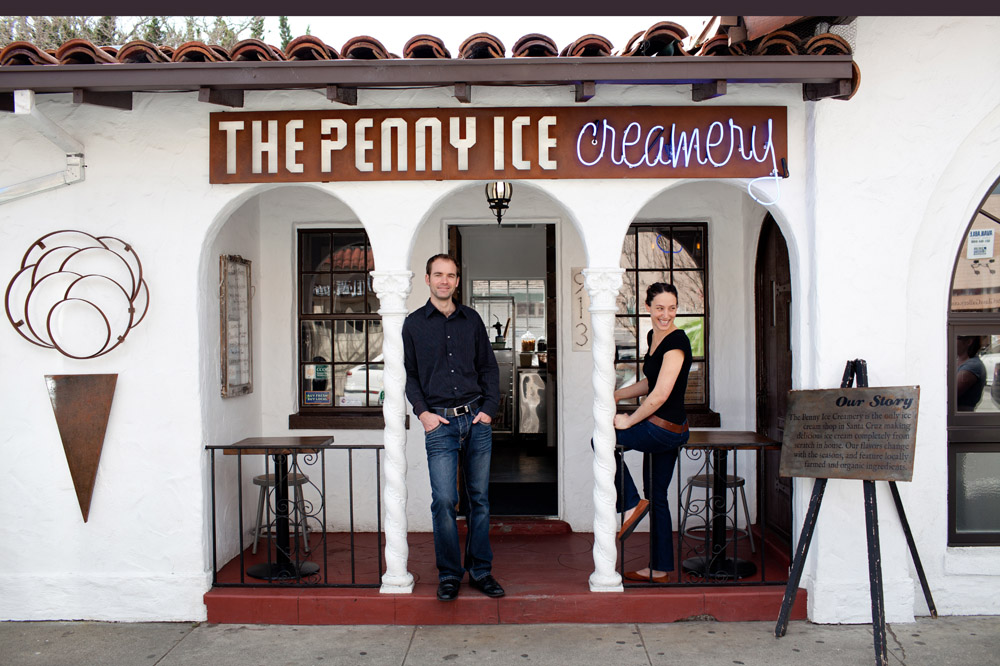
window.__IS_SSR__=true
window.__INITIAL_STATE__={
"attachmentsReducer": {
"audio_0": {
"type": "attachments",
"id": "audio_0",
"imgSizes": {
"kqedFullSize": {
"file": "https://ww2.kqed.org/news/wp-content/themes/KQED-unified/img/audio_bgs/background0.jpg"
}
}
},
"audio_1": {
"type": "attachments",
"id": "audio_1",
"imgSizes": {
"kqedFullSize": {
"file": "https://ww2.kqed.org/news/wp-content/themes/KQED-unified/img/audio_bgs/background1.jpg"
}
}
},
"audio_2": {
"type": "attachments",
"id": "audio_2",
"imgSizes": {
"kqedFullSize": {
"file": "https://ww2.kqed.org/news/wp-content/themes/KQED-unified/img/audio_bgs/background2.jpg"
}
}
},
"audio_3": {
"type": "attachments",
"id": "audio_3",
"imgSizes": {
"kqedFullSize": {
"file": "https://ww2.kqed.org/news/wp-content/themes/KQED-unified/img/audio_bgs/background3.jpg"
}
}
},
"audio_4": {
"type": "attachments",
"id": "audio_4",
"imgSizes": {
"kqedFullSize": {
"file": "https://ww2.kqed.org/news/wp-content/themes/KQED-unified/img/audio_bgs/background4.jpg"
}
}
},
"placeholder": {
"type": "attachments",
"id": "placeholder",
"imgSizes": {
"thumbnail": {
"file": "https://cdn.kqed.org/wp-content/uploads/2024/12/KQED-Default-Image-816638274-2000x1333-1-160x107.jpg",
"width": 160,
"height": 107,
"mimeType": "image/jpeg"
},
"medium": {
"file": "https://cdn.kqed.org/wp-content/uploads/2024/12/KQED-Default-Image-816638274-2000x1333-1-800x533.jpg",
"width": 800,
"height": 533,
"mimeType": "image/jpeg"
},
"medium_large": {
"file": "https://cdn.kqed.org/wp-content/uploads/2024/12/KQED-Default-Image-816638274-2000x1333-1-768x512.jpg",
"width": 768,
"height": 512,
"mimeType": "image/jpeg"
},
"large": {
"file": "https://cdn.kqed.org/wp-content/uploads/2024/12/KQED-Default-Image-816638274-2000x1333-1-1020x680.jpg",
"width": 1020,
"height": 680,
"mimeType": "image/jpeg"
},
"1536x1536": {
"file": "https://cdn.kqed.org/wp-content/uploads/2024/12/KQED-Default-Image-816638274-2000x1333-1-1536x1024.jpg",
"width": 1536,
"height": 1024,
"mimeType": "image/jpeg"
},
"fd-lrg": {
"file": "https://cdn.kqed.org/wp-content/uploads/2024/12/KQED-Default-Image-816638274-2000x1333-1-1536x1024.jpg",
"width": 1536,
"height": 1024,
"mimeType": "image/jpeg"
},
"fd-med": {
"file": "https://cdn.kqed.org/wp-content/uploads/2024/12/KQED-Default-Image-816638274-2000x1333-1-1020x680.jpg",
"width": 1020,
"height": 680,
"mimeType": "image/jpeg"
},
"fd-sm": {
"file": "https://cdn.kqed.org/wp-content/uploads/2024/12/KQED-Default-Image-816638274-2000x1333-1-800x533.jpg",
"width": 800,
"height": 533,
"mimeType": "image/jpeg"
},
"post-thumbnail": {
"file": "https://cdn.kqed.org/wp-content/uploads/2024/12/KQED-Default-Image-816638274-2000x1333-1-672x372.jpg",
"width": 672,
"height": 372,
"mimeType": "image/jpeg"
},
"twentyfourteen-full-width": {
"file": "https://cdn.kqed.org/wp-content/uploads/2024/12/KQED-Default-Image-816638274-2000x1333-1-1038x576.jpg",
"width": 1038,
"height": 576,
"mimeType": "image/jpeg"
},
"xxsmall": {
"file": "https://cdn.kqed.org/wp-content/uploads/2024/12/KQED-Default-Image-816638274-2000x1333-1-160x107.jpg",
"width": 160,
"height": 107,
"mimeType": "image/jpeg"
},
"xsmall": {
"file": "https://cdn.kqed.org/wp-content/uploads/2024/12/KQED-Default-Image-816638274-2000x1333-1-672x372.jpg",
"width": 672,
"height": 372,
"mimeType": "image/jpeg"
},
"small": {
"file": "https://cdn.kqed.org/wp-content/uploads/2024/12/KQED-Default-Image-816638274-2000x1333-1-672x372.jpg",
"width": 672,
"height": 372,
"mimeType": "image/jpeg"
},
"xlarge": {
"file": "https://cdn.kqed.org/wp-content/uploads/2024/12/KQED-Default-Image-816638274-2000x1333-1-1020x680.jpg",
"width": 1020,
"height": 680,
"mimeType": "image/jpeg"
},
"full-width": {
"file": "https://cdn.kqed.org/wp-content/uploads/2024/12/KQED-Default-Image-816638274-2000x1333-1-1920x1280.jpg",
"width": 1920,
"height": 1280,
"mimeType": "image/jpeg"
},
"guest-author-32": {
"file": "https://cdn.kqed.org/wp-content/uploads/2025/01/KQED-Default-Image-816638274-1333x1333-1-160x160.jpg",
"width": 32,
"height": 32,
"mimeType": "image/jpeg"
},
"guest-author-50": {
"file": "https://cdn.kqed.org/wp-content/uploads/2025/01/KQED-Default-Image-816638274-1333x1333-1-160x160.jpg",
"width": 50,
"height": 50,
"mimeType": "image/jpeg"
},
"guest-author-64": {
"file": "https://cdn.kqed.org/wp-content/uploads/2025/01/KQED-Default-Image-816638274-1333x1333-1-160x160.jpg",
"width": 64,
"height": 64,
"mimeType": "image/jpeg"
},
"guest-author-96": {
"file": "https://cdn.kqed.org/wp-content/uploads/2025/01/KQED-Default-Image-816638274-1333x1333-1-160x160.jpg",
"width": 96,
"height": 96,
"mimeType": "image/jpeg"
},
"guest-author-128": {
"file": "https://cdn.kqed.org/wp-content/uploads/2025/01/KQED-Default-Image-816638274-1333x1333-1-160x160.jpg",
"width": 128,
"height": 128,
"mimeType": "image/jpeg"
},
"detail": {
"file": "https://cdn.kqed.org/wp-content/uploads/2025/01/KQED-Default-Image-816638274-1333x1333-1-160x160.jpg",
"width": 160,
"height": 160,
"mimeType": "image/jpeg"
},
"kqedFullSize": {
"file": "https://cdn.kqed.org/wp-content/uploads/2024/12/KQED-Default-Image-816638274-2000x1333-1.jpg",
"width": 2000,
"height": 1333
}
}
},
"bayareabites_91051": {
"type": "attachments",
"id": "bayareabites_91051",
"meta": {
"index": "attachments_1716263798",
"site": "bayareabites",
"id": "91051",
"found": true
},
"parent": 91045,
"imgSizes": {
"kqedFullSize": {
"file": "https://ww2.kqed.org/app/uploads/sites/24/2014/12/Kendra_and_Zach_Penny.jpg",
"width": 1000,
"height": 666
}
},
"publishDate": 1418851678,
"modified": 1420235245,
"caption": "The first food business the partners opened was an ice cream parlor where everything -- even the ripples and add-ins -- is made from scratch. Photo: Molly Watson",
"description": null,
"title": "high_res04",
"credit": null,
"status": "inherit",
"isLoading": false,
"fetchFailed": false
},
"bayareabites_91203": {
"type": "attachments",
"id": "bayareabites_91203",
"meta": {
"index": "attachments_1716263798",
"site": "bayareabites",
"id": "91203",
"found": true
},
"parent": 91183,
"imgSizes": {
"kqedFullSize": {
"file": "https://ww2.kqed.org/app/uploads/sites/24/2014/12/turmeric_powdered1000.jpg",
"width": 1000,
"height": 500
}
},
"publishDate": 1418945457,
"modified": 1420066374,
"caption": "Fresh and powdered turmeric. Photo: Lisa Landers",
"description": null,
"title": "turmeric_powdered1000",
"credit": null,
"status": "inherit",
"isLoading": false,
"fetchFailed": false
},
"bayareabites_91686": {
"type": "attachments",
"id": "bayareabites_91686",
"meta": {
"index": "attachments_1716263798",
"site": "bayareabites",
"id": "91686",
"found": true
},
"parent": 91685,
"imgSizes": {
"kqedFullSize": {
"file": "https://ww2.kqed.org/app/uploads/sites/24/2014/12/enriched-cage_custom-d0bd8668df5a4ff7e1d06e2d462ee7e0310f571b-e1419897443870.jpg",
"width": 1000,
"height": 641
}
},
"publishDate": 1419895903,
"modified": 1419897438,
"caption": "These \"enriched cages\" at the JS West farm in Atwater, Calif., comply with the state's new law. They are larger and allow chickens to perch and lay eggs in enclosed spaces. Photo: Jill Benson/AP ",
"description": "These \"enriched cages\" at the JS West farm in Atwater, Calif., comply with the state's new law. They are larger and allow chickens to perch and lay eggs in enclosed spaces.",
"title": "These \"enriched cages\" at the JS West farm in Atwater, Calif., comply with the state's new law. They are larger and allow chickens to perch and lay eggs in enclosed spaces.",
"credit": null,
"status": "inherit",
"isLoading": false,
"fetchFailed": false
},
"bayareabites_91546": {
"type": "attachments",
"id": "bayareabites_91546",
"meta": {
"index": "attachments_1716263798",
"site": "bayareabites",
"id": "91546",
"found": true
},
"parent": 91545,
"imgSizes": {
"kqedFullSize": {
"file": "https://ww2.kqed.org/app/uploads/sites/24/2014/12/dairyland-1_enl-b7101bd19b7d9893f7413fd78231894ff31b18f9-e1419624855783.jpg",
"width": 1000,
"height": 667
}
},
"publishDate": 1419624430,
"modified": 1419624733,
"caption": "Cows rotate in the milking parlor at Fair Oaks Farms, a large-scale dairy and tourist attraction, near Rensselaer, Ind. Photo: Dan Charles/NPR ",
"description": "Cows rotate in the milking parlor at Fair Oaks Farms, a large-scale dairy and tourist attraction, near Rensselaer, Ind.",
"title": "Cows rotate in the milking parlor at Fair Oaks Farms, a large-scale dairy and tourist attraction, near Rensselaer, Ind.",
"credit": null,
"status": "inherit",
"isLoading": false,
"fetchFailed": false
},
"bayareabites_91088": {
"type": "attachments",
"id": "bayareabites_91088",
"meta": {
"index": "attachments_1716263798",
"site": "bayareabites",
"id": "91088",
"found": true
},
"parent": 91087,
"imgSizes": {
"kqedFullSize": {
"file": "https://ww2.kqed.org/app/uploads/sites/24/2014/12/nonna-cooking-0de6de7219c3001d9e0dba87bee1880a21f840e2-e1418857910763.jpg",
"width": 1000,
"height": 750
}
},
"publishDate": 1418857418,
"modified": 1418857418,
"caption": null,
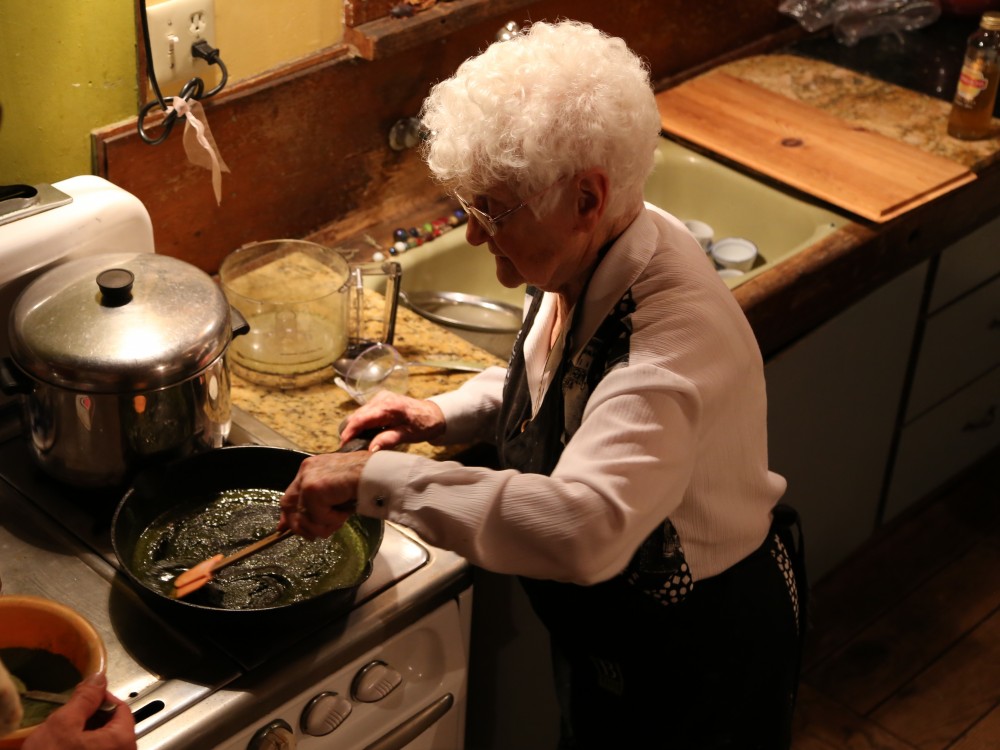
"description": "Aurora Leveroni, 91, is also known as \"Nonna Marijuana.\"",
"title": "Aurora Leveroni, 91, is also known as \"Nonna Marijuana.\"",
"credit": null,
"status": "inherit",
"isLoading": false,
"fetchFailed": false
},
"bayareabites_90678": {
"type": "attachments",
"id": "bayareabites_90678",
"meta": {
"index": "attachments_1716263798",
"site": "bayareabites",
"id": "90678",
"found": true
},
"parent": 90675,
"imgSizes": {
"kqedFullSize": {
"file": "https://ww2.kqed.org/app/uploads/sites/24/2014/12/Banshee-guys.jpg",
"width": 1000,
"height": 667
}
},
"publishDate": 1418101989,
"modified": 1418185934,
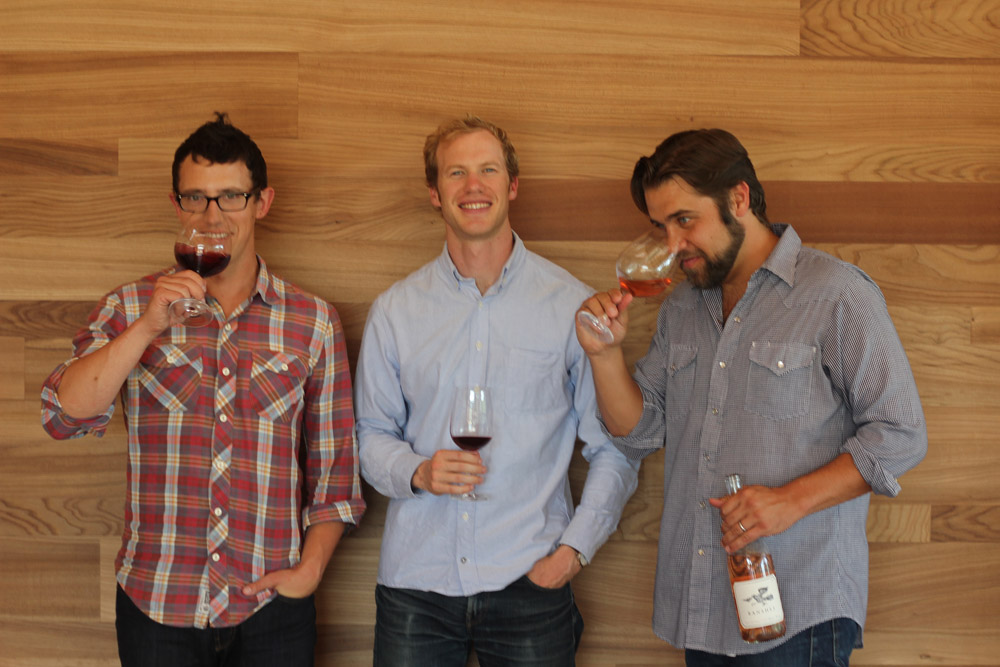
"caption": "The three young founders of Banshee (left to right: Baron Ziegler, Steve Graf, Noah Dorrance) have dreams of becoming a \"real winery,\" they say. Photo: Banshee Wines",
"description": null,
"title": "Banshee guys",
"credit": null,
"status": "inherit",
"isLoading": false,
"fetchFailed": false
},
"bayareabites_90854": {
"type": "attachments",
"id": "bayareabites_90854",
"meta": {
"index": "attachments_1716263798",
"site": "bayareabites",
"id": "90854",
"found": true
},
"parent": 90846,
"imgSizes": {
"kqedFullSize": {
"file": "https://ww2.kqed.org/app/uploads/sites/24/2014/12/kalettes.jpg",
"width": 900,
"height": 506
}
},
"publishDate": 1418415273,
"modified": 1418415299,
"caption": "Kalettes, BrusselKale, Lollipop Kale and Flower Sprout: This little vegetable, a cross of kale and Brussels sprouts, goes by a lot of names. Photo: Rain Rabbit/Flickr",
"description": null,
"title": "kalettes",
"credit": null,
"status": "inherit",
"isLoading": false,
"fetchFailed": false
},
"bayareabites_90717": {
"type": "attachments",
"id": "bayareabites_90717",
"meta": {
"index": "attachments_1716263798",
"site": "bayareabites",
"id": "90717",
"found": true
},
"parent": 90716,
"imgSizes": {
"kqedFullSize": {
"file": "https://ww2.kqed.org/app/uploads/sites/24/2014/12/carrot-8fb1fe4b6fce4279cd17e6de7b3b7c5ea2817f70.jpg",
"width": 718,
"height": 539
}
},
"publishDate": 1418168905,
"modified": 1418168905,
"caption": null,
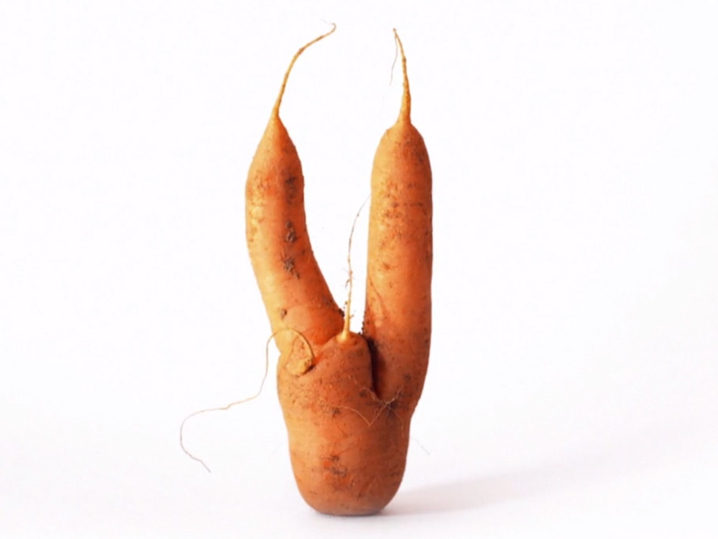
"description": "A still from the Intermarché campaign for ugly fruits and vegetable",
"title": "A still from the Intermarché campaign for ugly fruits and vegetables.",
"credit": null,
"status": "inherit",
"isLoading": false,
"fetchFailed": false
},
"bayareabites_90538": {
"type": "attachments",
"id": "bayareabites_90538",
"meta": {
"index": "attachments_1716263798",
"site": "bayareabites",
"id": "90538",
"found": true
},
"parent": 90534,
"imgSizes": {
"kqedFullSize": {
"file": "https://ww2.kqed.org/app/uploads/sites/24/2014/12/Juice_vegfruit1000.jpg",
"width": 1000,
"height": 667
}
},
"publishDate": 1417821166,
"modified": 1417821607,
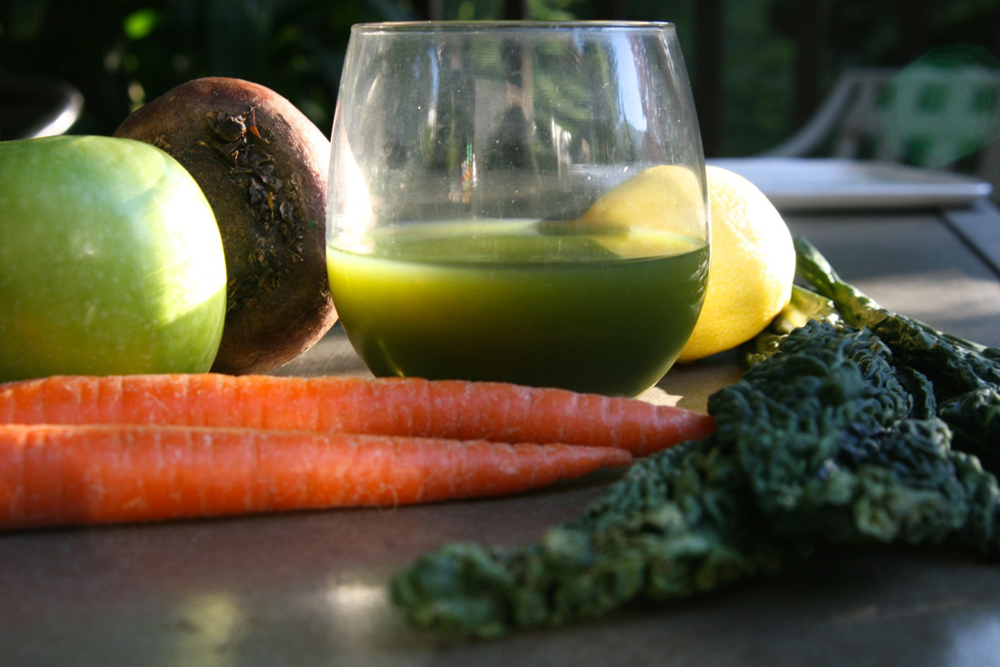
"caption": "Fresh fruit and vegetable juice. Photo: Lisa Landers",
"description": null,
"title": "Juice_vegfruit1000",
"credit": null,
"status": "inherit",
"isLoading": false,
"fetchFailed": false
},
"bayareabites_90559": {
"type": "attachments",
"id": "bayareabites_90559",
"meta": {
"index": "attachments_1716263798",
"site": "bayareabites",
"id": "90559",
"found": true
},
"parent": 90558,
"imgSizes": {
"kqedFullSize": {
"file": "https://ww2.kqed.org/app/uploads/sites/24/2014/12/herbivorous-e850717d7aa930ac1de7846b4df0b06efd11f23c.jpg",
"width": 667,
"height": 500
}
},
"publishDate": 1418067351,
"modified": 1418067918,
"caption": "No need to wonder what's in this bologna; The Herbivorous Butcher lists every ingredient on its website: Tofu, vital wheat gluten, tomato juice, tapioca flour, tomato paste, nutritional yeast, vegan beef bouillon, canola oil, soy sauce, agar agar, red beet powder, sugar, salt, liquid smoke, onion powder, garlic powder and celery seed. Jonathan A. Photo: Armstrong/Courtesy The Herbivorous Butcher ",
"description": "Guess what's in this mystery meat.",
"title": "No need to wonder what's in this bologna; The Herbivorous Butcher lists every ingredient on its website: Tofu, vital wheat gluten, tomato juice, tapioca flour, tomato paste, nutritional yeast, vegan beef bouillon, canola oil, soy sauce, agar agar, red beet powder, sugar, salt, liquid smoke, onion powder, garlic powder and celery seed.",
"credit": null,
"status": "inherit",
"isLoading": false,
"fetchFailed": false
},
"bayareabites_90525": {
"type": "attachments",
"id": "bayareabites_90525",
"meta": {
"index": "attachments_1716263798",
"site": "bayareabites",
"id": "90525",
"found": true
},
"parent": 90524,
"imgSizes": {
"kqedFullSize": {
"file": "https://ww2.kqed.org/app/uploads/sites/24/2014/12/grapenuts2_wide-f7263377e1fe948d93390f9144f18783a0d28bee-e1417817835786.jpg",
"width": 1000,
"height": 562
}
},
"publishDate": 1417817634,
"modified": 1417817830,
"caption": "The Original Grape-Nuts, which now bear a non-GMO label, no longer contain vitamins A, D, B-12 and B-2. Photo: Claire Eggers/NPR",
"description": "The Original Grape-Nuts, which now bear a non-GMO label, no longer contain vitamins A, D, B-12 and B-2.",
"title": "The Original Grape-Nuts, which now bear a non-GMO label, no longer contain vitamins A, D, B-12 and B-2.",
"credit": null,
"status": "inherit",
"isLoading": false,
"fetchFailed": false
},
"bayareabites_90445": {
"type": "attachments",
"id": "bayareabites_90445",
"meta": {
"index": "attachments_1716263798",
"site": "bayareabites",
"id": "90445",
"found": true
},
"parent": 90444,
"imgSizes": {
"kqedFullSize": {
"file": "https://ww2.kqed.org/app/uploads/sites/24/2014/12/food-babe-7fc83677c3c8154da9bd0841cd8f2a77e861eb08-e1417720282954.jpg",
"width": 1000,
"height": 749
}
},
"publishDate": 1417720059,
"modified": 1417720276,
"caption": "Vani Hari, known as the \"Food Babe,\" speaks at the Green Festival in Los Angeles on Sept. 12. Hari has made a name for herself by investigating ingredients in Big Food products that she deems potentially harmful. But critics accuse her of stoking unfounded fears. Photo: Jonathan Alcorn/Bloomberg via Getty Images ",
"description": "Vani Hari, known as the \"Food Babe,\" speaks at the Green Festival in Los Angeles on Sept. 12. Hari has made a name for herself by investigating ingredients in Big Food products that she deems potentially harmful. But critics accuse her of stoking unfounded fears.",
"title": "Vani Hari, known as the \"Food Babe,\" speaks at the Green Festival in Los Angeles on Sept. 12. Hari has made a name for herself by investigating ingredients in Big Food products that she deems potentially harmful. But critics accuse her of stoking unfounded fears.",
"credit": null,
"status": "inherit",
"isLoading": false,
"fetchFailed": false
}
},
"audioPlayerReducer": {
"postId": "stream_live",
"isPaused": true,
"isPlaying": false,
"pfsActive": false,
"pledgeModalIsOpen": true,
"playerDrawerIsOpen": false,
"liveAudioPlayStartedAt": 0,
"liveAudioPlayContext": ""
},
"authorsReducer": {
"byline_bayareabites_91685": {
"type": "authors",
"id": "byline_bayareabites_91685",
"meta": {
"override": true
},
"slug": "byline_bayareabites_91685",
"name": "Dan Charles",
"isLoading": false
},
"byline_bayareabites_91545": {
"type": "authors",
"id": "byline_bayareabites_91545",
"meta": {
"override": true
},
"slug": "byline_bayareabites_91545",
"name": "Dan Charles",
"isLoading": false
},
"byline_bayareabites_91087": {
"type": "authors",
"id": "byline_bayareabites_91087",
"meta": {
"override": true
},
"slug": "byline_bayareabites_91087",
"name": "Eliza Barclay",
"isLoading": false
},
"byline_bayareabites_90846": {
"type": "authors",
"id": "byline_bayareabites_90846",
"meta": {
"override": true
},
"slug": "byline_bayareabites_90846",
"name": "Alison Bruzek",
"isLoading": false
},
"byline_bayareabites_90716": {
"type": "authors",
"id": "byline_bayareabites_90716",
"meta": {
"override": true
},
"slug": "byline_bayareabites_90716",
"name": "Maria Godoy",
"isLoading": false
},
"byline_bayareabites_90558": {
"type": "authors",
"id": "byline_bayareabites_90558",
"meta": {
"override": true
},
"slug": "byline_bayareabites_90558",
"name": "NPR Staff",
"isLoading": false
},
"byline_bayareabites_90524": {
"type": "authors",
"id": "byline_bayareabites_90524",
"meta": {
"override": true
},
"slug": "byline_bayareabites_90524",
"name": "Dan Charles",
"isLoading": false
},
"byline_bayareabites_90444": {
"type": "authors",
"id": "byline_bayareabites_90444",
"meta": {
"override": true
},
"slug": "byline_bayareabites_90444",
"name": "Maria Godoy",
"isLoading": false
},
"lisalanders": {
"type": "authors",
"id": "5412",
"meta": {
"index": "authors_1716337520",
"id": "5412",
"found": true
},
"name": "Lisa Landers",
"firstName": "Lisa",
"lastName": "Landers",
"slug": "lisalanders",
"email": "llanders@KQED.org",
"display_author_email": false,
"staff_mastheads": [],
"title": "KQED Contributor",
"bio": "Lisa Landers is a producer and writer whose work includes documentaries, museum exhibitions, and educational multimedia. Her work has covered a diversity of subject matter including natural history, ecological and social issues, cultural exploration, food, music, and architecture. She’s developed and produced films for broadcasters such as National Geographic, Smithsonian Channel, and the Discovery Channel. Her work as an exhibition developer and multimedia producer has been featured at institutions including the American Museum of Natural History, the National Building Museum, and The Tech Museum. Her writing has also appeared in a wide variety of print and online publications.",
"avatar": "https://secure.gravatar.com/avatar/1e4aa08f6f0a92ea11a2779a453cb36d?s=600&d=blank&r=g",
"twitter": null,
"bluesky": null,
"facebook": null,
"instagram": null,
"linkedin": null,
"sites": [
{
"site": "bayareabites",
"roles": [
"contributor"
]
},
{
"site": "quest",
"roles": [
"leadcoordinator",
"edit_theme_options",
"subscriber"
]
},
{
"site": "food",
"roles": []
}
],
"headData": {
"title": "Lisa Landers | KQED",
"description": "KQED Contributor",
"ogImgSrc": "https://secure.gravatar.com/avatar/1e4aa08f6f0a92ea11a2779a453cb36d?s=600&d=blank&r=g",
"twImgSrc": "https://secure.gravatar.com/avatar/1e4aa08f6f0a92ea11a2779a453cb36d?s=600&d=blank&r=g"
},
"isLoading": false,
"link": "/author/lisalanders"
},
"susanhathaway": {
"type": "authors",
"id": "5578",
"meta": {
"index": "authors_1716337520",
"id": "5578",
"found": true
},
"name": "Susan Hathaway",
"firstName": "Susan",
"lastName": "Hathaway",
"slug": "susanhathaway",
"email": "susan@redpenassoc.com",
"display_author_email": false,
"staff_mastheads": [],
"title": "KQED Contributor",
"bio": "From making blob-shaped pancakes for her family at age 6 to presumptuously reinventing recipes from well-known chefs, Susan has had a life-long food love affair. You'll usually find her sniffing out great ingredient sources, locating intriguing food stories, inventing recipes and exercising like a demon as an antidote to her passion. This Bay Area native is a longtime food & wine journalist and blogger who has contributed to regional publications such as the San Jose Mercury News and its affiliates, Metro, San Francisco Chronicle, South Bay Accent, Urbanspoon and other epistles that are lucky enough not to have been killed off yet by the publishing crisis.",
"avatar": "https://secure.gravatar.com/avatar/50460b73cde689778bd54c5eb183c0993d24c99dd4ed52f8207c15a3af0d7a33?s=600&d=blank&r=g",
"twitter": null,
"bluesky": null,
"facebook": null,
"instagram": null,
"linkedin": null,
"sites": [
{
"site": "bayareabites",
"roles": [
"subscriber"
]
},
{
"site": "food",
"roles": [
"subscriber"
]
}
],
"headData": {
"title": "Susan Hathaway | KQED",
"description": "KQED Contributor",
"ogImgSrc": "https://secure.gravatar.com/avatar/50460b73cde689778bd54c5eb183c0993d24c99dd4ed52f8207c15a3af0d7a33?s=600&d=blank&r=g",
"twImgSrc": "https://secure.gravatar.com/avatar/50460b73cde689778bd54c5eb183c0993d24c99dd4ed52f8207c15a3af0d7a33?s=600&d=blank&r=g"
},
"isLoading": false,
"link": "/author/susanhathaway"
}
},
"pagesReducer": {
"bayareabites_category_food-and-technology": {
"type": "terms",
"id": "bayareabites_4084",
"meta": {
"index": "terms_1716263798",
"site": "bayareabites",
"id": "4084",
"score": 14.405561
},
"featImg": null,
"name": "food trends and technology",
"description": null,
"taxonomy": "category",
"headData": {
"twImgId": null,
"twTitle": null,
"ogTitle": null,
"ogImgId": null,
"twDescription": null,
"description": null,
"title": "food trends and technology Archives | KQED Bay Area Bites",
"ogDescription": null
},
"ttid": 2573,
"slug": "food-and-technology",
"isLoading": false,
"title": "food trends and technology",
"pageMeta": {
"site": "bayareabites",
"WpPageTemplate": "page-topic-editorial",
"currentPage": 30
},
"blocks": [
{
"blockName": "kqed/post-list",
"attrs": {
"layout": "cardArticle2",
"query": "posts/bayareabites?category=food-and-technology",
"seeMore": false,
"paginated": true,
"page": 30
}
},
{
"blockName": "kqed/ad"
}
]
}
},
"pfsSessionReducer": {},
"postsReducer": {
"stream_live": {
"type": "live",
"id": "stream_live",
"audioUrl": "https://streams.kqed.org/kqedradio",
"title": "Live Stream",
"excerpt": "Live Stream information currently unavailable.",
"link": "/radio",
"featImg": "",
"label": {
"name": "KQED Live",
"link": "/"
}
},
"stream_kqedNewscast": {
"type": "posts",
"id": "stream_kqedNewscast",
"audioUrl": "https://www.kqed.org/.stream/anon/radio/RDnews/newscast.mp3?_=1",
"title": "KQED Newscast",
"featImg": "",
"label": {
"name": "88.5 FM",
"link": "/"
}
},
"bayareabites_91045": {
"type": "posts",
"id": "bayareabites_91045",
"meta": {
"index": "posts_1716263798",
"site": "bayareabites",
"id": "91045",
"score": null,
"sort": [
1420242874000
]
},
"parent": 0,
"labelTerm": {
"site": "bayareabites"
},
"blocks": [],
"publishDate": 1420242874,
"format": "aside",
"disqusTitle": "Kendra Baker's New Santa Cruz Food Empire Gaining Fans",
"title": "Kendra Baker's New Santa Cruz Food Empire Gaining Fans",
"headTitle": "Bay Area Bites | KQED Food",
"content": "\u003cfigure id=\"attachment_91052\" class=\"wp-caption aligncenter\" style=\"max-width: 1000px\">\u003ca href=\"http://ww2.kqed.org/bayareabites/wp-content/uploads/sites/24/2014/12/Kendra_and_Zach.jpg\">\u003cimg src=\"http://ww2.kqed.org/bayareabites/wp-content/uploads/sites/24/2014/12/Kendra_and_Zach.jpg\" alt=\"Former Bar Tartine and Manresa pastry chef Kendra Baker joined with business brain Zach Davis to launch a bustling food dominion on the coast. Photo: CJ Nugent\" width=\"1000\" height=\"750\" class=\"size-full wp-image-91052\">\u003c/a>\u003cfigcaption class=\"wp-caption-text\">Former Bar Tartine and Manresa pastry chef Kendra Baker joined with business brain Zach Davis to launch a bustling food dominion on the coast. Photo: CJ Nugent\u003c/figcaption>\u003c/figure>\n\u003cp>Looking past the saltwater taffy, snow cones and deep-fried Twinkies that some visitors might characterize as \u003ca href=\"http://beachboardwalk.com/food/\" target=\"_blank\">cuisine\u003c/a> in the laid-back beach town of \u003ca href=\"http://www.santacruzca.org/\" target=\"_blank\">Santa Cruz\u003c/a>, a food revolution is taking place. In the last few years, talented chefs have been busily opening new eateries and the restaurant scene \"over the hill,\" as valley residents call it, is as exciting as it's ever been.\u003c/p>\n\u003cp>While guests are atwitter over all the great new eating in Santa Cruz these days, the clear leader is the now-multi-location empire of heralded pastry chef Kendra Baker, whose resume includes \u003ca href=\"http://www.bartartine.com/\" target=\"_blank\">Bar Tartine\u003c/a> and \u003ca href=\"http://www.manresarestaurant.com/\" target=\"_blank\">Manresa\u003c/a>. In just four years, Baker and her business partner, Zachary Davis, have opened three ice cream shops, a beachside lunch cafe, a serious sit-down restaurant and a pop-up space. \u003c/p>\n\u003cp>Given the fact that 60% of \u003ca href=\"http://online.csp.edu/blog/business/why-do-90-of-restaurants-fail-in-the-first-year\" target=\"_blank\">new restaurants fail in the first year\u003c/a>, it's clear that Baker and Davis are doing something right. Their restaurant group, the \u003ca href=\"http://theglassjar.com/\" target=\"_blank\">Glass Jar\u003c/a>, now has about 120 employees and an uncompromising vision of matching top-notch cooking using local organic ingredients with the unique, funky gestalt of Surf City. \u003c/p>\n\u003cp>Two-star Michelin chef \u003ca href=\"http://en.wikipedia.org/wiki/David_Kinch\" target=\"_blank\">David Kinch\u003c/a> of Manresa in Los Gatos -- Baker's previous boss -- pegged it when he called her \"obsessive,\" adding that this is a common characteristic found in many successful people. He has also called her \"smart, hardworking and ambitious.\" This might well be the combination needed to buck the odds in a tough industry.\u003c/p>\n\u003cfigure id=\"attachment_91053\" class=\"wp-caption aligncenter\" style=\"max-width: 1000px\">\u003ca href=\"http://ww2.kqed.org/bayareabites/wp-content/uploads/sites/24/2014/12/Kendra_cracking_eggs.jpg\">\u003cimg src=\"http://ww2.kqed.org/bayareabites/wp-content/uploads/sites/24/2014/12/Kendra_cracking_eggs.jpg\" alt=\"Baker is a pastry whiz, where her creations at Bar Tartine and Manresa have garnered praise and happy tummies. Photo: Molly Watson\" width=\"1000\" height=\"1501\" class=\"size-full wp-image-91053\">\u003c/a>\u003cfigcaption class=\"wp-caption-text\">Baker is a pastry whiz, where her creations at Bar Tartine and Manresa have garnered praise and happy tummies.\u003cbr>Photo: Molly Watson\u003c/figcaption>\u003c/figure>\n\u003cp>Baker took an interesting route to where she sits today. Growing up in Sacramento, she regularly vacationed in Santa Cruz as a child and later attended the town's \u003ca href=\"http://www.ucsc.edu/\" target=\"_blank\">University of California\u003c/a> campus. She had no interest in food then -- her original major was chemistry -- until discovering \u003ca href=\"http://casfs.ucsc.edu/about/facilities.html\" target=\"_blank\">UCSC's 30-acre gardens\u003c/a>, a renowned agricultural research and training center. \u003c/p>\n\u003cp>[ad fullwidth]\u003c/p>\n\u003cp>”I got excited about growing your own food and about all the amazing work they were doing,\" she says. \"That was really inspiring to me. As a result, I thought food was this thing that bound communities together.\"\u003c/p>\n\u003cp>During college, she started working in a local restaurant, \u003ca href=\"http://gabriellacafe.com/\" target=\"_blank\">Gabriella Cafe\u003c/a>, that was serious about organic ingredients, then took a cooking job there after graduation. Next up was culinary school -- \u003ca href=\"http://academics.jwu.edu/college-of-culinary-arts/\" target=\"_blank\">Johnson & Wales\u003c/a> in Rhode Island -- and some European training, where an internship in France with a pastry chef opened her eyes again. \"It's an incredible medium,\" she says about pastry. \"I love the whimsy I can create in my pastry desserts but I also like the control and fine details.\"\u003c/p>\n\u003cp>Working her way west, she cooked in Boston, then became the opening chef at Bar Tartine in San Francisco's Mission district, an instant hit. Later, she was plucked by Kinch to head up the pastry program at Manresa, where she and her desserts received accolades. \u003c/p>\n\u003cp>But percolating in her head was launching her own venture, working with longtime friend Davis, who had recently completed a green MBA program to complement work in technology and other businesses. While the two share an itch for achievement with good conscience, the most fortuitous aspect of their pairing is Baker's culinary prowess combined with Davis's solid business skills. \u003c/p>\n\u003cp>Their intention wasn't just to launch a food business but to locate it in a family-friendly place that would accommodate other goals. \"There were so many reasons why that was Santa Cruz,\" Baker explains. \"It's an incredible place. We have the mountains and the ocean for personal pleasure. And it's an excellent place to raise our families. On the culinary side, the bounty of \u003ca href=\"http://www.santacruzchamber.org/cwt/external/wcpages/facts/agriculture.aspx\" target=\"_blank\">agriculture\u003c/a> that's available to us here is unbelievable.\"\u003c/p>\n\u003cfigure id=\"attachment_91051\" class=\"wp-caption aligncenter\" style=\"max-width: 1000px\">\u003ca href=\"http://ww2.kqed.org/bayareabites/wp-content/uploads/sites/24/2014/12/Kendra_and_Zach_Penny.jpg\">\u003cimg src=\"http://ww2.kqed.org/bayareabites/wp-content/uploads/sites/24/2014/12/Kendra_and_Zach_Penny.jpg\" alt=\"The first food business the partners opened was an ice cream parlor where everything -- even the ripples and add-ins -- is made from scratch. Photo: Molly Watson\" width=\"1000\" height=\"666\" class=\"size-full wp-image-91051\">\u003c/a>\u003cfigcaption class=\"wp-caption-text\">The first food business the partners opened was an ice cream parlor where everything -- even the ripples and add-ins -- is made from scratch. Photo: Molly Watson\u003c/figcaption>\u003c/figure>\n\u003cp>Their timing didn't hurt, either. In 2010, when they embarked, \"We recognized that Santa Cruz was ripe for businesses like ours,\" Baker explains. \"We have a demographic here that really appreciates great food and supports our local farmers through the \u003ca href=\"http://www.santacruzfarmersmarket.org/\" target=\"_blank\">farmers markets\u003c/a> and wants good food for their families and themselves. There was a little bit of a void -- at least, not enough of this kind of food. So we recognized that there was definitely potential here for our businesses.\"\u003c/p>\n\u003cp>They wrote a 70-page business plan for an ice cream shop that they called the \u003ca href=\"http://thepennyicecreamery.com/\" target=\"_blank\">Penny Ice Creamery\u003c/a>. This is no ordinary \"gourmet\" gelato store; they applied for and received a pasteurization license so they could make their own custard base. Other ice cream shops typically use a purchased base. All ripples, add-ins and the like are house-made. Cones are baked one at a time and hand rolled. Ingredients are as organic, local and sublime as they can find. \u003c/p>\n\u003cp>Their cute downtown scoop shop offers nine flavors at a time, including classics along with a rotating list of luscious seasonal choices like brown-butter spiced pumpkin seed, black pepper quince and honey yogurt walnut jam. Customers can get a cap of toasted, house-made marshmallow fluff if they desire.\u003c/p>\n\u003cfigure id=\"attachment_91054\" class=\"wp-caption aligncenter\" style=\"max-width: 1000px\">\u003ca href=\"http://ww2.kqed.org/bayareabites/wp-content/uploads/sites/24/2014/12/Penny_hand_rolled_cones.jpg\">\u003cimg src=\"http://ww2.kqed.org/bayareabites/wp-content/uploads/sites/24/2014/12/Penny_hand_rolled_cones.jpg\" alt=\"Not only does the Penny Ice Creamery make its own custard base but the cones are individually hand rolled and baked on site. Photo: Molly Watson\" width=\"1000\" height=\"667\" class=\"size-full wp-image-91054\">\u003c/a>\u003cfigcaption class=\"wp-caption-text\">Not only does the Penny Ice Creamery make its own custard base but the cones are individually hand rolled and baked on site. Photo: Molly Watson\u003c/figcaption>\u003c/figure>\n\u003cp>Given such attention to quality and detail, \"the Penny,\" as Baker calls it, proudly identifies itself as “the only ice cream shop in Northern California making all our ice cream completely from scratch.” Shortly before the shop opened, Baker and Davis each became new parents -- their respective sons were born two weeks apart -- then they started working 100-hour weeks as their business geared up.\u003c/p>\n\u003cp>A key aspect that made the Penny possible was a $250,000 loan obtained through \u003ca href=\"http://www.allbusiness.com/government/government-bodies-offices-government/11820858-1.html\" target=\"_blank\">Obama's SBA Recovery Act\u003c/a>. To show their appreciation, Baker and Davis made a \u003ca href=\"https://www.youtube.com/watch?v=AmWjlA9FlAo&feature=player_embedded\" target=\"_blank\">YouTube thank-you video\u003c/a> receiving more than 100,000 hits, which got the attention of Joe Biden (he called them) and Michelle Obama's office (inviting them to a State of the Union address and reception). \u003c/p>\n\u003cp>Baker and Davis only spent enough time in the capitol to sit in the First Lady's box and meet some dignitaries, then flew back to scoop ice cream. Not surprising, since the Penny's business was going gangbusters. Far exceeding projections, the explosive sales enabled two more scoop shops to be opened in Santa Cruz as well as new kiosks at local farmers markets. \u003c/p>\n\u003cfigure id=\"attachment_91055\" class=\"wp-caption aligncenter\" style=\"max-width: 1000px\">\u003ca href=\"http://ww2.kqed.org/bayareabites/wp-content/uploads/sites/24/2014/12/Penny_scoop.jpg\">\u003cimg src=\"http://ww2.kqed.org/bayareabites/wp-content/uploads/sites/24/2014/12/Penny_scoop.jpg\" alt=\"Among a slew of delectable flavors are brown-butter spiced pumpkin seed, black pepper quince and honey yogurt walnut jam. Photo: Molly Watson\" width=\"1000\" height=\"750\" class=\"size-full wp-image-91055\">\u003c/a>\u003cfigcaption class=\"wp-caption-text\">Among a slew of delectable flavors are brown-butter spiced pumpkin seed, black pepper quince and honey yogurt walnut jam. Photo: Molly Watson\u003c/figcaption>\u003c/figure>\n\u003cp>In 2011, the partners opened a super-casual beachfront cafe that they called \u003ca href=\"http://thepicnicbasketsc.com/\" target=\"_blank\">The Picnic Basket\u003c/a> that followed the same freshness-first mentality of their ice cream stores. Sandwiches and salads are inventive, delicious and available for eating in or out. House-made pickles and just-baked bread enhance classics like a killer BLT or reuben, while the chicken salad sandwich with avocado, greens and pickled onions is amazing.\u003c/p>\n\u003cp>Naturally, corned beef and hot dogs come from renowned local butcher and salumi maker, \u003ca href=\"http://www.elsalchichero.com/\" target=\"_blank\">El Salchichero\u003c/a>, and ice cream is from the Penny. A long deck in front delivers views of the beach and nearby pier. The crowds were large from the moment this eating spot opened.\u003c/p>\n\u003cfigure id=\"attachment_91056\" class=\"wp-caption aligncenter\" style=\"max-width: 1000px\">\u003ca href=\"http://ww2.kqed.org/bayareabites/wp-content/uploads/sites/24/2014/12/Picnic_Basket_Exterior.jpg\">\u003cimg src=\"http://ww2.kqed.org/bayareabites/wp-content/uploads/sites/24/2014/12/Picnic_Basket_Exterior.jpg\" alt=\"Located across from the beach, The Picnic Basket has become the town's go-to place for sandwiches, salads and snacks. Photo: Zachary Davis\" width=\"1000\" height=\"750\" class=\"size-full wp-image-91056\">\u003c/a>\u003cfigcaption class=\"wp-caption-text\">Located across from the beach, the Picnic Basket has become the town's go-to place for sandwiches, salads and snacks. Photo: Zachary Davis\u003c/figcaption>\u003c/figure>\n\u003cp>The pair's most ambitious step took place in early 2014 with the opening of \u003ca href=\"http://assembleforfood.com/\" target=\"_blank\">Assembly\u003c/a> in downtown Santa Cruz. A spacious, modern sit-down restaurant that celebrates local ingredients in a deceptively rustic menu -- like chicken leg confit with merquez sausage, carrot-lentil puree and artichoke/green olive relish -- this eatery was also mobbed from the day it opened. \u003c/p>\n\u003cp>At Assembly, Baker works with executive chef Carlo Espinas, formerly of Comstock Saloon in San Francisco, to produce comforting, affordable fare with enough pizzazz to attract foodies. Communal tables encourage the neighborly vibe that Baker has been seeking since she was first enthralled with the gardens at UCSC. \u003c/p>\n\u003cp>Assembly has been smiled upon by critics like the San Francisco Chronicle's Michael Bauer. Regarding The Picnic Basket, he wrote: \"For my money, it's the only place to stop.\" \u003c/p>\n\u003cfigure id=\"attachment_91049\" class=\"wp-caption aligncenter\" style=\"max-width: 1000px\">\u003ca href=\"http://ww2.kqed.org/bayareabites/wp-content/uploads/sites/24/2014/12/Assembly_interior.jpg\">\u003cimg src=\"http://ww2.kqed.org/bayareabites/wp-content/uploads/sites/24/2014/12/Assembly_interior.jpg\" alt=\"This modern, sit-down restaurant features rustic, fresh cuisine and several communal tables. Photo: Nicole Nelson\" width=\"1000\" height=\"1500\" class=\"size-full wp-image-91049\">\u003c/a>\u003cfigcaption class=\"wp-caption-text\">This modern, sit-down restaurant features rustic, fresh cuisine and several communal tables. Photo: Nicole Nelson\u003c/figcaption>\u003c/figure>\n\u003cp>Baker's and Davis's youngest venture is \u003ca href=\"http://heypopup.com/\" target=\"_blank\">POPUP\u003c/a>, a space adjacent to Assembly whose charter is showcasing intriguing, emerging food businesses that deserve local discovery. Besides being a weekly source for the wondrous bread and pastries from the \u003ca href=\"http://manresarestaurant.blogspot.com/2013/03/manresa-bread-project.html\" target=\"_blank\">Manresa Bread Project\u003c/a>, POPUP has presented scrumptious pies from \u003ca href=\"http://companionbakeshop.com/%20\" target=\"_blank\">Companion Bakeshop\u003c/a> (think Meyer lemon buttermilk) and delicious, small-batch steam buns and other snacks from \u003ca href=\"http://mortaldumpling.com/\" target=\"_blank\">Mortal Dumpling\u003c/a>.\u003c/p>\n\u003cp>While shooting for multiple Michelin stars might be the egotistical objective of some new chefs when they open their own boîte, this is not in Baker's business plan. \"We have foodies in this community but we also have people who just want to eat,\" she explains. \"We want to create a place where people feel comfortable and where it's not like a '\u003ca href=\"http://en.wikipedia.org/wiki/Portlandia_%28TV_series%29\" target=\"_blank\">Portlandia\u003c/a>' skit.\"\u003c/p>\n\u003cfigure id=\"attachment_91050\" class=\"wp-caption aligncenter\" style=\"max-width: 1000px\">\u003ca href=\"http://ww2.kqed.org/bayareabites/wp-content/uploads/sites/24/2014/12/Assembly_Sidewalk.jpg\">\u003cimg src=\"http://ww2.kqed.org/bayareabites/wp-content/uploads/sites/24/2014/12/Assembly_Sidewalk.jpg\" alt=\"Located in downtown Santa Cruz, Assembly serves food throughout the day and has moderate prices. Photo: Molly Watson\" width=\"1000\" height=\"667\" class=\"size-full wp-image-91050\">\u003c/a>\u003cfigcaption class=\"wp-caption-text\">Located in downtown Santa Cruz, Assembly serves food throughout the day and has moderate prices. Photo: Molly Watson\u003c/figcaption>\u003c/figure>\n\u003cp>All their businesses aim to please the cross section of people that make up just about any community, she says. \"We made a conscious decision to balance our menu with things that are known and comfortable and accessible with things that are out there. For example, in the ice cream shop, we always have our Tahitian vanilla bean and our chocolate sorbet, but then we'll throw something like candy cap mushroom in the case or strawberry pink peppercorn.\"\u003c/p>\n\u003cp>For a chef who proudly states that \"I don't do precious,\" the various enterprises within The Glass Jar would seem to be a success. Baker's role these days might be overseeing menu development while Davis handles business as CEO but this is just one element in the overall game plan that brought them to Santa Cruz and business ownership. \u003c/p>\n\u003cp>[ad floatright]\u003c/p>\n\u003cp>With their families, Baker and Davis have put down roots in the coastal town. Davis now has three young children and Baker just gave birth to another baby. In a business empire dedicated to celebrating food and community, they haven't forgotten that all-important second element.\u003c/p>\n\n",
"disqusIdentifier": "91045 http://blogs.kqed.org/bayareabites/?p=91045",
"disqusUrl": "https://ww2.kqed.org/bayareabites/2015/01/02/kendra-bakers-new-santa-cruz-food-empire-gaining-fans/",
"stats": {
"hasVideo": false,
"hasChartOrMap": false,
"hasAudio": false,
"hasPolis": false,
"wordCount": 1785,
"hasGoogleForm": false,
"hasGallery": false,
"hasHearkenModule": false,
"iframeSrcs": [],
"paragraphCount": 28
},
"modified": 1420326101,
"excerpt": "There's more than surf up these days in coastside Santa Cruz, where pastry chef Kendra Baker and business partner Zach Davis have launched no less than six successful food outposts since 2010. ",
"headData": {
"twImgId": "",
"twTitle": "",
"ogTitle": "",
"ogImgId": "",
"twDescription": "",
"description": "There's more than surf up these days in coastside Santa Cruz, where pastry chef Kendra Baker and business partner Zach Davis have launched no less than six successful food outposts since 2010. ",
"title": "Kendra Baker's New Santa Cruz Food Empire Gaining Fans | KQED",
"ogDescription": "",
"schema": {
"@context": "https://schema.org",
"@type": "Article",
"headline": "Kendra Baker's New Santa Cruz Food Empire Gaining Fans",
"datePublished": "2015-01-02T15:54:34-08:00",
"dateModified": "2015-01-03T15:01:41-08:00",
"image": "https://cdn.kqed.org/wp-content/uploads/2020/02/KQED-OG-Image@1x.png"
}
},
"guestAuthors": [],
"slug": "kendra-bakers-new-santa-cruz-food-empire-gaining-fans",
"status": "publish",
"path": "/bayareabites/91045/kendra-bakers-new-santa-cruz-food-empire-gaining-fans",
"audioTrackLength": null,
"parsedContent": [
{
"type": "contentString",
"content": "\u003cdiv class=\"post-body\">\u003cp>\u003cfigure id=\"attachment_91052\" class=\"wp-caption aligncenter\" style=\"max-width: 1000px\">\u003ca href=\"http://ww2.kqed.org/bayareabites/wp-content/uploads/sites/24/2014/12/Kendra_and_Zach.jpg\">\u003cimg src=\"http://ww2.kqed.org/bayareabites/wp-content/uploads/sites/24/2014/12/Kendra_and_Zach.jpg\" alt=\"Former Bar Tartine and Manresa pastry chef Kendra Baker joined with business brain Zach Davis to launch a bustling food dominion on the coast. Photo: CJ Nugent\" width=\"1000\" height=\"750\" class=\"size-full wp-image-91052\">\u003c/a>\u003cfigcaption class=\"wp-caption-text\">Former Bar Tartine and Manresa pastry chef Kendra Baker joined with business brain Zach Davis to launch a bustling food dominion on the coast. Photo: CJ Nugent\u003c/figcaption>\u003c/figure>\n\u003cp>Looking past the saltwater taffy, snow cones and deep-fried Twinkies that some visitors might characterize as \u003ca href=\"http://beachboardwalk.com/food/\" target=\"_blank\">cuisine\u003c/a> in the laid-back beach town of \u003ca href=\"http://www.santacruzca.org/\" target=\"_blank\">Santa Cruz\u003c/a>, a food revolution is taking place. In the last few years, talented chefs have been busily opening new eateries and the restaurant scene \"over the hill,\" as valley residents call it, is as exciting as it's ever been.\u003c/p>\n\u003cp>While guests are atwitter over all the great new eating in Santa Cruz these days, the clear leader is the now-multi-location empire of heralded pastry chef Kendra Baker, whose resume includes \u003ca href=\"http://www.bartartine.com/\" target=\"_blank\">Bar Tartine\u003c/a> and \u003ca href=\"http://www.manresarestaurant.com/\" target=\"_blank\">Manresa\u003c/a>. In just four years, Baker and her business partner, Zachary Davis, have opened three ice cream shops, a beachside lunch cafe, a serious sit-down restaurant and a pop-up space. \u003c/p>\n\u003cp>Given the fact that 60% of \u003ca href=\"http://online.csp.edu/blog/business/why-do-90-of-restaurants-fail-in-the-first-year\" target=\"_blank\">new restaurants fail in the first year\u003c/a>, it's clear that Baker and Davis are doing something right. Their restaurant group, the \u003ca href=\"http://theglassjar.com/\" target=\"_blank\">Glass Jar\u003c/a>, now has about 120 employees and an uncompromising vision of matching top-notch cooking using local organic ingredients with the unique, funky gestalt of Surf City. \u003c/p>\n\u003cp>Two-star Michelin chef \u003ca href=\"http://en.wikipedia.org/wiki/David_Kinch\" target=\"_blank\">David Kinch\u003c/a> of Manresa in Los Gatos -- Baker's previous boss -- pegged it when he called her \"obsessive,\" adding that this is a common characteristic found in many successful people. He has also called her \"smart, hardworking and ambitious.\" This might well be the combination needed to buck the odds in a tough industry.\u003c/p>\n\u003cfigure id=\"attachment_91053\" class=\"wp-caption aligncenter\" style=\"max-width: 1000px\">\u003ca href=\"http://ww2.kqed.org/bayareabites/wp-content/uploads/sites/24/2014/12/Kendra_cracking_eggs.jpg\">\u003cimg src=\"http://ww2.kqed.org/bayareabites/wp-content/uploads/sites/24/2014/12/Kendra_cracking_eggs.jpg\" alt=\"Baker is a pastry whiz, where her creations at Bar Tartine and Manresa have garnered praise and happy tummies. Photo: Molly Watson\" width=\"1000\" height=\"1501\" class=\"size-full wp-image-91053\">\u003c/a>\u003cfigcaption class=\"wp-caption-text\">Baker is a pastry whiz, where her creations at Bar Tartine and Manresa have garnered praise and happy tummies.\u003cbr>Photo: Molly Watson\u003c/figcaption>\u003c/figure>\n\u003cp>Baker took an interesting route to where she sits today. Growing up in Sacramento, she regularly vacationed in Santa Cruz as a child and later attended the town's \u003ca href=\"http://www.ucsc.edu/\" target=\"_blank\">University of California\u003c/a> campus. She had no interest in food then -- her original major was chemistry -- until discovering \u003ca href=\"http://casfs.ucsc.edu/about/facilities.html\" target=\"_blank\">UCSC's 30-acre gardens\u003c/a>, a renowned agricultural research and training center. \u003c/p>\n\u003cp>\u003c/p>\u003c/div>",
"attributes": {
"named": {},
"numeric": []
}
},
{
"type": "component",
"content": "",
"name": "ad",
"attributes": {
"named": {
"label": "fullwidth"
},
"numeric": [
"fullwidth"
]
}
},
{
"type": "contentString",
"content": "\u003cdiv class=\"post-body\">\u003cp>\u003c/p>\n\u003cp>”I got excited about growing your own food and about all the amazing work they were doing,\" she says. \"That was really inspiring to me. As a result, I thought food was this thing that bound communities together.\"\u003c/p>\n\u003cp>During college, she started working in a local restaurant, \u003ca href=\"http://gabriellacafe.com/\" target=\"_blank\">Gabriella Cafe\u003c/a>, that was serious about organic ingredients, then took a cooking job there after graduation. Next up was culinary school -- \u003ca href=\"http://academics.jwu.edu/college-of-culinary-arts/\" target=\"_blank\">Johnson & Wales\u003c/a> in Rhode Island -- and some European training, where an internship in France with a pastry chef opened her eyes again. \"It's an incredible medium,\" she says about pastry. \"I love the whimsy I can create in my pastry desserts but I also like the control and fine details.\"\u003c/p>\n\u003cp>Working her way west, she cooked in Boston, then became the opening chef at Bar Tartine in San Francisco's Mission district, an instant hit. Later, she was plucked by Kinch to head up the pastry program at Manresa, where she and her desserts received accolades. \u003c/p>\n\u003cp>But percolating in her head was launching her own venture, working with longtime friend Davis, who had recently completed a green MBA program to complement work in technology and other businesses. While the two share an itch for achievement with good conscience, the most fortuitous aspect of their pairing is Baker's culinary prowess combined with Davis's solid business skills. \u003c/p>\n\u003cp>Their intention wasn't just to launch a food business but to locate it in a family-friendly place that would accommodate other goals. \"There were so many reasons why that was Santa Cruz,\" Baker explains. \"It's an incredible place. We have the mountains and the ocean for personal pleasure. And it's an excellent place to raise our families. On the culinary side, the bounty of \u003ca href=\"http://www.santacruzchamber.org/cwt/external/wcpages/facts/agriculture.aspx\" target=\"_blank\">agriculture\u003c/a> that's available to us here is unbelievable.\"\u003c/p>\n\u003cfigure id=\"attachment_91051\" class=\"wp-caption aligncenter\" style=\"max-width: 1000px\">\u003ca href=\"http://ww2.kqed.org/bayareabites/wp-content/uploads/sites/24/2014/12/Kendra_and_Zach_Penny.jpg\">\u003cimg src=\"http://ww2.kqed.org/bayareabites/wp-content/uploads/sites/24/2014/12/Kendra_and_Zach_Penny.jpg\" alt=\"The first food business the partners opened was an ice cream parlor where everything -- even the ripples and add-ins -- is made from scratch. Photo: Molly Watson\" width=\"1000\" height=\"666\" class=\"size-full wp-image-91051\">\u003c/a>\u003cfigcaption class=\"wp-caption-text\">The first food business the partners opened was an ice cream parlor where everything -- even the ripples and add-ins -- is made from scratch. Photo: Molly Watson\u003c/figcaption>\u003c/figure>\n\u003cp>Their timing didn't hurt, either. In 2010, when they embarked, \"We recognized that Santa Cruz was ripe for businesses like ours,\" Baker explains. \"We have a demographic here that really appreciates great food and supports our local farmers through the \u003ca href=\"http://www.santacruzfarmersmarket.org/\" target=\"_blank\">farmers markets\u003c/a> and wants good food for their families and themselves. There was a little bit of a void -- at least, not enough of this kind of food. So we recognized that there was definitely potential here for our businesses.\"\u003c/p>\n\u003cp>They wrote a 70-page business plan for an ice cream shop that they called the \u003ca href=\"http://thepennyicecreamery.com/\" target=\"_blank\">Penny Ice Creamery\u003c/a>. This is no ordinary \"gourmet\" gelato store; they applied for and received a pasteurization license so they could make their own custard base. Other ice cream shops typically use a purchased base. All ripples, add-ins and the like are house-made. Cones are baked one at a time and hand rolled. Ingredients are as organic, local and sublime as they can find. \u003c/p>\n\u003cp>Their cute downtown scoop shop offers nine flavors at a time, including classics along with a rotating list of luscious seasonal choices like brown-butter spiced pumpkin seed, black pepper quince and honey yogurt walnut jam. Customers can get a cap of toasted, house-made marshmallow fluff if they desire.\u003c/p>\n\u003cfigure id=\"attachment_91054\" class=\"wp-caption aligncenter\" style=\"max-width: 1000px\">\u003ca href=\"http://ww2.kqed.org/bayareabites/wp-content/uploads/sites/24/2014/12/Penny_hand_rolled_cones.jpg\">\u003cimg src=\"http://ww2.kqed.org/bayareabites/wp-content/uploads/sites/24/2014/12/Penny_hand_rolled_cones.jpg\" alt=\"Not only does the Penny Ice Creamery make its own custard base but the cones are individually hand rolled and baked on site. Photo: Molly Watson\" width=\"1000\" height=\"667\" class=\"size-full wp-image-91054\">\u003c/a>\u003cfigcaption class=\"wp-caption-text\">Not only does the Penny Ice Creamery make its own custard base but the cones are individually hand rolled and baked on site. Photo: Molly Watson\u003c/figcaption>\u003c/figure>\n\u003cp>Given such attention to quality and detail, \"the Penny,\" as Baker calls it, proudly identifies itself as “the only ice cream shop in Northern California making all our ice cream completely from scratch.” Shortly before the shop opened, Baker and Davis each became new parents -- their respective sons were born two weeks apart -- then they started working 100-hour weeks as their business geared up.\u003c/p>\n\u003cp>A key aspect that made the Penny possible was a $250,000 loan obtained through \u003ca href=\"http://www.allbusiness.com/government/government-bodies-offices-government/11820858-1.html\" target=\"_blank\">Obama's SBA Recovery Act\u003c/a>. To show their appreciation, Baker and Davis made a \u003ca href=\"https://www.youtube.com/watch?v=AmWjlA9FlAo&feature=player_embedded\" target=\"_blank\">YouTube thank-you video\u003c/a> receiving more than 100,000 hits, which got the attention of Joe Biden (he called them) and Michelle Obama's office (inviting them to a State of the Union address and reception). \u003c/p>\n\u003cp>Baker and Davis only spent enough time in the capitol to sit in the First Lady's box and meet some dignitaries, then flew back to scoop ice cream. Not surprising, since the Penny's business was going gangbusters. Far exceeding projections, the explosive sales enabled two more scoop shops to be opened in Santa Cruz as well as new kiosks at local farmers markets. \u003c/p>\n\u003cfigure id=\"attachment_91055\" class=\"wp-caption aligncenter\" style=\"max-width: 1000px\">\u003ca href=\"http://ww2.kqed.org/bayareabites/wp-content/uploads/sites/24/2014/12/Penny_scoop.jpg\">\u003cimg src=\"http://ww2.kqed.org/bayareabites/wp-content/uploads/sites/24/2014/12/Penny_scoop.jpg\" alt=\"Among a slew of delectable flavors are brown-butter spiced pumpkin seed, black pepper quince and honey yogurt walnut jam. Photo: Molly Watson\" width=\"1000\" height=\"750\" class=\"size-full wp-image-91055\">\u003c/a>\u003cfigcaption class=\"wp-caption-text\">Among a slew of delectable flavors are brown-butter spiced pumpkin seed, black pepper quince and honey yogurt walnut jam. Photo: Molly Watson\u003c/figcaption>\u003c/figure>\n\u003cp>In 2011, the partners opened a super-casual beachfront cafe that they called \u003ca href=\"http://thepicnicbasketsc.com/\" target=\"_blank\">The Picnic Basket\u003c/a> that followed the same freshness-first mentality of their ice cream stores. Sandwiches and salads are inventive, delicious and available for eating in or out. House-made pickles and just-baked bread enhance classics like a killer BLT or reuben, while the chicken salad sandwich with avocado, greens and pickled onions is amazing.\u003c/p>\n\u003cp>Naturally, corned beef and hot dogs come from renowned local butcher and salumi maker, \u003ca href=\"http://www.elsalchichero.com/\" target=\"_blank\">El Salchichero\u003c/a>, and ice cream is from the Penny. A long deck in front delivers views of the beach and nearby pier. The crowds were large from the moment this eating spot opened.\u003c/p>\n\u003cfigure id=\"attachment_91056\" class=\"wp-caption aligncenter\" style=\"max-width: 1000px\">\u003ca href=\"http://ww2.kqed.org/bayareabites/wp-content/uploads/sites/24/2014/12/Picnic_Basket_Exterior.jpg\">\u003cimg src=\"http://ww2.kqed.org/bayareabites/wp-content/uploads/sites/24/2014/12/Picnic_Basket_Exterior.jpg\" alt=\"Located across from the beach, The Picnic Basket has become the town's go-to place for sandwiches, salads and snacks. Photo: Zachary Davis\" width=\"1000\" height=\"750\" class=\"size-full wp-image-91056\">\u003c/a>\u003cfigcaption class=\"wp-caption-text\">Located across from the beach, the Picnic Basket has become the town's go-to place for sandwiches, salads and snacks. Photo: Zachary Davis\u003c/figcaption>\u003c/figure>\n\u003cp>The pair's most ambitious step took place in early 2014 with the opening of \u003ca href=\"http://assembleforfood.com/\" target=\"_blank\">Assembly\u003c/a> in downtown Santa Cruz. A spacious, modern sit-down restaurant that celebrates local ingredients in a deceptively rustic menu -- like chicken leg confit with merquez sausage, carrot-lentil puree and artichoke/green olive relish -- this eatery was also mobbed from the day it opened. \u003c/p>\n\u003cp>At Assembly, Baker works with executive chef Carlo Espinas, formerly of Comstock Saloon in San Francisco, to produce comforting, affordable fare with enough pizzazz to attract foodies. Communal tables encourage the neighborly vibe that Baker has been seeking since she was first enthralled with the gardens at UCSC. \u003c/p>\n\u003cp>Assembly has been smiled upon by critics like the San Francisco Chronicle's Michael Bauer. Regarding The Picnic Basket, he wrote: \"For my money, it's the only place to stop.\" \u003c/p>\n\u003cfigure id=\"attachment_91049\" class=\"wp-caption aligncenter\" style=\"max-width: 1000px\">\u003ca href=\"http://ww2.kqed.org/bayareabites/wp-content/uploads/sites/24/2014/12/Assembly_interior.jpg\">\u003cimg src=\"http://ww2.kqed.org/bayareabites/wp-content/uploads/sites/24/2014/12/Assembly_interior.jpg\" alt=\"This modern, sit-down restaurant features rustic, fresh cuisine and several communal tables. Photo: Nicole Nelson\" width=\"1000\" height=\"1500\" class=\"size-full wp-image-91049\">\u003c/a>\u003cfigcaption class=\"wp-caption-text\">This modern, sit-down restaurant features rustic, fresh cuisine and several communal tables. Photo: Nicole Nelson\u003c/figcaption>\u003c/figure>\n\u003cp>Baker's and Davis's youngest venture is \u003ca href=\"http://heypopup.com/\" target=\"_blank\">POPUP\u003c/a>, a space adjacent to Assembly whose charter is showcasing intriguing, emerging food businesses that deserve local discovery. Besides being a weekly source for the wondrous bread and pastries from the \u003ca href=\"http://manresarestaurant.blogspot.com/2013/03/manresa-bread-project.html\" target=\"_blank\">Manresa Bread Project\u003c/a>, POPUP has presented scrumptious pies from \u003ca href=\"http://companionbakeshop.com/%20\" target=\"_blank\">Companion Bakeshop\u003c/a> (think Meyer lemon buttermilk) and delicious, small-batch steam buns and other snacks from \u003ca href=\"http://mortaldumpling.com/\" target=\"_blank\">Mortal Dumpling\u003c/a>.\u003c/p>\n\u003cp>While shooting for multiple Michelin stars might be the egotistical objective of some new chefs when they open their own boîte, this is not in Baker's business plan. \"We have foodies in this community but we also have people who just want to eat,\" she explains. \"We want to create a place where people feel comfortable and where it's not like a '\u003ca href=\"http://en.wikipedia.org/wiki/Portlandia_%28TV_series%29\" target=\"_blank\">Portlandia\u003c/a>' skit.\"\u003c/p>\n\u003cfigure id=\"attachment_91050\" class=\"wp-caption aligncenter\" style=\"max-width: 1000px\">\u003ca href=\"http://ww2.kqed.org/bayareabites/wp-content/uploads/sites/24/2014/12/Assembly_Sidewalk.jpg\">\u003cimg src=\"http://ww2.kqed.org/bayareabites/wp-content/uploads/sites/24/2014/12/Assembly_Sidewalk.jpg\" alt=\"Located in downtown Santa Cruz, Assembly serves food throughout the day and has moderate prices. Photo: Molly Watson\" width=\"1000\" height=\"667\" class=\"size-full wp-image-91050\">\u003c/a>\u003cfigcaption class=\"wp-caption-text\">Located in downtown Santa Cruz, Assembly serves food throughout the day and has moderate prices. Photo: Molly Watson\u003c/figcaption>\u003c/figure>\n\u003cp>All their businesses aim to please the cross section of people that make up just about any community, she says. \"We made a conscious decision to balance our menu with things that are known and comfortable and accessible with things that are out there. For example, in the ice cream shop, we always have our Tahitian vanilla bean and our chocolate sorbet, but then we'll throw something like candy cap mushroom in the case or strawberry pink peppercorn.\"\u003c/p>\n\u003cp>For a chef who proudly states that \"I don't do precious,\" the various enterprises within The Glass Jar would seem to be a success. Baker's role these days might be overseeing menu development while Davis handles business as CEO but this is just one element in the overall game plan that brought them to Santa Cruz and business ownership. \u003c/p>\n\u003cp>\u003c/p>\u003c/div>",
"attributes": {
"named": {},
"numeric": []
}
},
{
"type": "component",
"content": "",
"name": "ad",
"attributes": {
"named": {
"label": "floatright"
},
"numeric": [
"floatright"
]
}
},
{
"type": "contentString",
"content": "\u003cdiv class=\"post-body\">\u003cp>\u003c/p>\n\u003cp>With their families, Baker and Davis have put down roots in the coastal town. Davis now has three young children and Baker just gave birth to another baby. In a business empire dedicated to celebrating food and community, they haven't forgotten that all-important second element.\u003c/p>\n\n\u003c/div>\u003c/p>",
"attributes": {
"named": {},
"numeric": []
}
}
],
"link": "/bayareabites/91045/kendra-bakers-new-santa-cruz-food-empire-gaining-fans",
"authors": [
"5578"
],
"categories": [
"bayareabites_109",
"bayareabites_752",
"bayareabites_1653",
"bayareabites_4084",
"bayareabites_1875",
"bayareabites_2035",
"bayareabites_1807"
],
"tags": [
"bayareabites_14044",
"bayareabites_3952",
"bayareabites_2763",
"bayareabites_14039",
"bayareabites_3997",
"bayareabites_14041",
"bayareabites_14040",
"bayareabites_8979",
"bayareabites_14042",
"bayareabites_141",
"bayareabites_14043",
"bayareabites_14045"
],
"featImg": "bayareabites_91051",
"label": "bayareabites"
},
"bayareabites_91183": {
"type": "posts",
"id": "bayareabites_91183",
"meta": {
"index": "posts_1716263798",
"site": "bayareabites",
"id": "91183",
"score": null,
"sort": [
1420135377000
]
},
"parent": 0,
"labelTerm": {},
"blocks": [],
"publishDate": 1420135377,
"format": "aside",
"disqusTitle": "Tapping Into Turmeric's Superfood Powers",
"title": "Tapping Into Turmeric's Superfood Powers",
"headTitle": "Bay Area Bites | KQED Food",
"content": "\u003cfigure id=\"attachment_91202\" class=\"wp-caption aligncenter\" style=\"max-width: 1000px\">\u003ca href=\"http://ww2.kqed.org/bayareabites/wp-content/uploads/sites/24/2014/12/turmeric_bin1000.jpg\">\u003cimg src=\"http://ww2.kqed.org/bayareabites/wp-content/uploads/sites/24/2014/12/turmeric_bin1000.jpg\" alt=\"Fresh Turmeric. Photo: Lisa Landers\" width=\"1000\" height=\"600\" class=\"size-full wp-image-91202\">\u003c/a>\u003cfigcaption class=\"wp-caption-text\">Fresh Turmeric. Photo: Lisa Landers\u003c/figcaption>\u003c/figure>\n\u003cp>At first glance turmeric looks a little like a decrepit carrot. But slice open its gnarled exterior and the sunburst of color you’ll discover inside is your first clue that this is no ordinary root vegetable. In fact, it’s not a root – it’s a rhizome. And the active compound responsible for its wondrous pigment – curcumin – is also what bestows turmeric with its anti-inflammatory and antioxidant super powers.\u003c/p>\n\u003cp>A fragrant but bitter flavored relative of ginger, turmeric is tropical plant native to southern India and Indonesia. Relied upon in traditional Chinese and Indian medicine for thousand of years for its health benefits, turmeric has long been known to be effective in treating and preventing certain ailments. But the evidence to back up this ancient wisdom was largely anecdotal, which has kept curcumin from becoming a staple part of Western medicine. But now, thanks to promising new studies, turmeric is on the brink of being embraced as more than just a spice used to give mustard its yellow color.\u003c/p>\n\u003cp>“We now know exactly how curcumin counteracts inflammation on a molecular level,” explains \u003ca href=\"http://media.baylorhealth.com/releases/new-blood-test-detects-colon-cancer-before-it-develops/photos/ajay-goel-phd-director-of-epigenetics-and-cancer-prevention-at-baylor-research-institute\" target=\"_blank\">Dr. Ajay Goel\u003c/a>, Director of Epigenetics and Cancer Prevention at the Gastrointestinal Research Center at Baylor University. “In so many diseases like cancer, Alzheimer’s, Parkinson’s, diabetes – inflammation is the common denominator. That’s why curcumin is being studied as a possible treatment for all of these things.”\u003c/p>\n\u003cp>Goel himself has been studying curcumin for almost two decades and has witnessed its effectiveness in treating diseases such as \u003ca href=\"http://naturalmedicinejournal.com/sites/default/files/media/AjayGoelNMJ.mp3\" target=\"_blank\">rheumatoid arthritis\u003c/a>. Hundreds of research efforts are underway around globe to assess curcumin’s potential as both a complimentary treatment and preventative regimen for dozens of conditions, such as reducing cholesterol, protecting against liver diseases, dissolving blood clots, improving cognition, preventing depression and treating digestive problems, just to name a few.\u003c/p>\n\u003cp>Although much of the research is very promising, there are a few things to bear in mind before you start sprinkling turmeric on your morning coffee.\u003c/p>\n\u003cfigure id=\"attachment_91203\" class=\"wp-caption aligncenter\" style=\"max-width: 1000px\">\u003ca href=\"http://ww2.kqed.org/bayareabites/wp-content/uploads/sites/24/2014/12/turmeric_powdered1000.jpg\">\u003cimg src=\"http://ww2.kqed.org/bayareabites/wp-content/uploads/sites/24/2014/12/turmeric_powdered1000.jpg\" alt=\"Fresh and powdered turmeric. Photo: Lisa Landers\" width=\"1000\" height=\"500\" class=\"size-full wp-image-91203\">\u003c/a>\u003cfigcaption class=\"wp-caption-text\">Fresh and powdered turmeric. Photo: Lisa Landers\u003c/figcaption>\u003c/figure>\n\u003cp>The results of many of these studies are based on concentrated doses of curcumin, which pack much more of a punch than you would get from just adding fresh or ground turmeric to your recipes. Turmeric actually contains a very small amount curcumin; only about 3% by weight. So you would have to eat loads of turmeric – or take a curcumin supplement – to replicate the results of some of these studies.\u003c/p>\n\u003cp>[ad fullwidth]\u003c/p>\n\u003cp>For people in India and others for whom turmeric is a staple part of their diet, getting plenty of curcumin into their bodies is not a problem. It’s speculated that lower rates of certain cancers and Alzheimer’s among India’s population may be linked to their copious intake of turmeric.\u003c/p>\n\u003cp>But what about for people like me who hardly ever eat turmeric except as part of an occasional bowl of curry? While the prospect of eating turmeric spiced meals three times a day is far fetched for many westerners, I was encouraged to learn that \u003ca href=\"http://www.sciencedaily.com/releases/2014/11/141118110009.htm\" target=\"_blank\">even adding small amounts\u003c/a> curcumin to your diet on a daily basis can be effective in some cases.\u003c/p>\n\u003cp>“By all means, people should add curcumin to their diets if they can,” says Goel. “If you are really trying to treat some specific condition, just adding turmeric to your diet a few times a week may not be enough, but consuming any amount of curcumin will have some benefits.”\u003c/p>\n\u003cp>Ready to reap those benefits? You’ve got options. But whether you’re thinking of adding some curcumin to your diet in supplement or food form (or a combination of the two), here are a few things to consider before you do.\u003c/p>\n\u003cp>\u003cstrong>Slow on the Uptake\u003c/strong>\u003c/p>\n\u003cp>Our bodies are bad at absorbing curcumin, which is another reason why high doses are administered in clinical trials. As a result, scientists are scrambling to figure out ways to make curcumin’s magic more available to us.\u003c/p>\n\u003cp>A \u003ca href=\"http://www.ncbi.nlm.nih.gov/pubmed/9619120\" target=\"_blank\">1998 study\u003c/a> claimed that curcumin was absorbed 2000 times better if consumed along with some piperine; the active compound in black pepper. But some scientists are skeptical of this study, partly because its findings have never been replicated.\u003c/p>\n\u003cp>Over the last five years, however, more concrete evidence has emerged that certain curcumin extraction methods used to make supplements – including one called \u003ca href=\"http://www.ncbi.nlm.nih.gov/pmc/articles/PMC2792534/\" target=\"_blank\">BCM-95\u003c/a> – can significantly increase the amount that enters our bloodstreams.\u003c/p>\n\u003cp>In another piece of good news from the research front, there is one disease for which curcumin absorption is not a problem: colon cancer, the second leading cause of cancer-related deaths in the United States. “Whatever curcumin is not absorbed by the body just sits in the colon, so it has more of an effect there, ” Goel explains. Besides inhibiting and even \u003ca href=\"http://www.ncbi.nlm.nih.gov/pubmed/20472336\" target=\"_blank\">obliterating\u003c/a> cancerous cells in the colon, \u003ca href=\"http://opa.ahsc.arizona.edu/newsroom/news/2014/ua-discovery-shows-curcumin-blocks-metastasis-colon-cancer-novel-mechanism\" target=\"_blank\">a 2014 study\u003c/a> suggests that curcumin is also effective at stopping it from spreading to other organs.\u003c/p>\n\u003cfigure id=\"attachment_91200\" class=\"wp-caption aligncenter\" style=\"max-width: 1000px\">\u003ca href=\"http://ww2.kqed.org/bayareabites/wp-content/uploads/sites/24/2014/12/supps1000.jpg\">\u003cimg src=\"http://ww2.kqed.org/bayareabites/wp-content/uploads/sites/24/2014/12/supps1000.jpg\" alt=\"A few of the curcumin supplements available at Whole Foods. Photo: Lisa Landers\" width=\"1000\" height=\"500\" class=\"size-full wp-image-91200\">\u003c/a>\u003cfigcaption class=\"wp-caption-text\">A few of the curcumin supplements available at Whole Foods. Photo: Lisa Landers\u003c/figcaption>\u003c/figure>\n\u003cp>\u003cstrong>No Constraints on Curcumin Consumption, Mostly\u003c/strong>\u003c/p>\n\u003cp>According to Goel, there are virtually no side effects of consuming even large amounts of curcumin on a daily basis, either in food, capsule or tincture form. This is one of the main benefits of curcumin over synthetic anti-inflammatory drugs like NSAIDS (non steroidal anti inflammatory, like ibuprofen), which all have toxic side effects if taken for extended periods of time.\u003c/p>\n\u003cp>So if you’re thinking of taking curcumin supplements as part of a preventative regimen or to help treat a particular ailment, studies suggest that it’s safe to take them over the long term. That said, if you take other pharmaceuticals regularly, it’s best to ask your doctor because of \u003ca href=\"http://www.cancer.org/treatment/treatmentsandsideeffects/complementaryandalternativemedicine/herbsvitaminsandminerals/turmeric\" target=\"_blank\">the risk of interactions\u003c/a> with substances that are in your system.\u003c/p>\n\u003cp>“It’s the only supplement I take daily, says Goel, I don’t even take a multivitamin.” Goel takes a 250mg curcumin capsule daily as a preventative measure, but there are a number of \u003ca href=\"http://umm.edu/health/medical/altmed/herb/turmeric\" target=\"_blank\">dosage charts\u003c/a> available online, some of which also include suggestions for how much fresh or dried turmeric to eat.\u003c/p>\n\u003cp>According to Goel, if you are solely using it in food form, there are no known concerns of eating it multiple times a day – other than flavor fatigue.\u003c/p>\n\u003cfigure id=\"attachment_91199\" class=\"wp-caption aligncenter\" style=\"max-width: 1000px\">\u003ca href=\"http://ww2.kqed.org/bayareabites/wp-content/uploads/sites/24/2014/12/goldenmilk_2-1000.jpg\">\u003cimg src=\"http://ww2.kqed.org/bayareabites/wp-content/uploads/sites/24/2014/12/goldenmilk_2-1000.jpg\" alt=\"Preparing golden milk using fresh turmeric. Photo: Lisa Landers\" width=\"1000\" height=\"600\" class=\"size-full wp-image-91199\">\u003c/a>\u003cfigcaption class=\"wp-caption-text\">Preparing golden milk using fresh turmeric. Photo: Lisa Landers\u003c/figcaption>\u003c/figure>\n\u003cp>\u003cstrong>Fresh, Powdered or Pre-packaged\u003c/strong>\u003c/p>\n\u003cp>Although no studies have been done comparing the efficacy of curcumin when used in its fresh form as opposed to the more widely available powdered form, using fresh, whole foods are generally thought to be a more effective source of nutrients and other beneficial compounds.\u003c/p>\n\u003cp>Fresh turmeric will turn your fingers yellow, as I can attest after using it to make my \u003ca href=\"http://www.freshbitesdaily.com/turmeric-milk/\" target=\"_blank\">golden milk\u003c/a>: a warm, eggnog-like concoction that I whipped up using coconut milk, turmeric, ginger, honey – and yes, a bit of black pepper.\u003c/p>\n\u003cp>If you don’t want to turn you hands yellow, but prefer food to capsules, there are a variety of packaged products available from Bay Area brands, such as \u003ca href=\"http://shop.numitea.com/?gclid=CIKH5tWNy8ICFRWRfgodkRAAyg\" target=\"_blank\">Numi’s Three Roots Turmeric Tea\u003c/a> (blended with ginger and licorice) and \u003ca href=\"http://navitasnaturals.com/product/620/Superfood%2B-Turmeric-Almonds.html\" target=\"_blank\">Turmeric Tamari Almonds\u003c/a> from Navitas Naturals.\u003c/p>\n\u003cp>Another option is to stock your fridge with a few bottles of \u003ca href=\"http://tumericalive.com/\" target=\"_blank\">Tumeric Alive\u003c/a> (sic), a line of blended turmeric drinks made with organic turmeric root harvested in Hawaii. The company’s San Francisco-based founder, Daniel Silverman, says that many people drink these elixirs as a sports recovery drink because it reenergizes fatigued and inflamed muscles. For someone just looking to add a little more curcumin to their diet, he recommended drinking a single serving bottle three times a week to start.\u003c/p>\n\u003cp>While not as delicious as the warm mug of golden milk that I made for myself, Tumeric Alive’s coconut elixir was lightly sweet, a bit spicy – and full of the promise of good health in which we all want to believe.\u003c/p>\n\u003cp>[ad floatright]\u003c/p>\n\u003cp>\u003cem>*Disclaimer: Please note that curcumin supplements are not FDA regulated, so there is no oversight in terms of quality control. Read more about potential risks on \u003c/em>\u003ca href=\"http://www.cancer.org/treatment/treatmentsandsideeffects/complementaryandalternativemedicine/herbsvitaminsandminerals/turmeric\" target=\"_blank\">\u003cem>The American Cancer Society\u003c/em>\u003c/a> \u003cem>website.\u003c/em>\u003c/p>\n\n",
"disqusIdentifier": "91183 http://blogs.kqed.org/bayareabites/?p=91183",
"disqusUrl": "https://ww2.kqed.org/bayareabites/2015/01/01/tapping-into-turmerics-superfood-powers/",
"stats": {
"hasVideo": false,
"hasChartOrMap": false,
"hasAudio": false,
"hasPolis": false,
"wordCount": 1399,
"hasGoogleForm": false,
"hasGallery": false,
"hasHearkenModule": false,
"iframeSrcs": [],
"paragraphCount": 29
},
"modified": 1452043876,
"excerpt": "A guide to reaping the health benefits of curcumin, the ingredient found in this ancient spice that’s gaining new recognition for its proven anti-inflammatory and antioxidant properties.\r\n",
"headData": {
"twImgId": "",
"twTitle": "",
"ogTitle": "",
"ogImgId": "",
"twDescription": "",
"description": "A guide to reaping the health benefits of curcumin, the ingredient found in this ancient spice that’s gaining new recognition for its proven anti-inflammatory and antioxidant properties.\r\n",
"title": "Tapping Into Turmeric's Superfood Powers | KQED",
"ogDescription": "",
"schema": {
"@context": "https://schema.org",
"@type": "Article",
"headline": "Tapping Into Turmeric's Superfood Powers",
"datePublished": "2015-01-01T10:02:57-08:00",
"dateModified": "2016-01-05T17:31:16-08:00",
"image": "https://cdn.kqed.org/wp-content/uploads/2020/02/KQED-OG-Image@1x.png"
}
},
"guestAuthors": [],
"slug": "tapping-into-turmerics-superfood-powers",
"status": "publish",
"sourceUrl": "http://ww2.kqed.org/bayareabites/category/health-and-nutrition/",
"source": "Health and Nutrition",
"path": "/bayareabites/91183/tapping-into-turmerics-superfood-powers",
"audioUrl": "http://naturalmedicinejournal.com/sites/default/files/media/AjayGoelNMJ.mp3",
"audioDuration": null,
"audioTrackLength": null,
"parsedContent": [
{
"type": "contentString",
"content": "\u003cdiv class=\"post-body\">\u003cp>\u003cfigure id=\"attachment_91202\" class=\"wp-caption aligncenter\" style=\"max-width: 1000px\">\u003ca href=\"http://ww2.kqed.org/bayareabites/wp-content/uploads/sites/24/2014/12/turmeric_bin1000.jpg\">\u003cimg src=\"http://ww2.kqed.org/bayareabites/wp-content/uploads/sites/24/2014/12/turmeric_bin1000.jpg\" alt=\"Fresh Turmeric. Photo: Lisa Landers\" width=\"1000\" height=\"600\" class=\"size-full wp-image-91202\">\u003c/a>\u003cfigcaption class=\"wp-caption-text\">Fresh Turmeric. Photo: Lisa Landers\u003c/figcaption>\u003c/figure>\n\u003cp>At first glance turmeric looks a little like a decrepit carrot. But slice open its gnarled exterior and the sunburst of color you’ll discover inside is your first clue that this is no ordinary root vegetable. In fact, it’s not a root – it’s a rhizome. And the active compound responsible for its wondrous pigment – curcumin – is also what bestows turmeric with its anti-inflammatory and antioxidant super powers.\u003c/p>\n\u003cp>A fragrant but bitter flavored relative of ginger, turmeric is tropical plant native to southern India and Indonesia. Relied upon in traditional Chinese and Indian medicine for thousand of years for its health benefits, turmeric has long been known to be effective in treating and preventing certain ailments. But the evidence to back up this ancient wisdom was largely anecdotal, which has kept curcumin from becoming a staple part of Western medicine. But now, thanks to promising new studies, turmeric is on the brink of being embraced as more than just a spice used to give mustard its yellow color.\u003c/p>\n\u003cp>“We now know exactly how curcumin counteracts inflammation on a molecular level,” explains \u003ca href=\"http://media.baylorhealth.com/releases/new-blood-test-detects-colon-cancer-before-it-develops/photos/ajay-goel-phd-director-of-epigenetics-and-cancer-prevention-at-baylor-research-institute\" target=\"_blank\">Dr. Ajay Goel\u003c/a>, Director of Epigenetics and Cancer Prevention at the Gastrointestinal Research Center at Baylor University. “In so many diseases like cancer, Alzheimer’s, Parkinson’s, diabetes – inflammation is the common denominator. That’s why curcumin is being studied as a possible treatment for all of these things.”\u003c/p>\n\u003cp>Goel himself has been studying curcumin for almost two decades and has witnessed its effectiveness in treating diseases such as \u003ca href=\"http://naturalmedicinejournal.com/sites/default/files/media/AjayGoelNMJ.mp3\" target=\"_blank\">rheumatoid arthritis\u003c/a>. Hundreds of research efforts are underway around globe to assess curcumin’s potential as both a complimentary treatment and preventative regimen for dozens of conditions, such as reducing cholesterol, protecting against liver diseases, dissolving blood clots, improving cognition, preventing depression and treating digestive problems, just to name a few.\u003c/p>\n\u003cp>Although much of the research is very promising, there are a few things to bear in mind before you start sprinkling turmeric on your morning coffee.\u003c/p>\n\u003cfigure id=\"attachment_91203\" class=\"wp-caption aligncenter\" style=\"max-width: 1000px\">\u003ca href=\"http://ww2.kqed.org/bayareabites/wp-content/uploads/sites/24/2014/12/turmeric_powdered1000.jpg\">\u003cimg src=\"http://ww2.kqed.org/bayareabites/wp-content/uploads/sites/24/2014/12/turmeric_powdered1000.jpg\" alt=\"Fresh and powdered turmeric. Photo: Lisa Landers\" width=\"1000\" height=\"500\" class=\"size-full wp-image-91203\">\u003c/a>\u003cfigcaption class=\"wp-caption-text\">Fresh and powdered turmeric. Photo: Lisa Landers\u003c/figcaption>\u003c/figure>\n\u003cp>The results of many of these studies are based on concentrated doses of curcumin, which pack much more of a punch than you would get from just adding fresh or ground turmeric to your recipes. Turmeric actually contains a very small amount curcumin; only about 3% by weight. So you would have to eat loads of turmeric – or take a curcumin supplement – to replicate the results of some of these studies.\u003c/p>\n\u003cp>\u003c/p>\u003c/div>",
"attributes": {
"named": {},
"numeric": []
}
},
{
"type": "component",
"content": "",
"name": "ad",
"attributes": {
"named": {
"label": "fullwidth"
},
"numeric": [
"fullwidth"
]
}
},
{
"type": "contentString",
"content": "\u003cdiv class=\"post-body\">\u003cp>\u003c/p>\n\u003cp>For people in India and others for whom turmeric is a staple part of their diet, getting plenty of curcumin into their bodies is not a problem. It’s speculated that lower rates of certain cancers and Alzheimer’s among India’s population may be linked to their copious intake of turmeric.\u003c/p>\n\u003cp>But what about for people like me who hardly ever eat turmeric except as part of an occasional bowl of curry? While the prospect of eating turmeric spiced meals three times a day is far fetched for many westerners, I was encouraged to learn that \u003ca href=\"http://www.sciencedaily.com/releases/2014/11/141118110009.htm\" target=\"_blank\">even adding small amounts\u003c/a> curcumin to your diet on a daily basis can be effective in some cases.\u003c/p>\n\u003cp>“By all means, people should add curcumin to their diets if they can,” says Goel. “If you are really trying to treat some specific condition, just adding turmeric to your diet a few times a week may not be enough, but consuming any amount of curcumin will have some benefits.”\u003c/p>\n\u003cp>Ready to reap those benefits? You’ve got options. But whether you’re thinking of adding some curcumin to your diet in supplement or food form (or a combination of the two), here are a few things to consider before you do.\u003c/p>\n\u003cp>\u003cstrong>Slow on the Uptake\u003c/strong>\u003c/p>\n\u003cp>Our bodies are bad at absorbing curcumin, which is another reason why high doses are administered in clinical trials. As a result, scientists are scrambling to figure out ways to make curcumin’s magic more available to us.\u003c/p>\n\u003cp>A \u003ca href=\"http://www.ncbi.nlm.nih.gov/pubmed/9619120\" target=\"_blank\">1998 study\u003c/a> claimed that curcumin was absorbed 2000 times better if consumed along with some piperine; the active compound in black pepper. But some scientists are skeptical of this study, partly because its findings have never been replicated.\u003c/p>\n\u003cp>Over the last five years, however, more concrete evidence has emerged that certain curcumin extraction methods used to make supplements – including one called \u003ca href=\"http://www.ncbi.nlm.nih.gov/pmc/articles/PMC2792534/\" target=\"_blank\">BCM-95\u003c/a> – can significantly increase the amount that enters our bloodstreams.\u003c/p>\n\u003cp>In another piece of good news from the research front, there is one disease for which curcumin absorption is not a problem: colon cancer, the second leading cause of cancer-related deaths in the United States. “Whatever curcumin is not absorbed by the body just sits in the colon, so it has more of an effect there, ” Goel explains. Besides inhibiting and even \u003ca href=\"http://www.ncbi.nlm.nih.gov/pubmed/20472336\" target=\"_blank\">obliterating\u003c/a> cancerous cells in the colon, \u003ca href=\"http://opa.ahsc.arizona.edu/newsroom/news/2014/ua-discovery-shows-curcumin-blocks-metastasis-colon-cancer-novel-mechanism\" target=\"_blank\">a 2014 study\u003c/a> suggests that curcumin is also effective at stopping it from spreading to other organs.\u003c/p>\n\u003cfigure id=\"attachment_91200\" class=\"wp-caption aligncenter\" style=\"max-width: 1000px\">\u003ca href=\"http://ww2.kqed.org/bayareabites/wp-content/uploads/sites/24/2014/12/supps1000.jpg\">\u003cimg src=\"http://ww2.kqed.org/bayareabites/wp-content/uploads/sites/24/2014/12/supps1000.jpg\" alt=\"A few of the curcumin supplements available at Whole Foods. Photo: Lisa Landers\" width=\"1000\" height=\"500\" class=\"size-full wp-image-91200\">\u003c/a>\u003cfigcaption class=\"wp-caption-text\">A few of the curcumin supplements available at Whole Foods. Photo: Lisa Landers\u003c/figcaption>\u003c/figure>\n\u003cp>\u003cstrong>No Constraints on Curcumin Consumption, Mostly\u003c/strong>\u003c/p>\n\u003cp>According to Goel, there are virtually no side effects of consuming even large amounts of curcumin on a daily basis, either in food, capsule or tincture form. This is one of the main benefits of curcumin over synthetic anti-inflammatory drugs like NSAIDS (non steroidal anti inflammatory, like ibuprofen), which all have toxic side effects if taken for extended periods of time.\u003c/p>\n\u003cp>So if you’re thinking of taking curcumin supplements as part of a preventative regimen or to help treat a particular ailment, studies suggest that it’s safe to take them over the long term. That said, if you take other pharmaceuticals regularly, it’s best to ask your doctor because of \u003ca href=\"http://www.cancer.org/treatment/treatmentsandsideeffects/complementaryandalternativemedicine/herbsvitaminsandminerals/turmeric\" target=\"_blank\">the risk of interactions\u003c/a> with substances that are in your system.\u003c/p>\n\u003cp>“It’s the only supplement I take daily, says Goel, I don’t even take a multivitamin.” Goel takes a 250mg curcumin capsule daily as a preventative measure, but there are a number of \u003ca href=\"http://umm.edu/health/medical/altmed/herb/turmeric\" target=\"_blank\">dosage charts\u003c/a> available online, some of which also include suggestions for how much fresh or dried turmeric to eat.\u003c/p>\n\u003cp>According to Goel, if you are solely using it in food form, there are no known concerns of eating it multiple times a day – other than flavor fatigue.\u003c/p>\n\u003cfigure id=\"attachment_91199\" class=\"wp-caption aligncenter\" style=\"max-width: 1000px\">\u003ca href=\"http://ww2.kqed.org/bayareabites/wp-content/uploads/sites/24/2014/12/goldenmilk_2-1000.jpg\">\u003cimg src=\"http://ww2.kqed.org/bayareabites/wp-content/uploads/sites/24/2014/12/goldenmilk_2-1000.jpg\" alt=\"Preparing golden milk using fresh turmeric. Photo: Lisa Landers\" width=\"1000\" height=\"600\" class=\"size-full wp-image-91199\">\u003c/a>\u003cfigcaption class=\"wp-caption-text\">Preparing golden milk using fresh turmeric. Photo: Lisa Landers\u003c/figcaption>\u003c/figure>\n\u003cp>\u003cstrong>Fresh, Powdered or Pre-packaged\u003c/strong>\u003c/p>\n\u003cp>Although no studies have been done comparing the efficacy of curcumin when used in its fresh form as opposed to the more widely available powdered form, using fresh, whole foods are generally thought to be a more effective source of nutrients and other beneficial compounds.\u003c/p>\n\u003cp>Fresh turmeric will turn your fingers yellow, as I can attest after using it to make my \u003ca href=\"http://www.freshbitesdaily.com/turmeric-milk/\" target=\"_blank\">golden milk\u003c/a>: a warm, eggnog-like concoction that I whipped up using coconut milk, turmeric, ginger, honey – and yes, a bit of black pepper.\u003c/p>\n\u003cp>If you don’t want to turn you hands yellow, but prefer food to capsules, there are a variety of packaged products available from Bay Area brands, such as \u003ca href=\"http://shop.numitea.com/?gclid=CIKH5tWNy8ICFRWRfgodkRAAyg\" target=\"_blank\">Numi’s Three Roots Turmeric Tea\u003c/a> (blended with ginger and licorice) and \u003ca href=\"http://navitasnaturals.com/product/620/Superfood%2B-Turmeric-Almonds.html\" target=\"_blank\">Turmeric Tamari Almonds\u003c/a> from Navitas Naturals.\u003c/p>\n\u003cp>Another option is to stock your fridge with a few bottles of \u003ca href=\"http://tumericalive.com/\" target=\"_blank\">Tumeric Alive\u003c/a> (sic), a line of blended turmeric drinks made with organic turmeric root harvested in Hawaii. The company’s San Francisco-based founder, Daniel Silverman, says that many people drink these elixirs as a sports recovery drink because it reenergizes fatigued and inflamed muscles. For someone just looking to add a little more curcumin to their diet, he recommended drinking a single serving bottle three times a week to start.\u003c/p>\n\u003cp>While not as delicious as the warm mug of golden milk that I made for myself, Tumeric Alive’s coconut elixir was lightly sweet, a bit spicy – and full of the promise of good health in which we all want to believe.\u003c/p>\n\u003cp>\u003c/p>\u003c/div>",
"attributes": {
"named": {},
"numeric": []
}
},
{
"type": "component",
"content": "",
"name": "ad",
"attributes": {
"named": {
"label": "floatright"
},
"numeric": [
"floatright"
]
}
},
{
"type": "contentString",
"content": "\u003cdiv class=\"post-body\">\u003cp>\u003c/p>\n\u003cp>\u003cem>*Disclaimer: Please note that curcumin supplements are not FDA regulated, so there is no oversight in terms of quality control. Read more about potential risks on \u003c/em>\u003ca href=\"http://www.cancer.org/treatment/treatmentsandsideeffects/complementaryandalternativemedicine/herbsvitaminsandminerals/turmeric\" target=\"_blank\">\u003cem>The American Cancer Society\u003c/em>\u003c/a> \u003cem>website.\u003c/em>\u003c/p>\n\n\u003c/div>\u003c/p>",
"attributes": {
"named": {},
"numeric": []
}
}
],
"link": "/bayareabites/91183/tapping-into-turmerics-superfood-powers",
"authors": [
"5412"
],
"categories": [
"bayareabites_752",
"bayareabites_4084",
"bayareabites_1245",
"bayareabites_358"
],
"tags": [
"bayareabites_13369",
"bayareabites_635",
"bayareabites_14038",
"bayareabites_11096",
"bayareabites_11069",
"bayareabites_2636"
],
"featImg": "bayareabites_91203",
"label": "source_bayareabites_91183"
},
"bayareabites_91685": {
"type": "posts",
"id": "bayareabites_91685",
"meta": {
"index": "posts_1716263798",
"site": "bayareabites",
"id": "91685",
"score": null,
"sort": [
1419897605000
]
},
"parent": 0,
"labelTerm": {
"site": "bayareabites"
},
"blocks": [],
"publishDate": 1419897605,
"format": "aside",
"disqusTitle": "How California's New Rules Are Scrambling The Egg Industry",
"title": "How California's New Rules Are Scrambling The Egg Industry",
"headTitle": "Bay Area Bites | KQED Food",
"content": "\u003cfigure id=\"attachment_91686\" class=\"wp-caption aligncenter\" style=\"max-width: 1000px\">\u003ca href=\"http://ww2.kqed.org/bayareabites/wp-content/uploads/sites/24/2014/12/enriched-cage_custom-d0bd8668df5a4ff7e1d06e2d462ee7e0310f571b-e1419897443870.jpg\">\u003cimg src=\"http://ww2.kqed.org/bayareabites/wp-content/uploads/sites/24/2014/12/enriched-cage_custom-d0bd8668df5a4ff7e1d06e2d462ee7e0310f571b-e1419897443870.jpg\" alt=\"These "enriched cages" at the JS West farm in Atwater, Calif., comply with the state's new law. They are larger and allow chickens to perch and lay eggs in enclosed spaces. Photo: Jill Benson/AP\" width=\"1000\" height=\"641\" class=\"size-full wp-image-91686\">\u003c/a>\u003cfigcaption class=\"wp-caption-text\">These \"enriched cages\" at the JS West farm in Atwater, Calif., comply with the state's new law. They are larger and allow chickens to perch and lay eggs in enclosed spaces. Photo: Jill Benson/AP\u003c/figcaption>\u003c/figure>\n\u003cp>Listen to the Story on All Things Considered:\u003cbr>\nhttp://pd.npr.org/anon.npr-mp3/npr/atc/2014/12/20141229_atc_how_californias_new_egg_rules_are_shaking_up_the_egg_industry.mp3\u003c/p>\n\u003cp>by \u003ca href=\"http://www.npr.org/people/143160021/daniel-charles\" target=\"_blank\">Dan Charles\u003c/a>, \u003ca href=\"http://www.npr.org/blogs/thesalt/2014/12/29/373802858/how-californias-new-rules-are-scrambling-the-egg-industry\" target=\"_blank\">The Salt at NPR Food\u003c/a> (12/29/14)\u003c/p>\n\u003cp>Within just a few days, on Jan. 1, all eggs sold in California will have to come from chickens that live in more spacious quarters — almost twice as spacious, in fact, as the cages that have been the industry standard.\u003c/p>\n\u003cp>It's been a shock to the egg industry, and to grocery stores. Eggs are one of those staples that any self-respecting grocery retailers absolutely, positively has to keep in stock. \"You have to have bread, milk, lettuce. You have to have eggs,\" says Ronald Fong, the president and CEO of the \u003ca href=\"http://www.cagrocers.com/\">California Grocers Association\u003c/a>.\u003c/p>\n\u003cp>That's why, right now, California's grocers are doing whatever it takes to get their hands on eggs that are stamped with with a new, almost incomprehensible label: CA SEFS Compliant, which stands for California Shell Egg Food Safety Compliant.\u003c/p>\n\u003cp>[ad fullwidth]\u003c/p>\n\u003cp>That stamp means that those eggs comply with a new regulation, the result of a voter initiative that passed with over 60 percent of the vote in 2008.\u003c/p>\n\u003cp>Proposition 2, as it's called, required eggs in California to come from chickens that have enough room to fully extend their limbs and turn around freely. It was a direct challenge to the egg industry, because most egg-laying chickens can't do that in standard hen houses where they live in small cages, five or ten birds to a cage.\u003c/p>\n\u003cp>State officials had to figure out how to translate Prop. 2's requirement into specific regulations. California's state veterinarian, \u003ca href=\"http://www.cdfa.ca.gov/exec/public_affairs/cdfaexecstaffbios.html\">Dr. Annette Jones\u003c/a>, turned to animal welfare experts at the University of California, Davis. \"We actually did hire some scientists at UC Davis to do a study for us, to kind of give us their feel, based on some field trials that they did, of how much space\" the law required, Jones says.\u003c/p>\n\u003cp>In the end, they decided that each chicken is legally entitled to at least 116 square inches of floor space.\u003c/p>\n\u003cp>As a result, as of January 1, most egg producers in the U.S. cannot sell eggs in California.\u003c/p>\n\u003cp>Egg producers have responded in several ways.\u003c/p>\n\u003cfigure id=\"attachment_91687\" class=\"wp-caption aligncenter\" style=\"max-width: 1000px\">\u003ca href=\"http://ww2.kqed.org/bayareabites/wp-content/uploads/sites/24/2014/12/img_5767_custom-00ee09e63229e2104bed0c2d9e1f9011db4e9049-e1419897523733.jpg\">\u003cimg src=\"http://ww2.kqed.org/bayareabites/wp-content/uploads/sites/24/2014/12/img_5767_custom-00ee09e63229e2104bed0c2d9e1f9011db4e9049-e1419897523733.jpg\" alt=\"Free-range chicken houses allow chickens to move around freely, but critics say birds are more frequently injured than in cages. Photo: Dan Charles/NPR\" width=\"1000\" height=\"666\" class=\"size-full wp-image-91687\">\u003c/a>\u003cfigcaption class=\"wp-caption-text\">Free-range chicken houses allow chickens to move around freely, but critics say birds are more frequently injured than in cages. Photo: Dan Charles/NPR\u003c/figcaption>\u003c/figure>\n\u003cp>Some have tried to \u003ca href=\"http://www.npr.org/blogs/thesalt/2014/03/07/286811197/poultry-farmers-to-fight-back-on-california-cage-free-egg-law\">challenge\u003c/a> the California rules in court. So far, that's failed. Jones says that other egg producers have built new hen houses - either \u003ca href=\"http://www.npr.org/blogs/thesalt/2013/06/27/195639341/what-the-rise-of-cage-free-eggs-means-for-chickens\">free-range\u003c/a> houses, where chickens can walk around on the floor, or houses with larger \"\u003ca href=\"http://www.npr.org/blogs/thesalt/2012/01/26/145900751/ex-foes-stage-coop-detat-for-egg-laying-chickens\">enriched cages\u003c/a>\" with perches and enclosed hutches where chickens can lay their eggs. \"In general, poultry farmers are trying to move in that direction, to provide more space and the ability for their hens to exhibit more natural behaviors,\" she says.\u003c/p>\n\u003cp>But building new barns takes time and costs a lot of money. Ronald Fong, from the California Grocers Association, says most egg producers so far have taken a simpler, cheaper route. \"They are complying with the new standards by reducing the flock size,\" he says. They've kept their cages for now, but they've cut the number of birds in each cage in half.\u003c/p>\n\u003cp>This means, of course, fewer chickens in each house and fewer eggs delivered to supermarkets.\u003c/p>\n\u003cp>People in the egg industry say that this is one reason why the egg industry in California has gone into a sharp decline. According to government \u003ca href=\"http://usda.mannlib.cornell.edu/MannUsda/viewDocumentInfo.do?documentID=1028\">statistics\u003c/a>, the number of egg-laying chickens in California has fallen by 23 percent over the past two years.\u003c/p>\n\u003cp>In the rest of the country, though, egg production is expanding, and egg brokers who supply the California market have been ringing up egg producers all across the country, offering high prices for eggs that meet California's new rules.\u003c/p>\n\u003cp>Fong says they're succeeding in lining up enough supplies. \"It is going to be business as usual come January 1,\" he says.\u003c/p>\n\u003cp>California's consumers, though, will pay. \"We can confirm that egg prices have gone up at least 35 percent. Some have reported going up 70 percent,\" Fong says.\u003c/p>\n\u003cp>The situation may be more extreme in California, but egg prices are soaring in lots of places. Much of the increase is due simply to increased demand. People are just eating more eggs. In addition, Mexico is buying more U.S. eggs because disease in Mexico's chicken flocks has cut its domestic production.\u003c/p>\n\u003cp>With prices so high, more egg producers are likely to expand, building new hen houses. And because of California's law, those houses are more likely to give chickens more room to spread their wings. \u003c/p>\n\u003cp>\u003c/p>\n\u003cp>\u003cem>Copyright 2014 \u003ca href=\"http://www.npr.org/\" target=\"_blank\">NPR\u003c/a>.\u003c/em>\u003c/p>\n\n",
"disqusIdentifier": "91685 http://blogs.kqed.org/bayareabites/?p=91685",
"disqusUrl": "https://ww2.kqed.org/bayareabites/2014/12/29/how-californias-new-rules-are-scrambling-the-egg-industry/",
"stats": {
"hasVideo": false,
"hasChartOrMap": false,
"hasAudio": false,
"hasPolis": false,
"wordCount": 833,
"hasGoogleForm": false,
"hasGallery": false,
"hasHearkenModule": false,
"iframeSrcs": [],
"paragraphCount": 23
},
"modified": 1419897605,
"excerpt": "On Jan. 1, all eggs sold in California will have to come from chickens living in more spacious digs. The rules have disrupted the egg industry, and pushed prices up at grocery stores in California.",
"headData": {
"twImgId": "",
"twTitle": "",
"ogTitle": "",
"ogImgId": "",
"twDescription": "",
"description": "On Jan. 1, all eggs sold in California will have to come from chickens living in more spacious digs. The rules have disrupted the egg industry, and pushed prices up at grocery stores in California.",
"title": "How California's New Rules Are Scrambling The Egg Industry | KQED",
"ogDescription": "",
"schema": {
"@context": "https://schema.org",
"@type": "Article",
"headline": "How California's New Rules Are Scrambling The Egg Industry",
"datePublished": "2014-12-29T16:00:05-08:00",
"dateModified": "2014-12-29T16:00:05-08:00",
"image": "https://cdn.kqed.org/wp-content/uploads/2020/02/KQED-OG-Image@1x.png"
}
},
"guestAuthors": [],
"slug": "how-californias-new-rules-are-scrambling-the-egg-industry",
"status": "publish",
"nprApiLink": "http://api.npr.org/query?id=373802858&apiKey=MDAxOTAwOTE4MDEyMTkxMDAzNjczZDljZA004",
"nprByline": "Dan Charles",
"nprStoryDate": "Mon, 29 Dec 2014 18:07:00 -0500",
"nprLastModifiedDate": "Mon, 29 Dec 2014 18:38:23 -0500",
"nprHtmlLink": "http://www.npr.org/blogs/thesalt/2014/12/29/373802858/how-californias-new-rules-are-scrambling-the-egg-industry?ft=3&f=373802858",
"nprAudio": "http://pd.npr.org/anon.npr-mp3/npr/atc/2014/12/20141229_atc_how_californias_new_egg_rules_are_shaking_up_the_egg_industry.mp3?orgId=1&topicId=1053&ft=3&f=373802858",
"nprAudioM3u": "http://api.npr.org/m3u/1373835171-9de664.m3u?orgId=1&topicId=1053&ft=3&f=373802858",
"nprStoryId": "373802858",
"nprRetrievedStory": "1",
"nprPubDate": "Mon, 29 Dec 2014 18:38:00 -0500",
"path": "/bayareabites/91685/how-californias-new-rules-are-scrambling-the-egg-industry",
"audioUrl": "http://pd.npr.org/anon.npr-mp3/npr/atc/2014/12/20141229_atc_how_californias_new_egg_rules_are_shaking_up_the_egg_industry.mp3",
"audioDuration": null,
"audioTrackLength": null,
"parsedContent": [
{
"type": "contentString",
"content": "\u003cdiv class=\"post-body\">\u003cp>\u003cfigure id=\"attachment_91686\" class=\"wp-caption aligncenter\" style=\"max-width: 1000px\">\u003ca href=\"http://ww2.kqed.org/bayareabites/wp-content/uploads/sites/24/2014/12/enriched-cage_custom-d0bd8668df5a4ff7e1d06e2d462ee7e0310f571b-e1419897443870.jpg\">\u003cimg src=\"http://ww2.kqed.org/bayareabites/wp-content/uploads/sites/24/2014/12/enriched-cage_custom-d0bd8668df5a4ff7e1d06e2d462ee7e0310f571b-e1419897443870.jpg\" alt=\"These "enriched cages" at the JS West farm in Atwater, Calif., comply with the state's new law. They are larger and allow chickens to perch and lay eggs in enclosed spaces. Photo: Jill Benson/AP\" width=\"1000\" height=\"641\" class=\"size-full wp-image-91686\">\u003c/a>\u003cfigcaption class=\"wp-caption-text\">These \"enriched cages\" at the JS West farm in Atwater, Calif., comply with the state's new law. They are larger and allow chickens to perch and lay eggs in enclosed spaces. Photo: Jill Benson/AP\u003c/figcaption>\u003c/figure>\n\u003cp>Listen to the Story on All Things Considered:\u003cbr>\nhttp://pd.npr.org/anon.npr-mp3/npr/atc/2014/12/20141229_atc_how_californias_new_egg_rules_are_shaking_up_the_egg_industry.mp3\u003c/p>\n\u003cp>by \u003ca href=\"http://www.npr.org/people/143160021/daniel-charles\" target=\"_blank\">Dan Charles\u003c/a>, \u003ca href=\"http://www.npr.org/blogs/thesalt/2014/12/29/373802858/how-californias-new-rules-are-scrambling-the-egg-industry\" target=\"_blank\">The Salt at NPR Food\u003c/a> (12/29/14)\u003c/p>\n\u003cp>Within just a few days, on Jan. 1, all eggs sold in California will have to come from chickens that live in more spacious quarters — almost twice as spacious, in fact, as the cages that have been the industry standard.\u003c/p>\n\u003cp>It's been a shock to the egg industry, and to grocery stores. Eggs are one of those staples that any self-respecting grocery retailers absolutely, positively has to keep in stock. \"You have to have bread, milk, lettuce. You have to have eggs,\" says Ronald Fong, the president and CEO of the \u003ca href=\"http://www.cagrocers.com/\">California Grocers Association\u003c/a>.\u003c/p>\n\u003cp>That's why, right now, California's grocers are doing whatever it takes to get their hands on eggs that are stamped with with a new, almost incomprehensible label: CA SEFS Compliant, which stands for California Shell Egg Food Safety Compliant.\u003c/p>\n\u003cp>\u003c/p>\u003c/div>",
"attributes": {
"named": {},
"numeric": []
}
},
{
"type": "component",
"content": "",
"name": "ad",
"attributes": {
"named": {
"label": "fullwidth"
},
"numeric": [
"fullwidth"
]
}
},
{
"type": "contentString",
"content": "\u003cdiv class=\"post-body\">\u003cp>\u003c/p>\n\u003cp>That stamp means that those eggs comply with a new regulation, the result of a voter initiative that passed with over 60 percent of the vote in 2008.\u003c/p>\n\u003cp>Proposition 2, as it's called, required eggs in California to come from chickens that have enough room to fully extend their limbs and turn around freely. It was a direct challenge to the egg industry, because most egg-laying chickens can't do that in standard hen houses where they live in small cages, five or ten birds to a cage.\u003c/p>\n\u003cp>State officials had to figure out how to translate Prop. 2's requirement into specific regulations. California's state veterinarian, \u003ca href=\"http://www.cdfa.ca.gov/exec/public_affairs/cdfaexecstaffbios.html\">Dr. Annette Jones\u003c/a>, turned to animal welfare experts at the University of California, Davis. \"We actually did hire some scientists at UC Davis to do a study for us, to kind of give us their feel, based on some field trials that they did, of how much space\" the law required, Jones says.\u003c/p>\n\u003cp>In the end, they decided that each chicken is legally entitled to at least 116 square inches of floor space.\u003c/p>\n\u003cp>As a result, as of January 1, most egg producers in the U.S. cannot sell eggs in California.\u003c/p>\n\u003cp>Egg producers have responded in several ways.\u003c/p>\n\u003cfigure id=\"attachment_91687\" class=\"wp-caption aligncenter\" style=\"max-width: 1000px\">\u003ca href=\"http://ww2.kqed.org/bayareabites/wp-content/uploads/sites/24/2014/12/img_5767_custom-00ee09e63229e2104bed0c2d9e1f9011db4e9049-e1419897523733.jpg\">\u003cimg src=\"http://ww2.kqed.org/bayareabites/wp-content/uploads/sites/24/2014/12/img_5767_custom-00ee09e63229e2104bed0c2d9e1f9011db4e9049-e1419897523733.jpg\" alt=\"Free-range chicken houses allow chickens to move around freely, but critics say birds are more frequently injured than in cages. Photo: Dan Charles/NPR\" width=\"1000\" height=\"666\" class=\"size-full wp-image-91687\">\u003c/a>\u003cfigcaption class=\"wp-caption-text\">Free-range chicken houses allow chickens to move around freely, but critics say birds are more frequently injured than in cages. Photo: Dan Charles/NPR\u003c/figcaption>\u003c/figure>\n\u003cp>Some have tried to \u003ca href=\"http://www.npr.org/blogs/thesalt/2014/03/07/286811197/poultry-farmers-to-fight-back-on-california-cage-free-egg-law\">challenge\u003c/a> the California rules in court. So far, that's failed. Jones says that other egg producers have built new hen houses - either \u003ca href=\"http://www.npr.org/blogs/thesalt/2013/06/27/195639341/what-the-rise-of-cage-free-eggs-means-for-chickens\">free-range\u003c/a> houses, where chickens can walk around on the floor, or houses with larger \"\u003ca href=\"http://www.npr.org/blogs/thesalt/2012/01/26/145900751/ex-foes-stage-coop-detat-for-egg-laying-chickens\">enriched cages\u003c/a>\" with perches and enclosed hutches where chickens can lay their eggs. \"In general, poultry farmers are trying to move in that direction, to provide more space and the ability for their hens to exhibit more natural behaviors,\" she says.\u003c/p>\n\u003cp>But building new barns takes time and costs a lot of money. Ronald Fong, from the California Grocers Association, says most egg producers so far have taken a simpler, cheaper route. \"They are complying with the new standards by reducing the flock size,\" he says. They've kept their cages for now, but they've cut the number of birds in each cage in half.\u003c/p>\n\u003cp>This means, of course, fewer chickens in each house and fewer eggs delivered to supermarkets.\u003c/p>\n\u003cp>People in the egg industry say that this is one reason why the egg industry in California has gone into a sharp decline. According to government \u003ca href=\"http://usda.mannlib.cornell.edu/MannUsda/viewDocumentInfo.do?documentID=1028\">statistics\u003c/a>, the number of egg-laying chickens in California has fallen by 23 percent over the past two years.\u003c/p>\n\u003cp>In the rest of the country, though, egg production is expanding, and egg brokers who supply the California market have been ringing up egg producers all across the country, offering high prices for eggs that meet California's new rules.\u003c/p>\n\u003cp>Fong says they're succeeding in lining up enough supplies. \"It is going to be business as usual come January 1,\" he says.\u003c/p>\n\u003cp>California's consumers, though, will pay. \"We can confirm that egg prices have gone up at least 35 percent. Some have reported going up 70 percent,\" Fong says.\u003c/p>\n\u003cp>The situation may be more extreme in California, but egg prices are soaring in lots of places. Much of the increase is due simply to increased demand. People are just eating more eggs. In addition, Mexico is buying more U.S. eggs because disease in Mexico's chicken flocks has cut its domestic production.\u003c/p>\n\u003cp>With prices so high, more egg producers are likely to expand, building new hen houses. And because of California's law, those houses are more likely to give chickens more room to spread their wings. \u003c/p>\n\u003cp>\u003c/p>\n\u003cp>\u003cem>Copyright 2014 \u003ca href=\"http://www.npr.org/\" target=\"_blank\">NPR\u003c/a>.\u003c/em>\u003c/p>\n\n\u003c/div>\u003c/p>",
"attributes": {
"named": {},
"numeric": []
}
}
],
"link": "/bayareabites/91685/how-californias-new-rules-are-scrambling-the-egg-industry",
"authors": [
"byline_bayareabites_91685"
],
"categories": [
"bayareabites_1874",
"bayareabites_10028",
"bayareabites_4084",
"bayareabites_10916",
"bayareabites_2035"
],
"tags": [
"bayareabites_9887",
"bayareabites_14036",
"bayareabites_250",
"bayareabites_11270",
"bayareabites_33",
"bayareabites_10921"
],
"featImg": "bayareabites_91686",
"label": "bayareabites"
},
"bayareabites_91545": {
"type": "posts",
"id": "bayareabites_91545",
"meta": {
"index": "posts_1716263798",
"site": "bayareabites",
"id": "91545",
"score": null,
"sort": [
1419625220000
]
},
"parent": 0,
"labelTerm": {
"site": "bayareabites"
},
"blocks": [],
"publishDate": 1419625220,
"format": "aside",
"disqusTitle": "Inside The Indiana Megadairy Making Coca-Cola's New Milk",
"title": "Inside The Indiana Megadairy Making Coca-Cola's New Milk",
"headTitle": "Bay Area Bites | KQED Food",
"content": "\u003cfigure id=\"attachment_91546\" class=\"wp-caption aligncenter\" style=\"max-width: 1800px\">\u003ca href=\"http://ww2.kqed.org/bayareabites/wp-content/uploads/sites/24/2014/12/dairyland-1_enl-b7101bd19b7d9893f7413fd78231894ff31b18f9.jpg\">\u003cimg src=\"http://ww2.kqed.org/bayareabites/wp-content/uploads/sites/24/2014/12/dairyland-1_enl-b7101bd19b7d9893f7413fd78231894ff31b18f9.jpg\" alt=\"Cows rotate in the milking parlor at Fair Oaks Farms, a large-scale dairy and tourist attraction, near Rensselaer, Ind. Photo: Dan Charles/NPR \" width=\"1800\" height=\"1200\" class=\"size-full wp-image-91546\">\u003c/a>\u003cfigcaption class=\"wp-caption-text\">Cows rotate in the milking parlor at Fair Oaks Farms, a large-scale dairy and tourist attraction, near Rensselaer, Ind. Photo: Dan Charles/NPR\u003c/figcaption>\u003c/figure>\n\u003cp>Listen to the Story on Morning Edition:\u003cbr>\nhttp://pd.npr.org/anon.npr-mp3/npr/me/2014/12/20141225_me_inside_the_indiana_megadairy_making_coca-colas_new_milk.mp3\u003c/p>\n\u003cp>by \u003ca href=\"http://www.npr.org/people/143160021/daniel-charles\" target=\"_blank\">Dan Charles\u003c/a>, \u003ca href=\"http://www.npr.org/blogs/thesalt/2014/12/25/372664332/inside-the-indiana-megadairy-making-coca-colas-new-milk\" target=\"_blank\">The Salt at NPR Food\u003c/a> (12/25/14)\u003c/p>\n\u003cp>Coca-Cola got a lot of attention in November when it \u003ca href=\"http://www.npr.org/2014/11/26/366851927/coca-cola-wades-into-milk-business-with-fairlife\">announced\u003c/a> that it was going into the milk business. Not just any milk, mind you: nutritious, reformulated supermilk.\u003c/p>\n\u003cp>It also invited ridicule. \"It's like they got Frankenstein to lactate,\" \u003ca href=\"http://thecolbertreport.cc.com/videos/ziipwv/thought-for-food---fairlife-milk---pizza-hut-s-subconscious-menu\">scoffed\u003c/a> Stephen Colbert on his show. \"If this product doesn't work out, they can always re-introduce Milk Classic.\"\u003c/p>\n\u003cp>In fact, the idea for New Milk didn't come from Coca-Cola at all. It emerged from a huge, high-tech dairy farm in Indiana.\u003c/p>\n\u003cfigure id=\"attachment_91547\" class=\"wp-caption aligncenter\" style=\"max-width: 1000px\">\u003ca href=\"http://ww2.kqed.org/bayareabites/wp-content/uploads/sites/24/2014/12/fairlife-1_enl-41c8de46f0b3eea1f619637b8787205bbd919e58-e1419624869530.jpg\">\u003cimg src=\"http://ww2.kqed.org/bayareabites/wp-content/uploads/sites/24/2014/12/fairlife-1_enl-41c8de46f0b3eea1f619637b8787205bbd919e58-e1419624869530.jpg\" alt=\"Fairlife milk, shown here on sale in Minneapolis, Minn., in April, is a partnership between Coca-Cola and Select Milk Producers, a dairy cooperative that owns Fair Oaks Farms. Photo: Courtesy of Alice Seuffert \" width=\"1000\" height=\"667\" class=\"size-full wp-image-91547\">\u003c/a>\u003cfigcaption class=\"wp-caption-text\">Fairlife milk, shown here on sale in Minneapolis, Minn., in April, is a partnership between Coca-Cola and Select Milk Producers, a dairy cooperative that owns Fair Oaks Farms. Photo: Courtesy of \u003ca href=\"http://diningwithalice.com/\" target=\"_blank\">Alice Seuffert\u003c/a>\u003c/figcaption>\u003c/figure>\n\u003cp>That dairy, called \u003ca href=\"http://fofarms.com/\">Fair Oaks Farms\u003c/a>, doubles as America's one and only dairy theme park, a bit of Americana that interrupts a monotonous stretch of Interstate 65 between Chicago and Indianapolis.\u003c/p>\n\u003cp>[ad fullwidth]\u003c/p>\n\u003cp>It grabs the attention of drivers with a series of tank trucks parked broadside like billboards in fields beside the highway. Painted on the tanks are cryptic messages: \"We Dairy You To Exit 200.\" Then: \"We Double Dairy You.\" The final tank truck has two huge fiberglass cows mounted on top of it.\u003c/p>\n\u003cp>The pitch may be goofy, but the farm is serious business. It's one of the biggest and most sophisticated dairies in the country, and it is home to 37,000 cows, divided among 11 different milking operations.\u003c/p>\n\u003cfigure id=\"attachment_91548\" class=\"wp-caption aligncenter\" style=\"max-width: 1000px\">\u003ca href=\"http://ww2.kqed.org/bayareabites/wp-content/uploads/sites/24/2014/12/dairyland-2_enl-b1246a12d0f4892c1588d908bb44c125ff4cccb7-e1419624883437.jpg\">\u003cimg src=\"http://ww2.kqed.org/bayareabites/wp-content/uploads/sites/24/2014/12/dairyland-2_enl-b1246a12d0f4892c1588d908bb44c125ff4cccb7-e1419624883437.jpg\" alt=\"The amphitheater where visitors can watch cows give birth. Photo: Dan Charles/NPR \" width=\"1000\" height=\"667\" class=\"size-full wp-image-91548\">\u003c/a>\u003cfigcaption class=\"wp-caption-text\">The amphitheater where visitors can watch cows give birth. Photo: Dan Charles/NPR\u003c/figcaption>\u003c/figure>\n\u003cp>The visitors center offers a cheerful picture of milk production. The most startling touch: a small amphitheater where visitors can watch, through a floor-to-ceiling glass wall, as cows give birth.\u003c/p>\n\u003cp>Then it's off to the working part of the farm aboard a small bus. The bus rolls right down the middle of a barn that's almost 500 yards long, past about 1,000 cows that are eating, standing around, and lying in stalls on beds of sand.\u003c/p>\n\u003cp>There's also a stop at the \"milking parlor,\" where visitors watch from a balcony as cows, one by one, step onto an enormous rotating turntable to be milked. Sensors identify each cow, and computers record how much milk she's producing.\u003c/p>\n\u003cp>\"Take a look! They're calm, cool and collected, exactly the way the farmers want them to be,\" says my tour guide, Terry Tracy.\u003c/p>\n\u003cp>This is the frontier of dairying. In fact, the people who run this place are so ambitious, they're ready to change milk itself.\u003c/p>\n\u003cp>Coca-Cola is now a partner in this venture, but the idea began years ago, when two of the founders of Fair Oaks, \u003ca href=\"https://www.youtube.com/watch?v=31R7V4-Cr5w\">Mike and Sue McCloskey\u003c/a>, were running a big dairy operation in New Mexico. They ran into a problem with bad water, and had to buy some expensive membranes to filter out impurities.\u003c/p>\n\u003cfigure id=\"attachment_91549\" class=\"wp-caption alignright\" style=\"max-width: 290px\">\u003ca href=\"http://ww2.kqed.org/bayareabites/wp-content/uploads/sites/24/2014/12/sue_enl-562a66e2e24af44e54e993313cc014de090eb40a-e1419624896456.jpg\">\u003cimg src=\"http://ww2.kqed.org/bayareabites/wp-content/uploads/sites/24/2014/12/sue_enl-562a66e2e24af44e54e993313cc014de090eb40a-290x193.jpg\" alt=\"Sue McCloskey co-founded Fair Oaks Farms with her husband, Mike. Photo: Dan Charles/NPR \" width=\"290\" height=\"193\" class=\"size-medium wp-image-91549\">\u003c/a>\u003cfigcaption class=\"wp-caption-text\">Sue McCloskey co-founded Fair Oaks Farms with her husband, Mike. Photo: Dan Charles/NPR\u003c/figcaption>\u003c/figure>\n\u003cp>Sue McCloskey says they started thinking about what those filters might accomplish with milk: \"Is there something else we can do with this milk that will give it a premium value that we're not thinking about?\"\u003c/p>\n\u003cp>They realized that the filters could separate raw milk into its different parts, such as protein, lactose, minerals and water. Perhaps they could put those parts back together in different proportions, altering milk's time-honored recipe.\u003c/p>\n\u003cp>\"I remember sitting down with Mike, and we were talking about this,\" McCloskey says. \"And I told him, 'Listen, if you could make a milk for me, as a woman, where I could get all of my calcium and a bunch of my protein in one glass or serving — holy mackerel, that would be the most awesome thing!' \"\u003c/p>\n\u003cp>They did, in fact, create a kind of milk with extra protein and calcium but no lactose. The H-E-B supermarket chain in Texas sells it as \u003ca href=\"http://www.heb.com/page/healthy-primo-picks/heb-mooptopia\">Mootopia\u003c/a>. It tastes like a slightly thicker, richer version of milk.\u003c/p>\n\u003cp>Now the idea is going national, propelled by the immense marketing and logistical muscle of Coca-Cola. The beverage giant has joined forces with Fair Oaks Farms and Select Milk Producers, the cooperative that the McCloskeys founded in 1994. They created a venture called \u003ca href=\"http://fairlife.com/\">Fairlife\u003c/a> to produce a new line of milk-derived beverages. The first product, which is similar to Mootopia, will arrive in the dairy sections of supermarkets in January. \u003c/p>\n\u003cp>\u003c/p>\n\u003cp>\u003cem>Copyright 2014 \u003ca href=\"http://www.npr.org\" target=\"_blank\">NPR\u003c/a>.\u003c/em> \u003c/p>\n\n",
"disqusIdentifier": "91545 http://blogs.kqed.org/bayareabites/?p=91545",
"disqusUrl": "https://ww2.kqed.org/bayareabites/2014/12/26/inside-the-indiana-megadairy-making-coca-colas-new-milk/",
"stats": {
"hasVideo": false,
"hasChartOrMap": false,
"hasAudio": false,
"hasPolis": false,
"wordCount": 803,
"hasGoogleForm": false,
"hasGallery": false,
"hasHearkenModule": false,
"iframeSrcs": [],
"paragraphCount": 22
},
"modified": 1419625220,
"excerpt": "Coca-Cola got a lot of attention in November when it announced it was going into the milk business. In fact, its extra-nutritious milk product was invented by some dairy farmers in Indiana.",
"headData": {
"twImgId": "",
"twTitle": "",
"ogTitle": "",
"ogImgId": "",
"twDescription": "",
"description": "Coca-Cola got a lot of attention in November when it announced it was going into the milk business. In fact, its extra-nutritious milk product was invented by some dairy farmers in Indiana.",
"title": "Inside The Indiana Megadairy Making Coca-Cola's New Milk | KQED",
"ogDescription": "",
"schema": {
"@context": "https://schema.org",
"@type": "Article",
"headline": "Inside The Indiana Megadairy Making Coca-Cola's New Milk",
"datePublished": "2014-12-26T12:20:20-08:00",
"dateModified": "2014-12-26T12:20:20-08:00",
"image": "https://cdn.kqed.org/wp-content/uploads/2020/02/KQED-OG-Image@1x.png"
}
},
"guestAuthors": [],
"slug": "inside-the-indiana-megadairy-making-coca-colas-new-milk",
"status": "publish",
"nprApiLink": "http://api.npr.org/query?id=372664332&apiKey=MDAxOTAwOTE4MDEyMTkxMDAzNjczZDljZA004",
"nprByline": "Dan Charles",
"nprStoryDate": "Thu, 25 Dec 2014 03:27:00 -0500",
"nprLastModifiedDate": "Fri, 26 Dec 2014 11:49:59 -0500",
"nprHtmlLink": "http://www.npr.org/blogs/thesalt/2014/12/25/372664332/inside-the-indiana-megadairy-making-coca-colas-new-milk?ft=3&f=372664332",
"nprAudio": "http://pd.npr.org/anon.npr-mp3/npr/me/2014/12/20141225_me_inside_the_indiana_megadairy_making_coca-colas_new_milk.mp3?orgId=1&topicId=1053&ft=3&f=372664332",
"nprAudioM3u": "http://api.npr.org/m3u/1373038473-1b0232.m3u?orgId=1&topicId=1053&ft=3&f=372664332",
"nprStoryId": "372664332",
"nprRetrievedStory": "1",
"nprPubDate": "Fri, 26 Dec 2014 11:49:00 -0500",
"path": "/bayareabites/91545/inside-the-indiana-megadairy-making-coca-colas-new-milk",
"audioUrl": "http://pd.npr.org/anon.npr-mp3/npr/me/2014/12/20141225_me_inside_the_indiana_megadairy_making_coca-colas_new_milk.mp3",
"audioDuration": null,
"audioTrackLength": null,
"parsedContent": [
{
"type": "contentString",
"content": "\u003cdiv class=\"post-body\">\u003cp>\u003cfigure id=\"attachment_91546\" class=\"wp-caption aligncenter\" style=\"max-width: 1800px\">\u003ca href=\"http://ww2.kqed.org/bayareabites/wp-content/uploads/sites/24/2014/12/dairyland-1_enl-b7101bd19b7d9893f7413fd78231894ff31b18f9.jpg\">\u003cimg src=\"http://ww2.kqed.org/bayareabites/wp-content/uploads/sites/24/2014/12/dairyland-1_enl-b7101bd19b7d9893f7413fd78231894ff31b18f9.jpg\" alt=\"Cows rotate in the milking parlor at Fair Oaks Farms, a large-scale dairy and tourist attraction, near Rensselaer, Ind. Photo: Dan Charles/NPR \" width=\"1800\" height=\"1200\" class=\"size-full wp-image-91546\">\u003c/a>\u003cfigcaption class=\"wp-caption-text\">Cows rotate in the milking parlor at Fair Oaks Farms, a large-scale dairy and tourist attraction, near Rensselaer, Ind. Photo: Dan Charles/NPR\u003c/figcaption>\u003c/figure>\n\u003cp>Listen to the Story on Morning Edition:\u003cbr>\nhttp://pd.npr.org/anon.npr-mp3/npr/me/2014/12/20141225_me_inside_the_indiana_megadairy_making_coca-colas_new_milk.mp3\u003c/p>\n\u003cp>by \u003ca href=\"http://www.npr.org/people/143160021/daniel-charles\" target=\"_blank\">Dan Charles\u003c/a>, \u003ca href=\"http://www.npr.org/blogs/thesalt/2014/12/25/372664332/inside-the-indiana-megadairy-making-coca-colas-new-milk\" target=\"_blank\">The Salt at NPR Food\u003c/a> (12/25/14)\u003c/p>\n\u003cp>Coca-Cola got a lot of attention in November when it \u003ca href=\"http://www.npr.org/2014/11/26/366851927/coca-cola-wades-into-milk-business-with-fairlife\">announced\u003c/a> that it was going into the milk business. Not just any milk, mind you: nutritious, reformulated supermilk.\u003c/p>\n\u003cp>It also invited ridicule. \"It's like they got Frankenstein to lactate,\" \u003ca href=\"http://thecolbertreport.cc.com/videos/ziipwv/thought-for-food---fairlife-milk---pizza-hut-s-subconscious-menu\">scoffed\u003c/a> Stephen Colbert on his show. \"If this product doesn't work out, they can always re-introduce Milk Classic.\"\u003c/p>\n\u003cp>In fact, the idea for New Milk didn't come from Coca-Cola at all. It emerged from a huge, high-tech dairy farm in Indiana.\u003c/p>\n\u003cfigure id=\"attachment_91547\" class=\"wp-caption aligncenter\" style=\"max-width: 1000px\">\u003ca href=\"http://ww2.kqed.org/bayareabites/wp-content/uploads/sites/24/2014/12/fairlife-1_enl-41c8de46f0b3eea1f619637b8787205bbd919e58-e1419624869530.jpg\">\u003cimg src=\"http://ww2.kqed.org/bayareabites/wp-content/uploads/sites/24/2014/12/fairlife-1_enl-41c8de46f0b3eea1f619637b8787205bbd919e58-e1419624869530.jpg\" alt=\"Fairlife milk, shown here on sale in Minneapolis, Minn., in April, is a partnership between Coca-Cola and Select Milk Producers, a dairy cooperative that owns Fair Oaks Farms. Photo: Courtesy of Alice Seuffert \" width=\"1000\" height=\"667\" class=\"size-full wp-image-91547\">\u003c/a>\u003cfigcaption class=\"wp-caption-text\">Fairlife milk, shown here on sale in Minneapolis, Minn., in April, is a partnership between Coca-Cola and Select Milk Producers, a dairy cooperative that owns Fair Oaks Farms. Photo: Courtesy of \u003ca href=\"http://diningwithalice.com/\" target=\"_blank\">Alice Seuffert\u003c/a>\u003c/figcaption>\u003c/figure>\n\u003cp>That dairy, called \u003ca href=\"http://fofarms.com/\">Fair Oaks Farms\u003c/a>, doubles as America's one and only dairy theme park, a bit of Americana that interrupts a monotonous stretch of Interstate 65 between Chicago and Indianapolis.\u003c/p>\n\u003cp>\u003c/p>\u003c/div>",
"attributes": {
"named": {},
"numeric": []
}
},
{
"type": "component",
"content": "",
"name": "ad",
"attributes": {
"named": {
"label": "fullwidth"
},
"numeric": [
"fullwidth"
]
}
},
{
"type": "contentString",
"content": "\u003cdiv class=\"post-body\">\u003cp>\u003c/p>\n\u003cp>It grabs the attention of drivers with a series of tank trucks parked broadside like billboards in fields beside the highway. Painted on the tanks are cryptic messages: \"We Dairy You To Exit 200.\" Then: \"We Double Dairy You.\" The final tank truck has two huge fiberglass cows mounted on top of it.\u003c/p>\n\u003cp>The pitch may be goofy, but the farm is serious business. It's one of the biggest and most sophisticated dairies in the country, and it is home to 37,000 cows, divided among 11 different milking operations.\u003c/p>\n\u003cfigure id=\"attachment_91548\" class=\"wp-caption aligncenter\" style=\"max-width: 1000px\">\u003ca href=\"http://ww2.kqed.org/bayareabites/wp-content/uploads/sites/24/2014/12/dairyland-2_enl-b1246a12d0f4892c1588d908bb44c125ff4cccb7-e1419624883437.jpg\">\u003cimg src=\"http://ww2.kqed.org/bayareabites/wp-content/uploads/sites/24/2014/12/dairyland-2_enl-b1246a12d0f4892c1588d908bb44c125ff4cccb7-e1419624883437.jpg\" alt=\"The amphitheater where visitors can watch cows give birth. Photo: Dan Charles/NPR \" width=\"1000\" height=\"667\" class=\"size-full wp-image-91548\">\u003c/a>\u003cfigcaption class=\"wp-caption-text\">The amphitheater where visitors can watch cows give birth. Photo: Dan Charles/NPR\u003c/figcaption>\u003c/figure>\n\u003cp>The visitors center offers a cheerful picture of milk production. The most startling touch: a small amphitheater where visitors can watch, through a floor-to-ceiling glass wall, as cows give birth.\u003c/p>\n\u003cp>Then it's off to the working part of the farm aboard a small bus. The bus rolls right down the middle of a barn that's almost 500 yards long, past about 1,000 cows that are eating, standing around, and lying in stalls on beds of sand.\u003c/p>\n\u003cp>There's also a stop at the \"milking parlor,\" where visitors watch from a balcony as cows, one by one, step onto an enormous rotating turntable to be milked. Sensors identify each cow, and computers record how much milk she's producing.\u003c/p>\n\u003cp>\"Take a look! They're calm, cool and collected, exactly the way the farmers want them to be,\" says my tour guide, Terry Tracy.\u003c/p>\n\u003cp>This is the frontier of dairying. In fact, the people who run this place are so ambitious, they're ready to change milk itself.\u003c/p>\n\u003cp>Coca-Cola is now a partner in this venture, but the idea began years ago, when two of the founders of Fair Oaks, \u003ca href=\"https://www.youtube.com/watch?v=31R7V4-Cr5w\">Mike and Sue McCloskey\u003c/a>, were running a big dairy operation in New Mexico. They ran into a problem with bad water, and had to buy some expensive membranes to filter out impurities.\u003c/p>\n\u003cfigure id=\"attachment_91549\" class=\"wp-caption alignright\" style=\"max-width: 290px\">\u003ca href=\"http://ww2.kqed.org/bayareabites/wp-content/uploads/sites/24/2014/12/sue_enl-562a66e2e24af44e54e993313cc014de090eb40a-e1419624896456.jpg\">\u003cimg src=\"http://ww2.kqed.org/bayareabites/wp-content/uploads/sites/24/2014/12/sue_enl-562a66e2e24af44e54e993313cc014de090eb40a-290x193.jpg\" alt=\"Sue McCloskey co-founded Fair Oaks Farms with her husband, Mike. Photo: Dan Charles/NPR \" width=\"290\" height=\"193\" class=\"size-medium wp-image-91549\">\u003c/a>\u003cfigcaption class=\"wp-caption-text\">Sue McCloskey co-founded Fair Oaks Farms with her husband, Mike. Photo: Dan Charles/NPR\u003c/figcaption>\u003c/figure>\n\u003cp>Sue McCloskey says they started thinking about what those filters might accomplish with milk: \"Is there something else we can do with this milk that will give it a premium value that we're not thinking about?\"\u003c/p>\n\u003cp>They realized that the filters could separate raw milk into its different parts, such as protein, lactose, minerals and water. Perhaps they could put those parts back together in different proportions, altering milk's time-honored recipe.\u003c/p>\n\u003cp>\"I remember sitting down with Mike, and we were talking about this,\" McCloskey says. \"And I told him, 'Listen, if you could make a milk for me, as a woman, where I could get all of my calcium and a bunch of my protein in one glass or serving — holy mackerel, that would be the most awesome thing!' \"\u003c/p>\n\u003cp>They did, in fact, create a kind of milk with extra protein and calcium but no lactose. The H-E-B supermarket chain in Texas sells it as \u003ca href=\"http://www.heb.com/page/healthy-primo-picks/heb-mooptopia\">Mootopia\u003c/a>. It tastes like a slightly thicker, richer version of milk.\u003c/p>\n\u003cp>Now the idea is going national, propelled by the immense marketing and logistical muscle of Coca-Cola. The beverage giant has joined forces with Fair Oaks Farms and Select Milk Producers, the cooperative that the McCloskeys founded in 1994. They created a venture called \u003ca href=\"http://fairlife.com/\">Fairlife\u003c/a> to produce a new line of milk-derived beverages. The first product, which is similar to Mootopia, will arrive in the dairy sections of supermarkets in January. \u003c/p>\n\u003cp>\u003c/p>\n\u003cp>\u003cem>Copyright 2014 \u003ca href=\"http://www.npr.org\" target=\"_blank\">NPR\u003c/a>.\u003c/em> \u003c/p>\n\n\u003c/div>\u003c/p>",
"attributes": {
"named": {},
"numeric": []
}
}
],
"link": "/bayareabites/91545/inside-the-indiana-megadairy-making-coca-colas-new-milk",
"authors": [
"byline_bayareabites_91545"
],
"categories": [
"bayareabites_13306",
"bayareabites_1874",
"bayareabites_10028",
"bayareabites_4084",
"bayareabites_1245",
"bayareabites_10916",
"bayareabites_34"
],
"tags": [
"bayareabites_11107",
"bayareabites_11270",
"bayareabites_1621",
"bayareabites_14035"
],
"featImg": "bayareabites_91546",
"label": "bayareabites"
},
"bayareabites_91087": {
"type": "posts",
"id": "bayareabites_91087",
"meta": {
"index": "posts_1716263798",
"site": "bayareabites",
"id": "91087",
"score": null,
"sort": [
1418857887000
]
},
"parent": 0,
"labelTerm": {
"site": "bayareabites"
},
"blocks": [],
"publishDate": 1418857887,
"format": "aside",
"disqusTitle": "Way Beyond Brownies: Vice Launches A Marijuana Cooking Show",
"title": "Way Beyond Brownies: Vice Launches A Marijuana Cooking Show",
"headTitle": "Bay Area Bites | KQED Food",
"content": "\u003cp>[youtube //www.youtube.com/watch?v=Z2Xd7cseGcE]\u003c/p>\n\u003cp>by \u003ca href=\"http://www.npr.org/people/348764033/eliza-barclay\" target=\"_blank\">Eliza Barclay\u003c/a>, \u003ca href=\"http://www.npr.org/blogs/thesalt/2014/12/15/370971706/way-beyond-brownies-vice-launches-a-marijuana-cooking-show\" target=\"_blank\">The Salt at NPR Food\u003c/a> (12/17/14)\u003c/p>\n\u003cp>On Sunday, my mother sent me an email: \"OMG! Watch this unbelievable cooking show!\"\u003c/p>\n\u003cp>It wasn't spam, and my mother, who's 65, does not use OMG lightly.\u003c/p>\n\u003cp>The fuss was over a 20-minute video about a 91-year-old grandmother who cooks Italian classics in marijuana-infused butter.\u003c/p>\n\u003cp>[ad fullwidth]\u003c/p>\n\u003cp>It's the first episode in a new series called \u003cem>Bong Appetit\u003c/em> from Munchies, Vice Media's food channel. Vice is the media company that \u003ca href=\"http://www.newyorker.com/magazine/2013/04/08/the-bad-boy-brand\">aspires\u003c/a> to be \"the largest network for young people in the world.\"\u003c/p>\n\u003cp>But the appeal of a marijuana cooking show apparently extends far beyond computer-bound stoners clicking for chuckles.\u003c/p>\n\u003cp>As the show's producer, David Bienenstock, who's based in Santa Cruz, Calif., tells The Salt, there's really so much more to the world of marijuana cuisine than pot brownies and lollipops at the edible shops popping up around Colorado, Washington and California. Bienenstock has been writing Vice's \"Weed Eater\" column since April and is a former editor at \u003cem>High Times\u003c/em>.\u003c/p>\n\u003cp>\"We're moving beyond marijuana as something frightening. A lot of people are curious, and food is a great way for people to access the culture,\" he says. \"Once they can access it, they start to understand it's something we shouldn't be suppressing and should be celebrating.\"\u003c/p>\n\u003cp>The culinary connection has largely been ignored, Bienenstock says. (Except on this blog: We've reported on \u003ca href=\"http://ww2.kqed.org/bayareabites/2013/05/20/washington-state-butcher-spikes-pig-feed-with-weed/\">a butcher\u003c/a> who feeds marijuana to his pigs and \u003ca href=\"http://ww2.kqed.org/bayareabites/2014/05/14/the-latest-food-truck-theme-is-marijuana-for-lunch/\">a marijuana food truck\u003c/a>.)\u003c/p>\n\u003cp>Which perhaps explains the freshness of characters like Aurora Leveroni, also known as \"Nonna Marijuana.\" The charming 91-year-old first shared her marijuana cooking skills on YouTube in 2011, courtesy of the \u003ca href=\"https://wamm.org/about-wamm/\">Wo/Men's Alliance for Medical Marijuana\u003c/a>, which her daughter, Valerie Corral, founded.\u003c/p>\n\u003cp>\"I like to cook with medical marijuana because I feel that it helps those who have been ill and had to endure pain, and I will use it if it helps anyone,\" she tells Munchies. But that does not include herself. While Valerie says has used marijuana to treat \u003ca href=\"http://www.mayoclinic.org/diseases-conditions/grand-mal-seizure/basics/definition/con-20021356\">grand mal seizures\u003c/a> since the 1970s, when she was injured in a car accident, Nonna says she doesn't partake.\u003c/p>\n\u003cp>But like any good Italian grandmother who comforts through food, she's more than happy to cook it for others. And so Nonna shares her marijuana-infused butter technique with \u003cem>Bong Appetit\u003c/em> host Matt Zambric.\u003c/p>\n\u003cp>Then Valerie offers Zambric a tour of her impressive marijuana garden, which features 20 different strains that her organization, WAMM, supplies to patients and caregivers on donation basis.\u003c/p>\n\u003cp>Next it's time to get back to the kitchen to make \u003ca href=\"http://munchies.vice.com/recipes/chicken-pot-cciatore?utm_source=munchiesyoutube&utm_medium=video&utm_campaign=recipe\">chicken pot-cciatore\u003c/a> and gnocchi with Nonna. We won't tell you how it ends, but suffice it to say it's delectable.\u003c/p>\n\u003cp>\u003c/p>\n\u003cp>\u003cem>Copyright 2014 \u003ca href=\"http://www.npr.org/\" target=\"_blank\">NPR\u003c/a>.\u003c/em> \u003c/p>\n\n",
"disqusIdentifier": "91087 http://blogs.kqed.org/bayareabites/?p=91087",
"disqusUrl": "https://ww2.kqed.org/bayareabites/2014/12/17/way-beyond-brownies-vice-launches-a-marijuana-cooking-show/",
"stats": {
"hasVideo": true,
"hasChartOrMap": false,
"hasAudio": false,
"hasPolis": false,
"wordCount": 485,
"hasGoogleForm": false,
"hasGallery": false,
"hasHearkenModule": false,
"iframeSrcs": [],
"paragraphCount": 18
},
"modified": 1418857887,
"excerpt": "\"Nonna Marijuana's Italian Feast\" is the first episode of a Web series exploring pot cuisine. It features a charming 91-year-old grandmother who cooks cannabis Italian food infused with love.",
"headData": {
"twImgId": "",
"twTitle": "",
"ogTitle": "",
"ogImgId": "",
"twDescription": "",
"description": ""Nonna Marijuana's Italian Feast" is the first episode of a Web series exploring pot cuisine. It features a charming 91-year-old grandmother who cooks cannabis Italian food infused with love.",
"title": "Way Beyond Brownies: Vice Launches A Marijuana Cooking Show | KQED",
"ogDescription": "",
"schema": {
"@context": "https://schema.org",
"@type": "Article",
"headline": "Way Beyond Brownies: Vice Launches A Marijuana Cooking Show",
"datePublished": "2014-12-17T15:11:27-08:00",
"dateModified": "2014-12-17T15:11:27-08:00",
"image": "https://cdn.kqed.org/wp-content/uploads/2020/02/KQED-OG-Image@1x.png"
}
},
"guestAuthors": [],
"slug": "way-beyond-brownies-vice-launches-a-marijuana-cooking-show",
"status": "publish",
"nprApiLink": "http://api.npr.org/query?id=370971706&apiKey=MDAxOTAwOTE4MDEyMTkxMDAzNjczZDljZA004",
"nprByline": "Eliza Barclay",
"nprStoryDate": "Wed, 17 Dec 2014 11:31:00 -0500",
"nprLastModifiedDate": "Wed, 17 Dec 2014 13:03:16 -0500",
"nprHtmlLink": "http://www.npr.org/blogs/thesalt/2014/12/15/370971706/way-beyond-brownies-vice-launches-a-marijuana-cooking-show?ft=3&f=370971706",
"nprStoryId": "370971706",
"nprRetrievedStory": "1",
"nprPubDate": "Wed, 17 Dec 2014 13:03:00 -0500",
"path": "/bayareabites/91087/way-beyond-brownies-vice-launches-a-marijuana-cooking-show",
"audioTrackLength": null,
"parsedContent": [
{
"type": "contentString",
"content": "\u003cdiv class=\"post-body\">\u003cp>\u003cp>\u003c/p>\u003cp>\u003cspan class='utils-parseShortcode-shortcodes-__youtubeShortcode__embedYoutube'>\n \u003cspan class='utils-parseShortcode-shortcodes-__youtubeShortcode__embedYoutubeInside'>\n \u003ciframe\n loading='lazy'\n class='utils-parseShortcode-shortcodes-__youtubeShortcode__youtubePlayer'\n type='text/html'\n src='//www.youtube.com/embed/Z2Xd7cseGcE'\n title='//www.youtube.com/embed/Z2Xd7cseGcE'\n allowfullscreen='true'\n style='border:0;'>\u003c/iframe>\n \u003c/span>\n \u003c/span>\u003c/p>\u003cp>\u003c/p>\n\u003cp>by \u003ca href=\"http://www.npr.org/people/348764033/eliza-barclay\" target=\"_blank\">Eliza Barclay\u003c/a>, \u003ca href=\"http://www.npr.org/blogs/thesalt/2014/12/15/370971706/way-beyond-brownies-vice-launches-a-marijuana-cooking-show\" target=\"_blank\">The Salt at NPR Food\u003c/a> (12/17/14)\u003c/p>\n\u003cp>On Sunday, my mother sent me an email: \"OMG! Watch this unbelievable cooking show!\"\u003c/p>\n\u003cp>It wasn't spam, and my mother, who's 65, does not use OMG lightly.\u003c/p>\n\u003cp>The fuss was over a 20-minute video about a 91-year-old grandmother who cooks Italian classics in marijuana-infused butter.\u003c/p>\n\u003cp>\u003c/p>\u003c/div>",
"attributes": {
"named": {},
"numeric": []
}
},
{
"type": "component",
"content": "",
"name": "ad",
"attributes": {
"named": {
"label": "fullwidth"
},
"numeric": [
"fullwidth"
]
}
},
{
"type": "contentString",
"content": "\u003cdiv class=\"post-body\">\u003cp>\u003c/p>\n\u003cp>It's the first episode in a new series called \u003cem>Bong Appetit\u003c/em> from Munchies, Vice Media's food channel. Vice is the media company that \u003ca href=\"http://www.newyorker.com/magazine/2013/04/08/the-bad-boy-brand\">aspires\u003c/a> to be \"the largest network for young people in the world.\"\u003c/p>\n\u003cp>But the appeal of a marijuana cooking show apparently extends far beyond computer-bound stoners clicking for chuckles.\u003c/p>\n\u003cp>As the show's producer, David Bienenstock, who's based in Santa Cruz, Calif., tells The Salt, there's really so much more to the world of marijuana cuisine than pot brownies and lollipops at the edible shops popping up around Colorado, Washington and California. Bienenstock has been writing Vice's \"Weed Eater\" column since April and is a former editor at \u003cem>High Times\u003c/em>.\u003c/p>\n\u003cp>\"We're moving beyond marijuana as something frightening. A lot of people are curious, and food is a great way for people to access the culture,\" he says. \"Once they can access it, they start to understand it's something we shouldn't be suppressing and should be celebrating.\"\u003c/p>\n\u003cp>The culinary connection has largely been ignored, Bienenstock says. (Except on this blog: We've reported on \u003ca href=\"http://ww2.kqed.org/bayareabites/2013/05/20/washington-state-butcher-spikes-pig-feed-with-weed/\">a butcher\u003c/a> who feeds marijuana to his pigs and \u003ca href=\"http://ww2.kqed.org/bayareabites/2014/05/14/the-latest-food-truck-theme-is-marijuana-for-lunch/\">a marijuana food truck\u003c/a>.)\u003c/p>\n\u003cp>Which perhaps explains the freshness of characters like Aurora Leveroni, also known as \"Nonna Marijuana.\" The charming 91-year-old first shared her marijuana cooking skills on YouTube in 2011, courtesy of the \u003ca href=\"https://wamm.org/about-wamm/\">Wo/Men's Alliance for Medical Marijuana\u003c/a>, which her daughter, Valerie Corral, founded.\u003c/p>\n\u003cp>\"I like to cook with medical marijuana because I feel that it helps those who have been ill and had to endure pain, and I will use it if it helps anyone,\" she tells Munchies. But that does not include herself. While Valerie says has used marijuana to treat \u003ca href=\"http://www.mayoclinic.org/diseases-conditions/grand-mal-seizure/basics/definition/con-20021356\">grand mal seizures\u003c/a> since the 1970s, when she was injured in a car accident, Nonna says she doesn't partake.\u003c/p>\n\u003cp>But like any good Italian grandmother who comforts through food, she's more than happy to cook it for others. And so Nonna shares her marijuana-infused butter technique with \u003cem>Bong Appetit\u003c/em> host Matt Zambric.\u003c/p>\n\u003cp>Then Valerie offers Zambric a tour of her impressive marijuana garden, which features 20 different strains that her organization, WAMM, supplies to patients and caregivers on donation basis.\u003c/p>\n\u003cp>Next it's time to get back to the kitchen to make \u003ca href=\"http://munchies.vice.com/recipes/chicken-pot-cciatore?utm_source=munchiesyoutube&utm_medium=video&utm_campaign=recipe\">chicken pot-cciatore\u003c/a> and gnocchi with Nonna. We won't tell you how it ends, but suffice it to say it's delectable.\u003c/p>\n\u003cp>\u003c/p>\n\u003cp>\u003cem>Copyright 2014 \u003ca href=\"http://www.npr.org/\" target=\"_blank\">NPR\u003c/a>.\u003c/em> \u003c/p>\n\n\u003c/div>\u003c/p>",
"attributes": {
"named": {},
"numeric": []
}
}
],
"link": "/bayareabites/91087/way-beyond-brownies-vice-launches-a-marijuana-cooking-show",
"authors": [
"byline_bayareabites_91087"
],
"categories": [
"bayareabites_4084",
"bayareabites_10916",
"bayareabites_1593",
"bayareabites_316"
],
"tags": [
"bayareabites_14020",
"bayareabites_11746",
"bayareabites_13052",
"bayareabites_11747",
"bayareabites_14018",
"bayareabites_10921",
"bayareabites_14019",
"bayareabites_14021"
],
"featImg": "bayareabites_91088",
"label": "bayareabites"
},
"bayareabites_90675": {
"type": "posts",
"id": "bayareabites_90675",
"meta": {
"index": "posts_1716263798",
"site": "bayareabites",
"id": "90675",
"score": null,
"sort": [
1418490654000
]
},
"parent": 0,
"labelTerm": {
"site": "bayareabites"
},
"blocks": [],
"publishDate": 1418490654,
"format": "aside",
"disqusTitle": "Sniffing Out Wine Bargains? Modern-day California Négociant Wines Can Deliver Big Tastes at Small Prices",
"title": "Sniffing Out Wine Bargains? Modern-day California Négociant Wines Can Deliver Big Tastes at Small Prices",
"headTitle": "Bay Area Bites | KQED Food",
"content": "\u003cfigure id=\"attachment_90682\" class=\"wp-caption aligncenter\" style=\"max-width: 1000px\">\u003ca href=\"http://ww2.kqed.org/bayareabites/wp-content/uploads/sites/24/2014/12/fall-vineyard.jpg\">\u003cimg src=\"http://ww2.kqed.org/bayareabites/wp-content/uploads/sites/24/2014/12/fall-vineyard.jpg\" alt=\"This is not likely to be the bucolic scenery outside the winery building at today's up-and-coming négociant wine operations. Photo: Susan Hathaway\" width=\"1000\" height=\"594\" class=\"size-full wp-image-90682\">\u003c/a>\u003cfigcaption class=\"wp-caption-text\">This is not likely to be the bucolic scenery outside the winery building at today's up-and-coming négociant wine operations. Photo: Susan Hathaway\u003c/figcaption>\u003c/figure>\n\u003cp>Launching a traditional winery -- sprawling vineyards, charming winery buildings full of equipment, a friendly tasting room -- is an anachronism today in California wine country for \u003ca href=\"http://www.marketwatch.com/story/how-to-invest-in-a-winery-2013-08-13\" target=\"_blank\">anyone but the super rich\u003c/a>. Current or potential vineyard land in prime locations is spectacularly expensive while the odds of making much money in this feel-good field can be low. \u003c/p>\n\u003cp>So what do you do if you're not Fergie, Joe Montana, Drew Barrymore, Brangelina, Wayne Gretzky, Madonna, Antonio Banderas, Nancy Pelosi, Mick Fleetwood and scores of other rich, famous folks bitten by the wine bug? \u003c/p>\n\u003cp>You do it on the cheap by following the négociant model. In France, the traditional \u003ca href=\"http://www.wineloverspage.com/wineadvisor2/tswa20080827.php\" target=\"_blank\">\u003cem>négociant-éleveur\u003c/em>\u003c/a> buys grapes or finished wine from outside sources, with the final product sold under the négociant's label. In modern-day, costly California, this concept has lately been enabling underfunded but passionate individuals to enter a low-margin but romantically appealing business. (\u003ca href=\"http://svbwine.blogspot.com/2012/08/how-much-do-wineries-really-make.html\" target=\"_blank\">According to Silicon Valley Bank\u003c/a>, average 2013 pretax profits in the wine biz were an astringent 3.9%.)\u003c/p>\n\u003cp>Some of these eager new operators not only don't own vineyards but might not have an actual winery, either. Some simply blend and bottle wine made elsewhere and those who do purchase grapes might use rented space in existing wineries or \u003ca href=\"http://www.winesandvines.com/buyersguide/?pLev=product&pId=222\" target=\"_blank\">\"custom-crush\"\u003c/a> facilities for the winemaking. But for wine consumers who don't insist that the wine they buy is accompanied by a palatial wine estate, there are some superb wines at surprisingly affordable prices available from these up-and-comers. \u003c/p>\n\u003cp>According to Ryan Woodhouse of Bay Area wine retailer \u003ca href=\"http://www.klwines.com/\" target=\"_blank\">K&L Wine Merchants\u003c/a>, the négociant concept \"has become very prevalent in California in the past five years. It's a new generation of winemakers who aren't grounded in a family estate. And it relates to just how much wine real estate costs these days.\"\u003c/p>\n\u003cp>[ad fullwidth]\u003c/p>\n\u003cp>To him, some of the most inspiring wines are produced by tiny operations run by wine nuts or assistant winemakers at other wineries who keep their day jobs to finance their budding brands -- at least, until their wines catch on with consumers. Some examples are: \u003ca href=\"http://www.comartincellars.com/\" target=\"_blank\">Comartin Cellars\u003c/a>, founded by former \u003ca href=\"http://www.testarossa.com/\" target=\"_blank\">Testarossa\u003c/a> assistant winemaker Adam Comartin, who's now making complex grenache-based wines in a rented space; \u003ca href=\"http://www.tatomerwines.com/\" target=\"_blank\">Tatomer Wines\u003c/a> from Graham Tatomer, who's quickly become a star and thus able to quit his previous wine gig by crafting luscious, bone-dry rieslings; and in a cramped Berkeley warehouse, \u003ca href=\"http://www.donkeyandgoat.com/\" target=\"_blank\">Donkey & Goat Winery\u003c/a>, from husband-and-wife winemakers Jared and Tracey Brandt, who produce lovely, complex, cool-climate, minimal-intervention, foot-stomped wines made with natural yeast, limited sulfur, no plastic containers and no filtering, stabilizing or new oak.\u003c/p>\n\u003cfigure id=\"attachment_90684\" class=\"wp-caption aligncenter\" style=\"max-width: 1000px\">\u003ca href=\"http://ww2.kqed.org/bayareabites/wp-content/uploads/sites/24/2014/12/Russian-River-Valley-vineyards.jpg\">\u003cimg src=\"http://ww2.kqed.org/bayareabites/wp-content/uploads/sites/24/2014/12/Russian-River-Valley-vineyards.jpg\" alt=\"The cost of buying a winery with vineyard acreage can top $25 million in prime Napa and Sonoma locations, experts say. Photo: Susan Hathaway\" width=\"1000\" height=\"610\" class=\"size-full wp-image-90684\">\u003c/a>\u003cfigcaption class=\"wp-caption-text\">The cost of buying a winery with vineyard acreage can top $25 million in prime Napa and Sonoma locations, experts say. Photo: Susan Hathaway\u003c/figcaption>\u003c/figure>\n\u003cp>There are often some intriguing rags-to-riches stories behind some of these budding California négociants. Consider Morgan Twain-Peterson. The son of famous zinfandel winemaker \u003ca href=\"http://www.ravenswoodwinery.com/joel#joel\" target=\"_blank\">Joel Peterson\u003c/a>, the history major -- who had intended to teach -- instead wandered around the wine industry in various capacities and eventually launched his \u003ca href=\"http://www.bedrockwineco.com/\" target=\"_blank\">Bedrock Wine Company\u003c/a> in a former chicken coop. His unusual focus took some time gaining traction -- all his wines are made from ultra-low-yielding \"heirloom\" vineyards with many well over 100 years old. One example is a field blend of 22 red varieties planted between 1888 and 1895 that delivers a spicy, rich fruitiness with great structure and is now creating buzz among wine geeks.\u003c/p>\n\u003cp>Some wineries originally set in motion via a boot-strapped négociant model have evolved into makers of sought-after trophy wines. It's now difficult to buy \u003ca href=\"http://www.kostabrowne.com/\" target=\"_blank\">Kosta Browne\u003c/a>'s fruit-forward, pricey pinot noirs from notable vineyards without a long wait to join the mailing list. The winery was started in 1997 by two fellow restaurant workers, Dan Kosta and Michael Browne, who originally pooled their tip money to launch the operation. \u003c/p>\n\u003cp>Childhood friends Duncan Arnot Meyers and Nathan Lee Roberts grew up middle class in Napa at a time before millionaire's wineries and cult wines ascended. As young adults in 2001, they collaborated on making a barrel of wine and slowly expanded from there. Even today, they work in a bitty Healdsburg warehouse, have no staff and no vineyards. But the small-production \u003ca href=\"https://arnotroberts.com/history\" target=\"_blank\">Arnot Roberts\u003c/a> wines have gained acclaim and a serious following. \u003c/p>\n\u003cp>As is typical for today's highest-end, most buzzed-about wines, purchasing Arnot Roberts' several varieties is limited to their mailing list customers. This is also the case for another now-well-regarded négociant operation, \u003ca href=\"https://www.anthillfarms.com/\" target=\"_blank\">Anthill Farms Winery\u003c/a>, which makes wonderfully complex pinot noirs in rented space in Healdsburg. Self financed with a measly $9,000 by three guys who met as crush interns at local marquee winery \u003ca href=\"http://www.williamsselyem.com/\" target=\"_blank\">Williams Selyem\u003c/a>, Anthill Farms is still a small operation and continues to be devoted to producing nuanced, balanced wines. \u003c/p>\n\u003cp>One trend that has helped would-be winemakers set afloat their own brand is the large amount of wine and grapes available on the so-called spot market. \"There are a number of wineries that produce perfectly fine wines but it isn't what they believe should be in their flagship label,\" explains Gladys Horiuchi, director of media relations at the \u003ca href=\"http://www.wineinstitute.org\" target=\"_blank\">Wine Institute\u003c/a> in San Francisco. This wine is put into second labels or sold to other wineries or wine brokers, she says. \u003c/p>\n\u003cp>By her estimate, about 20% of the wine produced in the state ends up in this category, so there is a lot of wine available for those who want to start a new brand or expand an existing one without the cost of a winery or vineyards. \"This is a behind-the-scenes business that consumers don't know about or care about,\" says Horiuchi. \u003c/p>\n\u003cp>This invisible business has helped fuel quite a few négociant operations that buy large amounts of bulk wine from all over and sell it into the lower-end market. Labels such as Layer Cake, The Seeker, Cigar Box, Castle Rock, Three Thieves, Cupcake and Treasure Hunter might be the bargain-hunter's friend but they aren't found in trendy boutique wine shops. \"A lot of those are supermarket wine,\" opines Woodhouse, whose customers at K&L often prefer undiscovered gems from smaller emerging wineries.\u003c/p>\n\u003cfigure id=\"attachment_90683\" class=\"wp-caption aligncenter\" style=\"max-width: 1000px\">\u003ca href=\"http://ww2.kqed.org/bayareabites/wp-content/uploads/sites/24/2014/12/Martinelli-winery.jpg\">\u003cimg src=\"http://ww2.kqed.org/bayareabites/wp-content/uploads/sites/24/2014/12/Martinelli-winery.jpg\" alt=\"The distinctive former hop barns at Martinelli Winery in Windsor, Calif., is what visitors see from the road. Photo: Susan Hathaway\" width=\"1000\" height=\"663\" class=\"size-full wp-image-90683\">\u003c/a>\u003cfigcaption class=\"wp-caption-text\">The distinctive former hop barns at Martinelli Winery in Windsor, Calif., is what visitors see from the road. Photo: Susan Hathaway\u003c/figcaption>\u003c/figure>\n\u003cp>The following-their-bliss négociants getting attention from such shoppers are thriving due to the business practices of many established and admired wineries. It's now very common for well-regarded producers to sell large amounts of their grapes or barrels of wine in order to maintain the stellar quality that commands high prices. A renowned operation like the Russian River Valley's \u003ca href=\"http://www.martinelliwinery.com/\" target=\"_blank\">Martinelli Winery\u003c/a>-- which started in the 1880s -- now has well over a dozen prime vineyards in the region and not only sells about 90% of its grapes to other wineries but has sold -- often called \"bulked out\" in the business -- finished wine as well.\u003c/p>\n\u003cp>But ironclad contracts prohibit those buying these castoff wines from revealing the source for fear of soiling a winery's reputation. Nevertheless, making a business from these stealth wines can lead to success. Just ask \u003ca href=\"https://chwine.com/\" target=\"_blank\">Cameron Hughes\u003c/a>, whose eponymous label was built on selling other wineries' excess supply under his name for tantalizing prices. Starting in 2001 with a couple of lots of good but unwanted wine, Hughes has expanded his label to more than 400,000 cases today. \u003c/p>\n\u003cfigure id=\"attachment_90680\" class=\"wp-caption aligncenter\" style=\"max-width: 1000px\">\u003ca href=\"http://ww2.kqed.org/bayareabites/wp-content/uploads/sites/24/2014/12/Cameron-checking-wine.jpg\">\u003cimg src=\"http://ww2.kqed.org/bayareabites/wp-content/uploads/sites/24/2014/12/Cameron-checking-wine.jpg\" alt=\"Prolific négociant Cameron Hughes today sells 400,000 cases of wine annually -- some originating in wine regions in other parts of the globe. Photo: Cameron Hughes Wine\" width=\"1000\" height=\"667\" class=\"size-full wp-image-90680\">\u003c/a>\u003cfigcaption class=\"wp-caption-text\">Prolific négociant Cameron Hughes today sells 400,000 cases of wine annually -- some originating in wine regions in other parts of the globe. Photo: Cameron Hughes Wine\u003c/figcaption>\u003c/figure>\n\u003cp>While the winery sources remain a deep, dark secret, Cameron Hughes bottles boast some impressive appellations -- cabernets from Spring Mountain, Stags Leap and Oakville in the Napa Valley, for instance. \"All of these \u003ca href=\"http://en.wikipedia.org/wiki/American_Viticultural_Area\" target=\"_blank\">AVAs\u003c/a> command a price premium, yet our most expensive cab from these spots is $30,\" Hughes explains.\u003c/p>\n\u003cp>In fact, his label has offered wine from some of the vineyards in Napa and Sonoma that were among the all-time \"top 10\" recently named in a book, \"\u003ca href=\"http://agricultureindustry.bestbooks-info.com/call-of-the-vine-exploring-ten-famous-vineyards-of-napa-and-sonoma/\" target=\"_blank\">The Call of the Vine\u003c/a>.\" The Cameron Hughes brand has half a dozen product lines but most beloved by wine nuts is the \u003ca href=\"https://chwine.com/wine-brands/lot-series-wine/\" target=\"_blank\">Lot series\u003c/a>, which includes a myriad of different wines. Say, a pinot noir from the Santa Rita Hills for a miniscule $17.50 or a Monterey chardonnay priced at just $10.50.\u003c/p>\n\u003cfigure id=\"attachment_90681\" class=\"wp-caption aligncenter\" style=\"max-width: 1000px\">\u003ca href=\"http://ww2.kqed.org/bayareabites/wp-content/uploads/sites/24/2014/12/Cameron-Hughes-bottles.jpg\">\u003cimg src=\"http://ww2.kqed.org/bayareabites/wp-content/uploads/sites/24/2014/12/Cameron-Hughes-bottles.jpg\" alt=\"Many varietals in different product lines are sold under the Cameron Hughes brand, all at moderate prices. Photo: Cameron Hughes Wine\" width=\"1000\" height=\"667\" class=\"size-full wp-image-90681\">\u003c/a>\u003cfigcaption class=\"wp-caption-text\">Many varietals in different product lines are sold under the Cameron Hughes brand, all at moderate prices.\u003cbr>Photo: Cameron Hughes Wine\u003c/figcaption>\u003c/figure>\n\u003cp>As its fame has grown and its connections have flourished, Cameron Hughes Wine has gone international, offering discarded gems such as a syrah from France's storied Northern Rhone for $17.50 and a St. Émilion Bordeaux for only $9.80. Wines from Washington State, Argentina, France, Italy and Down Under have been sold for a song, along with countless wines from many California wine regions. \u003c/p>\n\u003cp>According to Hughes, his operation now buys some California grapes and makes some wine \"close to the source\" in custom-crush facilities as well as acquiring many lots of finished wine. \"We maintain low overhead without owning a winery facility or vineyard,\" he says, which is what helps keep prices so low. But he's still selective about what he buys. \"I don’t buy every wine I am presented. This is needle-in-the-haystack stuff,\" he reports.\u003c/p>\n\u003cp>\u003ca href=\"http://www.bansheewines.com/\" target=\"_blank\">Banshee Wines\u003c/a> is a similar operation that started on a shoestring in 2009 by buying, bottling and selling several barrels of excess wine from a cash-strapped winery. Founded by three young Eastern transplants who had dreams of starting their own wine business, Banshee later evolved toward a more traditional winemaking model -- buying grapes and making wine -- even knowing the profitability challenges in their chosen industry.\u003c/p>\n\u003cp>Partner Noah Dorrance admits that after launching a modern-day winery, \"you're likely to have a very tough time making your money back. For a lot of people who do it, they're going into it with something different in mind -- a lifestyle choice. A lot of them know full well that they're never going to make their money back.\"\u003c/p>\n\u003cfigure id=\"attachment_90678\" class=\"wp-caption aligncenter\" style=\"max-width: 1000px\">\u003ca href=\"http://ww2.kqed.org/bayareabites/wp-content/uploads/sites/24/2014/12/Banshee-guys.jpg\">\u003cimg src=\"http://ww2.kqed.org/bayareabites/wp-content/uploads/sites/24/2014/12/Banshee-guys.jpg\" alt='The three young founders of Banshee (left to right: Baron Ziegler, Steve Graf, Noah Dorrance) have dreams of becoming a \"real winery,\" they say. Photo: Banshee Wines' width=\"1000\" height=\"667\" class=\"size-full wp-image-90678\">\u003c/a>\u003cfigcaption class=\"wp-caption-text\">The three young founders of Banshee (left to right: Baron Ziegler, Steve Graf, Noah Dorrance) have dreams of becoming a \"real winery,\" they say. Photo: Banshee Wines\u003c/figcaption>\u003c/figure>\n\u003cp>Banshee has been hedging its bets by avoiding the usual massive capital expenditures that come with opening a winery; wines are now made by two talented consulting winemakers in rented space at \u003ca href=\"https://www.copainwines.com/\" target=\"_blank\">Copain\u003c/a> winery. But while Cameron Hughes Wine profitably continues its \"virtual\" business model, as Hughes calls it, Banshee has dreams of becoming \"a real winery,\" Dorrance reveals.\u003c/p>\n\u003cp>Beginning with delicious, $20 Sonoma County pinot noirs, the Banshee label quickly advanced up the price and quality food chain. Made with first-class grapes from esteemed vineyards, recent Banshee wines have gotten impressive scores from picky wine reviewers and now top out at $70. Other varietals have been added to the portfolio beyond pinot noir but an attractively priced pinot -- it's now $25 -- still remains in the line-up. \u003c/p>\n\u003cfigure id=\"attachment_90679\" class=\"wp-caption aligncenter\" style=\"max-width: 400px\">\u003ca href=\"http://ww2.kqed.org/bayareabites/wp-content/uploads/sites/24/2014/12/Banshee-tasting-room.jpg\">\u003cimg src=\"http://ww2.kqed.org/bayareabites/wp-content/uploads/sites/24/2014/12/Banshee-tasting-room.jpg\" alt=\"Opened in 2013, Banshee's downtown Healdsburg tasting room has become a popular place to sip wine and munch on snacks from local chefs. Photo: Banshee Wines\" width=\"400\" class=\"size-full wp-image-90679\">\u003c/a>\u003cfigcaption class=\"wp-caption-text\">Opened in 2013, Banshee's downtown Healdsburg tasting room has become a popular place to sip wine and munch on snacks from local chefs. Photo: Banshee Wines\u003c/figcaption>\u003c/figure>\n\u003cp>Banshee Wines opened a tasting room in downtown Healdsburg last year and Dorrance reports that he and his partners are now hopefully scouting vineyard locations. \"We're sort of the Benjamin Button of wineries,\" Dorrance chuckles, moving backward into acquiring the usual winery accoutrements. \u003c/p>\n\u003cp>But Banshee hasn't forsaken the purchased-wine négociant approach that attracted and then captivated thrifty wine lovers. A second label, \u003ca href=\"http://rickshawwines.com/#home\" target=\"_blank\">Rickshaw\u003c/a>, was added in 2010 that now encompasses about two-thirds of overall sales and involves purchased wine -- and leftovers from the Banshee label -- that is blended, bottled and sold for rock-bottom prices. \"Rickshaw has become what Banshee was,\" says Dorrance.\u003c/p>\n\u003cp>The popularity of tasty, low-priced négociant wines such as those from Banshee, Cameron Hughes and others is also procreating a burgeoning supply of private-label wines offered by restaurants, companies, stores and prolific gift givers. With wine consumption and vineyard acreage both increasing, experts are predicting that availability of this type of négociant wine will continue to expand.\u003c/p>\n\u003cfigure id=\"attachment_90677\" class=\"wp-caption aligncenter\" style=\"max-width: 1000px\">\u003ca href=\"http://ww2.kqed.org/bayareabites/wp-content/uploads/sites/24/2014/12/Banshee-bottles.jpg\">\u003cimg src=\"http://ww2.kqed.org/bayareabites/wp-content/uploads/sites/24/2014/12/Banshee-bottles.jpg\" alt=\"The eye-grabbing Banshee label was named after one of the founder's dogs, who likes to run around in crazy circles. Photo: Banshee Wines\" width=\"1000\" height=\"667\" class=\"size-full wp-image-90677\">\u003c/a>\u003cfigcaption class=\"wp-caption-text\">The eye-grabbing Banshee label was named after one of the founder's dogs, who likes to run around in crazy circles. Photo: Banshee Wines\u003c/figcaption>\u003c/figure>\n\u003cp>K&L's Bryan Brick is a believer. Rather than utilizing the services of the several firms specializing in this product, the progressive wine chain where he is a domestic wine buyer is taking a DIY approach to private-label wines. The chain now sells thousands of cases of wine priced an average of $24 that it acquires through brokers or directly from wineries, then labels. \u003c/p>\n\u003cp>Overseeing this program is one of Brick's duties and business is booming, enabled by how much excess wine is sloshing around in wine brokers' warehouses and elsewhere. \"The quality of bulk wine is as good as I've ever seen it,\" he says. Large amounts of négociant wine goes into K&L's \u003ca href=\"http://www.klwines.com/content.asp?Nr=AND%28p_giftBoxYN%3AN%2COR%28OutofStock%3AN%2CInventory+Location%3ASpecial+Order%29%29&Ntt=kalinda&N=0&Nty=1&Ntx=mode+matchallpartial&Ns=p_lotGeneratedFromPOYN%7C0%7C%7CQtySoldLast30%7C1%7C%7CQtySoldLifetime%7C1&Ntk=search_all\" target=\"_blank\">Kalinda\u003c/a> label but Brick has worked with respected wineries like \u003ca href=\"http://www.aubonclimat.com/\" target=\"_blank\">Au Bon Climat\u003c/a>, \u003ca href=\"https://www.talleyvineyards.com/\" target=\"_blank\">Talley\u003c/a>, \u003ca href=\"http://www.qupe.com/\" target=\"_blank\">Qupé\u003c/a> and \u003ca href=\"https://www.bethelheights.com/\" target=\"_blank\">Bethel Heights\u003c/a> to produce special co-branded wines at fetching prices.\u003c/p>\n\u003cp>[ad floatright]\u003c/p>\n\u003cp>Wine consumers in pursuit of yummy wines for smaller dollars will often find agreeable choices among négociant wines, whether bought in wine shops or online. Turning the old cliché \"you get what you pay for\" on its head, this kind of wine is for those whose sensory enjoyment comes from what's in the bottle rather than written on the label. Just because a gilded bottle of estate-grown wine from a famous producer costs $75 doesn't mean it will always taste like $75. But with négociant wines, there a chance that it will -- at a fraction of the price.\u003c/p>\n\n",
"disqusIdentifier": "90675 http://blogs.kqed.org/bayareabites/?p=90675",
"disqusUrl": "https://ww2.kqed.org/bayareabites/2014/12/13/sniffing-out-wine-bargains-modern-day-california-negociant-wines-can-deliver-big-tastes-at-small-prices/",
"stats": {
"hasVideo": false,
"hasChartOrMap": false,
"hasAudio": false,
"hasPolis": false,
"wordCount": 2409,
"hasGoogleForm": false,
"hasGallery": false,
"hasHearkenModule": false,
"iframeSrcs": [],
"paragraphCount": 31
},
"modified": 1418751097,
"excerpt": "A growing number of wine lovers are discovering delicious wines at pleasing prices made by a new generation of passionate winemakers who don't own vineyards or even their own winery. These \"négociants\" have found a way around the frightful startup costs of a California winery while still aiming high regarding what's in the bottle.\r\n",
"headData": {
"twImgId": "",
"twTitle": "",
"ogTitle": "",
"ogImgId": "",
"twDescription": "",
"description": "A growing number of wine lovers are discovering delicious wines at pleasing prices made by a new generation of passionate winemakers who don't own vineyards or even their own winery. These "négociants" have found a way around the frightful startup costs of a California winery while still aiming high regarding what's in the bottle.\r\n",
"title": "Sniffing Out Wine Bargains? Modern-day California Négociant Wines Can Deliver Big Tastes at Small Prices | KQED",
"ogDescription": "",
"schema": {
"@context": "https://schema.org",
"@type": "Article",
"headline": "Sniffing Out Wine Bargains? Modern-day California Négociant Wines Can Deliver Big Tastes at Small Prices",
"datePublished": "2014-12-13T09:10:54-08:00",
"dateModified": "2014-12-16T09:31:37-08:00",
"image": "https://cdn.kqed.org/wp-content/uploads/2020/02/KQED-OG-Image@1x.png"
}
},
"guestAuthors": [],
"slug": "sniffing-out-wine-bargains-modern-day-california-negociant-wines-can-deliver-big-tastes-at-small-prices",
"status": "publish",
"path": "/bayareabites/90675/sniffing-out-wine-bargains-modern-day-california-negociant-wines-can-deliver-big-tastes-at-small-prices",
"audioTrackLength": null,
"parsedContent": [
{
"type": "contentString",
"content": "\u003cdiv class=\"post-body\">\u003cp>\u003cfigure id=\"attachment_90682\" class=\"wp-caption aligncenter\" style=\"max-width: 1000px\">\u003ca href=\"http://ww2.kqed.org/bayareabites/wp-content/uploads/sites/24/2014/12/fall-vineyard.jpg\">\u003cimg src=\"http://ww2.kqed.org/bayareabites/wp-content/uploads/sites/24/2014/12/fall-vineyard.jpg\" alt=\"This is not likely to be the bucolic scenery outside the winery building at today's up-and-coming négociant wine operations. Photo: Susan Hathaway\" width=\"1000\" height=\"594\" class=\"size-full wp-image-90682\">\u003c/a>\u003cfigcaption class=\"wp-caption-text\">This is not likely to be the bucolic scenery outside the winery building at today's up-and-coming négociant wine operations. Photo: Susan Hathaway\u003c/figcaption>\u003c/figure>\n\u003cp>Launching a traditional winery -- sprawling vineyards, charming winery buildings full of equipment, a friendly tasting room -- is an anachronism today in California wine country for \u003ca href=\"http://www.marketwatch.com/story/how-to-invest-in-a-winery-2013-08-13\" target=\"_blank\">anyone but the super rich\u003c/a>. Current or potential vineyard land in prime locations is spectacularly expensive while the odds of making much money in this feel-good field can be low. \u003c/p>\n\u003cp>So what do you do if you're not Fergie, Joe Montana, Drew Barrymore, Brangelina, Wayne Gretzky, Madonna, Antonio Banderas, Nancy Pelosi, Mick Fleetwood and scores of other rich, famous folks bitten by the wine bug? \u003c/p>\n\u003cp>You do it on the cheap by following the négociant model. In France, the traditional \u003ca href=\"http://www.wineloverspage.com/wineadvisor2/tswa20080827.php\" target=\"_blank\">\u003cem>négociant-éleveur\u003c/em>\u003c/a> buys grapes or finished wine from outside sources, with the final product sold under the négociant's label. In modern-day, costly California, this concept has lately been enabling underfunded but passionate individuals to enter a low-margin but romantically appealing business. (\u003ca href=\"http://svbwine.blogspot.com/2012/08/how-much-do-wineries-really-make.html\" target=\"_blank\">According to Silicon Valley Bank\u003c/a>, average 2013 pretax profits in the wine biz were an astringent 3.9%.)\u003c/p>\n\u003cp>Some of these eager new operators not only don't own vineyards but might not have an actual winery, either. Some simply blend and bottle wine made elsewhere and those who do purchase grapes might use rented space in existing wineries or \u003ca href=\"http://www.winesandvines.com/buyersguide/?pLev=product&pId=222\" target=\"_blank\">\"custom-crush\"\u003c/a> facilities for the winemaking. But for wine consumers who don't insist that the wine they buy is accompanied by a palatial wine estate, there are some superb wines at surprisingly affordable prices available from these up-and-comers. \u003c/p>\n\u003cp>According to Ryan Woodhouse of Bay Area wine retailer \u003ca href=\"http://www.klwines.com/\" target=\"_blank\">K&L Wine Merchants\u003c/a>, the négociant concept \"has become very prevalent in California in the past five years. It's a new generation of winemakers who aren't grounded in a family estate. And it relates to just how much wine real estate costs these days.\"\u003c/p>\n\u003cp>\u003c/p>\u003c/div>",
"attributes": {
"named": {},
"numeric": []
}
},
{
"type": "component",
"content": "",
"name": "ad",
"attributes": {
"named": {
"label": "fullwidth"
},
"numeric": [
"fullwidth"
]
}
},
{
"type": "contentString",
"content": "\u003cdiv class=\"post-body\">\u003cp>\u003c/p>\n\u003cp>To him, some of the most inspiring wines are produced by tiny operations run by wine nuts or assistant winemakers at other wineries who keep their day jobs to finance their budding brands -- at least, until their wines catch on with consumers. Some examples are: \u003ca href=\"http://www.comartincellars.com/\" target=\"_blank\">Comartin Cellars\u003c/a>, founded by former \u003ca href=\"http://www.testarossa.com/\" target=\"_blank\">Testarossa\u003c/a> assistant winemaker Adam Comartin, who's now making complex grenache-based wines in a rented space; \u003ca href=\"http://www.tatomerwines.com/\" target=\"_blank\">Tatomer Wines\u003c/a> from Graham Tatomer, who's quickly become a star and thus able to quit his previous wine gig by crafting luscious, bone-dry rieslings; and in a cramped Berkeley warehouse, \u003ca href=\"http://www.donkeyandgoat.com/\" target=\"_blank\">Donkey & Goat Winery\u003c/a>, from husband-and-wife winemakers Jared and Tracey Brandt, who produce lovely, complex, cool-climate, minimal-intervention, foot-stomped wines made with natural yeast, limited sulfur, no plastic containers and no filtering, stabilizing or new oak.\u003c/p>\n\u003cfigure id=\"attachment_90684\" class=\"wp-caption aligncenter\" style=\"max-width: 1000px\">\u003ca href=\"http://ww2.kqed.org/bayareabites/wp-content/uploads/sites/24/2014/12/Russian-River-Valley-vineyards.jpg\">\u003cimg src=\"http://ww2.kqed.org/bayareabites/wp-content/uploads/sites/24/2014/12/Russian-River-Valley-vineyards.jpg\" alt=\"The cost of buying a winery with vineyard acreage can top $25 million in prime Napa and Sonoma locations, experts say. Photo: Susan Hathaway\" width=\"1000\" height=\"610\" class=\"size-full wp-image-90684\">\u003c/a>\u003cfigcaption class=\"wp-caption-text\">The cost of buying a winery with vineyard acreage can top $25 million in prime Napa and Sonoma locations, experts say. Photo: Susan Hathaway\u003c/figcaption>\u003c/figure>\n\u003cp>There are often some intriguing rags-to-riches stories behind some of these budding California négociants. Consider Morgan Twain-Peterson. The son of famous zinfandel winemaker \u003ca href=\"http://www.ravenswoodwinery.com/joel#joel\" target=\"_blank\">Joel Peterson\u003c/a>, the history major -- who had intended to teach -- instead wandered around the wine industry in various capacities and eventually launched his \u003ca href=\"http://www.bedrockwineco.com/\" target=\"_blank\">Bedrock Wine Company\u003c/a> in a former chicken coop. His unusual focus took some time gaining traction -- all his wines are made from ultra-low-yielding \"heirloom\" vineyards with many well over 100 years old. One example is a field blend of 22 red varieties planted between 1888 and 1895 that delivers a spicy, rich fruitiness with great structure and is now creating buzz among wine geeks.\u003c/p>\n\u003cp>Some wineries originally set in motion via a boot-strapped négociant model have evolved into makers of sought-after trophy wines. It's now difficult to buy \u003ca href=\"http://www.kostabrowne.com/\" target=\"_blank\">Kosta Browne\u003c/a>'s fruit-forward, pricey pinot noirs from notable vineyards without a long wait to join the mailing list. The winery was started in 1997 by two fellow restaurant workers, Dan Kosta and Michael Browne, who originally pooled their tip money to launch the operation. \u003c/p>\n\u003cp>Childhood friends Duncan Arnot Meyers and Nathan Lee Roberts grew up middle class in Napa at a time before millionaire's wineries and cult wines ascended. As young adults in 2001, they collaborated on making a barrel of wine and slowly expanded from there. Even today, they work in a bitty Healdsburg warehouse, have no staff and no vineyards. But the small-production \u003ca href=\"https://arnotroberts.com/history\" target=\"_blank\">Arnot Roberts\u003c/a> wines have gained acclaim and a serious following. \u003c/p>\n\u003cp>As is typical for today's highest-end, most buzzed-about wines, purchasing Arnot Roberts' several varieties is limited to their mailing list customers. This is also the case for another now-well-regarded négociant operation, \u003ca href=\"https://www.anthillfarms.com/\" target=\"_blank\">Anthill Farms Winery\u003c/a>, which makes wonderfully complex pinot noirs in rented space in Healdsburg. Self financed with a measly $9,000 by three guys who met as crush interns at local marquee winery \u003ca href=\"http://www.williamsselyem.com/\" target=\"_blank\">Williams Selyem\u003c/a>, Anthill Farms is still a small operation and continues to be devoted to producing nuanced, balanced wines. \u003c/p>\n\u003cp>One trend that has helped would-be winemakers set afloat their own brand is the large amount of wine and grapes available on the so-called spot market. \"There are a number of wineries that produce perfectly fine wines but it isn't what they believe should be in their flagship label,\" explains Gladys Horiuchi, director of media relations at the \u003ca href=\"http://www.wineinstitute.org\" target=\"_blank\">Wine Institute\u003c/a> in San Francisco. This wine is put into second labels or sold to other wineries or wine brokers, she says. \u003c/p>\n\u003cp>By her estimate, about 20% of the wine produced in the state ends up in this category, so there is a lot of wine available for those who want to start a new brand or expand an existing one without the cost of a winery or vineyards. \"This is a behind-the-scenes business that consumers don't know about or care about,\" says Horiuchi. \u003c/p>\n\u003cp>This invisible business has helped fuel quite a few négociant operations that buy large amounts of bulk wine from all over and sell it into the lower-end market. Labels such as Layer Cake, The Seeker, Cigar Box, Castle Rock, Three Thieves, Cupcake and Treasure Hunter might be the bargain-hunter's friend but they aren't found in trendy boutique wine shops. \"A lot of those are supermarket wine,\" opines Woodhouse, whose customers at K&L often prefer undiscovered gems from smaller emerging wineries.\u003c/p>\n\u003cfigure id=\"attachment_90683\" class=\"wp-caption aligncenter\" style=\"max-width: 1000px\">\u003ca href=\"http://ww2.kqed.org/bayareabites/wp-content/uploads/sites/24/2014/12/Martinelli-winery.jpg\">\u003cimg src=\"http://ww2.kqed.org/bayareabites/wp-content/uploads/sites/24/2014/12/Martinelli-winery.jpg\" alt=\"The distinctive former hop barns at Martinelli Winery in Windsor, Calif., is what visitors see from the road. Photo: Susan Hathaway\" width=\"1000\" height=\"663\" class=\"size-full wp-image-90683\">\u003c/a>\u003cfigcaption class=\"wp-caption-text\">The distinctive former hop barns at Martinelli Winery in Windsor, Calif., is what visitors see from the road. Photo: Susan Hathaway\u003c/figcaption>\u003c/figure>\n\u003cp>The following-their-bliss négociants getting attention from such shoppers are thriving due to the business practices of many established and admired wineries. It's now very common for well-regarded producers to sell large amounts of their grapes or barrels of wine in order to maintain the stellar quality that commands high prices. A renowned operation like the Russian River Valley's \u003ca href=\"http://www.martinelliwinery.com/\" target=\"_blank\">Martinelli Winery\u003c/a>-- which started in the 1880s -- now has well over a dozen prime vineyards in the region and not only sells about 90% of its grapes to other wineries but has sold -- often called \"bulked out\" in the business -- finished wine as well.\u003c/p>\n\u003cp>But ironclad contracts prohibit those buying these castoff wines from revealing the source for fear of soiling a winery's reputation. Nevertheless, making a business from these stealth wines can lead to success. Just ask \u003ca href=\"https://chwine.com/\" target=\"_blank\">Cameron Hughes\u003c/a>, whose eponymous label was built on selling other wineries' excess supply under his name for tantalizing prices. Starting in 2001 with a couple of lots of good but unwanted wine, Hughes has expanded his label to more than 400,000 cases today. \u003c/p>\n\u003cfigure id=\"attachment_90680\" class=\"wp-caption aligncenter\" style=\"max-width: 1000px\">\u003ca href=\"http://ww2.kqed.org/bayareabites/wp-content/uploads/sites/24/2014/12/Cameron-checking-wine.jpg\">\u003cimg src=\"http://ww2.kqed.org/bayareabites/wp-content/uploads/sites/24/2014/12/Cameron-checking-wine.jpg\" alt=\"Prolific négociant Cameron Hughes today sells 400,000 cases of wine annually -- some originating in wine regions in other parts of the globe. Photo: Cameron Hughes Wine\" width=\"1000\" height=\"667\" class=\"size-full wp-image-90680\">\u003c/a>\u003cfigcaption class=\"wp-caption-text\">Prolific négociant Cameron Hughes today sells 400,000 cases of wine annually -- some originating in wine regions in other parts of the globe. Photo: Cameron Hughes Wine\u003c/figcaption>\u003c/figure>\n\u003cp>While the winery sources remain a deep, dark secret, Cameron Hughes bottles boast some impressive appellations -- cabernets from Spring Mountain, Stags Leap and Oakville in the Napa Valley, for instance. \"All of these \u003ca href=\"http://en.wikipedia.org/wiki/American_Viticultural_Area\" target=\"_blank\">AVAs\u003c/a> command a price premium, yet our most expensive cab from these spots is $30,\" Hughes explains.\u003c/p>\n\u003cp>In fact, his label has offered wine from some of the vineyards in Napa and Sonoma that were among the all-time \"top 10\" recently named in a book, \"\u003ca href=\"http://agricultureindustry.bestbooks-info.com/call-of-the-vine-exploring-ten-famous-vineyards-of-napa-and-sonoma/\" target=\"_blank\">The Call of the Vine\u003c/a>.\" The Cameron Hughes brand has half a dozen product lines but most beloved by wine nuts is the \u003ca href=\"https://chwine.com/wine-brands/lot-series-wine/\" target=\"_blank\">Lot series\u003c/a>, which includes a myriad of different wines. Say, a pinot noir from the Santa Rita Hills for a miniscule $17.50 or a Monterey chardonnay priced at just $10.50.\u003c/p>\n\u003cfigure id=\"attachment_90681\" class=\"wp-caption aligncenter\" style=\"max-width: 1000px\">\u003ca href=\"http://ww2.kqed.org/bayareabites/wp-content/uploads/sites/24/2014/12/Cameron-Hughes-bottles.jpg\">\u003cimg src=\"http://ww2.kqed.org/bayareabites/wp-content/uploads/sites/24/2014/12/Cameron-Hughes-bottles.jpg\" alt=\"Many varietals in different product lines are sold under the Cameron Hughes brand, all at moderate prices. Photo: Cameron Hughes Wine\" width=\"1000\" height=\"667\" class=\"size-full wp-image-90681\">\u003c/a>\u003cfigcaption class=\"wp-caption-text\">Many varietals in different product lines are sold under the Cameron Hughes brand, all at moderate prices.\u003cbr>Photo: Cameron Hughes Wine\u003c/figcaption>\u003c/figure>\n\u003cp>As its fame has grown and its connections have flourished, Cameron Hughes Wine has gone international, offering discarded gems such as a syrah from France's storied Northern Rhone for $17.50 and a St. Émilion Bordeaux for only $9.80. Wines from Washington State, Argentina, France, Italy and Down Under have been sold for a song, along with countless wines from many California wine regions. \u003c/p>\n\u003cp>According to Hughes, his operation now buys some California grapes and makes some wine \"close to the source\" in custom-crush facilities as well as acquiring many lots of finished wine. \"We maintain low overhead without owning a winery facility or vineyard,\" he says, which is what helps keep prices so low. But he's still selective about what he buys. \"I don’t buy every wine I am presented. This is needle-in-the-haystack stuff,\" he reports.\u003c/p>\n\u003cp>\u003ca href=\"http://www.bansheewines.com/\" target=\"_blank\">Banshee Wines\u003c/a> is a similar operation that started on a shoestring in 2009 by buying, bottling and selling several barrels of excess wine from a cash-strapped winery. Founded by three young Eastern transplants who had dreams of starting their own wine business, Banshee later evolved toward a more traditional winemaking model -- buying grapes and making wine -- even knowing the profitability challenges in their chosen industry.\u003c/p>\n\u003cp>Partner Noah Dorrance admits that after launching a modern-day winery, \"you're likely to have a very tough time making your money back. For a lot of people who do it, they're going into it with something different in mind -- a lifestyle choice. A lot of them know full well that they're never going to make their money back.\"\u003c/p>\n\u003cfigure id=\"attachment_90678\" class=\"wp-caption aligncenter\" style=\"max-width: 1000px\">\u003ca href=\"http://ww2.kqed.org/bayareabites/wp-content/uploads/sites/24/2014/12/Banshee-guys.jpg\">\u003cimg src=\"http://ww2.kqed.org/bayareabites/wp-content/uploads/sites/24/2014/12/Banshee-guys.jpg\" alt='The three young founders of Banshee (left to right: Baron Ziegler, Steve Graf, Noah Dorrance) have dreams of becoming a \"real winery,\" they say. Photo: Banshee Wines' width=\"1000\" height=\"667\" class=\"size-full wp-image-90678\">\u003c/a>\u003cfigcaption class=\"wp-caption-text\">The three young founders of Banshee (left to right: Baron Ziegler, Steve Graf, Noah Dorrance) have dreams of becoming a \"real winery,\" they say. Photo: Banshee Wines\u003c/figcaption>\u003c/figure>\n\u003cp>Banshee has been hedging its bets by avoiding the usual massive capital expenditures that come with opening a winery; wines are now made by two talented consulting winemakers in rented space at \u003ca href=\"https://www.copainwines.com/\" target=\"_blank\">Copain\u003c/a> winery. But while Cameron Hughes Wine profitably continues its \"virtual\" business model, as Hughes calls it, Banshee has dreams of becoming \"a real winery,\" Dorrance reveals.\u003c/p>\n\u003cp>Beginning with delicious, $20 Sonoma County pinot noirs, the Banshee label quickly advanced up the price and quality food chain. Made with first-class grapes from esteemed vineyards, recent Banshee wines have gotten impressive scores from picky wine reviewers and now top out at $70. Other varietals have been added to the portfolio beyond pinot noir but an attractively priced pinot -- it's now $25 -- still remains in the line-up. \u003c/p>\n\u003cfigure id=\"attachment_90679\" class=\"wp-caption aligncenter\" style=\"max-width: 400px\">\u003ca href=\"http://ww2.kqed.org/bayareabites/wp-content/uploads/sites/24/2014/12/Banshee-tasting-room.jpg\">\u003cimg src=\"http://ww2.kqed.org/bayareabites/wp-content/uploads/sites/24/2014/12/Banshee-tasting-room.jpg\" alt=\"Opened in 2013, Banshee's downtown Healdsburg tasting room has become a popular place to sip wine and munch on snacks from local chefs. Photo: Banshee Wines\" width=\"400\" class=\"size-full wp-image-90679\">\u003c/a>\u003cfigcaption class=\"wp-caption-text\">Opened in 2013, Banshee's downtown Healdsburg tasting room has become a popular place to sip wine and munch on snacks from local chefs. Photo: Banshee Wines\u003c/figcaption>\u003c/figure>\n\u003cp>Banshee Wines opened a tasting room in downtown Healdsburg last year and Dorrance reports that he and his partners are now hopefully scouting vineyard locations. \"We're sort of the Benjamin Button of wineries,\" Dorrance chuckles, moving backward into acquiring the usual winery accoutrements. \u003c/p>\n\u003cp>But Banshee hasn't forsaken the purchased-wine négociant approach that attracted and then captivated thrifty wine lovers. A second label, \u003ca href=\"http://rickshawwines.com/#home\" target=\"_blank\">Rickshaw\u003c/a>, was added in 2010 that now encompasses about two-thirds of overall sales and involves purchased wine -- and leftovers from the Banshee label -- that is blended, bottled and sold for rock-bottom prices. \"Rickshaw has become what Banshee was,\" says Dorrance.\u003c/p>\n\u003cp>The popularity of tasty, low-priced négociant wines such as those from Banshee, Cameron Hughes and others is also procreating a burgeoning supply of private-label wines offered by restaurants, companies, stores and prolific gift givers. With wine consumption and vineyard acreage both increasing, experts are predicting that availability of this type of négociant wine will continue to expand.\u003c/p>\n\u003cfigure id=\"attachment_90677\" class=\"wp-caption aligncenter\" style=\"max-width: 1000px\">\u003ca href=\"http://ww2.kqed.org/bayareabites/wp-content/uploads/sites/24/2014/12/Banshee-bottles.jpg\">\u003cimg src=\"http://ww2.kqed.org/bayareabites/wp-content/uploads/sites/24/2014/12/Banshee-bottles.jpg\" alt=\"The eye-grabbing Banshee label was named after one of the founder's dogs, who likes to run around in crazy circles. Photo: Banshee Wines\" width=\"1000\" height=\"667\" class=\"size-full wp-image-90677\">\u003c/a>\u003cfigcaption class=\"wp-caption-text\">The eye-grabbing Banshee label was named after one of the founder's dogs, who likes to run around in crazy circles. Photo: Banshee Wines\u003c/figcaption>\u003c/figure>\n\u003cp>K&L's Bryan Brick is a believer. Rather than utilizing the services of the several firms specializing in this product, the progressive wine chain where he is a domestic wine buyer is taking a DIY approach to private-label wines. The chain now sells thousands of cases of wine priced an average of $24 that it acquires through brokers or directly from wineries, then labels. \u003c/p>\n\u003cp>Overseeing this program is one of Brick's duties and business is booming, enabled by how much excess wine is sloshing around in wine brokers' warehouses and elsewhere. \"The quality of bulk wine is as good as I've ever seen it,\" he says. Large amounts of négociant wine goes into K&L's \u003ca href=\"http://www.klwines.com/content.asp?Nr=AND%28p_giftBoxYN%3AN%2COR%28OutofStock%3AN%2CInventory+Location%3ASpecial+Order%29%29&Ntt=kalinda&N=0&Nty=1&Ntx=mode+matchallpartial&Ns=p_lotGeneratedFromPOYN%7C0%7C%7CQtySoldLast30%7C1%7C%7CQtySoldLifetime%7C1&Ntk=search_all\" target=\"_blank\">Kalinda\u003c/a> label but Brick has worked with respected wineries like \u003ca href=\"http://www.aubonclimat.com/\" target=\"_blank\">Au Bon Climat\u003c/a>, \u003ca href=\"https://www.talleyvineyards.com/\" target=\"_blank\">Talley\u003c/a>, \u003ca href=\"http://www.qupe.com/\" target=\"_blank\">Qupé\u003c/a> and \u003ca href=\"https://www.bethelheights.com/\" target=\"_blank\">Bethel Heights\u003c/a> to produce special co-branded wines at fetching prices.\u003c/p>\n\u003cp>\u003c/p>\u003c/div>",
"attributes": {
"named": {},
"numeric": []
}
},
{
"type": "component",
"content": "",
"name": "ad",
"attributes": {
"named": {
"label": "floatright"
},
"numeric": [
"floatright"
]
}
},
{
"type": "contentString",
"content": "\u003cdiv class=\"post-body\">\u003cp>\u003c/p>\n\u003cp>Wine consumers in pursuit of yummy wines for smaller dollars will often find agreeable choices among négociant wines, whether bought in wine shops or online. Turning the old cliché \"you get what you pay for\" on its head, this kind of wine is for those whose sensory enjoyment comes from what's in the bottle rather than written on the label. Just because a gilded bottle of estate-grown wine from a famous producer costs $75 doesn't mean it will always taste like $75. But with négociant wines, there a chance that it will -- at a fraction of the price.\u003c/p>\n\n\u003c/div>\u003c/p>",
"attributes": {
"named": {},
"numeric": []
}
}
],
"link": "/bayareabites/90675/sniffing-out-wine-bargains-modern-day-california-negociant-wines-can-deliver-big-tastes-at-small-prices",
"authors": [
"5578"
],
"categories": [
"bayareabites_109",
"bayareabites_752",
"bayareabites_13306",
"bayareabites_4084",
"bayareabites_119"
],
"tags": [
"bayareabites_14000",
"bayareabites_13985",
"bayareabites_14002",
"bayareabites_14001",
"bayareabites_14748"
],
"featImg": "bayareabites_90678",
"label": "bayareabites"
},
"bayareabites_90846": {
"type": "posts",
"id": "bayareabites_90846",
"meta": {
"index": "posts_1716263798",
"site": "bayareabites",
"id": "90846",
"score": null,
"sort": [
1418420474000
]
},
"parent": 0,
"labelTerm": {
"site": "bayareabites"
},
"blocks": [],
"publishDate": 1418420474,
"format": "aside",
"disqusTitle": "Kalettes, Broccoflower And Other Eye-Popping Vegetables For 2015",
"title": "Kalettes, Broccoflower And Other Eye-Popping Vegetables For 2015",
"headTitle": "Bay Area Bites | KQED Food",
"content": "\u003cfigure id=\"attachment_90854\" class=\"wp-caption aligncenter\" style=\"max-width: 900px\">\u003ca href=\"http://ww2.kqed.org/bayareabites/wp-content/uploads/sites/24/2014/12/kalettes.jpg\">\u003cimg src=\"http://ww2.kqed.org/bayareabites/wp-content/uploads/sites/24/2014/12/kalettes.jpg\" alt=\"Kalettes, BrusselKale, Lollipop Kale and Flower Sprout: This little vegetable, a cross of kale and Brussels sprouts, goes by a lot of names. Photo: Rain Rabbit/Flickr\" width=\"900\" height=\"506\" class=\"size-full wp-image-90854\">\u003c/a>\u003cfigcaption class=\"wp-caption-text\">Kalettes, BrusselKale, Lollipop Kale and Flower Sprout: This little vegetable, a cross of kale and Brussels sprouts, goes by a lot of names. Photo: \u003ca href=\"https://www.flickr.com/photos/37996583811@N01/12407119754/in/photolist-aKPAwx-am2CRL-9wtBf3-a87ucR-a87tKZ-a8anc5-jUmnqT-jUnJrQ-9GGaec-peAoWW-E45PY-oi6v4v-dnYife-99qV77-dQ62T2-8woeWr-5dKfYi-9GK2hC-9GJYLS-7ZPZTB-do5zE-dmjq1D-9GGasz-ahtbyB-6cBqLb\" target=\"_blank\">Rain Rabbit/Flickr\u003c/a>\u003c/figcaption>\u003c/figure>\n\u003cp>by Alison Bruzek, \u003ca href=\"http://www.npr.org/blogs/thesalt/2014/12/11/369675821/kalettes-broccoflower-and-other-eye-popping-vegetables-for-2015\" target=\"_blank\">The Salt at NPR Food\u003c/a> (12/11/14)\u003c/p>\n\u003cp>Does a cross between Brussels sprouts and kale sound like your vegetable dream come true? Maybe so, if you're someone who's crazy for \u003ca href=\"http://www.npr.org/blogs/thesalt/2014/06/23/324895793/simple-tricks-can-tame-the-taste-of-broccoli-and-its-cousins\">cruciferous vegetables\u003c/a> and all the \u003ca href=\"http://www.npr.org/blogs/thesalt/2014/04/28/306544406/got-gas-it-could-mean-you-ve-got-healthy-gut-microbes\">fiber\u003c/a> and nutrients they pack in.\u003c/p>\n\u003cp>Meet Kalettes, a hybrid of the two that looks like a small head of purple kale. It arrived in U.S. supermarkets like Trader Joe's and Whole Foods this fall, and \u003ca href=\"http://kalettes.com/about-kalettes.aspx\">is being marketed\u003c/a> as \"a fresh fusion of sweet and nutty.\"\u003c/p>\n\u003cp>It's not the only new hybrid vegetable that we may be seeing a lot more of in 2015. Kendall College, a culinary and hospitality school in Chicago, predicts that broccoflower, broccolini and rainbow carrots may also leap from the specialty fringes to the mainstream produce aisle, owing to their terrific flavor and good looks.\u003c/p>\n\u003cp>Why now? People are moving away from the comfort food they fell back on during the recession, says Christopher \u003cem>\u003c/em>Koetke, vice president of Kendall's School of Culinary Arts. \"People are starting to say OK, I can be a little more adventuresome.\"\u003c/p>\n\u003cp>[ad fullwidth]\u003c/p>\n\u003cp>\u003cstrong>Kalettes\u003c/strong> (Brussels sprouts crossed with kale):\u003c/p>\n\u003cp>\"Those are two vegetables that are incredibly popular, and chefs are cooking them constantly,\" says Koetke. But Kalettes: The British company \u003ca href=\"http://www.tozerseeds.com/us/en/kalettes/\">Tozer Seeds\u003c/a> came up with the idea to develop the hybrid, which also goes by BrusselKale and Flower Sprout, 15 years ago. Tozer debuted it in the U.K. in 2010 before launching it in the U.S. in 2014.\u003c/p>\n\u003cp>The flavor of kalettes is more subtle than that of Brussels sprouts, making it tasty raw or sauteed, says Koetke. He recommends roasting or blanching, much like you would Brussels sprouts.\u003c/p>\n\u003cfigure id=\"attachment_90847\" class=\"wp-caption aligncenter\" style=\"max-width: 1000px\">\u003ca href=\"http://ww2.kqed.org/bayareabites/wp-content/uploads/sites/24/2014/12/broccoflower1_enl-d8f45e3492b1bea8f5d65bc268dc8d6fc35a9f98-e1418420240946.jpg\">\u003cimg src=\"http://ww2.kqed.org/bayareabites/wp-content/uploads/sites/24/2014/12/broccoflower1_enl-d8f45e3492b1bea8f5d65bc268dc8d6fc35a9f98-e1418420240946.jpg\" alt=\"Broccoflower was originally grown in Holland and hit the U.S. market in 1989. It's remained a relatively specialty item since then, but culinary experts say it may soon become more widely available. Photo: Brand X Pictures/Getty Images\" width=\"1000\" height=\"519\" class=\"size-full wp-image-90847\">\u003c/a>\u003cfigcaption class=\"wp-caption-text\">Broccoflower was originally grown in Holland and hit the U.S. market in 1989. It's remained a relatively specialty item since then, but culinary experts say it may soon become more widely available. Photo: Brand X Pictures/Getty Images\u003c/figcaption>\u003c/figure>\n\u003cp>\u003cstrong>Broccoflower\u003c/strong> (broccoli crossed with cauliflower):\u003c/p>\n\u003cp>Broccoflower, a cauliflower with a pale green tint, was first grown in Holland and brought to the U.S. by Rick Antle of the family farm Tanimura and Antle in California. His farm \u003ca href=\"http://www.taproduce.com/trade/fresh-vegetables-detaihttp:/www.taproduce.com/trade/fresh-vegetables-detail.php?id=15l.php?id=15\">coined\u003c/a> the name Broccoflower and began distributing it in 1989.\u003c/p>\n\u003cp>The flavor is similar to a cauliflower but slightly sweeter. \"Cook it and give it a whole smoke,\" says Koetke, and \"it develops a whole separate flavor profile.\"\u003c/p>\n\u003cp>While it may not be an especially novel ingredient for chefs, the growing popularity of cauliflower may mean it's ready to move from the farmers market into more supermarkets.\u003c/p>\n\u003cfigure id=\"attachment_90848\" class=\"wp-caption aligncenter\" style=\"max-width: 500px\">\u003ca href=\"http://ww2.kqed.org/bayareabites/wp-content/uploads/sites/24/2014/12/broccolini_enl-274d55390444f2ed9d4d68091607db8e0ade08c9-e1418420302311.jpg\">\u003cimg src=\"http://ww2.kqed.org/bayareabites/wp-content/uploads/sites/24/2014/12/broccolini_enl-274d55390444f2ed9d4d68091607db8e0ade08c9-e1418420302311.jpg\" alt='Sometimes called \"baby broccoli,\" broccolini is a more delicate version of broccoli. Photo: Robyn Mackenzie/iStockphoto' width=\"500\" class=\"size-full wp-image-90848\">\u003c/a>\u003cfigcaption class=\"wp-caption-text\">Sometimes called \"baby broccoli,\" broccolini is a more delicate version of broccoli. Photo: Robyn Mackenzie/iStockphoto\u003c/figcaption>\u003c/figure>\n\u003cp>\u003cstrong>Broccolini\u003c/strong> (broccoli crossed with Chinese broccoli):\u003c/p>\n\u003cp>This cross, sometimes called baby broccoli, was \u003ca href=\"http://agsyst.wsu.edu/Broccolini.html\">first\u003c/a> hybridized in 1993 in Yokohama, Japan, by Sakata Seed Co. Originally called \"apabroc,\" it wasn't until 1998 that it began selling under the name broccolini.\u003c/p>\n\u003cp>It looks just like broccoli, but has longer stalks and smaller florets. Its taste is subtly sweet with a bit of pepper. Because of its slender stalk, it takes less time to cook than traditional broccoli. \"Word to the wise: Keep a close eye on it because it overcooks relatively easily,\" says Koetke.\u003c/p>\n\u003cp>Unlike broccoli, the side shoots of broccolini are the tasty part, while the main stalk of the vegetable is removed. This makes it a more labor-intensive vegetable to harvest. However, the stems of broccolini are \"really delicious,\" says Koetke, more delicious than broccoli stems.\u003c/p>\n\u003cp>You've maybe seen it at a farmers market or a specialty store, says Koetke, but its beauty, full flavor and cute name may help it soon reach a wider audience.\u003c/p>\n\u003cfigure id=\"attachment_90849\" class=\"wp-caption aligncenter\" style=\"max-width: 500px\">\u003ca href=\"http://ww2.kqed.org/bayareabites/wp-content/uploads/sites/24/2014/12/colorfulcarrots1_enl-21c04b12e5a8dd6317434040d80821fe83fcc8c1-e1418420400748.jpg\">\u003cimg src=\"http://ww2.kqed.org/bayareabites/wp-content/uploads/sites/24/2014/12/colorfulcarrots1_enl-21c04b12e5a8dd6317434040d80821fe83fcc8c1-e1418420400748.jpg\" alt=\"Rainbow carrots were originally developed by the USDA as an experiment to get more nutrients in food. Photo: Mark Skalny/Getty Images/iStockphoto\" width=\"500\" class=\"size-full wp-image-90849\">\u003c/a>\u003cfigcaption class=\"wp-caption-text\">Rainbow carrots were originally developed by the USDA as an experiment to get more nutrients in food. Photo: Mark Skalny/Getty Images/iStockphoto\u003c/figcaption>\u003c/figure>\n\u003cp>\u003cstrong>Rainbow Carrots:\u003c/strong>\u003c/p>\n\u003cp>Carrots in wild shades of purple, red and yellow were originally developed by the U.S. Department of Agriculture's Agricultural Research Service in Madison, Wis. Those breeders' goal was to create carrots with extra beta carotene, which makes the carrots orange and is a key nutrient for us.\u003c/p>\n\u003cp>Their project worked: The average carrot now provides 75 percent \u003ca href=\"http://www.ars.usda.gov/is/ar/archive/nov04/carrot1104.htm\">more\u003c/a> beta carotene than it did 25 years ago.\u003c/p>\n\u003cp>But the USDA scientists didn't just add extra orange; they also injected other pigments into carrots, including red lycopene, yellow xanthophylls and purple anthocyanins. These compounds guard against heart disease, help the eyes, and act as antioxidants, respectively. And now carrot seeds are available in all those colors.\u003c/p>\n\u003cp>You may not see these kooky carrots in fine dining restaurants, says Koetke. But he does hope to see them appear not just in supermarkets and farmers markets, but in school dining programs, too. As the \"Fruit Loops of carrots,\" he says, they might spur children to choose a \u003ca href=\"http://www.npr.org/blogs/thesalt/2014/12/02/364712994/of-carrots-and-kids-healthy-school-lunches-that-dont-get-tossed\">healthier option\u003c/a>.\u003c/p>\n\u003cp>As for Koetke's dream hybrid vegetable? \"An onion that also tasted like garlic,\" he says. Chefs are always chopping up onions and mincing garlic. \"Boy that would be amazing,\" says Koetke. \"You could eliminate one step.\"\u003c/p>\n\u003cp>It might just be possible, since plant breeders have been hybridizing food crops for a while — centuries, actually.\u003c/p>\n\u003cp>\"The general idea is that it's a lot like breeding dogs or breeding cats,\" says \u003ca href=\"http://ucdavismagazine.ucdavis.edu/issues/sp13/food_science_fusion.html\">Ali Bouzari\u003c/a>, a food biochemist at the University of California, Davis. \"You need things that are biologically close enough related that they're compatible with each other.\"\u003c/p>\n\u003cp>For example, Brussels sprouts, kale, broccoli and cauliflower all belong to the species \u003cem>Brassica oleracea, \u003c/em>and all are now common crosses.\u003c/p>\n\u003cp>But it's not the same as genetic engineering. \"It's just cross-breeding,\" says Bouzari. \"It's horticulture.\"\u003c/p>\n\u003cp>It's actually easier to do this for vegetables than for fruits, says Bouzari, because you don't have to wait for a whole tree to grow. Most hybrids — for example, the hybrid tomatoes that have become so ubiquitous — are created to boost yield or disease resistance or durability for traveling long distances to the supermarket.\u003c/p>\n\u003cp>\u003cem>Alison Bruzek is an intern for NPR's science desk.\u003c/em> \u003c/p>\n\u003cp>[ad floatright]\u003c/p>\n\u003cp>\u003cem>Copyright 2014 \u003ca href=\"http://www.npr.org/\" target=\"_blank\">NPR\u003c/a>.\u003c/em> \u003c/p>\n\n",
"disqusIdentifier": "90846 http://blogs.kqed.org/bayareabites/?p=90846",
"disqusUrl": "https://ww2.kqed.org/bayareabites/2014/12/12/kalettes-broccoflower-and-other-eye-popping-vegetables-for-2015/",
"stats": {
"hasVideo": false,
"hasChartOrMap": false,
"hasAudio": false,
"hasPolis": false,
"wordCount": 1050,
"hasGoogleForm": false,
"hasGallery": false,
"hasHearkenModule": false,
"iframeSrcs": [],
"paragraphCount": 32
},
"modified": 1418420474,
"excerpt": "Kale's days as the superfood-du-jour may be numbered. Next up: Kalettes? It's a cross between kale and Brussels sprouts, and it's one of a few bewitching hybrid vegetables that could go big in 2015.",
"headData": {
"twImgId": "",
"twTitle": "",
"ogTitle": "",
"ogImgId": "",
"twDescription": "",
"description": "Kale's days as the superfood-du-jour may be numbered. Next up: Kalettes? It's a cross between kale and Brussels sprouts, and it's one of a few bewitching hybrid vegetables that could go big in 2015.",
"title": "Kalettes, Broccoflower And Other Eye-Popping Vegetables For 2015 | KQED",
"ogDescription": "",
"schema": {
"@context": "https://schema.org",
"@type": "Article",
"headline": "Kalettes, Broccoflower And Other Eye-Popping Vegetables For 2015",
"datePublished": "2014-12-12T13:41:14-08:00",
"dateModified": "2014-12-12T13:41:14-08:00",
"image": "https://cdn.kqed.org/wp-content/uploads/2020/02/KQED-OG-Image@1x.png"
}
},
"guestAuthors": [],
"slug": "kalettes-broccoflower-and-other-eye-popping-vegetables-for-2015",
"status": "publish",
"nprApiLink": "http://api.npr.org/query?id=369675821&apiKey=MDAxOTAwOTE4MDEyMTkxMDAzNjczZDljZA004",
"nprByline": "Alison Bruzek",
"nprStoryDate": "Thu, 11 Dec 2014 17:49:00 -0500",
"nprLastModifiedDate": "Fri, 12 Dec 2014 13:17:34 -0500",
"nprHtmlLink": "http://www.npr.org/blogs/thesalt/2014/12/11/369675821/kalettes-broccoflower-and-other-eye-popping-vegetables-for-2015?ft=3&f=369675821",
"nprStoryId": "369675821",
"nprRetrievedStory": "1",
"nprPubDate": "Fri, 12 Dec 2014 13:17:00 -0500",
"path": "/bayareabites/90846/kalettes-broccoflower-and-other-eye-popping-vegetables-for-2015",
"audioTrackLength": null,
"parsedContent": [
{
"type": "contentString",
"content": "\u003cdiv class=\"post-body\">\u003cp>\u003cfigure id=\"attachment_90854\" class=\"wp-caption aligncenter\" style=\"max-width: 900px\">\u003ca href=\"http://ww2.kqed.org/bayareabites/wp-content/uploads/sites/24/2014/12/kalettes.jpg\">\u003cimg src=\"http://ww2.kqed.org/bayareabites/wp-content/uploads/sites/24/2014/12/kalettes.jpg\" alt=\"Kalettes, BrusselKale, Lollipop Kale and Flower Sprout: This little vegetable, a cross of kale and Brussels sprouts, goes by a lot of names. Photo: Rain Rabbit/Flickr\" width=\"900\" height=\"506\" class=\"size-full wp-image-90854\">\u003c/a>\u003cfigcaption class=\"wp-caption-text\">Kalettes, BrusselKale, Lollipop Kale and Flower Sprout: This little vegetable, a cross of kale and Brussels sprouts, goes by a lot of names. Photo: \u003ca href=\"https://www.flickr.com/photos/37996583811@N01/12407119754/in/photolist-aKPAwx-am2CRL-9wtBf3-a87ucR-a87tKZ-a8anc5-jUmnqT-jUnJrQ-9GGaec-peAoWW-E45PY-oi6v4v-dnYife-99qV77-dQ62T2-8woeWr-5dKfYi-9GK2hC-9GJYLS-7ZPZTB-do5zE-dmjq1D-9GGasz-ahtbyB-6cBqLb\" target=\"_blank\">Rain Rabbit/Flickr\u003c/a>\u003c/figcaption>\u003c/figure>\n\u003cp>by Alison Bruzek, \u003ca href=\"http://www.npr.org/blogs/thesalt/2014/12/11/369675821/kalettes-broccoflower-and-other-eye-popping-vegetables-for-2015\" target=\"_blank\">The Salt at NPR Food\u003c/a> (12/11/14)\u003c/p>\n\u003cp>Does a cross between Brussels sprouts and kale sound like your vegetable dream come true? Maybe so, if you're someone who's crazy for \u003ca href=\"http://www.npr.org/blogs/thesalt/2014/06/23/324895793/simple-tricks-can-tame-the-taste-of-broccoli-and-its-cousins\">cruciferous vegetables\u003c/a> and all the \u003ca href=\"http://www.npr.org/blogs/thesalt/2014/04/28/306544406/got-gas-it-could-mean-you-ve-got-healthy-gut-microbes\">fiber\u003c/a> and nutrients they pack in.\u003c/p>\n\u003cp>Meet Kalettes, a hybrid of the two that looks like a small head of purple kale. It arrived in U.S. supermarkets like Trader Joe's and Whole Foods this fall, and \u003ca href=\"http://kalettes.com/about-kalettes.aspx\">is being marketed\u003c/a> as \"a fresh fusion of sweet and nutty.\"\u003c/p>\n\u003cp>It's not the only new hybrid vegetable that we may be seeing a lot more of in 2015. Kendall College, a culinary and hospitality school in Chicago, predicts that broccoflower, broccolini and rainbow carrots may also leap from the specialty fringes to the mainstream produce aisle, owing to their terrific flavor and good looks.\u003c/p>\n\u003cp>Why now? People are moving away from the comfort food they fell back on during the recession, says Christopher \u003cem>\u003c/em>Koetke, vice president of Kendall's School of Culinary Arts. \"People are starting to say OK, I can be a little more adventuresome.\"\u003c/p>\n\u003cp>\u003c/p>\u003c/div>",
"attributes": {
"named": {},
"numeric": []
}
},
{
"type": "component",
"content": "",
"name": "ad",
"attributes": {
"named": {
"label": "fullwidth"
},
"numeric": [
"fullwidth"
]
}
},
{
"type": "contentString",
"content": "\u003cdiv class=\"post-body\">\u003cp>\u003c/p>\n\u003cp>\u003cstrong>Kalettes\u003c/strong> (Brussels sprouts crossed with kale):\u003c/p>\n\u003cp>\"Those are two vegetables that are incredibly popular, and chefs are cooking them constantly,\" says Koetke. But Kalettes: The British company \u003ca href=\"http://www.tozerseeds.com/us/en/kalettes/\">Tozer Seeds\u003c/a> came up with the idea to develop the hybrid, which also goes by BrusselKale and Flower Sprout, 15 years ago. Tozer debuted it in the U.K. in 2010 before launching it in the U.S. in 2014.\u003c/p>\n\u003cp>The flavor of kalettes is more subtle than that of Brussels sprouts, making it tasty raw or sauteed, says Koetke. He recommends roasting or blanching, much like you would Brussels sprouts.\u003c/p>\n\u003cfigure id=\"attachment_90847\" class=\"wp-caption aligncenter\" style=\"max-width: 1000px\">\u003ca href=\"http://ww2.kqed.org/bayareabites/wp-content/uploads/sites/24/2014/12/broccoflower1_enl-d8f45e3492b1bea8f5d65bc268dc8d6fc35a9f98-e1418420240946.jpg\">\u003cimg src=\"http://ww2.kqed.org/bayareabites/wp-content/uploads/sites/24/2014/12/broccoflower1_enl-d8f45e3492b1bea8f5d65bc268dc8d6fc35a9f98-e1418420240946.jpg\" alt=\"Broccoflower was originally grown in Holland and hit the U.S. market in 1989. It's remained a relatively specialty item since then, but culinary experts say it may soon become more widely available. Photo: Brand X Pictures/Getty Images\" width=\"1000\" height=\"519\" class=\"size-full wp-image-90847\">\u003c/a>\u003cfigcaption class=\"wp-caption-text\">Broccoflower was originally grown in Holland and hit the U.S. market in 1989. It's remained a relatively specialty item since then, but culinary experts say it may soon become more widely available. Photo: Brand X Pictures/Getty Images\u003c/figcaption>\u003c/figure>\n\u003cp>\u003cstrong>Broccoflower\u003c/strong> (broccoli crossed with cauliflower):\u003c/p>\n\u003cp>Broccoflower, a cauliflower with a pale green tint, was first grown in Holland and brought to the U.S. by Rick Antle of the family farm Tanimura and Antle in California. His farm \u003ca href=\"http://www.taproduce.com/trade/fresh-vegetables-detaihttp:/www.taproduce.com/trade/fresh-vegetables-detail.php?id=15l.php?id=15\">coined\u003c/a> the name Broccoflower and began distributing it in 1989.\u003c/p>\n\u003cp>The flavor is similar to a cauliflower but slightly sweeter. \"Cook it and give it a whole smoke,\" says Koetke, and \"it develops a whole separate flavor profile.\"\u003c/p>\n\u003cp>While it may not be an especially novel ingredient for chefs, the growing popularity of cauliflower may mean it's ready to move from the farmers market into more supermarkets.\u003c/p>\n\u003cfigure id=\"attachment_90848\" class=\"wp-caption aligncenter\" style=\"max-width: 500px\">\u003ca href=\"http://ww2.kqed.org/bayareabites/wp-content/uploads/sites/24/2014/12/broccolini_enl-274d55390444f2ed9d4d68091607db8e0ade08c9-e1418420302311.jpg\">\u003cimg src=\"http://ww2.kqed.org/bayareabites/wp-content/uploads/sites/24/2014/12/broccolini_enl-274d55390444f2ed9d4d68091607db8e0ade08c9-e1418420302311.jpg\" alt='Sometimes called \"baby broccoli,\" broccolini is a more delicate version of broccoli. Photo: Robyn Mackenzie/iStockphoto' width=\"500\" class=\"size-full wp-image-90848\">\u003c/a>\u003cfigcaption class=\"wp-caption-text\">Sometimes called \"baby broccoli,\" broccolini is a more delicate version of broccoli. Photo: Robyn Mackenzie/iStockphoto\u003c/figcaption>\u003c/figure>\n\u003cp>\u003cstrong>Broccolini\u003c/strong> (broccoli crossed with Chinese broccoli):\u003c/p>\n\u003cp>This cross, sometimes called baby broccoli, was \u003ca href=\"http://agsyst.wsu.edu/Broccolini.html\">first\u003c/a> hybridized in 1993 in Yokohama, Japan, by Sakata Seed Co. Originally called \"apabroc,\" it wasn't until 1998 that it began selling under the name broccolini.\u003c/p>\n\u003cp>It looks just like broccoli, but has longer stalks and smaller florets. Its taste is subtly sweet with a bit of pepper. Because of its slender stalk, it takes less time to cook than traditional broccoli. \"Word to the wise: Keep a close eye on it because it overcooks relatively easily,\" says Koetke.\u003c/p>\n\u003cp>Unlike broccoli, the side shoots of broccolini are the tasty part, while the main stalk of the vegetable is removed. This makes it a more labor-intensive vegetable to harvest. However, the stems of broccolini are \"really delicious,\" says Koetke, more delicious than broccoli stems.\u003c/p>\n\u003cp>You've maybe seen it at a farmers market or a specialty store, says Koetke, but its beauty, full flavor and cute name may help it soon reach a wider audience.\u003c/p>\n\u003cfigure id=\"attachment_90849\" class=\"wp-caption aligncenter\" style=\"max-width: 500px\">\u003ca href=\"http://ww2.kqed.org/bayareabites/wp-content/uploads/sites/24/2014/12/colorfulcarrots1_enl-21c04b12e5a8dd6317434040d80821fe83fcc8c1-e1418420400748.jpg\">\u003cimg src=\"http://ww2.kqed.org/bayareabites/wp-content/uploads/sites/24/2014/12/colorfulcarrots1_enl-21c04b12e5a8dd6317434040d80821fe83fcc8c1-e1418420400748.jpg\" alt=\"Rainbow carrots were originally developed by the USDA as an experiment to get more nutrients in food. Photo: Mark Skalny/Getty Images/iStockphoto\" width=\"500\" class=\"size-full wp-image-90849\">\u003c/a>\u003cfigcaption class=\"wp-caption-text\">Rainbow carrots were originally developed by the USDA as an experiment to get more nutrients in food. Photo: Mark Skalny/Getty Images/iStockphoto\u003c/figcaption>\u003c/figure>\n\u003cp>\u003cstrong>Rainbow Carrots:\u003c/strong>\u003c/p>\n\u003cp>Carrots in wild shades of purple, red and yellow were originally developed by the U.S. Department of Agriculture's Agricultural Research Service in Madison, Wis. Those breeders' goal was to create carrots with extra beta carotene, which makes the carrots orange and is a key nutrient for us.\u003c/p>\n\u003cp>Their project worked: The average carrot now provides 75 percent \u003ca href=\"http://www.ars.usda.gov/is/ar/archive/nov04/carrot1104.htm\">more\u003c/a> beta carotene than it did 25 years ago.\u003c/p>\n\u003cp>But the USDA scientists didn't just add extra orange; they also injected other pigments into carrots, including red lycopene, yellow xanthophylls and purple anthocyanins. These compounds guard against heart disease, help the eyes, and act as antioxidants, respectively. And now carrot seeds are available in all those colors.\u003c/p>\n\u003cp>You may not see these kooky carrots in fine dining restaurants, says Koetke. But he does hope to see them appear not just in supermarkets and farmers markets, but in school dining programs, too. As the \"Fruit Loops of carrots,\" he says, they might spur children to choose a \u003ca href=\"http://www.npr.org/blogs/thesalt/2014/12/02/364712994/of-carrots-and-kids-healthy-school-lunches-that-dont-get-tossed\">healthier option\u003c/a>.\u003c/p>\n\u003cp>As for Koetke's dream hybrid vegetable? \"An onion that also tasted like garlic,\" he says. Chefs are always chopping up onions and mincing garlic. \"Boy that would be amazing,\" says Koetke. \"You could eliminate one step.\"\u003c/p>\n\u003cp>It might just be possible, since plant breeders have been hybridizing food crops for a while — centuries, actually.\u003c/p>\n\u003cp>\"The general idea is that it's a lot like breeding dogs or breeding cats,\" says \u003ca href=\"http://ucdavismagazine.ucdavis.edu/issues/sp13/food_science_fusion.html\">Ali Bouzari\u003c/a>, a food biochemist at the University of California, Davis. \"You need things that are biologically close enough related that they're compatible with each other.\"\u003c/p>\n\u003cp>For example, Brussels sprouts, kale, broccoli and cauliflower all belong to the species \u003cem>Brassica oleracea, \u003c/em>and all are now common crosses.\u003c/p>\n\u003cp>But it's not the same as genetic engineering. \"It's just cross-breeding,\" says Bouzari. \"It's horticulture.\"\u003c/p>\n\u003cp>It's actually easier to do this for vegetables than for fruits, says Bouzari, because you don't have to wait for a whole tree to grow. Most hybrids — for example, the hybrid tomatoes that have become so ubiquitous — are created to boost yield or disease resistance or durability for traveling long distances to the supermarket.\u003c/p>\n\u003cp>\u003cem>Alison Bruzek is an intern for NPR's science desk.\u003c/em> \u003c/p>\n\u003cp>\u003c/p>\u003c/div>",
"attributes": {
"named": {},
"numeric": []
}
},
{
"type": "component",
"content": "",
"name": "ad",
"attributes": {
"named": {
"label": "floatright"
},
"numeric": [
"floatright"
]
}
},
{
"type": "contentString",
"content": "\u003cdiv class=\"post-body\">\u003cp>\u003c/p>\n\u003cp>\u003cem>Copyright 2014 \u003ca href=\"http://www.npr.org/\" target=\"_blank\">NPR\u003c/a>.\u003c/em> \u003c/p>\n\n\u003c/div>\u003c/p>",
"attributes": {
"named": {},
"numeric": []
}
}
],
"link": "/bayareabites/90846/kalettes-broccoflower-and-other-eye-popping-vegetables-for-2015",
"authors": [
"byline_bayareabites_90846"
],
"categories": [
"bayareabites_4084",
"bayareabites_10916",
"bayareabites_358",
"bayareabites_1873"
],
"tags": [
"bayareabites_13998",
"bayareabites_13996",
"bayareabites_13999",
"bayareabites_13997",
"bayareabites_10921"
],
"featImg": "bayareabites_90854",
"label": "bayareabites"
},
"bayareabites_90716": {
"type": "posts",
"id": "bayareabites_90716",
"meta": {
"index": "posts_1716263798",
"site": "bayareabites",
"id": "90716",
"score": null,
"sort": [
1418169354000
]
},
"parent": 0,
"labelTerm": {
"site": "bayareabites"
},
"blocks": [],
"publishDate": 1418169354,
"format": "aside",
"disqusTitle": "In Europe, Ugly Sells In The Produce Aisle",
"title": "In Europe, Ugly Sells In The Produce Aisle",
"headTitle": "Bay Area Bites | KQED Food",
"content": "\u003cp>by Maria Godoy, \u003ca href=\"http://www.npr.org/blogs/thesalt/2014/12/09/369613561/in-europe-ugly-sells-in-the-produce-aisle\" target=\"_blank\">The Salt at NPR Food\u003c/a> (12/9/14)\u003c/p>\n\u003cp>[vimeo 105657593]\u003c/p>\n\u003cp>In Europe, the ugly ducklings of the produce aisle are increasingly admired for their inner swans.\u003c/p>\n\u003cp>Call it the return of unsightly fruit.\u003c/p>\n\u003cp>Retailers (at least in Europe and the U.S.) by default now cater to the perfectionist shopper who prefers only the plump, round tomato or the unblemished apple to grace the fruit bowl. But many fruits and vegetables, while edible and nutritious, don't measure up.\u003c/p>\n\u003cp>[ad fullwidth]\u003c/p>\n\u003cp>That means farmers end up tossing out a huge amount of food that fails to meet retailers' cosmetic standards – in some cases, as \u003ca href=\"http://www.unep.org/newscentre/Default.aspx?DocumentID=2726&ArticleID=9611\">much as 20 to 40 percent\u003c/a> of fresh produce gets wasted, according to estimates from the United Nations Environment Program.\u003c/p>\n\u003cp>But the European Union declared 2014 to be the Year Against Food Waste. And earlier this year, French retailer Intermarche, the country's third-largest supermarket, took that initiative viral, launching a cheeky \"inglorious fruit\" campaign to get consumers to see the beauty of ugly produce.\u003c/p>\n\u003cp>[vimeo 98441820]\u003c/p>\n\u003cp>As this video shows, the Intermarche campaign made hideous fruits and veggies the star of the show. In TV commercials and print ads, the supermarket promoted absurd-looking produce like \"the grotesque apple,\" \"the failed lemon,\" \"the disfigured eggplant,\" \"the ugly carrot\" and the \"unfortunate clementine.\"\u003c/p>\n\u003cp>The campaign was a temporary experiment in a store in Provins, outside of Paris. Intermarche bought up the lumpy and bumpy stuff that would have gotten discarded and gave it its own aisle in the supermarket, selling it at a 30 percent discount. And to convince shoppers that looks may have suffered, but taste did not, the retailer also sold soups and shakes made with them\u003c/p>\n\u003cp>That initial campaign, launched in March, was quite successful: Marcel, the creative agency behind Intermarche's campaign, says overall store traffic rose 24 percent. It was so successful, in fact, that Intermarche brought the idea back for \u003ca href=\"http://www.connexionfrance.com/Ugly-fruit-veg-Intermarche-soup-juice-16212-view-article.html\">a week in October\u003c/a> in all of its 1,800 stores, and its competitors in France, Auchan and Monoprix, have \u003ca href=\"http://www.dw.de/imperfect-fruit-and-vegetables-back-en-vogue-in-france/a-17893176\">launched similar initiatives\u003c/a>.\u003c/p>\n\u003cp>And ugly fruit fever is spreading.\u003c/p>\n\u003cp>In Portugal, \u003cem>The New York Times\u003c/em> \u003ca href=\"http://www.nytimes.com/2014/05/25/world/europe/tempting-europe-with-ugly-fruit.html?_r=0\">reports\u003c/a>, a food cooperative called Fruta Feia (Ugly Fruit) buys up produce too gnarly for supermarkets and sells it to customers attracted both to its lower prices and its food waste prevention mission. Farmers like the scheme, too — they get extra income instead of adding the ugly ones to the rubbish pile.\u003c/p>\n\u003cp>In the U.K., \"a growing number of supermarkets are preparing to follow the French lead and stock produce that isn't as aesthetically pleasing,\" market intelligence firm Companies and Markets \u003ca href=\"http://www.companiesandmarkets.com/News/Food-and-Drink/Ugly-fruit-and-vegetables-to-see-UK-supermarket-shelves/NI9639\">wrote\u003c/a> in a research note.\u003c/p>\n\u003cp>This summer, Waitrose, a sort of U.K. version of Whole Foods, stocked apples prominently branded as \"\u003ca href=\"http://www.fruitnet.com/fpj/article/161683/waitrose-begins-selling-ugly-fruit\">weather blemished\u003c/a>\" – the result of extensive damage from hail at its South African farm suppliers. In previous years the retailer has sold imperfect eggplants, carrots and plums.\u003c/p>\n\u003cp>Other supermarkets are finding different uses for the produce, says Shazia Ejaz of the British Retail Consortium, an industry group.\u003c/p>\n\u003cfigure id=\"attachment_90718\" class=\"wp-caption alignleft\" style=\"max-width: 233px\">\u003ca href=\"http://ww2.kqed.org/bayareabites/wp-content/uploads/sites/24/2014/12/waitroseapples_enl-b8ed4d883c5688977b0c071932eee50fe891b514-e1418169252557.jpg\">\u003cimg src=\"http://ww2.kqed.org/bayareabites/wp-content/uploads/sites/24/2014/12/waitroseapples_enl-b8ed4d883c5688977b0c071932eee50fe891b514-233x290.jpg\" alt='This summer, U.K. supermarket chain Waitrose stocked apples prominently branded as \"weather blemished\" – the result of extensive damage from hail at its South African farm suppliers. Photo: Courtesy of Waitrose' width=\"233\" height=\"290\" class=\"size-medium wp-image-90718\">\u003c/a>\u003cfigcaption class=\"wp-caption-text\">This summer, U.K. supermarket chain Waitrose stocked apples prominently branded as \"weather blemished\" – the result of extensive damage from hail at its South African farm suppliers. Photo: Courtesy of Waitrose\u003c/figcaption>\u003c/figure>\n\u003cp>\"The key is to make the most of the crop, which all supermarkets are doing,\" she tells The Salt in an email. \"This could be using the best of the crop for bagged or loose produce, but [also] looking for alternative uses for those that don't make the grade — i.e. pre-prepared produce (a growing trend), ready meals and soups.\"\u003c/p>\n\u003cp>So what's driving the interest? The European Union relaxed strict rules governing the sale of imperfect fruit in 2009. But \u003ca href=\"http://www.tristramstuart.co.uk/\">Tristram Stuart\u003c/a>, a food waste activist with the group Feeding the 5000, says growing consumer awareness was also crucial.\u003c/p>\n\u003cp>\"Supermarkets will cater to what public demand requires,\" he says. And, he notes, \"there are not a lot of environmental measures out there that are going to save you money, but stopping wasting food is one of them.\"\u003c/p>\n\u003cp>And consumers will scoop up these tasty uglies when they know the story behind their unfortunate looks, says Waitrose spokesperson Jess Hughes.\u003c/p>\n\u003cp>\"We always find these products are popular with customers — they always sell well,\" Hughes tells The Salt via email.\u003c/p>\n\u003cp>For now, there appear to be limits to just how much imperfection retailers will take.\u003c/p>\n\u003cp>\"The experience of retailers in the U.K. is that customers naturally select, they always pick the cream of the crop,\" Ejaz says.\u003c/p>\n\u003cp>And even Intermarche \u003ca href=\"http://www.connexionfrance.com/Ugly-fruit-veg-Intermarche-soup-juice-16212-view-article.html\">has said\u003c/a> its promotion of inglorious fruits can only be occasional, as problems with suppliers occur.\u003c/p>\n\u003cp>Nonetheless, the fever is also making the leap across the pond: In Canada, \u003ca href=\"https://www.youtube.com/watch?v=Ja_SRYNpnQU&feature=youtu.be&list=UUHK7tgD0IUq0KvvkDF1FbHw\">Safeway is experimenting\u003c/a> with \"misfit produce\" displays. And your local U.S. farmers market might just have \"seconds\" of peaches, tomatoes or apples for sale. Stay tuned: Plenty of activists stateside are hoping to bring ugly fruit to a supermarket or CSA near you soon. \u003c/p>\n\u003cp>\u003c/p>\n\u003cp>\u003cem>Copyright 2014 \u003ca href=\"http://www.npr.org/\" target=\"_blank\">NPR\u003c/a>.\u003c/em>\u003c/p>\n\n",
"disqusIdentifier": "90716 http://blogs.kqed.org/bayareabites/?p=90716",
"disqusUrl": "https://ww2.kqed.org/bayareabites/2014/12/09/in-europe-ugly-sells-in-the-produce-aisle/",
"stats": {
"hasVideo": true,
"hasChartOrMap": false,
"hasAudio": false,
"hasPolis": false,
"wordCount": 848,
"hasGoogleForm": false,
"hasGallery": false,
"hasHearkenModule": false,
"iframeSrcs": [],
"paragraphCount": 28
},
"modified": 1418169354,
"excerpt": "Lumpy, bumpy produce that fails to meet supermarkets' high bar for beauty usually ends up as waste. But increasingly, European supermarkets are finding that ugly sells, if you tell the right story.",
"headData": {
"twImgId": "",
"twTitle": "",
"ogTitle": "",
"ogImgId": "",
"twDescription": "",
"description": "Lumpy, bumpy produce that fails to meet supermarkets' high bar for beauty usually ends up as waste. But increasingly, European supermarkets are finding that ugly sells, if you tell the right story.",
"title": "In Europe, Ugly Sells In The Produce Aisle | KQED",
"ogDescription": "",
"schema": {
"@context": "https://schema.org",
"@type": "Article",
"headline": "In Europe, Ugly Sells In The Produce Aisle",
"datePublished": "2014-12-09T15:55:54-08:00",
"dateModified": "2014-12-09T15:55:54-08:00",
"image": "https://cdn.kqed.org/wp-content/uploads/2020/02/KQED-OG-Image@1x.png"
}
},
"guestAuthors": [],
"slug": "in-europe-ugly-sells-in-the-produce-aisle",
"status": "publish",
"nprApiLink": "http://api.npr.org/query?id=369613561&apiKey=MDAxOTAwOTE4MDEyMTkxMDAzNjczZDljZA004",
"nprByline": "Maria Godoy",
"nprStoryDate": "Tue, 09 Dec 2014 18:46:14 -0500",
"nprLastModifiedDate": "Tue, 09 Dec 2014 18:46:14 -0500",
"nprHtmlLink": "http://www.npr.org/blogs/thesalt/2014/12/09/369613561/in-europe-ugly-sells-in-the-produce-aisle?ft=3&f=369613561",
"nprStoryId": "369613561",
"nprRetrievedStory": "1",
"nprPubDate": "Tue, 09 Dec 2014 18:46:00 -0500",
"path": "/bayareabites/90716/in-europe-ugly-sells-in-the-produce-aisle",
"audioTrackLength": null,
"parsedContent": [
{
"type": "contentString",
"content": "\u003cdiv class=\"post-body\">\u003cp>\u003cp>by Maria Godoy, \u003ca href=\"http://www.npr.org/blogs/thesalt/2014/12/09/369613561/in-europe-ugly-sells-in-the-produce-aisle\" target=\"_blank\">The Salt at NPR Food\u003c/a> (12/9/14)\u003c/p>\n\u003cp>\u003c/p>\u003c/div>",
"attributes": {
"named": {},
"numeric": []
}
},
{
"type": "component",
"content": "",
"name": "vimeo",
"attributes": {
"named": {
"label": "105657593"
},
"numeric": [
"105657593"
]
}
},
{
"type": "contentString",
"content": "\u003cdiv class=\"post-body\">\u003cp>\u003c/p>\n\u003cp>In Europe, the ugly ducklings of the produce aisle are increasingly admired for their inner swans.\u003c/p>\n\u003cp>Call it the return of unsightly fruit.\u003c/p>\n\u003cp>Retailers (at least in Europe and the U.S.) by default now cater to the perfectionist shopper who prefers only the plump, round tomato or the unblemished apple to grace the fruit bowl. But many fruits and vegetables, while edible and nutritious, don't measure up.\u003c/p>\n\u003cp>\u003c/p>\u003c/div>",
"attributes": {
"named": {},
"numeric": []
}
},
{
"type": "component",
"content": "",
"name": "ad",
"attributes": {
"named": {
"label": "fullwidth"
},
"numeric": [
"fullwidth"
]
}
},
{
"type": "contentString",
"content": "\u003cdiv class=\"post-body\">\u003cp>\u003c/p>\n\u003cp>That means farmers end up tossing out a huge amount of food that fails to meet retailers' cosmetic standards – in some cases, as \u003ca href=\"http://www.unep.org/newscentre/Default.aspx?DocumentID=2726&ArticleID=9611\">much as 20 to 40 percent\u003c/a> of fresh produce gets wasted, according to estimates from the United Nations Environment Program.\u003c/p>\n\u003cp>But the European Union declared 2014 to be the Year Against Food Waste. And earlier this year, French retailer Intermarche, the country's third-largest supermarket, took that initiative viral, launching a cheeky \"inglorious fruit\" campaign to get consumers to see the beauty of ugly produce.\u003c/p>\n\u003cp>\u003c/p>\u003c/div>",
"attributes": {
"named": {},
"numeric": []
}
},
{
"type": "component",
"content": "",
"name": "vimeo",
"attributes": {
"named": {
"label": "98441820"
},
"numeric": [
"98441820"
]
}
},
{
"type": "contentString",
"content": "\u003cdiv class=\"post-body\">\u003cp>\u003c/p>\n\u003cp>As this video shows, the Intermarche campaign made hideous fruits and veggies the star of the show. In TV commercials and print ads, the supermarket promoted absurd-looking produce like \"the grotesque apple,\" \"the failed lemon,\" \"the disfigured eggplant,\" \"the ugly carrot\" and the \"unfortunate clementine.\"\u003c/p>\n\u003cp>The campaign was a temporary experiment in a store in Provins, outside of Paris. Intermarche bought up the lumpy and bumpy stuff that would have gotten discarded and gave it its own aisle in the supermarket, selling it at a 30 percent discount. And to convince shoppers that looks may have suffered, but taste did not, the retailer also sold soups and shakes made with them\u003c/p>\n\u003cp>That initial campaign, launched in March, was quite successful: Marcel, the creative agency behind Intermarche's campaign, says overall store traffic rose 24 percent. It was so successful, in fact, that Intermarche brought the idea back for \u003ca href=\"http://www.connexionfrance.com/Ugly-fruit-veg-Intermarche-soup-juice-16212-view-article.html\">a week in October\u003c/a> in all of its 1,800 stores, and its competitors in France, Auchan and Monoprix, have \u003ca href=\"http://www.dw.de/imperfect-fruit-and-vegetables-back-en-vogue-in-france/a-17893176\">launched similar initiatives\u003c/a>.\u003c/p>\n\u003cp>And ugly fruit fever is spreading.\u003c/p>\n\u003cp>In Portugal, \u003cem>The New York Times\u003c/em> \u003ca href=\"http://www.nytimes.com/2014/05/25/world/europe/tempting-europe-with-ugly-fruit.html?_r=0\">reports\u003c/a>, a food cooperative called Fruta Feia (Ugly Fruit) buys up produce too gnarly for supermarkets and sells it to customers attracted both to its lower prices and its food waste prevention mission. Farmers like the scheme, too — they get extra income instead of adding the ugly ones to the rubbish pile.\u003c/p>\n\u003cp>In the U.K., \"a growing number of supermarkets are preparing to follow the French lead and stock produce that isn't as aesthetically pleasing,\" market intelligence firm Companies and Markets \u003ca href=\"http://www.companiesandmarkets.com/News/Food-and-Drink/Ugly-fruit-and-vegetables-to-see-UK-supermarket-shelves/NI9639\">wrote\u003c/a> in a research note.\u003c/p>\n\u003cp>This summer, Waitrose, a sort of U.K. version of Whole Foods, stocked apples prominently branded as \"\u003ca href=\"http://www.fruitnet.com/fpj/article/161683/waitrose-begins-selling-ugly-fruit\">weather blemished\u003c/a>\" – the result of extensive damage from hail at its South African farm suppliers. In previous years the retailer has sold imperfect eggplants, carrots and plums.\u003c/p>\n\u003cp>Other supermarkets are finding different uses for the produce, says Shazia Ejaz of the British Retail Consortium, an industry group.\u003c/p>\n\u003cfigure id=\"attachment_90718\" class=\"wp-caption alignleft\" style=\"max-width: 233px\">\u003ca href=\"http://ww2.kqed.org/bayareabites/wp-content/uploads/sites/24/2014/12/waitroseapples_enl-b8ed4d883c5688977b0c071932eee50fe891b514-e1418169252557.jpg\">\u003cimg src=\"http://ww2.kqed.org/bayareabites/wp-content/uploads/sites/24/2014/12/waitroseapples_enl-b8ed4d883c5688977b0c071932eee50fe891b514-233x290.jpg\" alt='This summer, U.K. supermarket chain Waitrose stocked apples prominently branded as \"weather blemished\" – the result of extensive damage from hail at its South African farm suppliers. Photo: Courtesy of Waitrose' width=\"233\" height=\"290\" class=\"size-medium wp-image-90718\">\u003c/a>\u003cfigcaption class=\"wp-caption-text\">This summer, U.K. supermarket chain Waitrose stocked apples prominently branded as \"weather blemished\" – the result of extensive damage from hail at its South African farm suppliers. Photo: Courtesy of Waitrose\u003c/figcaption>\u003c/figure>\n\u003cp>\"The key is to make the most of the crop, which all supermarkets are doing,\" she tells The Salt in an email. \"This could be using the best of the crop for bagged or loose produce, but [also] looking for alternative uses for those that don't make the grade — i.e. pre-prepared produce (a growing trend), ready meals and soups.\"\u003c/p>\n\u003cp>So what's driving the interest? The European Union relaxed strict rules governing the sale of imperfect fruit in 2009. But \u003ca href=\"http://www.tristramstuart.co.uk/\">Tristram Stuart\u003c/a>, a food waste activist with the group Feeding the 5000, says growing consumer awareness was also crucial.\u003c/p>\n\u003cp>\"Supermarkets will cater to what public demand requires,\" he says. And, he notes, \"there are not a lot of environmental measures out there that are going to save you money, but stopping wasting food is one of them.\"\u003c/p>\n\u003cp>And consumers will scoop up these tasty uglies when they know the story behind their unfortunate looks, says Waitrose spokesperson Jess Hughes.\u003c/p>\n\u003cp>\"We always find these products are popular with customers — they always sell well,\" Hughes tells The Salt via email.\u003c/p>\n\u003cp>For now, there appear to be limits to just how much imperfection retailers will take.\u003c/p>\n\u003cp>\"The experience of retailers in the U.K. is that customers naturally select, they always pick the cream of the crop,\" Ejaz says.\u003c/p>\n\u003cp>And even Intermarche \u003ca href=\"http://www.connexionfrance.com/Ugly-fruit-veg-Intermarche-soup-juice-16212-view-article.html\">has said\u003c/a> its promotion of inglorious fruits can only be occasional, as problems with suppliers occur.\u003c/p>\n\u003cp>Nonetheless, the fever is also making the leap across the pond: In Canada, \u003ca href=\"https://www.youtube.com/watch?v=Ja_SRYNpnQU&feature=youtu.be&list=UUHK7tgD0IUq0KvvkDF1FbHw\">Safeway is experimenting\u003c/a> with \"misfit produce\" displays. And your local U.S. farmers market might just have \"seconds\" of peaches, tomatoes or apples for sale. Stay tuned: Plenty of activists stateside are hoping to bring ugly fruit to a supermarket or CSA near you soon. \u003c/p>\n\u003cp>\u003c/p>\n\u003cp>\u003cem>Copyright 2014 \u003ca href=\"http://www.npr.org/\" target=\"_blank\">NPR\u003c/a>.\u003c/em>\u003c/p>\n\n\u003c/div>\u003c/p>",
"attributes": {
"named": {},
"numeric": []
}
}
],
"link": "/bayareabites/90716/in-europe-ugly-sells-in-the-produce-aisle",
"authors": [
"byline_bayareabites_90716"
],
"categories": [
"bayareabites_3032",
"bayareabites_4084",
"bayareabites_10916",
"bayareabites_2035"
],
"tags": [
"bayareabites_3707",
"bayareabites_13981",
"bayareabites_667",
"bayareabites_10921",
"bayareabites_13980"
],
"featImg": "bayareabites_90717",
"label": "bayareabites"
},
"bayareabites_90534": {
"type": "posts",
"id": "bayareabites_90534",
"meta": {
"index": "posts_1716263798",
"site": "bayareabites",
"id": "90534",
"score": null,
"sort": [
1418144947000
]
},
"parent": 0,
"labelTerm": {
"site": "bayareabites"
},
"blocks": [],
"publishDate": 1418144947,
"format": "aside",
"disqusTitle": "Will a Juice a Day Keep the Doctor Away? Bay Area Juiceries Entice Us to Drink to Our Health",
"title": "Will a Juice a Day Keep the Doctor Away? Bay Area Juiceries Entice Us to Drink to Our Health",
"headTitle": "Bay Area Bites | KQED Food",
"content": "\u003cfigure id=\"attachment_90538\" class=\"wp-caption aligncenter\" style=\"max-width: 1000px\">\u003ca href=\"http://ww2.kqed.org/bayareabites/wp-content/uploads/sites/24/2014/12/Juice_vegfruit1000.jpg\">\u003cimg src=\"http://ww2.kqed.org/bayareabites/wp-content/uploads/sites/24/2014/12/Juice_vegfruit1000.jpg\" alt=\"Fresh fruit and vegetable juice. Photo: Lisa Landers\" width=\"1000\" height=\"667\" class=\"size-full wp-image-90538\">\u003c/a>\u003cfigcaption class=\"wp-caption-text\">Fresh fruit and vegetable juice. Photo: Lisa Landers\u003c/figcaption>\u003c/figure>\n\u003cp>Swirling and sniffing my $10 bottle of green “Genius” juice as if I was about to sample a fine wine, I closed my eyes and took a long gulp. Although it tasted like a pile of pulverized leaves, the flavor improved when I reminded myself that liquid wisdom was coursing through my digestive tract.\u003c/p>\n\u003cp>With four juice bars located within just a few miles of my Marin County home, I had been cornered. Despite an affinity for chewing my food, I felt compelled to explore the juice mania that’s sweeping the nation. Even if you don’t have a juice bar within striking distance (yet), you’ve probably noticed that these juices have taken markets like Whole Foods by storm. Even Starbucks has taken \u003ca href=\"http://www.starbucks.com/promo/evolution-fresh-juice\" target=\"_blank\">the plunge\u003c/a>, betting that consumers will dive headlong into these cold-pressed fruit, vegetable and nut elixirs.\u003c/p>\n\u003cp>Ranging from earthy green potions like the one I sampled, to blends reminiscent of a milky bowl of Cinnamon Toast Crunch, people are lining up for these nutrient packed drinks largely because of their purported health benefits, such as \u003ca href=\"http://www.theguardian.com/lifeandstyle/2014/dec/05/detox-myth-health-diet-science-ignorance\" target=\"_blank\">detoxifying your organs\u003c/a> and boosting immunity, energy and mental acuity. Many of these drinks are also infused with ingredients like goji berries, turmeric and other “super foods,” long used in eastern medicine traditions to target certain health issues.\u003c/p>\n\u003cp>Although I wasn’t convinced that I was taking a swig from the Fountain of Youth, I was curious if integrating juices like these into my diet would be beneficial as a means of filling any nutrient gaps -- especially after \u003ca href=\"http://www.berkeleywellness.com/supplements/vitamins/article/should-you-still-take-multi\" target=\"_blank\">some studies\u003c/a> suggested that my life-long multivitamin regimen may do little more than turn my pee neon yellow. Was it time to swap my daily pill for a bottle of blended beet greens?\u003c/p>\n\u003cfigure id=\"attachment_90539\" class=\"wp-caption aligncenter\" style=\"max-width: 1000px\">\u003ca href=\"http://ww2.kqed.org/bayareabites/wp-content/uploads/sites/24/2014/12/Juice-1-1000.jpg\">\u003cimg src=\"http://ww2.kqed.org/bayareabites/wp-content/uploads/sites/24/2014/12/Juice-1-1000.jpg\" alt=\"Cold pressed juices retain more nutrients than other extraction methods. Photo: Lisa Landers\" width=\"1000\" height=\"750\" class=\"size-full wp-image-90539\">\u003c/a>\u003cfigcaption class=\"wp-caption-text\">Cold pressed juices retain more nutrients than other extraction methods. Photo: Lisa Landers\u003c/figcaption>\u003c/figure>\n\u003cp>According to \u003ca href=\"http://www.drmelina.com/about/\" target=\"_blank\">Dr. Melina Jampolis\u003c/a>, President of the National Board of Physician Nutrition Specialists and CNN’s diet expert, I shouldn’t be so quick to toss my multivitamins, which are helpful when it comes to providing missing nutrients – including ones that you won’t get through juice (like vitamin D). But there can be benefits to adding these high octane juices to our diet, which cram pounds of produce into every serving.\u003c/p>\n\u003cp>[ad fullwidth]\u003c/p>\n\u003cp>“Food is the best source of nutrients hands down, as it comes in a well designed package with other nutrients that likely have complementary and/or synergistic effects. Plant based nutrients also play an important role in disease prevention,” says Jampolis.\u003c/p>\n\u003cp>According to \u003ca href=\"http://thechart.blogs.cnn.com/2014/03/31/study-eat-7-servings-of-fruit-veggies-daily/\" target=\"_blank\">recent research findings\u003c/a>, consuming seven daily servings of fruit and vegetables could cut the risk of premature death by 42 percent.\u003c/p>\n\u003cp>\"But it can be a full time job trying to get all the nutrients you need from food on a daily basis,” Jampolis points out, citing a 2010 survey that suggested only 6% of Americans achieve their daily target for fruit and 8% achieve their target for vegetables.\u003c/p>\n\u003cp>“And that’s where juicing comes in -- with a few catches,” she warns.\u003c/p>\n\u003ch3>Lost in Extraction\u003c/h3>\n\u003cp>Although these juices are loaded with fruits and veggies, the nutritional integrity of these foods is compromised as a result of the extraction process.\u003c/p>\n\u003cp>As opposed to traditional juices sold at the supermarket or juices made at home with a fast spinning centrifugal juicer, these emulsions are usually “cold pressed,” a process that entails applying a crushing amount of pressure to squeeze out the liquid from fruits, vegetables and other produce. If the juices are left raw after pressing, they only last about two or three days, which is why some juice-makers also opt for a secondary non-thermal, high pressure pasteurization process (HPP) to extend shelf life. Whether raw or pasteurized, both of these extraction methods preserve more of the food’s nutrition than \u003ca href=\"http://www.huffingtonpost.com/2013/02/08/juicer-types-cold-press_n_2618000.html\" target=\"_blank\">other juicing methods\u003c/a> -- but not all of it.\u003c/p>\n\u003cfigure id=\"attachment_90540\" class=\"wp-caption aligncenter\" style=\"max-width: 1000px\">\u003ca href=\"http://ww2.kqed.org/bayareabites/wp-content/uploads/sites/24/2014/12/Juice2-1000.jpg\">\u003cimg src=\"http://ww2.kqed.org/bayareabites/wp-content/uploads/sites/24/2014/12/Juice2-1000.jpg\" alt=\"One of two “walls of juice” at a Bay Area Whole Foods. Photo: Lisa Landers\" width=\"1000\" height=\"652\" class=\"size-full wp-image-90540\">\u003c/a>\u003cfigcaption class=\"wp-caption-text\">One of two “walls of juice” at a Bay Area Whole Foods. Photo: Lisa Landers\u003c/figcaption>\u003c/figure>\n\u003cp>Stripped of skin and pulp, some key nutrients and all of the fiber are lost as these foods are transformed into juice. Devoid of fiber, these drinks can trigger a spike followed by a sharp drop in blood sugar content, which can make us feel hungry and cranky. This is mainly an issue with fruit juices, which are as loaded with sugar as they are with nutrients. “Normally in whole fruits, fiber helps slow the release of sugar so blood sugar levels remain more stable,” explains Jampolis.\u003c/p>\n\u003cp>“The high sugar content can also pose a problem for people who are trying to lose weight and carry more of their weight in their midsection,” she adds.\u003c/p>\n\u003cp>One of the other benefits of fiber is that it’s filling. “We know that liquid calories are not as satisfying as solid calories,” says Jampolis, “so if you consume juice in addition to your daily diet you will probably gain weight – not lose it.”\u003c/p>\n\u003ch3>Go for Greens\u003c/h3>\n\u003cp>If a salad isn’t part of your daily diet, Jampolis thinks green juices are a good way to get in your leafy greens, which are loaded with vitamins A,C, K and magnesium, and can also decrease your risk of diabetes.\u003c/p>\n\u003cp>But what about for those of us who are already eating a salad most days: Are we at risk from getting too much of a certain kind of nutrient if we drink these juices too? Recent studies suggest that while cruciferous vegetables like kale – a staple in green juices – may reduce cancer risks, consuming them in excess amounts \u003ca href=\"http://lpi.oregonstate.edu/infocenter/foods/cruciferous/\" target=\"_blank\">may cause thyroid problems\u003c/a>. But taking a closer look at the report, it appears that the risks are \u003ca href=\"http://empoweryourhealth.org/magazine/vol6_issue1/kale_risks_theoretical_but_in_reality_low_to_minuscule\" target=\"_blank\">really low,\u003c/a> unless you have an iodine deficiency.\u003c/p>\n\u003cp>In terms of getting too many nutrients, Jampolis’ opinion is that it’s not an issue because food-based nutrients are generally safe and well-balanced.\u003c/p>\n\u003cp>“I’m okay with a juice a day to help you hit your daily fruit and vegetable target, ” says Jampolis. But instead of using it to replace a multivitamin, she suggests swapping it for something less healthful in our diets, like refined grains or sugary snacks.\u003c/p>\n\u003cp>My take-away: For people with no major health issues, neither new-fangled juices nor old-school multivitamins are as beneficial and satiating as simply munching on a colorful array of fruits and veggies every day.\u003c/p>\n\u003cp>\u003cem>If you want to give these juices a try, here are some Bay Area-based organic juice lines available in stores and online:\u003c/em>\u003c/p>\n\u003cfigure id=\"attachment_90541\" class=\"wp-caption aligncenter\" style=\"max-width: 1000px\">\u003ca href=\"http://ww2.kqed.org/bayareabites/wp-content/uploads/sites/24/2014/12/Juiceshop1000.jpg\">\u003cimg src=\"http://ww2.kqed.org/bayareabites/wp-content/uploads/sites/24/2014/12/Juiceshop1000.jpg\" alt=\"Juice Shop juices. Photo: Lisa Landers\" width=\"1000\" height=\"750\" class=\"size-full wp-image-90541\">\u003c/a>\u003cfigcaption class=\"wp-caption-text\">Juice Shop juices. Photo: Lisa Landers\u003c/figcaption>\u003c/figure>\n\u003cp>\u003ca href=\"http://www.juiceshop.com/\" target=\"_blank\">\u003cstrong>Juice Shop\u003c/strong>\u003c/a>\u003cbr>\nA pioneering Bay Area purveyor, Juice Shop was cofounded in 2008 by San Francisco native Charlie Gulick, whose raw juice regimen has helped him keep a rare liver condition at bay. Touted for their detoxifying effects, the juices are sold in returnable/refundable glass bottles, earning them extra stars in my book.\u003c/p>\n\u003cp>The green juices that I tried were crisp and not overly earthy. I thought “Bright Green” was especially tasty because of the pineapple and ginger kick. If you’re feeling brave there’s also 2 oz. shot called “Immunity” consisting of garlic, oregano oil, lemon and ginger. You may want a fruity chaser.\u003c/p>\n\u003cfigure id=\"attachment_90573\" class=\"wp-caption aligncenter\" style=\"max-width: 1000px\">\u003ca href=\"http://ww2.kqed.org/bayareabites/wp-content/uploads/sites/24/2014/12/forager1000.jpg\">\u003cimg src=\"http://ww2.kqed.org/bayareabites/wp-content/uploads/sites/24/2014/12/forager1000.jpg\" alt=\"The Forager Project juices. Photo: Lisa Landers\" width=\"1000\" height=\"899\" class=\"size-full wp-image-90573\">\u003c/a>\u003cfigcaption class=\"wp-caption-text\">The Forager Project juices. Photo: Lisa Landers\u003c/figcaption>\u003c/figure>\n\u003cp>\u003ca href=\"http://foragerproject.com/forager-juices/\" target=\"_blank\">\u003cstrong>The Forager Project\u003c/strong>\u003c/a>\u003cbr>\nThis San Francisco-based company doesn’t make any health claims other than providing top notch organic ingredients. They use the high pressure pasteurization process (HPP) process so you can pick up a bottle at Whole Foods and store it in your fridge until you feel the urge to drink up.\u003c/p>\n\u003cp>I tried their “Greens & Apple” because of the unusual addition of sprouted broccoli, which left me with a bit of an aftertaste. “Greens & Orange” was perfectly refreshing.\u003c/p>\n\u003cfigure id=\"attachment_90574\" class=\"wp-caption aligncenter\" style=\"max-width: 1000px\">\u003ca href=\"http://ww2.kqed.org/bayareabites/wp-content/uploads/sites/24/2014/12/urban_remedy1000.jpg\">\u003cimg src=\"http://ww2.kqed.org/bayareabites/wp-content/uploads/sites/24/2014/12/urban_remedy1000.jpg\" alt=\"Wall menu at Urban Remedy’s Mill Valley shop. Photo: Lisa Landers\" width=\"1000\" height=\"600\" class=\"size-full wp-image-90574\">\u003c/a>\u003cfigcaption class=\"wp-caption-text\">Wall menu at Urban Remedy’s Mill Valley shop. Photo: Lisa Landers\u003c/figcaption>\u003c/figure>\n\u003cp>\u003ca href=\"https://www.urbanremedy.com\" target=\"_blank\">\u003cstrong>Urban Remedy\u003c/strong>\u003c/a>\u003cbr>\nThis Marin County-based company makes some pretty big claims on their web site about the potential benefits of their drinks, but even skeptics may be lured by fun names like “Glow,” “Beet-A-Licious” and “After Party” (although with 34 grams of sugar per serving, I’d say the party is still going on when you drink this one).\u003c/p>\n\u003cp>[ad floatright]\u003c/p>\n\u003cp>Their leafy green juices are fruit-free, and feature some interesting ingredients like burdock root, dandelion greens and blue-green algae. Although the green blends all taste fairly similar, it was definitely more fun to drink from a bottle labeled “Genius” than “Clean.”\u003c/p>\n\n",
"disqusIdentifier": "90534 http://blogs.kqed.org/bayareabites/?p=90534",
"disqusUrl": "https://ww2.kqed.org/bayareabites/2014/12/09/will-a-juice-a-day-keep-the-doctor-away-bay-area-juiceries-entice-us-to-drink-to-our-health/",
"stats": {
"hasVideo": false,
"hasChartOrMap": false,
"hasAudio": false,
"hasPolis": false,
"wordCount": 1475,
"hasGoogleForm": false,
"hasGallery": false,
"hasHearkenModule": false,
"iframeSrcs": [],
"paragraphCount": 28
},
"modified": 1539806814,
"excerpt": "Cold pressed juices continue to gain popularity because of their potential health benefits, but there are pros and cons to adding them to your daily diet.",
"headData": {
"twImgId": "",
"twTitle": "",
"ogTitle": "",
"ogImgId": "",
"twDescription": "",
"description": "Cold pressed juices continue to gain popularity because of their potential health benefits, but there are pros and cons to adding them to your daily diet.",
"title": "Will a Juice a Day Keep the Doctor Away? Bay Area Juiceries Entice Us to Drink to Our Health | KQED",
"ogDescription": "",
"schema": {
"@context": "https://schema.org",
"@type": "Article",
"headline": "Will a Juice a Day Keep the Doctor Away? Bay Area Juiceries Entice Us to Drink to Our Health",
"datePublished": "2014-12-09T09:09:07-08:00",
"dateModified": "2018-10-17T13:06:54-07:00",
"image": "https://cdn.kqed.org/wp-content/uploads/2020/02/KQED-OG-Image@1x.png"
}
},
"guestAuthors": [],
"slug": "will-a-juice-a-day-keep-the-doctor-away-bay-area-juiceries-entice-us-to-drink-to-our-health",
"status": "publish",
"path": "/bayareabites/90534/will-a-juice-a-day-keep-the-doctor-away-bay-area-juiceries-entice-us-to-drink-to-our-health",
"audioTrackLength": null,
"parsedContent": [
{
"type": "contentString",
"content": "\u003cdiv class=\"post-body\">\u003cp>\u003cfigure id=\"attachment_90538\" class=\"wp-caption aligncenter\" style=\"max-width: 1000px\">\u003ca href=\"http://ww2.kqed.org/bayareabites/wp-content/uploads/sites/24/2014/12/Juice_vegfruit1000.jpg\">\u003cimg src=\"http://ww2.kqed.org/bayareabites/wp-content/uploads/sites/24/2014/12/Juice_vegfruit1000.jpg\" alt=\"Fresh fruit and vegetable juice. Photo: Lisa Landers\" width=\"1000\" height=\"667\" class=\"size-full wp-image-90538\">\u003c/a>\u003cfigcaption class=\"wp-caption-text\">Fresh fruit and vegetable juice. Photo: Lisa Landers\u003c/figcaption>\u003c/figure>\n\u003cp>Swirling and sniffing my $10 bottle of green “Genius” juice as if I was about to sample a fine wine, I closed my eyes and took a long gulp. Although it tasted like a pile of pulverized leaves, the flavor improved when I reminded myself that liquid wisdom was coursing through my digestive tract.\u003c/p>\n\u003cp>With four juice bars located within just a few miles of my Marin County home, I had been cornered. Despite an affinity for chewing my food, I felt compelled to explore the juice mania that’s sweeping the nation. Even if you don’t have a juice bar within striking distance (yet), you’ve probably noticed that these juices have taken markets like Whole Foods by storm. Even Starbucks has taken \u003ca href=\"http://www.starbucks.com/promo/evolution-fresh-juice\" target=\"_blank\">the plunge\u003c/a>, betting that consumers will dive headlong into these cold-pressed fruit, vegetable and nut elixirs.\u003c/p>\n\u003cp>Ranging from earthy green potions like the one I sampled, to blends reminiscent of a milky bowl of Cinnamon Toast Crunch, people are lining up for these nutrient packed drinks largely because of their purported health benefits, such as \u003ca href=\"http://www.theguardian.com/lifeandstyle/2014/dec/05/detox-myth-health-diet-science-ignorance\" target=\"_blank\">detoxifying your organs\u003c/a> and boosting immunity, energy and mental acuity. Many of these drinks are also infused with ingredients like goji berries, turmeric and other “super foods,” long used in eastern medicine traditions to target certain health issues.\u003c/p>\n\u003cp>Although I wasn’t convinced that I was taking a swig from the Fountain of Youth, I was curious if integrating juices like these into my diet would be beneficial as a means of filling any nutrient gaps -- especially after \u003ca href=\"http://www.berkeleywellness.com/supplements/vitamins/article/should-you-still-take-multi\" target=\"_blank\">some studies\u003c/a> suggested that my life-long multivitamin regimen may do little more than turn my pee neon yellow. Was it time to swap my daily pill for a bottle of blended beet greens?\u003c/p>\n\u003cfigure id=\"attachment_90539\" class=\"wp-caption aligncenter\" style=\"max-width: 1000px\">\u003ca href=\"http://ww2.kqed.org/bayareabites/wp-content/uploads/sites/24/2014/12/Juice-1-1000.jpg\">\u003cimg src=\"http://ww2.kqed.org/bayareabites/wp-content/uploads/sites/24/2014/12/Juice-1-1000.jpg\" alt=\"Cold pressed juices retain more nutrients than other extraction methods. Photo: Lisa Landers\" width=\"1000\" height=\"750\" class=\"size-full wp-image-90539\">\u003c/a>\u003cfigcaption class=\"wp-caption-text\">Cold pressed juices retain more nutrients than other extraction methods. Photo: Lisa Landers\u003c/figcaption>\u003c/figure>\n\u003cp>According to \u003ca href=\"http://www.drmelina.com/about/\" target=\"_blank\">Dr. Melina Jampolis\u003c/a>, President of the National Board of Physician Nutrition Specialists and CNN’s diet expert, I shouldn’t be so quick to toss my multivitamins, which are helpful when it comes to providing missing nutrients – including ones that you won’t get through juice (like vitamin D). But there can be benefits to adding these high octane juices to our diet, which cram pounds of produce into every serving.\u003c/p>\n\u003cp>\u003c/p>\u003c/div>",
"attributes": {
"named": {},
"numeric": []
}
},
{
"type": "component",
"content": "",
"name": "ad",
"attributes": {
"named": {
"label": "fullwidth"
},
"numeric": [
"fullwidth"
]
}
},
{
"type": "contentString",
"content": "\u003cdiv class=\"post-body\">\u003cp>\u003c/p>\n\u003cp>“Food is the best source of nutrients hands down, as it comes in a well designed package with other nutrients that likely have complementary and/or synergistic effects. Plant based nutrients also play an important role in disease prevention,” says Jampolis.\u003c/p>\n\u003cp>According to \u003ca href=\"http://thechart.blogs.cnn.com/2014/03/31/study-eat-7-servings-of-fruit-veggies-daily/\" target=\"_blank\">recent research findings\u003c/a>, consuming seven daily servings of fruit and vegetables could cut the risk of premature death by 42 percent.\u003c/p>\n\u003cp>\"But it can be a full time job trying to get all the nutrients you need from food on a daily basis,” Jampolis points out, citing a 2010 survey that suggested only 6% of Americans achieve their daily target for fruit and 8% achieve their target for vegetables.\u003c/p>\n\u003cp>“And that’s where juicing comes in -- with a few catches,” she warns.\u003c/p>\n\u003ch3>Lost in Extraction\u003c/h3>\n\u003cp>Although these juices are loaded with fruits and veggies, the nutritional integrity of these foods is compromised as a result of the extraction process.\u003c/p>\n\u003cp>As opposed to traditional juices sold at the supermarket or juices made at home with a fast spinning centrifugal juicer, these emulsions are usually “cold pressed,” a process that entails applying a crushing amount of pressure to squeeze out the liquid from fruits, vegetables and other produce. If the juices are left raw after pressing, they only last about two or three days, which is why some juice-makers also opt for a secondary non-thermal, high pressure pasteurization process (HPP) to extend shelf life. Whether raw or pasteurized, both of these extraction methods preserve more of the food’s nutrition than \u003ca href=\"http://www.huffingtonpost.com/2013/02/08/juicer-types-cold-press_n_2618000.html\" target=\"_blank\">other juicing methods\u003c/a> -- but not all of it.\u003c/p>\n\u003cfigure id=\"attachment_90540\" class=\"wp-caption aligncenter\" style=\"max-width: 1000px\">\u003ca href=\"http://ww2.kqed.org/bayareabites/wp-content/uploads/sites/24/2014/12/Juice2-1000.jpg\">\u003cimg src=\"http://ww2.kqed.org/bayareabites/wp-content/uploads/sites/24/2014/12/Juice2-1000.jpg\" alt=\"One of two “walls of juice” at a Bay Area Whole Foods. Photo: Lisa Landers\" width=\"1000\" height=\"652\" class=\"size-full wp-image-90540\">\u003c/a>\u003cfigcaption class=\"wp-caption-text\">One of two “walls of juice” at a Bay Area Whole Foods. Photo: Lisa Landers\u003c/figcaption>\u003c/figure>\n\u003cp>Stripped of skin and pulp, some key nutrients and all of the fiber are lost as these foods are transformed into juice. Devoid of fiber, these drinks can trigger a spike followed by a sharp drop in blood sugar content, which can make us feel hungry and cranky. This is mainly an issue with fruit juices, which are as loaded with sugar as they are with nutrients. “Normally in whole fruits, fiber helps slow the release of sugar so blood sugar levels remain more stable,” explains Jampolis.\u003c/p>\n\u003cp>“The high sugar content can also pose a problem for people who are trying to lose weight and carry more of their weight in their midsection,” she adds.\u003c/p>\n\u003cp>One of the other benefits of fiber is that it’s filling. “We know that liquid calories are not as satisfying as solid calories,” says Jampolis, “so if you consume juice in addition to your daily diet you will probably gain weight – not lose it.”\u003c/p>\n\u003ch3>Go for Greens\u003c/h3>\n\u003cp>If a salad isn’t part of your daily diet, Jampolis thinks green juices are a good way to get in your leafy greens, which are loaded with vitamins A,C, K and magnesium, and can also decrease your risk of diabetes.\u003c/p>\n\u003cp>But what about for those of us who are already eating a salad most days: Are we at risk from getting too much of a certain kind of nutrient if we drink these juices too? Recent studies suggest that while cruciferous vegetables like kale – a staple in green juices – may reduce cancer risks, consuming them in excess amounts \u003ca href=\"http://lpi.oregonstate.edu/infocenter/foods/cruciferous/\" target=\"_blank\">may cause thyroid problems\u003c/a>. But taking a closer look at the report, it appears that the risks are \u003ca href=\"http://empoweryourhealth.org/magazine/vol6_issue1/kale_risks_theoretical_but_in_reality_low_to_minuscule\" target=\"_blank\">really low,\u003c/a> unless you have an iodine deficiency.\u003c/p>\n\u003cp>In terms of getting too many nutrients, Jampolis’ opinion is that it’s not an issue because food-based nutrients are generally safe and well-balanced.\u003c/p>\n\u003cp>“I’m okay with a juice a day to help you hit your daily fruit and vegetable target, ” says Jampolis. But instead of using it to replace a multivitamin, she suggests swapping it for something less healthful in our diets, like refined grains or sugary snacks.\u003c/p>\n\u003cp>My take-away: For people with no major health issues, neither new-fangled juices nor old-school multivitamins are as beneficial and satiating as simply munching on a colorful array of fruits and veggies every day.\u003c/p>\n\u003cp>\u003cem>If you want to give these juices a try, here are some Bay Area-based organic juice lines available in stores and online:\u003c/em>\u003c/p>\n\u003cfigure id=\"attachment_90541\" class=\"wp-caption aligncenter\" style=\"max-width: 1000px\">\u003ca href=\"http://ww2.kqed.org/bayareabites/wp-content/uploads/sites/24/2014/12/Juiceshop1000.jpg\">\u003cimg src=\"http://ww2.kqed.org/bayareabites/wp-content/uploads/sites/24/2014/12/Juiceshop1000.jpg\" alt=\"Juice Shop juices. Photo: Lisa Landers\" width=\"1000\" height=\"750\" class=\"size-full wp-image-90541\">\u003c/a>\u003cfigcaption class=\"wp-caption-text\">Juice Shop juices. Photo: Lisa Landers\u003c/figcaption>\u003c/figure>\n\u003cp>\u003ca href=\"http://www.juiceshop.com/\" target=\"_blank\">\u003cstrong>Juice Shop\u003c/strong>\u003c/a>\u003cbr>\nA pioneering Bay Area purveyor, Juice Shop was cofounded in 2008 by San Francisco native Charlie Gulick, whose raw juice regimen has helped him keep a rare liver condition at bay. Touted for their detoxifying effects, the juices are sold in returnable/refundable glass bottles, earning them extra stars in my book.\u003c/p>\n\u003cp>The green juices that I tried were crisp and not overly earthy. I thought “Bright Green” was especially tasty because of the pineapple and ginger kick. If you’re feeling brave there’s also 2 oz. shot called “Immunity” consisting of garlic, oregano oil, lemon and ginger. You may want a fruity chaser.\u003c/p>\n\u003cfigure id=\"attachment_90573\" class=\"wp-caption aligncenter\" style=\"max-width: 1000px\">\u003ca href=\"http://ww2.kqed.org/bayareabites/wp-content/uploads/sites/24/2014/12/forager1000.jpg\">\u003cimg src=\"http://ww2.kqed.org/bayareabites/wp-content/uploads/sites/24/2014/12/forager1000.jpg\" alt=\"The Forager Project juices. Photo: Lisa Landers\" width=\"1000\" height=\"899\" class=\"size-full wp-image-90573\">\u003c/a>\u003cfigcaption class=\"wp-caption-text\">The Forager Project juices. Photo: Lisa Landers\u003c/figcaption>\u003c/figure>\n\u003cp>\u003ca href=\"http://foragerproject.com/forager-juices/\" target=\"_blank\">\u003cstrong>The Forager Project\u003c/strong>\u003c/a>\u003cbr>\nThis San Francisco-based company doesn’t make any health claims other than providing top notch organic ingredients. They use the high pressure pasteurization process (HPP) process so you can pick up a bottle at Whole Foods and store it in your fridge until you feel the urge to drink up.\u003c/p>\n\u003cp>I tried their “Greens & Apple” because of the unusual addition of sprouted broccoli, which left me with a bit of an aftertaste. “Greens & Orange” was perfectly refreshing.\u003c/p>\n\u003cfigure id=\"attachment_90574\" class=\"wp-caption aligncenter\" style=\"max-width: 1000px\">\u003ca href=\"http://ww2.kqed.org/bayareabites/wp-content/uploads/sites/24/2014/12/urban_remedy1000.jpg\">\u003cimg src=\"http://ww2.kqed.org/bayareabites/wp-content/uploads/sites/24/2014/12/urban_remedy1000.jpg\" alt=\"Wall menu at Urban Remedy’s Mill Valley shop. Photo: Lisa Landers\" width=\"1000\" height=\"600\" class=\"size-full wp-image-90574\">\u003c/a>\u003cfigcaption class=\"wp-caption-text\">Wall menu at Urban Remedy’s Mill Valley shop. Photo: Lisa Landers\u003c/figcaption>\u003c/figure>\n\u003cp>\u003ca href=\"https://www.urbanremedy.com\" target=\"_blank\">\u003cstrong>Urban Remedy\u003c/strong>\u003c/a>\u003cbr>\nThis Marin County-based company makes some pretty big claims on their web site about the potential benefits of their drinks, but even skeptics may be lured by fun names like “Glow,” “Beet-A-Licious” and “After Party” (although with 34 grams of sugar per serving, I’d say the party is still going on when you drink this one).\u003c/p>\n\u003cp>\u003c/p>\u003c/div>",
"attributes": {
"named": {},
"numeric": []
}
},
{
"type": "component",
"content": "",
"name": "ad",
"attributes": {
"named": {
"label": "floatright"
},
"numeric": [
"floatright"
]
}
},
{
"type": "contentString",
"content": "\u003cdiv class=\"post-body\">\u003cp>\u003c/p>\n\u003cp>Their leafy green juices are fruit-free, and feature some interesting ingredients like burdock root, dandelion greens and blue-green algae. Although the green blends all taste fairly similar, it was definitely more fun to drink from a bottle labeled “Genius” than “Clean.”\u003c/p>\n\n\u003c/div>\u003c/p>",
"attributes": {
"named": {},
"numeric": []
}
}
],
"link": "/bayareabites/90534/will-a-juice-a-day-keep-the-doctor-away-bay-area-juiceries-entice-us-to-drink-to-our-health",
"authors": [
"5412"
],
"categories": [
"bayareabites_109",
"bayareabites_752",
"bayareabites_13306",
"bayareabites_4084",
"bayareabites_1245",
"bayareabites_9283",
"bayareabites_1875",
"bayareabites_1873"
],
"tags": [
"bayareabites_10395",
"bayareabites_449"
],
"featImg": "bayareabites_90538",
"label": "bayareabites"
},
"bayareabites_90558": {
"type": "posts",
"id": "bayareabites_90558",
"meta": {
"index": "posts_1716263798",
"site": "bayareabites",
"id": "90558",
"score": null,
"sort": [
1418069398000
]
},
"parent": 0,
"labelTerm": {
"site": "bayareabites"
},
"blocks": [],
"publishDate": 1418069398,
"format": "aside",
"disqusTitle": "Siblings Build A Butcher Shop For 'Meat'-Loving Vegans",
"title": "Siblings Build A Butcher Shop For 'Meat'-Loving Vegans",
"headTitle": "Bay Area Bites | KQED Food",
"content": "\u003cfigure id=\"attachment_90559\" class=\"wp-caption aligncenter\" style=\"max-width: 667px\">\u003ca href=\"http://ww2.kqed.org/bayareabites/wp-content/uploads/sites/24/2014/12/herbivorous-e850717d7aa930ac1de7846b4df0b06efd11f23c.jpg\">\u003cimg src=\"http://ww2.kqed.org/bayareabites/wp-content/uploads/sites/24/2014/12/herbivorous-e850717d7aa930ac1de7846b4df0b06efd11f23c.jpg\" alt=\"No need to wonder what's in this bologna; The Herbivorous Butcher lists every ingredient on its website: Tofu, vital wheat gluten, tomato juice, tapioca flour, tomato paste, nutritional yeast, vegan beef bouillon, canola oil, soy sauce, agar agar, red beet powder, sugar, salt, liquid smoke, onion powder, garlic powder and celery seed. Jonathan A. Photo: Armstrong/Courtesy The Herbivorous Butcher \" width=\"667\" height=\"500\" class=\"size-full wp-image-90559\">\u003c/a>\u003cfigcaption class=\"wp-caption-text\">No need to wonder what's in this bologna; The Herbivorous Butcher lists every ingredient on its website: Tofu, vital wheat gluten, tomato juice, tapioca flour, tomato paste, nutritional yeast, vegan beef bouillon, canola oil, soy sauce, agar agar, red beet powder, sugar, salt, liquid smoke, onion powder, garlic powder and celery seed. Jonathan A. Photo: Armstrong/Courtesy The Herbivorous Butcher\u003c/figcaption>\u003c/figure>\n\u003cp>Listen to the Story on NPR's Weekend Edition Sunday:\u003cbr>\nhttp://pd.npr.org/anon.npr-mp3/npr/wesun/2014/12/20141207_wesun_siblings_build_a_butcher_shop_for_meat-loving_vegans.mp3\u003c/p>\n\u003cp>by NPR Staff, \u003ca href=\"http://www.npr.org/blogs/thesalt/2014/12/07/369069078/siblings-build-a-butcher-shop-for-meat-loving-vegans\" target=\"_blank\">The Salt at NPR Food\u003c/a> (12/7/14)\u003c/p>\n\u003cp>Take a moment to imagine platters of andouille sausage, barbecue ribs and bacon. Now think of all of those dishes without meat.\u003c/p>\n\u003cp>It might seem like a contradiction, but brother and sister Kale and Aubry Walch — yes, Kale — are opening the first vegan butcher shop next spring in Minneapolis, to be called the \u003ca href=\"http://www.theherbivorousbutcher.com/\" target=\"_blank\">Herbivorous Butcher\u003c/a>. They plan to bring their customers all of those delicious meat flavors, minus the meat.\u003c/p>\n\u003cp>Recreating the taste without the actual ingredient is a challenge worth tackling, the siblings say. \"Meat was a big part of the dinner table, growing up,\" Kale Walch says.\u003c/p>\n\u003cp>[ad fullwidth]\u003c/p>\n\u003cp>\"Oftentimes, we had three or four different meats at our dinner table,\" his sister agrees. \"When I decided to go vegetarian when I was 14, I really wanted to recreate those same items. I missed them.\"\u003c/p>\n\u003cp>They experimented to replicate the textures and tastes of meat.\u003c/p>\n\u003cp>\"We use pinto beans, for example, in our sausages,\" Kale Walch says. \"That gives it a really meaty heft that's unparalleled in the meat-alternative market.\"\u003c/p>\n\u003cp>They say nutritional yeast gives a savory flavor to many of their products. They also use jackfruit, a starchy tree fruit native to Southeast Asia and the national fruit of Bangladesh, that can weigh up to 80 pounds.\u003c/p>\n\u003cfigure id=\"attachment_90560\" class=\"wp-caption alignleft\" style=\"max-width: 245px\">\u003ca href=\"http://ww2.kqed.org/bayareabites/wp-content/uploads/sites/24/2014/12/34155281_h8449096_custom-82de7008557356602f45b75ff49a54dfee1df970-e1418067988970.jpg\">\u003cimg src=\"http://ww2.kqed.org/bayareabites/wp-content/uploads/sites/24/2014/12/34155281_h8449096_custom-82de7008557356602f45b75ff49a54dfee1df970-245x290.jpg\" alt=\"The jackfruit gives foods at the Herbivorous Butcher a fibrous, meat-like texture, Kale Walch says. Photo: Maricel E. Presilla/MCT /Landov\" width=\"245\" height=\"290\" class=\"size-medium wp-image-90560\">\u003c/a>\u003cfigcaption class=\"wp-caption-text\">The jackfruit gives foods at the Herbivorous Butcher a fibrous, meat-like texture, Kale Walch says. Photo: Maricel E. Presilla/MCT /Landov\u003c/figcaption>\u003c/figure>\n\u003cp>\"The jackfruit can be used in steaks to give it that veiny, fibrous texture that you might be looking for sometimes,\" he says.\u003c/p>\n\u003cp>After years of developing their recipes and with the help of vegan and vegetarian friends, they began selling at the Minneapolis farmers market. Their menu includes smokey house ribs, pepperoni, deli bologna, chorizo, maple sage breakfast sausage and teriyaki jerky.\u003c/p>\n\u003cp>After selling out at the market, they were inspired to create a brick-and-mortar spot where people could come for their foods. Their \u003ca href=\"https://www.kickstarter.com/projects/1903151005/build-a-vegan-butcher-shop-with-the-herbivorous-bu\" target=\"_blank\">Kickstarter\u003c/a> campaign has already exceeded its $50,000 goal — the most successful vegan Kickstarter campaign in history, the Herbivorous website says.\u003c/p>\n\u003cp>They claim their vegan butcher shop will be the world's first.\u003c/p>\n\u003cp>\"We wanted people to go to a place to pick up their meat — vegan meat, of course — instead of going to the frozen food aisle at the grocery store,\" Aubry Walch says. \"We want to make it special for them.\"\u003c/p>\n\u003cp>They even imagine a family gathering at Thanksgiving to carve their imitation turkey, seasoned with fennel, thyme, salt and vegan chicken broth.\u003c/p>\n\u003cp>\"We, too, have suffered through countless tofurkeys on Thanksgivings, so we know the struggle is real,\" Kale Walch says.\u003c/p>\n\u003cp>But, adds his sister, \"We still love tofurkey.\" \u003c/p>\n\u003cfigure id=\"attachment_90561\" class=\"wp-caption aligncenter\" style=\"max-width: 667px\">\u003ca href=\"http://ww2.kqed.org/bayareabites/wp-content/uploads/sites/24/2014/12/herbivorous_ribs-0abb7fabbe902678342a448e9e04359624c5fa11.jpg\">\u003cimg src=\"http://ww2.kqed.org/bayareabites/wp-content/uploads/sites/24/2014/12/herbivorous_ribs-0abb7fabbe902678342a448e9e04359624c5fa11.jpg\" alt=\"These Smokey House Ribs from The Herbivorous Butcher are made of wheat gluten and smoked over hickory chips. Photo: Jonathan A. Armstrong/Courtesy The Herbivorous Butcher \" width=\"667\" height=\"500\" class=\"size-full wp-image-90561\">\u003c/a>\u003cfigcaption class=\"wp-caption-text\">These Smokey House Ribs from The Herbivorous Butcher are made of wheat gluten and smoked over hickory chips. Photo: Jonathan A. Armstrong/Courtesy The Herbivorous Butcher\u003c/figcaption>\u003c/figure>\n\u003cp>\u003c/p>\n\u003cp>\u003cem>Copyright 2014 \u003ca href=\"http://www.npr.org/\" target=\"_blank\">NPR\u003c/a>.\u003c/em>\u003c/p>\n\n",
"disqusIdentifier": "90558 http://blogs.kqed.org/bayareabites/?p=90558",
"disqusUrl": "https://ww2.kqed.org/bayareabites/2014/12/08/siblings-build-a-butcher-shop-for-meat-loving-vegans/",
"stats": {
"hasVideo": false,
"hasChartOrMap": false,
"hasAudio": false,
"hasPolis": false,
"wordCount": 573,
"hasGoogleForm": false,
"hasGallery": false,
"hasHearkenModule": false,
"iframeSrcs": [],
"paragraphCount": 20
},
"modified": 1418069398,
"excerpt": "Kale and Aubry Walch plan to open the country's first vegan butcher shop. Their goal: to free vegans from enduring yet another tofurkey holiday.",
"headData": {
"twImgId": "",
"twTitle": "",
"ogTitle": "",
"ogImgId": "",
"twDescription": "",
"description": "Kale and Aubry Walch plan to open the country's first vegan butcher shop. Their goal: to free vegans from enduring yet another tofurkey holiday.",
"title": "Siblings Build A Butcher Shop For 'Meat'-Loving Vegans | KQED",
"ogDescription": "",
"schema": {
"@context": "https://schema.org",
"@type": "Article",
"headline": "Siblings Build A Butcher Shop For 'Meat'-Loving Vegans",
"datePublished": "2014-12-08T12:09:58-08:00",
"dateModified": "2014-12-08T12:09:58-08:00",
"image": "https://cdn.kqed.org/wp-content/uploads/2020/02/KQED-OG-Image@1x.png"
}
},
"guestAuthors": [],
"slug": "siblings-build-a-butcher-shop-for-meat-loving-vegans",
"status": "publish",
"nprApiLink": "http://api.npr.org/query?id=369069078&apiKey=MDAxOTAwOTE4MDEyMTkxMDAzNjczZDljZA004",
"nprByline": "NPR Staff",
"nprStoryDate": "Sun, 07 Dec 2014 10:05:00 -0500",
"nprLastModifiedDate": "Sun, 07 Dec 2014 13:44:47 -0500",
"nprHtmlLink": "http://www.npr.org/blogs/thesalt/2014/12/07/369069078/siblings-build-a-butcher-shop-for-meat-loving-vegans?ft=3&f=369069078",
"nprAudio": "http://pd.npr.org/anon.npr-mp3/npr/wesun/2014/12/20141207_wesun_siblings_build_a_butcher_shop_for_meat-loving_vegans.mp3?orgId=1&topicId=1053&ft=3&f=369069078",
"nprAudioM3u": "http://api.npr.org/m3u/1369108478-5a169a.m3u?orgId=1&topicId=1053&ft=3&f=369069078",
"nprStoryId": "369069078",
"nprRetrievedStory": "1",
"nprPubDate": "Sun, 07 Dec 2014 13:44:00 -0500",
"path": "/bayareabites/90558/siblings-build-a-butcher-shop-for-meat-loving-vegans",
"audioUrl": "http://pd.npr.org/anon.npr-mp3/npr/wesun/2014/12/20141207_wesun_siblings_build_a_butcher_shop_for_meat-loving_vegans.mp3",
"audioDuration": null,
"audioTrackLength": null,
"parsedContent": [
{
"type": "contentString",
"content": "\u003cdiv class=\"post-body\">\u003cp>\u003cfigure id=\"attachment_90559\" class=\"wp-caption aligncenter\" style=\"max-width: 667px\">\u003ca href=\"http://ww2.kqed.org/bayareabites/wp-content/uploads/sites/24/2014/12/herbivorous-e850717d7aa930ac1de7846b4df0b06efd11f23c.jpg\">\u003cimg src=\"http://ww2.kqed.org/bayareabites/wp-content/uploads/sites/24/2014/12/herbivorous-e850717d7aa930ac1de7846b4df0b06efd11f23c.jpg\" alt=\"No need to wonder what's in this bologna; The Herbivorous Butcher lists every ingredient on its website: Tofu, vital wheat gluten, tomato juice, tapioca flour, tomato paste, nutritional yeast, vegan beef bouillon, canola oil, soy sauce, agar agar, red beet powder, sugar, salt, liquid smoke, onion powder, garlic powder and celery seed. Jonathan A. Photo: Armstrong/Courtesy The Herbivorous Butcher \" width=\"667\" height=\"500\" class=\"size-full wp-image-90559\">\u003c/a>\u003cfigcaption class=\"wp-caption-text\">No need to wonder what's in this bologna; The Herbivorous Butcher lists every ingredient on its website: Tofu, vital wheat gluten, tomato juice, tapioca flour, tomato paste, nutritional yeast, vegan beef bouillon, canola oil, soy sauce, agar agar, red beet powder, sugar, salt, liquid smoke, onion powder, garlic powder and celery seed. Jonathan A. Photo: Armstrong/Courtesy The Herbivorous Butcher\u003c/figcaption>\u003c/figure>\n\u003cp>Listen to the Story on NPR's Weekend Edition Sunday:\u003cbr>\nhttp://pd.npr.org/anon.npr-mp3/npr/wesun/2014/12/20141207_wesun_siblings_build_a_butcher_shop_for_meat-loving_vegans.mp3\u003c/p>\n\u003cp>by NPR Staff, \u003ca href=\"http://www.npr.org/blogs/thesalt/2014/12/07/369069078/siblings-build-a-butcher-shop-for-meat-loving-vegans\" target=\"_blank\">The Salt at NPR Food\u003c/a> (12/7/14)\u003c/p>\n\u003cp>Take a moment to imagine platters of andouille sausage, barbecue ribs and bacon. Now think of all of those dishes without meat.\u003c/p>\n\u003cp>It might seem like a contradiction, but brother and sister Kale and Aubry Walch — yes, Kale — are opening the first vegan butcher shop next spring in Minneapolis, to be called the \u003ca href=\"http://www.theherbivorousbutcher.com/\" target=\"_blank\">Herbivorous Butcher\u003c/a>. They plan to bring their customers all of those delicious meat flavors, minus the meat.\u003c/p>\n\u003cp>Recreating the taste without the actual ingredient is a challenge worth tackling, the siblings say. \"Meat was a big part of the dinner table, growing up,\" Kale Walch says.\u003c/p>\n\u003cp>\u003c/p>\u003c/div>",
"attributes": {
"named": {},
"numeric": []
}
},
{
"type": "component",
"content": "",
"name": "ad",
"attributes": {
"named": {
"label": "fullwidth"
},
"numeric": [
"fullwidth"
]
}
},
{
"type": "contentString",
"content": "\u003cdiv class=\"post-body\">\u003cp>\u003c/p>\n\u003cp>\"Oftentimes, we had three or four different meats at our dinner table,\" his sister agrees. \"When I decided to go vegetarian when I was 14, I really wanted to recreate those same items. I missed them.\"\u003c/p>\n\u003cp>They experimented to replicate the textures and tastes of meat.\u003c/p>\n\u003cp>\"We use pinto beans, for example, in our sausages,\" Kale Walch says. \"That gives it a really meaty heft that's unparalleled in the meat-alternative market.\"\u003c/p>\n\u003cp>They say nutritional yeast gives a savory flavor to many of their products. They also use jackfruit, a starchy tree fruit native to Southeast Asia and the national fruit of Bangladesh, that can weigh up to 80 pounds.\u003c/p>\n\u003cfigure id=\"attachment_90560\" class=\"wp-caption alignleft\" style=\"max-width: 245px\">\u003ca href=\"http://ww2.kqed.org/bayareabites/wp-content/uploads/sites/24/2014/12/34155281_h8449096_custom-82de7008557356602f45b75ff49a54dfee1df970-e1418067988970.jpg\">\u003cimg src=\"http://ww2.kqed.org/bayareabites/wp-content/uploads/sites/24/2014/12/34155281_h8449096_custom-82de7008557356602f45b75ff49a54dfee1df970-245x290.jpg\" alt=\"The jackfruit gives foods at the Herbivorous Butcher a fibrous, meat-like texture, Kale Walch says. Photo: Maricel E. Presilla/MCT /Landov\" width=\"245\" height=\"290\" class=\"size-medium wp-image-90560\">\u003c/a>\u003cfigcaption class=\"wp-caption-text\">The jackfruit gives foods at the Herbivorous Butcher a fibrous, meat-like texture, Kale Walch says. Photo: Maricel E. Presilla/MCT /Landov\u003c/figcaption>\u003c/figure>\n\u003cp>\"The jackfruit can be used in steaks to give it that veiny, fibrous texture that you might be looking for sometimes,\" he says.\u003c/p>\n\u003cp>After years of developing their recipes and with the help of vegan and vegetarian friends, they began selling at the Minneapolis farmers market. Their menu includes smokey house ribs, pepperoni, deli bologna, chorizo, maple sage breakfast sausage and teriyaki jerky.\u003c/p>\n\u003cp>After selling out at the market, they were inspired to create a brick-and-mortar spot where people could come for their foods. Their \u003ca href=\"https://www.kickstarter.com/projects/1903151005/build-a-vegan-butcher-shop-with-the-herbivorous-bu\" target=\"_blank\">Kickstarter\u003c/a> campaign has already exceeded its $50,000 goal — the most successful vegan Kickstarter campaign in history, the Herbivorous website says.\u003c/p>\n\u003cp>They claim their vegan butcher shop will be the world's first.\u003c/p>\n\u003cp>\"We wanted people to go to a place to pick up their meat — vegan meat, of course — instead of going to the frozen food aisle at the grocery store,\" Aubry Walch says. \"We want to make it special for them.\"\u003c/p>\n\u003cp>They even imagine a family gathering at Thanksgiving to carve their imitation turkey, seasoned with fennel, thyme, salt and vegan chicken broth.\u003c/p>\n\u003cp>\"We, too, have suffered through countless tofurkeys on Thanksgivings, so we know the struggle is real,\" Kale Walch says.\u003c/p>\n\u003cp>But, adds his sister, \"We still love tofurkey.\" \u003c/p>\n\u003cfigure id=\"attachment_90561\" class=\"wp-caption aligncenter\" style=\"max-width: 667px\">\u003ca href=\"http://ww2.kqed.org/bayareabites/wp-content/uploads/sites/24/2014/12/herbivorous_ribs-0abb7fabbe902678342a448e9e04359624c5fa11.jpg\">\u003cimg src=\"http://ww2.kqed.org/bayareabites/wp-content/uploads/sites/24/2014/12/herbivorous_ribs-0abb7fabbe902678342a448e9e04359624c5fa11.jpg\" alt=\"These Smokey House Ribs from The Herbivorous Butcher are made of wheat gluten and smoked over hickory chips. Photo: Jonathan A. Armstrong/Courtesy The Herbivorous Butcher \" width=\"667\" height=\"500\" class=\"size-full wp-image-90561\">\u003c/a>\u003cfigcaption class=\"wp-caption-text\">These Smokey House Ribs from The Herbivorous Butcher are made of wheat gluten and smoked over hickory chips. Photo: Jonathan A. Armstrong/Courtesy The Herbivorous Butcher\u003c/figcaption>\u003c/figure>\n\u003cp>\u003c/p>\n\u003cp>\u003cem>Copyright 2014 \u003ca href=\"http://www.npr.org/\" target=\"_blank\">NPR\u003c/a>.\u003c/em>\u003c/p>\n\n\u003c/div>\u003c/p>",
"attributes": {
"named": {},
"numeric": []
}
}
],
"link": "/bayareabites/90558/siblings-build-a-butcher-shop-for-meat-loving-vegans",
"authors": [
"byline_bayareabites_90558"
],
"categories": [
"bayareabites_4084",
"bayareabites_10916",
"bayareabites_34",
"bayareabites_1873"
],
"tags": [
"bayareabites_13972",
"bayareabites_13975",
"bayareabites_13971",
"bayareabites_10921",
"bayareabites_1871",
"bayareabites_13973",
"bayareabites_13974"
],
"featImg": "bayareabites_90559",
"label": "bayareabites"
},
"bayareabites_90524": {
"type": "posts",
"id": "bayareabites_90524",
"meta": {
"index": "posts_1716263798",
"site": "bayareabites",
"id": "90524",
"score": null,
"sort": [
1417818181000
]
},
"parent": 0,
"labelTerm": {
"site": "bayareabites"
},
"blocks": [],
"publishDate": 1417818181,
"format": "aside",
"disqusTitle": "Why Did Vitamins Disappear From Non-GMO Breakfast Cereal?",
"title": "Why Did Vitamins Disappear From Non-GMO Breakfast Cereal?",
"headTitle": "Bay Area Bites | KQED Food",
"content": "\u003cfigure id=\"attachment_90525\" class=\"wp-caption aligncenter\" style=\"max-width: 1000px\">\u003ca href=\"http://ww2.kqed.org/bayareabites/wp-content/uploads/sites/24/2014/12/grapenuts2_wide-f7263377e1fe948d93390f9144f18783a0d28bee-e1417817835786.jpg\">\u003cimg src=\"http://ww2.kqed.org/bayareabites/wp-content/uploads/sites/24/2014/12/grapenuts2_wide-f7263377e1fe948d93390f9144f18783a0d28bee-e1417817835786.jpg\" alt=\"The Original Grape-Nuts, which now bear a non-GMO label, no longer contain vitamins A, D, B-12 and B-2. Photo: Claire Eggers/NPR\" width=\"1000\" height=\"562\" class=\"size-full wp-image-90525\">\u003c/a>\u003cfigcaption class=\"wp-caption-text\">The Original Grape-Nuts, which now bear a non-GMO label, no longer contain vitamins A, D, B-12 and B-2. Photo: Claire Eggers/NPR\u003c/figcaption>\u003c/figure>\n\u003cp>by \u003ca href=\"http://www.npr.org/people/143160021/daniel-charles\" target=\"_blank\">Dan Charles\u003c/a>, \u003ca href=\"http://www.npr.org/blogs/thesalt/2014/12/05/368248812/why-did-vitamins-disappear-from-non-gmo-breakfast-cereal\" target=\"_blank\">The Salt at NPR Food\u003c/a> (12/5/14)\u003c/p>\n\u003cp>Remember when Cheerios and Grape-Nuts went GMO-free? That was about a year ago, when their corporate creators \u003ca href=\"http://www.foodnavigator-usa.com/Manufacturers/Post-unveils-non-GMO-verified-Grape-Nuts-as-Gen-Mills-says-goodbye-to-GMOs-in-Original-Cheerios\">announced\u003c/a> that these products would no longer contain ingredients made from genetically modified organisms like common types of corn, soybeans or sugar beets.\u003c/p>\n\u003cp>When they actually arrived on supermarket shelves, though, there was a mysterious change in their list of ingredients. Four vitamins that previously had been added to Grape-Nuts — Vitamins A, D, B-12 and B-2 (also known as riboflavin) — were gone. Riboflavin vanished from Cheerios.\u003c/p>\n\u003cp>\u003ca href=\"http://www.cropsoil.uga.edu/personnel/faculty/parrott.html\">Wayne Parrott\u003c/a>, a professor of crop science at the University of Georgia and defender of GMOs, was among the first to point out the change. He \u003ca href=\"http://www.foodnavigator-usa.com/R-D/Goodbye-GMOs-and-vitamin-B12-D-A-and-Riboflavin-New-non-GMO-Grape-Nuts-and-Original-Cheerios-are-certainly-less-nutritious-claims-professor\">criticized\u003c/a> General Mills and Post Foods for marketing their non-GMO cereals as especially wholesome. \"The new version [of Cheerios] is certainly less nutritious,\" he told a reporter for Foodnavigator-usa.com, which covers the food industry.\u003c/p>\n\u003cfigure id=\"attachment_90526\" class=\"wp-caption alignleft\" style=\"max-width: 250px\">\u003ca href=\"http://ww2.kqed.org/bayareabites/wp-content/uploads/sites/24/2014/12/box_custom-fc9fb5f7add2ba52beb64df33b453cfdfcaa2f18-e1417817897119.jpg\">\u003cimg src=\"http://ww2.kqed.org/bayareabites/wp-content/uploads/sites/24/2014/12/box_custom-fc9fb5f7add2ba52beb64df33b453cfdfcaa2f18-e1417817897119.jpg\" alt=\"Vitamins may fail the non-GMO test for a variety of reasons, but they may not necessarily come from GMO microbes. Photo: Claire Eggers/NPR\" width=\"250\" class=\"size-full wp-image-90526\">\u003c/a>\u003cfigcaption class=\"wp-caption-text\">Vitamins may fail the non-GMO test for a variety of reasons, but they may not necessarily come from GMO microbes. Photo: Claire Eggers/NPR\u003c/figcaption>\u003c/figure>\n\u003cp>This mini-controversy never got much attention. Recently, though, as we \u003ca href=\"http://www.npr.org/blogs/thesalt/2014/12/04/368001548/who-made-that-flavor-maybe-a-genetically-altered-microbe\">interviewed scientists\u003c/a> who are using genetically altered yeast and bacteria to make nutrients and flavors, we recalled the strange case of the vanishing vitamins. We wondered: Do GMO microbes make vitamins, too? Is that why they can't be used in non-GMO cereals?\u003c/p>\n\u003cp>[ad fullwidth]\u003c/p>\n\u003cp>The companies directly involved weren't terribly helpful. Post Foods, the maker of Grape-Nuts, informed us in a prepared statement that vitamins were removed because \"they did not meet non-GMO standards,\" but refused to explain why this was so.\u003c/p>\n\u003cp>Two of the world's major vitamin makers, \u003ca href=\"http://www.newtrition.basf.com/web/global/newtrition/en_GB/market_segments/dietary_supplements/index\">BASF\u003c/a> and \u003ca href=\"http://www.dsm.com/markets/foodandbeverages/en_US/products/vitamins.html\">DSM\u003c/a>, declined to provide details of their manufacturing. \"There is very little non-proprietary information I could talk to you about,\" a spokesman for DSM wrote in an email.\u003c/p>\n\u003cp>We dug further and discovered that vitamins may fail the non-GMO test for a variety of reasons.\u003c/p>\n\u003cp>Some companies are most likely making vitamin B-12 and riboflavin using genetically modified microbes; they have, at least, \u003ca href=\"http://link.springer.com/article/10.1038/sj.jim.2900604#page-1\">published\u003c/a> scientific papers showing how this can be done.\u003c/p>\n\u003cp>On the other hand, these vitamins don't \u003cem>necessarily\u003c/em> come from GMO microbes. There are strains of bacteria that produce these vitamins naturally. Yet even such microbes may not qualify for non-GMO status, because there's another hurdle. Vitamin-makers have to show that their microbes consumed feed — glucose, for instance — that came from non-GMO sources.\u003c/p>\n\u003cp>There's a further complication. Some vitamins have to be mixed with other substances, such as cornstarch, to handle them easily. Can't prove that the cornstarch was free of genetic modification? Sorry, no non-GMO certification from the \u003ca href=\"http://www.nongmoproject.org/\">Non GMO Project\u003c/a>, an independent organization.\u003c/p>\n\u003cp>Bethany Davis, director of regulatory affairs at \u003ca href=\"http://www.foodstate.com/\">FoodState\u003c/a>, which sells nutritional supplements, says that for all those reasons, vitamins get very tight scrutiny before they can be certified as non-GMO.\u003c/p>\n\u003cp>It is still possible to find non-GMO vitamins, she says. Increasingly, you can get them from China. But it requires additional time and attention. Big cereal manufacturers like General Mills or Post Foods, Davis says, may find it easier just to drop vitamins from the recipe.\u003c/p>\n\u003cp>Extracting vitamins from ordinary foods like carrots is possible, but it's generally much more expensive.\u003c/p>\n\u003cp>That leaves one method of vitamin production that's cheap, industrial-scale, and reliably non-GMO: synthetic chemistry. Vitamins are commonly manufactured from scratch in chemical factories, using ingredients that cannot be linked to any genes or biological process at all. That technology may not inspire great affection, but it does, at least, qualify as non-GMO.\u003c/p>\n\u003cp>\u003c/p>\n\u003cp> \u003cem>Copyright 2014 \u003ca href=\"http://www.npr.org/\" target=\"_blank\">NPR\u003c/a>.\u003c/em> \u003c/p>\n\n",
"disqusIdentifier": "90524 http://blogs.kqed.org/bayareabites/?p=90524",
"disqusUrl": "https://ww2.kqed.org/bayareabites/2014/12/05/why-did-vitamins-disappear-from-non-gmo-breakfast-cereal/",
"stats": {
"hasVideo": false,
"hasChartOrMap": false,
"hasAudio": false,
"hasPolis": false,
"wordCount": 657,
"hasGoogleForm": false,
"hasGallery": false,
"hasHearkenModule": false,
"iframeSrcs": [],
"paragraphCount": 18
},
"modified": 1417818181,
"excerpt": "When GMO-free cereals landed in supermarkets, some vitamins had mysteriously vanished from them. But these vitamins don't necessarily come from genetically altered organisms.",
"headData": {
"twImgId": "",
"twTitle": "",
"ogTitle": "",
"ogImgId": "",
"twDescription": "",
"description": "When GMO-free cereals landed in supermarkets, some vitamins had mysteriously vanished from them. But these vitamins don't necessarily come from genetically altered organisms.",
"title": "Why Did Vitamins Disappear From Non-GMO Breakfast Cereal? | KQED",
"ogDescription": "",
"schema": {
"@context": "https://schema.org",
"@type": "Article",
"headline": "Why Did Vitamins Disappear From Non-GMO Breakfast Cereal?",
"datePublished": "2014-12-05T14:23:01-08:00",
"dateModified": "2014-12-05T14:23:01-08:00",
"image": "https://cdn.kqed.org/wp-content/uploads/2020/02/KQED-OG-Image@1x.png"
}
},
"guestAuthors": [],
"slug": "why-did-vitamins-disappear-from-non-gmo-breakfast-cereal",
"status": "publish",
"nprApiLink": "http://api.npr.org/query?id=368248812&apiKey=MDAxOTAwOTE4MDEyMTkxMDAzNjczZDljZA004",
"nprByline": "Dan Charles",
"nprStoryDate": "Fri, 05 Dec 2014 15:50:00 -0500",
"nprLastModifiedDate": "Fri, 05 Dec 2014 16:15:50 -0500",
"nprHtmlLink": "http://www.npr.org/blogs/thesalt/2014/12/05/368248812/why-did-vitamins-disappear-from-non-gmo-breakfast-cereal?ft=3&f=368248812",
"nprStoryId": "368248812",
"nprRetrievedStory": "1",
"nprPubDate": "Fri, 05 Dec 2014 16:15:00 -0500",
"path": "/bayareabites/90524/why-did-vitamins-disappear-from-non-gmo-breakfast-cereal",
"audioTrackLength": null,
"parsedContent": [
{
"type": "contentString",
"content": "\u003cdiv class=\"post-body\">\u003cp>\u003cfigure id=\"attachment_90525\" class=\"wp-caption aligncenter\" style=\"max-width: 1000px\">\u003ca href=\"http://ww2.kqed.org/bayareabites/wp-content/uploads/sites/24/2014/12/grapenuts2_wide-f7263377e1fe948d93390f9144f18783a0d28bee-e1417817835786.jpg\">\u003cimg src=\"http://ww2.kqed.org/bayareabites/wp-content/uploads/sites/24/2014/12/grapenuts2_wide-f7263377e1fe948d93390f9144f18783a0d28bee-e1417817835786.jpg\" alt=\"The Original Grape-Nuts, which now bear a non-GMO label, no longer contain vitamins A, D, B-12 and B-2. Photo: Claire Eggers/NPR\" width=\"1000\" height=\"562\" class=\"size-full wp-image-90525\">\u003c/a>\u003cfigcaption class=\"wp-caption-text\">The Original Grape-Nuts, which now bear a non-GMO label, no longer contain vitamins A, D, B-12 and B-2. Photo: Claire Eggers/NPR\u003c/figcaption>\u003c/figure>\n\u003cp>by \u003ca href=\"http://www.npr.org/people/143160021/daniel-charles\" target=\"_blank\">Dan Charles\u003c/a>, \u003ca href=\"http://www.npr.org/blogs/thesalt/2014/12/05/368248812/why-did-vitamins-disappear-from-non-gmo-breakfast-cereal\" target=\"_blank\">The Salt at NPR Food\u003c/a> (12/5/14)\u003c/p>\n\u003cp>Remember when Cheerios and Grape-Nuts went GMO-free? That was about a year ago, when their corporate creators \u003ca href=\"http://www.foodnavigator-usa.com/Manufacturers/Post-unveils-non-GMO-verified-Grape-Nuts-as-Gen-Mills-says-goodbye-to-GMOs-in-Original-Cheerios\">announced\u003c/a> that these products would no longer contain ingredients made from genetically modified organisms like common types of corn, soybeans or sugar beets.\u003c/p>\n\u003cp>When they actually arrived on supermarket shelves, though, there was a mysterious change in their list of ingredients. Four vitamins that previously had been added to Grape-Nuts — Vitamins A, D, B-12 and B-2 (also known as riboflavin) — were gone. Riboflavin vanished from Cheerios.\u003c/p>\n\u003cp>\u003ca href=\"http://www.cropsoil.uga.edu/personnel/faculty/parrott.html\">Wayne Parrott\u003c/a>, a professor of crop science at the University of Georgia and defender of GMOs, was among the first to point out the change. He \u003ca href=\"http://www.foodnavigator-usa.com/R-D/Goodbye-GMOs-and-vitamin-B12-D-A-and-Riboflavin-New-non-GMO-Grape-Nuts-and-Original-Cheerios-are-certainly-less-nutritious-claims-professor\">criticized\u003c/a> General Mills and Post Foods for marketing their non-GMO cereals as especially wholesome. \"The new version [of Cheerios] is certainly less nutritious,\" he told a reporter for Foodnavigator-usa.com, which covers the food industry.\u003c/p>\n\u003cfigure id=\"attachment_90526\" class=\"wp-caption alignleft\" style=\"max-width: 250px\">\u003ca href=\"http://ww2.kqed.org/bayareabites/wp-content/uploads/sites/24/2014/12/box_custom-fc9fb5f7add2ba52beb64df33b453cfdfcaa2f18-e1417817897119.jpg\">\u003cimg src=\"http://ww2.kqed.org/bayareabites/wp-content/uploads/sites/24/2014/12/box_custom-fc9fb5f7add2ba52beb64df33b453cfdfcaa2f18-e1417817897119.jpg\" alt=\"Vitamins may fail the non-GMO test for a variety of reasons, but they may not necessarily come from GMO microbes. Photo: Claire Eggers/NPR\" width=\"250\" class=\"size-full wp-image-90526\">\u003c/a>\u003cfigcaption class=\"wp-caption-text\">Vitamins may fail the non-GMO test for a variety of reasons, but they may not necessarily come from GMO microbes. Photo: Claire Eggers/NPR\u003c/figcaption>\u003c/figure>\n\u003cp>This mini-controversy never got much attention. Recently, though, as we \u003ca href=\"http://www.npr.org/blogs/thesalt/2014/12/04/368001548/who-made-that-flavor-maybe-a-genetically-altered-microbe\">interviewed scientists\u003c/a> who are using genetically altered yeast and bacteria to make nutrients and flavors, we recalled the strange case of the vanishing vitamins. We wondered: Do GMO microbes make vitamins, too? Is that why they can't be used in non-GMO cereals?\u003c/p>\n\u003cp>\u003c/p>\u003c/div>",
"attributes": {
"named": {},
"numeric": []
}
},
{
"type": "component",
"content": "",
"name": "ad",
"attributes": {
"named": {
"label": "fullwidth"
},
"numeric": [
"fullwidth"
]
}
},
{
"type": "contentString",
"content": "\u003cdiv class=\"post-body\">\u003cp>\u003c/p>\n\u003cp>The companies directly involved weren't terribly helpful. Post Foods, the maker of Grape-Nuts, informed us in a prepared statement that vitamins were removed because \"they did not meet non-GMO standards,\" but refused to explain why this was so.\u003c/p>\n\u003cp>Two of the world's major vitamin makers, \u003ca href=\"http://www.newtrition.basf.com/web/global/newtrition/en_GB/market_segments/dietary_supplements/index\">BASF\u003c/a> and \u003ca href=\"http://www.dsm.com/markets/foodandbeverages/en_US/products/vitamins.html\">DSM\u003c/a>, declined to provide details of their manufacturing. \"There is very little non-proprietary information I could talk to you about,\" a spokesman for DSM wrote in an email.\u003c/p>\n\u003cp>We dug further and discovered that vitamins may fail the non-GMO test for a variety of reasons.\u003c/p>\n\u003cp>Some companies are most likely making vitamin B-12 and riboflavin using genetically modified microbes; they have, at least, \u003ca href=\"http://link.springer.com/article/10.1038/sj.jim.2900604#page-1\">published\u003c/a> scientific papers showing how this can be done.\u003c/p>\n\u003cp>On the other hand, these vitamins don't \u003cem>necessarily\u003c/em> come from GMO microbes. There are strains of bacteria that produce these vitamins naturally. Yet even such microbes may not qualify for non-GMO status, because there's another hurdle. Vitamin-makers have to show that their microbes consumed feed — glucose, for instance — that came from non-GMO sources.\u003c/p>\n\u003cp>There's a further complication. Some vitamins have to be mixed with other substances, such as cornstarch, to handle them easily. Can't prove that the cornstarch was free of genetic modification? Sorry, no non-GMO certification from the \u003ca href=\"http://www.nongmoproject.org/\">Non GMO Project\u003c/a>, an independent organization.\u003c/p>\n\u003cp>Bethany Davis, director of regulatory affairs at \u003ca href=\"http://www.foodstate.com/\">FoodState\u003c/a>, which sells nutritional supplements, says that for all those reasons, vitamins get very tight scrutiny before they can be certified as non-GMO.\u003c/p>\n\u003cp>It is still possible to find non-GMO vitamins, she says. Increasingly, you can get them from China. But it requires additional time and attention. Big cereal manufacturers like General Mills or Post Foods, Davis says, may find it easier just to drop vitamins from the recipe.\u003c/p>\n\u003cp>Extracting vitamins from ordinary foods like carrots is possible, but it's generally much more expensive.\u003c/p>\n\u003cp>That leaves one method of vitamin production that's cheap, industrial-scale, and reliably non-GMO: synthetic chemistry. Vitamins are commonly manufactured from scratch in chemical factories, using ingredients that cannot be linked to any genes or biological process at all. That technology may not inspire great affection, but it does, at least, qualify as non-GMO.\u003c/p>\n\u003cp>\u003c/p>\n\u003cp> \u003cem>Copyright 2014 \u003ca href=\"http://www.npr.org/\" target=\"_blank\">NPR\u003c/a>.\u003c/em> \u003c/p>\n\n\u003c/div>\u003c/p>",
"attributes": {
"named": {},
"numeric": []
}
}
],
"link": "/bayareabites/90524/why-did-vitamins-disappear-from-non-gmo-breakfast-cereal",
"authors": [
"byline_bayareabites_90524"
],
"categories": [
"bayareabites_4084",
"bayareabites_1245",
"bayareabites_10916",
"bayareabites_2035"
],
"tags": [
"bayareabites_11198",
"bayareabites_11270",
"bayareabites_10787",
"bayareabites_10921",
"bayareabites_1598"
],
"featImg": "bayareabites_90525",
"label": "bayareabites"
},
"bayareabites_90444": {
"type": "posts",
"id": "bayareabites_90444",
"meta": {
"index": "posts_1716263798",
"site": "bayareabites",
"id": "90444",
"score": null,
"sort": [
1417720390000
]
},
"parent": 0,
"labelTerm": {
"site": "bayareabites"
},
"blocks": [],
"publishDate": 1417720390,
"format": "aside",
"disqusTitle": "Is The Food Babe A Fearmonger? Scientists Are Speaking Out",
"title": "Is The Food Babe A Fearmonger? Scientists Are Speaking Out",
"headTitle": "Bay Area Bites | KQED Food",
"content": "\u003cfigure id=\"attachment_90445\" class=\"wp-caption aligncenter\" style=\"max-width: 1000px\">\u003ca href=\"http://ww2.kqed.org/bayareabites/wp-content/uploads/sites/24/2014/12/food-babe-7fc83677c3c8154da9bd0841cd8f2a77e861eb08-e1417720282954.jpg\">\u003cimg src=\"http://ww2.kqed.org/bayareabites/wp-content/uploads/sites/24/2014/12/food-babe-7fc83677c3c8154da9bd0841cd8f2a77e861eb08-e1417720282954.jpg\" alt='Vani Hari, known as the \"Food Babe,\" speaks at the Green Festival in Los Angeles on Sept. 12. Hari has made a name for herself by investigating ingredients in Big Food products that she deems potentially harmful. But critics accuse her of stoking unfounded fears. Photo: Jonathan Alcorn/Bloomberg via Getty Images' width=\"1000\" height=\"749\" class=\"size-full wp-image-90445\">\u003c/a>\u003cfigcaption class=\"wp-caption-text\">Vani Hari, known as the \"Food Babe,\" speaks at the Green Festival in Los Angeles on Sept. 12. Hari has made a name for herself by investigating ingredients in Big Food products that she deems potentially harmful. But critics accuse her of stoking unfounded fears. Photo: Jonathan Alcorn/Bloomberg via Getty Images\u003c/figcaption>\u003c/figure>\n\u003cp>by Maria Godoy, \u003ca href=\"http://www.npr.org/blogs/thesalt/2014/12/04/364745790/food-babe-or-fear-babe-as-activist-s-profile-grows-so-do-her-critics\" target=\"_blank\">The Salt at NPR Food\u003c/a> (12/4/14) \u003c/p>\n\u003cp>In an age when consumers have become increasingly suspicious of processed food, the Internet has become a powerful platform for activists who want to hold Big Food accountable.\u003c/p>\n\u003cp>One of the highest-profile of these new food crusaders is Vani Hari, better known by her online moniker, Food Babe. Among her victories: a petition that nudged Kraft to drop the \u003ca href=\"http://www.npr.org/blogs/thesalt/2013/11/01/242412024/kraft-dims-that-mac-and-cheese-artificially-orange-glow\">artificial orange color\u003c/a> from its mac and cheese, and another one that helped get Subway to do away with the \u003ca href=\"http://www.npr.org/blogs/thesalt/2014/02/06/272455631/subway-phasing-out-bread-additive-after-blogger-flags-health-concerns\">common bread additive azodicarbonamide\u003c/a> — which Hari noted was also used in making yoga mats.\u003c/p>\n\u003cp>To followers on her \u003ca href=\"http://foodbabe.com/\">website\u003c/a> and on social media, who are known as the Food Babe Army, Hari is a hero. And with a book and TV development deal in the works, her platform is about to get a lot bigger.\u003c/p>\n\u003cp>But as her profile grows, so too do the criticisms of her approach. Detractors, many of them academics, say she stokes unfounded fears about what's in our food to garner publicity. Steve Novella, a Yale neuroscientist and prominent pseudoscience warrior, among others, has dubbed Hari the \"Jenny McCarthy of food\" after the celebrity known for championing thoroughly debunked claims that vaccines cause autism.\u003c/p>\n\u003cp>[ad fullwidth]\u003c/p>\n\u003cp>Hari is a self-styled consumer advocate and adviser on healthful eating. Her website, \u003ca href=\"http://foodbabe.com/\">FoodBabe.com\u003c/a>, offers recipes, tips for nutritious dining while traveling, and, for $17.99 a month, \"\u003ca href=\"http://foodbabe.com/eating-guides/\">eating guides\u003c/a>\" that include recipes, meal calendars and shopping lists. But she's best-known for her food investigations, frequently shared on social media — posts in which she flags what she deems to be questionable ingredients.\u003c/p>\n\u003cp>Take, for example, Hari's campaign urging beer-makers to reveal the \u003ca href=\"http://foodbabe.com/2013/07/17/the-shocking-ingredients-in-beer/\">ingredients in their brews\u003c/a>. Among the ingredients that concerned Hari was propylene glycol, a chemical used in antifreeze. But, as cancer surgeon and blogger David Gorski \u003ca href=\"http://scienceblogs.com/insolence/2014/06/23/the-food-babe-is-to-food-as-jenny-mccarthy-is-to-vaccines/\">writes\u003c/a>\u003ca href=\"http://scienceblogs.com/insolence/2014/06/23/the-food-babe-is-to-food-as-jenny-mccarthy-is-to-vaccines/\">,\u003c/a> the product used in some beers to stabilize foam is actually propylene glycol alginate — which is derived from kelp. \"It is not the same chemical as propylene glycol, not even close. It is not antifreeze,\" he wrote.\u003c/p>\n\u003cp>Another beer ingredient that got Hari up in arms? Isinglass, or dried fish swim bladders, which may sound, well, fishy, but has been used to clarify beers for well over a century. Such mix-ups prompted historian Maureen Ogle, the author of \u003cem>Ambitious Brew: The Story of American Beer,\u003c/em> to dissect Hari's claims, point by point, in a post on her site titled \"\u003ca href=\"http://www.maureenogle.com/maureen-ogle/2013/08/18/whats-in-your-beer-or-the-dangers-of-dumbassery\">What's In YOUR Beer? Or, The Dangers of Dumbassery\u003c/a>.\"\u003c/p>\n\u003cp>Hari's approach capitalizes on growing consumer distrust of both Big Food companies and their unfamiliar, industrial-sounding ingredients, and of regulators' ability to oversee them effectively. Some of these chemicals and additives may indeed be questionable, but food scientists would argue that nearly all are safe. So why do food companies respond to her demands, if they have nothing to hide?\u003c/p>\n\u003cp>Because, Gorski \u003ca href=\"http://www.sciencebasedmedicine.org/vani-hari-a-k-a-the-food-babe-the-jenny-mccarthy-of-food/?utm_source=twitterfeed&utm_medium=facebook&utm_campaign=vani-hari-a-k-a-the-food-babe-the-jenny-mccarthy-of-food\">writes\u003c/a>, \"companies live and die by public perception. It's far easier to give a blackmailer like Hari what she wants than to try to resist or to counter her propaganda by educating the public.\"\u003c/p>\n\u003cp>Critics note that Hari lacks credentials in nutrition or food science; she's a former consultant who studied computer science. Hari declined to be interviewed for this story; through her publicist, she told NPR she isn't speaking to media until her new book is released in February. But when the \u003cem>Charlotte Observer\u003c/em> \u003ca href=\"http://www.charlotteobserver.com/2014/07/13/5040109/charlottes-food-babe-has-lots.html#.VGuIZTTF98E\">asked her\u003c/a> about such criticisms, Hari answered, \"I've never claimed to be a nutritionist. I'm an investigator.\"\u003c/p>\n\u003cp>But that lack of training often leads her to misinterpret peer-reviewed research and technical details about food chemistry, nutrition and health, says \u003ca href=\"http://www.hos.ufl.edu/faculty/kmfolta\">Kevin Folta\u003c/a>, a professor of horticultural sciences at the University of Florida and vocal online critic of Hari. \"She really conflates the science,\" he tells The Salt.\u003c/p>\n\u003cp>\"If anything, she's created more confusion about food, more confusion about the role of chemicals and additives,\" Folta says.\u003c/p>\n\u003cp>More recently, as \u003ca href=\"http://www.npr.org/blogs/thesalt/2014/11/19/365213805/just-what-is-in-pumpkin-spice-flavor-hint-not-pumpkin\">we've reported\u003c/a>, Hari's attacks on the lack of pumpkin in Starbucks' Pumpkin Spice lattes prompted the Institute of Food Technologists to release a video explaining the chemicals that replicate that squash flavor in a cup of Joe.\u003c/p>\n\u003cp>\"What she does is exploit the scientific ignorance and fear of her followers,\" says Kavin Senepathy, an anti-pseudoscience blogger who frequently challenges the assertions in Hari's posts. \"And most of us are in agreement that we simply can't accept that.\"\u003c/p>\n\u003cp>Senepathy and other online critics, using parody names like \u003ca href=\"https://twitter.com/sciencebabe\">Science Babe\u003c/a>, \u003ca href=\"https://twitter.com/chow_babe\">Chow Babe\u003c/a> and \u003ca href=\"https://www.facebook.com/FoodHunk\">Food Hunk\u003c/a>, have taken to Twitter and Facebook in an organized effort to engage with Hari's followers and counter her scientific claims.\u003c/p>\n\u003cp>So why not simply ignore Hari? Because her reach is growing: Last month her \u003ca href=\"http://www.nytimes.com/roomfordebate/2014/11/10/should-the-fda-regulate-the-use-of-natural-on-food-products-15/the-word-natural-like-our-food-has-become-polluted\">op-ed\u003c/a> was featured in \u003cem>The New York Times'\u003c/em>\u003cem> \u003c/em>Room for Debate section. In October, \u003cem>Experience Life\u003c/em> magazine, a health and fitness publication, featured her on its cover. That decision prompted critics to bombard the \u003ca href=\"http://www.amazon.com/gp/product/B002PXW1NY/ref=as_li_qf_sp_asin_il_tl?ie=UTF8&camp=1789&creative=9325&creativeASIN=B002PXW1NY&linkCode=as2&tag=foobab-20&linkId=TWJE33AKIOL7OUZE\">magazine's Amazon page\u003c/a> with single-star reviews for putting \"an uneducated fearmonger\" on its cover.\u003c/p>\n\u003cp>And this fall, Hari addressed the University of Florida as part of a lecture series for freshmen on \"The Good Food Revolution.\" That talk prompted Folta to write a \u003ca href=\"http://kfolta.blogspot.com/2014/10/food-babe-visits-my-university.html\">scathing blog post\u003c/a> about her visit in which he accused her of being \"afraid of science and intellectual engagement.\"\u003c/p>\n\u003cp>He was angry that her talk didn't include a question and answer period in which he could challenge her on some of her scientific assertions. \"When you bring in a self-appointed expert, a celebrity more than a scientific figure, it does have the effect of undoing the science we are trying to instill in our students,\" Folta told me.\u003c/p>\n\u003cp>Ultimately, Folta says, he thinks Hari's heart is in the right place. \"She does seem to come from an honest intention of wanting people to think about good food choices and health.\" But, he says, \"it's a question of science.\"\u003c/p>\n\u003cp>Other critics are less generous in their assessment, noting that Hari isn't just raising the alarm about food additives. Through affiliated marketing partnerships, she is also making money by referring her website readers to organic and non-GMO food brands, as \u003ca href=\"http://adage.com/article/news/activist-capitalist-food-babe-makes-money/294032/\">Ad Age has reported\u003c/a>. Indeed, the Food Babe brand, a registered LLC, has become a full-time job for Hari, who also earns fees from speaking appearances.\u003c/p>\n\u003cp>\"Unfortunately, the web is cluttered with people who really have no idea what they are talking about giving advice as if it were authoritative, and often that advice is colored by either an ideological agenda or a commercial interest,\" Yale's Novella \u003ca href=\"http://theness.com/neurologicablog/index.php/food-babe-misinformation-on-travel/\">writes\u003c/a> on his blog. \"The Food Babe is now the poster child for this phenomenon.\"\u003c/p>\n\u003cp>Hari has brushed off such questions about her motivations and scientific proficiency. \"I know that I'm doing the right thing,\" she told the \u003cem>Observer\u003c/em>. \"I'm trying to help people understand things that no one else has spoken out about.\"\u003c/p>\n\u003cp>But the message of Hari's campaigns boils down to \"this toxic secret thing they are putting in my food is making me [sick],\" says \u003ca href=\"http://foodscience.psu.edu/directory/jnc3\">John Coupland\u003c/a>, a food scientist at Penn State, in an email to The Salt.\u003c/p>\n\u003cp>\"I personally think this is largely a distraction from more real concerns,\" about the food system, says Coupland. Problems, he says, like advertising aimed at kids, the environmental impacts of food production, food waste and hunger. \u003c/p>\n\u003cp>[ad floatright]\u003c/p>\n\u003cp>\u003cem>Copyright 2014 \u003ca href=\"http://www.npr.org/\" target=\"_blank\">NPR\u003c/a>.\u003c/em> \u003c/p>\n\n",
"disqusIdentifier": "90444 http://blogs.kqed.org/bayareabites/?p=90444",
"disqusUrl": "https://ww2.kqed.org/bayareabites/2014/12/04/is-the-food-babe-a-fearmonger-scientists-are-speaking-out/",
"stats": {
"hasVideo": false,
"hasChartOrMap": false,
"hasAudio": false,
"hasPolis": false,
"wordCount": 1309,
"hasGoogleForm": false,
"hasGallery": false,
"hasHearkenModule": false,
"iframeSrcs": [],
"paragraphCount": 28
},
"modified": 1417720390,
"excerpt": "The food system is awash in chemicals and additives. One woman has made a career out of investigating them. But a cadre of critics says she's creating more confusion than clarity about food.",
"headData": {
"twImgId": "",
"twTitle": "",
"ogTitle": "",
"ogImgId": "",
"twDescription": "",
"description": "The food system is awash in chemicals and additives. One woman has made a career out of investigating them. But a cadre of critics says she's creating more confusion than clarity about food.",
"title": "Is The Food Babe A Fearmonger? Scientists Are Speaking Out | KQED",
"ogDescription": "",
"schema": {
"@context": "https://schema.org",
"@type": "Article",
"headline": "Is The Food Babe A Fearmonger? Scientists Are Speaking Out",
"datePublished": "2014-12-04T11:13:10-08:00",
"dateModified": "2014-12-04T11:13:10-08:00",
"image": "https://cdn.kqed.org/wp-content/uploads/2020/02/KQED-OG-Image@1x.png"
}
},
"guestAuthors": [],
"slug": "is-the-food-babe-a-fearmonger-scientists-are-speaking-out",
"status": "publish",
"nprApiLink": "http://api.npr.org/query?id=364745790&apiKey=MDAxOTAwOTE4MDEyMTkxMDAzNjczZDljZA004",
"nprByline": "Maria Godoy",
"nprStoryDate": "Thu, 04 Dec 2014 13:26:00 -0500",
"nprLastModifiedDate": "Thu, 04 Dec 2014 14:04:20 -0500",
"nprHtmlLink": "http://www.npr.org/blogs/thesalt/2014/12/04/364745790/food-babe-or-fear-babe-as-activist-s-profile-grows-so-do-her-critics?ft=3&f=364745790",
"nprStoryId": "364745790",
"nprRetrievedStory": "1",
"nprPubDate": "Thu, 04 Dec 2014 14:04:00 -0500",
"path": "/bayareabites/90444/is-the-food-babe-a-fearmonger-scientists-are-speaking-out",
"audioTrackLength": null,
"parsedContent": [
{
"type": "contentString",
"content": "\u003cdiv class=\"post-body\">\u003cp>\u003cfigure id=\"attachment_90445\" class=\"wp-caption aligncenter\" style=\"max-width: 1000px\">\u003ca href=\"http://ww2.kqed.org/bayareabites/wp-content/uploads/sites/24/2014/12/food-babe-7fc83677c3c8154da9bd0841cd8f2a77e861eb08-e1417720282954.jpg\">\u003cimg src=\"http://ww2.kqed.org/bayareabites/wp-content/uploads/sites/24/2014/12/food-babe-7fc83677c3c8154da9bd0841cd8f2a77e861eb08-e1417720282954.jpg\" alt='Vani Hari, known as the \"Food Babe,\" speaks at the Green Festival in Los Angeles on Sept. 12. Hari has made a name for herself by investigating ingredients in Big Food products that she deems potentially harmful. But critics accuse her of stoking unfounded fears. Photo: Jonathan Alcorn/Bloomberg via Getty Images' width=\"1000\" height=\"749\" class=\"size-full wp-image-90445\">\u003c/a>\u003cfigcaption class=\"wp-caption-text\">Vani Hari, known as the \"Food Babe,\" speaks at the Green Festival in Los Angeles on Sept. 12. Hari has made a name for herself by investigating ingredients in Big Food products that she deems potentially harmful. But critics accuse her of stoking unfounded fears. Photo: Jonathan Alcorn/Bloomberg via Getty Images\u003c/figcaption>\u003c/figure>\n\u003cp>by Maria Godoy, \u003ca href=\"http://www.npr.org/blogs/thesalt/2014/12/04/364745790/food-babe-or-fear-babe-as-activist-s-profile-grows-so-do-her-critics\" target=\"_blank\">The Salt at NPR Food\u003c/a> (12/4/14) \u003c/p>\n\u003cp>In an age when consumers have become increasingly suspicious of processed food, the Internet has become a powerful platform for activists who want to hold Big Food accountable.\u003c/p>\n\u003cp>One of the highest-profile of these new food crusaders is Vani Hari, better known by her online moniker, Food Babe. Among her victories: a petition that nudged Kraft to drop the \u003ca href=\"http://www.npr.org/blogs/thesalt/2013/11/01/242412024/kraft-dims-that-mac-and-cheese-artificially-orange-glow\">artificial orange color\u003c/a> from its mac and cheese, and another one that helped get Subway to do away with the \u003ca href=\"http://www.npr.org/blogs/thesalt/2014/02/06/272455631/subway-phasing-out-bread-additive-after-blogger-flags-health-concerns\">common bread additive azodicarbonamide\u003c/a> — which Hari noted was also used in making yoga mats.\u003c/p>\n\u003cp>To followers on her \u003ca href=\"http://foodbabe.com/\">website\u003c/a> and on social media, who are known as the Food Babe Army, Hari is a hero. And with a book and TV development deal in the works, her platform is about to get a lot bigger.\u003c/p>\n\u003cp>But as her profile grows, so too do the criticisms of her approach. Detractors, many of them academics, say she stokes unfounded fears about what's in our food to garner publicity. Steve Novella, a Yale neuroscientist and prominent pseudoscience warrior, among others, has dubbed Hari the \"Jenny McCarthy of food\" after the celebrity known for championing thoroughly debunked claims that vaccines cause autism.\u003c/p>\n\u003cp>\u003c/p>\u003c/div>",
"attributes": {
"named": {},
"numeric": []
}
},
{
"type": "component",
"content": "",
"name": "ad",
"attributes": {
"named": {
"label": "fullwidth"
},
"numeric": [
"fullwidth"
]
}
},
{
"type": "contentString",
"content": "\u003cdiv class=\"post-body\">\u003cp>\u003c/p>\n\u003cp>Hari is a self-styled consumer advocate and adviser on healthful eating. Her website, \u003ca href=\"http://foodbabe.com/\">FoodBabe.com\u003c/a>, offers recipes, tips for nutritious dining while traveling, and, for $17.99 a month, \"\u003ca href=\"http://foodbabe.com/eating-guides/\">eating guides\u003c/a>\" that include recipes, meal calendars and shopping lists. But she's best-known for her food investigations, frequently shared on social media — posts in which she flags what she deems to be questionable ingredients.\u003c/p>\n\u003cp>Take, for example, Hari's campaign urging beer-makers to reveal the \u003ca href=\"http://foodbabe.com/2013/07/17/the-shocking-ingredients-in-beer/\">ingredients in their brews\u003c/a>. Among the ingredients that concerned Hari was propylene glycol, a chemical used in antifreeze. But, as cancer surgeon and blogger David Gorski \u003ca href=\"http://scienceblogs.com/insolence/2014/06/23/the-food-babe-is-to-food-as-jenny-mccarthy-is-to-vaccines/\">writes\u003c/a>\u003ca href=\"http://scienceblogs.com/insolence/2014/06/23/the-food-babe-is-to-food-as-jenny-mccarthy-is-to-vaccines/\">,\u003c/a> the product used in some beers to stabilize foam is actually propylene glycol alginate — which is derived from kelp. \"It is not the same chemical as propylene glycol, not even close. It is not antifreeze,\" he wrote.\u003c/p>\n\u003cp>Another beer ingredient that got Hari up in arms? Isinglass, or dried fish swim bladders, which may sound, well, fishy, but has been used to clarify beers for well over a century. Such mix-ups prompted historian Maureen Ogle, the author of \u003cem>Ambitious Brew: The Story of American Beer,\u003c/em> to dissect Hari's claims, point by point, in a post on her site titled \"\u003ca href=\"http://www.maureenogle.com/maureen-ogle/2013/08/18/whats-in-your-beer-or-the-dangers-of-dumbassery\">What's In YOUR Beer? Or, The Dangers of Dumbassery\u003c/a>.\"\u003c/p>\n\u003cp>Hari's approach capitalizes on growing consumer distrust of both Big Food companies and their unfamiliar, industrial-sounding ingredients, and of regulators' ability to oversee them effectively. Some of these chemicals and additives may indeed be questionable, but food scientists would argue that nearly all are safe. So why do food companies respond to her demands, if they have nothing to hide?\u003c/p>\n\u003cp>Because, Gorski \u003ca href=\"http://www.sciencebasedmedicine.org/vani-hari-a-k-a-the-food-babe-the-jenny-mccarthy-of-food/?utm_source=twitterfeed&utm_medium=facebook&utm_campaign=vani-hari-a-k-a-the-food-babe-the-jenny-mccarthy-of-food\">writes\u003c/a>, \"companies live and die by public perception. It's far easier to give a blackmailer like Hari what she wants than to try to resist or to counter her propaganda by educating the public.\"\u003c/p>\n\u003cp>Critics note that Hari lacks credentials in nutrition or food science; she's a former consultant who studied computer science. Hari declined to be interviewed for this story; through her publicist, she told NPR she isn't speaking to media until her new book is released in February. But when the \u003cem>Charlotte Observer\u003c/em> \u003ca href=\"http://www.charlotteobserver.com/2014/07/13/5040109/charlottes-food-babe-has-lots.html#.VGuIZTTF98E\">asked her\u003c/a> about such criticisms, Hari answered, \"I've never claimed to be a nutritionist. I'm an investigator.\"\u003c/p>\n\u003cp>But that lack of training often leads her to misinterpret peer-reviewed research and technical details about food chemistry, nutrition and health, says \u003ca href=\"http://www.hos.ufl.edu/faculty/kmfolta\">Kevin Folta\u003c/a>, a professor of horticultural sciences at the University of Florida and vocal online critic of Hari. \"She really conflates the science,\" he tells The Salt.\u003c/p>\n\u003cp>\"If anything, she's created more confusion about food, more confusion about the role of chemicals and additives,\" Folta says.\u003c/p>\n\u003cp>More recently, as \u003ca href=\"http://www.npr.org/blogs/thesalt/2014/11/19/365213805/just-what-is-in-pumpkin-spice-flavor-hint-not-pumpkin\">we've reported\u003c/a>, Hari's attacks on the lack of pumpkin in Starbucks' Pumpkin Spice lattes prompted the Institute of Food Technologists to release a video explaining the chemicals that replicate that squash flavor in a cup of Joe.\u003c/p>\n\u003cp>\"What she does is exploit the scientific ignorance and fear of her followers,\" says Kavin Senepathy, an anti-pseudoscience blogger who frequently challenges the assertions in Hari's posts. \"And most of us are in agreement that we simply can't accept that.\"\u003c/p>\n\u003cp>Senepathy and other online critics, using parody names like \u003ca href=\"https://twitter.com/sciencebabe\">Science Babe\u003c/a>, \u003ca href=\"https://twitter.com/chow_babe\">Chow Babe\u003c/a> and \u003ca href=\"https://www.facebook.com/FoodHunk\">Food Hunk\u003c/a>, have taken to Twitter and Facebook in an organized effort to engage with Hari's followers and counter her scientific claims.\u003c/p>\n\u003cp>So why not simply ignore Hari? Because her reach is growing: Last month her \u003ca href=\"http://www.nytimes.com/roomfordebate/2014/11/10/should-the-fda-regulate-the-use-of-natural-on-food-products-15/the-word-natural-like-our-food-has-become-polluted\">op-ed\u003c/a> was featured in \u003cem>The New York Times'\u003c/em>\u003cem> \u003c/em>Room for Debate section. In October, \u003cem>Experience Life\u003c/em> magazine, a health and fitness publication, featured her on its cover. That decision prompted critics to bombard the \u003ca href=\"http://www.amazon.com/gp/product/B002PXW1NY/ref=as_li_qf_sp_asin_il_tl?ie=UTF8&camp=1789&creative=9325&creativeASIN=B002PXW1NY&linkCode=as2&tag=foobab-20&linkId=TWJE33AKIOL7OUZE\">magazine's Amazon page\u003c/a> with single-star reviews for putting \"an uneducated fearmonger\" on its cover.\u003c/p>\n\u003cp>And this fall, Hari addressed the University of Florida as part of a lecture series for freshmen on \"The Good Food Revolution.\" That talk prompted Folta to write a \u003ca href=\"http://kfolta.blogspot.com/2014/10/food-babe-visits-my-university.html\">scathing blog post\u003c/a> about her visit in which he accused her of being \"afraid of science and intellectual engagement.\"\u003c/p>\n\u003cp>He was angry that her talk didn't include a question and answer period in which he could challenge her on some of her scientific assertions. \"When you bring in a self-appointed expert, a celebrity more than a scientific figure, it does have the effect of undoing the science we are trying to instill in our students,\" Folta told me.\u003c/p>\n\u003cp>Ultimately, Folta says, he thinks Hari's heart is in the right place. \"She does seem to come from an honest intention of wanting people to think about good food choices and health.\" But, he says, \"it's a question of science.\"\u003c/p>\n\u003cp>Other critics are less generous in their assessment, noting that Hari isn't just raising the alarm about food additives. Through affiliated marketing partnerships, she is also making money by referring her website readers to organic and non-GMO food brands, as \u003ca href=\"http://adage.com/article/news/activist-capitalist-food-babe-makes-money/294032/\">Ad Age has reported\u003c/a>. Indeed, the Food Babe brand, a registered LLC, has become a full-time job for Hari, who also earns fees from speaking appearances.\u003c/p>\n\u003cp>\"Unfortunately, the web is cluttered with people who really have no idea what they are talking about giving advice as if it were authoritative, and often that advice is colored by either an ideological agenda or a commercial interest,\" Yale's Novella \u003ca href=\"http://theness.com/neurologicablog/index.php/food-babe-misinformation-on-travel/\">writes\u003c/a> on his blog. \"The Food Babe is now the poster child for this phenomenon.\"\u003c/p>\n\u003cp>Hari has brushed off such questions about her motivations and scientific proficiency. \"I know that I'm doing the right thing,\" she told the \u003cem>Observer\u003c/em>. \"I'm trying to help people understand things that no one else has spoken out about.\"\u003c/p>\n\u003cp>But the message of Hari's campaigns boils down to \"this toxic secret thing they are putting in my food is making me [sick],\" says \u003ca href=\"http://foodscience.psu.edu/directory/jnc3\">John Coupland\u003c/a>, a food scientist at Penn State, in an email to The Salt.\u003c/p>\n\u003cp>\"I personally think this is largely a distraction from more real concerns,\" about the food system, says Coupland. Problems, he says, like advertising aimed at kids, the environmental impacts of food production, food waste and hunger. \u003c/p>\n\u003cp>\u003c/p>\u003c/div>",
"attributes": {
"named": {},
"numeric": []
}
},
{
"type": "component",
"content": "",
"name": "ad",
"attributes": {
"named": {
"label": "floatright"
},
"numeric": [
"floatright"
]
}
},
{
"type": "contentString",
"content": "\u003cdiv class=\"post-body\">\u003cp>\u003c/p>\n\u003cp>\u003cem>Copyright 2014 \u003ca href=\"http://www.npr.org/\" target=\"_blank\">NPR\u003c/a>.\u003c/em> \u003c/p>\n\n\u003c/div>\u003c/p>",
"attributes": {
"named": {},
"numeric": []
}
}
],
"link": "/bayareabites/90444/is-the-food-babe-a-fearmonger-scientists-are-speaking-out",
"authors": [
"byline_bayareabites_90444"
],
"categories": [
"bayareabites_1865",
"bayareabites_4084",
"bayareabites_1245",
"bayareabites_10916",
"bayareabites_358"
],
"tags": [
"bayareabites_13962",
"bayareabites_10921",
"bayareabites_13961"
],
"featImg": "bayareabites_90445",
"label": "bayareabites"
}
},
"podcastsReducer": {
"isFetching": false,
"fetchFailed": false,
"hasFetched": false,
"podcasts": {}
},
"radioProgramsReducer": {
"isFetching": false,
"fetchFailed": false,
"hasFetched": false,
"radioPrograms": {}
},
"radioSearchSegmentsReducer": {},
"programsReducer": {
"all-things-considered": {
"id": "all-things-considered",
"title": "All Things Considered",
"info": "Every weekday, \u003cem>All Things Considered\u003c/em> hosts Robert Siegel, Audie Cornish, Ari Shapiro, and Kelly McEvers present the program's trademark mix of news, interviews, commentaries, reviews, and offbeat features. Michel Martin hosts on the weekends.",
"airtime": "MON-FRI 1pm-2pm, 4:30pm-6:30pm\u003cbr />SAT-SUN 5pm-6pm",
"imageSrc": "https://cdn.kqed.org/wp-content/uploads/2024/04/All-Things-Considered-Podcast-Tile-360x360-1.jpg",
"officialWebsiteLink": "https://www.npr.org/programs/all-things-considered/",
"meta": {
"site": "news",
"source": "npr"
},
"link": "/radio/program/all-things-considered"
},
"american-suburb-podcast": {
"id": "american-suburb-podcast",
"title": "American Suburb: The Podcast",
"tagline": "The flip side of gentrification, told through one town",
"info": "Gentrification is changing cities across America, forcing people from neighborhoods they have long called home. Call them the displaced. Now those priced out of the Bay Area are looking for a better life in an unlikely place. American Suburb follows this migration to one California town along the Delta, 45 miles from San Francisco. But is this once sleepy suburb ready for them?",
"imageSrc": "https://cdn.kqed.org/wp-content/uploads/2024/04/American-Suburb-Podcast-Tile-703x703-1.jpg",
"officialWebsiteLink": "/news/series/american-suburb-podcast",
"meta": {
"site": "news",
"source": "kqed",
"order": 19
},
"link": "/news/series/american-suburb-podcast/",
"subscribe": {
"npr": "https://rpb3r.app.goo.gl/RBrW",
"apple": "https://itunes.apple.com/WebObjects/MZStore.woa/wa/viewPodcast?mt=2&id=1287748328",
"tuneIn": "https://tunein.com/radio/American-Suburb-p1086805/",
"rss": "https://ww2.kqed.org/news/series/american-suburb-podcast/feed/podcast",
"google": "https://podcasts.google.com/feed/aHR0cHM6Ly9mZWVkcy5tZWdhcGhvbmUuZm0vS1FJTkMzMDExODgxNjA5"
}
},
"baycurious": {
"id": "baycurious",
"title": "Bay Curious",
"tagline": "Exploring the Bay Area, one question at a time",
"info": "KQED’s new podcast, Bay Curious, gets to the bottom of the mysteries — both profound and peculiar — that give the Bay Area its unique identity. And we’ll do it with your help! You ask the questions. You decide what Bay Curious investigates. And you join us on the journey to find the answers.",
"imageSrc": "https://cdn.kqed.org/wp-content/uploads/2024/04/Bay-Curious-Podcast-Tile-703x703-1.jpg",
"imageAlt": "KQED Bay Curious",
"officialWebsiteLink": "/news/series/baycurious",
"meta": {
"site": "news",
"source": "kqed",
"order": 3
},
"link": "/podcasts/baycurious",
"subscribe": {
"apple": "https://podcasts.apple.com/us/podcast/bay-curious/id1172473406",
"npr": "https://www.npr.org/podcasts/500557090/bay-curious",
"rss": "https://ww2.kqed.org/news/category/bay-curious-podcast/feed/podcast",
"amazon": "https://music.amazon.com/podcasts/9a90d476-aa04-455d-9a4c-0871ed6216d4/bay-curious",
"stitcher": "https://www.stitcher.com/podcast/kqed/bay-curious",
"spotify": "https://open.spotify.com/show/6O76IdmhixfijmhTZLIJ8k"
}
},
"bbc-world-service": {
"id": "bbc-world-service",
"title": "BBC World Service",
"info": "The day's top stories from BBC News compiled twice daily in the week, once at weekends.",
"airtime": "MON-FRI 9pm-10pm, TUE-FRI 1am-2am",
"imageSrc": "https://cdn.kqed.org/wp-content/uploads/2024/04/BBC-World-Service-Podcast-Tile-360x360-1.jpg",
"officialWebsiteLink": "https://www.bbc.co.uk/sounds/play/live:bbc_world_service",
"meta": {
"site": "news",
"source": "BBC World Service"
},
"link": "/radio/program/bbc-world-service",
"subscribe": {
"apple": "https://itunes.apple.com/us/podcast/global-news-podcast/id135067274?mt=2",
"tuneIn": "https://tunein.com/radio/BBC-World-Service-p455581/",
"rss": "https://podcasts.files.bbci.co.uk/p02nq0gn.rss"
}
},
"californiareport": {
"id": "californiareport",
"title": "The California Report",
"tagline": "California, day by day",
"info": "KQED’s statewide radio news program providing daily coverage of issues, trends and public policy decisions.",
"imageSrc": "https://cdn.kqed.org/wp-content/uploads/2024/04/The-California-Report-Podcast-Tile-703x703-1.jpg",
"imageAlt": "KQED The California Report",
"officialWebsiteLink": "/californiareport",
"meta": {
"site": "news",
"source": "kqed",
"order": 8
},
"link": "/californiareport",
"subscribe": {
"apple": "https://podcasts.apple.com/us/podcast/kqeds-the-california-report/id79681292",
"amazon": "https://music.amazon.com/podcasts/26099305-72af-4542-9dde-ac1807fe36d5/kqed-s-the-california-report",
"npr": "https://www.npr.org/podcasts/432285393/the-california-report",
"stitcher": "https://www.stitcher.com/podcast/kqedfm-kqeds-the-california-report-podcast-8838",
"rss": "https://ww2.kqed.org/news/tag/tcram/feed/podcast"
}
},
"californiareportmagazine": {
"id": "californiareportmagazine",
"title": "The California Report Magazine",
"tagline": "Your state, your stories",
"info": "Every week, The California Report Magazine takes you on a road trip for the ears: to visit the places and meet the people who make California unique. The in-depth storytelling podcast from the California Report.",
"airtime": "FRI 4:30pm-5pm, 6:30pm-7pm, 11pm-11:30pm",
"imageSrc": "https://cdn.kqed.org/wp-content/uploads/2024/04/The-California-Report-Magazine-Podcast-Tile-703x703-1.jpg",
"imageAlt": "KQED The California Report Magazine",
"officialWebsiteLink": "/californiareportmagazine",
"meta": {
"site": "news",
"source": "kqed",
"order": 10
},
"link": "/californiareportmagazine",
"subscribe": {
"apple": "https://podcasts.apple.com/us/podcast/the-california-report-magazine/id1314750545",
"google": "https://podcasts.google.com/feed/aHR0cHM6Ly9mZWVkcy5tZWdhcGhvbmUuZm0vS1FJTkM3NjkwNjk1OTAz",
"npr": "https://www.npr.org/podcasts/564733126/the-california-report-magazine",
"stitcher": "https://www.stitcher.com/podcast/kqed/the-california-report-magazine",
"rss": "https://ww2.kqed.org/news/tag/tcrmag/feed/podcast"
}
},
"city-arts": {
"id": "city-arts",
"title": "City Arts & Lectures",
"info": "A one-hour radio program to hear celebrated writers, artists and thinkers address contemporary ideas and values, often discussing the creative process. Please note: tapes or transcripts are not available",
"imageSrc": "https://ww2.kqed.org/radio/wp-content/uploads/sites/50/2018/05/cityartsandlecture-300x300.jpg",
"officialWebsiteLink": "https://www.cityarts.net/",
"airtime": "SUN 1pm-2pm, TUE 10pm, WED 1am",
"meta": {
"site": "news",
"source": "City Arts & Lectures"
},
"link": "https://www.cityarts.net",
"subscribe": {
"tuneIn": "https://tunein.com/radio/City-Arts-and-Lectures-p692/",
"rss": "https://www.cityarts.net/feed/"
}
},
"closealltabs": {
"id": "closealltabs",
"title": "Close All Tabs",
"tagline": "Your irreverent guide to the trends redefining our world",
"info": "Close All Tabs breaks down how digital culture shapes our world through thoughtful insights and irreverent humor.",
"imageSrc": "https://cdn.kqed.org/wp-content/uploads/2025/02/CAT_2_Tile-scaled.jpg",
"imageAlt": "KQED Close All Tabs",
"officialWebsiteLink": "/podcasts/closealltabs",
"meta": {
"site": "news",
"source": "kqed",
"order": 1
},
"link": "/podcasts/closealltabs",
"subscribe": {
"apple": "https://podcasts.apple.com/us/podcast/close-all-tabs/id214663465",
"rss": "https://feeds.megaphone.fm/KQINC6993880386",
"amazon": "https://music.amazon.com/podcasts/92d9d4ac-67a3-4eed-b10a-fb45d45b1ef2/close-all-tabs",
"spotify": "https://open.spotify.com/show/6LAJFHnGK1pYXYzv6SIol6?si=deb0cae19813417c"
}
},
"code-switch-life-kit": {
"id": "code-switch-life-kit",
"title": "Code Switch / Life Kit",
"info": "\u003cem>Code Switch\u003c/em>, which listeners will hear in the first part of the hour, has fearless and much-needed conversations about race. Hosted by journalists of color, the show tackles the subject of race head-on, exploring how it impacts every part of society — from politics and pop culture to history, sports and more.\u003cbr />\u003cbr />\u003cem>Life Kit\u003c/em>, which will be in the second part of the hour, guides you through spaces and feelings no one prepares you for — from finances to mental health, from workplace microaggressions to imposter syndrome, from relationships to parenting. The show features experts with real world experience and shares their knowledge. Because everyone needs a little help being human.\u003cbr />\u003cbr />\u003ca href=\"https://www.npr.org/podcasts/510312/codeswitch\">\u003cem>Code Switch\u003c/em> offical site and podcast\u003c/a>\u003cbr />\u003ca href=\"https://www.npr.org/lifekit\">\u003cem>Life Kit\u003c/em> offical site and podcast\u003c/a>\u003cbr />",
"airtime": "SUN 9pm-10pm",
"imageSrc": "https://cdn.kqed.org/wp-content/uploads/2024/04/Code-Switch-Life-Kit-Podcast-Tile-360x360-1.jpg",
"meta": {
"site": "radio",
"source": "npr"
},
"link": "/radio/program/code-switch-life-kit",
"subscribe": {
"apple": "https://podcasts.apple.com/podcast/1112190608?mt=2&at=11l79Y&ct=nprdirectory",
"google": "https://podcasts.google.com/feed/aHR0cHM6Ly93d3cubnByLm9yZy9yc3MvcG9kY2FzdC5waHA_aWQ9NTEwMzEy",
"spotify": "https://open.spotify.com/show/3bExJ9JQpkwNhoHvaIIuyV",
"rss": "https://feeds.npr.org/510312/podcast.xml"
}
},
"commonwealth-club": {
"id": "commonwealth-club",
"title": "Commonwealth Club of California Podcast",
"info": "The Commonwealth Club of California is the nation's oldest and largest public affairs forum. As a non-partisan forum, The Club brings to the public airwaves diverse viewpoints on important topics. The Club's weekly radio broadcast - the oldest in the U.S., dating back to 1924 - is carried across the nation on public radio stations and is now podcasting. Our website archive features audio of our recent programs, as well as selected speeches from our long and distinguished history. This podcast feed is usually updated twice a week and is always un-edited.",
"airtime": "THU 10pm, FRI 1am",
"imageSrc": "https://cdn.kqed.org/wp-content/uploads/2024/04/Commonwealth-Club-Podcast-Tile-360x360-1.jpg",
"officialWebsiteLink": "https://www.commonwealthclub.org/podcasts",
"meta": {
"site": "news",
"source": "Commonwealth Club of California"
},
"link": "/radio/program/commonwealth-club",
"subscribe": {
"apple": "https://itunes.apple.com/us/podcast/commonwealth-club-of-california-podcast/id976334034?mt=2",
"google": "https://podcasts.google.com/feed/aHR0cDovL3d3dy5jb21tb253ZWFsdGhjbHViLm9yZy9hdWRpby9wb2RjYXN0L3dlZWtseS54bWw",
"tuneIn": "https://tunein.com/radio/Commonwealth-Club-of-California-p1060/"
}
},
"forum": {
"id": "forum",
"title": "Forum",
"tagline": "The conversation starts here",
"info": "KQED’s live call-in program discussing local, state, national and international issues, as well as in-depth interviews.",
"airtime": "MON-FRI 9am-11am, 10pm-11pm",
"imageSrc": "https://cdn.kqed.org/wp-content/uploads/2024/04/Forum-Podcast-Tile-703x703-1.jpg",
"imageAlt": "KQED Forum with Mina Kim and Alexis Madrigal",
"officialWebsiteLink": "/forum",
"meta": {
"site": "news",
"source": "kqed",
"order": 9
},
"link": "/forum",
"subscribe": {
"apple": "https://podcasts.apple.com/us/podcast/kqeds-forum/id73329719",
"google": "https://podcasts.google.com/feed/aHR0cHM6Ly9mZWVkcy5tZWdhcGhvbmUuZm0vS1FJTkM5NTU3MzgxNjMz",
"npr": "https://www.npr.org/podcasts/432307980/forum",
"stitcher": "https://www.stitcher.com/podcast/kqedfm-kqeds-forum-podcast",
"rss": "https://feeds.megaphone.fm/KQINC9557381633"
}
},
"freakonomics-radio": {
"id": "freakonomics-radio",
"title": "Freakonomics Radio",
"info": "Freakonomics Radio is a one-hour award-winning podcast and public-radio project hosted by Stephen Dubner, with co-author Steve Levitt as a regular guest. It is produced in partnership with WNYC.",
"imageSrc": "https://ww2.kqed.org/news/wp-content/uploads/sites/10/2018/05/freakonomicsRadio.png",
"officialWebsiteLink": "http://freakonomics.com/",
"airtime": "SUN 1am-2am, SAT 3pm-4pm",
"meta": {
"site": "radio",
"source": "WNYC"
},
"link": "/radio/program/freakonomics-radio",
"subscribe": {
"npr": "https://rpb3r.app.goo.gl/4s8b",
"apple": "https://itunes.apple.com/us/podcast/freakonomics-radio/id354668519",
"tuneIn": "https://tunein.com/podcasts/WNYC-Podcasts/Freakonomics-Radio-p272293/",
"rss": "https://feeds.feedburner.com/freakonomicsradio"
}
},
"fresh-air": {
"id": "fresh-air",
"title": "Fresh Air",
"info": "Hosted by Terry Gross, \u003cem>Fresh Air from WHYY\u003c/em> is the Peabody Award-winning weekday magazine of contemporary arts and issues. One of public radio's most popular programs, Fresh Air features intimate conversations with today's biggest luminaries.",
"airtime": "MON-FRI 7pm-8pm",
"imageSrc": "https://cdn.kqed.org/wp-content/uploads/2024/04/Fresh-Air-Podcast-Tile-360x360-1.jpg",
"officialWebsiteLink": "https://www.npr.org/programs/fresh-air/",
"meta": {
"site": "radio",
"source": "npr"
},
"link": "/radio/program/fresh-air",
"subscribe": {
"npr": "https://rpb3r.app.goo.gl/4s8b",
"apple": "https://itunes.apple.com/WebObjects/MZStore.woa/wa/viewPodcast?s=143441&mt=2&id=214089682&at=11l79Y&ct=nprdirectory",
"tuneIn": "https://tunein.com/radio/Fresh-Air-p17/",
"rss": "https://feeds.npr.org/381444908/podcast.xml"
}
},
"here-and-now": {
"id": "here-and-now",
"title": "Here & Now",
"info": "A live production of NPR and WBUR Boston, in collaboration with stations across the country, Here & Now reflects the fluid world of news as it's happening in the middle of the day, with timely, in-depth news, interviews and conversation. Hosted by Robin Young, Jeremy Hobson and Tonya Mosley.",
"airtime": "MON-THU 11am-12pm",
"imageSrc": "https://cdn.kqed.org/wp-content/uploads/2024/04/Here-And-Now-Podcast-Tile-360x360-1.jpg",
"officialWebsiteLink": "http://www.wbur.org/hereandnow",
"meta": {
"site": "news",
"source": "npr"
},
"link": "/radio/program/here-and-now",
"subsdcribe": {
"apple": "https://itunes.apple.com/WebObjects/MZStore.woa/wa/viewPodcast?mt=2&id=426698661",
"tuneIn": "https://tunein.com/radio/Here--Now-p211/",
"rss": "https://feeds.npr.org/510051/podcast.xml"
}
},
"hidden-brain": {
"id": "hidden-brain",
"title": "Hidden Brain",
"info": "Shankar Vedantam uses science and storytelling to reveal the unconscious patterns that drive human behavior, shape our choices and direct our relationships.",
"imageSrc": "https://ww2.kqed.org/radio/wp-content/uploads/sites/50/2018/05/hiddenbrain.jpg",
"officialWebsiteLink": "https://www.npr.org/series/423302056/hidden-brain",
"airtime": "SUN 7pm-8pm",
"meta": {
"site": "news",
"source": "NPR"
},
"link": "/radio/program/hidden-brain",
"subscribe": {
"apple": "https://itunes.apple.com/us/podcast/hidden-brain/id1028908750?mt=2",
"tuneIn": "https://tunein.com/podcasts/Science-Podcasts/Hidden-Brain-p787503/",
"rss": "https://feeds.npr.org/510308/podcast.xml"
}
},
"how-i-built-this": {
"id": "how-i-built-this",
"title": "How I Built This with Guy Raz",
"info": "Guy Raz dives into the stories behind some of the world's best known companies. How I Built This weaves a narrative journey about innovators, entrepreneurs and idealists—and the movements they built.",
"imageSrc": "https://ww2.kqed.org/news/wp-content/uploads/sites/10/2018/05/howIBuiltThis.png",
"officialWebsiteLink": "https://www.npr.org/podcasts/510313/how-i-built-this",
"airtime": "SUN 7:30pm-8pm",
"meta": {
"site": "news",
"source": "npr"
},
"link": "/radio/program/how-i-built-this",
"subscribe": {
"npr": "https://rpb3r.app.goo.gl/3zxy",
"apple": "https://itunes.apple.com/us/podcast/how-i-built-this-with-guy-raz/id1150510297?mt=2",
"tuneIn": "https://tunein.com/podcasts/Arts--Culture-Podcasts/How-I-Built-This-p910896/",
"rss": "https://feeds.npr.org/510313/podcast.xml"
}
},
"hyphenacion": {
"id": "hyphenacion",
"title": "Hyphenación",
"tagline": "Where conversation and cultura meet",
"info": "What kind of no sabo word is Hyphenación? For us, it’s about living within a hyphenation. Like being a third-gen Mexican-American from the Texas border now living that Bay Area Chicano life. Like Xorje! Each week we bring together a couple of hyphenated Latinos to talk all about personal life choices: family, careers, relationships, belonging … everything is on the table. ",
"imageSrc": "https://cdn.kqed.org/wp-content/uploads/2025/03/Hyphenacion_FinalAssets_PodcastTile.png",
"imageAlt": "KQED Hyphenación",
"officialWebsiteLink": "/podcasts/hyphenacion",
"meta": {
"site": "news",
"source": "kqed",
"order": 15
},
"link": "/podcasts/hyphenacion",
"subscribe": {
"apple": "https://podcasts.apple.com/us/podcast/hyphenaci%C3%B3n/id1191591838",
"spotify": "https://open.spotify.com/show/2p3Fifq96nw9BPcmFdIq0o?si=39209f7b25774f38",
"youtube": "https://www.youtube.com/c/kqedarts",
"amazon": "https://music.amazon.com/podcasts/6c3dd23c-93fb-4aab-97ba-1725fa6315f1/hyphenaci%C3%B3n",
"rss": "https://feeds.megaphone.fm/KQINC2275451163"
}
},
"jerrybrown": {
"id": "jerrybrown",
"title": "The Political Mind of Jerry Brown",
"tagline": "Lessons from a lifetime in politics",
"info": "The Political Mind of Jerry Brown brings listeners the wisdom of the former Governor, Mayor, and presidential candidate. Scott Shafer interviewed Brown for more than 40 hours, covering the former governor's life and half-century in the political game – and Brown has some lessons he'd like to share. ",
"imageSrc": "https://cdn.kqed.org/wp-content/uploads/2024/04/The-Political-Mind-of-Jerry-Brown-Podcast-Tile-703x703-1.jpg",
"imageAlt": "KQED The Political Mind of Jerry Brown",
"officialWebsiteLink": "/podcasts/jerrybrown",
"meta": {
"site": "news",
"source": "kqed",
"order": 18
},
"link": "/podcasts/jerrybrown",
"subscribe": {
"npr": "https://www.npr.org/podcasts/790253322/the-political-mind-of-jerry-brown",
"apple": "https://itunes.apple.com/us/podcast/id1492194549",
"rss": "https://ww2.kqed.org/news/series/jerrybrown/feed/podcast/",
"tuneIn": "http://tun.in/pjGcK",
"stitcher": "https://www.stitcher.com/podcast/kqed/the-political-mind-of-jerry-brown",
"spotify": "https://open.spotify.com/show/54C1dmuyFyKMFttY6X2j6r?si=K8SgRCoISNK6ZbjpXrX5-w",
"amazon": "https://music.amazon.com/podcasts/44420f75-3b0e-4301-ab3b-16da6b09e543/the-political-mind-of-jerry-brown"
}
},
"latino-usa": {
"id": "latino-usa",
"title": "Latino USA",
"airtime": "MON 1am-2am, SUN 6pm-7pm",
"info": "Latino USA, the radio journal of news and culture, is the only national, English-language radio program produced from a Latino perspective.",
"imageSrc": "https://ww2.kqed.org/radio/wp-content/uploads/sites/50/2018/04/latinoUsa.jpg",
"officialWebsiteLink": "http://latinousa.org/",
"meta": {
"site": "news",
"source": "npr"
},
"link": "/radio/program/latino-usa",
"subscribe": {
"npr": "https://rpb3r.app.goo.gl/xtTd",
"apple": "https://itunes.apple.com/WebObjects/MZStore.woa/wa/viewPodcast?s=143441&mt=2&id=79681317&at=11l79Y&ct=nprdirectory",
"tuneIn": "https://tunein.com/radio/Latino-USA-p621/",
"rss": "https://feeds.npr.org/510016/podcast.xml"
}
},
"marketplace": {
"id": "marketplace",
"title": "Marketplace",
"info": "Our flagship program, helmed by Kai Ryssdal, examines what the day in money delivered, through stories, conversations, newsworthy numbers and more. Updated Monday through Friday at about 3:30 p.m. PT.",
"airtime": "MON-FRI 4pm-4:30pm, MON-WED 6:30pm-7pm",
"imageSrc": "https://cdn.kqed.org/wp-content/uploads/2024/04/Marketplace-Podcast-Tile-360x360-1.jpg",
"officialWebsiteLink": "https://www.marketplace.org/",
"meta": {
"site": "news",
"source": "American Public Media"
},
"link": "/radio/program/marketplace",
"subscribe": {
"apple": "https://itunes.apple.com/WebObjects/MZStore.woa/wa/viewPodcast?s=143441&mt=2&id=201853034&at=11l79Y&ct=nprdirectory",
"tuneIn": "https://tunein.com/radio/APM-Marketplace-p88/",
"rss": "https://feeds.publicradio.org/public_feeds/marketplace-pm/rss/rss"
}
},
"masters-of-scale": {
"id": "masters-of-scale",
"title": "Masters of Scale",
"info": "Masters of Scale is an original podcast in which LinkedIn co-founder and Greylock Partner Reid Hoffman sets out to describe and prove theories that explain how great entrepreneurs take their companies from zero to a gazillion in ingenious fashion.",
"airtime": "Every other Wednesday June 12 through October 16 at 8pm (repeats Thursdays at 2am)",
"imageSrc": "https://cdn.kqed.org/wp-content/uploads/2024/04/Masters-of-Scale-Podcast-Tile-360x360-1.jpg",
"officialWebsiteLink": "https://mastersofscale.com/",
"meta": {
"site": "radio",
"source": "WaitWhat"
},
"link": "/radio/program/masters-of-scale",
"subscribe": {
"apple": "http://mastersofscale.app.link/",
"rss": "https://rss.art19.com/masters-of-scale"
}
},
"mindshift": {
"id": "mindshift",
"title": "MindShift",
"tagline": "A podcast about the future of learning and how we raise our kids",
"info": "The MindShift podcast explores the innovations in education that are shaping how kids learn. Hosts Ki Sung and Katrina Schwartz introduce listeners to educators, researchers, parents and students who are developing effective ways to improve how kids learn. We cover topics like how fed-up administrators are developing surprising tactics to deal with classroom disruptions; how listening to podcasts are helping kids develop reading skills; the consequences of overparenting; and why interdisciplinary learning can engage students on all ends of the traditional achievement spectrum. This podcast is part of the MindShift education site, a division of KQED News. KQED is an NPR/PBS member station based in San Francisco. You can also visit the MindShift website for episodes and supplemental blog posts or tweet us \u003ca href=\"https://twitter.com/MindShiftKQED\">@MindShiftKQED\u003c/a> or visit us at \u003ca href=\"/mindshift\">MindShift.KQED.org\u003c/a>",
"imageSrc": "https://cdn.kqed.org/wp-content/uploads/2024/04/Mindshift-Podcast-Tile-703x703-1.jpg",
"imageAlt": "KQED MindShift: How We Will Learn",
"officialWebsiteLink": "/mindshift/",
"meta": {
"site": "news",
"source": "kqed",
"order": 12
},
"link": "/podcasts/mindshift",
"subscribe": {
"apple": "https://podcasts.apple.com/us/podcast/mindshift-podcast/id1078765985",
"google": "https://podcasts.google.com/feed/aHR0cHM6Ly9mZWVkcy5tZWdhcGhvbmUuZm0vS1FJTkM1NzY0NjAwNDI5",
"npr": "https://www.npr.org/podcasts/464615685/mind-shift-podcast",
"stitcher": "https://www.stitcher.com/podcast/kqed/stories-teachers-share",
"spotify": "https://open.spotify.com/show/0MxSpNYZKNprFLCl7eEtyx"
}
},
"morning-edition": {
"id": "morning-edition",
"title": "Morning Edition",
"info": "\u003cem>Morning Edition\u003c/em> takes listeners around the country and the world with multi-faceted stories and commentaries every weekday. Hosts Steve Inskeep, David Greene and Rachel Martin bring you the latest breaking news and features to prepare you for the day.",
"airtime": "MON-FRI 3am-9am",
"imageSrc": "https://cdn.kqed.org/wp-content/uploads/2024/04/Morning-Edition-Podcast-Tile-360x360-1.jpg",
"officialWebsiteLink": "https://www.npr.org/programs/morning-edition/",
"meta": {
"site": "news",
"source": "npr"
},
"link": "/radio/program/morning-edition"
},
"onourwatch": {
"id": "onourwatch",
"title": "On Our Watch",
"tagline": "Deeply-reported investigative journalism",
"info": "For decades, the process for how police police themselves has been inconsistent – if not opaque. In some states, like California, these proceedings were completely hidden. After a new police transparency law unsealed scores of internal affairs files, our reporters set out to examine these cases and the shadow world of police discipline. On Our Watch brings listeners into the rooms where officers are questioned and witnesses are interrogated to find out who this system is really protecting. Is it the officers, or the public they've sworn to serve?",
"imageSrc": "https://cdn.kqed.org/wp-content/uploads/2024/04/On-Our-Watch-Podcast-Tile-703x703-1.jpg",
"imageAlt": "On Our Watch from NPR and KQED",
"officialWebsiteLink": "/podcasts/onourwatch",
"meta": {
"site": "news",
"source": "kqed",
"order": 11
},
"link": "/podcasts/onourwatch",
"subscribe": {
"apple": "https://podcasts.apple.com/podcast/id1567098962",
"google": "https://podcasts.google.com/feed/aHR0cHM6Ly9mZWVkcy5ucHIub3JnLzUxMDM2MC9wb2RjYXN0LnhtbD9zYz1nb29nbGVwb2RjYXN0cw",
"npr": "https://rpb3r.app.goo.gl/onourwatch",
"spotify": "https://open.spotify.com/show/0OLWoyizopu6tY1XiuX70x",
"tuneIn": "https://tunein.com/radio/On-Our-Watch-p1436229/",
"stitcher": "https://www.stitcher.com/show/on-our-watch",
"rss": "https://feeds.npr.org/510360/podcast.xml"
}
},
"on-the-media": {
"id": "on-the-media",
"title": "On The Media",
"info": "Our weekly podcast explores how the media 'sausage' is made, casts an incisive eye on fluctuations in the marketplace of ideas, and examines threats to the freedom of information and expression in America and abroad. For one hour a week, the show tries to lift the veil from the process of \"making media,\" especially news media, because it's through that lens that we see the world and the world sees us",
"airtime": "SUN 2pm-3pm, MON 12am-1am",
"imageSrc": "https://ww2.kqed.org/radio/wp-content/uploads/sites/50/2018/04/onTheMedia.png",
"officialWebsiteLink": "https://www.wnycstudios.org/shows/otm",
"meta": {
"site": "news",
"source": "wnyc"
},
"link": "/radio/program/on-the-media",
"subscribe": {
"apple": "https://itunes.apple.com/us/podcast/on-the-media/id73330715?mt=2",
"tuneIn": "https://tunein.com/radio/On-the-Media-p69/",
"rss": "http://feeds.wnyc.org/onthemedia"
}
},
"pbs-newshour": {
"id": "pbs-newshour",
"title": "PBS NewsHour",
"info": "Analysis, background reports and updates from the PBS NewsHour putting today's news in context.",
"airtime": "MON-FRI 3pm-4pm",
"imageSrc": "https://cdn.kqed.org/wp-content/uploads/2024/04/PBS-News-Hour-Podcast-Tile-360x360-1.jpg",
"officialWebsiteLink": "https://www.pbs.org/newshour/",
"meta": {
"site": "news",
"source": "pbs"
},
"link": "/radio/program/pbs-newshour",
"subscribe": {
"apple": "https://itunes.apple.com/us/podcast/pbs-newshour-full-show/id394432287?mt=2",
"tuneIn": "https://tunein.com/radio/PBS-NewsHour---Full-Show-p425698/",
"rss": "https://www.pbs.org/newshour/feeds/rss/podcasts/show"
}
},
"perspectives": {
"id": "perspectives",
"title": "Perspectives",
"tagline": "KQED's series of daily listener commentaries since 1991",
"info": "KQED's series of daily listener commentaries since 1991.",
"imageSrc": "https://cdn.kqed.org/wp-content/uploads/2025/01/Perspectives_Tile_Final.jpg",
"imageAlt": "KQED Perspectives",
"officialWebsiteLink": "/perspectives/",
"meta": {
"site": "radio",
"source": "kqed",
"order": 14
},
"link": "/perspectives",
"subscribe": {
"apple": "https://podcasts.apple.com/us/podcast/id73801135",
"npr": "https://www.npr.org/podcasts/432309616/perspectives",
"rss": "https://ww2.kqed.org/perspectives/category/perspectives/feed/",
"google": "https://podcasts.google.com/feed/aHR0cHM6Ly93dzIua3FlZC5vcmcvcGVyc3BlY3RpdmVzL2NhdGVnb3J5L3BlcnNwZWN0aXZlcy9mZWVkLw"
}
},
"planet-money": {
"id": "planet-money",
"title": "Planet Money",
"info": "The economy explained. Imagine you could call up a friend and say, Meet me at the bar and tell me what's going on with the economy. Now imagine that's actually a fun evening.",
"airtime": "SUN 3pm-4pm",
"imageSrc": "https://ww2.kqed.org/radio/wp-content/uploads/sites/50/2018/04/planetmoney.jpg",
"officialWebsiteLink": "https://www.npr.org/sections/money/",
"meta": {
"site": "news",
"source": "npr"
},
"link": "/radio/program/planet-money",
"subscribe": {
"npr": "https://rpb3r.app.goo.gl/M4f5",
"apple": "https://itunes.apple.com/us/podcast/planet-money/id290783428?mt=2",
"tuneIn": "https://tunein.com/podcasts/Business--Economics-Podcasts/Planet-Money-p164680/",
"rss": "https://feeds.npr.org/510289/podcast.xml"
}
},
"politicalbreakdown": {
"id": "politicalbreakdown",
"title": "Political Breakdown",
"tagline": "Politics from a personal perspective",
"info": "Political Breakdown is a new series that explores the political intersection of California and the nation. Each week hosts Scott Shafer and Marisa Lagos are joined with a new special guest to unpack politics -- with personality — and offer an insider’s glimpse at how politics happens.",
"airtime": "THU 6:30pm-7pm",
"imageSrc": "https://cdn.kqed.org/wp-content/uploads/2024/04/Political-Breakdown-2024-Podcast-Tile-703x703-1.jpg",
"imageAlt": "KQED Political Breakdown",
"officialWebsiteLink": "/podcasts/politicalbreakdown",
"meta": {
"site": "radio",
"source": "kqed",
"order": 5
},
"link": "/podcasts/politicalbreakdown",
"subscribe": {
"apple": "https://podcasts.apple.com/us/podcast/political-breakdown/id1327641087",
"amazon": "https://music.amazon.com/podcasts/e0c2d153-ad36-4c8d-901d-f1da6a724824/political-breakdown",
"npr": "https://www.npr.org/podcasts/572155894/political-breakdown",
"stitcher": "https://www.stitcher.com/podcast/kqed/political-breakdown",
"spotify": "https://open.spotify.com/show/07RVyIjIdk2WDuVehvBMoN",
"rss": "https://ww2.kqed.org/news/tag/political-breakdown/feed/podcast"
}
},
"possible": {
"id": "possible",
"title": "Possible",
"info": "Possible is hosted by entrepreneur Reid Hoffman and writer Aria Finger. Together in Possible, Hoffman and Finger lead enlightening discussions about building a brighter collective future. The show features interviews with visionary guests like Trevor Noah, Sam Altman and Janette Sadik-Khan. Possible paints an optimistic portrait of the world we can create through science, policy, business, art and our shared humanity. It asks: What if everything goes right for once? How can we get there? Each episode also includes a short fiction story generated by advanced AI GPT-4, serving as a thought-provoking springboard to speculate how humanity could leverage technology for good.",
"airtime": "SUN 2pm",
"imageSrc": "https://cdn.kqed.org/wp-content/uploads/2024/04/Possible-Podcast-Tile-360x360-1.jpg",
"officialWebsiteLink": "https://www.possible.fm/",
"meta": {
"site": "news",
"source": "Possible"
},
"link": "/radio/program/possible",
"subscribe": {
"apple": "https://podcasts.apple.com/us/podcast/possible/id1677184070",
"spotify": "https://open.spotify.com/show/730YpdUSNlMyPQwNnyjp4k"
}
},
"pri-the-world": {
"id": "pri-the-world",
"title": "PRI's The World: Latest Edition",
"info": "Each weekday, host Marco Werman and his team of producers bring you the world's most interesting stories in an hour of radio that reminds us just how small our planet really is.",
"airtime": "MON-FRI 2pm-3pm",
"imageSrc": "https://cdn.kqed.org/wp-content/uploads/2024/04/The-World-Podcast-Tile-360x360-1.jpg",
"officialWebsiteLink": "https://www.pri.org/programs/the-world",
"meta": {
"site": "news",
"source": "PRI"
},
"link": "/radio/program/pri-the-world",
"subscribe": {
"apple": "https://itunes.apple.com/us/podcast/pris-the-world-latest-edition/id278196007?mt=2",
"tuneIn": "https://tunein.com/podcasts/News--Politics-Podcasts/PRIs-The-World-p24/",
"rss": "http://feeds.feedburner.com/pri/theworld"
}
},
"radiolab": {
"id": "radiolab",
"title": "Radiolab",
"info": "A two-time Peabody Award-winner, Radiolab is an investigation told through sounds and stories, and centered around one big idea. In the Radiolab world, information sounds like music and science and culture collide. Hosted by Jad Abumrad and Robert Krulwich, the show is designed for listeners who demand skepticism, but appreciate wonder. WNYC Studios is the producer of other leading podcasts including Freakonomics Radio, Death, Sex & Money, On the Media and many more.",
"airtime": "SUN 12am-1am, SAT 2pm-3pm",
"imageSrc": "https://ww2.kqed.org/radio/wp-content/uploads/sites/50/2018/04/radiolab1400.png",
"officialWebsiteLink": "https://www.wnycstudios.org/shows/radiolab/",
"meta": {
"site": "science",
"source": "WNYC"
},
"link": "/radio/program/radiolab",
"subscribe": {
"apple": "https://itunes.apple.com/us/podcast/radiolab/id152249110?mt=2",
"tuneIn": "https://tunein.com/radio/RadioLab-p68032/",
"rss": "https://feeds.wnyc.org/radiolab"
}
},
"reveal": {
"id": "reveal",
"title": "Reveal",
"info": "Created by The Center for Investigative Reporting and PRX, Reveal is public radios first one-hour weekly radio show and podcast dedicated to investigative reporting. Credible, fact based and without a partisan agenda, Reveal combines the power and artistry of driveway moment storytelling with data-rich reporting on critically important issues. The result is stories that inform and inspire, arming our listeners with information to right injustices, hold the powerful accountable and improve lives.Reveal is hosted by Al Letson and showcases the award-winning work of CIR and newsrooms large and small across the nation. In a radio and podcast market crowded with choices, Reveal focuses on important and often surprising stories that illuminate the world for our listeners.",
"airtime": "SAT 4pm-5pm",
"imageSrc": "https://ww2.kqed.org/radio/wp-content/uploads/sites/50/2018/04/reveal300px.png",
"officialWebsiteLink": "https://www.revealnews.org/episodes/",
"meta": {
"site": "news",
"source": "npr"
},
"link": "/radio/program/reveal",
"subscribe": {
"apple": "https://itunes.apple.com/us/podcast/reveal/id886009669",
"tuneIn": "https://tunein.com/radio/Reveal-p679597/",
"rss": "http://feeds.revealradio.org/revealpodcast"
}
},
"rightnowish": {
"id": "rightnowish",
"title": "Rightnowish",
"tagline": "Art is where you find it",
"info": "Rightnowish digs into life in the Bay Area right now… ish. Journalist Pendarvis Harshaw takes us to galleries painted on the sides of liquor stores in West Oakland. We'll dance in warehouses in the Bayview, make smoothies with kids in South Berkeley, and listen to classical music in a 1984 Cutlass Supreme in Richmond. Every week, Pen talks to movers and shakers about how the Bay Area shapes what they create, and how they shape the place we call home.",
"imageSrc": "https://cdn.kqed.org/wp-content/uploads/2024/04/Rightnowish-Podcast-Tile-500x500-1.jpg",
"imageAlt": "KQED Rightnowish with Pendarvis Harshaw",
"officialWebsiteLink": "/podcasts/rightnowish",
"meta": {
"site": "arts",
"source": "kqed",
"order": 16
},
"link": "/podcasts/rightnowish",
"subscribe": {
"npr": "https://www.npr.org/podcasts/721590300/rightnowish",
"rss": "https://ww2.kqed.org/arts/programs/rightnowish/feed/podcast",
"apple": "https://podcasts.apple.com/us/podcast/rightnowish/id1482187648",
"stitcher": "https://www.stitcher.com/podcast/kqed/rightnowish",
"google": "https://podcasts.google.com/feed/aHR0cHM6Ly9mZWVkcy5tZWdhcGhvbmUuZm0vS1FJTkMxMjU5MTY3NDc4",
"spotify": "https://open.spotify.com/show/7kEJuafTzTVan7B78ttz1I"
}
},
"science-friday": {
"id": "science-friday",
"title": "Science Friday",
"info": "Science Friday is a weekly science talk show, broadcast live over public radio stations nationwide. Each week, the show focuses on science topics that are in the news and tries to bring an educated, balanced discussion to bear on the scientific issues at hand. Panels of expert guests join host Ira Flatow, a veteran science journalist, to discuss science and to take questions from listeners during the call-in portion of the program.",
"airtime": "FRI 11am-1pm",
"imageSrc": "https://cdn.kqed.org/wp-content/uploads/2024/04/Science-Friday-Podcast-Tile-360x360-1.jpg",
"officialWebsiteLink": "https://www.wnycstudios.org/shows/science-friday",
"meta": {
"site": "news",
"source": "npr"
},
"link": "/radio/program/science-friday",
"subscribe": {
"apple": "https://itunes.apple.com/WebObjects/MZStore.woa/wa/viewPodcast?s=143441&mt=2&id=73329284&at=11l79Y&ct=nprdirectory",
"tuneIn": "https://tunein.com/radio/Science-Friday-p394/",
"rss": "http://feeds.wnyc.org/science-friday"
}
},
"snap-judgment": {
"id": "snap-judgment",
"title": "Snap Judgment",
"tagline": "Real stories with killer beats",
"info": "The Snap Judgment radio show and podcast mixes real stories with killer beats to produce cinematic, dramatic radio. Snap's musical brand of storytelling dares listeners to see the world through the eyes of another. This is storytelling... with a BEAT!! Snap first aired on public radio stations nationwide in July 2010. Today, Snap Judgment airs on over 450 public radio stations and is brought to the airwaves by KQED & PRX.",
"airtime": "SAT 1pm-2pm, 9pm-10pm",
"imageSrc": "https://cdn.kqed.org/wp-content/uploads/2024/05/Snap-Judgment-Podcast-Tile-703x703-1.jpg",
"imageAlt": "KQED Snap Judgment",
"officialWebsiteLink": "https://snapjudgment.org",
"meta": {
"site": "arts",
"source": "kqed",
"order": 4
},
"link": "https://snapjudgment.org",
"subscribe": {
"apple": "https://podcasts.apple.com/us/podcast/snap-judgment/id283657561",
"npr": "https://www.npr.org/podcasts/449018144/snap-judgment",
"stitcher": "https://www.pandora.com/podcast/snap-judgment/PC:241?source=stitcher-sunset",
"spotify": "https://open.spotify.com/show/3Cct7ZWmxHNAtLgBTqjC5v",
"rss": "https://snap.feed.snapjudgment.org/"
}
},
"soldout": {
"id": "soldout",
"title": "SOLD OUT: Rethinking Housing in America",
"tagline": "A new future for housing",
"info": "Sold Out: Rethinking Housing in America",
"imageSrc": "https://cdn.kqed.org/wp-content/uploads/2024/04/Sold-Out-Podcast-Tile-703x703-1.jpg",
"imageAlt": "KQED Sold Out: Rethinking Housing in America",
"officialWebsiteLink": "/podcasts/soldout",
"meta": {
"site": "news",
"source": "kqed",
"order": 13
},
"link": "/podcasts/soldout",
"subscribe": {
"npr": "https://www.npr.org/podcasts/911586047/s-o-l-d-o-u-t-a-new-future-for-housing",
"apple": "https://podcasts.apple.com/us/podcast/introducing-sold-out-rethinking-housing-in-america/id1531354937",
"rss": "https://feeds.megaphone.fm/soldout",
"spotify": "https://open.spotify.com/show/38dTBSk2ISFoPiyYNoKn1X",
"stitcher": "https://www.stitcher.com/podcast/kqed/sold-out-rethinking-housing-in-america",
"tunein": "https://tunein.com/radio/SOLD-OUT-Rethinking-Housing-in-America-p1365871/"
}
},
"spooked": {
"id": "spooked",
"title": "Spooked",
"tagline": "True-life supernatural stories",
"info": "",
"imageSrc": "https://cdn.kqed.org/wp-content/uploads/2024/10/Spooked-Podcast-Tile-703x703-1.jpg",
"imageAlt": "KQED Spooked",
"officialWebsiteLink": "https://spookedpodcast.org/",
"meta": {
"site": "news",
"source": "kqed",
"order": 7
},
"link": "https://spookedpodcast.org/",
"subscribe": {
"apple": "https://podcasts.apple.com/us/podcast/spooked/id1279361017",
"npr": "https://www.npr.org/podcasts/549547848/snap-judgment-presents-spooked",
"spotify": "https://open.spotify.com/show/76571Rfl3m7PLJQZKQIGCT",
"rss": "https://feeds.simplecast.com/TBotaapn"
}
},
"tech-nation": {
"id": "tech-nation",
"title": "Tech Nation Radio Podcast",
"info": "Tech Nation is a weekly public radio program, hosted by Dr. Moira Gunn. Founded in 1993, it has grown from a simple interview show to a multi-faceted production, featuring conversations with noted technology and science leaders, and a weekly science and technology-related commentary.",
"airtime": "FRI 10pm",
"imageSrc": "https://cdn.kqed.org/wp-content/uploads/2024/04/Tech-Nation-Radio-Podcast-Tile-360x360-1.jpg",
"officialWebsiteLink": "http://technation.podomatic.com/",
"meta": {
"site": "science",
"source": "Tech Nation Media"
},
"link": "/radio/program/tech-nation",
"subscribe": {
"rss": "https://technation.podomatic.com/rss2.xml"
}
},
"ted-radio-hour": {
"id": "ted-radio-hour",
"title": "TED Radio Hour",
"info": "The TED Radio Hour is a journey through fascinating ideas, astonishing inventions, fresh approaches to old problems, and new ways to think and create.",
"airtime": "SUN 3pm-4pm, SAT 10pm-11pm",
"imageSrc": "https://ww2.kqed.org/radio/wp-content/uploads/sites/50/2018/04/tedRadioHour.jpg",
"officialWebsiteLink": "https://www.npr.org/programs/ted-radio-hour/?showDate=2018-06-22",
"meta": {
"site": "news",
"source": "npr"
},
"link": "/radio/program/ted-radio-hour",
"subscribe": {
"npr": "https://rpb3r.app.goo.gl/8vsS",
"apple": "https://itunes.apple.com/WebObjects/MZStore.woa/wa/viewPodcast?s=143441&mt=2&id=523121474&at=11l79Y&ct=nprdirectory",
"tuneIn": "https://tunein.com/radio/TED-Radio-Hour-p418021/",
"rss": "https://feeds.npr.org/510298/podcast.xml"
}
},
"thebay": {
"id": "thebay",
"title": "The Bay",
"tagline": "Local news to keep you rooted",
"info": "Host Devin Katayama walks you through the biggest story of the day with reporters and newsmakers.",
"imageSrc": "https://cdn.kqed.org/wp-content/uploads/2024/04/The-Bay-Podcast-Tile-703x703-1.jpg",
"imageAlt": "KQED The Bay",
"officialWebsiteLink": "/podcasts/thebay",
"meta": {
"site": "radio",
"source": "kqed",
"order": 2
},
"link": "/podcasts/thebay",
"subscribe": {
"apple": "https://podcasts.apple.com/us/podcast/the-bay/id1350043452",
"amazon": "https://music.amazon.com/podcasts/d800ea4c-7a2c-42f2-b861-edaf78a5db0b/the-bay",
"npr": "https://www.npr.org/podcasts/586725995/the-bay",
"stitcher": "https://www.stitcher.com/podcast/kqed/the-bay",
"spotify": "https://open.spotify.com/show/4BIKBKIujizLHlIlBNaAqQ",
"rss": "https://feeds.megaphone.fm/KQINC8259786327"
}
},
"thelatest": {
"id": "thelatest",
"title": "The Latest",
"tagline": "Trusted local news in real time",
"info": "",
"imageSrc": "https://cdn.kqed.org/wp-content/uploads/2025/05/The-Latest-2025-Podcast-Tile-703x703-1.jpg",
"imageAlt": "KQED The Latest",
"officialWebsiteLink": "/thelatest",
"meta": {
"site": "news",
"source": "kqed",
"order": 6
},
"link": "/thelatest",
"subscribe": {
"apple": "https://podcasts.apple.com/us/podcast/the-latest-from-kqed/id1197721799",
"npr": "https://www.npr.org/podcasts/1257949365/the-latest-from-k-q-e-d",
"spotify": "https://open.spotify.com/show/5KIIXMgM9GTi5AepwOYvIZ?si=bd3053fec7244dba",
"rss": "https://feeds.megaphone.fm/KQINC9137121918"
}
},
"theleap": {
"id": "theleap",
"title": "The Leap",
"tagline": "What if you closed your eyes, and jumped?",
"info": "Stories about people making dramatic, risky changes, told by award-winning public radio reporter Judy Campbell.",
"imageSrc": "https://cdn.kqed.org/wp-content/uploads/2024/04/The-Leap-Podcast-Tile-703x703-1.jpg",
"imageAlt": "KQED The Leap",
"officialWebsiteLink": "/podcasts/theleap",
"meta": {
"site": "news",
"source": "kqed",
"order": 17
},
"link": "/podcasts/theleap",
"subscribe": {
"apple": "https://podcasts.apple.com/us/podcast/the-leap/id1046668171",
"npr": "https://www.npr.org/podcasts/447248267/the-leap",
"stitcher": "https://www.stitcher.com/podcast/kqed/the-leap",
"spotify": "https://open.spotify.com/show/3sSlVHHzU0ytLwuGs1SD1U",
"rss": "https://ww2.kqed.org/news/programs/the-leap/feed/podcast"
}
},
"the-moth-radio-hour": {
"id": "the-moth-radio-hour",
"title": "The Moth Radio Hour",
"info": "Since its launch in 1997, The Moth has presented thousands of true stories, told live and without notes, to standing-room-only crowds worldwide. Moth storytellers stand alone, under a spotlight, with only a microphone and a roomful of strangers. The storyteller and the audience embark on a high-wire act of shared experience which is both terrifying and exhilarating. Since 2008, The Moth podcast has featured many of our favorite stories told live on Moth stages around the country. For information on all of our programs and live events, visit themoth.org.",
"airtime": "SAT 8pm-9pm and SUN 11am-12pm",
"imageSrc": "https://ww2.kqed.org/radio/wp-content/uploads/sites/50/2018/04/theMoth.jpg",
"officialWebsiteLink": "https://themoth.org/",
"meta": {
"site": "arts",
"source": "prx"
},
"link": "/radio/program/the-moth-radio-hour",
"subscribe": {
"apple": "https://itunes.apple.com/us/podcast/the-moth-podcast/id275699983?mt=2",
"tuneIn": "https://tunein.com/radio/The-Moth-p273888/",
"rss": "http://feeds.themoth.org/themothpodcast"
}
},
"the-new-yorker-radio-hour": {
"id": "the-new-yorker-radio-hour",
"title": "The New Yorker Radio Hour",
"info": "The New Yorker Radio Hour is a weekly program presented by the magazine's editor, David Remnick, and produced by WNYC Studios and The New Yorker. Each episode features a diverse mix of interviews, profiles, storytelling, and an occasional burst of humor inspired by the magazine, and shaped by its writers, artists, and editors. This isn't a radio version of a magazine, but something all its own, reflecting the rich possibilities of audio storytelling and conversation. Theme music for the show was composed and performed by Merrill Garbus of tUnE-YArDs.",
"airtime": "SAT 10am-11am",
"imageSrc": "https://cdn.kqed.org/wp-content/uploads/2024/04/The-New-Yorker-Podcast-Tile-360x360-1.jpg",
"officialWebsiteLink": "https://www.wnycstudios.org/shows/tnyradiohour",
"meta": {
"site": "arts",
"source": "WNYC"
},
"link": "/radio/program/the-new-yorker-radio-hour",
"subscribe": {
"apple": "https://itunes.apple.com/us/podcast/id1050430296",
"tuneIn": "https://tunein.com/podcasts/WNYC-Podcasts/New-Yorker-Radio-Hour-p803804/",
"rss": "https://feeds.feedburner.com/newyorkerradiohour"
}
},
"the-sam-sanders-show": {
"id": "the-sam-sanders-show",
"title": "The Sam Sanders Show",
"info": "One of public radio's most dynamic voices, Sam Sanders helped launch The NPR Politics Podcast and hosted NPR's hit show It's Been A Minute. Now, the award-winning host returns with something brand new, The Sam Sanders Show. Every week, Sam Sanders and friends dig into the culture that shapes our lives: what's driving the biggest trends, how artists really think, and even the memes you can't stop scrolling past. Sam is beloved for his way of unpacking the world and bringing you up close to fresh currents and engaging conversations. The Sam Sanders Show is smart, funny and always a good time.",
"airtime": "FRI 12-1pm AND SAT 11am-12pm",
"imageSrc": "https://cdn.kqed.org/wp-content/uploads/2025/11/The-Sam-Sanders-Show-Podcast-Tile-400x400-1.jpg",
"officialWebsiteLink": "https://www.kcrw.com/shows/the-sam-sanders-show/latest",
"meta": {
"site": "arts",
"source": "KCRW"
},
"link": "https://www.kcrw.com/shows/the-sam-sanders-show/latest",
"subscribe": {
"rss": "https://feed.cdnstream1.com/zjb/feed/download/ac/28/59/ac28594c-e1d0-4231-8728-61865cdc80e8.xml"
}
},
"the-splendid-table": {
"id": "the-splendid-table",
"title": "The Splendid Table",
"info": "\u003cem>The Splendid Table\u003c/em> hosts our nation's conversations about cooking, sustainability and food culture.",
"imageSrc": "https://cdn.kqed.org/wp-content/uploads/2024/04/The-Splendid-Table-Podcast-Tile-360x360-1.jpg",
"officialWebsiteLink": "https://www.splendidtable.org/",
"airtime": "SUN 10-11 pm",
"meta": {
"site": "radio",
"source": "npr"
},
"link": "/radio/program/the-splendid-table"
},
"this-american-life": {
"id": "this-american-life",
"title": "This American Life",
"info": "This American Life is a weekly public radio show, heard by 2.2 million people on more than 500 stations. Another 2.5 million people download the weekly podcast. It is hosted by Ira Glass, produced in collaboration with Chicago Public Media, delivered to stations by PRX The Public Radio Exchange, and has won all of the major broadcasting awards.",
"airtime": "SAT 12pm-1pm, 7pm-8pm",
"imageSrc": "https://ww2.kqed.org/radio/wp-content/uploads/sites/50/2018/04/thisAmericanLife.png",
"officialWebsiteLink": "https://www.thisamericanlife.org/",
"meta": {
"site": "news",
"source": "wbez"
},
"link": "/radio/program/this-american-life",
"subscribe": {
"apple": "https://itunes.apple.com/WebObjects/MZStore.woa/wa/viewPodcast?s=143441&mt=2&id=201671138&at=11l79Y&ct=nprdirectory",
"rss": "https://www.thisamericanlife.org/podcast/rss.xml"
}
},
"tinydeskradio": {
"id": "tinydeskradio",
"title": "Tiny Desk Radio",
"info": "We're bringing the best of Tiny Desk to the airwaves, only on public radio.",
"airtime": "SUN 8pm and SAT 9pm",
"imageSrc": "https://cdn.kqed.org/wp-content/uploads/2025/04/300x300-For-Member-Station-Logo-Tiny-Desk-Radio-@2x.png",
"officialWebsiteLink": "https://www.npr.org/series/g-s1-52030/tiny-desk-radio",
"meta": {
"site": "news",
"source": "npr"
},
"link": "/radio/program/tinydeskradio",
"subscribe": {
"rss": "https://feeds.npr.org/g-s1-52030/rss.xml"
}
},
"wait-wait-dont-tell-me": {
"id": "wait-wait-dont-tell-me",
"title": "Wait Wait... Don't Tell Me!",
"info": "Peter Sagal and Bill Kurtis host the weekly NPR News quiz show alongside some of the best and brightest news and entertainment personalities.",
"airtime": "SUN 10am-11am, SAT 11am-12pm, SAT 6pm-7pm",
"imageSrc": "https://cdn.kqed.org/wp-content/uploads/2024/04/Wait-Wait-Podcast-Tile-300x300-1.jpg",
"officialWebsiteLink": "https://www.npr.org/programs/wait-wait-dont-tell-me/",
"meta": {
"site": "news",
"source": "npr"
},
"link": "/radio/program/wait-wait-dont-tell-me",
"subscribe": {
"npr": "https://rpb3r.app.goo.gl/Xogv",
"apple": "https://itunes.apple.com/WebObjects/MZStore.woa/wa/viewPodcast?s=143441&mt=2&id=121493804&at=11l79Y&ct=nprdirectory",
"tuneIn": "https://tunein.com/radio/Wait-Wait-Dont-Tell-Me-p46/",
"rss": "https://feeds.npr.org/344098539/podcast.xml"
}
},
"weekend-edition-saturday": {
"id": "weekend-edition-saturday",
"title": "Weekend Edition Saturday",
"info": "Weekend Edition Saturday wraps up the week's news and offers a mix of analysis and features on a wide range of topics, including arts, sports, entertainment, and human interest stories. The two-hour program is hosted by NPR's Peabody Award-winning Scott Simon.",
"airtime": "SAT 5am-10am",
"imageSrc": "https://cdn.kqed.org/wp-content/uploads/2024/04/Weekend-Edition-Podcast-Tile-360x360-1.jpg",
"officialWebsiteLink": "https://www.npr.org/programs/weekend-edition-saturday/",
"meta": {
"site": "news",
"source": "npr"
},
"link": "/radio/program/weekend-edition-saturday"
},
"weekend-edition-sunday": {
"id": "weekend-edition-sunday",
"title": "Weekend Edition Sunday",
"info": "Weekend Edition Sunday features interviews with newsmakers, artists, scientists, politicians, musicians, writers, theologians and historians. The program has covered news events from Nelson Mandela's 1990 release from a South African prison to the capture of Saddam Hussein.",
"airtime": "SUN 5am-10am",
"imageSrc": "https://cdn.kqed.org/wp-content/uploads/2024/04/Weekend-Edition-Podcast-Tile-360x360-1.jpg",
"officialWebsiteLink": "https://www.npr.org/programs/weekend-edition-sunday/",
"meta": {
"site": "news",
"source": "npr"
},
"link": "/radio/program/weekend-edition-sunday"
}
},
"racesReducer": {},
"racesGenElectionReducer": {},
"racesGenElection2026Reducer": {},
"radioSchedulesReducer": {},
"listsReducer": {
"posts/bayareabites?category=food-and-technology": {
"isFetching": false,
"latestQuery": {
"from": 348,
"size": 12
},
"vitalsOnly": false,
"totalRequested": 12,
"isLoading": false,
"isLoadingMore": true,
"total": {
"value": 743,
"relation": "eq"
},
"items": [
"bayareabites_91045",
"bayareabites_91183",
"bayareabites_91685",
"bayareabites_91545",
"bayareabites_91087",
"bayareabites_90675",
"bayareabites_90846",
"bayareabites_90716",
"bayareabites_90534",
"bayareabites_90558",
"bayareabites_90524",
"bayareabites_90444"
],
"complete": true
}
},
"recallGuideReducer": {
"intros": {},
"policy": {},
"candidates": {}
},
"savedArticleReducer": {
"articles": [],
"status": {}
},
"newslettersReducer": {
"isFetching": false,
"fetchFailed": false,
"hasFetched": false,
"newsletters": {},
"isSubscribing": false,
"isUnsubscribing": false,
"subscribedNewsletters": {}
},
"termsReducer": {
"about": {
"name": "About",
"type": "terms",
"id": "about",
"slug": "about",
"link": "/about",
"taxonomy": "site"
},
"arts": {
"name": "Arts & Culture",
"grouping": [
"arts",
"pop",
"trulyca"
],
"description": "KQED Arts provides daily in-depth coverage of the Bay Area's music, art, film, performing arts, literature and arts news, as well as cultural commentary and criticism.",
"type": "terms",
"id": "arts",
"slug": "arts",
"link": "/arts",
"taxonomy": "site"
},
"artschool": {
"name": "Art School",
"parent": "arts",
"type": "terms",
"id": "artschool",
"slug": "artschool",
"link": "/artschool",
"taxonomy": "site"
},
"bayareabites": {
"name": "KQED food",
"grouping": [
"food",
"bayareabites",
"checkplease"
],
"parent": "food",
"type": "terms",
"id": "bayareabites",
"slug": "bayareabites",
"link": "/food",
"taxonomy": "site"
},
"bayareahiphop": {
"name": "Bay Area Hiphop",
"type": "terms",
"id": "bayareahiphop",
"slug": "bayareahiphop",
"link": "/bayareahiphop",
"taxonomy": "site"
},
"campaign21": {
"name": "Campaign 21",
"type": "terms",
"id": "campaign21",
"slug": "campaign21",
"link": "/campaign21",
"taxonomy": "site"
},
"careers": {
"name": "Careers",
"type": "terms",
"id": "careers",
"slug": "careers",
"link": "/careers",
"taxonomy": "site"
},
"checkplease": {
"name": "KQED food",
"grouping": [
"food",
"bayareabites",
"checkplease"
],
"parent": "food",
"type": "terms",
"id": "checkplease",
"slug": "checkplease",
"link": "/food",
"taxonomy": "site"
},
"education": {
"name": "Education",
"grouping": [
"education"
],
"type": "terms",
"id": "education",
"slug": "education",
"link": "/education",
"taxonomy": "site"
},
"elections": {
"name": "Elections",
"type": "terms",
"id": "elections",
"slug": "elections",
"link": "/elections",
"taxonomy": "site"
},
"events": {
"name": "Events",
"type": "terms",
"id": "events",
"slug": "events",
"link": "/events",
"taxonomy": "site"
},
"event": {
"name": "Event",
"alias": "events",
"type": "terms",
"id": "event",
"slug": "event",
"link": "/event",
"taxonomy": "site"
},
"filmschoolshorts": {
"name": "Film School Shorts",
"type": "terms",
"id": "filmschoolshorts",
"slug": "filmschoolshorts",
"link": "/filmschoolshorts",
"taxonomy": "site"
},
"food": {
"name": "KQED food",
"grouping": [
"food",
"bayareabites",
"checkplease"
],
"type": "terms",
"id": "food",
"slug": "food",
"link": "/food",
"taxonomy": "site"
},
"forum": {
"name": "Forum",
"relatedContentQuery": "posts/forum?",
"parent": "news",
"type": "terms",
"id": "forum",
"slug": "forum",
"link": "/forum",
"taxonomy": "site"
},
"futureofyou": {
"name": "Future of You",
"grouping": [
"science",
"futureofyou"
],
"parent": "science",
"type": "terms",
"id": "futureofyou",
"slug": "futureofyou",
"link": "/futureofyou",
"taxonomy": "site"
},
"jpepinheart": {
"name": "KQED food",
"relatedContentQuery": "posts/food,bayareabites,checkplease",
"parent": "food",
"type": "terms",
"id": "jpepinheart",
"slug": "jpepinheart",
"link": "/food",
"taxonomy": "site"
},
"liveblog": {
"name": "Live Blog",
"type": "terms",
"id": "liveblog",
"slug": "liveblog",
"link": "/liveblog",
"taxonomy": "site"
},
"livetv": {
"name": "Live TV",
"parent": "tv",
"type": "terms",
"id": "livetv",
"slug": "livetv",
"link": "/livetv",
"taxonomy": "site"
},
"lowdown": {
"name": "The Lowdown",
"relatedContentQuery": "posts/lowdown?",
"parent": "news",
"type": "terms",
"id": "lowdown",
"slug": "lowdown",
"link": "/lowdown",
"taxonomy": "site"
},
"mindshift": {
"name": "Mindshift",
"parent": "news",
"description": "MindShift explores the future of education by highlighting the innovative – and sometimes counterintuitive – ways educators and parents are helping all children succeed.",
"type": "terms",
"id": "mindshift",
"slug": "mindshift",
"link": "/mindshift",
"taxonomy": "site"
},
"news": {
"name": "News",
"grouping": [
"news",
"forum"
],
"type": "terms",
"id": "news",
"slug": "news",
"link": "/news",
"taxonomy": "site"
},
"newsletters": {
"name": "newsletters",
"type": "terms",
"id": "newsletters",
"slug": "newsletters",
"link": "/newsletters",
"taxonomy": "site"
},
"perspectives": {
"name": "Perspectives",
"parent": "radio",
"type": "terms",
"id": "perspectives",
"slug": "perspectives",
"link": "/perspectives",
"taxonomy": "site"
},
"podcasts": {
"name": "Podcasts",
"type": "terms",
"id": "podcasts",
"slug": "podcasts",
"link": "/podcasts",
"taxonomy": "site"
},
"pop": {
"name": "Pop",
"parent": "arts",
"type": "terms",
"id": "pop",
"slug": "pop",
"link": "/pop",
"taxonomy": "site"
},
"pressroom": {
"name": "Pressroom",
"type": "terms",
"id": "pressroom",
"slug": "pressroom",
"link": "/pressroom",
"taxonomy": "site"
},
"quest": {
"name": "Quest",
"parent": "science",
"type": "terms",
"id": "quest",
"slug": "quest",
"link": "/quest",
"taxonomy": "site"
},
"radio": {
"name": "Radio",
"grouping": [
"forum",
"perspectives"
],
"description": "Listen to KQED Public Radio – home of Forum and The California Report – on 88.5 FM in San Francisco, 89.3 FM in Sacramento, 88.3 FM in Santa Rosa and 88.1 FM in Martinez.",
"type": "terms",
"id": "radio",
"slug": "radio",
"link": "/radio",
"taxonomy": "site"
},
"root": {
"name": "KQED",
"image": "https://ww2.kqed.org/app/uploads/2020/02/KQED-OG-Image@1x.png",
"imageWidth": 1200,
"imageHeight": 630,
"headData": {
"title": "KQED | News, Radio, Podcasts, TV | Public Media for Northern California",
"description": "KQED provides public radio, television, and independent reporting on issues that matter to the Bay Area. We’re the NPR and PBS member station for Northern California."
},
"type": "terms",
"id": "root",
"slug": "root",
"link": "/root",
"taxonomy": "site"
},
"science": {
"name": "Science",
"grouping": [
"science",
"futureofyou"
],
"description": "KQED Science brings you award-winning science and environment coverage from the Bay Area and beyond.",
"type": "terms",
"id": "science",
"slug": "science",
"link": "/science",
"taxonomy": "site"
},
"stateofhealth": {
"name": "State of Health",
"parent": "science",
"type": "terms",
"id": "stateofhealth",
"slug": "stateofhealth",
"link": "/stateofhealth",
"taxonomy": "site"
},
"support": {
"name": "Support",
"type": "terms",
"id": "support",
"slug": "support",
"link": "/support",
"taxonomy": "site"
},
"thedolist": {
"name": "The Do List",
"parent": "arts",
"type": "terms",
"id": "thedolist",
"slug": "thedolist",
"link": "/thedolist",
"taxonomy": "site"
},
"trulyca": {
"name": "Truly CA",
"grouping": [
"arts",
"pop",
"trulyca"
],
"parent": "arts",
"type": "terms",
"id": "trulyca",
"slug": "trulyca",
"link": "/trulyca",
"taxonomy": "site"
},
"tv": {
"name": "TV",
"type": "terms",
"id": "tv",
"slug": "tv",
"link": "/tv",
"taxonomy": "site"
},
"voterguide": {
"name": "Voter Guide",
"parent": "elections",
"alias": "elections",
"type": "terms",
"id": "voterguide",
"slug": "voterguide",
"link": "/voterguide",
"taxonomy": "site"
},
"guiaelectoral": {
"name": "Guia Electoral",
"parent": "elections",
"alias": "elections",
"type": "terms",
"id": "guiaelectoral",
"slug": "guiaelectoral",
"link": "/guiaelectoral",
"taxonomy": "site"
},
"bayareabites_category_food-and-technology": {
"isLoading": true
},
"bayareabites_4084": {
"type": "terms",
"id": "bayareabites_4084",
"meta": {
"index": "terms_1716263798",
"site": "bayareabites",
"id": "4084",
"found": true
},
"relationships": {},
"featImg": null,
"name": "food trends and technology",
"description": null,
"taxonomy": "category",
"headData": {
"twImgId": null,
"twTitle": null,
"ogTitle": null,
"ogImgId": null,
"twDescription": null,
"description": null,
"title": "food trends and technology Archives | KQED Bay Area Bites",
"ogDescription": null
},
"ttid": 2573,
"slug": "food-and-technology",
"isLoading": false,
"link": "/bayareabites/category/food-and-technology"
},
"source_bayareabites_91183": {
"type": "terms",
"id": "source_bayareabites_91183",
"meta": {
"override": true
},
"name": "Health and Nutrition",
"link": "http://ww2.kqed.org/bayareabites/category/health-and-nutrition/",
"isLoading": false
},
"bayareabites_109": {
"type": "terms",
"id": "bayareabites_109",
"meta": {
"index": "terms_1716263798",
"site": "bayareabites",
"id": "109",
"found": true
},
"relationships": {},
"featImg": null,
"name": "bay area",
"description": null,
"taxonomy": "category",
"headData": {
"twImgId": null,
"twTitle": null,
"ogTitle": null,
"ogImgId": null,
"twDescription": null,
"description": null,
"title": "bay area Archives | KQED Bay Area Bites",
"ogDescription": null
},
"ttid": 73,
"slug": "bay-area",
"isLoading": false,
"link": "/bayareabites/category/bay-area"
},
"bayareabites_752": {
"type": "terms",
"id": "bayareabites_752",
"meta": {
"index": "terms_1716263798",
"site": "bayareabites",
"id": "752",
"found": true
},
"relationships": {},
"featImg": null,
"name": "Bay Area Bites Food + Drink",
"description": null,
"taxonomy": "category",
"headData": {
"twImgId": null,
"twTitle": null,
"ogTitle": null,
"ogImgId": null,
"twDescription": null,
"description": null,
"title": "Bay Area Bites Food + Drink Archives | KQED Bay Area Bites",
"ogDescription": null
},
"ttid": 1,
"slug": "food-and-drink",
"isLoading": false,
"link": "/bayareabites/category/food-and-drink"
},
"bayareabites_1653": {
"type": "terms",
"id": "bayareabites_1653",
"meta": {
"index": "terms_1716263798",
"site": "bayareabites",
"id": "1653",
"found": true
},
"relationships": {},
"featImg": null,
"name": "dessert and chocolate",
"description": null,
"taxonomy": "category",
"headData": {
"twImgId": null,
"twTitle": null,
"ogTitle": null,
"ogImgId": null,
"twDescription": null,
"description": null,
"title": "dessert and chocolate Archives | KQED Bay Area Bites",
"ogDescription": null
},
"ttid": 12,
"slug": "dessert-and-chocolate",
"isLoading": false,
"link": "/bayareabites/category/dessert-and-chocolate"
},
"bayareabites_1875": {
"type": "terms",
"id": "bayareabites_1875",
"meta": {
"index": "terms_1716263798",
"site": "bayareabites",
"id": "1875",
"found": true
},
"relationships": {},
"featImg": null,
"name": "local food businesses",
"description": null,
"taxonomy": "category",
"headData": {
"twImgId": null,
"twTitle": null,
"ogTitle": null,
"ogImgId": null,
"twDescription": null,
"description": null,
"title": "local food businesses Archives | KQED Bay Area Bites",
"ogDescription": null
},
"ttid": 1453,
"slug": "local-food-businesses",
"isLoading": false,
"link": "/bayareabites/category/local-food-businesses"
},
"bayareabites_2035": {
"type": "terms",
"id": "bayareabites_2035",
"meta": {
"index": "terms_1716263798",
"site": "bayareabites",
"id": "2035",
"found": true
},
"relationships": {},
"featImg": null,
"name": "politics, activism, food safety",
"description": null,
"taxonomy": "category",
"headData": {
"twImgId": null,
"twTitle": null,
"ogTitle": null,
"ogImgId": null,
"twDescription": null,
"description": null,
"title": "politics, activism, food safety Archives | KQED Bay Area Bites",
"ogDescription": null
},
"ttid": 943,
"slug": "politics-activism-food-safety",
"isLoading": false,
"link": "/bayareabites/category/politics-activism-food-safety"
},
"bayareabites_1807": {
"type": "terms",
"id": "bayareabites_1807",
"meta": {
"index": "terms_1716263798",
"site": "bayareabites",
"id": "1807",
"found": true
},
"relationships": {},
"featImg": null,
"name": "restaurants, bars, cafes, pop-ups",
"description": null,
"taxonomy": "category",
"headData": {
"twImgId": null,
"twTitle": null,
"ogTitle": null,
"ogImgId": null,
"twDescription": null,
"description": null,
"title": "restaurants, bars, cafes, pop-ups Archives | KQED Bay Area Bites",
"ogDescription": null
},
"ttid": 56,
"slug": "restaurants-and-bars",
"isLoading": false,
"link": "/bayareabites/category/restaurants-and-bars"
},
"bayareabites_14044": {
"type": "terms",
"id": "bayareabites_14044",
"meta": {
"index": "terms_1716263798",
"site": "bayareabites",
"id": "14044",
"found": true
},
"relationships": {},
"featImg": null,
"name": "Assembly",
"description": null,
"taxonomy": "tag",
"headData": {
"twImgId": null,
"twTitle": null,
"ogTitle": null,
"ogImgId": null,
"twDescription": null,
"description": null,
"title": "Assembly Archives | KQED Bay Area Bites",
"ogDescription": null
},
"ttid": 8518,
"slug": "assembly",
"isLoading": false,
"link": "/bayareabites/tag/assembly"
},
"bayareabites_3952": {
"type": "terms",
"id": "bayareabites_3952",
"meta": {
"index": "terms_1716263798",
"site": "bayareabites",
"id": "3952",
"found": true
},
"relationships": {},
"featImg": null,
"name": "bar tartine",
"description": null,
"taxonomy": "tag",
"headData": {
"twImgId": null,
"twTitle": null,
"ogTitle": null,
"ogImgId": null,
"twDescription": null,
"description": null,
"title": "bar tartine Archives | KQED Bay Area Bites",
"ogDescription": null
},
"ttid": 2512,
"slug": "bar-tartine",
"isLoading": false,
"link": "/bayareabites/tag/bar-tartine"
},
"bayareabites_2763": {
"type": "terms",
"id": "bayareabites_2763",
"meta": {
"index": "terms_1716263798",
"site": "bayareabites",
"id": "2763",
"found": true
},
"relationships": {},
"featImg": null,
"name": "david kinch",
"description": null,
"taxonomy": "tag",
"headData": {
"twImgId": null,
"twTitle": null,
"ogTitle": null,
"ogImgId": null,
"twDescription": null,
"description": null,
"title": "david kinch Archives | KQED Bay Area Bites",
"ogDescription": null
},
"ttid": 1948,
"slug": "david-kinch",
"isLoading": false,
"link": "/bayareabites/tag/david-kinch"
},
"bayareabites_14039": {
"type": "terms",
"id": "bayareabites_14039",
"meta": {
"index": "terms_1716263798",
"site": "bayareabites",
"id": "14039",
"found": true
},
"relationships": {},
"featImg": null,
"name": "Kendra Baker",
"description": null,
"taxonomy": "tag",
"headData": {
"twImgId": null,
"twTitle": null,
"ogTitle": null,
"ogImgId": null,
"twDescription": null,
"description": null,
"title": "Kendra Baker Archives | KQED Bay Area Bites",
"ogDescription": null
},
"ttid": 8513,
"slug": "kendra-baker",
"isLoading": false,
"link": "/bayareabites/tag/kendra-baker"
},
"bayareabites_3997": {
"type": "terms",
"id": "bayareabites_3997",
"meta": {
"index": "terms_1716263798",
"site": "bayareabites",
"id": "3997",
"found": true
},
"relationships": {},
"featImg": null,
"name": "manresa",
"description": null,
"taxonomy": "tag",
"headData": {
"twImgId": null,
"twTitle": null,
"ogTitle": null,
"ogImgId": null,
"twDescription": null,
"description": null,
"title": "manresa Archives | KQED Bay Area Bites",
"ogDescription": null
},
"ttid": 2525,
"slug": "manresa",
"isLoading": false,
"link": "/bayareabites/tag/manresa"
},
"bayareabites_14041": {
"type": "terms",
"id": "bayareabites_14041",
"meta": {
"index": "terms_1716263798",
"site": "bayareabites",
"id": "14041",
"found": true
},
"relationships": {},
"featImg": null,
"name": "Manresa Bread Project",
"description": null,
"taxonomy": "tag",
"headData": {
"twImgId": null,
"twTitle": null,
"ogTitle": null,
"ogImgId": null,
"twDescription": null,
"description": null,
"title": "Manresa Bread Project Archives | KQED Bay Area Bites",
"ogDescription": null
},
"ttid": 8515,
"slug": "manresa-bread-project",
"isLoading": false,
"link": "/bayareabites/tag/manresa-bread-project"
},
"bayareabites_14040": {
"type": "terms",
"id": "bayareabites_14040",
"meta": {
"index": "terms_1716263798",
"site": "bayareabites",
"id": "14040",
"found": true
},
"relationships": {},
"featImg": null,
"name": "Mortal Dumpling",
"description": null,
"taxonomy": "tag",
"headData": {
"twImgId": null,
"twTitle": null,
"ogTitle": null,
"ogImgId": null,
"twDescription": null,
"description": null,
"title": "Mortal Dumpling Archives | KQED Bay Area Bites",
"ogDescription": null
},
"ttid": 8514,
"slug": "mortal-dumpling",
"isLoading": false,
"link": "/bayareabites/tag/mortal-dumpling"
},
"bayareabites_8979": {
"type": "terms",
"id": "bayareabites_8979",
"meta": {
"index": "terms_1716263798",
"site": "bayareabites",
"id": "8979",
"found": true
},
"relationships": {},
"featImg": null,
"name": "penny ice creamery",
"description": null,
"taxonomy": "tag",
"headData": {
"twImgId": null,
"twTitle": null,
"ogTitle": null,
"ogImgId": null,
"twDescription": null,
"description": null,
"title": "penny ice creamery Archives | KQED Bay Area Bites",
"ogDescription": null
},
"ttid": 3432,
"slug": "penny-ice-creamery",
"isLoading": false,
"link": "/bayareabites/tag/penny-ice-creamery"
},
"bayareabites_14042": {
"type": "terms",
"id": "bayareabites_14042",
"meta": {
"index": "terms_1716263798",
"site": "bayareabites",
"id": "14042",
"found": true
},
"relationships": {},
"featImg": null,
"name": "POPUP",
"description": null,
"taxonomy": "tag",
"headData": {
"twImgId": null,
"twTitle": null,
"ogTitle": null,
"ogImgId": null,
"twDescription": null,
"description": null,
"title": "POPUP Archives | KQED Bay Area Bites",
"ogDescription": null
},
"ttid": 8516,
"slug": "popup",
"isLoading": false,
"link": "/bayareabites/tag/popup"
},
"bayareabites_141": {
"type": "terms",
"id": "bayareabites_141",
"meta": {
"index": "terms_1716263798",
"site": "bayareabites",
"id": "141",
"found": true
},
"relationships": {},
"featImg": null,
"name": "santa cruz",
"description": null,
"taxonomy": "tag",
"headData": {
"twImgId": null,
"twTitle": null,
"ogTitle": null,
"ogImgId": null,
"twDescription": null,
"description": null,
"title": "santa cruz Archives | KQED Bay Area Bites",
"ogDescription": null
},
"ttid": 106,
"slug": "santa-cruz",
"isLoading": false,
"link": "/bayareabites/tag/santa-cruz"
},
"bayareabites_14043": {
"type": "terms",
"id": "bayareabites_14043",
"meta": {
"index": "terms_1716263798",
"site": "bayareabites",
"id": "14043",
"found": true
},
"relationships": {},
"featImg": null,
"name": "The Picnic Basket",
"description": null,
"taxonomy": "tag",
"headData": {
"twImgId": null,
"twTitle": null,
"ogTitle": null,
"ogImgId": null,
"twDescription": null,
"description": null,
"title": "The Picnic Basket Archives | KQED Bay Area Bites",
"ogDescription": null
},
"ttid": 8517,
"slug": "the-picnic-basket",
"isLoading": false,
"link": "/bayareabites/tag/the-picnic-basket"
},
"bayareabites_14045": {
"type": "terms",
"id": "bayareabites_14045",
"meta": {
"index": "terms_1716263798",
"site": "bayareabites",
"id": "14045",
"found": true
},
"relationships": {},
"featImg": null,
"name": "Zach Davis",
"description": null,
"taxonomy": "tag",
"headData": {
"twImgId": null,
"twTitle": null,
"ogTitle": null,
"ogImgId": null,
"twDescription": null,
"description": null,
"title": "Zach Davis Archives | KQED Bay Area Bites",
"ogDescription": null
},
"ttid": 8519,
"slug": "zach-davis",
"isLoading": false,
"link": "/bayareabites/tag/zach-davis"
},
"bayareabites_1245": {
"type": "terms",
"id": "bayareabites_1245",
"meta": {
"index": "terms_1716263798",
"site": "bayareabites",
"id": "1245",
"found": true
},
"relationships": {},
"featImg": null,
"name": "health and nutrition",
"description": null,
"taxonomy": "category",
"headData": {
"twImgId": null,
"twTitle": null,
"ogTitle": null,
"ogImgId": null,
"twDescription": null,
"description": null,
"title": "health and nutrition Archives | KQED Bay Area Bites",
"ogDescription": null
},
"ttid": 1078,
"slug": "health-and-nutrition",
"isLoading": false,
"link": "/bayareabites/category/health-and-nutrition"
},
"bayareabites_358": {
"type": "terms",
"id": "bayareabites_358",
"meta": {
"index": "terms_1716263798",
"site": "bayareabites",
"id": "358",
"found": true
},
"relationships": {},
"featImg": null,
"name": "science",
"description": null,
"taxonomy": "category",
"headData": {
"twImgId": null,
"twTitle": null,
"ogTitle": null,
"ogImgId": null,
"twDescription": null,
"description": null,
"title": "science Archives | KQED Bay Area Bites",
"ogDescription": null
},
"ttid": 7943,
"slug": "science",
"isLoading": false,
"link": "/bayareabites/category/science"
},
"bayareabites_13369": {
"type": "terms",
"id": "bayareabites_13369",
"meta": {
"index": "terms_1716263798",
"site": "bayareabites",
"id": "13369",
"found": true
},
"relationships": {},
"featImg": null,
"name": "antioxidant",
"description": null,
"taxonomy": "tag",
"headData": {
"twImgId": null,
"twTitle": null,
"ogTitle": null,
"ogImgId": null,
"twDescription": null,
"description": null,
"title": "antioxidant Archives | KQED Bay Area Bites",
"ogDescription": null
},
"ttid": 7838,
"slug": "antioxidant",
"isLoading": false,
"link": "/bayareabites/tag/antioxidant"
},
"bayareabites_635": {
"type": "terms",
"id": "bayareabites_635",
"meta": {
"index": "terms_1716263798",
"site": "bayareabites",
"id": "635",
"found": true
},
"relationships": {},
"featImg": null,
"name": "cancer",
"description": null,
"taxonomy": "tag",
"headData": {
"twImgId": null,
"twTitle": null,
"ogTitle": null,
"ogImgId": null,
"twDescription": null,
"description": null,
"title": "cancer Archives | KQED Bay Area Bites",
"ogDescription": null
},
"ttid": 600,
"slug": "cancer",
"isLoading": false,
"link": "/bayareabites/tag/cancer"
},
"bayareabites_14038": {
"type": "terms",
"id": "bayareabites_14038",
"meta": {
"index": "terms_1716263798",
"site": "bayareabites",
"id": "14038",
"found": true
},
"relationships": {},
"featImg": null,
"name": "curcumin",
"description": null,
"taxonomy": "tag",
"headData": {
"twImgId": null,
"twTitle": null,
"ogTitle": null,
"ogImgId": null,
"twDescription": null,
"description": null,
"title": "curcumin Archives | KQED Bay Area Bites",
"ogDescription": null
},
"ttid": 8512,
"slug": "curcumin",
"isLoading": false,
"link": "/bayareabites/tag/curcumin"
},
"bayareabites_11096": {
"type": "terms",
"id": "bayareabites_11096",
"meta": {
"index": "terms_1716263798",
"site": "bayareabites",
"id": "11096",
"found": true
},
"relationships": {},
"featImg": null,
"name": "inflammation",
"description": null,
"taxonomy": "tag",
"headData": {
"twImgId": null,
"twTitle": null,
"ogTitle": null,
"ogImgId": null,
"twDescription": null,
"description": null,
"title": "inflammation Archives | KQED Bay Area Bites",
"ogDescription": null
},
"ttid": 5555,
"slug": "inflammation",
"isLoading": false,
"link": "/bayareabites/tag/inflammation"
},
"bayareabites_11069": {
"type": "terms",
"id": "bayareabites_11069",
"meta": {
"index": "terms_1716263798",
"site": "bayareabites",
"id": "11069",
"found": true
},
"relationships": {},
"featImg": null,
"name": "superfoods",
"description": null,
"taxonomy": "tag",
"headData": {
"twImgId": null,
"twTitle": null,
"ogTitle": null,
"ogImgId": null,
"twDescription": null,
"description": null,
"title": "superfoods Archives | KQED Bay Area Bites",
"ogDescription": null
},
"ttid": 5528,
"slug": "superfoods",
"isLoading": false,
"link": "/bayareabites/tag/superfoods"
},
"bayareabites_2636": {
"type": "terms",
"id": "bayareabites_2636",
"meta": {
"index": "terms_1716263798",
"site": "bayareabites",
"id": "2636",
"found": true
},
"relationships": {},
"featImg": null,
"name": "tumeric",
"description": null,
"taxonomy": "tag",
"headData": {
"twImgId": null,
"twTitle": null,
"ogTitle": null,
"ogImgId": null,
"twDescription": null,
"description": null,
"title": "tumeric Archives | KQED Bay Area Bites",
"ogDescription": null
},
"ttid": 1877,
"slug": "tumeric",
"isLoading": false,
"link": "/bayareabites/tag/tumeric"
},
"bayareabites_1874": {
"type": "terms",
"id": "bayareabites_1874",
"meta": {
"index": "terms_1716263798",
"site": "bayareabites",
"id": "1874",
"found": true
},
"relationships": {},
"featImg": null,
"name": "farmers and farms",
"description": null,
"taxonomy": "category",
"headData": {
"twImgId": null,
"twTitle": null,
"ogTitle": null,
"ogImgId": null,
"twDescription": null,
"description": null,
"title": "farmers and farms Archives | KQED Bay Area Bites",
"ogDescription": null
},
"ttid": 1452,
"slug": "farmers-farmers-markets",
"isLoading": false,
"link": "/bayareabites/category/farmers-farmers-markets"
},
"bayareabites_10028": {
"type": "terms",
"id": "bayareabites_10028",
"meta": {
"index": "terms_1716263798",
"site": "bayareabites",
"id": "10028",
"found": true
},
"relationships": {},
"featImg": null,
"name": "food news",
"description": null,
"taxonomy": "category",
"headData": {
"twImgId": null,
"twTitle": null,
"ogTitle": null,
"ogImgId": null,
"twDescription": null,
"description": null,
"title": "food news Archives | KQED Bay Area Bites",
"ogDescription": null
},
"ttid": 8301,
"slug": "food-news",
"isLoading": false,
"link": "/bayareabites/category/food-news"
},
"bayareabites_10916": {
"type": "terms",
"id": "bayareabites_10916",
"meta": {
"index": "terms_1716263798",
"site": "bayareabites",
"id": "10916",
"found": true
},
"relationships": {},
"featImg": null,
"name": "NPR food",
"description": null,
"taxonomy": "category",
"headData": {
"twImgId": null,
"twTitle": null,
"ogTitle": null,
"ogImgId": null,
"twDescription": null,
"description": null,
"title": "NPR food Archives | KQED Bay Area Bites",
"ogDescription": null
},
"ttid": 5375,
"slug": "npr-food",
"isLoading": false,
"link": "/bayareabites/category/npr-food"
},
"bayareabites_9887": {
"type": "terms",
"id": "bayareabites_9887",
"meta": {
"index": "terms_1716263798",
"site": "bayareabites",
"id": "9887",
"found": true
},
"relationships": {},
"featImg": null,
"name": "animal rights",
"description": null,
"taxonomy": "tag",
"headData": {
"twImgId": null,
"twTitle": null,
"ogTitle": null,
"ogImgId": null,
"twDescription": null,
"description": null,
"title": "animal rights Archives | KQED Bay Area Bites",
"ogDescription": null
},
"ttid": 4341,
"slug": "animal-rights",
"isLoading": false,
"link": "/bayareabites/tag/animal-rights"
},
"bayareabites_14036": {
"type": "terms",
"id": "bayareabites_14036",
"meta": {
"index": "terms_1716263798",
"site": "bayareabites",
"id": "14036",
"found": true
},
"relationships": {},
"featImg": null,
"name": "CA SEFS Compliant",
"description": null,
"taxonomy": "tag",
"headData": {
"twImgId": null,
"twTitle": null,
"ogTitle": null,
"ogImgId": null,
"twDescription": null,
"description": null,
"title": "CA SEFS Compliant Archives | KQED Bay Area Bites",
"ogDescription": null
},
"ttid": 8510,
"slug": "ca-sefs-compliant",
"isLoading": false,
"link": "/bayareabites/tag/ca-sefs-compliant"
},
"bayareabites_250": {
"type": "terms",
"id": "bayareabites_250",
"meta": {
"index": "terms_1716263798",
"site": "bayareabites",
"id": "250",
"found": true
},
"relationships": {},
"featImg": null,
"name": "California",
"description": null,
"taxonomy": "tag",
"headData": {
"twImgId": null,
"twTitle": null,
"ogTitle": null,
"ogImgId": null,
"twDescription": null,
"description": null,
"title": "California Archives | KQED Bay Area Bites",
"ogDescription": null
},
"ttid": 215,
"slug": "california",
"isLoading": false,
"link": "/bayareabites/tag/california"
},
"bayareabites_11270": {
"type": "terms",
"id": "bayareabites_11270",
"meta": {
"index": "terms_1716263798",
"site": "bayareabites",
"id": "11270",
"found": true
},
"relationships": {},
"featImg": null,
"name": "dan charles",
"description": null,
"taxonomy": "tag",
"headData": {
"twImgId": null,
"twTitle": null,
"ogTitle": null,
"ogImgId": null,
"twDescription": null,
"description": null,
"title": "dan charles Archives | KQED Bay Area Bites",
"ogDescription": null
},
"ttid": 5729,
"slug": "dan-charles",
"isLoading": false,
"link": "/bayareabites/tag/dan-charles"
},
"bayareabites_33": {
"type": "terms",
"id": "bayareabites_33",
"meta": {
"index": "terms_1716263798",
"site": "bayareabites",
"id": "33",
"found": true
},
"relationships": {},
"featImg": null,
"name": "eggs",
"description": null,
"taxonomy": "tag",
"headData": {
"twImgId": null,
"twTitle": null,
"ogTitle": null,
"ogImgId": null,
"twDescription": null,
"description": null,
"title": "eggs Archives | KQED Bay Area Bites",
"ogDescription": null
},
"ttid": 1497,
"slug": "eggs",
"isLoading": false,
"link": "/bayareabites/tag/eggs"
},
"bayareabites_10921": {
"type": "terms",
"id": "bayareabites_10921",
"meta": {
"index": "terms_1716263798",
"site": "bayareabites",
"id": "10921",
"found": true
},
"relationships": {},
"featImg": null,
"name": "the salt",
"description": null,
"taxonomy": "tag",
"headData": {
"twImgId": null,
"twTitle": null,
"ogTitle": null,
"ogImgId": null,
"twDescription": null,
"description": null,
"title": "the salt Archives | KQED Bay Area Bites",
"ogDescription": null
},
"ttid": 5380,
"slug": "the-salt",
"isLoading": false,
"link": "/bayareabites/tag/the-salt"
},
"bayareabites_13306": {
"type": "terms",
"id": "bayareabites_13306",
"meta": {
"index": "terms_1716263798",
"site": "bayareabites",
"id": "13306",
"found": true
},
"relationships": {},
"featImg": null,
"name": "beverages",
"description": null,
"taxonomy": "category",
"headData": {
"twImgId": null,
"twTitle": null,
"ogTitle": null,
"ogImgId": null,
"twDescription": null,
"description": null,
"title": "beverages Archives | KQED Bay Area Bites",
"ogDescription": null
},
"ttid": 7773,
"slug": "beverages",
"isLoading": false,
"link": "/bayareabites/category/beverages"
},
"bayareabites_34": {
"type": "terms",
"id": "bayareabites_34",
"meta": {
"index": "terms_1716263798",
"site": "bayareabites",
"id": "34",
"found": true
},
"relationships": {},
"featImg": null,
"name": "radio",
"description": null,
"taxonomy": "category",
"headData": {
"twImgId": null,
"twTitle": null,
"ogTitle": null,
"ogImgId": null,
"twDescription": null,
"description": null,
"title": "radio Archives | KQED Bay Area Bites",
"ogDescription": null
},
"ttid": 1158,
"slug": "radio",
"isLoading": false,
"link": "/bayareabites/category/radio"
},
"bayareabites_11107": {
"type": "terms",
"id": "bayareabites_11107",
"meta": {
"index": "terms_1716263798",
"site": "bayareabites",
"id": "11107",
"found": true
},
"relationships": {},
"featImg": null,
"name": "coca-cola",
"description": null,
"taxonomy": "tag",
"headData": {
"twImgId": null,
"twTitle": null,
"ogTitle": null,
"ogImgId": null,
"twDescription": null,
"description": null,
"title": "coca-cola Archives | KQED Bay Area Bites",
"ogDescription": null
},
"ttid": 5566,
"slug": "coca-cola",
"isLoading": false,
"link": "/bayareabites/tag/coca-cola"
},
"bayareabites_1621": {
"type": "terms",
"id": "bayareabites_1621",
"meta": {
"index": "terms_1716263798",
"site": "bayareabites",
"id": "1621",
"found": true
},
"relationships": {},
"featImg": null,
"name": "milk",
"description": null,
"taxonomy": "tag",
"headData": {
"twImgId": null,
"twTitle": null,
"ogTitle": null,
"ogImgId": null,
"twDescription": null,
"description": null,
"title": "milk Archives | KQED Bay Area Bites",
"ogDescription": null
},
"ttid": 1320,
"slug": "milk",
"isLoading": false,
"link": "/bayareabites/tag/milk"
},
"bayareabites_14035": {
"type": "terms",
"id": "bayareabites_14035",
"meta": {
"index": "terms_1716263798",
"site": "bayareabites",
"id": "14035",
"found": true
},
"relationships": {},
"featImg": null,
"name": "Mootopia",
"description": null,
"taxonomy": "tag",
"headData": {
"twImgId": null,
"twTitle": null,
"ogTitle": null,
"ogImgId": null,
"twDescription": null,
"description": null,
"title": "Mootopia Archives | KQED Bay Area Bites",
"ogDescription": null
},
"ttid": 8509,
"slug": "mootopia",
"isLoading": false,
"link": "/bayareabites/tag/mootopia"
},
"bayareabites_1593": {
"type": "terms",
"id": "bayareabites_1593",
"meta": {
"index": "terms_1716263798",
"site": "bayareabites",
"id": "1593",
"found": true
},
"relationships": {},
"featImg": null,
"name": "tv, film, video, photography",
"description": null,
"taxonomy": "category",
"headData": {
"twImgId": null,
"twTitle": null,
"ogTitle": null,
"ogImgId": null,
"twDescription": null,
"description": null,
"title": "tv, film, video, photography Archives | KQED Bay Area Bites",
"ogDescription": null
},
"ttid": 9,
"slug": "tv-film-video",
"isLoading": false,
"link": "/bayareabites/category/tv-film-video"
},
"bayareabites_316": {
"type": "terms",
"id": "bayareabites_316",
"meta": {
"index": "terms_1716263798",
"site": "bayareabites",
"id": "316",
"found": true
},
"relationships": {},
"featImg": null,
"name": "video",
"description": null,
"taxonomy": "category",
"headData": {
"twImgId": null,
"twTitle": null,
"ogTitle": null,
"ogImgId": null,
"twDescription": null,
"description": null,
"title": "video Archives | KQED Bay Area Bites",
"ogDescription": null
},
"ttid": 5360,
"slug": "video",
"isLoading": false,
"link": "/bayareabites/category/video"
},
"bayareabites_14020": {
"type": "terms",
"id": "bayareabites_14020",
"meta": {
"index": "terms_1716263798",
"site": "bayareabites",
"id": "14020",
"found": true
},
"relationships": {},
"featImg": null,
"name": "Bong Appetit",
"description": null,
"taxonomy": "tag",
"headData": {
"twImgId": null,
"twTitle": null,
"ogTitle": null,
"ogImgId": null,
"twDescription": null,
"description": null,
"title": "Bong Appetit Archives | KQED Bay Area Bites",
"ogDescription": null
},
"ttid": 8494,
"slug": "bong-appetit",
"isLoading": false,
"link": "/bayareabites/tag/bong-appetit"
},
"bayareabites_11746": {
"type": "terms",
"id": "bayareabites_11746",
"meta": {
"index": "terms_1716263798",
"site": "bayareabites",
"id": "11746",
"found": true
},
"relationships": {},
"featImg": null,
"name": "marijuana",
"description": null,
"taxonomy": "tag",
"headData": {
"twImgId": null,
"twTitle": null,
"ogTitle": null,
"ogImgId": null,
"twDescription": null,
"description": null,
"title": "marijuana Archives | KQED Bay Area Bites",
"ogDescription": null
},
"ttid": 6208,
"slug": "marijuana",
"isLoading": false,
"link": "/bayareabites/tag/marijuana"
},
"bayareabites_13052": {
"type": "terms",
"id": "bayareabites_13052",
"meta": {
"index": "terms_1716263798",
"site": "bayareabites",
"id": "13052",
"found": true
},
"relationships": {},
"featImg": null,
"name": "munchies",
"description": null,
"taxonomy": "tag",
"headData": {
"twImgId": null,
"twTitle": null,
"ogTitle": null,
"ogImgId": null,
"twDescription": null,
"description": null,
"title": "munchies Archives | KQED Bay Area Bites",
"ogDescription": null
},
"ttid": 7515,
"slug": "munchies",
"isLoading": false,
"link": "/bayareabites/tag/munchies"
},
"bayareabites_11747": {
"type": "terms",
"id": "bayareabites_11747",
"meta": {
"index": "terms_1716263798",
"site": "bayareabites",
"id": "11747",
"found": true
},
"relationships": {},
"featImg": null,
"name": "pot",
"description": null,
"taxonomy": "tag",
"headData": {
"twImgId": null,
"twTitle": null,
"ogTitle": null,
"ogImgId": null,
"twDescription": null,
"description": null,
"title": "pot Archives | KQED Bay Area Bites",
"ogDescription": null
},
"ttid": 6209,
"slug": "pot",
"isLoading": false,
"link": "/bayareabites/tag/pot"
},
"bayareabites_14018": {
"type": "terms",
"id": "bayareabites_14018",
"meta": {
"index": "terms_1716263798",
"site": "bayareabites",
"id": "14018",
"found": true
},
"relationships": {},
"featImg": null,
"name": "pot cuisine",
"description": null,
"taxonomy": "tag",
"headData": {
"twImgId": null,
"twTitle": null,
"ogTitle": null,
"ogImgId": null,
"twDescription": null,
"description": null,
"title": "pot cuisine Archives | KQED Bay Area Bites",
"ogDescription": null
},
"ttid": 8492,
"slug": "pot-cuisine",
"isLoading": false,
"link": "/bayareabites/tag/pot-cuisine"
},
"bayareabites_14019": {
"type": "terms",
"id": "bayareabites_14019",
"meta": {
"index": "terms_1716263798",
"site": "bayareabites",
"id": "14019",
"found": true
},
"relationships": {},
"featImg": null,
"name": "Vice",
"description": null,
"taxonomy": "tag",
"headData": {
"twImgId": null,
"twTitle": null,
"ogTitle": null,
"ogImgId": null,
"twDescription": null,
"description": null,
"title": "Vice Archives | KQED Bay Area Bites",
"ogDescription": null
},
"ttid": 8493,
"slug": "vice",
"isLoading": false,
"link": "/bayareabites/tag/vice"
},
"bayareabites_14021": {
"type": "terms",
"id": "bayareabites_14021",
"meta": {
"index": "terms_1716263798",
"site": "bayareabites",
"id": "14021",
"found": true
},
"relationships": {},
"featImg": null,
"name": "weed",
"description": null,
"taxonomy": "tag",
"headData": {
"twImgId": null,
"twTitle": null,
"ogTitle": null,
"ogImgId": null,
"twDescription": null,
"description": null,
"title": "weed Archives | KQED Bay Area Bites",
"ogDescription": null
},
"ttid": 8495,
"slug": "weed",
"isLoading": false,
"link": "/bayareabites/tag/weed"
},
"bayareabites_119": {
"type": "terms",
"id": "bayareabites_119",
"meta": {
"index": "terms_1716263798",
"site": "bayareabites",
"id": "119",
"found": true
},
"relationships": {},
"featImg": null,
"name": "wine",
"description": null,
"taxonomy": "category",
"headData": {
"twImgId": null,
"twTitle": null,
"ogTitle": null,
"ogImgId": null,
"twDescription": null,
"description": null,
"title": "wine Archives | KQED Bay Area Bites",
"ogDescription": null
},
"ttid": 83,
"slug": "wine",
"isLoading": false,
"link": "/bayareabites/category/wine"
},
"bayareabites_14000": {
"type": "terms",
"id": "bayareabites_14000",
"meta": {
"index": "terms_1716263798",
"site": "bayareabites",
"id": "14000",
"found": true
},
"relationships": {},
"featImg": null,
"name": "Banshee",
"description": null,
"taxonomy": "tag",
"headData": {
"twImgId": null,
"twTitle": null,
"ogTitle": null,
"ogImgId": null,
"twDescription": null,
"description": null,
"title": "Banshee Archives | KQED Bay Area Bites",
"ogDescription": null
},
"ttid": 8474,
"slug": "banshee",
"isLoading": false,
"link": "/bayareabites/tag/banshee"
},
"bayareabites_13985": {
"type": "terms",
"id": "bayareabites_13985",
"meta": {
"index": "terms_1716263798",
"site": "bayareabites",
"id": "13985",
"found": true
},
"relationships": {},
"featImg": null,
"name": "California Négociant Wines",
"description": null,
"taxonomy": "tag",
"headData": {
"twImgId": null,
"twTitle": null,
"ogTitle": null,
"ogImgId": null,
"twDescription": null,
"description": null,
"title": "California Négociant Wines Archives | KQED Bay Area Bites",
"ogDescription": null
},
"ttid": 8459,
"slug": "california-negociant-wines",
"isLoading": false,
"link": "/bayareabites/tag/california-negociant-wines"
},
"bayareabites_14002": {
"type": "terms",
"id": "bayareabites_14002",
"meta": {
"index": "terms_1716263798",
"site": "bayareabites",
"id": "14002",
"found": true
},
"relationships": {},
"featImg": null,
"name": "Cameron Hughes",
"description": null,
"taxonomy": "tag",
"headData": {
"twImgId": null,
"twTitle": null,
"ogTitle": null,
"ogImgId": null,
"twDescription": null,
"description": null,
"title": "Cameron Hughes Archives | KQED Bay Area Bites",
"ogDescription": null
},
"ttid": 8476,
"slug": "cameron-hughes",
"isLoading": false,
"link": "/bayareabites/tag/cameron-hughes"
},
"bayareabites_14001": {
"type": "terms",
"id": "bayareabites_14001",
"meta": {
"index": "terms_1716263798",
"site": "bayareabites",
"id": "14001",
"found": true
},
"relationships": {},
"featImg": null,
"name": "K&L",
"description": null,
"taxonomy": "tag",
"headData": {
"twImgId": null,
"twTitle": null,
"ogTitle": null,
"ogImgId": null,
"twDescription": null,
"description": null,
"title": "K&L Archives | KQED Bay Area Bites",
"ogDescription": null
},
"ttid": 8475,
"slug": "kl",
"isLoading": false,
"link": "/bayareabites/tag/kl"
},
"bayareabites_14748": {
"type": "terms",
"id": "bayareabites_14748",
"meta": {
"index": "terms_1716263798",
"site": "bayareabites",
"id": "14748",
"found": true
},
"relationships": {},
"featImg": null,
"name": "wine",
"description": null,
"taxonomy": "tag",
"headData": {
"twImgId": null,
"twTitle": null,
"ogTitle": null,
"ogImgId": null,
"twDescription": null,
"description": null,
"title": "wine Archives | KQED Bay Area Bites",
"ogDescription": null
},
"ttid": 930,
"slug": "wine",
"isLoading": false,
"link": "/bayareabites/tag/wine"
},
"bayareabites_1873": {
"type": "terms",
"id": "bayareabites_1873",
"meta": {
"index": "terms_1716263798",
"site": "bayareabites",
"id": "1873",
"found": true
},
"relationships": {},
"featImg": null,
"name": "vegetarian and vegan",
"description": null,
"taxonomy": "category",
"headData": {
"twImgId": null,
"twTitle": null,
"ogTitle": null,
"ogImgId": null,
"twDescription": null,
"description": null,
"title": "vegetarian and vegan Archives | KQED Bay Area Bites",
"ogDescription": null
},
"ttid": 1451,
"slug": "vegetarian-and-vegan",
"isLoading": false,
"link": "/bayareabites/category/vegetarian-and-vegan"
},
"bayareabites_13998": {
"type": "terms",
"id": "bayareabites_13998",
"meta": {
"index": "terms_1716263798",
"site": "bayareabites",
"id": "13998",
"found": true
},
"relationships": {},
"featImg": null,
"name": "Broccoflower",
"description": null,
"taxonomy": "tag",
"headData": {
"twImgId": null,
"twTitle": null,
"ogTitle": null,
"ogImgId": null,
"twDescription": null,
"description": null,
"title": "Broccoflower Archives | KQED Bay Area Bites",
"ogDescription": null
},
"ttid": 8472,
"slug": "broccoflower",
"isLoading": false,
"link": "/bayareabites/tag/broccoflower"
},
"bayareabites_13996": {
"type": "terms",
"id": "bayareabites_13996",
"meta": {
"index": "terms_1716263798",
"site": "bayareabites",
"id": "13996",
"found": true
},
"relationships": {},
"featImg": null,
"name": "Broccolini",
"description": null,
"taxonomy": "tag",
"headData": {
"twImgId": null,
"twTitle": null,
"ogTitle": null,
"ogImgId": null,
"twDescription": null,
"description": null,
"title": "Broccolini Archives | KQED Bay Area Bites",
"ogDescription": null
},
"ttid": 8470,
"slug": "broccolini",
"isLoading": false,
"link": "/bayareabites/tag/broccolini"
},
"bayareabites_13999": {
"type": "terms",
"id": "bayareabites_13999",
"meta": {
"index": "terms_1716263798",
"site": "bayareabites",
"id": "13999",
"found": true
},
"relationships": {},
"featImg": null,
"name": "Kalettes",
"description": null,
"taxonomy": "tag",
"headData": {
"twImgId": null,
"twTitle": null,
"ogTitle": null,
"ogImgId": null,
"twDescription": null,
"description": null,
"title": "Kalettes Archives | KQED Bay Area Bites",
"ogDescription": null
},
"ttid": 8473,
"slug": "kalettes",
"isLoading": false,
"link": "/bayareabites/tag/kalettes"
},
"bayareabites_13997": {
"type": "terms",
"id": "bayareabites_13997",
"meta": {
"index": "terms_1716263798",
"site": "bayareabites",
"id": "13997",
"found": true
},
"relationships": {},
"featImg": null,
"name": "Rainbow Carrots",
"description": null,
"taxonomy": "tag",
"headData": {
"twImgId": null,
"twTitle": null,
"ogTitle": null,
"ogImgId": null,
"twDescription": null,
"description": null,
"title": "Rainbow Carrots Archives | KQED Bay Area Bites",
"ogDescription": null
},
"ttid": 8471,
"slug": "rainbow-carrots",
"isLoading": false,
"link": "/bayareabites/tag/rainbow-carrots"
},
"bayareabites_3032": {
"type": "terms",
"id": "bayareabites_3032",
"meta": {
"index": "terms_1716263798",
"site": "bayareabites",
"id": "3032",
"found": true
},
"relationships": {},
"featImg": null,
"name": "food banks, hunger, volunteer",
"description": null,
"taxonomy": "category",
"headData": {
"twImgId": null,
"twTitle": null,
"ogTitle": null,
"ogImgId": null,
"twDescription": null,
"description": null,
"title": "food banks, hunger, volunteer Archives | KQED Bay Area Bites",
"ogDescription": null
},
"ttid": 2109,
"slug": "food-banks-hunger-volunteer",
"isLoading": false,
"link": "/bayareabites/category/food-banks-hunger-volunteer"
},
"bayareabites_3707": {
"type": "terms",
"id": "bayareabites_3707",
"meta": {
"index": "terms_1716263798",
"site": "bayareabites",
"id": "3707",
"found": true
},
"relationships": {},
"featImg": null,
"name": "food waste",
"description": null,
"taxonomy": "tag",
"headData": {
"twImgId": null,
"twTitle": null,
"ogTitle": null,
"ogImgId": null,
"twDescription": null,
"description": null,
"title": "food waste Archives | KQED Bay Area Bites",
"ogDescription": null
},
"ttid": 2448,
"slug": "food-waste",
"isLoading": false,
"link": "/bayareabites/tag/food-waste"
},
"bayareabites_13981": {
"type": "terms",
"id": "bayareabites_13981",
"meta": {
"index": "terms_1716263798",
"site": "bayareabites",
"id": "13981",
"found": true
},
"relationships": {},
"featImg": null,
"name": "misfit produce",
"description": null,
"taxonomy": "tag",
"headData": {
"twImgId": null,
"twTitle": null,
"ogTitle": null,
"ogImgId": null,
"twDescription": null,
"description": null,
"title": "misfit produce Archives | KQED Bay Area Bites",
"ogDescription": null
},
"ttid": 8455,
"slug": "misfit-produce",
"isLoading": false,
"link": "/bayareabites/tag/misfit-produce"
},
"bayareabites_667": {
"type": "terms",
"id": "bayareabites_667",
"meta": {
"index": "terms_1716263798",
"site": "bayareabites",
"id": "667",
"found": true
},
"relationships": {},
"featImg": null,
"name": "produce",
"description": null,
"taxonomy": "tag",
"headData": {
"twImgId": null,
"twTitle": null,
"ogTitle": null,
"ogImgId": null,
"twDescription": null,
"description": null,
"title": "produce Archives | KQED Bay Area Bites",
"ogDescription": null
},
"ttid": 632,
"slug": "produce",
"isLoading": false,
"link": "/bayareabites/tag/produce"
},
"bayareabites_13980": {
"type": "terms",
"id": "bayareabites_13980",
"meta": {
"index": "terms_1716263798",
"site": "bayareabites",
"id": "13980",
"found": true
},
"relationships": {},
"featImg": null,
"name": "ugly produce",
"description": null,
"taxonomy": "tag",
"headData": {
"twImgId": null,
"twTitle": null,
"ogTitle": null,
"ogImgId": null,
"twDescription": null,
"description": null,
"title": "ugly produce Archives | KQED Bay Area Bites",
"ogDescription": null
},
"ttid": 8454,
"slug": "ugly-produce",
"isLoading": false,
"link": "/bayareabites/tag/ugly-produce"
},
"bayareabites_9283": {
"type": "terms",
"id": "bayareabites_9283",
"meta": {
"index": "terms_1716263798",
"site": "bayareabites",
"id": "9283",
"found": true
},
"relationships": {},
"featImg": null,
"name": "juice",
"description": null,
"taxonomy": "category",
"headData": {
"twImgId": null,
"twTitle": null,
"ogTitle": null,
"ogImgId": null,
"twDescription": null,
"description": null,
"title": "juice Archives | KQED Bay Area Bites",
"ogDescription": null
},
"ttid": 8217,
"slug": "juice",
"isLoading": false,
"link": "/bayareabites/category/juice"
},
"bayareabites_10395": {
"type": "terms",
"id": "bayareabites_10395",
"meta": {
"index": "terms_1716263798",
"site": "bayareabites",
"id": "10395",
"found": true
},
"relationships": {},
"featImg": null,
"name": "juicing",
"description": null,
"taxonomy": "tag",
"headData": {
"twImgId": null,
"twTitle": null,
"ogTitle": null,
"ogImgId": null,
"twDescription": null,
"description": null,
"title": "juicing Archives | KQED Bay Area Bites",
"ogDescription": null
},
"ttid": 4849,
"slug": "juicing",
"isLoading": false,
"link": "/bayareabites/tag/juicing"
},
"bayareabites_449": {
"type": "terms",
"id": "bayareabites_449",
"meta": {
"index": "terms_1716263798",
"site": "bayareabites",
"id": "449",
"found": true
},
"relationships": {},
"featImg": null,
"name": "nutrition",
"description": null,
"taxonomy": "tag",
"headData": {
"twImgId": null,
"twTitle": null,
"ogTitle": null,
"ogImgId": null,
"twDescription": null,
"description": null,
"title": "nutrition Archives | KQED Bay Area Bites",
"ogDescription": null
},
"ttid": 414,
"slug": "nutrition",
"isLoading": false,
"link": "/bayareabites/tag/nutrition"
},
"bayareabites_13972": {
"type": "terms",
"id": "bayareabites_13972",
"meta": {
"index": "terms_1716263798",
"site": "bayareabites",
"id": "13972",
"found": true
},
"relationships": {},
"featImg": null,
"name": "faux meat",
"description": null,
"taxonomy": "tag",
"headData": {
"twImgId": null,
"twTitle": null,
"ogTitle": null,
"ogImgId": null,
"twDescription": null,
"description": null,
"title": "faux meat Archives | KQED Bay Area Bites",
"ogDescription": null
},
"ttid": 8446,
"slug": "faux-meat",
"isLoading": false,
"link": "/bayareabites/tag/faux-meat"
},
"bayareabites_13975": {
"type": "terms",
"id": "bayareabites_13975",
"meta": {
"index": "terms_1716263798",
"site": "bayareabites",
"id": "13975",
"found": true
},
"relationships": {},
"featImg": null,
"name": "Herbivorous Butcher",
"description": null,
"taxonomy": "tag",
"headData": {
"twImgId": null,
"twTitle": null,
"ogTitle": null,
"ogImgId": null,
"twDescription": null,
"description": null,
"title": "Herbivorous Butcher Archives | KQED Bay Area Bites",
"ogDescription": null
},
"ttid": 8449,
"slug": "herbivorous-butcher",
"isLoading": false,
"link": "/bayareabites/tag/herbivorous-butcher"
},
"bayareabites_13971": {
"type": "terms",
"id": "bayareabites_13971",
"meta": {
"index": "terms_1716263798",
"site": "bayareabites",
"id": "13971",
"found": true
},
"relationships": {},
"featImg": null,
"name": "meat substitutes",
"description": null,
"taxonomy": "tag",
"headData": {
"twImgId": null,
"twTitle": null,
"ogTitle": null,
"ogImgId": null,
"twDescription": null,
"description": null,
"title": "meat substitutes Archives | KQED Bay Area Bites",
"ogDescription": null
},
"ttid": 8445,
"slug": "meat-substitutes",
"isLoading": false,
"link": "/bayareabites/tag/meat-substitutes"
},
"bayareabites_1871": {
"type": "terms",
"id": "bayareabites_1871",
"meta": {
"index": "terms_1716263798",
"site": "bayareabites",
"id": "1871",
"found": true
},
"relationships": {},
"featImg": null,
"name": "vegan",
"description": null,
"taxonomy": "tag",
"headData": {
"twImgId": null,
"twTitle": null,
"ogTitle": null,
"ogImgId": null,
"twDescription": null,
"description": null,
"title": "vegan Archives | KQED Bay Area Bites",
"ogDescription": null
},
"ttid": 1450,
"slug": "vegan",
"isLoading": false,
"link": "/bayareabites/tag/vegan"
},
"bayareabites_13973": {
"type": "terms",
"id": "bayareabites_13973",
"meta": {
"index": "terms_1716263798",
"site": "bayareabites",
"id": "13973",
"found": true
},
"relationships": {},
"featImg": null,
"name": "vegan butcher shop",
"description": null,
"taxonomy": "tag",
"headData": {
"twImgId": null,
"twTitle": null,
"ogTitle": null,
"ogImgId": null,
"twDescription": null,
"description": null,
"title": "vegan butcher shop Archives | KQED Bay Area Bites",
"ogDescription": null
},
"ttid": 8447,
"slug": "vegan-butcher-shop",
"isLoading": false,
"link": "/bayareabites/tag/vegan-butcher-shop"
},
"bayareabites_13974": {
"type": "terms",
"id": "bayareabites_13974",
"meta": {
"index": "terms_1716263798",
"site": "bayareabites",
"id": "13974",
"found": true
},
"relationships": {},
"featImg": null,
"name": "vegan meat",
"description": null,
"taxonomy": "tag",
"headData": {
"twImgId": null,
"twTitle": null,
"ogTitle": null,
"ogImgId": null,
"twDescription": null,
"description": null,
"title": "vegan meat Archives | KQED Bay Area Bites",
"ogDescription": null
},
"ttid": 8448,
"slug": "vegan-meat",
"isLoading": false,
"link": "/bayareabites/tag/vegan-meat"
},
"bayareabites_11198": {
"type": "terms",
"id": "bayareabites_11198",
"meta": {
"index": "terms_1716263798",
"site": "bayareabites",
"id": "11198",
"found": true
},
"relationships": {},
"featImg": null,
"name": "cereal",
"description": null,
"taxonomy": "tag",
"headData": {
"twImgId": null,
"twTitle": null,
"ogTitle": null,
"ogImgId": null,
"twDescription": null,
"description": null,
"title": "cereal Archives | KQED Bay Area Bites",
"ogDescription": null
},
"ttid": 5657,
"slug": "cereal",
"isLoading": false,
"link": "/bayareabites/tag/cereal"
},
"bayareabites_10787": {
"type": "terms",
"id": "bayareabites_10787",
"meta": {
"index": "terms_1716263798",
"site": "bayareabites",
"id": "10787",
"found": true
},
"relationships": {},
"featImg": null,
"name": "GMOs",
"description": null,
"taxonomy": "tag",
"headData": {
"twImgId": null,
"twTitle": null,
"ogTitle": null,
"ogImgId": null,
"twDescription": null,
"description": null,
"title": "GMOs Archives | KQED Bay Area Bites",
"ogDescription": null
},
"ttid": 5241,
"slug": "gmos",
"isLoading": false,
"link": "/bayareabites/tag/gmos"
},
"bayareabites_1598": {
"type": "terms",
"id": "bayareabites_1598",
"meta": {
"index": "terms_1716263798",
"site": "bayareabites",
"id": "1598",
"found": true
},
"relationships": {},
"featImg": null,
"name": "vitamins",
"description": null,
"taxonomy": "tag",
"headData": {
"twImgId": null,
"twTitle": null,
"ogTitle": null,
"ogImgId": null,
"twDescription": null,
"description": null,
"title": "vitamins Archives | KQED Bay Area Bites",
"ogDescription": null
},
"ttid": 1300,
"slug": "vitamins",
"isLoading": false,
"link": "/bayareabites/tag/vitamins"
},
"bayareabites_1865": {
"type": "terms",
"id": "bayareabites_1865",
"meta": {
"index": "terms_1716263798",
"site": "bayareabites",
"id": "1865",
"found": true
},
"relationships": {},
"featImg": null,
"name": "food bloggers and social media",
"description": null,
"taxonomy": "category",
"headData": {
"twImgId": null,
"twTitle": null,
"ogTitle": null,
"ogImgId": null,
"twDescription": null,
"description": null,
"title": "food bloggers and social media Archives | KQED Bay Area Bites",
"ogDescription": null
},
"ttid": 1240,
"slug": "food-bloggers-and-social-media",
"isLoading": false,
"link": "/bayareabites/category/food-bloggers-and-social-media"
},
"bayareabites_13962": {
"type": "terms",
"id": "bayareabites_13962",
"meta": {
"index": "terms_1716263798",
"site": "bayareabites",
"id": "13962",
"found": true
},
"relationships": {},
"featImg": null,
"name": "Food Babe",
"description": null,
"taxonomy": "tag",
"headData": {
"twImgId": null,
"twTitle": null,
"ogTitle": null,
"ogImgId": null,
"twDescription": null,
"description": null,
"title": "Food Babe Archives | KQED Bay Area Bites",
"ogDescription": null
},
"ttid": 8436,
"slug": "food-babe",
"isLoading": false,
"link": "/bayareabites/tag/food-babe"
},
"bayareabites_13961": {
"type": "terms",
"id": "bayareabites_13961",
"meta": {
"index": "terms_1716263798",
"site": "bayareabites",
"id": "13961",
"found": true
},
"relationships": {},
"featImg": null,
"name": "Vani Hari",
"description": null,
"taxonomy": "tag",
"headData": {
"twImgId": null,
"twTitle": null,
"ogTitle": null,
"ogImgId": null,
"twDescription": null,
"description": null,
"title": "Vani Hari Archives | KQED Bay Area Bites",
"ogDescription": null
},
"ttid": 8435,
"slug": "vani-hari",
"isLoading": false,
"link": "/bayareabites/tag/vani-hari"
}
},
"userPermissionsReducer": {
"wpLoggedIn": false
},
"eventsReducer": {},
"fssReducer": {},
"tvDailyScheduleReducer": {},
"tvWeeklyScheduleReducer": {},
"tvPrimetimeScheduleReducer": {},
"tvMonthlyScheduleReducer": {},
"userAccountReducer": {
"user": {
"email": null,
"emailStatus": "EMAIL_UNVALIDATED",
"loggedStatus": "LOGGED_OUT",
"loggingChecked": false,
"articles": [],
"firstName": null,
"lastName": null,
"phoneNumber": null,
"fetchingMembership": false,
"membershipError": false,
"memberships": [
{
"id": null,
"startDate": null,
"firstName": null,
"lastName": null,
"familyNumber": null,
"memberNumber": null,
"memberSince": null,
"expirationDate": null,
"pfsEligible": false,
"isSustaining": false,
"membershipLevel": "Prospect",
"membershipStatus": "Non Member",
"lastGiftDate": null,
"renewalDate": null,
"lastDonationAmount": null
}
]
},
"authModal": {
"isOpen": false,
"view": "LANDING_VIEW"
},
"error": null
},
"youthMediaReducer": {},
"checkPleaseReducer": {
"filterData": {
"region": {
"key": "Restaurant Region",
"filters": [
"Any Region"
]
},
"cuisine": {
"key": "Restaurant Cuisine",
"filters": [
"Any Cuisine"
]
}
},
"restaurantDataById": {},
"restaurantIdsSorted": [],
"error": null
},
"userAgentReducer": {
"userAgent": "Mozilla/5.0 AppleWebKit/537.36 (KHTML, like Gecko; compatible; ClaudeBot/1.0; +claudebot@anthropic.com)",
"isBot": true
},
"requestOutcomesReducer": {
"notFound": []
}
}