window.__IS_SSR__=true
window.__INITIAL_STATE__={
"attachmentsReducer": {
"audio_0": {
"type": "attachments",
"id": "audio_0",
"imgSizes": {
"kqedFullSize": {
"file": "https://ww2.kqed.org/news/wp-content/themes/KQED-unified/img/audio_bgs/background0.jpg"
}
}
},
"audio_1": {
"type": "attachments",
"id": "audio_1",
"imgSizes": {
"kqedFullSize": {
"file": "https://ww2.kqed.org/news/wp-content/themes/KQED-unified/img/audio_bgs/background1.jpg"
}
}
},
"audio_2": {
"type": "attachments",
"id": "audio_2",
"imgSizes": {
"kqedFullSize": {
"file": "https://ww2.kqed.org/news/wp-content/themes/KQED-unified/img/audio_bgs/background2.jpg"
}
}
},
"audio_3": {
"type": "attachments",
"id": "audio_3",
"imgSizes": {
"kqedFullSize": {
"file": "https://ww2.kqed.org/news/wp-content/themes/KQED-unified/img/audio_bgs/background3.jpg"
}
}
},
"audio_4": {
"type": "attachments",
"id": "audio_4",
"imgSizes": {
"kqedFullSize": {
"file": "https://ww2.kqed.org/news/wp-content/themes/KQED-unified/img/audio_bgs/background4.jpg"
}
}
},
"placeholder": {
"type": "attachments",
"id": "placeholder",
"imgSizes": {
"thumbnail": {
"file": "https://cdn.kqed.org/wp-content/uploads/2024/12/KQED-Default-Image-816638274-2000x1333-1-160x107.jpg",
"width": 160,
"height": 107,
"mimeType": "image/jpeg"
},
"medium": {
"file": "https://cdn.kqed.org/wp-content/uploads/2024/12/KQED-Default-Image-816638274-2000x1333-1-800x533.jpg",
"width": 800,
"height": 533,
"mimeType": "image/jpeg"
},
"medium_large": {
"file": "https://cdn.kqed.org/wp-content/uploads/2024/12/KQED-Default-Image-816638274-2000x1333-1-768x512.jpg",
"width": 768,
"height": 512,
"mimeType": "image/jpeg"
},
"large": {
"file": "https://cdn.kqed.org/wp-content/uploads/2024/12/KQED-Default-Image-816638274-2000x1333-1-1020x680.jpg",
"width": 1020,
"height": 680,
"mimeType": "image/jpeg"
},
"1536x1536": {
"file": "https://cdn.kqed.org/wp-content/uploads/2024/12/KQED-Default-Image-816638274-2000x1333-1-1536x1024.jpg",
"width": 1536,
"height": 1024,
"mimeType": "image/jpeg"
},
"fd-lrg": {
"file": "https://cdn.kqed.org/wp-content/uploads/2024/12/KQED-Default-Image-816638274-2000x1333-1-1536x1024.jpg",
"width": 1536,
"height": 1024,
"mimeType": "image/jpeg"
},
"fd-med": {
"file": "https://cdn.kqed.org/wp-content/uploads/2024/12/KQED-Default-Image-816638274-2000x1333-1-1020x680.jpg",
"width": 1020,
"height": 680,
"mimeType": "image/jpeg"
},
"fd-sm": {
"file": "https://cdn.kqed.org/wp-content/uploads/2024/12/KQED-Default-Image-816638274-2000x1333-1-800x533.jpg",
"width": 800,
"height": 533,
"mimeType": "image/jpeg"
},
"post-thumbnail": {
"file": "https://cdn.kqed.org/wp-content/uploads/2024/12/KQED-Default-Image-816638274-2000x1333-1-672x372.jpg",
"width": 672,
"height": 372,
"mimeType": "image/jpeg"
},
"twentyfourteen-full-width": {
"file": "https://cdn.kqed.org/wp-content/uploads/2024/12/KQED-Default-Image-816638274-2000x1333-1-1038x576.jpg",
"width": 1038,
"height": 576,
"mimeType": "image/jpeg"
},
"xxsmall": {
"file": "https://cdn.kqed.org/wp-content/uploads/2024/12/KQED-Default-Image-816638274-2000x1333-1-160x107.jpg",
"width": 160,
"height": 107,
"mimeType": "image/jpeg"
},
"xsmall": {
"file": "https://cdn.kqed.org/wp-content/uploads/2024/12/KQED-Default-Image-816638274-2000x1333-1-672x372.jpg",
"width": 672,
"height": 372,
"mimeType": "image/jpeg"
},
"small": {
"file": "https://cdn.kqed.org/wp-content/uploads/2024/12/KQED-Default-Image-816638274-2000x1333-1-672x372.jpg",
"width": 672,
"height": 372,
"mimeType": "image/jpeg"
},
"xlarge": {
"file": "https://cdn.kqed.org/wp-content/uploads/2024/12/KQED-Default-Image-816638274-2000x1333-1-1020x680.jpg",
"width": 1020,
"height": 680,
"mimeType": "image/jpeg"
},
"full-width": {
"file": "https://cdn.kqed.org/wp-content/uploads/2024/12/KQED-Default-Image-816638274-2000x1333-1-1920x1280.jpg",
"width": 1920,
"height": 1280,
"mimeType": "image/jpeg"
},
"guest-author-32": {
"file": "https://cdn.kqed.org/wp-content/uploads/2025/01/KQED-Default-Image-816638274-1333x1333-1-160x160.jpg",
"width": 32,
"height": 32,
"mimeType": "image/jpeg"
},
"guest-author-50": {
"file": "https://cdn.kqed.org/wp-content/uploads/2025/01/KQED-Default-Image-816638274-1333x1333-1-160x160.jpg",
"width": 50,
"height": 50,
"mimeType": "image/jpeg"
},
"guest-author-64": {
"file": "https://cdn.kqed.org/wp-content/uploads/2025/01/KQED-Default-Image-816638274-1333x1333-1-160x160.jpg",
"width": 64,
"height": 64,
"mimeType": "image/jpeg"
},
"guest-author-96": {
"file": "https://cdn.kqed.org/wp-content/uploads/2025/01/KQED-Default-Image-816638274-1333x1333-1-160x160.jpg",
"width": 96,
"height": 96,
"mimeType": "image/jpeg"
},
"guest-author-128": {
"file": "https://cdn.kqed.org/wp-content/uploads/2025/01/KQED-Default-Image-816638274-1333x1333-1-160x160.jpg",
"width": 128,
"height": 128,
"mimeType": "image/jpeg"
},
"detail": {
"file": "https://cdn.kqed.org/wp-content/uploads/2025/01/KQED-Default-Image-816638274-1333x1333-1-160x160.jpg",
"width": 160,
"height": 160,
"mimeType": "image/jpeg"
},
"kqedFullSize": {
"file": "https://cdn.kqed.org/wp-content/uploads/2024/12/KQED-Default-Image-816638274-2000x1333-1.jpg",
"width": 2000,
"height": 1333
}
}
},
"bayareabites_118497": {
"type": "attachments",
"id": "bayareabites_118497",
"meta": {
"index": "attachments_1716263798",
"site": "bayareabites",
"id": "118497",
"found": true
},
"parent": 118478,
"imgSizes": {
"small": {
"file": "https://ww2.kqed.org/app/uploads/sites/24/2017/06/RS25759_Photo-May-25-12-53-19-PM-qut-520x293.jpg",
"width": 520,
"mimeType": "image/jpeg",
"height": 293
},
"twentyfourteen-full-width": {
"file": "https://ww2.kqed.org/app/uploads/sites/24/2017/06/RS25759_Photo-May-25-12-53-19-PM-qut-1038x576.jpg",
"width": 1038,
"mimeType": "image/jpeg",
"height": 576
},
"thumbnail": {
"file": "https://ww2.kqed.org/app/uploads/sites/24/2017/06/RS25759_Photo-May-25-12-53-19-PM-qut-160x90.jpg",
"width": 160,
"mimeType": "image/jpeg",
"height": 90
},
"fd-sm": {
"file": "https://ww2.kqed.org/app/uploads/sites/24/2017/06/RS25759_Photo-May-25-12-53-19-PM-qut-960x540.jpg",
"width": 960,
"mimeType": "image/jpeg",
"height": 540
},
"post-thumbnail": {
"file": "https://ww2.kqed.org/app/uploads/sites/24/2017/06/RS25759_Photo-May-25-12-53-19-PM-qut-672x372.jpg",
"width": 672,
"mimeType": "image/jpeg",
"height": 372
},
"xsmall": {
"file": "https://ww2.kqed.org/app/uploads/sites/24/2017/06/RS25759_Photo-May-25-12-53-19-PM-qut-375x211.jpg",
"width": 375,
"mimeType": "image/jpeg",
"height": 211
},
"kqedFullSize": {
"file": "https://ww2.kqed.org/app/uploads/sites/24/2017/06/RS25759_Photo-May-25-12-53-19-PM-qut.jpg",
"width": 1920,
"height": 1080
},
"large": {
"file": "https://ww2.kqed.org/app/uploads/sites/24/2017/06/RS25759_Photo-May-25-12-53-19-PM-qut-1020x574.jpg",
"width": 1020,
"mimeType": "image/jpeg",
"height": 574
},
"xlarge": {
"file": "https://ww2.kqed.org/app/uploads/sites/24/2017/06/RS25759_Photo-May-25-12-53-19-PM-qut-1180x664.jpg",
"width": 1180,
"mimeType": "image/jpeg",
"height": 664
},
"guest-author-50": {
"file": "https://ww2.kqed.org/app/uploads/sites/24/2017/06/RS25759_Photo-May-25-12-53-19-PM-qut-50x50.jpg",
"width": 50,
"mimeType": "image/jpeg",
"height": 50
},
"guest-author-96": {
"file": "https://ww2.kqed.org/app/uploads/sites/24/2017/06/RS25759_Photo-May-25-12-53-19-PM-qut-96x96.jpg",
"width": 96,
"mimeType": "image/jpeg",
"height": 96
},
"medium": {
"file": "https://ww2.kqed.org/app/uploads/sites/24/2017/06/RS25759_Photo-May-25-12-53-19-PM-qut-800x450.jpg",
"width": 800,
"mimeType": "image/jpeg",
"height": 450
},
"guest-author-64": {
"file": "https://ww2.kqed.org/app/uploads/sites/24/2017/06/RS25759_Photo-May-25-12-53-19-PM-qut-64x64.jpg",
"width": 64,
"mimeType": "image/jpeg",
"height": 64
},
"guest-author-32": {
"file": "https://ww2.kqed.org/app/uploads/sites/24/2017/06/RS25759_Photo-May-25-12-53-19-PM-qut-32x32.jpg",
"width": 32,
"mimeType": "image/jpeg",
"height": 32
},
"fd-lrg": {
"file": "https://ww2.kqed.org/app/uploads/sites/24/2017/06/RS25759_Photo-May-25-12-53-19-PM-qut-1920x1080.jpg",
"width": 1920,
"mimeType": "image/jpeg",
"height": 1080
},
"fd-med": {
"file": "https://ww2.kqed.org/app/uploads/sites/24/2017/06/RS25759_Photo-May-25-12-53-19-PM-qut-1180x664.jpg",
"width": 1180,
"mimeType": "image/jpeg",
"height": 664
},
"full-width": {
"file": "https://ww2.kqed.org/app/uploads/sites/24/2017/06/RS25759_Photo-May-25-12-53-19-PM-qut-1920x1080.jpg",
"width": 1920,
"mimeType": "image/jpeg",
"height": 1080
},
"detail": {
"file": "https://ww2.kqed.org/app/uploads/sites/24/2017/06/RS25759_Photo-May-25-12-53-19-PM-qut-150x150.jpg",
"width": 150,
"mimeType": "image/jpeg",
"height": 150
},
"medium_large": {
"file": "https://ww2.kqed.org/app/uploads/sites/24/2017/06/RS25759_Photo-May-25-12-53-19-PM-qut-768x432.jpg",
"width": 768,
"mimeType": "image/jpeg",
"height": 432
},
"guest-author-128": {
"file": "https://ww2.kqed.org/app/uploads/sites/24/2017/06/RS25759_Photo-May-25-12-53-19-PM-qut-128x128.jpg",
"width": 128,
"mimeType": "image/jpeg",
"height": 128
},
"xxsmall": {
"file": "https://ww2.kqed.org/app/uploads/sites/24/2017/06/RS25759_Photo-May-25-12-53-19-PM-qut-240x135.jpg",
"width": 240,
"mimeType": "image/jpeg",
"height": 135
}
},
"publishDate": 1498082007,
"modified": 1498082074,
"caption": "San Jose is the latest city to make use of a state law letting landlords to loan out urban land for agriculture.",
"description": "San Jose is the latest city to make use of a state law letting landlords to loan out urban land for agriculture.",
"title": "RS25759_Photo-May-25-12-53-19-PM-qut",
"credit": "Rachael Myrow",
"status": "inherit",
"isLoading": false,
"fetchFailed": false
},
"bayareabites_118200": {
"type": "attachments",
"id": "bayareabites_118200",
"meta": {
"index": "attachments_1716263798",
"site": "bayareabites",
"id": "118200",
"found": true
},
"parent": 118191,
"imgSizes": {
"small": {
"file": "https://ww2.kqed.org/app/uploads/sites/24/2017/06/checking_temp-NEW-520x347.jpg",
"width": 520,
"mimeType": "image/jpeg",
"height": 347
},
"twentyfourteen-full-width": {
"file": "https://ww2.kqed.org/app/uploads/sites/24/2017/06/checking_temp-NEW-1038x576.jpg",
"width": 1038,
"mimeType": "image/jpeg",
"height": 576
},
"thumbnail": {
"file": "https://ww2.kqed.org/app/uploads/sites/24/2017/06/checking_temp-NEW-160x107.jpg",
"width": 160,
"mimeType": "image/jpeg",
"height": 107
},
"fd-sm": {
"file": "https://ww2.kqed.org/app/uploads/sites/24/2017/06/checking_temp-NEW-960x640.jpg",
"width": 960,
"mimeType": "image/jpeg",
"height": 640
},
"post-thumbnail": {
"file": "https://ww2.kqed.org/app/uploads/sites/24/2017/06/checking_temp-NEW-672x372.jpg",
"width": 672,
"mimeType": "image/jpeg",
"height": 372
},
"xsmall": {
"file": "https://ww2.kqed.org/app/uploads/sites/24/2017/06/checking_temp-NEW-375x250.jpg",
"width": 375,
"mimeType": "image/jpeg",
"height": 250
},
"kqedFullSize": {
"file": "https://ww2.kqed.org/app/uploads/sites/24/2017/06/checking_temp-NEW.jpg",
"width": 1920,
"height": 1280
},
"large": {
"file": "https://ww2.kqed.org/app/uploads/sites/24/2017/06/checking_temp-NEW-1020x680.jpg",
"width": 1020,
"mimeType": "image/jpeg",
"height": 680
},
"xlarge": {
"file": "https://ww2.kqed.org/app/uploads/sites/24/2017/06/checking_temp-NEW-1180x787.jpg",
"width": 1180,
"mimeType": "image/jpeg",
"height": 787
},
"guest-author-50": {
"file": "https://ww2.kqed.org/app/uploads/sites/24/2017/06/checking_temp-NEW-50x50.jpg",
"width": 50,
"mimeType": "image/jpeg",
"height": 50
},
"guest-author-96": {
"file": "https://ww2.kqed.org/app/uploads/sites/24/2017/06/checking_temp-NEW-96x96.jpg",
"width": 96,
"mimeType": "image/jpeg",
"height": 96
},
"medium": {
"file": "https://ww2.kqed.org/app/uploads/sites/24/2017/06/checking_temp-NEW-800x533.jpg",
"width": 800,
"mimeType": "image/jpeg",
"height": 533
},
"guest-author-64": {
"file": "https://ww2.kqed.org/app/uploads/sites/24/2017/06/checking_temp-NEW-64x64.jpg",
"width": 64,
"mimeType": "image/jpeg",
"height": 64
},
"guest-author-32": {
"file": "https://ww2.kqed.org/app/uploads/sites/24/2017/06/checking_temp-NEW-32x32.jpg",
"width": 32,
"mimeType": "image/jpeg",
"height": 32
},
"fd-lrg": {
"file": "https://ww2.kqed.org/app/uploads/sites/24/2017/06/checking_temp-NEW-1920x1280.jpg",
"width": 1920,
"mimeType": "image/jpeg",
"height": 1280
},
"fd-med": {
"file": "https://ww2.kqed.org/app/uploads/sites/24/2017/06/checking_temp-NEW-1180x787.jpg",
"width": 1180,
"mimeType": "image/jpeg",
"height": 787
},
"full-width": {
"file": "https://ww2.kqed.org/app/uploads/sites/24/2017/06/checking_temp-NEW-1920x1280.jpg",
"width": 1920,
"mimeType": "image/jpeg",
"height": 1280
},
"detail": {
"file": "https://ww2.kqed.org/app/uploads/sites/24/2017/06/checking_temp-NEW-150x150.jpg",
"width": 150,
"mimeType": "image/jpeg",
"height": 150
},
"medium_large": {
"file": "https://ww2.kqed.org/app/uploads/sites/24/2017/06/checking_temp-NEW-768x512.jpg",
"width": 768,
"mimeType": "image/jpeg",
"height": 512
},
"guest-author-128": {
"file": "https://ww2.kqed.org/app/uploads/sites/24/2017/06/checking_temp-NEW-128x128.jpg",
"width": 128,
"mimeType": "image/jpeg",
"height": 128
},
"xxsmall": {
"file": "https://ww2.kqed.org/app/uploads/sites/24/2017/06/checking_temp-NEW-240x160.jpg",
"width": 240,
"mimeType": "image/jpeg",
"height": 160
}
},
"publishDate": 1497412295,
"modified": 1497484778,
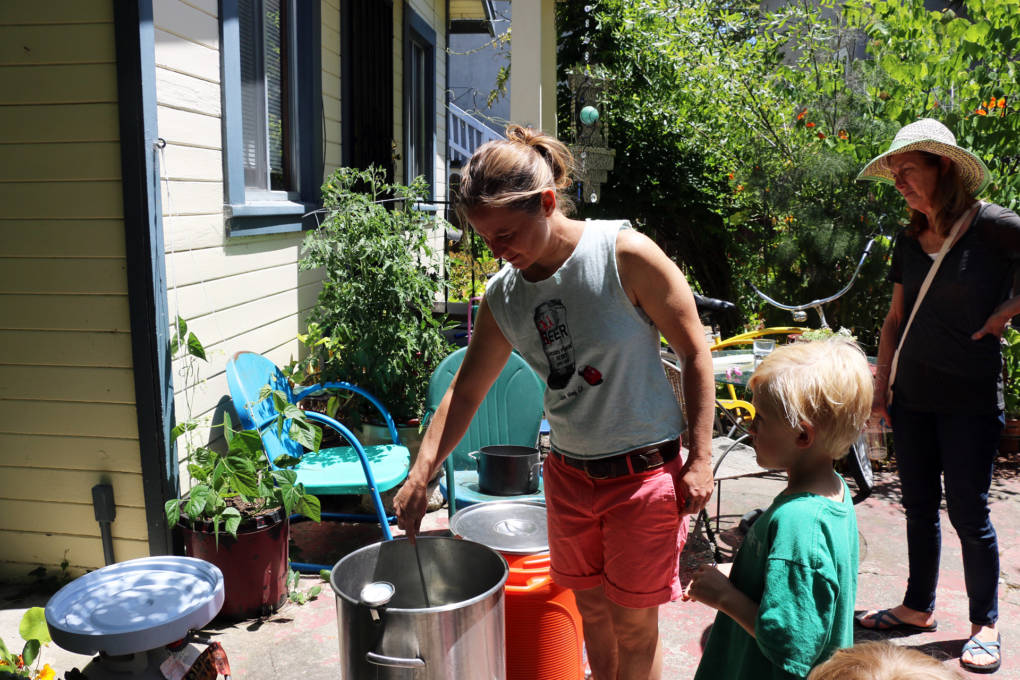
"caption": "Sandidge checks the water temperature before pouring in grist.",
"description": null,
"title": "checking_temp-NEW",
"credit": "Kim Westerman",
"status": "inherit",
"isLoading": false,
"fetchFailed": false
},
"bayareabites_116397": {
"type": "attachments",
"id": "bayareabites_116397",
"meta": {
"index": "attachments_1716263798",
"site": "bayareabites",
"id": "116397",
"found": true
},
"parent": 116328,
"imgSizes": {
"small": {
"file": "https://ww2.kqed.org/app/uploads/sites/24/2017/03/6-Orn-and-Sambath-NEW-520x398.jpg",
"width": 520,
"mimeType": "image/jpeg",
"height": 398
},
"twentyfourteen-full-width": {
"file": "https://ww2.kqed.org/app/uploads/sites/24/2017/03/6-Orn-and-Sambath-NEW-1038x576.jpg",
"width": 1038,
"mimeType": "image/jpeg",
"height": 576
},
"thumbnail": {
"file": "https://ww2.kqed.org/app/uploads/sites/24/2017/03/6-Orn-and-Sambath-NEW-160x123.jpg",
"width": 160,
"mimeType": "image/jpeg",
"height": 123
},
"fd-sm": {
"file": "https://ww2.kqed.org/app/uploads/sites/24/2017/03/6-Orn-and-Sambath-NEW-960x735.jpg",
"width": 960,
"mimeType": "image/jpeg",
"height": 735
},
"post-thumbnail": {
"file": "https://ww2.kqed.org/app/uploads/sites/24/2017/03/6-Orn-and-Sambath-NEW-672x372.jpg",
"width": 672,
"mimeType": "image/jpeg",
"height": 372
},
"xsmall": {
"file": "https://ww2.kqed.org/app/uploads/sites/24/2017/03/6-Orn-and-Sambath-NEW-375x287.jpg",
"width": 375,
"mimeType": "image/jpeg",
"height": 287
},
"kqedFullSize": {
"file": "https://ww2.kqed.org/app/uploads/sites/24/2017/03/6-Orn-and-Sambath-NEW.jpg",
"width": 1920,
"height": 1470
},
"large": {
"file": "https://ww2.kqed.org/app/uploads/sites/24/2017/03/6-Orn-and-Sambath-NEW-1020x781.jpg",
"width": 1020,
"mimeType": "image/jpeg",
"height": 781
},
"xlarge": {
"file": "https://ww2.kqed.org/app/uploads/sites/24/2017/03/6-Orn-and-Sambath-NEW-1180x903.jpg",
"width": 1180,
"mimeType": "image/jpeg",
"height": 903
},
"guest-author-50": {
"file": "https://ww2.kqed.org/app/uploads/sites/24/2017/03/6-Orn-and-Sambath-NEW-50x50.jpg",
"width": 50,
"mimeType": "image/jpeg",
"height": 50
},
"guest-author-96": {
"file": "https://ww2.kqed.org/app/uploads/sites/24/2017/03/6-Orn-and-Sambath-NEW-96x96.jpg",
"width": 96,
"mimeType": "image/jpeg",
"height": 96
},
"medium": {
"file": "https://ww2.kqed.org/app/uploads/sites/24/2017/03/6-Orn-and-Sambath-NEW-800x613.jpg",
"width": 800,
"mimeType": "image/jpeg",
"height": 613
},
"guest-author-64": {
"file": "https://ww2.kqed.org/app/uploads/sites/24/2017/03/6-Orn-and-Sambath-NEW-64x64.jpg",
"width": 64,
"mimeType": "image/jpeg",
"height": 64
},
"guest-author-32": {
"file": "https://ww2.kqed.org/app/uploads/sites/24/2017/03/6-Orn-and-Sambath-NEW-32x32.jpg",
"width": 32,
"mimeType": "image/jpeg",
"height": 32
},
"fd-lrg": {
"file": "https://ww2.kqed.org/app/uploads/sites/24/2017/03/6-Orn-and-Sambath-NEW-1920x1470.jpg",
"width": 1920,
"mimeType": "image/jpeg",
"height": 1470
},
"fd-med": {
"file": "https://ww2.kqed.org/app/uploads/sites/24/2017/03/6-Orn-and-Sambath-NEW-1180x903.jpg",
"width": 1180,
"mimeType": "image/jpeg",
"height": 903
},
"full-width": {
"file": "https://ww2.kqed.org/app/uploads/sites/24/2017/03/6-Orn-and-Sambath-NEW-1920x1470.jpg",
"width": 1920,
"mimeType": "image/jpeg",
"height": 1470
},
"detail": {
"file": "https://ww2.kqed.org/app/uploads/sites/24/2017/03/6-Orn-and-Sambath-NEW-150x150.jpg",
"width": 150,
"mimeType": "image/jpeg",
"height": 150
},
"medium_large": {
"file": "https://ww2.kqed.org/app/uploads/sites/24/2017/03/6-Orn-and-Sambath-NEW-768x588.jpg",
"width": 768,
"mimeType": "image/jpeg",
"height": 588
},
"guest-author-128": {
"file": "https://ww2.kqed.org/app/uploads/sites/24/2017/03/6-Orn-and-Sambath-NEW-128x128.jpg",
"width": 128,
"mimeType": "image/jpeg",
"height": 128
},
"xxsmall": {
"file": "https://ww2.kqed.org/app/uploads/sites/24/2017/03/6-Orn-and-Sambath-NEW-240x184.jpg",
"width": 240,
"mimeType": "image/jpeg",
"height": 184
}
},
"publishDate": 1490733736,
"modified": 1490739536,
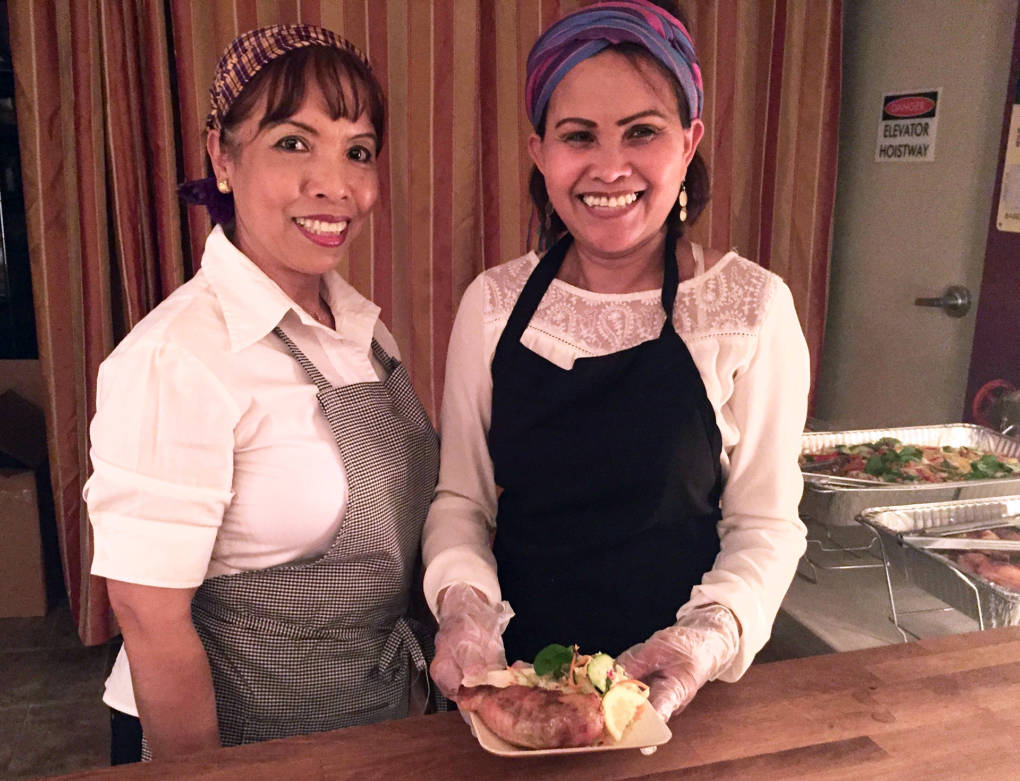
"caption": "Orn Sok and Sambath Ky are refugees from Cambodia, who have been been working at a small cafe in Oakland making American food for years. They want to cook Cambodian dishes, like this chicken stuffed with lemon grass, pork and tamarind and papaya glass noodle salad. They will also be cooking at the April 9th event.",
"description": null,
"title": "#6-Orn-and-Sambath-NEW",
"credit": "Anna Mindess",
"status": "inherit",
"isLoading": false,
"fetchFailed": false
},
"bayareabites_114665": {
"type": "attachments",
"id": "bayareabites_114665",
"meta": {
"index": "attachments_1716263798",
"site": "bayareabites",
"id": "114665",
"found": true
},
"parent": 114653,
"imgSizes": {
"small": {
"file": "https://ww2.kqed.org/app/uploads/sites/24/2017/01/dsc_0466-56_custom-67ef6a293b322ff7a93e35d826bb394f11fc2c09-s800-c85-520x346.jpg",
"width": 520,
"mimeType": "image/jpeg",
"height": 346
},
"thumbnail": {
"file": "https://ww2.kqed.org/app/uploads/sites/24/2017/01/dsc_0466-56_custom-67ef6a293b322ff7a93e35d826bb394f11fc2c09-s800-c85-160x106.jpg",
"width": 160,
"mimeType": "image/jpeg",
"height": 106
},
"post-thumbnail": {
"file": "https://ww2.kqed.org/app/uploads/sites/24/2017/01/dsc_0466-56_custom-67ef6a293b322ff7a93e35d826bb394f11fc2c09-s800-c85-672x372.jpg",
"width": 672,
"mimeType": "image/jpeg",
"height": 372
},
"xsmall": {
"file": "https://ww2.kqed.org/app/uploads/sites/24/2017/01/dsc_0466-56_custom-67ef6a293b322ff7a93e35d826bb394f11fc2c09-s800-c85-375x249.jpg",
"width": 375,
"mimeType": "image/jpeg",
"height": 249
},
"kqedFullSize": {
"file": "https://ww2.kqed.org/app/uploads/sites/24/2017/01/dsc_0466-56_custom-67ef6a293b322ff7a93e35d826bb394f11fc2c09-s800-c85.jpg",
"width": 800,
"height": 532
},
"guest-author-50": {
"file": "https://ww2.kqed.org/app/uploads/sites/24/2017/01/dsc_0466-56_custom-67ef6a293b322ff7a93e35d826bb394f11fc2c09-s800-c85-50x50.jpg",
"width": 50,
"mimeType": "image/jpeg",
"height": 50
},
"guest-author-96": {
"file": "https://ww2.kqed.org/app/uploads/sites/24/2017/01/dsc_0466-56_custom-67ef6a293b322ff7a93e35d826bb394f11fc2c09-s800-c85-96x96.jpg",
"width": 96,
"mimeType": "image/jpeg",
"height": 96
},
"medium": {
"file": "https://ww2.kqed.org/app/uploads/sites/24/2017/01/dsc_0466-56_custom-67ef6a293b322ff7a93e35d826bb394f11fc2c09-s800-c85-800x532.jpg",
"width": 800,
"mimeType": "image/jpeg",
"height": 532
},
"guest-author-64": {
"file": "https://ww2.kqed.org/app/uploads/sites/24/2017/01/dsc_0466-56_custom-67ef6a293b322ff7a93e35d826bb394f11fc2c09-s800-c85-64x64.jpg",
"width": 64,
"mimeType": "image/jpeg",
"height": 64
},
"guest-author-32": {
"file": "https://ww2.kqed.org/app/uploads/sites/24/2017/01/dsc_0466-56_custom-67ef6a293b322ff7a93e35d826bb394f11fc2c09-s800-c85-32x32.jpg",
"width": 32,
"mimeType": "image/jpeg",
"height": 32
},
"detail": {
"file": "https://ww2.kqed.org/app/uploads/sites/24/2017/01/dsc_0466-56_custom-67ef6a293b322ff7a93e35d826bb394f11fc2c09-s800-c85-150x150.jpg",
"width": 150,
"mimeType": "image/jpeg",
"height": 150
},
"medium_large": {
"file": "https://ww2.kqed.org/app/uploads/sites/24/2017/01/dsc_0466-56_custom-67ef6a293b322ff7a93e35d826bb394f11fc2c09-s800-c85-768x511.jpg",
"width": 768,
"mimeType": "image/jpeg",
"height": 511
},
"guest-author-128": {
"file": "https://ww2.kqed.org/app/uploads/sites/24/2017/01/dsc_0466-56_custom-67ef6a293b322ff7a93e35d826bb394f11fc2c09-s800-c85-128x128.jpg",
"width": 128,
"mimeType": "image/jpeg",
"height": 128
},
"xxsmall": {
"file": "https://ww2.kqed.org/app/uploads/sites/24/2017/01/dsc_0466-56_custom-67ef6a293b322ff7a93e35d826bb394f11fc2c09-s800-c85-240x160.jpg",
"width": 240,
"mimeType": "image/jpeg",
"height": 160
}
},
"publishDate": 1484694340,
"modified": 1484694371,
"caption": "Seaweed is plentiful and grows rapidly, and most of it is safe to eat. People have been harvesting seaweed for thousands of years, but now it's become so popular, you can even take a class.",
"description": null,
"title": "dsc_0466-56_custom-67ef6a293b322ff7a93e35d826bb394f11fc2c09-s800-c85",
"credit": "Joy Lanzendorfer for NPR",
"status": "inherit",
"isLoading": false,
"fetchFailed": false
},
"bayareabites_112994": {
"type": "attachments",
"id": "bayareabites_112994",
"meta": {
"index": "attachments_1716263798",
"site": "bayareabites",
"id": "112994",
"found": true
},
"parent": 112888,
"imgSizes": {
"small": {
"file": "https://ww2.kqed.org/app/uploads/sites/24/2016/10/cuesa_jlsfm_sign_credit_Tory_Putnam-520x347.jpg",
"width": 520,
"mimeType": "image/jpeg",
"height": 347
},
"twentyfourteen-full-width": {
"file": "https://ww2.kqed.org/app/uploads/sites/24/2016/10/cuesa_jlsfm_sign_credit_Tory_Putnam-1038x576.jpg",
"width": 1038,
"mimeType": "image/jpeg",
"height": 576
},
"thumbnail": {
"file": "https://ww2.kqed.org/app/uploads/sites/24/2016/10/cuesa_jlsfm_sign_credit_Tory_Putnam-160x107.jpg",
"width": 160,
"mimeType": "image/jpeg",
"height": 107
},
"fd-sm": {
"file": "https://ww2.kqed.org/app/uploads/sites/24/2016/10/cuesa_jlsfm_sign_credit_Tory_Putnam-960x640.jpg",
"width": 960,
"mimeType": "image/jpeg",
"height": 640
},
"post-thumbnail": {
"file": "https://ww2.kqed.org/app/uploads/sites/24/2016/10/cuesa_jlsfm_sign_credit_Tory_Putnam-672x372.jpg",
"width": 672,
"mimeType": "image/jpeg",
"height": 372
},
"xsmall": {
"file": "https://ww2.kqed.org/app/uploads/sites/24/2016/10/cuesa_jlsfm_sign_credit_Tory_Putnam-375x250.jpg",
"width": 375,
"mimeType": "image/jpeg",
"height": 250
},
"kqedFullSize": {
"file": "https://ww2.kqed.org/app/uploads/sites/24/2016/10/cuesa_jlsfm_sign_credit_Tory_Putnam.jpg",
"width": 1536,
"height": 1024
},
"large": {
"file": "https://ww2.kqed.org/app/uploads/sites/24/2016/10/cuesa_jlsfm_sign_credit_Tory_Putnam-1020x680.jpg",
"width": 1020,
"mimeType": "image/jpeg",
"height": 680
},
"xlarge": {
"file": "https://ww2.kqed.org/app/uploads/sites/24/2016/10/cuesa_jlsfm_sign_credit_Tory_Putnam-1180x787.jpg",
"width": 1180,
"mimeType": "image/jpeg",
"height": 787
},
"guest-author-50": {
"file": "https://ww2.kqed.org/app/uploads/sites/24/2016/10/cuesa_jlsfm_sign_credit_Tory_Putnam-50x50.jpg",
"width": 50,
"mimeType": "image/jpeg",
"height": 50
},
"guest-author-96": {
"file": "https://ww2.kqed.org/app/uploads/sites/24/2016/10/cuesa_jlsfm_sign_credit_Tory_Putnam-96x96.jpg",
"width": 96,
"mimeType": "image/jpeg",
"height": 96
},
"medium": {
"file": "https://ww2.kqed.org/app/uploads/sites/24/2016/10/cuesa_jlsfm_sign_credit_Tory_Putnam-800x533.jpg",
"width": 800,
"mimeType": "image/jpeg",
"height": 533
},
"guest-author-64": {
"file": "https://ww2.kqed.org/app/uploads/sites/24/2016/10/cuesa_jlsfm_sign_credit_Tory_Putnam-64x64.jpg",
"width": 64,
"mimeType": "image/jpeg",
"height": 64
},
"guest-author-32": {
"file": "https://ww2.kqed.org/app/uploads/sites/24/2016/10/cuesa_jlsfm_sign_credit_Tory_Putnam-32x32.jpg",
"width": 32,
"mimeType": "image/jpeg",
"height": 32
},
"fd-med": {
"file": "https://ww2.kqed.org/app/uploads/sites/24/2016/10/cuesa_jlsfm_sign_credit_Tory_Putnam-1180x787.jpg",
"width": 1180,
"mimeType": "image/jpeg",
"height": 787
},
"detail": {
"file": "https://ww2.kqed.org/app/uploads/sites/24/2016/10/cuesa_jlsfm_sign_credit_Tory_Putnam-150x150.jpg",
"width": 150,
"mimeType": "image/jpeg",
"height": 150
},
"medium_large": {
"file": "https://ww2.kqed.org/app/uploads/sites/24/2016/10/cuesa_jlsfm_sign_credit_Tory_Putnam-768x512.jpg",
"width": 768,
"mimeType": "image/jpeg",
"height": 512
},
"guest-author-128": {
"file": "https://ww2.kqed.org/app/uploads/sites/24/2016/10/cuesa_jlsfm_sign_credit_Tory_Putnam-128x128.jpg",
"width": 128,
"mimeType": "image/jpeg",
"height": 128
},
"xxsmall": {
"file": "https://ww2.kqed.org/app/uploads/sites/24/2016/10/cuesa_jlsfm_sign_credit_Tory_Putnam-240x160.jpg",
"width": 240,
"mimeType": "image/jpeg",
"height": 160
}
},
"publishDate": 1477525647,
"modified": 1477529311,
"caption": "Entrance to Jack London Square Farmers Market.",
"description": "Entrance to Jack London Square Farmers Market.",
"title": "cuesa_jlsfm_sign_credit_Tory_Putnam",
"credit": "Tory Putnam/CUESA",
"status": "inherit",
"isLoading": false,
"fetchFailed": false
},
"bayareabites_112219": {
"type": "attachments",
"id": "bayareabites_112219",
"meta": {
"index": "attachments_1716263798",
"site": "bayareabites",
"id": "112219",
"found": true
},
"parent": 112212,
"imgSizes": {
"twentyfourteen-full-width": {
"file": "https://ww2.kqed.org/app/uploads/sites/24/2016/09/poke-bowl-1038x576.jpg",
"width": 1038,
"mimeType": "image/jpeg",
"height": 576
},
"thumbnail": {
"file": "https://ww2.kqed.org/app/uploads/sites/24/2016/09/poke-bowl-400x267.jpg",
"width": 400,
"mimeType": "image/jpeg",
"height": 267
},
"fd-sm": {
"file": "https://ww2.kqed.org/app/uploads/sites/24/2016/09/poke-bowl-960x640.jpg",
"width": 960,
"mimeType": "image/jpeg",
"height": 640
},
"post-thumbnail": {
"file": "https://ww2.kqed.org/app/uploads/sites/24/2016/09/poke-bowl-672x372.jpg",
"width": 672,
"mimeType": "image/jpeg",
"height": 372
},
"kqedFullSize": {
"file": "https://ww2.kqed.org/app/uploads/sites/24/2016/09/poke-bowl.jpg",
"width": 1920,
"height": 1280
},
"large": {
"file": "https://ww2.kqed.org/app/uploads/sites/24/2016/09/poke-bowl-1440x960.jpg",
"width": 1440,
"mimeType": "image/jpeg",
"height": 960
},
"guest-author-50": {
"file": "https://ww2.kqed.org/app/uploads/sites/24/2016/09/poke-bowl-50x50.jpg",
"width": 50,
"mimeType": "image/jpeg",
"height": 50
},
"guest-author-96": {
"file": "https://ww2.kqed.org/app/uploads/sites/24/2016/09/poke-bowl-96x96.jpg",
"width": 96,
"mimeType": "image/jpeg",
"height": 96
},
"medium": {
"file": "https://ww2.kqed.org/app/uploads/sites/24/2016/09/poke-bowl-800x533.jpg",
"width": 800,
"mimeType": "image/jpeg",
"height": 533
},
"guest-author-64": {
"file": "https://ww2.kqed.org/app/uploads/sites/24/2016/09/poke-bowl-64x64.jpg",
"width": 64,
"mimeType": "image/jpeg",
"height": 64
},
"guest-author-32": {
"file": "https://ww2.kqed.org/app/uploads/sites/24/2016/09/poke-bowl-32x32.jpg",
"width": 32,
"mimeType": "image/jpeg",
"height": 32
},
"cat_post_thumb_sizecategory-posts-2": {
"file": "https://ww2.kqed.org/app/uploads/sites/24/2016/09/poke-bowl-150x150.jpg",
"width": 150,
"mimeType": "image/jpeg",
"height": 150
},
"fd-lrg": {
"file": "https://ww2.kqed.org/app/uploads/sites/24/2016/09/poke-bowl-1920x1280.jpg",
"width": 1920,
"mimeType": "image/jpeg",
"height": 1280
},
"fd-med": {
"file": "https://ww2.kqed.org/app/uploads/sites/24/2016/09/poke-bowl-1180x787.jpg",
"width": 1180,
"mimeType": "image/jpeg",
"height": 787
},
"detail": {
"file": "https://ww2.kqed.org/app/uploads/sites/24/2016/09/poke-bowl-150x150.jpg",
"width": 150,
"mimeType": "image/jpeg",
"height": 150
},
"medium_large": {
"file": "https://ww2.kqed.org/app/uploads/sites/24/2016/09/poke-bowl-768x512.jpg",
"width": 768,
"mimeType": "image/jpeg",
"height": 512
},
"guest-author-128": {
"file": "https://ww2.kqed.org/app/uploads/sites/24/2016/09/poke-bowl-128x128.jpg",
"width": 128,
"mimeType": "image/jpeg",
"height": 128
}
},
"publishDate": 1474697554,
"modified": 1474700108,
"caption": "Poki Time: Poke bowl at Eat Real Festival 2016",
"description": null,
"title": "poke-bowl",
"credit": "Wendy Goodfriend",
"status": "inherit",
"isLoading": false,
"fetchFailed": false
},
"bayareabites_108450": {
"type": "attachments",
"id": "bayareabites_108450",
"meta": {
"index": "attachments_1716263798",
"site": "bayareabites",
"id": "108450",
"found": true
},
"parent": 108447,
"imgSizes": {
"twentyfourteen-full-width": {
"file": "https://ww2.kqed.org/app/uploads/sites/24/2016/04/IMG_5468-1038x576.jpg",
"width": 1038,
"mimeType": "image/jpeg",
"height": 576
},
"thumbnail": {
"file": "https://ww2.kqed.org/app/uploads/sites/24/2016/04/IMG_5468-400x266.jpg",
"width": 400,
"mimeType": "image/jpeg",
"height": 266
},
"fd-sm": {
"file": "https://ww2.kqed.org/app/uploads/sites/24/2016/04/IMG_5468-960x639.jpg",
"width": 960,
"mimeType": "image/jpeg",
"height": 639
},
"post-thumbnail": {
"file": "https://ww2.kqed.org/app/uploads/sites/24/2016/04/IMG_5468-672x372.jpg",
"width": 672,
"mimeType": "image/jpeg",
"height": 372
},
"kqedFullSize": {
"file": "https://ww2.kqed.org/app/uploads/sites/24/2016/04/IMG_5468-e1460388445329.jpg",
"width": 1920,
"height": 1278
},
"large": {
"file": "https://ww2.kqed.org/app/uploads/sites/24/2016/04/IMG_5468-1440x958.jpg",
"width": 1440,
"mimeType": "image/jpeg",
"height": 958
},
"guest-author-96": {
"file": "https://ww2.kqed.org/app/uploads/sites/24/2016/04/IMG_5468-96x96.jpg",
"width": 96,
"mimeType": "image/jpeg",
"height": 96
},
"medium": {
"file": "https://ww2.kqed.org/app/uploads/sites/24/2016/04/IMG_5468-800x532.jpg",
"width": 800,
"mimeType": "image/jpeg",
"height": 532
},
"guest-author-64": {
"file": "https://ww2.kqed.org/app/uploads/sites/24/2016/04/IMG_5468-64x64.jpg",
"width": 64,
"mimeType": "image/jpeg",
"height": 64
},
"guest-author-32": {
"file": "https://ww2.kqed.org/app/uploads/sites/24/2016/04/IMG_5468-32x32.jpg",
"width": 32,
"mimeType": "image/jpeg",
"height": 32
},
"cat_post_thumb_sizecategory-posts-2": {
"file": "https://ww2.kqed.org/app/uploads/sites/24/2016/04/IMG_5468-150x150.jpg",
"width": 150,
"mimeType": "image/jpeg",
"height": 150
},
"fd-lrg": {
"file": "https://ww2.kqed.org/app/uploads/sites/24/2016/04/IMG_5468-1920x1278.jpg",
"width": 1920,
"mimeType": "image/jpeg",
"height": 1278
},
"fd-med": {
"file": "https://ww2.kqed.org/app/uploads/sites/24/2016/04/IMG_5468-1180x785.jpg",
"width": 1180,
"mimeType": "image/jpeg",
"height": 785
},
"detail": {
"file": "https://ww2.kqed.org/app/uploads/sites/24/2016/04/IMG_5468-75x75.jpg",
"width": 75,
"mimeType": "image/jpeg",
"height": 75
},
"medium_large": {
"file": "https://ww2.kqed.org/app/uploads/sites/24/2016/04/IMG_5468-768x511.jpg",
"width": 768,
"mimeType": "image/jpeg",
"height": 511
},
"guest-author-128": {
"file": "https://ww2.kqed.org/app/uploads/sites/24/2016/04/IMG_5468-128x128.jpg",
"width": 128,
"mimeType": "image/jpeg",
"height": 128
}
},
"publishDate": 1460358965,
"modified": 1460480668,
"caption": "Pie Ranch's farm stand",
"description": null,
"title": "Pie Ranch Farm Stand",
"credit": "Adrienne Blaine",
"status": "inherit",
"isLoading": false,
"fetchFailed": false
},
"bayareabites_108140": {
"type": "attachments",
"id": "bayareabites_108140",
"meta": {
"index": "attachments_1716263798",
"site": "bayareabites",
"id": "108140",
"found": true
},
"parent": 0,
"imgSizes": {
"twentyfourteen-full-width": {
"file": "https://ww2.kqed.org/app/uploads/sites/24/2016/03/cover-1038x576.jpg",
"width": 1038,
"mimeType": "image/jpeg",
"height": 576
},
"thumbnail": {
"file": "https://ww2.kqed.org/app/uploads/sites/24/2016/03/cover-400x267.jpg",
"width": 400,
"mimeType": "image/jpeg",
"height": 267
},
"fd-sm": {
"file": "https://ww2.kqed.org/app/uploads/sites/24/2016/03/cover-960x641.jpg",
"width": 960,
"mimeType": "image/jpeg",
"height": 641
},
"post-thumbnail": {
"file": "https://ww2.kqed.org/app/uploads/sites/24/2016/03/cover-672x372.jpg",
"width": 672,
"mimeType": "image/jpeg",
"height": 372
},
"kqedFullSize": {
"file": "https://ww2.kqed.org/app/uploads/sites/24/2016/03/cover.jpg",
"width": 1920,
"height": 1281
},
"large": {
"file": "https://ww2.kqed.org/app/uploads/sites/24/2016/03/cover-1440x961.jpg",
"width": 1440,
"mimeType": "image/jpeg",
"height": 961
},
"guest-author-96": {
"file": "https://ww2.kqed.org/app/uploads/sites/24/2016/03/cover-96x96.jpg",
"width": 96,
"mimeType": "image/jpeg",
"height": 96
},
"medium": {
"file": "https://ww2.kqed.org/app/uploads/sites/24/2016/03/cover-800x534.jpg",
"width": 800,
"mimeType": "image/jpeg",
"height": 534
},
"guest-author-64": {
"file": "https://ww2.kqed.org/app/uploads/sites/24/2016/03/cover-64x64.jpg",
"width": 64,
"mimeType": "image/jpeg",
"height": 64
},
"guest-author-32": {
"file": "https://ww2.kqed.org/app/uploads/sites/24/2016/03/cover-32x32.jpg",
"width": 32,
"mimeType": "image/jpeg",
"height": 32
},
"cat_post_thumb_sizecategory-posts-2": {
"file": "https://ww2.kqed.org/app/uploads/sites/24/2016/03/cover-150x150.jpg",
"width": 150,
"mimeType": "image/jpeg",
"height": 150
},
"fd-lrg": {
"file": "https://ww2.kqed.org/app/uploads/sites/24/2016/03/cover-1920x1281.jpg",
"width": 1920,
"mimeType": "image/jpeg",
"height": 1281
},
"fd-med": {
"file": "https://ww2.kqed.org/app/uploads/sites/24/2016/03/cover-1180x787.jpg",
"width": 1180,
"mimeType": "image/jpeg",
"height": 787
},
"detail": {
"file": "https://ww2.kqed.org/app/uploads/sites/24/2016/03/cover-75x75.jpg",
"width": 75,
"mimeType": "image/jpeg",
"height": 75
},
"medium_large": {
"file": "https://ww2.kqed.org/app/uploads/sites/24/2016/03/cover-768x512.jpg",
"width": 768,
"mimeType": "image/jpeg",
"height": 512
},
"guest-author-128": {
"file": "https://ww2.kqed.org/app/uploads/sites/24/2016/03/cover-128x128.jpg",
"width": 128,
"mimeType": "image/jpeg",
"height": 128
}
},
"publishDate": 1459376793,
"modified": 1459376902,
"caption": "Volunteers make cookies at the Ceres Project location in Alameda.",
"description": "Volunteers make cookies at the Ceres Project location in Alameda.",
"title": "Volunteers make cookies at the Ceres Project location in Alameda.",
"credit": "Kim Stuffelbeam, Ceres Community Project",
"status": "inherit",
"isLoading": false,
"fetchFailed": false
},
"bayareabites_107822": {
"type": "attachments",
"id": "bayareabites_107822",
"meta": {
"index": "attachments_1716263798",
"site": "bayareabites",
"id": "107822",
"found": true
},
"parent": 107760,
"imgSizes": {
"twentyfourteen-full-width": {
"file": "https://ww2.kqed.org/app/uploads/sites/24/2016/03/IMG_1905-1920-1038x576.jpg",
"width": 1038,
"mimeType": "image/jpeg",
"height": 576
},
"thumbnail": {
"file": "https://ww2.kqed.org/app/uploads/sites/24/2016/03/IMG_1905-1920-400x300.jpg",
"width": 400,
"mimeType": "image/jpeg",
"height": 300
},
"fd-sm": {
"file": "https://ww2.kqed.org/app/uploads/sites/24/2016/03/IMG_1905-1920-960x720.jpg",
"width": 960,
"mimeType": "image/jpeg",
"height": 720
},
"post-thumbnail": {
"file": "https://ww2.kqed.org/app/uploads/sites/24/2016/03/IMG_1905-1920-672x372.jpg",
"width": 672,
"mimeType": "image/jpeg",
"height": 372
},
"kqedFullSize": {
"file": "https://ww2.kqed.org/app/uploads/sites/24/2016/03/IMG_1905-1920.jpg",
"width": 1920,
"height": 1440
},
"large": {
"file": "https://ww2.kqed.org/app/uploads/sites/24/2016/03/IMG_1905-1920-1440x1080.jpg",
"width": 1440,
"mimeType": "image/jpeg",
"height": 1080
},
"guest-author-96": {
"file": "https://ww2.kqed.org/app/uploads/sites/24/2016/03/IMG_1905-1920-96x96.jpg",
"width": 96,
"mimeType": "image/jpeg",
"height": 96
},
"medium": {
"file": "https://ww2.kqed.org/app/uploads/sites/24/2016/03/IMG_1905-1920-800x600.jpg",
"width": 800,
"mimeType": "image/jpeg",
"height": 600
},
"guest-author-64": {
"file": "https://ww2.kqed.org/app/uploads/sites/24/2016/03/IMG_1905-1920-64x64.jpg",
"width": 64,
"mimeType": "image/jpeg",
"height": 64
},
"guest-author-32": {
"file": "https://ww2.kqed.org/app/uploads/sites/24/2016/03/IMG_1905-1920-32x32.jpg",
"width": 32,
"mimeType": "image/jpeg",
"height": 32
},
"cat_post_thumb_sizecategory-posts-2": {
"file": "https://ww2.kqed.org/app/uploads/sites/24/2016/03/IMG_1905-1920-150x150.jpg",
"width": 150,
"mimeType": "image/jpeg",
"height": 150
},
"fd-lrg": {
"file": "https://ww2.kqed.org/app/uploads/sites/24/2016/03/IMG_1905-1920-1920x1440.jpg",
"width": 1920,
"mimeType": "image/jpeg",
"height": 1440
},
"fd-med": {
"file": "https://ww2.kqed.org/app/uploads/sites/24/2016/03/IMG_1905-1920-1180x885.jpg",
"width": 1180,
"mimeType": "image/jpeg",
"height": 885
},
"detail": {
"file": "https://ww2.kqed.org/app/uploads/sites/24/2016/03/IMG_1905-1920-75x75.jpg",
"width": 75,
"mimeType": "image/jpeg",
"height": 75
},
"medium_large": {
"file": "https://ww2.kqed.org/app/uploads/sites/24/2016/03/IMG_1905-1920-768x576.jpg",
"width": 768,
"mimeType": "image/jpeg",
"height": 576
},
"guest-author-128": {
"file": "https://ww2.kqed.org/app/uploads/sites/24/2016/03/IMG_1905-1920-128x128.jpg",
"width": 128,
"mimeType": "image/jpeg",
"height": 128
}
},
"publishDate": 1458373107,
"modified": 1458373372,
"caption": "Elizabeth Vecchiarelli has just moved to Temescal with a larger version of her popular store, Preserved.",
"description": null,
"title": "IMG_1905-1920",
"credit": "Alix Wall",
"status": "inherit",
"isLoading": false,
"fetchFailed": false
},
"bayareabites_103916": {
"type": "attachments",
"id": "bayareabites_103916",
"meta": {
"index": "attachments_1716263798",
"site": "bayareabites",
"id": "103916",
"found": true
},
"parent": 103912,
"imgSizes": {
"twentyfourteen-full-width": {
"file": "https://ww2.kqed.org/app/uploads/sites/24/2015/11/scene-e1447974510325-1038x576.jpg",
"width": 1038,
"mimeType": "image/jpeg",
"height": 576
},
"thumbnail": {
"file": "https://ww2.kqed.org/app/uploads/sites/24/2015/11/scene-e1447974510325-400x225.jpg",
"width": 400,
"mimeType": "image/jpeg",
"height": 225
},
"fd-sm": {
"file": "https://ww2.kqed.org/app/uploads/sites/24/2015/11/scene-e1447974510325-960x541.jpg",
"width": 960,
"mimeType": "image/jpeg",
"height": 541
},
"post-thumbnail": {
"file": "https://ww2.kqed.org/app/uploads/sites/24/2015/11/scene-e1447974510325-672x372.jpg",
"width": 672,
"mimeType": "image/jpeg",
"height": 372
},
"kqedFullSize": {
"file": "https://ww2.kqed.org/app/uploads/sites/24/2015/11/scene-e1447974521704.jpg",
"width": 1920,
"height": 1081
},
"large": {
"file": "https://ww2.kqed.org/app/uploads/sites/24/2015/11/scene-e1447974510325-1440x811.jpg",
"width": 1440,
"mimeType": "image/jpeg",
"height": 811
},
"guest-author-96": {
"file": "https://ww2.kqed.org/app/uploads/sites/24/2015/11/scene-e1447974510325-96x96.jpg",
"width": 96,
"mimeType": "image/jpeg",
"height": 96
},
"medium": {
"file": "https://ww2.kqed.org/app/uploads/sites/24/2015/11/scene-e1447974510325-800x450.jpg",
"width": 800,
"mimeType": "image/jpeg",
"height": 450
},
"guest-author-64": {
"file": "https://ww2.kqed.org/app/uploads/sites/24/2015/11/scene-e1447974510325-64x64.jpg",
"width": 64,
"mimeType": "image/jpeg",
"height": 64
},
"guest-author-32": {
"file": "https://ww2.kqed.org/app/uploads/sites/24/2015/11/scene-e1447974510325-32x32.jpg",
"width": 32,
"mimeType": "image/jpeg",
"height": 32
},
"cat_post_thumb_sizecategory-posts-2": {
"file": "https://ww2.kqed.org/app/uploads/sites/24/2015/11/scene-e1447974510325-150x150.jpg",
"width": 150,
"mimeType": "image/jpeg",
"height": 150
},
"fd-lrg": {
"file": "https://ww2.kqed.org/app/uploads/sites/24/2015/11/scene-e1447974510325-1920x1081.jpg",
"width": 1920,
"mimeType": "image/jpeg",
"height": 1081
},
"fd-med": {
"file": "https://ww2.kqed.org/app/uploads/sites/24/2015/11/scene-e1447974510325-1180x664.jpg",
"width": 1180,
"mimeType": "image/jpeg",
"height": 664
},
"detail": {
"file": "https://ww2.kqed.org/app/uploads/sites/24/2015/11/scene-e1447974510325-75x75.jpg",
"width": 75,
"mimeType": "image/jpeg",
"height": 75
},
"guest-author-128": {
"file": "https://ww2.kqed.org/app/uploads/sites/24/2015/11/scene-e1447974510325-128x128.jpg",
"width": 128,
"mimeType": "image/jpeg",
"height": 128
}
},
"publishDate": 1447963035,
"modified": 1447974543,
"caption": "Michele Simon brought her students to take part in HOPE (Health for Oakland's People and Environment)'s Healthy Corner Store Challenge.",
"description": "Michele Simon brought her students to take part in HOPE (Health for Oakland's People and Environment)'s Healthy Corner Store Challenge.",
"title": "Michele Simon brought her students to take part in HOPE (Health for Oakland's People and Environment)'s Healthy Corner Store Challenge.",
"credit": "D. Samuel Marsh Photography",
"status": "inherit",
"isLoading": false,
"fetchFailed": false
},
"bayareabites_101232": {
"type": "attachments",
"id": "bayareabites_101232",
"meta": {
"index": "attachments_1716263798",
"site": "bayareabites",
"id": "101232",
"found": true
},
"parent": 101229,
"imgSizes": {
"thumbnail": {
"file": "https://ww2.kqed.org/app/uploads/sites/24/2015/09/classroom-Jirka_Matousek-680x453-400x266.jpg",
"width": 400,
"mimeType": "image/jpeg",
"height": 266
},
"post-thumbnail": {
"file": "https://ww2.kqed.org/app/uploads/sites/24/2015/09/classroom-Jirka_Matousek-680x453-672x372.jpg",
"width": 672,
"mimeType": "image/jpeg",
"height": 372
},
"kqedFullSize": {
"file": "https://ww2.kqed.org/app/uploads/sites/24/2015/09/classroom-Jirka_Matousek-680x453.jpg",
"width": 680,
"height": 453
},
"cat_post_thumb_sizecategory-posts-2": {
"file": "https://ww2.kqed.org/app/uploads/sites/24/2015/09/classroom-Jirka_Matousek-680x453-150x150.jpg",
"width": 150,
"mimeType": "image/jpeg",
"height": 150
},
"guest-author-96": {
"file": "https://ww2.kqed.org/app/uploads/sites/24/2015/09/classroom-Jirka_Matousek-680x453-96x96.jpg",
"width": 96,
"mimeType": "image/jpeg",
"height": 96
},
"guest-author-64": {
"file": "https://ww2.kqed.org/app/uploads/sites/24/2015/09/classroom-Jirka_Matousek-680x453-64x64.jpg",
"width": 64,
"mimeType": "image/jpeg",
"height": 64
},
"detail": {
"file": "https://ww2.kqed.org/app/uploads/sites/24/2015/09/classroom-Jirka_Matousek-680x453-75x75.jpg",
"width": 75,
"mimeType": "image/jpeg",
"height": 75
},
"guest-author-32": {
"file": "https://ww2.kqed.org/app/uploads/sites/24/2015/09/classroom-Jirka_Matousek-680x453-32x32.jpg",
"width": 32,
"mimeType": "image/jpeg",
"height": 32
},
"guest-author-128": {
"file": "https://ww2.kqed.org/app/uploads/sites/24/2015/09/classroom-Jirka_Matousek-680x453-128x128.jpg",
"width": 128,
"mimeType": "image/jpeg",
"height": 128
}
},
"publishDate": 1443043668,
"modified": 1443043729,
"caption": "Classroom at University",
"description": "Classroom at University",
"title": "Classroom at University",
"credit": " Jirka Matousek",
"status": "inherit",
"isLoading": false,
"fetchFailed": false
},
"bayareabites_99376": {
"type": "attachments",
"id": "bayareabites_99376",
"meta": {
"index": "attachments_1716263798",
"site": "bayareabites",
"id": "99376",
"found": true
},
"parent": 99308,
"imgSizes": {
"twentyfourteen-full-width": {
"file": "https://ww2.kqed.org/app/uploads/sites/24/2015/08/SOGA-Garden1920-1038x576.jpg",
"width": 1038,
"mimeType": "image/jpeg",
"height": 576
},
"thumbnail": {
"file": "https://ww2.kqed.org/app/uploads/sites/24/2015/08/SOGA-Garden1920-400x243.jpg",
"width": 400,
"mimeType": "image/jpeg",
"height": 243
},
"fd-sm": {
"file": "https://ww2.kqed.org/app/uploads/sites/24/2015/08/SOGA-Garden1920-960x583.jpg",
"width": 960,
"mimeType": "image/jpeg",
"height": 583
},
"post-thumbnail": {
"file": "https://ww2.kqed.org/app/uploads/sites/24/2015/08/SOGA-Garden1920-672x372.jpg",
"width": 672,
"mimeType": "image/jpeg",
"height": 372
},
"kqedFullSize": {
"file": "https://ww2.kqed.org/app/uploads/sites/24/2015/08/SOGA-Garden1920.jpg",
"width": 1920,
"height": 1165
},
"large": {
"file": "https://ww2.kqed.org/app/uploads/sites/24/2015/08/SOGA-Garden1920-1440x874.jpg",
"width": 1440,
"mimeType": "image/jpeg",
"height": 874
},
"guest-author-96": {
"file": "https://ww2.kqed.org/app/uploads/sites/24/2015/08/SOGA-Garden1920-96x96.jpg",
"width": 96,
"mimeType": "image/jpeg",
"height": 96
},
"medium": {
"file": "https://ww2.kqed.org/app/uploads/sites/24/2015/08/SOGA-Garden1920-800x485.jpg",
"width": 800,
"mimeType": "image/jpeg",
"height": 485
},
"guest-author-64": {
"file": "https://ww2.kqed.org/app/uploads/sites/24/2015/08/SOGA-Garden1920-64x64.jpg",
"width": 64,
"mimeType": "image/jpeg",
"height": 64
},
"guest-author-32": {
"file": "https://ww2.kqed.org/app/uploads/sites/24/2015/08/SOGA-Garden1920-32x32.jpg",
"width": 32,
"mimeType": "image/jpeg",
"height": 32
},
"cat_post_thumb_sizecategory-posts-2": {
"file": "https://ww2.kqed.org/app/uploads/sites/24/2015/08/SOGA-Garden1920-150x150.jpg",
"width": 150,
"mimeType": "image/jpeg",
"height": 150
},
"fd-lrg": {
"file": "https://ww2.kqed.org/app/uploads/sites/24/2015/08/SOGA-Garden1920-1920x1165.jpg",
"width": 1920,
"mimeType": "image/jpeg",
"height": 1165
},
"fd-med": {
"file": "https://ww2.kqed.org/app/uploads/sites/24/2015/08/SOGA-Garden1920-1180x716.jpg",
"width": 1180,
"mimeType": "image/jpeg",
"height": 716
},
"detail": {
"file": "https://ww2.kqed.org/app/uploads/sites/24/2015/08/SOGA-Garden1920-75x75.jpg",
"width": 75,
"mimeType": "image/jpeg",
"height": 75
},
"guest-author-128": {
"file": "https://ww2.kqed.org/app/uploads/sites/24/2015/08/SOGA-Garden1920-128x128.jpg",
"width": 128,
"mimeType": "image/jpeg",
"height": 128
}
},
"publishDate": 1439511306,
"modified": 1439844802,
"caption": "Classes at the SOGA (Student Organic Gardening Association) Garden can now also be taken for credit towards the food systems minor. ",
"description": "Classes at the SOGA (Student Organic Gardening Association) Garden can now also be taken for credit towards the food systems minor. ",
"title": "Classes at the SOGA (Student Organic Gardening Association) Garden can now also be taken for credit towards the food systems minor.",
"credit": "Jonathan Fong",
"status": "inherit",
"isLoading": false,
"fetchFailed": false
}
},
"audioPlayerReducer": {
"postId": "stream_live",
"isPaused": true,
"isPlaying": false,
"pfsActive": false,
"pledgeModalIsOpen": true,
"playerDrawerIsOpen": false,
"liveAudioPlayStartedAt": 0,
"liveAudioPlayContext": ""
},
"authorsReducer": {
"ablaine": {
"type": "authors",
"id": "72",
"meta": {
"index": "authors_1716337520",
"id": "72",
"found": true
},
"name": "Adrienne Blaine",
"firstName": "Adrienne",
"lastName": "Blaine",
"slug": "ablaine",
"email": "adrienneblaine@hotmail.com",
"display_author_email": false,
"staff_mastheads": [],
"title": null,
"bio": "Adrienne Blaine is a Millennial writer from the South Bay. She has a BA in Comparative Literary and Cultural Studies combined with Communications and Media Studies from Franklin University Switzerland. Living in Switzerland for four years and traveling from Morocco to Iceland introduced her to diverse art, culture and food. She currently lives in San Francisco and writes about these topics.",
"avatar": "https://secure.gravatar.com/avatar/10d0a10a2189067e5e3f6fc9fc4ebdf2?s=600&d=blank&r=g",
"twitter": null,
"facebook": null,
"instagram": null,
"linkedin": null,
"sites": [
{
"site": "arts",
"roles": [
"Contributor",
"contributor"
]
},
{
"site": "bayareabites",
"roles": [
"contributor"
]
},
{
"site": "food",
"roles": [
"contributor"
]
}
],
"headData": {
"title": "Adrienne Blaine | KQED",
"description": null,
"ogImgSrc": "https://secure.gravatar.com/avatar/10d0a10a2189067e5e3f6fc9fc4ebdf2?s=600&d=blank&r=g",
"twImgSrc": "https://secure.gravatar.com/avatar/10d0a10a2189067e5e3f6fc9fc4ebdf2?s=600&d=blank&r=g"
},
"isLoading": false,
"link": "/author/ablaine"
},
"rachael-myrow": {
"type": "authors",
"id": "251",
"meta": {
"index": "authors_1716337520",
"id": "251",
"found": true
},
"name": "Rachael Myrow",
"firstName": "Rachael",
"lastName": "Myrow",
"slug": "rachael-myrow",
"email": "rmyrow@kqed.org",
"display_author_email": true,
"staff_mastheads": [
"news"
],
"title": "Senior Editor of KQED's Silicon Valley News Desk",
"bio": "• I write and edit stories about how Silicon Valley power and policies shape everyday life in California. I’m also passionate about making Bay Area history and culture more accessible to a broad public. • I’ve been a journalist for most of my life, starting in high school with The Franklin Press in Los Angeles, where I grew up. While earning my first degree in English at UC Berkeley, I got my start in public radio at KALX-FM. After completing a second degree in journalism at Cal, I landed my first professional job at Marketplace, then moved on to KPCC (now LAist), and then KQED, where I hosted The California Report for more than seven years. • My reporting has appeared on NPR, The World, WBUR’s \u003ci>Here & Now\u003c/i>, and the BBC. I also guest host for KQED’s \u003ci>Forum\u003c/i>, as well as the Commonwealth Club in San Francisco. • I speak periodically on media, democracy and technology issues, and do voiceover work for documentaries and educational video projects. • Outside of the studio, you'll find me hiking Bay Area trails and whipping up Insta-ready meals in my kitchen. • I do not accept gifts, money, or favors from anyone connected to my reporting, I don't pay people for information, and I do not support or donate to political causes. • I strive to treat the people I report on with fairness, honesty, and respect. I also recognize there are often multiple sides to a story and work to verify information through multiple sources and documentation. If I get something wrong, I correct it.",
"avatar": "https://secure.gravatar.com/avatar/3ed8a3c5f26025e4a805ba634cda8cd764906b97438a6d9ce216b044e340da4e?s=600&d=blank&r=g",
"twitter": "rachaelmyrow",
"bluesky": null,
"facebook": null,
"instagram": null,
"linkedin": "https://www.linkedin.com/in/rachaelmyrow/",
"sites": [
{
"site": "arts",
"roles": [
"administrator"
]
},
{
"site": "news",
"roles": [
"edit_others_posts",
"editor"
]
},
{
"site": "futureofyou",
"roles": [
"editor"
]
},
{
"site": "bayareabites",
"roles": [
"editor"
]
},
{
"site": "stateofhealth",
"roles": [
"editor"
]
},
{
"site": "science",
"roles": [
"editor"
]
},
{
"site": "food",
"roles": [
"editor"
]
},
{
"site": "forum",
"roles": [
"editor"
]
},
{
"site": "liveblog",
"roles": [
"author"
]
}
],
"headData": {
"title": "Rachael Myrow | KQED",
"description": "Senior Editor of KQED's Silicon Valley News Desk",
"ogImgSrc": "https://secure.gravatar.com/avatar/3ed8a3c5f26025e4a805ba634cda8cd764906b97438a6d9ce216b044e340da4e?s=600&d=blank&r=g",
"twImgSrc": "https://secure.gravatar.com/avatar/3ed8a3c5f26025e4a805ba634cda8cd764906b97438a6d9ce216b044e340da4e?s=600&d=blank&r=g"
},
"isLoading": false,
"link": "/author/rachael-myrow"
},
"wendy-goodfriend": {
"type": "authors",
"id": "5014",
"meta": {
"index": "authors_1716337520",
"id": "5014",
"found": true
},
"name": "Wendy Goodfriend",
"firstName": "Wendy",
"lastName": "Goodfriend",
"slug": "wendy-goodfriend",
"email": "wendy@wendygoodfriend.com",
"display_author_email": false,
"staff_mastheads": [],
"title": "KQED Contributor",
"bio": "I was the Senior Digital Producer for KQED Food up until July, 2018. Since 2001, I designed, produced, managed and contributed to mostly food-related websites and blogs for KQED including: KQED.org; KQED Food; Bay Area Bites; Check, Please! Bay Area; Taste This; Celebrity Chefs; seven of Jacques Pepin's TV series websites; and Joanne Weir's Cooking in the City. I initiated the majority of KQED Food's social media feeds and maintained them up until 2017. As far as content creation, photography is my passion and I also shoot video and write stories. My photos have been used in articles for KQED Food, News, Arts, and Science as well as for promotional purposes in print and online. Professional education and training includes: clinical psychology, photography, commercial cooking, web design, information architecture and UX.",
"avatar": "https://secure.gravatar.com/avatar/dfba64372339cc34cf17e446e6f18fa8?s=600&d=blank&r=g",
"twitter": null,
"facebook": "bayareabites",
"instagram": null,
"linkedin": "wendygoodfriend",
"sites": [
{
"site": "jpepinheart",
"roles": []
},
{
"site": "about",
"roles": [
"editor"
]
},
{
"site": "bayareabites",
"roles": [
"subscriber"
]
},
{
"site": "science",
"roles": [
"administrator"
]
},
{
"site": "checkplease",
"roles": [
"subscriber"
]
},
{
"site": "food",
"roles": [
"author"
]
},
{
"site": "essentialpepin",
"roles": [
"administrator"
]
}
],
"headData": {
"title": "Wendy Goodfriend | KQED",
"description": "KQED Contributor",
"ogImgSrc": "https://secure.gravatar.com/avatar/dfba64372339cc34cf17e446e6f18fa8?s=600&d=blank&r=g",
"twImgSrc": "https://secure.gravatar.com/avatar/dfba64372339cc34cf17e446e6f18fa8?s=600&d=blank&r=g"
},
"isLoading": false,
"link": "/author/wendy-goodfriend"
},
"stephanie-rosenbaum": {
"type": "authors",
"id": "5038",
"meta": {
"index": "authors_1716337520",
"id": "5038",
"found": true
},
"name": "Stephanie Rosenbaum Klassen",
"firstName": "Stephanie",
"lastName": "Rosenbaum Klassen",
"slug": "stephanie-rosenbaum",
"email": "dixieday@aol.com",
"display_author_email": false,
"staff_mastheads": [],
"title": "KQED Contributor",
"bio": "Stephanie Rosenbaum Klassen is a longtime local food writer, author, and cook. Her books include The Art of Vintage Cocktails (Egg & Dart Press), World of Doughnuts (Egg & Dart Press); Kids in the Kitchen: Fun Food (Williams Sonoma); Honey from Flower to Table (Chronicle Books) and The Astrology Cookbook: A Cosmic Guide to Feasts of Love (Manic D Press). She has studied organic farming at UCSC and holds a certificate in Ecological Horticulture from the Center for Agroecology and Sustainable Food Systems. She does frequent cooking demonstrations at local farmers’ markets and has taught food writing at Media Alliance in San Francisco and the Continuing Education program at Stanford University. She has been the lead restaurant critic for the San Francisco Bay Guardian as well as for San Francisco magazine. She has been an assistant chef at the Headlands Center for the Arts, an artists' residency program located in the Marin Headlands, and a production cook at the Marin Sun Farms Cafe in Pt Reyes Station. After some 20 years in San Francisco interspersed with stints in Oakland, Santa Cruz, Brooklyn, and Manhattan, she recently moved to Sonoma county but still writes in San Francisco several days a week.",
"avatar": "https://secure.gravatar.com/avatar/26520681f950a766c2c0eb9872646dec42b88de07cc4cdd65958385671e93cf7?s=600&d=mm&r=g",
"twitter": "sjrosenbaum",
"bluesky": null,
"facebook": null,
"instagram": null,
"linkedin": null,
"sites": [
{
"site": "bayareabites",
"roles": [
"subscriber"
]
},
{
"site": "food",
"roles": [
"subscriber"
]
}
],
"headData": {
"title": "Stephanie Rosenbaum Klassen | KQED",
"description": "KQED Contributor",
"ogImgSrc": "https://secure.gravatar.com/avatar/26520681f950a766c2c0eb9872646dec42b88de07cc4cdd65958385671e93cf7?s=600&d=mm&r=g",
"twImgSrc": "https://secure.gravatar.com/avatar/26520681f950a766c2c0eb9872646dec42b88de07cc4cdd65958385671e93cf7?s=600&d=mm&r=g"
},
"isLoading": false,
"link": "/author/stephanie-rosenbaum"
},
"annamindess": {
"type": "authors",
"id": "5283",
"meta": {
"index": "authors_1716337520",
"id": "5283",
"found": true
},
"name": "Anna Mindess",
"firstName": "Anna",
"lastName": "Mindess",
"slug": "annamindess",
"email": "amindess@aol.com",
"display_author_email": false,
"staff_mastheads": [],
"title": "KQED Contributor",
"bio": "My passion is exploring the connections between food, travel and culture. I am a regular contributor to AFAR, Edible East Bay Magazine, Oakland Magazine, Berkeleyside's NOSH and other publications. I usually take a route that's slightly off the beaten path, like \u003ca href=\"http://edibleeastbay.com/online-magazine/fall-harvest-2017/fun-with-food-insults/\">collecting food-related insults\u003c/a> around the world or \u003ca href=\"https://www.afar.com/magazine/what-i-learned-hawking-sweet-potatoes-with-a-street-vendor-in-taiwan?email=amindess%40aol.com&utm_source=Sailthru&utm_medium=email&utm_campaign=Doctors%20Without%20Borders&utm_term=Daily%20Wander%20Newsletter\">volunteering with a Sweet Potato Mama\u003c/a> (street food seller) in Tapei.\r\n\r\nCulture is the thread that ties together my several careers. I also work as a sign language interpreter, educator and author. My study of Deaf culture has taken me around the world, where I am always on a quest to find Deaf-owned restaurants. I love making connections between my different worlds, for example in this AFAR story where I share \u003ca href=\"https://www.afar.com/magazine/tips-from-a-sign-language-interpreter-for-overcoming-language-barriers\">tips for communicating across cultures\u003c/a> that I learned from the real experts, Deaf people. Or this \u003ca href=\"http://edibleeastbay.com/online-magazine/fall-harvest-2017/deaf-chefs-compete/\">profile of a Deaf chef and culinary arts instructor\u003c/a> at the California School for the Deaf.\r\n\r\nTo see my visual/edible take on the world, follow me on Instagram: \u003ca href=\"https://www.instagram.com/annamindess/\">annamindess. \u003c/a>\r\n\r\nFor more of my stories: visit Contently \u003ca href=\"http://annamindess.contently.com\">annamindess.contently.com\u003c/a>",
"avatar": "https://secure.gravatar.com/avatar/23c79f04bf3d58b2e727d35ca471d184e8945f6ed82e41a0c062eab5e7dc2bb5?s=600&d=blank&r=g",
"twitter": null,
"bluesky": null,
"facebook": null,
"instagram": null,
"linkedin": null,
"sites": [
{
"site": "arts",
"roles": [
"subscriber"
]
},
{
"site": "bayareabites",
"roles": [
"author"
]
},
{
"site": "food",
"roles": [
"contributor"
]
}
],
"headData": {
"title": "Anna Mindess | KQED",
"description": "KQED Contributor",
"ogImgSrc": "https://secure.gravatar.com/avatar/23c79f04bf3d58b2e727d35ca471d184e8945f6ed82e41a0c062eab5e7dc2bb5?s=600&d=blank&r=g",
"twImgSrc": "https://secure.gravatar.com/avatar/23c79f04bf3d58b2e727d35ca471d184e8945f6ed82e41a0c062eab5e7dc2bb5?s=600&d=blank&r=g"
},
"isLoading": false,
"link": "/author/annamindess"
},
"nprfood": {
"type": "authors",
"id": "5403",
"meta": {
"index": "authors_1716337520",
"id": "5403",
"found": true
},
"name": "NPR Food",
"firstName": "NPR Food",
"lastName": null,
"slug": "nprfood",
"email": "nprfood@kqed.org",
"display_author_email": false,
"staff_mastheads": [],
"title": null,
"bio": "Food and Health-related stories from NPR including NPR Radio; NPR's food blog, \"The Salt\"; NPR's Health News blog, \"Shots\"; NPR's Breaking News blog \"The Two-Way\"; NPR's global stories blog \"Goats and Soda,\" NPR's economy explainer \"Planet Money\"; food-related technology news from NPR's \"All Tech Considered\"; and food series \"Kitchen Window.\"",
"avatar": "https://secure.gravatar.com/avatar/c4b735bb26404fa18ce2447d32e64291?s=600&d=blank&r=g",
"twitter": "nprfood",
"facebook": null,
"instagram": null,
"linkedin": null,
"sites": [
{
"site": "bayareabites",
"roles": [
"contributor"
]
},
{
"site": "food",
"roles": [
"contributor"
]
}
],
"headData": {
"title": "NPR Food | KQED",
"description": null,
"ogImgSrc": "https://secure.gravatar.com/avatar/c4b735bb26404fa18ce2447d32e64291?s=600&d=blank&r=g",
"twImgSrc": "https://secure.gravatar.com/avatar/c4b735bb26404fa18ce2447d32e64291?s=600&d=blank&r=g"
},
"isLoading": false,
"link": "/author/nprfood"
},
"shelbypope": {
"type": "authors",
"id": "5566",
"meta": {
"index": "authors_1716337520",
"id": "5566",
"found": true
},
"name": "Shelby Pope",
"firstName": "Shelby",
"lastName": "Pope",
"slug": "shelbypope",
"email": "shelbylpope@gmail.com",
"display_author_email": false,
"staff_mastheads": [],
"title": "KQED Contributor",
"bio": "Shelby Pope is a freelance writer living and eating her way through the East Bay. She’s written about food, art and science for publications including the Smithsonian, Lucky Peach, and the Washington Post's pet blog. When she’s not taste testing sourdough bread to find the Bay Area’s best loaf, you can find her on Twitter \u003ca href=\"https://twitter.com/shelbylpope\">@shelbylpope\u003c/a> or at \u003ca href=\"https://shelbypope.com/\">shelbypope.com\u003c/a>",
"avatar": "https://secure.gravatar.com/avatar/df74e904399e45720e48e36c6e1ae7a90c32216eb2c9c82f3b2e1a9641b507d3?s=600&d=blank&r=g",
"twitter": "shelbylpope",
"bluesky": null,
"facebook": null,
"instagram": null,
"linkedin": null,
"sites": [
{
"site": "arts",
"roles": [
"subscriber"
]
},
{
"site": "food",
"roles": [
"subscriber"
]
}
],
"headData": {
"title": "Shelby Pope | KQED",
"description": "KQED Contributor",
"ogImgSrc": "https://secure.gravatar.com/avatar/df74e904399e45720e48e36c6e1ae7a90c32216eb2c9c82f3b2e1a9641b507d3?s=600&d=blank&r=g",
"twImgSrc": "https://secure.gravatar.com/avatar/df74e904399e45720e48e36c6e1ae7a90c32216eb2c9c82f3b2e1a9641b507d3?s=600&d=blank&r=g"
},
"isLoading": false,
"link": "/author/shelbypope"
},
"alexandrawall": {
"type": "authors",
"id": "5567",
"meta": {
"index": "authors_1716337520",
"id": "5567",
"found": true
},
"name": "Alix Wall",
"firstName": "Alix",
"lastName": "Wall",
"slug": "alexandrawall",
"email": "alixwall@sbcglobal.net",
"display_author_email": false,
"staff_mastheads": [],
"title": null,
"bio": "Alix Wall appeared in her hometown paper in Riverside, California as “Chef of the Week” when she was 15 years old, and in high school, she founded “The Bon Appetit Club.” After working as a journalist for many years, Alix became a certified natural foods chef from Bauman College in Berkeley. While she cooks part-time healthy, organic meals for busy families, she is also a contributing editor of j. weekly, the Bay Area’s Jewish newspaper, in which she has a monthly food column. Her food writing can also be found on Berkeleyside’s NOSH and in Edible East Bay. In addition to food, she loves writing about how couples met and fell in love, which she does for The San Francisco Chronicle’s Style section and j. weekly. In 2016, she founded The Illuminoshi: The Not-So-Secret Society of Bay Area Jewish Food Professionals. She is also writer/producer for a documentary-in-progress called \u003ca href=\"https://www.lonelychildmovie.com/\">The Lonely Child\u003c/a>. Follow Alix on Twitter \u003ca href=\"https://twitter.com/WallAlix\">@WallAlix\u003c/a>.",
"avatar": "https://secure.gravatar.com/avatar/421a27f26a185be932f8d567b499b1f1?s=600&d=blank&r=g",
"twitter": null,
"facebook": null,
"instagram": null,
"linkedin": null,
"sites": [
{
"site": "bayareabites",
"roles": [
"contributor"
]
},
{
"site": "food",
"roles": [
"contributor"
]
}
],
"headData": {
"title": "Alix Wall | KQED",
"description": null,
"ogImgSrc": "https://secure.gravatar.com/avatar/421a27f26a185be932f8d567b499b1f1?s=600&d=blank&r=g",
"twImgSrc": "https://secure.gravatar.com/avatar/421a27f26a185be932f8d567b499b1f1?s=600&d=blank&r=g"
},
"isLoading": false,
"link": "/author/alexandrawall"
},
"kimwesterman": {
"type": "authors",
"id": "5575",
"meta": {
"index": "authors_1716337520",
"id": "5575",
"found": true
},
"name": "Kim Westerman",
"firstName": "Kim",
"lastName": "Westerman",
"slug": "kimwesterman",
"email": "kim.westerman@gmail.com",
"display_author_email": false,
"staff_mastheads": [],
"title": null,
"bio": "Kim Westerman has been writing about food and wine for most of her adult life. Originally from North Carolina, she moved to Berkeley in 2006 to pursue the California dream, which, it turns out, is all it’s cracked up to be. She’s a farmers' market junkie, a lover of all things tomato, and Champagne-obsessed. She loves to cook with her kids, eight and three, and she makes frequent pilgrimages to International Boulevard in search of her next favorite Mexican dish. She spends an inordinate amount of time thinking about food and wine pairing, often starting with the wine and working backwards when planning menus. She is a Level I Sommelier and a Licensed Q-Grader. Her work has appeared in KQED's Bay Area Bites, Forbes.com, the New York Times, the San Francisco Chronicle, Tasting Table, Fodor’s Travel Guides, and lots of other publications. You can follow Kim on Twitter and Instagram @throughtraveler.",
"avatar": "https://secure.gravatar.com/avatar/2eb7f890ab19ead33f77fd8554ac4c39?s=600&d=blank&r=g",
"twitter": null,
"facebook": null,
"instagram": null,
"linkedin": null,
"sites": [
{
"site": "bayareabites",
"roles": [
"contributor"
]
},
{
"site": "food",
"roles": [
"contributor"
]
}
],
"headData": {
"title": "Kim Westerman | KQED",
"description": null,
"ogImgSrc": "https://secure.gravatar.com/avatar/2eb7f890ab19ead33f77fd8554ac4c39?s=600&d=blank&r=g",
"twImgSrc": "https://secure.gravatar.com/avatar/2eb7f890ab19ead33f77fd8554ac4c39?s=600&d=blank&r=g"
},
"isLoading": false,
"link": "/author/kimwesterman"
},
"civileat": {
"type": "authors",
"id": "5583",
"meta": {
"index": "authors_1716337520",
"id": "5583",
"found": true
},
"name": "Civil Eats",
"firstName": "Civil",
"lastName": "Eats",
"slug": "civileat",
"email": "twilight@civileats.com",
"display_author_email": false,
"staff_mastheads": [],
"title": null,
"bio": "\u003ca href=\"http://civileats.com/\">Civil Eats\u003c/a> is a daily news source for critical thought about the American food system. We publish stories that shift the conversation around sustainable agriculture in an effort to build economically and socially just communities. Follow Civil Eats on Twitter \u003ca href=\"https://twitter.com/CivilEats\">@civileats\u003c/a> and on \u003ca href=\"https://www.facebook.com/pages/Civil-Eats/56766540637\">Facebook\u003c/a>.",
"avatar": "https://secure.gravatar.com/avatar/8f6f50bfb6403afe7cbc194b66cc1d4d?s=600&d=blank&r=g",
"twitter": "CivilEats",
"facebook": "/pages/Civil-Eats/56766540637?ref=hl",
"instagram": null,
"linkedin": null,
"sites": [
{
"site": "bayareabites",
"roles": [
"contributor"
]
},
{
"site": "food",
"roles": [
"contributor"
]
}
],
"headData": {
"title": "Civil Eats | KQED",
"description": null,
"ogImgSrc": "https://secure.gravatar.com/avatar/8f6f50bfb6403afe7cbc194b66cc1d4d?s=600&d=blank&r=g",
"twImgSrc": "https://secure.gravatar.com/avatar/8f6f50bfb6403afe7cbc194b66cc1d4d?s=600&d=blank&r=g"
},
"isLoading": false,
"link": "/author/civileat"
},
"jlanzendorfer": {
"type": "authors",
"id": "11351",
"meta": {
"index": "authors_1716337520",
"id": "11351",
"found": true
},
"name": "Joy Lanzendorfer",
"firstName": "Joy",
"lastName": "Lanzendorfer",
"slug": "jlanzendorfer",
"email": "joy@greenfly.net",
"display_author_email": false,
"staff_mastheads": [],
"title": null,
"bio": "Joy Lanzendorfer's work has been in The Atlantic, Smithsonian, NPR, San Francisco Chronicle, The Guardian, Salon, Tin House, and many others. Follow her \u003ca href=\"https://twitter.com/JoyLanzendorfer\">on Twitter.\u003c/a>",
"avatar": "https://secure.gravatar.com/avatar/ad1c022371f706897aa2db1f99c1951b?s=600&d=blank&r=g",
"twitter": null,
"facebook": null,
"instagram": null,
"linkedin": null,
"sites": [
{
"site": "arts",
"roles": [
"contributor"
]
},
{
"site": "bayareabites",
"roles": [
"contributor"
]
}
],
"headData": {
"title": "Joy Lanzendorfer | KQED",
"description": null,
"ogImgSrc": "https://secure.gravatar.com/avatar/ad1c022371f706897aa2db1f99c1951b?s=600&d=blank&r=g",
"twImgSrc": "https://secure.gravatar.com/avatar/ad1c022371f706897aa2db1f99c1951b?s=600&d=blank&r=g"
},
"isLoading": false,
"link": "/author/jlanzendorfer"
}
},
"pagesReducer": {
"bayareabites_category_culinary-education": {
"type": "terms",
"id": "bayareabites_64",
"meta": {
"index": "terms_1716263798",
"site": "bayareabites",
"id": "64",
"score": 14.405324
},
"featImg": null,
"name": "culinary education and classes",
"description": null,
"taxonomy": "category",
"headData": {
"twImgId": null,
"twTitle": null,
"ogTitle": null,
"ogImgId": null,
"twDescription": null,
"description": null,
"title": "culinary education and classes Archives | KQED Bay Area Bites",
"ogDescription": null
},
"ttid": 28,
"slug": "culinary-education",
"isLoading": false,
"title": "culinary education and classes",
"pageMeta": {
"site": "bayareabites",
"WpPageTemplate": "page-topic-editorial",
"currentPage": 2
},
"blocks": [
{
"blockName": "kqed/post-list",
"attrs": {
"layout": "cardArticle2",
"query": "posts/bayareabites?category=culinary-education",
"seeMore": false,
"paginated": true,
"page": 2
}
},
{
"blockName": "kqed/ad"
}
]
}
},
"pfsSessionReducer": {},
"postsReducer": {
"stream_live": {
"type": "live",
"id": "stream_live",
"audioUrl": "https://hls.kqed.org/hls/kqed_app/playlist.m3u8",
"title": "Live Stream",
"excerpt": "Live Stream information currently unavailable.",
"link": "/radio",
"featImg": "",
"label": {
"name": "KQED Live",
"link": "/"
}
},
"stream_kqedNewscast": {
"type": "posts",
"id": "stream_kqedNewscast",
"audioUrl": "https://www.kqed.org/.stream/anon/radio/RDnews/newscast.mp3?_=1",
"title": "KQED Newscast",
"featImg": "",
"label": {
"name": "88.5 FM",
"link": "/"
}
},
"bayareabites_118478": {
"type": "posts",
"id": "bayareabites_118478",
"meta": {
"index": "posts_1716263798",
"site": "bayareabites",
"id": "118478",
"score": null,
"sort": [
1498135242000
]
},
"parent": 0,
"labelTerm": {},
"blocks": [],
"publishDate": 1498135242,
"format": "audio",
"disqusTitle": "Urban Gardening is Alive and Well and Living in Downtown San Jose",
"title": "Urban Gardening is Alive and Well and Living in Downtown San Jose",
"headTitle": "Bay Area Bites | KQED Food",
"content": "\u003cp>Ask any gardener: Nothing tastes so sweet as something you grew yourself, even in the big city.\u003c/p>\n\u003cp>Before Silicon Valley was paved over with concrete, it was the Valley of Heart’s Delight, boasting some of the world’s richest topsoil.\u003c/p>\n\u003cp>So there’s poetic irony in the fact that some techies can’t wait to get their hands in that soil.\u003c/p>\n\u003cp>\"It’s just soothing. It’s healing,\" says PayPal cloud manager Anant Kumar. He bought a home in San Jose in 2000. He tore out the grass straight away and planted a garden. \"I started out with what was easy: pumpkins, squashes, zucchinis, tomatoes, chili peppers.\"\u003c/p>\n\u003cp>Anant Kumar originally hails from the big city of New Delhi, in India, but his father grew up on a farm. Bitter melons – a taste of Kumar's home – are coming soon.\u003c/p>\n\u003cfigure id=\"attachment_118496\" class=\"wp-caption aligncenter\" style=\"max-width: 1920px\">\u003cimg class=\"size-full wp-image-118496\" src=\"https://ww2.kqed.org/bayareabites/wp-content/uploads/sites/24/2017/06/RS25757_Photo-May-25-11-43-22-AM-qut.jpg\" alt=\"Valley Verde is offering workshops for beginning urban gardeners, as well as seedlings to re-plant back home.\" width=\"1920\" height=\"1080\" srcset=\"https://ww2.kqed.org/app/uploads/sites/24/2017/06/RS25757_Photo-May-25-11-43-22-AM-qut.jpg 1920w, https://ww2.kqed.org/app/uploads/sites/24/2017/06/RS25757_Photo-May-25-11-43-22-AM-qut-160x90.jpg 160w, https://ww2.kqed.org/app/uploads/sites/24/2017/06/RS25757_Photo-May-25-11-43-22-AM-qut-800x450.jpg 800w, https://ww2.kqed.org/app/uploads/sites/24/2017/06/RS25757_Photo-May-25-11-43-22-AM-qut-768x432.jpg 768w, https://ww2.kqed.org/app/uploads/sites/24/2017/06/RS25757_Photo-May-25-11-43-22-AM-qut-1020x574.jpg 1020w, https://ww2.kqed.org/app/uploads/sites/24/2017/06/RS25757_Photo-May-25-11-43-22-AM-qut-1180x664.jpg 1180w, https://ww2.kqed.org/app/uploads/sites/24/2017/06/RS25757_Photo-May-25-11-43-22-AM-qut-960x540.jpg 960w, https://ww2.kqed.org/app/uploads/sites/24/2017/06/RS25757_Photo-May-25-11-43-22-AM-qut-240x135.jpg 240w, https://ww2.kqed.org/app/uploads/sites/24/2017/06/RS25757_Photo-May-25-11-43-22-AM-qut-375x211.jpg 375w, https://ww2.kqed.org/app/uploads/sites/24/2017/06/RS25757_Photo-May-25-11-43-22-AM-qut-520x293.jpg 520w\" sizes=\"(max-width: 1920px) 100vw, 1920px\">\u003cfigcaption class=\"wp-caption-text\">Valley Verde is offering workshops for beginning urban gardeners, as well as seedlings to re-plant back home. \u003ccite>(Rachael Myrow)\u003c/cite>\u003c/figcaption>\u003c/figure>\n\u003cp>\"You saute them with a few onions, maybe add a little bit of mango powder. You got to try it!\" Kumar insists.\u003c/p>\n\u003cp>[ad fullwidth]\u003c/p>\n\u003cp>Kumar is keen to spread the good word about gardening. Along with several PayPal colleagues, he volunteered to build a greenhouse for a San Jose non-profit called \u003ca href=\"http://www.valleyverde.org/\" target=\"_blank\" rel=\"noopener noreferrer\">Valley Verde\u003c/a>, which helps low-income families grow their own food.\u003c/p>\n\u003cp>On a recent sunny day, the group celebrated the greenhouse’s grand opening in San Jose’s first “urban agriculture incentive zone.” What was a used car lot is now covered with raised planting beds and stacks of bagged soil. \"It looks amazing,\" Kumar gushes, \"and I think we need more of this in the city.\"\u003c/p>\n\u003cp>There are workshops for beginners, and seedlings to replant back home. Property owner Thang Do says he does intend to develop on the land eventually, but in the meantime, he’s game to lend the land to gardeners. \"I mean, what’s not to like about this?\" he asks, rhetorically, before acknowledging, \"The city and the county take a hit on something like this because they’re giving landowners like me a property tax break.\"\u003c/p>\n\u003cfigure id=\"attachment_118498\" class=\"wp-caption aligncenter\" style=\"max-width: 1920px\">\u003cimg class=\"wp-image-118498 size-full\" src=\"https://ww2.kqed.org/app/uploads/sites/24/2017/06/RS25756_Photo-May-25-11-42-46-AM-qut.jpg\" alt='Thang Do addresses a crowd that gathered for the grand opening of the greenhouse on his property. He plans to develop after five years but is happy to let Valley Verde have the run of the place before then. Do says \"At a time when national politics is so divisive, nice to see local community come together.\"' width=\"1920\" height=\"1080\" srcset=\"https://ww2.kqed.org/app/uploads/sites/24/2017/06/RS25756_Photo-May-25-11-42-46-AM-qut.jpg 1920w, https://ww2.kqed.org/app/uploads/sites/24/2017/06/RS25756_Photo-May-25-11-42-46-AM-qut-160x90.jpg 160w, https://ww2.kqed.org/app/uploads/sites/24/2017/06/RS25756_Photo-May-25-11-42-46-AM-qut-800x450.jpg 800w, https://ww2.kqed.org/app/uploads/sites/24/2017/06/RS25756_Photo-May-25-11-42-46-AM-qut-768x432.jpg 768w, https://ww2.kqed.org/app/uploads/sites/24/2017/06/RS25756_Photo-May-25-11-42-46-AM-qut-1020x574.jpg 1020w, https://ww2.kqed.org/app/uploads/sites/24/2017/06/RS25756_Photo-May-25-11-42-46-AM-qut-1180x664.jpg 1180w, https://ww2.kqed.org/app/uploads/sites/24/2017/06/RS25756_Photo-May-25-11-42-46-AM-qut-960x540.jpg 960w, https://ww2.kqed.org/app/uploads/sites/24/2017/06/RS25756_Photo-May-25-11-42-46-AM-qut-240x135.jpg 240w, https://ww2.kqed.org/app/uploads/sites/24/2017/06/RS25756_Photo-May-25-11-42-46-AM-qut-375x211.jpg 375w, https://ww2.kqed.org/app/uploads/sites/24/2017/06/RS25756_Photo-May-25-11-42-46-AM-qut-520x293.jpg 520w\" sizes=\"(max-width: 1920px) 100vw, 1920px\">\u003cfigcaption class=\"wp-caption-text\">Thang Do addresses a crowd that gathered for the grand opening of the greenhouse on his property. He plans to develop on the land after five years, but is happy to let Valley Verde have the run of the place before then. Do says \"At a time when national politics is so divisive, nice to see local community come together.\" \u003ccite>(Rachael Myrow)\u003c/cite>\u003c/figcaption>\u003c/figure>\n\u003cp>State law \u003ca href=\"http://www.sfgate.com/food/article/Assembly-bill-would-extend-tax-break-to-turn-10963151.php\" target=\"_blank\" rel=\"noopener noreferrer\">changed in 2014\u003c/a> to incentivize landowners like Do by assessing the property value as relatively cheap farmland – not pricey downtown lots. But the concept is taking more time than anticipated to take root. It’s taken years to get counties and cities to make the necessary local rule changes.\u003c/p>\n\u003cp>\"It’s frustrating how long it takes because it seems like a no-brainer. It seems like you could just make it happen. But government is government,\" Do says.\u003c/p>\n\u003cp>Is it worth the bother? Yes, says Tori Truscheit, an organizer with \u003ca href=\"https://www.facebook.com/groups/SHCSLaMesaVerde/\" target=\"_blank\" rel=\"noopener noreferrer\">La Mesa Verde\u003c/a>, a network of home gardeners working in tandem with Valley Verde. \"Not only are they going to have beautiful vegetables, but they’re going to be connected to other people who care about where their food comes from,\" Truscheit says.\u003c/p>\n\u003cp>So far, only four cities have the zones: San Jose, San Francisco, Sacramento and San Diego. Los Angeles is working toward passing an ordinance. Unincorporated parts of Los Angeles County, as well as Santa Clara County, already offer the tax breaks.\u003c/p>\n\u003cp>\u003c/p>\n\u003cp>The state law, however, expires in 2019. But urban farmers have their eye on a new \u003ca href=\"https://a19.asmdc.org/press-releases/ting-pushes-extension-property-tax-breaks-community-gardens\" target=\"_blank\" rel=\"noopener noreferrer\">bill that would extend\u003c/a> the program for another decade, hoping it makes its way to the Governor’s desk before harvest time in October.\u003c/p>\n\n",
"disqusIdentifier": "118478 https://ww2.kqed.org/bayareabites/?p=118478",
"disqusUrl": "https://ww2.kqed.org/bayareabites/2017/06/22/urban-gardening-is-alive-and-well-and-living-in-downtown-san-jose/",
"stats": {
"hasVideo": false,
"hasChartOrMap": false,
"hasAudio": false,
"hasPolis": false,
"wordCount": 664,
"hasGoogleForm": false,
"hasGallery": false,
"hasHearkenModule": false,
"iframeSrcs": [],
"paragraphCount": 16
},
"modified": 1652276269,
"excerpt": "San Jose is the latest city to take advantage of a state law helping landlords lend land to urban farmers.",
"headData": {
"twImgId": "",
"twTitle": "",
"ogTitle": "",
"ogImgId": "",
"twDescription": "",
"description": "San Jose is the latest city to take advantage of a state law helping landlords lend land to urban farmers.",
"title": "Urban Gardening is Alive and Well and Living in Downtown San Jose | KQED",
"ogDescription": "",
"schema": {
"@context": "https://schema.org",
"@type": "Article",
"headline": "Urban Gardening is Alive and Well and Living in Downtown San Jose",
"datePublished": "2017-06-22T05:40:42-07:00",
"dateModified": "2022-05-11T06:37:49-07:00",
"image": "https://cdn.kqed.org/wp-content/uploads/2020/02/KQED-OG-Image@1x.png"
}
},
"guestAuthors": [],
"slug": "urban-gardening-is-alive-and-well-and-living-in-downtown-san-jose",
"status": "publish",
"sourceUrl": "https://ww2.kqed.org/bayareabites/category/gardening-and-urban-farming/",
"audioUrl": "http://www.kqed.org/.stream/anon/radio/RDnews/2017/06/20170621MyrowUrbanFarm.mp3",
"excludeFromSiteSearch": "Include",
"source": "Gardening And Urban Farming",
"path": "/bayareabites/118478/urban-gardening-is-alive-and-well-and-living-in-downtown-san-jose",
"audioTrackLength": null,
"parsedContent": [
{
"type": "contentString",
"content": "\u003cdiv class=\"post-body\">\u003cp>\u003cp>Ask any gardener: Nothing tastes so sweet as something you grew yourself, even in the big city.\u003c/p>\n\u003cp>Before Silicon Valley was paved over with concrete, it was the Valley of Heart’s Delight, boasting some of the world’s richest topsoil.\u003c/p>\n\u003cp>So there’s poetic irony in the fact that some techies can’t wait to get their hands in that soil.\u003c/p>\n\u003cp>\"It’s just soothing. It’s healing,\" says PayPal cloud manager Anant Kumar. He bought a home in San Jose in 2000. He tore out the grass straight away and planted a garden. \"I started out with what was easy: pumpkins, squashes, zucchinis, tomatoes, chili peppers.\"\u003c/p>\n\u003cp>Anant Kumar originally hails from the big city of New Delhi, in India, but his father grew up on a farm. Bitter melons – a taste of Kumar's home – are coming soon.\u003c/p>\n\u003cfigure id=\"attachment_118496\" class=\"wp-caption aligncenter\" style=\"max-width: 1920px\">\u003cimg class=\"size-full wp-image-118496\" src=\"https://ww2.kqed.org/bayareabites/wp-content/uploads/sites/24/2017/06/RS25757_Photo-May-25-11-43-22-AM-qut.jpg\" alt=\"Valley Verde is offering workshops for beginning urban gardeners, as well as seedlings to re-plant back home.\" width=\"1920\" height=\"1080\" srcset=\"https://ww2.kqed.org/app/uploads/sites/24/2017/06/RS25757_Photo-May-25-11-43-22-AM-qut.jpg 1920w, https://ww2.kqed.org/app/uploads/sites/24/2017/06/RS25757_Photo-May-25-11-43-22-AM-qut-160x90.jpg 160w, https://ww2.kqed.org/app/uploads/sites/24/2017/06/RS25757_Photo-May-25-11-43-22-AM-qut-800x450.jpg 800w, https://ww2.kqed.org/app/uploads/sites/24/2017/06/RS25757_Photo-May-25-11-43-22-AM-qut-768x432.jpg 768w, https://ww2.kqed.org/app/uploads/sites/24/2017/06/RS25757_Photo-May-25-11-43-22-AM-qut-1020x574.jpg 1020w, https://ww2.kqed.org/app/uploads/sites/24/2017/06/RS25757_Photo-May-25-11-43-22-AM-qut-1180x664.jpg 1180w, https://ww2.kqed.org/app/uploads/sites/24/2017/06/RS25757_Photo-May-25-11-43-22-AM-qut-960x540.jpg 960w, https://ww2.kqed.org/app/uploads/sites/24/2017/06/RS25757_Photo-May-25-11-43-22-AM-qut-240x135.jpg 240w, https://ww2.kqed.org/app/uploads/sites/24/2017/06/RS25757_Photo-May-25-11-43-22-AM-qut-375x211.jpg 375w, https://ww2.kqed.org/app/uploads/sites/24/2017/06/RS25757_Photo-May-25-11-43-22-AM-qut-520x293.jpg 520w\" sizes=\"(max-width: 1920px) 100vw, 1920px\">\u003cfigcaption class=\"wp-caption-text\">Valley Verde is offering workshops for beginning urban gardeners, as well as seedlings to re-plant back home. \u003ccite>(Rachael Myrow)\u003c/cite>\u003c/figcaption>\u003c/figure>\n\u003cp>\"You saute them with a few onions, maybe add a little bit of mango powder. You got to try it!\" Kumar insists.\u003c/p>\n\u003cp>\u003c/p>\u003c/div>",
"attributes": {
"named": {},
"numeric": []
}
},
{
"type": "component",
"content": "",
"name": "ad",
"attributes": {
"named": {
"label": "fullwidth"
},
"numeric": [
"fullwidth"
]
}
},
{
"type": "contentString",
"content": "\u003cdiv class=\"post-body\">\u003cp>\u003c/p>\n\u003cp>Kumar is keen to spread the good word about gardening. Along with several PayPal colleagues, he volunteered to build a greenhouse for a San Jose non-profit called \u003ca href=\"http://www.valleyverde.org/\" target=\"_blank\" rel=\"noopener noreferrer\">Valley Verde\u003c/a>, which helps low-income families grow their own food.\u003c/p>\n\u003cp>On a recent sunny day, the group celebrated the greenhouse’s grand opening in San Jose’s first “urban agriculture incentive zone.” What was a used car lot is now covered with raised planting beds and stacks of bagged soil. \"It looks amazing,\" Kumar gushes, \"and I think we need more of this in the city.\"\u003c/p>\n\u003cp>There are workshops for beginners, and seedlings to replant back home. Property owner Thang Do says he does intend to develop on the land eventually, but in the meantime, he’s game to lend the land to gardeners. \"I mean, what’s not to like about this?\" he asks, rhetorically, before acknowledging, \"The city and the county take a hit on something like this because they’re giving landowners like me a property tax break.\"\u003c/p>\n\u003cfigure id=\"attachment_118498\" class=\"wp-caption aligncenter\" style=\"max-width: 1920px\">\u003cimg class=\"wp-image-118498 size-full\" src=\"https://ww2.kqed.org/app/uploads/sites/24/2017/06/RS25756_Photo-May-25-11-42-46-AM-qut.jpg\" alt='Thang Do addresses a crowd that gathered for the grand opening of the greenhouse on his property. He plans to develop after five years but is happy to let Valley Verde have the run of the place before then. Do says \"At a time when national politics is so divisive, nice to see local community come together.\"' width=\"1920\" height=\"1080\" srcset=\"https://ww2.kqed.org/app/uploads/sites/24/2017/06/RS25756_Photo-May-25-11-42-46-AM-qut.jpg 1920w, https://ww2.kqed.org/app/uploads/sites/24/2017/06/RS25756_Photo-May-25-11-42-46-AM-qut-160x90.jpg 160w, https://ww2.kqed.org/app/uploads/sites/24/2017/06/RS25756_Photo-May-25-11-42-46-AM-qut-800x450.jpg 800w, https://ww2.kqed.org/app/uploads/sites/24/2017/06/RS25756_Photo-May-25-11-42-46-AM-qut-768x432.jpg 768w, https://ww2.kqed.org/app/uploads/sites/24/2017/06/RS25756_Photo-May-25-11-42-46-AM-qut-1020x574.jpg 1020w, https://ww2.kqed.org/app/uploads/sites/24/2017/06/RS25756_Photo-May-25-11-42-46-AM-qut-1180x664.jpg 1180w, https://ww2.kqed.org/app/uploads/sites/24/2017/06/RS25756_Photo-May-25-11-42-46-AM-qut-960x540.jpg 960w, https://ww2.kqed.org/app/uploads/sites/24/2017/06/RS25756_Photo-May-25-11-42-46-AM-qut-240x135.jpg 240w, https://ww2.kqed.org/app/uploads/sites/24/2017/06/RS25756_Photo-May-25-11-42-46-AM-qut-375x211.jpg 375w, https://ww2.kqed.org/app/uploads/sites/24/2017/06/RS25756_Photo-May-25-11-42-46-AM-qut-520x293.jpg 520w\" sizes=\"(max-width: 1920px) 100vw, 1920px\">\u003cfigcaption class=\"wp-caption-text\">Thang Do addresses a crowd that gathered for the grand opening of the greenhouse on his property. He plans to develop on the land after five years, but is happy to let Valley Verde have the run of the place before then. Do says \"At a time when national politics is so divisive, nice to see local community come together.\" \u003ccite>(Rachael Myrow)\u003c/cite>\u003c/figcaption>\u003c/figure>\n\u003cp>State law \u003ca href=\"http://www.sfgate.com/food/article/Assembly-bill-would-extend-tax-break-to-turn-10963151.php\" target=\"_blank\" rel=\"noopener noreferrer\">changed in 2014\u003c/a> to incentivize landowners like Do by assessing the property value as relatively cheap farmland – not pricey downtown lots. But the concept is taking more time than anticipated to take root. It’s taken years to get counties and cities to make the necessary local rule changes.\u003c/p>\n\u003cp>\"It’s frustrating how long it takes because it seems like a no-brainer. It seems like you could just make it happen. But government is government,\" Do says.\u003c/p>\n\u003cp>Is it worth the bother? Yes, says Tori Truscheit, an organizer with \u003ca href=\"https://www.facebook.com/groups/SHCSLaMesaVerde/\" target=\"_blank\" rel=\"noopener noreferrer\">La Mesa Verde\u003c/a>, a network of home gardeners working in tandem with Valley Verde. \"Not only are they going to have beautiful vegetables, but they’re going to be connected to other people who care about where their food comes from,\" Truscheit says.\u003c/p>\n\u003cp>So far, only four cities have the zones: San Jose, San Francisco, Sacramento and San Diego. Los Angeles is working toward passing an ordinance. Unincorporated parts of Los Angeles County, as well as Santa Clara County, already offer the tax breaks.\u003c/p>\n\u003cp>\u003c/p>\n\u003cp>The state law, however, expires in 2019. But urban farmers have their eye on a new \u003ca href=\"https://a19.asmdc.org/press-releases/ting-pushes-extension-property-tax-breaks-community-gardens\" target=\"_blank\" rel=\"noopener noreferrer\">bill that would extend\u003c/a> the program for another decade, hoping it makes its way to the Governor’s desk before harvest time in October.\u003c/p>\n\n\u003c/div>\u003c/p>",
"attributes": {
"named": {},
"numeric": []
}
}
],
"link": "/bayareabites/118478/urban-gardening-is-alive-and-well-and-living-in-downtown-san-jose",
"authors": [
"251"
],
"categories": [
"bayareabites_109",
"bayareabites_64",
"bayareabites_11028",
"bayareabites_10028",
"bayareabites_2554",
"bayareabites_1245",
"bayareabites_45",
"bayareabites_2035",
"bayareabites_34",
"bayareabites_265",
"bayareabites_358",
"bayareabites_91",
"bayareabites_60"
],
"tags": [
"bayareabites_17080",
"bayareabites_14752",
"bayareabites_2055"
],
"featImg": "bayareabites_118497",
"label": "source_bayareabites_118478"
},
"bayareabites_118191": {
"type": "posts",
"id": "bayareabites_118191",
"meta": {
"index": "posts_1716263798",
"site": "bayareabites",
"id": "118191",
"score": null,
"sort": [
1497487391000
]
},
"parent": 0,
"labelTerm": {},
"blocks": [],
"publishDate": 1497487391,
"format": "aside",
"disqusTitle": "Queers Makin’ Beers Homebrew Group Builds LGBT Community",
"title": "Queers Makin’ Beers Homebrew Group Builds LGBT Community",
"headTitle": "Bay Area Bites | KQED Food",
"content": "\u003cp>Two years ago, Rebecca Sandidge, a Ph.D. student in Entomology at UC Berkeley and a longtime surfer, attended a homebrewers meetup in San Francisco, but only one other person showed up. Engineer Kate Summerhill happened, like Rebecca, to be a Bay Area transplant from Florida, as well as queer. They hit it off and, soon thereafter, \u003ca href=\"http://queersmakinbeers.com/\">Queers Makin’ Beers\u003c/a> (QMB) was born in Sandidge’s Oakland backyard. The group now has more than 500 members across the Bay Area.\u003c/p>\n\u003cfigure id=\"attachment_118202\" class=\"wp-caption aligncenter\" style=\"max-width: 1920px\">\u003cimg src=\"https://ww2.kqed.org/bayareabites/wp-content/uploads/sites/24/2017/06/hanging-NEW.jpg\" alt=\"Group members hanging out during a brew day.\" width=\"1920\" height=\"1280\" class=\"size-full wp-image-118202\" srcset=\"https://ww2.kqed.org/app/uploads/sites/24/2017/06/hanging-NEW.jpg 1920w, https://ww2.kqed.org/app/uploads/sites/24/2017/06/hanging-NEW-160x107.jpg 160w, https://ww2.kqed.org/app/uploads/sites/24/2017/06/hanging-NEW-800x533.jpg 800w, https://ww2.kqed.org/app/uploads/sites/24/2017/06/hanging-NEW-768x512.jpg 768w, https://ww2.kqed.org/app/uploads/sites/24/2017/06/hanging-NEW-1020x680.jpg 1020w, https://ww2.kqed.org/app/uploads/sites/24/2017/06/hanging-NEW-1180x787.jpg 1180w, https://ww2.kqed.org/app/uploads/sites/24/2017/06/hanging-NEW-960x640.jpg 960w, https://ww2.kqed.org/app/uploads/sites/24/2017/06/hanging-NEW-240x160.jpg 240w, https://ww2.kqed.org/app/uploads/sites/24/2017/06/hanging-NEW-375x250.jpg 375w, https://ww2.kqed.org/app/uploads/sites/24/2017/06/hanging-NEW-520x347.jpg 520w\" sizes=\"(max-width: 1920px) 100vw, 1920px\">\u003cfigcaption class=\"wp-caption-text\">Group members hanging out during a brew day. \u003ccite>(Kim Westerman)\u003c/cite>\u003c/figcaption>\u003c/figure>\n\u003cp>While there are many events scheduled throughout the year, QMB’s main focus is on brew days, which are open to everyone who is queer-identified. Most of the core group members are women, and Sandidge muses that perhaps this is because it’s more of an educational gathering than a bar scene—these are science geeks experimenting with everything from IPAs to milk stouts, with a seriousness deeper than the average consumer of beer. \u003c/p>\n\u003cfigure id=\"attachment_118204\" class=\"wp-caption aligncenter\" style=\"max-width: 1920px\">\u003cimg src=\"https://ww2.kqed.org/bayareabites/wp-content/uploads/sites/24/2017/06/wagon-NEW.jpg\" alt=\"Kate Summerhill and her little red beer wagon.\" width=\"1920\" height=\"1280\" class=\"size-full wp-image-118204\" srcset=\"https://ww2.kqed.org/app/uploads/sites/24/2017/06/wagon-NEW.jpg 1920w, https://ww2.kqed.org/app/uploads/sites/24/2017/06/wagon-NEW-160x107.jpg 160w, https://ww2.kqed.org/app/uploads/sites/24/2017/06/wagon-NEW-800x533.jpg 800w, https://ww2.kqed.org/app/uploads/sites/24/2017/06/wagon-NEW-768x512.jpg 768w, https://ww2.kqed.org/app/uploads/sites/24/2017/06/wagon-NEW-1020x680.jpg 1020w, https://ww2.kqed.org/app/uploads/sites/24/2017/06/wagon-NEW-1180x787.jpg 1180w, https://ww2.kqed.org/app/uploads/sites/24/2017/06/wagon-NEW-960x640.jpg 960w, https://ww2.kqed.org/app/uploads/sites/24/2017/06/wagon-NEW-240x160.jpg 240w, https://ww2.kqed.org/app/uploads/sites/24/2017/06/wagon-NEW-375x250.jpg 375w, https://ww2.kqed.org/app/uploads/sites/24/2017/06/wagon-NEW-520x347.jpg 520w\" sizes=\"(max-width: 1920px) 100vw, 1920px\">\u003cfigcaption class=\"wp-caption-text\">Kate Summerhill and her little red beer wagon. \u003ccite>(Kim Westerman)\u003c/cite>\u003c/figcaption>\u003c/figure>\n\u003cp>That’s not to say the meetups aren’t social. In fact, there’s a lot of time to shoot the breeze while the six- to seven-hour process of brewing unfolds. I attended a recent weekend brew, along with my wife and kids, and hung out with about 10 other brewers, ranging from very experienced to total newbie. The atmosphere was super-casual and welcoming, but with a connoisseur’s eye toward the craft of brewing. \u003c/p>\n\u003cp>And there was beer, of course, in this case, a lager that hadn’t yet been lagered, or aged. This was the first time I’d encountered the word “lager” as a verb, and Sandidge explained that it means “to store” in German, but is now commonly applied to beer as a noun. \u003c/p>\n\u003cfigure id=\"attachment_118200\" class=\"wp-caption aligncenter\" style=\"max-width: 1920px\">\u003cimg src=\"https://ww2.kqed.org/bayareabites/wp-content/uploads/sites/24/2017/06/checking_temp-NEW.jpg\" alt=\"Rebecca Sandidge checks the water temperature before pouring in grist.\" width=\"1920\" height=\"1280\" class=\"size-full wp-image-118200\" srcset=\"https://ww2.kqed.org/app/uploads/sites/24/2017/06/checking_temp-NEW.jpg 1920w, https://ww2.kqed.org/app/uploads/sites/24/2017/06/checking_temp-NEW-160x107.jpg 160w, https://ww2.kqed.org/app/uploads/sites/24/2017/06/checking_temp-NEW-800x533.jpg 800w, https://ww2.kqed.org/app/uploads/sites/24/2017/06/checking_temp-NEW-768x512.jpg 768w, https://ww2.kqed.org/app/uploads/sites/24/2017/06/checking_temp-NEW-1020x680.jpg 1020w, https://ww2.kqed.org/app/uploads/sites/24/2017/06/checking_temp-NEW-1180x787.jpg 1180w, https://ww2.kqed.org/app/uploads/sites/24/2017/06/checking_temp-NEW-960x640.jpg 960w, https://ww2.kqed.org/app/uploads/sites/24/2017/06/checking_temp-NEW-240x160.jpg 240w, https://ww2.kqed.org/app/uploads/sites/24/2017/06/checking_temp-NEW-375x250.jpg 375w, https://ww2.kqed.org/app/uploads/sites/24/2017/06/checking_temp-NEW-520x347.jpg 520w\" sizes=\"(max-width: 1920px) 100vw, 1920px\">\u003cfigcaption class=\"wp-caption-text\">Rebecca Sandidge checks the water temperature before pouring in grist. \u003ccite>(Kim Westerman)\u003c/cite>\u003c/figcaption>\u003c/figure>\n\u003cfigure id=\"attachment_118203\" class=\"wp-caption aligncenter\" style=\"max-width: 1920px\">\u003cimg src=\"https://ww2.kqed.org/bayareabites/wp-content/uploads/sites/24/2017/06/pouring-in-grist-NEW.jpg\" alt=\"The grist is poured into the water to create the mash.\" width=\"1920\" height=\"2880\" class=\"size-full wp-image-118203\" srcset=\"https://ww2.kqed.org/app/uploads/sites/24/2017/06/pouring-in-grist-NEW.jpg 1920w, https://ww2.kqed.org/app/uploads/sites/24/2017/06/pouring-in-grist-NEW-160x240.jpg 160w, https://ww2.kqed.org/app/uploads/sites/24/2017/06/pouring-in-grist-NEW-800x1200.jpg 800w, https://ww2.kqed.org/app/uploads/sites/24/2017/06/pouring-in-grist-NEW-768x1152.jpg 768w, https://ww2.kqed.org/app/uploads/sites/24/2017/06/pouring-in-grist-NEW-1020x1530.jpg 1020w, https://ww2.kqed.org/app/uploads/sites/24/2017/06/pouring-in-grist-NEW-1180x1770.jpg 1180w, https://ww2.kqed.org/app/uploads/sites/24/2017/06/pouring-in-grist-NEW-960x1440.jpg 960w, https://ww2.kqed.org/app/uploads/sites/24/2017/06/pouring-in-grist-NEW-240x360.jpg 240w, https://ww2.kqed.org/app/uploads/sites/24/2017/06/pouring-in-grist-NEW-375x563.jpg 375w, https://ww2.kqed.org/app/uploads/sites/24/2017/06/pouring-in-grist-NEW-520x780.jpg 520w\" sizes=\"(max-width: 1920px) 100vw, 1920px\">\u003cfigcaption class=\"wp-caption-text\">The grist is poured into the water to create the mash. \u003ccite>(Kim Westerman)\u003c/cite>\u003c/figcaption>\u003c/figure>\n\u003cfigure id=\"attachment_118199\" class=\"wp-caption aligncenter\" style=\"max-width: 1920px\">\u003cimg src=\"https://ww2.kqed.org/bayareabites/wp-content/uploads/sites/24/2017/06/checking_mash-NEW.jpg\" alt=\"The mash is brought to a controlled boil.\" width=\"1920\" height=\"1280\" class=\"size-full wp-image-118199\" srcset=\"https://ww2.kqed.org/app/uploads/sites/24/2017/06/checking_mash-NEW.jpg 1920w, https://ww2.kqed.org/app/uploads/sites/24/2017/06/checking_mash-NEW-160x107.jpg 160w, https://ww2.kqed.org/app/uploads/sites/24/2017/06/checking_mash-NEW-800x533.jpg 800w, https://ww2.kqed.org/app/uploads/sites/24/2017/06/checking_mash-NEW-768x512.jpg 768w, https://ww2.kqed.org/app/uploads/sites/24/2017/06/checking_mash-NEW-1020x680.jpg 1020w, https://ww2.kqed.org/app/uploads/sites/24/2017/06/checking_mash-NEW-1180x787.jpg 1180w, https://ww2.kqed.org/app/uploads/sites/24/2017/06/checking_mash-NEW-960x640.jpg 960w, https://ww2.kqed.org/app/uploads/sites/24/2017/06/checking_mash-NEW-240x160.jpg 240w, https://ww2.kqed.org/app/uploads/sites/24/2017/06/checking_mash-NEW-375x250.jpg 375w, https://ww2.kqed.org/app/uploads/sites/24/2017/06/checking_mash-NEW-520x347.jpg 520w\" sizes=\"(max-width: 1920px) 100vw, 1920px\">\u003cfigcaption class=\"wp-caption-text\">The mash is brought to a controlled boil. \u003ccite>(Kim Westerman)\u003c/cite>\u003c/figcaption>\u003c/figure>\n\u003cp>The typical sequence on brew days is that Sandidge, Summerhill and other experienced brewers start setting up early, first by boiling a big vat of water into which the grist (a mixture of malt and various grains) is poured to start the mash conversion. The enzymes in the malt convert the starches to sugars over a period of 45 minutes to an hour, then the liquid is poured off and brought to a controlled boil, at which time hops are added. Fermentation is the next step, in which any remaining particles are removed and yeast is added. Yeast converts the sugar into alcohol and, depending on the type of recipe, the beer then matures from one to six weeks. Most brewers combine the primary fermentation with a second fermentation after bottling, again, depending on the style of beer desired. Lighter beers typically require a shorter fermentation process, while darker beers take more time to develop. The final step is to filter and carbonate the beer, and then rest it for as long as you like.\u003c/p>\n\u003cp>[ad fullwidth]\u003c/p>\n\u003cp>During this whole meandering process, people come and go. At the last brew, Summerhill managed the grill—hot dogs (with a veggie option) and grilled peppers—and Sandidge set up a table with logo merchandise, including glassware and t-shirts she designs and prints herself, as well as a donation jar and a raffle for a homebrewing kit.\u003c/p>\n\u003cfigure id=\"attachment_118201\" class=\"wp-caption aligncenter\" style=\"max-width: 1920px\">\u003cimg src=\"https://ww2.kqed.org/bayareabites/wp-content/uploads/sites/24/2017/06/grill-NEW.jpg\" alt=\"Summerhill grills up hot dogs for the group.\" width=\"1920\" height=\"1280\" class=\"size-full wp-image-118201\" srcset=\"https://ww2.kqed.org/app/uploads/sites/24/2017/06/grill-NEW.jpg 1920w, https://ww2.kqed.org/app/uploads/sites/24/2017/06/grill-NEW-160x107.jpg 160w, https://ww2.kqed.org/app/uploads/sites/24/2017/06/grill-NEW-800x533.jpg 800w, https://ww2.kqed.org/app/uploads/sites/24/2017/06/grill-NEW-768x512.jpg 768w, https://ww2.kqed.org/app/uploads/sites/24/2017/06/grill-NEW-1020x680.jpg 1020w, https://ww2.kqed.org/app/uploads/sites/24/2017/06/grill-NEW-1180x787.jpg 1180w, https://ww2.kqed.org/app/uploads/sites/24/2017/06/grill-NEW-960x640.jpg 960w, https://ww2.kqed.org/app/uploads/sites/24/2017/06/grill-NEW-240x160.jpg 240w, https://ww2.kqed.org/app/uploads/sites/24/2017/06/grill-NEW-375x250.jpg 375w, https://ww2.kqed.org/app/uploads/sites/24/2017/06/grill-NEW-520x347.jpg 520w\" sizes=\"(max-width: 1920px) 100vw, 1920px\">\u003cfigcaption class=\"wp-caption-text\">Summerhill grills up hot dogs for the group. \u003ccite>(Kim Westerman)\u003c/cite>\u003c/figcaption>\u003c/figure>\n\u003cp>“Why beer?” is clear, but why queer? The mission is straightforward: to address the need for experiential, educational spaces free of racism, misogyny, sexism, homophobia, transphobia, ableism, xenophobia, and judgment. It’s designed for the queer-identified, but anyone who rejects the prevalence of heteronormativity is welcome. As Sandidge adds, “Making good beer is a radical and empowering act,” so it stands to reason that one of the outcomes of this group is to empower the marginalized and create space in which this community can flourish.\u003c/p>\n\u003cp>Queers Makin’ Beers is trying to grow its reach by offering support to new chapters, as well as continue its work in brewing education. QMB’s fundraising campaign is trending now on \u003ca href=\"https://www.gofundme.com/queersmakinbeers\">GoFundMe\u003c/a>, and they’d like to raise $15k by the end of June, which, perhaps not coincidentally, is LGBTQ Pride Month. So, raise a pint glass to these queer-beer-pioneers, and celebrate the diversity in our community.\u003c/p>\n\u003cp>\u003c/p>\n\u003cp>https://youtu.be/kFoUjia7uvY\u003cbr>\n\u003cstrong>Website:\u003c/strong> \u003ca href=\"http://queersmakinbeers.com/\">Queers Makin' Beers\u003c/a>\u003cbr>\n\u003cstrong>Facebook:\u003c/strong> \u003ca href=\"https://www.facebook.com/QueersMakinBeers/\">Queers Makin' Beers\u003c/a>\u003cbr>\n\u003cstrong>Instagram:\u003c/strong> \u003ca href=\"https://www.instagram.com/queers_makin_beers/\">queers_makin_beers\u003c/a>\u003cbr>\n\u003cstrong>Meetup Page:\u003c/strong> \u003ca href=\"https://www.meetup.com/Queers-Makin-Beers/\">Queers Makin' Beers\u003c/a>\u003c/p>\n\n",
"disqusIdentifier": "118191 https://ww2.kqed.org/bayareabites/?p=118191",
"disqusUrl": "https://ww2.kqed.org/bayareabites/2017/06/14/queers-makin-beers-homebrew-group-builds-lgbt-community/",
"stats": {
"hasVideo": false,
"hasChartOrMap": false,
"hasAudio": false,
"hasPolis": false,
"wordCount": 785,
"hasGoogleForm": false,
"hasGallery": false,
"hasHearkenModule": false,
"iframeSrcs": [],
"paragraphCount": 10
},
"modified": 1508268411,
"excerpt": "Celebrate Pride during June, and learn how to make your own beer this summer.",
"headData": {
"twImgId": "",
"twTitle": "",
"ogTitle": "",
"ogImgId": "",
"twDescription": "",
"description": "Celebrate Pride during June, and learn how to make your own beer this summer.",
"title": "Queers Makin’ Beers Homebrew Group Builds LGBT Community | KQED",
"ogDescription": "",
"schema": {
"@context": "https://schema.org",
"@type": "Article",
"headline": "Queers Makin’ Beers Homebrew Group Builds LGBT Community",
"datePublished": "2017-06-14T17:43:11-07:00",
"dateModified": "2017-10-17T12:26:51-07:00",
"image": "https://cdn.kqed.org/wp-content/uploads/2020/02/KQED-OG-Image@1x.png"
}
},
"guestAuthors": [],
"slug": "queers-makin-beers-homebrew-group-builds-lgbt-community",
"status": "publish",
"sourceUrl": "https://ww2.kqed.org/bayareabites/category/diy-and-urban-homesteading/",
"source": "DIY, Foraging, Urban Homesteading",
"path": "/bayareabites/118191/queers-makin-beers-homebrew-group-builds-lgbt-community",
"audioTrackLength": null,
"parsedContent": [
{
"type": "contentString",
"content": "\u003cdiv class=\"post-body\">\u003cp>\u003cp>Two years ago, Rebecca Sandidge, a Ph.D. student in Entomology at UC Berkeley and a longtime surfer, attended a homebrewers meetup in San Francisco, but only one other person showed up. Engineer Kate Summerhill happened, like Rebecca, to be a Bay Area transplant from Florida, as well as queer. They hit it off and, soon thereafter, \u003ca href=\"http://queersmakinbeers.com/\">Queers Makin’ Beers\u003c/a> (QMB) was born in Sandidge’s Oakland backyard. The group now has more than 500 members across the Bay Area.\u003c/p>\n\u003cfigure id=\"attachment_118202\" class=\"wp-caption aligncenter\" style=\"max-width: 1920px\">\u003cimg src=\"https://ww2.kqed.org/bayareabites/wp-content/uploads/sites/24/2017/06/hanging-NEW.jpg\" alt=\"Group members hanging out during a brew day.\" width=\"1920\" height=\"1280\" class=\"size-full wp-image-118202\" srcset=\"https://ww2.kqed.org/app/uploads/sites/24/2017/06/hanging-NEW.jpg 1920w, https://ww2.kqed.org/app/uploads/sites/24/2017/06/hanging-NEW-160x107.jpg 160w, https://ww2.kqed.org/app/uploads/sites/24/2017/06/hanging-NEW-800x533.jpg 800w, https://ww2.kqed.org/app/uploads/sites/24/2017/06/hanging-NEW-768x512.jpg 768w, https://ww2.kqed.org/app/uploads/sites/24/2017/06/hanging-NEW-1020x680.jpg 1020w, https://ww2.kqed.org/app/uploads/sites/24/2017/06/hanging-NEW-1180x787.jpg 1180w, https://ww2.kqed.org/app/uploads/sites/24/2017/06/hanging-NEW-960x640.jpg 960w, https://ww2.kqed.org/app/uploads/sites/24/2017/06/hanging-NEW-240x160.jpg 240w, https://ww2.kqed.org/app/uploads/sites/24/2017/06/hanging-NEW-375x250.jpg 375w, https://ww2.kqed.org/app/uploads/sites/24/2017/06/hanging-NEW-520x347.jpg 520w\" sizes=\"(max-width: 1920px) 100vw, 1920px\">\u003cfigcaption class=\"wp-caption-text\">Group members hanging out during a brew day. \u003ccite>(Kim Westerman)\u003c/cite>\u003c/figcaption>\u003c/figure>\n\u003cp>While there are many events scheduled throughout the year, QMB’s main focus is on brew days, which are open to everyone who is queer-identified. Most of the core group members are women, and Sandidge muses that perhaps this is because it’s more of an educational gathering than a bar scene—these are science geeks experimenting with everything from IPAs to milk stouts, with a seriousness deeper than the average consumer of beer. \u003c/p>\n\u003cfigure id=\"attachment_118204\" class=\"wp-caption aligncenter\" style=\"max-width: 1920px\">\u003cimg src=\"https://ww2.kqed.org/bayareabites/wp-content/uploads/sites/24/2017/06/wagon-NEW.jpg\" alt=\"Kate Summerhill and her little red beer wagon.\" width=\"1920\" height=\"1280\" class=\"size-full wp-image-118204\" srcset=\"https://ww2.kqed.org/app/uploads/sites/24/2017/06/wagon-NEW.jpg 1920w, https://ww2.kqed.org/app/uploads/sites/24/2017/06/wagon-NEW-160x107.jpg 160w, https://ww2.kqed.org/app/uploads/sites/24/2017/06/wagon-NEW-800x533.jpg 800w, https://ww2.kqed.org/app/uploads/sites/24/2017/06/wagon-NEW-768x512.jpg 768w, https://ww2.kqed.org/app/uploads/sites/24/2017/06/wagon-NEW-1020x680.jpg 1020w, https://ww2.kqed.org/app/uploads/sites/24/2017/06/wagon-NEW-1180x787.jpg 1180w, https://ww2.kqed.org/app/uploads/sites/24/2017/06/wagon-NEW-960x640.jpg 960w, https://ww2.kqed.org/app/uploads/sites/24/2017/06/wagon-NEW-240x160.jpg 240w, https://ww2.kqed.org/app/uploads/sites/24/2017/06/wagon-NEW-375x250.jpg 375w, https://ww2.kqed.org/app/uploads/sites/24/2017/06/wagon-NEW-520x347.jpg 520w\" sizes=\"(max-width: 1920px) 100vw, 1920px\">\u003cfigcaption class=\"wp-caption-text\">Kate Summerhill and her little red beer wagon. \u003ccite>(Kim Westerman)\u003c/cite>\u003c/figcaption>\u003c/figure>\n\u003cp>That’s not to say the meetups aren’t social. In fact, there’s a lot of time to shoot the breeze while the six- to seven-hour process of brewing unfolds. I attended a recent weekend brew, along with my wife and kids, and hung out with about 10 other brewers, ranging from very experienced to total newbie. The atmosphere was super-casual and welcoming, but with a connoisseur’s eye toward the craft of brewing. \u003c/p>\n\u003cp>And there was beer, of course, in this case, a lager that hadn’t yet been lagered, or aged. This was the first time I’d encountered the word “lager” as a verb, and Sandidge explained that it means “to store” in German, but is now commonly applied to beer as a noun. \u003c/p>\n\u003cfigure id=\"attachment_118200\" class=\"wp-caption aligncenter\" style=\"max-width: 1920px\">\u003cimg src=\"https://ww2.kqed.org/bayareabites/wp-content/uploads/sites/24/2017/06/checking_temp-NEW.jpg\" alt=\"Rebecca Sandidge checks the water temperature before pouring in grist.\" width=\"1920\" height=\"1280\" class=\"size-full wp-image-118200\" srcset=\"https://ww2.kqed.org/app/uploads/sites/24/2017/06/checking_temp-NEW.jpg 1920w, https://ww2.kqed.org/app/uploads/sites/24/2017/06/checking_temp-NEW-160x107.jpg 160w, https://ww2.kqed.org/app/uploads/sites/24/2017/06/checking_temp-NEW-800x533.jpg 800w, https://ww2.kqed.org/app/uploads/sites/24/2017/06/checking_temp-NEW-768x512.jpg 768w, https://ww2.kqed.org/app/uploads/sites/24/2017/06/checking_temp-NEW-1020x680.jpg 1020w, https://ww2.kqed.org/app/uploads/sites/24/2017/06/checking_temp-NEW-1180x787.jpg 1180w, https://ww2.kqed.org/app/uploads/sites/24/2017/06/checking_temp-NEW-960x640.jpg 960w, https://ww2.kqed.org/app/uploads/sites/24/2017/06/checking_temp-NEW-240x160.jpg 240w, https://ww2.kqed.org/app/uploads/sites/24/2017/06/checking_temp-NEW-375x250.jpg 375w, https://ww2.kqed.org/app/uploads/sites/24/2017/06/checking_temp-NEW-520x347.jpg 520w\" sizes=\"(max-width: 1920px) 100vw, 1920px\">\u003cfigcaption class=\"wp-caption-text\">Rebecca Sandidge checks the water temperature before pouring in grist. \u003ccite>(Kim Westerman)\u003c/cite>\u003c/figcaption>\u003c/figure>\n\u003cfigure id=\"attachment_118203\" class=\"wp-caption aligncenter\" style=\"max-width: 1920px\">\u003cimg src=\"https://ww2.kqed.org/bayareabites/wp-content/uploads/sites/24/2017/06/pouring-in-grist-NEW.jpg\" alt=\"The grist is poured into the water to create the mash.\" width=\"1920\" height=\"2880\" class=\"size-full wp-image-118203\" srcset=\"https://ww2.kqed.org/app/uploads/sites/24/2017/06/pouring-in-grist-NEW.jpg 1920w, https://ww2.kqed.org/app/uploads/sites/24/2017/06/pouring-in-grist-NEW-160x240.jpg 160w, https://ww2.kqed.org/app/uploads/sites/24/2017/06/pouring-in-grist-NEW-800x1200.jpg 800w, https://ww2.kqed.org/app/uploads/sites/24/2017/06/pouring-in-grist-NEW-768x1152.jpg 768w, https://ww2.kqed.org/app/uploads/sites/24/2017/06/pouring-in-grist-NEW-1020x1530.jpg 1020w, https://ww2.kqed.org/app/uploads/sites/24/2017/06/pouring-in-grist-NEW-1180x1770.jpg 1180w, https://ww2.kqed.org/app/uploads/sites/24/2017/06/pouring-in-grist-NEW-960x1440.jpg 960w, https://ww2.kqed.org/app/uploads/sites/24/2017/06/pouring-in-grist-NEW-240x360.jpg 240w, https://ww2.kqed.org/app/uploads/sites/24/2017/06/pouring-in-grist-NEW-375x563.jpg 375w, https://ww2.kqed.org/app/uploads/sites/24/2017/06/pouring-in-grist-NEW-520x780.jpg 520w\" sizes=\"(max-width: 1920px) 100vw, 1920px\">\u003cfigcaption class=\"wp-caption-text\">The grist is poured into the water to create the mash. \u003ccite>(Kim Westerman)\u003c/cite>\u003c/figcaption>\u003c/figure>\n\u003cfigure id=\"attachment_118199\" class=\"wp-caption aligncenter\" style=\"max-width: 1920px\">\u003cimg src=\"https://ww2.kqed.org/bayareabites/wp-content/uploads/sites/24/2017/06/checking_mash-NEW.jpg\" alt=\"The mash is brought to a controlled boil.\" width=\"1920\" height=\"1280\" class=\"size-full wp-image-118199\" srcset=\"https://ww2.kqed.org/app/uploads/sites/24/2017/06/checking_mash-NEW.jpg 1920w, https://ww2.kqed.org/app/uploads/sites/24/2017/06/checking_mash-NEW-160x107.jpg 160w, https://ww2.kqed.org/app/uploads/sites/24/2017/06/checking_mash-NEW-800x533.jpg 800w, https://ww2.kqed.org/app/uploads/sites/24/2017/06/checking_mash-NEW-768x512.jpg 768w, https://ww2.kqed.org/app/uploads/sites/24/2017/06/checking_mash-NEW-1020x680.jpg 1020w, https://ww2.kqed.org/app/uploads/sites/24/2017/06/checking_mash-NEW-1180x787.jpg 1180w, https://ww2.kqed.org/app/uploads/sites/24/2017/06/checking_mash-NEW-960x640.jpg 960w, https://ww2.kqed.org/app/uploads/sites/24/2017/06/checking_mash-NEW-240x160.jpg 240w, https://ww2.kqed.org/app/uploads/sites/24/2017/06/checking_mash-NEW-375x250.jpg 375w, https://ww2.kqed.org/app/uploads/sites/24/2017/06/checking_mash-NEW-520x347.jpg 520w\" sizes=\"(max-width: 1920px) 100vw, 1920px\">\u003cfigcaption class=\"wp-caption-text\">The mash is brought to a controlled boil. \u003ccite>(Kim Westerman)\u003c/cite>\u003c/figcaption>\u003c/figure>\n\u003cp>The typical sequence on brew days is that Sandidge, Summerhill and other experienced brewers start setting up early, first by boiling a big vat of water into which the grist (a mixture of malt and various grains) is poured to start the mash conversion. The enzymes in the malt convert the starches to sugars over a period of 45 minutes to an hour, then the liquid is poured off and brought to a controlled boil, at which time hops are added. Fermentation is the next step, in which any remaining particles are removed and yeast is added. Yeast converts the sugar into alcohol and, depending on the type of recipe, the beer then matures from one to six weeks. Most brewers combine the primary fermentation with a second fermentation after bottling, again, depending on the style of beer desired. Lighter beers typically require a shorter fermentation process, while darker beers take more time to develop. The final step is to filter and carbonate the beer, and then rest it for as long as you like.\u003c/p>\n\u003cp>\u003c/p>\u003c/div>",
"attributes": {
"named": {},
"numeric": []
}
},
{
"type": "component",
"content": "",
"name": "ad",
"attributes": {
"named": {
"label": "fullwidth"
},
"numeric": [
"fullwidth"
]
}
},
{
"type": "contentString",
"content": "\u003cdiv class=\"post-body\">\u003cp>\u003c/p>\n\u003cp>During this whole meandering process, people come and go. At the last brew, Summerhill managed the grill—hot dogs (with a veggie option) and grilled peppers—and Sandidge set up a table with logo merchandise, including glassware and t-shirts she designs and prints herself, as well as a donation jar and a raffle for a homebrewing kit.\u003c/p>\n\u003cfigure id=\"attachment_118201\" class=\"wp-caption aligncenter\" style=\"max-width: 1920px\">\u003cimg src=\"https://ww2.kqed.org/bayareabites/wp-content/uploads/sites/24/2017/06/grill-NEW.jpg\" alt=\"Summerhill grills up hot dogs for the group.\" width=\"1920\" height=\"1280\" class=\"size-full wp-image-118201\" srcset=\"https://ww2.kqed.org/app/uploads/sites/24/2017/06/grill-NEW.jpg 1920w, https://ww2.kqed.org/app/uploads/sites/24/2017/06/grill-NEW-160x107.jpg 160w, https://ww2.kqed.org/app/uploads/sites/24/2017/06/grill-NEW-800x533.jpg 800w, https://ww2.kqed.org/app/uploads/sites/24/2017/06/grill-NEW-768x512.jpg 768w, https://ww2.kqed.org/app/uploads/sites/24/2017/06/grill-NEW-1020x680.jpg 1020w, https://ww2.kqed.org/app/uploads/sites/24/2017/06/grill-NEW-1180x787.jpg 1180w, https://ww2.kqed.org/app/uploads/sites/24/2017/06/grill-NEW-960x640.jpg 960w, https://ww2.kqed.org/app/uploads/sites/24/2017/06/grill-NEW-240x160.jpg 240w, https://ww2.kqed.org/app/uploads/sites/24/2017/06/grill-NEW-375x250.jpg 375w, https://ww2.kqed.org/app/uploads/sites/24/2017/06/grill-NEW-520x347.jpg 520w\" sizes=\"(max-width: 1920px) 100vw, 1920px\">\u003cfigcaption class=\"wp-caption-text\">Summerhill grills up hot dogs for the group. \u003ccite>(Kim Westerman)\u003c/cite>\u003c/figcaption>\u003c/figure>\n\u003cp>“Why beer?” is clear, but why queer? The mission is straightforward: to address the need for experiential, educational spaces free of racism, misogyny, sexism, homophobia, transphobia, ableism, xenophobia, and judgment. It’s designed for the queer-identified, but anyone who rejects the prevalence of heteronormativity is welcome. As Sandidge adds, “Making good beer is a radical and empowering act,” so it stands to reason that one of the outcomes of this group is to empower the marginalized and create space in which this community can flourish.\u003c/p>\n\u003cp>Queers Makin’ Beers is trying to grow its reach by offering support to new chapters, as well as continue its work in brewing education. QMB’s fundraising campaign is trending now on \u003ca href=\"https://www.gofundme.com/queersmakinbeers\">GoFundMe\u003c/a>, and they’d like to raise $15k by the end of June, which, perhaps not coincidentally, is LGBTQ Pride Month. So, raise a pint glass to these queer-beer-pioneers, and celebrate the diversity in our community.\u003c/p>\n\u003cp>\u003c/p>\n\u003cp>https://youtu.be/kFoUjia7uvY\u003cbr>\n\u003cstrong>Website:\u003c/strong> \u003ca href=\"http://queersmakinbeers.com/\">Queers Makin' Beers\u003c/a>\u003cbr>\n\u003cstrong>Facebook:\u003c/strong> \u003ca href=\"https://www.facebook.com/QueersMakinBeers/\">Queers Makin' Beers\u003c/a>\u003cbr>\n\u003cstrong>Instagram:\u003c/strong> \u003ca href=\"https://www.instagram.com/queers_makin_beers/\">queers_makin_beers\u003c/a>\u003cbr>\n\u003cstrong>Meetup Page:\u003c/strong> \u003ca href=\"https://www.meetup.com/Queers-Makin-Beers/\">Queers Makin' Beers\u003c/a>\u003c/p>\n\n\u003c/div>\u003c/p>",
"attributes": {
"named": {},
"numeric": []
}
}
],
"link": "/bayareabites/118191/queers-makin-beers-homebrew-group-builds-lgbt-community",
"authors": [
"5575"
],
"categories": [
"bayareabites_109",
"bayareabites_301",
"bayareabites_13306",
"bayareabites_64",
"bayareabites_2638",
"bayareabites_8770",
"bayareabites_11028",
"bayareabites_2035"
],
"tags": [
"bayareabites_14753",
"bayareabites_9445",
"bayareabites_10541"
],
"featImg": "bayareabites_118200",
"label": "source_bayareabites_118191"
},
"bayareabites_116328": {
"type": "posts",
"id": "bayareabites_116328",
"meta": {
"index": "posts_1716263798",
"site": "bayareabites",
"id": "116328",
"score": null,
"sort": [
1490747296000
]
},
"parent": 0,
"labelTerm": {},
"blocks": [],
"publishDate": 1490747296,
"format": "aside",
"disqusTitle": "Oakland Bloom Nurtures Refugee Chefs at Night Market Pop-Ups",
"title": "Oakland Bloom Nurtures Refugee Chefs at Night Market Pop-Ups",
"headTitle": "Bay Area Bites | KQED Food",
"content": "\u003cfigure id=\"attachment_116392\" class=\"wp-caption aligncenter\" style=\"max-width: 1920px\">\u003cimg class=\"size-full wp-image-116392\" src=\"https://ww2.kqed.org/bayareabites/wp-content/uploads/sites/24/2017/03/1-Farid-and-Mina-NEW.jpg\" alt=\"Farid Rafaty cooked Afghan food at the Oakland Bloom Night Market with his cousin Mina.\" width=\"1920\" height=\"1666\" srcset=\"https://ww2.kqed.org/app/uploads/sites/24/2017/03/1-Farid-and-Mina-NEW.jpg 1920w, https://ww2.kqed.org/app/uploads/sites/24/2017/03/1-Farid-and-Mina-NEW-160x139.jpg 160w, https://ww2.kqed.org/app/uploads/sites/24/2017/03/1-Farid-and-Mina-NEW-800x694.jpg 800w, https://ww2.kqed.org/app/uploads/sites/24/2017/03/1-Farid-and-Mina-NEW-768x666.jpg 768w, https://ww2.kqed.org/app/uploads/sites/24/2017/03/1-Farid-and-Mina-NEW-1020x885.jpg 1020w, https://ww2.kqed.org/app/uploads/sites/24/2017/03/1-Farid-and-Mina-NEW-1180x1024.jpg 1180w, https://ww2.kqed.org/app/uploads/sites/24/2017/03/1-Farid-and-Mina-NEW-960x833.jpg 960w, https://ww2.kqed.org/app/uploads/sites/24/2017/03/1-Farid-and-Mina-NEW-240x208.jpg 240w, https://ww2.kqed.org/app/uploads/sites/24/2017/03/1-Farid-and-Mina-NEW-375x325.jpg 375w, https://ww2.kqed.org/app/uploads/sites/24/2017/03/1-Farid-and-Mina-NEW-520x451.jpg 520w\" sizes=\"(max-width: 1920px) 100vw, 1920px\">\u003cfigcaption class=\"wp-caption-text\">Farid Rafaty cooked Afghan food at the Oakland Bloom Night Market with his friend Shahnaz. \u003ccite>(Anna Mindess)\u003c/cite>\u003c/figcaption>\u003c/figure>\n\u003cp>Farid Rafaty dreams of opening a restaurant where he will cook dishes from his native Afghanistan. One of these would be the luscious \u003cem>mantu\u003c/em> dumplings he recently made for a pop-up dinner sponsored by \u003ca href=\"http://oaklandbloom.org/\">Oakland Bloom\u003c/a>, an organization that wants to help him in his quest. It’s been a long journey. At age 14, Rafaty was walking home after getting a haircut when he was forcibly drafted by the pro-communist government as a soldier to fight against the \u003ca href=\"https://en.wikipedia.org/wiki/Mujahideen\" target=\"_blank\">Mujahideen\u003c/a> and taken by helicopter to their army base. After spending three weeks trying to operate an anti-aircraft missile launcher, the determined young man escaped from the base and fled his country by walking all the way to Pakistan, where he eventually met up with his parents and eight siblings.\u003c/p>\n\u003cfigure id=\"attachment_116393\" class=\"wp-caption aligncenter\" style=\"max-width: 1920px\">\u003cimg class=\"size-full wp-image-116393\" src=\"https://ww2.kqed.org/bayareabites/wp-content/uploads/sites/24/2017/03/2-Mantu-dumpling-NEW.jpg\" alt=\"Farid's mantu (beef dumpling) topped with tomato and yogurt sauces.\" width=\"1920\" height=\"2204\" srcset=\"https://ww2.kqed.org/app/uploads/sites/24/2017/03/2-Mantu-dumpling-NEW.jpg 1920w, https://ww2.kqed.org/app/uploads/sites/24/2017/03/2-Mantu-dumpling-NEW-160x184.jpg 160w, https://ww2.kqed.org/app/uploads/sites/24/2017/03/2-Mantu-dumpling-NEW-800x918.jpg 800w, https://ww2.kqed.org/app/uploads/sites/24/2017/03/2-Mantu-dumpling-NEW-768x882.jpg 768w, https://ww2.kqed.org/app/uploads/sites/24/2017/03/2-Mantu-dumpling-NEW-1020x1171.jpg 1020w, https://ww2.kqed.org/app/uploads/sites/24/2017/03/2-Mantu-dumpling-NEW-1180x1355.jpg 1180w, https://ww2.kqed.org/app/uploads/sites/24/2017/03/2-Mantu-dumpling-NEW-960x1102.jpg 960w, https://ww2.kqed.org/app/uploads/sites/24/2017/03/2-Mantu-dumpling-NEW-240x276.jpg 240w, https://ww2.kqed.org/app/uploads/sites/24/2017/03/2-Mantu-dumpling-NEW-375x430.jpg 375w, https://ww2.kqed.org/app/uploads/sites/24/2017/03/2-Mantu-dumpling-NEW-520x597.jpg 520w\" sizes=\"(max-width: 1920px) 100vw, 1920px\">\u003cfigcaption class=\"wp-caption-text\">Farid's mantu (beef dumpling) topped with tomato and yogurt sauces. \u003ccite>(Anna Mindess)\u003c/cite>\u003c/figcaption>\u003c/figure>\n\u003cp>After several years living in France, Rafaty moved to Southern California, and ironically, got his wish to cook authentic Afghan food -- for the U.S. Marine Corps training site in Twentynine Palms. The army had built a completely realistic Afghan town in the middle of the Mojave desert to train Marines before they were deployed to Afghanistan. “It had to be 100% accurate, from the shops to the colors of the clothing to the food,” explains Rafaty. “I was head of kitchen and cooked breakfast, lunch and dinner for 220 Afghan ‘actors’ and 40 Special Forces soldiers.” Sometimes Rafaty was also assigned to act a role, such as head of the Secret Service, in exercises where American soldiers were tasked with finding “the bad guys.” The results were impressive. After a month living in the simulated Afghan village, the soldiers were ready. “I received many commendations, and the soldiers expressed their gratitude for preparing them so well, which was crucial to their survival,” says Rafaty. “Now, I want to give back to this wonderful country.” With Oakland Bloom’s help, Rafaty hopes to start a catering business and work his way up to a café where he can make real connections with his customers. “I want a place,“ he says, “where we all know each other’s families.”\u003c/p>\n\u003cfigure id=\"attachment_116394\" class=\"wp-caption aligncenter\" style=\"max-width: 1920px\">\u003cimg class=\"size-full wp-image-116394\" src=\"https://ww2.kqed.org/bayareabites/wp-content/uploads/sites/24/2017/03/3-Seanathan-Chow-NEW.jpg\" alt=\"Seanathan Chow, founder of Oakland Bloom, at March 12 Night Market Pop-up Dinner.\" width=\"1920\" height=\"1389\" srcset=\"https://ww2.kqed.org/app/uploads/sites/24/2017/03/3-Seanathan-Chow-NEW.jpg 1920w, https://ww2.kqed.org/app/uploads/sites/24/2017/03/3-Seanathan-Chow-NEW-160x116.jpg 160w, https://ww2.kqed.org/app/uploads/sites/24/2017/03/3-Seanathan-Chow-NEW-800x579.jpg 800w, https://ww2.kqed.org/app/uploads/sites/24/2017/03/3-Seanathan-Chow-NEW-768x556.jpg 768w, https://ww2.kqed.org/app/uploads/sites/24/2017/03/3-Seanathan-Chow-NEW-1020x738.jpg 1020w, https://ww2.kqed.org/app/uploads/sites/24/2017/03/3-Seanathan-Chow-NEW-1180x854.jpg 1180w, https://ww2.kqed.org/app/uploads/sites/24/2017/03/3-Seanathan-Chow-NEW-960x695.jpg 960w, https://ww2.kqed.org/app/uploads/sites/24/2017/03/3-Seanathan-Chow-NEW-240x174.jpg 240w, https://ww2.kqed.org/app/uploads/sites/24/2017/03/3-Seanathan-Chow-NEW-375x271.jpg 375w, https://ww2.kqed.org/app/uploads/sites/24/2017/03/3-Seanathan-Chow-NEW-520x376.jpg 520w\" sizes=\"(max-width: 1920px) 100vw, 1920px\">\u003cfigcaption class=\"wp-caption-text\">Seanathan Chow, founder of Oakland Bloom, at March 12 Night Market Pop-up Dinner. \u003ccite>(Anna Mindess)\u003c/cite>\u003c/figcaption>\u003c/figure>\n\u003cp>Not all the refugees that Oakland Bloom mentors have as much food service experience as Farid Rafaty. Indeed, some have none at all. But the most important quality that Oakland Bloom founder Seanathan Chow looks for when choosing people for the training program is a love of cooking. After several years working to foster social entrepreneurialism as a start-up consultant and volunteering in a variety of non-profits, Chow switched gears to attend culinary school and then cook at Hawker Fare and Nopalito.\u003c/p>\n\u003cp>His “aha moment” came when he realized he could pair food and social impact to create economic opportunities for refugees and immigrants looking to start their own businesses. He founded Oakland Bloom in 2015. Now, he and his team run an intense two-week training program where refugees receive instruction in running a food business, operating a commercial kitchen, marketing, and testing recipes, all leading up to the Night Market, where they cook and serve their dishes to more than 100 guests.\u003c/p>\n\u003cp>These pop-up dinners, held monthly in the basement dining room of \u003ca href=\"https://www.choicehotels.com/california/oakland/clarion-hotels/cab03?source=gyxt\">Oakland’s Clarion Hotel\u003c/a>, give the emerging chefs an opportunity to handle a steady stream of customers and engage in conversation with them. Chow is still refining the structure and learning from each event. At the second dinner on March 12, he was dismayed to find that by the time the last two ticketed customers appeared, a couple of the chefs had run out of food. “It was a learning experience for us all,” says Chow, “I want to improve these events each time and use them as a testing ground for a permanent space.”\u003c/p>\n\u003cp>[ad fullwidth]\u003c/p>\n\u003cp>The \u003ca href=\"http://oaklandbloom.org/tickets/\">next pop-up dinner on April 9\u003c/a> will feature timed seatings to more evenly distribute diners. Besides allowing the chefs to practice feeding people at these events, Chow’s vision also includes encouraging conversations about culture and inspiring guests to volunteer their skills (say in marketing or graphic design) to help these budding entrepreneurs succeed.\u003c/p>\n\u003cfigure id=\"attachment_116455\" class=\"wp-caption aligncenter\" style=\"max-width: 1920px\">\u003cimg src=\"https://ww2.kqed.org/bayareabites/wp-content/uploads/sites/24/2017/03/4-Sara-Tebege-revised.jpg\" alt=\"Sara Tebege's spicy chicken and red lentils accompanied by her unique Eritrean flatbread.\" width=\"1920\" height=\"904\" class=\"size-full wp-image-116455\" srcset=\"https://ww2.kqed.org/app/uploads/sites/24/2017/03/4-Sara-Tebege-revised.jpg 1920w, https://ww2.kqed.org/app/uploads/sites/24/2017/03/4-Sara-Tebege-revised-160x75.jpg 160w, https://ww2.kqed.org/app/uploads/sites/24/2017/03/4-Sara-Tebege-revised-800x377.jpg 800w, https://ww2.kqed.org/app/uploads/sites/24/2017/03/4-Sara-Tebege-revised-768x362.jpg 768w, https://ww2.kqed.org/app/uploads/sites/24/2017/03/4-Sara-Tebege-revised-1020x480.jpg 1020w, https://ww2.kqed.org/app/uploads/sites/24/2017/03/4-Sara-Tebege-revised-1180x556.jpg 1180w, https://ww2.kqed.org/app/uploads/sites/24/2017/03/4-Sara-Tebege-revised-960x452.jpg 960w, https://ww2.kqed.org/app/uploads/sites/24/2017/03/4-Sara-Tebege-revised-240x113.jpg 240w, https://ww2.kqed.org/app/uploads/sites/24/2017/03/4-Sara-Tebege-revised-375x177.jpg 375w, https://ww2.kqed.org/app/uploads/sites/24/2017/03/4-Sara-Tebege-revised-520x245.jpg 520w\" sizes=\"(max-width: 1920px) 100vw, 1920px\">\u003cfigcaption class=\"wp-caption-text\">Sara Tebege's spicy chicken and red lentils accompanied by her unique Eritrean flatbread. \u003ccite>(Anna Mindess)\u003c/cite>\u003c/figcaption>\u003c/figure>\n\u003cp>The youngest chef in the March 12 Night Market line-up was 23-year old Sara Tebege, who served home-style Eritrean foods atop discs of a dark flatbread. But this flatbread was not \u003cem>injera\u003c/em> which is the large spongy crepe-like circles made primarily of teff flour that is a staple in Ethiopian and Eritrean meals.\u003c/p>\n\u003cp>Tebege featured a unique twist on another traditional flatbread that she calls \u003cem>anababiru\u003c/em>, which is usually served in layers. Her dish featured smaller rounds upon which she spread \u003cem>awaze\u003c/em> (spiced butter) and piled her \u003cem>doro tibs\u003c/em> (spicy chicken) and \u003cem>misr wot\u003c/em> (red lentil stew). She explained the significance of this “bread” to some of her customers, explaining that since it has a shorter rising time than injera, it was made every morning in her household and marked the start of the day.\u003c/p>\n\u003cp>Tebege is Eritrean. Since coming to the U.S. she has been working hard to improve herself and start a new life. When she connected with the \u003ca href=\"https://www.rescue.org/\">International Rescue Committee \u003c/a> (IRC) in 2014, she met Seanathan Chow who was then a volunteer. In 2015, Sara participated in Oakland Bloom’s food business training program (then in partnership with IRC’s New Roots Program), where participants were introduced to basic business concepts and various types of food businesses through guest lectures, field trips, and workshops.\u003c/p>\n\u003cp>Through the IRC, Tebege also met Doug Hewitt and recently completed the training program for \u003ca href=\"https://ww2.kqed.org/bayareabites/2017/02/14/refugees-life-stories-deepen-the-brew-at-1951-coffee-company/\">1951 Coffee Company\u003c/a>. Although she hopes to start working at the café, quickly whipping up lattes for Berkeleyites on the go, her ultimate wish is to have her own café where she can offer the slower-paced, \u003ca href=\"http://ww2.kqed.org/bayareabites/2012/08/07/traditional-ethiopian-coffee-ceremony-brewed-up-by-chef-marcus-samuelsson-and-cafe-colucci/\">traditional Ethiopian/Eritrean coffee ritual\u003c/a> that involves roasting the beans, grinding them, mixing the ground beans with water, then boiling and serving three rounds of coffee with snacks like popped sorghum. The daily ritual emphasizes slowing down and encourages participants to really talk to each other. Through her time with Oakland Bloom, Tebege came up with a name for her café: Mahaza, which means “friend” in Tigrinya, her native language.\u003c/p>\n\u003cfigure id=\"attachment_116396\" class=\"wp-caption aligncenter\" style=\"max-width: 1920px\">\u003cimg class=\"size-full wp-image-116396\" src=\"https://ww2.kqed.org/bayareabites/wp-content/uploads/sites/24/2017/03/5-Soda-NEW.jpg\" alt=\"Seanathan Chow's refreshing take on a Burmese tamarind ginger soda.\" width=\"1920\" height=\"1598\" srcset=\"https://ww2.kqed.org/app/uploads/sites/24/2017/03/5-Soda-NEW.jpg 1920w, https://ww2.kqed.org/app/uploads/sites/24/2017/03/5-Soda-NEW-160x133.jpg 160w, https://ww2.kqed.org/app/uploads/sites/24/2017/03/5-Soda-NEW-800x666.jpg 800w, https://ww2.kqed.org/app/uploads/sites/24/2017/03/5-Soda-NEW-768x639.jpg 768w, https://ww2.kqed.org/app/uploads/sites/24/2017/03/5-Soda-NEW-1020x849.jpg 1020w, https://ww2.kqed.org/app/uploads/sites/24/2017/03/5-Soda-NEW-1180x982.jpg 1180w, https://ww2.kqed.org/app/uploads/sites/24/2017/03/5-Soda-NEW-960x799.jpg 960w, https://ww2.kqed.org/app/uploads/sites/24/2017/03/5-Soda-NEW-240x200.jpg 240w, https://ww2.kqed.org/app/uploads/sites/24/2017/03/5-Soda-NEW-375x312.jpg 375w, https://ww2.kqed.org/app/uploads/sites/24/2017/03/5-Soda-NEW-520x433.jpg 520w\" sizes=\"(max-width: 1920px) 100vw, 1920px\">\u003cfigcaption class=\"wp-caption-text\">Seanathan Chow's refreshing take on a Burmese tamarind ginger soda. \u003ccite>(Anna Mindess)\u003c/cite>\u003c/figcaption>\u003c/figure>\n\u003cp>At his recent pop-up dinner, Seanathan Chow contributed his own Burmese-inspired tamarind ginger soda. He explains that his motivation for establishing Oakland Bloom was personal: “My parents were immigrants from Burma, where my mom grew up in poverty. My uncle hid on a boat to get here, with only $10 in his pocket. I grew up hearing stories about what it took for my family to come here, and even more so how difficult it was upon arriving. Now my mom and uncle are both successful entrepreneurs,\" says Chow. \"They sacrificed a lot, but they’re proof that anything is possible with a little help from the community and loved ones. It’s heartbreaking when I meet immigrants who feel like owning a business is simply out of their reach. I want my participants to know that Oakland Bloom will support them for the long haul. We’re in this together.\"\u003c/p>\n\u003cp>Chow’s ultimate goal is to open Oakland’s first \u003ca href=\"http://www.thebestsingapore.com/eat-and-drink/the-best-5-hawker-centres-in-singapore/\">Hawker Center\u003c/a> inspired by the food courts for which Singapore is famous. He needs a warehouse or other covered space that would be big enough for each entrepreneur to have his/her own stall. After a pilot program, he hopes to make this a permanent fixture in Oakland. Another part of Chow’s plan is to enlist the help of guest chefs. The Hawker center would have stalls for refugees and immigrants plus Oakland's up-and-coming chefs, who could provide one-on-one mentorships. “What we really need, “ says Chow, “is for everyone to feel invested in the success of others.”\u003c/p>\n\u003cfigure id=\"attachment_116397\" class=\"wp-caption aligncenter\" style=\"max-width: 1920px\">\u003cimg class=\"size-full wp-image-116397\" src=\"https://ww2.kqed.org/bayareabites/wp-content/uploads/sites/24/2017/03/6-Orn-and-Sambath-NEW.jpg\" alt=\"Orn Sok and Sambath Ky are refugees from Cambodia, who have been been working at a small cafe in Oakland making American food for years. They want to cook Cambodian dishes, like this chicken stuffed with lemon grass, pork and tamarind and papaya glass noodle salad. They will also be cooking at the April 9th event.\" width=\"1920\" height=\"1470\" srcset=\"https://ww2.kqed.org/app/uploads/sites/24/2017/03/6-Orn-and-Sambath-NEW.jpg 1920w, https://ww2.kqed.org/app/uploads/sites/24/2017/03/6-Orn-and-Sambath-NEW-160x123.jpg 160w, https://ww2.kqed.org/app/uploads/sites/24/2017/03/6-Orn-and-Sambath-NEW-800x613.jpg 800w, https://ww2.kqed.org/app/uploads/sites/24/2017/03/6-Orn-and-Sambath-NEW-768x588.jpg 768w, https://ww2.kqed.org/app/uploads/sites/24/2017/03/6-Orn-and-Sambath-NEW-1020x781.jpg 1020w, https://ww2.kqed.org/app/uploads/sites/24/2017/03/6-Orn-and-Sambath-NEW-1180x903.jpg 1180w, https://ww2.kqed.org/app/uploads/sites/24/2017/03/6-Orn-and-Sambath-NEW-960x735.jpg 960w, https://ww2.kqed.org/app/uploads/sites/24/2017/03/6-Orn-and-Sambath-NEW-240x184.jpg 240w, https://ww2.kqed.org/app/uploads/sites/24/2017/03/6-Orn-and-Sambath-NEW-375x287.jpg 375w, https://ww2.kqed.org/app/uploads/sites/24/2017/03/6-Orn-and-Sambath-NEW-520x398.jpg 520w\" sizes=\"(max-width: 1920px) 100vw, 1920px\">\u003cfigcaption class=\"wp-caption-text\">Orn Sok and Sambath Ky are refugees from Cambodia, who have been been working at a small cafe in Oakland making American food for years. They want to cook Cambodian dishes, like this chicken stuffed with lemon grass, pork and tamarind and papaya glass noodle salad. They will also be cooking at the April 9th event. \u003ccite>(Anna Mindess)\u003c/cite>\u003c/figcaption>\u003c/figure>\n\u003cp>[ad floatright]\u003c/p>\n\u003cp>\u003ca href=\"http://oaklandbloom.org/\">\u003cstrong>Oakland Bloom\u003c/strong>\u003c/a>\u003cbr>\n\u003ca href=\"http://oaklandbloom.org/tickets/\">Purchase tickets \u003c/a>for the next Pop-Up Night Market on April 9 at the Clarion Hotel\u003cbr>\n371 13\u003csup>th\u003c/sup> Street \u003ca href=\"https://www.google.com/maps/place/Clarion+Hotel+Downtown+Oakland+City+Center/@37.8027602,-122.272227,17z/data=!3m1!4b1!4m5!3m4!1s0x808f80b413425549:0xb07d41caf46aa28!8m2!3d37.802756!4d-122.270033\">[Map]\u003c/a>\u003cbr>\nOakland, CA 94612\u003cbr>\nFacebook: \u003ca href=\"https://www.facebook.com/oakbloomkitchen/\">Oakland Bloom\u003c/a>\u003cbr>\n\u003cem>Check \u003ca href=\"http://oaklandbloom.org/\">Oakland Bloom’s website\u003c/a> for upcoming crowd-funding projects.\u003c/em>\u003c/p>\n\n",
"disqusIdentifier": "116328 https://ww2.kqed.org/bayareabites/?p=116328",
"disqusUrl": "https://ww2.kqed.org/bayareabites/2017/03/28/oakland-bloom-nurtures-refugee-chefs-at-night-market-pop-ups/",
"stats": {
"hasVideo": false,
"hasChartOrMap": false,
"hasAudio": false,
"hasPolis": false,
"wordCount": 1523,
"hasGoogleForm": false,
"hasGallery": false,
"hasHearkenModule": false,
"iframeSrcs": [],
"paragraphCount": 15
},
"modified": 1539808903,
"excerpt": "Refugees who aspire to be chefs are supported by Oakland Bloom's training and monthly Night Market pop-up dinners.",
"headData": {
"twImgId": "",
"twTitle": "",
"ogTitle": "",
"ogImgId": "",
"twDescription": "",
"description": "Refugees who aspire to be chefs are supported by Oakland Bloom's training and monthly Night Market pop-up dinners.",
"title": "Oakland Bloom Nurtures Refugee Chefs at Night Market Pop-Ups | KQED",
"ogDescription": "",
"schema": {
"@context": "https://schema.org",
"@type": "Article",
"headline": "Oakland Bloom Nurtures Refugee Chefs at Night Market Pop-Ups",
"datePublished": "2017-03-28T17:28:16-07:00",
"dateModified": "2018-10-17T13:41:43-07:00",
"image": "https://cdn.kqed.org/wp-content/uploads/2020/02/KQED-OG-Image@1x.png"
}
},
"guestAuthors": [],
"slug": "oakland-bloom-nurtures-refugee-chefs-at-night-market-pop-ups",
"status": "publish",
"sourceUrl": "https://ww2.kqed.org/bayareabites/category/restaurants-and-bars/",
"source": "Restaurants, Bars, Cafes, Pop-Ups",
"path": "/bayareabites/116328/oakland-bloom-nurtures-refugee-chefs-at-night-market-pop-ups",
"audioTrackLength": null,
"parsedContent": [
{
"type": "contentString",
"content": "\u003cdiv class=\"post-body\">\u003cp>\u003cfigure id=\"attachment_116392\" class=\"wp-caption aligncenter\" style=\"max-width: 1920px\">\u003cimg class=\"size-full wp-image-116392\" src=\"https://ww2.kqed.org/bayareabites/wp-content/uploads/sites/24/2017/03/1-Farid-and-Mina-NEW.jpg\" alt=\"Farid Rafaty cooked Afghan food at the Oakland Bloom Night Market with his cousin Mina.\" width=\"1920\" height=\"1666\" srcset=\"https://ww2.kqed.org/app/uploads/sites/24/2017/03/1-Farid-and-Mina-NEW.jpg 1920w, https://ww2.kqed.org/app/uploads/sites/24/2017/03/1-Farid-and-Mina-NEW-160x139.jpg 160w, https://ww2.kqed.org/app/uploads/sites/24/2017/03/1-Farid-and-Mina-NEW-800x694.jpg 800w, https://ww2.kqed.org/app/uploads/sites/24/2017/03/1-Farid-and-Mina-NEW-768x666.jpg 768w, https://ww2.kqed.org/app/uploads/sites/24/2017/03/1-Farid-and-Mina-NEW-1020x885.jpg 1020w, https://ww2.kqed.org/app/uploads/sites/24/2017/03/1-Farid-and-Mina-NEW-1180x1024.jpg 1180w, https://ww2.kqed.org/app/uploads/sites/24/2017/03/1-Farid-and-Mina-NEW-960x833.jpg 960w, https://ww2.kqed.org/app/uploads/sites/24/2017/03/1-Farid-and-Mina-NEW-240x208.jpg 240w, https://ww2.kqed.org/app/uploads/sites/24/2017/03/1-Farid-and-Mina-NEW-375x325.jpg 375w, https://ww2.kqed.org/app/uploads/sites/24/2017/03/1-Farid-and-Mina-NEW-520x451.jpg 520w\" sizes=\"(max-width: 1920px) 100vw, 1920px\">\u003cfigcaption class=\"wp-caption-text\">Farid Rafaty cooked Afghan food at the Oakland Bloom Night Market with his friend Shahnaz. \u003ccite>(Anna Mindess)\u003c/cite>\u003c/figcaption>\u003c/figure>\n\u003cp>Farid Rafaty dreams of opening a restaurant where he will cook dishes from his native Afghanistan. One of these would be the luscious \u003cem>mantu\u003c/em> dumplings he recently made for a pop-up dinner sponsored by \u003ca href=\"http://oaklandbloom.org/\">Oakland Bloom\u003c/a>, an organization that wants to help him in his quest. It’s been a long journey. At age 14, Rafaty was walking home after getting a haircut when he was forcibly drafted by the pro-communist government as a soldier to fight against the \u003ca href=\"https://en.wikipedia.org/wiki/Mujahideen\" target=\"_blank\">Mujahideen\u003c/a> and taken by helicopter to their army base. After spending three weeks trying to operate an anti-aircraft missile launcher, the determined young man escaped from the base and fled his country by walking all the way to Pakistan, where he eventually met up with his parents and eight siblings.\u003c/p>\n\u003cfigure id=\"attachment_116393\" class=\"wp-caption aligncenter\" style=\"max-width: 1920px\">\u003cimg class=\"size-full wp-image-116393\" src=\"https://ww2.kqed.org/bayareabites/wp-content/uploads/sites/24/2017/03/2-Mantu-dumpling-NEW.jpg\" alt=\"Farid's mantu (beef dumpling) topped with tomato and yogurt sauces.\" width=\"1920\" height=\"2204\" srcset=\"https://ww2.kqed.org/app/uploads/sites/24/2017/03/2-Mantu-dumpling-NEW.jpg 1920w, https://ww2.kqed.org/app/uploads/sites/24/2017/03/2-Mantu-dumpling-NEW-160x184.jpg 160w, https://ww2.kqed.org/app/uploads/sites/24/2017/03/2-Mantu-dumpling-NEW-800x918.jpg 800w, https://ww2.kqed.org/app/uploads/sites/24/2017/03/2-Mantu-dumpling-NEW-768x882.jpg 768w, https://ww2.kqed.org/app/uploads/sites/24/2017/03/2-Mantu-dumpling-NEW-1020x1171.jpg 1020w, https://ww2.kqed.org/app/uploads/sites/24/2017/03/2-Mantu-dumpling-NEW-1180x1355.jpg 1180w, https://ww2.kqed.org/app/uploads/sites/24/2017/03/2-Mantu-dumpling-NEW-960x1102.jpg 960w, https://ww2.kqed.org/app/uploads/sites/24/2017/03/2-Mantu-dumpling-NEW-240x276.jpg 240w, https://ww2.kqed.org/app/uploads/sites/24/2017/03/2-Mantu-dumpling-NEW-375x430.jpg 375w, https://ww2.kqed.org/app/uploads/sites/24/2017/03/2-Mantu-dumpling-NEW-520x597.jpg 520w\" sizes=\"(max-width: 1920px) 100vw, 1920px\">\u003cfigcaption class=\"wp-caption-text\">Farid's mantu (beef dumpling) topped with tomato and yogurt sauces. \u003ccite>(Anna Mindess)\u003c/cite>\u003c/figcaption>\u003c/figure>\n\u003cp>After several years living in France, Rafaty moved to Southern California, and ironically, got his wish to cook authentic Afghan food -- for the U.S. Marine Corps training site in Twentynine Palms. The army had built a completely realistic Afghan town in the middle of the Mojave desert to train Marines before they were deployed to Afghanistan. “It had to be 100% accurate, from the shops to the colors of the clothing to the food,” explains Rafaty. “I was head of kitchen and cooked breakfast, lunch and dinner for 220 Afghan ‘actors’ and 40 Special Forces soldiers.” Sometimes Rafaty was also assigned to act a role, such as head of the Secret Service, in exercises where American soldiers were tasked with finding “the bad guys.” The results were impressive. After a month living in the simulated Afghan village, the soldiers were ready. “I received many commendations, and the soldiers expressed their gratitude for preparing them so well, which was crucial to their survival,” says Rafaty. “Now, I want to give back to this wonderful country.” With Oakland Bloom’s help, Rafaty hopes to start a catering business and work his way up to a café where he can make real connections with his customers. “I want a place,“ he says, “where we all know each other’s families.”\u003c/p>\n\u003cfigure id=\"attachment_116394\" class=\"wp-caption aligncenter\" style=\"max-width: 1920px\">\u003cimg class=\"size-full wp-image-116394\" src=\"https://ww2.kqed.org/bayareabites/wp-content/uploads/sites/24/2017/03/3-Seanathan-Chow-NEW.jpg\" alt=\"Seanathan Chow, founder of Oakland Bloom, at March 12 Night Market Pop-up Dinner.\" width=\"1920\" height=\"1389\" srcset=\"https://ww2.kqed.org/app/uploads/sites/24/2017/03/3-Seanathan-Chow-NEW.jpg 1920w, https://ww2.kqed.org/app/uploads/sites/24/2017/03/3-Seanathan-Chow-NEW-160x116.jpg 160w, https://ww2.kqed.org/app/uploads/sites/24/2017/03/3-Seanathan-Chow-NEW-800x579.jpg 800w, https://ww2.kqed.org/app/uploads/sites/24/2017/03/3-Seanathan-Chow-NEW-768x556.jpg 768w, https://ww2.kqed.org/app/uploads/sites/24/2017/03/3-Seanathan-Chow-NEW-1020x738.jpg 1020w, https://ww2.kqed.org/app/uploads/sites/24/2017/03/3-Seanathan-Chow-NEW-1180x854.jpg 1180w, https://ww2.kqed.org/app/uploads/sites/24/2017/03/3-Seanathan-Chow-NEW-960x695.jpg 960w, https://ww2.kqed.org/app/uploads/sites/24/2017/03/3-Seanathan-Chow-NEW-240x174.jpg 240w, https://ww2.kqed.org/app/uploads/sites/24/2017/03/3-Seanathan-Chow-NEW-375x271.jpg 375w, https://ww2.kqed.org/app/uploads/sites/24/2017/03/3-Seanathan-Chow-NEW-520x376.jpg 520w\" sizes=\"(max-width: 1920px) 100vw, 1920px\">\u003cfigcaption class=\"wp-caption-text\">Seanathan Chow, founder of Oakland Bloom, at March 12 Night Market Pop-up Dinner. \u003ccite>(Anna Mindess)\u003c/cite>\u003c/figcaption>\u003c/figure>\n\u003cp>Not all the refugees that Oakland Bloom mentors have as much food service experience as Farid Rafaty. Indeed, some have none at all. But the most important quality that Oakland Bloom founder Seanathan Chow looks for when choosing people for the training program is a love of cooking. After several years working to foster social entrepreneurialism as a start-up consultant and volunteering in a variety of non-profits, Chow switched gears to attend culinary school and then cook at Hawker Fare and Nopalito.\u003c/p>\n\u003cp>His “aha moment” came when he realized he could pair food and social impact to create economic opportunities for refugees and immigrants looking to start their own businesses. He founded Oakland Bloom in 2015. Now, he and his team run an intense two-week training program where refugees receive instruction in running a food business, operating a commercial kitchen, marketing, and testing recipes, all leading up to the Night Market, where they cook and serve their dishes to more than 100 guests.\u003c/p>\n\u003cp>These pop-up dinners, held monthly in the basement dining room of \u003ca href=\"https://www.choicehotels.com/california/oakland/clarion-hotels/cab03?source=gyxt\">Oakland’s Clarion Hotel\u003c/a>, give the emerging chefs an opportunity to handle a steady stream of customers and engage in conversation with them. Chow is still refining the structure and learning from each event. At the second dinner on March 12, he was dismayed to find that by the time the last two ticketed customers appeared, a couple of the chefs had run out of food. “It was a learning experience for us all,” says Chow, “I want to improve these events each time and use them as a testing ground for a permanent space.”\u003c/p>\n\u003cp>\u003c/p>\u003c/div>",
"attributes": {
"named": {},
"numeric": []
}
},
{
"type": "component",
"content": "",
"name": "ad",
"attributes": {
"named": {
"label": "fullwidth"
},
"numeric": [
"fullwidth"
]
}
},
{
"type": "contentString",
"content": "\u003cdiv class=\"post-body\">\u003cp>\u003c/p>\n\u003cp>The \u003ca href=\"http://oaklandbloom.org/tickets/\">next pop-up dinner on April 9\u003c/a> will feature timed seatings to more evenly distribute diners. Besides allowing the chefs to practice feeding people at these events, Chow’s vision also includes encouraging conversations about culture and inspiring guests to volunteer their skills (say in marketing or graphic design) to help these budding entrepreneurs succeed.\u003c/p>\n\u003cfigure id=\"attachment_116455\" class=\"wp-caption aligncenter\" style=\"max-width: 1920px\">\u003cimg src=\"https://ww2.kqed.org/bayareabites/wp-content/uploads/sites/24/2017/03/4-Sara-Tebege-revised.jpg\" alt=\"Sara Tebege's spicy chicken and red lentils accompanied by her unique Eritrean flatbread.\" width=\"1920\" height=\"904\" class=\"size-full wp-image-116455\" srcset=\"https://ww2.kqed.org/app/uploads/sites/24/2017/03/4-Sara-Tebege-revised.jpg 1920w, https://ww2.kqed.org/app/uploads/sites/24/2017/03/4-Sara-Tebege-revised-160x75.jpg 160w, https://ww2.kqed.org/app/uploads/sites/24/2017/03/4-Sara-Tebege-revised-800x377.jpg 800w, https://ww2.kqed.org/app/uploads/sites/24/2017/03/4-Sara-Tebege-revised-768x362.jpg 768w, https://ww2.kqed.org/app/uploads/sites/24/2017/03/4-Sara-Tebege-revised-1020x480.jpg 1020w, https://ww2.kqed.org/app/uploads/sites/24/2017/03/4-Sara-Tebege-revised-1180x556.jpg 1180w, https://ww2.kqed.org/app/uploads/sites/24/2017/03/4-Sara-Tebege-revised-960x452.jpg 960w, https://ww2.kqed.org/app/uploads/sites/24/2017/03/4-Sara-Tebege-revised-240x113.jpg 240w, https://ww2.kqed.org/app/uploads/sites/24/2017/03/4-Sara-Tebege-revised-375x177.jpg 375w, https://ww2.kqed.org/app/uploads/sites/24/2017/03/4-Sara-Tebege-revised-520x245.jpg 520w\" sizes=\"(max-width: 1920px) 100vw, 1920px\">\u003cfigcaption class=\"wp-caption-text\">Sara Tebege's spicy chicken and red lentils accompanied by her unique Eritrean flatbread. \u003ccite>(Anna Mindess)\u003c/cite>\u003c/figcaption>\u003c/figure>\n\u003cp>The youngest chef in the March 12 Night Market line-up was 23-year old Sara Tebege, who served home-style Eritrean foods atop discs of a dark flatbread. But this flatbread was not \u003cem>injera\u003c/em> which is the large spongy crepe-like circles made primarily of teff flour that is a staple in Ethiopian and Eritrean meals.\u003c/p>\n\u003cp>Tebege featured a unique twist on another traditional flatbread that she calls \u003cem>anababiru\u003c/em>, which is usually served in layers. Her dish featured smaller rounds upon which she spread \u003cem>awaze\u003c/em> (spiced butter) and piled her \u003cem>doro tibs\u003c/em> (spicy chicken) and \u003cem>misr wot\u003c/em> (red lentil stew). She explained the significance of this “bread” to some of her customers, explaining that since it has a shorter rising time than injera, it was made every morning in her household and marked the start of the day.\u003c/p>\n\u003cp>Tebege is Eritrean. Since coming to the U.S. she has been working hard to improve herself and start a new life. When she connected with the \u003ca href=\"https://www.rescue.org/\">International Rescue Committee \u003c/a> (IRC) in 2014, she met Seanathan Chow who was then a volunteer. In 2015, Sara participated in Oakland Bloom’s food business training program (then in partnership with IRC’s New Roots Program), where participants were introduced to basic business concepts and various types of food businesses through guest lectures, field trips, and workshops.\u003c/p>\n\u003cp>Through the IRC, Tebege also met Doug Hewitt and recently completed the training program for \u003ca href=\"https://ww2.kqed.org/bayareabites/2017/02/14/refugees-life-stories-deepen-the-brew-at-1951-coffee-company/\">1951 Coffee Company\u003c/a>. Although she hopes to start working at the café, quickly whipping up lattes for Berkeleyites on the go, her ultimate wish is to have her own café where she can offer the slower-paced, \u003ca href=\"http://ww2.kqed.org/bayareabites/2012/08/07/traditional-ethiopian-coffee-ceremony-brewed-up-by-chef-marcus-samuelsson-and-cafe-colucci/\">traditional Ethiopian/Eritrean coffee ritual\u003c/a> that involves roasting the beans, grinding them, mixing the ground beans with water, then boiling and serving three rounds of coffee with snacks like popped sorghum. The daily ritual emphasizes slowing down and encourages participants to really talk to each other. Through her time with Oakland Bloom, Tebege came up with a name for her café: Mahaza, which means “friend” in Tigrinya, her native language.\u003c/p>\n\u003cfigure id=\"attachment_116396\" class=\"wp-caption aligncenter\" style=\"max-width: 1920px\">\u003cimg class=\"size-full wp-image-116396\" src=\"https://ww2.kqed.org/bayareabites/wp-content/uploads/sites/24/2017/03/5-Soda-NEW.jpg\" alt=\"Seanathan Chow's refreshing take on a Burmese tamarind ginger soda.\" width=\"1920\" height=\"1598\" srcset=\"https://ww2.kqed.org/app/uploads/sites/24/2017/03/5-Soda-NEW.jpg 1920w, https://ww2.kqed.org/app/uploads/sites/24/2017/03/5-Soda-NEW-160x133.jpg 160w, https://ww2.kqed.org/app/uploads/sites/24/2017/03/5-Soda-NEW-800x666.jpg 800w, https://ww2.kqed.org/app/uploads/sites/24/2017/03/5-Soda-NEW-768x639.jpg 768w, https://ww2.kqed.org/app/uploads/sites/24/2017/03/5-Soda-NEW-1020x849.jpg 1020w, https://ww2.kqed.org/app/uploads/sites/24/2017/03/5-Soda-NEW-1180x982.jpg 1180w, https://ww2.kqed.org/app/uploads/sites/24/2017/03/5-Soda-NEW-960x799.jpg 960w, https://ww2.kqed.org/app/uploads/sites/24/2017/03/5-Soda-NEW-240x200.jpg 240w, https://ww2.kqed.org/app/uploads/sites/24/2017/03/5-Soda-NEW-375x312.jpg 375w, https://ww2.kqed.org/app/uploads/sites/24/2017/03/5-Soda-NEW-520x433.jpg 520w\" sizes=\"(max-width: 1920px) 100vw, 1920px\">\u003cfigcaption class=\"wp-caption-text\">Seanathan Chow's refreshing take on a Burmese tamarind ginger soda. \u003ccite>(Anna Mindess)\u003c/cite>\u003c/figcaption>\u003c/figure>\n\u003cp>At his recent pop-up dinner, Seanathan Chow contributed his own Burmese-inspired tamarind ginger soda. He explains that his motivation for establishing Oakland Bloom was personal: “My parents were immigrants from Burma, where my mom grew up in poverty. My uncle hid on a boat to get here, with only $10 in his pocket. I grew up hearing stories about what it took for my family to come here, and even more so how difficult it was upon arriving. Now my mom and uncle are both successful entrepreneurs,\" says Chow. \"They sacrificed a lot, but they’re proof that anything is possible with a little help from the community and loved ones. It’s heartbreaking when I meet immigrants who feel like owning a business is simply out of their reach. I want my participants to know that Oakland Bloom will support them for the long haul. We’re in this together.\"\u003c/p>\n\u003cp>Chow’s ultimate goal is to open Oakland’s first \u003ca href=\"http://www.thebestsingapore.com/eat-and-drink/the-best-5-hawker-centres-in-singapore/\">Hawker Center\u003c/a> inspired by the food courts for which Singapore is famous. He needs a warehouse or other covered space that would be big enough for each entrepreneur to have his/her own stall. After a pilot program, he hopes to make this a permanent fixture in Oakland. Another part of Chow’s plan is to enlist the help of guest chefs. The Hawker center would have stalls for refugees and immigrants plus Oakland's up-and-coming chefs, who could provide one-on-one mentorships. “What we really need, “ says Chow, “is for everyone to feel invested in the success of others.”\u003c/p>\n\u003cfigure id=\"attachment_116397\" class=\"wp-caption aligncenter\" style=\"max-width: 1920px\">\u003cimg class=\"size-full wp-image-116397\" src=\"https://ww2.kqed.org/bayareabites/wp-content/uploads/sites/24/2017/03/6-Orn-and-Sambath-NEW.jpg\" alt=\"Orn Sok and Sambath Ky are refugees from Cambodia, who have been been working at a small cafe in Oakland making American food for years. They want to cook Cambodian dishes, like this chicken stuffed with lemon grass, pork and tamarind and papaya glass noodle salad. They will also be cooking at the April 9th event.\" width=\"1920\" height=\"1470\" srcset=\"https://ww2.kqed.org/app/uploads/sites/24/2017/03/6-Orn-and-Sambath-NEW.jpg 1920w, https://ww2.kqed.org/app/uploads/sites/24/2017/03/6-Orn-and-Sambath-NEW-160x123.jpg 160w, https://ww2.kqed.org/app/uploads/sites/24/2017/03/6-Orn-and-Sambath-NEW-800x613.jpg 800w, https://ww2.kqed.org/app/uploads/sites/24/2017/03/6-Orn-and-Sambath-NEW-768x588.jpg 768w, https://ww2.kqed.org/app/uploads/sites/24/2017/03/6-Orn-and-Sambath-NEW-1020x781.jpg 1020w, https://ww2.kqed.org/app/uploads/sites/24/2017/03/6-Orn-and-Sambath-NEW-1180x903.jpg 1180w, https://ww2.kqed.org/app/uploads/sites/24/2017/03/6-Orn-and-Sambath-NEW-960x735.jpg 960w, https://ww2.kqed.org/app/uploads/sites/24/2017/03/6-Orn-and-Sambath-NEW-240x184.jpg 240w, https://ww2.kqed.org/app/uploads/sites/24/2017/03/6-Orn-and-Sambath-NEW-375x287.jpg 375w, https://ww2.kqed.org/app/uploads/sites/24/2017/03/6-Orn-and-Sambath-NEW-520x398.jpg 520w\" sizes=\"(max-width: 1920px) 100vw, 1920px\">\u003cfigcaption class=\"wp-caption-text\">Orn Sok and Sambath Ky are refugees from Cambodia, who have been been working at a small cafe in Oakland making American food for years. They want to cook Cambodian dishes, like this chicken stuffed with lemon grass, pork and tamarind and papaya glass noodle salad. They will also be cooking at the April 9th event. \u003ccite>(Anna Mindess)\u003c/cite>\u003c/figcaption>\u003c/figure>\n\u003cp>\u003c/p>\u003c/div>",
"attributes": {
"named": {},
"numeric": []
}
},
{
"type": "component",
"content": "",
"name": "ad",
"attributes": {
"named": {
"label": "floatright"
},
"numeric": [
"floatright"
]
}
},
{
"type": "contentString",
"content": "\u003cdiv class=\"post-body\">\u003cp>\u003c/p>\n\u003cp>\u003ca href=\"http://oaklandbloom.org/\">\u003cstrong>Oakland Bloom\u003c/strong>\u003c/a>\u003cbr>\n\u003ca href=\"http://oaklandbloom.org/tickets/\">Purchase tickets \u003c/a>for the next Pop-Up Night Market on April 9 at the Clarion Hotel\u003cbr>\n371 13\u003csup>th\u003c/sup> Street \u003ca href=\"https://www.google.com/maps/place/Clarion+Hotel+Downtown+Oakland+City+Center/@37.8027602,-122.272227,17z/data=!3m1!4b1!4m5!3m4!1s0x808f80b413425549:0xb07d41caf46aa28!8m2!3d37.802756!4d-122.270033\">[Map]\u003c/a>\u003cbr>\nOakland, CA 94612\u003cbr>\nFacebook: \u003ca href=\"https://www.facebook.com/oakbloomkitchen/\">Oakland Bloom\u003c/a>\u003cbr>\n\u003cem>Check \u003ca href=\"http://oaklandbloom.org/\">Oakland Bloom’s website\u003c/a> for upcoming crowd-funding projects.\u003c/em>\u003c/p>\n\n\u003c/div>\u003c/p>",
"attributes": {
"named": {},
"numeric": []
}
}
],
"link": "/bayareabites/116328/oakland-bloom-nurtures-refugee-chefs-at-night-market-pop-ups",
"authors": [
"5283"
],
"categories": [
"bayareabites_2998",
"bayareabites_109",
"bayareabites_63",
"bayareabites_64",
"bayareabites_8770",
"bayareabites_50",
"bayareabites_1146",
"bayareabites_1875",
"bayareabites_366",
"bayareabites_2035",
"bayareabites_1807",
"bayareabites_11070",
"bayareabites_181"
],
"tags": [
"bayareabites_15797",
"bayareabites_15798",
"bayareabites_10159",
"bayareabites_1121",
"bayareabites_14757"
],
"featImg": "bayareabites_116397",
"label": "source_bayareabites_116328"
},
"bayareabites_114653": {
"type": "posts",
"id": "bayareabites_114653",
"meta": {
"index": "posts_1716263798",
"site": "bayareabites",
"id": "114653",
"score": null,
"sort": [
1484694435000
]
},
"parent": 0,
"labelTerm": {},
"blocks": [],
"publishDate": 1484694435,
"format": "standard",
"disqusTitle": "Bountiful Beach Buffet: Fresh Seaweed Is Making Waves Among Foragers",
"title": "Bountiful Beach Buffet: Fresh Seaweed Is Making Waves Among Foragers",
"headTitle": "Bay Area Bites | KQED Food",
"content": "\u003cp>As seaweed continues to gain popularity for its nutritional benefits and culinary versatility, more people are skipping the dried stuff in the grocery store and going straight to the source: the ocean itself.\u003c/p>\n\u003cp>At low tide on West Coast beaches, foragers hop between rocks looking for bladderwrack, sea lettuce and Irish moss to take home with them. Sea vegetable foraging has become so common, in fact, that you can take a class to learn what to harvest and what to avoid.\u003c/p>\n\u003cfigure id=\"attachment_114660\" class=\"wp-caption alignright\" style=\"max-width: 400px\">\u003cimg src=\"http://ww2.kqed.org/bayareabites/wp-content/uploads/sites/24/2017/01/dsc_0385-56_custom-4ee4824b514a76943381999e0b53f81cb313f02b-s400-c85.jpg\" alt=\"Turkish towel growing on a rock. Some chefs like to boil this seaweed down for a natural thickener for sauces.\" width=\"400\" height=\"266\" class=\"size-full wp-image-114660\" srcset=\"https://ww2.kqed.org/app/uploads/sites/24/2017/01/dsc_0385-56_custom-4ee4824b514a76943381999e0b53f81cb313f02b-s400-c85.jpg 400w, https://ww2.kqed.org/app/uploads/sites/24/2017/01/dsc_0385-56_custom-4ee4824b514a76943381999e0b53f81cb313f02b-s400-c85-160x106.jpg 160w, https://ww2.kqed.org/app/uploads/sites/24/2017/01/dsc_0385-56_custom-4ee4824b514a76943381999e0b53f81cb313f02b-s400-c85-240x160.jpg 240w, https://ww2.kqed.org/app/uploads/sites/24/2017/01/dsc_0385-56_custom-4ee4824b514a76943381999e0b53f81cb313f02b-s400-c85-375x249.jpg 375w\" sizes=\"(max-width: 400px) 100vw, 400px\">\u003cfigcaption class=\"wp-caption-text\">Turkish towel growing on a rock. Some chefs like to boil this seaweed down for a natural thickener for sauces. \u003ccite>(Joy Lanzendorfer for NPR)\u003c/cite>\u003c/figcaption>\u003c/figure>\n\u003cp>\"Seaweed foraging is more popular than it used to be,\" says Heidi Herrmann, owner of \u003ca href=\"http://www.strongarmfarm.com/\">Strong Arm Farm\u003c/a> in Healdsburg, Calif. \"With the rise of those little flavored snack packs of seaweed that kids eat in their lunches, seaweed is now a normal household word.\"\u003c/p>\n\u003cp>Herrmann commercially forages seaweed to sell to restaurants in places like Napa and San Francisco. She also leads seaweed foraging classes several times a year. The only equipment her students need is a pair of scissors and a bag to carry the seaweed. It's one of many foraging classes offered along the West Coast. They can cost anywhere between \u003ca href=\"http://www.foragesf.com/seaweed-foraging/\">$90\u003c/a>-\u003ca href=\"http://earthwalknorthwest.com/course-calendar/course-list/seaweeds-coastal-foraging/\">$445\u003c/a>, and can last for several hours or several days. Some include cooking lessons. Others teach how to harvest seaweed from a kayak.\u003c/p>\n\u003cp>With or without a class, seaweed may be the safest food to forage. Unlike mushroom foraging, where many species can kill you, there are no deadly seaweeds. This has led to the idea that it's safe to \"eat the beach,\" which is not exactly true. Some seaweed should be avoided. For example, consuming a lot of acid kelp (\u003cem>Desmarestia ligulata\u003c/em>) can cause intestinal distress. As with all foraging, research is key.\u003c/p>\n\u003cfigure id=\"attachment_114654\" class=\"wp-caption aligncenter\" style=\"max-width: 1997px\">\u003cimg src=\"http://ww2.kqed.org/bayareabites/wp-content/uploads/sites/24/2017/01/dsc_0468-56_wide-3aa64d04f6898559413079dfd02771f3214568bb.jpg\" alt=\"Dictyoneurum californicum, which Dennis Judson uses to make the basis of dashi soup stock.\" width=\"1997\" height=\"1123\" class=\"size-full wp-image-114654\" srcset=\"https://ww2.kqed.org/app/uploads/sites/24/2017/01/dsc_0468-56_wide-3aa64d04f6898559413079dfd02771f3214568bb.jpg 1997w, https://ww2.kqed.org/app/uploads/sites/24/2017/01/dsc_0468-56_wide-3aa64d04f6898559413079dfd02771f3214568bb-160x90.jpg 160w, https://ww2.kqed.org/app/uploads/sites/24/2017/01/dsc_0468-56_wide-3aa64d04f6898559413079dfd02771f3214568bb-800x450.jpg 800w, https://ww2.kqed.org/app/uploads/sites/24/2017/01/dsc_0468-56_wide-3aa64d04f6898559413079dfd02771f3214568bb-768x432.jpg 768w, https://ww2.kqed.org/app/uploads/sites/24/2017/01/dsc_0468-56_wide-3aa64d04f6898559413079dfd02771f3214568bb-1020x574.jpg 1020w, https://ww2.kqed.org/app/uploads/sites/24/2017/01/dsc_0468-56_wide-3aa64d04f6898559413079dfd02771f3214568bb-1180x664.jpg 1180w, https://ww2.kqed.org/app/uploads/sites/24/2017/01/dsc_0468-56_wide-3aa64d04f6898559413079dfd02771f3214568bb-960x540.jpg 960w, https://ww2.kqed.org/app/uploads/sites/24/2017/01/dsc_0468-56_wide-3aa64d04f6898559413079dfd02771f3214568bb-240x135.jpg 240w, https://ww2.kqed.org/app/uploads/sites/24/2017/01/dsc_0468-56_wide-3aa64d04f6898559413079dfd02771f3214568bb-375x211.jpg 375w, https://ww2.kqed.org/app/uploads/sites/24/2017/01/dsc_0468-56_wide-3aa64d04f6898559413079dfd02771f3214568bb-520x292.jpg 520w\" sizes=\"(max-width: 1997px) 100vw, 1997px\">\u003cfigcaption class=\"wp-caption-text\">Dictyoneurum californicum, which Dennis Judson uses to make the basis of dashi soup stock. \u003ccite>(Joy Lanzendorfer for NPR)\u003c/cite>\u003c/figcaption>\u003c/figure>\n\u003cp>\"Those general rules that say, 'All of this is edible' or 'All of that is edible' [are] a lazy person's way of not having to know anything,\" says John Kallas, a researcher and educator for \u003ca href=\"http://wildfoodadventures.com/\">Wild Food Adventures in Oregon\u003c/a>. \"You don't just blindly go out and gather stuff. Knowledge is what keeps you safe.\"\u003c/p>\n\u003cp>[ad fullwidth]\u003c/p>\n\u003cp>Still, as Kallas is quick to point out, the beach is full of edible seaweed. Many West Coast varieties are similar to well-known Asian seaweeds. This includes versions of nori, which the Japanese use in sushi; kombu, the base for the broth dashi; and wakame, commonly used in seaweed salad.\u003c/p>\n\u003cp>There are also lesser-known varieties, like sea lettuce, a delicate green seaweed also used in salads. Then there's bladderwrack, which looks like flattened deer antlers and can season meat or thicken sauces. Another example is dulse, which looks like red film tape and is commonly dried and flaked into dishes for seasoning.\u003c/p>\n\u003cfigure id=\"attachment_114662\" class=\"wp-caption alignright\" style=\"max-width: 400px\">\u003cimg src=\"http://ww2.kqed.org/bayareabites/wp-content/uploads/sites/24/2017/01/dsc_0481-56_custom-0db4f373e87fa44cd9bf26d42556dc9b2c8cb6bf-s400-c85.jpg\" alt=\"Feather boa kelp has a leathery strap and small blades that give it a corrugated, leafy appearance. Not only are the leaflets edible, so are the hollow oval bladders that keep the plant afloat.\" width=\"400\" height=\"599\" class=\"size-full wp-image-114662\" srcset=\"https://ww2.kqed.org/app/uploads/sites/24/2017/01/dsc_0481-56_custom-0db4f373e87fa44cd9bf26d42556dc9b2c8cb6bf-s400-c85.jpg 400w, https://ww2.kqed.org/app/uploads/sites/24/2017/01/dsc_0481-56_custom-0db4f373e87fa44cd9bf26d42556dc9b2c8cb6bf-s400-c85-160x240.jpg 160w, https://ww2.kqed.org/app/uploads/sites/24/2017/01/dsc_0481-56_custom-0db4f373e87fa44cd9bf26d42556dc9b2c8cb6bf-s400-c85-240x359.jpg 240w, https://ww2.kqed.org/app/uploads/sites/24/2017/01/dsc_0481-56_custom-0db4f373e87fa44cd9bf26d42556dc9b2c8cb6bf-s400-c85-375x562.jpg 375w\" sizes=\"(max-width: 400px) 100vw, 400px\">\u003cfigcaption class=\"wp-caption-text\">Feather boa kelp has a leathery strap and small blades that give it a corrugated, leafy appearance. Not only are the leaflets edible, so are the hollow oval bladders that keep the plant afloat. \u003ccite>(Joy Lanzendorfer for NPR)\u003c/cite>\u003c/figcaption>\u003c/figure>\n\u003cp>Even something as unappetizing as feather boa kelp can have surprising culinary applications. This aptly named kelp — it looks like something you'd wear to a costume party — has a leathery strap and small blades that give it a corrugated, leafy appearance. Not only are the leaflets edible, so are the hollow oval bladders that keep the plant afloat.\u003c/p>\n\u003cp>\"The bladders are a great substitute for olives,\" says Kallas. \"But when you bite them, they pop.\"\u003c/p>\n\u003cp>Seaweed is high in protein, and contains Vitamin B12, iodine and omega-3 fatty acids. It can be a natural source of MSG, which helps provide a savory \u003cem>umami\u003c/em> flavor in dishes. As such, seaweed can flavor soups, thicken sauces, be baked into bread or cakes, or dried and eaten like potato chips. Dennis Judson, who leads seafood foraging classes for \u003ca href=\"http://asudoit.com/product/seafood-foraging-class/\">Adventure Sports Unlimited\u003c/a>, recommends making pickles out of seaweed, particularly bullwhip kelp, which is a long tube with a ball at the end that looks like a whip.\u003c/p>\n\u003cp>\"I cut it into strips, like little donuts,\" says Judson. \"Then I put it in jars and pickle it. Then I put the pickles in Bloody Marys. They're delicious.\"\u003c/p>\n\u003cp>Seaweeds are algae, not plants. They're divided into three types: red, green and brown. (Kelp is a type of seaweed.) Like plants, seaweed uses photosynthesis to convert sunlight into energy. While they can be harvested all year, they're usually at the height of growth in spring and summer. They often grow rapidly, as much as two feet a day.\u003c/p>\n\u003cp>Because of this, most seaweed can withstand ethical foraging. The important thing is to only take the leaf-like blades and leave the hold-fast — essentially, the roots of the seaweed — intact so it can keep producing.\u003c/p>\n\u003cp>It's also important to check regulations before foraging, which can vary drastically based on location. Washington state requires a permit to forage, while Oregon restricts seaweed foraging to a season. California, on the other hand, allows personal seaweed foraging all year long, restricting it to 10 pounds per person a day.\u003c/p>\n\u003cp>Both the California and Washington state departments of fish & wildlife report increased interest in seaweed foraging from the public. But while harvesting seaweed may seem new, it's an ancient activity, stretching back thousands of years. For Herrmann, seaweed foraging is more than just gathering food. It's about feeling connected to the past, and to nature.\u003c/p>\n\u003cp>\"When you're at the shore, you see all these colors and textures and creatures, so many questions come to mind,\" she says. \"And it's timeless in the sense that you're collecting food in a way that has been done for so many years before you, in so many cultures and climates. So it feels like being in a long continuum, and the practices of gathering food in general.\"\u003c/p>\n\u003chr>\n\u003cp>Jo\u003cem>y Lanzendorfer is a writer based in Petaluma, Calif. Her work has appeared in\u003c/em> The Atlantic, Smithsonian, \u003cem>and others\u003c/em>. \u003cem>She's on Twitter \u003c/em>\u003ca href=\"https://twitter.com/JoyLanzendorfer\">@JoyLanzendorfer\u003c/a>. \u003c/p>\n\u003cp>[ad floatright]\u003c/p>\n\u003cp> \u003cem>Copyright 2017 \u003ca href=\"http://www.npr.org/\" target=\"_blank\">NPR\u003c/a>.\u003c/em> \u003c/p>\n\n",
"disqusIdentifier": "114653 http://ww2.kqed.org/bayareabites/?p=114653",
"disqusUrl": "https://ww2.kqed.org/bayareabites/2017/01/17/bountiful-beach-buffet-fresh-seaweed-is-making-waves-among-foragers/",
"stats": {
"hasVideo": false,
"hasChartOrMap": false,
"hasAudio": false,
"hasPolis": false,
"wordCount": 1033,
"hasGoogleForm": false,
"hasGallery": false,
"hasHearkenModule": false,
"iframeSrcs": [],
"paragraphCount": 21
},
"modified": 1492551623,
"excerpt": "Ocean algae is plentiful and grows rapidly, and most of it is safe to eat. People have been harvesting seaweed for thousands of years, but now it's become so popular, you can even take a class.",
"headData": {
"twImgId": "",
"twTitle": "",
"ogTitle": "",
"ogImgId": "",
"twDescription": "",
"description": "Ocean algae is plentiful and grows rapidly, and most of it is safe to eat. People have been harvesting seaweed for thousands of years, but now it's become so popular, you can even take a class.",
"title": "Bountiful Beach Buffet: Fresh Seaweed Is Making Waves Among Foragers | KQED",
"ogDescription": "",
"schema": {
"@context": "https://schema.org",
"@type": "Article",
"headline": "Bountiful Beach Buffet: Fresh Seaweed Is Making Waves Among Foragers",
"datePublished": "2017-01-17T15:07:15-08:00",
"dateModified": "2017-04-18T14:40:23-07:00",
"image": "https://cdn.kqed.org/wp-content/uploads/2020/02/KQED-OG-Image@1x.png"
}
},
"guestAuthors": [],
"slug": "bountiful-beach-buffet-fresh-seaweed-is-making-waves-among-foragers",
"status": "publish",
"sourceUrl": "https://ww2.kqed.org/bayareabites/category/diy-and-urban-homesteading/",
"nprApiLink": "http://api.npr.org/query?id=508362517&apiKey=MDAxOTAwOTE4MDEyMTkxMDAzNjczZDljZA004",
"nprStoryDate": "Sun, 15 Jan 2017 07:00:21 -0500",
"nprLastModifiedDate": "Sun, 15 Jan 2017 07:00:21 -0500",
"nprHtmlLink": "http://www.npr.org/sections/thesalt/2017/01/15/508362517/bountiful-beach-buffet-fresh-seaweed-is-making-waves-among-foragers?ft=nprml&f=508362517",
"nprImageAgency": "Joy Lanzendorfer for NPR",
"source": "DIY, Foraging, Urban Homesteading",
"nprStoryId": "508362517",
"nprRetrievedStory": "1",
"nprPubDate": "Sun, 15 Jan 2017 07:00:00 -0500",
"path": "/bayareabites/114653/bountiful-beach-buffet-fresh-seaweed-is-making-waves-among-foragers",
"audioTrackLength": null,
"parsedContent": [
{
"type": "contentString",
"content": "\u003cdiv class=\"post-body\">\u003cp>\u003cp>As seaweed continues to gain popularity for its nutritional benefits and culinary versatility, more people are skipping the dried stuff in the grocery store and going straight to the source: the ocean itself.\u003c/p>\n\u003cp>At low tide on West Coast beaches, foragers hop between rocks looking for bladderwrack, sea lettuce and Irish moss to take home with them. Sea vegetable foraging has become so common, in fact, that you can take a class to learn what to harvest and what to avoid.\u003c/p>\n\u003cfigure id=\"attachment_114660\" class=\"wp-caption alignright\" style=\"max-width: 400px\">\u003cimg src=\"http://ww2.kqed.org/bayareabites/wp-content/uploads/sites/24/2017/01/dsc_0385-56_custom-4ee4824b514a76943381999e0b53f81cb313f02b-s400-c85.jpg\" alt=\"Turkish towel growing on a rock. Some chefs like to boil this seaweed down for a natural thickener for sauces.\" width=\"400\" height=\"266\" class=\"size-full wp-image-114660\" srcset=\"https://ww2.kqed.org/app/uploads/sites/24/2017/01/dsc_0385-56_custom-4ee4824b514a76943381999e0b53f81cb313f02b-s400-c85.jpg 400w, https://ww2.kqed.org/app/uploads/sites/24/2017/01/dsc_0385-56_custom-4ee4824b514a76943381999e0b53f81cb313f02b-s400-c85-160x106.jpg 160w, https://ww2.kqed.org/app/uploads/sites/24/2017/01/dsc_0385-56_custom-4ee4824b514a76943381999e0b53f81cb313f02b-s400-c85-240x160.jpg 240w, https://ww2.kqed.org/app/uploads/sites/24/2017/01/dsc_0385-56_custom-4ee4824b514a76943381999e0b53f81cb313f02b-s400-c85-375x249.jpg 375w\" sizes=\"(max-width: 400px) 100vw, 400px\">\u003cfigcaption class=\"wp-caption-text\">Turkish towel growing on a rock. Some chefs like to boil this seaweed down for a natural thickener for sauces. \u003ccite>(Joy Lanzendorfer for NPR)\u003c/cite>\u003c/figcaption>\u003c/figure>\n\u003cp>\"Seaweed foraging is more popular than it used to be,\" says Heidi Herrmann, owner of \u003ca href=\"http://www.strongarmfarm.com/\">Strong Arm Farm\u003c/a> in Healdsburg, Calif. \"With the rise of those little flavored snack packs of seaweed that kids eat in their lunches, seaweed is now a normal household word.\"\u003c/p>\n\u003cp>Herrmann commercially forages seaweed to sell to restaurants in places like Napa and San Francisco. She also leads seaweed foraging classes several times a year. The only equipment her students need is a pair of scissors and a bag to carry the seaweed. It's one of many foraging classes offered along the West Coast. They can cost anywhere between \u003ca href=\"http://www.foragesf.com/seaweed-foraging/\">$90\u003c/a>-\u003ca href=\"http://earthwalknorthwest.com/course-calendar/course-list/seaweeds-coastal-foraging/\">$445\u003c/a>, and can last for several hours or several days. Some include cooking lessons. Others teach how to harvest seaweed from a kayak.\u003c/p>\n\u003cp>With or without a class, seaweed may be the safest food to forage. Unlike mushroom foraging, where many species can kill you, there are no deadly seaweeds. This has led to the idea that it's safe to \"eat the beach,\" which is not exactly true. Some seaweed should be avoided. For example, consuming a lot of acid kelp (\u003cem>Desmarestia ligulata\u003c/em>) can cause intestinal distress. As with all foraging, research is key.\u003c/p>\n\u003cfigure id=\"attachment_114654\" class=\"wp-caption aligncenter\" style=\"max-width: 1997px\">\u003cimg src=\"http://ww2.kqed.org/bayareabites/wp-content/uploads/sites/24/2017/01/dsc_0468-56_wide-3aa64d04f6898559413079dfd02771f3214568bb.jpg\" alt=\"Dictyoneurum californicum, which Dennis Judson uses to make the basis of dashi soup stock.\" width=\"1997\" height=\"1123\" class=\"size-full wp-image-114654\" srcset=\"https://ww2.kqed.org/app/uploads/sites/24/2017/01/dsc_0468-56_wide-3aa64d04f6898559413079dfd02771f3214568bb.jpg 1997w, https://ww2.kqed.org/app/uploads/sites/24/2017/01/dsc_0468-56_wide-3aa64d04f6898559413079dfd02771f3214568bb-160x90.jpg 160w, https://ww2.kqed.org/app/uploads/sites/24/2017/01/dsc_0468-56_wide-3aa64d04f6898559413079dfd02771f3214568bb-800x450.jpg 800w, https://ww2.kqed.org/app/uploads/sites/24/2017/01/dsc_0468-56_wide-3aa64d04f6898559413079dfd02771f3214568bb-768x432.jpg 768w, https://ww2.kqed.org/app/uploads/sites/24/2017/01/dsc_0468-56_wide-3aa64d04f6898559413079dfd02771f3214568bb-1020x574.jpg 1020w, https://ww2.kqed.org/app/uploads/sites/24/2017/01/dsc_0468-56_wide-3aa64d04f6898559413079dfd02771f3214568bb-1180x664.jpg 1180w, https://ww2.kqed.org/app/uploads/sites/24/2017/01/dsc_0468-56_wide-3aa64d04f6898559413079dfd02771f3214568bb-960x540.jpg 960w, https://ww2.kqed.org/app/uploads/sites/24/2017/01/dsc_0468-56_wide-3aa64d04f6898559413079dfd02771f3214568bb-240x135.jpg 240w, https://ww2.kqed.org/app/uploads/sites/24/2017/01/dsc_0468-56_wide-3aa64d04f6898559413079dfd02771f3214568bb-375x211.jpg 375w, https://ww2.kqed.org/app/uploads/sites/24/2017/01/dsc_0468-56_wide-3aa64d04f6898559413079dfd02771f3214568bb-520x292.jpg 520w\" sizes=\"(max-width: 1997px) 100vw, 1997px\">\u003cfigcaption class=\"wp-caption-text\">Dictyoneurum californicum, which Dennis Judson uses to make the basis of dashi soup stock. \u003ccite>(Joy Lanzendorfer for NPR)\u003c/cite>\u003c/figcaption>\u003c/figure>\n\u003cp>\"Those general rules that say, 'All of this is edible' or 'All of that is edible' [are] a lazy person's way of not having to know anything,\" says John Kallas, a researcher and educator for \u003ca href=\"http://wildfoodadventures.com/\">Wild Food Adventures in Oregon\u003c/a>. \"You don't just blindly go out and gather stuff. Knowledge is what keeps you safe.\"\u003c/p>\n\u003cp>\u003c/p>\u003c/div>",
"attributes": {
"named": {},
"numeric": []
}
},
{
"type": "component",
"content": "",
"name": "ad",
"attributes": {
"named": {
"label": "fullwidth"
},
"numeric": [
"fullwidth"
]
}
},
{
"type": "contentString",
"content": "\u003cdiv class=\"post-body\">\u003cp>\u003c/p>\n\u003cp>Still, as Kallas is quick to point out, the beach is full of edible seaweed. Many West Coast varieties are similar to well-known Asian seaweeds. This includes versions of nori, which the Japanese use in sushi; kombu, the base for the broth dashi; and wakame, commonly used in seaweed salad.\u003c/p>\n\u003cp>There are also lesser-known varieties, like sea lettuce, a delicate green seaweed also used in salads. Then there's bladderwrack, which looks like flattened deer antlers and can season meat or thicken sauces. Another example is dulse, which looks like red film tape and is commonly dried and flaked into dishes for seasoning.\u003c/p>\n\u003cfigure id=\"attachment_114662\" class=\"wp-caption alignright\" style=\"max-width: 400px\">\u003cimg src=\"http://ww2.kqed.org/bayareabites/wp-content/uploads/sites/24/2017/01/dsc_0481-56_custom-0db4f373e87fa44cd9bf26d42556dc9b2c8cb6bf-s400-c85.jpg\" alt=\"Feather boa kelp has a leathery strap and small blades that give it a corrugated, leafy appearance. Not only are the leaflets edible, so are the hollow oval bladders that keep the plant afloat.\" width=\"400\" height=\"599\" class=\"size-full wp-image-114662\" srcset=\"https://ww2.kqed.org/app/uploads/sites/24/2017/01/dsc_0481-56_custom-0db4f373e87fa44cd9bf26d42556dc9b2c8cb6bf-s400-c85.jpg 400w, https://ww2.kqed.org/app/uploads/sites/24/2017/01/dsc_0481-56_custom-0db4f373e87fa44cd9bf26d42556dc9b2c8cb6bf-s400-c85-160x240.jpg 160w, https://ww2.kqed.org/app/uploads/sites/24/2017/01/dsc_0481-56_custom-0db4f373e87fa44cd9bf26d42556dc9b2c8cb6bf-s400-c85-240x359.jpg 240w, https://ww2.kqed.org/app/uploads/sites/24/2017/01/dsc_0481-56_custom-0db4f373e87fa44cd9bf26d42556dc9b2c8cb6bf-s400-c85-375x562.jpg 375w\" sizes=\"(max-width: 400px) 100vw, 400px\">\u003cfigcaption class=\"wp-caption-text\">Feather boa kelp has a leathery strap and small blades that give it a corrugated, leafy appearance. Not only are the leaflets edible, so are the hollow oval bladders that keep the plant afloat. \u003ccite>(Joy Lanzendorfer for NPR)\u003c/cite>\u003c/figcaption>\u003c/figure>\n\u003cp>Even something as unappetizing as feather boa kelp can have surprising culinary applications. This aptly named kelp — it looks like something you'd wear to a costume party — has a leathery strap and small blades that give it a corrugated, leafy appearance. Not only are the leaflets edible, so are the hollow oval bladders that keep the plant afloat.\u003c/p>\n\u003cp>\"The bladders are a great substitute for olives,\" says Kallas. \"But when you bite them, they pop.\"\u003c/p>\n\u003cp>Seaweed is high in protein, and contains Vitamin B12, iodine and omega-3 fatty acids. It can be a natural source of MSG, which helps provide a savory \u003cem>umami\u003c/em> flavor in dishes. As such, seaweed can flavor soups, thicken sauces, be baked into bread or cakes, or dried and eaten like potato chips. Dennis Judson, who leads seafood foraging classes for \u003ca href=\"http://asudoit.com/product/seafood-foraging-class/\">Adventure Sports Unlimited\u003c/a>, recommends making pickles out of seaweed, particularly bullwhip kelp, which is a long tube with a ball at the end that looks like a whip.\u003c/p>\n\u003cp>\"I cut it into strips, like little donuts,\" says Judson. \"Then I put it in jars and pickle it. Then I put the pickles in Bloody Marys. They're delicious.\"\u003c/p>\n\u003cp>Seaweeds are algae, not plants. They're divided into three types: red, green and brown. (Kelp is a type of seaweed.) Like plants, seaweed uses photosynthesis to convert sunlight into energy. While they can be harvested all year, they're usually at the height of growth in spring and summer. They often grow rapidly, as much as two feet a day.\u003c/p>\n\u003cp>Because of this, most seaweed can withstand ethical foraging. The important thing is to only take the leaf-like blades and leave the hold-fast — essentially, the roots of the seaweed — intact so it can keep producing.\u003c/p>\n\u003cp>It's also important to check regulations before foraging, which can vary drastically based on location. Washington state requires a permit to forage, while Oregon restricts seaweed foraging to a season. California, on the other hand, allows personal seaweed foraging all year long, restricting it to 10 pounds per person a day.\u003c/p>\n\u003cp>Both the California and Washington state departments of fish & wildlife report increased interest in seaweed foraging from the public. But while harvesting seaweed may seem new, it's an ancient activity, stretching back thousands of years. For Herrmann, seaweed foraging is more than just gathering food. It's about feeling connected to the past, and to nature.\u003c/p>\n\u003cp>\"When you're at the shore, you see all these colors and textures and creatures, so many questions come to mind,\" she says. \"And it's timeless in the sense that you're collecting food in a way that has been done for so many years before you, in so many cultures and climates. So it feels like being in a long continuum, and the practices of gathering food in general.\"\u003c/p>\n\u003chr>\n\u003cp>Jo\u003cem>y Lanzendorfer is a writer based in Petaluma, Calif. Her work has appeared in\u003c/em> The Atlantic, Smithsonian, \u003cem>and others\u003c/em>. \u003cem>She's on Twitter \u003c/em>\u003ca href=\"https://twitter.com/JoyLanzendorfer\">@JoyLanzendorfer\u003c/a>. \u003c/p>\n\u003cp>\u003c/p>\u003c/div>",
"attributes": {
"named": {},
"numeric": []
}
},
{
"type": "component",
"content": "",
"name": "ad",
"attributes": {
"named": {
"label": "floatright"
},
"numeric": [
"floatright"
]
}
},
{
"type": "contentString",
"content": "\u003cdiv class=\"post-body\">\u003cp>\u003c/p>\n\u003cp> \u003cem>Copyright 2017 \u003ca href=\"http://www.npr.org/\" target=\"_blank\">NPR\u003c/a>.\u003c/em> \u003c/p>\n\n\u003c/div>\u003c/p>",
"attributes": {
"named": {},
"numeric": []
}
}
],
"link": "/bayareabites/114653/bountiful-beach-buffet-fresh-seaweed-is-making-waves-among-foragers",
"authors": [
"11351",
"5403"
],
"categories": [
"bayareabites_109",
"bayareabites_64",
"bayareabites_2638",
"bayareabites_11028",
"bayareabites_10028",
"bayareabites_4084",
"bayareabites_1875",
"bayareabites_358"
],
"tags": [
"bayareabites_8840"
],
"featImg": "bayareabites_114665",
"label": "source_bayareabites_114653"
},
"bayareabites_112888": {
"type": "posts",
"id": "bayareabites_112888",
"meta": {
"index": "posts_1716263798",
"site": "bayareabites",
"id": "112888",
"score": null,
"sort": [
1477604743000
]
},
"parent": 0,
"labelTerm": {},
"blocks": [],
"publishDate": 1477604743,
"format": "standard",
"disqusTitle": "CUESA Throws Harvest Festival to Celebrate Jack London Square Farmers Market",
"title": "CUESA Throws Harvest Festival to Celebrate Jack London Square Farmers Market",
"headTitle": "Bay Area Bites | KQED Food",
"content": "\u003cp>Sorry, Oaklanders: CUESA Executive Director Marcy Coburn can't promise to give Jack London Square its very own \u003ca href=\"http://www.cuesa.org/article/your-goatchella-survival-guide\" target=\"_blank\">Goatchella\u003c/a>. But there are plenty other positive developments on offer now that \u003ca href=\"http://www.cuesa.org\" target=\"_blank\">CUESA\u003c/a> (Center for Urban Education about Sustainable Agriculture) has taken over the management of Jack London Square's weekly farmers' market, held year-round on Sundays from 9AM to 2PM. \u003c/p>\n\u003cp>\u003cimg src=\"http://ww2.kqed.org/bayareabites/wp-content/uploads/sites/24/2016/10/JLSFM-Harvest-Festival-vertical-1020x1531.png\" alt=\"Join CUESA for the Jack London Square Harvest Festival this Saturday\" width=\"175\" class=\"alignright size-large wp-image-112996\" srcset=\"https://ww2.kqed.org/app/uploads/sites/24/2016/10/JLSFM-Harvest-Festival-vertical-1020x1531.png 1020w, https://ww2.kqed.org/app/uploads/sites/24/2016/10/JLSFM-Harvest-Festival-vertical-160x240.png 160w, https://ww2.kqed.org/app/uploads/sites/24/2016/10/JLSFM-Harvest-Festival-vertical-800x1201.png 800w, https://ww2.kqed.org/app/uploads/sites/24/2016/10/JLSFM-Harvest-Festival-vertical-768x1153.png 768w, https://ww2.kqed.org/app/uploads/sites/24/2016/10/JLSFM-Harvest-Festival-vertical-1180x1771.png 1180w, https://ww2.kqed.org/app/uploads/sites/24/2016/10/JLSFM-Harvest-Festival-vertical-960x1441.png 960w, https://ww2.kqed.org/app/uploads/sites/24/2016/10/JLSFM-Harvest-Festival-vertical-240x360.png 240w, https://ww2.kqed.org/app/uploads/sites/24/2016/10/JLSFM-Harvest-Festival-vertical-375x563.png 375w, https://ww2.kqed.org/app/uploads/sites/24/2016/10/JLSFM-Harvest-Festival-vertical-520x781.png 520w, https://ww2.kqed.org/app/uploads/sites/24/2016/10/JLSFM-Harvest-Festival-vertical.png 1201w\" sizes=\"(max-width: 1020px) 100vw, 1020px\">\u003c/p>\n\u003cp>This Sunday, Oct. 30, CUESA is throwing a free \u003ca href=\"http://www.cuesa.org/event/2016/jack-london-square-farmers-market-harvest-festival\" target=\"_blank\">Harvest Festival\u003c/a>, rain or shine, to celebrate the seasonal bounty of the market's 40-plus vendors. It will be a pumpkin-filled debutante party trumpeting the market's new management to those in the neighborhood who may not have noticed, and to encourage East Bay denizens from all over to make the waterside trek to check it out. \u003c/p>\n\u003cfigure id=\"attachment_112998\" class=\"wp-caption aligncenter\" style=\"max-width: 1200px\">\u003cimg src=\"http://ww2.kqed.org/bayareabites/wp-content/uploads/sites/24/2016/10/pumpkin_sugar_pie.jpg\" alt=\"Sugar Pie pumpkins, great for pie-making, on display for the Harvest Festival.\" width=\"1200\" height=\"800\" class=\"size-full wp-image-112998\" srcset=\"https://ww2.kqed.org/app/uploads/sites/24/2016/10/pumpkin_sugar_pie.jpg 1200w, https://ww2.kqed.org/app/uploads/sites/24/2016/10/pumpkin_sugar_pie-160x107.jpg 160w, https://ww2.kqed.org/app/uploads/sites/24/2016/10/pumpkin_sugar_pie-800x533.jpg 800w, https://ww2.kqed.org/app/uploads/sites/24/2016/10/pumpkin_sugar_pie-768x512.jpg 768w, https://ww2.kqed.org/app/uploads/sites/24/2016/10/pumpkin_sugar_pie-1020x680.jpg 1020w, https://ww2.kqed.org/app/uploads/sites/24/2016/10/pumpkin_sugar_pie-1180x787.jpg 1180w, https://ww2.kqed.org/app/uploads/sites/24/2016/10/pumpkin_sugar_pie-960x640.jpg 960w, https://ww2.kqed.org/app/uploads/sites/24/2016/10/pumpkin_sugar_pie-240x160.jpg 240w, https://ww2.kqed.org/app/uploads/sites/24/2016/10/pumpkin_sugar_pie-375x250.jpg 375w, https://ww2.kqed.org/app/uploads/sites/24/2016/10/pumpkin_sugar_pie-520x347.jpg 520w\" sizes=\"(max-width: 1200px) 100vw, 1200px\">\u003cfigcaption class=\"wp-caption-text\">Sugar Pie pumpkins, great for pie-making, on display for the Harvest Festival. \u003ccite>(CUESA)\u003c/cite>\u003c/figcaption>\u003c/figure>\n\u003cp>The Harvest Festival--which will happen even if umbrellas are necessary--has lots of kid-friendly things, from mini-pumpkin decorating to DIY apple cider pressing and seed ball making. There's even a \u003ca href=\"http://www.cuesa.org/event/2016/fall-pie-contest-cuesas-jack-london-square-farmers-market\" target=\"_blank\">pie contest\u003c/a> judged by the likes of Mani Niall, chef-owner of Sweet Bar Bakery, Margo True, food editor of Sunset magazine, and Meg Ray, owner of Miette, among others. \u003c/p>\n\u003cfigure id=\"attachment_113000\" class=\"wp-caption aligncenter\" style=\"max-width: 1118px\">\u003cimg src=\"http://ww2.kqed.org/bayareabites/wp-content/uploads/sites/24/2016/10/two-pies.png\" alt=\"Enter your best homemade pie in the Harvest Festival pie contest.\" width=\"1118\" height=\"745\" class=\"size-full wp-image-113000\" srcset=\"https://ww2.kqed.org/app/uploads/sites/24/2016/10/two-pies.png 1118w, https://ww2.kqed.org/app/uploads/sites/24/2016/10/two-pies-160x107.png 160w, https://ww2.kqed.org/app/uploads/sites/24/2016/10/two-pies-800x533.png 800w, https://ww2.kqed.org/app/uploads/sites/24/2016/10/two-pies-768x512.png 768w, https://ww2.kqed.org/app/uploads/sites/24/2016/10/two-pies-1020x680.png 1020w, https://ww2.kqed.org/app/uploads/sites/24/2016/10/two-pies-960x640.png 960w, https://ww2.kqed.org/app/uploads/sites/24/2016/10/two-pies-240x160.png 240w, https://ww2.kqed.org/app/uploads/sites/24/2016/10/two-pies-375x250.png 375w, https://ww2.kqed.org/app/uploads/sites/24/2016/10/two-pies-520x347.png 520w\" sizes=\"(max-width: 1118px) 100vw, 1118px\">\u003cfigcaption class=\"wp-caption-text\">Enter your best homemade pie in the Harvest Festival pie contest. \u003ccite>(CUESA)\u003c/cite>\u003c/figcaption>\u003c/figure>\n\u003cp>Recently, we caught up with Coburn to find out what CUESA is bringing to the market, now that they've been in charge since May 2016. Previously, the market had been run by the \u003ca href=\"http://www.pcfma.org/\" target=\"_blank\">Pacific Coast Farmers Market Association\u003c/a>, which runs over 60 markets around the Bay Area. But when ownership of the Jack London Square development \u003ca href=\"http://www.mercurynews.com/2016/03/11/jack-london-square-in-downtown-oakland-is-sold/\" target=\"_blank\">changed hands this year\u003c/a>, there was a mutual reaching out between the CIM Group, the new owners, and the staff at CUESA, to discuss a partnership.\u003c/p>\n\u003cfigure id=\"attachment_113064\" class=\"wp-caption alignright\" style=\"max-width: 300px\">\u003cimg src=\"http://ww2.kqed.org/bayareabites/wp-content/uploads/sites/24/2016/10/marcy_coburn_sunday_supper_2015_crop_Amanda_Lynn_Photography-1020x1360.jpg\" alt=\"CUESA Executive Director Marcy Coburn\" width=\"300\" class=\"size-large wp-image-113064\" srcset=\"https://ww2.kqed.org/app/uploads/sites/24/2016/10/marcy_coburn_sunday_supper_2015_crop_Amanda_Lynn_Photography-1020x1360.jpg 1020w, https://ww2.kqed.org/app/uploads/sites/24/2016/10/marcy_coburn_sunday_supper_2015_crop_Amanda_Lynn_Photography-160x213.jpg 160w, https://ww2.kqed.org/app/uploads/sites/24/2016/10/marcy_coburn_sunday_supper_2015_crop_Amanda_Lynn_Photography-800x1067.jpg 800w, https://ww2.kqed.org/app/uploads/sites/24/2016/10/marcy_coburn_sunday_supper_2015_crop_Amanda_Lynn_Photography-768x1024.jpg 768w, https://ww2.kqed.org/app/uploads/sites/24/2016/10/marcy_coburn_sunday_supper_2015_crop_Amanda_Lynn_Photography-1180x1573.jpg 1180w, https://ww2.kqed.org/app/uploads/sites/24/2016/10/marcy_coburn_sunday_supper_2015_crop_Amanda_Lynn_Photography-960x1280.jpg 960w, https://ww2.kqed.org/app/uploads/sites/24/2016/10/marcy_coburn_sunday_supper_2015_crop_Amanda_Lynn_Photography-240x320.jpg 240w, https://ww2.kqed.org/app/uploads/sites/24/2016/10/marcy_coburn_sunday_supper_2015_crop_Amanda_Lynn_Photography-375x500.jpg 375w, https://ww2.kqed.org/app/uploads/sites/24/2016/10/marcy_coburn_sunday_supper_2015_crop_Amanda_Lynn_Photography-520x693.jpg 520w\" sizes=\"(max-width: 1020px) 100vw, 1020px\">\u003cfigcaption class=\"wp-caption-text\">CUESA Executive Director Marcy Coburn \u003ccite>(Amanda Lynn Photography)\u003c/cite>\u003c/figcaption>\u003c/figure>\n\u003cp>For CUESA, it was a strategic step, part of a long-range plan of slow but thoughtful growth beyond the Ferry Plaza Farmers Market, the widely renowned market that has drawn locals and tourists alike to the eastern edge of the City since 1993. The Jack London Square farmers market has an even longer history--a farmers market has been in operation there for 28 years, but it remains a much lesser known market than, say, the Temescal, Grand Lake, or Old Oakland markets, which collectively draw the largest Oakland crowds.\u003c/p>\n\u003cp>[ad fullwidth]\u003c/p>\n\u003cp>\"A lot of our staff live in Oakland,\" said Coburn, herself an Oakland homeowner, who previously worked in Jack London Square as the executive director of the \u003ca href=\"http://eatrealfest.com/\" target=\"_blank\">Eat Real Festival\u003c/a> and the \u003ca href=\"http://www.foodcraftinstitute.org/\" target=\"_blank\">Food Craft Institute\u003c/a>. A lot of chefs who cook in San Francisco also live across the Bay, she noted, and a lot of San Francisco restauranteurs are expanding into Oakland. \"We're bringing our operational expertise\"--the Ferry Plaza market is routinely mentioned in top-ten lists of the country's best farmers markets--as well as a highly hands-on staff and a dedicated crew of longtime volunteers.\u003c/p>\n\u003cp>\"We have the staff resources for really fun events, we have great relationships with chefs, and we have a reputation for bringing in really great farms,\" Coburn said. With only 2 markets to run, they'll have four to six people on site at the Jack London Square market every week to help with both customer and vendor concerns. \u003c/p>\n\u003cfigure id=\"attachment_113006\" class=\"wp-caption aligncenter\" style=\"max-width: 1536px\">\u003cimg src=\"http://ww2.kqed.org/bayareabites/wp-content/uploads/sites/24/2016/10/cuesa_jlsfm_swank_cauliflower_credit_Tory_Putnam.jpg\" alt=\"A rainbow of cauliflower for sale at the market.\" width=\"1536\" height=\"1024\" class=\"size-full wp-image-113006\" srcset=\"https://ww2.kqed.org/app/uploads/sites/24/2016/10/cuesa_jlsfm_swank_cauliflower_credit_Tory_Putnam.jpg 1536w, https://ww2.kqed.org/app/uploads/sites/24/2016/10/cuesa_jlsfm_swank_cauliflower_credit_Tory_Putnam-160x107.jpg 160w, https://ww2.kqed.org/app/uploads/sites/24/2016/10/cuesa_jlsfm_swank_cauliflower_credit_Tory_Putnam-800x533.jpg 800w, https://ww2.kqed.org/app/uploads/sites/24/2016/10/cuesa_jlsfm_swank_cauliflower_credit_Tory_Putnam-768x512.jpg 768w, https://ww2.kqed.org/app/uploads/sites/24/2016/10/cuesa_jlsfm_swank_cauliflower_credit_Tory_Putnam-1020x680.jpg 1020w, https://ww2.kqed.org/app/uploads/sites/24/2016/10/cuesa_jlsfm_swank_cauliflower_credit_Tory_Putnam-1180x787.jpg 1180w, https://ww2.kqed.org/app/uploads/sites/24/2016/10/cuesa_jlsfm_swank_cauliflower_credit_Tory_Putnam-960x640.jpg 960w, https://ww2.kqed.org/app/uploads/sites/24/2016/10/cuesa_jlsfm_swank_cauliflower_credit_Tory_Putnam-240x160.jpg 240w, https://ww2.kqed.org/app/uploads/sites/24/2016/10/cuesa_jlsfm_swank_cauliflower_credit_Tory_Putnam-375x250.jpg 375w, https://ww2.kqed.org/app/uploads/sites/24/2016/10/cuesa_jlsfm_swank_cauliflower_credit_Tory_Putnam-520x347.jpg 520w\" sizes=\"(max-width: 1536px) 100vw, 1536px\">\u003cfigcaption class=\"wp-caption-text\">A rainbow of cauliflower for sale at the market. \u003ccite>(Tory Putnam/CUESA)\u003c/cite>\u003c/figcaption>\u003c/figure>\n\u003cp>Part of CUESA's mission is working closely with local farms and farmers, and to that end, they frequently talk sales figures, offer booth advice, and try to connect farmers with local chefs. They host an annual mandatory sellers' meeting, to explain any state or city-mandated changes in agricultural policy, permits, or politics. They send out a monthly newsletter to both sellers and chefs, promoting upcoming demos and highlighting what's in season, as well as anything unique a particular farmer might have to offer. \u003c/p>\n\u003cfigure id=\"attachment_113007\" class=\"wp-caption aligncenter\" style=\"max-width: 2896px\">\u003cimg src=\"http://ww2.kqed.org/bayareabites/wp-content/uploads/sites/24/2016/10/cuesa_jlsm_crowd.jpg\" alt=\"Musicians play for customers at the market.\" width=\"2896\" height=\"1944\" class=\"size-full wp-image-113007\" srcset=\"https://ww2.kqed.org/app/uploads/sites/24/2016/10/cuesa_jlsm_crowd.jpg 2896w, https://ww2.kqed.org/app/uploads/sites/24/2016/10/cuesa_jlsm_crowd-160x107.jpg 160w, https://ww2.kqed.org/app/uploads/sites/24/2016/10/cuesa_jlsm_crowd-800x537.jpg 800w, https://ww2.kqed.org/app/uploads/sites/24/2016/10/cuesa_jlsm_crowd-768x516.jpg 768w, https://ww2.kqed.org/app/uploads/sites/24/2016/10/cuesa_jlsm_crowd-1020x685.jpg 1020w, https://ww2.kqed.org/app/uploads/sites/24/2016/10/cuesa_jlsm_crowd-1180x792.jpg 1180w, https://ww2.kqed.org/app/uploads/sites/24/2016/10/cuesa_jlsm_crowd-960x644.jpg 960w, https://ww2.kqed.org/app/uploads/sites/24/2016/10/cuesa_jlsm_crowd-240x161.jpg 240w, https://ww2.kqed.org/app/uploads/sites/24/2016/10/cuesa_jlsm_crowd-375x252.jpg 375w, https://ww2.kqed.org/app/uploads/sites/24/2016/10/cuesa_jlsm_crowd-520x349.jpg 520w\" sizes=\"(max-width: 2896px) 100vw, 2896px\">\u003cfigcaption class=\"wp-caption-text\">Musicians play for customers at the market.\u003c/figcaption>\u003c/figure>\n\u003cp>\"We're not looking to reproduce what we have in San Francisco,\" Coburn said. \"We built our market in San Francisco around 22 years of community needs and feedback. \"She is looking forward to finding out what the surrounding Oakland communities want from this market. It's an evolving neighborhood, criss-crossed with rail lines, with old factories next to sleek live-work lofts, the headquarters of \u003ca href=\"http://www.bluebottlecoffee.com/\" target=\"_blank\">Blue Bottle Coffee\u003c/a> and \u003ca href=\"http://www.belcampo.com/\" target=\"_blank\">Belcampo Meat Co.\u003c/a> just a couple blocks from Franklin Street's \u003ca href=\"https://oaklandnorth.net/2013/04/26/oakland-at-work-wholesale-produce-at-jack-london-square/\">wholesale produce markets.\u003c/a> So far, CUESA has extended the contracts of all the sellers currently at the market through the end of the year, and hopes to retain as many as it can in 2017, while also making room for new farms to join as needed.\u003c/p>\n\u003cfigure id=\"attachment_113003\" class=\"wp-caption aligncenter\" style=\"max-width: 1536px\">\u003cimg src=\"http://ww2.kqed.org/bayareabites/wp-content/uploads/sites/24/2016/10/cuesa_jlsfm_infobooth2_credit_Tory_Putnam.jpg\" alt=\"CUESA Farmers Market Info booth\" width=\"1536\" height=\"1024\" class=\"size-full wp-image-113003\" srcset=\"https://ww2.kqed.org/app/uploads/sites/24/2016/10/cuesa_jlsfm_infobooth2_credit_Tory_Putnam.jpg 1536w, https://ww2.kqed.org/app/uploads/sites/24/2016/10/cuesa_jlsfm_infobooth2_credit_Tory_Putnam-160x107.jpg 160w, https://ww2.kqed.org/app/uploads/sites/24/2016/10/cuesa_jlsfm_infobooth2_credit_Tory_Putnam-800x533.jpg 800w, https://ww2.kqed.org/app/uploads/sites/24/2016/10/cuesa_jlsfm_infobooth2_credit_Tory_Putnam-768x512.jpg 768w, https://ww2.kqed.org/app/uploads/sites/24/2016/10/cuesa_jlsfm_infobooth2_credit_Tory_Putnam-1020x680.jpg 1020w, https://ww2.kqed.org/app/uploads/sites/24/2016/10/cuesa_jlsfm_infobooth2_credit_Tory_Putnam-1180x787.jpg 1180w, https://ww2.kqed.org/app/uploads/sites/24/2016/10/cuesa_jlsfm_infobooth2_credit_Tory_Putnam-960x640.jpg 960w, https://ww2.kqed.org/app/uploads/sites/24/2016/10/cuesa_jlsfm_infobooth2_credit_Tory_Putnam-240x160.jpg 240w, https://ww2.kqed.org/app/uploads/sites/24/2016/10/cuesa_jlsfm_infobooth2_credit_Tory_Putnam-375x250.jpg 375w, https://ww2.kqed.org/app/uploads/sites/24/2016/10/cuesa_jlsfm_infobooth2_credit_Tory_Putnam-520x347.jpg 520w\" sizes=\"(max-width: 1536px) 100vw, 1536px\">\u003cfigcaption class=\"wp-caption-text\">CUESA Farmers Market Info booth \u003ccite>(Tory Putnam/CUESA)\u003c/cite>\u003c/figcaption>\u003c/figure>\n\u003cp>What about affordability? While it's the rare farmer indeed who does more than break even selling kale and peppers, Ferry Plaza has long had the reputation as a pricy market, someplace that can feel more like a check-off for a visiting foodie's bucket list (or a chance to Instagram that porchetta sandwich) than a place for locals to stock up on carrots or tomatoes. Coburn is quick to point out that the farmers, not CUESA, set their own prices. However, she also notes that right now, the prices at Jack London are definitely lower over all than those in San Francisco, and the market is rarely crowded, which might come as a surprise to those who only know the waterfront setting from the jam-packed Eat Real Festival. \u003c/p>\n\u003cfigure id=\"attachment_113002\" class=\"wp-caption aligncenter\" style=\"max-width: 1536px\">\u003cimg src=\"http://ww2.kqed.org/bayareabites/wp-content/uploads/sites/24/2016/10/cuesa_jlsfm_market_credit_Tory_Putnam.jpg\" alt=\"Plenty of room to shop and stroll at the market.\" width=\"1536\" height=\"1024\" class=\"size-full wp-image-113002\" srcset=\"https://ww2.kqed.org/app/uploads/sites/24/2016/10/cuesa_jlsfm_market_credit_Tory_Putnam.jpg 1536w, https://ww2.kqed.org/app/uploads/sites/24/2016/10/cuesa_jlsfm_market_credit_Tory_Putnam-160x107.jpg 160w, https://ww2.kqed.org/app/uploads/sites/24/2016/10/cuesa_jlsfm_market_credit_Tory_Putnam-800x533.jpg 800w, https://ww2.kqed.org/app/uploads/sites/24/2016/10/cuesa_jlsfm_market_credit_Tory_Putnam-768x512.jpg 768w, https://ww2.kqed.org/app/uploads/sites/24/2016/10/cuesa_jlsfm_market_credit_Tory_Putnam-1020x680.jpg 1020w, https://ww2.kqed.org/app/uploads/sites/24/2016/10/cuesa_jlsfm_market_credit_Tory_Putnam-1180x787.jpg 1180w, https://ww2.kqed.org/app/uploads/sites/24/2016/10/cuesa_jlsfm_market_credit_Tory_Putnam-960x640.jpg 960w, https://ww2.kqed.org/app/uploads/sites/24/2016/10/cuesa_jlsfm_market_credit_Tory_Putnam-240x160.jpg 240w, https://ww2.kqed.org/app/uploads/sites/24/2016/10/cuesa_jlsfm_market_credit_Tory_Putnam-375x250.jpg 375w, https://ww2.kqed.org/app/uploads/sites/24/2016/10/cuesa_jlsfm_market_credit_Tory_Putnam-520x347.jpg 520w\" sizes=\"(max-width: 1536px) 100vw, 1536px\">\u003cfigcaption class=\"wp-caption-text\">Plenty of room to shop and stroll at the market. \u003ccite>(Tory Putnam/CUESA)\u003c/cite>\u003c/figcaption>\u003c/figure>\n\u003cp>\"I think people who haven't been here before might be pleasantly surprised at how beautiful Jack London Square is. There are views of SF, Alameda, the Port of Oakland. There are lots of family activities, there's lots of room and parking, you can be here, walk around without it feeling super-crowded,\" like some of the city's other markets, squeezed into city streets and parking lots. \"You can kayak nearby, rent a bike, go beer- or wine-tasting,\" said Coburn. \"This is our community, our workplace, our home. We want to bring CUESA into that, and reach out to local chefs and cooks to encourage them to shop here.\"\u003c/p>\n\u003cp>And who knows? Come next April, there might just be a herd of adorable four-footed friends ready for petting on this side of the Bay. Surely the \u003ca href=\"https://www.youtube.com/watch?v=9XxHxuM9ECU\">Berkeley Lab\u003c/a> could spare a few?\u003c/p>\n\u003cp>[ad floatright]\u003c/p>\n\u003cp>\u003ca href=\"http://www.cuesa.org/markets/jack-london-square-farmers-market\" target=\"_blank\">\u003cstrong>Jack London Square Farmers Market\u003c/strong>\u003c/a>\u003cbr>\n472 Water St [\u003ca href=\"https://goo.gl/maps/wDqzjJWeoRr\" target=\"_blank\">Map\u003c/a>]\u003cbr>\nOakland, CA 94607\u003cbr>\nPh: (415) 291-3276\u003cbr>\nHours: Sun 9am-2pm (year round)\u003cbr>\nFacebook: \u003ca href=\"https://www.facebook.com/jacklondonsqfm/\" target=\"_blank\">Jack London Square Farmers Market\u003c/a>\u003cbr>\nTwitter: \u003ca href=\"https://twitter.com/jacklondonsqfm/\" target=\"_blank\">JackLondonSqFM\u003c/a>\u003cbr>\nInstagram: \u003ca href=\"https://www.instagram.com/jacklondonsqfm\" target=\"blank\">JackLondonSqFM\u003c/a>\u003c/p>\n\n",
"disqusIdentifier": "112888 http://ww2.kqed.org/bayareabites/?p=112888",
"disqusUrl": "https://ww2.kqed.org/bayareabites/2016/10/27/cuesa-throws-harvest-festival-to-celebrate-jack-london-square-farmers-market/",
"stats": {
"hasVideo": false,
"hasChartOrMap": false,
"hasAudio": false,
"hasPolis": false,
"wordCount": 1127,
"hasGoogleForm": false,
"hasGallery": false,
"hasHearkenModule": false,
"iframeSrcs": [],
"paragraphCount": 16
},
"modified": 1477940746,
"excerpt": "This Sunday, Oct. 30, CUESA is throwing a free Harvest Festival, rain or shine, to celebrate the seasonal bounty of the market’s 40-plus vendors. ",
"headData": {
"twImgId": "",
"twTitle": "",
"ogTitle": "",
"ogImgId": "",
"twDescription": "",
"description": "This Sunday, Oct. 30, CUESA is throwing a free Harvest Festival, rain or shine, to celebrate the seasonal bounty of the market’s 40-plus vendors. ",
"title": "CUESA Throws Harvest Festival to Celebrate Jack London Square Farmers Market | KQED",
"ogDescription": "",
"schema": {
"@context": "https://schema.org",
"@type": "Article",
"headline": "CUESA Throws Harvest Festival to Celebrate Jack London Square Farmers Market",
"datePublished": "2016-10-27T14:45:43-07:00",
"dateModified": "2016-10-31T12:05:46-07:00",
"image": "https://cdn.kqed.org/wp-content/uploads/2020/02/KQED-OG-Image@1x.png"
}
},
"guestAuthors": [],
"slug": "cuesa-throws-harvest-festival-to-celebrate-jack-london-square-farmers-market",
"status": "publish",
"sourceUrl": "https://ww2.kqed.org/bayareabites/tag/farmers-markets/",
"source": "Farmers Markets",
"path": "/bayareabites/112888/cuesa-throws-harvest-festival-to-celebrate-jack-london-square-farmers-market",
"audioTrackLength": null,
"parsedContent": [
{
"type": "contentString",
"content": "\u003cdiv class=\"post-body\">\u003cp>\u003cp>Sorry, Oaklanders: CUESA Executive Director Marcy Coburn can't promise to give Jack London Square its very own \u003ca href=\"http://www.cuesa.org/article/your-goatchella-survival-guide\" target=\"_blank\">Goatchella\u003c/a>. But there are plenty other positive developments on offer now that \u003ca href=\"http://www.cuesa.org\" target=\"_blank\">CUESA\u003c/a> (Center for Urban Education about Sustainable Agriculture) has taken over the management of Jack London Square's weekly farmers' market, held year-round on Sundays from 9AM to 2PM. \u003c/p>\n\u003cp>\u003cimg src=\"http://ww2.kqed.org/bayareabites/wp-content/uploads/sites/24/2016/10/JLSFM-Harvest-Festival-vertical-1020x1531.png\" alt=\"Join CUESA for the Jack London Square Harvest Festival this Saturday\" width=\"175\" class=\"alignright size-large wp-image-112996\" srcset=\"https://ww2.kqed.org/app/uploads/sites/24/2016/10/JLSFM-Harvest-Festival-vertical-1020x1531.png 1020w, https://ww2.kqed.org/app/uploads/sites/24/2016/10/JLSFM-Harvest-Festival-vertical-160x240.png 160w, https://ww2.kqed.org/app/uploads/sites/24/2016/10/JLSFM-Harvest-Festival-vertical-800x1201.png 800w, https://ww2.kqed.org/app/uploads/sites/24/2016/10/JLSFM-Harvest-Festival-vertical-768x1153.png 768w, https://ww2.kqed.org/app/uploads/sites/24/2016/10/JLSFM-Harvest-Festival-vertical-1180x1771.png 1180w, https://ww2.kqed.org/app/uploads/sites/24/2016/10/JLSFM-Harvest-Festival-vertical-960x1441.png 960w, https://ww2.kqed.org/app/uploads/sites/24/2016/10/JLSFM-Harvest-Festival-vertical-240x360.png 240w, https://ww2.kqed.org/app/uploads/sites/24/2016/10/JLSFM-Harvest-Festival-vertical-375x563.png 375w, https://ww2.kqed.org/app/uploads/sites/24/2016/10/JLSFM-Harvest-Festival-vertical-520x781.png 520w, https://ww2.kqed.org/app/uploads/sites/24/2016/10/JLSFM-Harvest-Festival-vertical.png 1201w\" sizes=\"(max-width: 1020px) 100vw, 1020px\">\u003c/p>\n\u003cp>This Sunday, Oct. 30, CUESA is throwing a free \u003ca href=\"http://www.cuesa.org/event/2016/jack-london-square-farmers-market-harvest-festival\" target=\"_blank\">Harvest Festival\u003c/a>, rain or shine, to celebrate the seasonal bounty of the market's 40-plus vendors. It will be a pumpkin-filled debutante party trumpeting the market's new management to those in the neighborhood who may not have noticed, and to encourage East Bay denizens from all over to make the waterside trek to check it out. \u003c/p>\n\u003cfigure id=\"attachment_112998\" class=\"wp-caption aligncenter\" style=\"max-width: 1200px\">\u003cimg src=\"http://ww2.kqed.org/bayareabites/wp-content/uploads/sites/24/2016/10/pumpkin_sugar_pie.jpg\" alt=\"Sugar Pie pumpkins, great for pie-making, on display for the Harvest Festival.\" width=\"1200\" height=\"800\" class=\"size-full wp-image-112998\" srcset=\"https://ww2.kqed.org/app/uploads/sites/24/2016/10/pumpkin_sugar_pie.jpg 1200w, https://ww2.kqed.org/app/uploads/sites/24/2016/10/pumpkin_sugar_pie-160x107.jpg 160w, https://ww2.kqed.org/app/uploads/sites/24/2016/10/pumpkin_sugar_pie-800x533.jpg 800w, https://ww2.kqed.org/app/uploads/sites/24/2016/10/pumpkin_sugar_pie-768x512.jpg 768w, https://ww2.kqed.org/app/uploads/sites/24/2016/10/pumpkin_sugar_pie-1020x680.jpg 1020w, https://ww2.kqed.org/app/uploads/sites/24/2016/10/pumpkin_sugar_pie-1180x787.jpg 1180w, https://ww2.kqed.org/app/uploads/sites/24/2016/10/pumpkin_sugar_pie-960x640.jpg 960w, https://ww2.kqed.org/app/uploads/sites/24/2016/10/pumpkin_sugar_pie-240x160.jpg 240w, https://ww2.kqed.org/app/uploads/sites/24/2016/10/pumpkin_sugar_pie-375x250.jpg 375w, https://ww2.kqed.org/app/uploads/sites/24/2016/10/pumpkin_sugar_pie-520x347.jpg 520w\" sizes=\"(max-width: 1200px) 100vw, 1200px\">\u003cfigcaption class=\"wp-caption-text\">Sugar Pie pumpkins, great for pie-making, on display for the Harvest Festival. \u003ccite>(CUESA)\u003c/cite>\u003c/figcaption>\u003c/figure>\n\u003cp>The Harvest Festival--which will happen even if umbrellas are necessary--has lots of kid-friendly things, from mini-pumpkin decorating to DIY apple cider pressing and seed ball making. There's even a \u003ca href=\"http://www.cuesa.org/event/2016/fall-pie-contest-cuesas-jack-london-square-farmers-market\" target=\"_blank\">pie contest\u003c/a> judged by the likes of Mani Niall, chef-owner of Sweet Bar Bakery, Margo True, food editor of Sunset magazine, and Meg Ray, owner of Miette, among others. \u003c/p>\n\u003cfigure id=\"attachment_113000\" class=\"wp-caption aligncenter\" style=\"max-width: 1118px\">\u003cimg src=\"http://ww2.kqed.org/bayareabites/wp-content/uploads/sites/24/2016/10/two-pies.png\" alt=\"Enter your best homemade pie in the Harvest Festival pie contest.\" width=\"1118\" height=\"745\" class=\"size-full wp-image-113000\" srcset=\"https://ww2.kqed.org/app/uploads/sites/24/2016/10/two-pies.png 1118w, https://ww2.kqed.org/app/uploads/sites/24/2016/10/two-pies-160x107.png 160w, https://ww2.kqed.org/app/uploads/sites/24/2016/10/two-pies-800x533.png 800w, https://ww2.kqed.org/app/uploads/sites/24/2016/10/two-pies-768x512.png 768w, https://ww2.kqed.org/app/uploads/sites/24/2016/10/two-pies-1020x680.png 1020w, https://ww2.kqed.org/app/uploads/sites/24/2016/10/two-pies-960x640.png 960w, https://ww2.kqed.org/app/uploads/sites/24/2016/10/two-pies-240x160.png 240w, https://ww2.kqed.org/app/uploads/sites/24/2016/10/two-pies-375x250.png 375w, https://ww2.kqed.org/app/uploads/sites/24/2016/10/two-pies-520x347.png 520w\" sizes=\"(max-width: 1118px) 100vw, 1118px\">\u003cfigcaption class=\"wp-caption-text\">Enter your best homemade pie in the Harvest Festival pie contest. \u003ccite>(CUESA)\u003c/cite>\u003c/figcaption>\u003c/figure>\n\u003cp>Recently, we caught up with Coburn to find out what CUESA is bringing to the market, now that they've been in charge since May 2016. Previously, the market had been run by the \u003ca href=\"http://www.pcfma.org/\" target=\"_blank\">Pacific Coast Farmers Market Association\u003c/a>, which runs over 60 markets around the Bay Area. But when ownership of the Jack London Square development \u003ca href=\"http://www.mercurynews.com/2016/03/11/jack-london-square-in-downtown-oakland-is-sold/\" target=\"_blank\">changed hands this year\u003c/a>, there was a mutual reaching out between the CIM Group, the new owners, and the staff at CUESA, to discuss a partnership.\u003c/p>\n\u003cfigure id=\"attachment_113064\" class=\"wp-caption alignright\" style=\"max-width: 300px\">\u003cimg src=\"http://ww2.kqed.org/bayareabites/wp-content/uploads/sites/24/2016/10/marcy_coburn_sunday_supper_2015_crop_Amanda_Lynn_Photography-1020x1360.jpg\" alt=\"CUESA Executive Director Marcy Coburn\" width=\"300\" class=\"size-large wp-image-113064\" srcset=\"https://ww2.kqed.org/app/uploads/sites/24/2016/10/marcy_coburn_sunday_supper_2015_crop_Amanda_Lynn_Photography-1020x1360.jpg 1020w, https://ww2.kqed.org/app/uploads/sites/24/2016/10/marcy_coburn_sunday_supper_2015_crop_Amanda_Lynn_Photography-160x213.jpg 160w, https://ww2.kqed.org/app/uploads/sites/24/2016/10/marcy_coburn_sunday_supper_2015_crop_Amanda_Lynn_Photography-800x1067.jpg 800w, https://ww2.kqed.org/app/uploads/sites/24/2016/10/marcy_coburn_sunday_supper_2015_crop_Amanda_Lynn_Photography-768x1024.jpg 768w, https://ww2.kqed.org/app/uploads/sites/24/2016/10/marcy_coburn_sunday_supper_2015_crop_Amanda_Lynn_Photography-1180x1573.jpg 1180w, https://ww2.kqed.org/app/uploads/sites/24/2016/10/marcy_coburn_sunday_supper_2015_crop_Amanda_Lynn_Photography-960x1280.jpg 960w, https://ww2.kqed.org/app/uploads/sites/24/2016/10/marcy_coburn_sunday_supper_2015_crop_Amanda_Lynn_Photography-240x320.jpg 240w, https://ww2.kqed.org/app/uploads/sites/24/2016/10/marcy_coburn_sunday_supper_2015_crop_Amanda_Lynn_Photography-375x500.jpg 375w, https://ww2.kqed.org/app/uploads/sites/24/2016/10/marcy_coburn_sunday_supper_2015_crop_Amanda_Lynn_Photography-520x693.jpg 520w\" sizes=\"(max-width: 1020px) 100vw, 1020px\">\u003cfigcaption class=\"wp-caption-text\">CUESA Executive Director Marcy Coburn \u003ccite>(Amanda Lynn Photography)\u003c/cite>\u003c/figcaption>\u003c/figure>\n\u003cp>For CUESA, it was a strategic step, part of a long-range plan of slow but thoughtful growth beyond the Ferry Plaza Farmers Market, the widely renowned market that has drawn locals and tourists alike to the eastern edge of the City since 1993. The Jack London Square farmers market has an even longer history--a farmers market has been in operation there for 28 years, but it remains a much lesser known market than, say, the Temescal, Grand Lake, or Old Oakland markets, which collectively draw the largest Oakland crowds.\u003c/p>\n\u003cp>\u003c/p>\u003c/div>",
"attributes": {
"named": {},
"numeric": []
}
},
{
"type": "component",
"content": "",
"name": "ad",
"attributes": {
"named": {
"label": "fullwidth"
},
"numeric": [
"fullwidth"
]
}
},
{
"type": "contentString",
"content": "\u003cdiv class=\"post-body\">\u003cp>\u003c/p>\n\u003cp>\"A lot of our staff live in Oakland,\" said Coburn, herself an Oakland homeowner, who previously worked in Jack London Square as the executive director of the \u003ca href=\"http://eatrealfest.com/\" target=\"_blank\">Eat Real Festival\u003c/a> and the \u003ca href=\"http://www.foodcraftinstitute.org/\" target=\"_blank\">Food Craft Institute\u003c/a>. A lot of chefs who cook in San Francisco also live across the Bay, she noted, and a lot of San Francisco restauranteurs are expanding into Oakland. \"We're bringing our operational expertise\"--the Ferry Plaza market is routinely mentioned in top-ten lists of the country's best farmers markets--as well as a highly hands-on staff and a dedicated crew of longtime volunteers.\u003c/p>\n\u003cp>\"We have the staff resources for really fun events, we have great relationships with chefs, and we have a reputation for bringing in really great farms,\" Coburn said. With only 2 markets to run, they'll have four to six people on site at the Jack London Square market every week to help with both customer and vendor concerns. \u003c/p>\n\u003cfigure id=\"attachment_113006\" class=\"wp-caption aligncenter\" style=\"max-width: 1536px\">\u003cimg src=\"http://ww2.kqed.org/bayareabites/wp-content/uploads/sites/24/2016/10/cuesa_jlsfm_swank_cauliflower_credit_Tory_Putnam.jpg\" alt=\"A rainbow of cauliflower for sale at the market.\" width=\"1536\" height=\"1024\" class=\"size-full wp-image-113006\" srcset=\"https://ww2.kqed.org/app/uploads/sites/24/2016/10/cuesa_jlsfm_swank_cauliflower_credit_Tory_Putnam.jpg 1536w, https://ww2.kqed.org/app/uploads/sites/24/2016/10/cuesa_jlsfm_swank_cauliflower_credit_Tory_Putnam-160x107.jpg 160w, https://ww2.kqed.org/app/uploads/sites/24/2016/10/cuesa_jlsfm_swank_cauliflower_credit_Tory_Putnam-800x533.jpg 800w, https://ww2.kqed.org/app/uploads/sites/24/2016/10/cuesa_jlsfm_swank_cauliflower_credit_Tory_Putnam-768x512.jpg 768w, https://ww2.kqed.org/app/uploads/sites/24/2016/10/cuesa_jlsfm_swank_cauliflower_credit_Tory_Putnam-1020x680.jpg 1020w, https://ww2.kqed.org/app/uploads/sites/24/2016/10/cuesa_jlsfm_swank_cauliflower_credit_Tory_Putnam-1180x787.jpg 1180w, https://ww2.kqed.org/app/uploads/sites/24/2016/10/cuesa_jlsfm_swank_cauliflower_credit_Tory_Putnam-960x640.jpg 960w, https://ww2.kqed.org/app/uploads/sites/24/2016/10/cuesa_jlsfm_swank_cauliflower_credit_Tory_Putnam-240x160.jpg 240w, https://ww2.kqed.org/app/uploads/sites/24/2016/10/cuesa_jlsfm_swank_cauliflower_credit_Tory_Putnam-375x250.jpg 375w, https://ww2.kqed.org/app/uploads/sites/24/2016/10/cuesa_jlsfm_swank_cauliflower_credit_Tory_Putnam-520x347.jpg 520w\" sizes=\"(max-width: 1536px) 100vw, 1536px\">\u003cfigcaption class=\"wp-caption-text\">A rainbow of cauliflower for sale at the market. \u003ccite>(Tory Putnam/CUESA)\u003c/cite>\u003c/figcaption>\u003c/figure>\n\u003cp>Part of CUESA's mission is working closely with local farms and farmers, and to that end, they frequently talk sales figures, offer booth advice, and try to connect farmers with local chefs. They host an annual mandatory sellers' meeting, to explain any state or city-mandated changes in agricultural policy, permits, or politics. They send out a monthly newsletter to both sellers and chefs, promoting upcoming demos and highlighting what's in season, as well as anything unique a particular farmer might have to offer. \u003c/p>\n\u003cfigure id=\"attachment_113007\" class=\"wp-caption aligncenter\" style=\"max-width: 2896px\">\u003cimg src=\"http://ww2.kqed.org/bayareabites/wp-content/uploads/sites/24/2016/10/cuesa_jlsm_crowd.jpg\" alt=\"Musicians play for customers at the market.\" width=\"2896\" height=\"1944\" class=\"size-full wp-image-113007\" srcset=\"https://ww2.kqed.org/app/uploads/sites/24/2016/10/cuesa_jlsm_crowd.jpg 2896w, https://ww2.kqed.org/app/uploads/sites/24/2016/10/cuesa_jlsm_crowd-160x107.jpg 160w, https://ww2.kqed.org/app/uploads/sites/24/2016/10/cuesa_jlsm_crowd-800x537.jpg 800w, https://ww2.kqed.org/app/uploads/sites/24/2016/10/cuesa_jlsm_crowd-768x516.jpg 768w, https://ww2.kqed.org/app/uploads/sites/24/2016/10/cuesa_jlsm_crowd-1020x685.jpg 1020w, https://ww2.kqed.org/app/uploads/sites/24/2016/10/cuesa_jlsm_crowd-1180x792.jpg 1180w, https://ww2.kqed.org/app/uploads/sites/24/2016/10/cuesa_jlsm_crowd-960x644.jpg 960w, https://ww2.kqed.org/app/uploads/sites/24/2016/10/cuesa_jlsm_crowd-240x161.jpg 240w, https://ww2.kqed.org/app/uploads/sites/24/2016/10/cuesa_jlsm_crowd-375x252.jpg 375w, https://ww2.kqed.org/app/uploads/sites/24/2016/10/cuesa_jlsm_crowd-520x349.jpg 520w\" sizes=\"(max-width: 2896px) 100vw, 2896px\">\u003cfigcaption class=\"wp-caption-text\">Musicians play for customers at the market.\u003c/figcaption>\u003c/figure>\n\u003cp>\"We're not looking to reproduce what we have in San Francisco,\" Coburn said. \"We built our market in San Francisco around 22 years of community needs and feedback. \"She is looking forward to finding out what the surrounding Oakland communities want from this market. It's an evolving neighborhood, criss-crossed with rail lines, with old factories next to sleek live-work lofts, the headquarters of \u003ca href=\"http://www.bluebottlecoffee.com/\" target=\"_blank\">Blue Bottle Coffee\u003c/a> and \u003ca href=\"http://www.belcampo.com/\" target=\"_blank\">Belcampo Meat Co.\u003c/a> just a couple blocks from Franklin Street's \u003ca href=\"https://oaklandnorth.net/2013/04/26/oakland-at-work-wholesale-produce-at-jack-london-square/\">wholesale produce markets.\u003c/a> So far, CUESA has extended the contracts of all the sellers currently at the market through the end of the year, and hopes to retain as many as it can in 2017, while also making room for new farms to join as needed.\u003c/p>\n\u003cfigure id=\"attachment_113003\" class=\"wp-caption aligncenter\" style=\"max-width: 1536px\">\u003cimg src=\"http://ww2.kqed.org/bayareabites/wp-content/uploads/sites/24/2016/10/cuesa_jlsfm_infobooth2_credit_Tory_Putnam.jpg\" alt=\"CUESA Farmers Market Info booth\" width=\"1536\" height=\"1024\" class=\"size-full wp-image-113003\" srcset=\"https://ww2.kqed.org/app/uploads/sites/24/2016/10/cuesa_jlsfm_infobooth2_credit_Tory_Putnam.jpg 1536w, https://ww2.kqed.org/app/uploads/sites/24/2016/10/cuesa_jlsfm_infobooth2_credit_Tory_Putnam-160x107.jpg 160w, https://ww2.kqed.org/app/uploads/sites/24/2016/10/cuesa_jlsfm_infobooth2_credit_Tory_Putnam-800x533.jpg 800w, https://ww2.kqed.org/app/uploads/sites/24/2016/10/cuesa_jlsfm_infobooth2_credit_Tory_Putnam-768x512.jpg 768w, https://ww2.kqed.org/app/uploads/sites/24/2016/10/cuesa_jlsfm_infobooth2_credit_Tory_Putnam-1020x680.jpg 1020w, https://ww2.kqed.org/app/uploads/sites/24/2016/10/cuesa_jlsfm_infobooth2_credit_Tory_Putnam-1180x787.jpg 1180w, https://ww2.kqed.org/app/uploads/sites/24/2016/10/cuesa_jlsfm_infobooth2_credit_Tory_Putnam-960x640.jpg 960w, https://ww2.kqed.org/app/uploads/sites/24/2016/10/cuesa_jlsfm_infobooth2_credit_Tory_Putnam-240x160.jpg 240w, https://ww2.kqed.org/app/uploads/sites/24/2016/10/cuesa_jlsfm_infobooth2_credit_Tory_Putnam-375x250.jpg 375w, https://ww2.kqed.org/app/uploads/sites/24/2016/10/cuesa_jlsfm_infobooth2_credit_Tory_Putnam-520x347.jpg 520w\" sizes=\"(max-width: 1536px) 100vw, 1536px\">\u003cfigcaption class=\"wp-caption-text\">CUESA Farmers Market Info booth \u003ccite>(Tory Putnam/CUESA)\u003c/cite>\u003c/figcaption>\u003c/figure>\n\u003cp>What about affordability? While it's the rare farmer indeed who does more than break even selling kale and peppers, Ferry Plaza has long had the reputation as a pricy market, someplace that can feel more like a check-off for a visiting foodie's bucket list (or a chance to Instagram that porchetta sandwich) than a place for locals to stock up on carrots or tomatoes. Coburn is quick to point out that the farmers, not CUESA, set their own prices. However, she also notes that right now, the prices at Jack London are definitely lower over all than those in San Francisco, and the market is rarely crowded, which might come as a surprise to those who only know the waterfront setting from the jam-packed Eat Real Festival. \u003c/p>\n\u003cfigure id=\"attachment_113002\" class=\"wp-caption aligncenter\" style=\"max-width: 1536px\">\u003cimg src=\"http://ww2.kqed.org/bayareabites/wp-content/uploads/sites/24/2016/10/cuesa_jlsfm_market_credit_Tory_Putnam.jpg\" alt=\"Plenty of room to shop and stroll at the market.\" width=\"1536\" height=\"1024\" class=\"size-full wp-image-113002\" srcset=\"https://ww2.kqed.org/app/uploads/sites/24/2016/10/cuesa_jlsfm_market_credit_Tory_Putnam.jpg 1536w, https://ww2.kqed.org/app/uploads/sites/24/2016/10/cuesa_jlsfm_market_credit_Tory_Putnam-160x107.jpg 160w, https://ww2.kqed.org/app/uploads/sites/24/2016/10/cuesa_jlsfm_market_credit_Tory_Putnam-800x533.jpg 800w, https://ww2.kqed.org/app/uploads/sites/24/2016/10/cuesa_jlsfm_market_credit_Tory_Putnam-768x512.jpg 768w, https://ww2.kqed.org/app/uploads/sites/24/2016/10/cuesa_jlsfm_market_credit_Tory_Putnam-1020x680.jpg 1020w, https://ww2.kqed.org/app/uploads/sites/24/2016/10/cuesa_jlsfm_market_credit_Tory_Putnam-1180x787.jpg 1180w, https://ww2.kqed.org/app/uploads/sites/24/2016/10/cuesa_jlsfm_market_credit_Tory_Putnam-960x640.jpg 960w, https://ww2.kqed.org/app/uploads/sites/24/2016/10/cuesa_jlsfm_market_credit_Tory_Putnam-240x160.jpg 240w, https://ww2.kqed.org/app/uploads/sites/24/2016/10/cuesa_jlsfm_market_credit_Tory_Putnam-375x250.jpg 375w, https://ww2.kqed.org/app/uploads/sites/24/2016/10/cuesa_jlsfm_market_credit_Tory_Putnam-520x347.jpg 520w\" sizes=\"(max-width: 1536px) 100vw, 1536px\">\u003cfigcaption class=\"wp-caption-text\">Plenty of room to shop and stroll at the market. \u003ccite>(Tory Putnam/CUESA)\u003c/cite>\u003c/figcaption>\u003c/figure>\n\u003cp>\"I think people who haven't been here before might be pleasantly surprised at how beautiful Jack London Square is. There are views of SF, Alameda, the Port of Oakland. There are lots of family activities, there's lots of room and parking, you can be here, walk around without it feeling super-crowded,\" like some of the city's other markets, squeezed into city streets and parking lots. \"You can kayak nearby, rent a bike, go beer- or wine-tasting,\" said Coburn. \"This is our community, our workplace, our home. We want to bring CUESA into that, and reach out to local chefs and cooks to encourage them to shop here.\"\u003c/p>\n\u003cp>And who knows? Come next April, there might just be a herd of adorable four-footed friends ready for petting on this side of the Bay. Surely the \u003ca href=\"https://www.youtube.com/watch?v=9XxHxuM9ECU\">Berkeley Lab\u003c/a> could spare a few?\u003c/p>\n\u003cp>\u003c/p>\u003c/div>",
"attributes": {
"named": {},
"numeric": []
}
},
{
"type": "component",
"content": "",
"name": "ad",
"attributes": {
"named": {
"label": "floatright"
},
"numeric": [
"floatright"
]
}
},
{
"type": "contentString",
"content": "\u003cdiv class=\"post-body\">\u003cp>\u003c/p>\n\u003cp>\u003ca href=\"http://www.cuesa.org/markets/jack-london-square-farmers-market\" target=\"_blank\">\u003cstrong>Jack London Square Farmers Market\u003c/strong>\u003c/a>\u003cbr>\n472 Water St [\u003ca href=\"https://goo.gl/maps/wDqzjJWeoRr\" target=\"_blank\">Map\u003c/a>]\u003cbr>\nOakland, CA 94607\u003cbr>\nPh: (415) 291-3276\u003cbr>\nHours: Sun 9am-2pm (year round)\u003cbr>\nFacebook: \u003ca href=\"https://www.facebook.com/jacklondonsqfm/\" target=\"_blank\">Jack London Square Farmers Market\u003c/a>\u003cbr>\nTwitter: \u003ca href=\"https://twitter.com/jacklondonsqfm/\" target=\"_blank\">JackLondonSqFM\u003c/a>\u003cbr>\nInstagram: \u003ca href=\"https://www.instagram.com/jacklondonsqfm\" target=\"blank\">JackLondonSqFM\u003c/a>\u003c/p>\n\n\u003c/div>\u003c/p>",
"attributes": {
"named": {},
"numeric": []
}
}
],
"link": "/bayareabites/112888/cuesa-throws-harvest-festival-to-celebrate-jack-london-square-farmers-market",
"authors": [
"5038"
],
"categories": [
"bayareabites_109",
"bayareabites_12276",
"bayareabites_64",
"bayareabites_8770",
"bayareabites_50",
"bayareabites_1874",
"bayareabites_95",
"bayareabites_366"
],
"tags": [
"bayareabites_237",
"bayareabites_14747",
"bayareabites_2643",
"bayareabites_14757"
],
"featImg": "bayareabites_112994",
"label": "source_bayareabites_112888"
},
"bayareabites_112212": {
"type": "posts",
"id": "bayareabites_112212",
"meta": {
"index": "posts_1716263798",
"site": "bayareabites",
"id": "112212",
"score": null,
"sort": [
1474731401000
]
},
"parent": 0,
"labelTerm": {},
"blocks": [],
"publishDate": 1474731401,
"format": "standard",
"disqusTitle": "11 Things We Tried (and Loved) at the 2016 Eat Real Festival",
"title": "11 Things We Tried (and Loved) at the 2016 Eat Real Festival",
"headTitle": "Bay Area Bites | KQED Food",
"content": "\u003cp>The \u003ca href=\"http://eatrealfest.com/\" target=\"_blank\">Eat Real Festival\u003c/a> is now upon us, and like \u003ca href=\"https://ww2.kqed.org/bayareabites/2015/09/18/heres-12-things-we-tried-and-loved-at-the-2015-eat-real-festival/\" target=\"_blank\">last year\u003c/a>, we’re acting as your Virgil-esque guide to the maze of artisan doughnuts, craft beers and chia seed samples that make up the annual event. The Jack London Square festival lasts all weekend and has over 70 food vendors from around California, offering dishes emphasizing local, organic and sustainable fare. All dishes cost $8 or below and proceeds benefit the \u003ca href=\"http://www.foodcraftinstitute.org/\" target=\"_blank\">Food Craft Institute\u003c/a>, an artisan food business incubator. In addition to the food offerings, the festival offers classes, music and events like whole hog butchering featuring a group of local female butchers.\u003c/p>\n\u003cp>Before we get to our favorite dishes, some general tips: as with all food festivals in the Bay Area, the Eat Real Festival is extremely popular. Over 10,000 people attended last year’s event, and ten minutes into this year's festival, lines were already starting to form for popular vendors like \u003ca href=\"https://ww2.kqed.org/bayareabites/2015/09/18/heres-12-things-we-tried-and-loved-at-the-2015-eat-real-festival/\" target=\"_blank\">Burma Bear\u003c/a> and Curry Up Now. Prepare for the day like you would for a trip into battle, or at least, Disneyland: bring a reusable water bottle, comfortable shoes, a hat, and sunscreen. (Jack London Square has barely any shade, and the weekend is supposed to \u003ca href=\"https://weather.com/weather/tenday/l/USCA0791:1:US\" target=\"_blank\">be a hot one\u003c/a>). Some, but not all of the booths take credit and debit cards, so make sure to bring cash. Yes, there are ATMs, but save yourself the probably-astronomical fee by withdrawing some beforehand. There’s a \u003ca href=\"http://www.jacklondonsquare.com/PDF/JLS_Parking_Map.pdf\" target=\"_blank\">parking garage\u003c/a> in Jack London Square, but the festival’s location is close to the ferry, bus, and BART, via the \u003ca href=\"http://www.meetdowntownoak.com/shuttle.php\" target=\"_blank\">free Broadway shuttle\u003c/a>. (Plus, you’ll probably be grateful for the walk after a day of eating). And if you somehow find yourself hungry after the festival, wander to the other side of Jack London Square, where the \u003ca href=\"http://www.lungomareoakland.com/town-eats-2016/\" target=\"_blank\">Town Eats Festival\u003c/a> is also taking place.\u003c/p>\n\u003cp>Here are some of our favorite dishes from the festival. Did we miss yours? Let us know in the comments!\u003c/p>\n\u003cp>\u003cimg src=\"http://ww2.kqed.org/bayareabites/wp-content/uploads/sites/24/2016/09/poke-bowl2.jpg\" alt=\"Poki Time: Poke bowl \" width=\"1920\" height=\"1280\" class=\"size-full wp-image-112221\" srcset=\"https://ww2.kqed.org/app/uploads/sites/24/2016/09/poke-bowl2.jpg 1920w, https://ww2.kqed.org/app/uploads/sites/24/2016/09/poke-bowl2-400x267.jpg 400w, https://ww2.kqed.org/app/uploads/sites/24/2016/09/poke-bowl2-800x533.jpg 800w, https://ww2.kqed.org/app/uploads/sites/24/2016/09/poke-bowl2-768x512.jpg 768w, https://ww2.kqed.org/app/uploads/sites/24/2016/09/poke-bowl2-1440x960.jpg 1440w, https://ww2.kqed.org/app/uploads/sites/24/2016/09/poke-bowl2-1180x787.jpg 1180w, https://ww2.kqed.org/app/uploads/sites/24/2016/09/poke-bowl2-960x640.jpg 960w\" sizes=\"(max-width: 1920px) 100vw, 1920px\">\u003c/p>\n\u003cp>\u003cstrong>\u003ca href=\"http://pokitime.com/\" target=\"_blank\">Poki Time\u003c/a>: Poke bowl\u003c/strong>\u003cbr>\nOne of this year’s biggest food trends is the poke bowl, with restaurants offering the dish opening up around all around the Bay Area. Poki Time’s version, served at their location in San Francisco, is traditional, with every element--from the fresh ahi tuna to the bright orange fish eggs--works well together, proving why the dish has become so popular. It’s spicy, salty, mildy fish-y and crunchy from the addition of fried onions, providing a satisfyingly well-rounded dish.\u003c/p>\n\u003cfigure id=\"attachment_112220\" class=\"wp-caption aligncenter\" style=\"max-width: 1920px\">\u003cimg src=\"http://ww2.kqed.org/bayareabites/wp-content/uploads/sites/24/2016/09/poke-bowl1.jpg\" alt=\"Poki Time: Poke bowl\" width=\"1920\" height=\"1280\" class=\"size-full wp-image-112220\" srcset=\"https://ww2.kqed.org/app/uploads/sites/24/2016/09/poke-bowl1.jpg 1920w, https://ww2.kqed.org/app/uploads/sites/24/2016/09/poke-bowl1-400x267.jpg 400w, https://ww2.kqed.org/app/uploads/sites/24/2016/09/poke-bowl1-800x533.jpg 800w, https://ww2.kqed.org/app/uploads/sites/24/2016/09/poke-bowl1-768x512.jpg 768w, https://ww2.kqed.org/app/uploads/sites/24/2016/09/poke-bowl1-1440x960.jpg 1440w, https://ww2.kqed.org/app/uploads/sites/24/2016/09/poke-bowl1-1180x787.jpg 1180w, https://ww2.kqed.org/app/uploads/sites/24/2016/09/poke-bowl1-960x640.jpg 960w\" sizes=\"(max-width: 1920px) 100vw, 1920px\">\u003cfigcaption class=\"wp-caption-text\">Poki Time: Poke bowl \u003ccite>(Wendy Goodfriend)\u003c/cite>\u003c/figcaption>\u003c/figure>\n\u003cfigure id=\"attachment_112224\" class=\"wp-caption aligncenter\" style=\"max-width: 1920px\">\u003cimg src=\"http://ww2.kqed.org/bayareabites/wp-content/uploads/sites/24/2016/09/poke-bowl5.jpg\" alt=\"Poki Time\" width=\"1920\" height=\"1280\" class=\"size-full wp-image-112224\" srcset=\"https://ww2.kqed.org/app/uploads/sites/24/2016/09/poke-bowl5.jpg 1920w, https://ww2.kqed.org/app/uploads/sites/24/2016/09/poke-bowl5-400x267.jpg 400w, https://ww2.kqed.org/app/uploads/sites/24/2016/09/poke-bowl5-800x533.jpg 800w, https://ww2.kqed.org/app/uploads/sites/24/2016/09/poke-bowl5-768x512.jpg 768w, https://ww2.kqed.org/app/uploads/sites/24/2016/09/poke-bowl5-1440x960.jpg 1440w, https://ww2.kqed.org/app/uploads/sites/24/2016/09/poke-bowl5-1180x787.jpg 1180w, https://ww2.kqed.org/app/uploads/sites/24/2016/09/poke-bowl5-960x640.jpg 960w\" sizes=\"(max-width: 1920px) 100vw, 1920px\">\u003cfigcaption class=\"wp-caption-text\">Poki Time \u003ccite>(Wendy Goodfriend)\u003c/cite>\u003c/figcaption>\u003c/figure>\n\u003cfigure id=\"attachment_112243\" class=\"wp-caption aligncenter\" style=\"max-width: 1920px\">\u003cimg src=\"http://ww2.kqed.org/bayareabites/wp-content/uploads/sites/24/2016/09/empanada4.jpg\" alt=\"El Sur: Verde empanada\" width=\"1920\" height=\"1280\" class=\"size-full wp-image-112243\" srcset=\"https://ww2.kqed.org/app/uploads/sites/24/2016/09/empanada4.jpg 1920w, https://ww2.kqed.org/app/uploads/sites/24/2016/09/empanada4-400x267.jpg 400w, https://ww2.kqed.org/app/uploads/sites/24/2016/09/empanada4-800x533.jpg 800w, https://ww2.kqed.org/app/uploads/sites/24/2016/09/empanada4-768x512.jpg 768w, https://ww2.kqed.org/app/uploads/sites/24/2016/09/empanada4-1440x960.jpg 1440w, https://ww2.kqed.org/app/uploads/sites/24/2016/09/empanada4-1180x787.jpg 1180w, https://ww2.kqed.org/app/uploads/sites/24/2016/09/empanada4-960x640.jpg 960w\" sizes=\"(max-width: 1920px) 100vw, 1920px\">\u003cfigcaption class=\"wp-caption-text\">El Sur: Verde empanada \u003ccite>(Wendy Goodfriend)\u003c/cite>\u003c/figcaption>\u003c/figure>\n\u003cp>\u003cstrong>\u003ca href=\"http://www.elsursf.com/\" target=\"_blank\">El Sur\u003c/a>: Verde empanada\u003c/strong>\u003cbr>\nAn empanada is a wise choice for a festival like Eat Real--since it's handheld, you can take it with you as you walk around plotting your next meal. El Sur offers traditional empanadas, but they also offer more creative versions, including a prosciutto and cheese Parisen and a mushroom and creme fraiche Champinones. The Verde was a decadent vegetarian option, with a flaky, buttery crust encasing a tangled mess of chard, spinach, eggs and five cheeses. It was well-seasoned and rich, and as an added bonus, it was ready immediately--unlike the ten minute wait we had for other dishes.\u003c/p>\n\u003cfigure id=\"attachment_112239\" class=\"wp-caption aligncenter\" style=\"max-width: 1920px\">\u003cimg src=\"http://ww2.kqed.org/bayareabites/wp-content/uploads/sites/24/2016/09/empanada.jpg\" alt=\"El Sur serving empanadas at the Eat Real Festival\" width=\"1920\" height=\"1280\" class=\"size-full wp-image-112239\" srcset=\"https://ww2.kqed.org/app/uploads/sites/24/2016/09/empanada.jpg 1920w, https://ww2.kqed.org/app/uploads/sites/24/2016/09/empanada-400x267.jpg 400w, https://ww2.kqed.org/app/uploads/sites/24/2016/09/empanada-800x533.jpg 800w, https://ww2.kqed.org/app/uploads/sites/24/2016/09/empanada-768x512.jpg 768w, https://ww2.kqed.org/app/uploads/sites/24/2016/09/empanada-1440x960.jpg 1440w, https://ww2.kqed.org/app/uploads/sites/24/2016/09/empanada-1180x787.jpg 1180w, https://ww2.kqed.org/app/uploads/sites/24/2016/09/empanada-960x640.jpg 960w\" sizes=\"(max-width: 1920px) 100vw, 1920px\">\u003cfigcaption class=\"wp-caption-text\">El Sur serving empanadas at the Eat Real Festival \u003ccite>(Wendy Goodfriend)\u003c/cite>\u003c/figcaption>\u003c/figure>\n\u003cfigure id=\"attachment_112260\" class=\"wp-caption aligncenter\" style=\"max-width: 1920px\">\u003cimg src=\"http://ww2.kqed.org/bayareabites/wp-content/uploads/sites/24/2016/09/cacoco1-1.jpg\" alt=\"CACOCO Drinking Chocolate\" width=\"1920\" height=\"1280\" class=\"size-full wp-image-112260\" srcset=\"https://ww2.kqed.org/app/uploads/sites/24/2016/09/cacoco1-1.jpg 1920w, https://ww2.kqed.org/app/uploads/sites/24/2016/09/cacoco1-1-400x267.jpg 400w, https://ww2.kqed.org/app/uploads/sites/24/2016/09/cacoco1-1-800x533.jpg 800w, https://ww2.kqed.org/app/uploads/sites/24/2016/09/cacoco1-1-768x512.jpg 768w, https://ww2.kqed.org/app/uploads/sites/24/2016/09/cacoco1-1-1440x960.jpg 1440w, https://ww2.kqed.org/app/uploads/sites/24/2016/09/cacoco1-1-1180x787.jpg 1180w, https://ww2.kqed.org/app/uploads/sites/24/2016/09/cacoco1-1-960x640.jpg 960w\" sizes=\"(max-width: 1920px) 100vw, 1920px\">\u003cfigcaption class=\"wp-caption-text\">CACOCO Drinking Chocolate \u003ccite>(Wendy Goodfriend)\u003c/cite>\u003c/figcaption>\u003c/figure>\n\u003cp>\u003cstrong>\u003ca href=\"https://drinkcacoco.com/\" target=\"_blank\">CACOCO\u003c/a>: Midnight Mystic\u003c/strong>\u003cbr>\nThere’s hot chocolate, and then there’s drinking chocolate: an ultra rich, decidedly adult beverage that’s more like a melted down chocolate bar than your childhood cup of Swiss Miss. Drinking chocolate purveyors CACOCO take it one step further: their ethically sourced chocolate blends--all available to sample at the festival--offer a decadent chocolate mixed with beneficial add-ins like turmeric, maca and adaptogenic herbs. Our favorite was the Midnight Mystic, one of their simplest blends. A thick mix of 80% cacao, Himalayan salt and coconut sugar, it was remarkably rich and creamy despite it’s lack of dairy.\u003c/p>\n\u003cfigure id=\"attachment_112259\" class=\"wp-caption aligncenter\" style=\"max-width: 1920px\">\u003cimg src=\"http://ww2.kqed.org/bayareabites/wp-content/uploads/sites/24/2016/09/cacoco-1.jpg\" alt=\"CACOCO Drinking Chocolate\" width=\"1920\" height=\"2880\" class=\"size-full wp-image-112259\" srcset=\"https://ww2.kqed.org/app/uploads/sites/24/2016/09/cacoco-1.jpg 1920w, https://ww2.kqed.org/app/uploads/sites/24/2016/09/cacoco-1-400x600.jpg 400w, https://ww2.kqed.org/app/uploads/sites/24/2016/09/cacoco-1-800x1200.jpg 800w, https://ww2.kqed.org/app/uploads/sites/24/2016/09/cacoco-1-768x1152.jpg 768w, https://ww2.kqed.org/app/uploads/sites/24/2016/09/cacoco-1-1440x2160.jpg 1440w, https://ww2.kqed.org/app/uploads/sites/24/2016/09/cacoco-1-1180x1770.jpg 1180w, https://ww2.kqed.org/app/uploads/sites/24/2016/09/cacoco-1-960x1440.jpg 960w\" sizes=\"(max-width: 1920px) 100vw, 1920px\">\u003cfigcaption class=\"wp-caption-text\">CACOCO Drinking Chocolate \u003ccite>(Wendy Goodfriend)\u003c/cite>\u003c/figcaption>\u003c/figure>\n\u003cfigure id=\"attachment_112254\" class=\"wp-caption aligncenter\" style=\"max-width: 1920px\">\u003cimg src=\"http://ww2.kqed.org/bayareabites/wp-content/uploads/sites/24/2016/09/bbq1.jpg\" alt=\"Roderick’s BBQ: Brisket slider\" width=\"1920\" height=\"1280\" class=\"size-full wp-image-112254\" srcset=\"https://ww2.kqed.org/app/uploads/sites/24/2016/09/bbq1.jpg 1920w, https://ww2.kqed.org/app/uploads/sites/24/2016/09/bbq1-400x267.jpg 400w, https://ww2.kqed.org/app/uploads/sites/24/2016/09/bbq1-800x533.jpg 800w, https://ww2.kqed.org/app/uploads/sites/24/2016/09/bbq1-768x512.jpg 768w, https://ww2.kqed.org/app/uploads/sites/24/2016/09/bbq1-1440x960.jpg 1440w, https://ww2.kqed.org/app/uploads/sites/24/2016/09/bbq1-1180x787.jpg 1180w, https://ww2.kqed.org/app/uploads/sites/24/2016/09/bbq1-960x640.jpg 960w\" sizes=\"(max-width: 1920px) 100vw, 1920px\">\u003cfigcaption class=\"wp-caption-text\">Roderick’s BBQ: Brisket slider \u003ccite>(Wendy Goodfriend)\u003c/cite>\u003c/figcaption>\u003c/figure>\n\u003cp>\u003cstrong>\u003ca href=\"http://www.rodericksfoodtruck.com/\" target=\"_blank\">Roderick's BBQ\u003c/a>: Brisket slider\u003c/strong>\u003cbr>\nWhile there’s every type of food trend and bizarre food mash-up represented at the festival, sometimes you just want something familiar. Roderick’s Barbecue, based in Oakland, doesn’t reinvent the smoked meat wheel, but its simple menu is classically enjoyable. The smoky beef brisket was tender and was perfectly complemented by creamy slaw and a not too sweet barbecue sauce, making it an ideal palate cleanser in between stranger offerings.\u003c/p>\n\u003cfigure id=\"attachment_112257\" class=\"wp-caption aligncenter\" style=\"max-width: 1920px\">\u003cimg src=\"http://ww2.kqed.org/bayareabites/wp-content/uploads/sites/24/2016/09/bbq4.jpg\" alt=\"Roderick’s BBQ\" width=\"1920\" height=\"1280\" class=\"size-full wp-image-112257\" srcset=\"https://ww2.kqed.org/app/uploads/sites/24/2016/09/bbq4.jpg 1920w, https://ww2.kqed.org/app/uploads/sites/24/2016/09/bbq4-400x267.jpg 400w, https://ww2.kqed.org/app/uploads/sites/24/2016/09/bbq4-800x533.jpg 800w, https://ww2.kqed.org/app/uploads/sites/24/2016/09/bbq4-768x512.jpg 768w, https://ww2.kqed.org/app/uploads/sites/24/2016/09/bbq4-1440x960.jpg 1440w, https://ww2.kqed.org/app/uploads/sites/24/2016/09/bbq4-1180x787.jpg 1180w, https://ww2.kqed.org/app/uploads/sites/24/2016/09/bbq4-960x640.jpg 960w\" sizes=\"(max-width: 1920px) 100vw, 1920px\">\u003cfigcaption class=\"wp-caption-text\">Roderick’s BBQ \u003ccite>(Wendy Goodfriend)\u003c/cite>\u003c/figcaption>\u003c/figure>\n\u003cfigure id=\"attachment_112272\" class=\"wp-caption aligncenter\" style=\"max-width: 1920px\">\u003cimg src=\"http://ww2.kqed.org/bayareabites/wp-content/uploads/sites/24/2016/09/core-kitchen3.jpg\" alt=\"Core Kitchen: Thai Zucchini Noodles\" width=\"1920\" height=\"1280\" class=\"size-full wp-image-112272\" srcset=\"https://ww2.kqed.org/app/uploads/sites/24/2016/09/core-kitchen3.jpg 1920w, https://ww2.kqed.org/app/uploads/sites/24/2016/09/core-kitchen3-400x267.jpg 400w, https://ww2.kqed.org/app/uploads/sites/24/2016/09/core-kitchen3-800x533.jpg 800w, https://ww2.kqed.org/app/uploads/sites/24/2016/09/core-kitchen3-768x512.jpg 768w, https://ww2.kqed.org/app/uploads/sites/24/2016/09/core-kitchen3-1440x960.jpg 1440w, https://ww2.kqed.org/app/uploads/sites/24/2016/09/core-kitchen3-1180x787.jpg 1180w, https://ww2.kqed.org/app/uploads/sites/24/2016/09/core-kitchen3-960x640.jpg 960w\" sizes=\"(max-width: 1920px) 100vw, 1920px\">\u003cfigcaption class=\"wp-caption-text\">Core Kitchen: Thai Zucchini Noodles \u003ccite>(Wendy Goodfriend)\u003c/cite>\u003c/figcaption>\u003c/figure>\n\u003cp>\u003cstrong>\u003ca href=\"http://www.corefoods.com/pages/core-kitchen\" target=\"_blank\">Core Kitchen\u003c/a>: Thai Zucchini Noodles\u003c/strong>\u003cbr>\nIf you’ve eaten one too many \u003ca href=\"http://www.rockosicecreamtacos.com/\" target=\"_blank\">artisan Choco Tacos\u003c/a> and are looking for something a little more virtuous, Core Kitchen is worth a visit. The booth, like their downtown Oakland restaurant, specializes in organic food that’s also gluten, salt, sugar, flour and oil free. (They bill themselves as “the world’s first produce-only restaurant.”) Luckily, the food isn’t just virtuous--it also happens to taste good. Their colorful Thai Zucchini Noodles feature thick spiralized zucchini noodles, crispy cashews and mixed vegetables drowned in an intriguing tart and sweet coconut sauce. It’s refreshing--crunchy, saucy, and spicy--but not ascetic, and unlike other foods at the festival you’ll feel good both during and after eating it.\u003c/p>\n\u003cfigure id=\"attachment_112273\" class=\"wp-caption aligncenter\" style=\"max-width: 1920px\">\u003cimg src=\"http://ww2.kqed.org/bayareabites/wp-content/uploads/sites/24/2016/09/core-kitchen4.jpg\" alt=\"Core Kitchen: Thai Zucchini Noodles\" width=\"1920\" height=\"1280\" class=\"size-full wp-image-112273\" srcset=\"https://ww2.kqed.org/app/uploads/sites/24/2016/09/core-kitchen4.jpg 1920w, https://ww2.kqed.org/app/uploads/sites/24/2016/09/core-kitchen4-400x267.jpg 400w, https://ww2.kqed.org/app/uploads/sites/24/2016/09/core-kitchen4-800x533.jpg 800w, https://ww2.kqed.org/app/uploads/sites/24/2016/09/core-kitchen4-768x512.jpg 768w, https://ww2.kqed.org/app/uploads/sites/24/2016/09/core-kitchen4-1440x960.jpg 1440w, https://ww2.kqed.org/app/uploads/sites/24/2016/09/core-kitchen4-1180x787.jpg 1180w, https://ww2.kqed.org/app/uploads/sites/24/2016/09/core-kitchen4-960x640.jpg 960w\" sizes=\"(max-width: 1920px) 100vw, 1920px\">\u003cfigcaption class=\"wp-caption-text\">Core Kitchen: Thai Zucchini Noodles \u003ccite>(Wendy Goodfriend)\u003c/cite>\u003c/figcaption>\u003c/figure>\n\u003cfigure id=\"attachment_112269\" class=\"wp-caption aligncenter\" style=\"max-width: 1920px\">\u003cimg src=\"http://ww2.kqed.org/bayareabites/wp-content/uploads/sites/24/2016/09/core-kitchen.jpg\" alt=\"Core Kitchen serving Thai Zucchini Noodles at Eat Real Festival\" width=\"1920\" height=\"1280\" class=\"size-full wp-image-112269\" srcset=\"https://ww2.kqed.org/app/uploads/sites/24/2016/09/core-kitchen.jpg 1920w, https://ww2.kqed.org/app/uploads/sites/24/2016/09/core-kitchen-400x267.jpg 400w, https://ww2.kqed.org/app/uploads/sites/24/2016/09/core-kitchen-800x533.jpg 800w, https://ww2.kqed.org/app/uploads/sites/24/2016/09/core-kitchen-768x512.jpg 768w, https://ww2.kqed.org/app/uploads/sites/24/2016/09/core-kitchen-1440x960.jpg 1440w, https://ww2.kqed.org/app/uploads/sites/24/2016/09/core-kitchen-1180x787.jpg 1180w, https://ww2.kqed.org/app/uploads/sites/24/2016/09/core-kitchen-960x640.jpg 960w\" sizes=\"(max-width: 1920px) 100vw, 1920px\">\u003cfigcaption class=\"wp-caption-text\">Core Kitchen serving Thai Zucchini Noodles at Eat Real Festival \u003ccite>(Wendy Goodfriend)\u003c/cite>\u003c/figcaption>\u003c/figure>\n\u003cfigure id=\"attachment_112263\" class=\"wp-caption aligncenter\" style=\"max-width: 1920px\">\u003cimg src=\"http://ww2.kqed.org/bayareabites/wp-content/uploads/sites/24/2016/09/chai2.jpg\" alt=\"Chico Chai: Iced Chico Chai\" width=\"1920\" height=\"2880\" class=\"size-full wp-image-112263\" srcset=\"https://ww2.kqed.org/app/uploads/sites/24/2016/09/chai2.jpg 1920w, https://ww2.kqed.org/app/uploads/sites/24/2016/09/chai2-400x600.jpg 400w, https://ww2.kqed.org/app/uploads/sites/24/2016/09/chai2-800x1200.jpg 800w, https://ww2.kqed.org/app/uploads/sites/24/2016/09/chai2-768x1152.jpg 768w, https://ww2.kqed.org/app/uploads/sites/24/2016/09/chai2-1440x2160.jpg 1440w, https://ww2.kqed.org/app/uploads/sites/24/2016/09/chai2-1180x1770.jpg 1180w, https://ww2.kqed.org/app/uploads/sites/24/2016/09/chai2-960x1440.jpg 960w\" sizes=\"(max-width: 1920px) 100vw, 1920px\">\u003cfigcaption class=\"wp-caption-text\">Chico Chai: Iced Chico Chai \u003ccite>(Wendy Goodfriend)\u003c/cite>\u003c/figcaption>\u003c/figure>\n\u003cp>\u003cstrong>\u003ca href=\"http://chicochaitea.com/\" target=\"_blank\">Chico Chai\u003c/a>: Iced Chico Chai\u003c/strong>\u003cbr>\nIf you’re used to watery chai that tastes more like cinnamon-spiked milk, Chico Chai will be a revelation. The owner has perfected her recipe for over a decade and the company grinds their organic spice blend themselves, resulting in a drink that’s robustly spicy. You can get a dairy-free rooibos tea version, but the milk-based version we tried was sweet, creamy and aromatic with the scent of cloves and ginger. (Prudently, all their chais come over ice, making them an ideal drink for the weekend’s hot weather.)\u003c/p>\n\u003cfigure id=\"attachment_112261\" class=\"wp-caption aligncenter\" style=\"max-width: 1920px\">\u003cimg src=\"http://ww2.kqed.org/bayareabites/wp-content/uploads/sites/24/2016/09/chai.jpg\" alt=\"Chico Chai\" width=\"1920\" height=\"1280\" class=\"size-full wp-image-112261\" srcset=\"https://ww2.kqed.org/app/uploads/sites/24/2016/09/chai.jpg 1920w, https://ww2.kqed.org/app/uploads/sites/24/2016/09/chai-400x267.jpg 400w, https://ww2.kqed.org/app/uploads/sites/24/2016/09/chai-800x533.jpg 800w, https://ww2.kqed.org/app/uploads/sites/24/2016/09/chai-768x512.jpg 768w, https://ww2.kqed.org/app/uploads/sites/24/2016/09/chai-1440x960.jpg 1440w, https://ww2.kqed.org/app/uploads/sites/24/2016/09/chai-1180x787.jpg 1180w, https://ww2.kqed.org/app/uploads/sites/24/2016/09/chai-960x640.jpg 960w\" sizes=\"(max-width: 1920px) 100vw, 1920px\">\u003cfigcaption class=\"wp-caption-text\">Chico Chai \u003ccite>(Wendy Goodfriend)\u003c/cite>\u003c/figcaption>\u003c/figure>\n\u003cfigure id=\"attachment_112232\" class=\"wp-caption aligncenter\" style=\"max-width: 1920px\">\u003cimg src=\"http://ww2.kqed.org/bayareabites/wp-content/uploads/sites/24/2016/09/burger2.jpg\" alt=\"Clove and Hoof: Oakland’s Best Burger\" width=\"1920\" height=\"1280\" class=\"size-full wp-image-112232\" srcset=\"https://ww2.kqed.org/app/uploads/sites/24/2016/09/burger2.jpg 1920w, https://ww2.kqed.org/app/uploads/sites/24/2016/09/burger2-400x267.jpg 400w, https://ww2.kqed.org/app/uploads/sites/24/2016/09/burger2-800x533.jpg 800w, https://ww2.kqed.org/app/uploads/sites/24/2016/09/burger2-768x512.jpg 768w, https://ww2.kqed.org/app/uploads/sites/24/2016/09/burger2-1440x960.jpg 1440w, https://ww2.kqed.org/app/uploads/sites/24/2016/09/burger2-1180x787.jpg 1180w, https://ww2.kqed.org/app/uploads/sites/24/2016/09/burger2-960x640.jpg 960w\" sizes=\"(max-width: 1920px) 100vw, 1920px\">\u003cfigcaption class=\"wp-caption-text\">Clove and Hoof: Oakland’s Best Burger \u003ccite>(Wendy Goodfriend)\u003c/cite>\u003c/figcaption>\u003c/figure>\n\u003cp>\u003cstrong>\u003ca href=\"http://cloveandhoof.wpengine.com/\" target=\"_blank\">Clove and Hoof\u003c/a>: Oakland's Best Burger\u003c/strong>\u003cbr>\nThere are a number of local restaurants with booths at Eat Real offering a selection of their most popular dishes. For Oakland’s meat-centric Clove and Hoof, that’s their burger, which they tout as “Oakland’s Best.” It’s certainly an impressively specimen, with a 4 oz grassfeed patty topped with spicy pimento cheese, briney pickle mayo and crunchy shredded lettuce. All the elements coalesce into a delectable, satisfying burger. It also comes medium rare, so if you prefer it more cooked, make sure to let them know. Its one flaw? It’s incredibly messy, and fell apart midway through our sampling (however, this didn’t keep us from finishing every last bite).\u003c/p>\n\u003cfigure id=\"attachment_112231\" class=\"wp-caption aligncenter\" style=\"max-width: 1920px\">\u003cimg src=\"http://ww2.kqed.org/bayareabites/wp-content/uploads/sites/24/2016/09/burger1.jpg\" alt=\"Clove and Hoof\" width=\"1920\" height=\"1280\" class=\"size-full wp-image-112231\" srcset=\"https://ww2.kqed.org/app/uploads/sites/24/2016/09/burger1.jpg 1920w, https://ww2.kqed.org/app/uploads/sites/24/2016/09/burger1-400x267.jpg 400w, https://ww2.kqed.org/app/uploads/sites/24/2016/09/burger1-800x533.jpg 800w, https://ww2.kqed.org/app/uploads/sites/24/2016/09/burger1-768x512.jpg 768w, https://ww2.kqed.org/app/uploads/sites/24/2016/09/burger1-1440x960.jpg 1440w, https://ww2.kqed.org/app/uploads/sites/24/2016/09/burger1-1180x787.jpg 1180w, https://ww2.kqed.org/app/uploads/sites/24/2016/09/burger1-960x640.jpg 960w\" sizes=\"(max-width: 1920px) 100vw, 1920px\">\u003cfigcaption class=\"wp-caption-text\">Clove and Hoof \u003ccite>(Wendy Goodfriend)\u003c/cite>\u003c/figcaption>\u003c/figure>\n\u003cfigure id=\"attachment_112229\" class=\"wp-caption aligncenter\" style=\"max-width: 1920px\">\u003cimg src=\"http://ww2.kqed.org/bayareabites/wp-content/uploads/sites/24/2016/09/beer-shed2.jpg\" alt=\"Beer Shed: Cleophus Quealy Beer Company’s Hibiscus Saison\" width=\"1920\" height=\"1280\" class=\"size-full wp-image-112229\" srcset=\"https://ww2.kqed.org/app/uploads/sites/24/2016/09/beer-shed2.jpg 1920w, https://ww2.kqed.org/app/uploads/sites/24/2016/09/beer-shed2-400x267.jpg 400w, https://ww2.kqed.org/app/uploads/sites/24/2016/09/beer-shed2-800x533.jpg 800w, https://ww2.kqed.org/app/uploads/sites/24/2016/09/beer-shed2-768x512.jpg 768w, https://ww2.kqed.org/app/uploads/sites/24/2016/09/beer-shed2-1440x960.jpg 1440w, https://ww2.kqed.org/app/uploads/sites/24/2016/09/beer-shed2-1180x787.jpg 1180w, https://ww2.kqed.org/app/uploads/sites/24/2016/09/beer-shed2-960x640.jpg 960w\" sizes=\"(max-width: 1920px) 100vw, 1920px\">\u003cfigcaption class=\"wp-caption-text\">Beer Shed: Cleophus Quealy Beer Company’s Hibiscus Saison \u003ccite>(Wendy Goodfriend)\u003c/cite>\u003c/figcaption>\u003c/figure>\n\u003cp>\u003cstrong>Beer Shed: \u003ca href=\"http://www.cleoph.us/\" target=\"_blank\">Cleophus Quealy Beer Company\u003c/a>’s Hibiscus Saison\u003c/strong>\u003cbr>\nEat Real also boasts an impressive beer, cider and spirit selection, with options ranging from Hanger 1 vodka to newcomers \u003ca href=\"https://ww2.kqed.org/bayareabites/2016/08/29/for-a-new-brewery-what-does-it-take-to-make-it/\" target=\"_blank\">Novel Brewing\u003c/a>. There’s a handy chart to guide you through the many beer options--are you looking for something light? Sour? Belgian-esque? I opted for a Hibiscus Saison from San Leandro’s Cleophus Quealy Beer Company. It’s beautifully red and unlike other fruit beers, it’s not cloying. Its slight bitterness balances out the fruitiness and making it a refreshing beverage to help you survive the Bay Area’s Indian summer.\u003c/p>\n\u003cfigure id=\"attachment_112226\" class=\"wp-caption aligncenter\" style=\"max-width: 1920px\">\u003cimg src=\"http://ww2.kqed.org/bayareabites/wp-content/uploads/sites/24/2016/09/beer-shed-sign.jpg\" alt=\"Beer Shed infographic\" width=\"1920\" height=\"1280\" class=\"size-full wp-image-112226\" srcset=\"https://ww2.kqed.org/app/uploads/sites/24/2016/09/beer-shed-sign.jpg 1920w, https://ww2.kqed.org/app/uploads/sites/24/2016/09/beer-shed-sign-400x267.jpg 400w, https://ww2.kqed.org/app/uploads/sites/24/2016/09/beer-shed-sign-800x533.jpg 800w, https://ww2.kqed.org/app/uploads/sites/24/2016/09/beer-shed-sign-768x512.jpg 768w, https://ww2.kqed.org/app/uploads/sites/24/2016/09/beer-shed-sign-1440x960.jpg 1440w, https://ww2.kqed.org/app/uploads/sites/24/2016/09/beer-shed-sign-1180x787.jpg 1180w, https://ww2.kqed.org/app/uploads/sites/24/2016/09/beer-shed-sign-960x640.jpg 960w\" sizes=\"(max-width: 1920px) 100vw, 1920px\">\u003cfigcaption class=\"wp-caption-text\">Beer Shed infographic \u003ccite>(Wendy Goodfriend)\u003c/cite>\u003c/figcaption>\u003c/figure>\n\u003cfigure id=\"attachment_112227\" class=\"wp-caption aligncenter\" style=\"max-width: 1920px\">\u003cimg src=\"http://ww2.kqed.org/bayareabites/wp-content/uploads/sites/24/2016/09/beer-shed.jpg\" alt=\"Beer Shed\" width=\"1920\" height=\"1280\" class=\"size-full wp-image-112227\" srcset=\"https://ww2.kqed.org/app/uploads/sites/24/2016/09/beer-shed.jpg 1920w, https://ww2.kqed.org/app/uploads/sites/24/2016/09/beer-shed-400x267.jpg 400w, https://ww2.kqed.org/app/uploads/sites/24/2016/09/beer-shed-800x533.jpg 800w, https://ww2.kqed.org/app/uploads/sites/24/2016/09/beer-shed-768x512.jpg 768w, https://ww2.kqed.org/app/uploads/sites/24/2016/09/beer-shed-1440x960.jpg 1440w, https://ww2.kqed.org/app/uploads/sites/24/2016/09/beer-shed-1180x787.jpg 1180w, https://ww2.kqed.org/app/uploads/sites/24/2016/09/beer-shed-960x640.jpg 960w\" sizes=\"(max-width: 1920px) 100vw, 1920px\">\u003cfigcaption class=\"wp-caption-text\">Beer Shed \u003ccite>(Wendy Goodfriend)\u003c/cite>\u003c/figcaption>\u003c/figure>\n\u003cfigure id=\"attachment_112235\" class=\"wp-caption aligncenter\" style=\"max-width: 1920px\">\u003cimg src=\"http://ww2.kqed.org/bayareabites/wp-content/uploads/sites/24/2016/09/chix-waffle-pop.jpg\" alt=\"Fat Face: Fried chicken and waffle ice pop\" width=\"1920\" height=\"1280\" class=\"size-full wp-image-112235\" srcset=\"https://ww2.kqed.org/app/uploads/sites/24/2016/09/chix-waffle-pop.jpg 1920w, https://ww2.kqed.org/app/uploads/sites/24/2016/09/chix-waffle-pop-400x267.jpg 400w, https://ww2.kqed.org/app/uploads/sites/24/2016/09/chix-waffle-pop-800x533.jpg 800w, https://ww2.kqed.org/app/uploads/sites/24/2016/09/chix-waffle-pop-768x512.jpg 768w, https://ww2.kqed.org/app/uploads/sites/24/2016/09/chix-waffle-pop-1440x960.jpg 1440w, https://ww2.kqed.org/app/uploads/sites/24/2016/09/chix-waffle-pop-1180x787.jpg 1180w, https://ww2.kqed.org/app/uploads/sites/24/2016/09/chix-waffle-pop-960x640.jpg 960w\" sizes=\"(max-width: 1920px) 100vw, 1920px\">\u003cfigcaption class=\"wp-caption-text\">Fat Face: Fried chicken and waffle ice pop \u003ccite>(Wendy Goodfriend)\u003c/cite>\u003c/figcaption>\u003c/figure>\n\u003cp>\u003cstrong>\u003ca href=\"http://www.fatfacedavis.com/\" target=\"_blank\">Fat Face\u003c/a>: Fried chicken and waffle ice pop\u003c/strong>\u003cbr>\nDavis’ Fat Face specializes in popsicles far from the traditional (and locally invented) versions from your childhood. They do offer fruit flavors, but like us, you’ll probably be more interested by their bizarre-sounding, carb-centric flavors like Thai tea and sweet potato and mango and sticky rice. One of the most intriguing was the fried chicken and waffle flavor, which was surprisingly delightful. The ice cream was a rich, butter and maple combination, and it’s topped with a shower of black pepper spiked fried chicken bits. It’s quirky, and thoughtfully so: the ice cream isn’t too sweet, and its salty, sweet, crunch makes for a delightfully weird yet balanced dessert.\u003c/p>\n\u003cfigure id=\"attachment_112247\" class=\"wp-caption aligncenter\" style=\"max-width: 1920px\">\u003cimg src=\"http://ww2.kqed.org/bayareabites/wp-content/uploads/sites/24/2016/09/fat-face2.jpg\" alt=\"Fat Face popsicles \" width=\"1920\" height=\"1280\" class=\"size-full wp-image-112247\" srcset=\"https://ww2.kqed.org/app/uploads/sites/24/2016/09/fat-face2.jpg 1920w, https://ww2.kqed.org/app/uploads/sites/24/2016/09/fat-face2-400x267.jpg 400w, https://ww2.kqed.org/app/uploads/sites/24/2016/09/fat-face2-800x533.jpg 800w, https://ww2.kqed.org/app/uploads/sites/24/2016/09/fat-face2-768x512.jpg 768w, https://ww2.kqed.org/app/uploads/sites/24/2016/09/fat-face2-1440x960.jpg 1440w, https://ww2.kqed.org/app/uploads/sites/24/2016/09/fat-face2-1180x787.jpg 1180w, https://ww2.kqed.org/app/uploads/sites/24/2016/09/fat-face2-960x640.jpg 960w\" sizes=\"(max-width: 1920px) 100vw, 1920px\">\u003cfigcaption class=\"wp-caption-text\">Fat Face popsicles \u003ccite>(Wendy Goodfriend)\u003c/cite>\u003c/figcaption>\u003c/figure>\n\u003cfigure id=\"attachment_112248\" class=\"wp-caption aligncenter\" style=\"max-width: 1920px\">\u003cimg src=\"http://ww2.kqed.org/bayareabites/wp-content/uploads/sites/24/2016/09/green-girl.jpg\" alt=\"Green Girl: Cardamom and balsamic fig ice cream sandwiches\" width=\"1920\" height=\"1280\" class=\"size-full wp-image-112248\" srcset=\"https://ww2.kqed.org/app/uploads/sites/24/2016/09/green-girl.jpg 1920w, https://ww2.kqed.org/app/uploads/sites/24/2016/09/green-girl-400x267.jpg 400w, https://ww2.kqed.org/app/uploads/sites/24/2016/09/green-girl-800x533.jpg 800w, https://ww2.kqed.org/app/uploads/sites/24/2016/09/green-girl-768x512.jpg 768w, https://ww2.kqed.org/app/uploads/sites/24/2016/09/green-girl-1440x960.jpg 1440w, https://ww2.kqed.org/app/uploads/sites/24/2016/09/green-girl-1180x787.jpg 1180w, https://ww2.kqed.org/app/uploads/sites/24/2016/09/green-girl-960x640.jpg 960w\" sizes=\"(max-width: 1920px) 100vw, 1920px\">\u003cfigcaption class=\"wp-caption-text\">Green Girl: Cardamom and balsamic fig ice cream sandwiches \u003ccite>(Wendy Goodfriend)\u003c/cite>\u003c/figcaption>\u003c/figure>\n\u003cfigure id=\"attachment_112249\" class=\"wp-caption aligncenter\" style=\"max-width: 1920px\">\u003cimg src=\"http://ww2.kqed.org/bayareabites/wp-content/uploads/sites/24/2016/09/green-girl1.jpg\" alt=\"Green Girl: Cardamom and balsamic fig ice cream sandwiches\" width=\"1920\" height=\"1280\" class=\"size-full wp-image-112249\" srcset=\"https://ww2.kqed.org/app/uploads/sites/24/2016/09/green-girl1.jpg 1920w, https://ww2.kqed.org/app/uploads/sites/24/2016/09/green-girl1-400x267.jpg 400w, https://ww2.kqed.org/app/uploads/sites/24/2016/09/green-girl1-800x533.jpg 800w, https://ww2.kqed.org/app/uploads/sites/24/2016/09/green-girl1-768x512.jpg 768w, https://ww2.kqed.org/app/uploads/sites/24/2016/09/green-girl1-1440x960.jpg 1440w, https://ww2.kqed.org/app/uploads/sites/24/2016/09/green-girl1-1180x787.jpg 1180w, https://ww2.kqed.org/app/uploads/sites/24/2016/09/green-girl1-960x640.jpg 960w\" sizes=\"(max-width: 1920px) 100vw, 1920px\">\u003cfigcaption class=\"wp-caption-text\">Green Girl: Cardamom and balsamic fig ice cream sandwiches \u003ccite>(Wendy Goodfriend)\u003c/cite>\u003c/figcaption>\u003c/figure>\n\u003cp>\u003cstrong>\u003ca href=\"http://www.greengirlbakeshop.com/\" target=\"_blank\">Green Girl\u003c/a>: Cardamom and balsamic fig ice cream sandwiches\u003c/strong>\u003cbr>\nWe also sampled the virtuous ice cream sandwiches from Green Girl that are both gluten and dairy free. Although the opposite side of the dietary spectrum from Fat Face, we were similarly surprised by how good they were. Their ice creams boast strong, bold flavors--like a delicately sweet fig and a spicy, delicious cardamom--and their cookies are chewy and sturdy enough to support the ice cream. We’d recommend trying two mini ice cream sandwiches: it’s a cheap way to try some of Green Girl’s many tasty offerings.\u003c/p>\n\u003cfigure id=\"attachment_112250\" class=\"wp-caption aligncenter\" style=\"max-width: 1920px\">\u003cimg src=\"http://ww2.kqed.org/bayareabites/wp-content/uploads/sites/24/2016/09/green-girl2.jpg\" alt=\"Green Girl\" width=\"1920\" height=\"1280\" class=\"size-full wp-image-112250\" srcset=\"https://ww2.kqed.org/app/uploads/sites/24/2016/09/green-girl2.jpg 1920w, https://ww2.kqed.org/app/uploads/sites/24/2016/09/green-girl2-400x267.jpg 400w, https://ww2.kqed.org/app/uploads/sites/24/2016/09/green-girl2-800x533.jpg 800w, https://ww2.kqed.org/app/uploads/sites/24/2016/09/green-girl2-768x512.jpg 768w, https://ww2.kqed.org/app/uploads/sites/24/2016/09/green-girl2-1440x960.jpg 1440w, https://ww2.kqed.org/app/uploads/sites/24/2016/09/green-girl2-1180x787.jpg 1180w, https://ww2.kqed.org/app/uploads/sites/24/2016/09/green-girl2-960x640.jpg 960w\" sizes=\"(max-width: 1920px) 100vw, 1920px\">\u003cfigcaption class=\"wp-caption-text\">Green Girl \u003ccite>(Wendy Goodfriend)\u003c/cite>\u003c/figcaption>\u003c/figure>\n\u003cfigure id=\"attachment_112238\" class=\"wp-caption aligncenter\" style=\"max-width: 1920px\">\u003cimg src=\"http://ww2.kqed.org/bayareabites/wp-content/uploads/sites/24/2016/09/chocolate1.jpg\" alt=\"Barlovento Chocolate: Habanero chocolate bar and other flavors\" width=\"1920\" height=\"1280\" class=\"size-full wp-image-112238\" srcset=\"https://ww2.kqed.org/app/uploads/sites/24/2016/09/chocolate1.jpg 1920w, https://ww2.kqed.org/app/uploads/sites/24/2016/09/chocolate1-400x267.jpg 400w, https://ww2.kqed.org/app/uploads/sites/24/2016/09/chocolate1-800x533.jpg 800w, https://ww2.kqed.org/app/uploads/sites/24/2016/09/chocolate1-768x512.jpg 768w, https://ww2.kqed.org/app/uploads/sites/24/2016/09/chocolate1-1440x960.jpg 1440w, https://ww2.kqed.org/app/uploads/sites/24/2016/09/chocolate1-1180x787.jpg 1180w, https://ww2.kqed.org/app/uploads/sites/24/2016/09/chocolate1-960x640.jpg 960w\" sizes=\"(max-width: 1920px) 100vw, 1920px\">\u003cfigcaption class=\"wp-caption-text\">Barlovento Chocolate: Habanero chocolate bar and other flavors \u003ccite>(Wendy Goodfriend)\u003c/cite>\u003c/figcaption>\u003c/figure>\n\u003cp>\u003cstrong>\u003ca href=\"http://www.barloventochocolates.com/\" target=\"_blank\">Barlovento Chocolate\u003c/a>: Habanero chocolate bar\u003c/strong>\u003cbr>\nIt’s easy to get overwhelmed with the food options outside, but don't miss the festival’s indoor options, where you can get cocktails and attend classes about pairing cheese and beer. There are also local vendors like ten-year-old Barlovento Chocolate, a family-run Oakland chocolate company that uses Venezuelan single origin chocolate as the base for their truffles and chocolate bars. Several of their bars mix salty, sweet and spicy with delicious results: one of their best is a habanero chocolate bar, made from 64% Venezuelan chocolate and topped with habanero and chunky salt. The habanero’s mild burn and flecks of salt enhance the chocolate's richness, making it an entertaining alternative to your traditional bar.\u003c/p>\n\u003cfigure id=\"attachment_112237\" class=\"wp-caption aligncenter\" style=\"max-width: 1920px\">\u003cimg src=\"http://ww2.kqed.org/bayareabites/wp-content/uploads/sites/24/2016/09/chocolate.jpg\" alt=\"Barlovento Chocolate at the Eat Real Festival \" width=\"1920\" height=\"1280\" class=\"size-full wp-image-112237\" srcset=\"https://ww2.kqed.org/app/uploads/sites/24/2016/09/chocolate.jpg 1920w, https://ww2.kqed.org/app/uploads/sites/24/2016/09/chocolate-400x267.jpg 400w, https://ww2.kqed.org/app/uploads/sites/24/2016/09/chocolate-800x533.jpg 800w, https://ww2.kqed.org/app/uploads/sites/24/2016/09/chocolate-768x512.jpg 768w, https://ww2.kqed.org/app/uploads/sites/24/2016/09/chocolate-1440x960.jpg 1440w, https://ww2.kqed.org/app/uploads/sites/24/2016/09/chocolate-1180x787.jpg 1180w, https://ww2.kqed.org/app/uploads/sites/24/2016/09/chocolate-960x640.jpg 960w\" sizes=\"(max-width: 1920px) 100vw, 1920px\">\u003cfigcaption class=\"wp-caption-text\">Barlovento Chocolate at the Eat Real Festival \u003ccite>(Wendy Goodfriend)\u003c/cite>\u003c/figcaption>\u003c/figure>\n\u003cp>\u003cstrong>\u003ca href=\"http://eatrealfest.com/\" target=\"_blank\">Eat Real Festival\u003c/a>\u003c/strong>\u003cbr>\nJack London Square\u003cbr>\n65 Webster Street\u003cbr>\nOakland, CA 94607\u003cbr>\nPh: (510) 842-1017\u003cbr>\nSaturday 10:30am-9pm\u003cbr>\nSunday 10:30am-5pm\u003cbr>\nFacebook: \u003ca href=\"https://www.facebook.com/eatrealfestival\" target=\"_blank\">Eat Real Festival\u003c/a>\u003cbr>\nTwitter: \u003ca href=\"https://twitter.com/eatrealfest\" target=\"_blank\">@eatrealfest\u003c/a>\u003cbr>\nInstagram: \u003ca href=\"https://instagram.com/eatrealfest/\" target=\"_blank\">eatrealfest\u003c/a>\u003c/p>\n\u003cp>[ad fullwidth]\u003c/p>\u003cp>[ad floatright]\u003c/p>\n",
"disqusIdentifier": "112212 http://ww2.kqed.org/bayareabites/?p=112212",
"disqusUrl": "https://ww2.kqed.org/bayareabites/2016/09/24/11-things-we-tried-and-loved-at-the-2016-eat-real-festival/",
"stats": {
"hasVideo": false,
"hasChartOrMap": false,
"hasAudio": false,
"hasPolis": false,
"wordCount": 1778,
"hasGoogleForm": false,
"hasGallery": false,
"hasHearkenModule": false,
"iframeSrcs": [],
"paragraphCount": 18
},
"modified": 1573081066,
"excerpt": "Our recommendations for navigating the Oakland festival's 70+ food options. ",
"headData": {
"twImgId": "",
"twTitle": "",
"ogTitle": "",
"ogImgId": "",
"twDescription": "",
"description": "Our recommendations for navigating the Oakland festival's 70+ food options. ",
"title": "11 Things We Tried (and Loved) at the 2016 Eat Real Festival | KQED",
"ogDescription": "",
"schema": {
"@context": "https://schema.org",
"@type": "Article",
"headline": "11 Things We Tried (and Loved) at the 2016 Eat Real Festival",
"datePublished": "2016-09-24T08:36:41-07:00",
"dateModified": "2019-11-06T14:57:46-08:00",
"image": "https://cdn.kqed.org/wp-content/uploads/2020/02/KQED-OG-Image@1x.png"
}
},
"guestAuthors": [],
"slug": "11-things-we-tried-and-loved-at-the-2016-eat-real-festival",
"status": "publish",
"sourceUrl": "https://ww2.kqed.org/bayareabites/category/guides-2/",
"source": "Guides",
"path": "/bayareabites/112212/11-things-we-tried-and-loved-at-the-2016-eat-real-festival",
"audioTrackLength": null,
"parsedContent": [
{
"type": "contentString",
"content": "\u003cdiv class=\"post-body\">\u003cp>\u003cp>The \u003ca href=\"http://eatrealfest.com/\" target=\"_blank\">Eat Real Festival\u003c/a> is now upon us, and like \u003ca href=\"https://ww2.kqed.org/bayareabites/2015/09/18/heres-12-things-we-tried-and-loved-at-the-2015-eat-real-festival/\" target=\"_blank\">last year\u003c/a>, we’re acting as your Virgil-esque guide to the maze of artisan doughnuts, craft beers and chia seed samples that make up the annual event. The Jack London Square festival lasts all weekend and has over 70 food vendors from around California, offering dishes emphasizing local, organic and sustainable fare. All dishes cost $8 or below and proceeds benefit the \u003ca href=\"http://www.foodcraftinstitute.org/\" target=\"_blank\">Food Craft Institute\u003c/a>, an artisan food business incubator. In addition to the food offerings, the festival offers classes, music and events like whole hog butchering featuring a group of local female butchers.\u003c/p>\n\u003cp>Before we get to our favorite dishes, some general tips: as with all food festivals in the Bay Area, the Eat Real Festival is extremely popular. Over 10,000 people attended last year’s event, and ten minutes into this year's festival, lines were already starting to form for popular vendors like \u003ca href=\"https://ww2.kqed.org/bayareabites/2015/09/18/heres-12-things-we-tried-and-loved-at-the-2015-eat-real-festival/\" target=\"_blank\">Burma Bear\u003c/a> and Curry Up Now. Prepare for the day like you would for a trip into battle, or at least, Disneyland: bring a reusable water bottle, comfortable shoes, a hat, and sunscreen. (Jack London Square has barely any shade, and the weekend is supposed to \u003ca href=\"https://weather.com/weather/tenday/l/USCA0791:1:US\" target=\"_blank\">be a hot one\u003c/a>). Some, but not all of the booths take credit and debit cards, so make sure to bring cash. Yes, there are ATMs, but save yourself the probably-astronomical fee by withdrawing some beforehand. There’s a \u003ca href=\"http://www.jacklondonsquare.com/PDF/JLS_Parking_Map.pdf\" target=\"_blank\">parking garage\u003c/a> in Jack London Square, but the festival’s location is close to the ferry, bus, and BART, via the \u003ca href=\"http://www.meetdowntownoak.com/shuttle.php\" target=\"_blank\">free Broadway shuttle\u003c/a>. (Plus, you’ll probably be grateful for the walk after a day of eating). And if you somehow find yourself hungry after the festival, wander to the other side of Jack London Square, where the \u003ca href=\"http://www.lungomareoakland.com/town-eats-2016/\" target=\"_blank\">Town Eats Festival\u003c/a> is also taking place.\u003c/p>\n\u003cp>Here are some of our favorite dishes from the festival. Did we miss yours? Let us know in the comments!\u003c/p>\n\u003cp>\u003cimg src=\"http://ww2.kqed.org/bayareabites/wp-content/uploads/sites/24/2016/09/poke-bowl2.jpg\" alt=\"Poki Time: Poke bowl \" width=\"1920\" height=\"1280\" class=\"size-full wp-image-112221\" srcset=\"https://ww2.kqed.org/app/uploads/sites/24/2016/09/poke-bowl2.jpg 1920w, https://ww2.kqed.org/app/uploads/sites/24/2016/09/poke-bowl2-400x267.jpg 400w, https://ww2.kqed.org/app/uploads/sites/24/2016/09/poke-bowl2-800x533.jpg 800w, https://ww2.kqed.org/app/uploads/sites/24/2016/09/poke-bowl2-768x512.jpg 768w, https://ww2.kqed.org/app/uploads/sites/24/2016/09/poke-bowl2-1440x960.jpg 1440w, https://ww2.kqed.org/app/uploads/sites/24/2016/09/poke-bowl2-1180x787.jpg 1180w, https://ww2.kqed.org/app/uploads/sites/24/2016/09/poke-bowl2-960x640.jpg 960w\" sizes=\"(max-width: 1920px) 100vw, 1920px\">\u003c/p>\n\u003cp>\u003cstrong>\u003ca href=\"http://pokitime.com/\" target=\"_blank\">Poki Time\u003c/a>: Poke bowl\u003c/strong>\u003cbr>\nOne of this year’s biggest food trends is the poke bowl, with restaurants offering the dish opening up around all around the Bay Area. Poki Time’s version, served at their location in San Francisco, is traditional, with every element--from the fresh ahi tuna to the bright orange fish eggs--works well together, proving why the dish has become so popular. It’s spicy, salty, mildy fish-y and crunchy from the addition of fried onions, providing a satisfyingly well-rounded dish.\u003c/p>\n\u003cfigure id=\"attachment_112220\" class=\"wp-caption aligncenter\" style=\"max-width: 1920px\">\u003cimg src=\"http://ww2.kqed.org/bayareabites/wp-content/uploads/sites/24/2016/09/poke-bowl1.jpg\" alt=\"Poki Time: Poke bowl\" width=\"1920\" height=\"1280\" class=\"size-full wp-image-112220\" srcset=\"https://ww2.kqed.org/app/uploads/sites/24/2016/09/poke-bowl1.jpg 1920w, https://ww2.kqed.org/app/uploads/sites/24/2016/09/poke-bowl1-400x267.jpg 400w, https://ww2.kqed.org/app/uploads/sites/24/2016/09/poke-bowl1-800x533.jpg 800w, https://ww2.kqed.org/app/uploads/sites/24/2016/09/poke-bowl1-768x512.jpg 768w, https://ww2.kqed.org/app/uploads/sites/24/2016/09/poke-bowl1-1440x960.jpg 1440w, https://ww2.kqed.org/app/uploads/sites/24/2016/09/poke-bowl1-1180x787.jpg 1180w, https://ww2.kqed.org/app/uploads/sites/24/2016/09/poke-bowl1-960x640.jpg 960w\" sizes=\"(max-width: 1920px) 100vw, 1920px\">\u003cfigcaption class=\"wp-caption-text\">Poki Time: Poke bowl \u003ccite>(Wendy Goodfriend)\u003c/cite>\u003c/figcaption>\u003c/figure>\n\u003cfigure id=\"attachment_112224\" class=\"wp-caption aligncenter\" style=\"max-width: 1920px\">\u003cimg src=\"http://ww2.kqed.org/bayareabites/wp-content/uploads/sites/24/2016/09/poke-bowl5.jpg\" alt=\"Poki Time\" width=\"1920\" height=\"1280\" class=\"size-full wp-image-112224\" srcset=\"https://ww2.kqed.org/app/uploads/sites/24/2016/09/poke-bowl5.jpg 1920w, https://ww2.kqed.org/app/uploads/sites/24/2016/09/poke-bowl5-400x267.jpg 400w, https://ww2.kqed.org/app/uploads/sites/24/2016/09/poke-bowl5-800x533.jpg 800w, https://ww2.kqed.org/app/uploads/sites/24/2016/09/poke-bowl5-768x512.jpg 768w, https://ww2.kqed.org/app/uploads/sites/24/2016/09/poke-bowl5-1440x960.jpg 1440w, https://ww2.kqed.org/app/uploads/sites/24/2016/09/poke-bowl5-1180x787.jpg 1180w, https://ww2.kqed.org/app/uploads/sites/24/2016/09/poke-bowl5-960x640.jpg 960w\" sizes=\"(max-width: 1920px) 100vw, 1920px\">\u003cfigcaption class=\"wp-caption-text\">Poki Time \u003ccite>(Wendy Goodfriend)\u003c/cite>\u003c/figcaption>\u003c/figure>\n\u003cfigure id=\"attachment_112243\" class=\"wp-caption aligncenter\" style=\"max-width: 1920px\">\u003cimg src=\"http://ww2.kqed.org/bayareabites/wp-content/uploads/sites/24/2016/09/empanada4.jpg\" alt=\"El Sur: Verde empanada\" width=\"1920\" height=\"1280\" class=\"size-full wp-image-112243\" srcset=\"https://ww2.kqed.org/app/uploads/sites/24/2016/09/empanada4.jpg 1920w, https://ww2.kqed.org/app/uploads/sites/24/2016/09/empanada4-400x267.jpg 400w, https://ww2.kqed.org/app/uploads/sites/24/2016/09/empanada4-800x533.jpg 800w, https://ww2.kqed.org/app/uploads/sites/24/2016/09/empanada4-768x512.jpg 768w, https://ww2.kqed.org/app/uploads/sites/24/2016/09/empanada4-1440x960.jpg 1440w, https://ww2.kqed.org/app/uploads/sites/24/2016/09/empanada4-1180x787.jpg 1180w, https://ww2.kqed.org/app/uploads/sites/24/2016/09/empanada4-960x640.jpg 960w\" sizes=\"(max-width: 1920px) 100vw, 1920px\">\u003cfigcaption class=\"wp-caption-text\">El Sur: Verde empanada \u003ccite>(Wendy Goodfriend)\u003c/cite>\u003c/figcaption>\u003c/figure>\n\u003cp>\u003cstrong>\u003ca href=\"http://www.elsursf.com/\" target=\"_blank\">El Sur\u003c/a>: Verde empanada\u003c/strong>\u003cbr>\nAn empanada is a wise choice for a festival like Eat Real--since it's handheld, you can take it with you as you walk around plotting your next meal. El Sur offers traditional empanadas, but they also offer more creative versions, including a prosciutto and cheese Parisen and a mushroom and creme fraiche Champinones. The Verde was a decadent vegetarian option, with a flaky, buttery crust encasing a tangled mess of chard, spinach, eggs and five cheeses. It was well-seasoned and rich, and as an added bonus, it was ready immediately--unlike the ten minute wait we had for other dishes.\u003c/p>\n\u003cfigure id=\"attachment_112239\" class=\"wp-caption aligncenter\" style=\"max-width: 1920px\">\u003cimg src=\"http://ww2.kqed.org/bayareabites/wp-content/uploads/sites/24/2016/09/empanada.jpg\" alt=\"El Sur serving empanadas at the Eat Real Festival\" width=\"1920\" height=\"1280\" class=\"size-full wp-image-112239\" srcset=\"https://ww2.kqed.org/app/uploads/sites/24/2016/09/empanada.jpg 1920w, https://ww2.kqed.org/app/uploads/sites/24/2016/09/empanada-400x267.jpg 400w, https://ww2.kqed.org/app/uploads/sites/24/2016/09/empanada-800x533.jpg 800w, https://ww2.kqed.org/app/uploads/sites/24/2016/09/empanada-768x512.jpg 768w, https://ww2.kqed.org/app/uploads/sites/24/2016/09/empanada-1440x960.jpg 1440w, https://ww2.kqed.org/app/uploads/sites/24/2016/09/empanada-1180x787.jpg 1180w, https://ww2.kqed.org/app/uploads/sites/24/2016/09/empanada-960x640.jpg 960w\" sizes=\"(max-width: 1920px) 100vw, 1920px\">\u003cfigcaption class=\"wp-caption-text\">El Sur serving empanadas at the Eat Real Festival \u003ccite>(Wendy Goodfriend)\u003c/cite>\u003c/figcaption>\u003c/figure>\n\u003cfigure id=\"attachment_112260\" class=\"wp-caption aligncenter\" style=\"max-width: 1920px\">\u003cimg src=\"http://ww2.kqed.org/bayareabites/wp-content/uploads/sites/24/2016/09/cacoco1-1.jpg\" alt=\"CACOCO Drinking Chocolate\" width=\"1920\" height=\"1280\" class=\"size-full wp-image-112260\" srcset=\"https://ww2.kqed.org/app/uploads/sites/24/2016/09/cacoco1-1.jpg 1920w, https://ww2.kqed.org/app/uploads/sites/24/2016/09/cacoco1-1-400x267.jpg 400w, https://ww2.kqed.org/app/uploads/sites/24/2016/09/cacoco1-1-800x533.jpg 800w, https://ww2.kqed.org/app/uploads/sites/24/2016/09/cacoco1-1-768x512.jpg 768w, https://ww2.kqed.org/app/uploads/sites/24/2016/09/cacoco1-1-1440x960.jpg 1440w, https://ww2.kqed.org/app/uploads/sites/24/2016/09/cacoco1-1-1180x787.jpg 1180w, https://ww2.kqed.org/app/uploads/sites/24/2016/09/cacoco1-1-960x640.jpg 960w\" sizes=\"(max-width: 1920px) 100vw, 1920px\">\u003cfigcaption class=\"wp-caption-text\">CACOCO Drinking Chocolate \u003ccite>(Wendy Goodfriend)\u003c/cite>\u003c/figcaption>\u003c/figure>\n\u003cp>\u003cstrong>\u003ca href=\"https://drinkcacoco.com/\" target=\"_blank\">CACOCO\u003c/a>: Midnight Mystic\u003c/strong>\u003cbr>\nThere’s hot chocolate, and then there’s drinking chocolate: an ultra rich, decidedly adult beverage that’s more like a melted down chocolate bar than your childhood cup of Swiss Miss. Drinking chocolate purveyors CACOCO take it one step further: their ethically sourced chocolate blends--all available to sample at the festival--offer a decadent chocolate mixed with beneficial add-ins like turmeric, maca and adaptogenic herbs. Our favorite was the Midnight Mystic, one of their simplest blends. A thick mix of 80% cacao, Himalayan salt and coconut sugar, it was remarkably rich and creamy despite it’s lack of dairy.\u003c/p>\n\u003cfigure id=\"attachment_112259\" class=\"wp-caption aligncenter\" style=\"max-width: 1920px\">\u003cimg src=\"http://ww2.kqed.org/bayareabites/wp-content/uploads/sites/24/2016/09/cacoco-1.jpg\" alt=\"CACOCO Drinking Chocolate\" width=\"1920\" height=\"2880\" class=\"size-full wp-image-112259\" srcset=\"https://ww2.kqed.org/app/uploads/sites/24/2016/09/cacoco-1.jpg 1920w, https://ww2.kqed.org/app/uploads/sites/24/2016/09/cacoco-1-400x600.jpg 400w, https://ww2.kqed.org/app/uploads/sites/24/2016/09/cacoco-1-800x1200.jpg 800w, https://ww2.kqed.org/app/uploads/sites/24/2016/09/cacoco-1-768x1152.jpg 768w, https://ww2.kqed.org/app/uploads/sites/24/2016/09/cacoco-1-1440x2160.jpg 1440w, https://ww2.kqed.org/app/uploads/sites/24/2016/09/cacoco-1-1180x1770.jpg 1180w, https://ww2.kqed.org/app/uploads/sites/24/2016/09/cacoco-1-960x1440.jpg 960w\" sizes=\"(max-width: 1920px) 100vw, 1920px\">\u003cfigcaption class=\"wp-caption-text\">CACOCO Drinking Chocolate \u003ccite>(Wendy Goodfriend)\u003c/cite>\u003c/figcaption>\u003c/figure>\n\u003cfigure id=\"attachment_112254\" class=\"wp-caption aligncenter\" style=\"max-width: 1920px\">\u003cimg src=\"http://ww2.kqed.org/bayareabites/wp-content/uploads/sites/24/2016/09/bbq1.jpg\" alt=\"Roderick’s BBQ: Brisket slider\" width=\"1920\" height=\"1280\" class=\"size-full wp-image-112254\" srcset=\"https://ww2.kqed.org/app/uploads/sites/24/2016/09/bbq1.jpg 1920w, https://ww2.kqed.org/app/uploads/sites/24/2016/09/bbq1-400x267.jpg 400w, https://ww2.kqed.org/app/uploads/sites/24/2016/09/bbq1-800x533.jpg 800w, https://ww2.kqed.org/app/uploads/sites/24/2016/09/bbq1-768x512.jpg 768w, https://ww2.kqed.org/app/uploads/sites/24/2016/09/bbq1-1440x960.jpg 1440w, https://ww2.kqed.org/app/uploads/sites/24/2016/09/bbq1-1180x787.jpg 1180w, https://ww2.kqed.org/app/uploads/sites/24/2016/09/bbq1-960x640.jpg 960w\" sizes=\"(max-width: 1920px) 100vw, 1920px\">\u003cfigcaption class=\"wp-caption-text\">Roderick’s BBQ: Brisket slider \u003ccite>(Wendy Goodfriend)\u003c/cite>\u003c/figcaption>\u003c/figure>\n\u003cp>\u003cstrong>\u003ca href=\"http://www.rodericksfoodtruck.com/\" target=\"_blank\">Roderick's BBQ\u003c/a>: Brisket slider\u003c/strong>\u003cbr>\nWhile there’s every type of food trend and bizarre food mash-up represented at the festival, sometimes you just want something familiar. Roderick’s Barbecue, based in Oakland, doesn’t reinvent the smoked meat wheel, but its simple menu is classically enjoyable. The smoky beef brisket was tender and was perfectly complemented by creamy slaw and a not too sweet barbecue sauce, making it an ideal palate cleanser in between stranger offerings.\u003c/p>\n\u003cfigure id=\"attachment_112257\" class=\"wp-caption aligncenter\" style=\"max-width: 1920px\">\u003cimg src=\"http://ww2.kqed.org/bayareabites/wp-content/uploads/sites/24/2016/09/bbq4.jpg\" alt=\"Roderick’s BBQ\" width=\"1920\" height=\"1280\" class=\"size-full wp-image-112257\" srcset=\"https://ww2.kqed.org/app/uploads/sites/24/2016/09/bbq4.jpg 1920w, https://ww2.kqed.org/app/uploads/sites/24/2016/09/bbq4-400x267.jpg 400w, https://ww2.kqed.org/app/uploads/sites/24/2016/09/bbq4-800x533.jpg 800w, https://ww2.kqed.org/app/uploads/sites/24/2016/09/bbq4-768x512.jpg 768w, https://ww2.kqed.org/app/uploads/sites/24/2016/09/bbq4-1440x960.jpg 1440w, https://ww2.kqed.org/app/uploads/sites/24/2016/09/bbq4-1180x787.jpg 1180w, https://ww2.kqed.org/app/uploads/sites/24/2016/09/bbq4-960x640.jpg 960w\" sizes=\"(max-width: 1920px) 100vw, 1920px\">\u003cfigcaption class=\"wp-caption-text\">Roderick’s BBQ \u003ccite>(Wendy Goodfriend)\u003c/cite>\u003c/figcaption>\u003c/figure>\n\u003cfigure id=\"attachment_112272\" class=\"wp-caption aligncenter\" style=\"max-width: 1920px\">\u003cimg src=\"http://ww2.kqed.org/bayareabites/wp-content/uploads/sites/24/2016/09/core-kitchen3.jpg\" alt=\"Core Kitchen: Thai Zucchini Noodles\" width=\"1920\" height=\"1280\" class=\"size-full wp-image-112272\" srcset=\"https://ww2.kqed.org/app/uploads/sites/24/2016/09/core-kitchen3.jpg 1920w, https://ww2.kqed.org/app/uploads/sites/24/2016/09/core-kitchen3-400x267.jpg 400w, https://ww2.kqed.org/app/uploads/sites/24/2016/09/core-kitchen3-800x533.jpg 800w, https://ww2.kqed.org/app/uploads/sites/24/2016/09/core-kitchen3-768x512.jpg 768w, https://ww2.kqed.org/app/uploads/sites/24/2016/09/core-kitchen3-1440x960.jpg 1440w, https://ww2.kqed.org/app/uploads/sites/24/2016/09/core-kitchen3-1180x787.jpg 1180w, https://ww2.kqed.org/app/uploads/sites/24/2016/09/core-kitchen3-960x640.jpg 960w\" sizes=\"(max-width: 1920px) 100vw, 1920px\">\u003cfigcaption class=\"wp-caption-text\">Core Kitchen: Thai Zucchini Noodles \u003ccite>(Wendy Goodfriend)\u003c/cite>\u003c/figcaption>\u003c/figure>\n\u003cp>\u003cstrong>\u003ca href=\"http://www.corefoods.com/pages/core-kitchen\" target=\"_blank\">Core Kitchen\u003c/a>: Thai Zucchini Noodles\u003c/strong>\u003cbr>\nIf you’ve eaten one too many \u003ca href=\"http://www.rockosicecreamtacos.com/\" target=\"_blank\">artisan Choco Tacos\u003c/a> and are looking for something a little more virtuous, Core Kitchen is worth a visit. The booth, like their downtown Oakland restaurant, specializes in organic food that’s also gluten, salt, sugar, flour and oil free. (They bill themselves as “the world’s first produce-only restaurant.”) Luckily, the food isn’t just virtuous--it also happens to taste good. Their colorful Thai Zucchini Noodles feature thick spiralized zucchini noodles, crispy cashews and mixed vegetables drowned in an intriguing tart and sweet coconut sauce. It’s refreshing--crunchy, saucy, and spicy--but not ascetic, and unlike other foods at the festival you’ll feel good both during and after eating it.\u003c/p>\n\u003cfigure id=\"attachment_112273\" class=\"wp-caption aligncenter\" style=\"max-width: 1920px\">\u003cimg src=\"http://ww2.kqed.org/bayareabites/wp-content/uploads/sites/24/2016/09/core-kitchen4.jpg\" alt=\"Core Kitchen: Thai Zucchini Noodles\" width=\"1920\" height=\"1280\" class=\"size-full wp-image-112273\" srcset=\"https://ww2.kqed.org/app/uploads/sites/24/2016/09/core-kitchen4.jpg 1920w, https://ww2.kqed.org/app/uploads/sites/24/2016/09/core-kitchen4-400x267.jpg 400w, https://ww2.kqed.org/app/uploads/sites/24/2016/09/core-kitchen4-800x533.jpg 800w, https://ww2.kqed.org/app/uploads/sites/24/2016/09/core-kitchen4-768x512.jpg 768w, https://ww2.kqed.org/app/uploads/sites/24/2016/09/core-kitchen4-1440x960.jpg 1440w, https://ww2.kqed.org/app/uploads/sites/24/2016/09/core-kitchen4-1180x787.jpg 1180w, https://ww2.kqed.org/app/uploads/sites/24/2016/09/core-kitchen4-960x640.jpg 960w\" sizes=\"(max-width: 1920px) 100vw, 1920px\">\u003cfigcaption class=\"wp-caption-text\">Core Kitchen: Thai Zucchini Noodles \u003ccite>(Wendy Goodfriend)\u003c/cite>\u003c/figcaption>\u003c/figure>\n\u003cfigure id=\"attachment_112269\" class=\"wp-caption aligncenter\" style=\"max-width: 1920px\">\u003cimg src=\"http://ww2.kqed.org/bayareabites/wp-content/uploads/sites/24/2016/09/core-kitchen.jpg\" alt=\"Core Kitchen serving Thai Zucchini Noodles at Eat Real Festival\" width=\"1920\" height=\"1280\" class=\"size-full wp-image-112269\" srcset=\"https://ww2.kqed.org/app/uploads/sites/24/2016/09/core-kitchen.jpg 1920w, https://ww2.kqed.org/app/uploads/sites/24/2016/09/core-kitchen-400x267.jpg 400w, https://ww2.kqed.org/app/uploads/sites/24/2016/09/core-kitchen-800x533.jpg 800w, https://ww2.kqed.org/app/uploads/sites/24/2016/09/core-kitchen-768x512.jpg 768w, https://ww2.kqed.org/app/uploads/sites/24/2016/09/core-kitchen-1440x960.jpg 1440w, https://ww2.kqed.org/app/uploads/sites/24/2016/09/core-kitchen-1180x787.jpg 1180w, https://ww2.kqed.org/app/uploads/sites/24/2016/09/core-kitchen-960x640.jpg 960w\" sizes=\"(max-width: 1920px) 100vw, 1920px\">\u003cfigcaption class=\"wp-caption-text\">Core Kitchen serving Thai Zucchini Noodles at Eat Real Festival \u003ccite>(Wendy Goodfriend)\u003c/cite>\u003c/figcaption>\u003c/figure>\n\u003cfigure id=\"attachment_112263\" class=\"wp-caption aligncenter\" style=\"max-width: 1920px\">\u003cimg src=\"http://ww2.kqed.org/bayareabites/wp-content/uploads/sites/24/2016/09/chai2.jpg\" alt=\"Chico Chai: Iced Chico Chai\" width=\"1920\" height=\"2880\" class=\"size-full wp-image-112263\" srcset=\"https://ww2.kqed.org/app/uploads/sites/24/2016/09/chai2.jpg 1920w, https://ww2.kqed.org/app/uploads/sites/24/2016/09/chai2-400x600.jpg 400w, https://ww2.kqed.org/app/uploads/sites/24/2016/09/chai2-800x1200.jpg 800w, https://ww2.kqed.org/app/uploads/sites/24/2016/09/chai2-768x1152.jpg 768w, https://ww2.kqed.org/app/uploads/sites/24/2016/09/chai2-1440x2160.jpg 1440w, https://ww2.kqed.org/app/uploads/sites/24/2016/09/chai2-1180x1770.jpg 1180w, https://ww2.kqed.org/app/uploads/sites/24/2016/09/chai2-960x1440.jpg 960w\" sizes=\"(max-width: 1920px) 100vw, 1920px\">\u003cfigcaption class=\"wp-caption-text\">Chico Chai: Iced Chico Chai \u003ccite>(Wendy Goodfriend)\u003c/cite>\u003c/figcaption>\u003c/figure>\n\u003cp>\u003cstrong>\u003ca href=\"http://chicochaitea.com/\" target=\"_blank\">Chico Chai\u003c/a>: Iced Chico Chai\u003c/strong>\u003cbr>\nIf you’re used to watery chai that tastes more like cinnamon-spiked milk, Chico Chai will be a revelation. The owner has perfected her recipe for over a decade and the company grinds their organic spice blend themselves, resulting in a drink that’s robustly spicy. You can get a dairy-free rooibos tea version, but the milk-based version we tried was sweet, creamy and aromatic with the scent of cloves and ginger. (Prudently, all their chais come over ice, making them an ideal drink for the weekend’s hot weather.)\u003c/p>\n\u003cfigure id=\"attachment_112261\" class=\"wp-caption aligncenter\" style=\"max-width: 1920px\">\u003cimg src=\"http://ww2.kqed.org/bayareabites/wp-content/uploads/sites/24/2016/09/chai.jpg\" alt=\"Chico Chai\" width=\"1920\" height=\"1280\" class=\"size-full wp-image-112261\" srcset=\"https://ww2.kqed.org/app/uploads/sites/24/2016/09/chai.jpg 1920w, https://ww2.kqed.org/app/uploads/sites/24/2016/09/chai-400x267.jpg 400w, https://ww2.kqed.org/app/uploads/sites/24/2016/09/chai-800x533.jpg 800w, https://ww2.kqed.org/app/uploads/sites/24/2016/09/chai-768x512.jpg 768w, https://ww2.kqed.org/app/uploads/sites/24/2016/09/chai-1440x960.jpg 1440w, https://ww2.kqed.org/app/uploads/sites/24/2016/09/chai-1180x787.jpg 1180w, https://ww2.kqed.org/app/uploads/sites/24/2016/09/chai-960x640.jpg 960w\" sizes=\"(max-width: 1920px) 100vw, 1920px\">\u003cfigcaption class=\"wp-caption-text\">Chico Chai \u003ccite>(Wendy Goodfriend)\u003c/cite>\u003c/figcaption>\u003c/figure>\n\u003cfigure id=\"attachment_112232\" class=\"wp-caption aligncenter\" style=\"max-width: 1920px\">\u003cimg src=\"http://ww2.kqed.org/bayareabites/wp-content/uploads/sites/24/2016/09/burger2.jpg\" alt=\"Clove and Hoof: Oakland’s Best Burger\" width=\"1920\" height=\"1280\" class=\"size-full wp-image-112232\" srcset=\"https://ww2.kqed.org/app/uploads/sites/24/2016/09/burger2.jpg 1920w, https://ww2.kqed.org/app/uploads/sites/24/2016/09/burger2-400x267.jpg 400w, https://ww2.kqed.org/app/uploads/sites/24/2016/09/burger2-800x533.jpg 800w, https://ww2.kqed.org/app/uploads/sites/24/2016/09/burger2-768x512.jpg 768w, https://ww2.kqed.org/app/uploads/sites/24/2016/09/burger2-1440x960.jpg 1440w, https://ww2.kqed.org/app/uploads/sites/24/2016/09/burger2-1180x787.jpg 1180w, https://ww2.kqed.org/app/uploads/sites/24/2016/09/burger2-960x640.jpg 960w\" sizes=\"(max-width: 1920px) 100vw, 1920px\">\u003cfigcaption class=\"wp-caption-text\">Clove and Hoof: Oakland’s Best Burger \u003ccite>(Wendy Goodfriend)\u003c/cite>\u003c/figcaption>\u003c/figure>\n\u003cp>\u003cstrong>\u003ca href=\"http://cloveandhoof.wpengine.com/\" target=\"_blank\">Clove and Hoof\u003c/a>: Oakland's Best Burger\u003c/strong>\u003cbr>\nThere are a number of local restaurants with booths at Eat Real offering a selection of their most popular dishes. For Oakland’s meat-centric Clove and Hoof, that’s their burger, which they tout as “Oakland’s Best.” It’s certainly an impressively specimen, with a 4 oz grassfeed patty topped with spicy pimento cheese, briney pickle mayo and crunchy shredded lettuce. All the elements coalesce into a delectable, satisfying burger. It also comes medium rare, so if you prefer it more cooked, make sure to let them know. Its one flaw? It’s incredibly messy, and fell apart midway through our sampling (however, this didn’t keep us from finishing every last bite).\u003c/p>\n\u003cfigure id=\"attachment_112231\" class=\"wp-caption aligncenter\" style=\"max-width: 1920px\">\u003cimg src=\"http://ww2.kqed.org/bayareabites/wp-content/uploads/sites/24/2016/09/burger1.jpg\" alt=\"Clove and Hoof\" width=\"1920\" height=\"1280\" class=\"size-full wp-image-112231\" srcset=\"https://ww2.kqed.org/app/uploads/sites/24/2016/09/burger1.jpg 1920w, https://ww2.kqed.org/app/uploads/sites/24/2016/09/burger1-400x267.jpg 400w, https://ww2.kqed.org/app/uploads/sites/24/2016/09/burger1-800x533.jpg 800w, https://ww2.kqed.org/app/uploads/sites/24/2016/09/burger1-768x512.jpg 768w, https://ww2.kqed.org/app/uploads/sites/24/2016/09/burger1-1440x960.jpg 1440w, https://ww2.kqed.org/app/uploads/sites/24/2016/09/burger1-1180x787.jpg 1180w, https://ww2.kqed.org/app/uploads/sites/24/2016/09/burger1-960x640.jpg 960w\" sizes=\"(max-width: 1920px) 100vw, 1920px\">\u003cfigcaption class=\"wp-caption-text\">Clove and Hoof \u003ccite>(Wendy Goodfriend)\u003c/cite>\u003c/figcaption>\u003c/figure>\n\u003cfigure id=\"attachment_112229\" class=\"wp-caption aligncenter\" style=\"max-width: 1920px\">\u003cimg src=\"http://ww2.kqed.org/bayareabites/wp-content/uploads/sites/24/2016/09/beer-shed2.jpg\" alt=\"Beer Shed: Cleophus Quealy Beer Company’s Hibiscus Saison\" width=\"1920\" height=\"1280\" class=\"size-full wp-image-112229\" srcset=\"https://ww2.kqed.org/app/uploads/sites/24/2016/09/beer-shed2.jpg 1920w, https://ww2.kqed.org/app/uploads/sites/24/2016/09/beer-shed2-400x267.jpg 400w, https://ww2.kqed.org/app/uploads/sites/24/2016/09/beer-shed2-800x533.jpg 800w, https://ww2.kqed.org/app/uploads/sites/24/2016/09/beer-shed2-768x512.jpg 768w, https://ww2.kqed.org/app/uploads/sites/24/2016/09/beer-shed2-1440x960.jpg 1440w, https://ww2.kqed.org/app/uploads/sites/24/2016/09/beer-shed2-1180x787.jpg 1180w, https://ww2.kqed.org/app/uploads/sites/24/2016/09/beer-shed2-960x640.jpg 960w\" sizes=\"(max-width: 1920px) 100vw, 1920px\">\u003cfigcaption class=\"wp-caption-text\">Beer Shed: Cleophus Quealy Beer Company’s Hibiscus Saison \u003ccite>(Wendy Goodfriend)\u003c/cite>\u003c/figcaption>\u003c/figure>\n\u003cp>\u003cstrong>Beer Shed: \u003ca href=\"http://www.cleoph.us/\" target=\"_blank\">Cleophus Quealy Beer Company\u003c/a>’s Hibiscus Saison\u003c/strong>\u003cbr>\nEat Real also boasts an impressive beer, cider and spirit selection, with options ranging from Hanger 1 vodka to newcomers \u003ca href=\"https://ww2.kqed.org/bayareabites/2016/08/29/for-a-new-brewery-what-does-it-take-to-make-it/\" target=\"_blank\">Novel Brewing\u003c/a>. There’s a handy chart to guide you through the many beer options--are you looking for something light? Sour? Belgian-esque? I opted for a Hibiscus Saison from San Leandro’s Cleophus Quealy Beer Company. It’s beautifully red and unlike other fruit beers, it’s not cloying. Its slight bitterness balances out the fruitiness and making it a refreshing beverage to help you survive the Bay Area’s Indian summer.\u003c/p>\n\u003cfigure id=\"attachment_112226\" class=\"wp-caption aligncenter\" style=\"max-width: 1920px\">\u003cimg src=\"http://ww2.kqed.org/bayareabites/wp-content/uploads/sites/24/2016/09/beer-shed-sign.jpg\" alt=\"Beer Shed infographic\" width=\"1920\" height=\"1280\" class=\"size-full wp-image-112226\" srcset=\"https://ww2.kqed.org/app/uploads/sites/24/2016/09/beer-shed-sign.jpg 1920w, https://ww2.kqed.org/app/uploads/sites/24/2016/09/beer-shed-sign-400x267.jpg 400w, https://ww2.kqed.org/app/uploads/sites/24/2016/09/beer-shed-sign-800x533.jpg 800w, https://ww2.kqed.org/app/uploads/sites/24/2016/09/beer-shed-sign-768x512.jpg 768w, https://ww2.kqed.org/app/uploads/sites/24/2016/09/beer-shed-sign-1440x960.jpg 1440w, https://ww2.kqed.org/app/uploads/sites/24/2016/09/beer-shed-sign-1180x787.jpg 1180w, https://ww2.kqed.org/app/uploads/sites/24/2016/09/beer-shed-sign-960x640.jpg 960w\" sizes=\"(max-width: 1920px) 100vw, 1920px\">\u003cfigcaption class=\"wp-caption-text\">Beer Shed infographic \u003ccite>(Wendy Goodfriend)\u003c/cite>\u003c/figcaption>\u003c/figure>\n\u003cfigure id=\"attachment_112227\" class=\"wp-caption aligncenter\" style=\"max-width: 1920px\">\u003cimg src=\"http://ww2.kqed.org/bayareabites/wp-content/uploads/sites/24/2016/09/beer-shed.jpg\" alt=\"Beer Shed\" width=\"1920\" height=\"1280\" class=\"size-full wp-image-112227\" srcset=\"https://ww2.kqed.org/app/uploads/sites/24/2016/09/beer-shed.jpg 1920w, https://ww2.kqed.org/app/uploads/sites/24/2016/09/beer-shed-400x267.jpg 400w, https://ww2.kqed.org/app/uploads/sites/24/2016/09/beer-shed-800x533.jpg 800w, https://ww2.kqed.org/app/uploads/sites/24/2016/09/beer-shed-768x512.jpg 768w, https://ww2.kqed.org/app/uploads/sites/24/2016/09/beer-shed-1440x960.jpg 1440w, https://ww2.kqed.org/app/uploads/sites/24/2016/09/beer-shed-1180x787.jpg 1180w, https://ww2.kqed.org/app/uploads/sites/24/2016/09/beer-shed-960x640.jpg 960w\" sizes=\"(max-width: 1920px) 100vw, 1920px\">\u003cfigcaption class=\"wp-caption-text\">Beer Shed \u003ccite>(Wendy Goodfriend)\u003c/cite>\u003c/figcaption>\u003c/figure>\n\u003cfigure id=\"attachment_112235\" class=\"wp-caption aligncenter\" style=\"max-width: 1920px\">\u003cimg src=\"http://ww2.kqed.org/bayareabites/wp-content/uploads/sites/24/2016/09/chix-waffle-pop.jpg\" alt=\"Fat Face: Fried chicken and waffle ice pop\" width=\"1920\" height=\"1280\" class=\"size-full wp-image-112235\" srcset=\"https://ww2.kqed.org/app/uploads/sites/24/2016/09/chix-waffle-pop.jpg 1920w, https://ww2.kqed.org/app/uploads/sites/24/2016/09/chix-waffle-pop-400x267.jpg 400w, https://ww2.kqed.org/app/uploads/sites/24/2016/09/chix-waffle-pop-800x533.jpg 800w, https://ww2.kqed.org/app/uploads/sites/24/2016/09/chix-waffle-pop-768x512.jpg 768w, https://ww2.kqed.org/app/uploads/sites/24/2016/09/chix-waffle-pop-1440x960.jpg 1440w, https://ww2.kqed.org/app/uploads/sites/24/2016/09/chix-waffle-pop-1180x787.jpg 1180w, https://ww2.kqed.org/app/uploads/sites/24/2016/09/chix-waffle-pop-960x640.jpg 960w\" sizes=\"(max-width: 1920px) 100vw, 1920px\">\u003cfigcaption class=\"wp-caption-text\">Fat Face: Fried chicken and waffle ice pop \u003ccite>(Wendy Goodfriend)\u003c/cite>\u003c/figcaption>\u003c/figure>\n\u003cp>\u003cstrong>\u003ca href=\"http://www.fatfacedavis.com/\" target=\"_blank\">Fat Face\u003c/a>: Fried chicken and waffle ice pop\u003c/strong>\u003cbr>\nDavis’ Fat Face specializes in popsicles far from the traditional (and locally invented) versions from your childhood. They do offer fruit flavors, but like us, you’ll probably be more interested by their bizarre-sounding, carb-centric flavors like Thai tea and sweet potato and mango and sticky rice. One of the most intriguing was the fried chicken and waffle flavor, which was surprisingly delightful. The ice cream was a rich, butter and maple combination, and it’s topped with a shower of black pepper spiked fried chicken bits. It’s quirky, and thoughtfully so: the ice cream isn’t too sweet, and its salty, sweet, crunch makes for a delightfully weird yet balanced dessert.\u003c/p>\n\u003cfigure id=\"attachment_112247\" class=\"wp-caption aligncenter\" style=\"max-width: 1920px\">\u003cimg src=\"http://ww2.kqed.org/bayareabites/wp-content/uploads/sites/24/2016/09/fat-face2.jpg\" alt=\"Fat Face popsicles \" width=\"1920\" height=\"1280\" class=\"size-full wp-image-112247\" srcset=\"https://ww2.kqed.org/app/uploads/sites/24/2016/09/fat-face2.jpg 1920w, https://ww2.kqed.org/app/uploads/sites/24/2016/09/fat-face2-400x267.jpg 400w, https://ww2.kqed.org/app/uploads/sites/24/2016/09/fat-face2-800x533.jpg 800w, https://ww2.kqed.org/app/uploads/sites/24/2016/09/fat-face2-768x512.jpg 768w, https://ww2.kqed.org/app/uploads/sites/24/2016/09/fat-face2-1440x960.jpg 1440w, https://ww2.kqed.org/app/uploads/sites/24/2016/09/fat-face2-1180x787.jpg 1180w, https://ww2.kqed.org/app/uploads/sites/24/2016/09/fat-face2-960x640.jpg 960w\" sizes=\"(max-width: 1920px) 100vw, 1920px\">\u003cfigcaption class=\"wp-caption-text\">Fat Face popsicles \u003ccite>(Wendy Goodfriend)\u003c/cite>\u003c/figcaption>\u003c/figure>\n\u003cfigure id=\"attachment_112248\" class=\"wp-caption aligncenter\" style=\"max-width: 1920px\">\u003cimg src=\"http://ww2.kqed.org/bayareabites/wp-content/uploads/sites/24/2016/09/green-girl.jpg\" alt=\"Green Girl: Cardamom and balsamic fig ice cream sandwiches\" width=\"1920\" height=\"1280\" class=\"size-full wp-image-112248\" srcset=\"https://ww2.kqed.org/app/uploads/sites/24/2016/09/green-girl.jpg 1920w, https://ww2.kqed.org/app/uploads/sites/24/2016/09/green-girl-400x267.jpg 400w, https://ww2.kqed.org/app/uploads/sites/24/2016/09/green-girl-800x533.jpg 800w, https://ww2.kqed.org/app/uploads/sites/24/2016/09/green-girl-768x512.jpg 768w, https://ww2.kqed.org/app/uploads/sites/24/2016/09/green-girl-1440x960.jpg 1440w, https://ww2.kqed.org/app/uploads/sites/24/2016/09/green-girl-1180x787.jpg 1180w, https://ww2.kqed.org/app/uploads/sites/24/2016/09/green-girl-960x640.jpg 960w\" sizes=\"(max-width: 1920px) 100vw, 1920px\">\u003cfigcaption class=\"wp-caption-text\">Green Girl: Cardamom and balsamic fig ice cream sandwiches \u003ccite>(Wendy Goodfriend)\u003c/cite>\u003c/figcaption>\u003c/figure>\n\u003cfigure id=\"attachment_112249\" class=\"wp-caption aligncenter\" style=\"max-width: 1920px\">\u003cimg src=\"http://ww2.kqed.org/bayareabites/wp-content/uploads/sites/24/2016/09/green-girl1.jpg\" alt=\"Green Girl: Cardamom and balsamic fig ice cream sandwiches\" width=\"1920\" height=\"1280\" class=\"size-full wp-image-112249\" srcset=\"https://ww2.kqed.org/app/uploads/sites/24/2016/09/green-girl1.jpg 1920w, https://ww2.kqed.org/app/uploads/sites/24/2016/09/green-girl1-400x267.jpg 400w, https://ww2.kqed.org/app/uploads/sites/24/2016/09/green-girl1-800x533.jpg 800w, https://ww2.kqed.org/app/uploads/sites/24/2016/09/green-girl1-768x512.jpg 768w, https://ww2.kqed.org/app/uploads/sites/24/2016/09/green-girl1-1440x960.jpg 1440w, https://ww2.kqed.org/app/uploads/sites/24/2016/09/green-girl1-1180x787.jpg 1180w, https://ww2.kqed.org/app/uploads/sites/24/2016/09/green-girl1-960x640.jpg 960w\" sizes=\"(max-width: 1920px) 100vw, 1920px\">\u003cfigcaption class=\"wp-caption-text\">Green Girl: Cardamom and balsamic fig ice cream sandwiches \u003ccite>(Wendy Goodfriend)\u003c/cite>\u003c/figcaption>\u003c/figure>\n\u003cp>\u003cstrong>\u003ca href=\"http://www.greengirlbakeshop.com/\" target=\"_blank\">Green Girl\u003c/a>: Cardamom and balsamic fig ice cream sandwiches\u003c/strong>\u003cbr>\nWe also sampled the virtuous ice cream sandwiches from Green Girl that are both gluten and dairy free. Although the opposite side of the dietary spectrum from Fat Face, we were similarly surprised by how good they were. Their ice creams boast strong, bold flavors--like a delicately sweet fig and a spicy, delicious cardamom--and their cookies are chewy and sturdy enough to support the ice cream. We’d recommend trying two mini ice cream sandwiches: it’s a cheap way to try some of Green Girl’s many tasty offerings.\u003c/p>\n\u003cfigure id=\"attachment_112250\" class=\"wp-caption aligncenter\" style=\"max-width: 1920px\">\u003cimg src=\"http://ww2.kqed.org/bayareabites/wp-content/uploads/sites/24/2016/09/green-girl2.jpg\" alt=\"Green Girl\" width=\"1920\" height=\"1280\" class=\"size-full wp-image-112250\" srcset=\"https://ww2.kqed.org/app/uploads/sites/24/2016/09/green-girl2.jpg 1920w, https://ww2.kqed.org/app/uploads/sites/24/2016/09/green-girl2-400x267.jpg 400w, https://ww2.kqed.org/app/uploads/sites/24/2016/09/green-girl2-800x533.jpg 800w, https://ww2.kqed.org/app/uploads/sites/24/2016/09/green-girl2-768x512.jpg 768w, https://ww2.kqed.org/app/uploads/sites/24/2016/09/green-girl2-1440x960.jpg 1440w, https://ww2.kqed.org/app/uploads/sites/24/2016/09/green-girl2-1180x787.jpg 1180w, https://ww2.kqed.org/app/uploads/sites/24/2016/09/green-girl2-960x640.jpg 960w\" sizes=\"(max-width: 1920px) 100vw, 1920px\">\u003cfigcaption class=\"wp-caption-text\">Green Girl \u003ccite>(Wendy Goodfriend)\u003c/cite>\u003c/figcaption>\u003c/figure>\n\u003cfigure id=\"attachment_112238\" class=\"wp-caption aligncenter\" style=\"max-width: 1920px\">\u003cimg src=\"http://ww2.kqed.org/bayareabites/wp-content/uploads/sites/24/2016/09/chocolate1.jpg\" alt=\"Barlovento Chocolate: Habanero chocolate bar and other flavors\" width=\"1920\" height=\"1280\" class=\"size-full wp-image-112238\" srcset=\"https://ww2.kqed.org/app/uploads/sites/24/2016/09/chocolate1.jpg 1920w, https://ww2.kqed.org/app/uploads/sites/24/2016/09/chocolate1-400x267.jpg 400w, https://ww2.kqed.org/app/uploads/sites/24/2016/09/chocolate1-800x533.jpg 800w, https://ww2.kqed.org/app/uploads/sites/24/2016/09/chocolate1-768x512.jpg 768w, https://ww2.kqed.org/app/uploads/sites/24/2016/09/chocolate1-1440x960.jpg 1440w, https://ww2.kqed.org/app/uploads/sites/24/2016/09/chocolate1-1180x787.jpg 1180w, https://ww2.kqed.org/app/uploads/sites/24/2016/09/chocolate1-960x640.jpg 960w\" sizes=\"(max-width: 1920px) 100vw, 1920px\">\u003cfigcaption class=\"wp-caption-text\">Barlovento Chocolate: Habanero chocolate bar and other flavors \u003ccite>(Wendy Goodfriend)\u003c/cite>\u003c/figcaption>\u003c/figure>\n\u003cp>\u003cstrong>\u003ca href=\"http://www.barloventochocolates.com/\" target=\"_blank\">Barlovento Chocolate\u003c/a>: Habanero chocolate bar\u003c/strong>\u003cbr>\nIt’s easy to get overwhelmed with the food options outside, but don't miss the festival’s indoor options, where you can get cocktails and attend classes about pairing cheese and beer. There are also local vendors like ten-year-old Barlovento Chocolate, a family-run Oakland chocolate company that uses Venezuelan single origin chocolate as the base for their truffles and chocolate bars. Several of their bars mix salty, sweet and spicy with delicious results: one of their best is a habanero chocolate bar, made from 64% Venezuelan chocolate and topped with habanero and chunky salt. The habanero’s mild burn and flecks of salt enhance the chocolate's richness, making it an entertaining alternative to your traditional bar.\u003c/p>\n\u003cfigure id=\"attachment_112237\" class=\"wp-caption aligncenter\" style=\"max-width: 1920px\">\u003cimg src=\"http://ww2.kqed.org/bayareabites/wp-content/uploads/sites/24/2016/09/chocolate.jpg\" alt=\"Barlovento Chocolate at the Eat Real Festival \" width=\"1920\" height=\"1280\" class=\"size-full wp-image-112237\" srcset=\"https://ww2.kqed.org/app/uploads/sites/24/2016/09/chocolate.jpg 1920w, https://ww2.kqed.org/app/uploads/sites/24/2016/09/chocolate-400x267.jpg 400w, https://ww2.kqed.org/app/uploads/sites/24/2016/09/chocolate-800x533.jpg 800w, https://ww2.kqed.org/app/uploads/sites/24/2016/09/chocolate-768x512.jpg 768w, https://ww2.kqed.org/app/uploads/sites/24/2016/09/chocolate-1440x960.jpg 1440w, https://ww2.kqed.org/app/uploads/sites/24/2016/09/chocolate-1180x787.jpg 1180w, https://ww2.kqed.org/app/uploads/sites/24/2016/09/chocolate-960x640.jpg 960w\" sizes=\"(max-width: 1920px) 100vw, 1920px\">\u003cfigcaption class=\"wp-caption-text\">Barlovento Chocolate at the Eat Real Festival \u003ccite>(Wendy Goodfriend)\u003c/cite>\u003c/figcaption>\u003c/figure>\n\u003cp>\u003cstrong>\u003ca href=\"http://eatrealfest.com/\" target=\"_blank\">Eat Real Festival\u003c/a>\u003c/strong>\u003cbr>\nJack London Square\u003cbr>\n65 Webster Street\u003cbr>\nOakland, CA 94607\u003cbr>\nPh: (510) 842-1017\u003cbr>\nSaturday 10:30am-9pm\u003cbr>\nSunday 10:30am-5pm\u003cbr>\nFacebook: \u003ca href=\"https://www.facebook.com/eatrealfestival\" target=\"_blank\">Eat Real Festival\u003c/a>\u003cbr>\nTwitter: \u003ca href=\"https://twitter.com/eatrealfest\" target=\"_blank\">@eatrealfest\u003c/a>\u003cbr>\nInstagram: \u003ca href=\"https://instagram.com/eatrealfest/\" target=\"_blank\">eatrealfest\u003c/a>\u003c/p>\n\u003cp>\u003c/p>\u003c/div>",
"attributes": {
"named": {},
"numeric": []
}
},
{
"type": "component",
"content": "",
"name": "ad",
"attributes": {
"named": {
"label": "fullwidth"
},
"numeric": [
"fullwidth"
]
}
},
{
"type": "contentString",
"content": "\u003cdiv class=\"post-body\">\u003cp>\u003c/p>\u003cp>\u003c/p>\u003c/div>",
"attributes": {
"named": {},
"numeric": []
}
},
{
"type": "component",
"content": "",
"name": "ad",
"attributes": {
"named": {
"label": "floatright"
},
"numeric": [
"floatright"
]
}
},
{
"type": "contentString",
"content": "\u003cdiv class=\"post-body\">\u003cp>\u003c/p>\n\u003c/div>\u003c/p>",
"attributes": {
"named": {},
"numeric": []
}
}
],
"link": "/bayareabites/112212/11-things-we-tried-and-loved-at-the-2016-eat-real-festival",
"authors": [
"5566",
"5014"
],
"categories": [
"bayareabites_109",
"bayareabites_301",
"bayareabites_13306",
"bayareabites_64",
"bayareabites_8770",
"bayareabites_50",
"bayareabites_13746",
"bayareabites_1875",
"bayareabites_366",
"bayareabites_1807",
"bayareabites_181",
"bayareabites_1248"
],
"tags": [
"bayareabites_2642"
],
"featImg": "bayareabites_112219",
"label": "source_bayareabites_112212"
},
"bayareabites_108447": {
"type": "posts",
"id": "bayareabites_108447",
"meta": {
"index": "posts_1716263798",
"site": "bayareabites",
"id": "108447",
"score": null,
"sort": [
1460484165000
]
},
"parent": 0,
"labelTerm": {
"site": "bayareabites"
},
"blocks": [],
"publishDate": 1460484165,
"format": "standard",
"disqusTitle": "Pie Ranch Sells Food for Thought at Highway One Non-Profit Farm Stand",
"title": "Pie Ranch Sells Food for Thought at Highway One Non-Profit Farm Stand",
"headTitle": "Bay Area Bites | KQED Food",
"content": "\u003cp>While driving along the coast on Highway One between San Francisco and Santa Cruz, you may notice signs for pie and coffee popping up around Pescadero and Año Nuevo State Park. These hand-painted clapboards belong to the aptly named \u003ca href=\"http://www.pieranch.org\" target=\"_blank\">Pie Ranch\u003c/a>.\u003c/p>\n\u003cp>However, pie and coffee enthusiasts should know that Pie Ranch was actually \u003ca href=\"http://www.pieranch.org/history.html\" target=\"_blank\">named\u003c/a> by the founding partners: Nancy Vail, Jered Lawson, and Karen Heislerfor for the pie slice-shaped land it fills; and that the coffee for sale at its farm stand is primarily in the form of whole organic beans. \u003c/p>\n\u003cp>So, why the signs? “We hope that people will stop at Pie Ranch for a sweet treat, but leave with a lot of food for thought,” said Pie Ranch staffer Simone Albuquerque. We all have our own pie memories, however as a non-profit, \u003ca href=\"http://www.pieranch.org/who-we-are.html\" target=\"_blank\">Pie Ranch offers new connections\u003c/a> as it strives to create a healthier food system through youth education, farmer training and regional partnerships.\u003c/p>\n\u003cfigure id=\"attachment_108455\" class=\"wp-caption aligncenter\" style=\"max-width: 4256px\">\u003cimg class=\"size-full wp-image-108455\" src=\"http://ww2.kqed.org/bayareabites/wp-content/uploads/sites/24/2016/04/DSC_8212.jpg\" alt=\"Carrots and lemons at Pie Ranch's farm stand\" width=\"4256\" height=\"2832\">\u003cfigcaption class=\"wp-caption-text\">Carrots and lemons at Pie Ranch's farm stand. \u003ccite>(Adrienne Blaine)\u003c/cite>\u003c/figcaption>\u003c/figure>\n\u003cp>Stepping into Pie Ranch’s farm stand is like walking through an interactive food justice exhibit where colorful produce and bucolic pies and pastries are presented alongside facts about farm labor, books about organic farming and the Black Lives Matter movement, and a map of the Bay Area’s indigenous tribes.\u003c/p>\n\u003cp>Pie Ranch also has off the charts rustic charm with hand-lettered signs, gingham table cloths and the coast’s unbeatable scenery. Children may find the small upright piano among a treasure trove of toys inside the farm stand. With seating both inside and outside, day-trippers are encouraged to linger.\u003c/p>\n\u003cfigure id=\"attachment_108460\" class=\"wp-caption aligncenter\" style=\"max-width: 4256px\">\u003cimg class=\"size-full wp-image-108460\" src=\"http://ww2.kqed.org/bayareabites/wp-content/uploads/sites/24/2016/04/DSC_8215.jpg\" alt=\"Pie Ranch's whole wheat flour is an heirloom variety from Northern India called Jammu. It is grown and milled on site. \" width=\"4256\" height=\"2832\">\u003cfigcaption class=\"wp-caption-text\">Pie Ranch's whole wheat flour is an heirloom variety from Northern India called Jammu. It is grown and milled on site. \u003ccite>(Adrienne Blaine)\u003c/cite>\u003c/figcaption>\u003c/figure>\n\u003cp>For locals, Pie Ranch hosts a family-friendly \u003ca href=\"http://www.pieranch.org/work-day---barn-dance.html\" target=\"_blank\">work day\u003c/a> every third Saturday of the month where anyone with work boots and gloves can dig into farm life and help the farmers with their harvest. The next work day is on April 16 starting at 2pm. Volunteers can then opt into a tour of the farm and a potluck dinner followed by alcohol-free live music and dancing that goes well into the evening.\u003c/p>\n\u003cfigure id=\"attachment_108468\" class=\"wp-caption aligncenter\" style=\"max-width: 4256px\">\u003cimg class=\"size-full wp-image-108468\" src=\"http://ww2.kqed.org/bayareabites/wp-content/uploads/sites/24/2016/04/DSC_9468.jpg\" alt=\"Strawberries at Pie Ranch's farm stand\" width=\"4256\" height=\"2832\">\u003cfigcaption class=\"wp-caption-text\">Strawberries at Pie Ranch's farm stand \u003ccite>(Adrienne Blaine)\u003c/cite>\u003c/figcaption>\u003c/figure>\n\u003cp>Strawberry season has begun and Pie Ranch is lucky to have an early crop this year. “Especially at the beginning of the season, to me there's nothing better than the unadulterated taste of fresh strawberries,” said Pie Ranch Chef Educator David Stockhausen, “The first flush of the season is so often the best; the perfume and perfect balance of sweet and tart makes it such a natural treat all on its own.”\u003c/p>\n\u003cfigure id=\"attachment_108457\" class=\"wp-caption aligncenter\" style=\"max-width: 2832px\">\u003cimg class=\"size-full wp-image-108457\" src=\"http://ww2.kqed.org/bayareabites/wp-content/uploads/sites/24/2016/04/DSC_9463.jpg\" alt=\"A strawberry pie made by Santa Cruz's Companion Bakeshop using Pie Ranch ingredients\" width=\"2832\" height=\"4256\">\u003cfigcaption class=\"wp-caption-text\">A strawberry pie made by Santa Cruz's Companion Bakeshop using Pie Ranch ingredients. \u003ccite>(Adrienne Blaine)\u003c/cite>\u003c/figcaption>\u003c/figure>\n\u003cp>Stockhausen recommends dipping Pie Ranch strawberries in freshly whipped cream. “For a good dessert at a dinner party or a brunch shared plate, you really can't go wrong with a heap of fresh berries and cream. It's a communal, easy way to celebrate the season,” said Stockhausen. Here is his recipe:\u003c/p>\n\u003cp>[ad fullwidth]\u003c/p>\n\u003cp>“Whip or whisk 1 cup ice-cold heavy cream, 2 TB of real maple syrup, and 1 tsp of an extract of your choice in a cold glass bowl (or stand mixer) until stiff peaks form. Vanilla is a classic flavoring, but I like spearmint, anise, or even rosemary flavor to go along with strawberries. It's counter-intuitive, but rosemary and strawberries are good flavor friends. Adding just a little rosemary extract (1 tsp) or finely minced fresh rosemary (1tsp+) sprigs to your whipped cream brings everything to the next level.\"\u003c/p>\n\u003cp>https://www.instagram.com/p/BDpLKbXjbmQ/?taken-by=pie_ranch\u003c/p>\n\u003cp>During \u003ca href=\"http://saf-unite.org/content/what-farmworker-awareness-week\" target=\"_blank\">National Farmworker Awareness Week\u003c/a> from March 24-31, students from Oceana High School worked with the farmers and educators at Pie Ranch to create their own strawberry pies using heirloom wheat, milk, eggs, and fruit from the farm. In a social media post, Pie Ranch related the lessons from their food justice workshops to a favorite quote from activist Winona LaDuke, \"We don't want a bigger piece of the pie. We want a different pie.”\u003c/p>\n\u003cp>Pie Ranch partners with high schools in Pescadero, Pacifica and San Francisco and offers youth programs to students all over the Bay Area. Pie Ranch aims not only to educate students about food systems, but to give them the tools to become food justice influencers in their own communities.\u003c/p>\n\u003cp>\u003ciframe src=\"https://player.vimeo.com/video/24176600?title=0&byline=0&portrait=0\" width=\"640\" height=\"360\" frameborder=\"0\" webkitallowfullscreen mozallowfullscreen allowfullscreen>\u003c/iframe>\u003c/p>\n\u003cp>Farmer apprentices, Kase Wheatley, 25, and Veronica Mazariegos, 28, both cite their interactions with these teenagers as some of the most rewarding experiences they have had at Pie Ranch. Wheatley studied food systems at UC Davis and draws inspiration from science-fiction that explores the future of agro-ecological issues. Mazariegos comes to Pie Ranch by way of her experience working with farmers in Togo with the Peace Corps.\u003c/p>\n\u003cfigure id=\"attachment_108456\" class=\"wp-caption aligncenter\" style=\"max-width: 4256px\">\u003cimg class=\"size-full wp-image-108456\" src=\"http://ww2.kqed.org/bayareabites/wp-content/uploads/sites/24/2016/04/DSC_8269.jpg\" alt=\"Pie Ranch is named after the pie slice shaped land it fills\" width=\"4256\" height=\"2832\">\u003cfigcaption class=\"wp-caption-text\">Pie Ranch is named after the pie slice shaped land it fills. \u003ccite>(Adrienne Blaine)\u003c/cite>\u003c/figcaption>\u003c/figure>\n\u003cp>But you don’t need to be a student or an apprentice to get a Pie Ranch education. Anyone can sign up for Pie Ranch’s annual \u003ca href=\"http://www.pieranch.org/cooking-classes.html\" target=\"_blank\">culinary series\u003c/a>, which kicks off on June 18 with a dumpling workshop led by Pie Ranch staffer and professional baker Jen Chen. Other workshops will explore the intersection of culture and foods like tortillas, pizza and jam.\u003c/p>\n\u003cp>Pie Ranch has a deep commitment to the land and community it cultivates. The bench that encircles Pie Ranch’s communal fire pit is inscribed with this wish, “May this fire warm all those who have come before us and all who now love and nourish this land.”\u003c/p>\n\u003cfigure id=\"attachment_108459\" class=\"wp-caption aligncenter\" style=\"max-width: 4256px\">\u003cimg class=\"size-full wp-image-108459\" src=\"http://ww2.kqed.org/bayareabites/wp-content/uploads/sites/24/2016/04/DSC_8266.jpg\" alt=\"The bench that encircles Pie Ranch’s communal fire pit is inscribed with this wish, “May this fire warm all those who have come before us and all who now love and nourish this land.” \" width=\"4256\" height=\"2832\">\u003cfigcaption class=\"wp-caption-text\">The bench that encircles Pie Ranch’s communal fire pit is inscribed with this wish, “May this fire warm all those who have come before us and all who now love and nourish this land.” \u003ccite>(Adrienne Blaine)\u003c/cite>\u003c/figcaption>\u003c/figure>\n\u003cp>If you’re looking for a traditional roadside dining experience on Highway One, stop in Davenport at the Roadhouse or Whale City. But if you’re more interested in food for thought, don’t let Pie Ranch’s interpretation of coffee and pie pass you by.\u003c/p>\n\u003cp>[ad floatright]\u003c/p>\n\u003cp>\u003ca href=\"http://www.pieranch.org\" target=\"_blank\">\u003cstrong>Pie Ranch\u003c/strong>\u003c/a>\u003cbr>\n2080 Cabrillo Hwy [\u003ca href=\"https://goo.gl/AC951P\" target=\"_blank\">Map\u003c/a>]\u003cbr>\nPescadero, CA 94060\u003cbr>\nPh: (650) 879-9281\u003cbr>\nHours: Mon-Fri, 12-5pm; Sat-Sun, 10-5pm\u003cbr>\nFacebook: \u003ca href=\"https://www.facebook.com/Pie-Ranch-69605960279/\" target=\"_blank\">Pie Ranch\u003c/a>\u003cbr>\nTwitter: \u003ca href=\"https://twitter.com/pieranch\" target=\"_blank\">@pieranch\u003c/a>\u003cbr>\nInstagram: \u003ca href=\"https://www.instagram.com/pie_ranch/\" target=\"_blank\">@pie_ranch\u003c/a>\u003cbr>\nPrice Range: $-$$ ($5-$25 pies)\u003c/p>\n\n",
"disqusIdentifier": "108447 http://ww2.kqed.org/bayareabites/?p=108447",
"disqusUrl": "https://ww2.kqed.org/bayareabites/2016/04/12/pie-ranch-sells-food-for-thought-at-highway-one-non-profit-farm-stand/",
"stats": {
"hasVideo": true,
"hasChartOrMap": true,
"hasAudio": false,
"hasPolis": false,
"wordCount": 1095,
"hasGoogleForm": false,
"hasGallery": false,
"hasHearkenModule": false,
"iframeSrcs": [
"https://player.vimeo.com/video/24176600"
],
"paragraphCount": 19
},
"modified": 1521048534,
"excerpt": "Pie Ranch in Pescadero is a farm stand offering fresh pie and organic coffee along with a side of food justice and education. Their next family-friendly event is on April 16.",
"headData": {
"twImgId": "",
"twTitle": "",
"ogTitle": "",
"ogImgId": "",
"twDescription": "",
"description": "Pie Ranch in Pescadero is a farm stand offering fresh pie and organic coffee along with a side of food justice and education. Their next family-friendly event is on April 16.",
"title": "Pie Ranch Sells Food for Thought at Highway One Non-Profit Farm Stand | KQED",
"ogDescription": "",
"schema": {
"@context": "https://schema.org",
"@type": "Article",
"headline": "Pie Ranch Sells Food for Thought at Highway One Non-Profit Farm Stand",
"datePublished": "2016-04-12T11:02:45-07:00",
"dateModified": "2018-03-14T10:28:54-07:00",
"image": "https://cdn.kqed.org/wp-content/uploads/2020/02/KQED-OG-Image@1x.png"
}
},
"guestAuthors": [],
"slug": "pie-ranch-sells-food-for-thought-at-highway-one-non-profit-farm-stand",
"status": "publish",
"path": "/bayareabites/108447/pie-ranch-sells-food-for-thought-at-highway-one-non-profit-farm-stand",
"audioTrackLength": null,
"parsedContent": [
{
"type": "contentString",
"content": "\u003cdiv class=\"post-body\">\u003cp>\u003cp>While driving along the coast on Highway One between San Francisco and Santa Cruz, you may notice signs for pie and coffee popping up around Pescadero and Año Nuevo State Park. These hand-painted clapboards belong to the aptly named \u003ca href=\"http://www.pieranch.org\" target=\"_blank\">Pie Ranch\u003c/a>.\u003c/p>\n\u003cp>However, pie and coffee enthusiasts should know that Pie Ranch was actually \u003ca href=\"http://www.pieranch.org/history.html\" target=\"_blank\">named\u003c/a> by the founding partners: Nancy Vail, Jered Lawson, and Karen Heislerfor for the pie slice-shaped land it fills; and that the coffee for sale at its farm stand is primarily in the form of whole organic beans. \u003c/p>\n\u003cp>So, why the signs? “We hope that people will stop at Pie Ranch for a sweet treat, but leave with a lot of food for thought,” said Pie Ranch staffer Simone Albuquerque. We all have our own pie memories, however as a non-profit, \u003ca href=\"http://www.pieranch.org/who-we-are.html\" target=\"_blank\">Pie Ranch offers new connections\u003c/a> as it strives to create a healthier food system through youth education, farmer training and regional partnerships.\u003c/p>\n\u003cfigure id=\"attachment_108455\" class=\"wp-caption aligncenter\" style=\"max-width: 4256px\">\u003cimg class=\"size-full wp-image-108455\" src=\"http://ww2.kqed.org/bayareabites/wp-content/uploads/sites/24/2016/04/DSC_8212.jpg\" alt=\"Carrots and lemons at Pie Ranch's farm stand\" width=\"4256\" height=\"2832\">\u003cfigcaption class=\"wp-caption-text\">Carrots and lemons at Pie Ranch's farm stand. \u003ccite>(Adrienne Blaine)\u003c/cite>\u003c/figcaption>\u003c/figure>\n\u003cp>Stepping into Pie Ranch’s farm stand is like walking through an interactive food justice exhibit where colorful produce and bucolic pies and pastries are presented alongside facts about farm labor, books about organic farming and the Black Lives Matter movement, and a map of the Bay Area’s indigenous tribes.\u003c/p>\n\u003cp>Pie Ranch also has off the charts rustic charm with hand-lettered signs, gingham table cloths and the coast’s unbeatable scenery. Children may find the small upright piano among a treasure trove of toys inside the farm stand. With seating both inside and outside, day-trippers are encouraged to linger.\u003c/p>\n\u003cfigure id=\"attachment_108460\" class=\"wp-caption aligncenter\" style=\"max-width: 4256px\">\u003cimg class=\"size-full wp-image-108460\" src=\"http://ww2.kqed.org/bayareabites/wp-content/uploads/sites/24/2016/04/DSC_8215.jpg\" alt=\"Pie Ranch's whole wheat flour is an heirloom variety from Northern India called Jammu. It is grown and milled on site. \" width=\"4256\" height=\"2832\">\u003cfigcaption class=\"wp-caption-text\">Pie Ranch's whole wheat flour is an heirloom variety from Northern India called Jammu. It is grown and milled on site. \u003ccite>(Adrienne Blaine)\u003c/cite>\u003c/figcaption>\u003c/figure>\n\u003cp>For locals, Pie Ranch hosts a family-friendly \u003ca href=\"http://www.pieranch.org/work-day---barn-dance.html\" target=\"_blank\">work day\u003c/a> every third Saturday of the month where anyone with work boots and gloves can dig into farm life and help the farmers with their harvest. The next work day is on April 16 starting at 2pm. Volunteers can then opt into a tour of the farm and a potluck dinner followed by alcohol-free live music and dancing that goes well into the evening.\u003c/p>\n\u003cfigure id=\"attachment_108468\" class=\"wp-caption aligncenter\" style=\"max-width: 4256px\">\u003cimg class=\"size-full wp-image-108468\" src=\"http://ww2.kqed.org/bayareabites/wp-content/uploads/sites/24/2016/04/DSC_9468.jpg\" alt=\"Strawberries at Pie Ranch's farm stand\" width=\"4256\" height=\"2832\">\u003cfigcaption class=\"wp-caption-text\">Strawberries at Pie Ranch's farm stand \u003ccite>(Adrienne Blaine)\u003c/cite>\u003c/figcaption>\u003c/figure>\n\u003cp>Strawberry season has begun and Pie Ranch is lucky to have an early crop this year. “Especially at the beginning of the season, to me there's nothing better than the unadulterated taste of fresh strawberries,” said Pie Ranch Chef Educator David Stockhausen, “The first flush of the season is so often the best; the perfume and perfect balance of sweet and tart makes it such a natural treat all on its own.”\u003c/p>\n\u003cfigure id=\"attachment_108457\" class=\"wp-caption aligncenter\" style=\"max-width: 2832px\">\u003cimg class=\"size-full wp-image-108457\" src=\"http://ww2.kqed.org/bayareabites/wp-content/uploads/sites/24/2016/04/DSC_9463.jpg\" alt=\"A strawberry pie made by Santa Cruz's Companion Bakeshop using Pie Ranch ingredients\" width=\"2832\" height=\"4256\">\u003cfigcaption class=\"wp-caption-text\">A strawberry pie made by Santa Cruz's Companion Bakeshop using Pie Ranch ingredients. \u003ccite>(Adrienne Blaine)\u003c/cite>\u003c/figcaption>\u003c/figure>\n\u003cp>Stockhausen recommends dipping Pie Ranch strawberries in freshly whipped cream. “For a good dessert at a dinner party or a brunch shared plate, you really can't go wrong with a heap of fresh berries and cream. It's a communal, easy way to celebrate the season,” said Stockhausen. Here is his recipe:\u003c/p>\n\u003cp>\u003c/p>\u003c/div>",
"attributes": {
"named": {},
"numeric": []
}
},
{
"type": "component",
"content": "",
"name": "ad",
"attributes": {
"named": {
"label": "fullwidth"
},
"numeric": [
"fullwidth"
]
}
},
{
"type": "contentString",
"content": "\u003cdiv class=\"post-body\">\u003cp>\u003c/p>\n\u003cp>“Whip or whisk 1 cup ice-cold heavy cream, 2 TB of real maple syrup, and 1 tsp of an extract of your choice in a cold glass bowl (or stand mixer) until stiff peaks form. Vanilla is a classic flavoring, but I like spearmint, anise, or even rosemary flavor to go along with strawberries. It's counter-intuitive, but rosemary and strawberries are good flavor friends. Adding just a little rosemary extract (1 tsp) or finely minced fresh rosemary (1tsp+) sprigs to your whipped cream brings everything to the next level.\"\u003c/p>\u003c/p>\u003c/div>",
"attributes": {
"named": {},
"numeric": []
}
},
{
"type": "component",
"content": "",
"name": "instagramLink",
"attributes": {
"named": {
"instagramUrl": "https://www.instagram.com/p/BDpLKbXjbmQ/?taken-by=pie_ranch"
},
"numeric": []
}
},
{
"type": "contentString",
"content": "\u003cdiv class=\"post-body\">\u003cp>\u003cp>During \u003ca href=\"http://saf-unite.org/content/what-farmworker-awareness-week\" target=\"_blank\">National Farmworker Awareness Week\u003c/a> from March 24-31, students from Oceana High School worked with the farmers and educators at Pie Ranch to create their own strawberry pies using heirloom wheat, milk, eggs, and fruit from the farm. In a social media post, Pie Ranch related the lessons from their food justice workshops to a favorite quote from activist Winona LaDuke, \"We don't want a bigger piece of the pie. We want a different pie.”\u003c/p>\n\u003cp>Pie Ranch partners with high schools in Pescadero, Pacifica and San Francisco and offers youth programs to students all over the Bay Area. Pie Ranch aims not only to educate students about food systems, but to give them the tools to become food justice influencers in their own communities.\u003c/p>\n\u003cp>\u003ciframe src=\"https://player.vimeo.com/video/24176600?title=0&byline=0&portrait=0\" width=\"640\" height=\"360\" frameborder=\"0\" webkitallowfullscreen mozallowfullscreen allowfullscreen>\u003c/iframe>\u003c/p>\n\u003cp>Farmer apprentices, Kase Wheatley, 25, and Veronica Mazariegos, 28, both cite their interactions with these teenagers as some of the most rewarding experiences they have had at Pie Ranch. Wheatley studied food systems at UC Davis and draws inspiration from science-fiction that explores the future of agro-ecological issues. Mazariegos comes to Pie Ranch by way of her experience working with farmers in Togo with the Peace Corps.\u003c/p>\n\u003cfigure id=\"attachment_108456\" class=\"wp-caption aligncenter\" style=\"max-width: 4256px\">\u003cimg class=\"size-full wp-image-108456\" src=\"http://ww2.kqed.org/bayareabites/wp-content/uploads/sites/24/2016/04/DSC_8269.jpg\" alt=\"Pie Ranch is named after the pie slice shaped land it fills\" width=\"4256\" height=\"2832\">\u003cfigcaption class=\"wp-caption-text\">Pie Ranch is named after the pie slice shaped land it fills. \u003ccite>(Adrienne Blaine)\u003c/cite>\u003c/figcaption>\u003c/figure>\n\u003cp>But you don’t need to be a student or an apprentice to get a Pie Ranch education. Anyone can sign up for Pie Ranch’s annual \u003ca href=\"http://www.pieranch.org/cooking-classes.html\" target=\"_blank\">culinary series\u003c/a>, which kicks off on June 18 with a dumpling workshop led by Pie Ranch staffer and professional baker Jen Chen. Other workshops will explore the intersection of culture and foods like tortillas, pizza and jam.\u003c/p>\n\u003cp>Pie Ranch has a deep commitment to the land and community it cultivates. The bench that encircles Pie Ranch’s communal fire pit is inscribed with this wish, “May this fire warm all those who have come before us and all who now love and nourish this land.”\u003c/p>\n\u003cfigure id=\"attachment_108459\" class=\"wp-caption aligncenter\" style=\"max-width: 4256px\">\u003cimg class=\"size-full wp-image-108459\" src=\"http://ww2.kqed.org/bayareabites/wp-content/uploads/sites/24/2016/04/DSC_8266.jpg\" alt=\"The bench that encircles Pie Ranch’s communal fire pit is inscribed with this wish, “May this fire warm all those who have come before us and all who now love and nourish this land.” \" width=\"4256\" height=\"2832\">\u003cfigcaption class=\"wp-caption-text\">The bench that encircles Pie Ranch’s communal fire pit is inscribed with this wish, “May this fire warm all those who have come before us and all who now love and nourish this land.” \u003ccite>(Adrienne Blaine)\u003c/cite>\u003c/figcaption>\u003c/figure>\n\u003cp>If you’re looking for a traditional roadside dining experience on Highway One, stop in Davenport at the Roadhouse or Whale City. But if you’re more interested in food for thought, don’t let Pie Ranch’s interpretation of coffee and pie pass you by.\u003c/p>\n\u003cp>\u003c/p>\u003c/div>",
"attributes": {
"named": {},
"numeric": []
}
},
{
"type": "component",
"content": "",
"name": "ad",
"attributes": {
"named": {
"label": "floatright"
},
"numeric": [
"floatright"
]
}
},
{
"type": "contentString",
"content": "\u003cdiv class=\"post-body\">\u003cp>\u003c/p>\n\u003cp>\u003ca href=\"http://www.pieranch.org\" target=\"_blank\">\u003cstrong>Pie Ranch\u003c/strong>\u003c/a>\u003cbr>\n2080 Cabrillo Hwy [\u003ca href=\"https://goo.gl/AC951P\" target=\"_blank\">Map\u003c/a>]\u003cbr>\nPescadero, CA 94060\u003cbr>\nPh: (650) 879-9281\u003cbr>\nHours: Mon-Fri, 12-5pm; Sat-Sun, 10-5pm\u003cbr>\nFacebook: \u003ca href=\"https://www.facebook.com/Pie-Ranch-69605960279/\" target=\"_blank\">Pie Ranch\u003c/a>\u003cbr>\nTwitter: \u003ca href=\"https://twitter.com/pieranch\" target=\"_blank\">@pieranch\u003c/a>\u003cbr>\nInstagram: \u003ca href=\"https://www.instagram.com/pie_ranch/\" target=\"_blank\">@pie_ranch\u003c/a>\u003cbr>\nPrice Range: $-$$ ($5-$25 pies)\u003c/p>\n\n\u003c/div>\u003c/p>",
"attributes": {
"named": {},
"numeric": []
}
}
],
"link": "/bayareabites/108447/pie-ranch-sells-food-for-thought-at-highway-one-non-profit-farm-stand",
"authors": [
"72"
],
"categories": [
"bayareabites_109",
"bayareabites_64",
"bayareabites_50",
"bayareabites_1874",
"bayareabites_1246",
"bayareabites_1875"
],
"tags": [
"bayareabites_2722",
"bayareabites_15399",
"bayareabites_2021",
"bayareabites_1012",
"bayareabites_15400"
],
"featImg": "bayareabites_108450",
"label": "bayareabites"
},
"bayareabites_108142": {
"type": "posts",
"id": "bayareabites_108142",
"meta": {
"index": "posts_1716263798",
"site": "bayareabites",
"id": "108142",
"score": null,
"sort": [
1459447619000
]
},
"parent": 0,
"labelTerm": {},
"blocks": [],
"publishDate": 1459447619,
"format": "standard",
"disqusTitle": "Ceres Community Project Brings Healing Food and Youth Empowerment to Alameda",
"title": "Ceres Community Project Brings Healing Food and Youth Empowerment to Alameda",
"headTitle": "Bay Area Bites | KQED Food",
"content": "\u003cp>It all started with a simple request. In 2006, Cathryn Couch was working as a chef, making home-delivery meals for clients. One day, a friend called and asked: did Couch have any cooking jobs for her teenage daughter? She didn’t, but the friend persisted. Couch eventually came up with a project for her and the daughter: making meals and delivering them to a local homeless center.\u003c/p>\n\u003cp>After seeing how excited and proud the daughter was after making the meals, Couch decided to replicate their lesson on a grander scale, and in 2007, the \u003ca href=\"http://www.ceresproject.org/index.html\" target=\"_blank\">Ceres Community Project\u003c/a> was born. Named for the Roman goddess of agriculture and nurturing, the Sonoma County-based program recruited teen volunteers to cook healthy, all-organic meals and deliver them to local patients with cancer and other debilitating conditions.\u003c/p>\n\u003cp>The program took off. That first year, 21 volunteers made 4,500 meals. In 2015, they had over 400 volunteers who prepared over 90,000 meals. They came out with \u003ca href=\"http://www.ceresproject.org/cookbook/index.html\" target=\"_blank\">a cookbook.\u003c/a> They expanded the program, to Marin and Sonoma Valley, and helped launch \u003ca href=\"http://www.ceresproject.org/affiliateBecoming.html\" target=\"_blank\">similar programs\u003c/a> in cities like Eugene, Oregon and Madison, Wisconsin. They partnered with Whole Foods: all the Whole Foods stores in Sonoma and Marin counties sell salads made by Ceres, with a dollar from each pint of salad going back to the organization.\u003c/p>\n\u003cp>And now, the group has expanded into the East Bay. In February, the Ceres Project opened up \u003ca href=\"http://www.ceresproject.org/contactAlameda.html\" target=\"_blank\">in Alameda\u003c/a>, in conjunction with the \u003ca href=\"http://apcollaborative.org/\" target=\"_blank\">Alameda Point Collaborative\u003c/a>. (Much of the funding came from a $100,000 bequest earmarked for an East Bay site left by a Walnut Creek woman who passed away from breast cancer. Generally, \u003ca href=\"http://www.ceresproject.org/AR2014/AR2014_Financials.html\" target=\"_blank\">their funding\u003c/a> comes from a mix of individual, foundation and in-kind donations.) Teens from the Collaborative--a supportive housing community that offers housing and job training to formerly homeless families that have at least one adult with a permanent disability--cook healthy meals (chickpea pumpkin burgers with date chutney, baked salmon with wild rice) with produce from the one-site garden in an after-school program. Adult volunteers then deliver the meals to the \u003ca href=\"http://www.charlottemaxwell.org/\" target=\"_blank\">Charlotte Maxwell Clinic\u003c/a> in Oakland, a nonprofit serving women with cancer and their families whose incomes are at or below 200% of the federal poverty level.\u003c/p>\n\u003cfigure id=\"attachment_108139\" class=\"wp-caption aligncenter\" style=\"max-width: 1920px\">\u003cimg class=\"size-full wp-image-108139\" src=\"http://ww2.kqed.org/bayareabites/wp-content/uploads/sites/24/2016/03/image003-2.jpg\" alt=\"Meals being prepared for clients at the Charlotte Maxwell Clinic during the after-school cooking program.\" width=\"1920\" height=\"1281\" srcset=\"https://ww2.kqed.org/app/uploads/sites/24/2016/03/image003-2.jpg 1920w, https://ww2.kqed.org/app/uploads/sites/24/2016/03/image003-2-400x267.jpg 400w, https://ww2.kqed.org/app/uploads/sites/24/2016/03/image003-2-800x534.jpg 800w, https://ww2.kqed.org/app/uploads/sites/24/2016/03/image003-2-768x512.jpg 768w, https://ww2.kqed.org/app/uploads/sites/24/2016/03/image003-2-1440x961.jpg 1440w, https://ww2.kqed.org/app/uploads/sites/24/2016/03/image003-2-1180x787.jpg 1180w, https://ww2.kqed.org/app/uploads/sites/24/2016/03/image003-2-960x641.jpg 960w\" sizes=\"(max-width: 1920px) 100vw, 1920px\">\u003cfigcaption class=\"wp-caption-text\">Meals being prepared for clients at the Charlotte Maxwell Clinic during the after-school cooking program. \u003ccite>(Kim Stuffelbeam, Ceres Community Project)\u003c/cite>\u003c/figcaption>\u003c/figure>\n\u003cp>The Alameda program has already been a success, said Aileen Suzara, the location’s Program Coordinator and Chef. “A lot of the kids, I’m seeing their natural leadership come out in the kitchen. I see a spark from some of the kids,” Suzara said. “They have a sense of how this is really touching someone’s life. The kids are resonating especially with the part of connecting to someone--even if they haven’t met yet--through food.”\u003c/p>\n\u003cp>[ad fullwidth]\u003c/p>\n\u003cp>The program’s focus on their teen volunteers comes from Couch’s belief in something she once heard from a Buddhist teacher: the most important person in a room is the youngest.\u003c/p>\n\u003cblockquote>\u003cp>“From an upstream prevention standpoint, if we could influence how young people see their relationship with food--if we can make them excited about the impact of their food choices on their own health, on the health of the people that they love and on the planet--then we’re going to help raise a generation of people who will help to shape a healthier food system and a healthier healthcare system,” she said.\n\u003c/p>\u003c/blockquote>\n\u003cp>Ceres is also able to make a bigger impact on how people eat through working with teens, she said. “If we change a young person’s eating habits, that’s going to impact them for 60 years. If we have a client who’s 60 and we impact their eating habits, that’s maybe going to impact them for 20 years.”\u003c/p>\n\u003cp>But the scope of that impact has been surprising, Couch said. When she first started the program, she assumed that the cooking skills the teens learn would be the most valuable part of the program. Instead, “they start to see that they can have power in impacting the world around them through the choices they make with food,” she said. “It’s really about that they matter in the world, that their choices make a difference, and finding that agency in themselves.” That’s especially true in the Alameda program. Many of teens at the Collaborative have spent their lives as the beneficiaries of such services. Seeing that they can have a tangible impact has helped give them a sense of confidence, Couch said.\u003c/p>\n\u003cp>“All the kids at Ceres learn how to cook and eat kale, but the really transformational moment is when they sit with one of our clients and that client says to them, ‘Thank you for helping save my life,’” Couch said. “Because what young people most need is to feel their belonging as part of a community, to feel their ability to actually influence the world around them.”\u003c/p>\n\u003cfigure id=\"attachment_108138\" class=\"wp-caption aligncenter\" style=\"max-width: 1920px\">\u003cimg class=\"size-full wp-image-108138\" src=\"http://ww2.kqed.org/bayareabites/wp-content/uploads/sites/24/2016/03/image002-2.jpg\" alt=\"Teen volunteers eating together after cooking for the Clinic.\" width=\"1920\" height=\"1281\" srcset=\"https://ww2.kqed.org/app/uploads/sites/24/2016/03/image002-2.jpg 1920w, https://ww2.kqed.org/app/uploads/sites/24/2016/03/image002-2-400x267.jpg 400w, https://ww2.kqed.org/app/uploads/sites/24/2016/03/image002-2-800x534.jpg 800w, https://ww2.kqed.org/app/uploads/sites/24/2016/03/image002-2-768x512.jpg 768w, https://ww2.kqed.org/app/uploads/sites/24/2016/03/image002-2-1440x961.jpg 1440w, https://ww2.kqed.org/app/uploads/sites/24/2016/03/image002-2-1180x787.jpg 1180w, https://ww2.kqed.org/app/uploads/sites/24/2016/03/image002-2-960x641.jpg 960w\" sizes=\"(max-width: 1920px) 100vw, 1920px\">\u003cfigcaption class=\"wp-caption-text\">Teen volunteers eating together after cooking for the Clinic. \u003ccite>(Kim Stuffelbeam, Ceres Community Project)\u003c/cite>\u003c/figcaption>\u003c/figure>\n\u003cp>While there are other groups in the East Bay that focus on meal delivery for ill clients--\u003ca href=\"http://ww2.kqed.org/bayareabites/2015/04/28/project-open-hand-turns-30-an-iconic-san-francisco-nonprofit-looks-forward/\" target=\"_blank\">Project Open Hand\u003c/a>, \u003ca href=\"http://www.feedingseniors.org/\" target=\"_blank\">Meals on Wheels\u003c/a>--Ceres occupies a specific place in that landscape. They’re only feeding the Charlotte Maxwell Clinic, which isn’t served by any other food groups, and they’re the only group whose meals are all-organic, which they see as the best choice for both their clients and the environment. Ceres follows the \u003ca href=\"http://www.aicr.org/new-american-plate/cancer-preventive-diet-model-plate.html\" target=\"_blank\">American Institute of Cancer Research’s recommendation\u003c/a> that meals should be ⅔ plant-based whole foods, and they don’t include any white flour, white sugar or processed foods and source locally-grown produce as much as possible.\u003c/p>\n\u003cp>Going forward, Ceres (\u003ca href=\"http://www.openhand.org/about-us/food-medicine-pilot-study\" target=\"_blank\">like Project Open Hand\u003c/a>) is working on research projects to prove the health benefits and lower healthcare costs that come from programs like theirs. One day, they hope that health insurers will see what they see--that a plant-based diet can play a significant role in improving the health of ill patients--and incorporate food and nutrition reimbursements into healthcare costs.\u003c/p>\n\u003cp>But as central as food is to the group’s work and the patient’s healing, there's another facet that’s equally, if not more, important, said Couch. It’s the connection--the connection between volunteer and client, the sense of security, comfort, and caring that comes from eating a homemade meal someone made you.\u003c/p>\n\u003cblockquote>\u003cp>“I realized that the food was a vehicle for people to feel like they were cared for, that they were part of the community and they were connected. And that is as important a nourishment as what’s in the food itself,” Couch said.\u003c/p>\u003c/blockquote>\n\u003cp>[ad floatright]\u003c/p>\n\u003cp>“We are a food delivery organization; but we are also using that model as a structure to reconnect young people, our adult volunteers, our clients; to help people find their way back to a meaningful way of being connected with one another--because we know that’s important for democracy and it’s also important for people’s health.”\u003c/p>\n\n",
"disqusIdentifier": "108142 http://ww2.kqed.org/bayareabites/?p=108142",
"disqusUrl": "https://ww2.kqed.org/bayareabites/2016/03/31/ceres-community-project-brings-healing-food-and-youth-empowerment-to-alameda/",
"stats": {
"hasVideo": false,
"hasChartOrMap": false,
"hasAudio": false,
"hasPolis": false,
"wordCount": 1242,
"hasGoogleForm": false,
"hasGallery": false,
"hasHearkenModule": false,
"iframeSrcs": [],
"paragraphCount": 17
},
"modified": 1459562334,
"excerpt": "The influential meal-delivery nonprofit starts serving the East Bay.\r\n",
"headData": {
"twImgId": "",
"twTitle": "",
"ogTitle": "",
"ogImgId": "",
"twDescription": "",
"description": "The influential meal-delivery nonprofit starts serving the East Bay.\r\n",
"title": "Ceres Community Project Brings Healing Food and Youth Empowerment to Alameda | KQED",
"ogDescription": "",
"schema": {
"@context": "https://schema.org",
"@type": "Article",
"headline": "Ceres Community Project Brings Healing Food and Youth Empowerment to Alameda",
"datePublished": "2016-03-31T11:06:59-07:00",
"dateModified": "2016-04-01T18:58:54-07:00",
"image": "https://cdn.kqed.org/wp-content/uploads/2020/02/KQED-OG-Image@1x.png"
}
},
"guestAuthors": [],
"slug": "ceres-community-project-brings-healing-food-and-youth-empowerment-to-alameda",
"status": "publish",
"sourceUrl": "https://ww2.kqed.org/bayareabites/category/food-banks-hunger-volunteer/",
"source": "Food Banks, Hunger, Volunteer",
"path": "/bayareabites/108142/ceres-community-project-brings-healing-food-and-youth-empowerment-to-alameda",
"audioTrackLength": null,
"parsedContent": [
{
"type": "contentString",
"content": "\u003cdiv class=\"post-body\">\u003cp>\u003cp>It all started with a simple request. In 2006, Cathryn Couch was working as a chef, making home-delivery meals for clients. One day, a friend called and asked: did Couch have any cooking jobs for her teenage daughter? She didn’t, but the friend persisted. Couch eventually came up with a project for her and the daughter: making meals and delivering them to a local homeless center.\u003c/p>\n\u003cp>After seeing how excited and proud the daughter was after making the meals, Couch decided to replicate their lesson on a grander scale, and in 2007, the \u003ca href=\"http://www.ceresproject.org/index.html\" target=\"_blank\">Ceres Community Project\u003c/a> was born. Named for the Roman goddess of agriculture and nurturing, the Sonoma County-based program recruited teen volunteers to cook healthy, all-organic meals and deliver them to local patients with cancer and other debilitating conditions.\u003c/p>\n\u003cp>The program took off. That first year, 21 volunteers made 4,500 meals. In 2015, they had over 400 volunteers who prepared over 90,000 meals. They came out with \u003ca href=\"http://www.ceresproject.org/cookbook/index.html\" target=\"_blank\">a cookbook.\u003c/a> They expanded the program, to Marin and Sonoma Valley, and helped launch \u003ca href=\"http://www.ceresproject.org/affiliateBecoming.html\" target=\"_blank\">similar programs\u003c/a> in cities like Eugene, Oregon and Madison, Wisconsin. They partnered with Whole Foods: all the Whole Foods stores in Sonoma and Marin counties sell salads made by Ceres, with a dollar from each pint of salad going back to the organization.\u003c/p>\n\u003cp>And now, the group has expanded into the East Bay. In February, the Ceres Project opened up \u003ca href=\"http://www.ceresproject.org/contactAlameda.html\" target=\"_blank\">in Alameda\u003c/a>, in conjunction with the \u003ca href=\"http://apcollaborative.org/\" target=\"_blank\">Alameda Point Collaborative\u003c/a>. (Much of the funding came from a $100,000 bequest earmarked for an East Bay site left by a Walnut Creek woman who passed away from breast cancer. Generally, \u003ca href=\"http://www.ceresproject.org/AR2014/AR2014_Financials.html\" target=\"_blank\">their funding\u003c/a> comes from a mix of individual, foundation and in-kind donations.) Teens from the Collaborative--a supportive housing community that offers housing and job training to formerly homeless families that have at least one adult with a permanent disability--cook healthy meals (chickpea pumpkin burgers with date chutney, baked salmon with wild rice) with produce from the one-site garden in an after-school program. Adult volunteers then deliver the meals to the \u003ca href=\"http://www.charlottemaxwell.org/\" target=\"_blank\">Charlotte Maxwell Clinic\u003c/a> in Oakland, a nonprofit serving women with cancer and their families whose incomes are at or below 200% of the federal poverty level.\u003c/p>\n\u003cfigure id=\"attachment_108139\" class=\"wp-caption aligncenter\" style=\"max-width: 1920px\">\u003cimg class=\"size-full wp-image-108139\" src=\"http://ww2.kqed.org/bayareabites/wp-content/uploads/sites/24/2016/03/image003-2.jpg\" alt=\"Meals being prepared for clients at the Charlotte Maxwell Clinic during the after-school cooking program.\" width=\"1920\" height=\"1281\" srcset=\"https://ww2.kqed.org/app/uploads/sites/24/2016/03/image003-2.jpg 1920w, https://ww2.kqed.org/app/uploads/sites/24/2016/03/image003-2-400x267.jpg 400w, https://ww2.kqed.org/app/uploads/sites/24/2016/03/image003-2-800x534.jpg 800w, https://ww2.kqed.org/app/uploads/sites/24/2016/03/image003-2-768x512.jpg 768w, https://ww2.kqed.org/app/uploads/sites/24/2016/03/image003-2-1440x961.jpg 1440w, https://ww2.kqed.org/app/uploads/sites/24/2016/03/image003-2-1180x787.jpg 1180w, https://ww2.kqed.org/app/uploads/sites/24/2016/03/image003-2-960x641.jpg 960w\" sizes=\"(max-width: 1920px) 100vw, 1920px\">\u003cfigcaption class=\"wp-caption-text\">Meals being prepared for clients at the Charlotte Maxwell Clinic during the after-school cooking program. \u003ccite>(Kim Stuffelbeam, Ceres Community Project)\u003c/cite>\u003c/figcaption>\u003c/figure>\n\u003cp>The Alameda program has already been a success, said Aileen Suzara, the location’s Program Coordinator and Chef. “A lot of the kids, I’m seeing their natural leadership come out in the kitchen. I see a spark from some of the kids,” Suzara said. “They have a sense of how this is really touching someone’s life. The kids are resonating especially with the part of connecting to someone--even if they haven’t met yet--through food.”\u003c/p>\n\u003cp>\u003c/p>\u003c/div>",
"attributes": {
"named": {},
"numeric": []
}
},
{
"type": "component",
"content": "",
"name": "ad",
"attributes": {
"named": {
"label": "fullwidth"
},
"numeric": [
"fullwidth"
]
}
},
{
"type": "contentString",
"content": "\u003cdiv class=\"post-body\">\u003cp>\u003c/p>\n\u003cp>The program’s focus on their teen volunteers comes from Couch’s belief in something she once heard from a Buddhist teacher: the most important person in a room is the youngest.\u003c/p>\n\u003cblockquote>\u003cp>“From an upstream prevention standpoint, if we could influence how young people see their relationship with food--if we can make them excited about the impact of their food choices on their own health, on the health of the people that they love and on the planet--then we’re going to help raise a generation of people who will help to shape a healthier food system and a healthier healthcare system,” she said.\n\u003c/p>\u003c/blockquote>\n\u003cp>Ceres is also able to make a bigger impact on how people eat through working with teens, she said. “If we change a young person’s eating habits, that’s going to impact them for 60 years. If we have a client who’s 60 and we impact their eating habits, that’s maybe going to impact them for 20 years.”\u003c/p>\n\u003cp>But the scope of that impact has been surprising, Couch said. When she first started the program, she assumed that the cooking skills the teens learn would be the most valuable part of the program. Instead, “they start to see that they can have power in impacting the world around them through the choices they make with food,” she said. “It’s really about that they matter in the world, that their choices make a difference, and finding that agency in themselves.” That’s especially true in the Alameda program. Many of teens at the Collaborative have spent their lives as the beneficiaries of such services. Seeing that they can have a tangible impact has helped give them a sense of confidence, Couch said.\u003c/p>\n\u003cp>“All the kids at Ceres learn how to cook and eat kale, but the really transformational moment is when they sit with one of our clients and that client says to them, ‘Thank you for helping save my life,’” Couch said. “Because what young people most need is to feel their belonging as part of a community, to feel their ability to actually influence the world around them.”\u003c/p>\n\u003cfigure id=\"attachment_108138\" class=\"wp-caption aligncenter\" style=\"max-width: 1920px\">\u003cimg class=\"size-full wp-image-108138\" src=\"http://ww2.kqed.org/bayareabites/wp-content/uploads/sites/24/2016/03/image002-2.jpg\" alt=\"Teen volunteers eating together after cooking for the Clinic.\" width=\"1920\" height=\"1281\" srcset=\"https://ww2.kqed.org/app/uploads/sites/24/2016/03/image002-2.jpg 1920w, https://ww2.kqed.org/app/uploads/sites/24/2016/03/image002-2-400x267.jpg 400w, https://ww2.kqed.org/app/uploads/sites/24/2016/03/image002-2-800x534.jpg 800w, https://ww2.kqed.org/app/uploads/sites/24/2016/03/image002-2-768x512.jpg 768w, https://ww2.kqed.org/app/uploads/sites/24/2016/03/image002-2-1440x961.jpg 1440w, https://ww2.kqed.org/app/uploads/sites/24/2016/03/image002-2-1180x787.jpg 1180w, https://ww2.kqed.org/app/uploads/sites/24/2016/03/image002-2-960x641.jpg 960w\" sizes=\"(max-width: 1920px) 100vw, 1920px\">\u003cfigcaption class=\"wp-caption-text\">Teen volunteers eating together after cooking for the Clinic. \u003ccite>(Kim Stuffelbeam, Ceres Community Project)\u003c/cite>\u003c/figcaption>\u003c/figure>\n\u003cp>While there are other groups in the East Bay that focus on meal delivery for ill clients--\u003ca href=\"http://ww2.kqed.org/bayareabites/2015/04/28/project-open-hand-turns-30-an-iconic-san-francisco-nonprofit-looks-forward/\" target=\"_blank\">Project Open Hand\u003c/a>, \u003ca href=\"http://www.feedingseniors.org/\" target=\"_blank\">Meals on Wheels\u003c/a>--Ceres occupies a specific place in that landscape. They’re only feeding the Charlotte Maxwell Clinic, which isn’t served by any other food groups, and they’re the only group whose meals are all-organic, which they see as the best choice for both their clients and the environment. Ceres follows the \u003ca href=\"http://www.aicr.org/new-american-plate/cancer-preventive-diet-model-plate.html\" target=\"_blank\">American Institute of Cancer Research’s recommendation\u003c/a> that meals should be ⅔ plant-based whole foods, and they don’t include any white flour, white sugar or processed foods and source locally-grown produce as much as possible.\u003c/p>\n\u003cp>Going forward, Ceres (\u003ca href=\"http://www.openhand.org/about-us/food-medicine-pilot-study\" target=\"_blank\">like Project Open Hand\u003c/a>) is working on research projects to prove the health benefits and lower healthcare costs that come from programs like theirs. One day, they hope that health insurers will see what they see--that a plant-based diet can play a significant role in improving the health of ill patients--and incorporate food and nutrition reimbursements into healthcare costs.\u003c/p>\n\u003cp>But as central as food is to the group’s work and the patient’s healing, there's another facet that’s equally, if not more, important, said Couch. It’s the connection--the connection between volunteer and client, the sense of security, comfort, and caring that comes from eating a homemade meal someone made you.\u003c/p>\n\u003cblockquote>\u003cp>“I realized that the food was a vehicle for people to feel like they were cared for, that they were part of the community and they were connected. And that is as important a nourishment as what’s in the food itself,” Couch said.\u003c/p>\u003c/blockquote>\n\u003cp>\u003c/p>\u003c/div>",
"attributes": {
"named": {},
"numeric": []
}
},
{
"type": "component",
"content": "",
"name": "ad",
"attributes": {
"named": {
"label": "floatright"
},
"numeric": [
"floatright"
]
}
},
{
"type": "contentString",
"content": "\u003cdiv class=\"post-body\">\u003cp>\u003c/p>\n\u003cp>“We are a food delivery organization; but we are also using that model as a structure to reconnect young people, our adult volunteers, our clients; to help people find their way back to a meaningful way of being connected with one another--because we know that’s important for democracy and it’s also important for people’s health.”\u003c/p>\n\n\u003c/div>\u003c/p>",
"attributes": {
"named": {},
"numeric": []
}
}
],
"link": "/bayareabites/108142/ceres-community-project-brings-healing-food-and-youth-empowerment-to-alameda",
"authors": [
"5566"
],
"categories": [
"bayareabites_109",
"bayareabites_64",
"bayareabites_8770",
"bayareabites_3032",
"bayareabites_1245",
"bayareabites_15153",
"bayareabites_15155",
"bayareabites_15156"
],
"tags": [
"bayareabites_10737",
"bayareabites_15380",
"bayareabites_635",
"bayareabites_15378",
"bayareabites_15381",
"bayareabites_15379",
"bayareabites_15383"
],
"featImg": "bayareabites_108140",
"label": "source_bayareabites_108142"
},
"bayareabites_107760": {
"type": "posts",
"id": "bayareabites_107760",
"meta": {
"index": "posts_1716263798",
"site": "bayareabites",
"id": "107760",
"score": null,
"sort": [
1458696888000
]
},
"parent": 0,
"labelTerm": {},
"blocks": [],
"publishDate": 1458696888,
"format": "standard",
"disqusTitle": "First Peek: Oakland’s Newly-Expanded 'Preserved' Offers Everything for the DIY Set",
"title": "First Peek: Oakland’s Newly-Expanded 'Preserved' Offers Everything for the DIY Set",
"headTitle": "Bay Area Bites | KQED Food",
"content": "\u003cp>Elizabeth Vecchiarelli managed to do a lot with 100 square feet of space. For a year, she sold wares related to food preservation and DIY in a backyard shed called Preserved on Oakland’s Piedmont Avenue and taught classes on how to make your own sauerkraut, kimchi, vinegar and kombucha on a bench right outside. But after a year, she has moved into much grander digs in Temescal, on a popular stretch of Telegraph Avenue (her presence next to Bakesale Betty’s guarantees \u003cem>a lot\u003c/em> of foot traffic). The second iteration of her store, also called \u003ca href=\"http://www.preservedgoods.com\" target=\"_blank\">Preserved\u003c/a>, had its grand opening March 4.\u003c/p>\n\u003cp>“This is 500 square feet, but it feels way bigger than five times the size of the last one,” said Vecchiarelli.\u003c/p>\n\u003cp>While her shed was filled floor to ceiling, the store is as well, with a ladder needed to reach the highest shelves. Vecchiarelli is hoping to fill a niche that didn’t exist in the East Bay before Preserved.\u003c/p>\n\u003cp>When the fermentation enthusiast first moved here four years ago from Portland, she realized she couldn’t find one-stop shopping to buy all the supplies she might need for various food projects. While \u003ca href=\"http://biofueloasis.com\" target=\"_blank\">Biofuel Oasis\u003c/a> had some, their selection was small, and while \u003ca href=\"http://www.rainbow.coop\" target=\"_blank\">Rainbow Grocery\u003c/a> has an excellent kitchenware section, it required crossing the bridge.\u003c/p>\n\u003cp>Broken down by section, Preserved carries supplies for making your own: sauerkraut, kimchi and other fermented vegetables; jams, jellies and vinegars; sourdough and other breads; yogurt, cheese and butter; beer, cider and mead; kombucha, \u003ca href=\"https://en.wikipedia.org/wiki/Kefir\" target=\"_blank\">kefir\u003c/a> – both milk and water – bitters and tinctures; soap, salves, and then what Vecchiarelli calls “functional kitchen wares,” things like old school food mills, mortars and pestles, and many sizes of strainers.\u003c/p>\n\u003cfigure id=\"attachment_107819\" class=\"wp-caption aligncenter\" style=\"max-width: 1920px\">\u003cimg class=\"size-full wp-image-107819\" src=\"http://ww2.kqed.org/bayareabites/wp-content/uploads/sites/24/2016/03/IMG_1868-1920.jpg\" alt=\"Part of the bread section at Preserved.\" width=\"1920\" height=\"2560\" srcset=\"https://ww2.kqed.org/app/uploads/sites/24/2016/03/IMG_1868-1920.jpg 1920w, https://ww2.kqed.org/app/uploads/sites/24/2016/03/IMG_1868-1920-400x533.jpg 400w, https://ww2.kqed.org/app/uploads/sites/24/2016/03/IMG_1868-1920-800x1067.jpg 800w, https://ww2.kqed.org/app/uploads/sites/24/2016/03/IMG_1868-1920-768x1024.jpg 768w, https://ww2.kqed.org/app/uploads/sites/24/2016/03/IMG_1868-1920-1440x1920.jpg 1440w, https://ww2.kqed.org/app/uploads/sites/24/2016/03/IMG_1868-1920-1180x1573.jpg 1180w, https://ww2.kqed.org/app/uploads/sites/24/2016/03/IMG_1868-1920-960x1280.jpg 960w\" sizes=\"(max-width: 1920px) 100vw, 1920px\">\u003cfigcaption class=\"wp-caption-text\">Part of the bread section at Preserved. \u003ccite>(Alix Wall)\u003c/cite>\u003c/figcaption>\u003c/figure>\n\u003cp>“I’m trying to bring in things that are affordable, functional and economical,” she said.\u003c/p>\n\u003cp>[ad fullwidth]\u003c/p>\n\u003cp>Preserved sells fermentation crocks that span a range of prices, from handmade ceramic ones to those that are mass-produced; as well as a wide variety of mason jars.\u003c/p>\n\u003cp>Then there are the stranger things like a jerky gun (to make beef and other jerkies); a deluxe cherry pitter, which uses suction to excise the stone; and a non-electric dehydrator that hangs from a hook, allowing fruits and vegetables to air-dry.\u003c/p>\n\u003cp>Less affordable is the food section, as she carries things like \u003ca href=\"http://www.southrivermiso.com\" target=\"_blank\">South River\u003c/a> miso, which can cost up to four times as much as the brands of miso found at the market.\u003c/p>\n\u003cp>“The misos I carry are aged a minimum of one to two years,” she said. “They are traditionally fermented using old wooden barrels and are unpasteurized. Most miso you get from the grocery store has been fermenting only a couple of weeks. These are not only more healthful, but much more flavorful. The taste of these is unparalleled, and you use much less of it. Once you taste these, you won’t want anything else.”\u003c/p>\n\u003cfigure id=\"attachment_107821\" class=\"wp-caption aligncenter\" style=\"max-width: 1920px\">\u003cimg class=\"size-full wp-image-107821\" src=\"http://ww2.kqed.org/bayareabites/wp-content/uploads/sites/24/2016/03/IMG_1884-1920.jpg\" alt=\"The store is stocked floor to ceiling with items needed for DIY projects in the kitchen. \" width=\"1920\" height=\"1440\" srcset=\"https://ww2.kqed.org/app/uploads/sites/24/2016/03/IMG_1884-1920.jpg 1920w, https://ww2.kqed.org/app/uploads/sites/24/2016/03/IMG_1884-1920-400x300.jpg 400w, https://ww2.kqed.org/app/uploads/sites/24/2016/03/IMG_1884-1920-800x600.jpg 800w, https://ww2.kqed.org/app/uploads/sites/24/2016/03/IMG_1884-1920-768x576.jpg 768w, https://ww2.kqed.org/app/uploads/sites/24/2016/03/IMG_1884-1920-1440x1080.jpg 1440w, https://ww2.kqed.org/app/uploads/sites/24/2016/03/IMG_1884-1920-1180x885.jpg 1180w, https://ww2.kqed.org/app/uploads/sites/24/2016/03/IMG_1884-1920-960x720.jpg 960w\" sizes=\"(max-width: 1920px) 100vw, 1920px\">\u003cfigcaption class=\"wp-caption-text\">The store is stocked floor to ceiling with items needed for DIY projects in the kitchen. \u003ccite>(Alix Wall)\u003c/cite>\u003c/figcaption>\u003c/figure>\n\u003cp>She says the same about Red Boat fish sauce – she is very choosy about the products she features – and says it’s head and shoulders above most brands.\u003c/p>\n\u003cp>She also carries other Japanese products, like tamari and umeboshi plum vinegar, both of which are organic and made using traditional methods with no preservatives. She stocks many local producers, like jam from \u003ca href=\"http://bluechairfruit.com\" target=\"_blank\">Blue Chair Fruit\u003c/a>, shrubs from \u003ca href=\"http://innajam.com\" target=\"_blank\">Inna\u003c/a> and spices from \u003ca href=\"http://oaktownspiceshop.com\" target=\"_blank\">Oaktown Spice Shop\u003c/a> (she’s working on some custom blends with them, stay tuned). Refrigerated products include: cheeses from local producers like \u003ca href=\"http://sierranevadacheese.com\" target=\"_blank\">Sierra Nevada Cheese Company\u003c/a>, \u003ca href=\"http://www.bellwetherfarms.com\" target=\"_blank\">Bellwether Farms\u003c/a> and \u003ca href=\"http://gardenvarietycheese.com\" target=\"_blank\">Garden Variety\u003c/a>, a producer of sheeps’ milk products in Watsonville. Also stocked are the cultures to make a variety of cheeses at home. While in Portland Vecchiarelli worked at the award-winning \u003ca href=\"http://www.olympiaprovisions.com\" target=\"_blank\">Olympia Provisions\u003c/a>, so she carries a number of their salamis and other cured meats.\u003c/p>\n\u003cp>Raised in New Jersey, Vecchiarelli’s entrée into the food world, and specifically the area of fermentation, occurred when she moved to Philadelphia and worked at a wine, cheese and beer bar called \u003ca href=\"https://www.triaphilly.com\" target=\"_blank\">Tria\u003c/a>.\u003c/p>\n\u003cp>“Not only were we as a staff required to do weekly trainings on how different cheeses are made, but on the different styles of cheeses,” she said. “We had blind tastings, and we also had a little school there for customers to take classes, which I eventually got involved in.”\u003c/p>\n\u003cp>Later, Vecchiarelli got into farming, and with that came her introduction to Sandor Katz’s fermentation bible: \u003ca href=\"http://www.amazon.com/Wild-Fermentation-Flavor-Nutrition-Live-Culture/dp/1931498237/ref=sr_1_1?ie=UTF8&qid=1458237014&sr=8-1&keywords=wild+fermentation\" target=\"_blank\">“Wild Fermentation.”\u003c/a>\u003c/p>\n\u003cp>That book was completely eye-opening for Vecchiarelli, because while she had been already immersed in the world of wine, cheese and beer; she hadn’t considered that foods like yogurt, tempeh and sourdough were all fermented, too.\u003c/p>\n\u003cp>While Katz’s book led Vecchiarelli to begin experimenting with preserving her own vegetables, she found she wasn’t successful at it right off the bat. But the more she tinkered, the more delicious her ferments became. When she moved to Portland, she began offering classes to friends and then friends of friends.\u003c/p>\n\u003cfigure id=\"attachment_107820\" class=\"wp-caption aligncenter\" style=\"max-width: 1920px\">\u003cimg class=\"size-full wp-image-107820\" src=\"http://ww2.kqed.org/bayareabites/wp-content/uploads/sites/24/2016/03/IMG_1873-1920.jpg\" alt=\"The cheese and butter-making section features books from different authors on how to make them.\" width=\"1920\" height=\"1440\" srcset=\"https://ww2.kqed.org/app/uploads/sites/24/2016/03/IMG_1873-1920.jpg 1920w, https://ww2.kqed.org/app/uploads/sites/24/2016/03/IMG_1873-1920-400x300.jpg 400w, https://ww2.kqed.org/app/uploads/sites/24/2016/03/IMG_1873-1920-800x600.jpg 800w, https://ww2.kqed.org/app/uploads/sites/24/2016/03/IMG_1873-1920-768x576.jpg 768w, https://ww2.kqed.org/app/uploads/sites/24/2016/03/IMG_1873-1920-1440x1080.jpg 1440w, https://ww2.kqed.org/app/uploads/sites/24/2016/03/IMG_1873-1920-1180x885.jpg 1180w, https://ww2.kqed.org/app/uploads/sites/24/2016/03/IMG_1873-1920-960x720.jpg 960w\" sizes=\"(max-width: 1920px) 100vw, 1920px\">\u003cfigcaption class=\"wp-caption-text\">The cheese and butter-making section features books from different authors on how to make them. \u003ccite>(Alix Wall)\u003c/cite>\u003c/figcaption>\u003c/figure>\n\u003cp>“Classes are awesome because they’re community-based and give people a direct connection to ask questions. And people feel more comfortable in groups. I had a great experience and that really empowered me to teach,” she said.\u003c/p>\n\u003cp>When Vecchiarelli began reading up on the health effects of fermented products, she decided to become more educated in nutrition and moved to the East Bay to attend \u003ca href=\"http://www.baumancollege.org\" target=\"_blank\">Bauman College\u003c/a>. While studying nutrition, she worked in front of the house at the Oakland restaurant \u003ca href=\"http://www.caminorestaurant.com\" target=\"_blank\">Camino\u003c/a> for three years.\u003c/p>\n\u003cp>“They are on message with everything I believe in,” she said. “I familiarized myself with food culture in the Bay. While I had been immersed in the food world for over a decade, this was a great crash course into all the local farms. [Chef Russell Moore] also does a ton of fermentation and preserving, so even though I had quite the repertoire, he introduced me to new things. ‘You’re a fermenter, and you’re not making your own vinegar?’ he asked me.”\u003c/p>\n\u003cp>(Camino’s vinegar is one that is in stock as well).\u003c/p>\n\u003cp>Ultimately, Vecchiarelli is hoping to educate the masses about how to make all of these products, and sell the supplies to make them at an affordable price-point while she’s at it.\u003c/p>\n\u003cp>“A main mission is to make all of this approachable on an economic and educational level,” she said.\u003c/p>\n\u003cp>\u003ca href=\"http://www.preservedgoods.com/#!classroom/c1675\" target=\"_blank\">Classes\u003c/a> are offered twice weekly, both Thursday evenings and Saturday mornings, and whether you take a kombucha class or a kimchi and sauerkraut class, you can then buy whatever supplies you need to do-it-yourself at home. Vecchiarelli teaches many of the classes herself, but some are offered by other local experts-- Rachel Saunders of Blue Chair Fruit teaches the jam class, and Camino chef Danny Keiser teaches the sausage-making class.\u003c/p>\n\u003cp>While most supplies can be bought individually, Vecchiarelli makes her own starter kits as well, with more coming soon. She also writes her own recipe cards, which, she believes “make all of these things wholly approachable, so people think, ‘I really can go home and do this right now.’”\u003c/p>\n\u003cp>[ad floatright]\u003c/p>\n\u003cp>\u003ca href=\"http://www.preservedgoods.com\" target=\"_blank\">\u003cstrong>Preserved\u003c/strong>\u003c/a>\u003cbr>\n5032 Telegraph Avenue [\u003ca href=\"https://goo.gl/X0zfdO\" target=\"_blank\">Map\u003c/a>]\u003cbr>\nOakland, CA 94609\u003cbr>\nTel: (510) 922-8434\u003cbr>\nHours: Wed-Sun 12pm-7pm, Closed Mon-Tue\u003cbr>\nFacebook: \u003ca href=\"https://www.facebook.com/Preserved-555931467868433/\" target=\"_blank\">Preserved\u003c/a>\u003cbr>\nTwitter: \u003ca href=\"https://twitter.com/preservedgoods\" target=\"_blank\">@preservedgoods\u003c/a>\u003cbr>\nInstagram: \u003ca href=\"https://www.instagram.com/preservedgoods/\" target=\"_blank\">preservedgoods\u003c/a>\u003c/p>\n\n",
"disqusIdentifier": "107760 http://ww2.kqed.org/bayareabites/?p=107760",
"disqusUrl": "https://ww2.kqed.org/bayareabites/2016/03/22/first-look-oaklands-newly-expanded-preserved-offers-everything-for-the-diy-set/",
"stats": {
"hasVideo": false,
"hasChartOrMap": false,
"hasAudio": false,
"hasPolis": false,
"wordCount": 1305,
"hasGoogleForm": false,
"hasGallery": false,
"hasHearkenModule": false,
"iframeSrcs": [],
"paragraphCount": 28
},
"modified": 1459272429,
"excerpt": "Want to learn how to make your own cheese, kombucha, bitters, yogurt, sauerkraut, kimchi, kefir, sausage, pickles, vinegar, pickled fish or beer? Preserved in Oakland should be your first stop.",
"headData": {
"twImgId": "",
"twTitle": "",
"ogTitle": "",
"ogImgId": "",
"twDescription": "",
"description": "Want to learn how to make your own cheese, kombucha, bitters, yogurt, sauerkraut, kimchi, kefir, sausage, pickles, vinegar, pickled fish or beer? Preserved in Oakland should be your first stop.",
"title": "First Peek: Oakland’s Newly-Expanded 'Preserved' Offers Everything for the DIY Set | KQED",
"ogDescription": "",
"schema": {
"@context": "https://schema.org",
"@type": "Article",
"headline": "First Peek: Oakland’s Newly-Expanded 'Preserved' Offers Everything for the DIY Set",
"datePublished": "2016-03-22T18:34:48-07:00",
"dateModified": "2016-03-29T10:27:09-07:00",
"image": "https://cdn.kqed.org/wp-content/uploads/2020/02/KQED-OG-Image@1x.png"
}
},
"guestAuthors": [],
"slug": "first-look-oaklands-newly-expanded-preserved-offers-everything-for-the-diy-set",
"status": "publish",
"sourceUrl": "https://ww2.kqed.org/bayareabites/category/diy-and-urban-homesteading/",
"source": "DIY & urban homesteading",
"path": "/bayareabites/107760/first-look-oaklands-newly-expanded-preserved-offers-everything-for-the-diy-set",
"audioTrackLength": null,
"parsedContent": [
{
"type": "contentString",
"content": "\u003cdiv class=\"post-body\">\u003cp>\u003cp>Elizabeth Vecchiarelli managed to do a lot with 100 square feet of space. For a year, she sold wares related to food preservation and DIY in a backyard shed called Preserved on Oakland’s Piedmont Avenue and taught classes on how to make your own sauerkraut, kimchi, vinegar and kombucha on a bench right outside. But after a year, she has moved into much grander digs in Temescal, on a popular stretch of Telegraph Avenue (her presence next to Bakesale Betty’s guarantees \u003cem>a lot\u003c/em> of foot traffic). The second iteration of her store, also called \u003ca href=\"http://www.preservedgoods.com\" target=\"_blank\">Preserved\u003c/a>, had its grand opening March 4.\u003c/p>\n\u003cp>“This is 500 square feet, but it feels way bigger than five times the size of the last one,” said Vecchiarelli.\u003c/p>\n\u003cp>While her shed was filled floor to ceiling, the store is as well, with a ladder needed to reach the highest shelves. Vecchiarelli is hoping to fill a niche that didn’t exist in the East Bay before Preserved.\u003c/p>\n\u003cp>When the fermentation enthusiast first moved here four years ago from Portland, she realized she couldn’t find one-stop shopping to buy all the supplies she might need for various food projects. While \u003ca href=\"http://biofueloasis.com\" target=\"_blank\">Biofuel Oasis\u003c/a> had some, their selection was small, and while \u003ca href=\"http://www.rainbow.coop\" target=\"_blank\">Rainbow Grocery\u003c/a> has an excellent kitchenware section, it required crossing the bridge.\u003c/p>\n\u003cp>Broken down by section, Preserved carries supplies for making your own: sauerkraut, kimchi and other fermented vegetables; jams, jellies and vinegars; sourdough and other breads; yogurt, cheese and butter; beer, cider and mead; kombucha, \u003ca href=\"https://en.wikipedia.org/wiki/Kefir\" target=\"_blank\">kefir\u003c/a> – both milk and water – bitters and tinctures; soap, salves, and then what Vecchiarelli calls “functional kitchen wares,” things like old school food mills, mortars and pestles, and many sizes of strainers.\u003c/p>\n\u003cfigure id=\"attachment_107819\" class=\"wp-caption aligncenter\" style=\"max-width: 1920px\">\u003cimg class=\"size-full wp-image-107819\" src=\"http://ww2.kqed.org/bayareabites/wp-content/uploads/sites/24/2016/03/IMG_1868-1920.jpg\" alt=\"Part of the bread section at Preserved.\" width=\"1920\" height=\"2560\" srcset=\"https://ww2.kqed.org/app/uploads/sites/24/2016/03/IMG_1868-1920.jpg 1920w, https://ww2.kqed.org/app/uploads/sites/24/2016/03/IMG_1868-1920-400x533.jpg 400w, https://ww2.kqed.org/app/uploads/sites/24/2016/03/IMG_1868-1920-800x1067.jpg 800w, https://ww2.kqed.org/app/uploads/sites/24/2016/03/IMG_1868-1920-768x1024.jpg 768w, https://ww2.kqed.org/app/uploads/sites/24/2016/03/IMG_1868-1920-1440x1920.jpg 1440w, https://ww2.kqed.org/app/uploads/sites/24/2016/03/IMG_1868-1920-1180x1573.jpg 1180w, https://ww2.kqed.org/app/uploads/sites/24/2016/03/IMG_1868-1920-960x1280.jpg 960w\" sizes=\"(max-width: 1920px) 100vw, 1920px\">\u003cfigcaption class=\"wp-caption-text\">Part of the bread section at Preserved. \u003ccite>(Alix Wall)\u003c/cite>\u003c/figcaption>\u003c/figure>\n\u003cp>“I’m trying to bring in things that are affordable, functional and economical,” she said.\u003c/p>\n\u003cp>\u003c/p>\u003c/div>",
"attributes": {
"named": {},
"numeric": []
}
},
{
"type": "component",
"content": "",
"name": "ad",
"attributes": {
"named": {
"label": "fullwidth"
},
"numeric": [
"fullwidth"
]
}
},
{
"type": "contentString",
"content": "\u003cdiv class=\"post-body\">\u003cp>\u003c/p>\n\u003cp>Preserved sells fermentation crocks that span a range of prices, from handmade ceramic ones to those that are mass-produced; as well as a wide variety of mason jars.\u003c/p>\n\u003cp>Then there are the stranger things like a jerky gun (to make beef and other jerkies); a deluxe cherry pitter, which uses suction to excise the stone; and a non-electric dehydrator that hangs from a hook, allowing fruits and vegetables to air-dry.\u003c/p>\n\u003cp>Less affordable is the food section, as she carries things like \u003ca href=\"http://www.southrivermiso.com\" target=\"_blank\">South River\u003c/a> miso, which can cost up to four times as much as the brands of miso found at the market.\u003c/p>\n\u003cp>“The misos I carry are aged a minimum of one to two years,” she said. “They are traditionally fermented using old wooden barrels and are unpasteurized. Most miso you get from the grocery store has been fermenting only a couple of weeks. These are not only more healthful, but much more flavorful. The taste of these is unparalleled, and you use much less of it. Once you taste these, you won’t want anything else.”\u003c/p>\n\u003cfigure id=\"attachment_107821\" class=\"wp-caption aligncenter\" style=\"max-width: 1920px\">\u003cimg class=\"size-full wp-image-107821\" src=\"http://ww2.kqed.org/bayareabites/wp-content/uploads/sites/24/2016/03/IMG_1884-1920.jpg\" alt=\"The store is stocked floor to ceiling with items needed for DIY projects in the kitchen. \" width=\"1920\" height=\"1440\" srcset=\"https://ww2.kqed.org/app/uploads/sites/24/2016/03/IMG_1884-1920.jpg 1920w, https://ww2.kqed.org/app/uploads/sites/24/2016/03/IMG_1884-1920-400x300.jpg 400w, https://ww2.kqed.org/app/uploads/sites/24/2016/03/IMG_1884-1920-800x600.jpg 800w, https://ww2.kqed.org/app/uploads/sites/24/2016/03/IMG_1884-1920-768x576.jpg 768w, https://ww2.kqed.org/app/uploads/sites/24/2016/03/IMG_1884-1920-1440x1080.jpg 1440w, https://ww2.kqed.org/app/uploads/sites/24/2016/03/IMG_1884-1920-1180x885.jpg 1180w, https://ww2.kqed.org/app/uploads/sites/24/2016/03/IMG_1884-1920-960x720.jpg 960w\" sizes=\"(max-width: 1920px) 100vw, 1920px\">\u003cfigcaption class=\"wp-caption-text\">The store is stocked floor to ceiling with items needed for DIY projects in the kitchen. \u003ccite>(Alix Wall)\u003c/cite>\u003c/figcaption>\u003c/figure>\n\u003cp>She says the same about Red Boat fish sauce – she is very choosy about the products she features – and says it’s head and shoulders above most brands.\u003c/p>\n\u003cp>She also carries other Japanese products, like tamari and umeboshi plum vinegar, both of which are organic and made using traditional methods with no preservatives. She stocks many local producers, like jam from \u003ca href=\"http://bluechairfruit.com\" target=\"_blank\">Blue Chair Fruit\u003c/a>, shrubs from \u003ca href=\"http://innajam.com\" target=\"_blank\">Inna\u003c/a> and spices from \u003ca href=\"http://oaktownspiceshop.com\" target=\"_blank\">Oaktown Spice Shop\u003c/a> (she’s working on some custom blends with them, stay tuned). Refrigerated products include: cheeses from local producers like \u003ca href=\"http://sierranevadacheese.com\" target=\"_blank\">Sierra Nevada Cheese Company\u003c/a>, \u003ca href=\"http://www.bellwetherfarms.com\" target=\"_blank\">Bellwether Farms\u003c/a> and \u003ca href=\"http://gardenvarietycheese.com\" target=\"_blank\">Garden Variety\u003c/a>, a producer of sheeps’ milk products in Watsonville. Also stocked are the cultures to make a variety of cheeses at home. While in Portland Vecchiarelli worked at the award-winning \u003ca href=\"http://www.olympiaprovisions.com\" target=\"_blank\">Olympia Provisions\u003c/a>, so she carries a number of their salamis and other cured meats.\u003c/p>\n\u003cp>Raised in New Jersey, Vecchiarelli’s entrée into the food world, and specifically the area of fermentation, occurred when she moved to Philadelphia and worked at a wine, cheese and beer bar called \u003ca href=\"https://www.triaphilly.com\" target=\"_blank\">Tria\u003c/a>.\u003c/p>\n\u003cp>“Not only were we as a staff required to do weekly trainings on how different cheeses are made, but on the different styles of cheeses,” she said. “We had blind tastings, and we also had a little school there for customers to take classes, which I eventually got involved in.”\u003c/p>\n\u003cp>Later, Vecchiarelli got into farming, and with that came her introduction to Sandor Katz’s fermentation bible: \u003ca href=\"http://www.amazon.com/Wild-Fermentation-Flavor-Nutrition-Live-Culture/dp/1931498237/ref=sr_1_1?ie=UTF8&qid=1458237014&sr=8-1&keywords=wild+fermentation\" target=\"_blank\">“Wild Fermentation.”\u003c/a>\u003c/p>\n\u003cp>That book was completely eye-opening for Vecchiarelli, because while she had been already immersed in the world of wine, cheese and beer; she hadn’t considered that foods like yogurt, tempeh and sourdough were all fermented, too.\u003c/p>\n\u003cp>While Katz’s book led Vecchiarelli to begin experimenting with preserving her own vegetables, she found she wasn’t successful at it right off the bat. But the more she tinkered, the more delicious her ferments became. When she moved to Portland, she began offering classes to friends and then friends of friends.\u003c/p>\n\u003cfigure id=\"attachment_107820\" class=\"wp-caption aligncenter\" style=\"max-width: 1920px\">\u003cimg class=\"size-full wp-image-107820\" src=\"http://ww2.kqed.org/bayareabites/wp-content/uploads/sites/24/2016/03/IMG_1873-1920.jpg\" alt=\"The cheese and butter-making section features books from different authors on how to make them.\" width=\"1920\" height=\"1440\" srcset=\"https://ww2.kqed.org/app/uploads/sites/24/2016/03/IMG_1873-1920.jpg 1920w, https://ww2.kqed.org/app/uploads/sites/24/2016/03/IMG_1873-1920-400x300.jpg 400w, https://ww2.kqed.org/app/uploads/sites/24/2016/03/IMG_1873-1920-800x600.jpg 800w, https://ww2.kqed.org/app/uploads/sites/24/2016/03/IMG_1873-1920-768x576.jpg 768w, https://ww2.kqed.org/app/uploads/sites/24/2016/03/IMG_1873-1920-1440x1080.jpg 1440w, https://ww2.kqed.org/app/uploads/sites/24/2016/03/IMG_1873-1920-1180x885.jpg 1180w, https://ww2.kqed.org/app/uploads/sites/24/2016/03/IMG_1873-1920-960x720.jpg 960w\" sizes=\"(max-width: 1920px) 100vw, 1920px\">\u003cfigcaption class=\"wp-caption-text\">The cheese and butter-making section features books from different authors on how to make them. \u003ccite>(Alix Wall)\u003c/cite>\u003c/figcaption>\u003c/figure>\n\u003cp>“Classes are awesome because they’re community-based and give people a direct connection to ask questions. And people feel more comfortable in groups. I had a great experience and that really empowered me to teach,” she said.\u003c/p>\n\u003cp>When Vecchiarelli began reading up on the health effects of fermented products, she decided to become more educated in nutrition and moved to the East Bay to attend \u003ca href=\"http://www.baumancollege.org\" target=\"_blank\">Bauman College\u003c/a>. While studying nutrition, she worked in front of the house at the Oakland restaurant \u003ca href=\"http://www.caminorestaurant.com\" target=\"_blank\">Camino\u003c/a> for three years.\u003c/p>\n\u003cp>“They are on message with everything I believe in,” she said. “I familiarized myself with food culture in the Bay. While I had been immersed in the food world for over a decade, this was a great crash course into all the local farms. [Chef Russell Moore] also does a ton of fermentation and preserving, so even though I had quite the repertoire, he introduced me to new things. ‘You’re a fermenter, and you’re not making your own vinegar?’ he asked me.”\u003c/p>\n\u003cp>(Camino’s vinegar is one that is in stock as well).\u003c/p>\n\u003cp>Ultimately, Vecchiarelli is hoping to educate the masses about how to make all of these products, and sell the supplies to make them at an affordable price-point while she’s at it.\u003c/p>\n\u003cp>“A main mission is to make all of this approachable on an economic and educational level,” she said.\u003c/p>\n\u003cp>\u003ca href=\"http://www.preservedgoods.com/#!classroom/c1675\" target=\"_blank\">Classes\u003c/a> are offered twice weekly, both Thursday evenings and Saturday mornings, and whether you take a kombucha class or a kimchi and sauerkraut class, you can then buy whatever supplies you need to do-it-yourself at home. Vecchiarelli teaches many of the classes herself, but some are offered by other local experts-- Rachel Saunders of Blue Chair Fruit teaches the jam class, and Camino chef Danny Keiser teaches the sausage-making class.\u003c/p>\n\u003cp>While most supplies can be bought individually, Vecchiarelli makes her own starter kits as well, with more coming soon. She also writes her own recipe cards, which, she believes “make all of these things wholly approachable, so people think, ‘I really can go home and do this right now.’”\u003c/p>\n\u003cp>\u003c/p>\u003c/div>",
"attributes": {
"named": {},
"numeric": []
}
},
{
"type": "component",
"content": "",
"name": "ad",
"attributes": {
"named": {
"label": "floatright"
},
"numeric": [
"floatright"
]
}
},
{
"type": "contentString",
"content": "\u003cdiv class=\"post-body\">\u003cp>\u003c/p>\n\u003cp>\u003ca href=\"http://www.preservedgoods.com\" target=\"_blank\">\u003cstrong>Preserved\u003c/strong>\u003c/a>\u003cbr>\n5032 Telegraph Avenue [\u003ca href=\"https://goo.gl/X0zfdO\" target=\"_blank\">Map\u003c/a>]\u003cbr>\nOakland, CA 94609\u003cbr>\nTel: (510) 922-8434\u003cbr>\nHours: Wed-Sun 12pm-7pm, Closed Mon-Tue\u003cbr>\nFacebook: \u003ca href=\"https://www.facebook.com/Preserved-555931467868433/\" target=\"_blank\">Preserved\u003c/a>\u003cbr>\nTwitter: \u003ca href=\"https://twitter.com/preservedgoods\" target=\"_blank\">@preservedgoods\u003c/a>\u003cbr>\nInstagram: \u003ca href=\"https://www.instagram.com/preservedgoods/\" target=\"_blank\">preservedgoods\u003c/a>\u003c/p>\n\n\u003c/div>\u003c/p>",
"attributes": {
"named": {},
"numeric": []
}
}
],
"link": "/bayareabites/107760/first-look-oaklands-newly-expanded-preserved-offers-everything-for-the-diy-set",
"authors": [
"5567"
],
"categories": [
"bayareabites_109",
"bayareabites_2695",
"bayareabites_64",
"bayareabites_2638",
"bayareabites_8770",
"bayareabites_1962",
"bayareabites_4084",
"bayareabites_2554",
"bayareabites_1245",
"bayareabites_1875",
"bayareabites_366",
"bayareabites_60"
],
"tags": [
"bayareabites_344",
"bayareabites_987",
"bayareabites_15359",
"bayareabites_15358",
"bayareabites_8843"
],
"featImg": "bayareabites_107822",
"label": "source_bayareabites_107760"
},
"bayareabites_103912": {
"type": "posts",
"id": "bayareabites_103912",
"meta": {
"index": "posts_1716263798",
"site": "bayareabites",
"id": "103912",
"score": null,
"sort": [
1448377210000
]
},
"parent": 0,
"labelTerm": {
"site": "bayareabites"
},
"blocks": [],
"publishDate": 1448377210,
"format": "aside",
"disqusTitle": "The 1st Master's Level Food Studies Program Launches on the West Coast",
"title": "The 1st Master's Level Food Studies Program Launches on the West Coast",
"headTitle": "Bay Area Bites | KQED Food",
"content": "\u003cfigure id=\"attachment_103915\" class=\"wp-caption alignnone\" style=\"max-width: 800px\">\u003ca href=\"http://ww2.kqed.org/bayareabites/wp-content/uploads/sites/24/2015/11/DecolonizingFoodways.jpg\">\u003cimg class=\"size-medium wp-image-103915\" src=\"http://ww2.kqed.org/bayareabites/wp-content/uploads/sites/24/2015/11/DecolonizingFoodways-800x533.jpg\" alt=\"Students at the University of Pacific's new food studies program participated in this event with the Berkeley Food Institute about "Decolonizing Foodways."\" width=\"800\" height=\"533\" srcset=\"https://ww2.kqed.org/app/uploads/sites/24/2015/11/DecolonizingFoodways-800x533.jpg 800w, https://ww2.kqed.org/app/uploads/sites/24/2015/11/DecolonizingFoodways-400x267.jpg 400w, https://ww2.kqed.org/app/uploads/sites/24/2015/11/DecolonizingFoodways-1440x959.jpg 1440w, https://ww2.kqed.org/app/uploads/sites/24/2015/11/DecolonizingFoodways-1180x786.jpg 1180w, https://ww2.kqed.org/app/uploads/sites/24/2015/11/DecolonizingFoodways-960x640.jpg 960w, https://ww2.kqed.org/app/uploads/sites/24/2015/11/DecolonizingFoodways.jpg 1600w\" sizes=\"(max-width: 800px) 100vw, 800px\">\u003c/a>\u003cfigcaption class=\"wp-caption-text\">Students at the University of the Pacific's new food studies program participated in this event with the Berkeley Food Institute about \"Decolonizing Foodways.\" \u003ccite>(Jonathan Fong)\u003c/cite>\u003c/figcaption>\u003c/figure>\n\u003cp>Delia Sarich grew up in a restaurant-owning family in New York. The 30-year-old decided she wanted to get a master’s degree in food studies. Rather than choosing a well-established program closer to home, \u003ca href=\"http://steinhardt.nyu.edu/nutrition/food/ma/\" target=\"_blank\">like from New York University\u003c/a>, she is part of the pioneering class of 14 students at \u003ca href=\"http://www.pacific.edu\" target=\"_blank\">University of the Pacific’s\u003c/a> brand new \u003ca href=\"http://www.pacific.edu/Academics/Schools-and-Colleges/College-of-the-Pacific/Academics/Departments-and-Programs/Food-Studies.html\" target=\"_blank\">food studies \u003c/a>program in San Francisco.\u003c/p>\n\u003cp>“It made sense to me to study food studies in California, especially in San Francisco -- that was a big draw,” she said. “With the amount of food around here, and number of restaurants in the city, it’s a great place to be.”\u003c/p>\n\u003cp>While Sarich just started this fall, the program is already exceeding her expectations.\u003c/p>\n\u003cp>“One of the classes we’re taking is food politics with \u003ca href=\"http://www.eatdrinkpolitics.com/about/\" target=\"_blank\">Michele Simon\u003c/a> (author of \"Appetite for Profit, How the Food Industry Undermines Our Health and How to Fight Back\"), who’s done a lot of food activism,” said Sarich. “It’s been really inspiring to learn about the problems within the food industry and the food system.”\u003c/p>\n\u003cp>While Sarich doesn’t know what career she'll pursue once she completes the program, “Whatever I end up doing, I’ll make an ethical choice,” she said. “This program is making me think about shaping my career goals in terms of thinking ethically.”\u003c/p>\n\u003cfigure id=\"attachment_103917\" class=\"wp-caption alignright\" style=\"max-width: 400px\">\u003cimg src=\"http://ww2.kqed.org/bayareabites/wp-content/uploads/sites/24/2015/11/Me-as-cook-400x600.jpg\" alt=\"Ken Albala has taught Boston University’s “History of Food” course for the past 10 years online, but may have to stop due to his new gig as director of the University of Pacific's food studies program. \" width=\"400\" height=\"600\" class=\"size-thumbnail wp-image-103917\" srcset=\"https://ww2.kqed.org/app/uploads/sites/24/2015/11/Me-as-cook-400x600.jpg 400w, https://ww2.kqed.org/app/uploads/sites/24/2015/11/Me-as-cook.jpg 427w\" sizes=\"(max-width: 400px) 100vw, 400px\">\u003cfigcaption class=\"wp-caption-text\">Ken Albala has taught Boston University’s “History of Food” course for the past 10 years online, but may have to stop due to his new gig as director of the University of the Pacific's food studies program. \u003ccite>(Courtesy of Ken Albala)\u003c/cite>\u003c/figcaption>\u003c/figure>\n\u003cp>Directing the program is \u003ca href=\"http://www.kenalbala.blogspot.com\" target=\"_blank\">Ken Albala\u003c/a>, a food scholar who has written or edited 23 books, and has taught in the field throughout the country. For Albala, who's worked at the school's main campus in Stockton for the past 21 years, the master’s degree level program been a long time coming.\u003c/p>\n\u003cp>[ad fullwidth]\u003c/p>\n\u003cp>“I’ve been trying to get this program together for about a decade, but no one here knew how to start a new program...I don’t think Stockton would have been the place to do it,” he said.\u003c/p>\n\u003cp>The University of the Pacific also runs programs in Sacramento and San Francisco; when the School of Dentistry moved into a new location in SOMA, there was room in the building for a few other disciplines to be there as well.\u003c/p>\n\u003cp>“Obviously San Francisco attracts a completely different market,” said Albala.\u003c/p>\n\u003cp>While scholars like Albala (who actually got his PhD in history) have been studying food for decades, the rise of food studies programs is still relatively new.\u003c/p>\n\u003cp>“It’s comparable to women’s studies or American studies and other interdisciplinary programs which came out of the 70s and 80s,” he said. \u003ca href=\"http://steinhardt.nyu.edu/nutrition/food/ma/\" target=\"_blank\">New York University\u003c/a> was the first to establish a master's level program over 20 years ago – with \u003ca href=\"http://www.foodpolitics.com\" target=\"_blank\">Marion Nestle\u003c/a> behind it – and \u003ca href=\"http://www.bu.edu/academics/programs/food-studies/\" target=\"_blank\">Boston University\u003c/a> quick to follow.\u003c/p>\n\u003cfigure id=\"attachment_103916\" class=\"wp-caption alignnone\" style=\"max-width: 800px\">\u003ca href=\"http://ww2.kqed.org/bayareabites/wp-content/uploads/sites/24/2015/11/scene.jpg\">\u003cimg class=\"size-medium wp-image-103916\" src=\"http://ww2.kqed.org/bayareabites/wp-content/uploads/sites/24/2015/11/scene-800x533.jpg\" alt=\"Michele Simon brought her students to take part in HOPE (Health for Oakland's People and Environment)'s Healthy Corner Store Challenge.\" width=\"800\" height=\"533\">\u003c/a>\u003cfigcaption class=\"wp-caption-text\">Michele Simon brought her students to take part in HOPE (Health for Oakland's People and Environment)'s Healthy Corner Store Challenge. \u003ccite>(D. Samuel Marsh Photography)\u003c/cite>\u003c/figcaption>\u003c/figure>\n\u003cp>While UC Berkeley recently introduced a \u003ca href=\"http://ww2.kqed.org/bayareabites/2015/08/17/uc-berkeley-now-offers-a-minor-in-the-study-of-food-systems/\" target=\"_blank\">food systems minor \u003c/a>program for undergraduates, this is the first master’s level food program on the West Coast.\u003c/p>\n\u003cp>“The whole idea of food in academia exploded about two or three years ago, and programs have been popping up like mushrooms,” said Albala. “But they’re all a little different. The study of food systems focuses more on agriculture, distribution and less on consumption.”\u003c/p>\n\u003cp>Pacific examines food through a broad range of subjects: history; sociology; anthropology; politics; literature; art; and business. \u003c/p>\n\u003cblockquote>\u003cp>It's “as interdisciplinary as we can,” said Albala. “One thing it doesn’t include is anything cooking related because we don’t have a kitchen. I’d like there to be, as we get bigger numbers, but I need a big donor for that.”\u003c/p>\u003c/blockquote>\n\u003cp>The classes for the program are generally at night, allowing students to hold full-time jobs at the same time.\u003c/p>\n\u003cp>While Albala said there's a diverse number of job prospects available to students after graduation, he hopes they’ll emerge with their own ideas about how to work within the food system to create change.\u003c/p>\n\u003cp>“We have a food system that has a whole lot of things wrong with it,” said Albala. “There’s unfair access to food, bad wages for workers, environmental degradation, poor treatment of animals. There are a million different things that could be better. And people blithely eating food thinking that because it's inexpensive, it’s got to be good. [They] don’t see the hidden costs of the food system, why their taxes go toward subsidies to grow corn or soy and are then sold back to them in the form of Froot Loops, or whatever it is.”\u003c/p>\n\u003cp>It’s Albala’s hope that his students will infiltrate some of those companies with their own ideas of how to make change.\u003c/p>\n\u003cp>\u003c/p>\n\u003cp>He concluded, “We need people who will go in and change the food system for the better because they’re informed.”\u003c/p>\n\n",
"disqusIdentifier": "103912 http://ww2.kqed.org/bayareabites/?p=103912",
"disqusUrl": "https://ww2.kqed.org/bayareabites/2015/11/24/the-1st-masters-level-food-studies-program-launches-on-the-west-coast/",
"stats": {
"hasVideo": false,
"hasChartOrMap": false,
"hasAudio": false,
"hasPolis": false,
"wordCount": 938,
"hasGoogleForm": false,
"hasGallery": false,
"hasHearkenModule": false,
"iframeSrcs": [],
"paragraphCount": 22
},
"modified": 1448343482,
"excerpt": "Food studies programs have been popping up like mushrooms across the country. This fall, 14 students began studying in the first master’s level food studies program on the West Coast at the University of the Pacific.",
"headData": {
"twImgId": "",
"twTitle": "",
"ogTitle": "",
"ogImgId": "",
"twDescription": "",
"description": "Food studies programs have been popping up like mushrooms across the country. This fall, 14 students began studying in the first master’s level food studies program on the West Coast at the University of the Pacific.",
"title": "The 1st Master's Level Food Studies Program Launches on the West Coast | KQED",
"ogDescription": "",
"schema": {
"@context": "https://schema.org",
"@type": "Article",
"headline": "The 1st Master's Level Food Studies Program Launches on the West Coast",
"datePublished": "2015-11-24T07:00:10-08:00",
"dateModified": "2015-11-23T21:38:02-08:00",
"image": "https://cdn.kqed.org/wp-content/uploads/2020/02/KQED-OG-Image@1x.png"
}
},
"guestAuthors": [],
"slug": "the-1st-masters-level-food-studies-program-launches-on-the-west-coast",
"status": "publish",
"path": "/bayareabites/103912/the-1st-masters-level-food-studies-program-launches-on-the-west-coast",
"audioTrackLength": null,
"parsedContent": [
{
"type": "contentString",
"content": "\u003cdiv class=\"post-body\">\u003cp>\u003cfigure id=\"attachment_103915\" class=\"wp-caption alignnone\" style=\"max-width: 800px\">\u003ca href=\"http://ww2.kqed.org/bayareabites/wp-content/uploads/sites/24/2015/11/DecolonizingFoodways.jpg\">\u003cimg class=\"size-medium wp-image-103915\" src=\"http://ww2.kqed.org/bayareabites/wp-content/uploads/sites/24/2015/11/DecolonizingFoodways-800x533.jpg\" alt=\"Students at the University of Pacific's new food studies program participated in this event with the Berkeley Food Institute about "Decolonizing Foodways."\" width=\"800\" height=\"533\" srcset=\"https://ww2.kqed.org/app/uploads/sites/24/2015/11/DecolonizingFoodways-800x533.jpg 800w, https://ww2.kqed.org/app/uploads/sites/24/2015/11/DecolonizingFoodways-400x267.jpg 400w, https://ww2.kqed.org/app/uploads/sites/24/2015/11/DecolonizingFoodways-1440x959.jpg 1440w, https://ww2.kqed.org/app/uploads/sites/24/2015/11/DecolonizingFoodways-1180x786.jpg 1180w, https://ww2.kqed.org/app/uploads/sites/24/2015/11/DecolonizingFoodways-960x640.jpg 960w, https://ww2.kqed.org/app/uploads/sites/24/2015/11/DecolonizingFoodways.jpg 1600w\" sizes=\"(max-width: 800px) 100vw, 800px\">\u003c/a>\u003cfigcaption class=\"wp-caption-text\">Students at the University of the Pacific's new food studies program participated in this event with the Berkeley Food Institute about \"Decolonizing Foodways.\" \u003ccite>(Jonathan Fong)\u003c/cite>\u003c/figcaption>\u003c/figure>\n\u003cp>Delia Sarich grew up in a restaurant-owning family in New York. The 30-year-old decided she wanted to get a master’s degree in food studies. Rather than choosing a well-established program closer to home, \u003ca href=\"http://steinhardt.nyu.edu/nutrition/food/ma/\" target=\"_blank\">like from New York University\u003c/a>, she is part of the pioneering class of 14 students at \u003ca href=\"http://www.pacific.edu\" target=\"_blank\">University of the Pacific’s\u003c/a> brand new \u003ca href=\"http://www.pacific.edu/Academics/Schools-and-Colleges/College-of-the-Pacific/Academics/Departments-and-Programs/Food-Studies.html\" target=\"_blank\">food studies \u003c/a>program in San Francisco.\u003c/p>\n\u003cp>“It made sense to me to study food studies in California, especially in San Francisco -- that was a big draw,” she said. “With the amount of food around here, and number of restaurants in the city, it’s a great place to be.”\u003c/p>\n\u003cp>While Sarich just started this fall, the program is already exceeding her expectations.\u003c/p>\n\u003cp>“One of the classes we’re taking is food politics with \u003ca href=\"http://www.eatdrinkpolitics.com/about/\" target=\"_blank\">Michele Simon\u003c/a> (author of \"Appetite for Profit, How the Food Industry Undermines Our Health and How to Fight Back\"), who’s done a lot of food activism,” said Sarich. “It’s been really inspiring to learn about the problems within the food industry and the food system.”\u003c/p>\n\u003cp>While Sarich doesn’t know what career she'll pursue once she completes the program, “Whatever I end up doing, I’ll make an ethical choice,” she said. “This program is making me think about shaping my career goals in terms of thinking ethically.”\u003c/p>\n\u003cfigure id=\"attachment_103917\" class=\"wp-caption alignright\" style=\"max-width: 400px\">\u003cimg src=\"http://ww2.kqed.org/bayareabites/wp-content/uploads/sites/24/2015/11/Me-as-cook-400x600.jpg\" alt=\"Ken Albala has taught Boston University’s “History of Food” course for the past 10 years online, but may have to stop due to his new gig as director of the University of Pacific's food studies program. \" width=\"400\" height=\"600\" class=\"size-thumbnail wp-image-103917\" srcset=\"https://ww2.kqed.org/app/uploads/sites/24/2015/11/Me-as-cook-400x600.jpg 400w, https://ww2.kqed.org/app/uploads/sites/24/2015/11/Me-as-cook.jpg 427w\" sizes=\"(max-width: 400px) 100vw, 400px\">\u003cfigcaption class=\"wp-caption-text\">Ken Albala has taught Boston University’s “History of Food” course for the past 10 years online, but may have to stop due to his new gig as director of the University of the Pacific's food studies program. \u003ccite>(Courtesy of Ken Albala)\u003c/cite>\u003c/figcaption>\u003c/figure>\n\u003cp>Directing the program is \u003ca href=\"http://www.kenalbala.blogspot.com\" target=\"_blank\">Ken Albala\u003c/a>, a food scholar who has written or edited 23 books, and has taught in the field throughout the country. For Albala, who's worked at the school's main campus in Stockton for the past 21 years, the master’s degree level program been a long time coming.\u003c/p>\n\u003cp>\u003c/p>\u003c/div>",
"attributes": {
"named": {},
"numeric": []
}
},
{
"type": "component",
"content": "",
"name": "ad",
"attributes": {
"named": {
"label": "fullwidth"
},
"numeric": [
"fullwidth"
]
}
},
{
"type": "contentString",
"content": "\u003cdiv class=\"post-body\">\u003cp>\u003c/p>\n\u003cp>“I’ve been trying to get this program together for about a decade, but no one here knew how to start a new program...I don’t think Stockton would have been the place to do it,” he said.\u003c/p>\n\u003cp>The University of the Pacific also runs programs in Sacramento and San Francisco; when the School of Dentistry moved into a new location in SOMA, there was room in the building for a few other disciplines to be there as well.\u003c/p>\n\u003cp>“Obviously San Francisco attracts a completely different market,” said Albala.\u003c/p>\n\u003cp>While scholars like Albala (who actually got his PhD in history) have been studying food for decades, the rise of food studies programs is still relatively new.\u003c/p>\n\u003cp>“It’s comparable to women’s studies or American studies and other interdisciplinary programs which came out of the 70s and 80s,” he said. \u003ca href=\"http://steinhardt.nyu.edu/nutrition/food/ma/\" target=\"_blank\">New York University\u003c/a> was the first to establish a master's level program over 20 years ago – with \u003ca href=\"http://www.foodpolitics.com\" target=\"_blank\">Marion Nestle\u003c/a> behind it – and \u003ca href=\"http://www.bu.edu/academics/programs/food-studies/\" target=\"_blank\">Boston University\u003c/a> quick to follow.\u003c/p>\n\u003cfigure id=\"attachment_103916\" class=\"wp-caption alignnone\" style=\"max-width: 800px\">\u003ca href=\"http://ww2.kqed.org/bayareabites/wp-content/uploads/sites/24/2015/11/scene.jpg\">\u003cimg class=\"size-medium wp-image-103916\" src=\"http://ww2.kqed.org/bayareabites/wp-content/uploads/sites/24/2015/11/scene-800x533.jpg\" alt=\"Michele Simon brought her students to take part in HOPE (Health for Oakland's People and Environment)'s Healthy Corner Store Challenge.\" width=\"800\" height=\"533\">\u003c/a>\u003cfigcaption class=\"wp-caption-text\">Michele Simon brought her students to take part in HOPE (Health for Oakland's People and Environment)'s Healthy Corner Store Challenge. \u003ccite>(D. Samuel Marsh Photography)\u003c/cite>\u003c/figcaption>\u003c/figure>\n\u003cp>While UC Berkeley recently introduced a \u003ca href=\"http://ww2.kqed.org/bayareabites/2015/08/17/uc-berkeley-now-offers-a-minor-in-the-study-of-food-systems/\" target=\"_blank\">food systems minor \u003c/a>program for undergraduates, this is the first master’s level food program on the West Coast.\u003c/p>\n\u003cp>“The whole idea of food in academia exploded about two or three years ago, and programs have been popping up like mushrooms,” said Albala. “But they’re all a little different. The study of food systems focuses more on agriculture, distribution and less on consumption.”\u003c/p>\n\u003cp>Pacific examines food through a broad range of subjects: history; sociology; anthropology; politics; literature; art; and business. \u003c/p>\n\u003cblockquote>\u003cp>It's “as interdisciplinary as we can,” said Albala. “One thing it doesn’t include is anything cooking related because we don’t have a kitchen. I’d like there to be, as we get bigger numbers, but I need a big donor for that.”\u003c/p>\u003c/blockquote>\n\u003cp>The classes for the program are generally at night, allowing students to hold full-time jobs at the same time.\u003c/p>\n\u003cp>While Albala said there's a diverse number of job prospects available to students after graduation, he hopes they’ll emerge with their own ideas about how to work within the food system to create change.\u003c/p>\n\u003cp>“We have a food system that has a whole lot of things wrong with it,” said Albala. “There’s unfair access to food, bad wages for workers, environmental degradation, poor treatment of animals. There are a million different things that could be better. And people blithely eating food thinking that because it's inexpensive, it’s got to be good. [They] don’t see the hidden costs of the food system, why their taxes go toward subsidies to grow corn or soy and are then sold back to them in the form of Froot Loops, or whatever it is.”\u003c/p>\n\u003cp>It’s Albala’s hope that his students will infiltrate some of those companies with their own ideas of how to make change.\u003c/p>\n\u003cp>\u003c/p>\n\u003cp>He concluded, “We need people who will go in and change the food system for the better because they’re informed.”\u003c/p>\n\n\u003c/div>\u003c/p>",
"attributes": {
"named": {},
"numeric": []
}
}
],
"link": "/bayareabites/103912/the-1st-masters-level-food-studies-program-launches-on-the-west-coast",
"authors": [
"5567"
],
"categories": [
"bayareabites_109",
"bayareabites_64",
"bayareabites_10028",
"bayareabites_90"
],
"tags": [
"bayareabites_448",
"bayareabites_14877",
"bayareabites_15106",
"bayareabites_15107",
"bayareabites_14418",
"bayareabites_15105"
],
"featImg": "bayareabites_103916",
"label": "bayareabites"
},
"bayareabites_101229": {
"type": "posts",
"id": "bayareabites_101229",
"meta": {
"index": "posts_1716263798",
"site": "bayareabites",
"id": "101229",
"score": null,
"sort": [
1443103208000
]
},
"parent": 0,
"labelTerm": {},
"blocks": [],
"publishDate": 1443103208,
"format": "standard",
"disqusTitle": "Majoring in Food: Colleges Offering More Courses, Degrees",
"title": "Majoring in Food: Colleges Offering More Courses, Degrees",
"headTitle": "Bay Area Bites | KQED Food",
"content": "\u003cp>When professor Jennifer Otten stands in front of her first classes this Fall, she’ll see a student in every seat and know that the names of dozens more fill a waiting list. Each of the undergraduate courses she teaches at the University of Washington in Seattle have more than doubled since she started teaching them three years ago, outgrowing lecture halls and even attracting the attention of graduate students hoping to sit in.\u003c/p>\n\u003cp>What exactly is luring so many students to Otten’s classes? Is she offering an easy A?\u003c/p>\n\u003cp>On the contrary, the courses in question have names like “Food Studies: Harvest to Health” and “U.S. Food and Nutrition Policy,” niche subjects that would have attracted a much smaller and more specialized student population just a few years ago. These days, though, UW undergrads from every major flock to the university’s ever-expanding slate of food courses—often with little knowledge of the topic, says Otten. “I have really high attendance, which is unusual for an undergraduate class,” she says, adding that the students are also often more willing to participate than usual.\u003c/p>\n\u003cp>This surge of interest in food as an academic subject extends beyond the classroom at UW. Students at the university volunteer with \u003ca href=\"http://www.huskyrealfoodchallenge.org/\">food justice groups\u003c/a>, support campus \u003ca href=\"http://food.washington.edu/farm/\">farms\u003c/a>, and some even live together in new \u003ca href=\"http://food.washington.edu/grow/food-exploration-community-in-lander-hall/\">“food exploration” dorms.\u003c/a> Otten attributes all this, in part, to the school’s location in food-progressive Seattle. But it’s happening everywhere—from the coasts to small college towns and everywhere in between.\u003c/p>\n\u003cp>A few recent examples showcase the growth of food-related courses in higher education:\u003c/p>\n\u003cul>\n\u003cli>Marylhurst College in Portland, Oregon recently added a \u003ca href=\"http://marylhurst.edu/academics/schools-colleges-departments/food-systems-society/ms-food-systems-society/index.html?utm_source=bookmark&utm_medium=print&utm_campaign=food-program\">Master of Science in Food Systems and Society\u003c/a>, which “focuses specifically on root causes of social inequality through the lens of the food system,” according to program coordinator Emily Burruel.\u003c/li>\n\u003c/ul>\n\u003cul>\n\u003cli>According to the \u003ca href=\"http://food.berkeley.edu/wp-content/uploads/2015/01/BFI-2014-15-Annual-Report.pdf\">Berkeley Food Institute\u003c/a>, the University of California-Berkeley is now home to 80 food and agriculture courses, including a brand-new undergraduate minor in Food Systems.\u003c/li>\n\u003c/ul>\n\u003cul>\n\u003cli>A few years ago, a design project in a food class at Stanford University set the stage for student Matt Rothe to launch \u003ca href=\"http://feedcollaborative.org/\">FEED Collaborative\u003c/a>—“a program in design thinking and food system innovation and impact.”\u003c/li>\n\u003c/ul>\n\u003cul>\n\u003cli>Emory University’s Peggy Barlett has introduced several food courses with titles like “Anthropology of Coffee and Chocolate” and “Fast Food/Slow Food.”\u003c/li>\n\u003c/ul>\n\u003cul>\n\u003cli>At Kalamazoo Valley Community College in Kalamazoo, Michigan, brand-new degree programs in \u003ca href=\"https://www.kvcc.edu/programs/human/casfs.aas.php\">Culinary Arts\u003c/a> and Sustainable Brewing require that students take an “Introduction to Sustainable Food Systems” course, which was over-enrolled this Fall.\u003c/li>\n\u003c/ul>\n\u003cul>\n\u003cli>Both the \u003ca href=\"http://sites.lsa.umich.edu/sustainablefoodsystems/\">University of Michigan\u003c/a> and the \u003ca href=\"https://www.uvm.edu/foodsystems/\">University of Vermont\u003c/a> have established university-wide, trans-disciplinary programs in food systems.\u003c/li>\n\u003c/ul>\n\u003cul>\n\u003cli>After developing the \u003ca href=\"http://newsinfo.iu.edu/news-archive/6266.html\">first Ph.D\u003c/a> in the anthropology of food in 2007, Indiana University reports an upswing in the addition of and interest in food-related courses, and food was even a university-wide focus for the Spring semester.\u003c/li>\n\u003c/ul>\n\u003cul>\n\u003cli>Through its \u003ca href=\"https://foodbetter.squarespace.com/\">FoodBetter challenge\u003c/a>, deans at Harvard College last Fall put out a call to all students to come up with ideas for improving the health, social, and environmental outcomes of the food system worldwide, resulting in a year-long focus on food issues throughout the Ivy League institution.\u003c/li>\n\u003c/ul>\n\u003cul>\n\u003cli>Tufts University has \u003ca href=\"http://www.nutrition.tufts.edu/academics/certificate-programs/sustainable-agriculture\">added an online certificate program in Sustainable Agriculture and Food Systems\u003c/a>, catering to a crush of interest from professionals working in the food system, says instructor Jennifer Obadia.\u003c/li>\n\u003c/ul>\n\u003cul>\n\u003cli>New York University has seen applications for enrollment in its \u003ca href=\"http://steinhardt.nyu.edu/nutrition/food/ma/\">Master of Arts in Food Studies\u003c/a> increase from 80 in 2005 to around 170 today, and the university has increased its food and nutrition offerings from 30 classes a decade ago to 60 today.\u003c/li>\n\u003c/ul>\n\u003cp>More than 70 community colleges, four-year colleges, and universities now have specific degree programs for sustainable agriculture or food systems. This growth in interest on college campuses nationwide comes at a time when interest in food—and specifically local, sustainable food—is fomenting in popular culture at large, says pioneer food systems educator Dr. Molly Anderson of Middlebury College in Vermont.\u003c/p>\n\u003cp>[ad fullwidth]\u003c/p>\n\u003cp>“This is trickling down into student interest, but it’s also surging up from students into colleges and universities,” she says. “Students are demanding these courses, demanding that there be attention to food, and demanding that there be student farms set up at their colleges and universities.”\u003c/p>\n\u003cp>Like the \u003ca href=\"http://civileats.com/2015/07/31/generation-yum-why-millennials-are-the-most-food-obsessed-generation-in-history/\">Millennial generation\u003c/a> before them, today’s college students are obsessed with food. In fact, this is precisely why professor Anderson was invited to teach at Middlebury this Fall. Students there have for a few years been asking for more courses, and possibly a degree program, in sustainable food. Anderson developed the landmark program at Tufts University in 1995, which she directed for five years, and most recently launched a successful \u003ca href=\"http://www.coa.edu/academics/areas-of-study/farming-food-systems/\">sustainable food systems program at College of the Atlantic\u003c/a>. At Middlebury, she’ll teach food systems courses while working with students and faculty to “figure out what’s needed” in terms of the larger food focus of the school.\u003c/p>\n\u003cp>“I suspect the students really want a major in food studies, or sustainable food systems, and I suspect the faculty want something more like a cluster of food courses,” she says. “My job is to reconcile those two.”\u003c/p>\n\u003cp>Anderson adds that two decades after co-founding what became a nationally recognized sustainable food program at Tufts, many of today’s students bring a deeper concern for issues of justice and inequality than their predecessors.\u003c/p>\n\u003cp>“You see students now coming in who want to work on farmworker issues and Native American health—things I wasn’t really seeing at all when I started the Agriculture, Food & Environment program at Tufts,” she says. “Social justice was a smaller theme.”\u003c/p>\n\u003cp>Learning more about the many facets of food earlier in life may also deepen students’ interest in food courses once they get to college. Take recent University of Washington graduate Ryan Laws, for example. Laws grew up in the Berkeley public school system and participated throughout elementary and middle school in Alice Waters’ \u003ca href=\"https://edibleschoolyard.org/node/356\">Edible Schoolyard\u003c/a> programming. When he got to college, Laws took both of Otten’s classes, he says, and by the time he graduated with a degree in medical anthropology, he had racked up around 10 food-related courses.\u003c/p>\n\u003cp>“I took one and caught the bug,” he says.\u003c/p>\n\u003cp>Laws isn’t alone. Otten says about 60 percent of her introductory Food Studies students go on to take her Food Policy course, and that students from both classes have taken that interest and gotten involved in the campus groups like \u003ca href=\"http://www.huskyrealfoodchallenge.org/\">Real Food Challenge\u003c/a>.\u003c/p>\n\u003cp>Challenges arise, of course, anytime a social movement makes its way to the lecture halls of the academy. A historical pitfall to avoid is the “professionalization” of the food movement, whereby experts in the field are expected to earn an undergraduate degree in food systems, says Dr. Christine Porter, who directs \u003ca href=\"http://fooddignity.org/\">Food Dignity\u003c/a>, a collaboration between three universities, one college and five community-based organizations which in 2011 received a $5 million grant by the United States Department of Agriculture to build sustainable food systems that create food security.\u003c/p>\n\u003cp>The cost of a college education and “massive overhang of student debt” remain challenges as well, says Dr. Krishnendu Ray, who chairs the Department of Nutrition, Food Studies, and Public Health at New York University. He sees, however, opportunities for even more young Americans to study food at community colleges, which have recently begun rolling out programs of their own.\u003c/p>\n\u003cp>If you talk to enough academic food activists, though, the majority say the movement is and always has been in the fields and markets, and the academic revolution we’re witnessing ought to serve in a supporting role to community-based organizations—not the other way around.\u003c/p>\n\u003cp>This has worked well at North Carolina-based \u003ca href=\"http://ncchoices.ces.ncsu.edu/\">NC Choices\u003c/a>, a program based out of the Center for Environmental Farming Systems at the North Carolina State University, which works with businesses along the state’s supply chain to support sustainable local meat production and sales. Director Sarah Blacklin—who says she had to create her own undergraduate degree program at University of North Carolina Chapel Hill “because there weren’t any food courses”—now lectures to 400 students there and has seen a sharp uptick in student interest in the food supply chain work NC Choices is doing. The collaboration stands as an example of how classroom learning can and should be translated into real-world action.\u003c/p>\n\u003cp>“You might have heard the phrase that communities have problems and universities have departments,” says Porter of Food Dignity. “While that highlights a need for more systemic approaches in education and knowledge generation, it also ignores a crucial point: Communities also have solutions.”\u003c/p>\n\u003cp>[ad floatright]\u003c/p>\n\u003cp>\u003cstrong>ABOUT THE WRITER\u003c/strong>\u003cbr>\nSteve Holt writes about everything from food to real estate for a diverse collection of publications and websites that includes \u003cem>The Boston Globe\u003c/em>, \u003cem>Boston Magazine\u003c/em>, \u003cem>Edible Boston\u003c/em>, and TakePart. In 2011, his feature about sustainable hamburgers in Boston was selected to be a part of that year’s Best Food Writing anthology. Read more of Steve’s articles at \u003ca href=\"http://www.thebostonwriter.com/\">thebostonwriter.com\u003c/a> and follow him on Twitter and Instagram @\u003ca href=\"https://twitter.com/thebostonwriter\" target=\"_blank\">thebostonwriter\u003c/a>.\u003c/p>\n\n",
"disqusIdentifier": "101229 http://ww2.kqed.org/bayareabites/?p=101229",
"disqusUrl": "https://ww2.kqed.org/bayareabites/2015/09/24/majoring-in-food-colleges-offering-more-courses-degrees/",
"stats": {
"hasVideo": false,
"hasChartOrMap": false,
"hasAudio": false,
"hasPolis": false,
"wordCount": 1604,
"hasGoogleForm": false,
"hasGallery": false,
"hasHearkenModule": false,
"iframeSrcs": [],
"paragraphCount": 22
},
"modified": 1443044558,
"excerpt": "As the food movement grows, the demand for college and university classes focusing on food systems is exploding.\r\n",
"headData": {
"twImgId": "",
"twTitle": "",
"ogTitle": "",
"ogImgId": "",
"twDescription": "",
"description": "As the food movement grows, the demand for college and university classes focusing on food systems is exploding.\r\n",
"title": "Majoring in Food: Colleges Offering More Courses, Degrees | KQED",
"ogDescription": "",
"schema": {
"@context": "https://schema.org",
"@type": "Article",
"headline": "Majoring in Food: Colleges Offering More Courses, Degrees",
"datePublished": "2015-09-24T07:00:08-07:00",
"dateModified": "2015-09-23T14:42:38-07:00",
"image": "https://cdn.kqed.org/wp-content/uploads/2020/02/KQED-OG-Image@1x.png"
}
},
"guestAuthors": [],
"slug": "majoring-in-food-colleges-offering-more-courses-degrees",
"status": "publish",
"sourceUrl": "https://ww2.kqed.org/bayareabites/category/culinary-education/",
"source": "Culinary Education And Classes",
"path": "/bayareabites/101229/majoring-in-food-colleges-offering-more-courses-degrees",
"audioTrackLength": null,
"parsedContent": [
{
"type": "contentString",
"content": "\u003cdiv class=\"post-body\">\u003cp>\u003cp>When professor Jennifer Otten stands in front of her first classes this Fall, she’ll see a student in every seat and know that the names of dozens more fill a waiting list. Each of the undergraduate courses she teaches at the University of Washington in Seattle have more than doubled since she started teaching them three years ago, outgrowing lecture halls and even attracting the attention of graduate students hoping to sit in.\u003c/p>\n\u003cp>What exactly is luring so many students to Otten’s classes? Is she offering an easy A?\u003c/p>\n\u003cp>On the contrary, the courses in question have names like “Food Studies: Harvest to Health” and “U.S. Food and Nutrition Policy,” niche subjects that would have attracted a much smaller and more specialized student population just a few years ago. These days, though, UW undergrads from every major flock to the university’s ever-expanding slate of food courses—often with little knowledge of the topic, says Otten. “I have really high attendance, which is unusual for an undergraduate class,” she says, adding that the students are also often more willing to participate than usual.\u003c/p>\n\u003cp>This surge of interest in food as an academic subject extends beyond the classroom at UW. Students at the university volunteer with \u003ca href=\"http://www.huskyrealfoodchallenge.org/\">food justice groups\u003c/a>, support campus \u003ca href=\"http://food.washington.edu/farm/\">farms\u003c/a>, and some even live together in new \u003ca href=\"http://food.washington.edu/grow/food-exploration-community-in-lander-hall/\">“food exploration” dorms.\u003c/a> Otten attributes all this, in part, to the school’s location in food-progressive Seattle. But it’s happening everywhere—from the coasts to small college towns and everywhere in between.\u003c/p>\n\u003cp>A few recent examples showcase the growth of food-related courses in higher education:\u003c/p>\n\u003cul>\n\u003cli>Marylhurst College in Portland, Oregon recently added a \u003ca href=\"http://marylhurst.edu/academics/schools-colleges-departments/food-systems-society/ms-food-systems-society/index.html?utm_source=bookmark&utm_medium=print&utm_campaign=food-program\">Master of Science in Food Systems and Society\u003c/a>, which “focuses specifically on root causes of social inequality through the lens of the food system,” according to program coordinator Emily Burruel.\u003c/li>\n\u003c/ul>\n\u003cul>\n\u003cli>According to the \u003ca href=\"http://food.berkeley.edu/wp-content/uploads/2015/01/BFI-2014-15-Annual-Report.pdf\">Berkeley Food Institute\u003c/a>, the University of California-Berkeley is now home to 80 food and agriculture courses, including a brand-new undergraduate minor in Food Systems.\u003c/li>\n\u003c/ul>\n\u003cul>\n\u003cli>A few years ago, a design project in a food class at Stanford University set the stage for student Matt Rothe to launch \u003ca href=\"http://feedcollaborative.org/\">FEED Collaborative\u003c/a>—“a program in design thinking and food system innovation and impact.”\u003c/li>\n\u003c/ul>\n\u003cul>\n\u003cli>Emory University’s Peggy Barlett has introduced several food courses with titles like “Anthropology of Coffee and Chocolate” and “Fast Food/Slow Food.”\u003c/li>\n\u003c/ul>\n\u003cul>\n\u003cli>At Kalamazoo Valley Community College in Kalamazoo, Michigan, brand-new degree programs in \u003ca href=\"https://www.kvcc.edu/programs/human/casfs.aas.php\">Culinary Arts\u003c/a> and Sustainable Brewing require that students take an “Introduction to Sustainable Food Systems” course, which was over-enrolled this Fall.\u003c/li>\n\u003c/ul>\n\u003cul>\n\u003cli>Both the \u003ca href=\"http://sites.lsa.umich.edu/sustainablefoodsystems/\">University of Michigan\u003c/a> and the \u003ca href=\"https://www.uvm.edu/foodsystems/\">University of Vermont\u003c/a> have established university-wide, trans-disciplinary programs in food systems.\u003c/li>\n\u003c/ul>\n\u003cul>\n\u003cli>After developing the \u003ca href=\"http://newsinfo.iu.edu/news-archive/6266.html\">first Ph.D\u003c/a> in the anthropology of food in 2007, Indiana University reports an upswing in the addition of and interest in food-related courses, and food was even a university-wide focus for the Spring semester.\u003c/li>\n\u003c/ul>\n\u003cul>\n\u003cli>Through its \u003ca href=\"https://foodbetter.squarespace.com/\">FoodBetter challenge\u003c/a>, deans at Harvard College last Fall put out a call to all students to come up with ideas for improving the health, social, and environmental outcomes of the food system worldwide, resulting in a year-long focus on food issues throughout the Ivy League institution.\u003c/li>\n\u003c/ul>\n\u003cul>\n\u003cli>Tufts University has \u003ca href=\"http://www.nutrition.tufts.edu/academics/certificate-programs/sustainable-agriculture\">added an online certificate program in Sustainable Agriculture and Food Systems\u003c/a>, catering to a crush of interest from professionals working in the food system, says instructor Jennifer Obadia.\u003c/li>\n\u003c/ul>\n\u003cul>\n\u003cli>New York University has seen applications for enrollment in its \u003ca href=\"http://steinhardt.nyu.edu/nutrition/food/ma/\">Master of Arts in Food Studies\u003c/a> increase from 80 in 2005 to around 170 today, and the university has increased its food and nutrition offerings from 30 classes a decade ago to 60 today.\u003c/li>\n\u003c/ul>\n\u003cp>More than 70 community colleges, four-year colleges, and universities now have specific degree programs for sustainable agriculture or food systems. This growth in interest on college campuses nationwide comes at a time when interest in food—and specifically local, sustainable food—is fomenting in popular culture at large, says pioneer food systems educator Dr. Molly Anderson of Middlebury College in Vermont.\u003c/p>\n\u003cp>\u003c/p>\u003c/div>",
"attributes": {
"named": {},
"numeric": []
}
},
{
"type": "component",
"content": "",
"name": "ad",
"attributes": {
"named": {
"label": "fullwidth"
},
"numeric": [
"fullwidth"
]
}
},
{
"type": "contentString",
"content": "\u003cdiv class=\"post-body\">\u003cp>\u003c/p>\n\u003cp>“This is trickling down into student interest, but it’s also surging up from students into colleges and universities,” she says. “Students are demanding these courses, demanding that there be attention to food, and demanding that there be student farms set up at their colleges and universities.”\u003c/p>\n\u003cp>Like the \u003ca href=\"http://civileats.com/2015/07/31/generation-yum-why-millennials-are-the-most-food-obsessed-generation-in-history/\">Millennial generation\u003c/a> before them, today’s college students are obsessed with food. In fact, this is precisely why professor Anderson was invited to teach at Middlebury this Fall. Students there have for a few years been asking for more courses, and possibly a degree program, in sustainable food. Anderson developed the landmark program at Tufts University in 1995, which she directed for five years, and most recently launched a successful \u003ca href=\"http://www.coa.edu/academics/areas-of-study/farming-food-systems/\">sustainable food systems program at College of the Atlantic\u003c/a>. At Middlebury, she’ll teach food systems courses while working with students and faculty to “figure out what’s needed” in terms of the larger food focus of the school.\u003c/p>\n\u003cp>“I suspect the students really want a major in food studies, or sustainable food systems, and I suspect the faculty want something more like a cluster of food courses,” she says. “My job is to reconcile those two.”\u003c/p>\n\u003cp>Anderson adds that two decades after co-founding what became a nationally recognized sustainable food program at Tufts, many of today’s students bring a deeper concern for issues of justice and inequality than their predecessors.\u003c/p>\n\u003cp>“You see students now coming in who want to work on farmworker issues and Native American health—things I wasn’t really seeing at all when I started the Agriculture, Food & Environment program at Tufts,” she says. “Social justice was a smaller theme.”\u003c/p>\n\u003cp>Learning more about the many facets of food earlier in life may also deepen students’ interest in food courses once they get to college. Take recent University of Washington graduate Ryan Laws, for example. Laws grew up in the Berkeley public school system and participated throughout elementary and middle school in Alice Waters’ \u003ca href=\"https://edibleschoolyard.org/node/356\">Edible Schoolyard\u003c/a> programming. When he got to college, Laws took both of Otten’s classes, he says, and by the time he graduated with a degree in medical anthropology, he had racked up around 10 food-related courses.\u003c/p>\n\u003cp>“I took one and caught the bug,” he says.\u003c/p>\n\u003cp>Laws isn’t alone. Otten says about 60 percent of her introductory Food Studies students go on to take her Food Policy course, and that students from both classes have taken that interest and gotten involved in the campus groups like \u003ca href=\"http://www.huskyrealfoodchallenge.org/\">Real Food Challenge\u003c/a>.\u003c/p>\n\u003cp>Challenges arise, of course, anytime a social movement makes its way to the lecture halls of the academy. A historical pitfall to avoid is the “professionalization” of the food movement, whereby experts in the field are expected to earn an undergraduate degree in food systems, says Dr. Christine Porter, who directs \u003ca href=\"http://fooddignity.org/\">Food Dignity\u003c/a>, a collaboration between three universities, one college and five community-based organizations which in 2011 received a $5 million grant by the United States Department of Agriculture to build sustainable food systems that create food security.\u003c/p>\n\u003cp>The cost of a college education and “massive overhang of student debt” remain challenges as well, says Dr. Krishnendu Ray, who chairs the Department of Nutrition, Food Studies, and Public Health at New York University. He sees, however, opportunities for even more young Americans to study food at community colleges, which have recently begun rolling out programs of their own.\u003c/p>\n\u003cp>If you talk to enough academic food activists, though, the majority say the movement is and always has been in the fields and markets, and the academic revolution we’re witnessing ought to serve in a supporting role to community-based organizations—not the other way around.\u003c/p>\n\u003cp>This has worked well at North Carolina-based \u003ca href=\"http://ncchoices.ces.ncsu.edu/\">NC Choices\u003c/a>, a program based out of the Center for Environmental Farming Systems at the North Carolina State University, which works with businesses along the state’s supply chain to support sustainable local meat production and sales. Director Sarah Blacklin—who says she had to create her own undergraduate degree program at University of North Carolina Chapel Hill “because there weren’t any food courses”—now lectures to 400 students there and has seen a sharp uptick in student interest in the food supply chain work NC Choices is doing. The collaboration stands as an example of how classroom learning can and should be translated into real-world action.\u003c/p>\n\u003cp>“You might have heard the phrase that communities have problems and universities have departments,” says Porter of Food Dignity. “While that highlights a need for more systemic approaches in education and knowledge generation, it also ignores a crucial point: Communities also have solutions.”\u003c/p>\n\u003cp>\u003c/p>\u003c/div>",
"attributes": {
"named": {},
"numeric": []
}
},
{
"type": "component",
"content": "",
"name": "ad",
"attributes": {
"named": {
"label": "floatright"
},
"numeric": [
"floatright"
]
}
},
{
"type": "contentString",
"content": "\u003cdiv class=\"post-body\">\u003cp>\u003c/p>\n\u003cp>\u003cstrong>ABOUT THE WRITER\u003c/strong>\u003cbr>\nSteve Holt writes about everything from food to real estate for a diverse collection of publications and websites that includes \u003cem>The Boston Globe\u003c/em>, \u003cem>Boston Magazine\u003c/em>, \u003cem>Edible Boston\u003c/em>, and TakePart. In 2011, his feature about sustainable hamburgers in Boston was selected to be a part of that year’s Best Food Writing anthology. Read more of Steve’s articles at \u003ca href=\"http://www.thebostonwriter.com/\">thebostonwriter.com\u003c/a> and follow him on Twitter and Instagram @\u003ca href=\"https://twitter.com/thebostonwriter\" target=\"_blank\">thebostonwriter\u003c/a>.\u003c/p>\n\n\u003c/div>\u003c/p>",
"attributes": {
"named": {},
"numeric": []
}
}
],
"link": "/bayareabites/101229/majoring-in-food-colleges-offering-more-courses-degrees",
"authors": [
"5583"
],
"categories": [
"bayareabites_13718",
"bayareabites_64",
"bayareabites_4084"
],
"tags": [
"bayareabites_14178",
"bayareabites_14877",
"bayareabites_9649"
],
"featImg": "bayareabites_101232",
"label": "source_bayareabites_101229"
},
"bayareabites_99308": {
"type": "posts",
"id": "bayareabites_99308",
"meta": {
"index": "posts_1716263798",
"site": "bayareabites",
"id": "99308",
"score": null,
"sort": [
1439839036000
]
},
"parent": 0,
"labelTerm": {
"site": "bayareabites"
},
"blocks": [],
"publishDate": 1439839036,
"format": "standard",
"disqusTitle": "UC Berkeley Now Offers a Minor in the Study of Food Systems",
"title": "UC Berkeley Now Offers a Minor in the Study of Food Systems",
"headTitle": "Bay Area Bites | KQED Food",
"content": "\u003cp>Beginning this fall, UC Berkeley students interested in studying how the food system works can now obtain a minor in it.\u003c/p>\n\u003cp>“The study of food systems is a relatively new field,” said \u003ca href=\"http://ourenvironment.berkeley.edu/people_profiles/kathryn-de-master/\" target=\"_blank\">Kathryn De Master\u003c/a>, assistant professor of agriculture, society and environment, who along with her colleague \u003ca href=\"http://ourenvironment.berkeley.edu/people_profiles/alastair-iles/\" target=\"_blank\">Alastair Iles\u003c/a>, associate professor of environmental science, policy and management, are serving as the minor’s faculty advisors.\u003c/p>\n\u003cp>According to the food system minor’s website, the minor is: \u003c/p>\n\u003cblockquote>\u003cp>“an interdisciplinary program of study that explores the role of food within the environment and society. Drawing from diverse fields as far ranging as ecology, sociology, the humanities, nutrition, history, and economics, the food systems minor critically examines issues of contemporary food and agriculture from a whole-systems perspective.”\u003c/p>\u003c/blockquote>\n\u003cp>“Majors and minors in food systems are pretty new study emphases, having become more popular in the last 10 or more years,\" said De Master.\u003c/p>\n\u003cp>According to research done by De Master and others, around 40 majors and minors in food systems exist at various universities around the country.\u003c/p>\n\u003cp>[ad fullwidth]\u003c/p>\n\u003cp>While Cal students initially began asking for a program like this about six years ago, it was shelved for several years.\u003c/p>\n\u003cfigure id=\"attachment_99374\" class=\"wp-caption alignright\" style=\"max-width: 400px\">\u003cimg src=\"http://ww2.kqed.org/bayareabites/wp-content/uploads/sites/24/2015/08/kate-kaplan-400x533.jpg\" alt=\"Kate Kaplan, a recent graduate and former manager of the SOGA garden, was one of two student representatives on the committee that formed the Food Systems minor.\" width=\"400\" height=\"533\" class=\"size-thumbnail wp-image-99374\" srcset=\"https://ww2.kqed.org/app/uploads/sites/24/2015/08/kate-kaplan-400x533.jpg 400w, https://ww2.kqed.org/app/uploads/sites/24/2015/08/kate-kaplan-800x1067.jpg 800w, https://ww2.kqed.org/app/uploads/sites/24/2015/08/kate-kaplan-1440x1920.jpg 1440w, https://ww2.kqed.org/app/uploads/sites/24/2015/08/kate-kaplan-1180x1573.jpg 1180w, https://ww2.kqed.org/app/uploads/sites/24/2015/08/kate-kaplan-960x1280.jpg 960w\" sizes=\"(max-width: 400px) 100vw, 400px\">\u003cfigcaption class=\"wp-caption-text\">Kate Kaplan, a recent graduate and former manager of the SOGA garden, was one of two student representatives on the committee that formed the Food Systems minor. \u003ccite>(Alix Wall)\u003c/cite>\u003c/figcaption>\u003c/figure>\n\u003cp>Kate Kaplan, a recent graduate, along with Jeff Noven, served as student representatives on the founding committee this past year. “Our role was making sure the student perspective was always considered, so if the administration was wondering if certain classes should be core classes, we’d give our input as to whether it was rigorous enough,” a former manager of the \u003ca href=\"http://ww2.kqed.org/bayareabites/2015/06/12/uc-berkeleys-student-run-garden-offers-urban-oasis-to-students-and-community/\" target=\"_blank\">SOGA (Student Organic Garden Association\u003c/a>) said.\u003c/p>\n\u003cp>Kaplan majored in society and environment with a minor in conservation and resource studies. She designed it on her own, which many students do when there isn’t a program tailored to their exact interests, she said.\u003c/p>\n\u003cp>“I got a lot out of what I did, but I think the food systems minor fills a void,” she said. “People could have already studied it, but there was not a lot of direction. You’d be on your own to choose whatever classes, with no one to tell you what to take or whether you should take certain classes in succession. Having an actual food systems minor will give students a lot more direction and make it a lot more worthwhile.”\u003c/p>\n\u003cp>While the minor’s departmental home is within ESPM, or Environmental Science, Policy and Management, many other departments are contributing to it, De Master said. “That’s one reason it took so long to put it in place, we had to be sure to address the interests and concerns of all the different departments that have a stake in seeing how its implemented,” she said.\u003c/p>\n\u003cp>De Master added that there are some 70 to 80 faculty members – many of them also involved with the \u003ca href=\"http://food.berkeley.edu\" target=\"_blank\">Berkeley Food Institute\u003c/a> – whose classes could be considered part of the minor.\u003c/p>\n\u003cp>An important component to the minor will be a requirement that students get some hands-on experience by working with a local partner organization that’s doing work to change the food system. De Master didn’t want to name any in particular because they are still being vetted, but she said they are in the process of hiring a lecturer whose responsibility will be to oversee the internship component.\u003c/p>\n\u003cp>While De Master couldn’t predict how many students will immediately declare the minor, she said there had been a lot of enthusiasm for it thus far.\u003c/p>\n\u003cp>They could have as many as 50 students already, she estimated, and “I wouldn’t be at all surprised if we had 100 to 200 students within a few years,” she said.\u003c/p>\n\u003cp>When asked which majors would be a good fit with the new minor, De Master said there is a wide range. While environmental science is an obvious one, some lesser ones include public policy, community development, social work, nutritional science, urban planning, sociology or business, for someone interested in going into an agricultural start-up. “The food system minor cuts across many different disciplinary areas, and the way that a student emphasizes their program of study, which is very flexible, will help enhance their major,” she said.\u003c/p>\n\u003cfigure id=\"attachment_99375\" class=\"wp-caption aligncenter\" style=\"max-width: 1920px\">\u003ca href=\"http://ww2.kqed.org/bayareabites/wp-content/uploads/sites/24/2015/08/photo2-1920.jpg\">\u003cimg src=\"http://ww2.kqed.org/bayareabites/wp-content/uploads/sites/24/2015/08/photo2-1920.jpg\" alt=\"Students who take an organic gardening class at what's called the Mulford plot can now get credit toward the food systems minor.\" width=\"1920\" height=\"1280\" class=\"size-full wp-image-99375\" srcset=\"https://ww2.kqed.org/app/uploads/sites/24/2015/08/photo2-1920.jpg 1920w, https://ww2.kqed.org/app/uploads/sites/24/2015/08/photo2-1920-400x267.jpg 400w, https://ww2.kqed.org/app/uploads/sites/24/2015/08/photo2-1920-800x533.jpg 800w, https://ww2.kqed.org/app/uploads/sites/24/2015/08/photo2-1920-1440x960.jpg 1440w, https://ww2.kqed.org/app/uploads/sites/24/2015/08/photo2-1920-1180x787.jpg 1180w, https://ww2.kqed.org/app/uploads/sites/24/2015/08/photo2-1920-960x640.jpg 960w\" sizes=\"(max-width: 1920px) 100vw, 1920px\">\u003c/a>\u003cfigcaption class=\"wp-caption-text\">Students who take an organic gardening class at what's called the Mulford plot can now get credit toward the food systems minor. \u003ccite>(Julie Van Scoy)\u003c/cite>\u003c/figcaption>\u003c/figure>\n\u003cp>While “The Omnivore’s Dilemma” author \u003ca href=\"http://michaelpollan.com\" target=\"_blank\">Michael Pollan’s\u003c/a> presence in the journalism department at Cal has no doubt had an effect on students wanting to further study this issue, De Master said he is not on the food systems minor committee.\u003c/p>\n\u003cp>\"Yes, he is one of the key players on the national stage who has invigorated our conversation about this issue and we’re indebted to him for that, but there are also quite a few professors and students on campus have been doing considerable research that is more broad, specific, and in-depth than his superb journalism about food systems,” said De Master, adding, “I think Michael would be one of the first to highlight that fact.”\u003c/p>\n\u003cp>While Kaplan has graduated, she said she hopes to have a hand in choosing the next student representatives to the minor, and given that she’s staying in the area, will want to know how things are progressing.\u003c/p>\n\u003cp>\u003c/p>\n\u003cp>“It definitely was a long time coming, but it’s wonderful to be a part of it and I’m excited to see how it goes from here,” she said. “I’m excited to see how it grows as more students study it.”\u003c/p>\n\n",
"disqusIdentifier": "99308 http://ww2.kqed.org/bayareabites/?p=99308",
"disqusUrl": "https://ww2.kqed.org/bayareabites/2015/08/17/uc-berkeley-now-offers-a-minor-in-the-study-of-food-systems/",
"stats": {
"hasVideo": false,
"hasChartOrMap": false,
"hasAudio": false,
"hasPolis": false,
"wordCount": 999,
"hasGoogleForm": false,
"hasGallery": false,
"hasHearkenModule": false,
"iframeSrcs": [],
"paragraphCount": 22
},
"modified": 1439926435,
"excerpt": "Given the rise in popularity of studying the food system as a field of academic inquiry, UC Berkeley offers a new food systems minor. ",
"headData": {
"twImgId": "",
"twTitle": "",
"ogTitle": "",
"ogImgId": "",
"twDescription": "",
"description": "Given the rise in popularity of studying the food system as a field of academic inquiry, UC Berkeley offers a new food systems minor. ",
"title": "UC Berkeley Now Offers a Minor in the Study of Food Systems | KQED",
"ogDescription": "",
"schema": {
"@context": "https://schema.org",
"@type": "Article",
"headline": "UC Berkeley Now Offers a Minor in the Study of Food Systems",
"datePublished": "2015-08-17T12:17:16-07:00",
"dateModified": "2015-08-18T12:33:55-07:00",
"image": "https://cdn.kqed.org/wp-content/uploads/2020/02/KQED-OG-Image@1x.png"
}
},
"guestAuthors": [],
"slug": "uc-berkeley-now-offers-a-minor-in-the-study-of-food-systems",
"status": "publish",
"path": "/bayareabites/99308/uc-berkeley-now-offers-a-minor-in-the-study-of-food-systems",
"audioTrackLength": null,
"parsedContent": [
{
"type": "contentString",
"content": "\u003cdiv class=\"post-body\">\u003cp>\u003cp>Beginning this fall, UC Berkeley students interested in studying how the food system works can now obtain a minor in it.\u003c/p>\n\u003cp>“The study of food systems is a relatively new field,” said \u003ca href=\"http://ourenvironment.berkeley.edu/people_profiles/kathryn-de-master/\" target=\"_blank\">Kathryn De Master\u003c/a>, assistant professor of agriculture, society and environment, who along with her colleague \u003ca href=\"http://ourenvironment.berkeley.edu/people_profiles/alastair-iles/\" target=\"_blank\">Alastair Iles\u003c/a>, associate professor of environmental science, policy and management, are serving as the minor’s faculty advisors.\u003c/p>\n\u003cp>According to the food system minor’s website, the minor is: \u003c/p>\n\u003cblockquote>\u003cp>“an interdisciplinary program of study that explores the role of food within the environment and society. Drawing from diverse fields as far ranging as ecology, sociology, the humanities, nutrition, history, and economics, the food systems minor critically examines issues of contemporary food and agriculture from a whole-systems perspective.”\u003c/p>\u003c/blockquote>\n\u003cp>“Majors and minors in food systems are pretty new study emphases, having become more popular in the last 10 or more years,\" said De Master.\u003c/p>\n\u003cp>According to research done by De Master and others, around 40 majors and minors in food systems exist at various universities around the country.\u003c/p>\n\u003cp>\u003c/p>\u003c/div>",
"attributes": {
"named": {},
"numeric": []
}
},
{
"type": "component",
"content": "",
"name": "ad",
"attributes": {
"named": {
"label": "fullwidth"
},
"numeric": [
"fullwidth"
]
}
},
{
"type": "contentString",
"content": "\u003cdiv class=\"post-body\">\u003cp>\u003c/p>\n\u003cp>While Cal students initially began asking for a program like this about six years ago, it was shelved for several years.\u003c/p>\n\u003cfigure id=\"attachment_99374\" class=\"wp-caption alignright\" style=\"max-width: 400px\">\u003cimg src=\"http://ww2.kqed.org/bayareabites/wp-content/uploads/sites/24/2015/08/kate-kaplan-400x533.jpg\" alt=\"Kate Kaplan, a recent graduate and former manager of the SOGA garden, was one of two student representatives on the committee that formed the Food Systems minor.\" width=\"400\" height=\"533\" class=\"size-thumbnail wp-image-99374\" srcset=\"https://ww2.kqed.org/app/uploads/sites/24/2015/08/kate-kaplan-400x533.jpg 400w, https://ww2.kqed.org/app/uploads/sites/24/2015/08/kate-kaplan-800x1067.jpg 800w, https://ww2.kqed.org/app/uploads/sites/24/2015/08/kate-kaplan-1440x1920.jpg 1440w, https://ww2.kqed.org/app/uploads/sites/24/2015/08/kate-kaplan-1180x1573.jpg 1180w, https://ww2.kqed.org/app/uploads/sites/24/2015/08/kate-kaplan-960x1280.jpg 960w\" sizes=\"(max-width: 400px) 100vw, 400px\">\u003cfigcaption class=\"wp-caption-text\">Kate Kaplan, a recent graduate and former manager of the SOGA garden, was one of two student representatives on the committee that formed the Food Systems minor. \u003ccite>(Alix Wall)\u003c/cite>\u003c/figcaption>\u003c/figure>\n\u003cp>Kate Kaplan, a recent graduate, along with Jeff Noven, served as student representatives on the founding committee this past year. “Our role was making sure the student perspective was always considered, so if the administration was wondering if certain classes should be core classes, we’d give our input as to whether it was rigorous enough,” a former manager of the \u003ca href=\"http://ww2.kqed.org/bayareabites/2015/06/12/uc-berkeleys-student-run-garden-offers-urban-oasis-to-students-and-community/\" target=\"_blank\">SOGA (Student Organic Garden Association\u003c/a>) said.\u003c/p>\n\u003cp>Kaplan majored in society and environment with a minor in conservation and resource studies. She designed it on her own, which many students do when there isn’t a program tailored to their exact interests, she said.\u003c/p>\n\u003cp>“I got a lot out of what I did, but I think the food systems minor fills a void,” she said. “People could have already studied it, but there was not a lot of direction. You’d be on your own to choose whatever classes, with no one to tell you what to take or whether you should take certain classes in succession. Having an actual food systems minor will give students a lot more direction and make it a lot more worthwhile.”\u003c/p>\n\u003cp>While the minor’s departmental home is within ESPM, or Environmental Science, Policy and Management, many other departments are contributing to it, De Master said. “That’s one reason it took so long to put it in place, we had to be sure to address the interests and concerns of all the different departments that have a stake in seeing how its implemented,” she said.\u003c/p>\n\u003cp>De Master added that there are some 70 to 80 faculty members – many of them also involved with the \u003ca href=\"http://food.berkeley.edu\" target=\"_blank\">Berkeley Food Institute\u003c/a> – whose classes could be considered part of the minor.\u003c/p>\n\u003cp>An important component to the minor will be a requirement that students get some hands-on experience by working with a local partner organization that’s doing work to change the food system. De Master didn’t want to name any in particular because they are still being vetted, but she said they are in the process of hiring a lecturer whose responsibility will be to oversee the internship component.\u003c/p>\n\u003cp>While De Master couldn’t predict how many students will immediately declare the minor, she said there had been a lot of enthusiasm for it thus far.\u003c/p>\n\u003cp>They could have as many as 50 students already, she estimated, and “I wouldn’t be at all surprised if we had 100 to 200 students within a few years,” she said.\u003c/p>\n\u003cp>When asked which majors would be a good fit with the new minor, De Master said there is a wide range. While environmental science is an obvious one, some lesser ones include public policy, community development, social work, nutritional science, urban planning, sociology or business, for someone interested in going into an agricultural start-up. “The food system minor cuts across many different disciplinary areas, and the way that a student emphasizes their program of study, which is very flexible, will help enhance their major,” she said.\u003c/p>\n\u003cfigure id=\"attachment_99375\" class=\"wp-caption aligncenter\" style=\"max-width: 1920px\">\u003ca href=\"http://ww2.kqed.org/bayareabites/wp-content/uploads/sites/24/2015/08/photo2-1920.jpg\">\u003cimg src=\"http://ww2.kqed.org/bayareabites/wp-content/uploads/sites/24/2015/08/photo2-1920.jpg\" alt=\"Students who take an organic gardening class at what's called the Mulford plot can now get credit toward the food systems minor.\" width=\"1920\" height=\"1280\" class=\"size-full wp-image-99375\" srcset=\"https://ww2.kqed.org/app/uploads/sites/24/2015/08/photo2-1920.jpg 1920w, https://ww2.kqed.org/app/uploads/sites/24/2015/08/photo2-1920-400x267.jpg 400w, https://ww2.kqed.org/app/uploads/sites/24/2015/08/photo2-1920-800x533.jpg 800w, https://ww2.kqed.org/app/uploads/sites/24/2015/08/photo2-1920-1440x960.jpg 1440w, https://ww2.kqed.org/app/uploads/sites/24/2015/08/photo2-1920-1180x787.jpg 1180w, https://ww2.kqed.org/app/uploads/sites/24/2015/08/photo2-1920-960x640.jpg 960w\" sizes=\"(max-width: 1920px) 100vw, 1920px\">\u003c/a>\u003cfigcaption class=\"wp-caption-text\">Students who take an organic gardening class at what's called the Mulford plot can now get credit toward the food systems minor. \u003ccite>(Julie Van Scoy)\u003c/cite>\u003c/figcaption>\u003c/figure>\n\u003cp>While “The Omnivore’s Dilemma” author \u003ca href=\"http://michaelpollan.com\" target=\"_blank\">Michael Pollan’s\u003c/a> presence in the journalism department at Cal has no doubt had an effect on students wanting to further study this issue, De Master said he is not on the food systems minor committee.\u003c/p>\n\u003cp>\"Yes, he is one of the key players on the national stage who has invigorated our conversation about this issue and we’re indebted to him for that, but there are also quite a few professors and students on campus have been doing considerable research that is more broad, specific, and in-depth than his superb journalism about food systems,” said De Master, adding, “I think Michael would be one of the first to highlight that fact.”\u003c/p>\n\u003cp>While Kaplan has graduated, she said she hopes to have a hand in choosing the next student representatives to the minor, and given that she’s staying in the area, will want to know how things are progressing.\u003c/p>\n\u003cp>\u003c/p>\n\u003cp>“It definitely was a long time coming, but it’s wonderful to be a part of it and I’m excited to see how it goes from here,” she said. “I’m excited to see how it grows as more students study it.”\u003c/p>\n\n\u003c/div>\u003c/p>",
"attributes": {
"named": {},
"numeric": []
}
}
],
"link": "/bayareabites/99308/uc-berkeley-now-offers-a-minor-in-the-study-of-food-systems",
"authors": [
"5567"
],
"categories": [
"bayareabites_109",
"bayareabites_264",
"bayareabites_64",
"bayareabites_10028",
"bayareabites_60"
],
"tags": [
"bayareabites_14704",
"bayareabites_14124",
"bayareabites_14705",
"bayareabites_14703",
"bayareabites_97",
"bayareabites_9649"
],
"featImg": "bayareabites_99376",
"label": "bayareabites"
}
},
"podcastsReducer": {
"isFetching": false,
"fetchFailed": false,
"hasFetched": false,
"podcasts": {}
},
"radioProgramsReducer": {
"isFetching": false,
"fetchFailed": false,
"hasFetched": false,
"radioPrograms": {}
},
"radioSearchSegmentsReducer": {},
"programsReducer": {
"all-things-considered": {
"id": "all-things-considered",
"title": "All Things Considered",
"info": "Every weekday, \u003cem>All Things Considered\u003c/em> hosts Robert Siegel, Audie Cornish, Ari Shapiro, and Kelly McEvers present the program's trademark mix of news, interviews, commentaries, reviews, and offbeat features. Michel Martin hosts on the weekends.",
"airtime": "MON-FRI 1pm-2pm, 4:30pm-6:30pm\u003cbr />SAT-SUN 5pm-6pm",
"imageSrc": "https://cdn.kqed.org/wp-content/uploads/2024/04/All-Things-Considered-Podcast-Tile-360x360-1.jpg",
"officialWebsiteLink": "https://www.npr.org/programs/all-things-considered/",
"meta": {
"site": "news",
"source": "npr"
},
"link": "/radio/program/all-things-considered"
},
"american-suburb-podcast": {
"id": "american-suburb-podcast",
"title": "American Suburb: The Podcast",
"tagline": "The flip side of gentrification, told through one town",
"info": "Gentrification is changing cities across America, forcing people from neighborhoods they have long called home. Call them the displaced. Now those priced out of the Bay Area are looking for a better life in an unlikely place. American Suburb follows this migration to one California town along the Delta, 45 miles from San Francisco. But is this once sleepy suburb ready for them?",
"imageSrc": "https://cdn.kqed.org/wp-content/uploads/2024/04/American-Suburb-Podcast-Tile-703x703-1.jpg",
"officialWebsiteLink": "/news/series/american-suburb-podcast",
"meta": {
"site": "news",
"source": "kqed",
"order": 19
},
"link": "/news/series/american-suburb-podcast/",
"subscribe": {
"npr": "https://rpb3r.app.goo.gl/RBrW",
"apple": "https://itunes.apple.com/WebObjects/MZStore.woa/wa/viewPodcast?mt=2&id=1287748328",
"tuneIn": "https://tunein.com/radio/American-Suburb-p1086805/",
"rss": "https://ww2.kqed.org/news/series/american-suburb-podcast/feed/podcast",
"google": "https://podcasts.google.com/feed/aHR0cHM6Ly9mZWVkcy5tZWdhcGhvbmUuZm0vS1FJTkMzMDExODgxNjA5"
}
},
"baycurious": {
"id": "baycurious",
"title": "Bay Curious",
"tagline": "Exploring the Bay Area, one question at a time",
"info": "KQED’s new podcast, Bay Curious, gets to the bottom of the mysteries — both profound and peculiar — that give the Bay Area its unique identity. And we’ll do it with your help! You ask the questions. You decide what Bay Curious investigates. And you join us on the journey to find the answers.",
"imageSrc": "https://cdn.kqed.org/wp-content/uploads/2024/04/Bay-Curious-Podcast-Tile-703x703-1.jpg",
"imageAlt": "KQED Bay Curious",
"officialWebsiteLink": "/news/series/baycurious",
"meta": {
"site": "news",
"source": "kqed",
"order": 3
},
"link": "/podcasts/baycurious",
"subscribe": {
"apple": "https://podcasts.apple.com/us/podcast/bay-curious/id1172473406",
"npr": "https://www.npr.org/podcasts/500557090/bay-curious",
"rss": "https://ww2.kqed.org/news/category/bay-curious-podcast/feed/podcast",
"amazon": "https://music.amazon.com/podcasts/9a90d476-aa04-455d-9a4c-0871ed6216d4/bay-curious",
"stitcher": "https://www.stitcher.com/podcast/kqed/bay-curious",
"spotify": "https://open.spotify.com/show/6O76IdmhixfijmhTZLIJ8k"
}
},
"bbc-world-service": {
"id": "bbc-world-service",
"title": "BBC World Service",
"info": "The day's top stories from BBC News compiled twice daily in the week, once at weekends.",
"airtime": "MON-FRI 9pm-10pm, TUE-FRI 1am-2am",
"imageSrc": "https://cdn.kqed.org/wp-content/uploads/2024/04/BBC-World-Service-Podcast-Tile-360x360-1.jpg",
"officialWebsiteLink": "https://www.bbc.co.uk/sounds/play/live:bbc_world_service",
"meta": {
"site": "news",
"source": "BBC World Service"
},
"link": "/radio/program/bbc-world-service",
"subscribe": {
"apple": "https://itunes.apple.com/us/podcast/global-news-podcast/id135067274?mt=2",
"tuneIn": "https://tunein.com/radio/BBC-World-Service-p455581/",
"rss": "https://podcasts.files.bbci.co.uk/p02nq0gn.rss"
}
},
"californiareport": {
"id": "californiareport",
"title": "The California Report",
"tagline": "California, day by day",
"info": "KQED’s statewide radio news program providing daily coverage of issues, trends and public policy decisions.",
"imageSrc": "https://cdn.kqed.org/wp-content/uploads/2024/04/The-California-Report-Podcast-Tile-703x703-1.jpg",
"imageAlt": "KQED The California Report",
"officialWebsiteLink": "/californiareport",
"meta": {
"site": "news",
"source": "kqed",
"order": 8
},
"link": "/californiareport",
"subscribe": {
"apple": "https://podcasts.apple.com/us/podcast/kqeds-the-california-report/id79681292",
"amazon": "https://music.amazon.com/podcasts/26099305-72af-4542-9dde-ac1807fe36d5/kqed-s-the-california-report",
"npr": "https://www.npr.org/podcasts/432285393/the-california-report",
"stitcher": "https://www.stitcher.com/podcast/kqedfm-kqeds-the-california-report-podcast-8838",
"rss": "https://ww2.kqed.org/news/tag/tcram/feed/podcast"
}
},
"californiareportmagazine": {
"id": "californiareportmagazine",
"title": "The California Report Magazine",
"tagline": "Your state, your stories",
"info": "Every week, The California Report Magazine takes you on a road trip for the ears: to visit the places and meet the people who make California unique. The in-depth storytelling podcast from the California Report.",
"airtime": "FRI 4:30pm-5pm, 6:30pm-7pm, 11pm-11:30pm",
"imageSrc": "https://cdn.kqed.org/wp-content/uploads/2024/04/The-California-Report-Magazine-Podcast-Tile-703x703-1.jpg",
"imageAlt": "KQED The California Report Magazine",
"officialWebsiteLink": "/californiareportmagazine",
"meta": {
"site": "news",
"source": "kqed",
"order": 10
},
"link": "/californiareportmagazine",
"subscribe": {
"apple": "https://podcasts.apple.com/us/podcast/the-california-report-magazine/id1314750545",
"google": "https://podcasts.google.com/feed/aHR0cHM6Ly9mZWVkcy5tZWdhcGhvbmUuZm0vS1FJTkM3NjkwNjk1OTAz",
"npr": "https://www.npr.org/podcasts/564733126/the-california-report-magazine",
"stitcher": "https://www.stitcher.com/podcast/kqed/the-california-report-magazine",
"rss": "https://ww2.kqed.org/news/tag/tcrmag/feed/podcast"
}
},
"city-arts": {
"id": "city-arts",
"title": "City Arts & Lectures",
"info": "A one-hour radio program to hear celebrated writers, artists and thinkers address contemporary ideas and values, often discussing the creative process. Please note: tapes or transcripts are not available",
"imageSrc": "https://ww2.kqed.org/radio/wp-content/uploads/sites/50/2018/05/cityartsandlecture-300x300.jpg",
"officialWebsiteLink": "https://www.cityarts.net/",
"airtime": "SUN 1pm-2pm, TUE 10pm, WED 1am",
"meta": {
"site": "news",
"source": "City Arts & Lectures"
},
"link": "https://www.cityarts.net",
"subscribe": {
"tuneIn": "https://tunein.com/radio/City-Arts-and-Lectures-p692/",
"rss": "https://www.cityarts.net/feed/"
}
},
"closealltabs": {
"id": "closealltabs",
"title": "Close All Tabs",
"tagline": "Your irreverent guide to the trends redefining our world",
"info": "Close All Tabs breaks down how digital culture shapes our world through thoughtful insights and irreverent humor.",
"imageSrc": "https://cdn.kqed.org/wp-content/uploads/2025/02/CAT_2_Tile-scaled.jpg",
"imageAlt": "KQED Close All Tabs",
"officialWebsiteLink": "/podcasts/closealltabs",
"meta": {
"site": "news",
"source": "kqed",
"order": 1
},
"link": "/podcasts/closealltabs",
"subscribe": {
"apple": "https://podcasts.apple.com/us/podcast/close-all-tabs/id214663465",
"rss": "https://feeds.megaphone.fm/KQINC6993880386",
"amazon": "https://music.amazon.com/podcasts/92d9d4ac-67a3-4eed-b10a-fb45d45b1ef2/close-all-tabs",
"spotify": "https://open.spotify.com/show/6LAJFHnGK1pYXYzv6SIol6?si=deb0cae19813417c"
}
},
"code-switch-life-kit": {
"id": "code-switch-life-kit",
"title": "Code Switch / Life Kit",
"info": "\u003cem>Code Switch\u003c/em>, which listeners will hear in the first part of the hour, has fearless and much-needed conversations about race. Hosted by journalists of color, the show tackles the subject of race head-on, exploring how it impacts every part of society — from politics and pop culture to history, sports and more.\u003cbr />\u003cbr />\u003cem>Life Kit\u003c/em>, which will be in the second part of the hour, guides you through spaces and feelings no one prepares you for — from finances to mental health, from workplace microaggressions to imposter syndrome, from relationships to parenting. The show features experts with real world experience and shares their knowledge. Because everyone needs a little help being human.\u003cbr />\u003cbr />\u003ca href=\"https://www.npr.org/podcasts/510312/codeswitch\">\u003cem>Code Switch\u003c/em> offical site and podcast\u003c/a>\u003cbr />\u003ca href=\"https://www.npr.org/lifekit\">\u003cem>Life Kit\u003c/em> offical site and podcast\u003c/a>\u003cbr />",
"airtime": "SUN 9pm-10pm",
"imageSrc": "https://cdn.kqed.org/wp-content/uploads/2024/04/Code-Switch-Life-Kit-Podcast-Tile-360x360-1.jpg",
"meta": {
"site": "radio",
"source": "npr"
},
"link": "/radio/program/code-switch-life-kit",
"subscribe": {
"apple": "https://podcasts.apple.com/podcast/1112190608?mt=2&at=11l79Y&ct=nprdirectory",
"google": "https://podcasts.google.com/feed/aHR0cHM6Ly93d3cubnByLm9yZy9yc3MvcG9kY2FzdC5waHA_aWQ9NTEwMzEy",
"spotify": "https://open.spotify.com/show/3bExJ9JQpkwNhoHvaIIuyV",
"rss": "https://feeds.npr.org/510312/podcast.xml"
}
},
"commonwealth-club": {
"id": "commonwealth-club",
"title": "Commonwealth Club of California Podcast",
"info": "The Commonwealth Club of California is the nation's oldest and largest public affairs forum. As a non-partisan forum, The Club brings to the public airwaves diverse viewpoints on important topics. The Club's weekly radio broadcast - the oldest in the U.S., dating back to 1924 - is carried across the nation on public radio stations and is now podcasting. Our website archive features audio of our recent programs, as well as selected speeches from our long and distinguished history. This podcast feed is usually updated twice a week and is always un-edited.",
"airtime": "THU 10pm, FRI 1am",
"imageSrc": "https://cdn.kqed.org/wp-content/uploads/2024/04/Commonwealth-Club-Podcast-Tile-360x360-1.jpg",
"officialWebsiteLink": "https://www.commonwealthclub.org/podcasts",
"meta": {
"site": "news",
"source": "Commonwealth Club of California"
},
"link": "/radio/program/commonwealth-club",
"subscribe": {
"apple": "https://itunes.apple.com/us/podcast/commonwealth-club-of-california-podcast/id976334034?mt=2",
"google": "https://podcasts.google.com/feed/aHR0cDovL3d3dy5jb21tb253ZWFsdGhjbHViLm9yZy9hdWRpby9wb2RjYXN0L3dlZWtseS54bWw",
"tuneIn": "https://tunein.com/radio/Commonwealth-Club-of-California-p1060/"
}
},
"forum": {
"id": "forum",
"title": "Forum",
"tagline": "The conversation starts here",
"info": "KQED’s live call-in program discussing local, state, national and international issues, as well as in-depth interviews.",
"airtime": "MON-FRI 9am-11am, 10pm-11pm",
"imageSrc": "https://cdn.kqed.org/wp-content/uploads/2024/04/Forum-Podcast-Tile-703x703-1.jpg",
"imageAlt": "KQED Forum with Mina Kim and Alexis Madrigal",
"officialWebsiteLink": "/forum",
"meta": {
"site": "news",
"source": "kqed",
"order": 9
},
"link": "/forum",
"subscribe": {
"apple": "https://podcasts.apple.com/us/podcast/kqeds-forum/id73329719",
"google": "https://podcasts.google.com/feed/aHR0cHM6Ly9mZWVkcy5tZWdhcGhvbmUuZm0vS1FJTkM5NTU3MzgxNjMz",
"npr": "https://www.npr.org/podcasts/432307980/forum",
"stitcher": "https://www.stitcher.com/podcast/kqedfm-kqeds-forum-podcast",
"rss": "https://feeds.megaphone.fm/KQINC9557381633"
}
},
"freakonomics-radio": {
"id": "freakonomics-radio",
"title": "Freakonomics Radio",
"info": "Freakonomics Radio is a one-hour award-winning podcast and public-radio project hosted by Stephen Dubner, with co-author Steve Levitt as a regular guest. It is produced in partnership with WNYC.",
"imageSrc": "https://ww2.kqed.org/news/wp-content/uploads/sites/10/2018/05/freakonomicsRadio.png",
"officialWebsiteLink": "http://freakonomics.com/",
"airtime": "SUN 1am-2am, SAT 3pm-4pm",
"meta": {
"site": "radio",
"source": "WNYC"
},
"link": "/radio/program/freakonomics-radio",
"subscribe": {
"npr": "https://rpb3r.app.goo.gl/4s8b",
"apple": "https://itunes.apple.com/us/podcast/freakonomics-radio/id354668519",
"tuneIn": "https://tunein.com/podcasts/WNYC-Podcasts/Freakonomics-Radio-p272293/",
"rss": "https://feeds.feedburner.com/freakonomicsradio"
}
},
"fresh-air": {
"id": "fresh-air",
"title": "Fresh Air",
"info": "Hosted by Terry Gross, \u003cem>Fresh Air from WHYY\u003c/em> is the Peabody Award-winning weekday magazine of contemporary arts and issues. One of public radio's most popular programs, Fresh Air features intimate conversations with today's biggest luminaries.",
"airtime": "MON-FRI 7pm-8pm",
"imageSrc": "https://cdn.kqed.org/wp-content/uploads/2024/04/Fresh-Air-Podcast-Tile-360x360-1.jpg",
"officialWebsiteLink": "https://www.npr.org/programs/fresh-air/",
"meta": {
"site": "radio",
"source": "npr"
},
"link": "/radio/program/fresh-air",
"subscribe": {
"npr": "https://rpb3r.app.goo.gl/4s8b",
"apple": "https://itunes.apple.com/WebObjects/MZStore.woa/wa/viewPodcast?s=143441&mt=2&id=214089682&at=11l79Y&ct=nprdirectory",
"tuneIn": "https://tunein.com/radio/Fresh-Air-p17/",
"rss": "https://feeds.npr.org/381444908/podcast.xml"
}
},
"here-and-now": {
"id": "here-and-now",
"title": "Here & Now",
"info": "A live production of NPR and WBUR Boston, in collaboration with stations across the country, Here & Now reflects the fluid world of news as it's happening in the middle of the day, with timely, in-depth news, interviews and conversation. Hosted by Robin Young, Jeremy Hobson and Tonya Mosley.",
"airtime": "MON-THU 11am-12pm",
"imageSrc": "https://cdn.kqed.org/wp-content/uploads/2024/04/Here-And-Now-Podcast-Tile-360x360-1.jpg",
"officialWebsiteLink": "http://www.wbur.org/hereandnow",
"meta": {
"site": "news",
"source": "npr"
},
"link": "/radio/program/here-and-now",
"subsdcribe": {
"apple": "https://itunes.apple.com/WebObjects/MZStore.woa/wa/viewPodcast?mt=2&id=426698661",
"tuneIn": "https://tunein.com/radio/Here--Now-p211/",
"rss": "https://feeds.npr.org/510051/podcast.xml"
}
},
"hidden-brain": {
"id": "hidden-brain",
"title": "Hidden Brain",
"info": "Shankar Vedantam uses science and storytelling to reveal the unconscious patterns that drive human behavior, shape our choices and direct our relationships.",
"imageSrc": "https://ww2.kqed.org/radio/wp-content/uploads/sites/50/2018/05/hiddenbrain.jpg",
"officialWebsiteLink": "https://www.npr.org/series/423302056/hidden-brain",
"airtime": "SUN 7pm-8pm",
"meta": {
"site": "news",
"source": "NPR"
},
"link": "/radio/program/hidden-brain",
"subscribe": {
"apple": "https://itunes.apple.com/us/podcast/hidden-brain/id1028908750?mt=2",
"tuneIn": "https://tunein.com/podcasts/Science-Podcasts/Hidden-Brain-p787503/",
"rss": "https://feeds.npr.org/510308/podcast.xml"
}
},
"how-i-built-this": {
"id": "how-i-built-this",
"title": "How I Built This with Guy Raz",
"info": "Guy Raz dives into the stories behind some of the world's best known companies. How I Built This weaves a narrative journey about innovators, entrepreneurs and idealists—and the movements they built.",
"imageSrc": "https://ww2.kqed.org/news/wp-content/uploads/sites/10/2018/05/howIBuiltThis.png",
"officialWebsiteLink": "https://www.npr.org/podcasts/510313/how-i-built-this",
"airtime": "SUN 7:30pm-8pm",
"meta": {
"site": "news",
"source": "npr"
},
"link": "/radio/program/how-i-built-this",
"subscribe": {
"npr": "https://rpb3r.app.goo.gl/3zxy",
"apple": "https://itunes.apple.com/us/podcast/how-i-built-this-with-guy-raz/id1150510297?mt=2",
"tuneIn": "https://tunein.com/podcasts/Arts--Culture-Podcasts/How-I-Built-This-p910896/",
"rss": "https://feeds.npr.org/510313/podcast.xml"
}
},
"hyphenacion": {
"id": "hyphenacion",
"title": "Hyphenación",
"tagline": "Where conversation and cultura meet",
"info": "What kind of no sabo word is Hyphenación? For us, it’s about living within a hyphenation. Like being a third-gen Mexican-American from the Texas border now living that Bay Area Chicano life. Like Xorje! Each week we bring together a couple of hyphenated Latinos to talk all about personal life choices: family, careers, relationships, belonging … everything is on the table. ",
"imageSrc": "https://cdn.kqed.org/wp-content/uploads/2025/03/Hyphenacion_FinalAssets_PodcastTile.png",
"imageAlt": "KQED Hyphenación",
"officialWebsiteLink": "/podcasts/hyphenacion",
"meta": {
"site": "news",
"source": "kqed",
"order": 15
},
"link": "/podcasts/hyphenacion",
"subscribe": {
"apple": "https://podcasts.apple.com/us/podcast/hyphenaci%C3%B3n/id1191591838",
"spotify": "https://open.spotify.com/show/2p3Fifq96nw9BPcmFdIq0o?si=39209f7b25774f38",
"youtube": "https://www.youtube.com/c/kqedarts",
"amazon": "https://music.amazon.com/podcasts/6c3dd23c-93fb-4aab-97ba-1725fa6315f1/hyphenaci%C3%B3n",
"rss": "https://feeds.megaphone.fm/KQINC2275451163"
}
},
"jerrybrown": {
"id": "jerrybrown",
"title": "The Political Mind of Jerry Brown",
"tagline": "Lessons from a lifetime in politics",
"info": "The Political Mind of Jerry Brown brings listeners the wisdom of the former Governor, Mayor, and presidential candidate. Scott Shafer interviewed Brown for more than 40 hours, covering the former governor's life and half-century in the political game – and Brown has some lessons he'd like to share. ",
"imageSrc": "https://cdn.kqed.org/wp-content/uploads/2024/04/The-Political-Mind-of-Jerry-Brown-Podcast-Tile-703x703-1.jpg",
"imageAlt": "KQED The Political Mind of Jerry Brown",
"officialWebsiteLink": "/podcasts/jerrybrown",
"meta": {
"site": "news",
"source": "kqed",
"order": 18
},
"link": "/podcasts/jerrybrown",
"subscribe": {
"npr": "https://www.npr.org/podcasts/790253322/the-political-mind-of-jerry-brown",
"apple": "https://itunes.apple.com/us/podcast/id1492194549",
"rss": "https://ww2.kqed.org/news/series/jerrybrown/feed/podcast/",
"tuneIn": "http://tun.in/pjGcK",
"stitcher": "https://www.stitcher.com/podcast/kqed/the-political-mind-of-jerry-brown",
"spotify": "https://open.spotify.com/show/54C1dmuyFyKMFttY6X2j6r?si=K8SgRCoISNK6ZbjpXrX5-w",
"amazon": "https://music.amazon.com/podcasts/44420f75-3b0e-4301-ab3b-16da6b09e543/the-political-mind-of-jerry-brown"
}
},
"latino-usa": {
"id": "latino-usa",
"title": "Latino USA",
"airtime": "MON 1am-2am, SUN 6pm-7pm",
"info": "Latino USA, the radio journal of news and culture, is the only national, English-language radio program produced from a Latino perspective.",
"imageSrc": "https://ww2.kqed.org/radio/wp-content/uploads/sites/50/2018/04/latinoUsa.jpg",
"officialWebsiteLink": "http://latinousa.org/",
"meta": {
"site": "news",
"source": "npr"
},
"link": "/radio/program/latino-usa",
"subscribe": {
"npr": "https://rpb3r.app.goo.gl/xtTd",
"apple": "https://itunes.apple.com/WebObjects/MZStore.woa/wa/viewPodcast?s=143441&mt=2&id=79681317&at=11l79Y&ct=nprdirectory",
"tuneIn": "https://tunein.com/radio/Latino-USA-p621/",
"rss": "https://feeds.npr.org/510016/podcast.xml"
}
},
"marketplace": {
"id": "marketplace",
"title": "Marketplace",
"info": "Our flagship program, helmed by Kai Ryssdal, examines what the day in money delivered, through stories, conversations, newsworthy numbers and more. Updated Monday through Friday at about 3:30 p.m. PT.",
"airtime": "MON-FRI 4pm-4:30pm, MON-WED 6:30pm-7pm",
"imageSrc": "https://cdn.kqed.org/wp-content/uploads/2024/04/Marketplace-Podcast-Tile-360x360-1.jpg",
"officialWebsiteLink": "https://www.marketplace.org/",
"meta": {
"site": "news",
"source": "American Public Media"
},
"link": "/radio/program/marketplace",
"subscribe": {
"apple": "https://itunes.apple.com/WebObjects/MZStore.woa/wa/viewPodcast?s=143441&mt=2&id=201853034&at=11l79Y&ct=nprdirectory",
"tuneIn": "https://tunein.com/radio/APM-Marketplace-p88/",
"rss": "https://feeds.publicradio.org/public_feeds/marketplace-pm/rss/rss"
}
},
"masters-of-scale": {
"id": "masters-of-scale",
"title": "Masters of Scale",
"info": "Masters of Scale is an original podcast in which LinkedIn co-founder and Greylock Partner Reid Hoffman sets out to describe and prove theories that explain how great entrepreneurs take their companies from zero to a gazillion in ingenious fashion.",
"airtime": "Every other Wednesday June 12 through October 16 at 8pm (repeats Thursdays at 2am)",
"imageSrc": "https://cdn.kqed.org/wp-content/uploads/2024/04/Masters-of-Scale-Podcast-Tile-360x360-1.jpg",
"officialWebsiteLink": "https://mastersofscale.com/",
"meta": {
"site": "radio",
"source": "WaitWhat"
},
"link": "/radio/program/masters-of-scale",
"subscribe": {
"apple": "http://mastersofscale.app.link/",
"rss": "https://rss.art19.com/masters-of-scale"
}
},
"mindshift": {
"id": "mindshift",
"title": "MindShift",
"tagline": "A podcast about the future of learning and how we raise our kids",
"info": "The MindShift podcast explores the innovations in education that are shaping how kids learn. Hosts Ki Sung and Katrina Schwartz introduce listeners to educators, researchers, parents and students who are developing effective ways to improve how kids learn. We cover topics like how fed-up administrators are developing surprising tactics to deal with classroom disruptions; how listening to podcasts are helping kids develop reading skills; the consequences of overparenting; and why interdisciplinary learning can engage students on all ends of the traditional achievement spectrum. This podcast is part of the MindShift education site, a division of KQED News. KQED is an NPR/PBS member station based in San Francisco. You can also visit the MindShift website for episodes and supplemental blog posts or tweet us \u003ca href=\"https://twitter.com/MindShiftKQED\">@MindShiftKQED\u003c/a> or visit us at \u003ca href=\"/mindshift\">MindShift.KQED.org\u003c/a>",
"imageSrc": "https://cdn.kqed.org/wp-content/uploads/2024/04/Mindshift-Podcast-Tile-703x703-1.jpg",
"imageAlt": "KQED MindShift: How We Will Learn",
"officialWebsiteLink": "/mindshift/",
"meta": {
"site": "news",
"source": "kqed",
"order": 12
},
"link": "/podcasts/mindshift",
"subscribe": {
"apple": "https://podcasts.apple.com/us/podcast/mindshift-podcast/id1078765985",
"google": "https://podcasts.google.com/feed/aHR0cHM6Ly9mZWVkcy5tZWdhcGhvbmUuZm0vS1FJTkM1NzY0NjAwNDI5",
"npr": "https://www.npr.org/podcasts/464615685/mind-shift-podcast",
"stitcher": "https://www.stitcher.com/podcast/kqed/stories-teachers-share",
"spotify": "https://open.spotify.com/show/0MxSpNYZKNprFLCl7eEtyx"
}
},
"morning-edition": {
"id": "morning-edition",
"title": "Morning Edition",
"info": "\u003cem>Morning Edition\u003c/em> takes listeners around the country and the world with multi-faceted stories and commentaries every weekday. Hosts Steve Inskeep, David Greene and Rachel Martin bring you the latest breaking news and features to prepare you for the day.",
"airtime": "MON-FRI 3am-9am",
"imageSrc": "https://cdn.kqed.org/wp-content/uploads/2024/04/Morning-Edition-Podcast-Tile-360x360-1.jpg",
"officialWebsiteLink": "https://www.npr.org/programs/morning-edition/",
"meta": {
"site": "news",
"source": "npr"
},
"link": "/radio/program/morning-edition"
},
"onourwatch": {
"id": "onourwatch",
"title": "On Our Watch",
"tagline": "Deeply-reported investigative journalism",
"info": "For decades, the process for how police police themselves has been inconsistent – if not opaque. In some states, like California, these proceedings were completely hidden. After a new police transparency law unsealed scores of internal affairs files, our reporters set out to examine these cases and the shadow world of police discipline. On Our Watch brings listeners into the rooms where officers are questioned and witnesses are interrogated to find out who this system is really protecting. Is it the officers, or the public they've sworn to serve?",
"imageSrc": "https://cdn.kqed.org/wp-content/uploads/2024/04/On-Our-Watch-Podcast-Tile-703x703-1.jpg",
"imageAlt": "On Our Watch from NPR and KQED",
"officialWebsiteLink": "/podcasts/onourwatch",
"meta": {
"site": "news",
"source": "kqed",
"order": 11
},
"link": "/podcasts/onourwatch",
"subscribe": {
"apple": "https://podcasts.apple.com/podcast/id1567098962",
"google": "https://podcasts.google.com/feed/aHR0cHM6Ly9mZWVkcy5ucHIub3JnLzUxMDM2MC9wb2RjYXN0LnhtbD9zYz1nb29nbGVwb2RjYXN0cw",
"npr": "https://rpb3r.app.goo.gl/onourwatch",
"spotify": "https://open.spotify.com/show/0OLWoyizopu6tY1XiuX70x",
"tuneIn": "https://tunein.com/radio/On-Our-Watch-p1436229/",
"stitcher": "https://www.stitcher.com/show/on-our-watch",
"rss": "https://feeds.npr.org/510360/podcast.xml"
}
},
"on-the-media": {
"id": "on-the-media",
"title": "On The Media",
"info": "Our weekly podcast explores how the media 'sausage' is made, casts an incisive eye on fluctuations in the marketplace of ideas, and examines threats to the freedom of information and expression in America and abroad. For one hour a week, the show tries to lift the veil from the process of \"making media,\" especially news media, because it's through that lens that we see the world and the world sees us",
"airtime": "SUN 2pm-3pm, MON 12am-1am",
"imageSrc": "https://ww2.kqed.org/radio/wp-content/uploads/sites/50/2018/04/onTheMedia.png",
"officialWebsiteLink": "https://www.wnycstudios.org/shows/otm",
"meta": {
"site": "news",
"source": "wnyc"
},
"link": "/radio/program/on-the-media",
"subscribe": {
"apple": "https://itunes.apple.com/us/podcast/on-the-media/id73330715?mt=2",
"tuneIn": "https://tunein.com/radio/On-the-Media-p69/",
"rss": "http://feeds.wnyc.org/onthemedia"
}
},
"pbs-newshour": {
"id": "pbs-newshour",
"title": "PBS NewsHour",
"info": "Analysis, background reports and updates from the PBS NewsHour putting today's news in context.",
"airtime": "MON-FRI 3pm-4pm",
"imageSrc": "https://cdn.kqed.org/wp-content/uploads/2024/04/PBS-News-Hour-Podcast-Tile-360x360-1.jpg",
"officialWebsiteLink": "https://www.pbs.org/newshour/",
"meta": {
"site": "news",
"source": "pbs"
},
"link": "/radio/program/pbs-newshour",
"subscribe": {
"apple": "https://itunes.apple.com/us/podcast/pbs-newshour-full-show/id394432287?mt=2",
"tuneIn": "https://tunein.com/radio/PBS-NewsHour---Full-Show-p425698/",
"rss": "https://www.pbs.org/newshour/feeds/rss/podcasts/show"
}
},
"perspectives": {
"id": "perspectives",
"title": "Perspectives",
"tagline": "KQED's series of daily listener commentaries since 1991",
"info": "KQED's series of daily listener commentaries since 1991.",
"imageSrc": "https://cdn.kqed.org/wp-content/uploads/2025/01/Perspectives_Tile_Final.jpg",
"imageAlt": "KQED Perspectives",
"officialWebsiteLink": "/perspectives/",
"meta": {
"site": "radio",
"source": "kqed",
"order": 14
},
"link": "/perspectives",
"subscribe": {
"apple": "https://podcasts.apple.com/us/podcast/id73801135",
"npr": "https://www.npr.org/podcasts/432309616/perspectives",
"rss": "https://ww2.kqed.org/perspectives/category/perspectives/feed/",
"google": "https://podcasts.google.com/feed/aHR0cHM6Ly93dzIua3FlZC5vcmcvcGVyc3BlY3RpdmVzL2NhdGVnb3J5L3BlcnNwZWN0aXZlcy9mZWVkLw"
}
},
"planet-money": {
"id": "planet-money",
"title": "Planet Money",
"info": "The economy explained. Imagine you could call up a friend and say, Meet me at the bar and tell me what's going on with the economy. Now imagine that's actually a fun evening.",
"airtime": "SUN 3pm-4pm",
"imageSrc": "https://ww2.kqed.org/radio/wp-content/uploads/sites/50/2018/04/planetmoney.jpg",
"officialWebsiteLink": "https://www.npr.org/sections/money/",
"meta": {
"site": "news",
"source": "npr"
},
"link": "/radio/program/planet-money",
"subscribe": {
"npr": "https://rpb3r.app.goo.gl/M4f5",
"apple": "https://itunes.apple.com/us/podcast/planet-money/id290783428?mt=2",
"tuneIn": "https://tunein.com/podcasts/Business--Economics-Podcasts/Planet-Money-p164680/",
"rss": "https://feeds.npr.org/510289/podcast.xml"
}
},
"politicalbreakdown": {
"id": "politicalbreakdown",
"title": "Political Breakdown",
"tagline": "Politics from a personal perspective",
"info": "Political Breakdown is a new series that explores the political intersection of California and the nation. Each week hosts Scott Shafer and Marisa Lagos are joined with a new special guest to unpack politics -- with personality — and offer an insider’s glimpse at how politics happens.",
"airtime": "THU 6:30pm-7pm",
"imageSrc": "https://cdn.kqed.org/wp-content/uploads/2024/04/Political-Breakdown-2024-Podcast-Tile-703x703-1.jpg",
"imageAlt": "KQED Political Breakdown",
"officialWebsiteLink": "/podcasts/politicalbreakdown",
"meta": {
"site": "radio",
"source": "kqed",
"order": 5
},
"link": "/podcasts/politicalbreakdown",
"subscribe": {
"apple": "https://podcasts.apple.com/us/podcast/political-breakdown/id1327641087",
"amazon": "https://music.amazon.com/podcasts/e0c2d153-ad36-4c8d-901d-f1da6a724824/political-breakdown",
"npr": "https://www.npr.org/podcasts/572155894/political-breakdown",
"stitcher": "https://www.stitcher.com/podcast/kqed/political-breakdown",
"spotify": "https://open.spotify.com/show/07RVyIjIdk2WDuVehvBMoN",
"rss": "https://ww2.kqed.org/news/tag/political-breakdown/feed/podcast"
}
},
"possible": {
"id": "possible",
"title": "Possible",
"info": "Possible is hosted by entrepreneur Reid Hoffman and writer Aria Finger. Together in Possible, Hoffman and Finger lead enlightening discussions about building a brighter collective future. The show features interviews with visionary guests like Trevor Noah, Sam Altman and Janette Sadik-Khan. Possible paints an optimistic portrait of the world we can create through science, policy, business, art and our shared humanity. It asks: What if everything goes right for once? How can we get there? Each episode also includes a short fiction story generated by advanced AI GPT-4, serving as a thought-provoking springboard to speculate how humanity could leverage technology for good.",
"airtime": "SUN 2pm",
"imageSrc": "https://cdn.kqed.org/wp-content/uploads/2024/04/Possible-Podcast-Tile-360x360-1.jpg",
"officialWebsiteLink": "https://www.possible.fm/",
"meta": {
"site": "news",
"source": "Possible"
},
"link": "/radio/program/possible",
"subscribe": {
"apple": "https://podcasts.apple.com/us/podcast/possible/id1677184070",
"spotify": "https://open.spotify.com/show/730YpdUSNlMyPQwNnyjp4k"
}
},
"pri-the-world": {
"id": "pri-the-world",
"title": "PRI's The World: Latest Edition",
"info": "Each weekday, host Marco Werman and his team of producers bring you the world's most interesting stories in an hour of radio that reminds us just how small our planet really is.",
"airtime": "MON-FRI 2pm-3pm",
"imageSrc": "https://cdn.kqed.org/wp-content/uploads/2024/04/The-World-Podcast-Tile-360x360-1.jpg",
"officialWebsiteLink": "https://www.pri.org/programs/the-world",
"meta": {
"site": "news",
"source": "PRI"
},
"link": "/radio/program/pri-the-world",
"subscribe": {
"apple": "https://itunes.apple.com/us/podcast/pris-the-world-latest-edition/id278196007?mt=2",
"tuneIn": "https://tunein.com/podcasts/News--Politics-Podcasts/PRIs-The-World-p24/",
"rss": "http://feeds.feedburner.com/pri/theworld"
}
},
"radiolab": {
"id": "radiolab",
"title": "Radiolab",
"info": "A two-time Peabody Award-winner, Radiolab is an investigation told through sounds and stories, and centered around one big idea. In the Radiolab world, information sounds like music and science and culture collide. Hosted by Jad Abumrad and Robert Krulwich, the show is designed for listeners who demand skepticism, but appreciate wonder. WNYC Studios is the producer of other leading podcasts including Freakonomics Radio, Death, Sex & Money, On the Media and many more.",
"airtime": "SUN 12am-1am, SAT 2pm-3pm",
"imageSrc": "https://ww2.kqed.org/radio/wp-content/uploads/sites/50/2018/04/radiolab1400.png",
"officialWebsiteLink": "https://www.wnycstudios.org/shows/radiolab/",
"meta": {
"site": "science",
"source": "WNYC"
},
"link": "/radio/program/radiolab",
"subscribe": {
"apple": "https://itunes.apple.com/us/podcast/radiolab/id152249110?mt=2",
"tuneIn": "https://tunein.com/radio/RadioLab-p68032/",
"rss": "https://feeds.wnyc.org/radiolab"
}
},
"reveal": {
"id": "reveal",
"title": "Reveal",
"info": "Created by The Center for Investigative Reporting and PRX, Reveal is public radios first one-hour weekly radio show and podcast dedicated to investigative reporting. Credible, fact based and without a partisan agenda, Reveal combines the power and artistry of driveway moment storytelling with data-rich reporting on critically important issues. The result is stories that inform and inspire, arming our listeners with information to right injustices, hold the powerful accountable and improve lives.Reveal is hosted by Al Letson and showcases the award-winning work of CIR and newsrooms large and small across the nation. In a radio and podcast market crowded with choices, Reveal focuses on important and often surprising stories that illuminate the world for our listeners.",
"airtime": "SAT 4pm-5pm",
"imageSrc": "https://ww2.kqed.org/radio/wp-content/uploads/sites/50/2018/04/reveal300px.png",
"officialWebsiteLink": "https://www.revealnews.org/episodes/",
"meta": {
"site": "news",
"source": "npr"
},
"link": "/radio/program/reveal",
"subscribe": {
"apple": "https://itunes.apple.com/us/podcast/reveal/id886009669",
"tuneIn": "https://tunein.com/radio/Reveal-p679597/",
"rss": "http://feeds.revealradio.org/revealpodcast"
}
},
"rightnowish": {
"id": "rightnowish",
"title": "Rightnowish",
"tagline": "Art is where you find it",
"info": "Rightnowish digs into life in the Bay Area right now… ish. Journalist Pendarvis Harshaw takes us to galleries painted on the sides of liquor stores in West Oakland. We'll dance in warehouses in the Bayview, make smoothies with kids in South Berkeley, and listen to classical music in a 1984 Cutlass Supreme in Richmond. Every week, Pen talks to movers and shakers about how the Bay Area shapes what they create, and how they shape the place we call home.",
"imageSrc": "https://cdn.kqed.org/wp-content/uploads/2024/04/Rightnowish-Podcast-Tile-500x500-1.jpg",
"imageAlt": "KQED Rightnowish with Pendarvis Harshaw",
"officialWebsiteLink": "/podcasts/rightnowish",
"meta": {
"site": "arts",
"source": "kqed",
"order": 16
},
"link": "/podcasts/rightnowish",
"subscribe": {
"npr": "https://www.npr.org/podcasts/721590300/rightnowish",
"rss": "https://ww2.kqed.org/arts/programs/rightnowish/feed/podcast",
"apple": "https://podcasts.apple.com/us/podcast/rightnowish/id1482187648",
"stitcher": "https://www.stitcher.com/podcast/kqed/rightnowish",
"google": "https://podcasts.google.com/feed/aHR0cHM6Ly9mZWVkcy5tZWdhcGhvbmUuZm0vS1FJTkMxMjU5MTY3NDc4",
"spotify": "https://open.spotify.com/show/7kEJuafTzTVan7B78ttz1I"
}
},
"science-friday": {
"id": "science-friday",
"title": "Science Friday",
"info": "Science Friday is a weekly science talk show, broadcast live over public radio stations nationwide. Each week, the show focuses on science topics that are in the news and tries to bring an educated, balanced discussion to bear on the scientific issues at hand. Panels of expert guests join host Ira Flatow, a veteran science journalist, to discuss science and to take questions from listeners during the call-in portion of the program.",
"airtime": "FRI 11am-1pm",
"imageSrc": "https://cdn.kqed.org/wp-content/uploads/2024/04/Science-Friday-Podcast-Tile-360x360-1.jpg",
"officialWebsiteLink": "https://www.wnycstudios.org/shows/science-friday",
"meta": {
"site": "news",
"source": "npr"
},
"link": "/radio/program/science-friday",
"subscribe": {
"apple": "https://itunes.apple.com/WebObjects/MZStore.woa/wa/viewPodcast?s=143441&mt=2&id=73329284&at=11l79Y&ct=nprdirectory",
"tuneIn": "https://tunein.com/radio/Science-Friday-p394/",
"rss": "http://feeds.wnyc.org/science-friday"
}
},
"snap-judgment": {
"id": "snap-judgment",
"title": "Snap Judgment",
"tagline": "Real stories with killer beats",
"info": "The Snap Judgment radio show and podcast mixes real stories with killer beats to produce cinematic, dramatic radio. Snap's musical brand of storytelling dares listeners to see the world through the eyes of another. This is storytelling... with a BEAT!! Snap first aired on public radio stations nationwide in July 2010. Today, Snap Judgment airs on over 450 public radio stations and is brought to the airwaves by KQED & PRX.",
"airtime": "SAT 1pm-2pm, 9pm-10pm",
"imageSrc": "https://cdn.kqed.org/wp-content/uploads/2024/05/Snap-Judgment-Podcast-Tile-703x703-1.jpg",
"imageAlt": "KQED Snap Judgment",
"officialWebsiteLink": "https://snapjudgment.org",
"meta": {
"site": "arts",
"source": "kqed",
"order": 4
},
"link": "https://snapjudgment.org",
"subscribe": {
"apple": "https://podcasts.apple.com/us/podcast/snap-judgment/id283657561",
"npr": "https://www.npr.org/podcasts/449018144/snap-judgment",
"stitcher": "https://www.pandora.com/podcast/snap-judgment/PC:241?source=stitcher-sunset",
"spotify": "https://open.spotify.com/show/3Cct7ZWmxHNAtLgBTqjC5v",
"rss": "https://snap.feed.snapjudgment.org/"
}
},
"soldout": {
"id": "soldout",
"title": "SOLD OUT: Rethinking Housing in America",
"tagline": "A new future for housing",
"info": "Sold Out: Rethinking Housing in America",
"imageSrc": "https://cdn.kqed.org/wp-content/uploads/2024/04/Sold-Out-Podcast-Tile-703x703-1.jpg",
"imageAlt": "KQED Sold Out: Rethinking Housing in America",
"officialWebsiteLink": "/podcasts/soldout",
"meta": {
"site": "news",
"source": "kqed",
"order": 13
},
"link": "/podcasts/soldout",
"subscribe": {
"npr": "https://www.npr.org/podcasts/911586047/s-o-l-d-o-u-t-a-new-future-for-housing",
"apple": "https://podcasts.apple.com/us/podcast/introducing-sold-out-rethinking-housing-in-america/id1531354937",
"rss": "https://feeds.megaphone.fm/soldout",
"spotify": "https://open.spotify.com/show/38dTBSk2ISFoPiyYNoKn1X",
"stitcher": "https://www.stitcher.com/podcast/kqed/sold-out-rethinking-housing-in-america",
"tunein": "https://tunein.com/radio/SOLD-OUT-Rethinking-Housing-in-America-p1365871/"
}
},
"spooked": {
"id": "spooked",
"title": "Spooked",
"tagline": "True-life supernatural stories",
"info": "",
"imageSrc": "https://cdn.kqed.org/wp-content/uploads/2024/10/Spooked-Podcast-Tile-703x703-1.jpg",
"imageAlt": "KQED Spooked",
"officialWebsiteLink": "https://spookedpodcast.org/",
"meta": {
"site": "news",
"source": "kqed",
"order": 7
},
"link": "https://spookedpodcast.org/",
"subscribe": {
"apple": "https://podcasts.apple.com/us/podcast/spooked/id1279361017",
"npr": "https://www.npr.org/podcasts/549547848/snap-judgment-presents-spooked",
"spotify": "https://open.spotify.com/show/76571Rfl3m7PLJQZKQIGCT",
"rss": "https://feeds.simplecast.com/TBotaapn"
}
},
"tech-nation": {
"id": "tech-nation",
"title": "Tech Nation Radio Podcast",
"info": "Tech Nation is a weekly public radio program, hosted by Dr. Moira Gunn. Founded in 1993, it has grown from a simple interview show to a multi-faceted production, featuring conversations with noted technology and science leaders, and a weekly science and technology-related commentary.",
"airtime": "FRI 10pm",
"imageSrc": "https://cdn.kqed.org/wp-content/uploads/2024/04/Tech-Nation-Radio-Podcast-Tile-360x360-1.jpg",
"officialWebsiteLink": "http://technation.podomatic.com/",
"meta": {
"site": "science",
"source": "Tech Nation Media"
},
"link": "/radio/program/tech-nation",
"subscribe": {
"rss": "https://technation.podomatic.com/rss2.xml"
}
},
"ted-radio-hour": {
"id": "ted-radio-hour",
"title": "TED Radio Hour",
"info": "The TED Radio Hour is a journey through fascinating ideas, astonishing inventions, fresh approaches to old problems, and new ways to think and create.",
"airtime": "SUN 3pm-4pm, SAT 10pm-11pm",
"imageSrc": "https://ww2.kqed.org/radio/wp-content/uploads/sites/50/2018/04/tedRadioHour.jpg",
"officialWebsiteLink": "https://www.npr.org/programs/ted-radio-hour/?showDate=2018-06-22",
"meta": {
"site": "news",
"source": "npr"
},
"link": "/radio/program/ted-radio-hour",
"subscribe": {
"npr": "https://rpb3r.app.goo.gl/8vsS",
"apple": "https://itunes.apple.com/WebObjects/MZStore.woa/wa/viewPodcast?s=143441&mt=2&id=523121474&at=11l79Y&ct=nprdirectory",
"tuneIn": "https://tunein.com/radio/TED-Radio-Hour-p418021/",
"rss": "https://feeds.npr.org/510298/podcast.xml"
}
},
"thebay": {
"id": "thebay",
"title": "The Bay",
"tagline": "Local news to keep you rooted",
"info": "Host Devin Katayama walks you through the biggest story of the day with reporters and newsmakers.",
"imageSrc": "https://cdn.kqed.org/wp-content/uploads/2024/04/The-Bay-Podcast-Tile-703x703-1.jpg",
"imageAlt": "KQED The Bay",
"officialWebsiteLink": "/podcasts/thebay",
"meta": {
"site": "radio",
"source": "kqed",
"order": 2
},
"link": "/podcasts/thebay",
"subscribe": {
"apple": "https://podcasts.apple.com/us/podcast/the-bay/id1350043452",
"amazon": "https://music.amazon.com/podcasts/d800ea4c-7a2c-42f2-b861-edaf78a5db0b/the-bay",
"npr": "https://www.npr.org/podcasts/586725995/the-bay",
"stitcher": "https://www.stitcher.com/podcast/kqed/the-bay",
"spotify": "https://open.spotify.com/show/4BIKBKIujizLHlIlBNaAqQ",
"rss": "https://feeds.megaphone.fm/KQINC8259786327"
}
},
"thelatest": {
"id": "thelatest",
"title": "The Latest",
"tagline": "Trusted local news in real time",
"info": "",
"imageSrc": "https://cdn.kqed.org/wp-content/uploads/2025/05/The-Latest-2025-Podcast-Tile-703x703-1.jpg",
"imageAlt": "KQED The Latest",
"officialWebsiteLink": "/thelatest",
"meta": {
"site": "news",
"source": "kqed",
"order": 6
},
"link": "/thelatest",
"subscribe": {
"apple": "https://podcasts.apple.com/us/podcast/the-latest-from-kqed/id1197721799",
"npr": "https://www.npr.org/podcasts/1257949365/the-latest-from-k-q-e-d",
"spotify": "https://open.spotify.com/show/5KIIXMgM9GTi5AepwOYvIZ?si=bd3053fec7244dba",
"rss": "https://feeds.megaphone.fm/KQINC9137121918"
}
},
"theleap": {
"id": "theleap",
"title": "The Leap",
"tagline": "What if you closed your eyes, and jumped?",
"info": "Stories about people making dramatic, risky changes, told by award-winning public radio reporter Judy Campbell.",
"imageSrc": "https://cdn.kqed.org/wp-content/uploads/2024/04/The-Leap-Podcast-Tile-703x703-1.jpg",
"imageAlt": "KQED The Leap",
"officialWebsiteLink": "/podcasts/theleap",
"meta": {
"site": "news",
"source": "kqed",
"order": 17
},
"link": "/podcasts/theleap",
"subscribe": {
"apple": "https://podcasts.apple.com/us/podcast/the-leap/id1046668171",
"npr": "https://www.npr.org/podcasts/447248267/the-leap",
"stitcher": "https://www.stitcher.com/podcast/kqed/the-leap",
"spotify": "https://open.spotify.com/show/3sSlVHHzU0ytLwuGs1SD1U",
"rss": "https://ww2.kqed.org/news/programs/the-leap/feed/podcast"
}
},
"the-moth-radio-hour": {
"id": "the-moth-radio-hour",
"title": "The Moth Radio Hour",
"info": "Since its launch in 1997, The Moth has presented thousands of true stories, told live and without notes, to standing-room-only crowds worldwide. Moth storytellers stand alone, under a spotlight, with only a microphone and a roomful of strangers. The storyteller and the audience embark on a high-wire act of shared experience which is both terrifying and exhilarating. Since 2008, The Moth podcast has featured many of our favorite stories told live on Moth stages around the country. For information on all of our programs and live events, visit themoth.org.",
"airtime": "SAT 8pm-9pm and SUN 11am-12pm",
"imageSrc": "https://ww2.kqed.org/radio/wp-content/uploads/sites/50/2018/04/theMoth.jpg",
"officialWebsiteLink": "https://themoth.org/",
"meta": {
"site": "arts",
"source": "prx"
},
"link": "/radio/program/the-moth-radio-hour",
"subscribe": {
"apple": "https://itunes.apple.com/us/podcast/the-moth-podcast/id275699983?mt=2",
"tuneIn": "https://tunein.com/radio/The-Moth-p273888/",
"rss": "http://feeds.themoth.org/themothpodcast"
}
},
"the-new-yorker-radio-hour": {
"id": "the-new-yorker-radio-hour",
"title": "The New Yorker Radio Hour",
"info": "The New Yorker Radio Hour is a weekly program presented by the magazine's editor, David Remnick, and produced by WNYC Studios and The New Yorker. Each episode features a diverse mix of interviews, profiles, storytelling, and an occasional burst of humor inspired by the magazine, and shaped by its writers, artists, and editors. This isn't a radio version of a magazine, but something all its own, reflecting the rich possibilities of audio storytelling and conversation. Theme music for the show was composed and performed by Merrill Garbus of tUnE-YArDs.",
"airtime": "SAT 10am-11am",
"imageSrc": "https://cdn.kqed.org/wp-content/uploads/2024/04/The-New-Yorker-Podcast-Tile-360x360-1.jpg",
"officialWebsiteLink": "https://www.wnycstudios.org/shows/tnyradiohour",
"meta": {
"site": "arts",
"source": "WNYC"
},
"link": "/radio/program/the-new-yorker-radio-hour",
"subscribe": {
"apple": "https://itunes.apple.com/us/podcast/id1050430296",
"tuneIn": "https://tunein.com/podcasts/WNYC-Podcasts/New-Yorker-Radio-Hour-p803804/",
"rss": "https://feeds.feedburner.com/newyorkerradiohour"
}
},
"the-sam-sanders-show": {
"id": "the-sam-sanders-show",
"title": "The Sam Sanders Show",
"info": "One of public radio's most dynamic voices, Sam Sanders helped launch The NPR Politics Podcast and hosted NPR's hit show It's Been A Minute. Now, the award-winning host returns with something brand new, The Sam Sanders Show. Every week, Sam Sanders and friends dig into the culture that shapes our lives: what's driving the biggest trends, how artists really think, and even the memes you can't stop scrolling past. Sam is beloved for his way of unpacking the world and bringing you up close to fresh currents and engaging conversations. The Sam Sanders Show is smart, funny and always a good time.",
"airtime": "FRI 12-1pm AND SAT 11am-12pm",
"imageSrc": "https://cdn.kqed.org/wp-content/uploads/2025/11/The-Sam-Sanders-Show-Podcast-Tile-400x400-1.jpg",
"officialWebsiteLink": "https://www.kcrw.com/shows/the-sam-sanders-show/latest",
"meta": {
"site": "arts",
"source": "KCRW"
},
"link": "https://www.kcrw.com/shows/the-sam-sanders-show/latest",
"subscribe": {
"rss": "https://feed.cdnstream1.com/zjb/feed/download/ac/28/59/ac28594c-e1d0-4231-8728-61865cdc80e8.xml"
}
},
"the-splendid-table": {
"id": "the-splendid-table",
"title": "The Splendid Table",
"info": "\u003cem>The Splendid Table\u003c/em> hosts our nation's conversations about cooking, sustainability and food culture.",
"imageSrc": "https://cdn.kqed.org/wp-content/uploads/2024/04/The-Splendid-Table-Podcast-Tile-360x360-1.jpg",
"officialWebsiteLink": "https://www.splendidtable.org/",
"airtime": "SUN 10-11 pm",
"meta": {
"site": "radio",
"source": "npr"
},
"link": "/radio/program/the-splendid-table"
},
"this-american-life": {
"id": "this-american-life",
"title": "This American Life",
"info": "This American Life is a weekly public radio show, heard by 2.2 million people on more than 500 stations. Another 2.5 million people download the weekly podcast. It is hosted by Ira Glass, produced in collaboration with Chicago Public Media, delivered to stations by PRX The Public Radio Exchange, and has won all of the major broadcasting awards.",
"airtime": "SAT 12pm-1pm, 7pm-8pm",
"imageSrc": "https://ww2.kqed.org/radio/wp-content/uploads/sites/50/2018/04/thisAmericanLife.png",
"officialWebsiteLink": "https://www.thisamericanlife.org/",
"meta": {
"site": "news",
"source": "wbez"
},
"link": "/radio/program/this-american-life",
"subscribe": {
"apple": "https://itunes.apple.com/WebObjects/MZStore.woa/wa/viewPodcast?s=143441&mt=2&id=201671138&at=11l79Y&ct=nprdirectory",
"rss": "https://www.thisamericanlife.org/podcast/rss.xml"
}
},
"tinydeskradio": {
"id": "tinydeskradio",
"title": "Tiny Desk Radio",
"info": "We're bringing the best of Tiny Desk to the airwaves, only on public radio.",
"airtime": "SUN 8pm and SAT 9pm",
"imageSrc": "https://cdn.kqed.org/wp-content/uploads/2025/04/300x300-For-Member-Station-Logo-Tiny-Desk-Radio-@2x.png",
"officialWebsiteLink": "https://www.npr.org/series/g-s1-52030/tiny-desk-radio",
"meta": {
"site": "news",
"source": "npr"
},
"link": "/radio/program/tinydeskradio",
"subscribe": {
"rss": "https://feeds.npr.org/g-s1-52030/rss.xml"
}
},
"wait-wait-dont-tell-me": {
"id": "wait-wait-dont-tell-me",
"title": "Wait Wait... Don't Tell Me!",
"info": "Peter Sagal and Bill Kurtis host the weekly NPR News quiz show alongside some of the best and brightest news and entertainment personalities.",
"airtime": "SUN 10am-11am, SAT 11am-12pm, SAT 6pm-7pm",
"imageSrc": "https://cdn.kqed.org/wp-content/uploads/2024/04/Wait-Wait-Podcast-Tile-300x300-1.jpg",
"officialWebsiteLink": "https://www.npr.org/programs/wait-wait-dont-tell-me/",
"meta": {
"site": "news",
"source": "npr"
},
"link": "/radio/program/wait-wait-dont-tell-me",
"subscribe": {
"npr": "https://rpb3r.app.goo.gl/Xogv",
"apple": "https://itunes.apple.com/WebObjects/MZStore.woa/wa/viewPodcast?s=143441&mt=2&id=121493804&at=11l79Y&ct=nprdirectory",
"tuneIn": "https://tunein.com/radio/Wait-Wait-Dont-Tell-Me-p46/",
"rss": "https://feeds.npr.org/344098539/podcast.xml"
}
},
"weekend-edition-saturday": {
"id": "weekend-edition-saturday",
"title": "Weekend Edition Saturday",
"info": "Weekend Edition Saturday wraps up the week's news and offers a mix of analysis and features on a wide range of topics, including arts, sports, entertainment, and human interest stories. The two-hour program is hosted by NPR's Peabody Award-winning Scott Simon.",
"airtime": "SAT 5am-10am",
"imageSrc": "https://cdn.kqed.org/wp-content/uploads/2024/04/Weekend-Edition-Podcast-Tile-360x360-1.jpg",
"officialWebsiteLink": "https://www.npr.org/programs/weekend-edition-saturday/",
"meta": {
"site": "news",
"source": "npr"
},
"link": "/radio/program/weekend-edition-saturday"
},
"weekend-edition-sunday": {
"id": "weekend-edition-sunday",
"title": "Weekend Edition Sunday",
"info": "Weekend Edition Sunday features interviews with newsmakers, artists, scientists, politicians, musicians, writers, theologians and historians. The program has covered news events from Nelson Mandela's 1990 release from a South African prison to the capture of Saddam Hussein.",
"airtime": "SUN 5am-10am",
"imageSrc": "https://cdn.kqed.org/wp-content/uploads/2024/04/Weekend-Edition-Podcast-Tile-360x360-1.jpg",
"officialWebsiteLink": "https://www.npr.org/programs/weekend-edition-sunday/",
"meta": {
"site": "news",
"source": "npr"
},
"link": "/radio/program/weekend-edition-sunday"
}
},
"racesReducer": {},
"racesGenElectionReducer": {},
"racesGenElection2026Reducer": {},
"racesGenElection2026PresidentialReducer": {},
"radioSchedulesReducer": {},
"listsReducer": {
"posts/bayareabites?category=culinary-education": {
"isFetching": false,
"latestQuery": {
"from": 12,
"size": 12
},
"vitalsOnly": false,
"totalRequested": 12,
"isLoading": false,
"isLoadingMore": true,
"total": {
"value": 123,
"relation": "eq"
},
"items": [
"bayareabites_118478",
"bayareabites_118191",
"bayareabites_116328",
"bayareabites_114653",
"bayareabites_112888",
"bayareabites_112212",
"bayareabites_108447",
"bayareabites_108142",
"bayareabites_107760",
"bayareabites_103912",
"bayareabites_101229",
"bayareabites_99308"
],
"complete": true
}
},
"recallGuideReducer": {
"intros": {},
"policy": {},
"candidates": {}
},
"savedArticleReducer": {
"articles": [],
"status": {}
},
"newslettersReducer": {
"isFetching": false,
"fetchFailed": false,
"hasFetched": false,
"newsletters": {},
"isSubscribing": false,
"isUnsubscribing": false,
"subscribedNewsletters": {}
},
"termsReducer": {
"about": {
"name": "About",
"type": "terms",
"id": "about",
"slug": "about",
"link": "/about",
"taxonomy": "site"
},
"arts": {
"name": "Arts & Culture",
"grouping": [
"arts",
"pop",
"trulyca"
],
"description": "KQED Arts provides daily in-depth coverage of the Bay Area's music, art, film, performing arts, literature and arts news, as well as cultural commentary and criticism.",
"type": "terms",
"id": "arts",
"slug": "arts",
"link": "/arts",
"taxonomy": "site"
},
"artschool": {
"name": "Art School",
"parent": "arts",
"type": "terms",
"id": "artschool",
"slug": "artschool",
"link": "/artschool",
"taxonomy": "site"
},
"bayareabites": {
"name": "KQED food",
"grouping": [
"food",
"bayareabites",
"checkplease"
],
"parent": "food",
"type": "terms",
"id": "bayareabites",
"slug": "bayareabites",
"link": "/food",
"taxonomy": "site"
},
"bayareahiphop": {
"name": "Bay Area Hiphop",
"type": "terms",
"id": "bayareahiphop",
"slug": "bayareahiphop",
"link": "/bayareahiphop",
"taxonomy": "site"
},
"campaign21": {
"name": "Campaign 21",
"type": "terms",
"id": "campaign21",
"slug": "campaign21",
"link": "/campaign21",
"taxonomy": "site"
},
"careers": {
"name": "Careers",
"type": "terms",
"id": "careers",
"slug": "careers",
"link": "/careers",
"taxonomy": "site"
},
"checkplease": {
"name": "KQED food",
"grouping": [
"food",
"bayareabites",
"checkplease"
],
"parent": "food",
"type": "terms",
"id": "checkplease",
"slug": "checkplease",
"link": "/food",
"taxonomy": "site"
},
"education": {
"name": "Education",
"grouping": [
"education"
],
"type": "terms",
"id": "education",
"slug": "education",
"link": "/education",
"taxonomy": "site"
},
"elections": {
"name": "Elections",
"type": "terms",
"id": "elections",
"slug": "elections",
"link": "/elections",
"taxonomy": "site"
},
"events": {
"name": "Events",
"type": "terms",
"id": "events",
"slug": "events",
"link": "/events",
"taxonomy": "site"
},
"event": {
"name": "Event",
"alias": "events",
"type": "terms",
"id": "event",
"slug": "event",
"link": "/event",
"taxonomy": "site"
},
"filmschoolshorts": {
"name": "Film School Shorts",
"type": "terms",
"id": "filmschoolshorts",
"slug": "filmschoolshorts",
"link": "/filmschoolshorts",
"taxonomy": "site"
},
"food": {
"name": "KQED food",
"grouping": [
"food",
"bayareabites",
"checkplease"
],
"type": "terms",
"id": "food",
"slug": "food",
"link": "/food",
"taxonomy": "site"
},
"forum": {
"name": "Forum",
"relatedContentQuery": "posts/forum?",
"parent": "news",
"type": "terms",
"id": "forum",
"slug": "forum",
"link": "/forum",
"taxonomy": "site"
},
"futureofyou": {
"name": "Future of You",
"grouping": [
"science",
"futureofyou"
],
"parent": "science",
"type": "terms",
"id": "futureofyou",
"slug": "futureofyou",
"link": "/futureofyou",
"taxonomy": "site"
},
"jpepinheart": {
"name": "KQED food",
"relatedContentQuery": "posts/food,bayareabites,checkplease",
"parent": "food",
"type": "terms",
"id": "jpepinheart",
"slug": "jpepinheart",
"link": "/food",
"taxonomy": "site"
},
"liveblog": {
"name": "Live Blog",
"type": "terms",
"id": "liveblog",
"slug": "liveblog",
"link": "/liveblog",
"taxonomy": "site"
},
"livetv": {
"name": "Live TV",
"parent": "tv",
"type": "terms",
"id": "livetv",
"slug": "livetv",
"link": "/livetv",
"taxonomy": "site"
},
"lowdown": {
"name": "The Lowdown",
"relatedContentQuery": "posts/lowdown?",
"parent": "news",
"type": "terms",
"id": "lowdown",
"slug": "lowdown",
"link": "/lowdown",
"taxonomy": "site"
},
"mindshift": {
"name": "Mindshift",
"parent": "news",
"description": "MindShift explores the future of education by highlighting the innovative – and sometimes counterintuitive – ways educators and parents are helping all children succeed.",
"type": "terms",
"id": "mindshift",
"slug": "mindshift",
"link": "/mindshift",
"taxonomy": "site"
},
"news": {
"name": "News",
"grouping": [
"news",
"forum"
],
"type": "terms",
"id": "news",
"slug": "news",
"link": "/news",
"taxonomy": "site"
},
"newsletters": {
"name": "newsletters",
"type": "terms",
"id": "newsletters",
"slug": "newsletters",
"link": "/newsletters",
"taxonomy": "site"
},
"perspectives": {
"name": "Perspectives",
"parent": "radio",
"type": "terms",
"id": "perspectives",
"slug": "perspectives",
"link": "/perspectives",
"taxonomy": "site"
},
"podcasts": {
"name": "Podcasts",
"type": "terms",
"id": "podcasts",
"slug": "podcasts",
"link": "/podcasts",
"taxonomy": "site"
},
"pop": {
"name": "Pop",
"parent": "arts",
"type": "terms",
"id": "pop",
"slug": "pop",
"link": "/pop",
"taxonomy": "site"
},
"pressroom": {
"name": "Pressroom",
"type": "terms",
"id": "pressroom",
"slug": "pressroom",
"link": "/pressroom",
"taxonomy": "site"
},
"quest": {
"name": "Quest",
"parent": "science",
"type": "terms",
"id": "quest",
"slug": "quest",
"link": "/quest",
"taxonomy": "site"
},
"radio": {
"name": "Radio",
"grouping": [
"forum",
"perspectives"
],
"description": "Listen to KQED Public Radio – home of Forum and The California Report – on 88.5 FM in San Francisco, 89.3 FM in Sacramento, 88.3 FM in Santa Rosa and 88.1 FM in Martinez.",
"type": "terms",
"id": "radio",
"slug": "radio",
"link": "/radio",
"taxonomy": "site"
},
"root": {
"name": "KQED",
"image": "https://ww2.kqed.org/app/uploads/2020/02/KQED-OG-Image@1x.png",
"imageWidth": 1200,
"imageHeight": 630,
"headData": {
"title": "KQED | News, Radio, Podcasts, TV | Public Media for Northern California",
"description": "KQED provides public radio, television, and independent reporting on issues that matter to the Bay Area. We’re the NPR and PBS member station for Northern California."
},
"type": "terms",
"id": "root",
"slug": "root",
"link": "/root",
"taxonomy": "site"
},
"science": {
"name": "Science",
"grouping": [
"science",
"futureofyou"
],
"description": "KQED Science brings you award-winning science and environment coverage from the Bay Area and beyond.",
"type": "terms",
"id": "science",
"slug": "science",
"link": "/science",
"taxonomy": "site"
},
"stateofhealth": {
"name": "State of Health",
"parent": "science",
"type": "terms",
"id": "stateofhealth",
"slug": "stateofhealth",
"link": "/stateofhealth",
"taxonomy": "site"
},
"support": {
"name": "Support",
"type": "terms",
"id": "support",
"slug": "support",
"link": "/support",
"taxonomy": "site"
},
"thedolist": {
"name": "The Do List",
"parent": "arts",
"type": "terms",
"id": "thedolist",
"slug": "thedolist",
"link": "/thedolist",
"taxonomy": "site"
},
"trulyca": {
"name": "Truly CA",
"grouping": [
"arts",
"pop",
"trulyca"
],
"parent": "arts",
"type": "terms",
"id": "trulyca",
"slug": "trulyca",
"link": "/trulyca",
"taxonomy": "site"
},
"tv": {
"name": "TV",
"type": "terms",
"id": "tv",
"slug": "tv",
"link": "/tv",
"taxonomy": "site"
},
"voterguide": {
"name": "Voter Guide",
"parent": "elections",
"alias": "elections",
"type": "terms",
"id": "voterguide",
"slug": "voterguide",
"link": "/voterguide",
"taxonomy": "site"
},
"guiaelectoral": {
"name": "Guia Electoral",
"parent": "elections",
"alias": "elections",
"type": "terms",
"id": "guiaelectoral",
"slug": "guiaelectoral",
"link": "/guiaelectoral",
"taxonomy": "site"
},
"bayareabites_category_culinary-education": {
"isLoading": true
},
"bayareabites_64": {
"type": "terms",
"id": "bayareabites_64",
"meta": {
"index": "terms_1716263798",
"site": "bayareabites",
"id": "64",
"found": true
},
"relationships": {},
"featImg": null,
"name": "culinary education and classes",
"description": null,
"taxonomy": "category",
"headData": {
"twImgId": null,
"twTitle": null,
"ogTitle": null,
"ogImgId": null,
"twDescription": null,
"description": null,
"title": "culinary education and classes Archives | KQED Bay Area Bites",
"ogDescription": null
},
"ttid": 28,
"slug": "culinary-education",
"isLoading": false,
"link": "/bayareabites/category/culinary-education"
},
"source_bayareabites_118478": {
"type": "terms",
"id": "source_bayareabites_118478",
"meta": {
"override": true
},
"name": "Gardening And Urban Farming",
"link": "https://ww2.kqed.org/bayareabites/category/gardening-and-urban-farming/",
"isLoading": false
},
"source_bayareabites_118191": {
"type": "terms",
"id": "source_bayareabites_118191",
"meta": {
"override": true
},
"name": "DIY, Foraging, Urban Homesteading",
"link": "https://ww2.kqed.org/bayareabites/category/diy-and-urban-homesteading/",
"isLoading": false
},
"source_bayareabites_116328": {
"type": "terms",
"id": "source_bayareabites_116328",
"meta": {
"override": true
},
"name": "Restaurants, Bars, Cafes, Pop-Ups",
"link": "https://ww2.kqed.org/bayareabites/category/restaurants-and-bars/",
"isLoading": false
},
"source_bayareabites_114653": {
"type": "terms",
"id": "source_bayareabites_114653",
"meta": {
"override": true
},
"name": "DIY, Foraging, Urban Homesteading",
"link": "https://ww2.kqed.org/bayareabites/category/diy-and-urban-homesteading/",
"isLoading": false
},
"source_bayareabites_112888": {
"type": "terms",
"id": "source_bayareabites_112888",
"meta": {
"override": true
},
"name": "Farmers Markets",
"link": "https://ww2.kqed.org/bayareabites/tag/farmers-markets/",
"isLoading": false
},
"source_bayareabites_112212": {
"type": "terms",
"id": "source_bayareabites_112212",
"meta": {
"override": true
},
"name": "Guides",
"link": "https://ww2.kqed.org/bayareabites/category/guides-2/",
"isLoading": false
},
"source_bayareabites_108142": {
"type": "terms",
"id": "source_bayareabites_108142",
"meta": {
"override": true
},
"name": "Food Banks, Hunger, Volunteer",
"link": "https://ww2.kqed.org/bayareabites/category/food-banks-hunger-volunteer/",
"isLoading": false
},
"source_bayareabites_107760": {
"type": "terms",
"id": "source_bayareabites_107760",
"meta": {
"override": true
},
"name": "DIY & urban homesteading",
"link": "https://ww2.kqed.org/bayareabites/category/diy-and-urban-homesteading/",
"isLoading": false
},
"source_bayareabites_101229": {
"type": "terms",
"id": "source_bayareabites_101229",
"meta": {
"override": true
},
"name": "Culinary Education And Classes",
"link": "https://ww2.kqed.org/bayareabites/category/culinary-education/",
"isLoading": false
},
"bayareabites_109": {
"type": "terms",
"id": "bayareabites_109",
"meta": {
"index": "terms_1716263798",
"site": "bayareabites",
"id": "109",
"found": true
},
"relationships": {},
"featImg": null,
"name": "bay area",
"description": null,
"taxonomy": "category",
"headData": {
"twImgId": null,
"twTitle": null,
"ogTitle": null,
"ogImgId": null,
"twDescription": null,
"description": null,
"title": "bay area Archives | KQED Bay Area Bites",
"ogDescription": null
},
"ttid": 73,
"slug": "bay-area",
"isLoading": false,
"link": "/bayareabites/category/bay-area"
},
"bayareabites_11028": {
"type": "terms",
"id": "bayareabites_11028",
"meta": {
"index": "terms_1716263798",
"site": "bayareabites",
"id": "11028",
"found": true
},
"relationships": {},
"featImg": null,
"name": "food art",
"description": null,
"taxonomy": "category",
"headData": {
"twImgId": null,
"twTitle": null,
"ogTitle": null,
"ogImgId": null,
"twDescription": null,
"description": null,
"title": "food art Archives | KQED Bay Area Bites",
"ogDescription": null
},
"ttid": 7736,
"slug": "food-art",
"isLoading": false,
"link": "/bayareabites/category/food-art"
},
"bayareabites_10028": {
"type": "terms",
"id": "bayareabites_10028",
"meta": {
"index": "terms_1716263798",
"site": "bayareabites",
"id": "10028",
"found": true
},
"relationships": {},
"featImg": null,
"name": "food news",
"description": null,
"taxonomy": "category",
"headData": {
"twImgId": null,
"twTitle": null,
"ogTitle": null,
"ogImgId": null,
"twDescription": null,
"description": null,
"title": "food news Archives | KQED Bay Area Bites",
"ogDescription": null
},
"ttid": 8301,
"slug": "food-news",
"isLoading": false,
"link": "/bayareabites/category/food-news"
},
"bayareabites_2554": {
"type": "terms",
"id": "bayareabites_2554",
"meta": {
"index": "terms_1716263798",
"site": "bayareabites",
"id": "2554",
"found": true
},
"relationships": {},
"featImg": null,
"name": "gardening and urban farming",
"description": null,
"taxonomy": "category",
"headData": {
"twImgId": null,
"twTitle": null,
"ogTitle": null,
"ogImgId": null,
"twDescription": null,
"description": null,
"title": "gardening and urban farming Archives | KQED Bay Area Bites",
"ogDescription": null
},
"ttid": 1016,
"slug": "gardening-and-urban-farming",
"isLoading": false,
"link": "/bayareabites/category/gardening-and-urban-farming"
},
"bayareabites_1245": {
"type": "terms",
"id": "bayareabites_1245",
"meta": {
"index": "terms_1716263798",
"site": "bayareabites",
"id": "1245",
"found": true
},
"relationships": {},
"featImg": null,
"name": "health and nutrition",
"description": null,
"taxonomy": "category",
"headData": {
"twImgId": null,
"twTitle": null,
"ogTitle": null,
"ogImgId": null,
"twDescription": null,
"description": null,
"title": "health and nutrition Archives | KQED Bay Area Bites",
"ogDescription": null
},
"ttid": 1078,
"slug": "health-and-nutrition",
"isLoading": false,
"link": "/bayareabites/category/health-and-nutrition"
},
"bayareabites_45": {
"type": "terms",
"id": "bayareabites_45",
"meta": {
"index": "terms_1716263798",
"site": "bayareabites",
"id": "45",
"found": true
},
"relationships": {},
"featImg": null,
"name": "KQED",
"description": null,
"taxonomy": "category",
"headData": {
"twImgId": null,
"twTitle": null,
"ogTitle": null,
"ogImgId": null,
"twDescription": null,
"description": null,
"title": "KQED Archives | KQED Bay Area Bites",
"ogDescription": null
},
"ttid": 7,
"slug": "kqed",
"isLoading": false,
"link": "/bayareabites/category/kqed"
},
"bayareabites_2035": {
"type": "terms",
"id": "bayareabites_2035",
"meta": {
"index": "terms_1716263798",
"site": "bayareabites",
"id": "2035",
"found": true
},
"relationships": {},
"featImg": null,
"name": "politics, activism, food safety",
"description": null,
"taxonomy": "category",
"headData": {
"twImgId": null,
"twTitle": null,
"ogTitle": null,
"ogImgId": null,
"twDescription": null,
"description": null,
"title": "politics, activism, food safety Archives | KQED Bay Area Bites",
"ogDescription": null
},
"ttid": 943,
"slug": "politics-activism-food-safety",
"isLoading": false,
"link": "/bayareabites/category/politics-activism-food-safety"
},
"bayareabites_34": {
"type": "terms",
"id": "bayareabites_34",
"meta": {
"index": "terms_1716263798",
"site": "bayareabites",
"id": "34",
"found": true
},
"relationships": {},
"featImg": null,
"name": "radio",
"description": null,
"taxonomy": "category",
"headData": {
"twImgId": null,
"twTitle": null,
"ogTitle": null,
"ogImgId": null,
"twDescription": null,
"description": null,
"title": "radio Archives | KQED Bay Area Bites",
"ogDescription": null
},
"ttid": 1158,
"slug": "radio",
"isLoading": false,
"link": "/bayareabites/category/radio"
},
"bayareabites_265": {
"type": "terms",
"id": "bayareabites_265",
"meta": {
"index": "terms_1716263798",
"site": "bayareabites",
"id": "265",
"found": true
},
"relationships": {},
"featImg": null,
"name": "san jose",
"description": null,
"taxonomy": "category",
"headData": {
"twImgId": null,
"twTitle": null,
"ogTitle": null,
"ogImgId": null,
"twDescription": null,
"description": null,
"title": "san jose Archives | KQED Bay Area Bites",
"ogDescription": null
},
"ttid": 8158,
"slug": "san-jose",
"isLoading": false,
"link": "/bayareabites/category/san-jose"
},
"bayareabites_358": {
"type": "terms",
"id": "bayareabites_358",
"meta": {
"index": "terms_1716263798",
"site": "bayareabites",
"id": "358",
"found": true
},
"relationships": {},
"featImg": null,
"name": "science",
"description": null,
"taxonomy": "category",
"headData": {
"twImgId": null,
"twTitle": null,
"ogTitle": null,
"ogImgId": null,
"twDescription": null,
"description": null,
"title": "science Archives | KQED Bay Area Bites",
"ogDescription": null
},
"ttid": 7943,
"slug": "science",
"isLoading": false,
"link": "/bayareabites/category/science"
},
"bayareabites_91": {
"type": "terms",
"id": "bayareabites_91",
"meta": {
"index": "terms_1716263798",
"site": "bayareabites",
"id": "91",
"found": true
},
"relationships": {},
"featImg": null,
"name": "south bay",
"description": null,
"taxonomy": "category",
"headData": {
"twImgId": null,
"twTitle": null,
"ogTitle": null,
"ogImgId": null,
"twDescription": null,
"description": null,
"title": "south bay Archives | KQED Bay Area Bites",
"ogDescription": null
},
"ttid": 8157,
"slug": "south-bay",
"isLoading": false,
"link": "/bayareabites/category/south-bay"
},
"bayareabites_60": {
"type": "terms",
"id": "bayareabites_60",
"meta": {
"index": "terms_1716263798",
"site": "bayareabites",
"id": "60",
"found": true
},
"relationships": {},
"featImg": null,
"name": "sustainability, environment, climate change",
"description": null,
"taxonomy": "category",
"headData": {
"twImgId": null,
"twTitle": null,
"ogTitle": null,
"ogImgId": null,
"twDescription": null,
"description": null,
"title": "sustainability, environment, climate change Archives | KQED Bay Area Bites",
"ogDescription": null
},
"ttid": 23,
"slug": "sustainability",
"isLoading": false,
"link": "/bayareabites/category/sustainability"
},
"bayareabites_17080": {
"type": "terms",
"id": "bayareabites_17080",
"meta": {
"index": "terms_1716263798",
"site": "bayareabites",
"id": "17080",
"found": true
},
"relationships": {},
"featImg": null,
"name": "Rachael Myrow",
"description": null,
"taxonomy": "tag",
"headData": {
"twImgId": null,
"twTitle": null,
"ogTitle": null,
"ogImgId": null,
"twDescription": null,
"description": null,
"title": "Rachael Myrow Archives | KQED Bay Area Bites",
"ogDescription": null
},
"ttid": 101410,
"slug": "rachael-myrow",
"isLoading": false,
"link": "/bayareabites/tag/rachael-myrow"
},
"bayareabites_14752": {
"type": "terms",
"id": "bayareabites_14752",
"meta": {
"index": "terms_1716263798",
"site": "bayareabites",
"id": "14752",
"found": true
},
"relationships": {},
"featImg": null,
"name": "san jose",
"description": null,
"taxonomy": "tag",
"headData": {
"twImgId": null,
"twTitle": null,
"ogTitle": null,
"ogImgId": null,
"twDescription": null,
"description": null,
"title": "san jose Archives | KQED Bay Area Bites",
"ogDescription": null
},
"ttid": 230,
"slug": "san-jose",
"isLoading": false,
"link": "/bayareabites/tag/san-jose"
},
"bayareabites_2055": {
"type": "terms",
"id": "bayareabites_2055",
"meta": {
"index": "terms_1716263798",
"site": "bayareabites",
"id": "2055",
"found": true
},
"relationships": {},
"featImg": null,
"name": "urban farming",
"description": null,
"taxonomy": "tag",
"headData": {
"twImgId": null,
"twTitle": null,
"ogTitle": null,
"ogImgId": null,
"twDescription": null,
"description": null,
"title": "urban farming Archives | KQED Bay Area Bites",
"ogDescription": null
},
"ttid": 1546,
"slug": "urban-farming",
"isLoading": false,
"link": "/bayareabites/tag/urban-farming"
},
"bayareabites_301": {
"type": "terms",
"id": "bayareabites_301",
"meta": {
"index": "terms_1716263798",
"site": "bayareabites",
"id": "301",
"found": true
},
"relationships": {},
"featImg": null,
"name": "beer",
"description": "Beer",
"taxonomy": "category",
"headData": {
"twImgId": null,
"twTitle": null,
"ogTitle": null,
"ogImgId": null,
"twDescription": null,
"description": "beer",
"title": "beer Archives | KQED Bay Area Bites",
"ogDescription": null
},
"ttid": 1071,
"slug": "beer",
"isLoading": false,
"link": "/bayareabites/category/beer"
},
"bayareabites_13306": {
"type": "terms",
"id": "bayareabites_13306",
"meta": {
"index": "terms_1716263798",
"site": "bayareabites",
"id": "13306",
"found": true
},
"relationships": {},
"featImg": null,
"name": "beverages",
"description": null,
"taxonomy": "category",
"headData": {
"twImgId": null,
"twTitle": null,
"ogTitle": null,
"ogImgId": null,
"twDescription": null,
"description": null,
"title": "beverages Archives | KQED Bay Area Bites",
"ogDescription": null
},
"ttid": 7773,
"slug": "beverages",
"isLoading": false,
"link": "/bayareabites/category/beverages"
},
"bayareabites_2638": {
"type": "terms",
"id": "bayareabites_2638",
"meta": {
"index": "terms_1716263798",
"site": "bayareabites",
"id": "2638",
"found": true
},
"relationships": {},
"featImg": null,
"name": "DIY, foraging, urban homesteading",
"description": null,
"taxonomy": "category",
"headData": {
"twImgId": null,
"twTitle": null,
"ogTitle": null,
"ogImgId": null,
"twDescription": null,
"description": null,
"title": "DIY, foraging, urban homesteading Archives | KQED Bay Area Bites",
"ogDescription": null
},
"ttid": 1880,
"slug": "diy-and-urban-homesteading",
"isLoading": false,
"link": "/bayareabites/category/diy-and-urban-homesteading"
},
"bayareabites_8770": {
"type": "terms",
"id": "bayareabites_8770",
"meta": {
"index": "terms_1716263798",
"site": "bayareabites",
"id": "8770",
"found": true
},
"relationships": {},
"featImg": null,
"name": "east bay",
"description": null,
"taxonomy": "category",
"headData": {
"twImgId": null,
"twTitle": null,
"ogTitle": null,
"ogImgId": null,
"twDescription": null,
"description": null,
"title": "east bay Archives | KQED Bay Area Bites",
"ogDescription": null
},
"ttid": 7634,
"slug": "east-bay",
"isLoading": false,
"link": "/bayareabites/category/east-bay"
},
"bayareabites_14753": {
"type": "terms",
"id": "bayareabites_14753",
"meta": {
"index": "terms_1716263798",
"site": "bayareabites",
"id": "14753",
"found": true
},
"relationships": {},
"featImg": null,
"name": "beer",
"description": null,
"taxonomy": "tag",
"headData": {
"twImgId": null,
"twTitle": null,
"ogTitle": null,
"ogImgId": null,
"twDescription": null,
"description": null,
"title": "beer Archives | KQED Bay Area Bites",
"ogDescription": null
},
"ttid": 266,
"slug": "beer",
"isLoading": false,
"link": "/bayareabites/tag/beer"
},
"bayareabites_9445": {
"type": "terms",
"id": "bayareabites_9445",
"meta": {
"index": "terms_1716263798",
"site": "bayareabites",
"id": "9445",
"found": true
},
"relationships": {},
"featImg": null,
"name": "LGBT Pride",
"description": null,
"taxonomy": "tag",
"headData": {
"twImgId": null,
"twTitle": null,
"ogTitle": null,
"ogImgId": null,
"twDescription": null,
"description": null,
"title": "LGBT Pride Archives | KQED Bay Area Bites",
"ogDescription": null
},
"ttid": 3899,
"slug": "lgbt-pride",
"isLoading": false,
"link": "/bayareabites/tag/lgbt-pride"
},
"bayareabites_10541": {
"type": "terms",
"id": "bayareabites_10541",
"meta": {
"index": "terms_1716263798",
"site": "bayareabites",
"id": "10541",
"found": true
},
"relationships": {},
"featImg": null,
"name": "queer",
"description": null,
"taxonomy": "tag",
"headData": {
"twImgId": null,
"twTitle": null,
"ogTitle": null,
"ogImgId": null,
"twDescription": null,
"description": null,
"title": "queer Archives | KQED Bay Area Bites",
"ogDescription": null
},
"ttid": 4995,
"slug": "queer",
"isLoading": false,
"link": "/bayareabites/tag/queer"
},
"bayareabites_2998": {
"type": "terms",
"id": "bayareabites_2998",
"meta": {
"index": "terms_1716263798",
"site": "bayareabites",
"id": "2998",
"found": true
},
"relationships": {},
"featImg": null,
"name": "asian food and drink",
"description": null,
"taxonomy": "category",
"headData": {
"twImgId": null,
"twTitle": null,
"ogTitle": null,
"ogImgId": null,
"twDescription": null,
"description": null,
"title": "asian food and drink Archives | KQED Bay Area Bites",
"ogDescription": null
},
"ttid": 58,
"slug": "asian-food-and-drink",
"isLoading": false,
"link": "/bayareabites/category/asian-food-and-drink"
},
"bayareabites_63": {
"type": "terms",
"id": "bayareabites_63",
"meta": {
"index": "terms_1716263798",
"site": "bayareabites",
"id": "63",
"found": true
},
"relationships": {},
"featImg": null,
"name": "chefs",
"description": null,
"taxonomy": "category",
"headData": {
"twImgId": null,
"twTitle": null,
"ogTitle": null,
"ogImgId": null,
"twDescription": null,
"description": null,
"title": "chefs Archives | KQED Bay Area Bites",
"ogDescription": null
},
"ttid": 27,
"slug": "chefs",
"isLoading": false,
"link": "/bayareabites/category/chefs"
},
"bayareabites_50": {
"type": "terms",
"id": "bayareabites_50",
"meta": {
"index": "terms_1716263798",
"site": "bayareabites",
"id": "50",
"found": true
},
"relationships": {},
"featImg": null,
"name": "events",
"description": null,
"taxonomy": "category",
"headData": {
"twImgId": null,
"twTitle": null,
"ogTitle": null,
"ogImgId": null,
"twDescription": null,
"description": null,
"title": "events Archives | KQED Bay Area Bites",
"ogDescription": null
},
"ttid": 750,
"slug": "events",
"isLoading": false,
"link": "/bayareabites/category/events"
},
"bayareabites_1146": {
"type": "terms",
"id": "bayareabites_1146",
"meta": {
"index": "terms_1716263798",
"site": "bayareabites",
"id": "1146",
"found": true
},
"relationships": {},
"featImg": null,
"name": "hospitality",
"description": null,
"taxonomy": "category",
"headData": {
"twImgId": null,
"twTitle": null,
"ogTitle": null,
"ogImgId": null,
"twDescription": null,
"description": null,
"title": "hospitality Archives | KQED Bay Area Bites",
"ogDescription": null
},
"ttid": 1460,
"slug": "hospitality",
"isLoading": false,
"link": "/bayareabites/category/hospitality"
},
"bayareabites_1875": {
"type": "terms",
"id": "bayareabites_1875",
"meta": {
"index": "terms_1716263798",
"site": "bayareabites",
"id": "1875",
"found": true
},
"relationships": {},
"featImg": null,
"name": "local food businesses",
"description": null,
"taxonomy": "category",
"headData": {
"twImgId": null,
"twTitle": null,
"ogTitle": null,
"ogImgId": null,
"twDescription": null,
"description": null,
"title": "local food businesses Archives | KQED Bay Area Bites",
"ogDescription": null
},
"ttid": 1453,
"slug": "local-food-businesses",
"isLoading": false,
"link": "/bayareabites/category/local-food-businesses"
},
"bayareabites_366": {
"type": "terms",
"id": "bayareabites_366",
"meta": {
"index": "terms_1716263798",
"site": "bayareabites",
"id": "366",
"found": true
},
"relationships": {},
"featImg": null,
"name": "oakland",
"description": null,
"taxonomy": "category",
"headData": {
"twImgId": null,
"twTitle": null,
"ogTitle": null,
"ogImgId": null,
"twDescription": null,
"description": null,
"title": "oakland Archives | KQED Bay Area Bites",
"ogDescription": null
},
"ttid": 7635,
"slug": "oakland",
"isLoading": false,
"link": "/bayareabites/category/oakland"
},
"bayareabites_1807": {
"type": "terms",
"id": "bayareabites_1807",
"meta": {
"index": "terms_1716263798",
"site": "bayareabites",
"id": "1807",
"found": true
},
"relationships": {},
"featImg": null,
"name": "restaurants, bars, cafes, pop-ups",
"description": null,
"taxonomy": "category",
"headData": {
"twImgId": null,
"twTitle": null,
"ogTitle": null,
"ogImgId": null,
"twDescription": null,
"description": null,
"title": "restaurants, bars, cafes, pop-ups Archives | KQED Bay Area Bites",
"ogDescription": null
},
"ttid": 56,
"slug": "restaurants-and-bars",
"isLoading": false,
"link": "/bayareabites/category/restaurants-and-bars"
},
"bayareabites_11070": {
"type": "terms",
"id": "bayareabites_11070",
"meta": {
"index": "terms_1716263798",
"site": "bayareabites",
"id": "11070",
"found": true
},
"relationships": {},
"featImg": null,
"name": "soda",
"description": null,
"taxonomy": "category",
"headData": {
"twImgId": null,
"twTitle": null,
"ogTitle": null,
"ogImgId": null,
"twDescription": null,
"description": null,
"title": "soda Archives | KQED Bay Area Bites",
"ogDescription": null
},
"ttid": 7810,
"slug": "soda",
"isLoading": false,
"link": "/bayareabites/category/soda"
},
"bayareabites_181": {
"type": "terms",
"id": "bayareabites_181",
"meta": {
"index": "terms_1716263798",
"site": "bayareabites",
"id": "181",
"found": true
},
"relationships": {},
"featImg": null,
"name": "street food and fast food",
"description": null,
"taxonomy": "category",
"headData": {
"twImgId": null,
"twTitle": null,
"ogTitle": null,
"ogImgId": null,
"twDescription": null,
"description": null,
"title": "street food and fast food Archives | KQED Bay Area Bites",
"ogDescription": null
},
"ttid": 1872,
"slug": "street-food",
"isLoading": false,
"link": "/bayareabites/category/street-food"
},
"bayareabites_15797": {
"type": "terms",
"id": "bayareabites_15797",
"meta": {
"index": "terms_1716263798",
"site": "bayareabites",
"id": "15797",
"found": true
},
"relationships": {},
"featImg": null,
"name": "Afghan food",
"description": null,
"taxonomy": "tag",
"headData": {
"twImgId": null,
"twTitle": null,
"ogTitle": null,
"ogImgId": null,
"twDescription": null,
"description": null,
"title": "Afghan food Archives | KQED Bay Area Bites",
"ogDescription": null
},
"ttid": 100127,
"slug": "afghan-food",
"isLoading": false,
"link": "/bayareabites/tag/afghan-food"
},
"bayareabites_15798": {
"type": "terms",
"id": "bayareabites_15798",
"meta": {
"index": "terms_1716263798",
"site": "bayareabites",
"id": "15798",
"found": true
},
"relationships": {},
"featImg": null,
"name": "Eritrean food",
"description": null,
"taxonomy": "tag",
"headData": {
"twImgId": null,
"twTitle": null,
"ogTitle": null,
"ogImgId": null,
"twDescription": null,
"description": null,
"title": "Eritrean food Archives | KQED Bay Area Bites",
"ogDescription": null
},
"ttid": 100128,
"slug": "eritrean-food",
"isLoading": false,
"link": "/bayareabites/tag/eritrean-food"
},
"bayareabites_10159": {
"type": "terms",
"id": "bayareabites_10159",
"meta": {
"index": "terms_1716263798",
"site": "bayareabites",
"id": "10159",
"found": true
},
"relationships": {},
"featImg": null,
"name": "Ethiopian food",
"description": null,
"taxonomy": "tag",
"headData": {
"twImgId": null,
"twTitle": null,
"ogTitle": null,
"ogImgId": null,
"twDescription": null,
"description": null,
"title": "Ethiopian food Archives | KQED Bay Area Bites",
"ogDescription": null
},
"ttid": 4613,
"slug": "ethiopian-food",
"isLoading": false,
"link": "/bayareabites/tag/ethiopian-food"
},
"bayareabites_1121": {
"type": "terms",
"id": "bayareabites_1121",
"meta": {
"index": "terms_1716263798",
"site": "bayareabites",
"id": "1121",
"found": true
},
"relationships": {},
"featImg": null,
"name": "event",
"description": null,
"taxonomy": "tag",
"headData": {
"twImgId": null,
"twTitle": null,
"ogTitle": null,
"ogImgId": null,
"twDescription": null,
"description": null,
"title": "event Archives | KQED Bay Area Bites",
"ogDescription": null
},
"ttid": 1000,
"slug": "event",
"isLoading": false,
"link": "/bayareabites/tag/event"
},
"bayareabites_14757": {
"type": "terms",
"id": "bayareabites_14757",
"meta": {
"index": "terms_1716263798",
"site": "bayareabites",
"id": "14757",
"found": true
},
"relationships": {},
"featImg": null,
"name": "oakland",
"description": null,
"taxonomy": "tag",
"headData": {
"twImgId": null,
"twTitle": null,
"ogTitle": null,
"ogImgId": null,
"twDescription": null,
"description": null,
"title": "oakland Archives | KQED Bay Area Bites",
"ogDescription": null
},
"ttid": 331,
"slug": "oakland",
"isLoading": false,
"link": "/bayareabites/tag/oakland"
},
"bayareabites_4084": {
"type": "terms",
"id": "bayareabites_4084",
"meta": {
"index": "terms_1716263798",
"site": "bayareabites",
"id": "4084",
"found": true
},
"relationships": {},
"featImg": null,
"name": "food trends and technology",
"description": null,
"taxonomy": "category",
"headData": {
"twImgId": null,
"twTitle": null,
"ogTitle": null,
"ogImgId": null,
"twDescription": null,
"description": null,
"title": "food trends and technology Archives | KQED Bay Area Bites",
"ogDescription": null
},
"ttid": 2573,
"slug": "food-and-technology",
"isLoading": false,
"link": "/bayareabites/category/food-and-technology"
},
"bayareabites_8840": {
"type": "terms",
"id": "bayareabites_8840",
"meta": {
"index": "terms_1716263798",
"site": "bayareabites",
"id": "8840",
"found": true
},
"relationships": {},
"featImg": null,
"name": "seaweed",
"description": null,
"taxonomy": "tag",
"headData": {
"twImgId": null,
"twTitle": null,
"ogTitle": null,
"ogImgId": null,
"twDescription": null,
"description": null,
"title": "seaweed Archives | KQED Bay Area Bites",
"ogDescription": null
},
"ttid": 3293,
"slug": "seaweed",
"isLoading": false,
"link": "/bayareabites/tag/seaweed"
},
"bayareabites_12276": {
"type": "terms",
"id": "bayareabites_12276",
"meta": {
"index": "terms_1716263798",
"site": "bayareabites",
"id": "12276",
"found": true
},
"relationships": {},
"featImg": null,
"name": "CUESA",
"description": null,
"taxonomy": "category",
"headData": {
"twImgId": null,
"twTitle": null,
"ogTitle": null,
"ogImgId": null,
"twDescription": null,
"description": null,
"title": "CUESA Archives | KQED Bay Area Bites",
"ogDescription": null
},
"ttid": 6738,
"slug": "cuesa",
"isLoading": false,
"link": "/bayareabites/category/cuesa"
},
"bayareabites_1874": {
"type": "terms",
"id": "bayareabites_1874",
"meta": {
"index": "terms_1716263798",
"site": "bayareabites",
"id": "1874",
"found": true
},
"relationships": {},
"featImg": null,
"name": "farmers and farms",
"description": null,
"taxonomy": "category",
"headData": {
"twImgId": null,
"twTitle": null,
"ogTitle": null,
"ogImgId": null,
"twDescription": null,
"description": null,
"title": "farmers and farms Archives | KQED Bay Area Bites",
"ogDescription": null
},
"ttid": 1452,
"slug": "farmers-farmers-markets",
"isLoading": false,
"link": "/bayareabites/category/farmers-farmers-markets"
},
"bayareabites_95": {
"type": "terms",
"id": "bayareabites_95",
"meta": {
"index": "terms_1716263798",
"site": "bayareabites",
"id": "95",
"found": true
},
"relationships": {},
"featImg": null,
"name": "farmers markets",
"description": null,
"taxonomy": "category",
"headData": {
"twImgId": null,
"twTitle": null,
"ogTitle": null,
"ogImgId": null,
"twDescription": null,
"description": null,
"title": "farmers markets Archives | KQED Bay Area Bites",
"ogDescription": null
},
"ttid": 59,
"slug": "farmers-markets",
"isLoading": false,
"link": "/bayareabites/category/farmers-markets"
},
"bayareabites_237": {
"type": "terms",
"id": "bayareabites_237",
"meta": {
"index": "terms_1716263798",
"site": "bayareabites",
"id": "237",
"found": true
},
"relationships": {},
"featImg": null,
"name": "cuesa",
"description": null,
"taxonomy": "tag",
"headData": {
"twImgId": null,
"twTitle": null,
"ogTitle": null,
"ogImgId": null,
"twDescription": null,
"description": null,
"title": "cuesa Archives | KQED Bay Area Bites",
"ogDescription": null
},
"ttid": 202,
"slug": "cuesa",
"isLoading": false,
"link": "/bayareabites/tag/cuesa"
},
"bayareabites_14747": {
"type": "terms",
"id": "bayareabites_14747",
"meta": {
"index": "terms_1716263798",
"site": "bayareabites",
"id": "14747",
"found": true
},
"relationships": {},
"featImg": null,
"name": "farmers markets",
"description": null,
"taxonomy": "tag",
"headData": {
"twImgId": null,
"twTitle": null,
"ogTitle": null,
"ogImgId": null,
"twDescription": null,
"description": null,
"title": "farmers markets Archives | KQED Bay Area Bites",
"ogDescription": null
},
"ttid": 1612,
"slug": "farmers-markets",
"isLoading": false,
"link": "/bayareabites/tag/farmers-markets"
},
"bayareabites_2643": {
"type": "terms",
"id": "bayareabites_2643",
"meta": {
"index": "terms_1716263798",
"site": "bayareabites",
"id": "2643",
"found": true
},
"relationships": {},
"featImg": null,
"name": "Jack London Square",
"description": null,
"taxonomy": "tag",
"headData": {
"twImgId": null,
"twTitle": null,
"ogTitle": null,
"ogImgId": null,
"twDescription": null,
"description": null,
"title": "Jack London Square Archives | KQED Bay Area Bites",
"ogDescription": null
},
"ttid": 1882,
"slug": "jack-london-square",
"isLoading": false,
"link": "/bayareabites/tag/jack-london-square"
},
"bayareabites_13746": {
"type": "terms",
"id": "bayareabites_13746",
"meta": {
"index": "terms_1716263798",
"site": "bayareabites",
"id": "13746",
"found": true
},
"relationships": {},
"featImg": null,
"name": "guides",
"description": null,
"taxonomy": "category",
"headData": {
"twImgId": null,
"twTitle": null,
"ogTitle": null,
"ogImgId": null,
"twDescription": null,
"description": null,
"title": "guides Archives | KQED Bay Area Bites",
"ogDescription": null
},
"ttid": 8219,
"slug": "guides-2",
"isLoading": false,
"link": "/bayareabites/category/guides-2"
},
"bayareabites_1248": {
"type": "terms",
"id": "bayareabites_1248",
"meta": {
"index": "terms_1716263798",
"site": "bayareabites",
"id": "1248",
"found": true
},
"relationships": {},
"featImg": null,
"name": "tea and coffee",
"description": null,
"taxonomy": "category",
"headData": {
"twImgId": null,
"twTitle": null,
"ogTitle": null,
"ogImgId": null,
"twDescription": null,
"description": null,
"title": "tea and coffee Archives | KQED Bay Area Bites",
"ogDescription": null
},
"ttid": 1086,
"slug": "tea-and-coffee",
"isLoading": false,
"link": "/bayareabites/category/tea-and-coffee"
},
"bayareabites_2642": {
"type": "terms",
"id": "bayareabites_2642",
"meta": {
"index": "terms_1716263798",
"site": "bayareabites",
"id": "2642",
"found": true
},
"relationships": {},
"featImg": null,
"name": "eat real festival",
"description": null,
"taxonomy": "tag",
"headData": {
"twImgId": null,
"twTitle": null,
"ogTitle": null,
"ogImgId": null,
"twDescription": null,
"description": null,
"title": "eat real festival Archives | KQED Bay Area Bites",
"ogDescription": null
},
"ttid": 1881,
"slug": "eat-real-festival",
"isLoading": false,
"link": "/bayareabites/tag/eat-real-festival"
},
"bayareabites_1246": {
"type": "terms",
"id": "bayareabites_1246",
"meta": {
"index": "terms_1716263798",
"site": "bayareabites",
"id": "1246",
"found": true
},
"relationships": {},
"featImg": null,
"name": "kids and family",
"description": null,
"taxonomy": "category",
"headData": {
"twImgId": null,
"twTitle": null,
"ogTitle": null,
"ogImgId": null,
"twDescription": null,
"description": null,
"title": "kids and family Archives | KQED Bay Area Bites",
"ogDescription": null
},
"ttid": 1085,
"slug": "kids-and-family",
"isLoading": false,
"link": "/bayareabites/category/kids-and-family"
},
"bayareabites_2722": {
"type": "terms",
"id": "bayareabites_2722",
"meta": {
"index": "terms_1716263798",
"site": "bayareabites",
"id": "2722",
"found": true
},
"relationships": {},
"featImg": null,
"name": "food justice",
"description": null,
"taxonomy": "tag",
"headData": {
"twImgId": null,
"twTitle": null,
"ogTitle": null,
"ogImgId": null,
"twDescription": null,
"description": null,
"title": "food justice Archives | KQED Bay Area Bites",
"ogDescription": null
},
"ttid": 1927,
"slug": "food-justice",
"isLoading": false,
"link": "/bayareabites/tag/food-justice"
},
"bayareabites_15399": {
"type": "terms",
"id": "bayareabites_15399",
"meta": {
"index": "terms_1716263798",
"site": "bayareabites",
"id": "15399",
"found": true
},
"relationships": {},
"featImg": null,
"name": "Pescadero",
"description": null,
"taxonomy": "tag",
"headData": {
"twImgId": null,
"twTitle": null,
"ogTitle": null,
"ogImgId": null,
"twDescription": null,
"description": null,
"title": "Pescadero Archives | KQED Bay Area Bites",
"ogDescription": null
},
"ttid": 99729,
"slug": "pescadero",
"isLoading": false,
"link": "/bayareabites/tag/pescadero"
},
"bayareabites_2021": {
"type": "terms",
"id": "bayareabites_2021",
"meta": {
"index": "terms_1716263798",
"site": "bayareabites",
"id": "2021",
"found": true
},
"relationships": {},
"featImg": null,
"name": "pie ranch",
"description": null,
"taxonomy": "tag",
"headData": {
"twImgId": null,
"twTitle": null,
"ogTitle": null,
"ogImgId": null,
"twDescription": null,
"description": null,
"title": "pie ranch Archives | KQED Bay Area Bites",
"ogDescription": null
},
"ttid": 1524,
"slug": "pie-ranch",
"isLoading": false,
"link": "/bayareabites/tag/pie-ranch"
},
"bayareabites_1012": {
"type": "terms",
"id": "bayareabites_1012",
"meta": {
"index": "terms_1716263798",
"site": "bayareabites",
"id": "1012",
"found": true
},
"relationships": {},
"featImg": null,
"name": "strawberries",
"description": null,
"taxonomy": "tag",
"headData": {
"twImgId": null,
"twTitle": null,
"ogTitle": null,
"ogImgId": null,
"twDescription": null,
"description": null,
"title": "strawberries Archives | KQED Bay Area Bites",
"ogDescription": null
},
"ttid": 923,
"slug": "strawberries",
"isLoading": false,
"link": "/bayareabites/tag/strawberries"
},
"bayareabites_15400": {
"type": "terms",
"id": "bayareabites_15400",
"meta": {
"index": "terms_1716263798",
"site": "bayareabites",
"id": "15400",
"found": true
},
"relationships": {},
"featImg": null,
"name": "youth education",
"description": null,
"taxonomy": "tag",
"headData": {
"twImgId": null,
"twTitle": null,
"ogTitle": null,
"ogImgId": null,
"twDescription": null,
"description": null,
"title": "youth education Archives | KQED Bay Area Bites",
"ogDescription": null
},
"ttid": 99730,
"slug": "youth-education",
"isLoading": false,
"link": "/bayareabites/tag/youth-education"
},
"bayareabites_3032": {
"type": "terms",
"id": "bayareabites_3032",
"meta": {
"index": "terms_1716263798",
"site": "bayareabites",
"id": "3032",
"found": true
},
"relationships": {},
"featImg": null,
"name": "food banks, hunger, volunteer",
"description": null,
"taxonomy": "category",
"headData": {
"twImgId": null,
"twTitle": null,
"ogTitle": null,
"ogImgId": null,
"twDescription": null,
"description": null,
"title": "food banks, hunger, volunteer Archives | KQED Bay Area Bites",
"ogDescription": null
},
"ttid": 2109,
"slug": "food-banks-hunger-volunteer",
"isLoading": false,
"link": "/bayareabites/category/food-banks-hunger-volunteer"
},
"bayareabites_15153": {
"type": "terms",
"id": "bayareabites_15153",
"meta": {
"index": "terms_1716263798",
"site": "bayareabites",
"id": "15153",
"found": true
},
"relationships": {},
"featImg": null,
"name": "marin",
"description": null,
"taxonomy": "category",
"headData": {
"twImgId": null,
"twTitle": null,
"ogTitle": null,
"ogImgId": null,
"twDescription": null,
"description": null,
"title": "marin Archives | KQED Bay Area Bites",
"ogDescription": null
},
"ttid": 99483,
"slug": "marin",
"isLoading": false,
"link": "/bayareabites/category/marin"
},
"bayareabites_15155": {
"type": "terms",
"id": "bayareabites_15155",
"meta": {
"index": "terms_1716263798",
"site": "bayareabites",
"id": "15155",
"found": true
},
"relationships": {},
"featImg": null,
"name": "north bay",
"description": null,
"taxonomy": "category",
"headData": {
"twImgId": null,
"twTitle": null,
"ogTitle": null,
"ogImgId": null,
"twDescription": null,
"description": null,
"title": "north bay Archives | KQED Bay Area Bites",
"ogDescription": null
},
"ttid": 99485,
"slug": "north-bay",
"isLoading": false,
"link": "/bayareabites/category/north-bay"
},
"bayareabites_15156": {
"type": "terms",
"id": "bayareabites_15156",
"meta": {
"index": "terms_1716263798",
"site": "bayareabites",
"id": "15156",
"found": true
},
"relationships": {},
"featImg": null,
"name": "sonoma",
"description": null,
"taxonomy": "category",
"headData": {
"twImgId": null,
"twTitle": null,
"ogTitle": null,
"ogImgId": null,
"twDescription": null,
"description": null,
"title": "sonoma Archives | KQED Bay Area Bites",
"ogDescription": null
},
"ttid": 99486,
"slug": "sonoma",
"isLoading": false,
"link": "/bayareabites/category/sonoma"
},
"bayareabites_10737": {
"type": "terms",
"id": "bayareabites_10737",
"meta": {
"index": "terms_1716263798",
"site": "bayareabites",
"id": "10737",
"found": true
},
"relationships": {},
"featImg": null,
"name": "Aileen Suzara",
"description": null,
"taxonomy": "tag",
"headData": {
"twImgId": null,
"twTitle": null,
"ogTitle": null,
"ogImgId": null,
"twDescription": null,
"description": null,
"title": "Aileen Suzara Archives | KQED Bay Area Bites",
"ogDescription": null
},
"ttid": 5191,
"slug": "aileen-suzara",
"isLoading": false,
"link": "/bayareabites/tag/aileen-suzara"
},
"bayareabites_15380": {
"type": "terms",
"id": "bayareabites_15380",
"meta": {
"index": "terms_1716263798",
"site": "bayareabites",
"id": "15380",
"found": true
},
"relationships": {},
"featImg": null,
"name": "Alameda Point Collaborative",
"description": null,
"taxonomy": "tag",
"headData": {
"twImgId": null,
"twTitle": null,
"ogTitle": null,
"ogImgId": null,
"twDescription": null,
"description": null,
"title": "Alameda Point Collaborative Archives | KQED Bay Area Bites",
"ogDescription": null
},
"ttid": 99710,
"slug": "alameda-point-collaborative",
"isLoading": false,
"link": "/bayareabites/tag/alameda-point-collaborative"
},
"bayareabites_635": {
"type": "terms",
"id": "bayareabites_635",
"meta": {
"index": "terms_1716263798",
"site": "bayareabites",
"id": "635",
"found": true
},
"relationships": {},
"featImg": null,
"name": "cancer",
"description": null,
"taxonomy": "tag",
"headData": {
"twImgId": null,
"twTitle": null,
"ogTitle": null,
"ogImgId": null,
"twDescription": null,
"description": null,
"title": "cancer Archives | KQED Bay Area Bites",
"ogDescription": null
},
"ttid": 600,
"slug": "cancer",
"isLoading": false,
"link": "/bayareabites/tag/cancer"
},
"bayareabites_15378": {
"type": "terms",
"id": "bayareabites_15378",
"meta": {
"index": "terms_1716263798",
"site": "bayareabites",
"id": "15378",
"found": true
},
"relationships": {},
"featImg": null,
"name": "Cathryn Couch",
"description": null,
"taxonomy": "tag",
"headData": {
"twImgId": null,
"twTitle": null,
"ogTitle": null,
"ogImgId": null,
"twDescription": null,
"description": null,
"title": "Cathryn Couch Archives | KQED Bay Area Bites",
"ogDescription": null
},
"ttid": 99708,
"slug": "cathryn-couch",
"isLoading": false,
"link": "/bayareabites/tag/cathryn-couch"
},
"bayareabites_15381": {
"type": "terms",
"id": "bayareabites_15381",
"meta": {
"index": "terms_1716263798",
"site": "bayareabites",
"id": "15381",
"found": true
},
"relationships": {},
"featImg": null,
"name": "ceres community project",
"description": null,
"taxonomy": "tag",
"headData": {
"twImgId": null,
"twTitle": null,
"ogTitle": null,
"ogImgId": null,
"twDescription": null,
"description": null,
"title": "ceres community project Archives | KQED Bay Area Bites",
"ogDescription": null
},
"ttid": 99711,
"slug": "ceres-community-project",
"isLoading": false,
"link": "/bayareabites/tag/ceres-community-project"
},
"bayareabites_15379": {
"type": "terms",
"id": "bayareabites_15379",
"meta": {
"index": "terms_1716263798",
"site": "bayareabites",
"id": "15379",
"found": true
},
"relationships": {},
"featImg": null,
"name": "Charlotte Maxwell Clinic",
"description": null,
"taxonomy": "tag",
"headData": {
"twImgId": null,
"twTitle": null,
"ogTitle": null,
"ogImgId": null,
"twDescription": null,
"description": null,
"title": "Charlotte Maxwell Clinic Archives | KQED Bay Area Bites",
"ogDescription": null
},
"ttid": 99709,
"slug": "charlotte-maxwell-clinic",
"isLoading": false,
"link": "/bayareabites/tag/charlotte-maxwell-clinic"
},
"bayareabites_15383": {
"type": "terms",
"id": "bayareabites_15383",
"meta": {
"index": "terms_1716263798",
"site": "bayareabites",
"id": "15383",
"found": true
},
"relationships": {},
"featImg": null,
"name": "youth",
"description": null,
"taxonomy": "tag",
"headData": {
"twImgId": null,
"twTitle": null,
"ogTitle": null,
"ogImgId": null,
"twDescription": null,
"description": null,
"title": "youth Archives | KQED Bay Area Bites",
"ogDescription": null
},
"ttid": 99713,
"slug": "youth",
"isLoading": false,
"link": "/bayareabites/tag/youth"
},
"bayareabites_2695": {
"type": "terms",
"id": "bayareabites_2695",
"meta": {
"index": "terms_1716263798",
"site": "bayareabites",
"id": "2695",
"found": true
},
"relationships": {},
"featImg": null,
"name": "cooking techniques and tips",
"description": null,
"taxonomy": "category",
"headData": {
"twImgId": null,
"twTitle": null,
"ogTitle": null,
"ogImgId": null,
"twDescription": null,
"description": null,
"title": "cooking techniques and tips Archives | KQED Bay Area Bites",
"ogDescription": null
},
"ttid": 1905,
"slug": "cooking-techniques-and-tips",
"isLoading": false,
"link": "/bayareabites/category/cooking-techniques-and-tips"
},
"bayareabites_1962": {
"type": "terms",
"id": "bayareabites_1962",
"meta": {
"index": "terms_1716263798",
"site": "bayareabites",
"id": "1962",
"found": true
},
"relationships": {},
"featImg": null,
"name": "economy and food costs",
"description": null,
"taxonomy": "category",
"headData": {
"twImgId": null,
"twTitle": null,
"ogTitle": null,
"ogImgId": null,
"twDescription": null,
"description": null,
"title": "economy and food costs Archives | KQED Bay Area Bites",
"ogDescription": null
},
"ttid": 1488,
"slug": "economy-and-food-costs",
"isLoading": false,
"link": "/bayareabites/category/economy-and-food-costs"
},
"bayareabites_344": {
"type": "terms",
"id": "bayareabites_344",
"meta": {
"index": "terms_1716263798",
"site": "bayareabites",
"id": "344",
"found": true
},
"relationships": {},
"featImg": null,
"name": "canning",
"description": null,
"taxonomy": "tag",
"headData": {
"twImgId": null,
"twTitle": null,
"ogTitle": null,
"ogImgId": null,
"twDescription": null,
"description": null,
"title": "canning Archives | KQED Bay Area Bites",
"ogDescription": null
},
"ttid": 309,
"slug": "canning",
"isLoading": false,
"link": "/bayareabites/tag/canning"
},
"bayareabites_987": {
"type": "terms",
"id": "bayareabites_987",
"meta": {
"index": "terms_1716263798",
"site": "bayareabites",
"id": "987",
"found": true
},
"relationships": {},
"featImg": null,
"name": "DIY",
"description": null,
"taxonomy": "tag",
"headData": {
"twImgId": null,
"twTitle": null,
"ogTitle": null,
"ogImgId": null,
"twDescription": null,
"description": null,
"title": "DIY Archives | KQED Bay Area Bites",
"ogDescription": null
},
"ttid": 898,
"slug": "diy",
"isLoading": false,
"link": "/bayareabites/tag/diy"
},
"bayareabites_15359": {
"type": "terms",
"id": "bayareabites_15359",
"meta": {
"index": "terms_1716263798",
"site": "bayareabites",
"id": "15359",
"found": true
},
"relationships": {},
"featImg": null,
"name": "Elizabeth Vecchiarelli",
"description": null,
"taxonomy": "tag",
"headData": {
"twImgId": null,
"twTitle": null,
"ogTitle": null,
"ogImgId": null,
"twDescription": null,
"description": null,
"title": "Elizabeth Vecchiarelli Archives | KQED Bay Area Bites",
"ogDescription": null
},
"ttid": 99689,
"slug": "elizabeth-vecchiarelli",
"isLoading": false,
"link": "/bayareabites/tag/elizabeth-vecchiarelli"
},
"bayareabites_15358": {
"type": "terms",
"id": "bayareabites_15358",
"meta": {
"index": "terms_1716263798",
"site": "bayareabites",
"id": "15358",
"found": true
},
"relationships": {},
"featImg": null,
"name": "Preserved",
"description": null,
"taxonomy": "tag",
"headData": {
"twImgId": null,
"twTitle": null,
"ogTitle": null,
"ogImgId": null,
"twDescription": null,
"description": null,
"title": "Preserved Archives | KQED Bay Area Bites",
"ogDescription": null
},
"ttid": 99688,
"slug": "preserved",
"isLoading": false,
"link": "/bayareabites/tag/preserved"
},
"bayareabites_8843": {
"type": "terms",
"id": "bayareabites_8843",
"meta": {
"index": "terms_1716263798",
"site": "bayareabites",
"id": "8843",
"found": true
},
"relationships": {},
"featImg": null,
"name": "temescal",
"description": null,
"taxonomy": "tag",
"headData": {
"twImgId": null,
"twTitle": null,
"ogTitle": null,
"ogImgId": null,
"twDescription": null,
"description": null,
"title": "temescal Archives | KQED Bay Area Bites",
"ogDescription": null
},
"ttid": 3296,
"slug": "temescal",
"isLoading": false,
"link": "/bayareabites/tag/temescal"
},
"bayareabites_90": {
"type": "terms",
"id": "bayareabites_90",
"meta": {
"index": "terms_1716263798",
"site": "bayareabites",
"id": "90",
"found": true
},
"relationships": {},
"featImg": null,
"name": "san francisco",
"description": null,
"taxonomy": "category",
"headData": {
"twImgId": null,
"twTitle": null,
"ogTitle": null,
"ogImgId": null,
"twDescription": null,
"description": null,
"title": "san francisco Archives | KQED Bay Area Bites",
"ogDescription": null
},
"ttid": 54,
"slug": "san-francisco",
"isLoading": false,
"link": "/bayareabites/category/san-francisco"
},
"bayareabites_448": {
"type": "terms",
"id": "bayareabites_448",
"meta": {
"index": "terms_1716263798",
"site": "bayareabites",
"id": "448",
"found": true
},
"relationships": {},
"featImg": null,
"name": "education",
"description": null,
"taxonomy": "tag",
"headData": {
"twImgId": null,
"twTitle": null,
"ogTitle": null,
"ogImgId": null,
"twDescription": null,
"description": null,
"title": "education Archives | KQED Bay Area Bites",
"ogDescription": null
},
"ttid": 413,
"slug": "education",
"isLoading": false,
"link": "/bayareabites/tag/education"
},
"bayareabites_14877": {
"type": "terms",
"id": "bayareabites_14877",
"meta": {
"index": "terms_1716263798",
"site": "bayareabites",
"id": "14877",
"found": true
},
"relationships": {},
"featImg": null,
"name": "food education",
"description": null,
"taxonomy": "tag",
"headData": {
"twImgId": null,
"twTitle": null,
"ogTitle": null,
"ogImgId": null,
"twDescription": null,
"description": null,
"title": "food education Archives | KQED Bay Area Bites",
"ogDescription": null
},
"ttid": 99207,
"slug": "food-education",
"isLoading": false,
"link": "/bayareabites/tag/food-education"
},
"bayareabites_15106": {
"type": "terms",
"id": "bayareabites_15106",
"meta": {
"index": "terms_1716263798",
"site": "bayareabites",
"id": "15106",
"found": true
},
"relationships": {},
"featImg": null,
"name": "food studies",
"description": null,
"taxonomy": "tag",
"headData": {
"twImgId": null,
"twTitle": null,
"ogTitle": null,
"ogImgId": null,
"twDescription": null,
"description": null,
"title": "food studies Archives | KQED Bay Area Bites",
"ogDescription": null
},
"ttid": 99436,
"slug": "food-studies",
"isLoading": false,
"link": "/bayareabites/tag/food-studies"
},
"bayareabites_15107": {
"type": "terms",
"id": "bayareabites_15107",
"meta": {
"index": "terms_1716263798",
"site": "bayareabites",
"id": "15107",
"found": true
},
"relationships": {},
"featImg": null,
"name": "Ken Albala",
"description": null,
"taxonomy": "tag",
"headData": {
"twImgId": null,
"twTitle": null,
"ogTitle": null,
"ogImgId": null,
"twDescription": null,
"description": null,
"title": "Ken Albala Archives | KQED Bay Area Bites",
"ogDescription": null
},
"ttid": 99437,
"slug": "ken-albala",
"isLoading": false,
"link": "/bayareabites/tag/ken-albala"
},
"bayareabites_14418": {
"type": "terms",
"id": "bayareabites_14418",
"meta": {
"index": "terms_1716263798",
"site": "bayareabites",
"id": "14418",
"found": true
},
"relationships": {},
"featImg": null,
"name": "Michele Simon",
"description": null,
"taxonomy": "tag",
"headData": {
"twImgId": null,
"twTitle": null,
"ogTitle": null,
"ogImgId": null,
"twDescription": null,
"description": null,
"title": "Michele Simon Archives | KQED Bay Area Bites",
"ogDescription": null
},
"ttid": 98794,
"slug": "michele-simon",
"isLoading": false,
"link": "/bayareabites/tag/michele-simon"
},
"bayareabites_15105": {
"type": "terms",
"id": "bayareabites_15105",
"meta": {
"index": "terms_1716263798",
"site": "bayareabites",
"id": "15105",
"found": true
},
"relationships": {},
"featImg": null,
"name": "University of the Pacific",
"description": null,
"taxonomy": "tag",
"headData": {
"twImgId": null,
"twTitle": null,
"ogTitle": null,
"ogImgId": null,
"twDescription": null,
"description": null,
"title": "University of the Pacific Archives | KQED Bay Area Bites",
"ogDescription": null
},
"ttid": 99435,
"slug": "university-of-the-pacific",
"isLoading": false,
"link": "/bayareabites/tag/university-of-the-pacific"
},
"bayareabites_13718": {
"type": "terms",
"id": "bayareabites_13718",
"meta": {
"index": "terms_1716263798",
"site": "bayareabites",
"id": "13718",
"found": true
},
"relationships": {},
"featImg": null,
"name": "Civil Eats",
"description": null,
"taxonomy": "category",
"headData": {
"twImgId": null,
"twTitle": null,
"ogTitle": null,
"ogImgId": null,
"twDescription": null,
"description": null,
"title": "Civil Eats Archives | KQED Bay Area Bites",
"ogDescription": null
},
"ttid": 8190,
"slug": "civil-eats",
"isLoading": false,
"link": "/bayareabites/category/civil-eats"
},
"bayareabites_14178": {
"type": "terms",
"id": "bayareabites_14178",
"meta": {
"index": "terms_1716263798",
"site": "bayareabites",
"id": "14178",
"found": true
},
"relationships": {},
"featImg": null,
"name": "college",
"description": null,
"taxonomy": "tag",
"headData": {
"twImgId": null,
"twTitle": null,
"ogTitle": null,
"ogImgId": null,
"twDescription": null,
"description": null,
"title": "college Archives | KQED Bay Area Bites",
"ogDescription": null
},
"ttid": 8654,
"slug": "college",
"isLoading": false,
"link": "/bayareabites/tag/college"
},
"bayareabites_9649": {
"type": "terms",
"id": "bayareabites_9649",
"meta": {
"index": "terms_1716263798",
"site": "bayareabites",
"id": "9649",
"found": true
},
"relationships": {},
"featImg": null,
"name": "UC Berkeley",
"description": null,
"taxonomy": "tag",
"headData": {
"twImgId": null,
"twTitle": null,
"ogTitle": null,
"ogImgId": null,
"twDescription": null,
"description": null,
"title": "UC Berkeley Archives | KQED Bay Area Bites",
"ogDescription": null
},
"ttid": 4103,
"slug": "uc-berkeley",
"isLoading": false,
"link": "/bayareabites/tag/uc-berkeley"
},
"bayareabites_264": {
"type": "terms",
"id": "bayareabites_264",
"meta": {
"index": "terms_1716263798",
"site": "bayareabites",
"id": "264",
"found": true
},
"relationships": {},
"featImg": null,
"name": "berkeley",
"description": null,
"taxonomy": "category",
"headData": {
"twImgId": null,
"twTitle": null,
"ogTitle": null,
"ogImgId": null,
"twDescription": null,
"description": null,
"title": "berkeley Archives | KQED Bay Area Bites",
"ogDescription": null
},
"ttid": 7636,
"slug": "berkeley",
"isLoading": false,
"link": "/bayareabites/category/berkeley"
},
"bayareabites_14704": {
"type": "terms",
"id": "bayareabites_14704",
"meta": {
"index": "terms_1716263798",
"site": "bayareabites",
"id": "14704",
"found": true
},
"relationships": {},
"featImg": null,
"name": "Alastair Iles",
"description": null,
"taxonomy": "tag",
"headData": {
"twImgId": null,
"twTitle": null,
"ogTitle": null,
"ogImgId": null,
"twDescription": null,
"description": null,
"title": "Alastair Iles Archives | KQED Bay Area Bites",
"ogDescription": null
},
"ttid": 99080,
"slug": "alastair-iles",
"isLoading": false,
"link": "/bayareabites/tag/alastair-iles"
},
"bayareabites_14124": {
"type": "terms",
"id": "bayareabites_14124",
"meta": {
"index": "terms_1716263798",
"site": "bayareabites",
"id": "14124",
"found": true
},
"relationships": {},
"featImg": null,
"name": "Berkeley Food Institute",
"description": null,
"taxonomy": "tag",
"headData": {
"twImgId": null,
"twTitle": null,
"ogTitle": null,
"ogImgId": null,
"twDescription": null,
"description": null,
"title": "Berkeley Food Institute Archives | KQED Bay Area Bites",
"ogDescription": null
},
"ttid": 8600,
"slug": "berkeley-food-institute",
"isLoading": false,
"link": "/bayareabites/tag/berkeley-food-institute"
},
"bayareabites_14705": {
"type": "terms",
"id": "bayareabites_14705",
"meta": {
"index": "terms_1716263798",
"site": "bayareabites",
"id": "14705",
"found": true
},
"relationships": {},
"featImg": null,
"name": "Kate Kaplan",
"description": null,
"taxonomy": "tag",
"headData": {
"twImgId": null,
"twTitle": null,
"ogTitle": null,
"ogImgId": null,
"twDescription": null,
"description": null,
"title": "Kate Kaplan Archives | KQED Bay Area Bites",
"ogDescription": null
},
"ttid": 99081,
"slug": "kate-kaplan",
"isLoading": false,
"link": "/bayareabites/tag/kate-kaplan"
},
"bayareabites_14703": {
"type": "terms",
"id": "bayareabites_14703",
"meta": {
"index": "terms_1716263798",
"site": "bayareabites",
"id": "14703",
"found": true
},
"relationships": {},
"featImg": null,
"name": "Kathryn De Master",
"description": null,
"taxonomy": "tag",
"headData": {
"twImgId": null,
"twTitle": null,
"ogTitle": null,
"ogImgId": null,
"twDescription": null,
"description": null,
"title": "Kathryn De Master Archives | KQED Bay Area Bites",
"ogDescription": null
},
"ttid": 99079,
"slug": "kathryn-de-master",
"isLoading": false,
"link": "/bayareabites/tag/kathryn-de-master"
},
"bayareabites_97": {
"type": "terms",
"id": "bayareabites_97",
"meta": {
"index": "terms_1716263798",
"site": "bayareabites",
"id": "97",
"found": true
},
"relationships": {},
"featImg": null,
"name": "michael pollan",
"description": null,
"taxonomy": "tag",
"headData": {
"twImgId": null,
"twTitle": null,
"ogTitle": null,
"ogImgId": null,
"twDescription": null,
"description": null,
"title": "michael pollan Archives | KQED Bay Area Bites",
"ogDescription": null
},
"ttid": 61,
"slug": "michael-pollan",
"isLoading": false,
"link": "/bayareabites/tag/michael-pollan"
}
},
"userPermissionsReducer": {
"wpLoggedIn": false
},
"eventsReducer": {},
"fssReducer": {},
"tvDailyScheduleReducer": {},
"tvWeeklyScheduleReducer": {},
"tvPrimetimeScheduleReducer": {},
"tvMonthlyScheduleReducer": {},
"userAccountReducer": {
"user": {
"email": null,
"emailStatus": "EMAIL_UNVALIDATED",
"loggedStatus": "LOGGED_OUT",
"loggingChecked": false,
"articles": [],
"firstName": null,
"lastName": null,
"phoneNumber": null,
"fetchingMembership": false,
"membershipError": false,
"memberships": [
{
"id": null,
"startDate": null,
"firstName": null,
"lastName": null,
"familyNumber": null,
"memberNumber": null,
"memberSince": null,
"expirationDate": null,
"pfsEligible": false,
"isSustaining": false,
"membershipLevel": "Prospect",
"membershipStatus": "Non Member",
"lastGiftDate": null,
"renewalDate": null,
"lastDonationAmount": null
}
]
},
"authModal": {
"isOpen": false,
"view": "LANDING_VIEW"
},
"error": null
},
"youthMediaReducer": {},
"checkPleaseReducer": {
"filterData": {
"region": {
"key": "Restaurant Region",
"filters": [
"Any Region"
]
},
"cuisine": {
"key": "Restaurant Cuisine",
"filters": [
"Any Cuisine"
]
}
},
"restaurantDataById": {},
"restaurantIdsSorted": [],
"error": null
},
"userAgentReducer": {
"userAgent": "Mozilla/5.0 AppleWebKit/537.36 (KHTML, like Gecko; compatible; ClaudeBot/1.0; +claudebot@anthropic.com)",
"isBot": true
},
"requestOutcomesReducer": {
"notFound": []
},
"navPromosReducer": {
"isFetching": false,
"fetchFailed": false,
"hasFetched": true,
"promos": {
"news": {
"name": "2026 Voter Guide",
"link": "/voterguide",
"imageURL": "https://cdn.kqed.org/wp-content/uploads/2026/10/Nav-News-Nov2026ElectionCoverage@2x-7bd4aad4.png",
"description": "Get informed in minutes with our Voter Guide for California’s November 3 election."
},
"podcasts-radio": {},
"video-tv": {},
"events": {},
"support": {}
}
}
}