window.__IS_SSR__=true
window.__INITIAL_STATE__={
"attachmentsReducer": {
"audio_0": {
"type": "attachments",
"id": "audio_0",
"imgSizes": {
"kqedFullSize": {
"file": "https://ww2.kqed.org/news/wp-content/themes/KQED-unified/img/audio_bgs/background0.jpg"
}
}
},
"audio_1": {
"type": "attachments",
"id": "audio_1",
"imgSizes": {
"kqedFullSize": {
"file": "https://ww2.kqed.org/news/wp-content/themes/KQED-unified/img/audio_bgs/background1.jpg"
}
}
},
"audio_2": {
"type": "attachments",
"id": "audio_2",
"imgSizes": {
"kqedFullSize": {
"file": "https://ww2.kqed.org/news/wp-content/themes/KQED-unified/img/audio_bgs/background2.jpg"
}
}
},
"audio_3": {
"type": "attachments",
"id": "audio_3",
"imgSizes": {
"kqedFullSize": {
"file": "https://ww2.kqed.org/news/wp-content/themes/KQED-unified/img/audio_bgs/background3.jpg"
}
}
},
"audio_4": {
"type": "attachments",
"id": "audio_4",
"imgSizes": {
"kqedFullSize": {
"file": "https://ww2.kqed.org/news/wp-content/themes/KQED-unified/img/audio_bgs/background4.jpg"
}
}
},
"placeholder": {
"type": "attachments",
"id": "placeholder",
"imgSizes": {
"thumbnail": {
"file": "https://cdn.kqed.org/wp-content/uploads/2024/12/KQED-Default-Image-816638274-2000x1333-1-160x107.jpg",
"width": 160,
"height": 107,
"mimeType": "image/jpeg"
},
"medium": {
"file": "https://cdn.kqed.org/wp-content/uploads/2024/12/KQED-Default-Image-816638274-2000x1333-1-800x533.jpg",
"width": 800,
"height": 533,
"mimeType": "image/jpeg"
},
"medium_large": {
"file": "https://cdn.kqed.org/wp-content/uploads/2024/12/KQED-Default-Image-816638274-2000x1333-1-768x512.jpg",
"width": 768,
"height": 512,
"mimeType": "image/jpeg"
},
"large": {
"file": "https://cdn.kqed.org/wp-content/uploads/2024/12/KQED-Default-Image-816638274-2000x1333-1-1020x680.jpg",
"width": 1020,
"height": 680,
"mimeType": "image/jpeg"
},
"1536x1536": {
"file": "https://cdn.kqed.org/wp-content/uploads/2024/12/KQED-Default-Image-816638274-2000x1333-1-1536x1024.jpg",
"width": 1536,
"height": 1024,
"mimeType": "image/jpeg"
},
"fd-lrg": {
"file": "https://cdn.kqed.org/wp-content/uploads/2024/12/KQED-Default-Image-816638274-2000x1333-1-1536x1024.jpg",
"width": 1536,
"height": 1024,
"mimeType": "image/jpeg"
},
"fd-med": {
"file": "https://cdn.kqed.org/wp-content/uploads/2024/12/KQED-Default-Image-816638274-2000x1333-1-1020x680.jpg",
"width": 1020,
"height": 680,
"mimeType": "image/jpeg"
},
"fd-sm": {
"file": "https://cdn.kqed.org/wp-content/uploads/2024/12/KQED-Default-Image-816638274-2000x1333-1-800x533.jpg",
"width": 800,
"height": 533,
"mimeType": "image/jpeg"
},
"post-thumbnail": {
"file": "https://cdn.kqed.org/wp-content/uploads/2024/12/KQED-Default-Image-816638274-2000x1333-1-672x372.jpg",
"width": 672,
"height": 372,
"mimeType": "image/jpeg"
},
"twentyfourteen-full-width": {
"file": "https://cdn.kqed.org/wp-content/uploads/2024/12/KQED-Default-Image-816638274-2000x1333-1-1038x576.jpg",
"width": 1038,
"height": 576,
"mimeType": "image/jpeg"
},
"xxsmall": {
"file": "https://cdn.kqed.org/wp-content/uploads/2024/12/KQED-Default-Image-816638274-2000x1333-1-160x107.jpg",
"width": 160,
"height": 107,
"mimeType": "image/jpeg"
},
"xsmall": {
"file": "https://cdn.kqed.org/wp-content/uploads/2024/12/KQED-Default-Image-816638274-2000x1333-1-672x372.jpg",
"width": 672,
"height": 372,
"mimeType": "image/jpeg"
},
"small": {
"file": "https://cdn.kqed.org/wp-content/uploads/2024/12/KQED-Default-Image-816638274-2000x1333-1-672x372.jpg",
"width": 672,
"height": 372,
"mimeType": "image/jpeg"
},
"xlarge": {
"file": "https://cdn.kqed.org/wp-content/uploads/2024/12/KQED-Default-Image-816638274-2000x1333-1-1020x680.jpg",
"width": 1020,
"height": 680,
"mimeType": "image/jpeg"
},
"full-width": {
"file": "https://cdn.kqed.org/wp-content/uploads/2024/12/KQED-Default-Image-816638274-2000x1333-1-1920x1280.jpg",
"width": 1920,
"height": 1280,
"mimeType": "image/jpeg"
},
"guest-author-32": {
"file": "https://cdn.kqed.org/wp-content/uploads/2025/01/KQED-Default-Image-816638274-1333x1333-1-160x160.jpg",
"width": 32,
"height": 32,
"mimeType": "image/jpeg"
},
"guest-author-50": {
"file": "https://cdn.kqed.org/wp-content/uploads/2025/01/KQED-Default-Image-816638274-1333x1333-1-160x160.jpg",
"width": 50,
"height": 50,
"mimeType": "image/jpeg"
},
"guest-author-64": {
"file": "https://cdn.kqed.org/wp-content/uploads/2025/01/KQED-Default-Image-816638274-1333x1333-1-160x160.jpg",
"width": 64,
"height": 64,
"mimeType": "image/jpeg"
},
"guest-author-96": {
"file": "https://cdn.kqed.org/wp-content/uploads/2025/01/KQED-Default-Image-816638274-1333x1333-1-160x160.jpg",
"width": 96,
"height": 96,
"mimeType": "image/jpeg"
},
"guest-author-128": {
"file": "https://cdn.kqed.org/wp-content/uploads/2025/01/KQED-Default-Image-816638274-1333x1333-1-160x160.jpg",
"width": 128,
"height": 128,
"mimeType": "image/jpeg"
},
"detail": {
"file": "https://cdn.kqed.org/wp-content/uploads/2025/01/KQED-Default-Image-816638274-1333x1333-1-160x160.jpg",
"width": 160,
"height": 160,
"mimeType": "image/jpeg"
},
"kqedFullSize": {
"file": "https://cdn.kqed.org/wp-content/uploads/2024/12/KQED-Default-Image-816638274-2000x1333-1.jpg",
"width": 2000,
"height": 1333
}
}
},
"bayareabites_97281": {
"type": "attachments",
"id": "bayareabites_97281",
"meta": {
"index": "attachments_1716263798",
"site": "bayareabites",
"id": "97281",
"found": true
},
"parent": 97280,
"imgSizes": {
"twentyfourteen-full-width": {
"file": "https://ww2.kqed.org/app/uploads/sites/24/2015/06/gettyimages-166650868_custom-cc3769da0c38fceaa6018786d7b1eb7770ffe98c-1038x576.jpg",
"width": 1038,
"mimeType": "image/jpeg",
"height": 576
},
"thumbnail": {
"file": "https://ww2.kqed.org/app/uploads/sites/24/2015/06/gettyimages-166650868_custom-cc3769da0c38fceaa6018786d7b1eb7770ffe98c-400x293.jpg",
"width": 400,
"mimeType": "image/jpeg",
"height": 293
},
"fd-sm": {
"file": "https://ww2.kqed.org/app/uploads/sites/24/2015/06/gettyimages-166650868_custom-cc3769da0c38fceaa6018786d7b1eb7770ffe98c-960x703.jpg",
"width": 960,
"mimeType": "image/jpeg",
"height": 703
},
"post-thumbnail": {
"file": "https://ww2.kqed.org/app/uploads/sites/24/2015/06/gettyimages-166650868_custom-cc3769da0c38fceaa6018786d7b1eb7770ffe98c-672x372.jpg",
"width": 672,
"mimeType": "image/jpeg",
"height": 372
},
"kqedFullSize": {
"file": "https://ww2.kqed.org/app/uploads/sites/24/2015/06/gettyimages-166650868_custom-cc3769da0c38fceaa6018786d7b1eb7770ffe98c-e1435081131178.jpg",
"width": 1920,
"height": 1405
},
"large": {
"file": "https://ww2.kqed.org/app/uploads/sites/24/2015/06/gettyimages-166650868_custom-cc3769da0c38fceaa6018786d7b1eb7770ffe98c-1440x1054.jpg",
"width": 1440,
"mimeType": "image/jpeg",
"height": 1054
},
"guest-author-96": {
"file": "https://ww2.kqed.org/app/uploads/sites/24/2015/06/gettyimages-166650868_custom-cc3769da0c38fceaa6018786d7b1eb7770ffe98c-96x96.jpg",
"width": 96,
"mimeType": "image/jpeg",
"height": 96
},
"medium": {
"file": "https://ww2.kqed.org/app/uploads/sites/24/2015/06/gettyimages-166650868_custom-cc3769da0c38fceaa6018786d7b1eb7770ffe98c-800x586.jpg",
"width": 800,
"mimeType": "image/jpeg",
"height": 586
},
"guest-author-64": {
"file": "https://ww2.kqed.org/app/uploads/sites/24/2015/06/gettyimages-166650868_custom-cc3769da0c38fceaa6018786d7b1eb7770ffe98c-64x64.jpg",
"width": 64,
"mimeType": "image/jpeg",
"height": 64
},
"guest-author-32": {
"file": "https://ww2.kqed.org/app/uploads/sites/24/2015/06/gettyimages-166650868_custom-cc3769da0c38fceaa6018786d7b1eb7770ffe98c-32x32.jpg",
"width": 32,
"mimeType": "image/jpeg",
"height": 32
},
"cat_post_thumb_sizecategory-posts-2": {
"file": "https://ww2.kqed.org/app/uploads/sites/24/2015/06/gettyimages-166650868_custom-cc3769da0c38fceaa6018786d7b1eb7770ffe98c-150x150.jpg",
"width": 150,
"mimeType": "image/jpeg",
"height": 150
},
"fd-med": {
"file": "https://ww2.kqed.org/app/uploads/sites/24/2015/06/gettyimages-166650868_custom-cc3769da0c38fceaa6018786d7b1eb7770ffe98c-1180x864.jpg",
"width": 1180,
"mimeType": "image/jpeg",
"height": 864
},
"detail": {
"file": "https://ww2.kqed.org/app/uploads/sites/24/2015/06/gettyimages-166650868_custom-cc3769da0c38fceaa6018786d7b1eb7770ffe98c-75x75.jpg",
"width": 75,
"mimeType": "image/jpeg",
"height": 75
},
"guest-author-128": {
"file": "https://ww2.kqed.org/app/uploads/sites/24/2015/06/gettyimages-166650868_custom-cc3769da0c38fceaa6018786d7b1eb7770ffe98c-128x128.jpg",
"width": 128,
"mimeType": "image/jpeg",
"height": 128
}
},
"publishDate": 1435080951,
"modified": 1435081335,
"caption": "Myanmar democracy activist Aung San Suu Kyi (right) receives a bowl of green tea from Japanese tea master Genshitsu Sen at a tea ceremony in Kyoto during a 2013 visit to Japan.",
"description": "Myanmar democracy activist Aung San Suu Kyi (right) receives a bowl of green tea from Japanese tea master Genshitsu Sen at a tea ceremony in Kyoto during a 2013 visit to Japan",
"title": "Myanmar democracy activist Aung San Suu Kyi (right) receives a bowl of green tea from Japanese tea master Genshitsu Sen at a tea ceremony in Kyoto during a 2013 visit to Japan.",
"credit": "STR/AFP/Getty Images ",
"status": "inherit",
"isLoading": false,
"fetchFailed": false
},
"bayareabites_97028": {
"type": "attachments",
"id": "bayareabites_97028",
"meta": {
"index": "attachments_1716263798",
"site": "bayareabites",
"id": "97028",
"found": true
},
"parent": 96928,
"imgSizes": {
"thumbnail": {
"file": "https://ww2.kqed.org/app/uploads/sites/24/2015/06/9-Seranade-shrimp-and-chive-dumpling-pan-fried-pork-bun-400x200.jpg",
"width": 400,
"mimeType": "image/jpeg",
"height": 200
},
"fd-sm": {
"file": "https://ww2.kqed.org/app/uploads/sites/24/2015/06/9-Seranade-shrimp-and-chive-dumpling-pan-fried-pork-bun-960x480.jpg",
"width": 960,
"mimeType": "image/jpeg",
"height": 480
},
"post-thumbnail": {
"file": "https://ww2.kqed.org/app/uploads/sites/24/2015/06/9-Seranade-shrimp-and-chive-dumpling-pan-fried-pork-bun-672x372.jpg",
"width": 672,
"mimeType": "image/jpeg",
"height": 372
},
"kqedFullSize": {
"file": "https://ww2.kqed.org/app/uploads/sites/24/2015/06/9-Seranade-shrimp-and-chive-dumpling-pan-fried-pork-bun.jpg",
"width": 1000,
"height": 500
},
"cat_post_thumb_sizecategory-posts-2": {
"file": "https://ww2.kqed.org/app/uploads/sites/24/2015/06/9-Seranade-shrimp-and-chive-dumpling-pan-fried-pork-bun-150x150.jpg",
"width": 150,
"mimeType": "image/jpeg",
"height": 150
},
"guest-author-96": {
"file": "https://ww2.kqed.org/app/uploads/sites/24/2015/06/9-Seranade-shrimp-and-chive-dumpling-pan-fried-pork-bun-96x96.jpg",
"width": 96,
"mimeType": "image/jpeg",
"height": 96
},
"medium": {
"file": "https://ww2.kqed.org/app/uploads/sites/24/2015/06/9-Seranade-shrimp-and-chive-dumpling-pan-fried-pork-bun-800x400.jpg",
"width": 800,
"mimeType": "image/jpeg",
"height": 400
},
"guest-author-64": {
"file": "https://ww2.kqed.org/app/uploads/sites/24/2015/06/9-Seranade-shrimp-and-chive-dumpling-pan-fried-pork-bun-64x64.jpg",
"width": 64,
"mimeType": "image/jpeg",
"height": 64
},
"detail": {
"file": "https://ww2.kqed.org/app/uploads/sites/24/2015/06/9-Seranade-shrimp-and-chive-dumpling-pan-fried-pork-bun-75x75.jpg",
"width": 75,
"mimeType": "image/jpeg",
"height": 75
},
"guest-author-32": {
"file": "https://ww2.kqed.org/app/uploads/sites/24/2015/06/9-Seranade-shrimp-and-chive-dumpling-pan-fried-pork-bun-32x32.jpg",
"width": 32,
"mimeType": "image/jpeg",
"height": 32
},
"guest-author-128": {
"file": "https://ww2.kqed.org/app/uploads/sites/24/2015/06/9-Seranade-shrimp-and-chive-dumpling-pan-fried-pork-bun-128x128.jpg",
"width": 128,
"mimeType": "image/jpeg",
"height": 128
}
},
"publishDate": 1434507500,
"modified": 1434508389,
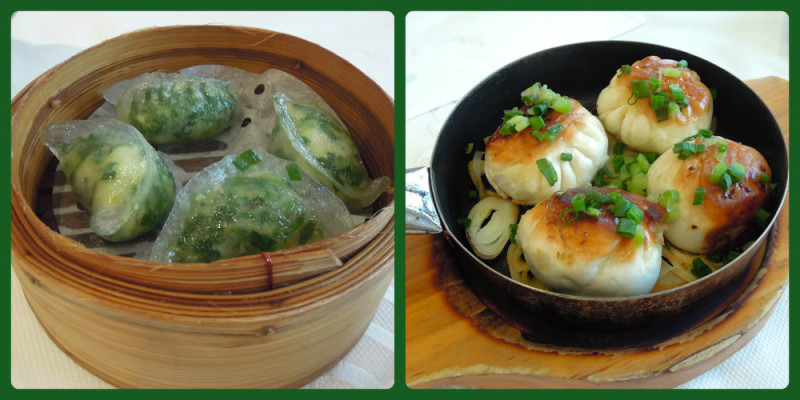
"caption": "Serenade’s shrimp and chive dumpling and pan-fried pork buns. ",
"description": null,
"title": "Serenade’s shrimp and chive dumpling and pan-fried pork buns.",
"credit": "Anna Mindess",
"status": "inherit",
"isLoading": false,
"fetchFailed": false
},
"bayareabites_96309": {
"type": "attachments",
"id": "bayareabites_96309",
"meta": {
"index": "attachments_1716263798",
"site": "bayareabites",
"id": "96309",
"found": true
},
"parent": 96307,
"imgSizes": {
"twentyfourteen-full-width": {
"file": "https://ww2.kqed.org/app/uploads/sites/24/2015/05/kombu2-1038x576.jpg",
"width": 1038,
"mimeType": "image/jpeg",
"height": 576
},
"thumbnail": {
"file": "https://ww2.kqed.org/app/uploads/sites/24/2015/05/kombu2-400x300.jpg",
"width": 400,
"mimeType": "image/jpeg",
"height": 300
},
"fd-sm": {
"file": "https://ww2.kqed.org/app/uploads/sites/24/2015/05/kombu2-960x720.jpg",
"width": 960,
"mimeType": "image/jpeg",
"height": 720
},
"post-thumbnail": {
"file": "https://ww2.kqed.org/app/uploads/sites/24/2015/05/kombu2-672x372.jpg",
"width": 672,
"mimeType": "image/jpeg",
"height": 372
},
"kqedFullSize": {
"file": "https://ww2.kqed.org/app/uploads/sites/24/2015/05/kombu2.jpg",
"width": 1920,
"height": 1440
},
"large": {
"file": "https://ww2.kqed.org/app/uploads/sites/24/2015/05/kombu2-1440x1080.jpg",
"width": 1440,
"mimeType": "image/jpeg",
"height": 1080
},
"guest-author-96": {
"file": "https://ww2.kqed.org/app/uploads/sites/24/2015/05/kombu2-96x96.jpg",
"width": 96,
"mimeType": "image/jpeg",
"height": 96
},
"medium": {
"file": "https://ww2.kqed.org/app/uploads/sites/24/2015/05/kombu2-800x600.jpg",
"width": 800,
"mimeType": "image/jpeg",
"height": 600
},
"guest-author-64": {
"file": "https://ww2.kqed.org/app/uploads/sites/24/2015/05/kombu2-64x64.jpg",
"width": 64,
"mimeType": "image/jpeg",
"height": 64
},
"guest-author-32": {
"file": "https://ww2.kqed.org/app/uploads/sites/24/2015/05/kombu2-32x32.jpg",
"width": 32,
"mimeType": "image/jpeg",
"height": 32
},
"cat_post_thumb_sizecategory-posts-2": {
"file": "https://ww2.kqed.org/app/uploads/sites/24/2015/05/kombu2-150x150.jpg",
"width": 150,
"mimeType": "image/jpeg",
"height": 150
},
"fd-med": {
"file": "https://ww2.kqed.org/app/uploads/sites/24/2015/05/kombu2-1180x885.jpg",
"width": 1180,
"mimeType": "image/jpeg",
"height": 885
},
"detail": {
"file": "https://ww2.kqed.org/app/uploads/sites/24/2015/05/kombu2-75x75.jpg",
"width": 75,
"mimeType": "image/jpeg",
"height": 75
},
"guest-author-128": {
"file": "https://ww2.kqed.org/app/uploads/sites/24/2015/05/kombu2-128x128.jpg",
"width": 128,
"mimeType": "image/jpeg",
"height": 128
}
},
"publishDate": 1432170579,
"modified": 1432248486,
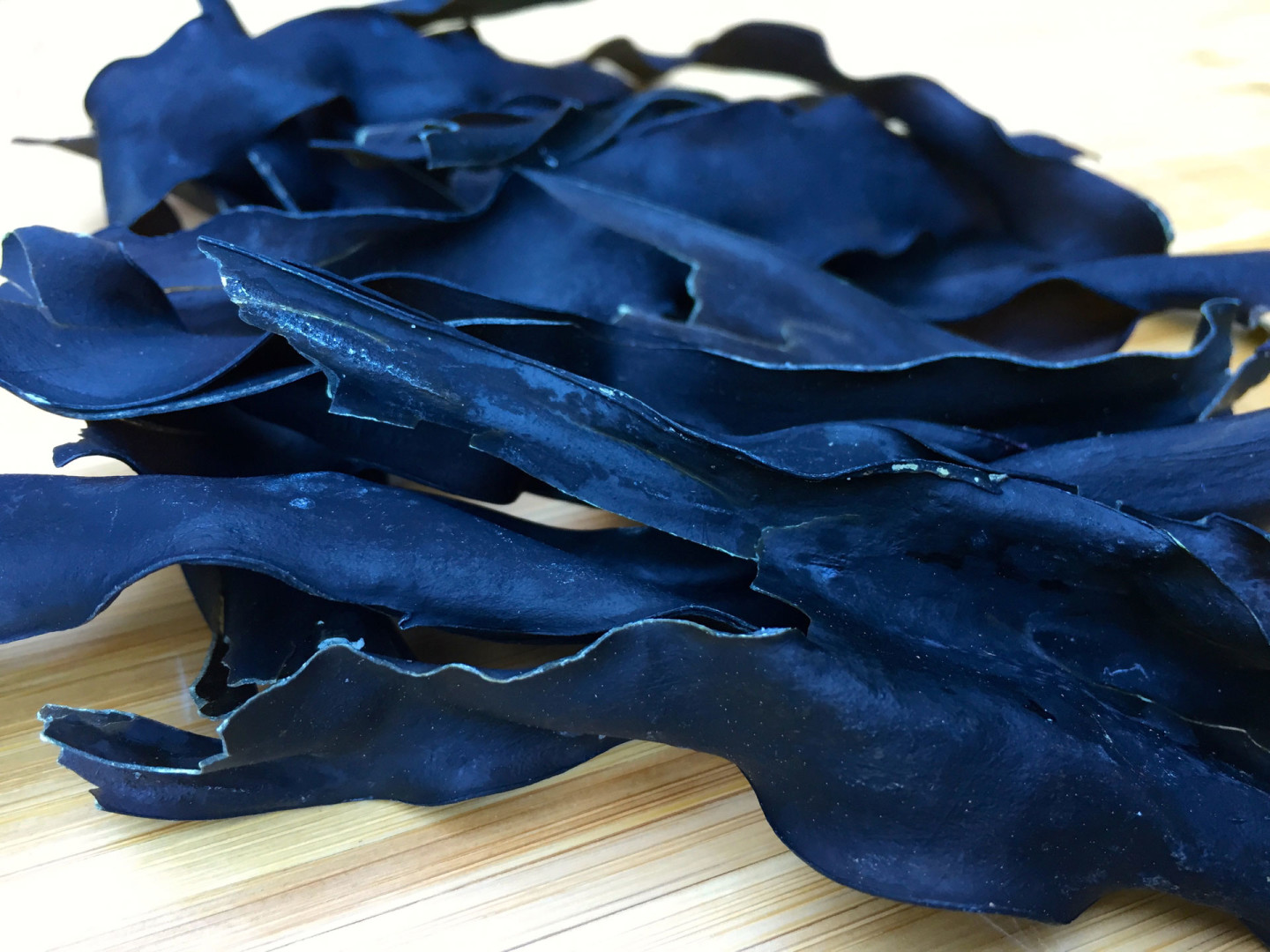
"caption": "Dried kombu, hand-harvested in Mendocino Country",
"description": null,
"title": "kombu2",
"credit": "Lisa Landers",
"status": "inherit",
"isLoading": false,
"fetchFailed": false
},
"bayareabites_96189": {
"type": "attachments",
"id": "bayareabites_96189",
"meta": {
"index": "attachments_1716263798",
"site": "bayareabites",
"id": "96189",
"found": true
},
"parent": 96187,
"imgSizes": {
"thumbnail": {
"file": "https://ww2.kqed.org/app/uploads/sites/24/2015/05/RT2U1xQ7shZs-GjaUPR-ZFemHQqo4RBIsfQDOOEEFUU5bhmxyqcgNSB-8w99WZDTSsudeg3cXikClO_viH9AMs-400x267.jpeg",
"width": 400,
"mimeType": "image/jpeg",
"height": 267
},
"post-thumbnail": {
"file": "https://ww2.kqed.org/app/uploads/sites/24/2015/05/RT2U1xQ7shZs-GjaUPR-ZFemHQqo4RBIsfQDOOEEFUU5bhmxyqcgNSB-8w99WZDTSsudeg3cXikClO_viH9AMs-672x372.jpeg",
"width": 672,
"mimeType": "image/jpeg",
"height": 372
},
"kqedFullSize": {
"file": "https://ww2.kqed.org/app/uploads/sites/24/2015/05/RT2U1xQ7shZs-GjaUPR-ZFemHQqo4RBIsfQDOOEEFUU5bhmxyqcgNSB-8w99WZDTSsudeg3cXikClO_viH9AMs.jpeg",
"width": 800,
"height": 533
},
"cat_post_thumb_sizecategory-posts-2": {
"file": "https://ww2.kqed.org/app/uploads/sites/24/2015/05/RT2U1xQ7shZs-GjaUPR-ZFemHQqo4RBIsfQDOOEEFUU5bhmxyqcgNSB-8w99WZDTSsudeg3cXikClO_viH9AMs-150x150.jpeg",
"width": 150,
"mimeType": "image/jpeg",
"height": 150
},
"guest-author-96": {
"file": "https://ww2.kqed.org/app/uploads/sites/24/2015/05/RT2U1xQ7shZs-GjaUPR-ZFemHQqo4RBIsfQDOOEEFUU5bhmxyqcgNSB-8w99WZDTSsudeg3cXikClO_viH9AMs-96x96.jpeg",
"width": 96,
"mimeType": "image/jpeg",
"height": 96
},
"medium": {
"file": "https://ww2.kqed.org/app/uploads/sites/24/2015/05/RT2U1xQ7shZs-GjaUPR-ZFemHQqo4RBIsfQDOOEEFUU5bhmxyqcgNSB-8w99WZDTSsudeg3cXikClO_viH9AMs-800x533.jpeg",
"width": 800,
"mimeType": "image/jpeg",
"height": 533
},
"guest-author-64": {
"file": "https://ww2.kqed.org/app/uploads/sites/24/2015/05/RT2U1xQ7shZs-GjaUPR-ZFemHQqo4RBIsfQDOOEEFUU5bhmxyqcgNSB-8w99WZDTSsudeg3cXikClO_viH9AMs-64x64.jpeg",
"width": 64,
"mimeType": "image/jpeg",
"height": 64
},
"detail": {
"file": "https://ww2.kqed.org/app/uploads/sites/24/2015/05/RT2U1xQ7shZs-GjaUPR-ZFemHQqo4RBIsfQDOOEEFUU5bhmxyqcgNSB-8w99WZDTSsudeg3cXikClO_viH9AMs-75x75.jpeg",
"width": 75,
"mimeType": "image/jpeg",
"height": 75
},
"guest-author-32": {
"file": "https://ww2.kqed.org/app/uploads/sites/24/2015/05/RT2U1xQ7shZs-GjaUPR-ZFemHQqo4RBIsfQDOOEEFUU5bhmxyqcgNSB-8w99WZDTSsudeg3cXikClO_viH9AMs-32x32.jpeg",
"width": 32,
"mimeType": "image/jpeg",
"height": 32
},
"guest-author-128": {
"file": "https://ww2.kqed.org/app/uploads/sites/24/2015/05/RT2U1xQ7shZs-GjaUPR-ZFemHQqo4RBIsfQDOOEEFUU5bhmxyqcgNSB-8w99WZDTSsudeg3cXikClO_viH9AMs-128x128.jpeg",
"width": 128,
"mimeType": "image/jpeg",
"height": 128
}
},
"publishDate": 1431712001,
"modified": 1431712028,
"caption": null,
"description": null,
"title": "RT2U1xQ7shZs-GjaUPR-ZFemHQqo4RBIsfQDOOEEFUU5bhmxyqcgNSB-8w99WZDTSsudeg3cXikClO_viH9AMs",
"credit": "Alison Yin",
"status": "inherit",
"isLoading": false,
"fetchFailed": false
},
"bayareabites_95997": {
"type": "attachments",
"id": "bayareabites_95997",
"meta": {
"index": "attachments_1716263798",
"site": "bayareabites",
"id": "95997",
"found": true
},
"parent": 95996,
"imgSizes": {
"thumbnail": {
"file": "https://ww2.kqed.org/app/uploads/sites/24/2015/05/chiang_postpartum_food_6_v2-400x300.jpeg",
"width": 400,
"mimeType": "image/jpeg",
"height": 300
},
"post-thumbnail": {
"file": "https://ww2.kqed.org/app/uploads/sites/24/2015/05/chiang_postpartum_food_6_v2-640x372.jpeg",
"width": 640,
"mimeType": "image/jpeg",
"height": 372
},
"kqedFullSize": {
"file": "https://ww2.kqed.org/app/uploads/sites/24/2015/05/chiang_postpartum_food_6_v2.jpeg",
"width": 640,
"height": 480
},
"cat_post_thumb_sizecategory-posts-2": {
"file": "https://ww2.kqed.org/app/uploads/sites/24/2015/05/chiang_postpartum_food_6_v2-150x150.jpeg",
"width": 150,
"mimeType": "image/jpeg",
"height": 150
},
"guest-author-96": {
"file": "https://ww2.kqed.org/app/uploads/sites/24/2015/05/chiang_postpartum_food_6_v2-96x96.jpeg",
"width": 96,
"mimeType": "image/jpeg",
"height": 96
},
"guest-author-64": {
"file": "https://ww2.kqed.org/app/uploads/sites/24/2015/05/chiang_postpartum_food_6_v2-64x64.jpeg",
"width": 64,
"mimeType": "image/jpeg",
"height": 64
},
"detail": {
"file": "https://ww2.kqed.org/app/uploads/sites/24/2015/05/chiang_postpartum_food_6_v2-75x75.jpeg",
"width": 75,
"mimeType": "image/jpeg",
"height": 75
},
"guest-author-32": {
"file": "https://ww2.kqed.org/app/uploads/sites/24/2015/05/chiang_postpartum_food_6_v2-32x32.jpeg",
"width": 32,
"mimeType": "image/jpeg",
"height": 32
},
"guest-author-128": {
"file": "https://ww2.kqed.org/app/uploads/sites/24/2015/05/chiang_postpartum_food_6_v2-128x128.jpeg",
"width": 128,
"mimeType": "image/jpeg",
"height": 128
}
},
"publishDate": 1431191180,
"modified": 1431191213,
"caption": "Sharline Chiang",
"description": "Sharline Chiang",
"title": "Sharline Chiang",
"credit": null,
"status": "inherit",
"isLoading": false,
"fetchFailed": false
},
"bayareabites_95915": {
"type": "attachments",
"id": "bayareabites_95915",
"meta": {
"index": "attachments_1716263798",
"site": "bayareabites",
"id": "95915",
"found": true
},
"parent": 95914,
"imgSizes": {
"twentyfourteen-full-width": {
"file": "https://ww2.kqed.org/app/uploads/sites/24/2015/05/DSC_0296-1038x576.jpg",
"width": 1038,
"mimeType": "image/jpeg",
"height": 576
},
"thumbnail": {
"file": "https://ww2.kqed.org/app/uploads/sites/24/2015/05/DSC_0296-400x267.jpg",
"width": 400,
"mimeType": "image/jpeg",
"height": 267
},
"fd-sm": {
"file": "https://ww2.kqed.org/app/uploads/sites/24/2015/05/DSC_0296-960x640.jpg",
"width": 960,
"mimeType": "image/jpeg",
"height": 640
},
"post-thumbnail": {
"file": "https://ww2.kqed.org/app/uploads/sites/24/2015/05/DSC_0296-672x372.jpg",
"width": 672,
"mimeType": "image/jpeg",
"height": 372
},
"kqedFullSize": {
"file": "https://ww2.kqed.org/app/uploads/sites/24/2015/05/DSC_0296.jpg",
"width": 1920,
"height": 1280
},
"large": {
"file": "https://ww2.kqed.org/app/uploads/sites/24/2015/05/DSC_0296-1440x960.jpg",
"width": 1440,
"mimeType": "image/jpeg",
"height": 960
},
"guest-author-96": {
"file": "https://ww2.kqed.org/app/uploads/sites/24/2015/05/DSC_0296-96x96.jpg",
"width": 96,
"mimeType": "image/jpeg",
"height": 96
},
"medium": {
"file": "https://ww2.kqed.org/app/uploads/sites/24/2015/05/DSC_0296-800x533.jpg",
"width": 800,
"mimeType": "image/jpeg",
"height": 533
},
"guest-author-64": {
"file": "https://ww2.kqed.org/app/uploads/sites/24/2015/05/DSC_0296-64x64.jpg",
"width": 64,
"mimeType": "image/jpeg",
"height": 64
},
"guest-author-32": {
"file": "https://ww2.kqed.org/app/uploads/sites/24/2015/05/DSC_0296-32x32.jpg",
"width": 32,
"mimeType": "image/jpeg",
"height": 32
},
"cat_post_thumb_sizecategory-posts-2": {
"file": "https://ww2.kqed.org/app/uploads/sites/24/2015/05/DSC_0296-150x150.jpg",
"width": 150,
"mimeType": "image/jpeg",
"height": 150
},
"fd-med": {
"file": "https://ww2.kqed.org/app/uploads/sites/24/2015/05/DSC_0296-1180x787.jpg",
"width": 1180,
"mimeType": "image/jpeg",
"height": 787
},
"detail": {
"file": "https://ww2.kqed.org/app/uploads/sites/24/2015/05/DSC_0296-75x75.jpg",
"width": 75,
"mimeType": "image/jpeg",
"height": 75
},
"guest-author-128": {
"file": "https://ww2.kqed.org/app/uploads/sites/24/2015/05/DSC_0296-128x128.jpg",
"width": 128,
"mimeType": "image/jpeg",
"height": 128
}
},
"publishDate": 1431052477,
"modified": 1431114858,
"caption": "Umami Mart owners Kayoko Akabori (left) and Yoko Kumano (right) with some of their new beers. ",
"description": "Umami Mart owners Kayoko Akabori (left) and Yoko Kumano (right) with some of their new beers. ",
"title": "DSC_0296",
"credit": "Shelby Pope",
"status": "inherit",
"isLoading": false,
"fetchFailed": false
},
"bayareabites_95625": {
"type": "attachments",
"id": "bayareabites_95625",
"meta": {
"index": "attachments_1716263798",
"site": "bayareabites",
"id": "95625",
"found": true
},
"parent": 95619,
"imgSizes": {
"twentyfourteen-full-width": {
"file": "https://ww2.kqed.org/app/uploads/sites/24/2015/04/1004-group1920-1038x576.jpg",
"width": 1038,
"mimeType": "image/jpeg",
"height": 576
},
"thumbnail": {
"file": "https://ww2.kqed.org/app/uploads/sites/24/2015/04/1004-group1920-400x267.jpg",
"width": 400,
"mimeType": "image/jpeg",
"height": 267
},
"fd-sm": {
"file": "https://ww2.kqed.org/app/uploads/sites/24/2015/04/1004-group1920-960x640.jpg",
"width": 960,
"mimeType": "image/jpeg",
"height": 640
},
"post-thumbnail": {
"file": "https://ww2.kqed.org/app/uploads/sites/24/2015/04/1004-group1920-672x372.jpg",
"width": 672,
"mimeType": "image/jpeg",
"height": 372
},
"kqedFullSize": {
"file": "https://ww2.kqed.org/app/uploads/sites/24/2015/04/1004-group1920.jpg",
"width": 1920,
"height": 1280
},
"large": {
"file": "https://ww2.kqed.org/app/uploads/sites/24/2015/04/1004-group1920-1440x960.jpg",
"width": 1440,
"mimeType": "image/jpeg",
"height": 960
},
"guest-author-96": {
"file": "https://ww2.kqed.org/app/uploads/sites/24/2015/04/1004-group1920-96x96.jpg",
"width": 96,
"mimeType": "image/jpeg",
"height": 96
},
"medium": {
"file": "https://ww2.kqed.org/app/uploads/sites/24/2015/04/1004-group1920-800x533.jpg",
"width": 800,
"mimeType": "image/jpeg",
"height": 533
},
"guest-author-64": {
"file": "https://ww2.kqed.org/app/uploads/sites/24/2015/04/1004-group1920-64x64.jpg",
"width": 64,
"mimeType": "image/jpeg",
"height": 64
},
"guest-author-32": {
"file": "https://ww2.kqed.org/app/uploads/sites/24/2015/04/1004-group1920-32x32.jpg",
"width": 32,
"mimeType": "image/jpeg",
"height": 32
},
"cat_post_thumb_sizecategory-posts-2": {
"file": "https://ww2.kqed.org/app/uploads/sites/24/2015/04/1004-group1920-150x150.jpg",
"width": 150,
"mimeType": "image/jpeg",
"height": 150
},
"fd-med": {
"file": "https://ww2.kqed.org/app/uploads/sites/24/2015/04/1004-group1920-1180x787.jpg",
"width": 1180,
"mimeType": "image/jpeg",
"height": 787
},
"detail": {
"file": "https://ww2.kqed.org/app/uploads/sites/24/2015/04/1004-group1920-75x75.jpg",
"width": 75,
"mimeType": "image/jpeg",
"height": 75
},
"guest-author-128": {
"file": "https://ww2.kqed.org/app/uploads/sites/24/2015/04/1004-group1920-128x128.jpg",
"width": 128,
"mimeType": "image/jpeg",
"height": 128
}
},
"publishDate": 1430080717,
"modified": 1430080794,
"caption": "Check, Please! Bay Area host Leslie Sbrocco and guests on set for the fourth episode of Season 10. ",
"description": null,
"title": "Check, Please! Bay Area host Leslie Sbrocco and guests on set for the fourth episode of Season 10.",
"credit": "Wendy Goodfriend",
"status": "inherit",
"isLoading": false,
"fetchFailed": false
},
"bayareabites_95817": {
"type": "attachments",
"id": "bayareabites_95817",
"meta": {
"index": "attachments_1716263798",
"site": "bayareabites",
"id": "95817",
"found": true
},
"parent": 95810,
"imgSizes": {
"twentyfourteen-full-width": {
"file": "https://ww2.kqed.org/app/uploads/sites/24/2015/05/umeboshi-opt-1038x576.jpg",
"width": 1038,
"mimeType": "image/jpeg",
"height": 576
},
"thumbnail": {
"file": "https://ww2.kqed.org/app/uploads/sites/24/2015/05/umeboshi-opt-400x267.jpg",
"width": 400,
"mimeType": "image/jpeg",
"height": 267
},
"fd-sm": {
"file": "https://ww2.kqed.org/app/uploads/sites/24/2015/05/umeboshi-opt-960x640.jpg",
"width": 960,
"mimeType": "image/jpeg",
"height": 640
},
"post-thumbnail": {
"file": "https://ww2.kqed.org/app/uploads/sites/24/2015/05/umeboshi-opt-672x372.jpg",
"width": 672,
"mimeType": "image/jpeg",
"height": 372
},
"kqedFullSize": {
"file": "https://ww2.kqed.org/app/uploads/sites/24/2015/05/umeboshi-opt.jpg",
"width": 1273,
"height": 849
},
"guest-author-96": {
"file": "https://ww2.kqed.org/app/uploads/sites/24/2015/05/umeboshi-opt-96x96.jpg",
"width": 96,
"mimeType": "image/jpeg",
"height": 96
},
"medium": {
"file": "https://ww2.kqed.org/app/uploads/sites/24/2015/05/umeboshi-opt-800x534.jpg",
"width": 800,
"mimeType": "image/jpeg",
"height": 534
},
"guest-author-64": {
"file": "https://ww2.kqed.org/app/uploads/sites/24/2015/05/umeboshi-opt-64x64.jpg",
"width": 64,
"mimeType": "image/jpeg",
"height": 64
},
"guest-author-32": {
"file": "https://ww2.kqed.org/app/uploads/sites/24/2015/05/umeboshi-opt-32x32.jpg",
"width": 32,
"mimeType": "image/jpeg",
"height": 32
},
"cat_post_thumb_sizecategory-posts-2": {
"file": "https://ww2.kqed.org/app/uploads/sites/24/2015/05/umeboshi-opt-150x150.jpg",
"width": 150,
"mimeType": "image/jpeg",
"height": 150
},
"fd-med": {
"file": "https://ww2.kqed.org/app/uploads/sites/24/2015/05/umeboshi-opt-1180x787.jpg",
"width": 1180,
"mimeType": "image/jpeg",
"height": 787
},
"detail": {
"file": "https://ww2.kqed.org/app/uploads/sites/24/2015/05/umeboshi-opt-75x75.jpg",
"width": 75,
"mimeType": "image/jpeg",
"height": 75
},
"guest-author-128": {
"file": "https://ww2.kqed.org/app/uploads/sites/24/2015/05/umeboshi-opt-128x128.jpg",
"width": 128,
"mimeType": "image/jpeg",
"height": 128
}
},
"publishDate": 1430521059,
"modified": 1430521875,
"caption": "Umeboshi, packed in jars for shipment.",
"description": "Umeboshi, packed in jars for shipment",
"title": "umeboshi-opt",
"credit": "Kim Westerman",
"status": "inherit",
"isLoading": false,
"fetchFailed": false
},
"bayareabites_95615": {
"type": "attachments",
"id": "bayareabites_95615",
"meta": {
"index": "attachments_1716263798",
"site": "bayareabites",
"id": "95615",
"found": true
},
"parent": 95612,
"imgSizes": {
"twentyfourteen-full-width": {
"file": "https://ww2.kqed.org/app/uploads/sites/24/2015/04/1003group1920-1038x576.jpg",
"width": 1038,
"mimeType": "image/jpeg",
"height": 576
},
"thumbnail": {
"file": "https://ww2.kqed.org/app/uploads/sites/24/2015/04/1003group1920-400x267.jpg",
"width": 400,
"mimeType": "image/jpeg",
"height": 267
},
"fd-sm": {
"file": "https://ww2.kqed.org/app/uploads/sites/24/2015/04/1003group1920-960x640.jpg",
"width": 960,
"mimeType": "image/jpeg",
"height": 640
},
"post-thumbnail": {
"file": "https://ww2.kqed.org/app/uploads/sites/24/2015/04/1003group1920-672x372.jpg",
"width": 672,
"mimeType": "image/jpeg",
"height": 372
},
"kqedFullSize": {
"file": "https://ww2.kqed.org/app/uploads/sites/24/2015/04/1003group1920.jpg",
"width": 1920,
"height": 1280
},
"large": {
"file": "https://ww2.kqed.org/app/uploads/sites/24/2015/04/1003group1920-1440x960.jpg",
"width": 1440,
"mimeType": "image/jpeg",
"height": 960
},
"guest-author-96": {
"file": "https://ww2.kqed.org/app/uploads/sites/24/2015/04/1003group1920-96x96.jpg",
"width": 96,
"mimeType": "image/jpeg",
"height": 96
},
"medium": {
"file": "https://ww2.kqed.org/app/uploads/sites/24/2015/04/1003group1920-800x533.jpg",
"width": 800,
"mimeType": "image/jpeg",
"height": 533
},
"guest-author-64": {
"file": "https://ww2.kqed.org/app/uploads/sites/24/2015/04/1003group1920-64x64.jpg",
"width": 64,
"mimeType": "image/jpeg",
"height": 64
},
"guest-author-32": {
"file": "https://ww2.kqed.org/app/uploads/sites/24/2015/04/1003group1920-32x32.jpg",
"width": 32,
"mimeType": "image/jpeg",
"height": 32
},
"cat_post_thumb_sizecategory-posts-2": {
"file": "https://ww2.kqed.org/app/uploads/sites/24/2015/04/1003group1920-150x150.jpg",
"width": 150,
"mimeType": "image/jpeg",
"height": 150
},
"fd-med": {
"file": "https://ww2.kqed.org/app/uploads/sites/24/2015/04/1003group1920-1180x787.jpg",
"width": 1180,
"mimeType": "image/jpeg",
"height": 787
},
"detail": {
"file": "https://ww2.kqed.org/app/uploads/sites/24/2015/04/1003group1920-75x75.jpg",
"width": 75,
"mimeType": "image/jpeg",
"height": 75
},
"guest-author-128": {
"file": "https://ww2.kqed.org/app/uploads/sites/24/2015/04/1003group1920-128x128.jpg",
"width": 128,
"mimeType": "image/jpeg",
"height": 128
}
},
"publishDate": 1430079098,
"modified": 1430079132,
"caption": "Check, Please! Bay Area host Leslie Sbrocco and guests on set for the third episode of Season 10. ",
"description": null,
"title": "1003group1920",
"credit": "Wendy Goodfriend",
"status": "inherit",
"isLoading": false,
"fetchFailed": false
},
"bayareabites_95145": {
"type": "attachments",
"id": "bayareabites_95145",
"meta": {
"index": "attachments_1716263798",
"site": "bayareabites",
"id": "95145",
"found": true
},
"parent": 95133,
"imgSizes": {
"twentyfourteen-full-width": {
"file": "https://ww2.kqed.org/app/uploads/sites/24/2015/04/ba-le-grilled-chicken1920-1038x576.jpg",
"width": 1038,
"mimeType": "image/jpeg",
"height": 576
},
"thumbnail": {
"file": "https://ww2.kqed.org/app/uploads/sites/24/2015/04/ba-le-grilled-chicken1920-400x267.jpg",
"width": 400,
"mimeType": "image/jpeg",
"height": 267
},
"fd-sm": {
"file": "https://ww2.kqed.org/app/uploads/sites/24/2015/04/ba-le-grilled-chicken1920-320x213.jpg",
"width": 320,
"mimeType": "image/jpeg",
"height": 213
},
"post-thumbnail": {
"file": "https://ww2.kqed.org/app/uploads/sites/24/2015/04/ba-le-grilled-chicken1920-672x372.jpg",
"width": 672,
"mimeType": "image/jpeg",
"height": 372
},
"kqedFullSize": {
"file": "https://ww2.kqed.org/app/uploads/sites/24/2015/04/ba-le-grilled-chicken1920.jpg",
"width": 1920,
"height": 1280
},
"large": {
"file": "https://ww2.kqed.org/app/uploads/sites/24/2015/04/ba-le-grilled-chicken1920-1440x960.jpg",
"width": 1440,
"mimeType": "image/jpeg",
"height": 960
},
"guest-author-96": {
"file": "https://ww2.kqed.org/app/uploads/sites/24/2015/04/ba-le-grilled-chicken1920-96x96.jpg",
"width": 96,
"mimeType": "image/jpeg",
"height": 96
},
"medium": {
"file": "https://ww2.kqed.org/app/uploads/sites/24/2015/04/ba-le-grilled-chicken1920-800x533.jpg",
"width": 800,
"mimeType": "image/jpeg",
"height": 533
},
"guest-author-64": {
"file": "https://ww2.kqed.org/app/uploads/sites/24/2015/04/ba-le-grilled-chicken1920-64x64.jpg",
"width": 64,
"mimeType": "image/jpeg",
"height": 64
},
"guest-author-32": {
"file": "https://ww2.kqed.org/app/uploads/sites/24/2015/04/ba-le-grilled-chicken1920-32x32.jpg",
"width": 32,
"mimeType": "image/jpeg",
"height": 32
},
"cat_post_thumb_sizecategory-posts-2": {
"file": "https://ww2.kqed.org/app/uploads/sites/24/2015/04/ba-le-grilled-chicken1920-150x150.jpg",
"width": 150,
"mimeType": "image/jpeg",
"height": 150
},
"fd-lrg": {
"file": "https://ww2.kqed.org/app/uploads/sites/24/2015/04/ba-le-grilled-chicken1920-1180x787.jpg",
"width": 1180,
"mimeType": "image/jpeg",
"height": 787
},
"fd-med": {
"file": "https://ww2.kqed.org/app/uploads/sites/24/2015/04/ba-le-grilled-chicken1920-768x512.jpg",
"width": 768,
"mimeType": "image/jpeg",
"height": 512
},
"detail": {
"file": "https://ww2.kqed.org/app/uploads/sites/24/2015/04/ba-le-grilled-chicken1920-75x75.jpg",
"width": 75,
"mimeType": "image/jpeg",
"height": 75
},
"guest-author-128": {
"file": "https://ww2.kqed.org/app/uploads/sites/24/2015/04/ba-le-grilled-chicken1920-128x128.jpg",
"width": 128,
"mimeType": "image/jpeg",
"height": 128
}
},
"publishDate": 1429146499,
"modified": 1429146661,
"caption": "Ba Le grilled chicken banh mi",
"description": null,
"title": "ba-le-grilled-chicken1920",
"credit": "Kim Westerman",
"status": "inherit",
"isLoading": false,
"fetchFailed": false
},
"bayareabites_95259": {
"type": "attachments",
"id": "bayareabites_95259",
"meta": {
"index": "attachments_1716263798",
"site": "bayareabites",
"id": "95259",
"found": true
},
"parent": 95258,
"imgSizes": {
"twentyfourteen-full-width": {
"file": "https://ww2.kqed.org/app/uploads/sites/24/2015/04/altteahouse-2_enl-5f9032f170d014c53d107cf63de9cce0b2bba7c6-1038x576.jpg",
"width": 1038,
"mimeType": "image/jpeg",
"height": 576
},
"thumbnail": {
"file": "https://ww2.kqed.org/app/uploads/sites/24/2015/04/altteahouse-2_enl-5f9032f170d014c53d107cf63de9cce0b2bba7c6-400x533.jpg",
"width": 400,
"mimeType": "image/jpeg",
"height": 533
},
"fd-sm": {
"file": "https://ww2.kqed.org/app/uploads/sites/24/2015/04/altteahouse-2_enl-5f9032f170d014c53d107cf63de9cce0b2bba7c6-320x427.jpg",
"width": 320,
"mimeType": "image/jpeg",
"height": 427
},
"post-thumbnail": {
"file": "https://ww2.kqed.org/app/uploads/sites/24/2015/04/altteahouse-2_enl-5f9032f170d014c53d107cf63de9cce0b2bba7c6-672x372.jpg",
"width": 672,
"mimeType": "image/jpeg",
"height": 372
},
"kqedFullSize": {
"file": "https://ww2.kqed.org/app/uploads/sites/24/2015/04/altteahouse-2_enl-5f9032f170d014c53d107cf63de9cce0b2bba7c6-e1429642930608.jpg",
"width": 1920,
"height": 2560
},
"large": {
"file": "https://ww2.kqed.org/app/uploads/sites/24/2015/04/altteahouse-2_enl-5f9032f170d014c53d107cf63de9cce0b2bba7c6-1440x1920.jpg",
"width": 1440,
"mimeType": "image/jpeg",
"height": 1920
},
"guest-author-96": {
"file": "https://ww2.kqed.org/app/uploads/sites/24/2015/04/altteahouse-2_enl-5f9032f170d014c53d107cf63de9cce0b2bba7c6-96x96.jpg",
"width": 96,
"mimeType": "image/jpeg",
"height": 96
},
"medium": {
"file": "https://ww2.kqed.org/app/uploads/sites/24/2015/04/altteahouse-2_enl-5f9032f170d014c53d107cf63de9cce0b2bba7c6-800x1067.jpg",
"width": 800,
"mimeType": "image/jpeg",
"height": 1067
},
"guest-author-64": {
"file": "https://ww2.kqed.org/app/uploads/sites/24/2015/04/altteahouse-2_enl-5f9032f170d014c53d107cf63de9cce0b2bba7c6-64x64.jpg",
"width": 64,
"mimeType": "image/jpeg",
"height": 64
},
"guest-author-32": {
"file": "https://ww2.kqed.org/app/uploads/sites/24/2015/04/altteahouse-2_enl-5f9032f170d014c53d107cf63de9cce0b2bba7c6-32x32.jpg",
"width": 32,
"mimeType": "image/jpeg",
"height": 32
},
"cat_post_thumb_sizecategory-posts-2": {
"file": "https://ww2.kqed.org/app/uploads/sites/24/2015/04/altteahouse-2_enl-5f9032f170d014c53d107cf63de9cce0b2bba7c6-150x150.jpg",
"width": 150,
"mimeType": "image/jpeg",
"height": 150
},
"fd-lrg": {
"file": "https://ww2.kqed.org/app/uploads/sites/24/2015/04/altteahouse-2_enl-5f9032f170d014c53d107cf63de9cce0b2bba7c6-1180x1573.jpg",
"width": 1180,
"mimeType": "image/jpeg",
"height": 1573
},
"fd-med": {
"file": "https://ww2.kqed.org/app/uploads/sites/24/2015/04/altteahouse-2_enl-5f9032f170d014c53d107cf63de9cce0b2bba7c6-768x1024.jpg",
"width": 768,
"mimeType": "image/jpeg",
"height": 1024
},
"detail": {
"file": "https://ww2.kqed.org/app/uploads/sites/24/2015/04/altteahouse-2_enl-5f9032f170d014c53d107cf63de9cce0b2bba7c6-75x75.jpg",
"width": 75,
"mimeType": "image/jpeg",
"height": 75
},
"guest-author-128": {
"file": "https://ww2.kqed.org/app/uploads/sites/24/2015/04/altteahouse-2_enl-5f9032f170d014c53d107cf63de9cce0b2bba7c6-128x128.jpg",
"width": 128,
"mimeType": "image/jpeg",
"height": 128
}
},
"publishDate": 1429642193,
"modified": 1429642924,
"caption": "You can get a cup of tea at Cuiyun Palace on the west peak of Mount Hua.",
"description": "You can get a cup of tea at Cuiyun Palace on the west peak of Mount Hua.",
"title": "You can get a cup of tea at Cuiyun Palace on the west peak of Mount Hua.",
"credit": "Courtesy of James Guo",
"status": "inherit",
"isLoading": false,
"fetchFailed": false
},
"bayareabites_94838": {
"type": "attachments",
"id": "bayareabites_94838",
"meta": {
"index": "attachments_1716263798",
"site": "bayareabites",
"id": "94838",
"found": true
},
"parent": 94724,
"imgSizes": {
"twentyfourteen-full-width": {
"file": "https://ww2.kqed.org/app/uploads/sites/24/2015/04/ChaatParasdiseThali-1038x576.jpg",
"width": 1038,
"mimeType": "image/jpeg",
"height": 576
},
"thumbnail": {
"file": "https://ww2.kqed.org/app/uploads/sites/24/2015/04/ChaatParasdiseThali-400x267.jpg",
"width": 400,
"mimeType": "image/jpeg",
"height": 267
},
"fd-sm": {
"file": "https://ww2.kqed.org/app/uploads/sites/24/2015/04/ChaatParasdiseThali-320x213.jpg",
"width": 320,
"mimeType": "image/jpeg",
"height": 213
},
"post-thumbnail": {
"file": "https://ww2.kqed.org/app/uploads/sites/24/2015/04/ChaatParasdiseThali-672x372.jpg",
"width": 672,
"mimeType": "image/jpeg",
"height": 372
},
"kqedFullSize": {
"file": "https://ww2.kqed.org/app/uploads/sites/24/2015/04/ChaatParasdiseThali.jpg",
"width": 1920,
"height": 1280
},
"large": {
"file": "https://ww2.kqed.org/app/uploads/sites/24/2015/04/ChaatParasdiseThali-1440x960.jpg",
"width": 1440,
"mimeType": "image/jpeg",
"height": 960
},
"guest-author-96": {
"file": "https://ww2.kqed.org/app/uploads/sites/24/2015/04/ChaatParasdiseThali-96x96.jpg",
"width": 96,
"mimeType": "image/jpeg",
"height": 96
},
"medium": {
"file": "https://ww2.kqed.org/app/uploads/sites/24/2015/04/ChaatParasdiseThali-800x533.jpg",
"width": 800,
"mimeType": "image/jpeg",
"height": 533
},
"guest-author-64": {
"file": "https://ww2.kqed.org/app/uploads/sites/24/2015/04/ChaatParasdiseThali-64x64.jpg",
"width": 64,
"mimeType": "image/jpeg",
"height": 64
},
"guest-author-32": {
"file": "https://ww2.kqed.org/app/uploads/sites/24/2015/04/ChaatParasdiseThali-32x32.jpg",
"width": 32,
"mimeType": "image/jpeg",
"height": 32
},
"cat_post_thumb_sizecategory-posts-2": {
"file": "https://ww2.kqed.org/app/uploads/sites/24/2015/04/ChaatParasdiseThali-150x150.jpg",
"width": 150,
"mimeType": "image/jpeg",
"height": 150
},
"fd-lrg": {
"file": "https://ww2.kqed.org/app/uploads/sites/24/2015/04/ChaatParasdiseThali-1180x787.jpg",
"width": 1180,
"mimeType": "image/jpeg",
"height": 787
},
"fd-med": {
"file": "https://ww2.kqed.org/app/uploads/sites/24/2015/04/ChaatParasdiseThali-768x512.jpg",
"width": 768,
"mimeType": "image/jpeg",
"height": 512
},
"detail": {
"file": "https://ww2.kqed.org/app/uploads/sites/24/2015/04/ChaatParasdiseThali-75x75.jpg",
"width": 75,
"mimeType": "image/jpeg",
"height": 75
},
"guest-author-128": {
"file": "https://ww2.kqed.org/app/uploads/sites/24/2015/04/ChaatParasdiseThali-128x128.jpg",
"width": 128,
"mimeType": "image/jpeg",
"height": 128
}
},
"publishDate": 1428538827,
"modified": 1429128537,
"caption": "The thali platter at Chaat Paradise in Mountain View. ",
"description": null,
"title": "The thali platter at Chaat Paradise in Mountain View.",
"credit": "Jeff Cianci",
"status": "inherit",
"isLoading": false,
"fetchFailed": false
}
},
"audioPlayerReducer": {
"postId": "stream_live",
"isPaused": true,
"isPlaying": false,
"pfsActive": false,
"pledgeModalIsOpen": true,
"playerDrawerIsOpen": false,
"liveAudioPlayStartedAt": 0,
"liveAudioPlayContext": ""
},
"authorsReducer": {
"byline_bayareabites_97280": {
"type": "authors",
"id": "byline_bayareabites_97280",
"meta": {
"override": true
},
"slug": "byline_bayareabites_97280",
"name": "Layla Eplett, \u003ca href=\"http://ww2.kqed.org/bayareabites/author/nprfood/\">NPR Food\u003c/a> ",
"isLoading": false
},
"byline_bayareabites_96187": {
"type": "authors",
"id": "byline_bayareabites_96187",
"meta": {
"override": true
},
"slug": "byline_bayareabites_96187",
"name": "Grace Hwang Lynch, \u003ca href=\"http://ww2.kqed.org/bayareabites/author/caamedia/\">CAAM\u003c/a>",
"isLoading": false
},
"byline_bayareabites_95996": {
"type": "authors",
"id": "byline_bayareabites_95996",
"meta": {
"override": true
},
"slug": "byline_bayareabites_95996",
"name": "Sharline Chiang, \u003ca href=\"http://ww2.kqed.org/bayareabites/author/caamedia/\">CAAM\u003c/a>",
"isLoading": false
},
"byline_bayareabites_95258": {
"type": "authors",
"id": "byline_bayareabites_95258",
"meta": {
"override": true
},
"slug": "byline_bayareabites_95258",
"name": "Laurel Dalrymple, \u003ca href=\"http://ww2.kqed.org/bayareabites/author/nprfood/\">NPR Food\u003c/a>",
"isLoading": false
},
"wendy-goodfriend": {
"type": "authors",
"id": "5014",
"meta": {
"index": "authors_1716337520",
"id": "5014",
"found": true
},
"name": "Wendy Goodfriend",
"firstName": "Wendy",
"lastName": "Goodfriend",
"slug": "wendy-goodfriend",
"email": "wendy@wendygoodfriend.com",
"display_author_email": false,
"staff_mastheads": [],
"title": "KQED Contributor",
"bio": "I was the Senior Digital Producer for KQED Food up until July, 2018. Since 2001, I designed, produced, managed and contributed to mostly food-related websites and blogs for KQED including: KQED.org; KQED Food; Bay Area Bites; Check, Please! Bay Area; Taste This; Celebrity Chefs; seven of Jacques Pepin's TV series websites; and Joanne Weir's Cooking in the City. I initiated the majority of KQED Food's social media feeds and maintained them up until 2017. As far as content creation, photography is my passion and I also shoot video and write stories. My photos have been used in articles for KQED Food, News, Arts, and Science as well as for promotional purposes in print and online. Professional education and training includes: clinical psychology, photography, commercial cooking, web design, information architecture and UX.",
"avatar": "https://secure.gravatar.com/avatar/dfba64372339cc34cf17e446e6f18fa8?s=600&d=blank&r=g",
"twitter": null,
"facebook": "bayareabites",
"instagram": null,
"linkedin": "wendygoodfriend",
"sites": [
{
"site": "jpepinheart",
"roles": []
},
{
"site": "about",
"roles": [
"editor"
]
},
{
"site": "bayareabites",
"roles": [
"subscriber"
]
},
{
"site": "science",
"roles": [
"administrator"
]
},
{
"site": "checkplease",
"roles": [
"subscriber"
]
},
{
"site": "food",
"roles": [
"author"
]
},
{
"site": "essentialpepin",
"roles": [
"administrator"
]
}
],
"headData": {
"title": "Wendy Goodfriend | KQED",
"description": "KQED Contributor",
"ogImgSrc": "https://secure.gravatar.com/avatar/dfba64372339cc34cf17e446e6f18fa8?s=600&d=blank&r=g",
"twImgSrc": "https://secure.gravatar.com/avatar/dfba64372339cc34cf17e446e6f18fa8?s=600&d=blank&r=g"
},
"isLoading": false,
"link": "/author/wendy-goodfriend"
},
"annamindess": {
"type": "authors",
"id": "5283",
"meta": {
"index": "authors_1716337520",
"id": "5283",
"found": true
},
"name": "Anna Mindess",
"firstName": "Anna",
"lastName": "Mindess",
"slug": "annamindess",
"email": "amindess@aol.com",
"display_author_email": false,
"staff_mastheads": [],
"title": "KQED Contributor",
"bio": "My passion is exploring the connections between food, travel and culture. I am a regular contributor to AFAR, Edible East Bay Magazine, Oakland Magazine, Berkeleyside's NOSH and other publications. I usually take a route that's slightly off the beaten path, like \u003ca href=\"http://edibleeastbay.com/online-magazine/fall-harvest-2017/fun-with-food-insults/\">collecting food-related insults\u003c/a> around the world or \u003ca href=\"https://www.afar.com/magazine/what-i-learned-hawking-sweet-potatoes-with-a-street-vendor-in-taiwan?email=amindess%40aol.com&utm_source=Sailthru&utm_medium=email&utm_campaign=Doctors%20Without%20Borders&utm_term=Daily%20Wander%20Newsletter\">volunteering with a Sweet Potato Mama\u003c/a> (street food seller) in Tapei.\r\n\r\nCulture is the thread that ties together my several careers. I also work as a sign language interpreter, educator and author. My study of Deaf culture has taken me around the world, where I am always on a quest to find Deaf-owned restaurants. I love making connections between my different worlds, for example in this AFAR story where I share \u003ca href=\"https://www.afar.com/magazine/tips-from-a-sign-language-interpreter-for-overcoming-language-barriers\">tips for communicating across cultures\u003c/a> that I learned from the real experts, Deaf people. Or this \u003ca href=\"http://edibleeastbay.com/online-magazine/fall-harvest-2017/deaf-chefs-compete/\">profile of a Deaf chef and culinary arts instructor\u003c/a> at the California School for the Deaf.\r\n\r\nTo see my visual/edible take on the world, follow me on Instagram: \u003ca href=\"https://www.instagram.com/annamindess/\">annamindess. \u003c/a>\r\n\r\nFor more of my stories: visit Contently \u003ca href=\"http://annamindess.contently.com\">annamindess.contently.com\u003c/a>",
"avatar": "https://secure.gravatar.com/avatar/23c79f04bf3d58b2e727d35ca471d184e8945f6ed82e41a0c062eab5e7dc2bb5?s=600&d=blank&r=g",
"twitter": null,
"bluesky": null,
"facebook": null,
"instagram": null,
"linkedin": null,
"sites": [
{
"site": "arts",
"roles": [
"subscriber"
]
},
{
"site": "bayareabites",
"roles": [
"author"
]
},
{
"site": "food",
"roles": [
"contributor"
]
}
],
"headData": {
"title": "Anna Mindess | KQED",
"description": "KQED Contributor",
"ogImgSrc": "https://secure.gravatar.com/avatar/23c79f04bf3d58b2e727d35ca471d184e8945f6ed82e41a0c062eab5e7dc2bb5?s=600&d=blank&r=g",
"twImgSrc": "https://secure.gravatar.com/avatar/23c79f04bf3d58b2e727d35ca471d184e8945f6ed82e41a0c062eab5e7dc2bb5?s=600&d=blank&r=g"
},
"isLoading": false,
"link": "/author/annamindess"
},
"lisalanders": {
"type": "authors",
"id": "5412",
"meta": {
"index": "authors_1716337520",
"id": "5412",
"found": true
},
"name": "Lisa Landers",
"firstName": "Lisa",
"lastName": "Landers",
"slug": "lisalanders",
"email": "llanders@KQED.org",
"display_author_email": false,
"staff_mastheads": [],
"title": "KQED Contributor",
"bio": "Lisa Landers is a producer and writer whose work includes documentaries, museum exhibitions, and educational multimedia. Her work has covered a diversity of subject matter including natural history, ecological and social issues, cultural exploration, food, music, and architecture. She’s developed and produced films for broadcasters such as National Geographic, Smithsonian Channel, and the Discovery Channel. Her work as an exhibition developer and multimedia producer has been featured at institutions including the American Museum of Natural History, the National Building Museum, and The Tech Museum. Her writing has also appeared in a wide variety of print and online publications.",
"avatar": "https://secure.gravatar.com/avatar/1e4aa08f6f0a92ea11a2779a453cb36d?s=600&d=blank&r=g",
"twitter": null,
"bluesky": null,
"facebook": null,
"instagram": null,
"linkedin": null,
"sites": [
{
"site": "bayareabites",
"roles": [
"contributor"
]
},
{
"site": "quest",
"roles": [
"leadcoordinator",
"edit_theme_options",
"subscriber"
]
},
{
"site": "food",
"roles": []
}
],
"headData": {
"title": "Lisa Landers | KQED",
"description": "KQED Contributor",
"ogImgSrc": "https://secure.gravatar.com/avatar/1e4aa08f6f0a92ea11a2779a453cb36d?s=600&d=blank&r=g",
"twImgSrc": "https://secure.gravatar.com/avatar/1e4aa08f6f0a92ea11a2779a453cb36d?s=600&d=blank&r=g"
},
"isLoading": false,
"link": "/author/lisalanders"
},
"shelbypope": {
"type": "authors",
"id": "5566",
"meta": {
"index": "authors_1716337520",
"id": "5566",
"found": true
},
"name": "Shelby Pope",
"firstName": "Shelby",
"lastName": "Pope",
"slug": "shelbypope",
"email": "shelbylpope@gmail.com",
"display_author_email": false,
"staff_mastheads": [],
"title": "KQED Contributor",
"bio": "Shelby Pope is a freelance writer living and eating her way through the East Bay. She’s written about food, art and science for publications including the Smithsonian, Lucky Peach, and the Washington Post's pet blog. When she’s not taste testing sourdough bread to find the Bay Area’s best loaf, you can find her on Twitter \u003ca href=\"https://twitter.com/shelbylpope\">@shelbylpope\u003c/a> or at \u003ca href=\"https://shelbypope.com/\">shelbypope.com\u003c/a>",
"avatar": "https://secure.gravatar.com/avatar/df74e904399e45720e48e36c6e1ae7a90c32216eb2c9c82f3b2e1a9641b507d3?s=600&d=blank&r=g",
"twitter": "shelbylpope",
"bluesky": null,
"facebook": null,
"instagram": null,
"linkedin": null,
"sites": [
{
"site": "arts",
"roles": [
"subscriber"
]
},
{
"site": "food",
"roles": [
"subscriber"
]
}
],
"headData": {
"title": "Shelby Pope | KQED",
"description": "KQED Contributor",
"ogImgSrc": "https://secure.gravatar.com/avatar/df74e904399e45720e48e36c6e1ae7a90c32216eb2c9c82f3b2e1a9641b507d3?s=600&d=blank&r=g",
"twImgSrc": "https://secure.gravatar.com/avatar/df74e904399e45720e48e36c6e1ae7a90c32216eb2c9c82f3b2e1a9641b507d3?s=600&d=blank&r=g"
},
"isLoading": false,
"link": "/author/shelbypope"
},
"kimwesterman": {
"type": "authors",
"id": "5575",
"meta": {
"index": "authors_1716337520",
"id": "5575",
"found": true
},
"name": "Kim Westerman",
"firstName": "Kim",
"lastName": "Westerman",
"slug": "kimwesterman",
"email": "kim.westerman@gmail.com",
"display_author_email": false,
"staff_mastheads": [],
"title": null,
"bio": "Kim Westerman has been writing about food and wine for most of her adult life. Originally from North Carolina, she moved to Berkeley in 2006 to pursue the California dream, which, it turns out, is all it’s cracked up to be. She’s a farmers' market junkie, a lover of all things tomato, and Champagne-obsessed. She loves to cook with her kids, eight and three, and she makes frequent pilgrimages to International Boulevard in search of her next favorite Mexican dish. She spends an inordinate amount of time thinking about food and wine pairing, often starting with the wine and working backwards when planning menus. She is a Level I Sommelier and a Licensed Q-Grader. Her work has appeared in KQED's Bay Area Bites, Forbes.com, the New York Times, the San Francisco Chronicle, Tasting Table, Fodor’s Travel Guides, and lots of other publications. You can follow Kim on Twitter and Instagram @throughtraveler.",
"avatar": "https://secure.gravatar.com/avatar/2eb7f890ab19ead33f77fd8554ac4c39?s=600&d=blank&r=g",
"twitter": null,
"facebook": null,
"instagram": null,
"linkedin": null,
"sites": [
{
"site": "bayareabites",
"roles": [
"contributor"
]
},
{
"site": "food",
"roles": [
"contributor"
]
}
],
"headData": {
"title": "Kim Westerman | KQED",
"description": null,
"ogImgSrc": "https://secure.gravatar.com/avatar/2eb7f890ab19ead33f77fd8554ac4c39?s=600&d=blank&r=g",
"twImgSrc": "https://secure.gravatar.com/avatar/2eb7f890ab19ead33f77fd8554ac4c39?s=600&d=blank&r=g"
},
"isLoading": false,
"link": "/author/kimwesterman"
},
"jeffcianci": {
"type": "authors",
"id": "5580",
"meta": {
"index": "authors_1716337520",
"id": "5580",
"found": true
},
"name": "Jeff Cianci",
"firstName": "Jeff",
"lastName": "Cianci",
"slug": "jeffcianci",
"email": "jcianci610@gmail.com",
"display_author_email": false,
"staff_mastheads": [],
"title": null,
"bio": "Jeff Cianci is a freelance food writer based in San Jose. While studying journalism in college, Jeff’s curiosity landed him at a busy California bistro where he experienced a crash course in culinary training over two summer breaks, learning on the job with a very patient chef as his mentor. Around the same time, Jeff married his journalism degree to his appreciation for the restaurant world and determined food writing would be his career path. In his work Jeff most enjoys profiling chefs and learning their background, finding a new favorite restaurant and sharing his experiences with others through his reviews and social media. In addition to KQED's Bay Area Bites, Jeff writes restaurant reviews for Metro Silicon Valley and new restaurant guides for Eater National. Follow Jeff on Twitter \u003ca href=\"https://twitter.com/Cheffreycianci\" target=_blank\">@Cheffreycianci\u003c/a>.",
"avatar": "https://secure.gravatar.com/avatar/153d8e37568b0912b46a21bfecf27feb?s=600&d=blank&r=g",
"twitter": null,
"facebook": null,
"instagram": null,
"linkedin": "jeffcianci",
"sites": [
{
"site": "bayareabites",
"roles": [
"contributor"
]
},
{
"site": "food",
"roles": [
"contributor"
]
}
],
"headData": {
"title": "Jeff Cianci | KQED",
"description": null,
"ogImgSrc": "https://secure.gravatar.com/avatar/153d8e37568b0912b46a21bfecf27feb?s=600&d=blank&r=g",
"twImgSrc": "https://secure.gravatar.com/avatar/153d8e37568b0912b46a21bfecf27feb?s=600&d=blank&r=g"
},
"isLoading": false,
"link": "/author/jeffcianci"
}
},
"pagesReducer": {
"bayareabites_category_asian-food-and-drink": {
"type": "terms",
"id": "bayareabites_2998",
"meta": {
"index": "terms_1716263798",
"site": "bayareabites",
"id": "2998",
"score": 13.895298
},
"featImg": null,
"name": "asian food and drink",
"description": null,
"taxonomy": "category",
"headData": {
"twImgId": null,
"twTitle": null,
"ogTitle": null,
"ogImgId": null,
"twDescription": null,
"description": null,
"title": "asian food and drink Archives | KQED Bay Area Bites",
"ogDescription": null
},
"ttid": 58,
"slug": "asian-food-and-drink",
"isLoading": false,
"title": "asian food and drink",
"pageMeta": {
"site": "bayareabites",
"WpPageTemplate": "page-topic-editorial",
"currentPage": 13
},
"blocks": [
{
"blockName": "kqed/post-list",
"attrs": {
"layout": "cardArticle2",
"query": "posts/bayareabites?category=asian-food-and-drink",
"seeMore": false,
"paginated": true,
"page": 13
}
},
{
"blockName": "kqed/ad"
}
]
}
},
"pfsSessionReducer": {},
"postsReducer": {
"stream_live": {
"type": "live",
"id": "stream_live",
"audioUrl": "https://hls.kqed.org/hls/kqed_app/playlist.m3u8",
"title": "Live Stream",
"excerpt": "Live Stream information currently unavailable.",
"link": "/radio",
"featImg": "",
"label": {
"name": "KQED Live",
"link": "/"
}
},
"stream_kqedNewscast": {
"type": "posts",
"id": "stream_kqedNewscast",
"audioUrl": "https://www.kqed.org/.stream/anon/radio/RDnews/newscast.mp3?_=1",
"title": "KQED Newscast",
"featImg": "",
"label": {
"name": "88.5 FM",
"link": "/"
}
},
"bayareabites_97280": {
"type": "posts",
"id": "bayareabites_97280",
"meta": {
"index": "posts_1716263798",
"site": "bayareabites",
"id": "97280",
"score": null,
"sort": [
1435081490000
]
},
"parent": 0,
"labelTerm": {
"site": "bayareabites"
},
"blocks": [],
"publishDate": 1435081490,
"format": "standard",
"disqusTitle": "In The Japanese Tea Ceremony, Politics Are Served With Every Cup",
"title": "In The Japanese Tea Ceremony, Politics Are Served With Every Cup",
"headTitle": "Bay Area Bites | KQED Food",
"content": "\u003cp>In the U.S., Tea Party politics refers to a certain strain of Republican conservatism. But in Japan, tea politics are of an altogether different sort: The ritual drinking of this ancient beverage — often thought of as the epitome of Japanese restraint and formality — has long been entwined with issues of power and national identity.\u003c/p>\n\u003cp>A thousand years ago, Buddhist monks studying in China brought tea back to Japan. And while the tea ceremony is meant to encourage spiritual contemplation, early on, it became enmeshed with very earthly displays of power. Japan's 15th-century aristocrats and other elites adopted the esoteric practice, holding tea parties during which they would also display rare Chinese objects to convey power and wealth.\u003c/p>\n\u003cp>As Andrew Watsy, a professor of Japanese art history at Princeton University, \u003ca href=\"http://www.npr.org/sections/thesalt/2014/03/18/290857751/japanese-tea-ritual-turned-15th-century-tupperware-into-art\">explained to NPR\u003c/a> in 2014, \"To be politically powerful at this time also meant that you had to show that you had some sort of cultural sophistication as well.\"\u003c/p>\n\u003cp>According to \u003ca href=\"https://www.soas.ac.uk/staff/staff86524.php\">Kristin Surak\u003c/a>, a professor of Japanese politics and author of \u003ca href=\"http://www.amazon.com/Making-Tea-Japan-Cultural-Nationalism/dp/0804778671/ref=asap_bc?ie=UTF8\">Making Tea, Making Japan\u003c/a>, the tea ceremony is full of contradictions. It's a Zen-like renunciation of the material world — and simultaneously, a place where expensive tea wares convey affluence. It's intended to be a place of equality, but often serves to reinforce power and hierarchies. Although each preparation is meant to be unique, the ritual is the same thing over and over.\u003c/p>\n\u003cfigure id=\"attachment_97287\" class=\"wp-caption alignright\" style=\"max-width: 247px\">\u003cimg src=\"http://ww2.kqed.org/bayareabites/wp-content/uploads/sites/24/2015/06/japanese-tea1.jpg\" alt=\"A portrait of Sen Rikyū by Tōhaku Hasegawa. Rikyū was a highly influential tea master in 16th century Japan.\" width=\"247\" height=\"560\" class=\"size-full wp-image-97287\">\u003cfigcaption class=\"wp-caption-text\">A portrait of Sen Rikyū by Tōhaku Hasegawa. Rikyū was a highly influential tea master in 16th century Japan. \u003ccite>(\u003ca href=\"https://commons.wikimedia.org/wiki/File:Sen_no_Rikyu_JPN.jpg\">Tōhaku Hasegawa/via Wikimedia \u003c/a>)\u003c/cite>\u003c/figcaption>\u003c/figure>\n\u003cp>\"It's presented as a universalistic practice open to everyone and pitched as being about \u003cem>wa, kei, sei \u003c/em>and \u003cem>jaku \u003c/em>(harmony, respect, purity and tranquility),\" says Surak, who spent more than a decade in Japan, studying the art of the tea ceremony and observing its subtleties. \"The claim is that everyone in the world can understand those things, and that if everybody sat around and had a bowl of tea, we could create world peace.\"\u003c/p>\n\u003cp>[ad fullwidth]\u003c/p>\n\u003cp>She adds, \"At the same time, it's also very much particularly, almost exclusively, Japanese.\"\u003c/p>\n\u003cp>Over the years, the\u003cstrong> \u003c/strong>ceremony also took on a political dimension, an aspect that became pronounced in the late 16th century. During this tumultuous time of civil war, two leading generals — Oda Nobunaga and Toyotomi Hideyoshi — unified much of Japan. Both used tea ceremonies as a political tool in this process: They awarded tea wares for victories on the battlefield, and the tea room was used as a space for liaising and negotiations.\u003c/p>\n\u003cp>Tea masters — men who, over years, had mastered the intricate choreography of preparing and serving the tea – wielded great influence. Sen Rikyū was a favored tea master of Nobunaga and later became the second most influential man under Hideyoshi's rule.\u003c/p>\n\u003cp>Tea continued to be steeped in politics and, by the end of the 17th century, elite warriors were expected to be adept in all aspects of the tea ceremony. The ceremony maintained its prominence when Japan opened up to the West in the 1850s.\u003c/p>\n\u003cp>This continued with the rise of capitalism in Japan in the early 20th century. Businessmen became the new rulers of the country, and they used tea ceremonies much like the elites and warriors had before them. Tea was still a way to network and display power — and paradoxically, convey humility.\u003c/p>\n\u003cp>\"Striking, though, is that such powerful men knelt on the floor and served tea themselves, including, for example, the key railroad founders, the shipbuilding magnates, and the leading bankers and politicians. Imagine \u003ca href=\"https://en.wikipedia.org/wiki/J._P._Morgan\">J.P. Morgan\u003c/a> or \u003ca href=\"http://www.pbs.org/wgbh/americanexperience/features/biography/rockefellers-john/\">[John D.] Rockefeller\u003c/a> doing something like that!\" says Surak.\u003c/p>\n\u003cfigure id=\"attachment_97288\" class=\"wp-caption aligncenter\" style=\"max-width: 800px\">\u003cimg src=\"http://ww2.kqed.org/bayareabites/wp-content/uploads/sites/24/2015/06/japanese-tea2.jpg\" alt=\"A woodblock print by the artist Toyohara Chikanobu depicts a tea ceremony during the reign of Japan's Emperor Meiji. Under Meiji, tea was included in many schools as part of etiquette training for women. \" width=\"800\" height=\"410\" class=\"size-full wp-image-97288\" srcset=\"https://ww2.kqed.org/app/uploads/sites/24/2015/06/japanese-tea2.jpg 800w, https://ww2.kqed.org/app/uploads/sites/24/2015/06/japanese-tea2-400x205.jpg 400w\" sizes=\"(max-width: 800px) 100vw, 800px\">\u003cfigcaption class=\"wp-caption-text\">A woodblock print by the artist Toyohara Chikanobu depicts a tea ceremony during the reign of Japan's Emperor Meiji. Under Meiji, tea was included in many schools as part of etiquette training for women. \u003ccite>(Toyohara Chikanobu/via Wikimedia )\u003c/cite>\u003c/figcaption>\u003c/figure>\n\u003cp>During this same period, the tea ceremony shifted from being a predominantly male practice to one aimed toward women. Beginning in the latter half of the 19th century, under the rule of the \u003ca href=\"http://www.britannica.com/biography/Meiji\">Emperor Mejii\u003c/a>, tea was included in many schools as part of etiquette training for women, as the manners gained were considered valuable on the marriage market. The inclusion of women in their customer base was not only financially advantageous for tea masters, it also reinforced their status and prestige within society.\u003c/p>\n\u003cp>Once instrumental in times of war, the tea ceremony was also integral in Japan's redefining itself as a peaceful culture following the end of World War II. It became a type of \u003cem>sogo bunka, \u003c/em>or a \"cultural synthesis\" of the country's traditions. The combination of politics, culture, and tea is still evident in contemporary Japan. Even the country's cultural ambassador to the United Nations, Sen Genshitsu, is a tea master.\u003c/p>\n\u003cp>Although \u003ca href=\"http://www.npr.org/sections/thesalt/2015/05/12/404234052/tea-tuesdays-matcha-maker-matcha-maker-make-me-some-tea\">matcha\u003c/a>, the Japanese green tea at the heart of the traditional tea ritual, is gaining popularity internationally, Surak believes it is unlikely that the tea ceremony itself will become diluted like other globalized exports.\u003c/p>\n\u003cp>Reading the tea leaves into the future of this traditional ceremony, she says, \"Because the Tea Ceremony, in capital letters, is controlled by very old families with much invested in preserving the practice as it is — and they've done so quite successfully across the centuries — it's unlikely that this formal variant will spawn international styles.\"\u003c/p>\n\u003chr>\n\u003cp>\u003cem>\u003ca href=\"http://www.npr.org/sections/thesalt/408297745/tea-tuesday\">Tea Tuesdays\u003c/a> \u003cem>is an occasional series exploring the science, history, culture and economics of this ancient brewed beverage.\u003c/em>\u003c/em>\u003c/p>\n\u003cp>\u003cem>Layla Eplett is a writer based in the Bay Area.\u003c/em> \u003c/p>\n\u003cp>\u003c/p>\n\u003cp>\u003cem>Copyright 2015 \u003ca href=\"http://www.npr.org/\" target=\"_blank\">NPR\u003c/a>.\u003c/em> \u003c/p>\n\n",
"disqusIdentifier": "97280 http://ww2.kqed.org/bayareabites/?p=97280",
"disqusUrl": "https://ww2.kqed.org/bayareabites/2015/06/23/in-the-japanese-tea-ceremony-politics-are-served-with-every-cup/",
"stats": {
"hasVideo": false,
"hasChartOrMap": false,
"hasAudio": false,
"hasPolis": false,
"wordCount": 942,
"hasGoogleForm": false,
"hasGallery": false,
"hasHearkenModule": false,
"iframeSrcs": [],
"paragraphCount": 20
},
"modified": 1435081490,
"excerpt": "The ritual drinking of this ancient beverage — often thought of as the epitome of Japanese restraint and formality — has long been entwined with issues of power and national identity.",
"headData": {
"twImgId": "",
"twTitle": "",
"ogTitle": "",
"ogImgId": "",
"twDescription": "",
"description": "The ritual drinking of this ancient beverage — often thought of as the epitome of Japanese restraint and formality — has long been entwined with issues of power and national identity.",
"title": "In The Japanese Tea Ceremony, Politics Are Served With Every Cup | KQED",
"ogDescription": "",
"schema": {
"@context": "https://schema.org",
"@type": "Article",
"headline": "In The Japanese Tea Ceremony, Politics Are Served With Every Cup",
"datePublished": "2015-06-23T10:44:50-07:00",
"dateModified": "2015-06-23T10:44:50-07:00",
"image": "https://cdn.kqed.org/wp-content/uploads/2020/02/KQED-OG-Image@1x.png"
}
},
"guestAuthors": [],
"slug": "in-the-japanese-tea-ceremony-politics-are-served-with-every-cup",
"status": "publish",
"nprApiLink": "http://api.npr.org/query?id=414669081&apiKey=MDAxOTAwOTE4MDEyMTkxMDAzNjczZDljZA004",
"nprByline": "Layla Eplett, \u003ca href=\"http://ww2.kqed.org/bayareabites/author/nprfood/\">NPR Food\u003c/a> ",
"nprStoryDate": "Tue, 23 Jun 2015 11:57:00 -0400",
"nprLastModifiedDate": "Tue, 23 Jun 2015 12:00:44 -0400",
"nprHtmlLink": "http://www.npr.org/sections/thesalt/2015/06/23/414669081/in-the-japanese-tea-ceremony-politics-are-served-with-every-cup?ft=nprml&f=414669081",
"nprStoryId": "414669081",
"nprRetrievedStory": "1",
"nprPubDate": "Tue, 23 Jun 2015 12:00:00 -0400",
"path": "/bayareabites/97280/in-the-japanese-tea-ceremony-politics-are-served-with-every-cup",
"audioTrackLength": null,
"parsedContent": [
{
"type": "contentString",
"content": "\u003cdiv class=\"post-body\">\u003cp>\u003cp>In the U.S., Tea Party politics refers to a certain strain of Republican conservatism. But in Japan, tea politics are of an altogether different sort: The ritual drinking of this ancient beverage — often thought of as the epitome of Japanese restraint and formality — has long been entwined with issues of power and national identity.\u003c/p>\n\u003cp>A thousand years ago, Buddhist monks studying in China brought tea back to Japan. And while the tea ceremony is meant to encourage spiritual contemplation, early on, it became enmeshed with very earthly displays of power. Japan's 15th-century aristocrats and other elites adopted the esoteric practice, holding tea parties during which they would also display rare Chinese objects to convey power and wealth.\u003c/p>\n\u003cp>As Andrew Watsy, a professor of Japanese art history at Princeton University, \u003ca href=\"http://www.npr.org/sections/thesalt/2014/03/18/290857751/japanese-tea-ritual-turned-15th-century-tupperware-into-art\">explained to NPR\u003c/a> in 2014, \"To be politically powerful at this time also meant that you had to show that you had some sort of cultural sophistication as well.\"\u003c/p>\n\u003cp>According to \u003ca href=\"https://www.soas.ac.uk/staff/staff86524.php\">Kristin Surak\u003c/a>, a professor of Japanese politics and author of \u003ca href=\"http://www.amazon.com/Making-Tea-Japan-Cultural-Nationalism/dp/0804778671/ref=asap_bc?ie=UTF8\">Making Tea, Making Japan\u003c/a>, the tea ceremony is full of contradictions. It's a Zen-like renunciation of the material world — and simultaneously, a place where expensive tea wares convey affluence. It's intended to be a place of equality, but often serves to reinforce power and hierarchies. Although each preparation is meant to be unique, the ritual is the same thing over and over.\u003c/p>\n\u003cfigure id=\"attachment_97287\" class=\"wp-caption alignright\" style=\"max-width: 247px\">\u003cimg src=\"http://ww2.kqed.org/bayareabites/wp-content/uploads/sites/24/2015/06/japanese-tea1.jpg\" alt=\"A portrait of Sen Rikyū by Tōhaku Hasegawa. Rikyū was a highly influential tea master in 16th century Japan.\" width=\"247\" height=\"560\" class=\"size-full wp-image-97287\">\u003cfigcaption class=\"wp-caption-text\">A portrait of Sen Rikyū by Tōhaku Hasegawa. Rikyū was a highly influential tea master in 16th century Japan. \u003ccite>(\u003ca href=\"https://commons.wikimedia.org/wiki/File:Sen_no_Rikyu_JPN.jpg\">Tōhaku Hasegawa/via Wikimedia \u003c/a>)\u003c/cite>\u003c/figcaption>\u003c/figure>\n\u003cp>\"It's presented as a universalistic practice open to everyone and pitched as being about \u003cem>wa, kei, sei \u003c/em>and \u003cem>jaku \u003c/em>(harmony, respect, purity and tranquility),\" says Surak, who spent more than a decade in Japan, studying the art of the tea ceremony and observing its subtleties. \"The claim is that everyone in the world can understand those things, and that if everybody sat around and had a bowl of tea, we could create world peace.\"\u003c/p>\n\u003cp>\u003c/p>\u003c/div>",
"attributes": {
"named": {},
"numeric": []
}
},
{
"type": "component",
"content": "",
"name": "ad",
"attributes": {
"named": {
"label": "fullwidth"
},
"numeric": [
"fullwidth"
]
}
},
{
"type": "contentString",
"content": "\u003cdiv class=\"post-body\">\u003cp>\u003c/p>\n\u003cp>She adds, \"At the same time, it's also very much particularly, almost exclusively, Japanese.\"\u003c/p>\n\u003cp>Over the years, the\u003cstrong> \u003c/strong>ceremony also took on a political dimension, an aspect that became pronounced in the late 16th century. During this tumultuous time of civil war, two leading generals — Oda Nobunaga and Toyotomi Hideyoshi — unified much of Japan. Both used tea ceremonies as a political tool in this process: They awarded tea wares for victories on the battlefield, and the tea room was used as a space for liaising and negotiations.\u003c/p>\n\u003cp>Tea masters — men who, over years, had mastered the intricate choreography of preparing and serving the tea – wielded great influence. Sen Rikyū was a favored tea master of Nobunaga and later became the second most influential man under Hideyoshi's rule.\u003c/p>\n\u003cp>Tea continued to be steeped in politics and, by the end of the 17th century, elite warriors were expected to be adept in all aspects of the tea ceremony. The ceremony maintained its prominence when Japan opened up to the West in the 1850s.\u003c/p>\n\u003cp>This continued with the rise of capitalism in Japan in the early 20th century. Businessmen became the new rulers of the country, and they used tea ceremonies much like the elites and warriors had before them. Tea was still a way to network and display power — and paradoxically, convey humility.\u003c/p>\n\u003cp>\"Striking, though, is that such powerful men knelt on the floor and served tea themselves, including, for example, the key railroad founders, the shipbuilding magnates, and the leading bankers and politicians. Imagine \u003ca href=\"https://en.wikipedia.org/wiki/J._P._Morgan\">J.P. Morgan\u003c/a> or \u003ca href=\"http://www.pbs.org/wgbh/americanexperience/features/biography/rockefellers-john/\">[John D.] Rockefeller\u003c/a> doing something like that!\" says Surak.\u003c/p>\n\u003cfigure id=\"attachment_97288\" class=\"wp-caption aligncenter\" style=\"max-width: 800px\">\u003cimg src=\"http://ww2.kqed.org/bayareabites/wp-content/uploads/sites/24/2015/06/japanese-tea2.jpg\" alt=\"A woodblock print by the artist Toyohara Chikanobu depicts a tea ceremony during the reign of Japan's Emperor Meiji. Under Meiji, tea was included in many schools as part of etiquette training for women. \" width=\"800\" height=\"410\" class=\"size-full wp-image-97288\" srcset=\"https://ww2.kqed.org/app/uploads/sites/24/2015/06/japanese-tea2.jpg 800w, https://ww2.kqed.org/app/uploads/sites/24/2015/06/japanese-tea2-400x205.jpg 400w\" sizes=\"(max-width: 800px) 100vw, 800px\">\u003cfigcaption class=\"wp-caption-text\">A woodblock print by the artist Toyohara Chikanobu depicts a tea ceremony during the reign of Japan's Emperor Meiji. Under Meiji, tea was included in many schools as part of etiquette training for women. \u003ccite>(Toyohara Chikanobu/via Wikimedia )\u003c/cite>\u003c/figcaption>\u003c/figure>\n\u003cp>During this same period, the tea ceremony shifted from being a predominantly male practice to one aimed toward women. Beginning in the latter half of the 19th century, under the rule of the \u003ca href=\"http://www.britannica.com/biography/Meiji\">Emperor Mejii\u003c/a>, tea was included in many schools as part of etiquette training for women, as the manners gained were considered valuable on the marriage market. The inclusion of women in their customer base was not only financially advantageous for tea masters, it also reinforced their status and prestige within society.\u003c/p>\n\u003cp>Once instrumental in times of war, the tea ceremony was also integral in Japan's redefining itself as a peaceful culture following the end of World War II. It became a type of \u003cem>sogo bunka, \u003c/em>or a \"cultural synthesis\" of the country's traditions. The combination of politics, culture, and tea is still evident in contemporary Japan. Even the country's cultural ambassador to the United Nations, Sen Genshitsu, is a tea master.\u003c/p>\n\u003cp>Although \u003ca href=\"http://www.npr.org/sections/thesalt/2015/05/12/404234052/tea-tuesdays-matcha-maker-matcha-maker-make-me-some-tea\">matcha\u003c/a>, the Japanese green tea at the heart of the traditional tea ritual, is gaining popularity internationally, Surak believes it is unlikely that the tea ceremony itself will become diluted like other globalized exports.\u003c/p>\n\u003cp>Reading the tea leaves into the future of this traditional ceremony, she says, \"Because the Tea Ceremony, in capital letters, is controlled by very old families with much invested in preserving the practice as it is — and they've done so quite successfully across the centuries — it's unlikely that this formal variant will spawn international styles.\"\u003c/p>\n\u003chr>\n\u003cp>\u003cem>\u003ca href=\"http://www.npr.org/sections/thesalt/408297745/tea-tuesday\">Tea Tuesdays\u003c/a> \u003cem>is an occasional series exploring the science, history, culture and economics of this ancient brewed beverage.\u003c/em>\u003c/em>\u003c/p>\n\u003cp>\u003cem>Layla Eplett is a writer based in the Bay Area.\u003c/em> \u003c/p>\n\u003cp>\u003c/p>\n\u003cp>\u003cem>Copyright 2015 \u003ca href=\"http://www.npr.org/\" target=\"_blank\">NPR\u003c/a>.\u003c/em> \u003c/p>\n\n\u003c/div>\u003c/p>",
"attributes": {
"named": {},
"numeric": []
}
}
],
"link": "/bayareabites/97280/in-the-japanese-tea-ceremony-politics-are-served-with-every-cup",
"authors": [
"byline_bayareabites_97280"
],
"categories": [
"bayareabites_2998",
"bayareabites_13306",
"bayareabites_10916",
"bayareabites_1248"
],
"tags": [
"bayareabites_989",
"bayareabites_14583",
"bayareabites_165"
],
"featImg": "bayareabites_97281",
"label": "bayareabites"
},
"bayareabites_96928": {
"type": "posts",
"id": "bayareabites_96928",
"meta": {
"index": "posts_1716263798",
"site": "bayareabites",
"id": "96928",
"score": null,
"sort": [
1434561854000
]
},
"parent": 0,
"labelTerm": {
"site": "bayareabites"
},
"blocks": [],
"publishDate": 1434561854,
"format": "aside",
"disqusTitle": "Dim Sum Delights in their Hong Kong Homeland",
"title": "Dim Sum Delights in their Hong Kong Homeland",
"headTitle": "Bay Area Bites | KQED Food",
"content": "\u003cfigure id=\"attachment_97020\" class=\"wp-caption alignnone\" style=\"max-width: 1920px\">\u003cimg src=\"http://ww2.kqed.org/bayareabites/wp-content/uploads/sites/24/2015/06/1-Yan-Toh-Heen-scallops-with-pear1920.jpg\" alt=\"Golden scallops with pear, shrimp and ham, Yan Toh Heen.\" width=\"1920\" height=\"1080\" class=\"size-full wp-image-97020\" srcset=\"https://ww2.kqed.org/app/uploads/sites/24/2015/06/1-Yan-Toh-Heen-scallops-with-pear1920.jpg 1920w, https://ww2.kqed.org/app/uploads/sites/24/2015/06/1-Yan-Toh-Heen-scallops-with-pear1920-400x225.jpg 400w, https://ww2.kqed.org/app/uploads/sites/24/2015/06/1-Yan-Toh-Heen-scallops-with-pear1920-800x450.jpg 800w, https://ww2.kqed.org/app/uploads/sites/24/2015/06/1-Yan-Toh-Heen-scallops-with-pear1920-1440x810.jpg 1440w, https://ww2.kqed.org/app/uploads/sites/24/2015/06/1-Yan-Toh-Heen-scallops-with-pear1920-1180x664.jpg 1180w, https://ww2.kqed.org/app/uploads/sites/24/2015/06/1-Yan-Toh-Heen-scallops-with-pear1920-960x540.jpg 960w\" sizes=\"(max-width: 1920px) 100vw, 1920px\">\u003cfigcaption class=\"wp-caption-text\">Golden scallops with pear, shrimp and ham, Yan Toh Heen. \u003ccite>(Anna Mindess)\u003c/cite>\u003c/figcaption>\u003c/figure>\n\u003cp>I’m awaiting the last course of a sublime dim sum luncheon in one of Hong Kong's most elegant hotels. The menu lists a classic dessert, chilled mango custard. But suddenly, waiters appear and set down large covered glass bell jars, whose contents are shrouded by mysterious swirling clouds. As they whip off the lids with a flourish, huge geysers of white steam erupt a few feet into the air in several directions. Thanks to the dry ice underneath the bowls of mango cream, this dramatic display is the finale for \u003ca href=\"http://www.hongkong-ic.intercontinental.com/dining/yan_toh_heen.php\" target=\"_blank\">Yan Toh Heen\u003c/a>’s succession of exquisite dim sum, served on solid jade place settings, at a table with a sweeping view of Victoria Harbor. \u003c/p>\n\u003cfigure id=\"attachment_97031\" class=\"wp-caption alignnone\" style=\"max-width: 1000px\">\u003cimg src=\"http://ww2.kqed.org/bayareabites/wp-content/uploads/sites/24/2015/06/2-Mango-dessert-lobster-dumpling-and-broth-Yan-Toh-Heen.jpg\" alt=\"Mango dessert and lobster dumpling and broth, Yan Toh Heen.\" width=\"1000\" height=\"538\" class=\"size-full wp-image-97031\" srcset=\"https://ww2.kqed.org/app/uploads/sites/24/2015/06/2-Mango-dessert-lobster-dumpling-and-broth-Yan-Toh-Heen.jpg 1000w, https://ww2.kqed.org/app/uploads/sites/24/2015/06/2-Mango-dessert-lobster-dumpling-and-broth-Yan-Toh-Heen-400x215.jpg 400w, https://ww2.kqed.org/app/uploads/sites/24/2015/06/2-Mango-dessert-lobster-dumpling-and-broth-Yan-Toh-Heen-800x430.jpg 800w, https://ww2.kqed.org/app/uploads/sites/24/2015/06/2-Mango-dessert-lobster-dumpling-and-broth-Yan-Toh-Heen-960x516.jpg 960w\" sizes=\"(max-width: 1000px) 100vw, 1000px\">\u003cfigcaption class=\"wp-caption-text\">Mango dessert and lobster dumpling and broth, Yan Toh Heen. \u003ccite>(Anna Mindess)\u003c/cite>\u003c/figcaption>\u003c/figure>\n\u003cp>\u003cstrong>Classic, yet Innovative Dim Sum at \u003ca href=\"http://www.hongkong-ic.intercontinental.com/dining/yan_toh_heen.php\" target=\"_blank\">Yan Toh Heen\u003c/a>\u003c/strong>\u003c/p>\n\u003cp>Let me back up a little. I’m in Hong Kong for a week and have discovered to my delight that this vibrant metropolis is not only the birthplace of modern dim sum but also the hub of its evolving innovation. I set a goal to visit a range of dim sum spots and enjoy one of my favorite rituals--selecting eye-appealing tidbits from roving carts--knowing that I can only make the barest dent in a city that boasts scores of dim sum superstars (several of whom have won Michelin stars).\u003c/p>\n\u003cp>One of these is executive \u003ca href=\"http://foodnchef.com/chefs/lau-yiu-fai-michelin-starred-executive-chef-at-%E6%AC%A3%E5%9C%96%E8%BB%92-yan-toh-heen/\" target=\"_blank\">Chef Lau Yiu Fai\u003c/a> at the \u003ca href=\"http://www.hongkong-ic.intercontinental.com\" target=\"_blank\">Intercontinental Hotel\u003c/a>; his restaurant, Yan Toh Heen, was awarded two Michelin Stars. After one bite of his first course, a crispy lobster dumpling, paired with a deeply-flavored supreme broth, it was clear I was in for a masterful meal.\u003c/p>\n\u003cfigure id=\"attachment_97021\" class=\"wp-caption alignnone\" style=\"max-width: 1000px\">\u003cimg src=\"http://ww2.kqed.org/bayareabites/wp-content/uploads/sites/24/2015/06/3-YTH-dim-sum-Collage.jpg\" alt=\"Assorted dim sum delicacies at Yan Toh Heen.\" width=\"1000\" height=\"441\" class=\"size-full wp-image-97021\" srcset=\"https://ww2.kqed.org/app/uploads/sites/24/2015/06/3-YTH-dim-sum-Collage.jpg 1000w, https://ww2.kqed.org/app/uploads/sites/24/2015/06/3-YTH-dim-sum-Collage-400x176.jpg 400w, https://ww2.kqed.org/app/uploads/sites/24/2015/06/3-YTH-dim-sum-Collage-800x353.jpg 800w, https://ww2.kqed.org/app/uploads/sites/24/2015/06/3-YTH-dim-sum-Collage-960x423.jpg 960w\" sizes=\"(max-width: 1000px) 100vw, 1000px\">\u003cfigcaption class=\"wp-caption-text\">Assorted dim sum delicacies at Yan Toh Heen. \u003ccite>(Anna Mindess)\u003c/cite>\u003c/figcaption>\u003c/figure>\n\u003cp>In an interview before lunch*, Chef Lau, 55, who started working in kitchens when he was 14 to help support his large family, told me that when he was a young apprentice,\u003c/p>\n\u003cblockquote>\u003cp>\"The master chef was very strict and seldom taught us anything. You just had to figure it out on your own. Now it’s totally different and we do teach our apprentices. There are 20 chefs who work with me and I’m friendly with them. Of course, they have to begin with the basics, like \u003cem>shu mai\u003c/em> and \u003cem>har gow\u003c/em>. It may be boring, but people still request those traditional dishes, so you need to master them.\"\u003c/p>\u003c/blockquote>\n\u003cp>Personally, Chef Lau enjoys creating contemporary Cantonese dim sum with the finest imported ingredients, such as French quail, Alaskan crab and Tasmanian scallops, which he fashions into miniature artistic creations that allow the flavors of each element to shine. He cherishes the thousands of years of dim sum tradition, because he says, “it is an enduring symbol of family togetherness.”\u003c/p>\n\u003cfigure id=\"attachment_97022\" class=\"wp-caption alignnone\" style=\"max-width: 1000px\">\u003cimg src=\"http://ww2.kqed.org/bayareabites/wp-content/uploads/sites/24/2015/06/4-Tea-museum-veg-teahouse-Collage.jpg\" alt=\"Long Cha Tea House (vegetarian) in Hong Kong Park next to Flagstaff Museum of Tea Ware.\" width=\"1000\" height=\"658\" class=\"size-full wp-image-97022\" srcset=\"https://ww2.kqed.org/app/uploads/sites/24/2015/06/4-Tea-museum-veg-teahouse-Collage.jpg 1000w, https://ww2.kqed.org/app/uploads/sites/24/2015/06/4-Tea-museum-veg-teahouse-Collage-400x263.jpg 400w, https://ww2.kqed.org/app/uploads/sites/24/2015/06/4-Tea-museum-veg-teahouse-Collage-800x526.jpg 800w, https://ww2.kqed.org/app/uploads/sites/24/2015/06/4-Tea-museum-veg-teahouse-Collage-960x632.jpg 960w\" sizes=\"(max-width: 1000px) 100vw, 1000px\">\u003cfigcaption class=\"wp-caption-text\">Long Cha Tea House (vegetarian) in Hong Kong Park next to Flagstaff Museum of Tea Ware. \u003ccite>(Anna Mindess)\u003c/cite>\u003c/figcaption>\u003c/figure>\n\u003cp>\u003cstrong>Vegetarian Dim Sum in a Charming Setting at \u003ca href=\"http://www.lockcha.com/teahouse/?lang=eng\" target=\"_blank\">Long Cha Tea House\u003c/a>\u003c/strong>\u003c/p>\n\u003cp>[ad fullwidth]\u003c/p>\n\u003cp>A happy accident brought me to my next dim sum restaurant, while visiting Hong Kong Park for a bit of greenery to offset the overwhelming forest of shiny skyscrapers that dominate the skyline. After exploring a \u003ca href=\"http://hk.art.museum/en_US/web/ma/home.html\" target=\"_blank\">museum devoted to tea ware\u003c/a>, I discovered a quaint tea room in the neighboring building. The menu featured more than 100 teas and an all-vegetarian array of dim sum.\u003c/p>\n\u003cp>To offset the humid weather, I ordered white peony tea, a cooling winter melon roll and a cold salad of organic black and snow fungus with mushrooms. But I couldn't resist a warm and wonderful dessert: dumplings filled with black sesame seed paste in sweet syrup.\u003c/p>\n\u003cfigure id=\"attachment_97026\" class=\"wp-caption alignnone\" style=\"max-width: 1000px\">\u003cimg src=\"http://ww2.kqed.org/bayareabites/wp-content/uploads/sites/24/2015/06/7-Lei-garden-dumpling-and-taro-balls.jpg\" alt=\"Lei Garden’s crystal skin dumplings and lacy taro balls.\" width=\"1000\" height=\"490\" class=\"size-full wp-image-97026\" srcset=\"https://ww2.kqed.org/app/uploads/sites/24/2015/06/7-Lei-garden-dumpling-and-taro-balls.jpg 1000w, https://ww2.kqed.org/app/uploads/sites/24/2015/06/7-Lei-garden-dumpling-and-taro-balls-400x196.jpg 400w, https://ww2.kqed.org/app/uploads/sites/24/2015/06/7-Lei-garden-dumpling-and-taro-balls-800x392.jpg 800w, https://ww2.kqed.org/app/uploads/sites/24/2015/06/7-Lei-garden-dumpling-and-taro-balls-960x470.jpg 960w\" sizes=\"(max-width: 1000px) 100vw, 1000px\">\u003cfigcaption class=\"wp-caption-text\">Lei Garden’s crystal skin dumplings and lacy taro balls. \u003ccite>(Anna Mindess)\u003c/cite>\u003c/figcaption>\u003c/figure>\n\u003cp>\u003cstrong>Finely Crafted Dim Sum at Elegant \u003ca href=\"http://www.leigarden.hk/en/branches/branch.php?cid=1\" target=\"_blank\">Lei Gardens\u003c/a>\u003c/strong>\u003c/p>\n\u003cp>Another morning, I searched for a dim sum restaurant to take my husband to on the only free day he had during his week of teaching. With the help of \u003ca href=\"http://www.openrice.com/en/hongkong/restaurant/index.htm?con=navi\" target=\"_blank\">Open Rice\u003c/a> (the Hong Kong equivalent of a Foodie Yelp) I found one near our hotel in the bustling Wan Chai neighborhood, but I was a little hesitant since it seemed to be part of a chain, with other locations scattered throughout Hong Kong, Mainland China, Singapore, and Macau. I needn't have worried. Lei Gardens' dining room was packed with locals and the food was fresh, hot and tasty. Our delicate chicken and chive dumplings were wrapped in translucent skins and the petite taro puffs almost burned our mouths.\u003c/p>\n\u003cp>Then it struck me that in these three restaurants I had not yet glimpsed the familiar carts stacked with bamboo steamer baskets that roamed my favorite Bay Area dim sum spots: San Francisco's \u003ca href=\"http://www.yanksing.com/home.php\" target=\"_blank\">Yank Sing\u003c/a>, Alameda's \u003ca href=\"http://www.eastoceanseafoodrestaurant.com\" target=\"_blank\">East Ocean\u003c/a> or Oakland's \u003ca href=\"http://peony388.com\" target=\"_blank\">Peony\u003c/a>. In Hong Kong, one ordered by checking off a paper menu. I wondered if this was a hallmark of Hong Kong dim sum culture and endeavored to find out.\u003c/p>\n\u003cfigure id=\"attachment_97023\" class=\"wp-caption alignnone\" style=\"max-width: 1920px\">\u003cimg src=\"http://ww2.kqed.org/bayareabites/wp-content/uploads/sites/24/2015/06/5-square-pork-dumplings1920.jpg\" alt=\"Piping hot pork and shrimp dumplings at Dim Sum Square.\" width=\"1920\" height=\"1322\" class=\"size-full wp-image-97023\" srcset=\"https://ww2.kqed.org/app/uploads/sites/24/2015/06/5-square-pork-dumplings1920.jpg 1920w, https://ww2.kqed.org/app/uploads/sites/24/2015/06/5-square-pork-dumplings1920-400x275.jpg 400w, https://ww2.kqed.org/app/uploads/sites/24/2015/06/5-square-pork-dumplings1920-800x551.jpg 800w, https://ww2.kqed.org/app/uploads/sites/24/2015/06/5-square-pork-dumplings1920-1440x992.jpg 1440w, https://ww2.kqed.org/app/uploads/sites/24/2015/06/5-square-pork-dumplings1920-1180x812.jpg 1180w, https://ww2.kqed.org/app/uploads/sites/24/2015/06/5-square-pork-dumplings1920-960x661.jpg 960w\" sizes=\"(max-width: 1920px) 100vw, 1920px\">\u003cfigcaption class=\"wp-caption-text\">Piping hot pork and shrimp dumplings at Dim Sum Square. \u003ccite>(Anna Mindess)\u003c/cite>\u003c/figcaption>\u003c/figure>\n\u003cp>\u003cstrong>Dim Sum Favorites with a Dash of History at \u003ca href=\"http://www.openrice.com/en/hongkong/restaurant/sheung-wan-dim-sum-square/43811\" target=\"_blank\">Dim Sum Square\u003c/a>\u003c/strong>\u003c/p>\n\u003cp>Later in the week, I joined an \u003ca href=\"http://www.hongkongfoodietours.com/tours/central-sheung-wan-foodie-tour/\" target=\"_blank\">excellent food tour\u003c/a>* which meandered through the Central and Sheung Wan Districts, and included tastes at six family-run food or drink establishments.\u003c/p>\n\u003cp>In a cozy corner cafe in an artsy district, over pork and shrimp dumplings and baked BBQ pork buns with distinctive toasted tops, our knowledgeable guide shared the history of dim sum and eventually revealed the reasons none of the places I visited featured those familiar roving carts.\u003c/p>\n\u003cp>Dim sum, also known as \u003cem>yum cha\u003c/em> (literally to 'drink tea') probably originated thousands of years ago, in the teahouses that sprang up along China's Silk Road as rest stops for weary travelers.\u003c/p>\n\u003cp>Our guide pointed to the black and white poster on the wall, explaining that it depicted typical Hong Kong dim sum in the last century. Men would frequent modest teahouses to read the newspaper, while enjoying a few snacks with their tea. The line of hanging bird cages above the restaurant booths was connected to a long tradition of men caring for pet birds, which included taking them for daily outings. (The Avian Flu outbreak in 1997 likely shut the door on bringing birdcages into eating establishments.) And teahouses competed for clients by adding more innovative food choices.\u003c/p>\n\u003cfigure id=\"attachment_97025\" class=\"wp-caption alignnone\" style=\"max-width: 1920px\">\u003cimg src=\"http://ww2.kqed.org/bayareabites/wp-content/uploads/sites/24/2015/06/6B-original-old-ds-cafe-1920.jpg\" alt=\"Traditional yum cha spot for tea, snacks and bringing your bird for an outing. \" width=\"1920\" height=\"1414\" class=\"size-full wp-image-97025\" srcset=\"https://ww2.kqed.org/app/uploads/sites/24/2015/06/6B-original-old-ds-cafe-1920.jpg 1920w, https://ww2.kqed.org/app/uploads/sites/24/2015/06/6B-original-old-ds-cafe-1920-400x295.jpg 400w, https://ww2.kqed.org/app/uploads/sites/24/2015/06/6B-original-old-ds-cafe-1920-800x589.jpg 800w, https://ww2.kqed.org/app/uploads/sites/24/2015/06/6B-original-old-ds-cafe-1920-1440x1061.jpg 1440w, https://ww2.kqed.org/app/uploads/sites/24/2015/06/6B-original-old-ds-cafe-1920-1180x869.jpg 1180w, https://ww2.kqed.org/app/uploads/sites/24/2015/06/6B-original-old-ds-cafe-1920-960x707.jpg 960w\" sizes=\"(max-width: 1920px) 100vw, 1920px\">\u003cfigcaption class=\"wp-caption-text\">Traditional yum cha spot for tea, snacks and bringing your bird for an outing. \u003ccite>(Anna Mindess)\u003c/cite>\u003c/figcaption>\u003c/figure>\n\u003cp>As for the missing trolley carts, our guide explained that since space is at a premium and rent high on Hong Kong island, it is better for small restaurants to squeeze in more tables than to leave wide aisles to accommodate the carts. But more important to diners is the food's freshness. Dumplings that sit in steamer baskets become overcooked and soggy. Cantonese cooking also values serving food piping hot. (Ah, that explained the reason I saw a waiter at Lei Gardens prepare soup over a large flame in the dining room, right next to the diners who ordered it, so that he could deliver the steaming bowls to their table in seconds.)\u003c/p>\n\u003cp>My tour guide also described the goal that all dim sum should achieve: a semi-transparent dumpling wrapper called \"crystal skin,\" in essence, a delicate cloud that delivers the savory contents to your mouth. This is an ideal by which Hong Kong dim sum is often judged.\u003c/p>\n\u003cp>\u003cstrong>Fanciful and Classic Dim Sum with a View at \u003ca href=\"http://www.maximschinese.com.hk/eng/restaurant/outlet_facts.aspx?sId=30\" target=\"_blank\">Serenade\u003c/a>\u003c/strong>\u003c/p>\n\u003cfigure id=\"attachment_97027\" class=\"wp-caption alignnone\" style=\"max-width: 1920px\">\u003cimg src=\"http://ww2.kqed.org/bayareabites/wp-content/uploads/sites/24/2015/06/8-Serenade-fish-dumplings1920.jpg\" alt=\"No need to ask what’s inside these dumplings at Serenade (it’s a fish called garoupa). \" width=\"1920\" height=\"1299\" class=\"size-full wp-image-97027\" srcset=\"https://ww2.kqed.org/app/uploads/sites/24/2015/06/8-Serenade-fish-dumplings1920.jpg 1920w, https://ww2.kqed.org/app/uploads/sites/24/2015/06/8-Serenade-fish-dumplings1920-400x271.jpg 400w, https://ww2.kqed.org/app/uploads/sites/24/2015/06/8-Serenade-fish-dumplings1920-800x541.jpg 800w, https://ww2.kqed.org/app/uploads/sites/24/2015/06/8-Serenade-fish-dumplings1920-1440x974.jpg 1440w, https://ww2.kqed.org/app/uploads/sites/24/2015/06/8-Serenade-fish-dumplings1920-1180x798.jpg 1180w, https://ww2.kqed.org/app/uploads/sites/24/2015/06/8-Serenade-fish-dumplings1920-960x650.jpg 960w\" sizes=\"(max-width: 1920px) 100vw, 1920px\">\u003cfigcaption class=\"wp-caption-text\">No need to ask what’s inside these dumplings at Serenade (it’s a fish called garoupa). \u003ccite>(Anna Mindess)\u003c/cite>\u003c/figcaption>\u003c/figure>\n\u003cp>On my last day in Hong Kong, a new friend invited me for a farewell dim sum meal at Serenade, a lovely restaurant in the Hong Kong Cultural Center. Serenade not only boasted a harbor view, but cute dim sum as well -- in the shape of bunnies, goldfish, hedgehogs and squid. The restaurant's more traditional dishes again featured dumplings with translucent skin.\u003c/p>\n\u003cfigure id=\"attachment_97028\" class=\"wp-caption alignnone\" style=\"max-width: 1000px\">\u003cimg src=\"http://ww2.kqed.org/bayareabites/wp-content/uploads/sites/24/2015/06/9-Seranade-shrimp-and-chive-dumpling-pan-fried-pork-bun.jpg\" alt=\"Serenade’s shrimp and chive dumpling and pan-fried pork buns. \" width=\"1000\" height=\"500\" class=\"size-full wp-image-97028\" srcset=\"https://ww2.kqed.org/app/uploads/sites/24/2015/06/9-Seranade-shrimp-and-chive-dumpling-pan-fried-pork-bun.jpg 1000w, https://ww2.kqed.org/app/uploads/sites/24/2015/06/9-Seranade-shrimp-and-chive-dumpling-pan-fried-pork-bun-400x200.jpg 400w, https://ww2.kqed.org/app/uploads/sites/24/2015/06/9-Seranade-shrimp-and-chive-dumpling-pan-fried-pork-bun-800x400.jpg 800w, https://ww2.kqed.org/app/uploads/sites/24/2015/06/9-Seranade-shrimp-and-chive-dumpling-pan-fried-pork-bun-960x480.jpg 960w\" sizes=\"(max-width: 1000px) 100vw, 1000px\">\u003cfigcaption class=\"wp-caption-text\">Serenade’s shrimp and chive dumpling and pan-fried pork buns. \u003ccite>(Anna Mindess)\u003c/cite>\u003c/figcaption>\u003c/figure>\n\u003cp>Back home, just as I was starting to miss Hong Kong's innovative dim sum, with its parade of culinary surprises, I received a copy of Michael Bauer's \u003ca href=\"http://www.sfchronicle.com/top-100-2015/article/Hong-Kong-Lounge-II-6206977.php\" target=\"_blank\">Top 100 Bay Area Restaurants 2015\u003c/a>. As soon as I read about \u003ca href=\"http://www.hongkonglounge2.com/menu-1/\" target=\"_blank\">Hong Kong Lounge II\u003c/a>, I grabbed my husband and we rushed to the cozy space on Geary Boulevard and our taste buds were transported. No carts, but fresh, hot dumplings, stuffed eggplant and those delectable baked pork buns with the toasted tops that I had fallen in love with. We had found the next best thing to sitting at a table with a harbor view in enchanting Hong Kong.\u003c/p>\n\u003cp>[ad floatright]\u003c/p>\n\u003cp>(*Thanks to the Hong Kong Tourism Board)\u003c/p>\n\n",
"disqusIdentifier": "96928 http://ww2.kqed.org/bayareabites/?p=96928",
"disqusUrl": "https://ww2.kqed.org/bayareabites/2015/06/17/dim-sum-delights-in-their-hong-kong-homeland/",
"stats": {
"hasVideo": false,
"hasChartOrMap": false,
"hasAudio": false,
"hasPolis": false,
"wordCount": 1597,
"hasGoogleForm": false,
"hasGallery": false,
"hasHearkenModule": false,
"iframeSrcs": [],
"paragraphCount": 26
},
"modified": 1434647350,
"excerpt": "Dim sum in its homeland, Hong Kong, is flourishing in a culinary balancing act of tradition and innovation. Every day, cozy family-run spots, all-vegetarian teahouses and elegant dining rooms create over a hundred varieties of steamed dumplings, baked buns, and deep-fried delicacies. \r\n",
"headData": {
"twImgId": "",
"twTitle": "",
"ogTitle": "",
"ogImgId": "",
"twDescription": "",
"description": "Dim sum in its homeland, Hong Kong, is flourishing in a culinary balancing act of tradition and innovation. Every day, cozy family-run spots, all-vegetarian teahouses and elegant dining rooms create over a hundred varieties of steamed dumplings, baked buns, and deep-fried delicacies. \r\n",
"title": "Dim Sum Delights in their Hong Kong Homeland | KQED",
"ogDescription": "",
"schema": {
"@context": "https://schema.org",
"@type": "Article",
"headline": "Dim Sum Delights in their Hong Kong Homeland",
"datePublished": "2015-06-17T10:24:14-07:00",
"dateModified": "2015-06-18T10:09:10-07:00",
"image": "https://cdn.kqed.org/wp-content/uploads/2020/02/KQED-OG-Image@1x.png"
}
},
"guestAuthors": [],
"slug": "dim-sum-delights-in-their-hong-kong-homeland",
"status": "publish",
"path": "/bayareabites/96928/dim-sum-delights-in-their-hong-kong-homeland",
"audioTrackLength": null,
"parsedContent": [
{
"type": "contentString",
"content": "\u003cdiv class=\"post-body\">\u003cp>\u003cfigure id=\"attachment_97020\" class=\"wp-caption alignnone\" style=\"max-width: 1920px\">\u003cimg src=\"http://ww2.kqed.org/bayareabites/wp-content/uploads/sites/24/2015/06/1-Yan-Toh-Heen-scallops-with-pear1920.jpg\" alt=\"Golden scallops with pear, shrimp and ham, Yan Toh Heen.\" width=\"1920\" height=\"1080\" class=\"size-full wp-image-97020\" srcset=\"https://ww2.kqed.org/app/uploads/sites/24/2015/06/1-Yan-Toh-Heen-scallops-with-pear1920.jpg 1920w, https://ww2.kqed.org/app/uploads/sites/24/2015/06/1-Yan-Toh-Heen-scallops-with-pear1920-400x225.jpg 400w, https://ww2.kqed.org/app/uploads/sites/24/2015/06/1-Yan-Toh-Heen-scallops-with-pear1920-800x450.jpg 800w, https://ww2.kqed.org/app/uploads/sites/24/2015/06/1-Yan-Toh-Heen-scallops-with-pear1920-1440x810.jpg 1440w, https://ww2.kqed.org/app/uploads/sites/24/2015/06/1-Yan-Toh-Heen-scallops-with-pear1920-1180x664.jpg 1180w, https://ww2.kqed.org/app/uploads/sites/24/2015/06/1-Yan-Toh-Heen-scallops-with-pear1920-960x540.jpg 960w\" sizes=\"(max-width: 1920px) 100vw, 1920px\">\u003cfigcaption class=\"wp-caption-text\">Golden scallops with pear, shrimp and ham, Yan Toh Heen. \u003ccite>(Anna Mindess)\u003c/cite>\u003c/figcaption>\u003c/figure>\n\u003cp>I’m awaiting the last course of a sublime dim sum luncheon in one of Hong Kong's most elegant hotels. The menu lists a classic dessert, chilled mango custard. But suddenly, waiters appear and set down large covered glass bell jars, whose contents are shrouded by mysterious swirling clouds. As they whip off the lids with a flourish, huge geysers of white steam erupt a few feet into the air in several directions. Thanks to the dry ice underneath the bowls of mango cream, this dramatic display is the finale for \u003ca href=\"http://www.hongkong-ic.intercontinental.com/dining/yan_toh_heen.php\" target=\"_blank\">Yan Toh Heen\u003c/a>’s succession of exquisite dim sum, served on solid jade place settings, at a table with a sweeping view of Victoria Harbor. \u003c/p>\n\u003cfigure id=\"attachment_97031\" class=\"wp-caption alignnone\" style=\"max-width: 1000px\">\u003cimg src=\"http://ww2.kqed.org/bayareabites/wp-content/uploads/sites/24/2015/06/2-Mango-dessert-lobster-dumpling-and-broth-Yan-Toh-Heen.jpg\" alt=\"Mango dessert and lobster dumpling and broth, Yan Toh Heen.\" width=\"1000\" height=\"538\" class=\"size-full wp-image-97031\" srcset=\"https://ww2.kqed.org/app/uploads/sites/24/2015/06/2-Mango-dessert-lobster-dumpling-and-broth-Yan-Toh-Heen.jpg 1000w, https://ww2.kqed.org/app/uploads/sites/24/2015/06/2-Mango-dessert-lobster-dumpling-and-broth-Yan-Toh-Heen-400x215.jpg 400w, https://ww2.kqed.org/app/uploads/sites/24/2015/06/2-Mango-dessert-lobster-dumpling-and-broth-Yan-Toh-Heen-800x430.jpg 800w, https://ww2.kqed.org/app/uploads/sites/24/2015/06/2-Mango-dessert-lobster-dumpling-and-broth-Yan-Toh-Heen-960x516.jpg 960w\" sizes=\"(max-width: 1000px) 100vw, 1000px\">\u003cfigcaption class=\"wp-caption-text\">Mango dessert and lobster dumpling and broth, Yan Toh Heen. \u003ccite>(Anna Mindess)\u003c/cite>\u003c/figcaption>\u003c/figure>\n\u003cp>\u003cstrong>Classic, yet Innovative Dim Sum at \u003ca href=\"http://www.hongkong-ic.intercontinental.com/dining/yan_toh_heen.php\" target=\"_blank\">Yan Toh Heen\u003c/a>\u003c/strong>\u003c/p>\n\u003cp>Let me back up a little. I’m in Hong Kong for a week and have discovered to my delight that this vibrant metropolis is not only the birthplace of modern dim sum but also the hub of its evolving innovation. I set a goal to visit a range of dim sum spots and enjoy one of my favorite rituals--selecting eye-appealing tidbits from roving carts--knowing that I can only make the barest dent in a city that boasts scores of dim sum superstars (several of whom have won Michelin stars).\u003c/p>\n\u003cp>One of these is executive \u003ca href=\"http://foodnchef.com/chefs/lau-yiu-fai-michelin-starred-executive-chef-at-%E6%AC%A3%E5%9C%96%E8%BB%92-yan-toh-heen/\" target=\"_blank\">Chef Lau Yiu Fai\u003c/a> at the \u003ca href=\"http://www.hongkong-ic.intercontinental.com\" target=\"_blank\">Intercontinental Hotel\u003c/a>; his restaurant, Yan Toh Heen, was awarded two Michelin Stars. After one bite of his first course, a crispy lobster dumpling, paired with a deeply-flavored supreme broth, it was clear I was in for a masterful meal.\u003c/p>\n\u003cfigure id=\"attachment_97021\" class=\"wp-caption alignnone\" style=\"max-width: 1000px\">\u003cimg src=\"http://ww2.kqed.org/bayareabites/wp-content/uploads/sites/24/2015/06/3-YTH-dim-sum-Collage.jpg\" alt=\"Assorted dim sum delicacies at Yan Toh Heen.\" width=\"1000\" height=\"441\" class=\"size-full wp-image-97021\" srcset=\"https://ww2.kqed.org/app/uploads/sites/24/2015/06/3-YTH-dim-sum-Collage.jpg 1000w, https://ww2.kqed.org/app/uploads/sites/24/2015/06/3-YTH-dim-sum-Collage-400x176.jpg 400w, https://ww2.kqed.org/app/uploads/sites/24/2015/06/3-YTH-dim-sum-Collage-800x353.jpg 800w, https://ww2.kqed.org/app/uploads/sites/24/2015/06/3-YTH-dim-sum-Collage-960x423.jpg 960w\" sizes=\"(max-width: 1000px) 100vw, 1000px\">\u003cfigcaption class=\"wp-caption-text\">Assorted dim sum delicacies at Yan Toh Heen. \u003ccite>(Anna Mindess)\u003c/cite>\u003c/figcaption>\u003c/figure>\n\u003cp>In an interview before lunch*, Chef Lau, 55, who started working in kitchens when he was 14 to help support his large family, told me that when he was a young apprentice,\u003c/p>\n\u003cblockquote>\u003cp>\"The master chef was very strict and seldom taught us anything. You just had to figure it out on your own. Now it’s totally different and we do teach our apprentices. There are 20 chefs who work with me and I’m friendly with them. Of course, they have to begin with the basics, like \u003cem>shu mai\u003c/em> and \u003cem>har gow\u003c/em>. It may be boring, but people still request those traditional dishes, so you need to master them.\"\u003c/p>\u003c/blockquote>\n\u003cp>Personally, Chef Lau enjoys creating contemporary Cantonese dim sum with the finest imported ingredients, such as French quail, Alaskan crab and Tasmanian scallops, which he fashions into miniature artistic creations that allow the flavors of each element to shine. He cherishes the thousands of years of dim sum tradition, because he says, “it is an enduring symbol of family togetherness.”\u003c/p>\n\u003cfigure id=\"attachment_97022\" class=\"wp-caption alignnone\" style=\"max-width: 1000px\">\u003cimg src=\"http://ww2.kqed.org/bayareabites/wp-content/uploads/sites/24/2015/06/4-Tea-museum-veg-teahouse-Collage.jpg\" alt=\"Long Cha Tea House (vegetarian) in Hong Kong Park next to Flagstaff Museum of Tea Ware.\" width=\"1000\" height=\"658\" class=\"size-full wp-image-97022\" srcset=\"https://ww2.kqed.org/app/uploads/sites/24/2015/06/4-Tea-museum-veg-teahouse-Collage.jpg 1000w, https://ww2.kqed.org/app/uploads/sites/24/2015/06/4-Tea-museum-veg-teahouse-Collage-400x263.jpg 400w, https://ww2.kqed.org/app/uploads/sites/24/2015/06/4-Tea-museum-veg-teahouse-Collage-800x526.jpg 800w, https://ww2.kqed.org/app/uploads/sites/24/2015/06/4-Tea-museum-veg-teahouse-Collage-960x632.jpg 960w\" sizes=\"(max-width: 1000px) 100vw, 1000px\">\u003cfigcaption class=\"wp-caption-text\">Long Cha Tea House (vegetarian) in Hong Kong Park next to Flagstaff Museum of Tea Ware. \u003ccite>(Anna Mindess)\u003c/cite>\u003c/figcaption>\u003c/figure>\n\u003cp>\u003cstrong>Vegetarian Dim Sum in a Charming Setting at \u003ca href=\"http://www.lockcha.com/teahouse/?lang=eng\" target=\"_blank\">Long Cha Tea House\u003c/a>\u003c/strong>\u003c/p>\n\u003cp>\u003c/p>\u003c/div>",
"attributes": {
"named": {},
"numeric": []
}
},
{
"type": "component",
"content": "",
"name": "ad",
"attributes": {
"named": {
"label": "fullwidth"
},
"numeric": [
"fullwidth"
]
}
},
{
"type": "contentString",
"content": "\u003cdiv class=\"post-body\">\u003cp>\u003c/p>\n\u003cp>A happy accident brought me to my next dim sum restaurant, while visiting Hong Kong Park for a bit of greenery to offset the overwhelming forest of shiny skyscrapers that dominate the skyline. After exploring a \u003ca href=\"http://hk.art.museum/en_US/web/ma/home.html\" target=\"_blank\">museum devoted to tea ware\u003c/a>, I discovered a quaint tea room in the neighboring building. The menu featured more than 100 teas and an all-vegetarian array of dim sum.\u003c/p>\n\u003cp>To offset the humid weather, I ordered white peony tea, a cooling winter melon roll and a cold salad of organic black and snow fungus with mushrooms. But I couldn't resist a warm and wonderful dessert: dumplings filled with black sesame seed paste in sweet syrup.\u003c/p>\n\u003cfigure id=\"attachment_97026\" class=\"wp-caption alignnone\" style=\"max-width: 1000px\">\u003cimg src=\"http://ww2.kqed.org/bayareabites/wp-content/uploads/sites/24/2015/06/7-Lei-garden-dumpling-and-taro-balls.jpg\" alt=\"Lei Garden’s crystal skin dumplings and lacy taro balls.\" width=\"1000\" height=\"490\" class=\"size-full wp-image-97026\" srcset=\"https://ww2.kqed.org/app/uploads/sites/24/2015/06/7-Lei-garden-dumpling-and-taro-balls.jpg 1000w, https://ww2.kqed.org/app/uploads/sites/24/2015/06/7-Lei-garden-dumpling-and-taro-balls-400x196.jpg 400w, https://ww2.kqed.org/app/uploads/sites/24/2015/06/7-Lei-garden-dumpling-and-taro-balls-800x392.jpg 800w, https://ww2.kqed.org/app/uploads/sites/24/2015/06/7-Lei-garden-dumpling-and-taro-balls-960x470.jpg 960w\" sizes=\"(max-width: 1000px) 100vw, 1000px\">\u003cfigcaption class=\"wp-caption-text\">Lei Garden’s crystal skin dumplings and lacy taro balls. \u003ccite>(Anna Mindess)\u003c/cite>\u003c/figcaption>\u003c/figure>\n\u003cp>\u003cstrong>Finely Crafted Dim Sum at Elegant \u003ca href=\"http://www.leigarden.hk/en/branches/branch.php?cid=1\" target=\"_blank\">Lei Gardens\u003c/a>\u003c/strong>\u003c/p>\n\u003cp>Another morning, I searched for a dim sum restaurant to take my husband to on the only free day he had during his week of teaching. With the help of \u003ca href=\"http://www.openrice.com/en/hongkong/restaurant/index.htm?con=navi\" target=\"_blank\">Open Rice\u003c/a> (the Hong Kong equivalent of a Foodie Yelp) I found one near our hotel in the bustling Wan Chai neighborhood, but I was a little hesitant since it seemed to be part of a chain, with other locations scattered throughout Hong Kong, Mainland China, Singapore, and Macau. I needn't have worried. Lei Gardens' dining room was packed with locals and the food was fresh, hot and tasty. Our delicate chicken and chive dumplings were wrapped in translucent skins and the petite taro puffs almost burned our mouths.\u003c/p>\n\u003cp>Then it struck me that in these three restaurants I had not yet glimpsed the familiar carts stacked with bamboo steamer baskets that roamed my favorite Bay Area dim sum spots: San Francisco's \u003ca href=\"http://www.yanksing.com/home.php\" target=\"_blank\">Yank Sing\u003c/a>, Alameda's \u003ca href=\"http://www.eastoceanseafoodrestaurant.com\" target=\"_blank\">East Ocean\u003c/a> or Oakland's \u003ca href=\"http://peony388.com\" target=\"_blank\">Peony\u003c/a>. In Hong Kong, one ordered by checking off a paper menu. I wondered if this was a hallmark of Hong Kong dim sum culture and endeavored to find out.\u003c/p>\n\u003cfigure id=\"attachment_97023\" class=\"wp-caption alignnone\" style=\"max-width: 1920px\">\u003cimg src=\"http://ww2.kqed.org/bayareabites/wp-content/uploads/sites/24/2015/06/5-square-pork-dumplings1920.jpg\" alt=\"Piping hot pork and shrimp dumplings at Dim Sum Square.\" width=\"1920\" height=\"1322\" class=\"size-full wp-image-97023\" srcset=\"https://ww2.kqed.org/app/uploads/sites/24/2015/06/5-square-pork-dumplings1920.jpg 1920w, https://ww2.kqed.org/app/uploads/sites/24/2015/06/5-square-pork-dumplings1920-400x275.jpg 400w, https://ww2.kqed.org/app/uploads/sites/24/2015/06/5-square-pork-dumplings1920-800x551.jpg 800w, https://ww2.kqed.org/app/uploads/sites/24/2015/06/5-square-pork-dumplings1920-1440x992.jpg 1440w, https://ww2.kqed.org/app/uploads/sites/24/2015/06/5-square-pork-dumplings1920-1180x812.jpg 1180w, https://ww2.kqed.org/app/uploads/sites/24/2015/06/5-square-pork-dumplings1920-960x661.jpg 960w\" sizes=\"(max-width: 1920px) 100vw, 1920px\">\u003cfigcaption class=\"wp-caption-text\">Piping hot pork and shrimp dumplings at Dim Sum Square. \u003ccite>(Anna Mindess)\u003c/cite>\u003c/figcaption>\u003c/figure>\n\u003cp>\u003cstrong>Dim Sum Favorites with a Dash of History at \u003ca href=\"http://www.openrice.com/en/hongkong/restaurant/sheung-wan-dim-sum-square/43811\" target=\"_blank\">Dim Sum Square\u003c/a>\u003c/strong>\u003c/p>\n\u003cp>Later in the week, I joined an \u003ca href=\"http://www.hongkongfoodietours.com/tours/central-sheung-wan-foodie-tour/\" target=\"_blank\">excellent food tour\u003c/a>* which meandered through the Central and Sheung Wan Districts, and included tastes at six family-run food or drink establishments.\u003c/p>\n\u003cp>In a cozy corner cafe in an artsy district, over pork and shrimp dumplings and baked BBQ pork buns with distinctive toasted tops, our knowledgeable guide shared the history of dim sum and eventually revealed the reasons none of the places I visited featured those familiar roving carts.\u003c/p>\n\u003cp>Dim sum, also known as \u003cem>yum cha\u003c/em> (literally to 'drink tea') probably originated thousands of years ago, in the teahouses that sprang up along China's Silk Road as rest stops for weary travelers.\u003c/p>\n\u003cp>Our guide pointed to the black and white poster on the wall, explaining that it depicted typical Hong Kong dim sum in the last century. Men would frequent modest teahouses to read the newspaper, while enjoying a few snacks with their tea. The line of hanging bird cages above the restaurant booths was connected to a long tradition of men caring for pet birds, which included taking them for daily outings. (The Avian Flu outbreak in 1997 likely shut the door on bringing birdcages into eating establishments.) And teahouses competed for clients by adding more innovative food choices.\u003c/p>\n\u003cfigure id=\"attachment_97025\" class=\"wp-caption alignnone\" style=\"max-width: 1920px\">\u003cimg src=\"http://ww2.kqed.org/bayareabites/wp-content/uploads/sites/24/2015/06/6B-original-old-ds-cafe-1920.jpg\" alt=\"Traditional yum cha spot for tea, snacks and bringing your bird for an outing. \" width=\"1920\" height=\"1414\" class=\"size-full wp-image-97025\" srcset=\"https://ww2.kqed.org/app/uploads/sites/24/2015/06/6B-original-old-ds-cafe-1920.jpg 1920w, https://ww2.kqed.org/app/uploads/sites/24/2015/06/6B-original-old-ds-cafe-1920-400x295.jpg 400w, https://ww2.kqed.org/app/uploads/sites/24/2015/06/6B-original-old-ds-cafe-1920-800x589.jpg 800w, https://ww2.kqed.org/app/uploads/sites/24/2015/06/6B-original-old-ds-cafe-1920-1440x1061.jpg 1440w, https://ww2.kqed.org/app/uploads/sites/24/2015/06/6B-original-old-ds-cafe-1920-1180x869.jpg 1180w, https://ww2.kqed.org/app/uploads/sites/24/2015/06/6B-original-old-ds-cafe-1920-960x707.jpg 960w\" sizes=\"(max-width: 1920px) 100vw, 1920px\">\u003cfigcaption class=\"wp-caption-text\">Traditional yum cha spot for tea, snacks and bringing your bird for an outing. \u003ccite>(Anna Mindess)\u003c/cite>\u003c/figcaption>\u003c/figure>\n\u003cp>As for the missing trolley carts, our guide explained that since space is at a premium and rent high on Hong Kong island, it is better for small restaurants to squeeze in more tables than to leave wide aisles to accommodate the carts. But more important to diners is the food's freshness. Dumplings that sit in steamer baskets become overcooked and soggy. Cantonese cooking also values serving food piping hot. (Ah, that explained the reason I saw a waiter at Lei Gardens prepare soup over a large flame in the dining room, right next to the diners who ordered it, so that he could deliver the steaming bowls to their table in seconds.)\u003c/p>\n\u003cp>My tour guide also described the goal that all dim sum should achieve: a semi-transparent dumpling wrapper called \"crystal skin,\" in essence, a delicate cloud that delivers the savory contents to your mouth. This is an ideal by which Hong Kong dim sum is often judged.\u003c/p>\n\u003cp>\u003cstrong>Fanciful and Classic Dim Sum with a View at \u003ca href=\"http://www.maximschinese.com.hk/eng/restaurant/outlet_facts.aspx?sId=30\" target=\"_blank\">Serenade\u003c/a>\u003c/strong>\u003c/p>\n\u003cfigure id=\"attachment_97027\" class=\"wp-caption alignnone\" style=\"max-width: 1920px\">\u003cimg src=\"http://ww2.kqed.org/bayareabites/wp-content/uploads/sites/24/2015/06/8-Serenade-fish-dumplings1920.jpg\" alt=\"No need to ask what’s inside these dumplings at Serenade (it’s a fish called garoupa). \" width=\"1920\" height=\"1299\" class=\"size-full wp-image-97027\" srcset=\"https://ww2.kqed.org/app/uploads/sites/24/2015/06/8-Serenade-fish-dumplings1920.jpg 1920w, https://ww2.kqed.org/app/uploads/sites/24/2015/06/8-Serenade-fish-dumplings1920-400x271.jpg 400w, https://ww2.kqed.org/app/uploads/sites/24/2015/06/8-Serenade-fish-dumplings1920-800x541.jpg 800w, https://ww2.kqed.org/app/uploads/sites/24/2015/06/8-Serenade-fish-dumplings1920-1440x974.jpg 1440w, https://ww2.kqed.org/app/uploads/sites/24/2015/06/8-Serenade-fish-dumplings1920-1180x798.jpg 1180w, https://ww2.kqed.org/app/uploads/sites/24/2015/06/8-Serenade-fish-dumplings1920-960x650.jpg 960w\" sizes=\"(max-width: 1920px) 100vw, 1920px\">\u003cfigcaption class=\"wp-caption-text\">No need to ask what’s inside these dumplings at Serenade (it’s a fish called garoupa). \u003ccite>(Anna Mindess)\u003c/cite>\u003c/figcaption>\u003c/figure>\n\u003cp>On my last day in Hong Kong, a new friend invited me for a farewell dim sum meal at Serenade, a lovely restaurant in the Hong Kong Cultural Center. Serenade not only boasted a harbor view, but cute dim sum as well -- in the shape of bunnies, goldfish, hedgehogs and squid. The restaurant's more traditional dishes again featured dumplings with translucent skin.\u003c/p>\n\u003cfigure id=\"attachment_97028\" class=\"wp-caption alignnone\" style=\"max-width: 1000px\">\u003cimg src=\"http://ww2.kqed.org/bayareabites/wp-content/uploads/sites/24/2015/06/9-Seranade-shrimp-and-chive-dumpling-pan-fried-pork-bun.jpg\" alt=\"Serenade’s shrimp and chive dumpling and pan-fried pork buns. \" width=\"1000\" height=\"500\" class=\"size-full wp-image-97028\" srcset=\"https://ww2.kqed.org/app/uploads/sites/24/2015/06/9-Seranade-shrimp-and-chive-dumpling-pan-fried-pork-bun.jpg 1000w, https://ww2.kqed.org/app/uploads/sites/24/2015/06/9-Seranade-shrimp-and-chive-dumpling-pan-fried-pork-bun-400x200.jpg 400w, https://ww2.kqed.org/app/uploads/sites/24/2015/06/9-Seranade-shrimp-and-chive-dumpling-pan-fried-pork-bun-800x400.jpg 800w, https://ww2.kqed.org/app/uploads/sites/24/2015/06/9-Seranade-shrimp-and-chive-dumpling-pan-fried-pork-bun-960x480.jpg 960w\" sizes=\"(max-width: 1000px) 100vw, 1000px\">\u003cfigcaption class=\"wp-caption-text\">Serenade’s shrimp and chive dumpling and pan-fried pork buns. \u003ccite>(Anna Mindess)\u003c/cite>\u003c/figcaption>\u003c/figure>\n\u003cp>Back home, just as I was starting to miss Hong Kong's innovative dim sum, with its parade of culinary surprises, I received a copy of Michael Bauer's \u003ca href=\"http://www.sfchronicle.com/top-100-2015/article/Hong-Kong-Lounge-II-6206977.php\" target=\"_blank\">Top 100 Bay Area Restaurants 2015\u003c/a>. As soon as I read about \u003ca href=\"http://www.hongkonglounge2.com/menu-1/\" target=\"_blank\">Hong Kong Lounge II\u003c/a>, I grabbed my husband and we rushed to the cozy space on Geary Boulevard and our taste buds were transported. No carts, but fresh, hot dumplings, stuffed eggplant and those delectable baked pork buns with the toasted tops that I had fallen in love with. We had found the next best thing to sitting at a table with a harbor view in enchanting Hong Kong.\u003c/p>\n\u003cp>\u003c/p>\u003c/div>",
"attributes": {
"named": {},
"numeric": []
}
},
{
"type": "component",
"content": "",
"name": "ad",
"attributes": {
"named": {
"label": "floatright"
},
"numeric": [
"floatright"
]
}
},
{
"type": "contentString",
"content": "\u003cdiv class=\"post-body\">\u003cp>\u003c/p>\n\u003cp>(*Thanks to the Hong Kong Tourism Board)\u003c/p>\n\n\u003c/div>\u003c/p>",
"attributes": {
"named": {},
"numeric": []
}
}
],
"link": "/bayareabites/96928/dim-sum-delights-in-their-hong-kong-homeland",
"authors": [
"5283"
],
"categories": [
"bayareabites_2998",
"bayareabites_752",
"bayareabites_1807",
"bayareabites_61"
],
"tags": [
"bayareabites_475",
"bayareabites_2232",
"bayareabites_1362"
],
"featImg": "bayareabites_97028",
"label": "bayareabites"
},
"bayareabites_96307": {
"type": "posts",
"id": "bayareabites_96307",
"meta": {
"index": "posts_1716263798",
"site": "bayareabites",
"id": "96307",
"score": null,
"sort": [
1432310441000
]
},
"parent": 0,
"labelTerm": {
"site": "bayareabites"
},
"blocks": [],
"publishDate": 1432310441,
"format": "standard",
"disqusTitle": "Savoring Seaweeds: What You Need to Know Before Diving In",
"title": "Savoring Seaweeds: What You Need to Know Before Diving In",
"headTitle": "Bay Area Bites | KQED Food",
"content": "\u003cp>As you may have noticed, nori is the new potato chip. Or at least that’s how marketers are trying to position it. Slightly salty with a delicate crunch, snack-sized sheets of roasted nori have become popular munchies for adults and kids alike. These seaweed “crisps” are crowd pleasers not only because of the taste, texture and low calorie count, but because we figure that eating any kind of vegetable – even if it’s from the ocean – must be good for us. More and more parents are tossing those nifty seaweed snack-packs into school lunch boxes, relieved to have finally found something green that their children will eat.\u003c/p>\n\u003cp>But what do we really know about the benefits of eating seaweeds? Long a staple in Asian countries, most westerners are fairly new to the sea veggie scene. The popularity of seaweeds in the U.S. has been on the rise because they are indeed nutritious – and because recent studies point to health benefits ranging from weight loss to cancer prevention. Although it is decidedly a good move to add some seaweed to your dietary mix, there are a few things worth considering about the promise and safety of eating these marine greens, before you dive in.\u003c/p>\n\u003cfigure id=\"attachment_96310\" class=\"wp-caption aligncenter\" style=\"max-width: 1920px\">\u003cimg class=\"size-full wp-image-96310\" src=\"http://ww2.kqed.org/bayareabites/wp-content/uploads/sites/24/2015/05/nori-plate3.jpg\" alt=\"Roasted nori cut into snack sized sheets\" width=\"1920\" height=\"1440\" srcset=\"https://ww2.kqed.org/app/uploads/sites/24/2015/05/nori-plate3.jpg 1920w, https://ww2.kqed.org/app/uploads/sites/24/2015/05/nori-plate3-400x300.jpg 400w, https://ww2.kqed.org/app/uploads/sites/24/2015/05/nori-plate3-800x600.jpg 800w, https://ww2.kqed.org/app/uploads/sites/24/2015/05/nori-plate3-1440x1080.jpg 1440w, https://ww2.kqed.org/app/uploads/sites/24/2015/05/nori-plate3-1180x885.jpg 1180w, https://ww2.kqed.org/app/uploads/sites/24/2015/05/nori-plate3-960x720.jpg 960w\" sizes=\"(max-width: 1920px) 100vw, 1920px\">\u003cfigcaption class=\"wp-caption-text\">Roasted nori cut into snack sized sheets \u003ccite>(Lisa Landers)\u003c/cite>\u003c/figcaption>\u003c/figure>\n\u003ch4>Seaweeds 101\u003c/h4>\n\u003cp>There are thousands of kinds of seaweed, but only a small fraction are typically eaten. Members of the algae family, seaweeds are categorized into three varieties: brown, red and green. Brown seaweed, which includes kelp and wakame, is the most commonly consumed worldwide, followed closely by red. Red seaweed encompasses dulse and all types of nori, which holds our sushi rolls together and fills those snack-packs sold by \u003ca href=\"http://www.traderjoes.com/fearless-flyer/article/1690\" target=\"_blank\" rel=\"noopener\">Trader Joes\u003c/a>, \u003ca href=\"http://www.seasnax.com/\" target=\"_blank\" rel=\"noopener\">SeaSnax\u003c/a>, and Marin County based \u003ca href=\"http://www.gimmehealth.com/pages/gimme-seaweed\" target=\"_blank\" rel=\"noopener\">GimMe Seaweed\u003c/a> (owned by Annie Chun). Of the less popular green seaweeds, sea lettuces are among the variety most frequently eaten.\u003c/p>\n\u003cp>Seaweeds can be eaten fresh from the sea, but are more often dried and then roasted or reconstituted to their original form and incorporated into soups or salads. Just like the land-grown vegetables that we eat, seaweeds are cultivated and harvested commercially. Although \u003ca href=\"http://www.seaweed.ie/aquaculture/WorldProduction.php\" target=\"_blank\" rel=\"noopener\">harvested around the globe\u003c/a>, China is responsible for nearly 60% of the world’s seaweed production. Much of the nori that is packaged and sold in the U.S. seems to be farmed in Korea, although more locally sourced seaweeds are sold by smaller companies such as \u003ca href=\"http://www.loveseaweed.com/\" target=\"_blank\" rel=\"noopener\">Rising Tide Sea Vegetables\u003c/a>, which hand-harvests wild seaweeds off the Mendocino Coast.\u003c/p>\n\u003cfigure id=\"attachment_96312\" class=\"wp-caption aligncenter\" style=\"max-width: 1920px\">\u003cimg class=\"size-full wp-image-96312\" src=\"http://ww2.kqed.org/bayareabites/wp-content/uploads/sites/24/2015/05/TJ.jpg\" alt=\"Trade Joe’s popular seaweed snack-packs.\" width=\"1920\" height=\"1282\" srcset=\"https://ww2.kqed.org/app/uploads/sites/24/2015/05/TJ.jpg 1920w, https://ww2.kqed.org/app/uploads/sites/24/2015/05/TJ-400x267.jpg 400w, https://ww2.kqed.org/app/uploads/sites/24/2015/05/TJ-800x534.jpg 800w, https://ww2.kqed.org/app/uploads/sites/24/2015/05/TJ-1440x962.jpg 1440w, https://ww2.kqed.org/app/uploads/sites/24/2015/05/TJ-1180x788.jpg 1180w, https://ww2.kqed.org/app/uploads/sites/24/2015/05/TJ-960x641.jpg 960w\" sizes=\"(max-width: 1920px) 100vw, 1920px\">\u003cfigcaption class=\"wp-caption-text\">Trade Joe’s popular seaweed snack-packs. \u003ccite>(Lisa Landers)\u003c/cite>\u003c/figcaption>\u003c/figure>\n\u003ch4>Fiber, Protein and Iodine Powerhouses\u003c/h4>\n\u003cp>Seaweeds provide nutrients such as calcium and \u003ca href=\"http://healthland.time.com/2013/06/13/what-to-eat-now-seaweed/\" target=\"_blank\" rel=\"noopener\">vitamins A, B-6 and C\u003c/a>. Many seaweeds are also loaded with fiber and \u003ca href=\"http://www.ncbi.nlm.nih.gov/pubmed/22054957\" target=\"_blank\" rel=\"noopener\">protein\u003c/a>. But seaweed’s biggest claim to nutritional fame is that it is packed with iodine, a mineral that is essential for maintaining a healthy thyroid, which regulates our hormone levels.\u003c/p>\n\u003cp>[ad fullwidth]\u003c/p>\n\u003cp>Iodine deficiencies are on the rise among Americans because of our shift to natural sea salt rather than iodized salt, and can result in a wide range of problems including weight gain, depression and nausea. Getting enough iodine is particularly essential for pregnant women, helping to ensure healthy fetal development. Foods like baked potatoes, yogurt and cranberries are good sources of iodine, but none compare to the amounts found in most seaweeds.\u003c/p>\n\u003cp>But before you take the “more is more” approach, it’s important to note that you can overdo it. Too much iodine consumption can lead to problems very similar to iodine deficiency. Iodine levels can vary depending on where the seaweed is cultivated, and some seaweeds tend to contain much higher levels of iodine than others (kelp tends to be high, while nori is typically low).\u003c/p>\n\u003cp>The single serving of nori contained in a SeaSnax roasted seaweed snack-pack contains 25 mcg of iodine, which is “well within the safe zone,” according to Dr. Jane Teas, a prominent researcher at the University of South Carolina. The \u003ca href=\"http://ods.od.nih.gov/factsheets/Iodine-Consumer/\" target=\"_blank\" rel=\"noopener\">National Institutes of Health recommends\u003c/a> no more than 1100 mcg maximum iodine intake for adults and 300 mcg for kids 4-8, while the minimum daily RDA is 150 mcg for adults and 90 mcg for 4-8 year-olds.\u003c/p>\n\u003cp>According to Teas, healthy Americans who don’t have iodine sensitivities shouldn’t worry about getting too much from eating any kind of seaweed in moderation. “For people in Japan, there seems to be some habituation to high iodine in their diet, and most people are not affected,” says Teas. She does caution that you can get too much iodine from taking seaweed capsules as a supplement, however.\u003c/p>\n\u003cfigure id=\"attachment_96311\" class=\"wp-caption aligncenter\" style=\"max-width: 1920px\">\u003cimg class=\"size-full wp-image-96311\" src=\"http://ww2.kqed.org/bayareabites/wp-content/uploads/sites/24/2015/05/seaweed-salad.jpg\" alt=\"Wakame salad\" width=\"1920\" height=\"1440\" srcset=\"https://ww2.kqed.org/app/uploads/sites/24/2015/05/seaweed-salad.jpg 1920w, https://ww2.kqed.org/app/uploads/sites/24/2015/05/seaweed-salad-400x300.jpg 400w, https://ww2.kqed.org/app/uploads/sites/24/2015/05/seaweed-salad-800x600.jpg 800w, https://ww2.kqed.org/app/uploads/sites/24/2015/05/seaweed-salad-1440x1080.jpg 1440w, https://ww2.kqed.org/app/uploads/sites/24/2015/05/seaweed-salad-1180x885.jpg 1180w, https://ww2.kqed.org/app/uploads/sites/24/2015/05/seaweed-salad-960x720.jpg 960w\" sizes=\"(max-width: 1920px) 100vw, 1920px\">\u003cfigcaption class=\"wp-caption-text\">Wakame salad \u003ccite>(Lisa Landers)\u003c/cite>\u003c/figcaption>\u003c/figure>\n\u003ch4>The Promise of Prevention\u003c/h4>\n\u003cp>Researchers have only just begun to uncover the medicinal properties of the unique chemical compounds found in seaweeds. \u003ca href=\"http://oceanservice.noaa.gov/facts/seaweed.html\" target=\"_blank\" rel=\"noopener\">Anecdotal evidence\u003c/a> suggests that ancient Egyptians used seaweed to treat breast cancer, something scientists are studying today. A small \u003ca href=\"http://www.ncbi.nlm.nih.gov/pmc/articles/PMC3651528/\" target=\"_blank\" rel=\"noopener\">proof of concept study\u003c/a> conducted recently by Teas and her colleagues showed that seaweed may help regulate estrogen levels. Teas calls for future research to see if it may also contribute to reducing the risk of breast cancer and even helping reduce symptoms of PMS. In Japan, where breast cancer levels are particularly low, studies continue to point to seaweed as a major factor in this reduced rate, which was once attributed to increased soy consumption.\u003c/p>\n\u003cp>Seaweeds may help treat other types of cancer too. “In cell culture, seaweed has been shown to increase cancer cell mortality for several cancers, including colon and prostate cancer, melanoma, sarcoma and others,” says Teas.\u003c/p>\n\u003cp>It’s important to bear in mind that much more research is needed, but studies have also suggested that eating seaweed may help reduce inflammation, lower blood pressure and boost general heart health, among other benefits. Although clinical trials have not yet been conducted, a 2014 study found that seaweed consumption has the potential to reduce the amount of fat that our bodies absorb.\u003c/p>\n\u003cp>This is particularly promising news for those who remain unconvinced that they should swap their potato chips for toasted nori. Perhaps we can eat our seaweed and have our chips, too.\u003c/p>\n\u003ch4>Mind Your Metals\u003c/h4>\n\u003cp>Like their terrestrial counterparts, sea greens can be contaminated by heavy metals such as lead and mercury lurking in the environment where they are grown. \u003ca href=\"http://www.bbc.com/news/health-26394577\" target=\"_blank\" rel=\"noopener\">Studies suggest\u003c/a> that seaweeds harvested in certain regions tend to contain lower metal concentrations than others, and that certain seaweeds are more prone to absorbing various toxins. Hijiki, for example, has been shown to be particularly vulnerable to \u003ca href=\"http://www.treehugger.com/culture/ask-treehugger-is-eating-seaweed-dangerous.html\" target=\"_blank\" rel=\"noopener\">absorbing inorganic arsenic\u003c/a> from seawater, while nori, kombu and wakame are not. Arsenic is a chemical often found in association with metals and has been linked to cancer.\u003c/p>\n\u003cp>Fortunately, the U.S. has strict regulations in place for making sure that the seaweeds we eat don’t contain unsafe levels of toxins. Look for packages stamped with the USDA certification mark or do a little research before you buy to help ensure that your seaweed will do you more good than harm.\u003c/p>\n\u003cp>[ad floatright]\u003c/p>\n\u003cp>Want more information? For a full rundown on seaweeds visit this reputable and \u003ca href=\"http://www.seaweed.ie/index.php\" target=\"_blank\" rel=\"noopener\">comprehensive website\u003c/a> created by the Irish Seaweed Research Group.\u003c/p>\n\n",
"disqusIdentifier": "96307 http://ww2.kqed.org/bayareabites/?p=96307",
"disqusUrl": "https://ww2.kqed.org/bayareabites/2015/05/22/savoring-seaweeds-what-you-need-to-know-before-diving-in/",
"stats": {
"hasVideo": false,
"hasChartOrMap": false,
"hasAudio": false,
"hasPolis": false,
"wordCount": 1219,
"hasGoogleForm": false,
"hasGallery": false,
"hasHearkenModule": false,
"iframeSrcs": [],
"paragraphCount": 18
},
"modified": 1556738866,
"excerpt": "The popularity of seaweeds is on the rise in the U.S. as people look to add more plant power to their diets, but questions have also arisen about the promise and safety of eating these sea veggies.",
"headData": {
"twImgId": "",
"twTitle": "",
"ogTitle": "",
"ogImgId": "",
"twDescription": "",
"description": "The popularity of seaweeds is on the rise in the U.S. as people look to add more plant power to their diets, but questions have also arisen about the promise and safety of eating these sea veggies.",
"title": "Savoring Seaweeds: What You Need to Know Before Diving In | KQED",
"ogDescription": "",
"schema": {
"@context": "https://schema.org",
"@type": "Article",
"headline": "Savoring Seaweeds: What You Need to Know Before Diving In",
"datePublished": "2015-05-22T09:00:41-07:00",
"dateModified": "2019-05-01T12:27:46-07:00",
"image": "https://cdn.kqed.org/wp-content/uploads/2020/02/KQED-OG-Image@1x.png"
}
},
"guestAuthors": [],
"slug": "savoring-seaweeds-what-you-need-to-know-before-diving-in",
"status": "publish",
"path": "/bayareabites/96307/savoring-seaweeds-what-you-need-to-know-before-diving-in",
"audioTrackLength": null,
"parsedContent": [
{
"type": "contentString",
"content": "\u003cdiv class=\"post-body\">\u003cp>\u003cp>As you may have noticed, nori is the new potato chip. Or at least that’s how marketers are trying to position it. Slightly salty with a delicate crunch, snack-sized sheets of roasted nori have become popular munchies for adults and kids alike. These seaweed “crisps” are crowd pleasers not only because of the taste, texture and low calorie count, but because we figure that eating any kind of vegetable – even if it’s from the ocean – must be good for us. More and more parents are tossing those nifty seaweed snack-packs into school lunch boxes, relieved to have finally found something green that their children will eat.\u003c/p>\n\u003cp>But what do we really know about the benefits of eating seaweeds? Long a staple in Asian countries, most westerners are fairly new to the sea veggie scene. The popularity of seaweeds in the U.S. has been on the rise because they are indeed nutritious – and because recent studies point to health benefits ranging from weight loss to cancer prevention. Although it is decidedly a good move to add some seaweed to your dietary mix, there are a few things worth considering about the promise and safety of eating these marine greens, before you dive in.\u003c/p>\n\u003cfigure id=\"attachment_96310\" class=\"wp-caption aligncenter\" style=\"max-width: 1920px\">\u003cimg class=\"size-full wp-image-96310\" src=\"http://ww2.kqed.org/bayareabites/wp-content/uploads/sites/24/2015/05/nori-plate3.jpg\" alt=\"Roasted nori cut into snack sized sheets\" width=\"1920\" height=\"1440\" srcset=\"https://ww2.kqed.org/app/uploads/sites/24/2015/05/nori-plate3.jpg 1920w, https://ww2.kqed.org/app/uploads/sites/24/2015/05/nori-plate3-400x300.jpg 400w, https://ww2.kqed.org/app/uploads/sites/24/2015/05/nori-plate3-800x600.jpg 800w, https://ww2.kqed.org/app/uploads/sites/24/2015/05/nori-plate3-1440x1080.jpg 1440w, https://ww2.kqed.org/app/uploads/sites/24/2015/05/nori-plate3-1180x885.jpg 1180w, https://ww2.kqed.org/app/uploads/sites/24/2015/05/nori-plate3-960x720.jpg 960w\" sizes=\"(max-width: 1920px) 100vw, 1920px\">\u003cfigcaption class=\"wp-caption-text\">Roasted nori cut into snack sized sheets \u003ccite>(Lisa Landers)\u003c/cite>\u003c/figcaption>\u003c/figure>\n\u003ch4>Seaweeds 101\u003c/h4>\n\u003cp>There are thousands of kinds of seaweed, but only a small fraction are typically eaten. Members of the algae family, seaweeds are categorized into three varieties: brown, red and green. Brown seaweed, which includes kelp and wakame, is the most commonly consumed worldwide, followed closely by red. Red seaweed encompasses dulse and all types of nori, which holds our sushi rolls together and fills those snack-packs sold by \u003ca href=\"http://www.traderjoes.com/fearless-flyer/article/1690\" target=\"_blank\" rel=\"noopener\">Trader Joes\u003c/a>, \u003ca href=\"http://www.seasnax.com/\" target=\"_blank\" rel=\"noopener\">SeaSnax\u003c/a>, and Marin County based \u003ca href=\"http://www.gimmehealth.com/pages/gimme-seaweed\" target=\"_blank\" rel=\"noopener\">GimMe Seaweed\u003c/a> (owned by Annie Chun). Of the less popular green seaweeds, sea lettuces are among the variety most frequently eaten.\u003c/p>\n\u003cp>Seaweeds can be eaten fresh from the sea, but are more often dried and then roasted or reconstituted to their original form and incorporated into soups or salads. Just like the land-grown vegetables that we eat, seaweeds are cultivated and harvested commercially. Although \u003ca href=\"http://www.seaweed.ie/aquaculture/WorldProduction.php\" target=\"_blank\" rel=\"noopener\">harvested around the globe\u003c/a>, China is responsible for nearly 60% of the world’s seaweed production. Much of the nori that is packaged and sold in the U.S. seems to be farmed in Korea, although more locally sourced seaweeds are sold by smaller companies such as \u003ca href=\"http://www.loveseaweed.com/\" target=\"_blank\" rel=\"noopener\">Rising Tide Sea Vegetables\u003c/a>, which hand-harvests wild seaweeds off the Mendocino Coast.\u003c/p>\n\u003cfigure id=\"attachment_96312\" class=\"wp-caption aligncenter\" style=\"max-width: 1920px\">\u003cimg class=\"size-full wp-image-96312\" src=\"http://ww2.kqed.org/bayareabites/wp-content/uploads/sites/24/2015/05/TJ.jpg\" alt=\"Trade Joe’s popular seaweed snack-packs.\" width=\"1920\" height=\"1282\" srcset=\"https://ww2.kqed.org/app/uploads/sites/24/2015/05/TJ.jpg 1920w, https://ww2.kqed.org/app/uploads/sites/24/2015/05/TJ-400x267.jpg 400w, https://ww2.kqed.org/app/uploads/sites/24/2015/05/TJ-800x534.jpg 800w, https://ww2.kqed.org/app/uploads/sites/24/2015/05/TJ-1440x962.jpg 1440w, https://ww2.kqed.org/app/uploads/sites/24/2015/05/TJ-1180x788.jpg 1180w, https://ww2.kqed.org/app/uploads/sites/24/2015/05/TJ-960x641.jpg 960w\" sizes=\"(max-width: 1920px) 100vw, 1920px\">\u003cfigcaption class=\"wp-caption-text\">Trade Joe’s popular seaweed snack-packs. \u003ccite>(Lisa Landers)\u003c/cite>\u003c/figcaption>\u003c/figure>\n\u003ch4>Fiber, Protein and Iodine Powerhouses\u003c/h4>\n\u003cp>Seaweeds provide nutrients such as calcium and \u003ca href=\"http://healthland.time.com/2013/06/13/what-to-eat-now-seaweed/\" target=\"_blank\" rel=\"noopener\">vitamins A, B-6 and C\u003c/a>. Many seaweeds are also loaded with fiber and \u003ca href=\"http://www.ncbi.nlm.nih.gov/pubmed/22054957\" target=\"_blank\" rel=\"noopener\">protein\u003c/a>. But seaweed’s biggest claim to nutritional fame is that it is packed with iodine, a mineral that is essential for maintaining a healthy thyroid, which regulates our hormone levels.\u003c/p>\n\u003cp>\u003c/p>\u003c/div>",
"attributes": {
"named": {},
"numeric": []
}
},
{
"type": "component",
"content": "",
"name": "ad",
"attributes": {
"named": {
"label": "fullwidth"
},
"numeric": [
"fullwidth"
]
}
},
{
"type": "contentString",
"content": "\u003cdiv class=\"post-body\">\u003cp>\u003c/p>\n\u003cp>Iodine deficiencies are on the rise among Americans because of our shift to natural sea salt rather than iodized salt, and can result in a wide range of problems including weight gain, depression and nausea. Getting enough iodine is particularly essential for pregnant women, helping to ensure healthy fetal development. Foods like baked potatoes, yogurt and cranberries are good sources of iodine, but none compare to the amounts found in most seaweeds.\u003c/p>\n\u003cp>But before you take the “more is more” approach, it’s important to note that you can overdo it. Too much iodine consumption can lead to problems very similar to iodine deficiency. Iodine levels can vary depending on where the seaweed is cultivated, and some seaweeds tend to contain much higher levels of iodine than others (kelp tends to be high, while nori is typically low).\u003c/p>\n\u003cp>The single serving of nori contained in a SeaSnax roasted seaweed snack-pack contains 25 mcg of iodine, which is “well within the safe zone,” according to Dr. Jane Teas, a prominent researcher at the University of South Carolina. The \u003ca href=\"http://ods.od.nih.gov/factsheets/Iodine-Consumer/\" target=\"_blank\" rel=\"noopener\">National Institutes of Health recommends\u003c/a> no more than 1100 mcg maximum iodine intake for adults and 300 mcg for kids 4-8, while the minimum daily RDA is 150 mcg for adults and 90 mcg for 4-8 year-olds.\u003c/p>\n\u003cp>According to Teas, healthy Americans who don’t have iodine sensitivities shouldn’t worry about getting too much from eating any kind of seaweed in moderation. “For people in Japan, there seems to be some habituation to high iodine in their diet, and most people are not affected,” says Teas. She does caution that you can get too much iodine from taking seaweed capsules as a supplement, however.\u003c/p>\n\u003cfigure id=\"attachment_96311\" class=\"wp-caption aligncenter\" style=\"max-width: 1920px\">\u003cimg class=\"size-full wp-image-96311\" src=\"http://ww2.kqed.org/bayareabites/wp-content/uploads/sites/24/2015/05/seaweed-salad.jpg\" alt=\"Wakame salad\" width=\"1920\" height=\"1440\" srcset=\"https://ww2.kqed.org/app/uploads/sites/24/2015/05/seaweed-salad.jpg 1920w, https://ww2.kqed.org/app/uploads/sites/24/2015/05/seaweed-salad-400x300.jpg 400w, https://ww2.kqed.org/app/uploads/sites/24/2015/05/seaweed-salad-800x600.jpg 800w, https://ww2.kqed.org/app/uploads/sites/24/2015/05/seaweed-salad-1440x1080.jpg 1440w, https://ww2.kqed.org/app/uploads/sites/24/2015/05/seaweed-salad-1180x885.jpg 1180w, https://ww2.kqed.org/app/uploads/sites/24/2015/05/seaweed-salad-960x720.jpg 960w\" sizes=\"(max-width: 1920px) 100vw, 1920px\">\u003cfigcaption class=\"wp-caption-text\">Wakame salad \u003ccite>(Lisa Landers)\u003c/cite>\u003c/figcaption>\u003c/figure>\n\u003ch4>The Promise of Prevention\u003c/h4>\n\u003cp>Researchers have only just begun to uncover the medicinal properties of the unique chemical compounds found in seaweeds. \u003ca href=\"http://oceanservice.noaa.gov/facts/seaweed.html\" target=\"_blank\" rel=\"noopener\">Anecdotal evidence\u003c/a> suggests that ancient Egyptians used seaweed to treat breast cancer, something scientists are studying today. A small \u003ca href=\"http://www.ncbi.nlm.nih.gov/pmc/articles/PMC3651528/\" target=\"_blank\" rel=\"noopener\">proof of concept study\u003c/a> conducted recently by Teas and her colleagues showed that seaweed may help regulate estrogen levels. Teas calls for future research to see if it may also contribute to reducing the risk of breast cancer and even helping reduce symptoms of PMS. In Japan, where breast cancer levels are particularly low, studies continue to point to seaweed as a major factor in this reduced rate, which was once attributed to increased soy consumption.\u003c/p>\n\u003cp>Seaweeds may help treat other types of cancer too. “In cell culture, seaweed has been shown to increase cancer cell mortality for several cancers, including colon and prostate cancer, melanoma, sarcoma and others,” says Teas.\u003c/p>\n\u003cp>It’s important to bear in mind that much more research is needed, but studies have also suggested that eating seaweed may help reduce inflammation, lower blood pressure and boost general heart health, among other benefits. Although clinical trials have not yet been conducted, a 2014 study found that seaweed consumption has the potential to reduce the amount of fat that our bodies absorb.\u003c/p>\n\u003cp>This is particularly promising news for those who remain unconvinced that they should swap their potato chips for toasted nori. Perhaps we can eat our seaweed and have our chips, too.\u003c/p>\n\u003ch4>Mind Your Metals\u003c/h4>\n\u003cp>Like their terrestrial counterparts, sea greens can be contaminated by heavy metals such as lead and mercury lurking in the environment where they are grown. \u003ca href=\"http://www.bbc.com/news/health-26394577\" target=\"_blank\" rel=\"noopener\">Studies suggest\u003c/a> that seaweeds harvested in certain regions tend to contain lower metal concentrations than others, and that certain seaweeds are more prone to absorbing various toxins. Hijiki, for example, has been shown to be particularly vulnerable to \u003ca href=\"http://www.treehugger.com/culture/ask-treehugger-is-eating-seaweed-dangerous.html\" target=\"_blank\" rel=\"noopener\">absorbing inorganic arsenic\u003c/a> from seawater, while nori, kombu and wakame are not. Arsenic is a chemical often found in association with metals and has been linked to cancer.\u003c/p>\n\u003cp>Fortunately, the U.S. has strict regulations in place for making sure that the seaweeds we eat don’t contain unsafe levels of toxins. Look for packages stamped with the USDA certification mark or do a little research before you buy to help ensure that your seaweed will do you more good than harm.\u003c/p>\n\u003cp>\u003c/p>\u003c/div>",
"attributes": {
"named": {},
"numeric": []
}
},
{
"type": "component",
"content": "",
"name": "ad",
"attributes": {
"named": {
"label": "floatright"
},
"numeric": [
"floatright"
]
}
},
{
"type": "contentString",
"content": "\u003cdiv class=\"post-body\">\u003cp>\u003c/p>\n\u003cp>Want more information? For a full rundown on seaweeds visit this reputable and \u003ca href=\"http://www.seaweed.ie/index.php\" target=\"_blank\" rel=\"noopener\">comprehensive website\u003c/a> created by the Irish Seaweed Research Group.\u003c/p>\n\n\u003c/div>\u003c/p>",
"attributes": {
"named": {},
"numeric": []
}
}
],
"link": "/bayareabites/96307/savoring-seaweeds-what-you-need-to-know-before-diving-in",
"authors": [
"5412"
],
"categories": [
"bayareabites_2998",
"bayareabites_4084",
"bayareabites_1245",
"bayareabites_1873"
],
"tags": [
"bayareabites_449",
"bayareabites_8840"
],
"featImg": "bayareabites_96309",
"label": "bayareabites"
},
"bayareabites_96187": {
"type": "posts",
"id": "bayareabites_96187",
"meta": {
"index": "posts_1716263798",
"site": "bayareabites",
"id": "96187",
"score": null,
"sort": [
1431715516000
]
},
"parent": 0,
"labelTerm": {
"site": "bayareabites"
},
"blocks": [],
"publishDate": 1431715516,
"format": "standard",
"disqusTitle": "Food Allergies: A Hidden Danger for Many Asian-American Kids",
"title": "Food Allergies: A Hidden Danger for Many Asian-American Kids",
"headTitle": "Bay Area Bites | KQED Food",
"content": "\u003cp>What better symbol of a Chinese mother’s love than a steaming bowl of homemade soup? Nine years ago, Sharon Wong was trying a magazine recipe for a Southeast Asian-inspired peanut soup in her San Mateo, California kitchen when her two-year-old son walked in the room and started gagging.\u003c/p>\n\u003cp>“I gave him soup to help him feel better,” says Wong. “He ate it and then threw up, and I saw that he was scratching his belly.” She didn’t realize at the time that even before his first sip of the soup, her son was having an anaphylactic reaction: the microscopic particles of peanut proteins released in the air during cooking were causing his throat to swell and close. Fortunately, she called her doctor, who urged her to take her son to an allergist right away.\u003c/p>\n\u003cp>Wong’s son, who is now 11 years old, is one of the 6 million American children affected by food allergies. Asian-American children are 40 percent more likely to suffer from food allergies than the U.S population at large, according to a 2011 report published in the journal Pediatrics, the only American food allergy study which offers statistics specifically on Asian-Americans. On top of that, treating food allergies can present very unique challenges within the Asian-American community.\u003c/p>\n\u003cp>Occasionally, allergic reactions take place so swiftly that they are deadly. Eighteen-year-old BJ Hom of San Jose was the victim of such a reaction in 2008. The Hom family was vacationing in Mexico to celebrate both BJ’s birthday and his high school graduation. But after their first dinner at the resort, something went wrong.\u003c/p>\n\u003cp>“Dad, my throat hurts,” BJ’s father, Brian Hom, recounts his son saying. “Can you get me some cough drops?” While the elder Hom went to the hotel gift shop to buy lozenges, BJ passed out in the lobby. By the time paramedics arrived the teen had died of anaphylactic shock.\u003c/p>\n\u003cfigure id=\"attachment_96190\" class=\"wp-caption aligncenter\" style=\"max-width: 800px\">\u003cimg class=\"size-full wp-image-96190\" src=\"http://ww2.kqed.org/bayareabites/wp-content/uploads/sites/24/2015/05/rt3dGNlh4sB_ocxeyrEnNaPdsgulGQ8Qwuc6BfiIm4M.jpeg\" alt=\"Brian Hom holds a photo of his son BJ Hom, who died from anaphylactic shock. \" width=\"800\" height=\"533\" srcset=\"https://ww2.kqed.org/app/uploads/sites/24/2015/05/rt3dGNlh4sB_ocxeyrEnNaPdsgulGQ8Qwuc6BfiIm4M.jpeg 800w, https://ww2.kqed.org/app/uploads/sites/24/2015/05/rt3dGNlh4sB_ocxeyrEnNaPdsgulGQ8Qwuc6BfiIm4M-400x267.jpeg 400w\" sizes=\"(max-width: 800px) 100vw, 800px\">\u003cfigcaption class=\"wp-caption-text\">Brian Hom holds a photo of his son BJ Hom, who died from anaphylactic shock. \u003ccite>(Alison Yin.)\u003c/cite>\u003c/figcaption>\u003c/figure>\n\u003cp>The Homs knew BJ was allergic to peanuts, but nothing in their meal gave them any indication that traces of the protein might be present. Later conversations with the restaurant’s cook revealed that BJ’s dessert of chocolate mousse contained small amounts of peanuts.\u003c/p>\n\u003cp>[ad fullwidth]\u003c/p>\n\u003cp>“I have a personal vendetta against food allergy,” says Brian Hom. In the seven years since his oldest son’s death, the San Jose father has made a mission of educating people about this commonly misunderstood condition.\u003c/p>\n\u003cp>Hom is especially worried that food allergies are not on the radar in communities of color.\u003c/p>\n\u003cp>“It’s a stereotype that it’s a rich white family thing, that it doesn’t happen to blacks, it doesn’t happen to Asians,” Hom explains. “It doesn’t matter if you’re rich or if you’re poor. The rich might just have more awareness.” Outreach to Asian-Americans is important to Hom, who has appeared on Chinese-language TV to talk about his son’s death.\u003c/p>\n\u003cp>Complicating the education efforts among Asian-Americans is the lack of food allergy data specifically for minorities.\u003c/p>\n\u003cp>“There’s so little done looking at these kids and how they show up with food allergies,” says Dr. Ruchi Gupta, MD, associate professor of pediatrics at Northwestern Medical and the lead researcher for the 2011 Pediatrics study. “Are they allergic to different kinds of foods?”\u003c/p>\n\u003cp>According to Gupta, Asian participants in the survey were 30 percent less likely to be diagnosed for their allergies.\u003c/p>\n\u003cp>“Asian children may have food allergy, but their parents may feel that there’s not anything a doctor can do,” says Gupta, explaining that patients may just avoid an ingredient after a mild reaction, such as a rash or discomfort, instead of seeking medical testing to find out how severe the allergy is or if they are also allergic to other foods.\u003c/p>\n\u003cp>Why are so many Asian-American kids developing food allergies when many of their parents and grandparents never heard of the concept? Studies in the Journal of Allergy and Clinical Immunology report that food allergies have doubled in the United States and the United Kingdom during the past two decades, but historical data from Asia is spottier. A 2013 study published in Asia Pacific Allergy reports that allergy rates in Asia during the most recent decade are increasing, albeit still lower than in Western nations.\u003c/p>\n\u003cp>“It doesn’t seem to have any proclivity towards one ethnicity versus another or one child versus another,” says Kari Nadeau MD ,Ph.D., who is director of the Sean N. Parker Center for Allergy Research at Stanford University (formerly the Stanford Food Allergy Center).\u003c/p>\n\u003cfigure id=\"attachment_96191\" class=\"wp-caption aligncenter\" style=\"max-width: 800px\">\u003cimg class=\"size-full wp-image-96191\" src=\"http://ww2.kqed.org/bayareabites/wp-content/uploads/sites/24/2015/05/f6PyNYubhhtk2tGssgQt84pLGnhRJnBsC7ZHMfFVSbMfejQ9VPiZJGQ1XZ662oRjfyxuMtGcheVd3QjrYsAXkc.jpeg\" alt=\"Brian Hom with son Steven at El Camino Hospital in Mountain View, California.\" width=\"800\" height=\"533\" srcset=\"https://ww2.kqed.org/app/uploads/sites/24/2015/05/f6PyNYubhhtk2tGssgQt84pLGnhRJnBsC7ZHMfFVSbMfejQ9VPiZJGQ1XZ662oRjfyxuMtGcheVd3QjrYsAXkc.jpeg 800w, https://ww2.kqed.org/app/uploads/sites/24/2015/05/f6PyNYubhhtk2tGssgQt84pLGnhRJnBsC7ZHMfFVSbMfejQ9VPiZJGQ1XZ662oRjfyxuMtGcheVd3QjrYsAXkc-400x267.jpeg 400w\" sizes=\"(max-width: 800px) 100vw, 800px\">\u003cfigcaption class=\"wp-caption-text\">Brian Hom with son Steven at El Camino Hospital in Mountain View, California. \u003ccite>(Alison Yin)\u003c/cite>\u003c/figcaption>\u003c/figure>\n\u003cp>A further breakdown of findings published in 2011 Pediatrics reveal that peanuts are the most common allergen among Asian-Americans, as they are among the all American children, although peanut allergies are 30 percent more common among Asian kids. But Asian-American kids are also frequently allergic to foods that are not considered common triggers in the United States. As a result, Asian-American parents may need to be vigilant about accidental exposure to foods that are not generally thought of as allergens.\u003c/p>\n\u003cp>Jeannie Tsai of Mountain View, California has a 4-year-old daughter who is allergic to multiple foods, including shellfish. Seafood stocks or dried shrimp may often be an ingredient in Asian meals, even though they are not visible in the finished dish or noted on the menu.\u003c/p>\n\u003cp>“We went to a Japanese restaurant and my daughter developed hives around her lips after accidentally drinking some miso soup that was cooked with fish bones,” says Tsai.\u003c/p>\n\u003cp>Shellfish allergy is much more common in Asian-Americans than the general population. Breakout data from the 2011 Pediatrics study reveals that Asian-Americans are almost twice as likely to be allergic to shellfish than other Americans, not surprising since the 2013 Asia Pacific Allergy report showed shellfish to be most common food allergen in many of the countries studied, including China, Taiwan and Thailand.\u003c/p>\n\u003cp>Most allergy sufferers, or their parents, have learned to be vigilant about avoiding exposure -- checking labels, packing lunches and avoiding restaurants. Brian Hom has been especially careful about food allergies since BJ’s death, but in 2013, Hom’s youngest son Steven was rushed to the emergency room after eating at a pho shop they’d frequented in the past without problems.\u003c/p>\n\u003cp>“He ate the same thing for years, noodle soup with seafood,” explain Hom. “They changed the recipe, boiling it with peanuts.”\u003c/p>\n\u003cfigure id=\"attachment_96192\" class=\"wp-caption aligncenter\" style=\"max-width: 1024px\">\u003cimg class=\"size-full wp-image-96192\" src=\"http://ww2.kqed.org/bayareabites/wp-content/uploads/sites/24/2015/05/Sharon_Wong_05-1024x682.jpg\" alt=\"Sharon Wong shops for ingredients that won’t set off her kids’ food allergies at Nijiya Market in San Mateo, California.\" width=\"1024\" height=\"682\" srcset=\"https://ww2.kqed.org/app/uploads/sites/24/2015/05/Sharon_Wong_05-1024x682.jpg 1024w, https://ww2.kqed.org/app/uploads/sites/24/2015/05/Sharon_Wong_05-1024x682-400x266.jpg 400w, https://ww2.kqed.org/app/uploads/sites/24/2015/05/Sharon_Wong_05-1024x682-800x533.jpg 800w, https://ww2.kqed.org/app/uploads/sites/24/2015/05/Sharon_Wong_05-1024x682-960x639.jpg 960w\" sizes=\"(max-width: 1024px) 100vw, 1024px\">\u003cfigcaption class=\"wp-caption-text\">Sharon Wong shops for ingredients that won’t set off her kids’ food allergies at Nijiya Market in San Mateo, California. \u003ccite>(Alison Yin)\u003c/cite>\u003c/figcaption>\u003c/figure>\n\u003cp>Food allergies seem especially cruel when people react to beloved traditional foods, causing them to avoid potlucks or family dinners for fear of unknown ingredients or cross-contamination. Cooking at home can even be a challenge. Wong has learned to prepare many Chinese foods that people typically eat at restaurants -- such dan tot egg tarts or leaf-wrapped zhong common to dim sum carts -- because of the danger that a steamer or pot of water may have also been used to cook foods that include peanuts. She reads labels and has even called distributors of packaged foods to inquire about ingredients, which is made difficult because of language barriers.\u003c/p>\n\u003cp>“I speak Cantonese pretty well,” says Wong, a second-generation Chinese-American. “But I don’t know how to read and write. I don’t have the words ‘anaphalaxis’ or ‘cross-contact’ in my vocabulary.”\u003c/p>\n\u003cp>Dr. Jae Rin Park, of West Point, New York, is a nutritional biochemist who is raising three young boys, each with multiple food allergies. Six-year-old Nathan is allergic to soy sauce, making it nearly impossible for his mother to prepare many traditional Korean dishes which she believes are important to maintaining optimal health.\u003c/p>\n\u003cp>“I’ve tried to substitute coconut aminos and Bragg’s liquid aminos, both of which taste bad and nothing like soy sauce and also seem to elicit some kind of reaction in my son,” Park says. “I miss cooking certain dishes like bulgogi or kalbi.”\u003c/p>\n\u003cp>Dietary restrictions can even interfere with religious practices. Chicago resident Sharmila Rao Thakkar’s 7-year-old son is allergic to tree nuts and peanuts, preventing him from participating in the Hindu tradition of prasad, in which worshippers eat a bit of blessed food, usually fruit or the Indian sweet halwah, both which are often combined with nuts.\u003c/p>\n\u003cp>“The priests pass it around and just expect all to take it, like communion,” says Thakkar. Since the prasad often contains allergens, Thakkar does not allow her son to partake, unless she or her mother have prepared it, and she is certain it is free of nuts.\u003c/p>\n\u003cp>\u003cstrong>Avoiding Foods is Not Enough\u003c/strong>\u003c/p>\n\u003cp>“Food allergy is different from lactose intolerance, which is very easy to treat, or celiac disease in which people cannot tolerate wheat,” explains Gupta.\u003c/p>\n\u003cp>For example, The Centers for Disease Control and Prevention reports that 90 percent of East Asians are lactose intolerant; their bodies don’t produce the enzymes to digest milk. The condition may cause discomfort, but can be easily managed by avoiding dairy products or by taking supplements. But for a person who is allergic to dairy, exposure to milk proteins triggers a potentially life-threatening response from the immune system. Stephanie Lau-Chen of Mountain View, California discovered her daughter’s severe allergy when the day care center called to report the 1-year-old looked a little blue after taking a bottle. She rushed the toddler to the emergency room, where doctors gave her a shot of epinephrine, a drug that stops anaphylactic reaction.\u003c/p>\n\u003cp>Lau-Chen has had two other close calls with her daughter, who is now 9 years old.\u003c/p>\n\u003cp>“They’re always accidents,” Lau-Chen says, explaining that along with the incident at day care, her daughter has had two anaphylactic reactions under her own watch. “One time there was a Jamba Juice that we thought was fruit based. Another time was at a friends house and we were passing around drinks to the kids.”\u003c/p>\n\u003cp>While Lau-Chen rushed her daughter to the emergency room after those incidents, she says in hindsight, she should have immediate used an epi-pen, a device that injects epinephrine into the bloodstream to stop the reaction.\u003c/p>\n\u003cp>\u003cstrong>“We’ve Been Eating This for Generations”\u003c/strong>\u003c/p>\n\u003cfigure id=\"attachment_96193\" class=\"wp-caption aligncenter\" style=\"max-width: 800px\">\u003cimg class=\"size-full wp-image-96193\" src=\"http://ww2.kqed.org/bayareabites/wp-content/uploads/sites/24/2015/05/oW2vGg4bOfywvdfLQ4GjAGgfwiGd25BINVBZK_bUfJEHCZb4dgbFaoxnmGL7IQ9edsxRGolomvNldogTkh_BDk.jpeg\" alt=\"Sharon Wong prepares a peanut, tree nut, egg, dairy, and shellfish-free meal for her family.\" width=\"800\" height=\"533\" srcset=\"https://ww2.kqed.org/app/uploads/sites/24/2015/05/oW2vGg4bOfywvdfLQ4GjAGgfwiGd25BINVBZK_bUfJEHCZb4dgbFaoxnmGL7IQ9edsxRGolomvNldogTkh_BDk.jpeg 800w, https://ww2.kqed.org/app/uploads/sites/24/2015/05/oW2vGg4bOfywvdfLQ4GjAGgfwiGd25BINVBZK_bUfJEHCZb4dgbFaoxnmGL7IQ9edsxRGolomvNldogTkh_BDk-400x267.jpeg 400w\" sizes=\"(max-width: 800px) 100vw, 800px\">\u003cfigcaption class=\"wp-caption-text\">Sharon Wong prepares a peanut, tree nut, egg, dairy, and shellfish-free meal for her family. \u003ccite>(Alison Yin)\u003c/cite>\u003c/figcaption>\u003c/figure>\n\u003cp>For many Asian-American parents, one of the most formidable challenges is explaining the dietary restrictions to grandparents, who may be first-generation Americans or never heard of food allergies in their native countries. For immigrant families, in which generations may be separated by language and cultural differences, mealtime plays an especially important role.\u003c/p>\n\u003cp>“There are some unique challenges for Asian American children with food allergies,” says Grace Peace Yu M.D. M.Sc., “Parents and grandparents sometimes show their love through food.”\u003c/p>\n\u003cp>In Dublin, California, Dr. Yu treats many East Asian and South Asian patients in her allergy and immunology practice. She has seen a dangerous trend of patients’ families attempting to ‘cure’ food allergies on their own.\u003c/p>\n\u003cp>“What I’ve seen people do is bring their child back to India and bring them to Ayurvedic treatments,” says Yu. “Some of these treatments involve giving the child allergenic foods, and then have allergic reactions.” Because of the Asian high population in the Bay Area, her employer, the Palo Alto Medical Foundation, provides cultural awareness training for physicians.\u003c/p>\n\u003cp>Doctor’s children are not immune to food allergies, nor to the family tensions they can cause. Dr. Gupta’s research hit home when her own daughter was diagnosed as allergic to nuts, a common ingredient in her family’s Indian foods.\u003c/p>\n\u003cp>“We’ve been eating this for generations and generations,” Gupta’s relatives told her. The co-author of The Food Allergy Experience, Gupta suggests defusing the tension by inviting skeptical grandparents to tag along on doctor’s visits.\u003c/p>\n\u003cp>“Have the physician describe how serious it is to the family member,” advises Gupta. “Don’t put it on yourself. Put it on your doctor.”\u003c/p>\n\u003cp>\u003cstrong>If BJ’s Story Can Help Save a Life\u003c/strong>\u003c/p>\n\u003cp>Like Hom, Wong is also outspoken about food allergy safety, and notes that many of California’s leading food allergy advocates are also Asian-American. In 2014, Wong testified before the California State Senate in favor of SB1266, a bill requiring epi-pens in all public schools. The California measure went even further than the federal law signed by President Obama in 2013, which gave school staff permission to administer epi-pens. While health care groups and allergy advocates backed the bill, teachers unions fought it on the grounds that educators might be forced into administering medication against their will. California lawmakers passed the bill in September 2014, joining five other states in mandating all public schools to carry epinephrine, which can be used on any child having an analphylactic reaction.\u003c/p>\n\u003cfigure id=\"attachment_96194\" class=\"wp-caption aligncenter\" style=\"max-width: 800px\">\u003cimg class=\"size-full wp-image-96194\" src=\"http://ww2.kqed.org/bayareabites/wp-content/uploads/sites/24/2015/05/ABxULt3BrBDkq6cEAUypR_IiBwfunGhf-LgsiYEZFTA56Bz6UANcd2mLoPYC1RlwAewzsQQOkiXDofF-Tbw6r8.jpeg\" alt=\"Steven Hom hold his EpiPen. California lawmakers passed a bill in September 2014, mandating all public schools to carry epinephrine. \" width=\"800\" height=\"533\" srcset=\"https://ww2.kqed.org/app/uploads/sites/24/2015/05/ABxULt3BrBDkq6cEAUypR_IiBwfunGhf-LgsiYEZFTA56Bz6UANcd2mLoPYC1RlwAewzsQQOkiXDofF-Tbw6r8.jpeg 800w, https://ww2.kqed.org/app/uploads/sites/24/2015/05/ABxULt3BrBDkq6cEAUypR_IiBwfunGhf-LgsiYEZFTA56Bz6UANcd2mLoPYC1RlwAewzsQQOkiXDofF-Tbw6r8-400x267.jpeg 400w\" sizes=\"(max-width: 800px) 100vw, 800px\">\u003cfigcaption class=\"wp-caption-text\">Steven Hom hold his EpiPen. California lawmakers passed a bill in September 2014, mandating all public schools to carry epinephrine. \u003ccite>(Alison Yin)\u003c/cite>\u003c/figcaption>\u003c/figure>\n\u003cp>After Wong, a former school teacher, spoke in favor of the bill on a San Francisco TV station, an older relative became concerned about her future job prospects.\u003c/p>\n\u003cp>“In Asian-American culture, there’s a tendency to avoid causing trouble,” says Wong, “But I think when we keep quiet is when we put ourselves at risk.”\u003c/p>\n\u003cp>\u003cstrong>Could a Cure for Food Allergies Be Near?\u003c/strong>\u003c/p>\n\u003cfigure id=\"attachment_96195\" class=\"wp-caption aligncenter\" style=\"max-width: 900px\">\u003cimg class=\"size-full wp-image-96195\" src=\"http://ww2.kqed.org/bayareabites/wp-content/uploads/sites/24/2015/05/Steven_Hom_24.jpg\" alt=\"Physician assistant and clinical manager Tina Dominguez, left, administers a skin test on Steven Hom, 18, for his peanut allergy at El Camino Hospital in Mountain View, Calif., Tuesday, May 20, 2014. Steven has been participating in this study for the last year that is designed to desensitize his immune system to peanuts with an immunotherapy patch.\" width=\"900\" height=\"600\" srcset=\"https://ww2.kqed.org/app/uploads/sites/24/2015/05/Steven_Hom_24.jpg 900w, https://ww2.kqed.org/app/uploads/sites/24/2015/05/Steven_Hom_24-400x267.jpg 400w, https://ww2.kqed.org/app/uploads/sites/24/2015/05/Steven_Hom_24-800x533.jpg 800w\" sizes=\"(max-width: 900px) 100vw, 900px\">\u003cfigcaption class=\"wp-caption-text\">Physician assistant and clinical manager Tina Dominguez, left, administers a skin test on Steven Hom, 18, for his peanut allergy at El Camino Hospital in Mountain View, Calif., Tuesday, May 20, 2014. Steven has been participating in this study for the last year that is designed to desensitize his immune system to peanuts with an immunotherapy patch. \u003ccite>(Alison Yin)\u003c/cite>\u003c/figcaption>\u003c/figure>\n\u003cp>At Stanford University, Kari Nadeau M.D. Ph.D has spent over a decade researching a cure for food allergies. Nadeau’s group, the Sean N. Parker Center for Allergy Research at Stanford University, currently has 13 different clinical trials designed to desensitize the immune system by administering microscopic amounts of allergens through a skin patch.\u003c/p>\n\u003cp>While the treatment may sound similar to Ayurvedic or Chinese medicine practices, Nadeau warns against attempts to treat food allergies outside of a medical environment.\u003c/p>\n\u003cp>“The amount that you have to start with to get someone desensitized is miniscule and safety needs to be carefully watched by trained personnel.” Dr. Nadeau is optimistic about the treatment, although it may be years away from being available to the public. “At the end of the day, there is hope and promise for patients and families with food allergies,” says Nadeau.\u003c/p>\n\u003cp>To date, over 200 people have had their food allergies successfully reversed through the Stanford program.\u003c/p>\n\u003cfigure id=\"attachment_96196\" class=\"wp-caption aligncenter\" style=\"max-width: 900px\">\u003cimg class=\"size-full wp-image-96196\" src=\"http://ww2.kqed.org/bayareabites/wp-content/uploads/sites/24/2015/05/Steven_Hom_18.jpg\" alt=\"Steven Hom, 18, endures a skin test as part of a clinical trial that is designed to desensitize his immune system to his severe peanut allergy with an immunotherapy patch at El Camino Hospital in Mountain View, California on Tuesday, May 20, 2014. \" width=\"900\" height=\"600\" srcset=\"https://ww2.kqed.org/app/uploads/sites/24/2015/05/Steven_Hom_18.jpg 900w, https://ww2.kqed.org/app/uploads/sites/24/2015/05/Steven_Hom_18-400x267.jpg 400w, https://ww2.kqed.org/app/uploads/sites/24/2015/05/Steven_Hom_18-800x533.jpg 800w\" sizes=\"(max-width: 900px) 100vw, 900px\">\u003cfigcaption class=\"wp-caption-text\">Steven Hom, 18, endures a skin test as part of a clinical trial that is designed to desensitize his immune system to his severe peanut allergy with an immunotherapy patch at El Camino Hospital in Mountain View, California on Tuesday, May 20, 2014. \u003ccite>(Alison Yin)\u003c/cite>\u003c/figcaption>\u003c/figure>\n\u003cp>The trial group includes patients of various ethnicities and socio-economic levels, including Sharon Wong’s son, who is beginning to show signs desensitizing to peanuts. Brian Hom’s youngest son Steven also tested the patch for one year, but dropped out of the study due to potential interference from his asthma medication. Hom hopes his son can benefit from immunotherapy in the future, especially since the technology is on the fast track to FDA approval. In the meantime, he continues to advocate, speaking at food allergy conferences and organizing the annual Food Allergy Research and Education (FARE) walk in San Jose. He hopes his story will show other Asian Americans that they are not immune to food allergies.\u003c/p>\n\u003cp>“You know how death is in the Asian community, it’s sacred,” says Hom. “Losing a child is even worse. Take it seriously. Go get checked.”\u003c/p>\n\u003cp>\u003cem>—Grace Hwang Lynch\u003c/em>\u003c/p>\n\u003cp>\u003cem>Grace Hwang Lynch is a San Francisco Bay Area freelance writer specializing in culture and parenting. Her writing has appeared in PBS Parents, Salon, BlogHer, and Library Journal. She also writes the award-winning blog HapaMama: Asian Fusion Family and Food.\u003c/em>\u003c/p>\n\u003cp>This story is a part of \u003ca href=\"http://caamedia.org/offthemenu/\" target=\"_blank\" rel=\"noopener\">Off the Menu: Asian America\u003c/a>, a multimedia project between the \u003ca href=\"https://caamedia.org/\" target=\"_blank\" rel=\"noopener\">Center for Asian American Media\u003c/a> and KQED, featuring a one-hour PBS primetime special by award-winning filmmaker Grace Lee (American Revolutionary: The Evolution of Grace Lee Boggs), original stories and web content.\u003c/p>\n\u003cp>\u003cstrong>Participate in Indian American Food Allergy Survey\u003c/strong>\u003c/p>\n\u003cp>[ad floatright]\u003c/p>\n\u003cp>Dr. Ruchi Gupta is currently leading a pilot project to gather information about food allergies within the Indian American population. The survey aims to gather information about the most common allergens and symptoms within this community. Since the beginning of the year, over 70 participants have taken part in the survey. Gupta hopes the successful completion of this survey will lead to similar surveys within other demographic groups. If you are interested in participating in an online survey about food allergies, email Gupta at RUGupta@luriechildrens.org.\u003c/p>\n\n",
"disqusIdentifier": "96187 http://ww2.kqed.org/bayareabites/?p=96187",
"disqusUrl": "https://ww2.kqed.org/bayareabites/2015/05/15/dangerous-bites-cultural-implications-of-food-allergies/",
"stats": {
"hasVideo": false,
"hasChartOrMap": false,
"hasAudio": false,
"hasPolis": false,
"wordCount": 3006,
"hasGoogleForm": false,
"hasGallery": false,
"hasHearkenModule": false,
"iframeSrcs": [],
"paragraphCount": 59
},
"modified": 1556745407,
"excerpt": "Why are so many Asian-American kids developing food allergies when many of their parents and grandparents never heard of the concept?",
"headData": {
"twImgId": "",
"twTitle": "",
"ogTitle": "",
"ogImgId": "",
"twDescription": "",
"description": "Why are so many Asian-American kids developing food allergies when many of their parents and grandparents never heard of the concept?",
"title": "Food Allergies: A Hidden Danger for Many Asian-American Kids | KQED",
"ogDescription": "",
"schema": {
"@context": "https://schema.org",
"@type": "Article",
"headline": "Food Allergies: A Hidden Danger for Many Asian-American Kids",
"datePublished": "2015-05-15T11:45:16-07:00",
"dateModified": "2019-05-01T14:16:47-07:00",
"image": "https://cdn.kqed.org/wp-content/uploads/2020/02/KQED-OG-Image@1x.png"
}
},
"guestAuthors": [],
"slug": "dangerous-bites-cultural-implications-of-food-allergies",
"status": "publish",
"nprByline": "Grace Hwang Lynch, \u003ca href=\"http://ww2.kqed.org/bayareabites/author/caamedia/\">CAAM\u003c/a>",
"path": "/bayareabites/96187/dangerous-bites-cultural-implications-of-food-allergies",
"audioTrackLength": null,
"parsedContent": [
{
"type": "contentString",
"content": "\u003cdiv class=\"post-body\">\u003cp>\u003cp>What better symbol of a Chinese mother’s love than a steaming bowl of homemade soup? Nine years ago, Sharon Wong was trying a magazine recipe for a Southeast Asian-inspired peanut soup in her San Mateo, California kitchen when her two-year-old son walked in the room and started gagging.\u003c/p>\n\u003cp>“I gave him soup to help him feel better,” says Wong. “He ate it and then threw up, and I saw that he was scratching his belly.” She didn’t realize at the time that even before his first sip of the soup, her son was having an anaphylactic reaction: the microscopic particles of peanut proteins released in the air during cooking were causing his throat to swell and close. Fortunately, she called her doctor, who urged her to take her son to an allergist right away.\u003c/p>\n\u003cp>Wong’s son, who is now 11 years old, is one of the 6 million American children affected by food allergies. Asian-American children are 40 percent more likely to suffer from food allergies than the U.S population at large, according to a 2011 report published in the journal Pediatrics, the only American food allergy study which offers statistics specifically on Asian-Americans. On top of that, treating food allergies can present very unique challenges within the Asian-American community.\u003c/p>\n\u003cp>Occasionally, allergic reactions take place so swiftly that they are deadly. Eighteen-year-old BJ Hom of San Jose was the victim of such a reaction in 2008. The Hom family was vacationing in Mexico to celebrate both BJ’s birthday and his high school graduation. But after their first dinner at the resort, something went wrong.\u003c/p>\n\u003cp>“Dad, my throat hurts,” BJ’s father, Brian Hom, recounts his son saying. “Can you get me some cough drops?” While the elder Hom went to the hotel gift shop to buy lozenges, BJ passed out in the lobby. By the time paramedics arrived the teen had died of anaphylactic shock.\u003c/p>\n\u003cfigure id=\"attachment_96190\" class=\"wp-caption aligncenter\" style=\"max-width: 800px\">\u003cimg class=\"size-full wp-image-96190\" src=\"http://ww2.kqed.org/bayareabites/wp-content/uploads/sites/24/2015/05/rt3dGNlh4sB_ocxeyrEnNaPdsgulGQ8Qwuc6BfiIm4M.jpeg\" alt=\"Brian Hom holds a photo of his son BJ Hom, who died from anaphylactic shock. \" width=\"800\" height=\"533\" srcset=\"https://ww2.kqed.org/app/uploads/sites/24/2015/05/rt3dGNlh4sB_ocxeyrEnNaPdsgulGQ8Qwuc6BfiIm4M.jpeg 800w, https://ww2.kqed.org/app/uploads/sites/24/2015/05/rt3dGNlh4sB_ocxeyrEnNaPdsgulGQ8Qwuc6BfiIm4M-400x267.jpeg 400w\" sizes=\"(max-width: 800px) 100vw, 800px\">\u003cfigcaption class=\"wp-caption-text\">Brian Hom holds a photo of his son BJ Hom, who died from anaphylactic shock. \u003ccite>(Alison Yin.)\u003c/cite>\u003c/figcaption>\u003c/figure>\n\u003cp>The Homs knew BJ was allergic to peanuts, but nothing in their meal gave them any indication that traces of the protein might be present. Later conversations with the restaurant’s cook revealed that BJ’s dessert of chocolate mousse contained small amounts of peanuts.\u003c/p>\n\u003cp>\u003c/p>\u003c/div>",
"attributes": {
"named": {},
"numeric": []
}
},
{
"type": "component",
"content": "",
"name": "ad",
"attributes": {
"named": {
"label": "fullwidth"
},
"numeric": [
"fullwidth"
]
}
},
{
"type": "contentString",
"content": "\u003cdiv class=\"post-body\">\u003cp>\u003c/p>\n\u003cp>“I have a personal vendetta against food allergy,” says Brian Hom. In the seven years since his oldest son’s death, the San Jose father has made a mission of educating people about this commonly misunderstood condition.\u003c/p>\n\u003cp>Hom is especially worried that food allergies are not on the radar in communities of color.\u003c/p>\n\u003cp>“It’s a stereotype that it’s a rich white family thing, that it doesn’t happen to blacks, it doesn’t happen to Asians,” Hom explains. “It doesn’t matter if you’re rich or if you’re poor. The rich might just have more awareness.” Outreach to Asian-Americans is important to Hom, who has appeared on Chinese-language TV to talk about his son’s death.\u003c/p>\n\u003cp>Complicating the education efforts among Asian-Americans is the lack of food allergy data specifically for minorities.\u003c/p>\n\u003cp>“There’s so little done looking at these kids and how they show up with food allergies,” says Dr. Ruchi Gupta, MD, associate professor of pediatrics at Northwestern Medical and the lead researcher for the 2011 Pediatrics study. “Are they allergic to different kinds of foods?”\u003c/p>\n\u003cp>According to Gupta, Asian participants in the survey were 30 percent less likely to be diagnosed for their allergies.\u003c/p>\n\u003cp>“Asian children may have food allergy, but their parents may feel that there’s not anything a doctor can do,” says Gupta, explaining that patients may just avoid an ingredient after a mild reaction, such as a rash or discomfort, instead of seeking medical testing to find out how severe the allergy is or if they are also allergic to other foods.\u003c/p>\n\u003cp>Why are so many Asian-American kids developing food allergies when many of their parents and grandparents never heard of the concept? Studies in the Journal of Allergy and Clinical Immunology report that food allergies have doubled in the United States and the United Kingdom during the past two decades, but historical data from Asia is spottier. A 2013 study published in Asia Pacific Allergy reports that allergy rates in Asia during the most recent decade are increasing, albeit still lower than in Western nations.\u003c/p>\n\u003cp>“It doesn’t seem to have any proclivity towards one ethnicity versus another or one child versus another,” says Kari Nadeau MD ,Ph.D., who is director of the Sean N. Parker Center for Allergy Research at Stanford University (formerly the Stanford Food Allergy Center).\u003c/p>\n\u003cfigure id=\"attachment_96191\" class=\"wp-caption aligncenter\" style=\"max-width: 800px\">\u003cimg class=\"size-full wp-image-96191\" src=\"http://ww2.kqed.org/bayareabites/wp-content/uploads/sites/24/2015/05/f6PyNYubhhtk2tGssgQt84pLGnhRJnBsC7ZHMfFVSbMfejQ9VPiZJGQ1XZ662oRjfyxuMtGcheVd3QjrYsAXkc.jpeg\" alt=\"Brian Hom with son Steven at El Camino Hospital in Mountain View, California.\" width=\"800\" height=\"533\" srcset=\"https://ww2.kqed.org/app/uploads/sites/24/2015/05/f6PyNYubhhtk2tGssgQt84pLGnhRJnBsC7ZHMfFVSbMfejQ9VPiZJGQ1XZ662oRjfyxuMtGcheVd3QjrYsAXkc.jpeg 800w, https://ww2.kqed.org/app/uploads/sites/24/2015/05/f6PyNYubhhtk2tGssgQt84pLGnhRJnBsC7ZHMfFVSbMfejQ9VPiZJGQ1XZ662oRjfyxuMtGcheVd3QjrYsAXkc-400x267.jpeg 400w\" sizes=\"(max-width: 800px) 100vw, 800px\">\u003cfigcaption class=\"wp-caption-text\">Brian Hom with son Steven at El Camino Hospital in Mountain View, California. \u003ccite>(Alison Yin)\u003c/cite>\u003c/figcaption>\u003c/figure>\n\u003cp>A further breakdown of findings published in 2011 Pediatrics reveal that peanuts are the most common allergen among Asian-Americans, as they are among the all American children, although peanut allergies are 30 percent more common among Asian kids. But Asian-American kids are also frequently allergic to foods that are not considered common triggers in the United States. As a result, Asian-American parents may need to be vigilant about accidental exposure to foods that are not generally thought of as allergens.\u003c/p>\n\u003cp>Jeannie Tsai of Mountain View, California has a 4-year-old daughter who is allergic to multiple foods, including shellfish. Seafood stocks or dried shrimp may often be an ingredient in Asian meals, even though they are not visible in the finished dish or noted on the menu.\u003c/p>\n\u003cp>“We went to a Japanese restaurant and my daughter developed hives around her lips after accidentally drinking some miso soup that was cooked with fish bones,” says Tsai.\u003c/p>\n\u003cp>Shellfish allergy is much more common in Asian-Americans than the general population. Breakout data from the 2011 Pediatrics study reveals that Asian-Americans are almost twice as likely to be allergic to shellfish than other Americans, not surprising since the 2013 Asia Pacific Allergy report showed shellfish to be most common food allergen in many of the countries studied, including China, Taiwan and Thailand.\u003c/p>\n\u003cp>Most allergy sufferers, or their parents, have learned to be vigilant about avoiding exposure -- checking labels, packing lunches and avoiding restaurants. Brian Hom has been especially careful about food allergies since BJ’s death, but in 2013, Hom’s youngest son Steven was rushed to the emergency room after eating at a pho shop they’d frequented in the past without problems.\u003c/p>\n\u003cp>“He ate the same thing for years, noodle soup with seafood,” explain Hom. “They changed the recipe, boiling it with peanuts.”\u003c/p>\n\u003cfigure id=\"attachment_96192\" class=\"wp-caption aligncenter\" style=\"max-width: 1024px\">\u003cimg class=\"size-full wp-image-96192\" src=\"http://ww2.kqed.org/bayareabites/wp-content/uploads/sites/24/2015/05/Sharon_Wong_05-1024x682.jpg\" alt=\"Sharon Wong shops for ingredients that won’t set off her kids’ food allergies at Nijiya Market in San Mateo, California.\" width=\"1024\" height=\"682\" srcset=\"https://ww2.kqed.org/app/uploads/sites/24/2015/05/Sharon_Wong_05-1024x682.jpg 1024w, https://ww2.kqed.org/app/uploads/sites/24/2015/05/Sharon_Wong_05-1024x682-400x266.jpg 400w, https://ww2.kqed.org/app/uploads/sites/24/2015/05/Sharon_Wong_05-1024x682-800x533.jpg 800w, https://ww2.kqed.org/app/uploads/sites/24/2015/05/Sharon_Wong_05-1024x682-960x639.jpg 960w\" sizes=\"(max-width: 1024px) 100vw, 1024px\">\u003cfigcaption class=\"wp-caption-text\">Sharon Wong shops for ingredients that won’t set off her kids’ food allergies at Nijiya Market in San Mateo, California. \u003ccite>(Alison Yin)\u003c/cite>\u003c/figcaption>\u003c/figure>\n\u003cp>Food allergies seem especially cruel when people react to beloved traditional foods, causing them to avoid potlucks or family dinners for fear of unknown ingredients or cross-contamination. Cooking at home can even be a challenge. Wong has learned to prepare many Chinese foods that people typically eat at restaurants -- such dan tot egg tarts or leaf-wrapped zhong common to dim sum carts -- because of the danger that a steamer or pot of water may have also been used to cook foods that include peanuts. She reads labels and has even called distributors of packaged foods to inquire about ingredients, which is made difficult because of language barriers.\u003c/p>\n\u003cp>“I speak Cantonese pretty well,” says Wong, a second-generation Chinese-American. “But I don’t know how to read and write. I don’t have the words ‘anaphalaxis’ or ‘cross-contact’ in my vocabulary.”\u003c/p>\n\u003cp>Dr. Jae Rin Park, of West Point, New York, is a nutritional biochemist who is raising three young boys, each with multiple food allergies. Six-year-old Nathan is allergic to soy sauce, making it nearly impossible for his mother to prepare many traditional Korean dishes which she believes are important to maintaining optimal health.\u003c/p>\n\u003cp>“I’ve tried to substitute coconut aminos and Bragg’s liquid aminos, both of which taste bad and nothing like soy sauce and also seem to elicit some kind of reaction in my son,” Park says. “I miss cooking certain dishes like bulgogi or kalbi.”\u003c/p>\n\u003cp>Dietary restrictions can even interfere with religious practices. Chicago resident Sharmila Rao Thakkar’s 7-year-old son is allergic to tree nuts and peanuts, preventing him from participating in the Hindu tradition of prasad, in which worshippers eat a bit of blessed food, usually fruit or the Indian sweet halwah, both which are often combined with nuts.\u003c/p>\n\u003cp>“The priests pass it around and just expect all to take it, like communion,” says Thakkar. Since the prasad often contains allergens, Thakkar does not allow her son to partake, unless she or her mother have prepared it, and she is certain it is free of nuts.\u003c/p>\n\u003cp>\u003cstrong>Avoiding Foods is Not Enough\u003c/strong>\u003c/p>\n\u003cp>“Food allergy is different from lactose intolerance, which is very easy to treat, or celiac disease in which people cannot tolerate wheat,” explains Gupta.\u003c/p>\n\u003cp>For example, The Centers for Disease Control and Prevention reports that 90 percent of East Asians are lactose intolerant; their bodies don’t produce the enzymes to digest milk. The condition may cause discomfort, but can be easily managed by avoiding dairy products or by taking supplements. But for a person who is allergic to dairy, exposure to milk proteins triggers a potentially life-threatening response from the immune system. Stephanie Lau-Chen of Mountain View, California discovered her daughter’s severe allergy when the day care center called to report the 1-year-old looked a little blue after taking a bottle. She rushed the toddler to the emergency room, where doctors gave her a shot of epinephrine, a drug that stops anaphylactic reaction.\u003c/p>\n\u003cp>Lau-Chen has had two other close calls with her daughter, who is now 9 years old.\u003c/p>\n\u003cp>“They’re always accidents,” Lau-Chen says, explaining that along with the incident at day care, her daughter has had two anaphylactic reactions under her own watch. “One time there was a Jamba Juice that we thought was fruit based. Another time was at a friends house and we were passing around drinks to the kids.”\u003c/p>\n\u003cp>While Lau-Chen rushed her daughter to the emergency room after those incidents, she says in hindsight, she should have immediate used an epi-pen, a device that injects epinephrine into the bloodstream to stop the reaction.\u003c/p>\n\u003cp>\u003cstrong>“We’ve Been Eating This for Generations”\u003c/strong>\u003c/p>\n\u003cfigure id=\"attachment_96193\" class=\"wp-caption aligncenter\" style=\"max-width: 800px\">\u003cimg class=\"size-full wp-image-96193\" src=\"http://ww2.kqed.org/bayareabites/wp-content/uploads/sites/24/2015/05/oW2vGg4bOfywvdfLQ4GjAGgfwiGd25BINVBZK_bUfJEHCZb4dgbFaoxnmGL7IQ9edsxRGolomvNldogTkh_BDk.jpeg\" alt=\"Sharon Wong prepares a peanut, tree nut, egg, dairy, and shellfish-free meal for her family.\" width=\"800\" height=\"533\" srcset=\"https://ww2.kqed.org/app/uploads/sites/24/2015/05/oW2vGg4bOfywvdfLQ4GjAGgfwiGd25BINVBZK_bUfJEHCZb4dgbFaoxnmGL7IQ9edsxRGolomvNldogTkh_BDk.jpeg 800w, https://ww2.kqed.org/app/uploads/sites/24/2015/05/oW2vGg4bOfywvdfLQ4GjAGgfwiGd25BINVBZK_bUfJEHCZb4dgbFaoxnmGL7IQ9edsxRGolomvNldogTkh_BDk-400x267.jpeg 400w\" sizes=\"(max-width: 800px) 100vw, 800px\">\u003cfigcaption class=\"wp-caption-text\">Sharon Wong prepares a peanut, tree nut, egg, dairy, and shellfish-free meal for her family. \u003ccite>(Alison Yin)\u003c/cite>\u003c/figcaption>\u003c/figure>\n\u003cp>For many Asian-American parents, one of the most formidable challenges is explaining the dietary restrictions to grandparents, who may be first-generation Americans or never heard of food allergies in their native countries. For immigrant families, in which generations may be separated by language and cultural differences, mealtime plays an especially important role.\u003c/p>\n\u003cp>“There are some unique challenges for Asian American children with food allergies,” says Grace Peace Yu M.D. M.Sc., “Parents and grandparents sometimes show their love through food.”\u003c/p>\n\u003cp>In Dublin, California, Dr. Yu treats many East Asian and South Asian patients in her allergy and immunology practice. She has seen a dangerous trend of patients’ families attempting to ‘cure’ food allergies on their own.\u003c/p>\n\u003cp>“What I’ve seen people do is bring their child back to India and bring them to Ayurvedic treatments,” says Yu. “Some of these treatments involve giving the child allergenic foods, and then have allergic reactions.” Because of the Asian high population in the Bay Area, her employer, the Palo Alto Medical Foundation, provides cultural awareness training for physicians.\u003c/p>\n\u003cp>Doctor’s children are not immune to food allergies, nor to the family tensions they can cause. Dr. Gupta’s research hit home when her own daughter was diagnosed as allergic to nuts, a common ingredient in her family’s Indian foods.\u003c/p>\n\u003cp>“We’ve been eating this for generations and generations,” Gupta’s relatives told her. The co-author of The Food Allergy Experience, Gupta suggests defusing the tension by inviting skeptical grandparents to tag along on doctor’s visits.\u003c/p>\n\u003cp>“Have the physician describe how serious it is to the family member,” advises Gupta. “Don’t put it on yourself. Put it on your doctor.”\u003c/p>\n\u003cp>\u003cstrong>If BJ’s Story Can Help Save a Life\u003c/strong>\u003c/p>\n\u003cp>Like Hom, Wong is also outspoken about food allergy safety, and notes that many of California’s leading food allergy advocates are also Asian-American. In 2014, Wong testified before the California State Senate in favor of SB1266, a bill requiring epi-pens in all public schools. The California measure went even further than the federal law signed by President Obama in 2013, which gave school staff permission to administer epi-pens. While health care groups and allergy advocates backed the bill, teachers unions fought it on the grounds that educators might be forced into administering medication against their will. California lawmakers passed the bill in September 2014, joining five other states in mandating all public schools to carry epinephrine, which can be used on any child having an analphylactic reaction.\u003c/p>\n\u003cfigure id=\"attachment_96194\" class=\"wp-caption aligncenter\" style=\"max-width: 800px\">\u003cimg class=\"size-full wp-image-96194\" src=\"http://ww2.kqed.org/bayareabites/wp-content/uploads/sites/24/2015/05/ABxULt3BrBDkq6cEAUypR_IiBwfunGhf-LgsiYEZFTA56Bz6UANcd2mLoPYC1RlwAewzsQQOkiXDofF-Tbw6r8.jpeg\" alt=\"Steven Hom hold his EpiPen. California lawmakers passed a bill in September 2014, mandating all public schools to carry epinephrine. \" width=\"800\" height=\"533\" srcset=\"https://ww2.kqed.org/app/uploads/sites/24/2015/05/ABxULt3BrBDkq6cEAUypR_IiBwfunGhf-LgsiYEZFTA56Bz6UANcd2mLoPYC1RlwAewzsQQOkiXDofF-Tbw6r8.jpeg 800w, https://ww2.kqed.org/app/uploads/sites/24/2015/05/ABxULt3BrBDkq6cEAUypR_IiBwfunGhf-LgsiYEZFTA56Bz6UANcd2mLoPYC1RlwAewzsQQOkiXDofF-Tbw6r8-400x267.jpeg 400w\" sizes=\"(max-width: 800px) 100vw, 800px\">\u003cfigcaption class=\"wp-caption-text\">Steven Hom hold his EpiPen. California lawmakers passed a bill in September 2014, mandating all public schools to carry epinephrine. \u003ccite>(Alison Yin)\u003c/cite>\u003c/figcaption>\u003c/figure>\n\u003cp>After Wong, a former school teacher, spoke in favor of the bill on a San Francisco TV station, an older relative became concerned about her future job prospects.\u003c/p>\n\u003cp>“In Asian-American culture, there’s a tendency to avoid causing trouble,” says Wong, “But I think when we keep quiet is when we put ourselves at risk.”\u003c/p>\n\u003cp>\u003cstrong>Could a Cure for Food Allergies Be Near?\u003c/strong>\u003c/p>\n\u003cfigure id=\"attachment_96195\" class=\"wp-caption aligncenter\" style=\"max-width: 900px\">\u003cimg class=\"size-full wp-image-96195\" src=\"http://ww2.kqed.org/bayareabites/wp-content/uploads/sites/24/2015/05/Steven_Hom_24.jpg\" alt=\"Physician assistant and clinical manager Tina Dominguez, left, administers a skin test on Steven Hom, 18, for his peanut allergy at El Camino Hospital in Mountain View, Calif., Tuesday, May 20, 2014. Steven has been participating in this study for the last year that is designed to desensitize his immune system to peanuts with an immunotherapy patch.\" width=\"900\" height=\"600\" srcset=\"https://ww2.kqed.org/app/uploads/sites/24/2015/05/Steven_Hom_24.jpg 900w, https://ww2.kqed.org/app/uploads/sites/24/2015/05/Steven_Hom_24-400x267.jpg 400w, https://ww2.kqed.org/app/uploads/sites/24/2015/05/Steven_Hom_24-800x533.jpg 800w\" sizes=\"(max-width: 900px) 100vw, 900px\">\u003cfigcaption class=\"wp-caption-text\">Physician assistant and clinical manager Tina Dominguez, left, administers a skin test on Steven Hom, 18, for his peanut allergy at El Camino Hospital in Mountain View, Calif., Tuesday, May 20, 2014. Steven has been participating in this study for the last year that is designed to desensitize his immune system to peanuts with an immunotherapy patch. \u003ccite>(Alison Yin)\u003c/cite>\u003c/figcaption>\u003c/figure>\n\u003cp>At Stanford University, Kari Nadeau M.D. Ph.D has spent over a decade researching a cure for food allergies. Nadeau’s group, the Sean N. Parker Center for Allergy Research at Stanford University, currently has 13 different clinical trials designed to desensitize the immune system by administering microscopic amounts of allergens through a skin patch.\u003c/p>\n\u003cp>While the treatment may sound similar to Ayurvedic or Chinese medicine practices, Nadeau warns against attempts to treat food allergies outside of a medical environment.\u003c/p>\n\u003cp>“The amount that you have to start with to get someone desensitized is miniscule and safety needs to be carefully watched by trained personnel.” Dr. Nadeau is optimistic about the treatment, although it may be years away from being available to the public. “At the end of the day, there is hope and promise for patients and families with food allergies,” says Nadeau.\u003c/p>\n\u003cp>To date, over 200 people have had their food allergies successfully reversed through the Stanford program.\u003c/p>\n\u003cfigure id=\"attachment_96196\" class=\"wp-caption aligncenter\" style=\"max-width: 900px\">\u003cimg class=\"size-full wp-image-96196\" src=\"http://ww2.kqed.org/bayareabites/wp-content/uploads/sites/24/2015/05/Steven_Hom_18.jpg\" alt=\"Steven Hom, 18, endures a skin test as part of a clinical trial that is designed to desensitize his immune system to his severe peanut allergy with an immunotherapy patch at El Camino Hospital in Mountain View, California on Tuesday, May 20, 2014. \" width=\"900\" height=\"600\" srcset=\"https://ww2.kqed.org/app/uploads/sites/24/2015/05/Steven_Hom_18.jpg 900w, https://ww2.kqed.org/app/uploads/sites/24/2015/05/Steven_Hom_18-400x267.jpg 400w, https://ww2.kqed.org/app/uploads/sites/24/2015/05/Steven_Hom_18-800x533.jpg 800w\" sizes=\"(max-width: 900px) 100vw, 900px\">\u003cfigcaption class=\"wp-caption-text\">Steven Hom, 18, endures a skin test as part of a clinical trial that is designed to desensitize his immune system to his severe peanut allergy with an immunotherapy patch at El Camino Hospital in Mountain View, California on Tuesday, May 20, 2014. \u003ccite>(Alison Yin)\u003c/cite>\u003c/figcaption>\u003c/figure>\n\u003cp>The trial group includes patients of various ethnicities and socio-economic levels, including Sharon Wong’s son, who is beginning to show signs desensitizing to peanuts. Brian Hom’s youngest son Steven also tested the patch for one year, but dropped out of the study due to potential interference from his asthma medication. Hom hopes his son can benefit from immunotherapy in the future, especially since the technology is on the fast track to FDA approval. In the meantime, he continues to advocate, speaking at food allergy conferences and organizing the annual Food Allergy Research and Education (FARE) walk in San Jose. He hopes his story will show other Asian Americans that they are not immune to food allergies.\u003c/p>\n\u003cp>“You know how death is in the Asian community, it’s sacred,” says Hom. “Losing a child is even worse. Take it seriously. Go get checked.”\u003c/p>\n\u003cp>\u003cem>—Grace Hwang Lynch\u003c/em>\u003c/p>\n\u003cp>\u003cem>Grace Hwang Lynch is a San Francisco Bay Area freelance writer specializing in culture and parenting. Her writing has appeared in PBS Parents, Salon, BlogHer, and Library Journal. She also writes the award-winning blog HapaMama: Asian Fusion Family and Food.\u003c/em>\u003c/p>\n\u003cp>This story is a part of \u003ca href=\"http://caamedia.org/offthemenu/\" target=\"_blank\" rel=\"noopener\">Off the Menu: Asian America\u003c/a>, a multimedia project between the \u003ca href=\"https://caamedia.org/\" target=\"_blank\" rel=\"noopener\">Center for Asian American Media\u003c/a> and KQED, featuring a one-hour PBS primetime special by award-winning filmmaker Grace Lee (American Revolutionary: The Evolution of Grace Lee Boggs), original stories and web content.\u003c/p>\n\u003cp>\u003cstrong>Participate in Indian American Food Allergy Survey\u003c/strong>\u003c/p>\n\u003cp>\u003c/p>\u003c/div>",
"attributes": {
"named": {},
"numeric": []
}
},
{
"type": "component",
"content": "",
"name": "ad",
"attributes": {
"named": {
"label": "floatright"
},
"numeric": [
"floatright"
]
}
},
{
"type": "contentString",
"content": "\u003cdiv class=\"post-body\">\u003cp>\u003c/p>\n\u003cp>Dr. Ruchi Gupta is currently leading a pilot project to gather information about food allergies within the Indian American population. The survey aims to gather information about the most common allergens and symptoms within this community. Since the beginning of the year, over 70 participants have taken part in the survey. Gupta hopes the successful completion of this survey will lead to similar surveys within other demographic groups. If you are interested in participating in an online survey about food allergies, email Gupta at RUGupta@luriechildrens.org.\u003c/p>\n\n\u003c/div>\u003c/p>",
"attributes": {
"named": {},
"numeric": []
}
}
],
"link": "/bayareabites/96187/dangerous-bites-cultural-implications-of-food-allergies",
"authors": [
"byline_bayareabites_96187"
],
"categories": [
"bayareabites_2998",
"bayareabites_10028",
"bayareabites_1245",
"bayareabites_1246",
"bayareabites_2035",
"bayareabites_358"
],
"tags": [
"bayareabites_14775"
],
"featImg": "bayareabites_96189",
"label": "bayareabites"
},
"bayareabites_95996": {
"type": "posts",
"id": "bayareabites_95996",
"meta": {
"index": "posts_1716263798",
"site": "bayareabites",
"id": "95996",
"score": null,
"sort": [
1431196097000
]
},
"parent": 0,
"labelTerm": {
"site": "bayareabites"
},
"blocks": [],
"publishDate": 1431196097,
"format": "standard",
"disqusTitle": "New Mom Turns to Ancient Chinese Recipes for Postpartum Recovery",
"title": "New Mom Turns to Ancient Chinese Recipes for Postpartum Recovery",
"headTitle": "Bay Area Bites | KQED Food",
"content": "\u003cp>First came the liver, then the kidneys, then pigs feet -- lots and lots of pigs feet.\u003c/p>\n\u003cp>In the early weeks after my daughter was born, each morning I would nurse her while my husband, the “seagan” (vegan, eats seafood), went outside and gathered dozens of containers filled with food from our doorstep.\u003c/p>\n\u003cp>“Ooh!” I would squeal. “What’d I get today?”\u003c/p>\n\u003cp>“Looks like guts again.”\u003c/p>\n\u003cp>“You mean organ meat. Good. I love organ meat.”\u003c/p>\n\u003cp>[ad fullwidth]\u003c/p>\n\u003cp>For a meat-loving foodie like me, all this stuff was like manna from heaven: ginger braised liver, kidney congee, pigs feet in black vinegar, chicken stew, papaya spare-rib soup and more.\u003c/p>\n\u003cp>I washed it down with pungent herbal teas that smelled like warm primordial forests.\u003c/p>\n\u003cp>My daily dose of animal parts was a gift from my mother to us -- to me -- for birthing her first grandchild. For the price of $1,800, some may have opted for baby bling from Tiffany’s, but my mother wanted this for me and so did I: a month of food delivery service -- dishes prepared according to ancient Chinese recipes designed for postpartum recovery.\u003c/p>\n\u003cp>“I want you to have the best,” my mother said during my last trimester, calling me from my childhood home in New Jersey. “I can’t be there to cook for you. Besides I don’t know how to make the right dishes.”\u003c/p>\n\u003cp>The “right dishes” are the teas, stews, and other food that make up the culinary portion of zuo yuezi (坐月子) or “sitting the month.” Also called “confinement,” zuo yuezi is a set of traditional customs dictating what a woman should and should not do the first month after she has a baby. Dating back at least 2,600 years, today \u003ca href=\"http://nautil.us/blog/what-chinese-medicine-has-to-teach-us-about-new-mothers\" target=\"_blank\">zuo yuezi\u003c/a> is practiced by women across China, Taiwan, and Vietnam, and their \u003ca href=\"http://www.hyphenmagazine.com/magazine/issue-23-bittersweet/motherhood-rooted\" target=\"_blank\">diaspora\u003c/a>.\u003c/p>\n\u003cp>Among its top purported benefits: helping the mother heal and recover, and setting a lifelong foundation for health and beauty.\u003c/p>\n\u003cp>I broke most of the zuo yuezi rules: I went out. Took showers. Washed my hair. Drank ice water. Looked at screens. Luckily, my mother didn’t care. We both agreed: it was all about the food.\u003c/p>\n\u003cp>“I didn’t get to do it,” my mother said when I first balked at the price. “We were new to this country. We didn’t have money and no one could cook the dishes. Maybe if I had done it my health would be better today.”\u003c/p>\n\u003cp>What made me want to try it: A) I mostly believed in the recipes’ healing powers, B) I wanted to use it as a chance to deepen my connection with my mother and heritage, and C) Hell, I wouldn’t have to cook for a whole month.\u003c/p>\n\u003cp>Most of all, it was the food itself. These were some of my favorite dishes, serious comfort food. So much of it, especially the organs and pigs feet, reminded me of meals my parents cooked while I was growing up. When it came to meat, we pretty much ate every part of the animal. Why waste anything when even the bowels and butt can be made into tasty morsels? Confinement food also reminded me of dishes I’d only had in Taiwan and China in my relatives’ homes and made me feel closer to my extended family overseas.\u003c/p>\n\u003cp>Plus, I just love the satisfying chewiness of organ meat, the slight gaminess and how its textures range from silky smooth (hearts) to rough (tripe). Sinking my teeth into large wads of liver and kidney fulfills some sort of primal foodie desire in me, something that, as someone who’s been a partner to (and cook for) a “seagan” for the past ten years doesn’t get met that often. (Sorry, babe.)\u003c/p>\n\u003cp>I have fond memories of sitting before a whole cooked chicken with my mother as she poked around with her chopsticks looking for the giblets like a Forty-Niners miner searching for gold. Once she extracted a precious nugget -- a heart, gizzard, or liver -- she’d place it on my plate. I knew how much she loved the innards too, so, recognizing that sacrifice, I’d gobble it up with gratitude.\u003c/p>\n\u003cp>According to Chinese medicine, confinement foods primarily serve to nourish and replenish the blood and give the body more yang, or warmth, through “warm” foods. Ginger, Chinese angelica root (dang gui), red beans (adzuki), and sesame oil provide warmth. Pigs feet, peanuts, and papaya boost breast milk. Liver replenishes lost blood. Kidney eases pain. Longan promotes sleep. Red dates nourish blood. Goji berries enhance qi and tonify the blood.\u003c/p>\n\u003cp>The company I hired, \u003ca href=\"http://www.yelp.com/biz/liu-mama-hayward\" target=\"_blank\">Liu Mama\u003c/a> in Hayward, is one of many in California that provides zuo yuezi food services. Each delivery included breakfast, lunch and dinner, as well as teas and desserts. It came to about $20 a meal, including tax and delivery.\u003c/p>\n\u003cp>One of the main reasons I chose Liu Mama was this: On my second day post-birth, a round-faced woman from Liu Mama drove up to Berkeley and showed up at the side of my hospital bed—with samples. We had told her earlier that I’d try their food at home before signing the contract, but she insisted it was crucial to start right away. I will never forget how deeply comforted I felt as I scarfed my way through the samples after having eaten nothing during labor and then only hospital food, sipping the woodsy black fungus soup, followed by moist sticky rice flecked with ham, then wrapping my lips around sticky pigs feet. Suddenly I felt much better about having spent the last day pushing eight pounds of human flesh through my cervix. I also felt much closer to my parents who were still back home in Jersey. I signed on the spot.\u003c/p>\n\u003cp>That mix of nostalgia, both real and imagined, stayed with me. Every so often, as I inhaled my food post-breastfeeding in my Berkeley home, I imagined the women before me devouring similar textures and tastes during this special time in their lives.\u003c/p>\n\u003cp>I can’t prove if the food replenished and cured me in all the alleged ways, but I do know that in that first month if I was ever hungry, which was pretty much always, there was a fridge full of some of my favorite food waiting for me.\u003c/p>\n\u003cp>There is, however, a widely held belief that I feel the need to debunk: that if you eat confinement food you will look better than before you had a baby. I just checked the mirror again. Uhm sorry, but no. (Some may argue that this would have worked if I followed all the “sitting the month” rules, but after a year of sleep deprivation due to newborn, I highly doubt it!)\u003c/p>\n\u003cp>Now, three and a half years later, I sometimes find myself craving those special dishes. It’s almost enough to make me want to have another baby (but not quite!).\u003c/p>\n\u003cp>These days I’m the one fishing through whole chickens looking for giblets to give to my daughter. (I swear one of the top benefits for me of having a kid is that finally I have someone to enjoy meat with every day.) I’m usually disappointed, as most chickens today don’t come with giblets. (Where is the gold mine of all the missing giblets?) When I do buy one that comes with the precious gooey, bloody parchment-enclosed package, I boil it up and serve it to my kid. “This is love,” I say, putting it on her plate. “Hai yao xin!” she squeals after downing it all. The heart is her favorite.\u003c/p>\n\u003cp>If the package happens to come with an extra heart, I give mine up.\u003c/p>\n\u003cp>“Now that’s sacrifice,” I tell my husband.\u003c/p>\n\u003cp>“Feeding your kid the guts?’ he’ll say.\u003c/p>\n\u003cp>I shake my head because there are some things that just can’t be explained.\u003c/p>\n\u003cp>\u003cem>Sharline Chiang is a writer, editor and book coach based in Berkeley, originally from New Jersey. She is a proud, long-time member of VONA, a nationwide community of writers of color. Sharline’s writings can be found in BuzzFeed, Ozy, Hyphen and Mutha. She thanks CAAM for the chance to write a piece that alludes to one of her favorite snacks that can only be found in Taipei street markets -- grilled chicken butt.\u003c/em>\u003c/p>\n\u003cp>[ad floatright]\u003c/p>\n\u003cp>\u003cem>This story is a part of Off the Menu: Asian America, a multimedia project between the \u003ca href=\"https://caamedia.org/\" target=\"_blank\">Center for Asian American Media\u003c/a> and \u003ca href=\"http://www.kqed.org/\" target=\"_blank\">KQED\u003c/a>, featuring a one-hour PBS primetime special by award-winning filmmaker Grace Lee (American Revolutionary: The Evolution of Grace Lee Boggs), original stories and web content.\u003c/em>\u003c/p>\n\n",
"disqusIdentifier": "95996 http://ww2.kqed.org/bayareabites/?p=95996",
"disqusUrl": "https://ww2.kqed.org/bayareabites/2015/05/09/new-mom-turns-to-ancient-chinese-recipes-for-postpartum-recovery/",
"stats": {
"hasVideo": false,
"hasChartOrMap": false,
"hasAudio": false,
"hasPolis": false,
"wordCount": 1511,
"hasGoogleForm": false,
"hasGallery": false,
"hasHearkenModule": false,
"iframeSrcs": [],
"paragraphCount": 33
},
"modified": 1546456307,
"excerpt": "First came the liver, then the kidneys, then pigs feet -- lots and lots of pigs feet.",
"headData": {
"twImgId": "",
"twTitle": "",
"ogTitle": "",
"ogImgId": "",
"twDescription": "",
"description": "First came the liver, then the kidneys, then pigs feet -- lots and lots of pigs feet.",
"title": "New Mom Turns to Ancient Chinese Recipes for Postpartum Recovery | KQED",
"ogDescription": "",
"schema": {
"@context": "https://schema.org",
"@type": "Article",
"headline": "New Mom Turns to Ancient Chinese Recipes for Postpartum Recovery",
"datePublished": "2015-05-09T11:28:17-07:00",
"dateModified": "2019-01-02T11:11:47-08:00",
"image": "https://cdn.kqed.org/wp-content/uploads/2020/02/KQED-OG-Image@1x.png"
}
},
"guestAuthors": [],
"slug": "new-mom-turns-to-ancient-chinese-recipes-for-postpartum-recovery",
"status": "publish",
"nprByline": "Sharline Chiang, \u003ca href=\"http://ww2.kqed.org/bayareabites/author/caamedia/\">CAAM\u003c/a>",
"path": "/bayareabites/95996/new-mom-turns-to-ancient-chinese-recipes-for-postpartum-recovery",
"audioTrackLength": null,
"parsedContent": [
{
"type": "contentString",
"content": "\u003cdiv class=\"post-body\">\u003cp>\u003cp>First came the liver, then the kidneys, then pigs feet -- lots and lots of pigs feet.\u003c/p>\n\u003cp>In the early weeks after my daughter was born, each morning I would nurse her while my husband, the “seagan” (vegan, eats seafood), went outside and gathered dozens of containers filled with food from our doorstep.\u003c/p>\n\u003cp>“Ooh!” I would squeal. “What’d I get today?”\u003c/p>\n\u003cp>“Looks like guts again.”\u003c/p>\n\u003cp>“You mean organ meat. Good. I love organ meat.”\u003c/p>\n\u003cp>\u003c/p>\u003c/div>",
"attributes": {
"named": {},
"numeric": []
}
},
{
"type": "component",
"content": "",
"name": "ad",
"attributes": {
"named": {
"label": "fullwidth"
},
"numeric": [
"fullwidth"
]
}
},
{
"type": "contentString",
"content": "\u003cdiv class=\"post-body\">\u003cp>\u003c/p>\n\u003cp>For a meat-loving foodie like me, all this stuff was like manna from heaven: ginger braised liver, kidney congee, pigs feet in black vinegar, chicken stew, papaya spare-rib soup and more.\u003c/p>\n\u003cp>I washed it down with pungent herbal teas that smelled like warm primordial forests.\u003c/p>\n\u003cp>My daily dose of animal parts was a gift from my mother to us -- to me -- for birthing her first grandchild. For the price of $1,800, some may have opted for baby bling from Tiffany’s, but my mother wanted this for me and so did I: a month of food delivery service -- dishes prepared according to ancient Chinese recipes designed for postpartum recovery.\u003c/p>\n\u003cp>“I want you to have the best,” my mother said during my last trimester, calling me from my childhood home in New Jersey. “I can’t be there to cook for you. Besides I don’t know how to make the right dishes.”\u003c/p>\n\u003cp>The “right dishes” are the teas, stews, and other food that make up the culinary portion of zuo yuezi (坐月子) or “sitting the month.” Also called “confinement,” zuo yuezi is a set of traditional customs dictating what a woman should and should not do the first month after she has a baby. Dating back at least 2,600 years, today \u003ca href=\"http://nautil.us/blog/what-chinese-medicine-has-to-teach-us-about-new-mothers\" target=\"_blank\">zuo yuezi\u003c/a> is practiced by women across China, Taiwan, and Vietnam, and their \u003ca href=\"http://www.hyphenmagazine.com/magazine/issue-23-bittersweet/motherhood-rooted\" target=\"_blank\">diaspora\u003c/a>.\u003c/p>\n\u003cp>Among its top purported benefits: helping the mother heal and recover, and setting a lifelong foundation for health and beauty.\u003c/p>\n\u003cp>I broke most of the zuo yuezi rules: I went out. Took showers. Washed my hair. Drank ice water. Looked at screens. Luckily, my mother didn’t care. We both agreed: it was all about the food.\u003c/p>\n\u003cp>“I didn’t get to do it,” my mother said when I first balked at the price. “We were new to this country. We didn’t have money and no one could cook the dishes. Maybe if I had done it my health would be better today.”\u003c/p>\n\u003cp>What made me want to try it: A) I mostly believed in the recipes’ healing powers, B) I wanted to use it as a chance to deepen my connection with my mother and heritage, and C) Hell, I wouldn’t have to cook for a whole month.\u003c/p>\n\u003cp>Most of all, it was the food itself. These were some of my favorite dishes, serious comfort food. So much of it, especially the organs and pigs feet, reminded me of meals my parents cooked while I was growing up. When it came to meat, we pretty much ate every part of the animal. Why waste anything when even the bowels and butt can be made into tasty morsels? Confinement food also reminded me of dishes I’d only had in Taiwan and China in my relatives’ homes and made me feel closer to my extended family overseas.\u003c/p>\n\u003cp>Plus, I just love the satisfying chewiness of organ meat, the slight gaminess and how its textures range from silky smooth (hearts) to rough (tripe). Sinking my teeth into large wads of liver and kidney fulfills some sort of primal foodie desire in me, something that, as someone who’s been a partner to (and cook for) a “seagan” for the past ten years doesn’t get met that often. (Sorry, babe.)\u003c/p>\n\u003cp>I have fond memories of sitting before a whole cooked chicken with my mother as she poked around with her chopsticks looking for the giblets like a Forty-Niners miner searching for gold. Once she extracted a precious nugget -- a heart, gizzard, or liver -- she’d place it on my plate. I knew how much she loved the innards too, so, recognizing that sacrifice, I’d gobble it up with gratitude.\u003c/p>\n\u003cp>According to Chinese medicine, confinement foods primarily serve to nourish and replenish the blood and give the body more yang, or warmth, through “warm” foods. Ginger, Chinese angelica root (dang gui), red beans (adzuki), and sesame oil provide warmth. Pigs feet, peanuts, and papaya boost breast milk. Liver replenishes lost blood. Kidney eases pain. Longan promotes sleep. Red dates nourish blood. Goji berries enhance qi and tonify the blood.\u003c/p>\n\u003cp>The company I hired, \u003ca href=\"http://www.yelp.com/biz/liu-mama-hayward\" target=\"_blank\">Liu Mama\u003c/a> in Hayward, is one of many in California that provides zuo yuezi food services. Each delivery included breakfast, lunch and dinner, as well as teas and desserts. It came to about $20 a meal, including tax and delivery.\u003c/p>\n\u003cp>One of the main reasons I chose Liu Mama was this: On my second day post-birth, a round-faced woman from Liu Mama drove up to Berkeley and showed up at the side of my hospital bed—with samples. We had told her earlier that I’d try their food at home before signing the contract, but she insisted it was crucial to start right away. I will never forget how deeply comforted I felt as I scarfed my way through the samples after having eaten nothing during labor and then only hospital food, sipping the woodsy black fungus soup, followed by moist sticky rice flecked with ham, then wrapping my lips around sticky pigs feet. Suddenly I felt much better about having spent the last day pushing eight pounds of human flesh through my cervix. I also felt much closer to my parents who were still back home in Jersey. I signed on the spot.\u003c/p>\n\u003cp>That mix of nostalgia, both real and imagined, stayed with me. Every so often, as I inhaled my food post-breastfeeding in my Berkeley home, I imagined the women before me devouring similar textures and tastes during this special time in their lives.\u003c/p>\n\u003cp>I can’t prove if the food replenished and cured me in all the alleged ways, but I do know that in that first month if I was ever hungry, which was pretty much always, there was a fridge full of some of my favorite food waiting for me.\u003c/p>\n\u003cp>There is, however, a widely held belief that I feel the need to debunk: that if you eat confinement food you will look better than before you had a baby. I just checked the mirror again. Uhm sorry, but no. (Some may argue that this would have worked if I followed all the “sitting the month” rules, but after a year of sleep deprivation due to newborn, I highly doubt it!)\u003c/p>\n\u003cp>Now, three and a half years later, I sometimes find myself craving those special dishes. It’s almost enough to make me want to have another baby (but not quite!).\u003c/p>\n\u003cp>These days I’m the one fishing through whole chickens looking for giblets to give to my daughter. (I swear one of the top benefits for me of having a kid is that finally I have someone to enjoy meat with every day.) I’m usually disappointed, as most chickens today don’t come with giblets. (Where is the gold mine of all the missing giblets?) When I do buy one that comes with the precious gooey, bloody parchment-enclosed package, I boil it up and serve it to my kid. “This is love,” I say, putting it on her plate. “Hai yao xin!” she squeals after downing it all. The heart is her favorite.\u003c/p>\n\u003cp>If the package happens to come with an extra heart, I give mine up.\u003c/p>\n\u003cp>“Now that’s sacrifice,” I tell my husband.\u003c/p>\n\u003cp>“Feeding your kid the guts?’ he’ll say.\u003c/p>\n\u003cp>I shake my head because there are some things that just can’t be explained.\u003c/p>\n\u003cp>\u003cem>Sharline Chiang is a writer, editor and book coach based in Berkeley, originally from New Jersey. She is a proud, long-time member of VONA, a nationwide community of writers of color. Sharline’s writings can be found in BuzzFeed, Ozy, Hyphen and Mutha. She thanks CAAM for the chance to write a piece that alludes to one of her favorite snacks that can only be found in Taipei street markets -- grilled chicken butt.\u003c/em>\u003c/p>\n\u003cp>\u003c/p>\u003c/div>",
"attributes": {
"named": {},
"numeric": []
}
},
{
"type": "component",
"content": "",
"name": "ad",
"attributes": {
"named": {
"label": "floatright"
},
"numeric": [
"floatright"
]
}
},
{
"type": "contentString",
"content": "\u003cdiv class=\"post-body\">\u003cp>\u003c/p>\n\u003cp>\u003cem>This story is a part of Off the Menu: Asian America, a multimedia project between the \u003ca href=\"https://caamedia.org/\" target=\"_blank\">Center for Asian American Media\u003c/a> and \u003ca href=\"http://www.kqed.org/\" target=\"_blank\">KQED\u003c/a>, featuring a one-hour PBS primetime special by award-winning filmmaker Grace Lee (American Revolutionary: The Evolution of Grace Lee Boggs), original stories and web content.\u003c/em>\u003c/p>\n\n\u003c/div>\u003c/p>",
"attributes": {
"named": {},
"numeric": []
}
}
],
"link": "/bayareabites/95996/new-mom-turns-to-ancient-chinese-recipes-for-postpartum-recovery",
"authors": [
"byline_bayareabites_95996"
],
"categories": [
"bayareabites_2998",
"bayareabites_1245"
],
"tags": [
"bayareabites_14441",
"bayareabites_310",
"bayareabites_14439",
"bayareabites_14442",
"bayareabites_11017",
"bayareabites_14440"
],
"featImg": "bayareabites_95997",
"label": "bayareabites"
},
"bayareabites_95914": {
"type": "posts",
"id": "bayareabites_95914",
"meta": {
"index": "posts_1716263798",
"site": "bayareabites",
"id": "95914",
"score": null,
"sort": [
1431183658000
]
},
"parent": 0,
"labelTerm": {
"site": "bayareabites"
},
"blocks": [],
"publishDate": 1431183658,
"format": "standard",
"disqusTitle": "Japanese Craft Beer Comes to Oakland -- And Here’s What You Should Try",
"title": "Japanese Craft Beer Comes to Oakland -- And Here’s What You Should Try",
"headTitle": "Bay Area Bites | KQED Food",
"content": "\u003cp>It started with a blog. Before there was Umami Mart, the carefully curated Japanese housewares \u003ca href=\"http://umamimart.com/pages/visit\" target=\"_blank\">store in downtown Oakland\u003c/a>, there was Umami Mart \u003ca href=\"http://blog.umamimart.com/\" target=\"_blank\">the blog\u003c/a> -- a space for two old friends to talk about food while bored at their jobs at opposite ends of the world.\u003c/p>\n\u003cp>The friends, Yoko Kumano and Kayoko Akabori, who met as teens growing up in Cupertino, used the site to discuss their culinary discoveries after Kumano moved to Tokyo and Akabori moved to New York City. The blog covered snarking \u003ca href=\"http://blog.umamimart.com/2007/07/The-SnarkReport-Moldy-Morimoto/\" target=\"_blank\">on Morimoto\u003c/a>, eating tofu skin \u003ca href=\"http://blog.umamimart.com/2007/03/Yuba-County/\" target=\"_blank\">in Nikko,\u003c/a> and how to survive the rest of the week with just $26 left in the food budget. Eventually the blog grew to 10 writers, some of whom were curious about specialized Japanese barware tools. (America's recent cocktail revival \u003ca href=\"http://www.bonappetit.com/restaurants-travel/article/tokyo-cocktail-capital-of-the-world\" target=\"_blank\">spurred an interest \u003c/a>in Japanese cocktail culture). Kumano and Akabori decided to import a few items and opened an \u003ca href=\"http://umamimart.com/\" target=\"_blank\">online shop\u003c/a>.\u003c/p>\n\u003cp>When they both ended up back in the Bay Area in 2010, they seized upon a new program to move their online store into a brick-and-mortar shop. Small business incubator \u003ca href=\"http://www.popuphood.com/\" target=\"_blank\">Popuphood \u003c/a>was offering six months of free rent to a new independent retail store. They applied, moved into the space in 2012 and have remained in the same Old Oakland location ever since, selling a carefully curated collection of Japanese kitchen and home items ranging from delicate matcha whisks to wasabi graters.\u003c/p>\n\u003cfigure id=\"attachment_95920\" class=\"wp-caption aligncenter\" style=\"max-width: 1920px\">\u003cimg class=\"wp-image-95920 size-full\" src=\"http://ww2.kqed.org/bayareabites/wp-content/uploads/sites/24/2015/05/DSC_0351.jpg\" alt=\"The inside of Umami Mart.\" width=\"1920\" height=\"1280\" srcset=\"https://ww2.kqed.org/app/uploads/sites/24/2015/05/DSC_0351.jpg 1920w, https://ww2.kqed.org/app/uploads/sites/24/2015/05/DSC_0351-400x267.jpg 400w, https://ww2.kqed.org/app/uploads/sites/24/2015/05/DSC_0351-800x533.jpg 800w, https://ww2.kqed.org/app/uploads/sites/24/2015/05/DSC_0351-1440x960.jpg 1440w, https://ww2.kqed.org/app/uploads/sites/24/2015/05/DSC_0351-1180x787.jpg 1180w, https://ww2.kqed.org/app/uploads/sites/24/2015/05/DSC_0351-960x640.jpg 960w\" sizes=\"(max-width: 1920px) 100vw, 1920px\">\u003cfigcaption class=\"wp-caption-text\">The inside of Umami Mart. \u003ccite>(Shelby Pope)\u003c/cite>\u003c/figcaption>\u003c/figure>\n\u003cp>Kumano and Akabori had wanted to start carrying alcohol in the store for a while, a fitting companion to their collections of Japanese barware: elegant 24-karat gold \u003ca href=\"http://umamimart.com/collections/barware-barspoons-and-stirrers/products/gold-teardrop-barspoon\" target=\"_blank\">barspoons\u003c/a>, \u003ca href=\"http://umamimart.com/collections/barware/products/ice-tray-l-sphere\" target=\"_blank\">spherical ice trays\u003c/a> and cedar \u003ca href=\"http://umamimart.com/products/sake-sugi\" target=\"_blank\">sake cups\u003c/a>. And finally, after two years of wrangling with Oakland and wading through red tape, they were granted a license to sell beer and wine at the end of February. Now, the back wall of the store is filled with shelves of imported sake, wine and beer. Kumano, a certified sake expert, is happy to guide you through their large collection.\u003c/p>\n\u003cp>While sake fans can find a wide variety of options in the Bay Area, for many people this will be their first introduction to Japanese beer outside of the mild lagers found in sushi restaurants across the country. That’s because for years those beers -- Asahi, Kirin, Sapporo and Suntory -- were also virtually the only ones available in Japan. The country’s \u003ca href=\"http://en.wikipedia.org/wiki/Beer_in_Japan\" target=\"_blank\">tax law \u003c/a>required that brewers had to produce a staggering amount of beer -- more than half a million barrels a year -- to get a beer license, allowing a few major breweries to dominate the market. When the law was changed in 1994 (requiring just 500 barrels a year) a craft beer boom began, and the current 200-plus craft breweries in Japan have become an increasingly major presence in the Japanese beer world.\u003c/p>\n\u003cp>[ad fullwidth]\u003c/p>\n\u003cp>“I don’t want to generalize, but the Japanese, they tend to get super geeky about things,” Akabori said. “They’ve been taking these styles that are European, or Belgian, [that] have been made for hundreds of years, and they’re kind of perfecting it, or putting their own take on it.”\u003c/p>\n\u003cfigure id=\"attachment_95922\" class=\"wp-caption aligncenter\" style=\"max-width: 1920px\">\u003cimg class=\"wp-image-95922 size-full\" src=\"http://ww2.kqed.org/bayareabites/wp-content/uploads/sites/24/2015/05/DSC_0359.jpg\" alt=\"The store's new bottle system.\" width=\"1920\" height=\"1280\" srcset=\"https://ww2.kqed.org/app/uploads/sites/24/2015/05/DSC_0359.jpg 1920w, https://ww2.kqed.org/app/uploads/sites/24/2015/05/DSC_0359-400x267.jpg 400w, https://ww2.kqed.org/app/uploads/sites/24/2015/05/DSC_0359-800x533.jpg 800w, https://ww2.kqed.org/app/uploads/sites/24/2015/05/DSC_0359-1440x960.jpg 1440w, https://ww2.kqed.org/app/uploads/sites/24/2015/05/DSC_0359-1180x787.jpg 1180w, https://ww2.kqed.org/app/uploads/sites/24/2015/05/DSC_0359-960x640.jpg 960w\" sizes=\"(max-width: 1920px) 100vw, 1920px\">\u003cfigcaption class=\"wp-caption-text\">The store's new bottle system. \u003ccite>(Shelby Pope)\u003c/cite>\u003c/figcaption>\u003c/figure>\n\u003cp>Like the U.S., the Japanese craft beer scene includes lots of brewers playing with the traditional styles, leading to beers aged in shochu casks, brewed with rice or incorporating specialty ingredients like miso or daidai. Unlike the U.S. craft beer market, however, the taste tends toward lighter beers. Lagers still dominate even the craft market, and IPAs are rare. If IPAs do show up on a menu, they’re much milder than the hoppy kinds Californians adore.\u003c/p>\n\u003cp>There’s also a lingering German influence on the beer scene. After the tax law changed in 1994, many brewers learned to make beer \u003ca href=\"http://draftmag.com/japanese-craft-beer-history-future/\" target=\"_blank\">from Germans\u003c/a>, leading to a large number of kölsches and hefeweizens.\u003c/p>\n\u003cp>Currently, beer is the \u003ca href=\"https://books.google.com/books?id=sfvVAAAAQBAJ&lpg=PA36&ots=0ri4ap-2fA&dq=beer%20most%20consumed%20japan&pg=PA36#v=onepage&q=beer%20most%20consumed%20japan&f=false\" target=\"_blank\">most consumed type of alcohol\u003c/a> in Japan and plays a major role in the social lives of city dwellers. Colleagues will typically go out to drinks and everybody -- even the nondrinkers -- are expected to cheers with a draft lager.\u003c/p>\n\u003cp>“It was almost socialistic. I don’t drink that kind of lager, and I wasn’t used to that when I moved there,” Kumano said. “But everybody goes. The beginning kanpai -- the cheers -- is always that beer, the house draft beer.”\u003c/p>\n\u003cp>That tradition, coupled with the increasing number of young Japanese who don’t drink, has led brewers to develop tasty, complex, nonalcoholic beers for the abstinent, like the Kirin’s Free, which Umami Mart carries.\u003c/p>\n\u003cfigure id=\"attachment_95918\" class=\"wp-caption aligncenter\" style=\"max-width: 1920px\">\u003cimg class=\"wp-image-95918 size-full\" src=\"http://ww2.kqed.org/bayareabites/wp-content/uploads/sites/24/2015/05/DSC_0313.jpg\" alt=\"Alcohol-free beers, like this Kirin beer, are popular in Japan.\" width=\"1920\" height=\"1431\" srcset=\"https://ww2.kqed.org/app/uploads/sites/24/2015/05/DSC_0313.jpg 1920w, https://ww2.kqed.org/app/uploads/sites/24/2015/05/DSC_0313-400x298.jpg 400w, https://ww2.kqed.org/app/uploads/sites/24/2015/05/DSC_0313-800x596.jpg 800w, https://ww2.kqed.org/app/uploads/sites/24/2015/05/DSC_0313-1440x1073.jpg 1440w, https://ww2.kqed.org/app/uploads/sites/24/2015/05/DSC_0313-1180x879.jpg 1180w, https://ww2.kqed.org/app/uploads/sites/24/2015/05/DSC_0313-960x716.jpg 960w\" sizes=\"(max-width: 1920px) 100vw, 1920px\">\u003cfigcaption class=\"wp-caption-text\">Alcohol-free beers, like this Kirin beer, are popular in Japan. \u003ccite>(Shelby Pope)\u003c/cite>\u003c/figcaption>\u003c/figure>\n\u003cp>Umami Mart currently offers 50 beers, but Kumano and Akabori are already hoping to acquire more -- a somewhat difficult task, given that they’ve exhausted the Japanese beer selection of most of their distributors. But customers have already started clamoring for a wider selection. The addition of beer and sake has brought them a new group of customers, some coming in asking for specific Japanese beers they remember from their travels, and some who are just craft beer obsessives looking for the latest interesting beer.\u003c/p>\n\u003cp>“People really seem to be into Japanese beer,” Akabori said. “Beer drinkers here are very geeky. The real aficionado types come in and they’re really into it. I hope that the demand with grow and hope more Japanese beer will start being imported.”\u003c/p>\n\u003cp>So … What should a newcomer to the world of Japanese beer drink? Kumano and Akabori rounded up a few of their favorites that run the gamut of their offerings, which I tasted with a group of friends (including professional coffee taster Jason Sarley):\u003c/p>\n\u003cp>[ad floatright]\u003c/p>\n\u003cp>[gallery type=\"slideshow\" ids=\"95929,95928,95927,95926,95925,95924,95923\"]\u003c/p>\n\u003cul>\n\u003cli>\u003cstrong>Hitachino Nest Red Rice Ale:\u003c/strong> A cheerful, easy-to-drink beer with a mild toasted rice flavor. This beer is relatively easy to find compared to other Japanese craft beers, but Umami carries a wider selection of this popular brewery, including their IPA and espresso stout.\u003c/li>\n\u003cli>\u003cstrong>Ozeno Yukidoke IPA:\u003c/strong> Hoppy, crisp and familiar, with an initial bite that quickly softens and an almost woodsy richness.\u003c/li>\n\u003cli>\u003cstrong>Ginga Kogen Weizen:\u003c/strong> Vaguely skunky, definitely assertive, this wheat beer was a bracing shock after the lightness of the other beers. The name means “plateau of the galaxy” and it’s bright, sharp and very, very interesting.\u003c/li>\n\u003cli>\u003cstrong>Niigata Golden Kolsch:\u003c/strong> This is definitely not your traditional kölsch. It’s darker (a deep amber instead of yellow) with a deep savory richness and smoothness, and has notes of blueberry and molasses.\u003c/li>\n\u003cli>\u003cstrong>Yo-Ho Wednesday Cat:\u003c/strong> The packing of this beer raises a lot of questions: Why does the cat look so morose? Why is it “made for hump day?” A mild Belgian style wheat, it has the typical banana, citrus and spice combination familiar to anyone who's had a Blue Moon. Sweet, non-threatening and easy to drink even if it’s not a Wednesday. Its sweetness also makes it an ideal complement to salty foods.\u003c/li>\n\u003cli>\u003cstrong>Yo-Ho Yona Yona Ale:\u003c/strong> A lager from the country’s most popular craft brewery, this smooth, slightly fruity and sweet beer boasts notes of pear and honeysuckle.\u003c/li>\n\u003cli>\u003cstrong>Kinshachi Nagoya Red Miso Lager:\u003c/strong> Yes, you can taste the miso -- but only barely -- it's just enough to add an interesting salty note to this full-bodied, malty beer.\u003c/li>\n\u003c/ul>\n\u003cfigure id=\"attachment_95921\" class=\"wp-caption aligncenter\" style=\"max-width: 1920px\">\u003cimg class=\"wp-image-95921 size-full\" src=\"http://ww2.kqed.org/bayareabites/wp-content/uploads/sites/24/2015/05/DSC_0356.jpg\" alt=\"Ceramic ghosts protect the Wednesday Cat beer.\" width=\"1920\" height=\"1280\" srcset=\"https://ww2.kqed.org/app/uploads/sites/24/2015/05/DSC_0356.jpg 1920w, https://ww2.kqed.org/app/uploads/sites/24/2015/05/DSC_0356-400x267.jpg 400w, https://ww2.kqed.org/app/uploads/sites/24/2015/05/DSC_0356-800x533.jpg 800w, https://ww2.kqed.org/app/uploads/sites/24/2015/05/DSC_0356-1440x960.jpg 1440w, https://ww2.kqed.org/app/uploads/sites/24/2015/05/DSC_0356-1180x787.jpg 1180w, https://ww2.kqed.org/app/uploads/sites/24/2015/05/DSC_0356-960x640.jpg 960w\" sizes=\"(max-width: 1920px) 100vw, 1920px\">\u003cfigcaption class=\"wp-caption-text\">Ceramic ghosts protect the Wednesday Cat beer. \u003ccite>(Shelby Pope)\u003c/cite>\u003c/figcaption>\u003c/figure>\n\n",
"disqusIdentifier": "95914 http://ww2.kqed.org/bayareabites/?p=95914",
"disqusUrl": "https://ww2.kqed.org/bayareabites/2015/05/09/japanese-craft-beer-comes-to-oakland-and-heres-what-you-should-try/",
"stats": {
"hasVideo": false,
"hasChartOrMap": false,
"hasAudio": false,
"hasPolis": false,
"wordCount": 1285,
"hasGoogleForm": false,
"hasGallery": true,
"hasHearkenModule": false,
"iframeSrcs": [],
"paragraphCount": 17
},
"modified": 1431375342,
"excerpt": "Downtown Oakland’s Umami Mart now offers the country’s largest selection of Japanese beer, from hefeweizen to miso lagers.\r\n",
"headData": {
"twImgId": "",
"twTitle": "",
"ogTitle": "",
"ogImgId": "",
"twDescription": "",
"description": "Downtown Oakland’s Umami Mart now offers the country’s largest selection of Japanese beer, from hefeweizen to miso lagers.\r\n",
"title": "Japanese Craft Beer Comes to Oakland -- And Here’s What You Should Try | KQED",
"ogDescription": "",
"schema": {
"@context": "https://schema.org",
"@type": "Article",
"headline": "Japanese Craft Beer Comes to Oakland -- And Here’s What You Should Try",
"datePublished": "2015-05-09T08:00:58-07:00",
"dateModified": "2015-05-11T13:15:42-07:00",
"image": "https://cdn.kqed.org/wp-content/uploads/2020/02/KQED-OG-Image@1x.png"
}
},
"guestAuthors": [],
"slug": "japanese-craft-beer-comes-to-oakland-and-heres-what-you-should-try",
"status": "publish",
"path": "/bayareabites/95914/japanese-craft-beer-comes-to-oakland-and-heres-what-you-should-try",
"audioTrackLength": null,
"parsedContent": [
{
"type": "contentString",
"content": "\u003cdiv class=\"post-body\">\u003cp>\u003cp>It started with a blog. Before there was Umami Mart, the carefully curated Japanese housewares \u003ca href=\"http://umamimart.com/pages/visit\" target=\"_blank\">store in downtown Oakland\u003c/a>, there was Umami Mart \u003ca href=\"http://blog.umamimart.com/\" target=\"_blank\">the blog\u003c/a> -- a space for two old friends to talk about food while bored at their jobs at opposite ends of the world.\u003c/p>\n\u003cp>The friends, Yoko Kumano and Kayoko Akabori, who met as teens growing up in Cupertino, used the site to discuss their culinary discoveries after Kumano moved to Tokyo and Akabori moved to New York City. The blog covered snarking \u003ca href=\"http://blog.umamimart.com/2007/07/The-SnarkReport-Moldy-Morimoto/\" target=\"_blank\">on Morimoto\u003c/a>, eating tofu skin \u003ca href=\"http://blog.umamimart.com/2007/03/Yuba-County/\" target=\"_blank\">in Nikko,\u003c/a> and how to survive the rest of the week with just $26 left in the food budget. Eventually the blog grew to 10 writers, some of whom were curious about specialized Japanese barware tools. (America's recent cocktail revival \u003ca href=\"http://www.bonappetit.com/restaurants-travel/article/tokyo-cocktail-capital-of-the-world\" target=\"_blank\">spurred an interest \u003c/a>in Japanese cocktail culture). Kumano and Akabori decided to import a few items and opened an \u003ca href=\"http://umamimart.com/\" target=\"_blank\">online shop\u003c/a>.\u003c/p>\n\u003cp>When they both ended up back in the Bay Area in 2010, they seized upon a new program to move their online store into a brick-and-mortar shop. Small business incubator \u003ca href=\"http://www.popuphood.com/\" target=\"_blank\">Popuphood \u003c/a>was offering six months of free rent to a new independent retail store. They applied, moved into the space in 2012 and have remained in the same Old Oakland location ever since, selling a carefully curated collection of Japanese kitchen and home items ranging from delicate matcha whisks to wasabi graters.\u003c/p>\n\u003cfigure id=\"attachment_95920\" class=\"wp-caption aligncenter\" style=\"max-width: 1920px\">\u003cimg class=\"wp-image-95920 size-full\" src=\"http://ww2.kqed.org/bayareabites/wp-content/uploads/sites/24/2015/05/DSC_0351.jpg\" alt=\"The inside of Umami Mart.\" width=\"1920\" height=\"1280\" srcset=\"https://ww2.kqed.org/app/uploads/sites/24/2015/05/DSC_0351.jpg 1920w, https://ww2.kqed.org/app/uploads/sites/24/2015/05/DSC_0351-400x267.jpg 400w, https://ww2.kqed.org/app/uploads/sites/24/2015/05/DSC_0351-800x533.jpg 800w, https://ww2.kqed.org/app/uploads/sites/24/2015/05/DSC_0351-1440x960.jpg 1440w, https://ww2.kqed.org/app/uploads/sites/24/2015/05/DSC_0351-1180x787.jpg 1180w, https://ww2.kqed.org/app/uploads/sites/24/2015/05/DSC_0351-960x640.jpg 960w\" sizes=\"(max-width: 1920px) 100vw, 1920px\">\u003cfigcaption class=\"wp-caption-text\">The inside of Umami Mart. \u003ccite>(Shelby Pope)\u003c/cite>\u003c/figcaption>\u003c/figure>\n\u003cp>Kumano and Akabori had wanted to start carrying alcohol in the store for a while, a fitting companion to their collections of Japanese barware: elegant 24-karat gold \u003ca href=\"http://umamimart.com/collections/barware-barspoons-and-stirrers/products/gold-teardrop-barspoon\" target=\"_blank\">barspoons\u003c/a>, \u003ca href=\"http://umamimart.com/collections/barware/products/ice-tray-l-sphere\" target=\"_blank\">spherical ice trays\u003c/a> and cedar \u003ca href=\"http://umamimart.com/products/sake-sugi\" target=\"_blank\">sake cups\u003c/a>. And finally, after two years of wrangling with Oakland and wading through red tape, they were granted a license to sell beer and wine at the end of February. Now, the back wall of the store is filled with shelves of imported sake, wine and beer. Kumano, a certified sake expert, is happy to guide you through their large collection.\u003c/p>\n\u003cp>While sake fans can find a wide variety of options in the Bay Area, for many people this will be their first introduction to Japanese beer outside of the mild lagers found in sushi restaurants across the country. That’s because for years those beers -- Asahi, Kirin, Sapporo and Suntory -- were also virtually the only ones available in Japan. The country’s \u003ca href=\"http://en.wikipedia.org/wiki/Beer_in_Japan\" target=\"_blank\">tax law \u003c/a>required that brewers had to produce a staggering amount of beer -- more than half a million barrels a year -- to get a beer license, allowing a few major breweries to dominate the market. When the law was changed in 1994 (requiring just 500 barrels a year) a craft beer boom began, and the current 200-plus craft breweries in Japan have become an increasingly major presence in the Japanese beer world.\u003c/p>\n\u003cp>\u003c/p>\u003c/div>",
"attributes": {
"named": {},
"numeric": []
}
},
{
"type": "component",
"content": "",
"name": "ad",
"attributes": {
"named": {
"label": "fullwidth"
},
"numeric": [
"fullwidth"
]
}
},
{
"type": "contentString",
"content": "\u003cdiv class=\"post-body\">\u003cp>\u003c/p>\n\u003cp>“I don’t want to generalize, but the Japanese, they tend to get super geeky about things,” Akabori said. “They’ve been taking these styles that are European, or Belgian, [that] have been made for hundreds of years, and they’re kind of perfecting it, or putting their own take on it.”\u003c/p>\n\u003cfigure id=\"attachment_95922\" class=\"wp-caption aligncenter\" style=\"max-width: 1920px\">\u003cimg class=\"wp-image-95922 size-full\" src=\"http://ww2.kqed.org/bayareabites/wp-content/uploads/sites/24/2015/05/DSC_0359.jpg\" alt=\"The store's new bottle system.\" width=\"1920\" height=\"1280\" srcset=\"https://ww2.kqed.org/app/uploads/sites/24/2015/05/DSC_0359.jpg 1920w, https://ww2.kqed.org/app/uploads/sites/24/2015/05/DSC_0359-400x267.jpg 400w, https://ww2.kqed.org/app/uploads/sites/24/2015/05/DSC_0359-800x533.jpg 800w, https://ww2.kqed.org/app/uploads/sites/24/2015/05/DSC_0359-1440x960.jpg 1440w, https://ww2.kqed.org/app/uploads/sites/24/2015/05/DSC_0359-1180x787.jpg 1180w, https://ww2.kqed.org/app/uploads/sites/24/2015/05/DSC_0359-960x640.jpg 960w\" sizes=\"(max-width: 1920px) 100vw, 1920px\">\u003cfigcaption class=\"wp-caption-text\">The store's new bottle system. \u003ccite>(Shelby Pope)\u003c/cite>\u003c/figcaption>\u003c/figure>\n\u003cp>Like the U.S., the Japanese craft beer scene includes lots of brewers playing with the traditional styles, leading to beers aged in shochu casks, brewed with rice or incorporating specialty ingredients like miso or daidai. Unlike the U.S. craft beer market, however, the taste tends toward lighter beers. Lagers still dominate even the craft market, and IPAs are rare. If IPAs do show up on a menu, they’re much milder than the hoppy kinds Californians adore.\u003c/p>\n\u003cp>There’s also a lingering German influence on the beer scene. After the tax law changed in 1994, many brewers learned to make beer \u003ca href=\"http://draftmag.com/japanese-craft-beer-history-future/\" target=\"_blank\">from Germans\u003c/a>, leading to a large number of kölsches and hefeweizens.\u003c/p>\n\u003cp>Currently, beer is the \u003ca href=\"https://books.google.com/books?id=sfvVAAAAQBAJ&lpg=PA36&ots=0ri4ap-2fA&dq=beer%20most%20consumed%20japan&pg=PA36#v=onepage&q=beer%20most%20consumed%20japan&f=false\" target=\"_blank\">most consumed type of alcohol\u003c/a> in Japan and plays a major role in the social lives of city dwellers. Colleagues will typically go out to drinks and everybody -- even the nondrinkers -- are expected to cheers with a draft lager.\u003c/p>\n\u003cp>“It was almost socialistic. I don’t drink that kind of lager, and I wasn’t used to that when I moved there,” Kumano said. “But everybody goes. The beginning kanpai -- the cheers -- is always that beer, the house draft beer.”\u003c/p>\n\u003cp>That tradition, coupled with the increasing number of young Japanese who don’t drink, has led brewers to develop tasty, complex, nonalcoholic beers for the abstinent, like the Kirin’s Free, which Umami Mart carries.\u003c/p>\n\u003cfigure id=\"attachment_95918\" class=\"wp-caption aligncenter\" style=\"max-width: 1920px\">\u003cimg class=\"wp-image-95918 size-full\" src=\"http://ww2.kqed.org/bayareabites/wp-content/uploads/sites/24/2015/05/DSC_0313.jpg\" alt=\"Alcohol-free beers, like this Kirin beer, are popular in Japan.\" width=\"1920\" height=\"1431\" srcset=\"https://ww2.kqed.org/app/uploads/sites/24/2015/05/DSC_0313.jpg 1920w, https://ww2.kqed.org/app/uploads/sites/24/2015/05/DSC_0313-400x298.jpg 400w, https://ww2.kqed.org/app/uploads/sites/24/2015/05/DSC_0313-800x596.jpg 800w, https://ww2.kqed.org/app/uploads/sites/24/2015/05/DSC_0313-1440x1073.jpg 1440w, https://ww2.kqed.org/app/uploads/sites/24/2015/05/DSC_0313-1180x879.jpg 1180w, https://ww2.kqed.org/app/uploads/sites/24/2015/05/DSC_0313-960x716.jpg 960w\" sizes=\"(max-width: 1920px) 100vw, 1920px\">\u003cfigcaption class=\"wp-caption-text\">Alcohol-free beers, like this Kirin beer, are popular in Japan. \u003ccite>(Shelby Pope)\u003c/cite>\u003c/figcaption>\u003c/figure>\n\u003cp>Umami Mart currently offers 50 beers, but Kumano and Akabori are already hoping to acquire more -- a somewhat difficult task, given that they’ve exhausted the Japanese beer selection of most of their distributors. But customers have already started clamoring for a wider selection. The addition of beer and sake has brought them a new group of customers, some coming in asking for specific Japanese beers they remember from their travels, and some who are just craft beer obsessives looking for the latest interesting beer.\u003c/p>\n\u003cp>“People really seem to be into Japanese beer,” Akabori said. “Beer drinkers here are very geeky. The real aficionado types come in and they’re really into it. I hope that the demand with grow and hope more Japanese beer will start being imported.”\u003c/p>\n\u003cp>So … What should a newcomer to the world of Japanese beer drink? Kumano and Akabori rounded up a few of their favorites that run the gamut of their offerings, which I tasted with a group of friends (including professional coffee taster Jason Sarley):\u003c/p>\n\u003cp>\u003c/p>\u003c/div>",
"attributes": {
"named": {},
"numeric": []
}
},
{
"type": "component",
"content": "",
"name": "ad",
"attributes": {
"named": {
"label": "floatright"
},
"numeric": [
"floatright"
]
}
},
{
"type": "contentString",
"content": "\u003cdiv class=\"post-body\">\u003cp>\u003c/p>\n\u003cp>\u003c/p>\u003c/div>",
"attributes": {
"named": {},
"numeric": []
}
},
{
"type": "component",
"content": "",
"name": "gallery",
"attributes": {
"named": {
"type": "slideshow",
"ids": "95929,95928,95927,95926,95925,95924,95923",
"label": ""
},
"numeric": []
}
},
{
"type": "contentString",
"content": "\u003cdiv class=\"post-body\">\u003cp>\u003c/p>\n\u003cul>\n\u003cli>\u003cstrong>Hitachino Nest Red Rice Ale:\u003c/strong> A cheerful, easy-to-drink beer with a mild toasted rice flavor. This beer is relatively easy to find compared to other Japanese craft beers, but Umami carries a wider selection of this popular brewery, including their IPA and espresso stout.\u003c/li>\n\u003cli>\u003cstrong>Ozeno Yukidoke IPA:\u003c/strong> Hoppy, crisp and familiar, with an initial bite that quickly softens and an almost woodsy richness.\u003c/li>\n\u003cli>\u003cstrong>Ginga Kogen Weizen:\u003c/strong> Vaguely skunky, definitely assertive, this wheat beer was a bracing shock after the lightness of the other beers. The name means “plateau of the galaxy” and it’s bright, sharp and very, very interesting.\u003c/li>\n\u003cli>\u003cstrong>Niigata Golden Kolsch:\u003c/strong> This is definitely not your traditional kölsch. It’s darker (a deep amber instead of yellow) with a deep savory richness and smoothness, and has notes of blueberry and molasses.\u003c/li>\n\u003cli>\u003cstrong>Yo-Ho Wednesday Cat:\u003c/strong> The packing of this beer raises a lot of questions: Why does the cat look so morose? Why is it “made for hump day?” A mild Belgian style wheat, it has the typical banana, citrus and spice combination familiar to anyone who's had a Blue Moon. Sweet, non-threatening and easy to drink even if it’s not a Wednesday. Its sweetness also makes it an ideal complement to salty foods.\u003c/li>\n\u003cli>\u003cstrong>Yo-Ho Yona Yona Ale:\u003c/strong> A lager from the country’s most popular craft brewery, this smooth, slightly fruity and sweet beer boasts notes of pear and honeysuckle.\u003c/li>\n\u003cli>\u003cstrong>Kinshachi Nagoya Red Miso Lager:\u003c/strong> Yes, you can taste the miso -- but only barely -- it's just enough to add an interesting salty note to this full-bodied, malty beer.\u003c/li>\n\u003c/ul>\n\u003cfigure id=\"attachment_95921\" class=\"wp-caption aligncenter\" style=\"max-width: 1920px\">\u003cimg class=\"wp-image-95921 size-full\" src=\"http://ww2.kqed.org/bayareabites/wp-content/uploads/sites/24/2015/05/DSC_0356.jpg\" alt=\"Ceramic ghosts protect the Wednesday Cat beer.\" width=\"1920\" height=\"1280\" srcset=\"https://ww2.kqed.org/app/uploads/sites/24/2015/05/DSC_0356.jpg 1920w, https://ww2.kqed.org/app/uploads/sites/24/2015/05/DSC_0356-400x267.jpg 400w, https://ww2.kqed.org/app/uploads/sites/24/2015/05/DSC_0356-800x533.jpg 800w, https://ww2.kqed.org/app/uploads/sites/24/2015/05/DSC_0356-1440x960.jpg 1440w, https://ww2.kqed.org/app/uploads/sites/24/2015/05/DSC_0356-1180x787.jpg 1180w, https://ww2.kqed.org/app/uploads/sites/24/2015/05/DSC_0356-960x640.jpg 960w\" sizes=\"(max-width: 1920px) 100vw, 1920px\">\u003cfigcaption class=\"wp-caption-text\">Ceramic ghosts protect the Wednesday Cat beer. \u003ccite>(Shelby Pope)\u003c/cite>\u003c/figcaption>\u003c/figure>\n\n\u003c/div>\u003c/p>",
"attributes": {
"named": {},
"numeric": []
}
}
],
"link": "/bayareabites/95914/japanese-craft-beer-comes-to-oakland-and-heres-what-you-should-try",
"authors": [
"5566"
],
"categories": [
"bayareabites_2998",
"bayareabites_109",
"bayareabites_301",
"bayareabites_13306",
"bayareabites_8770",
"bayareabites_1875",
"bayareabites_366",
"bayareabites_1927"
],
"tags": [
"bayareabites_14432",
"bayareabites_10422",
"bayareabites_14433",
"bayareabites_14431",
"bayareabites_14434"
],
"featImg": "bayareabites_95915",
"label": "bayareabites"
},
"bayareabites_95619": {
"type": "posts",
"id": "bayareabites_95619",
"meta": {
"index": "posts_1716263798",
"site": "bayareabites",
"id": "95619",
"score": null,
"sort": [
1431014434000
]
},
"parent": 0,
"labelTerm": {
"site": "bayareabites"
},
"blocks": [],
"publishDate": 1431014434,
"format": "standard",
"disqusTitle": "Check, Please! Bay Area reviews: Oi-C Bowl Chinese Restaurant, Los Moles, Hotel Mac Restaurant",
"title": "Check, Please! Bay Area reviews: Oi-C Bowl Chinese Restaurant, Los Moles, Hotel Mac Restaurant",
"headTitle": "Bay Area Bites | KQED Food",
"content": "\u003cp>Check, Please! Bay Area Season 10 episode 4 airs tonight at 7:30pm on KQED 9. See alternative \u003ca href=\"http://www.kqed.org/tv/programs/index.jsp?pgmid=14084\" target=\"_blank\">airtimes\u003c/a> to watch the show on TV. The episode will also be available online at the \u003ca href=\"http://www.kqed.org/checkplease\" target=\"_blank\">Check, Please! Bay Area\u003c/a> website.\u003c/p>\n\u003cp>Walnut Creek’s \u003ca href=\"http://www.oicbowl.com/\" target=\"_blank\">\u003cstrong>Oi-C Bowl Chinese Restaurant\u003c/strong>\u003c/a> serves up regional Chinese food favorites with a Japanese flair in an elegant and relaxed setting. It’s all about sauces at the next spot in Emeryville at \u003ca href=\"http://www.losmoles.com/\" target=\"_blank\">\u003cstrong>Los Moles\u003c/strong>\u003c/a>, where the pride and joy of this puebla-style eatery is that everything is \u003cem>hencho in casa\u003c/em>. Lastly, take a trip through yesteryear to the historic \u003ca href=\"http://www.hotelmacrestaurant.com/\" target=\"_blank\">\u003cstrong>Hotel Mac Restaurant\u003c/strong>\u003c/a> in Point Richmond, where classic comfort foods are the menu mainstays.\u003c/p>\n\u003cp>In this preview clip from the show, host Leslie Sbrocco shares her wine expertise, answering the question: What role does acidity play in the taste of wine?\u003c/p>\n\u003cp>https://youtu.be/bNflL7qF34s\u003c/p>\n\u003cp>[ad fullwidth]\u003c/p>\u003cp>\u003c/p>\n",
"disqusIdentifier": "95619 http://ww2.kqed.org/bayareabites/?p=95619",
"disqusUrl": "https://ww2.kqed.org/bayareabites/2015/05/07/check-please-bay-area-reviews-oi-c-bowl-chinese-restaurant-los-moles-hotel-mac-restaurant/",
"stats": {
"hasVideo": false,
"hasChartOrMap": false,
"hasAudio": false,
"hasPolis": false,
"wordCount": 152,
"hasGoogleForm": false,
"hasGallery": false,
"hasHearkenModule": false,
"iframeSrcs": [],
"paragraphCount": 5
},
"modified": 1431103086,
"excerpt": "Check, Please! Bay Area explores regional Chinese food with a Japanese flair in Walnut Creek, Mexican cuisine in Emeryville and classic comfort food at a historic hotel in Point Richmond.",
"headData": {
"twImgId": "",
"twTitle": "",
"ogTitle": "",
"ogImgId": "",
"twDescription": "",
"description": "Check, Please! Bay Area explores regional Chinese food with a Japanese flair in Walnut Creek, Mexican cuisine in Emeryville and classic comfort food at a historic hotel in Point Richmond.",
"title": "Check, Please! Bay Area reviews: Oi-C Bowl Chinese Restaurant, Los Moles, Hotel Mac Restaurant | KQED",
"ogDescription": "",
"schema": {
"@context": "https://schema.org",
"@type": "Article",
"headline": "Check, Please! Bay Area reviews: Oi-C Bowl Chinese Restaurant, Los Moles, Hotel Mac Restaurant",
"datePublished": "2015-05-07T09:00:34-07:00",
"dateModified": "2015-05-08T09:38:06-07:00",
"image": "https://cdn.kqed.org/wp-content/uploads/2020/02/KQED-OG-Image@1x.png"
}
},
"guestAuthors": [],
"slug": "check-please-bay-area-reviews-oi-c-bowl-chinese-restaurant-los-moles-hotel-mac-restaurant",
"status": "publish",
"path": "/bayareabites/95619/check-please-bay-area-reviews-oi-c-bowl-chinese-restaurant-los-moles-hotel-mac-restaurant",
"audioTrackLength": null,
"parsedContent": [
{
"type": "contentString",
"content": "\u003cdiv class=\"post-body\">\u003cp>\u003cp>Check, Please! Bay Area Season 10 episode 4 airs tonight at 7:30pm on KQED 9. See alternative \u003ca href=\"http://www.kqed.org/tv/programs/index.jsp?pgmid=14084\" target=\"_blank\">airtimes\u003c/a> to watch the show on TV. The episode will also be available online at the \u003ca href=\"http://www.kqed.org/checkplease\" target=\"_blank\">Check, Please! Bay Area\u003c/a> website.\u003c/p>\n\u003cp>Walnut Creek’s \u003ca href=\"http://www.oicbowl.com/\" target=\"_blank\">\u003cstrong>Oi-C Bowl Chinese Restaurant\u003c/strong>\u003c/a> serves up regional Chinese food favorites with a Japanese flair in an elegant and relaxed setting. It’s all about sauces at the next spot in Emeryville at \u003ca href=\"http://www.losmoles.com/\" target=\"_blank\">\u003cstrong>Los Moles\u003c/strong>\u003c/a>, where the pride and joy of this puebla-style eatery is that everything is \u003cem>hencho in casa\u003c/em>. Lastly, take a trip through yesteryear to the historic \u003ca href=\"http://www.hotelmacrestaurant.com/\" target=\"_blank\">\u003cstrong>Hotel Mac Restaurant\u003c/strong>\u003c/a> in Point Richmond, where classic comfort foods are the menu mainstays.\u003c/p>\n\u003cp>In this preview clip from the show, host Leslie Sbrocco shares her wine expertise, answering the question: What role does acidity play in the taste of wine?\u003c/p>\u003c/p>\u003cp>\u003cspan class='utils-parseShortcode-shortcodes-__youtubeShortcode__embedYoutube'>\n \u003cspan class='utils-parseShortcode-shortcodes-__youtubeShortcode__embedYoutubeInside'>\n \u003ciframe\n loading='lazy'\n class='utils-parseShortcode-shortcodes-__youtubeShortcode__youtubePlayer'\n type='text/html'\n src='//www.youtube.com/embed/bNflL7qF34s'\n title='//www.youtube.com/embed/bNflL7qF34s'\n allowfullscreen='true'\n style='border:0;'>\u003c/iframe>\n \u003c/span>\n \u003c/span>\u003c/p>\u003cp>\u003cp>\u003c/p>\u003c/div>",
"attributes": {
"named": {},
"numeric": []
}
},
{
"type": "component",
"content": "",
"name": "ad",
"attributes": {
"named": {
"label": "fullwidth"
},
"numeric": [
"fullwidth"
]
}
},
{
"type": "contentString",
"content": "\u003cdiv class=\"post-body\">\u003cp>\u003c/p>\u003cp>\u003c/p>\n\u003c/div>\u003c/p>",
"attributes": {
"named": {},
"numeric": []
}
}
],
"link": "/bayareabites/95619/check-please-bay-area-reviews-oi-c-bowl-chinese-restaurant-los-moles-hotel-mac-restaurant",
"authors": [
"5014"
],
"categories": [
"bayareabites_2998",
"bayareabites_109",
"bayareabites_13306",
"bayareabites_8770",
"bayareabites_45",
"bayareabites_1875",
"bayareabites_10",
"bayareabites_1593",
"bayareabites_119"
],
"tags": [
"bayareabites_763",
"bayareabites_14413",
"bayareabites_867",
"bayareabites_14412",
"bayareabites_14411",
"bayareabites_14189"
],
"featImg": "bayareabites_95625",
"label": "bayareabites"
},
"bayareabites_95810": {
"type": "posts",
"id": "bayareabites_95810",
"meta": {
"index": "posts_1716263798",
"site": "bayareabites",
"id": "95810",
"score": null,
"sort": [
1430677239000
]
},
"parent": 0,
"labelTerm": {
"site": "bayareabites"
},
"blocks": [],
"publishDate": 1430677239,
"format": "standard",
"disqusTitle": "Umeboshi: Traditional Japanese Pickled Plums Made Right Here in the Bay Area",
"title": "Umeboshi: Traditional Japanese Pickled Plums Made Right Here in the Bay Area",
"headTitle": "Bay Area Bites | KQED Food",
"content": "\u003cp>\u003ca href=\"http://ayakoiino.com/home_page/\" target=\"_blank\">Ayako Iino\u003c/a> grew up in Nagoya, Japan, the largest city in the Chūbu region. Like many kids, she watched her mom make umeboshi, a traditional salt-cured plum pickle (and alkalizing dietary staple that’s good for digestion), usually eaten simply as a condiment on steamed rice. Many Japanese families plant this common tree in their yard.\u003c/p>\n\u003cp>But it wasn’t until Iino moved to a small seaside village in Chiba Prefecture and had her own rice field, chickens and vegetable garden that she discovered the sources of food and her connection to the process of growing and cooking her own sustenance.\u003c/p>\n\u003cp>Iino essentially taught herself how to cook, and she began by making miso and pickles of various kinds, including umeboshi. She says the ume fruit is unique because “you can preserve it as sweet or sour,” and there are multiple ways to use it. Umeshu, for example, is a traditional plum liqueur made from green fruit, while umeboshi is made from ripe fruit.\u003c/p>\n\u003cfigure id=\"attachment_95820\" class=\"wp-caption aligncenter\" style=\"max-width: 1273px\">\u003cimg class=\"wp-image-95820 size-full\" src=\"http://ww2.kqed.org/bayareabites/wp-content/uploads/sites/24/2015/05/iino-opt.jpg\" alt=\"Ayako Iino in her garden.\" width=\"1273\" height=\"849\" srcset=\"https://ww2.kqed.org/app/uploads/sites/24/2015/05/iino-opt.jpg 1273w, https://ww2.kqed.org/app/uploads/sites/24/2015/05/iino-opt-400x267.jpg 400w, https://ww2.kqed.org/app/uploads/sites/24/2015/05/iino-opt-800x534.jpg 800w, https://ww2.kqed.org/app/uploads/sites/24/2015/05/iino-opt-1180x787.jpg 1180w, https://ww2.kqed.org/app/uploads/sites/24/2015/05/iino-opt-960x640.jpg 960w\" sizes=\"(max-width: 1273px) 100vw, 1273px\">\u003cfigcaption class=\"wp-caption-text\">Ayako Iino in her garden. \u003ccite>(Kim Westerman)\u003c/cite>\u003c/figcaption>\u003c/figure>\n\u003cp>During the time she lived in the countryside, Iino developed a desire to study food more systematically, and she moved to San Francisco to study at City College of San Francisco. She found herself being jolted from a farm-to-table way of life to learning about cafeteria production in the American food industry, a culture shock that she embraced fully as a part of her learning.\u003c/p>\n\u003cp>She happened to meet a farmer in the Central Valley who grew the Japanese plums of her youth -- which aren’t very common in California -- and set about to make umeboshi the traditional way, with just sea salt and red shiso. She named her company Yumé Boshi as a lyrical pun: “Yumé” means “dream,” and one meaning of “boshi” is “star.”\u003c/p>\n\u003cfigure id=\"attachment_95823\" class=\"wp-caption alignright\" style=\"max-width: 703px\">\u003cimg class=\"wp-image-95823 size-full\" src=\"http://ww2.kqed.org/bayareabites/wp-content/uploads/sites/24/2015/05/iino2-opt.jpg\" alt=\"Ayako Iino pulls salted plums from their cure.\" width=\"703\" height=\"1054\" srcset=\"https://ww2.kqed.org/app/uploads/sites/24/2015/05/iino2-opt.jpg 703w, https://ww2.kqed.org/app/uploads/sites/24/2015/05/iino2-opt-400x600.jpg 400w\" sizes=\"(max-width: 703px) 100vw, 703px\">\u003cfigcaption class=\"wp-caption-text\">Ayako Iino pulls salted plums from their cure. \u003ccite>(Kim Westerman)\u003c/cite>\u003c/figcaption>\u003c/figure>\n\u003cp>The process is straightforward, but takes several months from start to finish. After washing and drying the just-picked fruit, which, in this area, is usually harvested sometime in June, she cures the plums in small batches with sea salt. Then she drains the liquid off the fruit and dries it in the sun on racks for a couple of days. She returns the plums to the buckets she uses for curing and adds red shiso, which gives the pickle a beautiful cardinal color and a light, herbaceous-floral aroma. She allows the pickles to mature for a couple of months before being packed into jars for consumption. If stored properly, in a cool, dark place, their shelf life is up to three years.\u003c/p>\n\u003cp>[ad fullwidth]\u003c/p>\n\u003cp>Iino also makes the same style pickle with koume plums, a smaller, more delicate fruit than ume; umeboshi vinegar, which is a by-product of the curing process; and jams from ume and peach. Her line is available, seasonally and in limited quantity, at \u003ca href=\"http://www.berkeleybowl.com/\" target=\"_blank\">Berkeley Bowl\u003c/a> (both locations), \u003ca href=\"http://www.montereymarket.com/\" target=\"_blank\">Monterey Market\u003c/a>, \u003ca href=\"http://www.rainbow.coop/\" target=\"_blank\">Rainbow Grocery\u003c/a>, \u003ca href=\"https://www.goodeggs.com/yumeboshi\" target=\"_blank\">Good Eggs\u003c/a> online, \u003ca href=\"http://www.bouletteslarder.com/\" target=\"_blank\">Boulette's Larder\u003c/a>, \u003ca href=\"http://thelocalbutchershop.com/\" target=\"_blank\">The Local Butcher Shop\u003c/a> and \u003ca href=\"http://oxbowpublicmarket.com/merchants/oxbow-produce-grocery/\" target=\"_blank\">Oxbow Produce\u003c/a>.\u003c/p>\n\u003cp>She offers us this previously unpublished recipe to try at home:\u003c/p>\n\u003ch3>Recipe: Quick Cucumber Pickle With Ginger and Umeboshi\u003c/h3>\n\u003cp>\u003cstrong>Ingredients:\u003c/strong>\u003c/p>\n\u003cul>\n\u003cli>2 Japanese cucumbers\u003c/li>\n\u003cli>1/2 oz. ginger\u003c/li>\n\u003cli>1 umeboshi\u003c/li>\n\u003cli>2 tsp ume vinegar\u003c/li>\n\u003cli>Sea salt\u003c/li>\n\u003c/ul>\n\u003cp>\u003c/p>\n\u003cp>\u003cstrong>Instructions:\u003cbr>\n\u003c/strong>\u003c/p>\n\u003col>\n\u003cli>Cut the cucumber lengthwise in half, then slice thinly. Peel the ginger, then mince or cut into very thin julienne.\u003c/li>\n\u003cli>Combine the cucumber and ginger into a bowl and sprinkle small amount of salt to cover them. Toss and let sit for 30 minutes.\u003c/li>\n\u003cli>After 30 minutes, strain off the liquid, then squeeze the mixture with your hands to eliminate as much liquid as possible.\u003c/li>\n\u003cli>Smash the umeboshi with a fork, add it to the mixture, then add the ume vinegar and mix well.\u003c/li>\n\u003cli>Pack in a glass jar, then refrigerate.\u003c/li>\n\u003cli>The flavor improves after several hours. The pickles keep for five days if refrigerated.\u003c/li>\n\u003cli>Serve with hot steamed rice.\u003c/li>\n\u003c/ol>\n\n",
"disqusIdentifier": "95810 http://ww2.kqed.org/bayareabites/?p=95810",
"disqusUrl": "https://ww2.kqed.org/bayareabites/2015/05/03/umeboshi-a-plum-by-any-other-name/",
"stats": {
"hasVideo": false,
"hasChartOrMap": false,
"hasAudio": false,
"hasPolis": false,
"wordCount": 664,
"hasGoogleForm": false,
"hasGallery": false,
"hasHearkenModule": false,
"iframeSrcs": [],
"paragraphCount": 12
},
"modified": 1431128787,
"excerpt": "Bay Area chef Ayako Iino makes traditional Japanese pickles with local ingredients.\r\n",
"headData": {
"twImgId": "",
"twTitle": "",
"ogTitle": "",
"ogImgId": "",
"twDescription": "",
"description": "Bay Area chef Ayako Iino makes traditional Japanese pickles with local ingredients.\r\n",
"title": "Umeboshi: Traditional Japanese Pickled Plums Made Right Here in the Bay Area | KQED",
"ogDescription": "",
"schema": {
"@context": "https://schema.org",
"@type": "Article",
"headline": "Umeboshi: Traditional Japanese Pickled Plums Made Right Here in the Bay Area",
"datePublished": "2015-05-03T11:20:39-07:00",
"dateModified": "2015-05-08T16:46:27-07:00",
"image": "https://cdn.kqed.org/wp-content/uploads/2020/02/KQED-OG-Image@1x.png"
}
},
"guestAuthors": [],
"slug": "umeboshi-a-plum-by-any-other-name",
"status": "publish",
"path": "/bayareabites/95810/umeboshi-a-plum-by-any-other-name",
"audioTrackLength": null,
"parsedContent": [
{
"type": "contentString",
"content": "\u003cdiv class=\"post-body\">\u003cp>\u003cp>\u003ca href=\"http://ayakoiino.com/home_page/\" target=\"_blank\">Ayako Iino\u003c/a> grew up in Nagoya, Japan, the largest city in the Chūbu region. Like many kids, she watched her mom make umeboshi, a traditional salt-cured plum pickle (and alkalizing dietary staple that’s good for digestion), usually eaten simply as a condiment on steamed rice. Many Japanese families plant this common tree in their yard.\u003c/p>\n\u003cp>But it wasn’t until Iino moved to a small seaside village in Chiba Prefecture and had her own rice field, chickens and vegetable garden that she discovered the sources of food and her connection to the process of growing and cooking her own sustenance.\u003c/p>\n\u003cp>Iino essentially taught herself how to cook, and she began by making miso and pickles of various kinds, including umeboshi. She says the ume fruit is unique because “you can preserve it as sweet or sour,” and there are multiple ways to use it. Umeshu, for example, is a traditional plum liqueur made from green fruit, while umeboshi is made from ripe fruit.\u003c/p>\n\u003cfigure id=\"attachment_95820\" class=\"wp-caption aligncenter\" style=\"max-width: 1273px\">\u003cimg class=\"wp-image-95820 size-full\" src=\"http://ww2.kqed.org/bayareabites/wp-content/uploads/sites/24/2015/05/iino-opt.jpg\" alt=\"Ayako Iino in her garden.\" width=\"1273\" height=\"849\" srcset=\"https://ww2.kqed.org/app/uploads/sites/24/2015/05/iino-opt.jpg 1273w, https://ww2.kqed.org/app/uploads/sites/24/2015/05/iino-opt-400x267.jpg 400w, https://ww2.kqed.org/app/uploads/sites/24/2015/05/iino-opt-800x534.jpg 800w, https://ww2.kqed.org/app/uploads/sites/24/2015/05/iino-opt-1180x787.jpg 1180w, https://ww2.kqed.org/app/uploads/sites/24/2015/05/iino-opt-960x640.jpg 960w\" sizes=\"(max-width: 1273px) 100vw, 1273px\">\u003cfigcaption class=\"wp-caption-text\">Ayako Iino in her garden. \u003ccite>(Kim Westerman)\u003c/cite>\u003c/figcaption>\u003c/figure>\n\u003cp>During the time she lived in the countryside, Iino developed a desire to study food more systematically, and she moved to San Francisco to study at City College of San Francisco. She found herself being jolted from a farm-to-table way of life to learning about cafeteria production in the American food industry, a culture shock that she embraced fully as a part of her learning.\u003c/p>\n\u003cp>She happened to meet a farmer in the Central Valley who grew the Japanese plums of her youth -- which aren’t very common in California -- and set about to make umeboshi the traditional way, with just sea salt and red shiso. She named her company Yumé Boshi as a lyrical pun: “Yumé” means “dream,” and one meaning of “boshi” is “star.”\u003c/p>\n\u003cfigure id=\"attachment_95823\" class=\"wp-caption alignright\" style=\"max-width: 703px\">\u003cimg class=\"wp-image-95823 size-full\" src=\"http://ww2.kqed.org/bayareabites/wp-content/uploads/sites/24/2015/05/iino2-opt.jpg\" alt=\"Ayako Iino pulls salted plums from their cure.\" width=\"703\" height=\"1054\" srcset=\"https://ww2.kqed.org/app/uploads/sites/24/2015/05/iino2-opt.jpg 703w, https://ww2.kqed.org/app/uploads/sites/24/2015/05/iino2-opt-400x600.jpg 400w\" sizes=\"(max-width: 703px) 100vw, 703px\">\u003cfigcaption class=\"wp-caption-text\">Ayako Iino pulls salted plums from their cure. \u003ccite>(Kim Westerman)\u003c/cite>\u003c/figcaption>\u003c/figure>\n\u003cp>The process is straightforward, but takes several months from start to finish. After washing and drying the just-picked fruit, which, in this area, is usually harvested sometime in June, she cures the plums in small batches with sea salt. Then she drains the liquid off the fruit and dries it in the sun on racks for a couple of days. She returns the plums to the buckets she uses for curing and adds red shiso, which gives the pickle a beautiful cardinal color and a light, herbaceous-floral aroma. She allows the pickles to mature for a couple of months before being packed into jars for consumption. If stored properly, in a cool, dark place, their shelf life is up to three years.\u003c/p>\n\u003cp>\u003c/p>\u003c/div>",
"attributes": {
"named": {},
"numeric": []
}
},
{
"type": "component",
"content": "",
"name": "ad",
"attributes": {
"named": {
"label": "fullwidth"
},
"numeric": [
"fullwidth"
]
}
},
{
"type": "contentString",
"content": "\u003cdiv class=\"post-body\">\u003cp>\u003c/p>\n\u003cp>Iino also makes the same style pickle with koume plums, a smaller, more delicate fruit than ume; umeboshi vinegar, which is a by-product of the curing process; and jams from ume and peach. Her line is available, seasonally and in limited quantity, at \u003ca href=\"http://www.berkeleybowl.com/\" target=\"_blank\">Berkeley Bowl\u003c/a> (both locations), \u003ca href=\"http://www.montereymarket.com/\" target=\"_blank\">Monterey Market\u003c/a>, \u003ca href=\"http://www.rainbow.coop/\" target=\"_blank\">Rainbow Grocery\u003c/a>, \u003ca href=\"https://www.goodeggs.com/yumeboshi\" target=\"_blank\">Good Eggs\u003c/a> online, \u003ca href=\"http://www.bouletteslarder.com/\" target=\"_blank\">Boulette's Larder\u003c/a>, \u003ca href=\"http://thelocalbutchershop.com/\" target=\"_blank\">The Local Butcher Shop\u003c/a> and \u003ca href=\"http://oxbowpublicmarket.com/merchants/oxbow-produce-grocery/\" target=\"_blank\">Oxbow Produce\u003c/a>.\u003c/p>\n\u003cp>She offers us this previously unpublished recipe to try at home:\u003c/p>\n\u003ch3>Recipe: Quick Cucumber Pickle With Ginger and Umeboshi\u003c/h3>\n\u003cp>\u003cstrong>Ingredients:\u003c/strong>\u003c/p>\n\u003cul>\n\u003cli>2 Japanese cucumbers\u003c/li>\n\u003cli>1/2 oz. ginger\u003c/li>\n\u003cli>1 umeboshi\u003c/li>\n\u003cli>2 tsp ume vinegar\u003c/li>\n\u003cli>Sea salt\u003c/li>\n\u003c/ul>\n\u003cp>\u003c/p>\n\u003cp>\u003cstrong>Instructions:\u003cbr>\n\u003c/strong>\u003c/p>\n\u003col>\n\u003cli>Cut the cucumber lengthwise in half, then slice thinly. Peel the ginger, then mince or cut into very thin julienne.\u003c/li>\n\u003cli>Combine the cucumber and ginger into a bowl and sprinkle small amount of salt to cover them. Toss and let sit for 30 minutes.\u003c/li>\n\u003cli>After 30 minutes, strain off the liquid, then squeeze the mixture with your hands to eliminate as much liquid as possible.\u003c/li>\n\u003cli>Smash the umeboshi with a fork, add it to the mixture, then add the ume vinegar and mix well.\u003c/li>\n\u003cli>Pack in a glass jar, then refrigerate.\u003c/li>\n\u003cli>The flavor improves after several hours. The pickles keep for five days if refrigerated.\u003c/li>\n\u003cli>Serve with hot steamed rice.\u003c/li>\n\u003c/ol>\n\n\u003c/div>\u003c/p>",
"attributes": {
"named": {},
"numeric": []
}
}
],
"link": "/bayareabites/95810/umeboshi-a-plum-by-any-other-name",
"authors": [
"5575"
],
"categories": [
"bayareabites_2998",
"bayareabites_12"
],
"tags": [
"bayareabites_11766",
"bayareabites_14424",
"bayareabites_14425"
],
"featImg": "bayareabites_95817",
"label": "bayareabites"
},
"bayareabites_95612": {
"type": "posts",
"id": "bayareabites_95612",
"meta": {
"index": "posts_1716263798",
"site": "bayareabites",
"id": "95612",
"score": null,
"sort": [
1430409632000
]
},
"parent": 0,
"labelTerm": {
"site": "bayareabites"
},
"blocks": [],
"publishDate": 1430409632,
"format": "standard",
"disqusTitle": "Check, Please! Bay Area reviews: PintxoPote, Red Hill Station and Osmanthus",
"title": "Check, Please! Bay Area reviews: PintxoPote, Red Hill Station and Osmanthus",
"headTitle": "Bay Area Bites | KQED Food",
"content": "\u003cp>Check, Please! Bay Area Season 10 episode 3 airs tonight at 7:30pm on KQED 9. See alternative \u003ca href=\"http://www.kqed.org/tv/programs/index.jsp?pgmid=14084\" target=\"_blank\">airtimes\u003c/a> to watch the show on TV. The episode will also be available online at the \u003ca href=\"http://www.kqed.org/checkplease\" target=\"_blank\">Check, Please! Bay Area\u003c/a> website.\u003c/p>\n\u003cp>The first dining destination, \u003ca href=\"http://www.pintxopote-tapas.com/\" target=\"_blank\">\u003cstrong>PintxoPote\u003c/strong>\u003c/a> (formerly Donostia), serves up traditional Basque cooking in Los Gatos. The next stop is \u003ca href=\"http://www.redhillstation.com/\" target=\"_blank\">\u003cstrong>Red Hill Station\u003c/strong>\u003c/a>, a little neighborhood spot in Bernal Heights where you can get fresh seafood. The final spot, \u003ca href=\"http://www.osmanthusrestaurant.com/\" target=\"_blank\">\u003cstrong>Osmanthus\u003c/strong>\u003c/a> in Oakland, serves Chinese regional dishes along with Japanese and South-Asian cuisine.\u003c/p>\n\u003cp> In this preview clip from the show, host Leslie Sbrocco talks about the \"body\" of wine.\u003c/p>\n\u003cp>https://youtu.be/gG6wCQ3HjxM\u003c/p>\n\u003cp>[ad fullwidth]\u003c/p>\u003cp>\u003c/p>\n",
"disqusIdentifier": "95612 http://ww2.kqed.org/bayareabites/?p=95612",
"disqusUrl": "https://ww2.kqed.org/bayareabites/2015/04/30/check-please-bay-area-reviews-pintxopote-red-hill-station-and-osmanthus/",
"stats": {
"hasVideo": false,
"hasChartOrMap": false,
"hasAudio": false,
"hasPolis": false,
"wordCount": 113,
"hasGoogleForm": false,
"hasGallery": false,
"hasHearkenModule": false,
"iframeSrcs": [],
"paragraphCount": 5
},
"modified": 1430588586,
"excerpt": "Check, Please! Bay Area explores Basque cooking in Los Gatos, fresh seafood in SF's Bernal Heights and modern-classic Asian cuisine in Oakland.",
"headData": {
"twImgId": "",
"twTitle": "",
"ogTitle": "",
"ogImgId": "",
"twDescription": "",
"description": "Check, Please! Bay Area explores Basque cooking in Los Gatos, fresh seafood in SF's Bernal Heights and modern-classic Asian cuisine in Oakland.",
"title": "Check, Please! Bay Area reviews: PintxoPote, Red Hill Station and Osmanthus | KQED",
"ogDescription": "",
"schema": {
"@context": "https://schema.org",
"@type": "Article",
"headline": "Check, Please! Bay Area reviews: PintxoPote, Red Hill Station and Osmanthus",
"datePublished": "2015-04-30T09:00:32-07:00",
"dateModified": "2015-05-02T10:43:06-07:00",
"image": "https://cdn.kqed.org/wp-content/uploads/2020/02/KQED-OG-Image@1x.png"
}
},
"guestAuthors": [],
"slug": "check-please-bay-area-reviews-pintxopote-red-hill-station-and-osmanthus",
"status": "publish",
"path": "/bayareabites/95612/check-please-bay-area-reviews-pintxopote-red-hill-station-and-osmanthus",
"audioTrackLength": null,
"parsedContent": [
{
"type": "contentString",
"content": "\u003cdiv class=\"post-body\">\u003cp>\u003cp>Check, Please! Bay Area Season 10 episode 3 airs tonight at 7:30pm on KQED 9. See alternative \u003ca href=\"http://www.kqed.org/tv/programs/index.jsp?pgmid=14084\" target=\"_blank\">airtimes\u003c/a> to watch the show on TV. The episode will also be available online at the \u003ca href=\"http://www.kqed.org/checkplease\" target=\"_blank\">Check, Please! Bay Area\u003c/a> website.\u003c/p>\n\u003cp>The first dining destination, \u003ca href=\"http://www.pintxopote-tapas.com/\" target=\"_blank\">\u003cstrong>PintxoPote\u003c/strong>\u003c/a> (formerly Donostia), serves up traditional Basque cooking in Los Gatos. The next stop is \u003ca href=\"http://www.redhillstation.com/\" target=\"_blank\">\u003cstrong>Red Hill Station\u003c/strong>\u003c/a>, a little neighborhood spot in Bernal Heights where you can get fresh seafood. The final spot, \u003ca href=\"http://www.osmanthusrestaurant.com/\" target=\"_blank\">\u003cstrong>Osmanthus\u003c/strong>\u003c/a> in Oakland, serves Chinese regional dishes along with Japanese and South-Asian cuisine.\u003c/p>\n\u003cp> In this preview clip from the show, host Leslie Sbrocco talks about the \"body\" of wine.\u003c/p>\u003c/p>\u003cp>\u003cspan class='utils-parseShortcode-shortcodes-__youtubeShortcode__embedYoutube'>\n \u003cspan class='utils-parseShortcode-shortcodes-__youtubeShortcode__embedYoutubeInside'>\n \u003ciframe\n loading='lazy'\n class='utils-parseShortcode-shortcodes-__youtubeShortcode__youtubePlayer'\n type='text/html'\n src='//www.youtube.com/embed/gG6wCQ3HjxM'\n title='//www.youtube.com/embed/gG6wCQ3HjxM'\n allowfullscreen='true'\n style='border:0;'>\u003c/iframe>\n \u003c/span>\n \u003c/span>\u003c/p>\u003cp>\u003cp>\u003c/p>\u003c/div>",
"attributes": {
"named": {},
"numeric": []
}
},
{
"type": "component",
"content": "",
"name": "ad",
"attributes": {
"named": {
"label": "fullwidth"
},
"numeric": [
"fullwidth"
]
}
},
{
"type": "contentString",
"content": "\u003cdiv class=\"post-body\">\u003cp>\u003c/p>\u003cp>\u003c/p>\n\u003c/div>\u003c/p>",
"attributes": {
"named": {},
"numeric": []
}
}
],
"link": "/bayareabites/95612/check-please-bay-area-reviews-pintxopote-red-hill-station-and-osmanthus",
"authors": [
"5014"
],
"categories": [
"bayareabites_2998",
"bayareabites_109",
"bayareabites_13306",
"bayareabites_45",
"bayareabites_1875",
"bayareabites_1807",
"bayareabites_10",
"bayareabites_1593",
"bayareabites_119"
],
"tags": [
"bayareabites_763",
"bayareabites_867",
"bayareabites_14408",
"bayareabites_14410",
"bayareabites_14409",
"bayareabites_14189"
],
"featImg": "bayareabites_95615",
"label": "bayareabites"
},
"bayareabites_95133": {
"type": "posts",
"id": "bayareabites_95133",
"meta": {
"index": "posts_1716263798",
"site": "bayareabites",
"id": "95133",
"score": null,
"sort": [
1429667552000
]
},
"parent": 0,
"labelTerm": {},
"blocks": [],
"publishDate": 1429667552,
"format": "standard",
"disqusTitle": "Bay Area Bites Guide to 7 Favorite East Bay Banh Mi Spots",
"title": "Bay Area Bites Guide to 7 Favorite East Bay Banh Mi Spots",
"headTitle": "Our Top 20 Guides From 2015 | Bay Area Bites | KQED Food",
"content": "\u003cp>While banh mi shops abound in the East Bay, they are not all created equal. Here are the seven spots we love best, some classic and some new discoveries. Feel free to add your favorites in the comments.\u003c/p>\n\u003cp>[gallery type=\"slideshow\" link=\"none\" size=\"full\" ids=\"95145,95147,95146,95143,95148,95144\"]\u003c/p>\n\u003cp>There are two popular banh mi joints in the East Bay with the name “Ba Le,” one on Oakland’s International Blvd. and one in El Cerrito, owned by the niece of the Oakland shop’s owner. It is the former that most locals talk about as a destination, and rightly so, as it has the most diverse menu (including vegetarian options) and almost always strikes the right ratio of protein of choice to pickles and raw veggies. Both the egg (fried over-easy) and the tofu (cut into small cubes and pan-seared) are solid choices for vegetarians, while the more traditional options, like grilled chicken and pork (the latter infused with lemongrass), are less sweet than many versions, and that’s a good thing in my book. \u003c/p>\n\u003cp>\u003ca href=\"http://www.yelp.com/biz/banh-mi-ba-le-oakland\" target=\"_blank\">\u003cstrong>Banh Mi Ba Le - Ba Le Vietnamese Sandwich\u003c/strong>\u003c/a>\u003cbr>\n1909 International Blvd. Oakland [\u003ca href=\"http://goo.gl/ZXqjS0\" target=\"_blank\">map\u003c/a>]\u003cbr>\nPh: (510) 261-9800\u003cbr>\nHours: Tues-Sun, 6:30am-6pm; closed Mondays\u003cbr>\nPrice Range: $ (Under $11)\u003cbr>\nCash only\u003c/p>\n\u003cp>[gallery type=\"slideshow\" link=\"none\" size=\"full\" ids=\"95171,95169,95170,95168\"]\u003c/p>\n\u003cp>This friendly spot always seems to have a fast-moving line, with just one person taking orders while making the previous order simultaneously. We tried the meatball and the grilled pork banh mi, and while the meat is on the light side, the bread is especially toasty—something I overheard several customers complain about, but a quality I appreciate. If you fall into the “lightly toasted” camp, your request will be happily honored. There’s also a nice selection of Thai and Vietnamese snacks, including dried, unsalted banana chips. This place tends to use more raw cucumber than average, and fewer pickles. \u003c/p>\n\u003cp>[ad fullwidth]\u003c/p>\n\u003cp>\u003ca href=\"http://www.yelp.com/biz/banh-mi-ba-le-vietnamese-sandwich-deli-el-cerrito\" target=\"_blank\">\u003cstrong>Banh Mi Ba Le Vietnamese Sandwich Deli\u003c/strong>\u003c/a>\u003cbr>\n10174 San Pablo Ave., El Cerrito [\u003ca href=\"http://goo.gl/Ytnz2v\" target=\"_blank\">map\u003c/a>]\u003cbr>\nPh: (510) 528-8882\u003cbr>\nHours: Mon-Sat, 8am-6pm; closed Sundays\u003cbr>\nPrice Range: $ (Under $11)\u003cbr>\nCash only\u003c/p>\n\u003cp>[gallery type=\"slideshow\" link=\"none\" size=\"full\" ids=\"95284,95283,95282,95281\"]\u003c/p>\n\u003cp>Of the traditional banh mi stops I tried, Cam Huong and the Ba Le in Oakland continue to duke it out for top honors. At the former, the bread is crusty, the pickles ample, and the meat, as everyone says on Yelp, is rather scant—but not too scant for me. In fact, when I returned to order one with “double meat,” which intuitively sounded like a mistake, I received a sandwich with torpedo-like heft. (But if you must, the extra meat will only cost you a dollar.) Two good choices here are the grilled chicken—small pieces of perfectly cooked dark meat— and pork with “anchovies,” meaning fish sauce—a fatty, salty combination that is just right. “With everything” includes carrot and daikon pickles, jalapenos, and cilantro.\u003c/p>\n\u003cp>\u003ca href=\"http://www.yelp.com/biz/cam-huong-restaurant-oakland\" target=\"_blank\">\u003cstrong>Cam Huong\u003c/strong>\u003c/a>\u003cbr>\n920 Webster St., Oakland [\u003ca href=\"http://goo.gl/hVWztr\" target=\"_blank\">map\u003c/a>]\u003cbr>\nPh: (510) 444-8800\u003cbr>\nHours: Daily, 7am-7pm\u003cbr>\nPrice Range: $ (Under $11)\u003cbr>\nCash only\u003c/p>\n\u003cp>[gallery type=\"slideshow\" link=\"none\" size=\"full\" ids=\"95287,95288,95286\"]\u003c/p>\n\u003cp>Thank goodness I was tipped off by a friend about Nomad Café as a banh mi destination as I’d never even been in, even for coffee. So, I had no idea that the Vietnamese owners serve four made-to-order banh mi daily: chicken, pork, tofu, and meatball. On my first pass, I tried the chicken, and was immediately impressed by the bread. Flatter than most and uniformly crisp on the outside, Nomad’s roll holds together the many ingredients better than the vertical competition. The chicken was very tender and slightly sweet, a nice ballast for the fiery jalapeno on top. The pickles here are solo carrots, paired up with raw (unpickled) cucumber. And the kitchen is not shy with the cilantro, a tendency I applaud. And because I have a vegetarian son, I tried the tofu version for fun; while I wouldn’t personally gravitate towards this, it is a respectable choice for a more principled person than me with a hankering for banh mi.\u003c/p>\n\u003cp>\u003ca href=\"http://www.yelp.com/biz/nomad-cafe-oakland\" target=\"_blank\">\u003cstrong>Nomad Café\u003c/strong>\u003c/a>\u003cbr>\n6500 Shattuck Ave., Oakland [\u003ca href=\"http://goo.gl/YaXan7\" target=\"_blank\">map\u003c/a>]\u003cbr>\nPh: (510) 595-5345\u003cbr>\nHours: Daily, 7am-7pm\u003cbr>\nPrice Range: $ (Under $11)\u003c/p>\n\u003cp>[gallery type=\"slideshow\" link=\"none\" size=\"full\" ids=\"95290,95291,95292,95293\"]\u003c/p>\n\u003cp>While I’d driven by Mint Leaf many times on my way to and from Berkeley Bowl West, I had never stopped in, and when I finally did, I was surprised to find a banh mi on the large menu of salads, juices, and other light fare. So, I skeptically ordered the grilled chicken and was delighted by how packed it was with vegetables, both pickled and raw. And the meat, in much larger chunks than the norm, was more savory than sweet and perfectly cooked. It’s a real plus to be able to enjoy a banh mi with fresh-squeezed juices, such as carrot, orange, and ginger. I also couldn’t resist ordering the rare beef salad, another winner, seared tableside with hot oil.\u003c/p>\n\u003cp>\u003ca href=\"http://www.mintleafvr.com/Home.html\" target=\"_blank\">\u003cstrong>Mint Leaf\u003c/strong>\u003c/a>\u003cbr>\n2865 7th St., Berkeley [\u003ca href=\"http://goo.gl/q7isOE\" target=\"_blank\">map\u003c/a>]\u003cbr>\nPh: (510) 898-1609\u003cbr>\nHours: Daily, 11am-9pm\u003cbr>\nPrice Range: $ (Under $11)\u003c/p>\n\u003cp>[gallery type=\"slideshow\" link=\"none\" size=\"full\" ids=\"95298,95301,95299,95302,95295,95297,95300,95296\"]\u003c/p>\n\u003cp>By far the strangest place I visited on my banh mi expeditions, Saigon Sandwich Deli is a delightful enigma. Part Vietnamese sandwich counter, part taqueria, the place is packed every day with people enjoying a banh mi with a side of carne al pastor taco, or vice versa. While I’ll be back to try the full range of Mexican offerings, the focus this time was the sandwiches. If you appreciate paté, head cheese, and other forcemeat-style banh mi, this is your place. The combo has a schmear of pork pate, several thin slices of head cheese, and a thicker layer of pressed pork. The simpler barbecued chicken is sweet and tender; both are piled high with fat length-wise slices of jalapeno, fresh cucumber, and the requisite pickles.\u003c/p>\n\u003cp>\u003ca href=\"http://www.yelp.com/biz/saigon-deli-sandwich-oakland-3\" target=\"_blank\">\u003cstrong>Saigon Deli Sandwich\u003c/strong>\u003c/a>\u003cbr>\n1414 14th Ave., Oakland [\u003ca href=\"http://goo.gl/QQgmHu\" target=\"_blank\">map\u003c/a>]\u003cbr>\nPh: (510) 536-4746\u003cbr>\nHours: Sun-Thurs, 5:30-10pm; Fri-Sat, 5:30-11pm\u003cbr>\nPrice Range: $ (Under $11)\u003cbr>\nCash only\u003c/p>\n\u003cp>[gallery type=\"slideshow\" link=\"none\" size=\"full\" ids=\"95304,95306,95305\"]\u003c/p>\n\u003cp>Another under-the-radar banh mi spot is Victory Burger, locally famous for its Five Dot Ranch burgers and fries cooked up in rice bran oil. It would be a big mistake to miss out on the chicken banh mi on an Acme bun with homemade chicken-skin mayo. The pickles are also homemade, piled on in lieu of raw, unpickled vegetables, a good call. It’s not that the Straus vanilla milkshakes are particularly good with this sandwich, but they’re certainly a must for dessert.\u003c/p>\n\u003cp>[ad floatright]\u003c/p>\n\u003cp>\u003ca href=\"http://www.victoryburger.com/\" target=\"_blank\">\u003cstrong>Victory Burger\u003c/strong>\u003c/a>\u003cbr>\n1099 Alcatraz Ave., Oakland [\u003ca href=\"http://goo.gl/OLMVIj\" target=\"_blank\">map\u003c/a>]\u003cbr>\nPh: (510) 653-8322\u003cbr>\nHours: Mon-Fri, 11:30am-3pm; Fri, 5-9pm; Sat-Sun, noon-9pm\u003cbr>\nPrice Range: $ (Under $11)\u003cbr>\nFacebook: \u003ca href=\"https://www.facebook.com/victoryburger?_rdr\" target=\"_blank\">Victory Burger\u003c/a>\u003cbr>\nTwitter: @\u003ca href=\"https://twitter.com/victoryburger\" target=\"_blank\">victoryburger\u003c/a>\u003cbr>\nPrice Range: $ (Under $11)\u003c/p>\n\n",
"disqusIdentifier": "95133 http://ww2.kqed.org/bayareabites/?p=95133",
"disqusUrl": "https://ww2.kqed.org/bayareabites/2015/04/21/bay-area-bites-guide-to-8-favorite-east-bay-banh-mi-spots/",
"stats": {
"hasVideo": false,
"hasChartOrMap": false,
"hasAudio": false,
"hasPolis": false,
"wordCount": 1219,
"hasGoogleForm": false,
"hasGallery": true,
"hasHearkenModule": false,
"iframeSrcs": [],
"paragraphCount": 24
},
"modified": 1463934384,
"excerpt": "While banh mi shops abound in the East Bay, they are not all created equal. Here are the seven spots we love best, some classic and some new discoveries.",
"headData": {
"twImgId": "",
"twTitle": "",
"ogTitle": "",
"ogImgId": "",
"twDescription": "",
"description": "While banh mi shops abound in the East Bay, they are not all created equal. Here are the seven spots we love best, some classic and some new discoveries.",
"title": "Bay Area Bites Guide to 7 Favorite East Bay Banh Mi Spots | KQED",
"ogDescription": "",
"schema": {
"@context": "https://schema.org",
"@type": "Article",
"headline": "Bay Area Bites Guide to 7 Favorite East Bay Banh Mi Spots",
"datePublished": "2015-04-21T18:52:32-07:00",
"dateModified": "2016-05-22T09:26:24-07:00",
"image": "https://cdn.kqed.org/wp-content/uploads/2020/02/KQED-OG-Image@1x.png"
}
},
"guestAuthors": [],
"slug": "bay-area-bites-guide-to-8-favorite-east-bay-banh-mi-spots",
"status": "publish",
"sourceUrl": "https://ww2.kqed.org/bayareabites/category/guides-2/",
"source": "Guides",
"path": "/bayareabites/95133/bay-area-bites-guide-to-8-favorite-east-bay-banh-mi-spots",
"audioTrackLength": null,
"parsedContent": [
{
"type": "contentString",
"content": "\u003cdiv class=\"post-body\">\u003cp>\u003cp>While banh mi shops abound in the East Bay, they are not all created equal. Here are the seven spots we love best, some classic and some new discoveries. Feel free to add your favorites in the comments.\u003c/p>\n\u003cp>\u003c/p>\u003c/div>",
"attributes": {
"named": {},
"numeric": []
}
},
{
"type": "component",
"content": "",
"name": "gallery",
"attributes": {
"named": {
"type": "slideshow",
"link": "none",
"size": "full",
"ids": "95145,95147,95146,95143,95148,95144",
"label": ""
},
"numeric": []
}
},
{
"type": "contentString",
"content": "\u003cdiv class=\"post-body\">\u003cp>\u003c/p>\n\u003cp>There are two popular banh mi joints in the East Bay with the name “Ba Le,” one on Oakland’s International Blvd. and one in El Cerrito, owned by the niece of the Oakland shop’s owner. It is the former that most locals talk about as a destination, and rightly so, as it has the most diverse menu (including vegetarian options) and almost always strikes the right ratio of protein of choice to pickles and raw veggies. Both the egg (fried over-easy) and the tofu (cut into small cubes and pan-seared) are solid choices for vegetarians, while the more traditional options, like grilled chicken and pork (the latter infused with lemongrass), are less sweet than many versions, and that’s a good thing in my book. \u003c/p>\n\u003cp>\u003ca href=\"http://www.yelp.com/biz/banh-mi-ba-le-oakland\" target=\"_blank\">\u003cstrong>Banh Mi Ba Le - Ba Le Vietnamese Sandwich\u003c/strong>\u003c/a>\u003cbr>\n1909 International Blvd. Oakland [\u003ca href=\"http://goo.gl/ZXqjS0\" target=\"_blank\">map\u003c/a>]\u003cbr>\nPh: (510) 261-9800\u003cbr>\nHours: Tues-Sun, 6:30am-6pm; closed Mondays\u003cbr>\nPrice Range: $ (Under $11)\u003cbr>\nCash only\u003c/p>\n\u003cp>\u003c/p>\u003c/div>",
"attributes": {
"named": {},
"numeric": []
}
},
{
"type": "component",
"content": "",
"name": "gallery",
"attributes": {
"named": {
"type": "slideshow",
"link": "none",
"size": "full",
"ids": "95171,95169,95170,95168",
"label": ""
},
"numeric": []
}
},
{
"type": "contentString",
"content": "\u003cdiv class=\"post-body\">\u003cp>\u003c/p>\n\u003cp>This friendly spot always seems to have a fast-moving line, with just one person taking orders while making the previous order simultaneously. We tried the meatball and the grilled pork banh mi, and while the meat is on the light side, the bread is especially toasty—something I overheard several customers complain about, but a quality I appreciate. If you fall into the “lightly toasted” camp, your request will be happily honored. There’s also a nice selection of Thai and Vietnamese snacks, including dried, unsalted banana chips. This place tends to use more raw cucumber than average, and fewer pickles. \u003c/p>\n\u003cp>\u003c/p>\u003c/div>",
"attributes": {
"named": {},
"numeric": []
}
},
{
"type": "component",
"content": "",
"name": "ad",
"attributes": {
"named": {
"label": "fullwidth"
},
"numeric": [
"fullwidth"
]
}
},
{
"type": "contentString",
"content": "\u003cdiv class=\"post-body\">\u003cp>\u003c/p>\n\u003cp>\u003ca href=\"http://www.yelp.com/biz/banh-mi-ba-le-vietnamese-sandwich-deli-el-cerrito\" target=\"_blank\">\u003cstrong>Banh Mi Ba Le Vietnamese Sandwich Deli\u003c/strong>\u003c/a>\u003cbr>\n10174 San Pablo Ave., El Cerrito [\u003ca href=\"http://goo.gl/Ytnz2v\" target=\"_blank\">map\u003c/a>]\u003cbr>\nPh: (510) 528-8882\u003cbr>\nHours: Mon-Sat, 8am-6pm; closed Sundays\u003cbr>\nPrice Range: $ (Under $11)\u003cbr>\nCash only\u003c/p>\n\u003cp>\u003c/p>\u003c/div>",
"attributes": {
"named": {},
"numeric": []
}
},
{
"type": "component",
"content": "",
"name": "gallery",
"attributes": {
"named": {
"type": "slideshow",
"link": "none",
"size": "full",
"ids": "95284,95283,95282,95281",
"label": ""
},
"numeric": []
}
},
{
"type": "contentString",
"content": "\u003cdiv class=\"post-body\">\u003cp>\u003c/p>\n\u003cp>Of the traditional banh mi stops I tried, Cam Huong and the Ba Le in Oakland continue to duke it out for top honors. At the former, the bread is crusty, the pickles ample, and the meat, as everyone says on Yelp, is rather scant—but not too scant for me. In fact, when I returned to order one with “double meat,” which intuitively sounded like a mistake, I received a sandwich with torpedo-like heft. (But if you must, the extra meat will only cost you a dollar.) Two good choices here are the grilled chicken—small pieces of perfectly cooked dark meat— and pork with “anchovies,” meaning fish sauce—a fatty, salty combination that is just right. “With everything” includes carrot and daikon pickles, jalapenos, and cilantro.\u003c/p>\n\u003cp>\u003ca href=\"http://www.yelp.com/biz/cam-huong-restaurant-oakland\" target=\"_blank\">\u003cstrong>Cam Huong\u003c/strong>\u003c/a>\u003cbr>\n920 Webster St., Oakland [\u003ca href=\"http://goo.gl/hVWztr\" target=\"_blank\">map\u003c/a>]\u003cbr>\nPh: (510) 444-8800\u003cbr>\nHours: Daily, 7am-7pm\u003cbr>\nPrice Range: $ (Under $11)\u003cbr>\nCash only\u003c/p>\n\u003cp>\u003c/p>\u003c/div>",
"attributes": {
"named": {},
"numeric": []
}
},
{
"type": "component",
"content": "",
"name": "gallery",
"attributes": {
"named": {
"type": "slideshow",
"link": "none",
"size": "full",
"ids": "95287,95288,95286",
"label": ""
},
"numeric": []
}
},
{
"type": "contentString",
"content": "\u003cdiv class=\"post-body\">\u003cp>\u003c/p>\n\u003cp>Thank goodness I was tipped off by a friend about Nomad Café as a banh mi destination as I’d never even been in, even for coffee. So, I had no idea that the Vietnamese owners serve four made-to-order banh mi daily: chicken, pork, tofu, and meatball. On my first pass, I tried the chicken, and was immediately impressed by the bread. Flatter than most and uniformly crisp on the outside, Nomad’s roll holds together the many ingredients better than the vertical competition. The chicken was very tender and slightly sweet, a nice ballast for the fiery jalapeno on top. The pickles here are solo carrots, paired up with raw (unpickled) cucumber. And the kitchen is not shy with the cilantro, a tendency I applaud. And because I have a vegetarian son, I tried the tofu version for fun; while I wouldn’t personally gravitate towards this, it is a respectable choice for a more principled person than me with a hankering for banh mi.\u003c/p>\n\u003cp>\u003ca href=\"http://www.yelp.com/biz/nomad-cafe-oakland\" target=\"_blank\">\u003cstrong>Nomad Café\u003c/strong>\u003c/a>\u003cbr>\n6500 Shattuck Ave., Oakland [\u003ca href=\"http://goo.gl/YaXan7\" target=\"_blank\">map\u003c/a>]\u003cbr>\nPh: (510) 595-5345\u003cbr>\nHours: Daily, 7am-7pm\u003cbr>\nPrice Range: $ (Under $11)\u003c/p>\n\u003cp>\u003c/p>\u003c/div>",
"attributes": {
"named": {},
"numeric": []
}
},
{
"type": "component",
"content": "",
"name": "gallery",
"attributes": {
"named": {
"type": "slideshow",
"link": "none",
"size": "full",
"ids": "95290,95291,95292,95293",
"label": ""
},
"numeric": []
}
},
{
"type": "contentString",
"content": "\u003cdiv class=\"post-body\">\u003cp>\u003c/p>\n\u003cp>While I’d driven by Mint Leaf many times on my way to and from Berkeley Bowl West, I had never stopped in, and when I finally did, I was surprised to find a banh mi on the large menu of salads, juices, and other light fare. So, I skeptically ordered the grilled chicken and was delighted by how packed it was with vegetables, both pickled and raw. And the meat, in much larger chunks than the norm, was more savory than sweet and perfectly cooked. It’s a real plus to be able to enjoy a banh mi with fresh-squeezed juices, such as carrot, orange, and ginger. I also couldn’t resist ordering the rare beef salad, another winner, seared tableside with hot oil.\u003c/p>\n\u003cp>\u003ca href=\"http://www.mintleafvr.com/Home.html\" target=\"_blank\">\u003cstrong>Mint Leaf\u003c/strong>\u003c/a>\u003cbr>\n2865 7th St., Berkeley [\u003ca href=\"http://goo.gl/q7isOE\" target=\"_blank\">map\u003c/a>]\u003cbr>\nPh: (510) 898-1609\u003cbr>\nHours: Daily, 11am-9pm\u003cbr>\nPrice Range: $ (Under $11)\u003c/p>\n\u003cp>\u003c/p>\u003c/div>",
"attributes": {
"named": {},
"numeric": []
}
},
{
"type": "component",
"content": "",
"name": "gallery",
"attributes": {
"named": {
"type": "slideshow",
"link": "none",
"size": "full",
"ids": "95298,95301,95299,95302,95295,95297,95300,95296",
"label": ""
},
"numeric": []
}
},
{
"type": "contentString",
"content": "\u003cdiv class=\"post-body\">\u003cp>\u003c/p>\n\u003cp>By far the strangest place I visited on my banh mi expeditions, Saigon Sandwich Deli is a delightful enigma. Part Vietnamese sandwich counter, part taqueria, the place is packed every day with people enjoying a banh mi with a side of carne al pastor taco, or vice versa. While I’ll be back to try the full range of Mexican offerings, the focus this time was the sandwiches. If you appreciate paté, head cheese, and other forcemeat-style banh mi, this is your place. The combo has a schmear of pork pate, several thin slices of head cheese, and a thicker layer of pressed pork. The simpler barbecued chicken is sweet and tender; both are piled high with fat length-wise slices of jalapeno, fresh cucumber, and the requisite pickles.\u003c/p>\n\u003cp>\u003ca href=\"http://www.yelp.com/biz/saigon-deli-sandwich-oakland-3\" target=\"_blank\">\u003cstrong>Saigon Deli Sandwich\u003c/strong>\u003c/a>\u003cbr>\n1414 14th Ave., Oakland [\u003ca href=\"http://goo.gl/QQgmHu\" target=\"_blank\">map\u003c/a>]\u003cbr>\nPh: (510) 536-4746\u003cbr>\nHours: Sun-Thurs, 5:30-10pm; Fri-Sat, 5:30-11pm\u003cbr>\nPrice Range: $ (Under $11)\u003cbr>\nCash only\u003c/p>\n\u003cp>\u003c/p>\u003c/div>",
"attributes": {
"named": {},
"numeric": []
}
},
{
"type": "component",
"content": "",
"name": "gallery",
"attributes": {
"named": {
"type": "slideshow",
"link": "none",
"size": "full",
"ids": "95304,95306,95305",
"label": ""
},
"numeric": []
}
},
{
"type": "contentString",
"content": "\u003cdiv class=\"post-body\">\u003cp>\u003c/p>\n\u003cp>Another under-the-radar banh mi spot is Victory Burger, locally famous for its Five Dot Ranch burgers and fries cooked up in rice bran oil. It would be a big mistake to miss out on the chicken banh mi on an Acme bun with homemade chicken-skin mayo. The pickles are also homemade, piled on in lieu of raw, unpickled vegetables, a good call. It’s not that the Straus vanilla milkshakes are particularly good with this sandwich, but they’re certainly a must for dessert.\u003c/p>\n\u003cp>\u003c/p>\u003c/div>",
"attributes": {
"named": {},
"numeric": []
}
},
{
"type": "component",
"content": "",
"name": "ad",
"attributes": {
"named": {
"label": "floatright"
},
"numeric": [
"floatright"
]
}
},
{
"type": "contentString",
"content": "\u003cdiv class=\"post-body\">\u003cp>\u003c/p>\n\u003cp>\u003ca href=\"http://www.victoryburger.com/\" target=\"_blank\">\u003cstrong>Victory Burger\u003c/strong>\u003c/a>\u003cbr>\n1099 Alcatraz Ave., Oakland [\u003ca href=\"http://goo.gl/OLMVIj\" target=\"_blank\">map\u003c/a>]\u003cbr>\nPh: (510) 653-8322\u003cbr>\nHours: Mon-Fri, 11:30am-3pm; Fri, 5-9pm; Sat-Sun, noon-9pm\u003cbr>\nPrice Range: $ (Under $11)\u003cbr>\nFacebook: \u003ca href=\"https://www.facebook.com/victoryburger?_rdr\" target=\"_blank\">Victory Burger\u003c/a>\u003cbr>\nTwitter: @\u003ca href=\"https://twitter.com/victoryburger\" target=\"_blank\">victoryburger\u003c/a>\u003cbr>\nPrice Range: $ (Under $11)\u003c/p>\n\n\u003c/div>\u003c/p>",
"attributes": {
"named": {},
"numeric": []
}
}
],
"link": "/bayareabites/95133/bay-area-bites-guide-to-8-favorite-east-bay-banh-mi-spots",
"authors": [
"5575"
],
"series": [
"bayareabites_15150"
],
"categories": [
"bayareabites_2998",
"bayareabites_109",
"bayareabites_264",
"bayareabites_8770",
"bayareabites_13746",
"bayareabites_1875",
"bayareabites_366",
"bayareabites_1807"
],
"tags": [
"bayareabites_10749",
"bayareabites_1180",
"bayareabites_68"
],
"featImg": "bayareabites_95145",
"label": "source_bayareabites_95133"
},
"bayareabites_95258": {
"type": "posts",
"id": "bayareabites_95258",
"meta": {
"index": "posts_1716263798",
"site": "bayareabites",
"id": "95258",
"score": null,
"sort": [
1429643013000
]
},
"parent": 0,
"labelTerm": {
"site": "bayareabites"
},
"blocks": [],
"publishDate": 1429643013,
"format": "aside",
"disqusTitle": "Tea, Tao and Tourists: China's Mount Hua Is Three-Part Harmony",
"title": "Tea, Tao and Tourists: China's Mount Hua Is Three-Part Harmony",
"headTitle": "Bay Area Bites | KQED Food",
"content": "\u003cfigure id=\"attachment_95260\" class=\"wp-caption aligncenter\" style=\"max-width: 1920px\">\u003cimg class=\"size-full wp-image-95260\" src=\"http://ww2.kqed.org/bayareabites/wp-content/uploads/sites/24/2015/04/teahouse9-6_custom-860212609323ad927f63c1820c6328517dff0dfd-e1429642692591.jpg\" alt=\"Mount Hua, one of China's five sacred mountains, is a hub of Taoism.\" width=\"1920\" height=\"1439\">\u003cfigcaption class=\"wp-caption-text\">Mount Hua, one of China's five sacred mountains, is a hub of Taoism. \u003ccite>(Courtesy of Ken Marshall)\u003c/cite>\u003c/figcaption>\u003c/figure>\n\u003cp>Imagine yourself clinging to a cliff face with nothing but uneven, worn wooden planks and chains to keep you from plummeting 7,000 feet to your untimely demise. Don't worry: You can rent a little red safety harness for $5. No one will make you wear it, though.\u003c/p>\n\u003cp>Oh, and you will probably encounter someone coming the other way, in which case you will have to maneuver around your neighbor as if playing a deadly game of Twister. Someone has to go on the outside, so I hope you're good at not blinking first.\u003c/p>\n\u003cp>You wouldn't do this for all the tea in China, you say?\u003c/p>\n\u003cp>Some people do it for just one cup.\u003c/p>\n\u003cp>Mount Hua (also known as Huashan) is in central China's Shaanxi Province, not far from the famed terracotta soldiers. Though a popular destination for thrill-seeking tourists, the mountain has been steeped in religious history since a Taoist temple was first built at its base in the 2nd century B.C.\u003c/p>\n\u003cfigure id=\"attachment_95261\" class=\"wp-caption aligncenter\" style=\"max-width: 768px\">\u003cimg class=\"size-full wp-image-95261\" src=\"http://ww2.kqed.org/bayareabites/wp-content/uploads/sites/24/2015/04/teahouse1-1_vert-92e8acf1821cec1e7a4ff30cf3346dfb55e2393a.jpg\" alt=\"A foot-wide path made of wooden planks winds around the surface of a cliff. Climbers harness themselves to a wire and grab the chain to keep from falling.\" width=\"768\" height=\"1024\" srcset=\"https://ww2.kqed.org/app/uploads/sites/24/2015/04/teahouse1-1_vert-92e8acf1821cec1e7a4ff30cf3346dfb55e2393a.jpg 768w, https://ww2.kqed.org/app/uploads/sites/24/2015/04/teahouse1-1_vert-92e8acf1821cec1e7a4ff30cf3346dfb55e2393a-400x533.jpg 400w, https://ww2.kqed.org/app/uploads/sites/24/2015/04/teahouse1-1_vert-92e8acf1821cec1e7a4ff30cf3346dfb55e2393a-320x427.jpg 320w\" sizes=\"(max-width: 768px) 100vw, 768px\">\u003cfigcaption class=\"wp-caption-text\">A foot-wide path made of wooden planks winds around the surface of a cliff. Climbers harness themselves to a wire and grab the chain to keep from falling. \u003ccite>(Courtesy of Ken Marshall)\u003c/cite>\u003c/figcaption>\u003c/figure>\n\u003cp>The plank-walk, sometimes called \"the most dangerous trail in the world,\" is along the path to a pot of tea at a Taoist temple called \u003ca href=\"http://www.travelchinaguide.com/attraction/shaanxi/xian/mt_huashan.htm\">Cuiyun Palace\u003c/a>. Which is fitting, because the \"Tao,\" which translates as \"the path\" or \"the way,\" will always lead you to tea.\u003c/p>\n\u003cp>[ad fullwidth]\u003c/p>\n\u003cp>Taoism is China's indigenous spirituality, dating back to the 4th century B.C., when Laozi, the reputed author of the \u003cem>Tao Te Ching\u003c/em>, was said to have been served the first cup of ceremonial tea.\u003c/p>\n\u003cfigure id=\"attachment_95262\" class=\"wp-caption aligncenter\" style=\"max-width: 1920px\">\u003cimg class=\"size-full wp-image-95262\" src=\"http://ww2.kqed.org/bayareabites/wp-content/uploads/sites/24/2015/04/teahouse6-11_custom-bad3319db5f04e9adb86c49b6138387c18044036-e1429642816205.jpg\" alt=\"For a better view, a hiker takes a detour to the end of a tree jutting out of the cliff.\" width=\"1920\" height=\"1439\">\u003cfigcaption class=\"wp-caption-text\">For a better view, a hiker takes a detour to the end of a tree jutting out of the cliff. \u003ccite>(Courtesy of Ken Marshall)\u003c/cite>\u003c/figcaption>\u003c/figure>\n\u003cp>Taoists seek harmonization with nature — not only outer nature, but also inner.\u003c/p>\n\u003cp>\"Tea is part of that integrated path of well-being,\" says Ken Cohen, 62, a Taoist scholar and tea master. \"It is deeply linked with the Taoist search for health, for longevity, spiritual wisdom, and \u003ca href=\"http://www.npr.org/blogs/thesalt/2013/03/15/174334493/a-daily-habit-of-green-tea-or-coffee-cuts-stroke-risk\">health benefits\u003c/a> now validated by Western medical science.\"\u003c/p>\n\u003cp>Taoism seeks to organize the body and mind to \"nurture life,\" an art called \"Yang Sheng.\" It means to \"adjust your lifestyle habits, such as meditation, physical environment, the food you eat, exercise habits — how you can create a holistic system for well-being,\" Cohen says. \"Through these habits, one becomes aligned with nature, and those who are deeply in touch with themselves will naturally express ethics and morality.\"\u003c/p>\n\u003cfigure id=\"attachment_95263\" class=\"wp-caption aligncenter\" style=\"max-width: 1920px\">\u003cimg class=\"size-full wp-image-95263\" src=\"http://ww2.kqed.org/bayareabites/wp-content/uploads/sites/24/2015/04/teahouse8-5_vert-a47544e23b098d7b390534f1257b42b4b4998179-e1429642888134.jpg\" alt=\"There are many footholds and steep staircases carved into the mountain itself.\" width=\"1920\" height=\"2560\">\u003cfigcaption class=\"wp-caption-text\">There are many footholds and steep staircases carved into the mountain itself. \u003ccite>(Courtesy of Ken Marshall)\u003c/cite>\u003c/figcaption>\u003c/figure>\n\u003cp>Meditation is vital to reach this state, and tea is at the center of it. Drinking it with a quiet mind and awareness allows the senses to open — to stop, look and listen. In his book \u003cem>The Art and Alchemy of Chinese Tea\u003c/em>, Daniel Reid writes that the true taste of tea reveals itself only to those who learn how to relax their bodies and still their minds.\u003c/p>\n\u003cp>The Chinese don't use the term \"tea ceremony\" in a way that involves religious symbolism and an exact choreography. Rather, they use the phrase \"Cha Yi,\" or \"the art of tea.\" The practice is more flexible, with general rules aimed at creating an aesthetic experience in which the mind, body and spirit are all involved and focused.\u003c/p>\n\u003cp>\"The purpose of the ceremony is to find how you can maximize your experience, from what kind of utensils you use, to how you prepare the water, to the amount of tea you put in the cup,\" says Cohen. \"The only rules are those that are necessary to bring out the flavor of the tea.\"\u003c/p>\n\u003cp>On Mount Hua, the water is pristine. It comes from snowmelt, rain and mountain springs. Sometimes porters carry bottled water to the summit. A porter, whose average age ranges from 30 to 60, navigates the treacherous trails while carrying up to 175 pounds of construction materials, food, water and rubbish on his back, says James Guo, who has lived in the area for nearly 40 years and who leads tours through the mountains. But better-maintained trails, wider paths, railings and a cable car that goes halfway up the mountain have made the climb more accessible to tourists — and has taken some of the strain off porters, he says.\u003c/p>\n\u003cfigure id=\"attachment_95259\" class=\"wp-caption aligncenter\" style=\"max-width: 1920px\">\u003cimg class=\"size-full wp-image-95259\" src=\"http://ww2.kqed.org/bayareabites/wp-content/uploads/sites/24/2015/04/altteahouse-2_enl-5f9032f170d014c53d107cf63de9cce0b2bba7c6-e1429642930608.jpg\" alt=\"You can get a cup of tea at Cuiyun Palace on the west peak of Mount Hua.\" width=\"1920\" height=\"2560\">\u003cfigcaption class=\"wp-caption-text\">You can get a cup of tea at Cuiyun Palace on the west peak of Mount Hua. \u003ccite>(Courtesy of James Guo)\u003c/cite>\u003c/figcaption>\u003c/figure>\n\u003cp>Most tourists come to scale the precipitous peaks and take in the views. But that hasn't abated Mt. Hua's religious significance. Its five peaks create the shape of a lotus flower, revered by Taoists for its wisdom and openness. The mountains, which were a place for pilgrimage for emperors of past dynasties, are still dotted with several influential temples. Mt. Hua is one of the five sacred mountains in China, and is the site of many legends involving deities and immortality.\u003c/p>\n\u003cp>The influx of tourism also hasn't diminished tea's importance and life-giving properties, Cohen contends.\u003c/p>\n\u003cp>\"When you have a Taoist monastery, or a place of meditation like Mt. Hua, or a place where they're simply serving tea in an area that is appreciative of Taoism and Chinese art, the very fact that they're serving it in healing and meditative intent changes the effect on the people who drink it,\" he says, citing a 2013 \u003ca href=\"http://deanradin.com/evidence/Shiah2013.pdf%20CHECK\">study\u003c/a> in the journal \u003cem>Explore\u003c/em>.\u003c/p>\n\u003cp>That in itself may well be worth the climb.\u003c/p>\n\u003chr>\n\u003cp>\u003cem>Laurel Dalrymple is a writer based in Virginia.\u003c/em>\u003c/p>\n\u003cp>\u003c/p>\n\u003cp>\u003cem>Copyright 2015 \u003ca href=\"http://www.npr.org/\" target=\"_blank\" rel=\"noopener\">NPR\u003c/a>.\u003c/em>\u003c/p>\n\n",
"disqusIdentifier": "95258 http://ww2.kqed.org/bayareabites/?p=95258",
"disqusUrl": "https://ww2.kqed.org/bayareabites/2015/04/21/tea-tao-and-tourists-chinas-mount-hua-is-three-part-harmony/",
"stats": {
"hasVideo": false,
"hasChartOrMap": false,
"hasAudio": false,
"hasPolis": false,
"wordCount": 971,
"hasGoogleForm": false,
"hasGallery": false,
"hasHearkenModule": false,
"iframeSrcs": [],
"paragraphCount": 22
},
"modified": 1556668750,
"excerpt": "One of China's five sacred mountains, Mount Hua is a lotus-shaped range of peaks and hub of Taoism. It has many harrowing paths to well-being — and to tea.",
"headData": {
"twImgId": "",
"twTitle": "",
"ogTitle": "",
"ogImgId": "",
"twDescription": "",
"description": "One of China's five sacred mountains, Mount Hua is a lotus-shaped range of peaks and hub of Taoism. It has many harrowing paths to well-being — and to tea.",
"title": "Tea, Tao and Tourists: China's Mount Hua Is Three-Part Harmony | KQED",
"ogDescription": "",
"schema": {
"@context": "https://schema.org",
"@type": "Article",
"headline": "Tea, Tao and Tourists: China's Mount Hua Is Three-Part Harmony",
"datePublished": "2015-04-21T12:03:33-07:00",
"dateModified": "2019-04-30T16:59:10-07:00",
"image": "https://cdn.kqed.org/wp-content/uploads/2020/02/KQED-OG-Image@1x.png"
}
},
"guestAuthors": [],
"slug": "tea-tao-and-tourists-chinas-mount-hua-is-three-part-harmony",
"status": "publish",
"nprApiLink": "http://api.npr.org/query?id=401253598&apiKey=MDAxOTAwOTE4MDEyMTkxMDAzNjczZDljZA004",
"nprByline": "Laurel Dalrymple, \u003ca href=\"http://ww2.kqed.org/bayareabites/author/nprfood/\">NPR Food\u003c/a>",
"nprStoryDate": "Tue, 21 Apr 2015 12:54:00 -0400",
"nprLastModifiedDate": "Tue, 21 Apr 2015 13:54:54 -0400",
"nprHtmlLink": "http://www.npr.org/blogs/thesalt/2015/04/21/401253598/tea-tao-and-tourists-china-s-mt-hua-is-three-part-harmony?ft=nprml&f=401253598",
"nprStoryId": "401253598",
"nprRetrievedStory": "1",
"nprPubDate": "Tue, 21 Apr 2015 13:54:00 -0400",
"path": "/bayareabites/95258/tea-tao-and-tourists-chinas-mount-hua-is-three-part-harmony",
"audioTrackLength": null,
"parsedContent": [
{
"type": "contentString",
"content": "\u003cdiv class=\"post-body\">\u003cp>\u003cfigure id=\"attachment_95260\" class=\"wp-caption aligncenter\" style=\"max-width: 1920px\">\u003cimg class=\"size-full wp-image-95260\" src=\"http://ww2.kqed.org/bayareabites/wp-content/uploads/sites/24/2015/04/teahouse9-6_custom-860212609323ad927f63c1820c6328517dff0dfd-e1429642692591.jpg\" alt=\"Mount Hua, one of China's five sacred mountains, is a hub of Taoism.\" width=\"1920\" height=\"1439\">\u003cfigcaption class=\"wp-caption-text\">Mount Hua, one of China's five sacred mountains, is a hub of Taoism. \u003ccite>(Courtesy of Ken Marshall)\u003c/cite>\u003c/figcaption>\u003c/figure>\n\u003cp>Imagine yourself clinging to a cliff face with nothing but uneven, worn wooden planks and chains to keep you from plummeting 7,000 feet to your untimely demise. Don't worry: You can rent a little red safety harness for $5. No one will make you wear it, though.\u003c/p>\n\u003cp>Oh, and you will probably encounter someone coming the other way, in which case you will have to maneuver around your neighbor as if playing a deadly game of Twister. Someone has to go on the outside, so I hope you're good at not blinking first.\u003c/p>\n\u003cp>You wouldn't do this for all the tea in China, you say?\u003c/p>\n\u003cp>Some people do it for just one cup.\u003c/p>\n\u003cp>Mount Hua (also known as Huashan) is in central China's Shaanxi Province, not far from the famed terracotta soldiers. Though a popular destination for thrill-seeking tourists, the mountain has been steeped in religious history since a Taoist temple was first built at its base in the 2nd century B.C.\u003c/p>\n\u003cfigure id=\"attachment_95261\" class=\"wp-caption aligncenter\" style=\"max-width: 768px\">\u003cimg class=\"size-full wp-image-95261\" src=\"http://ww2.kqed.org/bayareabites/wp-content/uploads/sites/24/2015/04/teahouse1-1_vert-92e8acf1821cec1e7a4ff30cf3346dfb55e2393a.jpg\" alt=\"A foot-wide path made of wooden planks winds around the surface of a cliff. Climbers harness themselves to a wire and grab the chain to keep from falling.\" width=\"768\" height=\"1024\" srcset=\"https://ww2.kqed.org/app/uploads/sites/24/2015/04/teahouse1-1_vert-92e8acf1821cec1e7a4ff30cf3346dfb55e2393a.jpg 768w, https://ww2.kqed.org/app/uploads/sites/24/2015/04/teahouse1-1_vert-92e8acf1821cec1e7a4ff30cf3346dfb55e2393a-400x533.jpg 400w, https://ww2.kqed.org/app/uploads/sites/24/2015/04/teahouse1-1_vert-92e8acf1821cec1e7a4ff30cf3346dfb55e2393a-320x427.jpg 320w\" sizes=\"(max-width: 768px) 100vw, 768px\">\u003cfigcaption class=\"wp-caption-text\">A foot-wide path made of wooden planks winds around the surface of a cliff. Climbers harness themselves to a wire and grab the chain to keep from falling. \u003ccite>(Courtesy of Ken Marshall)\u003c/cite>\u003c/figcaption>\u003c/figure>\n\u003cp>The plank-walk, sometimes called \"the most dangerous trail in the world,\" is along the path to a pot of tea at a Taoist temple called \u003ca href=\"http://www.travelchinaguide.com/attraction/shaanxi/xian/mt_huashan.htm\">Cuiyun Palace\u003c/a>. Which is fitting, because the \"Tao,\" which translates as \"the path\" or \"the way,\" will always lead you to tea.\u003c/p>\n\u003cp>\u003c/p>\u003c/div>",
"attributes": {
"named": {},
"numeric": []
}
},
{
"type": "component",
"content": "",
"name": "ad",
"attributes": {
"named": {
"label": "fullwidth"
},
"numeric": [
"fullwidth"
]
}
},
{
"type": "contentString",
"content": "\u003cdiv class=\"post-body\">\u003cp>\u003c/p>\n\u003cp>Taoism is China's indigenous spirituality, dating back to the 4th century B.C., when Laozi, the reputed author of the \u003cem>Tao Te Ching\u003c/em>, was said to have been served the first cup of ceremonial tea.\u003c/p>\n\u003cfigure id=\"attachment_95262\" class=\"wp-caption aligncenter\" style=\"max-width: 1920px\">\u003cimg class=\"size-full wp-image-95262\" src=\"http://ww2.kqed.org/bayareabites/wp-content/uploads/sites/24/2015/04/teahouse6-11_custom-bad3319db5f04e9adb86c49b6138387c18044036-e1429642816205.jpg\" alt=\"For a better view, a hiker takes a detour to the end of a tree jutting out of the cliff.\" width=\"1920\" height=\"1439\">\u003cfigcaption class=\"wp-caption-text\">For a better view, a hiker takes a detour to the end of a tree jutting out of the cliff. \u003ccite>(Courtesy of Ken Marshall)\u003c/cite>\u003c/figcaption>\u003c/figure>\n\u003cp>Taoists seek harmonization with nature — not only outer nature, but also inner.\u003c/p>\n\u003cp>\"Tea is part of that integrated path of well-being,\" says Ken Cohen, 62, a Taoist scholar and tea master. \"It is deeply linked with the Taoist search for health, for longevity, spiritual wisdom, and \u003ca href=\"http://www.npr.org/blogs/thesalt/2013/03/15/174334493/a-daily-habit-of-green-tea-or-coffee-cuts-stroke-risk\">health benefits\u003c/a> now validated by Western medical science.\"\u003c/p>\n\u003cp>Taoism seeks to organize the body and mind to \"nurture life,\" an art called \"Yang Sheng.\" It means to \"adjust your lifestyle habits, such as meditation, physical environment, the food you eat, exercise habits — how you can create a holistic system for well-being,\" Cohen says. \"Through these habits, one becomes aligned with nature, and those who are deeply in touch with themselves will naturally express ethics and morality.\"\u003c/p>\n\u003cfigure id=\"attachment_95263\" class=\"wp-caption aligncenter\" style=\"max-width: 1920px\">\u003cimg class=\"size-full wp-image-95263\" src=\"http://ww2.kqed.org/bayareabites/wp-content/uploads/sites/24/2015/04/teahouse8-5_vert-a47544e23b098d7b390534f1257b42b4b4998179-e1429642888134.jpg\" alt=\"There are many footholds and steep staircases carved into the mountain itself.\" width=\"1920\" height=\"2560\">\u003cfigcaption class=\"wp-caption-text\">There are many footholds and steep staircases carved into the mountain itself. \u003ccite>(Courtesy of Ken Marshall)\u003c/cite>\u003c/figcaption>\u003c/figure>\n\u003cp>Meditation is vital to reach this state, and tea is at the center of it. Drinking it with a quiet mind and awareness allows the senses to open — to stop, look and listen. In his book \u003cem>The Art and Alchemy of Chinese Tea\u003c/em>, Daniel Reid writes that the true taste of tea reveals itself only to those who learn how to relax their bodies and still their minds.\u003c/p>\n\u003cp>The Chinese don't use the term \"tea ceremony\" in a way that involves religious symbolism and an exact choreography. Rather, they use the phrase \"Cha Yi,\" or \"the art of tea.\" The practice is more flexible, with general rules aimed at creating an aesthetic experience in which the mind, body and spirit are all involved and focused.\u003c/p>\n\u003cp>\"The purpose of the ceremony is to find how you can maximize your experience, from what kind of utensils you use, to how you prepare the water, to the amount of tea you put in the cup,\" says Cohen. \"The only rules are those that are necessary to bring out the flavor of the tea.\"\u003c/p>\n\u003cp>On Mount Hua, the water is pristine. It comes from snowmelt, rain and mountain springs. Sometimes porters carry bottled water to the summit. A porter, whose average age ranges from 30 to 60, navigates the treacherous trails while carrying up to 175 pounds of construction materials, food, water and rubbish on his back, says James Guo, who has lived in the area for nearly 40 years and who leads tours through the mountains. But better-maintained trails, wider paths, railings and a cable car that goes halfway up the mountain have made the climb more accessible to tourists — and has taken some of the strain off porters, he says.\u003c/p>\n\u003cfigure id=\"attachment_95259\" class=\"wp-caption aligncenter\" style=\"max-width: 1920px\">\u003cimg class=\"size-full wp-image-95259\" src=\"http://ww2.kqed.org/bayareabites/wp-content/uploads/sites/24/2015/04/altteahouse-2_enl-5f9032f170d014c53d107cf63de9cce0b2bba7c6-e1429642930608.jpg\" alt=\"You can get a cup of tea at Cuiyun Palace on the west peak of Mount Hua.\" width=\"1920\" height=\"2560\">\u003cfigcaption class=\"wp-caption-text\">You can get a cup of tea at Cuiyun Palace on the west peak of Mount Hua. \u003ccite>(Courtesy of James Guo)\u003c/cite>\u003c/figcaption>\u003c/figure>\n\u003cp>Most tourists come to scale the precipitous peaks and take in the views. But that hasn't abated Mt. Hua's religious significance. Its five peaks create the shape of a lotus flower, revered by Taoists for its wisdom and openness. The mountains, which were a place for pilgrimage for emperors of past dynasties, are still dotted with several influential temples. Mt. Hua is one of the five sacred mountains in China, and is the site of many legends involving deities and immortality.\u003c/p>\n\u003cp>The influx of tourism also hasn't diminished tea's importance and life-giving properties, Cohen contends.\u003c/p>\n\u003cp>\"When you have a Taoist monastery, or a place of meditation like Mt. Hua, or a place where they're simply serving tea in an area that is appreciative of Taoism and Chinese art, the very fact that they're serving it in healing and meditative intent changes the effect on the people who drink it,\" he says, citing a 2013 \u003ca href=\"http://deanradin.com/evidence/Shiah2013.pdf%20CHECK\">study\u003c/a> in the journal \u003cem>Explore\u003c/em>.\u003c/p>\n\u003cp>That in itself may well be worth the climb.\u003c/p>\n\u003chr>\n\u003cp>\u003cem>Laurel Dalrymple is a writer based in Virginia.\u003c/em>\u003c/p>\n\u003cp>\u003c/p>\n\u003cp>\u003cem>Copyright 2015 \u003ca href=\"http://www.npr.org/\" target=\"_blank\" rel=\"noopener\">NPR\u003c/a>.\u003c/em>\u003c/p>\n\n\u003c/div>\u003c/p>",
"attributes": {
"named": {},
"numeric": []
}
}
],
"link": "/bayareabites/95258/tea-tao-and-tourists-chinas-mount-hua-is-three-part-harmony",
"authors": [
"byline_bayareabites_95258"
],
"categories": [
"bayareabites_2998",
"bayareabites_13306",
"bayareabites_2090",
"bayareabites_10916",
"bayareabites_1248",
"bayareabites_61"
],
"tags": [
"bayareabites_272",
"bayareabites_1608",
"bayareabites_165"
],
"featImg": "bayareabites_95259",
"label": "bayareabites"
},
"bayareabites_94724": {
"type": "posts",
"id": "bayareabites_94724",
"meta": {
"index": "posts_1716263798",
"site": "bayareabites",
"id": "94724",
"score": null,
"sort": [
1429135488000
]
},
"parent": 0,
"labelTerm": {
"site": "bayareabites",
"term": 15150
},
"blocks": [],
"publishDate": 1429135488,
"format": "standard",
"disqusTitle": "Bay Area Bites Guide to 10 Favorite South Bay Indian Restaurants",
"title": "Bay Area Bites Guide to 10 Favorite South Bay Indian Restaurants",
"headTitle": "Our Top 20 Guides From 2015 | Bay Area Bites | KQED Food",
"content": "\u003cp>Indian cuisine has a broad audience in the Bay Area ranging from those who may be enjoying the complex flavors and smells for the first time to those who regularly visit a favorite restaurant which serves a dish that invokes memories from home. A cuisine that excites the senses, regional Indian dishes cover a wide spectrum of flavors, ranging from spicy and pungent chicken Chettinadu to the subtly sweet and creamy saag paneer. The massive country is home to many different styles and flavors, each influenced by geography and various cultural traditions within the country. In the South Bay Area, a collection of great restaurants represent the various flavors and styles of Indian cuisine. Here are ten favorite Indian restaurants in the South Bay Area. If we missed your go-to South Bay Indian restaurant, please be sure to let us know in the comments section.\u003c/p>\n\u003cp>[gallery type=\"slideshow\" size=\"full\" link=\"none\" ids=\"94839,94840,94841,94842,94843,94844,94845\"]\u003c/p>\n\u003cp>\u003ca href=\"http://digi-net.ws/cus1163/\" target=\"_blank\">\u003cstrong>Darbar Indian Cuisine\u003c/strong>\u003c/a>\u003cbr>\n129 Lytton Ave, Palo Alto [\u003ca href=\"http://goo.gl/ytYwxY\" target=\"_blank\">map\u003c/a>]\u003cbr>\nPh: (650) 321-6688\u003cbr>\nHours: Mon-Wed 11am-2:30pm 5pm-9:30pm; Sat 5-10pm; Sun 5-9:30pm\u003cbr>\nFacebook: \u003cstrong>\u003ca href=\"https://www.facebook.com/DarbarCuisine?fref=ts\" target=\"_blank\">Darbar Indian Cuisine\u003cbr>\n\u003c/a>\u003c/strong>Twitter: \u003cstrong>\u003ca href=\"https://twitter.com/DarbarIndian\" target=\"_blank\">@DarbarIndian\u003cbr>\n\u003c/a>\u003c/strong>Price Range: $$ (entrees $11-$17)\u003c/p>\n\u003cp>Darbar Indian Cuisine offers a full picture of Indian cuisine with a menu that features both Northern and Southern Indian specialties. The humble Palo Alto Indian restaurant has enjoyed many past awards and praise, such as Palo Alto Weekly’s award for Best Indian Restaurant. Classic Southern Indian vegetarian dishes such as palak paneer (Creamed spinach and farmer’s cheese) and aloo gobi (spiced cauliflower and potatoes) shine at Darbar. The familiar chicken tikka masala is rich and creamy but mild, making it a great choice for newbies to the cuisine. If you enjoy a kick of heat, the sweet, sour and pungently spiced lamb vindaloo gets its unique flavoring from a blend of garam masala, ginger, paprika, cayenne, mustard seeds and red wine vinegar. Cooling your palate after the vindaloo may require a cool, crisp Kingfisher lager.\u003c/p>\n\u003cp>[gallery type=\"slideshow\" link=\"none\" size=\"full\" ids=\"94837,94836,94835,94838,94834\"]\u003c/p>\n\u003cp>\u003cstrong>\u003ca href=\"http://www.yelp.com/biz/chaat-paradise-mountain-view\" target=\"_blank\">Chaat Paradise\u003c/a>\u003c/strong>\u003cbr>\n165 E El Camino Real, Mountain View [\u003ca href=\"http://goo.gl/pbt6Uh\" target=\"_blank\">map\u003c/a>]\u003cbr>\nPh: (408) 617-9100\u003cbr>\nHours: Mon-Sun 11:30am-10pm\u003cbr>\nFacebook: \u003cstrong>\u003ca href=\"https://www.facebook.com/pages/Chaat-Paradise/186968098016739?fref=ts\" target=\"_blank\">Chaat Paradise\u003c/a>\u003c/strong>\u003cbr>\nPrice Range: $ (entrees under $10)\u003c/p>\n\u003cp>[ad fullwidth]\u003c/p>\n\u003cp>Aptly named, the menu at Chaat Paradise features a broad selection of popular snacks one would expect to enjoy from streetside vendor in India. A tasteful combination of puffed rice, lentil crackers, garbanzo beans, chutneys and spiced potato comprise most of the chaat dishes. The popular papdi chaat comes as a layering of crispy wafers, yogurt, spiced potatoes and chutneys. The menu has a selection of ala carte vegetarian specialties or simply order the daily special thali platter to complete your meal.\u003c/p>\n\u003cp>[gallery type=\"slideshow\" link=\"none\" size=\"full\" ids=\"94854,94853,94855,94851,94852\"]\u003c/p>\n\u003cp>\u003cstrong>\u003ca href=\"http://www.madrascafe.us/\" target=\"_blank\">Madras Cafe\u003c/a>\u003c/strong>\u003cbr>\n1177 W El Camino Real, Sunnyvale [\u003ca href=\"http://goo.gl/vK6F2V\" target=\"_blank\">map\u003c/a>]\u003cbr>\nPh: (408) 737-2323\u003cbr>\nFacebook: \u003cstrong>\u003ca href=\"https://www.facebook.com/pages/Madras-Cafe/185525591489270?fref=ts\" target=\"_blank\">Madras Cafe\u003c/a>\u003c/strong>\u003cbr>\nTwitter: \u003cstrong>\u003ca href=\"https://twitter.com/MadrasCafeUSA\" target=\"_blank\">@MadrasCafeUSA\u003c/a>\u003c/strong>\u003cbr>\nHours: Tues-Thu 8:30am-2pm 5:30-10pm; Sat-Sun 8:30am-10pm\u003cbr>\nPrice range: $ (entrees under $10)\u003c/p>\n\u003cp>Madras Cafe is an incredibly popular option in Sunnyvale for South Indian vegetarian specialties, most notably their menu of various dosas. The massive, paper thin crepes made from rice batter and black lentils serve as a utensil to enjoy different vegetarian dishes such as the popular potato masala. Also popular are the fluffy, deep-fried bhatoora, served alongside a sweet and spicy dish of channa masala (chickpea and tomato stew). Different from the thin, crepe-like dosa, uthappam are studded with vegetables such as peas, onions and carrots and cooked on a griddle like a pancake.\u003c/p>\n\u003cp>[gallery type=\"slideshow\" link=\"none\" size=\"full\" ids=\"94856,94858,94859,94857\"]\u003c/p>\n\u003cp>\u003cstrong>\u003ca href=\"http://www.naannmasala.com/\" target=\"_blank\">Naan-N-Masala\u003c/a>\u003c/strong>\u003cbr>\n94 Dempsey Rd, Milpitas [\u003ca href=\"https://www.google.com/maps/place/Naan-n-Masala/@37.433243,-121.885703,17z/data=!3m1!4b1!4m2!3m1!1s0x808fced9379b6529:0x967cb307c025becf\" target=\"_blank\">map\u003c/a>]\u003cbr>\nPh: (408) 263-9400\u003cbr>\nHours: Mon-Sun 11am-10pm\u003cbr>\nFacebook: \u003cstrong>\u003ca href=\"https://www.facebook.com/pages/Naan-N-Masala/111666632203537?fref=ts\" target=\"_blank\">Naan N Masala\u003c/a>\u003c/strong>\u003cbr>\nPrice Range: $ (entrees under $10)\u003c/p>\n\u003cp>This unassuming Indian cafe is all about no-frills, inexpensive yet incredibly delicious Indian food. Dishes, utensils and water is self-service with bottomless chai on the house. The menu features familiar, Indian dishes from both Northern and Southern cuisines. Murgh Cholay chicken is a simple, comforting dish of cumin and garam masala spiced chicken and chickpeas. If you enjoy saag paneer, try the sarson ka saag which is a spiced gravy of spinach and mustard greens for a touch of pepperiness.\u003c/p>\n\u003cp>[gallery type=\"slideshow\" link=\"none\" size=\"full\" ids=\"94832,94827,94829,94833,94830,94828,94831\"]\u003c/p>\n\u003cp>\u003cstrong>\u003ca href=\"http://www.amber-india.com/mountainview/index.html\" target=\"_blank\">Amber India\u003c/a>\u003c/strong>\u003cbr>\n4926 El Camino Real, Los Altos [\u003ca href=\"https://www.google.com/maps/search/amber+india/@37.3585015,-122.026415,13z/data=!3m1!4b1\" target=\"_blank\">multiple locations\u003c/a>]\u003cbr>\nPh:(650) 968-7511\u003cbr>\nHours: Mon-Sun 11:30am-2:30pm 5pm-10pm\u003cbr>\nFacebook: \u003cstrong>\u003ca href=\"https://www.facebook.com/AmberIndiaMountainView?fref=ts\" target=\"_blank\">Amber India Los Altos\u003c/a>\u003c/strong>\u003cbr>\nTwitter: \u003cstrong>\u003ca href=\"https://twitter.com/ambersantanarow\" target=\"_blank\">@AmberSantanaRow\u003c/a>\u003c/strong>\u003cbr>\nPrice Range: $$ (entrees $11-$17)\u003c/p>\n\u003cp>Amber India has several locations in the Bay Area with one in San Francisco, Palo Alto, San Jose and two locations in Mountain View. The four Bay Area locations offer delicious, traditional Indian dishes in a fine dining setting. Those who enjoy lamb will melt away with the sweet and spiced flavors of the kerala lamb curry, which blends the spice of curry leaves and peppercorns with subtle sweetness of coconut milk. Similarly, the unassuming palak paneer has a noticeably sweet touch and heavenly creamy texture. Sister restaurant, Amber Cafe serves the same great menu of flavorful dishes in a casual counter-service bistro setting. Come June, \u003ca href=\"http://insidescoopsf.sfgate.com/blog/2015/04/03/amber-india-flagship-in-mountain-view-relocating-to-los-altos/\">Amber India will be leaving the flagship Mountain View location\u003c/a> to just reopen on the opposite side of El Camino Real in Los Altos. With the new location the restaurant will incorporate a trolley-style assortment of small plates in addition to the regular menu.\u003c/p>\n\u003cp>[gallery type=\"slideshow\" link=\"none\" size=\"full\" ids=\"94846,94850,94847,94848,94849\"]\u003c/p>\n\u003cp>\u003cstrong>\u003ca href=\"http://www.littleindiacafeus.com/\" target=\"_blank\">Little India Cafe\u003c/a>\u003c/strong>\u003cbr>\n415 N Mary Ave, Sunnyvale [\u003ca href=\"http://goo.gl/rq55DK\" target=\"_blank\">map\u003c/a>]\u003cbr>\nPh: (408) 245-6200\u003cbr>\nHours: Mon-Fri 11am-2pm 5-9pm; Sat 11:30am-2pm 5-9pm\u003cbr>\nFacebook: \u003cstrong>\u003ca href=\"https://www.facebook.com/LittleIndiaCafe?fref=ts\" target=\"_blank\">Little India Cafe\u003c/a>\u003c/strong>\u003cbr>\nPrice Range: $$ (entrees $11-$17)\u003c/p>\n\u003cp>Tucked away in a Sunnyvale stripmall, Little India Cafe serves comforting Indian dishes full of flavor and authenticity. The small restaurant serves dinner as well as an all-you-can-eat lunch buffet. Vegetarians and non-vegetarians alike will love the navratna korma. The dish is a celebratory meal containing nine special ingredients, navaratna translating from Hindi to nine jewels. At Little India Cafe, the navaratna is a rich, turmeric colored curry with carrots, peas and other vegetables. The goat biryani is colorful and delicious with complex flavor for those who enjoy something different.\u003c/p>\n\u003cp>[gallery type=\"slideshow\" link=\"none\" size=\"full\" ids=\"94868,94867,94865,94866\"]\u003c/p>\n\u003cp>\u003cstrong>\u003ca href=\"http://www.sakoonrestaurant.com/\" target=\"_blank\">Sakoon\u003c/a>\u003c/strong>\u003cbr>\n357 Castro St, Mountain View [\u003ca href=\"http://goo.gl/7OzPbK\" target=\"_blank\">map\u003c/a>]\u003cbr>\nPh: (650) 965-2000\u003cbr>\nHours: Mon-Thu 11:30am-2:30pm 5-10pm; Fri 11:30am-2:30pm 5-10:30pm; Sat 12-3pm 5-10:30pm; Sun 12-3pm 5-10pm\u003cbr>\nFacebook: \u003cstrong>\u003ca href=\"https://www.facebook.com/SakoonRestaurant?fref=ts\" target=\"_blank\">Sakoon\u003c/a>\u003c/strong>\u003cbr>\nTwitter: \u003cstrong>\u003ca href=\"https://twitter.com/SakoonCuisine\" target=\"_blank\">@SakoonCuisine\u003c/a>\u003c/strong>\u003cbr>\nPrice Range: $$ (entrees $11-$17)\u003c/p>\n\u003cp>A modern, vibrant decor and skillfully trained executive chef make Sakoon in Mountain View a popular option for Indian cuisine in a fine dining setting. Chef Alex Paul Xalxo trained at India’s Hotel Juhu Centaur in Mumbai, later coming to New York City where he worked in high end Indian establishments. Check, Please! Bay Area fans may recognize Sakoon as a \u003ca href=\"http://blogs.kqed.org/checkplease/2014/06/12/sakoon-restaurant-info/\">featured restaurant from last season\u003c/a>. Popular dishes on the menu include a fragrantly spiced and beautifully plated biryani, complete with a crusty naan baked over the dish to deal in flavors. Traditionally served as Indian street food, jhal muri, puffed rice with tamarind chutney, spiced potato salad and red onions, receives an artfully plated redux at Sakoon.\u003c/p>\n\u003cp>[gallery type=\"slideshow\" link=\"none\" size=\"full\" ids=\"94872,94870,94869,94871\"]\u003c/p>\n\u003cp>\u003cstrong>\u003ca href=\"http://www.turmericrestaurant.com/\" target=\"_blank\">Turmeric\u003c/a>\u003c/strong>\u003cbr>\n141 S Murphy Ave, Sunnyvale [\u003ca href=\"http://goo.gl/5fM4O0\" target=\"_blank\">map\u003c/a>]\u003cbr>\nPh: (408) 617-9100\u003cbr>\nHours: Mon-Fri 11:30am-2pm; Sat-Sun 12-2:30pm 5:30-10:30pm\u003cbr>\nFacebook: \u003cstrong>\u003ca href=\"https://www.facebook.com/TurmericRestaurant?fref=ts\" target=\"_blank\">Turmeric Restaurant\u003c/a>\u003c/strong>\u003cbr>\nPrice Range: $$ (entrees $11-$17)\u003c/p>\n\u003cp>Don’t even bother with a menu at Turmeric. It becomes apparent very quickly that customers are here at lunch and dinnertime to enjoy the popular buffet. Buffet offerings include a simmering steel pan of channa masala; fiery red tandoori chicken; bhindi masala, okra in a warmly spiced gravy; achari eggplant, a spicy and tart dish cooked with baby eggplants in Indian pickling spices; and the familiar spiced cauliflower dish, aloo gobi. The buffet operates upstairs, so don’t be alarmed when you arrive to an empty dining room on the entrance level.\u003c/p>\n\u003cp>[gallery type=\"slideshow\" link=\"none\" size=\"full\" ids=\"94860,94863,94864,94861,94862\"]\u003c/p>\n\u003cp>\u003cstrong>\u003ca href=\"http://myredchillies.com/\" target=\"_blank\">Red Chillies\u003c/a>\u003c/strong>\u003cbr>\n167 S Main St, Milpitas [\u003ca href=\"https://www.google.com/maps/place/Red+Chillies/@37.428162,-121.906481,17z/data=!3m1!4b1!4m2!3m1!1s0x808fc92a3388de59:0x9ba08cf64243aff1\" target=\"_blank\">map\u003c/a>]\u003cbr>\nPh: (408) 418-4778\u003cbr>\nHours: Mon 11:30am-2pm 6-9pm; Wed-Thu 11:30am-2pm 6-9pm; Fri 12-3pm 6-9:30pm; Sun 12-3pm 6-9pm\u003cbr>\nFacebook: \u003cstrong>\u003ca href=\"https://www.facebook.com/MyRedChillies?fref=ts\" target=\"_blank\">Red Chillies Fine Dine Indian Restaurant\u003c/a>\u003c/strong>\u003cbr>\nPrice Range: $$ (entrees $11-$17)\u003c/p>\n\u003cp>Red Chillies in Milpitas serves a menu showcasing Kerala cuisine, from the Southwest region of India along the Malabar Coast. While heavily spiced, the dishes almost always feature coconut for a subtle sweet, nuttiness to balance out the pungent heat. The South Indian vegetable stew, avial is a lovely example of the balance between spicy curry leaves and sweet coconut. To enjoy the flavors of the South Indian sea, try the alleppey fish curry with turmeric and mango.\u003c/p>\n\u003cp>[gallery type=\"slideshow\" link=\"none\" size=\"full\" ids=\"94822,94824,94826,94823,94825\"]\u003c/p>\n\u003cp>\u003cstrong>\u003ca href=\"http://www.aachiaappakadai.com/\" target=\"_blank\">Aachi Aappakadai\u003c/a>\u003c/strong>\u003cbr>\n1105 W El Camino Real, Sunnyvale [\u003ca href=\"http://goo.gl/PYlLI6\" target=\"_blank\">map\u003c/a>]\u003cbr>\nPh: (408) 732-2244\u003cbr>\nHours: Mon-Thu 11:30am-2:30pm 6-10pm; Fri-Sat 11:30am-2:30pm 6-10:30pm; Sun 11:30am-2:30pm 6pm-9:30pm\u003cbr>\nFacebook: \u003cstrong>\u003ca href=\"https://www.facebook.com/aachiaappakadai\" target=\"_blank\">Aachi Aappakadai Indian Chettinad Restaurant\u003c/a>\u003c/strong>\u003cbr>\nPrice Range: $$ (entrees $11-$17)\u003c/p>\n\u003cp>[ad floatright]\u003c/p>\n\u003cp>Aachi Appakadai showcases the Chettinad cuisine from Southern Indian state of Tamil Nadu. Chettinad cuisine is recognizable by the use of fragrant, heavily spiced curries. Therefore, signature dishes at Aachi Appakadai include the chicken Chettinadu. The dish is not for those who enjoy mild food. A pungent aroma of star anise, cardamom, cinnamon and cumin bubble up to your senses from the thick fiery gravy. If you do enjoy spicy food, it is quite delicious alongside an order of appam, which are large bowl-shaped pancakes made from fermented rice and coconut for a touch of sweetness. Cool down your palate with a refreshing, slightly sweet rose milk.\u003c/p>\n\n",
"disqusIdentifier": "94724 http://ww2.kqed.org/bayareabites/?p=94724",
"disqusUrl": "https://ww2.kqed.org/bayareabites/2015/04/15/bay-area-bites-guide-to-10-favorite-south-bay-indian-restaurants/",
"stats": {
"hasVideo": false,
"hasChartOrMap": false,
"hasAudio": false,
"hasPolis": false,
"wordCount": 1715,
"hasGoogleForm": false,
"hasGallery": true,
"hasHearkenModule": false,
"iframeSrcs": [],
"paragraphCount": 33
},
"modified": 1452275989,
"excerpt": "Here are ten favorite Indian restaurants in the South Bay Area. If we missed your go-to South Bay Indian restaurant, please be sure to let us know in the comments section.",
"headData": {
"twImgId": "",
"twTitle": "",
"ogTitle": "",
"ogImgId": "",
"twDescription": "",
"description": "Here are ten favorite Indian restaurants in the South Bay Area. If we missed your go-to South Bay Indian restaurant, please be sure to let us know in the comments section.",
"title": "Bay Area Bites Guide to 10 Favorite South Bay Indian Restaurants | KQED",
"ogDescription": "",
"schema": {
"@context": "https://schema.org",
"@type": "Article",
"headline": "Bay Area Bites Guide to 10 Favorite South Bay Indian Restaurants",
"datePublished": "2015-04-15T15:04:48-07:00",
"dateModified": "2016-01-08T09:59:49-08:00",
"image": "https://cdn.kqed.org/wp-content/uploads/2020/02/KQED-OG-Image@1x.png"
}
},
"guestAuthors": [],
"slug": "bay-area-bites-guide-to-10-favorite-south-bay-indian-restaurants",
"status": "publish",
"path": "/bayareabites/94724/bay-area-bites-guide-to-10-favorite-south-bay-indian-restaurants",
"audioTrackLength": null,
"parsedContent": [
{
"type": "contentString",
"content": "\u003cdiv class=\"post-body\">\u003cp>\u003cp>Indian cuisine has a broad audience in the Bay Area ranging from those who may be enjoying the complex flavors and smells for the first time to those who regularly visit a favorite restaurant which serves a dish that invokes memories from home. A cuisine that excites the senses, regional Indian dishes cover a wide spectrum of flavors, ranging from spicy and pungent chicken Chettinadu to the subtly sweet and creamy saag paneer. The massive country is home to many different styles and flavors, each influenced by geography and various cultural traditions within the country. In the South Bay Area, a collection of great restaurants represent the various flavors and styles of Indian cuisine. Here are ten favorite Indian restaurants in the South Bay Area. If we missed your go-to South Bay Indian restaurant, please be sure to let us know in the comments section.\u003c/p>\n\u003cp>\u003c/p>\u003c/div>",
"attributes": {
"named": {},
"numeric": []
}
},
{
"type": "component",
"content": "",
"name": "gallery",
"attributes": {
"named": {
"type": "slideshow",
"size": "full",
"link": "none",
"ids": "94839,94840,94841,94842,94843,94844,94845",
"label": ""
},
"numeric": []
}
},
{
"type": "contentString",
"content": "\u003cdiv class=\"post-body\">\u003cp>\u003c/p>\n\u003cp>\u003ca href=\"http://digi-net.ws/cus1163/\" target=\"_blank\">\u003cstrong>Darbar Indian Cuisine\u003c/strong>\u003c/a>\u003cbr>\n129 Lytton Ave, Palo Alto [\u003ca href=\"http://goo.gl/ytYwxY\" target=\"_blank\">map\u003c/a>]\u003cbr>\nPh: (650) 321-6688\u003cbr>\nHours: Mon-Wed 11am-2:30pm 5pm-9:30pm; Sat 5-10pm; Sun 5-9:30pm\u003cbr>\nFacebook: \u003cstrong>\u003ca href=\"https://www.facebook.com/DarbarCuisine?fref=ts\" target=\"_blank\">Darbar Indian Cuisine\u003cbr>\n\u003c/a>\u003c/strong>Twitter: \u003cstrong>\u003ca href=\"https://twitter.com/DarbarIndian\" target=\"_blank\">@DarbarIndian\u003cbr>\n\u003c/a>\u003c/strong>Price Range: $$ (entrees $11-$17)\u003c/p>\n\u003cp>Darbar Indian Cuisine offers a full picture of Indian cuisine with a menu that features both Northern and Southern Indian specialties. The humble Palo Alto Indian restaurant has enjoyed many past awards and praise, such as Palo Alto Weekly’s award for Best Indian Restaurant. Classic Southern Indian vegetarian dishes such as palak paneer (Creamed spinach and farmer’s cheese) and aloo gobi (spiced cauliflower and potatoes) shine at Darbar. The familiar chicken tikka masala is rich and creamy but mild, making it a great choice for newbies to the cuisine. If you enjoy a kick of heat, the sweet, sour and pungently spiced lamb vindaloo gets its unique flavoring from a blend of garam masala, ginger, paprika, cayenne, mustard seeds and red wine vinegar. Cooling your palate after the vindaloo may require a cool, crisp Kingfisher lager.\u003c/p>\n\u003cp>\u003c/p>\u003c/div>",
"attributes": {
"named": {},
"numeric": []
}
},
{
"type": "component",
"content": "",
"name": "gallery",
"attributes": {
"named": {
"type": "slideshow",
"link": "none",
"size": "full",
"ids": "94837,94836,94835,94838,94834",
"label": ""
},
"numeric": []
}
},
{
"type": "contentString",
"content": "\u003cdiv class=\"post-body\">\u003cp>\u003c/p>\n\u003cp>\u003cstrong>\u003ca href=\"http://www.yelp.com/biz/chaat-paradise-mountain-view\" target=\"_blank\">Chaat Paradise\u003c/a>\u003c/strong>\u003cbr>\n165 E El Camino Real, Mountain View [\u003ca href=\"http://goo.gl/pbt6Uh\" target=\"_blank\">map\u003c/a>]\u003cbr>\nPh: (408) 617-9100\u003cbr>\nHours: Mon-Sun 11:30am-10pm\u003cbr>\nFacebook: \u003cstrong>\u003ca href=\"https://www.facebook.com/pages/Chaat-Paradise/186968098016739?fref=ts\" target=\"_blank\">Chaat Paradise\u003c/a>\u003c/strong>\u003cbr>\nPrice Range: $ (entrees under $10)\u003c/p>\n\u003cp>\u003c/p>\u003c/div>",
"attributes": {
"named": {},
"numeric": []
}
},
{
"type": "component",
"content": "",
"name": "ad",
"attributes": {
"named": {
"label": "fullwidth"
},
"numeric": [
"fullwidth"
]
}
},
{
"type": "contentString",
"content": "\u003cdiv class=\"post-body\">\u003cp>\u003c/p>\n\u003cp>Aptly named, the menu at Chaat Paradise features a broad selection of popular snacks one would expect to enjoy from streetside vendor in India. A tasteful combination of puffed rice, lentil crackers, garbanzo beans, chutneys and spiced potato comprise most of the chaat dishes. The popular papdi chaat comes as a layering of crispy wafers, yogurt, spiced potatoes and chutneys. The menu has a selection of ala carte vegetarian specialties or simply order the daily special thali platter to complete your meal.\u003c/p>\n\u003cp>\u003c/p>\u003c/div>",
"attributes": {
"named": {},
"numeric": []
}
},
{
"type": "component",
"content": "",
"name": "gallery",
"attributes": {
"named": {
"type": "slideshow",
"link": "none",
"size": "full",
"ids": "94854,94853,94855,94851,94852",
"label": ""
},
"numeric": []
}
},
{
"type": "contentString",
"content": "\u003cdiv class=\"post-body\">\u003cp>\u003c/p>\n\u003cp>\u003cstrong>\u003ca href=\"http://www.madrascafe.us/\" target=\"_blank\">Madras Cafe\u003c/a>\u003c/strong>\u003cbr>\n1177 W El Camino Real, Sunnyvale [\u003ca href=\"http://goo.gl/vK6F2V\" target=\"_blank\">map\u003c/a>]\u003cbr>\nPh: (408) 737-2323\u003cbr>\nFacebook: \u003cstrong>\u003ca href=\"https://www.facebook.com/pages/Madras-Cafe/185525591489270?fref=ts\" target=\"_blank\">Madras Cafe\u003c/a>\u003c/strong>\u003cbr>\nTwitter: \u003cstrong>\u003ca href=\"https://twitter.com/MadrasCafeUSA\" target=\"_blank\">@MadrasCafeUSA\u003c/a>\u003c/strong>\u003cbr>\nHours: Tues-Thu 8:30am-2pm 5:30-10pm; Sat-Sun 8:30am-10pm\u003cbr>\nPrice range: $ (entrees under $10)\u003c/p>\n\u003cp>Madras Cafe is an incredibly popular option in Sunnyvale for South Indian vegetarian specialties, most notably their menu of various dosas. The massive, paper thin crepes made from rice batter and black lentils serve as a utensil to enjoy different vegetarian dishes such as the popular potato masala. Also popular are the fluffy, deep-fried bhatoora, served alongside a sweet and spicy dish of channa masala (chickpea and tomato stew). Different from the thin, crepe-like dosa, uthappam are studded with vegetables such as peas, onions and carrots and cooked on a griddle like a pancake.\u003c/p>\n\u003cp>\u003c/p>\u003c/div>",
"attributes": {
"named": {},
"numeric": []
}
},
{
"type": "component",
"content": "",
"name": "gallery",
"attributes": {
"named": {
"type": "slideshow",
"link": "none",
"size": "full",
"ids": "94856,94858,94859,94857",
"label": ""
},
"numeric": []
}
},
{
"type": "contentString",
"content": "\u003cdiv class=\"post-body\">\u003cp>\u003c/p>\n\u003cp>\u003cstrong>\u003ca href=\"http://www.naannmasala.com/\" target=\"_blank\">Naan-N-Masala\u003c/a>\u003c/strong>\u003cbr>\n94 Dempsey Rd, Milpitas [\u003ca href=\"https://www.google.com/maps/place/Naan-n-Masala/@37.433243,-121.885703,17z/data=!3m1!4b1!4m2!3m1!1s0x808fced9379b6529:0x967cb307c025becf\" target=\"_blank\">map\u003c/a>]\u003cbr>\nPh: (408) 263-9400\u003cbr>\nHours: Mon-Sun 11am-10pm\u003cbr>\nFacebook: \u003cstrong>\u003ca href=\"https://www.facebook.com/pages/Naan-N-Masala/111666632203537?fref=ts\" target=\"_blank\">Naan N Masala\u003c/a>\u003c/strong>\u003cbr>\nPrice Range: $ (entrees under $10)\u003c/p>\n\u003cp>This unassuming Indian cafe is all about no-frills, inexpensive yet incredibly delicious Indian food. Dishes, utensils and water is self-service with bottomless chai on the house. The menu features familiar, Indian dishes from both Northern and Southern cuisines. Murgh Cholay chicken is a simple, comforting dish of cumin and garam masala spiced chicken and chickpeas. If you enjoy saag paneer, try the sarson ka saag which is a spiced gravy of spinach and mustard greens for a touch of pepperiness.\u003c/p>\n\u003cp>\u003c/p>\u003c/div>",
"attributes": {
"named": {},
"numeric": []
}
},
{
"type": "component",
"content": "",
"name": "gallery",
"attributes": {
"named": {
"type": "slideshow",
"link": "none",
"size": "full",
"ids": "94832,94827,94829,94833,94830,94828,94831",
"label": ""
},
"numeric": []
}
},
{
"type": "contentString",
"content": "\u003cdiv class=\"post-body\">\u003cp>\u003c/p>\n\u003cp>\u003cstrong>\u003ca href=\"http://www.amber-india.com/mountainview/index.html\" target=\"_blank\">Amber India\u003c/a>\u003c/strong>\u003cbr>\n4926 El Camino Real, Los Altos [\u003ca href=\"https://www.google.com/maps/search/amber+india/@37.3585015,-122.026415,13z/data=!3m1!4b1\" target=\"_blank\">multiple locations\u003c/a>]\u003cbr>\nPh:(650) 968-7511\u003cbr>\nHours: Mon-Sun 11:30am-2:30pm 5pm-10pm\u003cbr>\nFacebook: \u003cstrong>\u003ca href=\"https://www.facebook.com/AmberIndiaMountainView?fref=ts\" target=\"_blank\">Amber India Los Altos\u003c/a>\u003c/strong>\u003cbr>\nTwitter: \u003cstrong>\u003ca href=\"https://twitter.com/ambersantanarow\" target=\"_blank\">@AmberSantanaRow\u003c/a>\u003c/strong>\u003cbr>\nPrice Range: $$ (entrees $11-$17)\u003c/p>\n\u003cp>Amber India has several locations in the Bay Area with one in San Francisco, Palo Alto, San Jose and two locations in Mountain View. The four Bay Area locations offer delicious, traditional Indian dishes in a fine dining setting. Those who enjoy lamb will melt away with the sweet and spiced flavors of the kerala lamb curry, which blends the spice of curry leaves and peppercorns with subtle sweetness of coconut milk. Similarly, the unassuming palak paneer has a noticeably sweet touch and heavenly creamy texture. Sister restaurant, Amber Cafe serves the same great menu of flavorful dishes in a casual counter-service bistro setting. Come June, \u003ca href=\"http://insidescoopsf.sfgate.com/blog/2015/04/03/amber-india-flagship-in-mountain-view-relocating-to-los-altos/\">Amber India will be leaving the flagship Mountain View location\u003c/a> to just reopen on the opposite side of El Camino Real in Los Altos. With the new location the restaurant will incorporate a trolley-style assortment of small plates in addition to the regular menu.\u003c/p>\n\u003cp>\u003c/p>\u003c/div>",
"attributes": {
"named": {},
"numeric": []
}
},
{
"type": "component",
"content": "",
"name": "gallery",
"attributes": {
"named": {
"type": "slideshow",
"link": "none",
"size": "full",
"ids": "94846,94850,94847,94848,94849",
"label": ""
},
"numeric": []
}
},
{
"type": "contentString",
"content": "\u003cdiv class=\"post-body\">\u003cp>\u003c/p>\n\u003cp>\u003cstrong>\u003ca href=\"http://www.littleindiacafeus.com/\" target=\"_blank\">Little India Cafe\u003c/a>\u003c/strong>\u003cbr>\n415 N Mary Ave, Sunnyvale [\u003ca href=\"http://goo.gl/rq55DK\" target=\"_blank\">map\u003c/a>]\u003cbr>\nPh: (408) 245-6200\u003cbr>\nHours: Mon-Fri 11am-2pm 5-9pm; Sat 11:30am-2pm 5-9pm\u003cbr>\nFacebook: \u003cstrong>\u003ca href=\"https://www.facebook.com/LittleIndiaCafe?fref=ts\" target=\"_blank\">Little India Cafe\u003c/a>\u003c/strong>\u003cbr>\nPrice Range: $$ (entrees $11-$17)\u003c/p>\n\u003cp>Tucked away in a Sunnyvale stripmall, Little India Cafe serves comforting Indian dishes full of flavor and authenticity. The small restaurant serves dinner as well as an all-you-can-eat lunch buffet. Vegetarians and non-vegetarians alike will love the navratna korma. The dish is a celebratory meal containing nine special ingredients, navaratna translating from Hindi to nine jewels. At Little India Cafe, the navaratna is a rich, turmeric colored curry with carrots, peas and other vegetables. The goat biryani is colorful and delicious with complex flavor for those who enjoy something different.\u003c/p>\n\u003cp>\u003c/p>\u003c/div>",
"attributes": {
"named": {},
"numeric": []
}
},
{
"type": "component",
"content": "",
"name": "gallery",
"attributes": {
"named": {
"type": "slideshow",
"link": "none",
"size": "full",
"ids": "94868,94867,94865,94866",
"label": ""
},
"numeric": []
}
},
{
"type": "contentString",
"content": "\u003cdiv class=\"post-body\">\u003cp>\u003c/p>\n\u003cp>\u003cstrong>\u003ca href=\"http://www.sakoonrestaurant.com/\" target=\"_blank\">Sakoon\u003c/a>\u003c/strong>\u003cbr>\n357 Castro St, Mountain View [\u003ca href=\"http://goo.gl/7OzPbK\" target=\"_blank\">map\u003c/a>]\u003cbr>\nPh: (650) 965-2000\u003cbr>\nHours: Mon-Thu 11:30am-2:30pm 5-10pm; Fri 11:30am-2:30pm 5-10:30pm; Sat 12-3pm 5-10:30pm; Sun 12-3pm 5-10pm\u003cbr>\nFacebook: \u003cstrong>\u003ca href=\"https://www.facebook.com/SakoonRestaurant?fref=ts\" target=\"_blank\">Sakoon\u003c/a>\u003c/strong>\u003cbr>\nTwitter: \u003cstrong>\u003ca href=\"https://twitter.com/SakoonCuisine\" target=\"_blank\">@SakoonCuisine\u003c/a>\u003c/strong>\u003cbr>\nPrice Range: $$ (entrees $11-$17)\u003c/p>\n\u003cp>A modern, vibrant decor and skillfully trained executive chef make Sakoon in Mountain View a popular option for Indian cuisine in a fine dining setting. Chef Alex Paul Xalxo trained at India’s Hotel Juhu Centaur in Mumbai, later coming to New York City where he worked in high end Indian establishments. Check, Please! Bay Area fans may recognize Sakoon as a \u003ca href=\"http://blogs.kqed.org/checkplease/2014/06/12/sakoon-restaurant-info/\">featured restaurant from last season\u003c/a>. Popular dishes on the menu include a fragrantly spiced and beautifully plated biryani, complete with a crusty naan baked over the dish to deal in flavors. Traditionally served as Indian street food, jhal muri, puffed rice with tamarind chutney, spiced potato salad and red onions, receives an artfully plated redux at Sakoon.\u003c/p>\n\u003cp>\u003c/p>\u003c/div>",
"attributes": {
"named": {},
"numeric": []
}
},
{
"type": "component",
"content": "",
"name": "gallery",
"attributes": {
"named": {
"type": "slideshow",
"link": "none",
"size": "full",
"ids": "94872,94870,94869,94871",
"label": ""
},
"numeric": []
}
},
{
"type": "contentString",
"content": "\u003cdiv class=\"post-body\">\u003cp>\u003c/p>\n\u003cp>\u003cstrong>\u003ca href=\"http://www.turmericrestaurant.com/\" target=\"_blank\">Turmeric\u003c/a>\u003c/strong>\u003cbr>\n141 S Murphy Ave, Sunnyvale [\u003ca href=\"http://goo.gl/5fM4O0\" target=\"_blank\">map\u003c/a>]\u003cbr>\nPh: (408) 617-9100\u003cbr>\nHours: Mon-Fri 11:30am-2pm; Sat-Sun 12-2:30pm 5:30-10:30pm\u003cbr>\nFacebook: \u003cstrong>\u003ca href=\"https://www.facebook.com/TurmericRestaurant?fref=ts\" target=\"_blank\">Turmeric Restaurant\u003c/a>\u003c/strong>\u003cbr>\nPrice Range: $$ (entrees $11-$17)\u003c/p>\n\u003cp>Don’t even bother with a menu at Turmeric. It becomes apparent very quickly that customers are here at lunch and dinnertime to enjoy the popular buffet. Buffet offerings include a simmering steel pan of channa masala; fiery red tandoori chicken; bhindi masala, okra in a warmly spiced gravy; achari eggplant, a spicy and tart dish cooked with baby eggplants in Indian pickling spices; and the familiar spiced cauliflower dish, aloo gobi. The buffet operates upstairs, so don’t be alarmed when you arrive to an empty dining room on the entrance level.\u003c/p>\n\u003cp>\u003c/p>\u003c/div>",
"attributes": {
"named": {},
"numeric": []
}
},
{
"type": "component",
"content": "",
"name": "gallery",
"attributes": {
"named": {
"type": "slideshow",
"link": "none",
"size": "full",
"ids": "94860,94863,94864,94861,94862",
"label": ""
},
"numeric": []
}
},
{
"type": "contentString",
"content": "\u003cdiv class=\"post-body\">\u003cp>\u003c/p>\n\u003cp>\u003cstrong>\u003ca href=\"http://myredchillies.com/\" target=\"_blank\">Red Chillies\u003c/a>\u003c/strong>\u003cbr>\n167 S Main St, Milpitas [\u003ca href=\"https://www.google.com/maps/place/Red+Chillies/@37.428162,-121.906481,17z/data=!3m1!4b1!4m2!3m1!1s0x808fc92a3388de59:0x9ba08cf64243aff1\" target=\"_blank\">map\u003c/a>]\u003cbr>\nPh: (408) 418-4778\u003cbr>\nHours: Mon 11:30am-2pm 6-9pm; Wed-Thu 11:30am-2pm 6-9pm; Fri 12-3pm 6-9:30pm; Sun 12-3pm 6-9pm\u003cbr>\nFacebook: \u003cstrong>\u003ca href=\"https://www.facebook.com/MyRedChillies?fref=ts\" target=\"_blank\">Red Chillies Fine Dine Indian Restaurant\u003c/a>\u003c/strong>\u003cbr>\nPrice Range: $$ (entrees $11-$17)\u003c/p>\n\u003cp>Red Chillies in Milpitas serves a menu showcasing Kerala cuisine, from the Southwest region of India along the Malabar Coast. While heavily spiced, the dishes almost always feature coconut for a subtle sweet, nuttiness to balance out the pungent heat. The South Indian vegetable stew, avial is a lovely example of the balance between spicy curry leaves and sweet coconut. To enjoy the flavors of the South Indian sea, try the alleppey fish curry with turmeric and mango.\u003c/p>\n\u003cp>\u003c/p>\u003c/div>",
"attributes": {
"named": {},
"numeric": []
}
},
{
"type": "component",
"content": "",
"name": "gallery",
"attributes": {
"named": {
"type": "slideshow",
"link": "none",
"size": "full",
"ids": "94822,94824,94826,94823,94825",
"label": ""
},
"numeric": []
}
},
{
"type": "contentString",
"content": "\u003cdiv class=\"post-body\">\u003cp>\u003c/p>\n\u003cp>\u003cstrong>\u003ca href=\"http://www.aachiaappakadai.com/\" target=\"_blank\">Aachi Aappakadai\u003c/a>\u003c/strong>\u003cbr>\n1105 W El Camino Real, Sunnyvale [\u003ca href=\"http://goo.gl/PYlLI6\" target=\"_blank\">map\u003c/a>]\u003cbr>\nPh: (408) 732-2244\u003cbr>\nHours: Mon-Thu 11:30am-2:30pm 6-10pm; Fri-Sat 11:30am-2:30pm 6-10:30pm; Sun 11:30am-2:30pm 6pm-9:30pm\u003cbr>\nFacebook: \u003cstrong>\u003ca href=\"https://www.facebook.com/aachiaappakadai\" target=\"_blank\">Aachi Aappakadai Indian Chettinad Restaurant\u003c/a>\u003c/strong>\u003cbr>\nPrice Range: $$ (entrees $11-$17)\u003c/p>\n\u003cp>\u003c/p>\u003c/div>",
"attributes": {
"named": {},
"numeric": []
}
},
{
"type": "component",
"content": "",
"name": "ad",
"attributes": {
"named": {
"label": "floatright"
},
"numeric": [
"floatright"
]
}
},
{
"type": "contentString",
"content": "\u003cdiv class=\"post-body\">\u003cp>\u003c/p>\n\u003cp>Aachi Appakadai showcases the Chettinad cuisine from Southern Indian state of Tamil Nadu. Chettinad cuisine is recognizable by the use of fragrant, heavily spiced curries. Therefore, signature dishes at Aachi Appakadai include the chicken Chettinadu. The dish is not for those who enjoy mild food. A pungent aroma of star anise, cardamom, cinnamon and cumin bubble up to your senses from the thick fiery gravy. If you do enjoy spicy food, it is quite delicious alongside an order of appam, which are large bowl-shaped pancakes made from fermented rice and coconut for a touch of sweetness. Cool down your palate with a refreshing, slightly sweet rose milk.\u003c/p>\n\n\u003c/div>\u003c/p>",
"attributes": {
"named": {},
"numeric": []
}
}
],
"link": "/bayareabites/94724/bay-area-bites-guide-to-10-favorite-south-bay-indian-restaurants",
"authors": [
"5580"
],
"series": [
"bayareabites_15150"
],
"categories": [
"bayareabites_2998",
"bayareabites_109",
"bayareabites_13746",
"bayareabites_1807",
"bayareabites_91"
],
"tags": [
"bayareabites_8435",
"bayareabites_324",
"bayareabites_14746"
],
"featImg": "bayareabites_94838",
"label": "bayareabites_15150"
}
},
"podcastsReducer": {
"isFetching": false,
"fetchFailed": false,
"hasFetched": false,
"podcasts": {}
},
"radioProgramsReducer": {
"isFetching": false,
"fetchFailed": false,
"hasFetched": false,
"radioPrograms": {}
},
"radioSearchSegmentsReducer": {},
"programsReducer": {
"all-things-considered": {
"id": "all-things-considered",
"title": "All Things Considered",
"info": "Every weekday, \u003cem>All Things Considered\u003c/em> hosts Robert Siegel, Audie Cornish, Ari Shapiro, and Kelly McEvers present the program's trademark mix of news, interviews, commentaries, reviews, and offbeat features. Michel Martin hosts on the weekends.",
"airtime": "MON-FRI 1pm-2pm, 4:30pm-6:30pm\u003cbr />SAT-SUN 5pm-6pm",
"imageSrc": "https://cdn.kqed.org/wp-content/uploads/2024/04/All-Things-Considered-Podcast-Tile-360x360-1.jpg",
"officialWebsiteLink": "https://www.npr.org/programs/all-things-considered/",
"meta": {
"site": "news",
"source": "npr"
},
"link": "/radio/program/all-things-considered"
},
"american-suburb-podcast": {
"id": "american-suburb-podcast",
"title": "American Suburb: The Podcast",
"tagline": "The flip side of gentrification, told through one town",
"info": "Gentrification is changing cities across America, forcing people from neighborhoods they have long called home. Call them the displaced. Now those priced out of the Bay Area are looking for a better life in an unlikely place. American Suburb follows this migration to one California town along the Delta, 45 miles from San Francisco. But is this once sleepy suburb ready for them?",
"imageSrc": "https://cdn.kqed.org/wp-content/uploads/2024/04/American-Suburb-Podcast-Tile-703x703-1.jpg",
"officialWebsiteLink": "/news/series/american-suburb-podcast",
"meta": {
"site": "news",
"source": "kqed",
"order": 19
},
"link": "/news/series/american-suburb-podcast/",
"subscribe": {
"npr": "https://rpb3r.app.goo.gl/RBrW",
"apple": "https://itunes.apple.com/WebObjects/MZStore.woa/wa/viewPodcast?mt=2&id=1287748328",
"tuneIn": "https://tunein.com/radio/American-Suburb-p1086805/",
"rss": "https://ww2.kqed.org/news/series/american-suburb-podcast/feed/podcast",
"google": "https://podcasts.google.com/feed/aHR0cHM6Ly9mZWVkcy5tZWdhcGhvbmUuZm0vS1FJTkMzMDExODgxNjA5"
}
},
"baycurious": {
"id": "baycurious",
"title": "Bay Curious",
"tagline": "Exploring the Bay Area, one question at a time",
"info": "KQED’s new podcast, Bay Curious, gets to the bottom of the mysteries — both profound and peculiar — that give the Bay Area its unique identity. And we’ll do it with your help! You ask the questions. You decide what Bay Curious investigates. And you join us on the journey to find the answers.",
"imageSrc": "https://cdn.kqed.org/wp-content/uploads/2024/04/Bay-Curious-Podcast-Tile-703x703-1.jpg",
"imageAlt": "KQED Bay Curious",
"officialWebsiteLink": "/news/series/baycurious",
"meta": {
"site": "news",
"source": "kqed",
"order": 3
},
"link": "/podcasts/baycurious",
"subscribe": {
"apple": "https://podcasts.apple.com/us/podcast/bay-curious/id1172473406",
"npr": "https://www.npr.org/podcasts/500557090/bay-curious",
"rss": "https://ww2.kqed.org/news/category/bay-curious-podcast/feed/podcast",
"amazon": "https://music.amazon.com/podcasts/9a90d476-aa04-455d-9a4c-0871ed6216d4/bay-curious",
"stitcher": "https://www.stitcher.com/podcast/kqed/bay-curious",
"spotify": "https://open.spotify.com/show/6O76IdmhixfijmhTZLIJ8k"
}
},
"bbc-world-service": {
"id": "bbc-world-service",
"title": "BBC World Service",
"info": "The day's top stories from BBC News compiled twice daily in the week, once at weekends.",
"airtime": "MON-FRI 9pm-10pm, TUE-FRI 1am-2am",
"imageSrc": "https://cdn.kqed.org/wp-content/uploads/2024/04/BBC-World-Service-Podcast-Tile-360x360-1.jpg",
"officialWebsiteLink": "https://www.bbc.co.uk/sounds/play/live:bbc_world_service",
"meta": {
"site": "news",
"source": "BBC World Service"
},
"link": "/radio/program/bbc-world-service",
"subscribe": {
"apple": "https://itunes.apple.com/us/podcast/global-news-podcast/id135067274?mt=2",
"tuneIn": "https://tunein.com/radio/BBC-World-Service-p455581/",
"rss": "https://podcasts.files.bbci.co.uk/p02nq0gn.rss"
}
},
"californiareport": {
"id": "californiareport",
"title": "The California Report",
"tagline": "California, day by day",
"info": "KQED’s statewide radio news program providing daily coverage of issues, trends and public policy decisions.",
"imageSrc": "https://cdn.kqed.org/wp-content/uploads/2024/04/The-California-Report-Podcast-Tile-703x703-1.jpg",
"imageAlt": "KQED The California Report",
"officialWebsiteLink": "/californiareport",
"meta": {
"site": "news",
"source": "kqed",
"order": 8
},
"link": "/californiareport",
"subscribe": {
"apple": "https://podcasts.apple.com/us/podcast/kqeds-the-california-report/id79681292",
"amazon": "https://music.amazon.com/podcasts/26099305-72af-4542-9dde-ac1807fe36d5/kqed-s-the-california-report",
"npr": "https://www.npr.org/podcasts/432285393/the-california-report",
"stitcher": "https://www.stitcher.com/podcast/kqedfm-kqeds-the-california-report-podcast-8838",
"rss": "https://ww2.kqed.org/news/tag/tcram/feed/podcast"
}
},
"californiareportmagazine": {
"id": "californiareportmagazine",
"title": "The California Report Magazine",
"tagline": "Your state, your stories",
"info": "Every week, The California Report Magazine takes you on a road trip for the ears: to visit the places and meet the people who make California unique. The in-depth storytelling podcast from the California Report.",
"airtime": "FRI 4:30pm-5pm, 6:30pm-7pm, 11pm-11:30pm",
"imageSrc": "https://cdn.kqed.org/wp-content/uploads/2024/04/The-California-Report-Magazine-Podcast-Tile-703x703-1.jpg",
"imageAlt": "KQED The California Report Magazine",
"officialWebsiteLink": "/californiareportmagazine",
"meta": {
"site": "news",
"source": "kqed",
"order": 10
},
"link": "/californiareportmagazine",
"subscribe": {
"apple": "https://podcasts.apple.com/us/podcast/the-california-report-magazine/id1314750545",
"google": "https://podcasts.google.com/feed/aHR0cHM6Ly9mZWVkcy5tZWdhcGhvbmUuZm0vS1FJTkM3NjkwNjk1OTAz",
"npr": "https://www.npr.org/podcasts/564733126/the-california-report-magazine",
"stitcher": "https://www.stitcher.com/podcast/kqed/the-california-report-magazine",
"rss": "https://ww2.kqed.org/news/tag/tcrmag/feed/podcast"
}
},
"city-arts": {
"id": "city-arts",
"title": "City Arts & Lectures",
"info": "A one-hour radio program to hear celebrated writers, artists and thinkers address contemporary ideas and values, often discussing the creative process. Please note: tapes or transcripts are not available",
"imageSrc": "https://ww2.kqed.org/radio/wp-content/uploads/sites/50/2018/05/cityartsandlecture-300x300.jpg",
"officialWebsiteLink": "https://www.cityarts.net/",
"airtime": "SUN 1pm-2pm, TUE 10pm, WED 1am",
"meta": {
"site": "news",
"source": "City Arts & Lectures"
},
"link": "https://www.cityarts.net",
"subscribe": {
"tuneIn": "https://tunein.com/radio/City-Arts-and-Lectures-p692/",
"rss": "https://www.cityarts.net/feed/"
}
},
"closealltabs": {
"id": "closealltabs",
"title": "Close All Tabs",
"tagline": "Your irreverent guide to the trends redefining our world",
"info": "Close All Tabs breaks down how digital culture shapes our world through thoughtful insights and irreverent humor.",
"imageSrc": "https://cdn.kqed.org/wp-content/uploads/2025/02/CAT_2_Tile-scaled.jpg",
"imageAlt": "KQED Close All Tabs",
"officialWebsiteLink": "/podcasts/closealltabs",
"meta": {
"site": "news",
"source": "kqed",
"order": 1
},
"link": "/podcasts/closealltabs",
"subscribe": {
"apple": "https://podcasts.apple.com/us/podcast/close-all-tabs/id214663465",
"rss": "https://feeds.megaphone.fm/KQINC6993880386",
"amazon": "https://music.amazon.com/podcasts/92d9d4ac-67a3-4eed-b10a-fb45d45b1ef2/close-all-tabs",
"spotify": "https://open.spotify.com/show/6LAJFHnGK1pYXYzv6SIol6?si=deb0cae19813417c"
}
},
"code-switch-life-kit": {
"id": "code-switch-life-kit",
"title": "Code Switch / Life Kit",
"info": "\u003cem>Code Switch\u003c/em>, which listeners will hear in the first part of the hour, has fearless and much-needed conversations about race. Hosted by journalists of color, the show tackles the subject of race head-on, exploring how it impacts every part of society — from politics and pop culture to history, sports and more.\u003cbr />\u003cbr />\u003cem>Life Kit\u003c/em>, which will be in the second part of the hour, guides you through spaces and feelings no one prepares you for — from finances to mental health, from workplace microaggressions to imposter syndrome, from relationships to parenting. The show features experts with real world experience and shares their knowledge. Because everyone needs a little help being human.\u003cbr />\u003cbr />\u003ca href=\"https://www.npr.org/podcasts/510312/codeswitch\">\u003cem>Code Switch\u003c/em> offical site and podcast\u003c/a>\u003cbr />\u003ca href=\"https://www.npr.org/lifekit\">\u003cem>Life Kit\u003c/em> offical site and podcast\u003c/a>\u003cbr />",
"airtime": "SUN 9pm-10pm",
"imageSrc": "https://cdn.kqed.org/wp-content/uploads/2024/04/Code-Switch-Life-Kit-Podcast-Tile-360x360-1.jpg",
"meta": {
"site": "radio",
"source": "npr"
},
"link": "/radio/program/code-switch-life-kit",
"subscribe": {
"apple": "https://podcasts.apple.com/podcast/1112190608?mt=2&at=11l79Y&ct=nprdirectory",
"google": "https://podcasts.google.com/feed/aHR0cHM6Ly93d3cubnByLm9yZy9yc3MvcG9kY2FzdC5waHA_aWQ9NTEwMzEy",
"spotify": "https://open.spotify.com/show/3bExJ9JQpkwNhoHvaIIuyV",
"rss": "https://feeds.npr.org/510312/podcast.xml"
}
},
"commonwealth-club": {
"id": "commonwealth-club",
"title": "Commonwealth Club of California Podcast",
"info": "The Commonwealth Club of California is the nation's oldest and largest public affairs forum. As a non-partisan forum, The Club brings to the public airwaves diverse viewpoints on important topics. The Club's weekly radio broadcast - the oldest in the U.S., dating back to 1924 - is carried across the nation on public radio stations and is now podcasting. Our website archive features audio of our recent programs, as well as selected speeches from our long and distinguished history. This podcast feed is usually updated twice a week and is always un-edited.",
"airtime": "THU 10pm, FRI 1am",
"imageSrc": "https://cdn.kqed.org/wp-content/uploads/2024/04/Commonwealth-Club-Podcast-Tile-360x360-1.jpg",
"officialWebsiteLink": "https://www.commonwealthclub.org/podcasts",
"meta": {
"site": "news",
"source": "Commonwealth Club of California"
},
"link": "/radio/program/commonwealth-club",
"subscribe": {
"apple": "https://itunes.apple.com/us/podcast/commonwealth-club-of-california-podcast/id976334034?mt=2",
"google": "https://podcasts.google.com/feed/aHR0cDovL3d3dy5jb21tb253ZWFsdGhjbHViLm9yZy9hdWRpby9wb2RjYXN0L3dlZWtseS54bWw",
"tuneIn": "https://tunein.com/radio/Commonwealth-Club-of-California-p1060/"
}
},
"forum": {
"id": "forum",
"title": "Forum",
"tagline": "The conversation starts here",
"info": "KQED’s live call-in program discussing local, state, national and international issues, as well as in-depth interviews.",
"airtime": "MON-FRI 9am-11am, 10pm-11pm",
"imageSrc": "https://cdn.kqed.org/wp-content/uploads/2024/04/Forum-Podcast-Tile-703x703-1.jpg",
"imageAlt": "KQED Forum with Mina Kim and Alexis Madrigal",
"officialWebsiteLink": "/forum",
"meta": {
"site": "news",
"source": "kqed",
"order": 9
},
"link": "/forum",
"subscribe": {
"apple": "https://podcasts.apple.com/us/podcast/kqeds-forum/id73329719",
"google": "https://podcasts.google.com/feed/aHR0cHM6Ly9mZWVkcy5tZWdhcGhvbmUuZm0vS1FJTkM5NTU3MzgxNjMz",
"npr": "https://www.npr.org/podcasts/432307980/forum",
"stitcher": "https://www.stitcher.com/podcast/kqedfm-kqeds-forum-podcast",
"rss": "https://feeds.megaphone.fm/KQINC9557381633"
}
},
"freakonomics-radio": {
"id": "freakonomics-radio",
"title": "Freakonomics Radio",
"info": "Freakonomics Radio is a one-hour award-winning podcast and public-radio project hosted by Stephen Dubner, with co-author Steve Levitt as a regular guest. It is produced in partnership with WNYC.",
"imageSrc": "https://ww2.kqed.org/news/wp-content/uploads/sites/10/2018/05/freakonomicsRadio.png",
"officialWebsiteLink": "http://freakonomics.com/",
"airtime": "SUN 1am-2am, SAT 3pm-4pm",
"meta": {
"site": "radio",
"source": "WNYC"
},
"link": "/radio/program/freakonomics-radio",
"subscribe": {
"npr": "https://rpb3r.app.goo.gl/4s8b",
"apple": "https://itunes.apple.com/us/podcast/freakonomics-radio/id354668519",
"tuneIn": "https://tunein.com/podcasts/WNYC-Podcasts/Freakonomics-Radio-p272293/",
"rss": "https://feeds.feedburner.com/freakonomicsradio"
}
},
"fresh-air": {
"id": "fresh-air",
"title": "Fresh Air",
"info": "Hosted by Terry Gross, \u003cem>Fresh Air from WHYY\u003c/em> is the Peabody Award-winning weekday magazine of contemporary arts and issues. One of public radio's most popular programs, Fresh Air features intimate conversations with today's biggest luminaries.",
"airtime": "MON-FRI 7pm-8pm",
"imageSrc": "https://cdn.kqed.org/wp-content/uploads/2024/04/Fresh-Air-Podcast-Tile-360x360-1.jpg",
"officialWebsiteLink": "https://www.npr.org/programs/fresh-air/",
"meta": {
"site": "radio",
"source": "npr"
},
"link": "/radio/program/fresh-air",
"subscribe": {
"npr": "https://rpb3r.app.goo.gl/4s8b",
"apple": "https://itunes.apple.com/WebObjects/MZStore.woa/wa/viewPodcast?s=143441&mt=2&id=214089682&at=11l79Y&ct=nprdirectory",
"tuneIn": "https://tunein.com/radio/Fresh-Air-p17/",
"rss": "https://feeds.npr.org/381444908/podcast.xml"
}
},
"here-and-now": {
"id": "here-and-now",
"title": "Here & Now",
"info": "A live production of NPR and WBUR Boston, in collaboration with stations across the country, Here & Now reflects the fluid world of news as it's happening in the middle of the day, with timely, in-depth news, interviews and conversation. Hosted by Robin Young, Jeremy Hobson and Tonya Mosley.",
"airtime": "MON-THU 11am-12pm",
"imageSrc": "https://cdn.kqed.org/wp-content/uploads/2024/04/Here-And-Now-Podcast-Tile-360x360-1.jpg",
"officialWebsiteLink": "http://www.wbur.org/hereandnow",
"meta": {
"site": "news",
"source": "npr"
},
"link": "/radio/program/here-and-now",
"subsdcribe": {
"apple": "https://itunes.apple.com/WebObjects/MZStore.woa/wa/viewPodcast?mt=2&id=426698661",
"tuneIn": "https://tunein.com/radio/Here--Now-p211/",
"rss": "https://feeds.npr.org/510051/podcast.xml"
}
},
"hidden-brain": {
"id": "hidden-brain",
"title": "Hidden Brain",
"info": "Shankar Vedantam uses science and storytelling to reveal the unconscious patterns that drive human behavior, shape our choices and direct our relationships.",
"imageSrc": "https://ww2.kqed.org/radio/wp-content/uploads/sites/50/2018/05/hiddenbrain.jpg",
"officialWebsiteLink": "https://www.npr.org/series/423302056/hidden-brain",
"airtime": "SUN 7pm-8pm",
"meta": {
"site": "news",
"source": "NPR"
},
"link": "/radio/program/hidden-brain",
"subscribe": {
"apple": "https://itunes.apple.com/us/podcast/hidden-brain/id1028908750?mt=2",
"tuneIn": "https://tunein.com/podcasts/Science-Podcasts/Hidden-Brain-p787503/",
"rss": "https://feeds.npr.org/510308/podcast.xml"
}
},
"how-i-built-this": {
"id": "how-i-built-this",
"title": "How I Built This with Guy Raz",
"info": "Guy Raz dives into the stories behind some of the world's best known companies. How I Built This weaves a narrative journey about innovators, entrepreneurs and idealists—and the movements they built.",
"imageSrc": "https://ww2.kqed.org/news/wp-content/uploads/sites/10/2018/05/howIBuiltThis.png",
"officialWebsiteLink": "https://www.npr.org/podcasts/510313/how-i-built-this",
"airtime": "SUN 7:30pm-8pm",
"meta": {
"site": "news",
"source": "npr"
},
"link": "/radio/program/how-i-built-this",
"subscribe": {
"npr": "https://rpb3r.app.goo.gl/3zxy",
"apple": "https://itunes.apple.com/us/podcast/how-i-built-this-with-guy-raz/id1150510297?mt=2",
"tuneIn": "https://tunein.com/podcasts/Arts--Culture-Podcasts/How-I-Built-This-p910896/",
"rss": "https://feeds.npr.org/510313/podcast.xml"
}
},
"hyphenacion": {
"id": "hyphenacion",
"title": "Hyphenación",
"tagline": "Where conversation and cultura meet",
"info": "What kind of no sabo word is Hyphenación? For us, it’s about living within a hyphenation. Like being a third-gen Mexican-American from the Texas border now living that Bay Area Chicano life. Like Xorje! Each week we bring together a couple of hyphenated Latinos to talk all about personal life choices: family, careers, relationships, belonging … everything is on the table. ",
"imageSrc": "https://cdn.kqed.org/wp-content/uploads/2025/03/Hyphenacion_FinalAssets_PodcastTile.png",
"imageAlt": "KQED Hyphenación",
"officialWebsiteLink": "/podcasts/hyphenacion",
"meta": {
"site": "news",
"source": "kqed",
"order": 15
},
"link": "/podcasts/hyphenacion",
"subscribe": {
"apple": "https://podcasts.apple.com/us/podcast/hyphenaci%C3%B3n/id1191591838",
"spotify": "https://open.spotify.com/show/2p3Fifq96nw9BPcmFdIq0o?si=39209f7b25774f38",
"youtube": "https://www.youtube.com/c/kqedarts",
"amazon": "https://music.amazon.com/podcasts/6c3dd23c-93fb-4aab-97ba-1725fa6315f1/hyphenaci%C3%B3n",
"rss": "https://feeds.megaphone.fm/KQINC2275451163"
}
},
"jerrybrown": {
"id": "jerrybrown",
"title": "The Political Mind of Jerry Brown",
"tagline": "Lessons from a lifetime in politics",
"info": "The Political Mind of Jerry Brown brings listeners the wisdom of the former Governor, Mayor, and presidential candidate. Scott Shafer interviewed Brown for more than 40 hours, covering the former governor's life and half-century in the political game – and Brown has some lessons he'd like to share. ",
"imageSrc": "https://cdn.kqed.org/wp-content/uploads/2024/04/The-Political-Mind-of-Jerry-Brown-Podcast-Tile-703x703-1.jpg",
"imageAlt": "KQED The Political Mind of Jerry Brown",
"officialWebsiteLink": "/podcasts/jerrybrown",
"meta": {
"site": "news",
"source": "kqed",
"order": 18
},
"link": "/podcasts/jerrybrown",
"subscribe": {
"npr": "https://www.npr.org/podcasts/790253322/the-political-mind-of-jerry-brown",
"apple": "https://itunes.apple.com/us/podcast/id1492194549",
"rss": "https://ww2.kqed.org/news/series/jerrybrown/feed/podcast/",
"tuneIn": "http://tun.in/pjGcK",
"stitcher": "https://www.stitcher.com/podcast/kqed/the-political-mind-of-jerry-brown",
"spotify": "https://open.spotify.com/show/54C1dmuyFyKMFttY6X2j6r?si=K8SgRCoISNK6ZbjpXrX5-w",
"amazon": "https://music.amazon.com/podcasts/44420f75-3b0e-4301-ab3b-16da6b09e543/the-political-mind-of-jerry-brown"
}
},
"latino-usa": {
"id": "latino-usa",
"title": "Latino USA",
"airtime": "MON 1am-2am, SUN 6pm-7pm",
"info": "Latino USA, the radio journal of news and culture, is the only national, English-language radio program produced from a Latino perspective.",
"imageSrc": "https://ww2.kqed.org/radio/wp-content/uploads/sites/50/2018/04/latinoUsa.jpg",
"officialWebsiteLink": "http://latinousa.org/",
"meta": {
"site": "news",
"source": "npr"
},
"link": "/radio/program/latino-usa",
"subscribe": {
"npr": "https://rpb3r.app.goo.gl/xtTd",
"apple": "https://itunes.apple.com/WebObjects/MZStore.woa/wa/viewPodcast?s=143441&mt=2&id=79681317&at=11l79Y&ct=nprdirectory",
"tuneIn": "https://tunein.com/radio/Latino-USA-p621/",
"rss": "https://feeds.npr.org/510016/podcast.xml"
}
},
"marketplace": {
"id": "marketplace",
"title": "Marketplace",
"info": "Our flagship program, helmed by Kai Ryssdal, examines what the day in money delivered, through stories, conversations, newsworthy numbers and more. Updated Monday through Friday at about 3:30 p.m. PT.",
"airtime": "MON-FRI 4pm-4:30pm, MON-WED 6:30pm-7pm",
"imageSrc": "https://cdn.kqed.org/wp-content/uploads/2024/04/Marketplace-Podcast-Tile-360x360-1.jpg",
"officialWebsiteLink": "https://www.marketplace.org/",
"meta": {
"site": "news",
"source": "American Public Media"
},
"link": "/radio/program/marketplace",
"subscribe": {
"apple": "https://itunes.apple.com/WebObjects/MZStore.woa/wa/viewPodcast?s=143441&mt=2&id=201853034&at=11l79Y&ct=nprdirectory",
"tuneIn": "https://tunein.com/radio/APM-Marketplace-p88/",
"rss": "https://feeds.publicradio.org/public_feeds/marketplace-pm/rss/rss"
}
},
"masters-of-scale": {
"id": "masters-of-scale",
"title": "Masters of Scale",
"info": "Masters of Scale is an original podcast in which LinkedIn co-founder and Greylock Partner Reid Hoffman sets out to describe and prove theories that explain how great entrepreneurs take their companies from zero to a gazillion in ingenious fashion.",
"airtime": "Every other Wednesday June 12 through October 16 at 8pm (repeats Thursdays at 2am)",
"imageSrc": "https://cdn.kqed.org/wp-content/uploads/2024/04/Masters-of-Scale-Podcast-Tile-360x360-1.jpg",
"officialWebsiteLink": "https://mastersofscale.com/",
"meta": {
"site": "radio",
"source": "WaitWhat"
},
"link": "/radio/program/masters-of-scale",
"subscribe": {
"apple": "http://mastersofscale.app.link/",
"rss": "https://rss.art19.com/masters-of-scale"
}
},
"mindshift": {
"id": "mindshift",
"title": "MindShift",
"tagline": "A podcast about the future of learning and how we raise our kids",
"info": "The MindShift podcast explores the innovations in education that are shaping how kids learn. Hosts Ki Sung and Katrina Schwartz introduce listeners to educators, researchers, parents and students who are developing effective ways to improve how kids learn. We cover topics like how fed-up administrators are developing surprising tactics to deal with classroom disruptions; how listening to podcasts are helping kids develop reading skills; the consequences of overparenting; and why interdisciplinary learning can engage students on all ends of the traditional achievement spectrum. This podcast is part of the MindShift education site, a division of KQED News. KQED is an NPR/PBS member station based in San Francisco. You can also visit the MindShift website for episodes and supplemental blog posts or tweet us \u003ca href=\"https://twitter.com/MindShiftKQED\">@MindShiftKQED\u003c/a> or visit us at \u003ca href=\"/mindshift\">MindShift.KQED.org\u003c/a>",
"imageSrc": "https://cdn.kqed.org/wp-content/uploads/2024/04/Mindshift-Podcast-Tile-703x703-1.jpg",
"imageAlt": "KQED MindShift: How We Will Learn",
"officialWebsiteLink": "/mindshift/",
"meta": {
"site": "news",
"source": "kqed",
"order": 12
},
"link": "/podcasts/mindshift",
"subscribe": {
"apple": "https://podcasts.apple.com/us/podcast/mindshift-podcast/id1078765985",
"google": "https://podcasts.google.com/feed/aHR0cHM6Ly9mZWVkcy5tZWdhcGhvbmUuZm0vS1FJTkM1NzY0NjAwNDI5",
"npr": "https://www.npr.org/podcasts/464615685/mind-shift-podcast",
"stitcher": "https://www.stitcher.com/podcast/kqed/stories-teachers-share",
"spotify": "https://open.spotify.com/show/0MxSpNYZKNprFLCl7eEtyx"
}
},
"morning-edition": {
"id": "morning-edition",
"title": "Morning Edition",
"info": "\u003cem>Morning Edition\u003c/em> takes listeners around the country and the world with multi-faceted stories and commentaries every weekday. Hosts Steve Inskeep, David Greene and Rachel Martin bring you the latest breaking news and features to prepare you for the day.",
"airtime": "MON-FRI 3am-9am",
"imageSrc": "https://cdn.kqed.org/wp-content/uploads/2024/04/Morning-Edition-Podcast-Tile-360x360-1.jpg",
"officialWebsiteLink": "https://www.npr.org/programs/morning-edition/",
"meta": {
"site": "news",
"source": "npr"
},
"link": "/radio/program/morning-edition"
},
"onourwatch": {
"id": "onourwatch",
"title": "On Our Watch",
"tagline": "Deeply-reported investigative journalism",
"info": "For decades, the process for how police police themselves has been inconsistent – if not opaque. In some states, like California, these proceedings were completely hidden. After a new police transparency law unsealed scores of internal affairs files, our reporters set out to examine these cases and the shadow world of police discipline. On Our Watch brings listeners into the rooms where officers are questioned and witnesses are interrogated to find out who this system is really protecting. Is it the officers, or the public they've sworn to serve?",
"imageSrc": "https://cdn.kqed.org/wp-content/uploads/2024/04/On-Our-Watch-Podcast-Tile-703x703-1.jpg",
"imageAlt": "On Our Watch from NPR and KQED",
"officialWebsiteLink": "/podcasts/onourwatch",
"meta": {
"site": "news",
"source": "kqed",
"order": 11
},
"link": "/podcasts/onourwatch",
"subscribe": {
"apple": "https://podcasts.apple.com/podcast/id1567098962",
"google": "https://podcasts.google.com/feed/aHR0cHM6Ly9mZWVkcy5ucHIub3JnLzUxMDM2MC9wb2RjYXN0LnhtbD9zYz1nb29nbGVwb2RjYXN0cw",
"npr": "https://rpb3r.app.goo.gl/onourwatch",
"spotify": "https://open.spotify.com/show/0OLWoyizopu6tY1XiuX70x",
"tuneIn": "https://tunein.com/radio/On-Our-Watch-p1436229/",
"stitcher": "https://www.stitcher.com/show/on-our-watch",
"rss": "https://feeds.npr.org/510360/podcast.xml"
}
},
"on-the-media": {
"id": "on-the-media",
"title": "On The Media",
"info": "Our weekly podcast explores how the media 'sausage' is made, casts an incisive eye on fluctuations in the marketplace of ideas, and examines threats to the freedom of information and expression in America and abroad. For one hour a week, the show tries to lift the veil from the process of \"making media,\" especially news media, because it's through that lens that we see the world and the world sees us",
"airtime": "SUN 2pm-3pm, MON 12am-1am",
"imageSrc": "https://ww2.kqed.org/radio/wp-content/uploads/sites/50/2018/04/onTheMedia.png",
"officialWebsiteLink": "https://www.wnycstudios.org/shows/otm",
"meta": {
"site": "news",
"source": "wnyc"
},
"link": "/radio/program/on-the-media",
"subscribe": {
"apple": "https://itunes.apple.com/us/podcast/on-the-media/id73330715?mt=2",
"tuneIn": "https://tunein.com/radio/On-the-Media-p69/",
"rss": "http://feeds.wnyc.org/onthemedia"
}
},
"pbs-newshour": {
"id": "pbs-newshour",
"title": "PBS NewsHour",
"info": "Analysis, background reports and updates from the PBS NewsHour putting today's news in context.",
"airtime": "MON-FRI 3pm-4pm",
"imageSrc": "https://cdn.kqed.org/wp-content/uploads/2024/04/PBS-News-Hour-Podcast-Tile-360x360-1.jpg",
"officialWebsiteLink": "https://www.pbs.org/newshour/",
"meta": {
"site": "news",
"source": "pbs"
},
"link": "/radio/program/pbs-newshour",
"subscribe": {
"apple": "https://itunes.apple.com/us/podcast/pbs-newshour-full-show/id394432287?mt=2",
"tuneIn": "https://tunein.com/radio/PBS-NewsHour---Full-Show-p425698/",
"rss": "https://www.pbs.org/newshour/feeds/rss/podcasts/show"
}
},
"perspectives": {
"id": "perspectives",
"title": "Perspectives",
"tagline": "KQED's series of daily listener commentaries since 1991",
"info": "KQED's series of daily listener commentaries since 1991.",
"imageSrc": "https://cdn.kqed.org/wp-content/uploads/2025/01/Perspectives_Tile_Final.jpg",
"imageAlt": "KQED Perspectives",
"officialWebsiteLink": "/perspectives/",
"meta": {
"site": "radio",
"source": "kqed",
"order": 14
},
"link": "/perspectives",
"subscribe": {
"apple": "https://podcasts.apple.com/us/podcast/id73801135",
"npr": "https://www.npr.org/podcasts/432309616/perspectives",
"rss": "https://ww2.kqed.org/perspectives/category/perspectives/feed/",
"google": "https://podcasts.google.com/feed/aHR0cHM6Ly93dzIua3FlZC5vcmcvcGVyc3BlY3RpdmVzL2NhdGVnb3J5L3BlcnNwZWN0aXZlcy9mZWVkLw"
}
},
"planet-money": {
"id": "planet-money",
"title": "Planet Money",
"info": "The economy explained. Imagine you could call up a friend and say, Meet me at the bar and tell me what's going on with the economy. Now imagine that's actually a fun evening.",
"airtime": "SUN 3pm-4pm",
"imageSrc": "https://ww2.kqed.org/radio/wp-content/uploads/sites/50/2018/04/planetmoney.jpg",
"officialWebsiteLink": "https://www.npr.org/sections/money/",
"meta": {
"site": "news",
"source": "npr"
},
"link": "/radio/program/planet-money",
"subscribe": {
"npr": "https://rpb3r.app.goo.gl/M4f5",
"apple": "https://itunes.apple.com/us/podcast/planet-money/id290783428?mt=2",
"tuneIn": "https://tunein.com/podcasts/Business--Economics-Podcasts/Planet-Money-p164680/",
"rss": "https://feeds.npr.org/510289/podcast.xml"
}
},
"politicalbreakdown": {
"id": "politicalbreakdown",
"title": "Political Breakdown",
"tagline": "Politics from a personal perspective",
"info": "Political Breakdown is a new series that explores the political intersection of California and the nation. Each week hosts Scott Shafer and Marisa Lagos are joined with a new special guest to unpack politics -- with personality — and offer an insider’s glimpse at how politics happens.",
"airtime": "THU 6:30pm-7pm",
"imageSrc": "https://cdn.kqed.org/wp-content/uploads/2024/04/Political-Breakdown-2024-Podcast-Tile-703x703-1.jpg",
"imageAlt": "KQED Political Breakdown",
"officialWebsiteLink": "/podcasts/politicalbreakdown",
"meta": {
"site": "radio",
"source": "kqed",
"order": 5
},
"link": "/podcasts/politicalbreakdown",
"subscribe": {
"apple": "https://podcasts.apple.com/us/podcast/political-breakdown/id1327641087",
"amazon": "https://music.amazon.com/podcasts/e0c2d153-ad36-4c8d-901d-f1da6a724824/political-breakdown",
"npr": "https://www.npr.org/podcasts/572155894/political-breakdown",
"stitcher": "https://www.stitcher.com/podcast/kqed/political-breakdown",
"spotify": "https://open.spotify.com/show/07RVyIjIdk2WDuVehvBMoN",
"rss": "https://ww2.kqed.org/news/tag/political-breakdown/feed/podcast"
}
},
"possible": {
"id": "possible",
"title": "Possible",
"info": "Possible is hosted by entrepreneur Reid Hoffman and writer Aria Finger. Together in Possible, Hoffman and Finger lead enlightening discussions about building a brighter collective future. The show features interviews with visionary guests like Trevor Noah, Sam Altman and Janette Sadik-Khan. Possible paints an optimistic portrait of the world we can create through science, policy, business, art and our shared humanity. It asks: What if everything goes right for once? How can we get there? Each episode also includes a short fiction story generated by advanced AI GPT-4, serving as a thought-provoking springboard to speculate how humanity could leverage technology for good.",
"airtime": "SUN 2pm",
"imageSrc": "https://cdn.kqed.org/wp-content/uploads/2024/04/Possible-Podcast-Tile-360x360-1.jpg",
"officialWebsiteLink": "https://www.possible.fm/",
"meta": {
"site": "news",
"source": "Possible"
},
"link": "/radio/program/possible",
"subscribe": {
"apple": "https://podcasts.apple.com/us/podcast/possible/id1677184070",
"spotify": "https://open.spotify.com/show/730YpdUSNlMyPQwNnyjp4k"
}
},
"pri-the-world": {
"id": "pri-the-world",
"title": "PRI's The World: Latest Edition",
"info": "Each weekday, host Marco Werman and his team of producers bring you the world's most interesting stories in an hour of radio that reminds us just how small our planet really is.",
"airtime": "MON-FRI 2pm-3pm",
"imageSrc": "https://cdn.kqed.org/wp-content/uploads/2024/04/The-World-Podcast-Tile-360x360-1.jpg",
"officialWebsiteLink": "https://www.pri.org/programs/the-world",
"meta": {
"site": "news",
"source": "PRI"
},
"link": "/radio/program/pri-the-world",
"subscribe": {
"apple": "https://itunes.apple.com/us/podcast/pris-the-world-latest-edition/id278196007?mt=2",
"tuneIn": "https://tunein.com/podcasts/News--Politics-Podcasts/PRIs-The-World-p24/",
"rss": "http://feeds.feedburner.com/pri/theworld"
}
},
"radiolab": {
"id": "radiolab",
"title": "Radiolab",
"info": "A two-time Peabody Award-winner, Radiolab is an investigation told through sounds and stories, and centered around one big idea. In the Radiolab world, information sounds like music and science and culture collide. Hosted by Jad Abumrad and Robert Krulwich, the show is designed for listeners who demand skepticism, but appreciate wonder. WNYC Studios is the producer of other leading podcasts including Freakonomics Radio, Death, Sex & Money, On the Media and many more.",
"airtime": "SUN 12am-1am, SAT 2pm-3pm",
"imageSrc": "https://ww2.kqed.org/radio/wp-content/uploads/sites/50/2018/04/radiolab1400.png",
"officialWebsiteLink": "https://www.wnycstudios.org/shows/radiolab/",
"meta": {
"site": "science",
"source": "WNYC"
},
"link": "/radio/program/radiolab",
"subscribe": {
"apple": "https://itunes.apple.com/us/podcast/radiolab/id152249110?mt=2",
"tuneIn": "https://tunein.com/radio/RadioLab-p68032/",
"rss": "https://feeds.wnyc.org/radiolab"
}
},
"reveal": {
"id": "reveal",
"title": "Reveal",
"info": "Created by The Center for Investigative Reporting and PRX, Reveal is public radios first one-hour weekly radio show and podcast dedicated to investigative reporting. Credible, fact based and without a partisan agenda, Reveal combines the power and artistry of driveway moment storytelling with data-rich reporting on critically important issues. The result is stories that inform and inspire, arming our listeners with information to right injustices, hold the powerful accountable and improve lives.Reveal is hosted by Al Letson and showcases the award-winning work of CIR and newsrooms large and small across the nation. In a radio and podcast market crowded with choices, Reveal focuses on important and often surprising stories that illuminate the world for our listeners.",
"airtime": "SAT 4pm-5pm",
"imageSrc": "https://ww2.kqed.org/radio/wp-content/uploads/sites/50/2018/04/reveal300px.png",
"officialWebsiteLink": "https://www.revealnews.org/episodes/",
"meta": {
"site": "news",
"source": "npr"
},
"link": "/radio/program/reveal",
"subscribe": {
"apple": "https://itunes.apple.com/us/podcast/reveal/id886009669",
"tuneIn": "https://tunein.com/radio/Reveal-p679597/",
"rss": "http://feeds.revealradio.org/revealpodcast"
}
},
"rightnowish": {
"id": "rightnowish",
"title": "Rightnowish",
"tagline": "Art is where you find it",
"info": "Rightnowish digs into life in the Bay Area right now… ish. Journalist Pendarvis Harshaw takes us to galleries painted on the sides of liquor stores in West Oakland. We'll dance in warehouses in the Bayview, make smoothies with kids in South Berkeley, and listen to classical music in a 1984 Cutlass Supreme in Richmond. Every week, Pen talks to movers and shakers about how the Bay Area shapes what they create, and how they shape the place we call home.",
"imageSrc": "https://cdn.kqed.org/wp-content/uploads/2024/04/Rightnowish-Podcast-Tile-500x500-1.jpg",
"imageAlt": "KQED Rightnowish with Pendarvis Harshaw",
"officialWebsiteLink": "/podcasts/rightnowish",
"meta": {
"site": "arts",
"source": "kqed",
"order": 16
},
"link": "/podcasts/rightnowish",
"subscribe": {
"npr": "https://www.npr.org/podcasts/721590300/rightnowish",
"rss": "https://ww2.kqed.org/arts/programs/rightnowish/feed/podcast",
"apple": "https://podcasts.apple.com/us/podcast/rightnowish/id1482187648",
"stitcher": "https://www.stitcher.com/podcast/kqed/rightnowish",
"google": "https://podcasts.google.com/feed/aHR0cHM6Ly9mZWVkcy5tZWdhcGhvbmUuZm0vS1FJTkMxMjU5MTY3NDc4",
"spotify": "https://open.spotify.com/show/7kEJuafTzTVan7B78ttz1I"
}
},
"science-friday": {
"id": "science-friday",
"title": "Science Friday",
"info": "Science Friday is a weekly science talk show, broadcast live over public radio stations nationwide. Each week, the show focuses on science topics that are in the news and tries to bring an educated, balanced discussion to bear on the scientific issues at hand. Panels of expert guests join host Ira Flatow, a veteran science journalist, to discuss science and to take questions from listeners during the call-in portion of the program.",
"airtime": "FRI 11am-1pm",
"imageSrc": "https://cdn.kqed.org/wp-content/uploads/2024/04/Science-Friday-Podcast-Tile-360x360-1.jpg",
"officialWebsiteLink": "https://www.wnycstudios.org/shows/science-friday",
"meta": {
"site": "news",
"source": "npr"
},
"link": "/radio/program/science-friday",
"subscribe": {
"apple": "https://itunes.apple.com/WebObjects/MZStore.woa/wa/viewPodcast?s=143441&mt=2&id=73329284&at=11l79Y&ct=nprdirectory",
"tuneIn": "https://tunein.com/radio/Science-Friday-p394/",
"rss": "http://feeds.wnyc.org/science-friday"
}
},
"snap-judgment": {
"id": "snap-judgment",
"title": "Snap Judgment",
"tagline": "Real stories with killer beats",
"info": "The Snap Judgment radio show and podcast mixes real stories with killer beats to produce cinematic, dramatic radio. Snap's musical brand of storytelling dares listeners to see the world through the eyes of another. This is storytelling... with a BEAT!! Snap first aired on public radio stations nationwide in July 2010. Today, Snap Judgment airs on over 450 public radio stations and is brought to the airwaves by KQED & PRX.",
"airtime": "SAT 1pm-2pm, 9pm-10pm",
"imageSrc": "https://cdn.kqed.org/wp-content/uploads/2024/05/Snap-Judgment-Podcast-Tile-703x703-1.jpg",
"imageAlt": "KQED Snap Judgment",
"officialWebsiteLink": "https://snapjudgment.org",
"meta": {
"site": "arts",
"source": "kqed",
"order": 4
},
"link": "https://snapjudgment.org",
"subscribe": {
"apple": "https://podcasts.apple.com/us/podcast/snap-judgment/id283657561",
"npr": "https://www.npr.org/podcasts/449018144/snap-judgment",
"stitcher": "https://www.pandora.com/podcast/snap-judgment/PC:241?source=stitcher-sunset",
"spotify": "https://open.spotify.com/show/3Cct7ZWmxHNAtLgBTqjC5v",
"rss": "https://snap.feed.snapjudgment.org/"
}
},
"soldout": {
"id": "soldout",
"title": "SOLD OUT: Rethinking Housing in America",
"tagline": "A new future for housing",
"info": "Sold Out: Rethinking Housing in America",
"imageSrc": "https://cdn.kqed.org/wp-content/uploads/2024/04/Sold-Out-Podcast-Tile-703x703-1.jpg",
"imageAlt": "KQED Sold Out: Rethinking Housing in America",
"officialWebsiteLink": "/podcasts/soldout",
"meta": {
"site": "news",
"source": "kqed",
"order": 13
},
"link": "/podcasts/soldout",
"subscribe": {
"npr": "https://www.npr.org/podcasts/911586047/s-o-l-d-o-u-t-a-new-future-for-housing",
"apple": "https://podcasts.apple.com/us/podcast/introducing-sold-out-rethinking-housing-in-america/id1531354937",
"rss": "https://feeds.megaphone.fm/soldout",
"spotify": "https://open.spotify.com/show/38dTBSk2ISFoPiyYNoKn1X",
"stitcher": "https://www.stitcher.com/podcast/kqed/sold-out-rethinking-housing-in-america",
"tunein": "https://tunein.com/radio/SOLD-OUT-Rethinking-Housing-in-America-p1365871/"
}
},
"spooked": {
"id": "spooked",
"title": "Spooked",
"tagline": "True-life supernatural stories",
"info": "",
"imageSrc": "https://cdn.kqed.org/wp-content/uploads/2024/10/Spooked-Podcast-Tile-703x703-1.jpg",
"imageAlt": "KQED Spooked",
"officialWebsiteLink": "https://spookedpodcast.org/",
"meta": {
"site": "news",
"source": "kqed",
"order": 7
},
"link": "https://spookedpodcast.org/",
"subscribe": {
"apple": "https://podcasts.apple.com/us/podcast/spooked/id1279361017",
"npr": "https://www.npr.org/podcasts/549547848/snap-judgment-presents-spooked",
"spotify": "https://open.spotify.com/show/76571Rfl3m7PLJQZKQIGCT",
"rss": "https://feeds.simplecast.com/TBotaapn"
}
},
"tech-nation": {
"id": "tech-nation",
"title": "Tech Nation Radio Podcast",
"info": "Tech Nation is a weekly public radio program, hosted by Dr. Moira Gunn. Founded in 1993, it has grown from a simple interview show to a multi-faceted production, featuring conversations with noted technology and science leaders, and a weekly science and technology-related commentary.",
"airtime": "FRI 10pm",
"imageSrc": "https://cdn.kqed.org/wp-content/uploads/2024/04/Tech-Nation-Radio-Podcast-Tile-360x360-1.jpg",
"officialWebsiteLink": "http://technation.podomatic.com/",
"meta": {
"site": "science",
"source": "Tech Nation Media"
},
"link": "/radio/program/tech-nation",
"subscribe": {
"rss": "https://technation.podomatic.com/rss2.xml"
}
},
"ted-radio-hour": {
"id": "ted-radio-hour",
"title": "TED Radio Hour",
"info": "The TED Radio Hour is a journey through fascinating ideas, astonishing inventions, fresh approaches to old problems, and new ways to think and create.",
"airtime": "SUN 3pm-4pm, SAT 10pm-11pm",
"imageSrc": "https://ww2.kqed.org/radio/wp-content/uploads/sites/50/2018/04/tedRadioHour.jpg",
"officialWebsiteLink": "https://www.npr.org/programs/ted-radio-hour/?showDate=2018-06-22",
"meta": {
"site": "news",
"source": "npr"
},
"link": "/radio/program/ted-radio-hour",
"subscribe": {
"npr": "https://rpb3r.app.goo.gl/8vsS",
"apple": "https://itunes.apple.com/WebObjects/MZStore.woa/wa/viewPodcast?s=143441&mt=2&id=523121474&at=11l79Y&ct=nprdirectory",
"tuneIn": "https://tunein.com/radio/TED-Radio-Hour-p418021/",
"rss": "https://feeds.npr.org/510298/podcast.xml"
}
},
"thebay": {
"id": "thebay",
"title": "The Bay",
"tagline": "Local news to keep you rooted",
"info": "Host Devin Katayama walks you through the biggest story of the day with reporters and newsmakers.",
"imageSrc": "https://cdn.kqed.org/wp-content/uploads/2024/04/The-Bay-Podcast-Tile-703x703-1.jpg",
"imageAlt": "KQED The Bay",
"officialWebsiteLink": "/podcasts/thebay",
"meta": {
"site": "radio",
"source": "kqed",
"order": 2
},
"link": "/podcasts/thebay",
"subscribe": {
"apple": "https://podcasts.apple.com/us/podcast/the-bay/id1350043452",
"amazon": "https://music.amazon.com/podcasts/d800ea4c-7a2c-42f2-b861-edaf78a5db0b/the-bay",
"npr": "https://www.npr.org/podcasts/586725995/the-bay",
"stitcher": "https://www.stitcher.com/podcast/kqed/the-bay",
"spotify": "https://open.spotify.com/show/4BIKBKIujizLHlIlBNaAqQ",
"rss": "https://feeds.megaphone.fm/KQINC8259786327"
}
},
"thelatest": {
"id": "thelatest",
"title": "The Latest",
"tagline": "Trusted local news in real time",
"info": "",
"imageSrc": "https://cdn.kqed.org/wp-content/uploads/2025/05/The-Latest-2025-Podcast-Tile-703x703-1.jpg",
"imageAlt": "KQED The Latest",
"officialWebsiteLink": "/thelatest",
"meta": {
"site": "news",
"source": "kqed",
"order": 6
},
"link": "/thelatest",
"subscribe": {
"apple": "https://podcasts.apple.com/us/podcast/the-latest-from-kqed/id1197721799",
"npr": "https://www.npr.org/podcasts/1257949365/the-latest-from-k-q-e-d",
"spotify": "https://open.spotify.com/show/5KIIXMgM9GTi5AepwOYvIZ?si=bd3053fec7244dba",
"rss": "https://feeds.megaphone.fm/KQINC9137121918"
}
},
"theleap": {
"id": "theleap",
"title": "The Leap",
"tagline": "What if you closed your eyes, and jumped?",
"info": "Stories about people making dramatic, risky changes, told by award-winning public radio reporter Judy Campbell.",
"imageSrc": "https://cdn.kqed.org/wp-content/uploads/2024/04/The-Leap-Podcast-Tile-703x703-1.jpg",
"imageAlt": "KQED The Leap",
"officialWebsiteLink": "/podcasts/theleap",
"meta": {
"site": "news",
"source": "kqed",
"order": 17
},
"link": "/podcasts/theleap",
"subscribe": {
"apple": "https://podcasts.apple.com/us/podcast/the-leap/id1046668171",
"npr": "https://www.npr.org/podcasts/447248267/the-leap",
"stitcher": "https://www.stitcher.com/podcast/kqed/the-leap",
"spotify": "https://open.spotify.com/show/3sSlVHHzU0ytLwuGs1SD1U",
"rss": "https://ww2.kqed.org/news/programs/the-leap/feed/podcast"
}
},
"the-moth-radio-hour": {
"id": "the-moth-radio-hour",
"title": "The Moth Radio Hour",
"info": "Since its launch in 1997, The Moth has presented thousands of true stories, told live and without notes, to standing-room-only crowds worldwide. Moth storytellers stand alone, under a spotlight, with only a microphone and a roomful of strangers. The storyteller and the audience embark on a high-wire act of shared experience which is both terrifying and exhilarating. Since 2008, The Moth podcast has featured many of our favorite stories told live on Moth stages around the country. For information on all of our programs and live events, visit themoth.org.",
"airtime": "SAT 8pm-9pm and SUN 11am-12pm",
"imageSrc": "https://ww2.kqed.org/radio/wp-content/uploads/sites/50/2018/04/theMoth.jpg",
"officialWebsiteLink": "https://themoth.org/",
"meta": {
"site": "arts",
"source": "prx"
},
"link": "/radio/program/the-moth-radio-hour",
"subscribe": {
"apple": "https://itunes.apple.com/us/podcast/the-moth-podcast/id275699983?mt=2",
"tuneIn": "https://tunein.com/radio/The-Moth-p273888/",
"rss": "http://feeds.themoth.org/themothpodcast"
}
},
"the-new-yorker-radio-hour": {
"id": "the-new-yorker-radio-hour",
"title": "The New Yorker Radio Hour",
"info": "The New Yorker Radio Hour is a weekly program presented by the magazine's editor, David Remnick, and produced by WNYC Studios and The New Yorker. Each episode features a diverse mix of interviews, profiles, storytelling, and an occasional burst of humor inspired by the magazine, and shaped by its writers, artists, and editors. This isn't a radio version of a magazine, but something all its own, reflecting the rich possibilities of audio storytelling and conversation. Theme music for the show was composed and performed by Merrill Garbus of tUnE-YArDs.",
"airtime": "SAT 10am-11am",
"imageSrc": "https://cdn.kqed.org/wp-content/uploads/2024/04/The-New-Yorker-Podcast-Tile-360x360-1.jpg",
"officialWebsiteLink": "https://www.wnycstudios.org/shows/tnyradiohour",
"meta": {
"site": "arts",
"source": "WNYC"
},
"link": "/radio/program/the-new-yorker-radio-hour",
"subscribe": {
"apple": "https://itunes.apple.com/us/podcast/id1050430296",
"tuneIn": "https://tunein.com/podcasts/WNYC-Podcasts/New-Yorker-Radio-Hour-p803804/",
"rss": "https://feeds.feedburner.com/newyorkerradiohour"
}
},
"the-sam-sanders-show": {
"id": "the-sam-sanders-show",
"title": "The Sam Sanders Show",
"info": "One of public radio's most dynamic voices, Sam Sanders helped launch The NPR Politics Podcast and hosted NPR's hit show It's Been A Minute. Now, the award-winning host returns with something brand new, The Sam Sanders Show. Every week, Sam Sanders and friends dig into the culture that shapes our lives: what's driving the biggest trends, how artists really think, and even the memes you can't stop scrolling past. Sam is beloved for his way of unpacking the world and bringing you up close to fresh currents and engaging conversations. The Sam Sanders Show is smart, funny and always a good time.",
"airtime": "FRI 12-1pm AND SAT 11am-12pm",
"imageSrc": "https://cdn.kqed.org/wp-content/uploads/2025/11/The-Sam-Sanders-Show-Podcast-Tile-400x400-1.jpg",
"officialWebsiteLink": "https://www.kcrw.com/shows/the-sam-sanders-show/latest",
"meta": {
"site": "arts",
"source": "KCRW"
},
"link": "https://www.kcrw.com/shows/the-sam-sanders-show/latest",
"subscribe": {
"rss": "https://feed.cdnstream1.com/zjb/feed/download/ac/28/59/ac28594c-e1d0-4231-8728-61865cdc80e8.xml"
}
},
"the-splendid-table": {
"id": "the-splendid-table",
"title": "The Splendid Table",
"info": "\u003cem>The Splendid Table\u003c/em> hosts our nation's conversations about cooking, sustainability and food culture.",
"imageSrc": "https://cdn.kqed.org/wp-content/uploads/2024/04/The-Splendid-Table-Podcast-Tile-360x360-1.jpg",
"officialWebsiteLink": "https://www.splendidtable.org/",
"airtime": "SUN 10-11 pm",
"meta": {
"site": "radio",
"source": "npr"
},
"link": "/radio/program/the-splendid-table"
},
"this-american-life": {
"id": "this-american-life",
"title": "This American Life",
"info": "This American Life is a weekly public radio show, heard by 2.2 million people on more than 500 stations. Another 2.5 million people download the weekly podcast. It is hosted by Ira Glass, produced in collaboration with Chicago Public Media, delivered to stations by PRX The Public Radio Exchange, and has won all of the major broadcasting awards.",
"airtime": "SAT 12pm-1pm, 7pm-8pm",
"imageSrc": "https://ww2.kqed.org/radio/wp-content/uploads/sites/50/2018/04/thisAmericanLife.png",
"officialWebsiteLink": "https://www.thisamericanlife.org/",
"meta": {
"site": "news",
"source": "wbez"
},
"link": "/radio/program/this-american-life",
"subscribe": {
"apple": "https://itunes.apple.com/WebObjects/MZStore.woa/wa/viewPodcast?s=143441&mt=2&id=201671138&at=11l79Y&ct=nprdirectory",
"rss": "https://www.thisamericanlife.org/podcast/rss.xml"
}
},
"tinydeskradio": {
"id": "tinydeskradio",
"title": "Tiny Desk Radio",
"info": "We're bringing the best of Tiny Desk to the airwaves, only on public radio.",
"airtime": "SUN 8pm and SAT 9pm",
"imageSrc": "https://cdn.kqed.org/wp-content/uploads/2025/04/300x300-For-Member-Station-Logo-Tiny-Desk-Radio-@2x.png",
"officialWebsiteLink": "https://www.npr.org/series/g-s1-52030/tiny-desk-radio",
"meta": {
"site": "news",
"source": "npr"
},
"link": "/radio/program/tinydeskradio",
"subscribe": {
"rss": "https://feeds.npr.org/g-s1-52030/rss.xml"
}
},
"wait-wait-dont-tell-me": {
"id": "wait-wait-dont-tell-me",
"title": "Wait Wait... Don't Tell Me!",
"info": "Peter Sagal and Bill Kurtis host the weekly NPR News quiz show alongside some of the best and brightest news and entertainment personalities.",
"airtime": "SUN 10am-11am, SAT 11am-12pm, SAT 6pm-7pm",
"imageSrc": "https://cdn.kqed.org/wp-content/uploads/2024/04/Wait-Wait-Podcast-Tile-300x300-1.jpg",
"officialWebsiteLink": "https://www.npr.org/programs/wait-wait-dont-tell-me/",
"meta": {
"site": "news",
"source": "npr"
},
"link": "/radio/program/wait-wait-dont-tell-me",
"subscribe": {
"npr": "https://rpb3r.app.goo.gl/Xogv",
"apple": "https://itunes.apple.com/WebObjects/MZStore.woa/wa/viewPodcast?s=143441&mt=2&id=121493804&at=11l79Y&ct=nprdirectory",
"tuneIn": "https://tunein.com/radio/Wait-Wait-Dont-Tell-Me-p46/",
"rss": "https://feeds.npr.org/344098539/podcast.xml"
}
},
"weekend-edition-saturday": {
"id": "weekend-edition-saturday",
"title": "Weekend Edition Saturday",
"info": "Weekend Edition Saturday wraps up the week's news and offers a mix of analysis and features on a wide range of topics, including arts, sports, entertainment, and human interest stories. The two-hour program is hosted by NPR's Peabody Award-winning Scott Simon.",
"airtime": "SAT 5am-10am",
"imageSrc": "https://cdn.kqed.org/wp-content/uploads/2024/04/Weekend-Edition-Podcast-Tile-360x360-1.jpg",
"officialWebsiteLink": "https://www.npr.org/programs/weekend-edition-saturday/",
"meta": {
"site": "news",
"source": "npr"
},
"link": "/radio/program/weekend-edition-saturday"
},
"weekend-edition-sunday": {
"id": "weekend-edition-sunday",
"title": "Weekend Edition Sunday",
"info": "Weekend Edition Sunday features interviews with newsmakers, artists, scientists, politicians, musicians, writers, theologians and historians. The program has covered news events from Nelson Mandela's 1990 release from a South African prison to the capture of Saddam Hussein.",
"airtime": "SUN 5am-10am",
"imageSrc": "https://cdn.kqed.org/wp-content/uploads/2024/04/Weekend-Edition-Podcast-Tile-360x360-1.jpg",
"officialWebsiteLink": "https://www.npr.org/programs/weekend-edition-sunday/",
"meta": {
"site": "news",
"source": "npr"
},
"link": "/radio/program/weekend-edition-sunday"
}
},
"racesReducer": {},
"racesGenElectionReducer": {},
"racesGenElection2026Reducer": {},
"racesGenElection2026PresidentialReducer": {},
"radioSchedulesReducer": {},
"listsReducer": {
"posts/bayareabites?category=asian-food-and-drink": {
"isFetching": false,
"latestQuery": {
"from": 144,
"size": 12
},
"vitalsOnly": false,
"totalRequested": 12,
"isLoading": false,
"isLoadingMore": true,
"total": {
"value": 375,
"relation": "eq"
},
"items": [
"bayareabites_97280",
"bayareabites_96928",
"bayareabites_96307",
"bayareabites_96187",
"bayareabites_95996",
"bayareabites_95914",
"bayareabites_95619",
"bayareabites_95810",
"bayareabites_95612",
"bayareabites_95133",
"bayareabites_95258",
"bayareabites_94724"
],
"complete": true
}
},
"recallGuideReducer": {
"intros": {},
"policy": {},
"candidates": {}
},
"savedArticleReducer": {
"articles": [],
"status": {}
},
"newslettersReducer": {
"isFetching": false,
"fetchFailed": false,
"hasFetched": false,
"newsletters": {},
"isSubscribing": false,
"isUnsubscribing": false,
"subscribedNewsletters": {}
},
"termsReducer": {
"about": {
"name": "About",
"type": "terms",
"id": "about",
"slug": "about",
"link": "/about",
"taxonomy": "site"
},
"arts": {
"name": "Arts & Culture",
"grouping": [
"arts",
"pop",
"trulyca"
],
"description": "KQED Arts provides daily in-depth coverage of the Bay Area's music, art, film, performing arts, literature and arts news, as well as cultural commentary and criticism.",
"type": "terms",
"id": "arts",
"slug": "arts",
"link": "/arts",
"taxonomy": "site"
},
"artschool": {
"name": "Art School",
"parent": "arts",
"type": "terms",
"id": "artschool",
"slug": "artschool",
"link": "/artschool",
"taxonomy": "site"
},
"bayareabites": {
"name": "KQED food",
"grouping": [
"food",
"bayareabites",
"checkplease"
],
"parent": "food",
"type": "terms",
"id": "bayareabites",
"slug": "bayareabites",
"link": "/food",
"taxonomy": "site"
},
"bayareahiphop": {
"name": "Bay Area Hiphop",
"type": "terms",
"id": "bayareahiphop",
"slug": "bayareahiphop",
"link": "/bayareahiphop",
"taxonomy": "site"
},
"campaign21": {
"name": "Campaign 21",
"type": "terms",
"id": "campaign21",
"slug": "campaign21",
"link": "/campaign21",
"taxonomy": "site"
},
"careers": {
"name": "Careers",
"type": "terms",
"id": "careers",
"slug": "careers",
"link": "/careers",
"taxonomy": "site"
},
"checkplease": {
"name": "KQED food",
"grouping": [
"food",
"bayareabites",
"checkplease"
],
"parent": "food",
"type": "terms",
"id": "checkplease",
"slug": "checkplease",
"link": "/food",
"taxonomy": "site"
},
"education": {
"name": "Education",
"grouping": [
"education"
],
"type": "terms",
"id": "education",
"slug": "education",
"link": "/education",
"taxonomy": "site"
},
"elections": {
"name": "Elections",
"type": "terms",
"id": "elections",
"slug": "elections",
"link": "/elections",
"taxonomy": "site"
},
"events": {
"name": "Events",
"type": "terms",
"id": "events",
"slug": "events",
"link": "/events",
"taxonomy": "site"
},
"event": {
"name": "Event",
"alias": "events",
"type": "terms",
"id": "event",
"slug": "event",
"link": "/event",
"taxonomy": "site"
},
"filmschoolshorts": {
"name": "Film School Shorts",
"type": "terms",
"id": "filmschoolshorts",
"slug": "filmschoolshorts",
"link": "/filmschoolshorts",
"taxonomy": "site"
},
"food": {
"name": "KQED food",
"grouping": [
"food",
"bayareabites",
"checkplease"
],
"type": "terms",
"id": "food",
"slug": "food",
"link": "/food",
"taxonomy": "site"
},
"forum": {
"name": "Forum",
"relatedContentQuery": "posts/forum?",
"parent": "news",
"type": "terms",
"id": "forum",
"slug": "forum",
"link": "/forum",
"taxonomy": "site"
},
"futureofyou": {
"name": "Future of You",
"grouping": [
"science",
"futureofyou"
],
"parent": "science",
"type": "terms",
"id": "futureofyou",
"slug": "futureofyou",
"link": "/futureofyou",
"taxonomy": "site"
},
"jpepinheart": {
"name": "KQED food",
"relatedContentQuery": "posts/food,bayareabites,checkplease",
"parent": "food",
"type": "terms",
"id": "jpepinheart",
"slug": "jpepinheart",
"link": "/food",
"taxonomy": "site"
},
"liveblog": {
"name": "Live Blog",
"type": "terms",
"id": "liveblog",
"slug": "liveblog",
"link": "/liveblog",
"taxonomy": "site"
},
"livetv": {
"name": "Live TV",
"parent": "tv",
"type": "terms",
"id": "livetv",
"slug": "livetv",
"link": "/livetv",
"taxonomy": "site"
},
"lowdown": {
"name": "The Lowdown",
"relatedContentQuery": "posts/lowdown?",
"parent": "news",
"type": "terms",
"id": "lowdown",
"slug": "lowdown",
"link": "/lowdown",
"taxonomy": "site"
},
"mindshift": {
"name": "Mindshift",
"parent": "news",
"description": "MindShift explores the future of education by highlighting the innovative – and sometimes counterintuitive – ways educators and parents are helping all children succeed.",
"type": "terms",
"id": "mindshift",
"slug": "mindshift",
"link": "/mindshift",
"taxonomy": "site"
},
"news": {
"name": "News",
"grouping": [
"news",
"forum"
],
"type": "terms",
"id": "news",
"slug": "news",
"link": "/news",
"taxonomy": "site"
},
"newsletters": {
"name": "newsletters",
"type": "terms",
"id": "newsletters",
"slug": "newsletters",
"link": "/newsletters",
"taxonomy": "site"
},
"perspectives": {
"name": "Perspectives",
"parent": "radio",
"type": "terms",
"id": "perspectives",
"slug": "perspectives",
"link": "/perspectives",
"taxonomy": "site"
},
"podcasts": {
"name": "Podcasts",
"type": "terms",
"id": "podcasts",
"slug": "podcasts",
"link": "/podcasts",
"taxonomy": "site"
},
"pop": {
"name": "Pop",
"parent": "arts",
"type": "terms",
"id": "pop",
"slug": "pop",
"link": "/pop",
"taxonomy": "site"
},
"pressroom": {
"name": "Pressroom",
"type": "terms",
"id": "pressroom",
"slug": "pressroom",
"link": "/pressroom",
"taxonomy": "site"
},
"quest": {
"name": "Quest",
"parent": "science",
"type": "terms",
"id": "quest",
"slug": "quest",
"link": "/quest",
"taxonomy": "site"
},
"radio": {
"name": "Radio",
"grouping": [
"forum",
"perspectives"
],
"description": "Listen to KQED Public Radio – home of Forum and The California Report – on 88.5 FM in San Francisco, 89.3 FM in Sacramento, 88.3 FM in Santa Rosa and 88.1 FM in Martinez.",
"type": "terms",
"id": "radio",
"slug": "radio",
"link": "/radio",
"taxonomy": "site"
},
"root": {
"name": "KQED",
"image": "https://ww2.kqed.org/app/uploads/2020/02/KQED-OG-Image@1x.png",
"imageWidth": 1200,
"imageHeight": 630,
"headData": {
"title": "KQED | News, Radio, Podcasts, TV | Public Media for Northern California",
"description": "KQED provides public radio, television, and independent reporting on issues that matter to the Bay Area. We’re the NPR and PBS member station for Northern California."
},
"type": "terms",
"id": "root",
"slug": "root",
"link": "/root",
"taxonomy": "site"
},
"science": {
"name": "Science",
"grouping": [
"science",
"futureofyou"
],
"description": "KQED Science brings you award-winning science and environment coverage from the Bay Area and beyond.",
"type": "terms",
"id": "science",
"slug": "science",
"link": "/science",
"taxonomy": "site"
},
"stateofhealth": {
"name": "State of Health",
"parent": "science",
"type": "terms",
"id": "stateofhealth",
"slug": "stateofhealth",
"link": "/stateofhealth",
"taxonomy": "site"
},
"support": {
"name": "Support",
"type": "terms",
"id": "support",
"slug": "support",
"link": "/support",
"taxonomy": "site"
},
"thedolist": {
"name": "The Do List",
"parent": "arts",
"type": "terms",
"id": "thedolist",
"slug": "thedolist",
"link": "/thedolist",
"taxonomy": "site"
},
"trulyca": {
"name": "Truly CA",
"grouping": [
"arts",
"pop",
"trulyca"
],
"parent": "arts",
"type": "terms",
"id": "trulyca",
"slug": "trulyca",
"link": "/trulyca",
"taxonomy": "site"
},
"tv": {
"name": "TV",
"type": "terms",
"id": "tv",
"slug": "tv",
"link": "/tv",
"taxonomy": "site"
},
"voterguide": {
"name": "Voter Guide",
"parent": "elections",
"alias": "elections",
"type": "terms",
"id": "voterguide",
"slug": "voterguide",
"link": "/voterguide",
"taxonomy": "site"
},
"guiaelectoral": {
"name": "Guia Electoral",
"parent": "elections",
"alias": "elections",
"type": "terms",
"id": "guiaelectoral",
"slug": "guiaelectoral",
"link": "/guiaelectoral",
"taxonomy": "site"
},
"bayareabites_category_asian-food-and-drink": {
"isLoading": true
},
"bayareabites_2998": {
"type": "terms",
"id": "bayareabites_2998",
"meta": {
"index": "terms_1716263798",
"site": "bayareabites",
"id": "2998",
"found": true
},
"relationships": {},
"featImg": null,
"name": "asian food and drink",
"description": null,
"taxonomy": "category",
"headData": {
"twImgId": null,
"twTitle": null,
"ogTitle": null,
"ogImgId": null,
"twDescription": null,
"description": null,
"title": "asian food and drink Archives | KQED Bay Area Bites",
"ogDescription": null
},
"ttid": 58,
"slug": "asian-food-and-drink",
"isLoading": false,
"link": "/bayareabites/category/asian-food-and-drink"
},
"source_bayareabites_95133": {
"type": "terms",
"id": "source_bayareabites_95133",
"meta": {
"override": true
},
"name": "Guides",
"link": "https://ww2.kqed.org/bayareabites/category/guides-2/",
"isLoading": false
},
"bayareabites_13306": {
"type": "terms",
"id": "bayareabites_13306",
"meta": {
"index": "terms_1716263798",
"site": "bayareabites",
"id": "13306",
"found": true
},
"relationships": {},
"featImg": null,
"name": "beverages",
"description": null,
"taxonomy": "category",
"headData": {
"twImgId": null,
"twTitle": null,
"ogTitle": null,
"ogImgId": null,
"twDescription": null,
"description": null,
"title": "beverages Archives | KQED Bay Area Bites",
"ogDescription": null
},
"ttid": 7773,
"slug": "beverages",
"isLoading": false,
"link": "/bayareabites/category/beverages"
},
"bayareabites_10916": {
"type": "terms",
"id": "bayareabites_10916",
"meta": {
"index": "terms_1716263798",
"site": "bayareabites",
"id": "10916",
"found": true
},
"relationships": {},
"featImg": null,
"name": "NPR food",
"description": null,
"taxonomy": "category",
"headData": {
"twImgId": null,
"twTitle": null,
"ogTitle": null,
"ogImgId": null,
"twDescription": null,
"description": null,
"title": "NPR food Archives | KQED Bay Area Bites",
"ogDescription": null
},
"ttid": 5375,
"slug": "npr-food",
"isLoading": false,
"link": "/bayareabites/category/npr-food"
},
"bayareabites_1248": {
"type": "terms",
"id": "bayareabites_1248",
"meta": {
"index": "terms_1716263798",
"site": "bayareabites",
"id": "1248",
"found": true
},
"relationships": {},
"featImg": null,
"name": "tea and coffee",
"description": null,
"taxonomy": "category",
"headData": {
"twImgId": null,
"twTitle": null,
"ogTitle": null,
"ogImgId": null,
"twDescription": null,
"description": null,
"title": "tea and coffee Archives | KQED Bay Area Bites",
"ogDescription": null
},
"ttid": 1086,
"slug": "tea-and-coffee",
"isLoading": false,
"link": "/bayareabites/category/tea-and-coffee"
},
"bayareabites_989": {
"type": "terms",
"id": "bayareabites_989",
"meta": {
"index": "terms_1716263798",
"site": "bayareabites",
"id": "989",
"found": true
},
"relationships": {},
"featImg": null,
"name": "japan",
"description": null,
"taxonomy": "tag",
"headData": {
"twImgId": null,
"twTitle": null,
"ogTitle": null,
"ogImgId": null,
"twDescription": null,
"description": null,
"title": "japan Archives | KQED Bay Area Bites",
"ogDescription": null
},
"ttid": 900,
"slug": "japan",
"isLoading": false,
"link": "/bayareabites/tag/japan"
},
"bayareabites_14583": {
"type": "terms",
"id": "bayareabites_14583",
"meta": {
"index": "terms_1716263798",
"site": "bayareabites",
"id": "14583",
"found": true
},
"relationships": {},
"featImg": null,
"name": "japanese tea ceremony",
"description": null,
"taxonomy": "tag",
"headData": {
"twImgId": null,
"twTitle": null,
"ogTitle": null,
"ogImgId": null,
"twDescription": null,
"description": null,
"title": "japanese tea ceremony Archives | KQED Bay Area Bites",
"ogDescription": null
},
"ttid": 98959,
"slug": "japanese-tea-ceremony",
"isLoading": false,
"link": "/bayareabites/tag/japanese-tea-ceremony"
},
"bayareabites_165": {
"type": "terms",
"id": "bayareabites_165",
"meta": {
"index": "terms_1716263798",
"site": "bayareabites",
"id": "165",
"found": true
},
"relationships": {},
"featImg": null,
"name": "tea",
"description": null,
"taxonomy": "tag",
"headData": {
"twImgId": null,
"twTitle": null,
"ogTitle": null,
"ogImgId": null,
"twDescription": null,
"description": null,
"title": "tea Archives | KQED Bay Area Bites",
"ogDescription": null
},
"ttid": 130,
"slug": "tea",
"isLoading": false,
"link": "/bayareabites/tag/tea"
},
"bayareabites_752": {
"type": "terms",
"id": "bayareabites_752",
"meta": {
"index": "terms_1716263798",
"site": "bayareabites",
"id": "752",
"found": true
},
"relationships": {},
"featImg": null,
"name": "Bay Area Bites Food + Drink",
"description": null,
"taxonomy": "category",
"headData": {
"twImgId": null,
"twTitle": null,
"ogTitle": null,
"ogImgId": null,
"twDescription": null,
"description": null,
"title": "Bay Area Bites Food + Drink Archives | KQED Bay Area Bites",
"ogDescription": null
},
"ttid": 1,
"slug": "food-and-drink",
"isLoading": false,
"link": "/bayareabites/category/food-and-drink"
},
"bayareabites_1807": {
"type": "terms",
"id": "bayareabites_1807",
"meta": {
"index": "terms_1716263798",
"site": "bayareabites",
"id": "1807",
"found": true
},
"relationships": {},
"featImg": null,
"name": "restaurants, bars, cafes, pop-ups",
"description": null,
"taxonomy": "category",
"headData": {
"twImgId": null,
"twTitle": null,
"ogTitle": null,
"ogImgId": null,
"twDescription": null,
"description": null,
"title": "restaurants, bars, cafes, pop-ups Archives | KQED Bay Area Bites",
"ogDescription": null
},
"ttid": 56,
"slug": "restaurants-and-bars",
"isLoading": false,
"link": "/bayareabites/category/restaurants-and-bars"
},
"bayareabites_61": {
"type": "terms",
"id": "bayareabites_61",
"meta": {
"index": "terms_1716263798",
"site": "bayareabites",
"id": "61",
"found": true
},
"relationships": {},
"featImg": null,
"name": "travel",
"description": null,
"taxonomy": "category",
"headData": {
"twImgId": null,
"twTitle": null,
"ogTitle": null,
"ogImgId": null,
"twDescription": null,
"description": null,
"title": "travel Archives | KQED Bay Area Bites",
"ogDescription": null
},
"ttid": 1216,
"slug": "travel",
"isLoading": false,
"link": "/bayareabites/category/travel"
},
"bayareabites_475": {
"type": "terms",
"id": "bayareabites_475",
"meta": {
"index": "terms_1716263798",
"site": "bayareabites",
"id": "475",
"found": true
},
"relationships": {},
"featImg": null,
"name": "chinese",
"description": null,
"taxonomy": "tag",
"headData": {
"twImgId": null,
"twTitle": null,
"ogTitle": null,
"ogImgId": null,
"twDescription": null,
"description": null,
"title": "chinese Archives | KQED Bay Area Bites",
"ogDescription": null
},
"ttid": 440,
"slug": "chinese",
"isLoading": false,
"link": "/bayareabites/tag/chinese"
},
"bayareabites_2232": {
"type": "terms",
"id": "bayareabites_2232",
"meta": {
"index": "terms_1716263798",
"site": "bayareabites",
"id": "2232",
"found": true
},
"relationships": {},
"featImg": null,
"name": "dim sum",
"description": null,
"taxonomy": "tag",
"headData": {
"twImgId": null,
"twTitle": null,
"ogTitle": null,
"ogImgId": null,
"twDescription": null,
"description": null,
"title": "dim sum Archives | KQED Bay Area Bites",
"ogDescription": null
},
"ttid": 1661,
"slug": "dim-sum",
"isLoading": false,
"link": "/bayareabites/tag/dim-sum"
},
"bayareabites_1362": {
"type": "terms",
"id": "bayareabites_1362",
"meta": {
"index": "terms_1716263798",
"site": "bayareabites",
"id": "1362",
"found": true
},
"relationships": {},
"featImg": null,
"name": "hong kong",
"description": null,
"taxonomy": "tag",
"headData": {
"twImgId": null,
"twTitle": null,
"ogTitle": null,
"ogImgId": null,
"twDescription": null,
"description": null,
"title": "hong kong Archives | KQED Bay Area Bites",
"ogDescription": null
},
"ttid": 1176,
"slug": "hong-kong",
"isLoading": false,
"link": "/bayareabites/tag/hong-kong"
},
"bayareabites_4084": {
"type": "terms",
"id": "bayareabites_4084",
"meta": {
"index": "terms_1716263798",
"site": "bayareabites",
"id": "4084",
"found": true
},
"relationships": {},
"featImg": null,
"name": "food trends and technology",
"description": null,
"taxonomy": "category",
"headData": {
"twImgId": null,
"twTitle": null,
"ogTitle": null,
"ogImgId": null,
"twDescription": null,
"description": null,
"title": "food trends and technology Archives | KQED Bay Area Bites",
"ogDescription": null
},
"ttid": 2573,
"slug": "food-and-technology",
"isLoading": false,
"link": "/bayareabites/category/food-and-technology"
},
"bayareabites_1245": {
"type": "terms",
"id": "bayareabites_1245",
"meta": {
"index": "terms_1716263798",
"site": "bayareabites",
"id": "1245",
"found": true
},
"relationships": {},
"featImg": null,
"name": "health and nutrition",
"description": null,
"taxonomy": "category",
"headData": {
"twImgId": null,
"twTitle": null,
"ogTitle": null,
"ogImgId": null,
"twDescription": null,
"description": null,
"title": "health and nutrition Archives | KQED Bay Area Bites",
"ogDescription": null
},
"ttid": 1078,
"slug": "health-and-nutrition",
"isLoading": false,
"link": "/bayareabites/category/health-and-nutrition"
},
"bayareabites_1873": {
"type": "terms",
"id": "bayareabites_1873",
"meta": {
"index": "terms_1716263798",
"site": "bayareabites",
"id": "1873",
"found": true
},
"relationships": {},
"featImg": null,
"name": "vegetarian and vegan",
"description": null,
"taxonomy": "category",
"headData": {
"twImgId": null,
"twTitle": null,
"ogTitle": null,
"ogImgId": null,
"twDescription": null,
"description": null,
"title": "vegetarian and vegan Archives | KQED Bay Area Bites",
"ogDescription": null
},
"ttid": 1451,
"slug": "vegetarian-and-vegan",
"isLoading": false,
"link": "/bayareabites/category/vegetarian-and-vegan"
},
"bayareabites_449": {
"type": "terms",
"id": "bayareabites_449",
"meta": {
"index": "terms_1716263798",
"site": "bayareabites",
"id": "449",
"found": true
},
"relationships": {},
"featImg": null,
"name": "nutrition",
"description": null,
"taxonomy": "tag",
"headData": {
"twImgId": null,
"twTitle": null,
"ogTitle": null,
"ogImgId": null,
"twDescription": null,
"description": null,
"title": "nutrition Archives | KQED Bay Area Bites",
"ogDescription": null
},
"ttid": 414,
"slug": "nutrition",
"isLoading": false,
"link": "/bayareabites/tag/nutrition"
},
"bayareabites_8840": {
"type": "terms",
"id": "bayareabites_8840",
"meta": {
"index": "terms_1716263798",
"site": "bayareabites",
"id": "8840",
"found": true
},
"relationships": {},
"featImg": null,
"name": "seaweed",
"description": null,
"taxonomy": "tag",
"headData": {
"twImgId": null,
"twTitle": null,
"ogTitle": null,
"ogImgId": null,
"twDescription": null,
"description": null,
"title": "seaweed Archives | KQED Bay Area Bites",
"ogDescription": null
},
"ttid": 3293,
"slug": "seaweed",
"isLoading": false,
"link": "/bayareabites/tag/seaweed"
},
"bayareabites_10028": {
"type": "terms",
"id": "bayareabites_10028",
"meta": {
"index": "terms_1716263798",
"site": "bayareabites",
"id": "10028",
"found": true
},
"relationships": {},
"featImg": null,
"name": "food news",
"description": null,
"taxonomy": "category",
"headData": {
"twImgId": null,
"twTitle": null,
"ogTitle": null,
"ogImgId": null,
"twDescription": null,
"description": null,
"title": "food news Archives | KQED Bay Area Bites",
"ogDescription": null
},
"ttid": 8301,
"slug": "food-news",
"isLoading": false,
"link": "/bayareabites/category/food-news"
},
"bayareabites_1246": {
"type": "terms",
"id": "bayareabites_1246",
"meta": {
"index": "terms_1716263798",
"site": "bayareabites",
"id": "1246",
"found": true
},
"relationships": {},
"featImg": null,
"name": "kids and family",
"description": null,
"taxonomy": "category",
"headData": {
"twImgId": null,
"twTitle": null,
"ogTitle": null,
"ogImgId": null,
"twDescription": null,
"description": null,
"title": "kids and family Archives | KQED Bay Area Bites",
"ogDescription": null
},
"ttid": 1085,
"slug": "kids-and-family",
"isLoading": false,
"link": "/bayareabites/category/kids-and-family"
},
"bayareabites_2035": {
"type": "terms",
"id": "bayareabites_2035",
"meta": {
"index": "terms_1716263798",
"site": "bayareabites",
"id": "2035",
"found": true
},
"relationships": {},
"featImg": null,
"name": "politics, activism, food safety",
"description": null,
"taxonomy": "category",
"headData": {
"twImgId": null,
"twTitle": null,
"ogTitle": null,
"ogImgId": null,
"twDescription": null,
"description": null,
"title": "politics, activism, food safety Archives | KQED Bay Area Bites",
"ogDescription": null
},
"ttid": 943,
"slug": "politics-activism-food-safety",
"isLoading": false,
"link": "/bayareabites/category/politics-activism-food-safety"
},
"bayareabites_358": {
"type": "terms",
"id": "bayareabites_358",
"meta": {
"index": "terms_1716263798",
"site": "bayareabites",
"id": "358",
"found": true
},
"relationships": {},
"featImg": null,
"name": "science",
"description": null,
"taxonomy": "category",
"headData": {
"twImgId": null,
"twTitle": null,
"ogTitle": null,
"ogImgId": null,
"twDescription": null,
"description": null,
"title": "science Archives | KQED Bay Area Bites",
"ogDescription": null
},
"ttid": 7943,
"slug": "science",
"isLoading": false,
"link": "/bayareabites/category/science"
},
"bayareabites_14775": {
"type": "terms",
"id": "bayareabites_14775",
"meta": {
"index": "terms_1716263798",
"site": "bayareabites",
"id": "14775",
"found": true
},
"relationships": {},
"featImg": null,
"name": "food news",
"description": null,
"taxonomy": "tag",
"headData": {
"twImgId": null,
"twTitle": null,
"ogTitle": null,
"ogImgId": null,
"twDescription": null,
"description": null,
"title": "food news Archives | KQED Bay Area Bites",
"ogDescription": null
},
"ttid": 4482,
"slug": "food-news",
"isLoading": false,
"link": "/bayareabites/tag/food-news"
},
"bayareabites_14441": {
"type": "terms",
"id": "bayareabites_14441",
"meta": {
"index": "terms_1716263798",
"site": "bayareabites",
"id": "14441",
"found": true
},
"relationships": {},
"featImg": null,
"name": "Chinese Medicine",
"description": null,
"taxonomy": "tag",
"headData": {
"twImgId": null,
"twTitle": null,
"ogTitle": null,
"ogImgId": null,
"twDescription": null,
"description": null,
"title": "Chinese Medicine Archives | KQED Bay Area Bites",
"ogDescription": null
},
"ttid": 98817,
"slug": "chinese-medicine",
"isLoading": false,
"link": "/bayareabites/tag/chinese-medicine"
},
"bayareabites_310": {
"type": "terms",
"id": "bayareabites_310",
"meta": {
"index": "terms_1716263798",
"site": "bayareabites",
"id": "310",
"found": true
},
"relationships": {},
"featImg": null,
"name": "healthy eating",
"description": null,
"taxonomy": "tag",
"headData": {
"twImgId": null,
"twTitle": null,
"ogTitle": null,
"ogImgId": null,
"twDescription": null,
"description": null,
"title": "healthy eating Archives | KQED Bay Area Bites",
"ogDescription": null
},
"ttid": 275,
"slug": "healthy-eating",
"isLoading": false,
"link": "/bayareabites/tag/healthy-eating"
},
"bayareabites_14439": {
"type": "terms",
"id": "bayareabites_14439",
"meta": {
"index": "terms_1716263798",
"site": "bayareabites",
"id": "14439",
"found": true
},
"relationships": {},
"featImg": null,
"name": "Postpartum Recovery",
"description": null,
"taxonomy": "tag",
"headData": {
"twImgId": null,
"twTitle": null,
"ogTitle": null,
"ogImgId": null,
"twDescription": null,
"description": null,
"title": "Postpartum Recovery Archives | KQED Bay Area Bites",
"ogDescription": null
},
"ttid": 98815,
"slug": "postpartum-recovery",
"isLoading": false,
"link": "/bayareabites/tag/postpartum-recovery"
},
"bayareabites_14442": {
"type": "terms",
"id": "bayareabites_14442",
"meta": {
"index": "terms_1716263798",
"site": "bayareabites",
"id": "14442",
"found": true
},
"relationships": {},
"featImg": null,
"name": "pregancy",
"description": null,
"taxonomy": "tag",
"headData": {
"twImgId": null,
"twTitle": null,
"ogTitle": null,
"ogImgId": null,
"twDescription": null,
"description": null,
"title": "pregancy Archives | KQED Bay Area Bites",
"ogDescription": null
},
"ttid": 98818,
"slug": "pregancy",
"isLoading": false,
"link": "/bayareabites/tag/pregancy"
},
"bayareabites_11017": {
"type": "terms",
"id": "bayareabites_11017",
"meta": {
"index": "terms_1716263798",
"site": "bayareabites",
"id": "11017",
"found": true
},
"relationships": {},
"featImg": null,
"name": "women's health",
"description": null,
"taxonomy": "tag",
"headData": {
"twImgId": null,
"twTitle": null,
"ogTitle": null,
"ogImgId": null,
"twDescription": null,
"description": null,
"title": "women's health Archives | KQED Bay Area Bites",
"ogDescription": null
},
"ttid": 5476,
"slug": "womens-health",
"isLoading": false,
"link": "/bayareabites/tag/womens-health"
},
"bayareabites_14440": {
"type": "terms",
"id": "bayareabites_14440",
"meta": {
"index": "terms_1716263798",
"site": "bayareabites",
"id": "14440",
"found": true
},
"relationships": {},
"featImg": null,
"name": "zuo yuezi",
"description": null,
"taxonomy": "tag",
"headData": {
"twImgId": null,
"twTitle": null,
"ogTitle": null,
"ogImgId": null,
"twDescription": null,
"description": null,
"title": "zuo yuezi Archives | KQED Bay Area Bites",
"ogDescription": null
},
"ttid": 98816,
"slug": "zuo-yuezi",
"isLoading": false,
"link": "/bayareabites/tag/zuo-yuezi"
},
"bayareabites_109": {
"type": "terms",
"id": "bayareabites_109",
"meta": {
"index": "terms_1716263798",
"site": "bayareabites",
"id": "109",
"found": true
},
"relationships": {},
"featImg": null,
"name": "bay area",
"description": null,
"taxonomy": "category",
"headData": {
"twImgId": null,
"twTitle": null,
"ogTitle": null,
"ogImgId": null,
"twDescription": null,
"description": null,
"title": "bay area Archives | KQED Bay Area Bites",
"ogDescription": null
},
"ttid": 73,
"slug": "bay-area",
"isLoading": false,
"link": "/bayareabites/category/bay-area"
},
"bayareabites_301": {
"type": "terms",
"id": "bayareabites_301",
"meta": {
"index": "terms_1716263798",
"site": "bayareabites",
"id": "301",
"found": true
},
"relationships": {},
"featImg": null,
"name": "beer",
"description": "Beer",
"taxonomy": "category",
"headData": {
"twImgId": null,
"twTitle": null,
"ogTitle": null,
"ogImgId": null,
"twDescription": null,
"description": "beer",
"title": "beer Archives | KQED Bay Area Bites",
"ogDescription": null
},
"ttid": 1071,
"slug": "beer",
"isLoading": false,
"link": "/bayareabites/category/beer"
},
"bayareabites_8770": {
"type": "terms",
"id": "bayareabites_8770",
"meta": {
"index": "terms_1716263798",
"site": "bayareabites",
"id": "8770",
"found": true
},
"relationships": {},
"featImg": null,
"name": "east bay",
"description": null,
"taxonomy": "category",
"headData": {
"twImgId": null,
"twTitle": null,
"ogTitle": null,
"ogImgId": null,
"twDescription": null,
"description": null,
"title": "east bay Archives | KQED Bay Area Bites",
"ogDescription": null
},
"ttid": 7634,
"slug": "east-bay",
"isLoading": false,
"link": "/bayareabites/category/east-bay"
},
"bayareabites_1875": {
"type": "terms",
"id": "bayareabites_1875",
"meta": {
"index": "terms_1716263798",
"site": "bayareabites",
"id": "1875",
"found": true
},
"relationships": {},
"featImg": null,
"name": "local food businesses",
"description": null,
"taxonomy": "category",
"headData": {
"twImgId": null,
"twTitle": null,
"ogTitle": null,
"ogImgId": null,
"twDescription": null,
"description": null,
"title": "local food businesses Archives | KQED Bay Area Bites",
"ogDescription": null
},
"ttid": 1453,
"slug": "local-food-businesses",
"isLoading": false,
"link": "/bayareabites/category/local-food-businesses"
},
"bayareabites_366": {
"type": "terms",
"id": "bayareabites_366",
"meta": {
"index": "terms_1716263798",
"site": "bayareabites",
"id": "366",
"found": true
},
"relationships": {},
"featImg": null,
"name": "oakland",
"description": null,
"taxonomy": "category",
"headData": {
"twImgId": null,
"twTitle": null,
"ogTitle": null,
"ogImgId": null,
"twDescription": null,
"description": null,
"title": "oakland Archives | KQED Bay Area Bites",
"ogDescription": null
},
"ttid": 7635,
"slug": "oakland",
"isLoading": false,
"link": "/bayareabites/category/oakland"
},
"bayareabites_1927": {
"type": "terms",
"id": "bayareabites_1927",
"meta": {
"index": "terms_1716263798",
"site": "bayareabites",
"id": "1927",
"found": true
},
"relationships": {},
"featImg": null,
"name": "online marketplaces and food sites",
"description": null,
"taxonomy": "category",
"headData": {
"twImgId": null,
"twTitle": null,
"ogTitle": null,
"ogImgId": null,
"twDescription": null,
"description": null,
"title": "online marketplaces and food sites Archives | KQED Bay Area Bites",
"ogDescription": null
},
"ttid": 1472,
"slug": "online-marketplaces-and-food-sites",
"isLoading": false,
"link": "/bayareabites/category/online-marketplaces-and-food-sites"
},
"bayareabites_14432": {
"type": "terms",
"id": "bayareabites_14432",
"meta": {
"index": "terms_1716263798",
"site": "bayareabites",
"id": "14432",
"found": true
},
"relationships": {},
"featImg": null,
"name": "japanese beer",
"description": null,
"taxonomy": "tag",
"headData": {
"twImgId": null,
"twTitle": null,
"ogTitle": null,
"ogImgId": null,
"twDescription": null,
"description": null,
"title": "japanese beer Archives | KQED Bay Area Bites",
"ogDescription": null
},
"ttid": 98808,
"slug": "japanese-beer",
"isLoading": false,
"link": "/bayareabites/tag/japanese-beer"
},
"bayareabites_10422": {
"type": "terms",
"id": "bayareabites_10422",
"meta": {
"index": "terms_1716263798",
"site": "bayareabites",
"id": "10422",
"found": true
},
"relationships": {},
"featImg": null,
"name": "Japanese food",
"description": null,
"taxonomy": "tag",
"headData": {
"twImgId": null,
"twTitle": null,
"ogTitle": null,
"ogImgId": null,
"twDescription": null,
"description": null,
"title": "Japanese food Archives | KQED Bay Area Bites",
"ogDescription": null
},
"ttid": 4876,
"slug": "japanese-food",
"isLoading": false,
"link": "/bayareabites/tag/japanese-food"
},
"bayareabites_14433": {
"type": "terms",
"id": "bayareabites_14433",
"meta": {
"index": "terms_1716263798",
"site": "bayareabites",
"id": "14433",
"found": true
},
"relationships": {},
"featImg": null,
"name": "Kayoko Akabori",
"description": null,
"taxonomy": "tag",
"headData": {
"twImgId": null,
"twTitle": null,
"ogTitle": null,
"ogImgId": null,
"twDescription": null,
"description": null,
"title": "Kayoko Akabori Archives | KQED Bay Area Bites",
"ogDescription": null
},
"ttid": 98809,
"slug": "kayoko-akabori",
"isLoading": false,
"link": "/bayareabites/tag/kayoko-akabori"
},
"bayareabites_14431": {
"type": "terms",
"id": "bayareabites_14431",
"meta": {
"index": "terms_1716263798",
"site": "bayareabites",
"id": "14431",
"found": true
},
"relationships": {},
"featImg": null,
"name": "Umami Mart",
"description": null,
"taxonomy": "tag",
"headData": {
"twImgId": null,
"twTitle": null,
"ogTitle": null,
"ogImgId": null,
"twDescription": null,
"description": null,
"title": "Umami Mart Archives | KQED Bay Area Bites",
"ogDescription": null
},
"ttid": 98807,
"slug": "umami-mart",
"isLoading": false,
"link": "/bayareabites/tag/umami-mart"
},
"bayareabites_14434": {
"type": "terms",
"id": "bayareabites_14434",
"meta": {
"index": "terms_1716263798",
"site": "bayareabites",
"id": "14434",
"found": true
},
"relationships": {},
"featImg": null,
"name": "Yoko Kumano",
"description": null,
"taxonomy": "tag",
"headData": {
"twImgId": null,
"twTitle": null,
"ogTitle": null,
"ogImgId": null,
"twDescription": null,
"description": null,
"title": "Yoko Kumano Archives | KQED Bay Area Bites",
"ogDescription": null
},
"ttid": 98810,
"slug": "yoko-kumano",
"isLoading": false,
"link": "/bayareabites/tag/yoko-kumano"
},
"bayareabites_45": {
"type": "terms",
"id": "bayareabites_45",
"meta": {
"index": "terms_1716263798",
"site": "bayareabites",
"id": "45",
"found": true
},
"relationships": {},
"featImg": null,
"name": "KQED",
"description": null,
"taxonomy": "category",
"headData": {
"twImgId": null,
"twTitle": null,
"ogTitle": null,
"ogImgId": null,
"twDescription": null,
"description": null,
"title": "KQED Archives | KQED Bay Area Bites",
"ogDescription": null
},
"ttid": 7,
"slug": "kqed",
"isLoading": false,
"link": "/bayareabites/category/kqed"
},
"bayareabites_10": {
"type": "terms",
"id": "bayareabites_10",
"meta": {
"index": "terms_1716263798",
"site": "bayareabites",
"id": "10",
"found": true
},
"relationships": {},
"featImg": null,
"name": "reviews",
"description": null,
"taxonomy": "category",
"headData": {
"twImgId": null,
"twTitle": null,
"ogTitle": null,
"ogImgId": null,
"twDescription": null,
"description": null,
"title": "reviews Archives | KQED Bay Area Bites",
"ogDescription": null
},
"ttid": 24,
"slug": "reviews",
"isLoading": false,
"link": "/bayareabites/category/reviews"
},
"bayareabites_1593": {
"type": "terms",
"id": "bayareabites_1593",
"meta": {
"index": "terms_1716263798",
"site": "bayareabites",
"id": "1593",
"found": true
},
"relationships": {},
"featImg": null,
"name": "tv, film, video, photography",
"description": null,
"taxonomy": "category",
"headData": {
"twImgId": null,
"twTitle": null,
"ogTitle": null,
"ogImgId": null,
"twDescription": null,
"description": null,
"title": "tv, film, video, photography Archives | KQED Bay Area Bites",
"ogDescription": null
},
"ttid": 9,
"slug": "tv-film-video",
"isLoading": false,
"link": "/bayareabites/category/tv-film-video"
},
"bayareabites_119": {
"type": "terms",
"id": "bayareabites_119",
"meta": {
"index": "terms_1716263798",
"site": "bayareabites",
"id": "119",
"found": true
},
"relationships": {},
"featImg": null,
"name": "wine",
"description": null,
"taxonomy": "category",
"headData": {
"twImgId": null,
"twTitle": null,
"ogTitle": null,
"ogImgId": null,
"twDescription": null,
"description": null,
"title": "wine Archives | KQED Bay Area Bites",
"ogDescription": null
},
"ttid": 83,
"slug": "wine",
"isLoading": false,
"link": "/bayareabites/category/wine"
},
"bayareabites_763": {
"type": "terms",
"id": "bayareabites_763",
"meta": {
"index": "terms_1716263798",
"site": "bayareabites",
"id": "763",
"found": true
},
"relationships": {},
"featImg": null,
"name": "check please bay area",
"description": null,
"taxonomy": "tag",
"headData": {
"twImgId": null,
"twTitle": null,
"ogTitle": null,
"ogImgId": null,
"twDescription": null,
"description": null,
"title": "check please bay area Archives | KQED Bay Area Bites",
"ogDescription": null
},
"ttid": 2241,
"slug": "check-please-bay-area",
"isLoading": false,
"link": "/bayareabites/tag/check-please-bay-area"
},
"bayareabites_14413": {
"type": "terms",
"id": "bayareabites_14413",
"meta": {
"index": "terms_1716263798",
"site": "bayareabites",
"id": "14413",
"found": true
},
"relationships": {},
"featImg": null,
"name": "Hotel Mac Restaurant",
"description": null,
"taxonomy": "tag",
"headData": {
"twImgId": null,
"twTitle": null,
"ogTitle": null,
"ogImgId": null,
"twDescription": null,
"description": null,
"title": "Hotel Mac Restaurant Archives | KQED Bay Area Bites",
"ogDescription": null
},
"ttid": 98789,
"slug": "hotel-mac-restaurant",
"isLoading": false,
"link": "/bayareabites/tag/hotel-mac-restaurant"
},
"bayareabites_867": {
"type": "terms",
"id": "bayareabites_867",
"meta": {
"index": "terms_1716263798",
"site": "bayareabites",
"id": "867",
"found": true
},
"relationships": {},
"featImg": null,
"name": "leslie sbrocco",
"description": null,
"taxonomy": "tag",
"headData": {
"twImgId": null,
"twTitle": null,
"ogTitle": null,
"ogImgId": null,
"twDescription": null,
"description": null,
"title": "leslie sbrocco Archives | KQED Bay Area Bites",
"ogDescription": null
},
"ttid": 2242,
"slug": "leslie-sbrocco",
"isLoading": false,
"link": "/bayareabites/tag/leslie-sbrocco"
},
"bayareabites_14412": {
"type": "terms",
"id": "bayareabites_14412",
"meta": {
"index": "terms_1716263798",
"site": "bayareabites",
"id": "14412",
"found": true
},
"relationships": {},
"featImg": null,
"name": "Los Moles",
"description": null,
"taxonomy": "tag",
"headData": {
"twImgId": null,
"twTitle": null,
"ogTitle": null,
"ogImgId": null,
"twDescription": null,
"description": null,
"title": "Los Moles Archives | KQED Bay Area Bites",
"ogDescription": null
},
"ttid": 98788,
"slug": "los-moles",
"isLoading": false,
"link": "/bayareabites/tag/los-moles"
},
"bayareabites_14411": {
"type": "terms",
"id": "bayareabites_14411",
"meta": {
"index": "terms_1716263798",
"site": "bayareabites",
"id": "14411",
"found": true
},
"relationships": {},
"featImg": null,
"name": "Oi-C Bowl Chinese Restaurant",
"description": null,
"taxonomy": "tag",
"headData": {
"twImgId": null,
"twTitle": null,
"ogTitle": null,
"ogImgId": null,
"twDescription": null,
"description": null,
"title": "Oi-C Bowl Chinese Restaurant Archives | KQED Bay Area Bites",
"ogDescription": null
},
"ttid": 98787,
"slug": "oi-c-bowl-chinese-restaurant",
"isLoading": false,
"link": "/bayareabites/tag/oi-c-bowl-chinese-restaurant"
},
"bayareabites_14189": {
"type": "terms",
"id": "bayareabites_14189",
"meta": {
"index": "terms_1716263798",
"site": "bayareabites",
"id": "14189",
"found": true
},
"relationships": {},
"featImg": null,
"name": "season 10",
"description": null,
"taxonomy": "tag",
"headData": {
"twImgId": null,
"twTitle": null,
"ogTitle": null,
"ogImgId": null,
"twDescription": null,
"description": null,
"title": "season 10 Archives | KQED Bay Area Bites",
"ogDescription": null
},
"ttid": 8665,
"slug": "season-10",
"isLoading": false,
"link": "/bayareabites/tag/season-10"
},
"bayareabites_12": {
"type": "terms",
"id": "bayareabites_12",
"meta": {
"index": "terms_1716263798",
"site": "bayareabites",
"id": "12",
"found": true
},
"relationships": {},
"featImg": null,
"name": "recipes",
"description": null,
"taxonomy": "category",
"headData": {
"twImgId": null,
"twTitle": null,
"ogTitle": null,
"ogImgId": null,
"twDescription": null,
"description": null,
"title": "recipes Archives | KQED Bay Area Bites",
"ogDescription": null
},
"ttid": 10,
"slug": "recipes",
"isLoading": false,
"link": "/bayareabites/category/recipes"
},
"bayareabites_11766": {
"type": "terms",
"id": "bayareabites_11766",
"meta": {
"index": "terms_1716263798",
"site": "bayareabites",
"id": "11766",
"found": true
},
"relationships": {},
"featImg": null,
"name": "pickling",
"description": null,
"taxonomy": "tag",
"headData": {
"twImgId": null,
"twTitle": null,
"ogTitle": null,
"ogImgId": null,
"twDescription": null,
"description": null,
"title": "pickling Archives | KQED Bay Area Bites",
"ogDescription": null
},
"ttid": 6228,
"slug": "pickling",
"isLoading": false,
"link": "/bayareabites/tag/pickling"
},
"bayareabites_14424": {
"type": "terms",
"id": "bayareabites_14424",
"meta": {
"index": "terms_1716263798",
"site": "bayareabites",
"id": "14424",
"found": true
},
"relationships": {},
"featImg": null,
"name": "umeboshi",
"description": null,
"taxonomy": "tag",
"headData": {
"twImgId": null,
"twTitle": null,
"ogTitle": null,
"ogImgId": null,
"twDescription": null,
"description": null,
"title": "umeboshi Archives | KQED Bay Area Bites",
"ogDescription": null
},
"ttid": 98800,
"slug": "umeboshi",
"isLoading": false,
"link": "/bayareabites/tag/umeboshi"
},
"bayareabites_14425": {
"type": "terms",
"id": "bayareabites_14425",
"meta": {
"index": "terms_1716263798",
"site": "bayareabites",
"id": "14425",
"found": true
},
"relationships": {},
"featImg": null,
"name": "Yumé Boshi",
"description": null,
"taxonomy": "tag",
"headData": {
"twImgId": null,
"twTitle": null,
"ogTitle": null,
"ogImgId": null,
"twDescription": null,
"description": null,
"title": "Yumé Boshi Archives | KQED Bay Area Bites",
"ogDescription": null
},
"ttid": 98801,
"slug": "yume-boshi",
"isLoading": false,
"link": "/bayareabites/tag/yume-boshi"
},
"bayareabites_14408": {
"type": "terms",
"id": "bayareabites_14408",
"meta": {
"index": "terms_1716263798",
"site": "bayareabites",
"id": "14408",
"found": true
},
"relationships": {},
"featImg": null,
"name": "Osmanthus",
"description": null,
"taxonomy": "tag",
"headData": {
"twImgId": null,
"twTitle": null,
"ogTitle": null,
"ogImgId": null,
"twDescription": null,
"description": null,
"title": "Osmanthus Archives | KQED Bay Area Bites",
"ogDescription": null
},
"ttid": 98784,
"slug": "osmanthus",
"isLoading": false,
"link": "/bayareabites/tag/osmanthus"
},
"bayareabites_14410": {
"type": "terms",
"id": "bayareabites_14410",
"meta": {
"index": "terms_1716263798",
"site": "bayareabites",
"id": "14410",
"found": true
},
"relationships": {},
"featImg": null,
"name": "PintxoPote",
"description": null,
"taxonomy": "tag",
"headData": {
"twImgId": null,
"twTitle": null,
"ogTitle": null,
"ogImgId": null,
"twDescription": null,
"description": null,
"title": "PintxoPote Archives | KQED Bay Area Bites",
"ogDescription": null
},
"ttid": 98786,
"slug": "pintxopote",
"isLoading": false,
"link": "/bayareabites/tag/pintxopote"
},
"bayareabites_14409": {
"type": "terms",
"id": "bayareabites_14409",
"meta": {
"index": "terms_1716263798",
"site": "bayareabites",
"id": "14409",
"found": true
},
"relationships": {},
"featImg": null,
"name": "Red Hill Station",
"description": null,
"taxonomy": "tag",
"headData": {
"twImgId": null,
"twTitle": null,
"ogTitle": null,
"ogImgId": null,
"twDescription": null,
"description": null,
"title": "Red Hill Station Archives | KQED Bay Area Bites",
"ogDescription": null
},
"ttid": 98785,
"slug": "red-hill-station",
"isLoading": false,
"link": "/bayareabites/tag/red-hill-station"
},
"bayareabites_15150": {
"type": "terms",
"id": "bayareabites_15150",
"meta": {
"index": "terms_1716263798",
"site": "bayareabites",
"id": "15150",
"found": true
},
"relationships": {},
"featImg": null,
"name": "Our Top 20 Guides From 2015",
"description": "[caption id=\"attachment_92613\" align=\"aligncenter\" width=\"1000\"]\u003ca href=\"https://ww2.kqed.org/bayareabites/2015/02/02/bay-area-bites-guide-to-10-popular-south-bay-banh-mi-shops/\" rel=\"attachment wp-att-92613\">\u003cimg src=\"https://ww2.kqed.org/bayareabites/wp-content/uploads/sites/24/2015/01/PhatTriSpecial.jpg\" alt=\"The Phat Tri special bánh mì with a generous smear of pâté. Photo: Jeff Cianci\" width=\"1000\" height=\"667\" class=\"size-full wp-image-92613\" />\u003c/a> The Phat Tri special bánh mì with a generous smear of pâté[/caption]\r\n\r\n\u003ca href=\"https://ww2.kqed.org/bayareabites/2015/02/02/bay-area-bites-guide-to-10-popular-south-bay-banh-mi-shops/\" target=\"_blank\">Bánh mì\u003c/a> topped the list of your favorite foods to eat in 2015 (and in the \u003ca href=\"https://ww2.kqed.org/bayareabites/2015/04/21/bay-area-bites-guide-to-8-favorite-east-bay-banh-mi-spots/\" target=\"_blank\">East Bay\u003c/a>, too.) Here's your favorite guides from our Bay Area Bites contributors -- visit these restaurants and shops again by bookmarking this handy list.",
"taxonomy": "series",
"headData": {
"twImgId": null,
"twTitle": null,
"ogTitle": null,
"ogImgId": null,
"twDescription": null,
"description": "[caption id=\"attachment_92613\" align=\"aligncenter\" width=\"1000\"] The Phat Tri special bánh mì with a generous smear of pâté[/caption] Bánh mì topped the list of your favorite foods to eat in 2015 (and in the East Bay, too.) Here's your favorite guides from our Bay Area Bites contributors -- visit these restaurants and shops again by bookmarking this handy list.",
"title": "Our Top 20 Guides From 2015 Archives | KQED Bay Area Bites",
"ogDescription": null
},
"ttid": 99480,
"slug": "our-top-20-guides-from-2015",
"isLoading": false,
"link": "/bayareabites/series/our-top-20-guides-from-2015"
},
"bayareabites_264": {
"type": "terms",
"id": "bayareabites_264",
"meta": {
"index": "terms_1716263798",
"site": "bayareabites",
"id": "264",
"found": true
},
"relationships": {},
"featImg": null,
"name": "berkeley",
"description": null,
"taxonomy": "category",
"headData": {
"twImgId": null,
"twTitle": null,
"ogTitle": null,
"ogImgId": null,
"twDescription": null,
"description": null,
"title": "berkeley Archives | KQED Bay Area Bites",
"ogDescription": null
},
"ttid": 7636,
"slug": "berkeley",
"isLoading": false,
"link": "/bayareabites/category/berkeley"
},
"bayareabites_13746": {
"type": "terms",
"id": "bayareabites_13746",
"meta": {
"index": "terms_1716263798",
"site": "bayareabites",
"id": "13746",
"found": true
},
"relationships": {},
"featImg": null,
"name": "guides",
"description": null,
"taxonomy": "category",
"headData": {
"twImgId": null,
"twTitle": null,
"ogTitle": null,
"ogImgId": null,
"twDescription": null,
"description": null,
"title": "guides Archives | KQED Bay Area Bites",
"ogDescription": null
},
"ttid": 8219,
"slug": "guides-2",
"isLoading": false,
"link": "/bayareabites/category/guides-2"
},
"bayareabites_10749": {
"type": "terms",
"id": "bayareabites_10749",
"meta": {
"index": "terms_1716263798",
"site": "bayareabites",
"id": "10749",
"found": true
},
"relationships": {},
"featImg": null,
"name": "banh mi",
"description": null,
"taxonomy": "tag",
"headData": {
"twImgId": null,
"twTitle": null,
"ogTitle": null,
"ogImgId": null,
"twDescription": null,
"description": null,
"title": "banh mi Archives | KQED Bay Area Bites",
"ogDescription": null
},
"ttid": 5203,
"slug": "banh-mi",
"isLoading": false,
"link": "/bayareabites/tag/banh-mi"
},
"bayareabites_1180": {
"type": "terms",
"id": "bayareabites_1180",
"meta": {
"index": "terms_1716263798",
"site": "bayareabites",
"id": "1180",
"found": true
},
"relationships": {},
"featImg": null,
"name": "sandwiches",
"description": null,
"taxonomy": "tag",
"headData": {
"twImgId": null,
"twTitle": null,
"ogTitle": null,
"ogImgId": null,
"twDescription": null,
"description": null,
"title": "sandwiches Archives | KQED Bay Area Bites",
"ogDescription": null
},
"ttid": 1040,
"slug": "sandwiches",
"isLoading": false,
"link": "/bayareabites/tag/sandwiches"
},
"bayareabites_68": {
"type": "terms",
"id": "bayareabites_68",
"meta": {
"index": "terms_1716263798",
"site": "bayareabites",
"id": "68",
"found": true
},
"relationships": {},
"featImg": null,
"name": "vietnamese",
"description": null,
"taxonomy": "tag",
"headData": {
"twImgId": null,
"twTitle": null,
"ogTitle": null,
"ogImgId": null,
"twDescription": null,
"description": null,
"title": "vietnamese Archives | KQED Bay Area Bites",
"ogDescription": null
},
"ttid": 32,
"slug": "vietnamese",
"isLoading": false,
"link": "/bayareabites/tag/vietnamese"
},
"bayareabites_2090": {
"type": "terms",
"id": "bayareabites_2090",
"meta": {
"index": "terms_1716263798",
"site": "bayareabites",
"id": "2090",
"found": true
},
"relationships": {},
"featImg": null,
"name": "food history and celebrities",
"description": null,
"taxonomy": "category",
"headData": {
"twImgId": null,
"twTitle": null,
"ogTitle": null,
"ogImgId": null,
"twDescription": null,
"description": null,
"title": "food history and celebrities Archives | KQED Bay Area Bites",
"ogDescription": null
},
"ttid": 1561,
"slug": "food-history-and-celebrities",
"isLoading": false,
"link": "/bayareabites/category/food-history-and-celebrities"
},
"bayareabites_272": {
"type": "terms",
"id": "bayareabites_272",
"meta": {
"index": "terms_1716263798",
"site": "bayareabites",
"id": "272",
"found": true
},
"relationships": {},
"featImg": null,
"name": "china",
"description": null,
"taxonomy": "tag",
"headData": {
"twImgId": null,
"twTitle": null,
"ogTitle": null,
"ogImgId": null,
"twDescription": null,
"description": null,
"title": "china Archives | KQED Bay Area Bites",
"ogDescription": null
},
"ttid": 237,
"slug": "china",
"isLoading": false,
"link": "/bayareabites/tag/china"
},
"bayareabites_1608": {
"type": "terms",
"id": "bayareabites_1608",
"meta": {
"index": "terms_1716263798",
"site": "bayareabites",
"id": "1608",
"found": true
},
"relationships": {},
"featImg": null,
"name": "food history",
"description": null,
"taxonomy": "tag",
"headData": {
"twImgId": null,
"twTitle": null,
"ogTitle": null,
"ogImgId": null,
"twDescription": null,
"description": null,
"title": "food history Archives | KQED Bay Area Bites",
"ogDescription": null
},
"ttid": 1310,
"slug": "food-history",
"isLoading": false,
"link": "/bayareabites/tag/food-history"
},
"bayareabites_91": {
"type": "terms",
"id": "bayareabites_91",
"meta": {
"index": "terms_1716263798",
"site": "bayareabites",
"id": "91",
"found": true
},
"relationships": {},
"featImg": null,
"name": "south bay",
"description": null,
"taxonomy": "category",
"headData": {
"twImgId": null,
"twTitle": null,
"ogTitle": null,
"ogImgId": null,
"twDescription": null,
"description": null,
"title": "south bay Archives | KQED Bay Area Bites",
"ogDescription": null
},
"ttid": 8157,
"slug": "south-bay",
"isLoading": false,
"link": "/bayareabites/category/south-bay"
},
"bayareabites_8435": {
"type": "terms",
"id": "bayareabites_8435",
"meta": {
"index": "terms_1716263798",
"site": "bayareabites",
"id": "8435",
"found": true
},
"relationships": {},
"featImg": null,
"name": "indian",
"description": null,
"taxonomy": "tag",
"headData": {
"twImgId": null,
"twTitle": null,
"ogTitle": null,
"ogImgId": null,
"twDescription": null,
"description": null,
"title": "indian Archives | KQED Bay Area Bites",
"ogDescription": null
},
"ttid": 2888,
"slug": "indian",
"isLoading": false,
"link": "/bayareabites/tag/indian"
},
"bayareabites_324": {
"type": "terms",
"id": "bayareabites_324",
"meta": {
"index": "terms_1716263798",
"site": "bayareabites",
"id": "324",
"found": true
},
"relationships": {},
"featImg": null,
"name": "indian food",
"description": null,
"taxonomy": "tag",
"headData": {
"twImgId": null,
"twTitle": null,
"ogTitle": null,
"ogImgId": null,
"twDescription": null,
"description": null,
"title": "indian food Archives | KQED Bay Area Bites",
"ogDescription": null
},
"ttid": 289,
"slug": "indian-food",
"isLoading": false,
"link": "/bayareabites/tag/indian-food"
},
"bayareabites_14746": {
"type": "terms",
"id": "bayareabites_14746",
"meta": {
"index": "terms_1716263798",
"site": "bayareabites",
"id": "14746",
"found": true
},
"relationships": {},
"featImg": null,
"name": "south bay",
"description": null,
"taxonomy": "tag",
"headData": {
"twImgId": null,
"twTitle": null,
"ogTitle": null,
"ogImgId": null,
"twDescription": null,
"description": null,
"title": "south bay Archives | KQED Bay Area Bites",
"ogDescription": null
},
"ttid": 55,
"slug": "south-bay",
"isLoading": false,
"link": "/bayareabites/tag/south-bay"
}
},
"userPermissionsReducer": {
"wpLoggedIn": false
},
"eventsReducer": {},
"fssReducer": {},
"tvDailyScheduleReducer": {},
"tvWeeklyScheduleReducer": {},
"tvPrimetimeScheduleReducer": {},
"tvMonthlyScheduleReducer": {},
"userAccountReducer": {
"user": {
"email": null,
"emailStatus": "EMAIL_UNVALIDATED",
"loggedStatus": "LOGGED_OUT",
"loggingChecked": false,
"articles": [],
"firstName": null,
"lastName": null,
"phoneNumber": null,
"fetchingMembership": false,
"membershipError": false,
"memberships": [
{
"id": null,
"startDate": null,
"firstName": null,
"lastName": null,
"familyNumber": null,
"memberNumber": null,
"memberSince": null,
"expirationDate": null,
"pfsEligible": false,
"isSustaining": false,
"membershipLevel": "Prospect",
"membershipStatus": "Non Member",
"lastGiftDate": null,
"renewalDate": null,
"lastDonationAmount": null
}
]
},
"authModal": {
"isOpen": false,
"view": "LANDING_VIEW"
},
"error": null
},
"youthMediaReducer": {},
"checkPleaseReducer": {
"filterData": {
"region": {
"key": "Restaurant Region",
"filters": [
"Any Region"
]
},
"cuisine": {
"key": "Restaurant Cuisine",
"filters": [
"Any Cuisine"
]
}
},
"restaurantDataById": {},
"restaurantIdsSorted": [],
"error": null
},
"userAgentReducer": {
"userAgent": "Mozilla/5.0 AppleWebKit/537.36 (KHTML, like Gecko; compatible; ClaudeBot/1.0; +claudebot@anthropic.com)",
"isBot": true
},
"requestOutcomesReducer": {
"notFound": []
},
"navPromosReducer": {
"isFetching": false,
"fetchFailed": false,
"hasFetched": true,
"promos": {
"news": {
"name": "2026 Voter Guide",
"link": "/voterguide",
"imageURL": "https://cdn.kqed.org/wp-content/uploads/2026/10/Nav-News-Nov2026ElectionCoverage@2x-7bd4aad4.png",
"description": "Get informed in minutes with our Voter Guide for California’s November 3 election."
},
"podcasts-radio": {},
"video-tv": {},
"events": {},
"support": {}
}
}
}